window.__IS_SSR__=true
window.__INITIAL_STATE__={
"attachmentsReducer": {
"audio_0": {
"type": "attachments",
"id": "audio_0",
"imgSizes": {
"kqedFullSize": {
"file": "https://ww2.kqed.org/news/wp-content/themes/KQED-unified/img/audio_bgs/background0.jpg"
}
}
},
"audio_1": {
"type": "attachments",
"id": "audio_1",
"imgSizes": {
"kqedFullSize": {
"file": "https://ww2.kqed.org/news/wp-content/themes/KQED-unified/img/audio_bgs/background1.jpg"
}
}
},
"audio_2": {
"type": "attachments",
"id": "audio_2",
"imgSizes": {
"kqedFullSize": {
"file": "https://ww2.kqed.org/news/wp-content/themes/KQED-unified/img/audio_bgs/background2.jpg"
}
}
},
"audio_3": {
"type": "attachments",
"id": "audio_3",
"imgSizes": {
"kqedFullSize": {
"file": "https://ww2.kqed.org/news/wp-content/themes/KQED-unified/img/audio_bgs/background3.jpg"
}
}
},
"audio_4": {
"type": "attachments",
"id": "audio_4",
"imgSizes": {
"kqedFullSize": {
"file": "https://ww2.kqed.org/news/wp-content/themes/KQED-unified/img/audio_bgs/background4.jpg"
}
}
},
"placeholder": {
"type": "attachments",
"id": "placeholder",
"imgSizes": {
"thumbnail": {
"file": "https://cdn.kqed.org/wp-content/uploads/2024/12/KQED-Default-Image-816638274-2000x1333-1-160x107.jpg",
"width": 160,
"height": 107,
"mimeType": "image/jpeg"
},
"medium": {
"file": "https://cdn.kqed.org/wp-content/uploads/2024/12/KQED-Default-Image-816638274-2000x1333-1-800x533.jpg",
"width": 800,
"height": 533,
"mimeType": "image/jpeg"
},
"medium_large": {
"file": "https://cdn.kqed.org/wp-content/uploads/2024/12/KQED-Default-Image-816638274-2000x1333-1-768x512.jpg",
"width": 768,
"height": 512,
"mimeType": "image/jpeg"
},
"large": {
"file": "https://cdn.kqed.org/wp-content/uploads/2024/12/KQED-Default-Image-816638274-2000x1333-1-1020x680.jpg",
"width": 1020,
"height": 680,
"mimeType": "image/jpeg"
},
"1536x1536": {
"file": "https://cdn.kqed.org/wp-content/uploads/2024/12/KQED-Default-Image-816638274-2000x1333-1-1536x1024.jpg",
"width": 1536,
"height": 1024,
"mimeType": "image/jpeg"
},
"fd-lrg": {
"file": "https://cdn.kqed.org/wp-content/uploads/2024/12/KQED-Default-Image-816638274-2000x1333-1-1536x1024.jpg",
"width": 1536,
"height": 1024,
"mimeType": "image/jpeg"
},
"fd-med": {
"file": "https://cdn.kqed.org/wp-content/uploads/2024/12/KQED-Default-Image-816638274-2000x1333-1-1020x680.jpg",
"width": 1020,
"height": 680,
"mimeType": "image/jpeg"
},
"fd-sm": {
"file": "https://cdn.kqed.org/wp-content/uploads/2024/12/KQED-Default-Image-816638274-2000x1333-1-800x533.jpg",
"width": 800,
"height": 533,
"mimeType": "image/jpeg"
},
"post-thumbnail": {
"file": "https://cdn.kqed.org/wp-content/uploads/2024/12/KQED-Default-Image-816638274-2000x1333-1-672x372.jpg",
"width": 672,
"height": 372,
"mimeType": "image/jpeg"
},
"twentyfourteen-full-width": {
"file": "https://cdn.kqed.org/wp-content/uploads/2024/12/KQED-Default-Image-816638274-2000x1333-1-1038x576.jpg",
"width": 1038,
"height": 576,
"mimeType": "image/jpeg"
},
"xxsmall": {
"file": "https://cdn.kqed.org/wp-content/uploads/2024/12/KQED-Default-Image-816638274-2000x1333-1-160x107.jpg",
"width": 160,
"height": 107,
"mimeType": "image/jpeg"
},
"xsmall": {
"file": "https://cdn.kqed.org/wp-content/uploads/2024/12/KQED-Default-Image-816638274-2000x1333-1-672x372.jpg",
"width": 672,
"height": 372,
"mimeType": "image/jpeg"
},
"small": {
"file": "https://cdn.kqed.org/wp-content/uploads/2024/12/KQED-Default-Image-816638274-2000x1333-1-672x372.jpg",
"width": 672,
"height": 372,
"mimeType": "image/jpeg"
},
"xlarge": {
"file": "https://cdn.kqed.org/wp-content/uploads/2024/12/KQED-Default-Image-816638274-2000x1333-1-1020x680.jpg",
"width": 1020,
"height": 680,
"mimeType": "image/jpeg"
},
"full-width": {
"file": "https://cdn.kqed.org/wp-content/uploads/2024/12/KQED-Default-Image-816638274-2000x1333-1-1920x1280.jpg",
"width": 1920,
"height": 1280,
"mimeType": "image/jpeg"
},
"guest-author-32": {
"file": "https://cdn.kqed.org/wp-content/uploads/2025/01/KQED-Default-Image-816638274-1333x1333-1-160x160.jpg",
"width": 32,
"height": 32,
"mimeType": "image/jpeg"
},
"guest-author-50": {
"file": "https://cdn.kqed.org/wp-content/uploads/2025/01/KQED-Default-Image-816638274-1333x1333-1-160x160.jpg",
"width": 50,
"height": 50,
"mimeType": "image/jpeg"
},
"guest-author-64": {
"file": "https://cdn.kqed.org/wp-content/uploads/2025/01/KQED-Default-Image-816638274-1333x1333-1-160x160.jpg",
"width": 64,
"height": 64,
"mimeType": "image/jpeg"
},
"guest-author-96": {
"file": "https://cdn.kqed.org/wp-content/uploads/2025/01/KQED-Default-Image-816638274-1333x1333-1-160x160.jpg",
"width": 96,
"height": 96,
"mimeType": "image/jpeg"
},
"guest-author-128": {
"file": "https://cdn.kqed.org/wp-content/uploads/2025/01/KQED-Default-Image-816638274-1333x1333-1-160x160.jpg",
"width": 128,
"height": 128,
"mimeType": "image/jpeg"
},
"detail": {
"file": "https://cdn.kqed.org/wp-content/uploads/2025/01/KQED-Default-Image-816638274-1333x1333-1-160x160.jpg",
"width": 160,
"height": 160,
"mimeType": "image/jpeg"
},
"kqedFullSize": {
"file": "https://cdn.kqed.org/wp-content/uploads/2024/12/KQED-Default-Image-816638274-2000x1333-1.jpg",
"width": 2000,
"height": 1333
}
}
},
"arts_13955973": {
"type": "attachments",
"id": "arts_13955973",
"meta": {
"index": "attachments_1716263798",
"site": "arts",
"id": "13955973",
"found": true
},
"parent": 13955969,
"imgSizes": {
"twentyfourteen-full-width": {
"file": "https://cdn.kqed.org/wp-content/uploads/sites/2/2024/04/Richmond-EdwardJ_2022_Great_Migration_154-1038x576.jpg",
"width": 1038,
"mimeType": "image/jpeg",
"height": 576
},
"thumbnail": {
"file": "https://cdn.kqed.org/wp-content/uploads/sites/2/2024/04/Richmond-EdwardJ_2022_Great_Migration_154-160x107.jpg",
"width": 160,
"mimeType": "image/jpeg",
"height": 107
},
"post-thumbnail": {
"file": "https://cdn.kqed.org/wp-content/uploads/sites/2/2024/04/Richmond-EdwardJ_2022_Great_Migration_154-672x372.jpg",
"width": 672,
"mimeType": "image/jpeg",
"height": 372
},
"kqedFullSize": {
"file": "https://cdn.kqed.org/wp-content/uploads/sites/2/2024/04/Richmond-EdwardJ_2022_Great_Migration_154-scaled.jpg",
"width": 2560,
"height": 1708
},
"2048x2048": {
"file": "https://cdn.kqed.org/wp-content/uploads/sites/2/2024/04/Richmond-EdwardJ_2022_Great_Migration_154-2048x1367.jpg",
"width": 2048,
"mimeType": "image/jpeg",
"height": 1367
},
"large": {
"file": "https://cdn.kqed.org/wp-content/uploads/sites/2/2024/04/Richmond-EdwardJ_2022_Great_Migration_154-1020x681.jpg",
"width": 1020,
"mimeType": "image/jpeg",
"height": 681
},
"1536x1536": {
"file": "https://cdn.kqed.org/wp-content/uploads/sites/2/2024/04/Richmond-EdwardJ_2022_Great_Migration_154-1536x1025.jpg",
"width": 1536,
"mimeType": "image/jpeg",
"height": 1025
},
"full-width": {
"file": "https://cdn.kqed.org/wp-content/uploads/sites/2/2024/04/Richmond-EdwardJ_2022_Great_Migration_154-1920x1281.jpg",
"width": 1920,
"mimeType": "image/jpeg",
"height": 1281
},
"medium": {
"file": "https://cdn.kqed.org/wp-content/uploads/sites/2/2024/04/Richmond-EdwardJ_2022_Great_Migration_154-800x534.jpg",
"width": 800,
"mimeType": "image/jpeg",
"height": 534
},
"medium_large": {
"file": "https://cdn.kqed.org/wp-content/uploads/sites/2/2024/04/Richmond-EdwardJ_2022_Great_Migration_154-768x513.jpg",
"width": 768,
"mimeType": "image/jpeg",
"height": 513
}
},
"publishDate": 1713204077,
"modified": 1713209168,
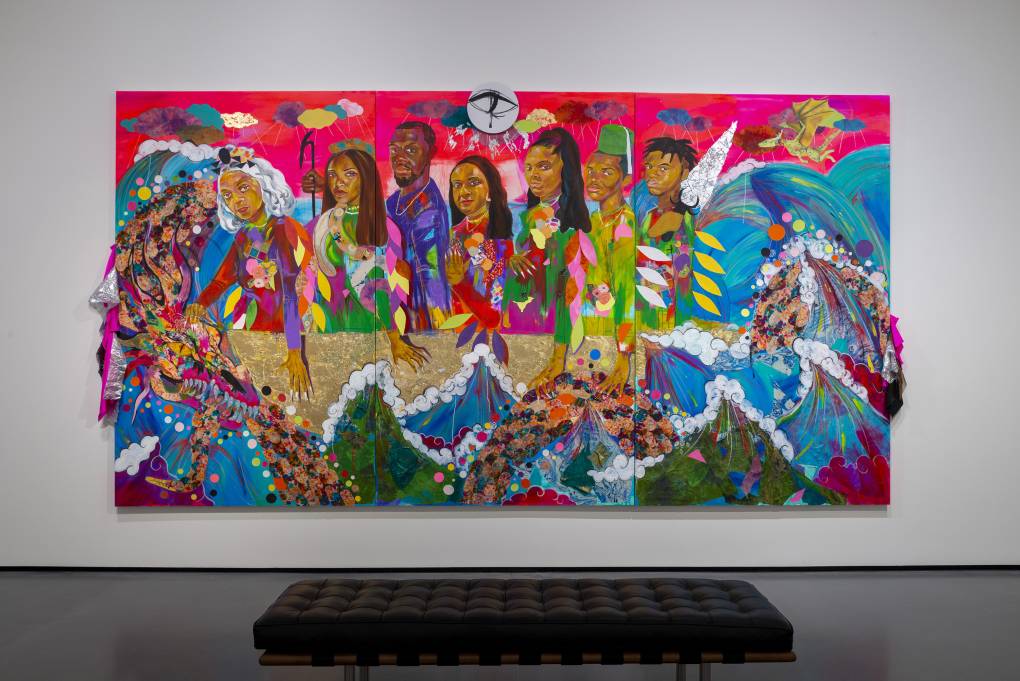
"caption": "Jamea Richmond-Edwards, 'This Water Runs Deep,' 2022; Mixed media and collage on canvas with sound.",
"description": null,
"title": "Richmond-EdwardJ_2022_Great_Migration_154",
"credit": "Courtesy the artist and Kravets Wehby Gallery; Photo by Mitro Hood, courtesy of the Mississippi Museum of Art and Baltimore Museum of Art",
"status": "inherit",
"altTag": "A colorful painting hangs on a wall in a gallery",
"fetchFailed": false,
"isLoading": false
},
"arts_13952334": {
"type": "attachments",
"id": "arts_13952334",
"meta": {
"index": "attachments_1716263798",
"site": "arts",
"id": "13952334",
"found": true
},
"parent": 13952329,
"imgSizes": {
"twentyfourteen-full-width": {
"file": "https://cdn.kqed.org/wp-content/uploads/sites/2/2024/02/Screenshot-2024-02-14-at-2.18.11-PM-1038x576.png",
"width": 1038,
"mimeType": "image/png",
"height": 576
},
"thumbnail": {
"file": "https://cdn.kqed.org/wp-content/uploads/sites/2/2024/02/Screenshot-2024-02-14-at-2.18.11-PM-160x150.png",
"width": 160,
"mimeType": "image/png",
"height": 150
},
"post-thumbnail": {
"file": "https://cdn.kqed.org/wp-content/uploads/sites/2/2024/02/Screenshot-2024-02-14-at-2.18.11-PM-672x372.png",
"width": 672,
"mimeType": "image/png",
"height": 372
},
"kqedFullSize": {
"file": "https://cdn.kqed.org/wp-content/uploads/sites/2/2024/02/Screenshot-2024-02-14-at-2.18.11-PM.png",
"width": 1242,
"height": 1166
},
"large": {
"file": "https://cdn.kqed.org/wp-content/uploads/sites/2/2024/02/Screenshot-2024-02-14-at-2.18.11-PM-1020x958.png",
"width": 1020,
"mimeType": "image/png",
"height": 958
},
"medium": {
"file": "https://cdn.kqed.org/wp-content/uploads/sites/2/2024/02/Screenshot-2024-02-14-at-2.18.11-PM-800x751.png",
"width": 800,
"mimeType": "image/png",
"height": 751
},
"medium_large": {
"file": "https://cdn.kqed.org/wp-content/uploads/sites/2/2024/02/Screenshot-2024-02-14-at-2.18.11-PM-768x721.png",
"width": 768,
"mimeType": "image/png",
"height": 721
}
},
"publishDate": 1707950493,
"modified": 1707950560,
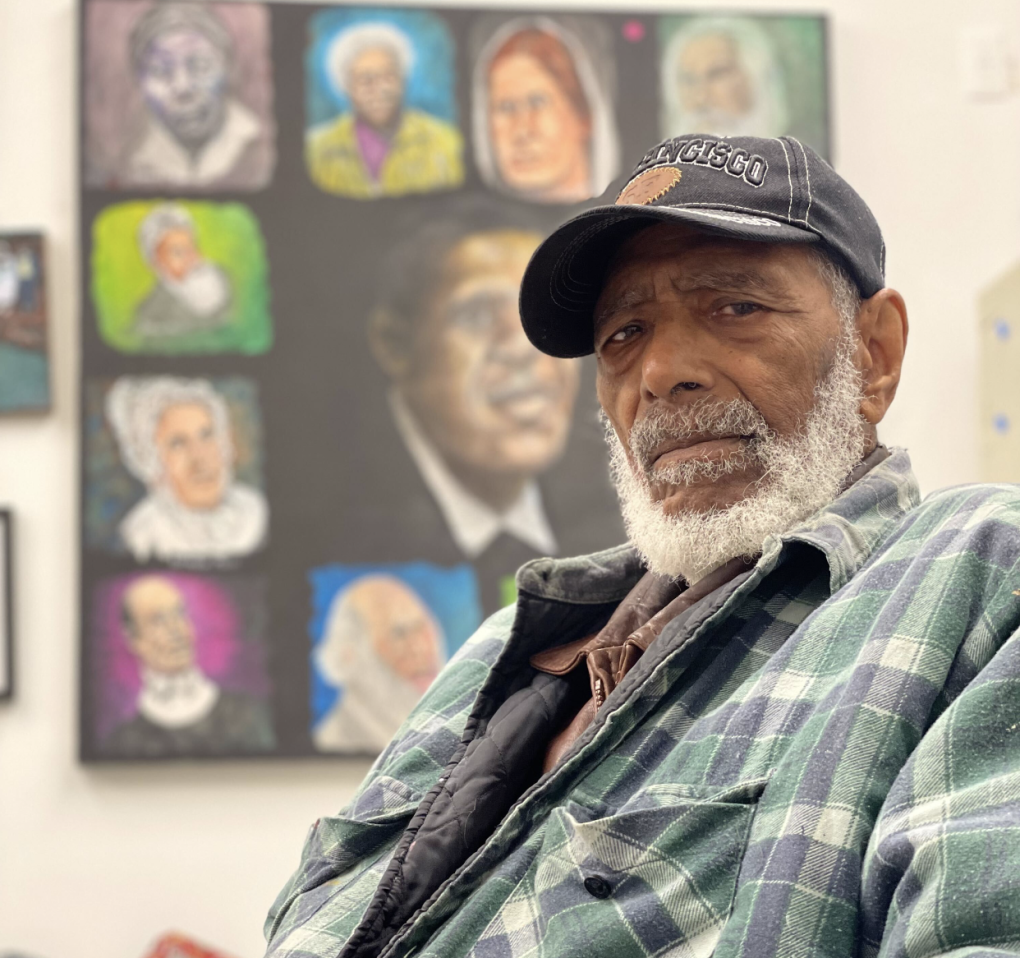
"caption": "Painter Ira Watkins at his studio in the Hunters Point Shipyard.",
"description": "Painter Ira Watkins sits, looking into the camera, at his studio in the Hunters Point Shipyard.",
"title": "Painter Ira Watkins at his studio in the Hunters Point Shipyard.",
"credit": "Pendarvis Harshaw",
"status": "inherit",
"altTag": "Painter Ira Watkins at his studio in the Hunters Point Shipyard.",
"fetchFailed": false,
"isLoading": false
},
"arts_13909508": {
"type": "attachments",
"id": "arts_13909508",
"meta": {
"index": "attachments_1716263798",
"site": "arts",
"id": "13909508",
"found": true
},
"parent": 13909444,
"imgSizes": {
"twentyfourteen-full-width": {
"file": "https://ww2.kqed.org/app/uploads/sites/2/2022/02/jason-moran-alicia-hall-moran-two-wings-1038x576.jpg",
"width": 1038,
"mimeType": "image/jpeg",
"height": 576
},
"thumbnail": {
"file": "https://ww2.kqed.org/app/uploads/sites/2/2022/02/jason-moran-alicia-hall-moran-two-wings-160x90.jpg",
"width": 160,
"mimeType": "image/jpeg",
"height": 90
},
"post-thumbnail": {
"file": "https://ww2.kqed.org/app/uploads/sites/2/2022/02/jason-moran-alicia-hall-moran-two-wings-672x372.jpg",
"width": 672,
"mimeType": "image/jpeg",
"height": 372
},
"kqedFullSize": {
"file": "https://ww2.kqed.org/app/uploads/sites/2/2022/02/jason-moran-alicia-hall-moran-two-wings.jpg",
"width": 1250,
"height": 703
},
"large": {
"file": "https://ww2.kqed.org/app/uploads/sites/2/2022/02/jason-moran-alicia-hall-moran-two-wings-1020x574.jpg",
"width": 1020,
"mimeType": "image/jpeg",
"height": 574
},
"medium": {
"file": "https://ww2.kqed.org/app/uploads/sites/2/2022/02/jason-moran-alicia-hall-moran-two-wings-800x450.jpg",
"width": 800,
"mimeType": "image/jpeg",
"height": 450
},
"medium_large": {
"file": "https://ww2.kqed.org/app/uploads/sites/2/2022/02/jason-moran-alicia-hall-moran-two-wings-768x432.jpg",
"width": 768,
"mimeType": "image/jpeg",
"height": 432
}
},
"publishDate": 1645037627,
"modified": 1645037705,
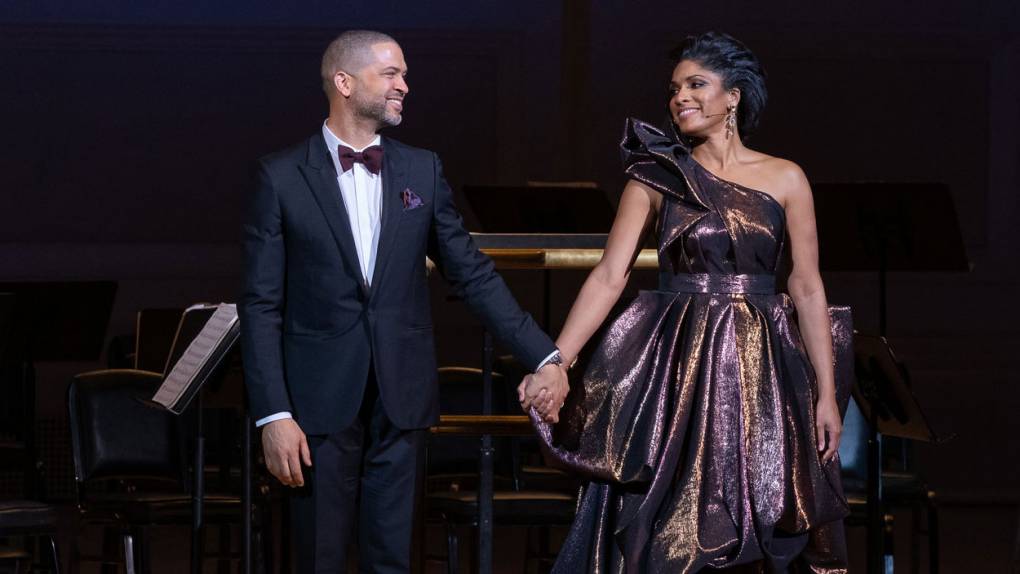
"caption": "Jason Moran and Alicia Hall-Moran bring their concert dedicated to the Great Migration to Berkeley's Zellerbach Hall on Feb. 17.",
"description": null,
"title": "jason-moran-alicia-hall-moran-two-wings",
"credit": "Fadi Kheir",
"status": "inherit",
"altTag": "A man in a suit and bowtie holds the hand of a woman in an opulent dress, on stage, in front of a piano",
"fetchFailed": false,
"isLoading": false
},
"arts_13894896": {
"type": "attachments",
"id": "arts_13894896",
"meta": {
"index": "attachments_1716263798",
"site": "arts",
"id": "13894896",
"found": true
},
"parent": 13894885,
"imgSizes": {
"twentyfourteen-full-width": {
"file": "https://ww2.kqed.org/app/uploads/sites/2/2021/03/DSC00059-1038x576.jpg",
"width": 1038,
"mimeType": "image/jpeg",
"height": 576
},
"thumbnail": {
"file": "https://ww2.kqed.org/app/uploads/sites/2/2021/03/DSC00059-160x107.jpg",
"width": 160,
"mimeType": "image/jpeg",
"height": 107
},
"post-thumbnail": {
"file": "https://ww2.kqed.org/app/uploads/sites/2/2021/03/DSC00059-672x372.jpg",
"width": 672,
"mimeType": "image/jpeg",
"height": 372
},
"kqedFullSize": {
"file": "https://ww2.kqed.org/app/uploads/sites/2/2021/03/DSC00059.jpg",
"width": 1616,
"height": 1080
},
"large": {
"file": "https://ww2.kqed.org/app/uploads/sites/2/2021/03/DSC00059-1020x682.jpg",
"width": 1020,
"mimeType": "image/jpeg",
"height": 682
},
"1536x1536": {
"file": "https://ww2.kqed.org/app/uploads/sites/2/2021/03/DSC00059-1536x1027.jpg",
"width": 1536,
"mimeType": "image/jpeg",
"height": 1027
},
"medium": {
"file": "https://ww2.kqed.org/app/uploads/sites/2/2021/03/DSC00059-800x535.jpg",
"width": 800,
"mimeType": "image/jpeg",
"height": 535
},
"medium_large": {
"file": "https://ww2.kqed.org/app/uploads/sites/2/2021/03/DSC00059-768x513.jpg",
"width": 768,
"mimeType": "image/jpeg",
"height": 513
}
},
"publishDate": 1617210533,
"modified": 1617234453,
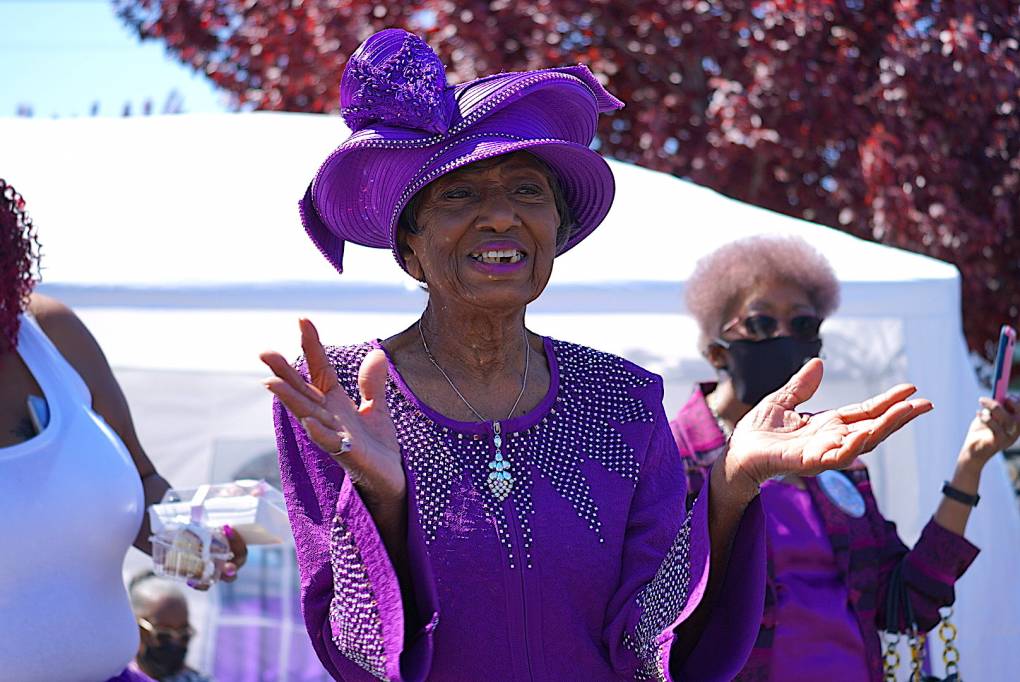
"caption": "Marcella Hubbard smiles as she stands and cheers as people drive by in celebration of her 100th birthday. ",
"description": "Marcella Hubbard smiles as she stands and cheers as people drive by in celebration of her 100th birthday. ",
"title": "Marcella Hubbard smiles as she stands and cheers as people drive by in celebration of her 100th birthday.",
"credit": "Pendarvis Harshaw/KQED",
"status": "inherit",
"altTag": "Marcella Hubbard smiles as she stands and cheers as people drive by in celebration of her 100th birthday.",
"fetchFailed": false,
"isLoading": false
}
},
"audioPlayerReducer": {
"postId": "stream_live",
"isPaused": true,
"isPlaying": false,
"pfsActive": false,
"pledgeModalIsOpen": true,
"playerDrawerIsOpen": false
},
"authorsReducer": {
"gmeline": {
"type": "authors",
"id": "185",
"meta": {
"index": "authors_1716337520",
"id": "185",
"found": true
},
"name": "Gabe Meline",
"firstName": "Gabe",
"lastName": "Meline",
"slug": "gmeline",
"email": "gmeline@kqed.org",
"display_author_email": false,
"staff_mastheads": [
"arts"
],
"title": "Senior Editor, KQED Arts & Culture",
"bio": "Gabe Meline entered journalism at age 15 making photocopied zines, and has since earned awards from the Edward R. Murrow Awards, the Society for Professional Journalists, the Online Journalism Awards, the Association of Alternative Newsweeklies and the California Newspaper Publishers Association. Prior to KQED, he was the editor of the \u003cem>North Bay Bohemian\u003c/em> and a touring musician. He lives with his wife, his daughter, and a 1964 Volvo in his hometown of Santa Rosa, CA.",
"avatar": "https://secure.gravatar.com/avatar/80e9715844c5fc3f07edac5b08973b76?s=600&d=blank&r=g",
"twitter": null,
"facebook": null,
"instagram": "gmeline",
"linkedin": null,
"sites": [
{
"site": "",
"roles": [
"editor"
]
},
{
"site": "arts",
"roles": [
"administrator"
]
},
{
"site": "artschool",
"roles": [
"editor"
]
},
{
"site": "news",
"roles": [
"author"
]
},
{
"site": "pop",
"roles": [
"editor"
]
},
{
"site": "bayareabites",
"roles": [
"editor"
]
},
{
"site": "food",
"roles": [
"editor"
]
},
{
"site": "liveblog",
"roles": [
"editor"
]
},
{
"site": "hiphop",
"roles": [
"editor"
]
}
],
"headData": {
"title": "Gabe Meline | KQED",
"description": "Senior Editor, KQED Arts & Culture",
"ogImgSrc": "https://secure.gravatar.com/avatar/80e9715844c5fc3f07edac5b08973b76?s=600&d=blank&r=g",
"twImgSrc": "https://secure.gravatar.com/avatar/80e9715844c5fc3f07edac5b08973b76?s=600&d=blank&r=g"
},
"isLoading": false,
"link": "/author/gmeline"
},
"aproehl": {
"type": "authors",
"id": "11296",
"meta": {
"index": "authors_1716337520",
"id": "11296",
"found": true
},
"name": "Ariana Proehl",
"firstName": "Ariana",
"lastName": "Proehl",
"slug": "aproehl",
"email": "aproehl@KQED.org",
"display_author_email": true,
"staff_mastheads": [
"news"
],
"title": "Culture Reporter, KQED",
"bio": "Ariana Proehl is a Culture Reporter and Host.",
"avatar": "https://secure.gravatar.com/avatar/c96b24567eb5bb3a4f8bb295ed53e232?s=600&d=blank&r=g",
"twitter": "ArianaProehl",
"facebook": null,
"instagram": null,
"linkedin": null,
"sites": [
{
"site": "arts",
"roles": []
},
{
"site": "news",
"roles": []
},
{
"site": "education",
"roles": []
},
{
"site": "forum",
"roles": []
}
],
"headData": {
"title": "Ariana Proehl | KQED",
"description": "Culture Reporter, KQED",
"ogImgSrc": "https://secure.gravatar.com/avatar/c96b24567eb5bb3a4f8bb295ed53e232?s=600&d=blank&r=g",
"twImgSrc": "https://secure.gravatar.com/avatar/c96b24567eb5bb3a4f8bb295ed53e232?s=600&d=blank&r=g"
},
"isLoading": false,
"link": "/author/aproehl"
},
"ogpenn": {
"type": "authors",
"id": "11491",
"meta": {
"index": "authors_1716337520",
"id": "11491",
"found": true
},
"name": "Pendarvis Harshaw",
"firstName": "Pendarvis",
"lastName": "Harshaw",
"slug": "ogpenn",
"email": "ogpenn@gmail.com",
"display_author_email": false,
"staff_mastheads": [
"arts"
],
"title": "Community Engagement Reporter",
"bio": "Pendarvis Harshaw is an educator, host and writer with KQED Arts.",
"avatar": "https://secure.gravatar.com/avatar/093d33baff5354890e29ad83d58d2c49?s=600&d=blank&r=g",
"twitter": null,
"facebook": null,
"instagram": "ogpenn",
"linkedin": null,
"sites": [
{
"site": "arts",
"roles": [
"editor"
]
},
{
"site": "news",
"roles": [
"editor"
]
},
{
"site": "bayareabites",
"roles": [
"author"
]
},
{
"site": "hiphop",
"roles": [
"editor"
]
}
],
"headData": {
"title": "Pendarvis Harshaw | KQED",
"description": "Community Engagement Reporter",
"ogImgSrc": "https://secure.gravatar.com/avatar/093d33baff5354890e29ad83d58d2c49?s=600&d=blank&r=g",
"twImgSrc": "https://secure.gravatar.com/avatar/093d33baff5354890e29ad83d58d2c49?s=600&d=blank&r=g"
},
"isLoading": false,
"link": "/author/ogpenn"
},
"mmedina": {
"type": "authors",
"id": "11528",
"meta": {
"index": "authors_1716337520",
"id": "11528",
"found": true
},
"name": "Marisol Medina-Cadena",
"firstName": "Marisol",
"lastName": "Medina-Cadena",
"slug": "mmedina",
"email": "mmedina@KQED.org",
"display_author_email": true,
"staff_mastheads": [],
"title": "Producer, Rightnowish Podcast",
"bio": "Marisol Medina-Cadena is a radio reporter and podcast producer. Before working at KQED, she produced for PBS member station, KCET, in Los Angeles. In 2017, Marisol won an Emmy Award for her work on the televised documentary, \u003cem>City Rising\u003c/em>, examining California's affordable housing crisis and the historical roots of gentrification.",
"avatar": "https://secure.gravatar.com/avatar/6c3db46a1cabb5e1fe9a365b5f4e681e?s=600&d=blank&r=g",
"twitter": "marisolreports",
"facebook": null,
"instagram": null,
"linkedin": null,
"sites": [
{
"site": "arts",
"roles": []
},
{
"site": "news",
"roles": [
"edit_others_posts"
]
}
],
"headData": {
"title": "Marisol Medina-Cadena | KQED",
"description": "Producer, Rightnowish Podcast",
"ogImgSrc": "https://secure.gravatar.com/avatar/6c3db46a1cabb5e1fe9a365b5f4e681e?s=600&d=blank&r=g",
"twImgSrc": "https://secure.gravatar.com/avatar/6c3db46a1cabb5e1fe9a365b5f4e681e?s=600&d=blank&r=g"
},
"isLoading": false,
"link": "/author/mmedina"
}
},
"breakingNewsReducer": {},
"pagesReducer": {},
"postsReducer": {
"stream_live": {
"type": "live",
"id": "stream_live",
"audioUrl": "https://streams.kqed.org/kqedradio",
"title": "Live Stream",
"excerpt": "Live Stream information currently unavailable.",
"link": "/radio",
"featImg": "",
"label": {
"name": "KQED Live",
"link": "/"
}
},
"stream_kqedNewscast": {
"type": "posts",
"id": "stream_kqedNewscast",
"audioUrl": "https://www.kqed.org/.stream/anon/radio/RDnews/newscast.mp3?_=1",
"title": "KQED Newscast",
"featImg": "",
"label": {
"name": "88.5 FM",
"link": "/"
}
},
"arts_13955969": {
"type": "posts",
"id": "arts_13955969",
"meta": {
"index": "posts_1716263798",
"site": "arts",
"id": "13955969",
"score": null,
"sort": [
1713212390000
]
},
"parent": 0,
"labelTerm": {
"site": "arts",
"term": 140
},
"blocks": [],
"publishDate": 1713212390,
"format": "standard",
"title": "BAMPFA’s Great Migration Show Brings Nuance to a History Shared by Millions",
"headTitle": "BAMPFA’s Great Migration Show Brings Nuance to a History Shared by Millions | KQED",
"content": "\u003cp>My mother was six years old when her family migrated west from Tallahassee, Florida in 1954. She was one of approximately six million Black people who moved out of the American South to Western, Northern and Midwestern states in the era known as \u003ca href=\"https://www.archives.gov/research/african-americans/migrations/great-migration\">the Great Migration\u003c/a>. My grandfather, a physician who had limited opportunities in the Jim Crow South, moved the family to Porterville, California in the Central Valley. They lived in Palo Alto for five or so years before ultimately settling in Southern California.\u003c/p>\n\u003cp>Those facts of my family’s migration story were front of mind as I walked through the new exhibition \u003ca href=\"https://bampfa.org/program/movement-every-direction-legacies-great-migration\">\u003ci>A Movement in Every Direction: Legacies of the Great Migration\u003c/i>\u003c/a>, on view at the Berkeley Art Museum and Pacific Film Archive through Sept. 22, 2024.\u003c/p>\n\u003cp>Translating this epic American story of the Great Migration, which has so many facets and truths (and warranted \u003ca href=\"http://warmth.isabelwilkerson.com/\">622 pages from scholar Isabel Wilkerson\u003c/a>), into a walkable, visual experience is a feat. \u003ci>A Movement in Every Direction\u003c/i>, which was co-organized by the Mississippi Museum of Art and the Baltimore Museum of Art and features 12 artists, beautifully showcases how this is a shared history for millions, with very intricate, individual stories.\u003c/p>\n\u003cfigure id=\"attachment_13955970\" class=\"wp-caption aligncenter\" style=\"max-width: 800px\">\u003cimg loading=\"lazy\" decoding=\"async\" class=\"wp-image-13955970 size-medium\" src=\"https://cdn.kqed.org/wp-content/uploads/sites/2/2024/04/A-Song-for-Travelers-final-800x288.jpg\" alt=\"Charcoal drawing depicting various Black people.\" width=\"800\" height=\"288\" srcset=\"https://cdn.kqed.org/wp-content/uploads/sites/2/2024/04/A-Song-for-Travelers-final-800x288.jpg 800w, https://cdn.kqed.org/wp-content/uploads/sites/2/2024/04/A-Song-for-Travelers-final-1020x367.jpg 1020w, https://cdn.kqed.org/wp-content/uploads/sites/2/2024/04/A-Song-for-Travelers-final-160x58.jpg 160w, https://cdn.kqed.org/wp-content/uploads/sites/2/2024/04/A-Song-for-Travelers-final-768x276.jpg 768w, https://cdn.kqed.org/wp-content/uploads/sites/2/2024/04/A-Song-for-Travelers-final-1536x552.jpg 1536w, https://cdn.kqed.org/wp-content/uploads/sites/2/2024/04/A-Song-for-Travelers-final-2048x736.jpg 2048w, https://cdn.kqed.org/wp-content/uploads/sites/2/2024/04/A-Song-for-Travelers-final-1920x690.jpg 1920w\" sizes=\"(max-width: 800px) 100vw, 800px\">\u003cfigcaption class=\"wp-caption-text\">Robert Pruitt, ‘A Song for Travelers,’ 2022; Charcoal, conté, and pastel on paper, mounted onto four aluminum panels. \u003ccite>(Courtesy of Adam Reich)\u003c/cite>\u003c/figcaption>\u003c/figure>\n\u003cp>Robert Pruitt’s large-scale charcoal drawing \u003ci>A Song for Travelers\u003c/i> (2022) feels emblematic of that intricacy — both in the craft of the piece and the story it tells. Pruitt draws inspiration from his personal archive (a family reunion photo from the 1970s) and the historical archive of his hometown Houston to depict a community of past and present-day figures offering gifts to a traveler.\u003c/p>\n\u003cp>The longer you look at this piece, the more detail is revealed. Noticing each gift elicits the bright-eyed feel of answering the question “Where’s Waldo?” It’s a feast for the eyes and the spirit, as one can imagine sitting in the traveler’s seat, receiving the support of the ancestors and community members.\u003c/p>\n\u003cfigure id=\"attachment_13955972\" class=\"wp-caption aligncenter\" style=\"max-width: 800px\">\u003cimg loading=\"lazy\" decoding=\"async\" class=\"wp-image-13955972 size-medium\" src=\"https://cdn.kqed.org/wp-content/uploads/sites/2/2024/04/2022_Great_Migration_207_o3-800x534.jpg\" alt=\"Two woven textiles hang on a white wall\" width=\"800\" height=\"534\" srcset=\"https://cdn.kqed.org/wp-content/uploads/sites/2/2024/04/2022_Great_Migration_207_o3-800x534.jpg 800w, https://cdn.kqed.org/wp-content/uploads/sites/2/2024/04/2022_Great_Migration_207_o3-1020x681.jpg 1020w, https://cdn.kqed.org/wp-content/uploads/sites/2/2024/04/2022_Great_Migration_207_o3-160x107.jpg 160w, https://cdn.kqed.org/wp-content/uploads/sites/2/2024/04/2022_Great_Migration_207_o3-768x513.jpg 768w, https://cdn.kqed.org/wp-content/uploads/sites/2/2024/04/2022_Great_Migration_207_o3-1536x1025.jpg 1536w, https://cdn.kqed.org/wp-content/uploads/sites/2/2024/04/2022_Great_Migration_207_o3-2048x1367.jpg 2048w, https://cdn.kqed.org/wp-content/uploads/sites/2/2024/04/2022_Great_Migration_207_o3-1920x1281.jpg 1920w\" sizes=\"(max-width: 800px) 100vw, 800px\">\u003cfigcaption class=\"wp-caption-text\">Akea Brionne, ‘School Children’ (left) and ‘Porch Sittin’ (right) from the series ‘An Ode To (You)’all,’ 2022; Jacquard tapestry, poly-fil, rhinestones. \u003ccite>(Courtesy the artist; Photo by Mitro Hood, courtesy of the Mississippi Museum of Art and Baltimore Museum of Art)\u003c/cite>\u003c/figcaption>\u003c/figure>\n\u003cp>The intricacy of stories is also evident in the detailed stitching of Akea Brionne’s tapestries for her installation \u003ci>An Ode to (You)’all\u003c/i> (2022), which reflects on Black maternal family structures through the lives of her great-grandmother and great-aunts. The textiles are eye-catching. By transforming old family photographs into jacquard weavings, which she bedazzles with sparkly embellishments, Akea Brionne honors the women who helped her family move north from Mississippi.\u003c/p>\n\u003cp>[ad fullwidth]\u003c/p>\n\u003cp>Some artists, like Torkwase Dyson, take a more abstract approach to the topic. Dyson, who researched plantation economies and Black liberation theory for her piece \u003ci>Way Over There Inside Me (A Festival of Inches)\u003c/i> (2022), says the abstract sculpture reflects how Black people “bend space to have life” throughout history. Dyson’s trapezoidal shapes, made of smoky glass, steel and aluminum, indeed invoke a number of musings about space, place and time; I was reminded of sci-fi-like portals to other locations or dimensions.\u003c/p>\n\u003cfigure id=\"attachment_13955974\" class=\"wp-caption aligncenter\" style=\"max-width: 800px\">\u003cimg loading=\"lazy\" decoding=\"async\" class=\"size-medium wp-image-13955974\" src=\"https://cdn.kqed.org/wp-content/uploads/sites/2/2024/04/DysonT_Install_04-800x446.jpg\" alt=\"Trapezoidal figures connected by bent metal bars displayed in the corner of a musuem.\" width=\"800\" height=\"446\" srcset=\"https://cdn.kqed.org/wp-content/uploads/sites/2/2024/04/DysonT_Install_04-800x446.jpg 800w, https://cdn.kqed.org/wp-content/uploads/sites/2/2024/04/DysonT_Install_04-1020x568.jpg 1020w, https://cdn.kqed.org/wp-content/uploads/sites/2/2024/04/DysonT_Install_04-160x89.jpg 160w, https://cdn.kqed.org/wp-content/uploads/sites/2/2024/04/DysonT_Install_04-768x428.jpg 768w, https://cdn.kqed.org/wp-content/uploads/sites/2/2024/04/DysonT_Install_04-1536x855.jpg 1536w, https://cdn.kqed.org/wp-content/uploads/sites/2/2024/04/DysonT_Install_04-2048x1140.jpg 2048w, https://cdn.kqed.org/wp-content/uploads/sites/2/2024/04/DysonT_Install_04-1920x1069.jpg 1920w\" sizes=\"(max-width: 800px) 100vw, 800px\">\u003cfigcaption class=\"wp-caption-text\">Torkwase Dyson, ‘Way Over There Inside Me (A Festival of Inches),’ 2022; Painted steel, glass, painted aluminum, dry-erase marker. \u003ccite>(Courtesy the artist and Pace Gallery; Photo by Mitro Hood, courtesy of the Mississippi Museum of Art and Baltimore Museum of Art)\u003c/cite>\u003c/figcaption>\u003c/figure>\n\u003cp>The exhibition is anchored by some big names (that were, admittedly, the first to catch my eye when the exhibition was announced). Carrie Mae Weems, Theaster Gates and Mark Bradford all contribute powerful new works. I never miss an opportunity to see Bradford’s work and his mural-sized installation – which duplicates a 1913 “WANTED” ad inviting Black families to join a Jim Crow-free settlement in New Mexico – doesn’t disappoint.\u003c/p>\n\u003cp>Weems’s video installation, titled \u003ci>Leave! Leave Now!\u003c/i> (2022), is simultaneously haunting and gorgeous. In it, Weems narrates what she knows of her grandfather’s journey to Chicago after he was presumed dead following an attack by a white mob in 1936. She also asks questions about the things she doesn’t know: “What was those early years like for you? When did you become a union organizer?”\u003c/p>\n\u003cfigure id=\"attachment_13955971\" class=\"wp-caption aligncenter\" style=\"max-width: 800px\">\u003cimg loading=\"lazy\" decoding=\"async\" class=\"size-medium wp-image-13955971\" src=\"https://cdn.kqed.org/wp-content/uploads/sites/2/2024/04/2022_TGM_MMA_321_o3-800x534.jpg\" alt=\"A black and white digital image floats in front of a slightly open red curtain\" width=\"800\" height=\"534\" srcset=\"https://cdn.kqed.org/wp-content/uploads/sites/2/2024/04/2022_TGM_MMA_321_o3-800x534.jpg 800w, https://cdn.kqed.org/wp-content/uploads/sites/2/2024/04/2022_TGM_MMA_321_o3-1020x681.jpg 1020w, https://cdn.kqed.org/wp-content/uploads/sites/2/2024/04/2022_TGM_MMA_321_o3-160x107.jpg 160w, https://cdn.kqed.org/wp-content/uploads/sites/2/2024/04/2022_TGM_MMA_321_o3-768x513.jpg 768w, https://cdn.kqed.org/wp-content/uploads/sites/2/2024/04/2022_TGM_MMA_321_o3-1536x1025.jpg 1536w, https://cdn.kqed.org/wp-content/uploads/sites/2/2024/04/2022_TGM_MMA_321_o3-2048x1367.jpg 2048w, https://cdn.kqed.org/wp-content/uploads/sites/2/2024/04/2022_TGM_MMA_321_o3-1920x1281.jpg 1920w\" sizes=\"(max-width: 800px) 100vw, 800px\">\u003cfigcaption class=\"wp-caption-text\">Carrie Mae Weems, ‘Leave! Leave Now!,’ 2022; Single-channel digital video (color, sound) installation with mixed media, 25 min. \u003ccite>(Courtesy the artist and Jack Shainman Gallery, New York; Photo by Mitro Hood, courtesy of the Mississippi Museum of Art and Baltimore Museum of Art)\u003c/cite>\u003c/figcaption>\u003c/figure>\n\u003cp>Leaving the exhibition, I too felt moved to ask more questions about my family’s migration story. I called my mother, realizing I’d never heard the specific reason they landed in Porterville first. “My father got a resident physician job at Porterville State Hospital [now Porterville Developmental Center] and the job came with a house,” she told me.\u003c/p>\n\u003cp>I won’t be surprised if other Black Californians are prompted to reflect on how and when their family members first arrived in the state after experiencing \u003ci>A Movement in Every Direction\u003c/i>. In fact, they’re invited to, via an interactive component where visitors can record memories about their family’s migration story to join a growing archive. (The program notes that more than 300,000 Black people arrived in the Bay Area during the Great Migration.)\u003c/p>\n\u003cp>For everyone who visits, the show and archive are a reminder of how strong the Black American spirit is — and how it continuously strives, in both life and in art.\u003c/p>\n\u003chr>\n\u003cp>\u003c/p>\n\u003cp>\u003ci>‘A Movement in Every Direction: Legacies of the Great Migration’ is on view through Sept. 22, 2024 at the Berkeley Art Museum and Pacific Film Archive (2155 Center St.). \u003ca href=\"https://bampfa.org/program/movement-every-direction-legacies-great-migration\">Find more details and information here\u003c/a>.\u003c/i>\u003c/p>\n\n",
"stats": {
"hasVideo": false,
"hasChartOrMap": false,
"hasAudio": false,
"hasPolis": false,
"wordCount": 1024,
"hasGoogleForm": false,
"hasGallery": false,
"hasHearkenModule": false,
"iframeSrcs": [],
"paragraphCount": 15
},
"modified": 1713462723,
"excerpt": "‘A Movement in Every Direction’ presents intricate, individual family stories in work by 12 artists.",
"headData": {
"twImgId": "",
"twTitle": "BAMPFA’s Great Migration Show Brings Nuance to a History Shared by Millions",
"socialTitle": "BAMPFA Show Tells Stories of the Great Migration Through Art %%page%% %%sep%% KQED",
"ogTitle": "BAMPFA’s Great Migration Show Brings Nuance to a History Shared by Millions",
"ogImgId": "",
"twDescription": "",
"description": "‘A Movement in Every Direction’ presents intricate, individual family stories in work by 12 artists.",
"title": "BAMPFA Show Tells Stories of the Great Migration Through Art | KQED",
"ogDescription": "",
"schema": {
"@context": "https://schema.org",
"@type": "Article",
"headline": "BAMPFA’s Great Migration Show Brings Nuance to a History Shared by Millions",
"datePublished": "2024-04-15T13:19:50-07:00",
"dateModified": "2024-04-18T10:52:03-07:00",
"image": "https://cdn.kqed.org/wp-content/uploads/2020/02/KQED-OG-Image@1x.png"
}
},
"guestAuthors": [],
"slug": "a-movement-in-every-direction-bampfa-the-great-migration-review",
"status": "publish",
"templateType": "standard",
"excludeFromSiteSearch": "Include",
"featuredImageType": "standard",
"sticky": false,
"articleAge": "0",
"path": "/arts/13955969/a-movement-in-every-direction-bampfa-the-great-migration-review",
"audioTrackLength": null,
"parsedContent": [
{
"type": "contentString",
"content": "\u003cdiv class=\"post-body\">\u003cp>\u003cp>My mother was six years old when her family migrated west from Tallahassee, Florida in 1954. She was one of approximately six million Black people who moved out of the American South to Western, Northern and Midwestern states in the era known as \u003ca href=\"https://www.archives.gov/research/african-americans/migrations/great-migration\">the Great Migration\u003c/a>. My grandfather, a physician who had limited opportunities in the Jim Crow South, moved the family to Porterville, California in the Central Valley. They lived in Palo Alto for five or so years before ultimately settling in Southern California.\u003c/p>\n\u003cp>Those facts of my family’s migration story were front of mind as I walked through the new exhibition \u003ca href=\"https://bampfa.org/program/movement-every-direction-legacies-great-migration\">\u003ci>A Movement in Every Direction: Legacies of the Great Migration\u003c/i>\u003c/a>, on view at the Berkeley Art Museum and Pacific Film Archive through Sept. 22, 2024.\u003c/p>\n\u003cp>Translating this epic American story of the Great Migration, which has so many facets and truths (and warranted \u003ca href=\"http://warmth.isabelwilkerson.com/\">622 pages from scholar Isabel Wilkerson\u003c/a>), into a walkable, visual experience is a feat. \u003ci>A Movement in Every Direction\u003c/i>, which was co-organized by the Mississippi Museum of Art and the Baltimore Museum of Art and features 12 artists, beautifully showcases how this is a shared history for millions, with very intricate, individual stories.\u003c/p>\n\u003cfigure id=\"attachment_13955970\" class=\"wp-caption aligncenter\" style=\"max-width: 800px\">\u003cimg loading=\"lazy\" decoding=\"async\" class=\"wp-image-13955970 size-medium\" src=\"https://cdn.kqed.org/wp-content/uploads/sites/2/2024/04/A-Song-for-Travelers-final-800x288.jpg\" alt=\"Charcoal drawing depicting various Black people.\" width=\"800\" height=\"288\" srcset=\"https://cdn.kqed.org/wp-content/uploads/sites/2/2024/04/A-Song-for-Travelers-final-800x288.jpg 800w, https://cdn.kqed.org/wp-content/uploads/sites/2/2024/04/A-Song-for-Travelers-final-1020x367.jpg 1020w, https://cdn.kqed.org/wp-content/uploads/sites/2/2024/04/A-Song-for-Travelers-final-160x58.jpg 160w, https://cdn.kqed.org/wp-content/uploads/sites/2/2024/04/A-Song-for-Travelers-final-768x276.jpg 768w, https://cdn.kqed.org/wp-content/uploads/sites/2/2024/04/A-Song-for-Travelers-final-1536x552.jpg 1536w, https://cdn.kqed.org/wp-content/uploads/sites/2/2024/04/A-Song-for-Travelers-final-2048x736.jpg 2048w, https://cdn.kqed.org/wp-content/uploads/sites/2/2024/04/A-Song-for-Travelers-final-1920x690.jpg 1920w\" sizes=\"(max-width: 800px) 100vw, 800px\">\u003cfigcaption class=\"wp-caption-text\">Robert Pruitt, ‘A Song for Travelers,’ 2022; Charcoal, conté, and pastel on paper, mounted onto four aluminum panels. \u003ccite>(Courtesy of Adam Reich)\u003c/cite>\u003c/figcaption>\u003c/figure>\n\u003cp>Robert Pruitt’s large-scale charcoal drawing \u003ci>A Song for Travelers\u003c/i> (2022) feels emblematic of that intricacy — both in the craft of the piece and the story it tells. Pruitt draws inspiration from his personal archive (a family reunion photo from the 1970s) and the historical archive of his hometown Houston to depict a community of past and present-day figures offering gifts to a traveler.\u003c/p>\n\u003cp>The longer you look at this piece, the more detail is revealed. Noticing each gift elicits the bright-eyed feel of answering the question “Where’s Waldo?” It’s a feast for the eyes and the spirit, as one can imagine sitting in the traveler’s seat, receiving the support of the ancestors and community members.\u003c/p>\n\u003cfigure id=\"attachment_13955972\" class=\"wp-caption aligncenter\" style=\"max-width: 800px\">\u003cimg loading=\"lazy\" decoding=\"async\" class=\"wp-image-13955972 size-medium\" src=\"https://cdn.kqed.org/wp-content/uploads/sites/2/2024/04/2022_Great_Migration_207_o3-800x534.jpg\" alt=\"Two woven textiles hang on a white wall\" width=\"800\" height=\"534\" srcset=\"https://cdn.kqed.org/wp-content/uploads/sites/2/2024/04/2022_Great_Migration_207_o3-800x534.jpg 800w, https://cdn.kqed.org/wp-content/uploads/sites/2/2024/04/2022_Great_Migration_207_o3-1020x681.jpg 1020w, https://cdn.kqed.org/wp-content/uploads/sites/2/2024/04/2022_Great_Migration_207_o3-160x107.jpg 160w, https://cdn.kqed.org/wp-content/uploads/sites/2/2024/04/2022_Great_Migration_207_o3-768x513.jpg 768w, https://cdn.kqed.org/wp-content/uploads/sites/2/2024/04/2022_Great_Migration_207_o3-1536x1025.jpg 1536w, https://cdn.kqed.org/wp-content/uploads/sites/2/2024/04/2022_Great_Migration_207_o3-2048x1367.jpg 2048w, https://cdn.kqed.org/wp-content/uploads/sites/2/2024/04/2022_Great_Migration_207_o3-1920x1281.jpg 1920w\" sizes=\"(max-width: 800px) 100vw, 800px\">\u003cfigcaption class=\"wp-caption-text\">Akea Brionne, ‘School Children’ (left) and ‘Porch Sittin’ (right) from the series ‘An Ode To (You)’all,’ 2022; Jacquard tapestry, poly-fil, rhinestones. \u003ccite>(Courtesy the artist; Photo by Mitro Hood, courtesy of the Mississippi Museum of Art and Baltimore Museum of Art)\u003c/cite>\u003c/figcaption>\u003c/figure>\n\u003cp>The intricacy of stories is also evident in the detailed stitching of Akea Brionne’s tapestries for her installation \u003ci>An Ode to (You)’all\u003c/i> (2022), which reflects on Black maternal family structures through the lives of her great-grandmother and great-aunts. The textiles are eye-catching. By transforming old family photographs into jacquard weavings, which she bedazzles with sparkly embellishments, Akea Brionne honors the women who helped her family move north from Mississippi.\u003c/p>\n\u003cp>\u003c/p>\u003c/div>",
"attributes": {
"named": {},
"numeric": []
}
},
{
"type": "component",
"content": "",
"name": "ad",
"attributes": {
"named": {
"label": "fullwidth"
},
"numeric": [
"fullwidth"
]
}
},
{
"type": "contentString",
"content": "\u003cdiv class=\"post-body\">\u003cp>\u003c/p>\n\u003cp>Some artists, like Torkwase Dyson, take a more abstract approach to the topic. Dyson, who researched plantation economies and Black liberation theory for her piece \u003ci>Way Over There Inside Me (A Festival of Inches)\u003c/i> (2022), says the abstract sculpture reflects how Black people “bend space to have life” throughout history. Dyson’s trapezoidal shapes, made of smoky glass, steel and aluminum, indeed invoke a number of musings about space, place and time; I was reminded of sci-fi-like portals to other locations or dimensions.\u003c/p>\n\u003cfigure id=\"attachment_13955974\" class=\"wp-caption aligncenter\" style=\"max-width: 800px\">\u003cimg loading=\"lazy\" decoding=\"async\" class=\"size-medium wp-image-13955974\" src=\"https://cdn.kqed.org/wp-content/uploads/sites/2/2024/04/DysonT_Install_04-800x446.jpg\" alt=\"Trapezoidal figures connected by bent metal bars displayed in the corner of a musuem.\" width=\"800\" height=\"446\" srcset=\"https://cdn.kqed.org/wp-content/uploads/sites/2/2024/04/DysonT_Install_04-800x446.jpg 800w, https://cdn.kqed.org/wp-content/uploads/sites/2/2024/04/DysonT_Install_04-1020x568.jpg 1020w, https://cdn.kqed.org/wp-content/uploads/sites/2/2024/04/DysonT_Install_04-160x89.jpg 160w, https://cdn.kqed.org/wp-content/uploads/sites/2/2024/04/DysonT_Install_04-768x428.jpg 768w, https://cdn.kqed.org/wp-content/uploads/sites/2/2024/04/DysonT_Install_04-1536x855.jpg 1536w, https://cdn.kqed.org/wp-content/uploads/sites/2/2024/04/DysonT_Install_04-2048x1140.jpg 2048w, https://cdn.kqed.org/wp-content/uploads/sites/2/2024/04/DysonT_Install_04-1920x1069.jpg 1920w\" sizes=\"(max-width: 800px) 100vw, 800px\">\u003cfigcaption class=\"wp-caption-text\">Torkwase Dyson, ‘Way Over There Inside Me (A Festival of Inches),’ 2022; Painted steel, glass, painted aluminum, dry-erase marker. \u003ccite>(Courtesy the artist and Pace Gallery; Photo by Mitro Hood, courtesy of the Mississippi Museum of Art and Baltimore Museum of Art)\u003c/cite>\u003c/figcaption>\u003c/figure>\n\u003cp>The exhibition is anchored by some big names (that were, admittedly, the first to catch my eye when the exhibition was announced). Carrie Mae Weems, Theaster Gates and Mark Bradford all contribute powerful new works. I never miss an opportunity to see Bradford’s work and his mural-sized installation – which duplicates a 1913 “WANTED” ad inviting Black families to join a Jim Crow-free settlement in New Mexico – doesn’t disappoint.\u003c/p>\n\u003cp>Weems’s video installation, titled \u003ci>Leave! Leave Now!\u003c/i> (2022), is simultaneously haunting and gorgeous. In it, Weems narrates what she knows of her grandfather’s journey to Chicago after he was presumed dead following an attack by a white mob in 1936. She also asks questions about the things she doesn’t know: “What was those early years like for you? When did you become a union organizer?”\u003c/p>\n\u003cfigure id=\"attachment_13955971\" class=\"wp-caption aligncenter\" style=\"max-width: 800px\">\u003cimg loading=\"lazy\" decoding=\"async\" class=\"size-medium wp-image-13955971\" src=\"https://cdn.kqed.org/wp-content/uploads/sites/2/2024/04/2022_TGM_MMA_321_o3-800x534.jpg\" alt=\"A black and white digital image floats in front of a slightly open red curtain\" width=\"800\" height=\"534\" srcset=\"https://cdn.kqed.org/wp-content/uploads/sites/2/2024/04/2022_TGM_MMA_321_o3-800x534.jpg 800w, https://cdn.kqed.org/wp-content/uploads/sites/2/2024/04/2022_TGM_MMA_321_o3-1020x681.jpg 1020w, https://cdn.kqed.org/wp-content/uploads/sites/2/2024/04/2022_TGM_MMA_321_o3-160x107.jpg 160w, https://cdn.kqed.org/wp-content/uploads/sites/2/2024/04/2022_TGM_MMA_321_o3-768x513.jpg 768w, https://cdn.kqed.org/wp-content/uploads/sites/2/2024/04/2022_TGM_MMA_321_o3-1536x1025.jpg 1536w, https://cdn.kqed.org/wp-content/uploads/sites/2/2024/04/2022_TGM_MMA_321_o3-2048x1367.jpg 2048w, https://cdn.kqed.org/wp-content/uploads/sites/2/2024/04/2022_TGM_MMA_321_o3-1920x1281.jpg 1920w\" sizes=\"(max-width: 800px) 100vw, 800px\">\u003cfigcaption class=\"wp-caption-text\">Carrie Mae Weems, ‘Leave! Leave Now!,’ 2022; Single-channel digital video (color, sound) installation with mixed media, 25 min. \u003ccite>(Courtesy the artist and Jack Shainman Gallery, New York; Photo by Mitro Hood, courtesy of the Mississippi Museum of Art and Baltimore Museum of Art)\u003c/cite>\u003c/figcaption>\u003c/figure>\n\u003cp>Leaving the exhibition, I too felt moved to ask more questions about my family’s migration story. I called my mother, realizing I’d never heard the specific reason they landed in Porterville first. “My father got a resident physician job at Porterville State Hospital [now Porterville Developmental Center] and the job came with a house,” she told me.\u003c/p>\n\u003cp>I won’t be surprised if other Black Californians are prompted to reflect on how and when their family members first arrived in the state after experiencing \u003ci>A Movement in Every Direction\u003c/i>. In fact, they’re invited to, via an interactive component where visitors can record memories about their family’s migration story to join a growing archive. (The program notes that more than 300,000 Black people arrived in the Bay Area during the Great Migration.)\u003c/p>\n\u003cp>For everyone who visits, the show and archive are a reminder of how strong the Black American spirit is — and how it continuously strives, in both life and in art.\u003c/p>\n\u003chr>\n\u003cp>\u003c/p>\n\u003cp>\u003ci>‘A Movement in Every Direction: Legacies of the Great Migration’ is on view through Sept. 22, 2024 at the Berkeley Art Museum and Pacific Film Archive (2155 Center St.). \u003ca href=\"https://bampfa.org/program/movement-every-direction-legacies-great-migration\">Find more details and information here\u003c/a>.\u003c/i>\u003c/p>\n\n\u003c/div>\u003c/p>",
"attributes": {
"named": {},
"numeric": []
}
}
],
"link": "/arts/13955969/a-movement-in-every-direction-bampfa-the-great-migration-review",
"authors": [
"11296"
],
"programs": [
"arts_140"
],
"categories": [
"arts_1",
"arts_70"
],
"tags": [
"arts_2227",
"arts_10342",
"arts_10278",
"arts_13952",
"arts_769",
"arts_585"
],
"featImg": "arts_13955973",
"label": "arts_140"
},
"arts_13952329": {
"type": "posts",
"id": "arts_13952329",
"meta": {
"index": "posts_1716263798",
"site": "arts",
"id": "13952329",
"score": null,
"sort": [
1707994848000
]
},
"guestAuthors": [],
"slug": "six-decades-of-painting-black-history",
"title": "Six Decades of Painting Black History",
"publishDate": 1707994848,
"format": "audio",
"headTitle": "Six Decades of Painting Black History | KQED",
"labelTerm": {
"term": 8720,
"site": "arts"
},
"content": "\u003cp>\u003ca href=\"#episode-transcript\">\u003ci>\u003cspan style=\"font-weight: 400\">View the full episode transcript.\u003c/span>\u003c/i>\u003c/a>\u003c/p>\n\u003cp>Ira Watkins paints Black history while living it.\u003c/p>\n\u003cp>He’s a self-taught visual artist who has been using dazzling colors, expressive images and hidden messages to document Black history for decades.\u003c/p>\n\u003cp>Originally from Waco, Texas, Ira left the south in 1957 on the heels of a street racing accident that knocked a house off of its foundation. Ira says he feared what his punishment might be, so after the accident he just kept going.\u003c/p>\n\u003cfigure id=\"attachment_13952336\" class=\"wp-caption aligncenter\" style=\"max-width: 800px\">\u003cimg loading=\"lazy\" decoding=\"async\" class=\"size-medium wp-image-13952336\" src=\"https://cdn.kqed.org/wp-content/uploads/sites/2/2024/02/IraWatkins_PhotoBy_PendarvisHarshaw_13-800x1067.jpg\" alt=\"Painter Ira Watkins shows one of his many pieces that adorn the walls of his studio in Hunters Point Shipyard. \" width=\"800\" height=\"1067\" srcset=\"https://cdn.kqed.org/wp-content/uploads/sites/2/2024/02/IraWatkins_PhotoBy_PendarvisHarshaw_13-800x1067.jpg 800w, https://cdn.kqed.org/wp-content/uploads/sites/2/2024/02/IraWatkins_PhotoBy_PendarvisHarshaw_13-1020x1360.jpg 1020w, https://cdn.kqed.org/wp-content/uploads/sites/2/2024/02/IraWatkins_PhotoBy_PendarvisHarshaw_13-160x213.jpg 160w, https://cdn.kqed.org/wp-content/uploads/sites/2/2024/02/IraWatkins_PhotoBy_PendarvisHarshaw_13-768x1024.jpg 768w, https://cdn.kqed.org/wp-content/uploads/sites/2/2024/02/IraWatkins_PhotoBy_PendarvisHarshaw_13-1152x1536.jpg 1152w, https://cdn.kqed.org/wp-content/uploads/sites/2/2024/02/IraWatkins_PhotoBy_PendarvisHarshaw_13-1536x2048.jpg 1536w, https://cdn.kqed.org/wp-content/uploads/sites/2/2024/02/IraWatkins_PhotoBy_PendarvisHarshaw_13-scaled.jpg 1920w\" sizes=\"(max-width: 800px) 100vw, 800px\">\u003cfigcaption class=\"wp-caption-text\">Painter Ira Watkins shows one of his many pieces that adorn the walls of his studio in Hunters Point Shipyard. \u003ccite>(Pendarvis Harshaw)\u003c/cite>\u003c/figcaption>\u003c/figure>\n\u003cp>He arrived in the Bay Area, stopping first in Richmond before moving to San Francisco, where he fell in love with the bustling, big city. He hung out in the Tenderloin where the extravagant nightlife kept him entertained, and he’d frequent pool halls in the Dogpatch neighborhood– as he was a self-proclaimed pool shark.\u003c/p>\n\u003cp>His life took on a new chapter when he stumbled into Hospitality House, a community-based organization. There he was given the necessary resources and guidance to launch his career as a painter; and he hasn’t stop painting since.\u003c/p>\n\u003cp>His work has graced walls in his Bayview neighborhood and has been shown at the Tenderloin Museum. He’s also painted a huge mural in his hometown of Waco, Texas, where the city dedicated a day in his honor– now every January 17 is “Ira Watkins Day.”\u003c/p>\n\u003cp>This week we talk about Black history with someone who has seen it firsthand, and used his hands to make sure the stories are passed on.\u003c/p>\n\u003cfigure id=\"attachment_13952339\" class=\"wp-caption aligncenter\" style=\"max-width: 800px\">\u003cimg loading=\"lazy\" decoding=\"async\" class=\"size-medium wp-image-13952339\" src=\"https://cdn.kqed.org/wp-content/uploads/sites/2/2024/02/IraWatkins_PhotoBy_PendarvisHarshaw_7-800x535.jpg\" alt='\"Thanks to this little bitty brush, man, I done had all kinds of doors and opportunity to open for me!\"- Ira Watkins' width=\"800\" height=\"535\" srcset=\"https://cdn.kqed.org/wp-content/uploads/sites/2/2024/02/IraWatkins_PhotoBy_PendarvisHarshaw_7-800x535.jpg 800w, https://cdn.kqed.org/wp-content/uploads/sites/2/2024/02/IraWatkins_PhotoBy_PendarvisHarshaw_7-1020x682.jpg 1020w, https://cdn.kqed.org/wp-content/uploads/sites/2/2024/02/IraWatkins_PhotoBy_PendarvisHarshaw_7-160x107.jpg 160w, https://cdn.kqed.org/wp-content/uploads/sites/2/2024/02/IraWatkins_PhotoBy_PendarvisHarshaw_7-768x513.jpg 768w, https://cdn.kqed.org/wp-content/uploads/sites/2/2024/02/IraWatkins_PhotoBy_PendarvisHarshaw_7-1536x1027.jpg 1536w, https://cdn.kqed.org/wp-content/uploads/sites/2/2024/02/IraWatkins_PhotoBy_PendarvisHarshaw_7.jpg 1616w\" sizes=\"(max-width: 800px) 100vw, 800px\">\u003cfigcaption class=\"wp-caption-text\">“Thanks to this little bitty brush, man, I done had all kinds of doors and opportunity to open for me!”- Ira Watkins \u003ccite>(Pendarvis Harshaw)\u003c/cite>\u003c/figcaption>\u003c/figure>\n\u003cp>Ira’s work can be seen in the \u003ci data-stringify-type=\"italic\">\u003ca class=\"c-link\" href=\"https://www.shipyardartists.com/shipyard-artists-honor-black-history-month-at-cafe-alma/\" target=\"_blank\" rel=\"noopener noreferrer\" data-stringify-link=\"https://www.shipyardartists.com/shipyard-artists-honor-black-history-month-at-cafe-alma/\" data-sk=\"tooltip_parent\">Black on Point\u003c/a>\u003c/i> exhibit at Cafe Alma in the Bayview. The exhibit runs February 5, 2024 – March 2, 2024.\u003c/p>\n\u003cp>\u003c!-- iframe plugin v.4.3 wordpress.org/plugins/iframe/ -->\u003cbr>\n\u003ciframe loading=\"lazy\" frameborder=\"0\" height=\"200\" scrolling=\"no\" src=\"https://playlist.megaphone.fm/?e=KQINC9778775184\" width=\"100%\" class=\"iframe-class\">\u003c/iframe>\u003c/p>\n\u003ch2>\u003c/h2>\n\u003ch2 id=\"episode-transcript\">Episode Transcript\u003c/h2>\n\u003cp>\u003ci>\u003cspan style=\"font-weight: 400\">[Music playing]\u003c/span>\u003c/i>\u003c/p>\n\u003cp>\u003cb>Pendarvis Harshaw, host: \u003c/b>\u003cspan style=\"font-weight: 400\">Hey\u003c/span> \u003cspan style=\"font-weight: 400\">what’s up y’all? Welcome to Rightnowish. I’m your host, Pendarvis Harshaw. \u003c/span>\u003c/p>\n\u003cp>\u003cspan style=\"font-weight: 400\">I recently talked to a brother who is a longtime visual artist, a former pool shark and a living example of the impact of the Great Migration. His name is Ira Watkins. \u003c/span>\u003c/p>\n\u003cp>\u003cspan style=\"font-weight: 400\">He’s a well-renowned artist who’s been painting for decades. And since leaving the south and arriving in the Bay Area in the mid 1900s, Ira has been constantly contributing to the culture of this region.\u003c/span>\u003c/p>\n\u003cp>\u003cspan style=\"font-weight: 400\">His work can be found on walls in the Bayview, in a studio in the Hunter’s Point Shipyard, and at the Tenderloin Museum. \u003c/span>\u003c/p>\n\u003cp>\u003cspan style=\"font-weight: 400\">His paintings are filled with Black faces with pronounced features, wide smiles and rosy cheeks. And in just about every painting there are these little details referring to historical facts or figures– almost like easter eggs for those who are paying attention. \u003c/span>\u003c/p>\n\u003cp>\u003cspan style=\"font-weight: 400\">One of his most famous paintings led to the creation of Ira Watkins day in his hometown of Waco, Texas. It’s a long expansive mural depicting major historical events and local landmarks from the Waco area. \u003c/span>\u003c/p>\n\u003cp>\u003cspan style=\"font-weight: 400\">A small version of it was the first thing that caught my attention when Rightnowish’s Marisol Medina-Cadena and I pulled up to his studio in Hunter’s Point. We talked about that image, as well as the importance of preserving history through art, and the thriving culture of the Tenderloin back in the day. \u003c/span>\u003c/p>\n\u003cp>\u003cspan style=\"font-weight: 400\">More from Ira Watkins after this!\u003c/span>\u003c/p>\n\u003cp>\u003cspan style=\"font-weight: 400\">We’re in your studio, in the Hunters Point shipyard. As soon as I walked in, I felt like I was in a museum as well as, like, it’s familial. It’s Black faces. There’s Harriet Tubman, there’s Frederick Douglass, as well as people I could identify looking like community members or people from history books. And it’s artistic. It’s flavorful. There’s so much to pull from. I’m like, there’s stories behind every piece. And the first piece you introduced me to was this one up top. What’s the story behind this piece right here?\u003c/span>\u003c/p>\n\u003cp>\u003cb>Ira Watkins: \u003c/b>\u003cspan style=\"font-weight: 400\">I\u003c/span> \u003cspan style=\"font-weight: 400\">had did the, uh, Martin Luther King mural project in Waco, Texas, which they named a day after me for doing that project. Then Doreen Ravenscroft got in touch with me and asked me would I be interested in doing a mural pertaining to South Waco. I told her “yeah”, she said, “well do me a design.”\u003c/span>\u003c/p>\n\u003cp>\u003cspan style=\"font-weight: 400\">\u003cbr>\n\u003c/span>\u003cspan style=\"font-weight: 400\">So I got a book pertaining to the history of McLennan County, which is Waco is in. It’s the biggest city in McLennan County.\u003c/span> \u003cspan style=\"font-weight: 400\">Then from there, I got an idea. That bridge is represent the oldest, uh, one of the oldest suspension bridges in the USA. It’s a tourist attraction where they just have events on it. No traffic has been on it for years. \u003c/span>\u003c/p>\n\u003cp>\u003cspan style=\"font-weight: 400\">Over here on the left is, uh, in 1953, the tornado came through Waco and wiped it out, downtown section. This on this end over here represent the, uh, tornado and the destruction and everything.\u003c/span>\u003ci>\u003cspan style=\"font-weight: 400\"> \u003c/span>\u003c/i>\u003c/p>\n\u003cp>\u003cb>Pendarvis Harshaw: \u003c/b>\u003cspan style=\"font-weight: 400\">It still tells an amazing story. There’s a lot of history depicted in it, and the fact that it’s the blueprint for a larger piece that still stands today is really impressive.\u003c/span>\u003ci>\u003cspan style=\"font-weight: 400\"> \u003c/span>\u003c/i>\u003c/p>\n\u003cp>\u003cspan style=\"font-weight: 400\">What is a day in the life like for you?\u003c/span>\u003c/p>\n\u003cp>\u003cb>Ira Watkins: \u003c/b>\u003cspan style=\"font-weight: 400\">This is my life right here. I come here every day! The lady that works in the office, she say, “Do you, uh, paint every day?” I say ‘Yeah. I like to create.’\u003c/span>\u003c/p>\n\u003cp>\u003cspan style=\"font-weight: 400\">Some people just like to paint flowers. I don’t knock them, that’s their approach to art. But my approach to art is I try to tell a story with what I knew about or read about, a vision from me is to try to get it out there, to give you a different opinion to history. You know, that’s, that’s all it is to me. \u003c/span>\u003cb> \u003c/b>\u003c/p>\n\u003cp>\u003cspan style=\"font-weight: 400\">I’m a self-taught artist, and I just do stuff and hope that it tells a story. Take that big picture. Not that..the big one. The first picture up here.\u003c/span>\u003cspan style=\"font-weight: 400\">\u003cbr>\n\u003c/span>\u003cb>\u003c/b>\u003c/p>\n\u003cp>\u003cb>Pendarvis Harshaw: \u003c/b>\u003cspan style=\"font-weight: 400\">Mhm.\u003c/span>\u003c/p>\n\u003cp>\u003cb>Ira Watkins: \u003c/b>\u003cspan style=\"font-weight: 400\">I done had all kind of comments on that.\u003c/span>\u003c/p>\n\u003cp>\u003cb>Pendarvis Harshaw: \u003c/b>\u003cspan style=\"font-weight: 400\">The depiction is… um, or the thing that pops out is on the left side there’s a big green book which says “his story.” And the other one, it’s an upside down King James Holy Bible. And in between the two books are the words-\u003c/span>\u003c/p>\n\u003cp>\u003cb>Ira Watkins: \u003c/b>\u003cspan style=\"font-weight: 400\">Well you see what it says in the middle?\u003c/span>\u003cspan style=\"font-weight: 400\">\u003cbr>\n\u003c/span>\u003cspan style=\"font-weight: 400\">\u003cbr>\n\u003c/span>\u003cb>Pendarvis Harshaw: \u003c/b>\u003cspan style=\"font-weight: 400\">Yeah, “two big lies” right in the middle of it. Yeah. And then behind them are, uh, the community of Black folks. Even further beyond them, it looks like there’s some people.\u003c/span>\u003c/p>\n\u003cp>\u003cb>Ira Watkins: \u003c/b>\u003cspan style=\"font-weight: 400\">Yeah.\u003c/span>\u003c/p>\n\u003cp>\u003cb>Pendarvis Harshaw: \u003c/b>\u003cspan style=\"font-weight: 400\">Picking cotton.\u003c/span>\u003c/p>\n\u003cp>\u003cb>Ira Watkins: \u003c/b>\u003cspan style=\"font-weight: 400\">Where you see the field, labor and all that stuff, the horses and mules and cotton and stuff like that? But the history, Columbus. They taught that shit in school. Columbus discovered America. Well what about all the people there waving at his ass when he come ashore? You know, what about their history? Then, the Bible, King James version, anytime you say “version,” you’re copying. And anytime you copy something, you’re going to interpret something different.\u003c/span>\u003c/p>\n\u003cp>\u003cb>Marisol Medina-Cadena, host: \u003c/b>\u003cspan style=\"font-weight: 400\">You were born in Waco, Texas, but you live here and you’ve been doing so for a while, a couple decades. So what brought you to San Francisco?\u003c/span>\u003c/p>\n\u003cp>\u003ci>\u003cspan style=\"font-weight: 400\">[Music playing]\u003c/span>\u003c/i>\u003c/p>\n\u003cp>\u003cb>Ira Watkins: \u003c/b>\u003cspan style=\"font-weight: 400\">I wrecked my mom’s car, and I didn’t want to get my butt whooped, so I just took off.\u003c/span>\u003c/p>\n\u003cp>\u003cspan style=\"font-weight: 400\">My oldest brother could get the car and when he had it, All I had to do was find him because he hung at the pool hall and stuff like this here. “Hey, man let me use the car for a minute.” “All right. Just don’t go down this way.”\u003c/span>\u003c/p>\n\u003cp>\u003cspan style=\"font-weight: 400\">And one day, one of my oldest friends who’s still alive today. He pull…“Who you got in the car with you, man?” “Man, don’t let him see it.” That started the race. \u003c/span>\u003ci>\u003cspan style=\"font-weight: 400\">[laughs] \u003c/span>\u003c/i>\u003cspan style=\"font-weight: 400\">Next thing you know, we didn’t run into no car. We bumped each other and went up and believe it or not, hit a house and knocked the house off the foundation,one block, no, two blocks up the street from where my parents lived.\u003c/span>\u003c/p>\n\u003cp>\u003cspan style=\"font-weight: 400\">So when my father came down and, you know, like spectators and everything. My father told me, said, “I don’t know what kind of lie you tellin’ them, but I could look at them tire tracks and tell you was racing. I’ll see you when you get home.”\u003c/span>\u003ci>\u003cspan style=\"font-weight: 400\"> [laughs]\u003c/span>\u003c/i>\u003cspan style=\"font-weight: 400\"> I kept going. I didn’t go home. I wasn’t going to be able to stand that part. Not that my father was no cruel person, but his word was law.\u003c/span>\u003c/p>\n\u003cp>\u003cb>Marisol Medina-Cadena: \u003c/b>\u003cspan style=\"font-weight: 400\">So you picked the Bay area because you had an uncle in Richmond?\u003c/span>\u003c/p>\n\u003cp>\u003cb>Ira Watkins: \u003c/b>\u003cspan style=\"font-weight: 400\">My oldest brother lived in Los Angeles. I stayed in Los Angeles. My uncle came through. My uncle… one of those guys that had his government contracts all over the world. Got in a car, came to Richmond, California. Got relatives over there.\u003c/span>\u003c/p>\n\u003cp>\u003cspan style=\"font-weight: 400\">And my uncle told me “Anywhere in the USA you want to go, I’ll get you a one way ticket.” I came to San Francisco, and I ain’t never regret it.\u003c/span>\u003c/p>\n\u003cp>\u003cspan style=\"font-weight: 400\">And plus, during that time, I was a real good pool player. I shot pool good enough, I couldn’t make no living where I’d be having big time money. But I could keep the cheat off me. I could eat, and get me- see, when I came to San Francisco. You could get a room, man, cheap. I mean, real cheap. You can’t do that no more. Hell, they want $100, $200 for fleabag now in San Francisco you know. \u003c/span>\u003c/p>\n\u003cp>\u003ci>\u003cspan style=\"font-weight: 400\">[Music playing]\u003c/span>\u003c/i>\u003c/p>\n\u003cp>\u003cb>Ira Watkins: \u003c/b>\u003cspan style=\"font-weight: 400\">The tenderloin district when I came here was lit up like Vegas and everything. All kind of neon lights and everything was down there, man.\u003c/span>\u003c/p>\n\u003cp>\u003cspan style=\"font-weight: 400\">\u003cbr>\n\u003c/span>\u003cb>Pendarvis Harshaw: \u003c/b>\u003cspan style=\"font-weight: 400\">So would you consider yourself like a pool shark back in the day?\u003c/span>\u003c/p>\n\u003cp>\u003ci>\u003cspan style=\"font-weight: 400\">[Billiards SFX]\u003c/span>\u003c/i>\u003c/p>\n\u003cp>\u003cb>Ira Watkins: \u003c/b>\u003cspan style=\"font-weight: 400\">I would say that. I used to hitchhike around a lot and I guess go to place- I don’t carry no pool cue with me, but I go to a place where they had these little mini pool tables and stuff and just stand around and watch people. ‘Aww, hell, I can beat him.’ \u003c/span>\u003ci>\u003cspan style=\"font-weight: 400\">[laughs]\u003c/span>\u003c/i>\u003cspan style=\"font-weight: 400\"> ‘I could beat this one.’ You know, you let them win some, you win some. But the whole thing is when you leave, you just want to have enough money to survive on. And then you come back tomorrow and beat 2 or 3 people then move on. You know, that’s how that went, man. And Dogpatch here, used to have a pool hall right down Tennessee and was a 22nd I think it is, but it used to be a pool hall there. I used to go there every day and win some money every day.\u003c/span>\u003c/p>\n\u003cp>\u003ci>\u003cspan style=\"font-weight: 400\">[Music playing]\u003c/span>\u003c/i>\u003c/p>\n\u003cp>\u003cb>Pendarvis Harshaw:\u003c/b> \u003cspan style=\"font-weight: 400\">You started to paint the picture of what San Francisco looked like when you first got here and I wanted to kind of put it in context. You coming up here in the mid 50s, the, uh, mid 1900s in general was known for this massive influx of Black folks from the south coming up in what’s deemed the Great Migration. And I’m wondering from your perspective, did you see San Francisco get Blacker?\u003c/span>\u003ci>\u003cspan style=\"font-weight: 400\"> \u003c/span>\u003c/i>\u003c/p>\n\u003cp>\u003cb>Ira Watkins: \u003c/b>\u003cspan style=\"font-weight: 400\">See when I came, if you was on Hayes and Fillmore and you looking towards Geary, man all you seen was Cadillacs and Buicks and things, Black people. Now they had other races, but it was predominantly Black people. They had a hotel called the Booker T. Washington. This place here was about nine stories high. It was owned by a Black dude out of New Orleans called Red Duvene. \u003c/span>\u003c/p>\n\u003cp>\u003cspan style=\"font-weight: 400\">All I could say is San Francisco back during that time was thriving. They had a theater on Market street, see Market used to have about four or five theaters on it. They had one called the Emerson. Everybody and any and everyone that was down and out or anything, that’s where you can meet them at, at the Emerson. All you have to do is go in and get your $1 per ticket. I think it opened at 9:30 to 11:00 at night. \u003c/span>\u003c/p>\n\u003cp>\u003cb>T\u003c/b>\u003cspan style=\"font-weight: 400\">hey had Fosters restaurants all over San Francisco. You could go and sit in and get your cup of coffee and get your newspaper and sit there and just pretend that you’re drinking your coffee or whatever, ‘cause some more people that you know, that’s in the street, they’re gon’ come in and sit somewhere around here, have a few minutes conversation and boom. \u003c/span>\u003c/p>\n\u003cp>\u003cspan style=\"font-weight: 400\">When you really looked at the reality part, it was hell. But on the other hand, it was cool. I done been to most of the states in the USA, and this is the best city that I’ve been to, San Francisco. Los Angeles is all right, but then it can’t compare to San Francisco.\u003c/span>\u003c/p>\n\u003cp>\u003cb>Pendarivs Harshaw:\u003c/b>\u003cspan style=\"font-weight: 400\">I love the way you talk about personal survival as well as community survival, and also how you eventually gravitated toward the arts. \u003c/span>\u003c/p>\n\u003cp>\u003cb>Marisol Medina-Cadena: \u003c/b>\u003cspan style=\"font-weight: 400\">You got your start making art at this place called\u003c/span>\u003ca href=\"https://www.hospitalityhouse.org/\">\u003cspan style=\"font-weight: 400\"> Hospitality House\u003c/span>\u003c/a>\u003cspan style=\"font-weight: 400\">?\u003c/span>\u003c/p>\n\u003cp>\u003cb>Ira Watkins: \u003c/b>\u003cspan style=\"font-weight: 400\">It was later on in life, when I got to the part where I started, uh, I got involved in house painting with one of my relatives and that is how I learned the five basic colors of paint and through that, over the years, I guess developed from there. And then when I went to the Central City Hospitality House, a friend of mine who had told me, say, “You always talk about how good you can draw and paint. I know this place, man that if you can draw, they’ll give you all the supplies and sell your paintings if it’s worth anything.” I couldn’t believe that shit. And I had passed by this place hundreds of times and never even thought about going on inside!\u003c/span>\u003c/p>\n\u003cp>\u003ci>\u003cspan style=\"font-weight: 400\">[Music playing]\u003c/span>\u003c/i>\u003c/p>\n\u003cp>\u003cspan style=\"font-weight: 400\">And I stepped through the door and the guy say, uh, “Can I help you?” \u003c/span>\u003c/p>\n\u003cp>\u003cspan style=\"font-weight: 400\">I say, “Yeah, I want to see about, uh, joining an art program here.” \u003c/span>\u003c/p>\n\u003cp>\u003cspan style=\"font-weight: 400\">“Can you paint?” \u003c/span>\u003c/p>\n\u003cp>\u003cspan style=\"font-weight: 400\">I said, “Yeah.”\u003c/span>\u003c/p>\n\u003cp>\u003cspan style=\"font-weight: 400\"> “Can you give me a demonstration?” And I started going. After about a month. They asked me would I be interested in volunteering. I stayed there, volunteering for about five years in that program.\u003c/span>\u003c/p>\n\u003cp>\u003cspan style=\"font-weight: 400\">I never got involved in, uh, you know, welfare and stuff like it. I never had anything to do with them until I got to the Hospitality House, and they made it possible for me to get food stamps, a check and all of this stuff. So that’s how come I stayed there volunteering for five years but at the same time, I had kind of got away from hustling the pool in the streets and things for the simple reason, you know, I would, not every day, but I sell a picture, $150, $200. Well, that was cool to me because hell, I had never been selling nothing. If you wanted something painted, I’d paint you a picture. if you gave me something, cool, if you didn’t, you know, if you was just my friend I was doing something for.\u003c/span>\u003c/p>\n\u003cp>\u003cspan style=\"font-weight: 400\">So then, uh, my work started selling. Then a little bit more. Then next thing, I start getting interviews. I just, all kind of things started happening for me. And I just, like today, I just tell everybody, thanks to this little bitty brush, man, I done had all kinds of doors and opportunity to open for me.\u003c/span>\u003c/p>\n\u003cp>\u003cspan style=\"font-weight: 400\">\u003cbr>\n\u003c/span>\u003cb>Marisol Medina-Cadena: \u003c/b>\u003cspan style=\"font-weight: 400\">Yeah, you currently live on Third Street in the George Davis Senior Center? \u003c/span>\u003c/p>\n\u003cp>\u003cb>Ira Watkins:\u003c/b>\u003cspan style=\"font-weight: 400\"> Yup. \u003c/span>\u003c/p>\n\u003cp>\u003cb>Marisol Medina-Cadena: \u003c/b>\u003cspan style=\"font-weight: 400\">What’s that like?\u003c/span>\u003c/p>\n\u003cp>\u003cb>Ira Watkins: \u003c/b>\u003cspan style=\"font-weight: 400\">It’s great for the simple reason: I got a roof over my head. I got an apartment that I can afford.\u003c/span>\u003c/p>\n\u003cp>\u003cspan style=\"font-weight: 400\">You know, like I shoot pool cause they have a pool table there. I play dominoes, but it’s been maybe about a month since I went did that because, you know, you just get burned out hearing death stories.\u003c/span>\u003c/p>\n\u003cp>\u003cspan style=\"font-weight: 400\">I don’t want to sit around and be around, I’m 82, I don’t want to hang around no 82 year old peoples all the time. Hell \u003c/span>\u003ci>\u003cspan style=\"font-weight: 400\">[laughs] \u003c/span>\u003c/i>\u003cspan style=\"font-weight: 400\">For what? What are we going to talk about? “Are you going here?” I hear enough of them. They talk about doctors. Hell, I don’t want to hear about your sickness. No, I’m just telling you like it is.\u003c/span>\u003c/p>\n\u003cp>\u003cb>Marisol Medina-Cadena: \u003c/b>\u003cspan style=\"font-weight: 400\">Do you ever teach art to them?\u003c/span>\u003c/p>\n\u003cp>\u003cb>Ira Watkins: \u003c/b>\u003cspan style=\"font-weight: 400\">I started the art class there, and, for about three years, and then, uh, I just moved on. I’m involved enough with my personal art thing. That’s the reason I stopped because it made me be obligated on Tuesdays to go and open up the studio, the art room there. I got enough on my plate, I might say, for me to do. How many more years I’m gon’ to be around here on the planet? And I want to enjoy the rest of my time for me. \u003c/span>\u003c/p>\n\u003cp>\u003cb>Pendarvis Harshaw: \u003c/b>\u003cspan style=\"font-weight: 400\">Love it. You’re so active. You’re so focused. You know what you want to do. You know why you here. And I’m like… I’m wondering, is there any advice that you can give to younger artists who want to walk a similar path and have a long, luxurious career as an artist?\u003c/span>\u003c/p>\n\u003cp>\u003cb>Ira Watkins:\u003c/b>\u003cspan style=\"font-weight: 400\"> You\u003c/span> \u003cspan style=\"font-weight: 400\">gotta be your own self. You can’t be tripping off of what other people think of you. They always gon’ have that negative view. Even people that, when I say negative view, people that you socialize with, that you consider your friend and everything, that you went to elementary school with and all of that. You’re not going to be tight with them all the time. Ya’ll gon’ have friction, you know? So you have to stay focused on you, you’re first, before you can reach out to other people.\u003c/span>\u003c/p>\n\u003cp>\u003ci>\u003cspan style=\"font-weight: 400\">[Music playing]\u003c/span>\u003c/i>\u003c/p>\n\u003cp>\u003cb>Ira Watkins: \u003c/b>\u003cspan style=\"font-weight: 400\">Best thing I could tell a young person, If you go get a job, that don’t mean that you’re going to be, uh, financially successful. That don’t mean that you’re going to have all the shit that you want. But if you go get a job, if it’s flipping hamburgers at McDonald’s or Burger King or something like this here, in the long run, you’ll come out better than standing on that corner down there.\u003c/span>\u003c/p>\n\u003cp>\u003cspan style=\"font-weight: 400\">But it’s the older you get, the less energy that you have to do any-damn-thing. Well, when you get up to about 60, whole lot of energy is gone. But the guy that’s been flipping the hamburger can count on a Social Security check. You can’t count on nobody because you didn’t plot!\u003c/span>\u003c/p>\n\u003cp>\u003cb>Pendarvis Harshaw: \u003c/b>\u003cspan style=\"font-weight: 400\">It makes sense. What it boils all down to is investing in yourself. Yeah. Investing in yourself and being aware of the benefits, the long term benefits of what it looks like to invest in yourself, consistently. \u003c/span>\u003c/p>\n\u003cp>\u003ci>\u003cspan style=\"font-weight: 400\">[Music playing]\u003c/span>\u003c/i>\u003c/p>\n\u003cp>\u003cb>Pendarvis Harshaw: \u003c/b>\u003cspan style=\"font-weight: 400\">A lifetime dedicated to art, shooting pool and staying on the move. Ira Watkins, thank you. Thank you for sharing a bit of your story with us. \u003c/span>\u003c/p>\n\u003cp>\u003cspan style=\"font-weight: 400\">For all of my folks out there listening, Ira isn’t online– he doesn’t do the social media thing. But his work is readily on display at his space in the \u003c/span>\u003ca href=\"https://www.shipyardartists.com/\">\u003cspan style=\"font-weight: 400\"> Hunter’s Point Shipyard Arts Studios\u003c/span>\u003c/a>\u003cspan style=\"font-weight: 400\">. \u003c/span>\u003c/p>\n\u003cp>\u003cspan style=\"font-weight: 400\">And, I’d add that there are so many other artists out there just like Ira– self taught, doing their work to preserve history, and making art every single day, so I ask that you stop by a local museum or attend an art show. Not only do the artists benefit from this, you will as well. \u003c/span>\u003c/p>\n\u003cp>\u003cspan style=\"font-weight: 400\">This episode was hosted by me, Pendarvis Harshaw and Marisol Medina Cadena. It was produced by Sheree Bishop. Chris Hambrick is our editor. Christopher Beale is our engineer. Additional support provided by Jen Chien, Katie Sprenger, Cesar Saldaña, Ugur Dursun and Holly Kernan.\u003c/span>\u003c/p>\n\u003cp>\u003cspan style=\"font-weight: 400\">Rightnowish is a KQED Production.\u003c/span>\u003c/p>\n\u003cp>\u003cspan style=\"font-weight: 400\">Happy Black History Month, ya’ll. \u003c/span>\u003c/p>\n\u003cp>\u003cspan style=\"font-weight: 400\">Until next time, peace.\u003c/span>\u003c/p>\n\u003cp> \u003c/p>\n\u003cp>\u003cimg loading=\"lazy\" decoding=\"async\" class=\"aligncenter size-full wp-image-12127869\" src=\"https://ww2.kqed.org/app/uploads/sites/2/2016/09/Q.Logo_.Break_.jpg\" alt=\"\" width=\"800\" height=\"78\" srcset=\"https://cdn.kqed.org/wp-content/uploads/sites/2/2016/09/Q.Logo_.Break_.jpg 800w, https://cdn.kqed.org/wp-content/uploads/sites/2/2016/09/Q.Logo_.Break_-400x39.jpg 400w, https://cdn.kqed.org/wp-content/uploads/sites/2/2016/09/Q.Logo_.Break_-768x75.jpg 768w\" sizes=\"(max-width: 800px) 100vw, 800px\">\u003c/p>\n\u003cp>\u003cstrong>\u003cem>Rightnowish is an arts and culture podcast produced at KQED. Listen to it wherever you get your podcasts or click the play button at the top of this page and subscribe to the show on \u003ca href=\"https://www.npr.org/podcasts/721590300/rightnowish\">NPR One\u003c/a>, \u003ca href=\"https://open.spotify.com/show/7kEJuafTzTVan7B78ttz1I\">Spotify\u003c/a>, \u003ca href=\"https://podcasts.apple.com/us/podcast/rightnowish/id1482187648\">Apple Podcasts\u003c/a>, \u003ca href=\"https://tunein.com/podcasts/Arts--Culture-Podcasts/Rightnowish-p1258245/\">TuneIn\u003c/a>, \u003ca href=\"https://www.stitcher.com/podcast/kqed/rightnowish\">Stitcher\u003c/a> or wherever you get your podcasts. \u003c/em>\u003c/strong>\u003c/p>\n\u003cp>[ad fullwidth]=\u003c/p>\n\u003cp>[ad floatright]\u003c/p>\n",
"blocks": [],
"excerpt": "Ira Watkins is a self-taught visual artist who has been documenting Black history for decades.",
"status": "publish",
"parent": 0,
"modified": 1726875417,
"stats": {
"hasAudio": true,
"hasVideo": false,
"hasChartOrMap": false,
"iframeSrcs": [],
"hasGoogleForm": false,
"hasGallery": false,
"hasHearkenModule": false,
"hasPolis": false,
"paragraphCount": 92,
"wordCount": 3743
},
"headData": {
"title": "Six Decades of Painting Black History | KQED",
"description": "Ira Watkins paints Black history while living it. He's a self-taught visual artist who has been using dazzling colors, expressive images and hidden messages to document Black history for decades.",
"ogTitle": "",
"ogDescription": "",
"ogImgId": "",
"twTitle": "",
"twDescription": "",
"twImgId": "",
"socialDescription": "Ira Watkins paints Black history while living it. He's a self-taught visual artist who has been using dazzling colors, expressive images and hidden messages to document Black history for decades.",
"schema": {
"@context": "https://schema.org",
"@type": "Article",
"headline": "Six Decades of Painting Black History",
"datePublished": "2024-02-15T03:00:48-08:00",
"dateModified": "2024-09-20T16:36:57-07:00",
"image": "https://cdn.kqed.org/wp-content/uploads/2020/02/KQED-OG-Image@1x.png"
}
},
"audioUrl": "https://www.podtrac.com/pts/redirect.mp3/chrt.fm/track/G6C7C3/traffic.megaphone.fm/KQINC9778775184.mp3?updated=1707962609",
"sticky": false,
"templateType": "standard",
"featuredImageType": "standard",
"excludeFromSiteSearch": "Include",
"articleAge": "0",
"path": "/arts/13952329/six-decades-of-painting-black-history",
"audioTrackLength": null,
"parsedContent": [
{
"type": "contentString",
"content": "\u003cdiv class=\"post-body\">\u003cp>\u003cp>\u003ca href=\"#episode-transcript\">\u003ci>\u003cspan style=\"font-weight: 400\">View the full episode transcript.\u003c/span>\u003c/i>\u003c/a>\u003c/p>\n\u003cp>Ira Watkins paints Black history while living it.\u003c/p>\n\u003cp>He’s a self-taught visual artist who has been using dazzling colors, expressive images and hidden messages to document Black history for decades.\u003c/p>\n\u003cp>Originally from Waco, Texas, Ira left the south in 1957 on the heels of a street racing accident that knocked a house off of its foundation. Ira says he feared what his punishment might be, so after the accident he just kept going.\u003c/p>\n\u003cfigure id=\"attachment_13952336\" class=\"wp-caption aligncenter\" style=\"max-width: 800px\">\u003cimg loading=\"lazy\" decoding=\"async\" class=\"size-medium wp-image-13952336\" src=\"https://cdn.kqed.org/wp-content/uploads/sites/2/2024/02/IraWatkins_PhotoBy_PendarvisHarshaw_13-800x1067.jpg\" alt=\"Painter Ira Watkins shows one of his many pieces that adorn the walls of his studio in Hunters Point Shipyard. \" width=\"800\" height=\"1067\" srcset=\"https://cdn.kqed.org/wp-content/uploads/sites/2/2024/02/IraWatkins_PhotoBy_PendarvisHarshaw_13-800x1067.jpg 800w, https://cdn.kqed.org/wp-content/uploads/sites/2/2024/02/IraWatkins_PhotoBy_PendarvisHarshaw_13-1020x1360.jpg 1020w, https://cdn.kqed.org/wp-content/uploads/sites/2/2024/02/IraWatkins_PhotoBy_PendarvisHarshaw_13-160x213.jpg 160w, https://cdn.kqed.org/wp-content/uploads/sites/2/2024/02/IraWatkins_PhotoBy_PendarvisHarshaw_13-768x1024.jpg 768w, https://cdn.kqed.org/wp-content/uploads/sites/2/2024/02/IraWatkins_PhotoBy_PendarvisHarshaw_13-1152x1536.jpg 1152w, https://cdn.kqed.org/wp-content/uploads/sites/2/2024/02/IraWatkins_PhotoBy_PendarvisHarshaw_13-1536x2048.jpg 1536w, https://cdn.kqed.org/wp-content/uploads/sites/2/2024/02/IraWatkins_PhotoBy_PendarvisHarshaw_13-scaled.jpg 1920w\" sizes=\"(max-width: 800px) 100vw, 800px\">\u003cfigcaption class=\"wp-caption-text\">Painter Ira Watkins shows one of his many pieces that adorn the walls of his studio in Hunters Point Shipyard. \u003ccite>(Pendarvis Harshaw)\u003c/cite>\u003c/figcaption>\u003c/figure>\n\u003cp>He arrived in the Bay Area, stopping first in Richmond before moving to San Francisco, where he fell in love with the bustling, big city. He hung out in the Tenderloin where the extravagant nightlife kept him entertained, and he’d frequent pool halls in the Dogpatch neighborhood– as he was a self-proclaimed pool shark.\u003c/p>\n\u003cp>His life took on a new chapter when he stumbled into Hospitality House, a community-based organization. There he was given the necessary resources and guidance to launch his career as a painter; and he hasn’t stop painting since.\u003c/p>\n\u003cp>His work has graced walls in his Bayview neighborhood and has been shown at the Tenderloin Museum. He’s also painted a huge mural in his hometown of Waco, Texas, where the city dedicated a day in his honor– now every January 17 is “Ira Watkins Day.”\u003c/p>\n\u003cp>This week we talk about Black history with someone who has seen it firsthand, and used his hands to make sure the stories are passed on.\u003c/p>\n\u003cfigure id=\"attachment_13952339\" class=\"wp-caption aligncenter\" style=\"max-width: 800px\">\u003cimg loading=\"lazy\" decoding=\"async\" class=\"size-medium wp-image-13952339\" src=\"https://cdn.kqed.org/wp-content/uploads/sites/2/2024/02/IraWatkins_PhotoBy_PendarvisHarshaw_7-800x535.jpg\" alt='\"Thanks to this little bitty brush, man, I done had all kinds of doors and opportunity to open for me!\"- Ira Watkins' width=\"800\" height=\"535\" srcset=\"https://cdn.kqed.org/wp-content/uploads/sites/2/2024/02/IraWatkins_PhotoBy_PendarvisHarshaw_7-800x535.jpg 800w, https://cdn.kqed.org/wp-content/uploads/sites/2/2024/02/IraWatkins_PhotoBy_PendarvisHarshaw_7-1020x682.jpg 1020w, https://cdn.kqed.org/wp-content/uploads/sites/2/2024/02/IraWatkins_PhotoBy_PendarvisHarshaw_7-160x107.jpg 160w, https://cdn.kqed.org/wp-content/uploads/sites/2/2024/02/IraWatkins_PhotoBy_PendarvisHarshaw_7-768x513.jpg 768w, https://cdn.kqed.org/wp-content/uploads/sites/2/2024/02/IraWatkins_PhotoBy_PendarvisHarshaw_7-1536x1027.jpg 1536w, https://cdn.kqed.org/wp-content/uploads/sites/2/2024/02/IraWatkins_PhotoBy_PendarvisHarshaw_7.jpg 1616w\" sizes=\"(max-width: 800px) 100vw, 800px\">\u003cfigcaption class=\"wp-caption-text\">“Thanks to this little bitty brush, man, I done had all kinds of doors and opportunity to open for me!”- Ira Watkins \u003ccite>(Pendarvis Harshaw)\u003c/cite>\u003c/figcaption>\u003c/figure>\n\u003cp>Ira’s work can be seen in the \u003ci data-stringify-type=\"italic\">\u003ca class=\"c-link\" href=\"https://www.shipyardartists.com/shipyard-artists-honor-black-history-month-at-cafe-alma/\" target=\"_blank\" rel=\"noopener noreferrer\" data-stringify-link=\"https://www.shipyardartists.com/shipyard-artists-honor-black-history-month-at-cafe-alma/\" data-sk=\"tooltip_parent\">Black on Point\u003c/a>\u003c/i> exhibit at Cafe Alma in the Bayview. The exhibit runs February 5, 2024 – March 2, 2024.\u003c/p>\n\u003cp>\u003c!-- iframe plugin v.4.3 wordpress.org/plugins/iframe/ -->\u003cbr>\n\u003ciframe loading=\"lazy\" frameborder=\"0\" height=\"200\" scrolling=\"no\" src=\"https://playlist.megaphone.fm/?e=KQINC9778775184\" width=\"100%\" class=\"iframe-class\">\u003c/iframe>\u003c/p>\n\u003ch2>\u003c/h2>\n\u003ch2 id=\"episode-transcript\">Episode Transcript\u003c/h2>\n\u003cp>\u003ci>\u003cspan style=\"font-weight: 400\">[Music playing]\u003c/span>\u003c/i>\u003c/p>\n\u003cp>\u003cb>Pendarvis Harshaw, host: \u003c/b>\u003cspan style=\"font-weight: 400\">Hey\u003c/span> \u003cspan style=\"font-weight: 400\">what’s up y’all? Welcome to Rightnowish. I’m your host, Pendarvis Harshaw. \u003c/span>\u003c/p>\n\u003cp>\u003cspan style=\"font-weight: 400\">I recently talked to a brother who is a longtime visual artist, a former pool shark and a living example of the impact of the Great Migration. His name is Ira Watkins. \u003c/span>\u003c/p>\n\u003cp>\u003cspan style=\"font-weight: 400\">He’s a well-renowned artist who’s been painting for decades. And since leaving the south and arriving in the Bay Area in the mid 1900s, Ira has been constantly contributing to the culture of this region.\u003c/span>\u003c/p>\n\u003cp>\u003cspan style=\"font-weight: 400\">His work can be found on walls in the Bayview, in a studio in the Hunter’s Point Shipyard, and at the Tenderloin Museum. \u003c/span>\u003c/p>\n\u003cp>\u003cspan style=\"font-weight: 400\">His paintings are filled with Black faces with pronounced features, wide smiles and rosy cheeks. And in just about every painting there are these little details referring to historical facts or figures– almost like easter eggs for those who are paying attention. \u003c/span>\u003c/p>\n\u003cp>\u003cspan style=\"font-weight: 400\">One of his most famous paintings led to the creation of Ira Watkins day in his hometown of Waco, Texas. It’s a long expansive mural depicting major historical events and local landmarks from the Waco area. \u003c/span>\u003c/p>\n\u003cp>\u003cspan style=\"font-weight: 400\">A small version of it was the first thing that caught my attention when Rightnowish’s Marisol Medina-Cadena and I pulled up to his studio in Hunter’s Point. We talked about that image, as well as the importance of preserving history through art, and the thriving culture of the Tenderloin back in the day. \u003c/span>\u003c/p>\n\u003cp>\u003cspan style=\"font-weight: 400\">More from Ira Watkins after this!\u003c/span>\u003c/p>\n\u003cp>\u003cspan style=\"font-weight: 400\">We’re in your studio, in the Hunters Point shipyard. As soon as I walked in, I felt like I was in a museum as well as, like, it’s familial. It’s Black faces. There’s Harriet Tubman, there’s Frederick Douglass, as well as people I could identify looking like community members or people from history books. And it’s artistic. It’s flavorful. There’s so much to pull from. I’m like, there’s stories behind every piece. And the first piece you introduced me to was this one up top. What’s the story behind this piece right here?\u003c/span>\u003c/p>\n\u003cp>\u003cb>Ira Watkins: \u003c/b>\u003cspan style=\"font-weight: 400\">I\u003c/span> \u003cspan style=\"font-weight: 400\">had did the, uh, Martin Luther King mural project in Waco, Texas, which they named a day after me for doing that project. Then Doreen Ravenscroft got in touch with me and asked me would I be interested in doing a mural pertaining to South Waco. I told her “yeah”, she said, “well do me a design.”\u003c/span>\u003c/p>\n\u003cp>\u003cspan style=\"font-weight: 400\">\u003cbr>\n\u003c/span>\u003cspan style=\"font-weight: 400\">So I got a book pertaining to the history of McLennan County, which is Waco is in. It’s the biggest city in McLennan County.\u003c/span> \u003cspan style=\"font-weight: 400\">Then from there, I got an idea. That bridge is represent the oldest, uh, one of the oldest suspension bridges in the USA. It’s a tourist attraction where they just have events on it. No traffic has been on it for years. \u003c/span>\u003c/p>\n\u003cp>\u003cspan style=\"font-weight: 400\">Over here on the left is, uh, in 1953, the tornado came through Waco and wiped it out, downtown section. This on this end over here represent the, uh, tornado and the destruction and everything.\u003c/span>\u003ci>\u003cspan style=\"font-weight: 400\"> \u003c/span>\u003c/i>\u003c/p>\n\u003cp>\u003cb>Pendarvis Harshaw: \u003c/b>\u003cspan style=\"font-weight: 400\">It still tells an amazing story. There’s a lot of history depicted in it, and the fact that it’s the blueprint for a larger piece that still stands today is really impressive.\u003c/span>\u003ci>\u003cspan style=\"font-weight: 400\"> \u003c/span>\u003c/i>\u003c/p>\n\u003cp>\u003cspan style=\"font-weight: 400\">What is a day in the life like for you?\u003c/span>\u003c/p>\n\u003cp>\u003cb>Ira Watkins: \u003c/b>\u003cspan style=\"font-weight: 400\">This is my life right here. I come here every day! The lady that works in the office, she say, “Do you, uh, paint every day?” I say ‘Yeah. I like to create.’\u003c/span>\u003c/p>\n\u003cp>\u003cspan style=\"font-weight: 400\">Some people just like to paint flowers. I don’t knock them, that’s their approach to art. But my approach to art is I try to tell a story with what I knew about or read about, a vision from me is to try to get it out there, to give you a different opinion to history. You know, that’s, that’s all it is to me. \u003c/span>\u003cb> \u003c/b>\u003c/p>\n\u003cp>\u003cspan style=\"font-weight: 400\">I’m a self-taught artist, and I just do stuff and hope that it tells a story. Take that big picture. Not that..the big one. The first picture up here.\u003c/span>\u003cspan style=\"font-weight: 400\">\u003cbr>\n\u003c/span>\u003cb>\u003c/b>\u003c/p>\n\u003cp>\u003cb>Pendarvis Harshaw: \u003c/b>\u003cspan style=\"font-weight: 400\">Mhm.\u003c/span>\u003c/p>\n\u003cp>\u003cb>Ira Watkins: \u003c/b>\u003cspan style=\"font-weight: 400\">I done had all kind of comments on that.\u003c/span>\u003c/p>\n\u003cp>\u003cb>Pendarvis Harshaw: \u003c/b>\u003cspan style=\"font-weight: 400\">The depiction is… um, or the thing that pops out is on the left side there’s a big green book which says “his story.” And the other one, it’s an upside down King James Holy Bible. And in between the two books are the words-\u003c/span>\u003c/p>\n\u003cp>\u003cb>Ira Watkins: \u003c/b>\u003cspan style=\"font-weight: 400\">Well you see what it says in the middle?\u003c/span>\u003cspan style=\"font-weight: 400\">\u003cbr>\n\u003c/span>\u003cspan style=\"font-weight: 400\">\u003cbr>\n\u003c/span>\u003cb>Pendarvis Harshaw: \u003c/b>\u003cspan style=\"font-weight: 400\">Yeah, “two big lies” right in the middle of it. Yeah. And then behind them are, uh, the community of Black folks. Even further beyond them, it looks like there’s some people.\u003c/span>\u003c/p>\n\u003cp>\u003cb>Ira Watkins: \u003c/b>\u003cspan style=\"font-weight: 400\">Yeah.\u003c/span>\u003c/p>\n\u003cp>\u003cb>Pendarvis Harshaw: \u003c/b>\u003cspan style=\"font-weight: 400\">Picking cotton.\u003c/span>\u003c/p>\n\u003cp>\u003cb>Ira Watkins: \u003c/b>\u003cspan style=\"font-weight: 400\">Where you see the field, labor and all that stuff, the horses and mules and cotton and stuff like that? But the history, Columbus. They taught that shit in school. Columbus discovered America. Well what about all the people there waving at his ass when he come ashore? You know, what about their history? Then, the Bible, King James version, anytime you say “version,” you’re copying. And anytime you copy something, you’re going to interpret something different.\u003c/span>\u003c/p>\n\u003cp>\u003cb>Marisol Medina-Cadena, host: \u003c/b>\u003cspan style=\"font-weight: 400\">You were born in Waco, Texas, but you live here and you’ve been doing so for a while, a couple decades. So what brought you to San Francisco?\u003c/span>\u003c/p>\n\u003cp>\u003ci>\u003cspan style=\"font-weight: 400\">[Music playing]\u003c/span>\u003c/i>\u003c/p>\n\u003cp>\u003cb>Ira Watkins: \u003c/b>\u003cspan style=\"font-weight: 400\">I wrecked my mom’s car, and I didn’t want to get my butt whooped, so I just took off.\u003c/span>\u003c/p>\n\u003cp>\u003cspan style=\"font-weight: 400\">My oldest brother could get the car and when he had it, All I had to do was find him because he hung at the pool hall and stuff like this here. “Hey, man let me use the car for a minute.” “All right. Just don’t go down this way.”\u003c/span>\u003c/p>\n\u003cp>\u003cspan style=\"font-weight: 400\">And one day, one of my oldest friends who’s still alive today. He pull…“Who you got in the car with you, man?” “Man, don’t let him see it.” That started the race. \u003c/span>\u003ci>\u003cspan style=\"font-weight: 400\">[laughs] \u003c/span>\u003c/i>\u003cspan style=\"font-weight: 400\">Next thing you know, we didn’t run into no car. We bumped each other and went up and believe it or not, hit a house and knocked the house off the foundation,one block, no, two blocks up the street from where my parents lived.\u003c/span>\u003c/p>\n\u003cp>\u003cspan style=\"font-weight: 400\">So when my father came down and, you know, like spectators and everything. My father told me, said, “I don’t know what kind of lie you tellin’ them, but I could look at them tire tracks and tell you was racing. I’ll see you when you get home.”\u003c/span>\u003ci>\u003cspan style=\"font-weight: 400\"> [laughs]\u003c/span>\u003c/i>\u003cspan style=\"font-weight: 400\"> I kept going. I didn’t go home. I wasn’t going to be able to stand that part. Not that my father was no cruel person, but his word was law.\u003c/span>\u003c/p>\n\u003cp>\u003cb>Marisol Medina-Cadena: \u003c/b>\u003cspan style=\"font-weight: 400\">So you picked the Bay area because you had an uncle in Richmond?\u003c/span>\u003c/p>\n\u003cp>\u003cb>Ira Watkins: \u003c/b>\u003cspan style=\"font-weight: 400\">My oldest brother lived in Los Angeles. I stayed in Los Angeles. My uncle came through. My uncle… one of those guys that had his government contracts all over the world. Got in a car, came to Richmond, California. Got relatives over there.\u003c/span>\u003c/p>\n\u003cp>\u003cspan style=\"font-weight: 400\">And my uncle told me “Anywhere in the USA you want to go, I’ll get you a one way ticket.” I came to San Francisco, and I ain’t never regret it.\u003c/span>\u003c/p>\n\u003cp>\u003cspan style=\"font-weight: 400\">And plus, during that time, I was a real good pool player. I shot pool good enough, I couldn’t make no living where I’d be having big time money. But I could keep the cheat off me. I could eat, and get me- see, when I came to San Francisco. You could get a room, man, cheap. I mean, real cheap. You can’t do that no more. Hell, they want $100, $200 for fleabag now in San Francisco you know. \u003c/span>\u003c/p>\n\u003cp>\u003ci>\u003cspan style=\"font-weight: 400\">[Music playing]\u003c/span>\u003c/i>\u003c/p>\n\u003cp>\u003cb>Ira Watkins: \u003c/b>\u003cspan style=\"font-weight: 400\">The tenderloin district when I came here was lit up like Vegas and everything. All kind of neon lights and everything was down there, man.\u003c/span>\u003c/p>\n\u003cp>\u003cspan style=\"font-weight: 400\">\u003cbr>\n\u003c/span>\u003cb>Pendarvis Harshaw: \u003c/b>\u003cspan style=\"font-weight: 400\">So would you consider yourself like a pool shark back in the day?\u003c/span>\u003c/p>\n\u003cp>\u003ci>\u003cspan style=\"font-weight: 400\">[Billiards SFX]\u003c/span>\u003c/i>\u003c/p>\n\u003cp>\u003cb>Ira Watkins: \u003c/b>\u003cspan style=\"font-weight: 400\">I would say that. I used to hitchhike around a lot and I guess go to place- I don’t carry no pool cue with me, but I go to a place where they had these little mini pool tables and stuff and just stand around and watch people. ‘Aww, hell, I can beat him.’ \u003c/span>\u003ci>\u003cspan style=\"font-weight: 400\">[laughs]\u003c/span>\u003c/i>\u003cspan style=\"font-weight: 400\"> ‘I could beat this one.’ You know, you let them win some, you win some. But the whole thing is when you leave, you just want to have enough money to survive on. And then you come back tomorrow and beat 2 or 3 people then move on. You know, that’s how that went, man. And Dogpatch here, used to have a pool hall right down Tennessee and was a 22nd I think it is, but it used to be a pool hall there. I used to go there every day and win some money every day.\u003c/span>\u003c/p>\n\u003cp>\u003ci>\u003cspan style=\"font-weight: 400\">[Music playing]\u003c/span>\u003c/i>\u003c/p>\n\u003cp>\u003cb>Pendarvis Harshaw:\u003c/b> \u003cspan style=\"font-weight: 400\">You started to paint the picture of what San Francisco looked like when you first got here and I wanted to kind of put it in context. You coming up here in the mid 50s, the, uh, mid 1900s in general was known for this massive influx of Black folks from the south coming up in what’s deemed the Great Migration. And I’m wondering from your perspective, did you see San Francisco get Blacker?\u003c/span>\u003ci>\u003cspan style=\"font-weight: 400\"> \u003c/span>\u003c/i>\u003c/p>\n\u003cp>\u003cb>Ira Watkins: \u003c/b>\u003cspan style=\"font-weight: 400\">See when I came, if you was on Hayes and Fillmore and you looking towards Geary, man all you seen was Cadillacs and Buicks and things, Black people. Now they had other races, but it was predominantly Black people. They had a hotel called the Booker T. Washington. This place here was about nine stories high. It was owned by a Black dude out of New Orleans called Red Duvene. \u003c/span>\u003c/p>\n\u003cp>\u003cspan style=\"font-weight: 400\">All I could say is San Francisco back during that time was thriving. They had a theater on Market street, see Market used to have about four or five theaters on it. They had one called the Emerson. Everybody and any and everyone that was down and out or anything, that’s where you can meet them at, at the Emerson. All you have to do is go in and get your $1 per ticket. I think it opened at 9:30 to 11:00 at night. \u003c/span>\u003c/p>\n\u003cp>\u003cb>T\u003c/b>\u003cspan style=\"font-weight: 400\">hey had Fosters restaurants all over San Francisco. You could go and sit in and get your cup of coffee and get your newspaper and sit there and just pretend that you’re drinking your coffee or whatever, ‘cause some more people that you know, that’s in the street, they’re gon’ come in and sit somewhere around here, have a few minutes conversation and boom. \u003c/span>\u003c/p>\n\u003cp>\u003cspan style=\"font-weight: 400\">When you really looked at the reality part, it was hell. But on the other hand, it was cool. I done been to most of the states in the USA, and this is the best city that I’ve been to, San Francisco. Los Angeles is all right, but then it can’t compare to San Francisco.\u003c/span>\u003c/p>\n\u003cp>\u003cb>Pendarivs Harshaw:\u003c/b>\u003cspan style=\"font-weight: 400\">I love the way you talk about personal survival as well as community survival, and also how you eventually gravitated toward the arts. \u003c/span>\u003c/p>\n\u003cp>\u003cb>Marisol Medina-Cadena: \u003c/b>\u003cspan style=\"font-weight: 400\">You got your start making art at this place called\u003c/span>\u003ca href=\"https://www.hospitalityhouse.org/\">\u003cspan style=\"font-weight: 400\"> Hospitality House\u003c/span>\u003c/a>\u003cspan style=\"font-weight: 400\">?\u003c/span>\u003c/p>\n\u003cp>\u003cb>Ira Watkins: \u003c/b>\u003cspan style=\"font-weight: 400\">It was later on in life, when I got to the part where I started, uh, I got involved in house painting with one of my relatives and that is how I learned the five basic colors of paint and through that, over the years, I guess developed from there. And then when I went to the Central City Hospitality House, a friend of mine who had told me, say, “You always talk about how good you can draw and paint. I know this place, man that if you can draw, they’ll give you all the supplies and sell your paintings if it’s worth anything.” I couldn’t believe that shit. And I had passed by this place hundreds of times and never even thought about going on inside!\u003c/span>\u003c/p>\n\u003cp>\u003ci>\u003cspan style=\"font-weight: 400\">[Music playing]\u003c/span>\u003c/i>\u003c/p>\n\u003cp>\u003cspan style=\"font-weight: 400\">And I stepped through the door and the guy say, uh, “Can I help you?” \u003c/span>\u003c/p>\n\u003cp>\u003cspan style=\"font-weight: 400\">I say, “Yeah, I want to see about, uh, joining an art program here.” \u003c/span>\u003c/p>\n\u003cp>\u003cspan style=\"font-weight: 400\">“Can you paint?” \u003c/span>\u003c/p>\n\u003cp>\u003cspan style=\"font-weight: 400\">I said, “Yeah.”\u003c/span>\u003c/p>\n\u003cp>\u003cspan style=\"font-weight: 400\"> “Can you give me a demonstration?” And I started going. After about a month. They asked me would I be interested in volunteering. I stayed there, volunteering for about five years in that program.\u003c/span>\u003c/p>\n\u003cp>\u003cspan style=\"font-weight: 400\">I never got involved in, uh, you know, welfare and stuff like it. I never had anything to do with them until I got to the Hospitality House, and they made it possible for me to get food stamps, a check and all of this stuff. So that’s how come I stayed there volunteering for five years but at the same time, I had kind of got away from hustling the pool in the streets and things for the simple reason, you know, I would, not every day, but I sell a picture, $150, $200. Well, that was cool to me because hell, I had never been selling nothing. If you wanted something painted, I’d paint you a picture. if you gave me something, cool, if you didn’t, you know, if you was just my friend I was doing something for.\u003c/span>\u003c/p>\n\u003cp>\u003cspan style=\"font-weight: 400\">So then, uh, my work started selling. Then a little bit more. Then next thing, I start getting interviews. I just, all kind of things started happening for me. And I just, like today, I just tell everybody, thanks to this little bitty brush, man, I done had all kinds of doors and opportunity to open for me.\u003c/span>\u003c/p>\n\u003cp>\u003cspan style=\"font-weight: 400\">\u003cbr>\n\u003c/span>\u003cb>Marisol Medina-Cadena: \u003c/b>\u003cspan style=\"font-weight: 400\">Yeah, you currently live on Third Street in the George Davis Senior Center? \u003c/span>\u003c/p>\n\u003cp>\u003cb>Ira Watkins:\u003c/b>\u003cspan style=\"font-weight: 400\"> Yup. \u003c/span>\u003c/p>\n\u003cp>\u003cb>Marisol Medina-Cadena: \u003c/b>\u003cspan style=\"font-weight: 400\">What’s that like?\u003c/span>\u003c/p>\n\u003cp>\u003cb>Ira Watkins: \u003c/b>\u003cspan style=\"font-weight: 400\">It’s great for the simple reason: I got a roof over my head. I got an apartment that I can afford.\u003c/span>\u003c/p>\n\u003cp>\u003cspan style=\"font-weight: 400\">You know, like I shoot pool cause they have a pool table there. I play dominoes, but it’s been maybe about a month since I went did that because, you know, you just get burned out hearing death stories.\u003c/span>\u003c/p>\n\u003cp>\u003cspan style=\"font-weight: 400\">I don’t want to sit around and be around, I’m 82, I don’t want to hang around no 82 year old peoples all the time. Hell \u003c/span>\u003ci>\u003cspan style=\"font-weight: 400\">[laughs] \u003c/span>\u003c/i>\u003cspan style=\"font-weight: 400\">For what? What are we going to talk about? “Are you going here?” I hear enough of them. They talk about doctors. Hell, I don’t want to hear about your sickness. No, I’m just telling you like it is.\u003c/span>\u003c/p>\n\u003cp>\u003cb>Marisol Medina-Cadena: \u003c/b>\u003cspan style=\"font-weight: 400\">Do you ever teach art to them?\u003c/span>\u003c/p>\n\u003cp>\u003cb>Ira Watkins: \u003c/b>\u003cspan style=\"font-weight: 400\">I started the art class there, and, for about three years, and then, uh, I just moved on. I’m involved enough with my personal art thing. That’s the reason I stopped because it made me be obligated on Tuesdays to go and open up the studio, the art room there. I got enough on my plate, I might say, for me to do. How many more years I’m gon’ to be around here on the planet? And I want to enjoy the rest of my time for me. \u003c/span>\u003c/p>\n\u003cp>\u003cb>Pendarvis Harshaw: \u003c/b>\u003cspan style=\"font-weight: 400\">Love it. You’re so active. You’re so focused. You know what you want to do. You know why you here. And I’m like… I’m wondering, is there any advice that you can give to younger artists who want to walk a similar path and have a long, luxurious career as an artist?\u003c/span>\u003c/p>\n\u003cp>\u003cb>Ira Watkins:\u003c/b>\u003cspan style=\"font-weight: 400\"> You\u003c/span> \u003cspan style=\"font-weight: 400\">gotta be your own self. You can’t be tripping off of what other people think of you. They always gon’ have that negative view. Even people that, when I say negative view, people that you socialize with, that you consider your friend and everything, that you went to elementary school with and all of that. You’re not going to be tight with them all the time. Ya’ll gon’ have friction, you know? So you have to stay focused on you, you’re first, before you can reach out to other people.\u003c/span>\u003c/p>\n\u003cp>\u003ci>\u003cspan style=\"font-weight: 400\">[Music playing]\u003c/span>\u003c/i>\u003c/p>\n\u003cp>\u003cb>Ira Watkins: \u003c/b>\u003cspan style=\"font-weight: 400\">Best thing I could tell a young person, If you go get a job, that don’t mean that you’re going to be, uh, financially successful. That don’t mean that you’re going to have all the shit that you want. But if you go get a job, if it’s flipping hamburgers at McDonald’s or Burger King or something like this here, in the long run, you’ll come out better than standing on that corner down there.\u003c/span>\u003c/p>\n\u003cp>\u003cspan style=\"font-weight: 400\">But it’s the older you get, the less energy that you have to do any-damn-thing. Well, when you get up to about 60, whole lot of energy is gone. But the guy that’s been flipping the hamburger can count on a Social Security check. You can’t count on nobody because you didn’t plot!\u003c/span>\u003c/p>\n\u003cp>\u003cb>Pendarvis Harshaw: \u003c/b>\u003cspan style=\"font-weight: 400\">It makes sense. What it boils all down to is investing in yourself. Yeah. Investing in yourself and being aware of the benefits, the long term benefits of what it looks like to invest in yourself, consistently. \u003c/span>\u003c/p>\n\u003cp>\u003ci>\u003cspan style=\"font-weight: 400\">[Music playing]\u003c/span>\u003c/i>\u003c/p>\n\u003cp>\u003cb>Pendarvis Harshaw: \u003c/b>\u003cspan style=\"font-weight: 400\">A lifetime dedicated to art, shooting pool and staying on the move. Ira Watkins, thank you. Thank you for sharing a bit of your story with us. \u003c/span>\u003c/p>\n\u003cp>\u003cspan style=\"font-weight: 400\">For all of my folks out there listening, Ira isn’t online– he doesn’t do the social media thing. But his work is readily on display at his space in the \u003c/span>\u003ca href=\"https://www.shipyardartists.com/\">\u003cspan style=\"font-weight: 400\"> Hunter’s Point Shipyard Arts Studios\u003c/span>\u003c/a>\u003cspan style=\"font-weight: 400\">. \u003c/span>\u003c/p>\n\u003cp>\u003cspan style=\"font-weight: 400\">And, I’d add that there are so many other artists out there just like Ira– self taught, doing their work to preserve history, and making art every single day, so I ask that you stop by a local museum or attend an art show. Not only do the artists benefit from this, you will as well. \u003c/span>\u003c/p>\n\u003cp>\u003cspan style=\"font-weight: 400\">This episode was hosted by me, Pendarvis Harshaw and Marisol Medina Cadena. It was produced by Sheree Bishop. Chris Hambrick is our editor. Christopher Beale is our engineer. Additional support provided by Jen Chien, Katie Sprenger, Cesar Saldaña, Ugur Dursun and Holly Kernan.\u003c/span>\u003c/p>\n\u003cp>\u003cspan style=\"font-weight: 400\">Rightnowish is a KQED Production.\u003c/span>\u003c/p>\n\u003cp>\u003cspan style=\"font-weight: 400\">Happy Black History Month, ya’ll. \u003c/span>\u003c/p>\n\u003cp>\u003cspan style=\"font-weight: 400\">Until next time, peace.\u003c/span>\u003c/p>\n\u003cp> \u003c/p>\n\u003cp>\u003cimg loading=\"lazy\" decoding=\"async\" class=\"aligncenter size-full wp-image-12127869\" src=\"https://ww2.kqed.org/app/uploads/sites/2/2016/09/Q.Logo_.Break_.jpg\" alt=\"\" width=\"800\" height=\"78\" srcset=\"https://cdn.kqed.org/wp-content/uploads/sites/2/2016/09/Q.Logo_.Break_.jpg 800w, https://cdn.kqed.org/wp-content/uploads/sites/2/2016/09/Q.Logo_.Break_-400x39.jpg 400w, https://cdn.kqed.org/wp-content/uploads/sites/2/2016/09/Q.Logo_.Break_-768x75.jpg 768w\" sizes=\"(max-width: 800px) 100vw, 800px\">\u003c/p>\n\u003cp>\u003cstrong>\u003cem>Rightnowish is an arts and culture podcast produced at KQED. Listen to it wherever you get your podcasts or click the play button at the top of this page and subscribe to the show on \u003ca href=\"https://www.npr.org/podcasts/721590300/rightnowish\">NPR One\u003c/a>, \u003ca href=\"https://open.spotify.com/show/7kEJuafTzTVan7B78ttz1I\">Spotify\u003c/a>, \u003ca href=\"https://podcasts.apple.com/us/podcast/rightnowish/id1482187648\">Apple Podcasts\u003c/a>, \u003ca href=\"https://tunein.com/podcasts/Arts--Culture-Podcasts/Rightnowish-p1258245/\">TuneIn\u003c/a>, \u003ca href=\"https://www.stitcher.com/podcast/kqed/rightnowish\">Stitcher\u003c/a> or wherever you get your podcasts. \u003c/em>\u003c/strong>\u003c/p>\n\u003cp>\u003c/p>\u003c/div>",
"attributes": {
"named": {},
"numeric": []
}
},
{
"type": "component",
"content": "",
"name": "ad",
"attributes": {
"named": {
"label": "fullwidth"
},
"numeric": [
"fullwidth"
]
}
},
{
"type": "contentString",
"content": "\u003cdiv class=\"post-body\">\u003cp>=\u003c/p>\n\u003cp>\u003c/p>\u003c/div>",
"attributes": {
"named": {},
"numeric": []
}
},
{
"type": "component",
"content": "",
"name": "ad",
"attributes": {
"named": {
"label": "floatright"
},
"numeric": [
"floatright"
]
}
},
{
"type": "contentString",
"content": "\u003cdiv class=\"post-body\">\u003cp>\u003c/p>\n\u003c/div>\u003c/p>",
"attributes": {
"named": {},
"numeric": []
}
}
],
"link": "/arts/13952329/six-decades-of-painting-black-history",
"authors": [
"11491",
"11528"
],
"programs": [
"arts_8720"
],
"categories": [
"arts_1",
"arts_21759"
],
"tags": [
"arts_4097",
"arts_13952",
"arts_21945",
"arts_21942",
"arts_2636",
"arts_1146",
"arts_21943"
],
"featImg": "arts_13952334",
"label": "arts_8720"
},
"arts_13909444": {
"type": "posts",
"id": "arts_13909444",
"meta": {
"index": "posts_1716263798",
"site": "arts",
"id": "13909444",
"score": null,
"sort": [
1645042822000
]
},
"guestAuthors": [],
"slug": "jason-moran-two-wings-jazz-great-migration",
"title": "An All-Star Jazz Lineup Explores the Great Migration in Berkeley",
"publishDate": 1645042822,
"format": "standard",
"headTitle": "An All-Star Jazz Lineup Explores the Great Migration in Berkeley | KQED",
"labelTerm": {
"term": 140,
"site": "arts"
},
"content": "\u003cp>Jason Moran is no stranger to incorporating his personal interests into his concerts. In the past decade, the 47-year-old jazz pianist has collaborated with skateboarders on a halfpipe, held open-floor dance parties and dabbled in hip-hop improvisation with rapper Q-Tip.\u003c/p>\n\u003cp>Now, Moran is exploring his personal family history in a concert called \u003cem>Two Wings: The Music of Black America in Migration\u003c/em>, coming to Berkeley’s Zellerbach Hall on Thursday, Feb. 17.\u003c/p>\n\u003cp>The concert is a musical exploration of the Great Migration, the decades-long period in the 20th century when Black families fled the racism and lynching of the Jim Crow South. It’s co-led by Moran’s wife, the acclaimed mezzo-soprano Alicia Hall Moran, and the stacked program, organized specially for the Bay Area, includes trumpeter Ambrose Akinsmure, saxophonist Howard Wiley and the St. John Coltrane African Orthodox Church Ensemble.\u003c/p>\n\u003cp>It’s hard to overestimate the Great Migration’s effect on Black culture, and, by extension, American culture, Moran says.\u003c/p>\n\u003cp>“Six million African Americans departing the South for places North, Northeast, and to the West from 1910 to 1970 reshapes the way the country sounds,” Jason explains, in a joint phone interview with Alicia. “The songs that they make, and the stories they write, and the dances they dance, and the poems they recite, the prayers they lift up, the ceremonies they create.”\u003c/p>\n\u003cfigure id=\"attachment_13909511\" class=\"wp-caption aligncenter\" style=\"max-width: 800px\">\u003cimg loading=\"lazy\" decoding=\"async\" src=\"https://ww2.kqed.org/app/uploads/sites/2/2022/02/ambrose-about-04.jpg\" alt=\"A man in a suit plays the trumpet, in side view\" width=\"800\" height=\"460\" class=\"size-full wp-image-13909511\" srcset=\"https://cdn.kqed.org/wp-content/uploads/sites/2/2022/02/ambrose-about-04.jpg 800w, https://cdn.kqed.org/wp-content/uploads/sites/2/2022/02/ambrose-about-04-160x92.jpg 160w, https://cdn.kqed.org/wp-content/uploads/sites/2/2022/02/ambrose-about-04-768x442.jpg 768w\" sizes=\"(max-width: 800px) 100vw, 800px\">\u003cfigcaption class=\"wp-caption-text\">Oakland-based trumpeter Ambrose Akinsmure, whose latest album ‘on the tender spot of every calloused moment’ was nominated for a Grammy Award, is a performer at ‘Two Wings.’ \u003ccite>(Artist Photo)\u003c/cite>\u003c/figcaption>\u003c/figure>\n\u003cp>The songs performed in \u003cem>Two Wings\u003c/em> span the Great Migration era, and include the jazz of the Harlem Renaissance, show tunes, gospel hymns, classical music and the Moran’s own compositions.\u003c/p>\n\u003cp>[ad fullwidth]\u003c/p>\n\u003cp>The concert premiered at Carnegie Hall in 2019 and has traveled from city to city, but Alicia feels a special resonance in bringing it to the Bay Area. Alicia’s ancestors moved from Georgia to Philadelphia after emancipation, and her grandparents came to Pasadena after World War II for work. Her mother met her father at Stanford University, and she herself was born in Redwood City. \u003c/p>\n\u003cp>Alicia points out that along with employment opportunities, California offered education for her ancestors, who went “where they had to go to get the level that matched their intellectual and philosophical capacities.”\u003c/p>\n\u003cp>One song from the show, “Believe Me,” addresses the state directly. “You don’t need me to tell you / All the things that one can do / In sunny California,” she sings.\u003c/p>\n\u003cp>Those things include tennis, riding horses, surfing, scuba diving. “But really the subtext of that is also one can be in a non-segregated classroom in California,” Alicia says. “One can work at a tech firm in California. That’s what my parents did, and that’s what the song is about.”\u003c/p>\n\u003cp>https://www.youtube.com/watch?v=3Pq_u3F7xdo\u003c/p>\n\u003cp>Conducted by Tania León and including the chamber ensemble Imani Winds and the New York jazz trio Harriet Tubman, the concert also includes narration by professor Donna Jean Murch, whose book \u003cem>Living for the City\u003c/em> traces the formation of the Black Panther Party in Oakland—and the ways the Great Migration brought its founders together. \u003c/p>\n\u003cp>The Bay Area, as many know, is now experiencing a Great Exodus, as rents skyrocket and new development pushes out the very same Black families that settled here during the Great Migration. The Morans, who’ve seen the same changes in their neighborhood in Harlem, are sympathetic to the challenges. \u003c/p>\n\u003cp>The best practical protection against gentrification for the working middle class is to “buy your house and don’t sell it,” Alicia says. “But you have to stay working and you have to stay middle class, and those things, for all Americans … they’re under attack all the time.”\u003c/p>\n\u003cp>Jason offers a reminder that older people—people in power—are the ones to be held accountable. “I’m loathe to say it, but we often try to lop it onto the youth. But the youth are the last to need the education. It’s the grownups. The grownups have hardened into a thinking that their way is right.”\u003c/p>\n\u003cp>At \u003cem>Two Wings\u003c/em>, Jason says, the hope is to span that divide, as the concert brings different ages and backgrounds under one roof for a musical conversation. \u003c/p>\n\u003cp>“There are multiple languages spoken at many times,” he says, “and we \u003cem>must\u003c/em> get better at how to translate it all.”\u003c/p>\n\u003cp>\u003cimg loading=\"lazy\" decoding=\"async\" src=\"https://ww2.kqed.org/app/uploads/sites/2/2016/09/Q.Logo_.Break_.jpg\" alt=\"\" width=\"800\" height=\"78\" class=\"aligncenter size-full wp-image-12127869\" srcset=\"https://cdn.kqed.org/wp-content/uploads/sites/2/2016/09/Q.Logo_.Break_.jpg 800w, https://cdn.kqed.org/wp-content/uploads/sites/2/2016/09/Q.Logo_.Break_-400x39.jpg 400w, https://cdn.kqed.org/wp-content/uploads/sites/2/2016/09/Q.Logo_.Break_-768x75.jpg 768w\" sizes=\"(max-width: 800px) 100vw, 800px\">\u003c/p>\n\u003cp>\u003c/p>\n\u003cp>\u003cem>‘Two Wings: The Music of Black America in Migration’ is presented on Thursday, Feb. 17, at Zellerbach Hall in Berkeley. \u003ca href=\"https://calperformances.org/events/2021-22/jazz/two-wings-2122/\" rel=\"noopener noreferrer\" target=\"_blank\">Details here\u003c/a>. \u003c/em>\u003c/p>\n\n",
"blocks": [],
"excerpt": "Jason and Alicia Hall Moran discuss the upcoming concert with Ambrose Akinsmure, Howard Wiley, the Church of John Coltrane and more. ",
"status": "publish",
"parent": 0,
"modified": 1726759662,
"stats": {
"hasAudio": false,
"hasVideo": true,
"hasChartOrMap": false,
"iframeSrcs": [],
"hasGoogleForm": false,
"hasGallery": false,
"hasHearkenModule": false,
"hasPolis": false,
"paragraphCount": 20,
"wordCount": 816
},
"headData": {
"title": "An All-Star Jazz Lineup Explores the Great Migration in Berkeley | KQED",
"description": "Jason and Alicia Hall Moran discuss the upcoming concert with Ambrose Akinsmure, Howard Wiley, the Church of John Coltrane and more. ",
"ogTitle": "",
"ogDescription": "",
"ogImgId": "",
"twTitle": "",
"twDescription": "",
"twImgId": "",
"schema": {
"@context": "https://schema.org",
"@type": "Article",
"headline": "An All-Star Jazz Lineup Explores the Great Migration in Berkeley",
"datePublished": "2022-02-16T12:20:22-08:00",
"dateModified": "2024-09-19T08:27:42-07:00",
"image": "https://cdn.kqed.org/wp-content/uploads/2020/02/KQED-OG-Image@1x.png"
}
},
"sticky": false,
"templateType": "standard",
"featuredImageType": "standard",
"excludeFromSiteSearch": "Include",
"path": "/arts/13909444/jason-moran-two-wings-jazz-great-migration",
"audioTrackLength": null,
"parsedContent": [
{
"type": "contentString",
"content": "\u003cdiv class=\"post-body\">\u003cp>\u003cp>Jason Moran is no stranger to incorporating his personal interests into his concerts. In the past decade, the 47-year-old jazz pianist has collaborated with skateboarders on a halfpipe, held open-floor dance parties and dabbled in hip-hop improvisation with rapper Q-Tip.\u003c/p>\n\u003cp>Now, Moran is exploring his personal family history in a concert called \u003cem>Two Wings: The Music of Black America in Migration\u003c/em>, coming to Berkeley’s Zellerbach Hall on Thursday, Feb. 17.\u003c/p>\n\u003cp>The concert is a musical exploration of the Great Migration, the decades-long period in the 20th century when Black families fled the racism and lynching of the Jim Crow South. It’s co-led by Moran’s wife, the acclaimed mezzo-soprano Alicia Hall Moran, and the stacked program, organized specially for the Bay Area, includes trumpeter Ambrose Akinsmure, saxophonist Howard Wiley and the St. John Coltrane African Orthodox Church Ensemble.\u003c/p>\n\u003cp>It’s hard to overestimate the Great Migration’s effect on Black culture, and, by extension, American culture, Moran says.\u003c/p>\n\u003cp>“Six million African Americans departing the South for places North, Northeast, and to the West from 1910 to 1970 reshapes the way the country sounds,” Jason explains, in a joint phone interview with Alicia. “The songs that they make, and the stories they write, and the dances they dance, and the poems they recite, the prayers they lift up, the ceremonies they create.”\u003c/p>\n\u003cfigure id=\"attachment_13909511\" class=\"wp-caption aligncenter\" style=\"max-width: 800px\">\u003cimg loading=\"lazy\" decoding=\"async\" src=\"https://ww2.kqed.org/app/uploads/sites/2/2022/02/ambrose-about-04.jpg\" alt=\"A man in a suit plays the trumpet, in side view\" width=\"800\" height=\"460\" class=\"size-full wp-image-13909511\" srcset=\"https://cdn.kqed.org/wp-content/uploads/sites/2/2022/02/ambrose-about-04.jpg 800w, https://cdn.kqed.org/wp-content/uploads/sites/2/2022/02/ambrose-about-04-160x92.jpg 160w, https://cdn.kqed.org/wp-content/uploads/sites/2/2022/02/ambrose-about-04-768x442.jpg 768w\" sizes=\"(max-width: 800px) 100vw, 800px\">\u003cfigcaption class=\"wp-caption-text\">Oakland-based trumpeter Ambrose Akinsmure, whose latest album ‘on the tender spot of every calloused moment’ was nominated for a Grammy Award, is a performer at ‘Two Wings.’ \u003ccite>(Artist Photo)\u003c/cite>\u003c/figcaption>\u003c/figure>\n\u003cp>The songs performed in \u003cem>Two Wings\u003c/em> span the Great Migration era, and include the jazz of the Harlem Renaissance, show tunes, gospel hymns, classical music and the Moran’s own compositions.\u003c/p>\n\u003cp>\u003c/p>\u003c/div>",
"attributes": {
"named": {},
"numeric": []
}
},
{
"type": "component",
"content": "",
"name": "ad",
"attributes": {
"named": {
"label": "fullwidth"
},
"numeric": [
"fullwidth"
]
}
},
{
"type": "contentString",
"content": "\u003cdiv class=\"post-body\">\u003cp>\u003c/p>\n\u003cp>The concert premiered at Carnegie Hall in 2019 and has traveled from city to city, but Alicia feels a special resonance in bringing it to the Bay Area. Alicia’s ancestors moved from Georgia to Philadelphia after emancipation, and her grandparents came to Pasadena after World War II for work. Her mother met her father at Stanford University, and she herself was born in Redwood City. \u003c/p>\n\u003cp>Alicia points out that along with employment opportunities, California offered education for her ancestors, who went “where they had to go to get the level that matched their intellectual and philosophical capacities.”\u003c/p>\n\u003cp>One song from the show, “Believe Me,” addresses the state directly. “You don’t need me to tell you / All the things that one can do / In sunny California,” she sings.\u003c/p>\n\u003cp>Those things include tennis, riding horses, surfing, scuba diving. “But really the subtext of that is also one can be in a non-segregated classroom in California,” Alicia says. “One can work at a tech firm in California. That’s what my parents did, and that’s what the song is about.”\u003c/p>\u003c/p>\u003cp>\u003cspan class='utils-parseShortcode-shortcodes-__youtubeShortcode__embedYoutube'>\n \u003cspan class='utils-parseShortcode-shortcodes-__youtubeShortcode__embedYoutubeInside'>\n \u003ciframe\n loading='lazy'\n class='utils-parseShortcode-shortcodes-__youtubeShortcode__youtubePlayer'\n type='text/html'\n src='//www.youtube.com/embed/3Pq_u3F7xdo'\n title='//www.youtube.com/embed/3Pq_u3F7xdo'\n allowfullscreen='true'\n style='border:0;'>\u003c/iframe>\n \u003c/span>\n \u003c/span>\u003c/p>\u003cp>\u003cp>Conducted by Tania León and including the chamber ensemble Imani Winds and the New York jazz trio Harriet Tubman, the concert also includes narration by professor Donna Jean Murch, whose book \u003cem>Living for the City\u003c/em> traces the formation of the Black Panther Party in Oakland—and the ways the Great Migration brought its founders together. \u003c/p>\n\u003cp>The Bay Area, as many know, is now experiencing a Great Exodus, as rents skyrocket and new development pushes out the very same Black families that settled here during the Great Migration. The Morans, who’ve seen the same changes in their neighborhood in Harlem, are sympathetic to the challenges. \u003c/p>\n\u003cp>The best practical protection against gentrification for the working middle class is to “buy your house and don’t sell it,” Alicia says. “But you have to stay working and you have to stay middle class, and those things, for all Americans … they’re under attack all the time.”\u003c/p>\n\u003cp>Jason offers a reminder that older people—people in power—are the ones to be held accountable. “I’m loathe to say it, but we often try to lop it onto the youth. But the youth are the last to need the education. It’s the grownups. The grownups have hardened into a thinking that their way is right.”\u003c/p>\n\u003cp>At \u003cem>Two Wings\u003c/em>, Jason says, the hope is to span that divide, as the concert brings different ages and backgrounds under one roof for a musical conversation. \u003c/p>\n\u003cp>“There are multiple languages spoken at many times,” he says, “and we \u003cem>must\u003c/em> get better at how to translate it all.”\u003c/p>\n\u003cp>\u003cimg loading=\"lazy\" decoding=\"async\" src=\"https://ww2.kqed.org/app/uploads/sites/2/2016/09/Q.Logo_.Break_.jpg\" alt=\"\" width=\"800\" height=\"78\" class=\"aligncenter size-full wp-image-12127869\" srcset=\"https://cdn.kqed.org/wp-content/uploads/sites/2/2016/09/Q.Logo_.Break_.jpg 800w, https://cdn.kqed.org/wp-content/uploads/sites/2/2016/09/Q.Logo_.Break_-400x39.jpg 400w, https://cdn.kqed.org/wp-content/uploads/sites/2/2016/09/Q.Logo_.Break_-768x75.jpg 768w\" sizes=\"(max-width: 800px) 100vw, 800px\">\u003c/p>\n\u003cp>\u003c/p>\n\u003cp>\u003cem>‘Two Wings: The Music of Black America in Migration’ is presented on Thursday, Feb. 17, at Zellerbach Hall in Berkeley. \u003ca href=\"https://calperformances.org/events/2021-22/jazz/two-wings-2122/\" rel=\"noopener noreferrer\" target=\"_blank\">Details here\u003c/a>. \u003c/em>\u003c/p>\n\n\u003c/div>\u003c/p>",
"attributes": {
"named": {},
"numeric": []
}
}
],
"link": "/arts/13909444/jason-moran-two-wings-jazz-great-migration",
"authors": [
"185"
],
"programs": [
"arts_140"
],
"categories": [
"arts_1",
"arts_69"
],
"tags": [
"arts_2435",
"arts_15393",
"arts_13952",
"arts_2683",
"arts_1420",
"arts_585",
"arts_2880"
],
"featImg": "arts_13909508",
"label": "arts_140"
},
"arts_13894885": {
"type": "posts",
"id": "arts_13894885",
"meta": {
"index": "posts_1716263798",
"site": "arts",
"id": "13894885",
"score": null,
"sort": [
1617235760000
]
},
"guestAuthors": [],
"slug": "marcella-hubbards-purple-100th-birthday-celebration",
"title": "Marcella Hubbard's Purple 100th Birthday Celebration",
"publishDate": 1617235760,
"format": "standard",
"headTitle": "Marcella Hubbard’s Purple 100th Birthday Celebration | KQED",
"labelTerm": {
"site": "arts"
},
"content": "\u003cp>\u003cspan style=\"font-size: 4.6875em;float: left;line-height: 0.733em;padding: 0.05em 0.1em 0 0;font-family: times, serif, georgia\">M\u003c/span>arcella Hubbard has a purple house with purple flowers. A purple wardrobe and purple bedding. She used to drive a purple car, and now owns a purple cane.\u003c/p>\n\u003cp>On March 28, 2021, Marcella Hubbard wore all purple as she celebrated her 100th birthday. \u003cimg loading=\"lazy\" decoding=\"async\" class=\"alignright size-thumbnail wp-image-13833985\" src=\"https://ww2.kqed.org/app/uploads/sites/2/2018/05/OGPenn.Cap_-160x184.jpg\" alt=\"\" width=\"160\" height=\"184\" srcset=\"https://cdn.kqed.org/wp-content/uploads/sites/2/2018/05/OGPenn.Cap_-160x184.jpg 160w, https://cdn.kqed.org/wp-content/uploads/sites/2/2018/05/OGPenn.Cap_.jpg 180w\" sizes=\"(max-width: 160px) 100vw, 160px\">\u003c/p>\n\u003cp>To help celebrate the occasion, I rode with my family as my mother (a neighbor of Mrs. Hubbard’s) drove in a procession of cars decorated in plum, grape, and fig colored streamers. Our parade began at Mosswood Park and ended in the parking lot of the New Hope Baptist Church in West Oakland—people honking and waving banners the whole way. Upon arrival, violet ‘Happy Birthday’ balloons were sent sunward, and lavender butterfly-shaped confetti fell to ground.\u003c/p>\n\u003cfigure id=\"attachment_13894891\" class=\"wp-caption alignnone\" style=\"max-width: 800px\">\u003cimg loading=\"lazy\" decoding=\"async\" class=\"size-medium wp-image-13894891\" src=\"https://ww2.kqed.org/app/uploads/sites/2/2021/03/Screen-Shot-2021-03-31-at-10.00.49-AM-800x510.png\" alt=\"A purple "Happy 100th Birthday" banner mounted on the front of Mrs. Hubbard's house \" width=\"800\" height=\"510\" srcset=\"https://cdn.kqed.org/wp-content/uploads/sites/2/2021/03/Screen-Shot-2021-03-31-at-10.00.49-AM-800x510.png 800w, https://cdn.kqed.org/wp-content/uploads/sites/2/2021/03/Screen-Shot-2021-03-31-at-10.00.49-AM-1020x650.png 1020w, https://cdn.kqed.org/wp-content/uploads/sites/2/2021/03/Screen-Shot-2021-03-31-at-10.00.49-AM-160x102.png 160w, https://cdn.kqed.org/wp-content/uploads/sites/2/2021/03/Screen-Shot-2021-03-31-at-10.00.49-AM-768x489.png 768w, https://cdn.kqed.org/wp-content/uploads/sites/2/2021/03/Screen-Shot-2021-03-31-at-10.00.49-AM-1536x979.png 1536w, https://cdn.kqed.org/wp-content/uploads/sites/2/2021/03/Screen-Shot-2021-03-31-at-10.00.49-AM.png 1802w\" sizes=\"(max-width: 800px) 100vw, 800px\">\u003cfigcaption class=\"wp-caption-text\">A purple “Happy 100th Birthday” banner mounted on the front of Mrs. Hubbard’s house \u003ccite>(Pendarvis Harshaw)\u003c/cite>\u003c/figcaption>\u003c/figure>\n\u003cp>Mrs. Hubbard, dressed in the most royal shade of purple you’ve ever seen with a fly hat to boot, stood on the far end of the parking lot waving at people. Around her, family members dressed in periwinkle tutus and pastel shirts passed out cake and packaged lunches to cars passing by.\u003c/p>\n\u003cp>Some folks, like ourselves, stopped to get a few photos and soak in the moment. When face-to-face with the lady of honor, it hit: what do you tell someone who is turning 100?\u003c/p>\n\u003cp>[ad fullwidth]\u003c/p>\n\u003cp>“Happy birthday!” I said, before proceeding to to hide behind my camera and document the occasion.\u003c/p>\n\u003cp>Family members assembled around her. Five generations fluidly moving. No easy feat to get them organized. But in the scope of all that a matriarch and the five generations of her African American family have faced, getting together for a group photo was cake.\u003c/p>\n\u003cfigure id=\"attachment_13894895\" class=\"wp-caption alignnone\" style=\"max-width: 800px\">\u003cimg loading=\"lazy\" decoding=\"async\" class=\"size-medium wp-image-13894895\" src=\"https://ww2.kqed.org/app/uploads/sites/2/2021/03/DSC00086-800x535.jpg\" alt=\"Mrs. Hubbard sits in the center as family members gather around her for a photograph. Almost everyone is wearing purple. \" width=\"800\" height=\"535\" srcset=\"https://cdn.kqed.org/wp-content/uploads/sites/2/2021/03/DSC00086-800x535.jpg 800w, https://cdn.kqed.org/wp-content/uploads/sites/2/2021/03/DSC00086-1020x682.jpg 1020w, https://cdn.kqed.org/wp-content/uploads/sites/2/2021/03/DSC00086-160x107.jpg 160w, https://cdn.kqed.org/wp-content/uploads/sites/2/2021/03/DSC00086-768x513.jpg 768w, https://cdn.kqed.org/wp-content/uploads/sites/2/2021/03/DSC00086-1536x1027.jpg 1536w, https://cdn.kqed.org/wp-content/uploads/sites/2/2021/03/DSC00086.jpg 1616w\" sizes=\"(max-width: 800px) 100vw, 800px\">\u003cfigcaption class=\"wp-caption-text\">Mrs. Hubbard sits in the center as family members gather around her for a photograph. Almost everyone is wearing purple. \u003ccite>(Pendarvis Harshaw)\u003c/cite>\u003c/figcaption>\u003c/figure>\n\u003cp>\u003cspan style=\"font-size: 4.6875em;float: left;line-height: 0.733em;padding: 0.05em 0.1em 0 0;font-family: times, serif, georgia\">M\u003c/span>rs. Hubbard was born in Louisville, Mississippi, on March 28, 1921, the second oldest of a family that would eventually grow to 22 children. Her father, William James Eichelberger, and her mother, Sarah Coleman Eichelberger, had 10 children together before Sarah passed. After her father remarried, he had another dozen children.\u003c/p>\n\u003cp>Mrs. Hubbard worked on the farm, picking cotton as well as flowers—the latter of which planted a seed that’s still yielding fruit to this day.\u003c/p>\n\u003cp>“I just loved to pick violets,” Mrs. Hubbard tells me during a phone call earlier this week. “I just loved the color purple; it comes from the flowers that bloomed in the yard.”\u003c/p>\n\u003cfigure id=\"attachment_13894888\" class=\"wp-caption aligncenter\" style=\"max-width: 800px\">\u003cimg loading=\"lazy\" decoding=\"async\" class=\"size-medium wp-image-13894888\" src=\"https://ww2.kqed.org/app/uploads/sites/2/2021/03/DSC00096-800x535.jpg\" alt='Marcella Hubbard, wearing all purple and a COVID-19 safe protective face shield, sits in front of a huge \"100\" sign as she celebrates her 100th birthday.' width=\"800\" height=\"535\" srcset=\"https://cdn.kqed.org/wp-content/uploads/sites/2/2021/03/DSC00096-800x535.jpg 800w, https://cdn.kqed.org/wp-content/uploads/sites/2/2021/03/DSC00096-1020x682.jpg 1020w, https://cdn.kqed.org/wp-content/uploads/sites/2/2021/03/DSC00096-160x107.jpg 160w, https://cdn.kqed.org/wp-content/uploads/sites/2/2021/03/DSC00096-768x513.jpg 768w, https://cdn.kqed.org/wp-content/uploads/sites/2/2021/03/DSC00096-1536x1027.jpg 1536w, https://cdn.kqed.org/wp-content/uploads/sites/2/2021/03/DSC00096.jpg 1616w\" sizes=\"(max-width: 800px) 100vw, 800px\">\u003cfigcaption class=\"wp-caption-text\">Marcella Hubbard, wearing all purple and a COVID-19 safe protective face shield, sits in front of a huge “100” sign as she celebrates her 100th birthday. \u003ccite>(Pendarvis Harshaw)\u003c/cite>\u003c/figcaption>\u003c/figure>\n\u003cp>In 1943, Mrs. Hubbard came to the Bay Area for the first time, landing a job in a factory in Sausalito during World War II; in 2014 she was honored for her work there as a \u003ca href=\"http://www.winwebnews.com/2018/03/louisville-native-received-rosie.html\" target=\"_blank\" rel=\"noopener noreferrer\">Rosie The Riveter\u003c/a>.\u003c/p>\n\u003cp>In the mid-1900s, she traveled back and forth between the Bay Area and the south, eventually graduating from Mississippi Valley State University with a degree in education. In 1946, she married Rev. B.C. Turnipseed. The two oversaw a church in Mississippi, where equity was preached and voters were registered.\u003c/p>\n\u003cp>In 1963, after her husband died, Marcella and her only child, Angeline Eichelberger West, moved to the Bay Area permanently. First living with family on 60th Street in North Oakland, she eventually bought a home on 63rd Street, where the family has lived since the 1970s.\u003c/p>\n\u003cp>Marcella got re-married, this time to a man by the name of M. L. Hubbard. She worked a number of different jobs: in addition to being an educator, she was a seamstress, a social security administrator, and a longtime employee at a local office for the Internal Revenue Service. Active in her \u003ca href=\"http://www2.oaklandnet.com/oakca1/groups/dhs/documents/marketingmaterial/oak069507.pdf\" target=\"_blank\" rel=\"noopener noreferrer\">North Oakland community\u003c/a>, she was an early pioneer in urban gardening through her involvement with the Golden Gate Community Garden on 62nd Street.\u003c/p>\n\u003cfigure id=\"attachment_13894893\" class=\"wp-caption alignnone\" style=\"max-width: 800px\">\u003cimg loading=\"lazy\" decoding=\"async\" class=\"size-medium wp-image-13894893\" src=\"https://ww2.kqed.org/app/uploads/sites/2/2021/03/DSC00042-800x535.jpg\" alt=\"A pickup truck full of family members drives in the parade to celebrate Marcella Hubbard's 100th birthday. \" width=\"800\" height=\"535\" srcset=\"https://cdn.kqed.org/wp-content/uploads/sites/2/2021/03/DSC00042-800x535.jpg 800w, https://cdn.kqed.org/wp-content/uploads/sites/2/2021/03/DSC00042-1020x682.jpg 1020w, https://cdn.kqed.org/wp-content/uploads/sites/2/2021/03/DSC00042-160x107.jpg 160w, https://cdn.kqed.org/wp-content/uploads/sites/2/2021/03/DSC00042-768x513.jpg 768w, https://cdn.kqed.org/wp-content/uploads/sites/2/2021/03/DSC00042-1536x1027.jpg 1536w, https://cdn.kqed.org/wp-content/uploads/sites/2/2021/03/DSC00042.jpg 1616w\" sizes=\"(max-width: 800px) 100vw, 800px\">\u003cfigcaption class=\"wp-caption-text\">A pickup truck full of family members drives in the parade to celebrate Marcella Hubbard’s 100th birthday. \u003ccite>(Pendarvis Harshaw)\u003c/cite>\u003c/figcaption>\u003c/figure>\n\u003cp>She joined the New Hope Baptist Church in 1964, and through that institution has worked with young folks who were incarcerated at Juvenile Hall, off 150th Avenue in East Oakland.\u003c/p>\n\u003cp>“A lot of time they would bring the boys to the church with them, they’d give them gifts and bibles, and talk to them,” says LaTasha Mitchum, Mrs. Hubbard’s oldest grandchild. “A lot of the boys, once they got out of trouble, they’d come looking for her.”\u003c/p>\n\u003cp>Marcella Hubbard’s life has been so storied that at her 70th birthday party, family members chose parts of her life to depict in theatrical form, according to her youngest grandchild, Rasheeda West-Johnson.\u003c/p>\n\u003cp>“She is walking history,” says Rasheeda during a phone call on Monday. Rasheeda says in her grandmother’s older years, she’s been more transparent about her life’s experiences—especially as they pertain to racism.\u003c/p>\n\u003cfigure id=\"attachment_13894898\" class=\"wp-caption aligncenter\" style=\"max-width: 800px\">\u003cimg loading=\"lazy\" decoding=\"async\" class=\"size-medium wp-image-13894898\" src=\"https://ww2.kqed.org/app/uploads/sites/2/2021/03/DSC00053-800x535.jpg\" alt=\"A car celebrating Marcella Hubbard's 100th birthday crosses Martin Luther King Jr. Way in Oakland.\" width=\"800\" height=\"535\" srcset=\"https://cdn.kqed.org/wp-content/uploads/sites/2/2021/03/DSC00053-800x535.jpg 800w, https://cdn.kqed.org/wp-content/uploads/sites/2/2021/03/DSC00053-1020x682.jpg 1020w, https://cdn.kqed.org/wp-content/uploads/sites/2/2021/03/DSC00053-160x107.jpg 160w, https://cdn.kqed.org/wp-content/uploads/sites/2/2021/03/DSC00053-768x513.jpg 768w, https://cdn.kqed.org/wp-content/uploads/sites/2/2021/03/DSC00053-1536x1027.jpg 1536w, https://cdn.kqed.org/wp-content/uploads/sites/2/2021/03/DSC00053.jpg 1616w\" sizes=\"(max-width: 800px) 100vw, 800px\">\u003cfigcaption class=\"wp-caption-text\">A car celebrating Marcella Hubbard’s 100th birthday crosses Martin Luther King Jr. Way in Oakland. \u003ccite>(Pendarvis Harshaw/KQED)\u003c/cite>\u003c/figcaption>\u003c/figure>\n\u003cp>“I didn’t know that her first husband who was a preacher had to move out of Mississippi where they were because of Jim Crow, and that they were trying to lynch him because the church that they oversaw was trying to preach and teach equal rights,” says Rasheeda.\u003c/p>\n\u003cp>Because her children like to be in “grown folks’ business\u003cem>,” \u003c/em>Rasheeda has been very intentional to have the young ones present when her grandmother feels like talking.\u003c/p>\n\u003cp>“I make sure that the boys are around so that they can get firsthand knowledge of what’s going on,” says Rasheeda, questioning how much society has progressed in the decades since her grandmother was her children’s age. “I don’t even know if you’d call it an evolution… We’re still experiencing a lot of the same things. But for my children, it’s just acknowledging who she is and what she’s gone through. And having the utmost respect for her, because she’s lived a life that’s been extremely full.”\u003c/p>\n\u003cfigure id=\"attachment_13894897\" class=\"wp-caption alignnone\" style=\"max-width: 800px\">\u003cimg loading=\"lazy\" decoding=\"async\" class=\"size-medium wp-image-13894897\" src=\"https://ww2.kqed.org/app/uploads/sites/2/2021/03/DSC00106-800x535.jpg\" alt='A \"Happy Birthday Marcella\" sign mounted in the window of an automobile. ' width=\"800\" height=\"535\" srcset=\"https://cdn.kqed.org/wp-content/uploads/sites/2/2021/03/DSC00106-800x535.jpg 800w, https://cdn.kqed.org/wp-content/uploads/sites/2/2021/03/DSC00106-1020x682.jpg 1020w, https://cdn.kqed.org/wp-content/uploads/sites/2/2021/03/DSC00106-160x107.jpg 160w, https://cdn.kqed.org/wp-content/uploads/sites/2/2021/03/DSC00106-768x513.jpg 768w, https://cdn.kqed.org/wp-content/uploads/sites/2/2021/03/DSC00106-1536x1027.jpg 1536w, https://cdn.kqed.org/wp-content/uploads/sites/2/2021/03/DSC00106.jpg 1616w\" sizes=\"(max-width: 800px) 100vw, 800px\">\u003cfigcaption class=\"wp-caption-text\">A ‘Happy Birthday Marcella’ sign mounted in the window of an automobile. \u003ccite>(Pendarvis Harshaw)\u003c/cite>\u003c/figcaption>\u003c/figure>\n\u003cp>\u003cspan style=\"font-size: 4.6875em;float: left;line-height: 0.733em;padding: 0.05em 0.1em 0 0;font-family: times, serif, georgia\">W\u003c/span>ith COVID-19, the family was concerned that Mrs. Hubbard wasn’t going to be able to have the type of party that she envisioned, as she’s grown accustomed to having sizable celebrations at the end of each decade. But they managed to bring everyone together in the safest fashion possible.\u003c/p>\n\u003cp>Samauri Ware, Mrs. Hubbard’s middle grandchild, says that when they pulled up to the church last Saturday, Mrs. Hubbard kind of “bounced” out of the car. Samauri says, “It was just shocking to me. I was like, ‘She’s excited!'”\u003c/p>\n\u003cp>Up and active is how I’ve usually seen Mrs. Hubbard. Over the years I’ve talked to her through my mom’s backyard fence, as she’s often gardening, growing purple peas, purple greens and, of course, purple flowers.\u003c/p>\n\u003cp>[ad floatright]\u003c/p>\n\u003cp>When we last spoke, she told me she feels great being 100. The key to success? Mrs. Hubbard says, “Well, I try to be an honest person, and I like to work and help others. And I love God.”\u003c/p>\n\n",
"blocks": [],
"excerpt": "From her roots in Mississippi to her time as a Rosie the Riveter in WWII, Marcella Hubbard has led an incredible life.",
"status": "publish",
"parent": 0,
"modified": 1726761089,
"stats": {
"hasAudio": false,
"hasVideo": false,
"hasChartOrMap": false,
"iframeSrcs": [],
"hasGoogleForm": false,
"hasGallery": false,
"hasHearkenModule": false,
"hasPolis": false,
"paragraphCount": 27,
"wordCount": 1286
},
"headData": {
"title": "Marcella Hubbard's Purple 100th Birthday Celebration | KQED",
"description": "From her roots in Mississippi to her time as a Rosie the Riveter in WWII, Marcella Hubbard has led an incredible life.",
"ogTitle": "",
"ogDescription": "",
"ogImgId": "",
"twTitle": "",
"twDescription": "",
"twImgId": "",
"schema": {
"@context": "https://schema.org",
"@type": "Article",
"headline": "Marcella Hubbard's Purple 100th Birthday Celebration",
"datePublished": "2021-03-31T17:09:20-07:00",
"dateModified": "2024-09-19T08:51:29-07:00",
"image": "https://cdn.kqed.org/wp-content/uploads/2020/02/KQED-OG-Image@1x.png"
}
},
"sticky": false,
"templateType": "standard",
"featuredImageType": "standard",
"path": "/arts/13894885/marcella-hubbards-purple-100th-birthday-celebration",
"audioTrackLength": null,
"parsedContent": [
{
"type": "contentString",
"content": "\u003cdiv class=\"post-body\">\u003cp>\u003cp>\u003cspan style=\"font-size: 4.6875em;float: left;line-height: 0.733em;padding: 0.05em 0.1em 0 0;font-family: times, serif, georgia\">M\u003c/span>arcella Hubbard has a purple house with purple flowers. A purple wardrobe and purple bedding. She used to drive a purple car, and now owns a purple cane.\u003c/p>\n\u003cp>On March 28, 2021, Marcella Hubbard wore all purple as she celebrated her 100th birthday. \u003cimg loading=\"lazy\" decoding=\"async\" class=\"alignright size-thumbnail wp-image-13833985\" src=\"https://ww2.kqed.org/app/uploads/sites/2/2018/05/OGPenn.Cap_-160x184.jpg\" alt=\"\" width=\"160\" height=\"184\" srcset=\"https://cdn.kqed.org/wp-content/uploads/sites/2/2018/05/OGPenn.Cap_-160x184.jpg 160w, https://cdn.kqed.org/wp-content/uploads/sites/2/2018/05/OGPenn.Cap_.jpg 180w\" sizes=\"(max-width: 160px) 100vw, 160px\">\u003c/p>\n\u003cp>To help celebrate the occasion, I rode with my family as my mother (a neighbor of Mrs. Hubbard’s) drove in a procession of cars decorated in plum, grape, and fig colored streamers. Our parade began at Mosswood Park and ended in the parking lot of the New Hope Baptist Church in West Oakland—people honking and waving banners the whole way. Upon arrival, violet ‘Happy Birthday’ balloons were sent sunward, and lavender butterfly-shaped confetti fell to ground.\u003c/p>\n\u003cfigure id=\"attachment_13894891\" class=\"wp-caption alignnone\" style=\"max-width: 800px\">\u003cimg loading=\"lazy\" decoding=\"async\" class=\"size-medium wp-image-13894891\" src=\"https://ww2.kqed.org/app/uploads/sites/2/2021/03/Screen-Shot-2021-03-31-at-10.00.49-AM-800x510.png\" alt=\"A purple "Happy 100th Birthday" banner mounted on the front of Mrs. Hubbard's house \" width=\"800\" height=\"510\" srcset=\"https://cdn.kqed.org/wp-content/uploads/sites/2/2021/03/Screen-Shot-2021-03-31-at-10.00.49-AM-800x510.png 800w, https://cdn.kqed.org/wp-content/uploads/sites/2/2021/03/Screen-Shot-2021-03-31-at-10.00.49-AM-1020x650.png 1020w, https://cdn.kqed.org/wp-content/uploads/sites/2/2021/03/Screen-Shot-2021-03-31-at-10.00.49-AM-160x102.png 160w, https://cdn.kqed.org/wp-content/uploads/sites/2/2021/03/Screen-Shot-2021-03-31-at-10.00.49-AM-768x489.png 768w, https://cdn.kqed.org/wp-content/uploads/sites/2/2021/03/Screen-Shot-2021-03-31-at-10.00.49-AM-1536x979.png 1536w, https://cdn.kqed.org/wp-content/uploads/sites/2/2021/03/Screen-Shot-2021-03-31-at-10.00.49-AM.png 1802w\" sizes=\"(max-width: 800px) 100vw, 800px\">\u003cfigcaption class=\"wp-caption-text\">A purple “Happy 100th Birthday” banner mounted on the front of Mrs. Hubbard’s house \u003ccite>(Pendarvis Harshaw)\u003c/cite>\u003c/figcaption>\u003c/figure>\n\u003cp>Mrs. Hubbard, dressed in the most royal shade of purple you’ve ever seen with a fly hat to boot, stood on the far end of the parking lot waving at people. Around her, family members dressed in periwinkle tutus and pastel shirts passed out cake and packaged lunches to cars passing by.\u003c/p>\n\u003cp>Some folks, like ourselves, stopped to get a few photos and soak in the moment. When face-to-face with the lady of honor, it hit: what do you tell someone who is turning 100?\u003c/p>\n\u003cp>\u003c/p>\u003c/div>",
"attributes": {
"named": {},
"numeric": []
}
},
{
"type": "component",
"content": "",
"name": "ad",
"attributes": {
"named": {
"label": "fullwidth"
},
"numeric": [
"fullwidth"
]
}
},
{
"type": "contentString",
"content": "\u003cdiv class=\"post-body\">\u003cp>\u003c/p>\n\u003cp>“Happy birthday!” I said, before proceeding to to hide behind my camera and document the occasion.\u003c/p>\n\u003cp>Family members assembled around her. Five generations fluidly moving. No easy feat to get them organized. But in the scope of all that a matriarch and the five generations of her African American family have faced, getting together for a group photo was cake.\u003c/p>\n\u003cfigure id=\"attachment_13894895\" class=\"wp-caption alignnone\" style=\"max-width: 800px\">\u003cimg loading=\"lazy\" decoding=\"async\" class=\"size-medium wp-image-13894895\" src=\"https://ww2.kqed.org/app/uploads/sites/2/2021/03/DSC00086-800x535.jpg\" alt=\"Mrs. Hubbard sits in the center as family members gather around her for a photograph. Almost everyone is wearing purple. \" width=\"800\" height=\"535\" srcset=\"https://cdn.kqed.org/wp-content/uploads/sites/2/2021/03/DSC00086-800x535.jpg 800w, https://cdn.kqed.org/wp-content/uploads/sites/2/2021/03/DSC00086-1020x682.jpg 1020w, https://cdn.kqed.org/wp-content/uploads/sites/2/2021/03/DSC00086-160x107.jpg 160w, https://cdn.kqed.org/wp-content/uploads/sites/2/2021/03/DSC00086-768x513.jpg 768w, https://cdn.kqed.org/wp-content/uploads/sites/2/2021/03/DSC00086-1536x1027.jpg 1536w, https://cdn.kqed.org/wp-content/uploads/sites/2/2021/03/DSC00086.jpg 1616w\" sizes=\"(max-width: 800px) 100vw, 800px\">\u003cfigcaption class=\"wp-caption-text\">Mrs. Hubbard sits in the center as family members gather around her for a photograph. Almost everyone is wearing purple. \u003ccite>(Pendarvis Harshaw)\u003c/cite>\u003c/figcaption>\u003c/figure>\n\u003cp>\u003cspan style=\"font-size: 4.6875em;float: left;line-height: 0.733em;padding: 0.05em 0.1em 0 0;font-family: times, serif, georgia\">M\u003c/span>rs. Hubbard was born in Louisville, Mississippi, on March 28, 1921, the second oldest of a family that would eventually grow to 22 children. Her father, William James Eichelberger, and her mother, Sarah Coleman Eichelberger, had 10 children together before Sarah passed. After her father remarried, he had another dozen children.\u003c/p>\n\u003cp>Mrs. Hubbard worked on the farm, picking cotton as well as flowers—the latter of which planted a seed that’s still yielding fruit to this day.\u003c/p>\n\u003cp>“I just loved to pick violets,” Mrs. Hubbard tells me during a phone call earlier this week. “I just loved the color purple; it comes from the flowers that bloomed in the yard.”\u003c/p>\n\u003cfigure id=\"attachment_13894888\" class=\"wp-caption aligncenter\" style=\"max-width: 800px\">\u003cimg loading=\"lazy\" decoding=\"async\" class=\"size-medium wp-image-13894888\" src=\"https://ww2.kqed.org/app/uploads/sites/2/2021/03/DSC00096-800x535.jpg\" alt='Marcella Hubbard, wearing all purple and a COVID-19 safe protective face shield, sits in front of a huge \"100\" sign as she celebrates her 100th birthday.' width=\"800\" height=\"535\" srcset=\"https://cdn.kqed.org/wp-content/uploads/sites/2/2021/03/DSC00096-800x535.jpg 800w, https://cdn.kqed.org/wp-content/uploads/sites/2/2021/03/DSC00096-1020x682.jpg 1020w, https://cdn.kqed.org/wp-content/uploads/sites/2/2021/03/DSC00096-160x107.jpg 160w, https://cdn.kqed.org/wp-content/uploads/sites/2/2021/03/DSC00096-768x513.jpg 768w, https://cdn.kqed.org/wp-content/uploads/sites/2/2021/03/DSC00096-1536x1027.jpg 1536w, https://cdn.kqed.org/wp-content/uploads/sites/2/2021/03/DSC00096.jpg 1616w\" sizes=\"(max-width: 800px) 100vw, 800px\">\u003cfigcaption class=\"wp-caption-text\">Marcella Hubbard, wearing all purple and a COVID-19 safe protective face shield, sits in front of a huge “100” sign as she celebrates her 100th birthday. \u003ccite>(Pendarvis Harshaw)\u003c/cite>\u003c/figcaption>\u003c/figure>\n\u003cp>In 1943, Mrs. Hubbard came to the Bay Area for the first time, landing a job in a factory in Sausalito during World War II; in 2014 she was honored for her work there as a \u003ca href=\"http://www.winwebnews.com/2018/03/louisville-native-received-rosie.html\" target=\"_blank\" rel=\"noopener noreferrer\">Rosie The Riveter\u003c/a>.\u003c/p>\n\u003cp>In the mid-1900s, she traveled back and forth between the Bay Area and the south, eventually graduating from Mississippi Valley State University with a degree in education. In 1946, she married Rev. B.C. Turnipseed. The two oversaw a church in Mississippi, where equity was preached and voters were registered.\u003c/p>\n\u003cp>In 1963, after her husband died, Marcella and her only child, Angeline Eichelberger West, moved to the Bay Area permanently. First living with family on 60th Street in North Oakland, she eventually bought a home on 63rd Street, where the family has lived since the 1970s.\u003c/p>\n\u003cp>Marcella got re-married, this time to a man by the name of M. L. Hubbard. She worked a number of different jobs: in addition to being an educator, she was a seamstress, a social security administrator, and a longtime employee at a local office for the Internal Revenue Service. Active in her \u003ca href=\"http://www2.oaklandnet.com/oakca1/groups/dhs/documents/marketingmaterial/oak069507.pdf\" target=\"_blank\" rel=\"noopener noreferrer\">North Oakland community\u003c/a>, she was an early pioneer in urban gardening through her involvement with the Golden Gate Community Garden on 62nd Street.\u003c/p>\n\u003cfigure id=\"attachment_13894893\" class=\"wp-caption alignnone\" style=\"max-width: 800px\">\u003cimg loading=\"lazy\" decoding=\"async\" class=\"size-medium wp-image-13894893\" src=\"https://ww2.kqed.org/app/uploads/sites/2/2021/03/DSC00042-800x535.jpg\" alt=\"A pickup truck full of family members drives in the parade to celebrate Marcella Hubbard's 100th birthday. \" width=\"800\" height=\"535\" srcset=\"https://cdn.kqed.org/wp-content/uploads/sites/2/2021/03/DSC00042-800x535.jpg 800w, https://cdn.kqed.org/wp-content/uploads/sites/2/2021/03/DSC00042-1020x682.jpg 1020w, https://cdn.kqed.org/wp-content/uploads/sites/2/2021/03/DSC00042-160x107.jpg 160w, https://cdn.kqed.org/wp-content/uploads/sites/2/2021/03/DSC00042-768x513.jpg 768w, https://cdn.kqed.org/wp-content/uploads/sites/2/2021/03/DSC00042-1536x1027.jpg 1536w, https://cdn.kqed.org/wp-content/uploads/sites/2/2021/03/DSC00042.jpg 1616w\" sizes=\"(max-width: 800px) 100vw, 800px\">\u003cfigcaption class=\"wp-caption-text\">A pickup truck full of family members drives in the parade to celebrate Marcella Hubbard’s 100th birthday. \u003ccite>(Pendarvis Harshaw)\u003c/cite>\u003c/figcaption>\u003c/figure>\n\u003cp>She joined the New Hope Baptist Church in 1964, and through that institution has worked with young folks who were incarcerated at Juvenile Hall, off 150th Avenue in East Oakland.\u003c/p>\n\u003cp>“A lot of time they would bring the boys to the church with them, they’d give them gifts and bibles, and talk to them,” says LaTasha Mitchum, Mrs. Hubbard’s oldest grandchild. “A lot of the boys, once they got out of trouble, they’d come looking for her.”\u003c/p>\n\u003cp>Marcella Hubbard’s life has been so storied that at her 70th birthday party, family members chose parts of her life to depict in theatrical form, according to her youngest grandchild, Rasheeda West-Johnson.\u003c/p>\n\u003cp>“She is walking history,” says Rasheeda during a phone call on Monday. Rasheeda says in her grandmother’s older years, she’s been more transparent about her life’s experiences—especially as they pertain to racism.\u003c/p>\n\u003cfigure id=\"attachment_13894898\" class=\"wp-caption aligncenter\" style=\"max-width: 800px\">\u003cimg loading=\"lazy\" decoding=\"async\" class=\"size-medium wp-image-13894898\" src=\"https://ww2.kqed.org/app/uploads/sites/2/2021/03/DSC00053-800x535.jpg\" alt=\"A car celebrating Marcella Hubbard's 100th birthday crosses Martin Luther King Jr. Way in Oakland.\" width=\"800\" height=\"535\" srcset=\"https://cdn.kqed.org/wp-content/uploads/sites/2/2021/03/DSC00053-800x535.jpg 800w, https://cdn.kqed.org/wp-content/uploads/sites/2/2021/03/DSC00053-1020x682.jpg 1020w, https://cdn.kqed.org/wp-content/uploads/sites/2/2021/03/DSC00053-160x107.jpg 160w, https://cdn.kqed.org/wp-content/uploads/sites/2/2021/03/DSC00053-768x513.jpg 768w, https://cdn.kqed.org/wp-content/uploads/sites/2/2021/03/DSC00053-1536x1027.jpg 1536w, https://cdn.kqed.org/wp-content/uploads/sites/2/2021/03/DSC00053.jpg 1616w\" sizes=\"(max-width: 800px) 100vw, 800px\">\u003cfigcaption class=\"wp-caption-text\">A car celebrating Marcella Hubbard’s 100th birthday crosses Martin Luther King Jr. Way in Oakland. \u003ccite>(Pendarvis Harshaw/KQED)\u003c/cite>\u003c/figcaption>\u003c/figure>\n\u003cp>“I didn’t know that her first husband who was a preacher had to move out of Mississippi where they were because of Jim Crow, and that they were trying to lynch him because the church that they oversaw was trying to preach and teach equal rights,” says Rasheeda.\u003c/p>\n\u003cp>Because her children like to be in “grown folks’ business\u003cem>,” \u003c/em>Rasheeda has been very intentional to have the young ones present when her grandmother feels like talking.\u003c/p>\n\u003cp>“I make sure that the boys are around so that they can get firsthand knowledge of what’s going on,” says Rasheeda, questioning how much society has progressed in the decades since her grandmother was her children’s age. “I don’t even know if you’d call it an evolution… We’re still experiencing a lot of the same things. But for my children, it’s just acknowledging who she is and what she’s gone through. And having the utmost respect for her, because she’s lived a life that’s been extremely full.”\u003c/p>\n\u003cfigure id=\"attachment_13894897\" class=\"wp-caption alignnone\" style=\"max-width: 800px\">\u003cimg loading=\"lazy\" decoding=\"async\" class=\"size-medium wp-image-13894897\" src=\"https://ww2.kqed.org/app/uploads/sites/2/2021/03/DSC00106-800x535.jpg\" alt='A \"Happy Birthday Marcella\" sign mounted in the window of an automobile. ' width=\"800\" height=\"535\" srcset=\"https://cdn.kqed.org/wp-content/uploads/sites/2/2021/03/DSC00106-800x535.jpg 800w, https://cdn.kqed.org/wp-content/uploads/sites/2/2021/03/DSC00106-1020x682.jpg 1020w, https://cdn.kqed.org/wp-content/uploads/sites/2/2021/03/DSC00106-160x107.jpg 160w, https://cdn.kqed.org/wp-content/uploads/sites/2/2021/03/DSC00106-768x513.jpg 768w, https://cdn.kqed.org/wp-content/uploads/sites/2/2021/03/DSC00106-1536x1027.jpg 1536w, https://cdn.kqed.org/wp-content/uploads/sites/2/2021/03/DSC00106.jpg 1616w\" sizes=\"(max-width: 800px) 100vw, 800px\">\u003cfigcaption class=\"wp-caption-text\">A ‘Happy Birthday Marcella’ sign mounted in the window of an automobile. \u003ccite>(Pendarvis Harshaw)\u003c/cite>\u003c/figcaption>\u003c/figure>\n\u003cp>\u003cspan style=\"font-size: 4.6875em;float: left;line-height: 0.733em;padding: 0.05em 0.1em 0 0;font-family: times, serif, georgia\">W\u003c/span>ith COVID-19, the family was concerned that Mrs. Hubbard wasn’t going to be able to have the type of party that she envisioned, as she’s grown accustomed to having sizable celebrations at the end of each decade. But they managed to bring everyone together in the safest fashion possible.\u003c/p>\n\u003cp>Samauri Ware, Mrs. Hubbard’s middle grandchild, says that when they pulled up to the church last Saturday, Mrs. Hubbard kind of “bounced” out of the car. Samauri says, “It was just shocking to me. I was like, ‘She’s excited!'”\u003c/p>\n\u003cp>Up and active is how I’ve usually seen Mrs. Hubbard. Over the years I’ve talked to her through my mom’s backyard fence, as she’s often gardening, growing purple peas, purple greens and, of course, purple flowers.\u003c/p>\n\u003cp>\u003c/p>\u003c/div>",
"attributes": {
"named": {},
"numeric": []
}
},
{
"type": "component",
"content": "",
"name": "ad",
"attributes": {
"named": {
"label": "floatright"
},
"numeric": [
"floatright"
]
}
},
{
"type": "contentString",
"content": "\u003cdiv class=\"post-body\">\u003cp>\u003c/p>\n\u003cp>When we last spoke, she told me she feels great being 100. The key to success? Mrs. Hubbard says, “Well, I try to be an honest person, and I like to work and help others. And I love God.”\u003c/p>\n\n\u003c/div>\u003c/p>",
"attributes": {
"named": {},
"numeric": []
}
}
],
"link": "/arts/13894885/marcella-hubbards-purple-100th-birthday-celebration",
"authors": [
"11491"
],
"categories": [
"arts_1",
"arts_76",
"arts_7862"
],
"tags": [
"arts_10342",
"arts_10278",
"arts_13952",
"arts_1143"
],
"featImg": "arts_13894896",
"label": "arts"
}
},
"programsReducer": {
"all-things-considered": {
"id": "all-things-considered",
"title": "All Things Considered",
"info": "Every weekday, \u003cem>All Things Considered\u003c/em> hosts Robert Siegel, Audie Cornish, Ari Shapiro, and Kelly McEvers present the program's trademark mix of news, interviews, commentaries, reviews, and offbeat features. Michel Martin hosts on the weekends.",
"airtime": "MON-FRI 1pm-2pm, 4:30pm-6:30pm\u003cbr />SAT-SUN 5pm-6pm",
"imageSrc": "https://cdn.kqed.org/wp-content/uploads/2024/04/All-Things-Considered-Podcast-Tile-360x360-1.jpg",
"officialWebsiteLink": "https://www.npr.org/programs/all-things-considered/",
"meta": {
"site": "news",
"source": "npr"
},
"link": "/radio/program/all-things-considered"
},
"american-suburb-podcast": {
"id": "american-suburb-podcast",
"title": "American Suburb: The Podcast",
"tagline": "The flip side of gentrification, told through one town",
"info": "Gentrification is changing cities across America, forcing people from neighborhoods they have long called home. Call them the displaced. Now those priced out of the Bay Area are looking for a better life in an unlikely place. American Suburb follows this migration to one California town along the Delta, 45 miles from San Francisco. But is this once sleepy suburb ready for them?",
"imageSrc": "https://cdn.kqed.org/wp-content/uploads/2024/04/American-Suburb-Podcast-Tile-703x703-1.jpg",
"officialWebsiteLink": "/news/series/american-suburb-podcast",
"meta": {
"site": "news",
"source": "kqed",
"order": 19
},
"link": "/news/series/american-suburb-podcast/",
"subscribe": {
"npr": "https://rpb3r.app.goo.gl/RBrW",
"apple": "https://itunes.apple.com/WebObjects/MZStore.woa/wa/viewPodcast?mt=2&id=1287748328",
"tuneIn": "https://tunein.com/radio/American-Suburb-p1086805/",
"rss": "https://ww2.kqed.org/news/series/american-suburb-podcast/feed/podcast",
"google": "https://podcasts.google.com/feed/aHR0cHM6Ly9mZWVkcy5tZWdhcGhvbmUuZm0vS1FJTkMzMDExODgxNjA5"
}
},
"baycurious": {
"id": "baycurious",
"title": "Bay Curious",
"tagline": "Exploring the Bay Area, one question at a time",
"info": "KQED’s new podcast, Bay Curious, gets to the bottom of the mysteries — both profound and peculiar — that give the Bay Area its unique identity. And we’ll do it with your help! You ask the questions. You decide what Bay Curious investigates. And you join us on the journey to find the answers.",
"imageSrc": "https://cdn.kqed.org/wp-content/uploads/2024/04/Bay-Curious-Podcast-Tile-703x703-1.jpg",
"imageAlt": "\"KQED Bay Curious",
"officialWebsiteLink": "/news/series/baycurious",
"meta": {
"site": "news",
"source": "kqed",
"order": 3
},
"link": "/podcasts/baycurious",
"subscribe": {
"apple": "https://podcasts.apple.com/us/podcast/bay-curious/id1172473406",
"npr": "https://www.npr.org/podcasts/500557090/bay-curious",
"rss": "https://ww2.kqed.org/news/category/bay-curious-podcast/feed/podcast",
"google": "https://podcasts.google.com/feed/aHR0cHM6Ly93dzIua3FlZC5vcmcvbmV3cy9jYXRlZ29yeS9iYXktY3VyaW91cy1wb2RjYXN0L2ZlZWQvcG9kY2FzdA",
"stitcher": "https://www.stitcher.com/podcast/kqed/bay-curious",
"spotify": "https://open.spotify.com/show/6O76IdmhixfijmhTZLIJ8k"
}
},
"bbc-world-service": {
"id": "bbc-world-service",
"title": "BBC World Service",
"info": "The day's top stories from BBC News compiled twice daily in the week, once at weekends.",
"airtime": "MON-FRI 9pm-10pm, TUE-FRI 1am-2am",
"imageSrc": "https://cdn.kqed.org/wp-content/uploads/2024/04/BBC-World-Service-Podcast-Tile-360x360-1.jpg",
"officialWebsiteLink": "https://www.bbc.co.uk/sounds/play/live:bbc_world_service",
"meta": {
"site": "news",
"source": "BBC World Service"
},
"link": "/radio/program/bbc-world-service",
"subscribe": {
"apple": "https://itunes.apple.com/us/podcast/global-news-podcast/id135067274?mt=2",
"tuneIn": "https://tunein.com/radio/BBC-World-Service-p455581/",
"rss": "https://podcasts.files.bbci.co.uk/p02nq0gn.rss"
}
},
"californiareport": {
"id": "californiareport",
"title": "The California Report",
"tagline": "California, day by day",
"info": "KQED’s statewide radio news program providing daily coverage of issues, trends and public policy decisions.",
"imageSrc": "https://cdn.kqed.org/wp-content/uploads/2024/04/The-California-Report-Podcast-Tile-703x703-1.jpg",
"imageAlt": "KQED The California Report",
"officialWebsiteLink": "/californiareport",
"meta": {
"site": "news",
"source": "kqed",
"order": 8
},
"link": "/californiareport",
"subscribe": {
"apple": "https://podcasts.apple.com/us/podcast/kqeds-the-california-report/id79681292",
"google": "https://podcasts.google.com/feed/aHR0cHM6Ly9mZWVkcy5tZWdhcGhvbmUuZm0vS1FJTkM1MDAyODE4NTgz",
"npr": "https://www.npr.org/podcasts/432285393/the-california-report",
"stitcher": "https://www.stitcher.com/podcast/kqedfm-kqeds-the-california-report-podcast-8838",
"rss": "https://ww2.kqed.org/news/tag/tcram/feed/podcast"
}
},
"californiareportmagazine": {
"id": "californiareportmagazine",
"title": "The California Report Magazine",
"tagline": "Your state, your stories",
"info": "Every week, The California Report Magazine takes you on a road trip for the ears: to visit the places and meet the people who make California unique. The in-depth storytelling podcast from the California Report.",
"airtime": "FRI 4:30pm-5pm, 6:30pm-7pm, 11pm-11:30pm",
"imageSrc": "https://cdn.kqed.org/wp-content/uploads/2024/04/The-California-Report-Magazine-Podcast-Tile-703x703-1.jpg",
"imageAlt": "KQED The California Report Magazine",
"officialWebsiteLink": "/californiareportmagazine",
"meta": {
"site": "news",
"source": "kqed",
"order": 10
},
"link": "/californiareportmagazine",
"subscribe": {
"apple": "https://podcasts.apple.com/us/podcast/the-california-report-magazine/id1314750545",
"google": "https://podcasts.google.com/feed/aHR0cHM6Ly9mZWVkcy5tZWdhcGhvbmUuZm0vS1FJTkM3NjkwNjk1OTAz",
"npr": "https://www.npr.org/podcasts/564733126/the-california-report-magazine",
"stitcher": "https://www.stitcher.com/podcast/kqed/the-california-report-magazine",
"rss": "https://ww2.kqed.org/news/tag/tcrmag/feed/podcast"
}
},
"city-arts": {
"id": "city-arts",
"title": "City Arts & Lectures",
"info": "A one-hour radio program to hear celebrated writers, artists and thinkers address contemporary ideas and values, often discussing the creative process. Please note: tapes or transcripts are not available",
"imageSrc": "https://ww2.kqed.org/radio/wp-content/uploads/sites/50/2018/05/cityartsandlecture-300x300.jpg",
"officialWebsiteLink": "https://www.cityarts.net/",
"airtime": "SUN 1pm-2pm, TUE 10pm, WED 1am",
"meta": {
"site": "news",
"source": "City Arts & Lectures"
},
"link": "https://www.cityarts.net",
"subscribe": {
"tuneIn": "https://tunein.com/radio/City-Arts-and-Lectures-p692/",
"rss": "https://www.cityarts.net/feed/"
}
},
"closealltabs": {
"id": "closealltabs",
"title": "Close All Tabs",
"tagline": "Your irreverent guide to the trends redefining our world",
"info": "Close All Tabs breaks down how digital culture shapes our world through thoughtful insights and irreverent humor.",
"imageSrc": "https://cdn.kqed.org/wp-content/uploads/2025/02/CAT_2_Tile-scaled.jpg",
"imageAlt": "\"KQED Close All Tabs",
"officialWebsiteLink": "/podcasts/closealltabs",
"meta": {
"site": "news",
"source": "kqed",
"order": 1
},
"link": "/podcasts/closealltabs",
"subscribe": {
"apple": "https://podcasts.apple.com/us/podcast/close-all-tabs/id214663465",
"rss": "https://feeds.megaphone.fm/KQINC6993880386",
"amazon": "https://music.amazon.com/podcasts/92d9d4ac-67a3-4eed-b10a-fb45d45b1ef2/close-all-tabs",
"spotify": "https://open.spotify.com/show/6LAJFHnGK1pYXYzv6SIol6?si=deb0cae19813417c"
}
},
"code-switch-life-kit": {
"id": "code-switch-life-kit",
"title": "Code Switch / Life Kit",
"info": "\u003cem>Code Switch\u003c/em>, which listeners will hear in the first part of the hour, has fearless and much-needed conversations about race. Hosted by journalists of color, the show tackles the subject of race head-on, exploring how it impacts every part of society — from politics and pop culture to history, sports and more.\u003cbr />\u003cbr />\u003cem>Life Kit\u003c/em>, which will be in the second part of the hour, guides you through spaces and feelings no one prepares you for — from finances to mental health, from workplace microaggressions to imposter syndrome, from relationships to parenting. The show features experts with real world experience and shares their knowledge. Because everyone needs a little help being human.\u003cbr />\u003cbr />\u003ca href=\"https://www.npr.org/podcasts/510312/codeswitch\">\u003cem>Code Switch\u003c/em> offical site and podcast\u003c/a>\u003cbr />\u003ca href=\"https://www.npr.org/lifekit\">\u003cem>Life Kit\u003c/em> offical site and podcast\u003c/a>\u003cbr />",
"airtime": "SUN 9pm-10pm",
"imageSrc": "https://cdn.kqed.org/wp-content/uploads/2024/04/Code-Switch-Life-Kit-Podcast-Tile-360x360-1.jpg",
"meta": {
"site": "radio",
"source": "npr"
},
"link": "/radio/program/code-switch-life-kit",
"subscribe": {
"apple": "https://podcasts.apple.com/podcast/1112190608?mt=2&at=11l79Y&ct=nprdirectory",
"google": "https://podcasts.google.com/feed/aHR0cHM6Ly93d3cubnByLm9yZy9yc3MvcG9kY2FzdC5waHA_aWQ9NTEwMzEy",
"spotify": "https://open.spotify.com/show/3bExJ9JQpkwNhoHvaIIuyV",
"rss": "https://feeds.npr.org/510312/podcast.xml"
}
},
"commonwealth-club": {
"id": "commonwealth-club",
"title": "Commonwealth Club of California Podcast",
"info": "The Commonwealth Club of California is the nation's oldest and largest public affairs forum. As a non-partisan forum, The Club brings to the public airwaves diverse viewpoints on important topics. The Club's weekly radio broadcast - the oldest in the U.S., dating back to 1924 - is carried across the nation on public radio stations and is now podcasting. Our website archive features audio of our recent programs, as well as selected speeches from our long and distinguished history. This podcast feed is usually updated twice a week and is always un-edited.",
"airtime": "THU 10pm, FRI 1am",
"imageSrc": "https://cdn.kqed.org/wp-content/uploads/2024/04/Commonwealth-Club-Podcast-Tile-360x360-1.jpg",
"officialWebsiteLink": "https://www.commonwealthclub.org/podcasts",
"meta": {
"site": "news",
"source": "Commonwealth Club of California"
},
"link": "/radio/program/commonwealth-club",
"subscribe": {
"apple": "https://itunes.apple.com/us/podcast/commonwealth-club-of-california-podcast/id976334034?mt=2",
"google": "https://podcasts.google.com/feed/aHR0cDovL3d3dy5jb21tb253ZWFsdGhjbHViLm9yZy9hdWRpby9wb2RjYXN0L3dlZWtseS54bWw",
"tuneIn": "https://tunein.com/radio/Commonwealth-Club-of-California-p1060/"
}
},
"forum": {
"id": "forum",
"title": "Forum",
"tagline": "The conversation starts here",
"info": "KQED’s live call-in program discussing local, state, national and international issues, as well as in-depth interviews.",
"airtime": "MON-FRI 9am-11am, 10pm-11pm",
"imageSrc": "https://cdn.kqed.org/wp-content/uploads/2024/04/Forum-Podcast-Tile-703x703-1.jpg",
"imageAlt": "KQED Forum with Mina Kim and Alexis Madrigal",
"officialWebsiteLink": "/forum",
"meta": {
"site": "news",
"source": "kqed",
"order": 9
},
"link": "/forum",
"subscribe": {
"apple": "https://podcasts.apple.com/us/podcast/kqeds-forum/id73329719",
"google": "https://podcasts.google.com/feed/aHR0cHM6Ly9mZWVkcy5tZWdhcGhvbmUuZm0vS1FJTkM5NTU3MzgxNjMz",
"npr": "https://www.npr.org/podcasts/432307980/forum",
"stitcher": "https://www.stitcher.com/podcast/kqedfm-kqeds-forum-podcast",
"rss": "https://feeds.megaphone.fm/KQINC9557381633"
}
},
"freakonomics-radio": {
"id": "freakonomics-radio",
"title": "Freakonomics Radio",
"info": "Freakonomics Radio is a one-hour award-winning podcast and public-radio project hosted by Stephen Dubner, with co-author Steve Levitt as a regular guest. It is produced in partnership with WNYC.",
"imageSrc": "https://ww2.kqed.org/news/wp-content/uploads/sites/10/2018/05/freakonomicsRadio.png",
"officialWebsiteLink": "http://freakonomics.com/",
"airtime": "SUN 1am-2am, SAT 3pm-4pm",
"meta": {
"site": "radio",
"source": "WNYC"
},
"link": "/radio/program/freakonomics-radio",
"subscribe": {
"npr": "https://rpb3r.app.goo.gl/4s8b",
"apple": "https://itunes.apple.com/us/podcast/freakonomics-radio/id354668519",
"tuneIn": "https://tunein.com/podcasts/WNYC-Podcasts/Freakonomics-Radio-p272293/",
"rss": "https://feeds.feedburner.com/freakonomicsradio"
}
},
"fresh-air": {
"id": "fresh-air",
"title": "Fresh Air",
"info": "Hosted by Terry Gross, \u003cem>Fresh Air from WHYY\u003c/em> is the Peabody Award-winning weekday magazine of contemporary arts and issues. One of public radio's most popular programs, Fresh Air features intimate conversations with today's biggest luminaries.",
"airtime": "MON-FRI 7pm-8pm",
"imageSrc": "https://cdn.kqed.org/wp-content/uploads/2024/04/Fresh-Air-Podcast-Tile-360x360-1.jpg",
"officialWebsiteLink": "https://www.npr.org/programs/fresh-air/",
"meta": {
"site": "radio",
"source": "npr"
},
"link": "/radio/program/fresh-air",
"subscribe": {
"npr": "https://rpb3r.app.goo.gl/4s8b",
"apple": "https://itunes.apple.com/WebObjects/MZStore.woa/wa/viewPodcast?s=143441&mt=2&id=214089682&at=11l79Y&ct=nprdirectory",
"tuneIn": "https://tunein.com/radio/Fresh-Air-p17/",
"rss": "https://feeds.npr.org/381444908/podcast.xml"
}
},
"here-and-now": {
"id": "here-and-now",
"title": "Here & Now",
"info": "A live production of NPR and WBUR Boston, in collaboration with stations across the country, Here & Now reflects the fluid world of news as it's happening in the middle of the day, with timely, in-depth news, interviews and conversation. Hosted by Robin Young, Jeremy Hobson and Tonya Mosley.",
"airtime": "MON-THU 11am-12pm",
"imageSrc": "https://cdn.kqed.org/wp-content/uploads/2024/04/Here-And-Now-Podcast-Tile-360x360-1.jpg",
"officialWebsiteLink": "http://www.wbur.org/hereandnow",
"meta": {
"site": "news",
"source": "npr"
},
"link": "/radio/program/here-and-now",
"subsdcribe": {
"apple": "https://itunes.apple.com/WebObjects/MZStore.woa/wa/viewPodcast?mt=2&id=426698661",
"tuneIn": "https://tunein.com/radio/Here--Now-p211/",
"rss": "https://feeds.npr.org/510051/podcast.xml"
}
},
"hidden-brain": {
"id": "hidden-brain",
"title": "Hidden Brain",
"info": "Shankar Vedantam uses science and storytelling to reveal the unconscious patterns that drive human behavior, shape our choices and direct our relationships.",
"imageSrc": "https://ww2.kqed.org/radio/wp-content/uploads/sites/50/2018/05/hiddenbrain.jpg",
"officialWebsiteLink": "https://www.npr.org/series/423302056/hidden-brain",
"airtime": "SUN 7pm-8pm",
"meta": {
"site": "news",
"source": "NPR"
},
"link": "/radio/program/hidden-brain",
"subscribe": {
"apple": "https://itunes.apple.com/us/podcast/hidden-brain/id1028908750?mt=2",
"tuneIn": "https://tunein.com/podcasts/Science-Podcasts/Hidden-Brain-p787503/",
"rss": "https://feeds.npr.org/510308/podcast.xml"
}
},
"how-i-built-this": {
"id": "how-i-built-this",
"title": "How I Built This with Guy Raz",
"info": "Guy Raz dives into the stories behind some of the world's best known companies. How I Built This weaves a narrative journey about innovators, entrepreneurs and idealists—and the movements they built.",
"imageSrc": "https://ww2.kqed.org/news/wp-content/uploads/sites/10/2018/05/howIBuiltThis.png",
"officialWebsiteLink": "https://www.npr.org/podcasts/510313/how-i-built-this",
"airtime": "SUN 7:30pm-8pm",
"meta": {
"site": "news",
"source": "npr"
},
"link": "/radio/program/how-i-built-this",
"subscribe": {
"npr": "https://rpb3r.app.goo.gl/3zxy",
"apple": "https://itunes.apple.com/us/podcast/how-i-built-this-with-guy-raz/id1150510297?mt=2",
"tuneIn": "https://tunein.com/podcasts/Arts--Culture-Podcasts/How-I-Built-This-p910896/",
"rss": "https://feeds.npr.org/510313/podcast.xml"
}
},
"hyphenacion": {
"id": "hyphenacion",
"title": "Hyphenación",
"tagline": "Where conversation and cultura meet",
"info": "What kind of no sabo word is Hyphenación? For us, it’s about living within a hyphenation. Like being a third-gen Mexican-American from the Texas border now living that Bay Area Chicano life. Like Xorje! Each week we bring together a couple of hyphenated Latinos to talk all about personal life choices: family, careers, relationships, belonging … everything is on the table. ",
"imageSrc": "https://cdn.kqed.org/wp-content/uploads/2025/03/Hyphenacion_FinalAssets_PodcastTile.png",
"imageAlt": "KQED Hyphenación",
"officialWebsiteLink": "/podcasts/hyphenacion",
"meta": {
"site": "news",
"source": "kqed",
"order": 15
},
"link": "/podcasts/hyphenacion",
"subscribe": {
"apple": "https://podcasts.apple.com/us/podcast/hyphenaci%C3%B3n/id1191591838",
"spotify": "https://open.spotify.com/show/2p3Fifq96nw9BPcmFdIq0o?si=39209f7b25774f38",
"youtube": "https://www.youtube.com/c/kqedarts",
"amazon": "https://music.amazon.com/podcasts/6c3dd23c-93fb-4aab-97ba-1725fa6315f1/hyphenaci%C3%B3n",
"rss": "https://feeds.megaphone.fm/KQINC2275451163"
}
},
"jerrybrown": {
"id": "jerrybrown",
"title": "The Political Mind of Jerry Brown",
"tagline": "Lessons from a lifetime in politics",
"info": "The Political Mind of Jerry Brown brings listeners the wisdom of the former Governor, Mayor, and presidential candidate. Scott Shafer interviewed Brown for more than 40 hours, covering the former governor's life and half-century in the political game – and Brown has some lessons he'd like to share. ",
"imageSrc": "https://cdn.kqed.org/wp-content/uploads/2024/04/The-Political-Mind-of-Jerry-Brown-Podcast-Tile-703x703-1.jpg",
"imageAlt": "KQED The Political Mind of Jerry Brown",
"officialWebsiteLink": "/podcasts/jerrybrown",
"meta": {
"site": "news",
"source": "kqed",
"order": 18
},
"link": "/podcasts/jerrybrown",
"subscribe": {
"npr": "https://www.npr.org/podcasts/790253322/the-political-mind-of-jerry-brown",
"apple": "https://itunes.apple.com/us/podcast/id1492194549",
"rss": "https://ww2.kqed.org/news/series/jerrybrown/feed/podcast/",
"tuneIn": "http://tun.in/pjGcK",
"stitcher": "https://www.stitcher.com/podcast/kqed/the-political-mind-of-jerry-brown",
"spotify": "https://open.spotify.com/show/54C1dmuyFyKMFttY6X2j6r?si=K8SgRCoISNK6ZbjpXrX5-w",
"google": "https://podcasts.google.com/feed/aHR0cHM6Ly93dzIua3FlZC5vcmcvbmV3cy9zZXJpZXMvamVycnlicm93bi9mZWVkL3BvZGNhc3Qv"
}
},
"latino-usa": {
"id": "latino-usa",
"title": "Latino USA",
"airtime": "MON 1am-2am, SUN 6pm-7pm",
"info": "Latino USA, the radio journal of news and culture, is the only national, English-language radio program produced from a Latino perspective.",
"imageSrc": "https://ww2.kqed.org/radio/wp-content/uploads/sites/50/2018/04/latinoUsa.jpg",
"officialWebsiteLink": "http://latinousa.org/",
"meta": {
"site": "news",
"source": "npr"
},
"link": "/radio/program/latino-usa",
"subscribe": {
"npr": "https://rpb3r.app.goo.gl/xtTd",
"apple": "https://itunes.apple.com/WebObjects/MZStore.woa/wa/viewPodcast?s=143441&mt=2&id=79681317&at=11l79Y&ct=nprdirectory",
"tuneIn": "https://tunein.com/radio/Latino-USA-p621/",
"rss": "https://feeds.npr.org/510016/podcast.xml"
}
},
"marketplace": {
"id": "marketplace",
"title": "Marketplace",
"info": "Our flagship program, helmed by Kai Ryssdal, examines what the day in money delivered, through stories, conversations, newsworthy numbers and more. Updated Monday through Friday at about 3:30 p.m. PT.",
"airtime": "MON-FRI 4pm-4:30pm, MON-WED 6:30pm-7pm",
"imageSrc": "https://cdn.kqed.org/wp-content/uploads/2024/04/Marketplace-Podcast-Tile-360x360-1.jpg",
"officialWebsiteLink": "https://www.marketplace.org/",
"meta": {
"site": "news",
"source": "American Public Media"
},
"link": "/radio/program/marketplace",
"subscribe": {
"apple": "https://itunes.apple.com/WebObjects/MZStore.woa/wa/viewPodcast?s=143441&mt=2&id=201853034&at=11l79Y&ct=nprdirectory",
"tuneIn": "https://tunein.com/radio/APM-Marketplace-p88/",
"rss": "https://feeds.publicradio.org/public_feeds/marketplace-pm/rss/rss"
}
},
"masters-of-scale": {
"id": "masters-of-scale",
"title": "Masters of Scale",
"info": "Masters of Scale is an original podcast in which LinkedIn co-founder and Greylock Partner Reid Hoffman sets out to describe and prove theories that explain how great entrepreneurs take their companies from zero to a gazillion in ingenious fashion.",
"airtime": "Every other Wednesday June 12 through October 16 at 8pm (repeats Thursdays at 2am)",
"imageSrc": "https://cdn.kqed.org/wp-content/uploads/2024/04/Masters-of-Scale-Podcast-Tile-360x360-1.jpg",
"officialWebsiteLink": "https://mastersofscale.com/",
"meta": {
"site": "radio",
"source": "WaitWhat"
},
"link": "/radio/program/masters-of-scale",
"subscribe": {
"apple": "http://mastersofscale.app.link/",
"rss": "https://rss.art19.com/masters-of-scale"
}
},
"mindshift": {
"id": "mindshift",
"title": "MindShift",
"tagline": "A podcast about the future of learning and how we raise our kids",
"info": "The MindShift podcast explores the innovations in education that are shaping how kids learn. Hosts Ki Sung and Katrina Schwartz introduce listeners to educators, researchers, parents and students who are developing effective ways to improve how kids learn. We cover topics like how fed-up administrators are developing surprising tactics to deal with classroom disruptions; how listening to podcasts are helping kids develop reading skills; the consequences of overparenting; and why interdisciplinary learning can engage students on all ends of the traditional achievement spectrum. This podcast is part of the MindShift education site, a division of KQED News. KQED is an NPR/PBS member station based in San Francisco. You can also visit the MindShift website for episodes and supplemental blog posts or tweet us \u003ca href=\"https://twitter.com/MindShiftKQED\">@MindShiftKQED\u003c/a> or visit us at \u003ca href=\"/mindshift\">MindShift.KQED.org\u003c/a>",
"imageSrc": "https://cdn.kqed.org/wp-content/uploads/2024/04/Mindshift-Podcast-Tile-703x703-1.jpg",
"imageAlt": "KQED MindShift: How We Will Learn",
"officialWebsiteLink": "/mindshift/",
"meta": {
"site": "news",
"source": "kqed",
"order": 12
},
"link": "/podcasts/mindshift",
"subscribe": {
"apple": "https://podcasts.apple.com/us/podcast/mindshift-podcast/id1078765985",
"google": "https://podcasts.google.com/feed/aHR0cHM6Ly9mZWVkcy5tZWdhcGhvbmUuZm0vS1FJTkM1NzY0NjAwNDI5",
"npr": "https://www.npr.org/podcasts/464615685/mind-shift-podcast",
"stitcher": "https://www.stitcher.com/podcast/kqed/stories-teachers-share",
"spotify": "https://open.spotify.com/show/0MxSpNYZKNprFLCl7eEtyx"
}
},
"morning-edition": {
"id": "morning-edition",
"title": "Morning Edition",
"info": "\u003cem>Morning Edition\u003c/em> takes listeners around the country and the world with multi-faceted stories and commentaries every weekday. Hosts Steve Inskeep, David Greene and Rachel Martin bring you the latest breaking news and features to prepare you for the day.",
"airtime": "MON-FRI 3am-9am",
"imageSrc": "https://cdn.kqed.org/wp-content/uploads/2024/04/Morning-Edition-Podcast-Tile-360x360-1.jpg",
"officialWebsiteLink": "https://www.npr.org/programs/morning-edition/",
"meta": {
"site": "news",
"source": "npr"
},
"link": "/radio/program/morning-edition"
},
"onourwatch": {
"id": "onourwatch",
"title": "On Our Watch",
"tagline": "Deeply-reported investigative journalism",
"info": "For decades, the process for how police police themselves has been inconsistent – if not opaque. In some states, like California, these proceedings were completely hidden. After a new police transparency law unsealed scores of internal affairs files, our reporters set out to examine these cases and the shadow world of police discipline. On Our Watch brings listeners into the rooms where officers are questioned and witnesses are interrogated to find out who this system is really protecting. Is it the officers, or the public they've sworn to serve?",
"imageSrc": "https://cdn.kqed.org/wp-content/uploads/2024/04/On-Our-Watch-Podcast-Tile-703x703-1.jpg",
"imageAlt": "On Our Watch from NPR and KQED",
"officialWebsiteLink": "/podcasts/onourwatch",
"meta": {
"site": "news",
"source": "kqed",
"order": 11
},
"link": "/podcasts/onourwatch",
"subscribe": {
"apple": "https://podcasts.apple.com/podcast/id1567098962",
"google": "https://podcasts.google.com/feed/aHR0cHM6Ly9mZWVkcy5ucHIub3JnLzUxMDM2MC9wb2RjYXN0LnhtbD9zYz1nb29nbGVwb2RjYXN0cw",
"npr": "https://rpb3r.app.goo.gl/onourwatch",
"spotify": "https://open.spotify.com/show/0OLWoyizopu6tY1XiuX70x",
"tuneIn": "https://tunein.com/radio/On-Our-Watch-p1436229/",
"stitcher": "https://www.stitcher.com/show/on-our-watch",
"rss": "https://feeds.npr.org/510360/podcast.xml"
}
},
"on-the-media": {
"id": "on-the-media",
"title": "On The Media",
"info": "Our weekly podcast explores how the media 'sausage' is made, casts an incisive eye on fluctuations in the marketplace of ideas, and examines threats to the freedom of information and expression in America and abroad. For one hour a week, the show tries to lift the veil from the process of \"making media,\" especially news media, because it's through that lens that we see the world and the world sees us",
"airtime": "SUN 2pm-3pm, MON 12am-1am",
"imageSrc": "https://ww2.kqed.org/radio/wp-content/uploads/sites/50/2018/04/onTheMedia.png",
"officialWebsiteLink": "https://www.wnycstudios.org/shows/otm",
"meta": {
"site": "news",
"source": "wnyc"
},
"link": "/radio/program/on-the-media",
"subscribe": {
"apple": "https://itunes.apple.com/us/podcast/on-the-media/id73330715?mt=2",
"tuneIn": "https://tunein.com/radio/On-the-Media-p69/",
"rss": "http://feeds.wnyc.org/onthemedia"
}
},
"pbs-newshour": {
"id": "pbs-newshour",
"title": "PBS NewsHour",
"info": "Analysis, background reports and updates from the PBS NewsHour putting today's news in context.",
"airtime": "MON-FRI 3pm-4pm",
"imageSrc": "https://cdn.kqed.org/wp-content/uploads/2024/04/PBS-News-Hour-Podcast-Tile-360x360-1.jpg",
"officialWebsiteLink": "https://www.pbs.org/newshour/",
"meta": {
"site": "news",
"source": "pbs"
},
"link": "/radio/program/pbs-newshour",
"subscribe": {
"apple": "https://itunes.apple.com/us/podcast/pbs-newshour-full-show/id394432287?mt=2",
"tuneIn": "https://tunein.com/radio/PBS-NewsHour---Full-Show-p425698/",
"rss": "https://www.pbs.org/newshour/feeds/rss/podcasts/show"
}
},
"perspectives": {
"id": "perspectives",
"title": "Perspectives",
"tagline": "KQED's series of daily listener commentaries since 1991",
"info": "KQED's series of daily listener commentaries since 1991.",
"imageSrc": "https://cdn.kqed.org/wp-content/uploads/2025/01/Perspectives_Tile_Final.jpg",
"officialWebsiteLink": "/perspectives/",
"meta": {
"site": "radio",
"source": "kqed",
"order": 14
},
"link": "/perspectives",
"subscribe": {
"apple": "https://podcasts.apple.com/us/podcast/id73801135",
"npr": "https://www.npr.org/podcasts/432309616/perspectives",
"rss": "https://ww2.kqed.org/perspectives/category/perspectives/feed/",
"google": "https://podcasts.google.com/feed/aHR0cHM6Ly93dzIua3FlZC5vcmcvcGVyc3BlY3RpdmVzL2NhdGVnb3J5L3BlcnNwZWN0aXZlcy9mZWVkLw"
}
},
"planet-money": {
"id": "planet-money",
"title": "Planet Money",
"info": "The economy explained. Imagine you could call up a friend and say, Meet me at the bar and tell me what's going on with the economy. Now imagine that's actually a fun evening.",
"airtime": "SUN 3pm-4pm",
"imageSrc": "https://ww2.kqed.org/radio/wp-content/uploads/sites/50/2018/04/planetmoney.jpg",
"officialWebsiteLink": "https://www.npr.org/sections/money/",
"meta": {
"site": "news",
"source": "npr"
},
"link": "/radio/program/planet-money",
"subscribe": {
"npr": "https://rpb3r.app.goo.gl/M4f5",
"apple": "https://itunes.apple.com/us/podcast/planet-money/id290783428?mt=2",
"tuneIn": "https://tunein.com/podcasts/Business--Economics-Podcasts/Planet-Money-p164680/",
"rss": "https://feeds.npr.org/510289/podcast.xml"
}
},
"politicalbreakdown": {
"id": "politicalbreakdown",
"title": "Political Breakdown",
"tagline": "Politics from a personal perspective",
"info": "Political Breakdown is a new series that explores the political intersection of California and the nation. Each week hosts Scott Shafer and Marisa Lagos are joined with a new special guest to unpack politics -- with personality — and offer an insider’s glimpse at how politics happens.",
"airtime": "THU 6:30pm-7pm",
"imageSrc": "https://cdn.kqed.org/wp-content/uploads/2024/04/Political-Breakdown-2024-Podcast-Tile-703x703-1.jpg",
"imageAlt": "KQED Political Breakdown",
"officialWebsiteLink": "/podcasts/politicalbreakdown",
"meta": {
"site": "radio",
"source": "kqed",
"order": 5
},
"link": "/podcasts/politicalbreakdown",
"subscribe": {
"apple": "https://podcasts.apple.com/us/podcast/political-breakdown/id1327641087",
"google": "https://podcasts.google.com/feed/aHR0cHM6Ly9mZWVkcy5tZWdhcGhvbmUuZm0vS1FJTkM5Nzk2MzI2MTEx",
"npr": "https://www.npr.org/podcasts/572155894/political-breakdown",
"stitcher": "https://www.stitcher.com/podcast/kqed/political-breakdown",
"spotify": "https://open.spotify.com/show/07RVyIjIdk2WDuVehvBMoN",
"rss": "https://ww2.kqed.org/news/tag/political-breakdown/feed/podcast"
}
},
"possible": {
"id": "possible",
"title": "Possible",
"info": "Possible is hosted by entrepreneur Reid Hoffman and writer Aria Finger. Together in Possible, Hoffman and Finger lead enlightening discussions about building a brighter collective future. The show features interviews with visionary guests like Trevor Noah, Sam Altman and Janette Sadik-Khan. Possible paints an optimistic portrait of the world we can create through science, policy, business, art and our shared humanity. It asks: What if everything goes right for once? How can we get there? Each episode also includes a short fiction story generated by advanced AI GPT-4, serving as a thought-provoking springboard to speculate how humanity could leverage technology for good.",
"airtime": "SUN 2pm",
"imageSrc": "https://cdn.kqed.org/wp-content/uploads/2024/04/Possible-Podcast-Tile-360x360-1.jpg",
"officialWebsiteLink": "https://www.possible.fm/",
"meta": {
"site": "news",
"source": "Possible"
},
"link": "/radio/program/possible",
"subscribe": {
"apple": "https://podcasts.apple.com/us/podcast/possible/id1677184070",
"spotify": "https://open.spotify.com/show/730YpdUSNlMyPQwNnyjp4k"
}
},
"pri-the-world": {
"id": "pri-the-world",
"title": "PRI's The World: Latest Edition",
"info": "Each weekday, host Marco Werman and his team of producers bring you the world's most interesting stories in an hour of radio that reminds us just how small our planet really is.",
"airtime": "MON-FRI 2pm-3pm",
"imageSrc": "https://cdn.kqed.org/wp-content/uploads/2024/04/The-World-Podcast-Tile-360x360-1.jpg",
"officialWebsiteLink": "https://www.pri.org/programs/the-world",
"meta": {
"site": "news",
"source": "PRI"
},
"link": "/radio/program/pri-the-world",
"subscribe": {
"apple": "https://itunes.apple.com/us/podcast/pris-the-world-latest-edition/id278196007?mt=2",
"tuneIn": "https://tunein.com/podcasts/News--Politics-Podcasts/PRIs-The-World-p24/",
"rss": "http://feeds.feedburner.com/pri/theworld"
}
},
"radiolab": {
"id": "radiolab",
"title": "Radiolab",
"info": "A two-time Peabody Award-winner, Radiolab is an investigation told through sounds and stories, and centered around one big idea. In the Radiolab world, information sounds like music and science and culture collide. Hosted by Jad Abumrad and Robert Krulwich, the show is designed for listeners who demand skepticism, but appreciate wonder. WNYC Studios is the producer of other leading podcasts including Freakonomics Radio, Death, Sex & Money, On the Media and many more.",
"airtime": "SUN 12am-1am, SAT 2pm-3pm",
"imageSrc": "https://ww2.kqed.org/radio/wp-content/uploads/sites/50/2018/04/radiolab1400.png",
"officialWebsiteLink": "https://www.wnycstudios.org/shows/radiolab/",
"meta": {
"site": "science",
"source": "WNYC"
},
"link": "/radio/program/radiolab",
"subscribe": {
"apple": "https://itunes.apple.com/us/podcast/radiolab/id152249110?mt=2",
"tuneIn": "https://tunein.com/radio/RadioLab-p68032/",
"rss": "https://feeds.wnyc.org/radiolab"
}
},
"reveal": {
"id": "reveal",
"title": "Reveal",
"info": "Created by The Center for Investigative Reporting and PRX, Reveal is public radios first one-hour weekly radio show and podcast dedicated to investigative reporting. Credible, fact based and without a partisan agenda, Reveal combines the power and artistry of driveway moment storytelling with data-rich reporting on critically important issues. The result is stories that inform and inspire, arming our listeners with information to right injustices, hold the powerful accountable and improve lives.Reveal is hosted by Al Letson and showcases the award-winning work of CIR and newsrooms large and small across the nation. In a radio and podcast market crowded with choices, Reveal focuses on important and often surprising stories that illuminate the world for our listeners.",
"airtime": "SAT 4pm-5pm",
"imageSrc": "https://ww2.kqed.org/radio/wp-content/uploads/sites/50/2018/04/reveal300px.png",
"officialWebsiteLink": "https://www.revealnews.org/episodes/",
"meta": {
"site": "news",
"source": "npr"
},
"link": "/radio/program/reveal",
"subscribe": {
"apple": "https://itunes.apple.com/us/podcast/reveal/id886009669",
"tuneIn": "https://tunein.com/radio/Reveal-p679597/",
"rss": "http://feeds.revealradio.org/revealpodcast"
}
},
"rightnowish": {
"id": "rightnowish",
"title": "Rightnowish",
"tagline": "Art is where you find it",
"info": "Rightnowish digs into life in the Bay Area right now… ish. Journalist Pendarvis Harshaw takes us to galleries painted on the sides of liquor stores in West Oakland. We'll dance in warehouses in the Bayview, make smoothies with kids in South Berkeley, and listen to classical music in a 1984 Cutlass Supreme in Richmond. Every week, Pen talks to movers and shakers about how the Bay Area shapes what they create, and how they shape the place we call home.",
"imageSrc": "https://cdn.kqed.org/wp-content/uploads/2024/04/Rightnowish-Podcast-Tile-500x500-1.jpg",
"imageAlt": "KQED Rightnowish with Pendarvis Harshaw",
"officialWebsiteLink": "/podcasts/rightnowish",
"meta": {
"site": "arts",
"source": "kqed",
"order": 16
},
"link": "/podcasts/rightnowish",
"subscribe": {
"npr": "https://www.npr.org/podcasts/721590300/rightnowish",
"rss": "https://ww2.kqed.org/arts/programs/rightnowish/feed/podcast",
"apple": "https://podcasts.apple.com/us/podcast/rightnowish/id1482187648",
"stitcher": "https://www.stitcher.com/podcast/kqed/rightnowish",
"google": "https://podcasts.google.com/feed/aHR0cHM6Ly9mZWVkcy5tZWdhcGhvbmUuZm0vS1FJTkMxMjU5MTY3NDc4",
"spotify": "https://open.spotify.com/show/7kEJuafTzTVan7B78ttz1I"
}
},
"science-friday": {
"id": "science-friday",
"title": "Science Friday",
"info": "Science Friday is a weekly science talk show, broadcast live over public radio stations nationwide. Each week, the show focuses on science topics that are in the news and tries to bring an educated, balanced discussion to bear on the scientific issues at hand. Panels of expert guests join host Ira Flatow, a veteran science journalist, to discuss science and to take questions from listeners during the call-in portion of the program.",
"airtime": "FRI 11am-1pm",
"imageSrc": "https://cdn.kqed.org/wp-content/uploads/2024/04/Science-Friday-Podcast-Tile-360x360-1.jpg",
"officialWebsiteLink": "https://www.wnycstudios.org/shows/science-friday",
"meta": {
"site": "news",
"source": "npr"
},
"link": "/radio/program/science-friday",
"subscribe": {
"apple": "https://itunes.apple.com/WebObjects/MZStore.woa/wa/viewPodcast?s=143441&mt=2&id=73329284&at=11l79Y&ct=nprdirectory",
"tuneIn": "https://tunein.com/radio/Science-Friday-p394/",
"rss": "http://feeds.wnyc.org/science-friday"
}
},
"snap-judgment": {
"id": "snap-judgment",
"title": "Snap Judgment",
"tagline": "Real stories with killer beats",
"info": "The Snap Judgment radio show and podcast mixes real stories with killer beats to produce cinematic, dramatic radio. Snap's musical brand of storytelling dares listeners to see the world through the eyes of another. This is storytelling... with a BEAT!! Snap first aired on public radio stations nationwide in July 2010. Today, Snap Judgment airs on over 450 public radio stations and is brought to the airwaves by KQED & PRX.",
"airtime": "SAT 1pm-2pm, 9pm-10pm",
"imageSrc": "https://cdn.kqed.org/wp-content/uploads/2024/05/Snap-Judgment-Podcast-Tile-703x703-1.jpg",
"officialWebsiteLink": "https://snapjudgment.org",
"meta": {
"site": "arts",
"source": "kqed",
"order": 4
},
"link": "https://snapjudgment.org",
"subscribe": {
"apple": "https://podcasts.apple.com/us/podcast/snap-judgment/id283657561",
"npr": "https://www.npr.org/podcasts/449018144/snap-judgment",
"stitcher": "https://www.pandora.com/podcast/snap-judgment/PC:241?source=stitcher-sunset",
"spotify": "https://open.spotify.com/show/3Cct7ZWmxHNAtLgBTqjC5v",
"rss": "https://snap.feed.snapjudgment.org/"
}
},
"soldout": {
"id": "soldout",
"title": "SOLD OUT: Rethinking Housing in America",
"tagline": "A new future for housing",
"info": "Sold Out: Rethinking Housing in America",
"imageSrc": "https://cdn.kqed.org/wp-content/uploads/2024/04/Sold-Out-Podcast-Tile-703x703-1.jpg",
"imageAlt": "KQED Sold Out: Rethinking Housing in America",
"officialWebsiteLink": "/podcasts/soldout",
"meta": {
"site": "news",
"source": "kqed",
"order": 13
},
"link": "/podcasts/soldout",
"subscribe": {
"npr": "https://www.npr.org/podcasts/911586047/s-o-l-d-o-u-t-a-new-future-for-housing",
"apple": "https://podcasts.apple.com/us/podcast/introducing-sold-out-rethinking-housing-in-america/id1531354937",
"rss": "https://feeds.megaphone.fm/soldout",
"spotify": "https://open.spotify.com/show/38dTBSk2ISFoPiyYNoKn1X",
"stitcher": "https://www.stitcher.com/podcast/kqed/sold-out-rethinking-housing-in-america",
"tunein": "https://tunein.com/radio/SOLD-OUT-Rethinking-Housing-in-America-p1365871/",
"google": "https://podcasts.google.com/feed/aHR0cHM6Ly9mZWVkcy5tZWdhcGhvbmUuZm0vc29sZG91dA"
}
},
"spooked": {
"id": "spooked",
"title": "Spooked",
"tagline": "True-life supernatural stories",
"info": "",
"imageSrc": "https://cdn.kqed.org/wp-content/uploads/2024/10/Spooked-Podcast-Tile-703x703-1.jpg",
"imageAlt": "",
"officialWebsiteLink": "https://spookedpodcast.org/",
"meta": {
"site": "news",
"source": "kqed",
"order": 7
},
"link": "https://spookedpodcast.org/",
"subscribe": {
"apple": "https://podcasts.apple.com/us/podcast/spooked/id1279361017",
"npr": "https://www.npr.org/podcasts/549547848/snap-judgment-presents-spooked",
"spotify": "https://open.spotify.com/show/76571Rfl3m7PLJQZKQIGCT",
"rss": "https://feeds.simplecast.com/TBotaapn"
}
},
"tech-nation": {
"id": "tech-nation",
"title": "Tech Nation Radio Podcast",
"info": "Tech Nation is a weekly public radio program, hosted by Dr. Moira Gunn. Founded in 1993, it has grown from a simple interview show to a multi-faceted production, featuring conversations with noted technology and science leaders, and a weekly science and technology-related commentary.",
"airtime": "FRI 10pm",
"imageSrc": "https://cdn.kqed.org/wp-content/uploads/2024/04/Tech-Nation-Radio-Podcast-Tile-360x360-1.jpg",
"officialWebsiteLink": "http://technation.podomatic.com/",
"meta": {
"site": "science",
"source": "Tech Nation Media"
},
"link": "/radio/program/tech-nation",
"subscribe": {
"rss": "https://technation.podomatic.com/rss2.xml"
}
},
"ted-radio-hour": {
"id": "ted-radio-hour",
"title": "TED Radio Hour",
"info": "The TED Radio Hour is a journey through fascinating ideas, astonishing inventions, fresh approaches to old problems, and new ways to think and create.",
"airtime": "SUN 3pm-4pm, SAT 10pm-11pm",
"imageSrc": "https://ww2.kqed.org/radio/wp-content/uploads/sites/50/2018/04/tedRadioHour.jpg",
"officialWebsiteLink": "https://www.npr.org/programs/ted-radio-hour/?showDate=2018-06-22",
"meta": {
"site": "news",
"source": "npr"
},
"link": "/radio/program/ted-radio-hour",
"subscribe": {
"npr": "https://rpb3r.app.goo.gl/8vsS",
"apple": "https://itunes.apple.com/WebObjects/MZStore.woa/wa/viewPodcast?s=143441&mt=2&id=523121474&at=11l79Y&ct=nprdirectory",
"tuneIn": "https://tunein.com/radio/TED-Radio-Hour-p418021/",
"rss": "https://feeds.npr.org/510298/podcast.xml"
}
},
"thebay": {
"id": "thebay",
"title": "The Bay",
"tagline": "Local news to keep you rooted",
"info": "Host Devin Katayama walks you through the biggest story of the day with reporters and newsmakers.",
"imageSrc": "https://cdn.kqed.org/wp-content/uploads/2024/04/The-Bay-Podcast-Tile-703x703-1.jpg",
"imageAlt": "KQED The Bay",
"officialWebsiteLink": "/podcasts/thebay",
"meta": {
"site": "radio",
"source": "kqed",
"order": 2
},
"link": "/podcasts/thebay",
"subscribe": {
"apple": "https://podcasts.apple.com/us/podcast/the-bay/id1350043452",
"google": "https://podcasts.google.com/feed/aHR0cHM6Ly9mZWVkcy5tZWdhcGhvbmUuZm0vS1FJTkM4MjU5Nzg2MzI3",
"npr": "https://www.npr.org/podcasts/586725995/the-bay",
"stitcher": "https://www.stitcher.com/podcast/kqed/the-bay",
"spotify": "https://open.spotify.com/show/4BIKBKIujizLHlIlBNaAqQ",
"rss": "https://feeds.megaphone.fm/KQINC8259786327"
}
},
"thelatest": {
"id": "thelatest",
"title": "The Latest",
"tagline": "Trusted local news in real time",
"info": "",
"imageSrc": "https://cdn.kqed.org/wp-content/uploads/2025/05/The-Latest-2025-Podcast-Tile-703x703-1.jpg",
"imageAlt": "KQED The Latest",
"officialWebsiteLink": "/thelatest",
"meta": {
"site": "news",
"source": "kqed",
"order": 6
},
"link": "/thelatest",
"subscribe": {
"apple": "https://podcasts.apple.com/us/podcast/the-latest-from-kqed/id1197721799",
"npr": "https://www.npr.org/podcasts/1257949365/the-latest-from-k-q-e-d",
"spotify": "https://open.spotify.com/show/5KIIXMgM9GTi5AepwOYvIZ?si=bd3053fec7244dba",
"rss": "https://feeds.megaphone.fm/KQINC9137121918"
}
},
"theleap": {
"id": "theleap",
"title": "The Leap",
"tagline": "What if you closed your eyes, and jumped?",
"info": "Stories about people making dramatic, risky changes, told by award-winning public radio reporter Judy Campbell.",
"imageSrc": "https://cdn.kqed.org/wp-content/uploads/2024/04/The-Leap-Podcast-Tile-703x703-1.jpg",
"imageAlt": "KQED The Leap",
"officialWebsiteLink": "/podcasts/theleap",
"meta": {
"site": "news",
"source": "kqed",
"order": 17
},
"link": "/podcasts/theleap",
"subscribe": {
"apple": "https://podcasts.apple.com/us/podcast/the-leap/id1046668171",
"google": "https://podcasts.google.com/feed/aHR0cHM6Ly9mZWVkcy5tZWdhcGhvbmUuZm0vS1FJTkM0NTcwODQ2MjY2",
"npr": "https://www.npr.org/podcasts/447248267/the-leap",
"stitcher": "https://www.stitcher.com/podcast/kqed/the-leap",
"spotify": "https://open.spotify.com/show/3sSlVHHzU0ytLwuGs1SD1U",
"rss": "https://ww2.kqed.org/news/programs/the-leap/feed/podcast"
}
},
"the-moth-radio-hour": {
"id": "the-moth-radio-hour",
"title": "The Moth Radio Hour",
"info": "Since its launch in 1997, The Moth has presented thousands of true stories, told live and without notes, to standing-room-only crowds worldwide. Moth storytellers stand alone, under a spotlight, with only a microphone and a roomful of strangers. The storyteller and the audience embark on a high-wire act of shared experience which is both terrifying and exhilarating. Since 2008, The Moth podcast has featured many of our favorite stories told live on Moth stages around the country. For information on all of our programs and live events, visit themoth.org.",
"airtime": "SAT 8pm-9pm and SUN 11am-12pm",
"imageSrc": "https://ww2.kqed.org/radio/wp-content/uploads/sites/50/2018/04/theMoth.jpg",
"officialWebsiteLink": "https://themoth.org/",
"meta": {
"site": "arts",
"source": "prx"
},
"link": "/radio/program/the-moth-radio-hour",
"subscribe": {
"apple": "https://itunes.apple.com/us/podcast/the-moth-podcast/id275699983?mt=2",
"tuneIn": "https://tunein.com/radio/The-Moth-p273888/",
"rss": "http://feeds.themoth.org/themothpodcast"
}
},
"the-new-yorker-radio-hour": {
"id": "the-new-yorker-radio-hour",
"title": "The New Yorker Radio Hour",
"info": "The New Yorker Radio Hour is a weekly program presented by the magazine's editor, David Remnick, and produced by WNYC Studios and The New Yorker. Each episode features a diverse mix of interviews, profiles, storytelling, and an occasional burst of humor inspired by the magazine, and shaped by its writers, artists, and editors. This isn't a radio version of a magazine, but something all its own, reflecting the rich possibilities of audio storytelling and conversation. Theme music for the show was composed and performed by Merrill Garbus of tUnE-YArDs.",
"airtime": "SAT 10am-11am",
"imageSrc": "https://cdn.kqed.org/wp-content/uploads/2024/04/The-New-Yorker-Podcast-Tile-360x360-1.jpg",
"officialWebsiteLink": "https://www.wnycstudios.org/shows/tnyradiohour",
"meta": {
"site": "arts",
"source": "WNYC"
},
"link": "/radio/program/the-new-yorker-radio-hour",
"subscribe": {
"apple": "https://itunes.apple.com/us/podcast/id1050430296",
"tuneIn": "https://tunein.com/podcasts/WNYC-Podcasts/New-Yorker-Radio-Hour-p803804/",
"rss": "https://feeds.feedburner.com/newyorkerradiohour"
}
},
"the-sam-sanders-show": {
"id": "the-sam-sanders-show",
"title": "The Sam Sanders Show",
"info": "One of public radio's most dynamic voices, Sam Sanders helped launch The NPR Politics Podcast and hosted NPR's hit show It's Been A Minute. Now, the award-winning host returns with something brand new, The Sam Sanders Show. Every week, Sam Sanders and friends dig into the culture that shapes our lives: what's driving the biggest trends, how artists really think, and even the memes you can't stop scrolling past. Sam is beloved for his way of unpacking the world and bringing you up close to fresh currents and engaging conversations. The Sam Sanders Show is smart, funny and always a good time.",
"airtime": "FRI 12-1pm AND SAT 11am-12pm",
"imageSrc": "https://cdn.kqed.org/wp-content/uploads/2025/11/The-Sam-Sanders-Show-Podcast-Tile-400x400-1.jpg",
"officialWebsiteLink": "https://www.kcrw.com/shows/the-sam-sanders-show/latest",
"meta": {
"site": "arts",
"source": "KCRW"
},
"link": "https://www.kcrw.com/shows/the-sam-sanders-show/latest",
"subscribe": {
"rss": "https://feed.cdnstream1.com/zjb/feed/download/ac/28/59/ac28594c-e1d0-4231-8728-61865cdc80e8.xml"
}
},
"the-splendid-table": {
"id": "the-splendid-table",
"title": "The Splendid Table",
"info": "\u003cem>The Splendid Table\u003c/em> hosts our nation's conversations about cooking, sustainability and food culture.",
"imageSrc": "https://cdn.kqed.org/wp-content/uploads/2024/04/The-Splendid-Table-Podcast-Tile-360x360-1.jpg",
"officialWebsiteLink": "https://www.splendidtable.org/",
"airtime": "SUN 10-11 pm",
"meta": {
"site": "radio",
"source": "npr"
},
"link": "/radio/program/the-splendid-table"
},
"this-american-life": {
"id": "this-american-life",
"title": "This American Life",
"info": "This American Life is a weekly public radio show, heard by 2.2 million people on more than 500 stations. Another 2.5 million people download the weekly podcast. It is hosted by Ira Glass, produced in collaboration with Chicago Public Media, delivered to stations by PRX The Public Radio Exchange, and has won all of the major broadcasting awards.",
"airtime": "SAT 12pm-1pm, 7pm-8pm",
"imageSrc": "https://ww2.kqed.org/radio/wp-content/uploads/sites/50/2018/04/thisAmericanLife.png",
"officialWebsiteLink": "https://www.thisamericanlife.org/",
"meta": {
"site": "news",
"source": "wbez"
},
"link": "/radio/program/this-american-life",
"subscribe": {
"apple": "https://itunes.apple.com/WebObjects/MZStore.woa/wa/viewPodcast?s=143441&mt=2&id=201671138&at=11l79Y&ct=nprdirectory",
"rss": "https://www.thisamericanlife.org/podcast/rss.xml"
}
},
"tinydeskradio": {
"id": "tinydeskradio",
"title": "Tiny Desk Radio",
"info": "We're bringing the best of Tiny Desk to the airwaves, only on public radio.",
"airtime": "SUN 8pm and SAT 9pm",
"imageSrc": "https://cdn.kqed.org/wp-content/uploads/2025/04/300x300-For-Member-Station-Logo-Tiny-Desk-Radio-@2x.png",
"officialWebsiteLink": "https://www.npr.org/series/g-s1-52030/tiny-desk-radio",
"meta": {
"site": "news",
"source": "npr"
},
"link": "/radio/program/tinydeskradio",
"subscribe": {
"rss": "https://feeds.npr.org/g-s1-52030/rss.xml"
}
},
"wait-wait-dont-tell-me": {
"id": "wait-wait-dont-tell-me",
"title": "Wait Wait... Don't Tell Me!",
"info": "Peter Sagal and Bill Kurtis host the weekly NPR News quiz show alongside some of the best and brightest news and entertainment personalities.",
"airtime": "SUN 10am-11am, SAT 11am-12pm, SAT 6pm-7pm",
"imageSrc": "https://cdn.kqed.org/wp-content/uploads/2024/04/Wait-Wait-Podcast-Tile-300x300-1.jpg",
"officialWebsiteLink": "https://www.npr.org/programs/wait-wait-dont-tell-me/",
"meta": {
"site": "news",
"source": "npr"
},
"link": "/radio/program/wait-wait-dont-tell-me",
"subscribe": {
"npr": "https://rpb3r.app.goo.gl/Xogv",
"apple": "https://itunes.apple.com/WebObjects/MZStore.woa/wa/viewPodcast?s=143441&mt=2&id=121493804&at=11l79Y&ct=nprdirectory",
"tuneIn": "https://tunein.com/radio/Wait-Wait-Dont-Tell-Me-p46/",
"rss": "https://feeds.npr.org/344098539/podcast.xml"
}
},
"weekend-edition-saturday": {
"id": "weekend-edition-saturday",
"title": "Weekend Edition Saturday",
"info": "Weekend Edition Saturday wraps up the week's news and offers a mix of analysis and features on a wide range of topics, including arts, sports, entertainment, and human interest stories. The two-hour program is hosted by NPR's Peabody Award-winning Scott Simon.",
"airtime": "SAT 5am-10am",
"imageSrc": "https://cdn.kqed.org/wp-content/uploads/2024/04/Weekend-Edition-Podcast-Tile-360x360-1.jpg",
"officialWebsiteLink": "https://www.npr.org/programs/weekend-edition-saturday/",
"meta": {
"site": "news",
"source": "npr"
},
"link": "/radio/program/weekend-edition-saturday"
},
"weekend-edition-sunday": {
"id": "weekend-edition-sunday",
"title": "Weekend Edition Sunday",
"info": "Weekend Edition Sunday features interviews with newsmakers, artists, scientists, politicians, musicians, writers, theologians and historians. The program has covered news events from Nelson Mandela's 1990 release from a South African prison to the capture of Saddam Hussein.",
"airtime": "SUN 5am-10am",
"imageSrc": "https://cdn.kqed.org/wp-content/uploads/2024/04/Weekend-Edition-Podcast-Tile-360x360-1.jpg",
"officialWebsiteLink": "https://www.npr.org/programs/weekend-edition-sunday/",
"meta": {
"site": "news",
"source": "npr"
},
"link": "/radio/program/weekend-edition-sunday"
}
},
"racesReducer": {},
"racesGenElectionReducer": {},
"radioSchedulesReducer": {},
"listsReducer": {
"posts/arts?tag=great-migration": {
"isFetching": false,
"latestQuery": {
"from": 0,
"postsToRender": 9
},
"tag": null,
"vitalsOnly": true,
"totalRequested": 4,
"isLoading": false,
"isLoadingMore": true,
"total": {
"value": 4,
"relation": "eq"
},
"items": [
"arts_13955969",
"arts_13952329",
"arts_13909444",
"arts_13894885"
]
}
},
"recallGuideReducer": {
"intros": {},
"policy": {},
"candidates": {}
},
"savedArticleReducer": {
"articles": [],
"status": {}
},
"pfsSessionReducer": {},
"subscriptionsReducer": {},
"termsReducer": {
"about": {
"name": "About",
"type": "terms",
"id": "about",
"slug": "about",
"link": "/about",
"taxonomy": "site"
},
"arts": {
"name": "Arts & Culture",
"grouping": [
"arts",
"pop",
"trulyca"
],
"description": "KQED Arts provides daily in-depth coverage of the Bay Area's music, art, film, performing arts, literature and arts news, as well as cultural commentary and criticism.",
"type": "terms",
"id": "arts",
"slug": "arts",
"link": "/arts",
"taxonomy": "site"
},
"artschool": {
"name": "Art School",
"parent": "arts",
"type": "terms",
"id": "artschool",
"slug": "artschool",
"link": "/artschool",
"taxonomy": "site"
},
"bayareabites": {
"name": "KQED food",
"grouping": [
"food",
"bayareabites",
"checkplease"
],
"parent": "food",
"type": "terms",
"id": "bayareabites",
"slug": "bayareabites",
"link": "/food",
"taxonomy": "site"
},
"bayareahiphop": {
"name": "Bay Area Hiphop",
"type": "terms",
"id": "bayareahiphop",
"slug": "bayareahiphop",
"link": "/bayareahiphop",
"taxonomy": "site"
},
"campaign21": {
"name": "Campaign 21",
"type": "terms",
"id": "campaign21",
"slug": "campaign21",
"link": "/campaign21",
"taxonomy": "site"
},
"checkplease": {
"name": "KQED food",
"grouping": [
"food",
"bayareabites",
"checkplease"
],
"parent": "food",
"type": "terms",
"id": "checkplease",
"slug": "checkplease",
"link": "/food",
"taxonomy": "site"
},
"education": {
"name": "Education",
"grouping": [
"education"
],
"type": "terms",
"id": "education",
"slug": "education",
"link": "/education",
"taxonomy": "site"
},
"elections": {
"name": "Elections",
"type": "terms",
"id": "elections",
"slug": "elections",
"link": "/elections",
"taxonomy": "site"
},
"events": {
"name": "Events",
"type": "terms",
"id": "events",
"slug": "events",
"link": "/events",
"taxonomy": "site"
},
"event": {
"name": "Event",
"alias": "events",
"type": "terms",
"id": "event",
"slug": "event",
"link": "/event",
"taxonomy": "site"
},
"filmschoolshorts": {
"name": "Film School Shorts",
"type": "terms",
"id": "filmschoolshorts",
"slug": "filmschoolshorts",
"link": "/filmschoolshorts",
"taxonomy": "site"
},
"food": {
"name": "KQED food",
"grouping": [
"food",
"bayareabites",
"checkplease"
],
"type": "terms",
"id": "food",
"slug": "food",
"link": "/food",
"taxonomy": "site"
},
"forum": {
"name": "Forum",
"relatedContentQuery": "posts/forum?",
"parent": "news",
"type": "terms",
"id": "forum",
"slug": "forum",
"link": "/forum",
"taxonomy": "site"
},
"futureofyou": {
"name": "Future of You",
"grouping": [
"science",
"futureofyou"
],
"parent": "science",
"type": "terms",
"id": "futureofyou",
"slug": "futureofyou",
"link": "/futureofyou",
"taxonomy": "site"
},
"jpepinheart": {
"name": "KQED food",
"relatedContentQuery": "posts/food,bayareabites,checkplease",
"parent": "food",
"type": "terms",
"id": "jpepinheart",
"slug": "jpepinheart",
"link": "/food",
"taxonomy": "site"
},
"liveblog": {
"name": "Live Blog",
"type": "terms",
"id": "liveblog",
"slug": "liveblog",
"link": "/liveblog",
"taxonomy": "site"
},
"livetv": {
"name": "Live TV",
"parent": "tv",
"type": "terms",
"id": "livetv",
"slug": "livetv",
"link": "/livetv",
"taxonomy": "site"
},
"lowdown": {
"name": "The Lowdown",
"relatedContentQuery": "posts/lowdown?",
"parent": "news",
"type": "terms",
"id": "lowdown",
"slug": "lowdown",
"link": "/lowdown",
"taxonomy": "site"
},
"mindshift": {
"name": "Mindshift",
"parent": "news",
"description": "MindShift explores the future of education by highlighting the innovative – and sometimes counterintuitive – ways educators and parents are helping all children succeed.",
"type": "terms",
"id": "mindshift",
"slug": "mindshift",
"link": "/mindshift",
"taxonomy": "site"
},
"news": {
"name": "News",
"grouping": [
"news",
"forum"
],
"type": "terms",
"id": "news",
"slug": "news",
"link": "/news",
"taxonomy": "site"
},
"perspectives": {
"name": "Perspectives",
"parent": "radio",
"type": "terms",
"id": "perspectives",
"slug": "perspectives",
"link": "/perspectives",
"taxonomy": "site"
},
"podcasts": {
"name": "Podcasts",
"type": "terms",
"id": "podcasts",
"slug": "podcasts",
"link": "/podcasts",
"taxonomy": "site"
},
"pop": {
"name": "Pop",
"parent": "arts",
"type": "terms",
"id": "pop",
"slug": "pop",
"link": "/pop",
"taxonomy": "site"
},
"pressroom": {
"name": "Pressroom",
"type": "terms",
"id": "pressroom",
"slug": "pressroom",
"link": "/pressroom",
"taxonomy": "site"
},
"quest": {
"name": "Quest",
"parent": "science",
"type": "terms",
"id": "quest",
"slug": "quest",
"link": "/quest",
"taxonomy": "site"
},
"radio": {
"name": "Radio",
"grouping": [
"forum",
"perspectives"
],
"description": "Listen to KQED Public Radio – home of Forum and The California Report – on 88.5 FM in San Francisco, 89.3 FM in Sacramento, 88.3 FM in Santa Rosa and 88.1 FM in Martinez.",
"type": "terms",
"id": "radio",
"slug": "radio",
"link": "/radio",
"taxonomy": "site"
},
"root": {
"name": "KQED",
"image": "https://ww2.kqed.org/app/uploads/2020/02/KQED-OG-Image@1x.png",
"imageWidth": 1200,
"imageHeight": 630,
"headData": {
"title": "KQED | News, Radio, Podcasts, TV | Public Media for Northern California",
"description": "KQED provides public radio, television, and independent reporting on issues that matter to the Bay Area. We’re the NPR and PBS member station for Northern California."
},
"type": "terms",
"id": "root",
"slug": "root",
"link": "/root",
"taxonomy": "site"
},
"science": {
"name": "Science",
"grouping": [
"science",
"futureofyou"
],
"description": "KQED Science brings you award-winning science and environment coverage from the Bay Area and beyond.",
"type": "terms",
"id": "science",
"slug": "science",
"link": "/science",
"taxonomy": "site"
},
"stateofhealth": {
"name": "State of Health",
"parent": "science",
"type": "terms",
"id": "stateofhealth",
"slug": "stateofhealth",
"link": "/stateofhealth",
"taxonomy": "site"
},
"support": {
"name": "Support",
"type": "terms",
"id": "support",
"slug": "support",
"link": "/support",
"taxonomy": "site"
},
"thedolist": {
"name": "The Do List",
"parent": "arts",
"type": "terms",
"id": "thedolist",
"slug": "thedolist",
"link": "/thedolist",
"taxonomy": "site"
},
"trulyca": {
"name": "Truly CA",
"grouping": [
"arts",
"pop",
"trulyca"
],
"parent": "arts",
"type": "terms",
"id": "trulyca",
"slug": "trulyca",
"link": "/trulyca",
"taxonomy": "site"
},
"tv": {
"name": "TV",
"type": "terms",
"id": "tv",
"slug": "tv",
"link": "/tv",
"taxonomy": "site"
},
"voterguide": {
"name": "Voter Guide",
"parent": "elections",
"alias": "elections",
"type": "terms",
"id": "voterguide",
"slug": "voterguide",
"link": "/voterguide",
"taxonomy": "site"
},
"guiaelectoral": {
"name": "Guia Electoral",
"parent": "elections",
"alias": "elections",
"type": "terms",
"id": "guiaelectoral",
"slug": "guiaelectoral",
"link": "/guiaelectoral",
"taxonomy": "site"
},
"arts_13952": {
"type": "terms",
"id": "arts_13952",
"meta": {
"index": "terms_1716263798",
"site": "arts",
"id": "13952",
"found": true
},
"relationships": {},
"featImg": null,
"name": "great migration",
"description": null,
"taxonomy": "tag",
"headData": {
"twImgId": null,
"twTitle": null,
"ogTitle": null,
"ogImgId": null,
"twDescription": null,
"description": null,
"title": "great migration Archives | KQED Arts",
"ogDescription": null,
"imageData": {
"ogImageSize": {
"file": "https://cdn.kqed.org/wp-content/uploads/2020/02/KQED-OG-Image@1x.png",
"width": 1200,
"height": 630
},
"twImageSize": {
"file": "https://cdn.kqed.org/wp-content/uploads/2020/02/KQED-OG-Image@1x.png"
},
"twitterCard": "summary_large_image"
}
},
"ttid": 13964,
"slug": "great-migration",
"isLoading": false,
"link": "/arts/tag/great-migration"
},
"arts_140": {
"type": "terms",
"id": "arts_140",
"meta": {
"index": "terms_1716263798",
"site": "arts",
"id": "140",
"found": true
},
"relationships": {},
"name": "The Do List",
"slug": "the-do-list",
"taxonomy": "program",
"description": null,
"featImg": "https://cdn.kqed.org/wp-content/uploads/sites/2/2015/11/The-Do-LIst-logo-2014-horizontal-015.png",
"headData": {
"title": "The Do List Archives | KQED Arts",
"description": null,
"ogTitle": null,
"ogDescription": null,
"ogImgId": null,
"twTitle": null,
"twDescription": null,
"twImgId": null
},
"ttid": 141,
"isLoading": false,
"link": "/arts/program/the-do-list"
},
"arts_1": {
"type": "terms",
"id": "arts_1",
"meta": {
"index": "terms_1716263798",
"site": "arts",
"id": "1",
"found": true
},
"relationships": {},
"featImg": null,
"name": "Arts",
"description": null,
"taxonomy": "category",
"headData": {
"twImgId": null,
"twTitle": null,
"ogTitle": null,
"ogImgId": null,
"twDescription": null,
"description": null,
"title": "Arts Archives | KQED Arts",
"ogDescription": null
},
"ttid": 1,
"slug": "arts",
"isLoading": false,
"link": "/arts/category/arts"
},
"arts_70": {
"type": "terms",
"id": "arts_70",
"meta": {
"index": "terms_1716263798",
"site": "arts",
"id": "70",
"found": true
},
"relationships": {},
"featImg": null,
"name": "Visual Arts",
"description": null,
"taxonomy": "category",
"headData": {
"twImgId": null,
"twTitle": null,
"ogTitle": null,
"ogImgId": null,
"twDescription": null,
"description": null,
"title": "Visual Arts Archives | KQED Arts",
"ogDescription": null
},
"ttid": 71,
"slug": "visualarts",
"isLoading": false,
"link": "/arts/category/visualarts"
},
"arts_2227": {
"type": "terms",
"id": "arts_2227",
"meta": {
"index": "terms_1716263798",
"site": "arts",
"id": "2227",
"found": true
},
"relationships": {},
"featImg": null,
"name": "BAMPFA",
"description": null,
"taxonomy": "tag",
"headData": {
"twImgId": null,
"twTitle": null,
"ogTitle": null,
"ogImgId": null,
"twDescription": null,
"description": null,
"title": "BAMPFA Archives | KQED Arts",
"ogDescription": null
},
"ttid": 2239,
"slug": "bampfa",
"isLoading": false,
"link": "/arts/tag/bampfa"
},
"arts_10342": {
"type": "terms",
"id": "arts_10342",
"meta": {
"index": "terms_1716263798",
"site": "arts",
"id": "10342",
"found": true
},
"relationships": {},
"featImg": null,
"name": "editorspick",
"description": null,
"taxonomy": "tag",
"headData": {
"twImgId": null,
"twTitle": null,
"ogTitle": null,
"ogImgId": null,
"twDescription": null,
"description": null,
"title": "editorspick Archives | KQED Arts",
"ogDescription": null
},
"ttid": 10354,
"slug": "editorspick",
"isLoading": false,
"link": "/arts/tag/editorspick"
},
"arts_10278": {
"type": "terms",
"id": "arts_10278",
"meta": {
"index": "terms_1716263798",
"site": "arts",
"id": "10278",
"found": true
},
"relationships": {},
"featImg": null,
"name": "featured-arts",
"description": null,
"taxonomy": "tag",
"headData": {
"twImgId": null,
"twTitle": null,
"ogTitle": null,
"ogImgId": null,
"twDescription": null,
"description": null,
"title": "featured-arts Archives | KQED Arts",
"ogDescription": null
},
"ttid": 10290,
"slug": "featured-arts",
"isLoading": false,
"link": "/arts/tag/featured-arts"
},
"arts_769": {
"type": "terms",
"id": "arts_769",
"meta": {
"index": "terms_1716263798",
"site": "arts",
"id": "769",
"found": true
},
"relationships": {},
"featImg": null,
"name": "review",
"description": null,
"taxonomy": "tag",
"headData": {
"twImgId": null,
"twTitle": null,
"ogTitle": null,
"ogImgId": null,
"twDescription": null,
"description": null,
"title": "review Archives | KQED Arts",
"ogDescription": null
},
"ttid": 787,
"slug": "review",
"isLoading": false,
"link": "/arts/tag/review"
},
"arts_585": {
"type": "terms",
"id": "arts_585",
"meta": {
"index": "terms_1716263798",
"site": "arts",
"id": "585",
"found": true
},
"relationships": {},
"featImg": null,
"name": "thedolist",
"description": null,
"taxonomy": "tag",
"headData": {
"twImgId": null,
"twTitle": null,
"ogTitle": null,
"ogImgId": null,
"twDescription": null,
"description": null,
"title": "thedolist Archives | KQED Arts",
"ogDescription": null
},
"ttid": 590,
"slug": "thedolist",
"isLoading": false,
"link": "/arts/tag/thedolist"
},
"arts_21866": {
"type": "terms",
"id": "arts_21866",
"meta": {
"index": "terms_1716263798",
"site": "arts",
"id": "21866",
"found": true
},
"relationships": {},
"featImg": null,
"name": "Arts and Culture",
"description": null,
"taxonomy": "interest",
"headData": {
"twImgId": null,
"twTitle": null,
"ogTitle": null,
"ogImgId": null,
"twDescription": null,
"description": null,
"title": "Arts and Culture Archives | KQED Arts",
"ogDescription": null
},
"ttid": 21878,
"slug": "arts-and-culture",
"isLoading": false,
"link": "/arts/interest/arts-and-culture"
},
"arts_21872": {
"type": "terms",
"id": "arts_21872",
"meta": {
"index": "terms_1716263798",
"site": "arts",
"id": "21872",
"found": true
},
"relationships": {},
"featImg": null,
"name": "Berkeley",
"description": null,
"taxonomy": "interest",
"headData": {
"twImgId": null,
"twTitle": null,
"ogTitle": null,
"ogImgId": null,
"twDescription": null,
"description": null,
"title": "Berkeley Archives | KQED Arts",
"ogDescription": null
},
"ttid": 21884,
"slug": "berkeley",
"isLoading": false,
"link": "/arts/interest/berkeley"
},
"arts_8720": {
"type": "terms",
"id": "arts_8720",
"meta": {
"index": "terms_1716263798",
"site": "arts",
"id": "8720",
"found": true
},
"relationships": {},
"featImg": null,
"name": "Rightnowish",
"description": null,
"taxonomy": "program",
"headData": {
"twImgId": null,
"twTitle": null,
"ogTitle": null,
"ogImgId": null,
"twDescription": null,
"description": null,
"title": "Rightnowish Archives | KQED Arts",
"ogDescription": null
},
"ttid": 8732,
"slug": "rightnowish",
"isLoading": false,
"link": "/arts/program/rightnowish"
},
"arts_21759": {
"type": "terms",
"id": "arts_21759",
"meta": {
"index": "terms_1716263798",
"site": "arts",
"id": "21759",
"found": true
},
"relationships": {},
"featImg": null,
"name": "Podcast",
"description": null,
"taxonomy": "category",
"headData": {
"twImgId": null,
"twTitle": null,
"ogTitle": null,
"ogImgId": null,
"twDescription": null,
"description": null,
"title": "Podcast Archives | KQED Arts",
"ogDescription": null
},
"ttid": 21771,
"slug": "podcast",
"isLoading": false,
"link": "/arts/category/podcast"
},
"arts_4097": {
"type": "terms",
"id": "arts_4097",
"meta": {
"index": "terms_1716263798",
"site": "arts",
"id": "4097",
"found": true
},
"relationships": {},
"featImg": null,
"name": "black history",
"description": null,
"taxonomy": "tag",
"headData": {
"twImgId": null,
"twTitle": null,
"ogTitle": null,
"ogImgId": null,
"twDescription": null,
"description": null,
"title": "black history Archives | KQED Arts",
"ogDescription": null
},
"ttid": 4109,
"slug": "black-history",
"isLoading": false,
"link": "/arts/tag/black-history"
},
"arts_21945": {
"type": "terms",
"id": "arts_21945",
"meta": {
"index": "terms_1716263798",
"site": "arts",
"id": "21945",
"found": true
},
"relationships": {},
"featImg": null,
"name": "Interests",
"description": null,
"taxonomy": "tag",
"headData": {
"twImgId": null,
"twTitle": null,
"ogTitle": null,
"ogImgId": null,
"twDescription": null,
"description": null,
"title": "Interests Archives | KQED Arts",
"ogDescription": null
},
"ttid": 21957,
"slug": "interests",
"isLoading": false,
"link": "/arts/tag/interests"
},
"arts_21942": {
"type": "terms",
"id": "arts_21942",
"meta": {
"index": "terms_1716263798",
"site": "arts",
"id": "21942",
"found": true
},
"relationships": {},
"featImg": null,
"name": "Ira Watkins",
"description": null,
"taxonomy": "tag",
"headData": {
"twImgId": null,
"twTitle": null,
"ogTitle": null,
"ogImgId": null,
"twDescription": null,
"description": null,
"title": "Ira Watkins Archives | KQED Arts",
"ogDescription": null
},
"ttid": 21954,
"slug": "ira-watkins",
"isLoading": false,
"link": "/arts/tag/ira-watkins"
},
"arts_2636": {
"type": "terms",
"id": "arts_2636",
"meta": {
"index": "terms_1716263798",
"site": "arts",
"id": "2636",
"found": true
},
"relationships": {},
"featImg": null,
"name": "painting",
"description": null,
"taxonomy": "tag",
"headData": {
"twImgId": null,
"twTitle": null,
"ogTitle": null,
"ogImgId": null,
"twDescription": null,
"description": null,
"title": "painting Archives | KQED Arts",
"ogDescription": null
},
"ttid": 2648,
"slug": "painting",
"isLoading": false,
"link": "/arts/tag/painting"
},
"arts_1146": {
"type": "terms",
"id": "arts_1146",
"meta": {
"index": "terms_1716263798",
"site": "arts",
"id": "1146",
"found": true
},
"relationships": {},
"featImg": null,
"name": "San Francisco",
"description": null,
"taxonomy": "tag",
"headData": {
"twImgId": null,
"twTitle": null,
"ogTitle": null,
"ogImgId": null,
"twDescription": null,
"description": null,
"title": "San Francisco Archives | KQED Arts",
"ogDescription": null
},
"ttid": 701,
"slug": "san-francisco",
"isLoading": false,
"link": "/arts/tag/san-francisco"
},
"arts_21943": {
"type": "terms",
"id": "arts_21943",
"meta": {
"index": "terms_1716263798",
"site": "arts",
"id": "21943",
"found": true
},
"relationships": {},
"featImg": null,
"name": "Waco Texas",
"description": null,
"taxonomy": "tag",
"headData": {
"twImgId": null,
"twTitle": null,
"ogTitle": null,
"ogImgId": null,
"twDescription": null,
"description": null,
"title": "Waco Texas Archives | KQED Arts",
"ogDescription": null
},
"ttid": 21955,
"slug": "waco-texas",
"isLoading": false,
"link": "/arts/tag/waco-texas"
},
"arts_21859": {
"type": "terms",
"id": "arts_21859",
"meta": {
"index": "terms_1716263798",
"site": "arts",
"id": "21859",
"found": true
},
"relationships": {},
"featImg": null,
"name": "San Francisco",
"description": null,
"taxonomy": "interest",
"headData": {
"twImgId": null,
"twTitle": null,
"ogTitle": null,
"ogImgId": null,
"twDescription": null,
"description": null,
"title": "San Francisco Archives | KQED Arts",
"ogDescription": null
},
"ttid": 21871,
"slug": "san-francisco",
"isLoading": false,
"link": "/arts/interest/san-francisco"
},
"arts_69": {
"type": "terms",
"id": "arts_69",
"meta": {
"index": "terms_1716263798",
"site": "arts",
"id": "69",
"found": true
},
"relationships": {},
"featImg": null,
"name": "Music",
"description": null,
"taxonomy": "category",
"headData": {
"twImgId": null,
"twTitle": null,
"ogTitle": null,
"ogImgId": null,
"twDescription": null,
"description": null,
"title": "Music Archives | KQED Arts",
"ogDescription": null
},
"ttid": 70,
"slug": "music",
"isLoading": false,
"link": "/arts/category/music"
},
"arts_2435": {
"type": "terms",
"id": "arts_2435",
"meta": {
"index": "terms_1716263798",
"site": "arts",
"id": "2435",
"found": true
},
"relationships": {},
"featImg": null,
"name": "Cal Performances",
"description": null,
"taxonomy": "tag",
"headData": {
"twImgId": null,
"twTitle": null,
"ogTitle": null,
"ogImgId": null,
"twDescription": null,
"description": null,
"title": "Cal Performances Archives | KQED Arts",
"ogDescription": null
},
"ttid": 2447,
"slug": "cal-performances",
"isLoading": false,
"link": "/arts/tag/cal-performances"
},
"arts_15393": {
"type": "terms",
"id": "arts_15393",
"meta": {
"index": "terms_1716263798",
"site": "arts",
"id": "15393",
"found": true
},
"relationships": {},
"featImg": null,
"name": "classical",
"description": null,
"taxonomy": "tag",
"headData": {
"twImgId": null,
"twTitle": null,
"ogTitle": null,
"ogImgId": null,
"twDescription": null,
"description": null,
"title": "classical Archives | KQED Arts",
"ogDescription": null
},
"ttid": 15405,
"slug": "classical",
"isLoading": false,
"link": "/arts/tag/classical"
},
"arts_2683": {
"type": "terms",
"id": "arts_2683",
"meta": {
"index": "terms_1716263798",
"site": "arts",
"id": "2683",
"found": true
},
"relationships": {},
"featImg": null,
"name": "Howard Wiley",
"description": null,
"taxonomy": "tag",
"headData": {
"twImgId": null,
"twTitle": null,
"ogTitle": null,
"ogImgId": null,
"twDescription": null,
"description": null,
"title": "Howard Wiley Archives | KQED Arts",
"ogDescription": null
},
"ttid": 2695,
"slug": "howard-wiley",
"isLoading": false,
"link": "/arts/tag/howard-wiley"
},
"arts_1420": {
"type": "terms",
"id": "arts_1420",
"meta": {
"index": "terms_1716263798",
"site": "arts",
"id": "1420",
"found": true
},
"relationships": {},
"featImg": null,
"name": "jazz",
"description": null,
"taxonomy": "tag",
"headData": {
"twImgId": null,
"twTitle": null,
"ogTitle": null,
"ogImgId": null,
"twDescription": null,
"description": null,
"title": "jazz Archives | KQED Arts",
"ogDescription": null
},
"ttid": 1432,
"slug": "jazz",
"isLoading": false,
"link": "/arts/tag/jazz"
},
"arts_2880": {
"type": "terms",
"id": "arts_2880",
"meta": {
"index": "terms_1716263798",
"site": "arts",
"id": "2880",
"found": true
},
"relationships": {},
"featImg": null,
"name": "Zellerbach Hall",
"description": null,
"taxonomy": "tag",
"headData": {
"twImgId": null,
"twTitle": null,
"ogTitle": null,
"ogImgId": null,
"twDescription": null,
"description": null,
"title": "Zellerbach Hall Archives | KQED Arts",
"ogDescription": null
},
"ttid": 2892,
"slug": "zellerbach-hall",
"isLoading": false,
"link": "/arts/tag/zellerbach-hall"
},
"arts_76": {
"type": "terms",
"id": "arts_76",
"meta": {
"index": "terms_1716263798",
"site": "arts",
"id": "76",
"found": true
},
"relationships": {},
"featImg": null,
"name": "Fashion/Design",
"description": null,
"taxonomy": "category",
"headData": {
"twImgId": null,
"twTitle": null,
"ogTitle": null,
"ogImgId": null,
"twDescription": null,
"description": null,
"title": "Fashion/Design Archives | KQED Arts",
"ogDescription": null
},
"ttid": 77,
"slug": "design",
"isLoading": false,
"link": "/arts/category/design"
},
"arts_7862": {
"type": "terms",
"id": "arts_7862",
"meta": {
"index": "terms_1716263798",
"site": "arts",
"id": "7862",
"found": true
},
"relationships": {},
"featImg": null,
"name": "History",
"description": null,
"taxonomy": "category",
"headData": {
"twImgId": null,
"twTitle": null,
"ogTitle": null,
"ogImgId": null,
"twDescription": null,
"description": null,
"title": "History Archives | KQED Arts",
"ogDescription": null
},
"ttid": 7874,
"slug": "history",
"isLoading": false,
"link": "/arts/category/history"
},
"arts_1143": {
"type": "terms",
"id": "arts_1143",
"meta": {
"index": "terms_1716263798",
"site": "arts",
"id": "1143",
"found": true
},
"relationships": {},
"featImg": null,
"name": "Oakland",
"description": null,
"taxonomy": "tag",
"headData": {
"twImgId": null,
"twTitle": null,
"ogTitle": null,
"ogImgId": null,
"twDescription": null,
"description": null,
"title": "Oakland Archives | KQED Arts",
"ogDescription": null
},
"ttid": 692,
"slug": "oakland",
"isLoading": false,
"link": "/arts/tag/oakland"
}
},
"userAgentReducer": {
"userAgent": "Mozilla/5.0 AppleWebKit/537.36 (KHTML, like Gecko; compatible; ClaudeBot/1.0; +claudebot@anthropic.com)",
"isBot": true
},
"userPermissionsReducer": {
"wpLoggedIn": false
},
"localStorageReducer": {},
"browserHistoryReducer": [],
"eventsReducer": {},
"fssReducer": {},
"tvDailyScheduleReducer": {},
"tvWeeklyScheduleReducer": {},
"tvPrimetimeScheduleReducer": {},
"tvMonthlyScheduleReducer": {},
"userAccountReducer": {
"user": {
"email": null,
"emailStatus": "EMAIL_UNVALIDATED",
"loggedStatus": "LOGGED_OUT",
"loggingChecked": false,
"articles": [],
"firstName": null,
"lastName": null,
"phoneNumber": null,
"fetchingMembership": false,
"membershipError": false,
"memberships": [
{
"id": null,
"startDate": null,
"firstName": null,
"lastName": null,
"familyNumber": null,
"memberNumber": null,
"memberSince": null,
"expirationDate": null,
"pfsEligible": false,
"isSustaining": false,
"membershipLevel": "Prospect",
"membershipStatus": "Non Member",
"lastGiftDate": null,
"renewalDate": null,
"lastDonationAmount": null
}
]
},
"authModal": {
"isOpen": false,
"view": "LANDING_VIEW"
},
"error": null
},
"youthMediaReducer": {},
"checkPleaseReducer": {
"filterData": {},
"restaurantData": []
},
"location": {
"pathname": "/arts/tag/great-migration",
"previousPathname": "/"
}
}