window.__IS_SSR__=true
window.__INITIAL_STATE__={
"attachmentsReducer": {
"audio_0": {
"type": "attachments",
"id": "audio_0",
"imgSizes": {
"kqedFullSize": {
"file": "https://ww2.kqed.org/news/wp-content/themes/KQED-unified/img/audio_bgs/background0.jpg"
}
}
},
"audio_1": {
"type": "attachments",
"id": "audio_1",
"imgSizes": {
"kqedFullSize": {
"file": "https://ww2.kqed.org/news/wp-content/themes/KQED-unified/img/audio_bgs/background1.jpg"
}
}
},
"audio_2": {
"type": "attachments",
"id": "audio_2",
"imgSizes": {
"kqedFullSize": {
"file": "https://ww2.kqed.org/news/wp-content/themes/KQED-unified/img/audio_bgs/background2.jpg"
}
}
},
"audio_3": {
"type": "attachments",
"id": "audio_3",
"imgSizes": {
"kqedFullSize": {
"file": "https://ww2.kqed.org/news/wp-content/themes/KQED-unified/img/audio_bgs/background3.jpg"
}
}
},
"audio_4": {
"type": "attachments",
"id": "audio_4",
"imgSizes": {
"kqedFullSize": {
"file": "https://ww2.kqed.org/news/wp-content/themes/KQED-unified/img/audio_bgs/background4.jpg"
}
}
},
"placeholder": {
"type": "attachments",
"id": "placeholder",
"imgSizes": {
"thumbnail": {
"file": "https://cdn.kqed.org/wp-content/uploads/2024/12/KQED-Default-Image-816638274-2000x1333-1-160x107.jpg",
"width": 160,
"height": 107,
"mimeType": "image/jpeg"
},
"medium": {
"file": "https://cdn.kqed.org/wp-content/uploads/2024/12/KQED-Default-Image-816638274-2000x1333-1-800x533.jpg",
"width": 800,
"height": 533,
"mimeType": "image/jpeg"
},
"medium_large": {
"file": "https://cdn.kqed.org/wp-content/uploads/2024/12/KQED-Default-Image-816638274-2000x1333-1-768x512.jpg",
"width": 768,
"height": 512,
"mimeType": "image/jpeg"
},
"large": {
"file": "https://cdn.kqed.org/wp-content/uploads/2024/12/KQED-Default-Image-816638274-2000x1333-1-1020x680.jpg",
"width": 1020,
"height": 680,
"mimeType": "image/jpeg"
},
"1536x1536": {
"file": "https://cdn.kqed.org/wp-content/uploads/2024/12/KQED-Default-Image-816638274-2000x1333-1-1536x1024.jpg",
"width": 1536,
"height": 1024,
"mimeType": "image/jpeg"
},
"fd-lrg": {
"file": "https://cdn.kqed.org/wp-content/uploads/2024/12/KQED-Default-Image-816638274-2000x1333-1-1536x1024.jpg",
"width": 1536,
"height": 1024,
"mimeType": "image/jpeg"
},
"fd-med": {
"file": "https://cdn.kqed.org/wp-content/uploads/2024/12/KQED-Default-Image-816638274-2000x1333-1-1020x680.jpg",
"width": 1020,
"height": 680,
"mimeType": "image/jpeg"
},
"fd-sm": {
"file": "https://cdn.kqed.org/wp-content/uploads/2024/12/KQED-Default-Image-816638274-2000x1333-1-800x533.jpg",
"width": 800,
"height": 533,
"mimeType": "image/jpeg"
},
"post-thumbnail": {
"file": "https://cdn.kqed.org/wp-content/uploads/2024/12/KQED-Default-Image-816638274-2000x1333-1-672x372.jpg",
"width": 672,
"height": 372,
"mimeType": "image/jpeg"
},
"twentyfourteen-full-width": {
"file": "https://cdn.kqed.org/wp-content/uploads/2024/12/KQED-Default-Image-816638274-2000x1333-1-1038x576.jpg",
"width": 1038,
"height": 576,
"mimeType": "image/jpeg"
},
"xxsmall": {
"file": "https://cdn.kqed.org/wp-content/uploads/2024/12/KQED-Default-Image-816638274-2000x1333-1-160x107.jpg",
"width": 160,
"height": 107,
"mimeType": "image/jpeg"
},
"xsmall": {
"file": "https://cdn.kqed.org/wp-content/uploads/2024/12/KQED-Default-Image-816638274-2000x1333-1-672x372.jpg",
"width": 672,
"height": 372,
"mimeType": "image/jpeg"
},
"small": {
"file": "https://cdn.kqed.org/wp-content/uploads/2024/12/KQED-Default-Image-816638274-2000x1333-1-672x372.jpg",
"width": 672,
"height": 372,
"mimeType": "image/jpeg"
},
"xlarge": {
"file": "https://cdn.kqed.org/wp-content/uploads/2024/12/KQED-Default-Image-816638274-2000x1333-1-1020x680.jpg",
"width": 1020,
"height": 680,
"mimeType": "image/jpeg"
},
"full-width": {
"file": "https://cdn.kqed.org/wp-content/uploads/2024/12/KQED-Default-Image-816638274-2000x1333-1-1920x1280.jpg",
"width": 1920,
"height": 1280,
"mimeType": "image/jpeg"
},
"guest-author-32": {
"file": "https://cdn.kqed.org/wp-content/uploads/2025/01/KQED-Default-Image-816638274-1333x1333-1-160x160.jpg",
"width": 32,
"height": 32,
"mimeType": "image/jpeg"
},
"guest-author-50": {
"file": "https://cdn.kqed.org/wp-content/uploads/2025/01/KQED-Default-Image-816638274-1333x1333-1-160x160.jpg",
"width": 50,
"height": 50,
"mimeType": "image/jpeg"
},
"guest-author-64": {
"file": "https://cdn.kqed.org/wp-content/uploads/2025/01/KQED-Default-Image-816638274-1333x1333-1-160x160.jpg",
"width": 64,
"height": 64,
"mimeType": "image/jpeg"
},
"guest-author-96": {
"file": "https://cdn.kqed.org/wp-content/uploads/2025/01/KQED-Default-Image-816638274-1333x1333-1-160x160.jpg",
"width": 96,
"height": 96,
"mimeType": "image/jpeg"
},
"guest-author-128": {
"file": "https://cdn.kqed.org/wp-content/uploads/2025/01/KQED-Default-Image-816638274-1333x1333-1-160x160.jpg",
"width": 128,
"height": 128,
"mimeType": "image/jpeg"
},
"detail": {
"file": "https://cdn.kqed.org/wp-content/uploads/2025/01/KQED-Default-Image-816638274-1333x1333-1-160x160.jpg",
"width": 160,
"height": 160,
"mimeType": "image/jpeg"
},
"kqedFullSize": {
"file": "https://cdn.kqed.org/wp-content/uploads/2024/12/KQED-Default-Image-816638274-2000x1333-1.jpg",
"width": 2000,
"height": 1333
}
}
},
"arts_13970280": {
"type": "attachments",
"id": "arts_13970280",
"meta": {
"index": "attachments_1716263798",
"site": "arts",
"id": "13970280",
"found": true
},
"title": "oasis",
"publishDate": 1736888317,
"status": "inherit",
"parent": 13970277,
"modified": 1736888359,
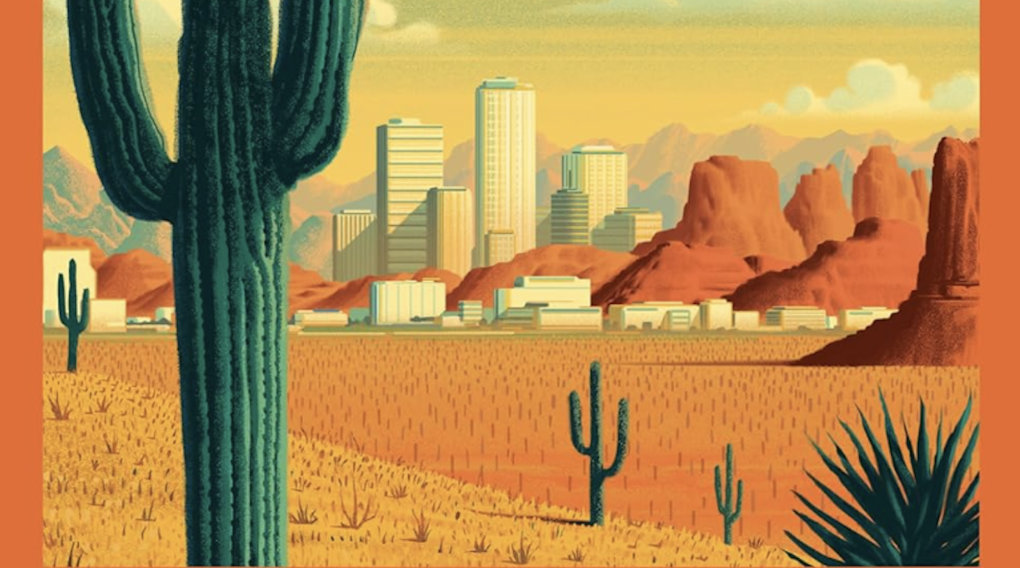
"caption": "‘American Oasis: Finding the Future in the Cities of the Southwest’ by Kyle Paoletta.",
"credit": "Pantheon",
"altTag": "A 1950s-style illustration of a cactus standing in the desert with skyscrapers standing on the horizon.",
"description": null,
"imgSizes": {
"medium": {
"file": "https://cdn.kqed.org/wp-content/uploads/sites/2/2025/01/oasis-1-800x446.png",
"width": 800,
"height": 446,
"mimeType": "image/png"
},
"large": {
"file": "https://cdn.kqed.org/wp-content/uploads/sites/2/2025/01/oasis-1-1020x568.png",
"width": 1020,
"height": 568,
"mimeType": "image/png"
},
"thumbnail": {
"file": "https://cdn.kqed.org/wp-content/uploads/sites/2/2025/01/oasis-1-160x89.png",
"width": 160,
"height": 89,
"mimeType": "image/png"
},
"medium_large": {
"file": "https://cdn.kqed.org/wp-content/uploads/sites/2/2025/01/oasis-1-768x428.png",
"width": 768,
"height": 428,
"mimeType": "image/png"
},
"1536x1536": {
"file": "https://cdn.kqed.org/wp-content/uploads/sites/2/2025/01/oasis-1-1536x856.png",
"width": 1536,
"height": 856,
"mimeType": "image/png"
},
"post-thumbnail": {
"file": "https://cdn.kqed.org/wp-content/uploads/sites/2/2025/01/oasis-1-672x372.png",
"width": 672,
"height": 372,
"mimeType": "image/png"
},
"twentyfourteen-full-width": {
"file": "https://cdn.kqed.org/wp-content/uploads/sites/2/2025/01/oasis-1-1038x576.png",
"width": 1038,
"height": 576,
"mimeType": "image/png"
},
"full-width": {
"file": "https://cdn.kqed.org/wp-content/uploads/sites/2/2025/01/oasis-1-1920x1069.png",
"width": 1920,
"height": 1069,
"mimeType": "image/png"
},
"kqedFullSize": {
"file": "https://cdn.kqed.org/wp-content/uploads/sites/2/2025/01/oasis-1.png",
"width": 2000,
"height": 1114
}
},
"fetchFailed": false,
"isLoading": false
},
"arts_13960787": {
"type": "attachments",
"id": "arts_13960787",
"meta": {
"index": "attachments_1716263798",
"site": "arts",
"id": "13960787",
"found": true
},
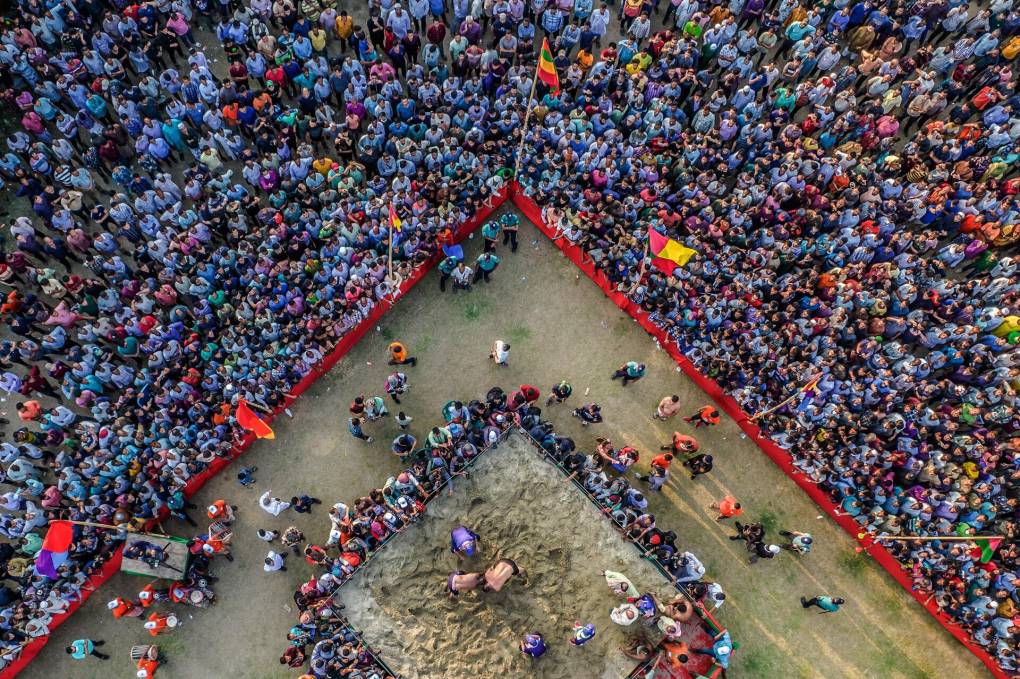
"title": "A century-old wrestling competition in Bangladesh draws thousands of spectators annually. In this picture from April 24, 2023, two wrestlers go at it on a sandy stage in front of a street audience.",
"publishDate": 1720548143,
"status": "inherit",
"parent": 13960786,
"modified": 1720548406,
"caption": "A century-old wrestling competition in Bangladesh draws thousands of spectators annually. In this picture from April 24, 2023, two wrestlers go at it on a sandy stage in front of a street audience.",
"credit": "Sanchayan Chowdhury",
"altTag": "A large crowd gathers around a designated space where two wrestlers are engaged in a match.",
"description": null,
"imgSizes": {
"medium": {
"file": "https://cdn.kqed.org/wp-content/uploads/sites/2/2024/06/sport-sanchayan-chowdhury-800x533.jpeg",
"width": 800,
"height": 533,
"mimeType": "image/jpeg"
},
"large": {
"file": "https://cdn.kqed.org/wp-content/uploads/sites/2/2024/06/sport-sanchayan-chowdhury-1020x679.jpeg",
"width": 1020,
"height": 679,
"mimeType": "image/jpeg"
},
"thumbnail": {
"file": "https://cdn.kqed.org/wp-content/uploads/sites/2/2024/06/sport-sanchayan-chowdhury-160x107.jpeg",
"width": 160,
"height": 107,
"mimeType": "image/jpeg"
},
"medium_large": {
"file": "https://cdn.kqed.org/wp-content/uploads/sites/2/2024/06/sport-sanchayan-chowdhury-768x512.jpeg",
"width": 768,
"height": 512,
"mimeType": "image/jpeg"
},
"1536x1536": {
"file": "https://cdn.kqed.org/wp-content/uploads/sites/2/2024/06/sport-sanchayan-chowdhury-1536x1023.jpeg",
"width": 1536,
"height": 1023,
"mimeType": "image/jpeg"
},
"post-thumbnail": {
"file": "https://cdn.kqed.org/wp-content/uploads/sites/2/2024/06/sport-sanchayan-chowdhury-672x372.jpeg",
"width": 672,
"height": 372,
"mimeType": "image/jpeg"
},
"twentyfourteen-full-width": {
"file": "https://cdn.kqed.org/wp-content/uploads/sites/2/2024/06/sport-sanchayan-chowdhury-1038x576.jpeg",
"width": 1038,
"height": 576,
"mimeType": "image/jpeg"
},
"kqedFullSize": {
"file": "https://cdn.kqed.org/wp-content/uploads/sites/2/2024/06/sport-sanchayan-chowdhury.jpeg",
"width": 1920,
"height": 1279
}
},
"fetchFailed": false,
"isLoading": false
},
"arts_13959241": {
"type": "attachments",
"id": "arts_13959241",
"meta": {
"index": "attachments_1716263798",
"site": "arts",
"id": "13959241",
"found": true
},
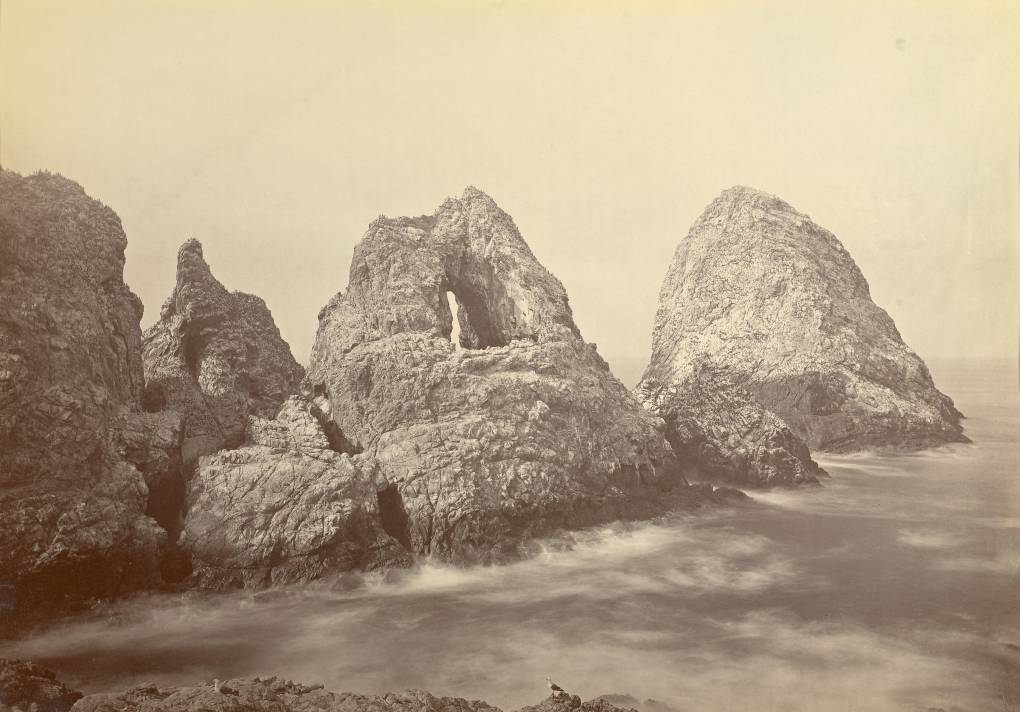
"title": "The Sugarloaf Islands of the Farallons, as they were seen by Carleton Watkins in 1869.",
"publishDate": 1717552602,
"status": "inherit",
"parent": 13959142,
"modified": 1717634537,
"caption": "The Sugarloaf Islands of the Farallons, as they were seen by Carleton Watkins in 1869. ",
"credit": "Sepia Times/ Universal Images Group via Getty Images",
"altTag": "A sepia toned photo of tall rocky land masses surrounded by foamy sea water.",
"description": null,
"imgSizes": {
"medium": {
"file": "https://cdn.kqed.org/wp-content/uploads/sites/2/2024/06/GettyImages-1157997959-800x559.jpg",
"width": 800,
"height": 559,
"mimeType": "image/jpeg"
},
"large": {
"file": "https://cdn.kqed.org/wp-content/uploads/sites/2/2024/06/GettyImages-1157997959-1020x712.jpg",
"width": 1020,
"height": 712,
"mimeType": "image/jpeg"
},
"thumbnail": {
"file": "https://cdn.kqed.org/wp-content/uploads/sites/2/2024/06/GettyImages-1157997959-160x112.jpg",
"width": 160,
"height": 112,
"mimeType": "image/jpeg"
},
"medium_large": {
"file": "https://cdn.kqed.org/wp-content/uploads/sites/2/2024/06/GettyImages-1157997959-768x536.jpg",
"width": 768,
"height": 536,
"mimeType": "image/jpeg"
},
"1536x1536": {
"file": "https://cdn.kqed.org/wp-content/uploads/sites/2/2024/06/GettyImages-1157997959-1536x1072.jpg",
"width": 1536,
"height": 1072,
"mimeType": "image/jpeg"
},
"2048x2048": {
"file": "https://cdn.kqed.org/wp-content/uploads/sites/2/2024/06/GettyImages-1157997959-2048x1430.jpg",
"width": 2048,
"height": 1430,
"mimeType": "image/jpeg"
},
"post-thumbnail": {
"file": "https://cdn.kqed.org/wp-content/uploads/sites/2/2024/06/GettyImages-1157997959-672x372.jpg",
"width": 672,
"height": 372,
"mimeType": "image/jpeg"
},
"twentyfourteen-full-width": {
"file": "https://cdn.kqed.org/wp-content/uploads/sites/2/2024/06/GettyImages-1157997959-1038x576.jpg",
"width": 1038,
"height": 576,
"mimeType": "image/jpeg"
},
"full-width": {
"file": "https://cdn.kqed.org/wp-content/uploads/sites/2/2024/06/GettyImages-1157997959-1920x1341.jpg",
"width": 1920,
"height": 1341,
"mimeType": "image/jpeg"
},
"kqedFullSize": {
"file": "https://cdn.kqed.org/wp-content/uploads/sites/2/2024/06/GettyImages-1157997959-scaled-e1717552749442.jpg",
"width": 1920,
"height": 1340
}
},
"fetchFailed": false,
"isLoading": false
},
"arts_13881149": {
"type": "attachments",
"id": "arts_13881149",
"meta": {
"index": "attachments_1716263798",
"site": "arts",
"id": "13881149",
"found": true
},
"parent": 13880898,
"imgSizes": {
"twentyfourteen-full-width": {
"file": "https://ww2.kqed.org/app/uploads/sites/2/2020/05/9Eyes_COVER-1038x576.jpg",
"width": 1038,
"mimeType": "image/jpeg",
"height": 576
},
"thumbnail": {
"file": "https://ww2.kqed.org/app/uploads/sites/2/2020/05/9Eyes_COVER-160x90.jpg",
"width": 160,
"mimeType": "image/jpeg",
"height": 90
},
"post-thumbnail": {
"file": "https://ww2.kqed.org/app/uploads/sites/2/2020/05/9Eyes_COVER-672x372.jpg",
"width": 672,
"mimeType": "image/jpeg",
"height": 372
},
"kqedFullSize": {
"file": "https://ww2.kqed.org/app/uploads/sites/2/2020/05/9Eyes_COVER.jpg",
"width": 1422,
"height": 800
},
"large": {
"file": "https://ww2.kqed.org/app/uploads/sites/2/2020/05/9Eyes_COVER-1020x574.jpg",
"width": 1020,
"mimeType": "image/jpeg",
"height": 574
},
"medium": {
"file": "https://ww2.kqed.org/app/uploads/sites/2/2020/05/9Eyes_COVER-800x450.jpg",
"width": 800,
"mimeType": "image/jpeg",
"height": 450
},
"medium_large": {
"file": "https://ww2.kqed.org/app/uploads/sites/2/2020/05/9Eyes_COVER-768x432.jpg",
"width": 768,
"mimeType": "image/jpeg",
"height": 432
}
},
"publishDate": 1590702765,
"modified": 1590703288,
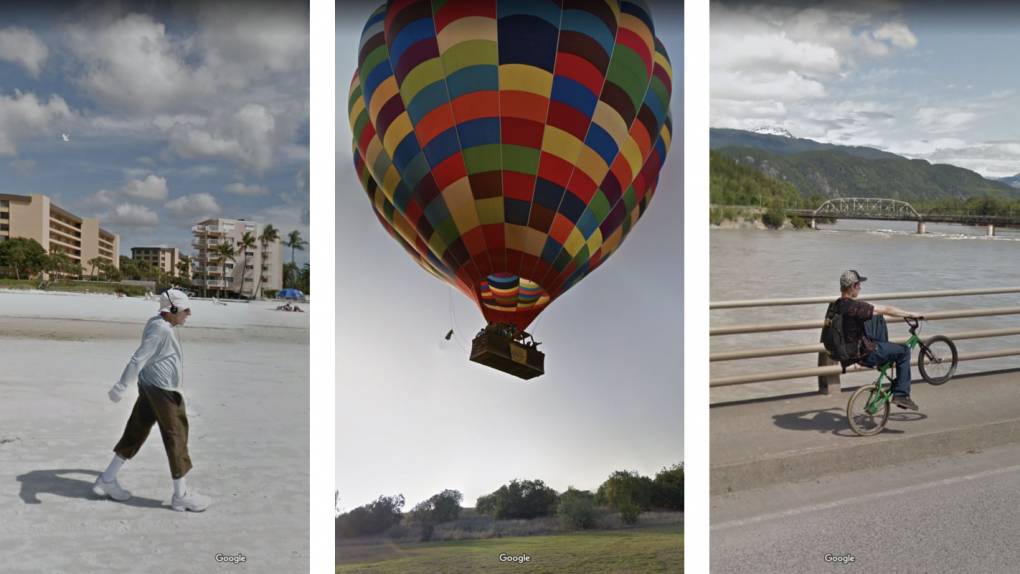
"caption": "Various scenes captured by the cameras of Google Street View, collected by 9-Eyes.",
"description": "Various scenes captured by the cameras of Google Street View, collected by 9-Eyes.",
"title": "9Eyes_COVER",
"credit": "\u003ca href=\"https://9-eyes.com/\" target=\"_blank\">9-Eyes\u003c/a>",
"status": "inherit",
"fetchFailed": false,
"isLoading": false
}
},
"audioPlayerReducer": {
"postId": "stream_live",
"isPaused": true,
"isPlaying": false,
"pfsActive": false,
"pledgeModalIsOpen": true,
"playerDrawerIsOpen": false
},
"authorsReducer": {
"byline_arts_13970277": {
"type": "authors",
"id": "byline_arts_13970277",
"meta": {
"override": true
},
"slug": "byline_arts_13970277",
"name": "Anita Snow, Associated Press",
"isLoading": false
},
"byline_arts_13960786": {
"type": "authors",
"id": "byline_arts_13960786",
"meta": {
"override": true
},
"slug": "byline_arts_13960786",
"name": "Kamala Thiagarajan",
"isLoading": false
},
"ralexandra": {
"type": "authors",
"id": "11242",
"meta": {
"index": "authors_1716337520",
"id": "11242",
"found": true
},
"name": "Rae Alexandra",
"firstName": "Rae",
"lastName": "Alexandra",
"slug": "ralexandra",
"email": "ralexandra@kqed.org",
"display_author_email": true,
"staff_mastheads": [
"arts"
],
"title": "Reporter/Producer",
"bio": "Rae Alexandra is a Reporter/Producer for KQED Arts & Culture, and the creator/author of the \u003ca href=\"https://www.kqed.org/arts/program/rebel-girls-from-bay-area-history\">Rebel Girls From Bay Area History\u003c/a> and \u003ca href=\"https://www.kqed.org/bizarrebayarea\">Bizarre Bay Area\u003c/a> series. Her debut book, \u003ca href=\"https://citylights.com/politics-current-events-history/unsung-heroines35-women-who-changed/\">Unsung Heroines: 35 Women Who Changed the Bay Area\u003c/a> was published by City Lights in March 2026. In 2023, Rae was awarded an SPJ Excellence in Journalism Award for Arts & Culture. Rae was born and raised in Wales and subsequently — even after two decades in Northern California — still uses phrases that regularly baffle her coworkers.",
"avatar": "https://secure.gravatar.com/avatar/d5ef3d663d9adae1345d06932a3951de?s=600&d=blank&r=g",
"twitter": null,
"bluesky": null,
"facebook": null,
"instagram": null,
"linkedin": null,
"sites": [
{
"site": "arts",
"roles": [
"editor"
]
},
{
"site": "news",
"roles": [
"editor"
]
},
{
"site": "pop",
"roles": [
"editor"
]
},
{
"site": "bayareabites",
"roles": [
"editor"
]
},
{
"site": "science",
"roles": [
"editor"
]
}
],
"headData": {
"title": "Rae Alexandra | KQED",
"description": "Reporter/Producer",
"ogImgSrc": "https://secure.gravatar.com/avatar/d5ef3d663d9adae1345d06932a3951de?s=600&d=blank&r=g",
"twImgSrc": "https://secure.gravatar.com/avatar/d5ef3d663d9adae1345d06932a3951de?s=600&d=blank&r=g"
},
"isLoading": false,
"link": "/author/ralexandra"
}
},
"breakingNewsReducer": {},
"pagesReducer": {},
"postsReducer": {
"stream_live": {
"type": "live",
"id": "stream_live",
"audioUrl": "https://streams.kqed.org/kqedradio",
"title": "Live Stream",
"excerpt": "Live Stream information currently unavailable.",
"link": "/radio",
"featImg": "",
"label": {
"name": "KQED Live",
"link": "/"
}
},
"stream_kqedNewscast": {
"type": "posts",
"id": "stream_kqedNewscast",
"audioUrl": "https://www.kqed.org/.stream/anon/radio/RDnews/newscast.mp3?_=1",
"title": "KQED Newscast",
"featImg": "",
"label": {
"name": "88.5 FM",
"link": "/"
}
},
"arts_13970277": {
"type": "posts",
"id": "arts_13970277",
"meta": {
"index": "posts_1716263798",
"site": "arts",
"id": "13970277",
"score": null,
"sort": [
1736889032000
]
},
"guestAuthors": [],
"slug": "kyle-paoletta-american-oasis-book-review-climate-change-solutions-southwestern-usa",
"title": "Kyle Paoletta’s ‘American Oasis’ Offers Lessons for a Hotter, Drier World",
"publishDate": 1736889032,
"format": "aside",
"headTitle": "Kyle Paoletta’s ‘American Oasis’ Offers Lessons for a Hotter, Drier World | KQED",
"labelTerm": {
"term": 140,
"site": "arts"
},
"content": "\u003cfigure id=\"attachment_13970278\" class=\"wp-caption aligncenter\" style=\"max-width: 1361px\">\u003cimg loading=\"lazy\" decoding=\"async\" class=\"size-full wp-image-13970278\" src=\"https://cdn.kqed.org/wp-content/uploads/sites/2/2025/01/oasis.png\" alt=\"A book cover with a 1950s-style illustration of a cactus standing in the desert with skyscrapers standing on the horizon.\" width=\"1361\" height=\"2000\" srcset=\"https://cdn.kqed.org/wp-content/uploads/sites/2/2025/01/oasis.png 1361w, https://cdn.kqed.org/wp-content/uploads/sites/2/2025/01/oasis-800x1176.png 800w, https://cdn.kqed.org/wp-content/uploads/sites/2/2025/01/oasis-1020x1499.png 1020w, https://cdn.kqed.org/wp-content/uploads/sites/2/2025/01/oasis-160x235.png 160w, https://cdn.kqed.org/wp-content/uploads/sites/2/2025/01/oasis-768x1129.png 768w, https://cdn.kqed.org/wp-content/uploads/sites/2/2025/01/oasis-1045x1536.png 1045w\" sizes=\"auto, (max-width: 1361px) 100vw, 1361px\">\u003cfigcaption class=\"wp-caption-text\">‘American Oasis: Finding the Future in the Cities of the Southwest’ by Kyle Paoletta. \u003ccite>(Pantheon)\u003c/cite>\u003c/figcaption>\u003c/figure>\n\u003cp>Albuquerque-born author Kyle Paoletta takes readers on a virtual road trip around his native region, transporting us across hundreds of years and thousands of miles in his new book \u003cem>American Oasis: Finding the Future in the Cities of the Southwest\u003c/em>.\u003c/p>\n\u003cp>As cities worldwide grapple with drought and rising temperatures from climate change, Paoletta describes how the Southwest developed a resilience that he says other regions will need as the globe grows hotter and drier.\u003c/p>\n\u003cp>[aside postid='arts_13970114']He introduces us to what he calls the great cities of the arid Southwest, places that already know much about survival: Las Vegas; Phoenix; Tucson, Arizona; Albuquerque, New Mexico; and El Paso, Texas. Las Vegas built a destination for international visitors in the middle of a scorching desert. Phoenix has embraced widespread air conditioning to keep people alive in triple-degree heat that would otherwise kill them.\u003c/p>\n\u003cp>“For so many Americans,” he writes, “it is only in recent years that the climate has begun to be understood as a hostile force. To them, I say: Welcome. We Southwesterners have never known anything different.”\u003c/p>\n\u003cp>Paoletta then recounts the region’s history and diverse culture, stretching back millennia to when Indigenous peoples adapted to the hot, arid land, building structures with the ribs of Saguaro cactus plants and digging canals to transport water for crops in the Phoenix valley.\u003c/p>\n\u003cp>[ad fullwidth]\u003c/p>\n\u003cp>Later, the tribes had to contend with Spanish conquistadores as much of the land in the Southwest came under the control of Spain dating back to years before the pilgrims set sail for Plymouth.\u003c/p>\n\u003cp>[aside postid='arts_13969449']Most of the region eventually came under Mexican rule, until the Treaty of Guadalupe Hidalgo of 1848 gave the United States an area that today includes California, Nevada, Arizona, New Mexico, Utah and Colorado.\u003c/p>\n\u003cp>The promise of overnight wealth later drew Anglo boosters to the region, especially Las Vegas, where East Coast crime boss Bugsy Siegel set up legal casinos and put the city on the road to becoming a premier gambling destination.\u003c/p>\n\u003cp>But such success didn’t touch many groups that continued to suffer extreme inequities into the 20th century.\u003c/p>\n\u003cp>Black families in Phoenix were forced as late as the 1960s to live south of the railroad tracks by racist real estate covenants that barred them from owning property in white neighborhoods. Latinos in Tucson suffered into the 1970s under municipal neglect that razed their barrios for highways or turned them into environmental disaster areas.\u003c/p>\n\u003cp>And along the U.S.-Mexico border, migrants continued to arrive in the sweltering heat in hopes of getting their own shot at the American Dream, many dying along the way.\u003c/p>\n\u003cp>[aside postid='arts_13970068']People who live in and outside of the Southwest must learn how to care for themselves and others amid the drought and extreme heat if the region and beyond are to survive, Paoletta says.\u003c/p>\n\u003cp>“We can focus on sustaining ourselves, housing each other, and making room for new migrants willing to live by the same ethos of community and environmental care,” he writes. “Or we can continue to emphasize economic growth at all cost.”\u003c/p>\n\u003chr>\n\u003cp>\u003c/p>\n\u003cp>\u003cem>‘American Oasis: Finding the Future in the Cities of the Southwest’ by Kyle Paoletta is released on Jan. 14, 2025, via Pantheon.\u003c/em>\u003c/p>\n\n",
"blocks": [],
"excerpt": "The Albuquerque-born author argues that as climate change ravages the Earth, solutions may be found in the Southwest.",
"status": "publish",
"parent": 0,
"modified": 1736889033,
"stats": {
"hasAudio": false,
"hasVideo": false,
"hasChartOrMap": false,
"iframeSrcs": [],
"hasGoogleForm": false,
"hasGallery": false,
"hasHearkenModule": false,
"hasPolis": false,
"paragraphCount": 16,
"wordCount": 569
},
"headData": {
"title": "Book Review: ‘American Oasis’ by Kyle Paoletta | KQED",
"description": "The Albuquerque-born author argues that as climate change ravages the Earth, solutions may be found in the Southwest.",
"ogTitle": "Kyle Paoletta’s ‘American Oasis’ Offers Lessons for a Hotter, Drier World",
"ogDescription": "",
"ogImgId": "",
"twTitle": "Kyle Paoletta’s ‘American Oasis’ Offers Lessons for a Hotter, Drier World",
"twDescription": "",
"twImgId": "",
"socialTitle": "Book Review: ‘American Oasis’ by Kyle Paoletta %%page%% %%sep%% KQED",
"schema": {
"@context": "https://schema.org",
"@type": "Article",
"headline": "Kyle Paoletta’s ‘American Oasis’ Offers Lessons for a Hotter, Drier World",
"datePublished": "2025-01-14T13:10:32-08:00",
"dateModified": "2025-01-14T13:10:33-08:00",
"image": "https://cdn.kqed.org/wp-content/uploads/2020/02/KQED-OG-Image@1x.png"
}
},
"sticky": false,
"nprByline": "Anita Snow, Associated Press",
"nprStoryId": "kqed-13970277",
"templateType": "standard",
"featuredImageType": "standard",
"excludeFromSiteSearch": "Include",
"showOnAuthorArchivePages": "No",
"articleAge": "0",
"path": "/arts/13970277/kyle-paoletta-american-oasis-book-review-climate-change-solutions-southwestern-usa",
"audioTrackLength": null,
"parsedContent": [
{
"type": "contentString",
"content": "\u003cdiv class=\"post-body\">\u003cp>\u003cfigure id=\"attachment_13970278\" class=\"wp-caption aligncenter\" style=\"max-width: 1361px\">\u003cimg loading=\"lazy\" decoding=\"async\" class=\"size-full wp-image-13970278\" src=\"https://cdn.kqed.org/wp-content/uploads/sites/2/2025/01/oasis.png\" alt=\"A book cover with a 1950s-style illustration of a cactus standing in the desert with skyscrapers standing on the horizon.\" width=\"1361\" height=\"2000\" srcset=\"https://cdn.kqed.org/wp-content/uploads/sites/2/2025/01/oasis.png 1361w, https://cdn.kqed.org/wp-content/uploads/sites/2/2025/01/oasis-800x1176.png 800w, https://cdn.kqed.org/wp-content/uploads/sites/2/2025/01/oasis-1020x1499.png 1020w, https://cdn.kqed.org/wp-content/uploads/sites/2/2025/01/oasis-160x235.png 160w, https://cdn.kqed.org/wp-content/uploads/sites/2/2025/01/oasis-768x1129.png 768w, https://cdn.kqed.org/wp-content/uploads/sites/2/2025/01/oasis-1045x1536.png 1045w\" sizes=\"auto, (max-width: 1361px) 100vw, 1361px\">\u003cfigcaption class=\"wp-caption-text\">‘American Oasis: Finding the Future in the Cities of the Southwest’ by Kyle Paoletta. \u003ccite>(Pantheon)\u003c/cite>\u003c/figcaption>\u003c/figure>\n\u003cp>Albuquerque-born author Kyle Paoletta takes readers on a virtual road trip around his native region, transporting us across hundreds of years and thousands of miles in his new book \u003cem>American Oasis: Finding the Future in the Cities of the Southwest\u003c/em>.\u003c/p>\n\u003cp>As cities worldwide grapple with drought and rising temperatures from climate change, Paoletta describes how the Southwest developed a resilience that he says other regions will need as the globe grows hotter and drier.\u003c/p>\n\u003cp>\u003c/p>\u003c/div>",
"attributes": {
"named": {},
"numeric": []
}
},
{
"type": "component",
"content": "",
"name": "aside",
"attributes": {
"named": {
"postid": "arts_13970114",
"label": ""
},
"numeric": []
}
},
{
"type": "contentString",
"content": "\u003cdiv class=\"post-body\">\u003cp>He introduces us to what he calls the great cities of the arid Southwest, places that already know much about survival: Las Vegas; Phoenix; Tucson, Arizona; Albuquerque, New Mexico; and El Paso, Texas. Las Vegas built a destination for international visitors in the middle of a scorching desert. Phoenix has embraced widespread air conditioning to keep people alive in triple-degree heat that would otherwise kill them.\u003c/p>\n\u003cp>“For so many Americans,” he writes, “it is only in recent years that the climate has begun to be understood as a hostile force. To them, I say: Welcome. We Southwesterners have never known anything different.”\u003c/p>\n\u003cp>Paoletta then recounts the region’s history and diverse culture, stretching back millennia to when Indigenous peoples adapted to the hot, arid land, building structures with the ribs of Saguaro cactus plants and digging canals to transport water for crops in the Phoenix valley.\u003c/p>\n\u003cp>\u003c/p>\u003c/div>",
"attributes": {
"named": {},
"numeric": []
}
},
{
"type": "component",
"content": "",
"name": "ad",
"attributes": {
"named": {
"label": "fullwidth"
},
"numeric": [
"fullwidth"
]
}
},
{
"type": "contentString",
"content": "\u003cdiv class=\"post-body\">\u003cp>\u003c/p>\n\u003cp>Later, the tribes had to contend with Spanish conquistadores as much of the land in the Southwest came under the control of Spain dating back to years before the pilgrims set sail for Plymouth.\u003c/p>\n\u003cp>\u003c/p>\u003c/div>",
"attributes": {
"named": {},
"numeric": []
}
},
{
"type": "component",
"content": "",
"name": "aside",
"attributes": {
"named": {
"postid": "arts_13969449",
"label": ""
},
"numeric": []
}
},
{
"type": "contentString",
"content": "\u003cdiv class=\"post-body\">\u003cp>Most of the region eventually came under Mexican rule, until the Treaty of Guadalupe Hidalgo of 1848 gave the United States an area that today includes California, Nevada, Arizona, New Mexico, Utah and Colorado.\u003c/p>\n\u003cp>The promise of overnight wealth later drew Anglo boosters to the region, especially Las Vegas, where East Coast crime boss Bugsy Siegel set up legal casinos and put the city on the road to becoming a premier gambling destination.\u003c/p>\n\u003cp>But such success didn’t touch many groups that continued to suffer extreme inequities into the 20th century.\u003c/p>\n\u003cp>Black families in Phoenix were forced as late as the 1960s to live south of the railroad tracks by racist real estate covenants that barred them from owning property in white neighborhoods. Latinos in Tucson suffered into the 1970s under municipal neglect that razed their barrios for highways or turned them into environmental disaster areas.\u003c/p>\n\u003cp>And along the U.S.-Mexico border, migrants continued to arrive in the sweltering heat in hopes of getting their own shot at the American Dream, many dying along the way.\u003c/p>\n\u003cp>\u003c/p>\u003c/div>",
"attributes": {
"named": {},
"numeric": []
}
},
{
"type": "component",
"content": "",
"name": "aside",
"attributes": {
"named": {
"postid": "arts_13970068",
"label": ""
},
"numeric": []
}
},
{
"type": "contentString",
"content": "\u003cdiv class=\"post-body\">\u003cp>People who live in and outside of the Southwest must learn how to care for themselves and others amid the drought and extreme heat if the region and beyond are to survive, Paoletta says.\u003c/p>\n\u003cp>“We can focus on sustaining ourselves, housing each other, and making room for new migrants willing to live by the same ethos of community and environmental care,” he writes. “Or we can continue to emphasize economic growth at all cost.”\u003c/p>\n\u003chr>\n\u003cp>\u003c/p>\n\u003cp>\u003cem>‘American Oasis: Finding the Future in the Cities of the Southwest’ by Kyle Paoletta is released on Jan. 14, 2025, via Pantheon.\u003c/em>\u003c/p>\n\n\u003c/div>\u003c/p>",
"attributes": {
"named": {},
"numeric": []
}
}
],
"link": "/arts/13970277/kyle-paoletta-american-oasis-book-review-climate-change-solutions-southwestern-usa",
"authors": [
"byline_arts_13970277"
],
"programs": [
"arts_140"
],
"categories": [
"arts_1",
"arts_73",
"arts_22351",
"arts_22313"
],
"tags": [
"arts_1407",
"arts_9695",
"arts_22296",
"arts_769",
"arts_585"
],
"featImg": "arts_13970280",
"label": "arts_140"
},
"arts_13960786": {
"type": "posts",
"id": "arts_13960786",
"meta": {
"index": "posts_1716263798",
"site": "arts",
"id": "13960786",
"score": null,
"sort": [
1720551322000
]
},
"guestAuthors": [],
"slug": "best-drone-photo-competition-siena-drone-awards-short-list-best-images-from-around-the-world",
"title": "These Amazing Drone’s-Eye Views of Our World Are Up for Best Drone Photo",
"publishDate": 1720551322,
"format": "standard",
"headTitle": "These Amazing Drone’s-Eye Views of Our World Are Up for Best Drone Photo | KQED",
"labelTerm": {
"term": 137,
"site": "arts"
},
"content": "\u003cp>On a hot and humid Tuesday morning in April 2023, at the ringside of a wrestling match in Chittagong, Bangladesh, software engineer Sanchayan Chowdhury was looking for a good vantage point to launch his drone. Currently living in Finland, Chowdhury had traveled to Bangladesh to capture shots of the famed Abdul Jabbar’s Boli Khela — a wrestling tournament that dates as far back as 1909 and is named after the man who started it. Boli Khela means “the game of powerful people.”\u003c/p>\n\u003cp>The image highlights the dedication, skill and physical prowess of the wrestlers, he says. “I decided to shoot this picture because I wanted to capture the raw energy and passion of the wrestlers as well as the vibrant atmosphere of the event. It’s a way to honor my heritage and share this unique cultural practice with a broader audience.”\u003c/p>\n\u003cp>His photo is a finalist at this years’ Siena Drone Photo Awards.\u003c/p>\n\u003cp>[aside postid='arts_13956615']Drone photography has really evolved over the years, says Emanuela Ascoli, one of the judges for this year’s contest. And that’s thanks to the advancement in technology. Drones can now fly faster, secure better quality images and as a result of their GPS (global positioning system) can move precisely and maintain stable positions. “This has made it easier for photographers to capture detailed and stunning aerial shots from perspectives that were previously impossible to achieve,” she says.\u003c/p>\n\u003cp>Overall, judges look for photographs that stand out for their technical skill, creativity, composition and visual impact, Ascoli says. “Above all, I consider the photograph’s emotional and aesthetic impact, including how well it captures a moment — the perfect moment,” adding that “a great picture stops the time and raises awareness of the wonders and worries of our world.”\u003c/p>\n\u003cp>[ad fullwidth]\u003c/p>\n\u003cp>Here’s a selection of contest nominees, focusing on the Global South countries that NPR’s Goats & Soda covers. The prize winners will be announced on September 28.\u003c/p>\n\u003ch3>A pack of pelicans\u003c/h3>\n\u003cfigure id=\"attachment_13960789\" class=\"wp-caption aligncenter\" style=\"max-width: 852px\">\u003cimg loading=\"lazy\" decoding=\"async\" class=\"size-full wp-image-13960789\" src=\"https://cdn.kqed.org/wp-content/uploads/sites/2/2024/07/Screen-Shot-2024-07-09-at-11.10.54-AM.png\" alt=\"A gathering of scores of pelicans, all huddled together against a black background\" width=\"852\" height=\"1138\" srcset=\"https://cdn.kqed.org/wp-content/uploads/sites/2/2024/07/Screen-Shot-2024-07-09-at-11.10.54-AM.png 852w, https://cdn.kqed.org/wp-content/uploads/sites/2/2024/07/Screen-Shot-2024-07-09-at-11.10.54-AM-800x1069.png 800w, https://cdn.kqed.org/wp-content/uploads/sites/2/2024/07/Screen-Shot-2024-07-09-at-11.10.54-AM-160x214.png 160w, https://cdn.kqed.org/wp-content/uploads/sites/2/2024/07/Screen-Shot-2024-07-09-at-11.10.54-AM-768x1026.png 768w\" sizes=\"(max-width: 852px) 100vw, 852px\">\u003cfigcaption class=\"wp-caption-text\">Pelicans gather in the wetland Estero el Soldado in Guaymas, Sonora, Mexico. The white pelicans stand out against waters darkened by sediment. \u003ccite>(Guillermo Soberón)\u003c/cite>\u003c/figcaption>\u003c/figure>\n\u003cp>Guillemo Soberon chanced upon this scene when he set out to document the beauty of the wetlands called Estero el soldado for the media site Mongabay. “It is a natural protected area that hosts a great biodiversity, over 400 species in 350 hectares of land, and it’s a beautiful space in my hometown, Guaymas, Sonora, México,” he says. As he was shooting wildlife with his camera, he launched his drone to capture shots of the ecosystem from above. He meant to create a “virtual tour” to showcase the beauty and importance of the wetlands and that’s when he spotted a flock of gleaming white pelicans.\u003c/p>\n\u003cp>“It was such an amazing scene, I couldn’t believe my luck,” he says. While brown pelicans are common in these parts, white pelicans are not easy to find. “I believe that the appreciation of nature is a pathway to its conservation,” Soberon says.\u003c/p>\n\u003ch3>Crossing the Darien Gap\u003c/h3>\n\u003cfigure id=\"attachment_13960791\" class=\"wp-caption aligncenter\" style=\"max-width: 1928px\">\u003cimg loading=\"lazy\" decoding=\"async\" class=\"size-full wp-image-13960791\" src=\"https://cdn.kqed.org/wp-content/uploads/sites/2/2024/07/Screen-Shot-2024-07-09-at-11.16.35-AM.png\" alt=\"An aerial shot of a long line of people walking on a path carved out between dense forest on either side.\" width=\"1928\" height=\"1282\" srcset=\"https://cdn.kqed.org/wp-content/uploads/sites/2/2024/07/Screen-Shot-2024-07-09-at-11.16.35-AM.png 1928w, https://cdn.kqed.org/wp-content/uploads/sites/2/2024/07/Screen-Shot-2024-07-09-at-11.16.35-AM-800x532.png 800w, https://cdn.kqed.org/wp-content/uploads/sites/2/2024/07/Screen-Shot-2024-07-09-at-11.16.35-AM-1020x678.png 1020w, https://cdn.kqed.org/wp-content/uploads/sites/2/2024/07/Screen-Shot-2024-07-09-at-11.16.35-AM-160x106.png 160w, https://cdn.kqed.org/wp-content/uploads/sites/2/2024/07/Screen-Shot-2024-07-09-at-11.16.35-AM-768x511.png 768w, https://cdn.kqed.org/wp-content/uploads/sites/2/2024/07/Screen-Shot-2024-07-09-at-11.16.35-AM-1536x1021.png 1536w, https://cdn.kqed.org/wp-content/uploads/sites/2/2024/07/Screen-Shot-2024-07-09-at-11.16.35-AM-1920x1277.png 1920w\" sizes=\"(max-width: 1928px) 100vw, 1928px\">\u003cfigcaption class=\"wp-caption-text\">Migrants trekking through the jungle during clandestine journeys through the Darien Gap typically endure five or six days, exposed to all kinds of harsh weather conditions. \u003ccite>(Luis Acosta/AFP)\u003c/cite>\u003c/figcaption>\u003c/figure>\n\u003cp>A photographer at Agence France Press, Luis Acosta has on several occasions visited Darien Gap, the region that stretches from the Darien Province of Panama to Columbia. In 2023, over 500,000 people moved through the Darien Gap to migrate to the U.S.\u003c/p>\n\u003cp>In September last year, Acosta deployed a drone to capture the image. “I realized that the only way to show the magnitude of the migration through the jungle was with a drone,” he says. “The message I want to send with this image is how people’s desperation to find a better life forces them to make such dangerous journeys, sometimes risking the lives of their loved ones,” he says.\u003c/p>\n\u003ch3>Crowds at the bullfight\u003c/h3>\n\u003cfigure id=\"attachment_13960792\" class=\"wp-caption aligncenter\" style=\"max-width: 1710px\">\u003cimg loading=\"lazy\" decoding=\"async\" class=\"size-full wp-image-13960792\" src=\"https://cdn.kqed.org/wp-content/uploads/sites/2/2024/07/Screen-Shot-2024-07-09-at-11.20.12-AM.png\" alt=\"An aerial image of a vast crowd seated in concentric circles around a central ring.\" width=\"1710\" height=\"1268\" srcset=\"https://cdn.kqed.org/wp-content/uploads/sites/2/2024/07/Screen-Shot-2024-07-09-at-11.20.12-AM.png 1710w, https://cdn.kqed.org/wp-content/uploads/sites/2/2024/07/Screen-Shot-2024-07-09-at-11.20.12-AM-800x593.png 800w, https://cdn.kqed.org/wp-content/uploads/sites/2/2024/07/Screen-Shot-2024-07-09-at-11.20.12-AM-1020x756.png 1020w, https://cdn.kqed.org/wp-content/uploads/sites/2/2024/07/Screen-Shot-2024-07-09-at-11.20.12-AM-160x119.png 160w, https://cdn.kqed.org/wp-content/uploads/sites/2/2024/07/Screen-Shot-2024-07-09-at-11.20.12-AM-768x569.png 768w, https://cdn.kqed.org/wp-content/uploads/sites/2/2024/07/Screen-Shot-2024-07-09-at-11.20.12-AM-1536x1139.png 1536w\" sizes=\"(max-width: 1710px) 100vw, 1710px\">\u003cfigcaption class=\"wp-caption-text\">More than 42,000 people witness the final minutes of a bullfight in Mexico City’s Plaza México arena. \u003ccite>(Roberto Hernandez)\u003c/cite>\u003c/figcaption>\u003c/figure>\n\u003cfigure class=\"wp-block-image size-large\">\u003c/figure>\n\u003cp>Drone shots of crowds create interesting visual patterns, says Roberto Hernández Guerrero, a graphic designer turned photographer.\u003c/p>\n\u003cp>In February 2024, a court ruling allowed bull fights to finally return to Mexico City after a gap of two years. After the two-year ban, crowds swelled. Over 40,000 people gathered at La Monumental Plaza de Toros Mexico to watch the bulls return to the arena. And he decided to aim for a drone photo.\u003c/p>\n\u003cp>It took a week of planning and two days of drone flying to get the perfect shot. He rented the roof of the biggest building near the Plaza de Toros and from this vantage point launched his drone.\u003c/p>\n\u003cp>[aside postid='arts_13960083']Guerrero purchased his first drone camera a decade ago. “It started as a hobby,” he says. “I’ve flown a lot of different models, each with better technology and camera than the last. And while I enjoy the result, to be honest, I don’t enjoy flying drones, because it’s stressful,” he says. And that’s because he knows that whatever goes up can come crashing down too. “Some of my best photos involve flying drones over the heads of many people but that thought isn’t relaxing,” he laughs.\u003c/p>\n\u003cp>The title of this photo, \u003cem>Last Minute\u003c/em>, refers literally to the last minutes of a bull’s life. “I don’t support bullfights,” Guerrero says. “When the bull died, I almost cried, taking that last shot. But as with many aspects of my life, I respect people who think differently.” The photo, he says reflects both the pain and plight of the bulls in the arena and how they suffer, contrasting it with thousands of people who embrace the tradition.\u003c/p>\n\u003ch3>Where the Banni buffalo roam\u003c/h3>\n\u003cfigure id=\"attachment_13960793\" class=\"wp-caption aligncenter\" style=\"max-width: 1166px\">\u003cimg loading=\"lazy\" decoding=\"async\" class=\"size-full wp-image-13960793\" src=\"https://cdn.kqed.org/wp-content/uploads/sites/2/2024/07/Screen-Shot-2024-07-09-at-11.24.00-AM.png\" alt=\"An aerial shot of a small herd of buffalo walking across red and white earth.\" width=\"1166\" height=\"1380\" srcset=\"https://cdn.kqed.org/wp-content/uploads/sites/2/2024/07/Screen-Shot-2024-07-09-at-11.24.00-AM.png 1166w, https://cdn.kqed.org/wp-content/uploads/sites/2/2024/07/Screen-Shot-2024-07-09-at-11.24.00-AM-800x947.png 800w, https://cdn.kqed.org/wp-content/uploads/sites/2/2024/07/Screen-Shot-2024-07-09-at-11.24.00-AM-1020x1207.png 1020w, https://cdn.kqed.org/wp-content/uploads/sites/2/2024/07/Screen-Shot-2024-07-09-at-11.24.00-AM-160x189.png 160w, https://cdn.kqed.org/wp-content/uploads/sites/2/2024/07/Screen-Shot-2024-07-09-at-11.24.00-AM-768x909.png 768w\" sizes=\"(max-width: 1166px) 100vw, 1166px\">\u003cfigcaption class=\"wp-caption-text\">The Banni buffalo can tolerate harsh climatic conditions, surviving on scant patches of grass and shrubs. They are commonly found in the salt marshes of India’s Thar desert. \u003ccite>(Raj Mohan)\u003c/cite>\u003c/figcaption>\u003c/figure>\n\u003cp>An engineer who lives in Bengaluru, India, Raj Mohan has a passion for photography and for drones that drew him to a salt marsh within the Thar desert in the western Indian state of Gujarat.\u003c/p>\n\u003cp>“Drones transform the mundane view of what we see everyday. Everything looks different from above,” Mohan says.\u003c/p>\n\u003cp>At first, he meant to seek out patterns of white salt streaks on the brown mud. However, his drone shots also caught farmers taking their Banni buffaloes out to graze in the small patches of green left. Banni buffaloes are well-adapted to survive water scarcity, frequent droughts and high temperatures.\u003c/p>\n\u003cp>“Ultimately, the resilience of these buffaloes serves as a powerful example of how life can adapt and survive under challenging conditions,” he says.\u003c/p>\n\u003ch3>A 6-mile bridge\u003c/h3>\n\u003cfigure id=\"attachment_13960794\" class=\"wp-caption aligncenter\" style=\"max-width: 1712px\">\u003cimg loading=\"lazy\" decoding=\"async\" class=\"size-full wp-image-13960794\" src=\"https://cdn.kqed.org/wp-content/uploads/sites/2/2024/07/Screen-Shot-2024-07-09-at-11.26.32-AM.png\" alt=\"An aerial image of a highway cutting diagonally across a frozen body of water.\" width=\"1712\" height=\"1282\" srcset=\"https://cdn.kqed.org/wp-content/uploads/sites/2/2024/07/Screen-Shot-2024-07-09-at-11.26.32-AM.png 1712w, https://cdn.kqed.org/wp-content/uploads/sites/2/2024/07/Screen-Shot-2024-07-09-at-11.26.32-AM-800x599.png 800w, https://cdn.kqed.org/wp-content/uploads/sites/2/2024/07/Screen-Shot-2024-07-09-at-11.26.32-AM-1020x764.png 1020w, https://cdn.kqed.org/wp-content/uploads/sites/2/2024/07/Screen-Shot-2024-07-09-at-11.26.32-AM-160x120.png 160w, https://cdn.kqed.org/wp-content/uploads/sites/2/2024/07/Screen-Shot-2024-07-09-at-11.26.32-AM-768x575.png 768w, https://cdn.kqed.org/wp-content/uploads/sites/2/2024/07/Screen-Shot-2024-07-09-at-11.26.32-AM-1536x1150.png 1536w\" sizes=\"(max-width: 1712px) 100vw, 1712px\">\u003cfigcaption class=\"wp-caption-text\">The river carves out large, tree-like ravines on the mudflat along the Jiashao Bridge that extends into the East China Sea. \u003ccite>(Sheng Jiang)\u003c/cite>\u003c/figcaption>\u003c/figure>\n\u003cp>This drone photo by middle school teacher Sheng Jiang depicts Jia Shao bridge (also called the Jiaxing-Shaoxing Sea Bridge) — stretching across the mouth of the Qiantang River in the Zhejiang Province of China. It’s one of the longest pylon cable sea bridges in the world, extending 6 miles.\u003c/p>\n\u003cp>[aside postid='arts_13960392']“You can see the splendor of Chinese infrastructure,” says Jiang. She was especially fascinated by the branch-like patterns (that look like nerve endings. she says) that the river carves out in the mud flats around the bridge. In order to get the patterns in the picture which can only be seen from the air, she took the shot at midday and at low tide so the shadows of the bridge wouldn’t interfere with the image.\u003c/p>\n\u003cp>“By combining man-made structures with unique natural landscape along the Qiantang River, I hope to show a China where man and nature co-exist in harmony,” she says.\u003c/p>\n\u003ch3>Snowed-in village\u003c/h3>\n\u003cfigure id=\"attachment_13960795\" class=\"wp-caption aligncenter\" style=\"max-width: 1922px\">\u003cimg loading=\"lazy\" decoding=\"async\" class=\"size-full wp-image-13960795\" src=\"https://cdn.kqed.org/wp-content/uploads/sites/2/2024/07/Screen-Shot-2024-07-09-at-11.29.23-AM.png\" alt=\"An aerial image of lines and squares and green patches on a white background far below.\" width=\"1922\" height=\"1284\" srcset=\"https://cdn.kqed.org/wp-content/uploads/sites/2/2024/07/Screen-Shot-2024-07-09-at-11.29.23-AM.png 1922w, https://cdn.kqed.org/wp-content/uploads/sites/2/2024/07/Screen-Shot-2024-07-09-at-11.29.23-AM-800x534.png 800w, https://cdn.kqed.org/wp-content/uploads/sites/2/2024/07/Screen-Shot-2024-07-09-at-11.29.23-AM-1020x681.png 1020w, https://cdn.kqed.org/wp-content/uploads/sites/2/2024/07/Screen-Shot-2024-07-09-at-11.29.23-AM-160x107.png 160w, https://cdn.kqed.org/wp-content/uploads/sites/2/2024/07/Screen-Shot-2024-07-09-at-11.29.23-AM-768x513.png 768w, https://cdn.kqed.org/wp-content/uploads/sites/2/2024/07/Screen-Shot-2024-07-09-at-11.29.23-AM-1536x1026.png 1536w, https://cdn.kqed.org/wp-content/uploads/sites/2/2024/07/Screen-Shot-2024-07-09-at-11.29.23-AM-1920x1283.png 1920w\" sizes=\"(max-width: 1922px) 100vw, 1922px\">\u003cfigcaption class=\"wp-caption-text\">The village of Kargapazari in the Bingol province of Turkey is blanketed with a layer of white snow, resembling an absract painting from this drone perspective. \u003ccite>(Hüseyin Karahan)\u003c/cite>\u003c/figcaption>\u003c/figure>\n\u003cp>Hüseyin Karahan served as an officer in the Turkish naval forces for 30 years before retiring in 2018 and indulging in his love for photography. Karahan says, “Famous Turkish photographer Ara Güler, who made me love the art of photography, has a well-known saying: ‘\u003cem>Photos taken at random turn out better, we are happier with people we meet by chance, falling asleep in a corner is the most enjoyable sleep, unplanned activities are more fun.’\u003c/em> In short, everything that happens spontaneously is the most beautiful. These words completely summarize the photo I took,” he says.\u003c/p>\n\u003cp>On a February morning, Karahan visited the village of Kargapazari in the Bingol province of Turkey. He planned to photograph people leaving a mosque after prayers. However, their exit was delayed and so he raised his drone to the maximum height to see what it would see. At that moment, he says, the landscape looked like an abstract picture — and reminded him of how small we actually were in this big world.\u003c/p>\n\u003cp>“I love taking photos with a drone, it allows us to see things that the human eye cannot see, perhaps with the eyes of a flying bird,” says Karahan.\u003c/p>\n\u003ch3>City meets mountains\u003c/h3>\n\u003cfigure id=\"attachment_13960796\" class=\"wp-caption aligncenter\" style=\"max-width: 1930px\">\u003cimg loading=\"lazy\" decoding=\"async\" class=\"size-full wp-image-13960796\" src=\"https://cdn.kqed.org/wp-content/uploads/sites/2/2024/07/Screen-Shot-2024-07-09-at-11.32.51-AM.png\" alt=\"The light of thousands of tiny windows in several large buildings illuminate the night sky.\" width=\"1930\" height=\"1260\" srcset=\"https://cdn.kqed.org/wp-content/uploads/sites/2/2024/07/Screen-Shot-2024-07-09-at-11.32.51-AM.png 1930w, https://cdn.kqed.org/wp-content/uploads/sites/2/2024/07/Screen-Shot-2024-07-09-at-11.32.51-AM-800x522.png 800w, https://cdn.kqed.org/wp-content/uploads/sites/2/2024/07/Screen-Shot-2024-07-09-at-11.32.51-AM-1020x666.png 1020w, https://cdn.kqed.org/wp-content/uploads/sites/2/2024/07/Screen-Shot-2024-07-09-at-11.32.51-AM-160x104.png 160w, https://cdn.kqed.org/wp-content/uploads/sites/2/2024/07/Screen-Shot-2024-07-09-at-11.32.51-AM-768x501.png 768w, https://cdn.kqed.org/wp-content/uploads/sites/2/2024/07/Screen-Shot-2024-07-09-at-11.32.51-AM-1536x1003.png 1536w, https://cdn.kqed.org/wp-content/uploads/sites/2/2024/07/Screen-Shot-2024-07-09-at-11.32.51-AM-1920x1253.png 1920w\" sizes=\"(max-width: 1930px) 100vw, 1930px\">\u003cfigcaption class=\"wp-caption-text\">Guiyang City, located in Guizhou Province, China, boasts numerous towering buildings and elevated bridges that seamlessly integrate with the surrounding mountainous terrain. \u003ccite>(Xu Zhang)\u003c/cite>\u003c/figcaption>\u003c/figure>\n\u003cp>Beijing-based Xu Zhan, who’s 64, has been in love with photography since his middle school years and is a member of the China Photographer’s Association. He started using drones for filming in 2018, captivated by the perspective it could provide to ordinary landscapes.\u003c/p>\n\u003cp>[aside postid='arts_13960599']Visiting Guiyang City in the Guizhou Province of China, he shot this photo of Qianchun Interchange bridge in July 2023. He sought to capture how the urban landscape integrates with surrounding mountainous terrain. With 11 ramps, 8 entrances and exits, and two main lines, the overpass was put into use in 2016 and is spectacular, he says. “I only took a small part of the huge overpass in this picture. The exit of the overpass between the hills draws people’s attention to the bustling city and to the dazzling lights of every household.”\u003c/p>\n\u003cp>Nighttime photography using a drone can be a challenge, he says, because of poor visibility. His top tip: “Find a good [spot] and take enough photos until you’re satisfied.”\u003c/p>\n\u003cp>[ad floatright]\u003c/p>\n\u003cp>\u003cem>Kamala Thiagarajan is a freelance journalist based in Madurai, South India. She reports on global health, science and development and has been published in ‘The New York Times,’ ‘The British Medical Journal,’ the BBC, ‘The Guardian’ and other outlets. You can find her on X: \u003c/em>\u003ca href=\"https://x.com/kamal_t?lang=en\">@Kamal_t\u003c/a>\u003cem>.\u003c/em>\u003c/p>\n\n",
"blocks": [],
"excerpt": "Here's a selection of finalists for the Siena Drone Photo Award 2024: a wrestling match, a snow-covered village and pelicans!",
"status": "publish",
"parent": 0,
"modified": 1726701035,
"stats": {
"hasAudio": false,
"hasVideo": false,
"hasChartOrMap": false,
"iframeSrcs": [],
"hasGoogleForm": false,
"hasGallery": false,
"hasHearkenModule": false,
"hasPolis": false,
"paragraphCount": 31,
"wordCount": 1891
},
"headData": {
"title": "Siena Drone Photo Awards: Best Pictures From Around the World | KQED",
"description": "Here's a selection of finalists for the Siena Drone Photo Award 2024: a wrestling match, a snow-covered village and pelicans!",
"ogTitle": "These Amazing Drone’s-Eye Views of Our World Are up for Best Drone Photo",
"ogDescription": "",
"ogImgId": "",
"twTitle": "These Amazing Drone’s-Eye Views of Our World Are up for Best Drone Photo",
"twDescription": "",
"twImgId": "",
"socialTitle": "Siena Drone Photo Awards: Best Pictures From Around the World %%page%% %%sep%% KQED",
"schema": {
"@context": "https://schema.org",
"@type": "Article",
"headline": "These Amazing Drone’s-Eye Views of Our World Are Up for Best Drone Photo",
"datePublished": "2024-07-09T11:55:22-07:00",
"dateModified": "2024-09-18T16:10:35-07:00",
"image": "https://cdn.kqed.org/wp-content/uploads/2020/02/KQED-OG-Image@1x.png"
}
},
"sticky": false,
"nprByline": "Kamala Thiagarajan",
"nprStoryId": "g-s1-3927",
"nprHtmlLink": "https://www.npr.org/sections/goats-and-soda/2024/06/11/g-s1-3927/drone-photo-award-nominees",
"nprRetrievedStory": "1",
"nprPubDate": "2024-06-29T07:17:51.76-04:00",
"nprStoryDate": "2024-06-29T07:17:51.76-04:00",
"nprLastModifiedDate": "2024-07-02T15:07:15.6-04:00",
"templateType": "standard",
"featuredImageType": "standard",
"excludeFromSiteSearch": "Include",
"showOnAuthorArchivePages": "No",
"articleAge": "0",
"path": "/arts/13960786/best-drone-photo-competition-siena-drone-awards-short-list-best-images-from-around-the-world",
"audioTrackLength": null,
"parsedContent": [
{
"type": "contentString",
"content": "\u003cdiv class=\"post-body\">\u003cp>\u003cp>On a hot and humid Tuesday morning in April 2023, at the ringside of a wrestling match in Chittagong, Bangladesh, software engineer Sanchayan Chowdhury was looking for a good vantage point to launch his drone. Currently living in Finland, Chowdhury had traveled to Bangladesh to capture shots of the famed Abdul Jabbar’s Boli Khela — a wrestling tournament that dates as far back as 1909 and is named after the man who started it. Boli Khela means “the game of powerful people.”\u003c/p>\n\u003cp>The image highlights the dedication, skill and physical prowess of the wrestlers, he says. “I decided to shoot this picture because I wanted to capture the raw energy and passion of the wrestlers as well as the vibrant atmosphere of the event. It’s a way to honor my heritage and share this unique cultural practice with a broader audience.”\u003c/p>\n\u003cp>His photo is a finalist at this years’ Siena Drone Photo Awards.\u003c/p>\n\u003cp>\u003c/p>\u003c/div>",
"attributes": {
"named": {},
"numeric": []
}
},
{
"type": "component",
"content": "",
"name": "aside",
"attributes": {
"named": {
"postid": "arts_13956615",
"label": ""
},
"numeric": []
}
},
{
"type": "contentString",
"content": "\u003cdiv class=\"post-body\">\u003cp>Drone photography has really evolved over the years, says Emanuela Ascoli, one of the judges for this year’s contest. And that’s thanks to the advancement in technology. Drones can now fly faster, secure better quality images and as a result of their GPS (global positioning system) can move precisely and maintain stable positions. “This has made it easier for photographers to capture detailed and stunning aerial shots from perspectives that were previously impossible to achieve,” she says.\u003c/p>\n\u003cp>Overall, judges look for photographs that stand out for their technical skill, creativity, composition and visual impact, Ascoli says. “Above all, I consider the photograph’s emotional and aesthetic impact, including how well it captures a moment — the perfect moment,” adding that “a great picture stops the time and raises awareness of the wonders and worries of our world.”\u003c/p>\n\u003cp>\u003c/p>\u003c/div>",
"attributes": {
"named": {},
"numeric": []
}
},
{
"type": "component",
"content": "",
"name": "ad",
"attributes": {
"named": {
"label": "fullwidth"
},
"numeric": [
"fullwidth"
]
}
},
{
"type": "contentString",
"content": "\u003cdiv class=\"post-body\">\u003cp>\u003c/p>\n\u003cp>Here’s a selection of contest nominees, focusing on the Global South countries that NPR’s Goats & Soda covers. The prize winners will be announced on September 28.\u003c/p>\n\u003ch3>A pack of pelicans\u003c/h3>\n\u003cfigure id=\"attachment_13960789\" class=\"wp-caption aligncenter\" style=\"max-width: 852px\">\u003cimg loading=\"lazy\" decoding=\"async\" class=\"size-full wp-image-13960789\" src=\"https://cdn.kqed.org/wp-content/uploads/sites/2/2024/07/Screen-Shot-2024-07-09-at-11.10.54-AM.png\" alt=\"A gathering of scores of pelicans, all huddled together against a black background\" width=\"852\" height=\"1138\" srcset=\"https://cdn.kqed.org/wp-content/uploads/sites/2/2024/07/Screen-Shot-2024-07-09-at-11.10.54-AM.png 852w, https://cdn.kqed.org/wp-content/uploads/sites/2/2024/07/Screen-Shot-2024-07-09-at-11.10.54-AM-800x1069.png 800w, https://cdn.kqed.org/wp-content/uploads/sites/2/2024/07/Screen-Shot-2024-07-09-at-11.10.54-AM-160x214.png 160w, https://cdn.kqed.org/wp-content/uploads/sites/2/2024/07/Screen-Shot-2024-07-09-at-11.10.54-AM-768x1026.png 768w\" sizes=\"(max-width: 852px) 100vw, 852px\">\u003cfigcaption class=\"wp-caption-text\">Pelicans gather in the wetland Estero el Soldado in Guaymas, Sonora, Mexico. The white pelicans stand out against waters darkened by sediment. \u003ccite>(Guillermo Soberón)\u003c/cite>\u003c/figcaption>\u003c/figure>\n\u003cp>Guillemo Soberon chanced upon this scene when he set out to document the beauty of the wetlands called Estero el soldado for the media site Mongabay. “It is a natural protected area that hosts a great biodiversity, over 400 species in 350 hectares of land, and it’s a beautiful space in my hometown, Guaymas, Sonora, México,” he says. As he was shooting wildlife with his camera, he launched his drone to capture shots of the ecosystem from above. He meant to create a “virtual tour” to showcase the beauty and importance of the wetlands and that’s when he spotted a flock of gleaming white pelicans.\u003c/p>\n\u003cp>“It was such an amazing scene, I couldn’t believe my luck,” he says. While brown pelicans are common in these parts, white pelicans are not easy to find. “I believe that the appreciation of nature is a pathway to its conservation,” Soberon says.\u003c/p>\n\u003ch3>Crossing the Darien Gap\u003c/h3>\n\u003cfigure id=\"attachment_13960791\" class=\"wp-caption aligncenter\" style=\"max-width: 1928px\">\u003cimg loading=\"lazy\" decoding=\"async\" class=\"size-full wp-image-13960791\" src=\"https://cdn.kqed.org/wp-content/uploads/sites/2/2024/07/Screen-Shot-2024-07-09-at-11.16.35-AM.png\" alt=\"An aerial shot of a long line of people walking on a path carved out between dense forest on either side.\" width=\"1928\" height=\"1282\" srcset=\"https://cdn.kqed.org/wp-content/uploads/sites/2/2024/07/Screen-Shot-2024-07-09-at-11.16.35-AM.png 1928w, https://cdn.kqed.org/wp-content/uploads/sites/2/2024/07/Screen-Shot-2024-07-09-at-11.16.35-AM-800x532.png 800w, https://cdn.kqed.org/wp-content/uploads/sites/2/2024/07/Screen-Shot-2024-07-09-at-11.16.35-AM-1020x678.png 1020w, https://cdn.kqed.org/wp-content/uploads/sites/2/2024/07/Screen-Shot-2024-07-09-at-11.16.35-AM-160x106.png 160w, https://cdn.kqed.org/wp-content/uploads/sites/2/2024/07/Screen-Shot-2024-07-09-at-11.16.35-AM-768x511.png 768w, https://cdn.kqed.org/wp-content/uploads/sites/2/2024/07/Screen-Shot-2024-07-09-at-11.16.35-AM-1536x1021.png 1536w, https://cdn.kqed.org/wp-content/uploads/sites/2/2024/07/Screen-Shot-2024-07-09-at-11.16.35-AM-1920x1277.png 1920w\" sizes=\"(max-width: 1928px) 100vw, 1928px\">\u003cfigcaption class=\"wp-caption-text\">Migrants trekking through the jungle during clandestine journeys through the Darien Gap typically endure five or six days, exposed to all kinds of harsh weather conditions. \u003ccite>(Luis Acosta/AFP)\u003c/cite>\u003c/figcaption>\u003c/figure>\n\u003cp>A photographer at Agence France Press, Luis Acosta has on several occasions visited Darien Gap, the region that stretches from the Darien Province of Panama to Columbia. In 2023, over 500,000 people moved through the Darien Gap to migrate to the U.S.\u003c/p>\n\u003cp>In September last year, Acosta deployed a drone to capture the image. “I realized that the only way to show the magnitude of the migration through the jungle was with a drone,” he says. “The message I want to send with this image is how people’s desperation to find a better life forces them to make such dangerous journeys, sometimes risking the lives of their loved ones,” he says.\u003c/p>\n\u003ch3>Crowds at the bullfight\u003c/h3>\n\u003cfigure id=\"attachment_13960792\" class=\"wp-caption aligncenter\" style=\"max-width: 1710px\">\u003cimg loading=\"lazy\" decoding=\"async\" class=\"size-full wp-image-13960792\" src=\"https://cdn.kqed.org/wp-content/uploads/sites/2/2024/07/Screen-Shot-2024-07-09-at-11.20.12-AM.png\" alt=\"An aerial image of a vast crowd seated in concentric circles around a central ring.\" width=\"1710\" height=\"1268\" srcset=\"https://cdn.kqed.org/wp-content/uploads/sites/2/2024/07/Screen-Shot-2024-07-09-at-11.20.12-AM.png 1710w, https://cdn.kqed.org/wp-content/uploads/sites/2/2024/07/Screen-Shot-2024-07-09-at-11.20.12-AM-800x593.png 800w, https://cdn.kqed.org/wp-content/uploads/sites/2/2024/07/Screen-Shot-2024-07-09-at-11.20.12-AM-1020x756.png 1020w, https://cdn.kqed.org/wp-content/uploads/sites/2/2024/07/Screen-Shot-2024-07-09-at-11.20.12-AM-160x119.png 160w, https://cdn.kqed.org/wp-content/uploads/sites/2/2024/07/Screen-Shot-2024-07-09-at-11.20.12-AM-768x569.png 768w, https://cdn.kqed.org/wp-content/uploads/sites/2/2024/07/Screen-Shot-2024-07-09-at-11.20.12-AM-1536x1139.png 1536w\" sizes=\"(max-width: 1710px) 100vw, 1710px\">\u003cfigcaption class=\"wp-caption-text\">More than 42,000 people witness the final minutes of a bullfight in Mexico City’s Plaza México arena. \u003ccite>(Roberto Hernandez)\u003c/cite>\u003c/figcaption>\u003c/figure>\n\u003cfigure class=\"wp-block-image size-large\">\u003c/figure>\n\u003cp>Drone shots of crowds create interesting visual patterns, says Roberto Hernández Guerrero, a graphic designer turned photographer.\u003c/p>\n\u003cp>In February 2024, a court ruling allowed bull fights to finally return to Mexico City after a gap of two years. After the two-year ban, crowds swelled. Over 40,000 people gathered at La Monumental Plaza de Toros Mexico to watch the bulls return to the arena. And he decided to aim for a drone photo.\u003c/p>\n\u003cp>It took a week of planning and two days of drone flying to get the perfect shot. He rented the roof of the biggest building near the Plaza de Toros and from this vantage point launched his drone.\u003c/p>\n\u003cp>\u003c/p>\u003c/div>",
"attributes": {
"named": {},
"numeric": []
}
},
{
"type": "component",
"content": "",
"name": "aside",
"attributes": {
"named": {
"postid": "arts_13960083",
"label": ""
},
"numeric": []
}
},
{
"type": "contentString",
"content": "\u003cdiv class=\"post-body\">\u003cp>Guerrero purchased his first drone camera a decade ago. “It started as a hobby,” he says. “I’ve flown a lot of different models, each with better technology and camera than the last. And while I enjoy the result, to be honest, I don’t enjoy flying drones, because it’s stressful,” he says. And that’s because he knows that whatever goes up can come crashing down too. “Some of my best photos involve flying drones over the heads of many people but that thought isn’t relaxing,” he laughs.\u003c/p>\n\u003cp>The title of this photo, \u003cem>Last Minute\u003c/em>, refers literally to the last minutes of a bull’s life. “I don’t support bullfights,” Guerrero says. “When the bull died, I almost cried, taking that last shot. But as with many aspects of my life, I respect people who think differently.” The photo, he says reflects both the pain and plight of the bulls in the arena and how they suffer, contrasting it with thousands of people who embrace the tradition.\u003c/p>\n\u003ch3>Where the Banni buffalo roam\u003c/h3>\n\u003cfigure id=\"attachment_13960793\" class=\"wp-caption aligncenter\" style=\"max-width: 1166px\">\u003cimg loading=\"lazy\" decoding=\"async\" class=\"size-full wp-image-13960793\" src=\"https://cdn.kqed.org/wp-content/uploads/sites/2/2024/07/Screen-Shot-2024-07-09-at-11.24.00-AM.png\" alt=\"An aerial shot of a small herd of buffalo walking across red and white earth.\" width=\"1166\" height=\"1380\" srcset=\"https://cdn.kqed.org/wp-content/uploads/sites/2/2024/07/Screen-Shot-2024-07-09-at-11.24.00-AM.png 1166w, https://cdn.kqed.org/wp-content/uploads/sites/2/2024/07/Screen-Shot-2024-07-09-at-11.24.00-AM-800x947.png 800w, https://cdn.kqed.org/wp-content/uploads/sites/2/2024/07/Screen-Shot-2024-07-09-at-11.24.00-AM-1020x1207.png 1020w, https://cdn.kqed.org/wp-content/uploads/sites/2/2024/07/Screen-Shot-2024-07-09-at-11.24.00-AM-160x189.png 160w, https://cdn.kqed.org/wp-content/uploads/sites/2/2024/07/Screen-Shot-2024-07-09-at-11.24.00-AM-768x909.png 768w\" sizes=\"(max-width: 1166px) 100vw, 1166px\">\u003cfigcaption class=\"wp-caption-text\">The Banni buffalo can tolerate harsh climatic conditions, surviving on scant patches of grass and shrubs. They are commonly found in the salt marshes of India’s Thar desert. \u003ccite>(Raj Mohan)\u003c/cite>\u003c/figcaption>\u003c/figure>\n\u003cp>An engineer who lives in Bengaluru, India, Raj Mohan has a passion for photography and for drones that drew him to a salt marsh within the Thar desert in the western Indian state of Gujarat.\u003c/p>\n\u003cp>“Drones transform the mundane view of what we see everyday. Everything looks different from above,” Mohan says.\u003c/p>\n\u003cp>At first, he meant to seek out patterns of white salt streaks on the brown mud. However, his drone shots also caught farmers taking their Banni buffaloes out to graze in the small patches of green left. Banni buffaloes are well-adapted to survive water scarcity, frequent droughts and high temperatures.\u003c/p>\n\u003cp>“Ultimately, the resilience of these buffaloes serves as a powerful example of how life can adapt and survive under challenging conditions,” he says.\u003c/p>\n\u003ch3>A 6-mile bridge\u003c/h3>\n\u003cfigure id=\"attachment_13960794\" class=\"wp-caption aligncenter\" style=\"max-width: 1712px\">\u003cimg loading=\"lazy\" decoding=\"async\" class=\"size-full wp-image-13960794\" src=\"https://cdn.kqed.org/wp-content/uploads/sites/2/2024/07/Screen-Shot-2024-07-09-at-11.26.32-AM.png\" alt=\"An aerial image of a highway cutting diagonally across a frozen body of water.\" width=\"1712\" height=\"1282\" srcset=\"https://cdn.kqed.org/wp-content/uploads/sites/2/2024/07/Screen-Shot-2024-07-09-at-11.26.32-AM.png 1712w, https://cdn.kqed.org/wp-content/uploads/sites/2/2024/07/Screen-Shot-2024-07-09-at-11.26.32-AM-800x599.png 800w, https://cdn.kqed.org/wp-content/uploads/sites/2/2024/07/Screen-Shot-2024-07-09-at-11.26.32-AM-1020x764.png 1020w, https://cdn.kqed.org/wp-content/uploads/sites/2/2024/07/Screen-Shot-2024-07-09-at-11.26.32-AM-160x120.png 160w, https://cdn.kqed.org/wp-content/uploads/sites/2/2024/07/Screen-Shot-2024-07-09-at-11.26.32-AM-768x575.png 768w, https://cdn.kqed.org/wp-content/uploads/sites/2/2024/07/Screen-Shot-2024-07-09-at-11.26.32-AM-1536x1150.png 1536w\" sizes=\"(max-width: 1712px) 100vw, 1712px\">\u003cfigcaption class=\"wp-caption-text\">The river carves out large, tree-like ravines on the mudflat along the Jiashao Bridge that extends into the East China Sea. \u003ccite>(Sheng Jiang)\u003c/cite>\u003c/figcaption>\u003c/figure>\n\u003cp>This drone photo by middle school teacher Sheng Jiang depicts Jia Shao bridge (also called the Jiaxing-Shaoxing Sea Bridge) — stretching across the mouth of the Qiantang River in the Zhejiang Province of China. It’s one of the longest pylon cable sea bridges in the world, extending 6 miles.\u003c/p>\n\u003cp>\u003c/p>\u003c/div>",
"attributes": {
"named": {},
"numeric": []
}
},
{
"type": "component",
"content": "",
"name": "aside",
"attributes": {
"named": {
"postid": "arts_13960392",
"label": ""
},
"numeric": []
}
},
{
"type": "contentString",
"content": "\u003cdiv class=\"post-body\">\u003cp>“You can see the splendor of Chinese infrastructure,” says Jiang. She was especially fascinated by the branch-like patterns (that look like nerve endings. she says) that the river carves out in the mud flats around the bridge. In order to get the patterns in the picture which can only be seen from the air, she took the shot at midday and at low tide so the shadows of the bridge wouldn’t interfere with the image.\u003c/p>\n\u003cp>“By combining man-made structures with unique natural landscape along the Qiantang River, I hope to show a China where man and nature co-exist in harmony,” she says.\u003c/p>\n\u003ch3>Snowed-in village\u003c/h3>\n\u003cfigure id=\"attachment_13960795\" class=\"wp-caption aligncenter\" style=\"max-width: 1922px\">\u003cimg loading=\"lazy\" decoding=\"async\" class=\"size-full wp-image-13960795\" src=\"https://cdn.kqed.org/wp-content/uploads/sites/2/2024/07/Screen-Shot-2024-07-09-at-11.29.23-AM.png\" alt=\"An aerial image of lines and squares and green patches on a white background far below.\" width=\"1922\" height=\"1284\" srcset=\"https://cdn.kqed.org/wp-content/uploads/sites/2/2024/07/Screen-Shot-2024-07-09-at-11.29.23-AM.png 1922w, https://cdn.kqed.org/wp-content/uploads/sites/2/2024/07/Screen-Shot-2024-07-09-at-11.29.23-AM-800x534.png 800w, https://cdn.kqed.org/wp-content/uploads/sites/2/2024/07/Screen-Shot-2024-07-09-at-11.29.23-AM-1020x681.png 1020w, https://cdn.kqed.org/wp-content/uploads/sites/2/2024/07/Screen-Shot-2024-07-09-at-11.29.23-AM-160x107.png 160w, https://cdn.kqed.org/wp-content/uploads/sites/2/2024/07/Screen-Shot-2024-07-09-at-11.29.23-AM-768x513.png 768w, https://cdn.kqed.org/wp-content/uploads/sites/2/2024/07/Screen-Shot-2024-07-09-at-11.29.23-AM-1536x1026.png 1536w, https://cdn.kqed.org/wp-content/uploads/sites/2/2024/07/Screen-Shot-2024-07-09-at-11.29.23-AM-1920x1283.png 1920w\" sizes=\"(max-width: 1922px) 100vw, 1922px\">\u003cfigcaption class=\"wp-caption-text\">The village of Kargapazari in the Bingol province of Turkey is blanketed with a layer of white snow, resembling an absract painting from this drone perspective. \u003ccite>(Hüseyin Karahan)\u003c/cite>\u003c/figcaption>\u003c/figure>\n\u003cp>Hüseyin Karahan served as an officer in the Turkish naval forces for 30 years before retiring in 2018 and indulging in his love for photography. Karahan says, “Famous Turkish photographer Ara Güler, who made me love the art of photography, has a well-known saying: ‘\u003cem>Photos taken at random turn out better, we are happier with people we meet by chance, falling asleep in a corner is the most enjoyable sleep, unplanned activities are more fun.’\u003c/em> In short, everything that happens spontaneously is the most beautiful. These words completely summarize the photo I took,” he says.\u003c/p>\n\u003cp>On a February morning, Karahan visited the village of Kargapazari in the Bingol province of Turkey. He planned to photograph people leaving a mosque after prayers. However, their exit was delayed and so he raised his drone to the maximum height to see what it would see. At that moment, he says, the landscape looked like an abstract picture — and reminded him of how small we actually were in this big world.\u003c/p>\n\u003cp>“I love taking photos with a drone, it allows us to see things that the human eye cannot see, perhaps with the eyes of a flying bird,” says Karahan.\u003c/p>\n\u003ch3>City meets mountains\u003c/h3>\n\u003cfigure id=\"attachment_13960796\" class=\"wp-caption aligncenter\" style=\"max-width: 1930px\">\u003cimg loading=\"lazy\" decoding=\"async\" class=\"size-full wp-image-13960796\" src=\"https://cdn.kqed.org/wp-content/uploads/sites/2/2024/07/Screen-Shot-2024-07-09-at-11.32.51-AM.png\" alt=\"The light of thousands of tiny windows in several large buildings illuminate the night sky.\" width=\"1930\" height=\"1260\" srcset=\"https://cdn.kqed.org/wp-content/uploads/sites/2/2024/07/Screen-Shot-2024-07-09-at-11.32.51-AM.png 1930w, https://cdn.kqed.org/wp-content/uploads/sites/2/2024/07/Screen-Shot-2024-07-09-at-11.32.51-AM-800x522.png 800w, https://cdn.kqed.org/wp-content/uploads/sites/2/2024/07/Screen-Shot-2024-07-09-at-11.32.51-AM-1020x666.png 1020w, https://cdn.kqed.org/wp-content/uploads/sites/2/2024/07/Screen-Shot-2024-07-09-at-11.32.51-AM-160x104.png 160w, https://cdn.kqed.org/wp-content/uploads/sites/2/2024/07/Screen-Shot-2024-07-09-at-11.32.51-AM-768x501.png 768w, https://cdn.kqed.org/wp-content/uploads/sites/2/2024/07/Screen-Shot-2024-07-09-at-11.32.51-AM-1536x1003.png 1536w, https://cdn.kqed.org/wp-content/uploads/sites/2/2024/07/Screen-Shot-2024-07-09-at-11.32.51-AM-1920x1253.png 1920w\" sizes=\"(max-width: 1930px) 100vw, 1930px\">\u003cfigcaption class=\"wp-caption-text\">Guiyang City, located in Guizhou Province, China, boasts numerous towering buildings and elevated bridges that seamlessly integrate with the surrounding mountainous terrain. \u003ccite>(Xu Zhang)\u003c/cite>\u003c/figcaption>\u003c/figure>\n\u003cp>Beijing-based Xu Zhan, who’s 64, has been in love with photography since his middle school years and is a member of the China Photographer’s Association. He started using drones for filming in 2018, captivated by the perspective it could provide to ordinary landscapes.\u003c/p>\n\u003cp>\u003c/p>\u003c/div>",
"attributes": {
"named": {},
"numeric": []
}
},
{
"type": "component",
"content": "",
"name": "aside",
"attributes": {
"named": {
"postid": "arts_13960599",
"label": ""
},
"numeric": []
}
},
{
"type": "contentString",
"content": "\u003cdiv class=\"post-body\">\u003cp>Visiting Guiyang City in the Guizhou Province of China, he shot this photo of Qianchun Interchange bridge in July 2023. He sought to capture how the urban landscape integrates with surrounding mountainous terrain. With 11 ramps, 8 entrances and exits, and two main lines, the overpass was put into use in 2016 and is spectacular, he says. “I only took a small part of the huge overpass in this picture. The exit of the overpass between the hills draws people’s attention to the bustling city and to the dazzling lights of every household.”\u003c/p>\n\u003cp>Nighttime photography using a drone can be a challenge, he says, because of poor visibility. His top tip: “Find a good [spot] and take enough photos until you’re satisfied.”\u003c/p>\n\u003cp>\u003c/p>\u003c/div>",
"attributes": {
"named": {},
"numeric": []
}
},
{
"type": "component",
"content": "",
"name": "ad",
"attributes": {
"named": {
"label": "floatright"
},
"numeric": [
"floatright"
]
}
},
{
"type": "contentString",
"content": "\u003cdiv class=\"post-body\">\u003cp>\u003c/p>\n\u003cp>\u003cem>Kamala Thiagarajan is a freelance journalist based in Madurai, South India. She reports on global health, science and development and has been published in ‘The New York Times,’ ‘The British Medical Journal,’ the BBC, ‘The Guardian’ and other outlets. You can find her on X: \u003c/em>\u003ca href=\"https://x.com/kamal_t?lang=en\">@Kamal_t\u003c/a>\u003cem>.\u003c/em>\u003c/p>\n\n\u003c/div>\u003c/p>",
"attributes": {
"named": {},
"numeric": []
}
}
],
"link": "/arts/13960786/best-drone-photo-competition-siena-drone-awards-short-list-best-images-from-around-the-world",
"authors": [
"byline_arts_13960786"
],
"categories": [
"arts_1",
"arts_70"
],
"tags": [
"arts_9943",
"arts_9695",
"arts_822"
],
"affiliates": [
"arts_137"
],
"featImg": "arts_13960787",
"label": "arts_137"
},
"arts_13959142": {
"type": "posts",
"id": "arts_13959142",
"meta": {
"index": "posts_1716263798",
"site": "arts",
"id": "13959142",
"score": null,
"sort": [
1717776023000
]
},
"guestAuthors": [],
"slug": "the-bleak-and-menacing-history-of-san-franciscos-farallon-islands",
"title": "The Bleak and Menacing History of San Francisco’s Farallon Islands",
"publishDate": 1717776023,
"format": "standard",
"headTitle": "The Bleak and Menacing History of San Francisco’s Farallon Islands | KQED",
"labelTerm": {
"site": "arts"
},
"content": "\u003cp>The Farallon Islands have always had proverbial dark clouds hanging over them. The rocky outcrops 28 miles west of San Francisco have long held ominous nicknames, including “Islands of the Dead” and “the Devil’s Teeth.” Take even a passing glimpse at the islands’ history and both of those titles feel perfectly justified — and not just because of the more than \u003ca href=\"https://farallones.noaa.gov/heritage/shipwrecks.html\">400 shipwrecks\u003c/a> they’ve caused.\u003c/p>\n\u003cp>Today, the Farallons are only accessible to birds, animals and biologists. This is undoubtedly a good thing — any time humans get close to the islands, terrible things seem to occur.\u003c/p>\n\u003cp>Some examples of note:\u003c/p>\n\u003cdiv class=\"mceTemp\">\u003c/div>\n\u003cfigure id=\"attachment_13959242\" class=\"wp-caption aligncenter\" style=\"max-width: 2560px\">\u003cimg loading=\"lazy\" decoding=\"async\" class=\"size-full wp-image-13959242\" src=\"https://cdn.kqed.org/wp-content/uploads/sites/2/2024/06/GettyImages-1303665858-scaled.jpg\" alt=\"A large rabbit with thin legs and very large ears faces forward. It has very wide eyes.\" width=\"2560\" height=\"1672\" srcset=\"https://cdn.kqed.org/wp-content/uploads/sites/2/2024/06/GettyImages-1303665858-scaled.jpg 2560w, https://cdn.kqed.org/wp-content/uploads/sites/2/2024/06/GettyImages-1303665858-800x523.jpg 800w, https://cdn.kqed.org/wp-content/uploads/sites/2/2024/06/GettyImages-1303665858-1020x666.jpg 1020w, https://cdn.kqed.org/wp-content/uploads/sites/2/2024/06/GettyImages-1303665858-160x105.jpg 160w, https://cdn.kqed.org/wp-content/uploads/sites/2/2024/06/GettyImages-1303665858-768x502.jpg 768w, https://cdn.kqed.org/wp-content/uploads/sites/2/2024/06/GettyImages-1303665858-1536x1003.jpg 1536w, https://cdn.kqed.org/wp-content/uploads/sites/2/2024/06/GettyImages-1303665858-2048x1338.jpg 2048w, https://cdn.kqed.org/wp-content/uploads/sites/2/2024/06/GettyImages-1303665858-1920x1254.jpg 1920w\" sizes=\"(max-width: 2560px) 100vw, 2560px\">\u003cfigcaption class=\"wp-caption-text\">Russians brought rabbits to the Farallon Islands in the early 1800s. \u003ccite>(Getty Images Plus/ Darren415)\u003c/cite>\u003c/figcaption>\u003c/figure>\n\u003ch2>Furious rabbits\u003c/h2>\n\u003cp>A party of Russian seal hunters landed on South Farallon in the early 1800s, bringing with them a handful of rabbits. Nothing good came of it.\u003c/p>\n\u003cp>Occupying stone houses they built along Fort Ross, the hunters went about systematically annihilating the local populations of fur seals, sea lions and sea otters for their pelts. Elephant seals were killed for their blubber. As the hunters were busy focusing on murdering the sea-life, their rabbits multiplied unimpeded and took shelter in a large, 20-foot-high cave on the southeast slope of Lighthouse Hill. The ragtag army of bunnies eventually overran the island.\u003c/p>\n\u003cp>[ad fullwidth]\u003c/p>\n\u003cp>“[The rabbits of South Farallon] devoured what meager vegetation there once was,” one 1960 \u003cem>Examiner\u003c/em> article reported. “[They] ate dead fish, seaweed and each other … According to reports, they were the meanest, ugliest rabbits in the world.”\u003c/p>\n\u003cp>Once the settlers had destroyed the local animal communities to the point that hunting was no longer profitable, they abandoned the Farallons in 1840. The rabbits, however, stuck around. Several attempts were made to thin their numbers over the years, but the efforts came to naught. That is, until 1972, when biologists from Point Reyes Bird Observatory arrived to assess avian numbers and concluded that the rabbits, as an invasive species, were negatively impacting the bird population.\u003c/p>\n\u003cp>The scientists subsequently spent years killing off the rabbits. The population was eventually wiped out in 1975. Today, a similar mass slaughter is being considered for house mice thriving on the islands. Apparently, everyone who sets foot on the Farallons wants to immediately kill anything with fur.\u003c/p>\n\u003cfigure id=\"attachment_13959240\" class=\"wp-caption aligncenter\" style=\"max-width: 750px\">\u003cimg loading=\"lazy\" decoding=\"async\" class=\"wp-image-13959240 size-full\" src=\"https://cdn.kqed.org/wp-content/uploads/sites/2/2024/06/opensfhistory_wnp4_wnp4.1097.jpg\" alt=\"A black and white image showing men walking along a rocky island, each holding a large basket.\" width=\"750\" height=\"633\" srcset=\"https://cdn.kqed.org/wp-content/uploads/sites/2/2024/06/opensfhistory_wnp4_wnp4.1097.jpg 750w, https://cdn.kqed.org/wp-content/uploads/sites/2/2024/06/opensfhistory_wnp4_wnp4.1097-160x135.jpg 160w\" sizes=\"(max-width: 750px) 100vw, 750px\">\u003cfigcaption class=\"wp-caption-text\">Egg gatherers in the 1870s, spread out and keen to steal the offspring of every murre bird on the island. \u003ccite>(OpenSFHistory/ wnp4/wnp4.1097)\u003c/cite>\u003c/figcaption>\u003c/figure>\n\u003ch2>Egg wars\u003c/h2>\n\u003cp>Turns out animals with feathers haven’t always fared well on the islands either. In the late 1840s and throughout the 1850s, the influx of gold-seekers to San Francisco caused a population boom that put a massive strain on local agriculture.\u003c/p>\n\u003cp>In 1949, the food scarcity inspired a pharmacist named Doc Robinson to sail to the Farallons with his brother-in-law and raid the eggs of the murre birds that nested on the islands. After their first egg haul netted them $3,000 (about $122,000 in 2024 money), crews of other egg hunters quickly followed suit. In the four decades that followed, approximately 14 million murre eggs were stolen and sent to San Francisco, and rival crews of poachers went to war with each other. Guns and even canons were fired as the egg thieves fought. Several were shot and killed. Tensions were so high that even the local lighthouse keepers were assaulted.\u003c/p>\n\u003cp>The egg wars continued until the end of the 19th century, and were ultimately brought to an end not by the authorities, but by the establishment of Petaluma as an egg farming hub. By then, the murre population had been decimated. Despite the Farallons’ current status as a bird sanctuary, murre numbers have never recovered. Their population remains only a quarter of its pre-Gold Rush size.\u003c/p>\n\u003cfigure id=\"attachment_13959243\" class=\"wp-caption aligncenter\" style=\"max-width: 1920px\">\u003cimg loading=\"lazy\" decoding=\"async\" class=\"size-full wp-image-13959243\" src=\"https://cdn.kqed.org/wp-content/uploads/sites/2/2024/06/GettyImages-615317046-scaled-e1717554138747.jpg\" alt=\"A war ship in unrecognizable, blackened ruins.\" width=\"1920\" height=\"1496\">\u003cfigcaption class=\"wp-caption-text\">The USS Independence (CVL 22) on July 2, 1946 after it was hit with an atomic explosion, and before its radioactive scrap was buried in the Bay near the Farallons. \u003ccite>(CORBIS/ Corbis via Getty Images)\u003c/cite>\u003c/figcaption>\u003c/figure>\n\u003ch2>Nuclear waste\u003c/h2>\n\u003cp>Back in 1951, the Farallons were chosen as the final resting place for an aircraft carrier called USS Independence (CVL-22). At the time it was sunk with torpedos, the vessel was extremely radioactive, having been used in the now-infamous \u003ca href=\"https://en.wikipedia.org/wiki/Nuclear_testing_at_Bikini_Atoll\">1946 nuclear tests at Bikini Atoll\u003c/a>.\u003c/p>\n\u003cp>To make matters even more toxic, between 1946 and 1970, at least 47,500 barrels of radioactive waste were ditched in a 540-square-mile area, starting just south of the Farallons. Those barrels were notoriously unstable and by 1990, investigators reported that many of them had broken open. A multitude more could not even be located. By then, the problem was well-established. In 1982, Governor Jerry Brown made a statement to the House Subcommittee on Oceanography to point out the dangers of dumping nuclear waste in the ocean.\u003c/p>\n\u003cp>“In California,” he wrote, “we have learned from our experience with the Farallon Islands nuclear dumpsite that remedial action is virtually impossible when unforeseen problems arise. The specter of leaking barrels of plutonium now lurks on the ocean bottom less than 50 miles from the Golden Gate.”\u003c/p>\n\u003cdiv class=\"mceTemp\">\u003c/div>\n\u003cfigure id=\"attachment_13959338\" class=\"wp-caption aligncenter\" style=\"max-width: 2560px\">\u003cimg loading=\"lazy\" decoding=\"async\" class=\"size-full wp-image-13959338\" src=\"https://cdn.kqed.org/wp-content/uploads/sites/2/2024/06/GettyImages-515553802-1-scaled.jpg\" alt=\"\" width=\"2560\" height=\"2533\" srcset=\"https://cdn.kqed.org/wp-content/uploads/sites/2/2024/06/GettyImages-515553802-1-scaled.jpg 2560w, https://cdn.kqed.org/wp-content/uploads/sites/2/2024/06/GettyImages-515553802-1-800x792.jpg 800w, https://cdn.kqed.org/wp-content/uploads/sites/2/2024/06/GettyImages-515553802-1-1020x1009.jpg 1020w, https://cdn.kqed.org/wp-content/uploads/sites/2/2024/06/GettyImages-515553802-1-160x158.jpg 160w, https://cdn.kqed.org/wp-content/uploads/sites/2/2024/06/GettyImages-515553802-1-768x760.jpg 768w, https://cdn.kqed.org/wp-content/uploads/sites/2/2024/06/GettyImages-515553802-1-1536x1520.jpg 1536w, https://cdn.kqed.org/wp-content/uploads/sites/2/2024/06/GettyImages-515553802-1-2048x2027.jpg 2048w, https://cdn.kqed.org/wp-content/uploads/sites/2/2024/06/GettyImages-515553802-1-1920x1900.jpg 1920w\" sizes=\"(max-width: 2560px) 100vw, 2560px\">\u003cfigcaption class=\"wp-caption-text\">A 21-year-old man from Burlingame named John Rochette is wheeled away from a coast guard rescue helicopter after being attacked by “a huge shark” while diving near the Farallon Islands in 1963. Both his legs sustained very serious injuries. \u003ccite>(Bettmann/ Getty Images)\u003c/cite>\u003c/figcaption>\u003c/figure>\n\u003ch2>Shark attacks\u003c/h2>\n\u003cp>In 1990, a headline in the \u003cem>Examiner\u003c/em> declared: “Bay Area Becoming Shark Attack Capital.” The story followed a series of attacks in which humans had near misses with gigantic sharks — some reportedly 18 feet long.\u003c/p>\n\u003cp>The attacks near the Farallons during that period were plentiful: Concord scuba diver LeRoy French was saved from serious injury when the attacking shark was scared off by his oxygen tank. Mark Tiserand from San Francisco wound up with teeth embedded in his leg that had to be removed by doctors. A paddle boarder named Rodney Orr was flipped off his board and immediately found his head in the mouth of a shark. He escaped with “bite gashes around his left eye and neck” after clubbing the animal with a spear gun.\u003c/p>\n\u003cp>At the time, Steinhart Aquarium scientist John McCosker said that attacks were most likely to happen in what he called “The Red Triangle” — a patch of water 25 miles west of the islands where sharks\u003ca href=\"https://www.youtube.com/watch?v=jpuTQzjfpB0\"> hunt sea lions and harbor seals\u003c/a>.\u003c/p>\n\u003cfigure id=\"attachment_13959244\" class=\"wp-caption aligncenter\" style=\"max-width: 1196px\">\u003cimg loading=\"lazy\" decoding=\"async\" class=\"wp-image-13959244 size-full\" src=\"https://cdn.kqed.org/wp-content/uploads/sites/2/2024/06/Ted-swims.png\" alt=\"A man in 1960s-era swimming cap and goggles swims aggressively in the ocean.\" width=\"1196\" height=\"1070\" srcset=\"https://cdn.kqed.org/wp-content/uploads/sites/2/2024/06/Ted-swims.png 1196w, https://cdn.kqed.org/wp-content/uploads/sites/2/2024/06/Ted-swims-800x716.png 800w, https://cdn.kqed.org/wp-content/uploads/sites/2/2024/06/Ted-swims-1020x913.png 1020w, https://cdn.kqed.org/wp-content/uploads/sites/2/2024/06/Ted-swims-160x143.png 160w, https://cdn.kqed.org/wp-content/uploads/sites/2/2024/06/Ted-swims-768x687.png 768w\" sizes=\"(max-width: 1196px) 100vw, 1196px\">\u003cfigcaption class=\"wp-caption-text\">It took Ted Erikson three attempts to swim from the Farallones to Marin. He finally succeeded in 1967. \u003ccite>(San Francisco Examiner/ Newspapers.com)\u003c/cite>\u003c/figcaption>\u003c/figure>\n\u003ch2>The worst swimming on Earth\u003c/h2>\n\u003cp>In 1965, Ted Erikson took it upon himself to swim the English channel between France and the U.K., and then turn around and go right back again. The roundtrip took him 30 hours and three minutes and set a record. And yet, when it came to swimming the span from the Farallon Islands to Marin, he struggled, succeeding only on his third attempt.\u003c/p>\n\u003cp>His first jaunt from the Farallons was an outright failure. His second in 1966 ended 17 hours in, with him being pulled from the water in the middle of the night, almost unconscious and “swimming in all directions.” A multitude of swimmers before him — including a 15-year-old girl named Myra Thompson — had suffered similar endings on their masochistic swim journeys.\u003c/p>\n\u003cp>Bizarrely, before his third swim, Erikson had contacted “various marine life keepers” and asked them to donate a dolphin to swim alongside him. According to the \u003cem>Examiner\u003c/em>, he believed this would “discourage the sharks.” In the end, he was forced to make the journey sans dolphin. Sharks were discouraged the good old-fashioned way — gunshots.\u003c/p>\n\u003cp>Erikson, a 38-year-old research chemist from Chicago, finally completed his journey on Sept. 17, 1967, boosted by mild weather and “relatively warm water.” After successfully finishing his 14-hour, 38-minute swim, Erikson — like an absolute maniac — referred to his victory as “a lark.”\u003c/p>\n\u003cp>[ad floatright]\u003c/p>\n\u003cp>More than a half-century later, it’s clear very little about the Farallons should be described in such a way.\u003c/p>\n\n",
"blocks": [],
"excerpt": "Radioactive warships. Furious rabbits. Murders for eggs. The Farallons aren't nicknamed the Islands of the Dead for nothin'...",
"status": "publish",
"parent": 0,
"modified": 1726770919,
"stats": {
"hasAudio": false,
"hasVideo": false,
"hasChartOrMap": false,
"iframeSrcs": [],
"hasGoogleForm": false,
"hasGallery": false,
"hasHearkenModule": false,
"hasPolis": false,
"paragraphCount": 24,
"wordCount": 1390
},
"headData": {
"title": "The Bleak and Menacing History of San Francisco’s Farallon Islands | KQED",
"description": "Radioactive warships. Furious rabbits. Murders for eggs. The Farallons aren't nicknamed the Islands of the Dead for nothin'...",
"ogTitle": "",
"ogDescription": "",
"ogImgId": "",
"twTitle": "",
"twDescription": "",
"twImgId": "",
"schema": {
"@context": "https://schema.org",
"@type": "Article",
"headline": "The Bleak and Menacing History of San Francisco’s Farallon Islands",
"datePublished": "2024-06-07T09:00:23-07:00",
"dateModified": "2024-09-19T11:35:19-07:00",
"image": "https://cdn.kqed.org/wp-content/uploads/2020/02/KQED-OG-Image@1x.png"
}
},
"audioUrl": "https://traffic.omny.fm/d/clips/0af137ef-751e-4b19-a055-aaef00d2d578/ffca7e9f-6831-4[…]f-aaef00f5a073/eac01fe8-a175-4a45-9cc1-b18d016901cc/audio.mp3",
"sticky": false,
"nprStoryId": "kqed-13959142",
"templateType": "standard",
"featuredImageType": "standard",
"excludeFromSiteSearch": "Include",
"articleAge": "0",
"path": "/arts/13959142/the-bleak-and-menacing-history-of-san-franciscos-farallon-islands",
"audioTrackLength": null,
"parsedContent": [
{
"type": "contentString",
"content": "\u003cdiv class=\"post-body\">\u003cp>\u003cp>The Farallon Islands have always had proverbial dark clouds hanging over them. The rocky outcrops 28 miles west of San Francisco have long held ominous nicknames, including “Islands of the Dead” and “the Devil’s Teeth.” Take even a passing glimpse at the islands’ history and both of those titles feel perfectly justified — and not just because of the more than \u003ca href=\"https://farallones.noaa.gov/heritage/shipwrecks.html\">400 shipwrecks\u003c/a> they’ve caused.\u003c/p>\n\u003cp>Today, the Farallons are only accessible to birds, animals and biologists. This is undoubtedly a good thing — any time humans get close to the islands, terrible things seem to occur.\u003c/p>\n\u003cp>Some examples of note:\u003c/p>\n\u003cdiv class=\"mceTemp\">\u003c/div>\n\u003cfigure id=\"attachment_13959242\" class=\"wp-caption aligncenter\" style=\"max-width: 2560px\">\u003cimg loading=\"lazy\" decoding=\"async\" class=\"size-full wp-image-13959242\" src=\"https://cdn.kqed.org/wp-content/uploads/sites/2/2024/06/GettyImages-1303665858-scaled.jpg\" alt=\"A large rabbit with thin legs and very large ears faces forward. It has very wide eyes.\" width=\"2560\" height=\"1672\" srcset=\"https://cdn.kqed.org/wp-content/uploads/sites/2/2024/06/GettyImages-1303665858-scaled.jpg 2560w, https://cdn.kqed.org/wp-content/uploads/sites/2/2024/06/GettyImages-1303665858-800x523.jpg 800w, https://cdn.kqed.org/wp-content/uploads/sites/2/2024/06/GettyImages-1303665858-1020x666.jpg 1020w, https://cdn.kqed.org/wp-content/uploads/sites/2/2024/06/GettyImages-1303665858-160x105.jpg 160w, https://cdn.kqed.org/wp-content/uploads/sites/2/2024/06/GettyImages-1303665858-768x502.jpg 768w, https://cdn.kqed.org/wp-content/uploads/sites/2/2024/06/GettyImages-1303665858-1536x1003.jpg 1536w, https://cdn.kqed.org/wp-content/uploads/sites/2/2024/06/GettyImages-1303665858-2048x1338.jpg 2048w, https://cdn.kqed.org/wp-content/uploads/sites/2/2024/06/GettyImages-1303665858-1920x1254.jpg 1920w\" sizes=\"(max-width: 2560px) 100vw, 2560px\">\u003cfigcaption class=\"wp-caption-text\">Russians brought rabbits to the Farallon Islands in the early 1800s. \u003ccite>(Getty Images Plus/ Darren415)\u003c/cite>\u003c/figcaption>\u003c/figure>\n\u003ch2>Furious rabbits\u003c/h2>\n\u003cp>A party of Russian seal hunters landed on South Farallon in the early 1800s, bringing with them a handful of rabbits. Nothing good came of it.\u003c/p>\n\u003cp>Occupying stone houses they built along Fort Ross, the hunters went about systematically annihilating the local populations of fur seals, sea lions and sea otters for their pelts. Elephant seals were killed for their blubber. As the hunters were busy focusing on murdering the sea-life, their rabbits multiplied unimpeded and took shelter in a large, 20-foot-high cave on the southeast slope of Lighthouse Hill. The ragtag army of bunnies eventually overran the island.\u003c/p>\n\u003cp>\u003c/p>\u003c/div>",
"attributes": {
"named": {},
"numeric": []
}
},
{
"type": "component",
"content": "",
"name": "ad",
"attributes": {
"named": {
"label": "fullwidth"
},
"numeric": [
"fullwidth"
]
}
},
{
"type": "contentString",
"content": "\u003cdiv class=\"post-body\">\u003cp>\u003c/p>\n\u003cp>“[The rabbits of South Farallon] devoured what meager vegetation there once was,” one 1960 \u003cem>Examiner\u003c/em> article reported. “[They] ate dead fish, seaweed and each other … According to reports, they were the meanest, ugliest rabbits in the world.”\u003c/p>\n\u003cp>Once the settlers had destroyed the local animal communities to the point that hunting was no longer profitable, they abandoned the Farallons in 1840. The rabbits, however, stuck around. Several attempts were made to thin their numbers over the years, but the efforts came to naught. That is, until 1972, when biologists from Point Reyes Bird Observatory arrived to assess avian numbers and concluded that the rabbits, as an invasive species, were negatively impacting the bird population.\u003c/p>\n\u003cp>The scientists subsequently spent years killing off the rabbits. The population was eventually wiped out in 1975. Today, a similar mass slaughter is being considered for house mice thriving on the islands. Apparently, everyone who sets foot on the Farallons wants to immediately kill anything with fur.\u003c/p>\n\u003cfigure id=\"attachment_13959240\" class=\"wp-caption aligncenter\" style=\"max-width: 750px\">\u003cimg loading=\"lazy\" decoding=\"async\" class=\"wp-image-13959240 size-full\" src=\"https://cdn.kqed.org/wp-content/uploads/sites/2/2024/06/opensfhistory_wnp4_wnp4.1097.jpg\" alt=\"A black and white image showing men walking along a rocky island, each holding a large basket.\" width=\"750\" height=\"633\" srcset=\"https://cdn.kqed.org/wp-content/uploads/sites/2/2024/06/opensfhistory_wnp4_wnp4.1097.jpg 750w, https://cdn.kqed.org/wp-content/uploads/sites/2/2024/06/opensfhistory_wnp4_wnp4.1097-160x135.jpg 160w\" sizes=\"(max-width: 750px) 100vw, 750px\">\u003cfigcaption class=\"wp-caption-text\">Egg gatherers in the 1870s, spread out and keen to steal the offspring of every murre bird on the island. \u003ccite>(OpenSFHistory/ wnp4/wnp4.1097)\u003c/cite>\u003c/figcaption>\u003c/figure>\n\u003ch2>Egg wars\u003c/h2>\n\u003cp>Turns out animals with feathers haven’t always fared well on the islands either. In the late 1840s and throughout the 1850s, the influx of gold-seekers to San Francisco caused a population boom that put a massive strain on local agriculture.\u003c/p>\n\u003cp>In 1949, the food scarcity inspired a pharmacist named Doc Robinson to sail to the Farallons with his brother-in-law and raid the eggs of the murre birds that nested on the islands. After their first egg haul netted them $3,000 (about $122,000 in 2024 money), crews of other egg hunters quickly followed suit. In the four decades that followed, approximately 14 million murre eggs were stolen and sent to San Francisco, and rival crews of poachers went to war with each other. Guns and even canons were fired as the egg thieves fought. Several were shot and killed. Tensions were so high that even the local lighthouse keepers were assaulted.\u003c/p>\n\u003cp>The egg wars continued until the end of the 19th century, and were ultimately brought to an end not by the authorities, but by the establishment of Petaluma as an egg farming hub. By then, the murre population had been decimated. Despite the Farallons’ current status as a bird sanctuary, murre numbers have never recovered. Their population remains only a quarter of its pre-Gold Rush size.\u003c/p>\n\u003cfigure id=\"attachment_13959243\" class=\"wp-caption aligncenter\" style=\"max-width: 1920px\">\u003cimg loading=\"lazy\" decoding=\"async\" class=\"size-full wp-image-13959243\" src=\"https://cdn.kqed.org/wp-content/uploads/sites/2/2024/06/GettyImages-615317046-scaled-e1717554138747.jpg\" alt=\"A war ship in unrecognizable, blackened ruins.\" width=\"1920\" height=\"1496\">\u003cfigcaption class=\"wp-caption-text\">The USS Independence (CVL 22) on July 2, 1946 after it was hit with an atomic explosion, and before its radioactive scrap was buried in the Bay near the Farallons. \u003ccite>(CORBIS/ Corbis via Getty Images)\u003c/cite>\u003c/figcaption>\u003c/figure>\n\u003ch2>Nuclear waste\u003c/h2>\n\u003cp>Back in 1951, the Farallons were chosen as the final resting place for an aircraft carrier called USS Independence (CVL-22). At the time it was sunk with torpedos, the vessel was extremely radioactive, having been used in the now-infamous \u003ca href=\"https://en.wikipedia.org/wiki/Nuclear_testing_at_Bikini_Atoll\">1946 nuclear tests at Bikini Atoll\u003c/a>.\u003c/p>\n\u003cp>To make matters even more toxic, between 1946 and 1970, at least 47,500 barrels of radioactive waste were ditched in a 540-square-mile area, starting just south of the Farallons. Those barrels were notoriously unstable and by 1990, investigators reported that many of them had broken open. A multitude more could not even be located. By then, the problem was well-established. In 1982, Governor Jerry Brown made a statement to the House Subcommittee on Oceanography to point out the dangers of dumping nuclear waste in the ocean.\u003c/p>\n\u003cp>“In California,” he wrote, “we have learned from our experience with the Farallon Islands nuclear dumpsite that remedial action is virtually impossible when unforeseen problems arise. The specter of leaking barrels of plutonium now lurks on the ocean bottom less than 50 miles from the Golden Gate.”\u003c/p>\n\u003cdiv class=\"mceTemp\">\u003c/div>\n\u003cfigure id=\"attachment_13959338\" class=\"wp-caption aligncenter\" style=\"max-width: 2560px\">\u003cimg loading=\"lazy\" decoding=\"async\" class=\"size-full wp-image-13959338\" src=\"https://cdn.kqed.org/wp-content/uploads/sites/2/2024/06/GettyImages-515553802-1-scaled.jpg\" alt=\"\" width=\"2560\" height=\"2533\" srcset=\"https://cdn.kqed.org/wp-content/uploads/sites/2/2024/06/GettyImages-515553802-1-scaled.jpg 2560w, https://cdn.kqed.org/wp-content/uploads/sites/2/2024/06/GettyImages-515553802-1-800x792.jpg 800w, https://cdn.kqed.org/wp-content/uploads/sites/2/2024/06/GettyImages-515553802-1-1020x1009.jpg 1020w, https://cdn.kqed.org/wp-content/uploads/sites/2/2024/06/GettyImages-515553802-1-160x158.jpg 160w, https://cdn.kqed.org/wp-content/uploads/sites/2/2024/06/GettyImages-515553802-1-768x760.jpg 768w, https://cdn.kqed.org/wp-content/uploads/sites/2/2024/06/GettyImages-515553802-1-1536x1520.jpg 1536w, https://cdn.kqed.org/wp-content/uploads/sites/2/2024/06/GettyImages-515553802-1-2048x2027.jpg 2048w, https://cdn.kqed.org/wp-content/uploads/sites/2/2024/06/GettyImages-515553802-1-1920x1900.jpg 1920w\" sizes=\"(max-width: 2560px) 100vw, 2560px\">\u003cfigcaption class=\"wp-caption-text\">A 21-year-old man from Burlingame named John Rochette is wheeled away from a coast guard rescue helicopter after being attacked by “a huge shark” while diving near the Farallon Islands in 1963. Both his legs sustained very serious injuries. \u003ccite>(Bettmann/ Getty Images)\u003c/cite>\u003c/figcaption>\u003c/figure>\n\u003ch2>Shark attacks\u003c/h2>\n\u003cp>In 1990, a headline in the \u003cem>Examiner\u003c/em> declared: “Bay Area Becoming Shark Attack Capital.” The story followed a series of attacks in which humans had near misses with gigantic sharks — some reportedly 18 feet long.\u003c/p>\n\u003cp>The attacks near the Farallons during that period were plentiful: Concord scuba diver LeRoy French was saved from serious injury when the attacking shark was scared off by his oxygen tank. Mark Tiserand from San Francisco wound up with teeth embedded in his leg that had to be removed by doctors. A paddle boarder named Rodney Orr was flipped off his board and immediately found his head in the mouth of a shark. He escaped with “bite gashes around his left eye and neck” after clubbing the animal with a spear gun.\u003c/p>\n\u003cp>At the time, Steinhart Aquarium scientist John McCosker said that attacks were most likely to happen in what he called “The Red Triangle” — a patch of water 25 miles west of the islands where sharks\u003ca href=\"https://www.youtube.com/watch?v=jpuTQzjfpB0\"> hunt sea lions and harbor seals\u003c/a>.\u003c/p>\n\u003cfigure id=\"attachment_13959244\" class=\"wp-caption aligncenter\" style=\"max-width: 1196px\">\u003cimg loading=\"lazy\" decoding=\"async\" class=\"wp-image-13959244 size-full\" src=\"https://cdn.kqed.org/wp-content/uploads/sites/2/2024/06/Ted-swims.png\" alt=\"A man in 1960s-era swimming cap and goggles swims aggressively in the ocean.\" width=\"1196\" height=\"1070\" srcset=\"https://cdn.kqed.org/wp-content/uploads/sites/2/2024/06/Ted-swims.png 1196w, https://cdn.kqed.org/wp-content/uploads/sites/2/2024/06/Ted-swims-800x716.png 800w, https://cdn.kqed.org/wp-content/uploads/sites/2/2024/06/Ted-swims-1020x913.png 1020w, https://cdn.kqed.org/wp-content/uploads/sites/2/2024/06/Ted-swims-160x143.png 160w, https://cdn.kqed.org/wp-content/uploads/sites/2/2024/06/Ted-swims-768x687.png 768w\" sizes=\"(max-width: 1196px) 100vw, 1196px\">\u003cfigcaption class=\"wp-caption-text\">It took Ted Erikson three attempts to swim from the Farallones to Marin. He finally succeeded in 1967. \u003ccite>(San Francisco Examiner/ Newspapers.com)\u003c/cite>\u003c/figcaption>\u003c/figure>\n\u003ch2>The worst swimming on Earth\u003c/h2>\n\u003cp>In 1965, Ted Erikson took it upon himself to swim the English channel between France and the U.K., and then turn around and go right back again. The roundtrip took him 30 hours and three minutes and set a record. And yet, when it came to swimming the span from the Farallon Islands to Marin, he struggled, succeeding only on his third attempt.\u003c/p>\n\u003cp>His first jaunt from the Farallons was an outright failure. His second in 1966 ended 17 hours in, with him being pulled from the water in the middle of the night, almost unconscious and “swimming in all directions.” A multitude of swimmers before him — including a 15-year-old girl named Myra Thompson — had suffered similar endings on their masochistic swim journeys.\u003c/p>\n\u003cp>Bizarrely, before his third swim, Erikson had contacted “various marine life keepers” and asked them to donate a dolphin to swim alongside him. According to the \u003cem>Examiner\u003c/em>, he believed this would “discourage the sharks.” In the end, he was forced to make the journey sans dolphin. Sharks were discouraged the good old-fashioned way — gunshots.\u003c/p>\n\u003cp>Erikson, a 38-year-old research chemist from Chicago, finally completed his journey on Sept. 17, 1967, boosted by mild weather and “relatively warm water.” After successfully finishing his 14-hour, 38-minute swim, Erikson — like an absolute maniac — referred to his victory as “a lark.”\u003c/p>\n\u003cp>\u003c/p>\u003c/div>",
"attributes": {
"named": {},
"numeric": []
}
},
{
"type": "component",
"content": "",
"name": "ad",
"attributes": {
"named": {
"label": "floatright"
},
"numeric": [
"floatright"
]
}
},
{
"type": "contentString",
"content": "\u003cdiv class=\"post-body\">\u003cp>\u003c/p>\n\u003cp>More than a half-century later, it’s clear very little about the Farallons should be described in such a way.\u003c/p>\n\n\u003c/div>\u003c/p>",
"attributes": {
"named": {},
"numeric": []
}
}
],
"link": "/arts/13959142/the-bleak-and-menacing-history-of-san-franciscos-farallon-islands",
"authors": [
"11242"
],
"categories": [
"arts_1",
"arts_7862"
],
"tags": [
"arts_14353",
"arts_10278",
"arts_9695"
],
"featImg": "arts_13959241",
"label": "arts"
},
"arts_13880898": {
"type": "posts",
"id": "arts_13880898",
"meta": {
"index": "posts_1716263798",
"site": "arts",
"id": "13880898",
"score": null,
"sort": [
1590703440000
]
},
"guestAuthors": [],
"slug": "9-eyes-is-a-journey-around-the-world-one-strange-snapshot-at-a-time",
"title": "‘9-Eyes’ is a Journey Around the World, One Strange Snapshot at a Time",
"publishDate": 1590703440,
"format": "standard",
"headTitle": "‘9-Eyes’ is a Journey Around the World, One Strange Snapshot at a Time | KQED",
"labelTerm": {
"term": 140,
"site": "arts"
},
"content": "\u003cp>A young boy runs across a white sandy beach. A huge truck burns at the side of the highway. Cherry blossoms bloom. Military personnel brandish automatic weapons in the back of a jeep. A monkey sits on a wall and admires the view.\u003c/p>\n\u003cp>Welcome to \u003ca href=\"https://9-eyes.com/\" target=\"_blank\" rel=\"noopener noreferrer\">9-Eyes\u003c/a>, a blog by artist \u003ca href=\"https://jonrafman.com/\" target=\"_blank\" rel=\"noopener noreferrer\">Jon Rafman\u003c/a> that collects screenshots from Google Street View and presents them without context or analysis.\u003c/p>\n\u003cp>\u003cimg loading=\"lazy\" decoding=\"async\" class=\"size-medium wp-image-13881006 aligncenter\" src=\"https://ww2.kqed.org/app/uploads/sites/2/2020/05/tumblr_924f7cb353d97b1bcd060a4b96663b10_6207f015_1280-800x500.jpg\" alt=\"\" width=\"800\" height=\"500\" srcset=\"https://cdn.kqed.org/wp-content/uploads/sites/2/2020/05/tumblr_924f7cb353d97b1bcd060a4b96663b10_6207f015_1280-800x500.jpg 800w, https://cdn.kqed.org/wp-content/uploads/sites/2/2020/05/tumblr_924f7cb353d97b1bcd060a4b96663b10_6207f015_1280-160x100.jpg 160w, https://cdn.kqed.org/wp-content/uploads/sites/2/2020/05/tumblr_924f7cb353d97b1bcd060a4b96663b10_6207f015_1280-768x480.jpg 768w, https://cdn.kqed.org/wp-content/uploads/sites/2/2020/05/tumblr_924f7cb353d97b1bcd060a4b96663b10_6207f015_1280-1020x638.jpg 1020w, https://cdn.kqed.org/wp-content/uploads/sites/2/2020/05/tumblr_924f7cb353d97b1bcd060a4b96663b10_6207f015_1280.jpg 1280w\" sizes=\"(max-width: 800px) 100vw, 800px\">\u003c/p>\n\u003cp>\u003cimg loading=\"lazy\" decoding=\"async\" class=\"size-medium wp-image-13881008 aligncenter\" src=\"https://ww2.kqed.org/app/uploads/sites/2/2020/05/tumblr_7fa9a52df868c83413d2a16b84d305a4_3b696778_1280-800x500.png\" alt=\"\" width=\"800\" height=\"500\" srcset=\"https://cdn.kqed.org/wp-content/uploads/sites/2/2020/05/tumblr_7fa9a52df868c83413d2a16b84d305a4_3b696778_1280-800x500.png 800w, https://cdn.kqed.org/wp-content/uploads/sites/2/2020/05/tumblr_7fa9a52df868c83413d2a16b84d305a4_3b696778_1280-160x100.png 160w, https://cdn.kqed.org/wp-content/uploads/sites/2/2020/05/tumblr_7fa9a52df868c83413d2a16b84d305a4_3b696778_1280-768x480.png 768w, https://cdn.kqed.org/wp-content/uploads/sites/2/2020/05/tumblr_7fa9a52df868c83413d2a16b84d305a4_3b696778_1280-1020x638.png 1020w, https://cdn.kqed.org/wp-content/uploads/sites/2/2020/05/tumblr_7fa9a52df868c83413d2a16b84d305a4_3b696778_1280.png 1280w\" sizes=\"(max-width: 800px) 100vw, 800px\">\u003c/p>\n\u003cp>\u003cimg loading=\"lazy\" decoding=\"async\" class=\"size-medium wp-image-13881005 aligncenter\" src=\"https://ww2.kqed.org/app/uploads/sites/2/2020/05/tumblr_1de5dda6806649bec1f4168408c9d395_cabc9666_1280-800x500.png\" alt=\"\" width=\"800\" height=\"500\" srcset=\"https://cdn.kqed.org/wp-content/uploads/sites/2/2020/05/tumblr_1de5dda6806649bec1f4168408c9d395_cabc9666_1280-800x500.png 800w, https://cdn.kqed.org/wp-content/uploads/sites/2/2020/05/tumblr_1de5dda6806649bec1f4168408c9d395_cabc9666_1280-160x100.png 160w, https://cdn.kqed.org/wp-content/uploads/sites/2/2020/05/tumblr_1de5dda6806649bec1f4168408c9d395_cabc9666_1280-768x480.png 768w, https://cdn.kqed.org/wp-content/uploads/sites/2/2020/05/tumblr_1de5dda6806649bec1f4168408c9d395_cabc9666_1280-1020x638.png 1020w, https://cdn.kqed.org/wp-content/uploads/sites/2/2020/05/tumblr_1de5dda6806649bec1f4168408c9d395_cabc9666_1280.png 1280w\" sizes=\"(max-width: 800px) 100vw, 800px\">\u003c/p>\n\u003cp>[ad fullwidth]\u003c/p>\n\u003cp>Because these shots are captured by equipment that doesn’t look like a traditional camera or camcorder (the multi-lens devices are most often mounted to the roofs of cars), the people caught on the other side of the lens remain, for the most part, entirely unselfconscious and uninterrupted. The resulting images provide an unfiltered view of humanity that is as perplexing and disturbing as it is captivating.\u003c/p>\n\u003cp>\u003cimg loading=\"lazy\" decoding=\"async\" class=\"size-medium wp-image-13881088 aligncenter\" src=\"https://ww2.kqed.org/app/uploads/sites/2/2020/05/tumblr_b3a97c000580fd991384779f1cd0f053_02570407_1280-800x500.png\" alt=\"\" width=\"800\" height=\"500\" srcset=\"https://cdn.kqed.org/wp-content/uploads/sites/2/2020/05/tumblr_b3a97c000580fd991384779f1cd0f053_02570407_1280-800x500.png 800w, https://cdn.kqed.org/wp-content/uploads/sites/2/2020/05/tumblr_b3a97c000580fd991384779f1cd0f053_02570407_1280-160x100.png 160w, https://cdn.kqed.org/wp-content/uploads/sites/2/2020/05/tumblr_b3a97c000580fd991384779f1cd0f053_02570407_1280-768x480.png 768w, https://cdn.kqed.org/wp-content/uploads/sites/2/2020/05/tumblr_b3a97c000580fd991384779f1cd0f053_02570407_1280-1020x638.png 1020w, https://cdn.kqed.org/wp-content/uploads/sites/2/2020/05/tumblr_b3a97c000580fd991384779f1cd0f053_02570407_1280.png 1280w\" sizes=\"(max-width: 800px) 100vw, 800px\">\u003c/p>\n\u003cp>\u003cimg loading=\"lazy\" decoding=\"async\" class=\"size-medium wp-image-13881089 aligncenter\" src=\"https://ww2.kqed.org/app/uploads/sites/2/2020/05/tumblr_e825dacd72b00651e18e52ac0d084a86_be626666_1280-800x500.png\" alt=\"\" width=\"800\" height=\"500\" srcset=\"https://cdn.kqed.org/wp-content/uploads/sites/2/2020/05/tumblr_e825dacd72b00651e18e52ac0d084a86_be626666_1280-800x500.png 800w, https://cdn.kqed.org/wp-content/uploads/sites/2/2020/05/tumblr_e825dacd72b00651e18e52ac0d084a86_be626666_1280-160x100.png 160w, https://cdn.kqed.org/wp-content/uploads/sites/2/2020/05/tumblr_e825dacd72b00651e18e52ac0d084a86_be626666_1280-768x480.png 768w, https://cdn.kqed.org/wp-content/uploads/sites/2/2020/05/tumblr_e825dacd72b00651e18e52ac0d084a86_be626666_1280-1020x638.png 1020w, https://cdn.kqed.org/wp-content/uploads/sites/2/2020/05/tumblr_e825dacd72b00651e18e52ac0d084a86_be626666_1280.png 1280w\" sizes=\"(max-width: 800px) 100vw, 800px\">\u003c/p>\n\u003cp>\u003cimg loading=\"lazy\" decoding=\"async\" class=\"size-medium wp-image-13881087 aligncenter\" src=\"https://ww2.kqed.org/app/uploads/sites/2/2020/05/tumblr_832d89f34d4797ec74945058d6b93e1e_cf56f85b_1280-800x500.png\" alt=\"\" width=\"800\" height=\"500\" srcset=\"https://cdn.kqed.org/wp-content/uploads/sites/2/2020/05/tumblr_832d89f34d4797ec74945058d6b93e1e_cf56f85b_1280-800x500.png 800w, https://cdn.kqed.org/wp-content/uploads/sites/2/2020/05/tumblr_832d89f34d4797ec74945058d6b93e1e_cf56f85b_1280-160x100.png 160w, https://cdn.kqed.org/wp-content/uploads/sites/2/2020/05/tumblr_832d89f34d4797ec74945058d6b93e1e_cf56f85b_1280-768x480.png 768w, https://cdn.kqed.org/wp-content/uploads/sites/2/2020/05/tumblr_832d89f34d4797ec74945058d6b93e1e_cf56f85b_1280-1020x638.png 1020w, https://cdn.kqed.org/wp-content/uploads/sites/2/2020/05/tumblr_832d89f34d4797ec74945058d6b93e1e_cf56f85b_1280.png 1280w\" sizes=\"(max-width: 800px) 100vw, 800px\">\u003c/p>\n\u003cp>While this collection can’t help but appeal to the inner voyeur in all of us, 9-Eyes also shines a starker light on the privacy issues associated with Google Maps’ Street View feature. Men are caught urinating, sex workers are immortalized in various states of undress and young children are often completely alone, or getting up to no good.\u003c/p>\n\u003cp>Though Google does blur out faces and license plates (and even does additional \u003ca href=\"https://www.google.com/streetview/policy/\" target=\"_blank\" rel=\"noopener noreferrer\">blurring by request\u003c/a>), you can’t help but wonder how many people know their likeness has been captured in this way. 9-Eyes effectively demonstrates the enormous gulf in behavior between those unaware of the cameras, and those who recognize the strange contraption filming them.\u003c/p>\n\u003cp>\u003cimg loading=\"lazy\" decoding=\"async\" class=\"size-medium wp-image-13881094 aligncenter\" src=\"https://ww2.kqed.org/app/uploads/sites/2/2020/05/tumblr_0d81280527bc689d2540e1ddcbae4064_17078921_1280-800x500.png\" alt=\"\" width=\"800\" height=\"500\" srcset=\"https://cdn.kqed.org/wp-content/uploads/sites/2/2020/05/tumblr_0d81280527bc689d2540e1ddcbae4064_17078921_1280-800x500.png 800w, https://cdn.kqed.org/wp-content/uploads/sites/2/2020/05/tumblr_0d81280527bc689d2540e1ddcbae4064_17078921_1280-160x100.png 160w, https://cdn.kqed.org/wp-content/uploads/sites/2/2020/05/tumblr_0d81280527bc689d2540e1ddcbae4064_17078921_1280-768x480.png 768w, https://cdn.kqed.org/wp-content/uploads/sites/2/2020/05/tumblr_0d81280527bc689d2540e1ddcbae4064_17078921_1280-1020x638.png 1020w, https://cdn.kqed.org/wp-content/uploads/sites/2/2020/05/tumblr_0d81280527bc689d2540e1ddcbae4064_17078921_1280.png 1280w\" sizes=\"(max-width: 800px) 100vw, 800px\">\u003c/p>\n\u003cp>\u003cimg loading=\"lazy\" decoding=\"async\" class=\"size-medium wp-image-13881095 aligncenter\" src=\"https://ww2.kqed.org/app/uploads/sites/2/2020/05/tumblr_a9d98e466b283e28bbeb4227b22fb5fc_72dcdacd_1280-800x500.png\" alt=\"\" width=\"800\" height=\"500\" srcset=\"https://cdn.kqed.org/wp-content/uploads/sites/2/2020/05/tumblr_a9d98e466b283e28bbeb4227b22fb5fc_72dcdacd_1280-800x500.png 800w, https://cdn.kqed.org/wp-content/uploads/sites/2/2020/05/tumblr_a9d98e466b283e28bbeb4227b22fb5fc_72dcdacd_1280-160x100.png 160w, https://cdn.kqed.org/wp-content/uploads/sites/2/2020/05/tumblr_a9d98e466b283e28bbeb4227b22fb5fc_72dcdacd_1280-768x480.png 768w, https://cdn.kqed.org/wp-content/uploads/sites/2/2020/05/tumblr_a9d98e466b283e28bbeb4227b22fb5fc_72dcdacd_1280-1020x638.png 1020w, https://cdn.kqed.org/wp-content/uploads/sites/2/2020/05/tumblr_a9d98e466b283e28bbeb4227b22fb5fc_72dcdacd_1280.png 1280w\" sizes=\"(max-width: 800px) 100vw, 800px\">\u003c/p>\n\u003cp>\u003cimg loading=\"lazy\" decoding=\"async\" class=\"alignnone size-medium wp-image-13881093\" src=\"https://ww2.kqed.org/app/uploads/sites/2/2020/05/tumblr_d98ccc75980c8a3a809f2ae59eb6522e_10a18d4c_1280-800x500.png\" alt=\"\" width=\"800\" height=\"500\" srcset=\"https://cdn.kqed.org/wp-content/uploads/sites/2/2020/05/tumblr_d98ccc75980c8a3a809f2ae59eb6522e_10a18d4c_1280-800x500.png 800w, https://cdn.kqed.org/wp-content/uploads/sites/2/2020/05/tumblr_d98ccc75980c8a3a809f2ae59eb6522e_10a18d4c_1280-160x100.png 160w, https://cdn.kqed.org/wp-content/uploads/sites/2/2020/05/tumblr_d98ccc75980c8a3a809f2ae59eb6522e_10a18d4c_1280-768x480.png 768w, https://cdn.kqed.org/wp-content/uploads/sites/2/2020/05/tumblr_d98ccc75980c8a3a809f2ae59eb6522e_10a18d4c_1280-1020x638.png 1020w, https://cdn.kqed.org/wp-content/uploads/sites/2/2020/05/tumblr_d98ccc75980c8a3a809f2ae59eb6522e_10a18d4c_1280.png 1280w\" sizes=\"(max-width: 800px) 100vw, 800px\">\u003c/p>\n\u003cp>In \u003ca href=\"https://jonrafman.com/\" target=\"_blank\" rel=\"noopener noreferrer\">Rafman\u003c/a>’s other work, the artist explores spatial realities in the post-internet world. 9-Eyes began as a Tumblr back in 2008—the year after Google Maps launched Street View. In 2016, New Documents published \u003ca href=\"https://new-documents.org/books/jon-rafman-nine-eyes\" target=\"_blank\" rel=\"noopener noreferrer\">a collection\u003c/a> of the site’s images, contextualizing them within the history of photography and surveillance. These days, Rafman’s site undergoes only sporadic updates, the most recent of which started in March and stopped a couple of weeks ago. But for those unfamiliar with the archive, 9-Eyes’ back catalog can provide hours of vicarious, enthralling experience.\u003c/p>\n\u003cp>Rafman frequently uses digital technology to illustrate how modern tools alienate humanity from itself. Fittingly, the rare moments of calm and beauty on 9-Eyes are almost always devoid of people. Rural locations act as a relief from the concrete chaos that dominates much of the collection.\u003c/p>\n\u003cp>Once human beings are removed from the picture, a sense of peace emerges.\u003c/p>\n\u003cp>\u003cimg loading=\"lazy\" decoding=\"async\" class=\"size-medium wp-image-13881092 aligncenter\" src=\"https://ww2.kqed.org/app/uploads/sites/2/2020/05/tumblr_a7cb6de582cedd9ab2d39bfa9e7a582e_c9359c87_1280-800x500.jpg\" alt=\"\" width=\"800\" height=\"500\" srcset=\"https://cdn.kqed.org/wp-content/uploads/sites/2/2020/05/tumblr_a7cb6de582cedd9ab2d39bfa9e7a582e_c9359c87_1280-800x500.jpg 800w, https://cdn.kqed.org/wp-content/uploads/sites/2/2020/05/tumblr_a7cb6de582cedd9ab2d39bfa9e7a582e_c9359c87_1280-160x100.jpg 160w, https://cdn.kqed.org/wp-content/uploads/sites/2/2020/05/tumblr_a7cb6de582cedd9ab2d39bfa9e7a582e_c9359c87_1280-768x480.jpg 768w, https://cdn.kqed.org/wp-content/uploads/sites/2/2020/05/tumblr_a7cb6de582cedd9ab2d39bfa9e7a582e_c9359c87_1280-1020x638.jpg 1020w, https://cdn.kqed.org/wp-content/uploads/sites/2/2020/05/tumblr_a7cb6de582cedd9ab2d39bfa9e7a582e_c9359c87_1280.jpg 1280w\" sizes=\"(max-width: 800px) 100vw, 800px\">\u003c/p>\n\u003cp>\u003cimg loading=\"lazy\" decoding=\"async\" class=\"size-medium wp-image-13881098 aligncenter\" src=\"https://ww2.kqed.org/app/uploads/sites/2/2020/05/tumblr_70162d46f40345b6a4993d3a6b7bc494_9cdbd48a_1280-800x450.jpg\" alt=\"\" width=\"800\" height=\"450\" srcset=\"https://cdn.kqed.org/wp-content/uploads/sites/2/2020/05/tumblr_70162d46f40345b6a4993d3a6b7bc494_9cdbd48a_1280-800x450.jpg 800w, https://cdn.kqed.org/wp-content/uploads/sites/2/2020/05/tumblr_70162d46f40345b6a4993d3a6b7bc494_9cdbd48a_1280-160x90.jpg 160w, https://cdn.kqed.org/wp-content/uploads/sites/2/2020/05/tumblr_70162d46f40345b6a4993d3a6b7bc494_9cdbd48a_1280-768x432.jpg 768w, https://cdn.kqed.org/wp-content/uploads/sites/2/2020/05/tumblr_70162d46f40345b6a4993d3a6b7bc494_9cdbd48a_1280-1020x574.jpg 1020w, https://cdn.kqed.org/wp-content/uploads/sites/2/2020/05/tumblr_70162d46f40345b6a4993d3a6b7bc494_9cdbd48a_1280.jpg 1280w\" sizes=\"(max-width: 800px) 100vw, 800px\">\u003c/p>\n\u003cp>\u003cimg loading=\"lazy\" decoding=\"async\" class=\"alignnone size-medium wp-image-13881099\" src=\"https://ww2.kqed.org/app/uploads/sites/2/2020/05/tumblr_0ce21a5552a56dca6d1b28a1a355238d_26330001_1280-800x500.jpg\" alt=\"\" width=\"800\" height=\"500\" srcset=\"https://cdn.kqed.org/wp-content/uploads/sites/2/2020/05/tumblr_0ce21a5552a56dca6d1b28a1a355238d_26330001_1280-800x500.jpg 800w, https://cdn.kqed.org/wp-content/uploads/sites/2/2020/05/tumblr_0ce21a5552a56dca6d1b28a1a355238d_26330001_1280-160x100.jpg 160w, https://cdn.kqed.org/wp-content/uploads/sites/2/2020/05/tumblr_0ce21a5552a56dca6d1b28a1a355238d_26330001_1280-768x480.jpg 768w, https://cdn.kqed.org/wp-content/uploads/sites/2/2020/05/tumblr_0ce21a5552a56dca6d1b28a1a355238d_26330001_1280-1020x638.jpg 1020w, https://cdn.kqed.org/wp-content/uploads/sites/2/2020/05/tumblr_0ce21a5552a56dca6d1b28a1a355238d_26330001_1280.jpg 1280w\" sizes=\"(max-width: 800px) 100vw, 800px\">\u003c/p>\n\u003cp>\u003c/p>\n\u003cp>In 2019, \u003ca href=\"https://impakt.nl/events/screening/co-opting-entities/disasters-under-the-sun/\" target=\"_blank\" rel=\"noopener noreferrer\">Rafman said\u003c/a> of his work: “What concerns me is the general sense of entrapment and isolation felt by many as social and political life becomes increasingly abstracted and experience dematerialized.” In the age of COVID-19, as people around the world have become more isolated and more reliant on technology, Rafman’s concepts have taken on additional depth and power.\u003c/p>\n\n",
"blocks": [],
"excerpt": "Jon Rafman’s 9-Eyes project takes us to the most scenic and squalid places on Earth, then asks us what we’re doing there.",
"status": "publish",
"parent": 0,
"modified": 1726700261,
"stats": {
"hasAudio": false,
"hasVideo": false,
"hasChartOrMap": false,
"iframeSrcs": [],
"hasGoogleForm": false,
"hasGallery": false,
"hasHearkenModule": false,
"hasPolis": false,
"paragraphCount": 23,
"wordCount": 484
},
"headData": {
"title": "‘9-Eyes’ is a Journey Around the World, One Strange Snapshot at a Time | KQED",
"description": "Jon Rafman’s 9-Eyes project takes us to the most scenic and squalid places on Earth, then asks us what we’re doing there.",
"ogTitle": "",
"ogDescription": "",
"ogImgId": "",
"twTitle": "",
"twDescription": "",
"twImgId": "",
"schema": {
"@context": "https://schema.org",
"@type": "Article",
"headline": "‘9-Eyes’ is a Journey Around the World, One Strange Snapshot at a Time",
"datePublished": "2020-05-28T15:04:00-07:00",
"dateModified": "2024-09-18T15:57:41-07:00",
"image": "https://cdn.kqed.org/wp-content/uploads/2020/02/KQED-OG-Image@1x.png"
}
},
"sticky": false,
"templateType": "standard",
"featuredImageType": "standard",
"path": "/arts/13880898/9-eyes-is-a-journey-around-the-world-one-strange-snapshot-at-a-time",
"audioTrackLength": null,
"parsedContent": [
{
"type": "contentString",
"content": "\u003cdiv class=\"post-body\">\u003cp>\u003cp>A young boy runs across a white sandy beach. A huge truck burns at the side of the highway. Cherry blossoms bloom. Military personnel brandish automatic weapons in the back of a jeep. A monkey sits on a wall and admires the view.\u003c/p>\n\u003cp>Welcome to \u003ca href=\"https://9-eyes.com/\" target=\"_blank\" rel=\"noopener noreferrer\">9-Eyes\u003c/a>, a blog by artist \u003ca href=\"https://jonrafman.com/\" target=\"_blank\" rel=\"noopener noreferrer\">Jon Rafman\u003c/a> that collects screenshots from Google Street View and presents them without context or analysis.\u003c/p>\n\u003cp>\u003cimg loading=\"lazy\" decoding=\"async\" class=\"size-medium wp-image-13881006 aligncenter\" src=\"https://ww2.kqed.org/app/uploads/sites/2/2020/05/tumblr_924f7cb353d97b1bcd060a4b96663b10_6207f015_1280-800x500.jpg\" alt=\"\" width=\"800\" height=\"500\" srcset=\"https://cdn.kqed.org/wp-content/uploads/sites/2/2020/05/tumblr_924f7cb353d97b1bcd060a4b96663b10_6207f015_1280-800x500.jpg 800w, https://cdn.kqed.org/wp-content/uploads/sites/2/2020/05/tumblr_924f7cb353d97b1bcd060a4b96663b10_6207f015_1280-160x100.jpg 160w, https://cdn.kqed.org/wp-content/uploads/sites/2/2020/05/tumblr_924f7cb353d97b1bcd060a4b96663b10_6207f015_1280-768x480.jpg 768w, https://cdn.kqed.org/wp-content/uploads/sites/2/2020/05/tumblr_924f7cb353d97b1bcd060a4b96663b10_6207f015_1280-1020x638.jpg 1020w, https://cdn.kqed.org/wp-content/uploads/sites/2/2020/05/tumblr_924f7cb353d97b1bcd060a4b96663b10_6207f015_1280.jpg 1280w\" sizes=\"(max-width: 800px) 100vw, 800px\">\u003c/p>\n\u003cp>\u003cimg loading=\"lazy\" decoding=\"async\" class=\"size-medium wp-image-13881008 aligncenter\" src=\"https://ww2.kqed.org/app/uploads/sites/2/2020/05/tumblr_7fa9a52df868c83413d2a16b84d305a4_3b696778_1280-800x500.png\" alt=\"\" width=\"800\" height=\"500\" srcset=\"https://cdn.kqed.org/wp-content/uploads/sites/2/2020/05/tumblr_7fa9a52df868c83413d2a16b84d305a4_3b696778_1280-800x500.png 800w, https://cdn.kqed.org/wp-content/uploads/sites/2/2020/05/tumblr_7fa9a52df868c83413d2a16b84d305a4_3b696778_1280-160x100.png 160w, https://cdn.kqed.org/wp-content/uploads/sites/2/2020/05/tumblr_7fa9a52df868c83413d2a16b84d305a4_3b696778_1280-768x480.png 768w, https://cdn.kqed.org/wp-content/uploads/sites/2/2020/05/tumblr_7fa9a52df868c83413d2a16b84d305a4_3b696778_1280-1020x638.png 1020w, https://cdn.kqed.org/wp-content/uploads/sites/2/2020/05/tumblr_7fa9a52df868c83413d2a16b84d305a4_3b696778_1280.png 1280w\" sizes=\"(max-width: 800px) 100vw, 800px\">\u003c/p>\n\u003cp>\u003cimg loading=\"lazy\" decoding=\"async\" class=\"size-medium wp-image-13881005 aligncenter\" src=\"https://ww2.kqed.org/app/uploads/sites/2/2020/05/tumblr_1de5dda6806649bec1f4168408c9d395_cabc9666_1280-800x500.png\" alt=\"\" width=\"800\" height=\"500\" srcset=\"https://cdn.kqed.org/wp-content/uploads/sites/2/2020/05/tumblr_1de5dda6806649bec1f4168408c9d395_cabc9666_1280-800x500.png 800w, https://cdn.kqed.org/wp-content/uploads/sites/2/2020/05/tumblr_1de5dda6806649bec1f4168408c9d395_cabc9666_1280-160x100.png 160w, https://cdn.kqed.org/wp-content/uploads/sites/2/2020/05/tumblr_1de5dda6806649bec1f4168408c9d395_cabc9666_1280-768x480.png 768w, https://cdn.kqed.org/wp-content/uploads/sites/2/2020/05/tumblr_1de5dda6806649bec1f4168408c9d395_cabc9666_1280-1020x638.png 1020w, https://cdn.kqed.org/wp-content/uploads/sites/2/2020/05/tumblr_1de5dda6806649bec1f4168408c9d395_cabc9666_1280.png 1280w\" sizes=\"(max-width: 800px) 100vw, 800px\">\u003c/p>\n\u003cp>\u003c/p>\u003c/div>",
"attributes": {
"named": {},
"numeric": []
}
},
{
"type": "component",
"content": "",
"name": "ad",
"attributes": {
"named": {
"label": "fullwidth"
},
"numeric": [
"fullwidth"
]
}
},
{
"type": "contentString",
"content": "\u003cdiv class=\"post-body\">\u003cp>\u003c/p>\n\u003cp>Because these shots are captured by equipment that doesn’t look like a traditional camera or camcorder (the multi-lens devices are most often mounted to the roofs of cars), the people caught on the other side of the lens remain, for the most part, entirely unselfconscious and uninterrupted. The resulting images provide an unfiltered view of humanity that is as perplexing and disturbing as it is captivating.\u003c/p>\n\u003cp>\u003cimg loading=\"lazy\" decoding=\"async\" class=\"size-medium wp-image-13881088 aligncenter\" src=\"https://ww2.kqed.org/app/uploads/sites/2/2020/05/tumblr_b3a97c000580fd991384779f1cd0f053_02570407_1280-800x500.png\" alt=\"\" width=\"800\" height=\"500\" srcset=\"https://cdn.kqed.org/wp-content/uploads/sites/2/2020/05/tumblr_b3a97c000580fd991384779f1cd0f053_02570407_1280-800x500.png 800w, https://cdn.kqed.org/wp-content/uploads/sites/2/2020/05/tumblr_b3a97c000580fd991384779f1cd0f053_02570407_1280-160x100.png 160w, https://cdn.kqed.org/wp-content/uploads/sites/2/2020/05/tumblr_b3a97c000580fd991384779f1cd0f053_02570407_1280-768x480.png 768w, https://cdn.kqed.org/wp-content/uploads/sites/2/2020/05/tumblr_b3a97c000580fd991384779f1cd0f053_02570407_1280-1020x638.png 1020w, https://cdn.kqed.org/wp-content/uploads/sites/2/2020/05/tumblr_b3a97c000580fd991384779f1cd0f053_02570407_1280.png 1280w\" sizes=\"(max-width: 800px) 100vw, 800px\">\u003c/p>\n\u003cp>\u003cimg loading=\"lazy\" decoding=\"async\" class=\"size-medium wp-image-13881089 aligncenter\" src=\"https://ww2.kqed.org/app/uploads/sites/2/2020/05/tumblr_e825dacd72b00651e18e52ac0d084a86_be626666_1280-800x500.png\" alt=\"\" width=\"800\" height=\"500\" srcset=\"https://cdn.kqed.org/wp-content/uploads/sites/2/2020/05/tumblr_e825dacd72b00651e18e52ac0d084a86_be626666_1280-800x500.png 800w, https://cdn.kqed.org/wp-content/uploads/sites/2/2020/05/tumblr_e825dacd72b00651e18e52ac0d084a86_be626666_1280-160x100.png 160w, https://cdn.kqed.org/wp-content/uploads/sites/2/2020/05/tumblr_e825dacd72b00651e18e52ac0d084a86_be626666_1280-768x480.png 768w, https://cdn.kqed.org/wp-content/uploads/sites/2/2020/05/tumblr_e825dacd72b00651e18e52ac0d084a86_be626666_1280-1020x638.png 1020w, https://cdn.kqed.org/wp-content/uploads/sites/2/2020/05/tumblr_e825dacd72b00651e18e52ac0d084a86_be626666_1280.png 1280w\" sizes=\"(max-width: 800px) 100vw, 800px\">\u003c/p>\n\u003cp>\u003cimg loading=\"lazy\" decoding=\"async\" class=\"size-medium wp-image-13881087 aligncenter\" src=\"https://ww2.kqed.org/app/uploads/sites/2/2020/05/tumblr_832d89f34d4797ec74945058d6b93e1e_cf56f85b_1280-800x500.png\" alt=\"\" width=\"800\" height=\"500\" srcset=\"https://cdn.kqed.org/wp-content/uploads/sites/2/2020/05/tumblr_832d89f34d4797ec74945058d6b93e1e_cf56f85b_1280-800x500.png 800w, https://cdn.kqed.org/wp-content/uploads/sites/2/2020/05/tumblr_832d89f34d4797ec74945058d6b93e1e_cf56f85b_1280-160x100.png 160w, https://cdn.kqed.org/wp-content/uploads/sites/2/2020/05/tumblr_832d89f34d4797ec74945058d6b93e1e_cf56f85b_1280-768x480.png 768w, https://cdn.kqed.org/wp-content/uploads/sites/2/2020/05/tumblr_832d89f34d4797ec74945058d6b93e1e_cf56f85b_1280-1020x638.png 1020w, https://cdn.kqed.org/wp-content/uploads/sites/2/2020/05/tumblr_832d89f34d4797ec74945058d6b93e1e_cf56f85b_1280.png 1280w\" sizes=\"(max-width: 800px) 100vw, 800px\">\u003c/p>\n\u003cp>While this collection can’t help but appeal to the inner voyeur in all of us, 9-Eyes also shines a starker light on the privacy issues associated with Google Maps’ Street View feature. Men are caught urinating, sex workers are immortalized in various states of undress and young children are often completely alone, or getting up to no good.\u003c/p>\n\u003cp>Though Google does blur out faces and license plates (and even does additional \u003ca href=\"https://www.google.com/streetview/policy/\" target=\"_blank\" rel=\"noopener noreferrer\">blurring by request\u003c/a>), you can’t help but wonder how many people know their likeness has been captured in this way. 9-Eyes effectively demonstrates the enormous gulf in behavior between those unaware of the cameras, and those who recognize the strange contraption filming them.\u003c/p>\n\u003cp>\u003cimg loading=\"lazy\" decoding=\"async\" class=\"size-medium wp-image-13881094 aligncenter\" src=\"https://ww2.kqed.org/app/uploads/sites/2/2020/05/tumblr_0d81280527bc689d2540e1ddcbae4064_17078921_1280-800x500.png\" alt=\"\" width=\"800\" height=\"500\" srcset=\"https://cdn.kqed.org/wp-content/uploads/sites/2/2020/05/tumblr_0d81280527bc689d2540e1ddcbae4064_17078921_1280-800x500.png 800w, https://cdn.kqed.org/wp-content/uploads/sites/2/2020/05/tumblr_0d81280527bc689d2540e1ddcbae4064_17078921_1280-160x100.png 160w, https://cdn.kqed.org/wp-content/uploads/sites/2/2020/05/tumblr_0d81280527bc689d2540e1ddcbae4064_17078921_1280-768x480.png 768w, https://cdn.kqed.org/wp-content/uploads/sites/2/2020/05/tumblr_0d81280527bc689d2540e1ddcbae4064_17078921_1280-1020x638.png 1020w, https://cdn.kqed.org/wp-content/uploads/sites/2/2020/05/tumblr_0d81280527bc689d2540e1ddcbae4064_17078921_1280.png 1280w\" sizes=\"(max-width: 800px) 100vw, 800px\">\u003c/p>\n\u003cp>\u003cimg loading=\"lazy\" decoding=\"async\" class=\"size-medium wp-image-13881095 aligncenter\" src=\"https://ww2.kqed.org/app/uploads/sites/2/2020/05/tumblr_a9d98e466b283e28bbeb4227b22fb5fc_72dcdacd_1280-800x500.png\" alt=\"\" width=\"800\" height=\"500\" srcset=\"https://cdn.kqed.org/wp-content/uploads/sites/2/2020/05/tumblr_a9d98e466b283e28bbeb4227b22fb5fc_72dcdacd_1280-800x500.png 800w, https://cdn.kqed.org/wp-content/uploads/sites/2/2020/05/tumblr_a9d98e466b283e28bbeb4227b22fb5fc_72dcdacd_1280-160x100.png 160w, https://cdn.kqed.org/wp-content/uploads/sites/2/2020/05/tumblr_a9d98e466b283e28bbeb4227b22fb5fc_72dcdacd_1280-768x480.png 768w, https://cdn.kqed.org/wp-content/uploads/sites/2/2020/05/tumblr_a9d98e466b283e28bbeb4227b22fb5fc_72dcdacd_1280-1020x638.png 1020w, https://cdn.kqed.org/wp-content/uploads/sites/2/2020/05/tumblr_a9d98e466b283e28bbeb4227b22fb5fc_72dcdacd_1280.png 1280w\" sizes=\"(max-width: 800px) 100vw, 800px\">\u003c/p>\n\u003cp>\u003cimg loading=\"lazy\" decoding=\"async\" class=\"alignnone size-medium wp-image-13881093\" src=\"https://ww2.kqed.org/app/uploads/sites/2/2020/05/tumblr_d98ccc75980c8a3a809f2ae59eb6522e_10a18d4c_1280-800x500.png\" alt=\"\" width=\"800\" height=\"500\" srcset=\"https://cdn.kqed.org/wp-content/uploads/sites/2/2020/05/tumblr_d98ccc75980c8a3a809f2ae59eb6522e_10a18d4c_1280-800x500.png 800w, https://cdn.kqed.org/wp-content/uploads/sites/2/2020/05/tumblr_d98ccc75980c8a3a809f2ae59eb6522e_10a18d4c_1280-160x100.png 160w, https://cdn.kqed.org/wp-content/uploads/sites/2/2020/05/tumblr_d98ccc75980c8a3a809f2ae59eb6522e_10a18d4c_1280-768x480.png 768w, https://cdn.kqed.org/wp-content/uploads/sites/2/2020/05/tumblr_d98ccc75980c8a3a809f2ae59eb6522e_10a18d4c_1280-1020x638.png 1020w, https://cdn.kqed.org/wp-content/uploads/sites/2/2020/05/tumblr_d98ccc75980c8a3a809f2ae59eb6522e_10a18d4c_1280.png 1280w\" sizes=\"(max-width: 800px) 100vw, 800px\">\u003c/p>\n\u003cp>In \u003ca href=\"https://jonrafman.com/\" target=\"_blank\" rel=\"noopener noreferrer\">Rafman\u003c/a>’s other work, the artist explores spatial realities in the post-internet world. 9-Eyes began as a Tumblr back in 2008—the year after Google Maps launched Street View. In 2016, New Documents published \u003ca href=\"https://new-documents.org/books/jon-rafman-nine-eyes\" target=\"_blank\" rel=\"noopener noreferrer\">a collection\u003c/a> of the site’s images, contextualizing them within the history of photography and surveillance. These days, Rafman’s site undergoes only sporadic updates, the most recent of which started in March and stopped a couple of weeks ago. But for those unfamiliar with the archive, 9-Eyes’ back catalog can provide hours of vicarious, enthralling experience.\u003c/p>\n\u003cp>Rafman frequently uses digital technology to illustrate how modern tools alienate humanity from itself. Fittingly, the rare moments of calm and beauty on 9-Eyes are almost always devoid of people. Rural locations act as a relief from the concrete chaos that dominates much of the collection.\u003c/p>\n\u003cp>Once human beings are removed from the picture, a sense of peace emerges.\u003c/p>\n\u003cp>\u003cimg loading=\"lazy\" decoding=\"async\" class=\"size-medium wp-image-13881092 aligncenter\" src=\"https://ww2.kqed.org/app/uploads/sites/2/2020/05/tumblr_a7cb6de582cedd9ab2d39bfa9e7a582e_c9359c87_1280-800x500.jpg\" alt=\"\" width=\"800\" height=\"500\" srcset=\"https://cdn.kqed.org/wp-content/uploads/sites/2/2020/05/tumblr_a7cb6de582cedd9ab2d39bfa9e7a582e_c9359c87_1280-800x500.jpg 800w, https://cdn.kqed.org/wp-content/uploads/sites/2/2020/05/tumblr_a7cb6de582cedd9ab2d39bfa9e7a582e_c9359c87_1280-160x100.jpg 160w, https://cdn.kqed.org/wp-content/uploads/sites/2/2020/05/tumblr_a7cb6de582cedd9ab2d39bfa9e7a582e_c9359c87_1280-768x480.jpg 768w, https://cdn.kqed.org/wp-content/uploads/sites/2/2020/05/tumblr_a7cb6de582cedd9ab2d39bfa9e7a582e_c9359c87_1280-1020x638.jpg 1020w, https://cdn.kqed.org/wp-content/uploads/sites/2/2020/05/tumblr_a7cb6de582cedd9ab2d39bfa9e7a582e_c9359c87_1280.jpg 1280w\" sizes=\"(max-width: 800px) 100vw, 800px\">\u003c/p>\n\u003cp>\u003cimg loading=\"lazy\" decoding=\"async\" class=\"size-medium wp-image-13881098 aligncenter\" src=\"https://ww2.kqed.org/app/uploads/sites/2/2020/05/tumblr_70162d46f40345b6a4993d3a6b7bc494_9cdbd48a_1280-800x450.jpg\" alt=\"\" width=\"800\" height=\"450\" srcset=\"https://cdn.kqed.org/wp-content/uploads/sites/2/2020/05/tumblr_70162d46f40345b6a4993d3a6b7bc494_9cdbd48a_1280-800x450.jpg 800w, https://cdn.kqed.org/wp-content/uploads/sites/2/2020/05/tumblr_70162d46f40345b6a4993d3a6b7bc494_9cdbd48a_1280-160x90.jpg 160w, https://cdn.kqed.org/wp-content/uploads/sites/2/2020/05/tumblr_70162d46f40345b6a4993d3a6b7bc494_9cdbd48a_1280-768x432.jpg 768w, https://cdn.kqed.org/wp-content/uploads/sites/2/2020/05/tumblr_70162d46f40345b6a4993d3a6b7bc494_9cdbd48a_1280-1020x574.jpg 1020w, https://cdn.kqed.org/wp-content/uploads/sites/2/2020/05/tumblr_70162d46f40345b6a4993d3a6b7bc494_9cdbd48a_1280.jpg 1280w\" sizes=\"(max-width: 800px) 100vw, 800px\">\u003c/p>\n\u003cp>\u003cimg loading=\"lazy\" decoding=\"async\" class=\"alignnone size-medium wp-image-13881099\" src=\"https://ww2.kqed.org/app/uploads/sites/2/2020/05/tumblr_0ce21a5552a56dca6d1b28a1a355238d_26330001_1280-800x500.jpg\" alt=\"\" width=\"800\" height=\"500\" srcset=\"https://cdn.kqed.org/wp-content/uploads/sites/2/2020/05/tumblr_0ce21a5552a56dca6d1b28a1a355238d_26330001_1280-800x500.jpg 800w, https://cdn.kqed.org/wp-content/uploads/sites/2/2020/05/tumblr_0ce21a5552a56dca6d1b28a1a355238d_26330001_1280-160x100.jpg 160w, https://cdn.kqed.org/wp-content/uploads/sites/2/2020/05/tumblr_0ce21a5552a56dca6d1b28a1a355238d_26330001_1280-768x480.jpg 768w, https://cdn.kqed.org/wp-content/uploads/sites/2/2020/05/tumblr_0ce21a5552a56dca6d1b28a1a355238d_26330001_1280-1020x638.jpg 1020w, https://cdn.kqed.org/wp-content/uploads/sites/2/2020/05/tumblr_0ce21a5552a56dca6d1b28a1a355238d_26330001_1280.jpg 1280w\" sizes=\"(max-width: 800px) 100vw, 800px\">\u003c/p>\n\u003cp>\u003c/p>\n\u003cp>In 2019, \u003ca href=\"https://impakt.nl/events/screening/co-opting-entities/disasters-under-the-sun/\" target=\"_blank\" rel=\"noopener noreferrer\">Rafman said\u003c/a> of his work: “What concerns me is the general sense of entrapment and isolation felt by many as social and political life becomes increasingly abstracted and experience dematerialized.” In the age of COVID-19, as people around the world have become more isolated and more reliant on technology, Rafman’s concepts have taken on additional depth and power.\u003c/p>\n\n\u003c/div>\u003c/p>",
"attributes": {
"named": {},
"numeric": []
}
}
],
"link": "/arts/13880898/9-eyes-is-a-journey-around-the-world-one-strange-snapshot-at-a-time",
"authors": [
"11242"
],
"programs": [
"arts_140"
],
"categories": [
"arts_1",
"arts_75"
],
"tags": [
"arts_9695",
"arts_2304",
"arts_822",
"arts_585"
],
"featImg": "arts_13881149",
"label": "arts_140"
}
},
"programsReducer": {
"all-things-considered": {
"id": "all-things-considered",
"title": "All Things Considered",
"info": "Every weekday, \u003cem>All Things Considered\u003c/em> hosts Robert Siegel, Audie Cornish, Ari Shapiro, and Kelly McEvers present the program's trademark mix of news, interviews, commentaries, reviews, and offbeat features. Michel Martin hosts on the weekends.",
"airtime": "MON-FRI 1pm-2pm, 4:30pm-6:30pm\u003cbr />SAT-SUN 5pm-6pm",
"imageSrc": "https://cdn.kqed.org/wp-content/uploads/2024/04/All-Things-Considered-Podcast-Tile-360x360-1.jpg",
"officialWebsiteLink": "https://www.npr.org/programs/all-things-considered/",
"meta": {
"site": "news",
"source": "npr"
},
"link": "/radio/program/all-things-considered"
},
"american-suburb-podcast": {
"id": "american-suburb-podcast",
"title": "American Suburb: The Podcast",
"tagline": "The flip side of gentrification, told through one town",
"info": "Gentrification is changing cities across America, forcing people from neighborhoods they have long called home. Call them the displaced. Now those priced out of the Bay Area are looking for a better life in an unlikely place. American Suburb follows this migration to one California town along the Delta, 45 miles from San Francisco. But is this once sleepy suburb ready for them?",
"imageSrc": "https://cdn.kqed.org/wp-content/uploads/2024/04/American-Suburb-Podcast-Tile-703x703-1.jpg",
"officialWebsiteLink": "/news/series/american-suburb-podcast",
"meta": {
"site": "news",
"source": "kqed",
"order": 19
},
"link": "/news/series/american-suburb-podcast/",
"subscribe": {
"npr": "https://rpb3r.app.goo.gl/RBrW",
"apple": "https://itunes.apple.com/WebObjects/MZStore.woa/wa/viewPodcast?mt=2&id=1287748328",
"tuneIn": "https://tunein.com/radio/American-Suburb-p1086805/",
"rss": "https://ww2.kqed.org/news/series/american-suburb-podcast/feed/podcast",
"google": "https://podcasts.google.com/feed/aHR0cHM6Ly9mZWVkcy5tZWdhcGhvbmUuZm0vS1FJTkMzMDExODgxNjA5"
}
},
"baycurious": {
"id": "baycurious",
"title": "Bay Curious",
"tagline": "Exploring the Bay Area, one question at a time",
"info": "KQED’s new podcast, Bay Curious, gets to the bottom of the mysteries — both profound and peculiar — that give the Bay Area its unique identity. And we’ll do it with your help! You ask the questions. You decide what Bay Curious investigates. And you join us on the journey to find the answers.",
"imageSrc": "https://cdn.kqed.org/wp-content/uploads/2024/04/Bay-Curious-Podcast-Tile-703x703-1.jpg",
"imageAlt": "KQED Bay Curious",
"officialWebsiteLink": "/news/series/baycurious",
"meta": {
"site": "news",
"source": "kqed",
"order": 3
},
"link": "/podcasts/baycurious",
"subscribe": {
"apple": "https://podcasts.apple.com/us/podcast/bay-curious/id1172473406",
"npr": "https://www.npr.org/podcasts/500557090/bay-curious",
"rss": "https://ww2.kqed.org/news/category/bay-curious-podcast/feed/podcast",
"amazon": "https://music.amazon.com/podcasts/9a90d476-aa04-455d-9a4c-0871ed6216d4/bay-curious",
"stitcher": "https://www.stitcher.com/podcast/kqed/bay-curious",
"spotify": "https://open.spotify.com/show/6O76IdmhixfijmhTZLIJ8k"
}
},
"bbc-world-service": {
"id": "bbc-world-service",
"title": "BBC World Service",
"info": "The day's top stories from BBC News compiled twice daily in the week, once at weekends.",
"airtime": "MON-FRI 9pm-10pm, TUE-FRI 1am-2am",
"imageSrc": "https://cdn.kqed.org/wp-content/uploads/2024/04/BBC-World-Service-Podcast-Tile-360x360-1.jpg",
"officialWebsiteLink": "https://www.bbc.co.uk/sounds/play/live:bbc_world_service",
"meta": {
"site": "news",
"source": "BBC World Service"
},
"link": "/radio/program/bbc-world-service",
"subscribe": {
"apple": "https://itunes.apple.com/us/podcast/global-news-podcast/id135067274?mt=2",
"tuneIn": "https://tunein.com/radio/BBC-World-Service-p455581/",
"rss": "https://podcasts.files.bbci.co.uk/p02nq0gn.rss"
}
},
"californiareport": {
"id": "californiareport",
"title": "The California Report",
"tagline": "California, day by day",
"info": "KQED’s statewide radio news program providing daily coverage of issues, trends and public policy decisions.",
"imageSrc": "https://cdn.kqed.org/wp-content/uploads/2024/04/The-California-Report-Podcast-Tile-703x703-1.jpg",
"imageAlt": "KQED The California Report",
"officialWebsiteLink": "/californiareport",
"meta": {
"site": "news",
"source": "kqed",
"order": 8
},
"link": "/californiareport",
"subscribe": {
"apple": "https://podcasts.apple.com/us/podcast/kqeds-the-california-report/id79681292",
"google": "https://podcasts.google.com/feed/aHR0cHM6Ly9mZWVkcy5tZWdhcGhvbmUuZm0vS1FJTkM1MDAyODE4NTgz",
"npr": "https://www.npr.org/podcasts/432285393/the-california-report",
"stitcher": "https://www.stitcher.com/podcast/kqedfm-kqeds-the-california-report-podcast-8838",
"rss": "https://ww2.kqed.org/news/tag/tcram/feed/podcast"
}
},
"californiareportmagazine": {
"id": "californiareportmagazine",
"title": "The California Report Magazine",
"tagline": "Your state, your stories",
"info": "Every week, The California Report Magazine takes you on a road trip for the ears: to visit the places and meet the people who make California unique. The in-depth storytelling podcast from the California Report.",
"airtime": "FRI 4:30pm-5pm, 6:30pm-7pm, 11pm-11:30pm",
"imageSrc": "https://cdn.kqed.org/wp-content/uploads/2024/04/The-California-Report-Magazine-Podcast-Tile-703x703-1.jpg",
"imageAlt": "KQED The California Report Magazine",
"officialWebsiteLink": "/californiareportmagazine",
"meta": {
"site": "news",
"source": "kqed",
"order": 10
},
"link": "/californiareportmagazine",
"subscribe": {
"apple": "https://podcasts.apple.com/us/podcast/the-california-report-magazine/id1314750545",
"google": "https://podcasts.google.com/feed/aHR0cHM6Ly9mZWVkcy5tZWdhcGhvbmUuZm0vS1FJTkM3NjkwNjk1OTAz",
"npr": "https://www.npr.org/podcasts/564733126/the-california-report-magazine",
"stitcher": "https://www.stitcher.com/podcast/kqed/the-california-report-magazine",
"rss": "https://ww2.kqed.org/news/tag/tcrmag/feed/podcast"
}
},
"city-arts": {
"id": "city-arts",
"title": "City Arts & Lectures",
"info": "A one-hour radio program to hear celebrated writers, artists and thinkers address contemporary ideas and values, often discussing the creative process. Please note: tapes or transcripts are not available",
"imageSrc": "https://ww2.kqed.org/radio/wp-content/uploads/sites/50/2018/05/cityartsandlecture-300x300.jpg",
"officialWebsiteLink": "https://www.cityarts.net/",
"airtime": "SUN 1pm-2pm, TUE 10pm, WED 1am",
"meta": {
"site": "news",
"source": "City Arts & Lectures"
},
"link": "https://www.cityarts.net",
"subscribe": {
"tuneIn": "https://tunein.com/radio/City-Arts-and-Lectures-p692/",
"rss": "https://www.cityarts.net/feed/"
}
},
"closealltabs": {
"id": "closealltabs",
"title": "Close All Tabs",
"tagline": "Your irreverent guide to the trends redefining our world",
"info": "Close All Tabs breaks down how digital culture shapes our world through thoughtful insights and irreverent humor.",
"imageSrc": "https://cdn.kqed.org/wp-content/uploads/2025/02/CAT_2_Tile-scaled.jpg",
"imageAlt": "KQED Close All Tabs",
"officialWebsiteLink": "/podcasts/closealltabs",
"meta": {
"site": "news",
"source": "kqed",
"order": 1
},
"link": "/podcasts/closealltabs",
"subscribe": {
"apple": "https://podcasts.apple.com/us/podcast/close-all-tabs/id214663465",
"rss": "https://feeds.megaphone.fm/KQINC6993880386",
"amazon": "https://music.amazon.com/podcasts/92d9d4ac-67a3-4eed-b10a-fb45d45b1ef2/close-all-tabs",
"spotify": "https://open.spotify.com/show/6LAJFHnGK1pYXYzv6SIol6?si=deb0cae19813417c"
}
},
"code-switch-life-kit": {
"id": "code-switch-life-kit",
"title": "Code Switch / Life Kit",
"info": "\u003cem>Code Switch\u003c/em>, which listeners will hear in the first part of the hour, has fearless and much-needed conversations about race. Hosted by journalists of color, the show tackles the subject of race head-on, exploring how it impacts every part of society — from politics and pop culture to history, sports and more.\u003cbr />\u003cbr />\u003cem>Life Kit\u003c/em>, which will be in the second part of the hour, guides you through spaces and feelings no one prepares you for — from finances to mental health, from workplace microaggressions to imposter syndrome, from relationships to parenting. The show features experts with real world experience and shares their knowledge. Because everyone needs a little help being human.\u003cbr />\u003cbr />\u003ca href=\"https://www.npr.org/podcasts/510312/codeswitch\">\u003cem>Code Switch\u003c/em> offical site and podcast\u003c/a>\u003cbr />\u003ca href=\"https://www.npr.org/lifekit\">\u003cem>Life Kit\u003c/em> offical site and podcast\u003c/a>\u003cbr />",
"airtime": "SUN 9pm-10pm",
"imageSrc": "https://cdn.kqed.org/wp-content/uploads/2024/04/Code-Switch-Life-Kit-Podcast-Tile-360x360-1.jpg",
"meta": {
"site": "radio",
"source": "npr"
},
"link": "/radio/program/code-switch-life-kit",
"subscribe": {
"apple": "https://podcasts.apple.com/podcast/1112190608?mt=2&at=11l79Y&ct=nprdirectory",
"google": "https://podcasts.google.com/feed/aHR0cHM6Ly93d3cubnByLm9yZy9yc3MvcG9kY2FzdC5waHA_aWQ9NTEwMzEy",
"spotify": "https://open.spotify.com/show/3bExJ9JQpkwNhoHvaIIuyV",
"rss": "https://feeds.npr.org/510312/podcast.xml"
}
},
"commonwealth-club": {
"id": "commonwealth-club",
"title": "Commonwealth Club of California Podcast",
"info": "The Commonwealth Club of California is the nation's oldest and largest public affairs forum. As a non-partisan forum, The Club brings to the public airwaves diverse viewpoints on important topics. The Club's weekly radio broadcast - the oldest in the U.S., dating back to 1924 - is carried across the nation on public radio stations and is now podcasting. Our website archive features audio of our recent programs, as well as selected speeches from our long and distinguished history. This podcast feed is usually updated twice a week and is always un-edited.",
"airtime": "THU 10pm, FRI 1am",
"imageSrc": "https://cdn.kqed.org/wp-content/uploads/2024/04/Commonwealth-Club-Podcast-Tile-360x360-1.jpg",
"officialWebsiteLink": "https://www.commonwealthclub.org/podcasts",
"meta": {
"site": "news",
"source": "Commonwealth Club of California"
},
"link": "/radio/program/commonwealth-club",
"subscribe": {
"apple": "https://itunes.apple.com/us/podcast/commonwealth-club-of-california-podcast/id976334034?mt=2",
"google": "https://podcasts.google.com/feed/aHR0cDovL3d3dy5jb21tb253ZWFsdGhjbHViLm9yZy9hdWRpby9wb2RjYXN0L3dlZWtseS54bWw",
"tuneIn": "https://tunein.com/radio/Commonwealth-Club-of-California-p1060/"
}
},
"forum": {
"id": "forum",
"title": "Forum",
"tagline": "The conversation starts here",
"info": "KQED’s live call-in program discussing local, state, national and international issues, as well as in-depth interviews.",
"airtime": "MON-FRI 9am-11am, 10pm-11pm",
"imageSrc": "https://cdn.kqed.org/wp-content/uploads/2024/04/Forum-Podcast-Tile-703x703-1.jpg",
"imageAlt": "KQED Forum with Mina Kim and Alexis Madrigal",
"officialWebsiteLink": "/forum",
"meta": {
"site": "news",
"source": "kqed",
"order": 9
},
"link": "/forum",
"subscribe": {
"apple": "https://podcasts.apple.com/us/podcast/kqeds-forum/id73329719",
"google": "https://podcasts.google.com/feed/aHR0cHM6Ly9mZWVkcy5tZWdhcGhvbmUuZm0vS1FJTkM5NTU3MzgxNjMz",
"npr": "https://www.npr.org/podcasts/432307980/forum",
"stitcher": "https://www.stitcher.com/podcast/kqedfm-kqeds-forum-podcast",
"rss": "https://feeds.megaphone.fm/KQINC9557381633"
}
},
"freakonomics-radio": {
"id": "freakonomics-radio",
"title": "Freakonomics Radio",
"info": "Freakonomics Radio is a one-hour award-winning podcast and public-radio project hosted by Stephen Dubner, with co-author Steve Levitt as a regular guest. It is produced in partnership with WNYC.",
"imageSrc": "https://ww2.kqed.org/news/wp-content/uploads/sites/10/2018/05/freakonomicsRadio.png",
"officialWebsiteLink": "http://freakonomics.com/",
"airtime": "SUN 1am-2am, SAT 3pm-4pm",
"meta": {
"site": "radio",
"source": "WNYC"
},
"link": "/radio/program/freakonomics-radio",
"subscribe": {
"npr": "https://rpb3r.app.goo.gl/4s8b",
"apple": "https://itunes.apple.com/us/podcast/freakonomics-radio/id354668519",
"tuneIn": "https://tunein.com/podcasts/WNYC-Podcasts/Freakonomics-Radio-p272293/",
"rss": "https://feeds.feedburner.com/freakonomicsradio"
}
},
"fresh-air": {
"id": "fresh-air",
"title": "Fresh Air",
"info": "Hosted by Terry Gross, \u003cem>Fresh Air from WHYY\u003c/em> is the Peabody Award-winning weekday magazine of contemporary arts and issues. One of public radio's most popular programs, Fresh Air features intimate conversations with today's biggest luminaries.",
"airtime": "MON-FRI 7pm-8pm",
"imageSrc": "https://cdn.kqed.org/wp-content/uploads/2024/04/Fresh-Air-Podcast-Tile-360x360-1.jpg",
"officialWebsiteLink": "https://www.npr.org/programs/fresh-air/",
"meta": {
"site": "radio",
"source": "npr"
},
"link": "/radio/program/fresh-air",
"subscribe": {
"npr": "https://rpb3r.app.goo.gl/4s8b",
"apple": "https://itunes.apple.com/WebObjects/MZStore.woa/wa/viewPodcast?s=143441&mt=2&id=214089682&at=11l79Y&ct=nprdirectory",
"tuneIn": "https://tunein.com/radio/Fresh-Air-p17/",
"rss": "https://feeds.npr.org/381444908/podcast.xml"
}
},
"here-and-now": {
"id": "here-and-now",
"title": "Here & Now",
"info": "A live production of NPR and WBUR Boston, in collaboration with stations across the country, Here & Now reflects the fluid world of news as it's happening in the middle of the day, with timely, in-depth news, interviews and conversation. Hosted by Robin Young, Jeremy Hobson and Tonya Mosley.",
"airtime": "MON-THU 11am-12pm",
"imageSrc": "https://cdn.kqed.org/wp-content/uploads/2024/04/Here-And-Now-Podcast-Tile-360x360-1.jpg",
"officialWebsiteLink": "http://www.wbur.org/hereandnow",
"meta": {
"site": "news",
"source": "npr"
},
"link": "/radio/program/here-and-now",
"subsdcribe": {
"apple": "https://itunes.apple.com/WebObjects/MZStore.woa/wa/viewPodcast?mt=2&id=426698661",
"tuneIn": "https://tunein.com/radio/Here--Now-p211/",
"rss": "https://feeds.npr.org/510051/podcast.xml"
}
},
"hidden-brain": {
"id": "hidden-brain",
"title": "Hidden Brain",
"info": "Shankar Vedantam uses science and storytelling to reveal the unconscious patterns that drive human behavior, shape our choices and direct our relationships.",
"imageSrc": "https://ww2.kqed.org/radio/wp-content/uploads/sites/50/2018/05/hiddenbrain.jpg",
"officialWebsiteLink": "https://www.npr.org/series/423302056/hidden-brain",
"airtime": "SUN 7pm-8pm",
"meta": {
"site": "news",
"source": "NPR"
},
"link": "/radio/program/hidden-brain",
"subscribe": {
"apple": "https://itunes.apple.com/us/podcast/hidden-brain/id1028908750?mt=2",
"tuneIn": "https://tunein.com/podcasts/Science-Podcasts/Hidden-Brain-p787503/",
"rss": "https://feeds.npr.org/510308/podcast.xml"
}
},
"how-i-built-this": {
"id": "how-i-built-this",
"title": "How I Built This with Guy Raz",
"info": "Guy Raz dives into the stories behind some of the world's best known companies. How I Built This weaves a narrative journey about innovators, entrepreneurs and idealists—and the movements they built.",
"imageSrc": "https://ww2.kqed.org/news/wp-content/uploads/sites/10/2018/05/howIBuiltThis.png",
"officialWebsiteLink": "https://www.npr.org/podcasts/510313/how-i-built-this",
"airtime": "SUN 7:30pm-8pm",
"meta": {
"site": "news",
"source": "npr"
},
"link": "/radio/program/how-i-built-this",
"subscribe": {
"npr": "https://rpb3r.app.goo.gl/3zxy",
"apple": "https://itunes.apple.com/us/podcast/how-i-built-this-with-guy-raz/id1150510297?mt=2",
"tuneIn": "https://tunein.com/podcasts/Arts--Culture-Podcasts/How-I-Built-This-p910896/",
"rss": "https://feeds.npr.org/510313/podcast.xml"
}
},
"hyphenacion": {
"id": "hyphenacion",
"title": "Hyphenación",
"tagline": "Where conversation and cultura meet",
"info": "What kind of no sabo word is Hyphenación? For us, it’s about living within a hyphenation. Like being a third-gen Mexican-American from the Texas border now living that Bay Area Chicano life. Like Xorje! Each week we bring together a couple of hyphenated Latinos to talk all about personal life choices: family, careers, relationships, belonging … everything is on the table. ",
"imageSrc": "https://cdn.kqed.org/wp-content/uploads/2025/03/Hyphenacion_FinalAssets_PodcastTile.png",
"imageAlt": "KQED Hyphenación",
"officialWebsiteLink": "/podcasts/hyphenacion",
"meta": {
"site": "news",
"source": "kqed",
"order": 15
},
"link": "/podcasts/hyphenacion",
"subscribe": {
"apple": "https://podcasts.apple.com/us/podcast/hyphenaci%C3%B3n/id1191591838",
"spotify": "https://open.spotify.com/show/2p3Fifq96nw9BPcmFdIq0o?si=39209f7b25774f38",
"youtube": "https://www.youtube.com/c/kqedarts",
"amazon": "https://music.amazon.com/podcasts/6c3dd23c-93fb-4aab-97ba-1725fa6315f1/hyphenaci%C3%B3n",
"rss": "https://feeds.megaphone.fm/KQINC2275451163"
}
},
"jerrybrown": {
"id": "jerrybrown",
"title": "The Political Mind of Jerry Brown",
"tagline": "Lessons from a lifetime in politics",
"info": "The Political Mind of Jerry Brown brings listeners the wisdom of the former Governor, Mayor, and presidential candidate. Scott Shafer interviewed Brown for more than 40 hours, covering the former governor's life and half-century in the political game – and Brown has some lessons he'd like to share. ",
"imageSrc": "https://cdn.kqed.org/wp-content/uploads/2024/04/The-Political-Mind-of-Jerry-Brown-Podcast-Tile-703x703-1.jpg",
"imageAlt": "KQED The Political Mind of Jerry Brown",
"officialWebsiteLink": "/podcasts/jerrybrown",
"meta": {
"site": "news",
"source": "kqed",
"order": 18
},
"link": "/podcasts/jerrybrown",
"subscribe": {
"npr": "https://www.npr.org/podcasts/790253322/the-political-mind-of-jerry-brown",
"apple": "https://itunes.apple.com/us/podcast/id1492194549",
"rss": "https://ww2.kqed.org/news/series/jerrybrown/feed/podcast/",
"tuneIn": "http://tun.in/pjGcK",
"stitcher": "https://www.stitcher.com/podcast/kqed/the-political-mind-of-jerry-brown",
"spotify": "https://open.spotify.com/show/54C1dmuyFyKMFttY6X2j6r?si=K8SgRCoISNK6ZbjpXrX5-w",
"google": "https://podcasts.google.com/feed/aHR0cHM6Ly93dzIua3FlZC5vcmcvbmV3cy9zZXJpZXMvamVycnlicm93bi9mZWVkL3BvZGNhc3Qv"
}
},
"latino-usa": {
"id": "latino-usa",
"title": "Latino USA",
"airtime": "MON 1am-2am, SUN 6pm-7pm",
"info": "Latino USA, the radio journal of news and culture, is the only national, English-language radio program produced from a Latino perspective.",
"imageSrc": "https://ww2.kqed.org/radio/wp-content/uploads/sites/50/2018/04/latinoUsa.jpg",
"officialWebsiteLink": "http://latinousa.org/",
"meta": {
"site": "news",
"source": "npr"
},
"link": "/radio/program/latino-usa",
"subscribe": {
"npr": "https://rpb3r.app.goo.gl/xtTd",
"apple": "https://itunes.apple.com/WebObjects/MZStore.woa/wa/viewPodcast?s=143441&mt=2&id=79681317&at=11l79Y&ct=nprdirectory",
"tuneIn": "https://tunein.com/radio/Latino-USA-p621/",
"rss": "https://feeds.npr.org/510016/podcast.xml"
}
},
"marketplace": {
"id": "marketplace",
"title": "Marketplace",
"info": "Our flagship program, helmed by Kai Ryssdal, examines what the day in money delivered, through stories, conversations, newsworthy numbers and more. Updated Monday through Friday at about 3:30 p.m. PT.",
"airtime": "MON-FRI 4pm-4:30pm, MON-WED 6:30pm-7pm",
"imageSrc": "https://cdn.kqed.org/wp-content/uploads/2024/04/Marketplace-Podcast-Tile-360x360-1.jpg",
"officialWebsiteLink": "https://www.marketplace.org/",
"meta": {
"site": "news",
"source": "American Public Media"
},
"link": "/radio/program/marketplace",
"subscribe": {
"apple": "https://itunes.apple.com/WebObjects/MZStore.woa/wa/viewPodcast?s=143441&mt=2&id=201853034&at=11l79Y&ct=nprdirectory",
"tuneIn": "https://tunein.com/radio/APM-Marketplace-p88/",
"rss": "https://feeds.publicradio.org/public_feeds/marketplace-pm/rss/rss"
}
},
"masters-of-scale": {
"id": "masters-of-scale",
"title": "Masters of Scale",
"info": "Masters of Scale is an original podcast in which LinkedIn co-founder and Greylock Partner Reid Hoffman sets out to describe and prove theories that explain how great entrepreneurs take their companies from zero to a gazillion in ingenious fashion.",
"airtime": "Every other Wednesday June 12 through October 16 at 8pm (repeats Thursdays at 2am)",
"imageSrc": "https://cdn.kqed.org/wp-content/uploads/2024/04/Masters-of-Scale-Podcast-Tile-360x360-1.jpg",
"officialWebsiteLink": "https://mastersofscale.com/",
"meta": {
"site": "radio",
"source": "WaitWhat"
},
"link": "/radio/program/masters-of-scale",
"subscribe": {
"apple": "http://mastersofscale.app.link/",
"rss": "https://rss.art19.com/masters-of-scale"
}
},
"mindshift": {
"id": "mindshift",
"title": "MindShift",
"tagline": "A podcast about the future of learning and how we raise our kids",
"info": "The MindShift podcast explores the innovations in education that are shaping how kids learn. Hosts Ki Sung and Katrina Schwartz introduce listeners to educators, researchers, parents and students who are developing effective ways to improve how kids learn. We cover topics like how fed-up administrators are developing surprising tactics to deal with classroom disruptions; how listening to podcasts are helping kids develop reading skills; the consequences of overparenting; and why interdisciplinary learning can engage students on all ends of the traditional achievement spectrum. This podcast is part of the MindShift education site, a division of KQED News. KQED is an NPR/PBS member station based in San Francisco. You can also visit the MindShift website for episodes and supplemental blog posts or tweet us \u003ca href=\"https://twitter.com/MindShiftKQED\">@MindShiftKQED\u003c/a> or visit us at \u003ca href=\"/mindshift\">MindShift.KQED.org\u003c/a>",
"imageSrc": "https://cdn.kqed.org/wp-content/uploads/2024/04/Mindshift-Podcast-Tile-703x703-1.jpg",
"imageAlt": "KQED MindShift: How We Will Learn",
"officialWebsiteLink": "/mindshift/",
"meta": {
"site": "news",
"source": "kqed",
"order": 12
},
"link": "/podcasts/mindshift",
"subscribe": {
"apple": "https://podcasts.apple.com/us/podcast/mindshift-podcast/id1078765985",
"google": "https://podcasts.google.com/feed/aHR0cHM6Ly9mZWVkcy5tZWdhcGhvbmUuZm0vS1FJTkM1NzY0NjAwNDI5",
"npr": "https://www.npr.org/podcasts/464615685/mind-shift-podcast",
"stitcher": "https://www.stitcher.com/podcast/kqed/stories-teachers-share",
"spotify": "https://open.spotify.com/show/0MxSpNYZKNprFLCl7eEtyx"
}
},
"morning-edition": {
"id": "morning-edition",
"title": "Morning Edition",
"info": "\u003cem>Morning Edition\u003c/em> takes listeners around the country and the world with multi-faceted stories and commentaries every weekday. Hosts Steve Inskeep, David Greene and Rachel Martin bring you the latest breaking news and features to prepare you for the day.",
"airtime": "MON-FRI 3am-9am",
"imageSrc": "https://cdn.kqed.org/wp-content/uploads/2024/04/Morning-Edition-Podcast-Tile-360x360-1.jpg",
"officialWebsiteLink": "https://www.npr.org/programs/morning-edition/",
"meta": {
"site": "news",
"source": "npr"
},
"link": "/radio/program/morning-edition"
},
"onourwatch": {
"id": "onourwatch",
"title": "On Our Watch",
"tagline": "Deeply-reported investigative journalism",
"info": "For decades, the process for how police police themselves has been inconsistent – if not opaque. In some states, like California, these proceedings were completely hidden. After a new police transparency law unsealed scores of internal affairs files, our reporters set out to examine these cases and the shadow world of police discipline. On Our Watch brings listeners into the rooms where officers are questioned and witnesses are interrogated to find out who this system is really protecting. Is it the officers, or the public they've sworn to serve?",
"imageSrc": "https://cdn.kqed.org/wp-content/uploads/2024/04/On-Our-Watch-Podcast-Tile-703x703-1.jpg",
"imageAlt": "On Our Watch from NPR and KQED",
"officialWebsiteLink": "/podcasts/onourwatch",
"meta": {
"site": "news",
"source": "kqed",
"order": 11
},
"link": "/podcasts/onourwatch",
"subscribe": {
"apple": "https://podcasts.apple.com/podcast/id1567098962",
"google": "https://podcasts.google.com/feed/aHR0cHM6Ly9mZWVkcy5ucHIub3JnLzUxMDM2MC9wb2RjYXN0LnhtbD9zYz1nb29nbGVwb2RjYXN0cw",
"npr": "https://rpb3r.app.goo.gl/onourwatch",
"spotify": "https://open.spotify.com/show/0OLWoyizopu6tY1XiuX70x",
"tuneIn": "https://tunein.com/radio/On-Our-Watch-p1436229/",
"stitcher": "https://www.stitcher.com/show/on-our-watch",
"rss": "https://feeds.npr.org/510360/podcast.xml"
}
},
"on-the-media": {
"id": "on-the-media",
"title": "On The Media",
"info": "Our weekly podcast explores how the media 'sausage' is made, casts an incisive eye on fluctuations in the marketplace of ideas, and examines threats to the freedom of information and expression in America and abroad. For one hour a week, the show tries to lift the veil from the process of \"making media,\" especially news media, because it's through that lens that we see the world and the world sees us",
"airtime": "SUN 2pm-3pm, MON 12am-1am",
"imageSrc": "https://ww2.kqed.org/radio/wp-content/uploads/sites/50/2018/04/onTheMedia.png",
"officialWebsiteLink": "https://www.wnycstudios.org/shows/otm",
"meta": {
"site": "news",
"source": "wnyc"
},
"link": "/radio/program/on-the-media",
"subscribe": {
"apple": "https://itunes.apple.com/us/podcast/on-the-media/id73330715?mt=2",
"tuneIn": "https://tunein.com/radio/On-the-Media-p69/",
"rss": "http://feeds.wnyc.org/onthemedia"
}
},
"pbs-newshour": {
"id": "pbs-newshour",
"title": "PBS NewsHour",
"info": "Analysis, background reports and updates from the PBS NewsHour putting today's news in context.",
"airtime": "MON-FRI 3pm-4pm",
"imageSrc": "https://cdn.kqed.org/wp-content/uploads/2024/04/PBS-News-Hour-Podcast-Tile-360x360-1.jpg",
"officialWebsiteLink": "https://www.pbs.org/newshour/",
"meta": {
"site": "news",
"source": "pbs"
},
"link": "/radio/program/pbs-newshour",
"subscribe": {
"apple": "https://itunes.apple.com/us/podcast/pbs-newshour-full-show/id394432287?mt=2",
"tuneIn": "https://tunein.com/radio/PBS-NewsHour---Full-Show-p425698/",
"rss": "https://www.pbs.org/newshour/feeds/rss/podcasts/show"
}
},
"perspectives": {
"id": "perspectives",
"title": "Perspectives",
"tagline": "KQED's series of daily listener commentaries since 1991",
"info": "KQED's series of daily listener commentaries since 1991.",
"imageSrc": "https://cdn.kqed.org/wp-content/uploads/2025/01/Perspectives_Tile_Final.jpg",
"imageAlt": "KQED Perspectives",
"officialWebsiteLink": "/perspectives/",
"meta": {
"site": "radio",
"source": "kqed",
"order": 14
},
"link": "/perspectives",
"subscribe": {
"apple": "https://podcasts.apple.com/us/podcast/id73801135",
"npr": "https://www.npr.org/podcasts/432309616/perspectives",
"rss": "https://ww2.kqed.org/perspectives/category/perspectives/feed/",
"google": "https://podcasts.google.com/feed/aHR0cHM6Ly93dzIua3FlZC5vcmcvcGVyc3BlY3RpdmVzL2NhdGVnb3J5L3BlcnNwZWN0aXZlcy9mZWVkLw"
}
},
"planet-money": {
"id": "planet-money",
"title": "Planet Money",
"info": "The economy explained. Imagine you could call up a friend and say, Meet me at the bar and tell me what's going on with the economy. Now imagine that's actually a fun evening.",
"airtime": "SUN 3pm-4pm",
"imageSrc": "https://ww2.kqed.org/radio/wp-content/uploads/sites/50/2018/04/planetmoney.jpg",
"officialWebsiteLink": "https://www.npr.org/sections/money/",
"meta": {
"site": "news",
"source": "npr"
},
"link": "/radio/program/planet-money",
"subscribe": {
"npr": "https://rpb3r.app.goo.gl/M4f5",
"apple": "https://itunes.apple.com/us/podcast/planet-money/id290783428?mt=2",
"tuneIn": "https://tunein.com/podcasts/Business--Economics-Podcasts/Planet-Money-p164680/",
"rss": "https://feeds.npr.org/510289/podcast.xml"
}
},
"politicalbreakdown": {
"id": "politicalbreakdown",
"title": "Political Breakdown",
"tagline": "Politics from a personal perspective",
"info": "Political Breakdown is a new series that explores the political intersection of California and the nation. Each week hosts Scott Shafer and Marisa Lagos are joined with a new special guest to unpack politics -- with personality — and offer an insider’s glimpse at how politics happens.",
"airtime": "THU 6:30pm-7pm",
"imageSrc": "https://cdn.kqed.org/wp-content/uploads/2024/04/Political-Breakdown-2024-Podcast-Tile-703x703-1.jpg",
"imageAlt": "KQED Political Breakdown",
"officialWebsiteLink": "/podcasts/politicalbreakdown",
"meta": {
"site": "radio",
"source": "kqed",
"order": 5
},
"link": "/podcasts/politicalbreakdown",
"subscribe": {
"apple": "https://podcasts.apple.com/us/podcast/political-breakdown/id1327641087",
"google": "https://podcasts.google.com/feed/aHR0cHM6Ly9mZWVkcy5tZWdhcGhvbmUuZm0vS1FJTkM5Nzk2MzI2MTEx",
"npr": "https://www.npr.org/podcasts/572155894/political-breakdown",
"stitcher": "https://www.stitcher.com/podcast/kqed/political-breakdown",
"spotify": "https://open.spotify.com/show/07RVyIjIdk2WDuVehvBMoN",
"rss": "https://ww2.kqed.org/news/tag/political-breakdown/feed/podcast"
}
},
"possible": {
"id": "possible",
"title": "Possible",
"info": "Possible is hosted by entrepreneur Reid Hoffman and writer Aria Finger. Together in Possible, Hoffman and Finger lead enlightening discussions about building a brighter collective future. The show features interviews with visionary guests like Trevor Noah, Sam Altman and Janette Sadik-Khan. Possible paints an optimistic portrait of the world we can create through science, policy, business, art and our shared humanity. It asks: What if everything goes right for once? How can we get there? Each episode also includes a short fiction story generated by advanced AI GPT-4, serving as a thought-provoking springboard to speculate how humanity could leverage technology for good.",
"airtime": "SUN 2pm",
"imageSrc": "https://cdn.kqed.org/wp-content/uploads/2024/04/Possible-Podcast-Tile-360x360-1.jpg",
"officialWebsiteLink": "https://www.possible.fm/",
"meta": {
"site": "news",
"source": "Possible"
},
"link": "/radio/program/possible",
"subscribe": {
"apple": "https://podcasts.apple.com/us/podcast/possible/id1677184070",
"spotify": "https://open.spotify.com/show/730YpdUSNlMyPQwNnyjp4k"
}
},
"pri-the-world": {
"id": "pri-the-world",
"title": "PRI's The World: Latest Edition",
"info": "Each weekday, host Marco Werman and his team of producers bring you the world's most interesting stories in an hour of radio that reminds us just how small our planet really is.",
"airtime": "MON-FRI 2pm-3pm",
"imageSrc": "https://cdn.kqed.org/wp-content/uploads/2024/04/The-World-Podcast-Tile-360x360-1.jpg",
"officialWebsiteLink": "https://www.pri.org/programs/the-world",
"meta": {
"site": "news",
"source": "PRI"
},
"link": "/radio/program/pri-the-world",
"subscribe": {
"apple": "https://itunes.apple.com/us/podcast/pris-the-world-latest-edition/id278196007?mt=2",
"tuneIn": "https://tunein.com/podcasts/News--Politics-Podcasts/PRIs-The-World-p24/",
"rss": "http://feeds.feedburner.com/pri/theworld"
}
},
"radiolab": {
"id": "radiolab",
"title": "Radiolab",
"info": "A two-time Peabody Award-winner, Radiolab is an investigation told through sounds and stories, and centered around one big idea. In the Radiolab world, information sounds like music and science and culture collide. Hosted by Jad Abumrad and Robert Krulwich, the show is designed for listeners who demand skepticism, but appreciate wonder. WNYC Studios is the producer of other leading podcasts including Freakonomics Radio, Death, Sex & Money, On the Media and many more.",
"airtime": "SUN 12am-1am, SAT 2pm-3pm",
"imageSrc": "https://ww2.kqed.org/radio/wp-content/uploads/sites/50/2018/04/radiolab1400.png",
"officialWebsiteLink": "https://www.wnycstudios.org/shows/radiolab/",
"meta": {
"site": "science",
"source": "WNYC"
},
"link": "/radio/program/radiolab",
"subscribe": {
"apple": "https://itunes.apple.com/us/podcast/radiolab/id152249110?mt=2",
"tuneIn": "https://tunein.com/radio/RadioLab-p68032/",
"rss": "https://feeds.wnyc.org/radiolab"
}
},
"reveal": {
"id": "reveal",
"title": "Reveal",
"info": "Created by The Center for Investigative Reporting and PRX, Reveal is public radios first one-hour weekly radio show and podcast dedicated to investigative reporting. Credible, fact based and without a partisan agenda, Reveal combines the power and artistry of driveway moment storytelling with data-rich reporting on critically important issues. The result is stories that inform and inspire, arming our listeners with information to right injustices, hold the powerful accountable and improve lives.Reveal is hosted by Al Letson and showcases the award-winning work of CIR and newsrooms large and small across the nation. In a radio and podcast market crowded with choices, Reveal focuses on important and often surprising stories that illuminate the world for our listeners.",
"airtime": "SAT 4pm-5pm",
"imageSrc": "https://ww2.kqed.org/radio/wp-content/uploads/sites/50/2018/04/reveal300px.png",
"officialWebsiteLink": "https://www.revealnews.org/episodes/",
"meta": {
"site": "news",
"source": "npr"
},
"link": "/radio/program/reveal",
"subscribe": {
"apple": "https://itunes.apple.com/us/podcast/reveal/id886009669",
"tuneIn": "https://tunein.com/radio/Reveal-p679597/",
"rss": "http://feeds.revealradio.org/revealpodcast"
}
},
"rightnowish": {
"id": "rightnowish",
"title": "Rightnowish",
"tagline": "Art is where you find it",
"info": "Rightnowish digs into life in the Bay Area right now… ish. Journalist Pendarvis Harshaw takes us to galleries painted on the sides of liquor stores in West Oakland. We'll dance in warehouses in the Bayview, make smoothies with kids in South Berkeley, and listen to classical music in a 1984 Cutlass Supreme in Richmond. Every week, Pen talks to movers and shakers about how the Bay Area shapes what they create, and how they shape the place we call home.",
"imageSrc": "https://cdn.kqed.org/wp-content/uploads/2024/04/Rightnowish-Podcast-Tile-500x500-1.jpg",
"imageAlt": "KQED Rightnowish with Pendarvis Harshaw",
"officialWebsiteLink": "/podcasts/rightnowish",
"meta": {
"site": "arts",
"source": "kqed",
"order": 16
},
"link": "/podcasts/rightnowish",
"subscribe": {
"npr": "https://www.npr.org/podcasts/721590300/rightnowish",
"rss": "https://ww2.kqed.org/arts/programs/rightnowish/feed/podcast",
"apple": "https://podcasts.apple.com/us/podcast/rightnowish/id1482187648",
"stitcher": "https://www.stitcher.com/podcast/kqed/rightnowish",
"google": "https://podcasts.google.com/feed/aHR0cHM6Ly9mZWVkcy5tZWdhcGhvbmUuZm0vS1FJTkMxMjU5MTY3NDc4",
"spotify": "https://open.spotify.com/show/7kEJuafTzTVan7B78ttz1I"
}
},
"science-friday": {
"id": "science-friday",
"title": "Science Friday",
"info": "Science Friday is a weekly science talk show, broadcast live over public radio stations nationwide. Each week, the show focuses on science topics that are in the news and tries to bring an educated, balanced discussion to bear on the scientific issues at hand. Panels of expert guests join host Ira Flatow, a veteran science journalist, to discuss science and to take questions from listeners during the call-in portion of the program.",
"airtime": "FRI 11am-1pm",
"imageSrc": "https://cdn.kqed.org/wp-content/uploads/2024/04/Science-Friday-Podcast-Tile-360x360-1.jpg",
"officialWebsiteLink": "https://www.wnycstudios.org/shows/science-friday",
"meta": {
"site": "news",
"source": "npr"
},
"link": "/radio/program/science-friday",
"subscribe": {
"apple": "https://itunes.apple.com/WebObjects/MZStore.woa/wa/viewPodcast?s=143441&mt=2&id=73329284&at=11l79Y&ct=nprdirectory",
"tuneIn": "https://tunein.com/radio/Science-Friday-p394/",
"rss": "http://feeds.wnyc.org/science-friday"
}
},
"snap-judgment": {
"id": "snap-judgment",
"title": "Snap Judgment",
"tagline": "Real stories with killer beats",
"info": "The Snap Judgment radio show and podcast mixes real stories with killer beats to produce cinematic, dramatic radio. Snap's musical brand of storytelling dares listeners to see the world through the eyes of another. This is storytelling... with a BEAT!! Snap first aired on public radio stations nationwide in July 2010. Today, Snap Judgment airs on over 450 public radio stations and is brought to the airwaves by KQED & PRX.",
"airtime": "SAT 1pm-2pm, 9pm-10pm",
"imageSrc": "https://cdn.kqed.org/wp-content/uploads/2024/05/Snap-Judgment-Podcast-Tile-703x703-1.jpg",
"imageAlt": "KQED Snap Judgment",
"officialWebsiteLink": "https://snapjudgment.org",
"meta": {
"site": "arts",
"source": "kqed",
"order": 4
},
"link": "https://snapjudgment.org",
"subscribe": {
"apple": "https://podcasts.apple.com/us/podcast/snap-judgment/id283657561",
"npr": "https://www.npr.org/podcasts/449018144/snap-judgment",
"stitcher": "https://www.pandora.com/podcast/snap-judgment/PC:241?source=stitcher-sunset",
"spotify": "https://open.spotify.com/show/3Cct7ZWmxHNAtLgBTqjC5v",
"rss": "https://snap.feed.snapjudgment.org/"
}
},
"soldout": {
"id": "soldout",
"title": "SOLD OUT: Rethinking Housing in America",
"tagline": "A new future for housing",
"info": "Sold Out: Rethinking Housing in America",
"imageSrc": "https://cdn.kqed.org/wp-content/uploads/2024/04/Sold-Out-Podcast-Tile-703x703-1.jpg",
"imageAlt": "KQED Sold Out: Rethinking Housing in America",
"officialWebsiteLink": "/podcasts/soldout",
"meta": {
"site": "news",
"source": "kqed",
"order": 13
},
"link": "/podcasts/soldout",
"subscribe": {
"npr": "https://www.npr.org/podcasts/911586047/s-o-l-d-o-u-t-a-new-future-for-housing",
"apple": "https://podcasts.apple.com/us/podcast/introducing-sold-out-rethinking-housing-in-america/id1531354937",
"rss": "https://feeds.megaphone.fm/soldout",
"spotify": "https://open.spotify.com/show/38dTBSk2ISFoPiyYNoKn1X",
"stitcher": "https://www.stitcher.com/podcast/kqed/sold-out-rethinking-housing-in-america",
"tunein": "https://tunein.com/radio/SOLD-OUT-Rethinking-Housing-in-America-p1365871/",
"google": "https://podcasts.google.com/feed/aHR0cHM6Ly9mZWVkcy5tZWdhcGhvbmUuZm0vc29sZG91dA"
}
},
"spooked": {
"id": "spooked",
"title": "Spooked",
"tagline": "True-life supernatural stories",
"info": "",
"imageSrc": "https://cdn.kqed.org/wp-content/uploads/2024/10/Spooked-Podcast-Tile-703x703-1.jpg",
"imageAlt": "KQED Spooked",
"officialWebsiteLink": "https://spookedpodcast.org/",
"meta": {
"site": "news",
"source": "kqed",
"order": 7
},
"link": "https://spookedpodcast.org/",
"subscribe": {
"apple": "https://podcasts.apple.com/us/podcast/spooked/id1279361017",
"npr": "https://www.npr.org/podcasts/549547848/snap-judgment-presents-spooked",
"spotify": "https://open.spotify.com/show/76571Rfl3m7PLJQZKQIGCT",
"rss": "https://feeds.simplecast.com/TBotaapn"
}
},
"tech-nation": {
"id": "tech-nation",
"title": "Tech Nation Radio Podcast",
"info": "Tech Nation is a weekly public radio program, hosted by Dr. Moira Gunn. Founded in 1993, it has grown from a simple interview show to a multi-faceted production, featuring conversations with noted technology and science leaders, and a weekly science and technology-related commentary.",
"airtime": "FRI 10pm",
"imageSrc": "https://cdn.kqed.org/wp-content/uploads/2024/04/Tech-Nation-Radio-Podcast-Tile-360x360-1.jpg",
"officialWebsiteLink": "http://technation.podomatic.com/",
"meta": {
"site": "science",
"source": "Tech Nation Media"
},
"link": "/radio/program/tech-nation",
"subscribe": {
"rss": "https://technation.podomatic.com/rss2.xml"
}
},
"ted-radio-hour": {
"id": "ted-radio-hour",
"title": "TED Radio Hour",
"info": "The TED Radio Hour is a journey through fascinating ideas, astonishing inventions, fresh approaches to old problems, and new ways to think and create.",
"airtime": "SUN 3pm-4pm, SAT 10pm-11pm",
"imageSrc": "https://ww2.kqed.org/radio/wp-content/uploads/sites/50/2018/04/tedRadioHour.jpg",
"officialWebsiteLink": "https://www.npr.org/programs/ted-radio-hour/?showDate=2018-06-22",
"meta": {
"site": "news",
"source": "npr"
},
"link": "/radio/program/ted-radio-hour",
"subscribe": {
"npr": "https://rpb3r.app.goo.gl/8vsS",
"apple": "https://itunes.apple.com/WebObjects/MZStore.woa/wa/viewPodcast?s=143441&mt=2&id=523121474&at=11l79Y&ct=nprdirectory",
"tuneIn": "https://tunein.com/radio/TED-Radio-Hour-p418021/",
"rss": "https://feeds.npr.org/510298/podcast.xml"
}
},
"thebay": {
"id": "thebay",
"title": "The Bay",
"tagline": "Local news to keep you rooted",
"info": "Host Devin Katayama walks you through the biggest story of the day with reporters and newsmakers.",
"imageSrc": "https://cdn.kqed.org/wp-content/uploads/2024/04/The-Bay-Podcast-Tile-703x703-1.jpg",
"imageAlt": "KQED The Bay",
"officialWebsiteLink": "/podcasts/thebay",
"meta": {
"site": "radio",
"source": "kqed",
"order": 2
},
"link": "/podcasts/thebay",
"subscribe": {
"apple": "https://podcasts.apple.com/us/podcast/the-bay/id1350043452",
"google": "https://podcasts.google.com/feed/aHR0cHM6Ly9mZWVkcy5tZWdhcGhvbmUuZm0vS1FJTkM4MjU5Nzg2MzI3",
"npr": "https://www.npr.org/podcasts/586725995/the-bay",
"stitcher": "https://www.stitcher.com/podcast/kqed/the-bay",
"spotify": "https://open.spotify.com/show/4BIKBKIujizLHlIlBNaAqQ",
"rss": "https://feeds.megaphone.fm/KQINC8259786327"
}
},
"thelatest": {
"id": "thelatest",
"title": "The Latest",
"tagline": "Trusted local news in real time",
"info": "",
"imageSrc": "https://cdn.kqed.org/wp-content/uploads/2025/05/The-Latest-2025-Podcast-Tile-703x703-1.jpg",
"imageAlt": "KQED The Latest",
"officialWebsiteLink": "/thelatest",
"meta": {
"site": "news",
"source": "kqed",
"order": 6
},
"link": "/thelatest",
"subscribe": {
"apple": "https://podcasts.apple.com/us/podcast/the-latest-from-kqed/id1197721799",
"npr": "https://www.npr.org/podcasts/1257949365/the-latest-from-k-q-e-d",
"spotify": "https://open.spotify.com/show/5KIIXMgM9GTi5AepwOYvIZ?si=bd3053fec7244dba",
"rss": "https://feeds.megaphone.fm/KQINC9137121918"
}
},
"theleap": {
"id": "theleap",
"title": "The Leap",
"tagline": "What if you closed your eyes, and jumped?",
"info": "Stories about people making dramatic, risky changes, told by award-winning public radio reporter Judy Campbell.",
"imageSrc": "https://cdn.kqed.org/wp-content/uploads/2024/04/The-Leap-Podcast-Tile-703x703-1.jpg",
"imageAlt": "KQED The Leap",
"officialWebsiteLink": "/podcasts/theleap",
"meta": {
"site": "news",
"source": "kqed",
"order": 17
},
"link": "/podcasts/theleap",
"subscribe": {
"apple": "https://podcasts.apple.com/us/podcast/the-leap/id1046668171",
"google": "https://podcasts.google.com/feed/aHR0cHM6Ly9mZWVkcy5tZWdhcGhvbmUuZm0vS1FJTkM0NTcwODQ2MjY2",
"npr": "https://www.npr.org/podcasts/447248267/the-leap",
"stitcher": "https://www.stitcher.com/podcast/kqed/the-leap",
"spotify": "https://open.spotify.com/show/3sSlVHHzU0ytLwuGs1SD1U",
"rss": "https://ww2.kqed.org/news/programs/the-leap/feed/podcast"
}
},
"the-moth-radio-hour": {
"id": "the-moth-radio-hour",
"title": "The Moth Radio Hour",
"info": "Since its launch in 1997, The Moth has presented thousands of true stories, told live and without notes, to standing-room-only crowds worldwide. Moth storytellers stand alone, under a spotlight, with only a microphone and a roomful of strangers. The storyteller and the audience embark on a high-wire act of shared experience which is both terrifying and exhilarating. Since 2008, The Moth podcast has featured many of our favorite stories told live on Moth stages around the country. For information on all of our programs and live events, visit themoth.org.",
"airtime": "SAT 8pm-9pm and SUN 11am-12pm",
"imageSrc": "https://ww2.kqed.org/radio/wp-content/uploads/sites/50/2018/04/theMoth.jpg",
"officialWebsiteLink": "https://themoth.org/",
"meta": {
"site": "arts",
"source": "prx"
},
"link": "/radio/program/the-moth-radio-hour",
"subscribe": {
"apple": "https://itunes.apple.com/us/podcast/the-moth-podcast/id275699983?mt=2",
"tuneIn": "https://tunein.com/radio/The-Moth-p273888/",
"rss": "http://feeds.themoth.org/themothpodcast"
}
},
"the-new-yorker-radio-hour": {
"id": "the-new-yorker-radio-hour",
"title": "The New Yorker Radio Hour",
"info": "The New Yorker Radio Hour is a weekly program presented by the magazine's editor, David Remnick, and produced by WNYC Studios and The New Yorker. Each episode features a diverse mix of interviews, profiles, storytelling, and an occasional burst of humor inspired by the magazine, and shaped by its writers, artists, and editors. This isn't a radio version of a magazine, but something all its own, reflecting the rich possibilities of audio storytelling and conversation. Theme music for the show was composed and performed by Merrill Garbus of tUnE-YArDs.",
"airtime": "SAT 10am-11am",
"imageSrc": "https://cdn.kqed.org/wp-content/uploads/2024/04/The-New-Yorker-Podcast-Tile-360x360-1.jpg",
"officialWebsiteLink": "https://www.wnycstudios.org/shows/tnyradiohour",
"meta": {
"site": "arts",
"source": "WNYC"
},
"link": "/radio/program/the-new-yorker-radio-hour",
"subscribe": {
"apple": "https://itunes.apple.com/us/podcast/id1050430296",
"tuneIn": "https://tunein.com/podcasts/WNYC-Podcasts/New-Yorker-Radio-Hour-p803804/",
"rss": "https://feeds.feedburner.com/newyorkerradiohour"
}
},
"the-sam-sanders-show": {
"id": "the-sam-sanders-show",
"title": "The Sam Sanders Show",
"info": "One of public radio's most dynamic voices, Sam Sanders helped launch The NPR Politics Podcast and hosted NPR's hit show It's Been A Minute. Now, the award-winning host returns with something brand new, The Sam Sanders Show. Every week, Sam Sanders and friends dig into the culture that shapes our lives: what's driving the biggest trends, how artists really think, and even the memes you can't stop scrolling past. Sam is beloved for his way of unpacking the world and bringing you up close to fresh currents and engaging conversations. The Sam Sanders Show is smart, funny and always a good time.",
"airtime": "FRI 12-1pm AND SAT 11am-12pm",
"imageSrc": "https://cdn.kqed.org/wp-content/uploads/2025/11/The-Sam-Sanders-Show-Podcast-Tile-400x400-1.jpg",
"officialWebsiteLink": "https://www.kcrw.com/shows/the-sam-sanders-show/latest",
"meta": {
"site": "arts",
"source": "KCRW"
},
"link": "https://www.kcrw.com/shows/the-sam-sanders-show/latest",
"subscribe": {
"rss": "https://feed.cdnstream1.com/zjb/feed/download/ac/28/59/ac28594c-e1d0-4231-8728-61865cdc80e8.xml"
}
},
"the-splendid-table": {
"id": "the-splendid-table",
"title": "The Splendid Table",
"info": "\u003cem>The Splendid Table\u003c/em> hosts our nation's conversations about cooking, sustainability and food culture.",
"imageSrc": "https://cdn.kqed.org/wp-content/uploads/2024/04/The-Splendid-Table-Podcast-Tile-360x360-1.jpg",
"officialWebsiteLink": "https://www.splendidtable.org/",
"airtime": "SUN 10-11 pm",
"meta": {
"site": "radio",
"source": "npr"
},
"link": "/radio/program/the-splendid-table"
},
"this-american-life": {
"id": "this-american-life",
"title": "This American Life",
"info": "This American Life is a weekly public radio show, heard by 2.2 million people on more than 500 stations. Another 2.5 million people download the weekly podcast. It is hosted by Ira Glass, produced in collaboration with Chicago Public Media, delivered to stations by PRX The Public Radio Exchange, and has won all of the major broadcasting awards.",
"airtime": "SAT 12pm-1pm, 7pm-8pm",
"imageSrc": "https://ww2.kqed.org/radio/wp-content/uploads/sites/50/2018/04/thisAmericanLife.png",
"officialWebsiteLink": "https://www.thisamericanlife.org/",
"meta": {
"site": "news",
"source": "wbez"
},
"link": "/radio/program/this-american-life",
"subscribe": {
"apple": "https://itunes.apple.com/WebObjects/MZStore.woa/wa/viewPodcast?s=143441&mt=2&id=201671138&at=11l79Y&ct=nprdirectory",
"rss": "https://www.thisamericanlife.org/podcast/rss.xml"
}
},
"tinydeskradio": {
"id": "tinydeskradio",
"title": "Tiny Desk Radio",
"info": "We're bringing the best of Tiny Desk to the airwaves, only on public radio.",
"airtime": "SUN 8pm and SAT 9pm",
"imageSrc": "https://cdn.kqed.org/wp-content/uploads/2025/04/300x300-For-Member-Station-Logo-Tiny-Desk-Radio-@2x.png",
"officialWebsiteLink": "https://www.npr.org/series/g-s1-52030/tiny-desk-radio",
"meta": {
"site": "news",
"source": "npr"
},
"link": "/radio/program/tinydeskradio",
"subscribe": {
"rss": "https://feeds.npr.org/g-s1-52030/rss.xml"
}
},
"wait-wait-dont-tell-me": {
"id": "wait-wait-dont-tell-me",
"title": "Wait Wait... Don't Tell Me!",
"info": "Peter Sagal and Bill Kurtis host the weekly NPR News quiz show alongside some of the best and brightest news and entertainment personalities.",
"airtime": "SUN 10am-11am, SAT 11am-12pm, SAT 6pm-7pm",
"imageSrc": "https://cdn.kqed.org/wp-content/uploads/2024/04/Wait-Wait-Podcast-Tile-300x300-1.jpg",
"officialWebsiteLink": "https://www.npr.org/programs/wait-wait-dont-tell-me/",
"meta": {
"site": "news",
"source": "npr"
},
"link": "/radio/program/wait-wait-dont-tell-me",
"subscribe": {
"npr": "https://rpb3r.app.goo.gl/Xogv",
"apple": "https://itunes.apple.com/WebObjects/MZStore.woa/wa/viewPodcast?s=143441&mt=2&id=121493804&at=11l79Y&ct=nprdirectory",
"tuneIn": "https://tunein.com/radio/Wait-Wait-Dont-Tell-Me-p46/",
"rss": "https://feeds.npr.org/344098539/podcast.xml"
}
},
"weekend-edition-saturday": {
"id": "weekend-edition-saturday",
"title": "Weekend Edition Saturday",
"info": "Weekend Edition Saturday wraps up the week's news and offers a mix of analysis and features on a wide range of topics, including arts, sports, entertainment, and human interest stories. The two-hour program is hosted by NPR's Peabody Award-winning Scott Simon.",
"airtime": "SAT 5am-10am",
"imageSrc": "https://cdn.kqed.org/wp-content/uploads/2024/04/Weekend-Edition-Podcast-Tile-360x360-1.jpg",
"officialWebsiteLink": "https://www.npr.org/programs/weekend-edition-saturday/",
"meta": {
"site": "news",
"source": "npr"
},
"link": "/radio/program/weekend-edition-saturday"
},
"weekend-edition-sunday": {
"id": "weekend-edition-sunday",
"title": "Weekend Edition Sunday",
"info": "Weekend Edition Sunday features interviews with newsmakers, artists, scientists, politicians, musicians, writers, theologians and historians. The program has covered news events from Nelson Mandela's 1990 release from a South African prison to the capture of Saddam Hussein.",
"airtime": "SUN 5am-10am",
"imageSrc": "https://cdn.kqed.org/wp-content/uploads/2024/04/Weekend-Edition-Podcast-Tile-360x360-1.jpg",
"officialWebsiteLink": "https://www.npr.org/programs/weekend-edition-sunday/",
"meta": {
"site": "news",
"source": "npr"
},
"link": "/radio/program/weekend-edition-sunday"
}
},
"racesReducer": {},
"racesGenElectionReducer": {},
"radioSchedulesReducer": {},
"listsReducer": {
"posts/arts?tag=geography": {
"isFetching": false,
"latestQuery": {
"from": 0,
"postsToRender": 9
},
"tag": null,
"vitalsOnly": true,
"totalRequested": 4,
"isLoading": false,
"isLoadingMore": true,
"total": {
"value": 4,
"relation": "eq"
},
"items": [
"arts_13970277",
"arts_13960786",
"arts_13959142",
"arts_13880898"
]
}
},
"recallGuideReducer": {
"intros": {},
"policy": {},
"candidates": {}
},
"savedArticleReducer": {
"articles": [],
"status": {}
},
"pfsSessionReducer": {},
"subscriptionsReducer": {},
"termsReducer": {
"about": {
"name": "About",
"type": "terms",
"id": "about",
"slug": "about",
"link": "/about",
"taxonomy": "site"
},
"arts": {
"name": "Arts & Culture",
"grouping": [
"arts",
"pop",
"trulyca"
],
"description": "KQED Arts provides daily in-depth coverage of the Bay Area's music, art, film, performing arts, literature and arts news, as well as cultural commentary and criticism.",
"type": "terms",
"id": "arts",
"slug": "arts",
"link": "/arts",
"taxonomy": "site"
},
"artschool": {
"name": "Art School",
"parent": "arts",
"type": "terms",
"id": "artschool",
"slug": "artschool",
"link": "/artschool",
"taxonomy": "site"
},
"bayareabites": {
"name": "KQED food",
"grouping": [
"food",
"bayareabites",
"checkplease"
],
"parent": "food",
"type": "terms",
"id": "bayareabites",
"slug": "bayareabites",
"link": "/food",
"taxonomy": "site"
},
"bayareahiphop": {
"name": "Bay Area Hiphop",
"type": "terms",
"id": "bayareahiphop",
"slug": "bayareahiphop",
"link": "/bayareahiphop",
"taxonomy": "site"
},
"campaign21": {
"name": "Campaign 21",
"type": "terms",
"id": "campaign21",
"slug": "campaign21",
"link": "/campaign21",
"taxonomy": "site"
},
"checkplease": {
"name": "KQED food",
"grouping": [
"food",
"bayareabites",
"checkplease"
],
"parent": "food",
"type": "terms",
"id": "checkplease",
"slug": "checkplease",
"link": "/food",
"taxonomy": "site"
},
"education": {
"name": "Education",
"grouping": [
"education"
],
"type": "terms",
"id": "education",
"slug": "education",
"link": "/education",
"taxonomy": "site"
},
"elections": {
"name": "Elections",
"type": "terms",
"id": "elections",
"slug": "elections",
"link": "/elections",
"taxonomy": "site"
},
"events": {
"name": "Events",
"type": "terms",
"id": "events",
"slug": "events",
"link": "/events",
"taxonomy": "site"
},
"event": {
"name": "Event",
"alias": "events",
"type": "terms",
"id": "event",
"slug": "event",
"link": "/event",
"taxonomy": "site"
},
"filmschoolshorts": {
"name": "Film School Shorts",
"type": "terms",
"id": "filmschoolshorts",
"slug": "filmschoolshorts",
"link": "/filmschoolshorts",
"taxonomy": "site"
},
"food": {
"name": "KQED food",
"grouping": [
"food",
"bayareabites",
"checkplease"
],
"type": "terms",
"id": "food",
"slug": "food",
"link": "/food",
"taxonomy": "site"
},
"forum": {
"name": "Forum",
"relatedContentQuery": "posts/forum?",
"parent": "news",
"type": "terms",
"id": "forum",
"slug": "forum",
"link": "/forum",
"taxonomy": "site"
},
"futureofyou": {
"name": "Future of You",
"grouping": [
"science",
"futureofyou"
],
"parent": "science",
"type": "terms",
"id": "futureofyou",
"slug": "futureofyou",
"link": "/futureofyou",
"taxonomy": "site"
},
"jpepinheart": {
"name": "KQED food",
"relatedContentQuery": "posts/food,bayareabites,checkplease",
"parent": "food",
"type": "terms",
"id": "jpepinheart",
"slug": "jpepinheart",
"link": "/food",
"taxonomy": "site"
},
"liveblog": {
"name": "Live Blog",
"type": "terms",
"id": "liveblog",
"slug": "liveblog",
"link": "/liveblog",
"taxonomy": "site"
},
"livetv": {
"name": "Live TV",
"parent": "tv",
"type": "terms",
"id": "livetv",
"slug": "livetv",
"link": "/livetv",
"taxonomy": "site"
},
"lowdown": {
"name": "The Lowdown",
"relatedContentQuery": "posts/lowdown?",
"parent": "news",
"type": "terms",
"id": "lowdown",
"slug": "lowdown",
"link": "/lowdown",
"taxonomy": "site"
},
"mindshift": {
"name": "Mindshift",
"parent": "news",
"description": "MindShift explores the future of education by highlighting the innovative – and sometimes counterintuitive – ways educators and parents are helping all children succeed.",
"type": "terms",
"id": "mindshift",
"slug": "mindshift",
"link": "/mindshift",
"taxonomy": "site"
},
"news": {
"name": "News",
"grouping": [
"news",
"forum"
],
"type": "terms",
"id": "news",
"slug": "news",
"link": "/news",
"taxonomy": "site"
},
"perspectives": {
"name": "Perspectives",
"parent": "radio",
"type": "terms",
"id": "perspectives",
"slug": "perspectives",
"link": "/perspectives",
"taxonomy": "site"
},
"podcasts": {
"name": "Podcasts",
"type": "terms",
"id": "podcasts",
"slug": "podcasts",
"link": "/podcasts",
"taxonomy": "site"
},
"pop": {
"name": "Pop",
"parent": "arts",
"type": "terms",
"id": "pop",
"slug": "pop",
"link": "/pop",
"taxonomy": "site"
},
"pressroom": {
"name": "Pressroom",
"type": "terms",
"id": "pressroom",
"slug": "pressroom",
"link": "/pressroom",
"taxonomy": "site"
},
"quest": {
"name": "Quest",
"parent": "science",
"type": "terms",
"id": "quest",
"slug": "quest",
"link": "/quest",
"taxonomy": "site"
},
"radio": {
"name": "Radio",
"grouping": [
"forum",
"perspectives"
],
"description": "Listen to KQED Public Radio – home of Forum and The California Report – on 88.5 FM in San Francisco, 89.3 FM in Sacramento, 88.3 FM in Santa Rosa and 88.1 FM in Martinez.",
"type": "terms",
"id": "radio",
"slug": "radio",
"link": "/radio",
"taxonomy": "site"
},
"root": {
"name": "KQED",
"image": "https://ww2.kqed.org/app/uploads/2020/02/KQED-OG-Image@1x.png",
"imageWidth": 1200,
"imageHeight": 630,
"headData": {
"title": "KQED | News, Radio, Podcasts, TV | Public Media for Northern California",
"description": "KQED provides public radio, television, and independent reporting on issues that matter to the Bay Area. We’re the NPR and PBS member station for Northern California."
},
"type": "terms",
"id": "root",
"slug": "root",
"link": "/root",
"taxonomy": "site"
},
"science": {
"name": "Science",
"grouping": [
"science",
"futureofyou"
],
"description": "KQED Science brings you award-winning science and environment coverage from the Bay Area and beyond.",
"type": "terms",
"id": "science",
"slug": "science",
"link": "/science",
"taxonomy": "site"
},
"stateofhealth": {
"name": "State of Health",
"parent": "science",
"type": "terms",
"id": "stateofhealth",
"slug": "stateofhealth",
"link": "/stateofhealth",
"taxonomy": "site"
},
"support": {
"name": "Support",
"type": "terms",
"id": "support",
"slug": "support",
"link": "/support",
"taxonomy": "site"
},
"thedolist": {
"name": "The Do List",
"parent": "arts",
"type": "terms",
"id": "thedolist",
"slug": "thedolist",
"link": "/thedolist",
"taxonomy": "site"
},
"trulyca": {
"name": "Truly CA",
"grouping": [
"arts",
"pop",
"trulyca"
],
"parent": "arts",
"type": "terms",
"id": "trulyca",
"slug": "trulyca",
"link": "/trulyca",
"taxonomy": "site"
},
"tv": {
"name": "TV",
"type": "terms",
"id": "tv",
"slug": "tv",
"link": "/tv",
"taxonomy": "site"
},
"voterguide": {
"name": "Voter Guide",
"parent": "elections",
"alias": "elections",
"type": "terms",
"id": "voterguide",
"slug": "voterguide",
"link": "/voterguide",
"taxonomy": "site"
},
"guiaelectoral": {
"name": "Guia Electoral",
"parent": "elections",
"alias": "elections",
"type": "terms",
"id": "guiaelectoral",
"slug": "guiaelectoral",
"link": "/guiaelectoral",
"taxonomy": "site"
},
"arts_9695": {
"type": "terms",
"id": "arts_9695",
"meta": {
"index": "terms_1716263798",
"site": "arts",
"id": "9695",
"found": true
},
"relationships": {},
"featImg": null,
"name": "geography",
"description": null,
"taxonomy": "tag",
"headData": {
"twImgId": null,
"twTitle": null,
"ogTitle": null,
"ogImgId": null,
"twDescription": null,
"description": null,
"title": "geography Archives | KQED Arts",
"ogDescription": null,
"imageData": {
"ogImageSize": {
"file": "https://cdn.kqed.org/wp-content/uploads/2020/02/KQED-OG-Image@1x.png",
"width": 1200,
"height": 630
},
"twImageSize": {
"file": "https://cdn.kqed.org/wp-content/uploads/2020/02/KQED-OG-Image@1x.png"
},
"twitterCard": "summary_large_image"
}
},
"ttid": 9707,
"slug": "geography",
"isLoading": false,
"link": "/arts/tag/geography"
},
"arts_140": {
"type": "terms",
"id": "arts_140",
"meta": {
"index": "terms_1716263798",
"site": "arts",
"id": "140",
"found": true
},
"relationships": {},
"name": "The Do List",
"slug": "the-do-list",
"taxonomy": "program",
"description": null,
"featImg": "https://cdn.kqed.org/wp-content/uploads/sites/2/2015/11/The-Do-LIst-logo-2014-horizontal-015.png",
"headData": {
"title": "The Do List Archives | KQED Arts",
"description": null,
"ogTitle": null,
"ogDescription": null,
"ogImgId": null,
"twTitle": null,
"twDescription": null,
"twImgId": null
},
"ttid": 141,
"isLoading": false,
"link": "/arts/program/the-do-list"
},
"arts_1": {
"type": "terms",
"id": "arts_1",
"meta": {
"index": "terms_1716263798",
"site": "arts",
"id": "1",
"found": true
},
"relationships": {},
"featImg": null,
"name": "Arts",
"description": null,
"taxonomy": "category",
"headData": {
"twImgId": null,
"twTitle": null,
"ogTitle": null,
"ogImgId": null,
"twDescription": null,
"description": null,
"title": "Arts Archives | KQED Arts",
"ogDescription": null
},
"ttid": 1,
"slug": "arts",
"isLoading": false,
"link": "/arts/category/arts"
},
"arts_73": {
"type": "terms",
"id": "arts_73",
"meta": {
"index": "terms_1716263798",
"site": "arts",
"id": "73",
"found": true
},
"relationships": {},
"featImg": null,
"name": "Books",
"description": null,
"taxonomy": "category",
"headData": {
"twImgId": null,
"twTitle": null,
"ogTitle": null,
"ogImgId": null,
"twDescription": null,
"description": null,
"title": "Books Archives | KQED Arts",
"ogDescription": null
},
"ttid": 74,
"slug": "literature",
"isLoading": false,
"link": "/arts/category/literature"
},
"arts_22351": {
"type": "terms",
"id": "arts_22351",
"meta": {
"index": "terms_1716263798",
"site": "arts",
"id": "22351",
"found": true
},
"relationships": {},
"name": "Climate",
"slug": "climate",
"taxonomy": "category",
"description": null,
"featImg": null,
"headData": {
"title": "Climate | KQED Arts",
"description": null,
"ogTitle": null,
"ogDescription": null,
"ogImgId": null,
"twTitle": null,
"twDescription": null,
"twImgId": null
},
"ttid": 22363,
"isLoading": false,
"link": "/arts/category/climate"
},
"arts_22313": {
"type": "terms",
"id": "arts_22313",
"meta": {
"index": "terms_1716263798",
"site": "arts",
"id": "22313",
"found": true
},
"relationships": {},
"name": "The Do List",
"slug": "the-do-list",
"taxonomy": "category",
"description": null,
"featImg": null,
"headData": {
"title": "The Do List | KQED Arts",
"description": null,
"ogTitle": null,
"ogDescription": null,
"ogImgId": null,
"twTitle": null,
"twDescription": null,
"twImgId": null
},
"ttid": 22325,
"isLoading": false,
"link": "/arts/category/the-do-list"
},
"arts_1407": {
"type": "terms",
"id": "arts_1407",
"meta": {
"index": "terms_1716263798",
"site": "arts",
"id": "1407",
"found": true
},
"relationships": {},
"featImg": null,
"name": "climate change",
"description": null,
"taxonomy": "tag",
"headData": {
"twImgId": null,
"twTitle": null,
"ogTitle": null,
"ogImgId": null,
"twDescription": null,
"description": null,
"title": "climate change Archives | KQED Arts",
"ogDescription": null
},
"ttid": 1419,
"slug": "climate-change",
"isLoading": false,
"link": "/arts/tag/climate-change"
},
"arts_22296": {
"type": "terms",
"id": "arts_22296",
"meta": {
"index": "terms_1716263798",
"site": "arts",
"id": "22296",
"found": true
},
"relationships": {},
"name": "nonfiction",
"slug": "nonfiction",
"taxonomy": "tag",
"description": null,
"featImg": null,
"headData": {
"title": "nonfiction | KQED Arts",
"description": null,
"ogTitle": null,
"ogDescription": null,
"ogImgId": null,
"twTitle": null,
"twDescription": null,
"twImgId": null
},
"ttid": 22308,
"isLoading": false,
"link": "/arts/tag/nonfiction"
},
"arts_769": {
"type": "terms",
"id": "arts_769",
"meta": {
"index": "terms_1716263798",
"site": "arts",
"id": "769",
"found": true
},
"relationships": {},
"featImg": null,
"name": "review",
"description": null,
"taxonomy": "tag",
"headData": {
"twImgId": null,
"twTitle": null,
"ogTitle": null,
"ogImgId": null,
"twDescription": null,
"description": null,
"title": "review Archives | KQED Arts",
"ogDescription": null
},
"ttid": 787,
"slug": "review",
"isLoading": false,
"link": "/arts/tag/review"
},
"arts_585": {
"type": "terms",
"id": "arts_585",
"meta": {
"index": "terms_1716263798",
"site": "arts",
"id": "585",
"found": true
},
"relationships": {},
"featImg": null,
"name": "thedolist",
"description": null,
"taxonomy": "tag",
"headData": {
"twImgId": null,
"twTitle": null,
"ogTitle": null,
"ogImgId": null,
"twDescription": null,
"description": null,
"title": "thedolist Archives | KQED Arts",
"ogDescription": null
},
"ttid": 590,
"slug": "thedolist",
"isLoading": false,
"link": "/arts/tag/thedolist"
},
"arts_21866": {
"type": "terms",
"id": "arts_21866",
"meta": {
"index": "terms_1716263798",
"site": "arts",
"id": "21866",
"found": true
},
"relationships": {},
"featImg": null,
"name": "Arts and Culture",
"description": null,
"taxonomy": "interest",
"headData": {
"twImgId": null,
"twTitle": null,
"ogTitle": null,
"ogImgId": null,
"twDescription": null,
"description": null,
"title": "Arts and Culture Archives | KQED Arts",
"ogDescription": null
},
"ttid": 21878,
"slug": "arts-and-culture",
"isLoading": false,
"link": "/arts/interest/arts-and-culture"
},
"arts_21880": {
"type": "terms",
"id": "arts_21880",
"meta": {
"index": "terms_1716263798",
"site": "arts",
"id": "21880",
"found": true
},
"relationships": {},
"featImg": null,
"name": "Climate",
"description": null,
"taxonomy": "interest",
"headData": {
"twImgId": null,
"twTitle": null,
"ogTitle": null,
"ogImgId": null,
"twDescription": null,
"description": null,
"title": "Climate Archives | KQED Arts",
"ogDescription": null
},
"ttid": 21892,
"slug": "climate",
"isLoading": false,
"link": "/arts/interest/climate"
},
"arts_21879": {
"type": "terms",
"id": "arts_21879",
"meta": {
"index": "terms_1716263798",
"site": "arts",
"id": "21879",
"found": true
},
"relationships": {},
"featImg": null,
"name": "Entertainment",
"description": null,
"taxonomy": "interest",
"headData": {
"twImgId": null,
"twTitle": null,
"ogTitle": null,
"ogImgId": null,
"twDescription": null,
"description": null,
"title": "Entertainment Archives | KQED Arts",
"ogDescription": null
},
"ttid": 21891,
"slug": "entertainment",
"isLoading": false,
"link": "/arts/interest/entertainment"
},
"arts_70": {
"type": "terms",
"id": "arts_70",
"meta": {
"index": "terms_1716263798",
"site": "arts",
"id": "70",
"found": true
},
"relationships": {},
"featImg": null,
"name": "Visual Arts",
"description": null,
"taxonomy": "category",
"headData": {
"twImgId": null,
"twTitle": null,
"ogTitle": null,
"ogImgId": null,
"twDescription": null,
"description": null,
"title": "Visual Arts Archives | KQED Arts",
"ogDescription": null
},
"ttid": 71,
"slug": "visualarts",
"isLoading": false,
"link": "/arts/category/visualarts"
},
"arts_9943": {
"type": "terms",
"id": "arts_9943",
"meta": {
"index": "terms_1716263798",
"site": "arts",
"id": "9943",
"found": true
},
"relationships": {},
"featImg": null,
"name": "Awards",
"description": null,
"taxonomy": "tag",
"headData": {
"twImgId": null,
"twTitle": null,
"ogTitle": null,
"ogImgId": null,
"twDescription": null,
"description": null,
"title": "Awards Archives | KQED Arts",
"ogDescription": null
},
"ttid": 9955,
"slug": "awards",
"isLoading": false,
"link": "/arts/tag/awards"
},
"arts_822": {
"type": "terms",
"id": "arts_822",
"meta": {
"index": "terms_1716263798",
"site": "arts",
"id": "822",
"found": true
},
"relationships": {},
"featImg": null,
"name": "photography",
"description": null,
"taxonomy": "tag",
"headData": {
"twImgId": null,
"twTitle": null,
"ogTitle": null,
"ogImgId": null,
"twDescription": null,
"description": null,
"title": "photography Archives | KQED Arts",
"ogDescription": null
},
"ttid": 840,
"slug": "photography",
"isLoading": false,
"link": "/arts/tag/photography"
},
"arts_137": {
"type": "terms",
"id": "arts_137",
"meta": {
"index": "terms_1716263798",
"site": "arts",
"id": "137",
"found": true
},
"relationships": {},
"featImg": "https://ww2.kqed.org/app/uploads/sites/2/2014/04/logo-npr-lg1.png",
"name": "NPR",
"description": null,
"taxonomy": "affiliate",
"headData": {
"twImgId": null,
"twTitle": null,
"ogTitle": null,
"ogImgId": null,
"twDescription": null,
"description": null,
"title": "NPR Archives | KQED Arts",
"ogDescription": null
},
"ttid": 138,
"slug": "npr",
"isLoading": false,
"link": "/arts/affiliate/npr"
},
"arts_7862": {
"type": "terms",
"id": "arts_7862",
"meta": {
"index": "terms_1716263798",
"site": "arts",
"id": "7862",
"found": true
},
"relationships": {},
"featImg": null,
"name": "History",
"description": null,
"taxonomy": "category",
"headData": {
"twImgId": null,
"twTitle": null,
"ogTitle": null,
"ogImgId": null,
"twDescription": null,
"description": null,
"title": "History Archives | KQED Arts",
"ogDescription": null
},
"ttid": 7874,
"slug": "history",
"isLoading": false,
"link": "/arts/category/history"
},
"arts_14353": {
"type": "terms",
"id": "arts_14353",
"meta": {
"index": "terms_1716263798",
"site": "arts",
"id": "14353",
"found": true
},
"relationships": {},
"featImg": null,
"name": "bizarrebayarea",
"description": null,
"taxonomy": "tag",
"headData": {
"twImgId": null,
"twTitle": null,
"ogTitle": null,
"ogImgId": null,
"twDescription": null,
"description": null,
"title": "bizarrebayarea Archives | KQED Arts",
"ogDescription": null
},
"ttid": 14365,
"slug": "bizarrebayarea",
"isLoading": false,
"link": "/arts/tag/bizarrebayarea"
},
"arts_10278": {
"type": "terms",
"id": "arts_10278",
"meta": {
"index": "terms_1716263798",
"site": "arts",
"id": "10278",
"found": true
},
"relationships": {},
"featImg": null,
"name": "featured-arts",
"description": null,
"taxonomy": "tag",
"headData": {
"twImgId": null,
"twTitle": null,
"ogTitle": null,
"ogImgId": null,
"twDescription": null,
"description": null,
"title": "featured-arts Archives | KQED Arts",
"ogDescription": null
},
"ttid": 10290,
"slug": "featured-arts",
"isLoading": false,
"link": "/arts/tag/featured-arts"
},
"arts_21868": {
"type": "terms",
"id": "arts_21868",
"meta": {
"index": "terms_1716263798",
"site": "arts",
"id": "21868",
"found": true
},
"relationships": {},
"featImg": null,
"name": "California",
"description": null,
"taxonomy": "interest",
"headData": {
"twImgId": null,
"twTitle": null,
"ogTitle": null,
"ogImgId": null,
"twDescription": null,
"description": null,
"title": "California Archives | KQED Arts",
"ogDescription": null
},
"ttid": 21880,
"slug": "california",
"isLoading": false,
"link": "/arts/interest/california"
},
"arts_21859": {
"type": "terms",
"id": "arts_21859",
"meta": {
"index": "terms_1716263798",
"site": "arts",
"id": "21859",
"found": true
},
"relationships": {},
"featImg": null,
"name": "San Francisco",
"description": null,
"taxonomy": "interest",
"headData": {
"twImgId": null,
"twTitle": null,
"ogTitle": null,
"ogImgId": null,
"twDescription": null,
"description": null,
"title": "San Francisco Archives | KQED Arts",
"ogDescription": null
},
"ttid": 21871,
"slug": "san-francisco",
"isLoading": false,
"link": "/arts/interest/san-francisco"
},
"arts_75": {
"type": "terms",
"id": "arts_75",
"meta": {
"index": "terms_1716263798",
"site": "arts",
"id": "75",
"found": true
},
"relationships": {},
"featImg": null,
"name": "Pop Culture",
"description": null,
"taxonomy": "category",
"headData": {
"twImgId": null,
"twTitle": null,
"ogTitle": null,
"ogImgId": null,
"twDescription": null,
"description": null,
"title": "Pop Culture Archives | KQED Arts",
"ogDescription": null
},
"ttid": 76,
"slug": "popculture",
"isLoading": false,
"link": "/arts/category/popculture"
},
"arts_2304": {
"type": "terms",
"id": "arts_2304",
"meta": {
"index": "terms_1716263798",
"site": "arts",
"id": "2304",
"found": true
},
"relationships": {},
"featImg": null,
"name": "Google",
"description": null,
"taxonomy": "tag",
"headData": {
"twImgId": null,
"twTitle": null,
"ogTitle": null,
"ogImgId": null,
"twDescription": null,
"description": null,
"title": "Google Archives | KQED Arts",
"ogDescription": null
},
"ttid": 2316,
"slug": "google",
"isLoading": false,
"link": "/arts/tag/google"
}
},
"userAgentReducer": {
"userAgent": "Mozilla/5.0 AppleWebKit/537.36 (KHTML, like Gecko; compatible; ClaudeBot/1.0; +claudebot@anthropic.com)",
"isBot": true
},
"userPermissionsReducer": {
"wpLoggedIn": false
},
"localStorageReducer": {},
"browserHistoryReducer": [],
"eventsReducer": {},
"fssReducer": {},
"tvDailyScheduleReducer": {},
"tvWeeklyScheduleReducer": {},
"tvPrimetimeScheduleReducer": {},
"tvMonthlyScheduleReducer": {},
"userAccountReducer": {
"user": {
"email": null,
"emailStatus": "EMAIL_UNVALIDATED",
"loggedStatus": "LOGGED_OUT",
"loggingChecked": false,
"articles": [],
"firstName": null,
"lastName": null,
"phoneNumber": null,
"fetchingMembership": false,
"membershipError": false,
"memberships": [
{
"id": null,
"startDate": null,
"firstName": null,
"lastName": null,
"familyNumber": null,
"memberNumber": null,
"memberSince": null,
"expirationDate": null,
"pfsEligible": false,
"isSustaining": false,
"membershipLevel": "Prospect",
"membershipStatus": "Non Member",
"lastGiftDate": null,
"renewalDate": null,
"lastDonationAmount": null
}
]
},
"authModal": {
"isOpen": false,
"view": "LANDING_VIEW"
},
"error": null
},
"youthMediaReducer": {},
"checkPleaseReducer": {
"filterData": {
"region": {
"key": "Restaurant Region",
"filters": [
"Any Region"
]
},
"cuisine": {
"key": "Restaurant Cuisine",
"filters": [
"Any Cuisine"
]
}
},
"restaurantDataById": {},
"restaurantIdsSorted": [],
"error": null
},
"location": {
"pathname": "/arts/tag/geography",
"previousPathname": "/"
}
}