A New Dolores Huerta Opera Brings a Labor Struggle to the Stage
Xicanx Identities on Full Display in OMCA’s Ambitious Latinx Exhibit
Miguel ‘Bounce’ Perez’s Culture Flows Through His Ink
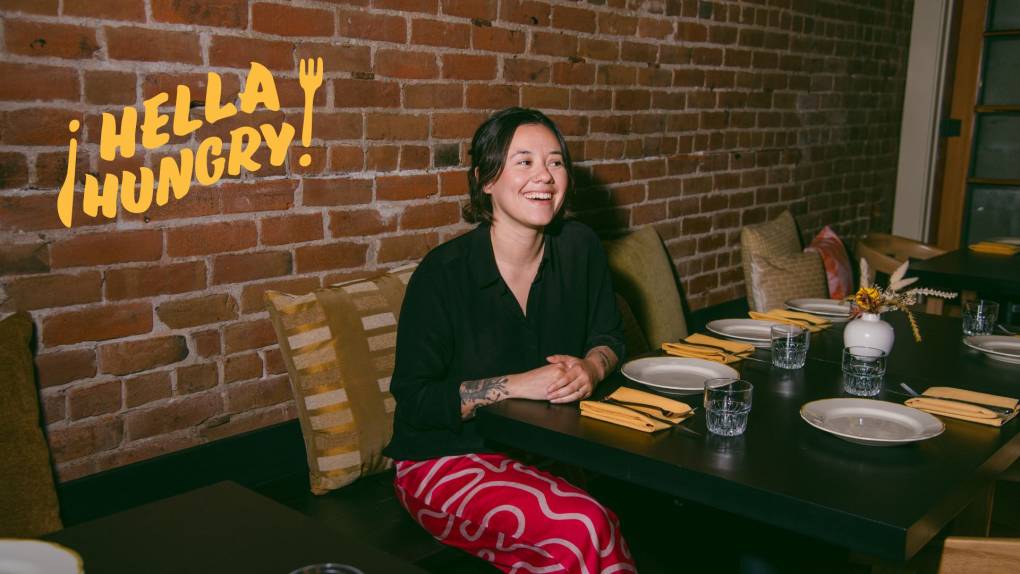
How a Chicana-Owned Agency Is Shining a Light on the East Bay’s Diverse Food Scene
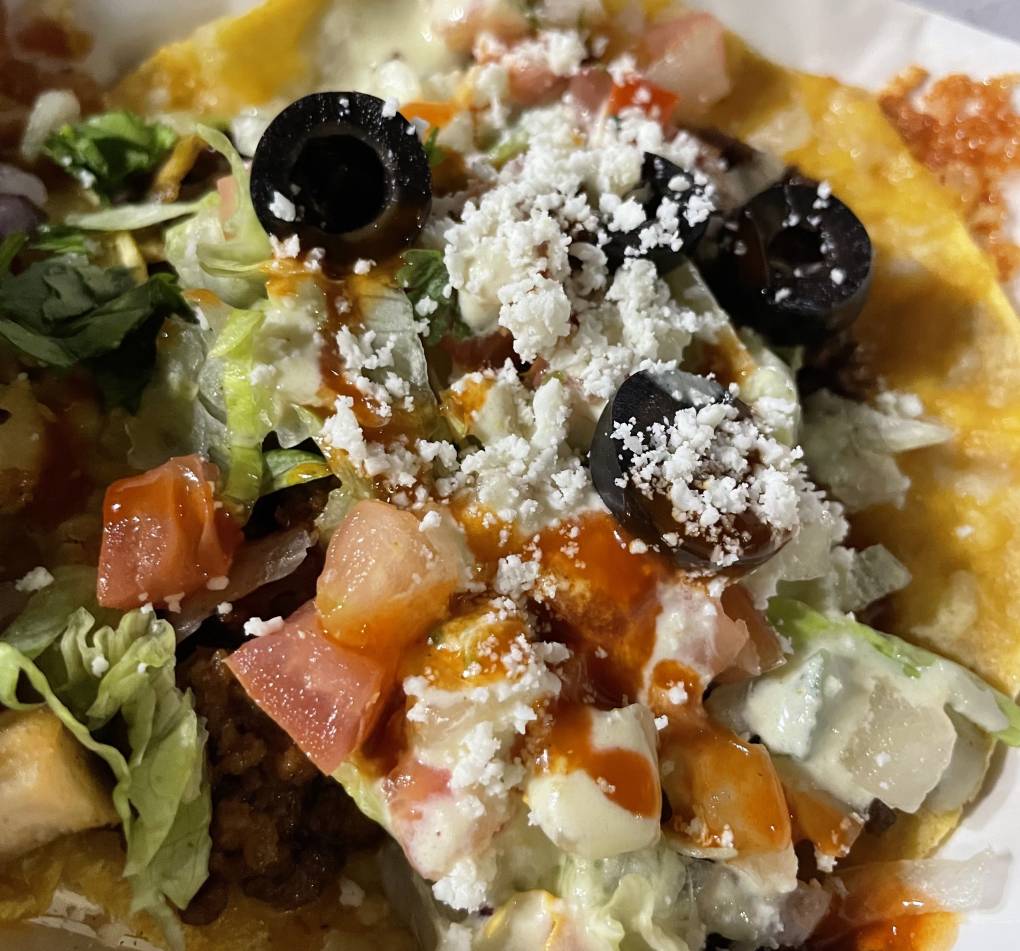
These Sacramento Tacos Are So Good, They Inspired an NBA Player's New Shoes
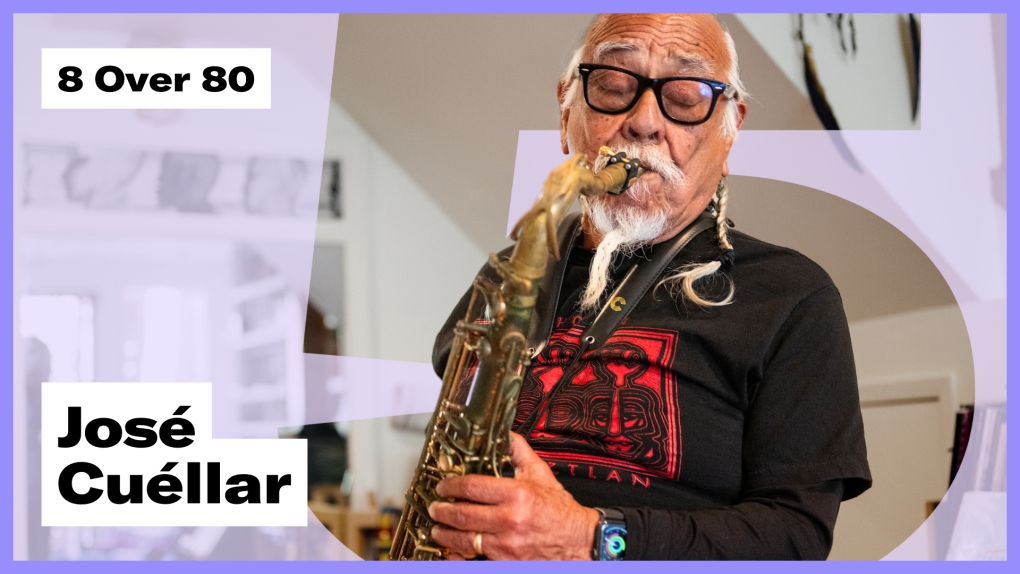
How Anthropologist José Cuéllar Became Dr. Loco, the Last Pachuco
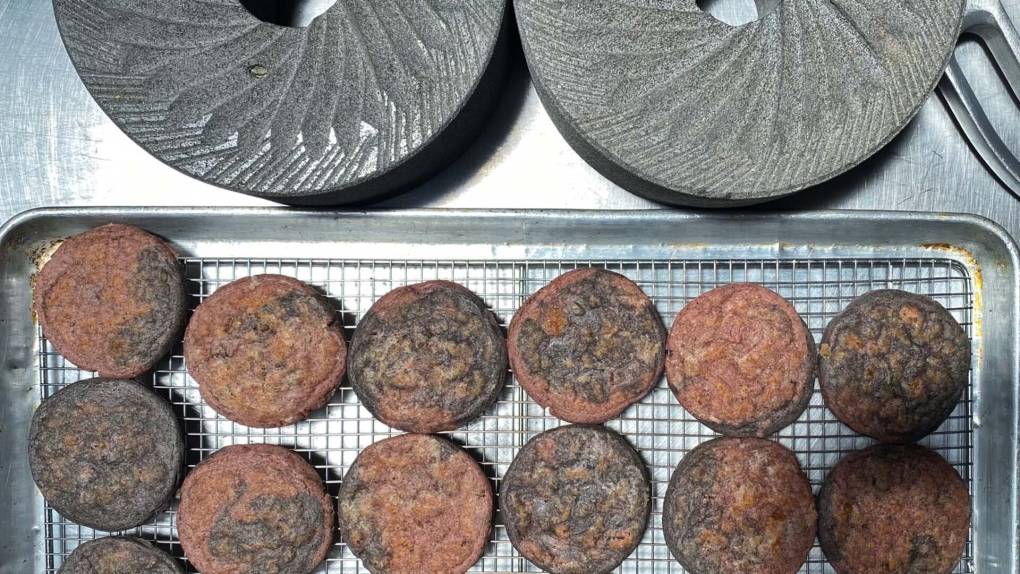
Berkeley's Bolita Celebrates the Delicate Art of Mexican Masa
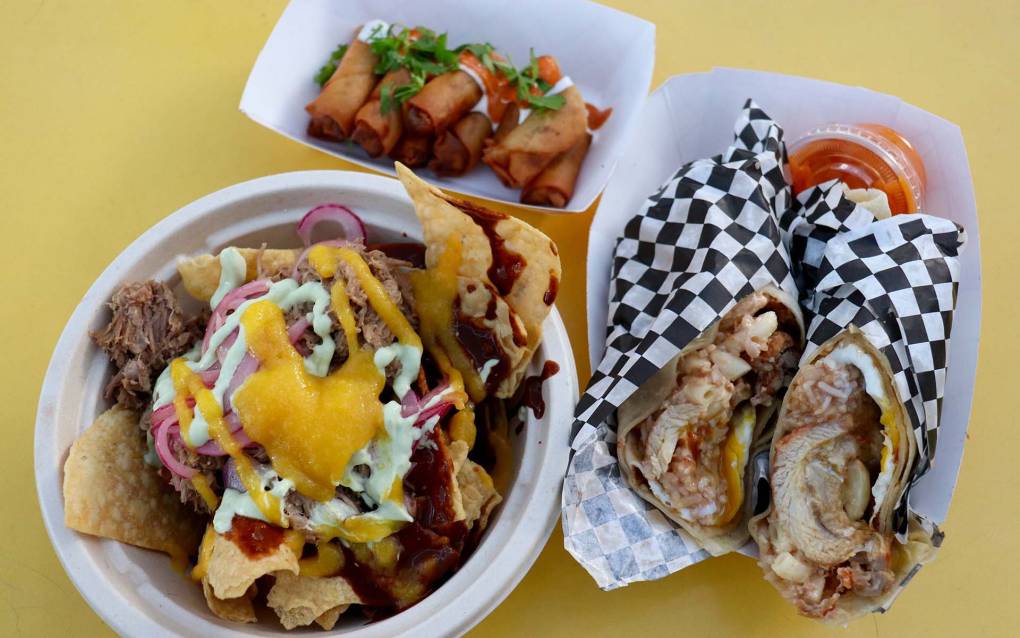
A New San Jose Food Truck Fuses Filipino, Mexican and Hawaiian Flavors
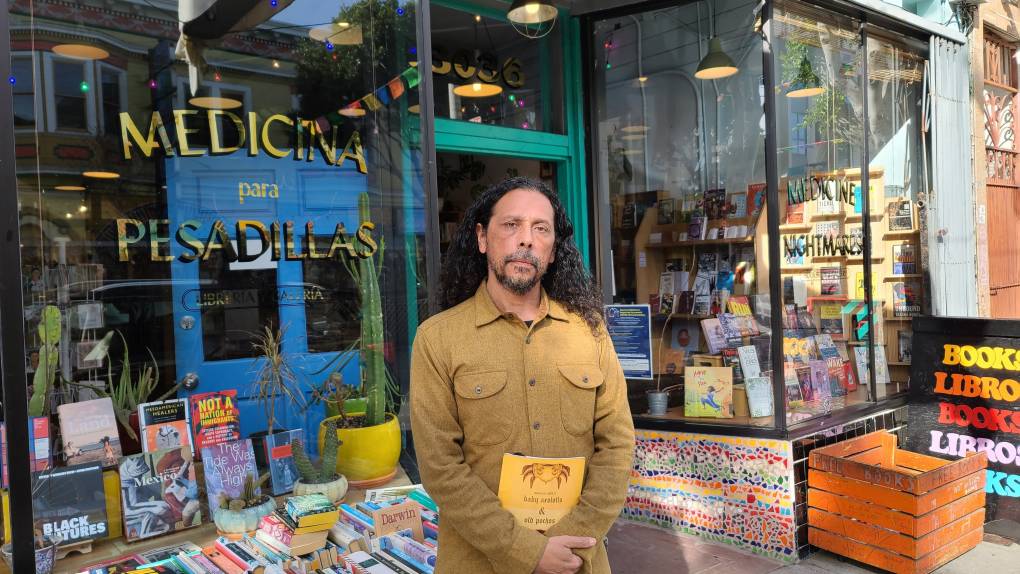
Pocho Poet Josiah Luis Alderete Speaks Fire In The Mission
Sponsored
Player sponsored by
window.__IS_SSR__=true
window.__INITIAL_STATE__={
"attachmentsReducer": {
"audio_0": {
"type": "attachments",
"id": "audio_0",
"imgSizes": {
"kqedFullSize": {
"file": "https://ww2.kqed.org/news/wp-content/themes/KQED-unified/img/audio_bgs/background0.jpg"
}
}
},
"audio_1": {
"type": "attachments",
"id": "audio_1",
"imgSizes": {
"kqedFullSize": {
"file": "https://ww2.kqed.org/news/wp-content/themes/KQED-unified/img/audio_bgs/background1.jpg"
}
}
},
"audio_2": {
"type": "attachments",
"id": "audio_2",
"imgSizes": {
"kqedFullSize": {
"file": "https://ww2.kqed.org/news/wp-content/themes/KQED-unified/img/audio_bgs/background2.jpg"
}
}
},
"audio_3": {
"type": "attachments",
"id": "audio_3",
"imgSizes": {
"kqedFullSize": {
"file": "https://ww2.kqed.org/news/wp-content/themes/KQED-unified/img/audio_bgs/background3.jpg"
}
}
},
"audio_4": {
"type": "attachments",
"id": "audio_4",
"imgSizes": {
"kqedFullSize": {
"file": "https://ww2.kqed.org/news/wp-content/themes/KQED-unified/img/audio_bgs/background4.jpg"
}
}
},
"placeholder": {
"type": "attachments",
"id": "placeholder",
"imgSizes": {
"thumbnail": {
"file": "https://cdn.kqed.org/wp-content/uploads/2024/12/KQED-Default-Image-816638274-2000x1333-1-160x107.jpg",
"width": 160,
"height": 107,
"mimeType": "image/jpeg"
},
"medium": {
"file": "https://cdn.kqed.org/wp-content/uploads/2024/12/KQED-Default-Image-816638274-2000x1333-1-800x533.jpg",
"width": 800,
"height": 533,
"mimeType": "image/jpeg"
},
"medium_large": {
"file": "https://cdn.kqed.org/wp-content/uploads/2024/12/KQED-Default-Image-816638274-2000x1333-1-768x512.jpg",
"width": 768,
"height": 512,
"mimeType": "image/jpeg"
},
"large": {
"file": "https://cdn.kqed.org/wp-content/uploads/2024/12/KQED-Default-Image-816638274-2000x1333-1-1020x680.jpg",
"width": 1020,
"height": 680,
"mimeType": "image/jpeg"
},
"1536x1536": {
"file": "https://cdn.kqed.org/wp-content/uploads/2024/12/KQED-Default-Image-816638274-2000x1333-1-1536x1024.jpg",
"width": 1536,
"height": 1024,
"mimeType": "image/jpeg"
},
"fd-lrg": {
"file": "https://cdn.kqed.org/wp-content/uploads/2024/12/KQED-Default-Image-816638274-2000x1333-1-1536x1024.jpg",
"width": 1536,
"height": 1024,
"mimeType": "image/jpeg"
},
"fd-med": {
"file": "https://cdn.kqed.org/wp-content/uploads/2024/12/KQED-Default-Image-816638274-2000x1333-1-1020x680.jpg",
"width": 1020,
"height": 680,
"mimeType": "image/jpeg"
},
"fd-sm": {
"file": "https://cdn.kqed.org/wp-content/uploads/2024/12/KQED-Default-Image-816638274-2000x1333-1-800x533.jpg",
"width": 800,
"height": 533,
"mimeType": "image/jpeg"
},
"post-thumbnail": {
"file": "https://cdn.kqed.org/wp-content/uploads/2024/12/KQED-Default-Image-816638274-2000x1333-1-672x372.jpg",
"width": 672,
"height": 372,
"mimeType": "image/jpeg"
},
"twentyfourteen-full-width": {
"file": "https://cdn.kqed.org/wp-content/uploads/2024/12/KQED-Default-Image-816638274-2000x1333-1-1038x576.jpg",
"width": 1038,
"height": 576,
"mimeType": "image/jpeg"
},
"xxsmall": {
"file": "https://cdn.kqed.org/wp-content/uploads/2024/12/KQED-Default-Image-816638274-2000x1333-1-160x107.jpg",
"width": 160,
"height": 107,
"mimeType": "image/jpeg"
},
"xsmall": {
"file": "https://cdn.kqed.org/wp-content/uploads/2024/12/KQED-Default-Image-816638274-2000x1333-1-672x372.jpg",
"width": 672,
"height": 372,
"mimeType": "image/jpeg"
},
"small": {
"file": "https://cdn.kqed.org/wp-content/uploads/2024/12/KQED-Default-Image-816638274-2000x1333-1-672x372.jpg",
"width": 672,
"height": 372,
"mimeType": "image/jpeg"
},
"xlarge": {
"file": "https://cdn.kqed.org/wp-content/uploads/2024/12/KQED-Default-Image-816638274-2000x1333-1-1020x680.jpg",
"width": 1020,
"height": 680,
"mimeType": "image/jpeg"
},
"full-width": {
"file": "https://cdn.kqed.org/wp-content/uploads/2024/12/KQED-Default-Image-816638274-2000x1333-1-1920x1280.jpg",
"width": 1920,
"height": 1280,
"mimeType": "image/jpeg"
},
"guest-author-32": {
"file": "https://cdn.kqed.org/wp-content/uploads/2025/01/KQED-Default-Image-816638274-1333x1333-1-160x160.jpg",
"width": 32,
"height": 32,
"mimeType": "image/jpeg"
},
"guest-author-50": {
"file": "https://cdn.kqed.org/wp-content/uploads/2025/01/KQED-Default-Image-816638274-1333x1333-1-160x160.jpg",
"width": 50,
"height": 50,
"mimeType": "image/jpeg"
},
"guest-author-64": {
"file": "https://cdn.kqed.org/wp-content/uploads/2025/01/KQED-Default-Image-816638274-1333x1333-1-160x160.jpg",
"width": 64,
"height": 64,
"mimeType": "image/jpeg"
},
"guest-author-96": {
"file": "https://cdn.kqed.org/wp-content/uploads/2025/01/KQED-Default-Image-816638274-1333x1333-1-160x160.jpg",
"width": 96,
"height": 96,
"mimeType": "image/jpeg"
},
"guest-author-128": {
"file": "https://cdn.kqed.org/wp-content/uploads/2025/01/KQED-Default-Image-816638274-1333x1333-1-160x160.jpg",
"width": 128,
"height": 128,
"mimeType": "image/jpeg"
},
"detail": {
"file": "https://cdn.kqed.org/wp-content/uploads/2025/01/KQED-Default-Image-816638274-1333x1333-1-160x160.jpg",
"width": 160,
"height": 160,
"mimeType": "image/jpeg"
},
"kqedFullSize": {
"file": "https://cdn.kqed.org/wp-content/uploads/2024/12/KQED-Default-Image-816638274-2000x1333-1.jpg",
"width": 2000,
"height": 1333
}
}
},
"arts_13979212": {
"type": "attachments",
"id": "arts_13979212",
"meta": {
"index": "attachments_1716263798",
"site": "arts",
"id": "13979212",
"found": true
},
"title": "_74A5434a (Priime Cobalt)",
"publishDate": 1753723056,
"status": "inherit",
"parent": 13979142,
"modified": 1753723152,
"caption": "Kelly Guerra stars as labor activist Dolores Huerta in ‘Dolores,’ which premieres at West Edge Opera on Aug. 2. ",
"credit": "Cory Weaver",
"altTag": "A Latina woman speaks into a bullhorn while wearing a cowboy hat.",
"description": null,
"imgSizes": {
"medium": {
"file": "https://cdn.kqed.org/wp-content/uploads/sites/2/2025/07/74A5434a-Priime-Cobalt-2000x1334.jpg",
"width": 2000,
"height": 1334,
"mimeType": "image/jpeg"
},
"large": {
"file": "https://cdn.kqed.org/wp-content/uploads/sites/2/2025/07/74A5434a-Priime-Cobalt-2000x1334.jpg",
"width": 2000,
"height": 1334,
"mimeType": "image/jpeg"
},
"thumbnail": {
"file": "https://cdn.kqed.org/wp-content/uploads/sites/2/2025/07/74A5434a-Priime-Cobalt-160x107.jpg",
"width": 160,
"height": 107,
"mimeType": "image/jpeg"
},
"medium_large": {
"file": "https://cdn.kqed.org/wp-content/uploads/sites/2/2025/07/74A5434a-Priime-Cobalt-768x512.jpg",
"width": 768,
"height": 512,
"mimeType": "image/jpeg"
},
"1536x1536": {
"file": "https://cdn.kqed.org/wp-content/uploads/sites/2/2025/07/74A5434a-Priime-Cobalt-1536x1025.jpg",
"width": 1536,
"height": 1025,
"mimeType": "image/jpeg"
},
"2048x2048": {
"file": "https://cdn.kqed.org/wp-content/uploads/sites/2/2025/07/74A5434a-Priime-Cobalt-2048x1366.jpg",
"width": 2048,
"height": 1366,
"mimeType": "image/jpeg"
},
"post-thumbnail": {
"file": "https://cdn.kqed.org/wp-content/uploads/sites/2/2025/07/74A5434a-Priime-Cobalt-672x372.jpg",
"width": 672,
"height": 372,
"mimeType": "image/jpeg"
},
"twentyfourteen-full-width": {
"file": "https://cdn.kqed.org/wp-content/uploads/sites/2/2025/07/74A5434a-Priime-Cobalt-1038x576.jpg",
"width": 1038,
"height": 576,
"mimeType": "image/jpeg"
},
"full-width": {
"file": "https://cdn.kqed.org/wp-content/uploads/sites/2/2025/07/74A5434a-Priime-Cobalt-2000x1334.jpg",
"width": 2000,
"height": 1334,
"mimeType": "image/jpeg"
},
"kqedFullSize": {
"file": "https://cdn.kqed.org/wp-content/uploads/sites/2/2025/07/74A5434a-Priime-Cobalt-scaled.jpg",
"width": 2560,
"height": 1708
}
},
"fetchFailed": false,
"isLoading": false
},
"arts_13959839": {
"type": "attachments",
"id": "arts_13959839",
"meta": {
"index": "attachments_1716263798",
"site": "arts",
"id": "13959839",
"found": true
},
"title": "Manuel Paul_R.I.P",
"publishDate": 1718323953,
"status": "inherit",
"parent": 13959827,
"modified": 1718328642,
"caption": "'Calli: The Art of Xicanx Peoples' at the Oakland Museum of California presents the work of 53 diverse Xicanx artists, including this digital print on vinyl by Manuel Paul titled 'R.I.P—In Loving Memory.'",
"credit": "OMCA",
"altTag": "Image of two men kissing behind car with decals on windows",
"description": null,
"imgSizes": {
"medium": {
"file": "https://cdn.kqed.org/wp-content/uploads/sites/2/2024/06/Manuel-Paul_R.I.P-In-Loving-Memory-800x604.jpg",
"width": 800,
"height": 604,
"mimeType": "image/jpeg"
},
"large": {
"file": "https://cdn.kqed.org/wp-content/uploads/sites/2/2024/06/Manuel-Paul_R.I.P-In-Loving-Memory-1020x770.jpg",
"width": 1020,
"height": 770,
"mimeType": "image/jpeg"
},
"thumbnail": {
"file": "https://cdn.kqed.org/wp-content/uploads/sites/2/2024/06/Manuel-Paul_R.I.P-In-Loving-Memory-160x121.jpg",
"width": 160,
"height": 121,
"mimeType": "image/jpeg"
},
"medium_large": {
"file": "https://cdn.kqed.org/wp-content/uploads/sites/2/2024/06/Manuel-Paul_R.I.P-In-Loving-Memory-768x580.jpg",
"width": 768,
"height": 580,
"mimeType": "image/jpeg"
},
"1536x1536": {
"file": "https://cdn.kqed.org/wp-content/uploads/sites/2/2024/06/Manuel-Paul_R.I.P-In-Loving-Memory-1536x1159.jpg",
"width": 1536,
"height": 1159,
"mimeType": "image/jpeg"
},
"2048x2048": {
"file": "https://cdn.kqed.org/wp-content/uploads/sites/2/2024/06/Manuel-Paul_R.I.P-In-Loving-Memory-2048x1546.jpg",
"width": 2048,
"height": 1546,
"mimeType": "image/jpeg"
},
"post-thumbnail": {
"file": "https://cdn.kqed.org/wp-content/uploads/sites/2/2024/06/Manuel-Paul_R.I.P-In-Loving-Memory-672x372.jpg",
"width": 672,
"height": 372,
"mimeType": "image/jpeg"
},
"twentyfourteen-full-width": {
"file": "https://cdn.kqed.org/wp-content/uploads/sites/2/2024/06/Manuel-Paul_R.I.P-In-Loving-Memory-1038x576.jpg",
"width": 1038,
"height": 576,
"mimeType": "image/jpeg"
},
"full-width": {
"file": "https://cdn.kqed.org/wp-content/uploads/sites/2/2024/06/Manuel-Paul_R.I.P-In-Loving-Memory-1920x1449.jpg",
"width": 1920,
"height": 1449,
"mimeType": "image/jpeg"
},
"kqedFullSize": {
"file": "https://cdn.kqed.org/wp-content/uploads/sites/2/2024/06/Manuel-Paul_R.I.P-In-Loving-Memory.jpg",
"width": 2410,
"height": 1819
}
},
"fetchFailed": false,
"isLoading": false
},
"arts_13918596": {
"type": "attachments",
"id": "arts_13918596",
"meta": {
"index": "attachments_1716263798",
"site": "arts",
"id": "13918596",
"found": true
},
"title": "005_KQEDArts_TattooArtistMiguelBouncePerez_08312022",
"publishDate": 1662076192,
"status": "inherit",
"parent": 13918498,
"modified": 1717030040,
"caption": "Miguel ‘Bounce’ Perez at Philthy Clean Tattoo in Berkeley on Aug. 31, 2022.",
"credit": "Beth LaBerge/KQED",
"altTag": null,
"description": null,
"imgSizes": {
"medium": {
"file": "https://cdn.kqed.org/wp-content/uploads/sites/2/2022/09/005_KQEDArts_TattooArtistMiguelBouncePerez_08312022-800x533.jpg",
"width": 800,
"height": 533,
"mimeType": "image/jpeg"
},
"large": {
"file": "https://cdn.kqed.org/wp-content/uploads/sites/2/2022/09/005_KQEDArts_TattooArtistMiguelBouncePerez_08312022-1020x680.jpg",
"width": 1020,
"height": 680,
"mimeType": "image/jpeg"
},
"thumbnail": {
"file": "https://cdn.kqed.org/wp-content/uploads/sites/2/2022/09/005_KQEDArts_TattooArtistMiguelBouncePerez_08312022-160x107.jpg",
"width": 160,
"height": 107,
"mimeType": "image/jpeg"
},
"medium_large": {
"file": "https://cdn.kqed.org/wp-content/uploads/sites/2/2022/09/005_KQEDArts_TattooArtistMiguelBouncePerez_08312022-768x512.jpg",
"width": 768,
"height": 512,
"mimeType": "image/jpeg"
},
"1536x1536": {
"file": "https://cdn.kqed.org/wp-content/uploads/sites/2/2022/09/005_KQEDArts_TattooArtistMiguelBouncePerez_08312022-1536x1024.jpg",
"width": 1536,
"height": 1024,
"mimeType": "image/jpeg"
},
"post-thumbnail": {
"file": "https://cdn.kqed.org/wp-content/uploads/sites/2/2022/09/005_KQEDArts_TattooArtistMiguelBouncePerez_08312022-672x372.jpg",
"width": 672,
"height": 372,
"mimeType": "image/jpeg"
},
"twentyfourteen-full-width": {
"file": "https://cdn.kqed.org/wp-content/uploads/sites/2/2022/09/005_KQEDArts_TattooArtistMiguelBouncePerez_08312022-1038x576.jpg",
"width": 1038,
"height": 576,
"mimeType": "image/jpeg"
},
"kqedFullSize": {
"file": "https://cdn.kqed.org/wp-content/uploads/sites/2/2022/09/005_KQEDArts_TattooArtistMiguelBouncePerez_08312022.jpg",
"width": 1920,
"height": 1280
}
},
"fetchFailed": false,
"isLoading": false
},
"arts_13955587": {
"type": "attachments",
"id": "arts_13955587",
"meta": {
"index": "attachments_1716263798",
"site": "arts",
"id": "13955587",
"found": true
},
"parent": 13954899,
"imgSizes": {
"twentyfourteen-full-width": {
"file": "https://cdn.kqed.org/wp-content/uploads/sites/2/2024/03/Hella-Hungry-—-Feature-Image-1920x1080-1-1038x576.jpg",
"width": 1038,
"mimeType": "image/jpeg",
"height": 576
},
"thumbnail": {
"file": "https://cdn.kqed.org/wp-content/uploads/sites/2/2024/03/Hella-Hungry-—-Feature-Image-1920x1080-1-160x90.jpg",
"width": 160,
"mimeType": "image/jpeg",
"height": 90
},
"post-thumbnail": {
"file": "https://cdn.kqed.org/wp-content/uploads/sites/2/2024/03/Hella-Hungry-—-Feature-Image-1920x1080-1-672x372.jpg",
"width": 672,
"mimeType": "image/jpeg",
"height": 372
},
"kqedFullSize": {
"file": "https://cdn.kqed.org/wp-content/uploads/sites/2/2024/03/Hella-Hungry-—-Feature-Image-1920x1080-1.jpg",
"width": 1920,
"height": 1080
},
"large": {
"file": "https://cdn.kqed.org/wp-content/uploads/sites/2/2024/03/Hella-Hungry-—-Feature-Image-1920x1080-1-1020x574.jpg",
"width": 1020,
"mimeType": "image/jpeg",
"height": 574
},
"1536x1536": {
"file": "https://cdn.kqed.org/wp-content/uploads/sites/2/2024/03/Hella-Hungry-—-Feature-Image-1920x1080-1-1536x864.jpg",
"width": 1536,
"mimeType": "image/jpeg",
"height": 864
},
"medium": {
"file": "https://cdn.kqed.org/wp-content/uploads/sites/2/2024/03/Hella-Hungry-—-Feature-Image-1920x1080-1-800x450.jpg",
"width": 800,
"mimeType": "image/jpeg",
"height": 450
},
"medium_large": {
"file": "https://cdn.kqed.org/wp-content/uploads/sites/2/2024/03/Hella-Hungry-—-Feature-Image-1920x1080-1-768x432.jpg",
"width": 768,
"mimeType": "image/jpeg",
"height": 432
}
},
"publishDate": 1712602999,
"modified": 1712618646,
"caption": "If Only Creative founder Marisa Sanchez-Dunning poses for a portrait at Popoca in Oakland. The progressive Salvadoran restaurant is one of her agency's clients.",
"description": null,
"title": "Hella Hungry — Feature Image (1920x1080)",
"credit": "Marissa Leshnov for KQED",
"status": "inherit",
"altTag": "A woman smiles sitting a a long wooden table inside a stylish restaurant with a red brick interior.",
"fetchFailed": false,
"isLoading": false
},
"arts_13954474": {
"type": "attachments",
"id": "arts_13954474",
"meta": {
"index": "attachments_1716263798",
"site": "arts",
"id": "13954474",
"found": true
},
"parent": 13954364,
"imgSizes": {
"twentyfourteen-full-width": {
"file": "https://cdn.kqed.org/wp-content/uploads/sites/2/2024/03/sacrataco-1038x576.jpg",
"width": 1038,
"mimeType": "image/jpeg",
"height": 576
},
"thumbnail": {
"file": "https://cdn.kqed.org/wp-content/uploads/sites/2/2024/03/sacrataco-160x149.jpg",
"width": 160,
"mimeType": "image/jpeg",
"height": 149
},
"post-thumbnail": {
"file": "https://cdn.kqed.org/wp-content/uploads/sites/2/2024/03/sacrataco-672x372.jpg",
"width": 672,
"mimeType": "image/jpeg",
"height": 372
},
"kqedFullSize": {
"file": "https://cdn.kqed.org/wp-content/uploads/sites/2/2024/03/sacrataco-scaled.jpg",
"width": 2560,
"height": 2388
},
"2048x2048": {
"file": "https://cdn.kqed.org/wp-content/uploads/sites/2/2024/03/sacrataco-2048x1910.jpg",
"width": 2048,
"mimeType": "image/jpeg",
"height": 1910
},
"large": {
"file": "https://cdn.kqed.org/wp-content/uploads/sites/2/2024/03/sacrataco-1020x951.jpg",
"width": 1020,
"mimeType": "image/jpeg",
"height": 951
},
"1536x1536": {
"file": "https://cdn.kqed.org/wp-content/uploads/sites/2/2024/03/sacrataco-1536x1433.jpg",
"width": 1536,
"mimeType": "image/jpeg",
"height": 1433
},
"full-width": {
"file": "https://cdn.kqed.org/wp-content/uploads/sites/2/2024/03/sacrataco-1920x1791.jpg",
"width": 1920,
"mimeType": "image/jpeg",
"height": 1791
},
"medium": {
"file": "https://cdn.kqed.org/wp-content/uploads/sites/2/2024/03/sacrataco-800x746.jpg",
"width": 800,
"mimeType": "image/jpeg",
"height": 746
},
"medium_large": {
"file": "https://cdn.kqed.org/wp-content/uploads/sites/2/2024/03/sacrataco-768x716.jpg",
"width": 768,
"mimeType": "image/jpeg",
"height": 716
}
},
"publishDate": 1710968115,
"modified": 1711393908,
"caption": "Banzito's enchitaco is a hybrid of a Chicano-style enchilada in the form of a taco. The truck's Mexican American fare has earned a cult following that includes Kings point guard De'Aaron Fox.",
"description": null,
"title": "sacrataco",
"credit": "Alan Chazaro",
"status": "inherit",
"altTag": null,
"fetchFailed": false,
"isLoading": false
},
"arts_13934876": {
"type": "attachments",
"id": "arts_13934876",
"meta": {
"index": "attachments_1716263798",
"site": "arts",
"id": "13934876",
"found": true
},
"parent": 13934296,
"imgSizes": {
"twentyfourteen-full-width": {
"file": "https://ww2.kqed.org/app/uploads/sites/2/2023/09/8-Over-80-—-Thumbnail-1920-x-1080-2-1038x576.png",
"width": 1038,
"mimeType": "image/png",
"height": 576
},
"thumbnail": {
"file": "https://ww2.kqed.org/app/uploads/sites/2/2023/09/8-Over-80-—-Thumbnail-1920-x-1080-2-160x90.png",
"width": 160,
"mimeType": "image/png",
"height": 90
},
"post-thumbnail": {
"file": "https://ww2.kqed.org/app/uploads/sites/2/2023/09/8-Over-80-—-Thumbnail-1920-x-1080-2-672x372.png",
"width": 672,
"mimeType": "image/png",
"height": 372
},
"kqedFullSize": {
"file": "https://ww2.kqed.org/app/uploads/sites/2/2023/09/8-Over-80-—-Thumbnail-1920-x-1080-2.png",
"width": 1920,
"height": 1080
},
"large": {
"file": "https://ww2.kqed.org/app/uploads/sites/2/2023/09/8-Over-80-—-Thumbnail-1920-x-1080-2-1020x574.png",
"width": 1020,
"mimeType": "image/png",
"height": 574
},
"1536x1536": {
"file": "https://ww2.kqed.org/app/uploads/sites/2/2023/09/8-Over-80-—-Thumbnail-1920-x-1080-2-1536x864.png",
"width": 1536,
"mimeType": "image/png",
"height": 864
},
"medium": {
"file": "https://ww2.kqed.org/app/uploads/sites/2/2023/09/8-Over-80-—-Thumbnail-1920-x-1080-2-800x450.png",
"width": 800,
"mimeType": "image/png",
"height": 450
},
"medium_large": {
"file": "https://ww2.kqed.org/app/uploads/sites/2/2023/09/8-Over-80-—-Thumbnail-1920-x-1080-2-768x432.png",
"width": 768,
"mimeType": "image/png",
"height": 432
}
},
"publishDate": 1695014308,
"modified": 1695014388,
"caption": "José Cuéllar, 82, plays the saxophone at his home in San Francisco on July 21, 2023. As a professor emeritus of Chicano studies at San Francisco State University, he has led a dual career as an academic and leader of Dr. Loco’s Rockin’ Jalapeño Band.",
"description": null,
"title": "8 Over 80 — Thumbnail (1920 x 1080)",
"credit": "Beth LaBerge/KQED",
"status": "inherit",
"altTag": null,
"fetchFailed": false,
"isLoading": false
},
"arts_13934402": {
"type": "attachments",
"id": "arts_13934402",
"meta": {
"index": "attachments_1716263798",
"site": "arts",
"id": "13934402",
"found": true
},
"parent": 13934296,
"imgSizes": {
"twentyfourteen-full-width": {
"file": "https://ww2.kqed.org/app/uploads/sites/2/2023/09/RS67183_230721-JoséCuéllar8over80-06-BL_COVER-1038x576.jpg",
"width": 1038,
"mimeType": "image/jpeg",
"height": 576
},
"thumbnail": {
"file": "https://ww2.kqed.org/app/uploads/sites/2/2023/09/RS67183_230721-JoséCuéllar8over80-06-BL_COVER-160x107.jpg",
"width": 160,
"mimeType": "image/jpeg",
"height": 107
},
"post-thumbnail": {
"file": "https://ww2.kqed.org/app/uploads/sites/2/2023/09/RS67183_230721-JoséCuéllar8over80-06-BL_COVER-672x372.jpg",
"width": 672,
"mimeType": "image/jpeg",
"height": 372
},
"kqedFullSize": {
"file": "https://ww2.kqed.org/app/uploads/sites/2/2023/09/RS67183_230721-JoséCuéllar8over80-06-BL_COVER.jpg",
"width": 2000,
"height": 1333
},
"large": {
"file": "https://ww2.kqed.org/app/uploads/sites/2/2023/09/RS67183_230721-JoséCuéllar8over80-06-BL_COVER-1020x680.jpg",
"width": 1020,
"mimeType": "image/jpeg",
"height": 680
},
"1536x1536": {
"file": "https://ww2.kqed.org/app/uploads/sites/2/2023/09/RS67183_230721-JoséCuéllar8over80-06-BL_COVER-1536x1024.jpg",
"width": 1536,
"mimeType": "image/jpeg",
"height": 1024
},
"full-width": {
"file": "https://ww2.kqed.org/app/uploads/sites/2/2023/09/RS67183_230721-JoséCuéllar8over80-06-BL_COVER-1920x1280.jpg",
"width": 1920,
"mimeType": "image/jpeg",
"height": 1280
},
"medium": {
"file": "https://ww2.kqed.org/app/uploads/sites/2/2023/09/RS67183_230721-JoséCuéllar8over80-06-BL_COVER-800x533.jpg",
"width": 800,
"mimeType": "image/jpeg",
"height": 533
},
"medium_large": {
"file": "https://ww2.kqed.org/app/uploads/sites/2/2023/09/RS67183_230721-JoséCuéllar8over80-06-BL_COVER-768x512.jpg",
"width": 768,
"mimeType": "image/jpeg",
"height": 512
}
},
"publishDate": 1694042649,
"modified": 1694043959,
"caption": "José Cuéllar, 82, plays the saxophone at his home in San Francisco on July 21, 2023. As a professor emeritus of Chicano studies at San Francisco State University, he has led a dual career as an academic and leader of Dr. Loco’s Rockin’ Jalapeño Band.",
"description": null,
"title": "RS67183_230721-JoséCuéllar8over80-06-BL_COVER",
"credit": "Beth LaBerge/KQED",
"status": "inherit",
"altTag": "An older man with white braids and glasses plays a saxophone in his home",
"fetchFailed": false,
"isLoading": false
},
"arts_13933155": {
"type": "attachments",
"id": "arts_13933155",
"meta": {
"index": "attachments_1716263798",
"site": "arts",
"id": "13933155",
"found": true
},
"parent": 13933138,
"imgSizes": {
"twentyfourteen-full-width": {
"file": "https://ww2.kqed.org/app/uploads/sites/2/2023/08/bolita-purple_tortillas-1038x576.jpg",
"width": 1038,
"mimeType": "image/jpeg",
"height": 576
},
"thumbnail": {
"file": "https://ww2.kqed.org/app/uploads/sites/2/2023/08/bolita-purple_tortillas-160x90.jpg",
"width": 160,
"mimeType": "image/jpeg",
"height": 90
},
"post-thumbnail": {
"file": "https://ww2.kqed.org/app/uploads/sites/2/2023/08/bolita-purple_tortillas-672x372.jpg",
"width": 672,
"mimeType": "image/jpeg",
"height": 372
},
"kqedFullSize": {
"file": "https://ww2.kqed.org/app/uploads/sites/2/2023/08/bolita-purple_tortillas.jpg",
"width": 1920,
"height": 1081
},
"large": {
"file": "https://ww2.kqed.org/app/uploads/sites/2/2023/08/bolita-purple_tortillas-1020x574.jpg",
"width": 1020,
"mimeType": "image/jpeg",
"height": 574
},
"1536x1536": {
"file": "https://ww2.kqed.org/app/uploads/sites/2/2023/08/bolita-purple_tortillas-1536x865.jpg",
"width": 1536,
"mimeType": "image/jpeg",
"height": 865
},
"medium": {
"file": "https://ww2.kqed.org/app/uploads/sites/2/2023/08/bolita-purple_tortillas-800x450.jpg",
"width": 800,
"mimeType": "image/jpeg",
"height": 450
},
"medium_large": {
"file": "https://ww2.kqed.org/app/uploads/sites/2/2023/08/bolita-purple_tortillas-768x432.jpg",
"width": 768,
"mimeType": "image/jpeg",
"height": 432
}
},
"publishDate": 1692037091,
"modified": 1692037197,
"caption": "These purple tortillas are a signature at Bolita Masa.",
"description": null,
"title": "bolita-purple_tortillas",
"credit": "Emmanuel Galvan",
"status": "inherit",
"altTag": "handmade tortillas using purple masa are prepared on a countertop",
"fetchFailed": false,
"isLoading": false
},
"arts_13932744": {
"type": "attachments",
"id": "arts_13932744",
"meta": {
"index": "attachments_1716263798",
"site": "arts",
"id": "13932744",
"found": true
},
"parent": 13932574,
"imgSizes": {
"twentyfourteen-full-width": {
"file": "https://ww2.kqed.org/app/uploads/sites/2/2023/08/mestizo_threedishes-crop-1038x576.jpg",
"width": 1038,
"mimeType": "image/jpeg",
"height": 576
},
"thumbnail": {
"file": "https://ww2.kqed.org/app/uploads/sites/2/2023/08/mestizo_threedishes-crop-160x100.jpg",
"width": 160,
"mimeType": "image/jpeg",
"height": 100
},
"post-thumbnail": {
"file": "https://ww2.kqed.org/app/uploads/sites/2/2023/08/mestizo_threedishes-crop-672x372.jpg",
"width": 672,
"mimeType": "image/jpeg",
"height": 372
},
"kqedFullSize": {
"file": "https://ww2.kqed.org/app/uploads/sites/2/2023/08/mestizo_threedishes-crop.jpg",
"width": 1920,
"height": 1200
},
"large": {
"file": "https://ww2.kqed.org/app/uploads/sites/2/2023/08/mestizo_threedishes-crop-1020x638.jpg",
"width": 1020,
"mimeType": "image/jpeg",
"height": 638
},
"1536x1536": {
"file": "https://ww2.kqed.org/app/uploads/sites/2/2023/08/mestizo_threedishes-crop-1536x960.jpg",
"width": 1536,
"mimeType": "image/jpeg",
"height": 960
},
"medium": {
"file": "https://ww2.kqed.org/app/uploads/sites/2/2023/08/mestizo_threedishes-crop-800x500.jpg",
"width": 800,
"mimeType": "image/jpeg",
"height": 500
},
"medium_large": {
"file": "https://ww2.kqed.org/app/uploads/sites/2/2023/08/mestizo_threedishes-crop-768x480.jpg",
"width": 768,
"mimeType": "image/jpeg",
"height": 480
}
},
"publishDate": 1691430790,
"modified": 1691431062,
"caption": "Three dishes from Mestizo showcase the food truck's many cultural influences: Filipino lumpia; a Mexican burrito with fried chicken, gravy and mac salad; and chilaquiles topped with Hawaiian kalua pork.",
"description": null,
"title": "mestizo_threedishes-crop",
"credit": "Alan Chazaro",
"status": "inherit",
"altTag": "a burrito, chilaquiles, and lumpia are showcased on a yellow table outdoors",
"fetchFailed": false,
"isLoading": false
},
"arts_13910045": {
"type": "attachments",
"id": "arts_13910045",
"meta": {
"index": "attachments_1716263798",
"site": "arts",
"id": "13910045",
"found": true
},
"parent": 13910030,
"imgSizes": {
"twentyfourteen-full-width": {
"file": "https://ww2.kqed.org/app/uploads/sites/2/2022/03/20220302_150812-1038x576.jpg",
"width": 1038,
"mimeType": "image/jpeg",
"height": 576
},
"thumbnail": {
"file": "https://ww2.kqed.org/app/uploads/sites/2/2022/03/20220302_150812-160x90.jpg",
"width": 160,
"mimeType": "image/jpeg",
"height": 90
},
"post-thumbnail": {
"file": "https://ww2.kqed.org/app/uploads/sites/2/2022/03/20220302_150812-672x372.jpg",
"width": 672,
"mimeType": "image/jpeg",
"height": 372
},
"kqedFullSize": {
"file": "https://ww2.kqed.org/app/uploads/sites/2/2022/03/20220302_150812-scaled-e1646346280825.jpg",
"width": 1920,
"height": 1081
},
"2048x2048": {
"file": "https://ww2.kqed.org/app/uploads/sites/2/2022/03/20220302_150812-2048x1153.jpg",
"width": 2048,
"mimeType": "image/jpeg",
"height": 1153
},
"large": {
"file": "https://ww2.kqed.org/app/uploads/sites/2/2022/03/20220302_150812-1020x574.jpg",
"width": 1020,
"mimeType": "image/jpeg",
"height": 574
},
"1536x1536": {
"file": "https://ww2.kqed.org/app/uploads/sites/2/2022/03/20220302_150812-1536x865.jpg",
"width": 1536,
"mimeType": "image/jpeg",
"height": 865
},
"full-width": {
"file": "https://ww2.kqed.org/app/uploads/sites/2/2022/03/20220302_150812-1920x1081.jpg",
"width": 1920,
"mimeType": "image/jpeg",
"height": 1081
},
"medium": {
"file": "https://ww2.kqed.org/app/uploads/sites/2/2022/03/20220302_150812-800x450.jpg",
"width": 800,
"mimeType": "image/jpeg",
"height": 450
},
"medium_large": {
"file": "https://ww2.kqed.org/app/uploads/sites/2/2022/03/20220302_150812-768x432.jpg",
"width": 768,
"mimeType": "image/jpeg",
"height": 432
}
},
"publishDate": 1646346114,
"modified": 1646352040,
"caption": "Josiah Luis Alderete stands in front of Medicine for Nightmares with his book of poetry in hand. ",
"description": "Josiah Luis Alderete",
"title": "Josiah Luis Alderete",
"credit": "Carlos Cabrera-Lomelí",
"status": "inherit",
"altTag": "Josiah Luis Alderete stands in front of the windows of his bookstore, he wears a mustard shirt and holds his book of poems at his waist.",
"fetchFailed": false,
"isLoading": false
}
},
"audioPlayerReducer": {
"postId": "stream_live",
"isPaused": true,
"isPlaying": false,
"pfsActive": false,
"pledgeModalIsOpen": true,
"playerDrawerIsOpen": false
},
"authorsReducer": {
"agilbert": {
"type": "authors",
"id": "86",
"meta": {
"index": "authors_1716337520",
"id": "86",
"found": true
},
"name": "Andrew Gilbert",
"firstName": "Andrew",
"lastName": "Gilbert",
"slug": "agilbert",
"email": "jazzscribe@aol.com",
"display_author_email": false,
"staff_mastheads": [],
"title": "KQED Contributor",
"bio": "A Los Angeles native based in the Berkeley area since 1996, Andrew Gilbert covers jazz, international music and dance for KQED's \u003ci>California Report, \u003c/i>the\u003ci> Mercury News\u003c/i>, \u003ci>San Francisco Chronicle\u003c/i>, \u003ci>Berkeleyside.com\u003c/i>, and other publications. He is available for weddings and bar and bat mitzvahs. #jazzscribe",
"avatar": "https://secure.gravatar.com/avatar/445e6fe4cc696bd39773e3c90f5108b6?s=600&d=blank&r=g",
"twitter": null,
"facebook": null,
"instagram": null,
"linkedin": null,
"sites": [
{
"site": "arts",
"roles": [
"Contributor",
"author"
]
},
{
"site": "news",
"roles": [
"author"
]
}
],
"headData": {
"title": "Andrew Gilbert | KQED",
"description": "KQED Contributor",
"ogImgSrc": "https://secure.gravatar.com/avatar/445e6fe4cc696bd39773e3c90f5108b6?s=600&d=blank&r=g",
"twImgSrc": "https://secure.gravatar.com/avatar/445e6fe4cc696bd39773e3c90f5108b6?s=600&d=blank&r=g"
},
"isLoading": false,
"link": "/author/agilbert"
},
"ogpenn": {
"type": "authors",
"id": "11491",
"meta": {
"index": "authors_1716337520",
"id": "11491",
"found": true
},
"name": "Pendarvis Harshaw",
"firstName": "Pendarvis",
"lastName": "Harshaw",
"slug": "ogpenn",
"email": "ogpenn@gmail.com",
"display_author_email": false,
"staff_mastheads": [
"arts"
],
"title": "Community Engagement Reporter",
"bio": "Pendarvis Harshaw is an educator, host and writer with KQED Arts.",
"avatar": "https://secure.gravatar.com/avatar/093d33baff5354890e29ad83d58d2c49?s=600&d=blank&r=g",
"twitter": null,
"facebook": null,
"instagram": "ogpenn",
"linkedin": null,
"sites": [
{
"site": "arts",
"roles": [
"editor"
]
},
{
"site": "news",
"roles": [
"editor"
]
},
{
"site": "bayareabites",
"roles": [
"author"
]
},
{
"site": "hiphop",
"roles": [
"editor"
]
}
],
"headData": {
"title": "Pendarvis Harshaw | KQED",
"description": "Community Engagement Reporter",
"ogImgSrc": "https://secure.gravatar.com/avatar/093d33baff5354890e29ad83d58d2c49?s=600&d=blank&r=g",
"twImgSrc": "https://secure.gravatar.com/avatar/093d33baff5354890e29ad83d58d2c49?s=600&d=blank&r=g"
},
"isLoading": false,
"link": "/author/ogpenn"
},
"mmedina": {
"type": "authors",
"id": "11528",
"meta": {
"index": "authors_1716337520",
"id": "11528",
"found": true
},
"name": "Marisol Medina-Cadena",
"firstName": "Marisol",
"lastName": "Medina-Cadena",
"slug": "mmedina",
"email": "mmedina@KQED.org",
"display_author_email": true,
"staff_mastheads": [],
"title": "Producer, Rightnowish Podcast",
"bio": "Marisol Medina-Cadena is a radio reporter and podcast producer. Before working at KQED, she produced for PBS member station, KCET, in Los Angeles. In 2017, Marisol won an Emmy Award for her work on the televised documentary, \u003cem>City Rising\u003c/em>, examining California's affordable housing crisis and the historical roots of gentrification.",
"avatar": "https://secure.gravatar.com/avatar/6c3db46a1cabb5e1fe9a365b5f4e681e?s=600&d=blank&r=g",
"twitter": "marisolreports",
"facebook": null,
"instagram": null,
"linkedin": null,
"sites": [
{
"site": "arts",
"roles": []
},
{
"site": "news",
"roles": [
"edit_others_posts"
]
}
],
"headData": {
"title": "Marisol Medina-Cadena | KQED",
"description": "Producer, Rightnowish Podcast",
"ogImgSrc": "https://secure.gravatar.com/avatar/6c3db46a1cabb5e1fe9a365b5f4e681e?s=600&d=blank&r=g",
"twImgSrc": "https://secure.gravatar.com/avatar/6c3db46a1cabb5e1fe9a365b5f4e681e?s=600&d=blank&r=g"
},
"isLoading": false,
"link": "/author/mmedina"
},
"achazaro": {
"type": "authors",
"id": "11748",
"meta": {
"index": "authors_1716337520",
"id": "11748",
"found": true
},
"name": "Alan Chazaro",
"firstName": "Alan",
"lastName": "Chazaro",
"slug": "achazaro",
"email": "agchazaro@gmail.com",
"display_author_email": true,
"staff_mastheads": [],
"title": "Food Writer and Reporter",
"bio": "Alan Chazaro is the author of \u003cem>This Is Not a Frank Ocean Cover Album\u003c/em> (Black Lawrence Press, 2019), \u003cem>Piñata Theory\u003c/em> (Black Lawrence Press, 2020), and \u003cem>Notes from the Eastern Span of the Bay Bridge\u003c/em> (Ghost City Press, 2021). He is a graduate of June Jordan’s Poetry for the People program at UC Berkeley and a former Lawrence Ferlinghetti Fellow at the University of San Francisco. He writes about sports, food, art, music, education, and culture while repping the Bay on \u003ca href=\"https://twitter.com/alan_chazaro\">Twitter\u003c/a> and \u003ca href=\"https://www.instagram.com/alan_chazaro/?hl=en\">Instagram\u003c/a> at @alan_chazaro.",
"avatar": "https://secure.gravatar.com/avatar/ea8b6dd970fc5c29e7a188e7d5861df7?s=600&d=blank&r=g",
"twitter": "alan_chazaro",
"facebook": null,
"instagram": null,
"linkedin": null,
"sites": [
{
"site": "arts",
"roles": [
"contributor"
]
},
{
"site": "news",
"roles": [
"editor"
]
}
],
"headData": {
"title": "Alan Chazaro | KQED",
"description": "Food Writer and Reporter",
"ogImgSrc": "https://secure.gravatar.com/avatar/ea8b6dd970fc5c29e7a188e7d5861df7?s=600&d=blank&r=g",
"twImgSrc": "https://secure.gravatar.com/avatar/ea8b6dd970fc5c29e7a188e7d5861df7?s=600&d=blank&r=g"
},
"isLoading": false,
"link": "/author/achazaro"
}
},
"breakingNewsReducer": {},
"pagesReducer": {},
"postsReducer": {
"stream_live": {
"type": "live",
"id": "stream_live",
"audioUrl": "https://streams.kqed.org/kqedradio",
"title": "Live Stream",
"excerpt": "Live Stream information currently unavailable.",
"link": "/radio",
"featImg": "",
"label": {
"name": "KQED Live",
"link": "/"
}
},
"stream_kqedNewscast": {
"type": "posts",
"id": "stream_kqedNewscast",
"audioUrl": "https://www.kqed.org/.stream/anon/radio/RDnews/newscast.mp3?_=1",
"title": "KQED Newscast",
"featImg": "",
"label": {
"name": "88.5 FM",
"link": "/"
}
},
"arts_13979142": {
"type": "posts",
"id": "arts_13979142",
"meta": {
"index": "posts_1716263798",
"site": "arts",
"id": "13979142",
"score": null,
"sort": [
1753724882000
]
},
"guestAuthors": [],
"slug": "dolores-huerta-cesar-chavez-larry-itliong-opera-oakland",
"title": "A New Dolores Huerta Opera Brings a Labor Struggle to the Stage",
"publishDate": 1753724882,
"format": "standard",
"headTitle": "A New Dolores Huerta Opera Brings a Labor Struggle to the Stage | KQED",
"labelTerm": {},
"content": "\u003cp>A landmark labor struggle might seem like difficult terrain to explore in an opera, but Long Beach-based composer \u003ca href=\"https://nicolasbenavides.com/\">Nicolás Lell Benavides\u003c/a> knew that he had a riveting tale to tell in \u003cem>Dolores\u003c/em>.\u003c/p>\n\u003cp>Working with librettist \u003ca href=\"https://www.marellamartinkoch.com/about\">Marella Martin Koch\u003c/a>, he decided to focus on the roiling events of 1968, a year of dread and calamity from Prague and Paris to Mexico City and Memphis. It was also the third year of the grinding United Farm Workers strike led by Dolores Huerta, César Chavez and Larry Itliong, which gave birth to an international boycott of California-grown grapes.\u003c/p>\n\u003cp>\u003cem>Dolores\u003c/em> covers the months between Senator Robert F. Kennedy’s embrace of the farmworker cause in his campaign for the Democratic presidential nomination and the devastating aftermath of his assassination at the Ambassador Hotel. Huerta, who had helped turned out Latino and Asian American voters for him, stood by Kennedy’s side during his victory speech.\u003c/p>\n\u003cp>“I think there are a dozen operas about Dolores’ life that one could do, but I wanted people to focus and invest in one event and what it feels like to overcome what has to be to be one of the highest and lowest moments,” said Benavides in a recent conversation at Oakland’s Scottish Rite Center, where West Edge Opera \u003ca href=\"https://www.westedgeopera.org/dolores25\">presents the world premiere of \u003cem>Dolores\u003c/em>\u003c/a> on Aug. 2, 10 and 16.\u003c/p>\n\u003cfigure id=\"attachment_13979213\" class=\"wp-caption aligncenter\" style=\"max-width: 2560px\">\u003cimg loading=\"lazy\" decoding=\"async\" class=\"size-full wp-image-13979213\" src=\"https://cdn.kqed.org/wp-content/uploads/sites/2/2025/07/3-Dolores_Cesar-2-scaled.jpeg\" alt=\"\" width=\"2560\" height=\"1751\" srcset=\"https://cdn.kqed.org/wp-content/uploads/sites/2/2025/07/3-Dolores_Cesar-2-scaled.jpeg 2560w, https://cdn.kqed.org/wp-content/uploads/sites/2/2025/07/3-Dolores_Cesar-2-2000x1368.jpeg 2000w, https://cdn.kqed.org/wp-content/uploads/sites/2/2025/07/3-Dolores_Cesar-2-160x109.jpeg 160w, https://cdn.kqed.org/wp-content/uploads/sites/2/2025/07/3-Dolores_Cesar-2-768x525.jpeg 768w, https://cdn.kqed.org/wp-content/uploads/sites/2/2025/07/3-Dolores_Cesar-2-1536x1050.jpeg 1536w, https://cdn.kqed.org/wp-content/uploads/sites/2/2025/07/3-Dolores_Cesar-2-2048x1400.jpeg 2048w\" sizes=\"auto, (max-width: 2560px) 100vw, 2560px\">\u003cfigcaption class=\"wp-caption-text\">Dolores Huerta and César Chavez. \u003ccite>(Ted Streshinsky/Bancroft Library)\u003c/cite>\u003c/figcaption>\u003c/figure>\n\u003cp>Joining the conversation via video call, Huerta talked about the painstaking parallels between creating an opera from the ground up and building a movement. “When you think about that, you have to put people together not one by one, but one by four or five or six or seven,” said the 95-year-old activist. “You have to get small groupings of people so that you can inject into them the understanding they have the power to change things. Because people don’t believe that they do. Especially when you have conditions so entrenched like with the farm workers.”\u003c/p>\n\u003cp>[ad fullwidth]\u003c/p>\n\u003cp>Starring Peruvian American mezzo-soprano Kelly Guerra as Huerta, bass-baritone Phillip Lopez as Chavez, Filipino American baritone Rolfe Dauz as Itliong and tenor Alex Boyer as Kennedy, \u003cem>Dolores\u003c/em> is already booked for the San Diego Opera, the Broad Stage in Santa Monica and Albuquerque’s Southwest Opera. Benavides isn’t surprised at the unusual interest in the new work.\u003c/p>\n\u003cfigure id=\"attachment_13979214\" class=\"wp-caption aligncenter\" style=\"max-width: 1774px\">\u003cimg loading=\"lazy\" decoding=\"async\" class=\"size-full wp-image-13979214\" src=\"https://cdn.kqed.org/wp-content/uploads/sites/2/2025/07/7-Dolores-Larry-scaled.jpeg\" alt=\"\" width=\"1774\" height=\"2560\" srcset=\"https://cdn.kqed.org/wp-content/uploads/sites/2/2025/07/7-Dolores-Larry-scaled.jpeg 1774w, https://cdn.kqed.org/wp-content/uploads/sites/2/2025/07/7-Dolores-Larry-2000x2885.jpeg 2000w, https://cdn.kqed.org/wp-content/uploads/sites/2/2025/07/7-Dolores-Larry-160x231.jpeg 160w, https://cdn.kqed.org/wp-content/uploads/sites/2/2025/07/7-Dolores-Larry-768x1108.jpeg 768w, https://cdn.kqed.org/wp-content/uploads/sites/2/2025/07/7-Dolores-Larry-1065x1536.jpeg 1065w, https://cdn.kqed.org/wp-content/uploads/sites/2/2025/07/7-Dolores-Larry-1420x2048.jpeg 1420w\" sizes=\"auto, (max-width: 1774px) 100vw, 1774px\">\u003cfigcaption class=\"wp-caption-text\">Larry Itliong and Dolores Huerta. \u003ccite>(Ted Streshinsky/Bancroft Library)\u003c/cite>\u003c/figcaption>\u003c/figure>\n\u003cp>“I was obsessed with this moment even before I became a composer,” he said, noting that he’s related to Huerta through his father, and that he spent a fair amount of time around her at family reunions in El Paso and Albuquerque while growing up. “She’s super family oriented and was always interested in talking with kids. Later, as I learned about Chicano history and civil rights and read about this moment, I thought anyone would have PTSD after that. Yet here she was so charming, smiling and telling stories.”\u003c/p>\n\u003cp>A Guggenheim Fellow whose previous operas with Koch include 2019’s acclaimed Washington National Opera production \u003cem>Pepito\u003c/em> and the NEA-supported \u003cem>Tres minutos\u003c/em>, which premiered at the Presidio Theatre in 2022, Benavides has long thought about writing an opera focused on Huerta.\u003c/p>\n\u003cp>When \u003ca href=\"https://www.aperture.westedgeopera.org/\">West Edge Opera’s Aperture\u003c/a> program tapped him for its first full-length commission, the pieces began falling into place. The creative team includes Tulare County-raised conductor and music director Mary Chun, who also leads the San Francisco new-music \u003ca href=\"https://www.earplay.org/\">chamber ensemble EarPlay\u003c/a>; director Octavio Cardenas; and all the vocalists he most wanted cast.\u003c/p>\n\u003cp>“It’s very unusual for a composer to have that level of involvement,” Benavides said. “Everything fell into place at once, so it happened very slowly and then very quickly.”\u003c/p>\n\u003cfigure id=\"attachment_13979216\" class=\"wp-caption aligncenter\" style=\"max-width: 1000px\">\u003cimg loading=\"lazy\" decoding=\"async\" class=\"size-full wp-image-13979216\" src=\"https://cdn.kqed.org/wp-content/uploads/sites/2/2025/07/dolores-composite.jpg\" alt=\"\" width=\"1000\" height=\"667\" srcset=\"https://cdn.kqed.org/wp-content/uploads/sites/2/2025/07/dolores-composite.jpg 1000w, https://cdn.kqed.org/wp-content/uploads/sites/2/2025/07/dolores-composite-160x107.jpg 160w, https://cdn.kqed.org/wp-content/uploads/sites/2/2025/07/dolores-composite-768x512.jpg 768w\" sizes=\"auto, (max-width: 1000px) 100vw, 1000px\">\u003cfigcaption class=\"wp-caption-text\">Left: Kelly Guerra stars as Dolores Huerta in ‘Dolores’ at West Edge Opera. Right: Dolores Huerta during the Delano grape strike of 1965. \u003ccite>(Left: Cory Weaver/Right: Harvey Richards)\u003c/cite>\u003c/figcaption>\u003c/figure>\n\u003cp>Huerta, a life-long music lover, vividly recalls a banner weekend commuting from Washington D.C. to New York City to catch four productions at the Metropolitan Opera in between lobbying for the \u003ca href=\"https://www.npr.org/2010/07/04/128303672/a-reagan-legacy-amnesty-for-illegal-immigrants\">1986 immigration reform act\u003c/a>. In her view, \u003cem>Dolores\u003c/em> arrives at a particularly propitious moment.\u003c/p>\n\u003cp>With masked ICE agents rounding up undocumented farm laborers, “I think we’re in such a desperate situation, with one set of bad news after another,” she reflected. “I think people are kind of in shock right now, saying what do we do next? The opera will be a source of inspiration.” [aside postid='arts_13979104']\u003c/p>\n\u003cp>Benavides’ stylistically polyglot score draws on his full spectrum of influences, with electric guitar and saxophone included in the chamber ensemble “to give it some edge,” he said. “This piece runs the gamut, pulling out every stop. Sometimes the singing is operatic and sometimes more music theater. I grew up playing rancheras and corridos, so you hear that too. But also Gregorian plainchant, Viennese waltz and minimalism, a pulse that drives and organizes the music. Everything I’ve ever touched has entered this opera.”\u003c/p>\n\u003cp>The score amplifies the uncertainty and debate that took place among the three labor leaders as they navigated the rapidly shifting political landscape. Huerta notes that while she and Chavez were steeped in Gandhian organizing principles, Itliong was a labor contractor whose embrace of the union meant giving up power. While opera by nature creates larger-than-life characters Benavides leans into their disagreements and clashes, seeking to take them off their pedestals.\u003c/p>\n\u003cp>“A lot of historical figures, Dolores included, become deified in a bad way,” he said. “We think they’re here to save us, to do all the work for us. But really, I want people to realize we’re here to do the work ourselves. Those disagreements are good drama, but the more we read and researched we wanted to show that people could disagree and then make a plan and move forward and execute it. We thought that was a really powerful way for people to see themselves in Dolores and Cesar and Larry.”\u003c/p>\n\u003chr>\n\u003cp>[ad floatright]\u003c/p>\n\u003cp>\u003cem>‘Dolores’ premieres at West Edge Opera at the Oakland Scottish Rite Center on Aug. 2, 16 and 22. \u003ca href=\"https://www.westedgeopera.org/dolores25\">Tickets and details here\u003c/a>. \u003c/em>\u003c/p>\n\n",
"blocks": [],
"excerpt": "At Oakland's West Edge Opera, ‘Dolores’ dives into a strike, an assassination and clashes among activists. ",
"status": "publish",
"parent": 0,
"modified": 1753729253,
"stats": {
"hasAudio": false,
"hasVideo": false,
"hasChartOrMap": false,
"iframeSrcs": [],
"hasGoogleForm": false,
"hasGallery": false,
"hasHearkenModule": false,
"hasPolis": false,
"paragraphCount": 18,
"wordCount": 1085
},
"headData": {
"title": "New Opera ‘Dolores’ Brings the Labor Struggle to the Stage | KQED",
"description": "At Oakland's West Edge Opera, ‘Dolores’ dives into a strike, an assassination and clashes among activists. ",
"ogTitle": "A New Dolores Huerta Opera Brings a Labor Struggle to the Stage",
"ogDescription": "",
"ogImgId": "",
"twTitle": "A New Dolores Huerta Opera Brings a Labor Struggle to the Stage",
"twDescription": "",
"twImgId": "",
"socialTitle": "New Opera ‘Dolores’ Brings the Labor Struggle to the Stage %%page%% %%sep%% KQED",
"schema": {
"@context": "https://schema.org",
"@type": "Article",
"headline": "A New Dolores Huerta Opera Brings a Labor Struggle to the Stage",
"datePublished": "2025-07-28T10:48:02-07:00",
"dateModified": "2025-07-28T12:00:53-07:00",
"image": "https://cdn.kqed.org/wp-content/uploads/2020/02/KQED-OG-Image@1x.png"
}
},
"primaryCategory": {
"termId": 1,
"slug": "arts",
"name": "Arts"
},
"source": "The Do List",
"sourceUrl": "https://www.kqed.org/thedolist",
"sticky": false,
"nprStoryId": "kqed-13979142",
"templateType": "standard",
"featuredImageType": "standard",
"excludeFromSiteSearch": "Include",
"articleAge": "0",
"path": "/arts/13979142/dolores-huerta-cesar-chavez-larry-itliong-opera-oakland",
"audioTrackLength": null,
"parsedContent": [
{
"type": "contentString",
"content": "\u003cdiv class=\"post-body\">\u003cp>\u003cp>A landmark labor struggle might seem like difficult terrain to explore in an opera, but Long Beach-based composer \u003ca href=\"https://nicolasbenavides.com/\">Nicolás Lell Benavides\u003c/a> knew that he had a riveting tale to tell in \u003cem>Dolores\u003c/em>.\u003c/p>\n\u003cp>Working with librettist \u003ca href=\"https://www.marellamartinkoch.com/about\">Marella Martin Koch\u003c/a>, he decided to focus on the roiling events of 1968, a year of dread and calamity from Prague and Paris to Mexico City and Memphis. It was also the third year of the grinding United Farm Workers strike led by Dolores Huerta, César Chavez and Larry Itliong, which gave birth to an international boycott of California-grown grapes.\u003c/p>\n\u003cp>\u003cem>Dolores\u003c/em> covers the months between Senator Robert F. Kennedy’s embrace of the farmworker cause in his campaign for the Democratic presidential nomination and the devastating aftermath of his assassination at the Ambassador Hotel. Huerta, who had helped turned out Latino and Asian American voters for him, stood by Kennedy’s side during his victory speech.\u003c/p>\n\u003cp>“I think there are a dozen operas about Dolores’ life that one could do, but I wanted people to focus and invest in one event and what it feels like to overcome what has to be to be one of the highest and lowest moments,” said Benavides in a recent conversation at Oakland’s Scottish Rite Center, where West Edge Opera \u003ca href=\"https://www.westedgeopera.org/dolores25\">presents the world premiere of \u003cem>Dolores\u003c/em>\u003c/a> on Aug. 2, 10 and 16.\u003c/p>\n\u003cfigure id=\"attachment_13979213\" class=\"wp-caption aligncenter\" style=\"max-width: 2560px\">\u003cimg loading=\"lazy\" decoding=\"async\" class=\"size-full wp-image-13979213\" src=\"https://cdn.kqed.org/wp-content/uploads/sites/2/2025/07/3-Dolores_Cesar-2-scaled.jpeg\" alt=\"\" width=\"2560\" height=\"1751\" srcset=\"https://cdn.kqed.org/wp-content/uploads/sites/2/2025/07/3-Dolores_Cesar-2-scaled.jpeg 2560w, https://cdn.kqed.org/wp-content/uploads/sites/2/2025/07/3-Dolores_Cesar-2-2000x1368.jpeg 2000w, https://cdn.kqed.org/wp-content/uploads/sites/2/2025/07/3-Dolores_Cesar-2-160x109.jpeg 160w, https://cdn.kqed.org/wp-content/uploads/sites/2/2025/07/3-Dolores_Cesar-2-768x525.jpeg 768w, https://cdn.kqed.org/wp-content/uploads/sites/2/2025/07/3-Dolores_Cesar-2-1536x1050.jpeg 1536w, https://cdn.kqed.org/wp-content/uploads/sites/2/2025/07/3-Dolores_Cesar-2-2048x1400.jpeg 2048w\" sizes=\"auto, (max-width: 2560px) 100vw, 2560px\">\u003cfigcaption class=\"wp-caption-text\">Dolores Huerta and César Chavez. \u003ccite>(Ted Streshinsky/Bancroft Library)\u003c/cite>\u003c/figcaption>\u003c/figure>\n\u003cp>Joining the conversation via video call, Huerta talked about the painstaking parallels between creating an opera from the ground up and building a movement. “When you think about that, you have to put people together not one by one, but one by four or five or six or seven,” said the 95-year-old activist. “You have to get small groupings of people so that you can inject into them the understanding they have the power to change things. Because people don’t believe that they do. Especially when you have conditions so entrenched like with the farm workers.”\u003c/p>\n\u003cp>\u003c/p>\u003c/div>",
"attributes": {
"named": {},
"numeric": []
}
},
{
"type": "component",
"content": "",
"name": "ad",
"attributes": {
"named": {
"label": "fullwidth"
},
"numeric": [
"fullwidth"
]
}
},
{
"type": "contentString",
"content": "\u003cdiv class=\"post-body\">\u003cp>\u003c/p>\n\u003cp>Starring Peruvian American mezzo-soprano Kelly Guerra as Huerta, bass-baritone Phillip Lopez as Chavez, Filipino American baritone Rolfe Dauz as Itliong and tenor Alex Boyer as Kennedy, \u003cem>Dolores\u003c/em> is already booked for the San Diego Opera, the Broad Stage in Santa Monica and Albuquerque’s Southwest Opera. Benavides isn’t surprised at the unusual interest in the new work.\u003c/p>\n\u003cfigure id=\"attachment_13979214\" class=\"wp-caption aligncenter\" style=\"max-width: 1774px\">\u003cimg loading=\"lazy\" decoding=\"async\" class=\"size-full wp-image-13979214\" src=\"https://cdn.kqed.org/wp-content/uploads/sites/2/2025/07/7-Dolores-Larry-scaled.jpeg\" alt=\"\" width=\"1774\" height=\"2560\" srcset=\"https://cdn.kqed.org/wp-content/uploads/sites/2/2025/07/7-Dolores-Larry-scaled.jpeg 1774w, https://cdn.kqed.org/wp-content/uploads/sites/2/2025/07/7-Dolores-Larry-2000x2885.jpeg 2000w, https://cdn.kqed.org/wp-content/uploads/sites/2/2025/07/7-Dolores-Larry-160x231.jpeg 160w, https://cdn.kqed.org/wp-content/uploads/sites/2/2025/07/7-Dolores-Larry-768x1108.jpeg 768w, https://cdn.kqed.org/wp-content/uploads/sites/2/2025/07/7-Dolores-Larry-1065x1536.jpeg 1065w, https://cdn.kqed.org/wp-content/uploads/sites/2/2025/07/7-Dolores-Larry-1420x2048.jpeg 1420w\" sizes=\"auto, (max-width: 1774px) 100vw, 1774px\">\u003cfigcaption class=\"wp-caption-text\">Larry Itliong and Dolores Huerta. \u003ccite>(Ted Streshinsky/Bancroft Library)\u003c/cite>\u003c/figcaption>\u003c/figure>\n\u003cp>“I was obsessed with this moment even before I became a composer,” he said, noting that he’s related to Huerta through his father, and that he spent a fair amount of time around her at family reunions in El Paso and Albuquerque while growing up. “She’s super family oriented and was always interested in talking with kids. Later, as I learned about Chicano history and civil rights and read about this moment, I thought anyone would have PTSD after that. Yet here she was so charming, smiling and telling stories.”\u003c/p>\n\u003cp>A Guggenheim Fellow whose previous operas with Koch include 2019’s acclaimed Washington National Opera production \u003cem>Pepito\u003c/em> and the NEA-supported \u003cem>Tres minutos\u003c/em>, which premiered at the Presidio Theatre in 2022, Benavides has long thought about writing an opera focused on Huerta.\u003c/p>\n\u003cp>When \u003ca href=\"https://www.aperture.westedgeopera.org/\">West Edge Opera’s Aperture\u003c/a> program tapped him for its first full-length commission, the pieces began falling into place. The creative team includes Tulare County-raised conductor and music director Mary Chun, who also leads the San Francisco new-music \u003ca href=\"https://www.earplay.org/\">chamber ensemble EarPlay\u003c/a>; director Octavio Cardenas; and all the vocalists he most wanted cast.\u003c/p>\n\u003cp>“It’s very unusual for a composer to have that level of involvement,” Benavides said. “Everything fell into place at once, so it happened very slowly and then very quickly.”\u003c/p>\n\u003cfigure id=\"attachment_13979216\" class=\"wp-caption aligncenter\" style=\"max-width: 1000px\">\u003cimg loading=\"lazy\" decoding=\"async\" class=\"size-full wp-image-13979216\" src=\"https://cdn.kqed.org/wp-content/uploads/sites/2/2025/07/dolores-composite.jpg\" alt=\"\" width=\"1000\" height=\"667\" srcset=\"https://cdn.kqed.org/wp-content/uploads/sites/2/2025/07/dolores-composite.jpg 1000w, https://cdn.kqed.org/wp-content/uploads/sites/2/2025/07/dolores-composite-160x107.jpg 160w, https://cdn.kqed.org/wp-content/uploads/sites/2/2025/07/dolores-composite-768x512.jpg 768w\" sizes=\"auto, (max-width: 1000px) 100vw, 1000px\">\u003cfigcaption class=\"wp-caption-text\">Left: Kelly Guerra stars as Dolores Huerta in ‘Dolores’ at West Edge Opera. Right: Dolores Huerta during the Delano grape strike of 1965. \u003ccite>(Left: Cory Weaver/Right: Harvey Richards)\u003c/cite>\u003c/figcaption>\u003c/figure>\n\u003cp>Huerta, a life-long music lover, vividly recalls a banner weekend commuting from Washington D.C. to New York City to catch four productions at the Metropolitan Opera in between lobbying for the \u003ca href=\"https://www.npr.org/2010/07/04/128303672/a-reagan-legacy-amnesty-for-illegal-immigrants\">1986 immigration reform act\u003c/a>. In her view, \u003cem>Dolores\u003c/em> arrives at a particularly propitious moment.\u003c/p>\n\u003cp>With masked ICE agents rounding up undocumented farm laborers, “I think we’re in such a desperate situation, with one set of bad news after another,” she reflected. “I think people are kind of in shock right now, saying what do we do next? The opera will be a source of inspiration.” \u003c/p>\u003c/div>",
"attributes": {
"named": {},
"numeric": []
}
},
{
"type": "component",
"content": "",
"name": "aside",
"attributes": {
"named": {
"postid": "arts_13979104",
"label": ""
},
"numeric": []
}
},
{
"type": "contentString",
"content": "\u003cdiv class=\"post-body\">\u003cp>\u003c/p>\n\u003cp>Benavides’ stylistically polyglot score draws on his full spectrum of influences, with electric guitar and saxophone included in the chamber ensemble “to give it some edge,” he said. “This piece runs the gamut, pulling out every stop. Sometimes the singing is operatic and sometimes more music theater. I grew up playing rancheras and corridos, so you hear that too. But also Gregorian plainchant, Viennese waltz and minimalism, a pulse that drives and organizes the music. Everything I’ve ever touched has entered this opera.”\u003c/p>\n\u003cp>The score amplifies the uncertainty and debate that took place among the three labor leaders as they navigated the rapidly shifting political landscape. Huerta notes that while she and Chavez were steeped in Gandhian organizing principles, Itliong was a labor contractor whose embrace of the union meant giving up power. While opera by nature creates larger-than-life characters Benavides leans into their disagreements and clashes, seeking to take them off their pedestals.\u003c/p>\n\u003cp>“A lot of historical figures, Dolores included, become deified in a bad way,” he said. “We think they’re here to save us, to do all the work for us. But really, I want people to realize we’re here to do the work ourselves. Those disagreements are good drama, but the more we read and researched we wanted to show that people could disagree and then make a plan and move forward and execute it. We thought that was a really powerful way for people to see themselves in Dolores and Cesar and Larry.”\u003c/p>\n\u003chr>\n\u003cp>\u003c/p>\u003c/div>",
"attributes": {
"named": {},
"numeric": []
}
},
{
"type": "component",
"content": "",
"name": "ad",
"attributes": {
"named": {
"label": "floatright"
},
"numeric": [
"floatright"
]
}
},
{
"type": "contentString",
"content": "\u003cdiv class=\"post-body\">\u003cp>\u003c/p>\n\u003cp>\u003cem>‘Dolores’ premieres at West Edge Opera at the Oakland Scottish Rite Center on Aug. 2, 16 and 22. \u003ca href=\"https://www.westedgeopera.org/dolores25\">Tickets and details here\u003c/a>. \u003c/em>\u003c/p>\n\n\u003c/div>\u003c/p>",
"attributes": {
"named": {},
"numeric": []
}
}
],
"link": "/arts/13979142/dolores-huerta-cesar-chavez-larry-itliong-opera-oakland",
"authors": [
"86"
],
"programs": [
"arts_140"
],
"categories": [
"arts_1",
"arts_235",
"arts_22313",
"arts_967"
],
"tags": [
"arts_3419",
"arts_9111",
"arts_10278",
"arts_2639",
"arts_763"
],
"featImg": "arts_13979212",
"label": "source_arts_13979142"
},
"arts_13959827": {
"type": "posts",
"id": "arts_13959827",
"meta": {
"index": "posts_1716263798",
"site": "arts",
"id": "13959827",
"score": null,
"sort": [
1718377230000
]
},
"guestAuthors": [],
"slug": "calli-the-art-of-xicanx-peoples-omca-latinx-review",
"title": "Xicanx Identities on Full Display in OMCA’s Ambitious Latinx Exhibit",
"publishDate": 1718377230,
"format": "standard",
"headTitle": "Xicanx Identities on Full Display in OMCA’s Ambitious Latinx Exhibit | KQED",
"labelTerm": {
"term": 140,
"site": "arts"
},
"content": "\u003cp>“Being a Mexican American is tough … we gotta prove to the Mexicans how Mexican we are, and we gotta prove to the Americans how American we are. We gotta be more Mexican than the Mexicans and more American than the Americans. It’s exhausting.”\u003c/p>\n\u003cp>So goes the ancient proverb shared in the Jennifer Lopez-starring, \u003ca href=\"https://remezcla.com/lists/film/selena-film-reviews-theatrical-release-1997/\">Chicanx cult classic film, \u003ci>Selena\u003c/i>\u003c/a>. In the scene, Selena (a young Lopez) listens as her dad (Edward James Olmos) explains how the border-schism proximity between the U.S. and Mexico make it nearly impossible for Mexican Americans — also known as Xicanx people — to feel fully grounded in either country. Exhausting, certainly. But also beautifully fractured.\u003c/p>\n\u003cp>From this glaring fault line, Xicanx people are born, and it’s where we breathe ourselves into our colorful, imaginative existences. Ever seen the murals in San Francisco’s Mission District, wandered past public art in East Los Angeles, or spent an afternoon in San Diego’s Chicano Park? Where else do you regularly experience that kind of public, communal catharsis through visual art?\u003c/p>\n\u003cp>\u003cspan style=\"font-weight: 400\">Rife with political and social resilience, gender fluid expressions and an ancestral sense of homeland, \u003c/span>\u003ca href=\"https://museumca.org/on-view/calli-the-art-of-xicanx-peoples/\">\u003ci>\u003cspan style=\"font-weight: 400\">Calli: The Art of Xicanx Peoples\u003c/span>\u003c/i>\u003c/a>\u003cspan style=\"font-weight: 400\"> — an ambitious, 53-artist exhibit opening June 14 at the Oakland Museum of California — invites audiences to embrace and navigate these multi-dimensional complexities of Xicanx communities up close.\u003c/span>\u003c/p>\n\u003cfigure id=\"attachment_13959840\" class=\"wp-caption alignleft\" style=\"max-width: 1920px\">\u003cimg loading=\"lazy\" decoding=\"async\" class=\"size-full wp-image-13959840\" src=\"https://cdn.kqed.org/wp-content/uploads/sites/2/2024/06/IMG_3709-scaled.jpg\" alt=\"an adobe-layered canvas with indigenous and contemporary designs painted on the surface\" width=\"1920\" height=\"2560\" srcset=\"https://cdn.kqed.org/wp-content/uploads/sites/2/2024/06/IMG_3709-scaled.jpg 1920w, https://cdn.kqed.org/wp-content/uploads/sites/2/2024/06/IMG_3709-800x1067.jpg 800w, https://cdn.kqed.org/wp-content/uploads/sites/2/2024/06/IMG_3709-1020x1360.jpg 1020w, https://cdn.kqed.org/wp-content/uploads/sites/2/2024/06/IMG_3709-160x213.jpg 160w, https://cdn.kqed.org/wp-content/uploads/sites/2/2024/06/IMG_3709-768x1024.jpg 768w, https://cdn.kqed.org/wp-content/uploads/sites/2/2024/06/IMG_3709-1152x1536.jpg 1152w, https://cdn.kqed.org/wp-content/uploads/sites/2/2024/06/IMG_3709-1536x2048.jpg 1536w\" sizes=\"(max-width: 1920px) 100vw, 1920px\">\u003cfigcaption class=\"wp-caption-text\">The Los Angeles artist rafa esparza learned how to use adobe from his brick-making immigrant father. His artwork opens the show. \u003ccite>(Alan Chazaro)\u003c/cite>\u003c/figcaption>\u003c/figure>\n\u003cp>Held in the museum’s spacious, multi-room Great Hall, \u003ci>\u003ca href=\"https://museumca.org/on-view/calli-the-art-of-xicanx-peoples/\">Calli\u003c/a>\u003c/i> — a Nahuatl word for home, family and lineage — opens with an adobe installation from Los Angeles artist \u003ca href=\"https://www.instagram.com/elrafaesparza/?hl=en\">rafa esparza\u003c/a> (most recently featured in SFMOMA’s \u003ca href=\"https://www.kqed.org/arts/13933658/sitting-on-chrome-sfmoma-review\">\u003ci>Sitting on Chrome\u003c/i>\u003c/a>). The piece serves as a portal for museum-goers, signaling a transformation of space, time and psychology as they enter the main showrooms. Titled \u003ci>Dispatches de Abajo\u003c/i>, it features hand-formed, Indigenous-styled adobe sculptures and an adobe floor.\u003c/p>\n\u003cp>And yet, references to the brutalism of our contemporary world are sprinkled on top of earth’s peaceful sediment: a series of adobe pit bulls wearing chain collars stare menacingly beneath images of Mesoamerican figures; an acrylic can of gun oil lube painted in the corner of an adobe block. esparaza’s immigrant father was a brick maker in Durango, Mexico who taught esparza and his siblings how to work with materials like adobe. It’s something that has gifted esparza a connection to the earth in an otherwise sharply concrete L.A. landscape.\u003c/p>\n\u003cp>Like esparza, many Xicanx artists have had to build their own mythologies, create their own paths and shape their own futures by calling up an ancestral past in a land that is neither here nor there. (Audio recordings of six year’s worth of California’s tectonic movements play softly from speakers as visitors walk through esparza’s womb-like installation.)\u003c/p>\n\u003cp>That search for an ethereal belonging is a central theme throughout \u003ci>Calli\u003c/i>. The exhibit is a healthy mix of contemporary works (kinetic papel picado, a mobile curandera station, a makeshift elote cart) and historical documents (archival posters, canonical prints, newspaper clippings, poems) that function as both an introduction to Xicanx history and an impressive Xicanx Hall of Fame for the already-initiated.\u003c/p>\n\u003cfigure id=\"attachment_13959830\" class=\"wp-caption alignright\" style=\"max-width: 1920px\">\u003cimg loading=\"lazy\" decoding=\"async\" class=\"size-full wp-image-13959830\" src=\"https://cdn.kqed.org/wp-content/uploads/sites/2/2024/06/La-Botanica-del-Barrio_Felicia-Montes-scaled.jpeg\" alt=\"a yellow push cart labeled as Botanica del Barrio is displayed outdoors near a garden\" width=\"1920\" height=\"2560\" srcset=\"https://cdn.kqed.org/wp-content/uploads/sites/2/2024/06/La-Botanica-del-Barrio_Felicia-Montes-scaled.jpeg 1920w, https://cdn.kqed.org/wp-content/uploads/sites/2/2024/06/La-Botanica-del-Barrio_Felicia-Montes-800x1067.jpeg 800w, https://cdn.kqed.org/wp-content/uploads/sites/2/2024/06/La-Botanica-del-Barrio_Felicia-Montes-1020x1360.jpeg 1020w, https://cdn.kqed.org/wp-content/uploads/sites/2/2024/06/La-Botanica-del-Barrio_Felicia-Montes-160x213.jpeg 160w, https://cdn.kqed.org/wp-content/uploads/sites/2/2024/06/La-Botanica-del-Barrio_Felicia-Montes-768x1024.jpeg 768w, https://cdn.kqed.org/wp-content/uploads/sites/2/2024/06/La-Botanica-del-Barrio_Felicia-Montes-1152x1536.jpeg 1152w, https://cdn.kqed.org/wp-content/uploads/sites/2/2024/06/La-Botanica-del-Barrio_Felicia-Montes-1536x2048.jpeg 1536w\" sizes=\"(max-width: 1920px) 100vw, 1920px\">\u003cfigcaption class=\"wp-caption-text\">Felicia Montes’ ‘Botanica del barrio’ is one of the most multi-dimensional representations of Xicanx healing presented in the exhibit. \u003ccite>(OMCA)\u003c/cite>\u003c/figcaption>\u003c/figure>\n\u003cp>The trove of historical material is largely thanks to the late Chicana queer activist and professor Margaret “Margie” Terrazas Santos, whose efforts to collect posters from the Third World Liberation Front and Chicano Rights Movement culminated in an expansive and iconic resource for the OMCA, who acquired her visual library from living family members.\u003c/p>\n\u003cp>An intergenerational array of artists — including esparza, \u003ca href=\"https://www.instagram.com/cju.art.threads/?hl=en\">Consuelo Jimenez Underwood\u003c/a>, Carlos Francisco Jackson and a legion of others — were invited to create works in response to the posters, depicting Xicanx lore as not just something of the past, but of the current moment and beyond.\u003c/p>\n\u003cp>Jimenez Underwood confronts borders, military violence, displacement, migration and territorial conflict with a massive, site-specific contribution that spans the entirety of the exhibit’s largest wall with a multimedia mural. Jackson revisits the violence of the National Chicano Moratorium in 1970 with a silkscreen print.\u003c/p>\n\u003cp>Nearby, an original prose excerpt from Luis Valdez — a pivotal Xicanx playwright who founded Teatro Campesino in 1965 during the rise of United Farm Workers — is displayed within a case. His words outline the dualities of Xicanismo: “sentimental and cynical, fierce and docile, faithful and treacherous, individualistic and herd-following, in love with life and obsessed with death.” \u003ci>Calli\u003c/i> is all of this, at once, in a swirl of mediums, fabrics, textures and generational perspectives.\u003c/p>\n\u003cp>One of the expansive show’s highlights is its emphasis on queer and feminist Xicanx perspectives. Through photography, digital prints and various installations (video, audio and otherwise) viewers are presented with an alternative lens through which to understand the Xicanx pursuit of place and comfort within the largely patriarchal culture of Mexican machismo.\u003c/p>\n\u003cfigure id=\"attachment_13959838\" class=\"wp-caption alignnone\" style=\"max-width: 1945px\">\u003cimg loading=\"lazy\" decoding=\"async\" class=\"size-full wp-image-13959838\" src=\"https://cdn.kqed.org/wp-content/uploads/sites/2/2024/06/Expresion-Chicana_Linda-Lucero-scaled.jpg\" alt=\"a Chicano Rights Movement poster features the faces of two women joined by a flower in the middle\" width=\"1945\" height=\"2560\" srcset=\"https://cdn.kqed.org/wp-content/uploads/sites/2/2024/06/Expresion-Chicana_Linda-Lucero-scaled.jpg 1945w, https://cdn.kqed.org/wp-content/uploads/sites/2/2024/06/Expresion-Chicana_Linda-Lucero-800x1053.jpg 800w, https://cdn.kqed.org/wp-content/uploads/sites/2/2024/06/Expresion-Chicana_Linda-Lucero-1020x1342.jpg 1020w, https://cdn.kqed.org/wp-content/uploads/sites/2/2024/06/Expresion-Chicana_Linda-Lucero-160x211.jpg 160w, https://cdn.kqed.org/wp-content/uploads/sites/2/2024/06/Expresion-Chicana_Linda-Lucero-768x1011.jpg 768w, https://cdn.kqed.org/wp-content/uploads/sites/2/2024/06/Expresion-Chicana_Linda-Lucero-1167x1536.jpg 1167w, https://cdn.kqed.org/wp-content/uploads/sites/2/2024/06/Expresion-Chicana_Linda-Lucero-1556x2048.jpg 1556w, https://cdn.kqed.org/wp-content/uploads/sites/2/2024/06/Expresion-Chicana_Linda-Lucero-1920x2527.jpg 1920w\" sizes=\"(max-width: 1945px) 100vw, 1945px\">\u003cfigcaption class=\"wp-caption-text\">A Chicano Rights Movement poster. \u003ccite>(OMCA)\u003c/cite>\u003c/figcaption>\u003c/figure>\n\u003cp>The “autodenominación” (or act of self-naming) is an intuitive, if not necessary survivalism, that many Xicanx folks have had to perfect in dealing with not only racism, but homophobia. In a stunning subversion of machismo, a large Manuel Paul print shows two Xicanx men wrapped around one another behind a pickup truck, lips touching lips, with the well-known iconography of Mexican masculinity surrounding them (such as a bootleg \u003ci>Calvin and Hobbes\u003c/i> sticker in which Calvin is wearing a cowboy hat and taking a piss — a classic Mexican pick-up truck adornment).\u003c/p>\n\u003cp>Like the very Xicanx people the galleries are attempting to present, however, it is impossible to express each singular experience in all of its fullness. Rather than dig deep into one particular iteration of Xicanismo, \u003ci>Calli\u003c/i> opts to widen the spectrum, and thus, visitors are more likely to miss a particular angle or texture on display.\u003c/p>\n\u003cp>[ad fullwidth]\u003c/p>\n\u003cp>But isn’t that how one always feels when walking away from the most captivating art spaces? With more questions and desires to know? \u003ci>Calli\u003c/i> is only a beginning point. At its best, it offers the biggest invitation into the chaotic, healing vortex of Xicanx consciousness that any local museum could hope for. Being Mexican American is tough; but it’s also endlessly freeing to examine.\u003c/p>\n\u003chr>\n\u003cp>\u003cem>‘\u003ca href=\"https://museumca.org/on-view/calli-the-art-of-xicanx-peoples/\">Calli: The Art of Xicanx Peoples\u003c/a>’ is on view June 14, 2024–Jan. 26, 2025 at the Oakland Museum of California.\u003c/em>\u003c/p>\n\u003cp>[ad floatright]\u003c/p>\n",
"blocks": [],
"excerpt": "One of the highlights of the large group show ‘Calli’ is its emphasis on queer and feminist perspectives.",
"status": "publish",
"parent": 0,
"modified": 1727111472,
"stats": {
"hasAudio": false,
"hasVideo": false,
"hasChartOrMap": false,
"iframeSrcs": [],
"hasGoogleForm": false,
"hasGallery": false,
"hasHearkenModule": false,
"hasPolis": false,
"paragraphCount": 19,
"wordCount": 1128
},
"headData": {
"title": "‘Calli: The Art of Xicanx Peopes’: OMCA’s Ambitious Latinx Exhibit | KQED",
"description": "One of the highlights of the large group show ‘Calli’ is its emphasis on queer and feminist perspectives.",
"ogTitle": "Xicanx Identities on Full Display in OMCA’s Ambitious Latinx Exhibit",
"ogDescription": "",
"ogImgId": "",
"twTitle": "Xicanx Identities on Full Display in OMCA’s Ambitious Latinx Exhibit",
"twDescription": "",
"twImgId": "",
"socialTitle": "‘Calli: The Art of Xicanx Peopes’: OMCA’s Ambitious Latinx Exhibit %%page%% %%sep%% KQED",
"schema": {
"@context": "https://schema.org",
"@type": "Article",
"headline": "Xicanx Identities on Full Display in OMCA’s Ambitious Latinx Exhibit",
"datePublished": "2024-06-14T08:00:30-07:00",
"dateModified": "2024-09-23T10:11:12-07:00",
"image": "https://cdn.kqed.org/wp-content/uploads/2020/02/KQED-OG-Image@1x.png"
}
},
"sticky": false,
"nprStoryId": "kqed-13959827",
"templateType": "standard",
"featuredImageType": "standard",
"excludeFromSiteSearch": "Include",
"articleAge": "0",
"path": "/arts/13959827/calli-the-art-of-xicanx-peoples-omca-latinx-review",
"audioTrackLength": null,
"parsedContent": [
{
"type": "contentString",
"content": "\u003cdiv class=\"post-body\">\u003cp>\u003cp>“Being a Mexican American is tough … we gotta prove to the Mexicans how Mexican we are, and we gotta prove to the Americans how American we are. We gotta be more Mexican than the Mexicans and more American than the Americans. It’s exhausting.”\u003c/p>\n\u003cp>So goes the ancient proverb shared in the Jennifer Lopez-starring, \u003ca href=\"https://remezcla.com/lists/film/selena-film-reviews-theatrical-release-1997/\">Chicanx cult classic film, \u003ci>Selena\u003c/i>\u003c/a>. In the scene, Selena (a young Lopez) listens as her dad (Edward James Olmos) explains how the border-schism proximity between the U.S. and Mexico make it nearly impossible for Mexican Americans — also known as Xicanx people — to feel fully grounded in either country. Exhausting, certainly. But also beautifully fractured.\u003c/p>\n\u003cp>From this glaring fault line, Xicanx people are born, and it’s where we breathe ourselves into our colorful, imaginative existences. Ever seen the murals in San Francisco’s Mission District, wandered past public art in East Los Angeles, or spent an afternoon in San Diego’s Chicano Park? Where else do you regularly experience that kind of public, communal catharsis through visual art?\u003c/p>\n\u003cp>\u003cspan style=\"font-weight: 400\">Rife with political and social resilience, gender fluid expressions and an ancestral sense of homeland, \u003c/span>\u003ca href=\"https://museumca.org/on-view/calli-the-art-of-xicanx-peoples/\">\u003ci>\u003cspan style=\"font-weight: 400\">Calli: The Art of Xicanx Peoples\u003c/span>\u003c/i>\u003c/a>\u003cspan style=\"font-weight: 400\"> — an ambitious, 53-artist exhibit opening June 14 at the Oakland Museum of California — invites audiences to embrace and navigate these multi-dimensional complexities of Xicanx communities up close.\u003c/span>\u003c/p>\n\u003cfigure id=\"attachment_13959840\" class=\"wp-caption alignleft\" style=\"max-width: 1920px\">\u003cimg loading=\"lazy\" decoding=\"async\" class=\"size-full wp-image-13959840\" src=\"https://cdn.kqed.org/wp-content/uploads/sites/2/2024/06/IMG_3709-scaled.jpg\" alt=\"an adobe-layered canvas with indigenous and contemporary designs painted on the surface\" width=\"1920\" height=\"2560\" srcset=\"https://cdn.kqed.org/wp-content/uploads/sites/2/2024/06/IMG_3709-scaled.jpg 1920w, https://cdn.kqed.org/wp-content/uploads/sites/2/2024/06/IMG_3709-800x1067.jpg 800w, https://cdn.kqed.org/wp-content/uploads/sites/2/2024/06/IMG_3709-1020x1360.jpg 1020w, https://cdn.kqed.org/wp-content/uploads/sites/2/2024/06/IMG_3709-160x213.jpg 160w, https://cdn.kqed.org/wp-content/uploads/sites/2/2024/06/IMG_3709-768x1024.jpg 768w, https://cdn.kqed.org/wp-content/uploads/sites/2/2024/06/IMG_3709-1152x1536.jpg 1152w, https://cdn.kqed.org/wp-content/uploads/sites/2/2024/06/IMG_3709-1536x2048.jpg 1536w\" sizes=\"(max-width: 1920px) 100vw, 1920px\">\u003cfigcaption class=\"wp-caption-text\">The Los Angeles artist rafa esparza learned how to use adobe from his brick-making immigrant father. His artwork opens the show. \u003ccite>(Alan Chazaro)\u003c/cite>\u003c/figcaption>\u003c/figure>\n\u003cp>Held in the museum’s spacious, multi-room Great Hall, \u003ci>\u003ca href=\"https://museumca.org/on-view/calli-the-art-of-xicanx-peoples/\">Calli\u003c/a>\u003c/i> — a Nahuatl word for home, family and lineage — opens with an adobe installation from Los Angeles artist \u003ca href=\"https://www.instagram.com/elrafaesparza/?hl=en\">rafa esparza\u003c/a> (most recently featured in SFMOMA’s \u003ca href=\"https://www.kqed.org/arts/13933658/sitting-on-chrome-sfmoma-review\">\u003ci>Sitting on Chrome\u003c/i>\u003c/a>). The piece serves as a portal for museum-goers, signaling a transformation of space, time and psychology as they enter the main showrooms. Titled \u003ci>Dispatches de Abajo\u003c/i>, it features hand-formed, Indigenous-styled adobe sculptures and an adobe floor.\u003c/p>\n\u003cp>And yet, references to the brutalism of our contemporary world are sprinkled on top of earth’s peaceful sediment: a series of adobe pit bulls wearing chain collars stare menacingly beneath images of Mesoamerican figures; an acrylic can of gun oil lube painted in the corner of an adobe block. esparaza’s immigrant father was a brick maker in Durango, Mexico who taught esparza and his siblings how to work with materials like adobe. It’s something that has gifted esparza a connection to the earth in an otherwise sharply concrete L.A. landscape.\u003c/p>\n\u003cp>Like esparza, many Xicanx artists have had to build their own mythologies, create their own paths and shape their own futures by calling up an ancestral past in a land that is neither here nor there. (Audio recordings of six year’s worth of California’s tectonic movements play softly from speakers as visitors walk through esparza’s womb-like installation.)\u003c/p>\n\u003cp>That search for an ethereal belonging is a central theme throughout \u003ci>Calli\u003c/i>. The exhibit is a healthy mix of contemporary works (kinetic papel picado, a mobile curandera station, a makeshift elote cart) and historical documents (archival posters, canonical prints, newspaper clippings, poems) that function as both an introduction to Xicanx history and an impressive Xicanx Hall of Fame for the already-initiated.\u003c/p>\n\u003cfigure id=\"attachment_13959830\" class=\"wp-caption alignright\" style=\"max-width: 1920px\">\u003cimg loading=\"lazy\" decoding=\"async\" class=\"size-full wp-image-13959830\" src=\"https://cdn.kqed.org/wp-content/uploads/sites/2/2024/06/La-Botanica-del-Barrio_Felicia-Montes-scaled.jpeg\" alt=\"a yellow push cart labeled as Botanica del Barrio is displayed outdoors near a garden\" width=\"1920\" height=\"2560\" srcset=\"https://cdn.kqed.org/wp-content/uploads/sites/2/2024/06/La-Botanica-del-Barrio_Felicia-Montes-scaled.jpeg 1920w, https://cdn.kqed.org/wp-content/uploads/sites/2/2024/06/La-Botanica-del-Barrio_Felicia-Montes-800x1067.jpeg 800w, https://cdn.kqed.org/wp-content/uploads/sites/2/2024/06/La-Botanica-del-Barrio_Felicia-Montes-1020x1360.jpeg 1020w, https://cdn.kqed.org/wp-content/uploads/sites/2/2024/06/La-Botanica-del-Barrio_Felicia-Montes-160x213.jpeg 160w, https://cdn.kqed.org/wp-content/uploads/sites/2/2024/06/La-Botanica-del-Barrio_Felicia-Montes-768x1024.jpeg 768w, https://cdn.kqed.org/wp-content/uploads/sites/2/2024/06/La-Botanica-del-Barrio_Felicia-Montes-1152x1536.jpeg 1152w, https://cdn.kqed.org/wp-content/uploads/sites/2/2024/06/La-Botanica-del-Barrio_Felicia-Montes-1536x2048.jpeg 1536w\" sizes=\"(max-width: 1920px) 100vw, 1920px\">\u003cfigcaption class=\"wp-caption-text\">Felicia Montes’ ‘Botanica del barrio’ is one of the most multi-dimensional representations of Xicanx healing presented in the exhibit. \u003ccite>(OMCA)\u003c/cite>\u003c/figcaption>\u003c/figure>\n\u003cp>The trove of historical material is largely thanks to the late Chicana queer activist and professor Margaret “Margie” Terrazas Santos, whose efforts to collect posters from the Third World Liberation Front and Chicano Rights Movement culminated in an expansive and iconic resource for the OMCA, who acquired her visual library from living family members.\u003c/p>\n\u003cp>An intergenerational array of artists — including esparza, \u003ca href=\"https://www.instagram.com/cju.art.threads/?hl=en\">Consuelo Jimenez Underwood\u003c/a>, Carlos Francisco Jackson and a legion of others — were invited to create works in response to the posters, depicting Xicanx lore as not just something of the past, but of the current moment and beyond.\u003c/p>\n\u003cp>Jimenez Underwood confronts borders, military violence, displacement, migration and territorial conflict with a massive, site-specific contribution that spans the entirety of the exhibit’s largest wall with a multimedia mural. Jackson revisits the violence of the National Chicano Moratorium in 1970 with a silkscreen print.\u003c/p>\n\u003cp>Nearby, an original prose excerpt from Luis Valdez — a pivotal Xicanx playwright who founded Teatro Campesino in 1965 during the rise of United Farm Workers — is displayed within a case. His words outline the dualities of Xicanismo: “sentimental and cynical, fierce and docile, faithful and treacherous, individualistic and herd-following, in love with life and obsessed with death.” \u003ci>Calli\u003c/i> is all of this, at once, in a swirl of mediums, fabrics, textures and generational perspectives.\u003c/p>\n\u003cp>One of the expansive show’s highlights is its emphasis on queer and feminist Xicanx perspectives. Through photography, digital prints and various installations (video, audio and otherwise) viewers are presented with an alternative lens through which to understand the Xicanx pursuit of place and comfort within the largely patriarchal culture of Mexican machismo.\u003c/p>\n\u003cfigure id=\"attachment_13959838\" class=\"wp-caption alignnone\" style=\"max-width: 1945px\">\u003cimg loading=\"lazy\" decoding=\"async\" class=\"size-full wp-image-13959838\" src=\"https://cdn.kqed.org/wp-content/uploads/sites/2/2024/06/Expresion-Chicana_Linda-Lucero-scaled.jpg\" alt=\"a Chicano Rights Movement poster features the faces of two women joined by a flower in the middle\" width=\"1945\" height=\"2560\" srcset=\"https://cdn.kqed.org/wp-content/uploads/sites/2/2024/06/Expresion-Chicana_Linda-Lucero-scaled.jpg 1945w, https://cdn.kqed.org/wp-content/uploads/sites/2/2024/06/Expresion-Chicana_Linda-Lucero-800x1053.jpg 800w, https://cdn.kqed.org/wp-content/uploads/sites/2/2024/06/Expresion-Chicana_Linda-Lucero-1020x1342.jpg 1020w, https://cdn.kqed.org/wp-content/uploads/sites/2/2024/06/Expresion-Chicana_Linda-Lucero-160x211.jpg 160w, https://cdn.kqed.org/wp-content/uploads/sites/2/2024/06/Expresion-Chicana_Linda-Lucero-768x1011.jpg 768w, https://cdn.kqed.org/wp-content/uploads/sites/2/2024/06/Expresion-Chicana_Linda-Lucero-1167x1536.jpg 1167w, https://cdn.kqed.org/wp-content/uploads/sites/2/2024/06/Expresion-Chicana_Linda-Lucero-1556x2048.jpg 1556w, https://cdn.kqed.org/wp-content/uploads/sites/2/2024/06/Expresion-Chicana_Linda-Lucero-1920x2527.jpg 1920w\" sizes=\"(max-width: 1945px) 100vw, 1945px\">\u003cfigcaption class=\"wp-caption-text\">A Chicano Rights Movement poster. \u003ccite>(OMCA)\u003c/cite>\u003c/figcaption>\u003c/figure>\n\u003cp>The “autodenominación” (or act of self-naming) is an intuitive, if not necessary survivalism, that many Xicanx folks have had to perfect in dealing with not only racism, but homophobia. In a stunning subversion of machismo, a large Manuel Paul print shows two Xicanx men wrapped around one another behind a pickup truck, lips touching lips, with the well-known iconography of Mexican masculinity surrounding them (such as a bootleg \u003ci>Calvin and Hobbes\u003c/i> sticker in which Calvin is wearing a cowboy hat and taking a piss — a classic Mexican pick-up truck adornment).\u003c/p>\n\u003cp>Like the very Xicanx people the galleries are attempting to present, however, it is impossible to express each singular experience in all of its fullness. Rather than dig deep into one particular iteration of Xicanismo, \u003ci>Calli\u003c/i> opts to widen the spectrum, and thus, visitors are more likely to miss a particular angle or texture on display.\u003c/p>\n\u003cp>\u003c/p>\u003c/div>",
"attributes": {
"named": {},
"numeric": []
}
},
{
"type": "component",
"content": "",
"name": "ad",
"attributes": {
"named": {
"label": "fullwidth"
},
"numeric": [
"fullwidth"
]
}
},
{
"type": "contentString",
"content": "\u003cdiv class=\"post-body\">\u003cp>\u003c/p>\n\u003cp>But isn’t that how one always feels when walking away from the most captivating art spaces? With more questions and desires to know? \u003ci>Calli\u003c/i> is only a beginning point. At its best, it offers the biggest invitation into the chaotic, healing vortex of Xicanx consciousness that any local museum could hope for. Being Mexican American is tough; but it’s also endlessly freeing to examine.\u003c/p>\n\u003chr>\n\u003cp>\u003cem>‘\u003ca href=\"https://museumca.org/on-view/calli-the-art-of-xicanx-peoples/\">Calli: The Art of Xicanx Peoples\u003c/a>’ is on view June 14, 2024–Jan. 26, 2025 at the Oakland Museum of California.\u003c/em>\u003c/p>\n\u003cp>\u003c/p>\u003c/div>",
"attributes": {
"named": {},
"numeric": []
}
},
{
"type": "component",
"content": "",
"name": "ad",
"attributes": {
"named": {
"label": "floatright"
},
"numeric": [
"floatright"
]
}
},
{
"type": "contentString",
"content": "\u003cdiv class=\"post-body\">\u003cp>\u003c/p>\n\u003c/div>\u003c/p>",
"attributes": {
"named": {},
"numeric": []
}
}
],
"link": "/arts/13959827/calli-the-art-of-xicanx-peoples-omca-latinx-review",
"authors": [
"11748"
],
"programs": [
"arts_140"
],
"categories": [
"arts_1",
"arts_70"
],
"tags": [
"arts_3419",
"arts_10342",
"arts_10278",
"arts_5747",
"arts_3226",
"arts_21830",
"arts_585"
],
"featImg": "arts_13959839",
"label": "arts_140"
},
"arts_13958831": {
"type": "posts",
"id": "arts_13958831",
"meta": {
"index": "posts_1716263798",
"site": "arts",
"id": "13958831",
"score": null,
"sort": [
1717063257000
]
},
"guestAuthors": [],
"slug": "permanent-behavior-repping-cali-chicano-tattoo-style",
"title": "Miguel ‘Bounce’ Perez’s Culture Flows Through His Ink",
"publishDate": 1717063257,
"format": "audio",
"headTitle": "Miguel ‘Bounce’ Perez’s Culture Flows Through His Ink | KQED",
"labelTerm": {},
"content": "\u003cp>\u003ca href=\"#episode-transcript\">\u003cem>\u003ci>\u003cspan style=\"font-weight: 400\">View the full episode transcript\u003c/span>\u003c/i>.\u003c/em>\u003c/a>\u003c/p>\n\u003cp>\u003ca class=\"c-link\" href=\"https://www.instagram.com/misterbouncer/\" target=\"_blank\" rel=\"noopener noreferrer\" data-stringify-link=\"https://www.instagram.com/misterbouncer/\" data-sk=\"tooltip_parent\" data-remove-tab-index=\"true\">Miguel “Bounce” Perez\u003c/a> is a visual artist who owes a lot of his talents to childhood memories with his family. His mother introduced him to sketching, as she’d draw “chola-style” portraits of women with feathered hair and sharp brows. His uncles taught him the art of lettering in “Cali-Chicano” Old English script. And Bounce’s father was part of a car club in West Berkeley, a neighborhood that was also home to a number of graffiti murals.\u003c/p>\n\u003cp>Through these interactions Perez was introduced to what he does today: spreading culture through murals and tattoos.\u003c/p>\n\u003cfigure id=\"attachment_13918626\" class=\"wp-caption aligncenter\" style=\"max-width: 800px\">\u003cimg loading=\"lazy\" decoding=\"async\" class=\"wp-image-13918626 size-medium\" src=\"https://cdn.kqed.org/wp-content/uploads/sites/2/2022/09/016_KQEDArts_TattooArtistMiguelBouncePerez_08312022-800x533.jpg\" alt=\"\" width=\"800\" height=\"533\" srcset=\"https://cdn.kqed.org/wp-content/uploads/sites/2/2022/09/016_KQEDArts_TattooArtistMiguelBouncePerez_08312022-800x533.jpg 800w, https://cdn.kqed.org/wp-content/uploads/sites/2/2022/09/016_KQEDArts_TattooArtistMiguelBouncePerez_08312022-1020x680.jpg 1020w, https://cdn.kqed.org/wp-content/uploads/sites/2/2022/09/016_KQEDArts_TattooArtistMiguelBouncePerez_08312022-160x107.jpg 160w, https://cdn.kqed.org/wp-content/uploads/sites/2/2022/09/016_KQEDArts_TattooArtistMiguelBouncePerez_08312022-768x512.jpg 768w, https://cdn.kqed.org/wp-content/uploads/sites/2/2022/09/016_KQEDArts_TattooArtistMiguelBouncePerez_08312022-1536x1024.jpg 1536w, https://cdn.kqed.org/wp-content/uploads/sites/2/2022/09/016_KQEDArts_TattooArtistMiguelBouncePerez_08312022.jpg 1920w\" sizes=\"(max-width: 800px) 100vw, 800px\">\u003cfigcaption class=\"wp-caption-text\">Miguel ‘Bounce’ Perez works with Lindsey Tran to create her leg and sleeve tattoos at Philthy Clean Tattoo in Berkeley. \u003ccite>(Beth LaBerge/KQED)\u003c/cite>\u003c/figcaption>\u003c/figure>\n\u003cp>[aside postid='arts_13935864']He’s a versatile artist who sees collaboration with his clients as central to his work. He’s done touch-ups for people who’ve been incarcerated, and even inked a team of mathletes. His art is detailed and graphic, ranging from Mayan goddesses to anime characters.\u003c/p>\n\u003cp>Perez says he doesn’t have a “specialty,” but he’s often asked to do cover-ups of faded tattoos; a community service of sorts.\u003c/p>\n\u003cp>He’s also part of the art collective\u003ca href=\"https://www.trustyourstruggle.org/\"> Trust Your Struggle\u003c/a>, which paints murals in other countries that have been historically colonized and thus, under-resourced.\u003c/p>\n\u003cfigure id=\"attachment_13918595\" class=\"wp-caption aligncenter\" style=\"max-width: 800px\">\u003cimg loading=\"lazy\" decoding=\"async\" class=\"wp-image-13918595 size-medium\" src=\"https://cdn.kqed.org/wp-content/uploads/sites/2/2022/09/010_KQEDArts_TattooArtistMiguelBouncePerez_08312022-800x533.jpg\" alt=\"\" width=\"800\" height=\"533\" srcset=\"https://cdn.kqed.org/wp-content/uploads/sites/2/2022/09/010_KQEDArts_TattooArtistMiguelBouncePerez_08312022-800x533.jpg 800w, https://cdn.kqed.org/wp-content/uploads/sites/2/2022/09/010_KQEDArts_TattooArtistMiguelBouncePerez_08312022-1020x680.jpg 1020w, https://cdn.kqed.org/wp-content/uploads/sites/2/2022/09/010_KQEDArts_TattooArtistMiguelBouncePerez_08312022-160x107.jpg 160w, https://cdn.kqed.org/wp-content/uploads/sites/2/2022/09/010_KQEDArts_TattooArtistMiguelBouncePerez_08312022-768x512.jpg 768w, https://cdn.kqed.org/wp-content/uploads/sites/2/2022/09/010_KQEDArts_TattooArtistMiguelBouncePerez_08312022-1536x1024.jpg 1536w, https://cdn.kqed.org/wp-content/uploads/sites/2/2022/09/010_KQEDArts_TattooArtistMiguelBouncePerez_08312022.jpg 1920w\" sizes=\"(max-width: 800px) 100vw, 800px\">\u003cfigcaption class=\"wp-caption-text\">Miguel Bounce Perez tattoos Lindsey Tran at Philthy Clean Tattoo in Berkeley on Aug. 31, 2022, a continuation of the sleeve Perez tattooed. \u003ccite>(Beth LaBerge/KQED)\u003c/cite>\u003c/figcaption>\u003c/figure>\n\u003cp>Given Perez’s experiences with both impermanent aerosol and indelible ink, I figured he’d be the best person to start this exploration into the culture of tattooing in the Bay Area, and what it feels like to create \u003cem>permanent\u003c/em> artwork— if such a thing exists.\u003c/p>\n\u003cp>\u003cem>This story was originally published September 2, 2022 as part of \u003ci>“Permanent Behavior: Getting Tatted in the Bay” a\u003c/i>\u003ca href=\"https://www.kqed.org/arts/13918368/rightnowish-presents-permanent-behavior-getting-tatted-in-the-bay\">\u003cspan class=\"s1\">\u003ci> four-part series\u003c/i>\u003c/span>\u003c/a>\u003ci>, about local tattoo artists.\u003c/i>\u003c/em>\u003c/p>\n\u003cp>\u003c!-- iframe plugin v.4.3 wordpress.org/plugins/iframe/ -->\u003cbr>\n\u003ciframe loading=\"lazy\" frameborder=\"0\" height=\"200\" scrolling=\"no\" src=\"https://playlist.megaphone.fm/?e=KQINC2771419798\" width=\"100%\" class=\"iframe-class\">\u003c/iframe>\u003c/p>\n\u003ch2 id=\"episode-transcript\">Episode Transcript\u003c/h2>\n\u003cp>\u003ci>\u003cspan style=\"font-weight: 400\">This is a computer-generated transcript. While our team has reviewed it, there may be errors.\u003c/span>\u003c/i>\u003c/p>\n\u003cp>\u003ci>\u003cspan style=\"font-weight: 400\">[Music]\u003c/span>\u003c/i>\u003c/p>\n\u003cp>\u003cb>Pendarvis Harshaw, Host: \u003c/b>\u003cspan style=\"font-weight: 400\">Hey, what’s up ya’ll! Welcome to Rightnowish, I’m your host Pendarvis Harshaw bringing you some heavy news. \u003c/span>\u003c/p>\n\u003cp>\u003cspan style=\"font-weight: 400\">Rightnowish, the podcast that has brought you a taste of Bay Area arts and culture for the past five years, will be ending soon. Our final episode is July 18th. \u003c/span>\u003c/p>\n\u003cp>\u003cspan style=\"font-weight: 400\">We’ve had a great run, gleaned wisdom from the practitioners, gotten insight from the social scientists and soaked up game from the artists who make this place what it is. Thank you all for this run! Looking back at what we’ve done, it’s amazing. We’ve created a huge archive of what was happening in the Bay Area for the past half decade. \u003c/span>\u003c/p>\n\u003cp>\u003cspan style=\"font-weight: 400\">I’ll share more thoughts on the final episode, but for this week we’re going \u003c/span>\u003ci>\u003cspan style=\"font-weight: 400\">into\u003c/span>\u003c/i>\u003cspan style=\"font-weight: 400\"> that rich archive for a classic episode from the summer of 2022, where we talked to a handful of Bay Area tattoo artists for our series called Permanent Behavior.\u003c/span>\u003c/p>\n\u003cp>\u003cspan style=\"font-weight: 400\">Beyond the idea of needles rapidly jabbing through skin and leaving indelible ink, we talked about the ins-and-outs of tattoo culture. The art, the business and the politics. We also discussed family, which is a big part of today’s guest’s story.\u003c/span>\u003c/p>\n\u003cp>\u003cspan style=\"font-weight: 400\">Miguel “Bounce” Perez was raised in West Berkeley, where his parents taught him artistic techniques like shading and cholo-style lettering. \u003c/span>\u003c/p>\n\u003cp>\u003cspan style=\"font-weight: 400\">He also learned about the impact of declining industry in his neighborhood and his family’s connection to the local car culture– all of which poured into his artistic craft. \u003c/span>\u003cspan style=\"font-weight: 400\">At the center of our conversation was this idea of permanency.\u003c/span>\u003cspan style=\"font-weight: 400\"> \u003c/span>\u003c/p>\n\u003cp>\u003cb>Pendarvis Harshaw,\u003c/b>\u003cb>\u003ci> in clip\u003c/i>\u003c/b>\u003cb>: \u003c/b>\u003cspan style=\"font-weight: 400\">You do work that’s permanent and long lasting. Like I just I talk to artists all the time and there’s a certain impermanence to the art. And so in doing tattoos, like, how do you even approach doing something that you know is going to stick with folks forever? \u003c/span>\u003c/p>\n\u003cp>\u003cb>Miguel “Bounce” Perez, Guest: \u003c/b>\u003cspan style=\"font-weight: 400\">That hit me weird, too, because ah, you know, I started got into graffiti mural art and that’s like, you know, part of the game is it’s going to get covered, it’s going to get gone over. And so I like doing something a little more permanent. I feel like definitely at first, I was like, ‘Oh, sh*t, I can’t go fix this up later. I can’t, I can’t like touch it up in a couple of years when it fades.’ I mean, you can kind of with tattoos, but it’s a whole different thing. So made me a little nervous at first, just like, okay, I definitely got to get it \u003c/span>\u003cspan style=\"font-weight: 400\">right first time. I never did anything in my life permanent seemed like.\u003c/span>\u003ci>\u003cspan style=\"font-weight: 400\"> [laughs] \u003c/span>\u003c/i>\u003cspan style=\"font-weight: 400\">When they start tripping about being permanent, ya know, only until you decompose.\u003c/span>\u003ci>\u003cspan style=\"font-weight: 400\"> [laughs] \u003c/span>\u003c/i>\u003c/p>\n\u003cp>\u003cb>Pendarvis Harshaw: \u003c/b>\u003cspan style=\"font-weight: 400\">More deep thoughts from Miguel “Bounce” Perez, right after this. \u003c/span>\u003c/p>\n\u003cp>\u003cb>Pendarvis Harshaw: \u003c/b>\u003cspan style=\"font-weight: 400\">Bring us back to the origins, how’d you get started in art in general?\u003c/span>\u003c/p>\n\u003cp>\u003cb>Miguel “Bounce” Perez: \u003c/b>\u003cspan style=\"font-weight: 400\">The first influences are like from my mom. \u003c/span>\u003c/p>\n\u003cp>\u003ci>\u003cspan style=\"font-weight: 400\">[Music]\u003c/span>\u003c/i>\u003c/p>\n\u003cp>\u003cb>Miguel “Bounce” Perez: \u003c/b>\u003cspan style=\"font-weight: 400\">She used to draw the little old school, like these kind of chola drawings, you know, the Chicano style. Cholas would like the feathered hair, all nice and detailed. \u003c/span>\u003c/p>\n\u003cp>\u003cspan style=\"font-weight: 400\">I remember I used to like kind of create my own little comic characters and my uncles drew too, and they all kind of did that same kind of that Cali-Chicano style. My uncles did like the the cholo letters, you know, we’d see them around the house, like written on the books and all this stuff. \u003c/span>\u003c/p>\n\u003cp>\u003cspan style=\"font-weight: 400\">I think it was just more about like seeing them make stuff with their hands. Like my dad was also like carpenter, mechanic, built lowriders and stuff. \u003c/span>\u003c/p>\n\u003cp>\u003cspan style=\"font-weight: 400\">I think definitely with the family was the first influence and then I think what really… like in school. I would definitely always try to try to wiggle my way into ‘Ay, Can I just do a poster for like half credit and like, you know, only write half the assignment? Oh yeah.’ So, I started like, you know, early on, I knew I could kind of wiggle it that way, so that was cool. \u003c/span>\u003c/p>\n\u003cp>\u003cspan style=\"font-weight: 400\">Like, honestly, one of the things that got me really serious was when, you know, girls would be like, ‘Ooh, that looks pretty. Can you write my name?’ \u003c/span>\u003ci>\u003cspan style=\"font-weight: 400\">[laughs] \u003c/span>\u003c/i>\u003cspan style=\"font-weight: 400\">All right. Yeah. Okay. They like cursive. I mean, let me get my cursive game up.\u003c/span>\u003c/p>\n\u003cp>\u003cb>Pendarvis Harshaw: \u003c/b>\u003cspan style=\"font-weight: 400\">Gotcha. Okay. So it’s the amalgamation of all those influences, you know a little bit of everything pouring into you. How would you describe like cholo style for someone who was goofy, just didn’t know, you know? \u003c/span>\u003c/p>\n\u003cp>\u003cb>Miguel “Bounce” Perez: \u003c/b>\u003cspan style=\"font-weight: 400\">Like the style kind of came from them trying to emulate, like, old English. And what you’re saying is like old English was ah anything important was written in Old English, like a death certificate, birth certificate, always Old English. So like when you look at cholo style, it is like kind of a simplified version of Old English, just like, you know, the straight up and down letters. But all the letters have this similar like structure that they’re made from. \u003c/span>\u003c/p>\n\u003cp>\u003cspan style=\"font-weight: 400\">But it’s something you don’t need a fancy brush to do. You can do it with like one line or the spray paint or, you know, marker or something. And the thing has always been about, representing people that aren’t really seen and it’s like always been about that. \u003c/span>\u003c/p>\n\u003cp>\u003cb>Pendarvis Harshaw: \u003c/b>\u003cspan style=\"font-weight: 400\">It is kind of mind blowing to me that you said, all right, so writing in that like dignified kind of font, if you will, and how it comes from Old English by way of like governing forces. You mentioned like birth certificates, death certificates. And I know that there’s a stereotype around like that type of lettering that it comes from prisons as well, or that there’s, you know, like it’s related to, you know, kind of prison culture. But to say that like, ‘No, this is a way to dignify a people, you know, a group. Hell, whatever I’m writing, whatever word I’m putting in there,’ because I know in like yeah, I know in black culture as well there’s that Old English is definitely a form of tattooing styling that you put words or even commemorate a fallen friend in that font. Sorry, just had a lightbulb moment right there.\u003c/span>\u003ci>\u003cspan style=\"font-weight: 400\"> [laughs] \u003c/span>\u003c/i>\u003c/p>\n\u003cp>\u003ci>\u003cspan style=\"font-weight: 400\">[Music]\u003c/span>\u003c/i>\u003c/p>\n\u003cp>\u003cb>Pendarvis Harshaw: \u003c/b>\u003cspan style=\"font-weight: 400\">Miguel’s a child of immigrants who raised him in the industrial bay side neighborhood of West Berkeley. \u003c/span>\u003c/p>\n\u003cp>\u003cb>Miguel “Bounce” Perez: \u003c/b>\u003cspan style=\"font-weight: 400\">Kind of moved around Berkeley a lot. Mexican side was like more West Berkeley, my Filipino side was more technically in North Berkeley. We called it South Central Berkeley.\u003c/span>\u003c/p>\n\u003cp>Right, p\u003cspan style=\"font-weight: 400\">arents first came over. They both came when they were probably about 13, 12 ish. And they happened to both come to Hunter’s Point, there first, and then came to Berkeley around the sixties, something like that. \u003c/span>\u003c/p>\n\u003cp>\u003cb>Pendarvis Harshaw: \u003c/b>\u003cspan style=\"font-weight: 400\">How did they describe sixties West Berkeley, to you? \u003c/span>\u003c/p>\n\u003cp>\u003cb>Miguel “Bounce” Perez: \u003c/b>\u003cspan style=\"font-weight: 400\">They never really explained too much about like old school Berkeley. They more… feel like they talk more about when they’re in high school and their partying. Kind of always about chillin’. \u003c/span>\u003c/p>\n\u003cp>\u003ci>\u003cspan style=\"font-weight: 400\">[Music]\u003c/span>\u003c/i>\u003c/p>\n\u003cp>\u003cb>Miguel “Bounce” Perez: \u003c/b>\u003cspan style=\"font-weight: 400\">My parents met when they’re when they’re in high school and they’re in Berkeley High. Actually the story is my dad was working at a gas station right on what is like University and MLK or somewhere right there. And my mom was like walking from Berkeley High. And like she said that she saw him smoking a cigarette or somethin’, you know, smoking at the gas station. Some 70’s shi*t. \u003c/span>\u003ci>\u003cspan style=\"font-weight: 400\">[laughs]\u003c/span>\u003c/i>\u003cspan style=\"font-weight: 400\"> She came over and, you know, asked for a light and supposedly, like he lit her hair on fire like, well, he was. \u003c/span>\u003c/p>\n\u003cp>\u003cb>Pendarvis Harshaw: \u003c/b>\u003cspan style=\"font-weight: 400\">At the gas station? How dangerous is that? \u003c/span>\u003c/p>\n\u003cp>\u003cb>Miguel “Bounce” Perez: \u003c/b>\u003cspan style=\"font-weight: 400\">Yeah, that’s the story I heard. I mean, my dad my dad was known for embellishing a little bit, so it could be made up, but it sounds pretty cool. \u003c/span>\u003c/p>\n\u003cp>\u003cb>Pendarvis Harshaw: \u003c/b>\u003cspan style=\"font-weight: 400\">T\u003c/span>\u003cspan style=\"font-weight: 400\">hey were part of a car club, right? \u003c/span>\u003c/p>\n\u003cp>\u003cb>Miguel “Bounce” Perez: \u003c/b>\u003cspan style=\"font-weight: 400\">Yeah, it was called Pueblo Nuevo…Pueblo Nuevo de West Berkeley. My dad and my uncle from my mom’s side had started the car club. \u003c/span>\u003c/p>\n\u003cp>\u003ci>\u003cspan style=\"font-weight: 400\">[Music]\u003c/span>\u003c/i>\u003c/p>\n\u003cp>\u003cb>Pendarvis Harshaw: \u003c/b>\u003cspan style=\"font-weight: 400\">So how did, how did Berkeley, as a city, pour into your work as an artist? \u003c/span>\u003c/p>\n\u003cp>\u003cb>Miguel “Bounce” Perez: \u003c/b>\u003cspan style=\"font-weight: 400\">I feel like there’s a lot of murals around Berkeley that influenced me. The Che mural, the West Campus, the recycling mural that was on MLK. The apartment we lived on, it was on Bancroft and, like McKinley, literally a block below Berkeley High. I went \u003c/span>\u003cspan style=\"font-weight: 400\">from seeing all the Chicano styles that my family was doing and seeing the graff on the street and the murals, I think that definitely seeped its way in. \u003c/span>\u003c/p>\n\u003cp>\u003cb>Pendarvis Harshaw: \u003c/b>\u003cspan style=\"font-weight: 400\">Miguel also came up with a crew known as Trust Your Struggle. The collective of artists do work for low or no cost in communities that could benefit from murals or other visual art that supports local culture. They started in 2003, and they’ve done work not only in the Bay but in Hawaii and the Philippines, and other places. \u003c/span>\u003c/p>\n\u003cp>\u003cb>Miguel “Bounce” Perez: \u003c/b>\u003cspan style=\"font-weight: 400\">T\u003c/span>\u003cspan style=\"font-weight: 400\">rust Your Struggle is like like, it was definitely like-minded folks who had a lot of the same passions and same views on the world, politics and life and everything. I think we’re more just like a crew of homies. \u003c/span>\u003c/p>\n\u003cp>\u003ci>\u003cspan style=\"font-weight: 400\">[Music]\u003c/span>\u003c/i>\u003c/p>\n\u003cp>\u003cb>Miguel “Bounce” Perez: \u003c/b>\u003cspan style=\"font-weight: 400\">Some of the earlier things we were doing was these mural tours. You know, like the first one we went to is Mexico. We went started in Mexico and like worked our way down, like on bus all the way to Nicaragua. It is basically donated murals, you know, linked up with different organizations and painted. And I remember one of the last ones we did in 2009, went to the Philippines. \u003c/span>\u003c/p>\n\u003cp>\u003cspan style=\"font-weight: 400\">We were meeting up with these orgs and stuff. Like this is the one we’d probably raised the most money for and put together. And we get out there and we’re like, ‘Yeah, we’re gonna do this mural for y’all, it’s free, blah, blah, blah.’ And they’re like, ‘Great, this is beautiful.’ And then we see like how they living and they’re like, ‘Oh sh*t. Like, they don’t need a mural. They need food. They need, like, some clothes.’ \u003c/span>\u003c/p>\n\u003cp>\u003cspan style=\"font-weight: 400\">I think it made us think of different ways. it humbled us and you know, like you ain’t gonna save the world with a painting. Like, it might look pretty. But, you know, some of us have got more into, like, actual, like, legislation. Y’know, my boy Rob is, like, doing, like, children’s books, you know? \u003c/span>\u003c/p>\n\u003cp>\u003cspan style=\"font-weight: 400\">I mean, I’m doing tattoos, which is just like not like a political thing, is a smaller scale, intimate thing, but the thing that’s cool about tattoos it’s always, like well not always, there’s definitely some people are not is getting it for the aesthetics but it’s like you know it’s always some transitional period in most people’s lives when they’re getting it. And it’s pretty cool to share that with them and even help them guide them through it. You know, if they don’t have, like, the exact idea what they want to do with it.\u003c/span>\u003c/p>\n\u003cp>\u003cb>Pendarvis Harshaw: \u003c/b>\u003cspan style=\"font-weight: 400\">That’s so tight, bro, like thinking about life in those transitional periods and like change is the only constant. But like to get something to signify that you’ve gone through a transitional period is to say that I want something to last forever from this doorway that I’m going through. And you’re more or less holding that door open or helping, you know, construct the doorway. \u003c/span>\u003c/p>\n\u003cp>\u003cb>Miguel “Bounce” Perez: \u003c/b>\u003cspan style=\"font-weight: 400\">Even sometimes I’m closing it, like, now, you know, don’t go through that door! \u003c/span>\u003c/p>\n\u003cp>\u003cb>Pendarvis Harshaw: \u003c/b>\u003cspan style=\"font-weight: 400\">You’re right, right.\u003c/span>\u003ci>\u003cspan style=\"font-weight: 400\"> [laughs] \u003c/span>\u003c/i>\u003c/p>\n\u003cp>\u003cb>Miguel “Bounce” Perez: \u003c/b>\u003cspan style=\"font-weight: 400\">I don’t know if you want that door. \u003c/span>\u003ci>\u003cspan style=\"font-weight: 400\"> [laughs] \u003c/span>\u003c/i>\u003cspan style=\"font-weight: 400\"> \u003c/span>\u003c/p>\n\u003cp>\u003ci>\u003cspan style=\"font-weight: 400\">[Music]\u003c/span>\u003c/i>\u003c/p>\n\u003cp>\u003cb>Pendarvis Harshaw: \u003c/b>\u003cspan style=\"font-weight: 400\">Do you have any specifically that came from a point of transition in your life? \u003c/span>\u003c/p>\n\u003cp>\u003cb>Miguel “Bounce” Perez: \u003c/b>\u003cspan style=\"font-weight: 400\">The first big ones I got were um, actually my dad had this rose of my mom’s name and I pretty much just tried to, when he passed away in 2009, I pretty much just did the exact same thing he had, on both arms. I mean, those are probably my most meaningful tattoos, maybe I would say. The other ones have been a little more loose. Like, like, ‘Okay, yeah, that looks cool. Let’s do it.’ \u003c/span>\u003c/p>\n\u003cp>\u003cb>Pendarvis Harshaw: \u003c/b>\u003cspan style=\"font-weight: 400\">I definitely know people like, ‘Whatever, I’m in Vegas, time to get tattooed, I ain’t trippin’. But yeah, definitely. When I was younger, it was like, What’s my first tat going to be? Don’t do anything stupid, you know? I went with, you know, my aunt, my mom, my sister, family names, you know, that kind of thing. \u003c/span>\u003c/p>\n\u003cp>\u003cb>Miguel “Bounce” Perez: \u003c/b>\u003cspan style=\"font-weight: 400\">You can’t go wrong with mom’s name, right? \u003cem>[laughs]\u003c/em> \u003c/span>\u003c/p>\n\u003cp>\u003cb>Pendarvis Harshaw: \u003c/b>\u003cspan style=\"font-weight: 400\">Right. And so when your mom saw your tattoo that you did in honor of your father, how did she react? \u003c/span>\u003c/p>\n\u003cp>\u003cb>Miguel “Bounce” Perez: \u003c/b>\u003cspan style=\"font-weight: 400\">Um. I mean, I think it definitely. She was sad just because it reminded her of my dad. You know, I remember even. I mean, her saying one time she was like, ‘Damn, you got your dad’s hands. Like, especially with, like, the tattoo.’ Like the same thing.\u003c/span>\u003c/p>\n\u003cp>\u003cspan style=\"font-weight: 400\">Like, same placement. Yeah. She’s also proud too because she thinks she’s she’s really proud that I get to do what I love for a living, you know? I feel like it’s almost like that was the reason why they sacrificed to come to this country when they’re young so the kids can, like, do what the f*ck they want. \u003c/span>\u003c/p>\n\u003cp>\u003cb>Pendarvis Harshaw: \u003c/b>\u003cspan style=\"font-weight: 400\">Miguel’s got a strong POV when it comes to his work, but he says he doesn’t stick to just one style. \u003c/span>\u003c/p>\n\u003cp>\u003cb>Miguel “Bounce” Perez: \u003c/b>\u003cspan style=\"font-weight: 400\">Well, I think, like the big thing for me with tattooing is, you know, I’ve always been about collaboration in my paintings and painting with the crews has always been collaborative. But these like tattoos, it’s like a real collaboration, like because it’s like this is long term bonding. You’re making every time with somebody. \u003c/span>\u003c/p>\n\u003cp>\u003cb>Miguel “Bounce” Perez: \u003c/b>\u003cspan style=\"font-weight: 400\">So I generally try to have it be about more about what they want, you know. I definitely will take, you know, my knowledge and expertise and try to, like, make sure it’s going to be something that’s going to look good years down the line, make that work with what they want, you know. And I think that’s kind of my specialty is like versatility. \u003c/span>\u003c/p>\n\u003cp>\u003cb>Pendarvis Harshaw: \u003c/b>\u003cspan style=\"font-weight: 400\">I’m sure you get a mixture of people coming in with different ideas for artwork that they want. \u003c/span>\u003c/p>\n\u003cp>\u003cb>Miguel “Bounce” Perez: \u003c/b>\u003cspan style=\"font-weight: 400\">I remember we got this math club one time, which is funny is they all got like inner lip tattoos, but they all like, if you seen them, you know, you would never thought that they would have had tattoos. But I guess that’s why they went with the inner lip, because that’s like the most hidden places, you know? \u003c/span>\u003c/p>\n\u003cp>\u003cb>Pendarvis Harshaw: \u003c/b>\u003cspan style=\"font-weight: 400\">Wait, hold on. Wait. A whole math club got the same inner lip tattoo? What did they get tattooed inside their lip? \u003c/span>\u003c/p>\n\u003cp>\u003cb>Miguel “Bounce” Perez: \u003c/b>\u003cspan style=\"font-weight: 400\">They didn’t all get the same thing, but they all got the same place. I remember one of them, I think, said, ‘F*ck off,’ actually. It was funny, they’re all were ‘Yeah, we’re the math club. Yeah. This is our bonding experience.’ And we get that, you know, we get the range.You get that. But we still get, you know, dudes that are spending a lot of time in prison and, you know, want to like, finish off their prison style tattoo. Actually, I’ve actually done a lot of a couple of prison cover ups, too, like: ‘I got this in prison. Can you fix this for me?’ I’ve done a lot of those I feel like.\u003c/span>\u003c/p>\n\u003cp>\u003cb>Pendarvis Harshaw: \u003c/b>\u003cspan style=\"font-weight: 400\">Do you feel like your work is a community service? \u003c/span>\u003c/p>\n\u003cp>\u003cb>Miguel “Bounce” Perez: \u003c/b>\u003cspan style=\"font-weight: 400\">Yeah, I didn’t really think of it like that, but it really is, man. You know, just yesterday, my boy had a Raiders tattoo that, you know, the dude’s, the Raider face dude was like, was all smushed up. Like, you couldn’t see none of the features and \u003c/span>\u003c/p>\n\u003cp>\u003cspan style=\"font-weight: 400\">couldn’t read the letters and I just brought it back. That was like a service to him, making him feel better about hisself something It’s like a service. It is a really a service, you know. \u003c/span>\u003c/p>\n\u003cp>\u003cb>Pendarvis Harshaw: \u003c/b>\u003cspan style=\"font-weight: 400\">All right. So another comparison or just a question I’ve had… So in the graff world, you go from a tool like learning into scribbles, you know, tagging your name to doing bubble letters and working your way up to, you doing huge murals. Yeah is there a similar chain of command in the tattoo world? \u003c/span>\u003c/p>\n\u003cp>\u003cb>Miguel “Bounce” Perez: \u003c/b>\u003cspan style=\"font-weight: 400\">It’s similar in that, um, you definitely got to, like, pay your dues you know to get, like, respected in the industry. You gotta like, you got to apprentice with somebody who’s already respected. Before like, recently the game has hella changed And a lot of a lot of those old-heads will say it’s f*cked up now because, you know, people are learning how to tattoo off of YouTube and sh*t where as even like ten years ago it’s like, literally like like damn near like a f*cking secret society that you had to like. claw and beg to get your way into it. Like a big thing with your apprenticeship is generally not paid. The Apprentice is the one that has to be there on time, has to spend the most hours. You know, has to do like the most like grunt work. And it’s like two years before you can even start to like pick up a machine or something. I mean, this is definitely more like the whole school classic way is definitely changing these last couple of years which. It’s all f*cked up now with social media. New tattooers would get like one famous client, and then all of a sudden they’re, you know, $2,000 an hour. Like damn, your work isn’t even that good. It’s like a big thing about tattooing is like, you don’t really know what you’re doing until you see, like, some sh*t you did like 15 years down the line, you know? \u003c/span>\u003c/p>\n\u003cp>\u003cspan style=\"font-weight: 400\">Like it can be the prettiest, most detailed thing, but the real test is what’s it going to look like 15, 20 years later, you know? Is it going to stay? Is it going to – are the colors are going to hold up? Are your lines going to fade out. So I think definitely like the old school, the old school tattooers there, they’re definitely focused on that more, you know. So I mean, because even before I got into tattooing that traditional style that\u003c/span>\u003c/p>\n\u003cp>\u003cspan style=\"font-weight: 400\">they call it American Traditional, where it’s like. You know, like the real thick lines, kind of simpler drawings, like, you know, the classic images like the panther or, you know, the kind of like the pin-up style ladies and roses. \u003c/span>\u003c/p>\n\u003cp>\u003cspan style=\"font-weight: 400\">Like a kind of didn’t really feel. Before I really knew about tattooing. I didn’t really appreciate that stuff that much, you know. But then after I started doing it and really like, ‘Oh, there’s a reason why those lines are so thick,’, or there’s a reason why it’s so simple because, you know, they want, you know, they want this to look good in 15 years, you know. And this just a. And there’s a reason why they make it bold and simple. \u003c/span>\u003c/p>\n\u003cp>\u003ci>\u003cspan style=\"font-weight: 400\">[Music]\u003c/span>\u003c/i>\u003c/p>\n\u003cp>\u003cb>Pendarvis Harshaw: \u003c/b>\u003cspan style=\"font-weight: 400\">Thank you Miguel Bounce Perez! So much game, thank you. \u003c/span>\u003c/p>\n\u003cp>\u003cspan style=\"font-weight: 400\">It’s wild to see the convergence of culture, community and environment– as well as family– all pour into the ways you express yourself artistically, both as a muralist and as a tattoo artist. Thanks for taking some time, and giving us a window into your world.\u003cbr>\n\u003c/span>\u003cspan style=\"font-weight: 400\">You can find \u003c/span>\u003cspan style=\"font-weight: 400\">Miguel’s\u003c/span>\u003cspan style=\"font-weight: 400\"> work on Instagram at \u003c/span>\u003ca href=\"https://www.instagram.com/misterbouncer/\">\u003cspan style=\"font-weight: 400\">misterbouncer\u003c/span>\u003c/a>\u003cspan style=\"font-weight: 400\">.\u003cbr>\n\u003c/span>\u003cspan style=\"font-weight: 400\">\u003cbr>\nThis episode was hosted by me, Pendarvis Harshaw. Marisol Medina-Cadena, Kyanna Moghadam and C\u003c/span>\u003cspan style=\"font-weight: 400\">orey Antonio Rose produced \u003c/span>\u003cspan style=\"font-weight: 400\">this episode. Jen Chien and Chris Hambrick edited this episode. Ceil Muller and Christopher Beale engineered this joint. \u003c/span>\u003c/p>\n\u003cp>\u003cspan style=\"font-weight: 400\">The Rightnowish team is also supported by Ugur Dursun, Holly Kernan, Cesar Saldaña, and Katie Sprenger. \u003c/span>\u003c/p>\n\u003cp>\u003cspan style=\"font-weight: 400\">Until next time, y’all take care! Peace.\u003cbr>\n\u003c/span>\u003cspan style=\"font-weight: 400\">Rightnowish is a KQED production.\u003c/span>\u003c/p>\n\u003cp>\u003cimg loading=\"lazy\" decoding=\"async\" class=\"aligncenter size-full wp-image-12127869\" src=\"https://ww2.kqed.org/app/uploads/sites/2/2016/09/Q.Logo_.Break_.jpg\" alt=\"\" width=\"800\" height=\"78\" srcset=\"https://cdn.kqed.org/wp-content/uploads/sites/2/2016/09/Q.Logo_.Break_.jpg 800w, https://cdn.kqed.org/wp-content/uploads/sites/2/2016/09/Q.Logo_.Break_-400x39.jpg 400w, https://cdn.kqed.org/wp-content/uploads/sites/2/2016/09/Q.Logo_.Break_-768x75.jpg 768w\" sizes=\"(max-width: 800px) 100vw, 800px\">\u003c/p>\n\u003cp>\u003cstrong>\u003cem>Rightnowish is an arts and culture podcast produced at KQED. Listen to it wherever you get your podcasts or click the play button at the top of this page and subscribe to the show on \u003ca href=\"https://www.npr.org/podcasts/721590300/rightnowish\">NPR One\u003c/a>, \u003ca href=\"https://open.spotify.com/show/7kEJuafTzTVan7B78ttz1I\">Spotify\u003c/a>, \u003ca href=\"https://podcasts.apple.com/us/podcast/rightnowish/id1482187648\">Apple Podcasts\u003c/a>, \u003ca href=\"https://tunein.com/podcasts/Arts--Culture-Podcasts/Rightnowish-p1258245/\">TuneIn\u003c/a>, \u003ca href=\"https://www.stitcher.com/podcast/kqed/rightnowish\">Stitcher\u003c/a> or wherever you get your podcasts. \u003c/em>\u003c/strong>\u003c/p>\n\u003cp>[ad fullwidth]\u003c/p>\n\u003cp>[ad floatright]\u003c/p>\n",
"blocks": [],
"excerpt": "Tattoo artist Miguel ‘Bounce’ Perez takes inspiration for his art from his family and neighborhood.",
"status": "publish",
"parent": 0,
"modified": 1726875376,
"stats": {
"hasAudio": true,
"hasVideo": false,
"hasChartOrMap": false,
"iframeSrcs": [],
"hasGoogleForm": false,
"hasGallery": false,
"hasHearkenModule": false,
"hasPolis": false,
"paragraphCount": 91,
"wordCount": 4293
},
"headData": {
"title": "Miguel ‘Bounce’ Perez’s Culture Flows Through His Ink | KQED",
"description": "Miguel "Bounce" Perez is a visual artist who owes a lot of his talents to childhood memories with his family. His mother introduced him to sketching, as she'd draw “chola-style” portraits of women with feathered hair and sharp brows. His uncles taught him the art of lettering in "Cali-Chicano" Old English script. And Bounce's father was part of a car club in West Berkeley, a neighborhood that was also home to a number of graffiti murals. Through these interactions Perez was introduced to what he does today: spreading culture through murals and tattoos.",
"ogTitle": "",
"ogDescription": "",
"ogImgId": "",
"twTitle": "",
"twDescription": "",
"twImgId": "",
"socialDescription": "Miguel "Bounce" Perez is a visual artist who owes a lot of his talents to childhood memories with his family. His mother introduced him to sketching, as she'd draw “chola-style” portraits of women with feathered hair and sharp brows. His uncles taught him the art of lettering in "Cali-Chicano" Old English script. And Bounce's father was part of a car club in West Berkeley, a neighborhood that was also home to a number of graffiti murals. Through these interactions Perez was introduced to what he does today: spreading culture through murals and tattoos.",
"schema": {
"@context": "https://schema.org",
"@type": "Article",
"headline": "Miguel ‘Bounce’ Perez’s Culture Flows Through His Ink",
"datePublished": "2024-05-30T03:00:57-07:00",
"dateModified": "2024-09-20T16:36:16-07:00",
"image": "https://cdn.kqed.org/wp-content/uploads/2020/02/KQED-OG-Image@1x.png"
}
},
"source": "Rightnowish ",
"sourceUrl": "https://www.kqed.org/podcasts/rightnowish",
"audioUrl": "https://www.podtrac.com/pts/redirect.mp3/chrt.fm/track/G6C7C3/traffic.megaphone.fm/KQINC2771419798.mp3?updated=1717027065",
"sticky": false,
"templateType": "standard",
"featuredImageType": "standard",
"excludeFromSiteSearch": "Include",
"articleAge": "0",
"path": "/arts/13958831/permanent-behavior-repping-cali-chicano-tattoo-style",
"audioTrackLength": null,
"parsedContent": [
{
"type": "contentString",
"content": "\u003cdiv class=\"post-body\">\u003cp>\u003cp>\u003ca href=\"#episode-transcript\">\u003cem>\u003ci>\u003cspan style=\"font-weight: 400\">View the full episode transcript\u003c/span>\u003c/i>.\u003c/em>\u003c/a>\u003c/p>\n\u003cp>\u003ca class=\"c-link\" href=\"https://www.instagram.com/misterbouncer/\" target=\"_blank\" rel=\"noopener noreferrer\" data-stringify-link=\"https://www.instagram.com/misterbouncer/\" data-sk=\"tooltip_parent\" data-remove-tab-index=\"true\">Miguel “Bounce” Perez\u003c/a> is a visual artist who owes a lot of his talents to childhood memories with his family. His mother introduced him to sketching, as she’d draw “chola-style” portraits of women with feathered hair and sharp brows. His uncles taught him the art of lettering in “Cali-Chicano” Old English script. And Bounce’s father was part of a car club in West Berkeley, a neighborhood that was also home to a number of graffiti murals.\u003c/p>\n\u003cp>Through these interactions Perez was introduced to what he does today: spreading culture through murals and tattoos.\u003c/p>\n\u003cfigure id=\"attachment_13918626\" class=\"wp-caption aligncenter\" style=\"max-width: 800px\">\u003cimg loading=\"lazy\" decoding=\"async\" class=\"wp-image-13918626 size-medium\" src=\"https://cdn.kqed.org/wp-content/uploads/sites/2/2022/09/016_KQEDArts_TattooArtistMiguelBouncePerez_08312022-800x533.jpg\" alt=\"\" width=\"800\" height=\"533\" srcset=\"https://cdn.kqed.org/wp-content/uploads/sites/2/2022/09/016_KQEDArts_TattooArtistMiguelBouncePerez_08312022-800x533.jpg 800w, https://cdn.kqed.org/wp-content/uploads/sites/2/2022/09/016_KQEDArts_TattooArtistMiguelBouncePerez_08312022-1020x680.jpg 1020w, https://cdn.kqed.org/wp-content/uploads/sites/2/2022/09/016_KQEDArts_TattooArtistMiguelBouncePerez_08312022-160x107.jpg 160w, https://cdn.kqed.org/wp-content/uploads/sites/2/2022/09/016_KQEDArts_TattooArtistMiguelBouncePerez_08312022-768x512.jpg 768w, https://cdn.kqed.org/wp-content/uploads/sites/2/2022/09/016_KQEDArts_TattooArtistMiguelBouncePerez_08312022-1536x1024.jpg 1536w, https://cdn.kqed.org/wp-content/uploads/sites/2/2022/09/016_KQEDArts_TattooArtistMiguelBouncePerez_08312022.jpg 1920w\" sizes=\"(max-width: 800px) 100vw, 800px\">\u003cfigcaption class=\"wp-caption-text\">Miguel ‘Bounce’ Perez works with Lindsey Tran to create her leg and sleeve tattoos at Philthy Clean Tattoo in Berkeley. \u003ccite>(Beth LaBerge/KQED)\u003c/cite>\u003c/figcaption>\u003c/figure>\n\u003cp>\u003c/p>\u003c/div>",
"attributes": {
"named": {},
"numeric": []
}
},
{
"type": "component",
"content": "",
"name": "aside",
"attributes": {
"named": {
"postid": "arts_13935864",
"label": ""
},
"numeric": []
}
},
{
"type": "contentString",
"content": "\u003cdiv class=\"post-body\">\u003cp>He’s a versatile artist who sees collaboration with his clients as central to his work. He’s done touch-ups for people who’ve been incarcerated, and even inked a team of mathletes. His art is detailed and graphic, ranging from Mayan goddesses to anime characters.\u003c/p>\n\u003cp>Perez says he doesn’t have a “specialty,” but he’s often asked to do cover-ups of faded tattoos; a community service of sorts.\u003c/p>\n\u003cp>He’s also part of the art collective\u003ca href=\"https://www.trustyourstruggle.org/\"> Trust Your Struggle\u003c/a>, which paints murals in other countries that have been historically colonized and thus, under-resourced.\u003c/p>\n\u003cfigure id=\"attachment_13918595\" class=\"wp-caption aligncenter\" style=\"max-width: 800px\">\u003cimg loading=\"lazy\" decoding=\"async\" class=\"wp-image-13918595 size-medium\" src=\"https://cdn.kqed.org/wp-content/uploads/sites/2/2022/09/010_KQEDArts_TattooArtistMiguelBouncePerez_08312022-800x533.jpg\" alt=\"\" width=\"800\" height=\"533\" srcset=\"https://cdn.kqed.org/wp-content/uploads/sites/2/2022/09/010_KQEDArts_TattooArtistMiguelBouncePerez_08312022-800x533.jpg 800w, https://cdn.kqed.org/wp-content/uploads/sites/2/2022/09/010_KQEDArts_TattooArtistMiguelBouncePerez_08312022-1020x680.jpg 1020w, https://cdn.kqed.org/wp-content/uploads/sites/2/2022/09/010_KQEDArts_TattooArtistMiguelBouncePerez_08312022-160x107.jpg 160w, https://cdn.kqed.org/wp-content/uploads/sites/2/2022/09/010_KQEDArts_TattooArtistMiguelBouncePerez_08312022-768x512.jpg 768w, https://cdn.kqed.org/wp-content/uploads/sites/2/2022/09/010_KQEDArts_TattooArtistMiguelBouncePerez_08312022-1536x1024.jpg 1536w, https://cdn.kqed.org/wp-content/uploads/sites/2/2022/09/010_KQEDArts_TattooArtistMiguelBouncePerez_08312022.jpg 1920w\" sizes=\"(max-width: 800px) 100vw, 800px\">\u003cfigcaption class=\"wp-caption-text\">Miguel Bounce Perez tattoos Lindsey Tran at Philthy Clean Tattoo in Berkeley on Aug. 31, 2022, a continuation of the sleeve Perez tattooed. \u003ccite>(Beth LaBerge/KQED)\u003c/cite>\u003c/figcaption>\u003c/figure>\n\u003cp>Given Perez’s experiences with both impermanent aerosol and indelible ink, I figured he’d be the best person to start this exploration into the culture of tattooing in the Bay Area, and what it feels like to create \u003cem>permanent\u003c/em> artwork— if such a thing exists.\u003c/p>\n\u003cp>\u003cem>This story was originally published September 2, 2022 as part of \u003ci>“Permanent Behavior: Getting Tatted in the Bay” a\u003c/i>\u003ca href=\"https://www.kqed.org/arts/13918368/rightnowish-presents-permanent-behavior-getting-tatted-in-the-bay\">\u003cspan class=\"s1\">\u003ci> four-part series\u003c/i>\u003c/span>\u003c/a>\u003ci>, about local tattoo artists.\u003c/i>\u003c/em>\u003c/p>\n\u003cp>\u003c!-- iframe plugin v.4.3 wordpress.org/plugins/iframe/ -->\u003cbr>\n\u003ciframe loading=\"lazy\" frameborder=\"0\" height=\"200\" scrolling=\"no\" src=\"https://playlist.megaphone.fm/?e=KQINC2771419798\" width=\"100%\" class=\"iframe-class\">\u003c/iframe>\u003c/p>\n\u003ch2 id=\"episode-transcript\">Episode Transcript\u003c/h2>\n\u003cp>\u003ci>\u003cspan style=\"font-weight: 400\">This is a computer-generated transcript. While our team has reviewed it, there may be errors.\u003c/span>\u003c/i>\u003c/p>\n\u003cp>\u003ci>\u003cspan style=\"font-weight: 400\">[Music]\u003c/span>\u003c/i>\u003c/p>\n\u003cp>\u003cb>Pendarvis Harshaw, Host: \u003c/b>\u003cspan style=\"font-weight: 400\">Hey, what’s up ya’ll! Welcome to Rightnowish, I’m your host Pendarvis Harshaw bringing you some heavy news. \u003c/span>\u003c/p>\n\u003cp>\u003cspan style=\"font-weight: 400\">Rightnowish, the podcast that has brought you a taste of Bay Area arts and culture for the past five years, will be ending soon. Our final episode is July 18th. \u003c/span>\u003c/p>\n\u003cp>\u003cspan style=\"font-weight: 400\">We’ve had a great run, gleaned wisdom from the practitioners, gotten insight from the social scientists and soaked up game from the artists who make this place what it is. Thank you all for this run! Looking back at what we’ve done, it’s amazing. We’ve created a huge archive of what was happening in the Bay Area for the past half decade. \u003c/span>\u003c/p>\n\u003cp>\u003cspan style=\"font-weight: 400\">I’ll share more thoughts on the final episode, but for this week we’re going \u003c/span>\u003ci>\u003cspan style=\"font-weight: 400\">into\u003c/span>\u003c/i>\u003cspan style=\"font-weight: 400\"> that rich archive for a classic episode from the summer of 2022, where we talked to a handful of Bay Area tattoo artists for our series called Permanent Behavior.\u003c/span>\u003c/p>\n\u003cp>\u003cspan style=\"font-weight: 400\">Beyond the idea of needles rapidly jabbing through skin and leaving indelible ink, we talked about the ins-and-outs of tattoo culture. The art, the business and the politics. We also discussed family, which is a big part of today’s guest’s story.\u003c/span>\u003c/p>\n\u003cp>\u003cspan style=\"font-weight: 400\">Miguel “Bounce” Perez was raised in West Berkeley, where his parents taught him artistic techniques like shading and cholo-style lettering. \u003c/span>\u003c/p>\n\u003cp>\u003cspan style=\"font-weight: 400\">He also learned about the impact of declining industry in his neighborhood and his family’s connection to the local car culture– all of which poured into his artistic craft. \u003c/span>\u003cspan style=\"font-weight: 400\">At the center of our conversation was this idea of permanency.\u003c/span>\u003cspan style=\"font-weight: 400\"> \u003c/span>\u003c/p>\n\u003cp>\u003cb>Pendarvis Harshaw,\u003c/b>\u003cb>\u003ci> in clip\u003c/i>\u003c/b>\u003cb>: \u003c/b>\u003cspan style=\"font-weight: 400\">You do work that’s permanent and long lasting. Like I just I talk to artists all the time and there’s a certain impermanence to the art. And so in doing tattoos, like, how do you even approach doing something that you know is going to stick with folks forever? \u003c/span>\u003c/p>\n\u003cp>\u003cb>Miguel “Bounce” Perez, Guest: \u003c/b>\u003cspan style=\"font-weight: 400\">That hit me weird, too, because ah, you know, I started got into graffiti mural art and that’s like, you know, part of the game is it’s going to get covered, it’s going to get gone over. And so I like doing something a little more permanent. I feel like definitely at first, I was like, ‘Oh, sh*t, I can’t go fix this up later. I can’t, I can’t like touch it up in a couple of years when it fades.’ I mean, you can kind of with tattoos, but it’s a whole different thing. So made me a little nervous at first, just like, okay, I definitely got to get it \u003c/span>\u003cspan style=\"font-weight: 400\">right first time. I never did anything in my life permanent seemed like.\u003c/span>\u003ci>\u003cspan style=\"font-weight: 400\"> [laughs] \u003c/span>\u003c/i>\u003cspan style=\"font-weight: 400\">When they start tripping about being permanent, ya know, only until you decompose.\u003c/span>\u003ci>\u003cspan style=\"font-weight: 400\"> [laughs] \u003c/span>\u003c/i>\u003c/p>\n\u003cp>\u003cb>Pendarvis Harshaw: \u003c/b>\u003cspan style=\"font-weight: 400\">More deep thoughts from Miguel “Bounce” Perez, right after this. \u003c/span>\u003c/p>\n\u003cp>\u003cb>Pendarvis Harshaw: \u003c/b>\u003cspan style=\"font-weight: 400\">Bring us back to the origins, how’d you get started in art in general?\u003c/span>\u003c/p>\n\u003cp>\u003cb>Miguel “Bounce” Perez: \u003c/b>\u003cspan style=\"font-weight: 400\">The first influences are like from my mom. \u003c/span>\u003c/p>\n\u003cp>\u003ci>\u003cspan style=\"font-weight: 400\">[Music]\u003c/span>\u003c/i>\u003c/p>\n\u003cp>\u003cb>Miguel “Bounce” Perez: \u003c/b>\u003cspan style=\"font-weight: 400\">She used to draw the little old school, like these kind of chola drawings, you know, the Chicano style. Cholas would like the feathered hair, all nice and detailed. \u003c/span>\u003c/p>\n\u003cp>\u003cspan style=\"font-weight: 400\">I remember I used to like kind of create my own little comic characters and my uncles drew too, and they all kind of did that same kind of that Cali-Chicano style. My uncles did like the the cholo letters, you know, we’d see them around the house, like written on the books and all this stuff. \u003c/span>\u003c/p>\n\u003cp>\u003cspan style=\"font-weight: 400\">I think it was just more about like seeing them make stuff with their hands. Like my dad was also like carpenter, mechanic, built lowriders and stuff. \u003c/span>\u003c/p>\n\u003cp>\u003cspan style=\"font-weight: 400\">I think definitely with the family was the first influence and then I think what really… like in school. I would definitely always try to try to wiggle my way into ‘Ay, Can I just do a poster for like half credit and like, you know, only write half the assignment? Oh yeah.’ So, I started like, you know, early on, I knew I could kind of wiggle it that way, so that was cool. \u003c/span>\u003c/p>\n\u003cp>\u003cspan style=\"font-weight: 400\">Like, honestly, one of the things that got me really serious was when, you know, girls would be like, ‘Ooh, that looks pretty. Can you write my name?’ \u003c/span>\u003ci>\u003cspan style=\"font-weight: 400\">[laughs] \u003c/span>\u003c/i>\u003cspan style=\"font-weight: 400\">All right. Yeah. Okay. They like cursive. I mean, let me get my cursive game up.\u003c/span>\u003c/p>\n\u003cp>\u003cb>Pendarvis Harshaw: \u003c/b>\u003cspan style=\"font-weight: 400\">Gotcha. Okay. So it’s the amalgamation of all those influences, you know a little bit of everything pouring into you. How would you describe like cholo style for someone who was goofy, just didn’t know, you know? \u003c/span>\u003c/p>\n\u003cp>\u003cb>Miguel “Bounce” Perez: \u003c/b>\u003cspan style=\"font-weight: 400\">Like the style kind of came from them trying to emulate, like, old English. And what you’re saying is like old English was ah anything important was written in Old English, like a death certificate, birth certificate, always Old English. So like when you look at cholo style, it is like kind of a simplified version of Old English, just like, you know, the straight up and down letters. But all the letters have this similar like structure that they’re made from. \u003c/span>\u003c/p>\n\u003cp>\u003cspan style=\"font-weight: 400\">But it’s something you don’t need a fancy brush to do. You can do it with like one line or the spray paint or, you know, marker or something. And the thing has always been about, representing people that aren’t really seen and it’s like always been about that. \u003c/span>\u003c/p>\n\u003cp>\u003cb>Pendarvis Harshaw: \u003c/b>\u003cspan style=\"font-weight: 400\">It is kind of mind blowing to me that you said, all right, so writing in that like dignified kind of font, if you will, and how it comes from Old English by way of like governing forces. You mentioned like birth certificates, death certificates. And I know that there’s a stereotype around like that type of lettering that it comes from prisons as well, or that there’s, you know, like it’s related to, you know, kind of prison culture. But to say that like, ‘No, this is a way to dignify a people, you know, a group. Hell, whatever I’m writing, whatever word I’m putting in there,’ because I know in like yeah, I know in black culture as well there’s that Old English is definitely a form of tattooing styling that you put words or even commemorate a fallen friend in that font. Sorry, just had a lightbulb moment right there.\u003c/span>\u003ci>\u003cspan style=\"font-weight: 400\"> [laughs] \u003c/span>\u003c/i>\u003c/p>\n\u003cp>\u003ci>\u003cspan style=\"font-weight: 400\">[Music]\u003c/span>\u003c/i>\u003c/p>\n\u003cp>\u003cb>Pendarvis Harshaw: \u003c/b>\u003cspan style=\"font-weight: 400\">Miguel’s a child of immigrants who raised him in the industrial bay side neighborhood of West Berkeley. \u003c/span>\u003c/p>\n\u003cp>\u003cb>Miguel “Bounce” Perez: \u003c/b>\u003cspan style=\"font-weight: 400\">Kind of moved around Berkeley a lot. Mexican side was like more West Berkeley, my Filipino side was more technically in North Berkeley. We called it South Central Berkeley.\u003c/span>\u003c/p>\n\u003cp>Right, p\u003cspan style=\"font-weight: 400\">arents first came over. They both came when they were probably about 13, 12 ish. And they happened to both come to Hunter’s Point, there first, and then came to Berkeley around the sixties, something like that. \u003c/span>\u003c/p>\n\u003cp>\u003cb>Pendarvis Harshaw: \u003c/b>\u003cspan style=\"font-weight: 400\">How did they describe sixties West Berkeley, to you? \u003c/span>\u003c/p>\n\u003cp>\u003cb>Miguel “Bounce” Perez: \u003c/b>\u003cspan style=\"font-weight: 400\">They never really explained too much about like old school Berkeley. They more… feel like they talk more about when they’re in high school and their partying. Kind of always about chillin’. \u003c/span>\u003c/p>\n\u003cp>\u003ci>\u003cspan style=\"font-weight: 400\">[Music]\u003c/span>\u003c/i>\u003c/p>\n\u003cp>\u003cb>Miguel “Bounce” Perez: \u003c/b>\u003cspan style=\"font-weight: 400\">My parents met when they’re when they’re in high school and they’re in Berkeley High. Actually the story is my dad was working at a gas station right on what is like University and MLK or somewhere right there. And my mom was like walking from Berkeley High. And like she said that she saw him smoking a cigarette or somethin’, you know, smoking at the gas station. Some 70’s shi*t. \u003c/span>\u003ci>\u003cspan style=\"font-weight: 400\">[laughs]\u003c/span>\u003c/i>\u003cspan style=\"font-weight: 400\"> She came over and, you know, asked for a light and supposedly, like he lit her hair on fire like, well, he was. \u003c/span>\u003c/p>\n\u003cp>\u003cb>Pendarvis Harshaw: \u003c/b>\u003cspan style=\"font-weight: 400\">At the gas station? How dangerous is that? \u003c/span>\u003c/p>\n\u003cp>\u003cb>Miguel “Bounce” Perez: \u003c/b>\u003cspan style=\"font-weight: 400\">Yeah, that’s the story I heard. I mean, my dad my dad was known for embellishing a little bit, so it could be made up, but it sounds pretty cool. \u003c/span>\u003c/p>\n\u003cp>\u003cb>Pendarvis Harshaw: \u003c/b>\u003cspan style=\"font-weight: 400\">T\u003c/span>\u003cspan style=\"font-weight: 400\">hey were part of a car club, right? \u003c/span>\u003c/p>\n\u003cp>\u003cb>Miguel “Bounce” Perez: \u003c/b>\u003cspan style=\"font-weight: 400\">Yeah, it was called Pueblo Nuevo…Pueblo Nuevo de West Berkeley. My dad and my uncle from my mom’s side had started the car club. \u003c/span>\u003c/p>\n\u003cp>\u003ci>\u003cspan style=\"font-weight: 400\">[Music]\u003c/span>\u003c/i>\u003c/p>\n\u003cp>\u003cb>Pendarvis Harshaw: \u003c/b>\u003cspan style=\"font-weight: 400\">So how did, how did Berkeley, as a city, pour into your work as an artist? \u003c/span>\u003c/p>\n\u003cp>\u003cb>Miguel “Bounce” Perez: \u003c/b>\u003cspan style=\"font-weight: 400\">I feel like there’s a lot of murals around Berkeley that influenced me. The Che mural, the West Campus, the recycling mural that was on MLK. The apartment we lived on, it was on Bancroft and, like McKinley, literally a block below Berkeley High. I went \u003c/span>\u003cspan style=\"font-weight: 400\">from seeing all the Chicano styles that my family was doing and seeing the graff on the street and the murals, I think that definitely seeped its way in. \u003c/span>\u003c/p>\n\u003cp>\u003cb>Pendarvis Harshaw: \u003c/b>\u003cspan style=\"font-weight: 400\">Miguel also came up with a crew known as Trust Your Struggle. The collective of artists do work for low or no cost in communities that could benefit from murals or other visual art that supports local culture. They started in 2003, and they’ve done work not only in the Bay but in Hawaii and the Philippines, and other places. \u003c/span>\u003c/p>\n\u003cp>\u003cb>Miguel “Bounce” Perez: \u003c/b>\u003cspan style=\"font-weight: 400\">T\u003c/span>\u003cspan style=\"font-weight: 400\">rust Your Struggle is like like, it was definitely like-minded folks who had a lot of the same passions and same views on the world, politics and life and everything. I think we’re more just like a crew of homies. \u003c/span>\u003c/p>\n\u003cp>\u003ci>\u003cspan style=\"font-weight: 400\">[Music]\u003c/span>\u003c/i>\u003c/p>\n\u003cp>\u003cb>Miguel “Bounce” Perez: \u003c/b>\u003cspan style=\"font-weight: 400\">Some of the earlier things we were doing was these mural tours. You know, like the first one we went to is Mexico. We went started in Mexico and like worked our way down, like on bus all the way to Nicaragua. It is basically donated murals, you know, linked up with different organizations and painted. And I remember one of the last ones we did in 2009, went to the Philippines. \u003c/span>\u003c/p>\n\u003cp>\u003cspan style=\"font-weight: 400\">We were meeting up with these orgs and stuff. Like this is the one we’d probably raised the most money for and put together. And we get out there and we’re like, ‘Yeah, we’re gonna do this mural for y’all, it’s free, blah, blah, blah.’ And they’re like, ‘Great, this is beautiful.’ And then we see like how they living and they’re like, ‘Oh sh*t. Like, they don’t need a mural. They need food. They need, like, some clothes.’ \u003c/span>\u003c/p>\n\u003cp>\u003cspan style=\"font-weight: 400\">I think it made us think of different ways. it humbled us and you know, like you ain’t gonna save the world with a painting. Like, it might look pretty. But, you know, some of us have got more into, like, actual, like, legislation. Y’know, my boy Rob is, like, doing, like, children’s books, you know? \u003c/span>\u003c/p>\n\u003cp>\u003cspan style=\"font-weight: 400\">I mean, I’m doing tattoos, which is just like not like a political thing, is a smaller scale, intimate thing, but the thing that’s cool about tattoos it’s always, like well not always, there’s definitely some people are not is getting it for the aesthetics but it’s like you know it’s always some transitional period in most people’s lives when they’re getting it. And it’s pretty cool to share that with them and even help them guide them through it. You know, if they don’t have, like, the exact idea what they want to do with it.\u003c/span>\u003c/p>\n\u003cp>\u003cb>Pendarvis Harshaw: \u003c/b>\u003cspan style=\"font-weight: 400\">That’s so tight, bro, like thinking about life in those transitional periods and like change is the only constant. But like to get something to signify that you’ve gone through a transitional period is to say that I want something to last forever from this doorway that I’m going through. And you’re more or less holding that door open or helping, you know, construct the doorway. \u003c/span>\u003c/p>\n\u003cp>\u003cb>Miguel “Bounce” Perez: \u003c/b>\u003cspan style=\"font-weight: 400\">Even sometimes I’m closing it, like, now, you know, don’t go through that door! \u003c/span>\u003c/p>\n\u003cp>\u003cb>Pendarvis Harshaw: \u003c/b>\u003cspan style=\"font-weight: 400\">You’re right, right.\u003c/span>\u003ci>\u003cspan style=\"font-weight: 400\"> [laughs] \u003c/span>\u003c/i>\u003c/p>\n\u003cp>\u003cb>Miguel “Bounce” Perez: \u003c/b>\u003cspan style=\"font-weight: 400\">I don’t know if you want that door. \u003c/span>\u003ci>\u003cspan style=\"font-weight: 400\"> [laughs] \u003c/span>\u003c/i>\u003cspan style=\"font-weight: 400\"> \u003c/span>\u003c/p>\n\u003cp>\u003ci>\u003cspan style=\"font-weight: 400\">[Music]\u003c/span>\u003c/i>\u003c/p>\n\u003cp>\u003cb>Pendarvis Harshaw: \u003c/b>\u003cspan style=\"font-weight: 400\">Do you have any specifically that came from a point of transition in your life? \u003c/span>\u003c/p>\n\u003cp>\u003cb>Miguel “Bounce” Perez: \u003c/b>\u003cspan style=\"font-weight: 400\">The first big ones I got were um, actually my dad had this rose of my mom’s name and I pretty much just tried to, when he passed away in 2009, I pretty much just did the exact same thing he had, on both arms. I mean, those are probably my most meaningful tattoos, maybe I would say. The other ones have been a little more loose. Like, like, ‘Okay, yeah, that looks cool. Let’s do it.’ \u003c/span>\u003c/p>\n\u003cp>\u003cb>Pendarvis Harshaw: \u003c/b>\u003cspan style=\"font-weight: 400\">I definitely know people like, ‘Whatever, I’m in Vegas, time to get tattooed, I ain’t trippin’. But yeah, definitely. When I was younger, it was like, What’s my first tat going to be? Don’t do anything stupid, you know? I went with, you know, my aunt, my mom, my sister, family names, you know, that kind of thing. \u003c/span>\u003c/p>\n\u003cp>\u003cb>Miguel “Bounce” Perez: \u003c/b>\u003cspan style=\"font-weight: 400\">You can’t go wrong with mom’s name, right? \u003cem>[laughs]\u003c/em> \u003c/span>\u003c/p>\n\u003cp>\u003cb>Pendarvis Harshaw: \u003c/b>\u003cspan style=\"font-weight: 400\">Right. And so when your mom saw your tattoo that you did in honor of your father, how did she react? \u003c/span>\u003c/p>\n\u003cp>\u003cb>Miguel “Bounce” Perez: \u003c/b>\u003cspan style=\"font-weight: 400\">Um. I mean, I think it definitely. She was sad just because it reminded her of my dad. You know, I remember even. I mean, her saying one time she was like, ‘Damn, you got your dad’s hands. Like, especially with, like, the tattoo.’ Like the same thing.\u003c/span>\u003c/p>\n\u003cp>\u003cspan style=\"font-weight: 400\">Like, same placement. Yeah. She’s also proud too because she thinks she’s she’s really proud that I get to do what I love for a living, you know? I feel like it’s almost like that was the reason why they sacrificed to come to this country when they’re young so the kids can, like, do what the f*ck they want. \u003c/span>\u003c/p>\n\u003cp>\u003cb>Pendarvis Harshaw: \u003c/b>\u003cspan style=\"font-weight: 400\">Miguel’s got a strong POV when it comes to his work, but he says he doesn’t stick to just one style. \u003c/span>\u003c/p>\n\u003cp>\u003cb>Miguel “Bounce” Perez: \u003c/b>\u003cspan style=\"font-weight: 400\">Well, I think, like the big thing for me with tattooing is, you know, I’ve always been about collaboration in my paintings and painting with the crews has always been collaborative. But these like tattoos, it’s like a real collaboration, like because it’s like this is long term bonding. You’re making every time with somebody. \u003c/span>\u003c/p>\n\u003cp>\u003cb>Miguel “Bounce” Perez: \u003c/b>\u003cspan style=\"font-weight: 400\">So I generally try to have it be about more about what they want, you know. I definitely will take, you know, my knowledge and expertise and try to, like, make sure it’s going to be something that’s going to look good years down the line, make that work with what they want, you know. And I think that’s kind of my specialty is like versatility. \u003c/span>\u003c/p>\n\u003cp>\u003cb>Pendarvis Harshaw: \u003c/b>\u003cspan style=\"font-weight: 400\">I’m sure you get a mixture of people coming in with different ideas for artwork that they want. \u003c/span>\u003c/p>\n\u003cp>\u003cb>Miguel “Bounce” Perez: \u003c/b>\u003cspan style=\"font-weight: 400\">I remember we got this math club one time, which is funny is they all got like inner lip tattoos, but they all like, if you seen them, you know, you would never thought that they would have had tattoos. But I guess that’s why they went with the inner lip, because that’s like the most hidden places, you know? \u003c/span>\u003c/p>\n\u003cp>\u003cb>Pendarvis Harshaw: \u003c/b>\u003cspan style=\"font-weight: 400\">Wait, hold on. Wait. A whole math club got the same inner lip tattoo? What did they get tattooed inside their lip? \u003c/span>\u003c/p>\n\u003cp>\u003cb>Miguel “Bounce” Perez: \u003c/b>\u003cspan style=\"font-weight: 400\">They didn’t all get the same thing, but they all got the same place. I remember one of them, I think, said, ‘F*ck off,’ actually. It was funny, they’re all were ‘Yeah, we’re the math club. Yeah. This is our bonding experience.’ And we get that, you know, we get the range.You get that. But we still get, you know, dudes that are spending a lot of time in prison and, you know, want to like, finish off their prison style tattoo. Actually, I’ve actually done a lot of a couple of prison cover ups, too, like: ‘I got this in prison. Can you fix this for me?’ I’ve done a lot of those I feel like.\u003c/span>\u003c/p>\n\u003cp>\u003cb>Pendarvis Harshaw: \u003c/b>\u003cspan style=\"font-weight: 400\">Do you feel like your work is a community service? \u003c/span>\u003c/p>\n\u003cp>\u003cb>Miguel “Bounce” Perez: \u003c/b>\u003cspan style=\"font-weight: 400\">Yeah, I didn’t really think of it like that, but it really is, man. You know, just yesterday, my boy had a Raiders tattoo that, you know, the dude’s, the Raider face dude was like, was all smushed up. Like, you couldn’t see none of the features and \u003c/span>\u003c/p>\n\u003cp>\u003cspan style=\"font-weight: 400\">couldn’t read the letters and I just brought it back. That was like a service to him, making him feel better about hisself something It’s like a service. It is a really a service, you know. \u003c/span>\u003c/p>\n\u003cp>\u003cb>Pendarvis Harshaw: \u003c/b>\u003cspan style=\"font-weight: 400\">All right. So another comparison or just a question I’ve had… So in the graff world, you go from a tool like learning into scribbles, you know, tagging your name to doing bubble letters and working your way up to, you doing huge murals. Yeah is there a similar chain of command in the tattoo world? \u003c/span>\u003c/p>\n\u003cp>\u003cb>Miguel “Bounce” Perez: \u003c/b>\u003cspan style=\"font-weight: 400\">It’s similar in that, um, you definitely got to, like, pay your dues you know to get, like, respected in the industry. You gotta like, you got to apprentice with somebody who’s already respected. Before like, recently the game has hella changed And a lot of a lot of those old-heads will say it’s f*cked up now because, you know, people are learning how to tattoo off of YouTube and sh*t where as even like ten years ago it’s like, literally like like damn near like a f*cking secret society that you had to like. claw and beg to get your way into it. Like a big thing with your apprenticeship is generally not paid. The Apprentice is the one that has to be there on time, has to spend the most hours. You know, has to do like the most like grunt work. And it’s like two years before you can even start to like pick up a machine or something. I mean, this is definitely more like the whole school classic way is definitely changing these last couple of years which. It’s all f*cked up now with social media. New tattooers would get like one famous client, and then all of a sudden they’re, you know, $2,000 an hour. Like damn, your work isn’t even that good. It’s like a big thing about tattooing is like, you don’t really know what you’re doing until you see, like, some sh*t you did like 15 years down the line, you know? \u003c/span>\u003c/p>\n\u003cp>\u003cspan style=\"font-weight: 400\">Like it can be the prettiest, most detailed thing, but the real test is what’s it going to look like 15, 20 years later, you know? Is it going to stay? Is it going to – are the colors are going to hold up? Are your lines going to fade out. So I think definitely like the old school, the old school tattooers there, they’re definitely focused on that more, you know. So I mean, because even before I got into tattooing that traditional style that\u003c/span>\u003c/p>\n\u003cp>\u003cspan style=\"font-weight: 400\">they call it American Traditional, where it’s like. You know, like the real thick lines, kind of simpler drawings, like, you know, the classic images like the panther or, you know, the kind of like the pin-up style ladies and roses. \u003c/span>\u003c/p>\n\u003cp>\u003cspan style=\"font-weight: 400\">Like a kind of didn’t really feel. Before I really knew about tattooing. I didn’t really appreciate that stuff that much, you know. But then after I started doing it and really like, ‘Oh, there’s a reason why those lines are so thick,’, or there’s a reason why it’s so simple because, you know, they want, you know, they want this to look good in 15 years, you know. And this just a. And there’s a reason why they make it bold and simple. \u003c/span>\u003c/p>\n\u003cp>\u003ci>\u003cspan style=\"font-weight: 400\">[Music]\u003c/span>\u003c/i>\u003c/p>\n\u003cp>\u003cb>Pendarvis Harshaw: \u003c/b>\u003cspan style=\"font-weight: 400\">Thank you Miguel Bounce Perez! So much game, thank you. \u003c/span>\u003c/p>\n\u003cp>\u003cspan style=\"font-weight: 400\">It’s wild to see the convergence of culture, community and environment– as well as family– all pour into the ways you express yourself artistically, both as a muralist and as a tattoo artist. Thanks for taking some time, and giving us a window into your world.\u003cbr>\n\u003c/span>\u003cspan style=\"font-weight: 400\">You can find \u003c/span>\u003cspan style=\"font-weight: 400\">Miguel’s\u003c/span>\u003cspan style=\"font-weight: 400\"> work on Instagram at \u003c/span>\u003ca href=\"https://www.instagram.com/misterbouncer/\">\u003cspan style=\"font-weight: 400\">misterbouncer\u003c/span>\u003c/a>\u003cspan style=\"font-weight: 400\">.\u003cbr>\n\u003c/span>\u003cspan style=\"font-weight: 400\">\u003cbr>\nThis episode was hosted by me, Pendarvis Harshaw. Marisol Medina-Cadena, Kyanna Moghadam and C\u003c/span>\u003cspan style=\"font-weight: 400\">orey Antonio Rose produced \u003c/span>\u003cspan style=\"font-weight: 400\">this episode. Jen Chien and Chris Hambrick edited this episode. Ceil Muller and Christopher Beale engineered this joint. \u003c/span>\u003c/p>\n\u003cp>\u003cspan style=\"font-weight: 400\">The Rightnowish team is also supported by Ugur Dursun, Holly Kernan, Cesar Saldaña, and Katie Sprenger. \u003c/span>\u003c/p>\n\u003cp>\u003cspan style=\"font-weight: 400\">Until next time, y’all take care! Peace.\u003cbr>\n\u003c/span>\u003cspan style=\"font-weight: 400\">Rightnowish is a KQED production.\u003c/span>\u003c/p>\n\u003cp>\u003cimg loading=\"lazy\" decoding=\"async\" class=\"aligncenter size-full wp-image-12127869\" src=\"https://ww2.kqed.org/app/uploads/sites/2/2016/09/Q.Logo_.Break_.jpg\" alt=\"\" width=\"800\" height=\"78\" srcset=\"https://cdn.kqed.org/wp-content/uploads/sites/2/2016/09/Q.Logo_.Break_.jpg 800w, https://cdn.kqed.org/wp-content/uploads/sites/2/2016/09/Q.Logo_.Break_-400x39.jpg 400w, https://cdn.kqed.org/wp-content/uploads/sites/2/2016/09/Q.Logo_.Break_-768x75.jpg 768w\" sizes=\"(max-width: 800px) 100vw, 800px\">\u003c/p>\n\u003cp>\u003cstrong>\u003cem>Rightnowish is an arts and culture podcast produced at KQED. Listen to it wherever you get your podcasts or click the play button at the top of this page and subscribe to the show on \u003ca href=\"https://www.npr.org/podcasts/721590300/rightnowish\">NPR One\u003c/a>, \u003ca href=\"https://open.spotify.com/show/7kEJuafTzTVan7B78ttz1I\">Spotify\u003c/a>, \u003ca href=\"https://podcasts.apple.com/us/podcast/rightnowish/id1482187648\">Apple Podcasts\u003c/a>, \u003ca href=\"https://tunein.com/podcasts/Arts--Culture-Podcasts/Rightnowish-p1258245/\">TuneIn\u003c/a>, \u003ca href=\"https://www.stitcher.com/podcast/kqed/rightnowish\">Stitcher\u003c/a> or wherever you get your podcasts. \u003c/em>\u003c/strong>\u003c/p>\n\u003cp>\u003c/p>\u003c/div>",
"attributes": {
"named": {},
"numeric": []
}
},
{
"type": "component",
"content": "",
"name": "ad",
"attributes": {
"named": {
"label": "fullwidth"
},
"numeric": [
"fullwidth"
]
}
},
{
"type": "contentString",
"content": "\u003cdiv class=\"post-body\">\u003cp>\u003c/p>\n\u003cp>\u003c/p>\u003c/div>",
"attributes": {
"named": {},
"numeric": []
}
},
{
"type": "component",
"content": "",
"name": "ad",
"attributes": {
"named": {
"label": "floatright"
},
"numeric": [
"floatright"
]
}
},
{
"type": "contentString",
"content": "\u003cdiv class=\"post-body\">\u003cp>\u003c/p>\n\u003c/div>\u003c/p>",
"attributes": {
"named": {},
"numeric": []
}
}
],
"link": "/arts/13958831/permanent-behavior-repping-cali-chicano-tattoo-style",
"authors": [
"11491",
"11528"
],
"programs": [
"arts_8720"
],
"categories": [
"arts_1",
"arts_21759"
],
"tags": [
"arts_1270",
"arts_3419",
"arts_5747",
"arts_1737",
"arts_18522",
"arts_3224"
],
"featImg": "arts_13918596",
"label": "source_arts_13958831"
},
"arts_13954899": {
"type": "posts",
"id": "arts_13954899",
"meta": {
"index": "posts_1716263798",
"site": "arts",
"id": "13954899",
"score": null,
"sort": [
1712689827000
]
},
"guestAuthors": [],
"slug": "latina-owned-pr-agency-popoca-oakland-east-bay-if-only-creative",
"title": "How a Chicana-Owned Agency Is Shining a Light on the East Bay’s Diverse Food Scene",
"publishDate": 1712689827,
"format": "standard",
"headTitle": "How a Chicana-Owned Agency Is Shining a Light on the East Bay’s Diverse Food Scene | KQED",
"labelTerm": {},
"content": "\u003cp>\u003cstrong>\u003ci>\u003ca href=\"https://www.kqed.org/hellahungry\">¡Hella Hungry!\u003c/a> is a series of interviews with Bay Area foodmakers exploring the region’s culinary innovations through the mouth of a first-generation local.\u003c/i>\u003c/strong>\u003c/p>\n\u003cp>You’d better make reservations ahead of time at \u003ca href=\"https://www.instagram.com/popoca.oakland/?hl=en\">Popoca\u003c/a>, chef Anthony Salguero’s chic eatery in Old Oakland. The lively Salvadoreño spot has become such a popular hangout that you’ll likely run into friends randomly (hello, Ricky and Olivia) during dinner.\u003c/p>\n\u003cp>The reason is simple: Popoca’s elevated cuisine, cocktails and decor are a reflection of Salguero’s Central American origins, where his parents immigrated from and where he learned how to prepare tamales using freshly made wild duck broth.\u003c/p>\n\u003cp>You can taste Salguero’s expansive love for El Salvador in each decision. It’s in the hint of honey and spice in his naranja y betabel en alguashte. It’s in the lemony butteriness of his wood-fired pupusas de hongo. And it’s in the generous smattering of beans, rice, sour cream and escabeche that you should order to accompany the banana leaf-wrapped vegetarian tamales.\u003c/p>\n\u003cfigure id=\"attachment_13954919\" class=\"wp-caption alignnone\" style=\"max-width: 2000px\">\u003cimg loading=\"lazy\" decoding=\"async\" class=\"wp-image-13954919 size-full\" src=\"https://cdn.kqed.org/wp-content/uploads/sites/2/2024/03/20240322_KQED_HELLA_HUNGRY_POPOCA_ML_0070-KQED.jpg\" alt=\"Thick purple pupusas cooking on the griddle.\" width=\"2000\" height=\"1333\" srcset=\"https://cdn.kqed.org/wp-content/uploads/sites/2/2024/03/20240322_KQED_HELLA_HUNGRY_POPOCA_ML_0070-KQED.jpg 2000w, https://cdn.kqed.org/wp-content/uploads/sites/2/2024/03/20240322_KQED_HELLA_HUNGRY_POPOCA_ML_0070-KQED-800x533.jpg 800w, https://cdn.kqed.org/wp-content/uploads/sites/2/2024/03/20240322_KQED_HELLA_HUNGRY_POPOCA_ML_0070-KQED-1020x680.jpg 1020w, https://cdn.kqed.org/wp-content/uploads/sites/2/2024/03/20240322_KQED_HELLA_HUNGRY_POPOCA_ML_0070-KQED-160x107.jpg 160w, https://cdn.kqed.org/wp-content/uploads/sites/2/2024/03/20240322_KQED_HELLA_HUNGRY_POPOCA_ML_0070-KQED-768x512.jpg 768w, https://cdn.kqed.org/wp-content/uploads/sites/2/2024/03/20240322_KQED_HELLA_HUNGRY_POPOCA_ML_0070-KQED-1536x1024.jpg 1536w, https://cdn.kqed.org/wp-content/uploads/sites/2/2024/03/20240322_KQED_HELLA_HUNGRY_POPOCA_ML_0070-KQED-1920x1280.jpg 1920w\" sizes=\"(max-width: 2000px) 100vw, 2000px\">\u003cfigcaption class=\"wp-caption-text\">Blue corn pupusas fry on the open grill. \u003ccite>(Marissa Leshnov for KQED)\u003c/cite>\u003c/figcaption>\u003c/figure>\n\u003cp>It’s also in the people he has surrounded himself with — the servers, bartenders, kitchen hands. Everything feels intentional, genuine and joyfully interconnected in the service of helping each guest experience Popoca. And that’s exactly what Marisa Sanchez-Dunning is committed to showcasing.\u003c/p>\n\u003cp>[ad fullwidth]\u003c/p>\n\u003cp>As the founder of \u003ca href=\"https://www.instagram.com/ifonlycreative/?hl=en\">If Only Creative\u003c/a> — a Berkeley-based creative agency that supports dope East Bay destinations such as Popoca, \u003ca href=\"https://www.thisisdaytrip.com/\">DAYTRIP\u003c/a> and \u003ca href=\"https://www.burdelloakland.com/\">Burdell\u003c/a> — Sanchez-Dunning is fiercely aligned with those who share her sense of community values. A homegrown Chicana, she predominantly works with small business owners of color. She carved her way into the scene with her relentless hustle, building her studio from the ground up by hiring other women of color that represent the Bay Area she knows. Beyond providing photography, social media management and branding for a handful of local outlets, Sanchez-Dunning \u003ca href=\"https://www.kqed.org/arts/13928459/cinco-de-mayo-vegan-dinner-el-otro-lado-oakland\">hosts events to celebrate the Bay’s rich food traditions\u003c/a>.\u003c/p>\n\u003cfigure id=\"attachment_13954975\" class=\"wp-caption alignnone\" style=\"max-width: 1920px\">\u003cimg loading=\"lazy\" decoding=\"async\" class=\"wp-image-13954975 size-full\" src=\"https://cdn.kqed.org/wp-content/uploads/sites/2/2024/03/20240322_KQED_Hella_Hungry_Popoca_ML_0054_qut.jpg\" alt=\"A restaurant server laughs as she takes an order from two customers sitting inside a sunny restaurant dining room.\" width=\"1920\" height=\"1280\" srcset=\"https://cdn.kqed.org/wp-content/uploads/sites/2/2024/03/20240322_KQED_Hella_Hungry_Popoca_ML_0054_qut.jpg 1920w, https://cdn.kqed.org/wp-content/uploads/sites/2/2024/03/20240322_KQED_Hella_Hungry_Popoca_ML_0054_qut-800x533.jpg 800w, https://cdn.kqed.org/wp-content/uploads/sites/2/2024/03/20240322_KQED_Hella_Hungry_Popoca_ML_0054_qut-1020x680.jpg 1020w, https://cdn.kqed.org/wp-content/uploads/sites/2/2024/03/20240322_KQED_Hella_Hungry_Popoca_ML_0054_qut-160x107.jpg 160w, https://cdn.kqed.org/wp-content/uploads/sites/2/2024/03/20240322_KQED_Hella_Hungry_Popoca_ML_0054_qut-768x512.jpg 768w, https://cdn.kqed.org/wp-content/uploads/sites/2/2024/03/20240322_KQED_Hella_Hungry_Popoca_ML_0054_qut-1536x1024.jpg 1536w\" sizes=\"(max-width: 1920px) 100vw, 1920px\">\u003cfigcaption class=\"wp-caption-text\">KQED reporter Alan Chazaro, left, and Marisa Sanchez-Dunning order their meal. \u003ccite>(Marissa Leshnov for KQED)\u003c/cite>\u003c/figcaption>\u003c/figure>\n\u003cp>On a bustling evening at Popoca, despite a persistent rainstorm, I connected with her to discuss her role as a connector in the East Bay’s diverse food and bev world. I’ll be clear: I don’t typically meet with creative directors, PR flaks or other folks who work on the marketing side of the food scene. But, like Sanchez-Dunning and Salguero, I believe in the importance of nurturing and expanding the local ecosystem, and seeing things from every perspective — and I can appreciate the unseen work that Sanchez-Dunning is doing.\u003c/p>\n\u003cp>In the Bay, sustaining your community can begin by simply sharing a soul-mending plate of pupusas with someone across the table.\u003c/p>\n\u003cp>\u003ci>This interview has been edited for length and clarity.\u003c/i>\u003c/p>\n\u003cp style=\"text-align: center\">\u003ci>********\u003c/i>\u003c/p>\n\u003cp>\u003cb>Alan Chazaro: You’re not a foodmaker, but you work closely with chefs and small business owners throughout the Bay Area’s culinary scene. How did you enter the food world?\u003c/b>\u003c/p>\n\u003cp>\u003cb>Marisa Sanchez-Dunning:\u003c/b> My journey in food and hospitality started with my first job at 15 years old serving ice cream. Being in service, you get an appreciation for the whole spectrum. Eventually, I became a waitress. When I was 20, I worked at Peet’s and Scolari’s. I was working doubles, closing one shop late at night and opening another the next day. It’s all about the people you meet. You become a family, a community, and you realize how small the industry is here. That’s part of the Bay.\u003c/p>\n\u003cp>In college, I entered as a bio major, then I switched to journalism and ended up in marketing. I most enjoyed the creative classes: branding, design, photography. When I entered the 9 to 5 world, I started with branding and design agencies, and then I veered off to start my own agency through trial and error. I learned that my passion thrives the most in the food and bev industry. Bars, cafes, restaurants, CPGs.\u003c/p>\n\u003cp>\u003cb>A CPG?\u003c/b>\u003c/p>\n\u003cp>Oh, my bad. Consumer Packaged Goods. It’s an annoying acronym (laughs).\u003c/p>\n\u003cp>\u003cb>Word. That’s very corporate-y.\u003c/b>\u003c/p>\n\u003cp>I honestly try to stay away from that (laughs). For me, food is where [my agency] thrives creatively. That’s what we’re genuinely passionate about. As far as I know, we’re the only Chicana-owned agency doing this in the Bay. In my industry, I’m kind of like the only one that looks like me doing what I’m doing and supporting the clients that I’m supporting. And I think being in the Bay, there is an appreciation and excitement around seeing a Chicana. There’s a connection to our community.\u003c/p>\n\u003cfigure id=\"attachment_13954974\" class=\"wp-caption alignnone\" style=\"max-width: 1920px\">\u003cimg loading=\"lazy\" decoding=\"async\" class=\"size-full wp-image-13954974\" src=\"https://cdn.kqed.org/wp-content/uploads/sites/2/2024/03/20240322_KQED_Hella_Hungry_Popoca_ML_0112_qut.jpg\" alt=\"\" width=\"1920\" height=\"1280\" srcset=\"https://cdn.kqed.org/wp-content/uploads/sites/2/2024/03/20240322_KQED_Hella_Hungry_Popoca_ML_0112_qut.jpg 1920w, https://cdn.kqed.org/wp-content/uploads/sites/2/2024/03/20240322_KQED_Hella_Hungry_Popoca_ML_0112_qut-800x533.jpg 800w, https://cdn.kqed.org/wp-content/uploads/sites/2/2024/03/20240322_KQED_Hella_Hungry_Popoca_ML_0112_qut-1020x680.jpg 1020w, https://cdn.kqed.org/wp-content/uploads/sites/2/2024/03/20240322_KQED_Hella_Hungry_Popoca_ML_0112_qut-160x107.jpg 160w, https://cdn.kqed.org/wp-content/uploads/sites/2/2024/03/20240322_KQED_Hella_Hungry_Popoca_ML_0112_qut-768x512.jpg 768w, https://cdn.kqed.org/wp-content/uploads/sites/2/2024/03/20240322_KQED_Hella_Hungry_Popoca_ML_0112_qut-1536x1024.jpg 1536w\" sizes=\"(max-width: 1920px) 100vw, 1920px\">\u003cfigcaption class=\"wp-caption-text\">Cara cara orange slices and beets topped alguashte is one of the small plates offered at Popoca in Oakland, Calif., on March 22, 2024.\u003cbr>CREDIT: Marissa Leshnov for KQED \u003ccite>(Marissa Leshnov for KQED)\u003c/cite>\u003c/figcaption>\u003c/figure>\n\u003cp>\u003cb>What have you noticed working in the local food industry? Are there any trends right now?\u003c/b>\u003c/p>\n\u003cp>It’s really a mix, and I love that. One thing is that everyone is working their asses off. Places like Popoca are what I support. There’s a specific group of people in the Bay that don’t have any major investors, who don’t come from tons of privilege and tons of money. That takes a certain amount of working your ass off to get where they’ve gotten, and I see that. Those [business owners] have to think authentically and genuinely about every decision made, from working with me to their hiring practices and their vendor sourcing. They make sure everything is in line with their values. That’s also how I operate, for better or worse. Luckily I have a team of amazing women who are helping me out. It may take longer, and it may be harder, but it’s more gratifying. To be real, as a business owner in the Bay working in food and bev, it’s not easy.\u003c/p>\n\u003cp>\u003cb>We all can only do so much, and it can be draining. Finding that balance and intentionality is crucial. How can we keep our money and time in places that are deserving? And how can we increase access to experiences like Popoca?\u003c/b>\u003c/p>\n\u003cp>100%. I love going to places like this to support them. That’s basically what my entire role is with visual assets, videos, photos of the food and drinks. There’s so much beautiful storytelling on the plate. We’re in a digital world. If someone tells you about a spot they like, you’ll probably pull out your phone and check Instagram. Even just sharing that on social media or sending a text to your friend, it goes a long way.\u003c/p>\n\u003cp>When you realize like, \u003cem>Oh shit, this person is nixtamalizing corn and making their own masa? You’re making your own in-house crema from scratch? And not only that, but it’s also being sourced intentionally?\u003c/em> I fuck with that. I don’t want to take the easy way and work with corporate, and neither do a lot of [the foodmakers]. And there are lots of barriers to that, or even to these businesses being able to hire someone like me. Budget is the biggest one. It’s a Catch-22.\u003c/p>\n\u003cfigure id=\"attachment_13954918\" class=\"wp-caption alignnone\" style=\"max-width: 2000px\">\u003cimg loading=\"lazy\" decoding=\"async\" class=\"wp-image-13954918 size-full\" src=\"https://cdn.kqed.org/wp-content/uploads/sites/2/2024/03/20240322_KQED_HELLA_HUNGRY_POPOCA_ML_0059-KQED.jpg\" alt=\"Hands holding horchata with star anise inside a wooden bowl.\" width=\"2000\" height=\"1333\" srcset=\"https://cdn.kqed.org/wp-content/uploads/sites/2/2024/03/20240322_KQED_HELLA_HUNGRY_POPOCA_ML_0059-KQED.jpg 2000w, https://cdn.kqed.org/wp-content/uploads/sites/2/2024/03/20240322_KQED_HELLA_HUNGRY_POPOCA_ML_0059-KQED-800x533.jpg 800w, https://cdn.kqed.org/wp-content/uploads/sites/2/2024/03/20240322_KQED_HELLA_HUNGRY_POPOCA_ML_0059-KQED-1020x680.jpg 1020w, https://cdn.kqed.org/wp-content/uploads/sites/2/2024/03/20240322_KQED_HELLA_HUNGRY_POPOCA_ML_0059-KQED-160x107.jpg 160w, https://cdn.kqed.org/wp-content/uploads/sites/2/2024/03/20240322_KQED_HELLA_HUNGRY_POPOCA_ML_0059-KQED-768x512.jpg 768w, https://cdn.kqed.org/wp-content/uploads/sites/2/2024/03/20240322_KQED_HELLA_HUNGRY_POPOCA_ML_0059-KQED-1536x1024.jpg 1536w, https://cdn.kqed.org/wp-content/uploads/sites/2/2024/03/20240322_KQED_HELLA_HUNGRY_POPOCA_ML_0059-KQED-1920x1280.jpg 1920w\" sizes=\"(max-width: 2000px) 100vw, 2000px\">\u003cfigcaption class=\"wp-caption-text\">Popoca’s peanut horchata topped with star anise. \u003ccite>(Marissa Leshnov for KQED)\u003c/cite>\u003c/figcaption>\u003c/figure>\n\u003cp>\u003cb>What keeps you going?\u003c/b>\u003c/p>\n\u003cp>The goal is to employ the community. Working with people who may look like me, but more importantly, who think like me and move around the world like me. There’s a secret superpower to thinking that way. And there are certain businesses in the Bay who are doing that and helping to build their communities. Here at Popoca, there’s an intentionality in trying to invest in Old Oakland. I love the dedication and inspiration that they get and give here. Same with Jo’s Modern Thai [in Oakland’s Laurel District]. The owner was born and raised in that neighborhood. They want to get that area popping. It’s not like Temescal, which gets all this attention. But these other areas deserve to have that elevation.\u003c/p>\n\u003cp>\u003cb>Oakland, and the Bay as a whole, can be overwhelming with choices. And there are different perceptions people have about going to certain areas.\u003c/b>\u003c/p>\n\u003cp>\u003cspan style=\"font-weight: 400\">[aside postID='arts_13950866,arts_13950436,arts_13919032']\u003c/span>I had a friend visiting from out of town and told them we were going to eat dinner in Oakland, and they asked, “Is it okay to go?” And that’s sad. It’s a whole thing. The city of Oakland has been branded in an unfair way.\u003c/p>\n\u003cfigure id=\"attachment_13954976\" class=\"wp-caption alignleft\" style=\"max-width: 1920px\">\u003cimg loading=\"lazy\" decoding=\"async\" class=\"size-full wp-image-13954976\" src=\"https://cdn.kqed.org/wp-content/uploads/sites/2/2024/03/20240322_KQED_Hella_Hungry_Popoca_ML_0107_qut.jpg\" alt=\"\" width=\"1920\" height=\"1280\" srcset=\"https://cdn.kqed.org/wp-content/uploads/sites/2/2024/03/20240322_KQED_Hella_Hungry_Popoca_ML_0107_qut.jpg 1920w, https://cdn.kqed.org/wp-content/uploads/sites/2/2024/03/20240322_KQED_Hella_Hungry_Popoca_ML_0107_qut-800x533.jpg 800w, https://cdn.kqed.org/wp-content/uploads/sites/2/2024/03/20240322_KQED_Hella_Hungry_Popoca_ML_0107_qut-1020x680.jpg 1020w, https://cdn.kqed.org/wp-content/uploads/sites/2/2024/03/20240322_KQED_Hella_Hungry_Popoca_ML_0107_qut-160x107.jpg 160w, https://cdn.kqed.org/wp-content/uploads/sites/2/2024/03/20240322_KQED_Hella_Hungry_Popoca_ML_0107_qut-768x512.jpg 768w, https://cdn.kqed.org/wp-content/uploads/sites/2/2024/03/20240322_KQED_Hella_Hungry_Popoca_ML_0107_qut-1536x1024.jpg 1536w\" sizes=\"(max-width: 1920px) 100vw, 1920px\">\u003cfigcaption class=\"wp-caption-text\">Bags of ground corn are seen in stacks near the bar for Popoca’s house-made masa corn flour in Oakland, Calif., on March 22, 2024.\u003cbr>CREDIT: Marissa Leshnov for KQED \u003ccite>(Marissa Leshnov for KQED)\u003c/cite>\u003c/figcaption>\u003c/figure>\n\u003cp>\u003cb>People who have never lived in Oakland always seem to misunderstand it. But part of that intentionality you spoke about is in how you help these businesses get visibility. \u003c/b>\u003c/p>\n\u003cp>I try to always get people to try new spots, to come meet me at this restaurant or that bar or whatever. It’s in my blood to bring people together, and through the studio I’ve found a way to do that in a way that I’m proud of because of the real relationships I’ve built. This isn’t transactional. It’s like having homies with boundaries. It’s nice.\u003c/p>\n\u003cp>\u003cb>What do you have coming up next?\u003c/b>\u003c/p>\n\u003cp>I’m actually working with [Popoca chef] Anthony Salguero to host a Cinco de Mayo dinner in this space in collaboration with chef Jacob from [the Chicano pop-up] \u003ca href=\"https://www.kqed.org/arts/13937851/ofrendas-mexican-immigration-dinner-bolita-masa-sf-ica\">My Friend Fernando\u003c/a>. There’s also \u003ca href=\"https://www.kqed.org/arts/13928562/mission-art-and-comic-expo-chicano-latinx-artists\">a local painter, Alex Sodari\u003c/a>, who will be giving away his prints. It’s a dinner with art and community. Everyone sitting at the same table. I love what I do on a day-to-day, but I’m always thinking of how to drive more impact than just being a creative agency. How can we bring more people together? If we’re not doing that, then what’s the point?\u003c/p>\n\u003cfigure id=\"attachment_13954923\" class=\"wp-caption alignnone\" style=\"max-width: 2000px\">\u003cimg loading=\"lazy\" decoding=\"async\" class=\"wp-image-13954923 size-full\" src=\"https://cdn.kqed.org/wp-content/uploads/sites/2/2024/03/20240322_KQED_HELLA_HUNGRY_POPOCA_ML_0137-KQED.jpg\" alt=\"The exterior facade of the restaurant Popoca, with ornate columns and large windows extending the length of the building.\" width=\"2000\" height=\"1333\" srcset=\"https://cdn.kqed.org/wp-content/uploads/sites/2/2024/03/20240322_KQED_HELLA_HUNGRY_POPOCA_ML_0137-KQED.jpg 2000w, https://cdn.kqed.org/wp-content/uploads/sites/2/2024/03/20240322_KQED_HELLA_HUNGRY_POPOCA_ML_0137-KQED-800x533.jpg 800w, https://cdn.kqed.org/wp-content/uploads/sites/2/2024/03/20240322_KQED_HELLA_HUNGRY_POPOCA_ML_0137-KQED-1020x680.jpg 1020w, https://cdn.kqed.org/wp-content/uploads/sites/2/2024/03/20240322_KQED_HELLA_HUNGRY_POPOCA_ML_0137-KQED-160x107.jpg 160w, https://cdn.kqed.org/wp-content/uploads/sites/2/2024/03/20240322_KQED_HELLA_HUNGRY_POPOCA_ML_0137-KQED-768x512.jpg 768w, https://cdn.kqed.org/wp-content/uploads/sites/2/2024/03/20240322_KQED_HELLA_HUNGRY_POPOCA_ML_0137-KQED-1536x1024.jpg 1536w, https://cdn.kqed.org/wp-content/uploads/sites/2/2024/03/20240322_KQED_HELLA_HUNGRY_POPOCA_ML_0137-KQED-1920x1280.jpg 1920w\" sizes=\"(max-width: 2000px) 100vw, 2000px\">\u003cfigcaption class=\"wp-caption-text\">The exterior of the restaurant. \u003ccite>(Marissa Leshnov for KQED)\u003c/cite>\u003c/figcaption>\u003c/figure>\n\u003chr>\n\u003cp>[ad floatright]\u003c/p>\n\u003cp>\u003cem>If Only Creative’s special Cinco de Mayo dinner will be held at Popoca (906 Washington St., Oakland) on Sunday, May 5. The event is part of If Only’s private dinner series, \u003ca href=\"https://www.ifonly-creative.com/shop-1/p/el-otro-lado\">El Otro Lado\u003c/a>. Tickets are available \u003ca href=\"https://www.ifonly-creative.com/shop-1/p/el-otro-lado\">online\u003c/a>.\u003c/em>\u003c/p>\n\n",
"blocks": [],
"excerpt": "If Only Creative is committed to promoting small, POC-owned food businesses.",
"status": "publish",
"parent": 0,
"modified": 1727131760,
"stats": {
"hasAudio": false,
"hasVideo": false,
"hasChartOrMap": false,
"iframeSrcs": [],
"hasGoogleForm": false,
"hasGallery": false,
"hasHearkenModule": false,
"hasPolis": false,
"paragraphCount": 32,
"wordCount": 1831
},
"headData": {
"title": "The Latina-Owned Agency Promoting the Bay Area’s Diverse Food Brands | KQED",
"description": "If Only Creative is committed to promoting small, POC-owned food businesses.",
"ogTitle": "How a Chicana-Owned Agency Is Shining a Light on the East Bay’s Diverse Food Scene",
"ogDescription": "",
"ogImgId": "",
"twTitle": "How a Chicana-Owned Agency Is Shining a Light on the East Bay’s Diverse Food Scene",
"twDescription": "",
"twImgId": "",
"socialTitle": "The Latina-Owned Agency Promoting the Bay Area’s Diverse Food Brands %%page%% %%sep%% KQED",
"schema": {
"@context": "https://schema.org",
"@type": "Article",
"headline": "How a Chicana-Owned Agency Is Shining a Light on the East Bay’s Diverse Food Scene",
"datePublished": "2024-04-09T12:10:27-07:00",
"dateModified": "2024-09-23T15:49:20-07:00",
"image": "https://cdn.kqed.org/wp-content/uploads/2020/02/KQED-OG-Image@1x.png"
}
},
"source": "Food",
"sourceUrl": "https://www.kqed.org/food",
"sticky": false,
"WpOldSlug": "latinx-pr-agency-popoca-oakland-east-bay-if-only-creative",
"nprStoryId": "kqed-13954899",
"excludeFromSiteSearch": "Include",
"articleAge": "0",
"path": "/arts/13954899/latina-owned-pr-agency-popoca-oakland-east-bay-if-only-creative",
"audioTrackLength": null,
"parsedContent": [
{
"type": "contentString",
"content": "\u003cdiv class=\"post-body\">\u003cp>\u003cp>\u003cstrong>\u003ci>\u003ca href=\"https://www.kqed.org/hellahungry\">¡Hella Hungry!\u003c/a> is a series of interviews with Bay Area foodmakers exploring the region’s culinary innovations through the mouth of a first-generation local.\u003c/i>\u003c/strong>\u003c/p>\n\u003cp>You’d better make reservations ahead of time at \u003ca href=\"https://www.instagram.com/popoca.oakland/?hl=en\">Popoca\u003c/a>, chef Anthony Salguero’s chic eatery in Old Oakland. The lively Salvadoreño spot has become such a popular hangout that you’ll likely run into friends randomly (hello, Ricky and Olivia) during dinner.\u003c/p>\n\u003cp>The reason is simple: Popoca’s elevated cuisine, cocktails and decor are a reflection of Salguero’s Central American origins, where his parents immigrated from and where he learned how to prepare tamales using freshly made wild duck broth.\u003c/p>\n\u003cp>You can taste Salguero’s expansive love for El Salvador in each decision. It’s in the hint of honey and spice in his naranja y betabel en alguashte. It’s in the lemony butteriness of his wood-fired pupusas de hongo. And it’s in the generous smattering of beans, rice, sour cream and escabeche that you should order to accompany the banana leaf-wrapped vegetarian tamales.\u003c/p>\n\u003cfigure id=\"attachment_13954919\" class=\"wp-caption alignnone\" style=\"max-width: 2000px\">\u003cimg loading=\"lazy\" decoding=\"async\" class=\"wp-image-13954919 size-full\" src=\"https://cdn.kqed.org/wp-content/uploads/sites/2/2024/03/20240322_KQED_HELLA_HUNGRY_POPOCA_ML_0070-KQED.jpg\" alt=\"Thick purple pupusas cooking on the griddle.\" width=\"2000\" height=\"1333\" srcset=\"https://cdn.kqed.org/wp-content/uploads/sites/2/2024/03/20240322_KQED_HELLA_HUNGRY_POPOCA_ML_0070-KQED.jpg 2000w, https://cdn.kqed.org/wp-content/uploads/sites/2/2024/03/20240322_KQED_HELLA_HUNGRY_POPOCA_ML_0070-KQED-800x533.jpg 800w, https://cdn.kqed.org/wp-content/uploads/sites/2/2024/03/20240322_KQED_HELLA_HUNGRY_POPOCA_ML_0070-KQED-1020x680.jpg 1020w, https://cdn.kqed.org/wp-content/uploads/sites/2/2024/03/20240322_KQED_HELLA_HUNGRY_POPOCA_ML_0070-KQED-160x107.jpg 160w, https://cdn.kqed.org/wp-content/uploads/sites/2/2024/03/20240322_KQED_HELLA_HUNGRY_POPOCA_ML_0070-KQED-768x512.jpg 768w, https://cdn.kqed.org/wp-content/uploads/sites/2/2024/03/20240322_KQED_HELLA_HUNGRY_POPOCA_ML_0070-KQED-1536x1024.jpg 1536w, https://cdn.kqed.org/wp-content/uploads/sites/2/2024/03/20240322_KQED_HELLA_HUNGRY_POPOCA_ML_0070-KQED-1920x1280.jpg 1920w\" sizes=\"(max-width: 2000px) 100vw, 2000px\">\u003cfigcaption class=\"wp-caption-text\">Blue corn pupusas fry on the open grill. \u003ccite>(Marissa Leshnov for KQED)\u003c/cite>\u003c/figcaption>\u003c/figure>\n\u003cp>It’s also in the people he has surrounded himself with — the servers, bartenders, kitchen hands. Everything feels intentional, genuine and joyfully interconnected in the service of helping each guest experience Popoca. And that’s exactly what Marisa Sanchez-Dunning is committed to showcasing.\u003c/p>\n\u003cp>\u003c/p>\u003c/div>",
"attributes": {
"named": {},
"numeric": []
}
},
{
"type": "component",
"content": "",
"name": "ad",
"attributes": {
"named": {
"label": "fullwidth"
},
"numeric": [
"fullwidth"
]
}
},
{
"type": "contentString",
"content": "\u003cdiv class=\"post-body\">\u003cp>\u003c/p>\n\u003cp>As the founder of \u003ca href=\"https://www.instagram.com/ifonlycreative/?hl=en\">If Only Creative\u003c/a> — a Berkeley-based creative agency that supports dope East Bay destinations such as Popoca, \u003ca href=\"https://www.thisisdaytrip.com/\">DAYTRIP\u003c/a> and \u003ca href=\"https://www.burdelloakland.com/\">Burdell\u003c/a> — Sanchez-Dunning is fiercely aligned with those who share her sense of community values. A homegrown Chicana, she predominantly works with small business owners of color. She carved her way into the scene with her relentless hustle, building her studio from the ground up by hiring other women of color that represent the Bay Area she knows. Beyond providing photography, social media management and branding for a handful of local outlets, Sanchez-Dunning \u003ca href=\"https://www.kqed.org/arts/13928459/cinco-de-mayo-vegan-dinner-el-otro-lado-oakland\">hosts events to celebrate the Bay’s rich food traditions\u003c/a>.\u003c/p>\n\u003cfigure id=\"attachment_13954975\" class=\"wp-caption alignnone\" style=\"max-width: 1920px\">\u003cimg loading=\"lazy\" decoding=\"async\" class=\"wp-image-13954975 size-full\" src=\"https://cdn.kqed.org/wp-content/uploads/sites/2/2024/03/20240322_KQED_Hella_Hungry_Popoca_ML_0054_qut.jpg\" alt=\"A restaurant server laughs as she takes an order from two customers sitting inside a sunny restaurant dining room.\" width=\"1920\" height=\"1280\" srcset=\"https://cdn.kqed.org/wp-content/uploads/sites/2/2024/03/20240322_KQED_Hella_Hungry_Popoca_ML_0054_qut.jpg 1920w, https://cdn.kqed.org/wp-content/uploads/sites/2/2024/03/20240322_KQED_Hella_Hungry_Popoca_ML_0054_qut-800x533.jpg 800w, https://cdn.kqed.org/wp-content/uploads/sites/2/2024/03/20240322_KQED_Hella_Hungry_Popoca_ML_0054_qut-1020x680.jpg 1020w, https://cdn.kqed.org/wp-content/uploads/sites/2/2024/03/20240322_KQED_Hella_Hungry_Popoca_ML_0054_qut-160x107.jpg 160w, https://cdn.kqed.org/wp-content/uploads/sites/2/2024/03/20240322_KQED_Hella_Hungry_Popoca_ML_0054_qut-768x512.jpg 768w, https://cdn.kqed.org/wp-content/uploads/sites/2/2024/03/20240322_KQED_Hella_Hungry_Popoca_ML_0054_qut-1536x1024.jpg 1536w\" sizes=\"(max-width: 1920px) 100vw, 1920px\">\u003cfigcaption class=\"wp-caption-text\">KQED reporter Alan Chazaro, left, and Marisa Sanchez-Dunning order their meal. \u003ccite>(Marissa Leshnov for KQED)\u003c/cite>\u003c/figcaption>\u003c/figure>\n\u003cp>On a bustling evening at Popoca, despite a persistent rainstorm, I connected with her to discuss her role as a connector in the East Bay’s diverse food and bev world. I’ll be clear: I don’t typically meet with creative directors, PR flaks or other folks who work on the marketing side of the food scene. But, like Sanchez-Dunning and Salguero, I believe in the importance of nurturing and expanding the local ecosystem, and seeing things from every perspective — and I can appreciate the unseen work that Sanchez-Dunning is doing.\u003c/p>\n\u003cp>In the Bay, sustaining your community can begin by simply sharing a soul-mending plate of pupusas with someone across the table.\u003c/p>\n\u003cp>\u003ci>This interview has been edited for length and clarity.\u003c/i>\u003c/p>\n\u003cp style=\"text-align: center\">\u003ci>********\u003c/i>\u003c/p>\n\u003cp>\u003cb>Alan Chazaro: You’re not a foodmaker, but you work closely with chefs and small business owners throughout the Bay Area’s culinary scene. How did you enter the food world?\u003c/b>\u003c/p>\n\u003cp>\u003cb>Marisa Sanchez-Dunning:\u003c/b> My journey in food and hospitality started with my first job at 15 years old serving ice cream. Being in service, you get an appreciation for the whole spectrum. Eventually, I became a waitress. When I was 20, I worked at Peet’s and Scolari’s. I was working doubles, closing one shop late at night and opening another the next day. It’s all about the people you meet. You become a family, a community, and you realize how small the industry is here. That’s part of the Bay.\u003c/p>\n\u003cp>In college, I entered as a bio major, then I switched to journalism and ended up in marketing. I most enjoyed the creative classes: branding, design, photography. When I entered the 9 to 5 world, I started with branding and design agencies, and then I veered off to start my own agency through trial and error. I learned that my passion thrives the most in the food and bev industry. Bars, cafes, restaurants, CPGs.\u003c/p>\n\u003cp>\u003cb>A CPG?\u003c/b>\u003c/p>\n\u003cp>Oh, my bad. Consumer Packaged Goods. It’s an annoying acronym (laughs).\u003c/p>\n\u003cp>\u003cb>Word. That’s very corporate-y.\u003c/b>\u003c/p>\n\u003cp>I honestly try to stay away from that (laughs). For me, food is where [my agency] thrives creatively. That’s what we’re genuinely passionate about. As far as I know, we’re the only Chicana-owned agency doing this in the Bay. In my industry, I’m kind of like the only one that looks like me doing what I’m doing and supporting the clients that I’m supporting. And I think being in the Bay, there is an appreciation and excitement around seeing a Chicana. There’s a connection to our community.\u003c/p>\n\u003cfigure id=\"attachment_13954974\" class=\"wp-caption alignnone\" style=\"max-width: 1920px\">\u003cimg loading=\"lazy\" decoding=\"async\" class=\"size-full wp-image-13954974\" src=\"https://cdn.kqed.org/wp-content/uploads/sites/2/2024/03/20240322_KQED_Hella_Hungry_Popoca_ML_0112_qut.jpg\" alt=\"\" width=\"1920\" height=\"1280\" srcset=\"https://cdn.kqed.org/wp-content/uploads/sites/2/2024/03/20240322_KQED_Hella_Hungry_Popoca_ML_0112_qut.jpg 1920w, https://cdn.kqed.org/wp-content/uploads/sites/2/2024/03/20240322_KQED_Hella_Hungry_Popoca_ML_0112_qut-800x533.jpg 800w, https://cdn.kqed.org/wp-content/uploads/sites/2/2024/03/20240322_KQED_Hella_Hungry_Popoca_ML_0112_qut-1020x680.jpg 1020w, https://cdn.kqed.org/wp-content/uploads/sites/2/2024/03/20240322_KQED_Hella_Hungry_Popoca_ML_0112_qut-160x107.jpg 160w, https://cdn.kqed.org/wp-content/uploads/sites/2/2024/03/20240322_KQED_Hella_Hungry_Popoca_ML_0112_qut-768x512.jpg 768w, https://cdn.kqed.org/wp-content/uploads/sites/2/2024/03/20240322_KQED_Hella_Hungry_Popoca_ML_0112_qut-1536x1024.jpg 1536w\" sizes=\"(max-width: 1920px) 100vw, 1920px\">\u003cfigcaption class=\"wp-caption-text\">Cara cara orange slices and beets topped alguashte is one of the small plates offered at Popoca in Oakland, Calif., on March 22, 2024.\u003cbr>CREDIT: Marissa Leshnov for KQED \u003ccite>(Marissa Leshnov for KQED)\u003c/cite>\u003c/figcaption>\u003c/figure>\n\u003cp>\u003cb>What have you noticed working in the local food industry? Are there any trends right now?\u003c/b>\u003c/p>\n\u003cp>It’s really a mix, and I love that. One thing is that everyone is working their asses off. Places like Popoca are what I support. There’s a specific group of people in the Bay that don’t have any major investors, who don’t come from tons of privilege and tons of money. That takes a certain amount of working your ass off to get where they’ve gotten, and I see that. Those [business owners] have to think authentically and genuinely about every decision made, from working with me to their hiring practices and their vendor sourcing. They make sure everything is in line with their values. That’s also how I operate, for better or worse. Luckily I have a team of amazing women who are helping me out. It may take longer, and it may be harder, but it’s more gratifying. To be real, as a business owner in the Bay working in food and bev, it’s not easy.\u003c/p>\n\u003cp>\u003cb>We all can only do so much, and it can be draining. Finding that balance and intentionality is crucial. How can we keep our money and time in places that are deserving? And how can we increase access to experiences like Popoca?\u003c/b>\u003c/p>\n\u003cp>100%. I love going to places like this to support them. That’s basically what my entire role is with visual assets, videos, photos of the food and drinks. There’s so much beautiful storytelling on the plate. We’re in a digital world. If someone tells you about a spot they like, you’ll probably pull out your phone and check Instagram. Even just sharing that on social media or sending a text to your friend, it goes a long way.\u003c/p>\n\u003cp>When you realize like, \u003cem>Oh shit, this person is nixtamalizing corn and making their own masa? You’re making your own in-house crema from scratch? And not only that, but it’s also being sourced intentionally?\u003c/em> I fuck with that. I don’t want to take the easy way and work with corporate, and neither do a lot of [the foodmakers]. And there are lots of barriers to that, or even to these businesses being able to hire someone like me. Budget is the biggest one. It’s a Catch-22.\u003c/p>\n\u003cfigure id=\"attachment_13954918\" class=\"wp-caption alignnone\" style=\"max-width: 2000px\">\u003cimg loading=\"lazy\" decoding=\"async\" class=\"wp-image-13954918 size-full\" src=\"https://cdn.kqed.org/wp-content/uploads/sites/2/2024/03/20240322_KQED_HELLA_HUNGRY_POPOCA_ML_0059-KQED.jpg\" alt=\"Hands holding horchata with star anise inside a wooden bowl.\" width=\"2000\" height=\"1333\" srcset=\"https://cdn.kqed.org/wp-content/uploads/sites/2/2024/03/20240322_KQED_HELLA_HUNGRY_POPOCA_ML_0059-KQED.jpg 2000w, https://cdn.kqed.org/wp-content/uploads/sites/2/2024/03/20240322_KQED_HELLA_HUNGRY_POPOCA_ML_0059-KQED-800x533.jpg 800w, https://cdn.kqed.org/wp-content/uploads/sites/2/2024/03/20240322_KQED_HELLA_HUNGRY_POPOCA_ML_0059-KQED-1020x680.jpg 1020w, https://cdn.kqed.org/wp-content/uploads/sites/2/2024/03/20240322_KQED_HELLA_HUNGRY_POPOCA_ML_0059-KQED-160x107.jpg 160w, https://cdn.kqed.org/wp-content/uploads/sites/2/2024/03/20240322_KQED_HELLA_HUNGRY_POPOCA_ML_0059-KQED-768x512.jpg 768w, https://cdn.kqed.org/wp-content/uploads/sites/2/2024/03/20240322_KQED_HELLA_HUNGRY_POPOCA_ML_0059-KQED-1536x1024.jpg 1536w, https://cdn.kqed.org/wp-content/uploads/sites/2/2024/03/20240322_KQED_HELLA_HUNGRY_POPOCA_ML_0059-KQED-1920x1280.jpg 1920w\" sizes=\"(max-width: 2000px) 100vw, 2000px\">\u003cfigcaption class=\"wp-caption-text\">Popoca’s peanut horchata topped with star anise. \u003ccite>(Marissa Leshnov for KQED)\u003c/cite>\u003c/figcaption>\u003c/figure>\n\u003cp>\u003cb>What keeps you going?\u003c/b>\u003c/p>\n\u003cp>The goal is to employ the community. Working with people who may look like me, but more importantly, who think like me and move around the world like me. There’s a secret superpower to thinking that way. And there are certain businesses in the Bay who are doing that and helping to build their communities. Here at Popoca, there’s an intentionality in trying to invest in Old Oakland. I love the dedication and inspiration that they get and give here. Same with Jo’s Modern Thai [in Oakland’s Laurel District]. The owner was born and raised in that neighborhood. They want to get that area popping. It’s not like Temescal, which gets all this attention. But these other areas deserve to have that elevation.\u003c/p>\n\u003cp>\u003cb>Oakland, and the Bay as a whole, can be overwhelming with choices. And there are different perceptions people have about going to certain areas.\u003c/b>\u003c/p>\n\u003cp>\u003cspan style=\"font-weight: 400\">\u003c/p>\u003c/div>",
"attributes": {
"named": {},
"numeric": []
}
},
{
"type": "component",
"content": "",
"name": "aside",
"attributes": {
"named": {
"postid": "arts_13950866,arts_13950436,arts_13919032",
"label": ""
},
"numeric": []
}
},
{
"type": "contentString",
"content": "\u003cdiv class=\"post-body\">\u003cp>\u003c/span>I had a friend visiting from out of town and told them we were going to eat dinner in Oakland, and they asked, “Is it okay to go?” And that’s sad. It’s a whole thing. The city of Oakland has been branded in an unfair way.\u003c/p>\n\u003cfigure id=\"attachment_13954976\" class=\"wp-caption alignleft\" style=\"max-width: 1920px\">\u003cimg loading=\"lazy\" decoding=\"async\" class=\"size-full wp-image-13954976\" src=\"https://cdn.kqed.org/wp-content/uploads/sites/2/2024/03/20240322_KQED_Hella_Hungry_Popoca_ML_0107_qut.jpg\" alt=\"\" width=\"1920\" height=\"1280\" srcset=\"https://cdn.kqed.org/wp-content/uploads/sites/2/2024/03/20240322_KQED_Hella_Hungry_Popoca_ML_0107_qut.jpg 1920w, https://cdn.kqed.org/wp-content/uploads/sites/2/2024/03/20240322_KQED_Hella_Hungry_Popoca_ML_0107_qut-800x533.jpg 800w, https://cdn.kqed.org/wp-content/uploads/sites/2/2024/03/20240322_KQED_Hella_Hungry_Popoca_ML_0107_qut-1020x680.jpg 1020w, https://cdn.kqed.org/wp-content/uploads/sites/2/2024/03/20240322_KQED_Hella_Hungry_Popoca_ML_0107_qut-160x107.jpg 160w, https://cdn.kqed.org/wp-content/uploads/sites/2/2024/03/20240322_KQED_Hella_Hungry_Popoca_ML_0107_qut-768x512.jpg 768w, https://cdn.kqed.org/wp-content/uploads/sites/2/2024/03/20240322_KQED_Hella_Hungry_Popoca_ML_0107_qut-1536x1024.jpg 1536w\" sizes=\"(max-width: 1920px) 100vw, 1920px\">\u003cfigcaption class=\"wp-caption-text\">Bags of ground corn are seen in stacks near the bar for Popoca’s house-made masa corn flour in Oakland, Calif., on March 22, 2024.\u003cbr>CREDIT: Marissa Leshnov for KQED \u003ccite>(Marissa Leshnov for KQED)\u003c/cite>\u003c/figcaption>\u003c/figure>\n\u003cp>\u003cb>People who have never lived in Oakland always seem to misunderstand it. But part of that intentionality you spoke about is in how you help these businesses get visibility. \u003c/b>\u003c/p>\n\u003cp>I try to always get people to try new spots, to come meet me at this restaurant or that bar or whatever. It’s in my blood to bring people together, and through the studio I’ve found a way to do that in a way that I’m proud of because of the real relationships I’ve built. This isn’t transactional. It’s like having homies with boundaries. It’s nice.\u003c/p>\n\u003cp>\u003cb>What do you have coming up next?\u003c/b>\u003c/p>\n\u003cp>I’m actually working with [Popoca chef] Anthony Salguero to host a Cinco de Mayo dinner in this space in collaboration with chef Jacob from [the Chicano pop-up] \u003ca href=\"https://www.kqed.org/arts/13937851/ofrendas-mexican-immigration-dinner-bolita-masa-sf-ica\">My Friend Fernando\u003c/a>. There’s also \u003ca href=\"https://www.kqed.org/arts/13928562/mission-art-and-comic-expo-chicano-latinx-artists\">a local painter, Alex Sodari\u003c/a>, who will be giving away his prints. It’s a dinner with art and community. Everyone sitting at the same table. I love what I do on a day-to-day, but I’m always thinking of how to drive more impact than just being a creative agency. How can we bring more people together? If we’re not doing that, then what’s the point?\u003c/p>\n\u003cfigure id=\"attachment_13954923\" class=\"wp-caption alignnone\" style=\"max-width: 2000px\">\u003cimg loading=\"lazy\" decoding=\"async\" class=\"wp-image-13954923 size-full\" src=\"https://cdn.kqed.org/wp-content/uploads/sites/2/2024/03/20240322_KQED_HELLA_HUNGRY_POPOCA_ML_0137-KQED.jpg\" alt=\"The exterior facade of the restaurant Popoca, with ornate columns and large windows extending the length of the building.\" width=\"2000\" height=\"1333\" srcset=\"https://cdn.kqed.org/wp-content/uploads/sites/2/2024/03/20240322_KQED_HELLA_HUNGRY_POPOCA_ML_0137-KQED.jpg 2000w, https://cdn.kqed.org/wp-content/uploads/sites/2/2024/03/20240322_KQED_HELLA_HUNGRY_POPOCA_ML_0137-KQED-800x533.jpg 800w, https://cdn.kqed.org/wp-content/uploads/sites/2/2024/03/20240322_KQED_HELLA_HUNGRY_POPOCA_ML_0137-KQED-1020x680.jpg 1020w, https://cdn.kqed.org/wp-content/uploads/sites/2/2024/03/20240322_KQED_HELLA_HUNGRY_POPOCA_ML_0137-KQED-160x107.jpg 160w, https://cdn.kqed.org/wp-content/uploads/sites/2/2024/03/20240322_KQED_HELLA_HUNGRY_POPOCA_ML_0137-KQED-768x512.jpg 768w, https://cdn.kqed.org/wp-content/uploads/sites/2/2024/03/20240322_KQED_HELLA_HUNGRY_POPOCA_ML_0137-KQED-1536x1024.jpg 1536w, https://cdn.kqed.org/wp-content/uploads/sites/2/2024/03/20240322_KQED_HELLA_HUNGRY_POPOCA_ML_0137-KQED-1920x1280.jpg 1920w\" sizes=\"(max-width: 2000px) 100vw, 2000px\">\u003cfigcaption class=\"wp-caption-text\">The exterior of the restaurant. \u003ccite>(Marissa Leshnov for KQED)\u003c/cite>\u003c/figcaption>\u003c/figure>\n\u003chr>\n\u003cp>\u003c/p>\u003c/div>",
"attributes": {
"named": {},
"numeric": []
}
},
{
"type": "component",
"content": "",
"name": "ad",
"attributes": {
"named": {
"label": "floatright"
},
"numeric": [
"floatright"
]
}
},
{
"type": "contentString",
"content": "\u003cdiv class=\"post-body\">\u003cp>\u003c/p>\n\u003cp>\u003cem>If Only Creative’s special Cinco de Mayo dinner will be held at Popoca (906 Washington St., Oakland) on Sunday, May 5. The event is part of If Only’s private dinner series, \u003ca href=\"https://www.ifonly-creative.com/shop-1/p/el-otro-lado\">El Otro Lado\u003c/a>. Tickets are available \u003ca href=\"https://www.ifonly-creative.com/shop-1/p/el-otro-lado\">online\u003c/a>.\u003c/em>\u003c/p>\n\n\u003c/div>\u003c/p>",
"attributes": {
"named": {},
"numeric": []
}
}
],
"link": "/arts/13954899/latina-owned-pr-agency-popoca-oakland-east-bay-if-only-creative",
"authors": [
"11748"
],
"series": [
"arts_22307"
],
"categories": [
"arts_1",
"arts_12276"
],
"tags": [
"arts_1270",
"arts_3419",
"arts_10278",
"arts_1297",
"arts_17573",
"arts_1256",
"arts_5747",
"arts_877",
"arts_1143",
"arts_15755",
"arts_21708",
"arts_22120"
],
"featImg": "arts_13955587",
"label": "source_arts_13954899"
},
"arts_13954364": {
"type": "posts",
"id": "arts_13954364",
"meta": {
"index": "posts_1716263798",
"site": "arts",
"id": "13954364",
"score": null,
"sort": [
1711396359000
]
},
"guestAuthors": [],
"slug": "sacramento-taco-truck-banzitos-kings-deaaron-fox-nba",
"title": "These Sacramento Tacos Are So Good, They Inspired an NBA Player's New Shoes",
"publishDate": 1711396359,
"format": "audio",
"headTitle": "These Sacramento Tacos Are So Good, They Inspired an NBA Player’s New Shoes | KQED",
"labelTerm": {},
"content": "\u003cp>\u003cspan style=\"font-weight: 400\">As a Bay Area Mexican American, I don’t often feel the need to leave our Pacific shoreline in search of good Mexican food. After all, the Bay is home to the righteous Mission burrito — a game-changing \u003c/span>\u003ca href=\"https://www.youtube.com/watch?v=bWsvwwglD8I\">\u003cspan style=\"font-weight: 400\">culinary gem of generous proportions\u003c/span>\u003c/a>\u003cspan style=\"font-weight: 400\"> — as well as \u003c/span>\u003ca href=\"https://www.kqed.org/arts/13936325/social-media-biggest-pupusas-burritos-instagram-tiktok-latinextravagant-bay-area\">\u003cspan style=\"font-weight: 400\">a growing “Latinextravagant” food scene\u003c/span>\u003c/a>\u003cspan style=\"font-weight: 400\">.\u003c/span>\u003c/p>\n\u003cp>\u003cspan style=\"font-weight: 400\">Sure, there’s always the occasional hater comparing us to L.A. and San Diego — which have larger Mexican populations and are closer to the border. But the Bay boasts a delicious array of regional Mexican foods scattered throughout East Oakland’s parking lots, San Jose’s markets and Richmond’s backyards. \u003c/span>\u003c/p>\n\u003cp>\u003cspan style=\"font-weight: 400\">And yet it would be foolish to think we’re the singular purveyor of Northern California’s best Mexican-inspired dishes. \u003c/span>\u003cspan style=\"font-weight: 400\">As metropolitan as we are, I recently found some of my favorite Chicano-style tacos in Sacramento — and NBA All Star De’Aaron Fox agrees. \u003c/span>\u003c/p>\n\u003cfigure id=\"attachment_13954471\" class=\"wp-caption alignnone\" style=\"max-width: 2560px\">\u003cimg loading=\"lazy\" decoding=\"async\" class=\"size-full wp-image-13954471\" src=\"https://cdn.kqed.org/wp-content/uploads/sites/2/2024/03/taco1-scaled.jpg\" alt=\"a carne asada taco with guacamole, cilantro and onions on a paper tray\" width=\"2560\" height=\"2083\" srcset=\"https://cdn.kqed.org/wp-content/uploads/sites/2/2024/03/taco1-scaled.jpg 2560w, https://cdn.kqed.org/wp-content/uploads/sites/2/2024/03/taco1-800x651.jpg 800w, https://cdn.kqed.org/wp-content/uploads/sites/2/2024/03/taco1-1020x830.jpg 1020w, https://cdn.kqed.org/wp-content/uploads/sites/2/2024/03/taco1-160x130.jpg 160w, https://cdn.kqed.org/wp-content/uploads/sites/2/2024/03/taco1-768x625.jpg 768w, https://cdn.kqed.org/wp-content/uploads/sites/2/2024/03/taco1-1536x1250.jpg 1536w, https://cdn.kqed.org/wp-content/uploads/sites/2/2024/03/taco1-2048x1667.jpg 2048w, https://cdn.kqed.org/wp-content/uploads/sites/2/2024/03/taco1-1920x1563.jpg 1920w\" sizes=\"(max-width: 2560px) 100vw, 2560px\">\u003cfigcaption class=\"wp-caption-text\">The Bistek taco comes with carne asada, orange sauce and sliced avocado on a fried crisp tortilla. \u003ccite>(Alan Chazaro)\u003c/cite>\u003c/figcaption>\u003c/figure>\n\u003cp>\u003cspan style=\"font-weight: 400\">At a taco truck called \u003ca href=\"https://www.instagram.com/banzitostacos/\">Banzito’s\u003c/a> (formerly Bandito’s), I encountered my first “enchitaco.” It’s an open-faced enchilada that fuses magically with the highly Americanized taco ingredients of ground beef, lettuce, diced tomatoes and sour cream. I haven’t seen anything like it in Bay Area; clearly, there’s something different going on in Sacra.\u003c/span>\u003c/p>\n\u003cp>\u003cspan style=\"font-weight: 400\">With other ingredients like bacon bits and pepper jack cheese, Banzito’s Northern Califas tacos are closer to Tex-Mex than the central and northern Mexican classics revered in immigrant enclaves. Instead of striving for sanctimonious purity, chef Adam Saldaña focuses on remixing flavors you’ll likely find in a multi-generational Chicano household’s pantry, not from a taquero’s basket in Guadalajara. And that’s the beauty — and empowering reclamation — of it. \u003c/span>\u003c/p>\n\u003cp>[ad fullwidth]\u003c/p>\n\u003cp>\u003cspan style=\"font-weight: 400\">Saldaña’s tacos might even get scoffed at by actual Mexicans, who often \u003ca href=\"https://www.ocweekly.com/why-dont-mexicans-like-mexican-restaurants-in-the-united-states-8457539/\">poke fun at Americanized Mexican food\u003c/a>. But not all tacos have to be praised by those who only know life in la República Mexicana, where context about what it’s like to grow up in the U.S. with Mexican heritage is often lost in translation. Banzito’s \u003cem>is\u003c/em> the translation, and reflects Saldaña’s experiences as a Sacramentan rather than some distant ideal of what a taco \u003ci>should\u003c/i> be. \u003c/span>\u003c/p>\n\u003cp>\u003cspan style=\"font-weight: 400\">His approach is clearly working. The tacos are so noticeably appealing to local tastebuds that Sacramento Kings point guard Fox has taken it upon himself to champion Banzito’s in perhaps the most flamboyant way an NBA player can.\u003c/span>\u003c/p>\n\u003cfigure id=\"attachment_13954469\" class=\"wp-caption alignnone\" style=\"max-width: 2560px\">\u003cimg loading=\"lazy\" decoding=\"async\" class=\"size-full wp-image-13954469\" src=\"https://cdn.kqed.org/wp-content/uploads/sites/2/2024/03/IMG_0666-scaled.jpg\" alt=\"a group of Sacramento Kings basketball fans wait in line to order tacos from a truck outside of the team's arena\" width=\"2560\" height=\"1882\" srcset=\"https://cdn.kqed.org/wp-content/uploads/sites/2/2024/03/IMG_0666-scaled.jpg 2560w, https://cdn.kqed.org/wp-content/uploads/sites/2/2024/03/IMG_0666-800x588.jpg 800w, https://cdn.kqed.org/wp-content/uploads/sites/2/2024/03/IMG_0666-1020x750.jpg 1020w, https://cdn.kqed.org/wp-content/uploads/sites/2/2024/03/IMG_0666-160x118.jpg 160w, https://cdn.kqed.org/wp-content/uploads/sites/2/2024/03/IMG_0666-768x565.jpg 768w, https://cdn.kqed.org/wp-content/uploads/sites/2/2024/03/IMG_0666-1536x1129.jpg 1536w, https://cdn.kqed.org/wp-content/uploads/sites/2/2024/03/IMG_0666-2048x1506.jpg 2048w, https://cdn.kqed.org/wp-content/uploads/sites/2/2024/03/IMG_0666-1920x1411.jpg 1920w\" sizes=\"(max-width: 2560px) 100vw, 2560px\">\u003cfigcaption class=\"wp-caption-text\">A group of Sacramento Kings fans await their order from Banzito’s outside of Golden 1 Center. \u003ccite>(Alan Chazaro)\u003c/cite>\u003c/figcaption>\u003c/figure>\n\u003cp>\u003cspan style=\"font-weight: 400\">On March 7, after Fox dropped 33 points in a pivotal win against the San Antonio Spurs, the phenom debuted his Curry-brand player edition sneakers, \u003ca href=\"https://twitter.com/NickDePaula/status/1765931757361037569\">dedicated to Banzito’s.\u003c/a> After the game, \u003ca href=\"https://twitter.com/swipathefox/status/1765632799657349178\">he Tweeted Saldaña to save him a plate of food\u003c/a>. He then slid out to the truck, in front of the arena, and \u003ca href=\"https://twitter.com/BanzitosTacos/status/1766163989422366935/photo/2\">scarfed down some carne asada\u003c/a>.\u003c/span>\u003c/p>\n\u003cp>\u003cspan style=\"font-weight: 400\">In my lifetime of eating tacos and watching the NBA, I’ve never once seen an NBA player endorse an independent Mexican food business. The way Fox has been giving Saldaña his props, in my eyes, is worthy of the Mexican American Hall of Fame.\u003c/span>\u003c/p>\n\u003cp>https://twitter.com/NickDePaula/status/1765931757361037569\u003c/p>\n\u003cp>\u003cspan style=\"font-weight: 400\">A quick lurk through \u003ca href=\"https://twitter.com/swipathefox\">Fox’s social pages\u003c/a> reveal a longtime affinity for Banzito’s, with raving posts that date back at least a year. Endearingly, the player and the taquero quote tweet and retweet one another about the food, Sacramento and basketball. \u003c/span>\u003c/p>\n\u003cp>\u003cspan style=\"font-weight: 400\">Earlier this season, when reports of Fox’s injury surfaced, \u003c/span>\u003ca href=\"https://twitter.com/BanzitosTacos/status/1719037038803222995\">\u003cspan style=\"font-weight: 400\">Saldaña sent him horchata and tacos\u003c/span>\u003c/a>\u003cspan style=\"font-weight: 400\">. When Fox and the Kings recently won, the player shared an Instagram post to his million followers with the caption, \u003ca href=\"https://www.instagram.com/swipathefox/p/C4RXXSMvFKF/?img_index=1\">“Beams and Banzitos.”\u003c/a>\u003c/span>\u003c/p>\n\u003cp>\u003cspan style=\"font-weight: 400\">It’s safe to say that it’s the most heartwarming friendship that has ever publicly blossomed between a homegrown taquero and an NBA star. [aside postid='arts_13954597']\u003c/span>\u003c/p>\n\u003cp>\u003cspan style=\"font-weight: 400\">It doesn’t hurt that \u003ca href=\"https://twitter.com/swipathefox/status/1761586212022931898\">Saldaña is a diehard Kings fan who previously catered privately for the team\u003c/a>. Banzito’s designs and slogans align perfectly with the Kings’ fanbase, too: “Light The Tacobeam,” \u003ca href=\"https://twitter.com/BanzitosTacos/status/1768129036931445239\">a makeshift logo with a purple bandana-wearing fox.\u003c/a> These are the kinds of brand innovations and menu items that Saldaña is dishing out — and \u003ca href=\"https://twitter.com/Cee_Caldwell/status/1761191744602030225\">Sacramentans, including Fox and his wife, Recee, are eating it up\u003c/a>. \u003c/span>\u003c/p>\n\u003cp>\u003cspan style=\"font-weight: 400\">Saldaña just launched his brightly lit teal-and-yellow food truck near downtown’s sparkling Golden 1 Center. And earlier this month, he announced he’ll be expanding with pop-ups at Fowler Ranch Farm Brewery in Lincoln and Sharif & Co. in Roseville.\u003c/span>\u003c/p>\n\u003cfigure id=\"attachment_13954459\" class=\"wp-caption alignnone\" style=\"max-width: 2560px\">\u003cimg loading=\"lazy\" decoding=\"async\" class=\"size-full wp-image-13954459\" src=\"https://cdn.kqed.org/wp-content/uploads/sites/2/2024/03/Banzitos2-scaled.jpg\" alt=\"a basketball fan eats a taco in front of a basketball arena\" width=\"2560\" height=\"2491\" srcset=\"https://cdn.kqed.org/wp-content/uploads/sites/2/2024/03/Banzitos2-scaled.jpg 2560w, https://cdn.kqed.org/wp-content/uploads/sites/2/2024/03/Banzitos2-800x778.jpg 800w, https://cdn.kqed.org/wp-content/uploads/sites/2/2024/03/Banzitos2-1020x992.jpg 1020w, https://cdn.kqed.org/wp-content/uploads/sites/2/2024/03/Banzitos2-160x156.jpg 160w, https://cdn.kqed.org/wp-content/uploads/sites/2/2024/03/Banzitos2-768x747.jpg 768w, https://cdn.kqed.org/wp-content/uploads/sites/2/2024/03/Banzitos2-1536x1495.jpg 1536w, https://cdn.kqed.org/wp-content/uploads/sites/2/2024/03/Banzitos2-2048x1993.jpg 2048w, https://cdn.kqed.org/wp-content/uploads/sites/2/2024/03/Banzitos2-1920x1868.jpg 1920w\" sizes=\"(max-width: 2560px) 100vw, 2560px\">\u003cfigcaption class=\"wp-caption-text\">Local author Jose Vadi eats at Banzito’s while flashing his Sacramento gear.\u003c/figcaption>\u003c/figure>\n\u003cp>\u003cspan style=\"font-weight: 400\">Outside the Golden 1 Center, you may have to wait in line to get your first bite. Without much nearby competition (besides the more upscale Mexican restaurant Polcano), Saldaña is taking his shot. And he hasn’t missed.\u003c/span>\u003c/p>\n\u003cp>\u003cspan style=\"font-weight: 400\">At its core, Banzito’s represents the way children of immigrants reinvent culture, a subversive kind of nourishment that thrives despite naysayers and doubters. Just like lowriders, another symbol of Chicano style and ingenuity, Banzito’s is re-engineering what we know in a slightly familiar, edible context. [aside postid='arts_13954624']\u003c/span>\u003c/p>\n\u003cp>\u003cspan style=\"font-weight: 400\">It’s precisely that imperfect (or perfect?) hybridity that allows Saldaña’s tortilla-bound inventions to accentuate the tastes of what it’s like to be raised by Mexicans outside of Mexico, this far north from the border. As they say in parts of Mexico, every pueblo has its own kind of salsa. This is Sacramento’s.\u003c/span>\u003c/p>\n\u003cp>\u003cspan style=\"font-weight: 400\">\u003cimg loading=\"lazy\" decoding=\"async\" class=\"alignnone size-full wp-image-12127869\" src=\"https://cdn.kqed.org/wp-content/uploads/sites/2/2016/09/Q.Logo_.Break_.jpg\" alt=\"\" width=\"800\" height=\"78\" srcset=\"https://cdn.kqed.org/wp-content/uploads/sites/2/2016/09/Q.Logo_.Break_.jpg 800w, https://cdn.kqed.org/wp-content/uploads/sites/2/2016/09/Q.Logo_.Break_-400x39.jpg 400w, https://cdn.kqed.org/wp-content/uploads/sites/2/2016/09/Q.Logo_.Break_-768x75.jpg 768w\" sizes=\"(max-width: 800px) 100vw, 800px\">\u003c/span>\u003c/p>\n\u003cp>\u003c/p>\n\u003cp>\u003cem>\u003ca href=\"https://www.instagram.com/banzitostacos/\">Banzito’s\u003c/a> taco truck is located in front of Golden 1 Center, on the corner of K and 7th Street, before and after Kings games. They also pop-up near Sharif & Co. (1001 Creekside Ridge Drive Roseville, CA 95678) and at Fowler Ranch Farm Brewery (3111 Lincoln Newcastle Hwy., Lincoln, CA 95648). \u003ca href=\"https://www.instagram.com/banzitostacos/\">Check their Instagram page\u003c/a> for more hours and locations.\u003c/em>\u003c/p>\n\n",
"blocks": [],
"excerpt": "Banzito's has a cult following that includes the Kings' De'Aaron Fox, who designed a shoe in its honor.",
"status": "publish",
"parent": 0,
"modified": 1726701815,
"stats": {
"hasAudio": false,
"hasVideo": false,
"hasChartOrMap": false,
"iframeSrcs": [],
"hasGoogleForm": false,
"hasGallery": false,
"hasHearkenModule": false,
"hasPolis": false,
"paragraphCount": 21,
"wordCount": 1089
},
"headData": {
"title": "These Sacramento Tacos Inspired a Kings Player's New Sneakers | KQED",
"description": "Banzito's has a cult following that includes the Kings' De'Aaron Fox, who designed a shoe in its honor.",
"ogTitle": "",
"ogDescription": "",
"ogImgId": "",
"twTitle": "",
"twDescription": "",
"twImgId": "",
"socialTitle": "These Sacramento Tacos Inspired a Kings Player's New Sneakers %%page%% %%sep%% KQED",
"schema": {
"@context": "https://schema.org",
"@type": "Article",
"headline": "These Sacramento Tacos Are So Good, They Inspired an NBA Player's New Shoes",
"datePublished": "2024-03-25T12:52:39-07:00",
"dateModified": "2024-09-18T16:23:35-07:00",
"image": "https://cdn.kqed.org/wp-content/uploads/2020/02/KQED-OG-Image@1x.png"
}
},
"source": "Food",
"sourceUrl": "https://www.kqed.org/food",
"audioUrl": "https://traffic.omny.fm/d/clips/0af137ef-751e-4b19-a055-aaef00d2d578/ffca7e9f-6831-4[…]f-aaef00f5a073/38efcb00-6c00-4a95-a277-b1460125d972/audio.mp3",
"sticky": false,
"templateType": "standard",
"featuredImageType": "standard",
"excludeFromSiteSearch": "Include",
"articleAge": "0",
"path": "/arts/13954364/sacramento-taco-truck-banzitos-kings-deaaron-fox-nba",
"audioTrackLength": null,
"parsedContent": [
{
"type": "contentString",
"content": "\u003cdiv class=\"post-body\">\u003cp>\u003cp>\u003cspan style=\"font-weight: 400\">As a Bay Area Mexican American, I don’t often feel the need to leave our Pacific shoreline in search of good Mexican food. After all, the Bay is home to the righteous Mission burrito — a game-changing \u003c/span>\u003ca href=\"https://www.youtube.com/watch?v=bWsvwwglD8I\">\u003cspan style=\"font-weight: 400\">culinary gem of generous proportions\u003c/span>\u003c/a>\u003cspan style=\"font-weight: 400\"> — as well as \u003c/span>\u003ca href=\"https://www.kqed.org/arts/13936325/social-media-biggest-pupusas-burritos-instagram-tiktok-latinextravagant-bay-area\">\u003cspan style=\"font-weight: 400\">a growing “Latinextravagant” food scene\u003c/span>\u003c/a>\u003cspan style=\"font-weight: 400\">.\u003c/span>\u003c/p>\n\u003cp>\u003cspan style=\"font-weight: 400\">Sure, there’s always the occasional hater comparing us to L.A. and San Diego — which have larger Mexican populations and are closer to the border. But the Bay boasts a delicious array of regional Mexican foods scattered throughout East Oakland’s parking lots, San Jose’s markets and Richmond’s backyards. \u003c/span>\u003c/p>\n\u003cp>\u003cspan style=\"font-weight: 400\">And yet it would be foolish to think we’re the singular purveyor of Northern California’s best Mexican-inspired dishes. \u003c/span>\u003cspan style=\"font-weight: 400\">As metropolitan as we are, I recently found some of my favorite Chicano-style tacos in Sacramento — and NBA All Star De’Aaron Fox agrees. \u003c/span>\u003c/p>\n\u003cfigure id=\"attachment_13954471\" class=\"wp-caption alignnone\" style=\"max-width: 2560px\">\u003cimg loading=\"lazy\" decoding=\"async\" class=\"size-full wp-image-13954471\" src=\"https://cdn.kqed.org/wp-content/uploads/sites/2/2024/03/taco1-scaled.jpg\" alt=\"a carne asada taco with guacamole, cilantro and onions on a paper tray\" width=\"2560\" height=\"2083\" srcset=\"https://cdn.kqed.org/wp-content/uploads/sites/2/2024/03/taco1-scaled.jpg 2560w, https://cdn.kqed.org/wp-content/uploads/sites/2/2024/03/taco1-800x651.jpg 800w, https://cdn.kqed.org/wp-content/uploads/sites/2/2024/03/taco1-1020x830.jpg 1020w, https://cdn.kqed.org/wp-content/uploads/sites/2/2024/03/taco1-160x130.jpg 160w, https://cdn.kqed.org/wp-content/uploads/sites/2/2024/03/taco1-768x625.jpg 768w, https://cdn.kqed.org/wp-content/uploads/sites/2/2024/03/taco1-1536x1250.jpg 1536w, https://cdn.kqed.org/wp-content/uploads/sites/2/2024/03/taco1-2048x1667.jpg 2048w, https://cdn.kqed.org/wp-content/uploads/sites/2/2024/03/taco1-1920x1563.jpg 1920w\" sizes=\"(max-width: 2560px) 100vw, 2560px\">\u003cfigcaption class=\"wp-caption-text\">The Bistek taco comes with carne asada, orange sauce and sliced avocado on a fried crisp tortilla. \u003ccite>(Alan Chazaro)\u003c/cite>\u003c/figcaption>\u003c/figure>\n\u003cp>\u003cspan style=\"font-weight: 400\">At a taco truck called \u003ca href=\"https://www.instagram.com/banzitostacos/\">Banzito’s\u003c/a> (formerly Bandito’s), I encountered my first “enchitaco.” It’s an open-faced enchilada that fuses magically with the highly Americanized taco ingredients of ground beef, lettuce, diced tomatoes and sour cream. I haven’t seen anything like it in Bay Area; clearly, there’s something different going on in Sacra.\u003c/span>\u003c/p>\n\u003cp>\u003cspan style=\"font-weight: 400\">With other ingredients like bacon bits and pepper jack cheese, Banzito’s Northern Califas tacos are closer to Tex-Mex than the central and northern Mexican classics revered in immigrant enclaves. Instead of striving for sanctimonious purity, chef Adam Saldaña focuses on remixing flavors you’ll likely find in a multi-generational Chicano household’s pantry, not from a taquero’s basket in Guadalajara. And that’s the beauty — and empowering reclamation — of it. \u003c/span>\u003c/p>\n\u003cp>\u003c/p>\u003c/div>",
"attributes": {
"named": {},
"numeric": []
}
},
{
"type": "component",
"content": "",
"name": "ad",
"attributes": {
"named": {
"label": "fullwidth"
},
"numeric": [
"fullwidth"
]
}
},
{
"type": "contentString",
"content": "\u003cdiv class=\"post-body\">\u003cp>\u003c/p>\n\u003cp>\u003cspan style=\"font-weight: 400\">Saldaña’s tacos might even get scoffed at by actual Mexicans, who often \u003ca href=\"https://www.ocweekly.com/why-dont-mexicans-like-mexican-restaurants-in-the-united-states-8457539/\">poke fun at Americanized Mexican food\u003c/a>. But not all tacos have to be praised by those who only know life in la República Mexicana, where context about what it’s like to grow up in the U.S. with Mexican heritage is often lost in translation. Banzito’s \u003cem>is\u003c/em> the translation, and reflects Saldaña’s experiences as a Sacramentan rather than some distant ideal of what a taco \u003ci>should\u003c/i> be. \u003c/span>\u003c/p>\n\u003cp>\u003cspan style=\"font-weight: 400\">His approach is clearly working. The tacos are so noticeably appealing to local tastebuds that Sacramento Kings point guard Fox has taken it upon himself to champion Banzito’s in perhaps the most flamboyant way an NBA player can.\u003c/span>\u003c/p>\n\u003cfigure id=\"attachment_13954469\" class=\"wp-caption alignnone\" style=\"max-width: 2560px\">\u003cimg loading=\"lazy\" decoding=\"async\" class=\"size-full wp-image-13954469\" src=\"https://cdn.kqed.org/wp-content/uploads/sites/2/2024/03/IMG_0666-scaled.jpg\" alt=\"a group of Sacramento Kings basketball fans wait in line to order tacos from a truck outside of the team's arena\" width=\"2560\" height=\"1882\" srcset=\"https://cdn.kqed.org/wp-content/uploads/sites/2/2024/03/IMG_0666-scaled.jpg 2560w, https://cdn.kqed.org/wp-content/uploads/sites/2/2024/03/IMG_0666-800x588.jpg 800w, https://cdn.kqed.org/wp-content/uploads/sites/2/2024/03/IMG_0666-1020x750.jpg 1020w, https://cdn.kqed.org/wp-content/uploads/sites/2/2024/03/IMG_0666-160x118.jpg 160w, https://cdn.kqed.org/wp-content/uploads/sites/2/2024/03/IMG_0666-768x565.jpg 768w, https://cdn.kqed.org/wp-content/uploads/sites/2/2024/03/IMG_0666-1536x1129.jpg 1536w, https://cdn.kqed.org/wp-content/uploads/sites/2/2024/03/IMG_0666-2048x1506.jpg 2048w, https://cdn.kqed.org/wp-content/uploads/sites/2/2024/03/IMG_0666-1920x1411.jpg 1920w\" sizes=\"(max-width: 2560px) 100vw, 2560px\">\u003cfigcaption class=\"wp-caption-text\">A group of Sacramento Kings fans await their order from Banzito’s outside of Golden 1 Center. \u003ccite>(Alan Chazaro)\u003c/cite>\u003c/figcaption>\u003c/figure>\n\u003cp>\u003cspan style=\"font-weight: 400\">On March 7, after Fox dropped 33 points in a pivotal win against the San Antonio Spurs, the phenom debuted his Curry-brand player edition sneakers, \u003ca href=\"https://twitter.com/NickDePaula/status/1765931757361037569\">dedicated to Banzito’s.\u003c/a> After the game, \u003ca href=\"https://twitter.com/swipathefox/status/1765632799657349178\">he Tweeted Saldaña to save him a plate of food\u003c/a>. He then slid out to the truck, in front of the arena, and \u003ca href=\"https://twitter.com/BanzitosTacos/status/1766163989422366935/photo/2\">scarfed down some carne asada\u003c/a>.\u003c/span>\u003c/p>\n\u003cp>\u003cspan style=\"font-weight: 400\">In my lifetime of eating tacos and watching the NBA, I’ve never once seen an NBA player endorse an independent Mexican food business. The way Fox has been giving Saldaña his props, in my eyes, is worthy of the Mexican American Hall of Fame.\u003c/span>\u003c/p>\u003c/p>\u003c/div>",
"attributes": {
"named": {},
"numeric": []
}
},
{
"type": "component",
"content": "",
"name": "singleTwitterStatus",
"attributes": {
"named": {
"id": "1765931757361037569"
},
"numeric": []
}
},
{
"type": "contentString",
"content": "\u003cdiv class=\"post-body\">\u003cp>\n\u003cp>\u003cspan style=\"font-weight: 400\">A quick lurk through \u003ca href=\"https://twitter.com/swipathefox\">Fox’s social pages\u003c/a> reveal a longtime affinity for Banzito’s, with raving posts that date back at least a year. Endearingly, the player and the taquero quote tweet and retweet one another about the food, Sacramento and basketball. \u003c/span>\u003c/p>\n\u003cp>\u003cspan style=\"font-weight: 400\">Earlier this season, when reports of Fox’s injury surfaced, \u003c/span>\u003ca href=\"https://twitter.com/BanzitosTacos/status/1719037038803222995\">\u003cspan style=\"font-weight: 400\">Saldaña sent him horchata and tacos\u003c/span>\u003c/a>\u003cspan style=\"font-weight: 400\">. When Fox and the Kings recently won, the player shared an Instagram post to his million followers with the caption, \u003ca href=\"https://www.instagram.com/swipathefox/p/C4RXXSMvFKF/?img_index=1\">“Beams and Banzitos.”\u003c/a>\u003c/span>\u003c/p>\n\u003cp>\u003cspan style=\"font-weight: 400\">It’s safe to say that it’s the most heartwarming friendship that has ever publicly blossomed between a homegrown taquero and an NBA star. \u003c/p>\u003c/div>",
"attributes": {
"named": {},
"numeric": []
}
},
{
"type": "component",
"content": "",
"name": "aside",
"attributes": {
"named": {
"postid": "arts_13954597",
"label": ""
},
"numeric": []
}
},
{
"type": "contentString",
"content": "\u003cdiv class=\"post-body\">\u003cp>\u003c/span>\u003c/p>\n\u003cp>\u003cspan style=\"font-weight: 400\">It doesn’t hurt that \u003ca href=\"https://twitter.com/swipathefox/status/1761586212022931898\">Saldaña is a diehard Kings fan who previously catered privately for the team\u003c/a>. Banzito’s designs and slogans align perfectly with the Kings’ fanbase, too: “Light The Tacobeam,” \u003ca href=\"https://twitter.com/BanzitosTacos/status/1768129036931445239\">a makeshift logo with a purple bandana-wearing fox.\u003c/a> These are the kinds of brand innovations and menu items that Saldaña is dishing out — and \u003ca href=\"https://twitter.com/Cee_Caldwell/status/1761191744602030225\">Sacramentans, including Fox and his wife, Recee, are eating it up\u003c/a>. \u003c/span>\u003c/p>\n\u003cp>\u003cspan style=\"font-weight: 400\">Saldaña just launched his brightly lit teal-and-yellow food truck near downtown’s sparkling Golden 1 Center. And earlier this month, he announced he’ll be expanding with pop-ups at Fowler Ranch Farm Brewery in Lincoln and Sharif & Co. in Roseville.\u003c/span>\u003c/p>\n\u003cfigure id=\"attachment_13954459\" class=\"wp-caption alignnone\" style=\"max-width: 2560px\">\u003cimg loading=\"lazy\" decoding=\"async\" class=\"size-full wp-image-13954459\" src=\"https://cdn.kqed.org/wp-content/uploads/sites/2/2024/03/Banzitos2-scaled.jpg\" alt=\"a basketball fan eats a taco in front of a basketball arena\" width=\"2560\" height=\"2491\" srcset=\"https://cdn.kqed.org/wp-content/uploads/sites/2/2024/03/Banzitos2-scaled.jpg 2560w, https://cdn.kqed.org/wp-content/uploads/sites/2/2024/03/Banzitos2-800x778.jpg 800w, https://cdn.kqed.org/wp-content/uploads/sites/2/2024/03/Banzitos2-1020x992.jpg 1020w, https://cdn.kqed.org/wp-content/uploads/sites/2/2024/03/Banzitos2-160x156.jpg 160w, https://cdn.kqed.org/wp-content/uploads/sites/2/2024/03/Banzitos2-768x747.jpg 768w, https://cdn.kqed.org/wp-content/uploads/sites/2/2024/03/Banzitos2-1536x1495.jpg 1536w, https://cdn.kqed.org/wp-content/uploads/sites/2/2024/03/Banzitos2-2048x1993.jpg 2048w, https://cdn.kqed.org/wp-content/uploads/sites/2/2024/03/Banzitos2-1920x1868.jpg 1920w\" sizes=\"(max-width: 2560px) 100vw, 2560px\">\u003cfigcaption class=\"wp-caption-text\">Local author Jose Vadi eats at Banzito’s while flashing his Sacramento gear.\u003c/figcaption>\u003c/figure>\n\u003cp>\u003cspan style=\"font-weight: 400\">Outside the Golden 1 Center, you may have to wait in line to get your first bite. Without much nearby competition (besides the more upscale Mexican restaurant Polcano), Saldaña is taking his shot. And he hasn’t missed.\u003c/span>\u003c/p>\n\u003cp>\u003cspan style=\"font-weight: 400\">At its core, Banzito’s represents the way children of immigrants reinvent culture, a subversive kind of nourishment that thrives despite naysayers and doubters. Just like lowriders, another symbol of Chicano style and ingenuity, Banzito’s is re-engineering what we know in a slightly familiar, edible context. \u003c/p>\u003c/div>",
"attributes": {
"named": {},
"numeric": []
}
},
{
"type": "component",
"content": "",
"name": "aside",
"attributes": {
"named": {
"postid": "arts_13954624",
"label": ""
},
"numeric": []
}
},
{
"type": "contentString",
"content": "\u003cdiv class=\"post-body\">\u003cp>\u003c/span>\u003c/p>\n\u003cp>\u003cspan style=\"font-weight: 400\">It’s precisely that imperfect (or perfect?) hybridity that allows Saldaña’s tortilla-bound inventions to accentuate the tastes of what it’s like to be raised by Mexicans outside of Mexico, this far north from the border. As they say in parts of Mexico, every pueblo has its own kind of salsa. This is Sacramento’s.\u003c/span>\u003c/p>\n\u003cp>\u003cspan style=\"font-weight: 400\">\u003cimg loading=\"lazy\" decoding=\"async\" class=\"alignnone size-full wp-image-12127869\" src=\"https://cdn.kqed.org/wp-content/uploads/sites/2/2016/09/Q.Logo_.Break_.jpg\" alt=\"\" width=\"800\" height=\"78\" srcset=\"https://cdn.kqed.org/wp-content/uploads/sites/2/2016/09/Q.Logo_.Break_.jpg 800w, https://cdn.kqed.org/wp-content/uploads/sites/2/2016/09/Q.Logo_.Break_-400x39.jpg 400w, https://cdn.kqed.org/wp-content/uploads/sites/2/2016/09/Q.Logo_.Break_-768x75.jpg 768w\" sizes=\"(max-width: 800px) 100vw, 800px\">\u003c/span>\u003c/p>\n\u003cp>\u003c/p>\n\u003cp>\u003cem>\u003ca href=\"https://www.instagram.com/banzitostacos/\">Banzito’s\u003c/a> taco truck is located in front of Golden 1 Center, on the corner of K and 7th Street, before and after Kings games. They also pop-up near Sharif & Co. (1001 Creekside Ridge Drive Roseville, CA 95678) and at Fowler Ranch Farm Brewery (3111 Lincoln Newcastle Hwy., Lincoln, CA 95648). \u003ca href=\"https://www.instagram.com/banzitostacos/\">Check their Instagram page\u003c/a> for more hours and locations.\u003c/em>\u003c/p>\n\n\u003c/div>\u003c/p>",
"attributes": {
"named": {},
"numeric": []
}
}
],
"link": "/arts/13954364/sacramento-taco-truck-banzitos-kings-deaaron-fox-nba",
"authors": [
"11748"
],
"categories": [
"arts_1",
"arts_12276"
],
"tags": [
"arts_3419",
"arts_10278",
"arts_1297",
"arts_14985",
"arts_22012",
"arts_5779",
"arts_14984"
],
"featImg": "arts_13954474",
"label": "source_arts_13954364"
},
"arts_13934296": {
"type": "posts",
"id": "arts_13934296",
"meta": {
"index": "posts_1716263798",
"site": "arts",
"id": "13934296",
"score": null,
"sort": [
1695045655000
]
},
"guestAuthors": [],
"slug": "8-over-80-jose-cuellar-dr-loco",
"title": "How Anthropologist José Cuéllar Became Dr. Loco, the Last Pachuco",
"publishDate": 1695045655,
"format": "aside",
"headTitle": "How Anthropologist José Cuéllar Became Dr. Loco, the Last Pachuco | KQED",
"labelTerm": {},
"content": "\u003cfigure id=\"attachment_13934402\" class=\"wp-caption aligncenter\" style=\"max-width: 2000px\">\u003cimg loading=\"lazy\" decoding=\"async\" src=\"https://ww2.kqed.org/app/uploads/sites/2/2023/09/RS67183_230721-Jose%CC%81Cue%CC%81llar8over80-06-BL_COVER.jpg\" alt=\"An older man with white braids and glasses plays a saxophone in his home\" width=\"2000\" height=\"1333\" class=\"size-full wp-image-13934402\" srcset=\"https://cdn.kqed.org/wp-content/uploads/sites/2/2023/09/RS67183_230721-JoséCuéllar8over80-06-BL_COVER.jpg 2000w, https://cdn.kqed.org/wp-content/uploads/sites/2/2023/09/RS67183_230721-JoséCuéllar8over80-06-BL_COVER-800x533.jpg 800w, https://cdn.kqed.org/wp-content/uploads/sites/2/2023/09/RS67183_230721-JoséCuéllar8over80-06-BL_COVER-1020x680.jpg 1020w, https://cdn.kqed.org/wp-content/uploads/sites/2/2023/09/RS67183_230721-JoséCuéllar8over80-06-BL_COVER-160x107.jpg 160w, https://cdn.kqed.org/wp-content/uploads/sites/2/2023/09/RS67183_230721-JoséCuéllar8over80-06-BL_COVER-768x512.jpg 768w, https://cdn.kqed.org/wp-content/uploads/sites/2/2023/09/RS67183_230721-JoséCuéllar8over80-06-BL_COVER-1536x1024.jpg 1536w, https://cdn.kqed.org/wp-content/uploads/sites/2/2023/09/RS67183_230721-JoséCuéllar8over80-06-BL_COVER-1920x1280.jpg 1920w\" sizes=\"(max-width: 2000px) 100vw, 2000px\">\u003cfigcaption class=\"wp-caption-text\">José Cuéllar, 82, plays the saxophone at his home in San Francisco on July 21, 2023. As a professor emeritus of Chicano studies at San Francisco State University, he has led a dual career as an academic and leader of Dr. Loco’s Rockin’ Jalapeño Band. \u003ccite>(Beth LaBerge/KQED)\u003c/cite>\u003c/figcaption>\u003c/figure>\n\u003cp>\u003ci>This story is part of the series \u003ca href=\"http://kqed.org/8over80\">8 Over 80\u003c/a>, celebrating artists and cultural figures over the age of 80 who continue to shape the greater Bay Area.\u003c/i>\u003c/p>\n\u003cp>[dropcap]W[/dropcap]hen José Cuéllar made his fateful trip to the crossroads it wasn’t to barter his soul. Rather, without much forethought he exchanged his life savings for a saxophone. While the post-World War II economy of San Antonio was booming he didn’t have any grand ambition in mind. But the deal he struck set him on a wending path to positions in some of the nation’s most vaunted universities, while eventually giving rise to his musical alter ego Dr. Loco, a patron saint of Chicano culture dubbed “the last pachuco” by legendary Mexican rockers.\u003c/p>\n\u003cp>A groundbreaking anthropologist who spent two decades as chair and director of San Francisco State’s César E. Chavéz Institute for Public Policy, Cuéllar hasn’t just studied and documented Chicano culture. He’s embodied the creative frisson generated by cultural evolution as the leader of the \u003ca href=\"https://www.facebook.com/DrLoco4real/\">Rockin’ Jalapeño Band\u003c/a>, a vehicle through which he’s explored the verdant possibilities of Mexican American life and identity.\u003c/p>\n\u003cp>https://www.youtube.com/watch?v=hP21Obro5oA\u003c/p>\n\u003cp> \u003c/p>\n\u003cp>[ad fullwidth]\u003c/p>\n\u003cp>“Reflecting back, it seems to me that I’ve wanted to do things and planned things, but what I’ve done is not stuff I planned,” says Cuéllar, 82, from his house in San Francisco’s Bayview neighborhood. “I never really planned or felt ‘I want to go to Stanford.’ They called me. I thought I’d go back to San Diego State after a year.”\u003c/p>\n\u003cp>The journey to teaching at Stanford University, where Dr. Loco first manifested in 1989, started as an impulse purchase when Cuéllar was a high school senior with a pocketful of cash. The money was intended as tuition for his first year in business college studying to be a draftsman. The plan was to follow his father, “who had bootstrapped his way into this gig by correspondence course,” Cuéllar says. “But there was a glass ceiling and he’d reached as high as a Mexican could go in that company doing aerial-topographical mapping. I was going to try it as a career.”\u003c/p>\n\u003cfigure id=\"attachment_13934406\" class=\"wp-caption aligncenter\" style=\"max-width: 2000px\">\u003cimg loading=\"lazy\" decoding=\"async\" class=\"size-full wp-image-13934406\" src=\"https://ww2.kqed.org/app/uploads/sites/2/2023/09/RS67201_230721-Jose%CC%81Cue%CC%81llar8over80-23-BL_2000.jpg\" alt=\"A hand holds a cell phone with a black and white photograph on it of a young man holding a clarinet and a saxophone, wearing a suit and sunglasses\" width=\"2000\" height=\"1333\" srcset=\"https://cdn.kqed.org/wp-content/uploads/sites/2/2023/09/RS67201_230721-JoséCuéllar8over80-23-BL_2000.jpg 2000w, https://cdn.kqed.org/wp-content/uploads/sites/2/2023/09/RS67201_230721-JoséCuéllar8over80-23-BL_2000-800x533.jpg 800w, https://cdn.kqed.org/wp-content/uploads/sites/2/2023/09/RS67201_230721-JoséCuéllar8over80-23-BL_2000-1020x680.jpg 1020w, https://cdn.kqed.org/wp-content/uploads/sites/2/2023/09/RS67201_230721-JoséCuéllar8over80-23-BL_2000-160x107.jpg 160w, https://cdn.kqed.org/wp-content/uploads/sites/2/2023/09/RS67201_230721-JoséCuéllar8over80-23-BL_2000-768x512.jpg 768w, https://cdn.kqed.org/wp-content/uploads/sites/2/2023/09/RS67201_230721-JoséCuéllar8over80-23-BL_2000-1536x1024.jpg 1536w, https://cdn.kqed.org/wp-content/uploads/sites/2/2023/09/RS67201_230721-JoséCuéllar8over80-23-BL_2000-1920x1280.jpg 1920w\" sizes=\"(max-width: 2000px) 100vw, 2000px\">\u003cfigcaption class=\"wp-caption-text\">José Cuéllar holds a photo of himself at 18. \u003ccite>(Beth LaBerge/KQED)\u003c/cite>\u003c/figcaption>\u003c/figure>\n\u003cp>On his way to make the tuition deposit he passed a music store where a tenor saxophone in the window caught his eye. The price: $550. His wallet: $600. “Maybe it was destiny,” he says. “I went in and bought the sax and then walked around for a couple of hours thinking ‘What am I going to tell my pop?’”\u003c/p>\n\u003cp>[aside tag='8over80' label='More 8 Over 80']Realizing he had to face the music, Cuéllar sat down at a bus stop to head home. “As I’m waiting a car full of guys pulls up and there’s a guy who I knew was a sax player in the high school band I had been in,” he recalls. “He was surprised to see me with a sax. I said, ‘I just bought it and I want to learn how to play.’ He said, ‘Get in the car, we’re going to rehearsal.’”\u003c/p>\n\u003cp>Even though music has occasionally receded from his life, sometimes for long stretches, it’s served as a guiding light for Cuéllar. He got his start as a professional working around Texas in the Del-Kings, a mostly Chicano R&B band playing Junior Parker, Bobby “Blue” Bland, B.B. King and T-Bone Walker numbers along with some Five Satins-style doo-wop.\u003c/p>\n\u003cp>A musically barren four-year stint in the Air Force that trained him as a dental technician could have sent him in a new direction, “but the cold reality of what it would take for a Mexican to be a dentist in Texas, as presented to me by my dentist,” made him rethink his ambitions and realize, “I really do want to be a musician,” he says.\u003c/p>\n\u003cfigure id=\"attachment_13934405\" class=\"wp-caption aligncenter\" style=\"max-width: 2000px\">\u003cimg loading=\"lazy\" decoding=\"async\" class=\"size-full wp-image-13934405\" src=\"https://ww2.kqed.org/app/uploads/sites/2/2023/09/RS67199_230721-Jose%CC%81Cue%CC%81llar8over80-21-BL_2000.jpg\" alt=\"An older man with white braids and glasses holds a black-and-white picture of himself in sunglasses singing into a mic with a guitar hanging in front of him\" width=\"2000\" height=\"1333\" srcset=\"https://cdn.kqed.org/wp-content/uploads/sites/2/2023/09/RS67199_230721-JoséCuéllar8over80-21-BL_2000.jpg 2000w, https://cdn.kqed.org/wp-content/uploads/sites/2/2023/09/RS67199_230721-JoséCuéllar8over80-21-BL_2000-800x533.jpg 800w, https://cdn.kqed.org/wp-content/uploads/sites/2/2023/09/RS67199_230721-JoséCuéllar8over80-21-BL_2000-1020x680.jpg 1020w, https://cdn.kqed.org/wp-content/uploads/sites/2/2023/09/RS67199_230721-JoséCuéllar8over80-21-BL_2000-160x107.jpg 160w, https://cdn.kqed.org/wp-content/uploads/sites/2/2023/09/RS67199_230721-JoséCuéllar8over80-21-BL_2000-768x512.jpg 768w, https://cdn.kqed.org/wp-content/uploads/sites/2/2023/09/RS67199_230721-JoséCuéllar8over80-21-BL_2000-1536x1024.jpg 1536w, https://cdn.kqed.org/wp-content/uploads/sites/2/2023/09/RS67199_230721-JoséCuéllar8over80-21-BL_2000-1920x1280.jpg 1920w\" sizes=\"(max-width: 2000px) 100vw, 2000px\">\u003cfigcaption class=\"wp-caption-text\">José Cuéllar holds a photo of himself playing music in the early 1990s at his home in San Francisco. \u003ccite>(Beth LaBerge/KQED)\u003c/cite>\u003c/figcaption>\u003c/figure>\n\u003ch2>The birth of Dr. Loco\u003c/h2>\n\u003cp>He spent much of the next decade performing in Las Vegas and Southern California, and along the way Cuéllar ended up keeping that belated date with higher education. Enrolling in Golden West College in Huntington Beach to study music, he was gradually politicized by the movement against American involvement in the Vietnam War. Transferring to Long Beach State in 1969, he arrived just as the rising Chicano movement, which was deeply entwined with anti-war protests, attained new visibility.\u003c/p>\n\u003cp>Embracing the movement he turned his attention to his own community, eventually earning a PhD in anthropology from UCLA in 1977. He managed to keep his hand in music until then, but when Cuéllar accepted a tenure-track position at the University of Colorado at Boulder, it receded. “I couldn’t find anyone to play with in Colorado that I liked,” he says. “I wanted to get more involved in my academics too, so the horn went into the closet and stayed there until I got to Stanford in 1983.”\u003c/p>\n\u003cp>Teaching Chicano studies and serving as senior ethnogerontologist at the School of Medicine, he was reunited with his saxophone when students urged him to put together a combo to play campus events. Thus was born the Corrido Boogie Band, a group that’s remembered mostly as Cuéllar’s introduction to the Bay Area music scene. They frequently backed the Chicano comedy troupe \u003ca href=\"https://www.kqed.org/arts/13875737/culture-clash-makes-america-still-great-again-at-berkeley-rep\">Culture Clash\u003c/a>, who always wondered what to call Cuéllar. The need for a stage moniker was answered while he was doing research on gang kids, cholos, in Tijuana.\u003c/p>\n\u003cp>“I was standing there with a bunch of kids and this kid comes up and says ‘Is it true you’re a doctor?’ And I said ‘Yeah, I’m an anthropologist,’ but in Spanish its antropólogo, so he goes, ‘Dr. Loco.’”\u003c/p>\n\u003cfigure id=\"attachment_13934403\" class=\"wp-caption aligncenter\" style=\"max-width: 2000px\">\u003cimg loading=\"lazy\" decoding=\"async\" class=\"size-full wp-image-13934403\" src=\"https://ww2.kqed.org/app/uploads/sites/2/2023/09/RS67191_230721-Jose%CC%81Cue%CC%81llar8over80-11-BL_2000.jpg\" alt=\"Four wide shelves with ceramic and wooden instruments densly arranged on them\" width=\"2000\" height=\"1333\" srcset=\"https://cdn.kqed.org/wp-content/uploads/sites/2/2023/09/RS67191_230721-JoséCuéllar8over80-11-BL_2000.jpg 2000w, https://cdn.kqed.org/wp-content/uploads/sites/2/2023/09/RS67191_230721-JoséCuéllar8over80-11-BL_2000-800x533.jpg 800w, https://cdn.kqed.org/wp-content/uploads/sites/2/2023/09/RS67191_230721-JoséCuéllar8over80-11-BL_2000-1020x680.jpg 1020w, https://cdn.kqed.org/wp-content/uploads/sites/2/2023/09/RS67191_230721-JoséCuéllar8over80-11-BL_2000-160x107.jpg 160w, https://cdn.kqed.org/wp-content/uploads/sites/2/2023/09/RS67191_230721-JoséCuéllar8over80-11-BL_2000-768x512.jpg 768w, https://cdn.kqed.org/wp-content/uploads/sites/2/2023/09/RS67191_230721-JoséCuéllar8over80-11-BL_2000-1536x1024.jpg 1536w, https://cdn.kqed.org/wp-content/uploads/sites/2/2023/09/RS67191_230721-JoséCuéllar8over80-11-BL_2000-1920x1280.jpg 1920w\" sizes=\"(max-width: 2000px) 100vw, 2000px\">\u003cfigcaption class=\"wp-caption-text\">Flutes from Mexico and Central America line a book shelf in José Cuéllar’s San Francisco home. \u003ccite>(Beth LaBerge/KQED)\u003c/cite>\u003c/figcaption>\u003c/figure>\n\u003cp>The name stuck, and back at Stanford he transformed the Corrido Boogie Band into Dr. Loco’s Rockin’ Jalapeño Band in 1989. The group’s sound encompassed musical eras and idioms, merging old school New Orleans R&B, Afro Caribbean rhythms, Mexican rancheras and Tex-Mex soul. The interconnectedness of his two professions became apparent while he was doing research along the U.S.-Mexican border for his book, \u003cem>Tex Mex Saxo: The History and Heritage of El Saxofon in Tejano and Norteno Music\u003c/em>.\u003c/p>\n\u003cp>Funded by a Rockefeller Gateways Fellowship, Cuéllar was looking for the differences between saxophone styles on both sides of the border. Besides the distinct roles the horn plays in each style — in Norteño the sax is a secondary voice while in Tejano it often plays lead — Cuéllar found that starting in the 1940s the saxophone was a primary avenue through which blues and jazz merged with Mexican music.\u003c/p>\n\u003cp>“Flaco Jiménez said ‘I love the sax because it begins to add the blues influence,’” he says. “It’s amazing how this African American influence has manifested itself in our music. In fact, that’s what starts to define and distinguish Chicano music. What you see is not the anglicization of the Mexican, it’s the Africanization of the Mexican. Intuitively I knew that, but it took this research to bring it home to me.”\u003c/p>\n\u003cp>The Rockin’ Jalapeño Band makes his observation anything but academic on 1998’s \u003cem>\u003ca href=\"https://www.discogs.com/release/14399400-Dr-Locos-Rockin-Jalape%C3%B1o-Band-Barrio-Ritmos-Blues\">Barrio Ritmos & Blues\u003c/a>\u003c/em>, a cool, low-riding cruise through the various intersections of Chicano and African American culture. The album opens with “Pa’ Lo Que Vale,” a bilingual version of the Buffalo Springfield protest anthem “For What It’s Worth,” the first of a number of tunes that the band “pochocized” by mixing Spanish and English.\u003c/p>\n\u003cp>https://www.youtube.com/watch?v=43s46gohFjc\u003c/p>\n\u003cp> \u003c/p>\n\u003ch2>The godfather of a sound confronts loss\u003c/h2>\n\u003cp>Dr. Loco’s sound and image made a particularly deep impression in Mexico City, where the hugely popular rock en español act \u003ca href=\"https://en.wikipedia.org/wiki/Maldita_Vecindad\">Maldita Vecindad\u003c/a> went on a quest to connect with him. They’d scored a major hit in 1991 with the song “\u003ca href=\"https://www.youtube.com/watch?v=jRN6n9Wgq2Q\">Pachuco\u003c/a>” that celebrated the rebellious sartorial style of Mexican American young men exemplified by zoot suits. “They saw him as the last pachuco,” says Alameda producer Greg Landau, an eight-time Grammy Award nominee who’s worked with Dr. Loco since the ’90s.\u003c/p>\n\u003cp>“We went to see them at Fillmore in 2007 and they saluted him from the stage, saying ‘Dr. Loco is here, our godfather,’ and hailed him for combining activism and music,” says Landau, who ended up flying down to Mexico City a week later to produce the Maldita Vecindad album \u003cem>\u003ca href=\"https://www.discogs.com/release/6972266-Maldita-Vecindad-Circular-Colectivo\">Circular Colectivo\u003c/a>\u003c/em>. Landau also got an up-close look at Cuéllar’s impact on students “who were in awe of him” during a sabbatical year when he filled in for him at SF State. “His presence and the way he presents himself, he makes students aware he’s Dr. Loco,” Landau says. “That’s part of the experience he’s teaching. How do you embody all of these things?”\u003c/p>\n\u003cfigure id=\"attachment_13934404\" class=\"wp-caption aligncenter\" style=\"max-width: 2000px\">\u003cimg loading=\"lazy\" decoding=\"async\" class=\"size-full wp-image-13934404\" src=\"https://ww2.kqed.org/app/uploads/sites/2/2023/09/RS67193_230721-Jose%CC%81Cue%CC%81llar8over80-15-BL_2000.jpg\" alt=\"An older man with white braids and glasses sits in a chair smiling, with one arm propped on his hip\" width=\"2000\" height=\"1333\" srcset=\"https://cdn.kqed.org/wp-content/uploads/sites/2/2023/09/RS67193_230721-JoséCuéllar8over80-15-BL_2000.jpg 2000w, https://cdn.kqed.org/wp-content/uploads/sites/2/2023/09/RS67193_230721-JoséCuéllar8over80-15-BL_2000-800x533.jpg 800w, https://cdn.kqed.org/wp-content/uploads/sites/2/2023/09/RS67193_230721-JoséCuéllar8over80-15-BL_2000-1020x680.jpg 1020w, https://cdn.kqed.org/wp-content/uploads/sites/2/2023/09/RS67193_230721-JoséCuéllar8over80-15-BL_2000-160x107.jpg 160w, https://cdn.kqed.org/wp-content/uploads/sites/2/2023/09/RS67193_230721-JoséCuéllar8over80-15-BL_2000-768x512.jpg 768w, https://cdn.kqed.org/wp-content/uploads/sites/2/2023/09/RS67193_230721-JoséCuéllar8over80-15-BL_2000-1536x1024.jpg 1536w, https://cdn.kqed.org/wp-content/uploads/sites/2/2023/09/RS67193_230721-JoséCuéllar8over80-15-BL_2000-1920x1280.jpg 1920w\" sizes=\"(max-width: 2000px) 100vw, 2000px\">\u003cfigcaption class=\"wp-caption-text\">José Cuéllar, aka Dr. Loco, at home in San Francisco. \u003ccite>(Beth LaBerge/KQED)\u003c/cite>\u003c/figcaption>\u003c/figure>\n\u003cp>Cuéllar has been an emeritus professor at SF State since 2010, though he continues to teach, research and consult at various institutions. As a musician, he’s still easing back into performing after the pandemic and a bout with long COVID, working mostly with \u003ca href=\"https://www.thebernalbeat.com/\">The Bernal Beat\u003c/a>. For a man who’s gone from triumph to triumph without a game plan, Cuéllar’s work in gerontology has prepared him well for the inevitable toll of aging “and the losses that we deal with,” he says.\u003c/p>\n\u003cp>[ad floatright]\u003c/p>\n\u003cp>“I’m looking at loss of relationships, mobility and space. I know the longer I live, the more I have to confront loss, including abilities,” he says. “How do we contend with that? Thinking musically, I realized when I wound up losing teeth that it became really difficult to form an embouchure. So I look at the guitar now, or keyboard, and started exploring other musical instruments. The more I lose, I try to build some things to replace relationships and abilities.”\u003c/p>\n\n",
"blocks": [],
"excerpt": "Cuéllar hasn’t just studied Chicano culture, he embodies its creative possibilities as a saxophonist and band leader.",
"status": "publish",
"parent": 0,
"modified": 1726767295,
"stats": {
"hasAudio": false,
"hasVideo": true,
"hasChartOrMap": false,
"iframeSrcs": [],
"hasGoogleForm": false,
"hasGallery": false,
"hasHearkenModule": false,
"hasPolis": false,
"paragraphCount": 23,
"wordCount": 1960
},
"headData": {
"title": "How Anthropologist José Cuéllar Became the Sax Playing Dr. Loco | KQED",
"description": "Cuéllar hasn’t just studied Chicano culture, he embodies its creative possibilities as a saxophonist and band leader.",
"ogTitle": "How Anthropologist José Cuéllar Became Dr. Loco, the Last Pachuco",
"ogDescription": "",
"ogImgId": "arts_13934402",
"twTitle": "How Anthropologist José Cuéllar Became Dr. Loco, the Last Pachuco",
"twDescription": "",
"twImgId": "arts_13934402",
"socialTitle": "How Anthropologist José Cuéllar Became the Sax Playing Dr. Loco %%page%% %%sep%% KQED",
"schema": {
"@context": "https://schema.org",
"@type": "Article",
"headline": "How Anthropologist José Cuéllar Became Dr. Loco, the Last Pachuco",
"datePublished": "2023-09-18T07:00:55-07:00",
"dateModified": "2024-09-19T10:34:55-07:00",
"image": "https://cdn.kqed.org/wp-content/uploads/2020/02/KQED-OG-Image@1x.png"
}
},
"source": "8 Over 80",
"sourceUrl": "https://www.kqed.org/8over80",
"sticky": false,
"templateType": "standard",
"featuredImageType": "standard",
"excludeFromSiteSearch": "Include",
"articleAge": "0",
"path": "/arts/13934296/8-over-80-jose-cuellar-dr-loco",
"audioTrackLength": null,
"parsedContent": [
{
"type": "contentString",
"content": "\u003cdiv class=\"post-body\">\u003cp>\u003cfigure id=\"attachment_13934402\" class=\"wp-caption aligncenter\" style=\"max-width: 2000px\">\u003cimg loading=\"lazy\" decoding=\"async\" src=\"https://ww2.kqed.org/app/uploads/sites/2/2023/09/RS67183_230721-Jose%CC%81Cue%CC%81llar8over80-06-BL_COVER.jpg\" alt=\"An older man with white braids and glasses plays a saxophone in his home\" width=\"2000\" height=\"1333\" class=\"size-full wp-image-13934402\" srcset=\"https://cdn.kqed.org/wp-content/uploads/sites/2/2023/09/RS67183_230721-JoséCuéllar8over80-06-BL_COVER.jpg 2000w, https://cdn.kqed.org/wp-content/uploads/sites/2/2023/09/RS67183_230721-JoséCuéllar8over80-06-BL_COVER-800x533.jpg 800w, https://cdn.kqed.org/wp-content/uploads/sites/2/2023/09/RS67183_230721-JoséCuéllar8over80-06-BL_COVER-1020x680.jpg 1020w, https://cdn.kqed.org/wp-content/uploads/sites/2/2023/09/RS67183_230721-JoséCuéllar8over80-06-BL_COVER-160x107.jpg 160w, https://cdn.kqed.org/wp-content/uploads/sites/2/2023/09/RS67183_230721-JoséCuéllar8over80-06-BL_COVER-768x512.jpg 768w, https://cdn.kqed.org/wp-content/uploads/sites/2/2023/09/RS67183_230721-JoséCuéllar8over80-06-BL_COVER-1536x1024.jpg 1536w, https://cdn.kqed.org/wp-content/uploads/sites/2/2023/09/RS67183_230721-JoséCuéllar8over80-06-BL_COVER-1920x1280.jpg 1920w\" sizes=\"(max-width: 2000px) 100vw, 2000px\">\u003cfigcaption class=\"wp-caption-text\">José Cuéllar, 82, plays the saxophone at his home in San Francisco on July 21, 2023. As a professor emeritus of Chicano studies at San Francisco State University, he has led a dual career as an academic and leader of Dr. Loco’s Rockin’ Jalapeño Band. \u003ccite>(Beth LaBerge/KQED)\u003c/cite>\u003c/figcaption>\u003c/figure>\n\u003cp>\u003ci>This story is part of the series \u003ca href=\"http://kqed.org/8over80\">8 Over 80\u003c/a>, celebrating artists and cultural figures over the age of 80 who continue to shape the greater Bay Area.\u003c/i>\u003c/p>\n\u003cp>\u003c/p>\u003cp>\u003cspan class=\"utils-parseShortcode-shortcodes-__dropcapShortcode__dropcap\">W\u003c/span>\u003c/p>\u003cp>hen José Cuéllar made his fateful trip to the crossroads it wasn’t to barter his soul. Rather, without much forethought he exchanged his life savings for a saxophone. While the post-World War II economy of San Antonio was booming he didn’t have any grand ambition in mind. But the deal he struck set him on a wending path to positions in some of the nation’s most vaunted universities, while eventually giving rise to his musical alter ego Dr. Loco, a patron saint of Chicano culture dubbed “the last pachuco” by legendary Mexican rockers.\u003c/p>\n\u003cp>A groundbreaking anthropologist who spent two decades as chair and director of San Francisco State’s César E. Chavéz Institute for Public Policy, Cuéllar hasn’t just studied and documented Chicano culture. He’s embodied the creative frisson generated by cultural evolution as the leader of the \u003ca href=\"https://www.facebook.com/DrLoco4real/\">Rockin’ Jalapeño Band\u003c/a>, a vehicle through which he’s explored the verdant possibilities of Mexican American life and identity.\u003c/p>\u003c/p>\u003cp>\u003cspan class='utils-parseShortcode-shortcodes-__youtubeShortcode__embedYoutube'>\n \u003cspan class='utils-parseShortcode-shortcodes-__youtubeShortcode__embedYoutubeInside'>\n \u003ciframe\n loading='lazy'\n class='utils-parseShortcode-shortcodes-__youtubeShortcode__youtubePlayer'\n type='text/html'\n src='//www.youtube.com/embed/hP21Obro5oA'\n title='//www.youtube.com/embed/hP21Obro5oA'\n allowfullscreen='true'\n style='border:0;'>\u003c/iframe>\n \u003c/span>\n \u003c/span>\u003c/p>\u003cp>\u003cp> \u003c/p>\n\u003cp>\u003c/p>\u003c/div>",
"attributes": {
"named": {},
"numeric": []
}
},
{
"type": "component",
"content": "",
"name": "ad",
"attributes": {
"named": {
"label": "fullwidth"
},
"numeric": [
"fullwidth"
]
}
},
{
"type": "contentString",
"content": "\u003cdiv class=\"post-body\">\u003cp>\u003c/p>\n\u003cp>“Reflecting back, it seems to me that I’ve wanted to do things and planned things, but what I’ve done is not stuff I planned,” says Cuéllar, 82, from his house in San Francisco’s Bayview neighborhood. “I never really planned or felt ‘I want to go to Stanford.’ They called me. I thought I’d go back to San Diego State after a year.”\u003c/p>\n\u003cp>The journey to teaching at Stanford University, where Dr. Loco first manifested in 1989, started as an impulse purchase when Cuéllar was a high school senior with a pocketful of cash. The money was intended as tuition for his first year in business college studying to be a draftsman. The plan was to follow his father, “who had bootstrapped his way into this gig by correspondence course,” Cuéllar says. “But there was a glass ceiling and he’d reached as high as a Mexican could go in that company doing aerial-topographical mapping. I was going to try it as a career.”\u003c/p>\n\u003cfigure id=\"attachment_13934406\" class=\"wp-caption aligncenter\" style=\"max-width: 2000px\">\u003cimg loading=\"lazy\" decoding=\"async\" class=\"size-full wp-image-13934406\" src=\"https://ww2.kqed.org/app/uploads/sites/2/2023/09/RS67201_230721-Jose%CC%81Cue%CC%81llar8over80-23-BL_2000.jpg\" alt=\"A hand holds a cell phone with a black and white photograph on it of a young man holding a clarinet and a saxophone, wearing a suit and sunglasses\" width=\"2000\" height=\"1333\" srcset=\"https://cdn.kqed.org/wp-content/uploads/sites/2/2023/09/RS67201_230721-JoséCuéllar8over80-23-BL_2000.jpg 2000w, https://cdn.kqed.org/wp-content/uploads/sites/2/2023/09/RS67201_230721-JoséCuéllar8over80-23-BL_2000-800x533.jpg 800w, https://cdn.kqed.org/wp-content/uploads/sites/2/2023/09/RS67201_230721-JoséCuéllar8over80-23-BL_2000-1020x680.jpg 1020w, https://cdn.kqed.org/wp-content/uploads/sites/2/2023/09/RS67201_230721-JoséCuéllar8over80-23-BL_2000-160x107.jpg 160w, https://cdn.kqed.org/wp-content/uploads/sites/2/2023/09/RS67201_230721-JoséCuéllar8over80-23-BL_2000-768x512.jpg 768w, https://cdn.kqed.org/wp-content/uploads/sites/2/2023/09/RS67201_230721-JoséCuéllar8over80-23-BL_2000-1536x1024.jpg 1536w, https://cdn.kqed.org/wp-content/uploads/sites/2/2023/09/RS67201_230721-JoséCuéllar8over80-23-BL_2000-1920x1280.jpg 1920w\" sizes=\"(max-width: 2000px) 100vw, 2000px\">\u003cfigcaption class=\"wp-caption-text\">José Cuéllar holds a photo of himself at 18. \u003ccite>(Beth LaBerge/KQED)\u003c/cite>\u003c/figcaption>\u003c/figure>\n\u003cp>On his way to make the tuition deposit he passed a music store where a tenor saxophone in the window caught his eye. The price: $550. His wallet: $600. “Maybe it was destiny,” he says. “I went in and bought the sax and then walked around for a couple of hours thinking ‘What am I going to tell my pop?’”\u003c/p>\n\u003cp>\u003c/p>\u003c/div>",
"attributes": {
"named": {},
"numeric": []
}
},
{
"type": "component",
"content": "",
"name": "aside",
"attributes": {
"named": {
"tag": "8over80",
"label": "More 8 Over 80 "
},
"numeric": []
}
},
{
"type": "contentString",
"content": "\u003cdiv class=\"post-body\">\u003cp>Realizing he had to face the music, Cuéllar sat down at a bus stop to head home. “As I’m waiting a car full of guys pulls up and there’s a guy who I knew was a sax player in the high school band I had been in,” he recalls. “He was surprised to see me with a sax. I said, ‘I just bought it and I want to learn how to play.’ He said, ‘Get in the car, we’re going to rehearsal.’”\u003c/p>\n\u003cp>Even though music has occasionally receded from his life, sometimes for long stretches, it’s served as a guiding light for Cuéllar. He got his start as a professional working around Texas in the Del-Kings, a mostly Chicano R&B band playing Junior Parker, Bobby “Blue” Bland, B.B. King and T-Bone Walker numbers along with some Five Satins-style doo-wop.\u003c/p>\n\u003cp>A musically barren four-year stint in the Air Force that trained him as a dental technician could have sent him in a new direction, “but the cold reality of what it would take for a Mexican to be a dentist in Texas, as presented to me by my dentist,” made him rethink his ambitions and realize, “I really do want to be a musician,” he says.\u003c/p>\n\u003cfigure id=\"attachment_13934405\" class=\"wp-caption aligncenter\" style=\"max-width: 2000px\">\u003cimg loading=\"lazy\" decoding=\"async\" class=\"size-full wp-image-13934405\" src=\"https://ww2.kqed.org/app/uploads/sites/2/2023/09/RS67199_230721-Jose%CC%81Cue%CC%81llar8over80-21-BL_2000.jpg\" alt=\"An older man with white braids and glasses holds a black-and-white picture of himself in sunglasses singing into a mic with a guitar hanging in front of him\" width=\"2000\" height=\"1333\" srcset=\"https://cdn.kqed.org/wp-content/uploads/sites/2/2023/09/RS67199_230721-JoséCuéllar8over80-21-BL_2000.jpg 2000w, https://cdn.kqed.org/wp-content/uploads/sites/2/2023/09/RS67199_230721-JoséCuéllar8over80-21-BL_2000-800x533.jpg 800w, https://cdn.kqed.org/wp-content/uploads/sites/2/2023/09/RS67199_230721-JoséCuéllar8over80-21-BL_2000-1020x680.jpg 1020w, https://cdn.kqed.org/wp-content/uploads/sites/2/2023/09/RS67199_230721-JoséCuéllar8over80-21-BL_2000-160x107.jpg 160w, https://cdn.kqed.org/wp-content/uploads/sites/2/2023/09/RS67199_230721-JoséCuéllar8over80-21-BL_2000-768x512.jpg 768w, https://cdn.kqed.org/wp-content/uploads/sites/2/2023/09/RS67199_230721-JoséCuéllar8over80-21-BL_2000-1536x1024.jpg 1536w, https://cdn.kqed.org/wp-content/uploads/sites/2/2023/09/RS67199_230721-JoséCuéllar8over80-21-BL_2000-1920x1280.jpg 1920w\" sizes=\"(max-width: 2000px) 100vw, 2000px\">\u003cfigcaption class=\"wp-caption-text\">José Cuéllar holds a photo of himself playing music in the early 1990s at his home in San Francisco. \u003ccite>(Beth LaBerge/KQED)\u003c/cite>\u003c/figcaption>\u003c/figure>\n\u003ch2>The birth of Dr. Loco\u003c/h2>\n\u003cp>He spent much of the next decade performing in Las Vegas and Southern California, and along the way Cuéllar ended up keeping that belated date with higher education. Enrolling in Golden West College in Huntington Beach to study music, he was gradually politicized by the movement against American involvement in the Vietnam War. Transferring to Long Beach State in 1969, he arrived just as the rising Chicano movement, which was deeply entwined with anti-war protests, attained new visibility.\u003c/p>\n\u003cp>Embracing the movement he turned his attention to his own community, eventually earning a PhD in anthropology from UCLA in 1977. He managed to keep his hand in music until then, but when Cuéllar accepted a tenure-track position at the University of Colorado at Boulder, it receded. “I couldn’t find anyone to play with in Colorado that I liked,” he says. “I wanted to get more involved in my academics too, so the horn went into the closet and stayed there until I got to Stanford in 1983.”\u003c/p>\n\u003cp>Teaching Chicano studies and serving as senior ethnogerontologist at the School of Medicine, he was reunited with his saxophone when students urged him to put together a combo to play campus events. Thus was born the Corrido Boogie Band, a group that’s remembered mostly as Cuéllar’s introduction to the Bay Area music scene. They frequently backed the Chicano comedy troupe \u003ca href=\"https://www.kqed.org/arts/13875737/culture-clash-makes-america-still-great-again-at-berkeley-rep\">Culture Clash\u003c/a>, who always wondered what to call Cuéllar. The need for a stage moniker was answered while he was doing research on gang kids, cholos, in Tijuana.\u003c/p>\n\u003cp>“I was standing there with a bunch of kids and this kid comes up and says ‘Is it true you’re a doctor?’ And I said ‘Yeah, I’m an anthropologist,’ but in Spanish its antropólogo, so he goes, ‘Dr. Loco.’”\u003c/p>\n\u003cfigure id=\"attachment_13934403\" class=\"wp-caption aligncenter\" style=\"max-width: 2000px\">\u003cimg loading=\"lazy\" decoding=\"async\" class=\"size-full wp-image-13934403\" src=\"https://ww2.kqed.org/app/uploads/sites/2/2023/09/RS67191_230721-Jose%CC%81Cue%CC%81llar8over80-11-BL_2000.jpg\" alt=\"Four wide shelves with ceramic and wooden instruments densly arranged on them\" width=\"2000\" height=\"1333\" srcset=\"https://cdn.kqed.org/wp-content/uploads/sites/2/2023/09/RS67191_230721-JoséCuéllar8over80-11-BL_2000.jpg 2000w, https://cdn.kqed.org/wp-content/uploads/sites/2/2023/09/RS67191_230721-JoséCuéllar8over80-11-BL_2000-800x533.jpg 800w, https://cdn.kqed.org/wp-content/uploads/sites/2/2023/09/RS67191_230721-JoséCuéllar8over80-11-BL_2000-1020x680.jpg 1020w, https://cdn.kqed.org/wp-content/uploads/sites/2/2023/09/RS67191_230721-JoséCuéllar8over80-11-BL_2000-160x107.jpg 160w, https://cdn.kqed.org/wp-content/uploads/sites/2/2023/09/RS67191_230721-JoséCuéllar8over80-11-BL_2000-768x512.jpg 768w, https://cdn.kqed.org/wp-content/uploads/sites/2/2023/09/RS67191_230721-JoséCuéllar8over80-11-BL_2000-1536x1024.jpg 1536w, https://cdn.kqed.org/wp-content/uploads/sites/2/2023/09/RS67191_230721-JoséCuéllar8over80-11-BL_2000-1920x1280.jpg 1920w\" sizes=\"(max-width: 2000px) 100vw, 2000px\">\u003cfigcaption class=\"wp-caption-text\">Flutes from Mexico and Central America line a book shelf in José Cuéllar’s San Francisco home. \u003ccite>(Beth LaBerge/KQED)\u003c/cite>\u003c/figcaption>\u003c/figure>\n\u003cp>The name stuck, and back at Stanford he transformed the Corrido Boogie Band into Dr. Loco’s Rockin’ Jalapeño Band in 1989. The group’s sound encompassed musical eras and idioms, merging old school New Orleans R&B, Afro Caribbean rhythms, Mexican rancheras and Tex-Mex soul. The interconnectedness of his two professions became apparent while he was doing research along the U.S.-Mexican border for his book, \u003cem>Tex Mex Saxo: The History and Heritage of El Saxofon in Tejano and Norteno Music\u003c/em>.\u003c/p>\n\u003cp>Funded by a Rockefeller Gateways Fellowship, Cuéllar was looking for the differences between saxophone styles on both sides of the border. Besides the distinct roles the horn plays in each style — in Norteño the sax is a secondary voice while in Tejano it often plays lead — Cuéllar found that starting in the 1940s the saxophone was a primary avenue through which blues and jazz merged with Mexican music.\u003c/p>\n\u003cp>“Flaco Jiménez said ‘I love the sax because it begins to add the blues influence,’” he says. “It’s amazing how this African American influence has manifested itself in our music. In fact, that’s what starts to define and distinguish Chicano music. What you see is not the anglicization of the Mexican, it’s the Africanization of the Mexican. Intuitively I knew that, but it took this research to bring it home to me.”\u003c/p>\n\u003cp>The Rockin’ Jalapeño Band makes his observation anything but academic on 1998’s \u003cem>\u003ca href=\"https://www.discogs.com/release/14399400-Dr-Locos-Rockin-Jalape%C3%B1o-Band-Barrio-Ritmos-Blues\">Barrio Ritmos & Blues\u003c/a>\u003c/em>, a cool, low-riding cruise through the various intersections of Chicano and African American culture. The album opens with “Pa’ Lo Que Vale,” a bilingual version of the Buffalo Springfield protest anthem “For What It’s Worth,” the first of a number of tunes that the band “pochocized” by mixing Spanish and English.\u003c/p>\u003c/p>\u003cp>\u003cspan class='utils-parseShortcode-shortcodes-__youtubeShortcode__embedYoutube'>\n \u003cspan class='utils-parseShortcode-shortcodes-__youtubeShortcode__embedYoutubeInside'>\n \u003ciframe\n loading='lazy'\n class='utils-parseShortcode-shortcodes-__youtubeShortcode__youtubePlayer'\n type='text/html'\n src='//www.youtube.com/embed/43s46gohFjc'\n title='//www.youtube.com/embed/43s46gohFjc'\n allowfullscreen='true'\n style='border:0;'>\u003c/iframe>\n \u003c/span>\n \u003c/span>\u003c/p>\u003cp>\u003cp> \u003c/p>\n\u003ch2>The godfather of a sound confronts loss\u003c/h2>\n\u003cp>Dr. Loco’s sound and image made a particularly deep impression in Mexico City, where the hugely popular rock en español act \u003ca href=\"https://en.wikipedia.org/wiki/Maldita_Vecindad\">Maldita Vecindad\u003c/a> went on a quest to connect with him. They’d scored a major hit in 1991 with the song “\u003ca href=\"https://www.youtube.com/watch?v=jRN6n9Wgq2Q\">Pachuco\u003c/a>” that celebrated the rebellious sartorial style of Mexican American young men exemplified by zoot suits. “They saw him as the last pachuco,” says Alameda producer Greg Landau, an eight-time Grammy Award nominee who’s worked with Dr. Loco since the ’90s.\u003c/p>\n\u003cp>“We went to see them at Fillmore in 2007 and they saluted him from the stage, saying ‘Dr. Loco is here, our godfather,’ and hailed him for combining activism and music,” says Landau, who ended up flying down to Mexico City a week later to produce the Maldita Vecindad album \u003cem>\u003ca href=\"https://www.discogs.com/release/6972266-Maldita-Vecindad-Circular-Colectivo\">Circular Colectivo\u003c/a>\u003c/em>. Landau also got an up-close look at Cuéllar’s impact on students “who were in awe of him” during a sabbatical year when he filled in for him at SF State. “His presence and the way he presents himself, he makes students aware he’s Dr. Loco,” Landau says. “That’s part of the experience he’s teaching. How do you embody all of these things?”\u003c/p>\n\u003cfigure id=\"attachment_13934404\" class=\"wp-caption aligncenter\" style=\"max-width: 2000px\">\u003cimg loading=\"lazy\" decoding=\"async\" class=\"size-full wp-image-13934404\" src=\"https://ww2.kqed.org/app/uploads/sites/2/2023/09/RS67193_230721-Jose%CC%81Cue%CC%81llar8over80-15-BL_2000.jpg\" alt=\"An older man with white braids and glasses sits in a chair smiling, with one arm propped on his hip\" width=\"2000\" height=\"1333\" srcset=\"https://cdn.kqed.org/wp-content/uploads/sites/2/2023/09/RS67193_230721-JoséCuéllar8over80-15-BL_2000.jpg 2000w, https://cdn.kqed.org/wp-content/uploads/sites/2/2023/09/RS67193_230721-JoséCuéllar8over80-15-BL_2000-800x533.jpg 800w, https://cdn.kqed.org/wp-content/uploads/sites/2/2023/09/RS67193_230721-JoséCuéllar8over80-15-BL_2000-1020x680.jpg 1020w, https://cdn.kqed.org/wp-content/uploads/sites/2/2023/09/RS67193_230721-JoséCuéllar8over80-15-BL_2000-160x107.jpg 160w, https://cdn.kqed.org/wp-content/uploads/sites/2/2023/09/RS67193_230721-JoséCuéllar8over80-15-BL_2000-768x512.jpg 768w, https://cdn.kqed.org/wp-content/uploads/sites/2/2023/09/RS67193_230721-JoséCuéllar8over80-15-BL_2000-1536x1024.jpg 1536w, https://cdn.kqed.org/wp-content/uploads/sites/2/2023/09/RS67193_230721-JoséCuéllar8over80-15-BL_2000-1920x1280.jpg 1920w\" sizes=\"(max-width: 2000px) 100vw, 2000px\">\u003cfigcaption class=\"wp-caption-text\">José Cuéllar, aka Dr. Loco, at home in San Francisco. \u003ccite>(Beth LaBerge/KQED)\u003c/cite>\u003c/figcaption>\u003c/figure>\n\u003cp>Cuéllar has been an emeritus professor at SF State since 2010, though he continues to teach, research and consult at various institutions. As a musician, he’s still easing back into performing after the pandemic and a bout with long COVID, working mostly with \u003ca href=\"https://www.thebernalbeat.com/\">The Bernal Beat\u003c/a>. For a man who’s gone from triumph to triumph without a game plan, Cuéllar’s work in gerontology has prepared him well for the inevitable toll of aging “and the losses that we deal with,” he says.\u003c/p>\n\u003cp>\u003c/p>\u003c/div>",
"attributes": {
"named": {},
"numeric": []
}
},
{
"type": "component",
"content": "",
"name": "ad",
"attributes": {
"named": {
"label": "floatright"
},
"numeric": [
"floatright"
]
}
},
{
"type": "contentString",
"content": "\u003cdiv class=\"post-body\">\u003cp>\u003c/p>\n\u003cp>“I’m looking at loss of relationships, mobility and space. I know the longer I live, the more I have to confront loss, including abilities,” he says. “How do we contend with that? Thinking musically, I realized when I wound up losing teeth that it became really difficult to form an embouchure. So I look at the guitar now, or keyboard, and started exploring other musical instruments. The more I lose, I try to build some things to replace relationships and abilities.”\u003c/p>\n\n\u003c/div>\u003c/p>",
"attributes": {
"named": {},
"numeric": []
}
}
],
"link": "/arts/13934296/8-over-80-jose-cuellar-dr-loco",
"authors": [
"86"
],
"series": [
"arts_22317"
],
"categories": [
"arts_1",
"arts_69",
"arts_235"
],
"tags": [
"arts_21553",
"arts_3419",
"arts_10342",
"arts_10278"
],
"featImg": "arts_13934876",
"label": "source_arts_13934296"
},
"arts_13933138": {
"type": "posts",
"id": "arts_13933138",
"meta": {
"index": "posts_1716263798",
"site": "arts",
"id": "13933138",
"score": null,
"sort": [
1692047549000
]
},
"parent": 0,
"labelTerm": {},
"blocks": [],
"publishDate": 1692047549,
"format": "standard",
"title": "Berkeley's Bolita Celebrates the Delicate Art of Mexican Masa",
"headTitle": "Berkeley’s Bolita Celebrates the Delicate Art of Mexican Masa | KQED",
"content": "\u003cp>For Emmanuel Galvan, the founder of \u003ca href=\"https://www.instagram.com/bolitamasa/?hl=en\">Bolita Masa\u003c/a>, turning raw corn into maize dough is part of an ancestral magic.\u003c/p>\n\u003cp>“It’s the humble backbone of [Mexico],” says Galvan, whose Berkeley-based pop-up specializes in Mexican masa. “Corn allowed the Maya and Aztec empires to grow to their sizes as an incredibly important crop. There is so much mythology around it, and it’s instilled in being Mexican. I want to shine a light on that and the work it takes because making masa is fucking hard.”\u003c/p>\n\u003cp>How hard? Start with the fact that he begins by choosing from at least 13 corn varietals at his disposal — each with their own color, texture, flavor and purpose — hailing from wildly distinct regions of Mexico. On some days, Galvan and his team might handle over 200 pounds of corn, from bruised shades of blue and dusky purple kernels to the eternally glowing yellow of classic elote. Alchemizing this colorful crop into masa is as much a delicate art as it is a calculated science.\u003c/p>\n\u003cfigure id=\"attachment_13933157\" class=\"wp-caption alignnone\" style=\"max-width: 800px\">\u003cimg loading=\"lazy\" decoding=\"async\" class=\"size-medium wp-image-13933157\" src=\"https://ww2.kqed.org/app/uploads/sites/2/2023/08/bolita-tricolor-800x1200.jpg\" alt=\"tri color tortillas (yellow, blue and purple) are displayed on a tan plate inside the Berkeley kitchen where they were made\" width=\"800\" height=\"1200\" srcset=\"https://cdn.kqed.org/wp-content/uploads/sites/2/2023/08/bolita-tricolor-800x1200.jpg 800w, https://cdn.kqed.org/wp-content/uploads/sites/2/2023/08/bolita-tricolor-1020x1530.jpg 1020w, https://cdn.kqed.org/wp-content/uploads/sites/2/2023/08/bolita-tricolor-160x240.jpg 160w, https://cdn.kqed.org/wp-content/uploads/sites/2/2023/08/bolita-tricolor-768x1152.jpg 768w, https://cdn.kqed.org/wp-content/uploads/sites/2/2023/08/bolita-tricolor-1024x1536.jpg 1024w, https://cdn.kqed.org/wp-content/uploads/sites/2/2023/08/bolita-tricolor-1365x2048.jpg 1365w, https://cdn.kqed.org/wp-content/uploads/sites/2/2023/08/bolita-tricolor-scaled.jpg 1707w\" sizes=\"(max-width: 800px) 100vw, 800px\">\u003cfigcaption class=\"wp-caption-text\">These tri-color tortillas are displayed inside the Berkeley kitchen where they were made. \u003ccite>(Emmanuel Galvan)\u003c/cite>\u003c/figcaption>\u003c/figure>\n\u003cp>The 28-hour process involves a meticulous amount of measuring, weighing, boiling, soaking, softening and nixtamalizing that ends with a grinder made of volcanic stone crushing the wet, calcified kernels into fresh masa. The result is a nutritious staple in the Mexican and Central American diet that has become a literal foundation for culinary sustenance, forming the base for tamales, tacos, tlayudas, tetelas, tlacoyos, tostadas and more — including foods that don’t start with the letter “T,” such as pupusas.\u003c/p>\n\u003cp>[pullquote size=\"large\" align=\"right\"]“Alchemizing this colorful crop into masa is as much a delicate art as it is a calculated science.”[/pullquote]Bolita, which launched in 2020, sells their pre-packaged masas, as well as some of the Bay Area’s best salsas and moles, at the Mission Mercado farmers market in San Francisco. And the business is now expanding to Oakland’s Grand Lake Farmers Market on Saturdays. For Galvan, working with \u003ca href=\"https://www.instagram.com/tamoamx/?hl=en\">Tamao, an ethical corn supplier in Mexico City\u003c/a>, is a huge reason he can continue to operate. Tamao’s owner, Francisco Musi, maintains close partnerships with farmers around Mexico to bring in a diverse array of corn from 11 states — each with its own unique properties. As Galvan notes, Tamao sells strictly surplus produce that does not impact the local needs or economy in Mexico and de-prioritizes any U.S. demand.\u003c/p>\n\u003cp>[ad fullwidth]\u003c/p>\n\u003cp>\u003cspan style=\"font-weight: 400\">[aside postID='arts_13920076,arts_13931115,arts_13925233']\u003c/span>Most importantly, Galvan deeply honors what masa represents — and its holy place at the top of the Indigenous American food pyramid. The name Bolita comes from a varietal of Oaxacan corn, the bolita, which is round and sturdy, and is often used for making the largest tortillas. But it also reminds Galvan of his roots in Napa, where his immigrant father worked in the local vineyards. His mother would bring home commercially-made masa from the supermarket and have him and his siblings roll it into a ball (or “bolita”) to be pressed into tortillas.\u003c/p>\n\u003cp>Though Galvan prides himself in being able to sell some of the Bay Area’s freshest scratch-made masa for customers to take home as is, he can also throw down in the kitchen with his team of cooks. That’s because Bolita Masa also provides hot meals as a roaming pop-up that embraces various masa-based dishes.\u003c/p>\n\u003cfigure id=\"attachment_13933158\" class=\"wp-caption alignnone\" style=\"max-width: 800px\">\u003cimg loading=\"lazy\" decoding=\"async\" class=\"size-medium wp-image-13933158\" src=\"https://ww2.kqed.org/app/uploads/sites/2/2023/08/bolita1-candid-800x544.jpg\" alt=\"a Mexican American chef smiles inside the kitchen where he makes masa from scratch \" width=\"800\" height=\"544\" srcset=\"https://cdn.kqed.org/wp-content/uploads/sites/2/2023/08/bolita1-candid-800x544.jpg 800w, https://cdn.kqed.org/wp-content/uploads/sites/2/2023/08/bolita1-candid-1020x693.jpg 1020w, https://cdn.kqed.org/wp-content/uploads/sites/2/2023/08/bolita1-candid-160x109.jpg 160w, https://cdn.kqed.org/wp-content/uploads/sites/2/2023/08/bolita1-candid-768x522.jpg 768w, https://cdn.kqed.org/wp-content/uploads/sites/2/2023/08/bolita1-candid-1536x1044.jpg 1536w, https://cdn.kqed.org/wp-content/uploads/sites/2/2023/08/bolita1-candid.jpg 1920w\" sizes=\"(max-width: 800px) 100vw, 800px\">\u003cfigcaption class=\"wp-caption-text\">Emmanuel Galvan has been perfecting the delicate art of Mexican masa in Berkeley. \u003ccite>(ICA Fund/Cayce Clifford)\u003c/cite>\u003c/figcaption>\u003c/figure>\n\u003cp>One must-try for the uninitiated is Bolita’s tetela, a classic Oaxacan snack that Galvan describes as a “simple triangular pocket of masa filled with black beans, gooey quesillo and hoja santa.” For his upcoming one-off pop-up at Birba Wine Bar on Aug. 27, Galvan is preparing a sweet corn tamal with strawberry chamoy, along with a savory tamal stuffed with Jimmy Nardello peppers and quesillo. He tells me there will be four more masa-based dishes in the mix, too. With its newly acquired kitchen in Berkeley, Bolita seems to have found the right recipe.\u003c/p>\n\u003cp>“It’s an ingredient I’ve always been excited about,” Galvan says of his masa-based cuisine. “I’m not doing anything new. People have been using maize to make food for centuries. But I hope to show the importance of these ingredients as something that can be valued.”\u003c/p>\n\u003cp>\u003cimg loading=\"lazy\" decoding=\"async\" class=\"alignnone size-medium wp-image-12127869\" src=\"https://ww2.kqed.org/app/uploads/sites/2/2016/09/Q.Logo_.Break_-800x78.jpg\" alt=\"\" width=\"800\" height=\"78\" srcset=\"https://cdn.kqed.org/wp-content/uploads/sites/2/2016/09/Q.Logo_.Break_.jpg 800w, https://cdn.kqed.org/wp-content/uploads/sites/2/2016/09/Q.Logo_.Break_-400x39.jpg 400w, https://cdn.kqed.org/wp-content/uploads/sites/2/2016/09/Q.Logo_.Break_-768x75.jpg 768w\" sizes=\"(max-width: 800px) 100vw, 800px\">\u003c/p>\n\u003cp>\u003ca href=\"https://www.instagram.com/p/CtsbnGQrmzB/?img_index=1\">\u003ci>Bolita Masa\u003c/i>\u003c/a>\u003ci> sells pre-packed goods at \u003c/i>\u003ca href=\"https://www.instagram.com/missionmercado/?hl=en\">\u003ci>Mission Mercado\u003c/i>\u003c/a>\u003ci> (84 Bartlett St., San Francisco) every Thursday from 3 p.m. to 7 p.m. and \u003c/i>\u003ca href=\"https://www.agriculturalinstitute.org/grand-lake\">\u003ci>Grand Lake Farmers Market\u003c/i>\u003c/a>\u003ci> (746 Grand Ave., Oakland) on Saturdays from 9 a.m. to 2 p.m. \u003c/i>\u003c/p>\n\u003cp>\u003c/p>\n\u003cp>\u003ci>Bolita also appears as a regular food pop-up at \u003c/i>\u003ca href=\"https://www.instagram.com/hammerlingwines/?hl=en\">\u003ci>Hammerling Wines\u003c/i>\u003c/a>\u003ci> (1350 Fifth St., Berkeley) every first Friday of the month from 3 p.m. to 8 p.m. and will be serving food at \u003c/i>\u003ca href=\"https://www.instagram.com/birbawinebar/?hl=en\">\u003ci>Birba\u003c/i>\u003c/a>\u003ci> (458 Grove St., San Francisco) on Sun., Aug. 27 from 1 p.m. to 8 p.m.\u003c/i>\u003c/p>\n\n",
"stats": {
"hasVideo": false,
"hasChartOrMap": false,
"hasAudio": false,
"hasPolis": false,
"wordCount": 873,
"hasGoogleForm": false,
"hasGallery": false,
"hasHearkenModule": false,
"iframeSrcs": [],
"paragraphCount": 14
},
"modified": 1705005149,
"excerpt": "The pop-up specializes in scratch-made masa, tetelas, tamales and more.",
"headData": {
"twImgId": "",
"twTitle": "",
"ogTitle": "",
"ogImgId": "",
"twDescription": "",
"description": "The pop-up specializes in scratch-made masa, tetelas, tamales and more.",
"title": "Berkeley's Bolita Celebrates the Delicate Art of Mexican Masa | KQED",
"ogDescription": "",
"schema": {
"@context": "https://schema.org",
"@type": "Article",
"headline": "Berkeley's Bolita Celebrates the Delicate Art of Mexican Masa",
"datePublished": "2023-08-14T14:12:29-07:00",
"dateModified": "2024-01-11T12:32:29-08:00",
"image": "https://cdn.kqed.org/wp-content/uploads/2020/02/KQED-OG-Image@1x.png"
}
},
"guestAuthors": [],
"slug": "bolita-masa-berkeley-pop-up-farmers-market-tetelas-tamales",
"status": "publish",
"sourceUrl": "https://www.kqed.org/food",
"excludeFromSiteSearch": "Include",
"sticky": false,
"source": "Food",
"articleAge": "0",
"path": "/arts/13933138/bolita-masa-berkeley-pop-up-farmers-market-tetelas-tamales",
"audioTrackLength": null,
"parsedContent": [
{
"type": "contentString",
"content": "\u003cdiv class=\"post-body\">\u003cp>\u003cp>For Emmanuel Galvan, the founder of \u003ca href=\"https://www.instagram.com/bolitamasa/?hl=en\">Bolita Masa\u003c/a>, turning raw corn into maize dough is part of an ancestral magic.\u003c/p>\n\u003cp>“It’s the humble backbone of [Mexico],” says Galvan, whose Berkeley-based pop-up specializes in Mexican masa. “Corn allowed the Maya and Aztec empires to grow to their sizes as an incredibly important crop. There is so much mythology around it, and it’s instilled in being Mexican. I want to shine a light on that and the work it takes because making masa is fucking hard.”\u003c/p>\n\u003cp>How hard? Start with the fact that he begins by choosing from at least 13 corn varietals at his disposal — each with their own color, texture, flavor and purpose — hailing from wildly distinct regions of Mexico. On some days, Galvan and his team might handle over 200 pounds of corn, from bruised shades of blue and dusky purple kernels to the eternally glowing yellow of classic elote. Alchemizing this colorful crop into masa is as much a delicate art as it is a calculated science.\u003c/p>\n\u003cfigure id=\"attachment_13933157\" class=\"wp-caption alignnone\" style=\"max-width: 800px\">\u003cimg loading=\"lazy\" decoding=\"async\" class=\"size-medium wp-image-13933157\" src=\"https://ww2.kqed.org/app/uploads/sites/2/2023/08/bolita-tricolor-800x1200.jpg\" alt=\"tri color tortillas (yellow, blue and purple) are displayed on a tan plate inside the Berkeley kitchen where they were made\" width=\"800\" height=\"1200\" srcset=\"https://cdn.kqed.org/wp-content/uploads/sites/2/2023/08/bolita-tricolor-800x1200.jpg 800w, https://cdn.kqed.org/wp-content/uploads/sites/2/2023/08/bolita-tricolor-1020x1530.jpg 1020w, https://cdn.kqed.org/wp-content/uploads/sites/2/2023/08/bolita-tricolor-160x240.jpg 160w, https://cdn.kqed.org/wp-content/uploads/sites/2/2023/08/bolita-tricolor-768x1152.jpg 768w, https://cdn.kqed.org/wp-content/uploads/sites/2/2023/08/bolita-tricolor-1024x1536.jpg 1024w, https://cdn.kqed.org/wp-content/uploads/sites/2/2023/08/bolita-tricolor-1365x2048.jpg 1365w, https://cdn.kqed.org/wp-content/uploads/sites/2/2023/08/bolita-tricolor-scaled.jpg 1707w\" sizes=\"(max-width: 800px) 100vw, 800px\">\u003cfigcaption class=\"wp-caption-text\">These tri-color tortillas are displayed inside the Berkeley kitchen where they were made. \u003ccite>(Emmanuel Galvan)\u003c/cite>\u003c/figcaption>\u003c/figure>\n\u003cp>The 28-hour process involves a meticulous amount of measuring, weighing, boiling, soaking, softening and nixtamalizing that ends with a grinder made of volcanic stone crushing the wet, calcified kernels into fresh masa. The result is a nutritious staple in the Mexican and Central American diet that has become a literal foundation for culinary sustenance, forming the base for tamales, tacos, tlayudas, tetelas, tlacoyos, tostadas and more — including foods that don’t start with the letter “T,” such as pupusas.\u003c/p>\n\u003cp>\u003c/p>\u003c/div>",
"attributes": {
"named": {},
"numeric": []
}
},
{
"type": "component",
"content": "“Alchemizing this colorful crop into masa is as much a delicate art as it is a calculated science.”",
"name": "pullquote",
"attributes": {
"named": {
"size": "large",
"align": "right",
"label": ""
},
"numeric": []
}
},
{
"type": "contentString",
"content": "\u003cdiv class=\"post-body\">\u003cp>Bolita, which launched in 2020, sells their pre-packaged masas, as well as some of the Bay Area’s best salsas and moles, at the Mission Mercado farmers market in San Francisco. And the business is now expanding to Oakland’s Grand Lake Farmers Market on Saturdays. For Galvan, working with \u003ca href=\"https://www.instagram.com/tamoamx/?hl=en\">Tamao, an ethical corn supplier in Mexico City\u003c/a>, is a huge reason he can continue to operate. Tamao’s owner, Francisco Musi, maintains close partnerships with farmers around Mexico to bring in a diverse array of corn from 11 states — each with its own unique properties. As Galvan notes, Tamao sells strictly surplus produce that does not impact the local needs or economy in Mexico and de-prioritizes any U.S. demand.\u003c/p>\n\u003cp>\u003c/p>\u003c/div>",
"attributes": {
"named": {},
"numeric": []
}
},
{
"type": "component",
"content": "",
"name": "ad",
"attributes": {
"named": {
"label": "fullwidth"
},
"numeric": [
"fullwidth"
]
}
},
{
"type": "contentString",
"content": "\u003cdiv class=\"post-body\">\u003cp>\u003c/p>\n\u003cp>\u003cspan style=\"font-weight: 400\">\u003c/p>\u003c/div>",
"attributes": {
"named": {},
"numeric": []
}
},
{
"type": "component",
"content": "",
"name": "aside",
"attributes": {
"named": {
"postid": "arts_13920076,arts_13931115,arts_13925233",
"label": ""
},
"numeric": []
}
},
{
"type": "contentString",
"content": "\u003cdiv class=\"post-body\">\u003cp>\u003c/span>Most importantly, Galvan deeply honors what masa represents — and its holy place at the top of the Indigenous American food pyramid. The name Bolita comes from a varietal of Oaxacan corn, the bolita, which is round and sturdy, and is often used for making the largest tortillas. But it also reminds Galvan of his roots in Napa, where his immigrant father worked in the local vineyards. His mother would bring home commercially-made masa from the supermarket and have him and his siblings roll it into a ball (or “bolita”) to be pressed into tortillas.\u003c/p>\n\u003cp>Though Galvan prides himself in being able to sell some of the Bay Area’s freshest scratch-made masa for customers to take home as is, he can also throw down in the kitchen with his team of cooks. That’s because Bolita Masa also provides hot meals as a roaming pop-up that embraces various masa-based dishes.\u003c/p>\n\u003cfigure id=\"attachment_13933158\" class=\"wp-caption alignnone\" style=\"max-width: 800px\">\u003cimg loading=\"lazy\" decoding=\"async\" class=\"size-medium wp-image-13933158\" src=\"https://ww2.kqed.org/app/uploads/sites/2/2023/08/bolita1-candid-800x544.jpg\" alt=\"a Mexican American chef smiles inside the kitchen where he makes masa from scratch \" width=\"800\" height=\"544\" srcset=\"https://cdn.kqed.org/wp-content/uploads/sites/2/2023/08/bolita1-candid-800x544.jpg 800w, https://cdn.kqed.org/wp-content/uploads/sites/2/2023/08/bolita1-candid-1020x693.jpg 1020w, https://cdn.kqed.org/wp-content/uploads/sites/2/2023/08/bolita1-candid-160x109.jpg 160w, https://cdn.kqed.org/wp-content/uploads/sites/2/2023/08/bolita1-candid-768x522.jpg 768w, https://cdn.kqed.org/wp-content/uploads/sites/2/2023/08/bolita1-candid-1536x1044.jpg 1536w, https://cdn.kqed.org/wp-content/uploads/sites/2/2023/08/bolita1-candid.jpg 1920w\" sizes=\"(max-width: 800px) 100vw, 800px\">\u003cfigcaption class=\"wp-caption-text\">Emmanuel Galvan has been perfecting the delicate art of Mexican masa in Berkeley. \u003ccite>(ICA Fund/Cayce Clifford)\u003c/cite>\u003c/figcaption>\u003c/figure>\n\u003cp>One must-try for the uninitiated is Bolita’s tetela, a classic Oaxacan snack that Galvan describes as a “simple triangular pocket of masa filled with black beans, gooey quesillo and hoja santa.” For his upcoming one-off pop-up at Birba Wine Bar on Aug. 27, Galvan is preparing a sweet corn tamal with strawberry chamoy, along with a savory tamal stuffed with Jimmy Nardello peppers and quesillo. He tells me there will be four more masa-based dishes in the mix, too. With its newly acquired kitchen in Berkeley, Bolita seems to have found the right recipe.\u003c/p>\n\u003cp>“It’s an ingredient I’ve always been excited about,” Galvan says of his masa-based cuisine. “I’m not doing anything new. People have been using maize to make food for centuries. But I hope to show the importance of these ingredients as something that can be valued.”\u003c/p>\n\u003cp>\u003cimg loading=\"lazy\" decoding=\"async\" class=\"alignnone size-medium wp-image-12127869\" src=\"https://ww2.kqed.org/app/uploads/sites/2/2016/09/Q.Logo_.Break_-800x78.jpg\" alt=\"\" width=\"800\" height=\"78\" srcset=\"https://cdn.kqed.org/wp-content/uploads/sites/2/2016/09/Q.Logo_.Break_.jpg 800w, https://cdn.kqed.org/wp-content/uploads/sites/2/2016/09/Q.Logo_.Break_-400x39.jpg 400w, https://cdn.kqed.org/wp-content/uploads/sites/2/2016/09/Q.Logo_.Break_-768x75.jpg 768w\" sizes=\"(max-width: 800px) 100vw, 800px\">\u003c/p>\n\u003cp>\u003ca href=\"https://www.instagram.com/p/CtsbnGQrmzB/?img_index=1\">\u003ci>Bolita Masa\u003c/i>\u003c/a>\u003ci> sells pre-packed goods at \u003c/i>\u003ca href=\"https://www.instagram.com/missionmercado/?hl=en\">\u003ci>Mission Mercado\u003c/i>\u003c/a>\u003ci> (84 Bartlett St., San Francisco) every Thursday from 3 p.m. to 7 p.m. and \u003c/i>\u003ca href=\"https://www.agriculturalinstitute.org/grand-lake\">\u003ci>Grand Lake Farmers Market\u003c/i>\u003c/a>\u003ci> (746 Grand Ave., Oakland) on Saturdays from 9 a.m. to 2 p.m. \u003c/i>\u003c/p>\n\u003cp>\u003c/p>\n\u003cp>\u003ci>Bolita also appears as a regular food pop-up at \u003c/i>\u003ca href=\"https://www.instagram.com/hammerlingwines/?hl=en\">\u003ci>Hammerling Wines\u003c/i>\u003c/a>\u003ci> (1350 Fifth St., Berkeley) every first Friday of the month from 3 p.m. to 8 p.m. and will be serving food at \u003c/i>\u003ca href=\"https://www.instagram.com/birbawinebar/?hl=en\">\u003ci>Birba\u003c/i>\u003c/a>\u003ci> (458 Grove St., San Francisco) on Sun., Aug. 27 from 1 p.m. to 8 p.m.\u003c/i>\u003c/p>\n\n\u003c/div>\u003c/p>",
"attributes": {
"named": {},
"numeric": []
}
}
],
"link": "/arts/13933138/bolita-masa-berkeley-pop-up-farmers-market-tetelas-tamales",
"authors": [
"11748"
],
"programs": [
"arts_140"
],
"categories": [
"arts_1",
"arts_12276"
],
"tags": [
"arts_1270",
"arts_3419",
"arts_10278",
"arts_1297",
"arts_5542",
"arts_14985",
"arts_1257",
"arts_1855",
"arts_19757",
"arts_14984",
"arts_585"
],
"featImg": "arts_13933155",
"label": "source_arts_13933138"
},
"arts_13932574": {
"type": "posts",
"id": "arts_13932574",
"meta": {
"index": "posts_1716263798",
"site": "arts",
"id": "13932574",
"score": null,
"sort": [
1691431891000
]
},
"guestAuthors": [],
"slug": "mestizo-san-jose-filipino-food-truck-la-pulga-mexican-hawaiian",
"title": "A New San Jose Food Truck Fuses Filipino, Mexican and Hawaiian Flavors",
"publishDate": 1691431891,
"format": "standard",
"headTitle": "A New San Jose Food Truck Fuses Filipino, Mexican and Hawaiian Flavors | KQED",
"labelTerm": {},
"content": "\u003cp>\u003cb>\u003ci>¡Hella Hungry! is a column about Bay Area foodmakers, exploring the region’s culinary cultures through the mouth of a first-generation local.\u003c/i>\u003c/b>\u003c/p>\n\u003cp>\u003cspan style=\"font-weight: 400\">For anyone with childhood memories of growing up in the South Bay, San Jose’s Berryessa Flea Market — or “\u003c/span>\u003ca href=\"https://www.kqed.org/arts/13905374/la-pulga-san-jose-flea-market-redevelopment-eulogy\">\u003cspan style=\"font-weight: 400\">La Pulga\u003c/span>\u003c/a>\u003cspan style=\"font-weight: 400\">,” as it’s endearingly known — has long been a haven of joy, particularly for immigrant families. \u003c/span>\u003cspan style=\"font-weight: 400\">La Pulga truly had it all. \u003c/span>\u003c/p>\n\u003cp>\u003cspan style=\"font-weight: 400\">For as long as I can remember, the flea market has always been a humble space for entrepreneurial beginnings. At one point, my mom even ran her own stand selling used clothes there. \u003c/span>\u003c/p>\n\u003cp>\u003cspan style=\"font-weight: 400\">More recently, though, the historic flea market, like much of the region, has undergone seismic redevelopments. There’s now a BART station within walking distance, adding metropolitan accessibility to the formerly industrial area — but also \u003c/span>\u003ca href=\"https://www.kalw.org/economy-business-labor/2023-02-27/a-family-at-the-berryessa-flea-market-fights-to-stay\">\u003cspan style=\"font-weight: 400\">displacing many longtime, predominantly Latinx vendors\u003c/span>\u003c/a>\u003cspan style=\"font-weight: 400\">. Across the street, there’s a glamorous new condominium complex where a dusty parking lot used to be. It all underscores the ongoing contradictions of a region that is \u003c/span>\u003ca href=\"https://www.archpaper.com/2021/07/san-jose-berryessa-flea-market-replaced-by-sprawling-mixed-use-development/\">\u003cspan style=\"font-weight: 400\">yearning to grow\u003c/span>\u003c/a>\u003cspan style=\"font-weight: 400\"> while simultaneously introducing a new set of \u003c/span>\u003ca href=\"https://sanjosespotlight.com/san-jose-berryessa-flea-market-changes-prove-costly-for-vendors/\">\u003cspan style=\"font-weight: 400\">costly challenges for longtime community members\u003c/span>\u003c/a>\u003cspan style=\"font-weight: 400\">.\u003c/span>\u003c/p>\n\u003cp>\u003cspan style=\"font-weight: 400\">Despite its struggles and the ensuing public backlash, the Berryessa Flea Market — which is still among the largest open-air markets in the United States — remains vibrant in a different kind of way. There’s a funky beer garden with live music and a weekly Friday night market. The reimagined space has allowed emerging food makers to gain visibility by introducing an assortment of new cuisines and experiences.\u003c/span>\u003c/p>\n\u003cfigure id=\"attachment_13932716\" class=\"wp-caption alignnone\" style=\"max-width: 800px\">\u003cimg loading=\"lazy\" decoding=\"async\" class=\"size-medium wp-image-13932716\" src=\"https://ww2.kqed.org/app/uploads/sites/2/2023/08/mestizo_truck-800x533.jpg\" alt=\"a crowd gathers in front of a food truck in San Jose\" width=\"800\" height=\"533\" srcset=\"https://cdn.kqed.org/wp-content/uploads/sites/2/2023/08/mestizo_truck-800x533.jpg 800w, https://cdn.kqed.org/wp-content/uploads/sites/2/2023/08/mestizo_truck-1020x680.jpg 1020w, https://cdn.kqed.org/wp-content/uploads/sites/2/2023/08/mestizo_truck-160x107.jpg 160w, https://cdn.kqed.org/wp-content/uploads/sites/2/2023/08/mestizo_truck-768x512.jpg 768w, https://cdn.kqed.org/wp-content/uploads/sites/2/2023/08/mestizo_truck-1536x1024.jpg 1536w, https://cdn.kqed.org/wp-content/uploads/sites/2/2023/08/mestizo_truck.jpg 1920w\" sizes=\"(max-width: 800px) 100vw, 800px\">\u003cfigcaption class=\"wp-caption-text\">Mestizo is building a loyal following in the South Bay with appearances at La Pulga in San Jose. \u003ccite>(Alan Chazaro)\u003c/cite>\u003c/figcaption>\u003c/figure>\n\u003cp>\u003cspan style=\"font-weight: 400\">That new wave includes \u003c/span>\u003ca href=\"https://www.instagram.com/westaymixin/\">\u003cspan style=\"font-weight: 400\">Mestizo\u003c/span>\u003c/a>\u003cspan style=\"font-weight: 400\">, a homegrown trio of Filipino Americans who roll around the 408 in their food truck (not to be confused with San Francisco’s Yucatan-inspired food truck that has the same name). Childhood friends Keith Canda, Chris Zamora and Anthony Cruzet are dishing out fire meals of Filipino, Mexican and Hawaiian eats, including fried chicken mac salad burritos, tempura salmon tacos and “KaluaQuiles” — mole-bathed chilaquiles with fresh mango sauce and kalua pork. They also organized \u003c/span>\u003ca href=\"https://www.instagram.com/p/CtIC0ivL_DR/\">\u003cspan style=\"font-weight: 400\">San Jose’s first-ever lumpia eating contest\u003c/span>\u003c/a>\u003cspan style=\"font-weight: 400\"> and frequently collaborate with popular San Jose streetwear brands like \u003c/span>\u003ca href=\"https://www.instagram.com/cukui/\">\u003cspan style=\"font-weight: 400\">Cukui\u003c/span>\u003c/a>\u003cspan style=\"font-weight: 400\">, as well as a variety of local organizations — everything from low-rider bike clubs to \u003c/span>\u003ca href=\"https://www.kqed.org/arts/13930207/the-simpsons-flash-tattoo-party-parallax-art-studio-milpitas\">\u003cspan style=\"font-weight: 400\">tattoo shops\u003c/span>\u003c/a>\u003cspan style=\"font-weight: 400\">. \u003c/span>\u003c/p>\n\u003cp>[ad fullwidth]\u003c/p>\n\u003cp>\u003cspan style=\"font-weight: 400\">I swung by with my older brother and dad on a busy night earlier this summer to meet Mestizo’s crew and soak up some nostalgic vibes. It was the first time my family had been back to La Pulga together in decades.\u003c/span>\u003c/p>\n\u003cp>\u003ci>\u003cspan style=\"font-weight: 400\">This interview has been edited for length and clarity.\u003c/span>\u003c/i>\u003c/p>\n\u003cp style=\"text-align: center\">\u003cspan style=\"font-weight: 400\">********\u003c/span>\u003c/p>\n\u003cp>\u003cb>ALAN CHAZARO: When and how did you all launch your Mestizo food truck together?\u003c/b>\u003c/p>\n\u003cp>\u003cb>CHRIS ZAMORA:\u003c/b>\u003cspan style=\"font-weight: 400\"> We just started the truck this year. We wanted to come in and take it slow, but we’ve realized it’s all happening so quickly, especially this summer. It’s a culmination of our friendship over 20 years. We’ve always tried to find a project to work on together. We’re in three different industries as professionals, and we’ve never been able to officially collaborate on anything. This is that pinnacle for us. It’s not just getting together and partying like we did in our 20s. This has a deeper purpose.\u003c/span>\u003c/p>\n\u003cp>\u003cb>ANTHONY CRUZET:\u003c/b>\u003cspan style=\"font-weight: 400\"> We decided on a food truck because Keith already had a food truck from a business he was doing with his cousins in the past. He was thinking of selling it, and Chris looked at me and asked if we should just try to run our own food truck. It was literally that easy. Why not? It fell into place, and we’re figuring it out as we go.\u003c/span>\u003c/p>\n\u003cfigure id=\"attachment_13932710\" class=\"wp-caption alignnone\" style=\"max-width: 800px\">\u003cimg loading=\"lazy\" decoding=\"async\" class=\"size-medium wp-image-13932710\" src=\"https://ww2.kqed.org/app/uploads/sites/2/2023/08/mestizo_group_photo-800x533.jpg\" alt=\"a group of three friends stand in front of their new food truck in San Jose\" width=\"800\" height=\"533\" srcset=\"https://cdn.kqed.org/wp-content/uploads/sites/2/2023/08/mestizo_group_photo-800x533.jpg 800w, https://cdn.kqed.org/wp-content/uploads/sites/2/2023/08/mestizo_group_photo-1020x680.jpg 1020w, https://cdn.kqed.org/wp-content/uploads/sites/2/2023/08/mestizo_group_photo-160x107.jpg 160w, https://cdn.kqed.org/wp-content/uploads/sites/2/2023/08/mestizo_group_photo-768x512.jpg 768w, https://cdn.kqed.org/wp-content/uploads/sites/2/2023/08/mestizo_group_photo-1536x1024.jpg 1536w, https://cdn.kqed.org/wp-content/uploads/sites/2/2023/08/mestizo_group_photo.jpg 1920w\" sizes=\"(max-width: 800px) 100vw, 800px\">\u003cfigcaption class=\"wp-caption-text\">Mestizo owners Chris Zamora (left), Anthony Cruzet (center) and Keith Canda (right) have known each other since grade school. \u003ccite>(Alan Chazaro)\u003c/cite>\u003c/figcaption>\u003c/figure>\n\u003cp>\u003cb>Talk to me about the name and concept of Mestizo. Where does that come from, and what does it represent for you all as mixed Filipinos?\u003c/b>\u003c/p>\n\u003cp>\u003cb>ANTHONY:\u003c/b>\u003cspan style=\"font-weight: 400\"> In coming up with our name, we discussed the different kinds of foods we could do. It’s fusion, mixed. The definition of “mestizo” is being mixed race. We want our own version of that. I’m literally mestizo — half Filipino, half Mexican. So it’s a representation of myself. That’s connected with the foods we want to do, being Filipino-rooted with other influences.\u003c/span>\u003c/p>\n\u003cp>\u003cb>CHRIS: \u003c/b>\u003cspan style=\"font-weight: 400\">We also wanted flexibility with our menu. Some places only do Filipino food, but we wanted versatility to evolve our dishes over time. We’re all in different stages in our lives right now. Me and Ant just got back from Thailand, so we’re coming back with new flavors, new concepts. We want that evolutionary kind of experience to provide our community. Yes, we’re known for our fried-chicken-and-gravy burrito and our KaluaQuiles, but we can imagine new things, too.\u003c/span>\u003c/p>\n\u003cp>\u003cb>KEITH CANDA:\u003c/b>\u003cspan style=\"font-weight: 400\"> For me, Mestizo is a combination of a few things. All of us coming together is a mix of what we believe in, outside of food. We’re all mixed: We have different ideas, different goals, different careers. Then we put the food truck into play. Chris’s expertise in the kitchen. Ant in marketing and sales. And my little experience with running a food truck in the past. We stand by Mestizo because we believe in not just cultural fusion – Filipino, Hawaiian, Mexican – but in coming together as people with different skills.\u003c/span>\u003c/p>\n\u003cp>\u003cb>Describe your food. What’s an example of a popular dish on your menu? What makes Mestizo unique?\u003c/b>\u003c/p>\n\u003cp>\u003cb>CHRIS:\u003c/b>\u003cspan style=\"font-weight: 400\"> The “Stay Rooted” burrito has fried chicken, which comes from one of us tasting chicken karaage in Japan. The mac salad in the burrito is from another one of us who took a trip to Hawaii. And then the gravy rice is from my memory of KFC gravy as a kid. There’s no rice at KFC, but I’ve always wanted to put that gravy on rice. So that’s all of us in one dish, literally. \u003c/span>\u003c/p>\n\u003cfigure id=\"attachment_13932707\" class=\"wp-caption alignnone\" style=\"max-width: 800px\">\u003cimg loading=\"lazy\" decoding=\"async\" class=\"size-medium wp-image-13932707\" src=\"https://ww2.kqed.org/app/uploads/sites/2/2023/08/mestizo_burrito-800x533.jpg\" alt=\"a fried chicken burrito with Hawaiian mac salad is on display\" width=\"800\" height=\"533\" srcset=\"https://cdn.kqed.org/wp-content/uploads/sites/2/2023/08/mestizo_burrito-800x533.jpg 800w, https://cdn.kqed.org/wp-content/uploads/sites/2/2023/08/mestizo_burrito-1020x680.jpg 1020w, https://cdn.kqed.org/wp-content/uploads/sites/2/2023/08/mestizo_burrito-160x107.jpg 160w, https://cdn.kqed.org/wp-content/uploads/sites/2/2023/08/mestizo_burrito-768x512.jpg 768w, https://cdn.kqed.org/wp-content/uploads/sites/2/2023/08/mestizo_burrito-1536x1024.jpg 1536w, https://cdn.kqed.org/wp-content/uploads/sites/2/2023/08/mestizo_burrito.jpg 1920w\" sizes=\"(max-width: 800px) 100vw, 800px\">\u003cfigcaption class=\"wp-caption-text\">The “Stay Rooted” burrito, which features fried chicken, Hawaiian mac salad and gravy, inspired an accompanying T-shirt made in collaboration with Cukui Clothing. \u003ccite>(Alan Chazaro)\u003c/cite>\u003c/figcaption>\u003c/figure>\n\u003cp>\u003cspan style=\"font-weight: 400\">From a menu-building standpoint, what I think is unique about us is that it’s really just all of us and our wives literally putting ideas together from scratch. One time, Ant sent us a video of an ube grilled cheese sandwich using ube jam. The text messages just started going off after that, and I showed my wife, who had some of her own thoughts to add, and we just combined all of that into our own idea. So the concepts just build from there within our own little community. It comes from our travels, our experiences, our families.\u003c/span>\u003c/p>\n\u003cp>\u003cb>KEITH: \u003c/b>\u003cspan style=\"font-weight: 400\">Having a collaboration with Cukui with the Stay Rooted burrito adds another layer of community, too. We share a goal to bring the community together and collaborate, to give whatever we can offer. I work at a print shop that makes shirts for Cukui, and our businesses have grown up hand in hand because we’ve been printing for them for years. I just had the idea to offer a \u003c/span>\u003ca href=\"https://cukui.com/collections/mens/products/mestizo-x-cukui-lowrider-tee-cream\">\u003cspan style=\"font-weight: 400\">collaborative T-shirt\u003c/span>\u003c/a>\u003cspan style=\"font-weight: 400\"> as part of our menu. That’s the vibe we wanted. We bring those creative juices, our designs, the hype. Cukui has a super big following as it is. So having them to work with is huge.\u003c/span>\u003c/p>\n\u003cp>\u003cspan style=\"font-weight: 400\">And we [co-hosted] a lowrider bike anniversary event at History Park in San Jose with our T-shirts and food, so it’s a cross-pollination of businesses and representation. For the event, we partnered with \u003c/span>\u003ca href=\"https://www.instagram.com/shinysideupshow/?hl=en\">\u003cspan style=\"font-weight: 400\">Shiny Side Up\u003c/span>\u003c/a>\u003cspan style=\"font-weight: 400\"> from San Jose to design original shirts. That kind of community interaction is a staple for Mestizo.\u003c/span>\u003c/p>\n\u003cfigure id=\"attachment_13932714\" class=\"wp-caption alignleft\" style=\"max-width: 800px\">\u003cimg loading=\"lazy\" decoding=\"async\" class=\"size-medium wp-image-13932714\" src=\"https://ww2.kqed.org/app/uploads/sites/2/2023/08/mestizo_menushirts-800x1200.jpg\" alt=\"a food truck displays their food menu, along with custom t-shirts and basketball shorts\" width=\"800\" height=\"1200\" srcset=\"https://cdn.kqed.org/wp-content/uploads/sites/2/2023/08/mestizo_menushirts-800x1200.jpg 800w, https://cdn.kqed.org/wp-content/uploads/sites/2/2023/08/mestizo_menushirts-1020x1530.jpg 1020w, https://cdn.kqed.org/wp-content/uploads/sites/2/2023/08/mestizo_menushirts-160x240.jpg 160w, https://cdn.kqed.org/wp-content/uploads/sites/2/2023/08/mestizo_menushirts-768x1152.jpg 768w, https://cdn.kqed.org/wp-content/uploads/sites/2/2023/08/mestizo_menushirts-1024x1536.jpg 1024w, https://cdn.kqed.org/wp-content/uploads/sites/2/2023/08/mestizo_menushirts-1365x2048.jpg 1365w, https://cdn.kqed.org/wp-content/uploads/sites/2/2023/08/mestizo_menushirts-scaled.jpg 1707w\" sizes=\"(max-width: 800px) 100vw, 800px\">\u003cfigcaption class=\"wp-caption-text\">Mestizo regularly collaborates with boutique streetwear makers around the Bay Area for custom apparel at their events. \u003ccite>(Alan Chazaro)\u003c/cite>\u003c/figcaption>\u003c/figure>\n\u003cp>\u003cb>CHRIS:\u003c/b>\u003cspan style=\"font-weight: 400\"> It’s also with \u003c/span>\u003ca href=\"https://www.instagram.com/thecruisershop/\">\u003cspan style=\"font-weight: 400\">Cruiser Shop\u003c/span>\u003c/a>\u003cspan style=\"font-weight: 400\">, a custom bicycle shop [in Campbell]. It’s like a car show for bicycles. With food and custom clothing.\u003c/span>\u003c/p>\n\u003cp>\u003cb>You seem very rooted in San Jose and the South Bay. What’s your connection to the culture there?\u003c/b>\u003c/p>\n\u003cp>\u003cb>CHRIS:\u003c/b>\u003cspan style=\"font-weight: 400\"> We’re all born and raised in either Milpitas or San Jose. Ant and I went to kindergarten together, and we met Keith as teenagers. We all had Mustangs growing up and cruised together. That’s where it all kind of sparked from. I still have my ’73 Mach 1.\u003c/span>\u003c/p>\n\u003cp>\u003cb>ANTHONY:\u003c/b>\u003cspan style=\"font-weight: 400\"> Keith has a ’67. I got a ’70 fastback. \u003c/span>\u003c/p>\n\u003cp>\u003cb>KEITH:\u003c/b>\u003cspan style=\"font-weight: 400\"> Mine has a 298 engine with a cam, nothing too crazy. \u003c/span>\u003c/p>\n\u003cp>\u003cb>CHRIS:\u003c/b>\u003cspan style=\"font-weight: 400\"> Keith has a solid connection and foundation to San Jose and the brands and people here. I live in Milpitas now, but my cousins and I grew up in the Alum Rock area of East San Jose. That’s a whole thing to unravel in itself. There’s so much variety of cooking and food. Everyone has a favorite taco spot or torta spot, but there are so many to choose from that I think everyone finds their own way to stand out. It has influenced me and the way I cook and how we build menus by just taking the same simple ingredients to make our own magic. \u003c/span>\u003c/p>\n\u003cp>\u003cb>ANTHONY:\u003c/b>\u003cspan style=\"font-weight: 400\"> Keith is Mr. San Jose.\u003c/span>\u003c/p>\n\u003cp>\u003cb>What does “Mr. San Jose” have to say about the city’s food and culture?\u003c/b>\u003c/p>\n\u003cp>\u003cb>KEITH: \u003c/b>\u003cspan style=\"font-weight: 400\">San Jose has a huge reputation for great Mexican food. But once you cross into Milpitas, there are a few great Filipino spots for such a small city. We wanted to bring that together since we are accustomed to growing up eating at Jaliscos and off of Alum Rock. Without growing up in San Jose and tasting the different spices and recipes of authentic immigrant foods, we wouldn’t be doing this. We’re coming together collectively and putting that all on one plate. We’re strongly rooted in that.\u003c/span>\u003c/p>\n\u003cp>\u003cb>ANTHONY:\u003c/b>\u003cspan style=\"font-weight: 400\"> The South Bay is such a big melting pot. Our palates were forced to get accustomed to all these different flavors. Indian food with Vietnamese food across the street and Chinese food next door. That’s the whole idea of Mestizo. We don’t want to be in a box. We want to open our menu to anything we grew up eating around the South Bay. Maybe we’ll do Filipino and Indian. We can do that. We know those flavors. Let’s see what we can create and who we might collaborate with for that.\u003c/span>\u003c/p>\n\u003cp>\u003cb>What do you think of Filipino food in the Bay Area? Besides your own kitchens, where do you go for the best Filipino dishes and how does it compare to your experiences in the Philippines?\u003c/b>\u003c/p>\n\u003cp>\u003cb>CHRIS:\u003c/b>\u003cspan style=\"font-weight: 400\"> Around here, there’s \u003c/span>\u003ca href=\"http://www.mykalesa.com/\">\u003cspan style=\"font-weight: 400\">Kalesa\u003c/span>\u003c/a>\u003cspan style=\"font-weight: 400\">. That’s a sit-down. \u003c/span>\u003ca href=\"https://www.maxsrestaurantna.com/daly-city\">\u003cspan style=\"font-weight: 400\">Max’s\u003c/span>\u003c/a>\u003cspan style=\"font-weight: 400\">, even though it’s a global chain. But I think Filipino food is actually underrepresented overall. We’re seeing it a lot more now on food shows and the cooking channels of the world, but it’s still underrepresented. For a long time, it’s been represented to us as “turo turo.” That means “point point.” If you go to \u003c/span>\u003ca href=\"https://www.instagram.com/goldilocksph/?hl=en\">\u003cspan style=\"font-weight: 400\">Goldilocks\u003c/span>\u003c/a>\u003cspan style=\"font-weight: 400\">, you point at what you want to get. That’s what we were used to seeing growing up. But there’s a lot of space to explore where Filipino food is in the Bay Area right now and where it can be. \u003c/span>\u003c/p>\n\u003cfigure id=\"attachment_13932713\" class=\"wp-caption alignnone\" style=\"max-width: 800px\">\u003cimg loading=\"lazy\" decoding=\"async\" class=\"size-medium wp-image-13932713\" src=\"https://ww2.kqed.org/app/uploads/sites/2/2023/08/mestizo_lumpia-800x533.jpg\" alt=\"a plate of lumpia with orange sauce on display\" width=\"800\" height=\"533\" srcset=\"https://cdn.kqed.org/wp-content/uploads/sites/2/2023/08/mestizo_lumpia-800x533.jpg 800w, https://cdn.kqed.org/wp-content/uploads/sites/2/2023/08/mestizo_lumpia-1020x680.jpg 1020w, https://cdn.kqed.org/wp-content/uploads/sites/2/2023/08/mestizo_lumpia-160x107.jpg 160w, https://cdn.kqed.org/wp-content/uploads/sites/2/2023/08/mestizo_lumpia-768x512.jpg 768w, https://cdn.kqed.org/wp-content/uploads/sites/2/2023/08/mestizo_lumpia-1536x1024.jpg 1536w, https://cdn.kqed.org/wp-content/uploads/sites/2/2023/08/mestizo_lumpia.jpg 1920w\" sizes=\"(max-width: 800px) 100vw, 800px\">\u003cfigcaption class=\"wp-caption-text\">Pounds of “Mestizo Lumpia” were served in San Jose’s first ever lumpia eating contest earlier this year. \u003ccite>(Alan Chazaro)\u003c/cite>\u003c/figcaption>\u003c/figure>\n\u003cp>\u003cspan style=\"font-weight: 400\">We just got back from the Philippines recently. But even there, it’s not always represented well because the food is so connected to the U.S. nowadays. Burgers, fried chicken, hot dogs. You’ll find more of that than traditional Filipino food sometimes. For middle- and upper-class people, they don’t go out to eat Filipino food. Over there, there are thousands of islands, so there’s a thousand ways to make adobo, lumpia, all of it, and people do that at home. There’s this one dish I love with fish balls on a wooden stick. It’s barbecued street food from the Philippines. We want to do that kind of stuff.\u003c/span>\u003c/p>\n\u003cp>\u003cspan style=\"font-weight: 400\">[aside postID='arts_13928804,arts_13919707,arts_13905374']There’s also kamayan [a traditional Filipino method of eating with your bare hands]. Back in the day, during war times, the military was figuring out a way for generals and privates to share a table together. Typically, the tables were set up in ranks and separated. But they wanted a collaborative meal. So they laid out banana leaves on a big table and put rice and different proteins out for everyone to share. It’s called \u003c/span>\u003ca href=\"https://www.hungryhuy.com/kamayan-feast/\">\u003cspan style=\"font-weight: 400\">a “boodle fight,” a shared meal together\u003c/span>\u003c/a>\u003cspan style=\"font-weight: 400\">. No utensils, just hands. It’s an interesting way of eating, since it’s very primal, but also offers space for a different kind of connection. That’s something I’d like to experiment with but not with the food truck. Our vision with that is to set up an event at a park and essentially put the banana leaves out, the decor, and do private events for small groups of friends. It could be weird if you do that with a complete stranger. \u003c/span>\u003c/p>\n\u003cp>\u003cb>That sounds amazing. You also recently hosted San Jose’s first lumpia eating contest. Is there any chance we’ll see that again?\u003c/b>\u003c/p>\n\u003cp>\u003cb>CHRIS:\u003c/b>\u003cspan style=\"font-weight: 400\"> I’m the one who wants to do it every week [laughs]. We want to bring it back. My idea is to do a “champions league” lumpia eating contest. Champions from different events, from different parts of San Jose. But that’s still a dream in the conceptual stage. You do the math and you’re like, man, eating that much lumpia? We can do that. But then you see it, and it’s actually kind of hard to do.\u003c/span>\u003c/p>\n\u003cp>\u003cb>ANTHONY:\u003c/b>\u003cspan style=\"font-weight: 400\"> We’ve talked about doing it again. But with more than just pork lumpia, since that’s limiting for some people’s diet. We want to try to do something with \u003c/span>\u003ca href=\"https://www.kqed.org/arts/13907726/e-40-goon-with-the-spoon-bay-area-rappers-food-entrepreneurs-hustle\">\u003cspan style=\"font-weight: 400\">E-40’s Lumpia Company\u003c/span>\u003c/a>\u003cspan style=\"font-weight: 400\">. That would be dope to do something bigger featuring their lumpia and hosted by us. That’s just me putting that out into the universe.\u003c/span>\u003c/p>\n\u003cp>\u003cimg loading=\"lazy\" decoding=\"async\" class=\"alignnone size-medium wp-image-12127869\" src=\"https://ww2.kqed.org/app/uploads/sites/2/2016/09/Q.Logo_.Break_-800x78.jpg\" alt=\"\" width=\"800\" height=\"78\" srcset=\"https://cdn.kqed.org/wp-content/uploads/sites/2/2016/09/Q.Logo_.Break_.jpg 800w, https://cdn.kqed.org/wp-content/uploads/sites/2/2016/09/Q.Logo_.Break_-400x39.jpg 400w, https://cdn.kqed.org/wp-content/uploads/sites/2/2016/09/Q.Logo_.Break_-768x75.jpg 768w\" sizes=\"(max-width: 800px) 100vw, 800px\">\u003c/p>\n\u003cp>[ad floatright]\u003c/p>\n\u003cp>\u003ci>\u003cspan style=\"font-weight: 400\">The Mestizo food truck pops up at various events around the South Bay. Their next appearance at La Pulga (1590 Berryessa Rd., San Jose) will be for the flea market’s \u003c/span>\u003c/i>\u003ca href=\"https://gardenattheflea.com/event/bnm-taco-night-of-innovation/\">\u003ci>\u003cspan style=\"font-weight: 400\">Taco Night of Innovation\u003c/span>\u003c/i>\u003c/a>\u003ci>\u003cspan style=\"font-weight: 400\"> on Fri., Aug. 18. For updates, follow Mestizo \u003c/span>\u003c/i>\u003ca href=\"https://www.instagram.com/westaymixin/\">\u003ci>\u003cspan style=\"font-weight: 400\">on Instagram\u003c/span>\u003c/i>\u003c/a>\u003ci>\u003cspan style=\"font-weight: 400\">.\u003c/span>\u003c/i>\u003c/p>\n\n",
"blocks": [],
"excerpt": "Mestizo is making a name for itself in the South Bay's underground street food scene.",
"status": "publish",
"parent": 0,
"modified": 1727131836,
"stats": {
"hasAudio": false,
"hasVideo": false,
"hasChartOrMap": false,
"iframeSrcs": [],
"hasGoogleForm": false,
"hasGallery": false,
"hasHearkenModule": false,
"hasPolis": false,
"paragraphCount": 41,
"wordCount": 2566
},
"headData": {
"title": "Mestizo Food Truck in San Jose Fuses Filipino, Mexican and Hawaiian Flavors | KQED",
"description": "Mestizo is making a name for itself in the South Bay's underground street food scene.",
"ogTitle": "A New San Jose Food Truck Fuses Filipino, Mexican and Hawaiian Flavors",
"ogDescription": "",
"ogImgId": "",
"twTitle": "A New San Jose Food Truck Fuses Filipino, Mexican and Hawaiian Flavors",
"twDescription": "",
"twImgId": "",
"socialTitle": "Mestizo Food Truck in San Jose Fuses Filipino, Mexican and Hawaiian Flavors %%page%% %%sep%% KQED",
"schema": {
"@context": "https://schema.org",
"@type": "Article",
"headline": "A New San Jose Food Truck Fuses Filipino, Mexican and Hawaiian Flavors",
"datePublished": "2023-08-07T11:11:31-07:00",
"dateModified": "2024-09-23T15:50:36-07:00",
"image": "https://cdn.kqed.org/wp-content/uploads/2020/02/KQED-OG-Image@1x.png"
}
},
"source": "Food",
"sourceUrl": "https://www.kqed.org/food",
"sticky": false,
"excludeFromSiteSearch": "Include",
"articleAge": "0",
"path": "/arts/13932574/mestizo-san-jose-filipino-food-truck-la-pulga-mexican-hawaiian",
"audioTrackLength": null,
"parsedContent": [
{
"type": "contentString",
"content": "\u003cdiv class=\"post-body\">\u003cp>\u003cp>\u003cb>\u003ci>¡Hella Hungry! is a column about Bay Area foodmakers, exploring the region’s culinary cultures through the mouth of a first-generation local.\u003c/i>\u003c/b>\u003c/p>\n\u003cp>\u003cspan style=\"font-weight: 400\">For anyone with childhood memories of growing up in the South Bay, San Jose’s Berryessa Flea Market — or “\u003c/span>\u003ca href=\"https://www.kqed.org/arts/13905374/la-pulga-san-jose-flea-market-redevelopment-eulogy\">\u003cspan style=\"font-weight: 400\">La Pulga\u003c/span>\u003c/a>\u003cspan style=\"font-weight: 400\">,” as it’s endearingly known — has long been a haven of joy, particularly for immigrant families. \u003c/span>\u003cspan style=\"font-weight: 400\">La Pulga truly had it all. \u003c/span>\u003c/p>\n\u003cp>\u003cspan style=\"font-weight: 400\">For as long as I can remember, the flea market has always been a humble space for entrepreneurial beginnings. At one point, my mom even ran her own stand selling used clothes there. \u003c/span>\u003c/p>\n\u003cp>\u003cspan style=\"font-weight: 400\">More recently, though, the historic flea market, like much of the region, has undergone seismic redevelopments. There’s now a BART station within walking distance, adding metropolitan accessibility to the formerly industrial area — but also \u003c/span>\u003ca href=\"https://www.kalw.org/economy-business-labor/2023-02-27/a-family-at-the-berryessa-flea-market-fights-to-stay\">\u003cspan style=\"font-weight: 400\">displacing many longtime, predominantly Latinx vendors\u003c/span>\u003c/a>\u003cspan style=\"font-weight: 400\">. Across the street, there’s a glamorous new condominium complex where a dusty parking lot used to be. It all underscores the ongoing contradictions of a region that is \u003c/span>\u003ca href=\"https://www.archpaper.com/2021/07/san-jose-berryessa-flea-market-replaced-by-sprawling-mixed-use-development/\">\u003cspan style=\"font-weight: 400\">yearning to grow\u003c/span>\u003c/a>\u003cspan style=\"font-weight: 400\"> while simultaneously introducing a new set of \u003c/span>\u003ca href=\"https://sanjosespotlight.com/san-jose-berryessa-flea-market-changes-prove-costly-for-vendors/\">\u003cspan style=\"font-weight: 400\">costly challenges for longtime community members\u003c/span>\u003c/a>\u003cspan style=\"font-weight: 400\">.\u003c/span>\u003c/p>\n\u003cp>\u003cspan style=\"font-weight: 400\">Despite its struggles and the ensuing public backlash, the Berryessa Flea Market — which is still among the largest open-air markets in the United States — remains vibrant in a different kind of way. There’s a funky beer garden with live music and a weekly Friday night market. The reimagined space has allowed emerging food makers to gain visibility by introducing an assortment of new cuisines and experiences.\u003c/span>\u003c/p>\n\u003cfigure id=\"attachment_13932716\" class=\"wp-caption alignnone\" style=\"max-width: 800px\">\u003cimg loading=\"lazy\" decoding=\"async\" class=\"size-medium wp-image-13932716\" src=\"https://ww2.kqed.org/app/uploads/sites/2/2023/08/mestizo_truck-800x533.jpg\" alt=\"a crowd gathers in front of a food truck in San Jose\" width=\"800\" height=\"533\" srcset=\"https://cdn.kqed.org/wp-content/uploads/sites/2/2023/08/mestizo_truck-800x533.jpg 800w, https://cdn.kqed.org/wp-content/uploads/sites/2/2023/08/mestizo_truck-1020x680.jpg 1020w, https://cdn.kqed.org/wp-content/uploads/sites/2/2023/08/mestizo_truck-160x107.jpg 160w, https://cdn.kqed.org/wp-content/uploads/sites/2/2023/08/mestizo_truck-768x512.jpg 768w, https://cdn.kqed.org/wp-content/uploads/sites/2/2023/08/mestizo_truck-1536x1024.jpg 1536w, https://cdn.kqed.org/wp-content/uploads/sites/2/2023/08/mestizo_truck.jpg 1920w\" sizes=\"(max-width: 800px) 100vw, 800px\">\u003cfigcaption class=\"wp-caption-text\">Mestizo is building a loyal following in the South Bay with appearances at La Pulga in San Jose. \u003ccite>(Alan Chazaro)\u003c/cite>\u003c/figcaption>\u003c/figure>\n\u003cp>\u003cspan style=\"font-weight: 400\">That new wave includes \u003c/span>\u003ca href=\"https://www.instagram.com/westaymixin/\">\u003cspan style=\"font-weight: 400\">Mestizo\u003c/span>\u003c/a>\u003cspan style=\"font-weight: 400\">, a homegrown trio of Filipino Americans who roll around the 408 in their food truck (not to be confused with San Francisco’s Yucatan-inspired food truck that has the same name). Childhood friends Keith Canda, Chris Zamora and Anthony Cruzet are dishing out fire meals of Filipino, Mexican and Hawaiian eats, including fried chicken mac salad burritos, tempura salmon tacos and “KaluaQuiles” — mole-bathed chilaquiles with fresh mango sauce and kalua pork. They also organized \u003c/span>\u003ca href=\"https://www.instagram.com/p/CtIC0ivL_DR/\">\u003cspan style=\"font-weight: 400\">San Jose’s first-ever lumpia eating contest\u003c/span>\u003c/a>\u003cspan style=\"font-weight: 400\"> and frequently collaborate with popular San Jose streetwear brands like \u003c/span>\u003ca href=\"https://www.instagram.com/cukui/\">\u003cspan style=\"font-weight: 400\">Cukui\u003c/span>\u003c/a>\u003cspan style=\"font-weight: 400\">, as well as a variety of local organizations — everything from low-rider bike clubs to \u003c/span>\u003ca href=\"https://www.kqed.org/arts/13930207/the-simpsons-flash-tattoo-party-parallax-art-studio-milpitas\">\u003cspan style=\"font-weight: 400\">tattoo shops\u003c/span>\u003c/a>\u003cspan style=\"font-weight: 400\">. \u003c/span>\u003c/p>\n\u003cp>\u003c/p>\u003c/div>",
"attributes": {
"named": {},
"numeric": []
}
},
{
"type": "component",
"content": "",
"name": "ad",
"attributes": {
"named": {
"label": "fullwidth"
},
"numeric": [
"fullwidth"
]
}
},
{
"type": "contentString",
"content": "\u003cdiv class=\"post-body\">\u003cp>\u003c/p>\n\u003cp>\u003cspan style=\"font-weight: 400\">I swung by with my older brother and dad on a busy night earlier this summer to meet Mestizo’s crew and soak up some nostalgic vibes. It was the first time my family had been back to La Pulga together in decades.\u003c/span>\u003c/p>\n\u003cp>\u003ci>\u003cspan style=\"font-weight: 400\">This interview has been edited for length and clarity.\u003c/span>\u003c/i>\u003c/p>\n\u003cp style=\"text-align: center\">\u003cspan style=\"font-weight: 400\">********\u003c/span>\u003c/p>\n\u003cp>\u003cb>ALAN CHAZARO: When and how did you all launch your Mestizo food truck together?\u003c/b>\u003c/p>\n\u003cp>\u003cb>CHRIS ZAMORA:\u003c/b>\u003cspan style=\"font-weight: 400\"> We just started the truck this year. We wanted to come in and take it slow, but we’ve realized it’s all happening so quickly, especially this summer. It’s a culmination of our friendship over 20 years. We’ve always tried to find a project to work on together. We’re in three different industries as professionals, and we’ve never been able to officially collaborate on anything. This is that pinnacle for us. It’s not just getting together and partying like we did in our 20s. This has a deeper purpose.\u003c/span>\u003c/p>\n\u003cp>\u003cb>ANTHONY CRUZET:\u003c/b>\u003cspan style=\"font-weight: 400\"> We decided on a food truck because Keith already had a food truck from a business he was doing with his cousins in the past. He was thinking of selling it, and Chris looked at me and asked if we should just try to run our own food truck. It was literally that easy. Why not? It fell into place, and we’re figuring it out as we go.\u003c/span>\u003c/p>\n\u003cfigure id=\"attachment_13932710\" class=\"wp-caption alignnone\" style=\"max-width: 800px\">\u003cimg loading=\"lazy\" decoding=\"async\" class=\"size-medium wp-image-13932710\" src=\"https://ww2.kqed.org/app/uploads/sites/2/2023/08/mestizo_group_photo-800x533.jpg\" alt=\"a group of three friends stand in front of their new food truck in San Jose\" width=\"800\" height=\"533\" srcset=\"https://cdn.kqed.org/wp-content/uploads/sites/2/2023/08/mestizo_group_photo-800x533.jpg 800w, https://cdn.kqed.org/wp-content/uploads/sites/2/2023/08/mestizo_group_photo-1020x680.jpg 1020w, https://cdn.kqed.org/wp-content/uploads/sites/2/2023/08/mestizo_group_photo-160x107.jpg 160w, https://cdn.kqed.org/wp-content/uploads/sites/2/2023/08/mestizo_group_photo-768x512.jpg 768w, https://cdn.kqed.org/wp-content/uploads/sites/2/2023/08/mestizo_group_photo-1536x1024.jpg 1536w, https://cdn.kqed.org/wp-content/uploads/sites/2/2023/08/mestizo_group_photo.jpg 1920w\" sizes=\"(max-width: 800px) 100vw, 800px\">\u003cfigcaption class=\"wp-caption-text\">Mestizo owners Chris Zamora (left), Anthony Cruzet (center) and Keith Canda (right) have known each other since grade school. \u003ccite>(Alan Chazaro)\u003c/cite>\u003c/figcaption>\u003c/figure>\n\u003cp>\u003cb>Talk to me about the name and concept of Mestizo. Where does that come from, and what does it represent for you all as mixed Filipinos?\u003c/b>\u003c/p>\n\u003cp>\u003cb>ANTHONY:\u003c/b>\u003cspan style=\"font-weight: 400\"> In coming up with our name, we discussed the different kinds of foods we could do. It’s fusion, mixed. The definition of “mestizo” is being mixed race. We want our own version of that. I’m literally mestizo — half Filipino, half Mexican. So it’s a representation of myself. That’s connected with the foods we want to do, being Filipino-rooted with other influences.\u003c/span>\u003c/p>\n\u003cp>\u003cb>CHRIS: \u003c/b>\u003cspan style=\"font-weight: 400\">We also wanted flexibility with our menu. Some places only do Filipino food, but we wanted versatility to evolve our dishes over time. We’re all in different stages in our lives right now. Me and Ant just got back from Thailand, so we’re coming back with new flavors, new concepts. We want that evolutionary kind of experience to provide our community. Yes, we’re known for our fried-chicken-and-gravy burrito and our KaluaQuiles, but we can imagine new things, too.\u003c/span>\u003c/p>\n\u003cp>\u003cb>KEITH CANDA:\u003c/b>\u003cspan style=\"font-weight: 400\"> For me, Mestizo is a combination of a few things. All of us coming together is a mix of what we believe in, outside of food. We’re all mixed: We have different ideas, different goals, different careers. Then we put the food truck into play. Chris’s expertise in the kitchen. Ant in marketing and sales. And my little experience with running a food truck in the past. We stand by Mestizo because we believe in not just cultural fusion – Filipino, Hawaiian, Mexican – but in coming together as people with different skills.\u003c/span>\u003c/p>\n\u003cp>\u003cb>Describe your food. What’s an example of a popular dish on your menu? What makes Mestizo unique?\u003c/b>\u003c/p>\n\u003cp>\u003cb>CHRIS:\u003c/b>\u003cspan style=\"font-weight: 400\"> The “Stay Rooted” burrito has fried chicken, which comes from one of us tasting chicken karaage in Japan. The mac salad in the burrito is from another one of us who took a trip to Hawaii. And then the gravy rice is from my memory of KFC gravy as a kid. There’s no rice at KFC, but I’ve always wanted to put that gravy on rice. So that’s all of us in one dish, literally. \u003c/span>\u003c/p>\n\u003cfigure id=\"attachment_13932707\" class=\"wp-caption alignnone\" style=\"max-width: 800px\">\u003cimg loading=\"lazy\" decoding=\"async\" class=\"size-medium wp-image-13932707\" src=\"https://ww2.kqed.org/app/uploads/sites/2/2023/08/mestizo_burrito-800x533.jpg\" alt=\"a fried chicken burrito with Hawaiian mac salad is on display\" width=\"800\" height=\"533\" srcset=\"https://cdn.kqed.org/wp-content/uploads/sites/2/2023/08/mestizo_burrito-800x533.jpg 800w, https://cdn.kqed.org/wp-content/uploads/sites/2/2023/08/mestizo_burrito-1020x680.jpg 1020w, https://cdn.kqed.org/wp-content/uploads/sites/2/2023/08/mestizo_burrito-160x107.jpg 160w, https://cdn.kqed.org/wp-content/uploads/sites/2/2023/08/mestizo_burrito-768x512.jpg 768w, https://cdn.kqed.org/wp-content/uploads/sites/2/2023/08/mestizo_burrito-1536x1024.jpg 1536w, https://cdn.kqed.org/wp-content/uploads/sites/2/2023/08/mestizo_burrito.jpg 1920w\" sizes=\"(max-width: 800px) 100vw, 800px\">\u003cfigcaption class=\"wp-caption-text\">The “Stay Rooted” burrito, which features fried chicken, Hawaiian mac salad and gravy, inspired an accompanying T-shirt made in collaboration with Cukui Clothing. \u003ccite>(Alan Chazaro)\u003c/cite>\u003c/figcaption>\u003c/figure>\n\u003cp>\u003cspan style=\"font-weight: 400\">From a menu-building standpoint, what I think is unique about us is that it’s really just all of us and our wives literally putting ideas together from scratch. One time, Ant sent us a video of an ube grilled cheese sandwich using ube jam. The text messages just started going off after that, and I showed my wife, who had some of her own thoughts to add, and we just combined all of that into our own idea. So the concepts just build from there within our own little community. It comes from our travels, our experiences, our families.\u003c/span>\u003c/p>\n\u003cp>\u003cb>KEITH: \u003c/b>\u003cspan style=\"font-weight: 400\">Having a collaboration with Cukui with the Stay Rooted burrito adds another layer of community, too. We share a goal to bring the community together and collaborate, to give whatever we can offer. I work at a print shop that makes shirts for Cukui, and our businesses have grown up hand in hand because we’ve been printing for them for years. I just had the idea to offer a \u003c/span>\u003ca href=\"https://cukui.com/collections/mens/products/mestizo-x-cukui-lowrider-tee-cream\">\u003cspan style=\"font-weight: 400\">collaborative T-shirt\u003c/span>\u003c/a>\u003cspan style=\"font-weight: 400\"> as part of our menu. That’s the vibe we wanted. We bring those creative juices, our designs, the hype. Cukui has a super big following as it is. So having them to work with is huge.\u003c/span>\u003c/p>\n\u003cp>\u003cspan style=\"font-weight: 400\">And we [co-hosted] a lowrider bike anniversary event at History Park in San Jose with our T-shirts and food, so it’s a cross-pollination of businesses and representation. For the event, we partnered with \u003c/span>\u003ca href=\"https://www.instagram.com/shinysideupshow/?hl=en\">\u003cspan style=\"font-weight: 400\">Shiny Side Up\u003c/span>\u003c/a>\u003cspan style=\"font-weight: 400\"> from San Jose to design original shirts. That kind of community interaction is a staple for Mestizo.\u003c/span>\u003c/p>\n\u003cfigure id=\"attachment_13932714\" class=\"wp-caption alignleft\" style=\"max-width: 800px\">\u003cimg loading=\"lazy\" decoding=\"async\" class=\"size-medium wp-image-13932714\" src=\"https://ww2.kqed.org/app/uploads/sites/2/2023/08/mestizo_menushirts-800x1200.jpg\" alt=\"a food truck displays their food menu, along with custom t-shirts and basketball shorts\" width=\"800\" height=\"1200\" srcset=\"https://cdn.kqed.org/wp-content/uploads/sites/2/2023/08/mestizo_menushirts-800x1200.jpg 800w, https://cdn.kqed.org/wp-content/uploads/sites/2/2023/08/mestizo_menushirts-1020x1530.jpg 1020w, https://cdn.kqed.org/wp-content/uploads/sites/2/2023/08/mestizo_menushirts-160x240.jpg 160w, https://cdn.kqed.org/wp-content/uploads/sites/2/2023/08/mestizo_menushirts-768x1152.jpg 768w, https://cdn.kqed.org/wp-content/uploads/sites/2/2023/08/mestizo_menushirts-1024x1536.jpg 1024w, https://cdn.kqed.org/wp-content/uploads/sites/2/2023/08/mestizo_menushirts-1365x2048.jpg 1365w, https://cdn.kqed.org/wp-content/uploads/sites/2/2023/08/mestizo_menushirts-scaled.jpg 1707w\" sizes=\"(max-width: 800px) 100vw, 800px\">\u003cfigcaption class=\"wp-caption-text\">Mestizo regularly collaborates with boutique streetwear makers around the Bay Area for custom apparel at their events. \u003ccite>(Alan Chazaro)\u003c/cite>\u003c/figcaption>\u003c/figure>\n\u003cp>\u003cb>CHRIS:\u003c/b>\u003cspan style=\"font-weight: 400\"> It’s also with \u003c/span>\u003ca href=\"https://www.instagram.com/thecruisershop/\">\u003cspan style=\"font-weight: 400\">Cruiser Shop\u003c/span>\u003c/a>\u003cspan style=\"font-weight: 400\">, a custom bicycle shop [in Campbell]. It’s like a car show for bicycles. With food and custom clothing.\u003c/span>\u003c/p>\n\u003cp>\u003cb>You seem very rooted in San Jose and the South Bay. What’s your connection to the culture there?\u003c/b>\u003c/p>\n\u003cp>\u003cb>CHRIS:\u003c/b>\u003cspan style=\"font-weight: 400\"> We’re all born and raised in either Milpitas or San Jose. Ant and I went to kindergarten together, and we met Keith as teenagers. We all had Mustangs growing up and cruised together. That’s where it all kind of sparked from. I still have my ’73 Mach 1.\u003c/span>\u003c/p>\n\u003cp>\u003cb>ANTHONY:\u003c/b>\u003cspan style=\"font-weight: 400\"> Keith has a ’67. I got a ’70 fastback. \u003c/span>\u003c/p>\n\u003cp>\u003cb>KEITH:\u003c/b>\u003cspan style=\"font-weight: 400\"> Mine has a 298 engine with a cam, nothing too crazy. \u003c/span>\u003c/p>\n\u003cp>\u003cb>CHRIS:\u003c/b>\u003cspan style=\"font-weight: 400\"> Keith has a solid connection and foundation to San Jose and the brands and people here. I live in Milpitas now, but my cousins and I grew up in the Alum Rock area of East San Jose. That’s a whole thing to unravel in itself. There’s so much variety of cooking and food. Everyone has a favorite taco spot or torta spot, but there are so many to choose from that I think everyone finds their own way to stand out. It has influenced me and the way I cook and how we build menus by just taking the same simple ingredients to make our own magic. \u003c/span>\u003c/p>\n\u003cp>\u003cb>ANTHONY:\u003c/b>\u003cspan style=\"font-weight: 400\"> Keith is Mr. San Jose.\u003c/span>\u003c/p>\n\u003cp>\u003cb>What does “Mr. San Jose” have to say about the city’s food and culture?\u003c/b>\u003c/p>\n\u003cp>\u003cb>KEITH: \u003c/b>\u003cspan style=\"font-weight: 400\">San Jose has a huge reputation for great Mexican food. But once you cross into Milpitas, there are a few great Filipino spots for such a small city. We wanted to bring that together since we are accustomed to growing up eating at Jaliscos and off of Alum Rock. Without growing up in San Jose and tasting the different spices and recipes of authentic immigrant foods, we wouldn’t be doing this. We’re coming together collectively and putting that all on one plate. We’re strongly rooted in that.\u003c/span>\u003c/p>\n\u003cp>\u003cb>ANTHONY:\u003c/b>\u003cspan style=\"font-weight: 400\"> The South Bay is such a big melting pot. Our palates were forced to get accustomed to all these different flavors. Indian food with Vietnamese food across the street and Chinese food next door. That’s the whole idea of Mestizo. We don’t want to be in a box. We want to open our menu to anything we grew up eating around the South Bay. Maybe we’ll do Filipino and Indian. We can do that. We know those flavors. Let’s see what we can create and who we might collaborate with for that.\u003c/span>\u003c/p>\n\u003cp>\u003cb>What do you think of Filipino food in the Bay Area? Besides your own kitchens, where do you go for the best Filipino dishes and how does it compare to your experiences in the Philippines?\u003c/b>\u003c/p>\n\u003cp>\u003cb>CHRIS:\u003c/b>\u003cspan style=\"font-weight: 400\"> Around here, there’s \u003c/span>\u003ca href=\"http://www.mykalesa.com/\">\u003cspan style=\"font-weight: 400\">Kalesa\u003c/span>\u003c/a>\u003cspan style=\"font-weight: 400\">. That’s a sit-down. \u003c/span>\u003ca href=\"https://www.maxsrestaurantna.com/daly-city\">\u003cspan style=\"font-weight: 400\">Max’s\u003c/span>\u003c/a>\u003cspan style=\"font-weight: 400\">, even though it’s a global chain. But I think Filipino food is actually underrepresented overall. We’re seeing it a lot more now on food shows and the cooking channels of the world, but it’s still underrepresented. For a long time, it’s been represented to us as “turo turo.” That means “point point.” If you go to \u003c/span>\u003ca href=\"https://www.instagram.com/goldilocksph/?hl=en\">\u003cspan style=\"font-weight: 400\">Goldilocks\u003c/span>\u003c/a>\u003cspan style=\"font-weight: 400\">, you point at what you want to get. That’s what we were used to seeing growing up. But there’s a lot of space to explore where Filipino food is in the Bay Area right now and where it can be. \u003c/span>\u003c/p>\n\u003cfigure id=\"attachment_13932713\" class=\"wp-caption alignnone\" style=\"max-width: 800px\">\u003cimg loading=\"lazy\" decoding=\"async\" class=\"size-medium wp-image-13932713\" src=\"https://ww2.kqed.org/app/uploads/sites/2/2023/08/mestizo_lumpia-800x533.jpg\" alt=\"a plate of lumpia with orange sauce on display\" width=\"800\" height=\"533\" srcset=\"https://cdn.kqed.org/wp-content/uploads/sites/2/2023/08/mestizo_lumpia-800x533.jpg 800w, https://cdn.kqed.org/wp-content/uploads/sites/2/2023/08/mestizo_lumpia-1020x680.jpg 1020w, https://cdn.kqed.org/wp-content/uploads/sites/2/2023/08/mestizo_lumpia-160x107.jpg 160w, https://cdn.kqed.org/wp-content/uploads/sites/2/2023/08/mestizo_lumpia-768x512.jpg 768w, https://cdn.kqed.org/wp-content/uploads/sites/2/2023/08/mestizo_lumpia-1536x1024.jpg 1536w, https://cdn.kqed.org/wp-content/uploads/sites/2/2023/08/mestizo_lumpia.jpg 1920w\" sizes=\"(max-width: 800px) 100vw, 800px\">\u003cfigcaption class=\"wp-caption-text\">Pounds of “Mestizo Lumpia” were served in San Jose’s first ever lumpia eating contest earlier this year. \u003ccite>(Alan Chazaro)\u003c/cite>\u003c/figcaption>\u003c/figure>\n\u003cp>\u003cspan style=\"font-weight: 400\">We just got back from the Philippines recently. But even there, it’s not always represented well because the food is so connected to the U.S. nowadays. Burgers, fried chicken, hot dogs. You’ll find more of that than traditional Filipino food sometimes. For middle- and upper-class people, they don’t go out to eat Filipino food. Over there, there are thousands of islands, so there’s a thousand ways to make adobo, lumpia, all of it, and people do that at home. There’s this one dish I love with fish balls on a wooden stick. It’s barbecued street food from the Philippines. We want to do that kind of stuff.\u003c/span>\u003c/p>\n\u003cp>\u003cspan style=\"font-weight: 400\">\u003c/p>\u003c/div>",
"attributes": {
"named": {},
"numeric": []
}
},
{
"type": "component",
"content": "",
"name": "aside",
"attributes": {
"named": {
"postid": "arts_13928804,arts_13919707,arts_13905374",
"label": ""
},
"numeric": []
}
},
{
"type": "contentString",
"content": "\u003cdiv class=\"post-body\">\u003cp>There’s also kamayan [a traditional Filipino method of eating with your bare hands]. Back in the day, during war times, the military was figuring out a way for generals and privates to share a table together. Typically, the tables were set up in ranks and separated. But they wanted a collaborative meal. So they laid out banana leaves on a big table and put rice and different proteins out for everyone to share. It’s called \u003c/span>\u003ca href=\"https://www.hungryhuy.com/kamayan-feast/\">\u003cspan style=\"font-weight: 400\">a “boodle fight,” a shared meal together\u003c/span>\u003c/a>\u003cspan style=\"font-weight: 400\">. No utensils, just hands. It’s an interesting way of eating, since it’s very primal, but also offers space for a different kind of connection. That’s something I’d like to experiment with but not with the food truck. Our vision with that is to set up an event at a park and essentially put the banana leaves out, the decor, and do private events for small groups of friends. It could be weird if you do that with a complete stranger. \u003c/span>\u003c/p>\n\u003cp>\u003cb>That sounds amazing. You also recently hosted San Jose’s first lumpia eating contest. Is there any chance we’ll see that again?\u003c/b>\u003c/p>\n\u003cp>\u003cb>CHRIS:\u003c/b>\u003cspan style=\"font-weight: 400\"> I’m the one who wants to do it every week [laughs]. We want to bring it back. My idea is to do a “champions league” lumpia eating contest. Champions from different events, from different parts of San Jose. But that’s still a dream in the conceptual stage. You do the math and you’re like, man, eating that much lumpia? We can do that. But then you see it, and it’s actually kind of hard to do.\u003c/span>\u003c/p>\n\u003cp>\u003cb>ANTHONY:\u003c/b>\u003cspan style=\"font-weight: 400\"> We’ve talked about doing it again. But with more than just pork lumpia, since that’s limiting for some people’s diet. We want to try to do something with \u003c/span>\u003ca href=\"https://www.kqed.org/arts/13907726/e-40-goon-with-the-spoon-bay-area-rappers-food-entrepreneurs-hustle\">\u003cspan style=\"font-weight: 400\">E-40’s Lumpia Company\u003c/span>\u003c/a>\u003cspan style=\"font-weight: 400\">. That would be dope to do something bigger featuring their lumpia and hosted by us. That’s just me putting that out into the universe.\u003c/span>\u003c/p>\n\u003cp>\u003cimg loading=\"lazy\" decoding=\"async\" class=\"alignnone size-medium wp-image-12127869\" src=\"https://ww2.kqed.org/app/uploads/sites/2/2016/09/Q.Logo_.Break_-800x78.jpg\" alt=\"\" width=\"800\" height=\"78\" srcset=\"https://cdn.kqed.org/wp-content/uploads/sites/2/2016/09/Q.Logo_.Break_.jpg 800w, https://cdn.kqed.org/wp-content/uploads/sites/2/2016/09/Q.Logo_.Break_-400x39.jpg 400w, https://cdn.kqed.org/wp-content/uploads/sites/2/2016/09/Q.Logo_.Break_-768x75.jpg 768w\" sizes=\"(max-width: 800px) 100vw, 800px\">\u003c/p>\n\u003cp>\u003c/p>\u003c/div>",
"attributes": {
"named": {},
"numeric": []
}
},
{
"type": "component",
"content": "",
"name": "ad",
"attributes": {
"named": {
"label": "floatright"
},
"numeric": [
"floatright"
]
}
},
{
"type": "contentString",
"content": "\u003cdiv class=\"post-body\">\u003cp>\u003c/p>\n\u003cp>\u003ci>\u003cspan style=\"font-weight: 400\">The Mestizo food truck pops up at various events around the South Bay. Their next appearance at La Pulga (1590 Berryessa Rd., San Jose) will be for the flea market’s \u003c/span>\u003c/i>\u003ca href=\"https://gardenattheflea.com/event/bnm-taco-night-of-innovation/\">\u003ci>\u003cspan style=\"font-weight: 400\">Taco Night of Innovation\u003c/span>\u003c/i>\u003c/a>\u003ci>\u003cspan style=\"font-weight: 400\"> on Fri., Aug. 18. For updates, follow Mestizo \u003c/span>\u003c/i>\u003ca href=\"https://www.instagram.com/westaymixin/\">\u003ci>\u003cspan style=\"font-weight: 400\">on Instagram\u003c/span>\u003c/i>\u003c/a>\u003ci>\u003cspan style=\"font-weight: 400\">.\u003c/span>\u003c/i>\u003c/p>\n\n\u003c/div>\u003c/p>",
"attributes": {
"named": {},
"numeric": []
}
}
],
"link": "/arts/13932574/mestizo-san-jose-filipino-food-truck-la-pulga-mexican-hawaiian",
"authors": [
"11748"
],
"programs": [
"arts_140"
],
"series": [
"arts_22307"
],
"categories": [
"arts_1",
"arts_12276"
],
"tags": [
"arts_15945",
"arts_21731",
"arts_3419",
"arts_10278",
"arts_2855",
"arts_14183",
"arts_19125",
"arts_1297",
"arts_17573",
"arts_15942",
"arts_15892",
"arts_14985",
"arts_1084",
"arts_585"
],
"featImg": "arts_13932744",
"label": "source_arts_13932574"
},
"arts_13932147": {
"type": "posts",
"id": "arts_13932147",
"meta": {
"index": "posts_1716263798",
"site": "arts",
"id": "13932147",
"score": null,
"sort": [
1690538413000
]
},
"parent": 0,
"labelTerm": {},
"blocks": [],
"publishDate": 1690538413,
"format": "audio",
"title": "Pocho Poet Josiah Luis Alderete Speaks Fire In The Mission",
"headTitle": "Pocho Poet Josiah Luis Alderete Speaks Fire In The Mission | KQED",
"content": "\u003cp>In a city that gives the cold shoulder to working class people and creative folks that aren’t backed by trust funds or tech money, \u003ca href=\"https://medicinefornightmares.com/\">Medicine for Nightmares Bookstore\u003c/a> opens their doors to those who still care about the artistic soul of San Francisco.\u003c/p>\n\u003cp>It’s a place where you can walk in and be greeted with a warm “Hey hermano, hey prima, hey familia,” and strike up a conversation with the booksellers, fellow readers or local writers that frequent the Mission shop. It’s a venue where folks can read to a supportive inter generational audience. It’s a gallery space showcasing artists of color. It’s a sanctuary to just stop in and exhale a deep breath from the chaos of the city.\u003c/p>\n\u003cp>This familia vibe is tended to and nurtured by co-owner and poet Josiah Luis Alderete. Coming of age in San Francisco in the 90s, he became immersed in the Mission’s vibrant literary scene. “\u003cspan style=\"font-weight: 400\">People say North Beach is the heart of a literary scene in San Pancho or in San Francisco, and I’d say, nah, man, it’s the Mission,” he muses. \u003c/span>\u003c/p>\n\u003cfigure id=\"attachment_13932150\" class=\"wp-caption alignright\" style=\"max-width: 213px\">\u003cimg loading=\"lazy\" decoding=\"async\" class=\" wp-image-13932150\" src=\"https://ww2.kqed.org/app/uploads/sites/2/2023/07/Fuchi-faces-800x1243.jpg\" alt=\"A yellow book cover with the title Fuchi Faces de los Estados Jodidos. A black ink print of a woman making a serious face is in the center.\" width=\"213\" height=\"331\" srcset=\"https://cdn.kqed.org/wp-content/uploads/sites/2/2023/07/Fuchi-faces-800x1243.jpg 800w, https://cdn.kqed.org/wp-content/uploads/sites/2/2023/07/Fuchi-faces-1020x1584.jpg 1020w, https://cdn.kqed.org/wp-content/uploads/sites/2/2023/07/Fuchi-faces-160x249.jpg 160w, https://cdn.kqed.org/wp-content/uploads/sites/2/2023/07/Fuchi-faces-768x1193.jpg 768w, https://cdn.kqed.org/wp-content/uploads/sites/2/2023/07/Fuchi-faces-989x1536.jpg 989w, https://cdn.kqed.org/wp-content/uploads/sites/2/2023/07/Fuchi-faces-1319x2048.jpg 1319w, https://cdn.kqed.org/wp-content/uploads/sites/2/2023/07/Fuchi-faces-1920x2982.jpg 1920w, https://cdn.kqed.org/wp-content/uploads/sites/2/2023/07/Fuchi-faces-scaled.jpg 1648w\" sizes=\"(max-width: 213px) 100vw, 213px\">\u003cfigcaption class=\"wp-caption-text\">Josiah’s latest chapbook of poems.\u003c/figcaption>\u003c/figure>\n\u003cp>As many of the bookstores and cafes from that era have shuttered in the neighborhood, Alderete is helping keep the Mission poetry scene alive through organizing and booking local writers to read and share their work at the 24th street bookstore.\u003c/p>\n\u003cp>In our conversation \u003ca href=\"https://www.kqed.org/arts/13910030/rightnowish-josiah-luis-alderete-medicine-for-nightmares\">back in 2022\u003c/a>, Josiah shared literary history of the Mission, why Axolotl’s show up in his \u003ca href=\"https://citylights.com/general-poetry/baby-axolotls-old-pochos/\">pocho poems\u003c/a>, and how his work is a form of memory keeping.\u003c/p>\n\u003cp>Most recently, Josiah published a new chapbook of poetry called \u003cem>Fuchi Faces de los Estados Jodidos. \u003c/em>He has also been named the\u003cb>\u003ci> \u003c/i>\u003c/b>Fall 2023 \u003ca href=\"https://diva.sfsu.edu/collections/poetrycenter/12635\">Mazza Writer in Residence\u003c/a> at San Francisco State’s Poetry Center. \u003cstrong class=\"Zsym headword\" lang=\"mul\">¡\u003c/strong>Míralo, the poet stays busy poeting!\u003c/p>\n\u003cp>This fall, Medicine for Nightmares will celebrate its 2nd anniversary — a testament to the deep love and dedication that co-owners Alderete and Tân Khánh Cao have invested in the business despite the shaky pandemic economy. If you haven’t visited the store, do yourself a favor and check it out. It’s always filled with good energía and good people.\u003c/p>\n\u003cp>\u003cem>This episode originally aired March 4, 2022 .\u003c/em>\u003c/p>\n\u003cp>\u003c!-- iframe plugin v.4.3 wordpress.org/plugins/iframe/ -->\u003cbr>\n\u003ciframe loading=\"lazy\" frameborder=\"0\" height=\"200\" scrolling=\"no\" src=\"https://playlist.megaphone.fm/?e=KQINC6680099535&light=true\" width=\"100%\" class=\"iframe-class\">\u003c/iframe>\u003c/p>\n\u003cp>\u003ca href=\"https://bit.ly/3q9nMzM\">Read the episode transcript\u003c/a>\u003c/p>\n\u003cp>\u003cstrong>Below are lightly edited excerpts of my conversation with Josiah Luis Alderete.\u003c/strong>\u003c/p>\n\u003cp>\u003cem>\u003cstrong>Marisol:\u003c/strong> On the cover [of your book] is a picture of a salamander indigenous to Mexico. It has the cute grin and the crown of feathery gills and in Nahuatl it’s called the “axolotl”… That’s also part of the name of your monthly poetry readings, \u003ca href=\"https://medicinefornightmares.com/events/7gcf8kb3kht3arhangdf55galbwdaj\">Speaking Axolotl\u003c/a>. I’d love to know what the axolotl symbolizes for you?\u003c/em>\u003c/p>\n\u003cp>\u003cstrong>Josiah:\u003c/strong> The axolotl for me goes way back to my high school days. I went to a school that mostly only taught dead white males. So basically, I went to a very, very white school and never saw myself or my cultura in anything that was taught. That was the first place I was ever called a wetback. I remember that quite distinctly. I remember not knowing what it was. There were a lot of other words used there too.\u003c/p>\n\u003cp>But the last month before graduating, the English teacher gave us a short story to read called “Axolotl,” which is a \u003ca href=\"https://ambystoma.uky.edu/teachers_materials/axolitbook/AxolotlByJulioCortazar.html\">story by Julio Cortazar\u003c/a>. And I remember reading that story and connecting with it—Don’t get me wrong, I love reading other cultures, I love them dead white males, they’re great— but I looked [Cortazar] up right after that. I was like, ‘Quién? Who the hell is this?’\u003c/p>\n\u003cp>From Cortazar I found Márquez. From Márquez I found Borges. From Borges I found Silvina Ocampo. From Ocampo, Jimmy Santiago Baca. So it’s Julio that got me jumping off to those other people. So a lot of times when you see me using the axolotl, it’s kind of me giving a tribute back to Julio and that first moment when I connected as a youngster.\u003c/p>\n\u003cp>\u003cem>\u003cstrong>Marisol:\u003c/strong> Do the qualities of the axolotl — in that like they regenerate any time a limb is cut off or an organ is cut off — does any of that have resonance for you too?\u003c/em>\u003c/p>\n\u003cp>\u003cstrong>Josiah:\u003c/strong> Oh yeah, when I realized that the reason we’ve discovered this is because there was some weird, nerdy dude in a science lab basically cutting off the little axolotl limb and he’s going, AHHHHH, (we can’t hear that) but [the limb] does come back, que no, it’s the resilience.\u003c/p>\n\u003cp>\u003cem>\u003cstrong>Marisol:\u003c/strong> You mentioning the fact that we know a lot about axolotls because like some scientist in the lab…I think that’s the strange paradox: the axolotl in Mexico are at the brink of extinction yet they’re like one of the most popular animals in research labs around the world. Maybe it’s also an allegory for like Latinx culture: it’s consumed but then [Latinx] people are barely hanging on here in the City.\u003c/em>\u003c/p>\n\u003cp>\u003cstrong>Josiah:\u003c/strong> Yeah, that makes sense. That makes sense, that dissecting us. They’re always yanking things off, like, ‘What’s this taste like?’ [laughs], Yeah, man. That’s that’s a good one. I like that.\u003c/p>\n\u003cp>\u003cem>\u003cstrong>Marisol:\u003c/strong> In the spirit of having, community members come in and share their cuentos and their words [at Medicine for Nightmares] I want to have you read one of your poems from your book, \u003ca href=\"https://www.blackfreighterpress.com/bfpcatalog/p/baby-axolotls-y-old-pochos\">Baby Axolotls & Old Pochos\u003c/a>…\u003c/em>\u003c/p>\n\u003cp>\u003cstrong>(untitled)\u003cbr>\n\u003c/strong>\u003c/p>\n\u003cp>\u003cstrong>The rules for Español\u003c/strong>\u003cbr>\n\u003cstrong>en el caro or en la casa\u003c/strong>\u003c/p>\n\u003cp>\u003cstrong>the rules for Spanglish\u003c/strong>\u003cbr>\n\u003cstrong>near the front door or on certain playgrounds\u003c/strong>\u003c/p>\n\u003cp>\u003cstrong>the rules for English\u003c/strong>\u003cbr>\n\u003cstrong>near the Sizzler salad bar or when we talked about history\u003c/strong>\u003c/p>\n\u003cp>\u003cstrong>the rules for Nahuatl that I heard in mi dreams\u003c/strong>\u003cbr>\n\u003cstrong>pues no me acuerdo\u003c/strong>\u003c/p>\n\u003cp>\u003cstrong>mi accent goes way way back\u003c/strong>\u003cbr>\n\u003cstrong>and was not formed by the neighborhood I grew up in\u003c/strong>\u003cbr>\n\u003cstrong>or the place that mi familia is from\u003c/strong>\u003c/p>\n\u003cp>\u003cstrong>mi accent has been formed\u003c/strong>\u003cbr>\n\u003cstrong>by all those things about ourselves\u003c/strong>\u003cbr>\n\u003cstrong>that were not taught to us\u003c/strong>\u003c/p>\n\u003cp>\u003cstrong>by all those things that our ancestors were not allowed to say\u003c/strong>\u003c/p>\n\u003cp>\u003cstrong>mi accent has been formed by the forced violent migration\u003c/strong>\u003cbr>\n\u003cstrong>of our gente\u003c/strong>\u003cbr>\n\u003cstrong>by the mystical milagroso migration of our gente\u003c/strong>\u003c/p>\n\u003cp>\u003cstrong>along the way\u003c/strong>\u003cbr>\n\u003cstrong>along miles and years\u003c/strong>\u003cbr>\n\u003cstrong>between generations of talking blood and our children becoming our ancestors\u003c/strong>\u003c/p>\n\u003cp>\u003cstrong>we have peeled and transformed the idiomas that we have been given\u003c/strong>\u003cbr>\n\u003cstrong>so that we can believe what we are saying about ourselves\u003c/strong>\u003c/p>\n\u003cp>\u003cstrong>we’ve used what we’ve forgotten how to pronounce\u003c/strong>\u003cbr>\n\u003cstrong>without even knowing it\u003c/strong>\u003cbr>\n\u003cstrong>como constellations in el cielo\u003c/strong>\u003cbr>\n\u003cstrong>como slang directions to the party\u003c/strong>\u003cbr>\n\u003cstrong>como sagrado pronunciations of a ritual\u003c/strong>\u003cbr>\n\u003cstrong>como palabras that your abuelo spoke folded up in your corazon’s memorias\u003c/strong>\u003c/p>\n\u003cp>\u003cstrong>through no fault of our own mispronunciations\u003c/strong>\u003cbr>\n\u003cstrong>our tamales had one oliva each\u003c/strong>\u003cbr>\n\u003cstrong>with a hole in a hole in a hole\u003c/strong>\u003cbr>\n\u003cstrong>where what we were saying should have gone\u003c/strong>\u003c/p>\n\u003cp>\u003cstrong>cuando we were little\u003c/strong>\u003cbr>\n\u003cstrong>we spread the palabras out\u003c/strong>\u003cbr>\n\u003cstrong>on our Abuelita’s kitchen table\u003c/strong>\u003cbr>\n\u003cstrong>we’d mix the palabras up\u003c/strong>\u003cbr>\n\u003cstrong>with frijoles and tortillas that Abuelita would make for us\u003c/strong>\u003cbr>\n\u003cstrong>we could taste the history in what we were eating\u003c/strong>\u003cbr>\n\u003cstrong>we didn’t know what it was\u003c/strong>\u003cbr>\n\u003cstrong>we just knew it tasted good\u003c/strong>\u003c/p>\n\u003cp>\u003cstrong>that was when I learned\u003c/strong>\u003cbr>\n\u003cstrong>que the palabras that they give to us\u003c/strong>\u003cbr>\n\u003cstrong>no tienen sabor\u003c/strong>\u003c/p>\n\u003cp>\u003cstrong>the patron calls us another word for what we are\u003c/strong>\u003cbr>\n\u003cstrong>the religious man calls us another word for who we are\u003c/strong>\u003cbr>\n\u003cstrong>and so many of us end up believing them\u003c/strong>\u003c/p>\n\u003cp>\u003cstrong>si no los ponemos trucha\u003c/strong>\u003cbr>\n\u003cstrong>they’ll go ahead and lose us in-between the lines\u003c/strong>\u003cbr>\n\u003cstrong>they’ll go ahead and lose us in translation\u003c/strong>\u003c/p>\n\u003cp>\u003cstrong>¿can you pronounce yourself with the words that they have given you?\u003c/strong>\u003cbr>\n\u003cstrong>¿can you pronounce your cultura with the words that they have given you?\u003c/strong>\u003c/p>\n\u003cp>\u003cstrong>we can and do speak border because we have to\u003c/strong>\u003cbr>\n\u003cstrong>we can and do speak very clearly with our ancestor’s voices\u003c/strong>\u003cbr>\n\u003cstrong>I can speak just like mi Tia Vangie in a dream\u003c/strong>\u003c/p>\n\u003cp>\u003cstrong>I remember all of this\u003c/strong>\u003cbr>\n\u003cstrong>cuando I pronounce and mispronounce the palabras\u003c/strong>\u003c/p>\n\u003cp>\u003cem>\u003cstrong>Marisol:\u003c/strong> I picked that poem because I thought it spoke to this idea of identity formation and memory keeping, which I think a lot of your poems talk about. How do you see your poetry as a form of culture keeping?\u003c/em>\u003c/p>\n\u003cp>\u003cstrong>Josiah:\u003c/strong> I mean, Black and brown poets, we’re historians. Art, for a lot of us, is all about survival and survival is history, is memoria. In a very small way my poesía is keeping track of us. Remembering the little things in the neighborhood.\u003c/p>\n\u003cp>\u003cem>\u003cstrong>Marisol:\u003c/strong> How do you think younger Josiah would feel about being here in the space as a co-owner alongside another poet [Tân Khánh Cao] owning a bookstore?\u003c/em>\u003c/p>\n\u003cp>\u003cstrong>Josiah:\u003c/strong> It’s really silly, I always dreamed these dreams, but now that I’m doing it… like, how the hell did this happen? To flash forward and see the possibility that my book is going to be on the shelf and one of these strange, awkward little Latinx test tube babies is going to come in and pick it up and hopefully read something in there that connects ‘em… that’s a beautiful thing. If my poetry could do that to somebody, I think I got what I was supposed to do.\u003c/p>\n\u003cp>\u003cimg loading=\"lazy\" decoding=\"async\" class=\"aligncenter size-full wp-image-12127869\" src=\"https://ww2.kqed.org/app/uploads/sites/2/2016/09/Q.Logo_.Break_.jpg\" alt=\"\" width=\"800\" height=\"78\" srcset=\"https://cdn.kqed.org/wp-content/uploads/sites/2/2016/09/Q.Logo_.Break_.jpg 800w, https://cdn.kqed.org/wp-content/uploads/sites/2/2016/09/Q.Logo_.Break_-400x39.jpg 400w, https://cdn.kqed.org/wp-content/uploads/sites/2/2016/09/Q.Logo_.Break_-768x75.jpg 768w\" sizes=\"(max-width: 800px) 100vw, 800px\">\u003c/p>\n\u003cp>\u003cstrong>\u003cem>Rightnowish is an arts and culture podcast produced at KQED. Listen to it wherever you get your podcasts or click the play button at the top of this page and subscribe to the show on \u003ca href=\"https://www.npr.org/podcasts/721590300/rightnowish\">NPR One\u003c/a>, \u003ca href=\"https://open.spotify.com/show/7kEJuafTzTVan7B78ttz1I\">Spotify\u003c/a>, \u003ca href=\"https://podcasts.apple.com/us/podcast/rightnowish/id1482187648\">Apple Podcasts\u003c/a>, \u003ca href=\"https://tunein.com/podcasts/Arts--Culture-Podcasts/Rightnowish-p1258245/\">TuneIn\u003c/a>, \u003ca href=\"https://www.stitcher.com/podcast/kqed/rightnowish\">Stitcher\u003c/a> or wherever you get your podcasts. \u003c/em>\u003c/strong>\u003c/p>\n\u003cp>[ad fullwidth]\u003c/p>\n\u003cp>[ad floatright]\u003c/p>\n",
"stats": {
"hasVideo": false,
"hasChartOrMap": false,
"hasAudio": true,
"hasPolis": false,
"wordCount": 1714,
"hasGoogleForm": false,
"hasGallery": false,
"hasHearkenModule": false,
"iframeSrcs": [],
"paragraphCount": 48
},
"modified": 1705005222,
"excerpt": "Poet Josiah Luis Alderete talks about keeping the Mission District poetry scene alive.\r\n",
"headData": {
"twImgId": "",
"twTitle": "",
"ogTitle": "",
"ogImgId": "",
"twDescription": "",
"description": "Poet Josiah Luis Alderete is helping keep the Mission poetry scene alive through booking local writers to read and share their work at the Medicine for Nightmares Bookstore.",
"socialDescription": "Poet Josiah Luis Alderete is helping keep the Mission poetry scene alive through booking local writers to read and share their work at the Medicine for Nightmares Bookstore.",
"title": "Pocho Poet Josiah Luis Alderete Speaks Fire In The Mission | KQED",
"ogDescription": "",
"schema": {
"@context": "https://schema.org",
"@type": "Article",
"headline": "Pocho Poet Josiah Luis Alderete Speaks Fire In The Mission",
"datePublished": "2023-07-28T03:00:13-07:00",
"dateModified": "2024-01-11T12:33:42-08:00",
"image": "https://cdn.kqed.org/wp-content/uploads/2020/02/KQED-OG-Image@1x.png"
}
},
"guestAuthors": [],
"slug": "pocho-poet-josiah-luis-alderete-speaks-fire-in-the-mission",
"status": "publish",
"sourceUrl": "https://www.kqed.org/podcasts/rightnowish",
"audioUrl": "https://www.podtrac.com/pts/redirect.mp3/chrt.fm/track/G6C7C3/traffic.megaphone.fm/KQINC6680099535.mp3?updated=1690504207",
"excludeFromSiteSearch": "Include",
"sticky": false,
"subhead": "Josiah Luis Alderete's poems speak truths about colonialism and displacement but are also imbued with irreverent humor for culture vultures.",
"source": "Rightnowish",
"articleAge": "0",
"path": "/arts/13932147/pocho-poet-josiah-luis-alderete-speaks-fire-in-the-mission",
"audioTrackLength": null,
"parsedContent": [
{
"type": "contentString",
"content": "\u003cdiv class=\"post-body\">\u003cp>\u003cp>In a city that gives the cold shoulder to working class people and creative folks that aren’t backed by trust funds or tech money, \u003ca href=\"https://medicinefornightmares.com/\">Medicine for Nightmares Bookstore\u003c/a> opens their doors to those who still care about the artistic soul of San Francisco.\u003c/p>\n\u003cp>It’s a place where you can walk in and be greeted with a warm “Hey hermano, hey prima, hey familia,” and strike up a conversation with the booksellers, fellow readers or local writers that frequent the Mission shop. It’s a venue where folks can read to a supportive inter generational audience. It’s a gallery space showcasing artists of color. It’s a sanctuary to just stop in and exhale a deep breath from the chaos of the city.\u003c/p>\n\u003cp>This familia vibe is tended to and nurtured by co-owner and poet Josiah Luis Alderete. Coming of age in San Francisco in the 90s, he became immersed in the Mission’s vibrant literary scene. “\u003cspan style=\"font-weight: 400\">People say North Beach is the heart of a literary scene in San Pancho or in San Francisco, and I’d say, nah, man, it’s the Mission,” he muses. \u003c/span>\u003c/p>\n\u003cfigure id=\"attachment_13932150\" class=\"wp-caption alignright\" style=\"max-width: 213px\">\u003cimg loading=\"lazy\" decoding=\"async\" class=\" wp-image-13932150\" src=\"https://ww2.kqed.org/app/uploads/sites/2/2023/07/Fuchi-faces-800x1243.jpg\" alt=\"A yellow book cover with the title Fuchi Faces de los Estados Jodidos. A black ink print of a woman making a serious face is in the center.\" width=\"213\" height=\"331\" srcset=\"https://cdn.kqed.org/wp-content/uploads/sites/2/2023/07/Fuchi-faces-800x1243.jpg 800w, https://cdn.kqed.org/wp-content/uploads/sites/2/2023/07/Fuchi-faces-1020x1584.jpg 1020w, https://cdn.kqed.org/wp-content/uploads/sites/2/2023/07/Fuchi-faces-160x249.jpg 160w, https://cdn.kqed.org/wp-content/uploads/sites/2/2023/07/Fuchi-faces-768x1193.jpg 768w, https://cdn.kqed.org/wp-content/uploads/sites/2/2023/07/Fuchi-faces-989x1536.jpg 989w, https://cdn.kqed.org/wp-content/uploads/sites/2/2023/07/Fuchi-faces-1319x2048.jpg 1319w, https://cdn.kqed.org/wp-content/uploads/sites/2/2023/07/Fuchi-faces-1920x2982.jpg 1920w, https://cdn.kqed.org/wp-content/uploads/sites/2/2023/07/Fuchi-faces-scaled.jpg 1648w\" sizes=\"(max-width: 213px) 100vw, 213px\">\u003cfigcaption class=\"wp-caption-text\">Josiah’s latest chapbook of poems.\u003c/figcaption>\u003c/figure>\n\u003cp>As many of the bookstores and cafes from that era have shuttered in the neighborhood, Alderete is helping keep the Mission poetry scene alive through organizing and booking local writers to read and share their work at the 24th street bookstore.\u003c/p>\n\u003cp>In our conversation \u003ca href=\"https://www.kqed.org/arts/13910030/rightnowish-josiah-luis-alderete-medicine-for-nightmares\">back in 2022\u003c/a>, Josiah shared literary history of the Mission, why Axolotl’s show up in his \u003ca href=\"https://citylights.com/general-poetry/baby-axolotls-old-pochos/\">pocho poems\u003c/a>, and how his work is a form of memory keeping.\u003c/p>\n\u003cp>Most recently, Josiah published a new chapbook of poetry called \u003cem>Fuchi Faces de los Estados Jodidos. \u003c/em>He has also been named the\u003cb>\u003ci> \u003c/i>\u003c/b>Fall 2023 \u003ca href=\"https://diva.sfsu.edu/collections/poetrycenter/12635\">Mazza Writer in Residence\u003c/a> at San Francisco State’s Poetry Center. \u003cstrong class=\"Zsym headword\" lang=\"mul\">¡\u003c/strong>Míralo, the poet stays busy poeting!\u003c/p>\n\u003cp>This fall, Medicine for Nightmares will celebrate its 2nd anniversary — a testament to the deep love and dedication that co-owners Alderete and Tân Khánh Cao have invested in the business despite the shaky pandemic economy. If you haven’t visited the store, do yourself a favor and check it out. It’s always filled with good energía and good people.\u003c/p>\n\u003cp>\u003cem>This episode originally aired March 4, 2022 .\u003c/em>\u003c/p>\n\u003cp>\u003c!-- iframe plugin v.4.3 wordpress.org/plugins/iframe/ -->\u003cbr>\n\u003ciframe loading=\"lazy\" frameborder=\"0\" height=\"200\" scrolling=\"no\" src=\"https://playlist.megaphone.fm/?e=KQINC6680099535&light=true\" width=\"100%\" class=\"iframe-class\">\u003c/iframe>\u003c/p>\n\u003cp>\u003ca href=\"https://bit.ly/3q9nMzM\">Read the episode transcript\u003c/a>\u003c/p>\n\u003cp>\u003cstrong>Below are lightly edited excerpts of my conversation with Josiah Luis Alderete.\u003c/strong>\u003c/p>\n\u003cp>\u003cem>\u003cstrong>Marisol:\u003c/strong> On the cover [of your book] is a picture of a salamander indigenous to Mexico. It has the cute grin and the crown of feathery gills and in Nahuatl it’s called the “axolotl”… That’s also part of the name of your monthly poetry readings, \u003ca href=\"https://medicinefornightmares.com/events/7gcf8kb3kht3arhangdf55galbwdaj\">Speaking Axolotl\u003c/a>. I’d love to know what the axolotl symbolizes for you?\u003c/em>\u003c/p>\n\u003cp>\u003cstrong>Josiah:\u003c/strong> The axolotl for me goes way back to my high school days. I went to a school that mostly only taught dead white males. So basically, I went to a very, very white school and never saw myself or my cultura in anything that was taught. That was the first place I was ever called a wetback. I remember that quite distinctly. I remember not knowing what it was. There were a lot of other words used there too.\u003c/p>\n\u003cp>But the last month before graduating, the English teacher gave us a short story to read called “Axolotl,” which is a \u003ca href=\"https://ambystoma.uky.edu/teachers_materials/axolitbook/AxolotlByJulioCortazar.html\">story by Julio Cortazar\u003c/a>. And I remember reading that story and connecting with it—Don’t get me wrong, I love reading other cultures, I love them dead white males, they’re great— but I looked [Cortazar] up right after that. I was like, ‘Quién? Who the hell is this?’\u003c/p>\n\u003cp>From Cortazar I found Márquez. From Márquez I found Borges. From Borges I found Silvina Ocampo. From Ocampo, Jimmy Santiago Baca. So it’s Julio that got me jumping off to those other people. So a lot of times when you see me using the axolotl, it’s kind of me giving a tribute back to Julio and that first moment when I connected as a youngster.\u003c/p>\n\u003cp>\u003cem>\u003cstrong>Marisol:\u003c/strong> Do the qualities of the axolotl — in that like they regenerate any time a limb is cut off or an organ is cut off — does any of that have resonance for you too?\u003c/em>\u003c/p>\n\u003cp>\u003cstrong>Josiah:\u003c/strong> Oh yeah, when I realized that the reason we’ve discovered this is because there was some weird, nerdy dude in a science lab basically cutting off the little axolotl limb and he’s going, AHHHHH, (we can’t hear that) but [the limb] does come back, que no, it’s the resilience.\u003c/p>\n\u003cp>\u003cem>\u003cstrong>Marisol:\u003c/strong> You mentioning the fact that we know a lot about axolotls because like some scientist in the lab…I think that’s the strange paradox: the axolotl in Mexico are at the brink of extinction yet they’re like one of the most popular animals in research labs around the world. Maybe it’s also an allegory for like Latinx culture: it’s consumed but then [Latinx] people are barely hanging on here in the City.\u003c/em>\u003c/p>\n\u003cp>\u003cstrong>Josiah:\u003c/strong> Yeah, that makes sense. That makes sense, that dissecting us. They’re always yanking things off, like, ‘What’s this taste like?’ [laughs], Yeah, man. That’s that’s a good one. I like that.\u003c/p>\n\u003cp>\u003cem>\u003cstrong>Marisol:\u003c/strong> In the spirit of having, community members come in and share their cuentos and their words [at Medicine for Nightmares] I want to have you read one of your poems from your book, \u003ca href=\"https://www.blackfreighterpress.com/bfpcatalog/p/baby-axolotls-y-old-pochos\">Baby Axolotls & Old Pochos\u003c/a>…\u003c/em>\u003c/p>\n\u003cp>\u003cstrong>(untitled)\u003cbr>\n\u003c/strong>\u003c/p>\n\u003cp>\u003cstrong>The rules for Español\u003c/strong>\u003cbr>\n\u003cstrong>en el caro or en la casa\u003c/strong>\u003c/p>\n\u003cp>\u003cstrong>the rules for Spanglish\u003c/strong>\u003cbr>\n\u003cstrong>near the front door or on certain playgrounds\u003c/strong>\u003c/p>\n\u003cp>\u003cstrong>the rules for English\u003c/strong>\u003cbr>\n\u003cstrong>near the Sizzler salad bar or when we talked about history\u003c/strong>\u003c/p>\n\u003cp>\u003cstrong>the rules for Nahuatl that I heard in mi dreams\u003c/strong>\u003cbr>\n\u003cstrong>pues no me acuerdo\u003c/strong>\u003c/p>\n\u003cp>\u003cstrong>mi accent goes way way back\u003c/strong>\u003cbr>\n\u003cstrong>and was not formed by the neighborhood I grew up in\u003c/strong>\u003cbr>\n\u003cstrong>or the place that mi familia is from\u003c/strong>\u003c/p>\n\u003cp>\u003cstrong>mi accent has been formed\u003c/strong>\u003cbr>\n\u003cstrong>by all those things about ourselves\u003c/strong>\u003cbr>\n\u003cstrong>that were not taught to us\u003c/strong>\u003c/p>\n\u003cp>\u003cstrong>by all those things that our ancestors were not allowed to say\u003c/strong>\u003c/p>\n\u003cp>\u003cstrong>mi accent has been formed by the forced violent migration\u003c/strong>\u003cbr>\n\u003cstrong>of our gente\u003c/strong>\u003cbr>\n\u003cstrong>by the mystical milagroso migration of our gente\u003c/strong>\u003c/p>\n\u003cp>\u003cstrong>along the way\u003c/strong>\u003cbr>\n\u003cstrong>along miles and years\u003c/strong>\u003cbr>\n\u003cstrong>between generations of talking blood and our children becoming our ancestors\u003c/strong>\u003c/p>\n\u003cp>\u003cstrong>we have peeled and transformed the idiomas that we have been given\u003c/strong>\u003cbr>\n\u003cstrong>so that we can believe what we are saying about ourselves\u003c/strong>\u003c/p>\n\u003cp>\u003cstrong>we’ve used what we’ve forgotten how to pronounce\u003c/strong>\u003cbr>\n\u003cstrong>without even knowing it\u003c/strong>\u003cbr>\n\u003cstrong>como constellations in el cielo\u003c/strong>\u003cbr>\n\u003cstrong>como slang directions to the party\u003c/strong>\u003cbr>\n\u003cstrong>como sagrado pronunciations of a ritual\u003c/strong>\u003cbr>\n\u003cstrong>como palabras that your abuelo spoke folded up in your corazon’s memorias\u003c/strong>\u003c/p>\n\u003cp>\u003cstrong>through no fault of our own mispronunciations\u003c/strong>\u003cbr>\n\u003cstrong>our tamales had one oliva each\u003c/strong>\u003cbr>\n\u003cstrong>with a hole in a hole in a hole\u003c/strong>\u003cbr>\n\u003cstrong>where what we were saying should have gone\u003c/strong>\u003c/p>\n\u003cp>\u003cstrong>cuando we were little\u003c/strong>\u003cbr>\n\u003cstrong>we spread the palabras out\u003c/strong>\u003cbr>\n\u003cstrong>on our Abuelita’s kitchen table\u003c/strong>\u003cbr>\n\u003cstrong>we’d mix the palabras up\u003c/strong>\u003cbr>\n\u003cstrong>with frijoles and tortillas that Abuelita would make for us\u003c/strong>\u003cbr>\n\u003cstrong>we could taste the history in what we were eating\u003c/strong>\u003cbr>\n\u003cstrong>we didn’t know what it was\u003c/strong>\u003cbr>\n\u003cstrong>we just knew it tasted good\u003c/strong>\u003c/p>\n\u003cp>\u003cstrong>that was when I learned\u003c/strong>\u003cbr>\n\u003cstrong>que the palabras that they give to us\u003c/strong>\u003cbr>\n\u003cstrong>no tienen sabor\u003c/strong>\u003c/p>\n\u003cp>\u003cstrong>the patron calls us another word for what we are\u003c/strong>\u003cbr>\n\u003cstrong>the religious man calls us another word for who we are\u003c/strong>\u003cbr>\n\u003cstrong>and so many of us end up believing them\u003c/strong>\u003c/p>\n\u003cp>\u003cstrong>si no los ponemos trucha\u003c/strong>\u003cbr>\n\u003cstrong>they’ll go ahead and lose us in-between the lines\u003c/strong>\u003cbr>\n\u003cstrong>they’ll go ahead and lose us in translation\u003c/strong>\u003c/p>\n\u003cp>\u003cstrong>¿can you pronounce yourself with the words that they have given you?\u003c/strong>\u003cbr>\n\u003cstrong>¿can you pronounce your cultura with the words that they have given you?\u003c/strong>\u003c/p>\n\u003cp>\u003cstrong>we can and do speak border because we have to\u003c/strong>\u003cbr>\n\u003cstrong>we can and do speak very clearly with our ancestor’s voices\u003c/strong>\u003cbr>\n\u003cstrong>I can speak just like mi Tia Vangie in a dream\u003c/strong>\u003c/p>\n\u003cp>\u003cstrong>I remember all of this\u003c/strong>\u003cbr>\n\u003cstrong>cuando I pronounce and mispronounce the palabras\u003c/strong>\u003c/p>\n\u003cp>\u003cem>\u003cstrong>Marisol:\u003c/strong> I picked that poem because I thought it spoke to this idea of identity formation and memory keeping, which I think a lot of your poems talk about. How do you see your poetry as a form of culture keeping?\u003c/em>\u003c/p>\n\u003cp>\u003cstrong>Josiah:\u003c/strong> I mean, Black and brown poets, we’re historians. Art, for a lot of us, is all about survival and survival is history, is memoria. In a very small way my poesía is keeping track of us. Remembering the little things in the neighborhood.\u003c/p>\n\u003cp>\u003cem>\u003cstrong>Marisol:\u003c/strong> How do you think younger Josiah would feel about being here in the space as a co-owner alongside another poet [Tân Khánh Cao] owning a bookstore?\u003c/em>\u003c/p>\n\u003cp>\u003cstrong>Josiah:\u003c/strong> It’s really silly, I always dreamed these dreams, but now that I’m doing it… like, how the hell did this happen? To flash forward and see the possibility that my book is going to be on the shelf and one of these strange, awkward little Latinx test tube babies is going to come in and pick it up and hopefully read something in there that connects ‘em… that’s a beautiful thing. If my poetry could do that to somebody, I think I got what I was supposed to do.\u003c/p>\n\u003cp>\u003cimg loading=\"lazy\" decoding=\"async\" class=\"aligncenter size-full wp-image-12127869\" src=\"https://ww2.kqed.org/app/uploads/sites/2/2016/09/Q.Logo_.Break_.jpg\" alt=\"\" width=\"800\" height=\"78\" srcset=\"https://cdn.kqed.org/wp-content/uploads/sites/2/2016/09/Q.Logo_.Break_.jpg 800w, https://cdn.kqed.org/wp-content/uploads/sites/2/2016/09/Q.Logo_.Break_-400x39.jpg 400w, https://cdn.kqed.org/wp-content/uploads/sites/2/2016/09/Q.Logo_.Break_-768x75.jpg 768w\" sizes=\"(max-width: 800px) 100vw, 800px\">\u003c/p>\n\u003cp>\u003cstrong>\u003cem>Rightnowish is an arts and culture podcast produced at KQED. Listen to it wherever you get your podcasts or click the play button at the top of this page and subscribe to the show on \u003ca href=\"https://www.npr.org/podcasts/721590300/rightnowish\">NPR One\u003c/a>, \u003ca href=\"https://open.spotify.com/show/7kEJuafTzTVan7B78ttz1I\">Spotify\u003c/a>, \u003ca href=\"https://podcasts.apple.com/us/podcast/rightnowish/id1482187648\">Apple Podcasts\u003c/a>, \u003ca href=\"https://tunein.com/podcasts/Arts--Culture-Podcasts/Rightnowish-p1258245/\">TuneIn\u003c/a>, \u003ca href=\"https://www.stitcher.com/podcast/kqed/rightnowish\">Stitcher\u003c/a> or wherever you get your podcasts. \u003c/em>\u003c/strong>\u003c/p>\n\u003cp>\u003c/p>\u003c/div>",
"attributes": {
"named": {},
"numeric": []
}
},
{
"type": "component",
"content": "",
"name": "ad",
"attributes": {
"named": {
"label": "fullwidth"
},
"numeric": [
"fullwidth"
]
}
},
{
"type": "contentString",
"content": "\u003cdiv class=\"post-body\">\u003cp>\u003c/p>\n\u003cp>\u003c/p>\u003c/div>",
"attributes": {
"named": {},
"numeric": []
}
},
{
"type": "component",
"content": "",
"name": "ad",
"attributes": {
"named": {
"label": "floatright"
},
"numeric": [
"floatright"
]
}
},
{
"type": "contentString",
"content": "\u003cdiv class=\"post-body\">\u003cp>\u003c/p>\n\u003c/div>\u003c/p>",
"attributes": {
"named": {},
"numeric": []
}
}
],
"link": "/arts/13932147/pocho-poet-josiah-luis-alderete-speaks-fire-in-the-mission",
"authors": [
"11528"
],
"programs": [
"arts_8720"
],
"categories": [
"arts_1",
"arts_21759"
],
"tags": [
"arts_928",
"arts_3419",
"arts_1118",
"arts_1332",
"arts_1257",
"arts_1496",
"arts_6764",
"arts_16816"
],
"featImg": "arts_13910045",
"label": "source_arts_13932147"
}
},
"programsReducer": {
"all-things-considered": {
"id": "all-things-considered",
"title": "All Things Considered",
"info": "Every weekday, \u003cem>All Things Considered\u003c/em> hosts Robert Siegel, Audie Cornish, Ari Shapiro, and Kelly McEvers present the program's trademark mix of news, interviews, commentaries, reviews, and offbeat features. Michel Martin hosts on the weekends.",
"airtime": "MON-FRI 1pm-2pm, 4:30pm-6:30pm\u003cbr />SAT-SUN 5pm-6pm",
"imageSrc": "https://cdn.kqed.org/wp-content/uploads/2024/04/All-Things-Considered-Podcast-Tile-360x360-1.jpg",
"officialWebsiteLink": "https://www.npr.org/programs/all-things-considered/",
"meta": {
"site": "news",
"source": "npr"
},
"link": "/radio/program/all-things-considered"
},
"american-suburb-podcast": {
"id": "american-suburb-podcast",
"title": "American Suburb: The Podcast",
"tagline": "The flip side of gentrification, told through one town",
"info": "Gentrification is changing cities across America, forcing people from neighborhoods they have long called home. Call them the displaced. Now those priced out of the Bay Area are looking for a better life in an unlikely place. American Suburb follows this migration to one California town along the Delta, 45 miles from San Francisco. But is this once sleepy suburb ready for them?",
"imageSrc": "https://cdn.kqed.org/wp-content/uploads/2024/04/American-Suburb-Podcast-Tile-703x703-1.jpg",
"officialWebsiteLink": "/news/series/american-suburb-podcast",
"meta": {
"site": "news",
"source": "kqed",
"order": 19
},
"link": "/news/series/american-suburb-podcast/",
"subscribe": {
"npr": "https://rpb3r.app.goo.gl/RBrW",
"apple": "https://itunes.apple.com/WebObjects/MZStore.woa/wa/viewPodcast?mt=2&id=1287748328",
"tuneIn": "https://tunein.com/radio/American-Suburb-p1086805/",
"rss": "https://ww2.kqed.org/news/series/american-suburb-podcast/feed/podcast",
"google": "https://podcasts.google.com/feed/aHR0cHM6Ly9mZWVkcy5tZWdhcGhvbmUuZm0vS1FJTkMzMDExODgxNjA5"
}
},
"baycurious": {
"id": "baycurious",
"title": "Bay Curious",
"tagline": "Exploring the Bay Area, one question at a time",
"info": "KQED’s new podcast, Bay Curious, gets to the bottom of the mysteries — both profound and peculiar — that give the Bay Area its unique identity. And we’ll do it with your help! You ask the questions. You decide what Bay Curious investigates. And you join us on the journey to find the answers.",
"imageSrc": "https://cdn.kqed.org/wp-content/uploads/2024/04/Bay-Curious-Podcast-Tile-703x703-1.jpg",
"imageAlt": "\"KQED Bay Curious",
"officialWebsiteLink": "/news/series/baycurious",
"meta": {
"site": "news",
"source": "kqed",
"order": 3
},
"link": "/podcasts/baycurious",
"subscribe": {
"apple": "https://podcasts.apple.com/us/podcast/bay-curious/id1172473406",
"npr": "https://www.npr.org/podcasts/500557090/bay-curious",
"rss": "https://ww2.kqed.org/news/category/bay-curious-podcast/feed/podcast",
"google": "https://podcasts.google.com/feed/aHR0cHM6Ly93dzIua3FlZC5vcmcvbmV3cy9jYXRlZ29yeS9iYXktY3VyaW91cy1wb2RjYXN0L2ZlZWQvcG9kY2FzdA",
"stitcher": "https://www.stitcher.com/podcast/kqed/bay-curious",
"spotify": "https://open.spotify.com/show/6O76IdmhixfijmhTZLIJ8k"
}
},
"bbc-world-service": {
"id": "bbc-world-service",
"title": "BBC World Service",
"info": "The day's top stories from BBC News compiled twice daily in the week, once at weekends.",
"airtime": "MON-FRI 9pm-10pm, TUE-FRI 1am-2am",
"imageSrc": "https://cdn.kqed.org/wp-content/uploads/2024/04/BBC-World-Service-Podcast-Tile-360x360-1.jpg",
"officialWebsiteLink": "https://www.bbc.co.uk/sounds/play/live:bbc_world_service",
"meta": {
"site": "news",
"source": "BBC World Service"
},
"link": "/radio/program/bbc-world-service",
"subscribe": {
"apple": "https://itunes.apple.com/us/podcast/global-news-podcast/id135067274?mt=2",
"tuneIn": "https://tunein.com/radio/BBC-World-Service-p455581/",
"rss": "https://podcasts.files.bbci.co.uk/p02nq0gn.rss"
}
},
"californiareport": {
"id": "californiareport",
"title": "The California Report",
"tagline": "California, day by day",
"info": "KQED’s statewide radio news program providing daily coverage of issues, trends and public policy decisions.",
"imageSrc": "https://cdn.kqed.org/wp-content/uploads/2024/04/The-California-Report-Podcast-Tile-703x703-1.jpg",
"imageAlt": "KQED The California Report",
"officialWebsiteLink": "/californiareport",
"meta": {
"site": "news",
"source": "kqed",
"order": 8
},
"link": "/californiareport",
"subscribe": {
"apple": "https://podcasts.apple.com/us/podcast/kqeds-the-california-report/id79681292",
"google": "https://podcasts.google.com/feed/aHR0cHM6Ly9mZWVkcy5tZWdhcGhvbmUuZm0vS1FJTkM1MDAyODE4NTgz",
"npr": "https://www.npr.org/podcasts/432285393/the-california-report",
"stitcher": "https://www.stitcher.com/podcast/kqedfm-kqeds-the-california-report-podcast-8838",
"rss": "https://ww2.kqed.org/news/tag/tcram/feed/podcast"
}
},
"californiareportmagazine": {
"id": "californiareportmagazine",
"title": "The California Report Magazine",
"tagline": "Your state, your stories",
"info": "Every week, The California Report Magazine takes you on a road trip for the ears: to visit the places and meet the people who make California unique. The in-depth storytelling podcast from the California Report.",
"airtime": "FRI 4:30pm-5pm, 6:30pm-7pm, 11pm-11:30pm",
"imageSrc": "https://cdn.kqed.org/wp-content/uploads/2024/04/The-California-Report-Magazine-Podcast-Tile-703x703-1.jpg",
"imageAlt": "KQED The California Report Magazine",
"officialWebsiteLink": "/californiareportmagazine",
"meta": {
"site": "news",
"source": "kqed",
"order": 10
},
"link": "/californiareportmagazine",
"subscribe": {
"apple": "https://podcasts.apple.com/us/podcast/the-california-report-magazine/id1314750545",
"google": "https://podcasts.google.com/feed/aHR0cHM6Ly9mZWVkcy5tZWdhcGhvbmUuZm0vS1FJTkM3NjkwNjk1OTAz",
"npr": "https://www.npr.org/podcasts/564733126/the-california-report-magazine",
"stitcher": "https://www.stitcher.com/podcast/kqed/the-california-report-magazine",
"rss": "https://ww2.kqed.org/news/tag/tcrmag/feed/podcast"
}
},
"city-arts": {
"id": "city-arts",
"title": "City Arts & Lectures",
"info": "A one-hour radio program to hear celebrated writers, artists and thinkers address contemporary ideas and values, often discussing the creative process. Please note: tapes or transcripts are not available",
"imageSrc": "https://ww2.kqed.org/radio/wp-content/uploads/sites/50/2018/05/cityartsandlecture-300x300.jpg",
"officialWebsiteLink": "https://www.cityarts.net/",
"airtime": "SUN 1pm-2pm, TUE 10pm, WED 1am",
"meta": {
"site": "news",
"source": "City Arts & Lectures"
},
"link": "https://www.cityarts.net",
"subscribe": {
"tuneIn": "https://tunein.com/radio/City-Arts-and-Lectures-p692/",
"rss": "https://www.cityarts.net/feed/"
}
},
"closealltabs": {
"id": "closealltabs",
"title": "Close All Tabs",
"tagline": "Your irreverent guide to the trends redefining our world",
"info": "Close All Tabs breaks down how digital culture shapes our world through thoughtful insights and irreverent humor.",
"imageSrc": "https://cdn.kqed.org/wp-content/uploads/2025/02/CAT_2_Tile-scaled.jpg",
"imageAlt": "\"KQED Close All Tabs",
"officialWebsiteLink": "/podcasts/closealltabs",
"meta": {
"site": "news",
"source": "kqed",
"order": 1
},
"link": "/podcasts/closealltabs",
"subscribe": {
"apple": "https://podcasts.apple.com/us/podcast/close-all-tabs/id214663465",
"rss": "https://feeds.megaphone.fm/KQINC6993880386",
"amazon": "https://music.amazon.com/podcasts/92d9d4ac-67a3-4eed-b10a-fb45d45b1ef2/close-all-tabs",
"spotify": "https://open.spotify.com/show/6LAJFHnGK1pYXYzv6SIol6?si=deb0cae19813417c"
}
},
"code-switch-life-kit": {
"id": "code-switch-life-kit",
"title": "Code Switch / Life Kit",
"info": "\u003cem>Code Switch\u003c/em>, which listeners will hear in the first part of the hour, has fearless and much-needed conversations about race. Hosted by journalists of color, the show tackles the subject of race head-on, exploring how it impacts every part of society — from politics and pop culture to history, sports and more.\u003cbr />\u003cbr />\u003cem>Life Kit\u003c/em>, which will be in the second part of the hour, guides you through spaces and feelings no one prepares you for — from finances to mental health, from workplace microaggressions to imposter syndrome, from relationships to parenting. The show features experts with real world experience and shares their knowledge. Because everyone needs a little help being human.\u003cbr />\u003cbr />\u003ca href=\"https://www.npr.org/podcasts/510312/codeswitch\">\u003cem>Code Switch\u003c/em> offical site and podcast\u003c/a>\u003cbr />\u003ca href=\"https://www.npr.org/lifekit\">\u003cem>Life Kit\u003c/em> offical site and podcast\u003c/a>\u003cbr />",
"airtime": "SUN 9pm-10pm",
"imageSrc": "https://cdn.kqed.org/wp-content/uploads/2024/04/Code-Switch-Life-Kit-Podcast-Tile-360x360-1.jpg",
"meta": {
"site": "radio",
"source": "npr"
},
"link": "/radio/program/code-switch-life-kit",
"subscribe": {
"apple": "https://podcasts.apple.com/podcast/1112190608?mt=2&at=11l79Y&ct=nprdirectory",
"google": "https://podcasts.google.com/feed/aHR0cHM6Ly93d3cubnByLm9yZy9yc3MvcG9kY2FzdC5waHA_aWQ9NTEwMzEy",
"spotify": "https://open.spotify.com/show/3bExJ9JQpkwNhoHvaIIuyV",
"rss": "https://feeds.npr.org/510312/podcast.xml"
}
},
"commonwealth-club": {
"id": "commonwealth-club",
"title": "Commonwealth Club of California Podcast",
"info": "The Commonwealth Club of California is the nation's oldest and largest public affairs forum. As a non-partisan forum, The Club brings to the public airwaves diverse viewpoints on important topics. The Club's weekly radio broadcast - the oldest in the U.S., dating back to 1924 - is carried across the nation on public radio stations and is now podcasting. Our website archive features audio of our recent programs, as well as selected speeches from our long and distinguished history. This podcast feed is usually updated twice a week and is always un-edited.",
"airtime": "THU 10pm, FRI 1am",
"imageSrc": "https://cdn.kqed.org/wp-content/uploads/2024/04/Commonwealth-Club-Podcast-Tile-360x360-1.jpg",
"officialWebsiteLink": "https://www.commonwealthclub.org/podcasts",
"meta": {
"site": "news",
"source": "Commonwealth Club of California"
},
"link": "/radio/program/commonwealth-club",
"subscribe": {
"apple": "https://itunes.apple.com/us/podcast/commonwealth-club-of-california-podcast/id976334034?mt=2",
"google": "https://podcasts.google.com/feed/aHR0cDovL3d3dy5jb21tb253ZWFsdGhjbHViLm9yZy9hdWRpby9wb2RjYXN0L3dlZWtseS54bWw",
"tuneIn": "https://tunein.com/radio/Commonwealth-Club-of-California-p1060/"
}
},
"forum": {
"id": "forum",
"title": "Forum",
"tagline": "The conversation starts here",
"info": "KQED’s live call-in program discussing local, state, national and international issues, as well as in-depth interviews.",
"airtime": "MON-FRI 9am-11am, 10pm-11pm",
"imageSrc": "https://cdn.kqed.org/wp-content/uploads/2024/04/Forum-Podcast-Tile-703x703-1.jpg",
"imageAlt": "KQED Forum with Mina Kim and Alexis Madrigal",
"officialWebsiteLink": "/forum",
"meta": {
"site": "news",
"source": "kqed",
"order": 9
},
"link": "/forum",
"subscribe": {
"apple": "https://podcasts.apple.com/us/podcast/kqeds-forum/id73329719",
"google": "https://podcasts.google.com/feed/aHR0cHM6Ly9mZWVkcy5tZWdhcGhvbmUuZm0vS1FJTkM5NTU3MzgxNjMz",
"npr": "https://www.npr.org/podcasts/432307980/forum",
"stitcher": "https://www.stitcher.com/podcast/kqedfm-kqeds-forum-podcast",
"rss": "https://feeds.megaphone.fm/KQINC9557381633"
}
},
"freakonomics-radio": {
"id": "freakonomics-radio",
"title": "Freakonomics Radio",
"info": "Freakonomics Radio is a one-hour award-winning podcast and public-radio project hosted by Stephen Dubner, with co-author Steve Levitt as a regular guest. It is produced in partnership with WNYC.",
"imageSrc": "https://ww2.kqed.org/news/wp-content/uploads/sites/10/2018/05/freakonomicsRadio.png",
"officialWebsiteLink": "http://freakonomics.com/",
"airtime": "SUN 1am-2am, SAT 3pm-4pm",
"meta": {
"site": "radio",
"source": "WNYC"
},
"link": "/radio/program/freakonomics-radio",
"subscribe": {
"npr": "https://rpb3r.app.goo.gl/4s8b",
"apple": "https://itunes.apple.com/us/podcast/freakonomics-radio/id354668519",
"tuneIn": "https://tunein.com/podcasts/WNYC-Podcasts/Freakonomics-Radio-p272293/",
"rss": "https://feeds.feedburner.com/freakonomicsradio"
}
},
"fresh-air": {
"id": "fresh-air",
"title": "Fresh Air",
"info": "Hosted by Terry Gross, \u003cem>Fresh Air from WHYY\u003c/em> is the Peabody Award-winning weekday magazine of contemporary arts and issues. One of public radio's most popular programs, Fresh Air features intimate conversations with today's biggest luminaries.",
"airtime": "MON-FRI 7pm-8pm",
"imageSrc": "https://cdn.kqed.org/wp-content/uploads/2024/04/Fresh-Air-Podcast-Tile-360x360-1.jpg",
"officialWebsiteLink": "https://www.npr.org/programs/fresh-air/",
"meta": {
"site": "radio",
"source": "npr"
},
"link": "/radio/program/fresh-air",
"subscribe": {
"npr": "https://rpb3r.app.goo.gl/4s8b",
"apple": "https://itunes.apple.com/WebObjects/MZStore.woa/wa/viewPodcast?s=143441&mt=2&id=214089682&at=11l79Y&ct=nprdirectory",
"tuneIn": "https://tunein.com/radio/Fresh-Air-p17/",
"rss": "https://feeds.npr.org/381444908/podcast.xml"
}
},
"here-and-now": {
"id": "here-and-now",
"title": "Here & Now",
"info": "A live production of NPR and WBUR Boston, in collaboration with stations across the country, Here & Now reflects the fluid world of news as it's happening in the middle of the day, with timely, in-depth news, interviews and conversation. Hosted by Robin Young, Jeremy Hobson and Tonya Mosley.",
"airtime": "MON-THU 11am-12pm",
"imageSrc": "https://cdn.kqed.org/wp-content/uploads/2024/04/Here-And-Now-Podcast-Tile-360x360-1.jpg",
"officialWebsiteLink": "http://www.wbur.org/hereandnow",
"meta": {
"site": "news",
"source": "npr"
},
"link": "/radio/program/here-and-now",
"subsdcribe": {
"apple": "https://itunes.apple.com/WebObjects/MZStore.woa/wa/viewPodcast?mt=2&id=426698661",
"tuneIn": "https://tunein.com/radio/Here--Now-p211/",
"rss": "https://feeds.npr.org/510051/podcast.xml"
}
},
"hidden-brain": {
"id": "hidden-brain",
"title": "Hidden Brain",
"info": "Shankar Vedantam uses science and storytelling to reveal the unconscious patterns that drive human behavior, shape our choices and direct our relationships.",
"imageSrc": "https://ww2.kqed.org/radio/wp-content/uploads/sites/50/2018/05/hiddenbrain.jpg",
"officialWebsiteLink": "https://www.npr.org/series/423302056/hidden-brain",
"airtime": "SUN 7pm-8pm",
"meta": {
"site": "news",
"source": "NPR"
},
"link": "/radio/program/hidden-brain",
"subscribe": {
"apple": "https://itunes.apple.com/us/podcast/hidden-brain/id1028908750?mt=2",
"tuneIn": "https://tunein.com/podcasts/Science-Podcasts/Hidden-Brain-p787503/",
"rss": "https://feeds.npr.org/510308/podcast.xml"
}
},
"how-i-built-this": {
"id": "how-i-built-this",
"title": "How I Built This with Guy Raz",
"info": "Guy Raz dives into the stories behind some of the world's best known companies. How I Built This weaves a narrative journey about innovators, entrepreneurs and idealists—and the movements they built.",
"imageSrc": "https://ww2.kqed.org/news/wp-content/uploads/sites/10/2018/05/howIBuiltThis.png",
"officialWebsiteLink": "https://www.npr.org/podcasts/510313/how-i-built-this",
"airtime": "SUN 7:30pm-8pm",
"meta": {
"site": "news",
"source": "npr"
},
"link": "/radio/program/how-i-built-this",
"subscribe": {
"npr": "https://rpb3r.app.goo.gl/3zxy",
"apple": "https://itunes.apple.com/us/podcast/how-i-built-this-with-guy-raz/id1150510297?mt=2",
"tuneIn": "https://tunein.com/podcasts/Arts--Culture-Podcasts/How-I-Built-This-p910896/",
"rss": "https://feeds.npr.org/510313/podcast.xml"
}
},
"hyphenacion": {
"id": "hyphenacion",
"title": "Hyphenación",
"tagline": "Where conversation and cultura meet",
"info": "What kind of no sabo word is Hyphenación? For us, it’s about living within a hyphenation. Like being a third-gen Mexican-American from the Texas border now living that Bay Area Chicano life. Like Xorje! Each week we bring together a couple of hyphenated Latinos to talk all about personal life choices: family, careers, relationships, belonging … everything is on the table. ",
"imageSrc": "https://cdn.kqed.org/wp-content/uploads/2025/03/Hyphenacion_FinalAssets_PodcastTile.png",
"imageAlt": "KQED Hyphenación",
"officialWebsiteLink": "/podcasts/hyphenacion",
"meta": {
"site": "news",
"source": "kqed",
"order": 15
},
"link": "/podcasts/hyphenacion",
"subscribe": {
"apple": "https://podcasts.apple.com/us/podcast/hyphenaci%C3%B3n/id1191591838",
"spotify": "https://open.spotify.com/show/2p3Fifq96nw9BPcmFdIq0o?si=39209f7b25774f38",
"youtube": "https://www.youtube.com/c/kqedarts",
"amazon": "https://music.amazon.com/podcasts/6c3dd23c-93fb-4aab-97ba-1725fa6315f1/hyphenaci%C3%B3n",
"rss": "https://feeds.megaphone.fm/KQINC2275451163"
}
},
"jerrybrown": {
"id": "jerrybrown",
"title": "The Political Mind of Jerry Brown",
"tagline": "Lessons from a lifetime in politics",
"info": "The Political Mind of Jerry Brown brings listeners the wisdom of the former Governor, Mayor, and presidential candidate. Scott Shafer interviewed Brown for more than 40 hours, covering the former governor's life and half-century in the political game – and Brown has some lessons he'd like to share. ",
"imageSrc": "https://cdn.kqed.org/wp-content/uploads/2024/04/The-Political-Mind-of-Jerry-Brown-Podcast-Tile-703x703-1.jpg",
"imageAlt": "KQED The Political Mind of Jerry Brown",
"officialWebsiteLink": "/podcasts/jerrybrown",
"meta": {
"site": "news",
"source": "kqed",
"order": 18
},
"link": "/podcasts/jerrybrown",
"subscribe": {
"npr": "https://www.npr.org/podcasts/790253322/the-political-mind-of-jerry-brown",
"apple": "https://itunes.apple.com/us/podcast/id1492194549",
"rss": "https://ww2.kqed.org/news/series/jerrybrown/feed/podcast/",
"tuneIn": "http://tun.in/pjGcK",
"stitcher": "https://www.stitcher.com/podcast/kqed/the-political-mind-of-jerry-brown",
"spotify": "https://open.spotify.com/show/54C1dmuyFyKMFttY6X2j6r?si=K8SgRCoISNK6ZbjpXrX5-w",
"google": "https://podcasts.google.com/feed/aHR0cHM6Ly93dzIua3FlZC5vcmcvbmV3cy9zZXJpZXMvamVycnlicm93bi9mZWVkL3BvZGNhc3Qv"
}
},
"latino-usa": {
"id": "latino-usa",
"title": "Latino USA",
"airtime": "MON 1am-2am, SUN 6pm-7pm",
"info": "Latino USA, the radio journal of news and culture, is the only national, English-language radio program produced from a Latino perspective.",
"imageSrc": "https://ww2.kqed.org/radio/wp-content/uploads/sites/50/2018/04/latinoUsa.jpg",
"officialWebsiteLink": "http://latinousa.org/",
"meta": {
"site": "news",
"source": "npr"
},
"link": "/radio/program/latino-usa",
"subscribe": {
"npr": "https://rpb3r.app.goo.gl/xtTd",
"apple": "https://itunes.apple.com/WebObjects/MZStore.woa/wa/viewPodcast?s=143441&mt=2&id=79681317&at=11l79Y&ct=nprdirectory",
"tuneIn": "https://tunein.com/radio/Latino-USA-p621/",
"rss": "https://feeds.npr.org/510016/podcast.xml"
}
},
"marketplace": {
"id": "marketplace",
"title": "Marketplace",
"info": "Our flagship program, helmed by Kai Ryssdal, examines what the day in money delivered, through stories, conversations, newsworthy numbers and more. Updated Monday through Friday at about 3:30 p.m. PT.",
"airtime": "MON-FRI 4pm-4:30pm, MON-WED 6:30pm-7pm",
"imageSrc": "https://cdn.kqed.org/wp-content/uploads/2024/04/Marketplace-Podcast-Tile-360x360-1.jpg",
"officialWebsiteLink": "https://www.marketplace.org/",
"meta": {
"site": "news",
"source": "American Public Media"
},
"link": "/radio/program/marketplace",
"subscribe": {
"apple": "https://itunes.apple.com/WebObjects/MZStore.woa/wa/viewPodcast?s=143441&mt=2&id=201853034&at=11l79Y&ct=nprdirectory",
"tuneIn": "https://tunein.com/radio/APM-Marketplace-p88/",
"rss": "https://feeds.publicradio.org/public_feeds/marketplace-pm/rss/rss"
}
},
"masters-of-scale": {
"id": "masters-of-scale",
"title": "Masters of Scale",
"info": "Masters of Scale is an original podcast in which LinkedIn co-founder and Greylock Partner Reid Hoffman sets out to describe and prove theories that explain how great entrepreneurs take their companies from zero to a gazillion in ingenious fashion.",
"airtime": "Every other Wednesday June 12 through October 16 at 8pm (repeats Thursdays at 2am)",
"imageSrc": "https://cdn.kqed.org/wp-content/uploads/2024/04/Masters-of-Scale-Podcast-Tile-360x360-1.jpg",
"officialWebsiteLink": "https://mastersofscale.com/",
"meta": {
"site": "radio",
"source": "WaitWhat"
},
"link": "/radio/program/masters-of-scale",
"subscribe": {
"apple": "http://mastersofscale.app.link/",
"rss": "https://rss.art19.com/masters-of-scale"
}
},
"mindshift": {
"id": "mindshift",
"title": "MindShift",
"tagline": "A podcast about the future of learning and how we raise our kids",
"info": "The MindShift podcast explores the innovations in education that are shaping how kids learn. Hosts Ki Sung and Katrina Schwartz introduce listeners to educators, researchers, parents and students who are developing effective ways to improve how kids learn. We cover topics like how fed-up administrators are developing surprising tactics to deal with classroom disruptions; how listening to podcasts are helping kids develop reading skills; the consequences of overparenting; and why interdisciplinary learning can engage students on all ends of the traditional achievement spectrum. This podcast is part of the MindShift education site, a division of KQED News. KQED is an NPR/PBS member station based in San Francisco. You can also visit the MindShift website for episodes and supplemental blog posts or tweet us \u003ca href=\"https://twitter.com/MindShiftKQED\">@MindShiftKQED\u003c/a> or visit us at \u003ca href=\"/mindshift\">MindShift.KQED.org\u003c/a>",
"imageSrc": "https://cdn.kqed.org/wp-content/uploads/2024/04/Mindshift-Podcast-Tile-703x703-1.jpg",
"imageAlt": "KQED MindShift: How We Will Learn",
"officialWebsiteLink": "/mindshift/",
"meta": {
"site": "news",
"source": "kqed",
"order": 12
},
"link": "/podcasts/mindshift",
"subscribe": {
"apple": "https://podcasts.apple.com/us/podcast/mindshift-podcast/id1078765985",
"google": "https://podcasts.google.com/feed/aHR0cHM6Ly9mZWVkcy5tZWdhcGhvbmUuZm0vS1FJTkM1NzY0NjAwNDI5",
"npr": "https://www.npr.org/podcasts/464615685/mind-shift-podcast",
"stitcher": "https://www.stitcher.com/podcast/kqed/stories-teachers-share",
"spotify": "https://open.spotify.com/show/0MxSpNYZKNprFLCl7eEtyx"
}
},
"morning-edition": {
"id": "morning-edition",
"title": "Morning Edition",
"info": "\u003cem>Morning Edition\u003c/em> takes listeners around the country and the world with multi-faceted stories and commentaries every weekday. Hosts Steve Inskeep, David Greene and Rachel Martin bring you the latest breaking news and features to prepare you for the day.",
"airtime": "MON-FRI 3am-9am",
"imageSrc": "https://cdn.kqed.org/wp-content/uploads/2024/04/Morning-Edition-Podcast-Tile-360x360-1.jpg",
"officialWebsiteLink": "https://www.npr.org/programs/morning-edition/",
"meta": {
"site": "news",
"source": "npr"
},
"link": "/radio/program/morning-edition"
},
"onourwatch": {
"id": "onourwatch",
"title": "On Our Watch",
"tagline": "Deeply-reported investigative journalism",
"info": "For decades, the process for how police police themselves has been inconsistent – if not opaque. In some states, like California, these proceedings were completely hidden. After a new police transparency law unsealed scores of internal affairs files, our reporters set out to examine these cases and the shadow world of police discipline. On Our Watch brings listeners into the rooms where officers are questioned and witnesses are interrogated to find out who this system is really protecting. Is it the officers, or the public they've sworn to serve?",
"imageSrc": "https://cdn.kqed.org/wp-content/uploads/2024/04/On-Our-Watch-Podcast-Tile-703x703-1.jpg",
"imageAlt": "On Our Watch from NPR and KQED",
"officialWebsiteLink": "/podcasts/onourwatch",
"meta": {
"site": "news",
"source": "kqed",
"order": 11
},
"link": "/podcasts/onourwatch",
"subscribe": {
"apple": "https://podcasts.apple.com/podcast/id1567098962",
"google": "https://podcasts.google.com/feed/aHR0cHM6Ly9mZWVkcy5ucHIub3JnLzUxMDM2MC9wb2RjYXN0LnhtbD9zYz1nb29nbGVwb2RjYXN0cw",
"npr": "https://rpb3r.app.goo.gl/onourwatch",
"spotify": "https://open.spotify.com/show/0OLWoyizopu6tY1XiuX70x",
"tuneIn": "https://tunein.com/radio/On-Our-Watch-p1436229/",
"stitcher": "https://www.stitcher.com/show/on-our-watch",
"rss": "https://feeds.npr.org/510360/podcast.xml"
}
},
"on-the-media": {
"id": "on-the-media",
"title": "On The Media",
"info": "Our weekly podcast explores how the media 'sausage' is made, casts an incisive eye on fluctuations in the marketplace of ideas, and examines threats to the freedom of information and expression in America and abroad. For one hour a week, the show tries to lift the veil from the process of \"making media,\" especially news media, because it's through that lens that we see the world and the world sees us",
"airtime": "SUN 2pm-3pm, MON 12am-1am",
"imageSrc": "https://ww2.kqed.org/radio/wp-content/uploads/sites/50/2018/04/onTheMedia.png",
"officialWebsiteLink": "https://www.wnycstudios.org/shows/otm",
"meta": {
"site": "news",
"source": "wnyc"
},
"link": "/radio/program/on-the-media",
"subscribe": {
"apple": "https://itunes.apple.com/us/podcast/on-the-media/id73330715?mt=2",
"tuneIn": "https://tunein.com/radio/On-the-Media-p69/",
"rss": "http://feeds.wnyc.org/onthemedia"
}
},
"pbs-newshour": {
"id": "pbs-newshour",
"title": "PBS NewsHour",
"info": "Analysis, background reports and updates from the PBS NewsHour putting today's news in context.",
"airtime": "MON-FRI 3pm-4pm",
"imageSrc": "https://cdn.kqed.org/wp-content/uploads/2024/04/PBS-News-Hour-Podcast-Tile-360x360-1.jpg",
"officialWebsiteLink": "https://www.pbs.org/newshour/",
"meta": {
"site": "news",
"source": "pbs"
},
"link": "/radio/program/pbs-newshour",
"subscribe": {
"apple": "https://itunes.apple.com/us/podcast/pbs-newshour-full-show/id394432287?mt=2",
"tuneIn": "https://tunein.com/radio/PBS-NewsHour---Full-Show-p425698/",
"rss": "https://www.pbs.org/newshour/feeds/rss/podcasts/show"
}
},
"perspectives": {
"id": "perspectives",
"title": "Perspectives",
"tagline": "KQED's series of daily listener commentaries since 1991",
"info": "KQED's series of daily listener commentaries since 1991.",
"imageSrc": "https://cdn.kqed.org/wp-content/uploads/2025/01/Perspectives_Tile_Final.jpg",
"officialWebsiteLink": "/perspectives/",
"meta": {
"site": "radio",
"source": "kqed",
"order": 14
},
"link": "/perspectives",
"subscribe": {
"apple": "https://podcasts.apple.com/us/podcast/id73801135",
"npr": "https://www.npr.org/podcasts/432309616/perspectives",
"rss": "https://ww2.kqed.org/perspectives/category/perspectives/feed/",
"google": "https://podcasts.google.com/feed/aHR0cHM6Ly93dzIua3FlZC5vcmcvcGVyc3BlY3RpdmVzL2NhdGVnb3J5L3BlcnNwZWN0aXZlcy9mZWVkLw"
}
},
"planet-money": {
"id": "planet-money",
"title": "Planet Money",
"info": "The economy explained. Imagine you could call up a friend and say, Meet me at the bar and tell me what's going on with the economy. Now imagine that's actually a fun evening.",
"airtime": "SUN 3pm-4pm",
"imageSrc": "https://ww2.kqed.org/radio/wp-content/uploads/sites/50/2018/04/planetmoney.jpg",
"officialWebsiteLink": "https://www.npr.org/sections/money/",
"meta": {
"site": "news",
"source": "npr"
},
"link": "/radio/program/planet-money",
"subscribe": {
"npr": "https://rpb3r.app.goo.gl/M4f5",
"apple": "https://itunes.apple.com/us/podcast/planet-money/id290783428?mt=2",
"tuneIn": "https://tunein.com/podcasts/Business--Economics-Podcasts/Planet-Money-p164680/",
"rss": "https://feeds.npr.org/510289/podcast.xml"
}
},
"politicalbreakdown": {
"id": "politicalbreakdown",
"title": "Political Breakdown",
"tagline": "Politics from a personal perspective",
"info": "Political Breakdown is a new series that explores the political intersection of California and the nation. Each week hosts Scott Shafer and Marisa Lagos are joined with a new special guest to unpack politics -- with personality — and offer an insider’s glimpse at how politics happens.",
"airtime": "THU 6:30pm-7pm",
"imageSrc": "https://cdn.kqed.org/wp-content/uploads/2024/04/Political-Breakdown-2024-Podcast-Tile-703x703-1.jpg",
"imageAlt": "KQED Political Breakdown",
"officialWebsiteLink": "/podcasts/politicalbreakdown",
"meta": {
"site": "radio",
"source": "kqed",
"order": 5
},
"link": "/podcasts/politicalbreakdown",
"subscribe": {
"apple": "https://podcasts.apple.com/us/podcast/political-breakdown/id1327641087",
"google": "https://podcasts.google.com/feed/aHR0cHM6Ly9mZWVkcy5tZWdhcGhvbmUuZm0vS1FJTkM5Nzk2MzI2MTEx",
"npr": "https://www.npr.org/podcasts/572155894/political-breakdown",
"stitcher": "https://www.stitcher.com/podcast/kqed/political-breakdown",
"spotify": "https://open.spotify.com/show/07RVyIjIdk2WDuVehvBMoN",
"rss": "https://ww2.kqed.org/news/tag/political-breakdown/feed/podcast"
}
},
"possible": {
"id": "possible",
"title": "Possible",
"info": "Possible is hosted by entrepreneur Reid Hoffman and writer Aria Finger. Together in Possible, Hoffman and Finger lead enlightening discussions about building a brighter collective future. The show features interviews with visionary guests like Trevor Noah, Sam Altman and Janette Sadik-Khan. Possible paints an optimistic portrait of the world we can create through science, policy, business, art and our shared humanity. It asks: What if everything goes right for once? How can we get there? Each episode also includes a short fiction story generated by advanced AI GPT-4, serving as a thought-provoking springboard to speculate how humanity could leverage technology for good.",
"airtime": "SUN 2pm",
"imageSrc": "https://cdn.kqed.org/wp-content/uploads/2024/04/Possible-Podcast-Tile-360x360-1.jpg",
"officialWebsiteLink": "https://www.possible.fm/",
"meta": {
"site": "news",
"source": "Possible"
},
"link": "/radio/program/possible",
"subscribe": {
"apple": "https://podcasts.apple.com/us/podcast/possible/id1677184070",
"spotify": "https://open.spotify.com/show/730YpdUSNlMyPQwNnyjp4k"
}
},
"pri-the-world": {
"id": "pri-the-world",
"title": "PRI's The World: Latest Edition",
"info": "Each weekday, host Marco Werman and his team of producers bring you the world's most interesting stories in an hour of radio that reminds us just how small our planet really is.",
"airtime": "MON-FRI 2pm-3pm",
"imageSrc": "https://cdn.kqed.org/wp-content/uploads/2024/04/The-World-Podcast-Tile-360x360-1.jpg",
"officialWebsiteLink": "https://www.pri.org/programs/the-world",
"meta": {
"site": "news",
"source": "PRI"
},
"link": "/radio/program/pri-the-world",
"subscribe": {
"apple": "https://itunes.apple.com/us/podcast/pris-the-world-latest-edition/id278196007?mt=2",
"tuneIn": "https://tunein.com/podcasts/News--Politics-Podcasts/PRIs-The-World-p24/",
"rss": "http://feeds.feedburner.com/pri/theworld"
}
},
"radiolab": {
"id": "radiolab",
"title": "Radiolab",
"info": "A two-time Peabody Award-winner, Radiolab is an investigation told through sounds and stories, and centered around one big idea. In the Radiolab world, information sounds like music and science and culture collide. Hosted by Jad Abumrad and Robert Krulwich, the show is designed for listeners who demand skepticism, but appreciate wonder. WNYC Studios is the producer of other leading podcasts including Freakonomics Radio, Death, Sex & Money, On the Media and many more.",
"airtime": "SUN 12am-1am, SAT 2pm-3pm",
"imageSrc": "https://ww2.kqed.org/radio/wp-content/uploads/sites/50/2018/04/radiolab1400.png",
"officialWebsiteLink": "https://www.wnycstudios.org/shows/radiolab/",
"meta": {
"site": "science",
"source": "WNYC"
},
"link": "/radio/program/radiolab",
"subscribe": {
"apple": "https://itunes.apple.com/us/podcast/radiolab/id152249110?mt=2",
"tuneIn": "https://tunein.com/radio/RadioLab-p68032/",
"rss": "https://feeds.wnyc.org/radiolab"
}
},
"reveal": {
"id": "reveal",
"title": "Reveal",
"info": "Created by The Center for Investigative Reporting and PRX, Reveal is public radios first one-hour weekly radio show and podcast dedicated to investigative reporting. Credible, fact based and without a partisan agenda, Reveal combines the power and artistry of driveway moment storytelling with data-rich reporting on critically important issues. The result is stories that inform and inspire, arming our listeners with information to right injustices, hold the powerful accountable and improve lives.Reveal is hosted by Al Letson and showcases the award-winning work of CIR and newsrooms large and small across the nation. In a radio and podcast market crowded with choices, Reveal focuses on important and often surprising stories that illuminate the world for our listeners.",
"airtime": "SAT 4pm-5pm",
"imageSrc": "https://ww2.kqed.org/radio/wp-content/uploads/sites/50/2018/04/reveal300px.png",
"officialWebsiteLink": "https://www.revealnews.org/episodes/",
"meta": {
"site": "news",
"source": "npr"
},
"link": "/radio/program/reveal",
"subscribe": {
"apple": "https://itunes.apple.com/us/podcast/reveal/id886009669",
"tuneIn": "https://tunein.com/radio/Reveal-p679597/",
"rss": "http://feeds.revealradio.org/revealpodcast"
}
},
"rightnowish": {
"id": "rightnowish",
"title": "Rightnowish",
"tagline": "Art is where you find it",
"info": "Rightnowish digs into life in the Bay Area right now… ish. Journalist Pendarvis Harshaw takes us to galleries painted on the sides of liquor stores in West Oakland. We'll dance in warehouses in the Bayview, make smoothies with kids in South Berkeley, and listen to classical music in a 1984 Cutlass Supreme in Richmond. Every week, Pen talks to movers and shakers about how the Bay Area shapes what they create, and how they shape the place we call home.",
"imageSrc": "https://cdn.kqed.org/wp-content/uploads/2024/04/Rightnowish-Podcast-Tile-500x500-1.jpg",
"imageAlt": "KQED Rightnowish with Pendarvis Harshaw",
"officialWebsiteLink": "/podcasts/rightnowish",
"meta": {
"site": "arts",
"source": "kqed",
"order": 16
},
"link": "/podcasts/rightnowish",
"subscribe": {
"npr": "https://www.npr.org/podcasts/721590300/rightnowish",
"rss": "https://ww2.kqed.org/arts/programs/rightnowish/feed/podcast",
"apple": "https://podcasts.apple.com/us/podcast/rightnowish/id1482187648",
"stitcher": "https://www.stitcher.com/podcast/kqed/rightnowish",
"google": "https://podcasts.google.com/feed/aHR0cHM6Ly9mZWVkcy5tZWdhcGhvbmUuZm0vS1FJTkMxMjU5MTY3NDc4",
"spotify": "https://open.spotify.com/show/7kEJuafTzTVan7B78ttz1I"
}
},
"science-friday": {
"id": "science-friday",
"title": "Science Friday",
"info": "Science Friday is a weekly science talk show, broadcast live over public radio stations nationwide. Each week, the show focuses on science topics that are in the news and tries to bring an educated, balanced discussion to bear on the scientific issues at hand. Panels of expert guests join host Ira Flatow, a veteran science journalist, to discuss science and to take questions from listeners during the call-in portion of the program.",
"airtime": "FRI 11am-1pm",
"imageSrc": "https://cdn.kqed.org/wp-content/uploads/2024/04/Science-Friday-Podcast-Tile-360x360-1.jpg",
"officialWebsiteLink": "https://www.wnycstudios.org/shows/science-friday",
"meta": {
"site": "news",
"source": "npr"
},
"link": "/radio/program/science-friday",
"subscribe": {
"apple": "https://itunes.apple.com/WebObjects/MZStore.woa/wa/viewPodcast?s=143441&mt=2&id=73329284&at=11l79Y&ct=nprdirectory",
"tuneIn": "https://tunein.com/radio/Science-Friday-p394/",
"rss": "http://feeds.wnyc.org/science-friday"
}
},
"snap-judgment": {
"id": "snap-judgment",
"title": "Snap Judgment",
"tagline": "Real stories with killer beats",
"info": "The Snap Judgment radio show and podcast mixes real stories with killer beats to produce cinematic, dramatic radio. Snap's musical brand of storytelling dares listeners to see the world through the eyes of another. This is storytelling... with a BEAT!! Snap first aired on public radio stations nationwide in July 2010. Today, Snap Judgment airs on over 450 public radio stations and is brought to the airwaves by KQED & PRX.",
"airtime": "SAT 1pm-2pm, 9pm-10pm",
"imageSrc": "https://cdn.kqed.org/wp-content/uploads/2024/05/Snap-Judgment-Podcast-Tile-703x703-1.jpg",
"officialWebsiteLink": "https://snapjudgment.org",
"meta": {
"site": "arts",
"source": "kqed",
"order": 4
},
"link": "https://snapjudgment.org",
"subscribe": {
"apple": "https://podcasts.apple.com/us/podcast/snap-judgment/id283657561",
"npr": "https://www.npr.org/podcasts/449018144/snap-judgment",
"stitcher": "https://www.pandora.com/podcast/snap-judgment/PC:241?source=stitcher-sunset",
"spotify": "https://open.spotify.com/show/3Cct7ZWmxHNAtLgBTqjC5v",
"rss": "https://snap.feed.snapjudgment.org/"
}
},
"soldout": {
"id": "soldout",
"title": "SOLD OUT: Rethinking Housing in America",
"tagline": "A new future for housing",
"info": "Sold Out: Rethinking Housing in America",
"imageSrc": "https://cdn.kqed.org/wp-content/uploads/2024/04/Sold-Out-Podcast-Tile-703x703-1.jpg",
"imageAlt": "KQED Sold Out: Rethinking Housing in America",
"officialWebsiteLink": "/podcasts/soldout",
"meta": {
"site": "news",
"source": "kqed",
"order": 13
},
"link": "/podcasts/soldout",
"subscribe": {
"npr": "https://www.npr.org/podcasts/911586047/s-o-l-d-o-u-t-a-new-future-for-housing",
"apple": "https://podcasts.apple.com/us/podcast/introducing-sold-out-rethinking-housing-in-america/id1531354937",
"rss": "https://feeds.megaphone.fm/soldout",
"spotify": "https://open.spotify.com/show/38dTBSk2ISFoPiyYNoKn1X",
"stitcher": "https://www.stitcher.com/podcast/kqed/sold-out-rethinking-housing-in-america",
"tunein": "https://tunein.com/radio/SOLD-OUT-Rethinking-Housing-in-America-p1365871/",
"google": "https://podcasts.google.com/feed/aHR0cHM6Ly9mZWVkcy5tZWdhcGhvbmUuZm0vc29sZG91dA"
}
},
"spooked": {
"id": "spooked",
"title": "Spooked",
"tagline": "True-life supernatural stories",
"info": "",
"imageSrc": "https://cdn.kqed.org/wp-content/uploads/2024/10/Spooked-Podcast-Tile-703x703-1.jpg",
"imageAlt": "",
"officialWebsiteLink": "https://spookedpodcast.org/",
"meta": {
"site": "news",
"source": "kqed",
"order": 7
},
"link": "https://spookedpodcast.org/",
"subscribe": {
"apple": "https://podcasts.apple.com/us/podcast/spooked/id1279361017",
"npr": "https://www.npr.org/podcasts/549547848/snap-judgment-presents-spooked",
"spotify": "https://open.spotify.com/show/76571Rfl3m7PLJQZKQIGCT",
"rss": "https://feeds.simplecast.com/TBotaapn"
}
},
"tech-nation": {
"id": "tech-nation",
"title": "Tech Nation Radio Podcast",
"info": "Tech Nation is a weekly public radio program, hosted by Dr. Moira Gunn. Founded in 1993, it has grown from a simple interview show to a multi-faceted production, featuring conversations with noted technology and science leaders, and a weekly science and technology-related commentary.",
"airtime": "FRI 10pm",
"imageSrc": "https://cdn.kqed.org/wp-content/uploads/2024/04/Tech-Nation-Radio-Podcast-Tile-360x360-1.jpg",
"officialWebsiteLink": "http://technation.podomatic.com/",
"meta": {
"site": "science",
"source": "Tech Nation Media"
},
"link": "/radio/program/tech-nation",
"subscribe": {
"rss": "https://technation.podomatic.com/rss2.xml"
}
},
"ted-radio-hour": {
"id": "ted-radio-hour",
"title": "TED Radio Hour",
"info": "The TED Radio Hour is a journey through fascinating ideas, astonishing inventions, fresh approaches to old problems, and new ways to think and create.",
"airtime": "SUN 3pm-4pm, SAT 10pm-11pm",
"imageSrc": "https://ww2.kqed.org/radio/wp-content/uploads/sites/50/2018/04/tedRadioHour.jpg",
"officialWebsiteLink": "https://www.npr.org/programs/ted-radio-hour/?showDate=2018-06-22",
"meta": {
"site": "news",
"source": "npr"
},
"link": "/radio/program/ted-radio-hour",
"subscribe": {
"npr": "https://rpb3r.app.goo.gl/8vsS",
"apple": "https://itunes.apple.com/WebObjects/MZStore.woa/wa/viewPodcast?s=143441&mt=2&id=523121474&at=11l79Y&ct=nprdirectory",
"tuneIn": "https://tunein.com/radio/TED-Radio-Hour-p418021/",
"rss": "https://feeds.npr.org/510298/podcast.xml"
}
},
"thebay": {
"id": "thebay",
"title": "The Bay",
"tagline": "Local news to keep you rooted",
"info": "Host Devin Katayama walks you through the biggest story of the day with reporters and newsmakers.",
"imageSrc": "https://cdn.kqed.org/wp-content/uploads/2024/04/The-Bay-Podcast-Tile-703x703-1.jpg",
"imageAlt": "KQED The Bay",
"officialWebsiteLink": "/podcasts/thebay",
"meta": {
"site": "radio",
"source": "kqed",
"order": 2
},
"link": "/podcasts/thebay",
"subscribe": {
"apple": "https://podcasts.apple.com/us/podcast/the-bay/id1350043452",
"google": "https://podcasts.google.com/feed/aHR0cHM6Ly9mZWVkcy5tZWdhcGhvbmUuZm0vS1FJTkM4MjU5Nzg2MzI3",
"npr": "https://www.npr.org/podcasts/586725995/the-bay",
"stitcher": "https://www.stitcher.com/podcast/kqed/the-bay",
"spotify": "https://open.spotify.com/show/4BIKBKIujizLHlIlBNaAqQ",
"rss": "https://feeds.megaphone.fm/KQINC8259786327"
}
},
"thelatest": {
"id": "thelatest",
"title": "The Latest",
"tagline": "Trusted local news in real time",
"info": "",
"imageSrc": "https://cdn.kqed.org/wp-content/uploads/2025/05/The-Latest-2025-Podcast-Tile-703x703-1.jpg",
"imageAlt": "KQED The Latest",
"officialWebsiteLink": "/thelatest",
"meta": {
"site": "news",
"source": "kqed",
"order": 6
},
"link": "/thelatest",
"subscribe": {
"apple": "https://podcasts.apple.com/us/podcast/the-latest-from-kqed/id1197721799",
"npr": "https://www.npr.org/podcasts/1257949365/the-latest-from-k-q-e-d",
"spotify": "https://open.spotify.com/show/5KIIXMgM9GTi5AepwOYvIZ?si=bd3053fec7244dba",
"rss": "https://feeds.megaphone.fm/KQINC9137121918"
}
},
"theleap": {
"id": "theleap",
"title": "The Leap",
"tagline": "What if you closed your eyes, and jumped?",
"info": "Stories about people making dramatic, risky changes, told by award-winning public radio reporter Judy Campbell.",
"imageSrc": "https://cdn.kqed.org/wp-content/uploads/2024/04/The-Leap-Podcast-Tile-703x703-1.jpg",
"imageAlt": "KQED The Leap",
"officialWebsiteLink": "/podcasts/theleap",
"meta": {
"site": "news",
"source": "kqed",
"order": 17
},
"link": "/podcasts/theleap",
"subscribe": {
"apple": "https://podcasts.apple.com/us/podcast/the-leap/id1046668171",
"google": "https://podcasts.google.com/feed/aHR0cHM6Ly9mZWVkcy5tZWdhcGhvbmUuZm0vS1FJTkM0NTcwODQ2MjY2",
"npr": "https://www.npr.org/podcasts/447248267/the-leap",
"stitcher": "https://www.stitcher.com/podcast/kqed/the-leap",
"spotify": "https://open.spotify.com/show/3sSlVHHzU0ytLwuGs1SD1U",
"rss": "https://ww2.kqed.org/news/programs/the-leap/feed/podcast"
}
},
"the-moth-radio-hour": {
"id": "the-moth-radio-hour",
"title": "The Moth Radio Hour",
"info": "Since its launch in 1997, The Moth has presented thousands of true stories, told live and without notes, to standing-room-only crowds worldwide. Moth storytellers stand alone, under a spotlight, with only a microphone and a roomful of strangers. The storyteller and the audience embark on a high-wire act of shared experience which is both terrifying and exhilarating. Since 2008, The Moth podcast has featured many of our favorite stories told live on Moth stages around the country. For information on all of our programs and live events, visit themoth.org.",
"airtime": "SAT 8pm-9pm and SUN 11am-12pm",
"imageSrc": "https://ww2.kqed.org/radio/wp-content/uploads/sites/50/2018/04/theMoth.jpg",
"officialWebsiteLink": "https://themoth.org/",
"meta": {
"site": "arts",
"source": "prx"
},
"link": "/radio/program/the-moth-radio-hour",
"subscribe": {
"apple": "https://itunes.apple.com/us/podcast/the-moth-podcast/id275699983?mt=2",
"tuneIn": "https://tunein.com/radio/The-Moth-p273888/",
"rss": "http://feeds.themoth.org/themothpodcast"
}
},
"the-new-yorker-radio-hour": {
"id": "the-new-yorker-radio-hour",
"title": "The New Yorker Radio Hour",
"info": "The New Yorker Radio Hour is a weekly program presented by the magazine's editor, David Remnick, and produced by WNYC Studios and The New Yorker. Each episode features a diverse mix of interviews, profiles, storytelling, and an occasional burst of humor inspired by the magazine, and shaped by its writers, artists, and editors. This isn't a radio version of a magazine, but something all its own, reflecting the rich possibilities of audio storytelling and conversation. Theme music for the show was composed and performed by Merrill Garbus of tUnE-YArDs.",
"airtime": "SAT 10am-11am",
"imageSrc": "https://cdn.kqed.org/wp-content/uploads/2024/04/The-New-Yorker-Podcast-Tile-360x360-1.jpg",
"officialWebsiteLink": "https://www.wnycstudios.org/shows/tnyradiohour",
"meta": {
"site": "arts",
"source": "WNYC"
},
"link": "/radio/program/the-new-yorker-radio-hour",
"subscribe": {
"apple": "https://itunes.apple.com/us/podcast/id1050430296",
"tuneIn": "https://tunein.com/podcasts/WNYC-Podcasts/New-Yorker-Radio-Hour-p803804/",
"rss": "https://feeds.feedburner.com/newyorkerradiohour"
}
},
"the-sam-sanders-show": {
"id": "the-sam-sanders-show",
"title": "The Sam Sanders Show",
"info": "One of public radio's most dynamic voices, Sam Sanders helped launch The NPR Politics Podcast and hosted NPR's hit show It's Been A Minute. Now, the award-winning host returns with something brand new, The Sam Sanders Show. Every week, Sam Sanders and friends dig into the culture that shapes our lives: what's driving the biggest trends, how artists really think, and even the memes you can't stop scrolling past. Sam is beloved for his way of unpacking the world and bringing you up close to fresh currents and engaging conversations. The Sam Sanders Show is smart, funny and always a good time.",
"airtime": "FRI 12-1pm AND SAT 11am-12pm",
"imageSrc": "https://cdn.kqed.org/wp-content/uploads/2025/11/The-Sam-Sanders-Show-Podcast-Tile-400x400-1.jpg",
"officialWebsiteLink": "https://www.kcrw.com/shows/the-sam-sanders-show/latest",
"meta": {
"site": "arts",
"source": "KCRW"
},
"link": "https://www.kcrw.com/shows/the-sam-sanders-show/latest",
"subscribe": {
"rss": "https://feed.cdnstream1.com/zjb/feed/download/ac/28/59/ac28594c-e1d0-4231-8728-61865cdc80e8.xml"
}
},
"the-splendid-table": {
"id": "the-splendid-table",
"title": "The Splendid Table",
"info": "\u003cem>The Splendid Table\u003c/em> hosts our nation's conversations about cooking, sustainability and food culture.",
"imageSrc": "https://cdn.kqed.org/wp-content/uploads/2024/04/The-Splendid-Table-Podcast-Tile-360x360-1.jpg",
"officialWebsiteLink": "https://www.splendidtable.org/",
"airtime": "SUN 10-11 pm",
"meta": {
"site": "radio",
"source": "npr"
},
"link": "/radio/program/the-splendid-table"
},
"this-american-life": {
"id": "this-american-life",
"title": "This American Life",
"info": "This American Life is a weekly public radio show, heard by 2.2 million people on more than 500 stations. Another 2.5 million people download the weekly podcast. It is hosted by Ira Glass, produced in collaboration with Chicago Public Media, delivered to stations by PRX The Public Radio Exchange, and has won all of the major broadcasting awards.",
"airtime": "SAT 12pm-1pm, 7pm-8pm",
"imageSrc": "https://ww2.kqed.org/radio/wp-content/uploads/sites/50/2018/04/thisAmericanLife.png",
"officialWebsiteLink": "https://www.thisamericanlife.org/",
"meta": {
"site": "news",
"source": "wbez"
},
"link": "/radio/program/this-american-life",
"subscribe": {
"apple": "https://itunes.apple.com/WebObjects/MZStore.woa/wa/viewPodcast?s=143441&mt=2&id=201671138&at=11l79Y&ct=nprdirectory",
"rss": "https://www.thisamericanlife.org/podcast/rss.xml"
}
},
"tinydeskradio": {
"id": "tinydeskradio",
"title": "Tiny Desk Radio",
"info": "We're bringing the best of Tiny Desk to the airwaves, only on public radio.",
"airtime": "SUN 8pm and SAT 9pm",
"imageSrc": "https://cdn.kqed.org/wp-content/uploads/2025/04/300x300-For-Member-Station-Logo-Tiny-Desk-Radio-@2x.png",
"officialWebsiteLink": "https://www.npr.org/series/g-s1-52030/tiny-desk-radio",
"meta": {
"site": "news",
"source": "npr"
},
"link": "/radio/program/tinydeskradio",
"subscribe": {
"rss": "https://feeds.npr.org/g-s1-52030/rss.xml"
}
},
"wait-wait-dont-tell-me": {
"id": "wait-wait-dont-tell-me",
"title": "Wait Wait... Don't Tell Me!",
"info": "Peter Sagal and Bill Kurtis host the weekly NPR News quiz show alongside some of the best and brightest news and entertainment personalities.",
"airtime": "SUN 10am-11am, SAT 11am-12pm, SAT 6pm-7pm",
"imageSrc": "https://cdn.kqed.org/wp-content/uploads/2024/04/Wait-Wait-Podcast-Tile-300x300-1.jpg",
"officialWebsiteLink": "https://www.npr.org/programs/wait-wait-dont-tell-me/",
"meta": {
"site": "news",
"source": "npr"
},
"link": "/radio/program/wait-wait-dont-tell-me",
"subscribe": {
"npr": "https://rpb3r.app.goo.gl/Xogv",
"apple": "https://itunes.apple.com/WebObjects/MZStore.woa/wa/viewPodcast?s=143441&mt=2&id=121493804&at=11l79Y&ct=nprdirectory",
"tuneIn": "https://tunein.com/radio/Wait-Wait-Dont-Tell-Me-p46/",
"rss": "https://feeds.npr.org/344098539/podcast.xml"
}
},
"weekend-edition-saturday": {
"id": "weekend-edition-saturday",
"title": "Weekend Edition Saturday",
"info": "Weekend Edition Saturday wraps up the week's news and offers a mix of analysis and features on a wide range of topics, including arts, sports, entertainment, and human interest stories. The two-hour program is hosted by NPR's Peabody Award-winning Scott Simon.",
"airtime": "SAT 5am-10am",
"imageSrc": "https://cdn.kqed.org/wp-content/uploads/2024/04/Weekend-Edition-Podcast-Tile-360x360-1.jpg",
"officialWebsiteLink": "https://www.npr.org/programs/weekend-edition-saturday/",
"meta": {
"site": "news",
"source": "npr"
},
"link": "/radio/program/weekend-edition-saturday"
},
"weekend-edition-sunday": {
"id": "weekend-edition-sunday",
"title": "Weekend Edition Sunday",
"info": "Weekend Edition Sunday features interviews with newsmakers, artists, scientists, politicians, musicians, writers, theologians and historians. The program has covered news events from Nelson Mandela's 1990 release from a South African prison to the capture of Saddam Hussein.",
"airtime": "SUN 5am-10am",
"imageSrc": "https://cdn.kqed.org/wp-content/uploads/2024/04/Weekend-Edition-Podcast-Tile-360x360-1.jpg",
"officialWebsiteLink": "https://www.npr.org/programs/weekend-edition-sunday/",
"meta": {
"site": "news",
"source": "npr"
},
"link": "/radio/program/weekend-edition-sunday"
}
},
"racesReducer": {},
"racesGenElectionReducer": {},
"radioSchedulesReducer": {},
"listsReducer": {
"posts/arts?tag=chicano": {
"isFetching": false,
"latestQuery": {
"from": 0,
"postsToRender": 9
},
"tag": null,
"vitalsOnly": true,
"totalRequested": 9,
"isLoading": false,
"isLoadingMore": true,
"total": {
"value": 33,
"relation": "eq"
},
"items": [
"arts_13979142",
"arts_13959827",
"arts_13958831",
"arts_13954899",
"arts_13954364",
"arts_13934296",
"arts_13933138",
"arts_13932574",
"arts_13932147"
]
}
},
"recallGuideReducer": {
"intros": {},
"policy": {},
"candidates": {}
},
"savedArticleReducer": {
"articles": [],
"status": {}
},
"pfsSessionReducer": {},
"subscriptionsReducer": {},
"termsReducer": {
"about": {
"name": "About",
"type": "terms",
"id": "about",
"slug": "about",
"link": "/about",
"taxonomy": "site"
},
"arts": {
"name": "Arts & Culture",
"grouping": [
"arts",
"pop",
"trulyca"
],
"description": "KQED Arts provides daily in-depth coverage of the Bay Area's music, art, film, performing arts, literature and arts news, as well as cultural commentary and criticism.",
"type": "terms",
"id": "arts",
"slug": "arts",
"link": "/arts",
"taxonomy": "site"
},
"artschool": {
"name": "Art School",
"parent": "arts",
"type": "terms",
"id": "artschool",
"slug": "artschool",
"link": "/artschool",
"taxonomy": "site"
},
"bayareabites": {
"name": "KQED food",
"grouping": [
"food",
"bayareabites",
"checkplease"
],
"parent": "food",
"type": "terms",
"id": "bayareabites",
"slug": "bayareabites",
"link": "/food",
"taxonomy": "site"
},
"bayareahiphop": {
"name": "Bay Area Hiphop",
"type": "terms",
"id": "bayareahiphop",
"slug": "bayareahiphop",
"link": "/bayareahiphop",
"taxonomy": "site"
},
"campaign21": {
"name": "Campaign 21",
"type": "terms",
"id": "campaign21",
"slug": "campaign21",
"link": "/campaign21",
"taxonomy": "site"
},
"checkplease": {
"name": "KQED food",
"grouping": [
"food",
"bayareabites",
"checkplease"
],
"parent": "food",
"type": "terms",
"id": "checkplease",
"slug": "checkplease",
"link": "/food",
"taxonomy": "site"
},
"education": {
"name": "Education",
"grouping": [
"education"
],
"type": "terms",
"id": "education",
"slug": "education",
"link": "/education",
"taxonomy": "site"
},
"elections": {
"name": "Elections",
"type": "terms",
"id": "elections",
"slug": "elections",
"link": "/elections",
"taxonomy": "site"
},
"events": {
"name": "Events",
"type": "terms",
"id": "events",
"slug": "events",
"link": "/events",
"taxonomy": "site"
},
"event": {
"name": "Event",
"alias": "events",
"type": "terms",
"id": "event",
"slug": "event",
"link": "/event",
"taxonomy": "site"
},
"filmschoolshorts": {
"name": "Film School Shorts",
"type": "terms",
"id": "filmschoolshorts",
"slug": "filmschoolshorts",
"link": "/filmschoolshorts",
"taxonomy": "site"
},
"food": {
"name": "KQED food",
"grouping": [
"food",
"bayareabites",
"checkplease"
],
"type": "terms",
"id": "food",
"slug": "food",
"link": "/food",
"taxonomy": "site"
},
"forum": {
"name": "Forum",
"relatedContentQuery": "posts/forum?",
"parent": "news",
"type": "terms",
"id": "forum",
"slug": "forum",
"link": "/forum",
"taxonomy": "site"
},
"futureofyou": {
"name": "Future of You",
"grouping": [
"science",
"futureofyou"
],
"parent": "science",
"type": "terms",
"id": "futureofyou",
"slug": "futureofyou",
"link": "/futureofyou",
"taxonomy": "site"
},
"jpepinheart": {
"name": "KQED food",
"relatedContentQuery": "posts/food,bayareabites,checkplease",
"parent": "food",
"type": "terms",
"id": "jpepinheart",
"slug": "jpepinheart",
"link": "/food",
"taxonomy": "site"
},
"liveblog": {
"name": "Live Blog",
"type": "terms",
"id": "liveblog",
"slug": "liveblog",
"link": "/liveblog",
"taxonomy": "site"
},
"livetv": {
"name": "Live TV",
"parent": "tv",
"type": "terms",
"id": "livetv",
"slug": "livetv",
"link": "/livetv",
"taxonomy": "site"
},
"lowdown": {
"name": "The Lowdown",
"relatedContentQuery": "posts/lowdown?",
"parent": "news",
"type": "terms",
"id": "lowdown",
"slug": "lowdown",
"link": "/lowdown",
"taxonomy": "site"
},
"mindshift": {
"name": "Mindshift",
"parent": "news",
"description": "MindShift explores the future of education by highlighting the innovative – and sometimes counterintuitive – ways educators and parents are helping all children succeed.",
"type": "terms",
"id": "mindshift",
"slug": "mindshift",
"link": "/mindshift",
"taxonomy": "site"
},
"news": {
"name": "News",
"grouping": [
"news",
"forum"
],
"type": "terms",
"id": "news",
"slug": "news",
"link": "/news",
"taxonomy": "site"
},
"perspectives": {
"name": "Perspectives",
"parent": "radio",
"type": "terms",
"id": "perspectives",
"slug": "perspectives",
"link": "/perspectives",
"taxonomy": "site"
},
"podcasts": {
"name": "Podcasts",
"type": "terms",
"id": "podcasts",
"slug": "podcasts",
"link": "/podcasts",
"taxonomy": "site"
},
"pop": {
"name": "Pop",
"parent": "arts",
"type": "terms",
"id": "pop",
"slug": "pop",
"link": "/pop",
"taxonomy": "site"
},
"pressroom": {
"name": "Pressroom",
"type": "terms",
"id": "pressroom",
"slug": "pressroom",
"link": "/pressroom",
"taxonomy": "site"
},
"quest": {
"name": "Quest",
"parent": "science",
"type": "terms",
"id": "quest",
"slug": "quest",
"link": "/quest",
"taxonomy": "site"
},
"radio": {
"name": "Radio",
"grouping": [
"forum",
"perspectives"
],
"description": "Listen to KQED Public Radio – home of Forum and The California Report – on 88.5 FM in San Francisco, 89.3 FM in Sacramento, 88.3 FM in Santa Rosa and 88.1 FM in Martinez.",
"type": "terms",
"id": "radio",
"slug": "radio",
"link": "/radio",
"taxonomy": "site"
},
"root": {
"name": "KQED",
"image": "https://ww2.kqed.org/app/uploads/2020/02/KQED-OG-Image@1x.png",
"imageWidth": 1200,
"imageHeight": 630,
"headData": {
"title": "KQED | News, Radio, Podcasts, TV | Public Media for Northern California",
"description": "KQED provides public radio, television, and independent reporting on issues that matter to the Bay Area. We’re the NPR and PBS member station for Northern California."
},
"type": "terms",
"id": "root",
"slug": "root",
"link": "/root",
"taxonomy": "site"
},
"science": {
"name": "Science",
"grouping": [
"science",
"futureofyou"
],
"description": "KQED Science brings you award-winning science and environment coverage from the Bay Area and beyond.",
"type": "terms",
"id": "science",
"slug": "science",
"link": "/science",
"taxonomy": "site"
},
"stateofhealth": {
"name": "State of Health",
"parent": "science",
"type": "terms",
"id": "stateofhealth",
"slug": "stateofhealth",
"link": "/stateofhealth",
"taxonomy": "site"
},
"support": {
"name": "Support",
"type": "terms",
"id": "support",
"slug": "support",
"link": "/support",
"taxonomy": "site"
},
"thedolist": {
"name": "The Do List",
"parent": "arts",
"type": "terms",
"id": "thedolist",
"slug": "thedolist",
"link": "/thedolist",
"taxonomy": "site"
},
"trulyca": {
"name": "Truly CA",
"grouping": [
"arts",
"pop",
"trulyca"
],
"parent": "arts",
"type": "terms",
"id": "trulyca",
"slug": "trulyca",
"link": "/trulyca",
"taxonomy": "site"
},
"tv": {
"name": "TV",
"type": "terms",
"id": "tv",
"slug": "tv",
"link": "/tv",
"taxonomy": "site"
},
"voterguide": {
"name": "Voter Guide",
"parent": "elections",
"alias": "elections",
"type": "terms",
"id": "voterguide",
"slug": "voterguide",
"link": "/voterguide",
"taxonomy": "site"
},
"guiaelectoral": {
"name": "Guia Electoral",
"parent": "elections",
"alias": "elections",
"type": "terms",
"id": "guiaelectoral",
"slug": "guiaelectoral",
"link": "/guiaelectoral",
"taxonomy": "site"
},
"arts_3419": {
"type": "terms",
"id": "arts_3419",
"meta": {
"index": "terms_1716263798",
"site": "arts",
"id": "3419",
"found": true
},
"relationships": {},
"featImg": null,
"name": "Chicano",
"description": null,
"taxonomy": "tag",
"headData": {
"twImgId": null,
"twTitle": null,
"ogTitle": null,
"ogImgId": null,
"twDescription": null,
"description": null,
"title": "Chicano Archives | KQED Arts",
"ogDescription": null,
"imageData": {
"ogImageSize": {
"file": "https://cdn.kqed.org/wp-content/uploads/2020/02/KQED-OG-Image@1x.png",
"width": 1200,
"height": 630
},
"twImageSize": {
"file": "https://cdn.kqed.org/wp-content/uploads/2020/02/KQED-OG-Image@1x.png"
},
"twitterCard": "summary_large_image"
}
},
"ttid": 3431,
"slug": "chicano",
"isLoading": false,
"link": "/arts/tag/chicano"
},
"source_arts_13979142": {
"type": "terms",
"id": "source_arts_13979142",
"meta": {
"override": true
},
"name": "The Do List",
"link": "https://www.kqed.org/thedolist",
"isLoading": false
},
"source_arts_13958831": {
"type": "terms",
"id": "source_arts_13958831",
"meta": {
"override": true
},
"name": "Rightnowish ",
"link": "https://www.kqed.org/podcasts/rightnowish",
"isLoading": false
},
"source_arts_13954899": {
"type": "terms",
"id": "source_arts_13954899",
"meta": {
"override": true
},
"name": "Food",
"link": "https://www.kqed.org/food",
"isLoading": false
},
"source_arts_13954364": {
"type": "terms",
"id": "source_arts_13954364",
"meta": {
"override": true
},
"name": "Food",
"link": "https://www.kqed.org/food",
"isLoading": false
},
"source_arts_13934296": {
"type": "terms",
"id": "source_arts_13934296",
"meta": {
"override": true
},
"name": "8 Over 80",
"link": "https://www.kqed.org/8over80",
"isLoading": false
},
"source_arts_13933138": {
"type": "terms",
"id": "source_arts_13933138",
"meta": {
"override": true
},
"name": "Food",
"link": "https://www.kqed.org/food",
"isLoading": false
},
"source_arts_13932574": {
"type": "terms",
"id": "source_arts_13932574",
"meta": {
"override": true
},
"name": "Food",
"link": "https://www.kqed.org/food",
"isLoading": false
},
"source_arts_13932147": {
"type": "terms",
"id": "source_arts_13932147",
"meta": {
"override": true
},
"name": "Rightnowish",
"link": "https://www.kqed.org/podcasts/rightnowish",
"isLoading": false
},
"arts_140": {
"type": "terms",
"id": "arts_140",
"meta": {
"index": "terms_1716263798",
"site": "arts",
"id": "140",
"found": true
},
"relationships": {},
"name": "The Do List",
"slug": "the-do-list",
"taxonomy": "program",
"description": null,
"featImg": "https://cdn.kqed.org/wp-content/uploads/sites/2/2015/11/The-Do-LIst-logo-2014-horizontal-015.png",
"headData": {
"title": "The Do List Archives | KQED Arts",
"description": null,
"ogTitle": null,
"ogDescription": null,
"ogImgId": null,
"twTitle": null,
"twDescription": null,
"twImgId": null
},
"ttid": 141,
"isLoading": false,
"link": "/arts/program/the-do-list"
},
"arts_1": {
"type": "terms",
"id": "arts_1",
"meta": {
"index": "terms_1716263798",
"site": "arts",
"id": "1",
"found": true
},
"relationships": {},
"featImg": null,
"name": "Arts",
"description": null,
"taxonomy": "category",
"headData": {
"twImgId": null,
"twTitle": null,
"ogTitle": null,
"ogImgId": null,
"twDescription": null,
"description": null,
"title": "Arts Archives | KQED Arts",
"ogDescription": null
},
"ttid": 1,
"slug": "arts",
"isLoading": false,
"link": "/arts/category/arts"
},
"arts_235": {
"type": "terms",
"id": "arts_235",
"meta": {
"index": "terms_1716263798",
"site": "arts",
"id": "235",
"found": true
},
"relationships": {},
"featImg": null,
"name": "News",
"description": null,
"taxonomy": "category",
"headData": {
"twImgId": null,
"twTitle": null,
"ogTitle": null,
"ogImgId": null,
"twDescription": null,
"description": null,
"title": "News Archives | KQED Arts",
"ogDescription": null
},
"ttid": 236,
"slug": "news",
"isLoading": false,
"link": "/arts/category/news"
},
"arts_22313": {
"type": "terms",
"id": "arts_22313",
"meta": {
"index": "terms_1716263798",
"site": "arts",
"id": "22313",
"found": true
},
"relationships": {},
"name": "The Do List",
"slug": "the-do-list",
"taxonomy": "category",
"description": null,
"featImg": null,
"headData": {
"title": "The Do List | KQED Arts",
"description": null,
"ogTitle": null,
"ogDescription": null,
"ogImgId": null,
"twTitle": null,
"twDescription": null,
"twImgId": null
},
"ttid": 22325,
"isLoading": false,
"link": "/arts/category/the-do-list"
},
"arts_967": {
"type": "terms",
"id": "arts_967",
"meta": {
"index": "terms_1716263798",
"site": "arts",
"id": "967",
"found": true
},
"relationships": {},
"featImg": null,
"name": "Theater",
"description": null,
"taxonomy": "category",
"headData": {
"twImgId": null,
"twTitle": null,
"ogTitle": null,
"ogImgId": null,
"twDescription": null,
"description": null,
"title": "Theater Archives | KQED Arts",
"ogDescription": null
},
"ttid": 985,
"slug": "theater",
"isLoading": false,
"link": "/arts/category/theater"
},
"arts_9111": {
"type": "terms",
"id": "arts_9111",
"meta": {
"index": "terms_1716263798",
"site": "arts",
"id": "9111",
"found": true
},
"relationships": {},
"featImg": null,
"name": "chicano art",
"description": null,
"taxonomy": "tag",
"headData": {
"twImgId": null,
"twTitle": null,
"ogTitle": null,
"ogImgId": null,
"twDescription": null,
"description": null,
"title": "chicano art Archives | KQED Arts",
"ogDescription": null
},
"ttid": 9123,
"slug": "chicano-art",
"isLoading": false,
"link": "/arts/tag/chicano-art"
},
"arts_10278": {
"type": "terms",
"id": "arts_10278",
"meta": {
"index": "terms_1716263798",
"site": "arts",
"id": "10278",
"found": true
},
"relationships": {},
"featImg": null,
"name": "featured-arts",
"description": null,
"taxonomy": "tag",
"headData": {
"twImgId": null,
"twTitle": null,
"ogTitle": null,
"ogImgId": null,
"twDescription": null,
"description": null,
"title": "featured-arts Archives | KQED Arts",
"ogDescription": null
},
"ttid": 10290,
"slug": "featured-arts",
"isLoading": false,
"link": "/arts/tag/featured-arts"
},
"arts_2639": {
"type": "terms",
"id": "arts_2639",
"meta": {
"index": "terms_1716263798",
"site": "arts",
"id": "2639",
"found": true
},
"relationships": {},
"featImg": null,
"name": "labor",
"description": null,
"taxonomy": "tag",
"headData": {
"twImgId": null,
"twTitle": null,
"ogTitle": null,
"ogImgId": null,
"twDescription": null,
"description": null,
"title": "labor Archives | KQED Arts",
"ogDescription": null
},
"ttid": 2651,
"slug": "labor",
"isLoading": false,
"link": "/arts/tag/labor"
},
"arts_763": {
"type": "terms",
"id": "arts_763",
"meta": {
"index": "terms_1716263798",
"site": "arts",
"id": "763",
"found": true
},
"relationships": {},
"featImg": null,
"name": "Opera",
"description": null,
"taxonomy": "tag",
"headData": {
"twImgId": null,
"twTitle": null,
"ogTitle": null,
"ogImgId": null,
"twDescription": null,
"description": null,
"title": "Opera Archives | KQED Arts",
"ogDescription": null
},
"ttid": 781,
"slug": "opera",
"isLoading": false,
"link": "/arts/tag/opera"
},
"arts_21866": {
"type": "terms",
"id": "arts_21866",
"meta": {
"index": "terms_1716263798",
"site": "arts",
"id": "21866",
"found": true
},
"relationships": {},
"featImg": null,
"name": "Arts and Culture",
"description": null,
"taxonomy": "interest",
"headData": {
"twImgId": null,
"twTitle": null,
"ogTitle": null,
"ogImgId": null,
"twDescription": null,
"description": null,
"title": "Arts and Culture Archives | KQED Arts",
"ogDescription": null
},
"ttid": 21878,
"slug": "arts-and-culture",
"isLoading": false,
"link": "/arts/interest/arts-and-culture"
},
"arts_21879": {
"type": "terms",
"id": "arts_21879",
"meta": {
"index": "terms_1716263798",
"site": "arts",
"id": "21879",
"found": true
},
"relationships": {},
"featImg": null,
"name": "Entertainment",
"description": null,
"taxonomy": "interest",
"headData": {
"twImgId": null,
"twTitle": null,
"ogTitle": null,
"ogImgId": null,
"twDescription": null,
"description": null,
"title": "Entertainment Archives | KQED Arts",
"ogDescription": null
},
"ttid": 21891,
"slug": "entertainment",
"isLoading": false,
"link": "/arts/interest/entertainment"
},
"arts_21860": {
"type": "terms",
"id": "arts_21860",
"meta": {
"index": "terms_1716263798",
"site": "arts",
"id": "21860",
"found": true
},
"relationships": {},
"featImg": null,
"name": "Oakland",
"description": null,
"taxonomy": "interest",
"headData": {
"twImgId": null,
"twTitle": null,
"ogTitle": null,
"ogImgId": null,
"twDescription": null,
"description": null,
"title": "Oakland Archives | KQED Arts",
"ogDescription": null
},
"ttid": 21872,
"slug": "oakland",
"isLoading": false,
"link": "/arts/interest/oakland"
},
"arts_70": {
"type": "terms",
"id": "arts_70",
"meta": {
"index": "terms_1716263798",
"site": "arts",
"id": "70",
"found": true
},
"relationships": {},
"featImg": null,
"name": "Visual Arts",
"description": null,
"taxonomy": "category",
"headData": {
"twImgId": null,
"twTitle": null,
"ogTitle": null,
"ogImgId": null,
"twDescription": null,
"description": null,
"title": "Visual Arts Archives | KQED Arts",
"ogDescription": null
},
"ttid": 71,
"slug": "visualarts",
"isLoading": false,
"link": "/arts/category/visualarts"
},
"arts_10342": {
"type": "terms",
"id": "arts_10342",
"meta": {
"index": "terms_1716263798",
"site": "arts",
"id": "10342",
"found": true
},
"relationships": {},
"featImg": null,
"name": "editorspick",
"description": null,
"taxonomy": "tag",
"headData": {
"twImgId": null,
"twTitle": null,
"ogTitle": null,
"ogImgId": null,
"twDescription": null,
"description": null,
"title": "editorspick Archives | KQED Arts",
"ogDescription": null
},
"ttid": 10354,
"slug": "editorspick",
"isLoading": false,
"link": "/arts/tag/editorspick"
},
"arts_5747": {
"type": "terms",
"id": "arts_5747",
"meta": {
"index": "terms_1716263798",
"site": "arts",
"id": "5747",
"found": true
},
"relationships": {},
"featImg": null,
"name": "latinx",
"description": null,
"taxonomy": "tag",
"headData": {
"twImgId": null,
"twTitle": null,
"ogTitle": null,
"ogImgId": null,
"twDescription": null,
"description": null,
"title": "latinx Archives | KQED Arts",
"ogDescription": null
},
"ttid": 5759,
"slug": "latinx",
"isLoading": false,
"link": "/arts/tag/latinx"
},
"arts_3226": {
"type": "terms",
"id": "arts_3226",
"meta": {
"index": "terms_1716263798",
"site": "arts",
"id": "3226",
"found": true
},
"relationships": {},
"name": "LGBTQ+",
"slug": "lgbtq",
"taxonomy": "tag",
"description": null,
"featImg": null,
"headData": {
"title": "LGBTQ+ | KQED Arts",
"description": null,
"ogTitle": null,
"ogDescription": null,
"ogImgId": null,
"twTitle": null,
"twDescription": null,
"twImgId": null
},
"ttid": 3238,
"isLoading": false,
"link": "/arts/tag/lgbtq"
},
"arts_21830": {
"type": "terms",
"id": "arts_21830",
"meta": {
"index": "terms_1716263798",
"site": "arts",
"id": "21830",
"found": true
},
"relationships": {},
"featImg": null,
"name": "OMCA",
"description": null,
"taxonomy": "tag",
"headData": {
"twImgId": null,
"twTitle": null,
"ogTitle": null,
"ogImgId": null,
"twDescription": null,
"description": null,
"title": "OMCA Archives | KQED Arts",
"ogDescription": null
},
"ttid": 21842,
"slug": "omca",
"isLoading": false,
"link": "/arts/tag/omca"
},
"arts_585": {
"type": "terms",
"id": "arts_585",
"meta": {
"index": "terms_1716263798",
"site": "arts",
"id": "585",
"found": true
},
"relationships": {},
"featImg": null,
"name": "thedolist",
"description": null,
"taxonomy": "tag",
"headData": {
"twImgId": null,
"twTitle": null,
"ogTitle": null,
"ogImgId": null,
"twDescription": null,
"description": null,
"title": "thedolist Archives | KQED Arts",
"ogDescription": null
},
"ttid": 590,
"slug": "thedolist",
"isLoading": false,
"link": "/arts/tag/thedolist"
},
"arts_21871": {
"type": "terms",
"id": "arts_21871",
"meta": {
"index": "terms_1716263798",
"site": "arts",
"id": "21871",
"found": true
},
"relationships": {},
"featImg": null,
"name": "East Bay",
"description": null,
"taxonomy": "interest",
"headData": {
"twImgId": null,
"twTitle": null,
"ogTitle": null,
"ogImgId": null,
"twDescription": null,
"description": null,
"title": "East Bay Archives | KQED Arts",
"ogDescription": null
},
"ttid": 21883,
"slug": "east-bay",
"isLoading": false,
"link": "/arts/interest/east-bay"
},
"arts_21870": {
"type": "terms",
"id": "arts_21870",
"meta": {
"index": "terms_1716263798",
"site": "arts",
"id": "21870",
"found": true
},
"relationships": {},
"featImg": null,
"name": "Events",
"description": null,
"taxonomy": "interest",
"headData": {
"twImgId": null,
"twTitle": null,
"ogTitle": null,
"ogImgId": null,
"twDescription": null,
"description": null,
"title": "Events Archives | KQED Arts",
"ogDescription": null
},
"ttid": 21882,
"slug": "events",
"isLoading": false,
"link": "/arts/interest/events"
},
"arts_8720": {
"type": "terms",
"id": "arts_8720",
"meta": {
"index": "terms_1716263798",
"site": "arts",
"id": "8720",
"found": true
},
"relationships": {},
"featImg": null,
"name": "Rightnowish",
"description": null,
"taxonomy": "program",
"headData": {
"twImgId": null,
"twTitle": null,
"ogTitle": null,
"ogImgId": null,
"twDescription": null,
"description": null,
"title": "Rightnowish Archives | KQED Arts",
"ogDescription": null
},
"ttid": 8732,
"slug": "rightnowish",
"isLoading": false,
"link": "/arts/program/rightnowish"
},
"arts_21759": {
"type": "terms",
"id": "arts_21759",
"meta": {
"index": "terms_1716263798",
"site": "arts",
"id": "21759",
"found": true
},
"relationships": {},
"featImg": null,
"name": "Podcast",
"description": null,
"taxonomy": "category",
"headData": {
"twImgId": null,
"twTitle": null,
"ogTitle": null,
"ogImgId": null,
"twDescription": null,
"description": null,
"title": "Podcast Archives | KQED Arts",
"ogDescription": null
},
"ttid": 21771,
"slug": "podcast",
"isLoading": false,
"link": "/arts/category/podcast"
},
"arts_1270": {
"type": "terms",
"id": "arts_1270",
"meta": {
"index": "terms_1716263798",
"site": "arts",
"id": "1270",
"found": true
},
"relationships": {},
"featImg": null,
"name": "Berkeley",
"description": null,
"taxonomy": "tag",
"headData": {
"twImgId": null,
"twTitle": null,
"ogTitle": null,
"ogImgId": null,
"twDescription": null,
"description": null,
"title": "Berkeley Archives | KQED Arts",
"ogDescription": null
},
"ttid": 1282,
"slug": "berkeley",
"isLoading": false,
"link": "/arts/tag/berkeley"
},
"arts_1737": {
"type": "terms",
"id": "arts_1737",
"meta": {
"index": "terms_1716263798",
"site": "arts",
"id": "1737",
"found": true
},
"relationships": {},
"featImg": null,
"name": "murals",
"description": null,
"taxonomy": "tag",
"headData": {
"twImgId": null,
"twTitle": null,
"ogTitle": null,
"ogImgId": null,
"twDescription": null,
"description": null,
"title": "murals Archives | KQED Arts",
"ogDescription": null
},
"ttid": 1749,
"slug": "murals",
"isLoading": false,
"link": "/arts/tag/murals"
},
"arts_18522": {
"type": "terms",
"id": "arts_18522",
"meta": {
"index": "terms_1716263798",
"site": "arts",
"id": "18522",
"found": true
},
"relationships": {},
"featImg": null,
"name": "Permanent Behavior",
"description": null,
"taxonomy": "tag",
"headData": {
"twImgId": null,
"twTitle": null,
"ogTitle": null,
"ogImgId": null,
"twDescription": null,
"description": null,
"title": "Permanent Behavior Archives | KQED Arts",
"ogDescription": null
},
"ttid": 18534,
"slug": "permanent-behavior",
"isLoading": false,
"link": "/arts/tag/permanent-behavior"
},
"arts_3224": {
"type": "terms",
"id": "arts_3224",
"meta": {
"index": "terms_1716263798",
"site": "arts",
"id": "3224",
"found": true
},
"relationships": {},
"featImg": null,
"name": "tattoos",
"description": null,
"taxonomy": "tag",
"headData": {
"twImgId": null,
"twTitle": null,
"ogTitle": null,
"ogImgId": null,
"twDescription": null,
"description": null,
"title": "tattoos Archives | KQED Arts",
"ogDescription": null
},
"ttid": 3236,
"slug": "tattoos",
"isLoading": false,
"link": "/arts/tag/tattoos"
},
"arts_22307": {
"type": "terms",
"id": "arts_22307",
"meta": {
"index": "terms_1716263798",
"site": "arts",
"id": "22307",
"found": true
},
"relationships": {},
"name": "¡Hella Hungry!",
"slug": "hella-hungry",
"taxonomy": "series",
"description": null,
"featImg": null,
"headData": {
"title": "¡Hella Hungry! | KQED Arts",
"description": null,
"ogTitle": null,
"ogDescription": null,
"ogImgId": null,
"twTitle": null,
"twDescription": null,
"twImgId": null
},
"ttid": 22319,
"isLoading": false,
"link": "/arts/series/hella-hungry"
},
"arts_12276": {
"type": "terms",
"id": "arts_12276",
"meta": {
"index": "terms_1716263798",
"site": "arts",
"id": "12276",
"found": true
},
"relationships": {},
"featImg": null,
"name": "Food",
"description": null,
"taxonomy": "category",
"headData": {
"twImgId": null,
"twTitle": null,
"ogTitle": null,
"ogImgId": null,
"twDescription": null,
"description": "Explore the Bay Area culinary scene through KQED's food stories, recipes, dining experiences, and stories from the diverse tastemakers that define the Bay's cuisines.",
"title": "Bay Area Food Archives, Articles, News, and Reviews | KQED",
"ogDescription": null
},
"ttid": 12288,
"slug": "food",
"isLoading": false,
"link": "/arts/category/food"
},
"arts_1297": {
"type": "terms",
"id": "arts_1297",
"meta": {
"index": "terms_1716263798",
"site": "arts",
"id": "1297",
"found": true
},
"relationships": {},
"featImg": null,
"name": "food",
"description": null,
"taxonomy": "tag",
"headData": {
"twImgId": null,
"twTitle": null,
"ogTitle": null,
"ogImgId": null,
"twDescription": null,
"description": null,
"title": "food Archives | KQED Arts",
"ogDescription": null
},
"ttid": 1309,
"slug": "food",
"isLoading": false,
"link": "/arts/tag/food"
},
"arts_17573": {
"type": "terms",
"id": "arts_17573",
"meta": {
"index": "terms_1716263798",
"site": "arts",
"id": "17573",
"found": true
},
"relationships": {},
"featImg": null,
"name": "hella hungry",
"description": null,
"taxonomy": "tag",
"headData": {
"twImgId": null,
"twTitle": null,
"socialTitle": "From Tamales to Trendy Toasts: Hella Hungry Tours Bay Area Flavors",
"ogTitle": null,
"ogImgId": null,
"twDescription": null,
"description": "KQED's food blog, Hella Hungry, dives into the Bay Area's diverse culinary scene. Discover hidden gems, meet passionate chefs, and explore the stories behind the flavors.",
"metaRobotsNoIndex": "index",
"title": "From Tamales to Trendy Toasts: Hella Hungry Tours Bay Area Flavors",
"ogDescription": null
},
"ttid": 17585,
"slug": "hella-hungry",
"isLoading": false,
"link": "/arts/tag/hella-hungry"
},
"arts_1256": {
"type": "terms",
"id": "arts_1256",
"meta": {
"index": "terms_1716263798",
"site": "arts",
"id": "1256",
"found": true
},
"relationships": {},
"featImg": null,
"name": "Latino",
"description": null,
"taxonomy": "tag",
"headData": {
"twImgId": null,
"twTitle": null,
"ogTitle": null,
"ogImgId": null,
"twDescription": null,
"description": null,
"title": "Latino Archives | KQED Arts",
"ogDescription": null
},
"ttid": 1268,
"slug": "latino",
"isLoading": false,
"link": "/arts/tag/latino"
},
"arts_877": {
"type": "terms",
"id": "arts_877",
"meta": {
"index": "terms_1716263798",
"site": "arts",
"id": "877",
"found": true
},
"relationships": {},
"featImg": null,
"name": "Mexican American",
"description": null,
"taxonomy": "tag",
"headData": {
"twImgId": null,
"twTitle": null,
"ogTitle": null,
"ogImgId": null,
"twDescription": null,
"description": null,
"title": "Mexican American Archives | KQED Arts",
"ogDescription": null
},
"ttid": 895,
"slug": "mexican-american",
"isLoading": false,
"link": "/arts/tag/mexican-american"
},
"arts_1143": {
"type": "terms",
"id": "arts_1143",
"meta": {
"index": "terms_1716263798",
"site": "arts",
"id": "1143",
"found": true
},
"relationships": {},
"featImg": null,
"name": "Oakland",
"description": null,
"taxonomy": "tag",
"headData": {
"twImgId": null,
"twTitle": null,
"ogTitle": null,
"ogImgId": null,
"twDescription": null,
"description": null,
"title": "Oakland Archives | KQED Arts",
"ogDescription": null
},
"ttid": 692,
"slug": "oakland",
"isLoading": false,
"link": "/arts/tag/oakland"
},
"arts_15755": {
"type": "terms",
"id": "arts_15755",
"meta": {
"index": "terms_1716263798",
"site": "arts",
"id": "15755",
"found": true
},
"relationships": {},
"featImg": null,
"name": "Old Oakland",
"description": null,
"taxonomy": "tag",
"headData": {
"twImgId": null,
"twTitle": null,
"ogTitle": null,
"ogImgId": null,
"twDescription": null,
"description": null,
"title": "Old Oakland Archives | KQED Arts",
"ogDescription": null
},
"ttid": 15767,
"slug": "old-oakland",
"isLoading": false,
"link": "/arts/tag/old-oakland"
},
"arts_21708": {
"type": "terms",
"id": "arts_21708",
"meta": {
"index": "terms_1716263798",
"site": "arts",
"id": "21708",
"found": true
},
"relationships": {},
"featImg": null,
"name": "pupusas",
"description": null,
"taxonomy": "tag",
"headData": {
"twImgId": null,
"twTitle": null,
"ogTitle": null,
"ogImgId": null,
"twDescription": null,
"description": null,
"title": "pupusas Archives | KQED Arts",
"ogDescription": null
},
"ttid": 21720,
"slug": "pupusas",
"isLoading": false,
"link": "/arts/tag/pupusas"
},
"arts_22120": {
"type": "terms",
"id": "arts_22120",
"meta": {
"index": "terms_1716263798",
"site": "arts",
"id": "22120",
"found": true
},
"relationships": {},
"featImg": null,
"name": "salvadoran food",
"description": null,
"taxonomy": "tag",
"headData": {
"twImgId": null,
"twTitle": null,
"ogTitle": null,
"ogImgId": null,
"twDescription": null,
"description": null,
"title": "salvadoran food Archives | KQED Arts",
"ogDescription": null
},
"ttid": 22132,
"slug": "salvadoran-food",
"isLoading": false,
"link": "/arts/tag/salvadoran-food"
},
"arts_21872": {
"type": "terms",
"id": "arts_21872",
"meta": {
"index": "terms_1716263798",
"site": "arts",
"id": "21872",
"found": true
},
"relationships": {},
"featImg": null,
"name": "Berkeley",
"description": null,
"taxonomy": "interest",
"headData": {
"twImgId": null,
"twTitle": null,
"ogTitle": null,
"ogImgId": null,
"twDescription": null,
"description": null,
"title": "Berkeley Archives | KQED Arts",
"ogDescription": null
},
"ttid": 21884,
"slug": "berkeley",
"isLoading": false,
"link": "/arts/interest/berkeley"
},
"arts_21865": {
"type": "terms",
"id": "arts_21865",
"meta": {
"index": "terms_1716263798",
"site": "arts",
"id": "21865",
"found": true
},
"relationships": {},
"featImg": null,
"name": "Food and Drink",
"description": null,
"taxonomy": "interest",
"headData": {
"twImgId": null,
"twTitle": null,
"ogTitle": null,
"ogImgId": null,
"twDescription": null,
"description": null,
"title": "Food and Drink Archives | KQED Arts",
"ogDescription": null
},
"ttid": 21877,
"slug": "food-and-drink",
"isLoading": false,
"link": "/arts/interest/food-and-drink"
},
"arts_14985": {
"type": "terms",
"id": "arts_14985",
"meta": {
"index": "terms_1716263798",
"site": "arts",
"id": "14985",
"found": true
},
"relationships": {},
"featImg": null,
"name": "mexican food",
"description": null,
"taxonomy": "tag",
"headData": {
"twImgId": null,
"twTitle": null,
"ogTitle": null,
"ogImgId": null,
"twDescription": null,
"description": null,
"title": "mexican food Archives | KQED Arts",
"ogDescription": null
},
"ttid": 14997,
"slug": "mexican-food",
"isLoading": false,
"link": "/arts/tag/mexican-food"
},
"arts_22012": {
"type": "terms",
"id": "arts_22012",
"meta": {
"index": "terms_1716263798",
"site": "arts",
"id": "22012",
"found": true
},
"relationships": {},
"featImg": null,
"name": "Northern California",
"description": null,
"taxonomy": "tag",
"headData": {
"twImgId": null,
"twTitle": null,
"ogTitle": null,
"ogImgId": null,
"twDescription": null,
"description": null,
"title": "Northern California Archives | KQED Arts",
"ogDescription": null
},
"ttid": 22024,
"slug": "northern-california",
"isLoading": false,
"link": "/arts/tag/northern-california"
},
"arts_5779": {
"type": "terms",
"id": "arts_5779",
"meta": {
"index": "terms_1716263798",
"site": "arts",
"id": "5779",
"found": true
},
"relationships": {},
"featImg": null,
"name": "sacramento",
"description": null,
"taxonomy": "tag",
"headData": {
"twImgId": null,
"twTitle": null,
"ogTitle": null,
"ogImgId": null,
"twDescription": null,
"description": null,
"title": "sacramento Archives | KQED Arts",
"ogDescription": null
},
"ttid": 5791,
"slug": "sacramento",
"isLoading": false,
"link": "/arts/tag/sacramento"
},
"arts_14984": {
"type": "terms",
"id": "arts_14984",
"meta": {
"index": "terms_1716263798",
"site": "arts",
"id": "14984",
"found": true
},
"relationships": {},
"featImg": null,
"name": "tacos",
"description": null,
"taxonomy": "tag",
"headData": {
"twImgId": null,
"twTitle": null,
"ogTitle": null,
"ogImgId": null,
"twDescription": null,
"description": null,
"title": "tacos Archives | KQED Arts",
"ogDescription": null
},
"ttid": 14996,
"slug": "tacos",
"isLoading": false,
"link": "/arts/tag/tacos"
},
"arts_21868": {
"type": "terms",
"id": "arts_21868",
"meta": {
"index": "terms_1716263798",
"site": "arts",
"id": "21868",
"found": true
},
"relationships": {},
"featImg": null,
"name": "California",
"description": null,
"taxonomy": "interest",
"headData": {
"twImgId": null,
"twTitle": null,
"ogTitle": null,
"ogImgId": null,
"twDescription": null,
"description": null,
"title": "California Archives | KQED Arts",
"ogDescription": null
},
"ttid": 21880,
"slug": "california",
"isLoading": false,
"link": "/arts/interest/california"
},
"arts_22317": {
"type": "terms",
"id": "arts_22317",
"meta": {
"index": "terms_1716263798",
"site": "arts",
"id": "22317",
"found": true
},
"relationships": {},
"name": "8 Over 80",
"slug": "8-over-80",
"taxonomy": "series",
"description": null,
"featImg": null,
"headData": {
"title": "8 Over 80 | KQED Arts",
"description": null,
"ogTitle": null,
"ogDescription": null,
"ogImgId": null,
"twTitle": null,
"twDescription": null,
"twImgId": null
},
"ttid": 22329,
"isLoading": false,
"link": "/arts/series/8-over-80"
},
"arts_69": {
"type": "terms",
"id": "arts_69",
"meta": {
"index": "terms_1716263798",
"site": "arts",
"id": "69",
"found": true
},
"relationships": {},
"featImg": null,
"name": "Music",
"description": null,
"taxonomy": "category",
"headData": {
"twImgId": null,
"twTitle": null,
"ogTitle": null,
"ogImgId": null,
"twDescription": null,
"description": null,
"title": "Music Archives | KQED Arts",
"ogDescription": null
},
"ttid": 70,
"slug": "music",
"isLoading": false,
"link": "/arts/category/music"
},
"arts_21553": {
"type": "terms",
"id": "arts_21553",
"meta": {
"index": "terms_1716263798",
"site": "arts",
"id": "21553",
"found": true
},
"relationships": {},
"featImg": null,
"name": "8over80",
"description": null,
"taxonomy": "tag",
"headData": {
"twImgId": null,
"twTitle": null,
"ogTitle": null,
"ogImgId": null,
"twDescription": null,
"description": null,
"title": "8over80 Archives | KQED Arts",
"ogDescription": null
},
"ttid": 21565,
"slug": "8over80",
"isLoading": false,
"link": "/arts/tag/8over80"
},
"arts_5542": {
"type": "terms",
"id": "arts_5542",
"meta": {
"index": "terms_1716263798",
"site": "arts",
"id": "5542",
"found": true
},
"relationships": {},
"featImg": null,
"name": "grand lake",
"description": null,
"taxonomy": "tag",
"headData": {
"twImgId": null,
"twTitle": null,
"ogTitle": null,
"ogImgId": null,
"twDescription": null,
"description": null,
"title": "grand lake Archives | KQED Arts",
"ogDescription": null
},
"ttid": 5554,
"slug": "grand-lake",
"isLoading": false,
"link": "/arts/tag/grand-lake"
},
"arts_1257": {
"type": "terms",
"id": "arts_1257",
"meta": {
"index": "terms_1716263798",
"site": "arts",
"id": "1257",
"found": true
},
"relationships": {},
"featImg": null,
"name": "Mission District",
"description": null,
"taxonomy": "tag",
"headData": {
"twImgId": null,
"twTitle": null,
"ogTitle": null,
"ogImgId": null,
"twDescription": null,
"description": null,
"title": "Mission District Archives | KQED Arts",
"ogDescription": null
},
"ttid": 1269,
"slug": "mission-district",
"isLoading": false,
"link": "/arts/tag/mission-district"
},
"arts_1855": {
"type": "terms",
"id": "arts_1855",
"meta": {
"index": "terms_1716263798",
"site": "arts",
"id": "1855",
"found": true
},
"relationships": {},
"featImg": null,
"name": "napa",
"description": null,
"taxonomy": "tag",
"headData": {
"twImgId": null,
"twTitle": null,
"ogTitle": null,
"ogImgId": null,
"twDescription": null,
"description": null,
"title": "napa Archives | KQED Arts",
"ogDescription": null
},
"ttid": 1867,
"slug": "napa",
"isLoading": false,
"link": "/arts/tag/napa"
},
"arts_19757": {
"type": "terms",
"id": "arts_19757",
"meta": {
"index": "terms_1716263798",
"site": "arts",
"id": "19757",
"found": true
},
"relationships": {},
"featImg": null,
"name": "nixtamalization",
"description": null,
"taxonomy": "tag",
"headData": {
"twImgId": null,
"twTitle": null,
"ogTitle": null,
"ogImgId": null,
"twDescription": null,
"description": null,
"title": "nixtamalization Archives | KQED Arts",
"ogDescription": null
},
"ttid": 19769,
"slug": "nixtamalization",
"isLoading": false,
"link": "/arts/tag/nixtamalization"
},
"arts_15945": {
"type": "terms",
"id": "arts_15945",
"meta": {
"index": "terms_1716263798",
"site": "arts",
"id": "15945",
"found": true
},
"relationships": {},
"featImg": null,
"name": "Berryessa BART Urban Village",
"description": null,
"taxonomy": "tag",
"headData": {
"twImgId": null,
"twTitle": null,
"ogTitle": null,
"ogImgId": null,
"twDescription": null,
"description": null,
"title": "Berryessa BART Urban Village Archives | KQED Arts",
"ogDescription": null
},
"ttid": 15957,
"slug": "berryessa-bart-urban-village",
"isLoading": false,
"link": "/arts/tag/berryessa-bart-urban-village"
},
"arts_21731": {
"type": "terms",
"id": "arts_21731",
"meta": {
"index": "terms_1716263798",
"site": "arts",
"id": "21731",
"found": true
},
"relationships": {},
"featImg": null,
"name": "burrito",
"description": null,
"taxonomy": "tag",
"headData": {
"twImgId": null,
"twTitle": null,
"ogTitle": null,
"ogImgId": null,
"twDescription": null,
"description": null,
"title": "burrito Archives | KQED Arts",
"ogDescription": null
},
"ttid": 21743,
"slug": "burrito",
"isLoading": false,
"link": "/arts/tag/burrito"
},
"arts_2855": {
"type": "terms",
"id": "arts_2855",
"meta": {
"index": "terms_1716263798",
"site": "arts",
"id": "2855",
"found": true
},
"relationships": {},
"featImg": null,
"name": "Filipino",
"description": null,
"taxonomy": "tag",
"headData": {
"twImgId": null,
"twTitle": null,
"ogTitle": null,
"ogImgId": null,
"twDescription": null,
"description": null,
"title": "Filipino Archives | KQED Arts",
"ogDescription": null
},
"ttid": 2867,
"slug": "filipino",
"isLoading": false,
"link": "/arts/tag/filipino"
},
"arts_14183": {
"type": "terms",
"id": "arts_14183",
"meta": {
"index": "terms_1716263798",
"site": "arts",
"id": "14183",
"found": true
},
"relationships": {},
"featImg": null,
"name": "Filipino food",
"description": null,
"taxonomy": "tag",
"headData": {
"twImgId": null,
"twTitle": null,
"ogTitle": null,
"ogImgId": null,
"twDescription": null,
"description": null,
"title": "Filipino food Archives | KQED Arts",
"ogDescription": null
},
"ttid": 14195,
"slug": "filipino-food",
"isLoading": false,
"link": "/arts/tag/filipino-food"
},
"arts_19125": {
"type": "terms",
"id": "arts_19125",
"meta": {
"index": "terms_1716263798",
"site": "arts",
"id": "19125",
"found": true
},
"relationships": {},
"featImg": null,
"name": "flea markets",
"description": null,
"taxonomy": "tag",
"headData": {
"twImgId": null,
"twTitle": null,
"ogTitle": null,
"ogImgId": null,
"twDescription": null,
"description": null,
"title": "flea markets Archives | KQED Arts",
"ogDescription": null
},
"ttid": 19137,
"slug": "flea-markets",
"isLoading": false,
"link": "/arts/tag/flea-markets"
},
"arts_15942": {
"type": "terms",
"id": "arts_15942",
"meta": {
"index": "terms_1716263798",
"site": "arts",
"id": "15942",
"found": true
},
"relationships": {},
"featImg": null,
"name": "la pulga",
"description": null,
"taxonomy": "tag",
"headData": {
"twImgId": null,
"twTitle": null,
"ogTitle": null,
"ogImgId": null,
"twDescription": null,
"description": null,
"title": "la pulga Archives | KQED Arts",
"ogDescription": null
},
"ttid": 15954,
"slug": "la-pulga",
"isLoading": false,
"link": "/arts/tag/la-pulga"
},
"arts_15892": {
"type": "terms",
"id": "arts_15892",
"meta": {
"index": "terms_1716263798",
"site": "arts",
"id": "15892",
"found": true
},
"relationships": {},
"featImg": null,
"name": "lumpia",
"description": null,
"taxonomy": "tag",
"headData": {
"twImgId": null,
"twTitle": null,
"ogTitle": null,
"ogImgId": null,
"twDescription": null,
"description": null,
"title": "lumpia Archives | KQED Arts",
"ogDescription": null
},
"ttid": 15904,
"slug": "lumpia",
"isLoading": false,
"link": "/arts/tag/lumpia"
},
"arts_1084": {
"type": "terms",
"id": "arts_1084",
"meta": {
"index": "terms_1716263798",
"site": "arts",
"id": "1084",
"found": true
},
"relationships": {},
"featImg": null,
"name": "San Jose",
"description": null,
"taxonomy": "tag",
"headData": {
"twImgId": null,
"twTitle": null,
"ogTitle": null,
"ogImgId": null,
"twDescription": null,
"description": null,
"title": "San Jose Archives | KQED Arts",
"ogDescription": null
},
"ttid": 1101,
"slug": "san-jose",
"isLoading": false,
"link": "/arts/tag/san-jose"
},
"arts_928": {
"type": "terms",
"id": "arts_928",
"meta": {
"index": "terms_1716263798",
"site": "arts",
"id": "928",
"found": true
},
"relationships": {},
"featImg": null,
"name": "books",
"description": null,
"taxonomy": "tag",
"headData": {
"twImgId": null,
"twTitle": null,
"ogTitle": null,
"ogImgId": null,
"twDescription": null,
"description": null,
"title": "books Archives | KQED Arts",
"ogDescription": null
},
"ttid": 946,
"slug": "books",
"isLoading": false,
"link": "/arts/tag/books"
},
"arts_1118": {
"type": "terms",
"id": "arts_1118",
"meta": {
"index": "terms_1716263798",
"site": "arts",
"id": "1118",
"found": true
},
"relationships": {},
"featImg": null,
"name": "featured",
"description": null,
"taxonomy": "tag",
"headData": {
"twImgId": null,
"twTitle": null,
"ogTitle": null,
"ogImgId": null,
"twDescription": null,
"description": null,
"title": "featured Archives | KQED Arts",
"ogDescription": null
},
"ttid": 1135,
"slug": "featured",
"isLoading": false,
"link": "/arts/tag/featured"
},
"arts_1332": {
"type": "terms",
"id": "arts_1332",
"meta": {
"index": "terms_1716263798",
"site": "arts",
"id": "1332",
"found": true
},
"relationships": {},
"featImg": null,
"name": "gentrification",
"description": null,
"taxonomy": "tag",
"headData": {
"twImgId": null,
"twTitle": null,
"ogTitle": null,
"ogImgId": null,
"twDescription": null,
"description": null,
"title": "gentrification Archives | KQED Arts",
"ogDescription": null
},
"ttid": 1344,
"slug": "gentrification",
"isLoading": false,
"link": "/arts/tag/gentrification"
},
"arts_1496": {
"type": "terms",
"id": "arts_1496",
"meta": {
"index": "terms_1716263798",
"site": "arts",
"id": "1496",
"found": true
},
"relationships": {},
"featImg": null,
"name": "Poetry",
"description": null,
"taxonomy": "tag",
"headData": {
"twImgId": null,
"twTitle": null,
"ogTitle": null,
"ogImgId": null,
"twDescription": null,
"description": null,
"title": "Poetry Archives | KQED Arts",
"ogDescription": null
},
"ttid": 1508,
"slug": "poetry",
"isLoading": false,
"link": "/arts/tag/poetry"
},
"arts_6764": {
"type": "terms",
"id": "arts_6764",
"meta": {
"index": "terms_1716263798",
"site": "arts",
"id": "6764",
"found": true
},
"relationships": {},
"featImg": "https://ww2.kqed.org/app/uploads/sites/2/2019/02/Rightnowish-Link-for-Social.jpg",
"name": "Rightnowish",
"description": "Art is where you find it. Each week, follow lifelong Oaklander, Pendarvis Harshaw, on a brief but memorable trip through the Bay Area’s creative hubs. ",
"taxonomy": "tag",
"headData": {
"twImgId": null,
"twTitle": null,
"ogTitle": null,
"ogImgId": null,
"twDescription": null,
"description": "Art is where you find it. Each week, follow lifelong Oaklander, Pendarvis Harshaw, on a brief but memorable trip through the Bay Area’s creative hubs.",
"title": "Rightnowish Archives | KQED Arts",
"ogDescription": null
},
"ttid": 6776,
"slug": "rightnowish",
"isLoading": false,
"link": "/arts/tag/rightnowish"
},
"arts_16816": {
"type": "terms",
"id": "arts_16816",
"meta": {
"index": "terms_1716263798",
"site": "arts",
"id": "16816",
"found": true
},
"relationships": {},
"featImg": null,
"name": "spanglish",
"description": null,
"taxonomy": "tag",
"headData": {
"twImgId": null,
"twTitle": null,
"ogTitle": null,
"ogImgId": null,
"twDescription": null,
"description": null,
"title": "spanglish Archives | KQED Arts",
"ogDescription": null
},
"ttid": 16828,
"slug": "spanglish",
"isLoading": false,
"link": "/arts/tag/spanglish"
}
},
"userAgentReducer": {
"userAgent": "Mozilla/5.0 AppleWebKit/537.36 (KHTML, like Gecko; compatible; ClaudeBot/1.0; +claudebot@anthropic.com)",
"isBot": true
},
"userPermissionsReducer": {
"wpLoggedIn": false
},
"localStorageReducer": {},
"browserHistoryReducer": [],
"eventsReducer": {},
"fssReducer": {},
"tvDailyScheduleReducer": {},
"tvWeeklyScheduleReducer": {},
"tvPrimetimeScheduleReducer": {},
"tvMonthlyScheduleReducer": {},
"userAccountReducer": {
"user": {
"email": null,
"emailStatus": "EMAIL_UNVALIDATED",
"loggedStatus": "LOGGED_OUT",
"loggingChecked": false,
"articles": [],
"firstName": null,
"lastName": null,
"phoneNumber": null,
"fetchingMembership": false,
"membershipError": false,
"memberships": [
{
"id": null,
"startDate": null,
"firstName": null,
"lastName": null,
"familyNumber": null,
"memberNumber": null,
"memberSince": null,
"expirationDate": null,
"pfsEligible": false,
"isSustaining": false,
"membershipLevel": "Prospect",
"membershipStatus": "Non Member",
"lastGiftDate": null,
"renewalDate": null,
"lastDonationAmount": null
}
]
},
"authModal": {
"isOpen": false,
"view": "LANDING_VIEW"
},
"error": null
},
"youthMediaReducer": {},
"checkPleaseReducer": {
"filterData": {},
"restaurantData": []
},
"location": {
"pathname": "/arts/tag/chicano",
"previousPathname": "/"
}
}