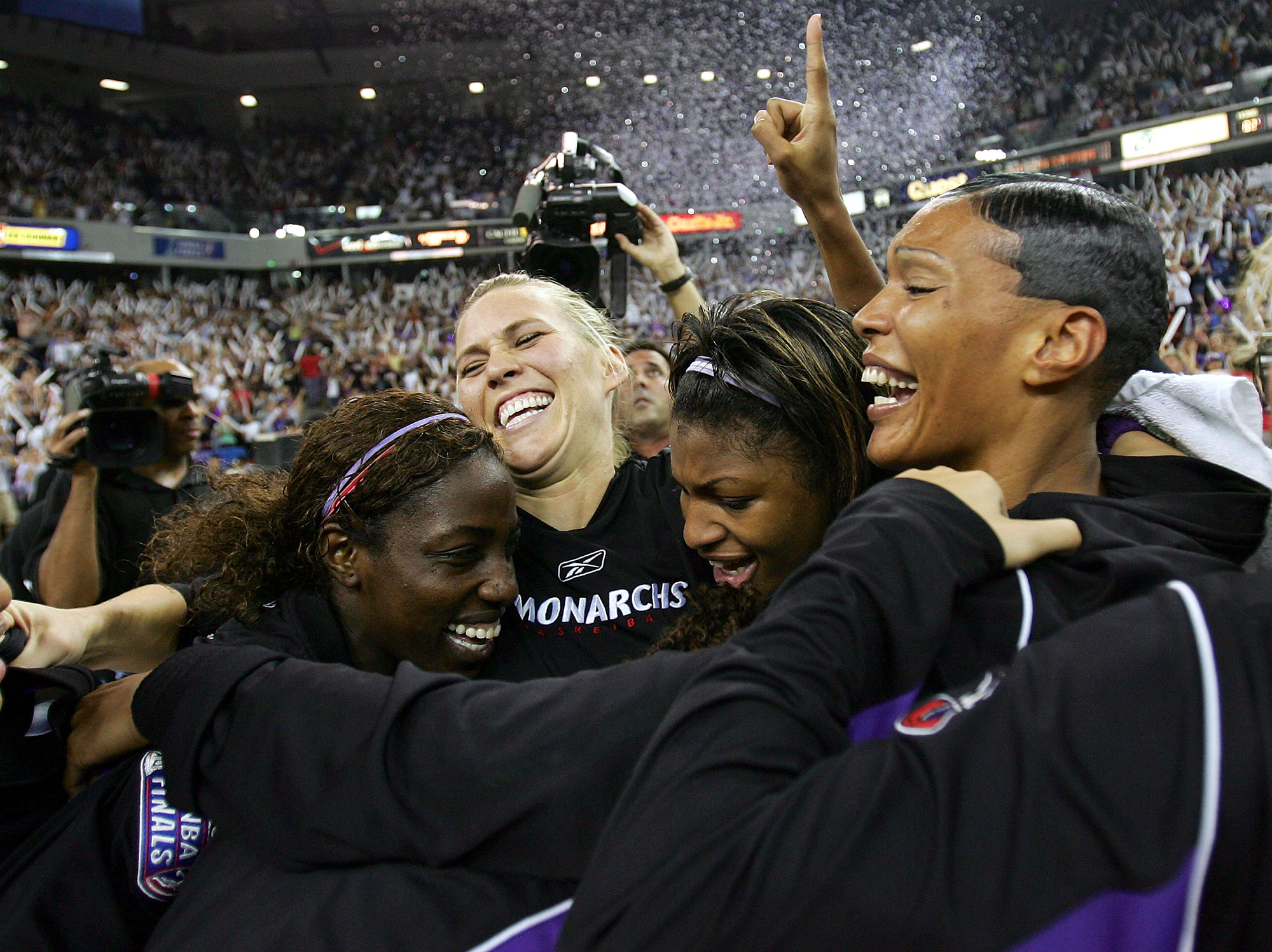
Here’s a sports history fact: In 2005, Wheaties released their first-ever special-edition box that featured an entire women’s professional team. The famous breakfast of champions cereal had established a reputation for celebrating Olympians like Muhammad Ali and Michael Jordan, but never a women’s team.
The athletes who finally made executives at General Mills change their minds? The Sacramento Monarchs of the WNBA.
The Monarchs — who played basketball in the state capital as one the league’s founding eight franchises, beginning in 1997 — won a national championship that year, and later went to the White House to meet the President. To date, the Monarchs are the only professional team from Sacramento in any sport to achieve such a feat.
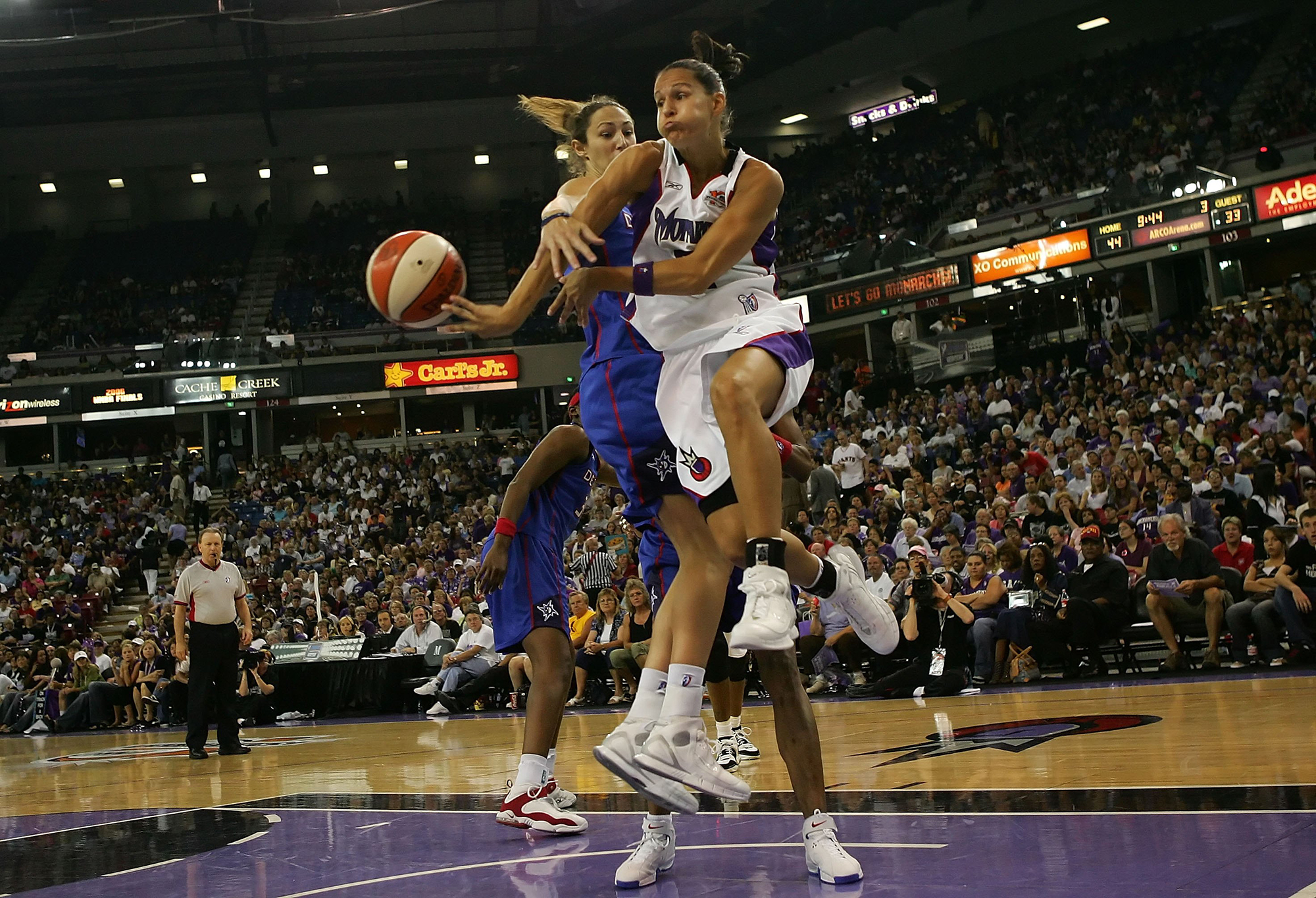
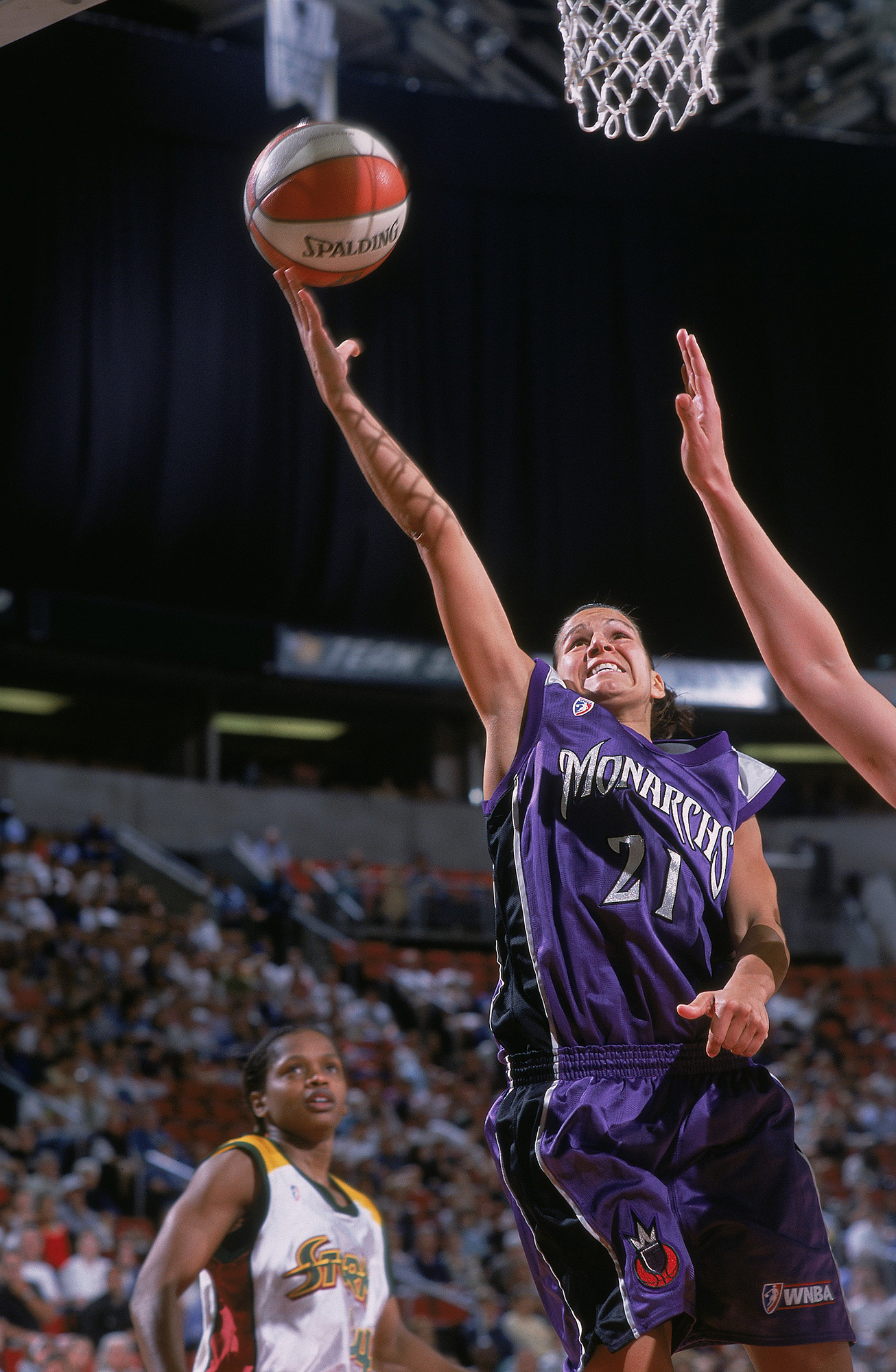
Led by Naismith Memorial Basketball Hall of Fame stalwarts like Yolanda Griffith, Ruthie Bolton and Ticha Penicheiro, the Monarch squad became an enduring contender in a rugged, nascent era of the “W,” winning two Western Conference championships en route to their coveted league trophy. In their heyday, the Monarchs ranked among the league’s premier units, regularly amassing an army of women’s hoop supporters from across Northern California at Arco Arena.
So what happened? Today, with record-breaking attendance for the WNBA and a zealous fanbase for the Golden State Valkyries in San Francisco, why do so few people remember the Monarchs?
‘A Sacramento that could have been’
Despite disbanding in 2009, the Monarchs’ legacy remains intact in Sacramento, if you know where to look. Step inside Golden 1 Center in downtown Sacramento — home of the NBA’s Sacramento Kings, and where the NCAA hosted games for the women’s March Madness tournament this season — and you’ll find Monarchs banners hanging high from otherwise empty rafters.
Since 1985, when the Kansas City Kings originally migrated to Sacramento to become the city’s first major professional sports team, the area has struggled to maintain credible franchises. They’ve even been the butt of jokes in national sports discourse (see: the “West Sacramento” Athletics). The Monarchs were the city’s defiant exception, reaching the postseason nine times in 13 seasons.
Unfortunately, off the court, poor ownership decisions led to the team’s financial unraveling. After threats of moving both the Kings and Monarchs to Seattle or Anaheim, the Maloof family, who took control of both teams in 1998, decided to divest from the Monarchs and focus on their male NBA counterparts. The sudden announcement left a gaping vacuum in Northern California’s professional women’s basketball landscape for the next 15 years.
As the Kings floundered, the Monarchs were largely forgotten by most. But not all.
“I’m a part of various Facebook groups for ‘Bring Back the Monarchs’ campaigns. With the rise of the WNBA and other teams, there’s a lot of chatter here to bring the team back,” says Terra Lopez, 41, a Sacramento-raised musician whose first job was as a Monarchs ball girl at age 15. “Why don’t we have them anymore? That love has never been lost. Around town, there are folks, including myself, who rock our Monarchs gear still. There’s an appreciation for the team.”
Daniel Tutupoly, a 35-year-old barista, agrees. Though he first fell in love with basketball through the Kings, he quickly realized that the Monarchs were equally entertaining, not to mention more successful, than their male counterparts. Like Lopez, he has refused to completely relinquish his nostalgia for Sacramento’s bygone WNBA glory.
“[The loss of the Monarchs] doesn’t make any sense, in hindsight,” says Tutupoly, who grew up in Sacramento. “The owners just treated it like a business, rather than considering any of the cultural value. The team was an afterthought, always secondary to Kings. I know a bunch of people here who are excited about the Valkyries right now and drive out to games regularly. So imagine the support there would be for the Monarchs, compared to 20 years ago.”
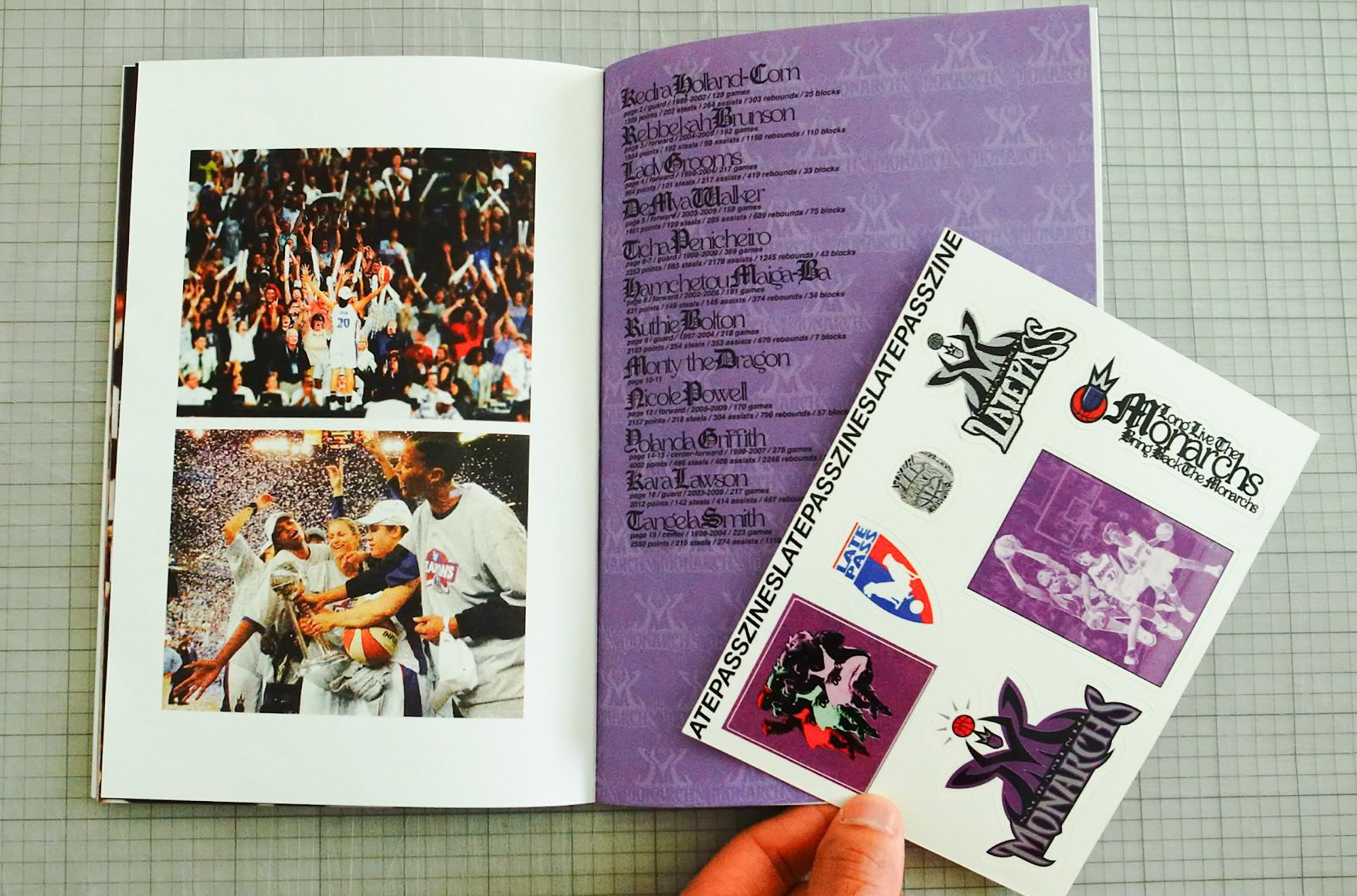
In April, Tutupoly released “Long Live The Monarchs,” a DIY zine dedicated solely to memories of the Monarchs. Inspired by old school issues of Sports Illustrated for Kids, the Monarchs-edition zine — part of a larger series, Latepass, that Tutupoly began making during the pandemic — includes crossword puzzles, digital collages, individual player statistics, stickers and more.
It’s a physical vestige of the city’s pride and pain, of having lost despite winning, of everything that Sacramento was and no longer is.
“The Monarchs represent a Sacramento that could have been, in sports but also in every sector of the city,” says Lopez, who played basketball at Sacramento High School as a teenager and recalls the team’s social and cultural impact early on. “[The Monarchs] really took the time outside of their games to connect with younger players in the city. That meant everything to me and all of my teammates, and Sacramento in general. It gave us something to embody and envision in a future that we didn’t have before.”
Queens on and off the court
In 2020, Lopez launched The WNBA History Club, a podcast that briefly looks at the league’s founding and figures (Lopez later hosted the NPR-syndicated podcast, This is What It Feels Like, in 2023). Through it all, she has maintained a vociferous fandom of the Monarchs, having attended the inaugural Monarchs game in 1997 and participated in early community events hosted by the team in local parking lots.
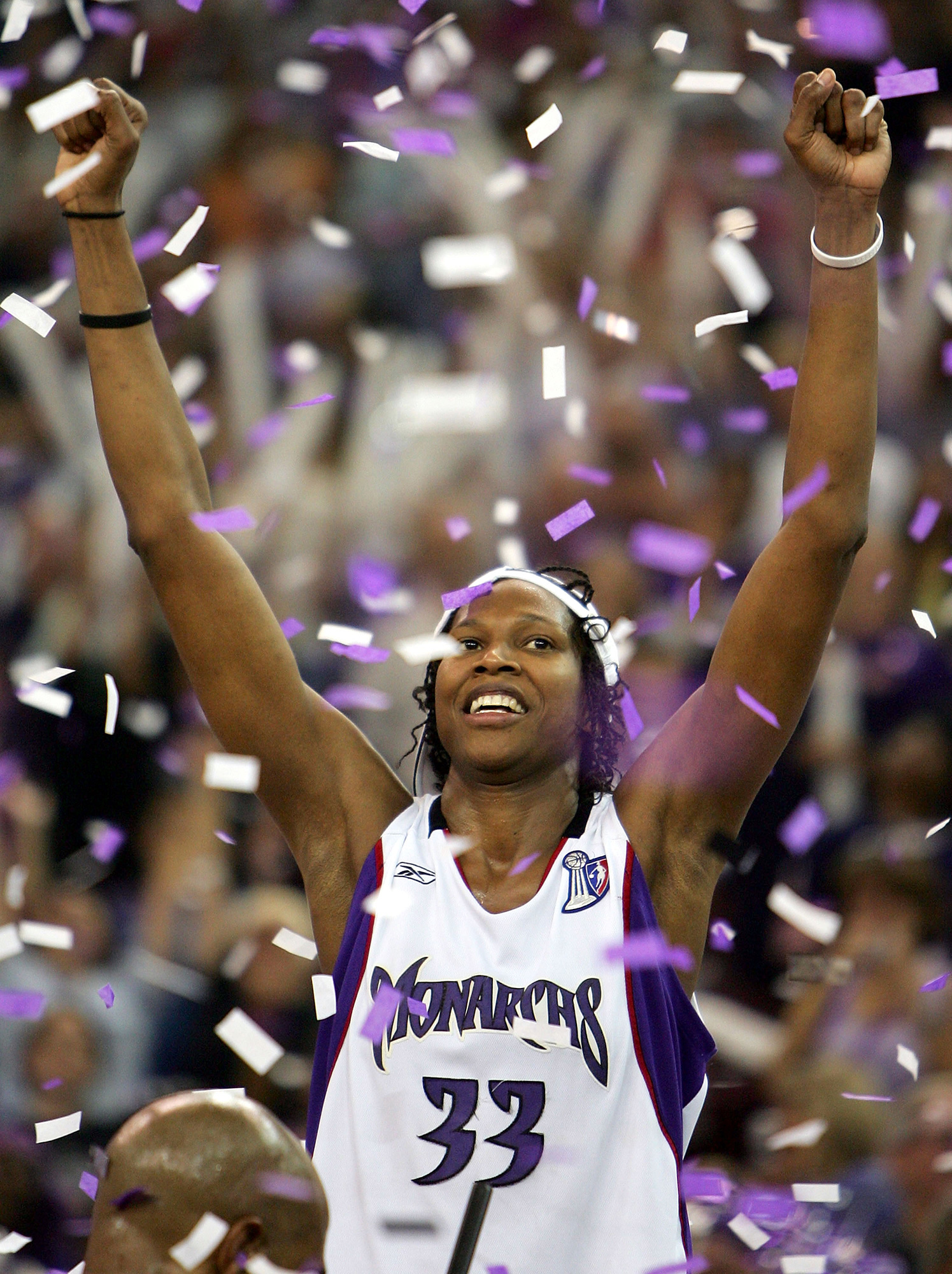
In addition to the larger-than-life players, an essential element of the Monarchs’ social contributions to Sacramento came from the fans themselves, many of whom were openly queer.
“As a queer person, that was my first representation of seeing queer elders,” Lopez says. “That was out in the open for me for the first time. Queer, older people experiencing joy. That was powerful for me, to know I could have that.”
It all ended far too quickly. In an interview on Knuckleheads, a reputable NBA player podcast, Monarchs’ All-Star point guard Ticha Penicheiro said that “the team folded in 2009 and it was kind of out of nowhere, nobody expected it. We never really had a chance to say goodbye to our fans. To thank them.”
It’s a commonly held sentiment by local fans. The way in which the team’s demise came out of thin air is particularly Sacramentan, according to Lopez, who says the city has constantly fumbled good opportunities due to a conservative mindset. Perhaps that has been the hardest part of it all.
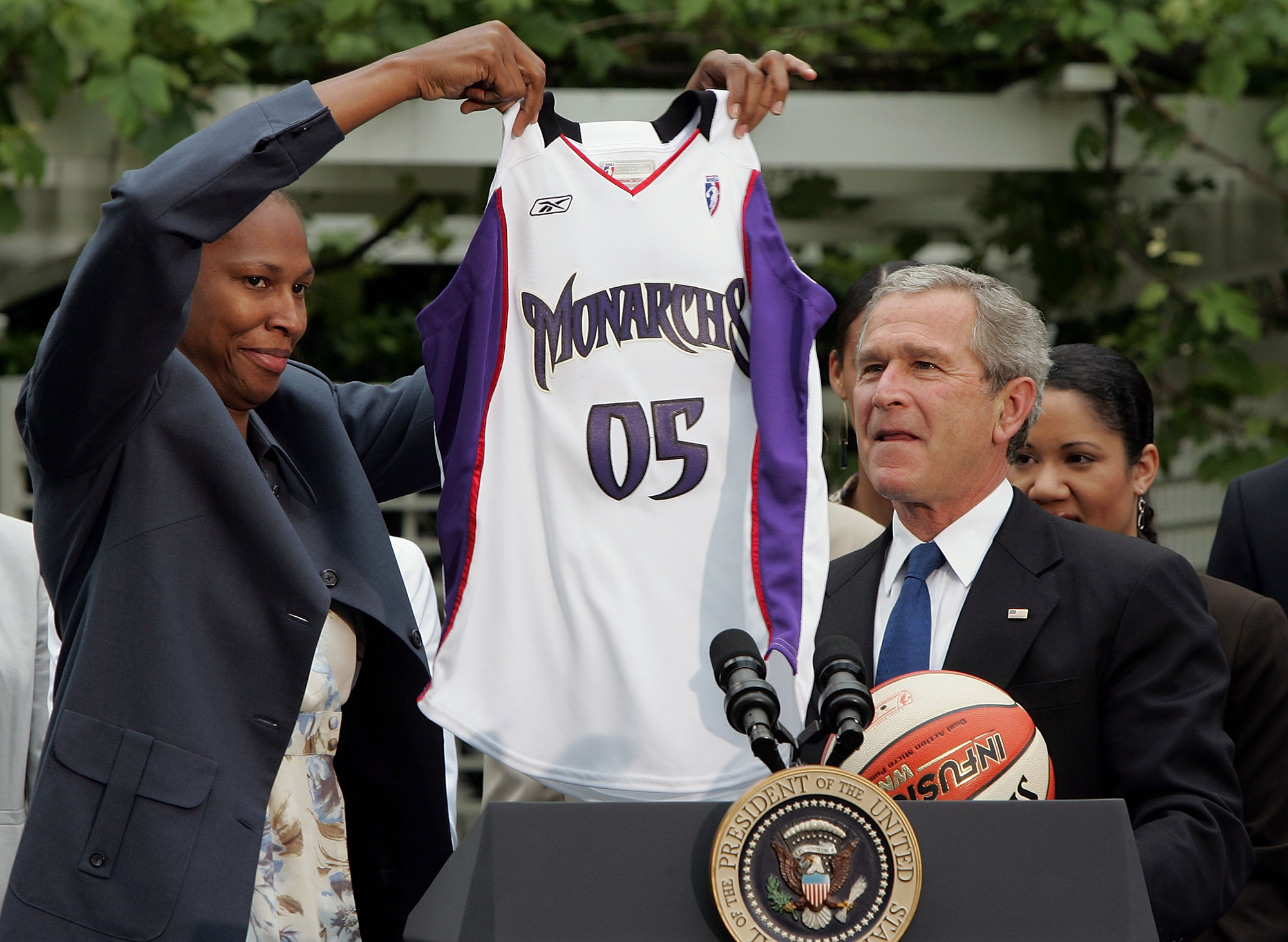
“You had to be there to really understand the significance of it for Sacramento: historically, culturally, not only in sports,” Lopez says. “From a fan’s perspective, we had so much going. There was so much more potential left. But as tragic as losing the Monarchs was, the people who were in the building at Arco [have] a love and pride for the team that is so palpable. That still exists in Sacramento, too.”
As it turns out, the most important words that Monarchs fans would ever hear came from the in-game announcer during the 2005 WNBA Finals, who enthusiastically called out for the first and last time in Sacramento’s tormented sporting existence: “Rejoice, capital city, rejoice!”