Sponsor MessageBecome a KQED sponsor
upper waypoint

Heartfelt Epic ‘Palestine ’36’ Revisits Arab Blows Against the British Empire

Save ArticleSave Article
Failed to save article

Please try again

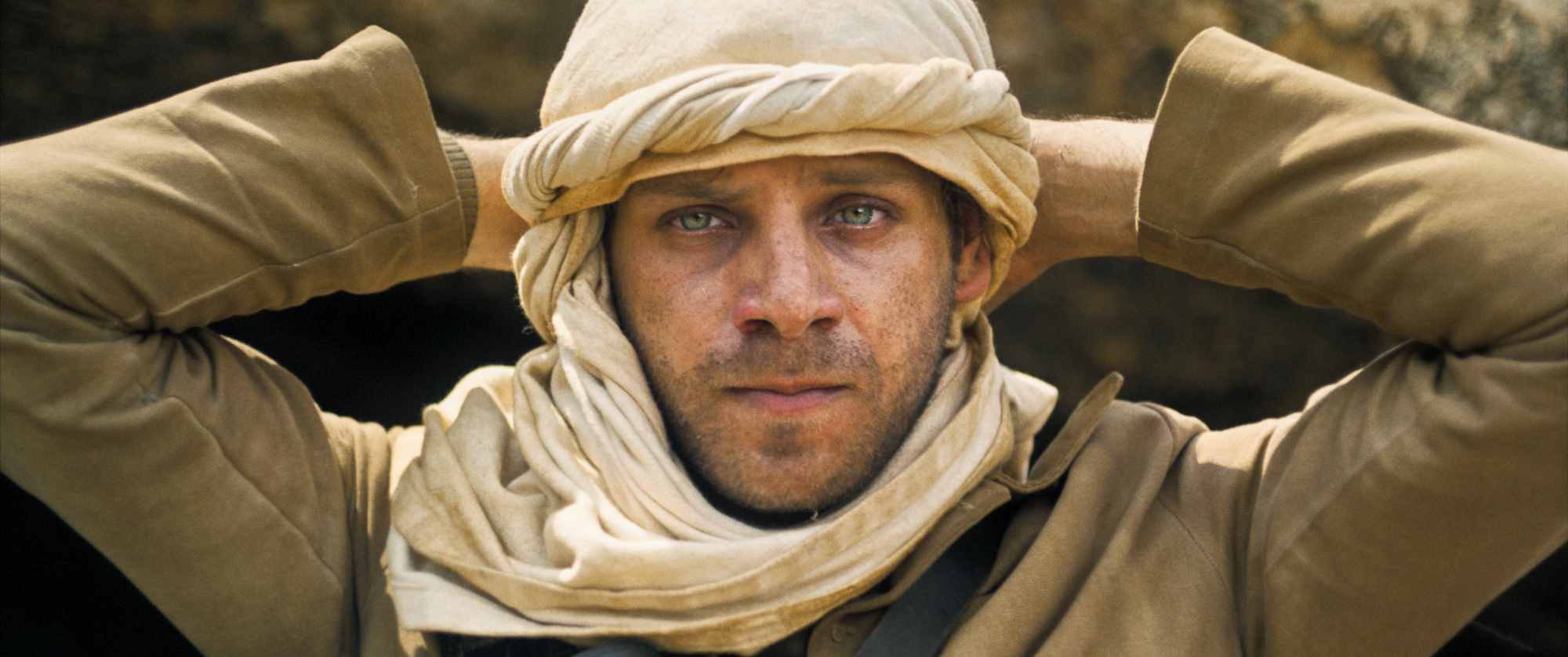
man in turban with hands behind head and tears in eyes
Karim Daoud Anaya as Yusuf in a scene from 'Palestine '36.' (Watermelon Pictures)

The Palestinian filmmaker Annemarie Jacir’s fourth and most ambitious feature, Palestine ’36 (opening Friday, March 27 at several Bay Area theaters), is the kind of movie that critics like to say nobody makes anymore: an expensive, expansive period piece that movingly depicts the impossible sacrifices of everyday people against a backdrop of geopolitical events whose consequences reverberate to this very minute.

Palestine’s submission for the Best International Feature Oscar (it was shortlisted but not nominated), Palestine ’36 has both the virtues and flaws of the typical historical epic in that it necessarily compresses multiple perspectives into two hours. While the stakes are made palpable and our emotional connections to the characters are solid, key dramatic events come and go in a flash and some of the dialogue is overly succinct and on the nose.

“Your land is where your people are buried,” a grandmother instructs her granddaughter. “You have something more powerful than the entire British Empire. You come from a line of brave people who love their land.”
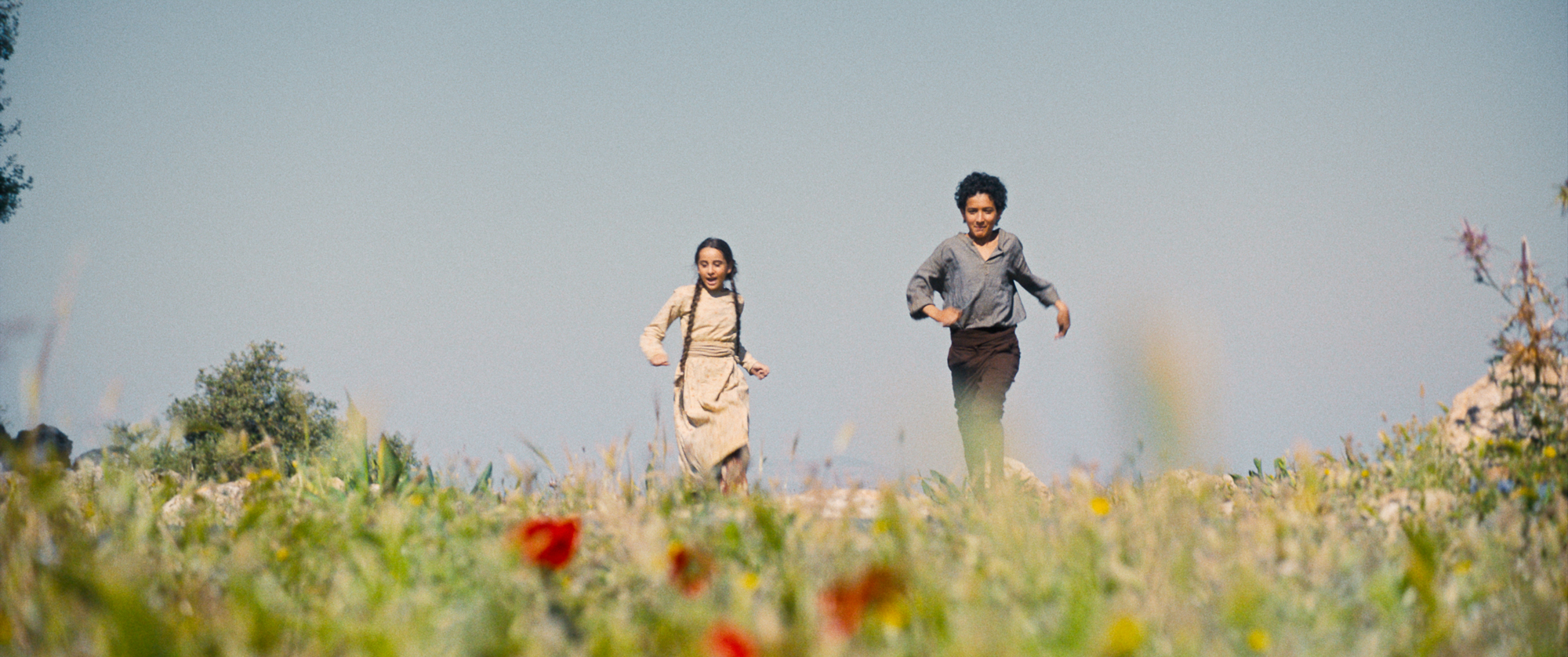
two children run through flowering field
A still from ‘Palestine ’36,’ featuring Wardi Eilabouni as Afra (left). (Watermelon Pictures)

A speech underscoring the values of home, identity and ownership comes with the territory, pardon the pun. Jacir’s great contribution is immersing us in pre-World War II Palestine through careful attention to clothes and settings, augmented with restored and colorized archival footage. It is a pleasure to inhabit a physical, analog world where you can practically taste the dust and the grape leaves, and a 19th-century single-shot pistol has the weight of the world.

Shot on location in Palestine and Jordan, Palestine ’36 is at heart a multi-generational mosaic of profiles in radicalization. Surely you aren’t surprised to hear that this is a politically charged film, although (for better or worse) it never stops in its tracks for a utopian debate of principles and tactics à la English filmmaker Ken Loach (Land and Freedom).
Sponsored

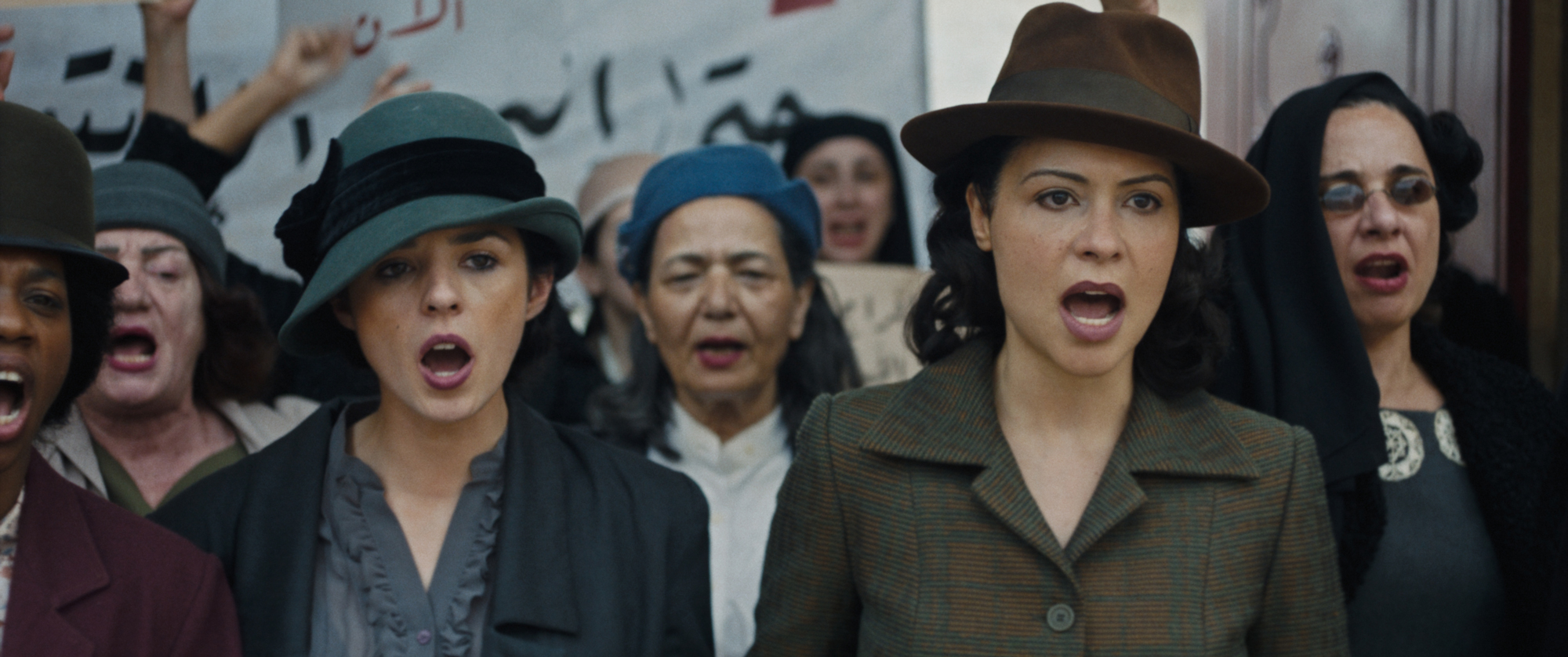
The story begins in 1936 when a young villager, Yusuf (Karim Daoud Anaya), comes to Jerusalem to be the assistant to a well-off publisher whose independent wife, Khouloud (Yasmine Al Massri), is an accomplished journalist. The traditional agrarian life of the nearby villages is conveyed through the aforementioned grandmother (a fierce Hiam Abbas), her widowed daughter Rabab (Yafa Bakri) and granddaughter Afra (Wardi Eilabouni).

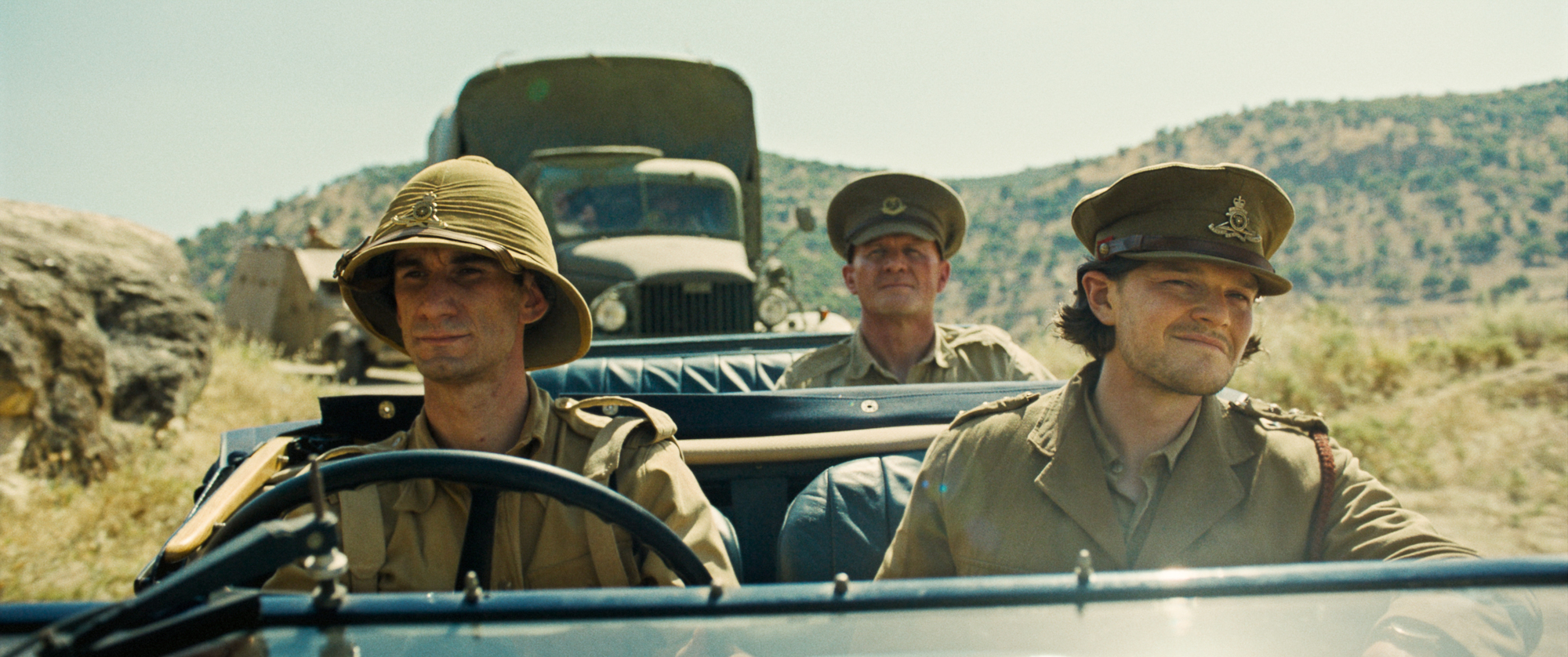
three military men drive in open-topped car
A still from ‘Palestine ’36,’ featuring Robert Aramayo as Captain Wingate (far right). (Watermelon Pictures)

Great Britain has been in charge of Palestine since the end of World War I, and the Brits are represented here by doddering High Commissioner Wauchope (Jeremy Irons), idealistic young diplomat Thomas (Billy Howle) and the singularly brutal Captain Wingate (Robert Aramayo).

Although there have been Jews in Palestine for centuries — with tensions and violence between Jews and Palestinians simmering for a while and the Jewish population increasing as Europeans flee anti-Semitism — it’s important to note that Palestine ’36 is a saga of the conflict between the indigenous Arabs and the occupying British. The Jewish settlers are almost entirely off-screen, although their presence and influence is referenced throughout the film.

The Arabs see the British as siding with the Zionists through a mix of condescension, prejudice and the calculations of out-of-touch London politicians. Yet not all the Arabs have thrown in with the armed rebels living in the mountains; some of the old-line, land-owning establishment types are hedging their bets by staying aligned with the British.

suited women march with banners
A still from ‘Palestine ’36,’ featuring Yasmine Al Massri as Khouloud (second from right). (Watermelon Pictures)

While the story centers on colonialists and insurgents of another time, it’s impossible to miss the contemporary echoes in some of Jacir’s compositions. Women throwing stones at fleeing British soldiers call to mind the images of children throwing stones at Israeli soldiers during the first intifada. The British army blowing up stone Palestinian houses inevitably calls down through the years to the Israeli army destroying Palestinian houses on various dubious premises.

Roger Ebert defined the movies as a great empathy machine, in that we saw and identified with people whose lives were not ours. As we sit here today, the hideous crimes perpetuated against Palestinians and Israelis by each other in the last few years have had the additional effect of hardening everyone’s attitudes and positions.

Palestine ’36 may not be a film that wins or changes hearts and minds. It does offer an opening, for those who want to take it, to step into the realm of compassion, if only for two hours.


‘Palestine ’36’ opens Friday, March 27 at select Bay Area theaters.

lower waypoint
next waypoint
Player sponsored by