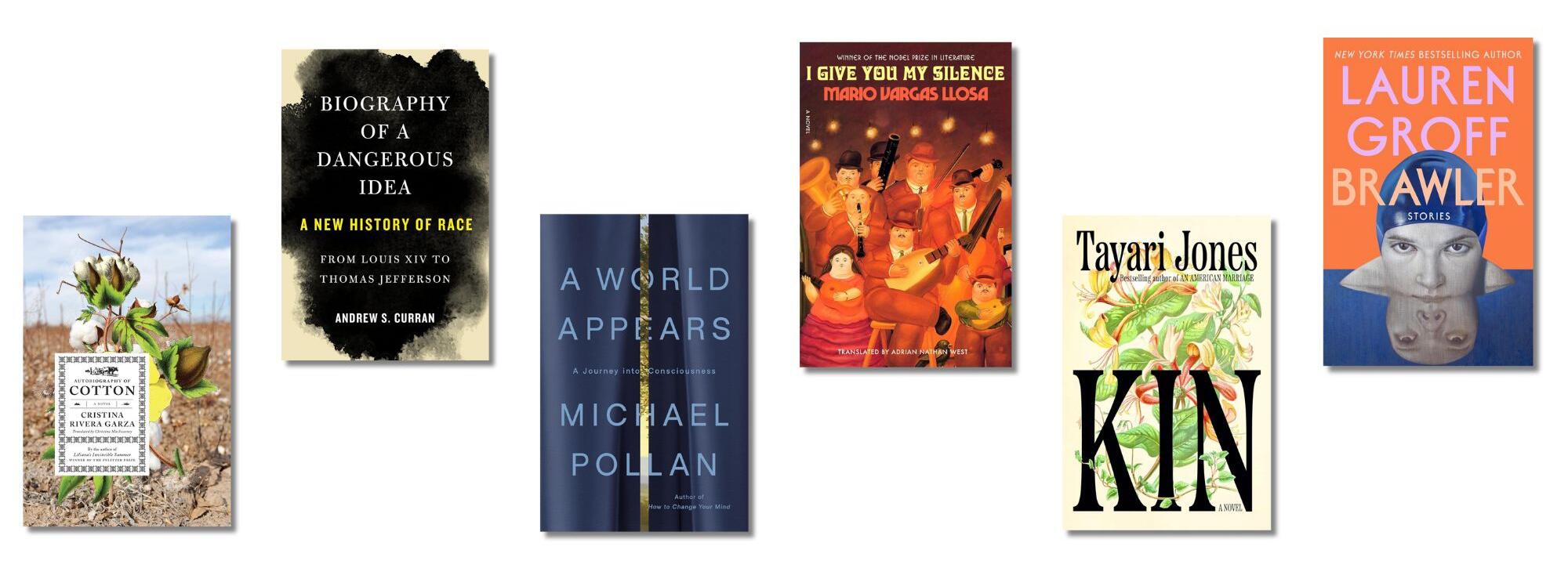
In the United States, at least, February is a time for remembering — the feats of Black communities in America, the lives of its greatest presidents, the plight of a single large frightened rodent, even love itself (and its various totems that you’re expected to purchase).
Whew, that’s a whole lot of remembering to pack into the shortest month of the year. So, if only for the next few weeks, you have our permission to forget your guilt-inducing backlog of books and just dive right into the new stuff — which includes highly anticipated new releases from Michael Pollan, Tayari Jones and the late Nobel laureate Mario Vargas Llosa.

Autobiography of Cotton by Cristina Rivera Garza, translated from the Spanish by Christina MacSweeney (Feb. 3)
Rivera Garza won the Pulitzer Prize for 2023’s Liliana’s Invincible Summer, a “genre-bending account“ of her sister’s life and murder that blends elements of memoir, investigative journalism and history.
Autobiography of Cotton is the second book from the Mexican author’s backlist to receive an English translation since her Pulitzer win, and it shares a characteristic disdain for compartmentalization. This time she weaves in enough historical fiction to warrant calling this Autobiography a “novel.” But that label doesn’t fit either, as this hybrid account of ill-starred cotton farmers in the U.S.-Mexico borderlands also contains enough historiography and personal family history — among other disciplines — to again twist its would-be shelvers into pretzels, in a good way.
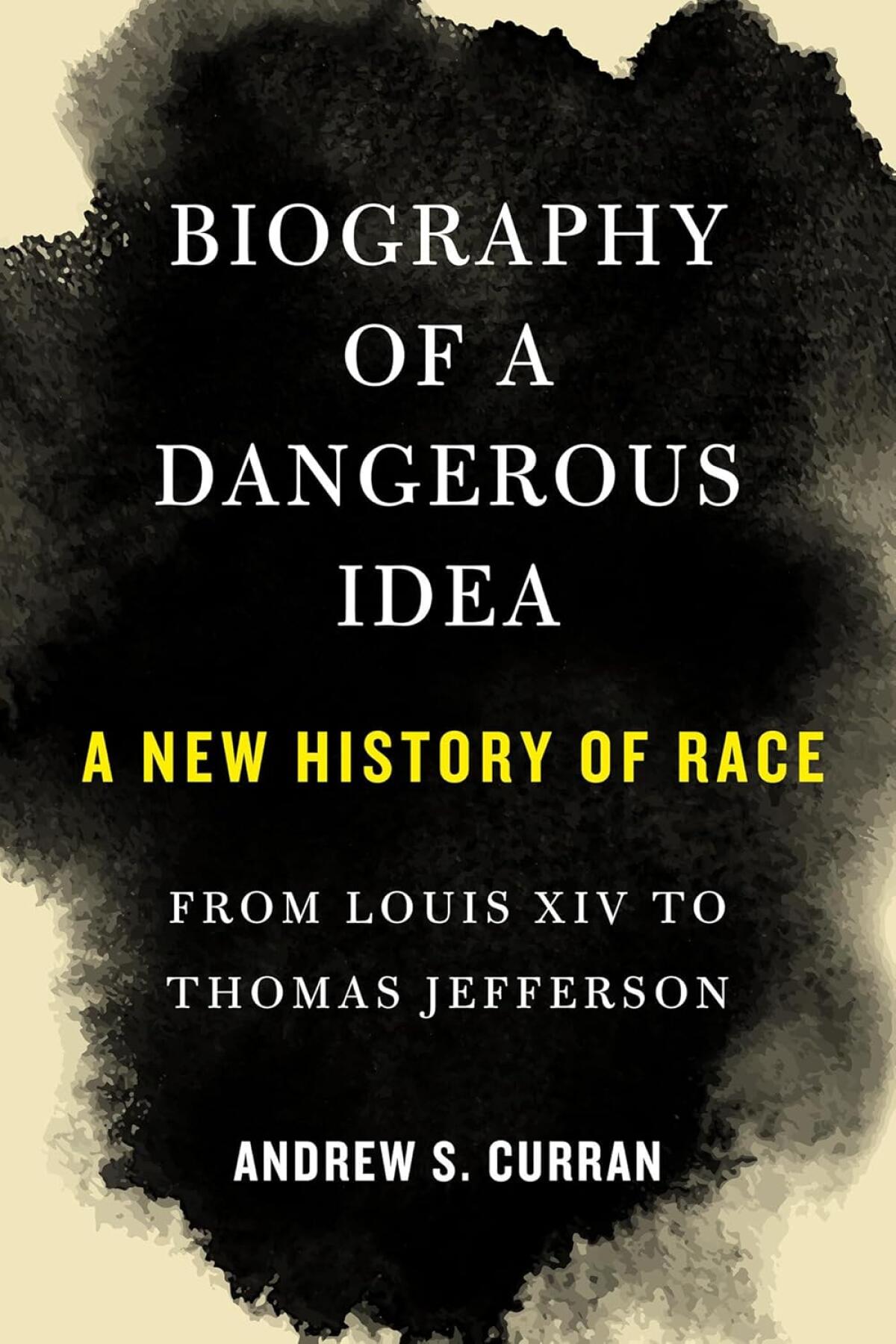
Biography of a Dangerous Idea: A New History of Race, from Louis XIV to Thomas Jefferson by Andrew S. Curran (Feb. 10)
There’s a curious thing that happens with ideas. Often it’s the most historically contingent ones — and occasionally the most pernicious — that claim to be eternal, universal or “self-evident.” In this new history, Curran, a scholar of the Enlightenment, offers a fascinating reassessment of that heady era of Western philosophy: how its towering thinkers came to invent the very idea of race as we know it today, and how that biological balkanization of humanity came to be passed down, quite misleadingly, as some sort of eternal truth.

A World Appears: A Journey into Consciousness by Michael Pollan (Feb. 24)
Few journalists have spent as much time as Pollan thinking about the kinds of stuff we put into our bodies. The author of The Omnivore’s Dilemma has considered food intensively from every angle — how it’s grown, cooked, processed and consumed — as well as substances such as caffeine and mind-altering plants. Now, the “reluctant psychonaut” is training his gaze on thinking itself. His new book probes our understanding of what it means to, well, understand — a concept that’s as crucial to our notion of what it means to be human as it is elusive and downright paradoxical.
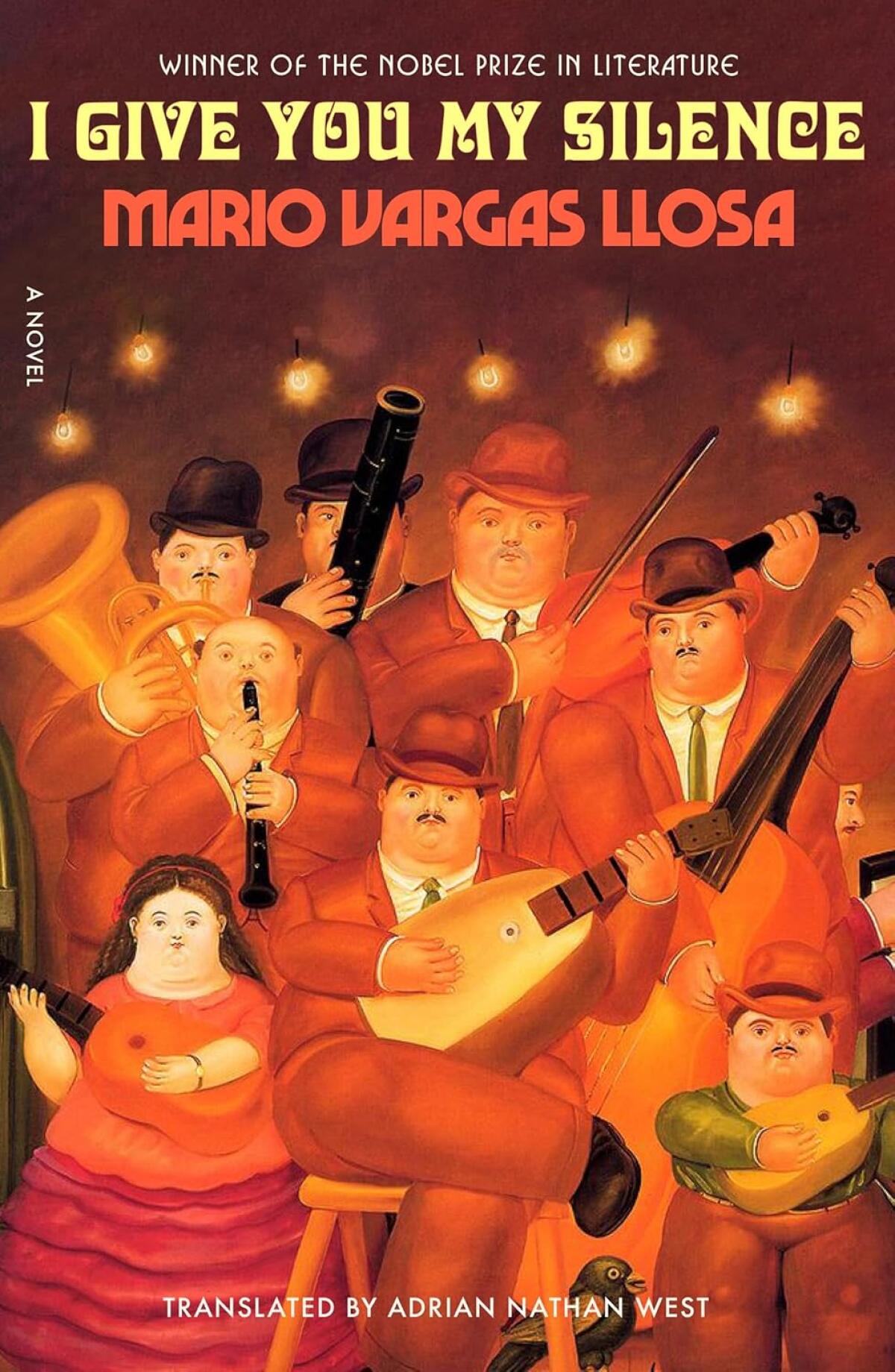
I Give You My Silence by Mario Vargas Llosa, translated from the Spanish by Adrian Nathan West (Feb. 24)
“Each book, for me, has been an adventure,” Vargas Llosa told NPR just hours after he won the 2010 Nobel Prize in Literature. Perhaps it’s fitting that the fruit of his final adventure, I Give You My Silence, reaches English-language readers only after his death last year at age 89. While he was alive, the Peruvian author (and activist, presidential candidate and alleged literary feuder) wasn’t often associated with silence.