Sponsor MessageBecome a KQED sponsor
upper waypoint

New Book ‘On Loop’ Details Oakland’s Crackdowns on Black Sonic Expression

Save ArticleSave Article
Failed to save article

Please try again

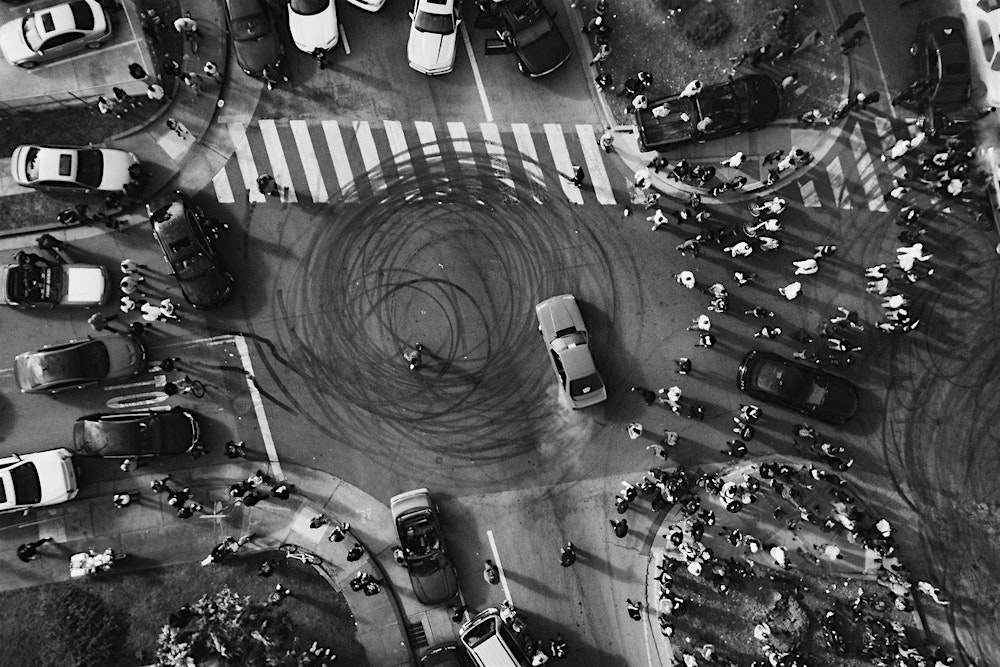
Cars participate in a sideshow in Oakland in this detail from the cover of the book ‘On Loop: Black Sonic Politics in Oakland,’ by Alex Werth. (Stephen Loewinsohn / UC Press)

What do train porters, boomboxes, Lincoln Continentals, barbecues, nightclubs and crowded intersections have in common?

As author Alex Werth illustrates in his new book, On Loop: Black Sonic Politics in Oakland (UC Press), all have been targeted by police and lawmakers throughout decades of sound containment in Oakland. Part history of Black expression, part dissertation on the squelching thereof, On Loop disassembles and analyzes the longstanding infrastructure that serves to keep Oakland’s creative and dynamic Black youth from reaching their full potential.

For those who’ve lived in Oakland, or paid attention to its culture, much of On Loop will be familiar terrain: the crackdown on sideshows, the “urban renewal” of the West Seventh Street cultural corridor, anti-cruising laws, a yearlong ban on rap concerts in 1989 and the end of Festival at the Lake.
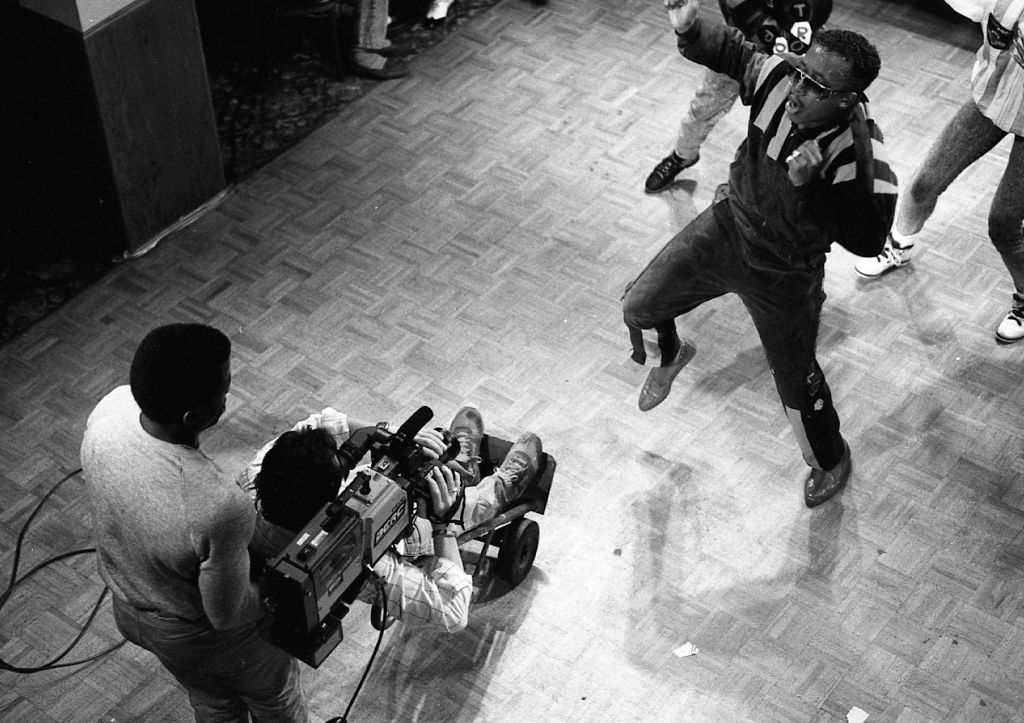
MC Hammer films the music video for ‘Let’s Get It Started’ at Sweet Jimmie’s nightclub in downtown Oakland, March 19, 1988. (Deanne Fitzmaurice/San Francisco Chronicle via Getty Images)

But Werth — a geographer, DJ and dancer who grew up in Massachusetts and came to Oakland in 2009 — brings a bird’s-eye perspective to these issues while unearthing telling details in decades-old police files and newspaper accounts. (He also cites reporting from KQED, East Bay Express and other media outlets.) Though his approach may be academic, his writing isn’t impenetrable. Anyone interested in Oakland culture, and the way it has been shaped as well as cauterized, will find his research valuable.

The book’s title On Loop refers to the musical rhythms of funk and rap as much as the spinning of a sideshow car, a DJ’s record, a walk around Lake Merritt and the cyclical nature of policing. Through a sound-studies lens, Werth equates sonic presence, and taking up space in its many forms, with Black liberation.
Sponsored

From the closure of clubs like Slim Jenkins’ Place to the 2018 “BBQ Becky” incident at Lake Merritt, Werth painstakingly shows the ways white privilege has operated under the cover of anti-nuisance laws, property values and “keeping the peace.”

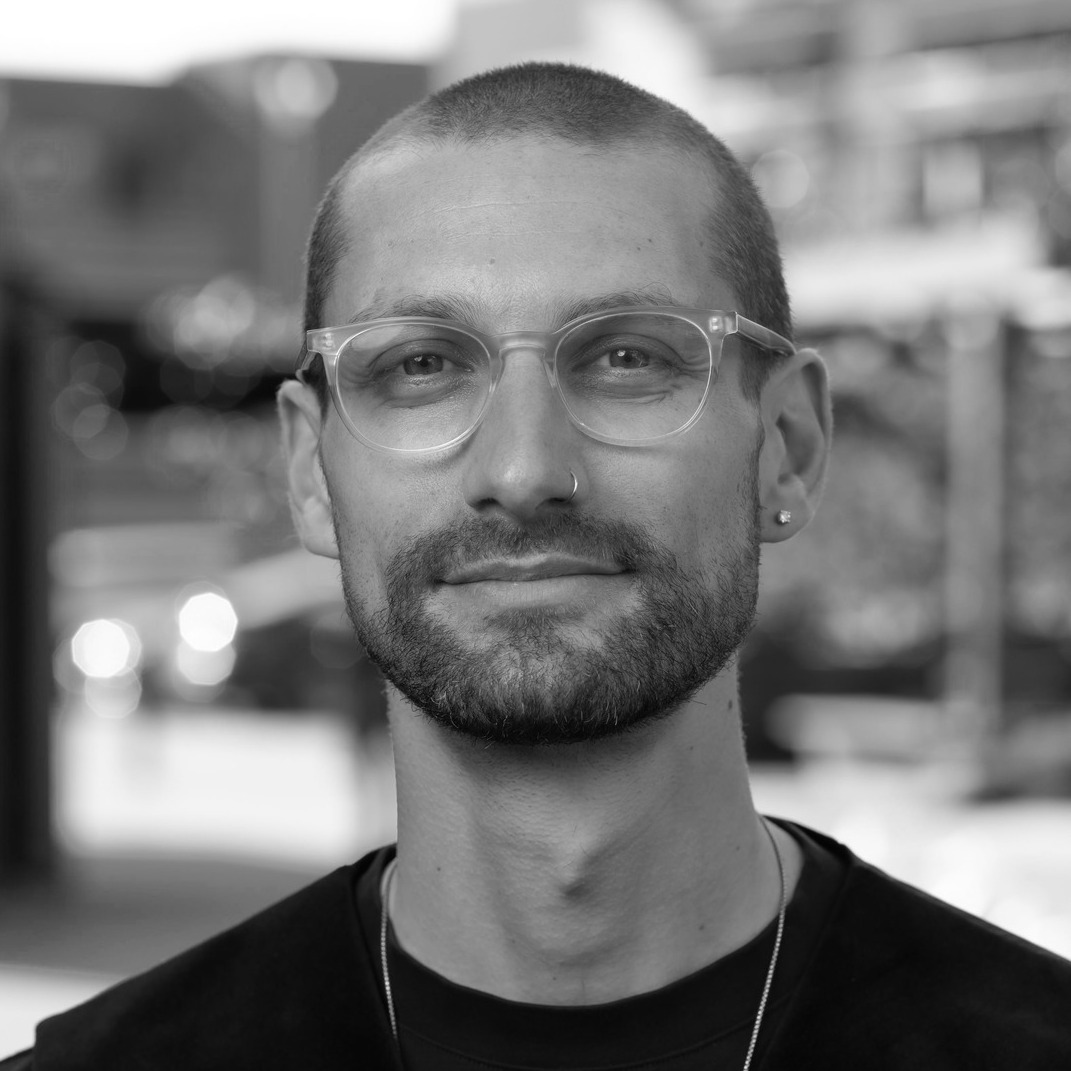
Alex Werth, author of ‘On Loop: Black Sonic Politics in Oakland.’ (UC Press)

This precision is especially present in a chapter detailing the punitive fines the Oakland Police Department issued to club owners to cover officers’ presence at rap shows, preemptively deemed a nuisance. In a lengthy section, Werth shows how OPD and the courts effectively ended regular nightclub events at Geoffrey’s Inner Circle in downtown Oakland. In another, he lays out how the nightclub Sweet Jimmie’s went from a Black-owned hotspot to a music venue owned by white men — one of them the head of concerts and festivals at Another Planet Entertainment, the most powerful live music promoter in Northern California.

Some heroes do emerge in On Loop, like Boots Riley, filmmaker and frontman for The Coup, who organized young residents against police crackdowns at the lake in the 1990s. The entire hyphy movement is characterized, rightfully, as a massive force of opposition. (Meanwhile, Oakland’s first two Black mayors, Lionel Wilson and Elihu Harris, are shown as complicit in over-enforcement of quality-of-life ordinances and redevelopment to assuage the city’s “image problem.”)

With patience, focus and deep research (the footnotes alone take up 48 pages), Werth has written a book that will last — just like the oppression of Black culture will also seemingly last, coming and going in different forms, on a constant loop.


Alex Werth discusses ‘On Loop’ in a series of Bay Area author appearances, including Oct. 29 at UC Berkeley, Oct. 30 at Oakland Library’s main branch, Nov. 1 at Book Passage Ferry Building, and Nov. 2 at Chapter 510. More information here.

lower waypoint
next waypoint