Sponsor MessageBecome a KQED sponsor
upper waypoint

Assata Shakur, Godmother of Tupac Who Found Asylum in Cuba, Dies at 78

Save ArticleSave Article
Failed to save article

Please try again

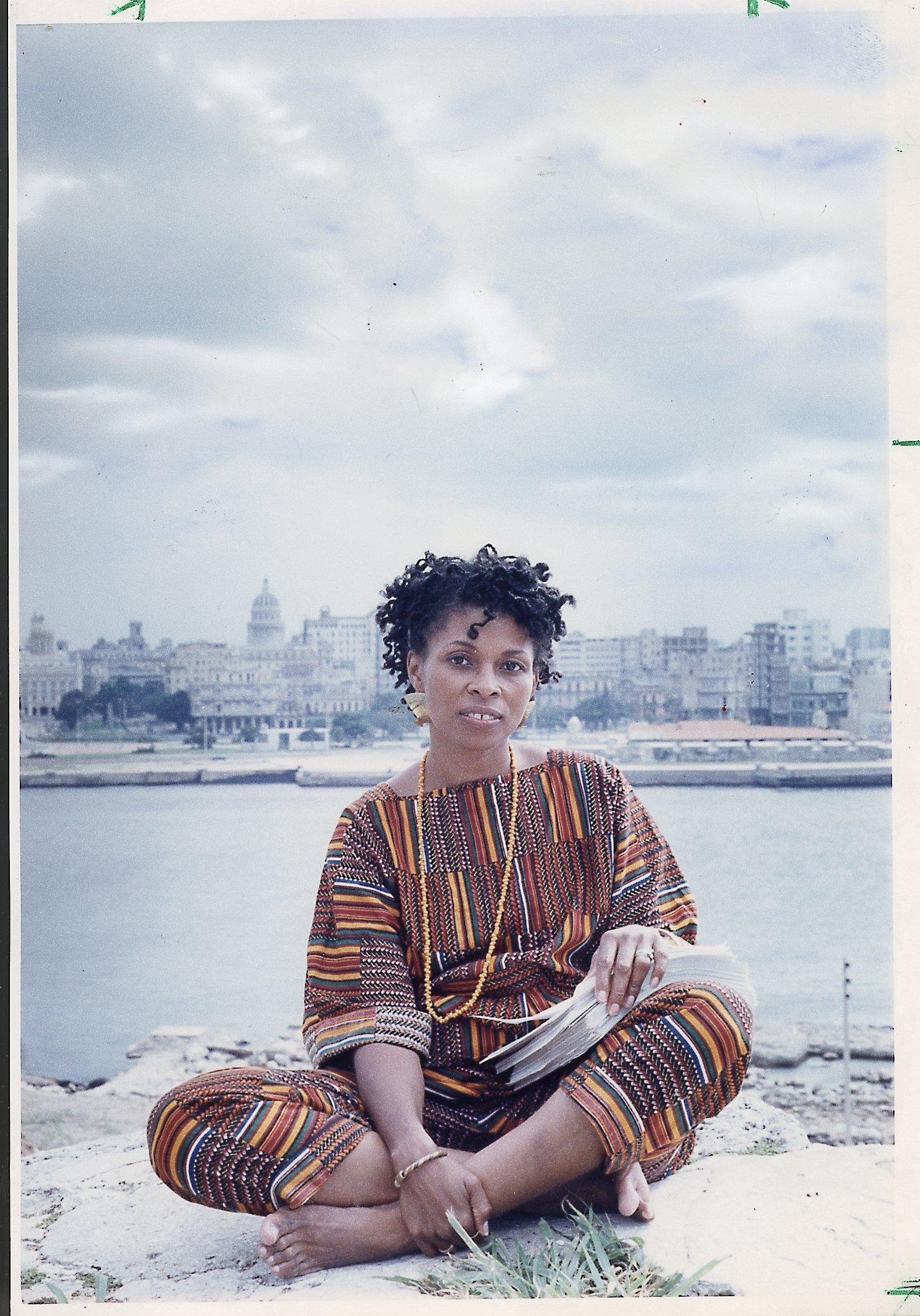
Assata Shakur holds the manuscript of her autobiography with Old Havana, Cuba, in the background on October 7, 1987. (Ozier Muhammad/Newsday RM via Getty Images)

Assata Shakur, a Black liberation activist who was given political asylum in Cuba after her 1979 escape from a U.S. prison where she had been serving a life sentence for killing a police officer, has died, her daughter and the Cuban government said.

Shakur, who was born Joanne Deborah Chesimard, died Thursday in the capital city of Havana due to “health conditions and advanced age,” Cuba’s Ministry of Foreign Affairs said in a statement. Shakur’s daughter, Kakuya Shakur, also confirmed her mother’s death in a Facebook post.

Born in Queens, New York in 1947, Shakur briefly relocated to Oakland as a young woman in the late 1960s, where she became a member of the Black Panther Party. After returning to the East Coast, Shakur served in the Black Panthers’ New York City chapter, where she met Afeni Shakur, whose son Tupac would go on to become a global icon in rap music and politics. Assata Shakur became Tupac’s godmother and step-aunt when Afeni married Assata’s brother, Mutulu.
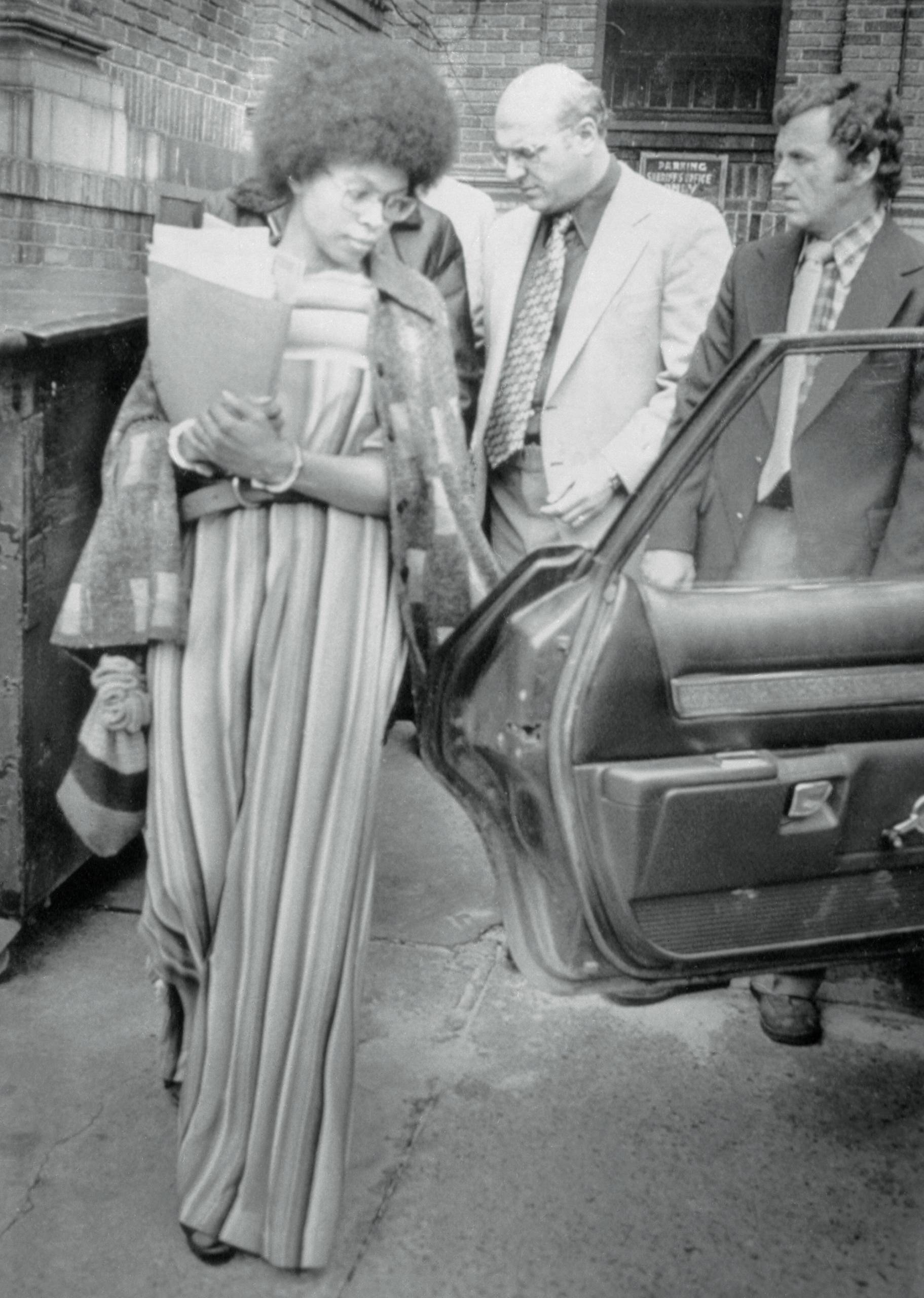
New Brunswick, N.J.: Assata Shakur, a.k.a. Joanna Chesimard, arrives at Middlesex County jail after her transfer from New York City for her trail involving the killing of a New Jersey State trooper. (Bettman/Getty Images)

Shakur’s case had long been a thorny issue in the fraught relations between the U.S. and Cuba. American authorities, including President Donald Trump during his first term in office, had demanded her return from the communist nation for decades.

In her telling, and in the minds of her supporters, she was being pursued for crimes she didn’t commit, or which were justified. The FBI put Shakur on its list of “most wanted terrorists.”

Sponsored

A member of the Black Liberation Army, Shakur and two others were involved in a gunfight with New Jersey State Police Troopers following a highway traffic stop on May 2, 1973.

Trooper Werner Foerster was killed and another officer was wounded, while one of Shakur’s companions was also killed.

Shakur, who was at the time wanted on several felonies, including bank robbery, fled but was eventually apprehended. She maintained in her writings from Cuba over the years that she didn’t shoot anyone and had her hands in the air when she was wounded during the gunfire.

Shakur was found guilty of murder, armed robbery and other crimes in 1977 and was sentenced to life in prison, only to escape in November 1979.

Members of the Black Liberation Army, posing as visitors, stormed the Clinton Correctional Facility for women, took two guards hostage and commandeered a prison van to break Shakur out.

She disappeared before eventually emerging in 1984 in Cuba, where Fidel Castro granted her asylum, according to the FBI. A companion who was also convicted in Foerster’s killing, Sundiata Acoli, was granted parole in 2022. His attorneys had argued the then-octogenarian had been a model prisoner for nearly three decades and counseled other inmates.

Shakur’s autobiography, Assata, has remained an influential text for activists and artists in the Bay Area and beyond since its publication in 1987.


Nastia Voynovskaya contributed reporting.

lower waypoint
next waypoint