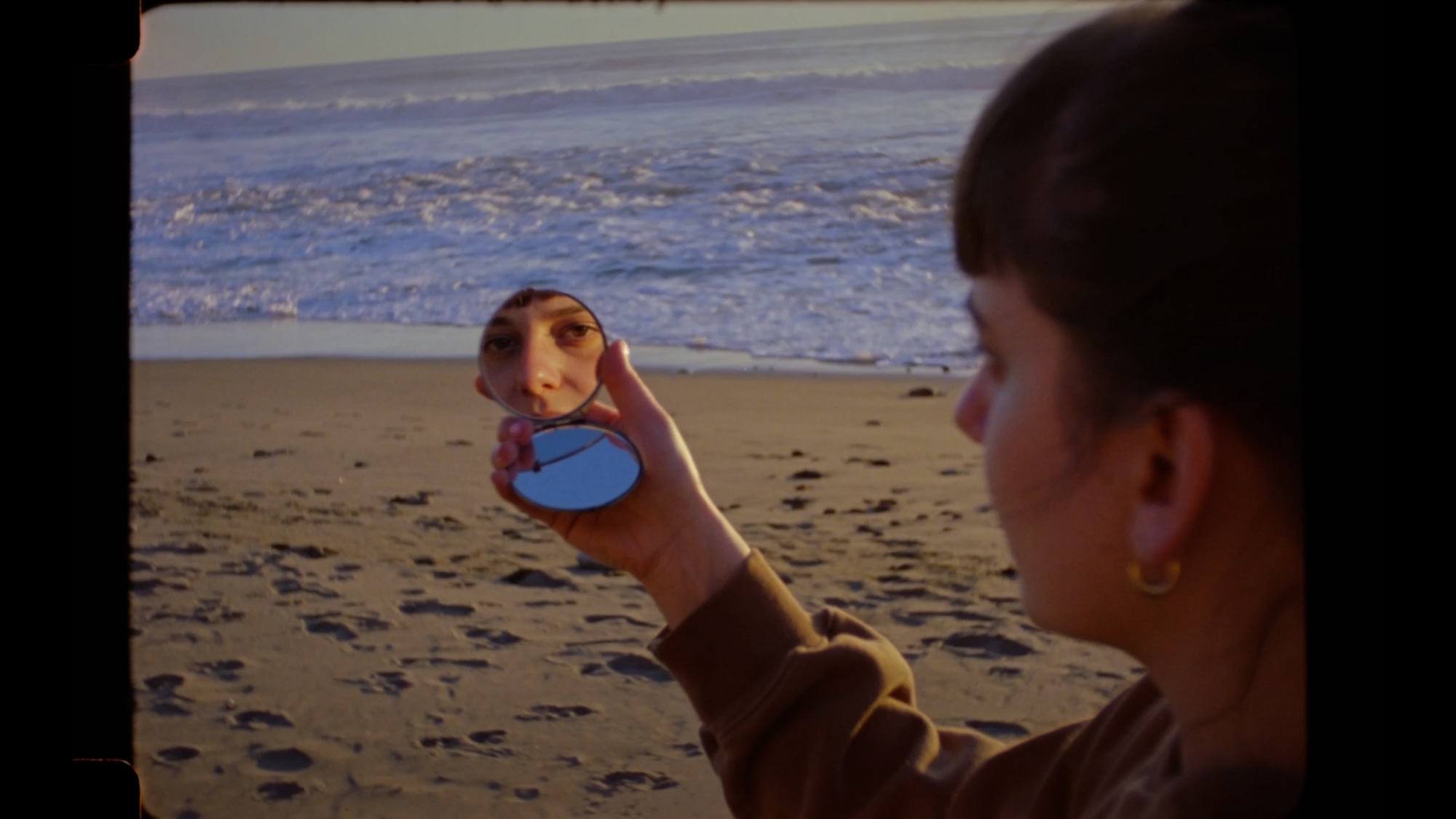
When Naomi Garcia Pasmanick was growing up in San Francisco, she’d often hear her grandmother Aurita make offhanded comments about her disdain for fascists and respect for working class people. As Garcia Pasmanick grew older and got to know her extended family in the small fishing town of Moaña in Galicia, Spain, she began to learn more about her ancestors’ legacy — and of a labor movement that was crushed by repression, violence and persecution during Francisco Franco’s regime.
That legacy is the subject of Garcia Pasmanick’s 2024 documentary, Olas de Recuerdo (Memories of Salt), which makes its San Francisco premiere at the Roxie on Aug. 25 during an evening of short documentaries by women filmmakers.
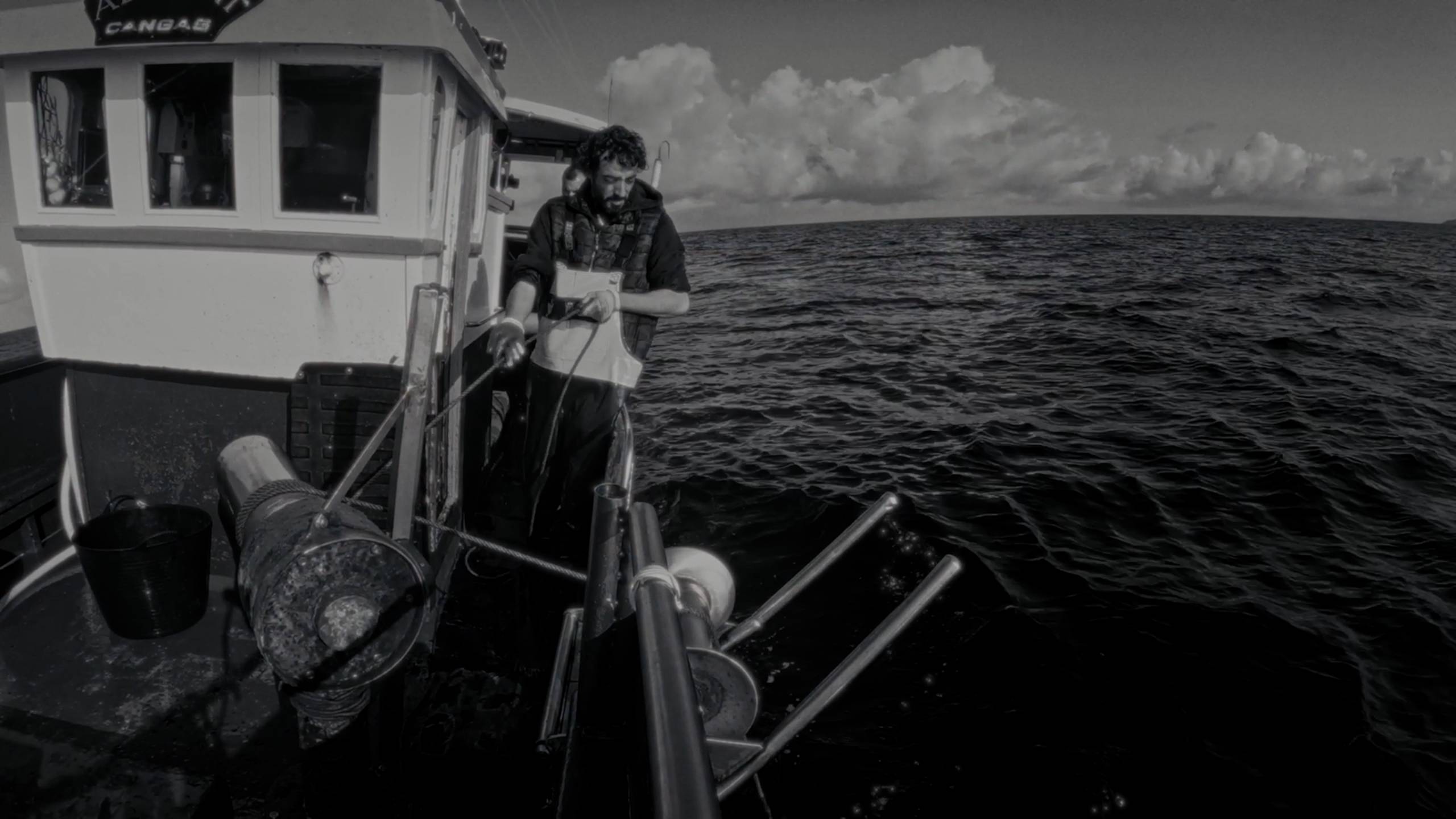
Garcia Pasmanick says that she was inspired to look deeper into her roots as far-right and fascist political movements made a resurgence around the world in recent years. In Olas de Recuerdo, black-and-white reenactments, sumptuously shot on the Spanish coast, transport viewers back into the 1930s.
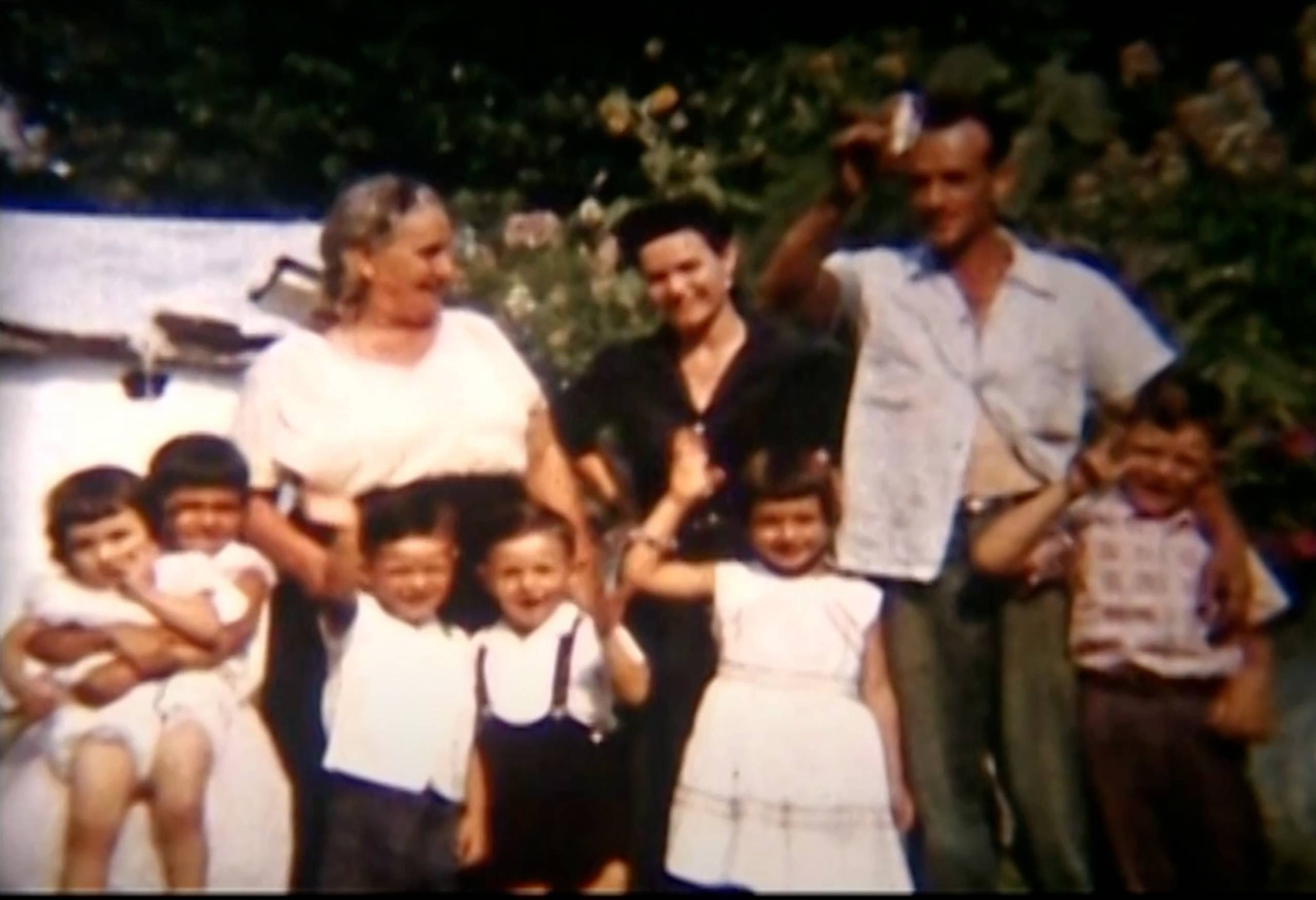
As Spain’s monarchy toppled, the filmmaker’s great-uncles joined a fishermen’s labor union that aligned itself with the new democratic government. Through emotional Spanish- and Galician-language interviews with Garcia Pasmanick’s extended family, the film offers an oral history of how Franco’s military coup launched a dictatorship that lasted 40 years. Scabs waged violence against the unionized fishermen during a strike, forcing Garcia Pasmanick’s ancestors to go into hiding and eventually flee the country altogether.
“It makes me proud and also kind of puts things in perspective,” Garcia Pasmanick reflects. “What are we — and what am I — willing to put on the line?”
The film draws moving parallels to this generation’s struggles against rightwing militarism as young people protest Israel’s war in Gaza. Throughout its 30-minute run time Garcia Pasmanick connects stories from her Spanish elders to her Jewish ancestors on her father’s side who fled Nazi persecution. She grapples with her responsibility as a Jewish American to speak out about the death and destruction in Gaza.