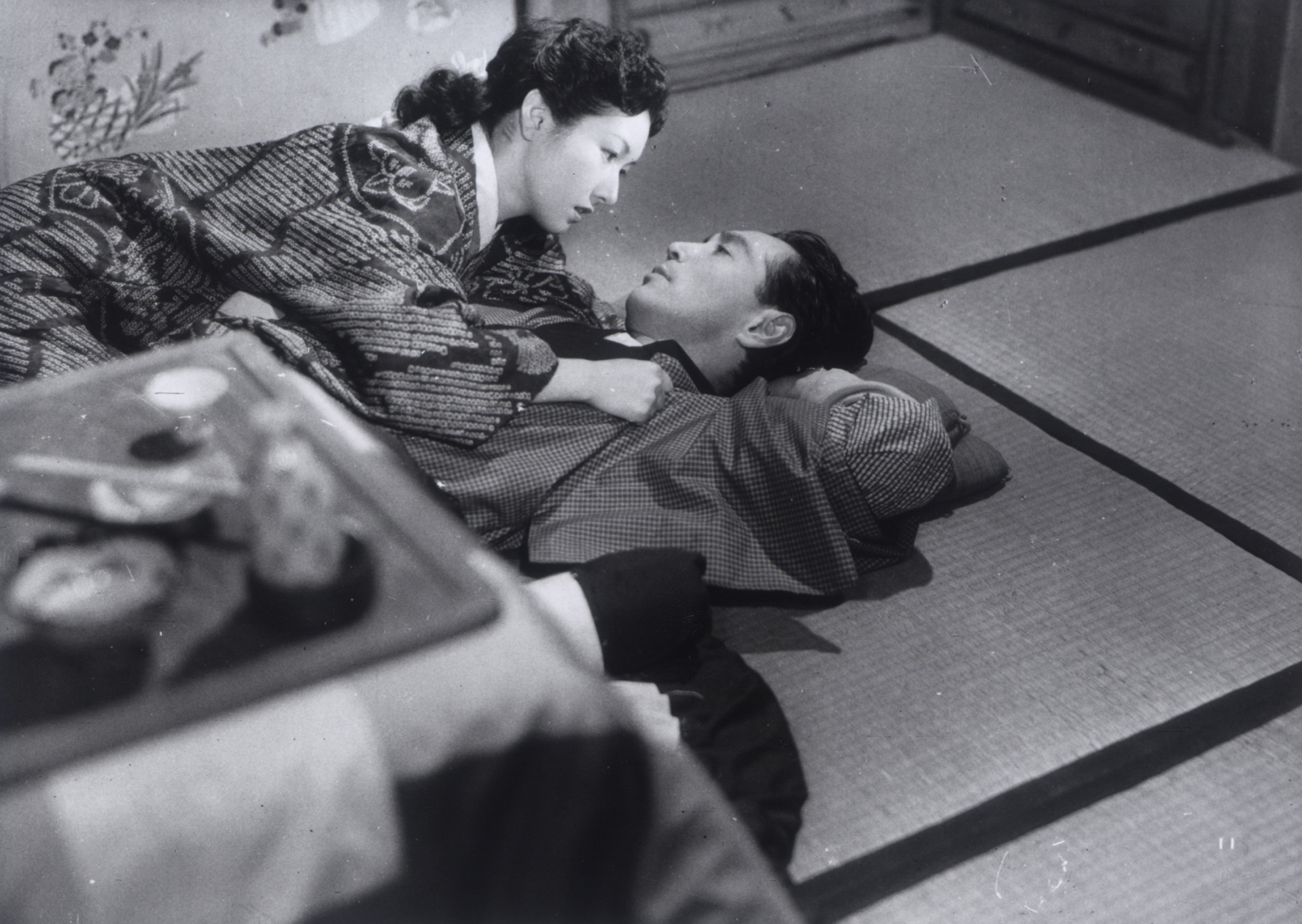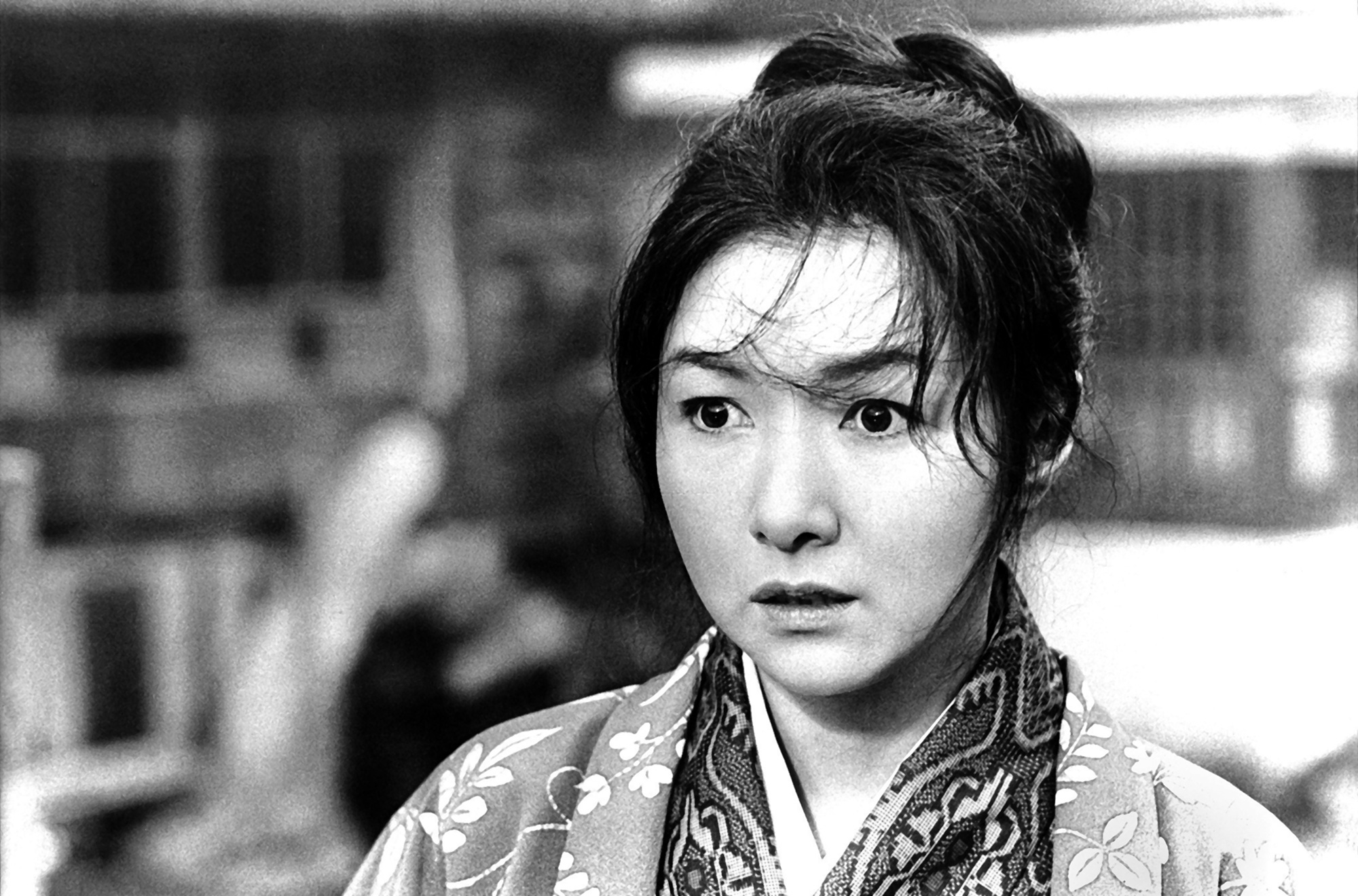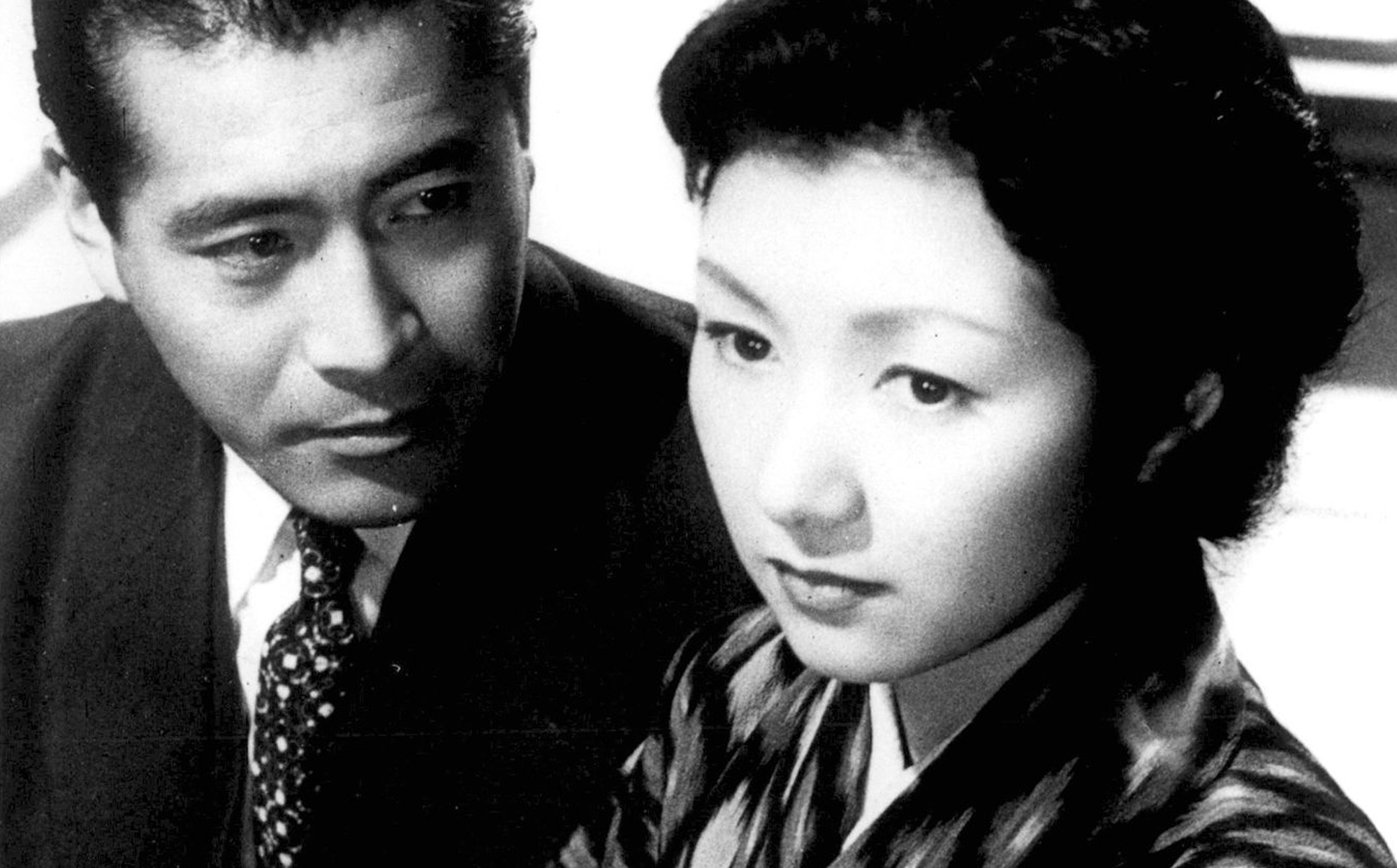
The title of the stunning BAMPFA retrospective Mikio Naruse: The Auteur as Salaryman, continuing through Dec. 21, neatly captures the artistic and pragmatic duality of the great 20th century Japanese director. In a career that spanned four decades and 89 films, Naruse refined his unflinching perspective on the plight of women while meeting the bottom-line demands of his studio bosses.
It’s fascinating to revisit Naruse’s films, especially the haunting landmarks Floating Clouds and Yearning, from a post-post-feminist perspective. The director mostly worked in the shomin-geki genre — set among the lower middle classes — where women, in particular, struggled with limited economic opportunities (if they weren’t “fortunate” enough to marry a well-off man).
A fatalist by nature, Naruse (1905-69) didn’t soft-soap his female characters’ endless sacrifices and thwarted dreams with dime-store hope and sentimentality. And yet while his movies depict the ritualistic inflexibility of pre-war Japanese society, and the postwar cracks and corruption that unmoored the system (with the loss of a generation of young men complicating women’s plans and prospects), Naruse’s women are persistently proactive in the face of every obstacle and constraint.
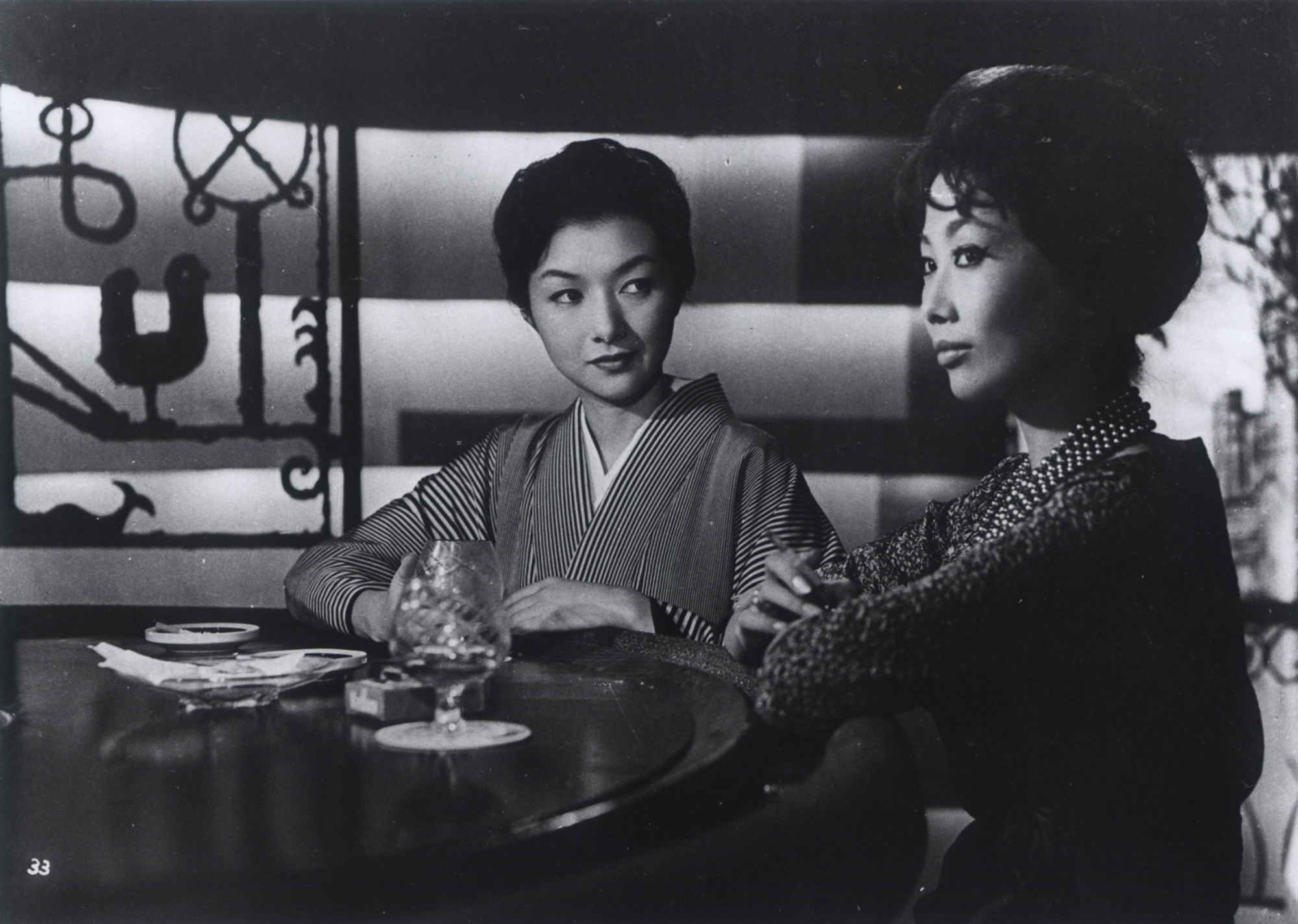
Late in his career, which wrapped in 1967, Naruse said of his characters, “If they move even a little, they quickly hit the wall. From the youngest age, I have thought that the world we live in betrays us; this thought still remains with me.”
Melodrama often entails tragedy, but Nakuse-style shomin-geki is worlds away from, say, the nihilistic doom of film noir. His female protagonists are generally moral, sincere and direct, not to mention valiant. Determined to gain a small measure of happiness, they don’t give up. The stakes are great; respect must be paid.