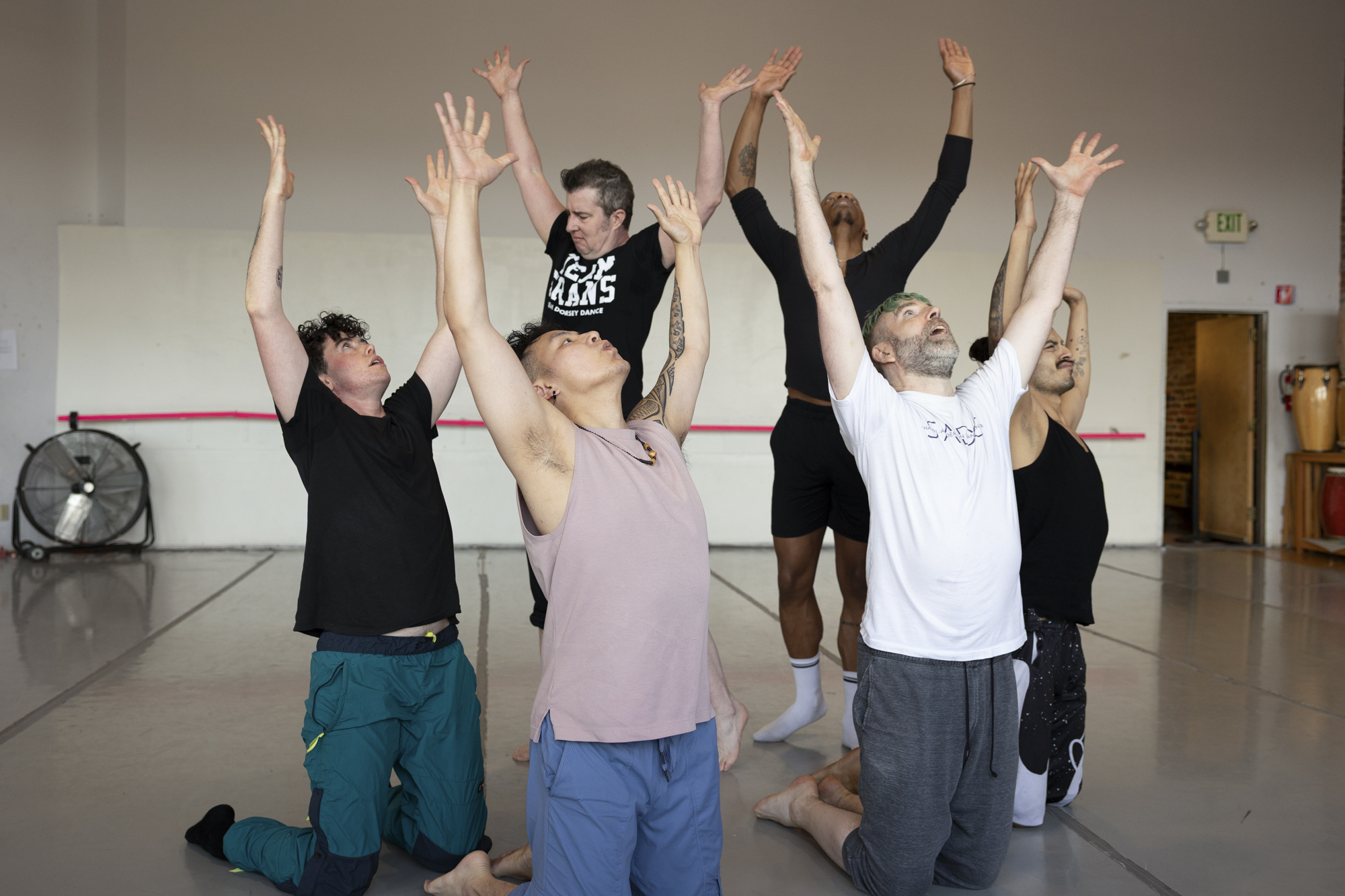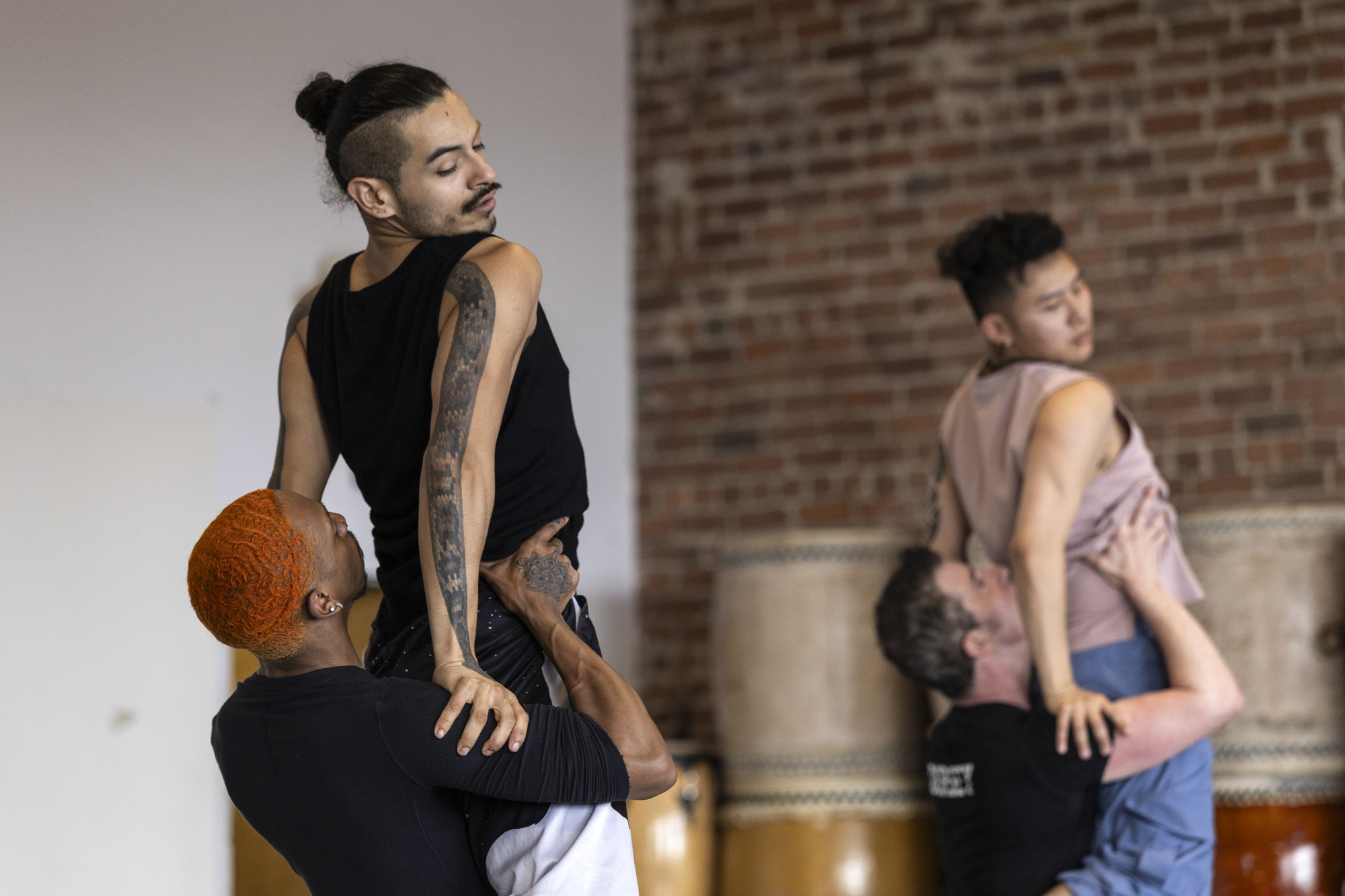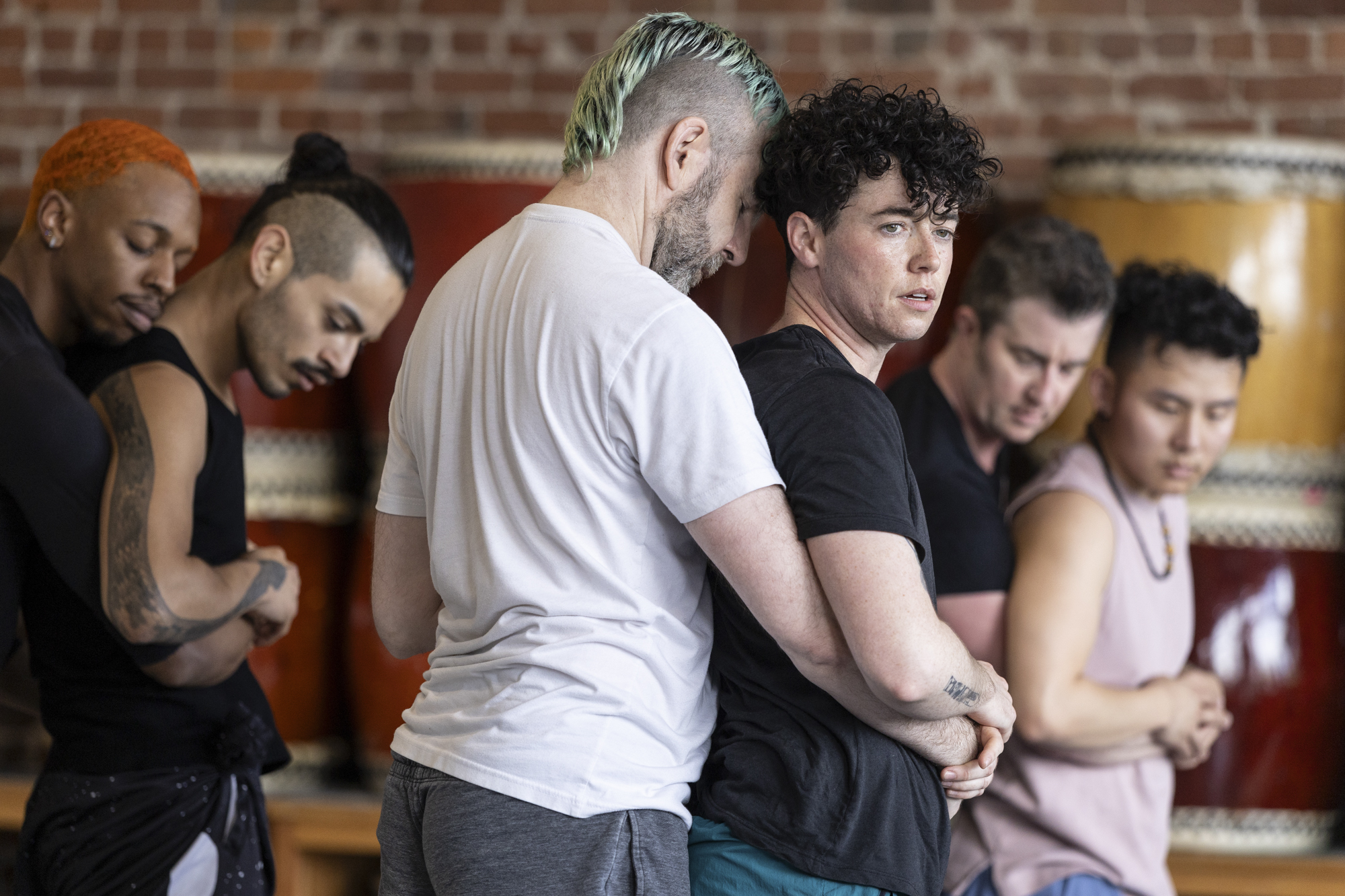
When boxes of Lou Sullivan’s diaries ended up in the archives of San Francisco’s GLBT Historical Society, Sean Dorsey spent countless hours poring over them in the reading room, transcribing them by hand. Sullivan, who died in 1991, was a gay transgender man, an author and activist whose insistence on living his full truth — his queerness and his transness — expanded the medical community’s understanding of gender and sexuality as two separate things. In the burgeoning field of gender-affirming care, Sullivan helped doctors and psychologists see that being attracted to men didn’t negate one’s need to transition and live as a man.
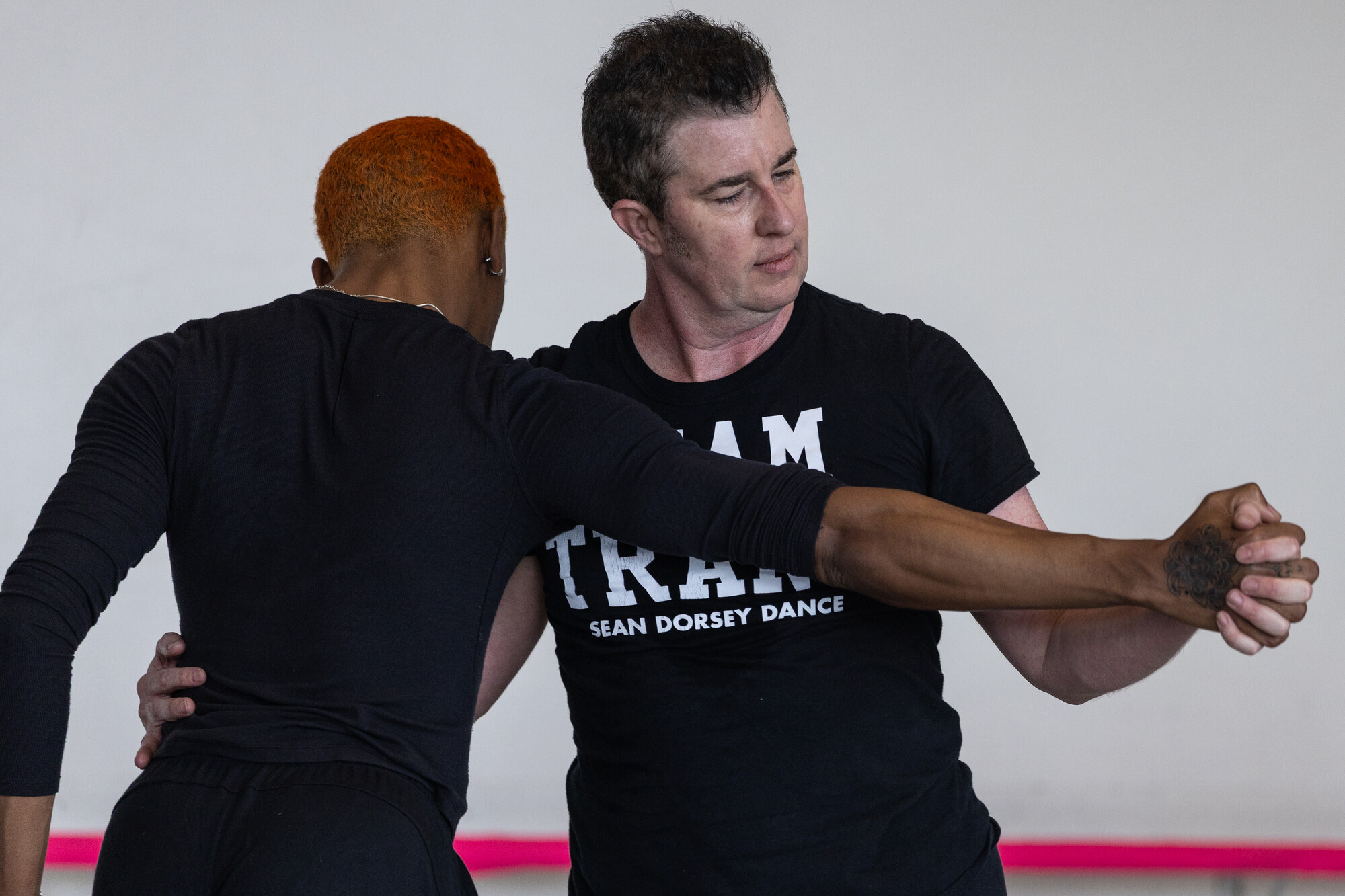
Sullivan ended up starting one of the first support groups for trans men in the early ’80s; before the internet, he took out newspaper ads and connected with trans men all over the country who were navigating their experience in isolation. As Dorsey delved into troves of Sullivan’s diaries and letters, he got to know a passionate advocate, a lover and a party boy who led a rich and complex life. Those letters became the basis for the 2009 dance piece Lou, which Dorsey is restaging April 11–13 for another history-making event: the 20th Anniversary Home Season of Sean Dorsey Dance, the first acclaimed trans-led dance company in the country.
“History is just brimming and overflowing with heroes and sheroes and theyroes, who faced much more intense things than we’re experiencing today,” says Dorsey as he catches his breath after a recent rehearsal at San Francisco’s Dance Mission Theater, where the show will take place. “I think it’s so important for us at this horrifying and very painful and scary time to really dig into learning about our histories and to connect with our transcestors and ancestors who absolutely are such sources of inspiration, energy — talk about getting a battery recharge.”
Of course, Dorsey is referring to President Trump’s executive order mandating that the government only recognize “two sexes, male and female,” which has had many cascading effects on trans people’s ability to access identity documents and social services, and to safely travel abroad.
In response to a lawsuit from the ACLU, the National Endowment for the Arts, one of Dorsey’s past funders, recently removed a new requirement for applicants to certify that they would not “promote gender ideology.” But the NEA hasn’t changed its eligibility criteria, which still requires applicants to comply with the Trump order. It’s unclear whether any trans art can secure federal funding under these new rules.