What was in the water in 1974? That’s the question you might ask when a surprising number of Bay Area arts organizations celebrate their 50th anniversary this year: Creative Growth, Kala, SF Camerawork, Small Press Traffic, Southern Exposure — the list goes on.
In anticipation of the anniversary, Syd Staiti, executive director of Small Press Traffic (SPT), began talking to people present at the beginning, when it was a Noe Valley bookstore and poetry hub. The short answer, Staiti relates, is that “word got around that it was really cheap to live in San Francisco.”
“People came here or already lived here, young people with lots of energy and ideas and ideals who wanted to start things,” Staiti says. Aided by cheap rent, people would “work like a day a week — literally — and then spend the rest of their time making things happen.”
‘Turning 50, but not feeling 50’
Valerie Imus, Co-Director of Southern Exposure, says the moment was ripe for the formation of new organizations. “We’re on the heels of a lot of social and political movements of the ’60s,” she says, pointing to the San Francisco State strike, anti-war protests, the formation of the Black Panther Party, the trial of Los Siete de la Raza — all in the years just before 1974. “It’s just a lot of anti-institutional movements, a lot of self-determination and collaboration happening.”
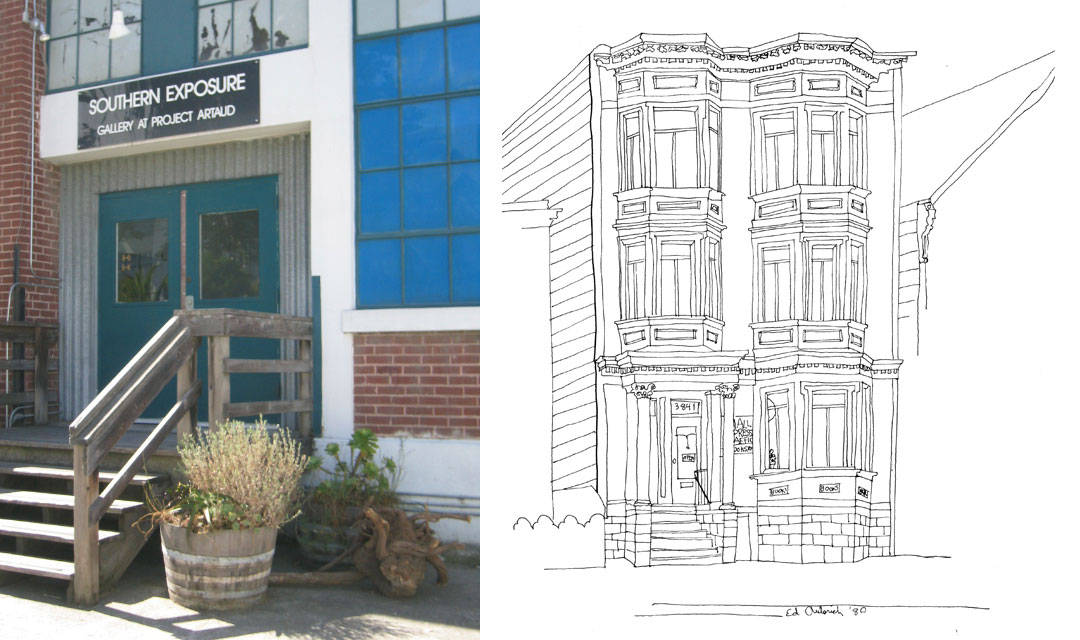
Like many of the now-50-year-old organizations, Southern Exposure was a very different entity in its early years. It began as the American Can Collective, a membership-based gallery within Project Artaud (a former American Can Company building). Renamed Southern Exposure after a cease and desist from the still-operating company (and a sassy temporary renaming to the “American Cant Collective”), the arts space didn’t incorporate as a nonprofit until the 1990s.
Though Southern Exposure is now a 501(c)3 with an operating budget over $800,000 and a staff of five, that playful and anti-establishment spirit persists. “The curatorial council is this evolving body of artists who are able to continue to bring in new folks and new things that are happening,” says Co-Director Margaret McCarthy. “That’s what’s exciting to me about turning 50, but not feeling 50.”
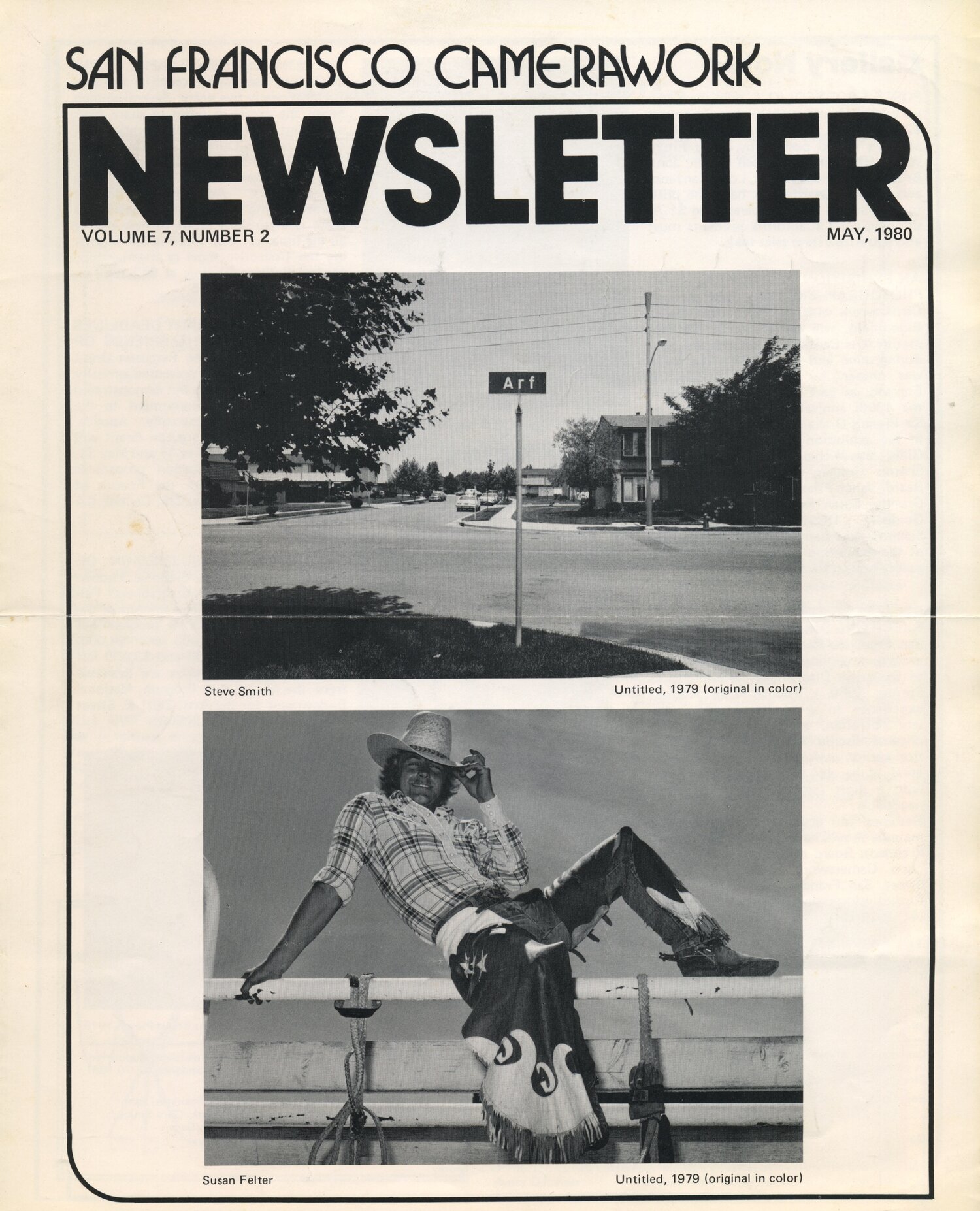
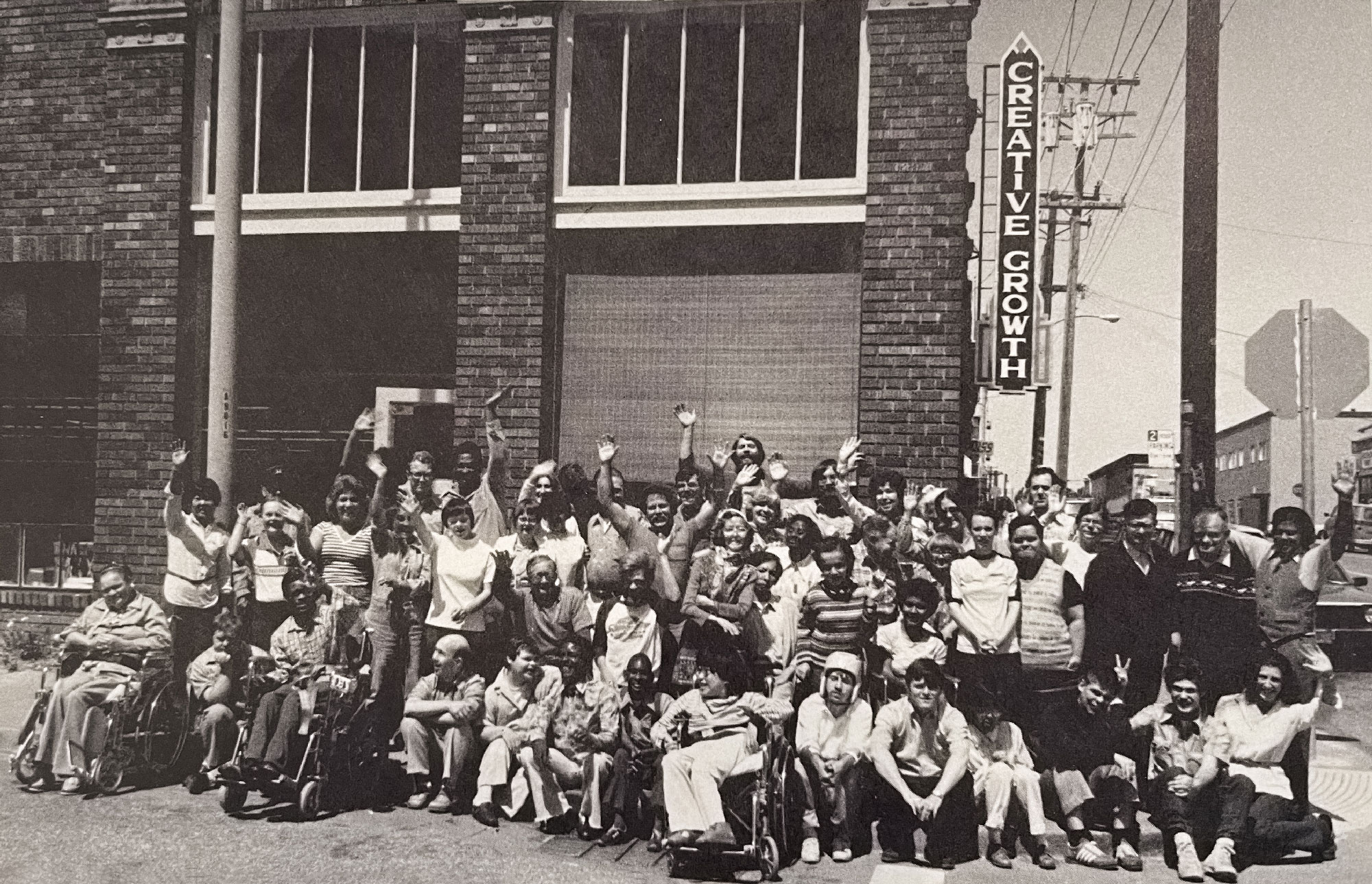
Besides their longevity, these organizations share a foundation in necessity. SF Camerawork was established to formalize and legitimize photography as an emerging art form. Kala was founded by 11 international artists to share printmaking equipment that they couldn’t afford on their own. After state-run hospitals closed in the ’50s and ’60s, Creative Growth was born to support newly deinstitutionalized artists with disabilities.
As an example of how Creative Growth has changed and grown over the years, Director Emeritus Tom di Maria points to photographs of artists at the studio from its early days. “They have these little smocks on, and you would think it’s an art room in an institution, the state hospital or something,” he says. Over the years, the dynamic has shifted from directed art-making to artist-led initiatives.
Creative Growth’s artists, di Maria says, “want to have input into their curatorial practice. They want to know what viewers think about them. They want professional development.” Over its lifespan, the organization has evolved to meet those needs, engaging artists in aspects of leadership.