An arthritis diagnosis means the latest album by The Dodos is likely its last — a reminder of the physical strains on musicians.
Grayson Haver Currin
Meric Long of The Dodos found his voice in a distinctive guitar style. While writing the new album ‘Grizzly Peak,’ he watched that ability begin to slip away. (Shane Tolentino for NPR)
M
eric Long had been playing guitar for three years when he realized the instrument could be more than his hobby — it could be his way of communicating, too, of feeling he had something important to say.
At a high-school friend’s house party, Long, then an anxious teenager, smoked too much weed and meandered on an acoustic guitar for several uninterrupted hours. He assumed he was improvising for no one. But people listened, captivated by the sudden volubility of a 16-year-old who considered himself awkward and uneasy.
“I always thought, if I say anything, I am going to say something stupid,” Long remembers with a laugh. “I realized that moment is what it felt like to speak and have people value what you were saying.” Even now, when he talks to other parents at the daycare of his 5-year-old daughter, Tegra, the guitar gives him something to discuss, a “cool job”-as-icebreaker. “If I could walk into every socially awkward situation with a guitar,” he admits, “I would.”
Related Article
When Long started The Dodos, his Bay Area duo with drummer Logan Kroeber, in the mid-2000s, that feeling was still driving him. Having fallen in love with fingerstyle guitar — playing the strings directly, without the aid of a pick — in his early 20s, he resolved to take it to an unconventional extreme: He wanted, as he put it before a recent weekday rehearsal, for “every string to sound like a different drum.” The idea became the pair’s animating mission, the spiritual center of ecstatic songs that felt too mighty to be dubbed “acoustic rock.” As Long yowled quarterlife missives about sleeping in, breaking up or questioning God, he clawed and hammered the strings, with Kroeber throwing jabs at each strum like a welterweight bullying his opponent.
Toward the end of the aughts, those punchy songs briefly made The Dodos rising indie rock stars. Their distinctive concerts — Long seated, his body unnaturally warped around the guitar like a tree swallowing an old metal sign — made them festival favorites, playing 100 shows per year at their peak. But despite the popularity and seven full-length records, Long felt like he’d never truly captured his guitar the way he’d hoped. In August 2019, a month before his 39th birthday, he realized he might have only one more chance.
He and his wife, Noela, had taken Tegra to Spain to spend the summer at his in-laws’ sylvan cottage, and he’d been playing lots of guitar in the woods. He was working on “Annie,” a plaintive new number about seeking forgiveness within a doomed relationship, when his left pinky refused to stretch across the frets. “I had experienced pain there before, but I had always forced myself through it,” Long remembers. “This didn’t just hurt. It was a limitation.” Back home in Oakland a month later, a blood test confirmed rheumatoid arthritis — an autoimmune condition with punishing effects on the joints. What’s more, his decade-plus of aggressive guitar playing had, almost certainly, been quietly exacerbating the damage.
In mid-November, The Dodos issued the kinetic Grizzly Peak, their eighth album and, likely, their last. The duo’s imminent end underscores a little-publicized truth about making music — it can, and often does, wreck bodies.
‘It’s easy for me to take for granted what he does,’ Logan Kroeber (right) says of his Dodos bandmate Meric Long. ‘He’s so talented that I don’t think about physical limitations. But he’s been putting his fingers through the wringer for decades.’ (Sheila Gim/ Courtesy of the artist)
“I started writing down all the things wrong with me that I can attribute to playing in Superchunk,” says Laura Ballance, the North Carolina band’s bassist for three decades. Ballance quit touring in 2013 after dealing with hearing loss and hyperacusis, where certain sounds become incredibly grating. Her full index of ailments includes COPD, bone spurs in the neck, bunions in the feet, a crooked spine and, she quips, self-diagnosed brain damage. She’s been off the road nearly a decade, but the time away hasn’t magically fixed her. Hearing woes mean it’s still hard to see bands live, hindering her ability to run Merge Records, the label she co-founded.
Hearing loss and tinnitus, tendonitis and arthritis, mouth calluses and vocal cord nodules: These are only a sliver of the vast collection of maladies a musical life can bring. A 2017 study of more than 700 orchestral musicians in Germany found that two-thirds of them endured chronic pain, many for at least five years. And while it’s fairly well understood that music careers are an endurance sport, requiring rigorous practice and few days off, the physical consequences often go unadvertised, hidden from fans for the sake of shows that must go on.
“We all abuse ourselves for the sake of performance, but nobody talks about it,” Ballance says. “I’m not the only one.”
N
ear the end of 1981, Max Weinberg felt like he might actually be the only person injured by making music. By that point, Weinberg had been the drummer in Bruce Springsteen’s E Street Band for nearly a decade, earning the moniker “Mighty Max” for his gusto behind the kit. As the group finished a sprawling tour of arenas and auditoriums for The River, Weinberg noticed that the space between his thumb and index finger on both hands — where he gripped his sticks for three hours every night — ached, the sinew inflamed. At one point, he couldn’t open his hands at all, even when he pushed against his fingers.
When Weinberg learned about Leon Fleisher, the classical pianist who developed a left-hand repertoire after losing the use of his right, he realized he might have a chance at recovery, too. He went looking for help. The first doctor he saw told him to find another line of work. The second, esteemed St. Luke’s–Roosevelt hand surgeon Richard Eaton, knew better. A condition known as trigger finger had morphed into severe cases of tendonitis and tenosynovitis; Weinberg underwent seven operations in two years.
“I had unusual demands as a drummer, playing at a very high intensity level,” Weinberg says. “But it wasn’t from playing hard — it was from playing incorrectly. I lacked a finessed technique.”
Max Weinberg first realized his drumming style could be hurting his hands in the early ’80s. ‘There was an obsessive prejudice on the part of musicians to hide their injuries,’ he says. ‘You would suck it up, play through the pain.’ (Max Weinberg Collection/ Courtesy of the artist)
After these surgeries, Weinberg became a public apostle for the awareness of such injuries. He offered interviews about his struggles, served on the board of the Miller Healthcare Institute for Performing Artists and became a zealot for a regimen of warming up, cooling down and improving technique. In 1986, U2 drummer Larry Mullen Jr. told Weinberg he had endured intense pain for a year, especially while playing “Pride (In the Name of Love).” Weinberg sent him to his surgeon, who said exploratory surgery might be necessary.
“There was an obsessive prejudice on the part of musicians to hide their injuries. You would suck it up, play through the pain,” Weinberg remembers. “No one was talking about it, so I took the spotlight of the E Street Band and shined it on performance-related injuries. There are so many conservative things you can do to help.”
Related Article
Still, nearly four decades later, 25-year-old guitarist Yasmin Williams encountered similar isolation and confusion when her right thumb began aching, locking and spasming. Williams’ star has risen quickly during the last year, multiplying schedule demands in spite of COVID-19. She assumed she was just too busy. But when she struggled even to open a bag of chips after a string of fall shows, she posted to social media, wondering if other guitarists had experienced similar pain.
“I was asking for advice, but I didn’t think other musicians had the same problem,” she says, laughing at her own naivete. “Turns out most of my musician friends have had surgery or extended periods where they couldn’t play or sing. I don’t hear about that at all.”
And yet, even after a doctor diagnosed her with focal tendinosis, Williams herself became reluctant to speak about her symptoms in public. She feared it would cause booking agents — already under financial strain from the pandemic — to think twice about offering contracts, lest she become one of those performers infamous for canceling. “We’re treated like athletes who are supposed to just push through pain to make people feel entertained,” Williams says. “But talking about pain shows that you’re real.”
‘We’re treated like athletes who are supposed to just push through pain to make people feel entertained,’ says guitarist Yasmin Williams, who developed tendon damage touring her latest album. (Zach Pigg/ Courtesy of the artist)
Leo Kottke, the 76-year-old acoustic guitar titan, knows the shame such suffering can bring. A Navy veteran discharged due to hearing loss, Kottke once played 23 consecutive nights in Germany with a raging fever, penicillin pumping through his veins. Part of being a performer, he assumed, was working hurt. In the late ’70s, he opened a college concert for blues legend Son House, by then an ailing septuagenarian unable to stand much. In a fit of frustration with his instrument, House tossed his heavy steel guitar down in a clatter and slowly willed himself out of his chair, as he improvised a haunting a cappella tale about bats flying from a deep well. Not yet 30, Kottke was both flummoxed and inspired. “It was perfect Greek tragedy,” he says.
But a decade later, on a small stage in Denver, Kottke’s right arm froze, so that it felt like he was “playing guitar with a baseball bat.” He’d long used fingerpicks — small metal or plastic pieces worn on the fingertips that make it easier to strike a string — which meant his wrist was constantly turned inward, straining his forearm. Kottke dropped the picks to save his wrist, but it took three years for him to feel satisfied with the sound. He never told the crowds about his dissatisfaction or discomfort, fearing they wouldn’t like any musician who hurt too badly to be good.
“It’s the only time I’ve ever acted like I was having a good time,” Kottke says from his home in Minneapolis, weeks before joining jazz drummer Dave King and Phish bassist Mike Gordon for separate duo stands. “The guitar saved my life as a child, and the prospect of losing it propelled me to keep being a disaster.”
It seems almost counterintuitive for musicians to feel shame discussing their woes, since pain enjoys such a mythical stature in art at large, the impetus behind so many tormented masterworks. Frida Kahlo’s splintered skeleton prompted many of her most acclaimed paintings. George Orwell endured the final stages of tuberculosis to finish 1984. Herman Melville’s many ailments and the impact they had on his work, especially after Moby-Dick, remain a topic of scientific debate.
Related Article
Similar stories pour from modern music, as though proof our heroes possess a tenacity we cannot comprehend. There was Neil Young’s back pain, the partial source of Harvest‘s acoustic canter. There is Iggy Pop’s battle-scarred body, a testimonial to the rigors of rock. There was Björk’s vocal polyp and her insistence that its surgical removal widened her range. When icons like Tom Petty or Prince die from painkiller overdoses, fans ascribe meaning to the tragedy — relief from the torment that allowed them to help us.
But Chad Clark wants no part of the idea that artists need to suffer more than the average person just to work, that pain is a necessary part of the process. The leader of the Washington, D.C., band Beauty Pill, Clark nearly died in 2007 when his heart began tearing apart from a viral infection. Doctors split his sternum for emergency surgery. He was dumbfounded when he encountered fans daydreaming about the music his brush with mortality might inspire.
“I didn’t want people to see it in this romantic way,” Clark says, after a long walk with his dog, Stanley. “It gets offensive, the way people view artists as alien creatures with special abilities. I didn’t survive the virus because I am a superhuman artist. I was just hoping to live.”
W
hen Long’s pinky froze for the first time in Spain, he was confused, then angry, and, soon, more motivated than he’d ever been.
Spurred by his arthritis diagnosis, he stopped drinking and changed his diet. He was glad to have health insurance, a relative rarity for musicians who command small or midsized audiences. But he also understood that the window for The Dodos’ original quest — to make guitar music in which each string sounds like a drum — was rapidly closing. For two decades, fingerpicking the guitar had been his identity. Knowing he might be on the cusp of losing that ability, he wanted to get it right, no matter the work it took.
Related Article
He surveyed almost every audio engineer The Dodos had ever employed, and fellow experts at the Oakland studios where he now works as an engineer, asking how to capture the sound he had long imagined. After Tegra went to bed each evening, he would head for his soundproofed garage, sometimes writing and experimenting until 3 a.m. Playing as he recorded could be painful for his hands, but “the possibility that I was going to make it to the other side,” he remembers, “was the feeling I was after. The rest of the world didn’t exist. That completely saved me.”
Long was so focused on pushing past pain and self-pity that The Dodos were nearly done recording Grizzly Peak before Kroeber learned of his bandmate’s condition — let alone that many of these songs were tentative goodbyes to the band itself. But the drummer says he understood, having weathered his own “Tiger Balm years,” when performing entailed slathering so much of the Singaporean analgesic on his sore joints that he often smelled like a menthol manufacturer. He still loves being a band, but he hates to see it punish Long.
“It’s easy for me to take for granted what he does. He’s so talented that I don’t think about physical limitations,” Kroeber says. “But he’s been putting his fingers through the wringer for decades. How long could I expect him to perform at that level?”
The Dodos’ Meric Long performing at the Outside Lands festival in Golden Gate Park, 2009. (Gabe Meline)
Grizzly Peak, released Nov. 12, does make good on The Dodos’ original aim. Its 10 songs suspend listeners like marionettes above the guitar’s sound hole, most every strum rumbling like a little earthquake. The album rumbles open with “Annie,” the song Long was writing when it all went wrong. Riffing directly on the pain behind the scenes, the surging “Pale Horizon” is an anthem against old age and the long odds it can impose. Kroeber’s kick drum mirrors the guitar’s every movement on “Sustainer,” one friend helping another fend off reality’s blues. “I never had much to say, but I said it with a guitar,” Long sings at one point, soundtracking his own crisis.
Working through existential angst on record isn’t new for the band, who over the last decade has alternately added vibraphone, electronics and electric guitar — partly to evolve beyond its initial charge, partly in answer to changing tastes and shrinking crowds. Long took to asking himself after every record if the duo was simply finished. (He has done this so much that, despite the diagnosis, Kroeber gives The Dodos a 65% chance of continuing.) But he always returned to the question of what he would be without the instrument: “Who am I then?” he remembers thinking. “What do I have to add?”
If nothing else, arthritis may have given him an answer — a reason to see himself as more than a guitarist. The arduousness of recording this album has rippled into his work as an audio engineer, motivating him to help other guitarists sound great. And he has his family. On the overcast eve of the first leg of the Grizzly Peak tour, he sounded sullen about leaving home for the first time in more than two years. He had just given his dog, Maple, a bath, speaking about it like atonement for his impending departure.
Related Article
Kottke understands Long’s predicament — and its possibilities. When he stopped using fingerpicks to stave off tendonitis, he realized he could feel the guitar’s strings again, a change that has arguably made him a better player in time. “Your deficiency is what defines you,” he says. “And it’s often what liberates you. It gives you a way in.” Max Weinberg says he relearned how to hold his sticks and passed the lesson on to his son Jay, the drummer of Slipknot. His credo for safe drumming is steadfast: “Remain as relaxed as you can.”
Williams, the young guitarist, will soon get her first steroid injection, and she’s developing the sort of warmup routine Weinberg insists every musician should have for their sport of choice. Burdened by the heft of the guitar after surgery, Clark incorporated more electronics into Beauty Pill and began writing songs without instruments altogether, singing into his cell phone. “Disability is not the end of the story at all,” Clark says. “And if your art can lead people to a more optimistic outlook, that is a profound value.”
Earlier this year, with Grizzly Peak done and any concerts then months away, Long left his guitars alone for a while, focusing on family, work and the rest of life. When he finally sat down to play, curling his body around the instrument’s body, his back locked so badly he couldn’t move. He made his way into bed, and stayed there for 24 hours — a daylong reminder of the pain his career has inflicted.
Long’s diagnosis may very well end The Dodos and prevent him from being a guitarist in the future. But it has allowed him to consider what else he is, and can become. “My fundamental relationship with guitar was so simple. Now that it’s taken away, I’ve realized it’s OK if I don’t have anything else to say with it,” he says. “I found other ways to talk — without the guitar.”
window.__IS_SSR__=true
window.__INITIAL_STATE__={
"attachmentsReducer": {
"audio_0": {
"type": "attachments",
"id": "audio_0",
"imgSizes": {
"kqedFullSize": {
"file": "https://ww2.kqed.org/news/wp-content/themes/KQED-unified/img/audio_bgs/background0.jpg"
}
}
},
"audio_1": {
"type": "attachments",
"id": "audio_1",
"imgSizes": {
"kqedFullSize": {
"file": "https://ww2.kqed.org/news/wp-content/themes/KQED-unified/img/audio_bgs/background1.jpg"
}
}
},
"audio_2": {
"type": "attachments",
"id": "audio_2",
"imgSizes": {
"kqedFullSize": {
"file": "https://ww2.kqed.org/news/wp-content/themes/KQED-unified/img/audio_bgs/background2.jpg"
}
}
},
"audio_3": {
"type": "attachments",
"id": "audio_3",
"imgSizes": {
"kqedFullSize": {
"file": "https://ww2.kqed.org/news/wp-content/themes/KQED-unified/img/audio_bgs/background3.jpg"
}
}
},
"audio_4": {
"type": "attachments",
"id": "audio_4",
"imgSizes": {
"kqedFullSize": {
"file": "https://ww2.kqed.org/news/wp-content/themes/KQED-unified/img/audio_bgs/background4.jpg"
}
}
},
"placeholder": {
"type": "attachments",
"id": "placeholder",
"imgSizes": {
"thumbnail": {
"file": "https://cdn.kqed.org/wp-content/uploads/2024/12/KQED-Default-Image-816638274-2000x1333-1-160x107.jpg",
"width": 160,
"height": 107,
"mimeType": "image/jpeg"
},
"medium": {
"file": "https://cdn.kqed.org/wp-content/uploads/2024/12/KQED-Default-Image-816638274-2000x1333-1-800x533.jpg",
"width": 800,
"height": 533,
"mimeType": "image/jpeg"
},
"medium_large": {
"file": "https://cdn.kqed.org/wp-content/uploads/2024/12/KQED-Default-Image-816638274-2000x1333-1-768x512.jpg",
"width": 768,
"height": 512,
"mimeType": "image/jpeg"
},
"large": {
"file": "https://cdn.kqed.org/wp-content/uploads/2024/12/KQED-Default-Image-816638274-2000x1333-1-1020x680.jpg",
"width": 1020,
"height": 680,
"mimeType": "image/jpeg"
},
"1536x1536": {
"file": "https://cdn.kqed.org/wp-content/uploads/2024/12/KQED-Default-Image-816638274-2000x1333-1-1536x1024.jpg",
"width": 1536,
"height": 1024,
"mimeType": "image/jpeg"
},
"fd-lrg": {
"file": "https://cdn.kqed.org/wp-content/uploads/2024/12/KQED-Default-Image-816638274-2000x1333-1-1536x1024.jpg",
"width": 1536,
"height": 1024,
"mimeType": "image/jpeg"
},
"fd-med": {
"file": "https://cdn.kqed.org/wp-content/uploads/2024/12/KQED-Default-Image-816638274-2000x1333-1-1020x680.jpg",
"width": 1020,
"height": 680,
"mimeType": "image/jpeg"
},
"fd-sm": {
"file": "https://cdn.kqed.org/wp-content/uploads/2024/12/KQED-Default-Image-816638274-2000x1333-1-800x533.jpg",
"width": 800,
"height": 533,
"mimeType": "image/jpeg"
},
"post-thumbnail": {
"file": "https://cdn.kqed.org/wp-content/uploads/2024/12/KQED-Default-Image-816638274-2000x1333-1-672x372.jpg",
"width": 672,
"height": 372,
"mimeType": "image/jpeg"
},
"twentyfourteen-full-width": {
"file": "https://cdn.kqed.org/wp-content/uploads/2024/12/KQED-Default-Image-816638274-2000x1333-1-1038x576.jpg",
"width": 1038,
"height": 576,
"mimeType": "image/jpeg"
},
"xxsmall": {
"file": "https://cdn.kqed.org/wp-content/uploads/2024/12/KQED-Default-Image-816638274-2000x1333-1-160x107.jpg",
"width": 160,
"height": 107,
"mimeType": "image/jpeg"
},
"xsmall": {
"file": "https://cdn.kqed.org/wp-content/uploads/2024/12/KQED-Default-Image-816638274-2000x1333-1-672x372.jpg",
"width": 672,
"height": 372,
"mimeType": "image/jpeg"
},
"small": {
"file": "https://cdn.kqed.org/wp-content/uploads/2024/12/KQED-Default-Image-816638274-2000x1333-1-672x372.jpg",
"width": 672,
"height": 372,
"mimeType": "image/jpeg"
},
"xlarge": {
"file": "https://cdn.kqed.org/wp-content/uploads/2024/12/KQED-Default-Image-816638274-2000x1333-1-1020x680.jpg",
"width": 1020,
"height": 680,
"mimeType": "image/jpeg"
},
"full-width": {
"file": "https://cdn.kqed.org/wp-content/uploads/2024/12/KQED-Default-Image-816638274-2000x1333-1-1920x1280.jpg",
"width": 1920,
"height": 1280,
"mimeType": "image/jpeg"
},
"guest-author-32": {
"file": "https://cdn.kqed.org/wp-content/uploads/2025/01/KQED-Default-Image-816638274-1333x1333-1-160x160.jpg",
"width": 32,
"height": 32,
"mimeType": "image/jpeg"
},
"guest-author-50": {
"file": "https://cdn.kqed.org/wp-content/uploads/2025/01/KQED-Default-Image-816638274-1333x1333-1-160x160.jpg",
"width": 50,
"height": 50,
"mimeType": "image/jpeg"
},
"guest-author-64": {
"file": "https://cdn.kqed.org/wp-content/uploads/2025/01/KQED-Default-Image-816638274-1333x1333-1-160x160.jpg",
"width": 64,
"height": 64,
"mimeType": "image/jpeg"
},
"guest-author-96": {
"file": "https://cdn.kqed.org/wp-content/uploads/2025/01/KQED-Default-Image-816638274-1333x1333-1-160x160.jpg",
"width": 96,
"height": 96,
"mimeType": "image/jpeg"
},
"guest-author-128": {
"file": "https://cdn.kqed.org/wp-content/uploads/2025/01/KQED-Default-Image-816638274-1333x1333-1-160x160.jpg",
"width": 128,
"height": 128,
"mimeType": "image/jpeg"
},
"detail": {
"file": "https://cdn.kqed.org/wp-content/uploads/2025/01/KQED-Default-Image-816638274-1333x1333-1-160x160.jpg",
"width": 160,
"height": 160,
"mimeType": "image/jpeg"
},
"kqedFullSize": {
"file": "https://cdn.kqed.org/wp-content/uploads/2024/12/KQED-Default-Image-816638274-2000x1333-1.jpg",
"width": 2000,
"height": 1333
}
}
},
"arts_13950401": {
"type": "attachments",
"id": "arts_13950401",
"meta": {
"index": "attachments_1716263798",
"site": "arts",
"id": "13950401",
"found": true
},
"parent": 13950400,
"imgSizes": {
"twentyfourteen-full-width": {
"file": "https://cdn.kqed.org/wp-content/uploads/sites/2/2021/12/dodos-and-pain_final_wide-bf80d6bc988405beb04d0af9992fe64ec1c56574-1038x576.jpg",
"width": 1038,
"mimeType": "image/jpeg",
"height": 576
},
"thumbnail": {
"file": "https://cdn.kqed.org/wp-content/uploads/sites/2/2021/12/dodos-and-pain_final_wide-bf80d6bc988405beb04d0af9992fe64ec1c56574-160x90.jpg",
"width": 160,
"mimeType": "image/jpeg",
"height": 90
},
"post-thumbnail": {
"file": "https://cdn.kqed.org/wp-content/uploads/sites/2/2021/12/dodos-and-pain_final_wide-bf80d6bc988405beb04d0af9992fe64ec1c56574-672x372.jpg",
"width": 672,
"mimeType": "image/jpeg",
"height": 372
},
"kqedFullSize": {
"file": "https://cdn.kqed.org/wp-content/uploads/sites/2/2021/12/dodos-and-pain_final_wide-bf80d6bc988405beb04d0af9992fe64ec1c56574-scaled-e1705433335653.jpg",
"width": 1920,
"height": 1080
},
"2048x2048": {
"file": "https://cdn.kqed.org/wp-content/uploads/sites/2/2021/12/dodos-and-pain_final_wide-bf80d6bc988405beb04d0af9992fe64ec1c56574-2048x1152.jpg",
"width": 2048,
"mimeType": "image/jpeg",
"height": 1152
},
"large": {
"file": "https://cdn.kqed.org/wp-content/uploads/sites/2/2021/12/dodos-and-pain_final_wide-bf80d6bc988405beb04d0af9992fe64ec1c56574-1020x574.jpg",
"width": 1020,
"mimeType": "image/jpeg",
"height": 574
},
"1536x1536": {
"file": "https://cdn.kqed.org/wp-content/uploads/sites/2/2021/12/dodos-and-pain_final_wide-bf80d6bc988405beb04d0af9992fe64ec1c56574-1536x864.jpg",
"width": 1536,
"mimeType": "image/jpeg",
"height": 864
},
"full-width": {
"file": "https://cdn.kqed.org/wp-content/uploads/sites/2/2021/12/dodos-and-pain_final_wide-bf80d6bc988405beb04d0af9992fe64ec1c56574-1920x1080.jpg",
"width": 1920,
"mimeType": "image/jpeg",
"height": 1080
},
"medium": {
"file": "https://cdn.kqed.org/wp-content/uploads/sites/2/2021/12/dodos-and-pain_final_wide-bf80d6bc988405beb04d0af9992fe64ec1c56574-800x450.jpg",
"width": 800,
"mimeType": "image/jpeg",
"height": 450
},
"medium_large": {
"file": "https://cdn.kqed.org/wp-content/uploads/sites/2/2021/12/dodos-and-pain_final_wide-bf80d6bc988405beb04d0af9992fe64ec1c56574-768x432.jpg",
"width": 768,
"mimeType": "image/jpeg",
"height": 432
}
},
"publishDate": 1705430705,
"modified": 1705433416,
"caption": "Meric Long of The Dodos found his voice in a distinctive guitar style. While writing the new album ‘Grizzly Peak,’ he watched that ability begin to slip away.",
"description": null,
"title": "Meric Long of The Dodos found his voice in a distinctive guitar style. While writing the new album ‘Grizzly Peak,’ he watched that ability begin to slip away.",
"credit": "Shane Tolentino for NPR",
"status": "inherit",
"altTag": "A sepia-toned illustration of a man playing guitar, hunched over and restricted by imaginary vines.",
"isLoading": false,
"fetchFailed": false
}
},
"audioPlayerReducer": {
"postId": "stream_live",
"isPaused": true,
"isPlaying": false,
"pfsActive": false,
"pledgeModalIsOpen": true,
"playerDrawerIsOpen": false,
"liveAudioPlayStartedAt": 0,
"liveAudioPlayContext": ""
},
"authorsReducer": {
"byline_arts_13950400": {
"type": "authors",
"id": "byline_arts_13950400",
"meta": {
"override": true
},
"slug": "byline_arts_13950400",
"name": "Grayson Haver Currin",
"isLoading": false
}
},
"pagesReducer": {},
"pfsSessionReducer": {},
"postsReducer": {
"stream_live": {
"type": "live",
"id": "stream_live",
"audioUrl": "https://streams.kqed.org/kqedradio",
"title": "Live Stream",
"excerpt": "Live Stream information currently unavailable.",
"link": "/radio",
"featImg": "",
"label": {
"name": "KQED Live",
"link": "/"
}
},
"stream_kqedNewscast": {
"type": "posts",
"id": "stream_kqedNewscast",
"audioUrl": "https://www.kqed.org/.stream/anon/radio/RDnews/newscast.mp3?_=1",
"title": "KQED Newscast",
"featImg": "",
"label": {
"name": "88.5 FM",
"link": "/"
}
},
"arts_13950400": {
"type": "posts",
"id": "arts_13950400",
"meta": {
"index": "posts_1716263798",
"site": "arts",
"id": "13950400",
"found": true
},
"articlePosition": 0,
"guestAuthors": [],
"slug": "when-making-music-breaks-your-body",
"title": "When Making Music Breaks Your Body",
"publishDate": 1705433552,
"format": "standard",
"headTitle": "When Making Music Breaks Your Body | KQED",
"labelTerm": {
"term": 137,
"site": "arts"
},
"content": "\u003cp>\u003ca href=\"https://www.youtube.com/watch?v=c-ca62-xYZQ\">[dropcap]M[/dropcap]eric Long\u003c/a> had been playing guitar for three years when he realized the instrument could be more than his hobby — it could be his way of communicating, too, of feeling he had something important to say.\u003c/p>\n\u003cp>At a high-school friend’s house party, Long, then an anxious teenager, smoked too much weed and meandered on an acoustic guitar for several uninterrupted hours. He assumed he was improvising for no one. But people listened, captivated by the sudden volubility of a 16-year-old who considered himself awkward and uneasy.\u003c/p>\n\u003cp>“I always thought, if I say anything, I am going to say something stupid,” Long remembers with a laugh. “I realized \u003cem>that\u003c/em> moment is what it felt like to speak and have people value what you were saying.” Even now, when he talks to other parents at the daycare of his 5-year-old daughter, Tegra, the guitar gives him something to discuss, a “cool job”-as-icebreaker. “If I could walk into every socially awkward situation with a guitar,” he admits, “I would.”\u003c/p>\n\u003cp>[aside postid='arts_13937745']When Long started \u003ca href=\"https://www.kqed.org/arts/10376697/the-dodos-balance-grief-and-cathartic-joy-on-new-album-individ\">The Dodos\u003c/a>, his Bay Area duo with drummer Logan Kroeber, in the mid-2000s, that feeling was still driving him. Having fallen in love with fingerstyle guitar — playing the strings directly, without the aid of a pick — in his early 20s, he resolved to take it to an unconventional extreme: He wanted, as he put it before a recent weekday rehearsal, for “every string to sound like a different drum.” The idea became the pair’s animating mission, the spiritual center of ecstatic songs that felt too mighty to be dubbed “acoustic rock.” As Long yowled quarterlife missives about\u003ca href=\"https://www.youtube.com/watch?v=LhUwsznwNHk\"> sleeping in\u003c/a>,\u003ca href=\"https://www.youtube.com/watch?v=VQ53P2MDFv4\"> breaking up\u003c/a> or\u003ca href=\"https://www.youtube.com/watch?v=cq4cbJJXLzc\"> questioning God\u003c/a>, he clawed and hammered the strings, with Kroeber throwing jabs at each strum like a welterweight bullying his opponent.\u003c/p>\n\u003cp>Toward the end of the aughts, those punchy songs briefly made The Dodos rising indie rock stars. Their distinctive concerts — Long seated, his body unnaturally warped around the guitar like a tree swallowing an old metal sign — made them festival favorites, playing 100 shows per year at their peak. But despite the popularity and seven full-length records, Long felt like he’d never truly captured his guitar the way he’d hoped. In August 2019, a month before his 39th birthday, he realized he might have only one more chance.\u003c/p>\n\u003cp>[ad fullwidth]\u003c/p>\n\u003cp>He and his wife, Noela, had taken Tegra to Spain to spend the summer at his in-laws’ sylvan cottage, and he’d been playing lots of guitar in the woods. He was working on “Annie,” a plaintive new number about seeking forgiveness within a doomed relationship, when his left pinky refused to stretch across the frets. “I had experienced pain there before, but I had always forced myself through it,” Long remembers. “This didn’t \u003cem>just\u003c/em> hurt. It was a limitation.” Back home in Oakland a month later, a blood test confirmed rheumatoid arthritis — an autoimmune condition with punishing effects on the joints. What’s more, his decade-plus of aggressive guitar playing had, almost certainly, been quietly exacerbating the damage.\u003c/p>\n\u003cp>In mid-November, The Dodos issued the kinetic \u003ca href=\"https://dodosmusic.bandcamp.com/album/grizzly-peak\">\u003cem>Grizzly Peak\u003c/em>\u003c/a>, their eighth album and, likely, their last. The duo’s imminent end underscores a little-publicized truth about making music — it can, and often does, wreck bodies.\u003c/p>\n\u003cfigure id=\"attachment_13950405\" class=\"wp-caption aligncenter\" style=\"max-width: 1920px\">\u003cimg loading=\"lazy\" decoding=\"async\" class=\"size-full wp-image-13950405\" src=\"https://cdn.kqed.org/wp-content/uploads/sites/2/2021/12/91a1252_wide-8088a427523bacf569ad8f25fd78118958b1b055-e1705431596745.jpg\" alt=\"Two men stand on a shoreline, industrial cranes lines up across the water from them.\" width=\"1920\" height=\"1080\">\u003cfigcaption class=\"wp-caption-text\">‘It’s easy for me to take for granted what he does,’ Logan Kroeber (right) says of his Dodos bandmate Meric Long. ‘He’s so talented that I don’t think about physical limitations. But he’s been putting his fingers through the wringer for decades.’ \u003ccite>(Sheila Gim/ Courtesy of the artist)\u003c/cite>\u003c/figcaption>\u003c/figure>\n\u003cp>“I started writing down all the things wrong with me that I can attribute to playing in\u003ca href=\"https://www.npr.org/artists/103879634/superchunk\"> Superchunk\u003c/a>,” says Laura Ballance, the North Carolina band’s bassist for three decades. Ballance \u003ca href=\"https://indyweek.com/music/features/superchunk-bassist-merge-co-founder-laura-ballance-bows-touring-music-empowered/\">quit touring in 2013\u003c/a> after dealing with hearing loss and hyperacusis, where certain sounds become incredibly grating. Her full index of ailments includes COPD, bone spurs in the neck, bunions in the feet, a crooked spine and, she quips, self-diagnosed brain damage. She’s been off the road nearly a decade, but the time away hasn’t magically fixed her. Hearing woes mean it’s still hard to see bands live, hindering her ability to run\u003ca href=\"https://www.npr.org/sections/world-cafe/2015/01/07/375616835/merge-records-at-25\"> Merge Records\u003c/a>, the label she co-founded.\u003c/p>\n\u003cp>Hearing loss and tinnitus, tendonitis and arthritis, mouth calluses and vocal cord nodules: These are only a sliver of the vast collection of maladies a musical life can bring. A 2017 study of more than 700 orchestral musicians in Germany found that two-thirds of them endured chronic pain, many for at least five years. And while it’s fairly well understood that music careers are an endurance sport, requiring rigorous practice and few days off, the physical consequences often go unadvertised, hidden from fans for the sake of shows that must go on.\u003c/p>\n\u003cp>“We all abuse ourselves for the sake of performance, but nobody talks about it,” Ballance says. “I’m not the only one.”\u003c/p>\n\u003cp>[dropcap]N[/dropcap]ear the end of 1981,\u003ca href=\"https://www.npr.org/2014/12/06/368712552/not-my-job-e-street-drummer-max-weinberg-gets-quizzed-on-new-jersey\"> Max Weinberg\u003c/a> felt like \u003cem>he\u003c/em> might actually be the only person injured by making music. By that point, Weinberg had been the drummer in Bruce Springsteen’s E Street Band for nearly a decade, earning the moniker “Mighty Max” for his gusto behind the kit. As the group finished a sprawling tour of arenas and auditoriums for \u003cem>The River\u003c/em>, Weinberg noticed that the space between his thumb and index finger on both hands — where he gripped his sticks for three hours every night — ached, the sinew inflamed. At one point, he couldn’t open his hands at all, even when he pushed against his fingers.\u003c/p>\n\u003cp>When Weinberg learned about Leon Fleisher,\u003ca href=\"https://www.npr.org/sections/deceptivecadence/2020/08/02/702978476/leon-fleisher-the-pianist-who-reinvented-himself-dies-at-92\"> the classical pianist who developed a left-hand repertoire after losing the use of his right\u003c/a>, he realized he might have a chance at recovery, too. He went looking for help. The first doctor he saw told him to find another line of work. The second, esteemed St. Luke’s–Roosevelt hand surgeon Richard Eaton, knew better. A condition known as trigger finger had morphed into severe cases of tendonitis and tenosynovitis; Weinberg underwent seven operations in two years.\u003c/p>\n\u003cp>“I had unusual demands as a drummer, playing at a very high intensity level,” Weinberg says. “But it wasn’t from playing hard — it was from playing incorrectly. I lacked a finessed technique.”\u003c/p>\n\u003cfigure id=\"attachment_13950408\" class=\"wp-caption aligncenter\" style=\"max-width: 1460px\">\u003cimg loading=\"lazy\" decoding=\"async\" class=\"size-full wp-image-13950408\" src=\"https://cdn.kqed.org/wp-content/uploads/sites/2/2024/01/Screen-Shot-2024-01-16-at-11.00.56-AM.png\" alt=\"A senior man wearing round spectacles cries out enthusiastically while playing the drums.\" width=\"1460\" height=\"902\" srcset=\"https://cdn.kqed.org/wp-content/uploads/sites/2/2024/01/Screen-Shot-2024-01-16-at-11.00.56-AM.png 1460w, https://cdn.kqed.org/wp-content/uploads/sites/2/2024/01/Screen-Shot-2024-01-16-at-11.00.56-AM-800x494.png 800w, https://cdn.kqed.org/wp-content/uploads/sites/2/2024/01/Screen-Shot-2024-01-16-at-11.00.56-AM-1020x630.png 1020w, https://cdn.kqed.org/wp-content/uploads/sites/2/2024/01/Screen-Shot-2024-01-16-at-11.00.56-AM-160x99.png 160w, https://cdn.kqed.org/wp-content/uploads/sites/2/2024/01/Screen-Shot-2024-01-16-at-11.00.56-AM-768x474.png 768w\" sizes=\"(max-width: 1460px) 100vw, 1460px\">\u003cfigcaption class=\"wp-caption-text\">Max Weinberg first realized his drumming style could be hurting his hands in the early ’80s. ‘There was an obsessive prejudice on the part of musicians to hide their injuries,’ he says. ‘You would suck it up, play through the pain.’ \u003ccite>(Max Weinberg Collection/ Courtesy of the artist)\u003c/cite>\u003c/figcaption>\u003c/figure>\n\u003cp>After these surgeries, Weinberg became a public apostle for the awareness of such injuries. He offered interviews about his struggles, served on the board of the\u003ca href=\"https://www.local802afm.org/allegro/articles/miller-institute-offers-high-quality-medical-care-for-musicians/\"> Miller Healthcare Institute for Performing Artists\u003c/a> and became a zealot for a regimen of warming up, cooling down and improving technique. In 1986, U2 drummer Larry Mullen Jr. told Weinberg he had endured intense pain for a year, especially while playing “\u003ca href=\"https://www.youtube.com/watch?v=LHcP4MWABGY\">Pride (In the Name of Love)\u003c/a>.” Weinberg sent him to his surgeon, who said exploratory surgery might be necessary.\u003c/p>\n\u003cp>“There was an obsessive prejudice on the part of musicians to hide their injuries. You would suck it up, play through the pain,” Weinberg remembers. “No one was talking about it, so I took the spotlight of the E Street Band and shined it on performance-related injuries. There are so many conservative things you can do to help.”\u003c/p>\n\u003cp>[aside postid='arts_13937219']Still, nearly four decades later, 25-year-old guitarist\u003ca href=\"https://www.npr.org/2021/10/19/1046415242/yasmin-williams-tiny-desk-home-concerts\"> Yasmin Williams\u003c/a> encountered similar isolation and confusion when her right thumb began aching, locking and spasming. Williams’ star has risen quickly during the last year, multiplying schedule demands in spite of COVID-19. She assumed she was just too busy. But when she struggled even to open a bag of chips after a string of fall shows, she posted to social media, wondering if other guitarists had experienced similar pain.\u003c/p>\n\u003cp>“I was asking for advice, but I didn’t think other musicians had the same problem,” she says, laughing at her own naivete. “Turns out most of my musician friends have had surgery or extended periods where they couldn’t play or sing. I don’t hear about that at all.”\u003c/p>\n\u003cp>And yet, even after a doctor diagnosed her with focal tendinosis, Williams herself became reluctant to speak about her symptoms in public. She feared it would cause booking agents — already under financial strain from the pandemic — to think twice about offering contracts, lest she become one of those performers infamous for canceling. “We’re treated like athletes who are supposed to just push through pain to make people feel entertained,” Williams says. “But talking about pain shows that you’re real.”\u003c/p>\n\u003cfigure id=\"attachment_13950409\" class=\"wp-caption aligncenter\" style=\"max-width: 1168px\">\u003cimg loading=\"lazy\" decoding=\"async\" class=\"size-full wp-image-13950409\" src=\"https://cdn.kqed.org/wp-content/uploads/sites/2/2024/01/Screen-Shot-2024-01-16-at-11.06.29-AM.png\" alt=\"A Black woman wearing a Hawaiian shirt stands clutching the neck of a guitar, while looking off to one side.\" width=\"1168\" height=\"722\" srcset=\"https://cdn.kqed.org/wp-content/uploads/sites/2/2024/01/Screen-Shot-2024-01-16-at-11.06.29-AM.png 1168w, https://cdn.kqed.org/wp-content/uploads/sites/2/2024/01/Screen-Shot-2024-01-16-at-11.06.29-AM-800x495.png 800w, https://cdn.kqed.org/wp-content/uploads/sites/2/2024/01/Screen-Shot-2024-01-16-at-11.06.29-AM-1020x631.png 1020w, https://cdn.kqed.org/wp-content/uploads/sites/2/2024/01/Screen-Shot-2024-01-16-at-11.06.29-AM-160x99.png 160w, https://cdn.kqed.org/wp-content/uploads/sites/2/2024/01/Screen-Shot-2024-01-16-at-11.06.29-AM-768x475.png 768w\" sizes=\"(max-width: 1168px) 100vw, 1168px\">\u003cfigcaption class=\"wp-caption-text\">‘We’re treated like athletes who are supposed to just push through pain to make people feel entertained,’ says guitarist Yasmin Williams, who developed tendon damage touring her latest album. \u003ccite>(Zach Pigg/ Courtesy of the artist)\u003c/cite>\u003c/figcaption>\u003c/figure>\n\u003cp>\u003ca href=\"https://www.npr.org/artists/16168987/leo-kottke\">Leo Kottke\u003c/a>, the 76-year-old acoustic guitar titan, knows the shame such suffering can bring. A Navy veteran discharged due to hearing loss, Kottke once played 23 consecutive nights in Germany with a raging fever, penicillin pumping through his veins. Part of being a performer, he assumed, was working hurt. In the late ’70s, he opened a college concert for blues legend \u003ca href=\"https://www.youtube.com/watch?v=NdgrQoZHnNY\">Son House\u003c/a>, by then an ailing septuagenarian unable to stand much. In a fit of frustration with his instrument, House tossed his heavy steel guitar down in a clatter and slowly willed himself out of his chair, as he improvised a haunting a cappella tale about bats flying from a deep well. Not yet 30, Kottke was both flummoxed and inspired. “It was perfect Greek tragedy,” he says.\u003c/p>\n\u003cp>But a decade later, on a small stage in Denver, Kottke’s right arm froze, so that it felt like he was “playing guitar with a baseball bat.” He’d long used fingerpicks — small metal or plastic pieces worn on the fingertips that make it easier to strike a string — which meant his wrist was constantly turned inward, straining his forearm. Kottke dropped the picks to save his wrist, but it took three years for him to feel satisfied with the sound. He never told the crowds about his dissatisfaction or discomfort, fearing they wouldn’t like any musician who hurt too badly to be good.\u003c/p>\n\u003cp>“It’s the only time I’ve ever \u003cem>acted\u003c/em> like I was having a good time,” Kottke says from his home in Minneapolis, weeks before joining jazz drummer Dave King and\u003ca href=\"https://www.youtube.com/watch?v=gBCV3RFWCAA\"> Phish bassist Mike Gordon\u003c/a> for separate duo stands. “The guitar saved my life as a child, and the prospect of losing it propelled me to keep being a disaster.”\u003c/p>\n\u003cp>It seems almost counterintuitive for musicians to feel shame discussing their woes, since pain enjoys such a mythical stature in art at large, the impetus behind so many tormented masterworks. Frida Kahlo’s\u003ca href=\"https://well.blogs.nytimes.com/2008/04/22/pain-as-an-art-form/\"> splintered skeleton\u003c/a> prompted many of her most acclaimed paintings. George Orwell\u003ca href=\"https://www.smithsonianmag.com/smart-news/george-orwell-wrote-1984-while-dying-tuberculosis-180962608/\"> endured\u003c/a> the final stages of tuberculosis to finish \u003cem>1984\u003c/em>. Herman Melville’s many ailments and the impact they had on his work, especially after \u003cem>Moby-Dick\u003c/em>, remain a topic of\u003ca href=\"https://pubmed.ncbi.nlm.nih.gov/18463061/\"> scientific debate\u003c/a>.\u003c/p>\n\u003cp>[aside postid='pop_107245']Similar stories pour from modern music, as though proof our heroes possess a tenacity we cannot comprehend. There was Neil Young’s\u003ca href=\"https://www.loudersound.com/features/injury-and-intrigue-the-story-of-harvest-the-album-neil-young-loved-then-came-to-hate\"> back pain\u003c/a>, the partial source of \u003cem>Harvest\u003c/em>‘s acoustic canter. There is Iggy Pop’s\u003ca href=\"https://www.wweek.com/music/2017/08/15/an-annotated-history-of-iggy-pops-body/\"> battle-scarred body\u003c/a>, a testimonial to the rigors of rock. There was Björk’s vocal polyp and her insistence that its\u003ca href=\"https://www.azcentral.com/story/entertainment/people/2015/05/05/bjork-surgery-changed-my-voice/26917405/\"> surgical removal\u003c/a> widened her range. When icons like \u003ca href=\"https://www.kqed.org/arts/13810185/tom-petty-dead-at-66\">Tom Petty\u003c/a> or \u003ca href=\"https://www.kqed.org/arts/11514048/publicist-confirms-pop-superstar-prince-dies-at-his-minnesota-home\">Prince\u003c/a> die from painkiller overdoses, fans ascribe meaning to the tragedy — \u003ca href=\"https://www.kqed.org/pop/107245/celebrity-fentanyl-use-isnt-rooted-in-hedonism-its-desperation\">relief from the torment\u003c/a> that allowed them to help us.\u003c/p>\n\u003cp>But Chad Clark wants no part of the idea that artists need to suffer more than the average person just to work, that pain is a necessary part of the process. The leader of the Washington, D.C., band Beauty Pill, Clark nearly died in 2007\u003ca href=\"https://www.npr.org/sections/therecord/2015/04/26/401470798/it-crackles-with-life-beauty-pill-returns\"> when his heart began tearing apart from a viral infection\u003c/a>. Doctors split his sternum for emergency surgery. He was dumbfounded when he encountered fans daydreaming about the music his brush with mortality might inspire.\u003c/p>\n\u003cp>“I didn’t want people to see it in this romantic way,” Clark says, after a long walk with his dog, Stanley. “It gets offensive, the way people view artists as alien creatures with special abilities. I didn’t survive the virus because I am a superhuman artist. I was just hoping to live.”\u003c/p>\n\u003cp>[dropcap]W[/dropcap]hen Long’s pinky froze for the first time in Spain, he was confused, then angry, and, soon, more motivated than he’d ever been.\u003c/p>\n\u003cp>Spurred by his arthritis diagnosis, he stopped drinking and changed his diet. He was glad to have health insurance, a relative rarity for musicians who command small or midsized audiences. But he also understood that the window for The Dodos’ original quest — to make guitar music in which each string sounds like a drum — was rapidly closing. For two decades, fingerpicking the guitar had been his identity. Knowing he might be on the cusp of losing that ability, he wanted to get it right, no matter the work it took.\u003c/p>\n\u003cp>[aside postid='arts_13937804']He surveyed almost every audio engineer The Dodos had ever employed, and fellow experts at the Oakland studios where he now works as an engineer, asking how to capture the sound he had long imagined. After Tegra went to bed each evening, he would head for his soundproofed garage, sometimes writing and experimenting until 3 a.m. Playing as he recorded could be painful for his hands, but “the possibility that I was going to make it to the other side,” he remembers, “was the feeling I was after. The rest of the world didn’t exist. That completely saved me.”\u003c/p>\n\u003cp>Long was so focused on pushing past pain and self-pity that The Dodos were nearly done recording \u003cem>Grizzly Peak \u003c/em>before Kroeber learned of his bandmate’s condition — let alone that many of these songs were tentative goodbyes to the band itself. But the drummer says he understood, having weathered his own “Tiger Balm years,” when performing entailed slathering so much of the Singaporean analgesic on his sore joints that he often smelled like a menthol manufacturer. He still loves being a band, but he hates to see it punish Long.\u003c/p>\n\u003cp>“It’s easy for me to take for granted what he does. He’s so talented that I don’t think about physical limitations,” Kroeber says. “But he’s been putting his fingers through the wringer for decades. How long could I expect him to perform at that level?”\u003c/p>\n\u003cfigure id=\"attachment_10376824\" class=\"wp-caption aligncenter\" style=\"max-width: 800px\">\u003cimg loading=\"lazy\" decoding=\"async\" class=\"size-full wp-image-10376824\" src=\"https://cdn.kqed.org/wp-content/uploads/sites/2/2015/02/MericOLWeb.jpg\" alt=\"A man wearing a red t-shirt stands on a stage in the woods singing into a microphone and playing a guitar. \" width=\"800\" height=\"572\" srcset=\"https://cdn.kqed.org/wp-content/uploads/sites/2/2015/02/MericOLWeb.jpg 800w, https://cdn.kqed.org/wp-content/uploads/sites/2/2015/02/MericOLWeb-400x286.jpg 400w\" sizes=\"(max-width: 800px) 100vw, 800px\">\u003cfigcaption class=\"wp-caption-text\">The Dodos’ Meric Long performing at the Outside Lands festival in Golden Gate Park, 2009. \u003ccite>(Gabe Meline)\u003c/cite>\u003c/figcaption>\u003c/figure>\n\u003cp>\u003cem>Grizzly Peak\u003c/em>, released Nov. 12, does make good on The Dodos’ original aim. Its 10 songs suspend listeners like marionettes above the guitar’s sound hole, most every strum rumbling like a little earthquake. The album rumbles open with “\u003ca href=\"https://www.youtube.com/watch?v=rtQ4NVgeMY0\">Annie\u003c/a>,” the song Long was writing when it all went wrong. Riffing directly on the pain behind the scenes, the surging “\u003ca href=\"https://www.youtube.com/watch?v=RhOEATwrihI\">Pale Horizon\u003c/a>” is an anthem against old age and the long odds it can impose. Kroeber’s kick drum mirrors the guitar’s every movement on “\u003ca href=\"https://www.youtube.com/watch?v=ZtNFM9uHPJg\">Sustainer\u003c/a>,” one friend helping another fend off reality’s blues. “I never had much to say, but I said it with a guitar,” Long sings at one point, soundtracking his own crisis.\u003c/p>\n\u003cp>Working through existential angst on record isn’t new for the band, who over the last decade has alternately added vibraphone, electronics and electric guitar — partly to evolve beyond its initial charge, partly in answer to changing tastes and shrinking crowds. Long took to asking himself after every record if the duo was simply finished. (He has done this so much that, despite the diagnosis, Kroeber gives The Dodos a 65% chance of continuing.) But he always returned to the question of what he would be without the instrument: “Who am I then?” he remembers thinking. “What do I have to add?”\u003c/p>\n\u003cp>If nothing else, arthritis may have given him an answer — a reason to see himself as more than a guitarist. The arduousness of recording this album has rippled into his work as an audio engineer, motivating him to help other guitarists sound great. And he has his family. On the overcast eve of the first leg of the \u003cem>Grizzly Peak\u003c/em> tour, he sounded sullen about leaving home for the first time in more than two years. He had just given his dog, Maple, a bath, speaking about it like atonement for his impending departure.\u003c/p>\n\u003cp>[aside postid='arts_13871243']Kottke understands Long’s predicament — and its possibilities. When he stopped using fingerpicks to stave off tendonitis, he realized he could feel the guitar’s strings again, a change that has arguably made him a better player in time. “Your deficiency is what defines you,” he says. “And it’s often what liberates you. It gives you a way in.” Max Weinberg says he relearned how to hold his sticks and passed the lesson on to his son Jay, the drummer of Slipknot. His credo for safe drumming is steadfast: “Remain as relaxed as you can.”\u003c/p>\n\u003cp>Williams, the young guitarist, will soon get her first steroid injection, and she’s developing the sort of warmup routine Weinberg insists every musician should have for their sport of choice. Burdened by the heft of the guitar after surgery, Clark incorporated more electronics into Beauty Pill and began writing songs without instruments altogether, singing into his cell phone. “Disability is not the end of the story at all,” Clark says. “And if your art can lead people to a more optimistic outlook, that is a profound value.”\u003c/p>\n\u003cp>Earlier this year, with \u003cem>Grizzly Peak \u003c/em>done and any concerts then months away, Long left his guitars alone for a while, focusing on family, work and the rest of life. When he finally sat down to play, curling his body around the instrument’s body, his back locked so badly he couldn’t move. He made his way into bed, and stayed there for 24 hours — a daylong reminder of the pain his career has inflicted.\u003c/p>\n\u003cp>[ad floatright]\u003c/p>\n\u003cp>Long’s diagnosis may very well end The Dodos and prevent him from being a guitarist in the future. But it has allowed him to consider what else he is, and can become. “My fundamental relationship with guitar was so simple. Now that it’s taken away, I’ve realized it’s OK if I don’t have anything else to say with it,” he says. “I found other ways to talk — without the guitar.”\u003c/p>\n\u003cdiv class=\"fullattribution\">\u003cem>Copyright 2024 NPR. To see more, \u003ca href=\"https://www.npr.org\">visit NPR\u003c/a>.\u003cimg decoding=\"async\" src=\"https://www.google-analytics.com/__utm.gif?utmac=UA-5828686-4&utmdt=When+Making+Music+Breaks+Your+Body&utme=8(APIKey)9(MDAxOTAwOTE4MDEyMTkxMDAzNjczZDljZA004)\">\u003c/em>\u003c/div>\n\n",
"blocks": [],
"excerpt": "An arthritis diagnosis means the latest album by The Dodos is likely its last — a reminder of the physical strains on musicians.",
"status": "publish",
"parent": 0,
"modified": 1726771041,
"stats": {
"hasAudio": false,
"hasVideo": false,
"hasChartOrMap": false,
"iframeSrcs": [],
"hasGoogleForm": false,
"hasGallery": false,
"hasHearkenModule": false,
"hasPolis": false,
"paragraphCount": 39,
"wordCount": 3360
},
"headData": {
"title": "When Making Music Breaks Your Body | KQED",
"description": "An arthritis diagnosis means the latest album by The Dodos is likely its last — a reminder of the physical strains on musicians.",
"ogTitle": "",
"ogDescription": "",
"ogImgId": "",
"twTitle": "",
"twDescription": "",
"twImgId": "",
"schema": {
"@context": "https://schema.org",
"@type": "Article",
"headline": "When Making Music Breaks Your Body",
"datePublished": "2024-01-16T11:32:32-08:00",
"dateModified": "2024-09-19T11:37:21-07:00",
"image": "https://cdn.kqed.org/wp-content/uploads/sites/2/2021/12/dodos-and-pain_final_wide-bf80d6bc988405beb04d0af9992fe64ec1c56574-1020x574.jpg"
},
"authorsData": [],
"tagData": []
},
"sticky": false,
"nprByline": "Grayson Haver Currin",
"nprImageAgency": "Shane Tolentino for NPR",
"nprStoryId": "1060584024",
"nprApiLink": "http://api.npr.org/query?id=1060584024&apiKey=MDAxOTAwOTE4MDEyMTkxMDAzNjczZDljZA004",
"nprHtmlLink": "https://www.npr.org/2021/12/04/1060584024/dodos-grizzly-peak-chronic-pain-music-career-hidden-costs?ft=nprml&f=1060584024",
"nprRetrievedStory": "1",
"nprPubDate": "Mon, 06 Dec 2021 15:58:00 -0500",
"nprStoryDate": "Sat, 04 Dec 2021 05:00:30 -0500",
"nprLastModifiedDate": "Mon, 06 Dec 2021 15:58:50 -0500",
"templateType": "standard",
"featuredImageType": "standard",
"excludeFromSiteSearch": "Include",
"showOnAuthorArchivePages": "No",
"articleAge": "0",
"path": "/arts/13950400/when-making-music-breaks-your-body",
"audioTrackLength": null,
"parsedContent": [
{
"type": "contentString",
"content": "\u003cdiv class=\"post-body\">\u003cp>\u003cp>\u003ca href=\"https://www.youtube.com/watch?v=c-ca62-xYZQ\">\u003c/p>\u003cp>\u003cspan class=\"utils-parseShortcode-shortcodes-__dropcapShortcode__dropcap\">M\u003c/span>\u003c/p>\u003cp>eric Long\u003c/a> had been playing guitar for three years when he realized the instrument could be more than his hobby — it could be his way of communicating, too, of feeling he had something important to say.\u003c/p>\n\u003cp>At a high-school friend’s house party, Long, then an anxious teenager, smoked too much weed and meandered on an acoustic guitar for several uninterrupted hours. He assumed he was improvising for no one. But people listened, captivated by the sudden volubility of a 16-year-old who considered himself awkward and uneasy.\u003c/p>\n\u003cp>“I always thought, if I say anything, I am going to say something stupid,” Long remembers with a laugh. “I realized \u003cem>that\u003c/em> moment is what it felt like to speak and have people value what you were saying.” Even now, when he talks to other parents at the daycare of his 5-year-old daughter, Tegra, the guitar gives him something to discuss, a “cool job”-as-icebreaker. “If I could walk into every socially awkward situation with a guitar,” he admits, “I would.”\u003c/p>\n\u003cp>\u003c/p>\u003c/div>",
"attributes": {
"named": {},
"numeric": []
}
},
{
"type": "component",
"content": "",
"name": "aside",
"attributes": {
"named": {
"postid": "arts_13937745",
"label": ""
},
"numeric": []
}
},
{
"type": "contentString",
"content": "\u003cdiv class=\"post-body\">\u003cp>When Long started \u003ca href=\"https://www.kqed.org/arts/10376697/the-dodos-balance-grief-and-cathartic-joy-on-new-album-individ\">The Dodos\u003c/a>, his Bay Area duo with drummer Logan Kroeber, in the mid-2000s, that feeling was still driving him. Having fallen in love with fingerstyle guitar — playing the strings directly, without the aid of a pick — in his early 20s, he resolved to take it to an unconventional extreme: He wanted, as he put it before a recent weekday rehearsal, for “every string to sound like a different drum.” The idea became the pair’s animating mission, the spiritual center of ecstatic songs that felt too mighty to be dubbed “acoustic rock.” As Long yowled quarterlife missives about\u003ca href=\"https://www.youtube.com/watch?v=LhUwsznwNHk\"> sleeping in\u003c/a>,\u003ca href=\"https://www.youtube.com/watch?v=VQ53P2MDFv4\"> breaking up\u003c/a> or\u003ca href=\"https://www.youtube.com/watch?v=cq4cbJJXLzc\"> questioning God\u003c/a>, he clawed and hammered the strings, with Kroeber throwing jabs at each strum like a welterweight bullying his opponent.\u003c/p>\n\u003cp>Toward the end of the aughts, those punchy songs briefly made The Dodos rising indie rock stars. Their distinctive concerts — Long seated, his body unnaturally warped around the guitar like a tree swallowing an old metal sign — made them festival favorites, playing 100 shows per year at their peak. But despite the popularity and seven full-length records, Long felt like he’d never truly captured his guitar the way he’d hoped. In August 2019, a month before his 39th birthday, he realized he might have only one more chance.\u003c/p>\n\u003cp>\u003c/p>\u003c/div>",
"attributes": {
"named": {},
"numeric": []
}
},
{
"type": "component",
"content": "",
"name": "ad",
"attributes": {
"named": {
"label": "fullwidth"
},
"numeric": [
"fullwidth"
]
}
},
{
"type": "contentString",
"content": "\u003cdiv class=\"post-body\">\u003cp>\u003c/p>\n\u003cp>He and his wife, Noela, had taken Tegra to Spain to spend the summer at his in-laws’ sylvan cottage, and he’d been playing lots of guitar in the woods. He was working on “Annie,” a plaintive new number about seeking forgiveness within a doomed relationship, when his left pinky refused to stretch across the frets. “I had experienced pain there before, but I had always forced myself through it,” Long remembers. “This didn’t \u003cem>just\u003c/em> hurt. It was a limitation.” Back home in Oakland a month later, a blood test confirmed rheumatoid arthritis — an autoimmune condition with punishing effects on the joints. What’s more, his decade-plus of aggressive guitar playing had, almost certainly, been quietly exacerbating the damage.\u003c/p>\n\u003cp>In mid-November, The Dodos issued the kinetic \u003ca href=\"https://dodosmusic.bandcamp.com/album/grizzly-peak\">\u003cem>Grizzly Peak\u003c/em>\u003c/a>, their eighth album and, likely, their last. The duo’s imminent end underscores a little-publicized truth about making music — it can, and often does, wreck bodies.\u003c/p>\n\u003cfigure id=\"attachment_13950405\" class=\"wp-caption aligncenter\" style=\"max-width: 1920px\">\u003cimg loading=\"lazy\" decoding=\"async\" class=\"size-full wp-image-13950405\" src=\"https://cdn.kqed.org/wp-content/uploads/sites/2/2021/12/91a1252_wide-8088a427523bacf569ad8f25fd78118958b1b055-e1705431596745.jpg\" alt=\"Two men stand on a shoreline, industrial cranes lines up across the water from them.\" width=\"1920\" height=\"1080\">\u003cfigcaption class=\"wp-caption-text\">‘It’s easy for me to take for granted what he does,’ Logan Kroeber (right) says of his Dodos bandmate Meric Long. ‘He’s so talented that I don’t think about physical limitations. But he’s been putting his fingers through the wringer for decades.’ \u003ccite>(Sheila Gim/ Courtesy of the artist)\u003c/cite>\u003c/figcaption>\u003c/figure>\n\u003cp>“I started writing down all the things wrong with me that I can attribute to playing in\u003ca href=\"https://www.npr.org/artists/103879634/superchunk\"> Superchunk\u003c/a>,” says Laura Ballance, the North Carolina band’s bassist for three decades. Ballance \u003ca href=\"https://indyweek.com/music/features/superchunk-bassist-merge-co-founder-laura-ballance-bows-touring-music-empowered/\">quit touring in 2013\u003c/a> after dealing with hearing loss and hyperacusis, where certain sounds become incredibly grating. Her full index of ailments includes COPD, bone spurs in the neck, bunions in the feet, a crooked spine and, she quips, self-diagnosed brain damage. She’s been off the road nearly a decade, but the time away hasn’t magically fixed her. Hearing woes mean it’s still hard to see bands live, hindering her ability to run\u003ca href=\"https://www.npr.org/sections/world-cafe/2015/01/07/375616835/merge-records-at-25\"> Merge Records\u003c/a>, the label she co-founded.\u003c/p>\n\u003cp>Hearing loss and tinnitus, tendonitis and arthritis, mouth calluses and vocal cord nodules: These are only a sliver of the vast collection of maladies a musical life can bring. A 2017 study of more than 700 orchestral musicians in Germany found that two-thirds of them endured chronic pain, many for at least five years. And while it’s fairly well understood that music careers are an endurance sport, requiring rigorous practice and few days off, the physical consequences often go unadvertised, hidden from fans for the sake of shows that must go on.\u003c/p>\n\u003cp>“We all abuse ourselves for the sake of performance, but nobody talks about it,” Ballance says. “I’m not the only one.”\u003c/p>\n\u003cp>\u003c/p>\u003cp>\u003cspan class=\"utils-parseShortcode-shortcodes-__dropcapShortcode__dropcap\">N\u003c/span>\u003c/p>\u003cp>ear the end of 1981,\u003ca href=\"https://www.npr.org/2014/12/06/368712552/not-my-job-e-street-drummer-max-weinberg-gets-quizzed-on-new-jersey\"> Max Weinberg\u003c/a> felt like \u003cem>he\u003c/em> might actually be the only person injured by making music. By that point, Weinberg had been the drummer in Bruce Springsteen’s E Street Band for nearly a decade, earning the moniker “Mighty Max” for his gusto behind the kit. As the group finished a sprawling tour of arenas and auditoriums for \u003cem>The River\u003c/em>, Weinberg noticed that the space between his thumb and index finger on both hands — where he gripped his sticks for three hours every night — ached, the sinew inflamed. At one point, he couldn’t open his hands at all, even when he pushed against his fingers.\u003c/p>\n\u003cp>When Weinberg learned about Leon Fleisher,\u003ca href=\"https://www.npr.org/sections/deceptivecadence/2020/08/02/702978476/leon-fleisher-the-pianist-who-reinvented-himself-dies-at-92\"> the classical pianist who developed a left-hand repertoire after losing the use of his right\u003c/a>, he realized he might have a chance at recovery, too. He went looking for help. The first doctor he saw told him to find another line of work. The second, esteemed St. Luke’s–Roosevelt hand surgeon Richard Eaton, knew better. A condition known as trigger finger had morphed into severe cases of tendonitis and tenosynovitis; Weinberg underwent seven operations in two years.\u003c/p>\n\u003cp>“I had unusual demands as a drummer, playing at a very high intensity level,” Weinberg says. “But it wasn’t from playing hard — it was from playing incorrectly. I lacked a finessed technique.”\u003c/p>\n\u003cfigure id=\"attachment_13950408\" class=\"wp-caption aligncenter\" style=\"max-width: 1460px\">\u003cimg loading=\"lazy\" decoding=\"async\" class=\"size-full wp-image-13950408\" src=\"https://cdn.kqed.org/wp-content/uploads/sites/2/2024/01/Screen-Shot-2024-01-16-at-11.00.56-AM.png\" alt=\"A senior man wearing round spectacles cries out enthusiastically while playing the drums.\" width=\"1460\" height=\"902\" srcset=\"https://cdn.kqed.org/wp-content/uploads/sites/2/2024/01/Screen-Shot-2024-01-16-at-11.00.56-AM.png 1460w, https://cdn.kqed.org/wp-content/uploads/sites/2/2024/01/Screen-Shot-2024-01-16-at-11.00.56-AM-800x494.png 800w, https://cdn.kqed.org/wp-content/uploads/sites/2/2024/01/Screen-Shot-2024-01-16-at-11.00.56-AM-1020x630.png 1020w, https://cdn.kqed.org/wp-content/uploads/sites/2/2024/01/Screen-Shot-2024-01-16-at-11.00.56-AM-160x99.png 160w, https://cdn.kqed.org/wp-content/uploads/sites/2/2024/01/Screen-Shot-2024-01-16-at-11.00.56-AM-768x474.png 768w\" sizes=\"(max-width: 1460px) 100vw, 1460px\">\u003cfigcaption class=\"wp-caption-text\">Max Weinberg first realized his drumming style could be hurting his hands in the early ’80s. ‘There was an obsessive prejudice on the part of musicians to hide their injuries,’ he says. ‘You would suck it up, play through the pain.’ \u003ccite>(Max Weinberg Collection/ Courtesy of the artist)\u003c/cite>\u003c/figcaption>\u003c/figure>\n\u003cp>After these surgeries, Weinberg became a public apostle for the awareness of such injuries. He offered interviews about his struggles, served on the board of the\u003ca href=\"https://www.local802afm.org/allegro/articles/miller-institute-offers-high-quality-medical-care-for-musicians/\"> Miller Healthcare Institute for Performing Artists\u003c/a> and became a zealot for a regimen of warming up, cooling down and improving technique. In 1986, U2 drummer Larry Mullen Jr. told Weinberg he had endured intense pain for a year, especially while playing “\u003ca href=\"https://www.youtube.com/watch?v=LHcP4MWABGY\">Pride (In the Name of Love)\u003c/a>.” Weinberg sent him to his surgeon, who said exploratory surgery might be necessary.\u003c/p>\n\u003cp>“There was an obsessive prejudice on the part of musicians to hide their injuries. You would suck it up, play through the pain,” Weinberg remembers. “No one was talking about it, so I took the spotlight of the E Street Band and shined it on performance-related injuries. There are so many conservative things you can do to help.”\u003c/p>\n\u003cp>\u003c/p>\u003c/div>",
"attributes": {
"named": {},
"numeric": []
}
},
{
"type": "component",
"content": "",
"name": "aside",
"attributes": {
"named": {
"postid": "arts_13937219",
"label": ""
},
"numeric": []
}
},
{
"type": "contentString",
"content": "\u003cdiv class=\"post-body\">\u003cp>Still, nearly four decades later, 25-year-old guitarist\u003ca href=\"https://www.npr.org/2021/10/19/1046415242/yasmin-williams-tiny-desk-home-concerts\"> Yasmin Williams\u003c/a> encountered similar isolation and confusion when her right thumb began aching, locking and spasming. Williams’ star has risen quickly during the last year, multiplying schedule demands in spite of COVID-19. She assumed she was just too busy. But when she struggled even to open a bag of chips after a string of fall shows, she posted to social media, wondering if other guitarists had experienced similar pain.\u003c/p>\n\u003cp>“I was asking for advice, but I didn’t think other musicians had the same problem,” she says, laughing at her own naivete. “Turns out most of my musician friends have had surgery or extended periods where they couldn’t play or sing. I don’t hear about that at all.”\u003c/p>\n\u003cp>And yet, even after a doctor diagnosed her with focal tendinosis, Williams herself became reluctant to speak about her symptoms in public. She feared it would cause booking agents — already under financial strain from the pandemic — to think twice about offering contracts, lest she become one of those performers infamous for canceling. “We’re treated like athletes who are supposed to just push through pain to make people feel entertained,” Williams says. “But talking about pain shows that you’re real.”\u003c/p>\n\u003cfigure id=\"attachment_13950409\" class=\"wp-caption aligncenter\" style=\"max-width: 1168px\">\u003cimg loading=\"lazy\" decoding=\"async\" class=\"size-full wp-image-13950409\" src=\"https://cdn.kqed.org/wp-content/uploads/sites/2/2024/01/Screen-Shot-2024-01-16-at-11.06.29-AM.png\" alt=\"A Black woman wearing a Hawaiian shirt stands clutching the neck of a guitar, while looking off to one side.\" width=\"1168\" height=\"722\" srcset=\"https://cdn.kqed.org/wp-content/uploads/sites/2/2024/01/Screen-Shot-2024-01-16-at-11.06.29-AM.png 1168w, https://cdn.kqed.org/wp-content/uploads/sites/2/2024/01/Screen-Shot-2024-01-16-at-11.06.29-AM-800x495.png 800w, https://cdn.kqed.org/wp-content/uploads/sites/2/2024/01/Screen-Shot-2024-01-16-at-11.06.29-AM-1020x631.png 1020w, https://cdn.kqed.org/wp-content/uploads/sites/2/2024/01/Screen-Shot-2024-01-16-at-11.06.29-AM-160x99.png 160w, https://cdn.kqed.org/wp-content/uploads/sites/2/2024/01/Screen-Shot-2024-01-16-at-11.06.29-AM-768x475.png 768w\" sizes=\"(max-width: 1168px) 100vw, 1168px\">\u003cfigcaption class=\"wp-caption-text\">‘We’re treated like athletes who are supposed to just push through pain to make people feel entertained,’ says guitarist Yasmin Williams, who developed tendon damage touring her latest album. \u003ccite>(Zach Pigg/ Courtesy of the artist)\u003c/cite>\u003c/figcaption>\u003c/figure>\n\u003cp>\u003ca href=\"https://www.npr.org/artists/16168987/leo-kottke\">Leo Kottke\u003c/a>, the 76-year-old acoustic guitar titan, knows the shame such suffering can bring. A Navy veteran discharged due to hearing loss, Kottke once played 23 consecutive nights in Germany with a raging fever, penicillin pumping through his veins. Part of being a performer, he assumed, was working hurt. In the late ’70s, he opened a college concert for blues legend \u003ca href=\"https://www.youtube.com/watch?v=NdgrQoZHnNY\">Son House\u003c/a>, by then an ailing septuagenarian unable to stand much. In a fit of frustration with his instrument, House tossed his heavy steel guitar down in a clatter and slowly willed himself out of his chair, as he improvised a haunting a cappella tale about bats flying from a deep well. Not yet 30, Kottke was both flummoxed and inspired. “It was perfect Greek tragedy,” he says.\u003c/p>\n\u003cp>But a decade later, on a small stage in Denver, Kottke’s right arm froze, so that it felt like he was “playing guitar with a baseball bat.” He’d long used fingerpicks — small metal or plastic pieces worn on the fingertips that make it easier to strike a string — which meant his wrist was constantly turned inward, straining his forearm. Kottke dropped the picks to save his wrist, but it took three years for him to feel satisfied with the sound. He never told the crowds about his dissatisfaction or discomfort, fearing they wouldn’t like any musician who hurt too badly to be good.\u003c/p>\n\u003cp>“It’s the only time I’ve ever \u003cem>acted\u003c/em> like I was having a good time,” Kottke says from his home in Minneapolis, weeks before joining jazz drummer Dave King and\u003ca href=\"https://www.youtube.com/watch?v=gBCV3RFWCAA\"> Phish bassist Mike Gordon\u003c/a> for separate duo stands. “The guitar saved my life as a child, and the prospect of losing it propelled me to keep being a disaster.”\u003c/p>\n\u003cp>It seems almost counterintuitive for musicians to feel shame discussing their woes, since pain enjoys such a mythical stature in art at large, the impetus behind so many tormented masterworks. Frida Kahlo’s\u003ca href=\"https://well.blogs.nytimes.com/2008/04/22/pain-as-an-art-form/\"> splintered skeleton\u003c/a> prompted many of her most acclaimed paintings. George Orwell\u003ca href=\"https://www.smithsonianmag.com/smart-news/george-orwell-wrote-1984-while-dying-tuberculosis-180962608/\"> endured\u003c/a> the final stages of tuberculosis to finish \u003cem>1984\u003c/em>. Herman Melville’s many ailments and the impact they had on his work, especially after \u003cem>Moby-Dick\u003c/em>, remain a topic of\u003ca href=\"https://pubmed.ncbi.nlm.nih.gov/18463061/\"> scientific debate\u003c/a>.\u003c/p>\n\u003cp>\u003c/p>\u003c/div>",
"attributes": {
"named": {},
"numeric": []
}
},
{
"type": "component",
"content": "",
"name": "aside",
"attributes": {
"named": {
"postid": "pop_107245",
"label": ""
},
"numeric": []
}
},
{
"type": "contentString",
"content": "\u003cdiv class=\"post-body\">\u003cp>Similar stories pour from modern music, as though proof our heroes possess a tenacity we cannot comprehend. There was Neil Young’s\u003ca href=\"https://www.loudersound.com/features/injury-and-intrigue-the-story-of-harvest-the-album-neil-young-loved-then-came-to-hate\"> back pain\u003c/a>, the partial source of \u003cem>Harvest\u003c/em>‘s acoustic canter. There is Iggy Pop’s\u003ca href=\"https://www.wweek.com/music/2017/08/15/an-annotated-history-of-iggy-pops-body/\"> battle-scarred body\u003c/a>, a testimonial to the rigors of rock. There was Björk’s vocal polyp and her insistence that its\u003ca href=\"https://www.azcentral.com/story/entertainment/people/2015/05/05/bjork-surgery-changed-my-voice/26917405/\"> surgical removal\u003c/a> widened her range. When icons like \u003ca href=\"https://www.kqed.org/arts/13810185/tom-petty-dead-at-66\">Tom Petty\u003c/a> or \u003ca href=\"https://www.kqed.org/arts/11514048/publicist-confirms-pop-superstar-prince-dies-at-his-minnesota-home\">Prince\u003c/a> die from painkiller overdoses, fans ascribe meaning to the tragedy — \u003ca href=\"https://www.kqed.org/pop/107245/celebrity-fentanyl-use-isnt-rooted-in-hedonism-its-desperation\">relief from the torment\u003c/a> that allowed them to help us.\u003c/p>\n\u003cp>But Chad Clark wants no part of the idea that artists need to suffer more than the average person just to work, that pain is a necessary part of the process. The leader of the Washington, D.C., band Beauty Pill, Clark nearly died in 2007\u003ca href=\"https://www.npr.org/sections/therecord/2015/04/26/401470798/it-crackles-with-life-beauty-pill-returns\"> when his heart began tearing apart from a viral infection\u003c/a>. Doctors split his sternum for emergency surgery. He was dumbfounded when he encountered fans daydreaming about the music his brush with mortality might inspire.\u003c/p>\n\u003cp>“I didn’t want people to see it in this romantic way,” Clark says, after a long walk with his dog, Stanley. “It gets offensive, the way people view artists as alien creatures with special abilities. I didn’t survive the virus because I am a superhuman artist. I was just hoping to live.”\u003c/p>\n\u003cp>\u003c/p>\u003cp>\u003cspan class=\"utils-parseShortcode-shortcodes-__dropcapShortcode__dropcap\">W\u003c/span>\u003c/p>\u003cp>hen Long’s pinky froze for the first time in Spain, he was confused, then angry, and, soon, more motivated than he’d ever been.\u003c/p>\n\u003cp>Spurred by his arthritis diagnosis, he stopped drinking and changed his diet. He was glad to have health insurance, a relative rarity for musicians who command small or midsized audiences. But he also understood that the window for The Dodos’ original quest — to make guitar music in which each string sounds like a drum — was rapidly closing. For two decades, fingerpicking the guitar had been his identity. Knowing he might be on the cusp of losing that ability, he wanted to get it right, no matter the work it took.\u003c/p>\n\u003cp>\u003c/p>\u003c/div>",
"attributes": {
"named": {},
"numeric": []
}
},
{
"type": "component",
"content": "",
"name": "aside",
"attributes": {
"named": {
"postid": "arts_13937804",
"label": ""
},
"numeric": []
}
},
{
"type": "contentString",
"content": "\u003cdiv class=\"post-body\">\u003cp>He surveyed almost every audio engineer The Dodos had ever employed, and fellow experts at the Oakland studios where he now works as an engineer, asking how to capture the sound he had long imagined. After Tegra went to bed each evening, he would head for his soundproofed garage, sometimes writing and experimenting until 3 a.m. Playing as he recorded could be painful for his hands, but “the possibility that I was going to make it to the other side,” he remembers, “was the feeling I was after. The rest of the world didn’t exist. That completely saved me.”\u003c/p>\n\u003cp>Long was so focused on pushing past pain and self-pity that The Dodos were nearly done recording \u003cem>Grizzly Peak \u003c/em>before Kroeber learned of his bandmate’s condition — let alone that many of these songs were tentative goodbyes to the band itself. But the drummer says he understood, having weathered his own “Tiger Balm years,” when performing entailed slathering so much of the Singaporean analgesic on his sore joints that he often smelled like a menthol manufacturer. He still loves being a band, but he hates to see it punish Long.\u003c/p>\n\u003cp>“It’s easy for me to take for granted what he does. He’s so talented that I don’t think about physical limitations,” Kroeber says. “But he’s been putting his fingers through the wringer for decades. How long could I expect him to perform at that level?”\u003c/p>\n\u003cfigure id=\"attachment_10376824\" class=\"wp-caption aligncenter\" style=\"max-width: 800px\">\u003cimg loading=\"lazy\" decoding=\"async\" class=\"size-full wp-image-10376824\" src=\"https://cdn.kqed.org/wp-content/uploads/sites/2/2015/02/MericOLWeb.jpg\" alt=\"A man wearing a red t-shirt stands on a stage in the woods singing into a microphone and playing a guitar. \" width=\"800\" height=\"572\" srcset=\"https://cdn.kqed.org/wp-content/uploads/sites/2/2015/02/MericOLWeb.jpg 800w, https://cdn.kqed.org/wp-content/uploads/sites/2/2015/02/MericOLWeb-400x286.jpg 400w\" sizes=\"(max-width: 800px) 100vw, 800px\">\u003cfigcaption class=\"wp-caption-text\">The Dodos’ Meric Long performing at the Outside Lands festival in Golden Gate Park, 2009. \u003ccite>(Gabe Meline)\u003c/cite>\u003c/figcaption>\u003c/figure>\n\u003cp>\u003cem>Grizzly Peak\u003c/em>, released Nov. 12, does make good on The Dodos’ original aim. Its 10 songs suspend listeners like marionettes above the guitar’s sound hole, most every strum rumbling like a little earthquake. The album rumbles open with “\u003ca href=\"https://www.youtube.com/watch?v=rtQ4NVgeMY0\">Annie\u003c/a>,” the song Long was writing when it all went wrong. Riffing directly on the pain behind the scenes, the surging “\u003ca href=\"https://www.youtube.com/watch?v=RhOEATwrihI\">Pale Horizon\u003c/a>” is an anthem against old age and the long odds it can impose. Kroeber’s kick drum mirrors the guitar’s every movement on “\u003ca href=\"https://www.youtube.com/watch?v=ZtNFM9uHPJg\">Sustainer\u003c/a>,” one friend helping another fend off reality’s blues. “I never had much to say, but I said it with a guitar,” Long sings at one point, soundtracking his own crisis.\u003c/p>\n\u003cp>Working through existential angst on record isn’t new for the band, who over the last decade has alternately added vibraphone, electronics and electric guitar — partly to evolve beyond its initial charge, partly in answer to changing tastes and shrinking crowds. Long took to asking himself after every record if the duo was simply finished. (He has done this so much that, despite the diagnosis, Kroeber gives The Dodos a 65% chance of continuing.) But he always returned to the question of what he would be without the instrument: “Who am I then?” he remembers thinking. “What do I have to add?”\u003c/p>\n\u003cp>If nothing else, arthritis may have given him an answer — a reason to see himself as more than a guitarist. The arduousness of recording this album has rippled into his work as an audio engineer, motivating him to help other guitarists sound great. And he has his family. On the overcast eve of the first leg of the \u003cem>Grizzly Peak\u003c/em> tour, he sounded sullen about leaving home for the first time in more than two years. He had just given his dog, Maple, a bath, speaking about it like atonement for his impending departure.\u003c/p>\n\u003cp>\u003c/p>\u003c/div>",
"attributes": {
"named": {},
"numeric": []
}
},
{
"type": "component",
"content": "",
"name": "aside",
"attributes": {
"named": {
"postid": "arts_13871243",
"label": ""
},
"numeric": []
}
},
{
"type": "contentString",
"content": "\u003cdiv class=\"post-body\">\u003cp>Kottke understands Long’s predicament — and its possibilities. When he stopped using fingerpicks to stave off tendonitis, he realized he could feel the guitar’s strings again, a change that has arguably made him a better player in time. “Your deficiency is what defines you,” he says. “And it’s often what liberates you. It gives you a way in.” Max Weinberg says he relearned how to hold his sticks and passed the lesson on to his son Jay, the drummer of Slipknot. His credo for safe drumming is steadfast: “Remain as relaxed as you can.”\u003c/p>\n\u003cp>Williams, the young guitarist, will soon get her first steroid injection, and she’s developing the sort of warmup routine Weinberg insists every musician should have for their sport of choice. Burdened by the heft of the guitar after surgery, Clark incorporated more electronics into Beauty Pill and began writing songs without instruments altogether, singing into his cell phone. “Disability is not the end of the story at all,” Clark says. “And if your art can lead people to a more optimistic outlook, that is a profound value.”\u003c/p>\n\u003cp>Earlier this year, with \u003cem>Grizzly Peak \u003c/em>done and any concerts then months away, Long left his guitars alone for a while, focusing on family, work and the rest of life. When he finally sat down to play, curling his body around the instrument’s body, his back locked so badly he couldn’t move. He made his way into bed, and stayed there for 24 hours — a daylong reminder of the pain his career has inflicted.\u003c/p>\n\u003cp>\u003c/p>\u003c/div>",
"attributes": {
"named": {},
"numeric": []
}
},
{
"type": "component",
"content": "",
"name": "ad",
"attributes": {
"named": {
"label": "floatright"
},
"numeric": [
"floatright"
]
}
},
{
"type": "contentString",
"content": "\u003cdiv class=\"post-body\">\u003cp>\u003c/p>\n\u003cp>Long’s diagnosis may very well end The Dodos and prevent him from being a guitarist in the future. But it has allowed him to consider what else he is, and can become. “My fundamental relationship with guitar was so simple. Now that it’s taken away, I’ve realized it’s OK if I don’t have anything else to say with it,” he says. “I found other ways to talk — without the guitar.”\u003c/p>\n\u003cdiv class=\"fullattribution\">\u003cem>Copyright 2024 NPR. To see more, \u003ca href=\"https://www.npr.org\">visit NPR\u003c/a>.\u003cimg decoding=\"async\" src=\"https://www.google-analytics.com/__utm.gif?utmac=UA-5828686-4&utmdt=When+Making+Music+Breaks+Your+Body&utme=8(APIKey)9(MDAxOTAwOTE4MDEyMTkxMDAzNjczZDljZA004)\">\u003c/em>\u003c/div>\n\n\u003c/div>\u003c/p>",
"attributes": {
"named": {},
"numeric": []
}
}
],
"link": "/arts/13950400/when-making-music-breaks-your-body",
"authors": [
"byline_arts_13950400"
],
"categories": [
"arts_1",
"arts_69"
],
"tags": [
"arts_9598"
],
"affiliates": [
"arts_137"
],
"featImg": "arts_13950401",
"label": "arts_137",
"isLoading": false,
"hasAllInfo": true
}
},
"podcastsReducer": {
"isFetching": false,
"fetchFailed": false,
"hasFetched": false,
"podcasts": {}
},
"radioProgramsReducer": {
"isFetching": false,
"fetchFailed": false,
"hasFetched": false,
"radioPrograms": {}
},
"radioSearchSegmentsReducer": {},
"programsReducer": {
"all-things-considered": {
"id": "all-things-considered",
"title": "All Things Considered",
"info": "Every weekday, \u003cem>All Things Considered\u003c/em> hosts Robert Siegel, Audie Cornish, Ari Shapiro, and Kelly McEvers present the program's trademark mix of news, interviews, commentaries, reviews, and offbeat features. Michel Martin hosts on the weekends.",
"airtime": "MON-FRI 1pm-2pm, 4:30pm-6:30pm\u003cbr />SAT-SUN 5pm-6pm",
"imageSrc": "https://cdn.kqed.org/wp-content/uploads/2024/04/All-Things-Considered-Podcast-Tile-360x360-1.jpg",
"officialWebsiteLink": "https://www.npr.org/programs/all-things-considered/",
"meta": {
"site": "news",
"source": "npr"
},
"link": "/radio/program/all-things-considered"
},
"american-suburb-podcast": {
"id": "american-suburb-podcast",
"title": "American Suburb: The Podcast",
"tagline": "The flip side of gentrification, told through one town",
"info": "Gentrification is changing cities across America, forcing people from neighborhoods they have long called home. Call them the displaced. Now those priced out of the Bay Area are looking for a better life in an unlikely place. American Suburb follows this migration to one California town along the Delta, 45 miles from San Francisco. But is this once sleepy suburb ready for them?",
"imageSrc": "https://cdn.kqed.org/wp-content/uploads/2024/04/American-Suburb-Podcast-Tile-703x703-1.jpg",
"officialWebsiteLink": "/news/series/american-suburb-podcast",
"meta": {
"site": "news",
"source": "kqed",
"order": 19
},
"link": "/news/series/american-suburb-podcast/",
"subscribe": {
"npr": "https://rpb3r.app.goo.gl/RBrW",
"apple": "https://itunes.apple.com/WebObjects/MZStore.woa/wa/viewPodcast?mt=2&id=1287748328",
"tuneIn": "https://tunein.com/radio/American-Suburb-p1086805/",
"rss": "https://ww2.kqed.org/news/series/american-suburb-podcast/feed/podcast",
"google": "https://podcasts.google.com/feed/aHR0cHM6Ly9mZWVkcy5tZWdhcGhvbmUuZm0vS1FJTkMzMDExODgxNjA5"
}
},
"baycurious": {
"id": "baycurious",
"title": "Bay Curious",
"tagline": "Exploring the Bay Area, one question at a time",
"info": "KQED’s new podcast, Bay Curious, gets to the bottom of the mysteries — both profound and peculiar — that give the Bay Area its unique identity. And we’ll do it with your help! You ask the questions. You decide what Bay Curious investigates. And you join us on the journey to find the answers.",
"imageSrc": "https://cdn.kqed.org/wp-content/uploads/2024/04/Bay-Curious-Podcast-Tile-703x703-1.jpg",
"imageAlt": "KQED Bay Curious",
"officialWebsiteLink": "/news/series/baycurious",
"meta": {
"site": "news",
"source": "kqed",
"order": 3
},
"link": "/podcasts/baycurious",
"subscribe": {
"apple": "https://podcasts.apple.com/us/podcast/bay-curious/id1172473406",
"npr": "https://www.npr.org/podcasts/500557090/bay-curious",
"rss": "https://ww2.kqed.org/news/category/bay-curious-podcast/feed/podcast",
"amazon": "https://music.amazon.com/podcasts/9a90d476-aa04-455d-9a4c-0871ed6216d4/bay-curious",
"stitcher": "https://www.stitcher.com/podcast/kqed/bay-curious",
"spotify": "https://open.spotify.com/show/6O76IdmhixfijmhTZLIJ8k"
}
},
"bbc-world-service": {
"id": "bbc-world-service",
"title": "BBC World Service",
"info": "The day's top stories from BBC News compiled twice daily in the week, once at weekends.",
"airtime": "MON-FRI 9pm-10pm, TUE-FRI 1am-2am",
"imageSrc": "https://cdn.kqed.org/wp-content/uploads/2024/04/BBC-World-Service-Podcast-Tile-360x360-1.jpg",
"officialWebsiteLink": "https://www.bbc.co.uk/sounds/play/live:bbc_world_service",
"meta": {
"site": "news",
"source": "BBC World Service"
},
"link": "/radio/program/bbc-world-service",
"subscribe": {
"apple": "https://itunes.apple.com/us/podcast/global-news-podcast/id135067274?mt=2",
"tuneIn": "https://tunein.com/radio/BBC-World-Service-p455581/",
"rss": "https://podcasts.files.bbci.co.uk/p02nq0gn.rss"
}
},
"californiareport": {
"id": "californiareport",
"title": "The California Report",
"tagline": "California, day by day",
"info": "KQED’s statewide radio news program providing daily coverage of issues, trends and public policy decisions.",
"imageSrc": "https://cdn.kqed.org/wp-content/uploads/2024/04/The-California-Report-Podcast-Tile-703x703-1.jpg",
"imageAlt": "KQED The California Report",
"officialWebsiteLink": "/californiareport",
"meta": {
"site": "news",
"source": "kqed",
"order": 8
},
"link": "/californiareport",
"subscribe": {
"apple": "https://podcasts.apple.com/us/podcast/kqeds-the-california-report/id79681292",
"amazon": "https://music.amazon.com/podcasts/26099305-72af-4542-9dde-ac1807fe36d5/kqed-s-the-california-report",
"npr": "https://www.npr.org/podcasts/432285393/the-california-report",
"stitcher": "https://www.stitcher.com/podcast/kqedfm-kqeds-the-california-report-podcast-8838",
"rss": "https://ww2.kqed.org/news/tag/tcram/feed/podcast"
}
},
"californiareportmagazine": {
"id": "californiareportmagazine",
"title": "The California Report Magazine",
"tagline": "Your state, your stories",
"info": "Every week, The California Report Magazine takes you on a road trip for the ears: to visit the places and meet the people who make California unique. The in-depth storytelling podcast from the California Report.",
"airtime": "FRI 4:30pm-5pm, 6:30pm-7pm, 11pm-11:30pm",
"imageSrc": "https://cdn.kqed.org/wp-content/uploads/2024/04/The-California-Report-Magazine-Podcast-Tile-703x703-1.jpg",
"imageAlt": "KQED The California Report Magazine",
"officialWebsiteLink": "/californiareportmagazine",
"meta": {
"site": "news",
"source": "kqed",
"order": 10
},
"link": "/californiareportmagazine",
"subscribe": {
"apple": "https://podcasts.apple.com/us/podcast/the-california-report-magazine/id1314750545",
"google": "https://podcasts.google.com/feed/aHR0cHM6Ly9mZWVkcy5tZWdhcGhvbmUuZm0vS1FJTkM3NjkwNjk1OTAz",
"npr": "https://www.npr.org/podcasts/564733126/the-california-report-magazine",
"stitcher": "https://www.stitcher.com/podcast/kqed/the-california-report-magazine",
"rss": "https://ww2.kqed.org/news/tag/tcrmag/feed/podcast"
}
},
"city-arts": {
"id": "city-arts",
"title": "City Arts & Lectures",
"info": "A one-hour radio program to hear celebrated writers, artists and thinkers address contemporary ideas and values, often discussing the creative process. Please note: tapes or transcripts are not available",
"imageSrc": "https://ww2.kqed.org/radio/wp-content/uploads/sites/50/2018/05/cityartsandlecture-300x300.jpg",
"officialWebsiteLink": "https://www.cityarts.net/",
"airtime": "SUN 1pm-2pm, TUE 10pm, WED 1am",
"meta": {
"site": "news",
"source": "City Arts & Lectures"
},
"link": "https://www.cityarts.net",
"subscribe": {
"tuneIn": "https://tunein.com/radio/City-Arts-and-Lectures-p692/",
"rss": "https://www.cityarts.net/feed/"
}
},
"closealltabs": {
"id": "closealltabs",
"title": "Close All Tabs",
"tagline": "Your irreverent guide to the trends redefining our world",
"info": "Close All Tabs breaks down how digital culture shapes our world through thoughtful insights and irreverent humor.",
"imageSrc": "https://cdn.kqed.org/wp-content/uploads/2025/02/CAT_2_Tile-scaled.jpg",
"imageAlt": "KQED Close All Tabs",
"officialWebsiteLink": "/podcasts/closealltabs",
"meta": {
"site": "news",
"source": "kqed",
"order": 1
},
"link": "/podcasts/closealltabs",
"subscribe": {
"apple": "https://podcasts.apple.com/us/podcast/close-all-tabs/id214663465",
"rss": "https://feeds.megaphone.fm/KQINC6993880386",
"amazon": "https://music.amazon.com/podcasts/92d9d4ac-67a3-4eed-b10a-fb45d45b1ef2/close-all-tabs",
"spotify": "https://open.spotify.com/show/6LAJFHnGK1pYXYzv6SIol6?si=deb0cae19813417c"
}
},
"code-switch-life-kit": {
"id": "code-switch-life-kit",
"title": "Code Switch / Life Kit",
"info": "\u003cem>Code Switch\u003c/em>, which listeners will hear in the first part of the hour, has fearless and much-needed conversations about race. Hosted by journalists of color, the show tackles the subject of race head-on, exploring how it impacts every part of society — from politics and pop culture to history, sports and more.\u003cbr />\u003cbr />\u003cem>Life Kit\u003c/em>, which will be in the second part of the hour, guides you through spaces and feelings no one prepares you for — from finances to mental health, from workplace microaggressions to imposter syndrome, from relationships to parenting. The show features experts with real world experience and shares their knowledge. Because everyone needs a little help being human.\u003cbr />\u003cbr />\u003ca href=\"https://www.npr.org/podcasts/510312/codeswitch\">\u003cem>Code Switch\u003c/em> offical site and podcast\u003c/a>\u003cbr />\u003ca href=\"https://www.npr.org/lifekit\">\u003cem>Life Kit\u003c/em> offical site and podcast\u003c/a>\u003cbr />",
"airtime": "SUN 9pm-10pm",
"imageSrc": "https://cdn.kqed.org/wp-content/uploads/2024/04/Code-Switch-Life-Kit-Podcast-Tile-360x360-1.jpg",
"meta": {
"site": "radio",
"source": "npr"
},
"link": "/radio/program/code-switch-life-kit",
"subscribe": {
"apple": "https://podcasts.apple.com/podcast/1112190608?mt=2&at=11l79Y&ct=nprdirectory",
"google": "https://podcasts.google.com/feed/aHR0cHM6Ly93d3cubnByLm9yZy9yc3MvcG9kY2FzdC5waHA_aWQ9NTEwMzEy",
"spotify": "https://open.spotify.com/show/3bExJ9JQpkwNhoHvaIIuyV",
"rss": "https://feeds.npr.org/510312/podcast.xml"
}
},
"commonwealth-club": {
"id": "commonwealth-club",
"title": "Commonwealth Club of California Podcast",
"info": "The Commonwealth Club of California is the nation's oldest and largest public affairs forum. As a non-partisan forum, The Club brings to the public airwaves diverse viewpoints on important topics. The Club's weekly radio broadcast - the oldest in the U.S., dating back to 1924 - is carried across the nation on public radio stations and is now podcasting. Our website archive features audio of our recent programs, as well as selected speeches from our long and distinguished history. This podcast feed is usually updated twice a week and is always un-edited.",
"airtime": "THU 10pm, FRI 1am",
"imageSrc": "https://cdn.kqed.org/wp-content/uploads/2024/04/Commonwealth-Club-Podcast-Tile-360x360-1.jpg",
"officialWebsiteLink": "https://www.commonwealthclub.org/podcasts",
"meta": {
"site": "news",
"source": "Commonwealth Club of California"
},
"link": "/radio/program/commonwealth-club",
"subscribe": {
"apple": "https://itunes.apple.com/us/podcast/commonwealth-club-of-california-podcast/id976334034?mt=2",
"google": "https://podcasts.google.com/feed/aHR0cDovL3d3dy5jb21tb253ZWFsdGhjbHViLm9yZy9hdWRpby9wb2RjYXN0L3dlZWtseS54bWw",
"tuneIn": "https://tunein.com/radio/Commonwealth-Club-of-California-p1060/"
}
},
"forum": {
"id": "forum",
"title": "Forum",
"tagline": "The conversation starts here",
"info": "KQED’s live call-in program discussing local, state, national and international issues, as well as in-depth interviews.",
"airtime": "MON-FRI 9am-11am, 10pm-11pm",
"imageSrc": "https://cdn.kqed.org/wp-content/uploads/2024/04/Forum-Podcast-Tile-703x703-1.jpg",
"imageAlt": "KQED Forum with Mina Kim and Alexis Madrigal",
"officialWebsiteLink": "/forum",
"meta": {
"site": "news",
"source": "kqed",
"order": 9
},
"link": "/forum",
"subscribe": {
"apple": "https://podcasts.apple.com/us/podcast/kqeds-forum/id73329719",
"google": "https://podcasts.google.com/feed/aHR0cHM6Ly9mZWVkcy5tZWdhcGhvbmUuZm0vS1FJTkM5NTU3MzgxNjMz",
"npr": "https://www.npr.org/podcasts/432307980/forum",
"stitcher": "https://www.stitcher.com/podcast/kqedfm-kqeds-forum-podcast",
"rss": "https://feeds.megaphone.fm/KQINC9557381633"
}
},
"freakonomics-radio": {
"id": "freakonomics-radio",
"title": "Freakonomics Radio",
"info": "Freakonomics Radio is a one-hour award-winning podcast and public-radio project hosted by Stephen Dubner, with co-author Steve Levitt as a regular guest. It is produced in partnership with WNYC.",
"imageSrc": "https://ww2.kqed.org/news/wp-content/uploads/sites/10/2018/05/freakonomicsRadio.png",
"officialWebsiteLink": "http://freakonomics.com/",
"airtime": "SUN 1am-2am, SAT 3pm-4pm",
"meta": {
"site": "radio",
"source": "WNYC"
},
"link": "/radio/program/freakonomics-radio",
"subscribe": {
"npr": "https://rpb3r.app.goo.gl/4s8b",
"apple": "https://itunes.apple.com/us/podcast/freakonomics-radio/id354668519",
"tuneIn": "https://tunein.com/podcasts/WNYC-Podcasts/Freakonomics-Radio-p272293/",
"rss": "https://feeds.feedburner.com/freakonomicsradio"
}
},
"fresh-air": {
"id": "fresh-air",
"title": "Fresh Air",
"info": "Hosted by Terry Gross, \u003cem>Fresh Air from WHYY\u003c/em> is the Peabody Award-winning weekday magazine of contemporary arts and issues. One of public radio's most popular programs, Fresh Air features intimate conversations with today's biggest luminaries.",
"airtime": "MON-FRI 7pm-8pm",
"imageSrc": "https://cdn.kqed.org/wp-content/uploads/2024/04/Fresh-Air-Podcast-Tile-360x360-1.jpg",
"officialWebsiteLink": "https://www.npr.org/programs/fresh-air/",
"meta": {
"site": "radio",
"source": "npr"
},
"link": "/radio/program/fresh-air",
"subscribe": {
"npr": "https://rpb3r.app.goo.gl/4s8b",
"apple": "https://itunes.apple.com/WebObjects/MZStore.woa/wa/viewPodcast?s=143441&mt=2&id=214089682&at=11l79Y&ct=nprdirectory",
"tuneIn": "https://tunein.com/radio/Fresh-Air-p17/",
"rss": "https://feeds.npr.org/381444908/podcast.xml"
}
},
"here-and-now": {
"id": "here-and-now",
"title": "Here & Now",
"info": "A live production of NPR and WBUR Boston, in collaboration with stations across the country, Here & Now reflects the fluid world of news as it's happening in the middle of the day, with timely, in-depth news, interviews and conversation. Hosted by Robin Young, Jeremy Hobson and Tonya Mosley.",
"airtime": "MON-THU 11am-12pm",
"imageSrc": "https://cdn.kqed.org/wp-content/uploads/2024/04/Here-And-Now-Podcast-Tile-360x360-1.jpg",
"officialWebsiteLink": "http://www.wbur.org/hereandnow",
"meta": {
"site": "news",
"source": "npr"
},
"link": "/radio/program/here-and-now",
"subsdcribe": {
"apple": "https://itunes.apple.com/WebObjects/MZStore.woa/wa/viewPodcast?mt=2&id=426698661",
"tuneIn": "https://tunein.com/radio/Here--Now-p211/",
"rss": "https://feeds.npr.org/510051/podcast.xml"
}
},
"hidden-brain": {
"id": "hidden-brain",
"title": "Hidden Brain",
"info": "Shankar Vedantam uses science and storytelling to reveal the unconscious patterns that drive human behavior, shape our choices and direct our relationships.",
"imageSrc": "https://ww2.kqed.org/radio/wp-content/uploads/sites/50/2018/05/hiddenbrain.jpg",
"officialWebsiteLink": "https://www.npr.org/series/423302056/hidden-brain",
"airtime": "SUN 7pm-8pm",
"meta": {
"site": "news",
"source": "NPR"
},
"link": "/radio/program/hidden-brain",
"subscribe": {
"apple": "https://itunes.apple.com/us/podcast/hidden-brain/id1028908750?mt=2",
"tuneIn": "https://tunein.com/podcasts/Science-Podcasts/Hidden-Brain-p787503/",
"rss": "https://feeds.npr.org/510308/podcast.xml"
}
},
"how-i-built-this": {
"id": "how-i-built-this",
"title": "How I Built This with Guy Raz",
"info": "Guy Raz dives into the stories behind some of the world's best known companies. How I Built This weaves a narrative journey about innovators, entrepreneurs and idealists—and the movements they built.",
"imageSrc": "https://ww2.kqed.org/news/wp-content/uploads/sites/10/2018/05/howIBuiltThis.png",
"officialWebsiteLink": "https://www.npr.org/podcasts/510313/how-i-built-this",
"airtime": "SUN 7:30pm-8pm",
"meta": {
"site": "news",
"source": "npr"
},
"link": "/radio/program/how-i-built-this",
"subscribe": {
"npr": "https://rpb3r.app.goo.gl/3zxy",
"apple": "https://itunes.apple.com/us/podcast/how-i-built-this-with-guy-raz/id1150510297?mt=2",
"tuneIn": "https://tunein.com/podcasts/Arts--Culture-Podcasts/How-I-Built-This-p910896/",
"rss": "https://feeds.npr.org/510313/podcast.xml"
}
},
"hyphenacion": {
"id": "hyphenacion",
"title": "Hyphenación",
"tagline": "Where conversation and cultura meet",
"info": "What kind of no sabo word is Hyphenación? For us, it’s about living within a hyphenation. Like being a third-gen Mexican-American from the Texas border now living that Bay Area Chicano life. Like Xorje! Each week we bring together a couple of hyphenated Latinos to talk all about personal life choices: family, careers, relationships, belonging … everything is on the table. ",
"imageSrc": "https://cdn.kqed.org/wp-content/uploads/2025/03/Hyphenacion_FinalAssets_PodcastTile.png",
"imageAlt": "KQED Hyphenación",
"officialWebsiteLink": "/podcasts/hyphenacion",
"meta": {
"site": "news",
"source": "kqed",
"order": 15
},
"link": "/podcasts/hyphenacion",
"subscribe": {
"apple": "https://podcasts.apple.com/us/podcast/hyphenaci%C3%B3n/id1191591838",
"spotify": "https://open.spotify.com/show/2p3Fifq96nw9BPcmFdIq0o?si=39209f7b25774f38",
"youtube": "https://www.youtube.com/c/kqedarts",
"amazon": "https://music.amazon.com/podcasts/6c3dd23c-93fb-4aab-97ba-1725fa6315f1/hyphenaci%C3%B3n",
"rss": "https://feeds.megaphone.fm/KQINC2275451163"
}
},
"jerrybrown": {
"id": "jerrybrown",
"title": "The Political Mind of Jerry Brown",
"tagline": "Lessons from a lifetime in politics",
"info": "The Political Mind of Jerry Brown brings listeners the wisdom of the former Governor, Mayor, and presidential candidate. Scott Shafer interviewed Brown for more than 40 hours, covering the former governor's life and half-century in the political game – and Brown has some lessons he'd like to share. ",
"imageSrc": "https://cdn.kqed.org/wp-content/uploads/2024/04/The-Political-Mind-of-Jerry-Brown-Podcast-Tile-703x703-1.jpg",
"imageAlt": "KQED The Political Mind of Jerry Brown",
"officialWebsiteLink": "/podcasts/jerrybrown",
"meta": {
"site": "news",
"source": "kqed",
"order": 18
},
"link": "/podcasts/jerrybrown",
"subscribe": {
"npr": "https://www.npr.org/podcasts/790253322/the-political-mind-of-jerry-brown",
"apple": "https://itunes.apple.com/us/podcast/id1492194549",
"rss": "https://ww2.kqed.org/news/series/jerrybrown/feed/podcast/",
"tuneIn": "http://tun.in/pjGcK",
"stitcher": "https://www.stitcher.com/podcast/kqed/the-political-mind-of-jerry-brown",
"spotify": "https://open.spotify.com/show/54C1dmuyFyKMFttY6X2j6r?si=K8SgRCoISNK6ZbjpXrX5-w",
"amazon": "https://music.amazon.com/podcasts/44420f75-3b0e-4301-ab3b-16da6b09e543/the-political-mind-of-jerry-brown"
}
},
"latino-usa": {
"id": "latino-usa",
"title": "Latino USA",
"airtime": "MON 1am-2am, SUN 6pm-7pm",
"info": "Latino USA, the radio journal of news and culture, is the only national, English-language radio program produced from a Latino perspective.",
"imageSrc": "https://ww2.kqed.org/radio/wp-content/uploads/sites/50/2018/04/latinoUsa.jpg",
"officialWebsiteLink": "http://latinousa.org/",
"meta": {
"site": "news",
"source": "npr"
},
"link": "/radio/program/latino-usa",
"subscribe": {
"npr": "https://rpb3r.app.goo.gl/xtTd",
"apple": "https://itunes.apple.com/WebObjects/MZStore.woa/wa/viewPodcast?s=143441&mt=2&id=79681317&at=11l79Y&ct=nprdirectory",
"tuneIn": "https://tunein.com/radio/Latino-USA-p621/",
"rss": "https://feeds.npr.org/510016/podcast.xml"
}
},
"marketplace": {
"id": "marketplace",
"title": "Marketplace",
"info": "Our flagship program, helmed by Kai Ryssdal, examines what the day in money delivered, through stories, conversations, newsworthy numbers and more. Updated Monday through Friday at about 3:30 p.m. PT.",
"airtime": "MON-FRI 4pm-4:30pm, MON-WED 6:30pm-7pm",
"imageSrc": "https://cdn.kqed.org/wp-content/uploads/2024/04/Marketplace-Podcast-Tile-360x360-1.jpg",
"officialWebsiteLink": "https://www.marketplace.org/",
"meta": {
"site": "news",
"source": "American Public Media"
},
"link": "/radio/program/marketplace",
"subscribe": {
"apple": "https://itunes.apple.com/WebObjects/MZStore.woa/wa/viewPodcast?s=143441&mt=2&id=201853034&at=11l79Y&ct=nprdirectory",
"tuneIn": "https://tunein.com/radio/APM-Marketplace-p88/",
"rss": "https://feeds.publicradio.org/public_feeds/marketplace-pm/rss/rss"
}
},
"masters-of-scale": {
"id": "masters-of-scale",
"title": "Masters of Scale",
"info": "Masters of Scale is an original podcast in which LinkedIn co-founder and Greylock Partner Reid Hoffman sets out to describe and prove theories that explain how great entrepreneurs take their companies from zero to a gazillion in ingenious fashion.",
"airtime": "Every other Wednesday June 12 through October 16 at 8pm (repeats Thursdays at 2am)",
"imageSrc": "https://cdn.kqed.org/wp-content/uploads/2024/04/Masters-of-Scale-Podcast-Tile-360x360-1.jpg",
"officialWebsiteLink": "https://mastersofscale.com/",
"meta": {
"site": "radio",
"source": "WaitWhat"
},
"link": "/radio/program/masters-of-scale",
"subscribe": {
"apple": "http://mastersofscale.app.link/",
"rss": "https://rss.art19.com/masters-of-scale"
}
},
"mindshift": {
"id": "mindshift",
"title": "MindShift",
"tagline": "A podcast about the future of learning and how we raise our kids",
"info": "The MindShift podcast explores the innovations in education that are shaping how kids learn. Hosts Ki Sung and Katrina Schwartz introduce listeners to educators, researchers, parents and students who are developing effective ways to improve how kids learn. We cover topics like how fed-up administrators are developing surprising tactics to deal with classroom disruptions; how listening to podcasts are helping kids develop reading skills; the consequences of overparenting; and why interdisciplinary learning can engage students on all ends of the traditional achievement spectrum. This podcast is part of the MindShift education site, a division of KQED News. KQED is an NPR/PBS member station based in San Francisco. You can also visit the MindShift website for episodes and supplemental blog posts or tweet us \u003ca href=\"https://twitter.com/MindShiftKQED\">@MindShiftKQED\u003c/a> or visit us at \u003ca href=\"/mindshift\">MindShift.KQED.org\u003c/a>",
"imageSrc": "https://cdn.kqed.org/wp-content/uploads/2024/04/Mindshift-Podcast-Tile-703x703-1.jpg",
"imageAlt": "KQED MindShift: How We Will Learn",
"officialWebsiteLink": "/mindshift/",
"meta": {
"site": "news",
"source": "kqed",
"order": 12
},
"link": "/podcasts/mindshift",
"subscribe": {
"apple": "https://podcasts.apple.com/us/podcast/mindshift-podcast/id1078765985",
"google": "https://podcasts.google.com/feed/aHR0cHM6Ly9mZWVkcy5tZWdhcGhvbmUuZm0vS1FJTkM1NzY0NjAwNDI5",
"npr": "https://www.npr.org/podcasts/464615685/mind-shift-podcast",
"stitcher": "https://www.stitcher.com/podcast/kqed/stories-teachers-share",
"spotify": "https://open.spotify.com/show/0MxSpNYZKNprFLCl7eEtyx"
}
},
"morning-edition": {
"id": "morning-edition",
"title": "Morning Edition",
"info": "\u003cem>Morning Edition\u003c/em> takes listeners around the country and the world with multi-faceted stories and commentaries every weekday. Hosts Steve Inskeep, David Greene and Rachel Martin bring you the latest breaking news and features to prepare you for the day.",
"airtime": "MON-FRI 3am-9am",
"imageSrc": "https://cdn.kqed.org/wp-content/uploads/2024/04/Morning-Edition-Podcast-Tile-360x360-1.jpg",
"officialWebsiteLink": "https://www.npr.org/programs/morning-edition/",
"meta": {
"site": "news",
"source": "npr"
},
"link": "/radio/program/morning-edition"
},
"onourwatch": {
"id": "onourwatch",
"title": "On Our Watch",
"tagline": "Deeply-reported investigative journalism",
"info": "For decades, the process for how police police themselves has been inconsistent – if not opaque. In some states, like California, these proceedings were completely hidden. After a new police transparency law unsealed scores of internal affairs files, our reporters set out to examine these cases and the shadow world of police discipline. On Our Watch brings listeners into the rooms where officers are questioned and witnesses are interrogated to find out who this system is really protecting. Is it the officers, or the public they've sworn to serve?",
"imageSrc": "https://cdn.kqed.org/wp-content/uploads/2024/04/On-Our-Watch-Podcast-Tile-703x703-1.jpg",
"imageAlt": "On Our Watch from NPR and KQED",
"officialWebsiteLink": "/podcasts/onourwatch",
"meta": {
"site": "news",
"source": "kqed",
"order": 11
},
"link": "/podcasts/onourwatch",
"subscribe": {
"apple": "https://podcasts.apple.com/podcast/id1567098962",
"google": "https://podcasts.google.com/feed/aHR0cHM6Ly9mZWVkcy5ucHIub3JnLzUxMDM2MC9wb2RjYXN0LnhtbD9zYz1nb29nbGVwb2RjYXN0cw",
"npr": "https://rpb3r.app.goo.gl/onourwatch",
"spotify": "https://open.spotify.com/show/0OLWoyizopu6tY1XiuX70x",
"tuneIn": "https://tunein.com/radio/On-Our-Watch-p1436229/",
"stitcher": "https://www.stitcher.com/show/on-our-watch",
"rss": "https://feeds.npr.org/510360/podcast.xml"
}
},
"on-the-media": {
"id": "on-the-media",
"title": "On The Media",
"info": "Our weekly podcast explores how the media 'sausage' is made, casts an incisive eye on fluctuations in the marketplace of ideas, and examines threats to the freedom of information and expression in America and abroad. For one hour a week, the show tries to lift the veil from the process of \"making media,\" especially news media, because it's through that lens that we see the world and the world sees us",
"airtime": "SUN 2pm-3pm, MON 12am-1am",
"imageSrc": "https://ww2.kqed.org/radio/wp-content/uploads/sites/50/2018/04/onTheMedia.png",
"officialWebsiteLink": "https://www.wnycstudios.org/shows/otm",
"meta": {
"site": "news",
"source": "wnyc"
},
"link": "/radio/program/on-the-media",
"subscribe": {
"apple": "https://itunes.apple.com/us/podcast/on-the-media/id73330715?mt=2",
"tuneIn": "https://tunein.com/radio/On-the-Media-p69/",
"rss": "http://feeds.wnyc.org/onthemedia"
}
},
"pbs-newshour": {
"id": "pbs-newshour",
"title": "PBS NewsHour",
"info": "Analysis, background reports and updates from the PBS NewsHour putting today's news in context.",
"airtime": "MON-FRI 3pm-4pm",
"imageSrc": "https://cdn.kqed.org/wp-content/uploads/2024/04/PBS-News-Hour-Podcast-Tile-360x360-1.jpg",
"officialWebsiteLink": "https://www.pbs.org/newshour/",
"meta": {
"site": "news",
"source": "pbs"
},
"link": "/radio/program/pbs-newshour",
"subscribe": {
"apple": "https://itunes.apple.com/us/podcast/pbs-newshour-full-show/id394432287?mt=2",
"tuneIn": "https://tunein.com/radio/PBS-NewsHour---Full-Show-p425698/",
"rss": "https://www.pbs.org/newshour/feeds/rss/podcasts/show"
}
},
"perspectives": {
"id": "perspectives",
"title": "Perspectives",
"tagline": "KQED's series of daily listener commentaries since 1991",
"info": "KQED's series of daily listener commentaries since 1991.",
"imageSrc": "https://cdn.kqed.org/wp-content/uploads/2025/01/Perspectives_Tile_Final.jpg",
"imageAlt": "KQED Perspectives",
"officialWebsiteLink": "/perspectives/",
"meta": {
"site": "radio",
"source": "kqed",
"order": 14
},
"link": "/perspectives",
"subscribe": {
"apple": "https://podcasts.apple.com/us/podcast/id73801135",
"npr": "https://www.npr.org/podcasts/432309616/perspectives",
"rss": "https://ww2.kqed.org/perspectives/category/perspectives/feed/",
"google": "https://podcasts.google.com/feed/aHR0cHM6Ly93dzIua3FlZC5vcmcvcGVyc3BlY3RpdmVzL2NhdGVnb3J5L3BlcnNwZWN0aXZlcy9mZWVkLw"
}
},
"planet-money": {
"id": "planet-money",
"title": "Planet Money",
"info": "The economy explained. Imagine you could call up a friend and say, Meet me at the bar and tell me what's going on with the economy. Now imagine that's actually a fun evening.",
"airtime": "SUN 3pm-4pm",
"imageSrc": "https://ww2.kqed.org/radio/wp-content/uploads/sites/50/2018/04/planetmoney.jpg",
"officialWebsiteLink": "https://www.npr.org/sections/money/",
"meta": {
"site": "news",
"source": "npr"
},
"link": "/radio/program/planet-money",
"subscribe": {
"npr": "https://rpb3r.app.goo.gl/M4f5",
"apple": "https://itunes.apple.com/us/podcast/planet-money/id290783428?mt=2",
"tuneIn": "https://tunein.com/podcasts/Business--Economics-Podcasts/Planet-Money-p164680/",
"rss": "https://feeds.npr.org/510289/podcast.xml"
}
},
"politicalbreakdown": {
"id": "politicalbreakdown",
"title": "Political Breakdown",
"tagline": "Politics from a personal perspective",
"info": "Political Breakdown is a new series that explores the political intersection of California and the nation. Each week hosts Scott Shafer and Marisa Lagos are joined with a new special guest to unpack politics -- with personality — and offer an insider’s glimpse at how politics happens.",
"airtime": "THU 6:30pm-7pm",
"imageSrc": "https://cdn.kqed.org/wp-content/uploads/2024/04/Political-Breakdown-2024-Podcast-Tile-703x703-1.jpg",
"imageAlt": "KQED Political Breakdown",
"officialWebsiteLink": "/podcasts/politicalbreakdown",
"meta": {
"site": "radio",
"source": "kqed",
"order": 5
},
"link": "/podcasts/politicalbreakdown",
"subscribe": {
"apple": "https://podcasts.apple.com/us/podcast/political-breakdown/id1327641087",
"amazon": "https://music.amazon.com/podcasts/e0c2d153-ad36-4c8d-901d-f1da6a724824/political-breakdown",
"npr": "https://www.npr.org/podcasts/572155894/political-breakdown",
"stitcher": "https://www.stitcher.com/podcast/kqed/political-breakdown",
"spotify": "https://open.spotify.com/show/07RVyIjIdk2WDuVehvBMoN",
"rss": "https://ww2.kqed.org/news/tag/political-breakdown/feed/podcast"
}
},
"possible": {
"id": "possible",
"title": "Possible",
"info": "Possible is hosted by entrepreneur Reid Hoffman and writer Aria Finger. Together in Possible, Hoffman and Finger lead enlightening discussions about building a brighter collective future. The show features interviews with visionary guests like Trevor Noah, Sam Altman and Janette Sadik-Khan. Possible paints an optimistic portrait of the world we can create through science, policy, business, art and our shared humanity. It asks: What if everything goes right for once? How can we get there? Each episode also includes a short fiction story generated by advanced AI GPT-4, serving as a thought-provoking springboard to speculate how humanity could leverage technology for good.",
"airtime": "SUN 2pm",
"imageSrc": "https://cdn.kqed.org/wp-content/uploads/2024/04/Possible-Podcast-Tile-360x360-1.jpg",
"officialWebsiteLink": "https://www.possible.fm/",
"meta": {
"site": "news",
"source": "Possible"
},
"link": "/radio/program/possible",
"subscribe": {
"apple": "https://podcasts.apple.com/us/podcast/possible/id1677184070",
"spotify": "https://open.spotify.com/show/730YpdUSNlMyPQwNnyjp4k"
}
},
"pri-the-world": {
"id": "pri-the-world",
"title": "PRI's The World: Latest Edition",
"info": "Each weekday, host Marco Werman and his team of producers bring you the world's most interesting stories in an hour of radio that reminds us just how small our planet really is.",
"airtime": "MON-FRI 2pm-3pm",
"imageSrc": "https://cdn.kqed.org/wp-content/uploads/2024/04/The-World-Podcast-Tile-360x360-1.jpg",
"officialWebsiteLink": "https://www.pri.org/programs/the-world",
"meta": {
"site": "news",
"source": "PRI"
},
"link": "/radio/program/pri-the-world",
"subscribe": {
"apple": "https://itunes.apple.com/us/podcast/pris-the-world-latest-edition/id278196007?mt=2",
"tuneIn": "https://tunein.com/podcasts/News--Politics-Podcasts/PRIs-The-World-p24/",
"rss": "http://feeds.feedburner.com/pri/theworld"
}
},
"radiolab": {
"id": "radiolab",
"title": "Radiolab",
"info": "A two-time Peabody Award-winner, Radiolab is an investigation told through sounds and stories, and centered around one big idea. In the Radiolab world, information sounds like music and science and culture collide. Hosted by Jad Abumrad and Robert Krulwich, the show is designed for listeners who demand skepticism, but appreciate wonder. WNYC Studios is the producer of other leading podcasts including Freakonomics Radio, Death, Sex & Money, On the Media and many more.",
"airtime": "SUN 12am-1am, SAT 2pm-3pm",
"imageSrc": "https://ww2.kqed.org/radio/wp-content/uploads/sites/50/2018/04/radiolab1400.png",
"officialWebsiteLink": "https://www.wnycstudios.org/shows/radiolab/",
"meta": {
"site": "science",
"source": "WNYC"
},
"link": "/radio/program/radiolab",
"subscribe": {
"apple": "https://itunes.apple.com/us/podcast/radiolab/id152249110?mt=2",
"tuneIn": "https://tunein.com/radio/RadioLab-p68032/",
"rss": "https://feeds.wnyc.org/radiolab"
}
},
"reveal": {
"id": "reveal",
"title": "Reveal",
"info": "Created by The Center for Investigative Reporting and PRX, Reveal is public radios first one-hour weekly radio show and podcast dedicated to investigative reporting. Credible, fact based and without a partisan agenda, Reveal combines the power and artistry of driveway moment storytelling with data-rich reporting on critically important issues. The result is stories that inform and inspire, arming our listeners with information to right injustices, hold the powerful accountable and improve lives.Reveal is hosted by Al Letson and showcases the award-winning work of CIR and newsrooms large and small across the nation. In a radio and podcast market crowded with choices, Reveal focuses on important and often surprising stories that illuminate the world for our listeners.",
"airtime": "SAT 4pm-5pm",
"imageSrc": "https://ww2.kqed.org/radio/wp-content/uploads/sites/50/2018/04/reveal300px.png",
"officialWebsiteLink": "https://www.revealnews.org/episodes/",
"meta": {
"site": "news",
"source": "npr"
},
"link": "/radio/program/reveal",
"subscribe": {
"apple": "https://itunes.apple.com/us/podcast/reveal/id886009669",
"tuneIn": "https://tunein.com/radio/Reveal-p679597/",
"rss": "http://feeds.revealradio.org/revealpodcast"
}
},
"rightnowish": {
"id": "rightnowish",
"title": "Rightnowish",
"tagline": "Art is where you find it",
"info": "Rightnowish digs into life in the Bay Area right now… ish. Journalist Pendarvis Harshaw takes us to galleries painted on the sides of liquor stores in West Oakland. We'll dance in warehouses in the Bayview, make smoothies with kids in South Berkeley, and listen to classical music in a 1984 Cutlass Supreme in Richmond. Every week, Pen talks to movers and shakers about how the Bay Area shapes what they create, and how they shape the place we call home.",
"imageSrc": "https://cdn.kqed.org/wp-content/uploads/2024/04/Rightnowish-Podcast-Tile-500x500-1.jpg",
"imageAlt": "KQED Rightnowish with Pendarvis Harshaw",
"officialWebsiteLink": "/podcasts/rightnowish",
"meta": {
"site": "arts",
"source": "kqed",
"order": 16
},
"link": "/podcasts/rightnowish",
"subscribe": {
"npr": "https://www.npr.org/podcasts/721590300/rightnowish",
"rss": "https://ww2.kqed.org/arts/programs/rightnowish/feed/podcast",
"apple": "https://podcasts.apple.com/us/podcast/rightnowish/id1482187648",
"stitcher": "https://www.stitcher.com/podcast/kqed/rightnowish",
"google": "https://podcasts.google.com/feed/aHR0cHM6Ly9mZWVkcy5tZWdhcGhvbmUuZm0vS1FJTkMxMjU5MTY3NDc4",
"spotify": "https://open.spotify.com/show/7kEJuafTzTVan7B78ttz1I"
}
},
"science-friday": {
"id": "science-friday",
"title": "Science Friday",
"info": "Science Friday is a weekly science talk show, broadcast live over public radio stations nationwide. Each week, the show focuses on science topics that are in the news and tries to bring an educated, balanced discussion to bear on the scientific issues at hand. Panels of expert guests join host Ira Flatow, a veteran science journalist, to discuss science and to take questions from listeners during the call-in portion of the program.",
"airtime": "FRI 11am-1pm",
"imageSrc": "https://cdn.kqed.org/wp-content/uploads/2024/04/Science-Friday-Podcast-Tile-360x360-1.jpg",
"officialWebsiteLink": "https://www.wnycstudios.org/shows/science-friday",
"meta": {
"site": "news",
"source": "npr"
},
"link": "/radio/program/science-friday",
"subscribe": {
"apple": "https://itunes.apple.com/WebObjects/MZStore.woa/wa/viewPodcast?s=143441&mt=2&id=73329284&at=11l79Y&ct=nprdirectory",
"tuneIn": "https://tunein.com/radio/Science-Friday-p394/",
"rss": "http://feeds.wnyc.org/science-friday"
}
},
"snap-judgment": {
"id": "snap-judgment",
"title": "Snap Judgment",
"tagline": "Real stories with killer beats",
"info": "The Snap Judgment radio show and podcast mixes real stories with killer beats to produce cinematic, dramatic radio. Snap's musical brand of storytelling dares listeners to see the world through the eyes of another. This is storytelling... with a BEAT!! Snap first aired on public radio stations nationwide in July 2010. Today, Snap Judgment airs on over 450 public radio stations and is brought to the airwaves by KQED & PRX.",
"airtime": "SAT 1pm-2pm, 9pm-10pm",
"imageSrc": "https://cdn.kqed.org/wp-content/uploads/2024/05/Snap-Judgment-Podcast-Tile-703x703-1.jpg",
"imageAlt": "KQED Snap Judgment",
"officialWebsiteLink": "https://snapjudgment.org",
"meta": {
"site": "arts",
"source": "kqed",
"order": 4
},
"link": "https://snapjudgment.org",
"subscribe": {
"apple": "https://podcasts.apple.com/us/podcast/snap-judgment/id283657561",
"npr": "https://www.npr.org/podcasts/449018144/snap-judgment",
"stitcher": "https://www.pandora.com/podcast/snap-judgment/PC:241?source=stitcher-sunset",
"spotify": "https://open.spotify.com/show/3Cct7ZWmxHNAtLgBTqjC5v",
"rss": "https://snap.feed.snapjudgment.org/"
}
},
"soldout": {
"id": "soldout",
"title": "SOLD OUT: Rethinking Housing in America",
"tagline": "A new future for housing",
"info": "Sold Out: Rethinking Housing in America",
"imageSrc": "https://cdn.kqed.org/wp-content/uploads/2024/04/Sold-Out-Podcast-Tile-703x703-1.jpg",
"imageAlt": "KQED Sold Out: Rethinking Housing in America",
"officialWebsiteLink": "/podcasts/soldout",
"meta": {
"site": "news",
"source": "kqed",
"order": 13
},
"link": "/podcasts/soldout",
"subscribe": {
"npr": "https://www.npr.org/podcasts/911586047/s-o-l-d-o-u-t-a-new-future-for-housing",
"apple": "https://podcasts.apple.com/us/podcast/introducing-sold-out-rethinking-housing-in-america/id1531354937",
"rss": "https://feeds.megaphone.fm/soldout",
"spotify": "https://open.spotify.com/show/38dTBSk2ISFoPiyYNoKn1X",
"stitcher": "https://www.stitcher.com/podcast/kqed/sold-out-rethinking-housing-in-america",
"tunein": "https://tunein.com/radio/SOLD-OUT-Rethinking-Housing-in-America-p1365871/"
}
},
"spooked": {
"id": "spooked",
"title": "Spooked",
"tagline": "True-life supernatural stories",
"info": "",
"imageSrc": "https://cdn.kqed.org/wp-content/uploads/2024/10/Spooked-Podcast-Tile-703x703-1.jpg",
"imageAlt": "KQED Spooked",
"officialWebsiteLink": "https://spookedpodcast.org/",
"meta": {
"site": "news",
"source": "kqed",
"order": 7
},
"link": "https://spookedpodcast.org/",
"subscribe": {
"apple": "https://podcasts.apple.com/us/podcast/spooked/id1279361017",
"npr": "https://www.npr.org/podcasts/549547848/snap-judgment-presents-spooked",
"spotify": "https://open.spotify.com/show/76571Rfl3m7PLJQZKQIGCT",
"rss": "https://feeds.simplecast.com/TBotaapn"
}
},
"tech-nation": {
"id": "tech-nation",
"title": "Tech Nation Radio Podcast",
"info": "Tech Nation is a weekly public radio program, hosted by Dr. Moira Gunn. Founded in 1993, it has grown from a simple interview show to a multi-faceted production, featuring conversations with noted technology and science leaders, and a weekly science and technology-related commentary.",
"airtime": "FRI 10pm",
"imageSrc": "https://cdn.kqed.org/wp-content/uploads/2024/04/Tech-Nation-Radio-Podcast-Tile-360x360-1.jpg",
"officialWebsiteLink": "http://technation.podomatic.com/",
"meta": {
"site": "science",
"source": "Tech Nation Media"
},
"link": "/radio/program/tech-nation",
"subscribe": {
"rss": "https://technation.podomatic.com/rss2.xml"
}
},
"ted-radio-hour": {
"id": "ted-radio-hour",
"title": "TED Radio Hour",
"info": "The TED Radio Hour is a journey through fascinating ideas, astonishing inventions, fresh approaches to old problems, and new ways to think and create.",
"airtime": "SUN 3pm-4pm, SAT 10pm-11pm",
"imageSrc": "https://ww2.kqed.org/radio/wp-content/uploads/sites/50/2018/04/tedRadioHour.jpg",
"officialWebsiteLink": "https://www.npr.org/programs/ted-radio-hour/?showDate=2018-06-22",
"meta": {
"site": "news",
"source": "npr"
},
"link": "/radio/program/ted-radio-hour",
"subscribe": {
"npr": "https://rpb3r.app.goo.gl/8vsS",
"apple": "https://itunes.apple.com/WebObjects/MZStore.woa/wa/viewPodcast?s=143441&mt=2&id=523121474&at=11l79Y&ct=nprdirectory",
"tuneIn": "https://tunein.com/radio/TED-Radio-Hour-p418021/",
"rss": "https://feeds.npr.org/510298/podcast.xml"
}
},
"thebay": {
"id": "thebay",
"title": "The Bay",
"tagline": "Local news to keep you rooted",
"info": "Host Devin Katayama walks you through the biggest story of the day with reporters and newsmakers.",
"imageSrc": "https://cdn.kqed.org/wp-content/uploads/2024/04/The-Bay-Podcast-Tile-703x703-1.jpg",
"imageAlt": "KQED The Bay",
"officialWebsiteLink": "/podcasts/thebay",
"meta": {
"site": "radio",
"source": "kqed",
"order": 2
},
"link": "/podcasts/thebay",
"subscribe": {
"apple": "https://podcasts.apple.com/us/podcast/the-bay/id1350043452",
"amazon": "https://music.amazon.com/podcasts/d800ea4c-7a2c-42f2-b861-edaf78a5db0b/the-bay",
"npr": "https://www.npr.org/podcasts/586725995/the-bay",
"stitcher": "https://www.stitcher.com/podcast/kqed/the-bay",
"spotify": "https://open.spotify.com/show/4BIKBKIujizLHlIlBNaAqQ",
"rss": "https://feeds.megaphone.fm/KQINC8259786327"
}
},
"thelatest": {
"id": "thelatest",
"title": "The Latest",
"tagline": "Trusted local news in real time",
"info": "",
"imageSrc": "https://cdn.kqed.org/wp-content/uploads/2025/05/The-Latest-2025-Podcast-Tile-703x703-1.jpg",
"imageAlt": "KQED The Latest",
"officialWebsiteLink": "/thelatest",
"meta": {
"site": "news",
"source": "kqed",
"order": 6
},
"link": "/thelatest",
"subscribe": {
"apple": "https://podcasts.apple.com/us/podcast/the-latest-from-kqed/id1197721799",
"npr": "https://www.npr.org/podcasts/1257949365/the-latest-from-k-q-e-d",
"spotify": "https://open.spotify.com/show/5KIIXMgM9GTi5AepwOYvIZ?si=bd3053fec7244dba",
"rss": "https://feeds.megaphone.fm/KQINC9137121918"
}
},
"theleap": {
"id": "theleap",
"title": "The Leap",
"tagline": "What if you closed your eyes, and jumped?",
"info": "Stories about people making dramatic, risky changes, told by award-winning public radio reporter Judy Campbell.",
"imageSrc": "https://cdn.kqed.org/wp-content/uploads/2024/04/The-Leap-Podcast-Tile-703x703-1.jpg",
"imageAlt": "KQED The Leap",
"officialWebsiteLink": "/podcasts/theleap",
"meta": {
"site": "news",
"source": "kqed",
"order": 17
},
"link": "/podcasts/theleap",
"subscribe": {
"apple": "https://podcasts.apple.com/us/podcast/the-leap/id1046668171",
"npr": "https://www.npr.org/podcasts/447248267/the-leap",
"stitcher": "https://www.stitcher.com/podcast/kqed/the-leap",
"spotify": "https://open.spotify.com/show/3sSlVHHzU0ytLwuGs1SD1U",
"rss": "https://ww2.kqed.org/news/programs/the-leap/feed/podcast"
}
},
"the-moth-radio-hour": {
"id": "the-moth-radio-hour",
"title": "The Moth Radio Hour",
"info": "Since its launch in 1997, The Moth has presented thousands of true stories, told live and without notes, to standing-room-only crowds worldwide. Moth storytellers stand alone, under a spotlight, with only a microphone and a roomful of strangers. The storyteller and the audience embark on a high-wire act of shared experience which is both terrifying and exhilarating. Since 2008, The Moth podcast has featured many of our favorite stories told live on Moth stages around the country. For information on all of our programs and live events, visit themoth.org.",
"airtime": "SAT 8pm-9pm and SUN 11am-12pm",
"imageSrc": "https://ww2.kqed.org/radio/wp-content/uploads/sites/50/2018/04/theMoth.jpg",
"officialWebsiteLink": "https://themoth.org/",
"meta": {
"site": "arts",
"source": "prx"
},
"link": "/radio/program/the-moth-radio-hour",
"subscribe": {
"apple": "https://itunes.apple.com/us/podcast/the-moth-podcast/id275699983?mt=2",
"tuneIn": "https://tunein.com/radio/The-Moth-p273888/",
"rss": "http://feeds.themoth.org/themothpodcast"
}
},
"the-new-yorker-radio-hour": {
"id": "the-new-yorker-radio-hour",
"title": "The New Yorker Radio Hour",
"info": "The New Yorker Radio Hour is a weekly program presented by the magazine's editor, David Remnick, and produced by WNYC Studios and The New Yorker. Each episode features a diverse mix of interviews, profiles, storytelling, and an occasional burst of humor inspired by the magazine, and shaped by its writers, artists, and editors. This isn't a radio version of a magazine, but something all its own, reflecting the rich possibilities of audio storytelling and conversation. Theme music for the show was composed and performed by Merrill Garbus of tUnE-YArDs.",
"airtime": "SAT 10am-11am",
"imageSrc": "https://cdn.kqed.org/wp-content/uploads/2024/04/The-New-Yorker-Podcast-Tile-360x360-1.jpg",
"officialWebsiteLink": "https://www.wnycstudios.org/shows/tnyradiohour",
"meta": {
"site": "arts",
"source": "WNYC"
},
"link": "/radio/program/the-new-yorker-radio-hour",
"subscribe": {
"apple": "https://itunes.apple.com/us/podcast/id1050430296",
"tuneIn": "https://tunein.com/podcasts/WNYC-Podcasts/New-Yorker-Radio-Hour-p803804/",
"rss": "https://feeds.feedburner.com/newyorkerradiohour"
}
},
"the-sam-sanders-show": {
"id": "the-sam-sanders-show",
"title": "The Sam Sanders Show",
"info": "One of public radio's most dynamic voices, Sam Sanders helped launch The NPR Politics Podcast and hosted NPR's hit show It's Been A Minute. Now, the award-winning host returns with something brand new, The Sam Sanders Show. Every week, Sam Sanders and friends dig into the culture that shapes our lives: what's driving the biggest trends, how artists really think, and even the memes you can't stop scrolling past. Sam is beloved for his way of unpacking the world and bringing you up close to fresh currents and engaging conversations. The Sam Sanders Show is smart, funny and always a good time.",
"airtime": "FRI 12-1pm AND SAT 11am-12pm",
"imageSrc": "https://cdn.kqed.org/wp-content/uploads/2025/11/The-Sam-Sanders-Show-Podcast-Tile-400x400-1.jpg",
"officialWebsiteLink": "https://www.kcrw.com/shows/the-sam-sanders-show/latest",
"meta": {
"site": "arts",
"source": "KCRW"
},
"link": "https://www.kcrw.com/shows/the-sam-sanders-show/latest",
"subscribe": {
"rss": "https://feed.cdnstream1.com/zjb/feed/download/ac/28/59/ac28594c-e1d0-4231-8728-61865cdc80e8.xml"
}
},
"the-splendid-table": {
"id": "the-splendid-table",
"title": "The Splendid Table",
"info": "\u003cem>The Splendid Table\u003c/em> hosts our nation's conversations about cooking, sustainability and food culture.",
"imageSrc": "https://cdn.kqed.org/wp-content/uploads/2024/04/The-Splendid-Table-Podcast-Tile-360x360-1.jpg",
"officialWebsiteLink": "https://www.splendidtable.org/",
"airtime": "SUN 10-11 pm",
"meta": {
"site": "radio",
"source": "npr"
},
"link": "/radio/program/the-splendid-table"
},
"this-american-life": {
"id": "this-american-life",
"title": "This American Life",
"info": "This American Life is a weekly public radio show, heard by 2.2 million people on more than 500 stations. Another 2.5 million people download the weekly podcast. It is hosted by Ira Glass, produced in collaboration with Chicago Public Media, delivered to stations by PRX The Public Radio Exchange, and has won all of the major broadcasting awards.",
"airtime": "SAT 12pm-1pm, 7pm-8pm",
"imageSrc": "https://ww2.kqed.org/radio/wp-content/uploads/sites/50/2018/04/thisAmericanLife.png",
"officialWebsiteLink": "https://www.thisamericanlife.org/",
"meta": {
"site": "news",
"source": "wbez"
},
"link": "/radio/program/this-american-life",
"subscribe": {
"apple": "https://itunes.apple.com/WebObjects/MZStore.woa/wa/viewPodcast?s=143441&mt=2&id=201671138&at=11l79Y&ct=nprdirectory",
"rss": "https://www.thisamericanlife.org/podcast/rss.xml"
}
},
"tinydeskradio": {
"id": "tinydeskradio",
"title": "Tiny Desk Radio",
"info": "We're bringing the best of Tiny Desk to the airwaves, only on public radio.",
"airtime": "SUN 8pm and SAT 9pm",
"imageSrc": "https://cdn.kqed.org/wp-content/uploads/2025/04/300x300-For-Member-Station-Logo-Tiny-Desk-Radio-@2x.png",
"officialWebsiteLink": "https://www.npr.org/series/g-s1-52030/tiny-desk-radio",
"meta": {
"site": "news",
"source": "npr"
},
"link": "/radio/program/tinydeskradio",
"subscribe": {
"rss": "https://feeds.npr.org/g-s1-52030/rss.xml"
}
},
"wait-wait-dont-tell-me": {
"id": "wait-wait-dont-tell-me",
"title": "Wait Wait... Don't Tell Me!",
"info": "Peter Sagal and Bill Kurtis host the weekly NPR News quiz show alongside some of the best and brightest news and entertainment personalities.",
"airtime": "SUN 10am-11am, SAT 11am-12pm, SAT 6pm-7pm",
"imageSrc": "https://cdn.kqed.org/wp-content/uploads/2024/04/Wait-Wait-Podcast-Tile-300x300-1.jpg",
"officialWebsiteLink": "https://www.npr.org/programs/wait-wait-dont-tell-me/",
"meta": {
"site": "news",
"source": "npr"
},
"link": "/radio/program/wait-wait-dont-tell-me",
"subscribe": {
"npr": "https://rpb3r.app.goo.gl/Xogv",
"apple": "https://itunes.apple.com/WebObjects/MZStore.woa/wa/viewPodcast?s=143441&mt=2&id=121493804&at=11l79Y&ct=nprdirectory",
"tuneIn": "https://tunein.com/radio/Wait-Wait-Dont-Tell-Me-p46/",
"rss": "https://feeds.npr.org/344098539/podcast.xml"
}
},
"weekend-edition-saturday": {
"id": "weekend-edition-saturday",
"title": "Weekend Edition Saturday",
"info": "Weekend Edition Saturday wraps up the week's news and offers a mix of analysis and features on a wide range of topics, including arts, sports, entertainment, and human interest stories. The two-hour program is hosted by NPR's Peabody Award-winning Scott Simon.",
"airtime": "SAT 5am-10am",
"imageSrc": "https://cdn.kqed.org/wp-content/uploads/2024/04/Weekend-Edition-Podcast-Tile-360x360-1.jpg",
"officialWebsiteLink": "https://www.npr.org/programs/weekend-edition-saturday/",
"meta": {
"site": "news",
"source": "npr"
},
"link": "/radio/program/weekend-edition-saturday"
},
"weekend-edition-sunday": {
"id": "weekend-edition-sunday",
"title": "Weekend Edition Sunday",
"info": "Weekend Edition Sunday features interviews with newsmakers, artists, scientists, politicians, musicians, writers, theologians and historians. The program has covered news events from Nelson Mandela's 1990 release from a South African prison to the capture of Saddam Hussein.",
"airtime": "SUN 5am-10am",
"imageSrc": "https://cdn.kqed.org/wp-content/uploads/2024/04/Weekend-Edition-Podcast-Tile-360x360-1.jpg",
"officialWebsiteLink": "https://www.npr.org/programs/weekend-edition-sunday/",
"meta": {
"site": "news",
"source": "npr"
},
"link": "/radio/program/weekend-edition-sunday"
}
},
"racesReducer": {},
"racesGenElectionReducer": {},
"racesGenElection2026Reducer": {},
"racesGenElection2026PresidentialReducer": {},
"radioSchedulesReducer": {},
"listsReducer": {},
"recallGuideReducer": {
"intros": {},
"policy": {},
"candidates": {}
},
"savedArticleReducer": {
"articles": [],
"status": {}
},
"newslettersReducer": {
"isFetching": false,
"fetchFailed": false,
"hasFetched": false,
"newsletters": {},
"isSubscribing": false,
"isUnsubscribing": false,
"subscribedNewsletters": {}
},
"termsReducer": {
"about": {
"name": "About",
"type": "terms",
"id": "about",
"slug": "about",
"link": "/about",
"taxonomy": "site"
},
"arts": {
"name": "Arts & Culture",
"grouping": [
"arts",
"pop",
"trulyca"
],
"description": "KQED Arts provides daily in-depth coverage of the Bay Area's music, art, film, performing arts, literature and arts news, as well as cultural commentary and criticism.",
"type": "terms",
"id": "arts",
"slug": "arts",
"link": "/arts",
"taxonomy": "site"
},
"artschool": {
"name": "Art School",
"parent": "arts",
"type": "terms",
"id": "artschool",
"slug": "artschool",
"link": "/artschool",
"taxonomy": "site"
},
"bayareabites": {
"name": "KQED food",
"grouping": [
"food",
"bayareabites",
"checkplease"
],
"parent": "food",
"type": "terms",
"id": "bayareabites",
"slug": "bayareabites",
"link": "/food",
"taxonomy": "site"
},
"bayareahiphop": {
"name": "Bay Area Hiphop",
"type": "terms",
"id": "bayareahiphop",
"slug": "bayareahiphop",
"link": "/bayareahiphop",
"taxonomy": "site"
},
"campaign21": {
"name": "Campaign 21",
"type": "terms",
"id": "campaign21",
"slug": "campaign21",
"link": "/campaign21",
"taxonomy": "site"
},
"careers": {
"name": "Careers",
"type": "terms",
"id": "careers",
"slug": "careers",
"link": "/careers",
"taxonomy": "site"
},
"checkplease": {
"name": "KQED food",
"grouping": [
"food",
"bayareabites",
"checkplease"
],
"parent": "food",
"type": "terms",
"id": "checkplease",
"slug": "checkplease",
"link": "/food",
"taxonomy": "site"
},
"education": {
"name": "Education",
"grouping": [
"education"
],
"type": "terms",
"id": "education",
"slug": "education",
"link": "/education",
"taxonomy": "site"
},
"elections": {
"name": "Elections",
"type": "terms",
"id": "elections",
"slug": "elections",
"link": "/elections",
"taxonomy": "site"
},
"events": {
"name": "Events",
"type": "terms",
"id": "events",
"slug": "events",
"link": "/events",
"taxonomy": "site"
},
"event": {
"name": "Event",
"alias": "events",
"type": "terms",
"id": "event",
"slug": "event",
"link": "/event",
"taxonomy": "site"
},
"filmschoolshorts": {
"name": "Film School Shorts",
"type": "terms",
"id": "filmschoolshorts",
"slug": "filmschoolshorts",
"link": "/filmschoolshorts",
"taxonomy": "site"
},
"food": {
"name": "KQED food",
"grouping": [
"food",
"bayareabites",
"checkplease"
],
"type": "terms",
"id": "food",
"slug": "food",
"link": "/food",
"taxonomy": "site"
},
"forum": {
"name": "Forum",
"relatedContentQuery": "posts/forum?",
"parent": "news",
"type": "terms",
"id": "forum",
"slug": "forum",
"link": "/forum",
"taxonomy": "site"
},
"futureofyou": {
"name": "Future of You",
"grouping": [
"science",
"futureofyou"
],
"parent": "science",
"type": "terms",
"id": "futureofyou",
"slug": "futureofyou",
"link": "/futureofyou",
"taxonomy": "site"
},
"jpepinheart": {
"name": "KQED food",
"relatedContentQuery": "posts/food,bayareabites,checkplease",
"parent": "food",
"type": "terms",
"id": "jpepinheart",
"slug": "jpepinheart",
"link": "/food",
"taxonomy": "site"
},
"liveblog": {
"name": "Live Blog",
"type": "terms",
"id": "liveblog",
"slug": "liveblog",
"link": "/liveblog",
"taxonomy": "site"
},
"livetv": {
"name": "Live TV",
"parent": "tv",
"type": "terms",
"id": "livetv",
"slug": "livetv",
"link": "/livetv",
"taxonomy": "site"
},
"lowdown": {
"name": "The Lowdown",
"relatedContentQuery": "posts/lowdown?",
"parent": "news",
"type": "terms",
"id": "lowdown",
"slug": "lowdown",
"link": "/lowdown",
"taxonomy": "site"
},
"mindshift": {
"name": "Mindshift",
"parent": "news",
"description": "MindShift explores the future of education by highlighting the innovative – and sometimes counterintuitive – ways educators and parents are helping all children succeed.",
"type": "terms",
"id": "mindshift",
"slug": "mindshift",
"link": "/mindshift",
"taxonomy": "site"
},
"news": {
"name": "News",
"grouping": [
"news",
"forum"
],
"type": "terms",
"id": "news",
"slug": "news",
"link": "/news",
"taxonomy": "site"
},
"newsletters": {
"name": "newsletters",
"type": "terms",
"id": "newsletters",
"slug": "newsletters",
"link": "/newsletters",
"taxonomy": "site"
},
"perspectives": {
"name": "Perspectives",
"parent": "radio",
"type": "terms",
"id": "perspectives",
"slug": "perspectives",
"link": "/perspectives",
"taxonomy": "site"
},
"podcasts": {
"name": "Podcasts",
"type": "terms",
"id": "podcasts",
"slug": "podcasts",
"link": "/podcasts",
"taxonomy": "site"
},
"pop": {
"name": "Pop",
"parent": "arts",
"type": "terms",
"id": "pop",
"slug": "pop",
"link": "/pop",
"taxonomy": "site"
},
"pressroom": {
"name": "Pressroom",
"type": "terms",
"id": "pressroom",
"slug": "pressroom",
"link": "/pressroom",
"taxonomy": "site"
},
"quest": {
"name": "Quest",
"parent": "science",
"type": "terms",
"id": "quest",
"slug": "quest",
"link": "/quest",
"taxonomy": "site"
},
"radio": {
"name": "Radio",
"grouping": [
"forum",
"perspectives"
],
"description": "Listen to KQED Public Radio – home of Forum and The California Report – on 88.5 FM in San Francisco, 89.3 FM in Sacramento, 88.3 FM in Santa Rosa and 88.1 FM in Martinez.",
"type": "terms",
"id": "radio",
"slug": "radio",
"link": "/radio",
"taxonomy": "site"
},
"root": {
"name": "KQED",
"image": "https://ww2.kqed.org/app/uploads/2020/02/KQED-OG-Image@1x.png",
"imageWidth": 1200,
"imageHeight": 630,
"headData": {
"title": "KQED | News, Radio, Podcasts, TV | Public Media for Northern California",
"description": "KQED provides public radio, television, and independent reporting on issues that matter to the Bay Area. We’re the NPR and PBS member station for Northern California."
},
"type": "terms",
"id": "root",
"slug": "root",
"link": "/root",
"taxonomy": "site"
},
"science": {
"name": "Science",
"grouping": [
"science",
"futureofyou"
],
"description": "KQED Science brings you award-winning science and environment coverage from the Bay Area and beyond.",
"type": "terms",
"id": "science",
"slug": "science",
"link": "/science",
"taxonomy": "site"
},
"stateofhealth": {
"name": "State of Health",
"parent": "science",
"type": "terms",
"id": "stateofhealth",
"slug": "stateofhealth",
"link": "/stateofhealth",
"taxonomy": "site"
},
"support": {
"name": "Support",
"type": "terms",
"id": "support",
"slug": "support",
"link": "/support",
"taxonomy": "site"
},
"thedolist": {
"name": "The Do List",
"parent": "arts",
"type": "terms",
"id": "thedolist",
"slug": "thedolist",
"link": "/thedolist",
"taxonomy": "site"
},
"trulyca": {
"name": "Truly CA",
"grouping": [
"arts",
"pop",
"trulyca"
],
"parent": "arts",
"type": "terms",
"id": "trulyca",
"slug": "trulyca",
"link": "/trulyca",
"taxonomy": "site"
},
"tv": {
"name": "TV",
"type": "terms",
"id": "tv",
"slug": "tv",
"link": "/tv",
"taxonomy": "site"
},
"voterguide": {
"name": "Voter Guide",
"parent": "elections",
"alias": "elections",
"type": "terms",
"id": "voterguide",
"slug": "voterguide",
"link": "/voterguide",
"taxonomy": "site"
},
"guiaelectoral": {
"name": "Guia Electoral",
"parent": "elections",
"alias": "elections",
"type": "terms",
"id": "guiaelectoral",
"slug": "guiaelectoral",
"link": "/guiaelectoral",
"taxonomy": "site"
},
"arts_1": {
"type": "terms",
"id": "arts_1",
"meta": {
"index": "terms_1716263798",
"site": "arts",
"id": "1",
"found": true
},
"relationships": {},
"featImg": null,
"name": "Arts",
"description": null,
"taxonomy": "category",
"headData": {
"twImgId": null,
"twTitle": null,
"ogTitle": null,
"ogImgId": null,
"twDescription": null,
"description": null,
"title": "Arts Archives | KQED Arts",
"ogDescription": null
},
"ttid": 1,
"slug": "arts",
"isLoading": false,
"link": "/arts/category/arts"
},
"arts_69": {
"type": "terms",
"id": "arts_69",
"meta": {
"index": "terms_1716263798",
"site": "arts",
"id": "69",
"found": true
},
"relationships": {},
"featImg": null,
"name": "Music",
"description": null,
"taxonomy": "category",
"headData": {
"twImgId": null,
"twTitle": null,
"ogTitle": null,
"ogImgId": null,
"twDescription": null,
"description": null,
"title": "Music Archives | KQED Arts",
"ogDescription": null
},
"ttid": 70,
"slug": "music",
"isLoading": false,
"link": "/arts/category/music"
},
"arts_9598": {
"type": "terms",
"id": "arts_9598",
"meta": {
"index": "terms_1716263798",
"site": "arts",
"id": "9598",
"found": true
},
"relationships": {},
"featImg": null,
"name": "health",
"description": null,
"taxonomy": "tag",
"headData": {
"twImgId": null,
"twTitle": null,
"ogTitle": null,
"ogImgId": null,
"twDescription": null,
"description": null,
"title": "health Archives | KQED Arts",
"ogDescription": null
},
"ttid": 9610,
"slug": "health",
"isLoading": false,
"link": "/arts/tag/health"
},
"arts_137": {
"type": "terms",
"id": "arts_137",
"meta": {
"index": "terms_1716263798",
"site": "arts",
"id": "137",
"found": true
},
"relationships": {},
"featImg": "https://ww2.kqed.org/app/uploads/sites/2/2014/04/logo-npr-lg1.png",
"name": "NPR",
"description": null,
"taxonomy": "affiliate",
"headData": {
"twImgId": null,
"twTitle": null,
"ogTitle": null,
"ogImgId": null,
"twDescription": null,
"description": null,
"title": "NPR Archives | KQED Arts",
"ogDescription": null
},
"ttid": 138,
"slug": "npr",
"isLoading": false,
"link": "/arts/affiliate/npr"
}
},
"userPermissionsReducer": {
"wpLoggedIn": false
},
"eventsReducer": {},
"fssReducer": {},
"tvDailyScheduleReducer": {},
"tvWeeklyScheduleReducer": {},
"tvPrimetimeScheduleReducer": {},
"tvMonthlyScheduleReducer": {},
"userAccountReducer": {
"user": {
"email": null,
"emailStatus": "EMAIL_UNVALIDATED",
"loggedStatus": "LOGGED_OUT",
"loggingChecked": false,
"articles": [],
"firstName": null,
"lastName": null,
"phoneNumber": null,
"fetchingMembership": false,
"membershipError": false,
"memberships": [
{
"id": null,
"startDate": null,
"firstName": null,
"lastName": null,
"familyNumber": null,
"memberNumber": null,
"memberSince": null,
"expirationDate": null,
"pfsEligible": false,
"isSustaining": false,
"membershipLevel": "Prospect",
"membershipStatus": "Non Member",
"lastGiftDate": null,
"renewalDate": null,
"lastDonationAmount": null
}
]
},
"authModal": {
"isOpen": false,
"view": "LANDING_VIEW"
},
"error": null
},
"youthMediaReducer": {},
"checkPleaseReducer": {
"filterData": {
"region": {
"key": "Restaurant Region",
"filters": [
"Any Region"
]
},
"cuisine": {
"key": "Restaurant Cuisine",
"filters": [
"Any Cuisine"
]
}
},
"restaurantDataById": {},
"restaurantIdsSorted": [],
"error": null
},
"userAgentReducer": {
"userAgent": "Mozilla/5.0 AppleWebKit/537.36 (KHTML, like Gecko; compatible; ClaudeBot/1.0; +claudebot@anthropic.com)",
"isBot": true
},
"requestOutcomesReducer": {
"notFound": []
},
"navPromosReducer": {
"isFetching": false,
"fetchFailed": false,
"hasFetched": true,
"promos": {
"news": {
"name": "2026 Voter Guide",
"link": "/voterguide",
"imageURL": "https://cdn.kqed.org/wp-content/uploads/2026/10/Nav-News-Nov2026ElectionCoverage@2x-7bd4aad4.png",
"description": "Get informed in minutes with our Voter Guide for California’s November 3 election."
},
"podcasts-radio": {},
"video-tv": {},
"events": {},
"support": {}
}
}
}
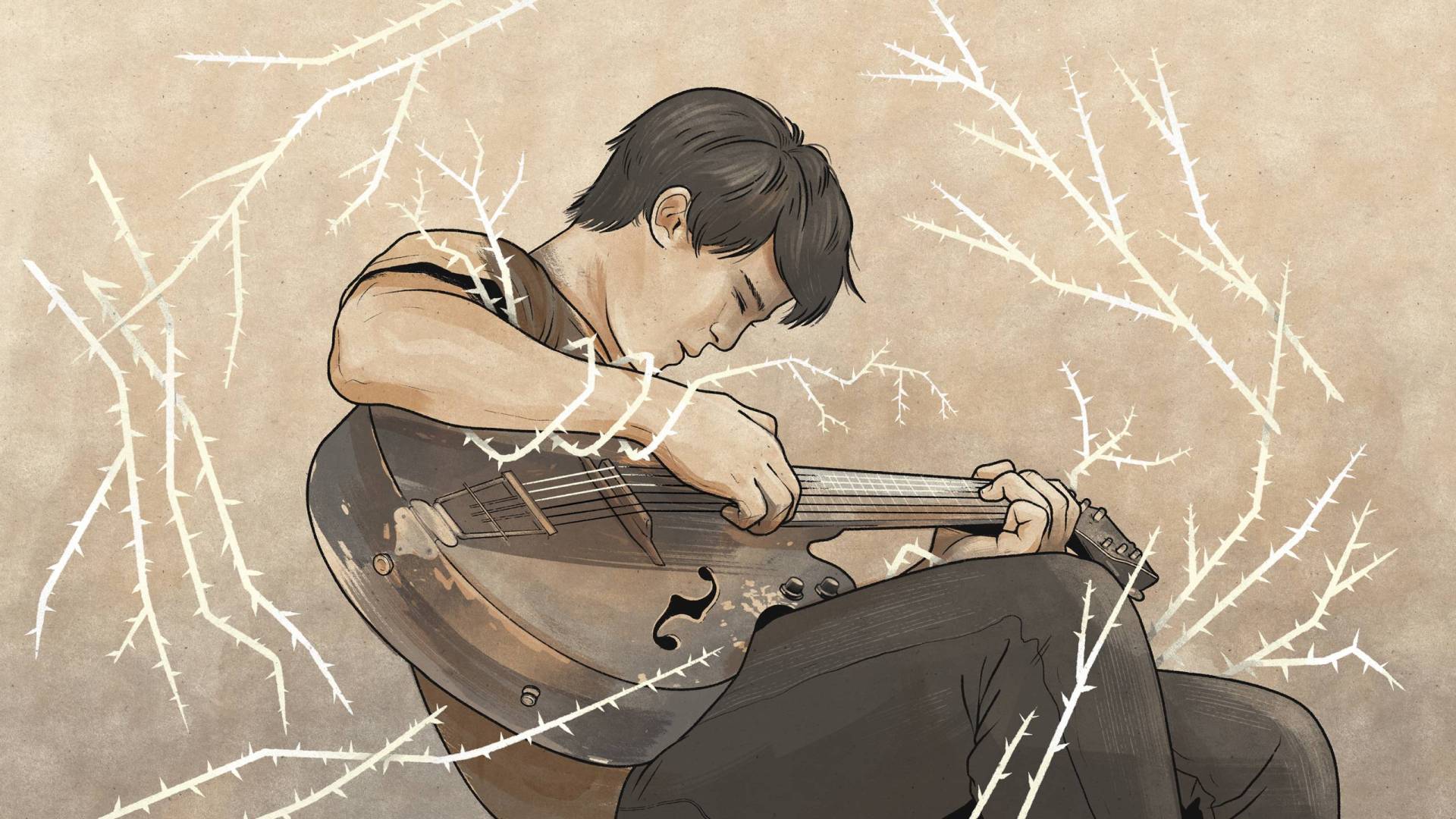
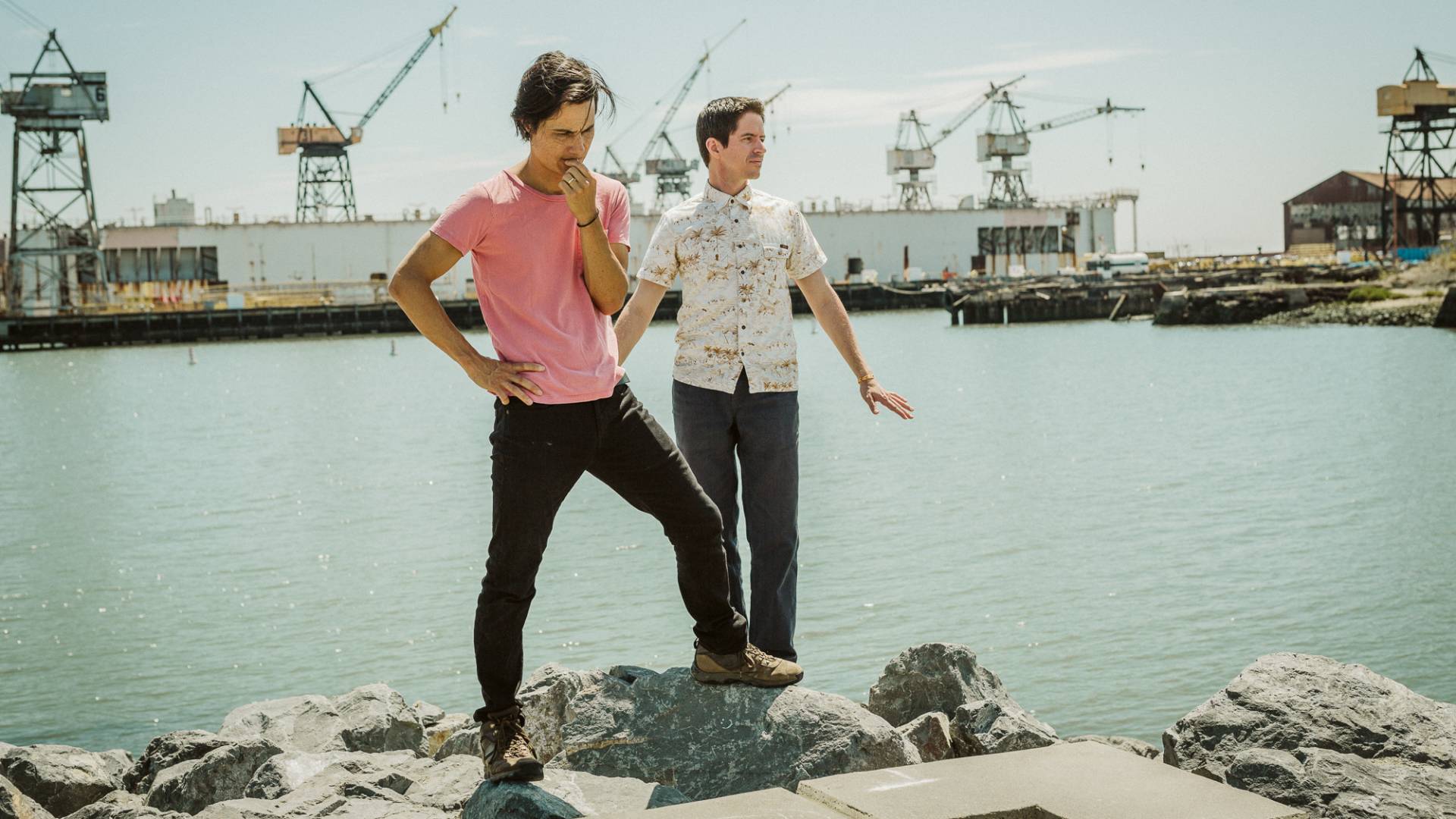
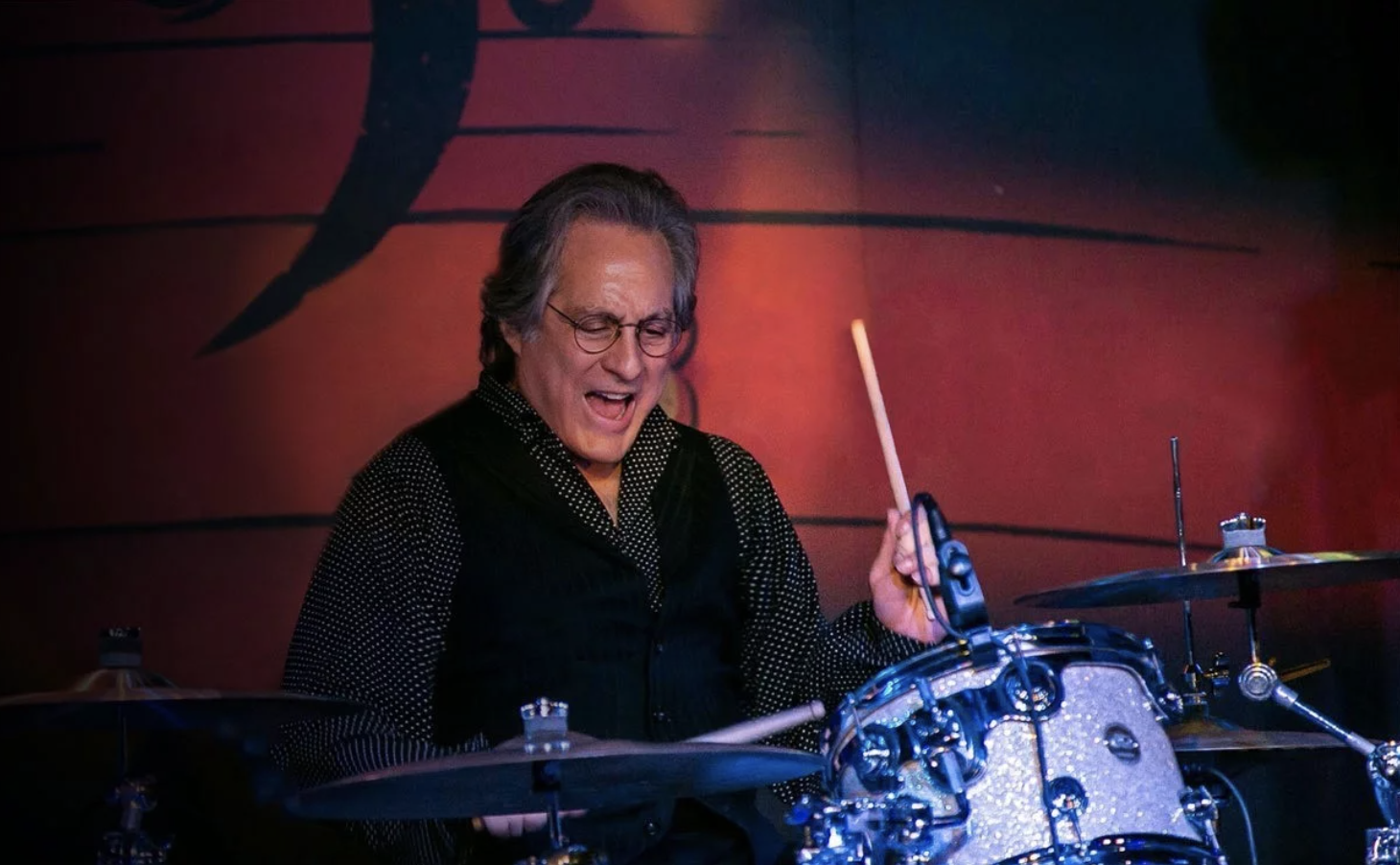
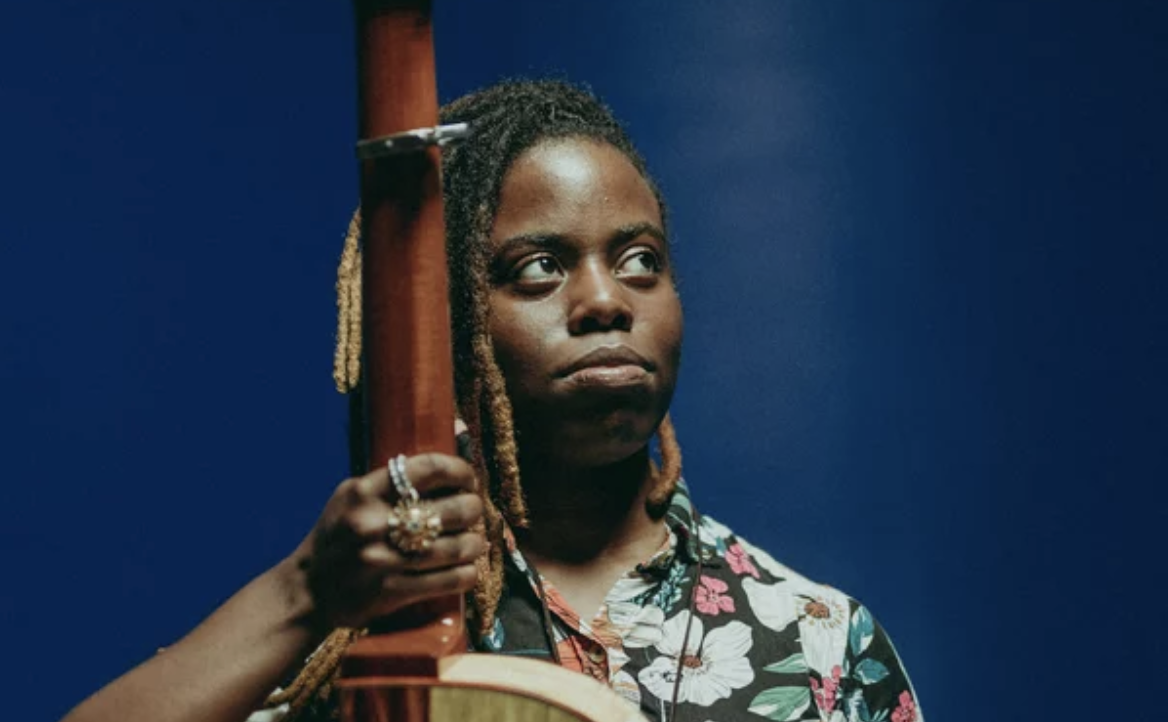
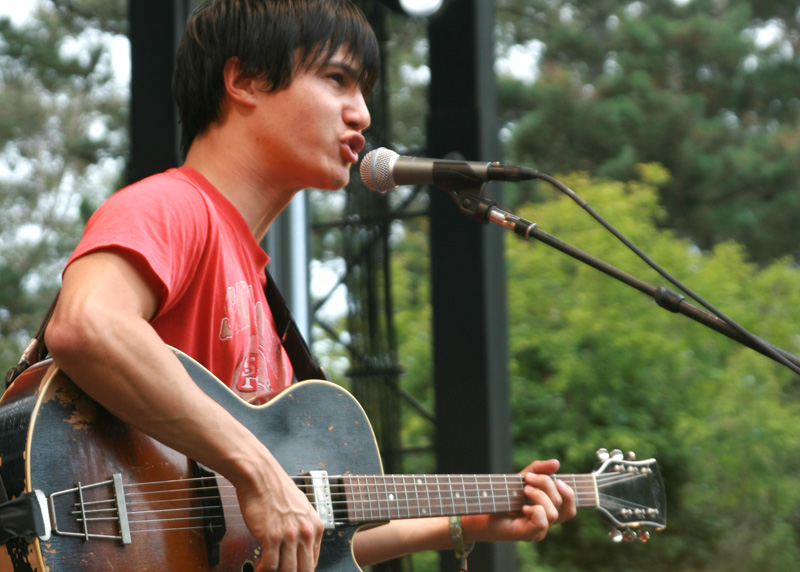
9(MDAxOTAwOTE4MDEyMTkxMDAzNjczZDljZA004))