Actors, Musicians, Writers and Artists We Lost in 2023
Some giants of the arts world left us this year, including Harry Belafonte, Tina Turner and Sinéad O'Connor.
Neda Ulaby
Clockwise from left: Sinéad O'Connor, Tina Turner, Matthew Perry, Wayne Shorter, Paul Reubens and Harry Belafonte. (Getty Images; Brian Rasic/Getty Images; Getty Images; Christophe Simon/AFP via Getty Images; Danny Moloshok/AP; AFP via Getty Images)
The worlds of art, music, literature, film and more lost some of their most notable giants and geniuses in 2023. Here are just a few of the actors, writers, producers, artists and musicians who died in the past year, listed chronologically below by the dates of their deaths.
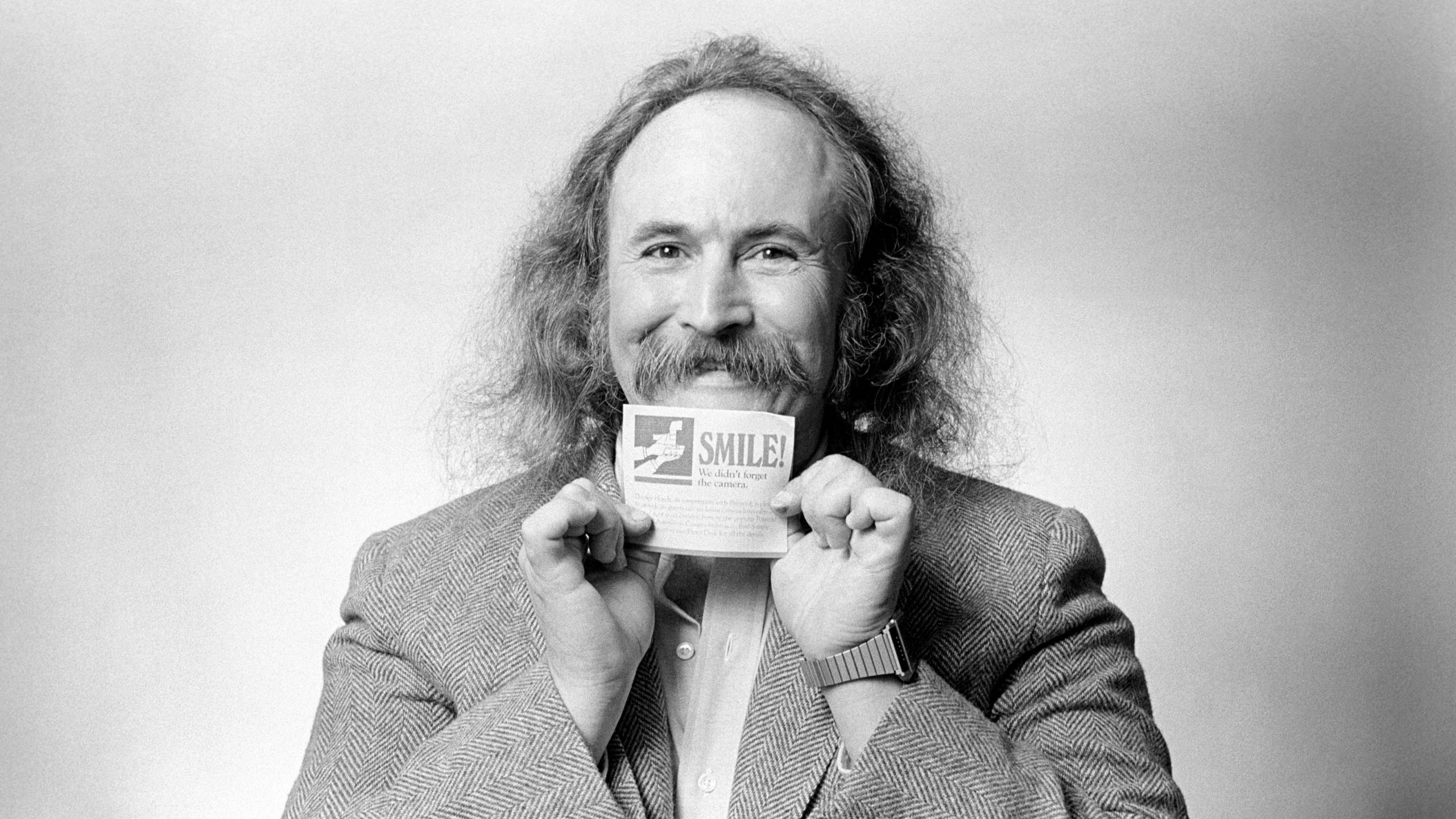
Free-spirited icon of American rock David Crosby
Crosby was a prominent figure of the 1970s Laurel Canyon scene who helped bring folk-rock mainstream with both The Byrds and Crosby, Stills & Nash. He developed a harmony-rich vocal approach and kaleidoscopic sound, which incorporated psychedelic rock, jazz and twangy folk. As a songwriter, Crosby’s canon included the stormy classic “Eight Miles High” and “Almost Cut My Hair” from the hit album Déjà Vu. He died Jan. 18 at age 81. Read Annie Zaleski and Eric Westervelt’s remembrance.
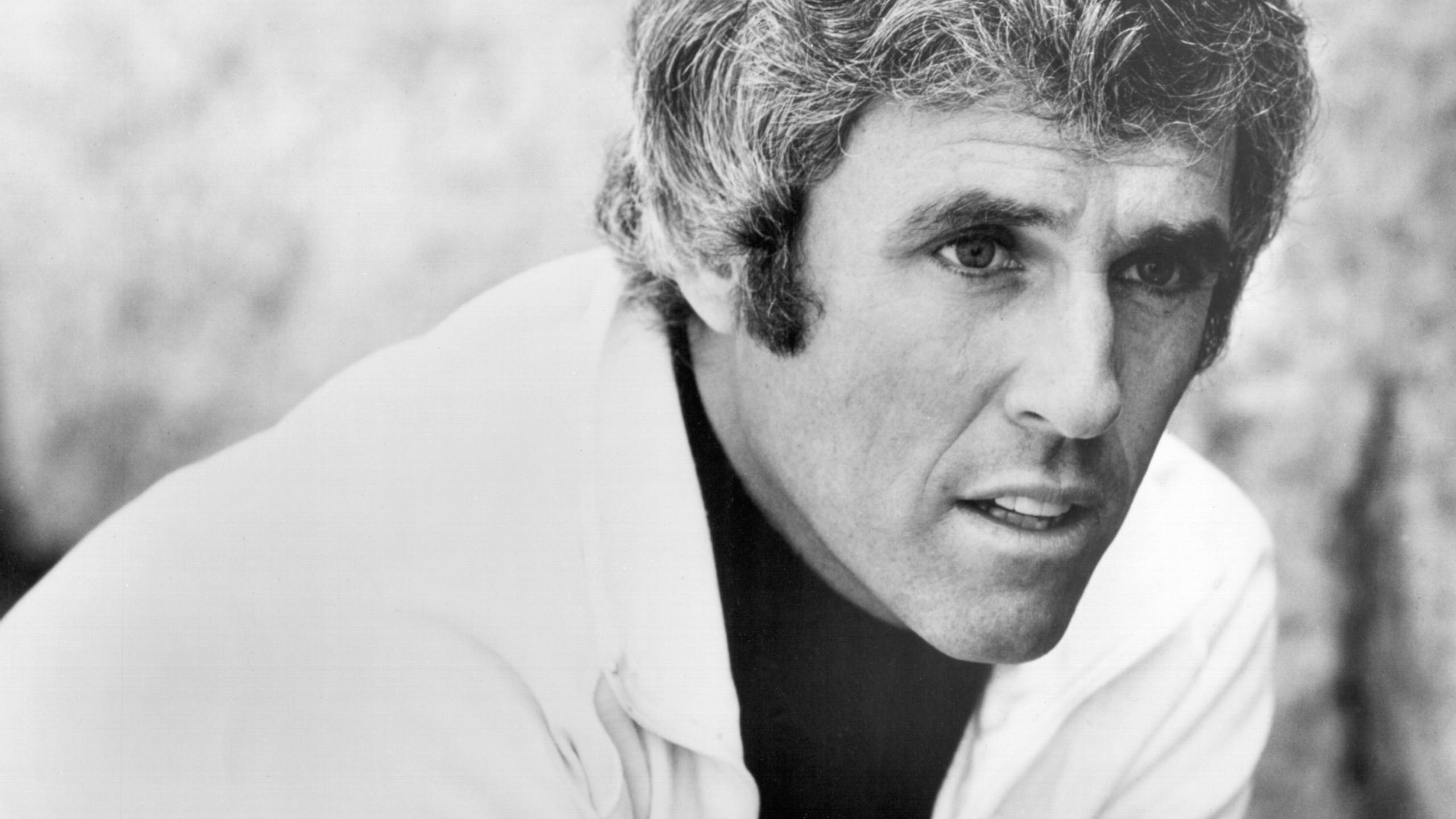
Burt Bacharach, who composed an astonishing number of hits
Burt Bacharach circa 1970. (Michael Ochs Archives/Getty Images)
The visionary pop composer wrote music that sounded simple. But there was nothing simple about the songs now seared in the memories of generations of listeners. They include “I Say a Little Prayer,” “Walk on By,” “What the World Needs Now” and “Raindrops Keep Fallin’ on My Head.” He died on Feb. 8 at age 94. Read Elizabeth Blair’s remembrance.
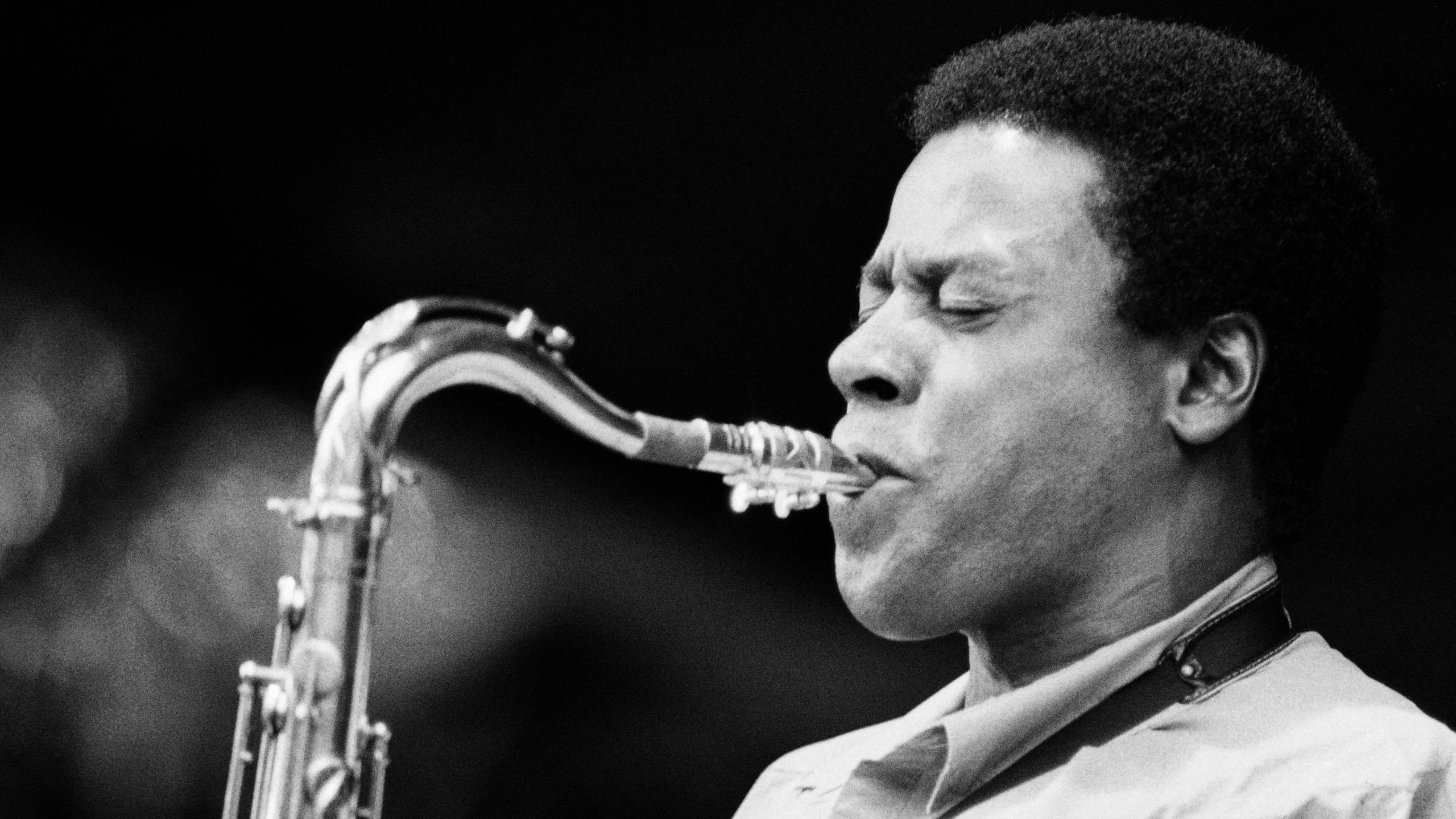
Sage of the saxophone and visionary jazz composer Wayne Shorter
Wayne Shorter performing July 18, 1986 in Nice, France. (Christophe Simon/AFP via Getty Images)
The 12-time Grammy-winning saxophonist and composer created some of the most singular sounds in contemporary jazz over more than half a century. From the hard bop of the late 1950s to genre-defying small-group jazz in the ’60s all the way through the birth of rock-influenced jazz in the ’70s, Shorter’s soprano and tenor saxophones offered sonic clarion calls for change and innovation. He died on March 2 at age 89. Read Felix Contreras’ remembrance.
Ryuichi Sakamoto, trailblazing godfather of electronic pop
Ryuichi Sakamoto on June 6, 1996 in Paris, France. (Thomas Coex/AFP via Getty Images)
The Japanese composer was one of the first musicians to bring electronic production into popular songcraft though his band Yellow Magic Orchestra. As a solo artist, he collaborated with the likes of David Bowie and Iggy Pop. Sakamoto also scored such movies as Pedro Almodóvar’s High Heels and Bernardo Bertolucci’s The Last Emperor, which earned him an Oscar, a Golden Globe and a Grammy. He died March 28 at age 71. Read Anastasia Tsioulcas’ remembrance.
Raghavan Iyer, an icon of accessible Indian cooking in the U.S.
The chef and author did much to popularize Indian cooking in non-South Asian kitchens through an approachable series of books that encouraged straying from traditional preparations. He also created a line of frozen dinners sold at Target. Iyer’s final book, On the Curry Trail, was published just a few months before his death. He died March 31 at age 61. Listen back to Iyer’s 2023 interview with Ari Shapiro.
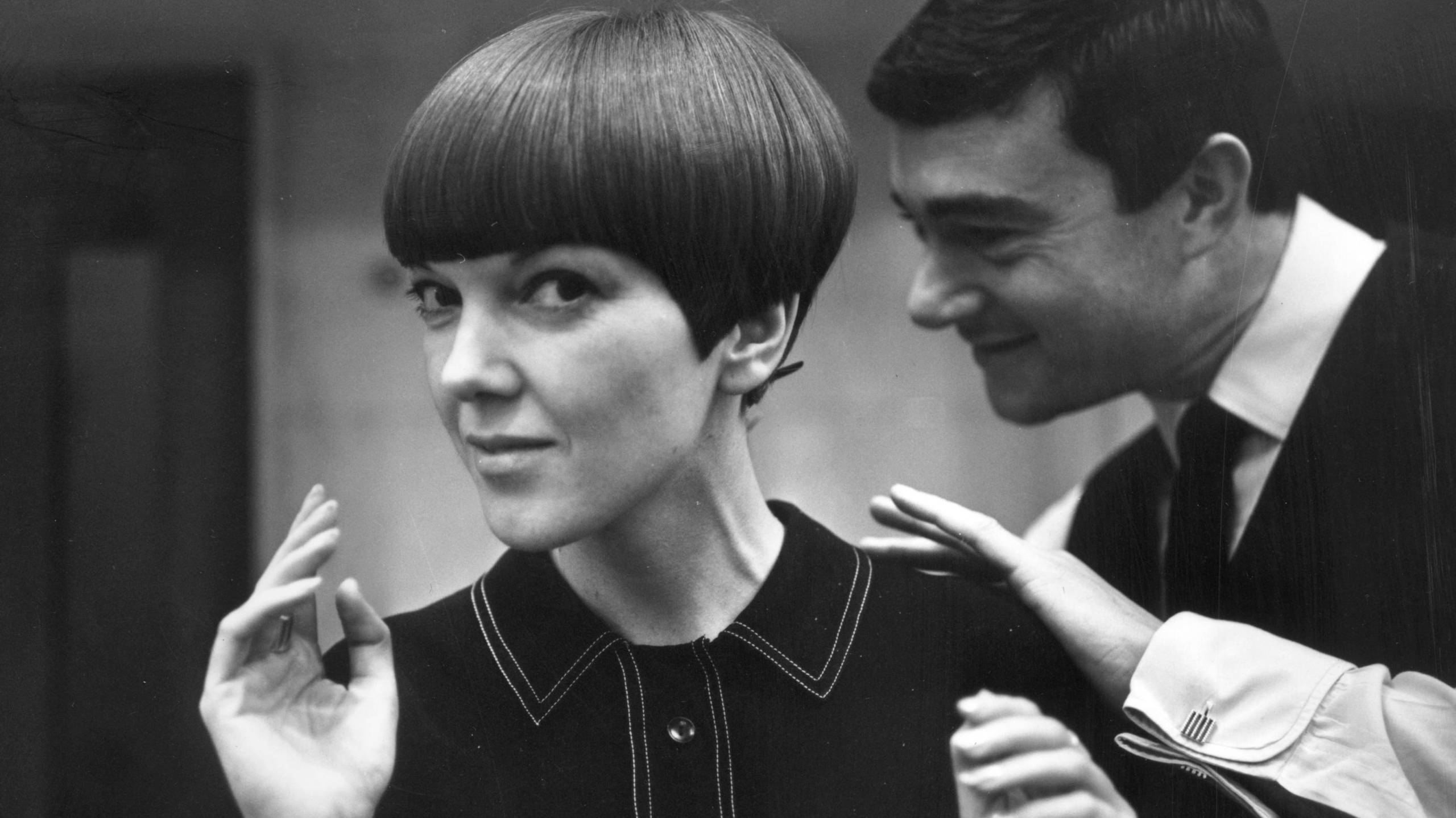
Designer Mary Quant, who styled London’s Swinging ’60s
Mary Quant getting her hair cut by Vidal Sassoon on Nov. 10, 1964 (Ronald Dumont/Getty Images)
One of the most influential designers of her era, Dame Mary Quant is credited with spreading the gospel of hot pants, miniskirts, colorful tights, waterproof mascara, baby wale corduroy, dresses with pockets, shiny PVC raincoats and Vidal Sassoon bobs. While only in her 20s, Quant opened a shop on Kings Road that evolved into a global fashion brand. She died April 13 at age 93. Read Neda Ulaby’s remembrance.
Ahmad Jamal, who helped define American jazz for nearly a century
Ahmad Jamal at the Marciac Jazz Festival on Aug. 3, 2016. (Rémy Gabalda/AFP via Getty Images)
Over eight decades of performance, jazz pianist Ahmad Jamal influenced everyone from Miles Davis to MacArthur Award-winning pianist Jason Moran. He recorded scores of records, including his 1963 crossover hit “Poinciana,” which stayed on the charts for 108 weeks. He died April 16 at age 92. Read Martin Johnson’s remembrance.
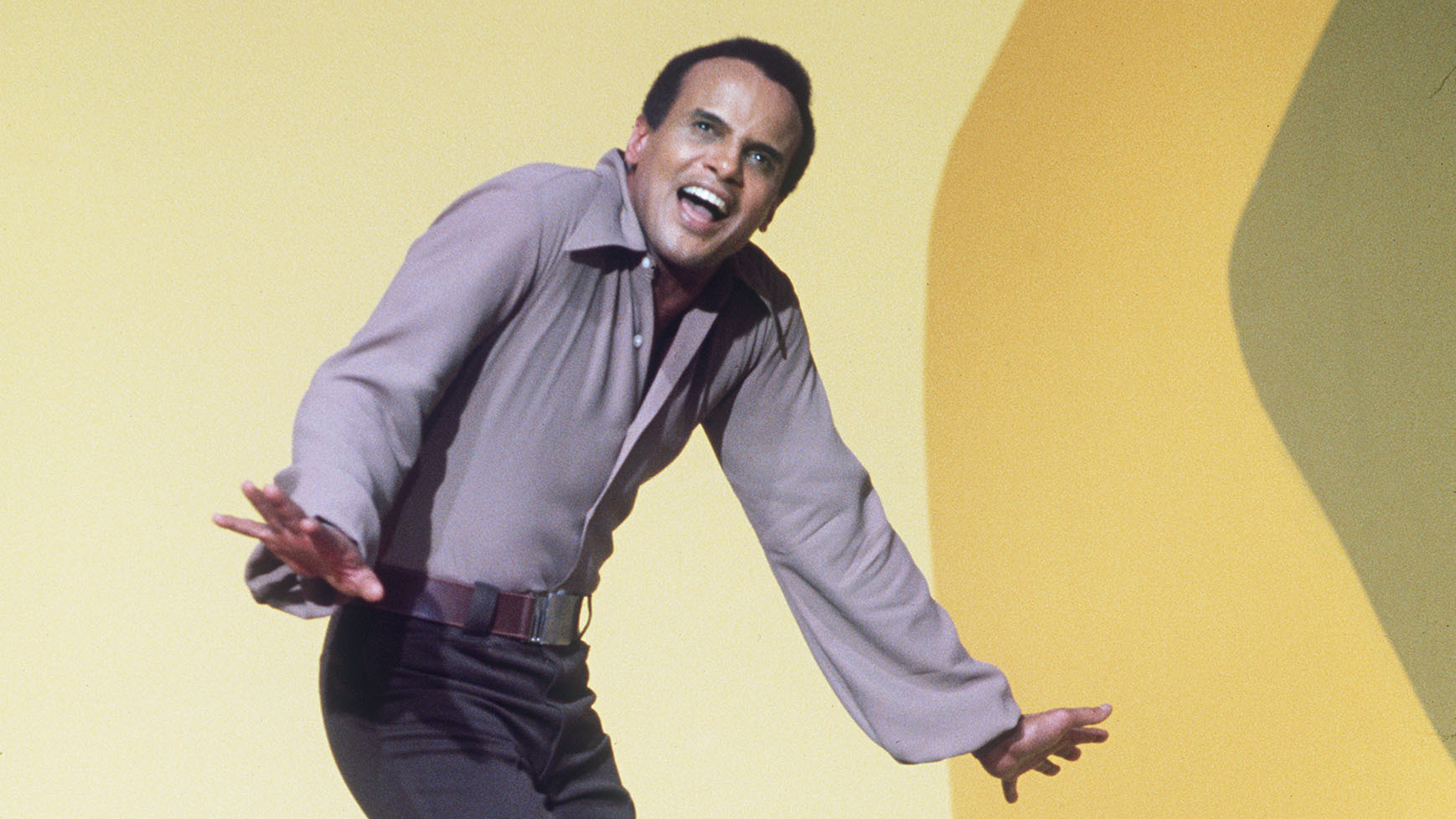
Harry Belafonte: singer, actor, activist and an EGOT for the ages
Harry Belafonte photographed in November 1969. (AFP via Getty Images)
Easily one of the 20th century’s most charismatic performers, Belafonte won an Emmy, Grammy, Oscar and Tony award. In the 1950s, he set off a craze for calypso music with his chart-topping recording of “Day-O” (also known as “The Banana Boat Song”). Among other achievements, Belafonte helped organize the 1963 Freedom March on Washington. He died April 25 at age 96. Read Elizabeth Blair’s remembrance.
Incomparable soul and rock powerhouse Tina Turner
Tina Turner in 1985. (Brian Rasic/Getty Images)
An eight-time Grammy winner, Turner was known for her octave-defying voice and mesmerizing stage moves. In a recording career that spanned six decades, she found fame both as a solo artist and in a duo with her first husband, Ike Turner. Her story of surviving his abuse became the basis of the 1993 biopic What’s Love Got to Do with It. She died May 24 at age 83. Read Annie Zaleski’s remembrance.
NPR correspondent Wade Goodwyn, known for keen storytelling
Wade Goodwyn at NPR headquarters in Washington, D.C. on Sept. 27, 2018. (Allison Shelley/NPR)
Coco Lee performs during a June 21, 2019 concert at the Taipei Arena. (Visual China Group via Getty Images)
She was the Mandarin voice of the title character in Disney’s animated movie Mulan and a hitmaker in three languages. The Hong Kong-born singer was a huge star in Asia. Lee recorded 18 studio albums and became the first person of Chinese descent to perform at the Academy Awards with her rendition of “A Love Before Time” in 2001 from the movie Crouching Tiger, Hidden Dragon. She died July 5 at age 48. Read Chloe Veltman’s remembrance.
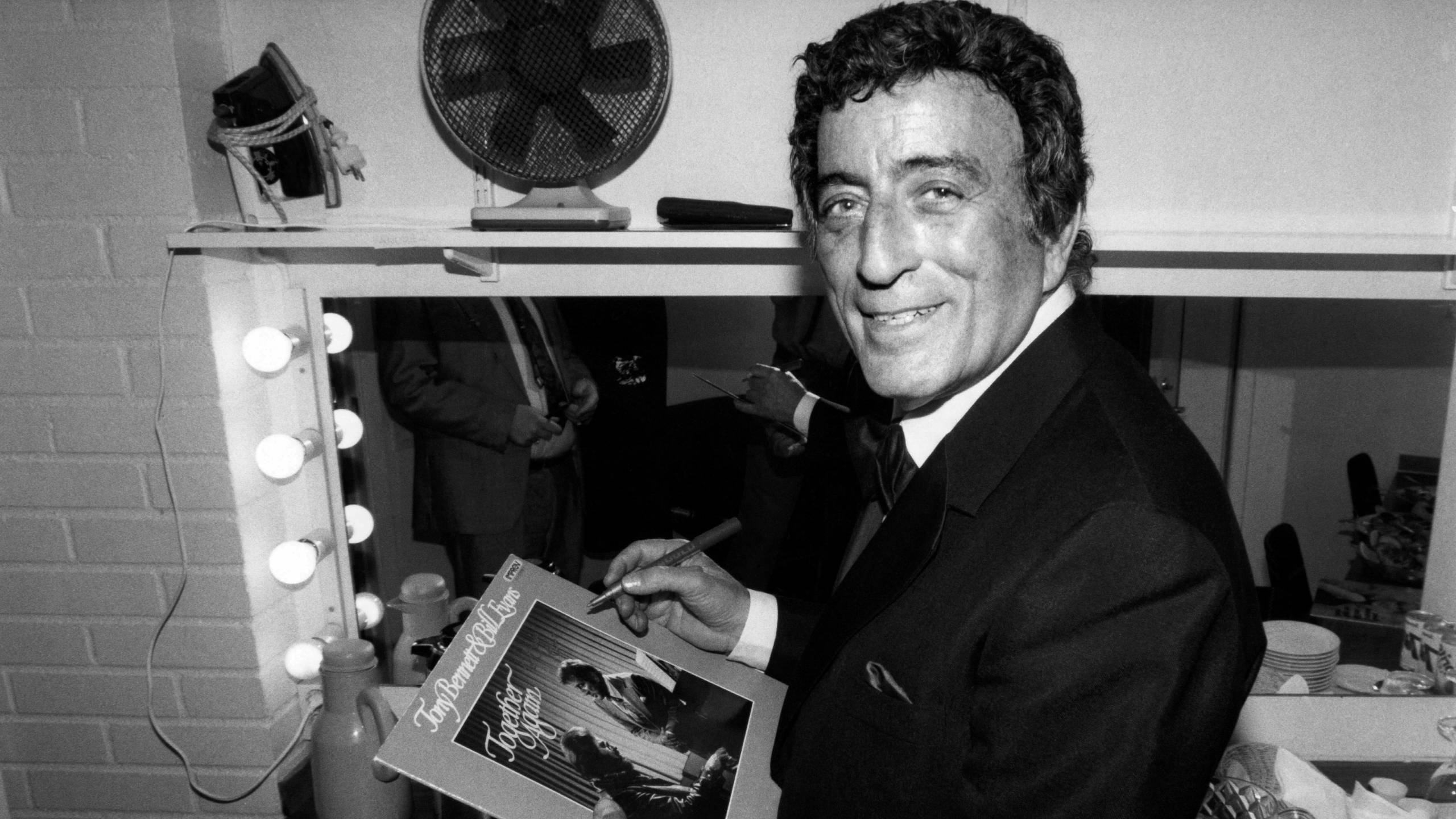
Tony Bennett, whose silky voice epitomized the American Songbook
Tony Bennett in 1988 after a concert in Stockholm. (Bernt Claesson/Pressens Bild/AFP via Getty Images)
Bennett began as a suave crooner in the 1950s and quickly established himself as one of radio’s most popular hit makers. He was a showman, with an intimate nightclub sensibility. Bennett used his celebrity on behalf of civil rights and later in life replenished his fandom through collaborations with musicians ranging from k.d. lang to Lady Gaga. He died July 21 at age 96. Read Walter Ray Watson’s remembrance here.
Irish singer Sinéad O’Connor, whose music was loved globally
Sinead O’Connor at a concert on Jan. 18, 2003 at The Point Theatre in Dublin, Ireland. (Getty Images)
Sinéad O’Connor was known for her intense and beautiful voice, her political convictions, and the personal tumult that overtook her later years. Her album, I Do Not Want What I Haven’t Got, went double platinum in 1990. At the height of her fame, she elicited howls of outrage for her prescient warnings against sexual abuse in the Catholic Church. She died July 26 at age 56. Read Neda Ulaby and Anastasia Tsioulcas’ remembrance here.
Paul Reubens, the actor better known as Pee-wee Herman
Paul Reubens portraying Pee-wee Herman on Dec. 7, 2009 in Los Angeles. (Danny Moloshok/AP)
Joyful, odd and subversive, Paul Reubens’ character rode his bicycle through 1980s pop culture in a red bow tie and tight gray suit, shouting, “I know you are but what am I?” First created in the sketch comedy group The Groundlings, Pee-wee found a devoted fandom through TV shows and in movies. He died July 30 at age 70. Read Glen Weldon’s remembrance.
Writer and activist Roberto Rodríguez, who chronicled Chicano life
Roberto Rodríguez in an undated photo. (Special Collections at the University of Arizona Libraries)
In 1979, reporter Roberto Rodríguez witnessed police brutality in Los Angeles. While trying to document it, he was attacked by L.A. County Sheriff’s deputies, ending up hospitalized for days. That led him to write Justice: A Question of Race. Over the years, he also wrote poems and articles, taught at the University of Arizona and became one of the most prominent Chicano writers. He died July 31 at age 69. Hear A Martínez’s remembrance.
Trop rock king Jimmy Buffett, who lived life like one of his songs
Jimmy Buffett takes a bow on March 15, 2018 at the opening night of ‘Escape to Margaritavilla’ a Broadway musical at the Marquis Theatre, New York City. (Noam Galai/Getty Images for Escape To Margaritaville)
Even though “Margaritaville” was his only top 10 hit, Jimmy Buffett sold out venues for decades. His fans, known as Parrotheads, developed their own subculture. Over the years, Buffett built that laid-back island brand into a sprawling business empire — restaurants, hotels, merchandise, even retirement communities. He died Sept. 1 at age 76. Hear Scott Detrow’s remembrance here.
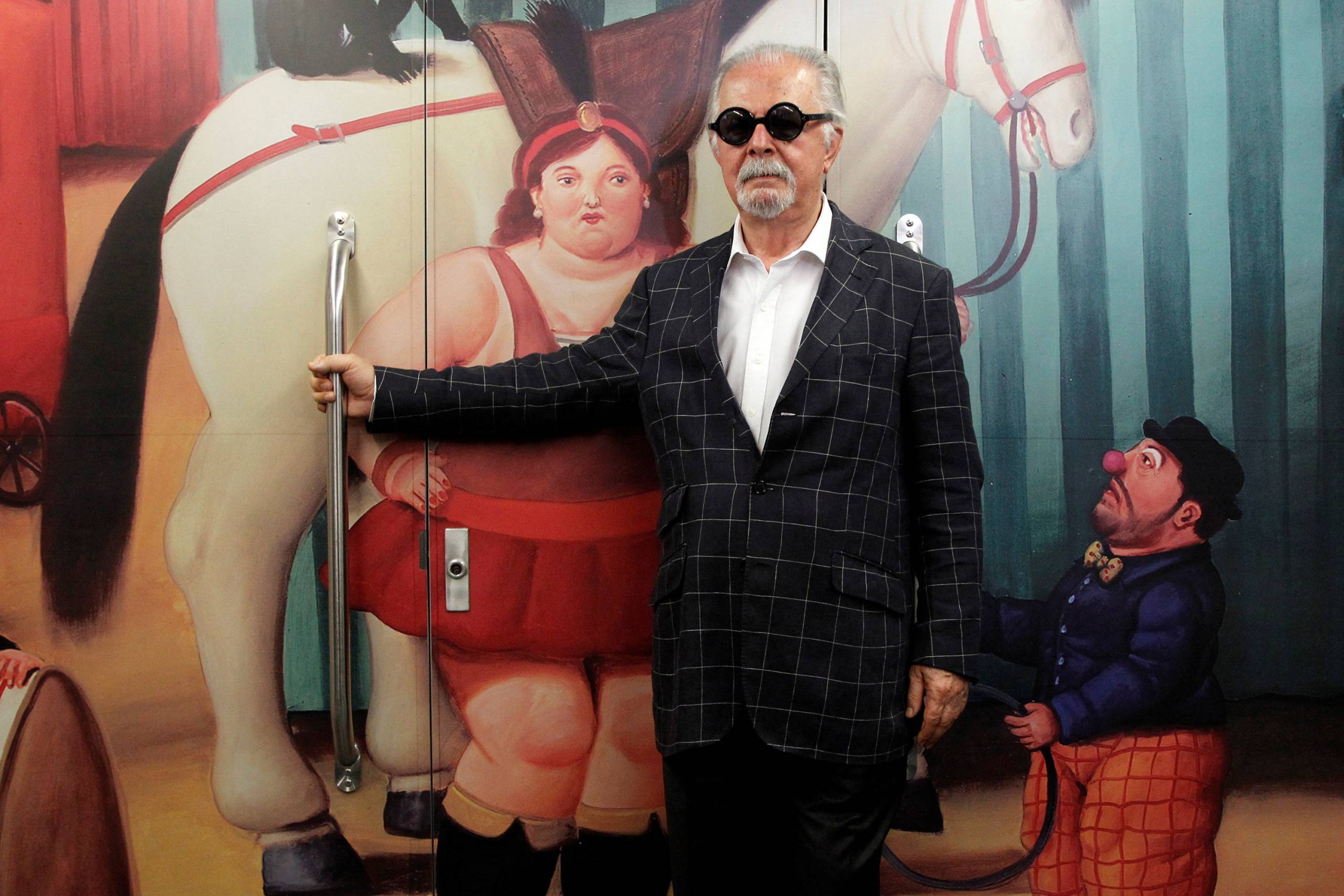
Fernando Botero, one of Latin America’s most celebrated artists
Fernando Botero in Medellín, Colombia on Jan. 30, 2015. (Fredy Builes/Reuters)
Known for his whimsical, rotund figures that poked fun at the upper class of his native Colombia, Botero also explored political themes ranging from drug violence to abuses by U.S. military personal in Abu Ghraib. The artist’s work can be seen at many major museums around the world, including the Museo Botero in Bogotá. He died Sept. 15 at age 91. Read John Otis’ remembrance.
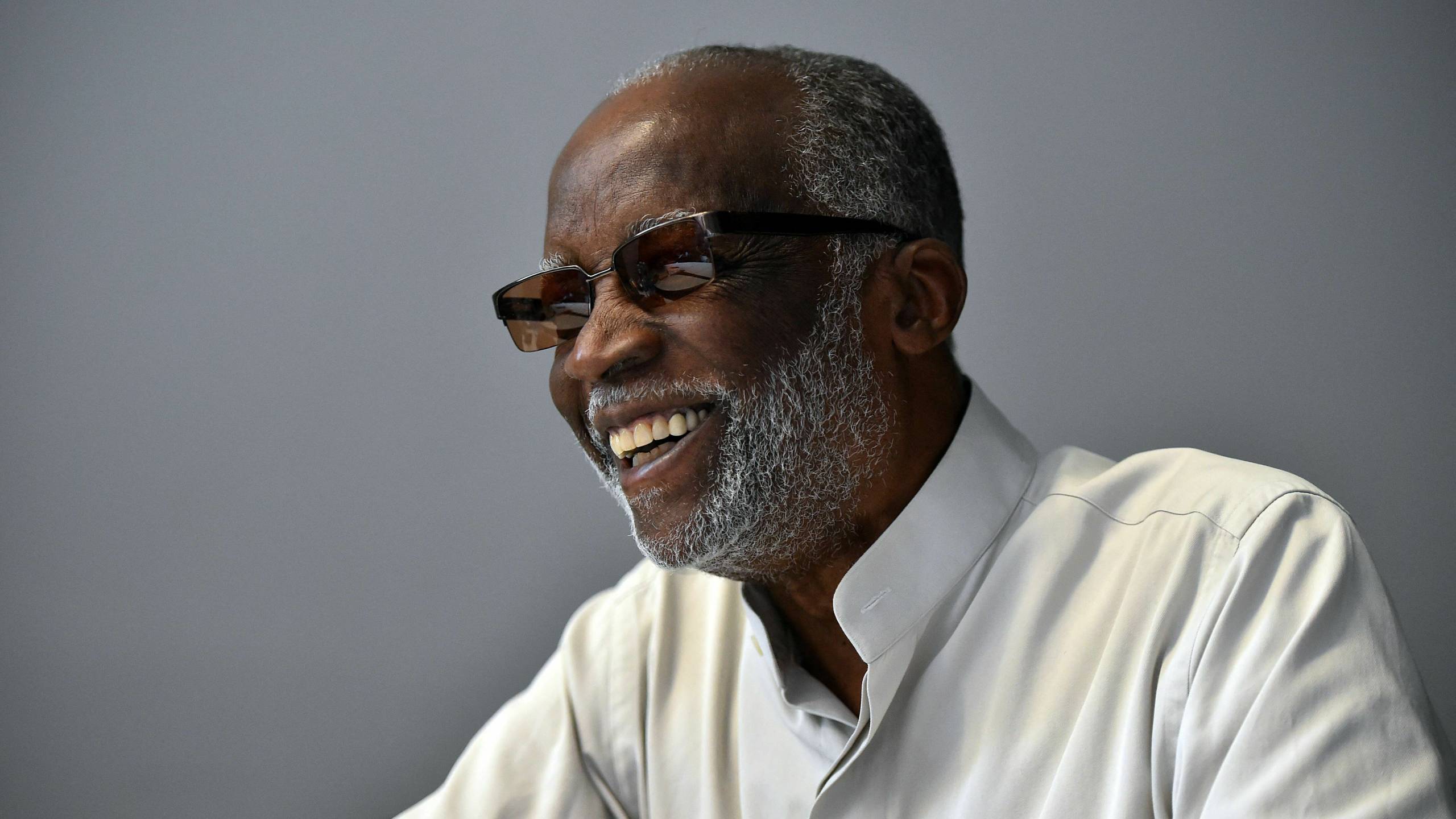
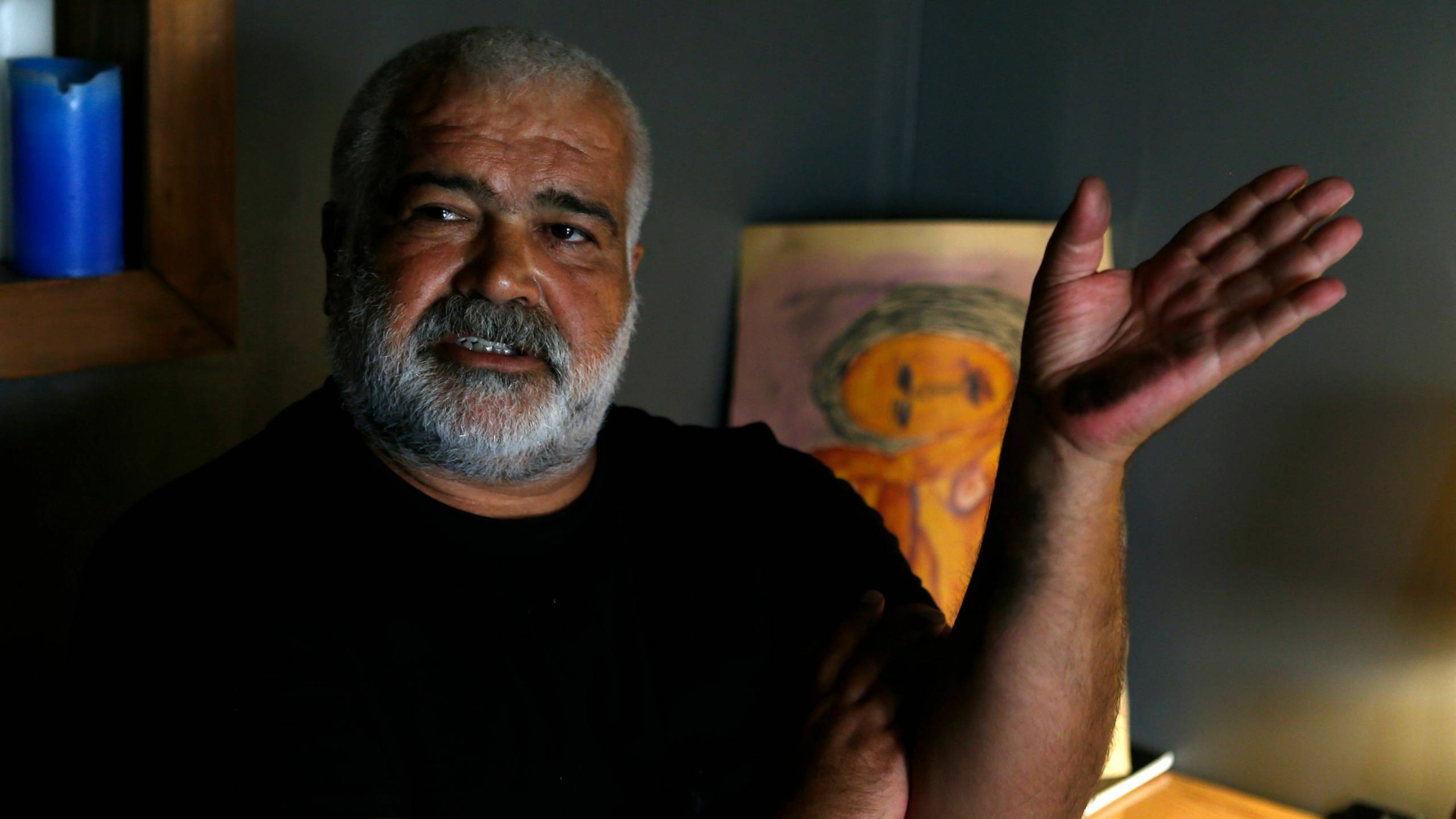
Khaled Khalifa, a titan of contemporary Arabic literature
Khaled Khalifa in Damascus, Syria on June 2, 2020. (Louai Beshara/AFP via Getty Images)
A celebrated poet, screenwriter and novelist, Khalifa was known for his outspoken nature and proclivity to critique Syria’s government, resulting in his work sometimes being banned. His 2016 novel, Death Is Hard Work lays bare the anguish of his country’s brutal civil war. He died Sept. 30 at age 59. Hear a remembrance.
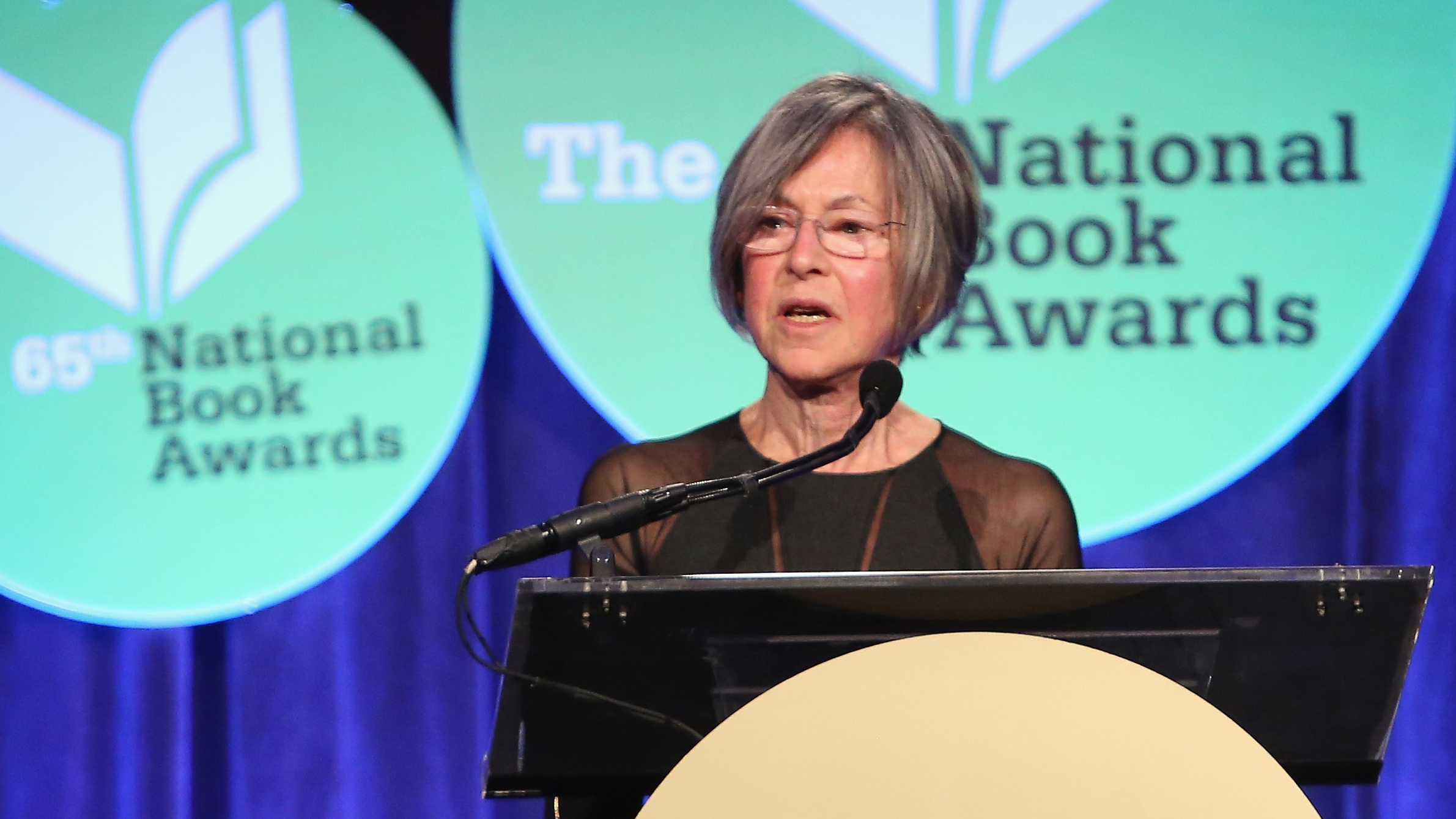
Nobel Prize-winning poet Louise Glück
Louise Gluck at the National Book Awards on Nov. 19, 2014 in New York City. (Robin Marchant/Getty Images)
Her spare, incisive verse won fistfuls of awards, including the Pulitzer Prize, the National Humanities Medal and the National Book Award. Her 2020 Nobel citation praised “her unmistakable poetic voice that with austere beauty makes individual existence universal.” But Glück’s first book was rejected 28 times. She died Oct. 13 at age 80. Read Chloe Veltman’s remembrance.
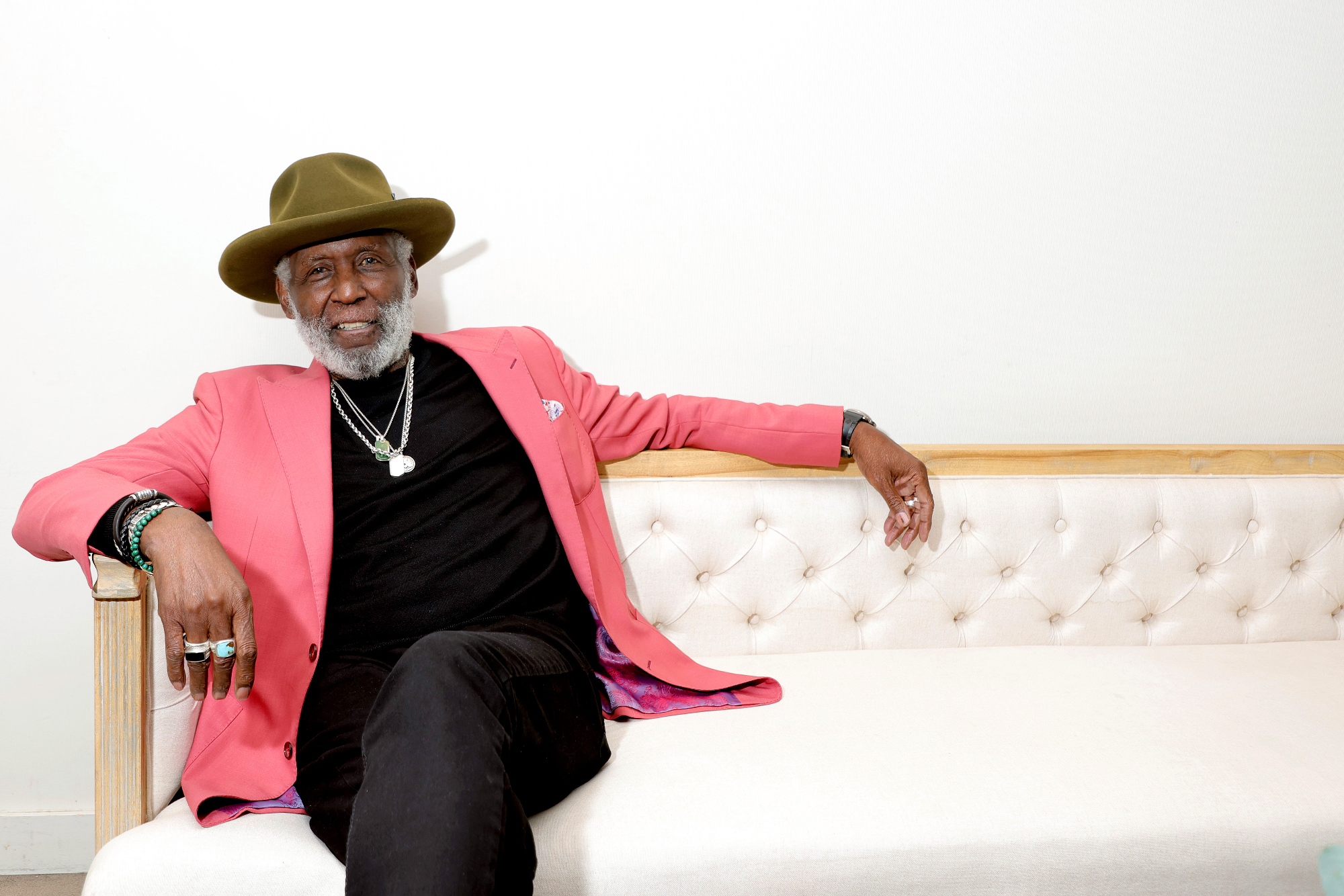
Richard Roundtree, ‘Shaft’ star and one of the coolest actors ever
Richard Roundtree at the Toronto International Film Festival on Sept. 13, 2022. (Michael Loccisano/Getty Images)
Shaft brought audiences one of the first Black action heroes, embodied by Roundtree in a sweeping leather coat and ineffable style. The 1971 low-budget movie became a smash hit and helped create an entire genre: Blaxploitation. The actor starred in a few Shaft sequels and appeared in more than 150 movie and TV shows, ranging from Roots to Desperate Housewives to Being Mary Jane. He died Oct. 24 at age 81. Read Neda Ulaby’s remembrance.
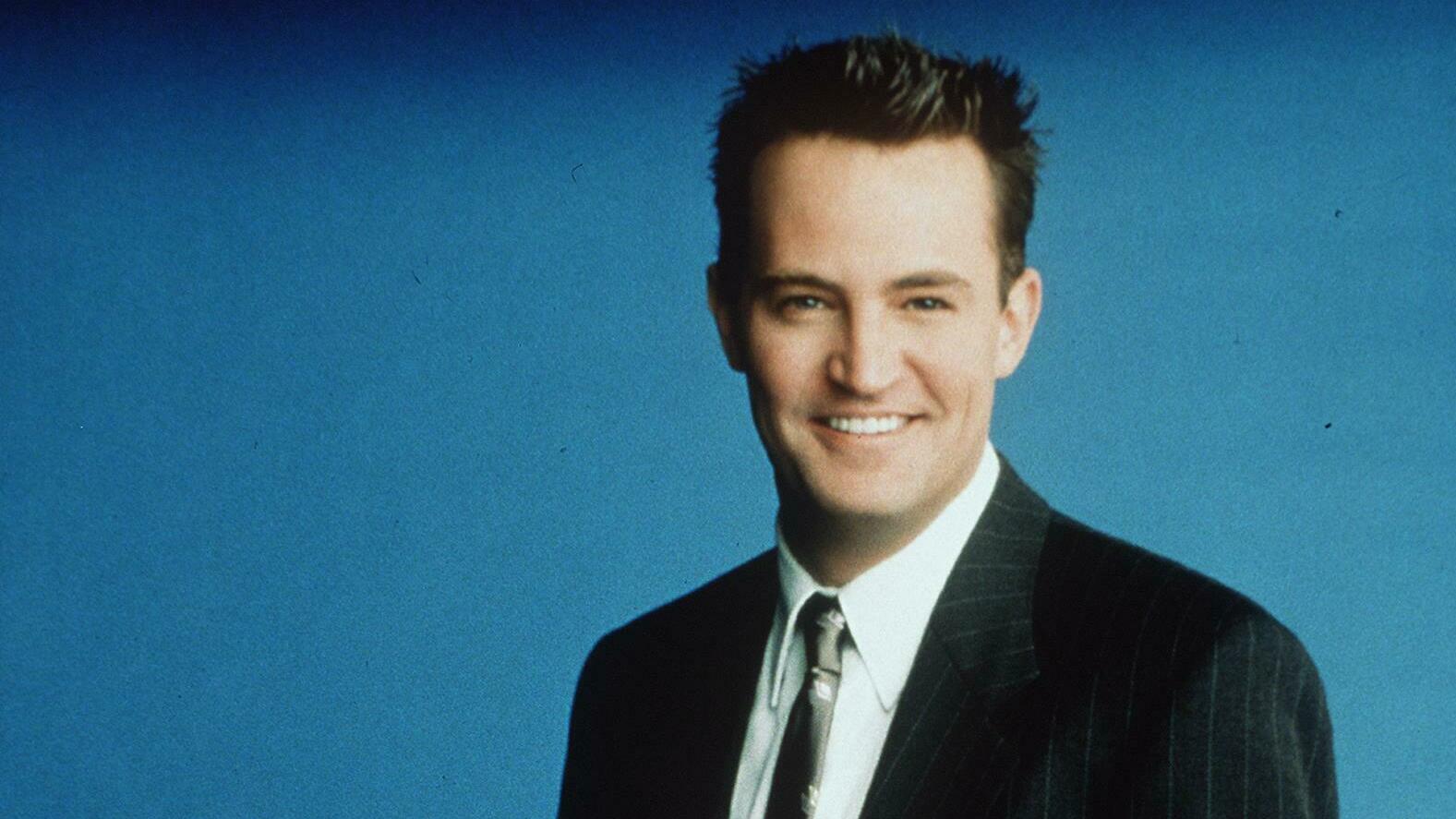
‘Friends’ star Matthew Perry, who became a spokesperson for recovery
Matthew Perry in 1999. (Getty Images)
The actor achieved extraordinary celebrity as snarky Chandler Bing, an offbeat heartthrob over 10 seasons of one of the most successful TV sitcoms ever. Perry chronicled an epic struggle with addiction to drugs and alcohol in his 2022 memoir, estimating he’d spent half of his life in treatment. He died Oct. 28 at age 54. Read Emma Bowman’s remembrance.
Norman Lear, who made funny sitcoms about serious topics
Norman Lear in his Los Angeles office in March 1979. (AP)
In the 1970s and ’80s, Norman Lear dominated network television with hugely popular hits that included All in the Family, The Jeffersons, Maude and Mary Hartman, Mary Hartman. His shows tackled racial prejudice, addiction, abortion and other social issues. Lear was also a liberal political activist whose causes included free speech and voter registration. He died Dec. 5 at age 101. Read Selena Simmons-Duffin’s remembrance.
window.__IS_SSR__=true
window.__INITIAL_STATE__={
"attachmentsReducer": {
"audio_0": {
"type": "attachments",
"id": "audio_0",
"imgSizes": {
"kqedFullSize": {
"file": "https://ww2.kqed.org/news/wp-content/themes/KQED-unified/img/audio_bgs/background0.jpg"
}
}
},
"audio_1": {
"type": "attachments",
"id": "audio_1",
"imgSizes": {
"kqedFullSize": {
"file": "https://ww2.kqed.org/news/wp-content/themes/KQED-unified/img/audio_bgs/background1.jpg"
}
}
},
"audio_2": {
"type": "attachments",
"id": "audio_2",
"imgSizes": {
"kqedFullSize": {
"file": "https://ww2.kqed.org/news/wp-content/themes/KQED-unified/img/audio_bgs/background2.jpg"
}
}
},
"audio_3": {
"type": "attachments",
"id": "audio_3",
"imgSizes": {
"kqedFullSize": {
"file": "https://ww2.kqed.org/news/wp-content/themes/KQED-unified/img/audio_bgs/background3.jpg"
}
}
},
"audio_4": {
"type": "attachments",
"id": "audio_4",
"imgSizes": {
"kqedFullSize": {
"file": "https://ww2.kqed.org/news/wp-content/themes/KQED-unified/img/audio_bgs/background4.jpg"
}
}
},
"placeholder": {
"type": "attachments",
"id": "placeholder",
"imgSizes": {
"thumbnail": {
"file": "https://cdn.kqed.org/wp-content/uploads/2024/12/KQED-Default-Image-816638274-2000x1333-1-160x107.jpg",
"width": 160,
"height": 107,
"mimeType": "image/jpeg"
},
"medium": {
"file": "https://cdn.kqed.org/wp-content/uploads/2024/12/KQED-Default-Image-816638274-2000x1333-1-800x533.jpg",
"width": 800,
"height": 533,
"mimeType": "image/jpeg"
},
"medium_large": {
"file": "https://cdn.kqed.org/wp-content/uploads/2024/12/KQED-Default-Image-816638274-2000x1333-1-768x512.jpg",
"width": 768,
"height": 512,
"mimeType": "image/jpeg"
},
"large": {
"file": "https://cdn.kqed.org/wp-content/uploads/2024/12/KQED-Default-Image-816638274-2000x1333-1-1020x680.jpg",
"width": 1020,
"height": 680,
"mimeType": "image/jpeg"
},
"1536x1536": {
"file": "https://cdn.kqed.org/wp-content/uploads/2024/12/KQED-Default-Image-816638274-2000x1333-1-1536x1024.jpg",
"width": 1536,
"height": 1024,
"mimeType": "image/jpeg"
},
"fd-lrg": {
"file": "https://cdn.kqed.org/wp-content/uploads/2024/12/KQED-Default-Image-816638274-2000x1333-1-1536x1024.jpg",
"width": 1536,
"height": 1024,
"mimeType": "image/jpeg"
},
"fd-med": {
"file": "https://cdn.kqed.org/wp-content/uploads/2024/12/KQED-Default-Image-816638274-2000x1333-1-1020x680.jpg",
"width": 1020,
"height": 680,
"mimeType": "image/jpeg"
},
"fd-sm": {
"file": "https://cdn.kqed.org/wp-content/uploads/2024/12/KQED-Default-Image-816638274-2000x1333-1-800x533.jpg",
"width": 800,
"height": 533,
"mimeType": "image/jpeg"
},
"post-thumbnail": {
"file": "https://cdn.kqed.org/wp-content/uploads/2024/12/KQED-Default-Image-816638274-2000x1333-1-672x372.jpg",
"width": 672,
"height": 372,
"mimeType": "image/jpeg"
},
"twentyfourteen-full-width": {
"file": "https://cdn.kqed.org/wp-content/uploads/2024/12/KQED-Default-Image-816638274-2000x1333-1-1038x576.jpg",
"width": 1038,
"height": 576,
"mimeType": "image/jpeg"
},
"xxsmall": {
"file": "https://cdn.kqed.org/wp-content/uploads/2024/12/KQED-Default-Image-816638274-2000x1333-1-160x107.jpg",
"width": 160,
"height": 107,
"mimeType": "image/jpeg"
},
"xsmall": {
"file": "https://cdn.kqed.org/wp-content/uploads/2024/12/KQED-Default-Image-816638274-2000x1333-1-672x372.jpg",
"width": 672,
"height": 372,
"mimeType": "image/jpeg"
},
"small": {
"file": "https://cdn.kqed.org/wp-content/uploads/2024/12/KQED-Default-Image-816638274-2000x1333-1-672x372.jpg",
"width": 672,
"height": 372,
"mimeType": "image/jpeg"
},
"xlarge": {
"file": "https://cdn.kqed.org/wp-content/uploads/2024/12/KQED-Default-Image-816638274-2000x1333-1-1020x680.jpg",
"width": 1020,
"height": 680,
"mimeType": "image/jpeg"
},
"full-width": {
"file": "https://cdn.kqed.org/wp-content/uploads/2024/12/KQED-Default-Image-816638274-2000x1333-1-1920x1280.jpg",
"width": 1920,
"height": 1280,
"mimeType": "image/jpeg"
},
"guest-author-32": {
"file": "https://cdn.kqed.org/wp-content/uploads/2025/01/KQED-Default-Image-816638274-1333x1333-1-160x160.jpg",
"width": 32,
"height": 32,
"mimeType": "image/jpeg"
},
"guest-author-50": {
"file": "https://cdn.kqed.org/wp-content/uploads/2025/01/KQED-Default-Image-816638274-1333x1333-1-160x160.jpg",
"width": 50,
"height": 50,
"mimeType": "image/jpeg"
},
"guest-author-64": {
"file": "https://cdn.kqed.org/wp-content/uploads/2025/01/KQED-Default-Image-816638274-1333x1333-1-160x160.jpg",
"width": 64,
"height": 64,
"mimeType": "image/jpeg"
},
"guest-author-96": {
"file": "https://cdn.kqed.org/wp-content/uploads/2025/01/KQED-Default-Image-816638274-1333x1333-1-160x160.jpg",
"width": 96,
"height": 96,
"mimeType": "image/jpeg"
},
"guest-author-128": {
"file": "https://cdn.kqed.org/wp-content/uploads/2025/01/KQED-Default-Image-816638274-1333x1333-1-160x160.jpg",
"width": 128,
"height": 128,
"mimeType": "image/jpeg"
},
"detail": {
"file": "https://cdn.kqed.org/wp-content/uploads/2025/01/KQED-Default-Image-816638274-1333x1333-1-160x160.jpg",
"width": 160,
"height": 160,
"mimeType": "image/jpeg"
},
"kqedFullSize": {
"file": "https://cdn.kqed.org/wp-content/uploads/2024/12/KQED-Default-Image-816638274-2000x1333-1.jpg",
"width": 2000,
"height": 1333
}
}
},
"arts_13939892": {
"type": "attachments",
"id": "arts_13939892",
"meta": {
"index": "attachments_1716263798",
"site": "arts",
"id": "13939892",
"found": true
},
"parent": 13939862,
"imgSizes": {
"twentyfourteen-full-width": {
"file": "https://cdn.kqed.org/wp-content/uploads/sites/2/2023/12/6-images-6-_custom-000f100dd2e6618758caf1693345755ef0a953f6-s1600-c85-1038x576.jpg",
"width": 1038,
"mimeType": "image/jpeg",
"height": 576
},
"thumbnail": {
"file": "https://cdn.kqed.org/wp-content/uploads/sites/2/2023/12/6-images-6-_custom-000f100dd2e6618758caf1693345755ef0a953f6-s1600-c85-160x90.jpg",
"width": 160,
"mimeType": "image/jpeg",
"height": 90
},
"post-thumbnail": {
"file": "https://cdn.kqed.org/wp-content/uploads/sites/2/2023/12/6-images-6-_custom-000f100dd2e6618758caf1693345755ef0a953f6-s1600-c85-672x372.jpg",
"width": 672,
"mimeType": "image/jpeg",
"height": 372
},
"kqedFullSize": {
"file": "https://cdn.kqed.org/wp-content/uploads/sites/2/2023/12/6-images-6-_custom-000f100dd2e6618758caf1693345755ef0a953f6-s1600-c85.jpg",
"width": 1600,
"height": 898
},
"large": {
"file": "https://cdn.kqed.org/wp-content/uploads/sites/2/2023/12/6-images-6-_custom-000f100dd2e6618758caf1693345755ef0a953f6-s1600-c85-1020x572.jpg",
"width": 1020,
"mimeType": "image/jpeg",
"height": 572
},
"1536x1536": {
"file": "https://cdn.kqed.org/wp-content/uploads/sites/2/2023/12/6-images-6-_custom-000f100dd2e6618758caf1693345755ef0a953f6-s1600-c85-1536x862.jpg",
"width": 1536,
"mimeType": "image/jpeg",
"height": 862
},
"medium": {
"file": "https://cdn.kqed.org/wp-content/uploads/sites/2/2023/12/6-images-6-_custom-000f100dd2e6618758caf1693345755ef0a953f6-s1600-c85-800x449.jpg",
"width": 800,
"mimeType": "image/jpeg",
"height": 449
},
"medium_large": {
"file": "https://cdn.kqed.org/wp-content/uploads/sites/2/2023/12/6-images-6-_custom-000f100dd2e6618758caf1693345755ef0a953f6-s1600-c85-768x431.jpg",
"width": 768,
"mimeType": "image/jpeg",
"height": 431
}
},
"publishDate": 1703797822,
"modified": 1703797857,
"caption": "Clockwise from left: Sinéad O'Connor, Tina Turner, Matthew Perry, Wayne Shorter, Paul Reubens and Harry Belafonte.",
"description": null,
"title": "6-images-6-_custom-000f100dd2e6618758caf1693345755ef0a953f6-s1600-c85",
"credit": "Getty Images; Brian Rasic/Getty Images; Getty Images; Christophe Simon/AFP via Getty Images; Danny Moloshok/AP; AFP via Getty Images",
"status": "inherit",
"altTag": "Grid of six images of artists",
"isLoading": false,
"fetchFailed": false
}
},
"audioPlayerReducer": {
"postId": "stream_live",
"isPaused": true,
"isPlaying": false,
"pfsActive": false,
"pledgeModalIsOpen": true,
"playerDrawerIsOpen": false,
"liveAudioPlayStartedAt": 0,
"liveAudioPlayContext": ""
},
"authorsReducer": {
"byline_arts_13939862": {
"type": "authors",
"id": "byline_arts_13939862",
"meta": {
"override": true
},
"slug": "byline_arts_13939862",
"name": "Neda Ulaby",
"isLoading": false
}
},
"pagesReducer": {},
"pfsSessionReducer": {},
"postsReducer": {
"stream_live": {
"type": "live",
"id": "stream_live",
"audioUrl": "https://streams.kqed.org/kqedradio",
"title": "Live Stream",
"excerpt": "Live Stream information currently unavailable.",
"link": "/radio",
"featImg": "",
"label": {
"name": "KQED Live",
"link": "/"
}
},
"stream_kqedNewscast": {
"type": "posts",
"id": "stream_kqedNewscast",
"audioUrl": "https://www.kqed.org/.stream/anon/radio/RDnews/newscast.mp3?_=1",
"title": "KQED Newscast",
"featImg": "",
"label": {
"name": "88.5 FM",
"link": "/"
}
},
"arts_13939862": {
"type": "posts",
"id": "arts_13939862",
"meta": {
"index": "posts_1716263798",
"site": "arts",
"id": "13939862",
"found": true
},
"articlePosition": 0,
"parent": 0,
"labelTerm": {
"site": "arts",
"term": 137
},
"blocks": [],
"publishDate": 1703797921,
"format": "standard",
"title": "Actors, Musicians, Writers and Artists We Lost in 2023",
"headTitle": "Actors, Musicians, Writers and Artists We Lost in 2023 | KQED",
"content": "\u003cp>The worlds of art, music, literature, film and more lost some of their most notable giants and geniuses in 2023. Here are just a few of the actors, writers, producers, artists and musicians who died in the past year, listed chronologically below by the dates of their deaths.\u003c/p>\n\u003ch2>Free-spirited icon of American rock David Crosby\u003c/h2>\n\u003cp>\u003cimg loading=\"lazy\" decoding=\"async\" src=\"https://cdn.kqed.org/wp-content/uploads/sites/2/2023/12/gettyimages-1152157889_wide-92a9eebc3a40a6e614b4e4d0b2b65cd0ababf712-scaled.jpg\" alt='Black and white photo of man with mustache holding a card that says \"smile\" below his smiling mouth' width=\"2560\" height=\"1440\" class=\"aligncenter size-full wp-image-13939864\" srcset=\"https://cdn.kqed.org/wp-content/uploads/sites/2/2023/12/gettyimages-1152157889_wide-92a9eebc3a40a6e614b4e4d0b2b65cd0ababf712-scaled.jpg 2560w, https://cdn.kqed.org/wp-content/uploads/sites/2/2023/12/gettyimages-1152157889_wide-92a9eebc3a40a6e614b4e4d0b2b65cd0ababf712-800x450.jpg 800w, https://cdn.kqed.org/wp-content/uploads/sites/2/2023/12/gettyimages-1152157889_wide-92a9eebc3a40a6e614b4e4d0b2b65cd0ababf712-1020x574.jpg 1020w, https://cdn.kqed.org/wp-content/uploads/sites/2/2023/12/gettyimages-1152157889_wide-92a9eebc3a40a6e614b4e4d0b2b65cd0ababf712-160x90.jpg 160w, https://cdn.kqed.org/wp-content/uploads/sites/2/2023/12/gettyimages-1152157889_wide-92a9eebc3a40a6e614b4e4d0b2b65cd0ababf712-768x432.jpg 768w, https://cdn.kqed.org/wp-content/uploads/sites/2/2023/12/gettyimages-1152157889_wide-92a9eebc3a40a6e614b4e4d0b2b65cd0ababf712-1536x864.jpg 1536w, https://cdn.kqed.org/wp-content/uploads/sites/2/2023/12/gettyimages-1152157889_wide-92a9eebc3a40a6e614b4e4d0b2b65cd0ababf712-2048x1152.jpg 2048w, https://cdn.kqed.org/wp-content/uploads/sites/2/2023/12/gettyimages-1152157889_wide-92a9eebc3a40a6e614b4e4d0b2b65cd0ababf712-1920x1080.jpg 1920w\" sizes=\"(max-width: 2560px) 100vw, 2560px\">\u003c/p>\n\u003cp>Crosby was a prominent figure of the 1970s Laurel Canyon scene who helped bring folk-rock mainstream with both \u003ca href=\"https://www.npr.org/artists/15786738/the-byrds\">The Byrds\u003c/a> and \u003ca href=\"https://www.npr.org/artists/104401754/crosby-stills-nash\">Crosby, Stills & Nash\u003c/a>. He developed a harmony-rich vocal approach and kaleidoscopic sound, which incorporated psychedelic rock, jazz and twangy folk. As a songwriter, Crosby’s canon included the stormy classic “Eight Miles High” and “Almost Cut My Hair” from the hit album \u003cem>Déjà Vu\u003c/em>. He died Jan. 18 at age 81. \u003ca href=\"https://www.npr.org/2023/01/19/750902962/david-crosby-obituary\">Read Annie Zaleski and Eric Westervelt’s remembrance\u003c/a>. \u003c/p>\n\u003ch2>Burt Bacharach, who composed an astonishing number of hits\u003c/h2>\n\u003cfigure id=\"attachment_13939865\" class=\"wp-caption aligncenter\" style=\"max-width: 2560px\">\u003cimg loading=\"lazy\" decoding=\"async\" src=\"https://cdn.kqed.org/wp-content/uploads/sites/2/2023/12/gettyimages-74253109_wide-542b4d34e60f6187ca433fc1998e1b0e9d5edf8b-scaled.jpg\" alt=\"Black and white photo of a man in white button-down shirt and black tee\" width=\"2560\" height=\"1440\" class=\"size-full wp-image-13939865\" srcset=\"https://cdn.kqed.org/wp-content/uploads/sites/2/2023/12/gettyimages-74253109_wide-542b4d34e60f6187ca433fc1998e1b0e9d5edf8b-scaled.jpg 2560w, https://cdn.kqed.org/wp-content/uploads/sites/2/2023/12/gettyimages-74253109_wide-542b4d34e60f6187ca433fc1998e1b0e9d5edf8b-800x450.jpg 800w, https://cdn.kqed.org/wp-content/uploads/sites/2/2023/12/gettyimages-74253109_wide-542b4d34e60f6187ca433fc1998e1b0e9d5edf8b-1020x574.jpg 1020w, https://cdn.kqed.org/wp-content/uploads/sites/2/2023/12/gettyimages-74253109_wide-542b4d34e60f6187ca433fc1998e1b0e9d5edf8b-160x90.jpg 160w, https://cdn.kqed.org/wp-content/uploads/sites/2/2023/12/gettyimages-74253109_wide-542b4d34e60f6187ca433fc1998e1b0e9d5edf8b-768x432.jpg 768w, https://cdn.kqed.org/wp-content/uploads/sites/2/2023/12/gettyimages-74253109_wide-542b4d34e60f6187ca433fc1998e1b0e9d5edf8b-1536x864.jpg 1536w, https://cdn.kqed.org/wp-content/uploads/sites/2/2023/12/gettyimages-74253109_wide-542b4d34e60f6187ca433fc1998e1b0e9d5edf8b-2048x1152.jpg 2048w, https://cdn.kqed.org/wp-content/uploads/sites/2/2023/12/gettyimages-74253109_wide-542b4d34e60f6187ca433fc1998e1b0e9d5edf8b-1920x1080.jpg 1920w\" sizes=\"(max-width: 2560px) 100vw, 2560px\">\u003cfigcaption class=\"wp-caption-text\">Burt Bacharach circa 1970. \u003ccite>(Michael Ochs Archives/Getty Images)\u003c/cite>\u003c/figcaption>\u003c/figure>\n\u003cp>The visionary pop composer wrote music that sounded simple. But there was nothing simple about the songs now seared in the memories of generations of listeners. They include “I Say a Little Prayer,” “Walk on By,” “What the World Needs Now” and “Raindrops Keep Fallin’ on My Head.” He died on Feb. 8 at age 94. \u003ca href=\"https://www.npr.org/2023/02/09/561555285/burt-bacharach-obituary\">Read Elizabeth Blair’s remembrance\u003c/a>. \u003c/p>\n\u003ch2>Sage of the saxophone and visionary jazz composer Wayne Shorter\u003c/h2>\n\u003cfigure id=\"attachment_13939866\" class=\"wp-caption aligncenter\" style=\"max-width: 2560px\">\u003cimg loading=\"lazy\" decoding=\"async\" src=\"https://cdn.kqed.org/wp-content/uploads/sites/2/2023/12/gettyimages-1229374563_wide-4ff2d47e1e4c4bb3569194c8f61ef74a5bb7e5e7-scaled.jpg\" alt=\"Black and white photo of man with short afro playing sax, eyes closed\" width=\"2560\" height=\"1440\" class=\"size-full wp-image-13939866\" srcset=\"https://cdn.kqed.org/wp-content/uploads/sites/2/2023/12/gettyimages-1229374563_wide-4ff2d47e1e4c4bb3569194c8f61ef74a5bb7e5e7-scaled.jpg 2560w, https://cdn.kqed.org/wp-content/uploads/sites/2/2023/12/gettyimages-1229374563_wide-4ff2d47e1e4c4bb3569194c8f61ef74a5bb7e5e7-800x450.jpg 800w, https://cdn.kqed.org/wp-content/uploads/sites/2/2023/12/gettyimages-1229374563_wide-4ff2d47e1e4c4bb3569194c8f61ef74a5bb7e5e7-1020x574.jpg 1020w, https://cdn.kqed.org/wp-content/uploads/sites/2/2023/12/gettyimages-1229374563_wide-4ff2d47e1e4c4bb3569194c8f61ef74a5bb7e5e7-160x90.jpg 160w, https://cdn.kqed.org/wp-content/uploads/sites/2/2023/12/gettyimages-1229374563_wide-4ff2d47e1e4c4bb3569194c8f61ef74a5bb7e5e7-768x432.jpg 768w, https://cdn.kqed.org/wp-content/uploads/sites/2/2023/12/gettyimages-1229374563_wide-4ff2d47e1e4c4bb3569194c8f61ef74a5bb7e5e7-1536x864.jpg 1536w, https://cdn.kqed.org/wp-content/uploads/sites/2/2023/12/gettyimages-1229374563_wide-4ff2d47e1e4c4bb3569194c8f61ef74a5bb7e5e7-2048x1152.jpg 2048w, https://cdn.kqed.org/wp-content/uploads/sites/2/2023/12/gettyimages-1229374563_wide-4ff2d47e1e4c4bb3569194c8f61ef74a5bb7e5e7-1920x1080.jpg 1920w\" sizes=\"(max-width: 2560px) 100vw, 2560px\">\u003cfigcaption class=\"wp-caption-text\">Wayne Shorter performing July 18, 1986 in Nice, France. \u003ccite>(Christophe Simon/AFP via Getty Images)\u003c/cite>\u003c/figcaption>\u003c/figure>\n\u003cp>The 12-time Grammy-winning saxophonist and composer created some of the most singular sounds in contemporary jazz over more than half a century. From the hard bop of the late 1950s to genre-defying small-group jazz in the ’60s all the way through the birth of rock-influenced jazz in the ’70s, Shorter’s soprano and tenor saxophones offered sonic clarion calls for change and innovation. He died on March 2 at age 89. \u003ca href=\"https://www.npr.org/2023/03/02/768874324/wayne-shorter-sage-of-the-saxophone-dies-at-89\">Read Felix Contreras’ remembrance\u003c/a>. \u003c/p>\n\u003ch2>Ryuichi Sakamoto, trailblazing godfather of electronic pop\u003c/h2>\n\u003cfigure id=\"attachment_13939867\" class=\"wp-caption aligncenter\" style=\"max-width: 2560px\">\u003cimg loading=\"lazy\" decoding=\"async\" src=\"https://cdn.kqed.org/wp-content/uploads/sites/2/2023/12/gettyimages-1231059070_wide-84a7d0956b09b0c69a515208f0f6ed66d819106a-scaled.jpg\" alt=\"Man with bleached hair and red tee leans against bridge railing, hand over mouth\" width=\"2560\" height=\"1440\" class=\"size-full wp-image-13939867\" srcset=\"https://cdn.kqed.org/wp-content/uploads/sites/2/2023/12/gettyimages-1231059070_wide-84a7d0956b09b0c69a515208f0f6ed66d819106a-scaled.jpg 2560w, https://cdn.kqed.org/wp-content/uploads/sites/2/2023/12/gettyimages-1231059070_wide-84a7d0956b09b0c69a515208f0f6ed66d819106a-800x450.jpg 800w, https://cdn.kqed.org/wp-content/uploads/sites/2/2023/12/gettyimages-1231059070_wide-84a7d0956b09b0c69a515208f0f6ed66d819106a-1020x574.jpg 1020w, https://cdn.kqed.org/wp-content/uploads/sites/2/2023/12/gettyimages-1231059070_wide-84a7d0956b09b0c69a515208f0f6ed66d819106a-160x90.jpg 160w, https://cdn.kqed.org/wp-content/uploads/sites/2/2023/12/gettyimages-1231059070_wide-84a7d0956b09b0c69a515208f0f6ed66d819106a-768x432.jpg 768w, https://cdn.kqed.org/wp-content/uploads/sites/2/2023/12/gettyimages-1231059070_wide-84a7d0956b09b0c69a515208f0f6ed66d819106a-1536x864.jpg 1536w, https://cdn.kqed.org/wp-content/uploads/sites/2/2023/12/gettyimages-1231059070_wide-84a7d0956b09b0c69a515208f0f6ed66d819106a-2048x1152.jpg 2048w, https://cdn.kqed.org/wp-content/uploads/sites/2/2023/12/gettyimages-1231059070_wide-84a7d0956b09b0c69a515208f0f6ed66d819106a-1920x1080.jpg 1920w\" sizes=\"(max-width: 2560px) 100vw, 2560px\">\u003cfigcaption class=\"wp-caption-text\">Ryuichi Sakamoto on June 6, 1996 in Paris, France. \u003ccite>(Thomas Coex/AFP via Getty Images)\u003c/cite>\u003c/figcaption>\u003c/figure>\n\u003cp>The Japanese composer was one of the first musicians to bring electronic production into popular songcraft though his band Yellow Magic Orchestra. As a solo artist, he collaborated with the likes of David Bowie and Iggy Pop. Sakamoto also scored such movies as Pedro Almodóvar’s \u003cem>High Heels \u003c/em>and Bernardo Bertolucci’s \u003cem>The Last Emperor, \u003c/em>which earned him an Oscar, a Golden Globe and a Grammy. He died March 28 at age 71. \u003ca href=\"https://www.npr.org/2023/04/02/959184720/ryuichi-sakamoto-a-godfather-of-electronic-pop-has-died\">Read Anastasia Tsioulcas’ remembrance\u003c/a>.\u003c/p>\n\u003ch2>Raghavan Iyer, an icon of accessible Indian cooking in the U.S.\u003c/h2>\n\u003cp>https://www.instagram.com/p/Co79Nm3uoKk/\u003c/p>\n\u003cp>[ad fullwidth]\u003c/p>\n\u003cp>The chef and author did much to popularize Indian cooking in non-South Asian kitchens through an approachable series of books that encouraged straying from traditional preparations. He also created a line of frozen dinners sold at Target. Iyer’s final book, \u003cem>On the Curry Trail\u003c/em>, was published just a few months before his death. He died March 31 at age 61. \u003ca href=\"https://www.npr.org/2023/03/01/1160396265/iconic-indian-american-chef-reflects-on-his-life-and-the-healing-power-of-food\">Listen back to Iyer’s 2023 interview with Ari Shapiro\u003c/a>.\u003c/p>\n\u003ch2>Designer Mary Quant, who styled London’s Swinging ’60s\u003c/h2>\n\u003cfigure id=\"attachment_13939869\" class=\"wp-caption aligncenter\" style=\"max-width: 2560px\">\u003cimg loading=\"lazy\" decoding=\"async\" src=\"https://cdn.kqed.org/wp-content/uploads/sites/2/2023/12/gettyimages-3378908_wide-41f59a1d638f1741b44e6c64411c4a23c819fd3e-scaled.jpg\" alt=\"Black and white photo of woman with precise bob haircut in mod-style dress\" width=\"2560\" height=\"1439\" class=\"size-full wp-image-13939869\" srcset=\"https://cdn.kqed.org/wp-content/uploads/sites/2/2023/12/gettyimages-3378908_wide-41f59a1d638f1741b44e6c64411c4a23c819fd3e-scaled.jpg 2560w, https://cdn.kqed.org/wp-content/uploads/sites/2/2023/12/gettyimages-3378908_wide-41f59a1d638f1741b44e6c64411c4a23c819fd3e-800x450.jpg 800w, https://cdn.kqed.org/wp-content/uploads/sites/2/2023/12/gettyimages-3378908_wide-41f59a1d638f1741b44e6c64411c4a23c819fd3e-1020x574.jpg 1020w, https://cdn.kqed.org/wp-content/uploads/sites/2/2023/12/gettyimages-3378908_wide-41f59a1d638f1741b44e6c64411c4a23c819fd3e-160x90.jpg 160w, https://cdn.kqed.org/wp-content/uploads/sites/2/2023/12/gettyimages-3378908_wide-41f59a1d638f1741b44e6c64411c4a23c819fd3e-768x432.jpg 768w, https://cdn.kqed.org/wp-content/uploads/sites/2/2023/12/gettyimages-3378908_wide-41f59a1d638f1741b44e6c64411c4a23c819fd3e-1536x864.jpg 1536w, https://cdn.kqed.org/wp-content/uploads/sites/2/2023/12/gettyimages-3378908_wide-41f59a1d638f1741b44e6c64411c4a23c819fd3e-2048x1152.jpg 2048w, https://cdn.kqed.org/wp-content/uploads/sites/2/2023/12/gettyimages-3378908_wide-41f59a1d638f1741b44e6c64411c4a23c819fd3e-1920x1080.jpg 1920w\" sizes=\"(max-width: 2560px) 100vw, 2560px\">\u003cfigcaption class=\"wp-caption-text\">Mary Quant getting her hair cut by Vidal Sassoon on Nov. 10, 1964 \u003ccite>(Ronald Dumont/Getty Images)\u003c/cite>\u003c/figcaption>\u003c/figure>\n\u003cp>One of the most influential designers of her era, Dame Mary Quant is credited with spreading the gospel of hot pants, miniskirts, colorful tights, waterproof mascara, baby wale corduroy, dresses with pockets, shiny PVC raincoats and Vidal Sassoon bobs. While only in her 20s, Quant opened a shop on Kings Road that evolved into a global fashion brand. She died April 13 at age 93. \u003ca href=\"https://www.npr.org/2023/04/13/1112008523/mary-quant-obituary\">Read Neda Ulaby’s remembrance\u003c/a>. \u003c/p>\n\u003ch2>Ahmad Jamal, who helped define American jazz for nearly a century\u003c/h2>\n\u003cfigure id=\"attachment_13939870\" class=\"wp-caption aligncenter\" style=\"max-width: 2560px\">\u003cimg loading=\"lazy\" decoding=\"async\" src=\"https://cdn.kqed.org/wp-content/uploads/sites/2/2023/12/gettyimages-585569840_wide-d7e2b78823dae66a527e13d2e9f973f1378cf99b-scaled.jpg\" alt=\"Black man in sunglasses and white shirt smiles\" width=\"2560\" height=\"1440\" class=\"size-full wp-image-13939870\" srcset=\"https://cdn.kqed.org/wp-content/uploads/sites/2/2023/12/gettyimages-585569840_wide-d7e2b78823dae66a527e13d2e9f973f1378cf99b-scaled.jpg 2560w, https://cdn.kqed.org/wp-content/uploads/sites/2/2023/12/gettyimages-585569840_wide-d7e2b78823dae66a527e13d2e9f973f1378cf99b-800x450.jpg 800w, https://cdn.kqed.org/wp-content/uploads/sites/2/2023/12/gettyimages-585569840_wide-d7e2b78823dae66a527e13d2e9f973f1378cf99b-1020x574.jpg 1020w, https://cdn.kqed.org/wp-content/uploads/sites/2/2023/12/gettyimages-585569840_wide-d7e2b78823dae66a527e13d2e9f973f1378cf99b-160x90.jpg 160w, https://cdn.kqed.org/wp-content/uploads/sites/2/2023/12/gettyimages-585569840_wide-d7e2b78823dae66a527e13d2e9f973f1378cf99b-768x432.jpg 768w, https://cdn.kqed.org/wp-content/uploads/sites/2/2023/12/gettyimages-585569840_wide-d7e2b78823dae66a527e13d2e9f973f1378cf99b-1536x864.jpg 1536w, https://cdn.kqed.org/wp-content/uploads/sites/2/2023/12/gettyimages-585569840_wide-d7e2b78823dae66a527e13d2e9f973f1378cf99b-2048x1152.jpg 2048w, https://cdn.kqed.org/wp-content/uploads/sites/2/2023/12/gettyimages-585569840_wide-d7e2b78823dae66a527e13d2e9f973f1378cf99b-1920x1080.jpg 1920w\" sizes=\"(max-width: 2560px) 100vw, 2560px\">\u003cfigcaption class=\"wp-caption-text\">Ahmad Jamal at the Marciac Jazz Festival on Aug. 3, 2016. \u003ccite>(Rémy Gabalda/AFP via Getty Images)\u003c/cite>\u003c/figcaption>\u003c/figure>\n\u003cp>Over eight decades of performance, jazz pianist Ahmad Jamal influenced everyone from Miles Davis to MacArthur Award-winning pianist Jason Moran. He recorded scores of records, including his 1963 crossover hit “Poinciana,” which stayed on the charts for 108 weeks. He died April 16 at age 92. \u003ca href=\"https://www.npr.org/2023/04/16/846207919/ahmad-jamal-obituary\">Read Martin Johnson’s remembrance\u003c/a>.\u003c/p>\n\u003ch2>Harry Belafonte: singer, actor, activist and an EGOT for the ages\u003c/h2>\n\u003cfigure id=\"attachment_13939871\" class=\"wp-caption aligncenter\" style=\"max-width: 1738px\">\u003cimg loading=\"lazy\" decoding=\"async\" src=\"https://cdn.kqed.org/wp-content/uploads/sites/2/2023/12/gettyimages-51530022_wide-fca5fc79466424d8dc6bcae074c9e7ec24a49de3.jpg\" alt=\"Man with arms outstretched and mouth open against colorful backdrop\" width=\"1738\" height=\"978\" class=\"size-full wp-image-13939871\" srcset=\"https://cdn.kqed.org/wp-content/uploads/sites/2/2023/12/gettyimages-51530022_wide-fca5fc79466424d8dc6bcae074c9e7ec24a49de3.jpg 1738w, https://cdn.kqed.org/wp-content/uploads/sites/2/2023/12/gettyimages-51530022_wide-fca5fc79466424d8dc6bcae074c9e7ec24a49de3-800x450.jpg 800w, https://cdn.kqed.org/wp-content/uploads/sites/2/2023/12/gettyimages-51530022_wide-fca5fc79466424d8dc6bcae074c9e7ec24a49de3-1020x574.jpg 1020w, https://cdn.kqed.org/wp-content/uploads/sites/2/2023/12/gettyimages-51530022_wide-fca5fc79466424d8dc6bcae074c9e7ec24a49de3-160x90.jpg 160w, https://cdn.kqed.org/wp-content/uploads/sites/2/2023/12/gettyimages-51530022_wide-fca5fc79466424d8dc6bcae074c9e7ec24a49de3-768x432.jpg 768w, https://cdn.kqed.org/wp-content/uploads/sites/2/2023/12/gettyimages-51530022_wide-fca5fc79466424d8dc6bcae074c9e7ec24a49de3-1536x864.jpg 1536w\" sizes=\"(max-width: 1738px) 100vw, 1738px\">\u003cfigcaption class=\"wp-caption-text\">Harry Belafonte photographed in November 1969. \u003ccite>(AFP via Getty Images)\u003c/cite>\u003c/figcaption>\u003c/figure>\n\u003cp>Easily one of the 20th century’s most charismatic performers, Belafonte won an Emmy, Grammy, Oscar and Tony award. In the 1950s, he set off a craze for calypso music with his chart-topping recording of “Day-O” (also known as “The Banana Boat Song”). Among other achievements, Belafonte helped organize the 1963 Freedom March on Washington. He died April 25 at age 96. \u003ca href=\"https://www.npr.org/2023/04/25/516446742/harry-belafonte-dead\">Read Elizabeth Blair’s remembrance\u003c/a>. \u003c/p>\n\u003ch2>Incomparable soul and rock powerhouse Tina Turner\u003c/h2>\n\u003cfigure id=\"attachment_13939872\" class=\"wp-caption aligncenter\" style=\"max-width: 2560px\">\u003cimg loading=\"lazy\" decoding=\"async\" src=\"https://cdn.kqed.org/wp-content/uploads/sites/2/2023/12/gettyimages-566906851_wide-13dffabcbaa4d1845d540125dc5a99eb1560d8df-scaled.jpg\" alt=\"Black and white photo of woman singing into mic\" width=\"2560\" height=\"1439\" class=\"size-full wp-image-13939872\" srcset=\"https://cdn.kqed.org/wp-content/uploads/sites/2/2023/12/gettyimages-566906851_wide-13dffabcbaa4d1845d540125dc5a99eb1560d8df-scaled.jpg 2560w, https://cdn.kqed.org/wp-content/uploads/sites/2/2023/12/gettyimages-566906851_wide-13dffabcbaa4d1845d540125dc5a99eb1560d8df-800x450.jpg 800w, https://cdn.kqed.org/wp-content/uploads/sites/2/2023/12/gettyimages-566906851_wide-13dffabcbaa4d1845d540125dc5a99eb1560d8df-1020x573.jpg 1020w, https://cdn.kqed.org/wp-content/uploads/sites/2/2023/12/gettyimages-566906851_wide-13dffabcbaa4d1845d540125dc5a99eb1560d8df-160x90.jpg 160w, https://cdn.kqed.org/wp-content/uploads/sites/2/2023/12/gettyimages-566906851_wide-13dffabcbaa4d1845d540125dc5a99eb1560d8df-768x432.jpg 768w, https://cdn.kqed.org/wp-content/uploads/sites/2/2023/12/gettyimages-566906851_wide-13dffabcbaa4d1845d540125dc5a99eb1560d8df-1536x864.jpg 1536w, https://cdn.kqed.org/wp-content/uploads/sites/2/2023/12/gettyimages-566906851_wide-13dffabcbaa4d1845d540125dc5a99eb1560d8df-2048x1151.jpg 2048w, https://cdn.kqed.org/wp-content/uploads/sites/2/2023/12/gettyimages-566906851_wide-13dffabcbaa4d1845d540125dc5a99eb1560d8df-1920x1079.jpg 1920w\" sizes=\"(max-width: 2560px) 100vw, 2560px\">\u003cfigcaption class=\"wp-caption-text\">Tina Turner in 1985. \u003ccite>(Brian Rasic/Getty Images)\u003c/cite>\u003c/figcaption>\u003c/figure>\n\u003cp>An eight-time Grammy winner, Turner was known for her octave-defying voice and mesmerizing stage moves. In a recording career that spanned six decades, she found fame both as a solo artist and in a duo with her first husband, Ike Turner. Her story of surviving his abuse became the basis of the 1993 biopic \u003cem>What’s Love Got to Do with It\u003c/em>. She died May 24 at age 83. \u003ca href=\"https://www.npr.org/2023/05/24/834507345/tina-turner-rock-and-roll-icon-dead-at-83\">Read Annie Zaleski’s remembrance\u003c/a>.\u003c/p>\n\u003ch2>NPR correspondent Wade Goodwyn, known for keen storytelling\u003c/h2>\n\u003cfigure id=\"attachment_13939873\" class=\"wp-caption aligncenter\" style=\"max-width: 2560px\">\u003cimg loading=\"lazy\" decoding=\"async\" src=\"https://cdn.kqed.org/wp-content/uploads/sites/2/2023/12/npr_wade_goodwin_001_wide-308efbc96848ef15239b45598d164d2f01c90c0c-scaled.jpg\" alt=\"\" width=\"2560\" height=\"1440\" class=\"size-full wp-image-13939873\" srcset=\"https://cdn.kqed.org/wp-content/uploads/sites/2/2023/12/npr_wade_goodwin_001_wide-308efbc96848ef15239b45598d164d2f01c90c0c-scaled.jpg 2560w, https://cdn.kqed.org/wp-content/uploads/sites/2/2023/12/npr_wade_goodwin_001_wide-308efbc96848ef15239b45598d164d2f01c90c0c-800x450.jpg 800w, https://cdn.kqed.org/wp-content/uploads/sites/2/2023/12/npr_wade_goodwin_001_wide-308efbc96848ef15239b45598d164d2f01c90c0c-1020x574.jpg 1020w, https://cdn.kqed.org/wp-content/uploads/sites/2/2023/12/npr_wade_goodwin_001_wide-308efbc96848ef15239b45598d164d2f01c90c0c-160x90.jpg 160w, https://cdn.kqed.org/wp-content/uploads/sites/2/2023/12/npr_wade_goodwin_001_wide-308efbc96848ef15239b45598d164d2f01c90c0c-768x432.jpg 768w, https://cdn.kqed.org/wp-content/uploads/sites/2/2023/12/npr_wade_goodwin_001_wide-308efbc96848ef15239b45598d164d2f01c90c0c-1536x864.jpg 1536w, https://cdn.kqed.org/wp-content/uploads/sites/2/2023/12/npr_wade_goodwin_001_wide-308efbc96848ef15239b45598d164d2f01c90c0c-2048x1152.jpg 2048w, https://cdn.kqed.org/wp-content/uploads/sites/2/2023/12/npr_wade_goodwin_001_wide-308efbc96848ef15239b45598d164d2f01c90c0c-1920x1080.jpg 1920w\" sizes=\"(max-width: 2560px) 100vw, 2560px\">\u003cfigcaption class=\"wp-caption-text\">Wade Goodwyn at NPR headquarters in Washington, D.C. on Sept. 27, 2018. \u003ccite>(Allison Shelley/NPR)\u003c/cite>\u003c/figcaption>\u003c/figure>\n\u003cp>The Texas-based radio journalist reported on his home state for the better part of three decades. His top stories included coverage of the Oklahoma City bombing, school shootings,\u003ca href=\"https://www.npr.org/2017/08/30/547373259/rescue-operations-continue-in-houston-as-harvey-makes-landfall-in-louisiana\"> hurricanes\u003c/a>, the \u003ca href=\"https://www.npr.org/2015/02/11/385537402/american-sniper-trial-opens-in-texas\">American Sniper murder trial\u003c/a> and the \u003ca href=\"https://www.npr.org/2020/11/13/933924470/boy-scouts-of-america-sexual-abuse-victims-seek-justice-in-bankruptcy-court\">Boy Scouts sexual abuse scandal\u003c/a>. Known for his soothing bass baritone, Goodwyn was widely admired by his colleagues. He died June 8 at age 63. \u003ca href=\"https://www.npr.org/2023/06/08/1167837454/wade-goodwyn-npr-correspondent-dies\">Read Debbie Elliott’s remembrance\u003c/a>.\u003c/p>\n\u003ch2>‘Crouching Tiger, Hidden Dragon’ singer CoCo Lee\u003c/h2>\n\u003cfigure id=\"attachment_13939887\" class=\"wp-caption aligncenter\" style=\"max-width: 1920px\">\u003cimg loading=\"lazy\" decoding=\"async\" src=\"https://cdn.kqed.org/wp-content/uploads/sites/2/2023/12/GettyImages-1157532076.jpg\" alt=\"Woman in elaborate metal and black costume holds arms up, mic in one hand\" width=\"1920\" height=\"1280\" class=\"size-full wp-image-13939887\" srcset=\"https://cdn.kqed.org/wp-content/uploads/sites/2/2023/12/GettyImages-1157532076.jpg 1920w, https://cdn.kqed.org/wp-content/uploads/sites/2/2023/12/GettyImages-1157532076-800x533.jpg 800w, https://cdn.kqed.org/wp-content/uploads/sites/2/2023/12/GettyImages-1157532076-1020x680.jpg 1020w, https://cdn.kqed.org/wp-content/uploads/sites/2/2023/12/GettyImages-1157532076-160x107.jpg 160w, https://cdn.kqed.org/wp-content/uploads/sites/2/2023/12/GettyImages-1157532076-768x512.jpg 768w, https://cdn.kqed.org/wp-content/uploads/sites/2/2023/12/GettyImages-1157532076-1536x1024.jpg 1536w\" sizes=\"(max-width: 1920px) 100vw, 1920px\">\u003cfigcaption class=\"wp-caption-text\">Coco Lee performs during a June 21, 2019 concert at the Taipei Arena. \u003ccite>(Visual China Group via Getty Images)\u003c/cite>\u003c/figcaption>\u003c/figure>\n\u003cp>She was the Mandarin voice of the title character in Disney’s animated movie \u003cem>Mulan\u003c/em> and a hitmaker in three languages. The Hong Kong-born singer was a huge star in Asia. Lee recorded 18 studio albums and became the first person of Chinese descent to perform at the Academy Awards with her rendition of “A Love Before Time” in 2001 from the movie \u003cem>Crouching Tiger, Hidden Dragon\u003c/em>. She died July 5 at age 48. \u003ca href=\"https://www.npr.org/2023/07/06/1186186904/coco-lee-singer-dies-crouching-tiger-hidden-dragon-mulan\">Read Chloe Veltman’s remembrance\u003c/a>.\u003c/p>\n\u003ch2>Tony Bennett, whose silky voice epitomized the American Songbook\u003c/h2>\n\u003cfigure id=\"attachment_13939874\" class=\"wp-caption aligncenter\" style=\"max-width: 2560px\">\u003cimg loading=\"lazy\" decoding=\"async\" src=\"https://cdn.kqed.org/wp-content/uploads/sites/2/2023/12/gettyimages-1124271337_wide-75d0df94c4803121ffca4d235d227c1026ad6a4f-scaled.jpg\" alt=\"Black and white image of man signing autograph in dressing room\" width=\"2560\" height=\"1440\" class=\"size-full wp-image-13939874\" srcset=\"https://cdn.kqed.org/wp-content/uploads/sites/2/2023/12/gettyimages-1124271337_wide-75d0df94c4803121ffca4d235d227c1026ad6a4f-scaled.jpg 2560w, https://cdn.kqed.org/wp-content/uploads/sites/2/2023/12/gettyimages-1124271337_wide-75d0df94c4803121ffca4d235d227c1026ad6a4f-800x450.jpg 800w, https://cdn.kqed.org/wp-content/uploads/sites/2/2023/12/gettyimages-1124271337_wide-75d0df94c4803121ffca4d235d227c1026ad6a4f-1020x574.jpg 1020w, https://cdn.kqed.org/wp-content/uploads/sites/2/2023/12/gettyimages-1124271337_wide-75d0df94c4803121ffca4d235d227c1026ad6a4f-160x90.jpg 160w, https://cdn.kqed.org/wp-content/uploads/sites/2/2023/12/gettyimages-1124271337_wide-75d0df94c4803121ffca4d235d227c1026ad6a4f-768x432.jpg 768w, https://cdn.kqed.org/wp-content/uploads/sites/2/2023/12/gettyimages-1124271337_wide-75d0df94c4803121ffca4d235d227c1026ad6a4f-1536x864.jpg 1536w, https://cdn.kqed.org/wp-content/uploads/sites/2/2023/12/gettyimages-1124271337_wide-75d0df94c4803121ffca4d235d227c1026ad6a4f-2048x1152.jpg 2048w, https://cdn.kqed.org/wp-content/uploads/sites/2/2023/12/gettyimages-1124271337_wide-75d0df94c4803121ffca4d235d227c1026ad6a4f-1920x1080.jpg 1920w\" sizes=\"(max-width: 2560px) 100vw, 2560px\">\u003cfigcaption class=\"wp-caption-text\">Tony Bennett in 1988 after a concert in Stockholm. \u003ccite>(Bernt Claesson/Pressens Bild/AFP via Getty Images)\u003c/cite>\u003c/figcaption>\u003c/figure>\n\u003cp>Bennett began as a suave crooner in the 1950s and quickly established himself as one of radio’s most popular hit makers. He was a showman, with an intimate nightclub sensibility. Bennett used his celebrity on behalf of civil rights and later in life replenished his fandom through collaborations with musicians ranging from k.d. lang to Lady Gaga. He died July 21 at age 96. \u003ca href=\"https://www.npr.org/2023/07/21/260757258/tony-bennett-king-of-the-american-songbook-dead-at-96\">Read Walter Ray Watson’s remembrance here\u003c/a>. \u003c/p>\n\u003ch2>Irish singer Sinéad O’Connor, whose music was loved globally\u003c/h2>\n\u003cfigure id=\"attachment_13939875\" class=\"wp-caption aligncenter\" style=\"max-width: 2560px\">\u003cimg loading=\"lazy\" decoding=\"async\" src=\"https://cdn.kqed.org/wp-content/uploads/sites/2/2023/12/gettyimages-1735311_custom-9358203d78965c5d7c58b64adb9f5b3bffe2d105-scaled.jpg\" alt=\"Woman with shaved hair in pink polo shirt sings with eyes closed\" width=\"2560\" height=\"1668\" class=\"size-full wp-image-13939875\" srcset=\"https://cdn.kqed.org/wp-content/uploads/sites/2/2023/12/gettyimages-1735311_custom-9358203d78965c5d7c58b64adb9f5b3bffe2d105-scaled.jpg 2560w, https://cdn.kqed.org/wp-content/uploads/sites/2/2023/12/gettyimages-1735311_custom-9358203d78965c5d7c58b64adb9f5b3bffe2d105-800x521.jpg 800w, https://cdn.kqed.org/wp-content/uploads/sites/2/2023/12/gettyimages-1735311_custom-9358203d78965c5d7c58b64adb9f5b3bffe2d105-1020x665.jpg 1020w, https://cdn.kqed.org/wp-content/uploads/sites/2/2023/12/gettyimages-1735311_custom-9358203d78965c5d7c58b64adb9f5b3bffe2d105-160x104.jpg 160w, https://cdn.kqed.org/wp-content/uploads/sites/2/2023/12/gettyimages-1735311_custom-9358203d78965c5d7c58b64adb9f5b3bffe2d105-768x500.jpg 768w, https://cdn.kqed.org/wp-content/uploads/sites/2/2023/12/gettyimages-1735311_custom-9358203d78965c5d7c58b64adb9f5b3bffe2d105-1536x1001.jpg 1536w, https://cdn.kqed.org/wp-content/uploads/sites/2/2023/12/gettyimages-1735311_custom-9358203d78965c5d7c58b64adb9f5b3bffe2d105-2048x1334.jpg 2048w, https://cdn.kqed.org/wp-content/uploads/sites/2/2023/12/gettyimages-1735311_custom-9358203d78965c5d7c58b64adb9f5b3bffe2d105-1920x1251.jpg 1920w\" sizes=\"(max-width: 2560px) 100vw, 2560px\">\u003cfigcaption class=\"wp-caption-text\">Sinead O’Connor at a concert on Jan. 18, 2003 at The Point Theatre in Dublin, Ireland. \u003ccite>(Getty Images)\u003c/cite>\u003c/figcaption>\u003c/figure>\n\u003cp>Sinéad O’Connor was known for her intense and beautiful voice, her political convictions, and the personal tumult that overtook her later years. Her album, \u003cem>I Do Not Want What I Haven’t Got\u003c/em>, went double platinum in 1990. At the height of her fame, she elicited howls of outrage for her prescient warnings against sexual abuse in the Catholic Church. She died July 26 at age 56. \u003ca href=\"https://www.npr.org/2023/07/26/529671631/irish-singer-sinead-oconnor-has-died-at-56\">Read Neda Ulaby and Anastasia Tsioulcas’ remembrance here\u003c/a>. \u003c/p>\n\u003ch2>Paul Reubens, the actor better known as Pee-wee Herman\u003c/h2>\n\u003cfigure id=\"attachment_13939876\" class=\"wp-caption aligncenter\" style=\"max-width: 1940px\">\u003cimg loading=\"lazy\" decoding=\"async\" src=\"https://cdn.kqed.org/wp-content/uploads/sites/2/2023/12/ap091207034728_wide-95aaa31a33d1d692ec9aac6ca45b82795fc27529.jpg\" alt=\"Man with crew cut hair in gray suit and red bow tie holds hands up and mouth open\" width=\"1940\" height=\"1091\" class=\"size-full wp-image-13939876\" srcset=\"https://cdn.kqed.org/wp-content/uploads/sites/2/2023/12/ap091207034728_wide-95aaa31a33d1d692ec9aac6ca45b82795fc27529.jpg 1940w, https://cdn.kqed.org/wp-content/uploads/sites/2/2023/12/ap091207034728_wide-95aaa31a33d1d692ec9aac6ca45b82795fc27529-800x450.jpg 800w, https://cdn.kqed.org/wp-content/uploads/sites/2/2023/12/ap091207034728_wide-95aaa31a33d1d692ec9aac6ca45b82795fc27529-1020x574.jpg 1020w, https://cdn.kqed.org/wp-content/uploads/sites/2/2023/12/ap091207034728_wide-95aaa31a33d1d692ec9aac6ca45b82795fc27529-160x90.jpg 160w, https://cdn.kqed.org/wp-content/uploads/sites/2/2023/12/ap091207034728_wide-95aaa31a33d1d692ec9aac6ca45b82795fc27529-768x432.jpg 768w, https://cdn.kqed.org/wp-content/uploads/sites/2/2023/12/ap091207034728_wide-95aaa31a33d1d692ec9aac6ca45b82795fc27529-1536x864.jpg 1536w, https://cdn.kqed.org/wp-content/uploads/sites/2/2023/12/ap091207034728_wide-95aaa31a33d1d692ec9aac6ca45b82795fc27529-1920x1080.jpg 1920w\" sizes=\"(max-width: 1940px) 100vw, 1940px\">\u003cfigcaption class=\"wp-caption-text\">Paul Reubens portraying Pee-wee Herman on Dec. 7, 2009 in Los Angeles. \u003ccite>(Danny Moloshok/AP)\u003c/cite>\u003c/figcaption>\u003c/figure>\n\u003cp>Joyful, odd and subversive, Paul Reubens’ character rode his bicycle through 1980s pop culture in a red bow tie and tight gray suit, shouting, “I know you are but what am I?” First created in the sketch comedy group \u003cem>The Groundlings\u003c/em>, Pee-wee found a devoted fandom through TV shows and in movies. He died July 30 at age 70. \u003ca href=\"https://www.npr.org/2023/07/31/1191104833/pee-wee-herman-dead-paul-reubens\">Read Glen Weldon’s remembrance\u003c/a>. \u003c/p>\n\u003ch2>Writer and activist Roberto Rodríguez, who chronicled Chicano life\u003c/h2>\n\u003cfigure id=\"attachment_13939877\" class=\"wp-caption aligncenter\" style=\"max-width: 1140px\">\u003cimg loading=\"lazy\" decoding=\"async\" src=\"https://cdn.kqed.org/wp-content/uploads/sites/2/2023/12/rodriguez-roberto_cropped_wide-f03510ed80d99b2196edcf2f030afea7288bb3c1.jpg\" alt=\"Man in hat stands in front of tiled wall\" width=\"1140\" height=\"641\" class=\"size-full wp-image-13939877\" srcset=\"https://cdn.kqed.org/wp-content/uploads/sites/2/2023/12/rodriguez-roberto_cropped_wide-f03510ed80d99b2196edcf2f030afea7288bb3c1.jpg 1140w, https://cdn.kqed.org/wp-content/uploads/sites/2/2023/12/rodriguez-roberto_cropped_wide-f03510ed80d99b2196edcf2f030afea7288bb3c1-800x450.jpg 800w, https://cdn.kqed.org/wp-content/uploads/sites/2/2023/12/rodriguez-roberto_cropped_wide-f03510ed80d99b2196edcf2f030afea7288bb3c1-1020x574.jpg 1020w, https://cdn.kqed.org/wp-content/uploads/sites/2/2023/12/rodriguez-roberto_cropped_wide-f03510ed80d99b2196edcf2f030afea7288bb3c1-160x90.jpg 160w, https://cdn.kqed.org/wp-content/uploads/sites/2/2023/12/rodriguez-roberto_cropped_wide-f03510ed80d99b2196edcf2f030afea7288bb3c1-768x432.jpg 768w\" sizes=\"(max-width: 1140px) 100vw, 1140px\">\u003cfigcaption class=\"wp-caption-text\">Roberto Rodríguez in an undated photo. \u003ccite>(Special Collections at the University of Arizona Libraries)\u003c/cite>\u003c/figcaption>\u003c/figure>\n\u003cp>In 1979, reporter Roberto Rodríguez witnessed police brutality in Los Angeles. While trying to document it, he was attacked by L.A. County Sheriff’s deputies, ending up hospitalized for days. That led him to write \u003cem>Justice: A Question of Race\u003c/em>. Over the years, he also wrote poems and articles, taught at the University of Arizona and became one of the most prominent Chicano writers. He died July 31 at age 69. \u003ca href=\"https://www.npr.org/2023/08/04/1192070333/prolific-writer-on-chicano-life-roberto-rodriguez-dies-at-69\">Hear A Martínez’s remembrance\u003c/a>.\u003c/p>\n\u003ch2>Trop rock king Jimmy Buffett, who lived life like one of his songs\u003c/h2>\n\u003cfigure id=\"attachment_13939878\" class=\"wp-caption aligncenter\" style=\"max-width: 2405px\">\u003cimg loading=\"lazy\" decoding=\"async\" src=\"https://cdn.kqed.org/wp-content/uploads/sites/2/2023/12/gettyimages-932640872_wide-e610f904e324a05d3c10ed4c24290e0c52cf7e84.jpg\" alt=\"Man in hawaiian shirt and flower lei holds guitar in one hand and points finger up, mouth open\" width=\"2405\" height=\"1352\" class=\"size-full wp-image-13939878\" srcset=\"https://cdn.kqed.org/wp-content/uploads/sites/2/2023/12/gettyimages-932640872_wide-e610f904e324a05d3c10ed4c24290e0c52cf7e84.jpg 2405w, https://cdn.kqed.org/wp-content/uploads/sites/2/2023/12/gettyimages-932640872_wide-e610f904e324a05d3c10ed4c24290e0c52cf7e84-800x450.jpg 800w, https://cdn.kqed.org/wp-content/uploads/sites/2/2023/12/gettyimages-932640872_wide-e610f904e324a05d3c10ed4c24290e0c52cf7e84-1020x573.jpg 1020w, https://cdn.kqed.org/wp-content/uploads/sites/2/2023/12/gettyimages-932640872_wide-e610f904e324a05d3c10ed4c24290e0c52cf7e84-160x90.jpg 160w, https://cdn.kqed.org/wp-content/uploads/sites/2/2023/12/gettyimages-932640872_wide-e610f904e324a05d3c10ed4c24290e0c52cf7e84-768x432.jpg 768w, https://cdn.kqed.org/wp-content/uploads/sites/2/2023/12/gettyimages-932640872_wide-e610f904e324a05d3c10ed4c24290e0c52cf7e84-1536x863.jpg 1536w, https://cdn.kqed.org/wp-content/uploads/sites/2/2023/12/gettyimages-932640872_wide-e610f904e324a05d3c10ed4c24290e0c52cf7e84-2048x1151.jpg 2048w, https://cdn.kqed.org/wp-content/uploads/sites/2/2023/12/gettyimages-932640872_wide-e610f904e324a05d3c10ed4c24290e0c52cf7e84-1920x1079.jpg 1920w\" sizes=\"(max-width: 2405px) 100vw, 2405px\">\u003cfigcaption class=\"wp-caption-text\">Jimmy Buffett takes a bow on March 15, 2018 at the opening night of ‘Escape to Margaritavilla’ a Broadway musical at the Marquis Theatre, New York City. \u003ccite>(Noam Galai/Getty Images for Escape To Margaritaville)\u003c/cite>\u003c/figcaption>\u003c/figure>\n\u003cp>Even though “Margaritaville” was his only top 10 hit, Jimmy Buffett sold out venues for decades. His fans, known as Parrotheads, developed their own subculture. Over the years, Buffett built that laid-back island brand into a sprawling business empire — restaurants, hotels, merchandise, even retirement communities. He died Sept. 1 at age 76. \u003ca href=\"https://www.npr.org/2023/09/02/1197440754/remembering-jimmy-buffett\">Hear Scott Detrow’s remembrance here\u003c/a>. \u003c/p>\n\u003ch2>Fernando Botero, one of Latin America’s most celebrated artists\u003c/h2>\n\u003cfigure id=\"attachment_13939879\" class=\"wp-caption aligncenter\" style=\"max-width: 2560px\">\u003cimg loading=\"lazy\" decoding=\"async\" src=\"https://cdn.kqed.org/wp-content/uploads/sites/2/2023/12/2023-09-15t170041z_637788282_rc2493au5xh9_rtrmadp_3_people-botero_slide-71402ee291ed977f57aa9cee4d6e21fc58677bf3-scaled.jpg\" alt=\"Man in suit and sunglasses holds a door handle with images of paintings behind him\" width=\"2560\" height=\"1707\" class=\"size-full wp-image-13939879\" srcset=\"https://cdn.kqed.org/wp-content/uploads/sites/2/2023/12/2023-09-15t170041z_637788282_rc2493au5xh9_rtrmadp_3_people-botero_slide-71402ee291ed977f57aa9cee4d6e21fc58677bf3-scaled.jpg 2560w, https://cdn.kqed.org/wp-content/uploads/sites/2/2023/12/2023-09-15t170041z_637788282_rc2493au5xh9_rtrmadp_3_people-botero_slide-71402ee291ed977f57aa9cee4d6e21fc58677bf3-800x533.jpg 800w, https://cdn.kqed.org/wp-content/uploads/sites/2/2023/12/2023-09-15t170041z_637788282_rc2493au5xh9_rtrmadp_3_people-botero_slide-71402ee291ed977f57aa9cee4d6e21fc58677bf3-1020x680.jpg 1020w, https://cdn.kqed.org/wp-content/uploads/sites/2/2023/12/2023-09-15t170041z_637788282_rc2493au5xh9_rtrmadp_3_people-botero_slide-71402ee291ed977f57aa9cee4d6e21fc58677bf3-160x107.jpg 160w, https://cdn.kqed.org/wp-content/uploads/sites/2/2023/12/2023-09-15t170041z_637788282_rc2493au5xh9_rtrmadp_3_people-botero_slide-71402ee291ed977f57aa9cee4d6e21fc58677bf3-768x512.jpg 768w, https://cdn.kqed.org/wp-content/uploads/sites/2/2023/12/2023-09-15t170041z_637788282_rc2493au5xh9_rtrmadp_3_people-botero_slide-71402ee291ed977f57aa9cee4d6e21fc58677bf3-1536x1024.jpg 1536w, https://cdn.kqed.org/wp-content/uploads/sites/2/2023/12/2023-09-15t170041z_637788282_rc2493au5xh9_rtrmadp_3_people-botero_slide-71402ee291ed977f57aa9cee4d6e21fc58677bf3-2048x1365.jpg 2048w, https://cdn.kqed.org/wp-content/uploads/sites/2/2023/12/2023-09-15t170041z_637788282_rc2493au5xh9_rtrmadp_3_people-botero_slide-71402ee291ed977f57aa9cee4d6e21fc58677bf3-1920x1280.jpg 1920w\" sizes=\"(max-width: 2560px) 100vw, 2560px\">\u003cfigcaption class=\"wp-caption-text\">Fernando Botero in Medellín, Colombia on Jan. 30, 2015. \u003ccite>(Fredy Builes/Reuters)\u003c/cite>\u003c/figcaption>\u003c/figure>\n\u003cp>Known for his whimsical, rotund figures that poked fun at the upper class of his native Colombia, Botero also explored political themes ranging from drug violence to abuses by U.S. military personal in Abu Ghraib. The artist’s work can be seen at many major museums around the world, including the \u003ca href=\"https://artsandculture.google.com/partner/museo-botero-bogota\">Museo Botero\u003c/a> in Bogotá. He died Sept. 15 at age 91. \u003ca href=\"https://www.npr.org/2023/09/15/1199762401/fernando-botero-colombian-artist-dies\">Read John Otis’ remembrance\u003c/a>.\u003c/p>\n\u003ch2>Khaled Khalifa, a titan of contemporary Arabic literature\u003c/h2>\n\u003cfigure id=\"attachment_13939880\" class=\"wp-caption aligncenter\" style=\"max-width: 2560px\">\u003cimg loading=\"lazy\" decoding=\"async\" src=\"https://cdn.kqed.org/wp-content/uploads/sites/2/2023/12/gettyimages-1219619731_wide-8c6495e9b55dbb11de256aa7e9206f64e11f5e93-scaled.jpg\" alt=\"Man with white and gray beard in black shirt sits with one arm raised, talking\" width=\"2560\" height=\"1440\" class=\"size-full wp-image-13939880\" srcset=\"https://cdn.kqed.org/wp-content/uploads/sites/2/2023/12/gettyimages-1219619731_wide-8c6495e9b55dbb11de256aa7e9206f64e11f5e93-scaled.jpg 2560w, https://cdn.kqed.org/wp-content/uploads/sites/2/2023/12/gettyimages-1219619731_wide-8c6495e9b55dbb11de256aa7e9206f64e11f5e93-800x450.jpg 800w, https://cdn.kqed.org/wp-content/uploads/sites/2/2023/12/gettyimages-1219619731_wide-8c6495e9b55dbb11de256aa7e9206f64e11f5e93-1020x574.jpg 1020w, https://cdn.kqed.org/wp-content/uploads/sites/2/2023/12/gettyimages-1219619731_wide-8c6495e9b55dbb11de256aa7e9206f64e11f5e93-160x90.jpg 160w, https://cdn.kqed.org/wp-content/uploads/sites/2/2023/12/gettyimages-1219619731_wide-8c6495e9b55dbb11de256aa7e9206f64e11f5e93-768x432.jpg 768w, https://cdn.kqed.org/wp-content/uploads/sites/2/2023/12/gettyimages-1219619731_wide-8c6495e9b55dbb11de256aa7e9206f64e11f5e93-1536x864.jpg 1536w, https://cdn.kqed.org/wp-content/uploads/sites/2/2023/12/gettyimages-1219619731_wide-8c6495e9b55dbb11de256aa7e9206f64e11f5e93-2048x1152.jpg 2048w, https://cdn.kqed.org/wp-content/uploads/sites/2/2023/12/gettyimages-1219619731_wide-8c6495e9b55dbb11de256aa7e9206f64e11f5e93-1920x1080.jpg 1920w\" sizes=\"(max-width: 2560px) 100vw, 2560px\">\u003cfigcaption class=\"wp-caption-text\">Khaled Khalifa in Damascus, Syria on June 2, 2020. \u003ccite>(Louai Beshara/AFP via Getty Images)\u003c/cite>\u003c/figcaption>\u003c/figure>\n\u003cp>A celebrated poet, screenwriter and novelist, Khalifa was known for his outspoken nature and proclivity to critique Syria’s government, resulting in his work sometimes being banned. His 2016 novel, \u003cem>Death Is Hard Work\u003c/em> lays bare the anguish of his country’s brutal civil war. He died Sept. 30 at age 59. \u003ca href=\"https://www.npr.org/2023/10/06/1204349572/syrian-author-khaled-khalifa-a-titan-of-contemporary-arabic-literature-dies-at-5\">Hear a remembrance\u003c/a>. \u003c/p>\n\u003ch2>Nobel Prize-winning poet Louise Glück\u003c/h2>\n\u003cfigure id=\"attachment_13939881\" class=\"wp-caption aligncenter\" style=\"max-width: 2381px\">\u003cimg loading=\"lazy\" decoding=\"async\" src=\"https://cdn.kqed.org/wp-content/uploads/sites/2/2023/12/gettyimages-459274466_wide-c52b9eb4a38a3c1b9f7d6f20db110c9a917c2609.jpg\" alt=\"Woman with short hair and glasses stands behind podium, speaking into mic\" width=\"2381\" height=\"1339\" class=\"size-full wp-image-13939881\" srcset=\"https://cdn.kqed.org/wp-content/uploads/sites/2/2023/12/gettyimages-459274466_wide-c52b9eb4a38a3c1b9f7d6f20db110c9a917c2609.jpg 2381w, https://cdn.kqed.org/wp-content/uploads/sites/2/2023/12/gettyimages-459274466_wide-c52b9eb4a38a3c1b9f7d6f20db110c9a917c2609-800x450.jpg 800w, https://cdn.kqed.org/wp-content/uploads/sites/2/2023/12/gettyimages-459274466_wide-c52b9eb4a38a3c1b9f7d6f20db110c9a917c2609-1020x574.jpg 1020w, https://cdn.kqed.org/wp-content/uploads/sites/2/2023/12/gettyimages-459274466_wide-c52b9eb4a38a3c1b9f7d6f20db110c9a917c2609-160x90.jpg 160w, https://cdn.kqed.org/wp-content/uploads/sites/2/2023/12/gettyimages-459274466_wide-c52b9eb4a38a3c1b9f7d6f20db110c9a917c2609-768x432.jpg 768w, https://cdn.kqed.org/wp-content/uploads/sites/2/2023/12/gettyimages-459274466_wide-c52b9eb4a38a3c1b9f7d6f20db110c9a917c2609-1536x864.jpg 1536w, https://cdn.kqed.org/wp-content/uploads/sites/2/2023/12/gettyimages-459274466_wide-c52b9eb4a38a3c1b9f7d6f20db110c9a917c2609-2048x1152.jpg 2048w, https://cdn.kqed.org/wp-content/uploads/sites/2/2023/12/gettyimages-459274466_wide-c52b9eb4a38a3c1b9f7d6f20db110c9a917c2609-1920x1080.jpg 1920w\" sizes=\"(max-width: 2381px) 100vw, 2381px\">\u003cfigcaption class=\"wp-caption-text\">Louise Gluck at the National Book Awards on Nov. 19, 2014 in New York City. \u003ccite>(Robin Marchant/Getty Images)\u003c/cite>\u003c/figcaption>\u003c/figure>\n\u003cp>Her spare, incisive verse won fistfuls of awards, including the Pulitzer Prize, the National Humanities Medal and the National Book Award. Her 2020 \u003ca href=\"https://www.nobelprize.org/prizes/literature/2020/summary/\">Nobel citation\u003c/a> praised “her unmistakable poetic voice that with austere beauty makes individual existence universal.” But Glück’s first book was rejected 28 times. She died Oct. 13 at age 80. \u003ca href=\"https://www.npr.org/2023/10/13/1205851483/louise-gluck-dead\">Read Chloe Veltman’s remembrance\u003c/a>.\u003c/p>\n\u003ch2>Richard Roundtree, ‘Shaft’ star and one of the coolest actors ever\u003c/h2>\n\u003cfigure id=\"attachment_13939888\" class=\"wp-caption aligncenter\" style=\"max-width: 2000px\">\u003cimg loading=\"lazy\" decoding=\"async\" src=\"https://cdn.kqed.org/wp-content/uploads/sites/2/2023/12/GettyImages-1423493039_2000.jpg\" alt=\"Man in hat and pink suit jacket leans on white couch\" width=\"2000\" height=\"1334\" class=\"size-full wp-image-13939888\" srcset=\"https://cdn.kqed.org/wp-content/uploads/sites/2/2023/12/GettyImages-1423493039_2000.jpg 2000w, https://cdn.kqed.org/wp-content/uploads/sites/2/2023/12/GettyImages-1423493039_2000-800x534.jpg 800w, https://cdn.kqed.org/wp-content/uploads/sites/2/2023/12/GettyImages-1423493039_2000-1020x680.jpg 1020w, https://cdn.kqed.org/wp-content/uploads/sites/2/2023/12/GettyImages-1423493039_2000-160x107.jpg 160w, https://cdn.kqed.org/wp-content/uploads/sites/2/2023/12/GettyImages-1423493039_2000-768x512.jpg 768w, https://cdn.kqed.org/wp-content/uploads/sites/2/2023/12/GettyImages-1423493039_2000-1536x1025.jpg 1536w, https://cdn.kqed.org/wp-content/uploads/sites/2/2023/12/GettyImages-1423493039_2000-1920x1281.jpg 1920w\" sizes=\"(max-width: 2000px) 100vw, 2000px\">\u003cfigcaption class=\"wp-caption-text\">Richard Roundtree at the Toronto International Film Festival on Sept. 13, 2022. \u003ccite>(Michael Loccisano/Getty Images)\u003c/cite>\u003c/figcaption>\u003c/figure>\n\u003cp>\u003cem>Shaft\u003c/em> brought audiences one of the first Black action heroes, embodied by Roundtree in a sweeping leather coat and ineffable style. The 1971 low-budget movie became a smash hit and helped create an entire genre: Blaxploitation. The actor starred in a few \u003cem>Shaft\u003c/em> sequels and appeared in more than 150 movie and TV shows, ranging from \u003cem>Roots\u003c/em> to \u003cem>Desperate Housewives\u003c/em> to \u003cem>Being Mary Jane\u003c/em>. He died Oct. 24 at age 81. \u003ca href=\"https://www.npr.org/2023/10/25/1208391418/richard-roundtree-star-of-shaft-dies-at-81\">Read Neda Ulaby’s remembrance\u003c/a>. \u003c/p>\n\u003ch2>‘Friends’ star Matthew Perry, who became a spokesperson for recovery\u003c/h2>\n\u003cfigure id=\"attachment_13939882\" class=\"wp-caption aligncenter\" style=\"max-width: 1577px\">\u003cimg loading=\"lazy\" decoding=\"async\" src=\"https://cdn.kqed.org/wp-content/uploads/sites/2/2023/12/gettyimages-856914_wide-a05a3d721bfc81293204268a8caaa48d8626cb98.jpg\" alt=\"White man in black suit and tie, blue background\" width=\"1577\" height=\"887\" class=\"size-full wp-image-13939882\" srcset=\"https://cdn.kqed.org/wp-content/uploads/sites/2/2023/12/gettyimages-856914_wide-a05a3d721bfc81293204268a8caaa48d8626cb98.jpg 1577w, https://cdn.kqed.org/wp-content/uploads/sites/2/2023/12/gettyimages-856914_wide-a05a3d721bfc81293204268a8caaa48d8626cb98-800x450.jpg 800w, https://cdn.kqed.org/wp-content/uploads/sites/2/2023/12/gettyimages-856914_wide-a05a3d721bfc81293204268a8caaa48d8626cb98-1020x574.jpg 1020w, https://cdn.kqed.org/wp-content/uploads/sites/2/2023/12/gettyimages-856914_wide-a05a3d721bfc81293204268a8caaa48d8626cb98-160x90.jpg 160w, https://cdn.kqed.org/wp-content/uploads/sites/2/2023/12/gettyimages-856914_wide-a05a3d721bfc81293204268a8caaa48d8626cb98-768x432.jpg 768w, https://cdn.kqed.org/wp-content/uploads/sites/2/2023/12/gettyimages-856914_wide-a05a3d721bfc81293204268a8caaa48d8626cb98-1536x864.jpg 1536w\" sizes=\"(max-width: 1577px) 100vw, 1577px\">\u003cfigcaption class=\"wp-caption-text\">Matthew Perry in 1999. \u003ccite>(Getty Images)\u003c/cite>\u003c/figcaption>\u003c/figure>\n\u003cp>The actor achieved extraordinary celebrity as snarky Chandler Bing, an offbeat heartthrob over 10 seasons of one of the most successful TV sitcoms ever. Perry chronicled an epic struggle with addiction to drugs and alcohol in his 2022 \u003ca href=\"https://us.macmillan.com/books/9781250866448/friendsloversandthebigterriblething\">memoir\u003c/a>, estimating he’d spent half of his life in treatment. He died Oct. 28 at age 54. \u003ca href=\"https://www.npr.org/2023/10/28/1209291002/matthew-perry-dead-friends\">Read Emma Bowman’s remembrance\u003c/a>. \u003c/p>\n\u003ch2>Norman Lear, who made funny sitcoms about serious topics\u003c/h2>\n\u003cfigure id=\"attachment_13939883\" class=\"wp-caption aligncenter\" style=\"max-width: 1488px\">\u003cimg loading=\"lazy\" decoding=\"async\" src=\"https://cdn.kqed.org/wp-content/uploads/sites/2/2023/12/ap790329037-f1f7c15aae3b8906f7ec52137928633e2f24337b.jpg\" alt=\"Black and white photo of older man in white hat and suit\" width=\"1488\" height=\"1116\" class=\"size-full wp-image-13939883\" srcset=\"https://cdn.kqed.org/wp-content/uploads/sites/2/2023/12/ap790329037-f1f7c15aae3b8906f7ec52137928633e2f24337b.jpg 1488w, https://cdn.kqed.org/wp-content/uploads/sites/2/2023/12/ap790329037-f1f7c15aae3b8906f7ec52137928633e2f24337b-800x600.jpg 800w, https://cdn.kqed.org/wp-content/uploads/sites/2/2023/12/ap790329037-f1f7c15aae3b8906f7ec52137928633e2f24337b-1020x765.jpg 1020w, https://cdn.kqed.org/wp-content/uploads/sites/2/2023/12/ap790329037-f1f7c15aae3b8906f7ec52137928633e2f24337b-160x120.jpg 160w, https://cdn.kqed.org/wp-content/uploads/sites/2/2023/12/ap790329037-f1f7c15aae3b8906f7ec52137928633e2f24337b-768x576.jpg 768w\" sizes=\"(max-width: 1488px) 100vw, 1488px\">\u003cfigcaption class=\"wp-caption-text\">Norman Lear in his Los Angeles office in March 1979. \u003ccite>(AP)\u003c/cite>\u003c/figcaption>\u003c/figure>\n\u003cp>In the 1970s and ’80s, Norman Lear dominated network television with hugely popular hits that included \u003cem>All in the Family\u003c/em>, \u003cem>The Jeffersons\u003c/em>, \u003cem>Maude\u003c/em> and \u003cem>Mary Hartman, Mary Hartman\u003c/em>. His shows tackled racial prejudice, addiction, abortion and other social issues. Lear was also a liberal political activist whose causes included free speech and voter registration. He died Dec. 5 at age 101. \u003ca href=\"https://www.npr.org/2023/12/06/334890639/norman-lear-who-made-funny-sitcoms-about-serious-topics-dies-at-101\">Read Selena Simmons-Duffin’s remembrance\u003c/a>.\u003c/p>\n\u003cp>[ad floatright]\u003c/p>\n\u003cp>\u003ci>Copyright 2023 \u003ca href=\"https://www.npr.org\">NPR\u003c/a>.\u003c/i>\u003c/p>\n\n",
"stats": {
"hasVideo": false,
"hasChartOrMap": false,
"hasAudio": false,
"hasPolis": false,
"wordCount": 2203,
"hasGoogleForm": false,
"hasGallery": false,
"hasHearkenModule": false,
"iframeSrcs": [],
"paragraphCount": 27
},
"modified": 1705002942,
"excerpt": "Some giants of the arts world left us this year, including Harry Belafonte, Tina Turner and Sinéad O'Connor.",
"headData": {
"twImgId": "",
"twTitle": "",
"ogTitle": "",
"ogImgId": "",
"twDescription": "",
"description": "Some giants of the arts world left us this year, including Harry Belafonte, Tina Turner and Sinéad O'Connor.",
"title": "Actors, Musicians, Writers and Artists We Lost in 2023 | KQED",
"ogDescription": "",
"schema": {
"@context": "https://schema.org",
"@type": "Article",
"headline": "Actors, Musicians, Writers and Artists We Lost in 2023",
"datePublished": "2023-12-28T13:12:01-08:00",
"dateModified": "2024-01-11T11:55:42-08:00",
"image": "https://cdn.kqed.org/wp-content/uploads/sites/2/2023/12/6-images-6-_custom-000f100dd2e6618758caf1693345755ef0a953f6-s1600-c85-1020x572.jpg"
},
"authorsData": [],
"tagData": []
},
"guestAuthors": [],
"slug": "actors-musicians-writers-and-artists-we-lost-in-2023",
"status": "publish",
"nprApiLink": "http://api.npr.org/query?id=1217683485&apiKey=MDAxOTAwOTE4MDEyMTkxMDAzNjczZDljZA004",
"templateType": "standard",
"nprStoryDate": "Thu, 28 Dec 2023 05:00:19 -0500",
"excludeFromSiteSearch": "Include",
"nprLastModifiedDate": "Thu, 28 Dec 2023 05:00:19 -0500",
"featuredImageType": "standard",
"nprHtmlLink": "https://www.npr.org/2023/12/28/1217683485/died-in-2023?ft=nprml&f=1217683485",
"nprStoryId": "1217683485",
"nprByline": "Neda Ulaby",
"sticky": false,
"showOnAuthorArchivePages": "No",
"articleAge": "0",
"nprRetrievedStory": "1",
"nprPubDate": "Thu, 28 Dec 2023 05:00:00 -0500",
"path": "/arts/13939862/actors-musicians-writers-and-artists-we-lost-in-2023",
"audioTrackLength": null,
"parsedContent": [
{
"type": "contentString",
"content": "\u003cdiv class=\"post-body\">\u003cp>\u003cp>The worlds of art, music, literature, film and more lost some of their most notable giants and geniuses in 2023. Here are just a few of the actors, writers, producers, artists and musicians who died in the past year, listed chronologically below by the dates of their deaths.\u003c/p>\n\u003ch2>Free-spirited icon of American rock David Crosby\u003c/h2>\n\u003cp>\u003cimg loading=\"lazy\" decoding=\"async\" src=\"https://cdn.kqed.org/wp-content/uploads/sites/2/2023/12/gettyimages-1152157889_wide-92a9eebc3a40a6e614b4e4d0b2b65cd0ababf712-scaled.jpg\" alt='Black and white photo of man with mustache holding a card that says \"smile\" below his smiling mouth' width=\"2560\" height=\"1440\" class=\"aligncenter size-full wp-image-13939864\" srcset=\"https://cdn.kqed.org/wp-content/uploads/sites/2/2023/12/gettyimages-1152157889_wide-92a9eebc3a40a6e614b4e4d0b2b65cd0ababf712-scaled.jpg 2560w, https://cdn.kqed.org/wp-content/uploads/sites/2/2023/12/gettyimages-1152157889_wide-92a9eebc3a40a6e614b4e4d0b2b65cd0ababf712-800x450.jpg 800w, https://cdn.kqed.org/wp-content/uploads/sites/2/2023/12/gettyimages-1152157889_wide-92a9eebc3a40a6e614b4e4d0b2b65cd0ababf712-1020x574.jpg 1020w, https://cdn.kqed.org/wp-content/uploads/sites/2/2023/12/gettyimages-1152157889_wide-92a9eebc3a40a6e614b4e4d0b2b65cd0ababf712-160x90.jpg 160w, https://cdn.kqed.org/wp-content/uploads/sites/2/2023/12/gettyimages-1152157889_wide-92a9eebc3a40a6e614b4e4d0b2b65cd0ababf712-768x432.jpg 768w, https://cdn.kqed.org/wp-content/uploads/sites/2/2023/12/gettyimages-1152157889_wide-92a9eebc3a40a6e614b4e4d0b2b65cd0ababf712-1536x864.jpg 1536w, https://cdn.kqed.org/wp-content/uploads/sites/2/2023/12/gettyimages-1152157889_wide-92a9eebc3a40a6e614b4e4d0b2b65cd0ababf712-2048x1152.jpg 2048w, https://cdn.kqed.org/wp-content/uploads/sites/2/2023/12/gettyimages-1152157889_wide-92a9eebc3a40a6e614b4e4d0b2b65cd0ababf712-1920x1080.jpg 1920w\" sizes=\"(max-width: 2560px) 100vw, 2560px\">\u003c/p>\n\u003cp>Crosby was a prominent figure of the 1970s Laurel Canyon scene who helped bring folk-rock mainstream with both \u003ca href=\"https://www.npr.org/artists/15786738/the-byrds\">The Byrds\u003c/a> and \u003ca href=\"https://www.npr.org/artists/104401754/crosby-stills-nash\">Crosby, Stills & Nash\u003c/a>. He developed a harmony-rich vocal approach and kaleidoscopic sound, which incorporated psychedelic rock, jazz and twangy folk. As a songwriter, Crosby’s canon included the stormy classic “Eight Miles High” and “Almost Cut My Hair” from the hit album \u003cem>Déjà Vu\u003c/em>. He died Jan. 18 at age 81. \u003ca href=\"https://www.npr.org/2023/01/19/750902962/david-crosby-obituary\">Read Annie Zaleski and Eric Westervelt’s remembrance\u003c/a>. \u003c/p>\n\u003ch2>Burt Bacharach, who composed an astonishing number of hits\u003c/h2>\n\u003cfigure id=\"attachment_13939865\" class=\"wp-caption aligncenter\" style=\"max-width: 2560px\">\u003cimg loading=\"lazy\" decoding=\"async\" src=\"https://cdn.kqed.org/wp-content/uploads/sites/2/2023/12/gettyimages-74253109_wide-542b4d34e60f6187ca433fc1998e1b0e9d5edf8b-scaled.jpg\" alt=\"Black and white photo of a man in white button-down shirt and black tee\" width=\"2560\" height=\"1440\" class=\"size-full wp-image-13939865\" srcset=\"https://cdn.kqed.org/wp-content/uploads/sites/2/2023/12/gettyimages-74253109_wide-542b4d34e60f6187ca433fc1998e1b0e9d5edf8b-scaled.jpg 2560w, https://cdn.kqed.org/wp-content/uploads/sites/2/2023/12/gettyimages-74253109_wide-542b4d34e60f6187ca433fc1998e1b0e9d5edf8b-800x450.jpg 800w, https://cdn.kqed.org/wp-content/uploads/sites/2/2023/12/gettyimages-74253109_wide-542b4d34e60f6187ca433fc1998e1b0e9d5edf8b-1020x574.jpg 1020w, https://cdn.kqed.org/wp-content/uploads/sites/2/2023/12/gettyimages-74253109_wide-542b4d34e60f6187ca433fc1998e1b0e9d5edf8b-160x90.jpg 160w, https://cdn.kqed.org/wp-content/uploads/sites/2/2023/12/gettyimages-74253109_wide-542b4d34e60f6187ca433fc1998e1b0e9d5edf8b-768x432.jpg 768w, https://cdn.kqed.org/wp-content/uploads/sites/2/2023/12/gettyimages-74253109_wide-542b4d34e60f6187ca433fc1998e1b0e9d5edf8b-1536x864.jpg 1536w, https://cdn.kqed.org/wp-content/uploads/sites/2/2023/12/gettyimages-74253109_wide-542b4d34e60f6187ca433fc1998e1b0e9d5edf8b-2048x1152.jpg 2048w, https://cdn.kqed.org/wp-content/uploads/sites/2/2023/12/gettyimages-74253109_wide-542b4d34e60f6187ca433fc1998e1b0e9d5edf8b-1920x1080.jpg 1920w\" sizes=\"(max-width: 2560px) 100vw, 2560px\">\u003cfigcaption class=\"wp-caption-text\">Burt Bacharach circa 1970. \u003ccite>(Michael Ochs Archives/Getty Images)\u003c/cite>\u003c/figcaption>\u003c/figure>\n\u003cp>The visionary pop composer wrote music that sounded simple. But there was nothing simple about the songs now seared in the memories of generations of listeners. They include “I Say a Little Prayer,” “Walk on By,” “What the World Needs Now” and “Raindrops Keep Fallin’ on My Head.” He died on Feb. 8 at age 94. \u003ca href=\"https://www.npr.org/2023/02/09/561555285/burt-bacharach-obituary\">Read Elizabeth Blair’s remembrance\u003c/a>. \u003c/p>\n\u003ch2>Sage of the saxophone and visionary jazz composer Wayne Shorter\u003c/h2>\n\u003cfigure id=\"attachment_13939866\" class=\"wp-caption aligncenter\" style=\"max-width: 2560px\">\u003cimg loading=\"lazy\" decoding=\"async\" src=\"https://cdn.kqed.org/wp-content/uploads/sites/2/2023/12/gettyimages-1229374563_wide-4ff2d47e1e4c4bb3569194c8f61ef74a5bb7e5e7-scaled.jpg\" alt=\"Black and white photo of man with short afro playing sax, eyes closed\" width=\"2560\" height=\"1440\" class=\"size-full wp-image-13939866\" srcset=\"https://cdn.kqed.org/wp-content/uploads/sites/2/2023/12/gettyimages-1229374563_wide-4ff2d47e1e4c4bb3569194c8f61ef74a5bb7e5e7-scaled.jpg 2560w, https://cdn.kqed.org/wp-content/uploads/sites/2/2023/12/gettyimages-1229374563_wide-4ff2d47e1e4c4bb3569194c8f61ef74a5bb7e5e7-800x450.jpg 800w, https://cdn.kqed.org/wp-content/uploads/sites/2/2023/12/gettyimages-1229374563_wide-4ff2d47e1e4c4bb3569194c8f61ef74a5bb7e5e7-1020x574.jpg 1020w, https://cdn.kqed.org/wp-content/uploads/sites/2/2023/12/gettyimages-1229374563_wide-4ff2d47e1e4c4bb3569194c8f61ef74a5bb7e5e7-160x90.jpg 160w, https://cdn.kqed.org/wp-content/uploads/sites/2/2023/12/gettyimages-1229374563_wide-4ff2d47e1e4c4bb3569194c8f61ef74a5bb7e5e7-768x432.jpg 768w, https://cdn.kqed.org/wp-content/uploads/sites/2/2023/12/gettyimages-1229374563_wide-4ff2d47e1e4c4bb3569194c8f61ef74a5bb7e5e7-1536x864.jpg 1536w, https://cdn.kqed.org/wp-content/uploads/sites/2/2023/12/gettyimages-1229374563_wide-4ff2d47e1e4c4bb3569194c8f61ef74a5bb7e5e7-2048x1152.jpg 2048w, https://cdn.kqed.org/wp-content/uploads/sites/2/2023/12/gettyimages-1229374563_wide-4ff2d47e1e4c4bb3569194c8f61ef74a5bb7e5e7-1920x1080.jpg 1920w\" sizes=\"(max-width: 2560px) 100vw, 2560px\">\u003cfigcaption class=\"wp-caption-text\">Wayne Shorter performing July 18, 1986 in Nice, France. \u003ccite>(Christophe Simon/AFP via Getty Images)\u003c/cite>\u003c/figcaption>\u003c/figure>\n\u003cp>The 12-time Grammy-winning saxophonist and composer created some of the most singular sounds in contemporary jazz over more than half a century. From the hard bop of the late 1950s to genre-defying small-group jazz in the ’60s all the way through the birth of rock-influenced jazz in the ’70s, Shorter’s soprano and tenor saxophones offered sonic clarion calls for change and innovation. He died on March 2 at age 89. \u003ca href=\"https://www.npr.org/2023/03/02/768874324/wayne-shorter-sage-of-the-saxophone-dies-at-89\">Read Felix Contreras’ remembrance\u003c/a>. \u003c/p>\n\u003ch2>Ryuichi Sakamoto, trailblazing godfather of electronic pop\u003c/h2>\n\u003cfigure id=\"attachment_13939867\" class=\"wp-caption aligncenter\" style=\"max-width: 2560px\">\u003cimg loading=\"lazy\" decoding=\"async\" src=\"https://cdn.kqed.org/wp-content/uploads/sites/2/2023/12/gettyimages-1231059070_wide-84a7d0956b09b0c69a515208f0f6ed66d819106a-scaled.jpg\" alt=\"Man with bleached hair and red tee leans against bridge railing, hand over mouth\" width=\"2560\" height=\"1440\" class=\"size-full wp-image-13939867\" srcset=\"https://cdn.kqed.org/wp-content/uploads/sites/2/2023/12/gettyimages-1231059070_wide-84a7d0956b09b0c69a515208f0f6ed66d819106a-scaled.jpg 2560w, https://cdn.kqed.org/wp-content/uploads/sites/2/2023/12/gettyimages-1231059070_wide-84a7d0956b09b0c69a515208f0f6ed66d819106a-800x450.jpg 800w, https://cdn.kqed.org/wp-content/uploads/sites/2/2023/12/gettyimages-1231059070_wide-84a7d0956b09b0c69a515208f0f6ed66d819106a-1020x574.jpg 1020w, https://cdn.kqed.org/wp-content/uploads/sites/2/2023/12/gettyimages-1231059070_wide-84a7d0956b09b0c69a515208f0f6ed66d819106a-160x90.jpg 160w, https://cdn.kqed.org/wp-content/uploads/sites/2/2023/12/gettyimages-1231059070_wide-84a7d0956b09b0c69a515208f0f6ed66d819106a-768x432.jpg 768w, https://cdn.kqed.org/wp-content/uploads/sites/2/2023/12/gettyimages-1231059070_wide-84a7d0956b09b0c69a515208f0f6ed66d819106a-1536x864.jpg 1536w, https://cdn.kqed.org/wp-content/uploads/sites/2/2023/12/gettyimages-1231059070_wide-84a7d0956b09b0c69a515208f0f6ed66d819106a-2048x1152.jpg 2048w, https://cdn.kqed.org/wp-content/uploads/sites/2/2023/12/gettyimages-1231059070_wide-84a7d0956b09b0c69a515208f0f6ed66d819106a-1920x1080.jpg 1920w\" sizes=\"(max-width: 2560px) 100vw, 2560px\">\u003cfigcaption class=\"wp-caption-text\">Ryuichi Sakamoto on June 6, 1996 in Paris, France. \u003ccite>(Thomas Coex/AFP via Getty Images)\u003c/cite>\u003c/figcaption>\u003c/figure>\n\u003cp>The Japanese composer was one of the first musicians to bring electronic production into popular songcraft though his band Yellow Magic Orchestra. As a solo artist, he collaborated with the likes of David Bowie and Iggy Pop. Sakamoto also scored such movies as Pedro Almodóvar’s \u003cem>High Heels \u003c/em>and Bernardo Bertolucci’s \u003cem>The Last Emperor, \u003c/em>which earned him an Oscar, a Golden Globe and a Grammy. He died March 28 at age 71. \u003ca href=\"https://www.npr.org/2023/04/02/959184720/ryuichi-sakamoto-a-godfather-of-electronic-pop-has-died\">Read Anastasia Tsioulcas’ remembrance\u003c/a>.\u003c/p>\n\u003ch2>Raghavan Iyer, an icon of accessible Indian cooking in the U.S.\u003c/h2>\u003c/p>\u003c/div>",
"attributes": {
"named": {},
"numeric": []
}
},
{
"type": "component",
"content": "",
"name": "instagramLink",
"attributes": {
"named": {
"instagramUrl": "https://www.instagram.com/p/Co79Nm3uoKk/"
},
"numeric": []
}
},
{
"type": "contentString",
"content": "\u003cdiv class=\"post-body\">\u003cp>\u003cp>\u003c/p>\u003c/div>",
"attributes": {
"named": {},
"numeric": []
}
},
{
"type": "component",
"content": "",
"name": "ad",
"attributes": {
"named": {
"label": "fullwidth"
},
"numeric": [
"fullwidth"
]
}
},
{
"type": "contentString",
"content": "\u003cdiv class=\"post-body\">\u003cp>\u003c/p>\n\u003cp>The chef and author did much to popularize Indian cooking in non-South Asian kitchens through an approachable series of books that encouraged straying from traditional preparations. He also created a line of frozen dinners sold at Target. Iyer’s final book, \u003cem>On the Curry Trail\u003c/em>, was published just a few months before his death. He died March 31 at age 61. \u003ca href=\"https://www.npr.org/2023/03/01/1160396265/iconic-indian-american-chef-reflects-on-his-life-and-the-healing-power-of-food\">Listen back to Iyer’s 2023 interview with Ari Shapiro\u003c/a>.\u003c/p>\n\u003ch2>Designer Mary Quant, who styled London’s Swinging ’60s\u003c/h2>\n\u003cfigure id=\"attachment_13939869\" class=\"wp-caption aligncenter\" style=\"max-width: 2560px\">\u003cimg loading=\"lazy\" decoding=\"async\" src=\"https://cdn.kqed.org/wp-content/uploads/sites/2/2023/12/gettyimages-3378908_wide-41f59a1d638f1741b44e6c64411c4a23c819fd3e-scaled.jpg\" alt=\"Black and white photo of woman with precise bob haircut in mod-style dress\" width=\"2560\" height=\"1439\" class=\"size-full wp-image-13939869\" srcset=\"https://cdn.kqed.org/wp-content/uploads/sites/2/2023/12/gettyimages-3378908_wide-41f59a1d638f1741b44e6c64411c4a23c819fd3e-scaled.jpg 2560w, https://cdn.kqed.org/wp-content/uploads/sites/2/2023/12/gettyimages-3378908_wide-41f59a1d638f1741b44e6c64411c4a23c819fd3e-800x450.jpg 800w, https://cdn.kqed.org/wp-content/uploads/sites/2/2023/12/gettyimages-3378908_wide-41f59a1d638f1741b44e6c64411c4a23c819fd3e-1020x574.jpg 1020w, https://cdn.kqed.org/wp-content/uploads/sites/2/2023/12/gettyimages-3378908_wide-41f59a1d638f1741b44e6c64411c4a23c819fd3e-160x90.jpg 160w, https://cdn.kqed.org/wp-content/uploads/sites/2/2023/12/gettyimages-3378908_wide-41f59a1d638f1741b44e6c64411c4a23c819fd3e-768x432.jpg 768w, https://cdn.kqed.org/wp-content/uploads/sites/2/2023/12/gettyimages-3378908_wide-41f59a1d638f1741b44e6c64411c4a23c819fd3e-1536x864.jpg 1536w, https://cdn.kqed.org/wp-content/uploads/sites/2/2023/12/gettyimages-3378908_wide-41f59a1d638f1741b44e6c64411c4a23c819fd3e-2048x1152.jpg 2048w, https://cdn.kqed.org/wp-content/uploads/sites/2/2023/12/gettyimages-3378908_wide-41f59a1d638f1741b44e6c64411c4a23c819fd3e-1920x1080.jpg 1920w\" sizes=\"(max-width: 2560px) 100vw, 2560px\">\u003cfigcaption class=\"wp-caption-text\">Mary Quant getting her hair cut by Vidal Sassoon on Nov. 10, 1964 \u003ccite>(Ronald Dumont/Getty Images)\u003c/cite>\u003c/figcaption>\u003c/figure>\n\u003cp>One of the most influential designers of her era, Dame Mary Quant is credited with spreading the gospel of hot pants, miniskirts, colorful tights, waterproof mascara, baby wale corduroy, dresses with pockets, shiny PVC raincoats and Vidal Sassoon bobs. While only in her 20s, Quant opened a shop on Kings Road that evolved into a global fashion brand. She died April 13 at age 93. \u003ca href=\"https://www.npr.org/2023/04/13/1112008523/mary-quant-obituary\">Read Neda Ulaby’s remembrance\u003c/a>. \u003c/p>\n\u003ch2>Ahmad Jamal, who helped define American jazz for nearly a century\u003c/h2>\n\u003cfigure id=\"attachment_13939870\" class=\"wp-caption aligncenter\" style=\"max-width: 2560px\">\u003cimg loading=\"lazy\" decoding=\"async\" src=\"https://cdn.kqed.org/wp-content/uploads/sites/2/2023/12/gettyimages-585569840_wide-d7e2b78823dae66a527e13d2e9f973f1378cf99b-scaled.jpg\" alt=\"Black man in sunglasses and white shirt smiles\" width=\"2560\" height=\"1440\" class=\"size-full wp-image-13939870\" srcset=\"https://cdn.kqed.org/wp-content/uploads/sites/2/2023/12/gettyimages-585569840_wide-d7e2b78823dae66a527e13d2e9f973f1378cf99b-scaled.jpg 2560w, https://cdn.kqed.org/wp-content/uploads/sites/2/2023/12/gettyimages-585569840_wide-d7e2b78823dae66a527e13d2e9f973f1378cf99b-800x450.jpg 800w, https://cdn.kqed.org/wp-content/uploads/sites/2/2023/12/gettyimages-585569840_wide-d7e2b78823dae66a527e13d2e9f973f1378cf99b-1020x574.jpg 1020w, https://cdn.kqed.org/wp-content/uploads/sites/2/2023/12/gettyimages-585569840_wide-d7e2b78823dae66a527e13d2e9f973f1378cf99b-160x90.jpg 160w, https://cdn.kqed.org/wp-content/uploads/sites/2/2023/12/gettyimages-585569840_wide-d7e2b78823dae66a527e13d2e9f973f1378cf99b-768x432.jpg 768w, https://cdn.kqed.org/wp-content/uploads/sites/2/2023/12/gettyimages-585569840_wide-d7e2b78823dae66a527e13d2e9f973f1378cf99b-1536x864.jpg 1536w, https://cdn.kqed.org/wp-content/uploads/sites/2/2023/12/gettyimages-585569840_wide-d7e2b78823dae66a527e13d2e9f973f1378cf99b-2048x1152.jpg 2048w, https://cdn.kqed.org/wp-content/uploads/sites/2/2023/12/gettyimages-585569840_wide-d7e2b78823dae66a527e13d2e9f973f1378cf99b-1920x1080.jpg 1920w\" sizes=\"(max-width: 2560px) 100vw, 2560px\">\u003cfigcaption class=\"wp-caption-text\">Ahmad Jamal at the Marciac Jazz Festival on Aug. 3, 2016. \u003ccite>(Rémy Gabalda/AFP via Getty Images)\u003c/cite>\u003c/figcaption>\u003c/figure>\n\u003cp>Over eight decades of performance, jazz pianist Ahmad Jamal influenced everyone from Miles Davis to MacArthur Award-winning pianist Jason Moran. He recorded scores of records, including his 1963 crossover hit “Poinciana,” which stayed on the charts for 108 weeks. He died April 16 at age 92. \u003ca href=\"https://www.npr.org/2023/04/16/846207919/ahmad-jamal-obituary\">Read Martin Johnson’s remembrance\u003c/a>.\u003c/p>\n\u003ch2>Harry Belafonte: singer, actor, activist and an EGOT for the ages\u003c/h2>\n\u003cfigure id=\"attachment_13939871\" class=\"wp-caption aligncenter\" style=\"max-width: 1738px\">\u003cimg loading=\"lazy\" decoding=\"async\" src=\"https://cdn.kqed.org/wp-content/uploads/sites/2/2023/12/gettyimages-51530022_wide-fca5fc79466424d8dc6bcae074c9e7ec24a49de3.jpg\" alt=\"Man with arms outstretched and mouth open against colorful backdrop\" width=\"1738\" height=\"978\" class=\"size-full wp-image-13939871\" srcset=\"https://cdn.kqed.org/wp-content/uploads/sites/2/2023/12/gettyimages-51530022_wide-fca5fc79466424d8dc6bcae074c9e7ec24a49de3.jpg 1738w, https://cdn.kqed.org/wp-content/uploads/sites/2/2023/12/gettyimages-51530022_wide-fca5fc79466424d8dc6bcae074c9e7ec24a49de3-800x450.jpg 800w, https://cdn.kqed.org/wp-content/uploads/sites/2/2023/12/gettyimages-51530022_wide-fca5fc79466424d8dc6bcae074c9e7ec24a49de3-1020x574.jpg 1020w, https://cdn.kqed.org/wp-content/uploads/sites/2/2023/12/gettyimages-51530022_wide-fca5fc79466424d8dc6bcae074c9e7ec24a49de3-160x90.jpg 160w, https://cdn.kqed.org/wp-content/uploads/sites/2/2023/12/gettyimages-51530022_wide-fca5fc79466424d8dc6bcae074c9e7ec24a49de3-768x432.jpg 768w, https://cdn.kqed.org/wp-content/uploads/sites/2/2023/12/gettyimages-51530022_wide-fca5fc79466424d8dc6bcae074c9e7ec24a49de3-1536x864.jpg 1536w\" sizes=\"(max-width: 1738px) 100vw, 1738px\">\u003cfigcaption class=\"wp-caption-text\">Harry Belafonte photographed in November 1969. \u003ccite>(AFP via Getty Images)\u003c/cite>\u003c/figcaption>\u003c/figure>\n\u003cp>Easily one of the 20th century’s most charismatic performers, Belafonte won an Emmy, Grammy, Oscar and Tony award. In the 1950s, he set off a craze for calypso music with his chart-topping recording of “Day-O” (also known as “The Banana Boat Song”). Among other achievements, Belafonte helped organize the 1963 Freedom March on Washington. He died April 25 at age 96. \u003ca href=\"https://www.npr.org/2023/04/25/516446742/harry-belafonte-dead\">Read Elizabeth Blair’s remembrance\u003c/a>. \u003c/p>\n\u003ch2>Incomparable soul and rock powerhouse Tina Turner\u003c/h2>\n\u003cfigure id=\"attachment_13939872\" class=\"wp-caption aligncenter\" style=\"max-width: 2560px\">\u003cimg loading=\"lazy\" decoding=\"async\" src=\"https://cdn.kqed.org/wp-content/uploads/sites/2/2023/12/gettyimages-566906851_wide-13dffabcbaa4d1845d540125dc5a99eb1560d8df-scaled.jpg\" alt=\"Black and white photo of woman singing into mic\" width=\"2560\" height=\"1439\" class=\"size-full wp-image-13939872\" srcset=\"https://cdn.kqed.org/wp-content/uploads/sites/2/2023/12/gettyimages-566906851_wide-13dffabcbaa4d1845d540125dc5a99eb1560d8df-scaled.jpg 2560w, https://cdn.kqed.org/wp-content/uploads/sites/2/2023/12/gettyimages-566906851_wide-13dffabcbaa4d1845d540125dc5a99eb1560d8df-800x450.jpg 800w, https://cdn.kqed.org/wp-content/uploads/sites/2/2023/12/gettyimages-566906851_wide-13dffabcbaa4d1845d540125dc5a99eb1560d8df-1020x573.jpg 1020w, https://cdn.kqed.org/wp-content/uploads/sites/2/2023/12/gettyimages-566906851_wide-13dffabcbaa4d1845d540125dc5a99eb1560d8df-160x90.jpg 160w, https://cdn.kqed.org/wp-content/uploads/sites/2/2023/12/gettyimages-566906851_wide-13dffabcbaa4d1845d540125dc5a99eb1560d8df-768x432.jpg 768w, https://cdn.kqed.org/wp-content/uploads/sites/2/2023/12/gettyimages-566906851_wide-13dffabcbaa4d1845d540125dc5a99eb1560d8df-1536x864.jpg 1536w, https://cdn.kqed.org/wp-content/uploads/sites/2/2023/12/gettyimages-566906851_wide-13dffabcbaa4d1845d540125dc5a99eb1560d8df-2048x1151.jpg 2048w, https://cdn.kqed.org/wp-content/uploads/sites/2/2023/12/gettyimages-566906851_wide-13dffabcbaa4d1845d540125dc5a99eb1560d8df-1920x1079.jpg 1920w\" sizes=\"(max-width: 2560px) 100vw, 2560px\">\u003cfigcaption class=\"wp-caption-text\">Tina Turner in 1985. \u003ccite>(Brian Rasic/Getty Images)\u003c/cite>\u003c/figcaption>\u003c/figure>\n\u003cp>An eight-time Grammy winner, Turner was known for her octave-defying voice and mesmerizing stage moves. In a recording career that spanned six decades, she found fame both as a solo artist and in a duo with her first husband, Ike Turner. Her story of surviving his abuse became the basis of the 1993 biopic \u003cem>What’s Love Got to Do with It\u003c/em>. She died May 24 at age 83. \u003ca href=\"https://www.npr.org/2023/05/24/834507345/tina-turner-rock-and-roll-icon-dead-at-83\">Read Annie Zaleski’s remembrance\u003c/a>.\u003c/p>\n\u003ch2>NPR correspondent Wade Goodwyn, known for keen storytelling\u003c/h2>\n\u003cfigure id=\"attachment_13939873\" class=\"wp-caption aligncenter\" style=\"max-width: 2560px\">\u003cimg loading=\"lazy\" decoding=\"async\" src=\"https://cdn.kqed.org/wp-content/uploads/sites/2/2023/12/npr_wade_goodwin_001_wide-308efbc96848ef15239b45598d164d2f01c90c0c-scaled.jpg\" alt=\"\" width=\"2560\" height=\"1440\" class=\"size-full wp-image-13939873\" srcset=\"https://cdn.kqed.org/wp-content/uploads/sites/2/2023/12/npr_wade_goodwin_001_wide-308efbc96848ef15239b45598d164d2f01c90c0c-scaled.jpg 2560w, https://cdn.kqed.org/wp-content/uploads/sites/2/2023/12/npr_wade_goodwin_001_wide-308efbc96848ef15239b45598d164d2f01c90c0c-800x450.jpg 800w, https://cdn.kqed.org/wp-content/uploads/sites/2/2023/12/npr_wade_goodwin_001_wide-308efbc96848ef15239b45598d164d2f01c90c0c-1020x574.jpg 1020w, https://cdn.kqed.org/wp-content/uploads/sites/2/2023/12/npr_wade_goodwin_001_wide-308efbc96848ef15239b45598d164d2f01c90c0c-160x90.jpg 160w, https://cdn.kqed.org/wp-content/uploads/sites/2/2023/12/npr_wade_goodwin_001_wide-308efbc96848ef15239b45598d164d2f01c90c0c-768x432.jpg 768w, https://cdn.kqed.org/wp-content/uploads/sites/2/2023/12/npr_wade_goodwin_001_wide-308efbc96848ef15239b45598d164d2f01c90c0c-1536x864.jpg 1536w, https://cdn.kqed.org/wp-content/uploads/sites/2/2023/12/npr_wade_goodwin_001_wide-308efbc96848ef15239b45598d164d2f01c90c0c-2048x1152.jpg 2048w, https://cdn.kqed.org/wp-content/uploads/sites/2/2023/12/npr_wade_goodwin_001_wide-308efbc96848ef15239b45598d164d2f01c90c0c-1920x1080.jpg 1920w\" sizes=\"(max-width: 2560px) 100vw, 2560px\">\u003cfigcaption class=\"wp-caption-text\">Wade Goodwyn at NPR headquarters in Washington, D.C. on Sept. 27, 2018. \u003ccite>(Allison Shelley/NPR)\u003c/cite>\u003c/figcaption>\u003c/figure>\n\u003cp>The Texas-based radio journalist reported on his home state for the better part of three decades. His top stories included coverage of the Oklahoma City bombing, school shootings,\u003ca href=\"https://www.npr.org/2017/08/30/547373259/rescue-operations-continue-in-houston-as-harvey-makes-landfall-in-louisiana\"> hurricanes\u003c/a>, the \u003ca href=\"https://www.npr.org/2015/02/11/385537402/american-sniper-trial-opens-in-texas\">American Sniper murder trial\u003c/a> and the \u003ca href=\"https://www.npr.org/2020/11/13/933924470/boy-scouts-of-america-sexual-abuse-victims-seek-justice-in-bankruptcy-court\">Boy Scouts sexual abuse scandal\u003c/a>. Known for his soothing bass baritone, Goodwyn was widely admired by his colleagues. He died June 8 at age 63. \u003ca href=\"https://www.npr.org/2023/06/08/1167837454/wade-goodwyn-npr-correspondent-dies\">Read Debbie Elliott’s remembrance\u003c/a>.\u003c/p>\n\u003ch2>‘Crouching Tiger, Hidden Dragon’ singer CoCo Lee\u003c/h2>\n\u003cfigure id=\"attachment_13939887\" class=\"wp-caption aligncenter\" style=\"max-width: 1920px\">\u003cimg loading=\"lazy\" decoding=\"async\" src=\"https://cdn.kqed.org/wp-content/uploads/sites/2/2023/12/GettyImages-1157532076.jpg\" alt=\"Woman in elaborate metal and black costume holds arms up, mic in one hand\" width=\"1920\" height=\"1280\" class=\"size-full wp-image-13939887\" srcset=\"https://cdn.kqed.org/wp-content/uploads/sites/2/2023/12/GettyImages-1157532076.jpg 1920w, https://cdn.kqed.org/wp-content/uploads/sites/2/2023/12/GettyImages-1157532076-800x533.jpg 800w, https://cdn.kqed.org/wp-content/uploads/sites/2/2023/12/GettyImages-1157532076-1020x680.jpg 1020w, https://cdn.kqed.org/wp-content/uploads/sites/2/2023/12/GettyImages-1157532076-160x107.jpg 160w, https://cdn.kqed.org/wp-content/uploads/sites/2/2023/12/GettyImages-1157532076-768x512.jpg 768w, https://cdn.kqed.org/wp-content/uploads/sites/2/2023/12/GettyImages-1157532076-1536x1024.jpg 1536w\" sizes=\"(max-width: 1920px) 100vw, 1920px\">\u003cfigcaption class=\"wp-caption-text\">Coco Lee performs during a June 21, 2019 concert at the Taipei Arena. \u003ccite>(Visual China Group via Getty Images)\u003c/cite>\u003c/figcaption>\u003c/figure>\n\u003cp>She was the Mandarin voice of the title character in Disney’s animated movie \u003cem>Mulan\u003c/em> and a hitmaker in three languages. The Hong Kong-born singer was a huge star in Asia. Lee recorded 18 studio albums and became the first person of Chinese descent to perform at the Academy Awards with her rendition of “A Love Before Time” in 2001 from the movie \u003cem>Crouching Tiger, Hidden Dragon\u003c/em>. She died July 5 at age 48. \u003ca href=\"https://www.npr.org/2023/07/06/1186186904/coco-lee-singer-dies-crouching-tiger-hidden-dragon-mulan\">Read Chloe Veltman’s remembrance\u003c/a>.\u003c/p>\n\u003ch2>Tony Bennett, whose silky voice epitomized the American Songbook\u003c/h2>\n\u003cfigure id=\"attachment_13939874\" class=\"wp-caption aligncenter\" style=\"max-width: 2560px\">\u003cimg loading=\"lazy\" decoding=\"async\" src=\"https://cdn.kqed.org/wp-content/uploads/sites/2/2023/12/gettyimages-1124271337_wide-75d0df94c4803121ffca4d235d227c1026ad6a4f-scaled.jpg\" alt=\"Black and white image of man signing autograph in dressing room\" width=\"2560\" height=\"1440\" class=\"size-full wp-image-13939874\" srcset=\"https://cdn.kqed.org/wp-content/uploads/sites/2/2023/12/gettyimages-1124271337_wide-75d0df94c4803121ffca4d235d227c1026ad6a4f-scaled.jpg 2560w, https://cdn.kqed.org/wp-content/uploads/sites/2/2023/12/gettyimages-1124271337_wide-75d0df94c4803121ffca4d235d227c1026ad6a4f-800x450.jpg 800w, https://cdn.kqed.org/wp-content/uploads/sites/2/2023/12/gettyimages-1124271337_wide-75d0df94c4803121ffca4d235d227c1026ad6a4f-1020x574.jpg 1020w, https://cdn.kqed.org/wp-content/uploads/sites/2/2023/12/gettyimages-1124271337_wide-75d0df94c4803121ffca4d235d227c1026ad6a4f-160x90.jpg 160w, https://cdn.kqed.org/wp-content/uploads/sites/2/2023/12/gettyimages-1124271337_wide-75d0df94c4803121ffca4d235d227c1026ad6a4f-768x432.jpg 768w, https://cdn.kqed.org/wp-content/uploads/sites/2/2023/12/gettyimages-1124271337_wide-75d0df94c4803121ffca4d235d227c1026ad6a4f-1536x864.jpg 1536w, https://cdn.kqed.org/wp-content/uploads/sites/2/2023/12/gettyimages-1124271337_wide-75d0df94c4803121ffca4d235d227c1026ad6a4f-2048x1152.jpg 2048w, https://cdn.kqed.org/wp-content/uploads/sites/2/2023/12/gettyimages-1124271337_wide-75d0df94c4803121ffca4d235d227c1026ad6a4f-1920x1080.jpg 1920w\" sizes=\"(max-width: 2560px) 100vw, 2560px\">\u003cfigcaption class=\"wp-caption-text\">Tony Bennett in 1988 after a concert in Stockholm. \u003ccite>(Bernt Claesson/Pressens Bild/AFP via Getty Images)\u003c/cite>\u003c/figcaption>\u003c/figure>\n\u003cp>Bennett began as a suave crooner in the 1950s and quickly established himself as one of radio’s most popular hit makers. He was a showman, with an intimate nightclub sensibility. Bennett used his celebrity on behalf of civil rights and later in life replenished his fandom through collaborations with musicians ranging from k.d. lang to Lady Gaga. He died July 21 at age 96. \u003ca href=\"https://www.npr.org/2023/07/21/260757258/tony-bennett-king-of-the-american-songbook-dead-at-96\">Read Walter Ray Watson’s remembrance here\u003c/a>. \u003c/p>\n\u003ch2>Irish singer Sinéad O’Connor, whose music was loved globally\u003c/h2>\n\u003cfigure id=\"attachment_13939875\" class=\"wp-caption aligncenter\" style=\"max-width: 2560px\">\u003cimg loading=\"lazy\" decoding=\"async\" src=\"https://cdn.kqed.org/wp-content/uploads/sites/2/2023/12/gettyimages-1735311_custom-9358203d78965c5d7c58b64adb9f5b3bffe2d105-scaled.jpg\" alt=\"Woman with shaved hair in pink polo shirt sings with eyes closed\" width=\"2560\" height=\"1668\" class=\"size-full wp-image-13939875\" srcset=\"https://cdn.kqed.org/wp-content/uploads/sites/2/2023/12/gettyimages-1735311_custom-9358203d78965c5d7c58b64adb9f5b3bffe2d105-scaled.jpg 2560w, https://cdn.kqed.org/wp-content/uploads/sites/2/2023/12/gettyimages-1735311_custom-9358203d78965c5d7c58b64adb9f5b3bffe2d105-800x521.jpg 800w, https://cdn.kqed.org/wp-content/uploads/sites/2/2023/12/gettyimages-1735311_custom-9358203d78965c5d7c58b64adb9f5b3bffe2d105-1020x665.jpg 1020w, https://cdn.kqed.org/wp-content/uploads/sites/2/2023/12/gettyimages-1735311_custom-9358203d78965c5d7c58b64adb9f5b3bffe2d105-160x104.jpg 160w, https://cdn.kqed.org/wp-content/uploads/sites/2/2023/12/gettyimages-1735311_custom-9358203d78965c5d7c58b64adb9f5b3bffe2d105-768x500.jpg 768w, https://cdn.kqed.org/wp-content/uploads/sites/2/2023/12/gettyimages-1735311_custom-9358203d78965c5d7c58b64adb9f5b3bffe2d105-1536x1001.jpg 1536w, https://cdn.kqed.org/wp-content/uploads/sites/2/2023/12/gettyimages-1735311_custom-9358203d78965c5d7c58b64adb9f5b3bffe2d105-2048x1334.jpg 2048w, https://cdn.kqed.org/wp-content/uploads/sites/2/2023/12/gettyimages-1735311_custom-9358203d78965c5d7c58b64adb9f5b3bffe2d105-1920x1251.jpg 1920w\" sizes=\"(max-width: 2560px) 100vw, 2560px\">\u003cfigcaption class=\"wp-caption-text\">Sinead O’Connor at a concert on Jan. 18, 2003 at The Point Theatre in Dublin, Ireland. \u003ccite>(Getty Images)\u003c/cite>\u003c/figcaption>\u003c/figure>\n\u003cp>Sinéad O’Connor was known for her intense and beautiful voice, her political convictions, and the personal tumult that overtook her later years. Her album, \u003cem>I Do Not Want What I Haven’t Got\u003c/em>, went double platinum in 1990. At the height of her fame, she elicited howls of outrage for her prescient warnings against sexual abuse in the Catholic Church. She died July 26 at age 56. \u003ca href=\"https://www.npr.org/2023/07/26/529671631/irish-singer-sinead-oconnor-has-died-at-56\">Read Neda Ulaby and Anastasia Tsioulcas’ remembrance here\u003c/a>. \u003c/p>\n\u003ch2>Paul Reubens, the actor better known as Pee-wee Herman\u003c/h2>\n\u003cfigure id=\"attachment_13939876\" class=\"wp-caption aligncenter\" style=\"max-width: 1940px\">\u003cimg loading=\"lazy\" decoding=\"async\" src=\"https://cdn.kqed.org/wp-content/uploads/sites/2/2023/12/ap091207034728_wide-95aaa31a33d1d692ec9aac6ca45b82795fc27529.jpg\" alt=\"Man with crew cut hair in gray suit and red bow tie holds hands up and mouth open\" width=\"1940\" height=\"1091\" class=\"size-full wp-image-13939876\" srcset=\"https://cdn.kqed.org/wp-content/uploads/sites/2/2023/12/ap091207034728_wide-95aaa31a33d1d692ec9aac6ca45b82795fc27529.jpg 1940w, https://cdn.kqed.org/wp-content/uploads/sites/2/2023/12/ap091207034728_wide-95aaa31a33d1d692ec9aac6ca45b82795fc27529-800x450.jpg 800w, https://cdn.kqed.org/wp-content/uploads/sites/2/2023/12/ap091207034728_wide-95aaa31a33d1d692ec9aac6ca45b82795fc27529-1020x574.jpg 1020w, https://cdn.kqed.org/wp-content/uploads/sites/2/2023/12/ap091207034728_wide-95aaa31a33d1d692ec9aac6ca45b82795fc27529-160x90.jpg 160w, https://cdn.kqed.org/wp-content/uploads/sites/2/2023/12/ap091207034728_wide-95aaa31a33d1d692ec9aac6ca45b82795fc27529-768x432.jpg 768w, https://cdn.kqed.org/wp-content/uploads/sites/2/2023/12/ap091207034728_wide-95aaa31a33d1d692ec9aac6ca45b82795fc27529-1536x864.jpg 1536w, https://cdn.kqed.org/wp-content/uploads/sites/2/2023/12/ap091207034728_wide-95aaa31a33d1d692ec9aac6ca45b82795fc27529-1920x1080.jpg 1920w\" sizes=\"(max-width: 1940px) 100vw, 1940px\">\u003cfigcaption class=\"wp-caption-text\">Paul Reubens portraying Pee-wee Herman on Dec. 7, 2009 in Los Angeles. \u003ccite>(Danny Moloshok/AP)\u003c/cite>\u003c/figcaption>\u003c/figure>\n\u003cp>Joyful, odd and subversive, Paul Reubens’ character rode his bicycle through 1980s pop culture in a red bow tie and tight gray suit, shouting, “I know you are but what am I?” First created in the sketch comedy group \u003cem>The Groundlings\u003c/em>, Pee-wee found a devoted fandom through TV shows and in movies. He died July 30 at age 70. \u003ca href=\"https://www.npr.org/2023/07/31/1191104833/pee-wee-herman-dead-paul-reubens\">Read Glen Weldon’s remembrance\u003c/a>. \u003c/p>\n\u003ch2>Writer and activist Roberto Rodríguez, who chronicled Chicano life\u003c/h2>\n\u003cfigure id=\"attachment_13939877\" class=\"wp-caption aligncenter\" style=\"max-width: 1140px\">\u003cimg loading=\"lazy\" decoding=\"async\" src=\"https://cdn.kqed.org/wp-content/uploads/sites/2/2023/12/rodriguez-roberto_cropped_wide-f03510ed80d99b2196edcf2f030afea7288bb3c1.jpg\" alt=\"Man in hat stands in front of tiled wall\" width=\"1140\" height=\"641\" class=\"size-full wp-image-13939877\" srcset=\"https://cdn.kqed.org/wp-content/uploads/sites/2/2023/12/rodriguez-roberto_cropped_wide-f03510ed80d99b2196edcf2f030afea7288bb3c1.jpg 1140w, https://cdn.kqed.org/wp-content/uploads/sites/2/2023/12/rodriguez-roberto_cropped_wide-f03510ed80d99b2196edcf2f030afea7288bb3c1-800x450.jpg 800w, https://cdn.kqed.org/wp-content/uploads/sites/2/2023/12/rodriguez-roberto_cropped_wide-f03510ed80d99b2196edcf2f030afea7288bb3c1-1020x574.jpg 1020w, https://cdn.kqed.org/wp-content/uploads/sites/2/2023/12/rodriguez-roberto_cropped_wide-f03510ed80d99b2196edcf2f030afea7288bb3c1-160x90.jpg 160w, https://cdn.kqed.org/wp-content/uploads/sites/2/2023/12/rodriguez-roberto_cropped_wide-f03510ed80d99b2196edcf2f030afea7288bb3c1-768x432.jpg 768w\" sizes=\"(max-width: 1140px) 100vw, 1140px\">\u003cfigcaption class=\"wp-caption-text\">Roberto Rodríguez in an undated photo. \u003ccite>(Special Collections at the University of Arizona Libraries)\u003c/cite>\u003c/figcaption>\u003c/figure>\n\u003cp>In 1979, reporter Roberto Rodríguez witnessed police brutality in Los Angeles. While trying to document it, he was attacked by L.A. County Sheriff’s deputies, ending up hospitalized for days. That led him to write \u003cem>Justice: A Question of Race\u003c/em>. Over the years, he also wrote poems and articles, taught at the University of Arizona and became one of the most prominent Chicano writers. He died July 31 at age 69. \u003ca href=\"https://www.npr.org/2023/08/04/1192070333/prolific-writer-on-chicano-life-roberto-rodriguez-dies-at-69\">Hear A Martínez’s remembrance\u003c/a>.\u003c/p>\n\u003ch2>Trop rock king Jimmy Buffett, who lived life like one of his songs\u003c/h2>\n\u003cfigure id=\"attachment_13939878\" class=\"wp-caption aligncenter\" style=\"max-width: 2405px\">\u003cimg loading=\"lazy\" decoding=\"async\" src=\"https://cdn.kqed.org/wp-content/uploads/sites/2/2023/12/gettyimages-932640872_wide-e610f904e324a05d3c10ed4c24290e0c52cf7e84.jpg\" alt=\"Man in hawaiian shirt and flower lei holds guitar in one hand and points finger up, mouth open\" width=\"2405\" height=\"1352\" class=\"size-full wp-image-13939878\" srcset=\"https://cdn.kqed.org/wp-content/uploads/sites/2/2023/12/gettyimages-932640872_wide-e610f904e324a05d3c10ed4c24290e0c52cf7e84.jpg 2405w, https://cdn.kqed.org/wp-content/uploads/sites/2/2023/12/gettyimages-932640872_wide-e610f904e324a05d3c10ed4c24290e0c52cf7e84-800x450.jpg 800w, https://cdn.kqed.org/wp-content/uploads/sites/2/2023/12/gettyimages-932640872_wide-e610f904e324a05d3c10ed4c24290e0c52cf7e84-1020x573.jpg 1020w, https://cdn.kqed.org/wp-content/uploads/sites/2/2023/12/gettyimages-932640872_wide-e610f904e324a05d3c10ed4c24290e0c52cf7e84-160x90.jpg 160w, https://cdn.kqed.org/wp-content/uploads/sites/2/2023/12/gettyimages-932640872_wide-e610f904e324a05d3c10ed4c24290e0c52cf7e84-768x432.jpg 768w, https://cdn.kqed.org/wp-content/uploads/sites/2/2023/12/gettyimages-932640872_wide-e610f904e324a05d3c10ed4c24290e0c52cf7e84-1536x863.jpg 1536w, https://cdn.kqed.org/wp-content/uploads/sites/2/2023/12/gettyimages-932640872_wide-e610f904e324a05d3c10ed4c24290e0c52cf7e84-2048x1151.jpg 2048w, https://cdn.kqed.org/wp-content/uploads/sites/2/2023/12/gettyimages-932640872_wide-e610f904e324a05d3c10ed4c24290e0c52cf7e84-1920x1079.jpg 1920w\" sizes=\"(max-width: 2405px) 100vw, 2405px\">\u003cfigcaption class=\"wp-caption-text\">Jimmy Buffett takes a bow on March 15, 2018 at the opening night of ‘Escape to Margaritavilla’ a Broadway musical at the Marquis Theatre, New York City. \u003ccite>(Noam Galai/Getty Images for Escape To Margaritaville)\u003c/cite>\u003c/figcaption>\u003c/figure>\n\u003cp>Even though “Margaritaville” was his only top 10 hit, Jimmy Buffett sold out venues for decades. His fans, known as Parrotheads, developed their own subculture. Over the years, Buffett built that laid-back island brand into a sprawling business empire — restaurants, hotels, merchandise, even retirement communities. He died Sept. 1 at age 76. \u003ca href=\"https://www.npr.org/2023/09/02/1197440754/remembering-jimmy-buffett\">Hear Scott Detrow’s remembrance here\u003c/a>. \u003c/p>\n\u003ch2>Fernando Botero, one of Latin America’s most celebrated artists\u003c/h2>\n\u003cfigure id=\"attachment_13939879\" class=\"wp-caption aligncenter\" style=\"max-width: 2560px\">\u003cimg loading=\"lazy\" decoding=\"async\" src=\"https://cdn.kqed.org/wp-content/uploads/sites/2/2023/12/2023-09-15t170041z_637788282_rc2493au5xh9_rtrmadp_3_people-botero_slide-71402ee291ed977f57aa9cee4d6e21fc58677bf3-scaled.jpg\" alt=\"Man in suit and sunglasses holds a door handle with images of paintings behind him\" width=\"2560\" height=\"1707\" class=\"size-full wp-image-13939879\" srcset=\"https://cdn.kqed.org/wp-content/uploads/sites/2/2023/12/2023-09-15t170041z_637788282_rc2493au5xh9_rtrmadp_3_people-botero_slide-71402ee291ed977f57aa9cee4d6e21fc58677bf3-scaled.jpg 2560w, https://cdn.kqed.org/wp-content/uploads/sites/2/2023/12/2023-09-15t170041z_637788282_rc2493au5xh9_rtrmadp_3_people-botero_slide-71402ee291ed977f57aa9cee4d6e21fc58677bf3-800x533.jpg 800w, https://cdn.kqed.org/wp-content/uploads/sites/2/2023/12/2023-09-15t170041z_637788282_rc2493au5xh9_rtrmadp_3_people-botero_slide-71402ee291ed977f57aa9cee4d6e21fc58677bf3-1020x680.jpg 1020w, https://cdn.kqed.org/wp-content/uploads/sites/2/2023/12/2023-09-15t170041z_637788282_rc2493au5xh9_rtrmadp_3_people-botero_slide-71402ee291ed977f57aa9cee4d6e21fc58677bf3-160x107.jpg 160w, https://cdn.kqed.org/wp-content/uploads/sites/2/2023/12/2023-09-15t170041z_637788282_rc2493au5xh9_rtrmadp_3_people-botero_slide-71402ee291ed977f57aa9cee4d6e21fc58677bf3-768x512.jpg 768w, https://cdn.kqed.org/wp-content/uploads/sites/2/2023/12/2023-09-15t170041z_637788282_rc2493au5xh9_rtrmadp_3_people-botero_slide-71402ee291ed977f57aa9cee4d6e21fc58677bf3-1536x1024.jpg 1536w, https://cdn.kqed.org/wp-content/uploads/sites/2/2023/12/2023-09-15t170041z_637788282_rc2493au5xh9_rtrmadp_3_people-botero_slide-71402ee291ed977f57aa9cee4d6e21fc58677bf3-2048x1365.jpg 2048w, https://cdn.kqed.org/wp-content/uploads/sites/2/2023/12/2023-09-15t170041z_637788282_rc2493au5xh9_rtrmadp_3_people-botero_slide-71402ee291ed977f57aa9cee4d6e21fc58677bf3-1920x1280.jpg 1920w\" sizes=\"(max-width: 2560px) 100vw, 2560px\">\u003cfigcaption class=\"wp-caption-text\">Fernando Botero in Medellín, Colombia on Jan. 30, 2015. \u003ccite>(Fredy Builes/Reuters)\u003c/cite>\u003c/figcaption>\u003c/figure>\n\u003cp>Known for his whimsical, rotund figures that poked fun at the upper class of his native Colombia, Botero also explored political themes ranging from drug violence to abuses by U.S. military personal in Abu Ghraib. The artist’s work can be seen at many major museums around the world, including the \u003ca href=\"https://artsandculture.google.com/partner/museo-botero-bogota\">Museo Botero\u003c/a> in Bogotá. He died Sept. 15 at age 91. \u003ca href=\"https://www.npr.org/2023/09/15/1199762401/fernando-botero-colombian-artist-dies\">Read John Otis’ remembrance\u003c/a>.\u003c/p>\n\u003ch2>Khaled Khalifa, a titan of contemporary Arabic literature\u003c/h2>\n\u003cfigure id=\"attachment_13939880\" class=\"wp-caption aligncenter\" style=\"max-width: 2560px\">\u003cimg loading=\"lazy\" decoding=\"async\" src=\"https://cdn.kqed.org/wp-content/uploads/sites/2/2023/12/gettyimages-1219619731_wide-8c6495e9b55dbb11de256aa7e9206f64e11f5e93-scaled.jpg\" alt=\"Man with white and gray beard in black shirt sits with one arm raised, talking\" width=\"2560\" height=\"1440\" class=\"size-full wp-image-13939880\" srcset=\"https://cdn.kqed.org/wp-content/uploads/sites/2/2023/12/gettyimages-1219619731_wide-8c6495e9b55dbb11de256aa7e9206f64e11f5e93-scaled.jpg 2560w, https://cdn.kqed.org/wp-content/uploads/sites/2/2023/12/gettyimages-1219619731_wide-8c6495e9b55dbb11de256aa7e9206f64e11f5e93-800x450.jpg 800w, https://cdn.kqed.org/wp-content/uploads/sites/2/2023/12/gettyimages-1219619731_wide-8c6495e9b55dbb11de256aa7e9206f64e11f5e93-1020x574.jpg 1020w, https://cdn.kqed.org/wp-content/uploads/sites/2/2023/12/gettyimages-1219619731_wide-8c6495e9b55dbb11de256aa7e9206f64e11f5e93-160x90.jpg 160w, https://cdn.kqed.org/wp-content/uploads/sites/2/2023/12/gettyimages-1219619731_wide-8c6495e9b55dbb11de256aa7e9206f64e11f5e93-768x432.jpg 768w, https://cdn.kqed.org/wp-content/uploads/sites/2/2023/12/gettyimages-1219619731_wide-8c6495e9b55dbb11de256aa7e9206f64e11f5e93-1536x864.jpg 1536w, https://cdn.kqed.org/wp-content/uploads/sites/2/2023/12/gettyimages-1219619731_wide-8c6495e9b55dbb11de256aa7e9206f64e11f5e93-2048x1152.jpg 2048w, https://cdn.kqed.org/wp-content/uploads/sites/2/2023/12/gettyimages-1219619731_wide-8c6495e9b55dbb11de256aa7e9206f64e11f5e93-1920x1080.jpg 1920w\" sizes=\"(max-width: 2560px) 100vw, 2560px\">\u003cfigcaption class=\"wp-caption-text\">Khaled Khalifa in Damascus, Syria on June 2, 2020. \u003ccite>(Louai Beshara/AFP via Getty Images)\u003c/cite>\u003c/figcaption>\u003c/figure>\n\u003cp>A celebrated poet, screenwriter and novelist, Khalifa was known for his outspoken nature and proclivity to critique Syria’s government, resulting in his work sometimes being banned. His 2016 novel, \u003cem>Death Is Hard Work\u003c/em> lays bare the anguish of his country’s brutal civil war. He died Sept. 30 at age 59. \u003ca href=\"https://www.npr.org/2023/10/06/1204349572/syrian-author-khaled-khalifa-a-titan-of-contemporary-arabic-literature-dies-at-5\">Hear a remembrance\u003c/a>. \u003c/p>\n\u003ch2>Nobel Prize-winning poet Louise Glück\u003c/h2>\n\u003cfigure id=\"attachment_13939881\" class=\"wp-caption aligncenter\" style=\"max-width: 2381px\">\u003cimg loading=\"lazy\" decoding=\"async\" src=\"https://cdn.kqed.org/wp-content/uploads/sites/2/2023/12/gettyimages-459274466_wide-c52b9eb4a38a3c1b9f7d6f20db110c9a917c2609.jpg\" alt=\"Woman with short hair and glasses stands behind podium, speaking into mic\" width=\"2381\" height=\"1339\" class=\"size-full wp-image-13939881\" srcset=\"https://cdn.kqed.org/wp-content/uploads/sites/2/2023/12/gettyimages-459274466_wide-c52b9eb4a38a3c1b9f7d6f20db110c9a917c2609.jpg 2381w, https://cdn.kqed.org/wp-content/uploads/sites/2/2023/12/gettyimages-459274466_wide-c52b9eb4a38a3c1b9f7d6f20db110c9a917c2609-800x450.jpg 800w, https://cdn.kqed.org/wp-content/uploads/sites/2/2023/12/gettyimages-459274466_wide-c52b9eb4a38a3c1b9f7d6f20db110c9a917c2609-1020x574.jpg 1020w, https://cdn.kqed.org/wp-content/uploads/sites/2/2023/12/gettyimages-459274466_wide-c52b9eb4a38a3c1b9f7d6f20db110c9a917c2609-160x90.jpg 160w, https://cdn.kqed.org/wp-content/uploads/sites/2/2023/12/gettyimages-459274466_wide-c52b9eb4a38a3c1b9f7d6f20db110c9a917c2609-768x432.jpg 768w, https://cdn.kqed.org/wp-content/uploads/sites/2/2023/12/gettyimages-459274466_wide-c52b9eb4a38a3c1b9f7d6f20db110c9a917c2609-1536x864.jpg 1536w, https://cdn.kqed.org/wp-content/uploads/sites/2/2023/12/gettyimages-459274466_wide-c52b9eb4a38a3c1b9f7d6f20db110c9a917c2609-2048x1152.jpg 2048w, https://cdn.kqed.org/wp-content/uploads/sites/2/2023/12/gettyimages-459274466_wide-c52b9eb4a38a3c1b9f7d6f20db110c9a917c2609-1920x1080.jpg 1920w\" sizes=\"(max-width: 2381px) 100vw, 2381px\">\u003cfigcaption class=\"wp-caption-text\">Louise Gluck at the National Book Awards on Nov. 19, 2014 in New York City. \u003ccite>(Robin Marchant/Getty Images)\u003c/cite>\u003c/figcaption>\u003c/figure>\n\u003cp>Her spare, incisive verse won fistfuls of awards, including the Pulitzer Prize, the National Humanities Medal and the National Book Award. Her 2020 \u003ca href=\"https://www.nobelprize.org/prizes/literature/2020/summary/\">Nobel citation\u003c/a> praised “her unmistakable poetic voice that with austere beauty makes individual existence universal.” But Glück’s first book was rejected 28 times. She died Oct. 13 at age 80. \u003ca href=\"https://www.npr.org/2023/10/13/1205851483/louise-gluck-dead\">Read Chloe Veltman’s remembrance\u003c/a>.\u003c/p>\n\u003ch2>Richard Roundtree, ‘Shaft’ star and one of the coolest actors ever\u003c/h2>\n\u003cfigure id=\"attachment_13939888\" class=\"wp-caption aligncenter\" style=\"max-width: 2000px\">\u003cimg loading=\"lazy\" decoding=\"async\" src=\"https://cdn.kqed.org/wp-content/uploads/sites/2/2023/12/GettyImages-1423493039_2000.jpg\" alt=\"Man in hat and pink suit jacket leans on white couch\" width=\"2000\" height=\"1334\" class=\"size-full wp-image-13939888\" srcset=\"https://cdn.kqed.org/wp-content/uploads/sites/2/2023/12/GettyImages-1423493039_2000.jpg 2000w, https://cdn.kqed.org/wp-content/uploads/sites/2/2023/12/GettyImages-1423493039_2000-800x534.jpg 800w, https://cdn.kqed.org/wp-content/uploads/sites/2/2023/12/GettyImages-1423493039_2000-1020x680.jpg 1020w, https://cdn.kqed.org/wp-content/uploads/sites/2/2023/12/GettyImages-1423493039_2000-160x107.jpg 160w, https://cdn.kqed.org/wp-content/uploads/sites/2/2023/12/GettyImages-1423493039_2000-768x512.jpg 768w, https://cdn.kqed.org/wp-content/uploads/sites/2/2023/12/GettyImages-1423493039_2000-1536x1025.jpg 1536w, https://cdn.kqed.org/wp-content/uploads/sites/2/2023/12/GettyImages-1423493039_2000-1920x1281.jpg 1920w\" sizes=\"(max-width: 2000px) 100vw, 2000px\">\u003cfigcaption class=\"wp-caption-text\">Richard Roundtree at the Toronto International Film Festival on Sept. 13, 2022. \u003ccite>(Michael Loccisano/Getty Images)\u003c/cite>\u003c/figcaption>\u003c/figure>\n\u003cp>\u003cem>Shaft\u003c/em> brought audiences one of the first Black action heroes, embodied by Roundtree in a sweeping leather coat and ineffable style. The 1971 low-budget movie became a smash hit and helped create an entire genre: Blaxploitation. The actor starred in a few \u003cem>Shaft\u003c/em> sequels and appeared in more than 150 movie and TV shows, ranging from \u003cem>Roots\u003c/em> to \u003cem>Desperate Housewives\u003c/em> to \u003cem>Being Mary Jane\u003c/em>. He died Oct. 24 at age 81. \u003ca href=\"https://www.npr.org/2023/10/25/1208391418/richard-roundtree-star-of-shaft-dies-at-81\">Read Neda Ulaby’s remembrance\u003c/a>. \u003c/p>\n\u003ch2>‘Friends’ star Matthew Perry, who became a spokesperson for recovery\u003c/h2>\n\u003cfigure id=\"attachment_13939882\" class=\"wp-caption aligncenter\" style=\"max-width: 1577px\">\u003cimg loading=\"lazy\" decoding=\"async\" src=\"https://cdn.kqed.org/wp-content/uploads/sites/2/2023/12/gettyimages-856914_wide-a05a3d721bfc81293204268a8caaa48d8626cb98.jpg\" alt=\"White man in black suit and tie, blue background\" width=\"1577\" height=\"887\" class=\"size-full wp-image-13939882\" srcset=\"https://cdn.kqed.org/wp-content/uploads/sites/2/2023/12/gettyimages-856914_wide-a05a3d721bfc81293204268a8caaa48d8626cb98.jpg 1577w, https://cdn.kqed.org/wp-content/uploads/sites/2/2023/12/gettyimages-856914_wide-a05a3d721bfc81293204268a8caaa48d8626cb98-800x450.jpg 800w, https://cdn.kqed.org/wp-content/uploads/sites/2/2023/12/gettyimages-856914_wide-a05a3d721bfc81293204268a8caaa48d8626cb98-1020x574.jpg 1020w, https://cdn.kqed.org/wp-content/uploads/sites/2/2023/12/gettyimages-856914_wide-a05a3d721bfc81293204268a8caaa48d8626cb98-160x90.jpg 160w, https://cdn.kqed.org/wp-content/uploads/sites/2/2023/12/gettyimages-856914_wide-a05a3d721bfc81293204268a8caaa48d8626cb98-768x432.jpg 768w, https://cdn.kqed.org/wp-content/uploads/sites/2/2023/12/gettyimages-856914_wide-a05a3d721bfc81293204268a8caaa48d8626cb98-1536x864.jpg 1536w\" sizes=\"(max-width: 1577px) 100vw, 1577px\">\u003cfigcaption class=\"wp-caption-text\">Matthew Perry in 1999. \u003ccite>(Getty Images)\u003c/cite>\u003c/figcaption>\u003c/figure>\n\u003cp>The actor achieved extraordinary celebrity as snarky Chandler Bing, an offbeat heartthrob over 10 seasons of one of the most successful TV sitcoms ever. Perry chronicled an epic struggle with addiction to drugs and alcohol in his 2022 \u003ca href=\"https://us.macmillan.com/books/9781250866448/friendsloversandthebigterriblething\">memoir\u003c/a>, estimating he’d spent half of his life in treatment. He died Oct. 28 at age 54. \u003ca href=\"https://www.npr.org/2023/10/28/1209291002/matthew-perry-dead-friends\">Read Emma Bowman’s remembrance\u003c/a>. \u003c/p>\n\u003ch2>Norman Lear, who made funny sitcoms about serious topics\u003c/h2>\n\u003cfigure id=\"attachment_13939883\" class=\"wp-caption aligncenter\" style=\"max-width: 1488px\">\u003cimg loading=\"lazy\" decoding=\"async\" src=\"https://cdn.kqed.org/wp-content/uploads/sites/2/2023/12/ap790329037-f1f7c15aae3b8906f7ec52137928633e2f24337b.jpg\" alt=\"Black and white photo of older man in white hat and suit\" width=\"1488\" height=\"1116\" class=\"size-full wp-image-13939883\" srcset=\"https://cdn.kqed.org/wp-content/uploads/sites/2/2023/12/ap790329037-f1f7c15aae3b8906f7ec52137928633e2f24337b.jpg 1488w, https://cdn.kqed.org/wp-content/uploads/sites/2/2023/12/ap790329037-f1f7c15aae3b8906f7ec52137928633e2f24337b-800x600.jpg 800w, https://cdn.kqed.org/wp-content/uploads/sites/2/2023/12/ap790329037-f1f7c15aae3b8906f7ec52137928633e2f24337b-1020x765.jpg 1020w, https://cdn.kqed.org/wp-content/uploads/sites/2/2023/12/ap790329037-f1f7c15aae3b8906f7ec52137928633e2f24337b-160x120.jpg 160w, https://cdn.kqed.org/wp-content/uploads/sites/2/2023/12/ap790329037-f1f7c15aae3b8906f7ec52137928633e2f24337b-768x576.jpg 768w\" sizes=\"(max-width: 1488px) 100vw, 1488px\">\u003cfigcaption class=\"wp-caption-text\">Norman Lear in his Los Angeles office in March 1979. \u003ccite>(AP)\u003c/cite>\u003c/figcaption>\u003c/figure>\n\u003cp>In the 1970s and ’80s, Norman Lear dominated network television with hugely popular hits that included \u003cem>All in the Family\u003c/em>, \u003cem>The Jeffersons\u003c/em>, \u003cem>Maude\u003c/em> and \u003cem>Mary Hartman, Mary Hartman\u003c/em>. His shows tackled racial prejudice, addiction, abortion and other social issues. Lear was also a liberal political activist whose causes included free speech and voter registration. He died Dec. 5 at age 101. \u003ca href=\"https://www.npr.org/2023/12/06/334890639/norman-lear-who-made-funny-sitcoms-about-serious-topics-dies-at-101\">Read Selena Simmons-Duffin’s remembrance\u003c/a>.\u003c/p>\n\u003cp>\u003c/p>\u003c/div>",
"attributes": {
"named": {},
"numeric": []
}
},
{
"type": "component",
"content": "",
"name": "ad",
"attributes": {
"named": {
"label": "floatright"
},
"numeric": [
"floatright"
]
}
},
{
"type": "contentString",
"content": "\u003cdiv class=\"post-body\">\u003cp>\u003c/p>\n\u003cp>\u003ci>Copyright 2023 \u003ca href=\"https://www.npr.org\">NPR\u003c/a>.\u003c/i>\u003c/p>\n\n\u003c/div>\u003c/p>",
"attributes": {
"named": {},
"numeric": []
}
}
],
"link": "/arts/13939862/actors-musicians-writers-and-artists-we-lost-in-2023",
"authors": [
"byline_arts_13939862"
],
"categories": [
"arts_1"
],
"tags": [
"arts_19375",
"arts_1091"
],
"affiliates": [
"arts_137"
],
"featImg": "arts_13939892",
"label": "arts_137",
"isLoading": false,
"hasAllInfo": true
}
},
"podcastsReducer": {
"isFetching": false,
"fetchFailed": false,
"hasFetched": false,
"podcasts": {}
},
"radioProgramsReducer": {
"isFetching": false,
"fetchFailed": false,
"hasFetched": false,
"radioPrograms": {}
},
"radioSearchSegmentsReducer": {},
"programsReducer": {
"all-things-considered": {
"id": "all-things-considered",
"title": "All Things Considered",
"info": "Every weekday, \u003cem>All Things Considered\u003c/em> hosts Robert Siegel, Audie Cornish, Ari Shapiro, and Kelly McEvers present the program's trademark mix of news, interviews, commentaries, reviews, and offbeat features. Michel Martin hosts on the weekends.",
"airtime": "MON-FRI 1pm-2pm, 4:30pm-6:30pm\u003cbr />SAT-SUN 5pm-6pm",
"imageSrc": "https://cdn.kqed.org/wp-content/uploads/2024/04/All-Things-Considered-Podcast-Tile-360x360-1.jpg",
"officialWebsiteLink": "https://www.npr.org/programs/all-things-considered/",
"meta": {
"site": "news",
"source": "npr"
},
"link": "/radio/program/all-things-considered"
},
"american-suburb-podcast": {
"id": "american-suburb-podcast",
"title": "American Suburb: The Podcast",
"tagline": "The flip side of gentrification, told through one town",
"info": "Gentrification is changing cities across America, forcing people from neighborhoods they have long called home. Call them the displaced. Now those priced out of the Bay Area are looking for a better life in an unlikely place. American Suburb follows this migration to one California town along the Delta, 45 miles from San Francisco. But is this once sleepy suburb ready for them?",
"imageSrc": "https://cdn.kqed.org/wp-content/uploads/2024/04/American-Suburb-Podcast-Tile-703x703-1.jpg",
"officialWebsiteLink": "/news/series/american-suburb-podcast",
"meta": {
"site": "news",
"source": "kqed",
"order": 19
},
"link": "/news/series/american-suburb-podcast/",
"subscribe": {
"npr": "https://rpb3r.app.goo.gl/RBrW",
"apple": "https://itunes.apple.com/WebObjects/MZStore.woa/wa/viewPodcast?mt=2&id=1287748328",
"tuneIn": "https://tunein.com/radio/American-Suburb-p1086805/",
"rss": "https://ww2.kqed.org/news/series/american-suburb-podcast/feed/podcast",
"google": "https://podcasts.google.com/feed/aHR0cHM6Ly9mZWVkcy5tZWdhcGhvbmUuZm0vS1FJTkMzMDExODgxNjA5"
}
},
"baycurious": {
"id": "baycurious",
"title": "Bay Curious",
"tagline": "Exploring the Bay Area, one question at a time",
"info": "KQED’s new podcast, Bay Curious, gets to the bottom of the mysteries — both profound and peculiar — that give the Bay Area its unique identity. And we’ll do it with your help! You ask the questions. You decide what Bay Curious investigates. And you join us on the journey to find the answers.",
"imageSrc": "https://cdn.kqed.org/wp-content/uploads/2024/04/Bay-Curious-Podcast-Tile-703x703-1.jpg",
"imageAlt": "KQED Bay Curious",
"officialWebsiteLink": "/news/series/baycurious",
"meta": {
"site": "news",
"source": "kqed",
"order": 3
},
"link": "/podcasts/baycurious",
"subscribe": {
"apple": "https://podcasts.apple.com/us/podcast/bay-curious/id1172473406",
"npr": "https://www.npr.org/podcasts/500557090/bay-curious",
"rss": "https://ww2.kqed.org/news/category/bay-curious-podcast/feed/podcast",
"amazon": "https://music.amazon.com/podcasts/9a90d476-aa04-455d-9a4c-0871ed6216d4/bay-curious",
"stitcher": "https://www.stitcher.com/podcast/kqed/bay-curious",
"spotify": "https://open.spotify.com/show/6O76IdmhixfijmhTZLIJ8k"
}
},
"bbc-world-service": {
"id": "bbc-world-service",
"title": "BBC World Service",
"info": "The day's top stories from BBC News compiled twice daily in the week, once at weekends.",
"airtime": "MON-FRI 9pm-10pm, TUE-FRI 1am-2am",
"imageSrc": "https://cdn.kqed.org/wp-content/uploads/2024/04/BBC-World-Service-Podcast-Tile-360x360-1.jpg",
"officialWebsiteLink": "https://www.bbc.co.uk/sounds/play/live:bbc_world_service",
"meta": {
"site": "news",
"source": "BBC World Service"
},
"link": "/radio/program/bbc-world-service",
"subscribe": {
"apple": "https://itunes.apple.com/us/podcast/global-news-podcast/id135067274?mt=2",
"tuneIn": "https://tunein.com/radio/BBC-World-Service-p455581/",
"rss": "https://podcasts.files.bbci.co.uk/p02nq0gn.rss"
}
},
"californiareport": {
"id": "californiareport",
"title": "The California Report",
"tagline": "California, day by day",
"info": "KQED’s statewide radio news program providing daily coverage of issues, trends and public policy decisions.",
"imageSrc": "https://cdn.kqed.org/wp-content/uploads/2024/04/The-California-Report-Podcast-Tile-703x703-1.jpg",
"imageAlt": "KQED The California Report",
"officialWebsiteLink": "/californiareport",
"meta": {
"site": "news",
"source": "kqed",
"order": 8
},
"link": "/californiareport",
"subscribe": {
"apple": "https://podcasts.apple.com/us/podcast/kqeds-the-california-report/id79681292",
"amazon": "https://music.amazon.com/podcasts/26099305-72af-4542-9dde-ac1807fe36d5/kqed-s-the-california-report",
"npr": "https://www.npr.org/podcasts/432285393/the-california-report",
"stitcher": "https://www.stitcher.com/podcast/kqedfm-kqeds-the-california-report-podcast-8838",
"rss": "https://ww2.kqed.org/news/tag/tcram/feed/podcast"
}
},
"californiareportmagazine": {
"id": "californiareportmagazine",
"title": "The California Report Magazine",
"tagline": "Your state, your stories",
"info": "Every week, The California Report Magazine takes you on a road trip for the ears: to visit the places and meet the people who make California unique. The in-depth storytelling podcast from the California Report.",
"airtime": "FRI 4:30pm-5pm, 6:30pm-7pm, 11pm-11:30pm",
"imageSrc": "https://cdn.kqed.org/wp-content/uploads/2024/04/The-California-Report-Magazine-Podcast-Tile-703x703-1.jpg",
"imageAlt": "KQED The California Report Magazine",
"officialWebsiteLink": "/californiareportmagazine",
"meta": {
"site": "news",
"source": "kqed",
"order": 10
},
"link": "/californiareportmagazine",
"subscribe": {
"apple": "https://podcasts.apple.com/us/podcast/the-california-report-magazine/id1314750545",
"google": "https://podcasts.google.com/feed/aHR0cHM6Ly9mZWVkcy5tZWdhcGhvbmUuZm0vS1FJTkM3NjkwNjk1OTAz",
"npr": "https://www.npr.org/podcasts/564733126/the-california-report-magazine",
"stitcher": "https://www.stitcher.com/podcast/kqed/the-california-report-magazine",
"rss": "https://ww2.kqed.org/news/tag/tcrmag/feed/podcast"
}
},
"city-arts": {
"id": "city-arts",
"title": "City Arts & Lectures",
"info": "A one-hour radio program to hear celebrated writers, artists and thinkers address contemporary ideas and values, often discussing the creative process. Please note: tapes or transcripts are not available",
"imageSrc": "https://ww2.kqed.org/radio/wp-content/uploads/sites/50/2018/05/cityartsandlecture-300x300.jpg",
"officialWebsiteLink": "https://www.cityarts.net/",
"airtime": "SUN 1pm-2pm, TUE 10pm, WED 1am",
"meta": {
"site": "news",
"source": "City Arts & Lectures"
},
"link": "https://www.cityarts.net",
"subscribe": {
"tuneIn": "https://tunein.com/radio/City-Arts-and-Lectures-p692/",
"rss": "https://www.cityarts.net/feed/"
}
},
"closealltabs": {
"id": "closealltabs",
"title": "Close All Tabs",
"tagline": "Your irreverent guide to the trends redefining our world",
"info": "Close All Tabs breaks down how digital culture shapes our world through thoughtful insights and irreverent humor.",
"imageSrc": "https://cdn.kqed.org/wp-content/uploads/2025/02/CAT_2_Tile-scaled.jpg",
"imageAlt": "KQED Close All Tabs",
"officialWebsiteLink": "/podcasts/closealltabs",
"meta": {
"site": "news",
"source": "kqed",
"order": 1
},
"link": "/podcasts/closealltabs",
"subscribe": {
"apple": "https://podcasts.apple.com/us/podcast/close-all-tabs/id214663465",
"rss": "https://feeds.megaphone.fm/KQINC6993880386",
"amazon": "https://music.amazon.com/podcasts/92d9d4ac-67a3-4eed-b10a-fb45d45b1ef2/close-all-tabs",
"spotify": "https://open.spotify.com/show/6LAJFHnGK1pYXYzv6SIol6?si=deb0cae19813417c"
}
},
"code-switch-life-kit": {
"id": "code-switch-life-kit",
"title": "Code Switch / Life Kit",
"info": "\u003cem>Code Switch\u003c/em>, which listeners will hear in the first part of the hour, has fearless and much-needed conversations about race. Hosted by journalists of color, the show tackles the subject of race head-on, exploring how it impacts every part of society — from politics and pop culture to history, sports and more.\u003cbr />\u003cbr />\u003cem>Life Kit\u003c/em>, which will be in the second part of the hour, guides you through spaces and feelings no one prepares you for — from finances to mental health, from workplace microaggressions to imposter syndrome, from relationships to parenting. The show features experts with real world experience and shares their knowledge. Because everyone needs a little help being human.\u003cbr />\u003cbr />\u003ca href=\"https://www.npr.org/podcasts/510312/codeswitch\">\u003cem>Code Switch\u003c/em> offical site and podcast\u003c/a>\u003cbr />\u003ca href=\"https://www.npr.org/lifekit\">\u003cem>Life Kit\u003c/em> offical site and podcast\u003c/a>\u003cbr />",
"airtime": "SUN 9pm-10pm",
"imageSrc": "https://cdn.kqed.org/wp-content/uploads/2024/04/Code-Switch-Life-Kit-Podcast-Tile-360x360-1.jpg",
"meta": {
"site": "radio",
"source": "npr"
},
"link": "/radio/program/code-switch-life-kit",
"subscribe": {
"apple": "https://podcasts.apple.com/podcast/1112190608?mt=2&at=11l79Y&ct=nprdirectory",
"google": "https://podcasts.google.com/feed/aHR0cHM6Ly93d3cubnByLm9yZy9yc3MvcG9kY2FzdC5waHA_aWQ9NTEwMzEy",
"spotify": "https://open.spotify.com/show/3bExJ9JQpkwNhoHvaIIuyV",
"rss": "https://feeds.npr.org/510312/podcast.xml"
}
},
"commonwealth-club": {
"id": "commonwealth-club",
"title": "Commonwealth Club of California Podcast",
"info": "The Commonwealth Club of California is the nation's oldest and largest public affairs forum. As a non-partisan forum, The Club brings to the public airwaves diverse viewpoints on important topics. The Club's weekly radio broadcast - the oldest in the U.S., dating back to 1924 - is carried across the nation on public radio stations and is now podcasting. Our website archive features audio of our recent programs, as well as selected speeches from our long and distinguished history. This podcast feed is usually updated twice a week and is always un-edited.",
"airtime": "THU 10pm, FRI 1am",
"imageSrc": "https://cdn.kqed.org/wp-content/uploads/2024/04/Commonwealth-Club-Podcast-Tile-360x360-1.jpg",
"officialWebsiteLink": "https://www.commonwealthclub.org/podcasts",
"meta": {
"site": "news",
"source": "Commonwealth Club of California"
},
"link": "/radio/program/commonwealth-club",
"subscribe": {
"apple": "https://itunes.apple.com/us/podcast/commonwealth-club-of-california-podcast/id976334034?mt=2",
"google": "https://podcasts.google.com/feed/aHR0cDovL3d3dy5jb21tb253ZWFsdGhjbHViLm9yZy9hdWRpby9wb2RjYXN0L3dlZWtseS54bWw",
"tuneIn": "https://tunein.com/radio/Commonwealth-Club-of-California-p1060/"
}
},
"forum": {
"id": "forum",
"title": "Forum",
"tagline": "The conversation starts here",
"info": "KQED’s live call-in program discussing local, state, national and international issues, as well as in-depth interviews.",
"airtime": "MON-FRI 9am-11am, 10pm-11pm",
"imageSrc": "https://cdn.kqed.org/wp-content/uploads/2024/04/Forum-Podcast-Tile-703x703-1.jpg",
"imageAlt": "KQED Forum with Mina Kim and Alexis Madrigal",
"officialWebsiteLink": "/forum",
"meta": {
"site": "news",
"source": "kqed",
"order": 9
},
"link": "/forum",
"subscribe": {
"apple": "https://podcasts.apple.com/us/podcast/kqeds-forum/id73329719",
"google": "https://podcasts.google.com/feed/aHR0cHM6Ly9mZWVkcy5tZWdhcGhvbmUuZm0vS1FJTkM5NTU3MzgxNjMz",
"npr": "https://www.npr.org/podcasts/432307980/forum",
"stitcher": "https://www.stitcher.com/podcast/kqedfm-kqeds-forum-podcast",
"rss": "https://feeds.megaphone.fm/KQINC9557381633"
}
},
"freakonomics-radio": {
"id": "freakonomics-radio",
"title": "Freakonomics Radio",
"info": "Freakonomics Radio is a one-hour award-winning podcast and public-radio project hosted by Stephen Dubner, with co-author Steve Levitt as a regular guest. It is produced in partnership with WNYC.",
"imageSrc": "https://ww2.kqed.org/news/wp-content/uploads/sites/10/2018/05/freakonomicsRadio.png",
"officialWebsiteLink": "http://freakonomics.com/",
"airtime": "SUN 1am-2am, SAT 3pm-4pm",
"meta": {
"site": "radio",
"source": "WNYC"
},
"link": "/radio/program/freakonomics-radio",
"subscribe": {
"npr": "https://rpb3r.app.goo.gl/4s8b",
"apple": "https://itunes.apple.com/us/podcast/freakonomics-radio/id354668519",
"tuneIn": "https://tunein.com/podcasts/WNYC-Podcasts/Freakonomics-Radio-p272293/",
"rss": "https://feeds.feedburner.com/freakonomicsradio"
}
},
"fresh-air": {
"id": "fresh-air",
"title": "Fresh Air",
"info": "Hosted by Terry Gross, \u003cem>Fresh Air from WHYY\u003c/em> is the Peabody Award-winning weekday magazine of contemporary arts and issues. One of public radio's most popular programs, Fresh Air features intimate conversations with today's biggest luminaries.",
"airtime": "MON-FRI 7pm-8pm",
"imageSrc": "https://cdn.kqed.org/wp-content/uploads/2024/04/Fresh-Air-Podcast-Tile-360x360-1.jpg",
"officialWebsiteLink": "https://www.npr.org/programs/fresh-air/",
"meta": {
"site": "radio",
"source": "npr"
},
"link": "/radio/program/fresh-air",
"subscribe": {
"npr": "https://rpb3r.app.goo.gl/4s8b",
"apple": "https://itunes.apple.com/WebObjects/MZStore.woa/wa/viewPodcast?s=143441&mt=2&id=214089682&at=11l79Y&ct=nprdirectory",
"tuneIn": "https://tunein.com/radio/Fresh-Air-p17/",
"rss": "https://feeds.npr.org/381444908/podcast.xml"
}
},
"here-and-now": {
"id": "here-and-now",
"title": "Here & Now",
"info": "A live production of NPR and WBUR Boston, in collaboration with stations across the country, Here & Now reflects the fluid world of news as it's happening in the middle of the day, with timely, in-depth news, interviews and conversation. Hosted by Robin Young, Jeremy Hobson and Tonya Mosley.",
"airtime": "MON-THU 11am-12pm",
"imageSrc": "https://cdn.kqed.org/wp-content/uploads/2024/04/Here-And-Now-Podcast-Tile-360x360-1.jpg",
"officialWebsiteLink": "http://www.wbur.org/hereandnow",
"meta": {
"site": "news",
"source": "npr"
},
"link": "/radio/program/here-and-now",
"subsdcribe": {
"apple": "https://itunes.apple.com/WebObjects/MZStore.woa/wa/viewPodcast?mt=2&id=426698661",
"tuneIn": "https://tunein.com/radio/Here--Now-p211/",
"rss": "https://feeds.npr.org/510051/podcast.xml"
}
},
"hidden-brain": {
"id": "hidden-brain",
"title": "Hidden Brain",
"info": "Shankar Vedantam uses science and storytelling to reveal the unconscious patterns that drive human behavior, shape our choices and direct our relationships.",
"imageSrc": "https://ww2.kqed.org/radio/wp-content/uploads/sites/50/2018/05/hiddenbrain.jpg",
"officialWebsiteLink": "https://www.npr.org/series/423302056/hidden-brain",
"airtime": "SUN 7pm-8pm",
"meta": {
"site": "news",
"source": "NPR"
},
"link": "/radio/program/hidden-brain",
"subscribe": {
"apple": "https://itunes.apple.com/us/podcast/hidden-brain/id1028908750?mt=2",
"tuneIn": "https://tunein.com/podcasts/Science-Podcasts/Hidden-Brain-p787503/",
"rss": "https://feeds.npr.org/510308/podcast.xml"
}
},
"how-i-built-this": {
"id": "how-i-built-this",
"title": "How I Built This with Guy Raz",
"info": "Guy Raz dives into the stories behind some of the world's best known companies. How I Built This weaves a narrative journey about innovators, entrepreneurs and idealists—and the movements they built.",
"imageSrc": "https://ww2.kqed.org/news/wp-content/uploads/sites/10/2018/05/howIBuiltThis.png",
"officialWebsiteLink": "https://www.npr.org/podcasts/510313/how-i-built-this",
"airtime": "SUN 7:30pm-8pm",
"meta": {
"site": "news",
"source": "npr"
},
"link": "/radio/program/how-i-built-this",
"subscribe": {
"npr": "https://rpb3r.app.goo.gl/3zxy",
"apple": "https://itunes.apple.com/us/podcast/how-i-built-this-with-guy-raz/id1150510297?mt=2",
"tuneIn": "https://tunein.com/podcasts/Arts--Culture-Podcasts/How-I-Built-This-p910896/",
"rss": "https://feeds.npr.org/510313/podcast.xml"
}
},
"hyphenacion": {
"id": "hyphenacion",
"title": "Hyphenación",
"tagline": "Where conversation and cultura meet",
"info": "What kind of no sabo word is Hyphenación? For us, it’s about living within a hyphenation. Like being a third-gen Mexican-American from the Texas border now living that Bay Area Chicano life. Like Xorje! Each week we bring together a couple of hyphenated Latinos to talk all about personal life choices: family, careers, relationships, belonging … everything is on the table. ",
"imageSrc": "https://cdn.kqed.org/wp-content/uploads/2025/03/Hyphenacion_FinalAssets_PodcastTile.png",
"imageAlt": "KQED Hyphenación",
"officialWebsiteLink": "/podcasts/hyphenacion",
"meta": {
"site": "news",
"source": "kqed",
"order": 15
},
"link": "/podcasts/hyphenacion",
"subscribe": {
"apple": "https://podcasts.apple.com/us/podcast/hyphenaci%C3%B3n/id1191591838",
"spotify": "https://open.spotify.com/show/2p3Fifq96nw9BPcmFdIq0o?si=39209f7b25774f38",
"youtube": "https://www.youtube.com/c/kqedarts",
"amazon": "https://music.amazon.com/podcasts/6c3dd23c-93fb-4aab-97ba-1725fa6315f1/hyphenaci%C3%B3n",
"rss": "https://feeds.megaphone.fm/KQINC2275451163"
}
},
"jerrybrown": {
"id": "jerrybrown",
"title": "The Political Mind of Jerry Brown",
"tagline": "Lessons from a lifetime in politics",
"info": "The Political Mind of Jerry Brown brings listeners the wisdom of the former Governor, Mayor, and presidential candidate. Scott Shafer interviewed Brown for more than 40 hours, covering the former governor's life and half-century in the political game – and Brown has some lessons he'd like to share. ",
"imageSrc": "https://cdn.kqed.org/wp-content/uploads/2024/04/The-Political-Mind-of-Jerry-Brown-Podcast-Tile-703x703-1.jpg",
"imageAlt": "KQED The Political Mind of Jerry Brown",
"officialWebsiteLink": "/podcasts/jerrybrown",
"meta": {
"site": "news",
"source": "kqed",
"order": 18
},
"link": "/podcasts/jerrybrown",
"subscribe": {
"npr": "https://www.npr.org/podcasts/790253322/the-political-mind-of-jerry-brown",
"apple": "https://itunes.apple.com/us/podcast/id1492194549",
"rss": "https://ww2.kqed.org/news/series/jerrybrown/feed/podcast/",
"tuneIn": "http://tun.in/pjGcK",
"stitcher": "https://www.stitcher.com/podcast/kqed/the-political-mind-of-jerry-brown",
"spotify": "https://open.spotify.com/show/54C1dmuyFyKMFttY6X2j6r?si=K8SgRCoISNK6ZbjpXrX5-w",
"amazon": "https://music.amazon.com/podcasts/44420f75-3b0e-4301-ab3b-16da6b09e543/the-political-mind-of-jerry-brown"
}
},
"latino-usa": {
"id": "latino-usa",
"title": "Latino USA",
"airtime": "MON 1am-2am, SUN 6pm-7pm",
"info": "Latino USA, the radio journal of news and culture, is the only national, English-language radio program produced from a Latino perspective.",
"imageSrc": "https://ww2.kqed.org/radio/wp-content/uploads/sites/50/2018/04/latinoUsa.jpg",
"officialWebsiteLink": "http://latinousa.org/",
"meta": {
"site": "news",
"source": "npr"
},
"link": "/radio/program/latino-usa",
"subscribe": {
"npr": "https://rpb3r.app.goo.gl/xtTd",
"apple": "https://itunes.apple.com/WebObjects/MZStore.woa/wa/viewPodcast?s=143441&mt=2&id=79681317&at=11l79Y&ct=nprdirectory",
"tuneIn": "https://tunein.com/radio/Latino-USA-p621/",
"rss": "https://feeds.npr.org/510016/podcast.xml"
}
},
"marketplace": {
"id": "marketplace",
"title": "Marketplace",
"info": "Our flagship program, helmed by Kai Ryssdal, examines what the day in money delivered, through stories, conversations, newsworthy numbers and more. Updated Monday through Friday at about 3:30 p.m. PT.",
"airtime": "MON-FRI 4pm-4:30pm, MON-WED 6:30pm-7pm",
"imageSrc": "https://cdn.kqed.org/wp-content/uploads/2024/04/Marketplace-Podcast-Tile-360x360-1.jpg",
"officialWebsiteLink": "https://www.marketplace.org/",
"meta": {
"site": "news",
"source": "American Public Media"
},
"link": "/radio/program/marketplace",
"subscribe": {
"apple": "https://itunes.apple.com/WebObjects/MZStore.woa/wa/viewPodcast?s=143441&mt=2&id=201853034&at=11l79Y&ct=nprdirectory",
"tuneIn": "https://tunein.com/radio/APM-Marketplace-p88/",
"rss": "https://feeds.publicradio.org/public_feeds/marketplace-pm/rss/rss"
}
},
"masters-of-scale": {
"id": "masters-of-scale",
"title": "Masters of Scale",
"info": "Masters of Scale is an original podcast in which LinkedIn co-founder and Greylock Partner Reid Hoffman sets out to describe and prove theories that explain how great entrepreneurs take their companies from zero to a gazillion in ingenious fashion.",
"airtime": "Every other Wednesday June 12 through October 16 at 8pm (repeats Thursdays at 2am)",
"imageSrc": "https://cdn.kqed.org/wp-content/uploads/2024/04/Masters-of-Scale-Podcast-Tile-360x360-1.jpg",
"officialWebsiteLink": "https://mastersofscale.com/",
"meta": {
"site": "radio",
"source": "WaitWhat"
},
"link": "/radio/program/masters-of-scale",
"subscribe": {
"apple": "http://mastersofscale.app.link/",
"rss": "https://rss.art19.com/masters-of-scale"
}
},
"mindshift": {
"id": "mindshift",
"title": "MindShift",
"tagline": "A podcast about the future of learning and how we raise our kids",
"info": "The MindShift podcast explores the innovations in education that are shaping how kids learn. Hosts Ki Sung and Katrina Schwartz introduce listeners to educators, researchers, parents and students who are developing effective ways to improve how kids learn. We cover topics like how fed-up administrators are developing surprising tactics to deal with classroom disruptions; how listening to podcasts are helping kids develop reading skills; the consequences of overparenting; and why interdisciplinary learning can engage students on all ends of the traditional achievement spectrum. This podcast is part of the MindShift education site, a division of KQED News. KQED is an NPR/PBS member station based in San Francisco. You can also visit the MindShift website for episodes and supplemental blog posts or tweet us \u003ca href=\"https://twitter.com/MindShiftKQED\">@MindShiftKQED\u003c/a> or visit us at \u003ca href=\"/mindshift\">MindShift.KQED.org\u003c/a>",
"imageSrc": "https://cdn.kqed.org/wp-content/uploads/2024/04/Mindshift-Podcast-Tile-703x703-1.jpg",
"imageAlt": "KQED MindShift: How We Will Learn",
"officialWebsiteLink": "/mindshift/",
"meta": {
"site": "news",
"source": "kqed",
"order": 12
},
"link": "/podcasts/mindshift",
"subscribe": {
"apple": "https://podcasts.apple.com/us/podcast/mindshift-podcast/id1078765985",
"google": "https://podcasts.google.com/feed/aHR0cHM6Ly9mZWVkcy5tZWdhcGhvbmUuZm0vS1FJTkM1NzY0NjAwNDI5",
"npr": "https://www.npr.org/podcasts/464615685/mind-shift-podcast",
"stitcher": "https://www.stitcher.com/podcast/kqed/stories-teachers-share",
"spotify": "https://open.spotify.com/show/0MxSpNYZKNprFLCl7eEtyx"
}
},
"morning-edition": {
"id": "morning-edition",
"title": "Morning Edition",
"info": "\u003cem>Morning Edition\u003c/em> takes listeners around the country and the world with multi-faceted stories and commentaries every weekday. Hosts Steve Inskeep, David Greene and Rachel Martin bring you the latest breaking news and features to prepare you for the day.",
"airtime": "MON-FRI 3am-9am",
"imageSrc": "https://cdn.kqed.org/wp-content/uploads/2024/04/Morning-Edition-Podcast-Tile-360x360-1.jpg",
"officialWebsiteLink": "https://www.npr.org/programs/morning-edition/",
"meta": {
"site": "news",
"source": "npr"
},
"link": "/radio/program/morning-edition"
},
"onourwatch": {
"id": "onourwatch",
"title": "On Our Watch",
"tagline": "Deeply-reported investigative journalism",
"info": "For decades, the process for how police police themselves has been inconsistent – if not opaque. In some states, like California, these proceedings were completely hidden. After a new police transparency law unsealed scores of internal affairs files, our reporters set out to examine these cases and the shadow world of police discipline. On Our Watch brings listeners into the rooms where officers are questioned and witnesses are interrogated to find out who this system is really protecting. Is it the officers, or the public they've sworn to serve?",
"imageSrc": "https://cdn.kqed.org/wp-content/uploads/2024/04/On-Our-Watch-Podcast-Tile-703x703-1.jpg",
"imageAlt": "On Our Watch from NPR and KQED",
"officialWebsiteLink": "/podcasts/onourwatch",
"meta": {
"site": "news",
"source": "kqed",
"order": 11
},
"link": "/podcasts/onourwatch",
"subscribe": {
"apple": "https://podcasts.apple.com/podcast/id1567098962",
"google": "https://podcasts.google.com/feed/aHR0cHM6Ly9mZWVkcy5ucHIub3JnLzUxMDM2MC9wb2RjYXN0LnhtbD9zYz1nb29nbGVwb2RjYXN0cw",
"npr": "https://rpb3r.app.goo.gl/onourwatch",
"spotify": "https://open.spotify.com/show/0OLWoyizopu6tY1XiuX70x",
"tuneIn": "https://tunein.com/radio/On-Our-Watch-p1436229/",
"stitcher": "https://www.stitcher.com/show/on-our-watch",
"rss": "https://feeds.npr.org/510360/podcast.xml"
}
},
"on-the-media": {
"id": "on-the-media",
"title": "On The Media",
"info": "Our weekly podcast explores how the media 'sausage' is made, casts an incisive eye on fluctuations in the marketplace of ideas, and examines threats to the freedom of information and expression in America and abroad. For one hour a week, the show tries to lift the veil from the process of \"making media,\" especially news media, because it's through that lens that we see the world and the world sees us",
"airtime": "SUN 2pm-3pm, MON 12am-1am",
"imageSrc": "https://ww2.kqed.org/radio/wp-content/uploads/sites/50/2018/04/onTheMedia.png",
"officialWebsiteLink": "https://www.wnycstudios.org/shows/otm",
"meta": {
"site": "news",
"source": "wnyc"
},
"link": "/radio/program/on-the-media",
"subscribe": {
"apple": "https://itunes.apple.com/us/podcast/on-the-media/id73330715?mt=2",
"tuneIn": "https://tunein.com/radio/On-the-Media-p69/",
"rss": "http://feeds.wnyc.org/onthemedia"
}
},
"pbs-newshour": {
"id": "pbs-newshour",
"title": "PBS NewsHour",
"info": "Analysis, background reports and updates from the PBS NewsHour putting today's news in context.",
"airtime": "MON-FRI 3pm-4pm",
"imageSrc": "https://cdn.kqed.org/wp-content/uploads/2024/04/PBS-News-Hour-Podcast-Tile-360x360-1.jpg",
"officialWebsiteLink": "https://www.pbs.org/newshour/",
"meta": {
"site": "news",
"source": "pbs"
},
"link": "/radio/program/pbs-newshour",
"subscribe": {
"apple": "https://itunes.apple.com/us/podcast/pbs-newshour-full-show/id394432287?mt=2",
"tuneIn": "https://tunein.com/radio/PBS-NewsHour---Full-Show-p425698/",
"rss": "https://www.pbs.org/newshour/feeds/rss/podcasts/show"
}
},
"perspectives": {
"id": "perspectives",
"title": "Perspectives",
"tagline": "KQED's series of daily listener commentaries since 1991",
"info": "KQED's series of daily listener commentaries since 1991.",
"imageSrc": "https://cdn.kqed.org/wp-content/uploads/2025/01/Perspectives_Tile_Final.jpg",
"imageAlt": "KQED Perspectives",
"officialWebsiteLink": "/perspectives/",
"meta": {
"site": "radio",
"source": "kqed",
"order": 14
},
"link": "/perspectives",
"subscribe": {
"apple": "https://podcasts.apple.com/us/podcast/id73801135",
"npr": "https://www.npr.org/podcasts/432309616/perspectives",
"rss": "https://ww2.kqed.org/perspectives/category/perspectives/feed/",
"google": "https://podcasts.google.com/feed/aHR0cHM6Ly93dzIua3FlZC5vcmcvcGVyc3BlY3RpdmVzL2NhdGVnb3J5L3BlcnNwZWN0aXZlcy9mZWVkLw"
}
},
"planet-money": {
"id": "planet-money",
"title": "Planet Money",
"info": "The economy explained. Imagine you could call up a friend and say, Meet me at the bar and tell me what's going on with the economy. Now imagine that's actually a fun evening.",
"airtime": "SUN 3pm-4pm",
"imageSrc": "https://ww2.kqed.org/radio/wp-content/uploads/sites/50/2018/04/planetmoney.jpg",
"officialWebsiteLink": "https://www.npr.org/sections/money/",
"meta": {
"site": "news",
"source": "npr"
},
"link": "/radio/program/planet-money",
"subscribe": {
"npr": "https://rpb3r.app.goo.gl/M4f5",
"apple": "https://itunes.apple.com/us/podcast/planet-money/id290783428?mt=2",
"tuneIn": "https://tunein.com/podcasts/Business--Economics-Podcasts/Planet-Money-p164680/",
"rss": "https://feeds.npr.org/510289/podcast.xml"
}
},
"politicalbreakdown": {
"id": "politicalbreakdown",
"title": "Political Breakdown",
"tagline": "Politics from a personal perspective",
"info": "Political Breakdown is a new series that explores the political intersection of California and the nation. Each week hosts Scott Shafer and Marisa Lagos are joined with a new special guest to unpack politics -- with personality — and offer an insider’s glimpse at how politics happens.",
"airtime": "THU 6:30pm-7pm",
"imageSrc": "https://cdn.kqed.org/wp-content/uploads/2024/04/Political-Breakdown-2024-Podcast-Tile-703x703-1.jpg",
"imageAlt": "KQED Political Breakdown",
"officialWebsiteLink": "/podcasts/politicalbreakdown",
"meta": {
"site": "radio",
"source": "kqed",
"order": 5
},
"link": "/podcasts/politicalbreakdown",
"subscribe": {
"apple": "https://podcasts.apple.com/us/podcast/political-breakdown/id1327641087",
"amazon": "https://music.amazon.com/podcasts/e0c2d153-ad36-4c8d-901d-f1da6a724824/political-breakdown",
"npr": "https://www.npr.org/podcasts/572155894/political-breakdown",
"stitcher": "https://www.stitcher.com/podcast/kqed/political-breakdown",
"spotify": "https://open.spotify.com/show/07RVyIjIdk2WDuVehvBMoN",
"rss": "https://ww2.kqed.org/news/tag/political-breakdown/feed/podcast"
}
},
"possible": {
"id": "possible",
"title": "Possible",
"info": "Possible is hosted by entrepreneur Reid Hoffman and writer Aria Finger. Together in Possible, Hoffman and Finger lead enlightening discussions about building a brighter collective future. The show features interviews with visionary guests like Trevor Noah, Sam Altman and Janette Sadik-Khan. Possible paints an optimistic portrait of the world we can create through science, policy, business, art and our shared humanity. It asks: What if everything goes right for once? How can we get there? Each episode also includes a short fiction story generated by advanced AI GPT-4, serving as a thought-provoking springboard to speculate how humanity could leverage technology for good.",
"airtime": "SUN 2pm",
"imageSrc": "https://cdn.kqed.org/wp-content/uploads/2024/04/Possible-Podcast-Tile-360x360-1.jpg",
"officialWebsiteLink": "https://www.possible.fm/",
"meta": {
"site": "news",
"source": "Possible"
},
"link": "/radio/program/possible",
"subscribe": {
"apple": "https://podcasts.apple.com/us/podcast/possible/id1677184070",
"spotify": "https://open.spotify.com/show/730YpdUSNlMyPQwNnyjp4k"
}
},
"pri-the-world": {
"id": "pri-the-world",
"title": "PRI's The World: Latest Edition",
"info": "Each weekday, host Marco Werman and his team of producers bring you the world's most interesting stories in an hour of radio that reminds us just how small our planet really is.",
"airtime": "MON-FRI 2pm-3pm",
"imageSrc": "https://cdn.kqed.org/wp-content/uploads/2024/04/The-World-Podcast-Tile-360x360-1.jpg",
"officialWebsiteLink": "https://www.pri.org/programs/the-world",
"meta": {
"site": "news",
"source": "PRI"
},
"link": "/radio/program/pri-the-world",
"subscribe": {
"apple": "https://itunes.apple.com/us/podcast/pris-the-world-latest-edition/id278196007?mt=2",
"tuneIn": "https://tunein.com/podcasts/News--Politics-Podcasts/PRIs-The-World-p24/",
"rss": "http://feeds.feedburner.com/pri/theworld"
}
},
"radiolab": {
"id": "radiolab",
"title": "Radiolab",
"info": "A two-time Peabody Award-winner, Radiolab is an investigation told through sounds and stories, and centered around one big idea. In the Radiolab world, information sounds like music and science and culture collide. Hosted by Jad Abumrad and Robert Krulwich, the show is designed for listeners who demand skepticism, but appreciate wonder. WNYC Studios is the producer of other leading podcasts including Freakonomics Radio, Death, Sex & Money, On the Media and many more.",
"airtime": "SUN 12am-1am, SAT 2pm-3pm",
"imageSrc": "https://ww2.kqed.org/radio/wp-content/uploads/sites/50/2018/04/radiolab1400.png",
"officialWebsiteLink": "https://www.wnycstudios.org/shows/radiolab/",
"meta": {
"site": "science",
"source": "WNYC"
},
"link": "/radio/program/radiolab",
"subscribe": {
"apple": "https://itunes.apple.com/us/podcast/radiolab/id152249110?mt=2",
"tuneIn": "https://tunein.com/radio/RadioLab-p68032/",
"rss": "https://feeds.wnyc.org/radiolab"
}
},
"reveal": {
"id": "reveal",
"title": "Reveal",
"info": "Created by The Center for Investigative Reporting and PRX, Reveal is public radios first one-hour weekly radio show and podcast dedicated to investigative reporting. Credible, fact based and without a partisan agenda, Reveal combines the power and artistry of driveway moment storytelling with data-rich reporting on critically important issues. The result is stories that inform and inspire, arming our listeners with information to right injustices, hold the powerful accountable and improve lives.Reveal is hosted by Al Letson and showcases the award-winning work of CIR and newsrooms large and small across the nation. In a radio and podcast market crowded with choices, Reveal focuses on important and often surprising stories that illuminate the world for our listeners.",
"airtime": "SAT 4pm-5pm",
"imageSrc": "https://ww2.kqed.org/radio/wp-content/uploads/sites/50/2018/04/reveal300px.png",
"officialWebsiteLink": "https://www.revealnews.org/episodes/",
"meta": {
"site": "news",
"source": "npr"
},
"link": "/radio/program/reveal",
"subscribe": {
"apple": "https://itunes.apple.com/us/podcast/reveal/id886009669",
"tuneIn": "https://tunein.com/radio/Reveal-p679597/",
"rss": "http://feeds.revealradio.org/revealpodcast"
}
},
"rightnowish": {
"id": "rightnowish",
"title": "Rightnowish",
"tagline": "Art is where you find it",
"info": "Rightnowish digs into life in the Bay Area right now… ish. Journalist Pendarvis Harshaw takes us to galleries painted on the sides of liquor stores in West Oakland. We'll dance in warehouses in the Bayview, make smoothies with kids in South Berkeley, and listen to classical music in a 1984 Cutlass Supreme in Richmond. Every week, Pen talks to movers and shakers about how the Bay Area shapes what they create, and how they shape the place we call home.",
"imageSrc": "https://cdn.kqed.org/wp-content/uploads/2024/04/Rightnowish-Podcast-Tile-500x500-1.jpg",
"imageAlt": "KQED Rightnowish with Pendarvis Harshaw",
"officialWebsiteLink": "/podcasts/rightnowish",
"meta": {
"site": "arts",
"source": "kqed",
"order": 16
},
"link": "/podcasts/rightnowish",
"subscribe": {
"npr": "https://www.npr.org/podcasts/721590300/rightnowish",
"rss": "https://ww2.kqed.org/arts/programs/rightnowish/feed/podcast",
"apple": "https://podcasts.apple.com/us/podcast/rightnowish/id1482187648",
"stitcher": "https://www.stitcher.com/podcast/kqed/rightnowish",
"google": "https://podcasts.google.com/feed/aHR0cHM6Ly9mZWVkcy5tZWdhcGhvbmUuZm0vS1FJTkMxMjU5MTY3NDc4",
"spotify": "https://open.spotify.com/show/7kEJuafTzTVan7B78ttz1I"
}
},
"science-friday": {
"id": "science-friday",
"title": "Science Friday",
"info": "Science Friday is a weekly science talk show, broadcast live over public radio stations nationwide. Each week, the show focuses on science topics that are in the news and tries to bring an educated, balanced discussion to bear on the scientific issues at hand. Panels of expert guests join host Ira Flatow, a veteran science journalist, to discuss science and to take questions from listeners during the call-in portion of the program.",
"airtime": "FRI 11am-1pm",
"imageSrc": "https://cdn.kqed.org/wp-content/uploads/2024/04/Science-Friday-Podcast-Tile-360x360-1.jpg",
"officialWebsiteLink": "https://www.wnycstudios.org/shows/science-friday",
"meta": {
"site": "news",
"source": "npr"
},
"link": "/radio/program/science-friday",
"subscribe": {
"apple": "https://itunes.apple.com/WebObjects/MZStore.woa/wa/viewPodcast?s=143441&mt=2&id=73329284&at=11l79Y&ct=nprdirectory",
"tuneIn": "https://tunein.com/radio/Science-Friday-p394/",
"rss": "http://feeds.wnyc.org/science-friday"
}
},
"snap-judgment": {
"id": "snap-judgment",
"title": "Snap Judgment",
"tagline": "Real stories with killer beats",
"info": "The Snap Judgment radio show and podcast mixes real stories with killer beats to produce cinematic, dramatic radio. Snap's musical brand of storytelling dares listeners to see the world through the eyes of another. This is storytelling... with a BEAT!! Snap first aired on public radio stations nationwide in July 2010. Today, Snap Judgment airs on over 450 public radio stations and is brought to the airwaves by KQED & PRX.",
"airtime": "SAT 1pm-2pm, 9pm-10pm",
"imageSrc": "https://cdn.kqed.org/wp-content/uploads/2024/05/Snap-Judgment-Podcast-Tile-703x703-1.jpg",
"imageAlt": "KQED Snap Judgment",
"officialWebsiteLink": "https://snapjudgment.org",
"meta": {
"site": "arts",
"source": "kqed",
"order": 4
},
"link": "https://snapjudgment.org",
"subscribe": {
"apple": "https://podcasts.apple.com/us/podcast/snap-judgment/id283657561",
"npr": "https://www.npr.org/podcasts/449018144/snap-judgment",
"stitcher": "https://www.pandora.com/podcast/snap-judgment/PC:241?source=stitcher-sunset",
"spotify": "https://open.spotify.com/show/3Cct7ZWmxHNAtLgBTqjC5v",
"rss": "https://snap.feed.snapjudgment.org/"
}
},
"soldout": {
"id": "soldout",
"title": "SOLD OUT: Rethinking Housing in America",
"tagline": "A new future for housing",
"info": "Sold Out: Rethinking Housing in America",
"imageSrc": "https://cdn.kqed.org/wp-content/uploads/2024/04/Sold-Out-Podcast-Tile-703x703-1.jpg",
"imageAlt": "KQED Sold Out: Rethinking Housing in America",
"officialWebsiteLink": "/podcasts/soldout",
"meta": {
"site": "news",
"source": "kqed",
"order": 13
},
"link": "/podcasts/soldout",
"subscribe": {
"npr": "https://www.npr.org/podcasts/911586047/s-o-l-d-o-u-t-a-new-future-for-housing",
"apple": "https://podcasts.apple.com/us/podcast/introducing-sold-out-rethinking-housing-in-america/id1531354937",
"rss": "https://feeds.megaphone.fm/soldout",
"spotify": "https://open.spotify.com/show/38dTBSk2ISFoPiyYNoKn1X",
"stitcher": "https://www.stitcher.com/podcast/kqed/sold-out-rethinking-housing-in-america",
"tunein": "https://tunein.com/radio/SOLD-OUT-Rethinking-Housing-in-America-p1365871/"
}
},
"spooked": {
"id": "spooked",
"title": "Spooked",
"tagline": "True-life supernatural stories",
"info": "",
"imageSrc": "https://cdn.kqed.org/wp-content/uploads/2024/10/Spooked-Podcast-Tile-703x703-1.jpg",
"imageAlt": "KQED Spooked",
"officialWebsiteLink": "https://spookedpodcast.org/",
"meta": {
"site": "news",
"source": "kqed",
"order": 7
},
"link": "https://spookedpodcast.org/",
"subscribe": {
"apple": "https://podcasts.apple.com/us/podcast/spooked/id1279361017",
"npr": "https://www.npr.org/podcasts/549547848/snap-judgment-presents-spooked",
"spotify": "https://open.spotify.com/show/76571Rfl3m7PLJQZKQIGCT",
"rss": "https://feeds.simplecast.com/TBotaapn"
}
},
"tech-nation": {
"id": "tech-nation",
"title": "Tech Nation Radio Podcast",
"info": "Tech Nation is a weekly public radio program, hosted by Dr. Moira Gunn. Founded in 1993, it has grown from a simple interview show to a multi-faceted production, featuring conversations with noted technology and science leaders, and a weekly science and technology-related commentary.",
"airtime": "FRI 10pm",
"imageSrc": "https://cdn.kqed.org/wp-content/uploads/2024/04/Tech-Nation-Radio-Podcast-Tile-360x360-1.jpg",
"officialWebsiteLink": "http://technation.podomatic.com/",
"meta": {
"site": "science",
"source": "Tech Nation Media"
},
"link": "/radio/program/tech-nation",
"subscribe": {
"rss": "https://technation.podomatic.com/rss2.xml"
}
},
"ted-radio-hour": {
"id": "ted-radio-hour",
"title": "TED Radio Hour",
"info": "The TED Radio Hour is a journey through fascinating ideas, astonishing inventions, fresh approaches to old problems, and new ways to think and create.",
"airtime": "SUN 3pm-4pm, SAT 10pm-11pm",
"imageSrc": "https://ww2.kqed.org/radio/wp-content/uploads/sites/50/2018/04/tedRadioHour.jpg",
"officialWebsiteLink": "https://www.npr.org/programs/ted-radio-hour/?showDate=2018-06-22",
"meta": {
"site": "news",
"source": "npr"
},
"link": "/radio/program/ted-radio-hour",
"subscribe": {
"npr": "https://rpb3r.app.goo.gl/8vsS",
"apple": "https://itunes.apple.com/WebObjects/MZStore.woa/wa/viewPodcast?s=143441&mt=2&id=523121474&at=11l79Y&ct=nprdirectory",
"tuneIn": "https://tunein.com/radio/TED-Radio-Hour-p418021/",
"rss": "https://feeds.npr.org/510298/podcast.xml"
}
},
"thebay": {
"id": "thebay",
"title": "The Bay",
"tagline": "Local news to keep you rooted",
"info": "Host Devin Katayama walks you through the biggest story of the day with reporters and newsmakers.",
"imageSrc": "https://cdn.kqed.org/wp-content/uploads/2024/04/The-Bay-Podcast-Tile-703x703-1.jpg",
"imageAlt": "KQED The Bay",
"officialWebsiteLink": "/podcasts/thebay",
"meta": {
"site": "radio",
"source": "kqed",
"order": 2
},
"link": "/podcasts/thebay",
"subscribe": {
"apple": "https://podcasts.apple.com/us/podcast/the-bay/id1350043452",
"amazon": "https://music.amazon.com/podcasts/d800ea4c-7a2c-42f2-b861-edaf78a5db0b/the-bay",
"npr": "https://www.npr.org/podcasts/586725995/the-bay",
"stitcher": "https://www.stitcher.com/podcast/kqed/the-bay",
"spotify": "https://open.spotify.com/show/4BIKBKIujizLHlIlBNaAqQ",
"rss": "https://feeds.megaphone.fm/KQINC8259786327"
}
},
"thelatest": {
"id": "thelatest",
"title": "The Latest",
"tagline": "Trusted local news in real time",
"info": "",
"imageSrc": "https://cdn.kqed.org/wp-content/uploads/2025/05/The-Latest-2025-Podcast-Tile-703x703-1.jpg",
"imageAlt": "KQED The Latest",
"officialWebsiteLink": "/thelatest",
"meta": {
"site": "news",
"source": "kqed",
"order": 6
},
"link": "/thelatest",
"subscribe": {
"apple": "https://podcasts.apple.com/us/podcast/the-latest-from-kqed/id1197721799",
"npr": "https://www.npr.org/podcasts/1257949365/the-latest-from-k-q-e-d",
"spotify": "https://open.spotify.com/show/5KIIXMgM9GTi5AepwOYvIZ?si=bd3053fec7244dba",
"rss": "https://feeds.megaphone.fm/KQINC9137121918"
}
},
"theleap": {
"id": "theleap",
"title": "The Leap",
"tagline": "What if you closed your eyes, and jumped?",
"info": "Stories about people making dramatic, risky changes, told by award-winning public radio reporter Judy Campbell.",
"imageSrc": "https://cdn.kqed.org/wp-content/uploads/2024/04/The-Leap-Podcast-Tile-703x703-1.jpg",
"imageAlt": "KQED The Leap",
"officialWebsiteLink": "/podcasts/theleap",
"meta": {
"site": "news",
"source": "kqed",
"order": 17
},
"link": "/podcasts/theleap",
"subscribe": {
"apple": "https://podcasts.apple.com/us/podcast/the-leap/id1046668171",
"npr": "https://www.npr.org/podcasts/447248267/the-leap",
"stitcher": "https://www.stitcher.com/podcast/kqed/the-leap",
"spotify": "https://open.spotify.com/show/3sSlVHHzU0ytLwuGs1SD1U",
"rss": "https://ww2.kqed.org/news/programs/the-leap/feed/podcast"
}
},
"the-moth-radio-hour": {
"id": "the-moth-radio-hour",
"title": "The Moth Radio Hour",
"info": "Since its launch in 1997, The Moth has presented thousands of true stories, told live and without notes, to standing-room-only crowds worldwide. Moth storytellers stand alone, under a spotlight, with only a microphone and a roomful of strangers. The storyteller and the audience embark on a high-wire act of shared experience which is both terrifying and exhilarating. Since 2008, The Moth podcast has featured many of our favorite stories told live on Moth stages around the country. For information on all of our programs and live events, visit themoth.org.",
"airtime": "SAT 8pm-9pm and SUN 11am-12pm",
"imageSrc": "https://ww2.kqed.org/radio/wp-content/uploads/sites/50/2018/04/theMoth.jpg",
"officialWebsiteLink": "https://themoth.org/",
"meta": {
"site": "arts",
"source": "prx"
},
"link": "/radio/program/the-moth-radio-hour",
"subscribe": {
"apple": "https://itunes.apple.com/us/podcast/the-moth-podcast/id275699983?mt=2",
"tuneIn": "https://tunein.com/radio/The-Moth-p273888/",
"rss": "http://feeds.themoth.org/themothpodcast"
}
},
"the-new-yorker-radio-hour": {
"id": "the-new-yorker-radio-hour",
"title": "The New Yorker Radio Hour",
"info": "The New Yorker Radio Hour is a weekly program presented by the magazine's editor, David Remnick, and produced by WNYC Studios and The New Yorker. Each episode features a diverse mix of interviews, profiles, storytelling, and an occasional burst of humor inspired by the magazine, and shaped by its writers, artists, and editors. This isn't a radio version of a magazine, but something all its own, reflecting the rich possibilities of audio storytelling and conversation. Theme music for the show was composed and performed by Merrill Garbus of tUnE-YArDs.",
"airtime": "SAT 10am-11am",
"imageSrc": "https://cdn.kqed.org/wp-content/uploads/2024/04/The-New-Yorker-Podcast-Tile-360x360-1.jpg",
"officialWebsiteLink": "https://www.wnycstudios.org/shows/tnyradiohour",
"meta": {
"site": "arts",
"source": "WNYC"
},
"link": "/radio/program/the-new-yorker-radio-hour",
"subscribe": {
"apple": "https://itunes.apple.com/us/podcast/id1050430296",
"tuneIn": "https://tunein.com/podcasts/WNYC-Podcasts/New-Yorker-Radio-Hour-p803804/",
"rss": "https://feeds.feedburner.com/newyorkerradiohour"
}
},
"the-sam-sanders-show": {
"id": "the-sam-sanders-show",
"title": "The Sam Sanders Show",
"info": "One of public radio's most dynamic voices, Sam Sanders helped launch The NPR Politics Podcast and hosted NPR's hit show It's Been A Minute. Now, the award-winning host returns with something brand new, The Sam Sanders Show. Every week, Sam Sanders and friends dig into the culture that shapes our lives: what's driving the biggest trends, how artists really think, and even the memes you can't stop scrolling past. Sam is beloved for his way of unpacking the world and bringing you up close to fresh currents and engaging conversations. The Sam Sanders Show is smart, funny and always a good time.",
"airtime": "FRI 12-1pm AND SAT 11am-12pm",
"imageSrc": "https://cdn.kqed.org/wp-content/uploads/2025/11/The-Sam-Sanders-Show-Podcast-Tile-400x400-1.jpg",
"officialWebsiteLink": "https://www.kcrw.com/shows/the-sam-sanders-show/latest",
"meta": {
"site": "arts",
"source": "KCRW"
},
"link": "https://www.kcrw.com/shows/the-sam-sanders-show/latest",
"subscribe": {
"rss": "https://feed.cdnstream1.com/zjb/feed/download/ac/28/59/ac28594c-e1d0-4231-8728-61865cdc80e8.xml"
}
},
"the-splendid-table": {
"id": "the-splendid-table",
"title": "The Splendid Table",
"info": "\u003cem>The Splendid Table\u003c/em> hosts our nation's conversations about cooking, sustainability and food culture.",
"imageSrc": "https://cdn.kqed.org/wp-content/uploads/2024/04/The-Splendid-Table-Podcast-Tile-360x360-1.jpg",
"officialWebsiteLink": "https://www.splendidtable.org/",
"airtime": "SUN 10-11 pm",
"meta": {
"site": "radio",
"source": "npr"
},
"link": "/radio/program/the-splendid-table"
},
"this-american-life": {
"id": "this-american-life",
"title": "This American Life",
"info": "This American Life is a weekly public radio show, heard by 2.2 million people on more than 500 stations. Another 2.5 million people download the weekly podcast. It is hosted by Ira Glass, produced in collaboration with Chicago Public Media, delivered to stations by PRX The Public Radio Exchange, and has won all of the major broadcasting awards.",
"airtime": "SAT 12pm-1pm, 7pm-8pm",
"imageSrc": "https://ww2.kqed.org/radio/wp-content/uploads/sites/50/2018/04/thisAmericanLife.png",
"officialWebsiteLink": "https://www.thisamericanlife.org/",
"meta": {
"site": "news",
"source": "wbez"
},
"link": "/radio/program/this-american-life",
"subscribe": {
"apple": "https://itunes.apple.com/WebObjects/MZStore.woa/wa/viewPodcast?s=143441&mt=2&id=201671138&at=11l79Y&ct=nprdirectory",
"rss": "https://www.thisamericanlife.org/podcast/rss.xml"
}
},
"tinydeskradio": {
"id": "tinydeskradio",
"title": "Tiny Desk Radio",
"info": "We're bringing the best of Tiny Desk to the airwaves, only on public radio.",
"airtime": "SUN 8pm and SAT 9pm",
"imageSrc": "https://cdn.kqed.org/wp-content/uploads/2025/04/300x300-For-Member-Station-Logo-Tiny-Desk-Radio-@2x.png",
"officialWebsiteLink": "https://www.npr.org/series/g-s1-52030/tiny-desk-radio",
"meta": {
"site": "news",
"source": "npr"
},
"link": "/radio/program/tinydeskradio",
"subscribe": {
"rss": "https://feeds.npr.org/g-s1-52030/rss.xml"
}
},
"wait-wait-dont-tell-me": {
"id": "wait-wait-dont-tell-me",
"title": "Wait Wait... Don't Tell Me!",
"info": "Peter Sagal and Bill Kurtis host the weekly NPR News quiz show alongside some of the best and brightest news and entertainment personalities.",
"airtime": "SUN 10am-11am, SAT 11am-12pm, SAT 6pm-7pm",
"imageSrc": "https://cdn.kqed.org/wp-content/uploads/2024/04/Wait-Wait-Podcast-Tile-300x300-1.jpg",
"officialWebsiteLink": "https://www.npr.org/programs/wait-wait-dont-tell-me/",
"meta": {
"site": "news",
"source": "npr"
},
"link": "/radio/program/wait-wait-dont-tell-me",
"subscribe": {
"npr": "https://rpb3r.app.goo.gl/Xogv",
"apple": "https://itunes.apple.com/WebObjects/MZStore.woa/wa/viewPodcast?s=143441&mt=2&id=121493804&at=11l79Y&ct=nprdirectory",
"tuneIn": "https://tunein.com/radio/Wait-Wait-Dont-Tell-Me-p46/",
"rss": "https://feeds.npr.org/344098539/podcast.xml"
}
},
"weekend-edition-saturday": {
"id": "weekend-edition-saturday",
"title": "Weekend Edition Saturday",
"info": "Weekend Edition Saturday wraps up the week's news and offers a mix of analysis and features on a wide range of topics, including arts, sports, entertainment, and human interest stories. The two-hour program is hosted by NPR's Peabody Award-winning Scott Simon.",
"airtime": "SAT 5am-10am",
"imageSrc": "https://cdn.kqed.org/wp-content/uploads/2024/04/Weekend-Edition-Podcast-Tile-360x360-1.jpg",
"officialWebsiteLink": "https://www.npr.org/programs/weekend-edition-saturday/",
"meta": {
"site": "news",
"source": "npr"
},
"link": "/radio/program/weekend-edition-saturday"
},
"weekend-edition-sunday": {
"id": "weekend-edition-sunday",
"title": "Weekend Edition Sunday",
"info": "Weekend Edition Sunday features interviews with newsmakers, artists, scientists, politicians, musicians, writers, theologians and historians. The program has covered news events from Nelson Mandela's 1990 release from a South African prison to the capture of Saddam Hussein.",
"airtime": "SUN 5am-10am",
"imageSrc": "https://cdn.kqed.org/wp-content/uploads/2024/04/Weekend-Edition-Podcast-Tile-360x360-1.jpg",
"officialWebsiteLink": "https://www.npr.org/programs/weekend-edition-sunday/",
"meta": {
"site": "news",
"source": "npr"
},
"link": "/radio/program/weekend-edition-sunday"
}
},
"racesReducer": {},
"racesGenElectionReducer": {},
"racesGenElection2026Reducer": {},
"racesGenElection2026PresidentialReducer": {},
"radioSchedulesReducer": {},
"listsReducer": {},
"recallGuideReducer": {
"intros": {},
"policy": {},
"candidates": {}
},
"savedArticleReducer": {
"articles": [],
"status": {}
},
"newslettersReducer": {
"isFetching": false,
"fetchFailed": false,
"hasFetched": false,
"newsletters": {},
"isSubscribing": false,
"isUnsubscribing": false,
"subscribedNewsletters": {}
},
"termsReducer": {
"about": {
"name": "About",
"type": "terms",
"id": "about",
"slug": "about",
"link": "/about",
"taxonomy": "site"
},
"arts": {
"name": "Arts & Culture",
"grouping": [
"arts",
"pop",
"trulyca"
],
"description": "KQED Arts provides daily in-depth coverage of the Bay Area's music, art, film, performing arts, literature and arts news, as well as cultural commentary and criticism.",
"type": "terms",
"id": "arts",
"slug": "arts",
"link": "/arts",
"taxonomy": "site"
},
"artschool": {
"name": "Art School",
"parent": "arts",
"type": "terms",
"id": "artschool",
"slug": "artschool",
"link": "/artschool",
"taxonomy": "site"
},
"bayareabites": {
"name": "KQED food",
"grouping": [
"food",
"bayareabites",
"checkplease"
],
"parent": "food",
"type": "terms",
"id": "bayareabites",
"slug": "bayareabites",
"link": "/food",
"taxonomy": "site"
},
"bayareahiphop": {
"name": "Bay Area Hiphop",
"type": "terms",
"id": "bayareahiphop",
"slug": "bayareahiphop",
"link": "/bayareahiphop",
"taxonomy": "site"
},
"campaign21": {
"name": "Campaign 21",
"type": "terms",
"id": "campaign21",
"slug": "campaign21",
"link": "/campaign21",
"taxonomy": "site"
},
"careers": {
"name": "Careers",
"type": "terms",
"id": "careers",
"slug": "careers",
"link": "/careers",
"taxonomy": "site"
},
"checkplease": {
"name": "KQED food",
"grouping": [
"food",
"bayareabites",
"checkplease"
],
"parent": "food",
"type": "terms",
"id": "checkplease",
"slug": "checkplease",
"link": "/food",
"taxonomy": "site"
},
"education": {
"name": "Education",
"grouping": [
"education"
],
"type": "terms",
"id": "education",
"slug": "education",
"link": "/education",
"taxonomy": "site"
},
"elections": {
"name": "Elections",
"type": "terms",
"id": "elections",
"slug": "elections",
"link": "/elections",
"taxonomy": "site"
},
"events": {
"name": "Events",
"type": "terms",
"id": "events",
"slug": "events",
"link": "/events",
"taxonomy": "site"
},
"event": {
"name": "Event",
"alias": "events",
"type": "terms",
"id": "event",
"slug": "event",
"link": "/event",
"taxonomy": "site"
},
"filmschoolshorts": {
"name": "Film School Shorts",
"type": "terms",
"id": "filmschoolshorts",
"slug": "filmschoolshorts",
"link": "/filmschoolshorts",
"taxonomy": "site"
},
"food": {
"name": "KQED food",
"grouping": [
"food",
"bayareabites",
"checkplease"
],
"type": "terms",
"id": "food",
"slug": "food",
"link": "/food",
"taxonomy": "site"
},
"forum": {
"name": "Forum",
"relatedContentQuery": "posts/forum?",
"parent": "news",
"type": "terms",
"id": "forum",
"slug": "forum",
"link": "/forum",
"taxonomy": "site"
},
"futureofyou": {
"name": "Future of You",
"grouping": [
"science",
"futureofyou"
],
"parent": "science",
"type": "terms",
"id": "futureofyou",
"slug": "futureofyou",
"link": "/futureofyou",
"taxonomy": "site"
},
"jpepinheart": {
"name": "KQED food",
"relatedContentQuery": "posts/food,bayareabites,checkplease",
"parent": "food",
"type": "terms",
"id": "jpepinheart",
"slug": "jpepinheart",
"link": "/food",
"taxonomy": "site"
},
"liveblog": {
"name": "Live Blog",
"type": "terms",
"id": "liveblog",
"slug": "liveblog",
"link": "/liveblog",
"taxonomy": "site"
},
"livetv": {
"name": "Live TV",
"parent": "tv",
"type": "terms",
"id": "livetv",
"slug": "livetv",
"link": "/livetv",
"taxonomy": "site"
},
"lowdown": {
"name": "The Lowdown",
"relatedContentQuery": "posts/lowdown?",
"parent": "news",
"type": "terms",
"id": "lowdown",
"slug": "lowdown",
"link": "/lowdown",
"taxonomy": "site"
},
"mindshift": {
"name": "Mindshift",
"parent": "news",
"description": "MindShift explores the future of education by highlighting the innovative – and sometimes counterintuitive – ways educators and parents are helping all children succeed.",
"type": "terms",
"id": "mindshift",
"slug": "mindshift",
"link": "/mindshift",
"taxonomy": "site"
},
"news": {
"name": "News",
"grouping": [
"news",
"forum"
],
"type": "terms",
"id": "news",
"slug": "news",
"link": "/news",
"taxonomy": "site"
},
"newsletters": {
"name": "newsletters",
"type": "terms",
"id": "newsletters",
"slug": "newsletters",
"link": "/newsletters",
"taxonomy": "site"
},
"perspectives": {
"name": "Perspectives",
"parent": "radio",
"type": "terms",
"id": "perspectives",
"slug": "perspectives",
"link": "/perspectives",
"taxonomy": "site"
},
"podcasts": {
"name": "Podcasts",
"type": "terms",
"id": "podcasts",
"slug": "podcasts",
"link": "/podcasts",
"taxonomy": "site"
},
"pop": {
"name": "Pop",
"parent": "arts",
"type": "terms",
"id": "pop",
"slug": "pop",
"link": "/pop",
"taxonomy": "site"
},
"pressroom": {
"name": "Pressroom",
"type": "terms",
"id": "pressroom",
"slug": "pressroom",
"link": "/pressroom",
"taxonomy": "site"
},
"quest": {
"name": "Quest",
"parent": "science",
"type": "terms",
"id": "quest",
"slug": "quest",
"link": "/quest",
"taxonomy": "site"
},
"radio": {
"name": "Radio",
"grouping": [
"forum",
"perspectives"
],
"description": "Listen to KQED Public Radio – home of Forum and The California Report – on 88.5 FM in San Francisco, 89.3 FM in Sacramento, 88.3 FM in Santa Rosa and 88.1 FM in Martinez.",
"type": "terms",
"id": "radio",
"slug": "radio",
"link": "/radio",
"taxonomy": "site"
},
"root": {
"name": "KQED",
"image": "https://ww2.kqed.org/app/uploads/2020/02/KQED-OG-Image@1x.png",
"imageWidth": 1200,
"imageHeight": 630,
"headData": {
"title": "KQED | News, Radio, Podcasts, TV | Public Media for Northern California",
"description": "KQED provides public radio, television, and independent reporting on issues that matter to the Bay Area. We’re the NPR and PBS member station for Northern California."
},
"type": "terms",
"id": "root",
"slug": "root",
"link": "/root",
"taxonomy": "site"
},
"science": {
"name": "Science",
"grouping": [
"science",
"futureofyou"
],
"description": "KQED Science brings you award-winning science and environment coverage from the Bay Area and beyond.",
"type": "terms",
"id": "science",
"slug": "science",
"link": "/science",
"taxonomy": "site"
},
"stateofhealth": {
"name": "State of Health",
"parent": "science",
"type": "terms",
"id": "stateofhealth",
"slug": "stateofhealth",
"link": "/stateofhealth",
"taxonomy": "site"
},
"support": {
"name": "Support",
"type": "terms",
"id": "support",
"slug": "support",
"link": "/support",
"taxonomy": "site"
},
"thedolist": {
"name": "The Do List",
"parent": "arts",
"type": "terms",
"id": "thedolist",
"slug": "thedolist",
"link": "/thedolist",
"taxonomy": "site"
},
"trulyca": {
"name": "Truly CA",
"grouping": [
"arts",
"pop",
"trulyca"
],
"parent": "arts",
"type": "terms",
"id": "trulyca",
"slug": "trulyca",
"link": "/trulyca",
"taxonomy": "site"
},
"tv": {
"name": "TV",
"type": "terms",
"id": "tv",
"slug": "tv",
"link": "/tv",
"taxonomy": "site"
},
"voterguide": {
"name": "Voter Guide",
"parent": "elections",
"alias": "elections",
"type": "terms",
"id": "voterguide",
"slug": "voterguide",
"link": "/voterguide",
"taxonomy": "site"
},
"guiaelectoral": {
"name": "Guia Electoral",
"parent": "elections",
"alias": "elections",
"type": "terms",
"id": "guiaelectoral",
"slug": "guiaelectoral",
"link": "/guiaelectoral",
"taxonomy": "site"
},
"arts_1": {
"type": "terms",
"id": "arts_1",
"meta": {
"index": "terms_1716263798",
"site": "arts",
"id": "1",
"found": true
},
"relationships": {},
"featImg": null,
"name": "Arts",
"description": null,
"taxonomy": "category",
"headData": {
"twImgId": null,
"twTitle": null,
"ogTitle": null,
"ogImgId": null,
"twDescription": null,
"description": null,
"title": "Arts Archives | KQED Arts",
"ogDescription": null
},
"ttid": 1,
"slug": "arts",
"isLoading": false,
"link": "/arts/category/arts"
},
"arts_19375": {
"type": "terms",
"id": "arts_19375",
"meta": {
"index": "terms_1716263798",
"site": "arts",
"id": "19375",
"found": true
},
"relationships": {},
"featImg": null,
"name": "2023",
"description": null,
"taxonomy": "tag",
"headData": {
"twImgId": null,
"twTitle": null,
"ogTitle": null,
"ogImgId": null,
"twDescription": null,
"description": null,
"title": "2023 Archives | KQED Arts",
"ogDescription": null
},
"ttid": 19387,
"slug": "2023",
"isLoading": false,
"link": "/arts/tag/2023"
},
"arts_1091": {
"type": "terms",
"id": "arts_1091",
"meta": {
"index": "terms_1716263798",
"site": "arts",
"id": "1091",
"found": true
},
"relationships": {},
"featImg": null,
"name": "obit",
"description": null,
"taxonomy": "tag",
"headData": {
"twImgId": null,
"twTitle": null,
"ogTitle": null,
"ogImgId": null,
"twDescription": null,
"description": null,
"title": "obit Archives | KQED Arts",
"ogDescription": null
},
"ttid": 1108,
"slug": "obit",
"isLoading": false,
"link": "/arts/tag/obit"
},
"arts_137": {
"type": "terms",
"id": "arts_137",
"meta": {
"index": "terms_1716263798",
"site": "arts",
"id": "137",
"found": true
},
"relationships": {},
"featImg": "https://ww2.kqed.org/app/uploads/sites/2/2014/04/logo-npr-lg1.png",
"name": "NPR",
"description": null,
"taxonomy": "affiliate",
"headData": {
"twImgId": null,
"twTitle": null,
"ogTitle": null,
"ogImgId": null,
"twDescription": null,
"description": null,
"title": "NPR Archives | KQED Arts",
"ogDescription": null
},
"ttid": 138,
"slug": "npr",
"isLoading": false,
"link": "/arts/affiliate/npr"
}
},
"userPermissionsReducer": {
"wpLoggedIn": false
},
"eventsReducer": {},
"fssReducer": {},
"tvDailyScheduleReducer": {},
"tvWeeklyScheduleReducer": {},
"tvPrimetimeScheduleReducer": {},
"tvMonthlyScheduleReducer": {},
"userAccountReducer": {
"user": {
"email": null,
"emailStatus": "EMAIL_UNVALIDATED",
"loggedStatus": "LOGGED_OUT",
"loggingChecked": false,
"articles": [],
"firstName": null,
"lastName": null,
"phoneNumber": null,
"fetchingMembership": false,
"membershipError": false,
"memberships": [
{
"id": null,
"startDate": null,
"firstName": null,
"lastName": null,
"familyNumber": null,
"memberNumber": null,
"memberSince": null,
"expirationDate": null,
"pfsEligible": false,
"isSustaining": false,
"membershipLevel": "Prospect",
"membershipStatus": "Non Member",
"lastGiftDate": null,
"renewalDate": null,
"lastDonationAmount": null
}
]
},
"authModal": {
"isOpen": false,
"view": "LANDING_VIEW"
},
"error": null
},
"youthMediaReducer": {},
"checkPleaseReducer": {
"filterData": {
"region": {
"key": "Restaurant Region",
"filters": [
"Any Region"
]
},
"cuisine": {
"key": "Restaurant Cuisine",
"filters": [
"Any Cuisine"
]
}
},
"restaurantDataById": {},
"restaurantIdsSorted": [],
"error": null
},
"userAgentReducer": {
"userAgent": "Mozilla/5.0 AppleWebKit/537.36 (KHTML, like Gecko; compatible; ClaudeBot/1.0; +claudebot@anthropic.com)",
"isBot": true
},
"requestOutcomesReducer": {
"notFound": []
},
"navPromosReducer": {
"isFetching": false,
"fetchFailed": false,
"hasFetched": true,
"promos": {
"news": {},
"podcasts-radio": {},
"video-tv": {},
"events": {},
"support": {}
}
}
}