I couldn’t give a tiny rat’s ass about the Grateful Dead. There. I said it. Ordinarily, I’d shy away from announcing such a thing publicly, at the risk of awakening an army of pitchfork-wielding Deadheads. (Not the most measured of fanbases.) However, it would be wrong not to mention it before I start talking about a new exhibit of photography by Herb Greene given that Herb Greene is primarily remembered for his Grateful Dead portraits.
If you are indeed a Deadhead, or someone who is still reveling in a musical moment that existed over half a century ago, you don’t need me to explain the selling points of The Haight-Ashbury Experience and the Pursuit of Happiness: The Photography of Herb Greene. You will go for the perfectly lovely photographs of the Grateful Dead, their former outfit The Warlocks and Janis Joplin. You might also go for the expertly composed portraits of Jefferson Airplane, Led Zeppelin, The Jeff Beck Group and The Charlatans.
If you are under the age of 60 or wondering why on God’s green earth San Francisco needs yet another exhibition glorifying the Summer of Love, I have some news that might pleasantly surprise you.
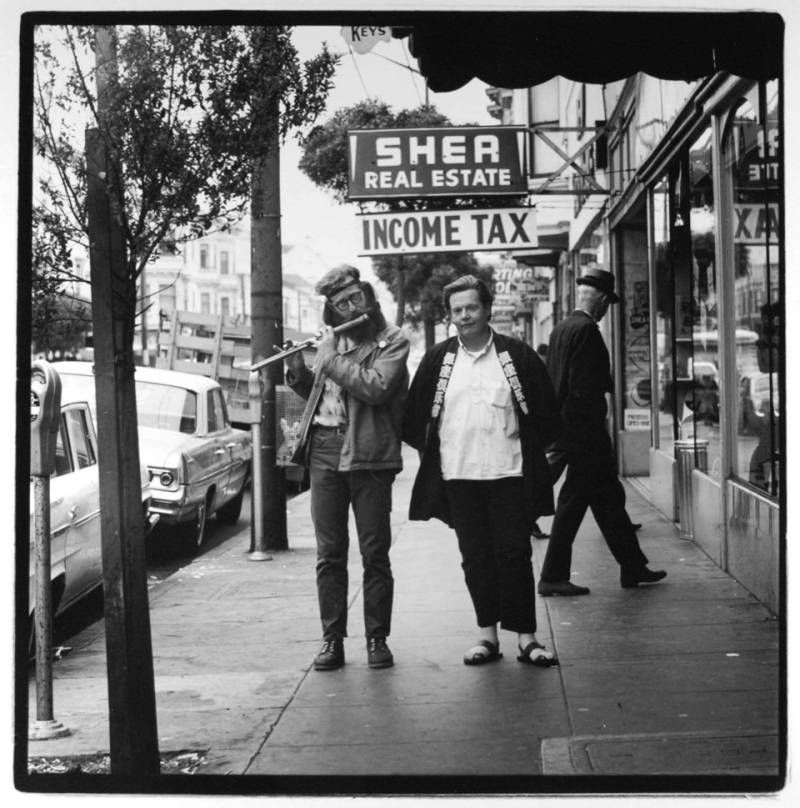
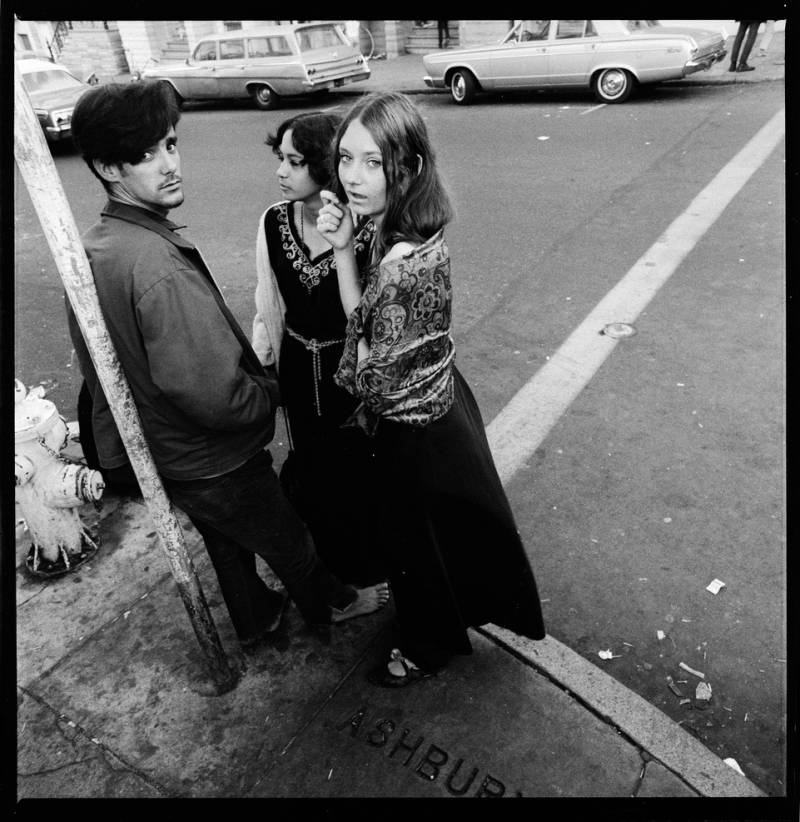
First and foremost, in addition to his rock photography, Greene also made a habit of immortalizing the street life in the Haight when it was just another San Francisco neighborhood. He photographed the small businesses, local children, families and elderly residents already there when the hippie invasion first began.
These images present the neighborhood before it was a tie-dye-soaked tourist attraction and, crucially, capture the exact moment the first wave of disaffected youth arrived and changed the area forever. Though there is an entire wall of this kind of street photography at The Photography of Herb Greene, I found myself wishing they inhabited the whole space.

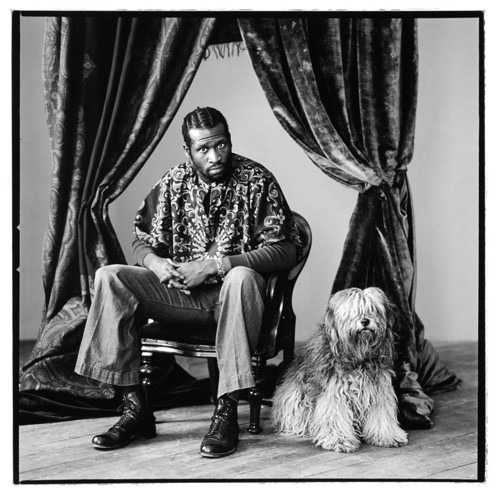
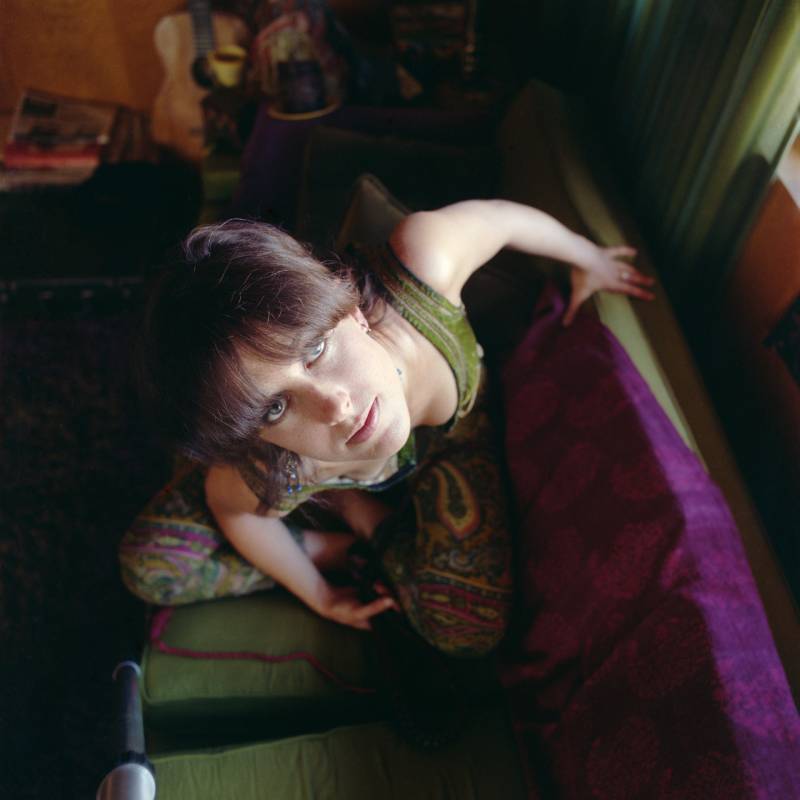
This exhibit also deserves kudos for painting a picture of the bohemian community of kids who were hanging around the Haight at the time. Yes, there are the requisite shots here of naked young people dancing and children clutching flowers at The Human Be-In. But Greene’s photographs also introduce us to the hitchhikers, street musicians and young optimists who migrated to San Francisco in the late 1960s and reveled in the new freedoms it offered. I am indefatigable when it comes to looking at subculture-immersed young people, no matter what era they’re from, and Greene’s photos more than do the Summer of Love kids justice.

One of Greene’s favorite places to photograph these young people was in front of the distinctive hieroglyph-covered wall in his studio, where he also shot famous musicians. The Photography of Herb Greene condenses many of these portraits down onto a single collage board of images. The format hammers home that the hieroglyph wall itself was a great leveler. Famous or not, Greene treated all of his subjects the same in front of it — they became individual characters, each as important as the last.