Fall feels like it used to, before COVID, with film festivals lined up like planes on a runway. There’s literally something for everyone, including online programs for those who aren’t quite ready to join the crowd at a theater. Take a deep breath: Albany FilmFest (Oct. 4-23), Santa Cruz Film Festival (Oct. 6-9), Mill Valley Film Festival (Oct. 6-16), San Francisco Short Film Festival (Oct. 6-16), San Francisco Latino Film Festival (Oct. 7-22) and United Nations Association Film Festival (Oct. 20-30).
This week also brings the inaugural Green Film Festival of San Francisco (Oct. 6-16 at the Roxie and online), a successor of sorts to the beloved San Francisco Green Film Festival that Rachel Caplan founded and directed. For a decade, SFGFF showed the best environmental films (mostly documentaries) from around the globe, until the pandemic delivered a knockout blow in 2020.
The new Green Film Festival of San Francisco adds another shade to the movie mix under Jeff Ross’s longstanding SF Indiefest umbrella (which includes the aforementioned SF Short Film Festival, also opening Thursday). At the same time, the Indiefest approach encourages a reappraisal of what we think of as a “green film.” One of the defining attributes of Ross and his cohorts, including documentary filmmaker and programmer Chris Metzler, is their ability to simultaneously define and expand a film niche. They refuse to be limited by the ostensible parameters of a genre.
Take Into the Weeds: DeWayne “Lee” Johnson vs. Monsanto Company, the rueful, seething new documentary by the award-winning Canadian husband-and-wife duo Jennifer Baichwal (producer-director) and Nicholas de Pencier (producer-cinematographer). The film centers on the 2018 civil suit filed in California by a Benicia Unified School District groundskeeper who developed non-Hodgkin lymphoma after being soaked in the herbicide Roundup on the job.
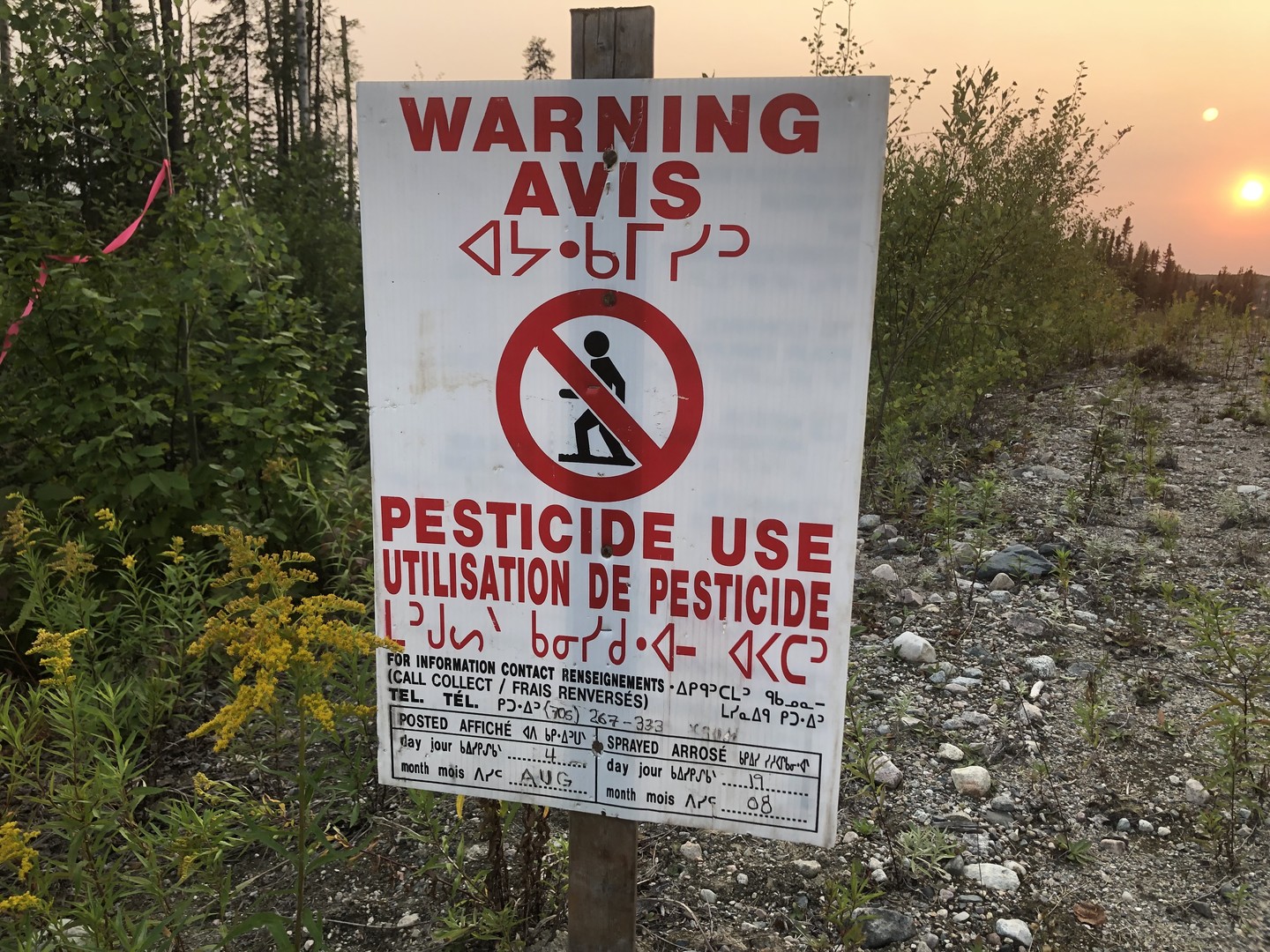
The title (along with the filmmakers’ resumes, which includes Manufactured Landscapes and Anthropocene: The Human Epoch) offers a hint that environmental damage is on the agenda. Sure enough, there’s a sequence recounting the effects of the glyphosate in Monsanto’s product on ecosystems. But Into the Weeds skillfully encompasses a range of issues, including the capture of regulatory agencies by corporations, the financial obstacles to individuals seeking recourse through the judicial system, systemic corporate malfeasance and the manipulation of science and scientists.