
Just seconds ago, you were walking across the city street. You headed to the ramen shop for a quick bite. You open your eyes, delirious and confused, and find yourself collapsed in the middle of the crosswalk. People are walking right past you as you reach out for help. No one can see you. In your pocket you find a black pin with an ornate skull and crossbones design.
In 2007, co-developers Square Enix and Jupiter released The World Ends With You for the Nintendo DS, an inventive Japanese role-playing game unlike anything that came before it. The story takes place in a sort of Limbo version of Shibuya, Japan, an alternate dimension in between life and death where you compete with other players in the Reaper’s Game—a chance at redemption, a second chance at life.
A second chance, in the game and in the real world
14 years later, Square Enix and new development partner, h.a.n.d., give gamers a second chance to enjoy the stylish, loud and ominous world of Shibuya in NEO: The World Ends With You. The sequel to the 2007 masterpiece follows a new cast of manga-esque characters as they fight for their lives or face permanent erasure.
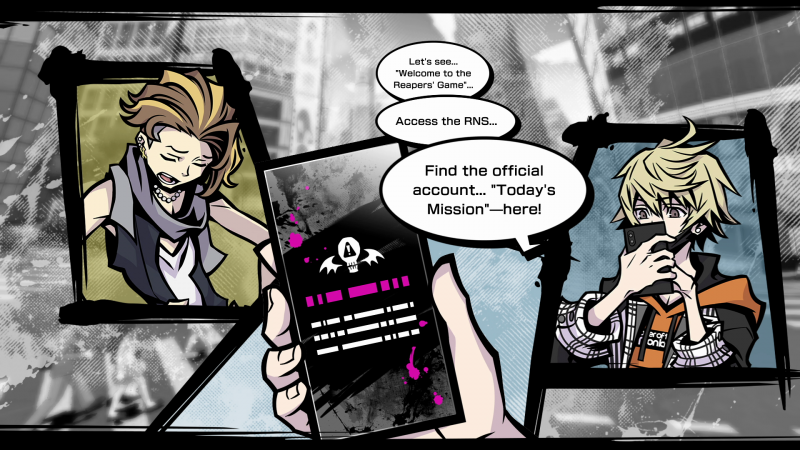
NEO opens with our protagonists, best friends Rindo and Fret. The two find themselves in a Shibuya that feels… off. Their phones start sending them strange notifications about daily missions, and they meet eccentric characters that reveal sinister details about this alternate dimension. And perhaps the most bizarre are the monsters that roam this “other” Shibuya; animal-like creatures with limbs that resemble graffiti that’s been yanked out of the city’s dark alleys.
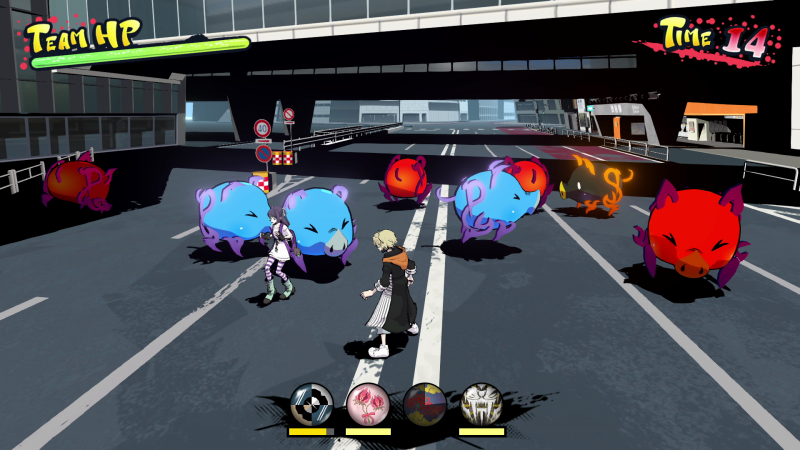
These artistic beasts are called Noise, and it’s an ideal name considering that the game places a significant emphasis on music. Takeharu Ishimoto, the composer for both games, has expertly crafted a soundtrack unlike any I’ve heard in a video game. He blends elements of rock, pop, hip-hop, electronica and even metal to evoke the vibrations of Shibuya. The World Ends With You punches you as you play; the hip-hop beats add a tangible energy and the rock has me tapping my feet as I fight Noise. Ishimoto also includes lyrics in his in-game masterpieces, and it’s a great choice; it forces players to focus on his creation while they play. Rather than tune out the music like you might in a game without lyrics, it encourages you to listen and absorb as you slink through Shibuya’s corridors.
Fashion plays a big role this time, too
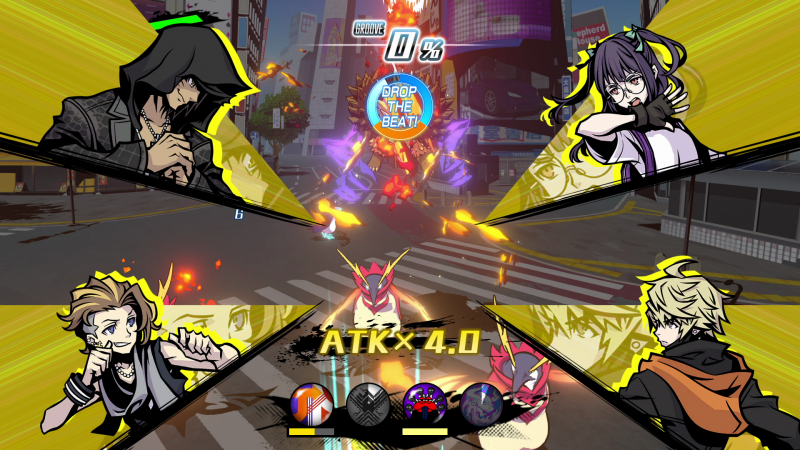
Beyond music, NEO shares a lot with its predecessor, as you might expect from a sequel. Square Enix retained the incredibly detailed anime art style that plants you directly into Japanese culture and fashion. The main and supporting characters all have distinct looks, whether they’re sporting big belt buckles or brightly-colored hair.
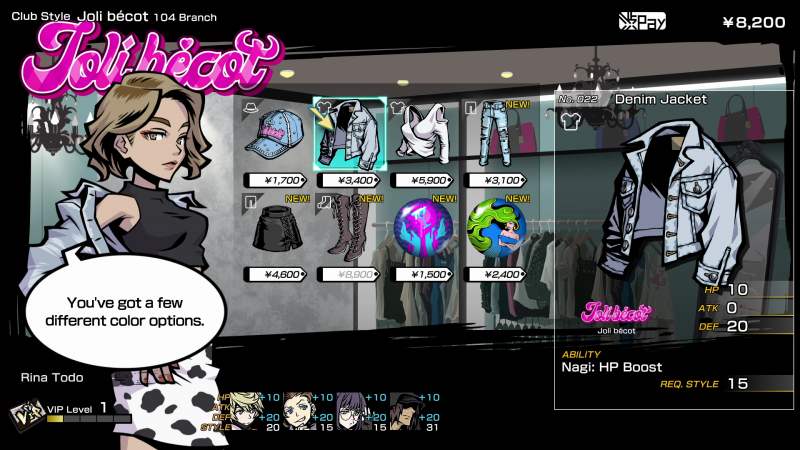
Fashion weaves its way into other aspects of the game, too. Similar to other RPGs, dressing your character often comes with stat boosts. Wearing a certain pin or hat or shirt may grant you different combat abilities, extra health points or attack power. But unlike more basic RPGs, clothing in The World Ends With You is branded; you aren’t just wearing an “assassin’s cloak,” you’re wearing in-game brands like Joli bécot or ConyxCony. It makes the items you buy more memorable while still maintaining their normal video game function.
9(MDAxOTAwOTE4MDEyMTkxMDAzNjczZDljZA004))