In 2020, the United States faces an election like no other. Citizens will vote in the midst of a global pandemic, severe climate change, an uprising for racial justice and an administration that has eroded the norms of democracy. In ‘What’s on Your Ballot?,’ KQED checks in with ten different artists, activists and cultural figures about the issues on their minds and their hopes for the country.
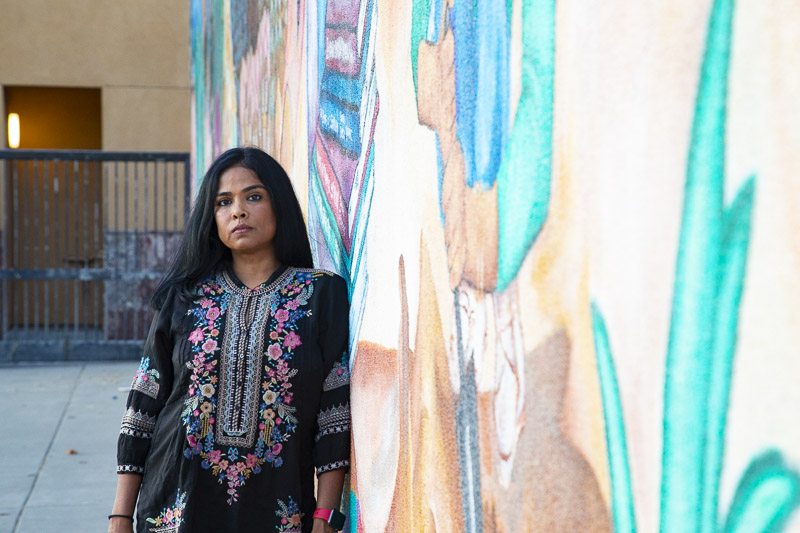
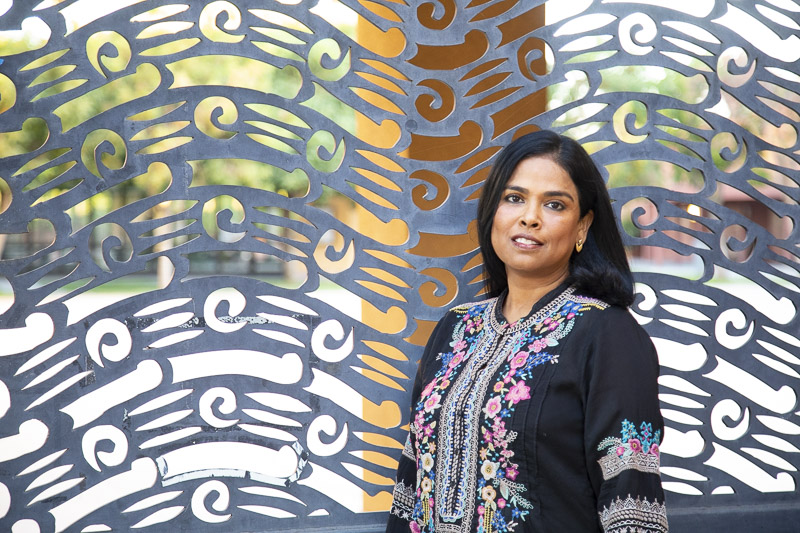
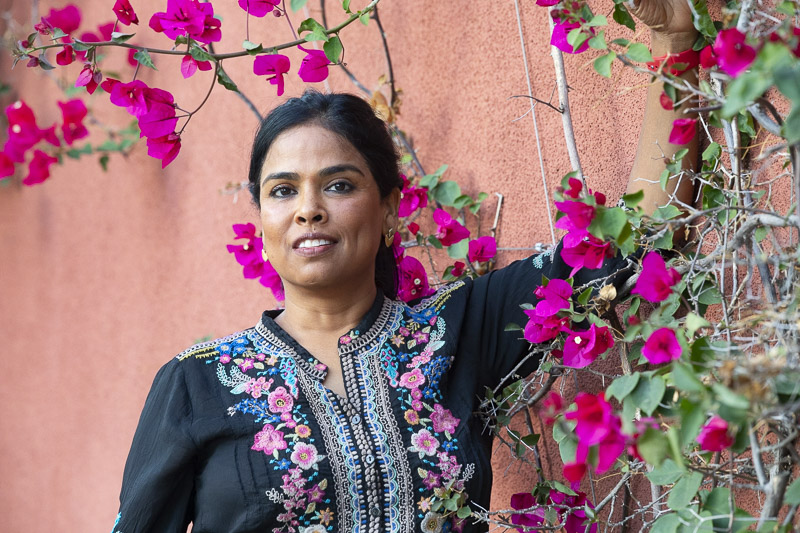
Considering its vast resources and highly educated population, Silicon Valley has surprisingly thin soil when it comes to building and sustaining cultural institutions. That’s never daunted Usha Srinivasan, the co-founder and president of Sangam Arts, the Saratoga-based non-profit that seeks to create and nurture connections between the Valley’s different cultures using traditional arts as a vehicle. One of the region’s visionary arts leaders, she promotes an embracing concept of American citizenship that celebrates ancestral ties while forging new identities via shared creative experiences.
Born and raised in the Southern Indian city of Hyderabad, Srinivasan came to the United States in 1990 for a graduate degree in electrical engineering and moved to the Bay Area in 1995 to attend Stanford Business School. After years working in high tech, she launched Sangam Arts in 2013 with Priya Das to present classical Indian dance. The organization has evolved into an innovative, award-winning arts presenters with the Mosaic Silicon Valley program, which seeks to foster cross-cultural conversations by combining a diverse array of ethnic art forms in multimedia productions.—Andrew Gilbert
As we head into the election, what do you make of the political climate in America today?
This is a very important election, kind of a defining moment in our history. The outcome will really determine the quality of life for Americans and the nature of American society going forward, and whether all of us feel we belong or not. I don’t think most people really thought we’d find ourselves at this turn. We thought a lot of the battles that had to do with race and inclusion were in the past. We thought we were post-racial. And we found out that there’s a lot more healing to be done and many more issues to be addressed. And now that we know that we have a choice, do we address that in a way that really reflects our core American values? Or do we want to veer off and become a fascist society?
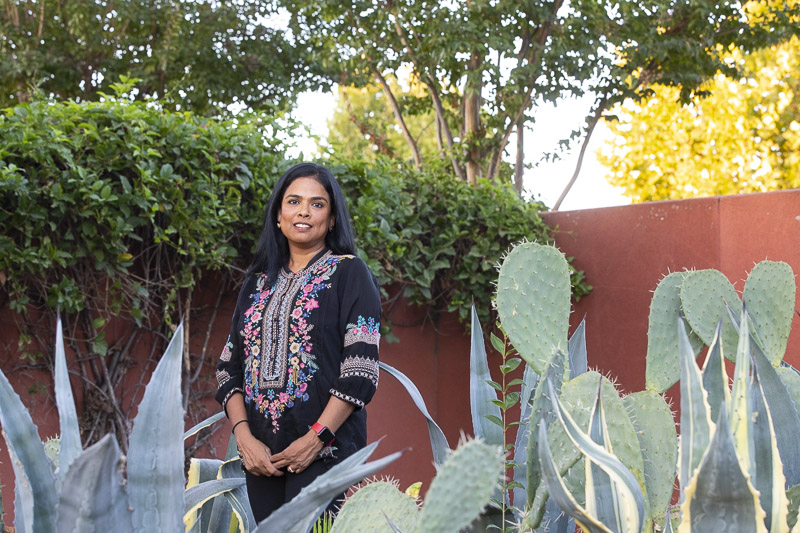
With the tremendous power and influence of social media, Silicon Valley has become a focus in this election. As an artist and someone deeply involved in promoting women in STEM fields, how do you weigh and balance the impact of companies like Facebook and Twitter on American politics?
I think for most of us social media has turned out to be like boiling the frog. Most of us didn’t quite realize the detrimental effects of handing this kind of power to these networks. Now we find ourselves in this bind where it’s very difficult to disconnect because that is our interaction with this world, whether we like it or not. In my work in the arts it’s almost impossible for a small organization to find an audience the traditional way, with fliers or ads. We’ve all found ourselves deeply entrenched in social networks, and we’re finding out that the technology is far ahead of our ability as social animals to adapt.