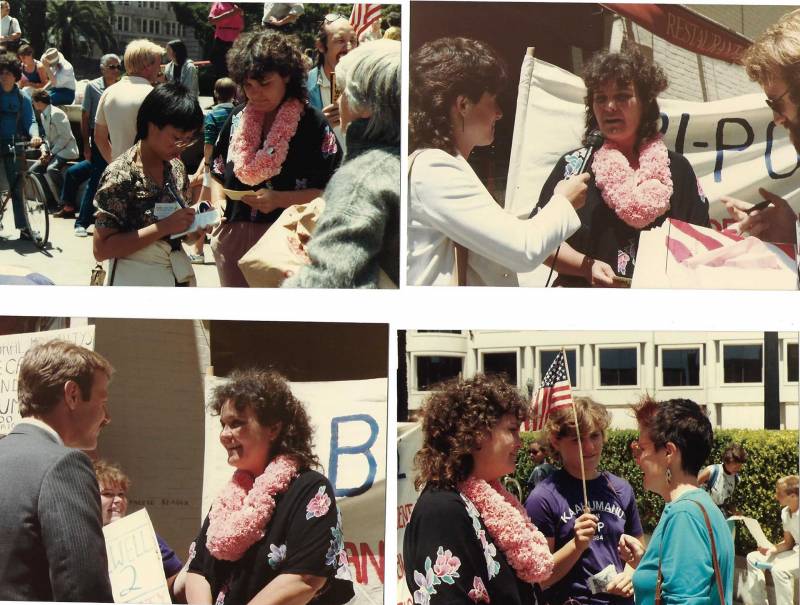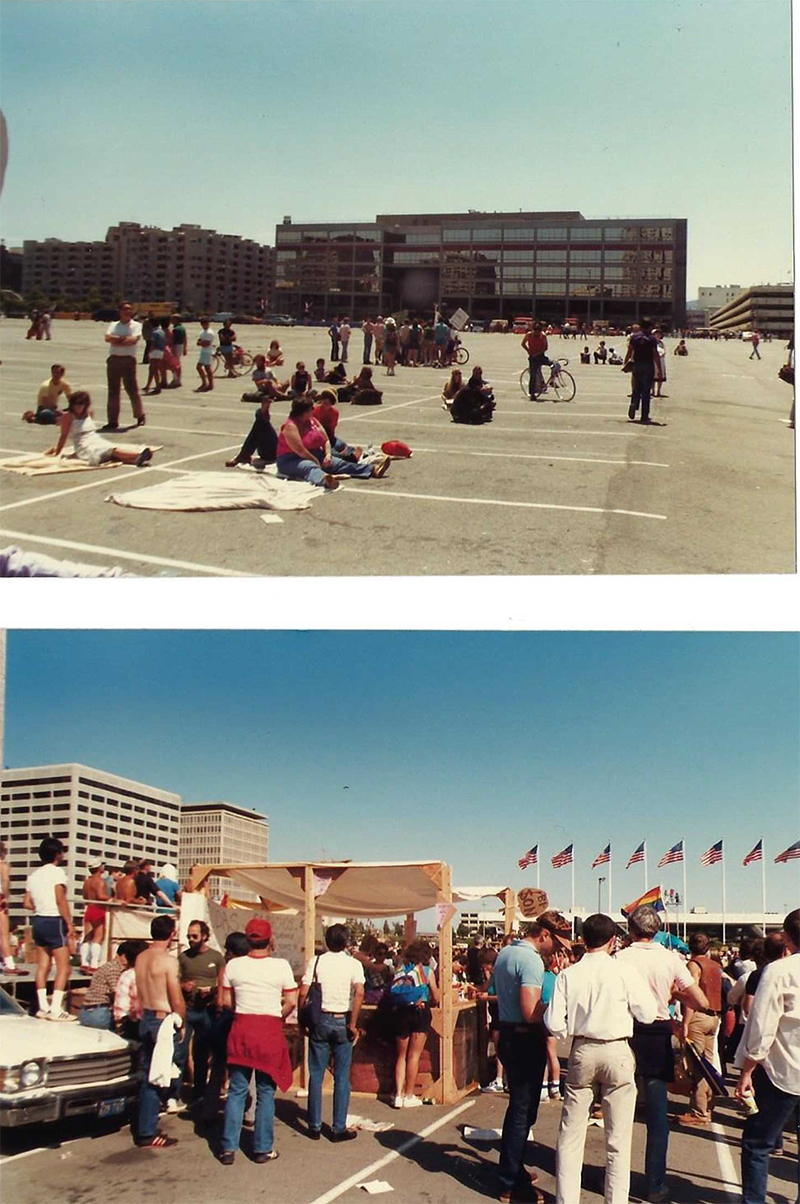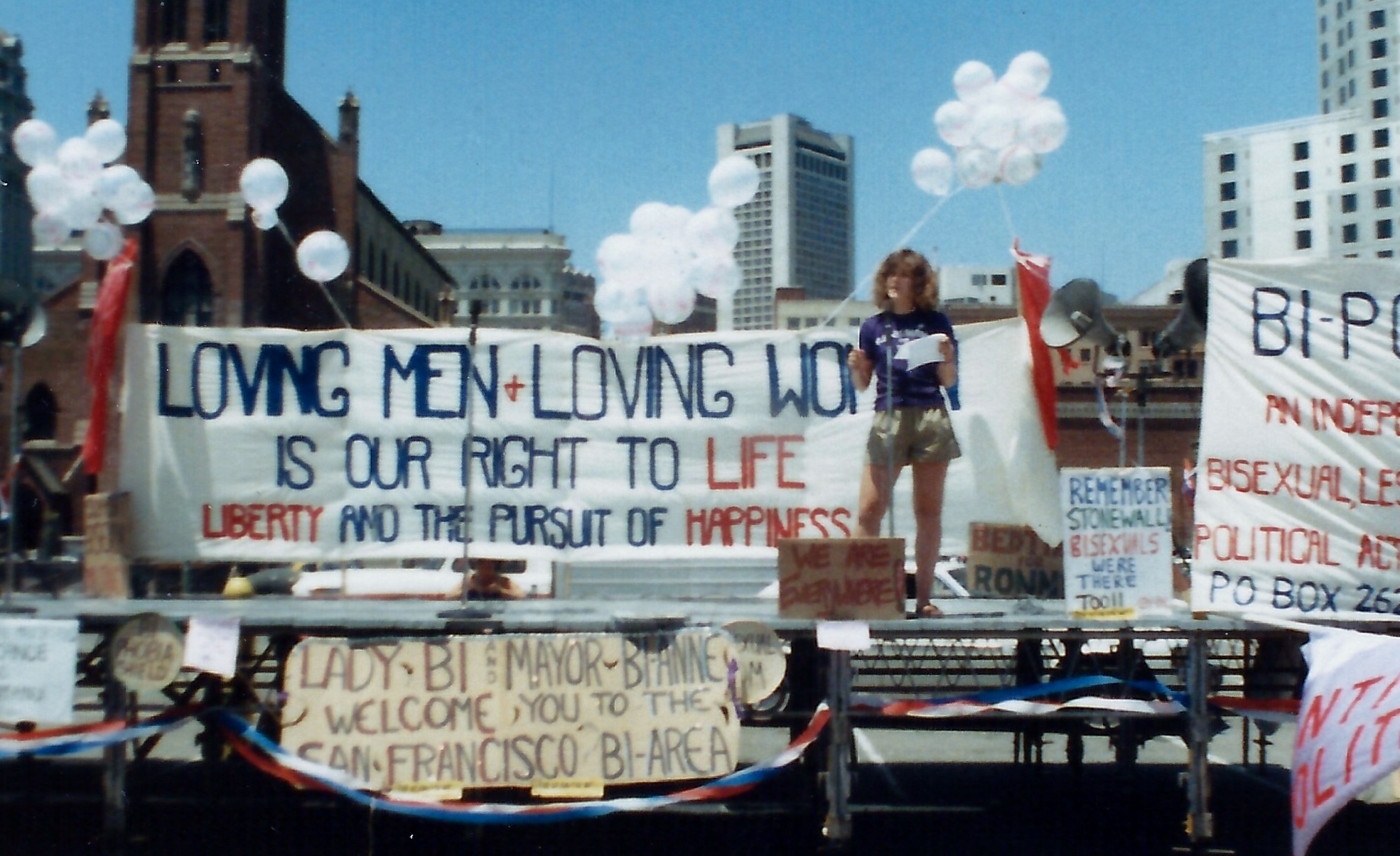
After coming out for the second time (first as a lesbian, then as bisexual) in the early ’80s, Lani Ka’ahumanu got together with the few out bi people in the San Francisco gay and lesbian community and started BiPOL, the first advocacy organization of its kind in the United States.
The problem was, no one wanted to join—at least not publicly.
“We’d go out there speaking for the bisexual community and we’d come into our meetings going, ‘Oh my god, where are they?’ We were all confessionals, all of us, for people who were too afraid to come out as bisexual,” Ka’ahumanu, now 76 years old, says over the phone from her home in Sonoma County. “I had more lesbians come up to me, or call me on the phone and say, ‘You don’t know me, but someone gave me your number. I’ve been relating to a man for six months and I’m really scared to come out or else I’d lose my community’—which is what happened to me.”
Indeed, Ka’ahumanu understood their trepidation. In the 1970s, lesbians were fighting for visibility within the nascent gay rights movement, and identifying as one was often considered a political orientation—not just a sexual one. Early lesbian organizations encouraged bisexual women to pick a side, and many chose to hide the fact that they loved men as well as women in order to be accepted in this new community.
In response to the dominant culture’s homophobia, gay rights activists in the 1970s adopted a born-this-way, binary view of sexuality as a means of gaining legal protections that hinged on defining sexual attraction as a biological, immutable characteristic. But that political ideology didn’t match many people’s lived experience of fluid sexual desire. After she left her husband and moved to San Francisco in the ’70s, Ka’ahumanu bought into the stereotype that bisexuality was just pitstop to coming out as gay or lesbian. Then, after years of dating women, things changed when she fell in love with a bisexual man, Bill Mack, who was traveling through a Mendocino County clothing-optional resort where Ka’ahumanu worked as a chef. In 1983, she and Mack started BiPOL along with Autumn Courtney, Arlene Krantz, David Loreau, Alan Rockway and Maggi Rubenstein.