Transgression, Noise and Drag: The Creation of a Fake Arab Pop Star
Of the life of an artist — particularly for women of color — the fearless Fatima Al Qadiri says: "Everything can be an act of joy and beauty until it gets put out. Then it can get dangerous."
Mina Tavakoli
Fatima Al Qadiri, as Shaneera. (Fijia Nabeel/Courtesy of the artist)
At a North Carolina nightclub in late May, a woman named Shaneera presided onstage, coyly flicking fake, nut-colored hair over her shoulders. Her eyes, super-sized by drag makeup, were visible from the back of the club as she chanted short spells in Arabic, while her music — all pandemonium and pummel — rattled the venue like a weak earthquake. Despite the diabolical display, when Shaneera looked out into the crowd, her gaze felt unexpectedly tender. At the end of her set, credits rolling behind her, she bowed, removed her wig and laughed herself offstage.
Shaneera is the latest incarnation of the Kuwait-born, Berlin-based U.K. bass producer Fatima Al Qadiri, a fascinating, often arch and wildly original artist who architects sound into concept-driven albums that bang as hard as they thoughtfully explore social theses she has, at least partially, retrofitted for the dance floor. For the last six years, these have revolved aroundthe idea of the inexpressible – the what’s-lost-in-translation – via sonic sleights-of-hand.
Take Brute, a debilitating album that looked to recreate the specific, ineffable agony of mass cultural outrage toward law enforcement by sampling the exact type of sound cannon that police in Ferguson, Mo., used to control rioters. Asiatisch, released a year prior, presented an “Orientalist’s vision of China” through made-up Mandarin phrases and clichéd pan-Asian chords. Her first EP, Desert Strike, managed to simulate the terror of Operation Desert Storm by reconfiguring the sound effects of a first-person shooter game. Her latest, Shaneera, builds upon pop star mythologies by way of a she-devil avatar, a figure born from drag that works as a meditation on the expression of queer identities in the Arab world.
If this all sounds a bit ambitious, that’s part of the point. Her artist statements map precise parameters onto the scope of each work, claiming narratives and establishing firm intent in an act that’s more manifesto than press release. Though knowing the exact premise of each album isn’t necessary to get a sense of her work’s depth, there is something admirable, maybe fundamental, in her control of electronic music’s bottomless well to illustrate her meticulously-wrought narratives. Her albums’ droning, doppling textures — all so ownably, blatantly Al Qadiri’s — muddle the distinction between club and theatre in a mode that’s consistently larger-than-life.
Al Qadiri and I saw one another in passing three times over the course of a weekend in Durham, North Carolina, where I found the seriousness in her work checked by the fact that she is hugely goofy in person, laughing easily and musically, with a habit of tending toward pretty, poetic detours blended with a permanent interest in – what she terms – “glibness and bulls***.”
“C***block has always one of my favorite words in English,” she says musingly, mid-way through a heavy-minded lecture titled “Non-Western Perspectives in Western Music Media,” during the electronic music festival Moogfest. “Because I haven’t heard a word in another language that more accurately — or, really, more beautifully — describes what a c***block does.”
This is a classic bit of Al Qadirian dialogue: indulgent, austere and obsessed with the overlooked. When she speaks, it is often about language itself, chronically invested as she is in its decomposition and abstraction. Part storyteller, part theoretician, she’s the Scheherazade of the electronic music world, chaining narrative and ideas together in the creation of her own universe.
On the final day of the festival, we met in an airy hotel restaurant in the heart of Durham. Dressed like an elegant newsboy visiting from the future (shin-length duster coat, ready-to-wear cottons from her friend, Telfar Clemens, and a tiny pair of sunglasses settled midway down the bridge of her nose), Al Qadiri delivered esoteria like a punchline, while destroying a glossy steak. She bloomed in response to questions which allowed her to spin yarns that stretched into symphonies of pop philosophy and personal narrative.
The following interview and has been edited and condensed.
What did you originally find so enticing about electronic music-making?
It was the cheapest and easiest way to access and exercise a method of composition. There was an itty-bitty Casio keyboard in my home in Kuwait growing up, and I used it to make these funny little ditties. It was a baby keyboard, but I was immediately obsessed with its sound. And, each year, with whatever Eid money I had, the keyboard slowly started expanding. It was totally out of necessity and boredom and utility. I also wanted to mimic and re-create the melodies that were coming out of all the video games I was playing — those were my endless fascination.
I often think of electronic music as something that’s almost overwhelmingly limitless. How did you impose limits, boundaries, or difficulties on the early music you were creating?
It was easy — the keyboard itself was limited. There’s only so much that you can do with an analog octave. I didn’t get into using a computer interface until I was in college, when I forced my way into an elective music composition course, finally had access to a studio and a computer, and, yes, quickly felt overwhelmed by it. I was used to the limitations of composing on an analog keyboard, recording it on cassette tape, then memorizing it, as opposed to the boundlessness of software. I think it was late in the year 2000 that I finally got my hands on a copy of [digital audio workstation and sequencer software] Logic Pro. Honestly, it took me ages to understand how to compose using it. I’m a Luddite, you know? I had no help, and it took years for me to become even semi-fluent in the program.
Where do you stand on the idea of an artist’s statement? No artists are required to say anything about their music, but much of your work, I’d argue, either comes with or merits a strong one.
I think it’s about controlling the narrative of your work, which is something I actually want to do. Stating your intent can be important, especially when music is such an abstract language. I have a very clear narrative attachment to my work, and I want to be able to communicate that with some control. Each of my pieces is a short story; my father was obsessed with Rimsky-Korsakov’s Scheherazade, and I think my mother, a novelist, was a real-life Scheherazade too. She came from a chain of Persian storytellers.
Do you feel kin to Scheherazade as well?
Of course! I’ve always told stories to stay alive. And I love work with such a thematic, narrative bend to it. It’s almost a childlike impulse, I think. It’s about memory and preservation and legacy. It’s why I’m so obsessed with Revisionist History, Malcom Gladwell’s podcast. His work discusses overlooked stories that somehow changed the course of history, and I adore the idea of what’s hidden right in front of us.
You know, I think if you’re creating some sort of narrative in an album, it’s worth putting it down and trying to articulate it and make it visible for others. Unfortunately, I’ve done only minimal writing in my day. I’ve always struggled with English, even though it’s my first language, in that I feel like I don’t and can never really own it.
I think all writers go through their entire lives wrestling with that idea.
You know, I wish I could go even harder — even more HAM — with my work, and create a piece that’s somehow akin to a short story, where each track is as expansive as chapter. That’s a dream of mine.
Do you think very specifically about your audience? Either in who you’re making music for, or who’s checking it out?
Oh, no, not at all. That would be stunting. I make everything for myself. It’s a big diary — my body of work is just a huge journal. It’s a culmination of experiences and months and chapters in my history as a person. It’s homage, it’s memoir, and ultimately all autobiographical. Tie all these records together, and they each have something to do with periods in my life.
Would you say that Shaneera is for everyone, or does that particular EP have a general audience in mind?
Shaneera is admittedly different. There’s that Arabic language barrier, of course, but having said that, she’s found her audience. So many queer, non-Western music producers have gotten in touch with me since the announcement of the record, telling me that it’s been a huge inspiration for them to write in their own language. And that really touched me. I finally thought, “God, I’ve done the right thing.” It was eye-opening to see and hear how many producers were holding back for a number of reasons. For fear of tokenization, for fear of not gaining traction, for fear of being misunderstood or stereotyped.
Last night was my very first live performance as Shaneera, you know. I was so happy singing in Arabic for that crowd — that was the first time she’s come out of me.
I couldn’t stop laughing at some moments. It was so joyous. It was pure drag!
Exactly. What is drag? It’s the performance of extreme gender. The thing that’s so interesting is that Shaneera’s supposed to be a fake Arab pop star. The thing is, Arab pop stars, like many pop stars around the world, are ultra-heteronormative icons. With some exceptions, they represent extreme femininity and extreme masculinity. So it’s so accurate to apply drag methodology to the sort of appropriated pop music I’m doing here.
I imagine much of your work lends itself to worlds of critical interpretation. Do you feel a degree of responsibility to correct assumptions made of your work?
Fatima Al Qadiri, as Fatima Al Qadiri. (Dom Smith/Courtesy of the artist)
Oh, I literally do it all the time.
I don’t think many artists do — or admit — that.
I do want to say it’s a losing battle sometimes, because I get the idea that whatever you put out into the world is honest. But there’s sometimes people out there that can be intentionally malicious, who want to change your narrative for their benefit. I can tell the difference between laziness and a hit job — and those people certainly exist. Especially being a particularly vocal woman of color… you know what I’m getting at here. You can be a target sometimes.
I’ve met so many women musicians around the world that refuse to release music for fear of being misinterpreted by white media. And I’m baffled. I’m blown away. This is how crippling the world of criticism can be. It’s terrifying, sometimes. It’s already tough enough to put something out there and make yourself vulnerable. Everything can be an act of joy and beauty until it gets put out. Then it can get dangerous.
Oh man, even for this record, my mother sat down with me and said, “Listen, girl. This record is in Arabic. It’s about this subject? I’m going to listen to it, start to finish, and you’ll let me censor anything that would be too dangerous for you to include.”
That sense of obligation and duty to your mother sounds — as far as I can speak to — so endemically Middle Eastern.
Yes and no. My mother’s extraordinarily liberal — more liberal than other mothers, much less Mid-Eastern mothers, but what she did was right. She’s never interfered with my work before, and she lives in Kuwait. If anyone’s going to come for my work, they’re not going to go after me, they’re going to go after her. And she made me remove a few very graphic, sexually-explicit scenes from the album. I had to. Of course I had to! I’d be so undutiful, so ungrateful, if I didn’t do that for her.
I find that the need to correct “incorrect” interpretations of your work fascinating, especially because your music seems to constantly chase this idea of mistranslation. Have you always been fascinated by failure, or these impasses of intent and meaning?
I think so. The thing is, being rootless, and the idea of not fitting in — which I think most people feel — is compounded by that idea. It allows you to look at how things went wrong. It’s about hegemony, about power dynamics, about things that are inflicted upon us.
I was reading about this concept of “negative hallucination” earlier that might explain this a little better. A “positive hallucination” is when you see something that doesn’t exist. A “negative hallucination” is where you miss something that’s right in front of you. And I think this is the thing that I relate to most — the negative hallucination as the misinterpretation. Seeing things in front of you and not seeing them.
That reminds me of something you’d spoken about yesterday during your lecture on the topic of semantic gaps. At the most literal level, some languages don’t have the capacity to understand something so natural in another language, only because its lexicon doesn’t accommodate for that idea.
I think every language has its own buffet of incredibly concise terminology. That’s why learning other languages is so incredible, because they hold ideas that don’t exist in the language that you grew up with, the language you natively speak, or the language you’ve created for yourself.
For instance, including the term “queer” in Shaneera‘s press release really messed me up. There’s a lot of terminology for gender in a lot of other languages, but there’s no term for queer in Arabic. There’s no word for “heterosexual” in Arabic, either. Fixed sexuality, until recently, was a very Western concept. Queer, as a catch-all for this idea of non-binary gender – that’s new. So my friends almost edited it out of the press release, because they felt that the word “queer” wasn’t exactly true to the album. Ultimately, I left it in.
The thing is, Shaneera is a persona. She’s as non-binary as they come — she’s an evil spirit. An evil, queen spirit that can possess anything. Did you catch the credits that rolled behind me at the end of my show?
They were hilarious. So garish.
Yes! At the end of every major Arabic pop music video, there are these hilariously long credits. So I used that here — and I thanked Vincent Price, who’s obviously a vision of Shaneera, and Bette Davis, Joan Crawford, John Waters, Divine. I thanked a lot of people personally in my life, friends of mine, and obviously some Kuwaiti and Arab references — queers who shall not be named.
Can you elaborate on the tension between performing as an artist who interrogates non-Western ideas and as serving, for better or worse, as a de-facto “ambassador” of the Gulf in electronic music?
I’m so into the idea of the “nation as an apparition.” I think people from across the world have a deep sense of internalized nationalism, an ingrained idea that by coming from a country, you’re obligated to represent that country. And the smaller the country, the greater the stakes. To me, it’s similar to the idea of superiority; it’s a taunting, childlike, territorial idea. It’s denies humanity. It’s an impulse of media and artists alike.
I don’t consider myself a part of the diaspora because I’m still so bound to my culture, but at the same time, I’m still at a remove. I left Kuwait for a reason. In that, I think, I have new freedom. I can pick and choose what I want to use – I can appropriate where I came from. Those Kuwaiti drum samples, those Arab sounds, all the work I make — all of those things are mine now. I’ve claimed them.
Copyright 2018 NPR. To see more, visit http://www.npr.org/.
lower waypointnext waypoint
Player sponsored by
window.__IS_SSR__=true
window.__INITIAL_STATE__={
"attachmentsReducer": {
"audio_0": {
"type": "attachments",
"id": "audio_0",
"imgSizes": {
"kqedFullSize": {
"file": "https://ww2.kqed.org/news/wp-content/themes/KQED-unified/img/audio_bgs/background0.jpg"
}
}
},
"audio_1": {
"type": "attachments",
"id": "audio_1",
"imgSizes": {
"kqedFullSize": {
"file": "https://ww2.kqed.org/news/wp-content/themes/KQED-unified/img/audio_bgs/background1.jpg"
}
}
},
"audio_2": {
"type": "attachments",
"id": "audio_2",
"imgSizes": {
"kqedFullSize": {
"file": "https://ww2.kqed.org/news/wp-content/themes/KQED-unified/img/audio_bgs/background2.jpg"
}
}
},
"audio_3": {
"type": "attachments",
"id": "audio_3",
"imgSizes": {
"kqedFullSize": {
"file": "https://ww2.kqed.org/news/wp-content/themes/KQED-unified/img/audio_bgs/background3.jpg"
}
}
},
"audio_4": {
"type": "attachments",
"id": "audio_4",
"imgSizes": {
"kqedFullSize": {
"file": "https://ww2.kqed.org/news/wp-content/themes/KQED-unified/img/audio_bgs/background4.jpg"
}
}
},
"placeholder": {
"type": "attachments",
"id": "placeholder",
"imgSizes": {
"thumbnail": {
"file": "https://cdn.kqed.org/wp-content/uploads/2024/12/KQED-Default-Image-816638274-2000x1333-1-160x107.jpg",
"width": 160,
"height": 107,
"mimeType": "image/jpeg"
},
"medium": {
"file": "https://cdn.kqed.org/wp-content/uploads/2024/12/KQED-Default-Image-816638274-2000x1333-1-800x533.jpg",
"width": 800,
"height": 533,
"mimeType": "image/jpeg"
},
"medium_large": {
"file": "https://cdn.kqed.org/wp-content/uploads/2024/12/KQED-Default-Image-816638274-2000x1333-1-768x512.jpg",
"width": 768,
"height": 512,
"mimeType": "image/jpeg"
},
"large": {
"file": "https://cdn.kqed.org/wp-content/uploads/2024/12/KQED-Default-Image-816638274-2000x1333-1-1020x680.jpg",
"width": 1020,
"height": 680,
"mimeType": "image/jpeg"
},
"1536x1536": {
"file": "https://cdn.kqed.org/wp-content/uploads/2024/12/KQED-Default-Image-816638274-2000x1333-1-1536x1024.jpg",
"width": 1536,
"height": 1024,
"mimeType": "image/jpeg"
},
"fd-lrg": {
"file": "https://cdn.kqed.org/wp-content/uploads/2024/12/KQED-Default-Image-816638274-2000x1333-1-1536x1024.jpg",
"width": 1536,
"height": 1024,
"mimeType": "image/jpeg"
},
"fd-med": {
"file": "https://cdn.kqed.org/wp-content/uploads/2024/12/KQED-Default-Image-816638274-2000x1333-1-1020x680.jpg",
"width": 1020,
"height": 680,
"mimeType": "image/jpeg"
},
"fd-sm": {
"file": "https://cdn.kqed.org/wp-content/uploads/2024/12/KQED-Default-Image-816638274-2000x1333-1-800x533.jpg",
"width": 800,
"height": 533,
"mimeType": "image/jpeg"
},
"post-thumbnail": {
"file": "https://cdn.kqed.org/wp-content/uploads/2024/12/KQED-Default-Image-816638274-2000x1333-1-672x372.jpg",
"width": 672,
"height": 372,
"mimeType": "image/jpeg"
},
"twentyfourteen-full-width": {
"file": "https://cdn.kqed.org/wp-content/uploads/2024/12/KQED-Default-Image-816638274-2000x1333-1-1038x576.jpg",
"width": 1038,
"height": 576,
"mimeType": "image/jpeg"
},
"xxsmall": {
"file": "https://cdn.kqed.org/wp-content/uploads/2024/12/KQED-Default-Image-816638274-2000x1333-1-160x107.jpg",
"width": 160,
"height": 107,
"mimeType": "image/jpeg"
},
"xsmall": {
"file": "https://cdn.kqed.org/wp-content/uploads/2024/12/KQED-Default-Image-816638274-2000x1333-1-672x372.jpg",
"width": 672,
"height": 372,
"mimeType": "image/jpeg"
},
"small": {
"file": "https://cdn.kqed.org/wp-content/uploads/2024/12/KQED-Default-Image-816638274-2000x1333-1-672x372.jpg",
"width": 672,
"height": 372,
"mimeType": "image/jpeg"
},
"xlarge": {
"file": "https://cdn.kqed.org/wp-content/uploads/2024/12/KQED-Default-Image-816638274-2000x1333-1-1020x680.jpg",
"width": 1020,
"height": 680,
"mimeType": "image/jpeg"
},
"full-width": {
"file": "https://cdn.kqed.org/wp-content/uploads/2024/12/KQED-Default-Image-816638274-2000x1333-1-1920x1280.jpg",
"width": 1920,
"height": 1280,
"mimeType": "image/jpeg"
},
"guest-author-32": {
"file": "https://cdn.kqed.org/wp-content/uploads/2025/01/KQED-Default-Image-816638274-1333x1333-1-160x160.jpg",
"width": 32,
"height": 32,
"mimeType": "image/jpeg"
},
"guest-author-50": {
"file": "https://cdn.kqed.org/wp-content/uploads/2025/01/KQED-Default-Image-816638274-1333x1333-1-160x160.jpg",
"width": 50,
"height": 50,
"mimeType": "image/jpeg"
},
"guest-author-64": {
"file": "https://cdn.kqed.org/wp-content/uploads/2025/01/KQED-Default-Image-816638274-1333x1333-1-160x160.jpg",
"width": 64,
"height": 64,
"mimeType": "image/jpeg"
},
"guest-author-96": {
"file": "https://cdn.kqed.org/wp-content/uploads/2025/01/KQED-Default-Image-816638274-1333x1333-1-160x160.jpg",
"width": 96,
"height": 96,
"mimeType": "image/jpeg"
},
"guest-author-128": {
"file": "https://cdn.kqed.org/wp-content/uploads/2025/01/KQED-Default-Image-816638274-1333x1333-1-160x160.jpg",
"width": 128,
"height": 128,
"mimeType": "image/jpeg"
},
"detail": {
"file": "https://cdn.kqed.org/wp-content/uploads/2025/01/KQED-Default-Image-816638274-1333x1333-1-160x160.jpg",
"width": 160,
"height": 160,
"mimeType": "image/jpeg"
},
"kqedFullSize": {
"file": "https://cdn.kqed.org/wp-content/uploads/2024/12/KQED-Default-Image-816638274-2000x1333-1.jpg",
"width": 2000,
"height": 1333
}
}
},
"arts_13834434": {
"type": "attachments",
"id": "arts_13834434",
"meta": {
"index": "attachments_1716263798",
"site": "arts",
"id": "13834434",
"found": true
},
"parent": 13834433,
"imgSizes": {
"small": {
"file": "https://ww2.kqed.org/app/uploads/sites/2/2018/06/shaneera-1-243578c5893d2506264a49c7522e2cf96af20461-520x390.jpg",
"width": 520,
"mimeType": "image/jpeg",
"height": 390
},
"twentyfourteen-full-width": {
"file": "https://ww2.kqed.org/app/uploads/sites/2/2018/06/shaneera-1-243578c5893d2506264a49c7522e2cf96af20461-1038x576.jpg",
"width": 1038,
"mimeType": "image/jpeg",
"height": 576
},
"thumbnail": {
"file": "https://ww2.kqed.org/app/uploads/sites/2/2018/06/shaneera-1-243578c5893d2506264a49c7522e2cf96af20461-160x120.jpg",
"width": 160,
"mimeType": "image/jpeg",
"height": 120
},
"fd-sm": {
"file": "https://ww2.kqed.org/app/uploads/sites/2/2018/06/shaneera-1-243578c5893d2506264a49c7522e2cf96af20461-960x720.jpg",
"width": 960,
"mimeType": "image/jpeg",
"height": 720
},
"post-thumbnail": {
"file": "https://ww2.kqed.org/app/uploads/sites/2/2018/06/shaneera-1-243578c5893d2506264a49c7522e2cf96af20461-672x372.jpg",
"width": 672,
"mimeType": "image/jpeg",
"height": 372
},
"xsmall": {
"file": "https://ww2.kqed.org/app/uploads/sites/2/2018/06/shaneera-1-243578c5893d2506264a49c7522e2cf96af20461-375x281.jpg",
"width": 375,
"mimeType": "image/jpeg",
"height": 281
},
"kqedFullSize": {
"file": "https://ww2.kqed.org/app/uploads/sites/2/2018/06/shaneera-1-243578c5893d2506264a49c7522e2cf96af20461.jpg",
"width": 1772,
"height": 1329
},
"large": {
"file": "https://ww2.kqed.org/app/uploads/sites/2/2018/06/shaneera-1-243578c5893d2506264a49c7522e2cf96af20461-1020x765.jpg",
"width": 1020,
"mimeType": "image/jpeg",
"height": 765
},
"xlarge": {
"file": "https://ww2.kqed.org/app/uploads/sites/2/2018/06/shaneera-1-243578c5893d2506264a49c7522e2cf96af20461-1180x885.jpg",
"width": 1180,
"mimeType": "image/jpeg",
"height": 885
},
"complete_open_graph": {
"file": "https://ww2.kqed.org/app/uploads/sites/2/2018/06/shaneera-1-243578c5893d2506264a49c7522e2cf96af20461-1200x900.jpg",
"width": 1200,
"mimeType": "image/jpeg",
"height": 900
},
"guest-author-50": {
"file": "https://ww2.kqed.org/app/uploads/sites/2/2018/06/shaneera-1-243578c5893d2506264a49c7522e2cf96af20461-50x50.jpg",
"width": 50,
"mimeType": "image/jpeg",
"height": 50
},
"guest-author-96": {
"file": "https://ww2.kqed.org/app/uploads/sites/2/2018/06/shaneera-1-243578c5893d2506264a49c7522e2cf96af20461-96x96.jpg",
"width": 96,
"mimeType": "image/jpeg",
"height": 96
},
"medium": {
"file": "https://ww2.kqed.org/app/uploads/sites/2/2018/06/shaneera-1-243578c5893d2506264a49c7522e2cf96af20461-800x600.jpg",
"width": 800,
"mimeType": "image/jpeg",
"height": 600
},
"guest-author-64": {
"file": "https://ww2.kqed.org/app/uploads/sites/2/2018/06/shaneera-1-243578c5893d2506264a49c7522e2cf96af20461-64x64.jpg",
"width": 64,
"mimeType": "image/jpeg",
"height": 64
},
"guest-author-32": {
"file": "https://ww2.kqed.org/app/uploads/sites/2/2018/06/shaneera-1-243578c5893d2506264a49c7522e2cf96af20461-32x32.jpg",
"width": 32,
"mimeType": "image/jpeg",
"height": 32
},
"fd-med": {
"file": "https://ww2.kqed.org/app/uploads/sites/2/2018/06/shaneera-1-243578c5893d2506264a49c7522e2cf96af20461-1180x885.jpg",
"width": 1180,
"mimeType": "image/jpeg",
"height": 885
},
"detail": {
"file": "https://ww2.kqed.org/app/uploads/sites/2/2018/06/shaneera-1-243578c5893d2506264a49c7522e2cf96af20461-150x150.jpg",
"width": 150,
"mimeType": "image/jpeg",
"height": 150
},
"medium_large": {
"file": "https://ww2.kqed.org/app/uploads/sites/2/2018/06/shaneera-1-243578c5893d2506264a49c7522e2cf96af20461-768x576.jpg",
"width": 768,
"mimeType": "image/jpeg",
"height": 576
},
"guest-author-128": {
"file": "https://ww2.kqed.org/app/uploads/sites/2/2018/06/shaneera-1-243578c5893d2506264a49c7522e2cf96af20461-128x128.jpg",
"width": 128,
"mimeType": "image/jpeg",
"height": 128
},
"xxsmall": {
"file": "https://ww2.kqed.org/app/uploads/sites/2/2018/06/shaneera-1-243578c5893d2506264a49c7522e2cf96af20461-240x180.jpg",
"width": 240,
"mimeType": "image/jpeg",
"height": 180
}
},
"publishDate": 1528243757,
"modified": 1528244109,
"caption": "Fatima Al Qadiri, as Shaneera.",
"description": "Fatima Al Qadiri, as Shaneera.",
"title": "Fatima Al Qadiri, as Shaneera.",
"credit": "Fijia Nabeel/Courtesy of the artist",
"status": "inherit",
"isLoading": false,
"fetchFailed": false
}
},
"audioPlayerReducer": {
"postId": "stream_live",
"isPaused": true,
"isPlaying": false,
"pfsActive": false,
"pledgeModalIsOpen": true,
"playerDrawerIsOpen": false,
"liveAudioPlayStartedAt": 0,
"liveAudioPlayContext": ""
},
"authorsReducer": {
"byline_arts_13834433": {
"type": "authors",
"id": "byline_arts_13834433",
"meta": {
"override": true
},
"slug": "byline_arts_13834433",
"name": "Mina Tavakoli",
"isLoading": false
}
},
"pagesReducer": {},
"pfsSessionReducer": {},
"postsReducer": {
"stream_live": {
"type": "live",
"id": "stream_live",
"audioUrl": "https://streams.kqed.org/kqedradio",
"title": "Live Stream",
"excerpt": "Live Stream information currently unavailable.",
"link": "/radio",
"featImg": "",
"label": {
"name": "KQED Live",
"link": "/"
}
},
"stream_kqedNewscast": {
"type": "posts",
"id": "stream_kqedNewscast",
"audioUrl": "https://www.kqed.org/.stream/anon/radio/RDnews/newscast.mp3?_=1",
"title": "KQED Newscast",
"featImg": "",
"label": {
"name": "88.5 FM",
"link": "/"
}
},
"arts_13834433": {
"type": "posts",
"id": "arts_13834433",
"meta": {
"index": "posts_1716263798",
"site": "arts",
"id": "13834433",
"found": true
},
"articlePosition": 0,
"guestAuthors": [],
"slug": "transgression-noise-and-drag-the-creation-of-a-fake-arab-pop-star",
"title": "Transgression, Noise and Drag: The Creation of a Fake Arab Pop Star",
"publishDate": 1528311636,
"format": "standard",
"headTitle": "Transgression, Noise and Drag: The Creation of a Fake Arab Pop Star | KQED",
"labelTerm": {
"term": 137,
"site": "arts"
},
"content": "\u003cp>At a North Carolina nightclub in late May, a woman named Shaneera presided onstage, coyly flicking fake, nut-colored hair over her shoulders. Her eyes, super-sized by drag makeup, were visible from the back of the club as she chanted short spells in Arabic, while her music — all pandemonium and pummel — rattled the venue like a weak earthquake. Despite the diabolical display, when Shaneera looked out into the crowd, her gaze felt unexpectedly tender. At the end of her set, credits rolling behind her, she bowed, removed her wig and laughed herself offstage.\u003c/p>\n\u003cp>Shaneera is the latest incarnation of the Kuwait-born, Berlin-based U.K. bass producer Fatima Al Qadiri, a fascinating, often arch and wildly original artist who architects sound into concept-driven albums that bang as hard as they thoughtfully explore social theses she has, at least partially, retrofitted for the dance floor. For the last six years, these have revolved around\u003cstrong> \u003c/strong>the idea of the inexpressible – the what’s-lost-in-translation – via sonic sleights-of-hand.\u003c/p>\n\u003cp>\u003c!-- iframe plugin v.4.3 wordpress.org/plugins/iframe/ -->\u003cbr>\n\u003ciframe loading=\"lazy\" src=\"https://open.spotify.com/embed?uri=spotify%3Aalbum%3A5c9LLqvlhoAZb4hhm7VqLz\" width=\"800\" height=\"380\" frameborder=\"0\" allowtransparency=\"true\" allow=\"encrypted-media\" scrolling=\"yes\" class=\"iframe-class\">\u003c/iframe>\u003c/p>\n\u003cp>Take \u003cem>Brute\u003c/em>, a debilitating album that looked to recreate the specific, ineffable agony of mass cultural outrage toward law enforcement by sampling the exact type of sound cannon that police in Ferguson, Mo., used to control rioters. \u003cem>Asiatisch\u003c/em>, released a year prior, presented an “Orientalist’s vision of China” through made-up Mandarin phrases and clichéd pan-Asian chords. Her first EP, \u003cem>Desert Strike\u003c/em>, managed to simulate the terror of Operation Desert Storm by reconfiguring the sound effects of a first-person shooter game. Her latest, \u003cem>Shaneera\u003c/em>, builds upon pop star mythologies by way of a she-devil avatar, a figure born from drag that works as a meditation on the expression of queer identities in the Arab world.\u003c/p>\n\u003cp>\u003c!-- iframe plugin v.4.3 wordpress.org/plugins/iframe/ -->\u003cbr>\n\u003ciframe loading=\"lazy\" src=\"https://open.spotify.com/embed?uri=spotify%3Aalbum%3A5LSrTT4RFJP36yFU8Cm5JH\" width=\"800\" height=\"380\" frameborder=\"0\" allowtransparency=\"true\" allow=\"encrypted-media\" scrolling=\"yes\" class=\"iframe-class\">\u003c/iframe>\u003c/p>\n\u003cp>[ad fullwidth]\u003c/p>\n\u003cp>If this all sounds a bit ambitious, that’s part of the point. Her artist statements map precise parameters onto the scope of each work, claiming narratives and establishing firm intent in an act that’s more manifesto than press release. Though knowing the exact premise of each album isn’t necessary to get a sense of her work’s depth, there is something admirable, maybe fundamental, in her control of electronic music’s bottomless well to illustrate her meticulously-wrought narratives. Her albums’ droning, doppling textures — all so ownably, blatantly Al Qadiri’s — muddle the distinction between club and theatre in a mode that’s consistently larger-than-life.\u003c/p>\n\u003cp>Al Qadiri and I saw one another in passing three times over the course of a weekend in Durham, North Carolina, where I found the seriousness in her work checked by the fact that she is hugely goofy in person, laughing easily and musically, with a habit of tending toward pretty, poetic detours blended with a permanent interest in – what she terms – “glibness and bulls***.”\u003c/p>\n\u003cp>\u003c!-- iframe plugin v.4.3 wordpress.org/plugins/iframe/ -->\u003cbr>\n\u003ciframe loading=\"lazy\" src=\"https://open.spotify.com/embed?uri=spotify%3Aalbum%3A66pKCPaQnjhFEGBrKOIG2p\" width=\"800\" height=\"380\" frameborder=\"0\" allowtransparency=\"true\" allow=\"encrypted-media\" scrolling=\"yes\" class=\"iframe-class\">\u003c/iframe>\u003c/p>\n\u003cp>“C***block has always one of my favorite words in English,” she says musingly, mid-way through a heavy-minded lecture titled “Non-Western Perspectives in Western Music Media,” during the electronic music festival Moogfest. “Because I haven’t heard a word in another language that more accurately — or, really, more beautifully — describes what a c***block does.”\u003c/p>\n\u003cp>This is a classic bit of Al Qadirian dialogue: indulgent, austere and obsessed with the overlooked. When she speaks, it is often about language itself, chronically invested as she is in its decomposition and abstraction. Part storyteller, part theoretician, she’s the Scheherazade of the electronic music world, chaining narrative and ideas together in the creation of her own universe.\u003c/p>\n\u003cp>On the final day of the festival, we met in an airy hotel restaurant in the heart of Durham. Dressed like an elegant newsboy visiting from the future (shin-length duster coat, ready-to-wear cottons from her friend, \u003ca href=\"http://www.telfar.net/\">Telfar Clemens\u003c/a>, and a tiny pair of sunglasses settled midway down the bridge of her nose), Al Qadiri delivered esoteria like a punchline, while destroying a glossy steak. She bloomed in response to questions which allowed her to spin yarns that stretched into symphonies of pop philosophy and personal narrative.\u003c/p>\n\u003cp>\u003cem>The following interview and has been edited and condensed.\u003c/em>\u003c/p>\n\u003chr>\n\u003cp>\u003cstrong>What did you originally find so enticing about electronic music-making? \u003c/strong>\u003c/p>\n\u003cp>It was the cheapest and easiest way to access and exercise a method of composition\u003cem>. \u003c/em>There was an itty-bitty Casio keyboard in my home in Kuwait growing up, and I used it to make these funny little ditties. It was a baby keyboard, but I was immediately obsessed with its sound. And, each year, with whatever Eid money I had, the keyboard slowly started expanding. It was totally out of necessity and boredom and utility. I also wanted to mimic and re-create the melodies that were coming out of all the video games I was playing — those were my endless fascination.\u003c/p>\n\u003cp>\u003cstrong>I often think of electronic music as something that’s almost overwhelmingly limitless. How did you impose limits, boundaries, or difficulties on the early music you were creating? \u003c/strong>\u003c/p>\n\u003cp>It was easy — the keyboard itself was limited. There’s only so much that you can do with an analog octave. I didn’t get into using a computer interface until I was in college, when I forced my way into an elective music composition course, finally had access to a studio and a computer, and, yes, quickly felt overwhelmed by it. I was used to the limitations of composing on an analog keyboard, recording it on cassette tape, then memorizing it, as opposed to the boundlessness of software. I think it was late in the year 2000 that I finally got my hands on a copy of [digital audio workstation and sequencer software] Logic Pro. Honestly, it took me ages to understand how to compose using it. I’m a Luddite, you know? I had no help, and it took years for me to become even semi-fluent in the program.\u003c/p>\n\u003cp>\u003cstrong>Where do you stand on the idea of an artist’s statement? No artists are required to say anything about their music, but much of your work, I’d argue, either comes with or merits a strong one. \u003c/strong>\u003cstrong>\u003c/strong>\u003c/p>\n\u003cp>I think it’s about controlling the narrative of your work, which is something I actually want to do. Stating your intent can be important, especially when music is such an abstract language. I have a very clear narrative attachment to my work, and I want to be able to communicate that with some control. Each of my pieces is a short story; my father was obsessed with Rimsky-Korsakov’s \u003cem>Scheherazade\u003c/em>, and I think my mother, a novelist, was a real-life Scheherazade too. She came from a chain of Persian storytellers.\u003c/p>\n\u003cp>\u003cstrong>Do you feel kin to Scheherazade as well? \u003c/strong>\u003c/p>\n\u003cp>Of course! I’ve always told stories to stay alive. And I love work with such a thematic, narrative bend to it. It’s almost a childlike impulse, I think. It’s about memory and preservation and legacy. It’s why I’m so obsessed with \u003cem>Revisionist History, \u003c/em>Malcom Gladwell’s podcast. His work discusses overlooked stories that somehow changed the course of history, and I adore the idea of what’s hidden right in front of us.\u003c/p>\n\u003cp>You know, I think if you’re creating some sort of narrative in an album, it’s worth putting it down and trying to articulate it and make it visible for others. Unfortunately, I’ve done only minimal writing in my day. I’ve always struggled with English, even though it’s my first language, in that I feel like I don’t and can never really \u003cem>own\u003c/em> it.\u003c/p>\n\u003cp>\u003cstrong>I think all writers go through their entire lives wrestling with that idea. \u003c/strong>\u003c/p>\n\u003cp>You know, I wish I could go even harder — even more HAM — with my work, and create a piece that’s somehow akin to a short story, where each track is as expansive as chapter. That’s a dream of mine.\u003c/p>\n\u003cp>\u003cstrong>Do you think very specifically about your audience? Either in who you’re making music for, or who’s checking it out?\u003c/strong>\u003c/p>\n\u003cp>Oh, no, not at all. That would be stunting. I make everything for myself. It’s a big diary — my body of work is just a huge journal. It’s a culmination of experiences and months and chapters in my history as a person. It’s homage, it’s memoir, and ultimately all autobiographical. Tie all these records together, and they each have something to do with periods in my life.\u003c/p>\n\u003cp>\u003cstrong>Would you say that \u003cem>Shaneera\u003c/em> is for everyone, or does that particular EP have a general audience in mind? \u003c/strong>\u003c/p>\n\u003cp>\u003cem>Shaneera\u003c/em> is admittedly different. There’s that Arabic language barrier, of course, but having said that, she’s found her audience. So many queer, non-Western music producers have gotten in touch with me since the announcement of the record, telling me that it’s been a huge inspiration for them to write in their own language. And that really touched me. I finally thought, “God, I’ve done the right thing.” It was eye-opening to see and hear how many producers were holding back for a number of reasons. For fear of tokenization, for fear of not gaining traction, for fear of being misunderstood or stereotyped.\u003c/p>\n\u003cp>Last night was my very first live performance as Shaneera, you know. I was so happy singing in Arabic for that crowd — that was the first time she’s come out of me.\u003c/p>\n\u003cp>\u003cstrong>I couldn’t stop laughing at some moments. It was so joyous. It was pure drag!\u003c/strong>\u003c/p>\n\u003cp>Exactly. What is drag? It’s the performance of extreme gender. The thing that’s so interesting is that Shaneera’s supposed to be a fake Arab pop star. The thing is, Arab pop stars, like many pop stars around the world, are ultra-heteronormative icons. With some exceptions, they represent extreme femininity and extreme masculinity. So it’s so accurate to apply drag methodology to the sort of appropriated pop music I’m doing here.\u003c/p>\n\u003cp>\u003cstrong>I imagine much of your work lends itself to worlds of critical interpretation. Do you feel a degree of responsibility to correct assumptions made of your work? \u003c/strong>\u003c/p>\n\u003cfigure id=\"attachment_13834435\" class=\"wp-caption alignright\" style=\"max-width: 200px\">\u003cimg loading=\"lazy\" decoding=\"async\" src=\"https://ww2.kqed.org/arts/wp-content/uploads/sites/2/2018/06/fatima-al-qadiri-by-dom-smith-hi-res-2_custom-8b3304bd52bcc1b416d9b6d336c2db12090f2052.jpg\" alt=\"Fatima Al Qadiri, as Fatima Al Qadiri.\" width=\"200\" height=\"342\" class=\"size-full wp-image-13834435\" srcset=\"https://cdn.kqed.org/wp-content/uploads/sites/2/2018/06/fatima-al-qadiri-by-dom-smith-hi-res-2_custom-8b3304bd52bcc1b416d9b6d336c2db12090f2052.jpg 200w, https://cdn.kqed.org/wp-content/uploads/sites/2/2018/06/fatima-al-qadiri-by-dom-smith-hi-res-2_custom-8b3304bd52bcc1b416d9b6d336c2db12090f2052-160x274.jpg 160w\" sizes=\"(max-width: 200px) 100vw, 200px\">\u003cfigcaption class=\"wp-caption-text\">Fatima Al Qadiri, as Fatima Al Qadiri. \u003ccite>(Dom Smith/Courtesy of the artist)\u003c/cite>\u003c/figcaption>\u003c/figure>\n\u003cp>Oh, I literally do it all the time.\u003c/p>\n\u003cp>\u003cstrong>I don’t think many artists do — or admit — that. \u003c/strong>\u003c/p>\n\u003cp>I do want to say it’s a losing battle sometimes, because I get the idea that whatever you put out into the world is honest. But there’s sometimes people out there that can be intentionally malicious, who want to change your narrative for their benefit. I can tell the difference between laziness and a hit job — and those people certainly exist. Especially being a particularly vocal woman of color… you know what I’m getting at here. You can be a target sometimes.\u003c/p>\n\u003cp>I’ve met so many women musicians around the world that refuse to release music for fear of being misinterpreted by white media. And I’m baffled. I’m blown away. This is how crippling the world of criticism can be. It’s terrifying, sometimes. It’s already tough enough to put something out there and make yourself vulnerable. Everything can be an act of joy and beauty until it gets put out. Then it can get dangerous.\u003c/p>\n\u003cp>Oh man, even for this record, my mother sat down with me and said, “Listen, girl. This record is in Arabic. It’s about \u003cem>this\u003c/em> subject? I’m going to listen to it, start to finish, and you’ll let me censor anything that would be too dangerous for you to include.”\u003c/p>\n\u003cp>\u003cstrong>That sense of obligation and duty to your mother sounds — as far as I can speak to — so endemically Middle Eastern. \u003c/strong>\u003c/p>\n\u003cp>Yes and no. My mother’s extraordinarily liberal — more liberal than other mothers, much less Mid-Eastern mothers, but what she did was right. She’s never interfered with my work before, and she lives in Kuwait. If anyone’s going to come for my work, they’re not going to go after me, they’re going to go after her. And she made me remove a few very graphic, sexually-explicit scenes from the album. I had to. Of course I had to! I’d be so undutiful, so ungrateful, if I didn’t do that for her.\u003cstrong>\u003c/strong>\u003c/p>\n\u003cp>\u003cstrong>I find that the need to correct “incorrect” interpretations of your work fascinating, especially because your music seems to constantly chase this idea of mistranslation. Have you always been fascinated by failure, or these impasses of intent and meaning?\u003c/strong>\u003c/p>\n\u003cp>I think so. The thing is, being rootless, and the idea of not fitting in — which I think most people feel — is compounded by that idea. It allows you to look at how things went wrong. It’s about hegemony, about power dynamics, about things that are inflicted upon us.\u003c/p>\n\u003cp>I was reading about this concept of “negative hallucination” earlier that might explain this a little better. A “positive hallucination” is when you see something that doesn’t exist. A “negative hallucination” is where you miss something that’s right in front of you. And I think this is the thing that I relate to most — the negative hallucination as the misinterpretation. Seeing things in front of you and not \u003cem>seeing\u003c/em> them.\u003c/p>\n\u003cp>\u003cstrong>That reminds me of something you’d spoken about yesterday during your lecture on the topic of semantic gaps. At the most literal level, some languages don’t have the capacity to understand something so natural in another language, only because its lexicon doesn’t accommodate for that idea.\u003c/strong>\u003c/p>\n\u003cp>I think every language has its own buffet of incredibly concise terminology. That’s why learning other languages is so incredible, because they hold ideas that don’t exist in the language that you grew up with, the language you natively speak, or the language you’ve created for yourself.\u003c/p>\n\u003cp>For instance, including the term “queer” in \u003cem>Shaneera\u003c/em>‘s press release really messed me up. There’s a lot of terminology for gender in a lot of other languages, but there’s no term for queer in Arabic. There’s no word for “heterosexual” in Arabic, either. Fixed sexuality, until recently, was a very Western concept. Queer, as a catch-all for this idea of non-binary gender – that’s new. So my friends almost edited it out of the press release, because they felt that the word “queer” wasn’t exactly true to the album. Ultimately, I left it in.\u003c/p>\n\u003cp>The thing is, Shaneera is a persona. She’s as non-binary as they come — she’s an evil spirit. An evil, queen spirit that can possess anything. Did you catch the credits that rolled behind me at the end of my show?\u003c/p>\n\u003cp>\u003cstrong>They were hilarious. So garish. \u003c/strong>\u003c/p>\n\u003cp>Yes! At the end of every major Arabic pop music video, there are these hilariously long credits. So I used that here — and I thanked Vincent Price, who’s obviously a vision of Shaneera, and Bette Davis, Joan Crawford, John Waters, Divine. I thanked a lot of people personally in my life, friends of mine, and obviously some Kuwaiti and Arab references — queers who shall not be named.\u003c/p>\n\u003cp>\u003cstrong>Can you elaborate on the tension between performing as an artist who interrogates non-Western ideas and as serving, for better or worse, as a de-facto “ambassador” of the Gulf in electronic music? \u003c/strong>\u003c/p>\n\u003cp>I’m so into the idea of the “nation as an apparition.” I think people from across the world have a deep sense of internalized nationalism, an ingrained idea that by coming from a country, you’re obligated to represent that country. And the smaller the country, the greater the stakes. To me, it’s similar to the idea of superiority; it’s a taunting, childlike, territorial idea. It’s denies humanity. It’s an impulse of media and artists alike.\u003c/p>\n\u003cp>[ad floatright]\u003c/p>\n\u003cp>I don’t consider myself a part of the diaspora because I’m still so bound to my culture, but at the same time, I’m still at a remove. I left Kuwait for a reason. In that, I think, I have new freedom. I can pick and choose what I want to use – I can appropriate where I came from. Those Kuwaiti drum samples, those Arab sounds, all the work I make — all of those things are mine now. I’ve claimed them. \u003c/p>\n\u003cdiv class=\"fullattribution\">Copyright 2018 NPR. To see more, visit http://www.npr.org/.\u003cimg decoding=\"async\" src=\"https://www.google-analytics.com/__utm.gif?utmac=UA-5828686-4&utmdt=Transgression%2C+Noise+And+Drag%3A+The+Creation+Of+A+Fake+Arab+Pop+Star&utme=8(APIKey)9(MDAxOTAwOTE4MDEyMTkxMDAzNjczZDljZA004)\">\u003c/div>\n\n",
"blocks": [],
"excerpt": "Of the life of an artist — particularly for women of color — the fearless Fatima Al Qadiri says: \"Everything can be an act of joy and beauty until it gets put out. Then it can get dangerous.\"",
"status": "publish",
"parent": 0,
"modified": 1726771095,
"stats": {
"hasAudio": false,
"hasVideo": false,
"hasChartOrMap": false,
"iframeSrcs": [],
"hasGoogleForm": false,
"hasGallery": false,
"hasHearkenModule": false,
"hasPolis": false,
"paragraphCount": 52,
"wordCount": 2910
},
"headData": {
"title": "Transgression, Noise and Drag: The Creation of a Fake Arab Pop Star | KQED",
"description": "Of the life of an artist — particularly for women of color — the fearless Fatima Al Qadiri says: "Everything can be an act of joy and beauty until it gets put out. Then it can get dangerous."",
"ogTitle": "",
"ogDescription": "",
"ogImgId": "",
"twTitle": "",
"twDescription": "",
"twImgId": "",
"schema": {
"@context": "https://schema.org",
"@type": "Article",
"headline": "Transgression, Noise and Drag: The Creation of a Fake Arab Pop Star",
"datePublished": "2018-06-06T12:00:36-07:00",
"dateModified": "2024-09-19T11:38:15-07:00",
"image": "https://ww2.kqed.org/app/uploads/sites/2/2018/06/shaneera-1-243578c5893d2506264a49c7522e2cf96af20461-1020x765.jpg"
},
"authorsData": [],
"tagData": []
},
"sticky": false,
"nprImageCredit": "Fijia Nabeel",
"nprByline": "Mina Tavakoli",
"nprImageAgency": "Courtesy of the artist",
"nprStoryId": "616905820",
"nprApiLink": "http://api.npr.org/query?id=616905820&apiKey=MDAxOTAwOTE4MDEyMTkxMDAzNjczZDljZA004",
"nprHtmlLink": "https://www.npr.org/2018/06/05/616905820/the-brilliant-producer-and-chameleon-fatima-al-qadiri-wont-stunt-for-your-sake?ft=nprml&f=616905820",
"nprRetrievedStory": "1",
"nprPubDate": "Tue, 05 Jun 2018 16:53:00 -0400",
"nprStoryDate": "Tue, 05 Jun 2018 08:17:00 -0400",
"nprLastModifiedDate": "Tue, 05 Jun 2018 16:53:51 -0400",
"path": "/arts/13834433/transgression-noise-and-drag-the-creation-of-a-fake-arab-pop-star",
"audioTrackLength": null,
"parsedContent": [
{
"type": "contentString",
"content": "\u003cdiv class=\"post-body\">\u003cp>\u003cp>At a North Carolina nightclub in late May, a woman named Shaneera presided onstage, coyly flicking fake, nut-colored hair over her shoulders. Her eyes, super-sized by drag makeup, were visible from the back of the club as she chanted short spells in Arabic, while her music — all pandemonium and pummel — rattled the venue like a weak earthquake. Despite the diabolical display, when Shaneera looked out into the crowd, her gaze felt unexpectedly tender. At the end of her set, credits rolling behind her, she bowed, removed her wig and laughed herself offstage.\u003c/p>\n\u003cp>Shaneera is the latest incarnation of the Kuwait-born, Berlin-based U.K. bass producer Fatima Al Qadiri, a fascinating, often arch and wildly original artist who architects sound into concept-driven albums that bang as hard as they thoughtfully explore social theses she has, at least partially, retrofitted for the dance floor. For the last six years, these have revolved around\u003cstrong> \u003c/strong>the idea of the inexpressible – the what’s-lost-in-translation – via sonic sleights-of-hand.\u003c/p>\n\u003cp>\u003c!-- iframe plugin v.4.3 wordpress.org/plugins/iframe/ -->\u003cbr>\n\u003ciframe loading=\"lazy\" src=\"https://open.spotify.com/embed?uri=spotify%3Aalbum%3A5c9LLqvlhoAZb4hhm7VqLz\" width=\"800\" height=\"380\" frameborder=\"0\" allowtransparency=\"true\" allow=\"encrypted-media\" scrolling=\"yes\" class=\"iframe-class\">\u003c/iframe>\u003c/p>\n\u003cp>Take \u003cem>Brute\u003c/em>, a debilitating album that looked to recreate the specific, ineffable agony of mass cultural outrage toward law enforcement by sampling the exact type of sound cannon that police in Ferguson, Mo., used to control rioters. \u003cem>Asiatisch\u003c/em>, released a year prior, presented an “Orientalist’s vision of China” through made-up Mandarin phrases and clichéd pan-Asian chords. Her first EP, \u003cem>Desert Strike\u003c/em>, managed to simulate the terror of Operation Desert Storm by reconfiguring the sound effects of a first-person shooter game. Her latest, \u003cem>Shaneera\u003c/em>, builds upon pop star mythologies by way of a she-devil avatar, a figure born from drag that works as a meditation on the expression of queer identities in the Arab world.\u003c/p>\n\u003cp>\u003c!-- iframe plugin v.4.3 wordpress.org/plugins/iframe/ -->\u003cbr>\n\u003ciframe loading=\"lazy\" src=\"https://open.spotify.com/embed?uri=spotify%3Aalbum%3A5LSrTT4RFJP36yFU8Cm5JH\" width=\"800\" height=\"380\" frameborder=\"0\" allowtransparency=\"true\" allow=\"encrypted-media\" scrolling=\"yes\" class=\"iframe-class\">\u003c/iframe>\u003c/p>\n\u003cp>\u003c/p>\u003c/div>",
"attributes": {
"named": {},
"numeric": []
}
},
{
"type": "component",
"content": "",
"name": "ad",
"attributes": {
"named": {
"label": "fullwidth"
},
"numeric": [
"fullwidth"
]
}
},
{
"type": "contentString",
"content": "\u003cdiv class=\"post-body\">\u003cp>\u003c/p>\n\u003cp>If this all sounds a bit ambitious, that’s part of the point. Her artist statements map precise parameters onto the scope of each work, claiming narratives and establishing firm intent in an act that’s more manifesto than press release. Though knowing the exact premise of each album isn’t necessary to get a sense of her work’s depth, there is something admirable, maybe fundamental, in her control of electronic music’s bottomless well to illustrate her meticulously-wrought narratives. Her albums’ droning, doppling textures — all so ownably, blatantly Al Qadiri’s — muddle the distinction between club and theatre in a mode that’s consistently larger-than-life.\u003c/p>\n\u003cp>Al Qadiri and I saw one another in passing three times over the course of a weekend in Durham, North Carolina, where I found the seriousness in her work checked by the fact that she is hugely goofy in person, laughing easily and musically, with a habit of tending toward pretty, poetic detours blended with a permanent interest in – what she terms – “glibness and bulls***.”\u003c/p>\n\u003cp>\u003c!-- iframe plugin v.4.3 wordpress.org/plugins/iframe/ -->\u003cbr>\n\u003ciframe loading=\"lazy\" src=\"https://open.spotify.com/embed?uri=spotify%3Aalbum%3A66pKCPaQnjhFEGBrKOIG2p\" width=\"800\" height=\"380\" frameborder=\"0\" allowtransparency=\"true\" allow=\"encrypted-media\" scrolling=\"yes\" class=\"iframe-class\">\u003c/iframe>\u003c/p>\n\u003cp>“C***block has always one of my favorite words in English,” she says musingly, mid-way through a heavy-minded lecture titled “Non-Western Perspectives in Western Music Media,” during the electronic music festival Moogfest. “Because I haven’t heard a word in another language that more accurately — or, really, more beautifully — describes what a c***block does.”\u003c/p>\n\u003cp>This is a classic bit of Al Qadirian dialogue: indulgent, austere and obsessed with the overlooked. When she speaks, it is often about language itself, chronically invested as she is in its decomposition and abstraction. Part storyteller, part theoretician, she’s the Scheherazade of the electronic music world, chaining narrative and ideas together in the creation of her own universe.\u003c/p>\n\u003cp>On the final day of the festival, we met in an airy hotel restaurant in the heart of Durham. Dressed like an elegant newsboy visiting from the future (shin-length duster coat, ready-to-wear cottons from her friend, \u003ca href=\"http://www.telfar.net/\">Telfar Clemens\u003c/a>, and a tiny pair of sunglasses settled midway down the bridge of her nose), Al Qadiri delivered esoteria like a punchline, while destroying a glossy steak. She bloomed in response to questions which allowed her to spin yarns that stretched into symphonies of pop philosophy and personal narrative.\u003c/p>\n\u003cp>\u003cem>The following interview and has been edited and condensed.\u003c/em>\u003c/p>\n\u003chr>\n\u003cp>\u003cstrong>What did you originally find so enticing about electronic music-making? \u003c/strong>\u003c/p>\n\u003cp>It was the cheapest and easiest way to access and exercise a method of composition\u003cem>. \u003c/em>There was an itty-bitty Casio keyboard in my home in Kuwait growing up, and I used it to make these funny little ditties. It was a baby keyboard, but I was immediately obsessed with its sound. And, each year, with whatever Eid money I had, the keyboard slowly started expanding. It was totally out of necessity and boredom and utility. I also wanted to mimic and re-create the melodies that were coming out of all the video games I was playing — those were my endless fascination.\u003c/p>\n\u003cp>\u003cstrong>I often think of electronic music as something that’s almost overwhelmingly limitless. How did you impose limits, boundaries, or difficulties on the early music you were creating? \u003c/strong>\u003c/p>\n\u003cp>It was easy — the keyboard itself was limited. There’s only so much that you can do with an analog octave. I didn’t get into using a computer interface until I was in college, when I forced my way into an elective music composition course, finally had access to a studio and a computer, and, yes, quickly felt overwhelmed by it. I was used to the limitations of composing on an analog keyboard, recording it on cassette tape, then memorizing it, as opposed to the boundlessness of software. I think it was late in the year 2000 that I finally got my hands on a copy of [digital audio workstation and sequencer software] Logic Pro. Honestly, it took me ages to understand how to compose using it. I’m a Luddite, you know? I had no help, and it took years for me to become even semi-fluent in the program.\u003c/p>\n\u003cp>\u003cstrong>Where do you stand on the idea of an artist’s statement? No artists are required to say anything about their music, but much of your work, I’d argue, either comes with or merits a strong one. \u003c/strong>\u003cstrong>\u003c/strong>\u003c/p>\n\u003cp>I think it’s about controlling the narrative of your work, which is something I actually want to do. Stating your intent can be important, especially when music is such an abstract language. I have a very clear narrative attachment to my work, and I want to be able to communicate that with some control. Each of my pieces is a short story; my father was obsessed with Rimsky-Korsakov’s \u003cem>Scheherazade\u003c/em>, and I think my mother, a novelist, was a real-life Scheherazade too. She came from a chain of Persian storytellers.\u003c/p>\n\u003cp>\u003cstrong>Do you feel kin to Scheherazade as well? \u003c/strong>\u003c/p>\n\u003cp>Of course! I’ve always told stories to stay alive. And I love work with such a thematic, narrative bend to it. It’s almost a childlike impulse, I think. It’s about memory and preservation and legacy. It’s why I’m so obsessed with \u003cem>Revisionist History, \u003c/em>Malcom Gladwell’s podcast. His work discusses overlooked stories that somehow changed the course of history, and I adore the idea of what’s hidden right in front of us.\u003c/p>\n\u003cp>You know, I think if you’re creating some sort of narrative in an album, it’s worth putting it down and trying to articulate it and make it visible for others. Unfortunately, I’ve done only minimal writing in my day. I’ve always struggled with English, even though it’s my first language, in that I feel like I don’t and can never really \u003cem>own\u003c/em> it.\u003c/p>\n\u003cp>\u003cstrong>I think all writers go through their entire lives wrestling with that idea. \u003c/strong>\u003c/p>\n\u003cp>You know, I wish I could go even harder — even more HAM — with my work, and create a piece that’s somehow akin to a short story, where each track is as expansive as chapter. That’s a dream of mine.\u003c/p>\n\u003cp>\u003cstrong>Do you think very specifically about your audience? Either in who you’re making music for, or who’s checking it out?\u003c/strong>\u003c/p>\n\u003cp>Oh, no, not at all. That would be stunting. I make everything for myself. It’s a big diary — my body of work is just a huge journal. It’s a culmination of experiences and months and chapters in my history as a person. It’s homage, it’s memoir, and ultimately all autobiographical. Tie all these records together, and they each have something to do with periods in my life.\u003c/p>\n\u003cp>\u003cstrong>Would you say that \u003cem>Shaneera\u003c/em> is for everyone, or does that particular EP have a general audience in mind? \u003c/strong>\u003c/p>\n\u003cp>\u003cem>Shaneera\u003c/em> is admittedly different. There’s that Arabic language barrier, of course, but having said that, she’s found her audience. So many queer, non-Western music producers have gotten in touch with me since the announcement of the record, telling me that it’s been a huge inspiration for them to write in their own language. And that really touched me. I finally thought, “God, I’ve done the right thing.” It was eye-opening to see and hear how many producers were holding back for a number of reasons. For fear of tokenization, for fear of not gaining traction, for fear of being misunderstood or stereotyped.\u003c/p>\n\u003cp>Last night was my very first live performance as Shaneera, you know. I was so happy singing in Arabic for that crowd — that was the first time she’s come out of me.\u003c/p>\n\u003cp>\u003cstrong>I couldn’t stop laughing at some moments. It was so joyous. It was pure drag!\u003c/strong>\u003c/p>\n\u003cp>Exactly. What is drag? It’s the performance of extreme gender. The thing that’s so interesting is that Shaneera’s supposed to be a fake Arab pop star. The thing is, Arab pop stars, like many pop stars around the world, are ultra-heteronormative icons. With some exceptions, they represent extreme femininity and extreme masculinity. So it’s so accurate to apply drag methodology to the sort of appropriated pop music I’m doing here.\u003c/p>\n\u003cp>\u003cstrong>I imagine much of your work lends itself to worlds of critical interpretation. Do you feel a degree of responsibility to correct assumptions made of your work? \u003c/strong>\u003c/p>\n\u003cfigure id=\"attachment_13834435\" class=\"wp-caption alignright\" style=\"max-width: 200px\">\u003cimg loading=\"lazy\" decoding=\"async\" src=\"https://ww2.kqed.org/arts/wp-content/uploads/sites/2/2018/06/fatima-al-qadiri-by-dom-smith-hi-res-2_custom-8b3304bd52bcc1b416d9b6d336c2db12090f2052.jpg\" alt=\"Fatima Al Qadiri, as Fatima Al Qadiri.\" width=\"200\" height=\"342\" class=\"size-full wp-image-13834435\" srcset=\"https://cdn.kqed.org/wp-content/uploads/sites/2/2018/06/fatima-al-qadiri-by-dom-smith-hi-res-2_custom-8b3304bd52bcc1b416d9b6d336c2db12090f2052.jpg 200w, https://cdn.kqed.org/wp-content/uploads/sites/2/2018/06/fatima-al-qadiri-by-dom-smith-hi-res-2_custom-8b3304bd52bcc1b416d9b6d336c2db12090f2052-160x274.jpg 160w\" sizes=\"(max-width: 200px) 100vw, 200px\">\u003cfigcaption class=\"wp-caption-text\">Fatima Al Qadiri, as Fatima Al Qadiri. \u003ccite>(Dom Smith/Courtesy of the artist)\u003c/cite>\u003c/figcaption>\u003c/figure>\n\u003cp>Oh, I literally do it all the time.\u003c/p>\n\u003cp>\u003cstrong>I don’t think many artists do — or admit — that. \u003c/strong>\u003c/p>\n\u003cp>I do want to say it’s a losing battle sometimes, because I get the idea that whatever you put out into the world is honest. But there’s sometimes people out there that can be intentionally malicious, who want to change your narrative for their benefit. I can tell the difference between laziness and a hit job — and those people certainly exist. Especially being a particularly vocal woman of color… you know what I’m getting at here. You can be a target sometimes.\u003c/p>\n\u003cp>I’ve met so many women musicians around the world that refuse to release music for fear of being misinterpreted by white media. And I’m baffled. I’m blown away. This is how crippling the world of criticism can be. It’s terrifying, sometimes. It’s already tough enough to put something out there and make yourself vulnerable. Everything can be an act of joy and beauty until it gets put out. Then it can get dangerous.\u003c/p>\n\u003cp>Oh man, even for this record, my mother sat down with me and said, “Listen, girl. This record is in Arabic. It’s about \u003cem>this\u003c/em> subject? I’m going to listen to it, start to finish, and you’ll let me censor anything that would be too dangerous for you to include.”\u003c/p>\n\u003cp>\u003cstrong>That sense of obligation and duty to your mother sounds — as far as I can speak to — so endemically Middle Eastern. \u003c/strong>\u003c/p>\n\u003cp>Yes and no. My mother’s extraordinarily liberal — more liberal than other mothers, much less Mid-Eastern mothers, but what she did was right. She’s never interfered with my work before, and she lives in Kuwait. If anyone’s going to come for my work, they’re not going to go after me, they’re going to go after her. And she made me remove a few very graphic, sexually-explicit scenes from the album. I had to. Of course I had to! I’d be so undutiful, so ungrateful, if I didn’t do that for her.\u003cstrong>\u003c/strong>\u003c/p>\n\u003cp>\u003cstrong>I find that the need to correct “incorrect” interpretations of your work fascinating, especially because your music seems to constantly chase this idea of mistranslation. Have you always been fascinated by failure, or these impasses of intent and meaning?\u003c/strong>\u003c/p>\n\u003cp>I think so. The thing is, being rootless, and the idea of not fitting in — which I think most people feel — is compounded by that idea. It allows you to look at how things went wrong. It’s about hegemony, about power dynamics, about things that are inflicted upon us.\u003c/p>\n\u003cp>I was reading about this concept of “negative hallucination” earlier that might explain this a little better. A “positive hallucination” is when you see something that doesn’t exist. A “negative hallucination” is where you miss something that’s right in front of you. And I think this is the thing that I relate to most — the negative hallucination as the misinterpretation. Seeing things in front of you and not \u003cem>seeing\u003c/em> them.\u003c/p>\n\u003cp>\u003cstrong>That reminds me of something you’d spoken about yesterday during your lecture on the topic of semantic gaps. At the most literal level, some languages don’t have the capacity to understand something so natural in another language, only because its lexicon doesn’t accommodate for that idea.\u003c/strong>\u003c/p>\n\u003cp>I think every language has its own buffet of incredibly concise terminology. That’s why learning other languages is so incredible, because they hold ideas that don’t exist in the language that you grew up with, the language you natively speak, or the language you’ve created for yourself.\u003c/p>\n\u003cp>For instance, including the term “queer” in \u003cem>Shaneera\u003c/em>‘s press release really messed me up. There’s a lot of terminology for gender in a lot of other languages, but there’s no term for queer in Arabic. There’s no word for “heterosexual” in Arabic, either. Fixed sexuality, until recently, was a very Western concept. Queer, as a catch-all for this idea of non-binary gender – that’s new. So my friends almost edited it out of the press release, because they felt that the word “queer” wasn’t exactly true to the album. Ultimately, I left it in.\u003c/p>\n\u003cp>The thing is, Shaneera is a persona. She’s as non-binary as they come — she’s an evil spirit. An evil, queen spirit that can possess anything. Did you catch the credits that rolled behind me at the end of my show?\u003c/p>\n\u003cp>\u003cstrong>They were hilarious. So garish. \u003c/strong>\u003c/p>\n\u003cp>Yes! At the end of every major Arabic pop music video, there are these hilariously long credits. So I used that here — and I thanked Vincent Price, who’s obviously a vision of Shaneera, and Bette Davis, Joan Crawford, John Waters, Divine. I thanked a lot of people personally in my life, friends of mine, and obviously some Kuwaiti and Arab references — queers who shall not be named.\u003c/p>\n\u003cp>\u003cstrong>Can you elaborate on the tension between performing as an artist who interrogates non-Western ideas and as serving, for better or worse, as a de-facto “ambassador” of the Gulf in electronic music? \u003c/strong>\u003c/p>\n\u003cp>I’m so into the idea of the “nation as an apparition.” I think people from across the world have a deep sense of internalized nationalism, an ingrained idea that by coming from a country, you’re obligated to represent that country. And the smaller the country, the greater the stakes. To me, it’s similar to the idea of superiority; it’s a taunting, childlike, territorial idea. It’s denies humanity. It’s an impulse of media and artists alike.\u003c/p>\n\u003cp>\u003c/p>\u003c/div>",
"attributes": {
"named": {},
"numeric": []
}
},
{
"type": "component",
"content": "",
"name": "ad",
"attributes": {
"named": {
"label": "floatright"
},
"numeric": [
"floatright"
]
}
},
{
"type": "contentString",
"content": "\u003cdiv class=\"post-body\">\u003cp>\u003c/p>\n\u003cp>I don’t consider myself a part of the diaspora because I’m still so bound to my culture, but at the same time, I’m still at a remove. I left Kuwait for a reason. In that, I think, I have new freedom. I can pick and choose what I want to use – I can appropriate where I came from. Those Kuwaiti drum samples, those Arab sounds, all the work I make — all of those things are mine now. I’ve claimed them. \u003c/p>\n\u003cdiv class=\"fullattribution\">Copyright 2018 NPR. To see more, visit http://www.npr.org/.\u003cimg decoding=\"async\" src=\"https://www.google-analytics.com/__utm.gif?utmac=UA-5828686-4&utmdt=Transgression%2C+Noise+And+Drag%3A+The+Creation+Of+A+Fake+Arab+Pop+Star&utme=8(APIKey)9(MDAxOTAwOTE4MDEyMTkxMDAzNjczZDljZA004)\">\u003c/div>\n\n\u003c/div>\u003c/p>",
"attributes": {
"named": {},
"numeric": []
}
}
],
"link": "/arts/13834433/transgression-noise-and-drag-the-creation-of-a-fake-arab-pop-star",
"authors": [
"byline_arts_13834433"
],
"categories": [
"arts_69"
],
"tags": [
"arts_1118",
"arts_596"
],
"affiliates": [
"arts_137"
],
"featImg": "arts_13834434",
"label": "arts_137",
"isLoading": false,
"hasAllInfo": true
}
},
"podcastsReducer": {
"isFetching": false,
"fetchFailed": false,
"hasFetched": false,
"podcasts": {}
},
"radioProgramsReducer": {
"isFetching": false,
"fetchFailed": false,
"hasFetched": false,
"radioPrograms": {}
},
"radioSearchSegmentsReducer": {},
"programsReducer": {
"all-things-considered": {
"id": "all-things-considered",
"title": "All Things Considered",
"info": "Every weekday, \u003cem>All Things Considered\u003c/em> hosts Robert Siegel, Audie Cornish, Ari Shapiro, and Kelly McEvers present the program's trademark mix of news, interviews, commentaries, reviews, and offbeat features. Michel Martin hosts on the weekends.",
"airtime": "MON-FRI 1pm-2pm, 4:30pm-6:30pm\u003cbr />SAT-SUN 5pm-6pm",
"imageSrc": "https://cdn.kqed.org/wp-content/uploads/2024/04/All-Things-Considered-Podcast-Tile-360x360-1.jpg",
"officialWebsiteLink": "https://www.npr.org/programs/all-things-considered/",
"meta": {
"site": "news",
"source": "npr"
},
"link": "/radio/program/all-things-considered"
},
"american-suburb-podcast": {
"id": "american-suburb-podcast",
"title": "American Suburb: The Podcast",
"tagline": "The flip side of gentrification, told through one town",
"info": "Gentrification is changing cities across America, forcing people from neighborhoods they have long called home. Call them the displaced. Now those priced out of the Bay Area are looking for a better life in an unlikely place. American Suburb follows this migration to one California town along the Delta, 45 miles from San Francisco. But is this once sleepy suburb ready for them?",
"imageSrc": "https://cdn.kqed.org/wp-content/uploads/2024/04/American-Suburb-Podcast-Tile-703x703-1.jpg",
"officialWebsiteLink": "/news/series/american-suburb-podcast",
"meta": {
"site": "news",
"source": "kqed",
"order": 19
},
"link": "/news/series/american-suburb-podcast/",
"subscribe": {
"npr": "https://rpb3r.app.goo.gl/RBrW",
"apple": "https://itunes.apple.com/WebObjects/MZStore.woa/wa/viewPodcast?mt=2&id=1287748328",
"tuneIn": "https://tunein.com/radio/American-Suburb-p1086805/",
"rss": "https://ww2.kqed.org/news/series/american-suburb-podcast/feed/podcast",
"google": "https://podcasts.google.com/feed/aHR0cHM6Ly9mZWVkcy5tZWdhcGhvbmUuZm0vS1FJTkMzMDExODgxNjA5"
}
},
"baycurious": {
"id": "baycurious",
"title": "Bay Curious",
"tagline": "Exploring the Bay Area, one question at a time",
"info": "KQED’s new podcast, Bay Curious, gets to the bottom of the mysteries — both profound and peculiar — that give the Bay Area its unique identity. And we’ll do it with your help! You ask the questions. You decide what Bay Curious investigates. And you join us on the journey to find the answers.",
"imageSrc": "https://cdn.kqed.org/wp-content/uploads/2024/04/Bay-Curious-Podcast-Tile-703x703-1.jpg",
"imageAlt": "KQED Bay Curious",
"officialWebsiteLink": "/news/series/baycurious",
"meta": {
"site": "news",
"source": "kqed",
"order": 3
},
"link": "/podcasts/baycurious",
"subscribe": {
"apple": "https://podcasts.apple.com/us/podcast/bay-curious/id1172473406",
"npr": "https://www.npr.org/podcasts/500557090/bay-curious",
"rss": "https://ww2.kqed.org/news/category/bay-curious-podcast/feed/podcast",
"amazon": "https://music.amazon.com/podcasts/9a90d476-aa04-455d-9a4c-0871ed6216d4/bay-curious",
"stitcher": "https://www.stitcher.com/podcast/kqed/bay-curious",
"spotify": "https://open.spotify.com/show/6O76IdmhixfijmhTZLIJ8k"
}
},
"bbc-world-service": {
"id": "bbc-world-service",
"title": "BBC World Service",
"info": "The day's top stories from BBC News compiled twice daily in the week, once at weekends.",
"airtime": "MON-FRI 9pm-10pm, TUE-FRI 1am-2am",
"imageSrc": "https://cdn.kqed.org/wp-content/uploads/2024/04/BBC-World-Service-Podcast-Tile-360x360-1.jpg",
"officialWebsiteLink": "https://www.bbc.co.uk/sounds/play/live:bbc_world_service",
"meta": {
"site": "news",
"source": "BBC World Service"
},
"link": "/radio/program/bbc-world-service",
"subscribe": {
"apple": "https://itunes.apple.com/us/podcast/global-news-podcast/id135067274?mt=2",
"tuneIn": "https://tunein.com/radio/BBC-World-Service-p455581/",
"rss": "https://podcasts.files.bbci.co.uk/p02nq0gn.rss"
}
},
"californiareport": {
"id": "californiareport",
"title": "The California Report",
"tagline": "California, day by day",
"info": "KQED’s statewide radio news program providing daily coverage of issues, trends and public policy decisions.",
"imageSrc": "https://cdn.kqed.org/wp-content/uploads/2024/04/The-California-Report-Podcast-Tile-703x703-1.jpg",
"imageAlt": "KQED The California Report",
"officialWebsiteLink": "/californiareport",
"meta": {
"site": "news",
"source": "kqed",
"order": 8
},
"link": "/californiareport",
"subscribe": {
"apple": "https://podcasts.apple.com/us/podcast/kqeds-the-california-report/id79681292",
"amazon": "https://music.amazon.com/podcasts/26099305-72af-4542-9dde-ac1807fe36d5/kqed-s-the-california-report",
"npr": "https://www.npr.org/podcasts/432285393/the-california-report",
"stitcher": "https://www.stitcher.com/podcast/kqedfm-kqeds-the-california-report-podcast-8838",
"rss": "https://ww2.kqed.org/news/tag/tcram/feed/podcast"
}
},
"californiareportmagazine": {
"id": "californiareportmagazine",
"title": "The California Report Magazine",
"tagline": "Your state, your stories",
"info": "Every week, The California Report Magazine takes you on a road trip for the ears: to visit the places and meet the people who make California unique. The in-depth storytelling podcast from the California Report.",
"airtime": "FRI 4:30pm-5pm, 6:30pm-7pm, 11pm-11:30pm",
"imageSrc": "https://cdn.kqed.org/wp-content/uploads/2024/04/The-California-Report-Magazine-Podcast-Tile-703x703-1.jpg",
"imageAlt": "KQED The California Report Magazine",
"officialWebsiteLink": "/californiareportmagazine",
"meta": {
"site": "news",
"source": "kqed",
"order": 10
},
"link": "/californiareportmagazine",
"subscribe": {
"apple": "https://podcasts.apple.com/us/podcast/the-california-report-magazine/id1314750545",
"google": "https://podcasts.google.com/feed/aHR0cHM6Ly9mZWVkcy5tZWdhcGhvbmUuZm0vS1FJTkM3NjkwNjk1OTAz",
"npr": "https://www.npr.org/podcasts/564733126/the-california-report-magazine",
"stitcher": "https://www.stitcher.com/podcast/kqed/the-california-report-magazine",
"rss": "https://ww2.kqed.org/news/tag/tcrmag/feed/podcast"
}
},
"city-arts": {
"id": "city-arts",
"title": "City Arts & Lectures",
"info": "A one-hour radio program to hear celebrated writers, artists and thinkers address contemporary ideas and values, often discussing the creative process. Please note: tapes or transcripts are not available",
"imageSrc": "https://ww2.kqed.org/radio/wp-content/uploads/sites/50/2018/05/cityartsandlecture-300x300.jpg",
"officialWebsiteLink": "https://www.cityarts.net/",
"airtime": "SUN 1pm-2pm, TUE 10pm, WED 1am",
"meta": {
"site": "news",
"source": "City Arts & Lectures"
},
"link": "https://www.cityarts.net",
"subscribe": {
"tuneIn": "https://tunein.com/radio/City-Arts-and-Lectures-p692/",
"rss": "https://www.cityarts.net/feed/"
}
},
"closealltabs": {
"id": "closealltabs",
"title": "Close All Tabs",
"tagline": "Your irreverent guide to the trends redefining our world",
"info": "Close All Tabs breaks down how digital culture shapes our world through thoughtful insights and irreverent humor.",
"imageSrc": "https://cdn.kqed.org/wp-content/uploads/2025/02/CAT_2_Tile-scaled.jpg",
"imageAlt": "KQED Close All Tabs",
"officialWebsiteLink": "/podcasts/closealltabs",
"meta": {
"site": "news",
"source": "kqed",
"order": 1
},
"link": "/podcasts/closealltabs",
"subscribe": {
"apple": "https://podcasts.apple.com/us/podcast/close-all-tabs/id214663465",
"rss": "https://feeds.megaphone.fm/KQINC6993880386",
"amazon": "https://music.amazon.com/podcasts/92d9d4ac-67a3-4eed-b10a-fb45d45b1ef2/close-all-tabs",
"spotify": "https://open.spotify.com/show/6LAJFHnGK1pYXYzv6SIol6?si=deb0cae19813417c"
}
},
"code-switch-life-kit": {
"id": "code-switch-life-kit",
"title": "Code Switch / Life Kit",
"info": "\u003cem>Code Switch\u003c/em>, which listeners will hear in the first part of the hour, has fearless and much-needed conversations about race. Hosted by journalists of color, the show tackles the subject of race head-on, exploring how it impacts every part of society — from politics and pop culture to history, sports and more.\u003cbr />\u003cbr />\u003cem>Life Kit\u003c/em>, which will be in the second part of the hour, guides you through spaces and feelings no one prepares you for — from finances to mental health, from workplace microaggressions to imposter syndrome, from relationships to parenting. The show features experts with real world experience and shares their knowledge. Because everyone needs a little help being human.\u003cbr />\u003cbr />\u003ca href=\"https://www.npr.org/podcasts/510312/codeswitch\">\u003cem>Code Switch\u003c/em> offical site and podcast\u003c/a>\u003cbr />\u003ca href=\"https://www.npr.org/lifekit\">\u003cem>Life Kit\u003c/em> offical site and podcast\u003c/a>\u003cbr />",
"airtime": "SUN 9pm-10pm",
"imageSrc": "https://cdn.kqed.org/wp-content/uploads/2024/04/Code-Switch-Life-Kit-Podcast-Tile-360x360-1.jpg",
"meta": {
"site": "radio",
"source": "npr"
},
"link": "/radio/program/code-switch-life-kit",
"subscribe": {
"apple": "https://podcasts.apple.com/podcast/1112190608?mt=2&at=11l79Y&ct=nprdirectory",
"google": "https://podcasts.google.com/feed/aHR0cHM6Ly93d3cubnByLm9yZy9yc3MvcG9kY2FzdC5waHA_aWQ9NTEwMzEy",
"spotify": "https://open.spotify.com/show/3bExJ9JQpkwNhoHvaIIuyV",
"rss": "https://feeds.npr.org/510312/podcast.xml"
}
},
"commonwealth-club": {
"id": "commonwealth-club",
"title": "Commonwealth Club of California Podcast",
"info": "The Commonwealth Club of California is the nation's oldest and largest public affairs forum. As a non-partisan forum, The Club brings to the public airwaves diverse viewpoints on important topics. The Club's weekly radio broadcast - the oldest in the U.S., dating back to 1924 - is carried across the nation on public radio stations and is now podcasting. Our website archive features audio of our recent programs, as well as selected speeches from our long and distinguished history. This podcast feed is usually updated twice a week and is always un-edited.",
"airtime": "THU 10pm, FRI 1am",
"imageSrc": "https://cdn.kqed.org/wp-content/uploads/2024/04/Commonwealth-Club-Podcast-Tile-360x360-1.jpg",
"officialWebsiteLink": "https://www.commonwealthclub.org/podcasts",
"meta": {
"site": "news",
"source": "Commonwealth Club of California"
},
"link": "/radio/program/commonwealth-club",
"subscribe": {
"apple": "https://itunes.apple.com/us/podcast/commonwealth-club-of-california-podcast/id976334034?mt=2",
"google": "https://podcasts.google.com/feed/aHR0cDovL3d3dy5jb21tb253ZWFsdGhjbHViLm9yZy9hdWRpby9wb2RjYXN0L3dlZWtseS54bWw",
"tuneIn": "https://tunein.com/radio/Commonwealth-Club-of-California-p1060/"
}
},
"forum": {
"id": "forum",
"title": "Forum",
"tagline": "The conversation starts here",
"info": "KQED’s live call-in program discussing local, state, national and international issues, as well as in-depth interviews.",
"airtime": "MON-FRI 9am-11am, 10pm-11pm",
"imageSrc": "https://cdn.kqed.org/wp-content/uploads/2024/04/Forum-Podcast-Tile-703x703-1.jpg",
"imageAlt": "KQED Forum with Mina Kim and Alexis Madrigal",
"officialWebsiteLink": "/forum",
"meta": {
"site": "news",
"source": "kqed",
"order": 9
},
"link": "/forum",
"subscribe": {
"apple": "https://podcasts.apple.com/us/podcast/kqeds-forum/id73329719",
"google": "https://podcasts.google.com/feed/aHR0cHM6Ly9mZWVkcy5tZWdhcGhvbmUuZm0vS1FJTkM5NTU3MzgxNjMz",
"npr": "https://www.npr.org/podcasts/432307980/forum",
"stitcher": "https://www.stitcher.com/podcast/kqedfm-kqeds-forum-podcast",
"rss": "https://feeds.megaphone.fm/KQINC9557381633"
}
},
"freakonomics-radio": {
"id": "freakonomics-radio",
"title": "Freakonomics Radio",
"info": "Freakonomics Radio is a one-hour award-winning podcast and public-radio project hosted by Stephen Dubner, with co-author Steve Levitt as a regular guest. It is produced in partnership with WNYC.",
"imageSrc": "https://ww2.kqed.org/news/wp-content/uploads/sites/10/2018/05/freakonomicsRadio.png",
"officialWebsiteLink": "http://freakonomics.com/",
"airtime": "SUN 1am-2am, SAT 3pm-4pm",
"meta": {
"site": "radio",
"source": "WNYC"
},
"link": "/radio/program/freakonomics-radio",
"subscribe": {
"npr": "https://rpb3r.app.goo.gl/4s8b",
"apple": "https://itunes.apple.com/us/podcast/freakonomics-radio/id354668519",
"tuneIn": "https://tunein.com/podcasts/WNYC-Podcasts/Freakonomics-Radio-p272293/",
"rss": "https://feeds.feedburner.com/freakonomicsradio"
}
},
"fresh-air": {
"id": "fresh-air",
"title": "Fresh Air",
"info": "Hosted by Terry Gross, \u003cem>Fresh Air from WHYY\u003c/em> is the Peabody Award-winning weekday magazine of contemporary arts and issues. One of public radio's most popular programs, Fresh Air features intimate conversations with today's biggest luminaries.",
"airtime": "MON-FRI 7pm-8pm",
"imageSrc": "https://cdn.kqed.org/wp-content/uploads/2024/04/Fresh-Air-Podcast-Tile-360x360-1.jpg",
"officialWebsiteLink": "https://www.npr.org/programs/fresh-air/",
"meta": {
"site": "radio",
"source": "npr"
},
"link": "/radio/program/fresh-air",
"subscribe": {
"npr": "https://rpb3r.app.goo.gl/4s8b",
"apple": "https://itunes.apple.com/WebObjects/MZStore.woa/wa/viewPodcast?s=143441&mt=2&id=214089682&at=11l79Y&ct=nprdirectory",
"tuneIn": "https://tunein.com/radio/Fresh-Air-p17/",
"rss": "https://feeds.npr.org/381444908/podcast.xml"
}
},
"here-and-now": {
"id": "here-and-now",
"title": "Here & Now",
"info": "A live production of NPR and WBUR Boston, in collaboration with stations across the country, Here & Now reflects the fluid world of news as it's happening in the middle of the day, with timely, in-depth news, interviews and conversation. Hosted by Robin Young, Jeremy Hobson and Tonya Mosley.",
"airtime": "MON-THU 11am-12pm",
"imageSrc": "https://cdn.kqed.org/wp-content/uploads/2024/04/Here-And-Now-Podcast-Tile-360x360-1.jpg",
"officialWebsiteLink": "http://www.wbur.org/hereandnow",
"meta": {
"site": "news",
"source": "npr"
},
"link": "/radio/program/here-and-now",
"subsdcribe": {
"apple": "https://itunes.apple.com/WebObjects/MZStore.woa/wa/viewPodcast?mt=2&id=426698661",
"tuneIn": "https://tunein.com/radio/Here--Now-p211/",
"rss": "https://feeds.npr.org/510051/podcast.xml"
}
},
"hidden-brain": {
"id": "hidden-brain",
"title": "Hidden Brain",
"info": "Shankar Vedantam uses science and storytelling to reveal the unconscious patterns that drive human behavior, shape our choices and direct our relationships.",
"imageSrc": "https://ww2.kqed.org/radio/wp-content/uploads/sites/50/2018/05/hiddenbrain.jpg",
"officialWebsiteLink": "https://www.npr.org/series/423302056/hidden-brain",
"airtime": "SUN 7pm-8pm",
"meta": {
"site": "news",
"source": "NPR"
},
"link": "/radio/program/hidden-brain",
"subscribe": {
"apple": "https://itunes.apple.com/us/podcast/hidden-brain/id1028908750?mt=2",
"tuneIn": "https://tunein.com/podcasts/Science-Podcasts/Hidden-Brain-p787503/",
"rss": "https://feeds.npr.org/510308/podcast.xml"
}
},
"how-i-built-this": {
"id": "how-i-built-this",
"title": "How I Built This with Guy Raz",
"info": "Guy Raz dives into the stories behind some of the world's best known companies. How I Built This weaves a narrative journey about innovators, entrepreneurs and idealists—and the movements they built.",
"imageSrc": "https://ww2.kqed.org/news/wp-content/uploads/sites/10/2018/05/howIBuiltThis.png",
"officialWebsiteLink": "https://www.npr.org/podcasts/510313/how-i-built-this",
"airtime": "SUN 7:30pm-8pm",
"meta": {
"site": "news",
"source": "npr"
},
"link": "/radio/program/how-i-built-this",
"subscribe": {
"npr": "https://rpb3r.app.goo.gl/3zxy",
"apple": "https://itunes.apple.com/us/podcast/how-i-built-this-with-guy-raz/id1150510297?mt=2",
"tuneIn": "https://tunein.com/podcasts/Arts--Culture-Podcasts/How-I-Built-This-p910896/",
"rss": "https://feeds.npr.org/510313/podcast.xml"
}
},
"hyphenacion": {
"id": "hyphenacion",
"title": "Hyphenación",
"tagline": "Where conversation and cultura meet",
"info": "What kind of no sabo word is Hyphenación? For us, it’s about living within a hyphenation. Like being a third-gen Mexican-American from the Texas border now living that Bay Area Chicano life. Like Xorje! Each week we bring together a couple of hyphenated Latinos to talk all about personal life choices: family, careers, relationships, belonging … everything is on the table. ",
"imageSrc": "https://cdn.kqed.org/wp-content/uploads/2025/03/Hyphenacion_FinalAssets_PodcastTile.png",
"imageAlt": "KQED Hyphenación",
"officialWebsiteLink": "/podcasts/hyphenacion",
"meta": {
"site": "news",
"source": "kqed",
"order": 15
},
"link": "/podcasts/hyphenacion",
"subscribe": {
"apple": "https://podcasts.apple.com/us/podcast/hyphenaci%C3%B3n/id1191591838",
"spotify": "https://open.spotify.com/show/2p3Fifq96nw9BPcmFdIq0o?si=39209f7b25774f38",
"youtube": "https://www.youtube.com/c/kqedarts",
"amazon": "https://music.amazon.com/podcasts/6c3dd23c-93fb-4aab-97ba-1725fa6315f1/hyphenaci%C3%B3n",
"rss": "https://feeds.megaphone.fm/KQINC2275451163"
}
},
"jerrybrown": {
"id": "jerrybrown",
"title": "The Political Mind of Jerry Brown",
"tagline": "Lessons from a lifetime in politics",
"info": "The Political Mind of Jerry Brown brings listeners the wisdom of the former Governor, Mayor, and presidential candidate. Scott Shafer interviewed Brown for more than 40 hours, covering the former governor's life and half-century in the political game – and Brown has some lessons he'd like to share. ",
"imageSrc": "https://cdn.kqed.org/wp-content/uploads/2024/04/The-Political-Mind-of-Jerry-Brown-Podcast-Tile-703x703-1.jpg",
"imageAlt": "KQED The Political Mind of Jerry Brown",
"officialWebsiteLink": "/podcasts/jerrybrown",
"meta": {
"site": "news",
"source": "kqed",
"order": 18
},
"link": "/podcasts/jerrybrown",
"subscribe": {
"npr": "https://www.npr.org/podcasts/790253322/the-political-mind-of-jerry-brown",
"apple": "https://itunes.apple.com/us/podcast/id1492194549",
"rss": "https://ww2.kqed.org/news/series/jerrybrown/feed/podcast/",
"tuneIn": "http://tun.in/pjGcK",
"stitcher": "https://www.stitcher.com/podcast/kqed/the-political-mind-of-jerry-brown",
"spotify": "https://open.spotify.com/show/54C1dmuyFyKMFttY6X2j6r?si=K8SgRCoISNK6ZbjpXrX5-w",
"amazon": "https://music.amazon.com/podcasts/44420f75-3b0e-4301-ab3b-16da6b09e543/the-political-mind-of-jerry-brown"
}
},
"latino-usa": {
"id": "latino-usa",
"title": "Latino USA",
"airtime": "MON 1am-2am, SUN 6pm-7pm",
"info": "Latino USA, the radio journal of news and culture, is the only national, English-language radio program produced from a Latino perspective.",
"imageSrc": "https://ww2.kqed.org/radio/wp-content/uploads/sites/50/2018/04/latinoUsa.jpg",
"officialWebsiteLink": "http://latinousa.org/",
"meta": {
"site": "news",
"source": "npr"
},
"link": "/radio/program/latino-usa",
"subscribe": {
"npr": "https://rpb3r.app.goo.gl/xtTd",
"apple": "https://itunes.apple.com/WebObjects/MZStore.woa/wa/viewPodcast?s=143441&mt=2&id=79681317&at=11l79Y&ct=nprdirectory",
"tuneIn": "https://tunein.com/radio/Latino-USA-p621/",
"rss": "https://feeds.npr.org/510016/podcast.xml"
}
},
"marketplace": {
"id": "marketplace",
"title": "Marketplace",
"info": "Our flagship program, helmed by Kai Ryssdal, examines what the day in money delivered, through stories, conversations, newsworthy numbers and more. Updated Monday through Friday at about 3:30 p.m. PT.",
"airtime": "MON-FRI 4pm-4:30pm, MON-WED 6:30pm-7pm",
"imageSrc": "https://cdn.kqed.org/wp-content/uploads/2024/04/Marketplace-Podcast-Tile-360x360-1.jpg",
"officialWebsiteLink": "https://www.marketplace.org/",
"meta": {
"site": "news",
"source": "American Public Media"
},
"link": "/radio/program/marketplace",
"subscribe": {
"apple": "https://itunes.apple.com/WebObjects/MZStore.woa/wa/viewPodcast?s=143441&mt=2&id=201853034&at=11l79Y&ct=nprdirectory",
"tuneIn": "https://tunein.com/radio/APM-Marketplace-p88/",
"rss": "https://feeds.publicradio.org/public_feeds/marketplace-pm/rss/rss"
}
},
"masters-of-scale": {
"id": "masters-of-scale",
"title": "Masters of Scale",
"info": "Masters of Scale is an original podcast in which LinkedIn co-founder and Greylock Partner Reid Hoffman sets out to describe and prove theories that explain how great entrepreneurs take their companies from zero to a gazillion in ingenious fashion.",
"airtime": "Every other Wednesday June 12 through October 16 at 8pm (repeats Thursdays at 2am)",
"imageSrc": "https://cdn.kqed.org/wp-content/uploads/2024/04/Masters-of-Scale-Podcast-Tile-360x360-1.jpg",
"officialWebsiteLink": "https://mastersofscale.com/",
"meta": {
"site": "radio",
"source": "WaitWhat"
},
"link": "/radio/program/masters-of-scale",
"subscribe": {
"apple": "http://mastersofscale.app.link/",
"rss": "https://rss.art19.com/masters-of-scale"
}
},
"mindshift": {
"id": "mindshift",
"title": "MindShift",
"tagline": "A podcast about the future of learning and how we raise our kids",
"info": "The MindShift podcast explores the innovations in education that are shaping how kids learn. Hosts Ki Sung and Katrina Schwartz introduce listeners to educators, researchers, parents and students who are developing effective ways to improve how kids learn. We cover topics like how fed-up administrators are developing surprising tactics to deal with classroom disruptions; how listening to podcasts are helping kids develop reading skills; the consequences of overparenting; and why interdisciplinary learning can engage students on all ends of the traditional achievement spectrum. This podcast is part of the MindShift education site, a division of KQED News. KQED is an NPR/PBS member station based in San Francisco. You can also visit the MindShift website for episodes and supplemental blog posts or tweet us \u003ca href=\"https://twitter.com/MindShiftKQED\">@MindShiftKQED\u003c/a> or visit us at \u003ca href=\"/mindshift\">MindShift.KQED.org\u003c/a>",
"imageSrc": "https://cdn.kqed.org/wp-content/uploads/2024/04/Mindshift-Podcast-Tile-703x703-1.jpg",
"imageAlt": "KQED MindShift: How We Will Learn",
"officialWebsiteLink": "/mindshift/",
"meta": {
"site": "news",
"source": "kqed",
"order": 12
},
"link": "/podcasts/mindshift",
"subscribe": {
"apple": "https://podcasts.apple.com/us/podcast/mindshift-podcast/id1078765985",
"google": "https://podcasts.google.com/feed/aHR0cHM6Ly9mZWVkcy5tZWdhcGhvbmUuZm0vS1FJTkM1NzY0NjAwNDI5",
"npr": "https://www.npr.org/podcasts/464615685/mind-shift-podcast",
"stitcher": "https://www.stitcher.com/podcast/kqed/stories-teachers-share",
"spotify": "https://open.spotify.com/show/0MxSpNYZKNprFLCl7eEtyx"
}
},
"morning-edition": {
"id": "morning-edition",
"title": "Morning Edition",
"info": "\u003cem>Morning Edition\u003c/em> takes listeners around the country and the world with multi-faceted stories and commentaries every weekday. Hosts Steve Inskeep, David Greene and Rachel Martin bring you the latest breaking news and features to prepare you for the day.",
"airtime": "MON-FRI 3am-9am",
"imageSrc": "https://cdn.kqed.org/wp-content/uploads/2024/04/Morning-Edition-Podcast-Tile-360x360-1.jpg",
"officialWebsiteLink": "https://www.npr.org/programs/morning-edition/",
"meta": {
"site": "news",
"source": "npr"
},
"link": "/radio/program/morning-edition"
},
"onourwatch": {
"id": "onourwatch",
"title": "On Our Watch",
"tagline": "Deeply-reported investigative journalism",
"info": "For decades, the process for how police police themselves has been inconsistent – if not opaque. In some states, like California, these proceedings were completely hidden. After a new police transparency law unsealed scores of internal affairs files, our reporters set out to examine these cases and the shadow world of police discipline. On Our Watch brings listeners into the rooms where officers are questioned and witnesses are interrogated to find out who this system is really protecting. Is it the officers, or the public they've sworn to serve?",
"imageSrc": "https://cdn.kqed.org/wp-content/uploads/2024/04/On-Our-Watch-Podcast-Tile-703x703-1.jpg",
"imageAlt": "On Our Watch from NPR and KQED",
"officialWebsiteLink": "/podcasts/onourwatch",
"meta": {
"site": "news",
"source": "kqed",
"order": 11
},
"link": "/podcasts/onourwatch",
"subscribe": {
"apple": "https://podcasts.apple.com/podcast/id1567098962",
"google": "https://podcasts.google.com/feed/aHR0cHM6Ly9mZWVkcy5ucHIub3JnLzUxMDM2MC9wb2RjYXN0LnhtbD9zYz1nb29nbGVwb2RjYXN0cw",
"npr": "https://rpb3r.app.goo.gl/onourwatch",
"spotify": "https://open.spotify.com/show/0OLWoyizopu6tY1XiuX70x",
"tuneIn": "https://tunein.com/radio/On-Our-Watch-p1436229/",
"stitcher": "https://www.stitcher.com/show/on-our-watch",
"rss": "https://feeds.npr.org/510360/podcast.xml"
}
},
"on-the-media": {
"id": "on-the-media",
"title": "On The Media",
"info": "Our weekly podcast explores how the media 'sausage' is made, casts an incisive eye on fluctuations in the marketplace of ideas, and examines threats to the freedom of information and expression in America and abroad. For one hour a week, the show tries to lift the veil from the process of \"making media,\" especially news media, because it's through that lens that we see the world and the world sees us",
"airtime": "SUN 2pm-3pm, MON 12am-1am",
"imageSrc": "https://ww2.kqed.org/radio/wp-content/uploads/sites/50/2018/04/onTheMedia.png",
"officialWebsiteLink": "https://www.wnycstudios.org/shows/otm",
"meta": {
"site": "news",
"source": "wnyc"
},
"link": "/radio/program/on-the-media",
"subscribe": {
"apple": "https://itunes.apple.com/us/podcast/on-the-media/id73330715?mt=2",
"tuneIn": "https://tunein.com/radio/On-the-Media-p69/",
"rss": "http://feeds.wnyc.org/onthemedia"
}
},
"pbs-newshour": {
"id": "pbs-newshour",
"title": "PBS NewsHour",
"info": "Analysis, background reports and updates from the PBS NewsHour putting today's news in context.",
"airtime": "MON-FRI 3pm-4pm",
"imageSrc": "https://cdn.kqed.org/wp-content/uploads/2024/04/PBS-News-Hour-Podcast-Tile-360x360-1.jpg",
"officialWebsiteLink": "https://www.pbs.org/newshour/",
"meta": {
"site": "news",
"source": "pbs"
},
"link": "/radio/program/pbs-newshour",
"subscribe": {
"apple": "https://itunes.apple.com/us/podcast/pbs-newshour-full-show/id394432287?mt=2",
"tuneIn": "https://tunein.com/radio/PBS-NewsHour---Full-Show-p425698/",
"rss": "https://www.pbs.org/newshour/feeds/rss/podcasts/show"
}
},
"perspectives": {
"id": "perspectives",
"title": "Perspectives",
"tagline": "KQED's series of daily listener commentaries since 1991",
"info": "KQED's series of daily listener commentaries since 1991.",
"imageSrc": "https://cdn.kqed.org/wp-content/uploads/2025/01/Perspectives_Tile_Final.jpg",
"imageAlt": "KQED Perspectives",
"officialWebsiteLink": "/perspectives/",
"meta": {
"site": "radio",
"source": "kqed",
"order": 14
},
"link": "/perspectives",
"subscribe": {
"apple": "https://podcasts.apple.com/us/podcast/id73801135",
"npr": "https://www.npr.org/podcasts/432309616/perspectives",
"rss": "https://ww2.kqed.org/perspectives/category/perspectives/feed/",
"google": "https://podcasts.google.com/feed/aHR0cHM6Ly93dzIua3FlZC5vcmcvcGVyc3BlY3RpdmVzL2NhdGVnb3J5L3BlcnNwZWN0aXZlcy9mZWVkLw"
}
},
"planet-money": {
"id": "planet-money",
"title": "Planet Money",
"info": "The economy explained. Imagine you could call up a friend and say, Meet me at the bar and tell me what's going on with the economy. Now imagine that's actually a fun evening.",
"airtime": "SUN 3pm-4pm",
"imageSrc": "https://ww2.kqed.org/radio/wp-content/uploads/sites/50/2018/04/planetmoney.jpg",
"officialWebsiteLink": "https://www.npr.org/sections/money/",
"meta": {
"site": "news",
"source": "npr"
},
"link": "/radio/program/planet-money",
"subscribe": {
"npr": "https://rpb3r.app.goo.gl/M4f5",
"apple": "https://itunes.apple.com/us/podcast/planet-money/id290783428?mt=2",
"tuneIn": "https://tunein.com/podcasts/Business--Economics-Podcasts/Planet-Money-p164680/",
"rss": "https://feeds.npr.org/510289/podcast.xml"
}
},
"politicalbreakdown": {
"id": "politicalbreakdown",
"title": "Political Breakdown",
"tagline": "Politics from a personal perspective",
"info": "Political Breakdown is a new series that explores the political intersection of California and the nation. Each week hosts Scott Shafer and Marisa Lagos are joined with a new special guest to unpack politics -- with personality — and offer an insider’s glimpse at how politics happens.",
"airtime": "THU 6:30pm-7pm",
"imageSrc": "https://cdn.kqed.org/wp-content/uploads/2024/04/Political-Breakdown-2024-Podcast-Tile-703x703-1.jpg",
"imageAlt": "KQED Political Breakdown",
"officialWebsiteLink": "/podcasts/politicalbreakdown",
"meta": {
"site": "radio",
"source": "kqed",
"order": 5
},
"link": "/podcasts/politicalbreakdown",
"subscribe": {
"apple": "https://podcasts.apple.com/us/podcast/political-breakdown/id1327641087",
"amazon": "https://music.amazon.com/podcasts/e0c2d153-ad36-4c8d-901d-f1da6a724824/political-breakdown",
"npr": "https://www.npr.org/podcasts/572155894/political-breakdown",
"stitcher": "https://www.stitcher.com/podcast/kqed/political-breakdown",
"spotify": "https://open.spotify.com/show/07RVyIjIdk2WDuVehvBMoN",
"rss": "https://ww2.kqed.org/news/tag/political-breakdown/feed/podcast"
}
},
"possible": {
"id": "possible",
"title": "Possible",
"info": "Possible is hosted by entrepreneur Reid Hoffman and writer Aria Finger. Together in Possible, Hoffman and Finger lead enlightening discussions about building a brighter collective future. The show features interviews with visionary guests like Trevor Noah, Sam Altman and Janette Sadik-Khan. Possible paints an optimistic portrait of the world we can create through science, policy, business, art and our shared humanity. It asks: What if everything goes right for once? How can we get there? Each episode also includes a short fiction story generated by advanced AI GPT-4, serving as a thought-provoking springboard to speculate how humanity could leverage technology for good.",
"airtime": "SUN 2pm",
"imageSrc": "https://cdn.kqed.org/wp-content/uploads/2024/04/Possible-Podcast-Tile-360x360-1.jpg",
"officialWebsiteLink": "https://www.possible.fm/",
"meta": {
"site": "news",
"source": "Possible"
},
"link": "/radio/program/possible",
"subscribe": {
"apple": "https://podcasts.apple.com/us/podcast/possible/id1677184070",
"spotify": "https://open.spotify.com/show/730YpdUSNlMyPQwNnyjp4k"
}
},
"pri-the-world": {
"id": "pri-the-world",
"title": "PRI's The World: Latest Edition",
"info": "Each weekday, host Marco Werman and his team of producers bring you the world's most interesting stories in an hour of radio that reminds us just how small our planet really is.",
"airtime": "MON-FRI 2pm-3pm",
"imageSrc": "https://cdn.kqed.org/wp-content/uploads/2024/04/The-World-Podcast-Tile-360x360-1.jpg",
"officialWebsiteLink": "https://www.pri.org/programs/the-world",
"meta": {
"site": "news",
"source": "PRI"
},
"link": "/radio/program/pri-the-world",
"subscribe": {
"apple": "https://itunes.apple.com/us/podcast/pris-the-world-latest-edition/id278196007?mt=2",
"tuneIn": "https://tunein.com/podcasts/News--Politics-Podcasts/PRIs-The-World-p24/",
"rss": "http://feeds.feedburner.com/pri/theworld"
}
},
"radiolab": {
"id": "radiolab",
"title": "Radiolab",
"info": "A two-time Peabody Award-winner, Radiolab is an investigation told through sounds and stories, and centered around one big idea. In the Radiolab world, information sounds like music and science and culture collide. Hosted by Jad Abumrad and Robert Krulwich, the show is designed for listeners who demand skepticism, but appreciate wonder. WNYC Studios is the producer of other leading podcasts including Freakonomics Radio, Death, Sex & Money, On the Media and many more.",
"airtime": "SUN 12am-1am, SAT 2pm-3pm",
"imageSrc": "https://ww2.kqed.org/radio/wp-content/uploads/sites/50/2018/04/radiolab1400.png",
"officialWebsiteLink": "https://www.wnycstudios.org/shows/radiolab/",
"meta": {
"site": "science",
"source": "WNYC"
},
"link": "/radio/program/radiolab",
"subscribe": {
"apple": "https://itunes.apple.com/us/podcast/radiolab/id152249110?mt=2",
"tuneIn": "https://tunein.com/radio/RadioLab-p68032/",
"rss": "https://feeds.wnyc.org/radiolab"
}
},
"reveal": {
"id": "reveal",
"title": "Reveal",
"info": "Created by The Center for Investigative Reporting and PRX, Reveal is public radios first one-hour weekly radio show and podcast dedicated to investigative reporting. Credible, fact based and without a partisan agenda, Reveal combines the power and artistry of driveway moment storytelling with data-rich reporting on critically important issues. The result is stories that inform and inspire, arming our listeners with information to right injustices, hold the powerful accountable and improve lives.Reveal is hosted by Al Letson and showcases the award-winning work of CIR and newsrooms large and small across the nation. In a radio and podcast market crowded with choices, Reveal focuses on important and often surprising stories that illuminate the world for our listeners.",
"airtime": "SAT 4pm-5pm",
"imageSrc": "https://ww2.kqed.org/radio/wp-content/uploads/sites/50/2018/04/reveal300px.png",
"officialWebsiteLink": "https://www.revealnews.org/episodes/",
"meta": {
"site": "news",
"source": "npr"
},
"link": "/radio/program/reveal",
"subscribe": {
"apple": "https://itunes.apple.com/us/podcast/reveal/id886009669",
"tuneIn": "https://tunein.com/radio/Reveal-p679597/",
"rss": "http://feeds.revealradio.org/revealpodcast"
}
},
"rightnowish": {
"id": "rightnowish",
"title": "Rightnowish",
"tagline": "Art is where you find it",
"info": "Rightnowish digs into life in the Bay Area right now… ish. Journalist Pendarvis Harshaw takes us to galleries painted on the sides of liquor stores in West Oakland. We'll dance in warehouses in the Bayview, make smoothies with kids in South Berkeley, and listen to classical music in a 1984 Cutlass Supreme in Richmond. Every week, Pen talks to movers and shakers about how the Bay Area shapes what they create, and how they shape the place we call home.",
"imageSrc": "https://cdn.kqed.org/wp-content/uploads/2024/04/Rightnowish-Podcast-Tile-500x500-1.jpg",
"imageAlt": "KQED Rightnowish with Pendarvis Harshaw",
"officialWebsiteLink": "/podcasts/rightnowish",
"meta": {
"site": "arts",
"source": "kqed",
"order": 16
},
"link": "/podcasts/rightnowish",
"subscribe": {
"npr": "https://www.npr.org/podcasts/721590300/rightnowish",
"rss": "https://ww2.kqed.org/arts/programs/rightnowish/feed/podcast",
"apple": "https://podcasts.apple.com/us/podcast/rightnowish/id1482187648",
"stitcher": "https://www.stitcher.com/podcast/kqed/rightnowish",
"google": "https://podcasts.google.com/feed/aHR0cHM6Ly9mZWVkcy5tZWdhcGhvbmUuZm0vS1FJTkMxMjU5MTY3NDc4",
"spotify": "https://open.spotify.com/show/7kEJuafTzTVan7B78ttz1I"
}
},
"science-friday": {
"id": "science-friday",
"title": "Science Friday",
"info": "Science Friday is a weekly science talk show, broadcast live over public radio stations nationwide. Each week, the show focuses on science topics that are in the news and tries to bring an educated, balanced discussion to bear on the scientific issues at hand. Panels of expert guests join host Ira Flatow, a veteran science journalist, to discuss science and to take questions from listeners during the call-in portion of the program.",
"airtime": "FRI 11am-1pm",
"imageSrc": "https://cdn.kqed.org/wp-content/uploads/2024/04/Science-Friday-Podcast-Tile-360x360-1.jpg",
"officialWebsiteLink": "https://www.wnycstudios.org/shows/science-friday",
"meta": {
"site": "news",
"source": "npr"
},
"link": "/radio/program/science-friday",
"subscribe": {
"apple": "https://itunes.apple.com/WebObjects/MZStore.woa/wa/viewPodcast?s=143441&mt=2&id=73329284&at=11l79Y&ct=nprdirectory",
"tuneIn": "https://tunein.com/radio/Science-Friday-p394/",
"rss": "http://feeds.wnyc.org/science-friday"
}
},
"snap-judgment": {
"id": "snap-judgment",
"title": "Snap Judgment",
"tagline": "Real stories with killer beats",
"info": "The Snap Judgment radio show and podcast mixes real stories with killer beats to produce cinematic, dramatic radio. Snap's musical brand of storytelling dares listeners to see the world through the eyes of another. This is storytelling... with a BEAT!! Snap first aired on public radio stations nationwide in July 2010. Today, Snap Judgment airs on over 450 public radio stations and is brought to the airwaves by KQED & PRX.",
"airtime": "SAT 1pm-2pm, 9pm-10pm",
"imageSrc": "https://cdn.kqed.org/wp-content/uploads/2024/05/Snap-Judgment-Podcast-Tile-703x703-1.jpg",
"imageAlt": "KQED Snap Judgment",
"officialWebsiteLink": "https://snapjudgment.org",
"meta": {
"site": "arts",
"source": "kqed",
"order": 4
},
"link": "https://snapjudgment.org",
"subscribe": {
"apple": "https://podcasts.apple.com/us/podcast/snap-judgment/id283657561",
"npr": "https://www.npr.org/podcasts/449018144/snap-judgment",
"stitcher": "https://www.pandora.com/podcast/snap-judgment/PC:241?source=stitcher-sunset",
"spotify": "https://open.spotify.com/show/3Cct7ZWmxHNAtLgBTqjC5v",
"rss": "https://snap.feed.snapjudgment.org/"
}
},
"soldout": {
"id": "soldout",
"title": "SOLD OUT: Rethinking Housing in America",
"tagline": "A new future for housing",
"info": "Sold Out: Rethinking Housing in America",
"imageSrc": "https://cdn.kqed.org/wp-content/uploads/2024/04/Sold-Out-Podcast-Tile-703x703-1.jpg",
"imageAlt": "KQED Sold Out: Rethinking Housing in America",
"officialWebsiteLink": "/podcasts/soldout",
"meta": {
"site": "news",
"source": "kqed",
"order": 13
},
"link": "/podcasts/soldout",
"subscribe": {
"npr": "https://www.npr.org/podcasts/911586047/s-o-l-d-o-u-t-a-new-future-for-housing",
"apple": "https://podcasts.apple.com/us/podcast/introducing-sold-out-rethinking-housing-in-america/id1531354937",
"rss": "https://feeds.megaphone.fm/soldout",
"spotify": "https://open.spotify.com/show/38dTBSk2ISFoPiyYNoKn1X",
"stitcher": "https://www.stitcher.com/podcast/kqed/sold-out-rethinking-housing-in-america",
"tunein": "https://tunein.com/radio/SOLD-OUT-Rethinking-Housing-in-America-p1365871/"
}
},
"spooked": {
"id": "spooked",
"title": "Spooked",
"tagline": "True-life supernatural stories",
"info": "",
"imageSrc": "https://cdn.kqed.org/wp-content/uploads/2024/10/Spooked-Podcast-Tile-703x703-1.jpg",
"imageAlt": "KQED Spooked",
"officialWebsiteLink": "https://spookedpodcast.org/",
"meta": {
"site": "news",
"source": "kqed",
"order": 7
},
"link": "https://spookedpodcast.org/",
"subscribe": {
"apple": "https://podcasts.apple.com/us/podcast/spooked/id1279361017",
"npr": "https://www.npr.org/podcasts/549547848/snap-judgment-presents-spooked",
"spotify": "https://open.spotify.com/show/76571Rfl3m7PLJQZKQIGCT",
"rss": "https://feeds.simplecast.com/TBotaapn"
}
},
"tech-nation": {
"id": "tech-nation",
"title": "Tech Nation Radio Podcast",
"info": "Tech Nation is a weekly public radio program, hosted by Dr. Moira Gunn. Founded in 1993, it has grown from a simple interview show to a multi-faceted production, featuring conversations with noted technology and science leaders, and a weekly science and technology-related commentary.",
"airtime": "FRI 10pm",
"imageSrc": "https://cdn.kqed.org/wp-content/uploads/2024/04/Tech-Nation-Radio-Podcast-Tile-360x360-1.jpg",
"officialWebsiteLink": "http://technation.podomatic.com/",
"meta": {
"site": "science",
"source": "Tech Nation Media"
},
"link": "/radio/program/tech-nation",
"subscribe": {
"rss": "https://technation.podomatic.com/rss2.xml"
}
},
"ted-radio-hour": {
"id": "ted-radio-hour",
"title": "TED Radio Hour",
"info": "The TED Radio Hour is a journey through fascinating ideas, astonishing inventions, fresh approaches to old problems, and new ways to think and create.",
"airtime": "SUN 3pm-4pm, SAT 10pm-11pm",
"imageSrc": "https://ww2.kqed.org/radio/wp-content/uploads/sites/50/2018/04/tedRadioHour.jpg",
"officialWebsiteLink": "https://www.npr.org/programs/ted-radio-hour/?showDate=2018-06-22",
"meta": {
"site": "news",
"source": "npr"
},
"link": "/radio/program/ted-radio-hour",
"subscribe": {
"npr": "https://rpb3r.app.goo.gl/8vsS",
"apple": "https://itunes.apple.com/WebObjects/MZStore.woa/wa/viewPodcast?s=143441&mt=2&id=523121474&at=11l79Y&ct=nprdirectory",
"tuneIn": "https://tunein.com/radio/TED-Radio-Hour-p418021/",
"rss": "https://feeds.npr.org/510298/podcast.xml"
}
},
"thebay": {
"id": "thebay",
"title": "The Bay",
"tagline": "Local news to keep you rooted",
"info": "Host Devin Katayama walks you through the biggest story of the day with reporters and newsmakers.",
"imageSrc": "https://cdn.kqed.org/wp-content/uploads/2024/04/The-Bay-Podcast-Tile-703x703-1.jpg",
"imageAlt": "KQED The Bay",
"officialWebsiteLink": "/podcasts/thebay",
"meta": {
"site": "radio",
"source": "kqed",
"order": 2
},
"link": "/podcasts/thebay",
"subscribe": {
"apple": "https://podcasts.apple.com/us/podcast/the-bay/id1350043452",
"amazon": "https://music.amazon.com/podcasts/d800ea4c-7a2c-42f2-b861-edaf78a5db0b/the-bay",
"npr": "https://www.npr.org/podcasts/586725995/the-bay",
"stitcher": "https://www.stitcher.com/podcast/kqed/the-bay",
"spotify": "https://open.spotify.com/show/4BIKBKIujizLHlIlBNaAqQ",
"rss": "https://feeds.megaphone.fm/KQINC8259786327"
}
},
"thelatest": {
"id": "thelatest",
"title": "The Latest",
"tagline": "Trusted local news in real time",
"info": "",
"imageSrc": "https://cdn.kqed.org/wp-content/uploads/2025/05/The-Latest-2025-Podcast-Tile-703x703-1.jpg",
"imageAlt": "KQED The Latest",
"officialWebsiteLink": "/thelatest",
"meta": {
"site": "news",
"source": "kqed",
"order": 6
},
"link": "/thelatest",
"subscribe": {
"apple": "https://podcasts.apple.com/us/podcast/the-latest-from-kqed/id1197721799",
"npr": "https://www.npr.org/podcasts/1257949365/the-latest-from-k-q-e-d",
"spotify": "https://open.spotify.com/show/5KIIXMgM9GTi5AepwOYvIZ?si=bd3053fec7244dba",
"rss": "https://feeds.megaphone.fm/KQINC9137121918"
}
},
"theleap": {
"id": "theleap",
"title": "The Leap",
"tagline": "What if you closed your eyes, and jumped?",
"info": "Stories about people making dramatic, risky changes, told by award-winning public radio reporter Judy Campbell.",
"imageSrc": "https://cdn.kqed.org/wp-content/uploads/2024/04/The-Leap-Podcast-Tile-703x703-1.jpg",
"imageAlt": "KQED The Leap",
"officialWebsiteLink": "/podcasts/theleap",
"meta": {
"site": "news",
"source": "kqed",
"order": 17
},
"link": "/podcasts/theleap",
"subscribe": {
"apple": "https://podcasts.apple.com/us/podcast/the-leap/id1046668171",
"npr": "https://www.npr.org/podcasts/447248267/the-leap",
"stitcher": "https://www.stitcher.com/podcast/kqed/the-leap",
"spotify": "https://open.spotify.com/show/3sSlVHHzU0ytLwuGs1SD1U",
"rss": "https://ww2.kqed.org/news/programs/the-leap/feed/podcast"
}
},
"the-moth-radio-hour": {
"id": "the-moth-radio-hour",
"title": "The Moth Radio Hour",
"info": "Since its launch in 1997, The Moth has presented thousands of true stories, told live and without notes, to standing-room-only crowds worldwide. Moth storytellers stand alone, under a spotlight, with only a microphone and a roomful of strangers. The storyteller and the audience embark on a high-wire act of shared experience which is both terrifying and exhilarating. Since 2008, The Moth podcast has featured many of our favorite stories told live on Moth stages around the country. For information on all of our programs and live events, visit themoth.org.",
"airtime": "SAT 8pm-9pm and SUN 11am-12pm",
"imageSrc": "https://ww2.kqed.org/radio/wp-content/uploads/sites/50/2018/04/theMoth.jpg",
"officialWebsiteLink": "https://themoth.org/",
"meta": {
"site": "arts",
"source": "prx"
},
"link": "/radio/program/the-moth-radio-hour",
"subscribe": {
"apple": "https://itunes.apple.com/us/podcast/the-moth-podcast/id275699983?mt=2",
"tuneIn": "https://tunein.com/radio/The-Moth-p273888/",
"rss": "http://feeds.themoth.org/themothpodcast"
}
},
"the-new-yorker-radio-hour": {
"id": "the-new-yorker-radio-hour",
"title": "The New Yorker Radio Hour",
"info": "The New Yorker Radio Hour is a weekly program presented by the magazine's editor, David Remnick, and produced by WNYC Studios and The New Yorker. Each episode features a diverse mix of interviews, profiles, storytelling, and an occasional burst of humor inspired by the magazine, and shaped by its writers, artists, and editors. This isn't a radio version of a magazine, but something all its own, reflecting the rich possibilities of audio storytelling and conversation. Theme music for the show was composed and performed by Merrill Garbus of tUnE-YArDs.",
"airtime": "SAT 10am-11am",
"imageSrc": "https://cdn.kqed.org/wp-content/uploads/2024/04/The-New-Yorker-Podcast-Tile-360x360-1.jpg",
"officialWebsiteLink": "https://www.wnycstudios.org/shows/tnyradiohour",
"meta": {
"site": "arts",
"source": "WNYC"
},
"link": "/radio/program/the-new-yorker-radio-hour",
"subscribe": {
"apple": "https://itunes.apple.com/us/podcast/id1050430296",
"tuneIn": "https://tunein.com/podcasts/WNYC-Podcasts/New-Yorker-Radio-Hour-p803804/",
"rss": "https://feeds.feedburner.com/newyorkerradiohour"
}
},
"the-sam-sanders-show": {
"id": "the-sam-sanders-show",
"title": "The Sam Sanders Show",
"info": "One of public radio's most dynamic voices, Sam Sanders helped launch The NPR Politics Podcast and hosted NPR's hit show It's Been A Minute. Now, the award-winning host returns with something brand new, The Sam Sanders Show. Every week, Sam Sanders and friends dig into the culture that shapes our lives: what's driving the biggest trends, how artists really think, and even the memes you can't stop scrolling past. Sam is beloved for his way of unpacking the world and bringing you up close to fresh currents and engaging conversations. The Sam Sanders Show is smart, funny and always a good time.",
"airtime": "FRI 12-1pm AND SAT 11am-12pm",
"imageSrc": "https://cdn.kqed.org/wp-content/uploads/2025/11/The-Sam-Sanders-Show-Podcast-Tile-400x400-1.jpg",
"officialWebsiteLink": "https://www.kcrw.com/shows/the-sam-sanders-show/latest",
"meta": {
"site": "arts",
"source": "KCRW"
},
"link": "https://www.kcrw.com/shows/the-sam-sanders-show/latest",
"subscribe": {
"rss": "https://feed.cdnstream1.com/zjb/feed/download/ac/28/59/ac28594c-e1d0-4231-8728-61865cdc80e8.xml"
}
},
"the-splendid-table": {
"id": "the-splendid-table",
"title": "The Splendid Table",
"info": "\u003cem>The Splendid Table\u003c/em> hosts our nation's conversations about cooking, sustainability and food culture.",
"imageSrc": "https://cdn.kqed.org/wp-content/uploads/2024/04/The-Splendid-Table-Podcast-Tile-360x360-1.jpg",
"officialWebsiteLink": "https://www.splendidtable.org/",
"airtime": "SUN 10-11 pm",
"meta": {
"site": "radio",
"source": "npr"
},
"link": "/radio/program/the-splendid-table"
},
"this-american-life": {
"id": "this-american-life",
"title": "This American Life",
"info": "This American Life is a weekly public radio show, heard by 2.2 million people on more than 500 stations. Another 2.5 million people download the weekly podcast. It is hosted by Ira Glass, produced in collaboration with Chicago Public Media, delivered to stations by PRX The Public Radio Exchange, and has won all of the major broadcasting awards.",
"airtime": "SAT 12pm-1pm, 7pm-8pm",
"imageSrc": "https://ww2.kqed.org/radio/wp-content/uploads/sites/50/2018/04/thisAmericanLife.png",
"officialWebsiteLink": "https://www.thisamericanlife.org/",
"meta": {
"site": "news",
"source": "wbez"
},
"link": "/radio/program/this-american-life",
"subscribe": {
"apple": "https://itunes.apple.com/WebObjects/MZStore.woa/wa/viewPodcast?s=143441&mt=2&id=201671138&at=11l79Y&ct=nprdirectory",
"rss": "https://www.thisamericanlife.org/podcast/rss.xml"
}
},
"tinydeskradio": {
"id": "tinydeskradio",
"title": "Tiny Desk Radio",
"info": "We're bringing the best of Tiny Desk to the airwaves, only on public radio.",
"airtime": "SUN 8pm and SAT 9pm",
"imageSrc": "https://cdn.kqed.org/wp-content/uploads/2025/04/300x300-For-Member-Station-Logo-Tiny-Desk-Radio-@2x.png",
"officialWebsiteLink": "https://www.npr.org/series/g-s1-52030/tiny-desk-radio",
"meta": {
"site": "news",
"source": "npr"
},
"link": "/radio/program/tinydeskradio",
"subscribe": {
"rss": "https://feeds.npr.org/g-s1-52030/rss.xml"
}
},
"wait-wait-dont-tell-me": {
"id": "wait-wait-dont-tell-me",
"title": "Wait Wait... Don't Tell Me!",
"info": "Peter Sagal and Bill Kurtis host the weekly NPR News quiz show alongside some of the best and brightest news and entertainment personalities.",
"airtime": "SUN 10am-11am, SAT 11am-12pm, SAT 6pm-7pm",
"imageSrc": "https://cdn.kqed.org/wp-content/uploads/2024/04/Wait-Wait-Podcast-Tile-300x300-1.jpg",
"officialWebsiteLink": "https://www.npr.org/programs/wait-wait-dont-tell-me/",
"meta": {
"site": "news",
"source": "npr"
},
"link": "/radio/program/wait-wait-dont-tell-me",
"subscribe": {
"npr": "https://rpb3r.app.goo.gl/Xogv",
"apple": "https://itunes.apple.com/WebObjects/MZStore.woa/wa/viewPodcast?s=143441&mt=2&id=121493804&at=11l79Y&ct=nprdirectory",
"tuneIn": "https://tunein.com/radio/Wait-Wait-Dont-Tell-Me-p46/",
"rss": "https://feeds.npr.org/344098539/podcast.xml"
}
},
"weekend-edition-saturday": {
"id": "weekend-edition-saturday",
"title": "Weekend Edition Saturday",
"info": "Weekend Edition Saturday wraps up the week's news and offers a mix of analysis and features on a wide range of topics, including arts, sports, entertainment, and human interest stories. The two-hour program is hosted by NPR's Peabody Award-winning Scott Simon.",
"airtime": "SAT 5am-10am",
"imageSrc": "https://cdn.kqed.org/wp-content/uploads/2024/04/Weekend-Edition-Podcast-Tile-360x360-1.jpg",
"officialWebsiteLink": "https://www.npr.org/programs/weekend-edition-saturday/",
"meta": {
"site": "news",
"source": "npr"
},
"link": "/radio/program/weekend-edition-saturday"
},
"weekend-edition-sunday": {
"id": "weekend-edition-sunday",
"title": "Weekend Edition Sunday",
"info": "Weekend Edition Sunday features interviews with newsmakers, artists, scientists, politicians, musicians, writers, theologians and historians. The program has covered news events from Nelson Mandela's 1990 release from a South African prison to the capture of Saddam Hussein.",
"airtime": "SUN 5am-10am",
"imageSrc": "https://cdn.kqed.org/wp-content/uploads/2024/04/Weekend-Edition-Podcast-Tile-360x360-1.jpg",
"officialWebsiteLink": "https://www.npr.org/programs/weekend-edition-sunday/",
"meta": {
"site": "news",
"source": "npr"
},
"link": "/radio/program/weekend-edition-sunday"
}
},
"racesReducer": {},
"racesGenElectionReducer": {},
"racesGenElection2026Reducer": {},
"racesGenElection2026PresidentialReducer": {},
"radioSchedulesReducer": {},
"listsReducer": {},
"recallGuideReducer": {
"intros": {},
"policy": {},
"candidates": {}
},
"savedArticleReducer": {
"articles": [],
"status": {}
},
"newslettersReducer": {
"isFetching": false,
"fetchFailed": false,
"hasFetched": false,
"newsletters": {},
"isSubscribing": false,
"isUnsubscribing": false,
"subscribedNewsletters": {}
},
"termsReducer": {
"about": {
"name": "About",
"type": "terms",
"id": "about",
"slug": "about",
"link": "/about",
"taxonomy": "site"
},
"arts": {
"name": "Arts & Culture",
"grouping": [
"arts",
"pop",
"trulyca"
],
"description": "KQED Arts provides daily in-depth coverage of the Bay Area's music, art, film, performing arts, literature and arts news, as well as cultural commentary and criticism.",
"type": "terms",
"id": "arts",
"slug": "arts",
"link": "/arts",
"taxonomy": "site"
},
"artschool": {
"name": "Art School",
"parent": "arts",
"type": "terms",
"id": "artschool",
"slug": "artschool",
"link": "/artschool",
"taxonomy": "site"
},
"bayareabites": {
"name": "KQED food",
"grouping": [
"food",
"bayareabites",
"checkplease"
],
"parent": "food",
"type": "terms",
"id": "bayareabites",
"slug": "bayareabites",
"link": "/food",
"taxonomy": "site"
},
"bayareahiphop": {
"name": "Bay Area Hiphop",
"type": "terms",
"id": "bayareahiphop",
"slug": "bayareahiphop",
"link": "/bayareahiphop",
"taxonomy": "site"
},
"campaign21": {
"name": "Campaign 21",
"type": "terms",
"id": "campaign21",
"slug": "campaign21",
"link": "/campaign21",
"taxonomy": "site"
},
"careers": {
"name": "Careers",
"type": "terms",
"id": "careers",
"slug": "careers",
"link": "/careers",
"taxonomy": "site"
},
"checkplease": {
"name": "KQED food",
"grouping": [
"food",
"bayareabites",
"checkplease"
],
"parent": "food",
"type": "terms",
"id": "checkplease",
"slug": "checkplease",
"link": "/food",
"taxonomy": "site"
},
"education": {
"name": "Education",
"grouping": [
"education"
],
"type": "terms",
"id": "education",
"slug": "education",
"link": "/education",
"taxonomy": "site"
},
"elections": {
"name": "Elections",
"type": "terms",
"id": "elections",
"slug": "elections",
"link": "/elections",
"taxonomy": "site"
},
"events": {
"name": "Events",
"type": "terms",
"id": "events",
"slug": "events",
"link": "/events",
"taxonomy": "site"
},
"event": {
"name": "Event",
"alias": "events",
"type": "terms",
"id": "event",
"slug": "event",
"link": "/event",
"taxonomy": "site"
},
"filmschoolshorts": {
"name": "Film School Shorts",
"type": "terms",
"id": "filmschoolshorts",
"slug": "filmschoolshorts",
"link": "/filmschoolshorts",
"taxonomy": "site"
},
"food": {
"name": "KQED food",
"grouping": [
"food",
"bayareabites",
"checkplease"
],
"type": "terms",
"id": "food",
"slug": "food",
"link": "/food",
"taxonomy": "site"
},
"forum": {
"name": "Forum",
"relatedContentQuery": "posts/forum?",
"parent": "news",
"type": "terms",
"id": "forum",
"slug": "forum",
"link": "/forum",
"taxonomy": "site"
},
"futureofyou": {
"name": "Future of You",
"grouping": [
"science",
"futureofyou"
],
"parent": "science",
"type": "terms",
"id": "futureofyou",
"slug": "futureofyou",
"link": "/futureofyou",
"taxonomy": "site"
},
"jpepinheart": {
"name": "KQED food",
"relatedContentQuery": "posts/food,bayareabites,checkplease",
"parent": "food",
"type": "terms",
"id": "jpepinheart",
"slug": "jpepinheart",
"link": "/food",
"taxonomy": "site"
},
"liveblog": {
"name": "Live Blog",
"type": "terms",
"id": "liveblog",
"slug": "liveblog",
"link": "/liveblog",
"taxonomy": "site"
},
"livetv": {
"name": "Live TV",
"parent": "tv",
"type": "terms",
"id": "livetv",
"slug": "livetv",
"link": "/livetv",
"taxonomy": "site"
},
"lowdown": {
"name": "The Lowdown",
"relatedContentQuery": "posts/lowdown?",
"parent": "news",
"type": "terms",
"id": "lowdown",
"slug": "lowdown",
"link": "/lowdown",
"taxonomy": "site"
},
"mindshift": {
"name": "Mindshift",
"parent": "news",
"description": "MindShift explores the future of education by highlighting the innovative – and sometimes counterintuitive – ways educators and parents are helping all children succeed.",
"type": "terms",
"id": "mindshift",
"slug": "mindshift",
"link": "/mindshift",
"taxonomy": "site"
},
"news": {
"name": "News",
"grouping": [
"news",
"forum"
],
"type": "terms",
"id": "news",
"slug": "news",
"link": "/news",
"taxonomy": "site"
},
"newsletters": {
"name": "newsletters",
"type": "terms",
"id": "newsletters",
"slug": "newsletters",
"link": "/newsletters",
"taxonomy": "site"
},
"perspectives": {
"name": "Perspectives",
"parent": "radio",
"type": "terms",
"id": "perspectives",
"slug": "perspectives",
"link": "/perspectives",
"taxonomy": "site"
},
"podcasts": {
"name": "Podcasts",
"type": "terms",
"id": "podcasts",
"slug": "podcasts",
"link": "/podcasts",
"taxonomy": "site"
},
"pop": {
"name": "Pop",
"parent": "arts",
"type": "terms",
"id": "pop",
"slug": "pop",
"link": "/pop",
"taxonomy": "site"
},
"pressroom": {
"name": "Pressroom",
"type": "terms",
"id": "pressroom",
"slug": "pressroom",
"link": "/pressroom",
"taxonomy": "site"
},
"quest": {
"name": "Quest",
"parent": "science",
"type": "terms",
"id": "quest",
"slug": "quest",
"link": "/quest",
"taxonomy": "site"
},
"radio": {
"name": "Radio",
"grouping": [
"forum",
"perspectives"
],
"description": "Listen to KQED Public Radio – home of Forum and The California Report – on 88.5 FM in San Francisco, 89.3 FM in Sacramento, 88.3 FM in Santa Rosa and 88.1 FM in Martinez.",
"type": "terms",
"id": "radio",
"slug": "radio",
"link": "/radio",
"taxonomy": "site"
},
"root": {
"name": "KQED",
"image": "https://ww2.kqed.org/app/uploads/2020/02/KQED-OG-Image@1x.png",
"imageWidth": 1200,
"imageHeight": 630,
"headData": {
"title": "KQED | News, Radio, Podcasts, TV | Public Media for Northern California",
"description": "KQED provides public radio, television, and independent reporting on issues that matter to the Bay Area. We’re the NPR and PBS member station for Northern California."
},
"type": "terms",
"id": "root",
"slug": "root",
"link": "/root",
"taxonomy": "site"
},
"science": {
"name": "Science",
"grouping": [
"science",
"futureofyou"
],
"description": "KQED Science brings you award-winning science and environment coverage from the Bay Area and beyond.",
"type": "terms",
"id": "science",
"slug": "science",
"link": "/science",
"taxonomy": "site"
},
"stateofhealth": {
"name": "State of Health",
"parent": "science",
"type": "terms",
"id": "stateofhealth",
"slug": "stateofhealth",
"link": "/stateofhealth",
"taxonomy": "site"
},
"support": {
"name": "Support",
"type": "terms",
"id": "support",
"slug": "support",
"link": "/support",
"taxonomy": "site"
},
"thedolist": {
"name": "The Do List",
"parent": "arts",
"type": "terms",
"id": "thedolist",
"slug": "thedolist",
"link": "/thedolist",
"taxonomy": "site"
},
"trulyca": {
"name": "Truly CA",
"grouping": [
"arts",
"pop",
"trulyca"
],
"parent": "arts",
"type": "terms",
"id": "trulyca",
"slug": "trulyca",
"link": "/trulyca",
"taxonomy": "site"
},
"tv": {
"name": "TV",
"type": "terms",
"id": "tv",
"slug": "tv",
"link": "/tv",
"taxonomy": "site"
},
"voterguide": {
"name": "Voter Guide",
"parent": "elections",
"alias": "elections",
"type": "terms",
"id": "voterguide",
"slug": "voterguide",
"link": "/voterguide",
"taxonomy": "site"
},
"guiaelectoral": {
"name": "Guia Electoral",
"parent": "elections",
"alias": "elections",
"type": "terms",
"id": "guiaelectoral",
"slug": "guiaelectoral",
"link": "/guiaelectoral",
"taxonomy": "site"
},
"arts_69": {
"type": "terms",
"id": "arts_69",
"meta": {
"index": "terms_1716263798",
"site": "arts",
"id": "69",
"found": true
},
"relationships": {},
"featImg": null,
"name": "Music",
"description": null,
"taxonomy": "category",
"headData": {
"twImgId": null,
"twTitle": null,
"ogTitle": null,
"ogImgId": null,
"twDescription": null,
"description": null,
"title": "Music Archives | KQED Arts",
"ogDescription": null
},
"ttid": 70,
"slug": "music",
"isLoading": false,
"link": "/arts/category/music"
},
"arts_1118": {
"type": "terms",
"id": "arts_1118",
"meta": {
"index": "terms_1716263798",
"site": "arts",
"id": "1118",
"found": true
},
"relationships": {},
"featImg": null,
"name": "featured",
"description": null,
"taxonomy": "tag",
"headData": {
"twImgId": null,
"twTitle": null,
"ogTitle": null,
"ogImgId": null,
"twDescription": null,
"description": null,
"title": "featured Archives | KQED Arts",
"ogDescription": null
},
"ttid": 1135,
"slug": "featured",
"isLoading": false,
"link": "/arts/tag/featured"
},
"arts_596": {
"type": "terms",
"id": "arts_596",
"meta": {
"index": "terms_1716263798",
"site": "arts",
"id": "596",
"found": true
},
"relationships": {},
"featImg": null,
"name": "ntv",
"description": null,
"taxonomy": "tag",
"headData": {
"twImgId": null,
"twTitle": null,
"ogTitle": null,
"ogImgId": null,
"twDescription": null,
"description": null,
"title": "ntv Archives | KQED Arts",
"ogDescription": null
},
"ttid": 602,
"slug": "ntv",
"isLoading": false,
"link": "/arts/tag/ntv"
},
"arts_137": {
"type": "terms",
"id": "arts_137",
"meta": {
"index": "terms_1716263798",
"site": "arts",
"id": "137",
"found": true
},
"relationships": {},
"featImg": "https://ww2.kqed.org/app/uploads/sites/2/2014/04/logo-npr-lg1.png",
"name": "NPR",
"description": null,
"taxonomy": "affiliate",
"headData": {
"twImgId": null,
"twTitle": null,
"ogTitle": null,
"ogImgId": null,
"twDescription": null,
"description": null,
"title": "NPR Archives | KQED Arts",
"ogDescription": null
},
"ttid": 138,
"slug": "npr",
"isLoading": false,
"link": "/arts/affiliate/npr"
}
},
"userPermissionsReducer": {
"wpLoggedIn": false
},
"eventsReducer": {},
"fssReducer": {},
"tvDailyScheduleReducer": {},
"tvWeeklyScheduleReducer": {},
"tvPrimetimeScheduleReducer": {},
"tvMonthlyScheduleReducer": {},
"userAccountReducer": {
"user": {
"email": null,
"emailStatus": "EMAIL_UNVALIDATED",
"loggedStatus": "LOGGED_OUT",
"loggingChecked": false,
"articles": [],
"firstName": null,
"lastName": null,
"phoneNumber": null,
"fetchingMembership": false,
"membershipError": false,
"memberships": [
{
"id": null,
"startDate": null,
"firstName": null,
"lastName": null,
"familyNumber": null,
"memberNumber": null,
"memberSince": null,
"expirationDate": null,
"pfsEligible": false,
"isSustaining": false,
"membershipLevel": "Prospect",
"membershipStatus": "Non Member",
"lastGiftDate": null,
"renewalDate": null,
"lastDonationAmount": null
}
]
},
"authModal": {
"isOpen": false,
"view": "LANDING_VIEW"
},
"error": null
},
"youthMediaReducer": {},
"checkPleaseReducer": {
"filterData": {
"region": {
"key": "Restaurant Region",
"filters": [
"Any Region"
]
},
"cuisine": {
"key": "Restaurant Cuisine",
"filters": [
"Any Cuisine"
]
}
},
"restaurantDataById": {},
"restaurantIdsSorted": [],
"error": null
},
"userAgentReducer": {
"userAgent": "Mozilla/5.0 AppleWebKit/537.36 (KHTML, like Gecko; compatible; ClaudeBot/1.0; +claudebot@anthropic.com)",
"isBot": true
},
"requestOutcomesReducer": {
"notFound": []
},
"navPromosReducer": {
"isFetching": false,
"fetchFailed": false,
"hasFetched": true,
"promos": {
"news": {
"name": "2026 Voter Guide",
"link": "/voterguide",
"imageURL": "https://cdn.kqed.org/wp-content/uploads/2026/10/Nav-News-Nov2026ElectionCoverage@2x-7bd4aad4.png",
"description": "Get informed in minutes with our Voter Guide for California’s November 3 election."
},
"podcasts-radio": {},
"video-tv": {},
"events": {},
"support": {}
}
}
}

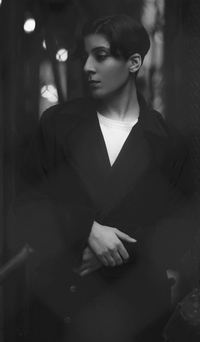
9(MDAxOTAwOTE4MDEyMTkxMDAzNjczZDljZA004))