The feeding frenzy in the wake of Nirvana's success was an ill-advised search that led, in a way, to Hootie and The Blowfish. Is there a lesson here?
Steve Knopper
Jawbox. From left: drummer Zach Barocas; bassist Kim Coletta; guitarist Bill Barbot; singer and vocalist J. Robbins. (Artist photo)
On the most humiliating day of Jawbox’s career, guitarist Bill Barbot was wearing a colorfully striped cotton T-shirt, white Calvin Klein jeans and Persol sunglasses and standing in a suburban New Jersey grocery store. Underneath orange and purple balloons and a hand-printed “Juicy Cubed Beef 59¢/lb.” sign, he held his guitar in the air, poised to smash it into a cart full of junk food. To Barbot’s left were his bandmates: drummer Zach Barocas, in a cream-colored jacket, bassist Kim Coletta in an impeccable red dress and singer J. Robbins, upside-down, clutching a microphone, cord between his teeth.
Up to this point, in 1994, Barbot’s Washington, D.C.-born hardcore band had spent all five years of its existence trying to live up to a certain punk-rock ethical standard set by Fugazi, Rites of Spring and other defiantly self-sufficient bands.
“We were part of a community that didn’t get the attention or the notice from the music industry or the music press and major labels, and it galvanized us, and made us feel like, ‘F*** everybody,'” Barbot recalls.
The self-managed Jawbox had the good fortune — or misfortune, as we’ll learn — of sounding a bit like Nirvana. In January, 1992, 26 years ago now, Nevermind hit No. 1 on the Billboard album charts, displacing Michael Jackson’s Dangerous, an event that fundamentally restructured the record business in ways still visible to the naked eye. (Would we have Five Seconds Of Summer without Kurt and Co.?) Every major record label suddenly needed its own Nirvana, and had plenty of cash to find one.
The Grunge Gold Rush was a unique three-year period, from roughly 1992 to 1995, when roaring, anti-everything bands such as Butthole Surfers, Foetus and Ween had benefactors who paid them hundreds of thousands, even millions, for doing what they’d always done. Swept up in the record industry’s net during this time were lasting rock superstars (Pearl Jam, Stone Temple Pilots, Tool) and commercial flops that never had any business being close to a major label (Cell, Quicksand, Steel Pole Bath Tub, Jawbox).
“You could make up a band, [and] make up a quote about them [that] Kurt Cobain said. The Melvins were the greatest example. Kurt liked The Melvins, so everybody had to go sign The Melvins,” recalls Janet Billig Rich, who spent the early ’90s managing bands like Nirvana, Smashing Pumpkins, Hole and the Lemonheads. “Everyone was a little shocked. Everything got really easy because it was this economy — Nirvana became an economy.”
This new, grunge-centric economy instantly destroyed the careers of hair-metal stars, from Poison to Bon Jovi. “I remember distinctly watching one A&R woman hiding in an office because BulletBoys showed up and she wanted to drop them — and this was a band that, one or two years earlier, was selling a ton of records,” recalls Larry Hardy, founder of indie label In The Red and a talent scout for major label Warner Bros. during the period. “Now everyone was looking for the next Nirvana, and she wouldn’t even face them.”
Polydor Records’ Joe Bosso, a metal expert who had been a contributing editor to Guitar World, immediately subscribed to Maximum Rocknroll, a venerable (and still-publishing) punk-rock magazine. Bosso, an A&R scout, stopped paying attention to influential metal managers and lawyers who were “shopping something kind of tired” and emphasized grimy punk clubs like Brownies and CBGB in New York. “We started looking for bands with one-word titles, like Truckdriver,” he recalls.
Mike Gitter, a punk-rock specialist who was starting out as an A&R man for major label Atlantic Records, home of hair-metal veterans White Lion, Ratt and Mr. Big, had been friendly with Jawbox singer Robbins and started hanging around the band’s shows and, in 1993, offered up a record deal. With the help of an attorney and a Chicago concert promoter they knew, Jawbox negotiated a $100,000 advance to make its Atlantic debut, For Your Own Special Sweetheart, which everybody hoped would make them stars. After taxes and expenses, divided four ways, the advance turned into “walking-around money,” Barbot recalls. Jawbox also received a $75,000 advance from song-publishing giant Warner/Chappell. “For them, it was like a rounding error, but for us, for like three weeks, we were rolling in cash,” Barbot adds of the publishing money. Jawbox’ members paid off college loans and credit-card debt.
“Everything felt right,” recalls Ken Weinstein, Jawbox’s Atlantic publicist at the time. “It was this big, big launch-pad moment.”
As part of the launch pad, Weinstein signed off on the “Juicy Cubed Beef” shoot — for Details magazine — at an abandoned grocery store in Secaucus, New Jersey, with celebrity photographer David LaChapelle. Jawbox felt weird about the opportunity, but trusted Weinstein and agreed. The band left New York City in an RV at 9 p.m., more anxious and grumpy than usual because they were set to tour Europe the following day. New York-area traffic put them on the road for two hours, and when they arrived, they waited for four or five more hours as LaChapelle and his team prepped the store. A “bazillion people” were on hand, Barbot recalls, including camera and lighting techs and extras; the big-haired drag queen who portrayed a suburban shopper; a stoner dude cradling a salami. Robbins was so despondent about betraying his punk principles for a glossy photo shoot that he spent all of his downtime in a bar down the block.
Despite the big-time publicity, 1994’s For Your Own Special Sweetheart, while hailed by critics, sold just 100,000 copies — a devastating flop in those days (but enough to debut at No. 1 in today’s sales-depleted world).
Jawbox kept touring, but the band couldn’t weather the lack of commercial success. It made one more poor-selling album for Atlantic — this time on the label’s TAG subsidiary, which Jawbox nicknamed “Toe Tag Records” for its uncanny ability to ignore promising bands — before breaking up in 1997. Today, Robbins continues to make music (his first post-Jawbox album is almost defiantly non-melodic). Barbot does website development and design for nonprofit foundations. Coletta has been a teacher and librarian. Barocas went to film school and became a writer, director and musician.
“We had the chance to grab the brass ring,” Barbot says today, “and we missed.”
The search for the next Nirvana was similar to the time when record men in suits chased psychedelic-rock bands in the wake of the Grateful Dead in the late ’60s, or when A&R scouts traveled the world for post-“My Sharona” bands with skinny ties in the late ’70s. The difference between this era and those of “Dark Star” and “My Sharona” was that major labels were richer than ever, thanks to the combination of endlessly booming CD sales, MTV and revenue-generating pop megastars such as Michael Jackson and Whitney Houston. In 1992, the year Nevermind broke, total record sales increased to nearly 900 million and a value of more than $9 billion, according to the Recording Industry Association of America. Hip-hop’s lengthy bling period began around the same time, thanks to labels’ fat marketing budgets, MTV and, most importantly, exciting new talent such as 2Pac, Dr. Dre and Snoop Doggy Dogg.
“You’re at the very tail end of the real record-company largesse of the ’80s,” Billig Rich recalls. “You could still get, like, $10,000 in cash to take the band to Vegas — and somehow that was ‘promotion.’ There was a lot of money thrown around. It was un-f******-believable.”Adds Atlantic’s Gitter: “There were people helping to pay artists’ rent.”
Every major label sent platoons of A&R scouts all over the world, armed with yearly expense budgets of up to $100,000 to wine and dine every halfway-decent (or sometimes not-decent-at-all) band in flannel shirts making dissonant guitar noise. Helmet, an unknown band that had Nirvana’s bludgeoning power but none of its radio-friendly melodies, signed to Interscope Records for a reported $1 million. Dave Katznelson, a Warner Bros. Records A&R vice president, paid In the Red Records’ Larry Hardy $5,000 per band to simply alert him to new discoveries, such as the Jon Spencer Blues Explosion. Virgin Records spent more than $1 million on Royal Trux, not realizing there were only two people in the band; Jennifer Herrema and Neil Hagerty had to scramble to find musicians to back them so they could play a showcase at Los Angeles’ Viper Room, on the Sunset Strip, for the many label scouts involved in that bidding war.
“Geffen was the first to call up,” Herrema recalls. “They paid for everybody’s flights, hotels for 10 to 12 days, per diems. They put us in a rehearsal space in Glendale. We were like, ‘F***, somebody’s going to finance a cool experiment for us.’ We stayed at the Beverly Garland Hotel.”
Some of the bands, like Royal Trux, managed to hang onto their windfalls long after their albums went bust and their labels dropped them. The members of Royal Trux retained their business manager, made sound investments — and live off the money to this day.
“I own a home,” Herrema says. “We didn’t really screw it up, as far as the money.” Other bands learned quickly just how thin these label advances could be. While lawyers, producers, stylists and video directors got rich, bands often wound up with tiny stipends. The $1.5 million advance Geffen Records gave to Cell, a promising punk-rock band, for a seven-record deal turned into about $30,000 per member, enough for each to quit his day job — and regret it later. Its 1994 sophomore album, Living Room, tanked so hard the band soon broke up.
In addition to grunge, equally noisy punk and metal bands (and hip-hop acts… but that’s a different story) were the subjects of elaborate bidding wars at the time. Or, as former Circle Jerks and Black Flag frontman Keith Morris calls them: sweepstakes. “Warner Bros. signs Green Day. We also have the Guns N’ Roses sweepstakes. We also have the Nirvana sweepstakes. All these sweepstakes,” says Morris, a punk-rock pioneer whose early-’90s band Bug Lamp received a $300,000 major-label offer, before the band disintegrated without ever making a record. “All of a sudden there’s a lot of opportunity and these ultra-mega-corporate, bigger-than-God record labels are throwing around more money than Fort Knox.”
Daniel Johnston performs during the 2005 South By South West Music Festival in Austin, Texas. The singer-songwriter gained mainstream attention in the 1990s via Kurt Cobain, and still performs to this day. (Jana Birchum/Getty Images)
Atlantic Records’ first step into the Grunge Gold Rush was to promote Danny Goldberg — a fortysomething senior A&R vice president who’d spent much of the previous decade managing abrasive and noisy bands like Hole, Sonic Youth, The Beastie Boys and Nirvana itself — to president. “It was a moment when Atlantic needed to catch up with that era of rock ‘n’ roll,” Goldberg says today. “There were people who had a more particular post-modern or alternative rock or punk or grunge background than I did, but there was no question that an affiliation with Nirvana was just a huge source of credibility in talking to a lot of the kinds of artists we tried to sign — and did sign — at Atlantic.”
Goldberg immediately rearranged the furniture, emphasizing the new genre of “alternative rock” at the expense of its metal stars. On his first day on the job, A&R reps Jason Flom and Tom Carolan asked him to meet with a new band, Mighty Joe Young, which would soon change its name to Stone Temple Pilots. A number of rival labels were after the band, too, but Atlantic won out because of Goldberg’s Nirvana connections. The Lemonheads, who’d sold just 30,000 copies of their 1990 album “Lovey,” suddenly had an Atlantic Records marketing budget — soon “It’s a Shame About Ray” was on the radio and singer Evan Dando was a superstar. Flom, a metal specialist, went with the flow, informing Goldberg of a weird song by one of the label’s weirdest bands — King Missile’s “Detachable Penis.” Goldberg agreed it could be a hit in the bizarro pop landscape Nirvana had created. It surged on MTV.
Under Goldberg’s leadership, Atlantic signed an artist with maybe the most minimal ability to sell records of anybody in the ’90s, and possibly ever: Daniel Johnston, a talented singer-songwriter from Texas who struggled daily with bipolar disorder and other forms of mental illness. Johnston had moved from his family home in West Virginia to live on his own in Austin, Texas and in 1980 began to release self-produced cassettes of his endearingly high-pitched voice set to herky-jerky guitar-picking and the occasional tinny keyboard. “Hi, how are you!” he exults, in what sounds like a song recorded on a telephone answering machine, at the beginning of his 1983 album titled after the phrase. “Every morning, he got up,” he sings, “dreading the moment he had to be awake.” An independent label, Homestead, began to put out Johnston’s music on actual records. Word spread about this brilliant but troubled songwriter, to the point that Nirvana’s Kurt Cobain wore a Johnston shirt on MTV.
“That was like the watershed moment,” recalls Jeff Tartakov, who befriended Johnston in 1985 and became his manager.
Yves Beauvais, Atlantic’s longtime A&R man and jazz specialist, was a Johnston fan and wanted to take him on as a passion project. Beauvais was close with Atlantic’s co-founder, the late Ahmet Ertegun, and he proposed giving Johnston a deal similar to that of a jazz musician. Maybe he’d just sell 25,000 to 50,000 albums, but it would still be worth it for the prestige of having a widely respected artist on the label. Atlantic offered Johnston a deal in the “low six figures” — less than $500,000, as one of his managers recalls — for seven albums. But Atlantic reserved the right to drop Johnston after any of the albums. He wound up making just one, 1994’s Fun. Produced by kindred Austin spirit Paul Leary of the Butthole Surfers, Fun was a focused and hard-rocking album, complete with spontaneous burping, which suggested, briefly and improbably, that Johnston really could be the next Nirvana. The album sold roughly 16,000 copies and Atlantic dropped him, but that money (as well as a lucrative publishing deal) still provides for Johnston.
“They started releasing these old tapes, you know?” Johnston, now 56, says of his Atlantic years, in a brief phone interview from his Texas home. “And they got very popular, and I’m a rich man because of it.”
During the Grunge Gold Rush, Gitter, the Atlantic A&R man who signed Jawbox, couldn’t believe how much money he was getting to do his job. He had an expense account of $25,000 to $30,000 a year, earmarked for taking Nirvana-ish bands to tony restaurants and bars. “We were all living pretty exciting, dynamic and well-fed lives,” Gitter says. “It was ‘let’s have a meal with band A, B or C, let’s go to the Zen Palate,’ because we loved going to the Zen Palate. It was the usual record-company dinner, that went into the thousands.” Gitter knew the noisy bands on Fugazi singer Ian MacKaye’s independent label Dischord Records had automatic credibility with the Nirvana crowd and were capable of selling concert tickets. It didn’t matter that MacKaye wouldn’t go near a major label — executives approached MacKaye about “having lunch,” and while some in the music business say they’ve heard rumors of multimillion-dollar offers, the singer says discussions never evolved to the point of numbers. “We were never hungry, or available,” MacKaye says via e-mail.
During a September 1993 show at New York’s Roseland Ballroom, Atlantic Records’ Ahmet Ertegun, “mysteriously appeared” in Fugazi’s dressing room after the band finished playing, MacKaye says. He had no idea who Ertegun was, and when Ertegun said he ran Atlantic, MacKaye assumed he’d showed up to see Jawbox open the show, since they were signed to his label. But Ertegun appeared to have no idea who Jawbox was, and he made clear he’d come to see Fugazi. “He was a very pleasant guy,” recalls MacKaye, adding that he didn’t learn about Ertegun’s history until afterwards. “Though we were clear that we weren’t interested in working with Atlantic, I had hoped to get a chance to meet up with him again just to hear some of his stories.”
Most bands, who had toiled for years in dingy clubs just to make a few hundred bucks a night, were not as tied to their principles as Fugazi (or even Jawbox). They were delighted with this newfound financial success. To woo Cop Shoot Cop, a political noise-rock band destined to never have a hit, Interscope Records put up its twentysomething members in the Mondrian hotel in West Hollywood, where the band partied all night in a Jacuzzi, later signing for $150,000.
For the most part, the Grunge Gold Rush was a harmless rock ‘n’ roll story, a redistribution of record-business wealth from one kind of band to another. But for some bands, unprepared for a sudden influx of money and fame, this period had dark and tragic consequences. Drugs had always been part of the underground rock scene, but the combination of drugs and money was too much for certain addicts in newly big-time bands.
Hootie and the Blowfish pose for photographers with their Grammy Awards in 1996. (JEFF HAYNES/AFP/Getty Images)
The Meat Puppets were a cautionary tale. When Cobain brought them onstage as guest stars during Nirvana’s “MTV Unplugged” performance, the hardworking, stringy-haired, improvisational punk-rock trio from Phoenix, Arizona instantly transformed into valuable rock stars. After that appearance, brothers Cris and Curt Kirkwood and drummer Derrick Bostrom showed up for a meeting at their major record label, PolyGram, in a Manhattan skyscraper. The band passed the massive security desk in the lobby and took an endless escalator in lieu of two flights of stairs. “As we’re going up, there’s open space and high ceilings, and on one wall, there’s a gigantic picture of [rappers] Salt-N-Pepa on the wall, like 50 by 30 feet,” bassist Cris Kirkwood recalls. “And on the other wall it was us. It was like, ‘What the f***?’ And it was like, ‘Holy s***. Well, that’s the biggest f*****’ picture I’ve ever seen of myself,'” he continues. “All of a sudden, we were going to be the focus of that quarter and we were going to [anchor] their rock section.”
PolyGram chose the band’s catchy new single “Backwater” as the label’s marketing focus and threw its promotions-and-publicity might onto MTV, magazines like Rolling Stone and SPIN, and rock radio. The plan worked. By Mariah Carey standards “Backwater” was a minor hit, reaching No. 2 on the Billboard Album Rock chart, and the album Too High To Die merely went gold. Regardless, the experience changed the band’s life forever. “We definitely got a little bit of money coming in when that happened,” Kirkwood says.
The Meat Puppets had dabbled in recreational drugs for years, particularly pot and acid. In the late ’90s, the Kirkwoods’ mother, Vera Renstrom, died of cancer, and Cris’ wife, Michelle Tardif, died of a drug overdose in the couple’s Tempe, Arizona, home. Soon Cris was spending his time, as his brother Curt would tell the Phoenix New Times, “probing inside an abscess on his stomach with a needle, searching for a vein.” It didn’t help that PolyGram, one of the biggest record labels, had sent The Meat Puppets on tour all summer to open for Stone Temple Pilots, a band led by an addict of its own, singer Scott Weiland, who would die in 2015 of an accidental overdose.
“I absolutely sought solace in dope. For sure, the fact I had money at that point — more money than I’d ever had — contributed to that,” Cris Kirkwood says today. “Actually getting better is easier to put off till tomorrow when you have the finances to keep at it today . . . Having more money made it easier to stay f***** up, and then things just got tragic right away. It got to the point where I wasn’t functional.” The long-stable Meat Puppets suddenly imploded. They broke up for several years as Cris struggled to subdue his addiction. Today, he has been clean for years and tours all the old punk clubs, reunited with his brother in the Meat Puppets, although the band replaced original drummer Bostrom with Ted Marcus.
The Grunge Gold Rush ended with a different kind of tragedy — and a new beginning.
Atlantic’s Tim Sommer, one of Goldberg’s trusted A&R men, wanted his next Nirvana to have the same rock ‘n’ roll spirit. In April 1993, he fell in love with The Gits, a punk band with a dynamic frontwoman, Mia Zapata. They’d formed in Ohio, but when Nirvana and Soundgarden began to take off, Zapata and her three bandmates moved to Seattle in an attempt to soak in the exploding scene. Sommer approached The Gits to be his first signing. He shook hands with them on a record deal in July.
Three days later, at 3:20 a.m. on 24th Avenue South in the Capitol Hill area of Seattle, Zapata, 27, was found dead after being assaulted, raped and strangled with her own sweatshirt cord. Zapata’s death was a mystery for nearly 11 years, until a jury convicted a Florida fisherman, Jesus Mezquia, of first-degree murder in March 2004. “She was brilliant,” the band’s drummer, Steve Moriarty, Zapata’s friend since their days at Antioch College in Ohio, told the Seattle Times. “She was a blues singer and a jazz singer and a punk singer all at once.”
Like anyone who’d ever known Zapata, Sommer mourned. Then he went back to work.
Goldberg had put an EP on his desk in a stack with some other CDs recommended by Atlantic’s sales department. It was a band from South Carolina, playing what Sommer termed the “mid-south college circuit” — a route focusing on college towns from Alabama through to Georgia, South Carolina and North Carolina pioneered by R.E.M. and later utilized by The Dave Matthews Band. “A lot of bands who knew how to play that circuit, playing very regularly, were making a good living,” Sommer says. “If you did well on that circuit, it was generally a good indicator you’d do well nationally.”
Sommer listened to the EP. It didn’t sound anything like Nirvana. He decided the band was worth checking out anyway. In August 1993, he flew to Charleston, South Carolina, to see Hootie and The Blowfish for the first time. “I knew instantly I wanted to sign them within half of the first song,” he recalls.
The record industry was still obsessed with Cell and Medicine and Cop Shoot Cop and Royal Trux, but when Hootie’s Cracked Rear View album sold 15 million copies, its genteel success opened a new lane, of softer pop and rock, with zero ear-shredding guitars. It pointed the way to the boy bands and Britneys who would dominate the final, pre-Napster, super-rich days of the business.
Copyright 2018 NPR. To see more, visit http://www.npr.org/.
lower waypointnext waypoint
Player sponsored by
window.__IS_SSR__=true
window.__INITIAL_STATE__={
"attachmentsReducer": {
"audio_0": {
"type": "attachments",
"id": "audio_0",
"imgSizes": {
"kqedFullSize": {
"file": "https://ww2.kqed.org/news/wp-content/themes/KQED-unified/img/audio_bgs/background0.jpg"
}
}
},
"audio_1": {
"type": "attachments",
"id": "audio_1",
"imgSizes": {
"kqedFullSize": {
"file": "https://ww2.kqed.org/news/wp-content/themes/KQED-unified/img/audio_bgs/background1.jpg"
}
}
},
"audio_2": {
"type": "attachments",
"id": "audio_2",
"imgSizes": {
"kqedFullSize": {
"file": "https://ww2.kqed.org/news/wp-content/themes/KQED-unified/img/audio_bgs/background2.jpg"
}
}
},
"audio_3": {
"type": "attachments",
"id": "audio_3",
"imgSizes": {
"kqedFullSize": {
"file": "https://ww2.kqed.org/news/wp-content/themes/KQED-unified/img/audio_bgs/background3.jpg"
}
}
},
"audio_4": {
"type": "attachments",
"id": "audio_4",
"imgSizes": {
"kqedFullSize": {
"file": "https://ww2.kqed.org/news/wp-content/themes/KQED-unified/img/audio_bgs/background4.jpg"
}
}
},
"placeholder": {
"type": "attachments",
"id": "placeholder",
"imgSizes": {
"thumbnail": {
"file": "https://cdn.kqed.org/wp-content/uploads/2024/12/KQED-Default-Image-816638274-2000x1333-1-160x107.jpg",
"width": 160,
"height": 107,
"mimeType": "image/jpeg"
},
"medium": {
"file": "https://cdn.kqed.org/wp-content/uploads/2024/12/KQED-Default-Image-816638274-2000x1333-1-800x533.jpg",
"width": 800,
"height": 533,
"mimeType": "image/jpeg"
},
"medium_large": {
"file": "https://cdn.kqed.org/wp-content/uploads/2024/12/KQED-Default-Image-816638274-2000x1333-1-768x512.jpg",
"width": 768,
"height": 512,
"mimeType": "image/jpeg"
},
"large": {
"file": "https://cdn.kqed.org/wp-content/uploads/2024/12/KQED-Default-Image-816638274-2000x1333-1-1020x680.jpg",
"width": 1020,
"height": 680,
"mimeType": "image/jpeg"
},
"1536x1536": {
"file": "https://cdn.kqed.org/wp-content/uploads/2024/12/KQED-Default-Image-816638274-2000x1333-1-1536x1024.jpg",
"width": 1536,
"height": 1024,
"mimeType": "image/jpeg"
},
"fd-lrg": {
"file": "https://cdn.kqed.org/wp-content/uploads/2024/12/KQED-Default-Image-816638274-2000x1333-1-1536x1024.jpg",
"width": 1536,
"height": 1024,
"mimeType": "image/jpeg"
},
"fd-med": {
"file": "https://cdn.kqed.org/wp-content/uploads/2024/12/KQED-Default-Image-816638274-2000x1333-1-1020x680.jpg",
"width": 1020,
"height": 680,
"mimeType": "image/jpeg"
},
"fd-sm": {
"file": "https://cdn.kqed.org/wp-content/uploads/2024/12/KQED-Default-Image-816638274-2000x1333-1-800x533.jpg",
"width": 800,
"height": 533,
"mimeType": "image/jpeg"
},
"post-thumbnail": {
"file": "https://cdn.kqed.org/wp-content/uploads/2024/12/KQED-Default-Image-816638274-2000x1333-1-672x372.jpg",
"width": 672,
"height": 372,
"mimeType": "image/jpeg"
},
"twentyfourteen-full-width": {
"file": "https://cdn.kqed.org/wp-content/uploads/2024/12/KQED-Default-Image-816638274-2000x1333-1-1038x576.jpg",
"width": 1038,
"height": 576,
"mimeType": "image/jpeg"
},
"xxsmall": {
"file": "https://cdn.kqed.org/wp-content/uploads/2024/12/KQED-Default-Image-816638274-2000x1333-1-160x107.jpg",
"width": 160,
"height": 107,
"mimeType": "image/jpeg"
},
"xsmall": {
"file": "https://cdn.kqed.org/wp-content/uploads/2024/12/KQED-Default-Image-816638274-2000x1333-1-672x372.jpg",
"width": 672,
"height": 372,
"mimeType": "image/jpeg"
},
"small": {
"file": "https://cdn.kqed.org/wp-content/uploads/2024/12/KQED-Default-Image-816638274-2000x1333-1-672x372.jpg",
"width": 672,
"height": 372,
"mimeType": "image/jpeg"
},
"xlarge": {
"file": "https://cdn.kqed.org/wp-content/uploads/2024/12/KQED-Default-Image-816638274-2000x1333-1-1020x680.jpg",
"width": 1020,
"height": 680,
"mimeType": "image/jpeg"
},
"full-width": {
"file": "https://cdn.kqed.org/wp-content/uploads/2024/12/KQED-Default-Image-816638274-2000x1333-1-1920x1280.jpg",
"width": 1920,
"height": 1280,
"mimeType": "image/jpeg"
},
"guest-author-32": {
"file": "https://cdn.kqed.org/wp-content/uploads/2025/01/KQED-Default-Image-816638274-1333x1333-1-160x160.jpg",
"width": 32,
"height": 32,
"mimeType": "image/jpeg"
},
"guest-author-50": {
"file": "https://cdn.kqed.org/wp-content/uploads/2025/01/KQED-Default-Image-816638274-1333x1333-1-160x160.jpg",
"width": 50,
"height": 50,
"mimeType": "image/jpeg"
},
"guest-author-64": {
"file": "https://cdn.kqed.org/wp-content/uploads/2025/01/KQED-Default-Image-816638274-1333x1333-1-160x160.jpg",
"width": 64,
"height": 64,
"mimeType": "image/jpeg"
},
"guest-author-96": {
"file": "https://cdn.kqed.org/wp-content/uploads/2025/01/KQED-Default-Image-816638274-1333x1333-1-160x160.jpg",
"width": 96,
"height": 96,
"mimeType": "image/jpeg"
},
"guest-author-128": {
"file": "https://cdn.kqed.org/wp-content/uploads/2025/01/KQED-Default-Image-816638274-1333x1333-1-160x160.jpg",
"width": 128,
"height": 128,
"mimeType": "image/jpeg"
},
"detail": {
"file": "https://cdn.kqed.org/wp-content/uploads/2025/01/KQED-Default-Image-816638274-1333x1333-1-160x160.jpg",
"width": 160,
"height": 160,
"mimeType": "image/jpeg"
},
"kqedFullSize": {
"file": "https://cdn.kqed.org/wp-content/uploads/2024/12/KQED-Default-Image-816638274-2000x1333-1.jpg",
"width": 2000,
"height": 1333
}
}
},
"arts_13819028": {
"type": "attachments",
"id": "arts_13819028",
"meta": {
"index": "attachments_1716263798",
"site": "arts",
"id": "13819028",
"found": true
},
"parent": 13819027,
"imgSizes": {
"small": {
"file": "https://ww2.kqed.org/app/uploads/sites/2/2018/01/jawbox_40_wide-99d12ff170a09cc268b3f1a4924891c12dd89b57-520x292.jpg",
"width": 520,
"mimeType": "image/jpeg",
"height": 292
},
"twentyfourteen-full-width": {
"file": "https://ww2.kqed.org/app/uploads/sites/2/2018/01/jawbox_40_wide-99d12ff170a09cc268b3f1a4924891c12dd89b57-1038x576.jpg",
"width": 1038,
"mimeType": "image/jpeg",
"height": 576
},
"thumbnail": {
"file": "https://ww2.kqed.org/app/uploads/sites/2/2018/01/jawbox_40_wide-99d12ff170a09cc268b3f1a4924891c12dd89b57-160x90.jpg",
"width": 160,
"mimeType": "image/jpeg",
"height": 90
},
"fd-sm": {
"file": "https://ww2.kqed.org/app/uploads/sites/2/2018/01/jawbox_40_wide-99d12ff170a09cc268b3f1a4924891c12dd89b57-960x540.jpg",
"width": 960,
"mimeType": "image/jpeg",
"height": 540
},
"post-thumbnail": {
"file": "https://ww2.kqed.org/app/uploads/sites/2/2018/01/jawbox_40_wide-99d12ff170a09cc268b3f1a4924891c12dd89b57-672x372.jpg",
"width": 672,
"mimeType": "image/jpeg",
"height": 372
},
"xsmall": {
"file": "https://ww2.kqed.org/app/uploads/sites/2/2018/01/jawbox_40_wide-99d12ff170a09cc268b3f1a4924891c12dd89b57-375x211.jpg",
"width": 375,
"mimeType": "image/jpeg",
"height": 211
},
"kqedFullSize": {
"file": "https://ww2.kqed.org/app/uploads/sites/2/2018/01/jawbox_40_wide-99d12ff170a09cc268b3f1a4924891c12dd89b57.jpg",
"width": 2048,
"height": 1152
},
"large": {
"file": "https://ww2.kqed.org/app/uploads/sites/2/2018/01/jawbox_40_wide-99d12ff170a09cc268b3f1a4924891c12dd89b57-1020x574.jpg",
"width": 1020,
"mimeType": "image/jpeg",
"height": 574
},
"xlarge": {
"file": "https://ww2.kqed.org/app/uploads/sites/2/2018/01/jawbox_40_wide-99d12ff170a09cc268b3f1a4924891c12dd89b57-1180x664.jpg",
"width": 1180,
"mimeType": "image/jpeg",
"height": 664
},
"guest-author-50": {
"file": "https://ww2.kqed.org/app/uploads/sites/2/2018/01/jawbox_40_wide-99d12ff170a09cc268b3f1a4924891c12dd89b57-50x50.jpg",
"width": 50,
"mimeType": "image/jpeg",
"height": 50
},
"guest-author-96": {
"file": "https://ww2.kqed.org/app/uploads/sites/2/2018/01/jawbox_40_wide-99d12ff170a09cc268b3f1a4924891c12dd89b57-96x96.jpg",
"width": 96,
"mimeType": "image/jpeg",
"height": 96
},
"medium": {
"file": "https://ww2.kqed.org/app/uploads/sites/2/2018/01/jawbox_40_wide-99d12ff170a09cc268b3f1a4924891c12dd89b57-800x450.jpg",
"width": 800,
"mimeType": "image/jpeg",
"height": 450
},
"guest-author-64": {
"file": "https://ww2.kqed.org/app/uploads/sites/2/2018/01/jawbox_40_wide-99d12ff170a09cc268b3f1a4924891c12dd89b57-64x64.jpg",
"width": 64,
"mimeType": "image/jpeg",
"height": 64
},
"guest-author-32": {
"file": "https://ww2.kqed.org/app/uploads/sites/2/2018/01/jawbox_40_wide-99d12ff170a09cc268b3f1a4924891c12dd89b57-32x32.jpg",
"width": 32,
"mimeType": "image/jpeg",
"height": 32
},
"fd-lrg": {
"file": "https://ww2.kqed.org/app/uploads/sites/2/2018/01/jawbox_40_wide-99d12ff170a09cc268b3f1a4924891c12dd89b57-1920x1080.jpg",
"width": 1920,
"mimeType": "image/jpeg",
"height": 1080
},
"fd-med": {
"file": "https://ww2.kqed.org/app/uploads/sites/2/2018/01/jawbox_40_wide-99d12ff170a09cc268b3f1a4924891c12dd89b57-1180x664.jpg",
"width": 1180,
"mimeType": "image/jpeg",
"height": 664
},
"full-width": {
"file": "https://ww2.kqed.org/app/uploads/sites/2/2018/01/jawbox_40_wide-99d12ff170a09cc268b3f1a4924891c12dd89b57-1920x1080.jpg",
"width": 1920,
"mimeType": "image/jpeg",
"height": 1080
},
"detail": {
"file": "https://ww2.kqed.org/app/uploads/sites/2/2018/01/jawbox_40_wide-99d12ff170a09cc268b3f1a4924891c12dd89b57-150x150.jpg",
"width": 150,
"mimeType": "image/jpeg",
"height": 150
},
"medium_large": {
"file": "https://ww2.kqed.org/app/uploads/sites/2/2018/01/jawbox_40_wide-99d12ff170a09cc268b3f1a4924891c12dd89b57-768x432.jpg",
"width": 768,
"mimeType": "image/jpeg",
"height": 432
},
"guest-author-128": {
"file": "https://ww2.kqed.org/app/uploads/sites/2/2018/01/jawbox_40_wide-99d12ff170a09cc268b3f1a4924891c12dd89b57-128x128.jpg",
"width": 128,
"mimeType": "image/jpeg",
"height": 128
},
"xxsmall": {
"file": "https://ww2.kqed.org/app/uploads/sites/2/2018/01/jawbox_40_wide-99d12ff170a09cc268b3f1a4924891c12dd89b57-240x135.jpg",
"width": 240,
"mimeType": "image/jpeg",
"height": 135
}
},
"publishDate": 1515783203,
"modified": 1515784009,
"caption": "Jawbox. From left: drummer Zach Barocas; bassist Kim Coletta; guitarist Bill Barbot; singer and vocalist J. Robbins.",
"description": "Jawbox. From left: drummer Zach Barocas; bassist Kim Coletta; guitarist Bill Barbot; singer and vocalist J. Robbins.",
"title": "Jawbox. From left: drummer Zach Barocas; bassist Kim Coletta; guitarist Bill Barbot; singer and vocalist J. Robbins.",
"credit": "Artist photo",
"status": "inherit",
"isLoading": false,
"fetchFailed": false
}
},
"audioPlayerReducer": {
"postId": "stream_live",
"isPaused": true,
"isPlaying": false,
"pfsActive": false,
"pledgeModalIsOpen": true,
"playerDrawerIsOpen": false,
"liveAudioPlayStartedAt": 0,
"liveAudioPlayContext": ""
},
"authorsReducer": {
"byline_arts_13819027": {
"type": "authors",
"id": "byline_arts_13819027",
"meta": {
"override": true
},
"slug": "byline_arts_13819027",
"name": "Steve Knopper",
"isLoading": false
}
},
"pagesReducer": {},
"pfsSessionReducer": {},
"postsReducer": {
"stream_live": {
"type": "live",
"id": "stream_live",
"audioUrl": "https://hls.kqed.org/hls/kqed_app/playlist.m3u8",
"title": "Live Stream",
"excerpt": "Live Stream information currently unavailable.",
"link": "/radio",
"featImg": "",
"label": {
"name": "KQED Live",
"link": "/"
}
},
"stream_kqedNewscast": {
"type": "posts",
"id": "stream_kqedNewscast",
"audioUrl": "https://www.kqed.org/.stream/anon/radio/RDnews/newscast.mp3?_=1",
"title": "KQED Newscast",
"featImg": "",
"label": {
"name": "88.5 FM",
"link": "/"
}
},
"arts_13819027": {
"type": "posts",
"id": "arts_13819027",
"meta": {
"index": "posts_1716263798",
"site": "arts",
"id": "13819027",
"found": true
},
"articlePosition": 0,
"parent": 0,
"labelTerm": {
"site": "arts"
},
"blocks": [],
"publishDate": 1515787247,
"format": "standard",
"title": "The Grunge Gold Rush",
"headTitle": "The Grunge Gold Rush | KQED",
"content": "\u003cp>\u003cstrong>On the most humiliating day of Jawbox’s career\u003c/strong>, guitarist Bill Barbot was wearing a colorfully striped cotton T-shirt, white Calvin Klein jeans and Persol sunglasses and standing in a suburban New Jersey grocery store. Underneath orange and purple balloons and a hand-printed “Juicy Cubed Beef 59¢/lb.” sign, he held his guitar in the air, poised to smash it into a cart full of junk food. To Barbot’s left were his bandmates: drummer Zach Barocas, in a cream-colored jacket, bassist Kim Coletta in an impeccable red dress and singer J. Robbins, upside-down, clutching a microphone, cord between his teeth.\u003c/p>\n\u003cp>Up to this point, in 1994, Barbot’s Washington, D.C.-born hardcore band had spent all five years of its existence trying to live up to a certain punk-rock ethical standard set by Fugazi, Rites of Spring and other defiantly self-sufficient bands.\u003c/p>\n\u003cp>“We were part of a community that didn’t get the attention or the notice from the music industry or the music press and major labels, and it galvanized us, and made us feel like, ‘F*** everybody,'” Barbot recalls.\u003c/p>\n\u003cp>The self-managed Jawbox had the good fortune — or misfortune, as we’ll learn — of sounding a bit like Nirvana. In January, 1992, 26 years ago now, \u003cem>Nevermind\u003c/em> hit No. 1 on the \u003cem>Billboard \u003c/em>album charts, displacing Michael Jackson’s \u003cem>Dangerous\u003c/em>, an event that fundamentally restructured the record business in ways still visible to the naked eye. (Would we have Five Seconds Of Summer without Kurt and Co.?) Every major record label suddenly needed its own Nirvana, and had plenty of cash to find one.\u003c/p>\n\u003cp>The Grunge Gold Rush was a unique three-year period, from roughly 1992 to 1995, when roaring, anti-everything bands such as Butthole Surfers, Foetus and Ween had benefactors who paid them hundreds of thousands, even millions, for doing what they’d always done. Swept up in the record industry’s net during this time were lasting rock superstars (Pearl Jam, Stone Temple Pilots, Tool) and commercial flops that never had any business being close to a major label (Cell, Quicksand, Steel Pole Bath Tub, Jawbox).\u003c/p>\n\u003cp>[ad fullwidth]\u003c/p>\n\u003cp>“You could make up a band, [and] make up a quote about them [that] Kurt Cobain said. The Melvins were the greatest example. Kurt liked The Melvins, so everybody had to go sign The Melvins,” recalls Janet Billig Rich, who spent the early ’90s managing bands like Nirvana, Smashing Pumpkins, Hole and the Lemonheads. “Everyone was a little shocked. Everything got really easy because it was this economy — Nirvana became an economy.”\u003c/p>\n\u003cp>This new, grunge-centric economy instantly destroyed the careers of hair-metal stars, from Poison to Bon Jovi. “I remember distinctly watching one A&R woman hiding in an office because \u003ca href=\"https://www.youtube.com/watch?v=ziL2FyIg1_I\">BulletBoys\u003c/a> showed up and she wanted to drop them — and this was a band that, one or two years earlier, was selling a ton of records,” recalls Larry Hardy, founder of indie label \u003ca href=\"https://intheredrecords.com/\">In The Red\u003c/a> and a talent scout for major label Warner Bros. during the period. “Now everyone was looking for the next Nirvana, and she wouldn’t even face them.”\u003c/p>\n\u003cp>Polydor Records’ Joe Bosso, a metal expert who had been a contributing editor to \u003cem>Guitar World\u003c/em>, immediately subscribed to \u003cem>Maximum Rocknroll, \u003c/em>a venerable (and \u003ca href=\"http://www.maximumrocknroll.com/\">still-publishing\u003c/a>) punk-rock magazine. Bosso, an A&R scout, stopped paying attention to influential metal managers and lawyers who were “shopping something kind of tired” and emphasized grimy punk clubs like Brownies and CBGB in New York. “We started looking for bands with one-word titles, like Truckdriver,” he recalls.\u003c/p>\n\u003cp>Mike Gitter, a punk-rock specialist who was starting out as an A&R man for major label Atlantic Records, home of hair-metal veterans White Lion, Ratt and Mr. Big, had been friendly with Jawbox singer Robbins and started hanging around the band’s shows and, in 1993, offered up a record deal. With the help of an attorney and a Chicago concert promoter they knew, Jawbox negotiated a $100,000 advance to make its Atlantic debut, \u003cem>For Your Own Special Sweetheart\u003c/em>, which everybody hoped would make them stars. After taxes and expenses, divided four ways, the advance turned into “walking-around money,” Barbot recalls. Jawbox also received a $75,000 advance from song-publishing giant Warner/Chappell. “For them, it was like a rounding error, but for us, for like three weeks, we were rolling in cash,” Barbot adds of the publishing money. Jawbox’ members paid off college loans and credit-card debt.\u003c/p>\n\u003cp>“Everything felt right,” recalls Ken Weinstein, Jawbox’s Atlantic publicist at the time. “It was this big, big launch-pad moment.”\u003c/p>\n\u003cp>As part of the launch pad, Weinstein signed off on \u003ca href=\"http://lindasimpson.org/wordpress/wp-content/uploads/2011/05/a1.jpg\" rel=\"noopener\" target=\"_blank\">the “Juicy Cubed Beef” shoot\u003c/a> — for \u003cem>Details \u003c/em>magazine — at an abandoned grocery store in Secaucus, New Jersey, with celebrity photographer David LaChapelle. Jawbox felt weird about the opportunity, but trusted Weinstein and agreed. The band left New York City in an RV at 9 p.m., more anxious and grumpy than usual because they were set to tour Europe the following day. New York-area traffic put them on the road for two hours, and when they arrived, they waited for four or five more hours as LaChapelle and his team prepped the store. A “bazillion people” were on hand, Barbot recalls, including camera and lighting techs and extras; the big-haired drag queen who portrayed a suburban shopper; a stoner dude cradling a salami. Robbins was so despondent about betraying his punk principles for a glossy photo shoot that he spent all of his downtime in a bar down the block.\u003c/p>\n\u003cp>Despite the big-time publicity, 1994’s \u003cem>For Your Own Special Sweetheart\u003c/em>, while hailed by critics, sold just 100,000 copies — a devastating flop in those days (but \u003ca href=\"http://www.billboard.com/articles/columns/chart-beat/7998826/nf-first-no-1-album-billboard-200-chart-perception\">enough to debut\u003c/a> at No. 1 in today’s sales-depleted world).\u003c/p>\n\u003cp>Jawbox kept touring, but the band couldn’t weather the lack of commercial success. It made one more poor-selling album for Atlantic — this time on the label’s TAG subsidiary, which Jawbox nicknamed “Toe Tag Records” for its uncanny ability to ignore promising bands — before breaking up in 1997. Today, Robbins continues to make music (his first post-Jawbox album is almost defiantly non-melodic). Barbot does website development and design for nonprofit foundations. Coletta has been a teacher and librarian. Barocas went to film school and became a writer, director and musician.\u003c/p>\n\u003cp>“We had the chance to grab the brass ring,” Barbot says today, “and we missed.”\u003c/p>\n\u003cp>\u003cstrong>The search for the next Nirvana\u003c/strong> was similar to the time when record men in suits chased psychedelic-rock bands in the wake of the Grateful Dead in the late ’60s, or when A&R scouts traveled the world for post-“My Sharona” bands with skinny ties in the late ’70s. The difference between this era and those of “Dark Star” and “My Sharona” was that major labels were richer than ever, thanks to the combination of endlessly booming CD sales, MTV and revenue-generating pop megastars such as Michael Jackson and Whitney Houston. In 1992, the year \u003cem>Nevermind\u003c/em> broke, total record sales increased to nearly 900 million and a value of more than $9 billion, according to the Recording Industry Association of America. Hip-hop’s lengthy bling period began around the same time, thanks to labels’ fat marketing budgets, MTV and, most importantly, exciting new talent such as 2Pac, Dr. Dre and Snoop Doggy Dogg.\u003c/p>\n\u003cp>“You’re at the very tail end of the real record-company largesse of the ’80s,” Billig Rich recalls. “You could still get, like, $10,000 in cash to take the band to Vegas — and somehow that was ‘promotion.’ There was a lot of money thrown around. It was un-f******-believable.”\u003cstrong> \u003c/strong>Adds Atlantic’s Gitter: “There were people helping to pay artists’ rent.”\u003c/p>\n\u003cp>Every major label sent platoons of A&R scouts all over the world, armed with yearly expense budgets of up to $100,000 to wine and dine every halfway-decent (or sometimes not-decent-at-all) band in flannel shirts making dissonant guitar noise. Helmet, an unknown band that had Nirvana’s bludgeoning power but none of its radio-friendly melodies, signed to Interscope Records for a reported $1 million. Dave Katznelson, a Warner Bros. Records A&R vice president, paid In the Red Records’ Larry Hardy $5,000 per band to simply alert him to new discoveries, such as the Jon Spencer Blues Explosion. Virgin Records spent more than $1 million on Royal Trux, not realizing there were only two people in the band; Jennifer Herrema and Neil Hagerty had to scramble to find musicians to back them so they could play a showcase at Los Angeles’ Viper Room, on the Sunset Strip, for the many label scouts involved in that bidding war.\u003c/p>\n\u003cp>“Geffen was the first to call up,” Herrema recalls. “They paid for everybody’s flights, hotels for 10 to 12 days, per diems. They put us in a rehearsal space in Glendale. We were like, ‘F***, somebody’s going to finance a cool experiment for us.’ We stayed at the Beverly Garland Hotel.”\u003c/p>\n\u003cp>Some of the bands, like Royal Trux, managed to hang onto their windfalls long after their albums went bust and their labels dropped them. The members of Royal Trux retained their business manager, made sound investments — and live off the money to this day.\u003c/p>\n\u003cp>“I own a home,” Herrema says. “We didn’t really screw it up, as far as the money.” Other bands learned quickly just how thin these label advances could be. While lawyers, producers, stylists and video directors got rich, bands often wound up with tiny stipends. The $1.5 million advance Geffen Records gave to Cell, a promising punk-rock band, for a seven-record deal turned into about $30,000 per member, enough for each to quit his day job — and regret it later. Its 1994 sophomore album, \u003cem>Living Room,\u003c/em> tanked so hard the band soon broke up.\u003c/p>\n\u003cp>In addition to grunge, equally noisy punk and metal bands (and hip-hop acts… but that’s a different story) were the subjects of elaborate bidding wars at the time. Or, as former Circle Jerks and Black Flag frontman Keith Morris calls them: sweepstakes. “Warner Bros. signs Green Day. We also have the Guns N’ Roses sweepstakes. We also have the Nirvana sweepstakes. All these sweepstakes,” says Morris, a punk-rock pioneer whose early-’90s band Bug Lamp received a $300,000 major-label offer, before the band disintegrated without ever making a record. “All of a sudden there’s a lot of opportunity and these ultra-mega-corporate, bigger-than-God record labels are throwing around more money than Fort Knox.”\u003c/p>\n\u003cfigure id=\"attachment_13819032\" class=\"wp-caption aligncenter\" style=\"max-width: 800px\">\u003cimg loading=\"lazy\" decoding=\"async\" src=\"https://ww2.kqed.org/arts/wp-content/uploads/sites/2/2018/01/DanielJohnston-1-800x533.jpg\" alt=\"Daniel Johnston performs during the 2005 South By South West Music Festival in Austin, Texas. The singer-songwriter gained mainstream attention in the 1990s via Kurt Cobain, and still performs to this day.\" width=\"800\" height=\"533\" class=\"size-medium wp-image-13819032\" srcset=\"https://cdn.kqed.org/wp-content/uploads/sites/2/2018/01/DanielJohnston-1.jpg 800w, https://cdn.kqed.org/wp-content/uploads/sites/2/2018/01/DanielJohnston-1-160x107.jpg 160w, https://cdn.kqed.org/wp-content/uploads/sites/2/2018/01/DanielJohnston-1-768x512.jpg 768w, https://cdn.kqed.org/wp-content/uploads/sites/2/2018/01/DanielJohnston-1-240x160.jpg 240w, https://cdn.kqed.org/wp-content/uploads/sites/2/2018/01/DanielJohnston-1-375x250.jpg 375w, https://cdn.kqed.org/wp-content/uploads/sites/2/2018/01/DanielJohnston-1-520x346.jpg 520w\" sizes=\"(max-width: 800px) 100vw, 800px\">\u003cfigcaption class=\"wp-caption-text\">Daniel Johnston performs during the 2005 South By South West Music Festival in Austin, Texas. The singer-songwriter gained mainstream attention in the 1990s via Kurt Cobain, and still performs to this day. \u003ccite>(Jana Birchum/Getty Images)\u003c/cite>\u003c/figcaption>\u003c/figure>\n\u003cp>\u003cstrong>Atlantic Records’ first step\u003c/strong> into the Grunge Gold Rush was to promote Danny Goldberg — a fortysomething senior A&R vice president who’d spent much of the previous decade managing abrasive and noisy bands like Hole, Sonic Youth, The Beastie Boys and Nirvana itself — to president. “It was a moment when Atlantic needed to catch up with that era of rock ‘n’ roll,” Goldberg says today. “There were people who had a more particular post-modern or alternative rock or punk or grunge background than I did, but there was no question that an affiliation with Nirvana was just a huge source of credibility in talking to a lot of the kinds of artists we tried to sign — and did sign — at Atlantic.”\u003c/p>\n\u003cp>Goldberg immediately rearranged the furniture, emphasizing the new genre of “alternative rock” at the expense of its metal stars. On his first day on the job, A&R reps Jason Flom and Tom Carolan asked him to meet with a new band, Mighty Joe Young, which would soon change its name to Stone Temple Pilots. A number of rival labels were after the band, too, but Atlantic won out because of Goldberg’s Nirvana connections. The Lemonheads, who’d sold just 30,000 copies of their 1990 album “Lovey,” suddenly had an Atlantic Records marketing budget — soon “It’s a Shame About Ray” was on the radio and singer Evan Dando was a superstar. Flom, a metal specialist, went with the flow, informing Goldberg of a weird song by one of the label’s weirdest bands — King Missile’s “Detachable Penis.” Goldberg agreed it could be a hit in the bizarro pop landscape Nirvana had created. It surged on MTV.\u003c/p>\n\u003cp>Under Goldberg’s leadership, Atlantic signed an artist with maybe the most minimal ability to sell records of anybody in the ’90s, and possibly ever: Daniel Johnston, a talented singer-songwriter from Texas who struggled daily with bipolar disorder and other forms of mental illness. Johnston had moved from his family home in West Virginia to live on his own in Austin, Texas and in 1980 began to release self-produced cassettes of his endearingly high-pitched voice set to herky-jerky guitar-picking and the occasional tinny keyboard. “Hi, how are you!” he exults, in what sounds like a song recorded on a telephone answering machine, at the beginning of his 1983 album titled after the phrase. “Every morning, he got up,” he sings, “dreading the moment he had to be awake.” An independent label, Homestead, began to put out Johnston’s music on actual records. Word spread about this brilliant but troubled songwriter, to the point that Nirvana’s Kurt Cobain wore a Johnston shirt on MTV.\u003c/p>\n\u003cp>“That was like the watershed moment,” recalls Jeff Tartakov, who befriended Johnston in 1985 and became his manager.\u003c/p>\n\u003cp>Yves Beauvais, Atlantic’s longtime A&R man and jazz specialist, was a Johnston fan and wanted to take him on as a passion project. Beauvais was close with Atlantic’s co-founder, the late Ahmet Ertegun, and he proposed giving Johnston a deal similar to that of a jazz musician. Maybe he’d just sell 25,000 to 50,000 albums, but it would still be worth it for the prestige of having a widely respected artist on the label. Atlantic offered Johnston a deal in the “low six figures” — less than $500,000, as one of his managers recalls — for seven albums. But Atlantic reserved the right to drop Johnston after any of the albums. He wound up making just one, 1994’s \u003cem>Fun\u003c/em>. Produced by kindred Austin spirit Paul Leary of the Butthole Surfers, \u003cem>Fun \u003c/em>was a focused and hard-rocking album, complete with spontaneous burping, which suggested, briefly and improbably, that Johnston really could be the next Nirvana. The album sold roughly 16,000 copies and Atlantic dropped him, but that money (as well as a lucrative publishing deal) still provides for Johnston.\u003c/p>\n\u003cp>“They started releasing these old tapes, you know?” Johnston, now 56, says of his Atlantic years, in a brief phone interview from his Texas home. “And they got very popular, and I’m a rich man because of it.”\u003c/p>\n\u003cp>\u003cstrong>During the Grunge Gold Rush\u003c/strong>, Gitter, the Atlantic A&R man who signed Jawbox, couldn’t believe how much money he was getting to do his job. He had an expense account of $25,000 to $30,000 a year, earmarked for taking Nirvana-ish bands to tony restaurants and bars. “We were all living pretty exciting, dynamic and well-fed lives,” Gitter says. “It was ‘let’s have a meal with band A, B or C, let’s go to the Zen Palate,’ because we loved going to the Zen Palate. It was the usual record-company dinner, that went into the thousands.” Gitter knew the noisy bands on Fugazi singer Ian MacKaye’s independent label Dischord Records had automatic credibility with the Nirvana crowd and were capable of selling concert tickets. It didn’t matter that MacKaye wouldn’t go near a major label — executives approached MacKaye about “having lunch,” and while some in the music business say they’ve heard rumors of multimillion-dollar offers, the singer says discussions never evolved to the point of numbers. “We were never hungry, or available,” MacKaye says via e-mail.\u003c/p>\n\u003cp>During a September 1993 show at New York’s Roseland Ballroom, Atlantic Records’ Ahmet Ertegun, “mysteriously appeared” in Fugazi’s dressing room after the band finished playing, MacKaye says. He had no idea who Ertegun was, and when Ertegun said he ran Atlantic, MacKaye assumed he’d showed up to see Jawbox open the show, since they were signed to his label. But Ertegun appeared to have no idea who Jawbox was, and he made clear he’d come to see Fugazi. “He was a very pleasant guy,” recalls MacKaye, adding that he didn’t learn about Ertegun’s history until afterwards. “Though we were clear that we weren’t interested in working with Atlantic, I had hoped to get a chance to meet up with him again just to hear some of his stories.”\u003c/p>\n\u003cp>Most bands, who had toiled for years in dingy clubs just to make a few hundred bucks a night, were not as tied to their principles as Fugazi (or even Jawbox). They were delighted with this newfound financial success. To woo Cop Shoot Cop, a political noise-rock band destined to never have a hit, Interscope Records put up its twentysomething members in the Mondrian hotel in West Hollywood, where the band partied all night in a Jacuzzi, later signing for $150,000.\u003c/p>\n\u003cp>For the most part, the Grunge Gold Rush was a harmless rock ‘n’ roll story, a redistribution of record-business wealth from one kind of band to another. But for some bands, unprepared for a sudden influx of money and fame, this period had dark and tragic consequences. Drugs had always been part of the underground rock scene, but the combination of drugs and money was too much for certain addicts in newly big-time bands.\u003c/p>\n\u003cfigure id=\"attachment_13819033\" class=\"wp-caption aligncenter\" style=\"max-width: 800px\">\u003cimg loading=\"lazy\" decoding=\"async\" src=\"https://ww2.kqed.org/arts/wp-content/uploads/sites/2/2018/01/Hootie-800x475.jpg\" alt=\"Hootie and the Blowfish pose for photographers with their Grammy Awards in 1996. \" width=\"800\" height=\"475\" class=\"size-medium wp-image-13819033\" srcset=\"https://cdn.kqed.org/wp-content/uploads/sites/2/2018/01/Hootie.jpg 800w, https://cdn.kqed.org/wp-content/uploads/sites/2/2018/01/Hootie-160x95.jpg 160w, https://cdn.kqed.org/wp-content/uploads/sites/2/2018/01/Hootie-768x456.jpg 768w, https://cdn.kqed.org/wp-content/uploads/sites/2/2018/01/Hootie-240x143.jpg 240w, https://cdn.kqed.org/wp-content/uploads/sites/2/2018/01/Hootie-375x223.jpg 375w, https://cdn.kqed.org/wp-content/uploads/sites/2/2018/01/Hootie-520x309.jpg 520w\" sizes=\"(max-width: 800px) 100vw, 800px\">\u003cfigcaption class=\"wp-caption-text\">Hootie and the Blowfish pose for photographers with their Grammy Awards in 1996. \u003ccite>(JEFF HAYNES/AFP/Getty Images)\u003c/cite>\u003c/figcaption>\u003c/figure>\n\u003cp>\u003cstrong>The Meat Puppets were a cautionary tale.\u003c/strong> When Cobain brought them onstage as guest stars during Nirvana’s “MTV Unplugged” performance, the hardworking, stringy-haired, improvisational punk-rock trio from Phoenix, Arizona instantly transformed into valuable rock stars. After that appearance, brothers Cris and Curt Kirkwood and drummer Derrick Bostrom showed up for a meeting at their major record label, PolyGram, in a Manhattan skyscraper. The band passed the massive security desk in the lobby and took an endless escalator in lieu of two flights of stairs. “As we’re going up, there’s open space and high ceilings, and on one wall, there’s a gigantic picture of [rappers] Salt-N-Pepa on the wall, like 50 by 30 feet,” bassist Cris Kirkwood recalls. “And on the other wall it was \u003cem>us\u003c/em>. It was like, ‘What the f***?’ And it was like, ‘Holy s***. Well, that’s the biggest f*****’ picture I’ve ever seen of myself,'” he continues. “All of a sudden, we were going to be the focus of that quarter and we were going to [anchor] their rock section.”\u003c/p>\n\u003cp>PolyGram chose the band’s catchy new single “Backwater” as the label’s marketing focus and threw its promotions-and-publicity might onto MTV, magazines like \u003cem>Rolling Stone \u003c/em>and \u003cem>SPIN\u003c/em>, and rock radio. The plan worked. By Mariah Carey standards “Backwater” was a minor hit, reaching No. 2 on the \u003cem>Billboard \u003c/em>Album Rock chart, and the album \u003cem>Too High To Die\u003c/em> merely went gold. Regardless, the experience changed the band’s life forever. “We definitely got a little bit of money coming in when that happened,” Kirkwood says.\u003c/p>\n\u003cp>The Meat Puppets had dabbled in recreational drugs for years, particularly pot and acid. In the late ’90s, the Kirkwoods’ mother, Vera Renstrom, died of cancer, and Cris’ wife, Michelle Tardif, died of a drug overdose in the couple’s Tempe, Arizona, home. Soon Cris was spending his time, as his brother Curt \u003ca href=\"http://www.phoenixnewtimes.com/news/shooting-star-6421612\">would tell the \u003cem>Phoenix New Times\u003c/em>\u003c/a>, “probing inside an abscess on his stomach with a needle, searching for a vein.” It didn’t help that PolyGram, one of the biggest record labels, had sent The Meat Puppets on tour all summer to open for Stone Temple Pilots, a band led by an addict of its own, singer Scott Weiland, who would \u003ca href=\"https://www.npr.org/sections/thetwo-way/2015/12/04/458449271/singer-scott-weiland-dies-on-tour-at-age-48\">die in 2015\u003c/a> of an accidental overdose.\u003c/p>\n\u003cp>“I absolutely sought solace in dope. For sure, the fact I had money at that point — more money than I’d ever had — contributed to that,” Cris Kirkwood says today. “Actually getting better is easier to put off till tomorrow when you have the finances to keep at it today . . . Having more money made it easier to stay f***** up, and then things just got tragic right away. It got to the point where I wasn’t functional.” The long-stable Meat Puppets suddenly imploded. They broke up for several years as Cris struggled to subdue his addiction. Today, he has been clean for years and tours all the old punk clubs, reunited with his brother in the Meat Puppets, although the band replaced original drummer Bostrom with Ted Marcus.\u003c/p>\n\u003cp>\u003cstrong>The Grunge Gold Rush ended\u003c/strong> with a different kind of tragedy — and a new beginning.\u003c/p>\n\u003cp>Atlantic’s Tim Sommer, one of Goldberg’s trusted A&R men, wanted his next Nirvana to have the same rock ‘n’ roll spirit. In April 1993, he fell in love with The Gits, a punk band with a dynamic frontwoman, Mia Zapata. They’d formed in Ohio, but when Nirvana and Soundgarden began to take off, Zapata and her three bandmates moved to Seattle in an attempt to soak in the exploding scene. Sommer approached The Gits to be his first signing. He shook hands with them on a record deal in July.\u003c/p>\n\u003cp>Three days later, at 3:20 a.m. on 24th Avenue South in the Capitol Hill area of Seattle, Zapata, 27, was found dead after being assaulted, raped and strangled with her own sweatshirt cord. Zapata’s death was a mystery for nearly 11 years, until a jury convicted a Florida fisherman, Jesus Mezquia, of first-degree murder in March 2004. “She was brilliant,” the band’s drummer, Steve Moriarty, Zapata’s friend since their days at Antioch College in Ohio, \u003ca href=\"http://community.seattletimes.nwsource.com/archive/?date=19930710&slug=1710365\">told the \u003cem>Seattle Times\u003c/em>\u003c/a>\u003cem>.\u003c/em> “She was a blues singer and a jazz singer and a punk singer all at once.”\u003c/p>\n\u003cp>Like anyone who’d ever known Zapata, Sommer mourned. Then he went back to work.\u003c/p>\n\u003cp>Goldberg had put an EP on his desk in a stack with some other CDs recommended by Atlantic’s sales department. It was a band from South Carolina, playing what Sommer termed the “mid-south college circuit” — a route focusing on college towns from Alabama through to Georgia, South Carolina and North Carolina pioneered by R.E.M. and later utilized by The Dave Matthews Band. “A lot of bands who knew how to play that circuit, playing very regularly, were making a good living,” Sommer says. “If you did well on that circuit, it was generally a good indicator you’d do well nationally.”\u003c/p>\n\u003cp>Sommer listened to the EP. It didn’t sound anything like Nirvana. He decided the band was worth checking out anyway. In August 1993, he flew to Charleston, South Carolina, to see Hootie and The Blowfish for the first time. “I knew instantly I wanted to sign them within half of the first song,” he recalls.\u003c/p>\n\u003cp>[ad floatright]\u003c/p>\n\u003cp>The record industry was still obsessed with Cell and Medicine and Cop Shoot Cop and Royal Trux, but when Hootie’s \u003cem>Cracked Rear View\u003c/em> album sold 15 million copies, its genteel success opened a new lane, of softer pop and rock, with zero ear-shredding guitars. It pointed the way to the boy bands and Britneys who would dominate the final, pre-Napster, super-rich days of the business. \u003c/p>\n\u003cdiv class=\"fullattribution\">Copyright 2018 NPR. To see more, visit http://www.npr.org/.\u003cimg decoding=\"async\" src=\"https://www.google-analytics.com/__utm.gif?utmac=UA-5828686-4&utmdt=The+Grunge+Gold+Rush&utme=8(APIKey)9(MDAxOTAwOTE4MDEyMTkxMDAzNjczZDljZA004)\">\u003c/div>\n\n",
"stats": {
"hasVideo": false,
"hasChartOrMap": false,
"hasAudio": false,
"hasPolis": false,
"wordCount": 4297,
"hasGoogleForm": false,
"hasGallery": false,
"hasHearkenModule": false,
"iframeSrcs": [],
"paragraphCount": 44
},
"modified": 1705028777,
"excerpt": "The feeding frenzy in the wake of Nirvana's success was an ill-advised search that led, in a way, to Hootie and The Blowfish. Is there a lesson here?",
"headData": {
"twImgId": "",
"twTitle": "",
"ogTitle": "",
"ogImgId": "",
"twDescription": "",
"description": "The feeding frenzy in the wake of Nirvana's success was an ill-advised search that led, in a way, to Hootie and The Blowfish. Is there a lesson here?",
"title": "The Grunge Gold Rush | KQED",
"ogDescription": "",
"schema": {
"@context": "https://schema.org",
"@type": "Article",
"headline": "The Grunge Gold Rush",
"datePublished": "2018-01-12T12:00:47-08:00",
"dateModified": "2024-01-11T19:06:17-08:00",
"image": "https://ww2.kqed.org/app/uploads/sites/2/2018/01/jawbox_40_wide-99d12ff170a09cc268b3f1a4924891c12dd89b57-1020x574.jpg"
},
"authorsData": [],
"tagData": []
},
"guestAuthors": [],
"slug": "the-grunge-gold-rush",
"status": "publish",
"nprApiLink": "http://api.npr.org/query?id=577063077&apiKey=MDAxOTAwOTE4MDEyMTkxMDAzNjczZDljZA004",
"nprByline": "Steve Knopper",
"nprStoryDate": "Fri, 12 Jan 2018 06:38:00 -0500",
"nprLastModifiedDate": "Fri, 12 Jan 2018 12:22:04 -0500",
"sticky": false,
"nprHtmlLink": "https://www.npr.org/sections/therecord/2018/01/12/577063077/the-grunge-gold-rush?ft=nprml&f=577063077",
"nprImageAgency": "Courtesy of the artist",
"nprStoryId": "577063077",
"nprRetrievedStory": "1",
"nprPubDate": "Fri, 12 Jan 2018 12:12:00 -0500",
"path": "/arts/13819027/the-grunge-gold-rush",
"audioTrackLength": null,
"parsedContent": [
{
"type": "contentString",
"content": "\u003cdiv class=\"post-body\">\u003cp>\u003cp>\u003cstrong>On the most humiliating day of Jawbox’s career\u003c/strong>, guitarist Bill Barbot was wearing a colorfully striped cotton T-shirt, white Calvin Klein jeans and Persol sunglasses and standing in a suburban New Jersey grocery store. Underneath orange and purple balloons and a hand-printed “Juicy Cubed Beef 59¢/lb.” sign, he held his guitar in the air, poised to smash it into a cart full of junk food. To Barbot’s left were his bandmates: drummer Zach Barocas, in a cream-colored jacket, bassist Kim Coletta in an impeccable red dress and singer J. Robbins, upside-down, clutching a microphone, cord between his teeth.\u003c/p>\n\u003cp>Up to this point, in 1994, Barbot’s Washington, D.C.-born hardcore band had spent all five years of its existence trying to live up to a certain punk-rock ethical standard set by Fugazi, Rites of Spring and other defiantly self-sufficient bands.\u003c/p>\n\u003cp>“We were part of a community that didn’t get the attention or the notice from the music industry or the music press and major labels, and it galvanized us, and made us feel like, ‘F*** everybody,'” Barbot recalls.\u003c/p>\n\u003cp>The self-managed Jawbox had the good fortune — or misfortune, as we’ll learn — of sounding a bit like Nirvana. In January, 1992, 26 years ago now, \u003cem>Nevermind\u003c/em> hit No. 1 on the \u003cem>Billboard \u003c/em>album charts, displacing Michael Jackson’s \u003cem>Dangerous\u003c/em>, an event that fundamentally restructured the record business in ways still visible to the naked eye. (Would we have Five Seconds Of Summer without Kurt and Co.?) Every major record label suddenly needed its own Nirvana, and had plenty of cash to find one.\u003c/p>\n\u003cp>The Grunge Gold Rush was a unique three-year period, from roughly 1992 to 1995, when roaring, anti-everything bands such as Butthole Surfers, Foetus and Ween had benefactors who paid them hundreds of thousands, even millions, for doing what they’d always done. Swept up in the record industry’s net during this time were lasting rock superstars (Pearl Jam, Stone Temple Pilots, Tool) and commercial flops that never had any business being close to a major label (Cell, Quicksand, Steel Pole Bath Tub, Jawbox).\u003c/p>\n\u003cp>\u003c/p>\u003c/div>",
"attributes": {
"named": {},
"numeric": []
}
},
{
"type": "component",
"content": "",
"name": "ad",
"attributes": {
"named": {
"label": "fullwidth"
},
"numeric": [
"fullwidth"
]
}
},
{
"type": "contentString",
"content": "\u003cdiv class=\"post-body\">\u003cp>\u003c/p>\n\u003cp>“You could make up a band, [and] make up a quote about them [that] Kurt Cobain said. The Melvins were the greatest example. Kurt liked The Melvins, so everybody had to go sign The Melvins,” recalls Janet Billig Rich, who spent the early ’90s managing bands like Nirvana, Smashing Pumpkins, Hole and the Lemonheads. “Everyone was a little shocked. Everything got really easy because it was this economy — Nirvana became an economy.”\u003c/p>\n\u003cp>This new, grunge-centric economy instantly destroyed the careers of hair-metal stars, from Poison to Bon Jovi. “I remember distinctly watching one A&R woman hiding in an office because \u003ca href=\"https://www.youtube.com/watch?v=ziL2FyIg1_I\">BulletBoys\u003c/a> showed up and she wanted to drop them — and this was a band that, one or two years earlier, was selling a ton of records,” recalls Larry Hardy, founder of indie label \u003ca href=\"https://intheredrecords.com/\">In The Red\u003c/a> and a talent scout for major label Warner Bros. during the period. “Now everyone was looking for the next Nirvana, and she wouldn’t even face them.”\u003c/p>\n\u003cp>Polydor Records’ Joe Bosso, a metal expert who had been a contributing editor to \u003cem>Guitar World\u003c/em>, immediately subscribed to \u003cem>Maximum Rocknroll, \u003c/em>a venerable (and \u003ca href=\"http://www.maximumrocknroll.com/\">still-publishing\u003c/a>) punk-rock magazine. Bosso, an A&R scout, stopped paying attention to influential metal managers and lawyers who were “shopping something kind of tired” and emphasized grimy punk clubs like Brownies and CBGB in New York. “We started looking for bands with one-word titles, like Truckdriver,” he recalls.\u003c/p>\n\u003cp>Mike Gitter, a punk-rock specialist who was starting out as an A&R man for major label Atlantic Records, home of hair-metal veterans White Lion, Ratt and Mr. Big, had been friendly with Jawbox singer Robbins and started hanging around the band’s shows and, in 1993, offered up a record deal. With the help of an attorney and a Chicago concert promoter they knew, Jawbox negotiated a $100,000 advance to make its Atlantic debut, \u003cem>For Your Own Special Sweetheart\u003c/em>, which everybody hoped would make them stars. After taxes and expenses, divided four ways, the advance turned into “walking-around money,” Barbot recalls. Jawbox also received a $75,000 advance from song-publishing giant Warner/Chappell. “For them, it was like a rounding error, but for us, for like three weeks, we were rolling in cash,” Barbot adds of the publishing money. Jawbox’ members paid off college loans and credit-card debt.\u003c/p>\n\u003cp>“Everything felt right,” recalls Ken Weinstein, Jawbox’s Atlantic publicist at the time. “It was this big, big launch-pad moment.”\u003c/p>\n\u003cp>As part of the launch pad, Weinstein signed off on \u003ca href=\"http://lindasimpson.org/wordpress/wp-content/uploads/2011/05/a1.jpg\" rel=\"noopener\" target=\"_blank\">the “Juicy Cubed Beef” shoot\u003c/a> — for \u003cem>Details \u003c/em>magazine — at an abandoned grocery store in Secaucus, New Jersey, with celebrity photographer David LaChapelle. Jawbox felt weird about the opportunity, but trusted Weinstein and agreed. The band left New York City in an RV at 9 p.m., more anxious and grumpy than usual because they were set to tour Europe the following day. New York-area traffic put them on the road for two hours, and when they arrived, they waited for four or five more hours as LaChapelle and his team prepped the store. A “bazillion people” were on hand, Barbot recalls, including camera and lighting techs and extras; the big-haired drag queen who portrayed a suburban shopper; a stoner dude cradling a salami. Robbins was so despondent about betraying his punk principles for a glossy photo shoot that he spent all of his downtime in a bar down the block.\u003c/p>\n\u003cp>Despite the big-time publicity, 1994’s \u003cem>For Your Own Special Sweetheart\u003c/em>, while hailed by critics, sold just 100,000 copies — a devastating flop in those days (but \u003ca href=\"http://www.billboard.com/articles/columns/chart-beat/7998826/nf-first-no-1-album-billboard-200-chart-perception\">enough to debut\u003c/a> at No. 1 in today’s sales-depleted world).\u003c/p>\n\u003cp>Jawbox kept touring, but the band couldn’t weather the lack of commercial success. It made one more poor-selling album for Atlantic — this time on the label’s TAG subsidiary, which Jawbox nicknamed “Toe Tag Records” for its uncanny ability to ignore promising bands — before breaking up in 1997. Today, Robbins continues to make music (his first post-Jawbox album is almost defiantly non-melodic). Barbot does website development and design for nonprofit foundations. Coletta has been a teacher and librarian. Barocas went to film school and became a writer, director and musician.\u003c/p>\n\u003cp>“We had the chance to grab the brass ring,” Barbot says today, “and we missed.”\u003c/p>\n\u003cp>\u003cstrong>The search for the next Nirvana\u003c/strong> was similar to the time when record men in suits chased psychedelic-rock bands in the wake of the Grateful Dead in the late ’60s, or when A&R scouts traveled the world for post-“My Sharona” bands with skinny ties in the late ’70s. The difference between this era and those of “Dark Star” and “My Sharona” was that major labels were richer than ever, thanks to the combination of endlessly booming CD sales, MTV and revenue-generating pop megastars such as Michael Jackson and Whitney Houston. In 1992, the year \u003cem>Nevermind\u003c/em> broke, total record sales increased to nearly 900 million and a value of more than $9 billion, according to the Recording Industry Association of America. Hip-hop’s lengthy bling period began around the same time, thanks to labels’ fat marketing budgets, MTV and, most importantly, exciting new talent such as 2Pac, Dr. Dre and Snoop Doggy Dogg.\u003c/p>\n\u003cp>“You’re at the very tail end of the real record-company largesse of the ’80s,” Billig Rich recalls. “You could still get, like, $10,000 in cash to take the band to Vegas — and somehow that was ‘promotion.’ There was a lot of money thrown around. It was un-f******-believable.”\u003cstrong> \u003c/strong>Adds Atlantic’s Gitter: “There were people helping to pay artists’ rent.”\u003c/p>\n\u003cp>Every major label sent platoons of A&R scouts all over the world, armed with yearly expense budgets of up to $100,000 to wine and dine every halfway-decent (or sometimes not-decent-at-all) band in flannel shirts making dissonant guitar noise. Helmet, an unknown band that had Nirvana’s bludgeoning power but none of its radio-friendly melodies, signed to Interscope Records for a reported $1 million. Dave Katznelson, a Warner Bros. Records A&R vice president, paid In the Red Records’ Larry Hardy $5,000 per band to simply alert him to new discoveries, such as the Jon Spencer Blues Explosion. Virgin Records spent more than $1 million on Royal Trux, not realizing there were only two people in the band; Jennifer Herrema and Neil Hagerty had to scramble to find musicians to back them so they could play a showcase at Los Angeles’ Viper Room, on the Sunset Strip, for the many label scouts involved in that bidding war.\u003c/p>\n\u003cp>“Geffen was the first to call up,” Herrema recalls. “They paid for everybody’s flights, hotels for 10 to 12 days, per diems. They put us in a rehearsal space in Glendale. We were like, ‘F***, somebody’s going to finance a cool experiment for us.’ We stayed at the Beverly Garland Hotel.”\u003c/p>\n\u003cp>Some of the bands, like Royal Trux, managed to hang onto their windfalls long after their albums went bust and their labels dropped them. The members of Royal Trux retained their business manager, made sound investments — and live off the money to this day.\u003c/p>\n\u003cp>“I own a home,” Herrema says. “We didn’t really screw it up, as far as the money.” Other bands learned quickly just how thin these label advances could be. While lawyers, producers, stylists and video directors got rich, bands often wound up with tiny stipends. The $1.5 million advance Geffen Records gave to Cell, a promising punk-rock band, for a seven-record deal turned into about $30,000 per member, enough for each to quit his day job — and regret it later. Its 1994 sophomore album, \u003cem>Living Room,\u003c/em> tanked so hard the band soon broke up.\u003c/p>\n\u003cp>In addition to grunge, equally noisy punk and metal bands (and hip-hop acts… but that’s a different story) were the subjects of elaborate bidding wars at the time. Or, as former Circle Jerks and Black Flag frontman Keith Morris calls them: sweepstakes. “Warner Bros. signs Green Day. We also have the Guns N’ Roses sweepstakes. We also have the Nirvana sweepstakes. All these sweepstakes,” says Morris, a punk-rock pioneer whose early-’90s band Bug Lamp received a $300,000 major-label offer, before the band disintegrated without ever making a record. “All of a sudden there’s a lot of opportunity and these ultra-mega-corporate, bigger-than-God record labels are throwing around more money than Fort Knox.”\u003c/p>\n\u003cfigure id=\"attachment_13819032\" class=\"wp-caption aligncenter\" style=\"max-width: 800px\">\u003cimg loading=\"lazy\" decoding=\"async\" src=\"https://ww2.kqed.org/arts/wp-content/uploads/sites/2/2018/01/DanielJohnston-1-800x533.jpg\" alt=\"Daniel Johnston performs during the 2005 South By South West Music Festival in Austin, Texas. The singer-songwriter gained mainstream attention in the 1990s via Kurt Cobain, and still performs to this day.\" width=\"800\" height=\"533\" class=\"size-medium wp-image-13819032\" srcset=\"https://cdn.kqed.org/wp-content/uploads/sites/2/2018/01/DanielJohnston-1.jpg 800w, https://cdn.kqed.org/wp-content/uploads/sites/2/2018/01/DanielJohnston-1-160x107.jpg 160w, https://cdn.kqed.org/wp-content/uploads/sites/2/2018/01/DanielJohnston-1-768x512.jpg 768w, https://cdn.kqed.org/wp-content/uploads/sites/2/2018/01/DanielJohnston-1-240x160.jpg 240w, https://cdn.kqed.org/wp-content/uploads/sites/2/2018/01/DanielJohnston-1-375x250.jpg 375w, https://cdn.kqed.org/wp-content/uploads/sites/2/2018/01/DanielJohnston-1-520x346.jpg 520w\" sizes=\"(max-width: 800px) 100vw, 800px\">\u003cfigcaption class=\"wp-caption-text\">Daniel Johnston performs during the 2005 South By South West Music Festival in Austin, Texas. The singer-songwriter gained mainstream attention in the 1990s via Kurt Cobain, and still performs to this day. \u003ccite>(Jana Birchum/Getty Images)\u003c/cite>\u003c/figcaption>\u003c/figure>\n\u003cp>\u003cstrong>Atlantic Records’ first step\u003c/strong> into the Grunge Gold Rush was to promote Danny Goldberg — a fortysomething senior A&R vice president who’d spent much of the previous decade managing abrasive and noisy bands like Hole, Sonic Youth, The Beastie Boys and Nirvana itself — to president. “It was a moment when Atlantic needed to catch up with that era of rock ‘n’ roll,” Goldberg says today. “There were people who had a more particular post-modern or alternative rock or punk or grunge background than I did, but there was no question that an affiliation with Nirvana was just a huge source of credibility in talking to a lot of the kinds of artists we tried to sign — and did sign — at Atlantic.”\u003c/p>\n\u003cp>Goldberg immediately rearranged the furniture, emphasizing the new genre of “alternative rock” at the expense of its metal stars. On his first day on the job, A&R reps Jason Flom and Tom Carolan asked him to meet with a new band, Mighty Joe Young, which would soon change its name to Stone Temple Pilots. A number of rival labels were after the band, too, but Atlantic won out because of Goldberg’s Nirvana connections. The Lemonheads, who’d sold just 30,000 copies of their 1990 album “Lovey,” suddenly had an Atlantic Records marketing budget — soon “It’s a Shame About Ray” was on the radio and singer Evan Dando was a superstar. Flom, a metal specialist, went with the flow, informing Goldberg of a weird song by one of the label’s weirdest bands — King Missile’s “Detachable Penis.” Goldberg agreed it could be a hit in the bizarro pop landscape Nirvana had created. It surged on MTV.\u003c/p>\n\u003cp>Under Goldberg’s leadership, Atlantic signed an artist with maybe the most minimal ability to sell records of anybody in the ’90s, and possibly ever: Daniel Johnston, a talented singer-songwriter from Texas who struggled daily with bipolar disorder and other forms of mental illness. Johnston had moved from his family home in West Virginia to live on his own in Austin, Texas and in 1980 began to release self-produced cassettes of his endearingly high-pitched voice set to herky-jerky guitar-picking and the occasional tinny keyboard. “Hi, how are you!” he exults, in what sounds like a song recorded on a telephone answering machine, at the beginning of his 1983 album titled after the phrase. “Every morning, he got up,” he sings, “dreading the moment he had to be awake.” An independent label, Homestead, began to put out Johnston’s music on actual records. Word spread about this brilliant but troubled songwriter, to the point that Nirvana’s Kurt Cobain wore a Johnston shirt on MTV.\u003c/p>\n\u003cp>“That was like the watershed moment,” recalls Jeff Tartakov, who befriended Johnston in 1985 and became his manager.\u003c/p>\n\u003cp>Yves Beauvais, Atlantic’s longtime A&R man and jazz specialist, was a Johnston fan and wanted to take him on as a passion project. Beauvais was close with Atlantic’s co-founder, the late Ahmet Ertegun, and he proposed giving Johnston a deal similar to that of a jazz musician. Maybe he’d just sell 25,000 to 50,000 albums, but it would still be worth it for the prestige of having a widely respected artist on the label. Atlantic offered Johnston a deal in the “low six figures” — less than $500,000, as one of his managers recalls — for seven albums. But Atlantic reserved the right to drop Johnston after any of the albums. He wound up making just one, 1994’s \u003cem>Fun\u003c/em>. Produced by kindred Austin spirit Paul Leary of the Butthole Surfers, \u003cem>Fun \u003c/em>was a focused and hard-rocking album, complete with spontaneous burping, which suggested, briefly and improbably, that Johnston really could be the next Nirvana. The album sold roughly 16,000 copies and Atlantic dropped him, but that money (as well as a lucrative publishing deal) still provides for Johnston.\u003c/p>\n\u003cp>“They started releasing these old tapes, you know?” Johnston, now 56, says of his Atlantic years, in a brief phone interview from his Texas home. “And they got very popular, and I’m a rich man because of it.”\u003c/p>\n\u003cp>\u003cstrong>During the Grunge Gold Rush\u003c/strong>, Gitter, the Atlantic A&R man who signed Jawbox, couldn’t believe how much money he was getting to do his job. He had an expense account of $25,000 to $30,000 a year, earmarked for taking Nirvana-ish bands to tony restaurants and bars. “We were all living pretty exciting, dynamic and well-fed lives,” Gitter says. “It was ‘let’s have a meal with band A, B or C, let’s go to the Zen Palate,’ because we loved going to the Zen Palate. It was the usual record-company dinner, that went into the thousands.” Gitter knew the noisy bands on Fugazi singer Ian MacKaye’s independent label Dischord Records had automatic credibility with the Nirvana crowd and were capable of selling concert tickets. It didn’t matter that MacKaye wouldn’t go near a major label — executives approached MacKaye about “having lunch,” and while some in the music business say they’ve heard rumors of multimillion-dollar offers, the singer says discussions never evolved to the point of numbers. “We were never hungry, or available,” MacKaye says via e-mail.\u003c/p>\n\u003cp>During a September 1993 show at New York’s Roseland Ballroom, Atlantic Records’ Ahmet Ertegun, “mysteriously appeared” in Fugazi’s dressing room after the band finished playing, MacKaye says. He had no idea who Ertegun was, and when Ertegun said he ran Atlantic, MacKaye assumed he’d showed up to see Jawbox open the show, since they were signed to his label. But Ertegun appeared to have no idea who Jawbox was, and he made clear he’d come to see Fugazi. “He was a very pleasant guy,” recalls MacKaye, adding that he didn’t learn about Ertegun’s history until afterwards. “Though we were clear that we weren’t interested in working with Atlantic, I had hoped to get a chance to meet up with him again just to hear some of his stories.”\u003c/p>\n\u003cp>Most bands, who had toiled for years in dingy clubs just to make a few hundred bucks a night, were not as tied to their principles as Fugazi (or even Jawbox). They were delighted with this newfound financial success. To woo Cop Shoot Cop, a political noise-rock band destined to never have a hit, Interscope Records put up its twentysomething members in the Mondrian hotel in West Hollywood, where the band partied all night in a Jacuzzi, later signing for $150,000.\u003c/p>\n\u003cp>For the most part, the Grunge Gold Rush was a harmless rock ‘n’ roll story, a redistribution of record-business wealth from one kind of band to another. But for some bands, unprepared for a sudden influx of money and fame, this period had dark and tragic consequences. Drugs had always been part of the underground rock scene, but the combination of drugs and money was too much for certain addicts in newly big-time bands.\u003c/p>\n\u003cfigure id=\"attachment_13819033\" class=\"wp-caption aligncenter\" style=\"max-width: 800px\">\u003cimg loading=\"lazy\" decoding=\"async\" src=\"https://ww2.kqed.org/arts/wp-content/uploads/sites/2/2018/01/Hootie-800x475.jpg\" alt=\"Hootie and the Blowfish pose for photographers with their Grammy Awards in 1996. \" width=\"800\" height=\"475\" class=\"size-medium wp-image-13819033\" srcset=\"https://cdn.kqed.org/wp-content/uploads/sites/2/2018/01/Hootie.jpg 800w, https://cdn.kqed.org/wp-content/uploads/sites/2/2018/01/Hootie-160x95.jpg 160w, https://cdn.kqed.org/wp-content/uploads/sites/2/2018/01/Hootie-768x456.jpg 768w, https://cdn.kqed.org/wp-content/uploads/sites/2/2018/01/Hootie-240x143.jpg 240w, https://cdn.kqed.org/wp-content/uploads/sites/2/2018/01/Hootie-375x223.jpg 375w, https://cdn.kqed.org/wp-content/uploads/sites/2/2018/01/Hootie-520x309.jpg 520w\" sizes=\"(max-width: 800px) 100vw, 800px\">\u003cfigcaption class=\"wp-caption-text\">Hootie and the Blowfish pose for photographers with their Grammy Awards in 1996. \u003ccite>(JEFF HAYNES/AFP/Getty Images)\u003c/cite>\u003c/figcaption>\u003c/figure>\n\u003cp>\u003cstrong>The Meat Puppets were a cautionary tale.\u003c/strong> When Cobain brought them onstage as guest stars during Nirvana’s “MTV Unplugged” performance, the hardworking, stringy-haired, improvisational punk-rock trio from Phoenix, Arizona instantly transformed into valuable rock stars. After that appearance, brothers Cris and Curt Kirkwood and drummer Derrick Bostrom showed up for a meeting at their major record label, PolyGram, in a Manhattan skyscraper. The band passed the massive security desk in the lobby and took an endless escalator in lieu of two flights of stairs. “As we’re going up, there’s open space and high ceilings, and on one wall, there’s a gigantic picture of [rappers] Salt-N-Pepa on the wall, like 50 by 30 feet,” bassist Cris Kirkwood recalls. “And on the other wall it was \u003cem>us\u003c/em>. It was like, ‘What the f***?’ And it was like, ‘Holy s***. Well, that’s the biggest f*****’ picture I’ve ever seen of myself,'” he continues. “All of a sudden, we were going to be the focus of that quarter and we were going to [anchor] their rock section.”\u003c/p>\n\u003cp>PolyGram chose the band’s catchy new single “Backwater” as the label’s marketing focus and threw its promotions-and-publicity might onto MTV, magazines like \u003cem>Rolling Stone \u003c/em>and \u003cem>SPIN\u003c/em>, and rock radio. The plan worked. By Mariah Carey standards “Backwater” was a minor hit, reaching No. 2 on the \u003cem>Billboard \u003c/em>Album Rock chart, and the album \u003cem>Too High To Die\u003c/em> merely went gold. Regardless, the experience changed the band’s life forever. “We definitely got a little bit of money coming in when that happened,” Kirkwood says.\u003c/p>\n\u003cp>The Meat Puppets had dabbled in recreational drugs for years, particularly pot and acid. In the late ’90s, the Kirkwoods’ mother, Vera Renstrom, died of cancer, and Cris’ wife, Michelle Tardif, died of a drug overdose in the couple’s Tempe, Arizona, home. Soon Cris was spending his time, as his brother Curt \u003ca href=\"http://www.phoenixnewtimes.com/news/shooting-star-6421612\">would tell the \u003cem>Phoenix New Times\u003c/em>\u003c/a>, “probing inside an abscess on his stomach with a needle, searching for a vein.” It didn’t help that PolyGram, one of the biggest record labels, had sent The Meat Puppets on tour all summer to open for Stone Temple Pilots, a band led by an addict of its own, singer Scott Weiland, who would \u003ca href=\"https://www.npr.org/sections/thetwo-way/2015/12/04/458449271/singer-scott-weiland-dies-on-tour-at-age-48\">die in 2015\u003c/a> of an accidental overdose.\u003c/p>\n\u003cp>“I absolutely sought solace in dope. For sure, the fact I had money at that point — more money than I’d ever had — contributed to that,” Cris Kirkwood says today. “Actually getting better is easier to put off till tomorrow when you have the finances to keep at it today . . . Having more money made it easier to stay f***** up, and then things just got tragic right away. It got to the point where I wasn’t functional.” The long-stable Meat Puppets suddenly imploded. They broke up for several years as Cris struggled to subdue his addiction. Today, he has been clean for years and tours all the old punk clubs, reunited with his brother in the Meat Puppets, although the band replaced original drummer Bostrom with Ted Marcus.\u003c/p>\n\u003cp>\u003cstrong>The Grunge Gold Rush ended\u003c/strong> with a different kind of tragedy — and a new beginning.\u003c/p>\n\u003cp>Atlantic’s Tim Sommer, one of Goldberg’s trusted A&R men, wanted his next Nirvana to have the same rock ‘n’ roll spirit. In April 1993, he fell in love with The Gits, a punk band with a dynamic frontwoman, Mia Zapata. They’d formed in Ohio, but when Nirvana and Soundgarden began to take off, Zapata and her three bandmates moved to Seattle in an attempt to soak in the exploding scene. Sommer approached The Gits to be his first signing. He shook hands with them on a record deal in July.\u003c/p>\n\u003cp>Three days later, at 3:20 a.m. on 24th Avenue South in the Capitol Hill area of Seattle, Zapata, 27, was found dead after being assaulted, raped and strangled with her own sweatshirt cord. Zapata’s death was a mystery for nearly 11 years, until a jury convicted a Florida fisherman, Jesus Mezquia, of first-degree murder in March 2004. “She was brilliant,” the band’s drummer, Steve Moriarty, Zapata’s friend since their days at Antioch College in Ohio, \u003ca href=\"http://community.seattletimes.nwsource.com/archive/?date=19930710&slug=1710365\">told the \u003cem>Seattle Times\u003c/em>\u003c/a>\u003cem>.\u003c/em> “She was a blues singer and a jazz singer and a punk singer all at once.”\u003c/p>\n\u003cp>Like anyone who’d ever known Zapata, Sommer mourned. Then he went back to work.\u003c/p>\n\u003cp>Goldberg had put an EP on his desk in a stack with some other CDs recommended by Atlantic’s sales department. It was a band from South Carolina, playing what Sommer termed the “mid-south college circuit” — a route focusing on college towns from Alabama through to Georgia, South Carolina and North Carolina pioneered by R.E.M. and later utilized by The Dave Matthews Band. “A lot of bands who knew how to play that circuit, playing very regularly, were making a good living,” Sommer says. “If you did well on that circuit, it was generally a good indicator you’d do well nationally.”\u003c/p>\n\u003cp>Sommer listened to the EP. It didn’t sound anything like Nirvana. He decided the band was worth checking out anyway. In August 1993, he flew to Charleston, South Carolina, to see Hootie and The Blowfish for the first time. “I knew instantly I wanted to sign them within half of the first song,” he recalls.\u003c/p>\n\u003cp>\u003c/p>\u003c/div>",
"attributes": {
"named": {},
"numeric": []
}
},
{
"type": "component",
"content": "",
"name": "ad",
"attributes": {
"named": {
"label": "floatright"
},
"numeric": [
"floatright"
]
}
},
{
"type": "contentString",
"content": "\u003cdiv class=\"post-body\">\u003cp>\u003c/p>\n\u003cp>The record industry was still obsessed with Cell and Medicine and Cop Shoot Cop and Royal Trux, but when Hootie’s \u003cem>Cracked Rear View\u003c/em> album sold 15 million copies, its genteel success opened a new lane, of softer pop and rock, with zero ear-shredding guitars. It pointed the way to the boy bands and Britneys who would dominate the final, pre-Napster, super-rich days of the business. \u003c/p>\n\u003cdiv class=\"fullattribution\">Copyright 2018 NPR. To see more, visit http://www.npr.org/.\u003cimg decoding=\"async\" src=\"https://www.google-analytics.com/__utm.gif?utmac=UA-5828686-4&utmdt=The+Grunge+Gold+Rush&utme=8(APIKey)9(MDAxOTAwOTE4MDEyMTkxMDAzNjczZDljZA004)\">\u003c/div>\n\n\u003c/div>\u003c/p>",
"attributes": {
"named": {},
"numeric": []
}
}
],
"link": "/arts/13819027/the-grunge-gold-rush",
"authors": [
"byline_arts_13819027"
],
"categories": [
"arts_69"
],
"tags": [
"arts_1118",
"arts_596",
"arts_905"
],
"featImg": "arts_13819028",
"label": "arts",
"isLoading": false,
"hasAllInfo": true
}
},
"podcastsReducer": {
"isFetching": false,
"fetchFailed": false,
"hasFetched": false,
"podcasts": {}
},
"radioProgramsReducer": {
"isFetching": false,
"fetchFailed": false,
"hasFetched": false,
"radioPrograms": {}
},
"radioSearchSegmentsReducer": {},
"programsReducer": {
"all-things-considered": {
"id": "all-things-considered",
"title": "All Things Considered",
"info": "Every weekday, \u003cem>All Things Considered\u003c/em> hosts Robert Siegel, Audie Cornish, Ari Shapiro, and Kelly McEvers present the program's trademark mix of news, interviews, commentaries, reviews, and offbeat features. Michel Martin hosts on the weekends.",
"airtime": "MON-FRI 1pm-2pm, 4:30pm-6:30pm\u003cbr />SAT-SUN 5pm-6pm",
"imageSrc": "https://cdn.kqed.org/wp-content/uploads/2024/04/All-Things-Considered-Podcast-Tile-360x360-1.jpg",
"officialWebsiteLink": "https://www.npr.org/programs/all-things-considered/",
"meta": {
"site": "news",
"source": "npr"
},
"link": "/radio/program/all-things-considered"
},
"american-suburb-podcast": {
"id": "american-suburb-podcast",
"title": "American Suburb: The Podcast",
"tagline": "The flip side of gentrification, told through one town",
"info": "Gentrification is changing cities across America, forcing people from neighborhoods they have long called home. Call them the displaced. Now those priced out of the Bay Area are looking for a better life in an unlikely place. American Suburb follows this migration to one California town along the Delta, 45 miles from San Francisco. But is this once sleepy suburb ready for them?",
"imageSrc": "https://cdn.kqed.org/wp-content/uploads/2024/04/American-Suburb-Podcast-Tile-703x703-1.jpg",
"officialWebsiteLink": "/news/series/american-suburb-podcast",
"meta": {
"site": "news",
"source": "kqed",
"order": 19
},
"link": "/news/series/american-suburb-podcast/",
"subscribe": {
"npr": "https://rpb3r.app.goo.gl/RBrW",
"apple": "https://itunes.apple.com/WebObjects/MZStore.woa/wa/viewPodcast?mt=2&id=1287748328",
"tuneIn": "https://tunein.com/radio/American-Suburb-p1086805/",
"rss": "https://ww2.kqed.org/news/series/american-suburb-podcast/feed/podcast",
"google": "https://podcasts.google.com/feed/aHR0cHM6Ly9mZWVkcy5tZWdhcGhvbmUuZm0vS1FJTkMzMDExODgxNjA5"
}
},
"baycurious": {
"id": "baycurious",
"title": "Bay Curious",
"tagline": "Exploring the Bay Area, one question at a time",
"info": "KQED’s new podcast, Bay Curious, gets to the bottom of the mysteries — both profound and peculiar — that give the Bay Area its unique identity. And we’ll do it with your help! You ask the questions. You decide what Bay Curious investigates. And you join us on the journey to find the answers.",
"imageSrc": "https://cdn.kqed.org/wp-content/uploads/2024/04/Bay-Curious-Podcast-Tile-703x703-1.jpg",
"imageAlt": "KQED Bay Curious",
"officialWebsiteLink": "/news/series/baycurious",
"meta": {
"site": "news",
"source": "kqed",
"order": 3
},
"link": "/podcasts/baycurious",
"subscribe": {
"apple": "https://podcasts.apple.com/us/podcast/bay-curious/id1172473406",
"npr": "https://www.npr.org/podcasts/500557090/bay-curious",
"rss": "https://ww2.kqed.org/news/category/bay-curious-podcast/feed/podcast",
"amazon": "https://music.amazon.com/podcasts/9a90d476-aa04-455d-9a4c-0871ed6216d4/bay-curious",
"stitcher": "https://www.stitcher.com/podcast/kqed/bay-curious",
"spotify": "https://open.spotify.com/show/6O76IdmhixfijmhTZLIJ8k"
}
},
"bbc-world-service": {
"id": "bbc-world-service",
"title": "BBC World Service",
"info": "The day's top stories from BBC News compiled twice daily in the week, once at weekends.",
"airtime": "MON-FRI 9pm-10pm, TUE-FRI 1am-2am",
"imageSrc": "https://cdn.kqed.org/wp-content/uploads/2024/04/BBC-World-Service-Podcast-Tile-360x360-1.jpg",
"officialWebsiteLink": "https://www.bbc.co.uk/sounds/play/live:bbc_world_service",
"meta": {
"site": "news",
"source": "BBC World Service"
},
"link": "/radio/program/bbc-world-service",
"subscribe": {
"apple": "https://itunes.apple.com/us/podcast/global-news-podcast/id135067274?mt=2",
"tuneIn": "https://tunein.com/radio/BBC-World-Service-p455581/",
"rss": "https://podcasts.files.bbci.co.uk/p02nq0gn.rss"
}
},
"californiareport": {
"id": "californiareport",
"title": "The California Report",
"tagline": "California, day by day",
"info": "KQED’s statewide radio news program providing daily coverage of issues, trends and public policy decisions.",
"imageSrc": "https://cdn.kqed.org/wp-content/uploads/2024/04/The-California-Report-Podcast-Tile-703x703-1.jpg",
"imageAlt": "KQED The California Report",
"officialWebsiteLink": "/californiareport",
"meta": {
"site": "news",
"source": "kqed",
"order": 8
},
"link": "/californiareport",
"subscribe": {
"apple": "https://podcasts.apple.com/us/podcast/kqeds-the-california-report/id79681292",
"amazon": "https://music.amazon.com/podcasts/26099305-72af-4542-9dde-ac1807fe36d5/kqed-s-the-california-report",
"npr": "https://www.npr.org/podcasts/432285393/the-california-report",
"stitcher": "https://www.stitcher.com/podcast/kqedfm-kqeds-the-california-report-podcast-8838",
"rss": "https://ww2.kqed.org/news/tag/tcram/feed/podcast"
}
},
"californiareportmagazine": {
"id": "californiareportmagazine",
"title": "The California Report Magazine",
"tagline": "Your state, your stories",
"info": "Every week, The California Report Magazine takes you on a road trip for the ears: to visit the places and meet the people who make California unique. The in-depth storytelling podcast from the California Report.",
"airtime": "FRI 4:30pm-5pm, 6:30pm-7pm, 11pm-11:30pm",
"imageSrc": "https://cdn.kqed.org/wp-content/uploads/2024/04/The-California-Report-Magazine-Podcast-Tile-703x703-1.jpg",
"imageAlt": "KQED The California Report Magazine",
"officialWebsiteLink": "/californiareportmagazine",
"meta": {
"site": "news",
"source": "kqed",
"order": 10
},
"link": "/californiareportmagazine",
"subscribe": {
"apple": "https://podcasts.apple.com/us/podcast/the-california-report-magazine/id1314750545",
"google": "https://podcasts.google.com/feed/aHR0cHM6Ly9mZWVkcy5tZWdhcGhvbmUuZm0vS1FJTkM3NjkwNjk1OTAz",
"npr": "https://www.npr.org/podcasts/564733126/the-california-report-magazine",
"stitcher": "https://www.stitcher.com/podcast/kqed/the-california-report-magazine",
"rss": "https://ww2.kqed.org/news/tag/tcrmag/feed/podcast"
}
},
"city-arts": {
"id": "city-arts",
"title": "City Arts & Lectures",
"info": "A one-hour radio program to hear celebrated writers, artists and thinkers address contemporary ideas and values, often discussing the creative process. Please note: tapes or transcripts are not available",
"imageSrc": "https://ww2.kqed.org/radio/wp-content/uploads/sites/50/2018/05/cityartsandlecture-300x300.jpg",
"officialWebsiteLink": "https://www.cityarts.net/",
"airtime": "SUN 1pm-2pm, TUE 10pm, WED 1am",
"meta": {
"site": "news",
"source": "City Arts & Lectures"
},
"link": "https://www.cityarts.net",
"subscribe": {
"tuneIn": "https://tunein.com/radio/City-Arts-and-Lectures-p692/",
"rss": "https://www.cityarts.net/feed/"
}
},
"closealltabs": {
"id": "closealltabs",
"title": "Close All Tabs",
"tagline": "Your irreverent guide to the trends redefining our world",
"info": "Close All Tabs breaks down how digital culture shapes our world through thoughtful insights and irreverent humor.",
"imageSrc": "https://cdn.kqed.org/wp-content/uploads/2025/02/CAT_2_Tile-scaled.jpg",
"imageAlt": "KQED Close All Tabs",
"officialWebsiteLink": "/podcasts/closealltabs",
"meta": {
"site": "news",
"source": "kqed",
"order": 1
},
"link": "/podcasts/closealltabs",
"subscribe": {
"apple": "https://podcasts.apple.com/us/podcast/close-all-tabs/id214663465",
"rss": "https://feeds.megaphone.fm/KQINC6993880386",
"amazon": "https://music.amazon.com/podcasts/92d9d4ac-67a3-4eed-b10a-fb45d45b1ef2/close-all-tabs",
"spotify": "https://open.spotify.com/show/6LAJFHnGK1pYXYzv6SIol6?si=deb0cae19813417c"
}
},
"code-switch-life-kit": {
"id": "code-switch-life-kit",
"title": "Code Switch / Life Kit",
"info": "\u003cem>Code Switch\u003c/em>, which listeners will hear in the first part of the hour, has fearless and much-needed conversations about race. Hosted by journalists of color, the show tackles the subject of race head-on, exploring how it impacts every part of society — from politics and pop culture to history, sports and more.\u003cbr />\u003cbr />\u003cem>Life Kit\u003c/em>, which will be in the second part of the hour, guides you through spaces and feelings no one prepares you for — from finances to mental health, from workplace microaggressions to imposter syndrome, from relationships to parenting. The show features experts with real world experience and shares their knowledge. Because everyone needs a little help being human.\u003cbr />\u003cbr />\u003ca href=\"https://www.npr.org/podcasts/510312/codeswitch\">\u003cem>Code Switch\u003c/em> offical site and podcast\u003c/a>\u003cbr />\u003ca href=\"https://www.npr.org/lifekit\">\u003cem>Life Kit\u003c/em> offical site and podcast\u003c/a>\u003cbr />",
"airtime": "SUN 9pm-10pm",
"imageSrc": "https://cdn.kqed.org/wp-content/uploads/2024/04/Code-Switch-Life-Kit-Podcast-Tile-360x360-1.jpg",
"meta": {
"site": "radio",
"source": "npr"
},
"link": "/radio/program/code-switch-life-kit",
"subscribe": {
"apple": "https://podcasts.apple.com/podcast/1112190608?mt=2&at=11l79Y&ct=nprdirectory",
"google": "https://podcasts.google.com/feed/aHR0cHM6Ly93d3cubnByLm9yZy9yc3MvcG9kY2FzdC5waHA_aWQ9NTEwMzEy",
"spotify": "https://open.spotify.com/show/3bExJ9JQpkwNhoHvaIIuyV",
"rss": "https://feeds.npr.org/510312/podcast.xml"
}
},
"commonwealth-club": {
"id": "commonwealth-club",
"title": "Commonwealth Club of California Podcast",
"info": "The Commonwealth Club of California is the nation's oldest and largest public affairs forum. As a non-partisan forum, The Club brings to the public airwaves diverse viewpoints on important topics. The Club's weekly radio broadcast - the oldest in the U.S., dating back to 1924 - is carried across the nation on public radio stations and is now podcasting. Our website archive features audio of our recent programs, as well as selected speeches from our long and distinguished history. This podcast feed is usually updated twice a week and is always un-edited.",
"airtime": "THU 10pm, FRI 1am",
"imageSrc": "https://cdn.kqed.org/wp-content/uploads/2024/04/Commonwealth-Club-Podcast-Tile-360x360-1.jpg",
"officialWebsiteLink": "https://www.commonwealthclub.org/podcasts",
"meta": {
"site": "news",
"source": "Commonwealth Club of California"
},
"link": "/radio/program/commonwealth-club",
"subscribe": {
"apple": "https://itunes.apple.com/us/podcast/commonwealth-club-of-california-podcast/id976334034?mt=2",
"google": "https://podcasts.google.com/feed/aHR0cDovL3d3dy5jb21tb253ZWFsdGhjbHViLm9yZy9hdWRpby9wb2RjYXN0L3dlZWtseS54bWw",
"tuneIn": "https://tunein.com/radio/Commonwealth-Club-of-California-p1060/"
}
},
"forum": {
"id": "forum",
"title": "Forum",
"tagline": "The conversation starts here",
"info": "KQED’s live call-in program discussing local, state, national and international issues, as well as in-depth interviews.",
"airtime": "MON-FRI 9am-11am, 10pm-11pm",
"imageSrc": "https://cdn.kqed.org/wp-content/uploads/2024/04/Forum-Podcast-Tile-703x703-1.jpg",
"imageAlt": "KQED Forum with Mina Kim and Alexis Madrigal",
"officialWebsiteLink": "/forum",
"meta": {
"site": "news",
"source": "kqed",
"order": 9
},
"link": "/forum",
"subscribe": {
"apple": "https://podcasts.apple.com/us/podcast/kqeds-forum/id73329719",
"google": "https://podcasts.google.com/feed/aHR0cHM6Ly9mZWVkcy5tZWdhcGhvbmUuZm0vS1FJTkM5NTU3MzgxNjMz",
"npr": "https://www.npr.org/podcasts/432307980/forum",
"stitcher": "https://www.stitcher.com/podcast/kqedfm-kqeds-forum-podcast",
"rss": "https://feeds.megaphone.fm/KQINC9557381633"
}
},
"freakonomics-radio": {
"id": "freakonomics-radio",
"title": "Freakonomics Radio",
"info": "Freakonomics Radio is a one-hour award-winning podcast and public-radio project hosted by Stephen Dubner, with co-author Steve Levitt as a regular guest. It is produced in partnership with WNYC.",
"imageSrc": "https://ww2.kqed.org/news/wp-content/uploads/sites/10/2018/05/freakonomicsRadio.png",
"officialWebsiteLink": "http://freakonomics.com/",
"airtime": "SUN 1am-2am, SAT 3pm-4pm",
"meta": {
"site": "radio",
"source": "WNYC"
},
"link": "/radio/program/freakonomics-radio",
"subscribe": {
"npr": "https://rpb3r.app.goo.gl/4s8b",
"apple": "https://itunes.apple.com/us/podcast/freakonomics-radio/id354668519",
"tuneIn": "https://tunein.com/podcasts/WNYC-Podcasts/Freakonomics-Radio-p272293/",
"rss": "https://feeds.feedburner.com/freakonomicsradio"
}
},
"fresh-air": {
"id": "fresh-air",
"title": "Fresh Air",
"info": "Hosted by Terry Gross, \u003cem>Fresh Air from WHYY\u003c/em> is the Peabody Award-winning weekday magazine of contemporary arts and issues. One of public radio's most popular programs, Fresh Air features intimate conversations with today's biggest luminaries.",
"airtime": "MON-FRI 7pm-8pm",
"imageSrc": "https://cdn.kqed.org/wp-content/uploads/2024/04/Fresh-Air-Podcast-Tile-360x360-1.jpg",
"officialWebsiteLink": "https://www.npr.org/programs/fresh-air/",
"meta": {
"site": "radio",
"source": "npr"
},
"link": "/radio/program/fresh-air",
"subscribe": {
"npr": "https://rpb3r.app.goo.gl/4s8b",
"apple": "https://itunes.apple.com/WebObjects/MZStore.woa/wa/viewPodcast?s=143441&mt=2&id=214089682&at=11l79Y&ct=nprdirectory",
"tuneIn": "https://tunein.com/radio/Fresh-Air-p17/",
"rss": "https://feeds.npr.org/381444908/podcast.xml"
}
},
"here-and-now": {
"id": "here-and-now",
"title": "Here & Now",
"info": "A live production of NPR and WBUR Boston, in collaboration with stations across the country, Here & Now reflects the fluid world of news as it's happening in the middle of the day, with timely, in-depth news, interviews and conversation. Hosted by Robin Young, Jeremy Hobson and Tonya Mosley.",
"airtime": "MON-THU 11am-12pm",
"imageSrc": "https://cdn.kqed.org/wp-content/uploads/2024/04/Here-And-Now-Podcast-Tile-360x360-1.jpg",
"officialWebsiteLink": "http://www.wbur.org/hereandnow",
"meta": {
"site": "news",
"source": "npr"
},
"link": "/radio/program/here-and-now",
"subsdcribe": {
"apple": "https://itunes.apple.com/WebObjects/MZStore.woa/wa/viewPodcast?mt=2&id=426698661",
"tuneIn": "https://tunein.com/radio/Here--Now-p211/",
"rss": "https://feeds.npr.org/510051/podcast.xml"
}
},
"hidden-brain": {
"id": "hidden-brain",
"title": "Hidden Brain",
"info": "Shankar Vedantam uses science and storytelling to reveal the unconscious patterns that drive human behavior, shape our choices and direct our relationships.",
"imageSrc": "https://ww2.kqed.org/radio/wp-content/uploads/sites/50/2018/05/hiddenbrain.jpg",
"officialWebsiteLink": "https://www.npr.org/series/423302056/hidden-brain",
"airtime": "SUN 7pm-8pm",
"meta": {
"site": "news",
"source": "NPR"
},
"link": "/radio/program/hidden-brain",
"subscribe": {
"apple": "https://itunes.apple.com/us/podcast/hidden-brain/id1028908750?mt=2",
"tuneIn": "https://tunein.com/podcasts/Science-Podcasts/Hidden-Brain-p787503/",
"rss": "https://feeds.npr.org/510308/podcast.xml"
}
},
"how-i-built-this": {
"id": "how-i-built-this",
"title": "How I Built This with Guy Raz",
"info": "Guy Raz dives into the stories behind some of the world's best known companies. How I Built This weaves a narrative journey about innovators, entrepreneurs and idealists—and the movements they built.",
"imageSrc": "https://ww2.kqed.org/news/wp-content/uploads/sites/10/2018/05/howIBuiltThis.png",
"officialWebsiteLink": "https://www.npr.org/podcasts/510313/how-i-built-this",
"airtime": "SUN 7:30pm-8pm",
"meta": {
"site": "news",
"source": "npr"
},
"link": "/radio/program/how-i-built-this",
"subscribe": {
"npr": "https://rpb3r.app.goo.gl/3zxy",
"apple": "https://itunes.apple.com/us/podcast/how-i-built-this-with-guy-raz/id1150510297?mt=2",
"tuneIn": "https://tunein.com/podcasts/Arts--Culture-Podcasts/How-I-Built-This-p910896/",
"rss": "https://feeds.npr.org/510313/podcast.xml"
}
},
"hyphenacion": {
"id": "hyphenacion",
"title": "Hyphenación",
"tagline": "Where conversation and cultura meet",
"info": "What kind of no sabo word is Hyphenación? For us, it’s about living within a hyphenation. Like being a third-gen Mexican-American from the Texas border now living that Bay Area Chicano life. Like Xorje! Each week we bring together a couple of hyphenated Latinos to talk all about personal life choices: family, careers, relationships, belonging … everything is on the table. ",
"imageSrc": "https://cdn.kqed.org/wp-content/uploads/2025/03/Hyphenacion_FinalAssets_PodcastTile.png",
"imageAlt": "KQED Hyphenación",
"officialWebsiteLink": "/podcasts/hyphenacion",
"meta": {
"site": "news",
"source": "kqed",
"order": 15
},
"link": "/podcasts/hyphenacion",
"subscribe": {
"apple": "https://podcasts.apple.com/us/podcast/hyphenaci%C3%B3n/id1191591838",
"spotify": "https://open.spotify.com/show/2p3Fifq96nw9BPcmFdIq0o?si=39209f7b25774f38",
"youtube": "https://www.youtube.com/c/kqedarts",
"amazon": "https://music.amazon.com/podcasts/6c3dd23c-93fb-4aab-97ba-1725fa6315f1/hyphenaci%C3%B3n",
"rss": "https://feeds.megaphone.fm/KQINC2275451163"
}
},
"jerrybrown": {
"id": "jerrybrown",
"title": "The Political Mind of Jerry Brown",
"tagline": "Lessons from a lifetime in politics",
"info": "The Political Mind of Jerry Brown brings listeners the wisdom of the former Governor, Mayor, and presidential candidate. Scott Shafer interviewed Brown for more than 40 hours, covering the former governor's life and half-century in the political game – and Brown has some lessons he'd like to share. ",
"imageSrc": "https://cdn.kqed.org/wp-content/uploads/2024/04/The-Political-Mind-of-Jerry-Brown-Podcast-Tile-703x703-1.jpg",
"imageAlt": "KQED The Political Mind of Jerry Brown",
"officialWebsiteLink": "/podcasts/jerrybrown",
"meta": {
"site": "news",
"source": "kqed",
"order": 18
},
"link": "/podcasts/jerrybrown",
"subscribe": {
"npr": "https://www.npr.org/podcasts/790253322/the-political-mind-of-jerry-brown",
"apple": "https://itunes.apple.com/us/podcast/id1492194549",
"rss": "https://ww2.kqed.org/news/series/jerrybrown/feed/podcast/",
"tuneIn": "http://tun.in/pjGcK",
"stitcher": "https://www.stitcher.com/podcast/kqed/the-political-mind-of-jerry-brown",
"spotify": "https://open.spotify.com/show/54C1dmuyFyKMFttY6X2j6r?si=K8SgRCoISNK6ZbjpXrX5-w",
"amazon": "https://music.amazon.com/podcasts/44420f75-3b0e-4301-ab3b-16da6b09e543/the-political-mind-of-jerry-brown"
}
},
"latino-usa": {
"id": "latino-usa",
"title": "Latino USA",
"airtime": "MON 1am-2am, SUN 6pm-7pm",
"info": "Latino USA, the radio journal of news and culture, is the only national, English-language radio program produced from a Latino perspective.",
"imageSrc": "https://ww2.kqed.org/radio/wp-content/uploads/sites/50/2018/04/latinoUsa.jpg",
"officialWebsiteLink": "http://latinousa.org/",
"meta": {
"site": "news",
"source": "npr"
},
"link": "/radio/program/latino-usa",
"subscribe": {
"npr": "https://rpb3r.app.goo.gl/xtTd",
"apple": "https://itunes.apple.com/WebObjects/MZStore.woa/wa/viewPodcast?s=143441&mt=2&id=79681317&at=11l79Y&ct=nprdirectory",
"tuneIn": "https://tunein.com/radio/Latino-USA-p621/",
"rss": "https://feeds.npr.org/510016/podcast.xml"
}
},
"marketplace": {
"id": "marketplace",
"title": "Marketplace",
"info": "Our flagship program, helmed by Kai Ryssdal, examines what the day in money delivered, through stories, conversations, newsworthy numbers and more. Updated Monday through Friday at about 3:30 p.m. PT.",
"airtime": "MON-FRI 4pm-4:30pm, MON-WED 6:30pm-7pm",
"imageSrc": "https://cdn.kqed.org/wp-content/uploads/2024/04/Marketplace-Podcast-Tile-360x360-1.jpg",
"officialWebsiteLink": "https://www.marketplace.org/",
"meta": {
"site": "news",
"source": "American Public Media"
},
"link": "/radio/program/marketplace",
"subscribe": {
"apple": "https://itunes.apple.com/WebObjects/MZStore.woa/wa/viewPodcast?s=143441&mt=2&id=201853034&at=11l79Y&ct=nprdirectory",
"tuneIn": "https://tunein.com/radio/APM-Marketplace-p88/",
"rss": "https://feeds.publicradio.org/public_feeds/marketplace-pm/rss/rss"
}
},
"masters-of-scale": {
"id": "masters-of-scale",
"title": "Masters of Scale",
"info": "Masters of Scale is an original podcast in which LinkedIn co-founder and Greylock Partner Reid Hoffman sets out to describe and prove theories that explain how great entrepreneurs take their companies from zero to a gazillion in ingenious fashion.",
"airtime": "Every other Wednesday June 12 through October 16 at 8pm (repeats Thursdays at 2am)",
"imageSrc": "https://cdn.kqed.org/wp-content/uploads/2024/04/Masters-of-Scale-Podcast-Tile-360x360-1.jpg",
"officialWebsiteLink": "https://mastersofscale.com/",
"meta": {
"site": "radio",
"source": "WaitWhat"
},
"link": "/radio/program/masters-of-scale",
"subscribe": {
"apple": "http://mastersofscale.app.link/",
"rss": "https://rss.art19.com/masters-of-scale"
}
},
"mindshift": {
"id": "mindshift",
"title": "MindShift",
"tagline": "A podcast about the future of learning and how we raise our kids",
"info": "The MindShift podcast explores the innovations in education that are shaping how kids learn. Hosts Ki Sung and Katrina Schwartz introduce listeners to educators, researchers, parents and students who are developing effective ways to improve how kids learn. We cover topics like how fed-up administrators are developing surprising tactics to deal with classroom disruptions; how listening to podcasts are helping kids develop reading skills; the consequences of overparenting; and why interdisciplinary learning can engage students on all ends of the traditional achievement spectrum. This podcast is part of the MindShift education site, a division of KQED News. KQED is an NPR/PBS member station based in San Francisco. You can also visit the MindShift website for episodes and supplemental blog posts or tweet us \u003ca href=\"https://twitter.com/MindShiftKQED\">@MindShiftKQED\u003c/a> or visit us at \u003ca href=\"/mindshift\">MindShift.KQED.org\u003c/a>",
"imageSrc": "https://cdn.kqed.org/wp-content/uploads/2024/04/Mindshift-Podcast-Tile-703x703-1.jpg",
"imageAlt": "KQED MindShift: How We Will Learn",
"officialWebsiteLink": "/mindshift/",
"meta": {
"site": "news",
"source": "kqed",
"order": 12
},
"link": "/podcasts/mindshift",
"subscribe": {
"apple": "https://podcasts.apple.com/us/podcast/mindshift-podcast/id1078765985",
"google": "https://podcasts.google.com/feed/aHR0cHM6Ly9mZWVkcy5tZWdhcGhvbmUuZm0vS1FJTkM1NzY0NjAwNDI5",
"npr": "https://www.npr.org/podcasts/464615685/mind-shift-podcast",
"stitcher": "https://www.stitcher.com/podcast/kqed/stories-teachers-share",
"spotify": "https://open.spotify.com/show/0MxSpNYZKNprFLCl7eEtyx"
}
},
"morning-edition": {
"id": "morning-edition",
"title": "Morning Edition",
"info": "\u003cem>Morning Edition\u003c/em> takes listeners around the country and the world with multi-faceted stories and commentaries every weekday. Hosts Steve Inskeep, David Greene and Rachel Martin bring you the latest breaking news and features to prepare you for the day.",
"airtime": "MON-FRI 3am-9am",
"imageSrc": "https://cdn.kqed.org/wp-content/uploads/2024/04/Morning-Edition-Podcast-Tile-360x360-1.jpg",
"officialWebsiteLink": "https://www.npr.org/programs/morning-edition/",
"meta": {
"site": "news",
"source": "npr"
},
"link": "/radio/program/morning-edition"
},
"onourwatch": {
"id": "onourwatch",
"title": "On Our Watch",
"tagline": "Deeply-reported investigative journalism",
"info": "For decades, the process for how police police themselves has been inconsistent – if not opaque. In some states, like California, these proceedings were completely hidden. After a new police transparency law unsealed scores of internal affairs files, our reporters set out to examine these cases and the shadow world of police discipline. On Our Watch brings listeners into the rooms where officers are questioned and witnesses are interrogated to find out who this system is really protecting. Is it the officers, or the public they've sworn to serve?",
"imageSrc": "https://cdn.kqed.org/wp-content/uploads/2024/04/On-Our-Watch-Podcast-Tile-703x703-1.jpg",
"imageAlt": "On Our Watch from NPR and KQED",
"officialWebsiteLink": "/podcasts/onourwatch",
"meta": {
"site": "news",
"source": "kqed",
"order": 11
},
"link": "/podcasts/onourwatch",
"subscribe": {
"apple": "https://podcasts.apple.com/podcast/id1567098962",
"google": "https://podcasts.google.com/feed/aHR0cHM6Ly9mZWVkcy5ucHIub3JnLzUxMDM2MC9wb2RjYXN0LnhtbD9zYz1nb29nbGVwb2RjYXN0cw",
"npr": "https://rpb3r.app.goo.gl/onourwatch",
"spotify": "https://open.spotify.com/show/0OLWoyizopu6tY1XiuX70x",
"tuneIn": "https://tunein.com/radio/On-Our-Watch-p1436229/",
"stitcher": "https://www.stitcher.com/show/on-our-watch",
"rss": "https://feeds.npr.org/510360/podcast.xml"
}
},
"on-the-media": {
"id": "on-the-media",
"title": "On The Media",
"info": "Our weekly podcast explores how the media 'sausage' is made, casts an incisive eye on fluctuations in the marketplace of ideas, and examines threats to the freedom of information and expression in America and abroad. For one hour a week, the show tries to lift the veil from the process of \"making media,\" especially news media, because it's through that lens that we see the world and the world sees us",
"airtime": "SUN 2pm-3pm, MON 12am-1am",
"imageSrc": "https://ww2.kqed.org/radio/wp-content/uploads/sites/50/2018/04/onTheMedia.png",
"officialWebsiteLink": "https://www.wnycstudios.org/shows/otm",
"meta": {
"site": "news",
"source": "wnyc"
},
"link": "/radio/program/on-the-media",
"subscribe": {
"apple": "https://itunes.apple.com/us/podcast/on-the-media/id73330715?mt=2",
"tuneIn": "https://tunein.com/radio/On-the-Media-p69/",
"rss": "http://feeds.wnyc.org/onthemedia"
}
},
"pbs-newshour": {
"id": "pbs-newshour",
"title": "PBS NewsHour",
"info": "Analysis, background reports and updates from the PBS NewsHour putting today's news in context.",
"airtime": "MON-FRI 3pm-4pm",
"imageSrc": "https://cdn.kqed.org/wp-content/uploads/2024/04/PBS-News-Hour-Podcast-Tile-360x360-1.jpg",
"officialWebsiteLink": "https://www.pbs.org/newshour/",
"meta": {
"site": "news",
"source": "pbs"
},
"link": "/radio/program/pbs-newshour",
"subscribe": {
"apple": "https://itunes.apple.com/us/podcast/pbs-newshour-full-show/id394432287?mt=2",
"tuneIn": "https://tunein.com/radio/PBS-NewsHour---Full-Show-p425698/",
"rss": "https://www.pbs.org/newshour/feeds/rss/podcasts/show"
}
},
"perspectives": {
"id": "perspectives",
"title": "Perspectives",
"tagline": "KQED's series of daily listener commentaries since 1991",
"info": "KQED's series of daily listener commentaries since 1991.",
"imageSrc": "https://cdn.kqed.org/wp-content/uploads/2025/01/Perspectives_Tile_Final.jpg",
"imageAlt": "KQED Perspectives",
"officialWebsiteLink": "/perspectives/",
"meta": {
"site": "radio",
"source": "kqed",
"order": 14
},
"link": "/perspectives",
"subscribe": {
"apple": "https://podcasts.apple.com/us/podcast/id73801135",
"npr": "https://www.npr.org/podcasts/432309616/perspectives",
"rss": "https://ww2.kqed.org/perspectives/category/perspectives/feed/",
"google": "https://podcasts.google.com/feed/aHR0cHM6Ly93dzIua3FlZC5vcmcvcGVyc3BlY3RpdmVzL2NhdGVnb3J5L3BlcnNwZWN0aXZlcy9mZWVkLw"
}
},
"planet-money": {
"id": "planet-money",
"title": "Planet Money",
"info": "The economy explained. Imagine you could call up a friend and say, Meet me at the bar and tell me what's going on with the economy. Now imagine that's actually a fun evening.",
"airtime": "SUN 3pm-4pm",
"imageSrc": "https://ww2.kqed.org/radio/wp-content/uploads/sites/50/2018/04/planetmoney.jpg",
"officialWebsiteLink": "https://www.npr.org/sections/money/",
"meta": {
"site": "news",
"source": "npr"
},
"link": "/radio/program/planet-money",
"subscribe": {
"npr": "https://rpb3r.app.goo.gl/M4f5",
"apple": "https://itunes.apple.com/us/podcast/planet-money/id290783428?mt=2",
"tuneIn": "https://tunein.com/podcasts/Business--Economics-Podcasts/Planet-Money-p164680/",
"rss": "https://feeds.npr.org/510289/podcast.xml"
}
},
"politicalbreakdown": {
"id": "politicalbreakdown",
"title": "Political Breakdown",
"tagline": "Politics from a personal perspective",
"info": "Political Breakdown is a new series that explores the political intersection of California and the nation. Each week hosts Scott Shafer and Marisa Lagos are joined with a new special guest to unpack politics -- with personality — and offer an insider’s glimpse at how politics happens.",
"airtime": "THU 6:30pm-7pm",
"imageSrc": "https://cdn.kqed.org/wp-content/uploads/2024/04/Political-Breakdown-2024-Podcast-Tile-703x703-1.jpg",
"imageAlt": "KQED Political Breakdown",
"officialWebsiteLink": "/podcasts/politicalbreakdown",
"meta": {
"site": "radio",
"source": "kqed",
"order": 5
},
"link": "/podcasts/politicalbreakdown",
"subscribe": {
"apple": "https://podcasts.apple.com/us/podcast/political-breakdown/id1327641087",
"amazon": "https://music.amazon.com/podcasts/e0c2d153-ad36-4c8d-901d-f1da6a724824/political-breakdown",
"npr": "https://www.npr.org/podcasts/572155894/political-breakdown",
"stitcher": "https://www.stitcher.com/podcast/kqed/political-breakdown",
"spotify": "https://open.spotify.com/show/07RVyIjIdk2WDuVehvBMoN",
"rss": "https://ww2.kqed.org/news/tag/political-breakdown/feed/podcast"
}
},
"possible": {
"id": "possible",
"title": "Possible",
"info": "Possible is hosted by entrepreneur Reid Hoffman and writer Aria Finger. Together in Possible, Hoffman and Finger lead enlightening discussions about building a brighter collective future. The show features interviews with visionary guests like Trevor Noah, Sam Altman and Janette Sadik-Khan. Possible paints an optimistic portrait of the world we can create through science, policy, business, art and our shared humanity. It asks: What if everything goes right for once? How can we get there? Each episode also includes a short fiction story generated by advanced AI GPT-4, serving as a thought-provoking springboard to speculate how humanity could leverage technology for good.",
"airtime": "SUN 2pm",
"imageSrc": "https://cdn.kqed.org/wp-content/uploads/2024/04/Possible-Podcast-Tile-360x360-1.jpg",
"officialWebsiteLink": "https://www.possible.fm/",
"meta": {
"site": "news",
"source": "Possible"
},
"link": "/radio/program/possible",
"subscribe": {
"apple": "https://podcasts.apple.com/us/podcast/possible/id1677184070",
"spotify": "https://open.spotify.com/show/730YpdUSNlMyPQwNnyjp4k"
}
},
"pri-the-world": {
"id": "pri-the-world",
"title": "PRI's The World: Latest Edition",
"info": "Each weekday, host Marco Werman and his team of producers bring you the world's most interesting stories in an hour of radio that reminds us just how small our planet really is.",
"airtime": "MON-FRI 2pm-3pm",
"imageSrc": "https://cdn.kqed.org/wp-content/uploads/2024/04/The-World-Podcast-Tile-360x360-1.jpg",
"officialWebsiteLink": "https://www.pri.org/programs/the-world",
"meta": {
"site": "news",
"source": "PRI"
},
"link": "/radio/program/pri-the-world",
"subscribe": {
"apple": "https://itunes.apple.com/us/podcast/pris-the-world-latest-edition/id278196007?mt=2",
"tuneIn": "https://tunein.com/podcasts/News--Politics-Podcasts/PRIs-The-World-p24/",
"rss": "http://feeds.feedburner.com/pri/theworld"
}
},
"radiolab": {
"id": "radiolab",
"title": "Radiolab",
"info": "A two-time Peabody Award-winner, Radiolab is an investigation told through sounds and stories, and centered around one big idea. In the Radiolab world, information sounds like music and science and culture collide. Hosted by Jad Abumrad and Robert Krulwich, the show is designed for listeners who demand skepticism, but appreciate wonder. WNYC Studios is the producer of other leading podcasts including Freakonomics Radio, Death, Sex & Money, On the Media and many more.",
"airtime": "SUN 12am-1am, SAT 2pm-3pm",
"imageSrc": "https://ww2.kqed.org/radio/wp-content/uploads/sites/50/2018/04/radiolab1400.png",
"officialWebsiteLink": "https://www.wnycstudios.org/shows/radiolab/",
"meta": {
"site": "science",
"source": "WNYC"
},
"link": "/radio/program/radiolab",
"subscribe": {
"apple": "https://itunes.apple.com/us/podcast/radiolab/id152249110?mt=2",
"tuneIn": "https://tunein.com/radio/RadioLab-p68032/",
"rss": "https://feeds.wnyc.org/radiolab"
}
},
"reveal": {
"id": "reveal",
"title": "Reveal",
"info": "Created by The Center for Investigative Reporting and PRX, Reveal is public radios first one-hour weekly radio show and podcast dedicated to investigative reporting. Credible, fact based and without a partisan agenda, Reveal combines the power and artistry of driveway moment storytelling with data-rich reporting on critically important issues. The result is stories that inform and inspire, arming our listeners with information to right injustices, hold the powerful accountable and improve lives.Reveal is hosted by Al Letson and showcases the award-winning work of CIR and newsrooms large and small across the nation. In a radio and podcast market crowded with choices, Reveal focuses on important and often surprising stories that illuminate the world for our listeners.",
"airtime": "SAT 4pm-5pm",
"imageSrc": "https://ww2.kqed.org/radio/wp-content/uploads/sites/50/2018/04/reveal300px.png",
"officialWebsiteLink": "https://www.revealnews.org/episodes/",
"meta": {
"site": "news",
"source": "npr"
},
"link": "/radio/program/reveal",
"subscribe": {
"apple": "https://itunes.apple.com/us/podcast/reveal/id886009669",
"tuneIn": "https://tunein.com/radio/Reveal-p679597/",
"rss": "http://feeds.revealradio.org/revealpodcast"
}
},
"rightnowish": {
"id": "rightnowish",
"title": "Rightnowish",
"tagline": "Art is where you find it",
"info": "Rightnowish digs into life in the Bay Area right now… ish. Journalist Pendarvis Harshaw takes us to galleries painted on the sides of liquor stores in West Oakland. We'll dance in warehouses in the Bayview, make smoothies with kids in South Berkeley, and listen to classical music in a 1984 Cutlass Supreme in Richmond. Every week, Pen talks to movers and shakers about how the Bay Area shapes what they create, and how they shape the place we call home.",
"imageSrc": "https://cdn.kqed.org/wp-content/uploads/2024/04/Rightnowish-Podcast-Tile-500x500-1.jpg",
"imageAlt": "KQED Rightnowish with Pendarvis Harshaw",
"officialWebsiteLink": "/podcasts/rightnowish",
"meta": {
"site": "arts",
"source": "kqed",
"order": 16
},
"link": "/podcasts/rightnowish",
"subscribe": {
"npr": "https://www.npr.org/podcasts/721590300/rightnowish",
"rss": "https://ww2.kqed.org/arts/programs/rightnowish/feed/podcast",
"apple": "https://podcasts.apple.com/us/podcast/rightnowish/id1482187648",
"stitcher": "https://www.stitcher.com/podcast/kqed/rightnowish",
"google": "https://podcasts.google.com/feed/aHR0cHM6Ly9mZWVkcy5tZWdhcGhvbmUuZm0vS1FJTkMxMjU5MTY3NDc4",
"spotify": "https://open.spotify.com/show/7kEJuafTzTVan7B78ttz1I"
}
},
"science-friday": {
"id": "science-friday",
"title": "Science Friday",
"info": "Science Friday is a weekly science talk show, broadcast live over public radio stations nationwide. Each week, the show focuses on science topics that are in the news and tries to bring an educated, balanced discussion to bear on the scientific issues at hand. Panels of expert guests join host Ira Flatow, a veteran science journalist, to discuss science and to take questions from listeners during the call-in portion of the program.",
"airtime": "FRI 11am-1pm",
"imageSrc": "https://cdn.kqed.org/wp-content/uploads/2024/04/Science-Friday-Podcast-Tile-360x360-1.jpg",
"officialWebsiteLink": "https://www.wnycstudios.org/shows/science-friday",
"meta": {
"site": "news",
"source": "npr"
},
"link": "/radio/program/science-friday",
"subscribe": {
"apple": "https://itunes.apple.com/WebObjects/MZStore.woa/wa/viewPodcast?s=143441&mt=2&id=73329284&at=11l79Y&ct=nprdirectory",
"tuneIn": "https://tunein.com/radio/Science-Friday-p394/",
"rss": "http://feeds.wnyc.org/science-friday"
}
},
"snap-judgment": {
"id": "snap-judgment",
"title": "Snap Judgment",
"tagline": "Real stories with killer beats",
"info": "The Snap Judgment radio show and podcast mixes real stories with killer beats to produce cinematic, dramatic radio. Snap's musical brand of storytelling dares listeners to see the world through the eyes of another. This is storytelling... with a BEAT!! Snap first aired on public radio stations nationwide in July 2010. Today, Snap Judgment airs on over 450 public radio stations and is brought to the airwaves by KQED & PRX.",
"airtime": "SAT 1pm-2pm, 9pm-10pm",
"imageSrc": "https://cdn.kqed.org/wp-content/uploads/2024/05/Snap-Judgment-Podcast-Tile-703x703-1.jpg",
"imageAlt": "KQED Snap Judgment",
"officialWebsiteLink": "https://snapjudgment.org",
"meta": {
"site": "arts",
"source": "kqed",
"order": 4
},
"link": "https://snapjudgment.org",
"subscribe": {
"apple": "https://podcasts.apple.com/us/podcast/snap-judgment/id283657561",
"npr": "https://www.npr.org/podcasts/449018144/snap-judgment",
"stitcher": "https://www.pandora.com/podcast/snap-judgment/PC:241?source=stitcher-sunset",
"spotify": "https://open.spotify.com/show/3Cct7ZWmxHNAtLgBTqjC5v",
"rss": "https://snap.feed.snapjudgment.org/"
}
},
"soldout": {
"id": "soldout",
"title": "SOLD OUT: Rethinking Housing in America",
"tagline": "A new future for housing",
"info": "Sold Out: Rethinking Housing in America",
"imageSrc": "https://cdn.kqed.org/wp-content/uploads/2024/04/Sold-Out-Podcast-Tile-703x703-1.jpg",
"imageAlt": "KQED Sold Out: Rethinking Housing in America",
"officialWebsiteLink": "/podcasts/soldout",
"meta": {
"site": "news",
"source": "kqed",
"order": 13
},
"link": "/podcasts/soldout",
"subscribe": {
"npr": "https://www.npr.org/podcasts/911586047/s-o-l-d-o-u-t-a-new-future-for-housing",
"apple": "https://podcasts.apple.com/us/podcast/introducing-sold-out-rethinking-housing-in-america/id1531354937",
"rss": "https://feeds.megaphone.fm/soldout",
"spotify": "https://open.spotify.com/show/38dTBSk2ISFoPiyYNoKn1X",
"stitcher": "https://www.stitcher.com/podcast/kqed/sold-out-rethinking-housing-in-america",
"tunein": "https://tunein.com/radio/SOLD-OUT-Rethinking-Housing-in-America-p1365871/"
}
},
"spooked": {
"id": "spooked",
"title": "Spooked",
"tagline": "True-life supernatural stories",
"info": "",
"imageSrc": "https://cdn.kqed.org/wp-content/uploads/2024/10/Spooked-Podcast-Tile-703x703-1.jpg",
"imageAlt": "KQED Spooked",
"officialWebsiteLink": "https://spookedpodcast.org/",
"meta": {
"site": "news",
"source": "kqed",
"order": 7
},
"link": "https://spookedpodcast.org/",
"subscribe": {
"apple": "https://podcasts.apple.com/us/podcast/spooked/id1279361017",
"npr": "https://www.npr.org/podcasts/549547848/snap-judgment-presents-spooked",
"spotify": "https://open.spotify.com/show/76571Rfl3m7PLJQZKQIGCT",
"rss": "https://feeds.simplecast.com/TBotaapn"
}
},
"tech-nation": {
"id": "tech-nation",
"title": "Tech Nation Radio Podcast",
"info": "Tech Nation is a weekly public radio program, hosted by Dr. Moira Gunn. Founded in 1993, it has grown from a simple interview show to a multi-faceted production, featuring conversations with noted technology and science leaders, and a weekly science and technology-related commentary.",
"airtime": "FRI 10pm",
"imageSrc": "https://cdn.kqed.org/wp-content/uploads/2024/04/Tech-Nation-Radio-Podcast-Tile-360x360-1.jpg",
"officialWebsiteLink": "http://technation.podomatic.com/",
"meta": {
"site": "science",
"source": "Tech Nation Media"
},
"link": "/radio/program/tech-nation",
"subscribe": {
"rss": "https://technation.podomatic.com/rss2.xml"
}
},
"ted-radio-hour": {
"id": "ted-radio-hour",
"title": "TED Radio Hour",
"info": "The TED Radio Hour is a journey through fascinating ideas, astonishing inventions, fresh approaches to old problems, and new ways to think and create.",
"airtime": "SUN 3pm-4pm, SAT 10pm-11pm",
"imageSrc": "https://ww2.kqed.org/radio/wp-content/uploads/sites/50/2018/04/tedRadioHour.jpg",
"officialWebsiteLink": "https://www.npr.org/programs/ted-radio-hour/?showDate=2018-06-22",
"meta": {
"site": "news",
"source": "npr"
},
"link": "/radio/program/ted-radio-hour",
"subscribe": {
"npr": "https://rpb3r.app.goo.gl/8vsS",
"apple": "https://itunes.apple.com/WebObjects/MZStore.woa/wa/viewPodcast?s=143441&mt=2&id=523121474&at=11l79Y&ct=nprdirectory",
"tuneIn": "https://tunein.com/radio/TED-Radio-Hour-p418021/",
"rss": "https://feeds.npr.org/510298/podcast.xml"
}
},
"thebay": {
"id": "thebay",
"title": "The Bay",
"tagline": "Local news to keep you rooted",
"info": "Host Devin Katayama walks you through the biggest story of the day with reporters and newsmakers.",
"imageSrc": "https://cdn.kqed.org/wp-content/uploads/2024/04/The-Bay-Podcast-Tile-703x703-1.jpg",
"imageAlt": "KQED The Bay",
"officialWebsiteLink": "/podcasts/thebay",
"meta": {
"site": "radio",
"source": "kqed",
"order": 2
},
"link": "/podcasts/thebay",
"subscribe": {
"apple": "https://podcasts.apple.com/us/podcast/the-bay/id1350043452",
"amazon": "https://music.amazon.com/podcasts/d800ea4c-7a2c-42f2-b861-edaf78a5db0b/the-bay",
"npr": "https://www.npr.org/podcasts/586725995/the-bay",
"stitcher": "https://www.stitcher.com/podcast/kqed/the-bay",
"spotify": "https://open.spotify.com/show/4BIKBKIujizLHlIlBNaAqQ",
"rss": "https://feeds.megaphone.fm/KQINC8259786327"
}
},
"thelatest": {
"id": "thelatest",
"title": "The Latest",
"tagline": "Trusted local news in real time",
"info": "",
"imageSrc": "https://cdn.kqed.org/wp-content/uploads/2025/05/The-Latest-2025-Podcast-Tile-703x703-1.jpg",
"imageAlt": "KQED The Latest",
"officialWebsiteLink": "/thelatest",
"meta": {
"site": "news",
"source": "kqed",
"order": 6
},
"link": "/thelatest",
"subscribe": {
"apple": "https://podcasts.apple.com/us/podcast/the-latest-from-kqed/id1197721799",
"npr": "https://www.npr.org/podcasts/1257949365/the-latest-from-k-q-e-d",
"spotify": "https://open.spotify.com/show/5KIIXMgM9GTi5AepwOYvIZ?si=bd3053fec7244dba",
"rss": "https://feeds.megaphone.fm/KQINC9137121918"
}
},
"theleap": {
"id": "theleap",
"title": "The Leap",
"tagline": "What if you closed your eyes, and jumped?",
"info": "Stories about people making dramatic, risky changes, told by award-winning public radio reporter Judy Campbell.",
"imageSrc": "https://cdn.kqed.org/wp-content/uploads/2024/04/The-Leap-Podcast-Tile-703x703-1.jpg",
"imageAlt": "KQED The Leap",
"officialWebsiteLink": "/podcasts/theleap",
"meta": {
"site": "news",
"source": "kqed",
"order": 17
},
"link": "/podcasts/theleap",
"subscribe": {
"apple": "https://podcasts.apple.com/us/podcast/the-leap/id1046668171",
"npr": "https://www.npr.org/podcasts/447248267/the-leap",
"stitcher": "https://www.stitcher.com/podcast/kqed/the-leap",
"spotify": "https://open.spotify.com/show/3sSlVHHzU0ytLwuGs1SD1U",
"rss": "https://ww2.kqed.org/news/programs/the-leap/feed/podcast"
}
},
"the-moth-radio-hour": {
"id": "the-moth-radio-hour",
"title": "The Moth Radio Hour",
"info": "Since its launch in 1997, The Moth has presented thousands of true stories, told live and without notes, to standing-room-only crowds worldwide. Moth storytellers stand alone, under a spotlight, with only a microphone and a roomful of strangers. The storyteller and the audience embark on a high-wire act of shared experience which is both terrifying and exhilarating. Since 2008, The Moth podcast has featured many of our favorite stories told live on Moth stages around the country. For information on all of our programs and live events, visit themoth.org.",
"airtime": "SAT 8pm-9pm and SUN 11am-12pm",
"imageSrc": "https://ww2.kqed.org/radio/wp-content/uploads/sites/50/2018/04/theMoth.jpg",
"officialWebsiteLink": "https://themoth.org/",
"meta": {
"site": "arts",
"source": "prx"
},
"link": "/radio/program/the-moth-radio-hour",
"subscribe": {
"apple": "https://itunes.apple.com/us/podcast/the-moth-podcast/id275699983?mt=2",
"tuneIn": "https://tunein.com/radio/The-Moth-p273888/",
"rss": "http://feeds.themoth.org/themothpodcast"
}
},
"the-new-yorker-radio-hour": {
"id": "the-new-yorker-radio-hour",
"title": "The New Yorker Radio Hour",
"info": "The New Yorker Radio Hour is a weekly program presented by the magazine's editor, David Remnick, and produced by WNYC Studios and The New Yorker. Each episode features a diverse mix of interviews, profiles, storytelling, and an occasional burst of humor inspired by the magazine, and shaped by its writers, artists, and editors. This isn't a radio version of a magazine, but something all its own, reflecting the rich possibilities of audio storytelling and conversation. Theme music for the show was composed and performed by Merrill Garbus of tUnE-YArDs.",
"airtime": "SAT 10am-11am",
"imageSrc": "https://cdn.kqed.org/wp-content/uploads/2024/04/The-New-Yorker-Podcast-Tile-360x360-1.jpg",
"officialWebsiteLink": "https://www.wnycstudios.org/shows/tnyradiohour",
"meta": {
"site": "arts",
"source": "WNYC"
},
"link": "/radio/program/the-new-yorker-radio-hour",
"subscribe": {
"apple": "https://itunes.apple.com/us/podcast/id1050430296",
"tuneIn": "https://tunein.com/podcasts/WNYC-Podcasts/New-Yorker-Radio-Hour-p803804/",
"rss": "https://feeds.feedburner.com/newyorkerradiohour"
}
},
"the-sam-sanders-show": {
"id": "the-sam-sanders-show",
"title": "The Sam Sanders Show",
"info": "One of public radio's most dynamic voices, Sam Sanders helped launch The NPR Politics Podcast and hosted NPR's hit show It's Been A Minute. Now, the award-winning host returns with something brand new, The Sam Sanders Show. Every week, Sam Sanders and friends dig into the culture that shapes our lives: what's driving the biggest trends, how artists really think, and even the memes you can't stop scrolling past. Sam is beloved for his way of unpacking the world and bringing you up close to fresh currents and engaging conversations. The Sam Sanders Show is smart, funny and always a good time.",
"airtime": "FRI 12-1pm AND SAT 11am-12pm",
"imageSrc": "https://cdn.kqed.org/wp-content/uploads/2025/11/The-Sam-Sanders-Show-Podcast-Tile-400x400-1.jpg",
"officialWebsiteLink": "https://www.kcrw.com/shows/the-sam-sanders-show/latest",
"meta": {
"site": "arts",
"source": "KCRW"
},
"link": "https://www.kcrw.com/shows/the-sam-sanders-show/latest",
"subscribe": {
"rss": "https://feed.cdnstream1.com/zjb/feed/download/ac/28/59/ac28594c-e1d0-4231-8728-61865cdc80e8.xml"
}
},
"the-splendid-table": {
"id": "the-splendid-table",
"title": "The Splendid Table",
"info": "\u003cem>The Splendid Table\u003c/em> hosts our nation's conversations about cooking, sustainability and food culture.",
"imageSrc": "https://cdn.kqed.org/wp-content/uploads/2024/04/The-Splendid-Table-Podcast-Tile-360x360-1.jpg",
"officialWebsiteLink": "https://www.splendidtable.org/",
"airtime": "SUN 10-11 pm",
"meta": {
"site": "radio",
"source": "npr"
},
"link": "/radio/program/the-splendid-table"
},
"this-american-life": {
"id": "this-american-life",
"title": "This American Life",
"info": "This American Life is a weekly public radio show, heard by 2.2 million people on more than 500 stations. Another 2.5 million people download the weekly podcast. It is hosted by Ira Glass, produced in collaboration with Chicago Public Media, delivered to stations by PRX The Public Radio Exchange, and has won all of the major broadcasting awards.",
"airtime": "SAT 12pm-1pm, 7pm-8pm",
"imageSrc": "https://ww2.kqed.org/radio/wp-content/uploads/sites/50/2018/04/thisAmericanLife.png",
"officialWebsiteLink": "https://www.thisamericanlife.org/",
"meta": {
"site": "news",
"source": "wbez"
},
"link": "/radio/program/this-american-life",
"subscribe": {
"apple": "https://itunes.apple.com/WebObjects/MZStore.woa/wa/viewPodcast?s=143441&mt=2&id=201671138&at=11l79Y&ct=nprdirectory",
"rss": "https://www.thisamericanlife.org/podcast/rss.xml"
}
},
"tinydeskradio": {
"id": "tinydeskradio",
"title": "Tiny Desk Radio",
"info": "We're bringing the best of Tiny Desk to the airwaves, only on public radio.",
"airtime": "SUN 8pm and SAT 9pm",
"imageSrc": "https://cdn.kqed.org/wp-content/uploads/2025/04/300x300-For-Member-Station-Logo-Tiny-Desk-Radio-@2x.png",
"officialWebsiteLink": "https://www.npr.org/series/g-s1-52030/tiny-desk-radio",
"meta": {
"site": "news",
"source": "npr"
},
"link": "/radio/program/tinydeskradio",
"subscribe": {
"rss": "https://feeds.npr.org/g-s1-52030/rss.xml"
}
},
"wait-wait-dont-tell-me": {
"id": "wait-wait-dont-tell-me",
"title": "Wait Wait... Don't Tell Me!",
"info": "Peter Sagal and Bill Kurtis host the weekly NPR News quiz show alongside some of the best and brightest news and entertainment personalities.",
"airtime": "SUN 10am-11am, SAT 11am-12pm, SAT 6pm-7pm",
"imageSrc": "https://cdn.kqed.org/wp-content/uploads/2024/04/Wait-Wait-Podcast-Tile-300x300-1.jpg",
"officialWebsiteLink": "https://www.npr.org/programs/wait-wait-dont-tell-me/",
"meta": {
"site": "news",
"source": "npr"
},
"link": "/radio/program/wait-wait-dont-tell-me",
"subscribe": {
"npr": "https://rpb3r.app.goo.gl/Xogv",
"apple": "https://itunes.apple.com/WebObjects/MZStore.woa/wa/viewPodcast?s=143441&mt=2&id=121493804&at=11l79Y&ct=nprdirectory",
"tuneIn": "https://tunein.com/radio/Wait-Wait-Dont-Tell-Me-p46/",
"rss": "https://feeds.npr.org/344098539/podcast.xml"
}
},
"weekend-edition-saturday": {
"id": "weekend-edition-saturday",
"title": "Weekend Edition Saturday",
"info": "Weekend Edition Saturday wraps up the week's news and offers a mix of analysis and features on a wide range of topics, including arts, sports, entertainment, and human interest stories. The two-hour program is hosted by NPR's Peabody Award-winning Scott Simon.",
"airtime": "SAT 5am-10am",
"imageSrc": "https://cdn.kqed.org/wp-content/uploads/2024/04/Weekend-Edition-Podcast-Tile-360x360-1.jpg",
"officialWebsiteLink": "https://www.npr.org/programs/weekend-edition-saturday/",
"meta": {
"site": "news",
"source": "npr"
},
"link": "/radio/program/weekend-edition-saturday"
},
"weekend-edition-sunday": {
"id": "weekend-edition-sunday",
"title": "Weekend Edition Sunday",
"info": "Weekend Edition Sunday features interviews with newsmakers, artists, scientists, politicians, musicians, writers, theologians and historians. The program has covered news events from Nelson Mandela's 1990 release from a South African prison to the capture of Saddam Hussein.",
"airtime": "SUN 5am-10am",
"imageSrc": "https://cdn.kqed.org/wp-content/uploads/2024/04/Weekend-Edition-Podcast-Tile-360x360-1.jpg",
"officialWebsiteLink": "https://www.npr.org/programs/weekend-edition-sunday/",
"meta": {
"site": "news",
"source": "npr"
},
"link": "/radio/program/weekend-edition-sunday"
}
},
"racesReducer": {},
"racesGenElectionReducer": {},
"racesGenElection2026Reducer": {},
"racesGenElection2026PresidentialReducer": {},
"radioSchedulesReducer": {},
"listsReducer": {},
"recallGuideReducer": {
"intros": {},
"policy": {},
"candidates": {}
},
"savedArticleReducer": {
"articles": [],
"status": {}
},
"newslettersReducer": {
"isFetching": false,
"fetchFailed": false,
"hasFetched": false,
"newsletters": {},
"isSubscribing": false,
"isUnsubscribing": false,
"subscribedNewsletters": {}
},
"termsReducer": {
"about": {
"name": "About",
"type": "terms",
"id": "about",
"slug": "about",
"link": "/about",
"taxonomy": "site"
},
"arts": {
"name": "Arts & Culture",
"grouping": [
"arts",
"pop",
"trulyca"
],
"description": "KQED Arts provides daily in-depth coverage of the Bay Area's music, art, film, performing arts, literature and arts news, as well as cultural commentary and criticism.",
"type": "terms",
"id": "arts",
"slug": "arts",
"link": "/arts",
"taxonomy": "site"
},
"artschool": {
"name": "Art School",
"parent": "arts",
"type": "terms",
"id": "artschool",
"slug": "artschool",
"link": "/artschool",
"taxonomy": "site"
},
"bayareabites": {
"name": "KQED food",
"grouping": [
"food",
"bayareabites",
"checkplease"
],
"parent": "food",
"type": "terms",
"id": "bayareabites",
"slug": "bayareabites",
"link": "/food",
"taxonomy": "site"
},
"bayareahiphop": {
"name": "Bay Area Hiphop",
"type": "terms",
"id": "bayareahiphop",
"slug": "bayareahiphop",
"link": "/bayareahiphop",
"taxonomy": "site"
},
"campaign21": {
"name": "Campaign 21",
"type": "terms",
"id": "campaign21",
"slug": "campaign21",
"link": "/campaign21",
"taxonomy": "site"
},
"careers": {
"name": "Careers",
"type": "terms",
"id": "careers",
"slug": "careers",
"link": "/careers",
"taxonomy": "site"
},
"checkplease": {
"name": "KQED food",
"grouping": [
"food",
"bayareabites",
"checkplease"
],
"parent": "food",
"type": "terms",
"id": "checkplease",
"slug": "checkplease",
"link": "/food",
"taxonomy": "site"
},
"education": {
"name": "Education",
"grouping": [
"education"
],
"type": "terms",
"id": "education",
"slug": "education",
"link": "/education",
"taxonomy": "site"
},
"elections": {
"name": "Elections",
"type": "terms",
"id": "elections",
"slug": "elections",
"link": "/elections",
"taxonomy": "site"
},
"events": {
"name": "Events",
"type": "terms",
"id": "events",
"slug": "events",
"link": "/events",
"taxonomy": "site"
},
"event": {
"name": "Event",
"alias": "events",
"type": "terms",
"id": "event",
"slug": "event",
"link": "/event",
"taxonomy": "site"
},
"filmschoolshorts": {
"name": "Film School Shorts",
"type": "terms",
"id": "filmschoolshorts",
"slug": "filmschoolshorts",
"link": "/filmschoolshorts",
"taxonomy": "site"
},
"food": {
"name": "KQED food",
"grouping": [
"food",
"bayareabites",
"checkplease"
],
"type": "terms",
"id": "food",
"slug": "food",
"link": "/food",
"taxonomy": "site"
},
"forum": {
"name": "Forum",
"relatedContentQuery": "posts/forum?",
"parent": "news",
"type": "terms",
"id": "forum",
"slug": "forum",
"link": "/forum",
"taxonomy": "site"
},
"futureofyou": {
"name": "Future of You",
"grouping": [
"science",
"futureofyou"
],
"parent": "science",
"type": "terms",
"id": "futureofyou",
"slug": "futureofyou",
"link": "/futureofyou",
"taxonomy": "site"
},
"jpepinheart": {
"name": "KQED food",
"relatedContentQuery": "posts/food,bayareabites,checkplease",
"parent": "food",
"type": "terms",
"id": "jpepinheart",
"slug": "jpepinheart",
"link": "/food",
"taxonomy": "site"
},
"liveblog": {
"name": "Live Blog",
"type": "terms",
"id": "liveblog",
"slug": "liveblog",
"link": "/liveblog",
"taxonomy": "site"
},
"livetv": {
"name": "Live TV",
"parent": "tv",
"type": "terms",
"id": "livetv",
"slug": "livetv",
"link": "/livetv",
"taxonomy": "site"
},
"lowdown": {
"name": "The Lowdown",
"relatedContentQuery": "posts/lowdown?",
"parent": "news",
"type": "terms",
"id": "lowdown",
"slug": "lowdown",
"link": "/lowdown",
"taxonomy": "site"
},
"mindshift": {
"name": "Mindshift",
"parent": "news",
"description": "MindShift explores the future of education by highlighting the innovative – and sometimes counterintuitive – ways educators and parents are helping all children succeed.",
"type": "terms",
"id": "mindshift",
"slug": "mindshift",
"link": "/mindshift",
"taxonomy": "site"
},
"news": {
"name": "News",
"grouping": [
"news",
"forum"
],
"type": "terms",
"id": "news",
"slug": "news",
"link": "/news",
"taxonomy": "site"
},
"newsletters": {
"name": "newsletters",
"type": "terms",
"id": "newsletters",
"slug": "newsletters",
"link": "/newsletters",
"taxonomy": "site"
},
"perspectives": {
"name": "Perspectives",
"parent": "radio",
"type": "terms",
"id": "perspectives",
"slug": "perspectives",
"link": "/perspectives",
"taxonomy": "site"
},
"podcasts": {
"name": "Podcasts",
"type": "terms",
"id": "podcasts",
"slug": "podcasts",
"link": "/podcasts",
"taxonomy": "site"
},
"pop": {
"name": "Pop",
"parent": "arts",
"type": "terms",
"id": "pop",
"slug": "pop",
"link": "/pop",
"taxonomy": "site"
},
"pressroom": {
"name": "Pressroom",
"type": "terms",
"id": "pressroom",
"slug": "pressroom",
"link": "/pressroom",
"taxonomy": "site"
},
"quest": {
"name": "Quest",
"parent": "science",
"type": "terms",
"id": "quest",
"slug": "quest",
"link": "/quest",
"taxonomy": "site"
},
"radio": {
"name": "Radio",
"grouping": [
"forum",
"perspectives"
],
"description": "Listen to KQED Public Radio – home of Forum and The California Report – on 88.5 FM in San Francisco, 89.3 FM in Sacramento, 88.3 FM in Santa Rosa and 88.1 FM in Martinez.",
"type": "terms",
"id": "radio",
"slug": "radio",
"link": "/radio",
"taxonomy": "site"
},
"root": {
"name": "KQED",
"image": "https://ww2.kqed.org/app/uploads/2020/02/KQED-OG-Image@1x.png",
"imageWidth": 1200,
"imageHeight": 630,
"headData": {
"title": "KQED | News, Radio, Podcasts, TV | Public Media for Northern California",
"description": "KQED provides public radio, television, and independent reporting on issues that matter to the Bay Area. We’re the NPR and PBS member station for Northern California."
},
"type": "terms",
"id": "root",
"slug": "root",
"link": "/root",
"taxonomy": "site"
},
"science": {
"name": "Science",
"grouping": [
"science",
"futureofyou"
],
"description": "KQED Science brings you award-winning science and environment coverage from the Bay Area and beyond.",
"type": "terms",
"id": "science",
"slug": "science",
"link": "/science",
"taxonomy": "site"
},
"stateofhealth": {
"name": "State of Health",
"parent": "science",
"type": "terms",
"id": "stateofhealth",
"slug": "stateofhealth",
"link": "/stateofhealth",
"taxonomy": "site"
},
"support": {
"name": "Support",
"type": "terms",
"id": "support",
"slug": "support",
"link": "/support",
"taxonomy": "site"
},
"thedolist": {
"name": "The Do List",
"parent": "arts",
"type": "terms",
"id": "thedolist",
"slug": "thedolist",
"link": "/thedolist",
"taxonomy": "site"
},
"trulyca": {
"name": "Truly CA",
"grouping": [
"arts",
"pop",
"trulyca"
],
"parent": "arts",
"type": "terms",
"id": "trulyca",
"slug": "trulyca",
"link": "/trulyca",
"taxonomy": "site"
},
"tv": {
"name": "TV",
"type": "terms",
"id": "tv",
"slug": "tv",
"link": "/tv",
"taxonomy": "site"
},
"voterguide": {
"name": "Voter Guide",
"parent": "elections",
"alias": "elections",
"type": "terms",
"id": "voterguide",
"slug": "voterguide",
"link": "/voterguide",
"taxonomy": "site"
},
"guiaelectoral": {
"name": "Guia Electoral",
"parent": "elections",
"alias": "elections",
"type": "terms",
"id": "guiaelectoral",
"slug": "guiaelectoral",
"link": "/guiaelectoral",
"taxonomy": "site"
},
"arts_69": {
"type": "terms",
"id": "arts_69",
"meta": {
"index": "terms_1716263798",
"site": "arts",
"id": "69",
"found": true
},
"relationships": {},
"featImg": null,
"name": "Music",
"description": null,
"taxonomy": "category",
"headData": {
"twImgId": null,
"twTitle": null,
"ogTitle": null,
"ogImgId": null,
"twDescription": null,
"description": null,
"title": "Music Archives | KQED Arts",
"ogDescription": null
},
"ttid": 70,
"slug": "music",
"isLoading": false,
"link": "/arts/category/music"
},
"arts_1118": {
"type": "terms",
"id": "arts_1118",
"meta": {
"index": "terms_1716263798",
"site": "arts",
"id": "1118",
"found": true
},
"relationships": {},
"featImg": null,
"name": "featured",
"description": null,
"taxonomy": "tag",
"headData": {
"twImgId": null,
"twTitle": null,
"ogTitle": null,
"ogImgId": null,
"twDescription": null,
"description": null,
"title": "featured Archives | KQED Arts",
"ogDescription": null
},
"ttid": 1135,
"slug": "featured",
"isLoading": false,
"link": "/arts/tag/featured"
},
"arts_596": {
"type": "terms",
"id": "arts_596",
"meta": {
"index": "terms_1716263798",
"site": "arts",
"id": "596",
"found": true
},
"relationships": {},
"featImg": null,
"name": "ntv",
"description": null,
"taxonomy": "tag",
"headData": {
"twImgId": null,
"twTitle": null,
"ogTitle": null,
"ogImgId": null,
"twDescription": null,
"description": null,
"title": "ntv Archives | KQED Arts",
"ogDescription": null
},
"ttid": 602,
"slug": "ntv",
"isLoading": false,
"link": "/arts/tag/ntv"
},
"arts_905": {
"type": "terms",
"id": "arts_905",
"meta": {
"index": "terms_1716263798",
"site": "arts",
"id": "905",
"found": true
},
"relationships": {},
"featImg": null,
"name": "rock",
"description": null,
"taxonomy": "tag",
"headData": {
"twImgId": null,
"twTitle": null,
"ogTitle": null,
"ogImgId": null,
"twDescription": null,
"description": null,
"title": "rock Archives | KQED Arts",
"ogDescription": null
},
"ttid": 923,
"slug": "rock",
"isLoading": false,
"link": "/arts/tag/rock"
}
},
"userPermissionsReducer": {
"wpLoggedIn": false
},
"eventsReducer": {},
"fssReducer": {},
"tvDailyScheduleReducer": {},
"tvWeeklyScheduleReducer": {},
"tvPrimetimeScheduleReducer": {},
"tvMonthlyScheduleReducer": {},
"userAccountReducer": {
"user": {
"email": null,
"emailStatus": "EMAIL_UNVALIDATED",
"loggedStatus": "LOGGED_OUT",
"loggingChecked": false,
"articles": [],
"firstName": null,
"lastName": null,
"phoneNumber": null,
"fetchingMembership": false,
"membershipError": false,
"memberships": [
{
"id": null,
"startDate": null,
"firstName": null,
"lastName": null,
"familyNumber": null,
"memberNumber": null,
"memberSince": null,
"expirationDate": null,
"pfsEligible": false,
"isSustaining": false,
"membershipLevel": "Prospect",
"membershipStatus": "Non Member",
"lastGiftDate": null,
"renewalDate": null,
"lastDonationAmount": null
}
]
},
"authModal": {
"isOpen": false,
"view": "LANDING_VIEW"
},
"error": null
},
"youthMediaReducer": {},
"checkPleaseReducer": {
"filterData": {
"region": {
"key": "Restaurant Region",
"filters": [
"Any Region"
]
},
"cuisine": {
"key": "Restaurant Cuisine",
"filters": [
"Any Cuisine"
]
}
},
"restaurantDataById": {},
"restaurantIdsSorted": [],
"error": null
},
"userAgentReducer": {
"userAgent": "Mozilla/5.0 AppleWebKit/537.36 (KHTML, like Gecko; compatible; ClaudeBot/1.0; +claudebot@anthropic.com)",
"isBot": true
},
"requestOutcomesReducer": {
"notFound": []
},
"navPromosReducer": {
"isFetching": false,
"fetchFailed": false,
"hasFetched": true,
"promos": {
"news": {
"name": "2026 Voter Guide",
"link": "/voterguide",
"imageURL": "https://cdn.kqed.org/wp-content/uploads/2026/10/Nav-News-Nov2026ElectionCoverage@2x-7bd4aad4.png",
"description": "Get informed in minutes with our Voter Guide for California’s November 3 election."
},
"podcasts-radio": {},
"video-tv": {},
"events": {},
"support": {}
}
}
}

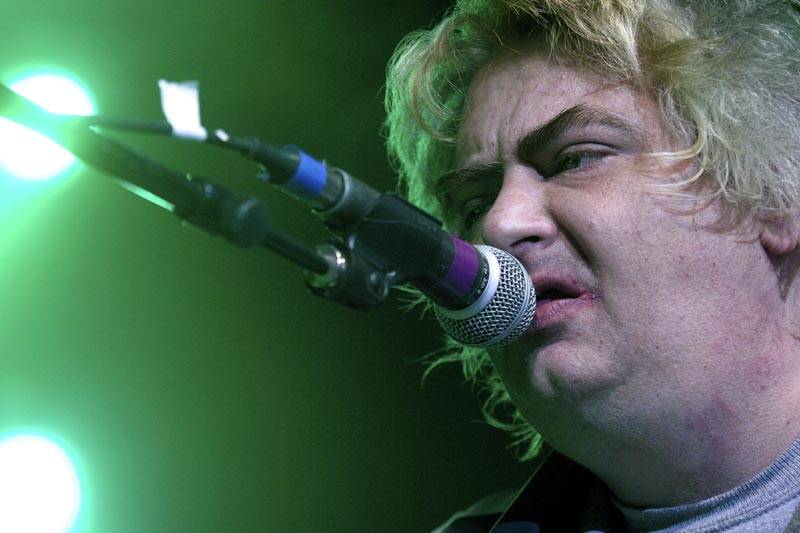
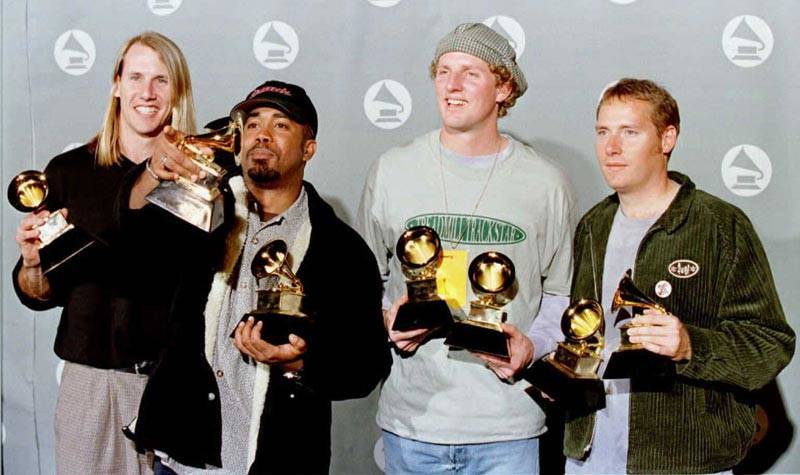
9(MDAxOTAwOTE4MDEyMTkxMDAzNjczZDljZA004))