window.__IS_SSR__=true
window.__INITIAL_STATE__={
"attachmentsReducer": {
"audio_0": {
"type": "attachments",
"id": "audio_0",
"imgSizes": {
"kqedFullSize": {
"file": "https://ww2.kqed.org/news/wp-content/themes/KQED-unified/img/audio_bgs/background0.jpg"
}
}
},
"audio_1": {
"type": "attachments",
"id": "audio_1",
"imgSizes": {
"kqedFullSize": {
"file": "https://ww2.kqed.org/news/wp-content/themes/KQED-unified/img/audio_bgs/background1.jpg"
}
}
},
"audio_2": {
"type": "attachments",
"id": "audio_2",
"imgSizes": {
"kqedFullSize": {
"file": "https://ww2.kqed.org/news/wp-content/themes/KQED-unified/img/audio_bgs/background2.jpg"
}
}
},
"audio_3": {
"type": "attachments",
"id": "audio_3",
"imgSizes": {
"kqedFullSize": {
"file": "https://ww2.kqed.org/news/wp-content/themes/KQED-unified/img/audio_bgs/background3.jpg"
}
}
},
"audio_4": {
"type": "attachments",
"id": "audio_4",
"imgSizes": {
"kqedFullSize": {
"file": "https://ww2.kqed.org/news/wp-content/themes/KQED-unified/img/audio_bgs/background4.jpg"
}
}
},
"placeholder": {
"type": "attachments",
"id": "placeholder",
"imgSizes": {
"thumbnail": {
"file": "https://cdn.kqed.org/wp-content/uploads/2024/12/KQED-Default-Image-816638274-2000x1333-1-160x107.jpg",
"width": 160,
"height": 107,
"mimeType": "image/jpeg"
},
"medium": {
"file": "https://cdn.kqed.org/wp-content/uploads/2024/12/KQED-Default-Image-816638274-2000x1333-1-800x533.jpg",
"width": 800,
"height": 533,
"mimeType": "image/jpeg"
},
"medium_large": {
"file": "https://cdn.kqed.org/wp-content/uploads/2024/12/KQED-Default-Image-816638274-2000x1333-1-768x512.jpg",
"width": 768,
"height": 512,
"mimeType": "image/jpeg"
},
"large": {
"file": "https://cdn.kqed.org/wp-content/uploads/2024/12/KQED-Default-Image-816638274-2000x1333-1-1020x680.jpg",
"width": 1020,
"height": 680,
"mimeType": "image/jpeg"
},
"1536x1536": {
"file": "https://cdn.kqed.org/wp-content/uploads/2024/12/KQED-Default-Image-816638274-2000x1333-1-1536x1024.jpg",
"width": 1536,
"height": 1024,
"mimeType": "image/jpeg"
},
"fd-lrg": {
"file": "https://cdn.kqed.org/wp-content/uploads/2024/12/KQED-Default-Image-816638274-2000x1333-1-1536x1024.jpg",
"width": 1536,
"height": 1024,
"mimeType": "image/jpeg"
},
"fd-med": {
"file": "https://cdn.kqed.org/wp-content/uploads/2024/12/KQED-Default-Image-816638274-2000x1333-1-1020x680.jpg",
"width": 1020,
"height": 680,
"mimeType": "image/jpeg"
},
"fd-sm": {
"file": "https://cdn.kqed.org/wp-content/uploads/2024/12/KQED-Default-Image-816638274-2000x1333-1-800x533.jpg",
"width": 800,
"height": 533,
"mimeType": "image/jpeg"
},
"post-thumbnail": {
"file": "https://cdn.kqed.org/wp-content/uploads/2024/12/KQED-Default-Image-816638274-2000x1333-1-672x372.jpg",
"width": 672,
"height": 372,
"mimeType": "image/jpeg"
},
"twentyfourteen-full-width": {
"file": "https://cdn.kqed.org/wp-content/uploads/2024/12/KQED-Default-Image-816638274-2000x1333-1-1038x576.jpg",
"width": 1038,
"height": 576,
"mimeType": "image/jpeg"
},
"xxsmall": {
"file": "https://cdn.kqed.org/wp-content/uploads/2024/12/KQED-Default-Image-816638274-2000x1333-1-160x107.jpg",
"width": 160,
"height": 107,
"mimeType": "image/jpeg"
},
"xsmall": {
"file": "https://cdn.kqed.org/wp-content/uploads/2024/12/KQED-Default-Image-816638274-2000x1333-1-672x372.jpg",
"width": 672,
"height": 372,
"mimeType": "image/jpeg"
},
"small": {
"file": "https://cdn.kqed.org/wp-content/uploads/2024/12/KQED-Default-Image-816638274-2000x1333-1-672x372.jpg",
"width": 672,
"height": 372,
"mimeType": "image/jpeg"
},
"xlarge": {
"file": "https://cdn.kqed.org/wp-content/uploads/2024/12/KQED-Default-Image-816638274-2000x1333-1-1020x680.jpg",
"width": 1020,
"height": 680,
"mimeType": "image/jpeg"
},
"full-width": {
"file": "https://cdn.kqed.org/wp-content/uploads/2024/12/KQED-Default-Image-816638274-2000x1333-1-1920x1280.jpg",
"width": 1920,
"height": 1280,
"mimeType": "image/jpeg"
},
"guest-author-32": {
"file": "https://cdn.kqed.org/wp-content/uploads/2025/01/KQED-Default-Image-816638274-1333x1333-1-160x160.jpg",
"width": 32,
"height": 32,
"mimeType": "image/jpeg"
},
"guest-author-50": {
"file": "https://cdn.kqed.org/wp-content/uploads/2025/01/KQED-Default-Image-816638274-1333x1333-1-160x160.jpg",
"width": 50,
"height": 50,
"mimeType": "image/jpeg"
},
"guest-author-64": {
"file": "https://cdn.kqed.org/wp-content/uploads/2025/01/KQED-Default-Image-816638274-1333x1333-1-160x160.jpg",
"width": 64,
"height": 64,
"mimeType": "image/jpeg"
},
"guest-author-96": {
"file": "https://cdn.kqed.org/wp-content/uploads/2025/01/KQED-Default-Image-816638274-1333x1333-1-160x160.jpg",
"width": 96,
"height": 96,
"mimeType": "image/jpeg"
},
"guest-author-128": {
"file": "https://cdn.kqed.org/wp-content/uploads/2025/01/KQED-Default-Image-816638274-1333x1333-1-160x160.jpg",
"width": 128,
"height": 128,
"mimeType": "image/jpeg"
},
"detail": {
"file": "https://cdn.kqed.org/wp-content/uploads/2025/01/KQED-Default-Image-816638274-1333x1333-1-160x160.jpg",
"width": 160,
"height": 160,
"mimeType": "image/jpeg"
},
"kqedFullSize": {
"file": "https://cdn.kqed.org/wp-content/uploads/2024/12/KQED-Default-Image-816638274-2000x1333-1.jpg",
"width": 2000,
"height": 1333
}
}
},
"news_11691675": {
"type": "attachments",
"id": "news_11691675",
"meta": {
"index": "attachments_1716263798",
"site": "news",
"id": "11691675",
"found": true
},
"parent": 11691665,
"imgSizes": {
"small": {
"file": "https://ww2.kqed.org/app/uploads/sites/10/2018/09/Laney-College-Tiny-Home-project-e1536622305942-520x293.jpg",
"width": 520,
"mimeType": "image/jpeg",
"height": 293
},
"thumbnail": {
"file": "https://ww2.kqed.org/app/uploads/sites/10/2018/09/Laney-College-Tiny-Home-project-e1536622305942-160x90.jpg",
"width": 160,
"mimeType": "image/jpeg",
"height": 90
},
"post-thumbnail": {
"file": "https://ww2.kqed.org/app/uploads/sites/10/2018/09/Laney-College-Tiny-Home-project-668x372.jpg",
"width": 668,
"mimeType": "image/jpeg",
"height": 372
},
"xsmall": {
"file": "https://ww2.kqed.org/app/uploads/sites/10/2018/09/Laney-College-Tiny-Home-project-e1536622305942-375x211.jpg",
"width": 375,
"mimeType": "image/jpeg",
"height": 211
},
"kqedFullSize": {
"file": "https://ww2.kqed.org/app/uploads/sites/10/2018/09/Laney-College-Tiny-Home-project-e1536622305942.jpg",
"width": 616,
"height": 347
},
"guest-author-50": {
"file": "https://ww2.kqed.org/app/uploads/sites/10/2018/09/Laney-College-Tiny-Home-project-e1536622305942-50x50.jpg",
"width": 50,
"mimeType": "image/jpeg",
"height": 50
},
"guest-author-96": {
"file": "https://ww2.kqed.org/app/uploads/sites/10/2018/09/Laney-College-Tiny-Home-project-e1536622305942-96x96.jpg",
"width": 96,
"mimeType": "image/jpeg",
"height": 96
},
"guest-author-64": {
"file": "https://ww2.kqed.org/app/uploads/sites/10/2018/09/Laney-College-Tiny-Home-project-e1536622305942-64x64.jpg",
"width": 64,
"mimeType": "image/jpeg",
"height": 64
},
"detail": {
"file": "https://ww2.kqed.org/app/uploads/sites/10/2018/09/Laney-College-Tiny-Home-project-e1536622305942-150x150.jpg",
"width": 150,
"mimeType": "image/jpeg",
"height": 150
},
"guest-author-32": {
"file": "https://ww2.kqed.org/app/uploads/sites/10/2018/09/Laney-College-Tiny-Home-project-e1536622305942-32x32.jpg",
"width": 32,
"mimeType": "image/jpeg",
"height": 32
},
"guest-author-128": {
"file": "https://ww2.kqed.org/app/uploads/sites/10/2018/09/Laney-College-Tiny-Home-project-e1536622305942-128x128.jpg",
"width": 128,
"mimeType": "image/jpeg",
"height": 128
},
"xxsmall": {
"file": "https://ww2.kqed.org/app/uploads/sites/10/2018/09/Laney-College-Tiny-Home-project-e1536622305942-240x135.jpg",
"width": 240,
"mimeType": "image/jpeg",
"height": 135
}
},
"publishDate": 1536622248,
"modified": 1536704618,
"caption": "Students at Laney College in Oakland participate in the school's tiny house-building course on Aug. 31, 2017. ",
"description": "Students at Laney College in Oakland, Calif. participate in the school's tiny house-building course, Thursday, Aug. 31, 2017. ",
"title": "Laney College Tiny Home project",
"credit": "D. Ross Cameron",
"status": "inherit",
"isLoading": false,
"fetchFailed": false
},
"news_11689603": {
"type": "attachments",
"id": "news_11689603",
"meta": {
"index": "attachments_1716263798",
"site": "news",
"id": "11689603",
"found": true
},
"parent": 11689548,
"imgSizes": {
"small": {
"file": "https://ww2.kqed.org/app/uploads/sites/10/2018/08/USDeptofEd-520x344.jpg",
"width": 520,
"mimeType": "image/jpeg",
"height": 344
},
"twentyfourteen-full-width": {
"file": "https://ww2.kqed.org/app/uploads/sites/10/2018/08/USDeptofEd-1038x576.jpg",
"width": 1038,
"mimeType": "image/jpeg",
"height": 576
},
"thumbnail": {
"file": "https://ww2.kqed.org/app/uploads/sites/10/2018/08/USDeptofEd-160x106.jpg",
"width": 160,
"mimeType": "image/jpeg",
"height": 106
},
"fd-sm": {
"file": "https://ww2.kqed.org/app/uploads/sites/10/2018/08/USDeptofEd-960x636.jpg",
"width": 960,
"mimeType": "image/jpeg",
"height": 636
},
"post-thumbnail": {
"file": "https://ww2.kqed.org/app/uploads/sites/10/2018/08/USDeptofEd-672x372.jpg",
"width": 672,
"mimeType": "image/jpeg",
"height": 372
},
"xsmall": {
"file": "https://ww2.kqed.org/app/uploads/sites/10/2018/08/USDeptofEd-375x248.jpg",
"width": 375,
"mimeType": "image/jpeg",
"height": 248
},
"kqedFullSize": {
"file": "https://ww2.kqed.org/app/uploads/sites/10/2018/08/USDeptofEd.jpg",
"width": 2048,
"height": 1356
},
"large": {
"file": "https://ww2.kqed.org/app/uploads/sites/10/2018/08/USDeptofEd-1020x675.jpg",
"width": 1020,
"mimeType": "image/jpeg",
"height": 675
},
"xlarge": {
"file": "https://ww2.kqed.org/app/uploads/sites/10/2018/08/USDeptofEd-1180x781.jpg",
"width": 1180,
"mimeType": "image/jpeg",
"height": 781
},
"complete_open_graph": {
"file": "https://ww2.kqed.org/app/uploads/sites/10/2018/08/USDeptofEd-1200x795.jpg",
"width": 1200,
"mimeType": "image/jpeg",
"height": 795
},
"guest-author-50": {
"file": "https://ww2.kqed.org/app/uploads/sites/10/2018/08/USDeptofEd-50x50.jpg",
"width": 50,
"mimeType": "image/jpeg",
"height": 50
},
"guest-author-96": {
"file": "https://ww2.kqed.org/app/uploads/sites/10/2018/08/USDeptofEd-96x96.jpg",
"width": 96,
"mimeType": "image/jpeg",
"height": 96
},
"medium": {
"file": "https://ww2.kqed.org/app/uploads/sites/10/2018/08/USDeptofEd-800x530.jpg",
"width": 800,
"mimeType": "image/jpeg",
"height": 530
},
"guest-author-64": {
"file": "https://ww2.kqed.org/app/uploads/sites/10/2018/08/USDeptofEd-64x64.jpg",
"width": 64,
"mimeType": "image/jpeg",
"height": 64
},
"guest-author-32": {
"file": "https://ww2.kqed.org/app/uploads/sites/10/2018/08/USDeptofEd-32x32.jpg",
"width": 32,
"mimeType": "image/jpeg",
"height": 32
},
"fd-lrg": {
"file": "https://ww2.kqed.org/app/uploads/sites/10/2018/08/USDeptofEd-1920x1271.jpg",
"width": 1920,
"mimeType": "image/jpeg",
"height": 1271
},
"fd-med": {
"file": "https://ww2.kqed.org/app/uploads/sites/10/2018/08/USDeptofEd-1180x781.jpg",
"width": 1180,
"mimeType": "image/jpeg",
"height": 781
},
"full-width": {
"file": "https://ww2.kqed.org/app/uploads/sites/10/2018/08/USDeptofEd-1920x1271.jpg",
"width": 1920,
"mimeType": "image/jpeg",
"height": 1271
},
"detail": {
"file": "https://ww2.kqed.org/app/uploads/sites/10/2018/08/USDeptofEd-150x150.jpg",
"width": 150,
"mimeType": "image/jpeg",
"height": 150
},
"guest-author-128": {
"file": "https://ww2.kqed.org/app/uploads/sites/10/2018/08/USDeptofEd-128x128.jpg",
"width": 128,
"mimeType": "image/jpeg",
"height": 128
},
"xxsmall": {
"file": "https://ww2.kqed.org/app/uploads/sites/10/2018/08/USDeptofEd-240x159.jpg",
"width": 240,
"mimeType": "image/jpeg",
"height": 159
}
},
"publishDate": 1535668990,
"modified": 1535673023,
"caption": null,
"description": null,
"title": "USDeptofEd",
"credit": "U.S. Department of Education",
"status": "inherit",
"isLoading": false,
"fetchFailed": false
},
"news_11670023": {
"type": "attachments",
"id": "news_11670023",
"meta": {
"index": "attachments_1716263798",
"site": "news",
"id": "11670023",
"found": true
},
"parent": 11669850,
"imgSizes": {
"small": {
"file": "https://ww2.kqed.org/app/uploads/sites/10/2018/05/Smartphone-520x347.jpg",
"width": 520,
"mimeType": "image/jpeg",
"height": 347
},
"twentyfourteen-full-width": {
"file": "https://ww2.kqed.org/app/uploads/sites/10/2018/05/Smartphone-1038x576.jpg",
"width": 1038,
"mimeType": "image/jpeg",
"height": 576
},
"thumbnail": {
"file": "https://ww2.kqed.org/app/uploads/sites/10/2018/05/Smartphone-160x107.jpg",
"width": 160,
"mimeType": "image/jpeg",
"height": 107
},
"fd-sm": {
"file": "https://ww2.kqed.org/app/uploads/sites/10/2018/05/Smartphone-960x640.jpg",
"width": 960,
"mimeType": "image/jpeg",
"height": 640
},
"post-thumbnail": {
"file": "https://ww2.kqed.org/app/uploads/sites/10/2018/05/Smartphone-672x372.jpg",
"width": 672,
"mimeType": "image/jpeg",
"height": 372
},
"xsmall": {
"file": "https://ww2.kqed.org/app/uploads/sites/10/2018/05/Smartphone-375x250.jpg",
"width": 375,
"mimeType": "image/jpeg",
"height": 250
},
"kqedFullSize": {
"file": "https://ww2.kqed.org/app/uploads/sites/10/2018/05/Smartphone.jpg",
"width": 1920,
"height": 1280
},
"large": {
"file": "https://ww2.kqed.org/app/uploads/sites/10/2018/05/Smartphone-1020x680.jpg",
"width": 1020,
"mimeType": "image/jpeg",
"height": 680
},
"xlarge": {
"file": "https://ww2.kqed.org/app/uploads/sites/10/2018/05/Smartphone-1180x787.jpg",
"width": 1180,
"mimeType": "image/jpeg",
"height": 787
},
"complete_open_graph": {
"file": "https://ww2.kqed.org/app/uploads/sites/10/2018/05/Smartphone-1200x800.jpg",
"width": 1200,
"mimeType": "image/jpeg",
"height": 800
},
"guest-author-50": {
"file": "https://ww2.kqed.org/app/uploads/sites/10/2018/05/Smartphone-50x50.jpg",
"width": 50,
"mimeType": "image/jpeg",
"height": 50
},
"guest-author-96": {
"file": "https://ww2.kqed.org/app/uploads/sites/10/2018/05/Smartphone-96x96.jpg",
"width": 96,
"mimeType": "image/jpeg",
"height": 96
},
"medium": {
"file": "https://ww2.kqed.org/app/uploads/sites/10/2018/05/Smartphone-800x533.jpg",
"width": 800,
"mimeType": "image/jpeg",
"height": 533
},
"guest-author-64": {
"file": "https://ww2.kqed.org/app/uploads/sites/10/2018/05/Smartphone-64x64.jpg",
"width": 64,
"mimeType": "image/jpeg",
"height": 64
},
"guest-author-32": {
"file": "https://ww2.kqed.org/app/uploads/sites/10/2018/05/Smartphone-32x32.jpg",
"width": 32,
"mimeType": "image/jpeg",
"height": 32
},
"fd-lrg": {
"file": "https://ww2.kqed.org/app/uploads/sites/10/2018/05/Smartphone-1920x1280.jpg",
"width": 1920,
"mimeType": "image/jpeg",
"height": 1280
},
"fd-med": {
"file": "https://ww2.kqed.org/app/uploads/sites/10/2018/05/Smartphone-1180x787.jpg",
"width": 1180,
"mimeType": "image/jpeg",
"height": 787
},
"full-width": {
"file": "https://ww2.kqed.org/app/uploads/sites/10/2018/05/Smartphone-1920x1280.jpg",
"width": 1920,
"mimeType": "image/jpeg",
"height": 1280
},
"detail": {
"file": "https://ww2.kqed.org/app/uploads/sites/10/2018/05/Smartphone-150x150.jpg",
"width": 150,
"mimeType": "image/jpeg",
"height": 150
},
"guest-author-128": {
"file": "https://ww2.kqed.org/app/uploads/sites/10/2018/05/Smartphone-128x128.jpg",
"width": 128,
"mimeType": "image/jpeg",
"height": 128
},
"xxsmall": {
"file": "https://ww2.kqed.org/app/uploads/sites/10/2018/05/Smartphone-240x160.jpg",
"width": 240,
"mimeType": "image/jpeg",
"height": 160
}
},
"publishDate": 1527028001,
"modified": 1527028035,
"caption": null,
"description": null,
"title": "Smartphone",
"credit": "Getty Images",
"status": "inherit",
"isLoading": false,
"fetchFailed": false
},
"news_11106801": {
"type": "attachments",
"id": "news_11106801",
"meta": {
"index": "attachments_1716263798",
"site": "news",
"id": "11106801",
"found": true
},
"parent": 11106467,
"imgSizes": {
"twentyfourteen-full-width": {
"file": "https://ww2.kqed.org/app/uploads/sites/10/2016/09/RS21247_libby-schaaf-qut-1-1038x576.jpg",
"width": 1038,
"mimeType": "image/jpeg",
"height": 576
},
"thumbnail": {
"file": "https://ww2.kqed.org/app/uploads/sites/10/2016/09/RS21247_libby-schaaf-qut-1-400x266.jpg",
"width": 400,
"mimeType": "image/jpeg",
"height": 266
},
"fd-sm": {
"file": "https://ww2.kqed.org/app/uploads/sites/10/2016/09/RS21247_libby-schaaf-qut-1-960x639.jpg",
"width": 960,
"mimeType": "image/jpeg",
"height": 639
},
"post-thumbnail": {
"file": "https://ww2.kqed.org/app/uploads/sites/10/2016/09/RS21247_libby-schaaf-qut-1-672x372.jpg",
"width": 672,
"mimeType": "image/jpeg",
"height": 372
},
"kqedFullSize": {
"file": "https://ww2.kqed.org/app/uploads/sites/10/2016/09/RS21247_libby-schaaf-qut-1.jpg",
"width": 1279,
"height": 852
},
"guest-author-50": {
"file": "https://ww2.kqed.org/app/uploads/sites/10/2016/09/RS21247_libby-schaaf-qut-1-50x50.jpg",
"width": 50,
"mimeType": "image/jpeg",
"height": 50
},
"guest-author-96": {
"file": "https://ww2.kqed.org/app/uploads/sites/10/2016/09/RS21247_libby-schaaf-qut-1-96x96.jpg",
"width": 96,
"mimeType": "image/jpeg",
"height": 96
},
"medium": {
"file": "https://ww2.kqed.org/app/uploads/sites/10/2016/09/RS21247_libby-schaaf-qut-1-800x533.jpg",
"width": 800,
"mimeType": "image/jpeg",
"height": 533
},
"guest-author-64": {
"file": "https://ww2.kqed.org/app/uploads/sites/10/2016/09/RS21247_libby-schaaf-qut-1-64x64.jpg",
"width": 64,
"mimeType": "image/jpeg",
"height": 64
},
"guest-author-32": {
"file": "https://ww2.kqed.org/app/uploads/sites/10/2016/09/RS21247_libby-schaaf-qut-1-32x32.jpg",
"width": 32,
"mimeType": "image/jpeg",
"height": 32
},
"jmtc-small-thumb": {
"file": "https://ww2.kqed.org/app/uploads/sites/10/2016/09/RS21247_libby-schaaf-qut-1-280x150.jpg",
"width": 280,
"mimeType": "image/jpeg",
"height": 150
},
"fd-med": {
"file": "https://ww2.kqed.org/app/uploads/sites/10/2016/09/RS21247_libby-schaaf-qut-1-1180x786.jpg",
"width": 1180,
"mimeType": "image/jpeg",
"height": 786
},
"detail": {
"file": "https://ww2.kqed.org/app/uploads/sites/10/2016/09/RS21247_libby-schaaf-qut-1-150x150.jpg",
"width": 150,
"mimeType": "image/jpeg",
"height": 150
},
"guest-author-128": {
"file": "https://ww2.kqed.org/app/uploads/sites/10/2016/09/RS21247_libby-schaaf-qut-1-128x128.jpg",
"width": 128,
"mimeType": "image/jpeg",
"height": 128
}
},
"publishDate": 1475028643,
"modified": 1475028702,
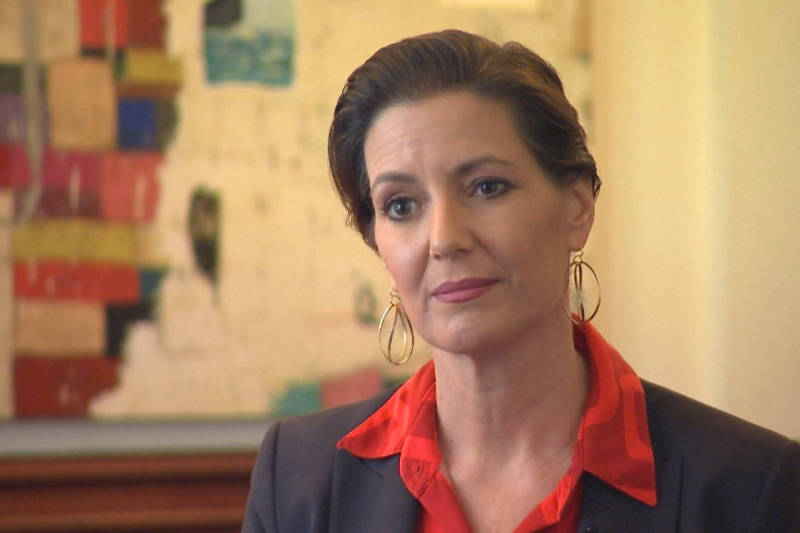
"caption": "Oakland Mayor Libby Schaaf being interviewed on KQED Newsroom.",
"description": null,
"title": "RS21247_libby schaaf-qut",
"credit": "KQED Newsroom",
"status": "inherit",
"isLoading": false,
"fetchFailed": false
},
"news_11686476": {
"type": "attachments",
"id": "news_11686476",
"meta": {
"index": "attachments_1716263798",
"site": "news",
"id": "11686476",
"found": true
},
"parent": 11686416,
"imgSizes": {
"small": {
"file": "https://ww2.kqed.org/app/uploads/sites/10/2018/08/Screen-Shot-2018-08-11-at-12.54.19-PM-520x280.png",
"width": 520,
"mimeType": "image/png",
"height": 280
},
"twentyfourteen-full-width": {
"file": "https://ww2.kqed.org/app/uploads/sites/10/2018/08/Screen-Shot-2018-08-11-at-12.54.19-PM-1038x576.png",
"width": 1038,
"mimeType": "image/png",
"height": 576
},
"thumbnail": {
"file": "https://ww2.kqed.org/app/uploads/sites/10/2018/08/Screen-Shot-2018-08-11-at-12.54.19-PM-160x86.png",
"width": 160,
"mimeType": "image/png",
"height": 86
},
"fd-sm": {
"file": "https://ww2.kqed.org/app/uploads/sites/10/2018/08/Screen-Shot-2018-08-11-at-12.54.19-PM-960x517.png",
"width": 960,
"mimeType": "image/png",
"height": 517
},
"post-thumbnail": {
"file": "https://ww2.kqed.org/app/uploads/sites/10/2018/08/Screen-Shot-2018-08-11-at-12.54.19-PM-672x372.png",
"width": 672,
"mimeType": "image/png",
"height": 372
},
"xsmall": {
"file": "https://ww2.kqed.org/app/uploads/sites/10/2018/08/Screen-Shot-2018-08-11-at-12.54.19-PM-375x202.png",
"width": 375,
"mimeType": "image/png",
"height": 202
},
"kqedFullSize": {
"file": "https://ww2.kqed.org/app/uploads/sites/10/2018/08/Screen-Shot-2018-08-11-at-12.54.19-PM.png",
"width": 1235,
"height": 665
},
"large": {
"file": "https://ww2.kqed.org/app/uploads/sites/10/2018/08/Screen-Shot-2018-08-11-at-12.54.19-PM-1020x549.png",
"width": 1020,
"mimeType": "image/png",
"height": 549
},
"xlarge": {
"file": "https://ww2.kqed.org/app/uploads/sites/10/2018/08/Screen-Shot-2018-08-11-at-12.54.19-PM-1180x635.png",
"width": 1180,
"mimeType": "image/png",
"height": 635
},
"complete_open_graph": {
"file": "https://ww2.kqed.org/app/uploads/sites/10/2018/08/Screen-Shot-2018-08-11-at-12.54.19-PM-1200x646.png",
"width": 1200,
"mimeType": "image/png",
"height": 646
},
"guest-author-50": {
"file": "https://ww2.kqed.org/app/uploads/sites/10/2018/08/Screen-Shot-2018-08-11-at-12.54.19-PM-50x50.png",
"width": 50,
"mimeType": "image/png",
"height": 50
},
"guest-author-96": {
"file": "https://ww2.kqed.org/app/uploads/sites/10/2018/08/Screen-Shot-2018-08-11-at-12.54.19-PM-96x96.png",
"width": 96,
"mimeType": "image/png",
"height": 96
},
"medium": {
"file": "https://ww2.kqed.org/app/uploads/sites/10/2018/08/Screen-Shot-2018-08-11-at-12.54.19-PM-800x431.png",
"width": 800,
"mimeType": "image/png",
"height": 431
},
"guest-author-64": {
"file": "https://ww2.kqed.org/app/uploads/sites/10/2018/08/Screen-Shot-2018-08-11-at-12.54.19-PM-64x64.png",
"width": 64,
"mimeType": "image/png",
"height": 64
},
"guest-author-32": {
"file": "https://ww2.kqed.org/app/uploads/sites/10/2018/08/Screen-Shot-2018-08-11-at-12.54.19-PM-32x32.png",
"width": 32,
"mimeType": "image/png",
"height": 32
},
"fd-med": {
"file": "https://ww2.kqed.org/app/uploads/sites/10/2018/08/Screen-Shot-2018-08-11-at-12.54.19-PM-1180x635.png",
"width": 1180,
"mimeType": "image/png",
"height": 635
},
"detail": {
"file": "https://ww2.kqed.org/app/uploads/sites/10/2018/08/Screen-Shot-2018-08-11-at-12.54.19-PM-150x150.png",
"width": 150,
"mimeType": "image/png",
"height": 150
},
"guest-author-128": {
"file": "https://ww2.kqed.org/app/uploads/sites/10/2018/08/Screen-Shot-2018-08-11-at-12.54.19-PM-128x128.png",
"width": 128,
"mimeType": "image/png",
"height": 128
},
"xxsmall": {
"file": "https://ww2.kqed.org/app/uploads/sites/10/2018/08/Screen-Shot-2018-08-11-at-12.54.19-PM-240x129.png",
"width": 240,
"mimeType": "image/png",
"height": 129
}
},
"publishDate": 1534017543,
"modified": 1534017845,
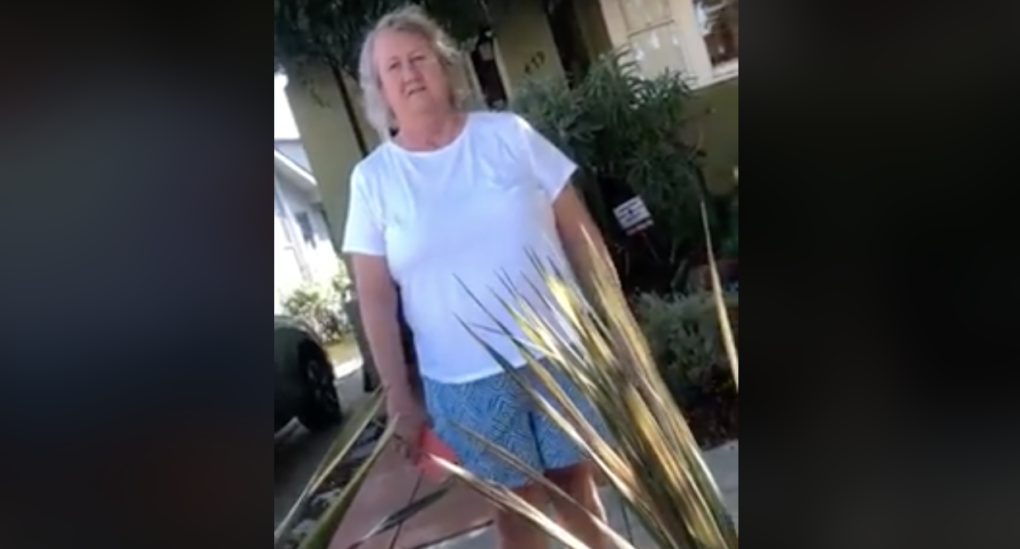
"caption": "Screenshot of Facebook Video",
"description": null,
"title": "Screen Shot 2018-08-11 at 12.54.19 PM",
"credit": null,
"status": "inherit",
"isLoading": false,
"fetchFailed": false
},
"news_11686318": {
"type": "attachments",
"id": "news_11686318",
"meta": {
"index": "attachments_1716263798",
"site": "news",
"id": "11686318",
"found": true
},
"parent": 11686316,
"imgSizes": {
"small": {
"file": "https://ww2.kqed.org/app/uploads/sites/10/2018/08/RS32285_IMG_0671-qut-520x390.jpg",
"width": 520,
"mimeType": "image/jpeg",
"height": 390
},
"twentyfourteen-full-width": {
"file": "https://ww2.kqed.org/app/uploads/sites/10/2018/08/RS32285_IMG_0671-qut-1038x576.jpg",
"width": 1038,
"mimeType": "image/jpeg",
"height": 576
},
"thumbnail": {
"file": "https://ww2.kqed.org/app/uploads/sites/10/2018/08/RS32285_IMG_0671-qut-160x120.jpg",
"width": 160,
"mimeType": "image/jpeg",
"height": 120
},
"fd-sm": {
"file": "https://ww2.kqed.org/app/uploads/sites/10/2018/08/RS32285_IMG_0671-qut-960x720.jpg",
"width": 960,
"mimeType": "image/jpeg",
"height": 720
},
"post-thumbnail": {
"file": "https://ww2.kqed.org/app/uploads/sites/10/2018/08/RS32285_IMG_0671-qut-672x372.jpg",
"width": 672,
"mimeType": "image/jpeg",
"height": 372
},
"xsmall": {
"file": "https://ww2.kqed.org/app/uploads/sites/10/2018/08/RS32285_IMG_0671-qut-375x281.jpg",
"width": 375,
"mimeType": "image/jpeg",
"height": 281
},
"kqedFullSize": {
"file": "https://ww2.kqed.org/app/uploads/sites/10/2018/08/RS32285_IMG_0671-qut.jpg",
"width": 1920,
"height": 1440
},
"large": {
"file": "https://ww2.kqed.org/app/uploads/sites/10/2018/08/RS32285_IMG_0671-qut-1020x765.jpg",
"width": 1020,
"mimeType": "image/jpeg",
"height": 765
},
"xlarge": {
"file": "https://ww2.kqed.org/app/uploads/sites/10/2018/08/RS32285_IMG_0671-qut-1180x885.jpg",
"width": 1180,
"mimeType": "image/jpeg",
"height": 885
},
"complete_open_graph": {
"file": "https://ww2.kqed.org/app/uploads/sites/10/2018/08/RS32285_IMG_0671-qut-1200x900.jpg",
"width": 1200,
"mimeType": "image/jpeg",
"height": 900
},
"guest-author-50": {
"file": "https://ww2.kqed.org/app/uploads/sites/10/2018/08/RS32285_IMG_0671-qut-50x50.jpg",
"width": 50,
"mimeType": "image/jpeg",
"height": 50
},
"guest-author-96": {
"file": "https://ww2.kqed.org/app/uploads/sites/10/2018/08/RS32285_IMG_0671-qut-96x96.jpg",
"width": 96,
"mimeType": "image/jpeg",
"height": 96
},
"medium": {
"file": "https://ww2.kqed.org/app/uploads/sites/10/2018/08/RS32285_IMG_0671-qut-800x600.jpg",
"width": 800,
"mimeType": "image/jpeg",
"height": 600
},
"guest-author-64": {
"file": "https://ww2.kqed.org/app/uploads/sites/10/2018/08/RS32285_IMG_0671-qut-64x64.jpg",
"width": 64,
"mimeType": "image/jpeg",
"height": 64
},
"guest-author-32": {
"file": "https://ww2.kqed.org/app/uploads/sites/10/2018/08/RS32285_IMG_0671-qut-32x32.jpg",
"width": 32,
"mimeType": "image/jpeg",
"height": 32
},
"fd-lrg": {
"file": "https://ww2.kqed.org/app/uploads/sites/10/2018/08/RS32285_IMG_0671-qut-1920x1440.jpg",
"width": 1920,
"mimeType": "image/jpeg",
"height": 1440
},
"fd-med": {
"file": "https://ww2.kqed.org/app/uploads/sites/10/2018/08/RS32285_IMG_0671-qut-1180x885.jpg",
"width": 1180,
"mimeType": "image/jpeg",
"height": 885
},
"full-width": {
"file": "https://ww2.kqed.org/app/uploads/sites/10/2018/08/RS32285_IMG_0671-qut-1920x1440.jpg",
"width": 1920,
"mimeType": "image/jpeg",
"height": 1440
},
"detail": {
"file": "https://ww2.kqed.org/app/uploads/sites/10/2018/08/RS32285_IMG_0671-qut-150x150.jpg",
"width": 150,
"mimeType": "image/jpeg",
"height": 150
},
"guest-author-128": {
"file": "https://ww2.kqed.org/app/uploads/sites/10/2018/08/RS32285_IMG_0671-qut-128x128.jpg",
"width": 128,
"mimeType": "image/jpeg",
"height": 128
},
"xxsmall": {
"file": "https://ww2.kqed.org/app/uploads/sites/10/2018/08/RS32285_IMG_0671-qut-240x180.jpg",
"width": 240,
"mimeType": "image/jpeg",
"height": 180
}
},
"publishDate": 1533943112,
"modified": 1533943429,
"caption": "An illustration depicting Derick Almena in Alameda County Superior Court on Aug. 9, 2018, during a sentencing hearing.",
"description": "An illustration depicting Derick Almena in Alameda County Superior Court on Aug. 9, 2018, during a sentencing hearing.",
"title": "RS32285_IMG_0671-qut",
"credit": "Vicki Behringer/Courtroom Artist",
"status": "inherit",
"isLoading": false,
"fetchFailed": false
},
"news_11685912": {
"type": "attachments",
"id": "news_11685912",
"meta": {
"index": "attachments_1716263798",
"site": "news",
"id": "11685912",
"found": true
},
"parent": 11685909,
"imgSizes": {
"small": {
"file": "https://ww2.kqed.org/app/uploads/sites/10/2018/08/dancing6-520x347.jpg",
"width": 520,
"mimeType": "image/jpeg",
"height": 347
},
"twentyfourteen-full-width": {
"file": "https://ww2.kqed.org/app/uploads/sites/10/2018/08/dancing6-1038x576.jpg",
"width": 1038,
"mimeType": "image/jpeg",
"height": 576
},
"thumbnail": {
"file": "https://ww2.kqed.org/app/uploads/sites/10/2018/08/dancing6-160x107.jpg",
"width": 160,
"mimeType": "image/jpeg",
"height": 107
},
"fd-sm": {
"file": "https://ww2.kqed.org/app/uploads/sites/10/2018/08/dancing6-960x640.jpg",
"width": 960,
"mimeType": "image/jpeg",
"height": 640
},
"post-thumbnail": {
"file": "https://ww2.kqed.org/app/uploads/sites/10/2018/08/dancing6-672x372.jpg",
"width": 672,
"mimeType": "image/jpeg",
"height": 372
},
"xsmall": {
"file": "https://ww2.kqed.org/app/uploads/sites/10/2018/08/dancing6-375x250.jpg",
"width": 375,
"mimeType": "image/jpeg",
"height": 250
},
"kqedFullSize": {
"file": "https://ww2.kqed.org/app/uploads/sites/10/2018/08/dancing6-e1533846636958.jpg",
"width": 1920,
"height": 1280
},
"large": {
"file": "https://ww2.kqed.org/app/uploads/sites/10/2018/08/dancing6-1020x680.jpg",
"width": 1020,
"mimeType": "image/jpeg",
"height": 680
},
"xlarge": {
"file": "https://ww2.kqed.org/app/uploads/sites/10/2018/08/dancing6-1180x787.jpg",
"width": 1180,
"mimeType": "image/jpeg",
"height": 787
},
"complete_open_graph": {
"file": "https://ww2.kqed.org/app/uploads/sites/10/2018/08/dancing6-1200x800.jpg",
"width": 1200,
"mimeType": "image/jpeg",
"height": 800
},
"guest-author-50": {
"file": "https://ww2.kqed.org/app/uploads/sites/10/2018/08/dancing6-50x50.jpg",
"width": 50,
"mimeType": "image/jpeg",
"height": 50
},
"guest-author-96": {
"file": "https://ww2.kqed.org/app/uploads/sites/10/2018/08/dancing6-96x96.jpg",
"width": 96,
"mimeType": "image/jpeg",
"height": 96
},
"medium": {
"file": "https://ww2.kqed.org/app/uploads/sites/10/2018/08/dancing6-800x533.jpg",
"width": 800,
"mimeType": "image/jpeg",
"height": 533
},
"guest-author-64": {
"file": "https://ww2.kqed.org/app/uploads/sites/10/2018/08/dancing6-64x64.jpg",
"width": 64,
"mimeType": "image/jpeg",
"height": 64
},
"guest-author-32": {
"file": "https://ww2.kqed.org/app/uploads/sites/10/2018/08/dancing6-32x32.jpg",
"width": 32,
"mimeType": "image/jpeg",
"height": 32
},
"fd-lrg": {
"file": "https://ww2.kqed.org/app/uploads/sites/10/2018/08/dancing6-1920x1280.jpg",
"width": 1920,
"mimeType": "image/jpeg",
"height": 1280
},
"fd-med": {
"file": "https://ww2.kqed.org/app/uploads/sites/10/2018/08/dancing6-1180x787.jpg",
"width": 1180,
"mimeType": "image/jpeg",
"height": 787
},
"full-width": {
"file": "https://ww2.kqed.org/app/uploads/sites/10/2018/08/dancing6-1920x1280.jpg",
"width": 1920,
"mimeType": "image/jpeg",
"height": 1280
},
"detail": {
"file": "https://ww2.kqed.org/app/uploads/sites/10/2018/08/dancing6-150x150.jpg",
"width": 150,
"mimeType": "image/jpeg",
"height": 150
},
"guest-author-128": {
"file": "https://ww2.kqed.org/app/uploads/sites/10/2018/08/dancing6-128x128.jpg",
"width": 128,
"mimeType": "image/jpeg",
"height": 128
},
"xxsmall": {
"file": "https://ww2.kqed.org/app/uploads/sites/10/2018/08/dancing6-240x160.jpg",
"width": 240,
"mimeType": "image/jpeg",
"height": 160
}
},
"publishDate": 1533831134,
"modified": 1533855869,
"caption": "Dancing in San Antonio Park in East Oakland at an event for Night Out for Safety and Liberation. ",
"description": "Dancing in San Antionio Park in East Oakland, at an event for National Night Out for Safety and Liberation. ",
"title": "dancing6",
"credit": "Sandhya Dirks/KQED",
"status": "inherit",
"isLoading": false,
"fetchFailed": false
},
"news_11684866": {
"type": "attachments",
"id": "news_11684866",
"meta": {
"index": "attachments_1716263798",
"site": "news",
"id": "11684866",
"found": true
},
"parent": 11684852,
"imgSizes": {
"small": {
"file": "https://ww2.kqed.org/app/uploads/sites/10/2018/08/Nia8-520x390.jpg",
"width": 520,
"mimeType": "image/jpeg",
"height": 390
},
"twentyfourteen-full-width": {
"file": "https://ww2.kqed.org/app/uploads/sites/10/2018/08/Nia8-1038x576.jpg",
"width": 1038,
"mimeType": "image/jpeg",
"height": 576
},
"thumbnail": {
"file": "https://ww2.kqed.org/app/uploads/sites/10/2018/08/Nia8-160x120.jpg",
"width": 160,
"mimeType": "image/jpeg",
"height": 120
},
"fd-sm": {
"file": "https://ww2.kqed.org/app/uploads/sites/10/2018/08/Nia8-960x720.jpg",
"width": 960,
"mimeType": "image/jpeg",
"height": 720
},
"post-thumbnail": {
"file": "https://ww2.kqed.org/app/uploads/sites/10/2018/08/Nia8-672x372.jpg",
"width": 672,
"mimeType": "image/jpeg",
"height": 372
},
"xsmall": {
"file": "https://ww2.kqed.org/app/uploads/sites/10/2018/08/Nia8-375x281.jpg",
"width": 375,
"mimeType": "image/jpeg",
"height": 281
},
"kqedFullSize": {
"file": "https://ww2.kqed.org/app/uploads/sites/10/2018/08/Nia8.jpg",
"width": 3264,
"height": 2448
},
"large": {
"file": "https://ww2.kqed.org/app/uploads/sites/10/2018/08/Nia8-1020x765.jpg",
"width": 1020,
"mimeType": "image/jpeg",
"height": 765
},
"xlarge": {
"file": "https://ww2.kqed.org/app/uploads/sites/10/2018/08/Nia8-1180x885.jpg",
"width": 1180,
"mimeType": "image/jpeg",
"height": 885
},
"complete_open_graph": {
"file": "https://ww2.kqed.org/app/uploads/sites/10/2018/08/Nia8-1200x900.jpg",
"width": 1200,
"mimeType": "image/jpeg",
"height": 900
},
"guest-author-50": {
"file": "https://ww2.kqed.org/app/uploads/sites/10/2018/08/Nia8-50x50.jpg",
"width": 50,
"mimeType": "image/jpeg",
"height": 50
},
"guest-author-96": {
"file": "https://ww2.kqed.org/app/uploads/sites/10/2018/08/Nia8-96x96.jpg",
"width": 96,
"mimeType": "image/jpeg",
"height": 96
},
"medium": {
"file": "https://ww2.kqed.org/app/uploads/sites/10/2018/08/Nia8-800x600.jpg",
"width": 800,
"mimeType": "image/jpeg",
"height": 600
},
"guest-author-64": {
"file": "https://ww2.kqed.org/app/uploads/sites/10/2018/08/Nia8-64x64.jpg",
"width": 64,
"mimeType": "image/jpeg",
"height": 64
},
"guest-author-32": {
"file": "https://ww2.kqed.org/app/uploads/sites/10/2018/08/Nia8-32x32.jpg",
"width": 32,
"mimeType": "image/jpeg",
"height": 32
},
"fd-lrg": {
"file": "https://ww2.kqed.org/app/uploads/sites/10/2018/08/Nia8-1920x1440.jpg",
"width": 1920,
"mimeType": "image/jpeg",
"height": 1440
},
"fd-med": {
"file": "https://ww2.kqed.org/app/uploads/sites/10/2018/08/Nia8-1180x885.jpg",
"width": 1180,
"mimeType": "image/jpeg",
"height": 885
},
"full-width": {
"file": "https://ww2.kqed.org/app/uploads/sites/10/2018/08/Nia8-1920x1440.jpg",
"width": 1920,
"mimeType": "image/jpeg",
"height": 1440
},
"detail": {
"file": "https://ww2.kqed.org/app/uploads/sites/10/2018/08/Nia8-150x150.jpg",
"width": 150,
"mimeType": "image/jpeg",
"height": 150
},
"guest-author-128": {
"file": "https://ww2.kqed.org/app/uploads/sites/10/2018/08/Nia8-128x128.jpg",
"width": 128,
"mimeType": "image/jpeg",
"height": 128
},
"xxsmall": {
"file": "https://ww2.kqed.org/app/uploads/sites/10/2018/08/Nia8-240x180.jpg",
"width": 240,
"mimeType": "image/jpeg",
"height": 180
}
},
"publishDate": 1533409409,
"modified": 1533654197,
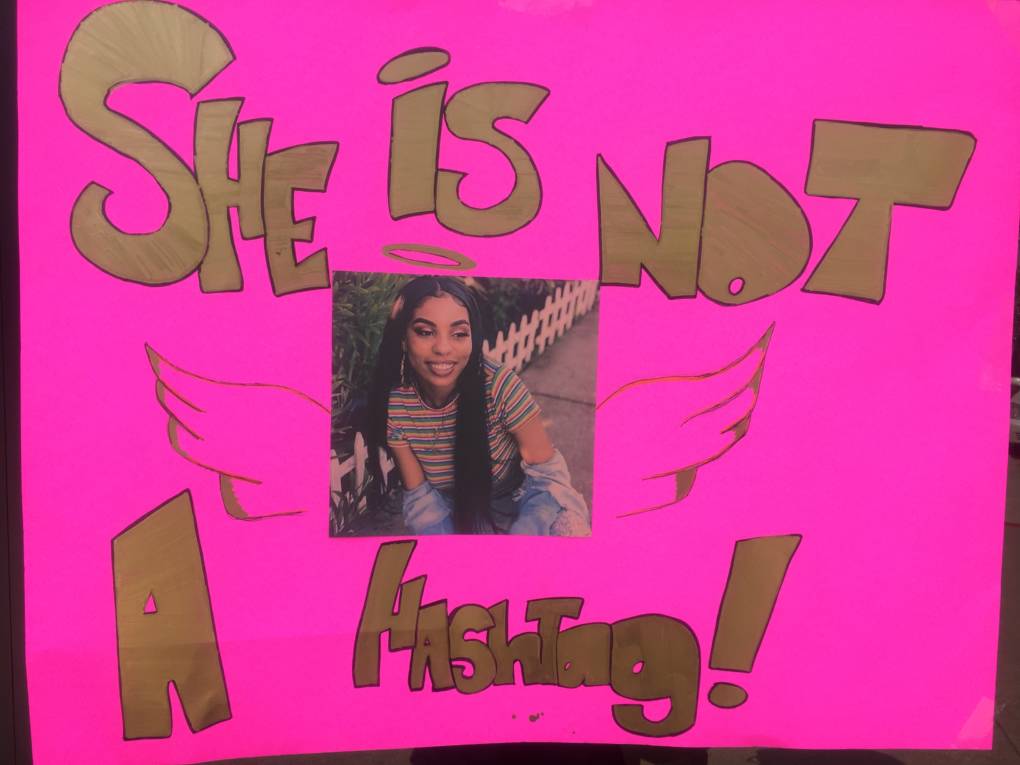
"caption": "A sign posted on the windows of Acts Full Gospel Church, where Nia Wilson's service was held. ",
"description": "A sign posted on the windows of Acts Full Gospel Church, where Nia Wilson's service was held. ",
"title": "Nia8",
"credit": "Sandhya Dirks/KQED",
"status": "inherit",
"isLoading": false,
"fetchFailed": false
},
"news_11684865": {
"type": "attachments",
"id": "news_11684865",
"meta": {
"index": "attachments_1716263798",
"site": "news",
"id": "11684865",
"found": true
},
"parent": 11684852,
"imgSizes": {
"small": {
"file": "https://ww2.kqed.org/app/uploads/sites/10/2018/08/Nia1-520x390.jpg",
"width": 520,
"mimeType": "image/jpeg",
"height": 390
},
"twentyfourteen-full-width": {
"file": "https://ww2.kqed.org/app/uploads/sites/10/2018/08/Nia1-1038x576.jpg",
"width": 1038,
"mimeType": "image/jpeg",
"height": 576
},
"thumbnail": {
"file": "https://ww2.kqed.org/app/uploads/sites/10/2018/08/Nia1-160x120.jpg",
"width": 160,
"mimeType": "image/jpeg",
"height": 120
},
"fd-sm": {
"file": "https://ww2.kqed.org/app/uploads/sites/10/2018/08/Nia1-960x720.jpg",
"width": 960,
"mimeType": "image/jpeg",
"height": 720
},
"post-thumbnail": {
"file": "https://ww2.kqed.org/app/uploads/sites/10/2018/08/Nia1-672x372.jpg",
"width": 672,
"mimeType": "image/jpeg",
"height": 372
},
"xsmall": {
"file": "https://ww2.kqed.org/app/uploads/sites/10/2018/08/Nia1-375x281.jpg",
"width": 375,
"mimeType": "image/jpeg",
"height": 281
},
"kqedFullSize": {
"file": "https://ww2.kqed.org/app/uploads/sites/10/2018/08/Nia1-e1533412003149.jpg",
"width": 1920,
"height": 1440
},
"large": {
"file": "https://ww2.kqed.org/app/uploads/sites/10/2018/08/Nia1-1020x765.jpg",
"width": 1020,
"mimeType": "image/jpeg",
"height": 765
},
"xlarge": {
"file": "https://ww2.kqed.org/app/uploads/sites/10/2018/08/Nia1-1180x885.jpg",
"width": 1180,
"mimeType": "image/jpeg",
"height": 885
},
"complete_open_graph": {
"file": "https://ww2.kqed.org/app/uploads/sites/10/2018/08/Nia1-1200x900.jpg",
"width": 1200,
"mimeType": "image/jpeg",
"height": 900
},
"guest-author-50": {
"file": "https://ww2.kqed.org/app/uploads/sites/10/2018/08/Nia1-50x50.jpg",
"width": 50,
"mimeType": "image/jpeg",
"height": 50
},
"guest-author-96": {
"file": "https://ww2.kqed.org/app/uploads/sites/10/2018/08/Nia1-96x96.jpg",
"width": 96,
"mimeType": "image/jpeg",
"height": 96
},
"medium": {
"file": "https://ww2.kqed.org/app/uploads/sites/10/2018/08/Nia1-800x600.jpg",
"width": 800,
"mimeType": "image/jpeg",
"height": 600
},
"guest-author-64": {
"file": "https://ww2.kqed.org/app/uploads/sites/10/2018/08/Nia1-64x64.jpg",
"width": 64,
"mimeType": "image/jpeg",
"height": 64
},
"guest-author-32": {
"file": "https://ww2.kqed.org/app/uploads/sites/10/2018/08/Nia1-32x32.jpg",
"width": 32,
"mimeType": "image/jpeg",
"height": 32
},
"fd-lrg": {
"file": "https://ww2.kqed.org/app/uploads/sites/10/2018/08/Nia1-1920x1440.jpg",
"width": 1920,
"mimeType": "image/jpeg",
"height": 1440
},
"fd-med": {
"file": "https://ww2.kqed.org/app/uploads/sites/10/2018/08/Nia1-1180x885.jpg",
"width": 1180,
"mimeType": "image/jpeg",
"height": 885
},
"full-width": {
"file": "https://ww2.kqed.org/app/uploads/sites/10/2018/08/Nia1-1920x1440.jpg",
"width": 1920,
"mimeType": "image/jpeg",
"height": 1440
},
"detail": {
"file": "https://ww2.kqed.org/app/uploads/sites/10/2018/08/Nia1-150x150.jpg",
"width": 150,
"mimeType": "image/jpeg",
"height": 150
},
"guest-author-128": {
"file": "https://ww2.kqed.org/app/uploads/sites/10/2018/08/Nia1-128x128.jpg",
"width": 128,
"mimeType": "image/jpeg",
"height": 128
},
"xxsmall": {
"file": "https://ww2.kqed.org/app/uploads/sites/10/2018/08/Nia1-240x180.jpg",
"width": 240,
"mimeType": "image/jpeg",
"height": 180
}
},
"publishDate": 1533409180,
"modified": 1533412024,
"caption": "The church was packed for the almost four hour long, emotional service. Friends and family members, from sisters to cousins, spoke, read poems, sang and cried. ",
"description": "The church was packed for the almost four hour long, emotional service. Friends and family members, from sisters to cousins, spoke, read poems, sang and cried. ",
"title": "Nia1",
"credit": "Sandhya Dirks/KQED",
"status": "inherit",
"isLoading": false,
"fetchFailed": false
},
"news_11683654": {
"type": "attachments",
"id": "news_11683654",
"meta": {
"index": "attachments_1716263798",
"site": "news",
"id": "11683654",
"found": true
},
"title": "Four Police Officers And Suspect Shot After Traffic Stop In Oakland",
"publishDate": 1532964204,
"status": "inherit",
"parent": 11683649,
"modified": 1736877170,
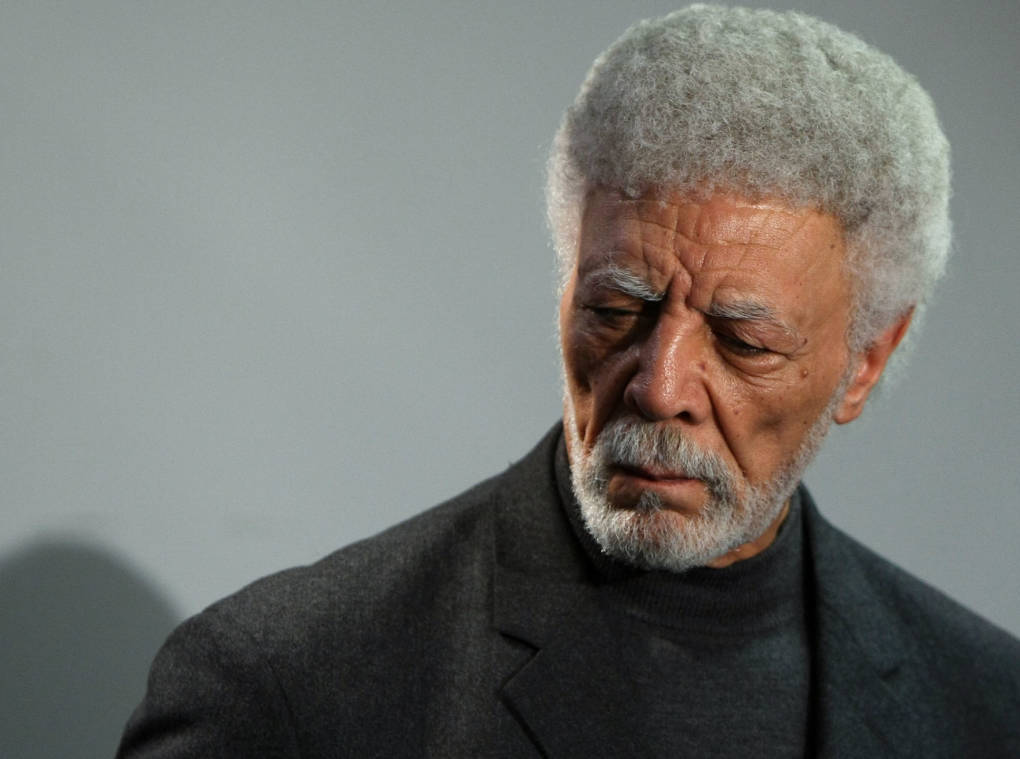
"caption": "Ron Dellums, pictured during his tenure as mayor of Oakland, on March 21, 2009.",
"credit": "Justin Sullivan/Getty Images",
"altTag": null,
"description": null,
"imgSizes": {
"thumbnail": {
"file": "https://cdn.kqed.org/wp-content/uploads/sites/10/2018/07/GettyImages-85549543-e1532964292187-160x119.jpg",
"width": 160,
"height": 119,
"mimeType": "image/jpeg"
},
"medium": {
"file": "https://cdn.kqed.org/wp-content/uploads/sites/10/2018/07/GettyImages-85549543-e1532964292187-800x595.jpg",
"width": 800,
"height": 595,
"mimeType": "image/jpeg"
},
"large": {
"file": "https://cdn.kqed.org/wp-content/uploads/sites/10/2018/07/GettyImages-85549543-e1532964292187-1020x759.jpg",
"width": 1020,
"height": 759,
"mimeType": "image/jpeg"
},
"complete_open_graph": {
"file": "https://cdn.kqed.org/wp-content/uploads/sites/10/2018/07/GettyImages-85549543-e1532964292187-1200x893.jpg",
"width": 1200,
"height": 893,
"mimeType": "image/jpeg"
},
"fd-lrg": {
"file": "https://cdn.kqed.org/wp-content/uploads/sites/10/2018/07/GettyImages-85549543-e1532964292187-1920x1429.jpg",
"width": 1920,
"height": 1429,
"mimeType": "image/jpeg"
},
"fd-med": {
"file": "https://cdn.kqed.org/wp-content/uploads/sites/10/2018/07/GettyImages-85549543-e1532964292187-1180x878.jpg",
"width": 1180,
"height": 878,
"mimeType": "image/jpeg"
},
"fd-sm": {
"file": "https://cdn.kqed.org/wp-content/uploads/sites/10/2018/07/GettyImages-85549543-e1532964292187-960x714.jpg",
"width": 960,
"height": 714,
"mimeType": "image/jpeg"
},
"post-thumbnail": {
"file": "https://cdn.kqed.org/wp-content/uploads/sites/10/2018/07/GettyImages-85549543-e1532964292187-672x372.jpg",
"width": 672,
"height": 372,
"mimeType": "image/jpeg"
},
"twentyfourteen-full-width": {
"file": "https://cdn.kqed.org/wp-content/uploads/sites/10/2018/07/GettyImages-85549543-e1532964292187-1038x576.jpg",
"width": 1038,
"height": 576,
"mimeType": "image/jpeg"
},
"xxsmall": {
"file": "https://cdn.kqed.org/wp-content/uploads/sites/10/2018/07/GettyImages-85549543-e1532964292187-240x179.jpg",
"width": 240,
"height": 179,
"mimeType": "image/jpeg"
},
"xsmall": {
"file": "https://cdn.kqed.org/wp-content/uploads/sites/10/2018/07/GettyImages-85549543-e1532964292187-375x279.jpg",
"width": 375,
"height": 279,
"mimeType": "image/jpeg"
},
"small": {
"file": "https://cdn.kqed.org/wp-content/uploads/sites/10/2018/07/GettyImages-85549543-e1532964292187-520x387.jpg",
"width": 520,
"height": 387,
"mimeType": "image/jpeg"
},
"xlarge": {
"file": "https://cdn.kqed.org/wp-content/uploads/sites/10/2018/07/GettyImages-85549543-e1532964292187-1180x878.jpg",
"width": 1180,
"height": 878,
"mimeType": "image/jpeg"
},
"full-width": {
"file": "https://cdn.kqed.org/wp-content/uploads/sites/10/2018/07/GettyImages-85549543-e1532964292187-1920x1429.jpg",
"width": 1920,
"height": 1429,
"mimeType": "image/jpeg"
},
"guest-author-32": {
"file": "https://cdn.kqed.org/wp-content/uploads/sites/10/2018/07/GettyImages-85549543-e1532964292187-32x32.jpg",
"width": 32,
"height": 32,
"mimeType": "image/jpeg"
},
"guest-author-50": {
"file": "https://cdn.kqed.org/wp-content/uploads/sites/10/2018/07/GettyImages-85549543-e1532964292187-50x50.jpg",
"width": 50,
"height": 50,
"mimeType": "image/jpeg"
},
"guest-author-64": {
"file": "https://cdn.kqed.org/wp-content/uploads/sites/10/2018/07/GettyImages-85549543-e1532964292187-64x64.jpg",
"width": 64,
"height": 64,
"mimeType": "image/jpeg"
},
"guest-author-96": {
"file": "https://cdn.kqed.org/wp-content/uploads/sites/10/2018/07/GettyImages-85549543-e1532964292187-96x96.jpg",
"width": 96,
"height": 96,
"mimeType": "image/jpeg"
},
"guest-author-128": {
"file": "https://cdn.kqed.org/wp-content/uploads/sites/10/2018/07/GettyImages-85549543-e1532964292187-128x128.jpg",
"width": 128,
"height": 128,
"mimeType": "image/jpeg"
},
"detail": {
"file": "https://cdn.kqed.org/wp-content/uploads/sites/10/2018/07/GettyImages-85549543-e1532964292187-150x150.jpg",
"width": 150,
"height": 150,
"mimeType": "image/jpeg"
},
"kqedFullSize": {
"file": "https://cdn.kqed.org/wp-content/uploads/sites/10/2018/07/GettyImages-85549543-e1532964292187.jpg",
"width": 1935,
"height": 1440
}
},
"isLoading": false,
"fetchFailed": false
},
"news_11679700": {
"type": "attachments",
"id": "news_11679700",
"meta": {
"index": "attachments_1716263798",
"site": "news",
"id": "11679700",
"found": true
},
"parent": 11676288,
"imgSizes": {
"small": {
"file": "https://ww2.kqed.org/app/uploads/sites/10/2018/06/RS31517_alt_762-520x319.jpg",
"width": 520,
"mimeType": "image/jpeg",
"height": 319
},
"thumbnail": {
"file": "https://ww2.kqed.org/app/uploads/sites/10/2018/06/RS31517_alt_762-160x98.jpg",
"width": 160,
"mimeType": "image/jpeg",
"height": 98
},
"post-thumbnail": {
"file": "https://ww2.kqed.org/app/uploads/sites/10/2018/06/RS31517_alt_762-672x372.jpg",
"width": 672,
"mimeType": "image/jpeg",
"height": 372
},
"xsmall": {
"file": "https://ww2.kqed.org/app/uploads/sites/10/2018/06/RS31517_alt_762-375x230.jpg",
"width": 375,
"mimeType": "image/jpeg",
"height": 230
},
"kqedFullSize": {
"file": "https://ww2.kqed.org/app/uploads/sites/10/2018/06/RS31517_alt_762.jpg",
"width": 720,
"height": 442
},
"guest-author-50": {
"file": "https://ww2.kqed.org/app/uploads/sites/10/2018/06/RS31517_alt_762-50x50.jpg",
"width": 50,
"mimeType": "image/jpeg",
"height": 50
},
"guest-author-96": {
"file": "https://ww2.kqed.org/app/uploads/sites/10/2018/06/RS31517_alt_762-96x96.jpg",
"width": 96,
"mimeType": "image/jpeg",
"height": 96
},
"guest-author-64": {
"file": "https://ww2.kqed.org/app/uploads/sites/10/2018/06/RS31517_alt_762-64x64.jpg",
"width": 64,
"mimeType": "image/jpeg",
"height": 64
},
"detail": {
"file": "https://ww2.kqed.org/app/uploads/sites/10/2018/06/RS31517_alt_762-150x150.jpg",
"width": 150,
"mimeType": "image/jpeg",
"height": 150
},
"guest-author-32": {
"file": "https://ww2.kqed.org/app/uploads/sites/10/2018/06/RS31517_alt_762-32x32.jpg",
"width": 32,
"mimeType": "image/jpeg",
"height": 32
},
"guest-author-128": {
"file": "https://ww2.kqed.org/app/uploads/sites/10/2018/06/RS31517_alt_762-128x128.jpg",
"width": 128,
"mimeType": "image/jpeg",
"height": 128
},
"xxsmall": {
"file": "https://ww2.kqed.org/app/uploads/sites/10/2018/06/RS31517_alt_762-240x147.jpg",
"width": 240,
"mimeType": "image/jpeg",
"height": 147
}
},
"publishDate": 1531170277,
"modified": 1532732158,
"caption": "Javier Cervantes and his mother, Maria, (left) at his graduation from UC Hastings School of Law.",
"description": "Javier Cervantes and his mother, Maria, (left) at his graduation from UC Hastings School of Law.",
"title": "RS31517_alt_762",
"credit": "Courtesy of Javier Cervantes",
"status": "inherit",
"isLoading": false,
"fetchFailed": false
},
"news_11680776": {
"type": "attachments",
"id": "news_11680776",
"meta": {
"index": "attachments_1716263798",
"site": "news",
"id": "11680776",
"found": true
},
"parent": 11680656,
"imgSizes": {
"small": {
"file": "https://ww2.kqed.org/app/uploads/sites/10/2018/07/RS31805_Artie-Wilson-qut-1-520x330.jpg",
"width": 520,
"mimeType": "image/jpeg",
"height": 330
},
"twentyfourteen-full-width": {
"file": "https://ww2.kqed.org/app/uploads/sites/10/2018/07/RS31805_Artie-Wilson-qut-1-1038x576.jpg",
"width": 1038,
"mimeType": "image/jpeg",
"height": 576
},
"thumbnail": {
"file": "https://ww2.kqed.org/app/uploads/sites/10/2018/07/RS31805_Artie-Wilson-qut-1-160x101.jpg",
"width": 160,
"mimeType": "image/jpeg",
"height": 101
},
"fd-sm": {
"file": "https://ww2.kqed.org/app/uploads/sites/10/2018/07/RS31805_Artie-Wilson-qut-1-960x609.jpg",
"width": 960,
"mimeType": "image/jpeg",
"height": 609
},
"post-thumbnail": {
"file": "https://ww2.kqed.org/app/uploads/sites/10/2018/07/RS31805_Artie-Wilson-qut-1-672x372.jpg",
"width": 672,
"mimeType": "image/jpeg",
"height": 372
},
"xsmall": {
"file": "https://ww2.kqed.org/app/uploads/sites/10/2018/07/RS31805_Artie-Wilson-qut-1-375x238.jpg",
"width": 375,
"mimeType": "image/jpeg",
"height": 238
},
"kqedFullSize": {
"file": "https://ww2.kqed.org/app/uploads/sites/10/2018/07/RS31805_Artie-Wilson-qut-1.jpg",
"width": 1919,
"height": 1217
},
"large": {
"file": "https://ww2.kqed.org/app/uploads/sites/10/2018/07/RS31805_Artie-Wilson-qut-1-1020x647.jpg",
"width": 1020,
"mimeType": "image/jpeg",
"height": 647
},
"xlarge": {
"file": "https://ww2.kqed.org/app/uploads/sites/10/2018/07/RS31805_Artie-Wilson-qut-1-1180x748.jpg",
"width": 1180,
"mimeType": "image/jpeg",
"height": 748
},
"complete_open_graph": {
"file": "https://ww2.kqed.org/app/uploads/sites/10/2018/07/RS31805_Artie-Wilson-qut-1-1200x761.jpg",
"width": 1200,
"mimeType": "image/jpeg",
"height": 761
},
"guest-author-50": {
"file": "https://ww2.kqed.org/app/uploads/sites/10/2018/07/RS31805_Artie-Wilson-qut-1-50x50.jpg",
"width": 50,
"mimeType": "image/jpeg",
"height": 50
},
"guest-author-96": {
"file": "https://ww2.kqed.org/app/uploads/sites/10/2018/07/RS31805_Artie-Wilson-qut-1-96x96.jpg",
"width": 96,
"mimeType": "image/jpeg",
"height": 96
},
"medium": {
"file": "https://ww2.kqed.org/app/uploads/sites/10/2018/07/RS31805_Artie-Wilson-qut-1-800x507.jpg",
"width": 800,
"mimeType": "image/jpeg",
"height": 507
},
"guest-author-64": {
"file": "https://ww2.kqed.org/app/uploads/sites/10/2018/07/RS31805_Artie-Wilson-qut-1-64x64.jpg",
"width": 64,
"mimeType": "image/jpeg",
"height": 64
},
"guest-author-32": {
"file": "https://ww2.kqed.org/app/uploads/sites/10/2018/07/RS31805_Artie-Wilson-qut-1-32x32.jpg",
"width": 32,
"mimeType": "image/jpeg",
"height": 32
},
"fd-med": {
"file": "https://ww2.kqed.org/app/uploads/sites/10/2018/07/RS31805_Artie-Wilson-qut-1-1180x748.jpg",
"width": 1180,
"mimeType": "image/jpeg",
"height": 748
},
"detail": {
"file": "https://ww2.kqed.org/app/uploads/sites/10/2018/07/RS31805_Artie-Wilson-qut-1-150x150.jpg",
"width": 150,
"mimeType": "image/jpeg",
"height": 150
},
"guest-author-128": {
"file": "https://ww2.kqed.org/app/uploads/sites/10/2018/07/RS31805_Artie-Wilson-qut-1-128x128.jpg",
"width": 128,
"mimeType": "image/jpeg",
"height": 128
},
"xxsmall": {
"file": "https://ww2.kqed.org/app/uploads/sites/10/2018/07/RS31805_Artie-Wilson-qut-1-240x152.jpg",
"width": 240,
"mimeType": "image/jpeg",
"height": 152
}
},
"publishDate": 1531765510,
"modified": 1531765527,
"caption": "Artie Wilson broke the Pacific Coast League color barrier when he suited up for the Oakland Oaks in 1949.",
"description": "Artie Wilson broke the Pacific Coast League color barrier when he suited up for the Oakland Oaks in 1949.",
"title": "RS31805_Artie Wilson-qut",
"credit": "Doug McWilliams Collection",
"status": "inherit",
"isLoading": false,
"fetchFailed": false
}
},
"audioPlayerReducer": {
"postId": "stream_live",
"isPaused": true,
"isPlaying": false,
"pfsActive": false,
"pledgeModalIsOpen": true,
"playerDrawerIsOpen": false,
"liveAudioPlayStartedAt": 0,
"liveAudioPlayContext": ""
},
"authorsReducer": {
"byline_news_11676288": {
"type": "authors",
"id": "byline_news_11676288",
"meta": {
"override": true
},
"slug": "byline_news_11676288",
"name": "Javier Cervantes",
"isLoading": false
},
"danbrekke": {
"type": "authors",
"id": "222",
"meta": {
"index": "authors_1716337520",
"id": "222",
"found": true
},
"name": "Dan Brekke",
"firstName": "Dan",
"lastName": "Brekke",
"slug": "danbrekke",
"email": "dbrekke@kqed.org",
"display_author_email": true,
"staff_mastheads": [
"news",
"science"
],
"title": "KQED Editor and Reporter",
"bio": "Dan Brekke is a reporter and editor for KQED News, responsible for coverage of topics ranging from California water issues to the Bay Area's transportation challenges. In a newsroom career that began in Chicago in 1972, Dan has worked for \u003cem>The San Francisco Examiner,\u003c/em> Wired and TechTV and has been published in The New York Times, The New York Times Magazine, Business 2.0, Salon and elsewhere.\r\n\r\nSince joining KQED in 2007, Dan has reported, edited and produced both radio and online features and breaking news pieces. He has shared as both editor and reporter in four Society of Professional Journalists Norcal Excellence in Journalism awards and one Edward R. Murrow regional award. He was chosen for a spring 2017 residency at the Mesa Refuge to advance his research on California salmon.\r\n\r\nEmail Dan at: \u003ca href=\"mailto:dbrekke@kqed.org\">dbrekke@kqed.org\u003c/a>\r\n\r\n\u003cstrong>Twitter:\u003c/strong> \u003ca href=\"https://twitter.com/danbrekke\" rel=\"noopener noreferrer\">twitter.com/danbrekke\u003c/a>\r\n\u003cstrong>Facebook:\u003c/strong> \u003ca href=\"https://www.facebook.com/danbrekke\" rel=\"noopener noreferrer\">www.facebook.com/danbrekke\u003c/a>\r\n\u003cstrong>LinkedIn:\u003c/strong> \u003ca href=\"https://www.linkedin.com/in/danbrekke\" rel=\"noopener noreferrer\">www.linkedin.com/in/danbrekke\u003c/a>",
"avatar": "https://secure.gravatar.com/avatar/c8126230345efca3f7aa89b1a402be45?s=600&d=mm&r=g",
"twitter": "danbrekke",
"facebook": null,
"instagram": "https://www.instagram.com/dan.brekke/",
"linkedin": "https://www.linkedin.com/in/danbrekke/",
"sites": [
{
"site": "news",
"roles": [
"administrator",
"create_posts"
]
},
{
"site": "stateofhealth",
"roles": [
"editor"
]
},
{
"site": "science",
"roles": [
"editor"
]
},
{
"site": "quest",
"roles": [
"contributor"
]
},
{
"site": "food",
"roles": [
"contributor"
]
},
{
"site": "forum",
"roles": [
"contributor"
]
},
{
"site": "liveblog",
"roles": [
"editor"
]
}
],
"headData": {
"title": "Dan Brekke | KQED",
"description": "KQED Editor and Reporter",
"ogImgSrc": "https://secure.gravatar.com/avatar/c8126230345efca3f7aa89b1a402be45?s=600&d=mm&r=g",
"twImgSrc": "https://secure.gravatar.com/avatar/c8126230345efca3f7aa89b1a402be45?s=600&d=mm&r=g"
},
"isLoading": false,
"link": "/author/danbrekke"
},
"kqednewsstaffandwires": {
"type": "authors",
"id": "237",
"meta": {
"index": "authors_1716337520",
"id": "237",
"found": true
},
"name": "KQED News Staff and Wires",
"firstName": "KQED News Staff and Wires",
"lastName": null,
"slug": "kqednewsstaffandwires",
"email": "onlinenewsstaff@kqed.org",
"display_author_email": false,
"staff_mastheads": [],
"title": null,
"bio": null,
"avatar": "https://secure.gravatar.com/avatar/72295af8ebbfbd19a4948f5271285664?s=600&d=blank&r=g",
"twitter": null,
"facebook": null,
"instagram": null,
"linkedin": null,
"sites": [
{
"site": "arts",
"roles": [
"contributor"
]
},
{
"site": "news",
"roles": [
"contributor"
]
},
{
"site": "lowdown",
"roles": [
"author"
]
},
{
"site": "stateofhealth",
"roles": [
"contributor"
]
},
{
"site": "food",
"roles": [
"author"
]
}
],
"headData": {
"title": "KQED News Staff and Wires | KQED",
"description": null,
"ogImgSrc": "https://secure.gravatar.com/avatar/72295af8ebbfbd19a4948f5271285664?s=600&d=blank&r=g",
"twImgSrc": "https://secure.gravatar.com/avatar/72295af8ebbfbd19a4948f5271285664?s=600&d=blank&r=g"
},
"isLoading": false,
"link": "/author/kqednewsstaffandwires"
},
"sdirks": {
"type": "authors",
"id": "7239",
"meta": {
"index": "authors_1716337520",
"id": "7239",
"found": true
},
"name": "Sandhya Dirks",
"firstName": "Sandhya",
"lastName": "Dirks",
"slug": "sdirks",
"email": "sdirks@kqed.org",
"display_author_email": true,
"staff_mastheads": [],
"title": null,
"bio": "Sandhya Dirks was the race and equity reporter at KQED. She approaches race and equity not as a beat, but as a fundamental lens for all investigative and explanatory reporting.\r\n\r\nSandhya covered policing, housing, social justice movements, and the shifting demographics of cities and suburbs.\r\n\r\nShe was the creator and co-host of the podcast American Suburb, about the transformation of suburbia into the most diverse space in American life. She was the editor for Truth Be Told, an advice show for and by people of color. \r\n\r\nHer stories about race, space, and belonging were part of KQED's So Well Spoken project, which won RNDTA's Kaleidoscope award, honoring outstanding achievements in the coverage of diversity.\r\n\r\nPrior to joining KQED in 2015, Sandhya covered the 2012 presidential election from the swing state of Iowa for Iowa Public Radio. At KPBS in San Diego, she broke the story of a sexual harassment scandal that led to the mayor's resignation.\r\n\r\nShe got her start in radio working on documentaries about Oakland that investigated the high drop-out rate in public schools and mistrust between the police and the community.\r\n\r\nSandhya lives in Oakland and believes all stories are stories about power.",
"avatar": "https://secure.gravatar.com/avatar/c0247cb15929cd4c197672fd73d45300?s=600&d=blank&r=g",
"twitter": "audiosand",
"facebook": null,
"instagram": null,
"linkedin": null,
"sites": [
{
"site": "news",
"roles": [
"subscriber"
]
},
{
"site": "stateofhealth",
"roles": [
"author"
]
}
],
"headData": {
"title": "Sandhya Dirks | KQED",
"description": null,
"ogImgSrc": "https://secure.gravatar.com/avatar/c0247cb15929cd4c197672fd73d45300?s=600&d=blank&r=g",
"twImgSrc": "https://secure.gravatar.com/avatar/c0247cb15929cd4c197672fd73d45300?s=600&d=blank&r=g"
},
"isLoading": false,
"link": "/author/sdirks"
},
"cveltman": {
"type": "authors",
"id": "8608",
"meta": {
"index": "authors_1716337520",
"id": "8608",
"found": true
},
"name": "Chloe Veltman",
"firstName": "Chloe",
"lastName": "Veltman",
"slug": "cveltman",
"email": "cveltman@kqed.org",
"display_author_email": true,
"staff_mastheads": [],
"title": "Arts and Culture Reporter",
"bio": "Chloe Veltman is a former arts and culture reporter for KQED. Prior to joining the organization, she launched and led the arts bureau at Colorado Public Radio, served as the Bay Area's culture columnist for the New York Times, and was the founder, host and executive producer of VoiceBox, a national award-winning weekly podcast/radio show and live events series all about the human voice. Chloe is the recipient of numerous prizes, grants and fellowships including a Webby Award for her work on interactive storytelling, both the John S Knight Journalism Fellowship and Humanities Center Fellowship at Stanford University, the Sundance Arts Writing Fellowship and a Library of Congress Research Fellowship. She is the author of the book \"On Acting\" and has appeared as a guest lecturer at Yale University and the San Francisco Conservatory of Music among other institutions. She holds a BA in english literature from King's College, Cambridge, and a Masters in Dramaturgy from the Central School of Speech and Drama/Harvard Institute for Advanced Theater Training.\r\n\u003ca href=\"https://www.chloeveltman.com\">www.chloeveltman.com\u003c/a>",
"avatar": "https://secure.gravatar.com/avatar/55403394b00a1ddab683952c2eb2cf85?s=600&d=blank&r=g",
"twitter": "chloeveltman",
"facebook": null,
"instagram": null,
"linkedin": null,
"sites": [
{
"site": "arts",
"roles": []
},
{
"site": "news",
"roles": [
"author"
]
},
{
"site": "pop",
"roles": [
"editor"
]
},
{
"site": "science",
"roles": []
}
],
"headData": {
"title": "Chloe Veltman | KQED",
"description": "Arts and Culture Reporter",
"ogImgSrc": "https://secure.gravatar.com/avatar/55403394b00a1ddab683952c2eb2cf85?s=600&d=blank&r=g",
"twImgSrc": "https://secure.gravatar.com/avatar/55403394b00a1ddab683952c2eb2cf85?s=600&d=blank&r=g"
},
"isLoading": false,
"link": "/author/cveltman"
},
"qkim": {
"type": "authors",
"id": "11099",
"meta": {
"index": "authors_1716337520",
"id": "11099",
"found": true
},
"name": "Queena Sook Kim",
"firstName": "Queena",
"lastName": "Kim",
"slug": "qkim",
"email": "qkim@kqed.org",
"display_author_email": false,
"staff_mastheads": [
"news"
],
"title": "Senior Editor",
"bio": "\u003cspan style=\"font-weight: 400;\">Queena Sook Kim is a former senior editor of the weekend desk at KQED. Before taking on that post, she was the Senior Editor of the Silicon Valley Desk and was the \u003c/span>\u003cspan style=\"font-weight: 400;\">host of The California Report. The daily morning show airs on KQED in San Francisco, one of the nation’s largest NPR affiliates, and on 30 stations across the state. In that role, she produces and reports on news, politics and life in the Golden State. Queena likes to take sideways look at the larger trends changing the state. One of her favorite stories asked\u003c/span>\u003ca href=\"https://ww2.kqed.org/news/2015/02/15/why-the-heck-do-mexican-reporters-on-public-radio-say-their-names-that-way\"> \u003cspan style=\"font-weight: 400;\">why Latino journalists “over’pronounce” their Spanish surnames\u003c/span>\u003c/a>\u003cspan style=\"font-weight: 400;\"> as a way of looking at how immigration is creating a culture shift in California.\u003c/span>\r\n\r\n\u003cspan style=\"font-weight: 400;\">Before joining The California Report, Queena was a \u003ca href=\"http://www.marketplace.org/people/queena-kim\">Senior Reporter covering technology for Marketplace\u003c/a>, the daily business show that airs on public radio. Queena covered daily tech business stories and reported on larger technology trends. She did a series of stories looking at role of social engineering in hacking and on a start-up in Silicon Valley that’s trying to use technology, instead of animals, to make meat that bleeds.\u003c/span>\r\n\r\n\u003cspan style=\"font-weight: 400;\">Queena started her career as a business journalist at the Wall Street Journal, where she spent four years covering the paper, home building and toy industries. She wrote A1 stories about the unusually aggressive tactics KB Home took against its home buyers. and the resurgence of “Cracker” architecture in Florida. She also wrote section front stories on marketing trends and\u003c/span>\r\n\r\n\u003cspan style=\"font-weight: 400;\">As a journalist, Queena has spent much of her career helping start-up editorial products. She was on the founding editorial team of The Bay Citizen, an experimental, online news site in San Francisco that was funded by the late hillbilly billionaire Warren Hellman. In 2009, Queena received a grant from the Corporation of Public Broadcasting to start-up a podcast called \u003ca href=\"https://soundcloud.com/cyberfrequencies\">CyberFrequencies\u003c/a>, which reported on the culture of technology. She also helped start-up two radio shows - Off-Ramp and Pacific Drift - for KPCC, the NPR-affiliate in Los Angeles. Off-Ramp was awarded 1st Place for news and Public Affairs programming by the PRINDI and the L.A. Press club. \u003ca href=\"https://soundcloud.com/queena-sook-kim\">Queena’s stories have appeared \u003c/a>on NPR’s Day to Day, Hearing Voices, WNYC’s Studio 360, WBUR’s Here and Now, BBC’s Global Perspectives and New York Times’ multimedia page.\u003c/span>\r\n\r\n\u003cspan style=\"font-weight: 400;\">In 1994, Queena won a Fulbright Grant to teach and study in Seoul, South Korea. She was also selected to be a Teach For America Corps Member in 1991 and taught elementary school in the Inglewood Unified School District in Southern California.\u003c/span>\r\n\r\n\u003cspan style=\"font-weight: 400;\">Queena is a frequent public speaker and has given talks at UC Berkeley, Stanford University, San Francisco State University, PRINDI conference and the Craigslist Foundation Boot Camp. Queena went to UC Berkeley’s Graduate School of Journalism and graduated cum laude from New York University with a B.A. in Politics. She grew up in Southern California and lives in Berkeley, Ca in a big fixer on which she spends most weekends, well, fixing.\u003c/span>",
"avatar": "https://secure.gravatar.com/avatar/b72382fd0db351b99f8a31939f4853fc?s=600&d=blank&r=g",
"twitter": "queenasookkim",
"facebook": null,
"instagram": null,
"linkedin": null,
"sites": [
{
"site": "news",
"roles": [
"subscriber"
]
},
{
"site": "forum",
"roles": [
"author"
]
},
{
"site": "breakingnews",
"roles": [
"editor"
]
}
],
"headData": {
"title": "Queena Sook Kim | KQED",
"description": "Senior Editor",
"ogImgSrc": "https://secure.gravatar.com/avatar/b72382fd0db351b99f8a31939f4853fc?s=600&d=blank&r=g",
"twImgSrc": "https://secure.gravatar.com/avatar/b72382fd0db351b99f8a31939f4853fc?s=600&d=blank&r=g"
},
"isLoading": false,
"link": "/author/qkim"
},
"rlevi": {
"type": "authors",
"id": "11260",
"meta": {
"index": "authors_1716337520",
"id": "11260",
"found": true
},
"name": "Ryan Levi",
"firstName": "Ryan",
"lastName": "Levi",
"slug": "rlevi",
"email": "rlevi@KQED.org",
"display_author_email": false,
"staff_mastheads": [],
"title": "KQED Contributor",
"bio": "Ryan Levi was a reporter and podcast producer at KQED News from 2016-2019. He worked on \u003ca href=\"https://www.kqed.org/news/series/baycurious\">Bay Curious\u003c/a>, \u003ca href=\"https://www.kqed.org/news/tag/the-bay/\">The Bay, \u003c/a>and \u003ca href=\"https://podcasts.apple.com/us/podcast/the-california-report-magazine/id1314750545\">The California Report Magazine\u003c/a>, as well as hosting and producing the weekly \u003ca href=\"https://www.kqed.org/news/program/qedup/\">Q'ed Up podcast. \u003c/a>He also helped inaugurate KQED's weekend news coverage in 2017 as one of two original digital producers. Ryan holds degrees in multimedia journalism and Spanish from the University of Missouri.",
"avatar": "https://secure.gravatar.com/avatar/4cb2ddd028ac8807d1adf09609c5555d?s=600&d=blank&r=g",
"twitter": "ryan_levi",
"facebook": null,
"instagram": null,
"linkedin": null,
"sites": [
{
"site": "arts",
"roles": [
"editor"
]
},
{
"site": "news",
"roles": [
"subscriber"
]
},
{
"site": "stateofhealth",
"roles": [
"editor"
]
},
{
"site": "science",
"roles": [
"editor"
]
},
{
"site": "forum",
"roles": [
"administrator"
]
},
{
"site": "perspectives",
"roles": [
"administrator"
]
}
],
"headData": {
"title": "Ryan Levi | KQED",
"description": "KQED Contributor",
"ogImgSrc": "https://secure.gravatar.com/avatar/4cb2ddd028ac8807d1adf09609c5555d?s=600&d=blank&r=g",
"twImgSrc": "https://secure.gravatar.com/avatar/4cb2ddd028ac8807d1adf09609c5555d?s=600&d=blank&r=g"
},
"isLoading": false,
"link": "/author/rlevi"
},
"vrancano": {
"type": "authors",
"id": "11276",
"meta": {
"index": "authors_1716337520",
"id": "11276",
"found": true
},
"name": "Vanessa Rancaño",
"firstName": "Vanessa",
"lastName": "Rancaño",
"slug": "vrancano",
"email": "vrancano@kqed.org",
"display_author_email": false,
"staff_mastheads": [
"news"
],
"title": "Reporter",
"bio": "Vanessa Rancaño is a features reporter for KQED. She’s also covered homelessness and education for the station and reported from the Central Valley. Her work has aired across public radio, from flagship national news shows to longform narrative podcasts. Before taking up a mic, she worked as a freelance print journalist. She’s been recognized with a number of national and regional awards. Vanessa grew up in California's Central Valley. She's a former NPR Kroc Fellow, and a graduate of the UC Berkeley Graduate School of Journalism.",
"avatar": "https://secure.gravatar.com/avatar/b3a383dfb0e7ee1c17568f2cf067904ab654d6e3de9743fc661f3c788ade1bed?s=600&d=blank&r=g",
"twitter": "vanessarancano",
"bluesky": null,
"facebook": null,
"instagram": null,
"linkedin": null,
"sites": [
{
"site": "arts",
"roles": [
"editor"
]
},
{
"site": "news",
"roles": [
"editor"
]
},
{
"site": "liveblog",
"roles": [
"contributor"
]
}
],
"headData": {
"title": "Vanessa Rancaño | KQED",
"description": "Reporter",
"ogImgSrc": "https://secure.gravatar.com/avatar/b3a383dfb0e7ee1c17568f2cf067904ab654d6e3de9743fc661f3c788ade1bed?s=600&d=blank&r=g",
"twImgSrc": "https://secure.gravatar.com/avatar/b3a383dfb0e7ee1c17568f2cf067904ab654d6e3de9743fc661f3c788ade1bed?s=600&d=blank&r=g"
},
"isLoading": false,
"link": "/author/vrancano"
},
"akusmer": {
"type": "authors",
"id": "11361",
"meta": {
"index": "authors_1716337520",
"id": "11361",
"found": true
},
"name": "Anna Kusmer",
"firstName": "Anna",
"lastName": "Kusmer",
"slug": "akusmer",
"email": "akusmer@kqed.org",
"display_author_email": false,
"staff_mastheads": [],
"title": "News Intern",
"bio": "Anna Kusmer was a 2018 KQED News intern. She has worked as an ecologist and a hamburger flipper. She is also a freelance writer with stories appearing in NPR and PBS.",
"avatar": "https://secure.gravatar.com/avatar/307ee2fc39d2a9dffeaad0482e616c80?s=600&d=blank&r=g",
"twitter": "askusmer",
"facebook": null,
"instagram": null,
"linkedin": null,
"sites": [
{
"site": "news",
"roles": [
"subscriber"
]
},
{
"site": "futureofyou",
"roles": [
"editor"
]
},
{
"site": "science",
"roles": []
}
],
"headData": {
"title": "Anna Kusmer | KQED",
"description": "News Intern",
"ogImgSrc": "https://secure.gravatar.com/avatar/307ee2fc39d2a9dffeaad0482e616c80?s=600&d=blank&r=g",
"twImgSrc": "https://secure.gravatar.com/avatar/307ee2fc39d2a9dffeaad0482e616c80?s=600&d=blank&r=g"
},
"isLoading": false,
"link": "/author/akusmer"
},
"msamayoa": {
"type": "authors",
"id": "11512",
"meta": {
"index": "authors_1716337520",
"id": "11512",
"found": true
},
"name": "Monica Samayoa",
"firstName": "Monica",
"lastName": "Samayoa",
"slug": "msamayoa",
"email": "msamayoa@kqed.org",
"display_author_email": false,
"staff_mastheads": [],
"title": "KQED Contributor",
"bio": "Monica Samayoa is a former reporter for KQED News and on-call Producer for The California Report. Before joining KQED, Monica worked at 2SER, an educational radio station in Sydney Australia, where she was a Producer, Host and a Reporter. She graduated with a BA in Broadcast Electronic Communication Arts from San Francisco State University.",
"avatar": "https://secure.gravatar.com/avatar/23e498e43c7614b6c17d430c4859d114?s=600&d=blank&r=g",
"twitter": "@M0NICA10",
"facebook": null,
"instagram": null,
"linkedin": null,
"sites": [
{
"site": "news",
"roles": [
"subscriber"
]
}
],
"headData": {
"title": "Monica Samayoa | KQED",
"description": "KQED Contributor",
"ogImgSrc": "https://secure.gravatar.com/avatar/23e498e43c7614b6c17d430c4859d114?s=600&d=blank&r=g",
"twImgSrc": "https://secure.gravatar.com/avatar/23e498e43c7614b6c17d430c4859d114?s=600&d=blank&r=g"
},
"isLoading": false,
"link": "/author/msamayoa"
}
},
"pagesReducer": {
"news_tag_oakland": {
"type": "terms",
"id": "news_34054",
"meta": {
"index": "terms_1716263798",
"site": "news",
"id": "34054",
"score": 6.883923
},
"featImg": null,
"name": "oakland",
"description": null,
"taxonomy": "tag",
"headData": {
"twImgId": null,
"twTitle": null,
"ogTitle": null,
"ogImgId": null,
"twDescription": null,
"description": null,
"title": "oakland Archives | KQED News",
"ogDescription": null
},
"ttid": 34071,
"slug": "oakland",
"isLoading": false,
"title": "oakland",
"pageMeta": {
"site": "news",
"WpPageTemplate": "page-topic-editorial",
"currentPage": 51
},
"blocks": [
{
"blockName": "kqed/post-list",
"attrs": {
"layout": "cardArticle2",
"query": "posts/news?tag=oakland",
"seeMore": false,
"paginated": true,
"page": 51
}
},
{
"blockName": "kqed/ad"
}
]
}
},
"pfsSessionReducer": {},
"postsReducer": {
"stream_live": {
"type": "live",
"id": "stream_live",
"audioUrl": "https://streams.kqed.org/kqedradio",
"title": "Live Stream",
"excerpt": "Live Stream information currently unavailable.",
"link": "/radio",
"featImg": "",
"label": {
"name": "KQED Live",
"link": "/"
}
},
"stream_kqedNewscast": {
"type": "posts",
"id": "stream_kqedNewscast",
"audioUrl": "https://www.kqed.org/.stream/anon/radio/RDnews/newscast.mp3?_=1",
"title": "KQED Newscast",
"featImg": "",
"label": {
"name": "88.5 FM",
"link": "/"
}
},
"news_11691665": {
"type": "posts",
"id": "news_11691665",
"meta": {
"index": "posts_1716263798",
"site": "news",
"id": "11691665",
"score": null,
"sort": [
1536705258000
]
},
"parent": 0,
"labelTerm": {
"site": "news",
"term": 72
},
"blocks": [],
"publishDate": 1536705258,
"format": "audio",
"disqusTitle": "Oakland Councilman Champions Tiny Homes for Homeless Students",
"title": "Oakland Councilman Champions Tiny Homes for Homeless Students",
"headTitle": "The California Report | KQED News",
"content": "\u003cp>Oakland City Councilman Abel Guillen is temporarily moving into a tiny home Tuesday to highlight a potential solution to student homelessness.\u003c/p>\n\u003cp>Guillen, who represents District 2, said he plans to spend two days occupying one of two 10-foot-long dwellings built by Laney College students with an $80,000 grant from Oakland.\u003c/p>\n\u003cp>He said Laney College students, selected by application, will move into the homes later this week, probably for the duration of the academic year, after he moves out.\u003c/p>\n\u003cp>\"Before the students move into those homes, I thought if I'm going to be asking other people for live in these homes, I should try it out myself first to make sure it is a comfortable experience,\" Guillen said in a phone interview Monday.\u003c/p>\n\u003cp>The two tiny homes are located on the parking lot of \u003ca href=\"https://www.westsidelove.org/\" target=\"_blank\" rel=\"noopener\">West Side Missionary Baptist Church\u003c/a> in West Oakland. Guillen said each structure contains many of the features of a regular home, including a bed, shower, sink, toilet and hot plate for cooking. There's even a small patio.\u003c/p>\n\u003cp>[ad fullwidth]\u003c/p>\n\u003cp>Guillen said the project is just a starting point for what he hopes will be a feasible, large-scale solution. He hopes to scale up this model for affordable student housing by attracting funders interested in mass production.\u003c/p>\n\u003cfigure id=\"attachment_11691693\" class=\"wp-caption aligncenter\" style=\"max-width: 674px\">\u003cimg class=\"size-full wp-image-11691693\" src=\"https://ww2.kqed.org/news/wp-content/uploads/sites/10/2018/09/laney-tiny-house-project.jpg\" alt=\"Laney College students work on building a tiny house.\" width=\"674\" height=\"450\" srcset=\"https://ww2.kqed.org/app/uploads/sites/10/2018/09/laney-tiny-house-project.jpg 674w, https://ww2.kqed.org/app/uploads/sites/10/2018/09/laney-tiny-house-project-160x107.jpg 160w, https://ww2.kqed.org/app/uploads/sites/10/2018/09/laney-tiny-house-project-240x160.jpg 240w, https://ww2.kqed.org/app/uploads/sites/10/2018/09/laney-tiny-house-project-375x250.jpg 375w, https://ww2.kqed.org/app/uploads/sites/10/2018/09/laney-tiny-house-project-520x347.jpg 520w\" sizes=\"(max-width: 674px) 100vw, 674px\">\u003cfigcaption class=\"wp-caption-text\">Laney College students work on building a tiny house. \u003ccite>(Courtesy of Abel Guillen)\u003c/cite>\u003c/figcaption>\u003c/figure>\n\u003cp>\"We're hoping that this will raise awareness, particularly amongst the private sector and philanthropy to help fund these solutions,\" Guillen said. \"We've received interest from potential funders. And so we're hoping to figure out how to scale up this program so that it really serves the needs of our students.\"\u003c/p>\n\u003cp>Guillen said Oakland's community organizations, including its many churches, can also help.\u003c/p>\n\u003cp>\"If every church opened up their parking lots to one of these tiny homes, I think it would go a long way in supporting our homeless students,\" Guillen said.\u003c/p>\n\u003cp>He said 14 percent of Laney’s student body report being homeless. Meanwhile, a December 2016 \u003ca href=\"http://cceal.org/food-housing-report/\" target=\"_blank\" rel=\"noopener\">study\u003c/a> reveals that one out of three community college students in California grapples with some form of housing insecurity, up to and including homelessness.\u003c/p>\n\u003cp>\u003c/p>\n\u003cp>Despite support from the city, Guillen's plan to house students in tiny homes may encounter difficulties. For one thing, Oakland's housing code currently does not allow mobile homes (under which tiny homes are categorized) to be primary residences. For another, \u003ca href=\"https://www.mercurynews.com/2017/08/20/after-backlash-san-jose-reduces-number-of-tiny-homes-sites-for-homeless/\" target=\"_blank\" rel=\"noopener\">some other attempts\u003c/a> to build tiny home enclaves in Bay Area neighborhoods -- e.g., in San Jose, have been met with resistance.\u003c/p>\n\n",
"disqusIdentifier": "11691665 https://ww2.kqed.org/news/?p=11691665",
"disqusUrl": "https://ww2.kqed.org/news/2018/09/11/oakland-councilman-champions-tiny-homes-for-homeless-students/",
"stats": {
"hasVideo": false,
"hasChartOrMap": false,
"hasAudio": false,
"hasPolis": false,
"wordCount": 430,
"hasGoogleForm": false,
"hasGallery": false,
"hasHearkenModule": false,
"iframeSrcs": [],
"paragraphCount": 13
},
"modified": 1536705258,
"excerpt": "Abel Guillen is spearheading a partnership between the city and Laney College to combat the student housing crisis with small affordable dwellings.",
"headData": {
"twImgId": "",
"twTitle": "",
"ogTitle": "",
"ogImgId": "",
"twDescription": "",
"description": "Abel Guillen is spearheading a partnership between the city and Laney College to combat the student housing crisis with small affordable dwellings.",
"title": "Oakland Councilman Champions Tiny Homes for Homeless Students | KQED",
"ogDescription": "",
"schema": {
"@context": "https://schema.org",
"@type": "NewsArticle",
"headline": "Oakland Councilman Champions Tiny Homes for Homeless Students",
"datePublished": "2018-09-11T15:34:18-07:00",
"dateModified": "2018-09-11T15:34:18-07:00",
"image": "https://cdn.kqed.org/wp-content/uploads/2020/02/KQED-OG-Image@1x.png",
"isAccessibleForFree": "True",
"publisher": {
"@type": "NewsMediaOrganization",
"@id": "https://www.kqed.org/#organization",
"name": "KQED",
"logo": "https://cdn.kqed.org/wp-content/uploads/2020/02/KQED-OG-Image@1x.png",
"url": "https://www.kqed.org",
"sameAs": [
"https://www.facebook.com/KQED",
"https://twitter.com/KQED",
"https://www.instagram.com/kqed/",
"https://www.tiktok.com/@kqedofficial",
"https://www.linkedin.com/company/kqed",
"https://www.youtube.com/channel/UCeC0IOo7i1P_61zVUWbJ4nw"
]
}
}
},
"guestAuthors": [],
"slug": "oakland-councilman-champions-tiny-homes-for-homeless-students",
"status": "publish",
"audioUrl": "https://www.kqed.org/.stream/anon/radio/RDnews/2018/09/VeltmanTinyHomesCS.mp3",
"audioTrackLength": 58,
"path": "/news/11691665/oakland-councilman-champions-tiny-homes-for-homeless-students",
"audioDuration": 45000,
"parsedContent": [
{
"type": "contentString",
"content": "\u003cdiv class=\"post-body\">\u003cp>\u003cp>Oakland City Councilman Abel Guillen is temporarily moving into a tiny home Tuesday to highlight a potential solution to student homelessness.\u003c/p>\n\u003cp>Guillen, who represents District 2, said he plans to spend two days occupying one of two 10-foot-long dwellings built by Laney College students with an $80,000 grant from Oakland.\u003c/p>\n\u003cp>He said Laney College students, selected by application, will move into the homes later this week, probably for the duration of the academic year, after he moves out.\u003c/p>\n\u003cp>\"Before the students move into those homes, I thought if I'm going to be asking other people for live in these homes, I should try it out myself first to make sure it is a comfortable experience,\" Guillen said in a phone interview Monday.\u003c/p>\n\u003cp>The two tiny homes are located on the parking lot of \u003ca href=\"https://www.westsidelove.org/\" target=\"_blank\" rel=\"noopener\">West Side Missionary Baptist Church\u003c/a> in West Oakland. Guillen said each structure contains many of the features of a regular home, including a bed, shower, sink, toilet and hot plate for cooking. There's even a small patio.\u003c/p>\n\u003cp>\u003c/p>\u003c/div>",
"attributes": {
"named": {},
"numeric": []
}
},
{
"type": "component",
"content": "",
"name": "ad",
"attributes": {
"named": {
"label": "fullwidth"
},
"numeric": [
"fullwidth"
]
}
},
{
"type": "contentString",
"content": "\u003cdiv class=\"post-body\">\u003cp>\u003c/p>\n\u003cp>Guillen said the project is just a starting point for what he hopes will be a feasible, large-scale solution. He hopes to scale up this model for affordable student housing by attracting funders interested in mass production.\u003c/p>\n\u003cfigure id=\"attachment_11691693\" class=\"wp-caption aligncenter\" style=\"max-width: 674px\">\u003cimg class=\"size-full wp-image-11691693\" src=\"https://ww2.kqed.org/news/wp-content/uploads/sites/10/2018/09/laney-tiny-house-project.jpg\" alt=\"Laney College students work on building a tiny house.\" width=\"674\" height=\"450\" srcset=\"https://ww2.kqed.org/app/uploads/sites/10/2018/09/laney-tiny-house-project.jpg 674w, https://ww2.kqed.org/app/uploads/sites/10/2018/09/laney-tiny-house-project-160x107.jpg 160w, https://ww2.kqed.org/app/uploads/sites/10/2018/09/laney-tiny-house-project-240x160.jpg 240w, https://ww2.kqed.org/app/uploads/sites/10/2018/09/laney-tiny-house-project-375x250.jpg 375w, https://ww2.kqed.org/app/uploads/sites/10/2018/09/laney-tiny-house-project-520x347.jpg 520w\" sizes=\"(max-width: 674px) 100vw, 674px\">\u003cfigcaption class=\"wp-caption-text\">Laney College students work on building a tiny house. \u003ccite>(Courtesy of Abel Guillen)\u003c/cite>\u003c/figcaption>\u003c/figure>\n\u003cp>\"We're hoping that this will raise awareness, particularly amongst the private sector and philanthropy to help fund these solutions,\" Guillen said. \"We've received interest from potential funders. And so we're hoping to figure out how to scale up this program so that it really serves the needs of our students.\"\u003c/p>\n\u003cp>Guillen said Oakland's community organizations, including its many churches, can also help.\u003c/p>\n\u003cp>\"If every church opened up their parking lots to one of these tiny homes, I think it would go a long way in supporting our homeless students,\" Guillen said.\u003c/p>\n\u003cp>He said 14 percent of Laney’s student body report being homeless. Meanwhile, a December 2016 \u003ca href=\"http://cceal.org/food-housing-report/\" target=\"_blank\" rel=\"noopener\">study\u003c/a> reveals that one out of three community college students in California grapples with some form of housing insecurity, up to and including homelessness.\u003c/p>\n\u003cp>\u003c/p>\n\u003cp>Despite support from the city, Guillen's plan to house students in tiny homes may encounter difficulties. For one thing, Oakland's housing code currently does not allow mobile homes (under which tiny homes are categorized) to be primary residences. For another, \u003ca href=\"https://www.mercurynews.com/2017/08/20/after-backlash-san-jose-reduces-number-of-tiny-homes-sites-for-homeless/\" target=\"_blank\" rel=\"noopener\">some other attempts\u003c/a> to build tiny home enclaves in Bay Area neighborhoods -- e.g., in San Jose, have been met with resistance.\u003c/p>\n\n\u003c/div>\u003c/p>",
"attributes": {
"named": {},
"numeric": []
}
}
],
"link": "/news/11691665/oakland-councilman-champions-tiny-homes-for-homeless-students",
"authors": [
"8608"
],
"programs": [
"news_72"
],
"categories": [
"news_6266",
"news_8"
],
"tags": [
"news_4020",
"news_18"
],
"featImg": "news_11691675",
"label": "news_72"
},
"news_11689548": {
"type": "posts",
"id": "news_11689548",
"meta": {
"index": "posts_1716263798",
"site": "news",
"id": "11689548",
"score": null,
"sort": [
1535675605000
]
},
"parent": 0,
"labelTerm": {
"site": "news"
},
"blocks": [],
"publishDate": 1535675605,
"format": "standard",
"disqusTitle": "Cuts to Oakland Schools' Free Dinner Program Felt by Thousands of Students",
"title": "Cuts to Oakland Schools' Free Dinner Program Felt by Thousands of Students",
"headTitle": "KQED News",
"content": "\u003cp>\u003cem>Updated 11:30 a.m. Friday. \u003c/em>\u003c/p>\n\u003cp>Cuts to Oakland Unified high school sports have riled up district parents and \u003ca href=\"https://www.kqed.org/news/11689294/donations-help-save-oakland-high-school-sports-but-parents-weigh-legal-action\" target=\"_blank\" rel=\"noopener\">raised legal questions\u003c/a>, but the elimination of a dinner program that serves low-income kids has gotten far less attention.\u003c/p>\n\u003cp>The cuts to the dinner program impact at least 3,000 students, according to program staff, while the sports cuts initially affected about 500 students.\u003c/p>\n\u003cp>\"They constantly say they’re not trying to hurt the kids, but we’re talking about 3,000 kids,\" supper program supervisor Gwen Taylor says. \"You just took 3,000 meals.\"\u003c/p>\n\u003cp>The program has grown to serve about 30 schools since it started six years ago. The meals are there for students who stay after school until 6 p.m. Sometimes the meal is a bag lunch with a cold sandwich, but Taylor says typically it's a hot dinner, such as spaghetti or a hamburger, along with a vegetable or salad and milk.\u003c/p>\n\u003cp>[ad fullwidth]\u003c/p>\n\u003cp>Board members approved the supper program cut in June to save the district $1.4 million, part of a broader effort to trim $5.8 million from the 2018-2019 budget before it was approved.\u003c/p>\n\u003cp>At the time, the district's new chief business officer, Marcus Battle, told board members that cuts were necessary to balance the budget and meet the state reserve requirement.\u003c/p>\n\u003cp>Community advocates had pushed to keep the cuts away from classrooms. So when the district's proposal to reduce school site budgets by $10 to $15 per student was rejected in June, it was seen by some advocates as a victory.\u003c/p>\n\u003cp>But the board went ahead and approved a $500,000 cut to the Oakland Athletic League budget and the elimination of the supper program. Some sports that were cut have been reinstated due to last-minute donations from parents and the Oakland Raiders. So far, no one has stepped forward to save the supper program.\u003c/p>\n\u003cp>A district official says Oakland Unified is working with outside partners to try to restart the program.\u003c/p>\n\u003cp>\"I don’t know how much people processed at the time,\" says Angelica Jongco, an attorney with \u003ca href=\"https://www.publicadvocates.org/who-we-are/\">Public Advocates\u003c/a>, who works with parents. \"When you talk about cuts to a department, it’s not always clear what that will look like. It becomes more concrete when they land.\"\u003c/p>\n\u003cp>OUSD spokesman John Sasaki says the district's in a tough place. \"The unfortunate thing is that we have to make cuts,\" he says. \"We do supply tens of millions of breakfasts and lunches to our students every year. As a full-service community school district we would love to be able to provide our students everything that they need, but the reality is our financial circumstances don’t allow us to do that.\"\u003c/p>\n\u003cp>Some parents who are just learning about the cuts to the dinner program are vowing to stop them. \u003ca href=\"https://campaigns.organizefor.org/petitions/bring-back-supper-and-sports-for-3-500-oakland-students\" target=\"_blank\" rel=\"noopener\">A petition\u003c/a> to bring back the evening meals has over 300 signatures.\u003c/p>\n\u003cp>At Martin Luther King Jr./Lafayette Elementary School, principal Roma Groves-Waters found out the program was gone just before school started. \"We were shocked,\" she says.\u003c/p>\n\u003cp>Groves-Waters says more than 200 of her students are impacted. Over 90 percent of them are socioeconomically disadvantaged.\u003c/p>\n\u003cp>\"We understand there have to be cuts,\" she says. \"But in this particular area in West Oakland, our children and families rely on that dinner program.\"\u003c/p>\n\u003cp>She says she's heard from many parents who are upset. \"I said there's nothing I can do -- we will give them a snack,\" Groves-Waters says. \"That's the best we can do until we raise funds.\"\u003c/p>\n\u003cp>Parent Starkisha Jones is new to the school and she learned about the cut at the after-school program orientation.\u003c/p>\n\u003cp>\"It would have helped,\" she says of the dinner program. \"My financial situation is not really good.\"\u003c/p>\n\u003cp>Taylor says she has received multiple requests for information about the program from district finance staff, but hasn't gotten any clear information about what's going on.\u003c/p>\n\u003cp>\"It’s been so hush-hush,\" Taylor added. \"It’s kind of like under the carpet. Nobody has any clarity on what we do from here.\"\u003c/p>\n\u003cp>Taylor said 15 employees work for the program, cooking and serving food. They won't lose their jobs, she said, but she expects them to lose their benefits if their hours are cut.\u003c/p>\n\u003cp>\"Most of them were part-time employees before doing supper,\" she says. \"They’ll go back to part time.\"\u003c/p>\n\u003cp>Taylor does not expect to lose her own job. Instead she says it's likely she'd fill another supervisory post.\u003c/p>\n\u003cp>\u003c/p>\n\u003cp>\u003cem>This story has been updated to include a comment from the district.\u003c/em>\u003c/p>\n\n",
"disqusIdentifier": "11689548 https://ww2.kqed.org/news/?p=11689548",
"disqusUrl": "https://ww2.kqed.org/news/2018/08/30/oakland-district-cuts-free-dinner-program-serving-thousands-of-students/",
"stats": {
"hasVideo": false,
"hasChartOrMap": false,
"hasAudio": false,
"hasPolis": false,
"wordCount": 789,
"hasGoogleForm": false,
"hasGallery": false,
"hasHearkenModule": false,
"iframeSrcs": [],
"paragraphCount": 27
},
"modified": 1535741476,
"excerpt": "District eliminated dinner program, which serves about 3,000 low-income students at 30 schools, in effort to reduce budget deficit. ",
"headData": {
"twImgId": "",
"twTitle": "",
"ogTitle": "",
"ogImgId": "",
"twDescription": "",
"description": "District eliminated dinner program, which serves about 3,000 low-income students at 30 schools, in effort to reduce budget deficit. ",
"title": "Cuts to Oakland Schools' Free Dinner Program Felt by Thousands of Students | KQED",
"ogDescription": "",
"schema": {
"@context": "https://schema.org",
"@type": "NewsArticle",
"headline": "Cuts to Oakland Schools' Free Dinner Program Felt by Thousands of Students",
"datePublished": "2018-08-30T17:33:25-07:00",
"dateModified": "2018-08-31T11:51:16-07:00",
"image": "https://cdn.kqed.org/wp-content/uploads/2020/02/KQED-OG-Image@1x.png",
"isAccessibleForFree": "True",
"publisher": {
"@type": "NewsMediaOrganization",
"@id": "https://www.kqed.org/#organization",
"name": "KQED",
"logo": "https://cdn.kqed.org/wp-content/uploads/2020/02/KQED-OG-Image@1x.png",
"url": "https://www.kqed.org",
"sameAs": [
"https://www.facebook.com/KQED",
"https://twitter.com/KQED",
"https://www.instagram.com/kqed/",
"https://www.tiktok.com/@kqedofficial",
"https://www.linkedin.com/company/kqed",
"https://www.youtube.com/channel/UCeC0IOo7i1P_61zVUWbJ4nw"
]
}
}
},
"guestAuthors": [],
"slug": "oakland-district-cuts-free-dinner-program-serving-thousands-of-students",
"status": "publish",
"path": "/news/11689548/oakland-district-cuts-free-dinner-program-serving-thousands-of-students",
"audioTrackLength": null,
"parsedContent": [
{
"type": "contentString",
"content": "\u003cdiv class=\"post-body\">\u003cp>\u003cp>\u003cem>Updated 11:30 a.m. Friday. \u003c/em>\u003c/p>\n\u003cp>Cuts to Oakland Unified high school sports have riled up district parents and \u003ca href=\"https://www.kqed.org/news/11689294/donations-help-save-oakland-high-school-sports-but-parents-weigh-legal-action\" target=\"_blank\" rel=\"noopener\">raised legal questions\u003c/a>, but the elimination of a dinner program that serves low-income kids has gotten far less attention.\u003c/p>\n\u003cp>The cuts to the dinner program impact at least 3,000 students, according to program staff, while the sports cuts initially affected about 500 students.\u003c/p>\n\u003cp>\"They constantly say they’re not trying to hurt the kids, but we’re talking about 3,000 kids,\" supper program supervisor Gwen Taylor says. \"You just took 3,000 meals.\"\u003c/p>\n\u003cp>The program has grown to serve about 30 schools since it started six years ago. The meals are there for students who stay after school until 6 p.m. Sometimes the meal is a bag lunch with a cold sandwich, but Taylor says typically it's a hot dinner, such as spaghetti or a hamburger, along with a vegetable or salad and milk.\u003c/p>\n\u003cp>\u003c/p>\u003c/div>",
"attributes": {
"named": {},
"numeric": []
}
},
{
"type": "component",
"content": "",
"name": "ad",
"attributes": {
"named": {
"label": "fullwidth"
},
"numeric": [
"fullwidth"
]
}
},
{
"type": "contentString",
"content": "\u003cdiv class=\"post-body\">\u003cp>\u003c/p>\n\u003cp>Board members approved the supper program cut in June to save the district $1.4 million, part of a broader effort to trim $5.8 million from the 2018-2019 budget before it was approved.\u003c/p>\n\u003cp>At the time, the district's new chief business officer, Marcus Battle, told board members that cuts were necessary to balance the budget and meet the state reserve requirement.\u003c/p>\n\u003cp>Community advocates had pushed to keep the cuts away from classrooms. So when the district's proposal to reduce school site budgets by $10 to $15 per student was rejected in June, it was seen by some advocates as a victory.\u003c/p>\n\u003cp>But the board went ahead and approved a $500,000 cut to the Oakland Athletic League budget and the elimination of the supper program. Some sports that were cut have been reinstated due to last-minute donations from parents and the Oakland Raiders. So far, no one has stepped forward to save the supper program.\u003c/p>\n\u003cp>A district official says Oakland Unified is working with outside partners to try to restart the program.\u003c/p>\n\u003cp>\"I don’t know how much people processed at the time,\" says Angelica Jongco, an attorney with \u003ca href=\"https://www.publicadvocates.org/who-we-are/\">Public Advocates\u003c/a>, who works with parents. \"When you talk about cuts to a department, it’s not always clear what that will look like. It becomes more concrete when they land.\"\u003c/p>\n\u003cp>OUSD spokesman John Sasaki says the district's in a tough place. \"The unfortunate thing is that we have to make cuts,\" he says. \"We do supply tens of millions of breakfasts and lunches to our students every year. As a full-service community school district we would love to be able to provide our students everything that they need, but the reality is our financial circumstances don’t allow us to do that.\"\u003c/p>\n\u003cp>Some parents who are just learning about the cuts to the dinner program are vowing to stop them. \u003ca href=\"https://campaigns.organizefor.org/petitions/bring-back-supper-and-sports-for-3-500-oakland-students\" target=\"_blank\" rel=\"noopener\">A petition\u003c/a> to bring back the evening meals has over 300 signatures.\u003c/p>\n\u003cp>At Martin Luther King Jr./Lafayette Elementary School, principal Roma Groves-Waters found out the program was gone just before school started. \"We were shocked,\" she says.\u003c/p>\n\u003cp>Groves-Waters says more than 200 of her students are impacted. Over 90 percent of them are socioeconomically disadvantaged.\u003c/p>\n\u003cp>\"We understand there have to be cuts,\" she says. \"But in this particular area in West Oakland, our children and families rely on that dinner program.\"\u003c/p>\n\u003cp>She says she's heard from many parents who are upset. \"I said there's nothing I can do -- we will give them a snack,\" Groves-Waters says. \"That's the best we can do until we raise funds.\"\u003c/p>\n\u003cp>Parent Starkisha Jones is new to the school and she learned about the cut at the after-school program orientation.\u003c/p>\n\u003cp>\"It would have helped,\" she says of the dinner program. \"My financial situation is not really good.\"\u003c/p>\n\u003cp>Taylor says she has received multiple requests for information about the program from district finance staff, but hasn't gotten any clear information about what's going on.\u003c/p>\n\u003cp>\"It’s been so hush-hush,\" Taylor added. \"It’s kind of like under the carpet. Nobody has any clarity on what we do from here.\"\u003c/p>\n\u003cp>Taylor said 15 employees work for the program, cooking and serving food. They won't lose their jobs, she said, but she expects them to lose their benefits if their hours are cut.\u003c/p>\n\u003cp>\"Most of them were part-time employees before doing supper,\" she says. \"They’ll go back to part time.\"\u003c/p>\n\u003cp>Taylor does not expect to lose her own job. Instead she says it's likely she'd fill another supervisory post.\u003c/p>\n\u003cp>\u003c/p>\n\u003cp>\u003cem>This story has been updated to include a comment from the district.\u003c/em>\u003c/p>\n\n\u003c/div>\u003c/p>",
"attributes": {
"named": {},
"numeric": []
}
}
],
"link": "/news/11689548/oakland-district-cuts-free-dinner-program-serving-thousands-of-students",
"authors": [
"11276"
],
"categories": [
"news_18540",
"news_8"
],
"tags": [
"news_19542",
"news_18",
"news_1826"
],
"featImg": "news_11689603",
"label": "news"
},
"news_11687242": {
"type": "posts",
"id": "news_11687242",
"meta": {
"index": "posts_1716263798",
"site": "news",
"id": "11687242",
"score": null,
"sort": [
1534809607000
]
},
"parent": 0,
"labelTerm": {
"site": "news",
"term": 72
},
"blocks": [],
"publishDate": 1534809607,
"format": "audio",
"disqusTitle": "Some East Bay Cities Will Be Getting a New Area Code Next Year",
"title": "Some East Bay Cities Will Be Getting a New Area Code Next Year",
"headTitle": "The California Report | KQED News",
"content": "\u003cp>For the past couple of years on May 10 at exactly 5:10 p.m., a group of longtime Oakland residents has been getting together at Lake Merritt to celebrate \u003ca href=\"https://www.facebook.com/events/406442296496465/\" target=\"_blank\" rel=\"noopener\">510 Day\u003c/a>.\u003c/p>\n\u003cp>While 510 is the current area code for a large portion of the East Bay, beginning next year, residents needing new numbers will be assigned a 341 area code. Because this change affects Oakland, the 510 Day group is taking note.\u003c/p>\n\u003cp>“We want to make sure that we’re preserving the innovation and the authentic culture of Oakland,” Leon Sykes said.\u003c/p>\n\u003cp>Sykes is one of the organizers for the 510 Day event.\u003c/p>\n\u003cp>“When we think about Oakland’s culture, we think about the parties at the lake, we think of a revolutionary mindset, where we don’t… we’re not going to conform, we’re always going to make sure we are outspoken and we’re working towards pushing for ourselves,” Sykes said.\u003c/p>\n\u003cp>[ad fullwidth]\u003c/p>\n\u003cp>There is a lot to preserve in Oakland, a town known for its diverse and growing community. \u003ca href=\"https://www.census.gov/quickfacts/fact/table/oaklandcitycalifornia/PST045217\" target=\"_blank\" rel=\"noopener\">U.S. Census figures\u003c/a> estimate that between 2010 and 2017 Oakland’s population increased by almost 35,000 residents. Meanwhile, the African-American population has shrunk drastically, making up \u003ca href=\"http://censusviewer.com/city/CA/Oakland\" target=\"_blank\" rel=\"noopener\">28 percent\u003c/a> of Oakland's population in 2010, with at least \u003ca href=\"http://censusviewer.com/city/CA/Oakland\" target=\"_blank\" rel=\"noopener\">32,000 African-American\u003c/a> residents leaving Oakland between 2000 and 2010. That trend is projected to continue.\u003c/p>\n\u003cfigure id=\"attachment_11687677\" class=\"wp-caption aligncenter\" style=\"max-width: 640px\">\u003cimg class=\"size-large wp-image-11687677\" src=\"https://ww2.kqed.org/news/wp-content/uploads/sites/10/2018/08/areacodemap-1-1020x1331.png\" alt=\"A map outlining the new area code.\" width=\"640\" height=\"835\" srcset=\"https://ww2.kqed.org/app/uploads/sites/10/2018/08/areacodemap-1-1020x1331.png 1020w, https://ww2.kqed.org/app/uploads/sites/10/2018/08/areacodemap-1-160x209.png 160w, https://ww2.kqed.org/app/uploads/sites/10/2018/08/areacodemap-1-800x1044.png 800w, https://ww2.kqed.org/app/uploads/sites/10/2018/08/areacodemap-1-920x1200.png 920w, https://ww2.kqed.org/app/uploads/sites/10/2018/08/areacodemap-1.png 1920w, https://ww2.kqed.org/app/uploads/sites/10/2018/08/areacodemap-1-1180x1540.png 1180w, https://ww2.kqed.org/app/uploads/sites/10/2018/08/areacodemap-1-960x1253.png 960w, https://ww2.kqed.org/app/uploads/sites/10/2018/08/areacodemap-1-240x313.png 240w, https://ww2.kqed.org/app/uploads/sites/10/2018/08/areacodemap-1-375x489.png 375w, https://ww2.kqed.org/app/uploads/sites/10/2018/08/areacodemap-1-520x678.png 520w\" sizes=\"(max-width: 640px) 100vw, 640px\">\u003cfigcaption class=\"wp-caption-text\">A map outlining the new area code. \u003ccite>(Courtesy of the North American Numbering Plan Administration)\u003c/cite>\u003c/figcaption>\u003c/figure>\n\u003cp>That's why Sykes said it's important to have 510 Day. For him, it’s symbolic of unity in the community.\u003c/p>\n\u003cp>The 510 die-hards can take heart from the fact that only new residents will be assigned the 341 area code that goes into effect in July 2019. East Bay residents, like Sykes, who currently have 510 will get to keep it, but they will still have to get used to dialing 341 for new phone numbers.\u003c/p>\n\u003cp>Despite local attachment to 510, the decision to introduce a new number was made out of necessity.\u003c/p>\n\u003cp>According to the \u003ca href=\"https://www.nationalnanpa.com/index.html\" target=\"_blank\" rel=\"noopener\">North American Numbering Plan Administration\u003c/a>, it was predicted that the area using 510 would soon exhaust the available numbers with that area code. That can happen when there's \"\u003ca href=\"https://www.nationalnanpa.com/relief_planning/FAQs_Area_Code_Relief.pdf\" target=\"_blank\" rel=\"noopener\">increased consumer demand for regular telephones in homes and offices\u003c/a>,\" and new technologies, like cell phones and internet modems, that need numbers.\u003c/p>\n\u003cp>\"I think the distinction is people who are 510 still can retain their 510 number, which means Oakland can still retain its 510 or its 510 identity,” John Jones III said.\u003c/p>\n\u003cp>Jones, director of community and political engagement at East Oakland Black Cultural Zone, was born and raised in Oakland. He remembers when 415 split into 510 back in the early 1990s and he says it didn’t go so well.\u003c/p>\n\u003cp>“Many of us in Oakland felt offended,” Jones said about the split. \"When San Francisco was given priority over Oakland in keeping the 415 area code, it felt as if their identity at the time was ripped away from them.\"\u003c/p>\n\u003cp>Those feelings eventually changed.\u003c/p>\n\u003cp>\"Overtime we adopted that identity and that’s something we adhere to, so 510 became synonymous with Oakland,” Jones said.\u003c/p>\n\u003cp>Oakland resident Teresa Jackson and Sykes agreed.\u003c/p>\n\u003cp>“You know it represents The Town, you know, the people and you know we walk around with it on our chest because we’re proud of that,” said Jackson.\u003c/p>\n\u003cp>\"It's like classic, it's like a collector's item, you know. I can't change my phone number because I'm not going to be 341. I'm always going to be 510,\" said Sykes.\u003c/p>\n\u003cp>\u003c/p>\n\u003cp>Aside from Oakland, the new 341 number will also serve other cities in Alameda and Contra Costa counties including: Alameda, Albany, Berkeley, Emeryville, Fremont, Hayward, Newark, Piedmont, San Leandro, Union City, El Cerrito, Hercules, Pinole, Richmond and San Pablo. \u003c/p>\n\n",
"disqusIdentifier": "11687242 https://ww2.kqed.org/news/?p=11687242",
"disqusUrl": "https://ww2.kqed.org/news/2018/08/20/some-east-bay-cities-will-be-getting-a-new-area-code-next-year/",
"stats": {
"hasVideo": false,
"hasChartOrMap": false,
"hasAudio": false,
"hasPolis": false,
"wordCount": 671,
"hasGoogleForm": false,
"hasGallery": false,
"hasHearkenModule": false,
"iframeSrcs": [],
"paragraphCount": 21
},
"modified": 1535042581,
"excerpt": "Rapid growth in the East Bay means there will be a new area code starting next year. ",
"headData": {
"twImgId": "",
"twTitle": "",
"ogTitle": "",
"ogImgId": "",
"twDescription": "",
"description": "Rapid growth in the East Bay means there will be a new area code starting next year. ",
"title": "Some East Bay Cities Will Be Getting a New Area Code Next Year | KQED",
"ogDescription": "",
"schema": {
"@context": "https://schema.org",
"@type": "NewsArticle",
"headline": "Some East Bay Cities Will Be Getting a New Area Code Next Year",
"datePublished": "2018-08-20T17:00:07-07:00",
"dateModified": "2018-08-23T09:43:01-07:00",
"image": "https://cdn.kqed.org/wp-content/uploads/2020/02/KQED-OG-Image@1x.png",
"isAccessibleForFree": "True",
"publisher": {
"@type": "NewsMediaOrganization",
"@id": "https://www.kqed.org/#organization",
"name": "KQED",
"logo": "https://cdn.kqed.org/wp-content/uploads/2020/02/KQED-OG-Image@1x.png",
"url": "https://www.kqed.org",
"sameAs": [
"https://www.facebook.com/KQED",
"https://twitter.com/KQED",
"https://www.instagram.com/kqed/",
"https://www.tiktok.com/@kqedofficial",
"https://www.linkedin.com/company/kqed",
"https://www.youtube.com/channel/UCeC0IOo7i1P_61zVUWbJ4nw"
]
}
}
},
"guestAuthors": [],
"slug": "some-east-bay-cities-will-be-getting-a-new-area-code-next-year",
"status": "publish",
"sourceUrl": "https://www.kqed.org/.stream/anon/radio/RDnews/2018/08/Samayoa510Day.mp3",
"audioUrl": "https://www.kqed.org/.stream/anon/radio/RDnews/2018/08/Samayoa510Day.mp3",
"audioTrackLength": 168,
"path": "/news/11687242/some-east-bay-cities-will-be-getting-a-new-area-code-next-year",
"audioDuration": 170000,
"parsedContent": [
{
"type": "contentString",
"content": "\u003cdiv class=\"post-body\">\u003cp>\u003cp>For the past couple of years on May 10 at exactly 5:10 p.m., a group of longtime Oakland residents has been getting together at Lake Merritt to celebrate \u003ca href=\"https://www.facebook.com/events/406442296496465/\" target=\"_blank\" rel=\"noopener\">510 Day\u003c/a>.\u003c/p>\n\u003cp>While 510 is the current area code for a large portion of the East Bay, beginning next year, residents needing new numbers will be assigned a 341 area code. Because this change affects Oakland, the 510 Day group is taking note.\u003c/p>\n\u003cp>“We want to make sure that we’re preserving the innovation and the authentic culture of Oakland,” Leon Sykes said.\u003c/p>\n\u003cp>Sykes is one of the organizers for the 510 Day event.\u003c/p>\n\u003cp>“When we think about Oakland’s culture, we think about the parties at the lake, we think of a revolutionary mindset, where we don’t… we’re not going to conform, we’re always going to make sure we are outspoken and we’re working towards pushing for ourselves,” Sykes said.\u003c/p>\n\u003cp>\u003c/p>\u003c/div>",
"attributes": {
"named": {},
"numeric": []
}
},
{
"type": "component",
"content": "",
"name": "ad",
"attributes": {
"named": {
"label": "fullwidth"
},
"numeric": [
"fullwidth"
]
}
},
{
"type": "contentString",
"content": "\u003cdiv class=\"post-body\">\u003cp>\u003c/p>\n\u003cp>There is a lot to preserve in Oakland, a town known for its diverse and growing community. \u003ca href=\"https://www.census.gov/quickfacts/fact/table/oaklandcitycalifornia/PST045217\" target=\"_blank\" rel=\"noopener\">U.S. Census figures\u003c/a> estimate that between 2010 and 2017 Oakland’s population increased by almost 35,000 residents. Meanwhile, the African-American population has shrunk drastically, making up \u003ca href=\"http://censusviewer.com/city/CA/Oakland\" target=\"_blank\" rel=\"noopener\">28 percent\u003c/a> of Oakland's population in 2010, with at least \u003ca href=\"http://censusviewer.com/city/CA/Oakland\" target=\"_blank\" rel=\"noopener\">32,000 African-American\u003c/a> residents leaving Oakland between 2000 and 2010. That trend is projected to continue.\u003c/p>\n\u003cfigure id=\"attachment_11687677\" class=\"wp-caption aligncenter\" style=\"max-width: 640px\">\u003cimg class=\"size-large wp-image-11687677\" src=\"https://ww2.kqed.org/news/wp-content/uploads/sites/10/2018/08/areacodemap-1-1020x1331.png\" alt=\"A map outlining the new area code.\" width=\"640\" height=\"835\" srcset=\"https://ww2.kqed.org/app/uploads/sites/10/2018/08/areacodemap-1-1020x1331.png 1020w, https://ww2.kqed.org/app/uploads/sites/10/2018/08/areacodemap-1-160x209.png 160w, https://ww2.kqed.org/app/uploads/sites/10/2018/08/areacodemap-1-800x1044.png 800w, https://ww2.kqed.org/app/uploads/sites/10/2018/08/areacodemap-1-920x1200.png 920w, https://ww2.kqed.org/app/uploads/sites/10/2018/08/areacodemap-1.png 1920w, https://ww2.kqed.org/app/uploads/sites/10/2018/08/areacodemap-1-1180x1540.png 1180w, https://ww2.kqed.org/app/uploads/sites/10/2018/08/areacodemap-1-960x1253.png 960w, https://ww2.kqed.org/app/uploads/sites/10/2018/08/areacodemap-1-240x313.png 240w, https://ww2.kqed.org/app/uploads/sites/10/2018/08/areacodemap-1-375x489.png 375w, https://ww2.kqed.org/app/uploads/sites/10/2018/08/areacodemap-1-520x678.png 520w\" sizes=\"(max-width: 640px) 100vw, 640px\">\u003cfigcaption class=\"wp-caption-text\">A map outlining the new area code. \u003ccite>(Courtesy of the North American Numbering Plan Administration)\u003c/cite>\u003c/figcaption>\u003c/figure>\n\u003cp>That's why Sykes said it's important to have 510 Day. For him, it’s symbolic of unity in the community.\u003c/p>\n\u003cp>The 510 die-hards can take heart from the fact that only new residents will be assigned the 341 area code that goes into effect in July 2019. East Bay residents, like Sykes, who currently have 510 will get to keep it, but they will still have to get used to dialing 341 for new phone numbers.\u003c/p>\n\u003cp>Despite local attachment to 510, the decision to introduce a new number was made out of necessity.\u003c/p>\n\u003cp>According to the \u003ca href=\"https://www.nationalnanpa.com/index.html\" target=\"_blank\" rel=\"noopener\">North American Numbering Plan Administration\u003c/a>, it was predicted that the area using 510 would soon exhaust the available numbers with that area code. That can happen when there's \"\u003ca href=\"https://www.nationalnanpa.com/relief_planning/FAQs_Area_Code_Relief.pdf\" target=\"_blank\" rel=\"noopener\">increased consumer demand for regular telephones in homes and offices\u003c/a>,\" and new technologies, like cell phones and internet modems, that need numbers.\u003c/p>\n\u003cp>\"I think the distinction is people who are 510 still can retain their 510 number, which means Oakland can still retain its 510 or its 510 identity,” John Jones III said.\u003c/p>\n\u003cp>Jones, director of community and political engagement at East Oakland Black Cultural Zone, was born and raised in Oakland. He remembers when 415 split into 510 back in the early 1990s and he says it didn’t go so well.\u003c/p>\n\u003cp>“Many of us in Oakland felt offended,” Jones said about the split. \"When San Francisco was given priority over Oakland in keeping the 415 area code, it felt as if their identity at the time was ripped away from them.\"\u003c/p>\n\u003cp>Those feelings eventually changed.\u003c/p>\n\u003cp>\"Overtime we adopted that identity and that’s something we adhere to, so 510 became synonymous with Oakland,” Jones said.\u003c/p>\n\u003cp>Oakland resident Teresa Jackson and Sykes agreed.\u003c/p>\n\u003cp>“You know it represents The Town, you know, the people and you know we walk around with it on our chest because we’re proud of that,” said Jackson.\u003c/p>\n\u003cp>\"It's like classic, it's like a collector's item, you know. I can't change my phone number because I'm not going to be 341. I'm always going to be 510,\" said Sykes.\u003c/p>\n\u003cp>\u003c/p>\n\u003cp>Aside from Oakland, the new 341 number will also serve other cities in Alameda and Contra Costa counties including: Alameda, Albany, Berkeley, Emeryville, Fremont, Hayward, Newark, Piedmont, San Leandro, Union City, El Cerrito, Hercules, Pinole, Richmond and San Pablo. \u003c/p>\n\n\u003c/div>\u003c/p>",
"attributes": {
"named": {},
"numeric": []
}
}
],
"link": "/news/11687242/some-east-bay-cities-will-be-getting-a-new-area-code-next-year",
"authors": [
"11512"
],
"programs": [
"news_72"
],
"categories": [
"news_8"
],
"tags": [
"news_18"
],
"featImg": "news_11670023",
"label": "news_72"
},
"news_11687058": {
"type": "posts",
"id": "news_11687058",
"meta": {
"index": "posts_1716263798",
"site": "news",
"id": "11687058",
"score": null,
"sort": [
1534438821000
]
},
"parent": 0,
"labelTerm": {
"site": "news",
"term": 72
},
"blocks": [],
"publishDate": 1534438821,
"format": "audio",
"disqusTitle": "Mayor Says Oakland Incentive Program for Low-income Housing is Working",
"title": "Mayor Says Oakland Incentive Program for Low-income Housing is Working",
"headTitle": "The California Report | KQED News",
"content": "\u003cp>When Oakland property owner Jason Russell put a listing for a piece of low-income housing on the market in Fruitvale, he got 50 calls within days.\u003c/p>\n\u003cp>\"It is desperate, and it is heart-breaking,\" he says of the city's dearth of affordable housing.\u003c/p>\n\u003cp>Twelve of the 60 units that Russell owns are part of the Oakland's Section 8 housing program, which uses federal funds to subsidize rent for poorer residents. In January, the city's Housing Authority launched an incentive program to attract more Section 8 landlords, and they say the incentives are working.\u003c/p>\n\u003cp>According to Mayor Libby Schaaf, 684 families have found Section 8 housing in the last six months, which is a significant increase from last year.\u003c/p>\n\u003cp>\"This works,\" says Schaaf. \"In just these six months, we have seen a doubling of families served through the Section 8 program.... That is something to celebrate.\"\u003c/p>\n\u003cp>[ad fullwidth]\u003c/p>\n\u003cp>Incentives include two months of rent payments between Section 8 tenants, $2,500 of interest-free loans and a $500 sign-up bonus for landlords who accept Section 8 vouchers given out by the Oakland Housing Authority. They also changed the regulations to streamline the Section 8 inspection process, making it easier for landlords.\u003c/p>\n\u003cp>In the last six months, the city has partnered with 75 new property owners and paid $37,500 worth of incentives.\u003c/p>\n\u003cp>Between 2015 and 2016, the city lost over a thousand Section 8 landlords due to the rapid increase in housing prices in the city.\u003c/p>\n\u003cp>\"We really went into recovery mode,\" says Eric Johnson, Executive Director of the Oakland Housing Authority. He says they knew they needed to attract property owners back into the program, which is the largest source of protected affordable housing in the city.\u003c/p>\n\u003cp>Section 8 subsidies, paid for by the US Department of Housing and Urban Development (HUD) allow landlords to receive market rates for their properties while feeling good about helping house low-income residents.\u003c/p>\n\u003cp>\"This program is an amazing win-win for both the owners and a housing base that is incredibly under-served,\" says Russell. \"It allows the owners to think about their concerns while at the same time provide for people who are desperately in need of housing.... I am incredibly proud to be part of the program.\"\u003c/p>\n\u003cp>According to Johnson, the Housing Authority has the funds to provide hundreds of vouchers — they just need landlords who are willing to take them. He says being part of the program is a way for landlords to feel like they're part of the solution.\u003c/p>\n\u003cp>\"One thing I knew after I met with out owners year after year, is how much they care about Oakland and maintaining the economic diversity of Oakland,\" he says. The average income of a Section 8 voucher recipient is $19,000 a year.\u003c/p>\n\u003cp>Schaaf says that this incentive program is a model for other cities who are struggling with their own housing crises.\u003c/p>\n\u003cp>\"We don't want to keep this great news to Oakland,\" she says. \"We want other jurisdictions in the Bay Area to use this tool as well.\"\u003c/p>\n\u003cp>\u003c/p>\n\u003cp>Schaaf says they hope to house 300 more families by the end of the year.\u003c/p>\n\n",
"disqusIdentifier": "11687058 https://ww2.kqed.org/news/?p=11687058",
"disqusUrl": "https://ww2.kqed.org/news/2018/08/16/mayor-says-oakland-incentive-program-for-low-income-housing-is-working/",
"stats": {
"hasVideo": false,
"hasChartOrMap": false,
"hasAudio": false,
"hasPolis": false,
"wordCount": 533,
"hasGoogleForm": false,
"hasGallery": false,
"hasHearkenModule": false,
"iframeSrcs": [],
"paragraphCount": 18
},
"modified": 1534459538,
"excerpt": "In January, Oakland's Housing Authority launched an incentive program to attract more Section 8 landlords, and they say the incentives are working.",
"headData": {
"twImgId": "",
"twTitle": "",
"ogTitle": "",
"ogImgId": "",
"twDescription": "",
"description": "In January, Oakland's Housing Authority launched an incentive program to attract more Section 8 landlords, and they say the incentives are working.",
"title": "Mayor Says Oakland Incentive Program for Low-income Housing is Working | KQED",
"ogDescription": "",
"schema": {
"@context": "https://schema.org",
"@type": "NewsArticle",
"headline": "Mayor Says Oakland Incentive Program for Low-income Housing is Working",
"datePublished": "2018-08-16T10:00:21-07:00",
"dateModified": "2018-08-16T15:45:38-07:00",
"image": "https://cdn.kqed.org/wp-content/uploads/2020/02/KQED-OG-Image@1x.png",
"isAccessibleForFree": "True",
"publisher": {
"@type": "NewsMediaOrganization",
"@id": "https://www.kqed.org/#organization",
"name": "KQED",
"logo": "https://cdn.kqed.org/wp-content/uploads/2020/02/KQED-OG-Image@1x.png",
"url": "https://www.kqed.org",
"sameAs": [
"https://www.facebook.com/KQED",
"https://twitter.com/KQED",
"https://www.instagram.com/kqed/",
"https://www.tiktok.com/@kqedofficial",
"https://www.linkedin.com/company/kqed",
"https://www.youtube.com/channel/UCeC0IOo7i1P_61zVUWbJ4nw"
]
}
}
},
"guestAuthors": [],
"slug": "mayor-says-oakland-incentive-program-for-low-income-housing-is-working",
"status": "publish",
"audioUrl": "https://www.kqed.org/.stream/anon/radio/RDnews/2018/08/KusmerOaklandHousingIncentive.mp3",
"path": "/news/11687058/mayor-says-oakland-incentive-program-for-low-income-housing-is-working",
"audioTrackLength": null,
"parsedContent": [
{
"type": "contentString",
"content": "\u003cdiv class=\"post-body\">\u003cp>\u003cp>When Oakland property owner Jason Russell put a listing for a piece of low-income housing on the market in Fruitvale, he got 50 calls within days.\u003c/p>\n\u003cp>\"It is desperate, and it is heart-breaking,\" he says of the city's dearth of affordable housing.\u003c/p>\n\u003cp>Twelve of the 60 units that Russell owns are part of the Oakland's Section 8 housing program, which uses federal funds to subsidize rent for poorer residents. In January, the city's Housing Authority launched an incentive program to attract more Section 8 landlords, and they say the incentives are working.\u003c/p>\n\u003cp>According to Mayor Libby Schaaf, 684 families have found Section 8 housing in the last six months, which is a significant increase from last year.\u003c/p>\n\u003cp>\"This works,\" says Schaaf. \"In just these six months, we have seen a doubling of families served through the Section 8 program.... That is something to celebrate.\"\u003c/p>\n\u003cp>\u003c/p>\u003c/div>",
"attributes": {
"named": {},
"numeric": []
}
},
{
"type": "component",
"content": "",
"name": "ad",
"attributes": {
"named": {
"label": "fullwidth"
},
"numeric": [
"fullwidth"
]
}
},
{
"type": "contentString",
"content": "\u003cdiv class=\"post-body\">\u003cp>\u003c/p>\n\u003cp>Incentives include two months of rent payments between Section 8 tenants, $2,500 of interest-free loans and a $500 sign-up bonus for landlords who accept Section 8 vouchers given out by the Oakland Housing Authority. They also changed the regulations to streamline the Section 8 inspection process, making it easier for landlords.\u003c/p>\n\u003cp>In the last six months, the city has partnered with 75 new property owners and paid $37,500 worth of incentives.\u003c/p>\n\u003cp>Between 2015 and 2016, the city lost over a thousand Section 8 landlords due to the rapid increase in housing prices in the city.\u003c/p>\n\u003cp>\"We really went into recovery mode,\" says Eric Johnson, Executive Director of the Oakland Housing Authority. He says they knew they needed to attract property owners back into the program, which is the largest source of protected affordable housing in the city.\u003c/p>\n\u003cp>Section 8 subsidies, paid for by the US Department of Housing and Urban Development (HUD) allow landlords to receive market rates for their properties while feeling good about helping house low-income residents.\u003c/p>\n\u003cp>\"This program is an amazing win-win for both the owners and a housing base that is incredibly under-served,\" says Russell. \"It allows the owners to think about their concerns while at the same time provide for people who are desperately in need of housing.... I am incredibly proud to be part of the program.\"\u003c/p>\n\u003cp>According to Johnson, the Housing Authority has the funds to provide hundreds of vouchers — they just need landlords who are willing to take them. He says being part of the program is a way for landlords to feel like they're part of the solution.\u003c/p>\n\u003cp>\"One thing I knew after I met with out owners year after year, is how much they care about Oakland and maintaining the economic diversity of Oakland,\" he says. The average income of a Section 8 voucher recipient is $19,000 a year.\u003c/p>\n\u003cp>Schaaf says that this incentive program is a model for other cities who are struggling with their own housing crises.\u003c/p>\n\u003cp>\"We don't want to keep this great news to Oakland,\" she says. \"We want other jurisdictions in the Bay Area to use this tool as well.\"\u003c/p>\n\u003cp>\u003c/p>\n\u003cp>Schaaf says they hope to house 300 more families by the end of the year.\u003c/p>\n\n\u003c/div>\u003c/p>",
"attributes": {
"named": {},
"numeric": []
}
}
],
"link": "/news/11687058/mayor-says-oakland-incentive-program-for-low-income-housing-is-working",
"authors": [
"11361"
],
"programs": [
"news_72"
],
"categories": [
"news_6266",
"news_8"
],
"tags": [
"news_85",
"news_21308",
"news_18",
"news_20809",
"news_23943"
],
"featImg": "news_11106801",
"label": "news_72"
},
"news_11686416": {
"type": "posts",
"id": "news_11686416",
"meta": {
"index": "posts_1716263798",
"site": "news",
"id": "11686416",
"score": null,
"sort": [
1534017819000
]
},
"parent": 0,
"labelTerm": {
"site": "news"
},
"blocks": [],
"publishDate": 1534017819,
"format": "standard",
"disqusTitle": "VIDEO: Oakland Resident Threatens to Call Police on Man Parking While Brown",
"title": "VIDEO: Oakland Resident Threatens to Call Police on Man Parking While Brown",
"headTitle": "KQED News",
"content": "\u003cp>A new viral video shows a Bay Area psychologist threatening to call the police on a Spanish-speaking family for parking in front of her home in Oakland.\u003c/p>\n\u003cp>In a Facebook post, Jordan Cordova writes a white woman confronted him last Saturday. He was with his family and they were attending a party on the same block.\u003c/p>\n\u003cp>The \u003ca href=\"https://www.sfgate.com/news/article/New-viral-video-shows-Oakland-woman-threatening-13145676.php\">San Francisco Chronicle identified\u003c/a> the woman as Lesleigh Franklin. The news outlet also reported that Franklin is \"the head and founder of the East Bay Family Institute, an Oakland center that provides mental health services and works with the immigrant community.\"\u003c/p>\n\u003cp>\"She wanted us to leave,\" Cordova writes in the post. \"As we refused, she approached our car and tried to open the door.\"\u003c/p>\n\u003cp>Cordova writes he video recorded the incident with his phone because he felt attacked.\u003c/p>\n\u003cp>[ad fullwidth]\u003c/p>\n\u003cp>\"We know these situations have happened already to black and brown people because of how we look,\" Cordova writes.\u003c/p>\n\u003cp>In the video, Cordova informs the woman that his car is parked on public property.\u003c/p>\n\u003cp>\u003c!-- iframe plugin v.4.3 wordpress.org/plugins/iframe/ -->\u003cbr>\n\u003ciframe src=\"https://www.facebook.com/plugins/video.php?href=https%3A%2F%2Fwww.facebook.com%2FslayingJay%2Fvideos%2F1620296131413420%2F&show_text=0&width=267\" width=\"267\" height=\"476\" style=\"border:none;overflow:hidden\" scrolling=\"no\" frameborder=\"0\" allowtransparency=\"true\" allowfullscreen=\"true\" class=\"iframe-class\">\u003c/iframe>\u003c/p>\n\u003cp>\"We're not invading your property, we're not doing anything wrong,\" Cordova says on the video. He then invites Franklin to call the police.\u003c/p>\n\u003cp>That's when Franklin asks Cordova where he's from. Cordova asks her why that matters.\u003c/p>\n\u003cp>\"Because I'm an immigration attorney,\" Franklin falsely states.\u003c/p>\n\u003cp>A voice can be heard responding, \"I have papers, I'm a resident.\"\u003c/p>\n\u003cp>\"Resident isn't the same as citizen,\" Franklin says and adds that the police will take them.\u003c/p>\n\u003cp>\"It's sad to see people like you these days,\" Cordova says in the video. \"I hope such things like [this video] go viral, ma'am, to expose people like you. Absolutely racist, we're simply parking here.\"\u003c/p>\n\u003cp>Franklin responds that her partner is from Mexico, implying that she can't be racist.\u003c/p>\n\u003cp>The video is one in a \u003ca href=\"https://www.youtube.com/watch?v=b4otafOX-oc\">series\u003c/a> that recently has shown bigotry and claims of racism in the Bay Area.\u003c/p>\n\u003cp>According to \u003ca href=\"https://www.sfgate.com/bayarea/article/New-viral-video-shows-Oakland-woman-threatening-13145676.php\" target=\"_blank\" rel=\"noopener\">the San Francisco Chronicle,\u003c/a> Franklin's partner Marisol Reyna -- who hadn't viewed the video -- said it doesn't reflect her true nature, adding that Franklin issued an apology and felt terrible about it.\u003c/p>\n\u003cp>\"Unfortunately, Dr. Franklin was just diagnosed with an illness [that] impacted her mental state of mind on that particular day,\" said Reyna, \"but that's not an excuse.\"\u003c/p>\n\u003cp>Reyna said Franklin has worked with immigrants to conduct psychological evaluations in the past as part of their immigration cases.\u003c/p>\n\u003cp>\u003c/p>\n\u003cp>The video, Franklin told the Chronicle, “is not who she is.”\u003c/p>\n\n",
"disqusIdentifier": "11686416 https://ww2.kqed.org/news/?p=11686416",
"disqusUrl": "https://ww2.kqed.org/news/2018/08/11/video-oakland-resident-threatens-to-call-police-on-man-parking-while-brown/",
"stats": {
"hasVideo": false,
"hasChartOrMap": false,
"hasAudio": false,
"hasPolis": false,
"wordCount": 425,
"hasGoogleForm": false,
"hasGallery": false,
"hasHearkenModule": false,
"iframeSrcs": [],
"paragraphCount": 22
},
"modified": 1534017849,
"excerpt": "Another video posted on social media shows bigotry and claims of racism in the Bay Area.",
"headData": {
"twImgId": "",
"twTitle": "",
"ogTitle": "",
"ogImgId": "",
"twDescription": "",
"description": "Another video posted on social media shows bigotry and claims of racism in the Bay Area.",
"title": "VIDEO: Oakland Resident Threatens to Call Police on Man Parking While Brown | KQED",
"ogDescription": "",
"schema": {
"@context": "https://schema.org",
"@type": "NewsArticle",
"headline": "VIDEO: Oakland Resident Threatens to Call Police on Man Parking While Brown",
"datePublished": "2018-08-11T13:03:39-07:00",
"dateModified": "2018-08-11T13:04:09-07:00",
"image": "https://cdn.kqed.org/wp-content/uploads/2020/02/KQED-OG-Image@1x.png",
"isAccessibleForFree": "True",
"publisher": {
"@type": "NewsMediaOrganization",
"@id": "https://www.kqed.org/#organization",
"name": "KQED",
"logo": "https://cdn.kqed.org/wp-content/uploads/2020/02/KQED-OG-Image@1x.png",
"url": "https://www.kqed.org",
"sameAs": [
"https://www.facebook.com/KQED",
"https://twitter.com/KQED",
"https://www.instagram.com/kqed/",
"https://www.tiktok.com/@kqedofficial",
"https://www.linkedin.com/company/kqed",
"https://www.youtube.com/channel/UCeC0IOo7i1P_61zVUWbJ4nw"
]
}
}
},
"guestAuthors": [],
"slug": "video-oakland-resident-threatens-to-call-police-on-man-parking-while-brown",
"status": "publish",
"path": "/news/11686416/video-oakland-resident-threatens-to-call-police-on-man-parking-while-brown",
"audioTrackLength": null,
"parsedContent": [
{
"type": "contentString",
"content": "\u003cdiv class=\"post-body\">\u003cp>\u003cp>A new viral video shows a Bay Area psychologist threatening to call the police on a Spanish-speaking family for parking in front of her home in Oakland.\u003c/p>\n\u003cp>In a Facebook post, Jordan Cordova writes a white woman confronted him last Saturday. He was with his family and they were attending a party on the same block.\u003c/p>\n\u003cp>The \u003ca href=\"https://www.sfgate.com/news/article/New-viral-video-shows-Oakland-woman-threatening-13145676.php\">San Francisco Chronicle identified\u003c/a> the woman as Lesleigh Franklin. The news outlet also reported that Franklin is \"the head and founder of the East Bay Family Institute, an Oakland center that provides mental health services and works with the immigrant community.\"\u003c/p>\n\u003cp>\"She wanted us to leave,\" Cordova writes in the post. \"As we refused, she approached our car and tried to open the door.\"\u003c/p>\n\u003cp>Cordova writes he video recorded the incident with his phone because he felt attacked.\u003c/p>\n\u003cp>\u003c/p>\u003c/div>",
"attributes": {
"named": {},
"numeric": []
}
},
{
"type": "component",
"content": "",
"name": "ad",
"attributes": {
"named": {
"label": "fullwidth"
},
"numeric": [
"fullwidth"
]
}
},
{
"type": "contentString",
"content": "\u003cdiv class=\"post-body\">\u003cp>\u003c/p>\n\u003cp>\"We know these situations have happened already to black and brown people because of how we look,\" Cordova writes.\u003c/p>\n\u003cp>In the video, Cordova informs the woman that his car is parked on public property.\u003c/p>\n\u003cp>\u003c!-- iframe plugin v.4.3 wordpress.org/plugins/iframe/ -->\u003cbr>\n\u003ciframe src=\"https://www.facebook.com/plugins/video.php?href=https%3A%2F%2Fwww.facebook.com%2FslayingJay%2Fvideos%2F1620296131413420%2F&show_text=0&width=267\" width=\"267\" height=\"476\" style=\"border:none;overflow:hidden\" scrolling=\"no\" frameborder=\"0\" allowtransparency=\"true\" allowfullscreen=\"true\" class=\"iframe-class\">\u003c/iframe>\u003c/p>\n\u003cp>\"We're not invading your property, we're not doing anything wrong,\" Cordova says on the video. He then invites Franklin to call the police.\u003c/p>\n\u003cp>That's when Franklin asks Cordova where he's from. Cordova asks her why that matters.\u003c/p>\n\u003cp>\"Because I'm an immigration attorney,\" Franklin falsely states.\u003c/p>\n\u003cp>A voice can be heard responding, \"I have papers, I'm a resident.\"\u003c/p>\n\u003cp>\"Resident isn't the same as citizen,\" Franklin says and adds that the police will take them.\u003c/p>\n\u003cp>\"It's sad to see people like you these days,\" Cordova says in the video. \"I hope such things like [this video] go viral, ma'am, to expose people like you. Absolutely racist, we're simply parking here.\"\u003c/p>\n\u003cp>Franklin responds that her partner is from Mexico, implying that she can't be racist.\u003c/p>\n\u003cp>The video is one in a \u003ca href=\"https://www.youtube.com/watch?v=b4otafOX-oc\">series\u003c/a> that recently has shown bigotry and claims of racism in the Bay Area.\u003c/p>\n\u003cp>According to \u003ca href=\"https://www.sfgate.com/bayarea/article/New-viral-video-shows-Oakland-woman-threatening-13145676.php\" target=\"_blank\" rel=\"noopener\">the San Francisco Chronicle,\u003c/a> Franklin's partner Marisol Reyna -- who hadn't viewed the video -- said it doesn't reflect her true nature, adding that Franklin issued an apology and felt terrible about it.\u003c/p>\n\u003cp>\"Unfortunately, Dr. Franklin was just diagnosed with an illness [that] impacted her mental state of mind on that particular day,\" said Reyna, \"but that's not an excuse.\"\u003c/p>\n\u003cp>Reyna said Franklin has worked with immigrants to conduct psychological evaluations in the past as part of their immigration cases.\u003c/p>\n\u003cp>\u003c/p>\n\u003cp>The video, Franklin told the Chronicle, “is not who she is.”\u003c/p>\n\n\u003c/div>\u003c/p>",
"attributes": {
"named": {},
"numeric": []
}
}
],
"link": "/news/11686416/video-oakland-resident-threatens-to-call-police-on-man-parking-while-brown",
"authors": [
"11099"
],
"categories": [
"news_1169",
"news_8"
],
"tags": [
"news_18",
"news_19216",
"news_1089"
],
"featImg": "news_11686476",
"label": "news"
},
"news_11686316": {
"type": "posts",
"id": "news_11686316",
"meta": {
"index": "posts_1716263798",
"site": "news",
"id": "11686316",
"score": null,
"sort": [
1533943349000
]
},
"parent": 0,
"labelTerm": {
"site": "news",
"term": 72
},
"blocks": [],
"publishDate": 1533943349,
"format": "image",
"disqusTitle": "Judge Rejects Plea Deals in Ghost Ship Fire Case",
"title": "Judge Rejects Plea Deals in Ghost Ship Fire Case",
"headTitle": "The California Report | KQED News",
"content": "\u003cp>An Oakland judge on Friday rejected the plea deals for two men charged with 36 counts of involuntary manslaughter in the 2016 Ghost Ship fire, a decision that could mean the pair will go to trial. \u003c/p>\n\u003cp>Alameda County Superior Court Judge James Cramer said in court that 48-year-old Derick Almena didn't acknowledge responsibility or show remorse for the fatal blaze, which occurred during an unlicensed concert at a Fruitvale district warehouse that had been illegally converted to a living and event space.\u003c/p>\n\u003cp>The judge pointed to a 30-page letter Almena had submitted to probation officers prior to sentencing in which Cramer said Almena cast himself as a \"victim and a witness.\"\u003c/p>\n\u003caside class=\"alignright\">\n\u003ch4 style=\"text-align: center\">\u003ca href=\"https://www.kqed.org/arts/program/oakland-warehouse-memorial\" target=\"_blank\" rel=\"noopener\">\u003cspan style=\"color: #000000\">Honoring Those Lost to the Oakland Warehouse Fire\u003c/span>\u003c/a>\u003c/h4>\n\u003cfigure>\u003ca href=\"https://www.kqed.org/arts/program/oakland-warehouse-memorial\" target=\"_blank\" rel=\"noopener\">\u003cimg src=\"https://ww2.kqed.org/wp-content/uploads/sites/2/2016/12/ARTS_OAKLANDFIRE_featured_image-nologo-1-1180x664.jpg\" alt=\"\">\u003c/a>\u003c/figure>\n\u003c/aside>\n\u003cp>The plea agreement had called for Almena to be sentenced to nine years in prison and 28-year-old Max Harris to six years. Harris helped plan the event that drew a crowd to the warehouse the night of the fire, Dec. 2, 2016.\u003c/p>\n\u003cp>In a day of wrenching victim impact statements Thursday, relatives of people who died in the blaze \u003ca href=\"https://www.kqed.org/news/11686120/loved-ones-of-the-ghost-ships-dead-decry-plea-deal-brokered-in-their-name\" rel=\"noopener\" target=\"_blank\">slammed\u003c/a> the proposed sentences as too lenient.\u003c/p>\n\u003cp>[ad fullwidth]\u003c/p>\n\u003cp>Prosecutors said the two men had turned the warehouse into a \"death trap\" by cluttering it with highly flammable knick-knacks, blocking the building's few exits and failing to take adequate safety precautions before inviting the public inside.\u003c/p>\n\u003cp>Alberto Vega, whose brother Alex Vega died at the Ghost Ship, spoke to the court Friday morning, with a somewhat different message.\u003c/p>\n\u003cp>He said he understood Harris had lost friends in the fire and also pulled people out of the warehouse while it burned. He said Almena's negligence \"caused all this.\"\u003c/p>\n\u003cp>\"I don't want to hate you guys, and I don't,\" Vega said. \"I don't want to see anybody go to jail.\"\u003c/p>\n\u003cp>Cramer said the plea deal would have been fair for Harris, but in rejecting it for one defendant, he was bound by the law to reject it for both.\u003c/p>\n\u003cp>\"I am so deeply sorry and regret all of my actions, my inactions, my lack of foresight, my lack of awareness that led to this tragedy,\" Harris told victims' families during a statement he made in court Friday. \"I don't even know what words to offer because words feel hollow. ... I don't expect forgiveness. I wouldn't ask for that. I'm sorry.\"\u003c/p>\n\u003cp>Several of Harris' friends and family also wrote letters or spoke in court on his behalf.\u003c/p>\n\u003cp>Almena's wife and 14-year-old daughter spoke on his behalf.\u003c/p>\n\u003cp>\"I want to defend my father, of course. I want to say he tried very, very hard to make that warehouse a safe place, but that is not my place,\" Almena's daughter said. \"We are not the victims here. I never, ever want to make it about us.\"\u003c/p>\n\u003cp>When he spoke, Almena began to sob.\u003c/p>\n\u003cp>\"The only truth is how beautiful your children were,\" he said to the victims' families. \"They were magnificent and the best our society has to offer.\"\u003c/p>\n\u003cp>Almena, who was staying with his family at a hotel the night of the blaze, said he should have died in the fire.\u003c/p>\n\u003cp>\"If I could give each one of you my life, if I could give you my children's lives, I would,\" he said. His wife, Micah Allison, said \"uh-uh\" from the audience.\u003c/p>\n\u003cp>He also said he planned to have the names of the 36 people killed in the fire tattooed on his chest.\u003c/p>\n\u003cp>Prosecutor Autrey James told the judge after Almena's statement that the victims' families were offended by many of the things he said.\u003c/p>\n\u003cp>\"They question whether or not Mr. Almena even remembers the names of all 36 victims,\" James said. He said Almena's statement about giving the lives of his children was \"absolutely the most offensive thing that they heard, to a person.\"\u003c/p>\n\u003cp>Almena's attorney, Tony Serra, said that his client has a mental illness.\u003c/p>\n\u003cp>\"He's been on suicide watch,\" Serra said. \"He's been diagnosed with deep depression.\"\u003c/p>\n\u003cp>He also said he's prepared to take the case to trial and has a strong defense.\u003c/p>\n\u003cp>That includes the fact that investigators from the U.S. Bureau of Alcohol, Tobacco, Firearms and Explosives were unable to determine what caused the blaze.\u003c/p>\n\u003cp>Victims' families have alleged in lawsuits that several Oakland city agencies failed in their duty to inspect the warehouse building or follow up on complaints about the premises. The lawsuits also claim PG&E failed to properly monitor, inspect and repair electrical equipment that provided power to the building. Warehouse owner Chor Ng, who has not been criminally charged, is also a defendant in the civil cases.\u003c/p>\n\u003cp>In rejecting the deal sending the case toward trial next year, Cramer cautioned victims' families that they may not get what they're seeking in a criminal trial for Harris and Almena.\u003c/p>\n\u003cp>\"Each of you is suffering immeasurably. A trial won't solve that,\" he said. \"Those of you who want a trial to prove that the city or the Fire Department or the landlord is just as guilty as these two men are, you're not going to get that trial.\"\u003c/p>\n\u003cp>\u003c/p>\n\u003cp>\u003cem>Alex Emslie of KQED News contributed to this post, which also contains reporting from The Associated Press.\u003c/em>\u003c/p>\n\n",
"disqusIdentifier": "11686316 https://ww2.kqed.org/news/?p=11686316",
"disqusUrl": "https://ww2.kqed.org/news/2018/08/10/judge-rejects-plea-deals-in-deadly-oakland-warehouse-fire/",
"stats": {
"hasVideo": false,
"hasChartOrMap": false,
"hasAudio": false,
"hasPolis": false,
"wordCount": 890,
"hasGoogleForm": false,
"hasGallery": false,
"hasHearkenModule": false,
"iframeSrcs": [],
"paragraphCount": 31
},
"modified": 1534453197,
"excerpt": "Judge James Cramer said Derick Almena didn't acknowledge responsibility or show remorse for the fatal blaze that occurred during an unlicensed concert at the warehouse converted to an illegal living and event space.\r\n",
"headData": {
"twImgId": "",
"twTitle": "",
"ogTitle": "",
"ogImgId": "",
"twDescription": "",
"description": "Judge James Cramer said Derick Almena didn't acknowledge responsibility or show remorse for the fatal blaze that occurred during an unlicensed concert at the warehouse converted to an illegal living and event space.\r\n",
"title": "Judge Rejects Plea Deals in Ghost Ship Fire Case | KQED",
"ogDescription": "",
"schema": {
"@context": "https://schema.org",
"@type": "NewsArticle",
"headline": "Judge Rejects Plea Deals in Ghost Ship Fire Case",
"datePublished": "2018-08-10T16:22:29-07:00",
"dateModified": "2018-08-16T13:59:57-07:00",
"image": "https://cdn.kqed.org/wp-content/uploads/2020/02/KQED-OG-Image@1x.png",
"isAccessibleForFree": "True",
"publisher": {
"@type": "NewsMediaOrganization",
"@id": "https://www.kqed.org/#organization",
"name": "KQED",
"logo": "https://cdn.kqed.org/wp-content/uploads/2020/02/KQED-OG-Image@1x.png",
"url": "https://www.kqed.org",
"sameAs": [
"https://www.facebook.com/KQED",
"https://twitter.com/KQED",
"https://www.instagram.com/kqed/",
"https://www.tiktok.com/@kqedofficial",
"https://www.linkedin.com/company/kqed",
"https://www.youtube.com/channel/UCeC0IOo7i1P_61zVUWbJ4nw"
]
}
}
},
"guestAuthors": [],
"slug": "judge-rejects-plea-deals-in-deadly-oakland-warehouse-fire",
"status": "publish",
"path": "/news/11686316/judge-rejects-plea-deals-in-deadly-oakland-warehouse-fire",
"audioTrackLength": null,
"parsedContent": [
{
"type": "contentString",
"content": "\u003cdiv class=\"post-body\">\u003cp>\u003cp>An Oakland judge on Friday rejected the plea deals for two men charged with 36 counts of involuntary manslaughter in the 2016 Ghost Ship fire, a decision that could mean the pair will go to trial. \u003c/p>\n\u003cp>Alameda County Superior Court Judge James Cramer said in court that 48-year-old Derick Almena didn't acknowledge responsibility or show remorse for the fatal blaze, which occurred during an unlicensed concert at a Fruitvale district warehouse that had been illegally converted to a living and event space.\u003c/p>\n\u003cp>The judge pointed to a 30-page letter Almena had submitted to probation officers prior to sentencing in which Cramer said Almena cast himself as a \"victim and a witness.\"\u003c/p>\n\u003caside class=\"alignright\">\n\u003ch4 style=\"text-align: center\">\u003ca href=\"https://www.kqed.org/arts/program/oakland-warehouse-memorial\" target=\"_blank\" rel=\"noopener\">\u003cspan style=\"color: #000000\">Honoring Those Lost to the Oakland Warehouse Fire\u003c/span>\u003c/a>\u003c/h4>\n\u003cfigure>\u003ca href=\"https://www.kqed.org/arts/program/oakland-warehouse-memorial\" target=\"_blank\" rel=\"noopener\">\u003cimg src=\"https://ww2.kqed.org/wp-content/uploads/sites/2/2016/12/ARTS_OAKLANDFIRE_featured_image-nologo-1-1180x664.jpg\" alt=\"\">\u003c/a>\u003c/figure>\n\u003c/aside>\n\u003cp>The plea agreement had called for Almena to be sentenced to nine years in prison and 28-year-old Max Harris to six years. Harris helped plan the event that drew a crowd to the warehouse the night of the fire, Dec. 2, 2016.\u003c/p>\n\u003cp>In a day of wrenching victim impact statements Thursday, relatives of people who died in the blaze \u003ca href=\"https://www.kqed.org/news/11686120/loved-ones-of-the-ghost-ships-dead-decry-plea-deal-brokered-in-their-name\" rel=\"noopener\" target=\"_blank\">slammed\u003c/a> the proposed sentences as too lenient.\u003c/p>\n\u003cp>\u003c/p>\u003c/div>",
"attributes": {
"named": {},
"numeric": []
}
},
{
"type": "component",
"content": "",
"name": "ad",
"attributes": {
"named": {
"label": "fullwidth"
},
"numeric": [
"fullwidth"
]
}
},
{
"type": "contentString",
"content": "\u003cdiv class=\"post-body\">\u003cp>\u003c/p>\n\u003cp>Prosecutors said the two men had turned the warehouse into a \"death trap\" by cluttering it with highly flammable knick-knacks, blocking the building's few exits and failing to take adequate safety precautions before inviting the public inside.\u003c/p>\n\u003cp>Alberto Vega, whose brother Alex Vega died at the Ghost Ship, spoke to the court Friday morning, with a somewhat different message.\u003c/p>\n\u003cp>He said he understood Harris had lost friends in the fire and also pulled people out of the warehouse while it burned. He said Almena's negligence \"caused all this.\"\u003c/p>\n\u003cp>\"I don't want to hate you guys, and I don't,\" Vega said. \"I don't want to see anybody go to jail.\"\u003c/p>\n\u003cp>Cramer said the plea deal would have been fair for Harris, but in rejecting it for one defendant, he was bound by the law to reject it for both.\u003c/p>\n\u003cp>\"I am so deeply sorry and regret all of my actions, my inactions, my lack of foresight, my lack of awareness that led to this tragedy,\" Harris told victims' families during a statement he made in court Friday. \"I don't even know what words to offer because words feel hollow. ... I don't expect forgiveness. I wouldn't ask for that. I'm sorry.\"\u003c/p>\n\u003cp>Several of Harris' friends and family also wrote letters or spoke in court on his behalf.\u003c/p>\n\u003cp>Almena's wife and 14-year-old daughter spoke on his behalf.\u003c/p>\n\u003cp>\"I want to defend my father, of course. I want to say he tried very, very hard to make that warehouse a safe place, but that is not my place,\" Almena's daughter said. \"We are not the victims here. I never, ever want to make it about us.\"\u003c/p>\n\u003cp>When he spoke, Almena began to sob.\u003c/p>\n\u003cp>\"The only truth is how beautiful your children were,\" he said to the victims' families. \"They were magnificent and the best our society has to offer.\"\u003c/p>\n\u003cp>Almena, who was staying with his family at a hotel the night of the blaze, said he should have died in the fire.\u003c/p>\n\u003cp>\"If I could give each one of you my life, if I could give you my children's lives, I would,\" he said. His wife, Micah Allison, said \"uh-uh\" from the audience.\u003c/p>\n\u003cp>He also said he planned to have the names of the 36 people killed in the fire tattooed on his chest.\u003c/p>\n\u003cp>Prosecutor Autrey James told the judge after Almena's statement that the victims' families were offended by many of the things he said.\u003c/p>\n\u003cp>\"They question whether or not Mr. Almena even remembers the names of all 36 victims,\" James said. He said Almena's statement about giving the lives of his children was \"absolutely the most offensive thing that they heard, to a person.\"\u003c/p>\n\u003cp>Almena's attorney, Tony Serra, said that his client has a mental illness.\u003c/p>\n\u003cp>\"He's been on suicide watch,\" Serra said. \"He's been diagnosed with deep depression.\"\u003c/p>\n\u003cp>He also said he's prepared to take the case to trial and has a strong defense.\u003c/p>\n\u003cp>That includes the fact that investigators from the U.S. Bureau of Alcohol, Tobacco, Firearms and Explosives were unable to determine what caused the blaze.\u003c/p>\n\u003cp>Victims' families have alleged in lawsuits that several Oakland city agencies failed in their duty to inspect the warehouse building or follow up on complaints about the premises. The lawsuits also claim PG&E failed to properly monitor, inspect and repair electrical equipment that provided power to the building. Warehouse owner Chor Ng, who has not been criminally charged, is also a defendant in the civil cases.\u003c/p>\n\u003cp>In rejecting the deal sending the case toward trial next year, Cramer cautioned victims' families that they may not get what they're seeking in a criminal trial for Harris and Almena.\u003c/p>\n\u003cp>\"Each of you is suffering immeasurably. A trial won't solve that,\" he said. \"Those of you who want a trial to prove that the city or the Fire Department or the landlord is just as guilty as these two men are, you're not going to get that trial.\"\u003c/p>\n\u003cp>\u003c/p>\n\u003cp>\u003cem>Alex Emslie of KQED News contributed to this post, which also contains reporting from The Associated Press.\u003c/em>\u003c/p>\n\n\u003c/div>\u003c/p>",
"attributes": {
"named": {},
"numeric": []
}
}
],
"link": "/news/11686316/judge-rejects-plea-deals-in-deadly-oakland-warehouse-fire",
"authors": [
"237"
],
"programs": [
"news_72"
],
"categories": [
"news_6188",
"news_8"
],
"tags": [
"news_21915",
"news_212",
"news_20259",
"news_20258",
"news_21354",
"news_18"
],
"featImg": "news_11686318",
"label": "news_72"
},
"news_11685909": {
"type": "posts",
"id": "news_11685909",
"meta": {
"index": "posts_1716263798",
"site": "news",
"id": "11685909",
"score": null,
"sort": [
1533853466000
]
},
"parent": 0,
"labelTerm": {
"site": "news"
},
"blocks": [],
"publishDate": 1533853466,
"format": "audio",
"disqusTitle": "A National Night Out — Without Police",
"title": "A National Night Out — Without Police",
"headTitle": "KQED News",
"content": "\u003cp>On the first Tuesday in August, police officers and neighbors come together on sidewalks and in parking lots around the country for \u003ca href=\"https://natw.org/about\">National Night Out.\u003c/a>\u003c/p>\n\u003cp>Part barbecue, part block party, these yearly events are meant to create a sense of security and to help support community policing. National Night Out, which grew out of a volunteer's efforts in the Philadelphia suburbs in the late 1970s, began in 1984 in 400 places around the country as part of a drive to increase community and neighborhood watch efforts.\u003c/p>\n\u003cp>Zachary Norris went to a few National Night Out events with his sister. “For years she went, not because she was excited about the way police were treating communities, but because she saw break-ins on her street,” Norris said.\u003c/p>\n\u003cp>Norris, now the head of the \u003ca href=\"https://ellabakercenter.org/\">Ella Baker Center for Human Rights\u003c/a> in Oakland, sometimes went along, but something about the event made him feel uncomfortable. “As police are passing out these little buttons and badges for kids, I’m thinking to myself, 'How do you view this young person? How do you view this young black child that you're handing this button to?' ”\u003c/p>\n\u003cfigure id=\"attachment_11685929\" class=\"wp-caption aligncenter\" style=\"max-width: 1920px\">\u003ca href=\"https://ww2.kqed.org/news/wp-content/uploads/sites/10/2018/08/ZachNorris-e1533846969371.jpg\">\u003cimg class=\"wp-image-11685929 size-full\" src=\"https://ww2.kqed.org/news/wp-content/uploads/sites/10/2018/08/ZachNorris-e1533846969371.jpg\" alt=\"\" width=\"1920\" height=\"1280\">\u003c/a>\u003cfigcaption class=\"wp-caption-text\">Zachary Norris, the head of the Ella Baker Center for Human Rights, welcomes people to Night Out for Safety and Liberation in San Antonio Park in Oakland. \u003ccite>(Sandhya Dirks/KQED)\u003c/cite>\u003c/figcaption>\u003c/figure>\n\u003cp>Then, in 2012, George Zimmerman, a neighborhood watch volunteer, killed \u003ca href=\"//www.kqed.org/news/103519/jury-finds-zimmerman-not-guilty-of-2nd-degree-murder\">Trayvon Martin\u003c/a>, a 17-year-old high school student on his way home from the store.\u003c/p>\n\u003cp>[ad fullwidth]\u003c/p>\n\u003cp>Norris and his team at the Ella Baker Center started to think about what it means to watch our neighbors, and about the connection between safety and National Night Out.\u003c/p>\n\u003cp>“At those events, people are told you are the eyes and ears of the police, but people have more than eyes and ears,” he said. “They have hearts. They have hands. They have minds. And all of those things are needed to build safety.\"\u003c/p>\n\u003cp>So they planned an alternative event on the same night, but separate. They called it a \u003ca href=\"http://www.nosl.us/\">Night Out for Safety and Liberation.\u003c/a> “Our aim is really to redefine safety, beyond policing and punishment and prisons,” Norris said.\u003c/p>\n\u003cp>The first one happened in 2013, but over the past five years it has grown and expanded. This year there were five events in the East Bay and one in San Francisco, and more than 20 cities in the country participated. Norris said it has only become more necessary now.\u003c/p>\n\u003cp>He pointed to incidents this summer, even here “in the so-called progressive Bay Area,” which have shown how white people use police or the threat of police to restrict the movement and activities of people of color. For example, in May \u003ca href=\"https://www.kqed.org/arts/13832886/were-still-here-bbqn-while-black-draws-out-oaklanders-in-force\" target=\"_blank\" rel=\"noopener\">a white woman in Oakland called police complaining about two black men having a barbecue at Lake Merritt. \u003c/a>In June, a white woman in San Francisco called police \u003ca href=\"https://www.sfgate.com/bayarea/article/permit-patty-alison-ettel-audio-911-police-water-13035847.php\">on a young girl selling water.\u003c/a>\u003c/p>\n\u003cp>“Calling on police to exclude and push people out of communities -- that is actually the opposite of safety,” Norris said.\u003c/p>\n\u003cfigure id=\"attachment_11685935\" class=\"wp-caption aligncenter\" style=\"max-width: 1920px\">\u003ca href=\"https://ww2.kqed.org/news/wp-content/uploads/sites/10/2018/08/blessing-e1533846783284.jpg\">\u003cimg class=\"wp-image-11685935 size-full\" src=\"https://ww2.kqed.org/news/wp-content/uploads/sites/10/2018/08/blessing-e1533846783284.jpg\" alt=\"\" width=\"1920\" height=\"1280\">\u003c/a>\u003cfigcaption class=\"wp-caption-text\">Iyalode Yeyefini blesses the land at Night Out for Safety and Liberation in San Antonio Park in Oakland. \u003ccite>(Sandhya Dirks/KQED)\u003c/cite>\u003c/figcaption>\u003c/figure>\n\u003cp>Tuesday night, in San Antonio Park in East Oakland, about 100 people gathered to eat pupusas, listen to music and Ohlone songs, and hear East African blessings. Balloons were tied to trees, foldout tables manned by local organizations lined the park's walkway, and people danced into the evening.\u003c/p>\n\u003cfigure id=\"attachment_11685942\" class=\"wp-caption aligncenter\" style=\"max-width: 1920px\">\u003ca href=\"https://ww2.kqed.org/news/wp-content/uploads/sites/10/2018/08/Mama-Blue-e1533846828918.jpg\">\u003cimg class=\"wp-image-11685942 size-full\" src=\"https://ww2.kqed.org/news/wp-content/uploads/sites/10/2018/08/Mama-Blue-e1533846828918.jpg\" alt=\"\" width=\"1920\" height=\"1280\">\u003c/a>\u003cfigcaption class=\"wp-caption-text\">Tenika Blue emcees Night Out for Safety and Liberation in Oakland. \u003ccite>(Sandhya Dirks/KQED)\u003c/cite>\u003c/figcaption>\u003c/figure>\n\u003cp>“This is what safety and liberation looks like on a Tuesday night in Oakland, California, y’all!” shouted out Tenika Blue, known as SheBeLadyBlue, who emceed the festivities.\u003c/p>\n\u003cp>“It’s a lot of positive energy out here, people are feeling good! There’s lots of hugs,” she said.\u003c/p>\n\u003cfigure id=\"attachment_11685944\" class=\"wp-caption aligncenter\" style=\"max-width: 1920px\">\u003ca href=\"https://ww2.kqed.org/news/wp-content/uploads/sites/10/2018/08/watchingtheblessing-e1533846901486.jpg\">\u003cimg class=\"size-full wp-image-11685944\" src=\"https://ww2.kqed.org/news/wp-content/uploads/sites/10/2018/08/watchingtheblessing-e1533846901486.jpg\" alt=\"\" width=\"1920\" height=\"1280\">\u003c/a>\u003cfigcaption class=\"wp-caption-text\">Watching the blessing at Night Out for Safety and Liberation in Oakland. \u003ccite>(Sandhya Dirks/KQED)\u003c/cite>\u003c/figcaption>\u003c/figure>\n\u003cp>“My community is very important, safety is important,” Blue said, but she added that for many who have grown up in the black community, safety isn’t represented by police. “Safety is health care. Safety is children being able to play freely and be children.\"\u003c/p>\n\u003cp>There were hundreds of official National Night Out block parties across Oakland. Some black elders argue police are needed and the biggest problem is when officers don't arrive in time. \u003ca href=\"https://www.npr.org/2015/08/05/429773896/with-police-in-the-news-national-night-out-goes-alternative\">They say events like National Night Out are imperative to creating a collaborative relationship with police.\u003c/a>\u003c/p>\n\u003cp>Norris said he understands where they are coming from. \"We understand that we need first responders, but they need to respond in the interest of community.\" Police, he said, can often act in a militarized manner, especially in poor and minority neighborhoods.\u003c/p>\n\u003cp>\"This is absolutely not an anti-police event,\" Norris said. \"But we need to look at different kinds of first responders.\" The community, organizing together, can often provide the best response to people in crisis, he said.\u003c/p>\n\u003cp>In that way, Night Out for Safety and Liberation is part of a larger conversation happening in Oakland and across the country about finding \u003ca href=\"https://www.kqed.org/news/11677337/oakland-church-steps-out-on-faith-and-pledges-to-stop-calling-police\">alternatives to policing\u003c/a>.\u003c/p>\n\u003cp>Lisa Paige was watching her young grandchildren hula-hoop on the park grass. “I grew up around here,” she said. “This is where I bring my grandbabies to play.”\u003c/p>\n\u003cp>At first, when she smelled the food and heard the music, she thought it was a National Night Out event, not being aware that there was an alternative. She said she does not have problems with police. “I don’t discriminate. Police do everybody like that,” she said.\u003c/p>\n\u003cp>But she understands why some people want to get to know each other without law enforcement. “Police take it to extremes to solve the situation, especially unarmed people,” Paige said. “And they shouldn’t do that.”\u003c/p>\n\u003cp>\u003c/p>\n\u003cp>She came with her grandchildren on this warm August evening not because of politics or to make a statement. She was just there for the community, the music and the food.\u003c/p>\n\n",
"disqusIdentifier": "11685909 https://ww2.kqed.org/news/?p=11685909",
"disqusUrl": "https://ww2.kqed.org/news/2018/08/09/a-national-night-out-without-police/",
"stats": {
"hasVideo": false,
"hasChartOrMap": false,
"hasAudio": false,
"hasPolis": false,
"wordCount": 1040,
"hasGoogleForm": false,
"hasGallery": false,
"hasHearkenModule": false,
"iframeSrcs": [],
"paragraphCount": 25
},
"modified": 1533861439,
"excerpt": "The Night Out for Safety and Liberation started in Oakland and, as more people grapple with issues of policing, it's expanding.",
"headData": {
"twImgId": "",
"twTitle": "",
"ogTitle": "",
"ogImgId": "",
"twDescription": "",
"description": "The Night Out for Safety and Liberation started in Oakland and, as more people grapple with issues of policing, it's expanding.",
"title": "A National Night Out — Without Police | KQED",
"ogDescription": "",
"schema": {
"@context": "https://schema.org",
"@type": "NewsArticle",
"headline": "A National Night Out — Without Police",
"datePublished": "2018-08-09T15:24:26-07:00",
"dateModified": "2018-08-09T17:37:19-07:00",
"image": "https://cdn.kqed.org/wp-content/uploads/2020/02/KQED-OG-Image@1x.png",
"isAccessibleForFree": "True",
"publisher": {
"@type": "NewsMediaOrganization",
"@id": "https://www.kqed.org/#organization",
"name": "KQED",
"logo": "https://cdn.kqed.org/wp-content/uploads/2020/02/KQED-OG-Image@1x.png",
"url": "https://www.kqed.org",
"sameAs": [
"https://www.facebook.com/KQED",
"https://twitter.com/KQED",
"https://www.instagram.com/kqed/",
"https://www.tiktok.com/@kqedofficial",
"https://www.linkedin.com/company/kqed",
"https://www.youtube.com/channel/UCeC0IOo7i1P_61zVUWbJ4nw"
]
}
}
},
"guestAuthors": [],
"slug": "a-national-night-out-without-police",
"status": "publish",
"audioUrl": "https://www.kqed.org/.stream/anon/radio/RDnews/2018/08/DirksOaklandNightOut.mp3",
"audioTrackLength": 172,
"path": "/news/11685909/a-national-night-out-without-police",
"parsedContent": [
{
"type": "contentString",
"content": "\u003cdiv class=\"post-body\">\u003cp>\u003cp>On the first Tuesday in August, police officers and neighbors come together on sidewalks and in parking lots around the country for \u003ca href=\"https://natw.org/about\">National Night Out.\u003c/a>\u003c/p>\n\u003cp>Part barbecue, part block party, these yearly events are meant to create a sense of security and to help support community policing. National Night Out, which grew out of a volunteer's efforts in the Philadelphia suburbs in the late 1970s, began in 1984 in 400 places around the country as part of a drive to increase community and neighborhood watch efforts.\u003c/p>\n\u003cp>Zachary Norris went to a few National Night Out events with his sister. “For years she went, not because she was excited about the way police were treating communities, but because she saw break-ins on her street,” Norris said.\u003c/p>\n\u003cp>Norris, now the head of the \u003ca href=\"https://ellabakercenter.org/\">Ella Baker Center for Human Rights\u003c/a> in Oakland, sometimes went along, but something about the event made him feel uncomfortable. “As police are passing out these little buttons and badges for kids, I’m thinking to myself, 'How do you view this young person? How do you view this young black child that you're handing this button to?' ”\u003c/p>\n\u003cfigure id=\"attachment_11685929\" class=\"wp-caption aligncenter\" style=\"max-width: 1920px\">\u003ca href=\"https://ww2.kqed.org/news/wp-content/uploads/sites/10/2018/08/ZachNorris-e1533846969371.jpg\">\u003cimg class=\"wp-image-11685929 size-full\" src=\"https://ww2.kqed.org/news/wp-content/uploads/sites/10/2018/08/ZachNorris-e1533846969371.jpg\" alt=\"\" width=\"1920\" height=\"1280\">\u003c/a>\u003cfigcaption class=\"wp-caption-text\">Zachary Norris, the head of the Ella Baker Center for Human Rights, welcomes people to Night Out for Safety and Liberation in San Antonio Park in Oakland. \u003ccite>(Sandhya Dirks/KQED)\u003c/cite>\u003c/figcaption>\u003c/figure>\n\u003cp>Then, in 2012, George Zimmerman, a neighborhood watch volunteer, killed \u003ca href=\"//www.kqed.org/news/103519/jury-finds-zimmerman-not-guilty-of-2nd-degree-murder\">Trayvon Martin\u003c/a>, a 17-year-old high school student on his way home from the store.\u003c/p>\n\u003cp>\u003c/p>\u003c/div>",
"attributes": {
"named": {},
"numeric": []
}
},
{
"type": "component",
"content": "",
"name": "ad",
"attributes": {
"named": {
"label": "fullwidth"
},
"numeric": [
"fullwidth"
]
}
},
{
"type": "contentString",
"content": "\u003cdiv class=\"post-body\">\u003cp>\u003c/p>\n\u003cp>Norris and his team at the Ella Baker Center started to think about what it means to watch our neighbors, and about the connection between safety and National Night Out.\u003c/p>\n\u003cp>“At those events, people are told you are the eyes and ears of the police, but people have more than eyes and ears,” he said. “They have hearts. They have hands. They have minds. And all of those things are needed to build safety.\"\u003c/p>\n\u003cp>So they planned an alternative event on the same night, but separate. They called it a \u003ca href=\"http://www.nosl.us/\">Night Out for Safety and Liberation.\u003c/a> “Our aim is really to redefine safety, beyond policing and punishment and prisons,” Norris said.\u003c/p>\n\u003cp>The first one happened in 2013, but over the past five years it has grown and expanded. This year there were five events in the East Bay and one in San Francisco, and more than 20 cities in the country participated. Norris said it has only become more necessary now.\u003c/p>\n\u003cp>He pointed to incidents this summer, even here “in the so-called progressive Bay Area,” which have shown how white people use police or the threat of police to restrict the movement and activities of people of color. For example, in May \u003ca href=\"https://www.kqed.org/arts/13832886/were-still-here-bbqn-while-black-draws-out-oaklanders-in-force\" target=\"_blank\" rel=\"noopener\">a white woman in Oakland called police complaining about two black men having a barbecue at Lake Merritt. \u003c/a>In June, a white woman in San Francisco called police \u003ca href=\"https://www.sfgate.com/bayarea/article/permit-patty-alison-ettel-audio-911-police-water-13035847.php\">on a young girl selling water.\u003c/a>\u003c/p>\n\u003cp>“Calling on police to exclude and push people out of communities -- that is actually the opposite of safety,” Norris said.\u003c/p>\n\u003cfigure id=\"attachment_11685935\" class=\"wp-caption aligncenter\" style=\"max-width: 1920px\">\u003ca href=\"https://ww2.kqed.org/news/wp-content/uploads/sites/10/2018/08/blessing-e1533846783284.jpg\">\u003cimg class=\"wp-image-11685935 size-full\" src=\"https://ww2.kqed.org/news/wp-content/uploads/sites/10/2018/08/blessing-e1533846783284.jpg\" alt=\"\" width=\"1920\" height=\"1280\">\u003c/a>\u003cfigcaption class=\"wp-caption-text\">Iyalode Yeyefini blesses the land at Night Out for Safety and Liberation in San Antonio Park in Oakland. \u003ccite>(Sandhya Dirks/KQED)\u003c/cite>\u003c/figcaption>\u003c/figure>\n\u003cp>Tuesday night, in San Antonio Park in East Oakland, about 100 people gathered to eat pupusas, listen to music and Ohlone songs, and hear East African blessings. Balloons were tied to trees, foldout tables manned by local organizations lined the park's walkway, and people danced into the evening.\u003c/p>\n\u003cfigure id=\"attachment_11685942\" class=\"wp-caption aligncenter\" style=\"max-width: 1920px\">\u003ca href=\"https://ww2.kqed.org/news/wp-content/uploads/sites/10/2018/08/Mama-Blue-e1533846828918.jpg\">\u003cimg class=\"wp-image-11685942 size-full\" src=\"https://ww2.kqed.org/news/wp-content/uploads/sites/10/2018/08/Mama-Blue-e1533846828918.jpg\" alt=\"\" width=\"1920\" height=\"1280\">\u003c/a>\u003cfigcaption class=\"wp-caption-text\">Tenika Blue emcees Night Out for Safety and Liberation in Oakland. \u003ccite>(Sandhya Dirks/KQED)\u003c/cite>\u003c/figcaption>\u003c/figure>\n\u003cp>“This is what safety and liberation looks like on a Tuesday night in Oakland, California, y’all!” shouted out Tenika Blue, known as SheBeLadyBlue, who emceed the festivities.\u003c/p>\n\u003cp>“It’s a lot of positive energy out here, people are feeling good! There’s lots of hugs,” she said.\u003c/p>\n\u003cfigure id=\"attachment_11685944\" class=\"wp-caption aligncenter\" style=\"max-width: 1920px\">\u003ca href=\"https://ww2.kqed.org/news/wp-content/uploads/sites/10/2018/08/watchingtheblessing-e1533846901486.jpg\">\u003cimg class=\"size-full wp-image-11685944\" src=\"https://ww2.kqed.org/news/wp-content/uploads/sites/10/2018/08/watchingtheblessing-e1533846901486.jpg\" alt=\"\" width=\"1920\" height=\"1280\">\u003c/a>\u003cfigcaption class=\"wp-caption-text\">Watching the blessing at Night Out for Safety and Liberation in Oakland. \u003ccite>(Sandhya Dirks/KQED)\u003c/cite>\u003c/figcaption>\u003c/figure>\n\u003cp>“My community is very important, safety is important,” Blue said, but she added that for many who have grown up in the black community, safety isn’t represented by police. “Safety is health care. Safety is children being able to play freely and be children.\"\u003c/p>\n\u003cp>There were hundreds of official National Night Out block parties across Oakland. Some black elders argue police are needed and the biggest problem is when officers don't arrive in time. \u003ca href=\"https://www.npr.org/2015/08/05/429773896/with-police-in-the-news-national-night-out-goes-alternative\">They say events like National Night Out are imperative to creating a collaborative relationship with police.\u003c/a>\u003c/p>\n\u003cp>Norris said he understands where they are coming from. \"We understand that we need first responders, but they need to respond in the interest of community.\" Police, he said, can often act in a militarized manner, especially in poor and minority neighborhoods.\u003c/p>\n\u003cp>\"This is absolutely not an anti-police event,\" Norris said. \"But we need to look at different kinds of first responders.\" The community, organizing together, can often provide the best response to people in crisis, he said.\u003c/p>\n\u003cp>In that way, Night Out for Safety and Liberation is part of a larger conversation happening in Oakland and across the country about finding \u003ca href=\"https://www.kqed.org/news/11677337/oakland-church-steps-out-on-faith-and-pledges-to-stop-calling-police\">alternatives to policing\u003c/a>.\u003c/p>\n\u003cp>Lisa Paige was watching her young grandchildren hula-hoop on the park grass. “I grew up around here,” she said. “This is where I bring my grandbabies to play.”\u003c/p>\n\u003cp>At first, when she smelled the food and heard the music, she thought it was a National Night Out event, not being aware that there was an alternative. She said she does not have problems with police. “I don’t discriminate. Police do everybody like that,” she said.\u003c/p>\n\u003cp>But she understands why some people want to get to know each other without law enforcement. “Police take it to extremes to solve the situation, especially unarmed people,” Paige said. “And they shouldn’t do that.”\u003c/p>\n\u003cp>\u003c/p>\n\u003cp>She came with her grandchildren on this warm August evening not because of politics or to make a statement. She was just there for the community, the music and the food.\u003c/p>\n\n\u003c/div>\u003c/p>",
"attributes": {
"named": {},
"numeric": []
}
}
],
"link": "/news/11685909/a-national-night-out-without-police",
"authors": [
"7239"
],
"categories": [
"news_6188",
"news_8"
],
"tags": [
"news_18",
"news_412",
"news_20625",
"news_6501"
],
"featImg": "news_11685912",
"label": "news"
},
"news_11684939": {
"type": "posts",
"id": "news_11684939",
"meta": {
"index": "posts_1716263798",
"site": "news",
"id": "11684939",
"score": null,
"sort": [
1533654955000
]
},
"parent": 0,
"labelTerm": {
"site": "news",
"term": 72
},
"blocks": [],
"publishDate": 1533654955,
"format": "standard",
"disqusTitle": "Nia Wilson's Purpose: Oakland Buries a Daughter and Demands Justice in Her Name",
"title": "Nia Wilson's Purpose: Oakland Buries a Daughter and Demands Justice in Her Name",
"headTitle": "The California Report | KQED News",
"content": "\u003cp>The mourners wore white from head to toe as they filed into church for Nia Wilson’s \u003ca href=\"https://www.theatlantic.com/business/archive/2016/01/black-funeral-homes-mourning/426807/\">homegoing\u003c/a>, the funeral tradition for many in the African-American community. The backs of immaculate white jackets, white dresses and even jeans became a perfect canvas on which were painted pictures of Nia Wilson’s beautiful 18-year-old face, surrounded by angel wings and words like “Black Queens Matter.”\u003c/p>\n\u003cp>On Friday, Aug. 3, the young woman who was brutally stabbed, allegedly by a white man less than two weeks earlier at MacArthur BART Station in Oakland, was being sent home by family and friends.\u003c/p>\n\u003cp>Nia, people said again and again, means “purpose” in Swahili. That her young life was full of possibility and purpose seemed clear. She wanted to be a paramedic, her family said, even getting CPR-certified after she saved one of her aunts from choking to death.\u003c/p>\n\u003caside class=\"pullquote alignright\">\u003cstrong>'Nia’s love, that one kind of love that you will never have to question.\u003c/strong>\u003cbr>\nNia’s love, the love she gives without no expression.'\u003ccite>A poem written by Nia Wilson’s sister, Malika Harris\u003c/cite>\u003c/aside>\n\u003cp>In a slideshow of photos of Nia Wilson that streamed while Mariah Carey’s “Always Be My Baby” played from loudspeakers, you could see the purpose in her face, beautiful and young, looking at the camera, her eyes full of life, pouting her lips a little bit, capturing her best angle. A familiar pose repeats itself in these pictures, her hip cocked to one side, confident, proud, a girl on the cusp of being a woman, a daughter of Oakland.\u003c/p>\n\u003cp>What was evident, sitting in the vast room of Acts Full Gospel Church in East Oakland, was how deeply this young woman was loved by her large and close-knit family and beyond.\u003c/p>\n\u003cp>[ad fullwidth]\u003c/p>\n\u003cp>As members of her family came up to the pulpit, they read poems and told stories about Nia through a curtain of grief. She was everyone's favorite cousin, everyone's favorite aunt, just everyone's favorite.\u003c/p>\n\u003cp>“I always think about your big smile and your loving ways,” said Aji Lewis, Nia’s oldest niece, still a little girl. “Titi Nia, I was told not to question God, but since you’ve been gone, I’ve been so confused,” the girl said between tears. “Can you promise to come visit me in my dreams?” she asked, before breaking down sobbing.\u003c/p>\n\u003caside class=\"alignright\">\n\u003cul>\n\u003cli>\u003ca href=\"https://www.kqed.org/arts/13837740/sayhername-10-illustrated-tributes-to-nia-wilson-lighting-up-social-media\" target=\"_blank\" rel=\"noopener\">#SayHerName: 10 Illustrated Tributes to Nia Wilson Lighting Up Social Media\u003c/a>\u003c/li>\n\u003c/ul>\n\u003c/aside>\n\u003cp>Nia Wilson’s cousin, Lauren Williams, described Nia as more like an older sister. The last time Williams was at a funeral, Nia was by her side comforting her. Now she was having to confront the loss of the person she wanted to turn to most.\u003c/p>\n\u003cp>Ebony Monroe, Nia’s older cousin, also said they were more like sisters. The two “had a special bond.” Both women loved to do makeup, and she had made Nia up for her birthday and for prom.\u003c/p>\n\u003cp>“I was just waiting for her to turn 21,” Monroe said. “And we was gonna go out.” Her voice broke while the crowd found a moment of bittersweet laughter. “We had plans,” she said. They had their whole lives ahead of them.\u003c/p>\n\u003cp>Nia Wilson’s sister, Malika Harris, read a poem she had written called \"Nia’s Love,\" while trying to hold back from crying.\u003c/p>\n\u003cp>“Nia’s love, that one kind of love that you will never have to question, Nia’s love, the love she gives without no expression, Nia’s love, the love she gives when you need that feeling of protection,” Harris read.\u003c/p>\n\u003cfigure id=\"attachment_11685025\" class=\"wp-caption alignnone\" style=\"max-width: 800px\">\u003cimg class=\"size-medium wp-image-11685025\" src=\"https://ww2.kqed.org/news/wp-content/uploads/sites/10/2018/08/Nias-Love-800x1067.jpg\" alt=\"\" width=\"800\" height=\"1067\" srcset=\"https://ww2.kqed.org/app/uploads/sites/10/2018/08/Nias-Love-800x1067.jpg 800w, https://ww2.kqed.org/app/uploads/sites/10/2018/08/Nias-Love-160x213.jpg 160w, https://ww2.kqed.org/app/uploads/sites/10/2018/08/Nias-Love-1020x1360.jpg 1020w, https://ww2.kqed.org/app/uploads/sites/10/2018/08/Nias-Love-900x1200.jpg 900w, https://ww2.kqed.org/app/uploads/sites/10/2018/08/Nias-Love-1920x2560.jpg 1920w, https://ww2.kqed.org/app/uploads/sites/10/2018/08/Nias-Love-1180x1573.jpg 1180w, https://ww2.kqed.org/app/uploads/sites/10/2018/08/Nias-Love-960x1280.jpg 960w, https://ww2.kqed.org/app/uploads/sites/10/2018/08/Nias-Love-240x320.jpg 240w, https://ww2.kqed.org/app/uploads/sites/10/2018/08/Nias-Love-375x500.jpg 375w, https://ww2.kqed.org/app/uploads/sites/10/2018/08/Nias-Love-520x693.jpg 520w\" sizes=\"(max-width: 800px) 100vw, 800px\">\u003cfigcaption class=\"wp-caption-text\">A copy of a poem, written and read by Malika Harris, at the funeral of her sister, Nia Wilson. \u003ccite>(Sandhya Dirks )\u003c/cite>\u003c/figcaption>\u003c/figure>\n\u003cp>“Nia’s love, my Nia’s love, so honest and true, baby girl shine bright, and I promise we will get justice for you.”\u003c/p>\n\u003cp>If Nia was named \"Purpose\" at birth, her homegoing made it clear that for family and loved ones, there was purpose in her death.\u003c/p>\n\u003cp>“Blessed are those of us that find their purpose in life. All of us have now found our purpose,” said Ansar El Muhammad in his eulogy.\u003c/p>\n\u003cp>The service was interfaith. Nia’s father is Muslim, and in addition to family and local and national politicians such as Oakland City Council members and congresswoman Barbara Lee, ministers from both the Nation of Islam and Christian clergy spoke. They were united in their love for Nia and for her family, and in their anger over her savage killing.\u003c/p>\n\u003cp>John Lee Cowell, a 27-year-old parolee and transient, whose family has said he was \u003ca href=\"https://www.sfgate.com/news/crime/article/Police-arrest-suspect-in-Oakland-train-station-13099383.php\">mentally ill and estranged from them\u003c/a>, is accused of the murder of Nia Wilson and the attempted murder of her sister, Lahtifa Wilson. BART police have said that there is little doubt as to his guilt, as surveillance footage captured the July 22 attack.\u003c/p>\n\u003cp>BART police described the murder as a prison-style attack, with Lee allegedly coming up from behind Nia Wilson and slitting her throat, then stabbing her sister.\u003c/p>\n\u003cp>It took around 24 hours for BART police to arrest Cowell, and when they did, the arrest was nonviolent, something many in the community feel might not have happened had he not been white.\u003c/p>\n\u003caside class=\"pullquote alignright\">\u003cstrong>'The vengeance that comes from God,\u003c/strong> if government does not do its job, is a righteous indignation.'\u003ccite>Minister Keith Muhammad\u003c/cite>\u003c/aside>\n\u003cp>Pastor and minister alike aired their gut-wrenching anger over Nia’s murder. No one said John Lee Cowell’s name, but he was there in the room.\u003c/p>\n\u003cp>“I was mad, and I wanted them to find him, but I was hoping the homies find him first,” Bishop Keith Clark told the cheering crowd.\u003c/p>\n\u003cp>That anger was echoed by Minister Keith Muhammad: “Pastor said he felt that if law enforcement did not find this man, that he wouldn’t have felt badly if the hood caught up to him. I approve this message.”\u003c/p>\n\u003cp>“The vengeance that comes from God, if government does not do its job, is a righteous indignation,” he added, calling on the community to hold politicians' and law enforcement's feet to the fire to get justice.\u003c/p>\n\u003cp>For many present, there were ghosts in the room, too. Ghosts that haunt Oakland’s black community, reminding them that they’ve felt too often that justice has been denied.\u003c/p>\n\u003cp>The memory of \u003ca href=\"https://www.kqed.org/news/tag/oscar-grant\" target=\"_blank\" rel=\"noopener\">Oscar Grant\u003c/a>, killed by a BART police officer on New Year's Day 2009, hung in the room. The unarmed Grant was \u003ca href=\"https://www.youtube.com/watch?v=eo0d6Q4RVno\">shot in the back\u003c/a> while restrained and lying face-down at Fruitvale Station. The BART police officer said he mistook his gun for his taser. He was found guilty of involuntary manslaughter, but not guilty on charges of voluntary manslaughter and second-degree murder. He served 11 months in a private jail cell.\u003c/p>\n\u003cp>It wasn’t just the death of Oscar Grant or the slaying of Nia Wilson, connected to each other in the same way the BART tracks link station to station, that tinged the emotional service. It was also the echo of too many young black people, especially women, gone too soon. The Say Her Name hashtag and movement has become associated with Nia Wilson. Signs posted on the front windows of the entry to the church read: “Say her name” and “She is not a hashtag.”\u003c/p>\n\u003cfigure id=\"attachment_11685026\" class=\"wp-caption alignnone\" style=\"max-width: 800px\">\u003cimg class=\"wp-image-11685026 size-medium\" src=\"https://ww2.kqed.org/news/wp-content/uploads/sites/10/2018/08/IMG_0565-e1533576572817-800x1067.jpg\" alt=\"\" width=\"800\" height=\"1067\" srcset=\"https://ww2.kqed.org/app/uploads/sites/10/2018/08/IMG_0565-e1533576572817-800x1067.jpg 800w, https://ww2.kqed.org/app/uploads/sites/10/2018/08/IMG_0565-e1533576572817-160x213.jpg 160w, https://ww2.kqed.org/app/uploads/sites/10/2018/08/IMG_0565-e1533576572817-1020x1360.jpg 1020w, https://ww2.kqed.org/app/uploads/sites/10/2018/08/IMG_0565-e1533576572817-900x1200.jpg 900w, https://ww2.kqed.org/app/uploads/sites/10/2018/08/IMG_0565-e1533576572817-1920x2560.jpg 1920w, https://ww2.kqed.org/app/uploads/sites/10/2018/08/IMG_0565-e1533576572817-1180x1573.jpg 1180w, https://ww2.kqed.org/app/uploads/sites/10/2018/08/IMG_0565-e1533576572817-960x1280.jpg 960w, https://ww2.kqed.org/app/uploads/sites/10/2018/08/IMG_0565-e1533576572817-240x320.jpg 240w, https://ww2.kqed.org/app/uploads/sites/10/2018/08/IMG_0565-e1533576572817-375x500.jpg 375w, https://ww2.kqed.org/app/uploads/sites/10/2018/08/IMG_0565-e1533576572817-520x693.jpg 520w\" sizes=\"(max-width: 800px) 100vw, 800px\">\u003cfigcaption class=\"wp-caption-text\">A sign at the front of Acts Full Gospel Church in East Oakland for the funeral of Nia Wilson. \u003ccite>(Sandhya Dirks )\u003c/cite>\u003c/figcaption>\u003c/figure>\n\u003cp>During the service, speakers called out for the room to \"say her name!\" The room roared back “Nia Wilson,” the sound filling the worship hall.\u003c/p>\n\u003cp>\u003ca href=\"http://www.aapf.org/sayhername/\">Say Her Name\u003c/a> began as a response to a disproportionate lack of media attention given to the deaths of black women, especially in interactions with law enforcement. It blew up after Black Lives Matter became a national rallying cry that often focused on the killings of black men.\u003c/p>\n\u003cp>Media have been criticized for their response to Nia Wilson’s death. Local Fox affiliate KTVU showed a picture of her the day after her death holding a cellphone case that looked like a gun. “As if she was a gang member,” said Nina Knox, who grew up with Nia’s mother. “As if it should be swept under the carpet, as if you know, other people that’s not in the urban areas see such a picture, and say, 'Oh, that was just an old black gangbanger from Oakland and we don’t want to send our support there.' ”\u003c/p>\n\u003cp>Critics point out that choosing images like that reframe the story, making it seem like she was responsible for her own murder, painting an innocent victim as a villain because of the color of her skin, making it easier for people not to care. \u003ca href=\"http://www.ktvu.com/news/protest-at-ktvu-over-use-of-inappropriate-nia-wilson-photo\">KTVU has apologized for its editorial choice\u003c/a>.\u003c/p>\n\u003caside class=\"alignright\">\n\u003cul>\n\u003cli>\u003ca href=\"https://www.kqed.org/arts/13837639/nia-wilson-and-the-war-on-black-women\" target=\"_blank\" rel=\"noopener\">Nia Wilson and the War on Black Women\u003c/a>\u003c/li>\n\u003c/ul>\n\u003c/aside>\n\u003cp>A headline from \u003ca href=\"https://www.sfchronicle.com/crime/article/BART-killing-Divergent-paths-met-tragically-on-13113688.php\">a San Francisco Chronicle story\u003c/a> about Nia Wilson’s murder said: “Divergent paths met tragically on Oakland platform.” That framing of the narrative threatens to erase Nia's death as the focal point, critics say, and puts her killer on the same level as her, as part of a tragic story rather than the prime mover of that tragedy.\u003c/p>\n\u003cp>But Nia’s name means purpose, Bishop Keith Clark said again, at the crescendo of his sermon. “That scoundrel of a human being, who snatched our sister’s life, what you meant for evil, God’s gonna work it for our good. 'Cause racism, we come to tell you something,” he called out, the crowd on their feet.\u003c/p>\n\u003cfigure id=\"attachment_11685028\" class=\"wp-caption alignnone\" style=\"max-width: 800px\">\u003cimg class=\"wp-image-11685028 size-medium\" src=\"https://ww2.kqed.org/news/wp-content/uploads/sites/10/2018/08/IMG_0569-800x600.jpg\" alt=\"\" width=\"800\" height=\"600\" srcset=\"https://ww2.kqed.org/app/uploads/sites/10/2018/08/IMG_0569-800x600.jpg 800w, https://ww2.kqed.org/app/uploads/sites/10/2018/08/IMG_0569-160x120.jpg 160w, https://ww2.kqed.org/app/uploads/sites/10/2018/08/IMG_0569-1020x765.jpg 1020w, https://ww2.kqed.org/app/uploads/sites/10/2018/08/IMG_0569-1200x900.jpg 1200w, https://ww2.kqed.org/app/uploads/sites/10/2018/08/IMG_0569-1920x1440.jpg 1920w, https://ww2.kqed.org/app/uploads/sites/10/2018/08/IMG_0569-1180x885.jpg 1180w, https://ww2.kqed.org/app/uploads/sites/10/2018/08/IMG_0569-960x720.jpg 960w, https://ww2.kqed.org/app/uploads/sites/10/2018/08/IMG_0569-240x180.jpg 240w, https://ww2.kqed.org/app/uploads/sites/10/2018/08/IMG_0569-375x281.jpg 375w, https://ww2.kqed.org/app/uploads/sites/10/2018/08/IMG_0569-520x390.jpg 520w\" sizes=\"(max-width: 800px) 100vw, 800px\">\u003cfigcaption class=\"wp-caption-text\">Mourners stand at Nia Wilson's funeral. \u003ccite>(Sandhya Dirks)\u003c/cite>\u003c/figcaption>\u003c/figure>\n\u003cp>John Lee Cowell has not been charged with a hate crime, but for Nia Wilson's family and the black community in Oakland, there is no doubt that her death is about race. The district attorney's office and investigating officers say they have found no direct links to white supremacist organizations in Cowell’s past, but for many that does not mean it did not happen in the context of white supremacy.\u003c/p>\n\u003cp>“For the district attorney, the mayor, and all of those in government, can I be very clear about a piece of history that you and I are very clear about?” Minister Keith Muhammad asked the room.\u003c/p>\n\u003cp>“If we waited for the slave master to say why he enslaved us, he would never admit to hatred. But we’ve got hundreds of years of slavery, suffering, and death,\" said Minister Muhammad. \"Look at how high the bar has been set before a hate crime can be convicted in America, and in the state of California. They have made convicting a hate crime an impossible dream,\" he said.\u003c/p>\n\u003cp>Bishop Keith Clark spoke directly to the current administration, while not calling out the president by name, hinting at the fact that President Trump has been uniformly silent about Nia Wilson’s murder. This in contrast to how a similar case played out: that of a young woman, Kathryn Steinle, also killed in a seemingly random attack in a public place in a violent and tragic way. When Steinle was fatally shot on a San Francisco pier in July 2015, then-\u003ca href=\"http://www.latimes.com/local/lanow/la-me-kate-steinle-analysis-20171202-story.html\">candidate Trump used her death as a political rallying cry\u003c/a>. Kathryn Steinle was a white woman, killed by a gun fired by a homeless undocumented immigrant who had been incarcerated for low-level crimes.\u003c/p>\n\u003caside class=\"pullquote alignright\">\u003cstrong>'Purpose, purpose \u003c/strong>has brought us together today.'\u003ccite>Bishop Bob Jackson\u003c/cite>\u003c/aside>\n\u003cp>Nia Wilson was a black woman, and the suspect in her killing is a homeless white man who was on parole and had been incarcerated for violent crimes in the past. A jury found that Steinle’s death had been an accident, but there is little doubt that the murder of Nia Wilson was an accident.\u003c/p>\n\u003cp>For the family and the community, the difference between these cases is not just that the killing of Nia Wilson was far more brutal and deliberate. It was that she was black, and her attacker white.\u003c/p>\n\u003cp>“The administration done messed up now,” Bishop Clark said. “Because you let us get together, Muslims and Christians, you done messed up now.”\u003c/p>\n\u003cp>At the end of the over three-hour service, Bishop Bob Jackson, who leads Acts Full Gospel Church, came forward to speak the final words.\u003c/p>\n\u003cp>“I didn’t know her but I love her,” Bishop Jackson said. “I didn’t know her, but I feel she’s a part of me. And I’m praying she became a part of all of us. Because if anybody is going to unite us, it’s going to be Nia.”\u003c/p>\n\u003cp>“Purpose, purpose has brought us together today,” he said.\u003c/p>\n\u003cp>There was an open casket, as is traditional at African-American homegoing celebrations, and a viewing of Nia Wilson's body. The family sat in the front row, resplendent in all white, as over 100 people lined up to pay their respects.\u003c/p>\n\u003cp>The coffin was covered in a translucent veil, a shroud. The body of Nia Wilson lay there, her makeup perfectly done, as it often was in life, her hair regal, her face silent and composed. Her eyes were closed.\u003c/p>\n\u003cp>[ad floatright]\u003c/p>\n\u003cp>To those who came to say goodbye, she looked like a queen.\u003c/p>\n\n",
"disqusIdentifier": "11684939 https://ww2.kqed.org/news/?p=11684939",
"disqusUrl": "https://ww2.kqed.org/news/2018/08/07/nia-wilsons-purpose-oakland-buries-a-daughter-and-demands-justice-in-her-name/",
"stats": {
"hasVideo": false,
"hasChartOrMap": false,
"hasAudio": false,
"hasPolis": false,
"wordCount": 2306,
"hasGoogleForm": false,
"hasGallery": false,
"hasHearkenModule": false,
"iframeSrcs": [],
"paragraphCount": 47
},
"modified": 1539662230,
"excerpt": "The homegoing of the 18-year-old BART stabbing victim was an opportunity to remember a sister, aunt and friend — and a chance to rally around a purpose.",
"headData": {
"twImgId": "",
"twTitle": "",
"ogTitle": "",
"ogImgId": "",
"twDescription": "",
"description": "The homegoing of the 18-year-old BART stabbing victim was an opportunity to remember a sister, aunt and friend — and a chance to rally around a purpose.",
"title": "Nia Wilson's Purpose: Oakland Buries a Daughter and Demands Justice in Her Name | KQED",
"ogDescription": "",
"schema": {
"@context": "https://schema.org",
"@type": "NewsArticle",
"headline": "Nia Wilson's Purpose: Oakland Buries a Daughter and Demands Justice in Her Name",
"datePublished": "2018-08-07T08:15:55-07:00",
"dateModified": "2018-10-15T20:57:10-07:00",
"image": "https://cdn.kqed.org/wp-content/uploads/2020/02/KQED-OG-Image@1x.png",
"isAccessibleForFree": "True",
"publisher": {
"@type": "NewsMediaOrganization",
"@id": "https://www.kqed.org/#organization",
"name": "KQED",
"logo": "https://cdn.kqed.org/wp-content/uploads/2020/02/KQED-OG-Image@1x.png",
"url": "https://www.kqed.org",
"sameAs": [
"https://www.facebook.com/KQED",
"https://twitter.com/KQED",
"https://www.instagram.com/kqed/",
"https://www.tiktok.com/@kqedofficial",
"https://www.linkedin.com/company/kqed",
"https://www.youtube.com/channel/UCeC0IOo7i1P_61zVUWbJ4nw"
]
}
}
},
"guestAuthors": [],
"slug": "nia-wilsons-purpose-oakland-buries-a-daughter-and-demands-justice-in-her-name",
"status": "publish",
"path": "/news/11684939/nia-wilsons-purpose-oakland-buries-a-daughter-and-demands-justice-in-her-name",
"audioTrackLength": null,
"parsedContent": [
{
"type": "contentString",
"content": "\u003cdiv class=\"post-body\">\u003cp>\u003cp>The mourners wore white from head to toe as they filed into church for Nia Wilson’s \u003ca href=\"https://www.theatlantic.com/business/archive/2016/01/black-funeral-homes-mourning/426807/\">homegoing\u003c/a>, the funeral tradition for many in the African-American community. The backs of immaculate white jackets, white dresses and even jeans became a perfect canvas on which were painted pictures of Nia Wilson’s beautiful 18-year-old face, surrounded by angel wings and words like “Black Queens Matter.”\u003c/p>\n\u003cp>On Friday, Aug. 3, the young woman who was brutally stabbed, allegedly by a white man less than two weeks earlier at MacArthur BART Station in Oakland, was being sent home by family and friends.\u003c/p>\n\u003cp>Nia, people said again and again, means “purpose” in Swahili. That her young life was full of possibility and purpose seemed clear. She wanted to be a paramedic, her family said, even getting CPR-certified after she saved one of her aunts from choking to death.\u003c/p>\n\u003caside class=\"pullquote alignright\">\u003cstrong>'Nia’s love, that one kind of love that you will never have to question.\u003c/strong>\u003cbr>\nNia’s love, the love she gives without no expression.'\u003ccite>A poem written by Nia Wilson’s sister, Malika Harris\u003c/cite>\u003c/aside>\n\u003cp>In a slideshow of photos of Nia Wilson that streamed while Mariah Carey’s “Always Be My Baby” played from loudspeakers, you could see the purpose in her face, beautiful and young, looking at the camera, her eyes full of life, pouting her lips a little bit, capturing her best angle. A familiar pose repeats itself in these pictures, her hip cocked to one side, confident, proud, a girl on the cusp of being a woman, a daughter of Oakland.\u003c/p>\n\u003cp>What was evident, sitting in the vast room of Acts Full Gospel Church in East Oakland, was how deeply this young woman was loved by her large and close-knit family and beyond.\u003c/p>\n\u003cp>\u003c/p>\u003c/div>",
"attributes": {
"named": {},
"numeric": []
}
},
{
"type": "component",
"content": "",
"name": "ad",
"attributes": {
"named": {
"label": "fullwidth"
},
"numeric": [
"fullwidth"
]
}
},
{
"type": "contentString",
"content": "\u003cdiv class=\"post-body\">\u003cp>\u003c/p>\n\u003cp>As members of her family came up to the pulpit, they read poems and told stories about Nia through a curtain of grief. She was everyone's favorite cousin, everyone's favorite aunt, just everyone's favorite.\u003c/p>\n\u003cp>“I always think about your big smile and your loving ways,” said Aji Lewis, Nia’s oldest niece, still a little girl. “Titi Nia, I was told not to question God, but since you’ve been gone, I’ve been so confused,” the girl said between tears. “Can you promise to come visit me in my dreams?” she asked, before breaking down sobbing.\u003c/p>\n\u003caside class=\"alignright\">\n\u003cul>\n\u003cli>\u003ca href=\"https://www.kqed.org/arts/13837740/sayhername-10-illustrated-tributes-to-nia-wilson-lighting-up-social-media\" target=\"_blank\" rel=\"noopener\">#SayHerName: 10 Illustrated Tributes to Nia Wilson Lighting Up Social Media\u003c/a>\u003c/li>\n\u003c/ul>\n\u003c/aside>\n\u003cp>Nia Wilson’s cousin, Lauren Williams, described Nia as more like an older sister. The last time Williams was at a funeral, Nia was by her side comforting her. Now she was having to confront the loss of the person she wanted to turn to most.\u003c/p>\n\u003cp>Ebony Monroe, Nia’s older cousin, also said they were more like sisters. The two “had a special bond.” Both women loved to do makeup, and she had made Nia up for her birthday and for prom.\u003c/p>\n\u003cp>“I was just waiting for her to turn 21,” Monroe said. “And we was gonna go out.” Her voice broke while the crowd found a moment of bittersweet laughter. “We had plans,” she said. They had their whole lives ahead of them.\u003c/p>\n\u003cp>Nia Wilson’s sister, Malika Harris, read a poem she had written called \"Nia’s Love,\" while trying to hold back from crying.\u003c/p>\n\u003cp>“Nia’s love, that one kind of love that you will never have to question, Nia’s love, the love she gives without no expression, Nia’s love, the love she gives when you need that feeling of protection,” Harris read.\u003c/p>\n\u003cfigure id=\"attachment_11685025\" class=\"wp-caption alignnone\" style=\"max-width: 800px\">\u003cimg class=\"size-medium wp-image-11685025\" src=\"https://ww2.kqed.org/news/wp-content/uploads/sites/10/2018/08/Nias-Love-800x1067.jpg\" alt=\"\" width=\"800\" height=\"1067\" srcset=\"https://ww2.kqed.org/app/uploads/sites/10/2018/08/Nias-Love-800x1067.jpg 800w, https://ww2.kqed.org/app/uploads/sites/10/2018/08/Nias-Love-160x213.jpg 160w, https://ww2.kqed.org/app/uploads/sites/10/2018/08/Nias-Love-1020x1360.jpg 1020w, https://ww2.kqed.org/app/uploads/sites/10/2018/08/Nias-Love-900x1200.jpg 900w, https://ww2.kqed.org/app/uploads/sites/10/2018/08/Nias-Love-1920x2560.jpg 1920w, https://ww2.kqed.org/app/uploads/sites/10/2018/08/Nias-Love-1180x1573.jpg 1180w, https://ww2.kqed.org/app/uploads/sites/10/2018/08/Nias-Love-960x1280.jpg 960w, https://ww2.kqed.org/app/uploads/sites/10/2018/08/Nias-Love-240x320.jpg 240w, https://ww2.kqed.org/app/uploads/sites/10/2018/08/Nias-Love-375x500.jpg 375w, https://ww2.kqed.org/app/uploads/sites/10/2018/08/Nias-Love-520x693.jpg 520w\" sizes=\"(max-width: 800px) 100vw, 800px\">\u003cfigcaption class=\"wp-caption-text\">A copy of a poem, written and read by Malika Harris, at the funeral of her sister, Nia Wilson. \u003ccite>(Sandhya Dirks )\u003c/cite>\u003c/figcaption>\u003c/figure>\n\u003cp>“Nia’s love, my Nia’s love, so honest and true, baby girl shine bright, and I promise we will get justice for you.”\u003c/p>\n\u003cp>If Nia was named \"Purpose\" at birth, her homegoing made it clear that for family and loved ones, there was purpose in her death.\u003c/p>\n\u003cp>“Blessed are those of us that find their purpose in life. All of us have now found our purpose,” said Ansar El Muhammad in his eulogy.\u003c/p>\n\u003cp>The service was interfaith. Nia’s father is Muslim, and in addition to family and local and national politicians such as Oakland City Council members and congresswoman Barbara Lee, ministers from both the Nation of Islam and Christian clergy spoke. They were united in their love for Nia and for her family, and in their anger over her savage killing.\u003c/p>\n\u003cp>John Lee Cowell, a 27-year-old parolee and transient, whose family has said he was \u003ca href=\"https://www.sfgate.com/news/crime/article/Police-arrest-suspect-in-Oakland-train-station-13099383.php\">mentally ill and estranged from them\u003c/a>, is accused of the murder of Nia Wilson and the attempted murder of her sister, Lahtifa Wilson. BART police have said that there is little doubt as to his guilt, as surveillance footage captured the July 22 attack.\u003c/p>\n\u003cp>BART police described the murder as a prison-style attack, with Lee allegedly coming up from behind Nia Wilson and slitting her throat, then stabbing her sister.\u003c/p>\n\u003cp>It took around 24 hours for BART police to arrest Cowell, and when they did, the arrest was nonviolent, something many in the community feel might not have happened had he not been white.\u003c/p>\n\u003caside class=\"pullquote alignright\">\u003cstrong>'The vengeance that comes from God,\u003c/strong> if government does not do its job, is a righteous indignation.'\u003ccite>Minister Keith Muhammad\u003c/cite>\u003c/aside>\n\u003cp>Pastor and minister alike aired their gut-wrenching anger over Nia’s murder. No one said John Lee Cowell’s name, but he was there in the room.\u003c/p>\n\u003cp>“I was mad, and I wanted them to find him, but I was hoping the homies find him first,” Bishop Keith Clark told the cheering crowd.\u003c/p>\n\u003cp>That anger was echoed by Minister Keith Muhammad: “Pastor said he felt that if law enforcement did not find this man, that he wouldn’t have felt badly if the hood caught up to him. I approve this message.”\u003c/p>\n\u003cp>“The vengeance that comes from God, if government does not do its job, is a righteous indignation,” he added, calling on the community to hold politicians' and law enforcement's feet to the fire to get justice.\u003c/p>\n\u003cp>For many present, there were ghosts in the room, too. Ghosts that haunt Oakland’s black community, reminding them that they’ve felt too often that justice has been denied.\u003c/p>\n\u003cp>The memory of \u003ca href=\"https://www.kqed.org/news/tag/oscar-grant\" target=\"_blank\" rel=\"noopener\">Oscar Grant\u003c/a>, killed by a BART police officer on New Year's Day 2009, hung in the room. The unarmed Grant was \u003ca href=\"https://www.youtube.com/watch?v=eo0d6Q4RVno\">shot in the back\u003c/a> while restrained and lying face-down at Fruitvale Station. The BART police officer said he mistook his gun for his taser. He was found guilty of involuntary manslaughter, but not guilty on charges of voluntary manslaughter and second-degree murder. He served 11 months in a private jail cell.\u003c/p>\n\u003cp>It wasn’t just the death of Oscar Grant or the slaying of Nia Wilson, connected to each other in the same way the BART tracks link station to station, that tinged the emotional service. It was also the echo of too many young black people, especially women, gone too soon. The Say Her Name hashtag and movement has become associated with Nia Wilson. Signs posted on the front windows of the entry to the church read: “Say her name” and “She is not a hashtag.”\u003c/p>\n\u003cfigure id=\"attachment_11685026\" class=\"wp-caption alignnone\" style=\"max-width: 800px\">\u003cimg class=\"wp-image-11685026 size-medium\" src=\"https://ww2.kqed.org/news/wp-content/uploads/sites/10/2018/08/IMG_0565-e1533576572817-800x1067.jpg\" alt=\"\" width=\"800\" height=\"1067\" srcset=\"https://ww2.kqed.org/app/uploads/sites/10/2018/08/IMG_0565-e1533576572817-800x1067.jpg 800w, https://ww2.kqed.org/app/uploads/sites/10/2018/08/IMG_0565-e1533576572817-160x213.jpg 160w, https://ww2.kqed.org/app/uploads/sites/10/2018/08/IMG_0565-e1533576572817-1020x1360.jpg 1020w, https://ww2.kqed.org/app/uploads/sites/10/2018/08/IMG_0565-e1533576572817-900x1200.jpg 900w, https://ww2.kqed.org/app/uploads/sites/10/2018/08/IMG_0565-e1533576572817-1920x2560.jpg 1920w, https://ww2.kqed.org/app/uploads/sites/10/2018/08/IMG_0565-e1533576572817-1180x1573.jpg 1180w, https://ww2.kqed.org/app/uploads/sites/10/2018/08/IMG_0565-e1533576572817-960x1280.jpg 960w, https://ww2.kqed.org/app/uploads/sites/10/2018/08/IMG_0565-e1533576572817-240x320.jpg 240w, https://ww2.kqed.org/app/uploads/sites/10/2018/08/IMG_0565-e1533576572817-375x500.jpg 375w, https://ww2.kqed.org/app/uploads/sites/10/2018/08/IMG_0565-e1533576572817-520x693.jpg 520w\" sizes=\"(max-width: 800px) 100vw, 800px\">\u003cfigcaption class=\"wp-caption-text\">A sign at the front of Acts Full Gospel Church in East Oakland for the funeral of Nia Wilson. \u003ccite>(Sandhya Dirks )\u003c/cite>\u003c/figcaption>\u003c/figure>\n\u003cp>During the service, speakers called out for the room to \"say her name!\" The room roared back “Nia Wilson,” the sound filling the worship hall.\u003c/p>\n\u003cp>\u003ca href=\"http://www.aapf.org/sayhername/\">Say Her Name\u003c/a> began as a response to a disproportionate lack of media attention given to the deaths of black women, especially in interactions with law enforcement. It blew up after Black Lives Matter became a national rallying cry that often focused on the killings of black men.\u003c/p>\n\u003cp>Media have been criticized for their response to Nia Wilson’s death. Local Fox affiliate KTVU showed a picture of her the day after her death holding a cellphone case that looked like a gun. “As if she was a gang member,” said Nina Knox, who grew up with Nia’s mother. “As if it should be swept under the carpet, as if you know, other people that’s not in the urban areas see such a picture, and say, 'Oh, that was just an old black gangbanger from Oakland and we don’t want to send our support there.' ”\u003c/p>\n\u003cp>Critics point out that choosing images like that reframe the story, making it seem like she was responsible for her own murder, painting an innocent victim as a villain because of the color of her skin, making it easier for people not to care. \u003ca href=\"http://www.ktvu.com/news/protest-at-ktvu-over-use-of-inappropriate-nia-wilson-photo\">KTVU has apologized for its editorial choice\u003c/a>.\u003c/p>\n\u003caside class=\"alignright\">\n\u003cul>\n\u003cli>\u003ca href=\"https://www.kqed.org/arts/13837639/nia-wilson-and-the-war-on-black-women\" target=\"_blank\" rel=\"noopener\">Nia Wilson and the War on Black Women\u003c/a>\u003c/li>\n\u003c/ul>\n\u003c/aside>\n\u003cp>A headline from \u003ca href=\"https://www.sfchronicle.com/crime/article/BART-killing-Divergent-paths-met-tragically-on-13113688.php\">a San Francisco Chronicle story\u003c/a> about Nia Wilson’s murder said: “Divergent paths met tragically on Oakland platform.” That framing of the narrative threatens to erase Nia's death as the focal point, critics say, and puts her killer on the same level as her, as part of a tragic story rather than the prime mover of that tragedy.\u003c/p>\n\u003cp>But Nia’s name means purpose, Bishop Keith Clark said again, at the crescendo of his sermon. “That scoundrel of a human being, who snatched our sister’s life, what you meant for evil, God’s gonna work it for our good. 'Cause racism, we come to tell you something,” he called out, the crowd on their feet.\u003c/p>\n\u003cfigure id=\"attachment_11685028\" class=\"wp-caption alignnone\" style=\"max-width: 800px\">\u003cimg class=\"wp-image-11685028 size-medium\" src=\"https://ww2.kqed.org/news/wp-content/uploads/sites/10/2018/08/IMG_0569-800x600.jpg\" alt=\"\" width=\"800\" height=\"600\" srcset=\"https://ww2.kqed.org/app/uploads/sites/10/2018/08/IMG_0569-800x600.jpg 800w, https://ww2.kqed.org/app/uploads/sites/10/2018/08/IMG_0569-160x120.jpg 160w, https://ww2.kqed.org/app/uploads/sites/10/2018/08/IMG_0569-1020x765.jpg 1020w, https://ww2.kqed.org/app/uploads/sites/10/2018/08/IMG_0569-1200x900.jpg 1200w, https://ww2.kqed.org/app/uploads/sites/10/2018/08/IMG_0569-1920x1440.jpg 1920w, https://ww2.kqed.org/app/uploads/sites/10/2018/08/IMG_0569-1180x885.jpg 1180w, https://ww2.kqed.org/app/uploads/sites/10/2018/08/IMG_0569-960x720.jpg 960w, https://ww2.kqed.org/app/uploads/sites/10/2018/08/IMG_0569-240x180.jpg 240w, https://ww2.kqed.org/app/uploads/sites/10/2018/08/IMG_0569-375x281.jpg 375w, https://ww2.kqed.org/app/uploads/sites/10/2018/08/IMG_0569-520x390.jpg 520w\" sizes=\"(max-width: 800px) 100vw, 800px\">\u003cfigcaption class=\"wp-caption-text\">Mourners stand at Nia Wilson's funeral. \u003ccite>(Sandhya Dirks)\u003c/cite>\u003c/figcaption>\u003c/figure>\n\u003cp>John Lee Cowell has not been charged with a hate crime, but for Nia Wilson's family and the black community in Oakland, there is no doubt that her death is about race. The district attorney's office and investigating officers say they have found no direct links to white supremacist organizations in Cowell’s past, but for many that does not mean it did not happen in the context of white supremacy.\u003c/p>\n\u003cp>“For the district attorney, the mayor, and all of those in government, can I be very clear about a piece of history that you and I are very clear about?” Minister Keith Muhammad asked the room.\u003c/p>\n\u003cp>“If we waited for the slave master to say why he enslaved us, he would never admit to hatred. But we’ve got hundreds of years of slavery, suffering, and death,\" said Minister Muhammad. \"Look at how high the bar has been set before a hate crime can be convicted in America, and in the state of California. They have made convicting a hate crime an impossible dream,\" he said.\u003c/p>\n\u003cp>Bishop Keith Clark spoke directly to the current administration, while not calling out the president by name, hinting at the fact that President Trump has been uniformly silent about Nia Wilson’s murder. This in contrast to how a similar case played out: that of a young woman, Kathryn Steinle, also killed in a seemingly random attack in a public place in a violent and tragic way. When Steinle was fatally shot on a San Francisco pier in July 2015, then-\u003ca href=\"http://www.latimes.com/local/lanow/la-me-kate-steinle-analysis-20171202-story.html\">candidate Trump used her death as a political rallying cry\u003c/a>. Kathryn Steinle was a white woman, killed by a gun fired by a homeless undocumented immigrant who had been incarcerated for low-level crimes.\u003c/p>\n\u003caside class=\"pullquote alignright\">\u003cstrong>'Purpose, purpose \u003c/strong>has brought us together today.'\u003ccite>Bishop Bob Jackson\u003c/cite>\u003c/aside>\n\u003cp>Nia Wilson was a black woman, and the suspect in her killing is a homeless white man who was on parole and had been incarcerated for violent crimes in the past. A jury found that Steinle’s death had been an accident, but there is little doubt that the murder of Nia Wilson was an accident.\u003c/p>\n\u003cp>For the family and the community, the difference between these cases is not just that the killing of Nia Wilson was far more brutal and deliberate. It was that she was black, and her attacker white.\u003c/p>\n\u003cp>“The administration done messed up now,” Bishop Clark said. “Because you let us get together, Muslims and Christians, you done messed up now.”\u003c/p>\n\u003cp>At the end of the over three-hour service, Bishop Bob Jackson, who leads Acts Full Gospel Church, came forward to speak the final words.\u003c/p>\n\u003cp>“I didn’t know her but I love her,” Bishop Jackson said. “I didn’t know her, but I feel she’s a part of me. And I’m praying she became a part of all of us. Because if anybody is going to unite us, it’s going to be Nia.”\u003c/p>\n\u003cp>“Purpose, purpose has brought us together today,” he said.\u003c/p>\n\u003cp>There was an open casket, as is traditional at African-American homegoing celebrations, and a viewing of Nia Wilson's body. The family sat in the front row, resplendent in all white, as over 100 people lined up to pay their respects.\u003c/p>\n\u003cp>The coffin was covered in a translucent veil, a shroud. The body of Nia Wilson lay there, her makeup perfectly done, as it often was in life, her hair regal, her face silent and composed. Her eyes were closed.\u003c/p>\n\u003cp>\u003c/p>\u003c/div>",
"attributes": {
"named": {},
"numeric": []
}
},
{
"type": "component",
"content": "",
"name": "ad",
"attributes": {
"named": {
"label": "floatright"
},
"numeric": [
"floatright"
]
}
},
{
"type": "contentString",
"content": "\u003cdiv class=\"post-body\">\u003cp>\u003c/p>\n\u003cp>To those who came to say goodbye, she looked like a queen.\u003c/p>\n\n\u003c/div>\u003c/p>",
"attributes": {
"named": {},
"numeric": []
}
}
],
"link": "/news/11684939/nia-wilsons-purpose-oakland-buries-a-daughter-and-demands-justice-in-her-name",
"authors": [
"7239"
],
"programs": [
"news_72"
],
"categories": [
"news_6188",
"news_8"
],
"tags": [
"news_269",
"news_23776",
"news_18",
"news_147",
"news_19216"
],
"featImg": "news_11684866",
"label": "news_72"
},
"news_11684852": {
"type": "posts",
"id": "news_11684852",
"meta": {
"index": "posts_1716263798",
"site": "news",
"id": "11684852",
"score": null,
"sort": [
1533417631000
]
},
"parent": 0,
"labelTerm": {
"site": "news"
},
"blocks": [],
"publishDate": 1533417631,
"format": "image",
"disqusTitle": "'Nia Means Purpose': Funeral Held for BART Stabbing Victim Nia Wilson",
"title": "'Nia Means Purpose': Funeral Held for BART Stabbing Victim Nia Wilson",
"headTitle": "KQED News",
"content": "\u003cp>The funeral for 18-year-old Nia Wilson, the young Oakland woman killed in a knife attack at the MacArthur BART station two weeks ago, took place Friday.\u003c/p>\n\u003cp>East Oakland's Acts Full Gospel Church was filled with friends, community members and family. Local and national politicians, like Congresswoman Barbara Lee and City Councilmembers Lynette Gibson McElhaney and Rebecca Kaplan, took part. The homegoing, as funerals are often called in the black community, was interfaith, with ministers from the Nation of Islam and Christian clergy.\u003c/p>\n\u003cp>Wilson's relatives say they are still in mourning and focused on getting justice.\u003c/p>\n\u003cp>During the service, one of Wilson's sisters, Malika Harris, read a poem.\u003c/p>\n\u003cp>\"Nia’s love, my Nia’s love, so honest and true,\" read Harris read through tears. \"Baby girl shine bright and big sister promise we will get justice for you. ... I love you.\"\u003c/p>\n\u003cfigure id=\"attachment_11684866\" class=\"wp-caption alignright\" style=\"max-width: 800px\">\u003cimg class=\"size-medium wp-image-11684866\" src=\"https://ww2.kqed.org/news/wp-content/uploads/sites/10/2018/08/Nia8-800x600.jpg\" alt=\"\" width=\"800\" height=\"600\" srcset=\"https://ww2.kqed.org/app/uploads/sites/10/2018/08/Nia8-800x600.jpg 800w, https://ww2.kqed.org/app/uploads/sites/10/2018/08/Nia8-160x120.jpg 160w, https://ww2.kqed.org/app/uploads/sites/10/2018/08/Nia8-1020x765.jpg 1020w, https://ww2.kqed.org/app/uploads/sites/10/2018/08/Nia8-1200x900.jpg 1200w, https://ww2.kqed.org/app/uploads/sites/10/2018/08/Nia8-1920x1440.jpg 1920w, https://ww2.kqed.org/app/uploads/sites/10/2018/08/Nia8-1180x885.jpg 1180w, https://ww2.kqed.org/app/uploads/sites/10/2018/08/Nia8-960x720.jpg 960w, https://ww2.kqed.org/app/uploads/sites/10/2018/08/Nia8-240x180.jpg 240w, https://ww2.kqed.org/app/uploads/sites/10/2018/08/Nia8-375x281.jpg 375w, https://ww2.kqed.org/app/uploads/sites/10/2018/08/Nia8-520x390.jpg 520w\" sizes=\"(max-width: 800px) 100vw, 800px\">\u003cfigcaption class=\"wp-caption-text\">At the front of Acts Full Gospel Church in East Oakland, mourners hung signs to honor Nia Wilson and to remind people that her life, and her death, are more than just a social media hashtag. \u003ccite>(Sandhya Dirks/KQED)\u003c/cite>\u003c/figcaption>\u003c/figure>\n\u003cp>Bishop Bob Jackson of Acts Full was one of many who noted that \"Nia\" means \"purpose\" in Swahili -- and that Wilson could serve now to bring the community together against violence, especially violence against black women.\u003c/p>\n\u003cp>[ad fullwidth]\u003c/p>\n\u003cp>\"If anyone is going to unite us, it's gonna be Nia,\" Jackson said.\u003c/p>\n\u003cp>\u003c/p>\n\u003cp>Nia Wilson's sister Lahtifa was also severely injured in the July 22 attack. John Lee Cowell, who is accused of Wilson's murder and the attempted murder of her sister, is set to appear in court to enter a plea later this month.\u003c/p>\n\n",
"disqusIdentifier": "11684852 https://ww2.kqed.org/news/?p=11684852",
"disqusUrl": "https://ww2.kqed.org/news/2018/08/04/nia-means-purpose-funeral-held-for-18-year-old-nia-wilson/",
"stats": {
"hasVideo": false,
"hasChartOrMap": false,
"hasAudio": false,
"hasPolis": false,
"wordCount": 282,
"hasGoogleForm": false,
"hasGallery": false,
"hasHearkenModule": false,
"iframeSrcs": [],
"paragraphCount": 10
},
"modified": 1533665380,
"excerpt": "Funeral for 18-year-old is marked by determination to seek justice and curb violence against women of color. ",
"headData": {
"twImgId": "",
"twTitle": "",
"ogTitle": "",
"ogImgId": "",
"twDescription": "",
"description": "Funeral for 18-year-old is marked by determination to seek justice and curb violence against women of color. ",
"title": "'Nia Means Purpose': Funeral Held for BART Stabbing Victim Nia Wilson | KQED",
"ogDescription": "",
"schema": {
"@context": "https://schema.org",
"@type": "NewsArticle",
"headline": "'Nia Means Purpose': Funeral Held for BART Stabbing Victim Nia Wilson",
"datePublished": "2018-08-04T14:20:31-07:00",
"dateModified": "2018-08-07T11:09:40-07:00",
"image": "https://cdn.kqed.org/wp-content/uploads/2020/02/KQED-OG-Image@1x.png",
"isAccessibleForFree": "True",
"publisher": {
"@type": "NewsMediaOrganization",
"@id": "https://www.kqed.org/#organization",
"name": "KQED",
"logo": "https://cdn.kqed.org/wp-content/uploads/2020/02/KQED-OG-Image@1x.png",
"url": "https://www.kqed.org",
"sameAs": [
"https://www.facebook.com/KQED",
"https://twitter.com/KQED",
"https://www.instagram.com/kqed/",
"https://www.tiktok.com/@kqedofficial",
"https://www.linkedin.com/company/kqed",
"https://www.youtube.com/channel/UCeC0IOo7i1P_61zVUWbJ4nw"
]
}
}
},
"guestAuthors": [],
"slug": "nia-means-purpose-funeral-held-for-18-year-old-nia-wilson",
"status": "publish",
"path": "/news/11684852/nia-means-purpose-funeral-held-for-18-year-old-nia-wilson",
"audioTrackLength": null,
"parsedContent": [
{
"type": "contentString",
"content": "\u003cdiv class=\"post-body\">\u003cp>\u003cp>The funeral for 18-year-old Nia Wilson, the young Oakland woman killed in a knife attack at the MacArthur BART station two weeks ago, took place Friday.\u003c/p>\n\u003cp>East Oakland's Acts Full Gospel Church was filled with friends, community members and family. Local and national politicians, like Congresswoman Barbara Lee and City Councilmembers Lynette Gibson McElhaney and Rebecca Kaplan, took part. The homegoing, as funerals are often called in the black community, was interfaith, with ministers from the Nation of Islam and Christian clergy.\u003c/p>\n\u003cp>Wilson's relatives say they are still in mourning and focused on getting justice.\u003c/p>\n\u003cp>During the service, one of Wilson's sisters, Malika Harris, read a poem.\u003c/p>\n\u003cp>\"Nia’s love, my Nia’s love, so honest and true,\" read Harris read through tears. \"Baby girl shine bright and big sister promise we will get justice for you. ... I love you.\"\u003c/p>\n\u003cfigure id=\"attachment_11684866\" class=\"wp-caption alignright\" style=\"max-width: 800px\">\u003cimg class=\"size-medium wp-image-11684866\" src=\"https://ww2.kqed.org/news/wp-content/uploads/sites/10/2018/08/Nia8-800x600.jpg\" alt=\"\" width=\"800\" height=\"600\" srcset=\"https://ww2.kqed.org/app/uploads/sites/10/2018/08/Nia8-800x600.jpg 800w, https://ww2.kqed.org/app/uploads/sites/10/2018/08/Nia8-160x120.jpg 160w, https://ww2.kqed.org/app/uploads/sites/10/2018/08/Nia8-1020x765.jpg 1020w, https://ww2.kqed.org/app/uploads/sites/10/2018/08/Nia8-1200x900.jpg 1200w, https://ww2.kqed.org/app/uploads/sites/10/2018/08/Nia8-1920x1440.jpg 1920w, https://ww2.kqed.org/app/uploads/sites/10/2018/08/Nia8-1180x885.jpg 1180w, https://ww2.kqed.org/app/uploads/sites/10/2018/08/Nia8-960x720.jpg 960w, https://ww2.kqed.org/app/uploads/sites/10/2018/08/Nia8-240x180.jpg 240w, https://ww2.kqed.org/app/uploads/sites/10/2018/08/Nia8-375x281.jpg 375w, https://ww2.kqed.org/app/uploads/sites/10/2018/08/Nia8-520x390.jpg 520w\" sizes=\"(max-width: 800px) 100vw, 800px\">\u003cfigcaption class=\"wp-caption-text\">At the front of Acts Full Gospel Church in East Oakland, mourners hung signs to honor Nia Wilson and to remind people that her life, and her death, are more than just a social media hashtag. \u003ccite>(Sandhya Dirks/KQED)\u003c/cite>\u003c/figcaption>\u003c/figure>\n\u003cp>Bishop Bob Jackson of Acts Full was one of many who noted that \"Nia\" means \"purpose\" in Swahili -- and that Wilson could serve now to bring the community together against violence, especially violence against black women.\u003c/p>\n\u003cp>\u003c/p>\u003c/div>",
"attributes": {
"named": {},
"numeric": []
}
},
{
"type": "component",
"content": "",
"name": "ad",
"attributes": {
"named": {
"label": "fullwidth"
},
"numeric": [
"fullwidth"
]
}
},
{
"type": "contentString",
"content": "\u003cdiv class=\"post-body\">\u003cp>\u003c/p>\n\u003cp>\"If anyone is going to unite us, it's gonna be Nia,\" Jackson said.\u003c/p>\n\u003cp>\u003c/p>\n\u003cp>Nia Wilson's sister Lahtifa was also severely injured in the July 22 attack. John Lee Cowell, who is accused of Wilson's murder and the attempted murder of her sister, is set to appear in court to enter a plea later this month.\u003c/p>\n\n\u003c/div>\u003c/p>",
"attributes": {
"named": {},
"numeric": []
}
}
],
"link": "/news/11684852/nia-means-purpose-funeral-held-for-18-year-old-nia-wilson",
"authors": [
"7239"
],
"categories": [
"news_8"
],
"tags": [
"news_269",
"news_23776",
"news_18"
],
"featImg": "news_11684865",
"label": "news"
},
"news_11683649": {
"type": "posts",
"id": "news_11683649",
"meta": {
"index": "posts_1716263798",
"site": "news",
"id": "11683649",
"score": null,
"sort": [
1532965253000
]
},
"parent": 0,
"labelTerm": {
"site": "news"
},
"blocks": [],
"publishDate": 1532965253,
"format": "standard",
"disqusTitle": "Ron Dellums, 'Conscience of Congress' and Progressive Icon, Dies at 82",
"title": "Ron Dellums, 'Conscience of Congress' and Progressive Icon, Dies at 82",
"headTitle": "KQED News",
"content": "\u003cp>Ron Dellums, an icon of Bay Area progressive politics who served on the Berkeley City Council, in Congress and as mayor of Oakland, has died at the age of 82. \u003c/p>\n\u003cp>Dellums' nephew, Berkeley City Councilman Ben Bartlett, said Monday morning Dellums died Sunday night in Washington, D.C. The cause is reported to have been prostate cancer. \u003c/p>\n\u003cp>Sandre Swanson, a former Dellums staffer who went on the represent Oakland in the state Assembly, said Monday his late boss “was considered the conscience of the Congress because he was uncompromising in his quest for peace and for social and economic justice.”\u003c/p>\n\u003cp>“The contributions that Congressman Dellums made to our East Bay community, the nation, and the world are too innumerable to count,\" Rep. Barbara Lee, D-Oakland, said in a statement. \u003c/p>\n\u003cp>Lee, also a former Dellums aide, was elected after he abruptly resigned his seat in 1998. \u003c/p>\n\u003cp>[ad fullwidth]\u003c/p>\n\u003cp>“I feel blessed to have called Congressman Dellums my dear friend, predecessor, and mentor,\" Lee said. \"I will miss him tremendously, and I will hold dear to my heart the many lessons I learned from this great public servant. My condolences are with the Dellums family, friends, and loved ones. His legacy and spirit will be forever with us.”\u003c/p>\n\u003cp>Oakland Mayor Libby Schaaf issued a statement calling Dellums “a true American hero.”\u003c/p>\n\u003cp>“Ron Dellums governed from a place of morality and compassion, and his political activism shed light on injustices within our country and all over the world,” Schaaf said. “His progressive values set the bedrock for Oakland values, and his life of public service will continue to inspire all of us to fight for a more just and equitable society.”\u003c/p>\n\u003cp>Dellums was a fixture in East Bay politics for more than 40 years, serving briefly on the City Council in Berkeley before winning \u003ca href=\"http://history.house.gov/People/Listing/D/DELLUMS,-Ronald-V--(D000222)/\" rel=\"noopener\" target=\"_blank\">14 terms\u003c/a> in Congress. He closed out his political career with a single term as mayor of Oakland.\u003c/p>\n\u003cp>Ronald Vernie Dellums was born in Oakland on Nov. 24, 1935, the son of Verney and Willa Dellums. His uncle, C.L. Dellums, served as president of the Brotherhood of Sleeping Car Porters and was an early leader in the Bay Area civil rights movement. \u003c/p>\n\u003cp>Dellums wrote in his 2000 autobiography, \"\u003ca href=\"https://books.google.com/books?id=PeIjwqwt4BQC\" rel=\"noopener\" target=\"_blank\">Lying Down With the Lions\u003c/a>,\" that his uncle encouraged his father to come to California from Texas to enroll at UC Berkeley. Before that happened, Dellums said, his parents met and married. \u003c/p>\n\u003cp>\"After marriage and children, they knew that some of their dreams would be fulfilled only through the lives of their children,\" Dellums wrote.\u003c/p>\n\u003cp>He attended St. Patrick's, a Roman Catholic elementary school in West Oakland, then Westlake Junior High School, McClymonds and Oakland Tech high schools. In his autobiography, Dellums said that though he succeeded at Tech at first, he lost interest in school after he was rejected, twice, for a spot on the school's varsity baseball squad. He enrolled in an engineering program at the City College of San Francisco, but soon dropped out. \u003c/p>\n\u003cp>At loose ends, Dellums enlisted in the Marine Corps in 1954, serving two years. He wrote that he found basic training to be \"shockingly strenuous and sometimes brutal. I thought it was the most horrible thing I had ever gotten into.\" But over time, he said, he adapted to the Corps' demand for discipline and found it helped him mature. \u003c/p>\n\u003cp>But he said one incident turned him against the idea of serving beyond his original enlistment. Despite receiving the highest score on a battery of tests given to his training battalion, he was rejected for Officer Candidate School only because he was black. \u003c/p>\n\u003cp>\"From that day forward, I counted down every day and hour until my discharge,\" Dellums wrote. \u003c/p>\n\u003cp>Taking advantage of the GI Bill after leaving the service, he received a bachelor's degree from San Francisco State University and a master's in social work from UC Berkeley in the early 1960s, just as the college city was coming to national attention as a center of civil rights activism and opposition to the Vietnam War. \u003c/p>\n\u003cp>Dellums was elected to the Berkeley City Council in 1967. He had served less than a full term when he ran against six-term incumbent Democratic Rep. Jeffery Cohelan. Dellums beat Cohelan, whom he accused of \"expedient liberalism\" for switching from support of war to an antiwar stance, in the primary.\u003c/p>\n\u003cp>Dellums then became something of a national figure in the general election as Vice President Spiro Agnew singled him out as \"a political extremist who has no qualms about hobnobbing with political fanatics” — including the Black Panthers. \u003c/p>\n\u003cp>As \u003ca href=\"https://www.sfgate.com/bayarea/article/Ron-Dellums-former-congressman-and-Oakland-13116263.php\">the San Francisco Chronicle recalls\u003c/a>, Dellums was quick with his riposte.\u003c/p>\n\u003cp>“If it’s radical to oppose the insanity and cruelty of the Vietnam War, if it’s radical to oppose racism and sexism and all other forms of oppression, if it’s radical to want to alleviate poverty, hunger, disease, homelessness, and other forms of human misery, then I’m proud to be called a radical,” he said.\u003c/p>\n\u003cp>Dellums beat Republican challenger John E. Healy, a 25-year old Vietnam veteran, in the November election, getting 60 percent of the vote. He maintained a firm hold on the seat for the rest of his congressional tenure. \u003c/p>\n\u003cp>Dellums was in the vanguard of a series of liberal causes during his 14 terms:\u003c/p>\n\u003cul>\n\u003cli>He was a leading voice in opposing the Vietnam War and drawing attention to U.S. atrocities against Vietnamese civilians.\u003c/li>\n\u003cli>He was one of the first in Congress to call for U.S. action to end South Africa's racist policy of apartheid.\u003c/li>\n\u003cli>He campaigned against expansion of Department of Defense spending and major new weapons programs, including the B-2 bomber and MX nuclear missile system.\u003c/li>\n\u003cli>He launched a legal challenge questioning President George H.W. Bush's authority to order the major U.S. military buildup that followed Iraq's invasion of Kuwait and preceded the Gulf War of 1991.\u003c/li>\n\u003cli>He was among those in Congress who tried to persuade the Clinton administration to lift the ban of gays and lesbians serving in the military. \u003c/li>\n\u003c/ul>\n\u003cp>Former Dellums staffer Sandre Swanson said the struggle to end apartheid consumed Dellums. \u003c/p>\n\u003cp>“I remember when Ron took up the cause of Nelson Mandela and the Free South African movement, that's when he he grew a beard,\" Swanson said. \"He said, 'I'm going to shave this beard when Nelson Mandela is free,' although he did keep his beard after Nelson Mandela was free.” \u003c/p>\n\u003cp>After Mandela was released from prison, in 1990, he received a rapturous welcome during an appearance at the Oakland Coliseum. Swanson said Mandela came to the East Bay \"specifically to thank Ron Dellums for his his words in Congress and every year put a resolution against apartheid.\"\u003c/p>\n\u003cp>\"He was the voice, he was the soldier crying out in the wilderness alone on those issues,\" said Piper Dellums, one of Dellums' five children, on KQED's \"Forum\" program Monday. \"But he was also ... a hero to the invisible, to the oppressed, to the lost and shattered, the marginalized, the despised, the abused and the faceless. ... There was not one area of progressive ideology, of peace, of human dignities and rights, that he didn't cover. \u003c/p>\n\u003cp>Beyond his signature progressive campaigns, Dellums was also noted for delivering for his district. He was credited with securing a $55 million federal grant for Oakland's Chabot Space and Science Center and leaning on the Federal Emergency Management Agency to deliver on millions of dollars in aid due to Oakland after the catastrophic Oakland Hills Fire of 1991. \u003c/p>\n\u003cp>Dellums resigned from Congress in February 1998, just over halfway through his final term, and embarked on a career as a private consultant and lobbyist. That career was interrupted in 2007, when Dellums entered the race to succeed Jerry Brown as mayor of Oakland. He won that race, his last. His tenure coincided with a troubled period, occurring at the same time as the onset of a deep national recession that hit the city hard. His term was also marked by unrest related to the BART police killing of Oscar Grant. \u003c/p>\n\u003cp>[ad floatright]\u003c/p>\n\u003cp>\u003cem>KQED's Guy Marzorati contributed to this post.\u003c/em>\u003c/p>\n\n",
"disqusIdentifier": "11683649 https://ww2.kqed.org/news/?p=11683649",
"disqusUrl": "https://ww2.kqed.org/news/2018/07/30/ron-dellums-longtime-lawmaker-and-progressive-icon-dies-at/",
"stats": {
"hasVideo": false,
"hasChartOrMap": false,
"hasAudio": false,
"hasPolis": false,
"wordCount": 1385,
"hasGoogleForm": false,
"hasGallery": false,
"hasHearkenModule": false,
"iframeSrcs": [],
"paragraphCount": 32
},
"modified": 1544222660,
"excerpt": "An heir to activism, Dellums served on the Berkeley City Council , in Congress, and as mayor of Oakland in career that spanned more than 40 years. ",
"headData": {
"twImgId": "",
"twTitle": "",
"ogTitle": "",
"ogImgId": "",
"twDescription": "",
"description": "An heir to activism, Dellums served on the Berkeley City Council , in Congress, and as mayor of Oakland in career that spanned more than 40 years. ",
"title": "Ron Dellums, 'Conscience of Congress' and Progressive Icon, Dies at 82 | KQED",
"ogDescription": "",
"schema": {
"@context": "https://schema.org",
"@type": "NewsArticle",
"headline": "Ron Dellums, 'Conscience of Congress' and Progressive Icon, Dies at 82",
"datePublished": "2018-07-30T08:40:53-07:00",
"dateModified": "2018-12-07T14:44:20-08:00",
"image": "https://cdn.kqed.org/wp-content/uploads/2020/02/KQED-OG-Image@1x.png",
"isAccessibleForFree": "True",
"publisher": {
"@type": "NewsMediaOrganization",
"@id": "https://www.kqed.org/#organization",
"name": "KQED",
"logo": "https://cdn.kqed.org/wp-content/uploads/2020/02/KQED-OG-Image@1x.png",
"url": "https://www.kqed.org",
"sameAs": [
"https://www.facebook.com/KQED",
"https://twitter.com/KQED",
"https://www.instagram.com/kqed/",
"https://www.tiktok.com/@kqedofficial",
"https://www.linkedin.com/company/kqed",
"https://www.youtube.com/channel/UCeC0IOo7i1P_61zVUWbJ4nw"
]
}
}
},
"guestAuthors": [],
"slug": "ron-dellums-longtime-lawmaker-and-progressive-icon-dies-at",
"status": "publish",
"path": "/news/11683649/ron-dellums-longtime-lawmaker-and-progressive-icon-dies-at",
"audioTrackLength": null,
"parsedContent": [
{
"type": "contentString",
"content": "\u003cdiv class=\"post-body\">\u003cp>\u003cp>Ron Dellums, an icon of Bay Area progressive politics who served on the Berkeley City Council, in Congress and as mayor of Oakland, has died at the age of 82. \u003c/p>\n\u003cp>Dellums' nephew, Berkeley City Councilman Ben Bartlett, said Monday morning Dellums died Sunday night in Washington, D.C. The cause is reported to have been prostate cancer. \u003c/p>\n\u003cp>Sandre Swanson, a former Dellums staffer who went on the represent Oakland in the state Assembly, said Monday his late boss “was considered the conscience of the Congress because he was uncompromising in his quest for peace and for social and economic justice.”\u003c/p>\n\u003cp>“The contributions that Congressman Dellums made to our East Bay community, the nation, and the world are too innumerable to count,\" Rep. Barbara Lee, D-Oakland, said in a statement. \u003c/p>\n\u003cp>Lee, also a former Dellums aide, was elected after he abruptly resigned his seat in 1998. \u003c/p>\n\u003cp>\u003c/p>\u003c/div>",
"attributes": {
"named": {},
"numeric": []
}
},
{
"type": "component",
"content": "",
"name": "ad",
"attributes": {
"named": {
"label": "fullwidth"
},
"numeric": [
"fullwidth"
]
}
},
{
"type": "contentString",
"content": "\u003cdiv class=\"post-body\">\u003cp>\u003c/p>\n\u003cp>“I feel blessed to have called Congressman Dellums my dear friend, predecessor, and mentor,\" Lee said. \"I will miss him tremendously, and I will hold dear to my heart the many lessons I learned from this great public servant. My condolences are with the Dellums family, friends, and loved ones. His legacy and spirit will be forever with us.”\u003c/p>\n\u003cp>Oakland Mayor Libby Schaaf issued a statement calling Dellums “a true American hero.”\u003c/p>\n\u003cp>“Ron Dellums governed from a place of morality and compassion, and his political activism shed light on injustices within our country and all over the world,” Schaaf said. “His progressive values set the bedrock for Oakland values, and his life of public service will continue to inspire all of us to fight for a more just and equitable society.”\u003c/p>\n\u003cp>Dellums was a fixture in East Bay politics for more than 40 years, serving briefly on the City Council in Berkeley before winning \u003ca href=\"http://history.house.gov/People/Listing/D/DELLUMS,-Ronald-V--(D000222)/\" rel=\"noopener\" target=\"_blank\">14 terms\u003c/a> in Congress. He closed out his political career with a single term as mayor of Oakland.\u003c/p>\n\u003cp>Ronald Vernie Dellums was born in Oakland on Nov. 24, 1935, the son of Verney and Willa Dellums. His uncle, C.L. Dellums, served as president of the Brotherhood of Sleeping Car Porters and was an early leader in the Bay Area civil rights movement. \u003c/p>\n\u003cp>Dellums wrote in his 2000 autobiography, \"\u003ca href=\"https://books.google.com/books?id=PeIjwqwt4BQC\" rel=\"noopener\" target=\"_blank\">Lying Down With the Lions\u003c/a>,\" that his uncle encouraged his father to come to California from Texas to enroll at UC Berkeley. Before that happened, Dellums said, his parents met and married. \u003c/p>\n\u003cp>\"After marriage and children, they knew that some of their dreams would be fulfilled only through the lives of their children,\" Dellums wrote.\u003c/p>\n\u003cp>He attended St. Patrick's, a Roman Catholic elementary school in West Oakland, then Westlake Junior High School, McClymonds and Oakland Tech high schools. In his autobiography, Dellums said that though he succeeded at Tech at first, he lost interest in school after he was rejected, twice, for a spot on the school's varsity baseball squad. He enrolled in an engineering program at the City College of San Francisco, but soon dropped out. \u003c/p>\n\u003cp>At loose ends, Dellums enlisted in the Marine Corps in 1954, serving two years. He wrote that he found basic training to be \"shockingly strenuous and sometimes brutal. I thought it was the most horrible thing I had ever gotten into.\" But over time, he said, he adapted to the Corps' demand for discipline and found it helped him mature. \u003c/p>\n\u003cp>But he said one incident turned him against the idea of serving beyond his original enlistment. Despite receiving the highest score on a battery of tests given to his training battalion, he was rejected for Officer Candidate School only because he was black. \u003c/p>\n\u003cp>\"From that day forward, I counted down every day and hour until my discharge,\" Dellums wrote. \u003c/p>\n\u003cp>Taking advantage of the GI Bill after leaving the service, he received a bachelor's degree from San Francisco State University and a master's in social work from UC Berkeley in the early 1960s, just as the college city was coming to national attention as a center of civil rights activism and opposition to the Vietnam War. \u003c/p>\n\u003cp>Dellums was elected to the Berkeley City Council in 1967. He had served less than a full term when he ran against six-term incumbent Democratic Rep. Jeffery Cohelan. Dellums beat Cohelan, whom he accused of \"expedient liberalism\" for switching from support of war to an antiwar stance, in the primary.\u003c/p>\n\u003cp>Dellums then became something of a national figure in the general election as Vice President Spiro Agnew singled him out as \"a political extremist who has no qualms about hobnobbing with political fanatics” — including the Black Panthers. \u003c/p>\n\u003cp>As \u003ca href=\"https://www.sfgate.com/bayarea/article/Ron-Dellums-former-congressman-and-Oakland-13116263.php\">the San Francisco Chronicle recalls\u003c/a>, Dellums was quick with his riposte.\u003c/p>\n\u003cp>“If it’s radical to oppose the insanity and cruelty of the Vietnam War, if it’s radical to oppose racism and sexism and all other forms of oppression, if it’s radical to want to alleviate poverty, hunger, disease, homelessness, and other forms of human misery, then I’m proud to be called a radical,” he said.\u003c/p>\n\u003cp>Dellums beat Republican challenger John E. Healy, a 25-year old Vietnam veteran, in the November election, getting 60 percent of the vote. He maintained a firm hold on the seat for the rest of his congressional tenure. \u003c/p>\n\u003cp>Dellums was in the vanguard of a series of liberal causes during his 14 terms:\u003c/p>\n\u003cul>\n\u003cli>He was a leading voice in opposing the Vietnam War and drawing attention to U.S. atrocities against Vietnamese civilians.\u003c/li>\n\u003cli>He was one of the first in Congress to call for U.S. action to end South Africa's racist policy of apartheid.\u003c/li>\n\u003cli>He campaigned against expansion of Department of Defense spending and major new weapons programs, including the B-2 bomber and MX nuclear missile system.\u003c/li>\n\u003cli>He launched a legal challenge questioning President George H.W. Bush's authority to order the major U.S. military buildup that followed Iraq's invasion of Kuwait and preceded the Gulf War of 1991.\u003c/li>\n\u003cli>He was among those in Congress who tried to persuade the Clinton administration to lift the ban of gays and lesbians serving in the military. \u003c/li>\n\u003c/ul>\n\u003cp>Former Dellums staffer Sandre Swanson said the struggle to end apartheid consumed Dellums. \u003c/p>\n\u003cp>“I remember when Ron took up the cause of Nelson Mandela and the Free South African movement, that's when he he grew a beard,\" Swanson said. \"He said, 'I'm going to shave this beard when Nelson Mandela is free,' although he did keep his beard after Nelson Mandela was free.” \u003c/p>\n\u003cp>After Mandela was released from prison, in 1990, he received a rapturous welcome during an appearance at the Oakland Coliseum. Swanson said Mandela came to the East Bay \"specifically to thank Ron Dellums for his his words in Congress and every year put a resolution against apartheid.\"\u003c/p>\n\u003cp>\"He was the voice, he was the soldier crying out in the wilderness alone on those issues,\" said Piper Dellums, one of Dellums' five children, on KQED's \"Forum\" program Monday. \"But he was also ... a hero to the invisible, to the oppressed, to the lost and shattered, the marginalized, the despised, the abused and the faceless. ... There was not one area of progressive ideology, of peace, of human dignities and rights, that he didn't cover. \u003c/p>\n\u003cp>Beyond his signature progressive campaigns, Dellums was also noted for delivering for his district. He was credited with securing a $55 million federal grant for Oakland's Chabot Space and Science Center and leaning on the Federal Emergency Management Agency to deliver on millions of dollars in aid due to Oakland after the catastrophic Oakland Hills Fire of 1991. \u003c/p>\n\u003cp>Dellums resigned from Congress in February 1998, just over halfway through his final term, and embarked on a career as a private consultant and lobbyist. That career was interrupted in 2007, when Dellums entered the race to succeed Jerry Brown as mayor of Oakland. He won that race, his last. His tenure coincided with a troubled period, occurring at the same time as the onset of a deep national recession that hit the city hard. His term was also marked by unrest related to the BART police killing of Oscar Grant. \u003c/p>\n\u003cp>\u003c/p>\u003c/div>",
"attributes": {
"named": {},
"numeric": []
}
},
{
"type": "component",
"content": "",
"name": "ad",
"attributes": {
"named": {
"label": "floatright"
},
"numeric": [
"floatright"
]
}
},
{
"type": "contentString",
"content": "\u003cdiv class=\"post-body\">\u003cp>\u003c/p>\n\u003cp>\u003cem>KQED's Guy Marzorati contributed to this post.\u003c/em>\u003c/p>\n\n\u003c/div>\u003c/p>",
"attributes": {
"named": {},
"numeric": []
}
}
],
"link": "/news/11683649/ron-dellums-longtime-lawmaker-and-progressive-icon-dies-at",
"authors": [
"222"
],
"categories": [
"news_8",
"news_13"
],
"tags": [
"news_129",
"news_24620",
"news_18"
],
"featImg": "news_11683654",
"label": "news"
},
"news_11676288": {
"type": "posts",
"id": "news_11676288",
"meta": {
"index": "posts_1716263798",
"site": "news",
"id": "11676288",
"score": null,
"sort": [
1532880334000
]
},
"parent": 0,
"labelTerm": {
"site": "news",
"term": 72
},
"blocks": [],
"publishDate": 1532880334,
"format": "audio",
"disqusTitle": "Letter to My California Dreamer: A Mother's Brave Journey to Citizenship",
"title": "Letter to My California Dreamer: A Mother's Brave Journey to Citizenship",
"headTitle": "The California Dream | The California Report | KQED News",
"content": "\u003cp>For a series we’re calling “\u003ca href=\"https://www.kqed.org/news/tag/letters-to-my-california-dreamer\" target=\"_blank\" rel=\"noopener\">Letter To My California Dreamer\u003c/a>,” we’re asking Californians from all walks of life to \u003ca href=\"https://docs.google.com/forms/d/e/1FAIpQLScVZ3sM0H_4keRP1D28mX4gSSd3IAYjzRgpMZ5xyQhF-5mxvA/viewform\" target=\"_blank\" rel=\"noopener\">write a short letter\u003c/a> to one of the first people in their family who came to the Golden State. The letter should explain:\u003c/p>\n\u003cp>\u003cstrong>What was their California Dream?\u003c/strong>\u003cbr>\n\u003cstrong>What happened to it?\u003c/strong>\u003cbr>\n\u003cstrong>Is that California Dream still alive for you?\u003c/strong>\u003c/p>\n\u003cp>Here's a letter from Javier Cervantes to his mother, Maria Mojarro Cervantes:\u003c/p>\n\u003cp>Dear Mom, \u003c/p>\n\u003cp>When I think of the California dream, I think of you: Maria Mojarro Cervantes.\u003c/p>\n\u003cp>[ad fullwidth]\u003c/p>\n\u003cp>You grew up in Central Mexico in the state of Zacatecas. It was a harsh place. You grew up very poor, higher education was not an option, and there were no jobs. The only way to survive was to grow whatever you could and barter for farm animals. You had food and shelter, but that was it. No future, no chance to rise above your circumstances, you wanted more for your life.\u003c/p>\n\u003cp>When you were only seventeen, you heard that some cousins of yours left to go up north and now had better lives. One of these cousins told you that maybe if you went, you could stay with an uncle. You wanted to go but you were scared. But you were more afraid to stay. \u003c/p>\n\u003cp>How you would even get there? You had no idea. You didn’t know English. Not to mention it was illegal to enter, and the trip would be dangerous.\u003c/p>\n\u003cfigure id=\"attachment_11677458\" class=\"wp-caption aligncenter\" style=\"max-width: 1440px\">\u003cimg class=\"wp-image-11677458 size-full\" src=\"https://ww2.kqed.org/news/wp-content/uploads/sites/10/2018/06/RS31579_20180622_170825-qut-e1530049202883.jpg\" alt=\"\" width=\"1440\" height=\"1920\" srcset=\"https://ww2.kqed.org/app/uploads/sites/10/2018/06/RS31579_20180622_170825-qut-e1530049202883.jpg 1440w, https://ww2.kqed.org/app/uploads/sites/10/2018/06/RS31579_20180622_170825-qut-e1530049202883-160x213.jpg 160w, https://ww2.kqed.org/app/uploads/sites/10/2018/06/RS31579_20180622_170825-qut-e1530049202883-800x1067.jpg 800w, https://ww2.kqed.org/app/uploads/sites/10/2018/06/RS31579_20180622_170825-qut-e1530049202883-1020x1360.jpg 1020w, https://ww2.kqed.org/app/uploads/sites/10/2018/06/RS31579_20180622_170825-qut-e1530049202883-900x1200.jpg 900w, https://ww2.kqed.org/app/uploads/sites/10/2018/06/RS31579_20180622_170825-qut-e1530049202883-1180x1573.jpg 1180w, https://ww2.kqed.org/app/uploads/sites/10/2018/06/RS31579_20180622_170825-qut-e1530049202883-960x1280.jpg 960w, https://ww2.kqed.org/app/uploads/sites/10/2018/06/RS31579_20180622_170825-qut-e1530049202883-240x320.jpg 240w, https://ww2.kqed.org/app/uploads/sites/10/2018/06/RS31579_20180622_170825-qut-e1530049202883-375x500.jpg 375w, https://ww2.kqed.org/app/uploads/sites/10/2018/06/RS31579_20180622_170825-qut-e1530049202883-520x693.jpg 520w\" sizes=\"(max-width: 1440px) 100vw, 1440px\">\u003cfigcaption class=\"wp-caption-text\">Javier Cervantes' grandmother, Maria de Jesus Cervantes., and mother, Maria Mojarro Cervantes. \u003ccite>(Courtesy of Javier Cervantes)\u003c/cite>\u003c/figcaption>\u003c/figure>\n\u003cp>Your parents vehemently objected to the idea. They were expecting you to marry a farmer and have a family, as all women did there. \u003c/p>\n\u003cp>You scraped together all the money you could and borrowed money from your friends, and then you were off.\u003c/p>\n\u003cp>You made it to Tijuana and got a hold of a human smuggler -- a \u003cem>coyote\u003c/em>. He hid you in the trunk of his car and drove you across the border, dropping you off at a bus station in San Diego. \u003c/p>\n\u003cp>When you finally got to your uncle’s house in San Francisco, he helped you find a job in housekeeping at a hotel in Oakland. You worked brutal, twelve-hour days.\u003c/p>\n\u003cp>In this new land, you were mistreated, looked down on, made to feel worthless.\u003c/p>\n\u003cp>Although you suffered, you had faith that this would lead to a better life. You remained in a land that treated you as a second-class citizen. You could have gone home and brought all of this to an end. But you believed in your heart that your life would get better. \u003c/p>\n\u003cp>Today, you are a U.S. citizen, a homeowner and a successful entrepreneur. \u003c/p>\n\u003cp>To pick up and leave Mexico, to carve out a life for yourself in another country, is unimaginable to me. But you -- a teenager from a small farm town -- did it, and showed me courage that I could not believe. \u003c/p>\n\u003cp>That is a true California Dream.\u003c/p>\n\u003cp>Love,\u003cbr>\nYour son, Javier Cervantes\u003c/p>\n\u003cp>\u003c/p>\n\u003cp>We’d love to see your letter to your family’s California Dreamer. Maybe it was a parent, a great-great grandparent or maybe even you were the first in your family to come to California with a dream. \u003ca href=\"http://bit.ly/californiadreamletter\" target=\"_blank\" rel=\"noopener\">Fill out the form here\u003c/a> and share your story with us!\u003c/p>\n\n",
"disqusIdentifier": "11676288 https://ww2.kqed.org/news/?p=11676288",
"disqusUrl": "https://ww2.kqed.org/news/2018/07/29/letter-to-my-california-dreamer-a-mothers-brave-journey-to-citizenship/",
"stats": {
"hasVideo": false,
"hasChartOrMap": false,
"hasAudio": false,
"hasPolis": false,
"wordCount": 573,
"hasGoogleForm": false,
"hasGallery": false,
"hasHearkenModule": false,
"iframeSrcs": [],
"paragraphCount": 21
},
"modified": 1540598783,
"excerpt": "\"Although you suffered, you had faith that this would lead to a better life,\" says Javier Cervantes in a letter to his mother. ",
"headData": {
"twImgId": "",
"twTitle": "",
"ogTitle": "",
"ogImgId": "",
"twDescription": "",
"description": ""Although you suffered, you had faith that this would lead to a better life," says Javier Cervantes in a letter to his mother. ",
"title": "Letter to My California Dreamer: A Mother's Brave Journey to Citizenship | KQED",
"ogDescription": "",
"schema": {
"@context": "https://schema.org",
"@type": "NewsArticle",
"headline": "Letter to My California Dreamer: A Mother's Brave Journey to Citizenship",
"datePublished": "2018-07-29T09:05:34-07:00",
"dateModified": "2018-10-26T17:06:23-07:00",
"image": "https://cdn.kqed.org/wp-content/uploads/2020/02/KQED-OG-Image@1x.png",
"isAccessibleForFree": "True",
"publisher": {
"@type": "NewsMediaOrganization",
"@id": "https://www.kqed.org/#organization",
"name": "KQED",
"logo": "https://cdn.kqed.org/wp-content/uploads/2020/02/KQED-OG-Image@1x.png",
"url": "https://www.kqed.org",
"sameAs": [
"https://www.facebook.com/KQED",
"https://twitter.com/KQED",
"https://www.instagram.com/kqed/",
"https://www.tiktok.com/@kqedofficial",
"https://www.linkedin.com/company/kqed",
"https://www.youtube.com/channel/UCeC0IOo7i1P_61zVUWbJ4nw"
]
}
}
},
"guestAuthors": [],
"slug": "letter-to-my-california-dreamer-a-mothers-brave-journey-to-citizenship",
"status": "publish",
"audioUrl": "https://www.kqed.org/.stream/anon/radio/tcrmag/2018/07/DreamerLetter.mp3",
"nprByline": "Javier Cervantes",
"audioTrackLength": 181,
"path": "/news/11676288/letter-to-my-california-dreamer-a-mothers-brave-journey-to-citizenship",
"audioDuration": 204000,
"parsedContent": [
{
"type": "contentString",
"content": "\u003cdiv class=\"post-body\">\u003cp>\u003cp>For a series we’re calling “\u003ca href=\"https://www.kqed.org/news/tag/letters-to-my-california-dreamer\" target=\"_blank\" rel=\"noopener\">Letter To My California Dreamer\u003c/a>,” we’re asking Californians from all walks of life to \u003ca href=\"https://docs.google.com/forms/d/e/1FAIpQLScVZ3sM0H_4keRP1D28mX4gSSd3IAYjzRgpMZ5xyQhF-5mxvA/viewform\" target=\"_blank\" rel=\"noopener\">write a short letter\u003c/a> to one of the first people in their family who came to the Golden State. The letter should explain:\u003c/p>\n\u003cp>\u003cstrong>What was their California Dream?\u003c/strong>\u003cbr>\n\u003cstrong>What happened to it?\u003c/strong>\u003cbr>\n\u003cstrong>Is that California Dream still alive for you?\u003c/strong>\u003c/p>\n\u003cp>Here's a letter from Javier Cervantes to his mother, Maria Mojarro Cervantes:\u003c/p>\n\u003cp>Dear Mom, \u003c/p>\n\u003cp>When I think of the California dream, I think of you: Maria Mojarro Cervantes.\u003c/p>\n\u003cp>\u003c/p>\u003c/div>",
"attributes": {
"named": {},
"numeric": []
}
},
{
"type": "component",
"content": "",
"name": "ad",
"attributes": {
"named": {
"label": "fullwidth"
},
"numeric": [
"fullwidth"
]
}
},
{
"type": "contentString",
"content": "\u003cdiv class=\"post-body\">\u003cp>\u003c/p>\n\u003cp>You grew up in Central Mexico in the state of Zacatecas. It was a harsh place. You grew up very poor, higher education was not an option, and there were no jobs. The only way to survive was to grow whatever you could and barter for farm animals. You had food and shelter, but that was it. No future, no chance to rise above your circumstances, you wanted more for your life.\u003c/p>\n\u003cp>When you were only seventeen, you heard that some cousins of yours left to go up north and now had better lives. One of these cousins told you that maybe if you went, you could stay with an uncle. You wanted to go but you were scared. But you were more afraid to stay. \u003c/p>\n\u003cp>How you would even get there? You had no idea. You didn’t know English. Not to mention it was illegal to enter, and the trip would be dangerous.\u003c/p>\n\u003cfigure id=\"attachment_11677458\" class=\"wp-caption aligncenter\" style=\"max-width: 1440px\">\u003cimg class=\"wp-image-11677458 size-full\" src=\"https://ww2.kqed.org/news/wp-content/uploads/sites/10/2018/06/RS31579_20180622_170825-qut-e1530049202883.jpg\" alt=\"\" width=\"1440\" height=\"1920\" srcset=\"https://ww2.kqed.org/app/uploads/sites/10/2018/06/RS31579_20180622_170825-qut-e1530049202883.jpg 1440w, https://ww2.kqed.org/app/uploads/sites/10/2018/06/RS31579_20180622_170825-qut-e1530049202883-160x213.jpg 160w, https://ww2.kqed.org/app/uploads/sites/10/2018/06/RS31579_20180622_170825-qut-e1530049202883-800x1067.jpg 800w, https://ww2.kqed.org/app/uploads/sites/10/2018/06/RS31579_20180622_170825-qut-e1530049202883-1020x1360.jpg 1020w, https://ww2.kqed.org/app/uploads/sites/10/2018/06/RS31579_20180622_170825-qut-e1530049202883-900x1200.jpg 900w, https://ww2.kqed.org/app/uploads/sites/10/2018/06/RS31579_20180622_170825-qut-e1530049202883-1180x1573.jpg 1180w, https://ww2.kqed.org/app/uploads/sites/10/2018/06/RS31579_20180622_170825-qut-e1530049202883-960x1280.jpg 960w, https://ww2.kqed.org/app/uploads/sites/10/2018/06/RS31579_20180622_170825-qut-e1530049202883-240x320.jpg 240w, https://ww2.kqed.org/app/uploads/sites/10/2018/06/RS31579_20180622_170825-qut-e1530049202883-375x500.jpg 375w, https://ww2.kqed.org/app/uploads/sites/10/2018/06/RS31579_20180622_170825-qut-e1530049202883-520x693.jpg 520w\" sizes=\"(max-width: 1440px) 100vw, 1440px\">\u003cfigcaption class=\"wp-caption-text\">Javier Cervantes' grandmother, Maria de Jesus Cervantes., and mother, Maria Mojarro Cervantes. \u003ccite>(Courtesy of Javier Cervantes)\u003c/cite>\u003c/figcaption>\u003c/figure>\n\u003cp>Your parents vehemently objected to the idea. They were expecting you to marry a farmer and have a family, as all women did there. \u003c/p>\n\u003cp>You scraped together all the money you could and borrowed money from your friends, and then you were off.\u003c/p>\n\u003cp>You made it to Tijuana and got a hold of a human smuggler -- a \u003cem>coyote\u003c/em>. He hid you in the trunk of his car and drove you across the border, dropping you off at a bus station in San Diego. \u003c/p>\n\u003cp>When you finally got to your uncle’s house in San Francisco, he helped you find a job in housekeeping at a hotel in Oakland. You worked brutal, twelve-hour days.\u003c/p>\n\u003cp>In this new land, you were mistreated, looked down on, made to feel worthless.\u003c/p>\n\u003cp>Although you suffered, you had faith that this would lead to a better life. You remained in a land that treated you as a second-class citizen. You could have gone home and brought all of this to an end. But you believed in your heart that your life would get better. \u003c/p>\n\u003cp>Today, you are a U.S. citizen, a homeowner and a successful entrepreneur. \u003c/p>\n\u003cp>To pick up and leave Mexico, to carve out a life for yourself in another country, is unimaginable to me. But you -- a teenager from a small farm town -- did it, and showed me courage that I could not believe. \u003c/p>\n\u003cp>That is a true California Dream.\u003c/p>\n\u003cp>Love,\u003cbr>\nYour son, Javier Cervantes\u003c/p>\n\u003cp>\u003c/p>\n\u003cp>We’d love to see your letter to your family’s California Dreamer. Maybe it was a parent, a great-great grandparent or maybe even you were the first in your family to come to California with a dream. \u003ca href=\"http://bit.ly/californiadreamletter\" target=\"_blank\" rel=\"noopener\">Fill out the form here\u003c/a> and share your story with us!\u003c/p>\n\n\u003c/div>\u003c/p>",
"attributes": {
"named": {},
"numeric": []
}
}
],
"link": "/news/11676288/letter-to-my-california-dreamer-a-mothers-brave-journey-to-citizenship",
"authors": [
"byline_news_11676288"
],
"programs": [
"news_72"
],
"series": [
"news_21879"
],
"categories": [
"news_1169",
"news_8"
],
"tags": [
"news_24389",
"news_23499",
"news_23351",
"news_2403",
"news_18",
"news_38"
],
"featImg": "news_11679700",
"label": "news_72"
},
"news_11680656": {
"type": "posts",
"id": "news_11680656",
"meta": {
"index": "posts_1716263798",
"site": "news",
"id": "11680656",
"score": null,
"sort": [
1531648858000
]
},
"guestAuthors": [],
"slug": "breaking-baseballs-color-barrier-in-oakland",
"title": "Breaking Baseball’s Color Barrier in Oakland",
"publishDate": 1531648858,
"format": "audio",
"headTitle": "Breaking Baseball’s Color Barrier in Oakland | KQED",
"labelTerm": {},
"content": "\u003cp>\u003cem>Stay caught up with the best of KQED’s reporting each week by subscribing to the \u003ca href=\"https://itunes.apple.com/us/podcast/qed-up/id1197721799?mt=2\" target=\"_blank\" rel=\"noopener\">Q’ed Up podcast\u003c/a>.\u003c/em>\u003c/p>\n\u003cp>It’s been a busy week overseas. Here’s what’s happening in our neck of the woods.\u003c/p>\n\u003ch2>1. \u003ca href=\"https://www.kqed.org/news/11680469/how-an-oakland-oaks-baseball-player-broke-barriers\" rel=\"noopener\" target=\"_blank\">Artie Wilson broke baseball’s color barrier in Oakland\u003c/a>\u003c/h2>\n\u003cfigure id=\"attachment_11680536\" class=\"wp-caption aligncenter\" style=\"max-width: 800px\">\u003cimg loading=\"lazy\" decoding=\"async\" src=\"https://ww2.kqed.org/news/wp-content/uploads/sites/10/2018/07/aartie-800x713.jpg\" alt=\"Baseball card featuring Artie Wilson.\" width=\"800\" height=\"713\" class=\"size-medium wp-image-11680536\" srcset=\"https://cdn.kqed.org/wp-content/uploads/sites/10/2018/07/aartie-800x713.jpg 800w, https://cdn.kqed.org/wp-content/uploads/sites/10/2018/07/aartie-160x143.jpg 160w, https://cdn.kqed.org/wp-content/uploads/sites/10/2018/07/aartie-1020x909.jpg 1020w, https://cdn.kqed.org/wp-content/uploads/sites/10/2018/07/aartie-1200x1069.jpg 1200w, https://cdn.kqed.org/wp-content/uploads/sites/10/2018/07/aartie-1180x1051.jpg 1180w, https://cdn.kqed.org/wp-content/uploads/sites/10/2018/07/aartie-960x855.jpg 960w, https://cdn.kqed.org/wp-content/uploads/sites/10/2018/07/aartie-240x214.jpg 240w, https://cdn.kqed.org/wp-content/uploads/sites/10/2018/07/aartie-375x334.jpg 375w, https://cdn.kqed.org/wp-content/uploads/sites/10/2018/07/aartie-520x463.jpg 520w, https://cdn.kqed.org/wp-content/uploads/sites/10/2018/07/aartie.jpg 1918w\" sizes=\"(max-width: 800px) 100vw, 800px\">\u003cfigcaption class=\"wp-caption-text\">Baseball card featuring Artie Wilson. \u003ccite>(Society for American Baseball Research)\u003c/cite>\u003c/figcaption>\u003c/figure>\n\u003cp>We all know about how Jackie Robinson broke Major League Baseball’s color barrier when he played for the Brooklyn Dodgers in 1947. But what we don’t often think about is that there were dozens of minor leagues operating all over the country, and they all had color barriers of their own.\u003c/p>\n\u003cp>One of those barriers was in the Pacific Coast League, and in 1949, it was broken in Oakland when Artie Wilson suited up for the Oakland Oaks. Wilson was a 5-time all star in the Negro Leagues, and some say he was even better than Robinson. While playing for the Oaks, Wilson faced the same bigotry and racial hatred that Robinson did on the other side of the country. \u003c/p>\n\u003cp>In 1951, Wilson made his big league debut for the New York Giants, but he eventually told the Giants manager to send him back to the minor leagues so the team could bring up a young star in the organization: Willie Mays.\u003c/p>\n\u003cp>[ad fullwidth]\u003c/p>\n\u003cp>I had never heard of Artie Wilson until I listened to KQED’s Brian Watt’s interview with Gaylon White, a baseball historian and author of “Singles and Smiles: How Artie Wilson Broke Baseball’s Color Barrier.” It’s a \u003ca href=\"https://www.kqed.org/news/11680469/how-an-oakland-oaks-baseball-player-broke-barriers\" rel=\"noopener\" target=\"_blank\">great interview\u003c/a> full of fascinating details and stories from baseball’s past.\u003c/p>\n\u003ch2>2. \u003ca href=\"https://www.kqed.org/news/11679947/its-like-a-tax-for-living-in-east-palo-alto-life-in-a-bank-desert\" rel=\"noopener\" target=\"_blank\">What do you do if there are no banks in town?\u003c/a>\u003c/h2>\n\u003cfigure id=\"attachment_11679959\" class=\"wp-caption aligncenter\" style=\"max-width: 800px\">\u003cimg loading=\"lazy\" decoding=\"async\" src=\"https://ww2.kqed.org/news/wp-content/uploads/sites/10/2018/07/IMG_1299-800x600.jpg\" alt=\"Parking sign for an ATM near East Palo Alto Government Center.\" width=\"800\" height=\"600\" class=\"size-medium wp-image-11679959\">\u003cfigcaption class=\"wp-caption-text\">Parking sign for an ATM near East Palo Alto Government Center. \u003ccite>(Tonya Mosley/KQED)\u003c/cite>\u003c/figcaption>\u003c/figure>\n\u003cp>One of the most popular places in East Palo Alto isn’t a restaurant, a park or a community gathering space. It’s a Bank of America ATM. It’s the only major bank presence in East Palo Alto, a city of nearly 30,000 residents.\u003c/p>\n\u003cp>KQED’s Tonya Mosley explains that the \u003ca href=\"https://www.kqed.org/news/11679947/its-like-a-tax-for-living-in-east-palo-alto-life-in-a-bank-desert\" rel=\"noopener\" target=\"_blank\">lack of banking options\u003c/a> is a holdover from the region’s racist past, when segregation and redlining were pervasive. Now, residents are fighting to get more banks into their city.\u003c/p>\n\u003ch2>3. \u003ca href=\"https://www.kqed.org/news/11680321/all-wildfires-are-not-alike-but-the-u-s-is-fighting-them-that-way\" rel=\"noopener\" target=\"_blank\">We don’t have a fire problem. We have many fire problems.\u003c/a>\u003c/h2>\n\u003cfigure id=\"attachment_11680330\" class=\"wp-caption aligncenter\" style=\"max-width: 800px\">\u003cimg loading=\"lazy\" decoding=\"async\" src=\"https://ww2.kqed.org/news/wp-content/uploads/sites/10/2018/07/Firefighters-800x581.jpg\" alt=\"Wildland firefighters, like this crew heading into New Mexico’s Gila National Forest, in 2012, are equipped and operate differently from urban firefighters.\" width=\"800\" height=\"581\" class=\"size-medium wp-image-11680330\" srcset=\"https://cdn.kqed.org/wp-content/uploads/sites/10/2018/07/Firefighters-800x581.jpg 800w, https://cdn.kqed.org/wp-content/uploads/sites/10/2018/07/Firefighters-160x116.jpg 160w, https://cdn.kqed.org/wp-content/uploads/sites/10/2018/07/Firefighters-1020x741.jpg 1020w, https://cdn.kqed.org/wp-content/uploads/sites/10/2018/07/Firefighters-1200x872.jpg 1200w, https://cdn.kqed.org/wp-content/uploads/sites/10/2018/07/Firefighters.jpg 1920w, https://cdn.kqed.org/wp-content/uploads/sites/10/2018/07/Firefighters-1180x857.jpg 1180w, https://cdn.kqed.org/wp-content/uploads/sites/10/2018/07/Firefighters-960x698.jpg 960w, https://cdn.kqed.org/wp-content/uploads/sites/10/2018/07/Firefighters-240x174.jpg 240w, https://cdn.kqed.org/wp-content/uploads/sites/10/2018/07/Firefighters-375x272.jpg 375w, https://cdn.kqed.org/wp-content/uploads/sites/10/2018/07/Firefighters-520x378.jpg 520w\" sizes=\"(max-width: 800px) 100vw, 800px\">\u003cfigcaption class=\"wp-caption-text\">Wildland firefighters, like this crew heading into New Mexico’s Gila National Forest, in 2012, are equipped and operate differently from urban firefighters. \u003ccite>(USFS Gila National Forest, CC BY-SA)\u003c/cite>\u003c/figcaption>\u003c/figure>\n\u003cp>It seems like every week there’s a new fire (or two or three) burning through the region or the state. And while all wildfires might look alike to most of us, Stephen Pyne \u003ca href=\"https://www.kqed.org/news/11680321/all-wildfires-are-not-alike-but-the-u-s-is-fighting-them-that-way\" rel=\"noopener\" target=\"_blank\">knows they’re not\u003c/a>.\u003c/p>\n\u003cp>Pyne teaches about fire at Arizona State University, and he says that we need to stop fighting all fires the same:\u003c/p>\n\u003cblockquote>\u003cp>Every major fire rekindles another round of commentaries about “America’s wildfire problem.” But the fact is that our nation does not have a fire problem. It has many fire problems, and they require different strategies. Some problem fires have technical solutions, some demand cultural calls. All are political.\u003c/p>\u003c/blockquote>\n\u003ch2>4. \u003ca href=\"https://www.kqed.org/news/11674188/hetch-hetchy-waters-epic-journey-from-mountains-to-tap\" rel=\"noopener\" target=\"_blank\">How long does it take San Francisco’s drinking water to get to your tap?\u003c/a>\u003c/h2>\n\u003cfigure id=\"attachment_11677995\" class=\"wp-caption aligncenter\" style=\"max-width: 800px\">\u003cimg loading=\"lazy\" decoding=\"async\" src=\"https://ww2.kqed.org/news/wp-content/uploads/sites/10/2018/06/RS5675_DSC00348-800x532.jpg\" alt=\"The Hetch Hetchy Reservoir in Yosemite National Park supplies water to San Francisco and other Bay Area cities.\" width=\"800\" height=\"532\" class=\"size-medium wp-image-11677995\">\u003cfigcaption class=\"wp-caption-text\">The Hetch Hetchy Reservoir in Yosemite National Park supplies water to San Francisco and other Bay Area cities. \u003ccite>(Lauren Sommer/KQED)\u003c/cite>\u003c/figcaption>\u003c/figure>\n\u003cp>About 85 percent of San Francisco’s water comes from the Hetch Hetchy Reservoir in Yosemite National Park, and it goes on \u003ca href=\"https://www.kqed.org/news/11674188/hetch-hetchy-waters-epic-journey-from-mountains-to-tap\" rel=\"noopener\" target=\"_blank\">quite the journey\u003c/a>. Along its more than 150 mile trek, the water goes through a hydroelectric dam that generates electricity to power San Francisco schools, Muni light-rail vehicles and more. \u003c/p>\n\u003cp>So how long does that all take? \u003ca href=\"https://www.kqed.org/news/series/baycurious\" rel=\"noopener\" target=\"_blank\">Bay Curious\u003c/a> explains, with the help of a very curious 8-year-old.\t\u003c/p>\n\u003ch2>5. \u003ca href=\"https://www.kqed.org/news/11680221/the-female-orgasm-comes-quietly-to-the-streets-of-san-francisco\" rel=\"noopener\" target=\"_blank\">How do you advertise a ‘smart’ vibrator?\u003c/a>\u003c/h2>\n\u003cfigure id=\"attachment_11680262\" class=\"wp-caption aligncenter\" style=\"max-width: 800px\">\u003cimg loading=\"lazy\" decoding=\"async\" src=\"https://ww2.kqed.org/news/wp-content/uploads/sites/10/2018/07/RS31788_lioness1-qut-800x577.jpg\" alt='An ad for a \"smart\" vibrator could not compete for attention with workers washing a building at Van Ness Avenue and Jackson Street in San Francisco.' width=\"800\" height=\"577\" class=\"size-medium wp-image-11680262\" srcset=\"https://cdn.kqed.org/wp-content/uploads/sites/10/2018/07/RS31788_lioness1-qut-800x577.jpg 800w, https://cdn.kqed.org/wp-content/uploads/sites/10/2018/07/RS31788_lioness1-qut-160x115.jpg 160w, https://cdn.kqed.org/wp-content/uploads/sites/10/2018/07/RS31788_lioness1-qut-1020x736.jpg 1020w, https://cdn.kqed.org/wp-content/uploads/sites/10/2018/07/RS31788_lioness1-qut-1200x866.jpg 1200w, https://cdn.kqed.org/wp-content/uploads/sites/10/2018/07/RS31788_lioness1-qut.jpg 1920w, https://cdn.kqed.org/wp-content/uploads/sites/10/2018/07/RS31788_lioness1-qut-1180x851.jpg 1180w, https://cdn.kqed.org/wp-content/uploads/sites/10/2018/07/RS31788_lioness1-qut-960x693.jpg 960w, https://cdn.kqed.org/wp-content/uploads/sites/10/2018/07/RS31788_lioness1-qut-240x173.jpg 240w, https://cdn.kqed.org/wp-content/uploads/sites/10/2018/07/RS31788_lioness1-qut-375x271.jpg 375w, https://cdn.kqed.org/wp-content/uploads/sites/10/2018/07/RS31788_lioness1-qut-520x375.jpg 520w\" sizes=\"(max-width: 800px) 100vw, 800px\">\u003cfigcaption class=\"wp-caption-text\">An ad for a “smart” vibrator could not compete for attention with workers washing a building at Van Ness Avenue and Jackson Street in San Francisco. \u003ccite>(Patricia Yollin/KQED)\u003c/cite>\u003c/figcaption>\u003c/figure>\n\u003cp>My first reaction when I saw the story headlined, “\u003ca href=\"https://www.kqed.org/news/11680221/the-female-orgasm-comes-quietly-to-the-streets-of-san-francisco\" rel=\"noopener\" target=\"_blank\">The Female Orgasm Comes (Quietly) to the Streets of San Francisco\u003c/a>,” was that it might be one of the best headlines I’d ever read.\u003c/p>\n\u003cp>Then I read the story and found it even better than the headline. It’s about a new “smart” vibrator — effectively a cross between a sex toy and a fitness tracker that produces data synced to a smartphone app — and how hard it is to advertise something like that.\u003c/p>\n\u003cp>\u003c/p>\n\u003cp>The company had to be so careful with what words it actually used on its ads that no one KQED’s Patricia Yollin talked to on the streets had any idea what product the ads were trying to sell. \u003c/p>\n\n",
"blocks": [],
"excerpt": "Jackie Robinson broke Major League Baseball's color barrier in 1947. But that was far from the only color barrier in professional baseball.",
"status": "publish",
"parent": 0,
"modified": 1721117319,
"stats": {
"hasAudio": false,
"hasVideo": false,
"hasChartOrMap": false,
"iframeSrcs": [],
"hasGoogleForm": false,
"hasGallery": false,
"hasHearkenModule": false,
"hasPolis": false,
"paragraphCount": 18,
"wordCount": 848
},
"headData": {
"title": "Breaking Baseball’s Color Barrier in Oakland | KQED",
"description": "Jackie Robinson broke Major League Baseball's color barrier in 1947. But that was far from the only color barrier in professional baseball.",
"ogTitle": "",
"ogDescription": "",
"ogImgId": "",
"twTitle": "",
"twDescription": "",
"twImgId": "",
"schema": {
"@context": "https://schema.org",
"@type": "NewsArticle",
"headline": "Breaking Baseball’s Color Barrier in Oakland",
"datePublished": "2018-07-15T03:00:58-07:00",
"dateModified": "2024-07-16T01:08:39-07:00",
"image": "https://cdn.kqed.org/wp-content/uploads/2020/02/KQED-OG-Image@1x.png",
"isAccessibleForFree": "True",
"publisher": {
"@type": "NewsMediaOrganization",
"@id": "https://www.kqed.org/#organization",
"name": "KQED",
"logo": "https://cdn.kqed.org/wp-content/uploads/2020/02/KQED-OG-Image@1x.png",
"url": "https://www.kqed.org",
"sameAs": [
"https://www.facebook.com/KQED",
"https://twitter.com/KQED",
"https://www.instagram.com/kqed/",
"https://www.tiktok.com/@kqedofficial",
"https://www.linkedin.com/company/kqed",
"https://www.youtube.com/channel/UCeC0IOo7i1P_61zVUWbJ4nw"
]
}
}
},
"source": "Q'ed Up",
"sourceUrl": "https://www.kqed.org/news/program/qedup/",
"audioUrl": "https://www.kqed.org/.stream/anon/radio/qed-up/2018/07/QEDUP180715FINAL.mp3",
"sticky": false,
"path": "/news/11680656/breaking-baseballs-color-barrier-in-oakland",
"audioDuration": 654000,
"audioTrackLength": null,
"parsedContent": [
{
"type": "contentString",
"content": "\u003cdiv class=\"post-body\">\u003cp>\u003cp>\u003cem>Stay caught up with the best of KQED’s reporting each week by subscribing to the \u003ca href=\"https://itunes.apple.com/us/podcast/qed-up/id1197721799?mt=2\" target=\"_blank\" rel=\"noopener\">Q’ed Up podcast\u003c/a>.\u003c/em>\u003c/p>\n\u003cp>It’s been a busy week overseas. Here’s what’s happening in our neck of the woods.\u003c/p>\n\u003ch2>1. \u003ca href=\"https://www.kqed.org/news/11680469/how-an-oakland-oaks-baseball-player-broke-barriers\" rel=\"noopener\" target=\"_blank\">Artie Wilson broke baseball’s color barrier in Oakland\u003c/a>\u003c/h2>\n\u003cfigure id=\"attachment_11680536\" class=\"wp-caption aligncenter\" style=\"max-width: 800px\">\u003cimg loading=\"lazy\" decoding=\"async\" src=\"https://ww2.kqed.org/news/wp-content/uploads/sites/10/2018/07/aartie-800x713.jpg\" alt=\"Baseball card featuring Artie Wilson.\" width=\"800\" height=\"713\" class=\"size-medium wp-image-11680536\" srcset=\"https://cdn.kqed.org/wp-content/uploads/sites/10/2018/07/aartie-800x713.jpg 800w, https://cdn.kqed.org/wp-content/uploads/sites/10/2018/07/aartie-160x143.jpg 160w, https://cdn.kqed.org/wp-content/uploads/sites/10/2018/07/aartie-1020x909.jpg 1020w, https://cdn.kqed.org/wp-content/uploads/sites/10/2018/07/aartie-1200x1069.jpg 1200w, https://cdn.kqed.org/wp-content/uploads/sites/10/2018/07/aartie-1180x1051.jpg 1180w, https://cdn.kqed.org/wp-content/uploads/sites/10/2018/07/aartie-960x855.jpg 960w, https://cdn.kqed.org/wp-content/uploads/sites/10/2018/07/aartie-240x214.jpg 240w, https://cdn.kqed.org/wp-content/uploads/sites/10/2018/07/aartie-375x334.jpg 375w, https://cdn.kqed.org/wp-content/uploads/sites/10/2018/07/aartie-520x463.jpg 520w, https://cdn.kqed.org/wp-content/uploads/sites/10/2018/07/aartie.jpg 1918w\" sizes=\"(max-width: 800px) 100vw, 800px\">\u003cfigcaption class=\"wp-caption-text\">Baseball card featuring Artie Wilson. \u003ccite>(Society for American Baseball Research)\u003c/cite>\u003c/figcaption>\u003c/figure>\n\u003cp>We all know about how Jackie Robinson broke Major League Baseball’s color barrier when he played for the Brooklyn Dodgers in 1947. But what we don’t often think about is that there were dozens of minor leagues operating all over the country, and they all had color barriers of their own.\u003c/p>\n\u003cp>One of those barriers was in the Pacific Coast League, and in 1949, it was broken in Oakland when Artie Wilson suited up for the Oakland Oaks. Wilson was a 5-time all star in the Negro Leagues, and some say he was even better than Robinson. While playing for the Oaks, Wilson faced the same bigotry and racial hatred that Robinson did on the other side of the country. \u003c/p>\n\u003cp>In 1951, Wilson made his big league debut for the New York Giants, but he eventually told the Giants manager to send him back to the minor leagues so the team could bring up a young star in the organization: Willie Mays.\u003c/p>\n\u003cp>\u003c/p>\u003c/div>",
"attributes": {
"named": {},
"numeric": []
}
},
{
"type": "component",
"content": "",
"name": "ad",
"attributes": {
"named": {
"label": "fullwidth"
},
"numeric": [
"fullwidth"
]
}
},
{
"type": "contentString",
"content": "\u003cdiv class=\"post-body\">\u003cp>\u003c/p>\n\u003cp>I had never heard of Artie Wilson until I listened to KQED’s Brian Watt’s interview with Gaylon White, a baseball historian and author of “Singles and Smiles: How Artie Wilson Broke Baseball’s Color Barrier.” It’s a \u003ca href=\"https://www.kqed.org/news/11680469/how-an-oakland-oaks-baseball-player-broke-barriers\" rel=\"noopener\" target=\"_blank\">great interview\u003c/a> full of fascinating details and stories from baseball’s past.\u003c/p>\n\u003ch2>2. \u003ca href=\"https://www.kqed.org/news/11679947/its-like-a-tax-for-living-in-east-palo-alto-life-in-a-bank-desert\" rel=\"noopener\" target=\"_blank\">What do you do if there are no banks in town?\u003c/a>\u003c/h2>\n\u003cfigure id=\"attachment_11679959\" class=\"wp-caption aligncenter\" style=\"max-width: 800px\">\u003cimg loading=\"lazy\" decoding=\"async\" src=\"https://ww2.kqed.org/news/wp-content/uploads/sites/10/2018/07/IMG_1299-800x600.jpg\" alt=\"Parking sign for an ATM near East Palo Alto Government Center.\" width=\"800\" height=\"600\" class=\"size-medium wp-image-11679959\">\u003cfigcaption class=\"wp-caption-text\">Parking sign for an ATM near East Palo Alto Government Center. \u003ccite>(Tonya Mosley/KQED)\u003c/cite>\u003c/figcaption>\u003c/figure>\n\u003cp>One of the most popular places in East Palo Alto isn’t a restaurant, a park or a community gathering space. It’s a Bank of America ATM. It’s the only major bank presence in East Palo Alto, a city of nearly 30,000 residents.\u003c/p>\n\u003cp>KQED’s Tonya Mosley explains that the \u003ca href=\"https://www.kqed.org/news/11679947/its-like-a-tax-for-living-in-east-palo-alto-life-in-a-bank-desert\" rel=\"noopener\" target=\"_blank\">lack of banking options\u003c/a> is a holdover from the region’s racist past, when segregation and redlining were pervasive. Now, residents are fighting to get more banks into their city.\u003c/p>\n\u003ch2>3. \u003ca href=\"https://www.kqed.org/news/11680321/all-wildfires-are-not-alike-but-the-u-s-is-fighting-them-that-way\" rel=\"noopener\" target=\"_blank\">We don’t have a fire problem. We have many fire problems.\u003c/a>\u003c/h2>\n\u003cfigure id=\"attachment_11680330\" class=\"wp-caption aligncenter\" style=\"max-width: 800px\">\u003cimg loading=\"lazy\" decoding=\"async\" src=\"https://ww2.kqed.org/news/wp-content/uploads/sites/10/2018/07/Firefighters-800x581.jpg\" alt=\"Wildland firefighters, like this crew heading into New Mexico’s Gila National Forest, in 2012, are equipped and operate differently from urban firefighters.\" width=\"800\" height=\"581\" class=\"size-medium wp-image-11680330\" srcset=\"https://cdn.kqed.org/wp-content/uploads/sites/10/2018/07/Firefighters-800x581.jpg 800w, https://cdn.kqed.org/wp-content/uploads/sites/10/2018/07/Firefighters-160x116.jpg 160w, https://cdn.kqed.org/wp-content/uploads/sites/10/2018/07/Firefighters-1020x741.jpg 1020w, https://cdn.kqed.org/wp-content/uploads/sites/10/2018/07/Firefighters-1200x872.jpg 1200w, https://cdn.kqed.org/wp-content/uploads/sites/10/2018/07/Firefighters.jpg 1920w, https://cdn.kqed.org/wp-content/uploads/sites/10/2018/07/Firefighters-1180x857.jpg 1180w, https://cdn.kqed.org/wp-content/uploads/sites/10/2018/07/Firefighters-960x698.jpg 960w, https://cdn.kqed.org/wp-content/uploads/sites/10/2018/07/Firefighters-240x174.jpg 240w, https://cdn.kqed.org/wp-content/uploads/sites/10/2018/07/Firefighters-375x272.jpg 375w, https://cdn.kqed.org/wp-content/uploads/sites/10/2018/07/Firefighters-520x378.jpg 520w\" sizes=\"(max-width: 800px) 100vw, 800px\">\u003cfigcaption class=\"wp-caption-text\">Wildland firefighters, like this crew heading into New Mexico’s Gila National Forest, in 2012, are equipped and operate differently from urban firefighters. \u003ccite>(USFS Gila National Forest, CC BY-SA)\u003c/cite>\u003c/figcaption>\u003c/figure>\n\u003cp>It seems like every week there’s a new fire (or two or three) burning through the region or the state. And while all wildfires might look alike to most of us, Stephen Pyne \u003ca href=\"https://www.kqed.org/news/11680321/all-wildfires-are-not-alike-but-the-u-s-is-fighting-them-that-way\" rel=\"noopener\" target=\"_blank\">knows they’re not\u003c/a>.\u003c/p>\n\u003cp>Pyne teaches about fire at Arizona State University, and he says that we need to stop fighting all fires the same:\u003c/p>\n\u003cblockquote>\u003cp>Every major fire rekindles another round of commentaries about “America’s wildfire problem.” But the fact is that our nation does not have a fire problem. It has many fire problems, and they require different strategies. Some problem fires have technical solutions, some demand cultural calls. All are political.\u003c/p>\u003c/blockquote>\n\u003ch2>4. \u003ca href=\"https://www.kqed.org/news/11674188/hetch-hetchy-waters-epic-journey-from-mountains-to-tap\" rel=\"noopener\" target=\"_blank\">How long does it take San Francisco’s drinking water to get to your tap?\u003c/a>\u003c/h2>\n\u003cfigure id=\"attachment_11677995\" class=\"wp-caption aligncenter\" style=\"max-width: 800px\">\u003cimg loading=\"lazy\" decoding=\"async\" src=\"https://ww2.kqed.org/news/wp-content/uploads/sites/10/2018/06/RS5675_DSC00348-800x532.jpg\" alt=\"The Hetch Hetchy Reservoir in Yosemite National Park supplies water to San Francisco and other Bay Area cities.\" width=\"800\" height=\"532\" class=\"size-medium wp-image-11677995\">\u003cfigcaption class=\"wp-caption-text\">The Hetch Hetchy Reservoir in Yosemite National Park supplies water to San Francisco and other Bay Area cities. \u003ccite>(Lauren Sommer/KQED)\u003c/cite>\u003c/figcaption>\u003c/figure>\n\u003cp>About 85 percent of San Francisco’s water comes from the Hetch Hetchy Reservoir in Yosemite National Park, and it goes on \u003ca href=\"https://www.kqed.org/news/11674188/hetch-hetchy-waters-epic-journey-from-mountains-to-tap\" rel=\"noopener\" target=\"_blank\">quite the journey\u003c/a>. Along its more than 150 mile trek, the water goes through a hydroelectric dam that generates electricity to power San Francisco schools, Muni light-rail vehicles and more. \u003c/p>\n\u003cp>So how long does that all take? \u003ca href=\"https://www.kqed.org/news/series/baycurious\" rel=\"noopener\" target=\"_blank\">Bay Curious\u003c/a> explains, with the help of a very curious 8-year-old.\t\u003c/p>\n\u003ch2>5. \u003ca href=\"https://www.kqed.org/news/11680221/the-female-orgasm-comes-quietly-to-the-streets-of-san-francisco\" rel=\"noopener\" target=\"_blank\">How do you advertise a ‘smart’ vibrator?\u003c/a>\u003c/h2>\n\u003cfigure id=\"attachment_11680262\" class=\"wp-caption aligncenter\" style=\"max-width: 800px\">\u003cimg loading=\"lazy\" decoding=\"async\" src=\"https://ww2.kqed.org/news/wp-content/uploads/sites/10/2018/07/RS31788_lioness1-qut-800x577.jpg\" alt='An ad for a \"smart\" vibrator could not compete for attention with workers washing a building at Van Ness Avenue and Jackson Street in San Francisco.' width=\"800\" height=\"577\" class=\"size-medium wp-image-11680262\" srcset=\"https://cdn.kqed.org/wp-content/uploads/sites/10/2018/07/RS31788_lioness1-qut-800x577.jpg 800w, https://cdn.kqed.org/wp-content/uploads/sites/10/2018/07/RS31788_lioness1-qut-160x115.jpg 160w, https://cdn.kqed.org/wp-content/uploads/sites/10/2018/07/RS31788_lioness1-qut-1020x736.jpg 1020w, https://cdn.kqed.org/wp-content/uploads/sites/10/2018/07/RS31788_lioness1-qut-1200x866.jpg 1200w, https://cdn.kqed.org/wp-content/uploads/sites/10/2018/07/RS31788_lioness1-qut.jpg 1920w, https://cdn.kqed.org/wp-content/uploads/sites/10/2018/07/RS31788_lioness1-qut-1180x851.jpg 1180w, https://cdn.kqed.org/wp-content/uploads/sites/10/2018/07/RS31788_lioness1-qut-960x693.jpg 960w, https://cdn.kqed.org/wp-content/uploads/sites/10/2018/07/RS31788_lioness1-qut-240x173.jpg 240w, https://cdn.kqed.org/wp-content/uploads/sites/10/2018/07/RS31788_lioness1-qut-375x271.jpg 375w, https://cdn.kqed.org/wp-content/uploads/sites/10/2018/07/RS31788_lioness1-qut-520x375.jpg 520w\" sizes=\"(max-width: 800px) 100vw, 800px\">\u003cfigcaption class=\"wp-caption-text\">An ad for a “smart” vibrator could not compete for attention with workers washing a building at Van Ness Avenue and Jackson Street in San Francisco. \u003ccite>(Patricia Yollin/KQED)\u003c/cite>\u003c/figcaption>\u003c/figure>\n\u003cp>My first reaction when I saw the story headlined, “\u003ca href=\"https://www.kqed.org/news/11680221/the-female-orgasm-comes-quietly-to-the-streets-of-san-francisco\" rel=\"noopener\" target=\"_blank\">The Female Orgasm Comes (Quietly) to the Streets of San Francisco\u003c/a>,” was that it might be one of the best headlines I’d ever read.\u003c/p>\n\u003cp>Then I read the story and found it even better than the headline. It’s about a new “smart” vibrator — effectively a cross between a sex toy and a fitness tracker that produces data synced to a smartphone app — and how hard it is to advertise something like that.\u003c/p>\n\u003cp>\u003c/p>\n\u003cp>The company had to be so careful with what words it actually used on its ads that no one KQED’s Patricia Yollin talked to on the streets had any idea what product the ads were trying to sell. \u003c/p>\n\n\u003c/div>\u003c/p>",
"attributes": {
"named": {},
"numeric": []
}
}
],
"link": "/news/11680656/breaking-baseballs-color-barrier-in-oakland",
"authors": [
"11260"
],
"programs": [
"news_20407",
"news_72"
],
"categories": [
"news_8",
"news_10"
],
"tags": [
"news_18203",
"news_19542",
"news_34054",
"news_20564",
"news_17041"
],
"featImg": "news_11680776",
"label": "source_news_11680656"
}
},
"podcastsReducer": {
"isFetching": false,
"fetchFailed": false,
"hasFetched": false,
"podcasts": {}
},
"radioProgramsReducer": {
"isFetching": false,
"fetchFailed": false,
"hasFetched": false,
"radioPrograms": {}
},
"programsReducer": {
"all-things-considered": {
"id": "all-things-considered",
"title": "All Things Considered",
"info": "Every weekday, \u003cem>All Things Considered\u003c/em> hosts Robert Siegel, Audie Cornish, Ari Shapiro, and Kelly McEvers present the program's trademark mix of news, interviews, commentaries, reviews, and offbeat features. Michel Martin hosts on the weekends.",
"airtime": "MON-FRI 1pm-2pm, 4:30pm-6:30pm\u003cbr />SAT-SUN 5pm-6pm",
"imageSrc": "https://cdn.kqed.org/wp-content/uploads/2024/04/All-Things-Considered-Podcast-Tile-360x360-1.jpg",
"officialWebsiteLink": "https://www.npr.org/programs/all-things-considered/",
"meta": {
"site": "news",
"source": "npr"
},
"link": "/radio/program/all-things-considered"
},
"american-suburb-podcast": {
"id": "american-suburb-podcast",
"title": "American Suburb: The Podcast",
"tagline": "The flip side of gentrification, told through one town",
"info": "Gentrification is changing cities across America, forcing people from neighborhoods they have long called home. Call them the displaced. Now those priced out of the Bay Area are looking for a better life in an unlikely place. American Suburb follows this migration to one California town along the Delta, 45 miles from San Francisco. But is this once sleepy suburb ready for them?",
"imageSrc": "https://cdn.kqed.org/wp-content/uploads/2024/04/American-Suburb-Podcast-Tile-703x703-1.jpg",
"officialWebsiteLink": "/news/series/american-suburb-podcast",
"meta": {
"site": "news",
"source": "kqed",
"order": 19
},
"link": "/news/series/american-suburb-podcast/",
"subscribe": {
"npr": "https://rpb3r.app.goo.gl/RBrW",
"apple": "https://itunes.apple.com/WebObjects/MZStore.woa/wa/viewPodcast?mt=2&id=1287748328",
"tuneIn": "https://tunein.com/radio/American-Suburb-p1086805/",
"rss": "https://ww2.kqed.org/news/series/american-suburb-podcast/feed/podcast",
"google": "https://podcasts.google.com/feed/aHR0cHM6Ly9mZWVkcy5tZWdhcGhvbmUuZm0vS1FJTkMzMDExODgxNjA5"
}
},
"baycurious": {
"id": "baycurious",
"title": "Bay Curious",
"tagline": "Exploring the Bay Area, one question at a time",
"info": "KQED’s new podcast, Bay Curious, gets to the bottom of the mysteries — both profound and peculiar — that give the Bay Area its unique identity. And we’ll do it with your help! You ask the questions. You decide what Bay Curious investigates. And you join us on the journey to find the answers.",
"imageSrc": "https://cdn.kqed.org/wp-content/uploads/2024/04/Bay-Curious-Podcast-Tile-703x703-1.jpg",
"imageAlt": "KQED Bay Curious",
"officialWebsiteLink": "/news/series/baycurious",
"meta": {
"site": "news",
"source": "kqed",
"order": 3
},
"link": "/podcasts/baycurious",
"subscribe": {
"apple": "https://podcasts.apple.com/us/podcast/bay-curious/id1172473406",
"npr": "https://www.npr.org/podcasts/500557090/bay-curious",
"rss": "https://ww2.kqed.org/news/category/bay-curious-podcast/feed/podcast",
"amazon": "https://music.amazon.com/podcasts/9a90d476-aa04-455d-9a4c-0871ed6216d4/bay-curious",
"stitcher": "https://www.stitcher.com/podcast/kqed/bay-curious",
"spotify": "https://open.spotify.com/show/6O76IdmhixfijmhTZLIJ8k"
}
},
"bbc-world-service": {
"id": "bbc-world-service",
"title": "BBC World Service",
"info": "The day's top stories from BBC News compiled twice daily in the week, once at weekends.",
"airtime": "MON-FRI 9pm-10pm, TUE-FRI 1am-2am",
"imageSrc": "https://cdn.kqed.org/wp-content/uploads/2024/04/BBC-World-Service-Podcast-Tile-360x360-1.jpg",
"officialWebsiteLink": "https://www.bbc.co.uk/sounds/play/live:bbc_world_service",
"meta": {
"site": "news",
"source": "BBC World Service"
},
"link": "/radio/program/bbc-world-service",
"subscribe": {
"apple": "https://itunes.apple.com/us/podcast/global-news-podcast/id135067274?mt=2",
"tuneIn": "https://tunein.com/radio/BBC-World-Service-p455581/",
"rss": "https://podcasts.files.bbci.co.uk/p02nq0gn.rss"
}
},
"californiareport": {
"id": "californiareport",
"title": "The California Report",
"tagline": "California, day by day",
"info": "KQED’s statewide radio news program providing daily coverage of issues, trends and public policy decisions.",
"imageSrc": "https://cdn.kqed.org/wp-content/uploads/2024/04/The-California-Report-Podcast-Tile-703x703-1.jpg",
"imageAlt": "KQED The California Report",
"officialWebsiteLink": "/californiareport",
"meta": {
"site": "news",
"source": "kqed",
"order": 8
},
"link": "/californiareport",
"subscribe": {
"apple": "https://podcasts.apple.com/us/podcast/kqeds-the-california-report/id79681292",
"amazon": "https://music.amazon.com/podcasts/26099305-72af-4542-9dde-ac1807fe36d5/kqed-s-the-california-report",
"npr": "https://www.npr.org/podcasts/432285393/the-california-report",
"stitcher": "https://www.stitcher.com/podcast/kqedfm-kqeds-the-california-report-podcast-8838",
"rss": "https://ww2.kqed.org/news/tag/tcram/feed/podcast"
}
},
"californiareportmagazine": {
"id": "californiareportmagazine",
"title": "The California Report Magazine",
"tagline": "Your state, your stories",
"info": "Every week, The California Report Magazine takes you on a road trip for the ears: to visit the places and meet the people who make California unique. The in-depth storytelling podcast from the California Report.",
"airtime": "FRI 4:30pm-5pm, 6:30pm-7pm, 11pm-11:30pm",
"imageSrc": "https://cdn.kqed.org/wp-content/uploads/2024/04/The-California-Report-Magazine-Podcast-Tile-703x703-1.jpg",
"imageAlt": "KQED The California Report Magazine",
"officialWebsiteLink": "/californiareportmagazine",
"meta": {
"site": "news",
"source": "kqed",
"order": 10
},
"link": "/californiareportmagazine",
"subscribe": {
"apple": "https://podcasts.apple.com/us/podcast/the-california-report-magazine/id1314750545",
"google": "https://podcasts.google.com/feed/aHR0cHM6Ly9mZWVkcy5tZWdhcGhvbmUuZm0vS1FJTkM3NjkwNjk1OTAz",
"npr": "https://www.npr.org/podcasts/564733126/the-california-report-magazine",
"stitcher": "https://www.stitcher.com/podcast/kqed/the-california-report-magazine",
"rss": "https://ww2.kqed.org/news/tag/tcrmag/feed/podcast"
}
},
"city-arts": {
"id": "city-arts",
"title": "City Arts & Lectures",
"info": "A one-hour radio program to hear celebrated writers, artists and thinkers address contemporary ideas and values, often discussing the creative process. Please note: tapes or transcripts are not available",
"imageSrc": "https://ww2.kqed.org/radio/wp-content/uploads/sites/50/2018/05/cityartsandlecture-300x300.jpg",
"officialWebsiteLink": "https://www.cityarts.net/",
"airtime": "SUN 1pm-2pm, TUE 10pm, WED 1am",
"meta": {
"site": "news",
"source": "City Arts & Lectures"
},
"link": "https://www.cityarts.net",
"subscribe": {
"tuneIn": "https://tunein.com/radio/City-Arts-and-Lectures-p692/",
"rss": "https://www.cityarts.net/feed/"
}
},
"closealltabs": {
"id": "closealltabs",
"title": "Close All Tabs",
"tagline": "Your irreverent guide to the trends redefining our world",
"info": "Close All Tabs breaks down how digital culture shapes our world through thoughtful insights and irreverent humor.",
"imageSrc": "https://cdn.kqed.org/wp-content/uploads/2025/02/CAT_2_Tile-scaled.jpg",
"imageAlt": "KQED Close All Tabs",
"officialWebsiteLink": "/podcasts/closealltabs",
"meta": {
"site": "news",
"source": "kqed",
"order": 1
},
"link": "/podcasts/closealltabs",
"subscribe": {
"apple": "https://podcasts.apple.com/us/podcast/close-all-tabs/id214663465",
"rss": "https://feeds.megaphone.fm/KQINC6993880386",
"amazon": "https://music.amazon.com/podcasts/92d9d4ac-67a3-4eed-b10a-fb45d45b1ef2/close-all-tabs",
"spotify": "https://open.spotify.com/show/6LAJFHnGK1pYXYzv6SIol6?si=deb0cae19813417c"
}
},
"code-switch-life-kit": {
"id": "code-switch-life-kit",
"title": "Code Switch / Life Kit",
"info": "\u003cem>Code Switch\u003c/em>, which listeners will hear in the first part of the hour, has fearless and much-needed conversations about race. Hosted by journalists of color, the show tackles the subject of race head-on, exploring how it impacts every part of society — from politics and pop culture to history, sports and more.\u003cbr />\u003cbr />\u003cem>Life Kit\u003c/em>, which will be in the second part of the hour, guides you through spaces and feelings no one prepares you for — from finances to mental health, from workplace microaggressions to imposter syndrome, from relationships to parenting. The show features experts with real world experience and shares their knowledge. Because everyone needs a little help being human.\u003cbr />\u003cbr />\u003ca href=\"https://www.npr.org/podcasts/510312/codeswitch\">\u003cem>Code Switch\u003c/em> offical site and podcast\u003c/a>\u003cbr />\u003ca href=\"https://www.npr.org/lifekit\">\u003cem>Life Kit\u003c/em> offical site and podcast\u003c/a>\u003cbr />",
"airtime": "SUN 9pm-10pm",
"imageSrc": "https://cdn.kqed.org/wp-content/uploads/2024/04/Code-Switch-Life-Kit-Podcast-Tile-360x360-1.jpg",
"meta": {
"site": "radio",
"source": "npr"
},
"link": "/radio/program/code-switch-life-kit",
"subscribe": {
"apple": "https://podcasts.apple.com/podcast/1112190608?mt=2&at=11l79Y&ct=nprdirectory",
"google": "https://podcasts.google.com/feed/aHR0cHM6Ly93d3cubnByLm9yZy9yc3MvcG9kY2FzdC5waHA_aWQ9NTEwMzEy",
"spotify": "https://open.spotify.com/show/3bExJ9JQpkwNhoHvaIIuyV",
"rss": "https://feeds.npr.org/510312/podcast.xml"
}
},
"commonwealth-club": {
"id": "commonwealth-club",
"title": "Commonwealth Club of California Podcast",
"info": "The Commonwealth Club of California is the nation's oldest and largest public affairs forum. As a non-partisan forum, The Club brings to the public airwaves diverse viewpoints on important topics. The Club's weekly radio broadcast - the oldest in the U.S., dating back to 1924 - is carried across the nation on public radio stations and is now podcasting. Our website archive features audio of our recent programs, as well as selected speeches from our long and distinguished history. This podcast feed is usually updated twice a week and is always un-edited.",
"airtime": "THU 10pm, FRI 1am",
"imageSrc": "https://cdn.kqed.org/wp-content/uploads/2024/04/Commonwealth-Club-Podcast-Tile-360x360-1.jpg",
"officialWebsiteLink": "https://www.commonwealthclub.org/podcasts",
"meta": {
"site": "news",
"source": "Commonwealth Club of California"
},
"link": "/radio/program/commonwealth-club",
"subscribe": {
"apple": "https://itunes.apple.com/us/podcast/commonwealth-club-of-california-podcast/id976334034?mt=2",
"google": "https://podcasts.google.com/feed/aHR0cDovL3d3dy5jb21tb253ZWFsdGhjbHViLm9yZy9hdWRpby9wb2RjYXN0L3dlZWtseS54bWw",
"tuneIn": "https://tunein.com/radio/Commonwealth-Club-of-California-p1060/"
}
},
"forum": {
"id": "forum",
"title": "Forum",
"tagline": "The conversation starts here",
"info": "KQED’s live call-in program discussing local, state, national and international issues, as well as in-depth interviews.",
"airtime": "MON-FRI 9am-11am, 10pm-11pm",
"imageSrc": "https://cdn.kqed.org/wp-content/uploads/2024/04/Forum-Podcast-Tile-703x703-1.jpg",
"imageAlt": "KQED Forum with Mina Kim and Alexis Madrigal",
"officialWebsiteLink": "/forum",
"meta": {
"site": "news",
"source": "kqed",
"order": 9
},
"link": "/forum",
"subscribe": {
"apple": "https://podcasts.apple.com/us/podcast/kqeds-forum/id73329719",
"google": "https://podcasts.google.com/feed/aHR0cHM6Ly9mZWVkcy5tZWdhcGhvbmUuZm0vS1FJTkM5NTU3MzgxNjMz",
"npr": "https://www.npr.org/podcasts/432307980/forum",
"stitcher": "https://www.stitcher.com/podcast/kqedfm-kqeds-forum-podcast",
"rss": "https://feeds.megaphone.fm/KQINC9557381633"
}
},
"freakonomics-radio": {
"id": "freakonomics-radio",
"title": "Freakonomics Radio",
"info": "Freakonomics Radio is a one-hour award-winning podcast and public-radio project hosted by Stephen Dubner, with co-author Steve Levitt as a regular guest. It is produced in partnership with WNYC.",
"imageSrc": "https://ww2.kqed.org/news/wp-content/uploads/sites/10/2018/05/freakonomicsRadio.png",
"officialWebsiteLink": "http://freakonomics.com/",
"airtime": "SUN 1am-2am, SAT 3pm-4pm",
"meta": {
"site": "radio",
"source": "WNYC"
},
"link": "/radio/program/freakonomics-radio",
"subscribe": {
"npr": "https://rpb3r.app.goo.gl/4s8b",
"apple": "https://itunes.apple.com/us/podcast/freakonomics-radio/id354668519",
"tuneIn": "https://tunein.com/podcasts/WNYC-Podcasts/Freakonomics-Radio-p272293/",
"rss": "https://feeds.feedburner.com/freakonomicsradio"
}
},
"fresh-air": {
"id": "fresh-air",
"title": "Fresh Air",
"info": "Hosted by Terry Gross, \u003cem>Fresh Air from WHYY\u003c/em> is the Peabody Award-winning weekday magazine of contemporary arts and issues. One of public radio's most popular programs, Fresh Air features intimate conversations with today's biggest luminaries.",
"airtime": "MON-FRI 7pm-8pm",
"imageSrc": "https://cdn.kqed.org/wp-content/uploads/2024/04/Fresh-Air-Podcast-Tile-360x360-1.jpg",
"officialWebsiteLink": "https://www.npr.org/programs/fresh-air/",
"meta": {
"site": "radio",
"source": "npr"
},
"link": "/radio/program/fresh-air",
"subscribe": {
"npr": "https://rpb3r.app.goo.gl/4s8b",
"apple": "https://itunes.apple.com/WebObjects/MZStore.woa/wa/viewPodcast?s=143441&mt=2&id=214089682&at=11l79Y&ct=nprdirectory",
"tuneIn": "https://tunein.com/radio/Fresh-Air-p17/",
"rss": "https://feeds.npr.org/381444908/podcast.xml"
}
},
"here-and-now": {
"id": "here-and-now",
"title": "Here & Now",
"info": "A live production of NPR and WBUR Boston, in collaboration with stations across the country, Here & Now reflects the fluid world of news as it's happening in the middle of the day, with timely, in-depth news, interviews and conversation. Hosted by Robin Young, Jeremy Hobson and Tonya Mosley.",
"airtime": "MON-THU 11am-12pm",
"imageSrc": "https://cdn.kqed.org/wp-content/uploads/2024/04/Here-And-Now-Podcast-Tile-360x360-1.jpg",
"officialWebsiteLink": "http://www.wbur.org/hereandnow",
"meta": {
"site": "news",
"source": "npr"
},
"link": "/radio/program/here-and-now",
"subsdcribe": {
"apple": "https://itunes.apple.com/WebObjects/MZStore.woa/wa/viewPodcast?mt=2&id=426698661",
"tuneIn": "https://tunein.com/radio/Here--Now-p211/",
"rss": "https://feeds.npr.org/510051/podcast.xml"
}
},
"hidden-brain": {
"id": "hidden-brain",
"title": "Hidden Brain",
"info": "Shankar Vedantam uses science and storytelling to reveal the unconscious patterns that drive human behavior, shape our choices and direct our relationships.",
"imageSrc": "https://ww2.kqed.org/radio/wp-content/uploads/sites/50/2018/05/hiddenbrain.jpg",
"officialWebsiteLink": "https://www.npr.org/series/423302056/hidden-brain",
"airtime": "SUN 7pm-8pm",
"meta": {
"site": "news",
"source": "NPR"
},
"link": "/radio/program/hidden-brain",
"subscribe": {
"apple": "https://itunes.apple.com/us/podcast/hidden-brain/id1028908750?mt=2",
"tuneIn": "https://tunein.com/podcasts/Science-Podcasts/Hidden-Brain-p787503/",
"rss": "https://feeds.npr.org/510308/podcast.xml"
}
},
"how-i-built-this": {
"id": "how-i-built-this",
"title": "How I Built This with Guy Raz",
"info": "Guy Raz dives into the stories behind some of the world's best known companies. How I Built This weaves a narrative journey about innovators, entrepreneurs and idealists—and the movements they built.",
"imageSrc": "https://ww2.kqed.org/news/wp-content/uploads/sites/10/2018/05/howIBuiltThis.png",
"officialWebsiteLink": "https://www.npr.org/podcasts/510313/how-i-built-this",
"airtime": "SUN 7:30pm-8pm",
"meta": {
"site": "news",
"source": "npr"
},
"link": "/radio/program/how-i-built-this",
"subscribe": {
"npr": "https://rpb3r.app.goo.gl/3zxy",
"apple": "https://itunes.apple.com/us/podcast/how-i-built-this-with-guy-raz/id1150510297?mt=2",
"tuneIn": "https://tunein.com/podcasts/Arts--Culture-Podcasts/How-I-Built-This-p910896/",
"rss": "https://feeds.npr.org/510313/podcast.xml"
}
},
"hyphenacion": {
"id": "hyphenacion",
"title": "Hyphenación",
"tagline": "Where conversation and cultura meet",
"info": "What kind of no sabo word is Hyphenación? For us, it’s about living within a hyphenation. Like being a third-gen Mexican-American from the Texas border now living that Bay Area Chicano life. Like Xorje! Each week we bring together a couple of hyphenated Latinos to talk all about personal life choices: family, careers, relationships, belonging … everything is on the table. ",
"imageSrc": "https://cdn.kqed.org/wp-content/uploads/2025/03/Hyphenacion_FinalAssets_PodcastTile.png",
"imageAlt": "KQED Hyphenación",
"officialWebsiteLink": "/podcasts/hyphenacion",
"meta": {
"site": "news",
"source": "kqed",
"order": 15
},
"link": "/podcasts/hyphenacion",
"subscribe": {
"apple": "https://podcasts.apple.com/us/podcast/hyphenaci%C3%B3n/id1191591838",
"spotify": "https://open.spotify.com/show/2p3Fifq96nw9BPcmFdIq0o?si=39209f7b25774f38",
"youtube": "https://www.youtube.com/c/kqedarts",
"amazon": "https://music.amazon.com/podcasts/6c3dd23c-93fb-4aab-97ba-1725fa6315f1/hyphenaci%C3%B3n",
"rss": "https://feeds.megaphone.fm/KQINC2275451163"
}
},
"jerrybrown": {
"id": "jerrybrown",
"title": "The Political Mind of Jerry Brown",
"tagline": "Lessons from a lifetime in politics",
"info": "The Political Mind of Jerry Brown brings listeners the wisdom of the former Governor, Mayor, and presidential candidate. Scott Shafer interviewed Brown for more than 40 hours, covering the former governor's life and half-century in the political game – and Brown has some lessons he'd like to share. ",
"imageSrc": "https://cdn.kqed.org/wp-content/uploads/2024/04/The-Political-Mind-of-Jerry-Brown-Podcast-Tile-703x703-1.jpg",
"imageAlt": "KQED The Political Mind of Jerry Brown",
"officialWebsiteLink": "/podcasts/jerrybrown",
"meta": {
"site": "news",
"source": "kqed",
"order": 18
},
"link": "/podcasts/jerrybrown",
"subscribe": {
"npr": "https://www.npr.org/podcasts/790253322/the-political-mind-of-jerry-brown",
"apple": "https://itunes.apple.com/us/podcast/id1492194549",
"rss": "https://ww2.kqed.org/news/series/jerrybrown/feed/podcast/",
"tuneIn": "http://tun.in/pjGcK",
"stitcher": "https://www.stitcher.com/podcast/kqed/the-political-mind-of-jerry-brown",
"spotify": "https://open.spotify.com/show/54C1dmuyFyKMFttY6X2j6r?si=K8SgRCoISNK6ZbjpXrX5-w",
"amazon": "https://music.amazon.com/podcasts/44420f75-3b0e-4301-ab3b-16da6b09e543/the-political-mind-of-jerry-brown"
}
},
"latino-usa": {
"id": "latino-usa",
"title": "Latino USA",
"airtime": "MON 1am-2am, SUN 6pm-7pm",
"info": "Latino USA, the radio journal of news and culture, is the only national, English-language radio program produced from a Latino perspective.",
"imageSrc": "https://ww2.kqed.org/radio/wp-content/uploads/sites/50/2018/04/latinoUsa.jpg",
"officialWebsiteLink": "http://latinousa.org/",
"meta": {
"site": "news",
"source": "npr"
},
"link": "/radio/program/latino-usa",
"subscribe": {
"npr": "https://rpb3r.app.goo.gl/xtTd",
"apple": "https://itunes.apple.com/WebObjects/MZStore.woa/wa/viewPodcast?s=143441&mt=2&id=79681317&at=11l79Y&ct=nprdirectory",
"tuneIn": "https://tunein.com/radio/Latino-USA-p621/",
"rss": "https://feeds.npr.org/510016/podcast.xml"
}
},
"marketplace": {
"id": "marketplace",
"title": "Marketplace",
"info": "Our flagship program, helmed by Kai Ryssdal, examines what the day in money delivered, through stories, conversations, newsworthy numbers and more. Updated Monday through Friday at about 3:30 p.m. PT.",
"airtime": "MON-FRI 4pm-4:30pm, MON-WED 6:30pm-7pm",
"imageSrc": "https://cdn.kqed.org/wp-content/uploads/2024/04/Marketplace-Podcast-Tile-360x360-1.jpg",
"officialWebsiteLink": "https://www.marketplace.org/",
"meta": {
"site": "news",
"source": "American Public Media"
},
"link": "/radio/program/marketplace",
"subscribe": {
"apple": "https://itunes.apple.com/WebObjects/MZStore.woa/wa/viewPodcast?s=143441&mt=2&id=201853034&at=11l79Y&ct=nprdirectory",
"tuneIn": "https://tunein.com/radio/APM-Marketplace-p88/",
"rss": "https://feeds.publicradio.org/public_feeds/marketplace-pm/rss/rss"
}
},
"masters-of-scale": {
"id": "masters-of-scale",
"title": "Masters of Scale",
"info": "Masters of Scale is an original podcast in which LinkedIn co-founder and Greylock Partner Reid Hoffman sets out to describe and prove theories that explain how great entrepreneurs take their companies from zero to a gazillion in ingenious fashion.",
"airtime": "Every other Wednesday June 12 through October 16 at 8pm (repeats Thursdays at 2am)",
"imageSrc": "https://cdn.kqed.org/wp-content/uploads/2024/04/Masters-of-Scale-Podcast-Tile-360x360-1.jpg",
"officialWebsiteLink": "https://mastersofscale.com/",
"meta": {
"site": "radio",
"source": "WaitWhat"
},
"link": "/radio/program/masters-of-scale",
"subscribe": {
"apple": "http://mastersofscale.app.link/",
"rss": "https://rss.art19.com/masters-of-scale"
}
},
"mindshift": {
"id": "mindshift",
"title": "MindShift",
"tagline": "A podcast about the future of learning and how we raise our kids",
"info": "The MindShift podcast explores the innovations in education that are shaping how kids learn. Hosts Ki Sung and Katrina Schwartz introduce listeners to educators, researchers, parents and students who are developing effective ways to improve how kids learn. We cover topics like how fed-up administrators are developing surprising tactics to deal with classroom disruptions; how listening to podcasts are helping kids develop reading skills; the consequences of overparenting; and why interdisciplinary learning can engage students on all ends of the traditional achievement spectrum. This podcast is part of the MindShift education site, a division of KQED News. KQED is an NPR/PBS member station based in San Francisco. You can also visit the MindShift website for episodes and supplemental blog posts or tweet us \u003ca href=\"https://twitter.com/MindShiftKQED\">@MindShiftKQED\u003c/a> or visit us at \u003ca href=\"/mindshift\">MindShift.KQED.org\u003c/a>",
"imageSrc": "https://cdn.kqed.org/wp-content/uploads/2024/04/Mindshift-Podcast-Tile-703x703-1.jpg",
"imageAlt": "KQED MindShift: How We Will Learn",
"officialWebsiteLink": "/mindshift/",
"meta": {
"site": "news",
"source": "kqed",
"order": 12
},
"link": "/podcasts/mindshift",
"subscribe": {
"apple": "https://podcasts.apple.com/us/podcast/mindshift-podcast/id1078765985",
"google": "https://podcasts.google.com/feed/aHR0cHM6Ly9mZWVkcy5tZWdhcGhvbmUuZm0vS1FJTkM1NzY0NjAwNDI5",
"npr": "https://www.npr.org/podcasts/464615685/mind-shift-podcast",
"stitcher": "https://www.stitcher.com/podcast/kqed/stories-teachers-share",
"spotify": "https://open.spotify.com/show/0MxSpNYZKNprFLCl7eEtyx"
}
},
"morning-edition": {
"id": "morning-edition",
"title": "Morning Edition",
"info": "\u003cem>Morning Edition\u003c/em> takes listeners around the country and the world with multi-faceted stories and commentaries every weekday. Hosts Steve Inskeep, David Greene and Rachel Martin bring you the latest breaking news and features to prepare you for the day.",
"airtime": "MON-FRI 3am-9am",
"imageSrc": "https://cdn.kqed.org/wp-content/uploads/2024/04/Morning-Edition-Podcast-Tile-360x360-1.jpg",
"officialWebsiteLink": "https://www.npr.org/programs/morning-edition/",
"meta": {
"site": "news",
"source": "npr"
},
"link": "/radio/program/morning-edition"
},
"onourwatch": {
"id": "onourwatch",
"title": "On Our Watch",
"tagline": "Deeply-reported investigative journalism",
"info": "For decades, the process for how police police themselves has been inconsistent – if not opaque. In some states, like California, these proceedings were completely hidden. After a new police transparency law unsealed scores of internal affairs files, our reporters set out to examine these cases and the shadow world of police discipline. On Our Watch brings listeners into the rooms where officers are questioned and witnesses are interrogated to find out who this system is really protecting. Is it the officers, or the public they've sworn to serve?",
"imageSrc": "https://cdn.kqed.org/wp-content/uploads/2024/04/On-Our-Watch-Podcast-Tile-703x703-1.jpg",
"imageAlt": "On Our Watch from NPR and KQED",
"officialWebsiteLink": "/podcasts/onourwatch",
"meta": {
"site": "news",
"source": "kqed",
"order": 11
},
"link": "/podcasts/onourwatch",
"subscribe": {
"apple": "https://podcasts.apple.com/podcast/id1567098962",
"google": "https://podcasts.google.com/feed/aHR0cHM6Ly9mZWVkcy5ucHIub3JnLzUxMDM2MC9wb2RjYXN0LnhtbD9zYz1nb29nbGVwb2RjYXN0cw",
"npr": "https://rpb3r.app.goo.gl/onourwatch",
"spotify": "https://open.spotify.com/show/0OLWoyizopu6tY1XiuX70x",
"tuneIn": "https://tunein.com/radio/On-Our-Watch-p1436229/",
"stitcher": "https://www.stitcher.com/show/on-our-watch",
"rss": "https://feeds.npr.org/510360/podcast.xml"
}
},
"on-the-media": {
"id": "on-the-media",
"title": "On The Media",
"info": "Our weekly podcast explores how the media 'sausage' is made, casts an incisive eye on fluctuations in the marketplace of ideas, and examines threats to the freedom of information and expression in America and abroad. For one hour a week, the show tries to lift the veil from the process of \"making media,\" especially news media, because it's through that lens that we see the world and the world sees us",
"airtime": "SUN 2pm-3pm, MON 12am-1am",
"imageSrc": "https://ww2.kqed.org/radio/wp-content/uploads/sites/50/2018/04/onTheMedia.png",
"officialWebsiteLink": "https://www.wnycstudios.org/shows/otm",
"meta": {
"site": "news",
"source": "wnyc"
},
"link": "/radio/program/on-the-media",
"subscribe": {
"apple": "https://itunes.apple.com/us/podcast/on-the-media/id73330715?mt=2",
"tuneIn": "https://tunein.com/radio/On-the-Media-p69/",
"rss": "http://feeds.wnyc.org/onthemedia"
}
},
"pbs-newshour": {
"id": "pbs-newshour",
"title": "PBS NewsHour",
"info": "Analysis, background reports and updates from the PBS NewsHour putting today's news in context.",
"airtime": "MON-FRI 3pm-4pm",
"imageSrc": "https://cdn.kqed.org/wp-content/uploads/2024/04/PBS-News-Hour-Podcast-Tile-360x360-1.jpg",
"officialWebsiteLink": "https://www.pbs.org/newshour/",
"meta": {
"site": "news",
"source": "pbs"
},
"link": "/radio/program/pbs-newshour",
"subscribe": {
"apple": "https://itunes.apple.com/us/podcast/pbs-newshour-full-show/id394432287?mt=2",
"tuneIn": "https://tunein.com/radio/PBS-NewsHour---Full-Show-p425698/",
"rss": "https://www.pbs.org/newshour/feeds/rss/podcasts/show"
}
},
"perspectives": {
"id": "perspectives",
"title": "Perspectives",
"tagline": "KQED's series of daily listener commentaries since 1991",
"info": "KQED's series of daily listener commentaries since 1991.",
"imageSrc": "https://cdn.kqed.org/wp-content/uploads/2025/01/Perspectives_Tile_Final.jpg",
"imageAlt": "KQED Perspectives",
"officialWebsiteLink": "/perspectives/",
"meta": {
"site": "radio",
"source": "kqed",
"order": 14
},
"link": "/perspectives",
"subscribe": {
"apple": "https://podcasts.apple.com/us/podcast/id73801135",
"npr": "https://www.npr.org/podcasts/432309616/perspectives",
"rss": "https://ww2.kqed.org/perspectives/category/perspectives/feed/",
"google": "https://podcasts.google.com/feed/aHR0cHM6Ly93dzIua3FlZC5vcmcvcGVyc3BlY3RpdmVzL2NhdGVnb3J5L3BlcnNwZWN0aXZlcy9mZWVkLw"
}
},
"planet-money": {
"id": "planet-money",
"title": "Planet Money",
"info": "The economy explained. Imagine you could call up a friend and say, Meet me at the bar and tell me what's going on with the economy. Now imagine that's actually a fun evening.",
"airtime": "SUN 3pm-4pm",
"imageSrc": "https://ww2.kqed.org/radio/wp-content/uploads/sites/50/2018/04/planetmoney.jpg",
"officialWebsiteLink": "https://www.npr.org/sections/money/",
"meta": {
"site": "news",
"source": "npr"
},
"link": "/radio/program/planet-money",
"subscribe": {
"npr": "https://rpb3r.app.goo.gl/M4f5",
"apple": "https://itunes.apple.com/us/podcast/planet-money/id290783428?mt=2",
"tuneIn": "https://tunein.com/podcasts/Business--Economics-Podcasts/Planet-Money-p164680/",
"rss": "https://feeds.npr.org/510289/podcast.xml"
}
},
"politicalbreakdown": {
"id": "politicalbreakdown",
"title": "Political Breakdown",
"tagline": "Politics from a personal perspective",
"info": "Political Breakdown is a new series that explores the political intersection of California and the nation. Each week hosts Scott Shafer and Marisa Lagos are joined with a new special guest to unpack politics -- with personality — and offer an insider’s glimpse at how politics happens.",
"airtime": "THU 6:30pm-7pm",
"imageSrc": "https://cdn.kqed.org/wp-content/uploads/2024/04/Political-Breakdown-2024-Podcast-Tile-703x703-1.jpg",
"imageAlt": "KQED Political Breakdown",
"officialWebsiteLink": "/podcasts/politicalbreakdown",
"meta": {
"site": "radio",
"source": "kqed",
"order": 5
},
"link": "/podcasts/politicalbreakdown",
"subscribe": {
"apple": "https://podcasts.apple.com/us/podcast/political-breakdown/id1327641087",
"amazon": "https://music.amazon.com/podcasts/e0c2d153-ad36-4c8d-901d-f1da6a724824/political-breakdown",
"npr": "https://www.npr.org/podcasts/572155894/political-breakdown",
"stitcher": "https://www.stitcher.com/podcast/kqed/political-breakdown",
"spotify": "https://open.spotify.com/show/07RVyIjIdk2WDuVehvBMoN",
"rss": "https://ww2.kqed.org/news/tag/political-breakdown/feed/podcast"
}
},
"possible": {
"id": "possible",
"title": "Possible",
"info": "Possible is hosted by entrepreneur Reid Hoffman and writer Aria Finger. Together in Possible, Hoffman and Finger lead enlightening discussions about building a brighter collective future. The show features interviews with visionary guests like Trevor Noah, Sam Altman and Janette Sadik-Khan. Possible paints an optimistic portrait of the world we can create through science, policy, business, art and our shared humanity. It asks: What if everything goes right for once? How can we get there? Each episode also includes a short fiction story generated by advanced AI GPT-4, serving as a thought-provoking springboard to speculate how humanity could leverage technology for good.",
"airtime": "SUN 2pm",
"imageSrc": "https://cdn.kqed.org/wp-content/uploads/2024/04/Possible-Podcast-Tile-360x360-1.jpg",
"officialWebsiteLink": "https://www.possible.fm/",
"meta": {
"site": "news",
"source": "Possible"
},
"link": "/radio/program/possible",
"subscribe": {
"apple": "https://podcasts.apple.com/us/podcast/possible/id1677184070",
"spotify": "https://open.spotify.com/show/730YpdUSNlMyPQwNnyjp4k"
}
},
"pri-the-world": {
"id": "pri-the-world",
"title": "PRI's The World: Latest Edition",
"info": "Each weekday, host Marco Werman and his team of producers bring you the world's most interesting stories in an hour of radio that reminds us just how small our planet really is.",
"airtime": "MON-FRI 2pm-3pm",
"imageSrc": "https://cdn.kqed.org/wp-content/uploads/2024/04/The-World-Podcast-Tile-360x360-1.jpg",
"officialWebsiteLink": "https://www.pri.org/programs/the-world",
"meta": {
"site": "news",
"source": "PRI"
},
"link": "/radio/program/pri-the-world",
"subscribe": {
"apple": "https://itunes.apple.com/us/podcast/pris-the-world-latest-edition/id278196007?mt=2",
"tuneIn": "https://tunein.com/podcasts/News--Politics-Podcasts/PRIs-The-World-p24/",
"rss": "http://feeds.feedburner.com/pri/theworld"
}
},
"radiolab": {
"id": "radiolab",
"title": "Radiolab",
"info": "A two-time Peabody Award-winner, Radiolab is an investigation told through sounds and stories, and centered around one big idea. In the Radiolab world, information sounds like music and science and culture collide. Hosted by Jad Abumrad and Robert Krulwich, the show is designed for listeners who demand skepticism, but appreciate wonder. WNYC Studios is the producer of other leading podcasts including Freakonomics Radio, Death, Sex & Money, On the Media and many more.",
"airtime": "SUN 12am-1am, SAT 2pm-3pm",
"imageSrc": "https://ww2.kqed.org/radio/wp-content/uploads/sites/50/2018/04/radiolab1400.png",
"officialWebsiteLink": "https://www.wnycstudios.org/shows/radiolab/",
"meta": {
"site": "science",
"source": "WNYC"
},
"link": "/radio/program/radiolab",
"subscribe": {
"apple": "https://itunes.apple.com/us/podcast/radiolab/id152249110?mt=2",
"tuneIn": "https://tunein.com/radio/RadioLab-p68032/",
"rss": "https://feeds.wnyc.org/radiolab"
}
},
"reveal": {
"id": "reveal",
"title": "Reveal",
"info": "Created by The Center for Investigative Reporting and PRX, Reveal is public radios first one-hour weekly radio show and podcast dedicated to investigative reporting. Credible, fact based and without a partisan agenda, Reveal combines the power and artistry of driveway moment storytelling with data-rich reporting on critically important issues. The result is stories that inform and inspire, arming our listeners with information to right injustices, hold the powerful accountable and improve lives.Reveal is hosted by Al Letson and showcases the award-winning work of CIR and newsrooms large and small across the nation. In a radio and podcast market crowded with choices, Reveal focuses on important and often surprising stories that illuminate the world for our listeners.",
"airtime": "SAT 4pm-5pm",
"imageSrc": "https://ww2.kqed.org/radio/wp-content/uploads/sites/50/2018/04/reveal300px.png",
"officialWebsiteLink": "https://www.revealnews.org/episodes/",
"meta": {
"site": "news",
"source": "npr"
},
"link": "/radio/program/reveal",
"subscribe": {
"apple": "https://itunes.apple.com/us/podcast/reveal/id886009669",
"tuneIn": "https://tunein.com/radio/Reveal-p679597/",
"rss": "http://feeds.revealradio.org/revealpodcast"
}
},
"rightnowish": {
"id": "rightnowish",
"title": "Rightnowish",
"tagline": "Art is where you find it",
"info": "Rightnowish digs into life in the Bay Area right now… ish. Journalist Pendarvis Harshaw takes us to galleries painted on the sides of liquor stores in West Oakland. We'll dance in warehouses in the Bayview, make smoothies with kids in South Berkeley, and listen to classical music in a 1984 Cutlass Supreme in Richmond. Every week, Pen talks to movers and shakers about how the Bay Area shapes what they create, and how they shape the place we call home.",
"imageSrc": "https://cdn.kqed.org/wp-content/uploads/2024/04/Rightnowish-Podcast-Tile-500x500-1.jpg",
"imageAlt": "KQED Rightnowish with Pendarvis Harshaw",
"officialWebsiteLink": "/podcasts/rightnowish",
"meta": {
"site": "arts",
"source": "kqed",
"order": 16
},
"link": "/podcasts/rightnowish",
"subscribe": {
"npr": "https://www.npr.org/podcasts/721590300/rightnowish",
"rss": "https://ww2.kqed.org/arts/programs/rightnowish/feed/podcast",
"apple": "https://podcasts.apple.com/us/podcast/rightnowish/id1482187648",
"stitcher": "https://www.stitcher.com/podcast/kqed/rightnowish",
"google": "https://podcasts.google.com/feed/aHR0cHM6Ly9mZWVkcy5tZWdhcGhvbmUuZm0vS1FJTkMxMjU5MTY3NDc4",
"spotify": "https://open.spotify.com/show/7kEJuafTzTVan7B78ttz1I"
}
},
"science-friday": {
"id": "science-friday",
"title": "Science Friday",
"info": "Science Friday is a weekly science talk show, broadcast live over public radio stations nationwide. Each week, the show focuses on science topics that are in the news and tries to bring an educated, balanced discussion to bear on the scientific issues at hand. Panels of expert guests join host Ira Flatow, a veteran science journalist, to discuss science and to take questions from listeners during the call-in portion of the program.",
"airtime": "FRI 11am-1pm",
"imageSrc": "https://cdn.kqed.org/wp-content/uploads/2024/04/Science-Friday-Podcast-Tile-360x360-1.jpg",
"officialWebsiteLink": "https://www.wnycstudios.org/shows/science-friday",
"meta": {
"site": "news",
"source": "npr"
},
"link": "/radio/program/science-friday",
"subscribe": {
"apple": "https://itunes.apple.com/WebObjects/MZStore.woa/wa/viewPodcast?s=143441&mt=2&id=73329284&at=11l79Y&ct=nprdirectory",
"tuneIn": "https://tunein.com/radio/Science-Friday-p394/",
"rss": "http://feeds.wnyc.org/science-friday"
}
},
"snap-judgment": {
"id": "snap-judgment",
"title": "Snap Judgment",
"tagline": "Real stories with killer beats",
"info": "The Snap Judgment radio show and podcast mixes real stories with killer beats to produce cinematic, dramatic radio. Snap's musical brand of storytelling dares listeners to see the world through the eyes of another. This is storytelling... with a BEAT!! Snap first aired on public radio stations nationwide in July 2010. Today, Snap Judgment airs on over 450 public radio stations and is brought to the airwaves by KQED & PRX.",
"airtime": "SAT 1pm-2pm, 9pm-10pm",
"imageSrc": "https://cdn.kqed.org/wp-content/uploads/2024/05/Snap-Judgment-Podcast-Tile-703x703-1.jpg",
"imageAlt": "KQED Snap Judgment",
"officialWebsiteLink": "https://snapjudgment.org",
"meta": {
"site": "arts",
"source": "kqed",
"order": 4
},
"link": "https://snapjudgment.org",
"subscribe": {
"apple": "https://podcasts.apple.com/us/podcast/snap-judgment/id283657561",
"npr": "https://www.npr.org/podcasts/449018144/snap-judgment",
"stitcher": "https://www.pandora.com/podcast/snap-judgment/PC:241?source=stitcher-sunset",
"spotify": "https://open.spotify.com/show/3Cct7ZWmxHNAtLgBTqjC5v",
"rss": "https://snap.feed.snapjudgment.org/"
}
},
"soldout": {
"id": "soldout",
"title": "SOLD OUT: Rethinking Housing in America",
"tagline": "A new future for housing",
"info": "Sold Out: Rethinking Housing in America",
"imageSrc": "https://cdn.kqed.org/wp-content/uploads/2024/04/Sold-Out-Podcast-Tile-703x703-1.jpg",
"imageAlt": "KQED Sold Out: Rethinking Housing in America",
"officialWebsiteLink": "/podcasts/soldout",
"meta": {
"site": "news",
"source": "kqed",
"order": 13
},
"link": "/podcasts/soldout",
"subscribe": {
"npr": "https://www.npr.org/podcasts/911586047/s-o-l-d-o-u-t-a-new-future-for-housing",
"apple": "https://podcasts.apple.com/us/podcast/introducing-sold-out-rethinking-housing-in-america/id1531354937",
"rss": "https://feeds.megaphone.fm/soldout",
"spotify": "https://open.spotify.com/show/38dTBSk2ISFoPiyYNoKn1X",
"stitcher": "https://www.stitcher.com/podcast/kqed/sold-out-rethinking-housing-in-america",
"tunein": "https://tunein.com/radio/SOLD-OUT-Rethinking-Housing-in-America-p1365871/"
}
},
"spooked": {
"id": "spooked",
"title": "Spooked",
"tagline": "True-life supernatural stories",
"info": "",
"imageSrc": "https://cdn.kqed.org/wp-content/uploads/2024/10/Spooked-Podcast-Tile-703x703-1.jpg",
"imageAlt": "KQED Spooked",
"officialWebsiteLink": "https://spookedpodcast.org/",
"meta": {
"site": "news",
"source": "kqed",
"order": 7
},
"link": "https://spookedpodcast.org/",
"subscribe": {
"apple": "https://podcasts.apple.com/us/podcast/spooked/id1279361017",
"npr": "https://www.npr.org/podcasts/549547848/snap-judgment-presents-spooked",
"spotify": "https://open.spotify.com/show/76571Rfl3m7PLJQZKQIGCT",
"rss": "https://feeds.simplecast.com/TBotaapn"
}
},
"tech-nation": {
"id": "tech-nation",
"title": "Tech Nation Radio Podcast",
"info": "Tech Nation is a weekly public radio program, hosted by Dr. Moira Gunn. Founded in 1993, it has grown from a simple interview show to a multi-faceted production, featuring conversations with noted technology and science leaders, and a weekly science and technology-related commentary.",
"airtime": "FRI 10pm",
"imageSrc": "https://cdn.kqed.org/wp-content/uploads/2024/04/Tech-Nation-Radio-Podcast-Tile-360x360-1.jpg",
"officialWebsiteLink": "http://technation.podomatic.com/",
"meta": {
"site": "science",
"source": "Tech Nation Media"
},
"link": "/radio/program/tech-nation",
"subscribe": {
"rss": "https://technation.podomatic.com/rss2.xml"
}
},
"ted-radio-hour": {
"id": "ted-radio-hour",
"title": "TED Radio Hour",
"info": "The TED Radio Hour is a journey through fascinating ideas, astonishing inventions, fresh approaches to old problems, and new ways to think and create.",
"airtime": "SUN 3pm-4pm, SAT 10pm-11pm",
"imageSrc": "https://ww2.kqed.org/radio/wp-content/uploads/sites/50/2018/04/tedRadioHour.jpg",
"officialWebsiteLink": "https://www.npr.org/programs/ted-radio-hour/?showDate=2018-06-22",
"meta": {
"site": "news",
"source": "npr"
},
"link": "/radio/program/ted-radio-hour",
"subscribe": {
"npr": "https://rpb3r.app.goo.gl/8vsS",
"apple": "https://itunes.apple.com/WebObjects/MZStore.woa/wa/viewPodcast?s=143441&mt=2&id=523121474&at=11l79Y&ct=nprdirectory",
"tuneIn": "https://tunein.com/radio/TED-Radio-Hour-p418021/",
"rss": "https://feeds.npr.org/510298/podcast.xml"
}
},
"thebay": {
"id": "thebay",
"title": "The Bay",
"tagline": "Local news to keep you rooted",
"info": "Host Devin Katayama walks you through the biggest story of the day with reporters and newsmakers.",
"imageSrc": "https://cdn.kqed.org/wp-content/uploads/2024/04/The-Bay-Podcast-Tile-703x703-1.jpg",
"imageAlt": "KQED The Bay",
"officialWebsiteLink": "/podcasts/thebay",
"meta": {
"site": "radio",
"source": "kqed",
"order": 2
},
"link": "/podcasts/thebay",
"subscribe": {
"apple": "https://podcasts.apple.com/us/podcast/the-bay/id1350043452",
"amazon": "https://music.amazon.com/podcasts/d800ea4c-7a2c-42f2-b861-edaf78a5db0b/the-bay",
"npr": "https://www.npr.org/podcasts/586725995/the-bay",
"stitcher": "https://www.stitcher.com/podcast/kqed/the-bay",
"spotify": "https://open.spotify.com/show/4BIKBKIujizLHlIlBNaAqQ",
"rss": "https://feeds.megaphone.fm/KQINC8259786327"
}
},
"thelatest": {
"id": "thelatest",
"title": "The Latest",
"tagline": "Trusted local news in real time",
"info": "",
"imageSrc": "https://cdn.kqed.org/wp-content/uploads/2025/05/The-Latest-2025-Podcast-Tile-703x703-1.jpg",
"imageAlt": "KQED The Latest",
"officialWebsiteLink": "/thelatest",
"meta": {
"site": "news",
"source": "kqed",
"order": 6
},
"link": "/thelatest",
"subscribe": {
"apple": "https://podcasts.apple.com/us/podcast/the-latest-from-kqed/id1197721799",
"npr": "https://www.npr.org/podcasts/1257949365/the-latest-from-k-q-e-d",
"spotify": "https://open.spotify.com/show/5KIIXMgM9GTi5AepwOYvIZ?si=bd3053fec7244dba",
"rss": "https://feeds.megaphone.fm/KQINC9137121918"
}
},
"theleap": {
"id": "theleap",
"title": "The Leap",
"tagline": "What if you closed your eyes, and jumped?",
"info": "Stories about people making dramatic, risky changes, told by award-winning public radio reporter Judy Campbell.",
"imageSrc": "https://cdn.kqed.org/wp-content/uploads/2024/04/The-Leap-Podcast-Tile-703x703-1.jpg",
"imageAlt": "KQED The Leap",
"officialWebsiteLink": "/podcasts/theleap",
"meta": {
"site": "news",
"source": "kqed",
"order": 17
},
"link": "/podcasts/theleap",
"subscribe": {
"apple": "https://podcasts.apple.com/us/podcast/the-leap/id1046668171",
"npr": "https://www.npr.org/podcasts/447248267/the-leap",
"stitcher": "https://www.stitcher.com/podcast/kqed/the-leap",
"spotify": "https://open.spotify.com/show/3sSlVHHzU0ytLwuGs1SD1U",
"rss": "https://ww2.kqed.org/news/programs/the-leap/feed/podcast"
}
},
"the-moth-radio-hour": {
"id": "the-moth-radio-hour",
"title": "The Moth Radio Hour",
"info": "Since its launch in 1997, The Moth has presented thousands of true stories, told live and without notes, to standing-room-only crowds worldwide. Moth storytellers stand alone, under a spotlight, with only a microphone and a roomful of strangers. The storyteller and the audience embark on a high-wire act of shared experience which is both terrifying and exhilarating. Since 2008, The Moth podcast has featured many of our favorite stories told live on Moth stages around the country. For information on all of our programs and live events, visit themoth.org.",
"airtime": "SAT 8pm-9pm and SUN 11am-12pm",
"imageSrc": "https://ww2.kqed.org/radio/wp-content/uploads/sites/50/2018/04/theMoth.jpg",
"officialWebsiteLink": "https://themoth.org/",
"meta": {
"site": "arts",
"source": "prx"
},
"link": "/radio/program/the-moth-radio-hour",
"subscribe": {
"apple": "https://itunes.apple.com/us/podcast/the-moth-podcast/id275699983?mt=2",
"tuneIn": "https://tunein.com/radio/The-Moth-p273888/",
"rss": "http://feeds.themoth.org/themothpodcast"
}
},
"the-new-yorker-radio-hour": {
"id": "the-new-yorker-radio-hour",
"title": "The New Yorker Radio Hour",
"info": "The New Yorker Radio Hour is a weekly program presented by the magazine's editor, David Remnick, and produced by WNYC Studios and The New Yorker. Each episode features a diverse mix of interviews, profiles, storytelling, and an occasional burst of humor inspired by the magazine, and shaped by its writers, artists, and editors. This isn't a radio version of a magazine, but something all its own, reflecting the rich possibilities of audio storytelling and conversation. Theme music for the show was composed and performed by Merrill Garbus of tUnE-YArDs.",
"airtime": "SAT 10am-11am",
"imageSrc": "https://cdn.kqed.org/wp-content/uploads/2024/04/The-New-Yorker-Podcast-Tile-360x360-1.jpg",
"officialWebsiteLink": "https://www.wnycstudios.org/shows/tnyradiohour",
"meta": {
"site": "arts",
"source": "WNYC"
},
"link": "/radio/program/the-new-yorker-radio-hour",
"subscribe": {
"apple": "https://itunes.apple.com/us/podcast/id1050430296",
"tuneIn": "https://tunein.com/podcasts/WNYC-Podcasts/New-Yorker-Radio-Hour-p803804/",
"rss": "https://feeds.feedburner.com/newyorkerradiohour"
}
},
"the-sam-sanders-show": {
"id": "the-sam-sanders-show",
"title": "The Sam Sanders Show",
"info": "One of public radio's most dynamic voices, Sam Sanders helped launch The NPR Politics Podcast and hosted NPR's hit show It's Been A Minute. Now, the award-winning host returns with something brand new, The Sam Sanders Show. Every week, Sam Sanders and friends dig into the culture that shapes our lives: what's driving the biggest trends, how artists really think, and even the memes you can't stop scrolling past. Sam is beloved for his way of unpacking the world and bringing you up close to fresh currents and engaging conversations. The Sam Sanders Show is smart, funny and always a good time.",
"airtime": "FRI 12-1pm AND SAT 11am-12pm",
"imageSrc": "https://cdn.kqed.org/wp-content/uploads/2025/11/The-Sam-Sanders-Show-Podcast-Tile-400x400-1.jpg",
"officialWebsiteLink": "https://www.kcrw.com/shows/the-sam-sanders-show/latest",
"meta": {
"site": "arts",
"source": "KCRW"
},
"link": "https://www.kcrw.com/shows/the-sam-sanders-show/latest",
"subscribe": {
"rss": "https://feed.cdnstream1.com/zjb/feed/download/ac/28/59/ac28594c-e1d0-4231-8728-61865cdc80e8.xml"
}
},
"the-splendid-table": {
"id": "the-splendid-table",
"title": "The Splendid Table",
"info": "\u003cem>The Splendid Table\u003c/em> hosts our nation's conversations about cooking, sustainability and food culture.",
"imageSrc": "https://cdn.kqed.org/wp-content/uploads/2024/04/The-Splendid-Table-Podcast-Tile-360x360-1.jpg",
"officialWebsiteLink": "https://www.splendidtable.org/",
"airtime": "SUN 10-11 pm",
"meta": {
"site": "radio",
"source": "npr"
},
"link": "/radio/program/the-splendid-table"
},
"this-american-life": {
"id": "this-american-life",
"title": "This American Life",
"info": "This American Life is a weekly public radio show, heard by 2.2 million people on more than 500 stations. Another 2.5 million people download the weekly podcast. It is hosted by Ira Glass, produced in collaboration with Chicago Public Media, delivered to stations by PRX The Public Radio Exchange, and has won all of the major broadcasting awards.",
"airtime": "SAT 12pm-1pm, 7pm-8pm",
"imageSrc": "https://ww2.kqed.org/radio/wp-content/uploads/sites/50/2018/04/thisAmericanLife.png",
"officialWebsiteLink": "https://www.thisamericanlife.org/",
"meta": {
"site": "news",
"source": "wbez"
},
"link": "/radio/program/this-american-life",
"subscribe": {
"apple": "https://itunes.apple.com/WebObjects/MZStore.woa/wa/viewPodcast?s=143441&mt=2&id=201671138&at=11l79Y&ct=nprdirectory",
"rss": "https://www.thisamericanlife.org/podcast/rss.xml"
}
},
"tinydeskradio": {
"id": "tinydeskradio",
"title": "Tiny Desk Radio",
"info": "We're bringing the best of Tiny Desk to the airwaves, only on public radio.",
"airtime": "SUN 8pm and SAT 9pm",
"imageSrc": "https://cdn.kqed.org/wp-content/uploads/2025/04/300x300-For-Member-Station-Logo-Tiny-Desk-Radio-@2x.png",
"officialWebsiteLink": "https://www.npr.org/series/g-s1-52030/tiny-desk-radio",
"meta": {
"site": "news",
"source": "npr"
},
"link": "/radio/program/tinydeskradio",
"subscribe": {
"rss": "https://feeds.npr.org/g-s1-52030/rss.xml"
}
},
"wait-wait-dont-tell-me": {
"id": "wait-wait-dont-tell-me",
"title": "Wait Wait... Don't Tell Me!",
"info": "Peter Sagal and Bill Kurtis host the weekly NPR News quiz show alongside some of the best and brightest news and entertainment personalities.",
"airtime": "SUN 10am-11am, SAT 11am-12pm, SAT 6pm-7pm",
"imageSrc": "https://cdn.kqed.org/wp-content/uploads/2024/04/Wait-Wait-Podcast-Tile-300x300-1.jpg",
"officialWebsiteLink": "https://www.npr.org/programs/wait-wait-dont-tell-me/",
"meta": {
"site": "news",
"source": "npr"
},
"link": "/radio/program/wait-wait-dont-tell-me",
"subscribe": {
"npr": "https://rpb3r.app.goo.gl/Xogv",
"apple": "https://itunes.apple.com/WebObjects/MZStore.woa/wa/viewPodcast?s=143441&mt=2&id=121493804&at=11l79Y&ct=nprdirectory",
"tuneIn": "https://tunein.com/radio/Wait-Wait-Dont-Tell-Me-p46/",
"rss": "https://feeds.npr.org/344098539/podcast.xml"
}
},
"weekend-edition-saturday": {
"id": "weekend-edition-saturday",
"title": "Weekend Edition Saturday",
"info": "Weekend Edition Saturday wraps up the week's news and offers a mix of analysis and features on a wide range of topics, including arts, sports, entertainment, and human interest stories. The two-hour program is hosted by NPR's Peabody Award-winning Scott Simon.",
"airtime": "SAT 5am-10am",
"imageSrc": "https://cdn.kqed.org/wp-content/uploads/2024/04/Weekend-Edition-Podcast-Tile-360x360-1.jpg",
"officialWebsiteLink": "https://www.npr.org/programs/weekend-edition-saturday/",
"meta": {
"site": "news",
"source": "npr"
},
"link": "/radio/program/weekend-edition-saturday"
},
"weekend-edition-sunday": {
"id": "weekend-edition-sunday",
"title": "Weekend Edition Sunday",
"info": "Weekend Edition Sunday features interviews with newsmakers, artists, scientists, politicians, musicians, writers, theologians and historians. The program has covered news events from Nelson Mandela's 1990 release from a South African prison to the capture of Saddam Hussein.",
"airtime": "SUN 5am-10am",
"imageSrc": "https://cdn.kqed.org/wp-content/uploads/2024/04/Weekend-Edition-Podcast-Tile-360x360-1.jpg",
"officialWebsiteLink": "https://www.npr.org/programs/weekend-edition-sunday/",
"meta": {
"site": "news",
"source": "npr"
},
"link": "/radio/program/weekend-edition-sunday"
}
},
"racesReducer": {},
"racesGenElectionReducer": {},
"racesGenElection2026Reducer": {},
"radioSchedulesReducer": {},
"listsReducer": {
"posts/news?tag=oakland": {
"isFetching": false,
"latestQuery": {
"from": 600,
"size": 12
},
"vitalsOnly": false,
"totalRequested": 12,
"isLoading": false,
"isLoadingMore": true,
"total": {
"value": 1207,
"relation": "eq"
},
"items": [
"news_11691665",
"news_11689548",
"news_11687242",
"news_11687058",
"news_11686416",
"news_11686316",
"news_11685909",
"news_11684939",
"news_11684852",
"news_11683649",
"news_11676288",
"news_11680656"
],
"complete": true
}
},
"recallGuideReducer": {
"intros": {},
"policy": {},
"candidates": {}
},
"savedArticleReducer": {
"articles": [],
"status": {}
},
"newslettersReducer": {
"isFetching": false,
"fetchFailed": false,
"hasFetched": false,
"newsletters": {},
"isSubscribing": false,
"isUnsubscribing": false,
"subscribedNewsletters": {}
},
"termsReducer": {
"about": {
"name": "About",
"type": "terms",
"id": "about",
"slug": "about",
"link": "/about",
"taxonomy": "site"
},
"arts": {
"name": "Arts & Culture",
"grouping": [
"arts",
"pop",
"trulyca"
],
"description": "KQED Arts provides daily in-depth coverage of the Bay Area's music, art, film, performing arts, literature and arts news, as well as cultural commentary and criticism.",
"type": "terms",
"id": "arts",
"slug": "arts",
"link": "/arts",
"taxonomy": "site"
},
"artschool": {
"name": "Art School",
"parent": "arts",
"type": "terms",
"id": "artschool",
"slug": "artschool",
"link": "/artschool",
"taxonomy": "site"
},
"bayareabites": {
"name": "KQED food",
"grouping": [
"food",
"bayareabites",
"checkplease"
],
"parent": "food",
"type": "terms",
"id": "bayareabites",
"slug": "bayareabites",
"link": "/food",
"taxonomy": "site"
},
"bayareahiphop": {
"name": "Bay Area Hiphop",
"type": "terms",
"id": "bayareahiphop",
"slug": "bayareahiphop",
"link": "/bayareahiphop",
"taxonomy": "site"
},
"campaign21": {
"name": "Campaign 21",
"type": "terms",
"id": "campaign21",
"slug": "campaign21",
"link": "/campaign21",
"taxonomy": "site"
},
"careers": {
"name": "Careers",
"type": "terms",
"id": "careers",
"slug": "careers",
"link": "/careers",
"taxonomy": "site"
},
"checkplease": {
"name": "KQED food",
"grouping": [
"food",
"bayareabites",
"checkplease"
],
"parent": "food",
"type": "terms",
"id": "checkplease",
"slug": "checkplease",
"link": "/food",
"taxonomy": "site"
},
"education": {
"name": "Education",
"grouping": [
"education"
],
"type": "terms",
"id": "education",
"slug": "education",
"link": "/education",
"taxonomy": "site"
},
"elections": {
"name": "Elections",
"type": "terms",
"id": "elections",
"slug": "elections",
"link": "/elections",
"taxonomy": "site"
},
"events": {
"name": "Events",
"type": "terms",
"id": "events",
"slug": "events",
"link": "/events",
"taxonomy": "site"
},
"event": {
"name": "Event",
"alias": "events",
"type": "terms",
"id": "event",
"slug": "event",
"link": "/event",
"taxonomy": "site"
},
"filmschoolshorts": {
"name": "Film School Shorts",
"type": "terms",
"id": "filmschoolshorts",
"slug": "filmschoolshorts",
"link": "/filmschoolshorts",
"taxonomy": "site"
},
"food": {
"name": "KQED food",
"grouping": [
"food",
"bayareabites",
"checkplease"
],
"type": "terms",
"id": "food",
"slug": "food",
"link": "/food",
"taxonomy": "site"
},
"forum": {
"name": "Forum",
"relatedContentQuery": "posts/forum?",
"parent": "news",
"type": "terms",
"id": "forum",
"slug": "forum",
"link": "/forum",
"taxonomy": "site"
},
"futureofyou": {
"name": "Future of You",
"grouping": [
"science",
"futureofyou"
],
"parent": "science",
"type": "terms",
"id": "futureofyou",
"slug": "futureofyou",
"link": "/futureofyou",
"taxonomy": "site"
},
"jpepinheart": {
"name": "KQED food",
"relatedContentQuery": "posts/food,bayareabites,checkplease",
"parent": "food",
"type": "terms",
"id": "jpepinheart",
"slug": "jpepinheart",
"link": "/food",
"taxonomy": "site"
},
"liveblog": {
"name": "Live Blog",
"type": "terms",
"id": "liveblog",
"slug": "liveblog",
"link": "/liveblog",
"taxonomy": "site"
},
"livetv": {
"name": "Live TV",
"parent": "tv",
"type": "terms",
"id": "livetv",
"slug": "livetv",
"link": "/livetv",
"taxonomy": "site"
},
"lowdown": {
"name": "The Lowdown",
"relatedContentQuery": "posts/lowdown?",
"parent": "news",
"type": "terms",
"id": "lowdown",
"slug": "lowdown",
"link": "/lowdown",
"taxonomy": "site"
},
"mindshift": {
"name": "Mindshift",
"parent": "news",
"description": "MindShift explores the future of education by highlighting the innovative – and sometimes counterintuitive – ways educators and parents are helping all children succeed.",
"type": "terms",
"id": "mindshift",
"slug": "mindshift",
"link": "/mindshift",
"taxonomy": "site"
},
"news": {
"name": "News",
"grouping": [
"news",
"forum"
],
"type": "terms",
"id": "news",
"slug": "news",
"link": "/news",
"taxonomy": "site"
},
"newsletters": {
"name": "newsletters",
"type": "terms",
"id": "newsletters",
"slug": "newsletters",
"link": "/newsletters",
"taxonomy": "site"
},
"perspectives": {
"name": "Perspectives",
"parent": "radio",
"type": "terms",
"id": "perspectives",
"slug": "perspectives",
"link": "/perspectives",
"taxonomy": "site"
},
"podcasts": {
"name": "Podcasts",
"type": "terms",
"id": "podcasts",
"slug": "podcasts",
"link": "/podcasts",
"taxonomy": "site"
},
"pop": {
"name": "Pop",
"parent": "arts",
"type": "terms",
"id": "pop",
"slug": "pop",
"link": "/pop",
"taxonomy": "site"
},
"pressroom": {
"name": "Pressroom",
"type": "terms",
"id": "pressroom",
"slug": "pressroom",
"link": "/pressroom",
"taxonomy": "site"
},
"quest": {
"name": "Quest",
"parent": "science",
"type": "terms",
"id": "quest",
"slug": "quest",
"link": "/quest",
"taxonomy": "site"
},
"radio": {
"name": "Radio",
"grouping": [
"forum",
"perspectives"
],
"description": "Listen to KQED Public Radio – home of Forum and The California Report – on 88.5 FM in San Francisco, 89.3 FM in Sacramento, 88.3 FM in Santa Rosa and 88.1 FM in Martinez.",
"type": "terms",
"id": "radio",
"slug": "radio",
"link": "/radio",
"taxonomy": "site"
},
"root": {
"name": "KQED",
"image": "https://ww2.kqed.org/app/uploads/2020/02/KQED-OG-Image@1x.png",
"imageWidth": 1200,
"imageHeight": 630,
"headData": {
"title": "KQED | News, Radio, Podcasts, TV | Public Media for Northern California",
"description": "KQED provides public radio, television, and independent reporting on issues that matter to the Bay Area. We’re the NPR and PBS member station for Northern California."
},
"type": "terms",
"id": "root",
"slug": "root",
"link": "/root",
"taxonomy": "site"
},
"science": {
"name": "Science",
"grouping": [
"science",
"futureofyou"
],
"description": "KQED Science brings you award-winning science and environment coverage from the Bay Area and beyond.",
"type": "terms",
"id": "science",
"slug": "science",
"link": "/science",
"taxonomy": "site"
},
"stateofhealth": {
"name": "State of Health",
"parent": "science",
"type": "terms",
"id": "stateofhealth",
"slug": "stateofhealth",
"link": "/stateofhealth",
"taxonomy": "site"
},
"support": {
"name": "Support",
"type": "terms",
"id": "support",
"slug": "support",
"link": "/support",
"taxonomy": "site"
},
"thedolist": {
"name": "The Do List",
"parent": "arts",
"type": "terms",
"id": "thedolist",
"slug": "thedolist",
"link": "/thedolist",
"taxonomy": "site"
},
"trulyca": {
"name": "Truly CA",
"grouping": [
"arts",
"pop",
"trulyca"
],
"parent": "arts",
"type": "terms",
"id": "trulyca",
"slug": "trulyca",
"link": "/trulyca",
"taxonomy": "site"
},
"tv": {
"name": "TV",
"type": "terms",
"id": "tv",
"slug": "tv",
"link": "/tv",
"taxonomy": "site"
},
"voterguide": {
"name": "Voter Guide",
"parent": "elections",
"alias": "elections",
"type": "terms",
"id": "voterguide",
"slug": "voterguide",
"link": "/voterguide",
"taxonomy": "site"
},
"guiaelectoral": {
"name": "Guia Electoral",
"parent": "elections",
"alias": "elections",
"type": "terms",
"id": "guiaelectoral",
"slug": "guiaelectoral",
"link": "/guiaelectoral",
"taxonomy": "site"
},
"news_tag_oakland": {
"isLoading": true
},
"news_34054": {
"type": "terms",
"id": "news_34054",
"meta": {
"index": "terms_1716263798",
"site": "news",
"id": "34054",
"found": true
},
"relationships": {},
"featImg": null,
"name": "oakland",
"description": null,
"taxonomy": "tag",
"headData": {
"twImgId": null,
"twTitle": null,
"ogTitle": null,
"ogImgId": null,
"twDescription": null,
"description": null,
"title": "oakland Archives | KQED News",
"ogDescription": null
},
"ttid": 34071,
"slug": "oakland",
"isLoading": false,
"link": "/news/tag/oakland"
},
"source_news_11680656": {
"type": "terms",
"id": "source_news_11680656",
"meta": {
"override": true
},
"name": "Q'ed Up",
"link": "https://www.kqed.org/news/program/qedup/",
"isLoading": false
},
"news_72": {
"type": "terms",
"id": "news_72",
"meta": {
"index": "terms_1716263798",
"site": "news",
"id": "72",
"found": true
},
"relationships": {},
"featImg": "https://ww2.kqed.org/app/uploads/sites/10/2014/10/TCR-2-Logo-Web-Banners-03.png",
"name": "The California Report",
"description": null,
"taxonomy": "program",
"headData": {
"twImgId": null,
"twTitle": null,
"ogTitle": null,
"ogImgId": null,
"twDescription": null,
"description": null,
"title": "The California Report Archives | KQED News",
"ogDescription": null
},
"ttid": 6969,
"slug": "the-california-report",
"isLoading": false,
"link": "/news/program/the-california-report"
},
"news_6266": {
"type": "terms",
"id": "news_6266",
"meta": {
"index": "terms_1716263798",
"site": "news",
"id": "6266",
"found": true
},
"relationships": {},
"featImg": null,
"name": "Housing",
"description": null,
"taxonomy": "category",
"headData": {
"twImgId": null,
"twTitle": null,
"ogTitle": null,
"ogImgId": null,
"twDescription": null,
"description": null,
"title": "Housing Archives | KQED News",
"ogDescription": null
},
"ttid": 6290,
"slug": "housing",
"isLoading": false,
"link": "/news/category/housing"
},
"news_8": {
"type": "terms",
"id": "news_8",
"meta": {
"index": "terms_1716263798",
"site": "news",
"id": "8",
"found": true
},
"relationships": {},
"featImg": null,
"name": "News",
"description": null,
"taxonomy": "category",
"headData": {
"twImgId": null,
"twTitle": null,
"ogTitle": null,
"ogImgId": null,
"twDescription": null,
"description": null,
"title": "News Archives | KQED News",
"ogDescription": null
},
"ttid": 8,
"slug": "news",
"isLoading": false,
"link": "/news/category/news"
},
"news_4020": {
"type": "terms",
"id": "news_4020",
"meta": {
"index": "terms_1716263798",
"site": "news",
"id": "4020",
"found": true
},
"relationships": {},
"name": "Homelessness",
"slug": "homelessness",
"taxonomy": "tag",
"description": null,
"featImg": null,
"headData": {
"title": "Homelessness | KQED News",
"description": null,
"ogTitle": null,
"ogDescription": null,
"ogImgId": null,
"twTitle": null,
"twDescription": null,
"twImgId": null,
"metaRobotsNoIndex": "index"
},
"ttid": 4039,
"isLoading": false,
"link": "/news/tag/homelessness"
},
"news_18540": {
"type": "terms",
"id": "news_18540",
"meta": {
"index": "terms_1716263798",
"site": "news",
"id": "18540",
"found": true
},
"relationships": {},
"featImg": null,
"name": "Education",
"description": null,
"taxonomy": "category",
"headData": {
"twImgId": null,
"twTitle": null,
"ogTitle": null,
"ogImgId": null,
"twDescription": null,
"description": null,
"title": "Education Archives | KQED News",
"ogDescription": null
},
"ttid": 2595,
"slug": "education",
"isLoading": false,
"link": "/news/category/education"
},
"news_19542": {
"type": "terms",
"id": "news_19542",
"meta": {
"index": "terms_1716263798",
"site": "news",
"id": "19542",
"found": true
},
"relationships": {},
"featImg": null,
"name": "featured",
"description": null,
"taxonomy": "tag",
"headData": {
"twImgId": null,
"twTitle": null,
"ogTitle": null,
"ogImgId": null,
"twDescription": null,
"description": null,
"title": "featured Archives | KQED News",
"ogDescription": null
},
"ttid": 19559,
"slug": "featured",
"isLoading": false,
"link": "/news/tag/featured"
},
"news_1826": {
"type": "terms",
"id": "news_1826",
"meta": {
"index": "terms_1716263798",
"site": "news",
"id": "1826",
"found": true
},
"relationships": {},
"featImg": null,
"name": "Oakland Unified School District",
"description": null,
"taxonomy": "tag",
"headData": {
"twImgId": null,
"twTitle": null,
"ogTitle": null,
"ogImgId": null,
"twDescription": null,
"description": null,
"title": "Oakland Unified School District Archives | KQED News",
"ogDescription": null
},
"ttid": 1841,
"slug": "oakland-unified-school-district",
"isLoading": false,
"link": "/news/tag/oakland-unified-school-district"
},
"news_85": {
"type": "terms",
"id": "news_85",
"meta": {
"index": "terms_1716263798",
"site": "news",
"id": "85",
"found": true
},
"relationships": {},
"featImg": null,
"name": "Fruitvale",
"description": null,
"taxonomy": "tag",
"headData": {
"twImgId": null,
"twTitle": null,
"ogTitle": null,
"ogImgId": null,
"twDescription": null,
"description": null,
"title": "Fruitvale Archives | KQED News",
"ogDescription": null
},
"ttid": 87,
"slug": "fruitvale",
"isLoading": false,
"link": "/news/tag/fruitvale"
},
"news_21308": {
"type": "terms",
"id": "news_21308",
"meta": {
"index": "terms_1716263798",
"site": "news",
"id": "21308",
"found": true
},
"relationships": {},
"featImg": null,
"name": "low-income",
"description": null,
"taxonomy": "tag",
"headData": {
"twImgId": null,
"twTitle": null,
"ogTitle": null,
"ogImgId": null,
"twDescription": null,
"description": null,
"title": "low-income Archives | KQED News",
"ogDescription": null
},
"ttid": 21325,
"slug": "low-income",
"isLoading": false,
"link": "/news/tag/low-income"
},
"news_20809": {
"type": "terms",
"id": "news_20809",
"meta": {
"index": "terms_1716263798",
"site": "news",
"id": "20809",
"found": true
},
"relationships": {},
"featImg": null,
"name": "Section 8",
"description": null,
"taxonomy": "tag",
"headData": {
"twImgId": null,
"twTitle": null,
"ogTitle": null,
"ogImgId": null,
"twDescription": null,
"description": null,
"title": "Section 8 Archives | KQED News",
"ogDescription": null
},
"ttid": 20826,
"slug": "section-8",
"isLoading": false,
"link": "/news/tag/section-8"
},
"news_23943": {
"type": "terms",
"id": "news_23943",
"meta": {
"index": "terms_1716263798",
"site": "news",
"id": "23943",
"found": true
},
"relationships": {},
"featImg": null,
"name": "US Department of Housing and Urban Development",
"description": null,
"taxonomy": "tag",
"headData": {
"twImgId": null,
"twTitle": null,
"ogTitle": null,
"ogImgId": null,
"twDescription": null,
"description": null,
"title": "US Department of Housing and Urban Development Archives | KQED News",
"ogDescription": null
},
"ttid": 23960,
"slug": "us-department-of-housing-and-urban-development",
"isLoading": false,
"link": "/news/tag/us-department-of-housing-and-urban-development"
},
"news_1169": {
"type": "terms",
"id": "news_1169",
"meta": {
"index": "terms_1716263798",
"site": "news",
"id": "1169",
"found": true
},
"relationships": {},
"featImg": null,
"name": "Immigration",
"description": null,
"taxonomy": "category",
"headData": {
"twImgId": null,
"twTitle": null,
"ogTitle": null,
"ogImgId": null,
"twDescription": null,
"description": null,
"title": "Immigration Archives | KQED News",
"ogDescription": null
},
"ttid": 1180,
"slug": "immigration",
"isLoading": false,
"link": "/news/category/immigration"
},
"news_19216": {
"type": "terms",
"id": "news_19216",
"meta": {
"index": "terms_1716263798",
"site": "news",
"id": "19216",
"found": true
},
"relationships": {},
"featImg": null,
"name": "racism",
"description": null,
"taxonomy": "tag",
"headData": {
"twImgId": null,
"twTitle": null,
"ogTitle": null,
"ogImgId": null,
"twDescription": null,
"description": null,
"title": "racism Archives | KQED News",
"ogDescription": null
},
"ttid": 19233,
"slug": "racism",
"isLoading": false,
"link": "/news/tag/racism"
},
"news_1089": {
"type": "terms",
"id": "news_1089",
"meta": {
"index": "terms_1716263798",
"site": "news",
"id": "1089",
"found": true
},
"relationships": {},
"featImg": null,
"name": "social media",
"description": null,
"taxonomy": "tag",
"headData": {
"twImgId": null,
"twTitle": null,
"ogTitle": null,
"ogImgId": null,
"twDescription": null,
"description": null,
"title": "social media Archives | KQED News",
"ogDescription": null
},
"ttid": 1100,
"slug": "social-media",
"isLoading": false,
"link": "/news/tag/social-media"
},
"news_6188": {
"type": "terms",
"id": "news_6188",
"meta": {
"index": "terms_1716263798",
"site": "news",
"id": "6188",
"found": true
},
"relationships": {},
"featImg": null,
"name": "Law and Justice",
"description": null,
"taxonomy": "category",
"headData": {
"twImgId": null,
"twTitle": null,
"ogTitle": null,
"ogImgId": null,
"twDescription": null,
"description": null,
"title": "Law and Justice Archives | KQED News",
"ogDescription": null
},
"ttid": 6212,
"slug": "law-and-justice",
"isLoading": false,
"link": "/news/category/law-and-justice"
},
"news_21915": {
"type": "terms",
"id": "news_21915",
"meta": {
"index": "terms_1716263798",
"site": "news",
"id": "21915",
"found": true
},
"relationships": {},
"featImg": null,
"name": "Derick Almena",
"description": null,
"taxonomy": "tag",
"headData": {
"twImgId": null,
"twTitle": null,
"ogTitle": null,
"ogImgId": null,
"twDescription": null,
"description": null,
"title": "Derick Almena Archives | KQED News",
"ogDescription": null
},
"ttid": 21932,
"slug": "derick-almena",
"isLoading": false,
"link": "/news/tag/derick-almena"
},
"news_212": {
"type": "terms",
"id": "news_212",
"meta": {
"index": "terms_1716263798",
"site": "news",
"id": "212",
"found": true
},
"relationships": {},
"featImg": null,
"name": "Fire",
"description": null,
"taxonomy": "tag",
"headData": {
"twImgId": null,
"twTitle": null,
"ogTitle": null,
"ogImgId": null,
"twDescription": null,
"description": null,
"title": "Fire Archives | KQED News",
"ogDescription": null
},
"ttid": 220,
"slug": "fire",
"isLoading": false,
"link": "/news/tag/fire"
},
"news_20259": {
"type": "terms",
"id": "news_20259",
"meta": {
"index": "terms_1716263798",
"site": "news",
"id": "20259",
"found": true
},
"relationships": {},
"featImg": null,
"name": "Ghost Ship",
"description": null,
"taxonomy": "tag",
"headData": {
"twImgId": null,
"twTitle": null,
"ogTitle": null,
"ogImgId": null,
"twDescription": null,
"description": null,
"title": "Ghost Ship Archives | KQED News",
"ogDescription": null
},
"ttid": 20276,
"slug": "ghost-ship",
"isLoading": false,
"link": "/news/tag/ghost-ship"
},
"news_20258": {
"type": "terms",
"id": "news_20258",
"meta": {
"index": "terms_1716263798",
"site": "news",
"id": "20258",
"found": true
},
"relationships": {},
"featImg": null,
"name": "Ghost Ship Fire",
"description": null,
"taxonomy": "tag",
"headData": {
"twImgId": null,
"twTitle": null,
"ogTitle": null,
"ogImgId": null,
"twDescription": null,
"description": null,
"title": "Ghost Ship Fire Archives | KQED News",
"ogDescription": null
},
"ttid": 20275,
"slug": "ghost-ship-fire",
"isLoading": false,
"link": "/news/tag/ghost-ship-fire"
},
"news_21354": {
"type": "terms",
"id": "news_21354",
"meta": {
"index": "terms_1716263798",
"site": "news",
"id": "21354",
"found": true
},
"relationships": {},
"featImg": null,
"name": "Max Harris",
"description": null,
"taxonomy": "tag",
"headData": {
"twImgId": null,
"twTitle": null,
"ogTitle": null,
"ogImgId": null,
"twDescription": null,
"description": null,
"title": "Max Harris Archives | KQED News",
"ogDescription": null
},
"ttid": 21371,
"slug": "max-harris",
"isLoading": false,
"link": "/news/tag/max-harris"
},
"news_412": {
"type": "terms",
"id": "news_412",
"meta": {
"index": "terms_1716263798",
"site": "news",
"id": "412",
"found": true
},
"relationships": {},
"featImg": null,
"name": "Oakland police",
"description": null,
"taxonomy": "tag",
"headData": {
"twImgId": null,
"twTitle": null,
"ogTitle": null,
"ogImgId": null,
"twDescription": null,
"description": null,
"title": "Oakland police Archives | KQED News",
"ogDescription": null
},
"ttid": 421,
"slug": "oakland-police",
"isLoading": false,
"link": "/news/tag/oakland-police"
},
"news_20625": {
"type": "terms",
"id": "news_20625",
"meta": {
"index": "terms_1716263798",
"site": "news",
"id": "20625",
"found": true
},
"relationships": {},
"featImg": null,
"name": "policing",
"description": null,
"taxonomy": "tag",
"headData": {
"twImgId": null,
"twTitle": null,
"ogTitle": null,
"ogImgId": null,
"twDescription": null,
"description": null,
"title": "policing Archives | KQED News",
"ogDescription": null
},
"ttid": 20642,
"slug": "policing",
"isLoading": false,
"link": "/news/tag/policing"
},
"news_6501": {
"type": "terms",
"id": "news_6501",
"meta": {
"index": "terms_1716263798",
"site": "news",
"id": "6501",
"found": true
},
"relationships": {},
"featImg": null,
"name": "racial profiling",
"description": null,
"taxonomy": "tag",
"headData": {
"twImgId": null,
"twTitle": null,
"ogTitle": null,
"ogImgId": null,
"twDescription": null,
"description": null,
"title": "racial profiling Archives | KQED News",
"ogDescription": null
},
"ttid": 6525,
"slug": "racial-profiling",
"isLoading": false,
"link": "/news/tag/racial-profiling"
},
"news_269": {
"type": "terms",
"id": "news_269",
"meta": {
"index": "terms_1716263798",
"site": "news",
"id": "269",
"found": true
},
"relationships": {},
"featImg": null,
"name": "BART",
"description": null,
"taxonomy": "tag",
"headData": {
"twImgId": null,
"twTitle": null,
"ogTitle": null,
"ogImgId": null,
"twDescription": null,
"description": null,
"title": "BART Archives | KQED News",
"ogDescription": null
},
"ttid": 277,
"slug": "bart",
"isLoading": false,
"link": "/news/tag/bart"
},
"news_23776": {
"type": "terms",
"id": "news_23776",
"meta": {
"index": "terms_1716263798",
"site": "news",
"id": "23776",
"found": true
},
"relationships": {},
"featImg": null,
"name": "Nia Wilson",
"description": null,
"taxonomy": "tag",
"headData": {
"twImgId": null,
"twTitle": null,
"ogTitle": null,
"ogImgId": null,
"twDescription": null,
"description": null,
"title": "Nia Wilson Archives | KQED News",
"ogDescription": null
},
"ttid": 23793,
"slug": "nia-wilson",
"isLoading": false,
"link": "/news/tag/nia-wilson"
},
"news_147": {
"type": "terms",
"id": "news_147",
"meta": {
"index": "terms_1716263798",
"site": "news",
"id": "147",
"found": true
},
"relationships": {},
"featImg": null,
"name": "Oscar Grant",
"description": null,
"taxonomy": "tag",
"headData": {
"twImgId": null,
"twTitle": null,
"ogTitle": null,
"ogImgId": null,
"twDescription": null,
"description": null,
"title": "Oscar Grant Archives | KQED News",
"ogDescription": null
},
"ttid": 153,
"slug": "oscar-grant",
"isLoading": false,
"link": "/news/tag/oscar-grant"
},
"news_13": {
"type": "terms",
"id": "news_13",
"meta": {
"index": "terms_1716263798",
"site": "news",
"id": "13",
"found": true
},
"relationships": {},
"name": "Politics",
"slug": "politics",
"taxonomy": "category",
"description": null,
"featImg": null,
"headData": {
"title": "Politics | KQED News",
"description": null,
"ogTitle": null,
"ogDescription": null,
"ogImgId": null,
"twTitle": null,
"twDescription": null,
"twImgId": null
},
"ttid": 13,
"isLoading": false,
"link": "/news/category/politics"
},
"news_129": {
"type": "terms",
"id": "news_129",
"meta": {
"index": "terms_1716263798",
"site": "news",
"id": "129",
"found": true
},
"relationships": {},
"featImg": null,
"name": "Berkeley",
"description": null,
"taxonomy": "tag",
"headData": {
"twImgId": null,
"twTitle": null,
"ogTitle": null,
"ogImgId": null,
"twDescription": null,
"description": null,
"title": "Berkeley Archives | KQED News",
"ogDescription": null
},
"ttid": 133,
"slug": "berkeley",
"isLoading": false,
"link": "/news/tag/berkeley"
},
"news_24620": {
"type": "terms",
"id": "news_24620",
"meta": {
"index": "terms_1716263798",
"site": "news",
"id": "24620",
"found": true
},
"relationships": {},
"featImg": null,
"name": "Dan Brekke",
"description": null,
"taxonomy": "tag",
"headData": {
"twImgId": null,
"twTitle": null,
"ogTitle": null,
"ogImgId": null,
"twDescription": null,
"description": null,
"title": "Dan Brekke Archives | KQED News",
"ogDescription": null
},
"ttid": 24637,
"slug": "dan-brekke",
"isLoading": false,
"link": "/news/tag/dan-brekke"
},
"news_21879": {
"type": "terms",
"id": "news_21879",
"meta": {
"index": "terms_1716263798",
"site": "news",
"id": "21879",
"found": true
},
"relationships": {},
"featImg": "https://ww2.kqed.org/app/uploads/sites/10/2017/10/interstate-1920x1080-tight-crop.jpg",
"name": "The California Dream",
"description": "\u003ch1>The California Dream\u003c/h1>\r\nYou became a Californian because someone in your family believed in a dream. A strong public education. The promise of a job. The weather. (Ahhh, the weather.) In its long history, the California Dream has meant different things to different people. Today, the state’s identity is in marked contrast to the rest of the country. The dream may still be alive, but it’s challenged at every corner.\r\n\r\nWhat does it mean today?\r\n\r\nKQED and mission-driven media organizations around the state will explore the California Dream starting this year. Reporters and producers will tell the personal stories and discuss the ideas that make up the history, future and current state of the California Dream.\r\n\r\nIs the dream still attainable for most people who live here? \u003ca href=\"https://www.kqed.org/news/11671006/what-was-your-familys-california-dream\">\u003cstrong>Tell us your California Dream story\u003c/strong>\u003c/a>.\r\n\r\n\u003ca href=\"https://www.kqed.org/news/11671006/what-was-your-familys-california-dream\">\u003cimg class=\"aligncenter size-medium wp-image-11660152\" src=\"https://ww2.kqed.org/news/wp-content/uploads/sites/10/2018/04/CADreamBanner-1-800x219.jpg\" alt=\"\" width=\"800\" height=\"219\" />\u003c/a>",
"taxonomy": "series",
"headData": {
"twImgId": null,
"twTitle": null,
"ogTitle": null,
"ogImgId": null,
"twDescription": null,
"description": "The California Dream You became a Californian because someone in your family believed in a dream. A strong public education. The promise of a job. The weather. (Ahhh, the weather.) In its long history, the California Dream has meant different things to different people. Today, the state’s identity is in marked contrast to the rest of the country. The dream may still be alive, but it’s challenged at every corner. What does it mean today? KQED and mission-driven media organizations around the state will explore the California Dream starting this year. Reporters and producers will tell the personal stories and discuss the ideas that make up the history, future and current state of the California Dream. Is the dream still attainable for most people who live here? Tell us your California Dream story.",
"title": "The California Dream Archives | KQED News",
"ogDescription": null
},
"ttid": 21896,
"slug": "californiadream",
"isLoading": false,
"link": "/news/series/californiadream"
},
"news_24389": {
"type": "terms",
"id": "news_24389",
"meta": {
"index": "terms_1716263798",
"site": "news",
"id": "24389",
"found": true
},
"relationships": {},
"featImg": null,
"name": "Letter to My CA Dreamer",
"description": null,
"taxonomy": "tag",
"headData": {
"twImgId": null,
"twTitle": null,
"ogTitle": null,
"ogImgId": null,
"twDescription": null,
"description": null,
"title": "Letter to My CA Dreamer Archives | KQED News",
"ogDescription": null
},
"ttid": 24406,
"slug": "letter-to-my-ca-dreamer",
"isLoading": false,
"link": "/news/tag/letter-to-my-ca-dreamer"
},
"news_23499": {
"type": "terms",
"id": "news_23499",
"meta": {
"index": "terms_1716263798",
"site": "news",
"id": "23499",
"found": true
},
"relationships": {},
"featImg": null,
"name": "Letter to My California Dreamer",
"description": null,
"taxonomy": "tag",
"headData": {
"twImgId": null,
"twTitle": null,
"ogTitle": null,
"ogImgId": null,
"twDescription": null,
"description": null,
"title": "Letter to My California Dreamer Archives | KQED News",
"ogDescription": null
},
"ttid": 23516,
"slug": "letter-to-my-california-dreamer",
"isLoading": false,
"link": "/news/tag/letter-to-my-california-dreamer"
},
"news_23351": {
"type": "terms",
"id": "news_23351",
"meta": {
"index": "terms_1716263798",
"site": "news",
"id": "23351",
"found": true
},
"relationships": {},
"featImg": null,
"name": "Letters to My California Dreamer",
"description": null,
"taxonomy": "tag",
"headData": {
"twImgId": null,
"twTitle": null,
"ogTitle": null,
"ogImgId": null,
"twDescription": null,
"description": null,
"title": "Letters to My California Dreamer Archives | KQED News",
"ogDescription": null
},
"ttid": 23368,
"slug": "letters-to-my-california-dreamer",
"isLoading": false,
"link": "/news/tag/letters-to-my-california-dreamer"
},
"news_2403": {
"type": "terms",
"id": "news_2403",
"meta": {
"index": "terms_1716263798",
"site": "news",
"id": "2403",
"found": true
},
"relationships": {},
"featImg": null,
"name": "Mexico",
"description": null,
"taxonomy": "tag",
"headData": {
"twImgId": null,
"twTitle": null,
"ogTitle": null,
"ogImgId": null,
"twDescription": null,
"description": null,
"title": "Mexico Archives | KQED News",
"ogDescription": null
},
"ttid": 2418,
"slug": "mexico",
"isLoading": false,
"link": "/news/tag/mexico"
},
"news_38": {
"type": "terms",
"id": "news_38",
"meta": {
"index": "terms_1716263798",
"site": "news",
"id": "38",
"found": true
},
"relationships": {},
"featImg": null,
"name": "San Francisco",
"description": null,
"taxonomy": "tag",
"headData": {
"twImgId": null,
"twTitle": null,
"ogTitle": null,
"ogImgId": null,
"twDescription": null,
"description": null,
"title": "San Francisco Archives | KQED News",
"ogDescription": null
},
"ttid": 58,
"slug": "san-francisco",
"isLoading": false,
"link": "/news/tag/san-francisco"
},
"news_20407": {
"type": "terms",
"id": "news_20407",
"meta": {
"index": "terms_1716263798",
"site": "news",
"id": "20407",
"found": true
},
"relationships": {},
"featImg": "https://ww2.kqed.org/app/uploads/sites/10/2017/01/QedUp_HorizontalEdit_014.png",
"name": "Q'ed Up",
"description": "\u003caside>\r\n\u003cdiv style=\"width: 100%;padding-right: 20px\">\r\n\r\nQ’ed Up is a weekly podcast that delivers the best local news stories from KQED News directly to your ears. There’s a lot of news happening, and it can be easy to tune out or miss what’s going on outside of Washington D.C. Make sure you don’t miss the voices and stories that are important to your community by listening to Q’ed Up every week.\r\n\r\n\u003cspan class=\"alignleft\">\u003ca href=\"https://itunes.apple.com/us/podcast/id1197721799\">\u003cimg src=\"https://ww2.kqed.org/news/wp-content/uploads/sites/10/2016/11/DownloadOniTunes_100x100.png\" width=\"75px\" />\u003c/a> \u003ca href=\"https://play.google.com/music/m/Izrkn6uu75zcpstnzechu2pnqzu?t=Qed_Up\">\u003cimg src=\"https://ww2.kqed.org/news/wp-content/uploads/sites/10/2016/11/Google_Play_100x100.png\" width=\"75px\" />\u003c/a>\u003c/span>\r\n\r\n\u003c/div>\r\n\u003c/aside>",
"taxonomy": "program",
"headData": {
"twImgId": null,
"twTitle": null,
"ogTitle": null,
"ogImgId": null,
"twDescription": null,
"description": "Q'ed Up is a weekly podcast that delivers a comprehensive look at the week's local news and provides insights to break down what's happening in your community.",
"title": "Q'ed Up - Bay Area's Most Important Issues | KQED",
"ogDescription": null
},
"ttid": 20424,
"slug": "qedup",
"isLoading": false,
"link": "/news/program/qedup"
},
"news_10": {
"type": "terms",
"id": "news_10",
"meta": {
"index": "terms_1716263798",
"site": "news",
"id": "10",
"found": true
},
"relationships": {},
"featImg": null,
"name": "Sports",
"description": null,
"taxonomy": "category",
"headData": {
"twImgId": null,
"twTitle": null,
"ogTitle": null,
"ogImgId": null,
"twDescription": null,
"description": null,
"title": "Sports Archives | KQED News",
"ogDescription": null
},
"ttid": 10,
"slug": "sports",
"isLoading": false,
"link": "/news/category/sports"
},
"news_18203": {
"type": "terms",
"id": "news_18203",
"meta": {
"index": "terms_1716263798",
"site": "news",
"id": "18203",
"found": true
},
"relationships": {},
"featImg": null,
"name": "baseball",
"description": null,
"taxonomy": "tag",
"headData": {
"twImgId": null,
"twTitle": null,
"ogTitle": null,
"ogImgId": null,
"twDescription": null,
"description": null,
"title": "baseball Archives | KQED News",
"ogDescription": null
},
"ttid": 18237,
"slug": "baseball",
"isLoading": false,
"link": "/news/tag/baseball"
},
"news_20564": {
"type": "terms",
"id": "news_20564",
"meta": {
"index": "terms_1716263798",
"site": "news",
"id": "20564",
"found": true
},
"relationships": {},
"featImg": null,
"name": "Q'ed Up",
"description": null,
"taxonomy": "tag",
"headData": {
"twImgId": null,
"twTitle": null,
"ogTitle": null,
"ogImgId": null,
"twDescription": null,
"description": null,
"title": "Q'ed Up Archives | KQED News",
"ogDescription": null
},
"ttid": 20581,
"slug": "qed-up",
"isLoading": false,
"link": "/news/tag/qed-up"
},
"news_17041": {
"type": "terms",
"id": "news_17041",
"meta": {
"index": "terms_1716263798",
"site": "news",
"id": "17041",
"found": true
},
"relationships": {},
"featImg": null,
"name": "the-california-report-featured",
"description": null,
"taxonomy": "tag",
"headData": {
"twImgId": null,
"twTitle": null,
"ogTitle": null,
"ogImgId": null,
"twDescription": null,
"description": null,
"title": "the-california-report-featured Archives | KQED News",
"ogDescription": null
},
"ttid": 17067,
"slug": "the-california-report-featured",
"isLoading": false,
"link": "/news/tag/the-california-report-featured"
}
},
"userPermissionsReducer": {
"wpLoggedIn": false
},
"eventsReducer": {},
"fssReducer": {},
"tvDailyScheduleReducer": {},
"tvWeeklyScheduleReducer": {},
"tvPrimetimeScheduleReducer": {},
"tvMonthlyScheduleReducer": {},
"userAccountReducer": {
"user": {
"email": null,
"emailStatus": "EMAIL_UNVALIDATED",
"loggedStatus": "LOGGED_OUT",
"loggingChecked": false,
"articles": [],
"firstName": null,
"lastName": null,
"phoneNumber": null,
"fetchingMembership": false,
"membershipError": false,
"memberships": [
{
"id": null,
"startDate": null,
"firstName": null,
"lastName": null,
"familyNumber": null,
"memberNumber": null,
"memberSince": null,
"expirationDate": null,
"pfsEligible": false,
"isSustaining": false,
"membershipLevel": "Prospect",
"membershipStatus": "Non Member",
"lastGiftDate": null,
"renewalDate": null,
"lastDonationAmount": null
}
]
},
"authModal": {
"isOpen": false,
"view": "LANDING_VIEW"
},
"error": null
},
"youthMediaReducer": {},
"checkPleaseReducer": {
"filterData": {
"region": {
"key": "Restaurant Region",
"filters": [
"Any Region"
]
},
"cuisine": {
"key": "Restaurant Cuisine",
"filters": [
"Any Cuisine"
]
}
},
"restaurantDataById": {},
"restaurantIdsSorted": [],
"error": null
},
"userAgentReducer": {
"userAgent": "Mozilla/5.0 AppleWebKit/537.36 (KHTML, like Gecko; compatible; ClaudeBot/1.0; +claudebot@anthropic.com)",
"isBot": true
}
}