window.__IS_SSR__=true
window.__INITIAL_STATE__={
"attachmentsReducer": {
"audio_0": {
"type": "attachments",
"id": "audio_0",
"imgSizes": {
"kqedFullSize": {
"file": "https://ww2.kqed.org/news/wp-content/themes/KQED-unified/img/audio_bgs/background0.jpg"
}
}
},
"audio_1": {
"type": "attachments",
"id": "audio_1",
"imgSizes": {
"kqedFullSize": {
"file": "https://ww2.kqed.org/news/wp-content/themes/KQED-unified/img/audio_bgs/background1.jpg"
}
}
},
"audio_2": {
"type": "attachments",
"id": "audio_2",
"imgSizes": {
"kqedFullSize": {
"file": "https://ww2.kqed.org/news/wp-content/themes/KQED-unified/img/audio_bgs/background2.jpg"
}
}
},
"audio_3": {
"type": "attachments",
"id": "audio_3",
"imgSizes": {
"kqedFullSize": {
"file": "https://ww2.kqed.org/news/wp-content/themes/KQED-unified/img/audio_bgs/background3.jpg"
}
}
},
"audio_4": {
"type": "attachments",
"id": "audio_4",
"imgSizes": {
"kqedFullSize": {
"file": "https://ww2.kqed.org/news/wp-content/themes/KQED-unified/img/audio_bgs/background4.jpg"
}
}
},
"placeholder": {
"type": "attachments",
"id": "placeholder",
"imgSizes": {
"thumbnail": {
"file": "https://cdn.kqed.org/wp-content/uploads/2024/12/KQED-Default-Image-816638274-2000x1333-1-160x107.jpg",
"width": 160,
"height": 107,
"mimeType": "image/jpeg"
},
"medium": {
"file": "https://cdn.kqed.org/wp-content/uploads/2024/12/KQED-Default-Image-816638274-2000x1333-1-800x533.jpg",
"width": 800,
"height": 533,
"mimeType": "image/jpeg"
},
"medium_large": {
"file": "https://cdn.kqed.org/wp-content/uploads/2024/12/KQED-Default-Image-816638274-2000x1333-1-768x512.jpg",
"width": 768,
"height": 512,
"mimeType": "image/jpeg"
},
"large": {
"file": "https://cdn.kqed.org/wp-content/uploads/2024/12/KQED-Default-Image-816638274-2000x1333-1-1020x680.jpg",
"width": 1020,
"height": 680,
"mimeType": "image/jpeg"
},
"1536x1536": {
"file": "https://cdn.kqed.org/wp-content/uploads/2024/12/KQED-Default-Image-816638274-2000x1333-1-1536x1024.jpg",
"width": 1536,
"height": 1024,
"mimeType": "image/jpeg"
},
"fd-lrg": {
"file": "https://cdn.kqed.org/wp-content/uploads/2024/12/KQED-Default-Image-816638274-2000x1333-1-1536x1024.jpg",
"width": 1536,
"height": 1024,
"mimeType": "image/jpeg"
},
"fd-med": {
"file": "https://cdn.kqed.org/wp-content/uploads/2024/12/KQED-Default-Image-816638274-2000x1333-1-1020x680.jpg",
"width": 1020,
"height": 680,
"mimeType": "image/jpeg"
},
"fd-sm": {
"file": "https://cdn.kqed.org/wp-content/uploads/2024/12/KQED-Default-Image-816638274-2000x1333-1-800x533.jpg",
"width": 800,
"height": 533,
"mimeType": "image/jpeg"
},
"post-thumbnail": {
"file": "https://cdn.kqed.org/wp-content/uploads/2024/12/KQED-Default-Image-816638274-2000x1333-1-672x372.jpg",
"width": 672,
"height": 372,
"mimeType": "image/jpeg"
},
"twentyfourteen-full-width": {
"file": "https://cdn.kqed.org/wp-content/uploads/2024/12/KQED-Default-Image-816638274-2000x1333-1-1038x576.jpg",
"width": 1038,
"height": 576,
"mimeType": "image/jpeg"
},
"xxsmall": {
"file": "https://cdn.kqed.org/wp-content/uploads/2024/12/KQED-Default-Image-816638274-2000x1333-1-160x107.jpg",
"width": 160,
"height": 107,
"mimeType": "image/jpeg"
},
"xsmall": {
"file": "https://cdn.kqed.org/wp-content/uploads/2024/12/KQED-Default-Image-816638274-2000x1333-1-672x372.jpg",
"width": 672,
"height": 372,
"mimeType": "image/jpeg"
},
"small": {
"file": "https://cdn.kqed.org/wp-content/uploads/2024/12/KQED-Default-Image-816638274-2000x1333-1-672x372.jpg",
"width": 672,
"height": 372,
"mimeType": "image/jpeg"
},
"xlarge": {
"file": "https://cdn.kqed.org/wp-content/uploads/2024/12/KQED-Default-Image-816638274-2000x1333-1-1020x680.jpg",
"width": 1020,
"height": 680,
"mimeType": "image/jpeg"
},
"full-width": {
"file": "https://cdn.kqed.org/wp-content/uploads/2024/12/KQED-Default-Image-816638274-2000x1333-1-1920x1280.jpg",
"width": 1920,
"height": 1280,
"mimeType": "image/jpeg"
},
"guest-author-32": {
"file": "https://cdn.kqed.org/wp-content/uploads/2025/01/KQED-Default-Image-816638274-1333x1333-1-160x160.jpg",
"width": 32,
"height": 32,
"mimeType": "image/jpeg"
},
"guest-author-50": {
"file": "https://cdn.kqed.org/wp-content/uploads/2025/01/KQED-Default-Image-816638274-1333x1333-1-160x160.jpg",
"width": 50,
"height": 50,
"mimeType": "image/jpeg"
},
"guest-author-64": {
"file": "https://cdn.kqed.org/wp-content/uploads/2025/01/KQED-Default-Image-816638274-1333x1333-1-160x160.jpg",
"width": 64,
"height": 64,
"mimeType": "image/jpeg"
},
"guest-author-96": {
"file": "https://cdn.kqed.org/wp-content/uploads/2025/01/KQED-Default-Image-816638274-1333x1333-1-160x160.jpg",
"width": 96,
"height": 96,
"mimeType": "image/jpeg"
},
"guest-author-128": {
"file": "https://cdn.kqed.org/wp-content/uploads/2025/01/KQED-Default-Image-816638274-1333x1333-1-160x160.jpg",
"width": 128,
"height": 128,
"mimeType": "image/jpeg"
},
"detail": {
"file": "https://cdn.kqed.org/wp-content/uploads/2025/01/KQED-Default-Image-816638274-1333x1333-1-160x160.jpg",
"width": 160,
"height": 160,
"mimeType": "image/jpeg"
},
"kqedFullSize": {
"file": "https://cdn.kqed.org/wp-content/uploads/2024/12/KQED-Default-Image-816638274-2000x1333-1.jpg",
"width": 2000,
"height": 1333
}
}
},
"news_11294653": {
"type": "attachments",
"id": "news_11294653",
"meta": {
"index": "attachments_1716263798",
"site": "news",
"id": "11294653",
"found": true
},
"parent": 11294651,
"imgSizes": {
"small": {
"file": "https://ww2.kqed.org/app/uploads/sites/10/2017/01/raiders-lasvegas-520x293.jpg",
"width": 520,
"mimeType": "image/jpeg",
"height": 293
},
"twentyfourteen-full-width": {
"file": "https://ww2.kqed.org/app/uploads/sites/10/2017/01/raiders-lasvegas-1038x576.jpg",
"width": 1038,
"mimeType": "image/jpeg",
"height": 576
},
"thumbnail": {
"file": "https://ww2.kqed.org/app/uploads/sites/10/2017/01/raiders-lasvegas-160x90.jpg",
"width": 160,
"mimeType": "image/jpeg",
"height": 90
},
"fd-sm": {
"file": "https://ww2.kqed.org/app/uploads/sites/10/2017/01/raiders-lasvegas-960x540.jpg",
"width": 960,
"mimeType": "image/jpeg",
"height": 540
},
"post-thumbnail": {
"file": "https://ww2.kqed.org/app/uploads/sites/10/2017/01/raiders-lasvegas-672x372.jpg",
"width": 672,
"mimeType": "image/jpeg",
"height": 372
},
"xsmall": {
"file": "https://ww2.kqed.org/app/uploads/sites/10/2017/01/raiders-lasvegas-375x211.jpg",
"width": 375,
"mimeType": "image/jpeg",
"height": 211
},
"kqedFullSize": {
"file": "https://ww2.kqed.org/app/uploads/sites/10/2017/01/raiders-lasvegas.jpg",
"width": 1920,
"height": 1080
},
"large": {
"file": "https://ww2.kqed.org/app/uploads/sites/10/2017/01/raiders-lasvegas-1020x574.jpg",
"width": 1020,
"mimeType": "image/jpeg",
"height": 574
},
"xlarge": {
"file": "https://ww2.kqed.org/app/uploads/sites/10/2017/01/raiders-lasvegas-1180x664.jpg",
"width": 1180,
"mimeType": "image/jpeg",
"height": 664
},
"guest-author-50": {
"file": "https://ww2.kqed.org/app/uploads/sites/10/2017/01/raiders-lasvegas-50x50.jpg",
"width": 50,
"mimeType": "image/jpeg",
"height": 50
},
"guest-author-96": {
"file": "https://ww2.kqed.org/app/uploads/sites/10/2017/01/raiders-lasvegas-96x96.jpg",
"width": 96,
"mimeType": "image/jpeg",
"height": 96
},
"medium": {
"file": "https://ww2.kqed.org/app/uploads/sites/10/2017/01/raiders-lasvegas-800x450.jpg",
"width": 800,
"mimeType": "image/jpeg",
"height": 450
},
"guest-author-64": {
"file": "https://ww2.kqed.org/app/uploads/sites/10/2017/01/raiders-lasvegas-64x64.jpg",
"width": 64,
"mimeType": "image/jpeg",
"height": 64
},
"guest-author-32": {
"file": "https://ww2.kqed.org/app/uploads/sites/10/2017/01/raiders-lasvegas-32x32.jpg",
"width": 32,
"mimeType": "image/jpeg",
"height": 32
},
"jmtc-small-thumb": {
"file": "https://ww2.kqed.org/app/uploads/sites/10/2017/01/raiders-lasvegas-280x150.jpg",
"width": 280,
"mimeType": "image/jpeg",
"height": 150
},
"fd-lrg": {
"file": "https://ww2.kqed.org/app/uploads/sites/10/2017/01/raiders-lasvegas-1920x1080.jpg",
"width": 1920,
"mimeType": "image/jpeg",
"height": 1080
},
"fd-med": {
"file": "https://ww2.kqed.org/app/uploads/sites/10/2017/01/raiders-lasvegas-1180x664.jpg",
"width": 1180,
"mimeType": "image/jpeg",
"height": 664
},
"full-width": {
"file": "https://ww2.kqed.org/app/uploads/sites/10/2017/01/raiders-lasvegas-1920x1080.jpg",
"width": 1920,
"mimeType": "image/jpeg",
"height": 1080
},
"detail": {
"file": "https://ww2.kqed.org/app/uploads/sites/10/2017/01/raiders-lasvegas-150x150.jpg",
"width": 150,
"mimeType": "image/jpeg",
"height": 150
},
"guest-author-128": {
"file": "https://ww2.kqed.org/app/uploads/sites/10/2017/01/raiders-lasvegas-128x128.jpg",
"width": 128,
"mimeType": "image/jpeg",
"height": 128
},
"xxsmall": {
"file": "https://ww2.kqed.org/app/uploads/sites/10/2017/01/raiders-lasvegas-240x135.jpg",
"width": 240,
"mimeType": "image/jpeg",
"height": 135
}
},
"publishDate": 1485877649,
"modified": 1544654336,
"caption": "Architect's rendering of proposed Raiders stadium in Las Vegas. ",
"description": null,
"title": "Raiders-Las Vegas Stadium",
"credit": "Courtesy of Manica Architects",
"status": "inherit",
"isLoading": false,
"fetchFailed": false
},
"news_11711950": {
"type": "attachments",
"id": "news_11711950",
"meta": {
"index": "attachments_1716263798",
"site": "news",
"id": "11711950",
"found": true
},
"parent": 11711826,
"imgSizes": {
"twentyfourteen-full-width": {
"file": "https://ww2.kqed.org/app/uploads/sites/10/2018/12/softstory-1-e1544584320573-1038x576.jpg",
"width": 1038,
"mimeType": "image/jpeg",
"height": 576
},
"thumbnail": {
"file": "https://ww2.kqed.org/app/uploads/sites/10/2018/12/softstory-1-e1544584320573-160x107.jpg",
"width": 160,
"mimeType": "image/jpeg",
"height": 107
},
"post-thumbnail": {
"file": "https://ww2.kqed.org/app/uploads/sites/10/2018/12/softstory-1-e1544584320573-672x372.jpg",
"width": 672,
"mimeType": "image/jpeg",
"height": 372
},
"kqedFullSize": {
"file": "https://ww2.kqed.org/app/uploads/sites/10/2018/12/softstory-1-e1544584320573.jpg",
"width": 2048,
"height": 1372
},
"large": {
"file": "https://ww2.kqed.org/app/uploads/sites/10/2018/12/softstory-1-e1544584320573-1020x683.jpg",
"width": 1020,
"mimeType": "image/jpeg",
"height": 683
},
"complete_open_graph": {
"file": "https://ww2.kqed.org/app/uploads/sites/10/2018/12/softstory-1-e1544584320573-1200x804.jpg",
"width": 1200,
"mimeType": "image/jpeg",
"height": 804
},
"guest-author-50": {
"file": "https://ww2.kqed.org/app/uploads/sites/10/2018/12/softstory-1-e1544584320573-50x50.jpg",
"width": 50,
"mimeType": "image/jpeg",
"height": 50
},
"guest-author-96": {
"file": "https://ww2.kqed.org/app/uploads/sites/10/2018/12/softstory-1-e1544584320573-96x96.jpg",
"width": 96,
"mimeType": "image/jpeg",
"height": 96
},
"medium": {
"file": "https://ww2.kqed.org/app/uploads/sites/10/2018/12/softstory-1-e1544584320573-800x536.jpg",
"width": 800,
"mimeType": "image/jpeg",
"height": 536
},
"guest-author-64": {
"file": "https://ww2.kqed.org/app/uploads/sites/10/2018/12/softstory-1-e1544584320573-64x64.jpg",
"width": 64,
"mimeType": "image/jpeg",
"height": 64
},
"guest-author-32": {
"file": "https://ww2.kqed.org/app/uploads/sites/10/2018/12/softstory-1-e1544584320573-32x32.jpg",
"width": 32,
"mimeType": "image/jpeg",
"height": 32
},
"full-width": {
"file": "https://ww2.kqed.org/app/uploads/sites/10/2018/12/softstory-1-e1544584320573-1920x1286.jpg",
"width": 1920,
"mimeType": "image/jpeg",
"height": 1286
},
"detail": {
"file": "https://ww2.kqed.org/app/uploads/sites/10/2018/12/softstory-1-e1544584320573-150x150.jpg",
"width": 150,
"mimeType": "image/jpeg",
"height": 150
},
"guest-author-128": {
"file": "https://ww2.kqed.org/app/uploads/sites/10/2018/12/softstory-1-e1544584320573-128x128.jpg",
"width": 128,
"mimeType": "image/jpeg",
"height": 128
}
},
"publishDate": 1544584191,
"modified": 1544665571,
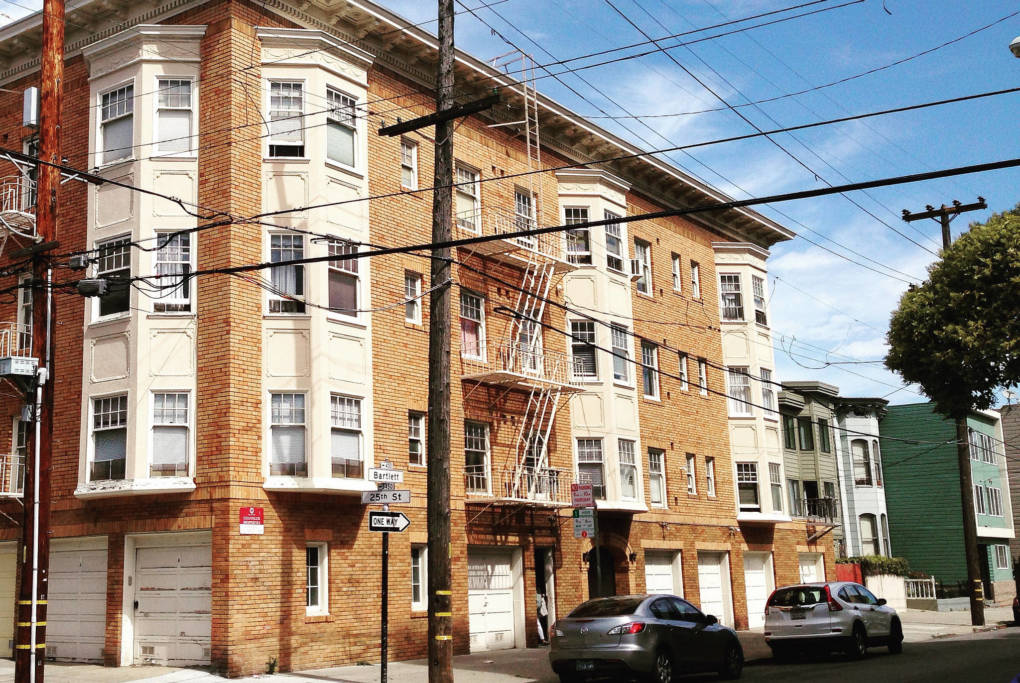
"caption": "A soft-story Victorian building on Bartlett Street in San Francisco.",
"description": null,
"title": "softstory",
"credit": "City Structural, Inc./flickr",
"status": "inherit",
"isLoading": false,
"fetchFailed": false
},
"news_11711491": {
"type": "attachments",
"id": "news_11711491",
"meta": {
"index": "attachments_1716263798",
"site": "news",
"id": "11711491",
"found": true
},
"parent": 11711221,
"imgSizes": {
"twentyfourteen-full-width": {
"file": "https://ww2.kqed.org/app/uploads/sites/10/2018/12/StrikingTeachers-800x576.jpg",
"width": 800,
"mimeType": "image/jpeg",
"height": 576
},
"thumbnail": {
"file": "https://ww2.kqed.org/app/uploads/sites/10/2018/12/StrikingTeachers-160x116.jpg",
"width": 160,
"mimeType": "image/jpeg",
"height": 116
},
"post-thumbnail": {
"file": "https://ww2.kqed.org/app/uploads/sites/10/2018/12/StrikingTeachers-672x372.jpg",
"width": 672,
"mimeType": "image/jpeg",
"height": 372
},
"kqedFullSize": {
"file": "https://ww2.kqed.org/app/uploads/sites/10/2018/12/StrikingTeachers.jpg",
"width": 800,
"height": 580
},
"guest-author-50": {
"file": "https://ww2.kqed.org/app/uploads/sites/10/2018/12/StrikingTeachers-50x50.jpg",
"width": 50,
"mimeType": "image/jpeg",
"height": 50
},
"guest-author-96": {
"file": "https://ww2.kqed.org/app/uploads/sites/10/2018/12/StrikingTeachers-96x96.jpg",
"width": 96,
"mimeType": "image/jpeg",
"height": 96
},
"medium": {
"file": "https://ww2.kqed.org/app/uploads/sites/10/2018/12/StrikingTeachers-800x580.jpg",
"width": 800,
"mimeType": "image/jpeg",
"height": 580
},
"guest-author-64": {
"file": "https://ww2.kqed.org/app/uploads/sites/10/2018/12/StrikingTeachers-64x64.jpg",
"width": 64,
"mimeType": "image/jpeg",
"height": 64
},
"detail": {
"file": "https://ww2.kqed.org/app/uploads/sites/10/2018/12/StrikingTeachers-150x150.jpg",
"width": 150,
"mimeType": "image/jpeg",
"height": 150
},
"guest-author-32": {
"file": "https://ww2.kqed.org/app/uploads/sites/10/2018/12/StrikingTeachers-32x32.jpg",
"width": 32,
"mimeType": "image/jpeg",
"height": 32
},
"guest-author-128": {
"file": "https://ww2.kqed.org/app/uploads/sites/10/2018/12/StrikingTeachers-128x128.jpg",
"width": 128,
"mimeType": "image/jpeg",
"height": 128
}
},
"publishDate": 1544491607,
"modified": 1544491696,
"caption": "Oakland High School teachers stage a one-day strike on Dec. 10, 2018.",
"description": "Oakland High School teachers stage a one-day strike on Dec. 10, 2018.",
"title": "StrikingTeachers",
"credit": "Courtesy Suzi LeBaron",
"status": "inherit",
"isLoading": false,
"fetchFailed": false
},
"news_11703848": {
"type": "attachments",
"id": "news_11703848",
"meta": {
"index": "attachments_1716263798",
"site": "news",
"id": "11703848",
"found": true
},
"parent": 11702378,
"imgSizes": {
"small": {
"file": "https://ww2.kqed.org/app/uploads/sites/10/2018/11/RS33638_IMG_2002-qut-520x347.jpg",
"width": 520,
"mimeType": "image/jpeg",
"height": 347
},
"twentyfourteen-full-width": {
"file": "https://ww2.kqed.org/app/uploads/sites/10/2018/11/RS33638_IMG_2002-qut-1038x576.jpg",
"width": 1038,
"mimeType": "image/jpeg",
"height": 576
},
"thumbnail": {
"file": "https://ww2.kqed.org/app/uploads/sites/10/2018/11/RS33638_IMG_2002-qut-160x107.jpg",
"width": 160,
"mimeType": "image/jpeg",
"height": 107
},
"fd-sm": {
"file": "https://ww2.kqed.org/app/uploads/sites/10/2018/11/RS33638_IMG_2002-qut-960x640.jpg",
"width": 960,
"mimeType": "image/jpeg",
"height": 640
},
"post-thumbnail": {
"file": "https://ww2.kqed.org/app/uploads/sites/10/2018/11/RS33638_IMG_2002-qut-672x372.jpg",
"width": 672,
"mimeType": "image/jpeg",
"height": 372
},
"xsmall": {
"file": "https://ww2.kqed.org/app/uploads/sites/10/2018/11/RS33638_IMG_2002-qut-375x250.jpg",
"width": 375,
"mimeType": "image/jpeg",
"height": 250
},
"kqedFullSize": {
"file": "https://ww2.kqed.org/app/uploads/sites/10/2018/11/RS33638_IMG_2002-qut.jpg",
"width": 1920,
"height": 1280
},
"large": {
"file": "https://ww2.kqed.org/app/uploads/sites/10/2018/11/RS33638_IMG_2002-qut-1020x680.jpg",
"width": 1020,
"mimeType": "image/jpeg",
"height": 680
},
"xlarge": {
"file": "https://ww2.kqed.org/app/uploads/sites/10/2018/11/RS33638_IMG_2002-qut-1180x787.jpg",
"width": 1180,
"mimeType": "image/jpeg",
"height": 787
},
"complete_open_graph": {
"file": "https://ww2.kqed.org/app/uploads/sites/10/2018/11/RS33638_IMG_2002-qut-1200x800.jpg",
"width": 1200,
"mimeType": "image/jpeg",
"height": 800
},
"guest-author-50": {
"file": "https://ww2.kqed.org/app/uploads/sites/10/2018/11/RS33638_IMG_2002-qut-50x50.jpg",
"width": 50,
"mimeType": "image/jpeg",
"height": 50
},
"guest-author-96": {
"file": "https://ww2.kqed.org/app/uploads/sites/10/2018/11/RS33638_IMG_2002-qut-96x96.jpg",
"width": 96,
"mimeType": "image/jpeg",
"height": 96
},
"medium": {
"file": "https://ww2.kqed.org/app/uploads/sites/10/2018/11/RS33638_IMG_2002-qut-800x533.jpg",
"width": 800,
"mimeType": "image/jpeg",
"height": 533
},
"guest-author-64": {
"file": "https://ww2.kqed.org/app/uploads/sites/10/2018/11/RS33638_IMG_2002-qut-64x64.jpg",
"width": 64,
"mimeType": "image/jpeg",
"height": 64
},
"guest-author-32": {
"file": "https://ww2.kqed.org/app/uploads/sites/10/2018/11/RS33638_IMG_2002-qut-32x32.jpg",
"width": 32,
"mimeType": "image/jpeg",
"height": 32
},
"fd-lrg": {
"file": "https://ww2.kqed.org/app/uploads/sites/10/2018/11/RS33638_IMG_2002-qut-1920x1280.jpg",
"width": 1920,
"mimeType": "image/jpeg",
"height": 1280
},
"fd-med": {
"file": "https://ww2.kqed.org/app/uploads/sites/10/2018/11/RS33638_IMG_2002-qut-1180x787.jpg",
"width": 1180,
"mimeType": "image/jpeg",
"height": 787
},
"full-width": {
"file": "https://ww2.kqed.org/app/uploads/sites/10/2018/11/RS33638_IMG_2002-qut-1920x1280.jpg",
"width": 1920,
"mimeType": "image/jpeg",
"height": 1280
},
"detail": {
"file": "https://ww2.kqed.org/app/uploads/sites/10/2018/11/RS33638_IMG_2002-qut-150x150.jpg",
"width": 150,
"mimeType": "image/jpeg",
"height": 150
},
"guest-author-128": {
"file": "https://ww2.kqed.org/app/uploads/sites/10/2018/11/RS33638_IMG_2002-qut-128x128.jpg",
"width": 128,
"mimeType": "image/jpeg",
"height": 128
},
"xxsmall": {
"file": "https://ww2.kqed.org/app/uploads/sites/10/2018/11/RS33638_IMG_2002-qut-240x160.jpg",
"width": 240,
"mimeType": "image/jpeg",
"height": 160
}
},
"publishDate": 1541456726,
"modified": 1541456773,
"caption": "Homeless advocate Candice Elder, 34, speaks with Dorothy Smith, 65, at an encampment near a vacant lot in Oakland on Aug. 24, 2018. Smith, who raised her children in the city, said her disability benefits are not enough to afford housing. 'It just don’t support me,' she said.",
"description": null,
"title": "RS33638_IMG_2002-qut",
"credit": "Farida Jhabvala Romero/KQED",
"status": "inherit",
"isLoading": false,
"fetchFailed": false
},
"news_11703594": {
"type": "attachments",
"id": "news_11703594",
"meta": {
"index": "attachments_1716263798",
"site": "news",
"id": "11703594",
"found": true
},
"parent": 11703577,
"imgSizes": {
"small": {
"file": "https://ww2.kqed.org/app/uploads/sites/10/2018/11/IMG_7004-520x347.jpg",
"width": 520,
"mimeType": "image/jpeg",
"height": 347
},
"twentyfourteen-full-width": {
"file": "https://ww2.kqed.org/app/uploads/sites/10/2018/11/IMG_7004-1038x576.jpg",
"width": 1038,
"mimeType": "image/jpeg",
"height": 576
},
"thumbnail": {
"file": "https://ww2.kqed.org/app/uploads/sites/10/2018/11/IMG_7004-160x107.jpg",
"width": 160,
"mimeType": "image/jpeg",
"height": 107
},
"fd-sm": {
"file": "https://ww2.kqed.org/app/uploads/sites/10/2018/11/IMG_7004-960x640.jpg",
"width": 960,
"mimeType": "image/jpeg",
"height": 640
},
"post-thumbnail": {
"file": "https://ww2.kqed.org/app/uploads/sites/10/2018/11/IMG_7004-672x372.jpg",
"width": 672,
"mimeType": "image/jpeg",
"height": 372
},
"xsmall": {
"file": "https://ww2.kqed.org/app/uploads/sites/10/2018/11/IMG_7004-375x250.jpg",
"width": 375,
"mimeType": "image/jpeg",
"height": 250
},
"kqedFullSize": {
"file": "https://ww2.kqed.org/app/uploads/sites/10/2018/11/IMG_7004.jpg",
"width": 5184,
"height": 3456
},
"large": {
"file": "https://ww2.kqed.org/app/uploads/sites/10/2018/11/IMG_7004-1020x680.jpg",
"width": 1020,
"mimeType": "image/jpeg",
"height": 680
},
"xlarge": {
"file": "https://ww2.kqed.org/app/uploads/sites/10/2018/11/IMG_7004-1180x787.jpg",
"width": 1180,
"mimeType": "image/jpeg",
"height": 787
},
"complete_open_graph": {
"file": "https://ww2.kqed.org/app/uploads/sites/10/2018/11/IMG_7004-1200x800.jpg",
"width": 1200,
"mimeType": "image/jpeg",
"height": 800
},
"guest-author-50": {
"file": "https://ww2.kqed.org/app/uploads/sites/10/2018/11/IMG_7004-50x50.jpg",
"width": 50,
"mimeType": "image/jpeg",
"height": 50
},
"guest-author-96": {
"file": "https://ww2.kqed.org/app/uploads/sites/10/2018/11/IMG_7004-96x96.jpg",
"width": 96,
"mimeType": "image/jpeg",
"height": 96
},
"medium": {
"file": "https://ww2.kqed.org/app/uploads/sites/10/2018/11/IMG_7004-800x533.jpg",
"width": 800,
"mimeType": "image/jpeg",
"height": 533
},
"guest-author-64": {
"file": "https://ww2.kqed.org/app/uploads/sites/10/2018/11/IMG_7004-64x64.jpg",
"width": 64,
"mimeType": "image/jpeg",
"height": 64
},
"guest-author-32": {
"file": "https://ww2.kqed.org/app/uploads/sites/10/2018/11/IMG_7004-32x32.jpg",
"width": 32,
"mimeType": "image/jpeg",
"height": 32
},
"fd-lrg": {
"file": "https://ww2.kqed.org/app/uploads/sites/10/2018/11/IMG_7004-1920x1280.jpg",
"width": 1920,
"mimeType": "image/jpeg",
"height": 1280
},
"fd-med": {
"file": "https://ww2.kqed.org/app/uploads/sites/10/2018/11/IMG_7004-1180x787.jpg",
"width": 1180,
"mimeType": "image/jpeg",
"height": 787
},
"full-width": {
"file": "https://ww2.kqed.org/app/uploads/sites/10/2018/11/IMG_7004-1920x1280.jpg",
"width": 1920,
"mimeType": "image/jpeg",
"height": 1280
},
"detail": {
"file": "https://ww2.kqed.org/app/uploads/sites/10/2018/11/IMG_7004-150x150.jpg",
"width": 150,
"mimeType": "image/jpeg",
"height": 150
},
"guest-author-128": {
"file": "https://ww2.kqed.org/app/uploads/sites/10/2018/11/IMG_7004-128x128.jpg",
"width": 128,
"mimeType": "image/jpeg",
"height": 128
},
"xxsmall": {
"file": "https://ww2.kqed.org/app/uploads/sites/10/2018/11/IMG_7004-240x160.jpg",
"width": 240,
"mimeType": "image/jpeg",
"height": 160
}
},
"publishDate": 1541374852,
"modified": 1541374872,
"caption": "Maricela Sandoval of San Jose paints the face of fellow dancer, Estrella Zamudio, also of San Jose.",
"description": null,
"title": "IMG_7004",
"credit": "Sara Hossaini/KQED",
"status": "inherit",
"isLoading": false,
"fetchFailed": false
},
"news_11700803": {
"type": "attachments",
"id": "news_11700803",
"meta": {
"index": "attachments_1716263798",
"site": "news",
"id": "11700803",
"found": true
},
"parent": 0,
"imgSizes": {
"small": {
"file": "https://ww2.kqed.org/app/uploads/sites/10/2018/10/fairness-jas-portrait-520x347.jpg",
"width": 520,
"mimeType": "image/jpeg",
"height": 347
},
"twentyfourteen-full-width": {
"file": "https://ww2.kqed.org/app/uploads/sites/10/2018/10/fairness-jas-portrait-1038x576.jpg",
"width": 1038,
"mimeType": "image/jpeg",
"height": 576
},
"thumbnail": {
"file": "https://ww2.kqed.org/app/uploads/sites/10/2018/10/fairness-jas-portrait-160x107.jpg",
"width": 160,
"mimeType": "image/jpeg",
"height": 107
},
"fd-sm": {
"file": "https://ww2.kqed.org/app/uploads/sites/10/2018/10/fairness-jas-portrait-960x640.jpg",
"width": 960,
"mimeType": "image/jpeg",
"height": 640
},
"post-thumbnail": {
"file": "https://ww2.kqed.org/app/uploads/sites/10/2018/10/fairness-jas-portrait-672x372.jpg",
"width": 672,
"mimeType": "image/jpeg",
"height": 372
},
"xsmall": {
"file": "https://ww2.kqed.org/app/uploads/sites/10/2018/10/fairness-jas-portrait-375x250.jpg",
"width": 375,
"mimeType": "image/jpeg",
"height": 250
},
"kqedFullSize": {
"file": "https://ww2.kqed.org/app/uploads/sites/10/2018/10/fairness-jas-portrait.jpg",
"width": 5472,
"height": 3648
},
"large": {
"file": "https://ww2.kqed.org/app/uploads/sites/10/2018/10/fairness-jas-portrait-1020x680.jpg",
"width": 1020,
"mimeType": "image/jpeg",
"height": 680
},
"xlarge": {
"file": "https://ww2.kqed.org/app/uploads/sites/10/2018/10/fairness-jas-portrait-1180x787.jpg",
"width": 1180,
"mimeType": "image/jpeg",
"height": 787
},
"complete_open_graph": {
"file": "https://ww2.kqed.org/app/uploads/sites/10/2018/10/fairness-jas-portrait-1200x800.jpg",
"width": 1200,
"mimeType": "image/jpeg",
"height": 800
},
"guest-author-50": {
"file": "https://ww2.kqed.org/app/uploads/sites/10/2018/10/fairness-jas-portrait-50x50.jpg",
"width": 50,
"mimeType": "image/jpeg",
"height": 50
},
"guest-author-96": {
"file": "https://ww2.kqed.org/app/uploads/sites/10/2018/10/fairness-jas-portrait-96x96.jpg",
"width": 96,
"mimeType": "image/jpeg",
"height": 96
},
"medium": {
"file": "https://ww2.kqed.org/app/uploads/sites/10/2018/10/fairness-jas-portrait-800x533.jpg",
"width": 800,
"mimeType": "image/jpeg",
"height": 533
},
"guest-author-64": {
"file": "https://ww2.kqed.org/app/uploads/sites/10/2018/10/fairness-jas-portrait-64x64.jpg",
"width": 64,
"mimeType": "image/jpeg",
"height": 64
},
"guest-author-32": {
"file": "https://ww2.kqed.org/app/uploads/sites/10/2018/10/fairness-jas-portrait-32x32.jpg",
"width": 32,
"mimeType": "image/jpeg",
"height": 32
},
"fd-lrg": {
"file": "https://ww2.kqed.org/app/uploads/sites/10/2018/10/fairness-jas-portrait-1920x1280.jpg",
"width": 1920,
"mimeType": "image/jpeg",
"height": 1280
},
"fd-med": {
"file": "https://ww2.kqed.org/app/uploads/sites/10/2018/10/fairness-jas-portrait-1180x787.jpg",
"width": 1180,
"mimeType": "image/jpeg",
"height": 787
},
"full-width": {
"file": "https://ww2.kqed.org/app/uploads/sites/10/2018/10/fairness-jas-portrait-1920x1280.jpg",
"width": 1920,
"mimeType": "image/jpeg",
"height": 1280
},
"detail": {
"file": "https://ww2.kqed.org/app/uploads/sites/10/2018/10/fairness-jas-portrait-150x150.jpg",
"width": 150,
"mimeType": "image/jpeg",
"height": 150
},
"guest-author-128": {
"file": "https://ww2.kqed.org/app/uploads/sites/10/2018/10/fairness-jas-portrait-128x128.jpg",
"width": 128,
"mimeType": "image/jpeg",
"height": 128
},
"xxsmall": {
"file": "https://ww2.kqed.org/app/uploads/sites/10/2018/10/fairness-jas-portrait-240x160.jpg",
"width": 240,
"mimeType": "image/jpeg",
"height": 160
}
},
"publishDate": 1540339899,
"modified": 1540340023,
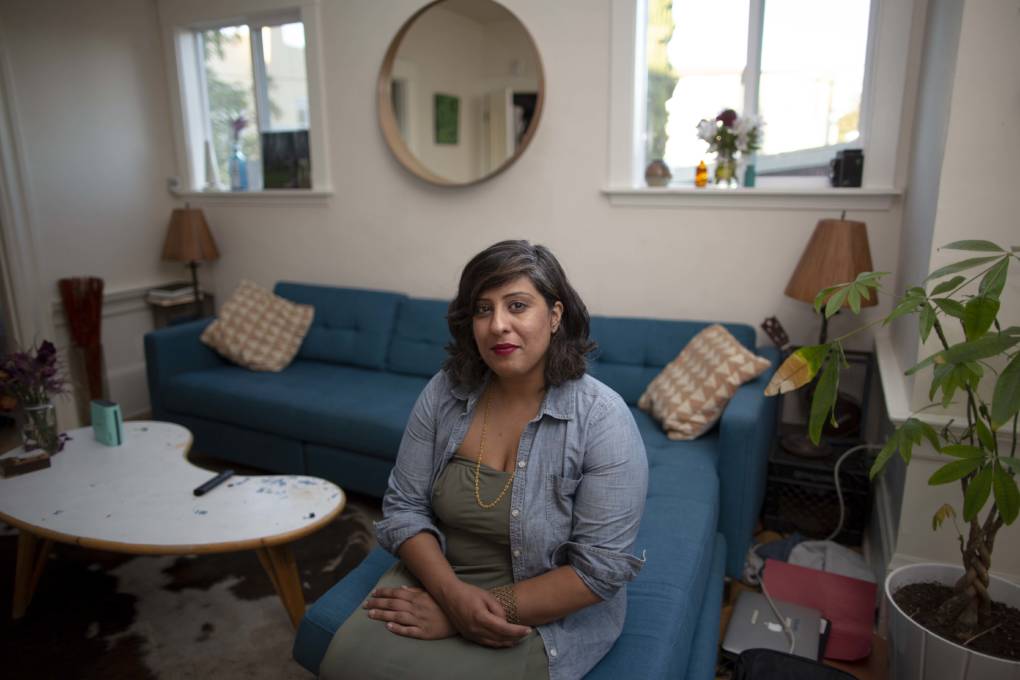
"caption": "Jas Johl in the living room of her home in North Oakland. Johl pays about $13,000 a year in property taxes, far more than many of her neighbors.",
"description": "Jas Johl in the living room of her home in North Oakland. Johl pays about $13,000 a year in property taxes, far more than many of her neighbors.",
"title": "Jas Johl 56th St",
"credit": "Sean Havey for California Dream",
"status": "inherit",
"isLoading": false,
"fetchFailed": false
},
"news_11700625": {
"type": "attachments",
"id": "news_11700625",
"meta": {
"index": "attachments_1716263798",
"site": "news",
"id": "11700625",
"found": true
},
"parent": 0,
"imgSizes": {
"small": {
"file": "https://ww2.kqed.org/app/uploads/sites/10/2018/10/housing-shortage-michelle-portrait-520x347.jpg",
"width": 520,
"mimeType": "image/jpeg",
"height": 347
},
"twentyfourteen-full-width": {
"file": "https://ww2.kqed.org/app/uploads/sites/10/2018/10/housing-shortage-michelle-portrait-1038x576.jpg",
"width": 1038,
"mimeType": "image/jpeg",
"height": 576
},
"thumbnail": {
"file": "https://ww2.kqed.org/app/uploads/sites/10/2018/10/housing-shortage-michelle-portrait-160x107.jpg",
"width": 160,
"mimeType": "image/jpeg",
"height": 107
},
"fd-sm": {
"file": "https://ww2.kqed.org/app/uploads/sites/10/2018/10/housing-shortage-michelle-portrait-960x640.jpg",
"width": 960,
"mimeType": "image/jpeg",
"height": 640
},
"post-thumbnail": {
"file": "https://ww2.kqed.org/app/uploads/sites/10/2018/10/housing-shortage-michelle-portrait-672x372.jpg",
"width": 672,
"mimeType": "image/jpeg",
"height": 372
},
"xsmall": {
"file": "https://ww2.kqed.org/app/uploads/sites/10/2018/10/housing-shortage-michelle-portrait-375x250.jpg",
"width": 375,
"mimeType": "image/jpeg",
"height": 250
},
"kqedFullSize": {
"file": "https://ww2.kqed.org/app/uploads/sites/10/2018/10/housing-shortage-michelle-portrait-e1540408005836.jpg",
"width": 1920,
"height": 1280
},
"large": {
"file": "https://ww2.kqed.org/app/uploads/sites/10/2018/10/housing-shortage-michelle-portrait-1020x680.jpg",
"width": 1020,
"mimeType": "image/jpeg",
"height": 680
},
"xlarge": {
"file": "https://ww2.kqed.org/app/uploads/sites/10/2018/10/housing-shortage-michelle-portrait-1180x787.jpg",
"width": 1180,
"mimeType": "image/jpeg",
"height": 787
},
"complete_open_graph": {
"file": "https://ww2.kqed.org/app/uploads/sites/10/2018/10/housing-shortage-michelle-portrait-1200x800.jpg",
"width": 1200,
"mimeType": "image/jpeg",
"height": 800
},
"guest-author-50": {
"file": "https://ww2.kqed.org/app/uploads/sites/10/2018/10/housing-shortage-michelle-portrait-50x50.jpg",
"width": 50,
"mimeType": "image/jpeg",
"height": 50
},
"guest-author-96": {
"file": "https://ww2.kqed.org/app/uploads/sites/10/2018/10/housing-shortage-michelle-portrait-96x96.jpg",
"width": 96,
"mimeType": "image/jpeg",
"height": 96
},
"medium": {
"file": "https://ww2.kqed.org/app/uploads/sites/10/2018/10/housing-shortage-michelle-portrait-800x533.jpg",
"width": 800,
"mimeType": "image/jpeg",
"height": 533
},
"guest-author-64": {
"file": "https://ww2.kqed.org/app/uploads/sites/10/2018/10/housing-shortage-michelle-portrait-64x64.jpg",
"width": 64,
"mimeType": "image/jpeg",
"height": 64
},
"guest-author-32": {
"file": "https://ww2.kqed.org/app/uploads/sites/10/2018/10/housing-shortage-michelle-portrait-32x32.jpg",
"width": 32,
"mimeType": "image/jpeg",
"height": 32
},
"fd-lrg": {
"file": "https://ww2.kqed.org/app/uploads/sites/10/2018/10/housing-shortage-michelle-portrait-1920x1280.jpg",
"width": 1920,
"mimeType": "image/jpeg",
"height": 1280
},
"fd-med": {
"file": "https://ww2.kqed.org/app/uploads/sites/10/2018/10/housing-shortage-michelle-portrait-1180x787.jpg",
"width": 1180,
"mimeType": "image/jpeg",
"height": 787
},
"full-width": {
"file": "https://ww2.kqed.org/app/uploads/sites/10/2018/10/housing-shortage-michelle-portrait-1920x1280.jpg",
"width": 1920,
"mimeType": "image/jpeg",
"height": 1280
},
"detail": {
"file": "https://ww2.kqed.org/app/uploads/sites/10/2018/10/housing-shortage-michelle-portrait-150x150.jpg",
"width": 150,
"mimeType": "image/jpeg",
"height": 150
},
"guest-author-128": {
"file": "https://ww2.kqed.org/app/uploads/sites/10/2018/10/housing-shortage-michelle-portrait-128x128.jpg",
"width": 128,
"mimeType": "image/jpeg",
"height": 128
},
"xxsmall": {
"file": "https://ww2.kqed.org/app/uploads/sites/10/2018/10/housing-shortage-michelle-portrait-240x160.jpg",
"width": 240,
"mimeType": "image/jpeg",
"height": 160
}
},
"publishDate": 1540320013,
"modified": 1540320099,
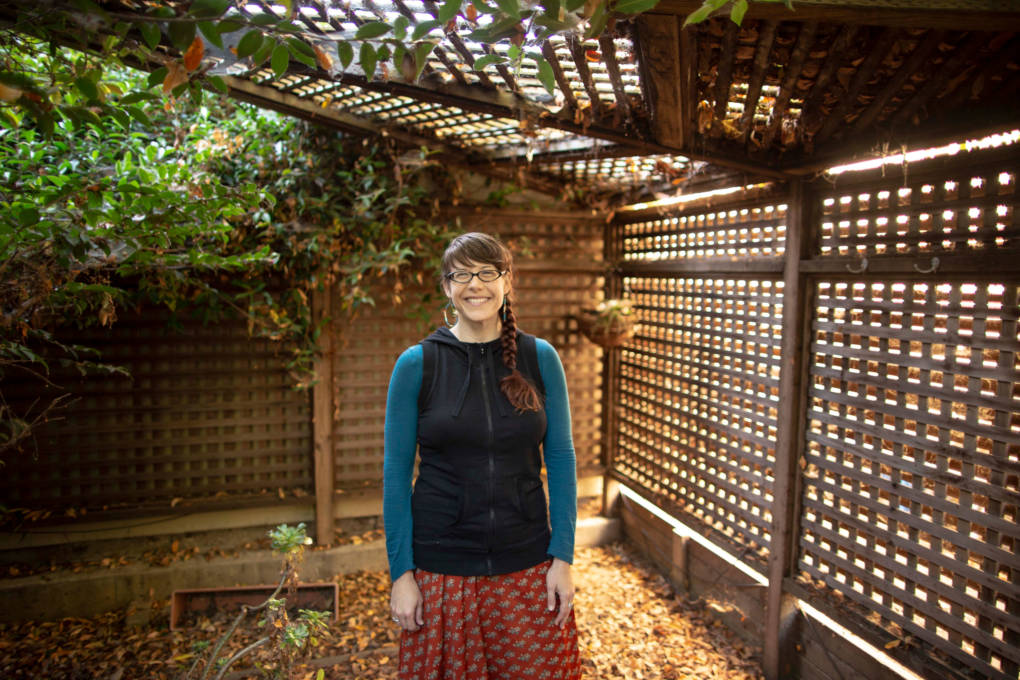
"caption": "Michelle Krasowksi would like to buy a home one day, but she knows that day is a long way off.",
"description": "Michelle Krasowksi would like to buy a home one day, but she knows that day is a long way off.",
"title": "housing-shortage-michelle-portrait",
"credit": "Sean Havey for California Dream",
"status": "inherit",
"isLoading": false,
"fetchFailed": false
},
"news_11700619": {
"type": "attachments",
"id": "news_11700619",
"meta": {
"index": "attachments_1716263798",
"site": "news",
"id": "11700619",
"found": true
},
"parent": 0,
"imgSizes": {
"small": {
"file": "https://ww2.kqed.org/app/uploads/sites/10/2018/10/prop-5-ken-sitting-520x410.jpg",
"width": 520,
"mimeType": "image/jpeg",
"height": 410
},
"twentyfourteen-full-width": {
"file": "https://ww2.kqed.org/app/uploads/sites/10/2018/10/prop-5-ken-sitting-1038x576.jpg",
"width": 1038,
"mimeType": "image/jpeg",
"height": 576
},
"thumbnail": {
"file": "https://ww2.kqed.org/app/uploads/sites/10/2018/10/prop-5-ken-sitting-160x126.jpg",
"width": 160,
"mimeType": "image/jpeg",
"height": 126
},
"fd-sm": {
"file": "https://ww2.kqed.org/app/uploads/sites/10/2018/10/prop-5-ken-sitting-960x757.jpg",
"width": 960,
"mimeType": "image/jpeg",
"height": 757
},
"post-thumbnail": {
"file": "https://ww2.kqed.org/app/uploads/sites/10/2018/10/prop-5-ken-sitting-672x372.jpg",
"width": 672,
"mimeType": "image/jpeg",
"height": 372
},
"xsmall": {
"file": "https://ww2.kqed.org/app/uploads/sites/10/2018/10/prop-5-ken-sitting-375x296.jpg",
"width": 375,
"mimeType": "image/jpeg",
"height": 296
},
"kqedFullSize": {
"file": "https://ww2.kqed.org/app/uploads/sites/10/2018/10/prop-5-ken-sitting.jpg",
"width": 3000,
"height": 2367
},
"large": {
"file": "https://ww2.kqed.org/app/uploads/sites/10/2018/10/prop-5-ken-sitting-1020x805.jpg",
"width": 1020,
"mimeType": "image/jpeg",
"height": 805
},
"xlarge": {
"file": "https://ww2.kqed.org/app/uploads/sites/10/2018/10/prop-5-ken-sitting-1180x931.jpg",
"width": 1180,
"mimeType": "image/jpeg",
"height": 931
},
"complete_open_graph": {
"file": "https://ww2.kqed.org/app/uploads/sites/10/2018/10/prop-5-ken-sitting-1200x947.jpg",
"width": 1200,
"mimeType": "image/jpeg",
"height": 947
},
"guest-author-50": {
"file": "https://ww2.kqed.org/app/uploads/sites/10/2018/10/prop-5-ken-sitting-50x50.jpg",
"width": 50,
"mimeType": "image/jpeg",
"height": 50
},
"guest-author-96": {
"file": "https://ww2.kqed.org/app/uploads/sites/10/2018/10/prop-5-ken-sitting-96x96.jpg",
"width": 96,
"mimeType": "image/jpeg",
"height": 96
},
"medium": {
"file": "https://ww2.kqed.org/app/uploads/sites/10/2018/10/prop-5-ken-sitting-800x631.jpg",
"width": 800,
"mimeType": "image/jpeg",
"height": 631
},
"guest-author-64": {
"file": "https://ww2.kqed.org/app/uploads/sites/10/2018/10/prop-5-ken-sitting-64x64.jpg",
"width": 64,
"mimeType": "image/jpeg",
"height": 64
},
"guest-author-32": {
"file": "https://ww2.kqed.org/app/uploads/sites/10/2018/10/prop-5-ken-sitting-32x32.jpg",
"width": 32,
"mimeType": "image/jpeg",
"height": 32
},
"fd-lrg": {
"file": "https://ww2.kqed.org/app/uploads/sites/10/2018/10/prop-5-ken-sitting-1920x1515.jpg",
"width": 1920,
"mimeType": "image/jpeg",
"height": 1515
},
"fd-med": {
"file": "https://ww2.kqed.org/app/uploads/sites/10/2018/10/prop-5-ken-sitting-1180x931.jpg",
"width": 1180,
"mimeType": "image/jpeg",
"height": 931
},
"full-width": {
"file": "https://ww2.kqed.org/app/uploads/sites/10/2018/10/prop-5-ken-sitting-1920x1515.jpg",
"width": 1920,
"mimeType": "image/jpeg",
"height": 1515
},
"detail": {
"file": "https://ww2.kqed.org/app/uploads/sites/10/2018/10/prop-5-ken-sitting-150x150.jpg",
"width": 150,
"mimeType": "image/jpeg",
"height": 150
},
"guest-author-128": {
"file": "https://ww2.kqed.org/app/uploads/sites/10/2018/10/prop-5-ken-sitting-128x128.jpg",
"width": 128,
"mimeType": "image/jpeg",
"height": 128
},
"xxsmall": {
"file": "https://ww2.kqed.org/app/uploads/sites/10/2018/10/prop-5-ken-sitting-240x189.jpg",
"width": 240,
"mimeType": "image/jpeg",
"height": 189
}
},
"publishDate": 1540319679,
"modified": 1540322719,
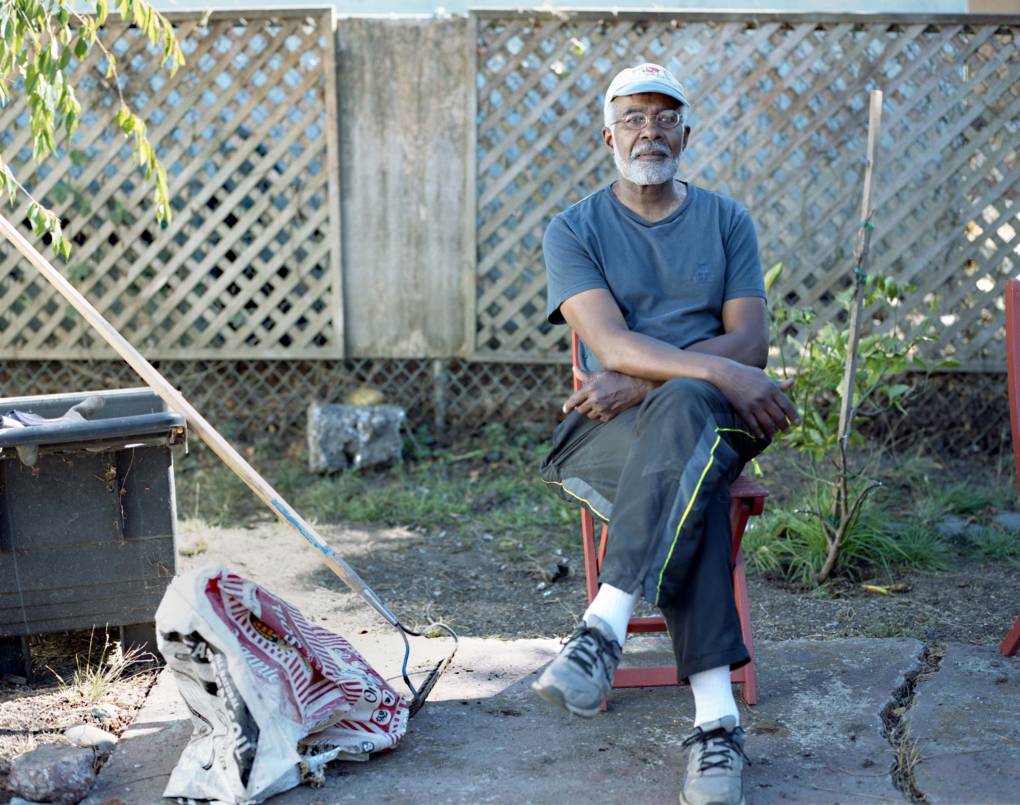
"caption": "Even if Proposition 5 passes, longtime owner Kenneth Wilkins doesn’t plan on selling.",
"description": "Even if Proposition 5 passes, longtime owner Kenneth Wilkins doesn’t plan on selling.",
"title": "prop-5-ken-sitting",
"credit": "Sean Havey for California Dream",
"status": "inherit",
"isLoading": false,
"fetchFailed": false
},
"news_11700636": {
"type": "attachments",
"id": "news_11700636",
"meta": {
"index": "attachments_1716263798",
"site": "news",
"id": "11700636",
"found": true
},
"parent": 11700609,
"imgSizes": {
"small": {
"file": "https://ww2.kqed.org/app/uploads/sites/10/2018/10/gentrification-dorothy-home-exterior-520x347.jpg",
"width": 520,
"mimeType": "image/jpeg",
"height": 347
},
"twentyfourteen-full-width": {
"file": "https://ww2.kqed.org/app/uploads/sites/10/2018/10/gentrification-dorothy-home-exterior-1038x576.jpg",
"width": 1038,
"mimeType": "image/jpeg",
"height": 576
},
"thumbnail": {
"file": "https://ww2.kqed.org/app/uploads/sites/10/2018/10/gentrification-dorothy-home-exterior-160x107.jpg",
"width": 160,
"mimeType": "image/jpeg",
"height": 107
},
"fd-sm": {
"file": "https://ww2.kqed.org/app/uploads/sites/10/2018/10/gentrification-dorothy-home-exterior-960x640.jpg",
"width": 960,
"mimeType": "image/jpeg",
"height": 640
},
"post-thumbnail": {
"file": "https://ww2.kqed.org/app/uploads/sites/10/2018/10/gentrification-dorothy-home-exterior-672x372.jpg",
"width": 672,
"mimeType": "image/jpeg",
"height": 372
},
"xsmall": {
"file": "https://ww2.kqed.org/app/uploads/sites/10/2018/10/gentrification-dorothy-home-exterior-375x250.jpg",
"width": 375,
"mimeType": "image/jpeg",
"height": 250
},
"kqedFullSize": {
"file": "https://ww2.kqed.org/app/uploads/sites/10/2018/10/gentrification-dorothy-home-exterior-e1540321539216.jpg",
"width": 1500,
"height": 1000
},
"large": {
"file": "https://ww2.kqed.org/app/uploads/sites/10/2018/10/gentrification-dorothy-home-exterior-1020x680.jpg",
"width": 1020,
"mimeType": "image/jpeg",
"height": 680
},
"xlarge": {
"file": "https://ww2.kqed.org/app/uploads/sites/10/2018/10/gentrification-dorothy-home-exterior-1180x787.jpg",
"width": 1180,
"mimeType": "image/jpeg",
"height": 787
},
"complete_open_graph": {
"file": "https://ww2.kqed.org/app/uploads/sites/10/2018/10/gentrification-dorothy-home-exterior-1200x800.jpg",
"width": 1200,
"mimeType": "image/jpeg",
"height": 800
},
"guest-author-50": {
"file": "https://ww2.kqed.org/app/uploads/sites/10/2018/10/gentrification-dorothy-home-exterior-50x50.jpg",
"width": 50,
"mimeType": "image/jpeg",
"height": 50
},
"guest-author-96": {
"file": "https://ww2.kqed.org/app/uploads/sites/10/2018/10/gentrification-dorothy-home-exterior-96x96.jpg",
"width": 96,
"mimeType": "image/jpeg",
"height": 96
},
"medium": {
"file": "https://ww2.kqed.org/app/uploads/sites/10/2018/10/gentrification-dorothy-home-exterior-800x533.jpg",
"width": 800,
"mimeType": "image/jpeg",
"height": 533
},
"guest-author-64": {
"file": "https://ww2.kqed.org/app/uploads/sites/10/2018/10/gentrification-dorothy-home-exterior-64x64.jpg",
"width": 64,
"mimeType": "image/jpeg",
"height": 64
},
"guest-author-32": {
"file": "https://ww2.kqed.org/app/uploads/sites/10/2018/10/gentrification-dorothy-home-exterior-32x32.jpg",
"width": 32,
"mimeType": "image/jpeg",
"height": 32
},
"fd-lrg": {
"file": "https://ww2.kqed.org/app/uploads/sites/10/2018/10/gentrification-dorothy-home-exterior-1920x1280.jpg",
"width": 1920,
"mimeType": "image/jpeg",
"height": 1280
},
"fd-med": {
"file": "https://ww2.kqed.org/app/uploads/sites/10/2018/10/gentrification-dorothy-home-exterior-1180x787.jpg",
"width": 1180,
"mimeType": "image/jpeg",
"height": 787
},
"full-width": {
"file": "https://ww2.kqed.org/app/uploads/sites/10/2018/10/gentrification-dorothy-home-exterior-1920x1280.jpg",
"width": 1920,
"mimeType": "image/jpeg",
"height": 1280
},
"detail": {
"file": "https://ww2.kqed.org/app/uploads/sites/10/2018/10/gentrification-dorothy-home-exterior-150x150.jpg",
"width": 150,
"mimeType": "image/jpeg",
"height": 150
},
"guest-author-128": {
"file": "https://ww2.kqed.org/app/uploads/sites/10/2018/10/gentrification-dorothy-home-exterior-128x128.jpg",
"width": 128,
"mimeType": "image/jpeg",
"height": 128
},
"xxsmall": {
"file": "https://ww2.kqed.org/app/uploads/sites/10/2018/10/gentrification-dorothy-home-exterior-240x160.jpg",
"width": 240,
"mimeType": "image/jpeg",
"height": 160
}
},
"publishDate": 1540320871,
"modified": 1540321274,
"caption": "Proposition 13 has helped keep Dorothy in her home since 1956. But in this neighborhood, she’s an exception. According to census data, only about 10 percent of residents moved into the area before or during the 1980s.",
"description": null,
"title": "gentrification-dorothy-home-exterior",
"credit": "Sean Havey/California Dream",
"status": "inherit",
"isLoading": false,
"fetchFailed": false
},
"news_11697269": {
"type": "attachments",
"id": "news_11697269",
"meta": {
"index": "attachments_1716263798",
"site": "news",
"id": "11697269",
"found": true
},
"parent": 11697268,
"imgSizes": {
"small": {
"file": "https://ww2.kqed.org/app/uploads/sites/10/2018/10/alicew_slide-f2d9f779381a0d809eb97486e085c879413cd7ae-1-520x346.jpg",
"width": 520,
"mimeType": "image/jpeg",
"height": 346
},
"twentyfourteen-full-width": {
"file": "https://ww2.kqed.org/app/uploads/sites/10/2018/10/alicew_slide-f2d9f779381a0d809eb97486e085c879413cd7ae-1-1038x576.jpg",
"width": 1038,
"mimeType": "image/jpeg",
"height": 576
},
"thumbnail": {
"file": "https://ww2.kqed.org/app/uploads/sites/10/2018/10/alicew_slide-f2d9f779381a0d809eb97486e085c879413cd7ae-1-160x107.jpg",
"width": 160,
"mimeType": "image/jpeg",
"height": 107
},
"fd-sm": {
"file": "https://ww2.kqed.org/app/uploads/sites/10/2018/10/alicew_slide-f2d9f779381a0d809eb97486e085c879413cd7ae-1-960x640.jpg",
"width": 960,
"mimeType": "image/jpeg",
"height": 640
},
"post-thumbnail": {
"file": "https://ww2.kqed.org/app/uploads/sites/10/2018/10/alicew_slide-f2d9f779381a0d809eb97486e085c879413cd7ae-1-672x372.jpg",
"width": 672,
"mimeType": "image/jpeg",
"height": 372
},
"xsmall": {
"file": "https://ww2.kqed.org/app/uploads/sites/10/2018/10/alicew_slide-f2d9f779381a0d809eb97486e085c879413cd7ae-1-375x250.jpg",
"width": 375,
"mimeType": "image/jpeg",
"height": 250
},
"kqedFullSize": {
"file": "https://ww2.kqed.org/app/uploads/sites/10/2018/10/alicew_slide-f2d9f779381a0d809eb97486e085c879413cd7ae-1-e1538947010970.jpg",
"width": 1920,
"height": 1279
},
"large": {
"file": "https://ww2.kqed.org/app/uploads/sites/10/2018/10/alicew_slide-f2d9f779381a0d809eb97486e085c879413cd7ae-1-1020x680.jpg",
"width": 1020,
"mimeType": "image/jpeg",
"height": 680
},
"xlarge": {
"file": "https://ww2.kqed.org/app/uploads/sites/10/2018/10/alicew_slide-f2d9f779381a0d809eb97486e085c879413cd7ae-1-1180x786.jpg",
"width": 1180,
"mimeType": "image/jpeg",
"height": 786
},
"complete_open_graph": {
"file": "https://ww2.kqed.org/app/uploads/sites/10/2018/10/alicew_slide-f2d9f779381a0d809eb97486e085c879413cd7ae-1-1200x800.jpg",
"width": 1200,
"mimeType": "image/jpeg",
"height": 800
},
"guest-author-50": {
"file": "https://ww2.kqed.org/app/uploads/sites/10/2018/10/alicew_slide-f2d9f779381a0d809eb97486e085c879413cd7ae-1-50x50.jpg",
"width": 50,
"mimeType": "image/jpeg",
"height": 50
},
"guest-author-96": {
"file": "https://ww2.kqed.org/app/uploads/sites/10/2018/10/alicew_slide-f2d9f779381a0d809eb97486e085c879413cd7ae-1-96x96.jpg",
"width": 96,
"mimeType": "image/jpeg",
"height": 96
},
"medium": {
"file": "https://ww2.kqed.org/app/uploads/sites/10/2018/10/alicew_slide-f2d9f779381a0d809eb97486e085c879413cd7ae-1-800x533.jpg",
"width": 800,
"mimeType": "image/jpeg",
"height": 533
},
"guest-author-64": {
"file": "https://ww2.kqed.org/app/uploads/sites/10/2018/10/alicew_slide-f2d9f779381a0d809eb97486e085c879413cd7ae-1-64x64.jpg",
"width": 64,
"mimeType": "image/jpeg",
"height": 64
},
"guest-author-32": {
"file": "https://ww2.kqed.org/app/uploads/sites/10/2018/10/alicew_slide-f2d9f779381a0d809eb97486e085c879413cd7ae-1-32x32.jpg",
"width": 32,
"mimeType": "image/jpeg",
"height": 32
},
"fd-lrg": {
"file": "https://ww2.kqed.org/app/uploads/sites/10/2018/10/alicew_slide-f2d9f779381a0d809eb97486e085c879413cd7ae-1-1920x1279.jpg",
"width": 1920,
"mimeType": "image/jpeg",
"height": 1279
},
"fd-med": {
"file": "https://ww2.kqed.org/app/uploads/sites/10/2018/10/alicew_slide-f2d9f779381a0d809eb97486e085c879413cd7ae-1-1180x786.jpg",
"width": 1180,
"mimeType": "image/jpeg",
"height": 786
},
"full-width": {
"file": "https://ww2.kqed.org/app/uploads/sites/10/2018/10/alicew_slide-f2d9f779381a0d809eb97486e085c879413cd7ae-1-1920x1279.jpg",
"width": 1920,
"mimeType": "image/jpeg",
"height": 1279
},
"detail": {
"file": "https://ww2.kqed.org/app/uploads/sites/10/2018/10/alicew_slide-f2d9f779381a0d809eb97486e085c879413cd7ae-1-150x150.jpg",
"width": 150,
"mimeType": "image/jpeg",
"height": 150
},
"guest-author-128": {
"file": "https://ww2.kqed.org/app/uploads/sites/10/2018/10/alicew_slide-f2d9f779381a0d809eb97486e085c879413cd7ae-1-128x128.jpg",
"width": 128,
"mimeType": "image/jpeg",
"height": 128
},
"xxsmall": {
"file": "https://ww2.kqed.org/app/uploads/sites/10/2018/10/alicew_slide-f2d9f779381a0d809eb97486e085c879413cd7ae-1-240x160.jpg",
"width": 240,
"mimeType": "image/jpeg",
"height": 160
}
},
"publishDate": 1538946886,
"modified": 1538946999,
"caption": "Author Alice Walker, pictured onstage of the 2015 Broadway revival of 'The Color Purple' musical, has released a new collection of poetry called 'Taking the Arrow Out of the Heart.'",
"description": "Author Alice Walker, pictured onstage of the 2015 Broadway revival of 'The Color Purple' musical, has released a new collection of poetry called 'Taking the Arrow Out of the Heart.'",
"title": "Author Alice Walker, pictured onstage of the 2015 Broadway revival of The Color Purple musical, has released a new collection of poetry called Taking the Arrow Out of the Heart.",
"credit": "Mark Sagliocco/Getty Images",
"status": "inherit",
"isLoading": false,
"fetchFailed": false
},
"news_11696786": {
"type": "attachments",
"id": "news_11696786",
"meta": {
"index": "attachments_1716263798",
"site": "news",
"id": "11696786",
"found": true
},
"parent": 11696561,
"imgSizes": {
"small": {
"file": "https://ww2.kqed.org/app/uploads/sites/10/2018/10/GettyImages-497396938-520x347.jpg",
"width": 520,
"mimeType": "image/jpeg",
"height": 347
},
"twentyfourteen-full-width": {
"file": "https://ww2.kqed.org/app/uploads/sites/10/2018/10/GettyImages-497396938-1038x576.jpg",
"width": 1038,
"mimeType": "image/jpeg",
"height": 576
},
"thumbnail": {
"file": "https://ww2.kqed.org/app/uploads/sites/10/2018/10/GettyImages-497396938-160x107.jpg",
"width": 160,
"mimeType": "image/jpeg",
"height": 107
},
"fd-sm": {
"file": "https://ww2.kqed.org/app/uploads/sites/10/2018/10/GettyImages-497396938-960x640.jpg",
"width": 960,
"mimeType": "image/jpeg",
"height": 640
},
"post-thumbnail": {
"file": "https://ww2.kqed.org/app/uploads/sites/10/2018/10/GettyImages-497396938-672x372.jpg",
"width": 672,
"mimeType": "image/jpeg",
"height": 372
},
"xsmall": {
"file": "https://ww2.kqed.org/app/uploads/sites/10/2018/10/GettyImages-497396938-375x250.jpg",
"width": 375,
"mimeType": "image/jpeg",
"height": 250
},
"kqedFullSize": {
"file": "https://ww2.kqed.org/app/uploads/sites/10/2018/10/GettyImages-497396938-e1538758805478.jpg",
"width": 1920,
"height": 1280
},
"large": {
"file": "https://ww2.kqed.org/app/uploads/sites/10/2018/10/GettyImages-497396938-1020x680.jpg",
"width": 1020,
"mimeType": "image/jpeg",
"height": 680
},
"xlarge": {
"file": "https://ww2.kqed.org/app/uploads/sites/10/2018/10/GettyImages-497396938-1180x787.jpg",
"width": 1180,
"mimeType": "image/jpeg",
"height": 787
},
"complete_open_graph": {
"file": "https://ww2.kqed.org/app/uploads/sites/10/2018/10/GettyImages-497396938-1200x800.jpg",
"width": 1200,
"mimeType": "image/jpeg",
"height": 800
},
"guest-author-50": {
"file": "https://ww2.kqed.org/app/uploads/sites/10/2018/10/GettyImages-497396938-50x50.jpg",
"width": 50,
"mimeType": "image/jpeg",
"height": 50
},
"guest-author-96": {
"file": "https://ww2.kqed.org/app/uploads/sites/10/2018/10/GettyImages-497396938-96x96.jpg",
"width": 96,
"mimeType": "image/jpeg",
"height": 96
},
"medium": {
"file": "https://ww2.kqed.org/app/uploads/sites/10/2018/10/GettyImages-497396938-800x533.jpg",
"width": 800,
"mimeType": "image/jpeg",
"height": 533
},
"guest-author-64": {
"file": "https://ww2.kqed.org/app/uploads/sites/10/2018/10/GettyImages-497396938-64x64.jpg",
"width": 64,
"mimeType": "image/jpeg",
"height": 64
},
"guest-author-32": {
"file": "https://ww2.kqed.org/app/uploads/sites/10/2018/10/GettyImages-497396938-32x32.jpg",
"width": 32,
"mimeType": "image/jpeg",
"height": 32
},
"fd-lrg": {
"file": "https://ww2.kqed.org/app/uploads/sites/10/2018/10/GettyImages-497396938-1920x1280.jpg",
"width": 1920,
"mimeType": "image/jpeg",
"height": 1280
},
"fd-med": {
"file": "https://ww2.kqed.org/app/uploads/sites/10/2018/10/GettyImages-497396938-1180x787.jpg",
"width": 1180,
"mimeType": "image/jpeg",
"height": 787
},
"full-width": {
"file": "https://ww2.kqed.org/app/uploads/sites/10/2018/10/GettyImages-497396938-1920x1280.jpg",
"width": 1920,
"mimeType": "image/jpeg",
"height": 1280
},
"detail": {
"file": "https://ww2.kqed.org/app/uploads/sites/10/2018/10/GettyImages-497396938-150x150.jpg",
"width": 150,
"mimeType": "image/jpeg",
"height": 150
},
"guest-author-128": {
"file": "https://ww2.kqed.org/app/uploads/sites/10/2018/10/GettyImages-497396938-128x128.jpg",
"width": 128,
"mimeType": "image/jpeg",
"height": 128
},
"xxsmall": {
"file": "https://ww2.kqed.org/app/uploads/sites/10/2018/10/GettyImages-497396938-240x160.jpg",
"width": 240,
"mimeType": "image/jpeg",
"height": 160
}
},
"publishDate": 1538758754,
"modified": 1544480348,
"caption": "A sign is posted in front of a Marriott hotel on Nov. 16, 2015, in San Francisco.",
"description": null,
"title": "Marriott Acquires Starwood Hotels For $12.2 Billion",
"credit": "Justin Sullivan/Getty Images",
"status": "inherit",
"isLoading": false,
"fetchFailed": false
},
"news_11696170": {
"type": "attachments",
"id": "news_11696170",
"meta": {
"index": "attachments_1716263798",
"site": "news",
"id": "11696170",
"found": true
},
"parent": 11696128,
"imgSizes": {
"small": {
"file": "https://ww2.kqed.org/app/uploads/sites/10/2018/10/IMG-1342-520x390.jpg",
"width": 520,
"mimeType": "image/jpeg",
"height": 390
},
"twentyfourteen-full-width": {
"file": "https://ww2.kqed.org/app/uploads/sites/10/2018/10/IMG-1342-1038x576.jpg",
"width": 1038,
"mimeType": "image/jpeg",
"height": 576
},
"thumbnail": {
"file": "https://ww2.kqed.org/app/uploads/sites/10/2018/10/IMG-1342-160x120.jpg",
"width": 160,
"mimeType": "image/jpeg",
"height": 120
},
"fd-sm": {
"file": "https://ww2.kqed.org/app/uploads/sites/10/2018/10/IMG-1342-960x720.jpg",
"width": 960,
"mimeType": "image/jpeg",
"height": 720
},
"post-thumbnail": {
"file": "https://ww2.kqed.org/app/uploads/sites/10/2018/10/IMG-1342-672x372.jpg",
"width": 672,
"mimeType": "image/jpeg",
"height": 372
},
"xsmall": {
"file": "https://ww2.kqed.org/app/uploads/sites/10/2018/10/IMG-1342-375x281.jpg",
"width": 375,
"mimeType": "image/jpeg",
"height": 281
},
"kqedFullSize": {
"file": "https://ww2.kqed.org/app/uploads/sites/10/2018/10/IMG-1342-e1538521639348.jpg",
"width": 1920,
"height": 1440
},
"large": {
"file": "https://ww2.kqed.org/app/uploads/sites/10/2018/10/IMG-1342-1020x765.jpg",
"width": 1020,
"mimeType": "image/jpeg",
"height": 765
},
"xlarge": {
"file": "https://ww2.kqed.org/app/uploads/sites/10/2018/10/IMG-1342-1180x885.jpg",
"width": 1180,
"mimeType": "image/jpeg",
"height": 885
},
"complete_open_graph": {
"file": "https://ww2.kqed.org/app/uploads/sites/10/2018/10/IMG-1342-1200x900.jpg",
"width": 1200,
"mimeType": "image/jpeg",
"height": 900
},
"guest-author-50": {
"file": "https://ww2.kqed.org/app/uploads/sites/10/2018/10/IMG-1342-50x50.jpg",
"width": 50,
"mimeType": "image/jpeg",
"height": 50
},
"guest-author-96": {
"file": "https://ww2.kqed.org/app/uploads/sites/10/2018/10/IMG-1342-96x96.jpg",
"width": 96,
"mimeType": "image/jpeg",
"height": 96
},
"medium": {
"file": "https://ww2.kqed.org/app/uploads/sites/10/2018/10/IMG-1342-800x600.jpg",
"width": 800,
"mimeType": "image/jpeg",
"height": 600
},
"guest-author-64": {
"file": "https://ww2.kqed.org/app/uploads/sites/10/2018/10/IMG-1342-64x64.jpg",
"width": 64,
"mimeType": "image/jpeg",
"height": 64
},
"guest-author-32": {
"file": "https://ww2.kqed.org/app/uploads/sites/10/2018/10/IMG-1342-32x32.jpg",
"width": 32,
"mimeType": "image/jpeg",
"height": 32
},
"fd-lrg": {
"file": "https://ww2.kqed.org/app/uploads/sites/10/2018/10/IMG-1342-1920x1440.jpg",
"width": 1920,
"mimeType": "image/jpeg",
"height": 1440
},
"fd-med": {
"file": "https://ww2.kqed.org/app/uploads/sites/10/2018/10/IMG-1342-1180x885.jpg",
"width": 1180,
"mimeType": "image/jpeg",
"height": 885
},
"full-width": {
"file": "https://ww2.kqed.org/app/uploads/sites/10/2018/10/IMG-1342-1920x1440.jpg",
"width": 1920,
"mimeType": "image/jpeg",
"height": 1440
},
"detail": {
"file": "https://ww2.kqed.org/app/uploads/sites/10/2018/10/IMG-1342-150x150.jpg",
"width": 150,
"mimeType": "image/jpeg",
"height": 150
},
"guest-author-128": {
"file": "https://ww2.kqed.org/app/uploads/sites/10/2018/10/IMG-1342-128x128.jpg",
"width": 128,
"mimeType": "image/jpeg",
"height": 128
},
"xxsmall": {
"file": "https://ww2.kqed.org/app/uploads/sites/10/2018/10/IMG-1342-240x180.jpg",
"width": 240,
"mimeType": "image/jpeg",
"height": 180
}
},
"publishDate": 1538520330,
"modified": 1538590834,
"caption": "A new \"Tuff Shed\" homeless camp will open near Lake Merritt on Oct. 4, 2018.",
"description": null,
"title": "IMG-1342",
"credit": "Chloe Veltman/KQED",
"status": "inherit",
"isLoading": false,
"fetchFailed": false
}
},
"audioPlayerReducer": {
"postId": "stream_live",
"isPaused": true,
"isPlaying": false,
"pfsActive": false,
"pledgeModalIsOpen": true,
"playerDrawerIsOpen": false,
"liveAudioPlayStartedAt": 0,
"liveAudioPlayContext": ""
},
"authorsReducer": {
"byline_news_11700810": {
"type": "authors",
"id": "byline_news_11700810",
"meta": {
"override": true
},
"slug": "byline_news_11700810",
"name": "\u003ca href=\"https://calmatters.org/articles/author/matt-levin/\" target=\"_blank\" rel=\"noopener\">Matt Levin/CALmatters\u003c/a>",
"isLoading": false
},
"byline_news_11700683": {
"type": "authors",
"id": "byline_news_11700683",
"meta": {
"override": true
},
"slug": "byline_news_11700683",
"name": "\u003ca href=\"https://calmatters.org/articles/author/matt-levin/\" rel=\"noopener\" target=\"_blank\">Matt Levin/CALmatters\u003c/a>",
"isLoading": false
},
"byline_news_11700609": {
"type": "authors",
"id": "byline_news_11700609",
"meta": {
"override": true
},
"slug": "byline_news_11700609",
"name": "Adriene Hill",
"isLoading": false
},
"byline_news_11697268": {
"type": "authors",
"id": "byline_news_11697268",
"meta": {
"override": true
},
"slug": "byline_news_11697268",
"name": "\u003cstrong>\u003ca href=\"https://www.npr.org/people/3874941/scott-simon\">Scott Simon\u003c/a>\u003c/br>\u003ca href=\"https://www.npr.org\">NPR\u003c/a>\u003c/strong>",
"isLoading": false
},
"dmarks": {
"type": "authors",
"id": "182",
"meta": {
"index": "authors_1716337520",
"id": "182",
"found": true
},
"name": "David Marks",
"firstName": "David",
"lastName": "Marks",
"slug": "dmarks",
"email": "dmarks@kqed.org",
"display_author_email": false,
"staff_mastheads": [],
"title": "KQED Editor",
"bio": "David Marks is a senior digital editor for KQED News. \u003c/a>Reach him at dmarks@kqed.org.",
"avatar": "https://secure.gravatar.com/avatar/b88bd6227ce6cb96ae33fefaf42b2a29?s=600&d=mm&r=g",
"twitter": "divadskram",
"facebook": null,
"instagram": null,
"linkedin": null,
"sites": [
{
"site": "news",
"roles": []
},
{
"site": "science",
"roles": []
},
{
"site": "perspectives",
"roles": []
},
{
"site": "liveblog",
"roles": []
}
],
"headData": {
"title": "David Marks | KQED",
"description": "KQED Editor",
"ogImgSrc": "https://secure.gravatar.com/avatar/b88bd6227ce6cb96ae33fefaf42b2a29?s=600&d=mm&r=g",
"twImgSrc": "https://secure.gravatar.com/avatar/b88bd6227ce6cb96ae33fefaf42b2a29?s=600&d=mm&r=g"
},
"isLoading": false,
"link": "/author/dmarks"
},
"ninathorsen": {
"type": "authors",
"id": "246",
"meta": {
"index": "authors_1716337520",
"id": "246",
"found": true
},
"name": "Nina Thorsen",
"firstName": "Nina",
"lastName": "Thorsen",
"slug": "ninathorsen",
"email": "nthorsen@kqed.org",
"display_author_email": false,
"staff_mastheads": [
"news"
],
"title": "Producer, Radio",
"bio": "\u003cspan style=\"color: #000000;\">Nina Thorsen is a KQED radio producer, and frequently reports on sports and culture. \u003c/span>\u003cspan style=\"color: #000000;\">She co-created and produced KQED's \u003cem>Pacific Time, \u003c/em> a weekly radio program on Asian and Asian American issues that aired from 2000 to 2007. Before coming to KQED, Thorsen was the deputy foreign editor for \u003cem>Marketplace, \u003c/em>and in her home state of Minnesota, worked for \u003cem>A Prairie Home Companion\u003c/em> and for Public Radio International. \u003c/span>",
"avatar": "https://secure.gravatar.com/avatar/e13dc7282cec33c15d973ebb56d57ead?s=600&d=blank&r=g",
"twitter": "NinaKQED",
"facebook": null,
"instagram": null,
"linkedin": null,
"sites": [
{
"site": "news",
"roles": [
"editor"
]
},
{
"site": "podcasts",
"roles": [
"editor"
]
}
],
"headData": {
"title": "Nina Thorsen | KQED",
"description": "Producer, Radio",
"ogImgSrc": "https://secure.gravatar.com/avatar/e13dc7282cec33c15d973ebb56d57ead?s=600&d=blank&r=g",
"twImgSrc": "https://secure.gravatar.com/avatar/e13dc7282cec33c15d973ebb56d57ead?s=600&d=blank&r=g"
},
"isLoading": false,
"link": "/author/ninathorsen"
},
"scottshafer": {
"type": "authors",
"id": "255",
"meta": {
"index": "authors_1716337520",
"id": "255",
"found": true
},
"name": "Scott Shafer",
"firstName": "Scott",
"lastName": "Shafer",
"slug": "scottshafer",
"email": "sshafer@kqed.org",
"display_author_email": false,
"staff_mastheads": [
"news"
],
"title": "KQED Contributor",
"bio": "Scott Shafer is a senior editor with the KQED Politics and Government desk. He is co-host of Political Breakdown, the award-winning radio show and podcast with a personal take on the world of politics. Scott came to KQED in 1998 to host the statewide\u003cem> California Report\u003c/em>. Prior to that he had extended stints in politics and government\u003cem>.\u003c/em> He uses that inside experience at KQED in his, reporting, hosting and analysis for the politics desk. Scott collaborated \u003cem>Political Breakdown a\u003c/em>nd on \u003cem>The Political Mind of Jerry Brown, \u003c/em>an eight-part series about the life and extraordinary political career of the former governor. For fun, he plays water polo with the San Francisco Tsunami.",
"avatar": "https://secure.gravatar.com/avatar/a62ebae45b79d7aed1a39a0e3bf68104?s=600&d=blank&r=g",
"twitter": "scottshafer",
"bluesky": null,
"facebook": null,
"instagram": null,
"linkedin": null,
"sites": [
{
"site": "news",
"roles": [
"editor"
]
},
{
"site": "stateofhealth",
"roles": [
"author"
]
},
{
"site": "science",
"roles": [
"author"
]
},
{
"site": "forum",
"roles": [
"subscriber"
]
},
{
"site": "liveblog",
"roles": [
"author"
]
}
],
"headData": {
"title": "Scott Shafer | KQED",
"description": "KQED Contributor",
"ogImgSrc": "https://secure.gravatar.com/avatar/a62ebae45b79d7aed1a39a0e3bf68104?s=600&d=blank&r=g",
"twImgSrc": "https://secure.gravatar.com/avatar/a62ebae45b79d7aed1a39a0e3bf68104?s=600&d=blank&r=g"
},
"isLoading": false,
"link": "/author/scottshafer"
},
"tgoldberg": {
"type": "authors",
"id": "258",
"meta": {
"index": "authors_1716337520",
"id": "258",
"found": true
},
"name": "Ted Goldberg",
"firstName": "Ted",
"lastName": "Goldberg",
"slug": "tgoldberg",
"email": "tgoldberg@kqed.org",
"display_author_email": true,
"staff_mastheads": [
"news"
],
"title": "KQED Managing Editor, News and Newscasts",
"bio": "Ted Goldberg is Managing Editor of News and Newscasts at KQED. His main reporting beat is the Bay Area's oil refining industry.\r\n\r\nPrior to joining KQED in 2014, Ted worked at CBS News and WCBS AM in New York and Bay City News and KCBS Radio in San Francisco. He graduated from Oberlin College in Ohio in 1998.",
"avatar": "https://secure.gravatar.com/avatar/30ce2e4fe89135e104f89be2394d16225b9d36c121b5b3cb7651ce642978b96f?s=600&d=blank&r=g",
"twitter": "TedrickG",
"bluesky": null,
"facebook": null,
"instagram": null,
"linkedin": null,
"sites": [
{
"site": "news",
"roles": [
"editor"
]
},
{
"site": "science",
"roles": [
"editor"
]
}
],
"headData": {
"title": "Ted Goldberg | KQED",
"description": "KQED Managing Editor, News and Newscasts",
"ogImgSrc": "https://secure.gravatar.com/avatar/30ce2e4fe89135e104f89be2394d16225b9d36c121b5b3cb7651ce642978b96f?s=600&d=blank&r=g",
"twImgSrc": "https://secure.gravatar.com/avatar/30ce2e4fe89135e104f89be2394d16225b9d36c121b5b3cb7651ce642978b96f?s=600&d=blank&r=g"
},
"isLoading": false,
"link": "/author/tgoldberg"
},
"shossaini": {
"type": "authors",
"id": "3214",
"meta": {
"index": "authors_1716337520",
"id": "3214",
"found": true
},
"name": "Sara Hossaini",
"firstName": "Sara",
"lastName": "Hossaini",
"slug": "shossaini",
"email": "shossaini@kqed.org",
"display_author_email": true,
"staff_mastheads": [
"news"
],
"title": "KQED Reporter",
"bio": "Sara Hossaini came to general assignment reporting at KQED in 2013 after two winters reporting at Wyoming Public Radio. She holds a bachelor's degree in broadcast journalism from the University of Nebraska-Lincoln. Her radio romance began after a bitter breakup with documentary film (Ok, maybe it's still complicated). Her first simultaneous jobs in San Francisco were as Associate Producer on a PBS film series through the Center for Asian American Media and as a butler. She likes to trot, plot and make things with her hands.",
"avatar": "https://secure.gravatar.com/avatar/060e9f56b9554e17942e89f413242774?s=600&d=blank&r=g",
"twitter": "mshossaini",
"facebook": null,
"instagram": null,
"linkedin": null,
"sites": [
{
"site": "news",
"roles": [
"author"
]
},
{
"site": "stateofhealth",
"roles": [
"author"
]
}
],
"headData": {
"title": "Sara Hossaini | KQED",
"description": "KQED Reporter",
"ogImgSrc": "https://secure.gravatar.com/avatar/060e9f56b9554e17942e89f413242774?s=600&d=blank&r=g",
"twImgSrc": "https://secure.gravatar.com/avatar/060e9f56b9554e17942e89f413242774?s=600&d=blank&r=g"
},
"isLoading": false,
"link": "/author/shossaini"
},
"cveltman": {
"type": "authors",
"id": "8608",
"meta": {
"index": "authors_1716337520",
"id": "8608",
"found": true
},
"name": "Chloe Veltman",
"firstName": "Chloe",
"lastName": "Veltman",
"slug": "cveltman",
"email": "cveltman@kqed.org",
"display_author_email": true,
"staff_mastheads": [],
"title": "Arts and Culture Reporter",
"bio": "Chloe Veltman is a former arts and culture reporter for KQED. Prior to joining the organization, she launched and led the arts bureau at Colorado Public Radio, served as the Bay Area's culture columnist for the New York Times, and was the founder, host and executive producer of VoiceBox, a national award-winning weekly podcast/radio show and live events series all about the human voice. Chloe is the recipient of numerous prizes, grants and fellowships including a Webby Award for her work on interactive storytelling, both the John S Knight Journalism Fellowship and Humanities Center Fellowship at Stanford University, the Sundance Arts Writing Fellowship and a Library of Congress Research Fellowship. She is the author of the book \"On Acting\" and has appeared as a guest lecturer at Yale University and the San Francisco Conservatory of Music among other institutions. She holds a BA in english literature from King's College, Cambridge, and a Masters in Dramaturgy from the Central School of Speech and Drama/Harvard Institute for Advanced Theater Training.\r\n\u003ca href=\"https://www.chloeveltman.com\">www.chloeveltman.com\u003c/a>",
"avatar": "https://secure.gravatar.com/avatar/55403394b00a1ddab683952c2eb2cf85?s=600&d=blank&r=g",
"twitter": "chloeveltman",
"facebook": null,
"instagram": null,
"linkedin": null,
"sites": [
{
"site": "arts",
"roles": []
},
{
"site": "news",
"roles": [
"author"
]
},
{
"site": "pop",
"roles": [
"editor"
]
},
{
"site": "science",
"roles": []
}
],
"headData": {
"title": "Chloe Veltman | KQED",
"description": "Arts and Culture Reporter",
"ogImgSrc": "https://secure.gravatar.com/avatar/55403394b00a1ddab683952c2eb2cf85?s=600&d=blank&r=g",
"twImgSrc": "https://secure.gravatar.com/avatar/55403394b00a1ddab683952c2eb2cf85?s=600&d=blank&r=g"
},
"isLoading": false,
"link": "/author/cveltman"
},
"fjhabvala": {
"type": "authors",
"id": "8659",
"meta": {
"index": "authors_1716337520",
"id": "8659",
"found": true
},
"name": "Farida Jhabvala Romero",
"firstName": "Farida",
"lastName": "Jhabvala Romero",
"slug": "fjhabvala",
"email": "fjhabvala@kqed.org",
"display_author_email": true,
"staff_mastheads": [
"news"
],
"title": "KQED Contributor",
"bio": "\u003cspan style=\"font-weight: 400;\">Farida Jhabvala Romero is a Labor Correspondent for KQED. She previously covered immigration. Farida was \u003ca href=\"https://www.ccnma.org/2022-most-influential-latina-journalists\">named\u003c/a> one of the 10 Most Influential Latina Journalists in California in 2022 by the California Chicano News Media Association. Her work has won awards from the Society of Professional Journalists (Northern California), as well as a national and regional Edward M. Murrow Award for the collaborative reporting projects “Dangerous Air” and “Graying California.” \u003c/span>\u003cspan style=\"font-weight: 400;\">Before joining KQED, Farida worked as a producer at Radio Bilingüe, a national public radio network. Farida earned her master’s degree in journalism from Stanford University.\u003c/span>",
"avatar": "https://secure.gravatar.com/avatar/c3ab27c5554b67b478f80971e515aa02?s=600&d=blank&r=g",
"twitter": "FaridaJhabvala",
"facebook": null,
"instagram": null,
"linkedin": "https://www.linkedin.com/in/faridajhabvala/",
"sites": [
{
"site": "news",
"roles": [
"editor"
]
},
{
"site": "stateofhealth",
"roles": [
"author"
]
}
],
"headData": {
"title": "Farida Jhabvala Romero | KQED",
"description": "KQED Contributor",
"ogImgSrc": "https://secure.gravatar.com/avatar/c3ab27c5554b67b478f80971e515aa02?s=600&d=blank&r=g",
"twImgSrc": "https://secure.gravatar.com/avatar/c3ab27c5554b67b478f80971e515aa02?s=600&d=blank&r=g"
},
"isLoading": false,
"link": "/author/fjhabvala"
},
"akusmer": {
"type": "authors",
"id": "11361",
"meta": {
"index": "authors_1716337520",
"id": "11361",
"found": true
},
"name": "Anna Kusmer",
"firstName": "Anna",
"lastName": "Kusmer",
"slug": "akusmer",
"email": "akusmer@kqed.org",
"display_author_email": false,
"staff_mastheads": [],
"title": "News Intern",
"bio": "Anna Kusmer was a 2018 KQED News intern. She has worked as an ecologist and a hamburger flipper. She is also a freelance writer with stories appearing in NPR and PBS.",
"avatar": "https://secure.gravatar.com/avatar/307ee2fc39d2a9dffeaad0482e616c80?s=600&d=blank&r=g",
"twitter": "askusmer",
"facebook": null,
"instagram": null,
"linkedin": null,
"sites": [
{
"site": "news",
"roles": [
"subscriber"
]
},
{
"site": "futureofyou",
"roles": [
"editor"
]
},
{
"site": "science",
"roles": []
}
],
"headData": {
"title": "Anna Kusmer | KQED",
"description": "News Intern",
"ogImgSrc": "https://secure.gravatar.com/avatar/307ee2fc39d2a9dffeaad0482e616c80?s=600&d=blank&r=g",
"twImgSrc": "https://secure.gravatar.com/avatar/307ee2fc39d2a9dffeaad0482e616c80?s=600&d=blank&r=g"
},
"isLoading": false,
"link": "/author/akusmer"
},
"mdanish": {
"type": "authors",
"id": "11504",
"meta": {
"index": "authors_1716337520",
"id": "11504",
"found": true
},
"name": "Muna Danish",
"firstName": "Muna",
"lastName": "Danish",
"slug": "mdanish",
"email": "mdanish@KQED.org",
"display_author_email": false,
"staff_mastheads": [],
"title": null,
"bio": null,
"avatar": "https://secure.gravatar.com/avatar/0f9eb78572eb14a36d9324eae714d52e?s=600&d=blank&r=g",
"twitter": null,
"facebook": null,
"instagram": null,
"linkedin": null,
"sites": [
{
"site": "news",
"roles": [
"author"
]
}
],
"headData": {
"title": "Muna Danish | KQED",
"description": null,
"ogImgSrc": "https://secure.gravatar.com/avatar/0f9eb78572eb14a36d9324eae714d52e?s=600&d=blank&r=g",
"twImgSrc": "https://secure.gravatar.com/avatar/0f9eb78572eb14a36d9324eae714d52e?s=600&d=blank&r=g"
},
"isLoading": false,
"link": "/author/mdanish"
},
"ktandy": {
"type": "authors",
"id": "11545",
"meta": {
"index": "authors_1716337520",
"id": "11545",
"found": true
},
"name": "Katie Tandy",
"firstName": "Katie",
"lastName": "Tandy",
"slug": "ktandy",
"email": "ktandy@kqed.org",
"display_author_email": false,
"staff_mastheads": [],
"title": "KQED Contributor",
"bio": "Katie Tandy is the co-founding editor of\u003ca href=\"http://www.theestablishment.co\"> The Establishment,\u003c/a> an online news+culture publication which champions the voices and stories of those who have been marginalized by mainstream media.\r\nShe is a former on-call interactive producer for KQED.",
"avatar": "https://secure.gravatar.com/avatar/1f877a62bab50d75c8bbef40e4ebe7f6?s=600&d=blank&r=g",
"twitter": null,
"facebook": null,
"instagram": null,
"linkedin": null,
"sites": [
{
"site": "news",
"roles": [
"subscriber"
]
}
],
"headData": {
"title": "Katie Tandy | KQED",
"description": "KQED Contributor",
"ogImgSrc": "https://secure.gravatar.com/avatar/1f877a62bab50d75c8bbef40e4ebe7f6?s=600&d=blank&r=g",
"twImgSrc": "https://secure.gravatar.com/avatar/1f877a62bab50d75c8bbef40e4ebe7f6?s=600&d=blank&r=g"
},
"isLoading": false,
"link": "/author/ktandy"
}
},
"pagesReducer": {
"news_tag_oakland": {
"type": "terms",
"id": "news_34054",
"meta": {
"index": "terms_1716263798",
"site": "news",
"id": "34054",
"score": 6.8845096
},
"featImg": null,
"name": "oakland",
"description": null,
"taxonomy": "tag",
"headData": {
"twImgId": null,
"twTitle": null,
"ogTitle": null,
"ogImgId": null,
"twDescription": null,
"description": null,
"title": "oakland Archives | KQED News",
"ogDescription": null
},
"ttid": 34071,
"slug": "oakland",
"isLoading": false,
"title": "oakland",
"pageMeta": {
"site": "news",
"WpPageTemplate": "page-topic-editorial",
"currentPage": 50
},
"blocks": [
{
"blockName": "kqed/post-list",
"attrs": {
"layout": "cardArticle2",
"query": "posts/news?tag=oakland",
"seeMore": false,
"paginated": true,
"page": 50
}
},
{
"blockName": "kqed/ad"
}
]
}
},
"pfsSessionReducer": {},
"postsReducer": {
"stream_live": {
"type": "live",
"id": "stream_live",
"audioUrl": "https://streams.kqed.org/kqedradio",
"title": "Live Stream",
"excerpt": "Live Stream information currently unavailable.",
"link": "/radio",
"featImg": "",
"label": {
"name": "KQED Live",
"link": "/"
}
},
"stream_kqedNewscast": {
"type": "posts",
"id": "stream_kqedNewscast",
"audioUrl": "https://www.kqed.org/.stream/anon/radio/RDnews/newscast.mp3?_=1",
"title": "KQED Newscast",
"featImg": "",
"label": {
"name": "88.5 FM",
"link": "/"
}
},
"news_11711640": {
"type": "posts",
"id": "news_11711640",
"meta": {
"index": "posts_1716263798",
"site": "news",
"id": "11711640",
"score": null,
"sort": [
1544657436000
]
},
"parent": 0,
"labelTerm": {
"site": "news",
"term": 72
},
"blocks": [],
"publishDate": 1544657436,
"format": "audio",
"disqusTitle": "Oakland Sues Raiders, NFL and 31 Teams Over Move to Las Vegas",
"title": "Oakland Sues Raiders, NFL and 31 Teams Over Move to Las Vegas",
"headTitle": "The California Report | KQED News",
"content": "\u003cp>The city of Oakland \u003ca href=\"http://www.oaklandcityattorney.org/PDFS/Raiders%20Docket%20No.%201%20-%20Complaint.pdf\" target=\"_blank\" rel=\"noopener\">filed a lawsuit\u003c/a> in U.S. District Court Tuesday, one that's been rumored to be in the works for months, against the NFL, the Raiders and the 31 other teams in the league. The suit alleges that the NFL violated antitrust laws and its own procedures on team relocation when it approved the Raiders' plans to move to Las Vegas.\u003c/p>\n\u003cp>In October 2015, Eric Grubman, then an NFL executive vice president, stood in front of a crowd of Raider fans at the Paramount Theatre and assured them the league would give first priority to a new stadium proposal in Oakland.\u003c/p>\n\u003cp>\"Our hope is for all the cities to find solutions to keep their teams healthy, in their markets, for the next 30 years, not for the next three years or the next three months,\" Grubman said then.\u003c/p>\n\u003cp>But the city alleges, within a few weeks of that assurance, Raiders owner Mark Davis was secretly negotiating with casino mogul Sheldon Adelson, and the NFL went on to ignore a viable, privately financed stadium proposal in Oakland in favor of the taxpayer-funded one in Las Vegas. The other NFL teams are accused of colluding with the league because they will receive a relocation fee from the Raiders.\u003c/p>\n\u003cp>The lawsuit isn't trying to prevent the Raiders from moving. Instead, it asks for the maximum amount of damages to recoup Oakland's investments in the team, which aren't specified in the filing. The city and Alameda County are still paying back the bonds to remodel the Coliseum for the Raiders in 1995. Oakland City Attorney Barbara Parker is working with two well-known antitrust law firms on a contingency basis, so their fees would be repaid through any recovery the city receives.\u003c/p>\n\u003cp>[ad fullwidth]\u003c/p>\n\u003cp>\"The Raiders' illegal move lines the pockets of NFL owners and sticks Oakland, its residents, taxpayers and dedicated fans with the bill,\" Oakland city attorney Barbara Parker said in a statement. \"The purpose of this lawsuit is to hold the defendants accountable and help to compensate Oakland for the damages the defendants' unlawful actions have caused and will cause to the people of Oakland.\"\u003c/p>\n\u003cp>Oakland Mayor Libby Schaaf also weighed in on the lawsuit in a tweet on Tuesday: \"The NFL’s Billionaires Boys Club ditched Oakland out of sheer greed and left taxpayers with millions in unpaid stadium debt. Our community’s support and loyalty were met with nothing but bad faith. Today we're standing up for residents, taxpayers and fans.\"\u003c/p>\n\u003cp>https://twitter.com/LibbySchaaf/status/1072580414290706432\u003c/p>\n\u003cp>Raiders owner Davis \u003ca href=\"http://www.espn.com/nfl/story/_/id/25514853/oakland-raiders-owner-mark-davis-calls-oakland-lawsuit-meritless-malicious\" rel=\"noopener\" target=\"_blank\">told ESPN Tuesday\u003c/a> evening that the lawsuit was \"meritless and malicious,\" but would add no further comment on the matter.\u003c/p>\n\u003cp>One thing that's not mentioned in the lawsuit, but which coalitions of Raider fans who have been advocating legal action over the past two years have raised as potentially in dispute, are the rights to the \"Oakland Raiders\" name, the shield logo, the team colors of silver and black, and even the NFL Films-composed anthem \"The Autumn Wind\" — all of which fans would like to retain for a potential future football franchise in Oakland.\u003c/p>\n\u003cp>Another unresolved item is where the Raiders will play until their Las Vegas stadium is ready, which won't be for at least one more season and possibly two. The team's current lease at the Oakland Coliseum ends this year. Although the Raiders have a lease extension ready to sign, Davis has told reporters in the past he wouldn't play in Oakland if the city was suing him. But there are not many NFL-standard stadiums available for a short-term rental. One possibility would be for the Raiders to share the 49ers stadium in Santa Clara, although that could be as difficult for Davis to stomach as staying in Oakland while the lawsuit makes its way through the courts.\u003c/p>\n\u003cp>\u003c/p>\n\u003cp>\u003cem>The Associated Press contributed to this post.\u003c/em>\u003c/p>\n\n",
"disqusIdentifier": "11711640 https://ww2.kqed.org/news/?p=11711640",
"disqusUrl": "https://ww2.kqed.org/news/2018/12/12/oakland-sues-raiders-nfl-and-31-teams-over-move-to-las-vegas/",
"stats": {
"hasVideo": false,
"hasChartOrMap": false,
"hasAudio": false,
"hasPolis": false,
"wordCount": 658,
"hasGoogleForm": false,
"hasGallery": false,
"hasHearkenModule": false,
"iframeSrcs": [],
"paragraphCount": 13
},
"modified": 1544658697,
"excerpt": "The lawsuit isn't trying to prevent the Raiders from moving. Instead, it asks for the maximum amount of damages to recoup Oakland's investments in the team, which aren't specified in the filing.",
"headData": {
"twImgId": "",
"twTitle": "",
"ogTitle": "",
"ogImgId": "",
"twDescription": "",
"description": "The lawsuit isn't trying to prevent the Raiders from moving. Instead, it asks for the maximum amount of damages to recoup Oakland's investments in the team, which aren't specified in the filing.",
"title": "Oakland Sues Raiders, NFL and 31 Teams Over Move to Las Vegas | KQED",
"ogDescription": "",
"schema": {
"@context": "https://schema.org",
"@type": "NewsArticle",
"headline": "Oakland Sues Raiders, NFL and 31 Teams Over Move to Las Vegas",
"datePublished": "2018-12-12T15:30:36-08:00",
"dateModified": "2018-12-12T15:51:37-08:00",
"image": "https://cdn.kqed.org/wp-content/uploads/2020/02/KQED-OG-Image@1x.png",
"isAccessibleForFree": "True",
"publisher": {
"@type": "NewsMediaOrganization",
"@id": "https://www.kqed.org/#organization",
"name": "KQED",
"logo": "https://cdn.kqed.org/wp-content/uploads/2020/02/KQED-OG-Image@1x.png",
"url": "https://www.kqed.org",
"sameAs": [
"https://www.facebook.com/KQED",
"https://twitter.com/KQED",
"https://www.instagram.com/kqed/",
"https://www.tiktok.com/@kqedofficial",
"https://www.linkedin.com/company/kqed",
"https://www.youtube.com/channel/UCeC0IOo7i1P_61zVUWbJ4nw"
]
}
}
},
"guestAuthors": [],
"slug": "oakland-sues-raiders-nfl-and-31-teams-over-move-to-las-vegas",
"status": "publish",
"audioUrl": "https://www.kqed.org/.stream/anon/radio/RDnews/2018/12/thorsenraiders.mp3",
"audioTrackLength": 79,
"path": "/news/11711640/oakland-sues-raiders-nfl-and-31-teams-over-move-to-las-vegas",
"audioDuration": 66000,
"parsedContent": [
{
"type": "contentString",
"content": "\u003cdiv class=\"post-body\">\u003cp>\u003cp>The city of Oakland \u003ca href=\"http://www.oaklandcityattorney.org/PDFS/Raiders%20Docket%20No.%201%20-%20Complaint.pdf\" target=\"_blank\" rel=\"noopener\">filed a lawsuit\u003c/a> in U.S. District Court Tuesday, one that's been rumored to be in the works for months, against the NFL, the Raiders and the 31 other teams in the league. The suit alleges that the NFL violated antitrust laws and its own procedures on team relocation when it approved the Raiders' plans to move to Las Vegas.\u003c/p>\n\u003cp>In October 2015, Eric Grubman, then an NFL executive vice president, stood in front of a crowd of Raider fans at the Paramount Theatre and assured them the league would give first priority to a new stadium proposal in Oakland.\u003c/p>\n\u003cp>\"Our hope is for all the cities to find solutions to keep their teams healthy, in their markets, for the next 30 years, not for the next three years or the next three months,\" Grubman said then.\u003c/p>\n\u003cp>But the city alleges, within a few weeks of that assurance, Raiders owner Mark Davis was secretly negotiating with casino mogul Sheldon Adelson, and the NFL went on to ignore a viable, privately financed stadium proposal in Oakland in favor of the taxpayer-funded one in Las Vegas. The other NFL teams are accused of colluding with the league because they will receive a relocation fee from the Raiders.\u003c/p>\n\u003cp>The lawsuit isn't trying to prevent the Raiders from moving. Instead, it asks for the maximum amount of damages to recoup Oakland's investments in the team, which aren't specified in the filing. The city and Alameda County are still paying back the bonds to remodel the Coliseum for the Raiders in 1995. Oakland City Attorney Barbara Parker is working with two well-known antitrust law firms on a contingency basis, so their fees would be repaid through any recovery the city receives.\u003c/p>\n\u003cp>\u003c/p>\u003c/div>",
"attributes": {
"named": {},
"numeric": []
}
},
{
"type": "component",
"content": "",
"name": "ad",
"attributes": {
"named": {
"label": "fullwidth"
},
"numeric": [
"fullwidth"
]
}
},
{
"type": "contentString",
"content": "\u003cdiv class=\"post-body\">\u003cp>\u003c/p>\n\u003cp>\"The Raiders' illegal move lines the pockets of NFL owners and sticks Oakland, its residents, taxpayers and dedicated fans with the bill,\" Oakland city attorney Barbara Parker said in a statement. \"The purpose of this lawsuit is to hold the defendants accountable and help to compensate Oakland for the damages the defendants' unlawful actions have caused and will cause to the people of Oakland.\"\u003c/p>\n\u003cp>Oakland Mayor Libby Schaaf also weighed in on the lawsuit in a tweet on Tuesday: \"The NFL’s Billionaires Boys Club ditched Oakland out of sheer greed and left taxpayers with millions in unpaid stadium debt. Our community’s support and loyalty were met with nothing but bad faith. Today we're standing up for residents, taxpayers and fans.\"\u003c/p>\u003c/p>\u003c/div>",
"attributes": {
"named": {},
"numeric": []
}
},
{
"type": "component",
"content": "",
"name": "singleTwitterStatus",
"attributes": {
"named": {
"id": "1072580414290706432"
},
"numeric": []
}
},
{
"type": "contentString",
"content": "\u003cdiv class=\"post-body\">\u003cp>\n\u003cp>Raiders owner Davis \u003ca href=\"http://www.espn.com/nfl/story/_/id/25514853/oakland-raiders-owner-mark-davis-calls-oakland-lawsuit-meritless-malicious\" rel=\"noopener\" target=\"_blank\">told ESPN Tuesday\u003c/a> evening that the lawsuit was \"meritless and malicious,\" but would add no further comment on the matter.\u003c/p>\n\u003cp>One thing that's not mentioned in the lawsuit, but which coalitions of Raider fans who have been advocating legal action over the past two years have raised as potentially in dispute, are the rights to the \"Oakland Raiders\" name, the shield logo, the team colors of silver and black, and even the NFL Films-composed anthem \"The Autumn Wind\" — all of which fans would like to retain for a potential future football franchise in Oakland.\u003c/p>\n\u003cp>Another unresolved item is where the Raiders will play until their Las Vegas stadium is ready, which won't be for at least one more season and possibly two. The team's current lease at the Oakland Coliseum ends this year. Although the Raiders have a lease extension ready to sign, Davis has told reporters in the past he wouldn't play in Oakland if the city was suing him. But there are not many NFL-standard stadiums available for a short-term rental. One possibility would be for the Raiders to share the 49ers stadium in Santa Clara, although that could be as difficult for Davis to stomach as staying in Oakland while the lawsuit makes its way through the courts.\u003c/p>\n\u003cp>\u003c/p>\n\u003cp>\u003cem>The Associated Press contributed to this post.\u003c/em>\u003c/p>\n\n\u003c/div>\u003c/p>",
"attributes": {
"named": {},
"numeric": []
}
}
],
"link": "/news/11711640/oakland-sues-raiders-nfl-and-31-teams-over-move-to-las-vegas",
"authors": [
"246"
],
"programs": [
"news_72"
],
"categories": [
"news_8",
"news_10"
],
"tags": [
"news_20426",
"news_499",
"news_18",
"news_12"
],
"featImg": "news_11294653",
"label": "news_72"
},
"news_11711826": {
"type": "posts",
"id": "news_11711826",
"meta": {
"index": "posts_1716263798",
"site": "news",
"id": "11711826",
"score": null,
"sort": [
1544620145000
]
},
"parent": 0,
"labelTerm": {
"site": "news"
},
"blocks": [],
"publishDate": 1544620145,
"format": "audio",
"disqusTitle": "Oakland Moves Toward Seismic Retrofitting Requirement for Some Apartment Buildings",
"title": "Oakland Moves Toward Seismic Retrofitting Requirement for Some Apartment Buildings",
"headTitle": "KQED News",
"content": "\u003cp>Oakland City Council members are in the final stages of deciding whether to pass a new law that would require the owners of certain apartment buildings to seismically retrofit their properties.\u003c/p>\n\u003cp>The rule would apply to wood-frame residences with five or more units with weak lower stories built before 1991. These soft-story buildings are particularly vulnerable to collapse in an earthquake.\u003c/p>\n\u003cp>KQED spoke about the proposal with Oakland City Councilman Dan Kalb, its co-sponsor alongside Mayor Libby Schaaf. What follows is an edited version of the conversation.\u003c/p>\n\u003cfigure id=\"attachment_11670068\" class=\"wp-caption alignnone\" style=\"max-width: 800px\">\u003cimg class=\"wp-image-11670068 size-medium\" src=\"https://ww2.kqed.org/news/wp-content/uploads/sites/10/2018/05/Dan-Kalb-e1544573381426-800x452.jpg\" alt=\"Oakland Councilman Dan Kalb is behind a proposal that would require owners of certain multiple unit residencies to seismically retrofit their properties.\" width=\"800\" height=\"452\" srcset=\"https://ww2.kqed.org/app/uploads/sites/10/2018/05/Dan-Kalb-e1544573381426-800x452.jpg 800w, https://ww2.kqed.org/app/uploads/sites/10/2018/05/Dan-Kalb-e1544573381426-160x90.jpg 160w, https://ww2.kqed.org/app/uploads/sites/10/2018/05/Dan-Kalb-e1544573381426-1020x576.jpg 1020w, https://ww2.kqed.org/app/uploads/sites/10/2018/05/Dan-Kalb-e1544573381426-1200x678.jpg 1200w, https://ww2.kqed.org/app/uploads/sites/10/2018/05/Dan-Kalb-e1544573381426-1180x666.jpg 1180w, https://ww2.kqed.org/app/uploads/sites/10/2018/05/Dan-Kalb-e1544573381426-960x542.jpg 960w, https://ww2.kqed.org/app/uploads/sites/10/2018/05/Dan-Kalb-e1544573381426-240x136.jpg 240w, https://ww2.kqed.org/app/uploads/sites/10/2018/05/Dan-Kalb-e1544573381426-375x212.jpg 375w, https://ww2.kqed.org/app/uploads/sites/10/2018/05/Dan-Kalb-e1544573381426-520x294.jpg 520w, https://ww2.kqed.org/app/uploads/sites/10/2018/05/Dan-Kalb-e1544573381426.jpg 1785w\" sizes=\"(max-width: 800px) 100vw, 800px\">\u003cfigcaption class=\"wp-caption-text\">Oakland City Councilman Dan Kalb is behind a proposal that would require owners of certain multiple-unit residencies to seismically retrofit their properties. \u003ccite>(Guy Marzorati/KQED)\u003c/cite>\u003c/figcaption>\u003c/figure>\n\u003cp>\u003cstrong>Please summarize the seismic retrofitting proposal. What does it seek to do?\u003c/strong>\u003c/p>\n\u003cp>We have many apartment buildings that are at risk of collapse in the event of a major earthquake. And we know a major earthquake in the Bay Area is not a matter of \"if,\" it's a matter of \"when.\" We have an obligation to protect the people living in those buildings from displacement. This new law would require the owners of soft-story apartment buildings to seismically retrofit their buildings so they're safer. That would not only protect lives, but also reduce the likelihood that people will be displaced when the earthquake happens.\u003c/p>\n\u003cp>[ad fullwidth]\u003c/p>\n\u003cp>\u003cstrong>How many units are we talking about?\u003c/strong>\u003c/p>\n\u003cp>There are anywhere between 1,600 to 2,000 of these buildings in Oakland containing somewhere between 21,000 to 25,000 units.\u003c/p>\n\u003cp>\u003cstrong>San Francisco and Berkeley already have mandated seismic retrofitting for some soft-story apartment buildings. What's taken Oakland so long to get around to doing this?\u003c/strong>\u003c/p>\n\u003cp>Oakland has been working on this for a few years. We've addressed people's concerns and now we're going to get it done. Also, just as San Francisco and Berkley's programs are winding down, Oakland now has all these trained seismic engineers and construction specialists who know how to do this work and are looking for more work. So it works just right, in terms of the availability of the experts to do the work, by having not all cities do it at exactly the same time.\u003c/p>\n\u003cp>\u003cstrong>What kind of financial and other assistance will you be providing to owners and renters affected by the retrofitting?\u003c/strong>\u003c/p>\n\u003cp>Many property owners will have to take out some kind of loan to do this. We are looking to FEMA to provide grants to help subsidize some of the costs for those who need it. The state has a program to provide loan guarantees for those property owners who can't necessarily get a loan on their own. And we're looking for other sources. There will be a shared cost because it's a capital expense.\u003c/p>\n\u003cp>As is the case with most other cities like San Francisco and Los Angeles, a portion of those costs will be passed along to renters. We want to make sure renters are not displaced because we're doing this work. And so we're making sure that any rent increase they get because of this is very nominal and spread out over 25 years.\u003c/p>\n\u003cp>\u003cstrong>When will Oakland City Council reach a decision on this proposal?\u003c/strong>\u003c/p>\n\u003cp>It went through the committee twice and had its first reading at the full council this week. As with every ordinance, a second reading is required. And that will happen sometime in mid-January.\u003c/p>\n\u003cp>\u003cstrong>Say this gets approved in January. How much time will owners get to comply with the new law?\u003c/strong>\u003c/p>\n\u003cp>We're looking at a three- to six-year process. That's a pretty tight timeline, but we think it's doable. And we do have a provision in the law that allows people to apply for a hardship one-year extension.\u003c/p>\n\u003cp>\u003cstrong>Do you have a sense of how much it costs to seismically retrofit, say, your basic five-unit soft-story building?\u003c/strong>\u003c/p>\n\u003cp>You really can't know until you do the full inspection of the building to determine what needs to be done. And that's going to vary dramatically from building to building. It could be tens of thousands of dollars for some buildings. It could be in the $100,000 range.\u003c/p>\n\u003cp>\u003cstrong>What will the process for owners look like if the proposal gets approved?\u003c/strong>\u003c/p>\n\u003cp>There are four phases.\u003c/p>\n\u003cul>\n\u003cli>Within the first year, you have to determine whether the building needs to be retrofitted.\u003c/li>\n\u003cli>Within two to four years, you have to complete the mandatory building evaluation.\u003c/li>\n\u003cli>Within three to five years, you get a retrofit permit and submit a report that lays out the work you're going to be doing.\u003c/li>\n\u003cli>Within four to six years, you get the actual construction work done.\u003c/li>\n\u003c/ul>\n\u003cp>\u003cstrong>How are you going to enforce compliance?\u003c/strong>\u003c/p>\n\u003cp>We have inspectors. We know most of the soft-story buildings and we know who owns them. The city can do spot inspections. We will be on top of these owners. We will go after owners who do not submit information as they are required to do in the first phase. They will be subject to penalties if they fail to comply. And if they fail to comply and not meet their requirements, they will be required to post in their lobby to every tenant (and prospective tenant) that they are living in a seismically unsafe building.\u003c/p>\n\u003cp>\u003cstrong>What kind of pushback have you been getting?\u003c/strong>\u003c/p>\n\u003cp>\u003c/p>\n\u003cp>Earlier in the process, we got a lot of questions from property owners and tenant organizations. Over the past few years, we have addressed many of the concerns, made some adjustments and come up with a strong ordinance.\u003c/p>\n\n",
"disqusIdentifier": "11711826 https://ww2.kqed.org/news/?p=11711826",
"disqusUrl": "https://ww2.kqed.org/news/2018/12/12/oakland-moves-towards-seismic-retrofitting-requirement-for-some-apartment-buildings/",
"stats": {
"hasVideo": false,
"hasChartOrMap": false,
"hasAudio": false,
"hasPolis": false,
"wordCount": 943,
"hasGoogleForm": false,
"hasGallery": false,
"hasHearkenModule": false,
"iframeSrcs": [],
"paragraphCount": 26
},
"modified": 1544665664,
"excerpt": "Oakland City Councilman Dan Kalb hopes to push through a law that would make Oakland's soft-story buildings — structures particularly vulnerable to collapse in an earthquake — safer.",
"headData": {
"twImgId": "",
"twTitle": "",
"ogTitle": "",
"ogImgId": "",
"twDescription": "",
"description": "Oakland City Councilman Dan Kalb hopes to push through a law that would make Oakland's soft-story buildings — structures particularly vulnerable to collapse in an earthquake — safer.",
"title": "Oakland Moves Toward Seismic Retrofitting Requirement for Some Apartment Buildings | KQED",
"ogDescription": "",
"schema": {
"@context": "https://schema.org",
"@type": "NewsArticle",
"headline": "Oakland Moves Toward Seismic Retrofitting Requirement for Some Apartment Buildings",
"datePublished": "2018-12-12T05:09:05-08:00",
"dateModified": "2018-12-12T17:47:44-08:00",
"image": "https://cdn.kqed.org/wp-content/uploads/2020/02/KQED-OG-Image@1x.png",
"isAccessibleForFree": "True",
"publisher": {
"@type": "NewsMediaOrganization",
"@id": "https://www.kqed.org/#organization",
"name": "KQED",
"logo": "https://cdn.kqed.org/wp-content/uploads/2020/02/KQED-OG-Image@1x.png",
"url": "https://www.kqed.org",
"sameAs": [
"https://www.facebook.com/KQED",
"https://twitter.com/KQED",
"https://www.instagram.com/kqed/",
"https://www.tiktok.com/@kqedofficial",
"https://www.linkedin.com/company/kqed",
"https://www.youtube.com/channel/UCeC0IOo7i1P_61zVUWbJ4nw"
]
}
}
},
"guestAuthors": [],
"slug": "oakland-moves-towards-seismic-retrofitting-requirement-for-some-apartment-buildings",
"status": "publish",
"audioUrl": "https://www.kqed.org/.stream/anon/radio/RDnews/2018/12/VeltmanOakSeismicRetrofit.mp3",
"audioTrackLength": 57,
"path": "/news/11711826/oakland-moves-towards-seismic-retrofitting-requirement-for-some-apartment-buildings",
"audioDuration": 43000,
"parsedContent": [
{
"type": "contentString",
"content": "\u003cdiv class=\"post-body\">\u003cp>\u003cp>Oakland City Council members are in the final stages of deciding whether to pass a new law that would require the owners of certain apartment buildings to seismically retrofit their properties.\u003c/p>\n\u003cp>The rule would apply to wood-frame residences with five or more units with weak lower stories built before 1991. These soft-story buildings are particularly vulnerable to collapse in an earthquake.\u003c/p>\n\u003cp>KQED spoke about the proposal with Oakland City Councilman Dan Kalb, its co-sponsor alongside Mayor Libby Schaaf. What follows is an edited version of the conversation.\u003c/p>\n\u003cfigure id=\"attachment_11670068\" class=\"wp-caption alignnone\" style=\"max-width: 800px\">\u003cimg class=\"wp-image-11670068 size-medium\" src=\"https://ww2.kqed.org/news/wp-content/uploads/sites/10/2018/05/Dan-Kalb-e1544573381426-800x452.jpg\" alt=\"Oakland Councilman Dan Kalb is behind a proposal that would require owners of certain multiple unit residencies to seismically retrofit their properties.\" width=\"800\" height=\"452\" srcset=\"https://ww2.kqed.org/app/uploads/sites/10/2018/05/Dan-Kalb-e1544573381426-800x452.jpg 800w, https://ww2.kqed.org/app/uploads/sites/10/2018/05/Dan-Kalb-e1544573381426-160x90.jpg 160w, https://ww2.kqed.org/app/uploads/sites/10/2018/05/Dan-Kalb-e1544573381426-1020x576.jpg 1020w, https://ww2.kqed.org/app/uploads/sites/10/2018/05/Dan-Kalb-e1544573381426-1200x678.jpg 1200w, https://ww2.kqed.org/app/uploads/sites/10/2018/05/Dan-Kalb-e1544573381426-1180x666.jpg 1180w, https://ww2.kqed.org/app/uploads/sites/10/2018/05/Dan-Kalb-e1544573381426-960x542.jpg 960w, https://ww2.kqed.org/app/uploads/sites/10/2018/05/Dan-Kalb-e1544573381426-240x136.jpg 240w, https://ww2.kqed.org/app/uploads/sites/10/2018/05/Dan-Kalb-e1544573381426-375x212.jpg 375w, https://ww2.kqed.org/app/uploads/sites/10/2018/05/Dan-Kalb-e1544573381426-520x294.jpg 520w, https://ww2.kqed.org/app/uploads/sites/10/2018/05/Dan-Kalb-e1544573381426.jpg 1785w\" sizes=\"(max-width: 800px) 100vw, 800px\">\u003cfigcaption class=\"wp-caption-text\">Oakland City Councilman Dan Kalb is behind a proposal that would require owners of certain multiple-unit residencies to seismically retrofit their properties. \u003ccite>(Guy Marzorati/KQED)\u003c/cite>\u003c/figcaption>\u003c/figure>\n\u003cp>\u003cstrong>Please summarize the seismic retrofitting proposal. What does it seek to do?\u003c/strong>\u003c/p>\n\u003cp>We have many apartment buildings that are at risk of collapse in the event of a major earthquake. And we know a major earthquake in the Bay Area is not a matter of \"if,\" it's a matter of \"when.\" We have an obligation to protect the people living in those buildings from displacement. This new law would require the owners of soft-story apartment buildings to seismically retrofit their buildings so they're safer. That would not only protect lives, but also reduce the likelihood that people will be displaced when the earthquake happens.\u003c/p>\n\u003cp>\u003c/p>\u003c/div>",
"attributes": {
"named": {},
"numeric": []
}
},
{
"type": "component",
"content": "",
"name": "ad",
"attributes": {
"named": {
"label": "fullwidth"
},
"numeric": [
"fullwidth"
]
}
},
{
"type": "contentString",
"content": "\u003cdiv class=\"post-body\">\u003cp>\u003c/p>\n\u003cp>\u003cstrong>How many units are we talking about?\u003c/strong>\u003c/p>\n\u003cp>There are anywhere between 1,600 to 2,000 of these buildings in Oakland containing somewhere between 21,000 to 25,000 units.\u003c/p>\n\u003cp>\u003cstrong>San Francisco and Berkeley already have mandated seismic retrofitting for some soft-story apartment buildings. What's taken Oakland so long to get around to doing this?\u003c/strong>\u003c/p>\n\u003cp>Oakland has been working on this for a few years. We've addressed people's concerns and now we're going to get it done. Also, just as San Francisco and Berkley's programs are winding down, Oakland now has all these trained seismic engineers and construction specialists who know how to do this work and are looking for more work. So it works just right, in terms of the availability of the experts to do the work, by having not all cities do it at exactly the same time.\u003c/p>\n\u003cp>\u003cstrong>What kind of financial and other assistance will you be providing to owners and renters affected by the retrofitting?\u003c/strong>\u003c/p>\n\u003cp>Many property owners will have to take out some kind of loan to do this. We are looking to FEMA to provide grants to help subsidize some of the costs for those who need it. The state has a program to provide loan guarantees for those property owners who can't necessarily get a loan on their own. And we're looking for other sources. There will be a shared cost because it's a capital expense.\u003c/p>\n\u003cp>As is the case with most other cities like San Francisco and Los Angeles, a portion of those costs will be passed along to renters. We want to make sure renters are not displaced because we're doing this work. And so we're making sure that any rent increase they get because of this is very nominal and spread out over 25 years.\u003c/p>\n\u003cp>\u003cstrong>When will Oakland City Council reach a decision on this proposal?\u003c/strong>\u003c/p>\n\u003cp>It went through the committee twice and had its first reading at the full council this week. As with every ordinance, a second reading is required. And that will happen sometime in mid-January.\u003c/p>\n\u003cp>\u003cstrong>Say this gets approved in January. How much time will owners get to comply with the new law?\u003c/strong>\u003c/p>\n\u003cp>We're looking at a three- to six-year process. That's a pretty tight timeline, but we think it's doable. And we do have a provision in the law that allows people to apply for a hardship one-year extension.\u003c/p>\n\u003cp>\u003cstrong>Do you have a sense of how much it costs to seismically retrofit, say, your basic five-unit soft-story building?\u003c/strong>\u003c/p>\n\u003cp>You really can't know until you do the full inspection of the building to determine what needs to be done. And that's going to vary dramatically from building to building. It could be tens of thousands of dollars for some buildings. It could be in the $100,000 range.\u003c/p>\n\u003cp>\u003cstrong>What will the process for owners look like if the proposal gets approved?\u003c/strong>\u003c/p>\n\u003cp>There are four phases.\u003c/p>\n\u003cul>\n\u003cli>Within the first year, you have to determine whether the building needs to be retrofitted.\u003c/li>\n\u003cli>Within two to four years, you have to complete the mandatory building evaluation.\u003c/li>\n\u003cli>Within three to five years, you get a retrofit permit and submit a report that lays out the work you're going to be doing.\u003c/li>\n\u003cli>Within four to six years, you get the actual construction work done.\u003c/li>\n\u003c/ul>\n\u003cp>\u003cstrong>How are you going to enforce compliance?\u003c/strong>\u003c/p>\n\u003cp>We have inspectors. We know most of the soft-story buildings and we know who owns them. The city can do spot inspections. We will be on top of these owners. We will go after owners who do not submit information as they are required to do in the first phase. They will be subject to penalties if they fail to comply. And if they fail to comply and not meet their requirements, they will be required to post in their lobby to every tenant (and prospective tenant) that they are living in a seismically unsafe building.\u003c/p>\n\u003cp>\u003cstrong>What kind of pushback have you been getting?\u003c/strong>\u003c/p>\n\u003cp>\u003c/p>\n\u003cp>Earlier in the process, we got a lot of questions from property owners and tenant organizations. Over the past few years, we have addressed many of the concerns, made some adjustments and come up with a strong ordinance.\u003c/p>\n\n\u003c/div>\u003c/p>",
"attributes": {
"named": {},
"numeric": []
}
}
],
"link": "/news/11711826/oakland-moves-towards-seismic-retrofitting-requirement-for-some-apartment-buildings",
"authors": [
"8608"
],
"categories": [
"news_6266",
"news_8",
"news_13",
"news_356"
],
"tags": [
"news_17826",
"news_18",
"news_3091"
],
"featImg": "news_11711950",
"label": "news"
},
"news_11711221": {
"type": "posts",
"id": "news_11711221",
"meta": {
"index": "posts_1716263798",
"site": "news",
"id": "11711221",
"score": null,
"sort": [
1544479203000
]
},
"parent": 0,
"labelTerm": {
"site": "news",
"term": 72
},
"blocks": [],
"publishDate": 1544479203,
"format": "audio",
"disqusTitle": "Oakland High School Teachers Hold One-Day 'Wildcat' Strike Over Wages",
"title": "Oakland High School Teachers Hold One-Day 'Wildcat' Strike Over Wages",
"headTitle": "The California Report | KQED News",
"content": "\u003cp>The vast majority of teachers from Oakland High School — at least 75 of the school's 90 educators — rallied outside City Hall on Monday as part of a one-day strike to protest what they say are low wages and the ineffective tactics of their union.\u003c/p>\n\u003cp>Oakland Unified School District teachers have been working without a contract since July. The main dispute is over wages. The district has offered a 5 percent raise over five years, but teachers want 12 percent over three years. They are also asking for smaller class sizes and more support services for students, including nurses, psychologists and counselors.\u003c/p>\n\u003cp>The so-called wildcat strike was not sanctioned by the Oakland Education Association, the teachers union. Teachers say the union’s tactics are top-down and ineffective.\u003c/p>\n\u003cp>\"Now is the time for this movement to happen, and the union is moving too slow,\" said Alex Webster Guiney, a special education teacher at the school, in advance of the strike. \"They need to be supporting the grass-roots movement of their members.\"\u003c/p>\n\u003cp>https://twitter.com/amyhollyfield/status/1072183268387184641\u003c/p>\n\u003cp>[ad fullwidth]\u003c/p>\n\u003cp>While the union does not support the strike, Oakland Education Association President Keith Brown said he supports the striking teachers' message, and that he understands the urgency of their demands.\u003c/p>\n\u003cp>\"We understand the frustration of our members at the district,\" said Brown. \"They're tired of the disrespect from the district, and they're tired of being the lowest-paid teachers in Alameda County.\"\u003c/p>\n\u003cp>According to science teacher Suzi LeBaron, at least 75 of Oakland High School's 90 teachers took part in Monday's work stoppage.\u003c/p>\n\u003caside class=\"pullquote alignright\">'What we are doing today is a form of teaching. We are showing our students through our example what you can do when somebody is not treating you fairly.'\u003ccite>Suzi LeBaron, Oakland High science teacher\u003c/cite>\u003c/aside>\n\u003cp>\"I think this is the beginning of escalating action,\" LeBaron said. \"The school knows exactly what it looks like without us here. When we don't show up to do the thing that we love to do, it's a very concentrated impactful message.\"\u003c/p>\n\u003cp>In advance of the strike, Oakland High School Principal Matin Abdel said school would stay open. “We are prepared to create a safe and productive space for our students,” Abdel said.\u003c/p>\n\u003cp>The striking teachers told the district of their plans in advance. The school hired substitutes and consolidated classes throughout the day.\u003c/p>\n\u003cp>\"We did our due diligence,\" LeBaron said. \"We chose a date that we thought would cause the least interference in the students' semester. We gave fair warning to our principal. We've done everything we could do to make sure parents knew they had the choice to come join us, or keep their kids home from school, or send their kids to school to have a marginal school day.\"\u003c/p>\n\u003cp>LeBaron said she also talked to her students about the strike, and about what Oakland High teachers are fighting for.\u003c/p>\n\u003cp>\"I think every teacher here today has been very upfront with their students about where the exact issues are. My senior class and I looked at comparative salaries of the different districts around the area and they were horrified. What we are doing today is a form of teaching. We are showing our students through our example what you can do when somebody is not treating you fairly.\"\u003c/p>\n\u003cp>https://twitter.com/melissacolorado/status/1072212142961520640\u003c/p>\n\u003cp>LeBaron estimated that the striking Oakland High teachers were joined by at least two dozen educators from Oakland's Madison Park Academy and Fremont High School.\u003c/p>\n\u003cp>Teachers say the cost of living in Oakland has made it hard to live on a teacher’s salary, and OUSD teachers have some of the \u003ca href=\"https://edsource.org/2018/teacher-salaries-in-bay-area-counties-2016-17/599272\" target=\"_blank\" rel=\"noopener\">lowest wages\u003c/a> of teachers throughout the Bay Area.\u003c/p>\n\u003cp>“We should be paid enough to live in the communities that we teach in, and if we leave it hurts the students,” said Cole Margen, a history teacher.\u003c/p>\n\u003cp>Teachers said they hope to spark a movement and were inspired by the \u003ca href=\"https://www.npr.org/sections/ed/2018/04/25/602859780/teacher-walkouts-a-state-by-state-guide\" target=\"_blank\" rel=\"noopener\">statewide strikes\u003c/a> in West Virginia, Kentucky and Oklahoma earlier this year.\u003c/p>\n\u003cp>“Teachers have reached a point where they're very fed up,” said LeBaron. “We started off as kind of a school movement, and we're hearing from teachers all over the district who want to know what they can do.”\u003c/p>\n\u003cp>Many parents and students support the action, according to David Byrd, secretary of the Oakland High School PTA and the parent of a junior at the school.\u003c/p>\n\u003cp>\"Teachers have been open about what's planned,\" said Byrd, who also works as a music teacher at the school.\u003c/p>\n\u003cp>“Kids are asking me ‘How much do you guys make?’ They know it’s about the contract. They know when they have a good teacher and when they don't.\"\u003c/p>\n\u003cp>In an email to teachers on Friday, district officials said educators who call in sick as part of the stoppage might be subject to disciplinary action and a loss of pay.\u003c/p>\n\u003cp>\u003cem>Correction: An earlier version of this story identified educators joining Oakland High teachers as also coming from a Fremont school district. The educators in fact came from Oakland's Fremont High School.\u003c/em>\u003c/p>\n\u003cp>\u003cem>KQED's Vanessa Rancaño contributed to this story.\u003c/em>\u003c/p>\n\u003cp>\u003c/p>\n\u003cp>\u003cem>This post has been updated.\u003c/em>\u003c/p>\n\n",
"disqusIdentifier": "11711221 https://ww2.kqed.org/news/?p=11711221",
"disqusUrl": "https://ww2.kqed.org/news/2018/12/10/oakland-high-school-teachers-planning-non-union-sanctioned-work-stoppage/",
"stats": {
"hasVideo": false,
"hasChartOrMap": false,
"hasAudio": false,
"hasPolis": false,
"wordCount": 886,
"hasGoogleForm": false,
"hasGallery": false,
"hasHearkenModule": false,
"iframeSrcs": [],
"paragraphCount": 27
},
"modified": 1544491827,
"excerpt": "In an action unsanctioned by their union, teachers protested what they say are low wages and the ineffective tactics of their union. Oakland Unified teachers have been working without a contract since July.",
"headData": {
"twImgId": "",
"twTitle": "",
"ogTitle": "",
"ogImgId": "",
"twDescription": "",
"description": "In an action unsanctioned by their union, teachers protested what they say are low wages and the ineffective tactics of their union. Oakland Unified teachers have been working without a contract since July.",
"title": "Oakland High School Teachers Hold One-Day 'Wildcat' Strike Over Wages | KQED",
"ogDescription": "",
"schema": {
"@context": "https://schema.org",
"@type": "NewsArticle",
"headline": "Oakland High School Teachers Hold One-Day 'Wildcat' Strike Over Wages",
"datePublished": "2018-12-10T14:00:03-08:00",
"dateModified": "2018-12-10T17:30:27-08:00",
"image": "https://cdn.kqed.org/wp-content/uploads/2020/02/KQED-OG-Image@1x.png",
"isAccessibleForFree": "True",
"publisher": {
"@type": "NewsMediaOrganization",
"@id": "https://www.kqed.org/#organization",
"name": "KQED",
"logo": "https://cdn.kqed.org/wp-content/uploads/2020/02/KQED-OG-Image@1x.png",
"url": "https://www.kqed.org",
"sameAs": [
"https://www.facebook.com/KQED",
"https://twitter.com/KQED",
"https://www.instagram.com/kqed/",
"https://www.tiktok.com/@kqedofficial",
"https://www.linkedin.com/company/kqed",
"https://www.youtube.com/channel/UCeC0IOo7i1P_61zVUWbJ4nw"
]
}
}
},
"guestAuthors": [],
"slug": "oakland-high-school-teachers-planning-non-union-sanctioned-work-stoppage",
"status": "publish",
"audioUrl": "https://www.kqed.org/.stream/anon/radio/RDnews/2018/12/OaklandHighStrikeLatest.mp3",
"audioTrackLength": 65,
"path": "/news/11711221/oakland-high-school-teachers-planning-non-union-sanctioned-work-stoppage",
"audioDuration": 51000,
"parsedContent": [
{
"type": "contentString",
"content": "\u003cdiv class=\"post-body\">\u003cp>\u003cp>The vast majority of teachers from Oakland High School — at least 75 of the school's 90 educators — rallied outside City Hall on Monday as part of a one-day strike to protest what they say are low wages and the ineffective tactics of their union.\u003c/p>\n\u003cp>Oakland Unified School District teachers have been working without a contract since July. The main dispute is over wages. The district has offered a 5 percent raise over five years, but teachers want 12 percent over three years. They are also asking for smaller class sizes and more support services for students, including nurses, psychologists and counselors.\u003c/p>\n\u003cp>The so-called wildcat strike was not sanctioned by the Oakland Education Association, the teachers union. Teachers say the union’s tactics are top-down and ineffective.\u003c/p>\n\u003cp>\"Now is the time for this movement to happen, and the union is moving too slow,\" said Alex Webster Guiney, a special education teacher at the school, in advance of the strike. \"They need to be supporting the grass-roots movement of their members.\"\u003c/p>\u003c/p>\u003c/div>",
"attributes": {
"named": {},
"numeric": []
}
},
{
"type": "component",
"content": "",
"name": "singleTwitterStatus",
"attributes": {
"named": {
"id": "1072183268387184641"
},
"numeric": []
}
},
{
"type": "contentString",
"content": "\u003cdiv class=\"post-body\">\u003cp>\n\u003cp>\u003c/p>\u003c/div>",
"attributes": {
"named": {},
"numeric": []
}
},
{
"type": "component",
"content": "",
"name": "ad",
"attributes": {
"named": {
"label": "fullwidth"
},
"numeric": [
"fullwidth"
]
}
},
{
"type": "contentString",
"content": "\u003cdiv class=\"post-body\">\u003cp>\u003c/p>\n\u003cp>While the union does not support the strike, Oakland Education Association President Keith Brown said he supports the striking teachers' message, and that he understands the urgency of their demands.\u003c/p>\n\u003cp>\"We understand the frustration of our members at the district,\" said Brown. \"They're tired of the disrespect from the district, and they're tired of being the lowest-paid teachers in Alameda County.\"\u003c/p>\n\u003cp>According to science teacher Suzi LeBaron, at least 75 of Oakland High School's 90 teachers took part in Monday's work stoppage.\u003c/p>\n\u003caside class=\"pullquote alignright\">'What we are doing today is a form of teaching. We are showing our students through our example what you can do when somebody is not treating you fairly.'\u003ccite>Suzi LeBaron, Oakland High science teacher\u003c/cite>\u003c/aside>\n\u003cp>\"I think this is the beginning of escalating action,\" LeBaron said. \"The school knows exactly what it looks like without us here. When we don't show up to do the thing that we love to do, it's a very concentrated impactful message.\"\u003c/p>\n\u003cp>In advance of the strike, Oakland High School Principal Matin Abdel said school would stay open. “We are prepared to create a safe and productive space for our students,” Abdel said.\u003c/p>\n\u003cp>The striking teachers told the district of their plans in advance. The school hired substitutes and consolidated classes throughout the day.\u003c/p>\n\u003cp>\"We did our due diligence,\" LeBaron said. \"We chose a date that we thought would cause the least interference in the students' semester. We gave fair warning to our principal. We've done everything we could do to make sure parents knew they had the choice to come join us, or keep their kids home from school, or send their kids to school to have a marginal school day.\"\u003c/p>\n\u003cp>LeBaron said she also talked to her students about the strike, and about what Oakland High teachers are fighting for.\u003c/p>\n\u003cp>\"I think every teacher here today has been very upfront with their students about where the exact issues are. My senior class and I looked at comparative salaries of the different districts around the area and they were horrified. What we are doing today is a form of teaching. We are showing our students through our example what you can do when somebody is not treating you fairly.\"\u003c/p>\u003c/p>\u003c/div>",
"attributes": {
"named": {},
"numeric": []
}
},
{
"type": "component",
"content": "",
"name": "singleTwitterStatus",
"attributes": {
"named": {
"id": "1072212142961520640"
},
"numeric": []
}
},
{
"type": "contentString",
"content": "\u003cdiv class=\"post-body\">\u003cp>\n\u003cp>LeBaron estimated that the striking Oakland High teachers were joined by at least two dozen educators from Oakland's Madison Park Academy and Fremont High School.\u003c/p>\n\u003cp>Teachers say the cost of living in Oakland has made it hard to live on a teacher’s salary, and OUSD teachers have some of the \u003ca href=\"https://edsource.org/2018/teacher-salaries-in-bay-area-counties-2016-17/599272\" target=\"_blank\" rel=\"noopener\">lowest wages\u003c/a> of teachers throughout the Bay Area.\u003c/p>\n\u003cp>“We should be paid enough to live in the communities that we teach in, and if we leave it hurts the students,” said Cole Margen, a history teacher.\u003c/p>\n\u003cp>Teachers said they hope to spark a movement and were inspired by the \u003ca href=\"https://www.npr.org/sections/ed/2018/04/25/602859780/teacher-walkouts-a-state-by-state-guide\" target=\"_blank\" rel=\"noopener\">statewide strikes\u003c/a> in West Virginia, Kentucky and Oklahoma earlier this year.\u003c/p>\n\u003cp>“Teachers have reached a point where they're very fed up,” said LeBaron. “We started off as kind of a school movement, and we're hearing from teachers all over the district who want to know what they can do.”\u003c/p>\n\u003cp>Many parents and students support the action, according to David Byrd, secretary of the Oakland High School PTA and the parent of a junior at the school.\u003c/p>\n\u003cp>\"Teachers have been open about what's planned,\" said Byrd, who also works as a music teacher at the school.\u003c/p>\n\u003cp>“Kids are asking me ‘How much do you guys make?’ They know it’s about the contract. They know when they have a good teacher and when they don't.\"\u003c/p>\n\u003cp>In an email to teachers on Friday, district officials said educators who call in sick as part of the stoppage might be subject to disciplinary action and a loss of pay.\u003c/p>\n\u003cp>\u003cem>Correction: An earlier version of this story identified educators joining Oakland High teachers as also coming from a Fremont school district. The educators in fact came from Oakland's Fremont High School.\u003c/em>\u003c/p>\n\u003cp>\u003cem>KQED's Vanessa Rancaño contributed to this story.\u003c/em>\u003c/p>\n\u003cp>\u003c/p>\n\u003cp>\u003cem>This post has been updated.\u003c/em>\u003c/p>\n\n\u003c/div>\u003c/p>",
"attributes": {
"named": {},
"numeric": []
}
}
],
"link": "/news/11711221/oakland-high-school-teachers-planning-non-union-sanctioned-work-stoppage",
"authors": [
"11504",
"11361",
"182"
],
"programs": [
"news_72"
],
"categories": [
"news_1758",
"news_18540",
"news_6266",
"news_8"
],
"tags": [
"news_19542",
"news_20482",
"news_18",
"news_2044",
"news_794"
],
"featImg": "news_11711491",
"label": "news_72"
},
"news_11702378": {
"type": "posts",
"id": "news_11702378",
"meta": {
"index": "posts_1716263798",
"site": "news",
"id": "11702378",
"score": null,
"sort": [
1541606441000
]
},
"parent": 0,
"labelTerm": {
"site": "news",
"term": 72
},
"blocks": [],
"publishDate": 1541606441,
"format": "standard",
"disqusTitle": "Oakland Voters Appear to Favor State's First Vacant Property Tax, Richmond Poised to Defeat Similar Measure",
"title": "Oakland Voters Appear to Favor State's First Vacant Property Tax, Richmond Poised to Defeat Similar Measure",
"headTitle": "The California Report | KQED News",
"content": "\u003cp>\u003cem>Updated Wednesday, 8:00 a.m.\u003c/em>\u003c/p>\n\u003cp>Two Bay Area cities look to have different takes on taxing owners of vacant properties to raise money for homeless services, affordable housing and blight cleanup.\u003c/p>\n\u003cp>The tax of up to $6,000 per year was on the ballot in both Oakland and Richmond. \u003c/p>\n\u003cp>With 100 percent of precincts reporting — but with thousands of mail-in ballots still to be counted — Oakland voters were poised to approve Measure W by Wednesday morning. More than 68 percent of votes were in favor of the tax that requires a two-thirds majority to pass.\u003c/p>\n\u003cp>The balance of Richmond voters approved that city's identical Measure T, but with 100 percent of precincts reporting, the measure appeared to fall about 8 percent short of the supermajority it needs to pass. Similarly, thousands of mail-in ballots remain to be counted.\u003c/p>\n\u003cp>[ad fullwidth]\u003c/p>\n\u003cp>The proposed taxes target the owners of residential, commercial and industrial private properties that are in use \u003ca href=\"https://www.kqed.org/news/11689739/oakland-wants-to-tax-vacant-properties-to-help-ease-homelessness\" target=\"_blank\" rel=\"noopener\">fewer than 50 days per year\u003c/a>, with some exemptions.\u003c/p>\n\u003cp>If the results hold, Oakland will next need to come up with a more specific definition of \"vacant property\" before 2020, the earliest the tax could be implemented.\u003c/p>\n\u003cp>This kind of tax that has not been tried in California before. But proponents point to levies in cities such as Vancouver, British Columbia, and Washington, D.C., as examples of efforts to make properties more productive while raising funds for city services.\u003c/p>\n\u003cp>Oakland expects to raise up to $10 million per year from an estimated 4,000 bare lots in the city and a yet unknown number of vacant buildings and homes. Richmond estimated the tax could have yielded \u003ca href=\"http://www.ci.richmond.ca.us/DocumentCenter/View/47267/Measure-T---FINANCIAL-ANALYSIS-OF-VACANT-PROPERTY-TAX-INITIATIVE---RESO-72-18---081018\">$5.1 million per year\u003c/a> from nearly 900 vacant properties, most of which are lots without any structures on them.\u003c/p>\n\u003cp>Supporters praised the taxes as creative incentives to decrease blight and transform vacant properties into homes and businesses.\u003c/p>\n\u003cp>Critics argued the taxes would be ineffective and could unfairly penalize small-property owners who lack the money to develop their lots or the resources to dispute the new charges. While construction costs can vary significantly based on the size of a project, 1,000 square feet of new construction costs about $200,000 in Oakland, according to the city's planning and building department.\u003c/p>\n\u003cfigure id=\"attachment_11703852\" class=\"wp-caption aligncenter\" style=\"max-width: 1920px\">\u003cimg class=\"wp-image-11703852 size-full\" src=\"https://ww2.kqed.org/news/wp-content/uploads/sites/10/2018/11/RS33554_AW_MeasureW_01-qut.jpg\" alt=\"\" width=\"1920\" height=\"1242\" srcset=\"https://ww2.kqed.org/app/uploads/sites/10/2018/11/RS33554_AW_MeasureW_01-qut.jpg 1920w, https://ww2.kqed.org/app/uploads/sites/10/2018/11/RS33554_AW_MeasureW_01-qut-160x104.jpg 160w, https://ww2.kqed.org/app/uploads/sites/10/2018/11/RS33554_AW_MeasureW_01-qut-800x518.jpg 800w, https://ww2.kqed.org/app/uploads/sites/10/2018/11/RS33554_AW_MeasureW_01-qut-1020x660.jpg 1020w, https://ww2.kqed.org/app/uploads/sites/10/2018/11/RS33554_AW_MeasureW_01-qut-1200x776.jpg 1200w\" sizes=\"(max-width: 1920px) 100vw, 1920px\">\u003cfigcaption class=\"wp-caption-text\">A boarded-up building on International Boulevard could be subject to an additional tax if Oakland voters approve Measure W. \u003ccite>(Anne Wernikoff/KQED)\u003c/cite>\u003c/figcaption>\u003c/figure>\n\u003cp>The Oakland City Council first approved Measure W for the ballot this summer. Richmond followed with a similar proposal to voters a few weeks later.\u003c/p>\n\u003cp>Exemptions for the tax include low-income property owners and people who are in the process of obtaining permits or building up their properties. In Richmond, lots that are used for community gardens or agriculture wouldn't have been subject to the levy.\u003c/p>\n\u003cfigure id=\"attachment_11703834\" class=\"wp-caption aligncenter\" style=\"max-width: 1920px\">\u003cimg class=\"wp-image-11703834 size-full\" src=\"https://ww2.kqed.org/news/wp-content/uploads/sites/10/2018/11/RS33637_IMG_2039-qut.jpg\" alt=\"\" width=\"1920\" height=\"1280\" srcset=\"https://ww2.kqed.org/app/uploads/sites/10/2018/11/RS33637_IMG_2039-qut.jpg 1920w, https://ww2.kqed.org/app/uploads/sites/10/2018/11/RS33637_IMG_2039-qut-160x107.jpg 160w, https://ww2.kqed.org/app/uploads/sites/10/2018/11/RS33637_IMG_2039-qut-800x533.jpg 800w, https://ww2.kqed.org/app/uploads/sites/10/2018/11/RS33637_IMG_2039-qut-1020x680.jpg 1020w, https://ww2.kqed.org/app/uploads/sites/10/2018/11/RS33637_IMG_2039-qut-1200x800.jpg 1200w\" sizes=\"(max-width: 1920px) 100vw, 1920px\">\u003cfigcaption class=\"wp-caption-text\">Tents in a homeless camp in East Oakland sprawl next to a vacant lot on Aug. 24, 2018. Homeless advocate Candice Elder, 34, said vacant properties dot the area. “A lot of properties were vacant when I was growing up, and they are still vacant now,” said Elder, a native of the city. \u003ccite>(Farida Jhabvala Romero/KQED)\u003c/cite>\u003c/figcaption>\u003c/figure>\n\u003cp>The population living in encampments on sidewalks and under freeway passes has ballooned in Oakland and Richmond in recent years.\u003c/p>\n\u003cp>Money from the tax in Oakland is earmarked for sanitation of homeless encampments, navigation centers, job training and emergency rental assistance programs, among other purposes.\u003c/p>\n\u003cp>\u003c/p>\n\u003cp>Most of the opposition to Measure W in Oakland came from real estate agents and property managers, according to campaign finance records.\u003c/p>\n\n",
"disqusIdentifier": "11702378 https://ww2.kqed.org/news/?p=11702378",
"disqusUrl": "https://ww2.kqed.org/news/2018/11/07/oakland-voters-appear-to-favor-states-first-vacant-property-tax-richmond-poised-to-defeat-similar-measure/",
"stats": {
"hasVideo": false,
"hasChartOrMap": false,
"hasAudio": false,
"hasPolis": false,
"wordCount": 602,
"hasGoogleForm": false,
"hasGallery": false,
"hasHearkenModule": false,
"iframeSrcs": [],
"paragraphCount": 18
},
"modified": 1541621232,
"excerpt": "The measures were intended to decrease blight and create a new incentive to develop vacant lots into homes and businesses.",
"headData": {
"twImgId": "",
"twTitle": "",
"ogTitle": "",
"ogImgId": "",
"twDescription": "",
"description": "The measures were intended to decrease blight and create a new incentive to develop vacant lots into homes and businesses.",
"title": "Oakland Voters Appear to Favor State's First Vacant Property Tax, Richmond Poised to Defeat Similar Measure | KQED",
"ogDescription": "",
"schema": {
"@context": "https://schema.org",
"@type": "NewsArticle",
"headline": "Oakland Voters Appear to Favor State's First Vacant Property Tax, Richmond Poised to Defeat Similar Measure",
"datePublished": "2018-11-07T08:00:41-08:00",
"dateModified": "2018-11-07T12:07:12-08:00",
"image": "https://cdn.kqed.org/wp-content/uploads/2020/02/KQED-OG-Image@1x.png",
"isAccessibleForFree": "True",
"publisher": {
"@type": "NewsMediaOrganization",
"@id": "https://www.kqed.org/#organization",
"name": "KQED",
"logo": "https://cdn.kqed.org/wp-content/uploads/2020/02/KQED-OG-Image@1x.png",
"url": "https://www.kqed.org",
"sameAs": [
"https://www.facebook.com/KQED",
"https://twitter.com/KQED",
"https://www.instagram.com/kqed/",
"https://www.tiktok.com/@kqedofficial",
"https://www.linkedin.com/company/kqed",
"https://www.youtube.com/channel/UCeC0IOo7i1P_61zVUWbJ4nw"
]
}
}
},
"guestAuthors": [],
"slug": "oakland-voters-appear-to-favor-states-first-vacant-property-tax-richmond-poised-to-defeat-similar-measure",
"status": "publish",
"path": "/news/11702378/oakland-voters-appear-to-favor-states-first-vacant-property-tax-richmond-poised-to-defeat-similar-measure",
"audioTrackLength": null,
"parsedContent": [
{
"type": "contentString",
"content": "\u003cdiv class=\"post-body\">\u003cp>\u003cp>\u003cem>Updated Wednesday, 8:00 a.m.\u003c/em>\u003c/p>\n\u003cp>Two Bay Area cities look to have different takes on taxing owners of vacant properties to raise money for homeless services, affordable housing and blight cleanup.\u003c/p>\n\u003cp>The tax of up to $6,000 per year was on the ballot in both Oakland and Richmond. \u003c/p>\n\u003cp>With 100 percent of precincts reporting — but with thousands of mail-in ballots still to be counted — Oakland voters were poised to approve Measure W by Wednesday morning. More than 68 percent of votes were in favor of the tax that requires a two-thirds majority to pass.\u003c/p>\n\u003cp>The balance of Richmond voters approved that city's identical Measure T, but with 100 percent of precincts reporting, the measure appeared to fall about 8 percent short of the supermajority it needs to pass. Similarly, thousands of mail-in ballots remain to be counted.\u003c/p>\n\u003cp>\u003c/p>\u003c/div>",
"attributes": {
"named": {},
"numeric": []
}
},
{
"type": "component",
"content": "",
"name": "ad",
"attributes": {
"named": {
"label": "fullwidth"
},
"numeric": [
"fullwidth"
]
}
},
{
"type": "contentString",
"content": "\u003cdiv class=\"post-body\">\u003cp>\u003c/p>\n\u003cp>The proposed taxes target the owners of residential, commercial and industrial private properties that are in use \u003ca href=\"https://www.kqed.org/news/11689739/oakland-wants-to-tax-vacant-properties-to-help-ease-homelessness\" target=\"_blank\" rel=\"noopener\">fewer than 50 days per year\u003c/a>, with some exemptions.\u003c/p>\n\u003cp>If the results hold, Oakland will next need to come up with a more specific definition of \"vacant property\" before 2020, the earliest the tax could be implemented.\u003c/p>\n\u003cp>This kind of tax that has not been tried in California before. But proponents point to levies in cities such as Vancouver, British Columbia, and Washington, D.C., as examples of efforts to make properties more productive while raising funds for city services.\u003c/p>\n\u003cp>Oakland expects to raise up to $10 million per year from an estimated 4,000 bare lots in the city and a yet unknown number of vacant buildings and homes. Richmond estimated the tax could have yielded \u003ca href=\"http://www.ci.richmond.ca.us/DocumentCenter/View/47267/Measure-T---FINANCIAL-ANALYSIS-OF-VACANT-PROPERTY-TAX-INITIATIVE---RESO-72-18---081018\">$5.1 million per year\u003c/a> from nearly 900 vacant properties, most of which are lots without any structures on them.\u003c/p>\n\u003cp>Supporters praised the taxes as creative incentives to decrease blight and transform vacant properties into homes and businesses.\u003c/p>\n\u003cp>Critics argued the taxes would be ineffective and could unfairly penalize small-property owners who lack the money to develop their lots or the resources to dispute the new charges. While construction costs can vary significantly based on the size of a project, 1,000 square feet of new construction costs about $200,000 in Oakland, according to the city's planning and building department.\u003c/p>\n\u003cfigure id=\"attachment_11703852\" class=\"wp-caption aligncenter\" style=\"max-width: 1920px\">\u003cimg class=\"wp-image-11703852 size-full\" src=\"https://ww2.kqed.org/news/wp-content/uploads/sites/10/2018/11/RS33554_AW_MeasureW_01-qut.jpg\" alt=\"\" width=\"1920\" height=\"1242\" srcset=\"https://ww2.kqed.org/app/uploads/sites/10/2018/11/RS33554_AW_MeasureW_01-qut.jpg 1920w, https://ww2.kqed.org/app/uploads/sites/10/2018/11/RS33554_AW_MeasureW_01-qut-160x104.jpg 160w, https://ww2.kqed.org/app/uploads/sites/10/2018/11/RS33554_AW_MeasureW_01-qut-800x518.jpg 800w, https://ww2.kqed.org/app/uploads/sites/10/2018/11/RS33554_AW_MeasureW_01-qut-1020x660.jpg 1020w, https://ww2.kqed.org/app/uploads/sites/10/2018/11/RS33554_AW_MeasureW_01-qut-1200x776.jpg 1200w\" sizes=\"(max-width: 1920px) 100vw, 1920px\">\u003cfigcaption class=\"wp-caption-text\">A boarded-up building on International Boulevard could be subject to an additional tax if Oakland voters approve Measure W. \u003ccite>(Anne Wernikoff/KQED)\u003c/cite>\u003c/figcaption>\u003c/figure>\n\u003cp>The Oakland City Council first approved Measure W for the ballot this summer. Richmond followed with a similar proposal to voters a few weeks later.\u003c/p>\n\u003cp>Exemptions for the tax include low-income property owners and people who are in the process of obtaining permits or building up their properties. In Richmond, lots that are used for community gardens or agriculture wouldn't have been subject to the levy.\u003c/p>\n\u003cfigure id=\"attachment_11703834\" class=\"wp-caption aligncenter\" style=\"max-width: 1920px\">\u003cimg class=\"wp-image-11703834 size-full\" src=\"https://ww2.kqed.org/news/wp-content/uploads/sites/10/2018/11/RS33637_IMG_2039-qut.jpg\" alt=\"\" width=\"1920\" height=\"1280\" srcset=\"https://ww2.kqed.org/app/uploads/sites/10/2018/11/RS33637_IMG_2039-qut.jpg 1920w, https://ww2.kqed.org/app/uploads/sites/10/2018/11/RS33637_IMG_2039-qut-160x107.jpg 160w, https://ww2.kqed.org/app/uploads/sites/10/2018/11/RS33637_IMG_2039-qut-800x533.jpg 800w, https://ww2.kqed.org/app/uploads/sites/10/2018/11/RS33637_IMG_2039-qut-1020x680.jpg 1020w, https://ww2.kqed.org/app/uploads/sites/10/2018/11/RS33637_IMG_2039-qut-1200x800.jpg 1200w\" sizes=\"(max-width: 1920px) 100vw, 1920px\">\u003cfigcaption class=\"wp-caption-text\">Tents in a homeless camp in East Oakland sprawl next to a vacant lot on Aug. 24, 2018. Homeless advocate Candice Elder, 34, said vacant properties dot the area. “A lot of properties were vacant when I was growing up, and they are still vacant now,” said Elder, a native of the city. \u003ccite>(Farida Jhabvala Romero/KQED)\u003c/cite>\u003c/figcaption>\u003c/figure>\n\u003cp>The population living in encampments on sidewalks and under freeway passes has ballooned in Oakland and Richmond in recent years.\u003c/p>\n\u003cp>Money from the tax in Oakland is earmarked for sanitation of homeless encampments, navigation centers, job training and emergency rental assistance programs, among other purposes.\u003c/p>\n\u003cp>\u003c/p>\n\u003cp>Most of the opposition to Measure W in Oakland came from real estate agents and property managers, according to campaign finance records.\u003c/p>\n\n\u003c/div>\u003c/p>",
"attributes": {
"named": {},
"numeric": []
}
}
],
"link": "/news/11702378/oakland-voters-appear-to-favor-states-first-vacant-property-tax-richmond-poised-to-defeat-similar-measure",
"authors": [
"8659"
],
"programs": [
"news_72"
],
"categories": [
"news_6266",
"news_8",
"news_13"
],
"tags": [
"news_20191",
"news_24446",
"news_18",
"news_24458",
"news_3924",
"news_579"
],
"featImg": "news_11703848",
"label": "news_72"
},
"news_11703577": {
"type": "posts",
"id": "news_11703577",
"meta": {
"index": "posts_1716263798",
"site": "news",
"id": "11703577",
"score": null,
"sort": [
1541377458000
]
},
"parent": 0,
"labelTerm": {
"site": "news"
},
"blocks": [],
"publishDate": 1541377458,
"format": "image",
"disqusTitle": "Oakland's Día de Los Muertos Honors Dreamers",
"title": "Oakland's Día de Los Muertos Honors Dreamers",
"headTitle": "KQED News",
"content": "\u003cp>Oakland's Fruitvale neighborhood is hosting its 23rd annual Día de los Muertos event on Sunday, Nov. 4. It's one of the Bay Area's largest Day of the Dead celebrations. Organizers say this year's event honors the day's ancestral roots while highlighting the current plight of Dreamers and immigrants.\u003c/p>\n\u003cfigure id=\"attachment_11703591\" class=\"wp-caption alignnone\" style=\"max-width: 5184px\">\u003ca href=\"https://ww2.kqed.org/news/wp-content/uploads/sites/10/2018/11/IMG_6996.jpg\">\u003cimg class=\"size-full wp-image-11703591\" src=\"https://ww2.kqed.org/news/wp-content/uploads/sites/10/2018/11/IMG_6996.jpg\" alt=\"\" width=\"5184\" height=\"3456\" srcset=\"https://ww2.kqed.org/app/uploads/sites/10/2018/11/IMG_6996.jpg 5184w, https://ww2.kqed.org/app/uploads/sites/10/2018/11/IMG_6996-160x107.jpg 160w, https://ww2.kqed.org/app/uploads/sites/10/2018/11/IMG_6996-800x533.jpg 800w, https://ww2.kqed.org/app/uploads/sites/10/2018/11/IMG_6996-1020x680.jpg 1020w, https://ww2.kqed.org/app/uploads/sites/10/2018/11/IMG_6996-1200x800.jpg 1200w, https://ww2.kqed.org/app/uploads/sites/10/2018/11/IMG_6996-1920x1280.jpg 1920w, https://ww2.kqed.org/app/uploads/sites/10/2018/11/IMG_6996-1180x787.jpg 1180w, https://ww2.kqed.org/app/uploads/sites/10/2018/11/IMG_6996-960x640.jpg 960w, https://ww2.kqed.org/app/uploads/sites/10/2018/11/IMG_6996-240x160.jpg 240w, https://ww2.kqed.org/app/uploads/sites/10/2018/11/IMG_6996-375x250.jpg 375w, https://ww2.kqed.org/app/uploads/sites/10/2018/11/IMG_6996-520x347.jpg 520w\" sizes=\"(max-width: 5184px) 100vw, 5184px\">\u003c/a>\u003cfigcaption class=\"wp-caption-text\">Chilean American Gonzalo Hidalgo is laying the 'tapete de arena', the ground cover of sand and seeds for his Dia de los Muertos altar honoring Dreamers and other immigrants, all of whom, he says, come with a dream and leave so much behind. He invites people in the crowd to help create the display; the central figure is a monarch butterfly. \"They take four or five generations to make it back to Mexico, and they just know where to go because it's encoded in their DNA. \u003ccite>(Sara Hossaini/KQED)\u003c/cite>\u003c/figcaption>\u003c/figure>\n\u003cfigure id=\"attachment_11703592\" class=\"wp-caption alignnone\" style=\"max-width: 5184px\">\u003ca href=\"https://ww2.kqed.org/news/wp-content/uploads/sites/10/2018/11/IMG_7001.jpg\">\u003cimg class=\"size-full wp-image-11703592\" src=\"https://ww2.kqed.org/news/wp-content/uploads/sites/10/2018/11/IMG_7001.jpg\" alt=\"\" width=\"5184\" height=\"3456\" srcset=\"https://ww2.kqed.org/app/uploads/sites/10/2018/11/IMG_7001.jpg 5184w, https://ww2.kqed.org/app/uploads/sites/10/2018/11/IMG_7001-160x107.jpg 160w, https://ww2.kqed.org/app/uploads/sites/10/2018/11/IMG_7001-800x533.jpg 800w, https://ww2.kqed.org/app/uploads/sites/10/2018/11/IMG_7001-1020x680.jpg 1020w, https://ww2.kqed.org/app/uploads/sites/10/2018/11/IMG_7001-1200x800.jpg 1200w, https://ww2.kqed.org/app/uploads/sites/10/2018/11/IMG_7001-1920x1280.jpg 1920w, https://ww2.kqed.org/app/uploads/sites/10/2018/11/IMG_7001-1180x787.jpg 1180w, https://ww2.kqed.org/app/uploads/sites/10/2018/11/IMG_7001-960x640.jpg 960w, https://ww2.kqed.org/app/uploads/sites/10/2018/11/IMG_7001-240x160.jpg 240w, https://ww2.kqed.org/app/uploads/sites/10/2018/11/IMG_7001-375x250.jpg 375w, https://ww2.kqed.org/app/uploads/sites/10/2018/11/IMG_7001-520x347.jpg 520w\" sizes=\"(max-width: 5184px) 100vw, 5184px\">\u003c/a>\u003cfigcaption class=\"wp-caption-text\">Maricela Sandoval of San Jose puts marigolds on the altar made by the dance group she participates in, called Calpulli Coatlicue. \u003ccite>(Sara Hossaini/KQED)\u003c/cite>\u003c/figcaption>\u003c/figure>\n\u003cfigure id=\"attachment_11703593\" class=\"wp-caption alignnone\" style=\"max-width: 3456px\">\u003ca href=\"https://ww2.kqed.org/news/wp-content/uploads/sites/10/2018/11/IMG_7003.jpg\">\u003cimg class=\"size-full wp-image-11703593\" src=\"https://ww2.kqed.org/news/wp-content/uploads/sites/10/2018/11/IMG_7003.jpg\" alt=\"\" width=\"3456\" height=\"5184\" srcset=\"https://ww2.kqed.org/app/uploads/sites/10/2018/11/IMG_7003.jpg 3456w, https://ww2.kqed.org/app/uploads/sites/10/2018/11/IMG_7003-160x240.jpg 160w, https://ww2.kqed.org/app/uploads/sites/10/2018/11/IMG_7003-800x1200.jpg 800w, https://ww2.kqed.org/app/uploads/sites/10/2018/11/IMG_7003-1020x1530.jpg 1020w, https://ww2.kqed.org/app/uploads/sites/10/2018/11/IMG_7003-1920x2880.jpg 1920w, https://ww2.kqed.org/app/uploads/sites/10/2018/11/IMG_7003-1180x1770.jpg 1180w, https://ww2.kqed.org/app/uploads/sites/10/2018/11/IMG_7003-960x1440.jpg 960w, https://ww2.kqed.org/app/uploads/sites/10/2018/11/IMG_7003-240x360.jpg 240w, https://ww2.kqed.org/app/uploads/sites/10/2018/11/IMG_7003-375x563.jpg 375w, https://ww2.kqed.org/app/uploads/sites/10/2018/11/IMG_7003-520x780.jpg 520w\" sizes=\"(max-width: 3456px) 100vw, 3456px\">\u003c/a>\u003cfigcaption class=\"wp-caption-text\">Frank Cortes, also known as Chicome Malinalli, of Oakland stands next to the photo of his deceased grandfather Mauro Cortes Rosas, whom he visited in Puebla, Mexico. \"He taught me about his native language and so many traditions.\" Cortes started a traditional dance group when he was 9 years old, called Calpulli Coatlicue to keep in touch with friends who were moving away from his neighborhood, which they considered too dangerous. He says of embracing his culture and building community, \"it changed everything\". \u003ccite>(Sara Hossaini/KQED)\u003c/cite>\u003c/figcaption>\u003c/figure>\n\u003cfigure id=\"attachment_11703594\" class=\"wp-caption alignnone\" style=\"max-width: 5184px\">\u003ca href=\"https://ww2.kqed.org/news/wp-content/uploads/sites/10/2018/11/IMG_7004.jpg\">\u003cimg class=\"size-full wp-image-11703594\" src=\"https://ww2.kqed.org/news/wp-content/uploads/sites/10/2018/11/IMG_7004.jpg\" alt=\"\" width=\"5184\" height=\"3456\" srcset=\"https://ww2.kqed.org/app/uploads/sites/10/2018/11/IMG_7004.jpg 5184w, https://ww2.kqed.org/app/uploads/sites/10/2018/11/IMG_7004-160x107.jpg 160w, https://ww2.kqed.org/app/uploads/sites/10/2018/11/IMG_7004-800x533.jpg 800w, https://ww2.kqed.org/app/uploads/sites/10/2018/11/IMG_7004-1020x680.jpg 1020w, https://ww2.kqed.org/app/uploads/sites/10/2018/11/IMG_7004-1200x800.jpg 1200w, https://ww2.kqed.org/app/uploads/sites/10/2018/11/IMG_7004-1920x1280.jpg 1920w, https://ww2.kqed.org/app/uploads/sites/10/2018/11/IMG_7004-1180x787.jpg 1180w, https://ww2.kqed.org/app/uploads/sites/10/2018/11/IMG_7004-960x640.jpg 960w, https://ww2.kqed.org/app/uploads/sites/10/2018/11/IMG_7004-240x160.jpg 240w, https://ww2.kqed.org/app/uploads/sites/10/2018/11/IMG_7004-375x250.jpg 375w, https://ww2.kqed.org/app/uploads/sites/10/2018/11/IMG_7004-520x347.jpg 520w\" sizes=\"(max-width: 5184px) 100vw, 5184px\">\u003c/a>\u003cfigcaption class=\"wp-caption-text\">Maricela Sandoval of San Jose paints the face of fellow dancer, Estrella Zamudio, also of San Jose. \u003ccite>(Sara Hossaini/KQED)\u003c/cite>\u003c/figcaption>\u003c/figure>\n\u003cfigure id=\"attachment_11703595\" class=\"wp-caption alignnone\" style=\"max-width: 5184px\">\u003ca href=\"https://ww2.kqed.org/news/wp-content/uploads/sites/10/2018/11/IMG_7007.jpg\">\u003cimg class=\"wp-image-11703595 size-full\" src=\"https://ww2.kqed.org/news/wp-content/uploads/sites/10/2018/11/IMG_7007.jpg\" alt=\"\" width=\"5184\" height=\"3456\" srcset=\"https://ww2.kqed.org/app/uploads/sites/10/2018/11/IMG_7007.jpg 5184w, https://ww2.kqed.org/app/uploads/sites/10/2018/11/IMG_7007-160x107.jpg 160w, https://ww2.kqed.org/app/uploads/sites/10/2018/11/IMG_7007-800x533.jpg 800w, https://ww2.kqed.org/app/uploads/sites/10/2018/11/IMG_7007-1020x680.jpg 1020w, https://ww2.kqed.org/app/uploads/sites/10/2018/11/IMG_7007-1200x800.jpg 1200w, https://ww2.kqed.org/app/uploads/sites/10/2018/11/IMG_7007-1920x1280.jpg 1920w, https://ww2.kqed.org/app/uploads/sites/10/2018/11/IMG_7007-1180x787.jpg 1180w, https://ww2.kqed.org/app/uploads/sites/10/2018/11/IMG_7007-960x640.jpg 960w, https://ww2.kqed.org/app/uploads/sites/10/2018/11/IMG_7007-240x160.jpg 240w, https://ww2.kqed.org/app/uploads/sites/10/2018/11/IMG_7007-375x250.jpg 375w, https://ww2.kqed.org/app/uploads/sites/10/2018/11/IMG_7007-520x347.jpg 520w\" sizes=\"(max-width: 5184px) 100vw, 5184px\">\u003c/a>\u003cfigcaption class=\"wp-caption-text\">Day of the Dead celebration in Oakland's Fruitvale neighborhood, 2018 \u003ccite>(Sara Hossaini/KQED)\u003c/cite>\u003c/figcaption>\u003c/figure>\n\u003cfigure id=\"attachment_11703596\" class=\"wp-caption alignnone\" style=\"max-width: 5184px\">\u003ca href=\"https://ww2.kqed.org/news/wp-content/uploads/sites/10/2018/11/IMG_7011.jpg\">\u003cimg class=\"size-full wp-image-11703596\" src=\"https://ww2.kqed.org/news/wp-content/uploads/sites/10/2018/11/IMG_7011.jpg\" alt=\"\" width=\"5184\" height=\"3456\" srcset=\"https://ww2.kqed.org/app/uploads/sites/10/2018/11/IMG_7011.jpg 5184w, https://ww2.kqed.org/app/uploads/sites/10/2018/11/IMG_7011-160x107.jpg 160w, https://ww2.kqed.org/app/uploads/sites/10/2018/11/IMG_7011-800x533.jpg 800w, https://ww2.kqed.org/app/uploads/sites/10/2018/11/IMG_7011-1020x680.jpg 1020w, https://ww2.kqed.org/app/uploads/sites/10/2018/11/IMG_7011-1200x800.jpg 1200w, https://ww2.kqed.org/app/uploads/sites/10/2018/11/IMG_7011-1920x1280.jpg 1920w, https://ww2.kqed.org/app/uploads/sites/10/2018/11/IMG_7011-1180x787.jpg 1180w, https://ww2.kqed.org/app/uploads/sites/10/2018/11/IMG_7011-960x640.jpg 960w, https://ww2.kqed.org/app/uploads/sites/10/2018/11/IMG_7011-240x160.jpg 240w, https://ww2.kqed.org/app/uploads/sites/10/2018/11/IMG_7011-375x250.jpg 375w, https://ww2.kqed.org/app/uploads/sites/10/2018/11/IMG_7011-520x347.jpg 520w\" sizes=\"(max-width: 5184px) 100vw, 5184px\">\u003c/a>\u003cfigcaption class=\"wp-caption-text\">Lisette (L, 13) and sister Stephanie (R, 3) of Alameda help decorate butterflies with beans. \u003ccite>(Sara Hossaini/KQED)\u003c/cite>\u003c/figcaption>\u003c/figure>\n\u003cfigure id=\"attachment_11703597\" class=\"wp-caption alignnone\" style=\"max-width: 5184px\">\u003ca href=\"https://ww2.kqed.org/news/wp-content/uploads/sites/10/2018/11/IMG_7020.jpg\">\u003cimg class=\"wp-image-11703597 size-full\" src=\"https://ww2.kqed.org/news/wp-content/uploads/sites/10/2018/11/IMG_7020.jpg\" alt=\"\" width=\"5184\" height=\"3456\" srcset=\"https://ww2.kqed.org/app/uploads/sites/10/2018/11/IMG_7020.jpg 5184w, https://ww2.kqed.org/app/uploads/sites/10/2018/11/IMG_7020-160x107.jpg 160w, https://ww2.kqed.org/app/uploads/sites/10/2018/11/IMG_7020-800x533.jpg 800w, https://ww2.kqed.org/app/uploads/sites/10/2018/11/IMG_7020-1020x680.jpg 1020w, https://ww2.kqed.org/app/uploads/sites/10/2018/11/IMG_7020-1200x800.jpg 1200w, https://ww2.kqed.org/app/uploads/sites/10/2018/11/IMG_7020-1920x1280.jpg 1920w\" sizes=\"(max-width: 5184px) 100vw, 5184px\">\u003c/a>\u003cfigcaption class=\"wp-caption-text\">Day of the Dead celebration in Oakland's Fruitvale neighborhood, 2018 \u003ccite>(Sara Hossaini/KQED)\u003c/cite>\u003c/figcaption>\u003c/figure>\n\u003cfigure id=\"attachment_11703598\" class=\"wp-caption alignnone\" style=\"max-width: 5184px\">\u003ca href=\"https://ww2.kqed.org/news/wp-content/uploads/sites/10/2018/11/IMG_7026.jpg\">\u003cimg class=\"size-full wp-image-11703598\" src=\"https://ww2.kqed.org/news/wp-content/uploads/sites/10/2018/11/IMG_7026.jpg\" alt=\"\" width=\"5184\" height=\"3456\" srcset=\"https://ww2.kqed.org/app/uploads/sites/10/2018/11/IMG_7026.jpg 5184w, https://ww2.kqed.org/app/uploads/sites/10/2018/11/IMG_7026-160x107.jpg 160w, https://ww2.kqed.org/app/uploads/sites/10/2018/11/IMG_7026-800x533.jpg 800w, https://ww2.kqed.org/app/uploads/sites/10/2018/11/IMG_7026-1020x680.jpg 1020w, https://ww2.kqed.org/app/uploads/sites/10/2018/11/IMG_7026-1200x800.jpg 1200w, https://ww2.kqed.org/app/uploads/sites/10/2018/11/IMG_7026-1920x1280.jpg 1920w, https://ww2.kqed.org/app/uploads/sites/10/2018/11/IMG_7026-1180x787.jpg 1180w, https://ww2.kqed.org/app/uploads/sites/10/2018/11/IMG_7026-960x640.jpg 960w, https://ww2.kqed.org/app/uploads/sites/10/2018/11/IMG_7026-240x160.jpg 240w, https://ww2.kqed.org/app/uploads/sites/10/2018/11/IMG_7026-375x250.jpg 375w, https://ww2.kqed.org/app/uploads/sites/10/2018/11/IMG_7026-520x347.jpg 520w\" sizes=\"(max-width: 5184px) 100vw, 5184px\">\u003c/a>\u003cfigcaption class=\"wp-caption-text\">A doll sits imprisoned in a cage at Fruitvale's iconic Dia of the Dead celebration. This year's \"A Dream for All\" theme honors dreamers. \u003ccite>(Sara Hossaini/KQED)\u003c/cite>\u003c/figcaption>\u003c/figure>\n\u003cfigure id=\"attachment_11703599\" class=\"wp-caption alignnone\" style=\"max-width: 5184px\">\u003ca href=\"https://ww2.kqed.org/news/wp-content/uploads/sites/10/2018/11/IMG_7033.jpg\">\u003cimg class=\"wp-image-11703599 size-full\" src=\"https://ww2.kqed.org/news/wp-content/uploads/sites/10/2018/11/IMG_7033.jpg\" alt=\"\" width=\"5184\" height=\"3456\" srcset=\"https://ww2.kqed.org/app/uploads/sites/10/2018/11/IMG_7033.jpg 5184w, https://ww2.kqed.org/app/uploads/sites/10/2018/11/IMG_7033-160x107.jpg 160w, https://ww2.kqed.org/app/uploads/sites/10/2018/11/IMG_7033-800x533.jpg 800w, https://ww2.kqed.org/app/uploads/sites/10/2018/11/IMG_7033-1020x680.jpg 1020w, https://ww2.kqed.org/app/uploads/sites/10/2018/11/IMG_7033-1200x800.jpg 1200w, https://ww2.kqed.org/app/uploads/sites/10/2018/11/IMG_7033-1920x1280.jpg 1920w, https://ww2.kqed.org/app/uploads/sites/10/2018/11/IMG_7033-1180x787.jpg 1180w, https://ww2.kqed.org/app/uploads/sites/10/2018/11/IMG_7033-960x640.jpg 960w, https://ww2.kqed.org/app/uploads/sites/10/2018/11/IMG_7033-240x160.jpg 240w, https://ww2.kqed.org/app/uploads/sites/10/2018/11/IMG_7033-375x250.jpg 375w, https://ww2.kqed.org/app/uploads/sites/10/2018/11/IMG_7033-520x347.jpg 520w\" sizes=\"(max-width: 5184px) 100vw, 5184px\">\u003c/a>\u003cfigcaption class=\"wp-caption-text\">Dancers during the Day of the Dead celebration in Oakland's Fruitvale neighborhood, 2018 \u003ccite>(Sara Hossaini/KQED)\u003c/cite>\u003c/figcaption>\u003c/figure>\n\u003cfigure id=\"attachment_11703600\" class=\"wp-caption alignnone\" style=\"max-width: 5184px\">\u003ca href=\"https://ww2.kqed.org/news/wp-content/uploads/sites/10/2018/11/IMG_7035.jpg\">\u003cimg class=\"wp-image-11703600 size-full\" src=\"https://ww2.kqed.org/news/wp-content/uploads/sites/10/2018/11/IMG_7035.jpg\" alt=\"\" width=\"5184\" height=\"3456\" srcset=\"https://ww2.kqed.org/app/uploads/sites/10/2018/11/IMG_7035.jpg 5184w, https://ww2.kqed.org/app/uploads/sites/10/2018/11/IMG_7035-160x107.jpg 160w, https://ww2.kqed.org/app/uploads/sites/10/2018/11/IMG_7035-800x533.jpg 800w, https://ww2.kqed.org/app/uploads/sites/10/2018/11/IMG_7035-1020x680.jpg 1020w, https://ww2.kqed.org/app/uploads/sites/10/2018/11/IMG_7035-1200x800.jpg 1200w, https://ww2.kqed.org/app/uploads/sites/10/2018/11/IMG_7035-1920x1280.jpg 1920w, https://ww2.kqed.org/app/uploads/sites/10/2018/11/IMG_7035-1180x787.jpg 1180w, https://ww2.kqed.org/app/uploads/sites/10/2018/11/IMG_7035-960x640.jpg 960w, https://ww2.kqed.org/app/uploads/sites/10/2018/11/IMG_7035-240x160.jpg 240w, https://ww2.kqed.org/app/uploads/sites/10/2018/11/IMG_7035-375x250.jpg 375w, https://ww2.kqed.org/app/uploads/sites/10/2018/11/IMG_7035-520x347.jpg 520w\" sizes=\"(max-width: 5184px) 100vw, 5184px\">\u003c/a>\u003cfigcaption class=\"wp-caption-text\">Day of the Dead celebration in Oakland's Fruitvale neighborhood, 2018. This display features a butterfly, the symbol of migration.\u003c/figcaption>\u003c/figure>\n\u003cfigure id=\"attachment_11703601\" class=\"wp-caption alignnone\" style=\"max-width: 3456px\">\u003ca href=\"https://ww2.kqed.org/news/wp-content/uploads/sites/10/2018/11/IMG_7036.jpg\">\u003cimg class=\"wp-image-11703601 size-full\" src=\"https://ww2.kqed.org/news/wp-content/uploads/sites/10/2018/11/IMG_7036.jpg\" alt=\"\" width=\"3456\" height=\"5184\" srcset=\"https://ww2.kqed.org/app/uploads/sites/10/2018/11/IMG_7036.jpg 3456w, https://ww2.kqed.org/app/uploads/sites/10/2018/11/IMG_7036-160x240.jpg 160w, https://ww2.kqed.org/app/uploads/sites/10/2018/11/IMG_7036-800x1200.jpg 800w, https://ww2.kqed.org/app/uploads/sites/10/2018/11/IMG_7036-1020x1530.jpg 1020w, https://ww2.kqed.org/app/uploads/sites/10/2018/11/IMG_7036-1920x2880.jpg 1920w\" sizes=\"(max-width: 3456px) 100vw, 3456px\">\u003c/a>\u003cfigcaption class=\"wp-caption-text\">Day of the Dead celebration in Oakland's Fruitvale neighborhood, 2018 \u003ccite>(Sara Hossaini/KQED)\u003c/cite>\u003c/figcaption>\u003c/figure>\n\u003cfigure id=\"attachment_11703602\" class=\"wp-caption alignnone\" style=\"max-width: 5184px\">\u003ca href=\"https://ww2.kqed.org/news/wp-content/uploads/sites/10/2018/11/IMG_7038.jpg\">\u003cimg class=\"size-full wp-image-11703602\" src=\"https://ww2.kqed.org/news/wp-content/uploads/sites/10/2018/11/IMG_7038.jpg\" alt=\"\" width=\"5184\" height=\"3456\" srcset=\"https://ww2.kqed.org/app/uploads/sites/10/2018/11/IMG_7038.jpg 5184w, https://ww2.kqed.org/app/uploads/sites/10/2018/11/IMG_7038-160x107.jpg 160w, https://ww2.kqed.org/app/uploads/sites/10/2018/11/IMG_7038-800x533.jpg 800w, https://ww2.kqed.org/app/uploads/sites/10/2018/11/IMG_7038-1020x680.jpg 1020w, https://ww2.kqed.org/app/uploads/sites/10/2018/11/IMG_7038-1200x800.jpg 1200w, https://ww2.kqed.org/app/uploads/sites/10/2018/11/IMG_7038-1920x1280.jpg 1920w, https://ww2.kqed.org/app/uploads/sites/10/2018/11/IMG_7038-1180x787.jpg 1180w, https://ww2.kqed.org/app/uploads/sites/10/2018/11/IMG_7038-960x640.jpg 960w, https://ww2.kqed.org/app/uploads/sites/10/2018/11/IMG_7038-240x160.jpg 240w, https://ww2.kqed.org/app/uploads/sites/10/2018/11/IMG_7038-375x250.jpg 375w, https://ww2.kqed.org/app/uploads/sites/10/2018/11/IMG_7038-520x347.jpg 520w\" sizes=\"(max-width: 5184px) 100vw, 5184px\">\u003c/a>\u003cfigcaption class=\"wp-caption-text\">A memorial to a teen victim of bullying. \u003ccite>(Sara Hossaini/KQED)\u003c/cite>\u003c/figcaption>\u003c/figure>\n\u003cfigure id=\"attachment_11703603\" class=\"wp-caption alignnone\" style=\"max-width: 5184px\">\u003ca href=\"https://ww2.kqed.org/news/wp-content/uploads/sites/10/2018/11/IMG_7042.jpg\">\u003cimg class=\"wp-image-11703603 size-full\" src=\"https://ww2.kqed.org/news/wp-content/uploads/sites/10/2018/11/IMG_7042.jpg\" alt=\"\" width=\"5184\" height=\"3456\" srcset=\"https://ww2.kqed.org/app/uploads/sites/10/2018/11/IMG_7042.jpg 5184w, https://ww2.kqed.org/app/uploads/sites/10/2018/11/IMG_7042-160x107.jpg 160w, https://ww2.kqed.org/app/uploads/sites/10/2018/11/IMG_7042-800x533.jpg 800w, https://ww2.kqed.org/app/uploads/sites/10/2018/11/IMG_7042-1020x680.jpg 1020w, https://ww2.kqed.org/app/uploads/sites/10/2018/11/IMG_7042-1200x800.jpg 1200w, https://ww2.kqed.org/app/uploads/sites/10/2018/11/IMG_7042-1920x1280.jpg 1920w, https://ww2.kqed.org/app/uploads/sites/10/2018/11/IMG_7042-1180x787.jpg 1180w, https://ww2.kqed.org/app/uploads/sites/10/2018/11/IMG_7042-960x640.jpg 960w, https://ww2.kqed.org/app/uploads/sites/10/2018/11/IMG_7042-240x160.jpg 240w, https://ww2.kqed.org/app/uploads/sites/10/2018/11/IMG_7042-375x250.jpg 375w, https://ww2.kqed.org/app/uploads/sites/10/2018/11/IMG_7042-520x347.jpg 520w\" sizes=\"(max-width: 5184px) 100vw, 5184px\">\u003c/a>\u003cfigcaption class=\"wp-caption-text\">Day of the Dead celebration in Oakland's Fruitvale neighborhood, 2018 \u003ccite>(Sara Hossaini/KQED)\u003c/cite>\u003c/figcaption>\u003c/figure>\n\u003cfigure id=\"attachment_11703604\" class=\"wp-caption alignnone\" style=\"max-width: 3456px\">\u003ca href=\"https://ww2.kqed.org/news/wp-content/uploads/sites/10/2018/11/IMG_7044.jpg\">\u003cimg class=\"wp-image-11703604 size-full\" src=\"https://ww2.kqed.org/news/wp-content/uploads/sites/10/2018/11/IMG_7044.jpg\" alt=\"\" width=\"3456\" height=\"5184\" srcset=\"https://ww2.kqed.org/app/uploads/sites/10/2018/11/IMG_7044.jpg 3456w, https://ww2.kqed.org/app/uploads/sites/10/2018/11/IMG_7044-160x240.jpg 160w, https://ww2.kqed.org/app/uploads/sites/10/2018/11/IMG_7044-800x1200.jpg 800w, https://ww2.kqed.org/app/uploads/sites/10/2018/11/IMG_7044-1020x1530.jpg 1020w, https://ww2.kqed.org/app/uploads/sites/10/2018/11/IMG_7044-1920x2880.jpg 1920w, https://ww2.kqed.org/app/uploads/sites/10/2018/11/IMG_7044-1180x1770.jpg 1180w, https://ww2.kqed.org/app/uploads/sites/10/2018/11/IMG_7044-960x1440.jpg 960w, https://ww2.kqed.org/app/uploads/sites/10/2018/11/IMG_7044-240x360.jpg 240w, https://ww2.kqed.org/app/uploads/sites/10/2018/11/IMG_7044-375x563.jpg 375w, https://ww2.kqed.org/app/uploads/sites/10/2018/11/IMG_7044-520x780.jpg 520w\" sizes=\"(max-width: 3456px) 100vw, 3456px\">\u003c/a>\u003cfigcaption class=\"wp-caption-text\">Ria Lemena, 3, holds onto her marigold necklace. \u003ccite>(Sara Hossaini/KQED)\u003c/cite>\u003c/figcaption>\u003c/figure>\n\u003cfigure id=\"attachment_11703605\" class=\"wp-caption alignnone\" style=\"max-width: 5184px\">\u003ca href=\"https://ww2.kqed.org/news/wp-content/uploads/sites/10/2018/11/IMG_7046.jpg\">\u003cimg class=\"size-full wp-image-11703605\" src=\"https://ww2.kqed.org/news/wp-content/uploads/sites/10/2018/11/IMG_7046.jpg\" alt=\"\" width=\"5184\" height=\"3456\" srcset=\"https://ww2.kqed.org/app/uploads/sites/10/2018/11/IMG_7046.jpg 5184w, https://ww2.kqed.org/app/uploads/sites/10/2018/11/IMG_7046-160x107.jpg 160w, https://ww2.kqed.org/app/uploads/sites/10/2018/11/IMG_7046-800x533.jpg 800w, https://ww2.kqed.org/app/uploads/sites/10/2018/11/IMG_7046-1020x680.jpg 1020w, https://ww2.kqed.org/app/uploads/sites/10/2018/11/IMG_7046-1200x800.jpg 1200w, https://ww2.kqed.org/app/uploads/sites/10/2018/11/IMG_7046-1920x1280.jpg 1920w\" sizes=\"(max-width: 5184px) 100vw, 5184px\">\u003c/a>\u003cfigcaption class=\"wp-caption-text\">Not quite living or dead, this dressed up auto is part of the car show at Fruitvale's Dia de los Muertos festival. \u003ccite>(Sara Hossaini/KQED)\u003c/cite>\u003c/figcaption>\u003c/figure>\n\u003cfigure id=\"attachment_11703606\" class=\"wp-caption alignnone\" style=\"max-width: 3456px\">\u003ca href=\"https://ww2.kqed.org/news/wp-content/uploads/sites/10/2018/11/IMG_7048.jpg\">\u003cimg class=\"size-full wp-image-11703606\" src=\"https://ww2.kqed.org/news/wp-content/uploads/sites/10/2018/11/IMG_7048.jpg\" alt=\"\" width=\"3456\" height=\"5184\" srcset=\"https://ww2.kqed.org/app/uploads/sites/10/2018/11/IMG_7048.jpg 3456w, https://ww2.kqed.org/app/uploads/sites/10/2018/11/IMG_7048-160x240.jpg 160w, https://ww2.kqed.org/app/uploads/sites/10/2018/11/IMG_7048-800x1200.jpg 800w, https://ww2.kqed.org/app/uploads/sites/10/2018/11/IMG_7048-1020x1530.jpg 1020w, https://ww2.kqed.org/app/uploads/sites/10/2018/11/IMG_7048-1920x2880.jpg 1920w, https://ww2.kqed.org/app/uploads/sites/10/2018/11/IMG_7048-1180x1770.jpg 1180w, https://ww2.kqed.org/app/uploads/sites/10/2018/11/IMG_7048-960x1440.jpg 960w, https://ww2.kqed.org/app/uploads/sites/10/2018/11/IMG_7048-240x360.jpg 240w, https://ww2.kqed.org/app/uploads/sites/10/2018/11/IMG_7048-375x563.jpg 375w, https://ww2.kqed.org/app/uploads/sites/10/2018/11/IMG_7048-520x780.jpg 520w\" sizes=\"(max-width: 3456px) 100vw, 3456px\">\u003c/a>\u003cfigcaption class=\"wp-caption-text\">Alejandra Perez and 7 year old daughter Diana Orozco share makeup and a history of attending Fruitvale's celebration. Perez says Dia de los Muertos is an important observation. \"Son mis tradiciones; They're my traditions,\" she says. \u003ccite>(Sara Hoissaini/KQED)\u003c/cite>\u003c/figcaption>\u003c/figure>\n\u003cp>[ad fullwidth]\u003c/p>\u003cp>\u003c/p>\n",
"disqusIdentifier": "11703577 https://ww2.kqed.org/news/?p=11703577",
"disqusUrl": "https://ww2.kqed.org/news/2018/11/04/oaklands-dia-de-los-muertos-honors-dreamers/",
"stats": {
"hasVideo": false,
"hasChartOrMap": false,
"hasAudio": false,
"hasPolis": false,
"wordCount": 507,
"hasGoogleForm": false,
"hasGallery": false,
"hasHearkenModule": false,
"iframeSrcs": [],
"paragraphCount": 3
},
"modified": 1541377458,
"excerpt": "Organizers honored the day's ancestral roots while highlighting the plight of Dreamers and immigrants.",
"headData": {
"twImgId": "",
"twTitle": "",
"ogTitle": "",
"ogImgId": "",
"twDescription": "",
"description": "Organizers honored the day's ancestral roots while highlighting the plight of Dreamers and immigrants.",
"title": "Oakland's Día de Los Muertos Honors Dreamers | KQED",
"ogDescription": "",
"schema": {
"@context": "https://schema.org",
"@type": "NewsArticle",
"headline": "Oakland's Día de Los Muertos Honors Dreamers",
"datePublished": "2018-11-04T16:24:18-08:00",
"dateModified": "2018-11-04T16:24:18-08:00",
"image": "https://cdn.kqed.org/wp-content/uploads/2020/02/KQED-OG-Image@1x.png",
"isAccessibleForFree": "True",
"publisher": {
"@type": "NewsMediaOrganization",
"@id": "https://www.kqed.org/#organization",
"name": "KQED",
"logo": "https://cdn.kqed.org/wp-content/uploads/2020/02/KQED-OG-Image@1x.png",
"url": "https://www.kqed.org",
"sameAs": [
"https://www.facebook.com/KQED",
"https://twitter.com/KQED",
"https://www.instagram.com/kqed/",
"https://www.tiktok.com/@kqedofficial",
"https://www.linkedin.com/company/kqed",
"https://www.youtube.com/channel/UCeC0IOo7i1P_61zVUWbJ4nw"
]
}
}
},
"guestAuthors": [],
"slug": "oaklands-dia-de-los-muertos-honors-dreamers",
"status": "publish",
"path": "/news/11703577/oaklands-dia-de-los-muertos-honors-dreamers",
"audioTrackLength": null,
"parsedContent": [
{
"type": "contentString",
"content": "\u003cdiv class=\"post-body\">\u003cp>\u003cp>Oakland's Fruitvale neighborhood is hosting its 23rd annual Día de los Muertos event on Sunday, Nov. 4. It's one of the Bay Area's largest Day of the Dead celebrations. Organizers say this year's event honors the day's ancestral roots while highlighting the current plight of Dreamers and immigrants.\u003c/p>\n\u003cfigure id=\"attachment_11703591\" class=\"wp-caption alignnone\" style=\"max-width: 5184px\">\u003ca href=\"https://ww2.kqed.org/news/wp-content/uploads/sites/10/2018/11/IMG_6996.jpg\">\u003cimg class=\"size-full wp-image-11703591\" src=\"https://ww2.kqed.org/news/wp-content/uploads/sites/10/2018/11/IMG_6996.jpg\" alt=\"\" width=\"5184\" height=\"3456\" srcset=\"https://ww2.kqed.org/app/uploads/sites/10/2018/11/IMG_6996.jpg 5184w, https://ww2.kqed.org/app/uploads/sites/10/2018/11/IMG_6996-160x107.jpg 160w, https://ww2.kqed.org/app/uploads/sites/10/2018/11/IMG_6996-800x533.jpg 800w, https://ww2.kqed.org/app/uploads/sites/10/2018/11/IMG_6996-1020x680.jpg 1020w, https://ww2.kqed.org/app/uploads/sites/10/2018/11/IMG_6996-1200x800.jpg 1200w, https://ww2.kqed.org/app/uploads/sites/10/2018/11/IMG_6996-1920x1280.jpg 1920w, https://ww2.kqed.org/app/uploads/sites/10/2018/11/IMG_6996-1180x787.jpg 1180w, https://ww2.kqed.org/app/uploads/sites/10/2018/11/IMG_6996-960x640.jpg 960w, https://ww2.kqed.org/app/uploads/sites/10/2018/11/IMG_6996-240x160.jpg 240w, https://ww2.kqed.org/app/uploads/sites/10/2018/11/IMG_6996-375x250.jpg 375w, https://ww2.kqed.org/app/uploads/sites/10/2018/11/IMG_6996-520x347.jpg 520w\" sizes=\"(max-width: 5184px) 100vw, 5184px\">\u003c/a>\u003cfigcaption class=\"wp-caption-text\">Chilean American Gonzalo Hidalgo is laying the 'tapete de arena', the ground cover of sand and seeds for his Dia de los Muertos altar honoring Dreamers and other immigrants, all of whom, he says, come with a dream and leave so much behind. He invites people in the crowd to help create the display; the central figure is a monarch butterfly. \"They take four or five generations to make it back to Mexico, and they just know where to go because it's encoded in their DNA. \u003ccite>(Sara Hossaini/KQED)\u003c/cite>\u003c/figcaption>\u003c/figure>\n\u003cfigure id=\"attachment_11703592\" class=\"wp-caption alignnone\" style=\"max-width: 5184px\">\u003ca href=\"https://ww2.kqed.org/news/wp-content/uploads/sites/10/2018/11/IMG_7001.jpg\">\u003cimg class=\"size-full wp-image-11703592\" src=\"https://ww2.kqed.org/news/wp-content/uploads/sites/10/2018/11/IMG_7001.jpg\" alt=\"\" width=\"5184\" height=\"3456\" srcset=\"https://ww2.kqed.org/app/uploads/sites/10/2018/11/IMG_7001.jpg 5184w, https://ww2.kqed.org/app/uploads/sites/10/2018/11/IMG_7001-160x107.jpg 160w, https://ww2.kqed.org/app/uploads/sites/10/2018/11/IMG_7001-800x533.jpg 800w, https://ww2.kqed.org/app/uploads/sites/10/2018/11/IMG_7001-1020x680.jpg 1020w, https://ww2.kqed.org/app/uploads/sites/10/2018/11/IMG_7001-1200x800.jpg 1200w, https://ww2.kqed.org/app/uploads/sites/10/2018/11/IMG_7001-1920x1280.jpg 1920w, https://ww2.kqed.org/app/uploads/sites/10/2018/11/IMG_7001-1180x787.jpg 1180w, https://ww2.kqed.org/app/uploads/sites/10/2018/11/IMG_7001-960x640.jpg 960w, https://ww2.kqed.org/app/uploads/sites/10/2018/11/IMG_7001-240x160.jpg 240w, https://ww2.kqed.org/app/uploads/sites/10/2018/11/IMG_7001-375x250.jpg 375w, https://ww2.kqed.org/app/uploads/sites/10/2018/11/IMG_7001-520x347.jpg 520w\" sizes=\"(max-width: 5184px) 100vw, 5184px\">\u003c/a>\u003cfigcaption class=\"wp-caption-text\">Maricela Sandoval of San Jose puts marigolds on the altar made by the dance group she participates in, called Calpulli Coatlicue. \u003ccite>(Sara Hossaini/KQED)\u003c/cite>\u003c/figcaption>\u003c/figure>\n\u003cfigure id=\"attachment_11703593\" class=\"wp-caption alignnone\" style=\"max-width: 3456px\">\u003ca href=\"https://ww2.kqed.org/news/wp-content/uploads/sites/10/2018/11/IMG_7003.jpg\">\u003cimg class=\"size-full wp-image-11703593\" src=\"https://ww2.kqed.org/news/wp-content/uploads/sites/10/2018/11/IMG_7003.jpg\" alt=\"\" width=\"3456\" height=\"5184\" srcset=\"https://ww2.kqed.org/app/uploads/sites/10/2018/11/IMG_7003.jpg 3456w, https://ww2.kqed.org/app/uploads/sites/10/2018/11/IMG_7003-160x240.jpg 160w, https://ww2.kqed.org/app/uploads/sites/10/2018/11/IMG_7003-800x1200.jpg 800w, https://ww2.kqed.org/app/uploads/sites/10/2018/11/IMG_7003-1020x1530.jpg 1020w, https://ww2.kqed.org/app/uploads/sites/10/2018/11/IMG_7003-1920x2880.jpg 1920w, https://ww2.kqed.org/app/uploads/sites/10/2018/11/IMG_7003-1180x1770.jpg 1180w, https://ww2.kqed.org/app/uploads/sites/10/2018/11/IMG_7003-960x1440.jpg 960w, https://ww2.kqed.org/app/uploads/sites/10/2018/11/IMG_7003-240x360.jpg 240w, https://ww2.kqed.org/app/uploads/sites/10/2018/11/IMG_7003-375x563.jpg 375w, https://ww2.kqed.org/app/uploads/sites/10/2018/11/IMG_7003-520x780.jpg 520w\" sizes=\"(max-width: 3456px) 100vw, 3456px\">\u003c/a>\u003cfigcaption class=\"wp-caption-text\">Frank Cortes, also known as Chicome Malinalli, of Oakland stands next to the photo of his deceased grandfather Mauro Cortes Rosas, whom he visited in Puebla, Mexico. \"He taught me about his native language and so many traditions.\" Cortes started a traditional dance group when he was 9 years old, called Calpulli Coatlicue to keep in touch with friends who were moving away from his neighborhood, which they considered too dangerous. He says of embracing his culture and building community, \"it changed everything\". \u003ccite>(Sara Hossaini/KQED)\u003c/cite>\u003c/figcaption>\u003c/figure>\n\u003cfigure id=\"attachment_11703594\" class=\"wp-caption alignnone\" style=\"max-width: 5184px\">\u003ca href=\"https://ww2.kqed.org/news/wp-content/uploads/sites/10/2018/11/IMG_7004.jpg\">\u003cimg class=\"size-full wp-image-11703594\" src=\"https://ww2.kqed.org/news/wp-content/uploads/sites/10/2018/11/IMG_7004.jpg\" alt=\"\" width=\"5184\" height=\"3456\" srcset=\"https://ww2.kqed.org/app/uploads/sites/10/2018/11/IMG_7004.jpg 5184w, https://ww2.kqed.org/app/uploads/sites/10/2018/11/IMG_7004-160x107.jpg 160w, https://ww2.kqed.org/app/uploads/sites/10/2018/11/IMG_7004-800x533.jpg 800w, https://ww2.kqed.org/app/uploads/sites/10/2018/11/IMG_7004-1020x680.jpg 1020w, https://ww2.kqed.org/app/uploads/sites/10/2018/11/IMG_7004-1200x800.jpg 1200w, https://ww2.kqed.org/app/uploads/sites/10/2018/11/IMG_7004-1920x1280.jpg 1920w, https://ww2.kqed.org/app/uploads/sites/10/2018/11/IMG_7004-1180x787.jpg 1180w, https://ww2.kqed.org/app/uploads/sites/10/2018/11/IMG_7004-960x640.jpg 960w, https://ww2.kqed.org/app/uploads/sites/10/2018/11/IMG_7004-240x160.jpg 240w, https://ww2.kqed.org/app/uploads/sites/10/2018/11/IMG_7004-375x250.jpg 375w, https://ww2.kqed.org/app/uploads/sites/10/2018/11/IMG_7004-520x347.jpg 520w\" sizes=\"(max-width: 5184px) 100vw, 5184px\">\u003c/a>\u003cfigcaption class=\"wp-caption-text\">Maricela Sandoval of San Jose paints the face of fellow dancer, Estrella Zamudio, also of San Jose. \u003ccite>(Sara Hossaini/KQED)\u003c/cite>\u003c/figcaption>\u003c/figure>\n\u003cfigure id=\"attachment_11703595\" class=\"wp-caption alignnone\" style=\"max-width: 5184px\">\u003ca href=\"https://ww2.kqed.org/news/wp-content/uploads/sites/10/2018/11/IMG_7007.jpg\">\u003cimg class=\"wp-image-11703595 size-full\" src=\"https://ww2.kqed.org/news/wp-content/uploads/sites/10/2018/11/IMG_7007.jpg\" alt=\"\" width=\"5184\" height=\"3456\" srcset=\"https://ww2.kqed.org/app/uploads/sites/10/2018/11/IMG_7007.jpg 5184w, https://ww2.kqed.org/app/uploads/sites/10/2018/11/IMG_7007-160x107.jpg 160w, https://ww2.kqed.org/app/uploads/sites/10/2018/11/IMG_7007-800x533.jpg 800w, https://ww2.kqed.org/app/uploads/sites/10/2018/11/IMG_7007-1020x680.jpg 1020w, https://ww2.kqed.org/app/uploads/sites/10/2018/11/IMG_7007-1200x800.jpg 1200w, https://ww2.kqed.org/app/uploads/sites/10/2018/11/IMG_7007-1920x1280.jpg 1920w, https://ww2.kqed.org/app/uploads/sites/10/2018/11/IMG_7007-1180x787.jpg 1180w, https://ww2.kqed.org/app/uploads/sites/10/2018/11/IMG_7007-960x640.jpg 960w, https://ww2.kqed.org/app/uploads/sites/10/2018/11/IMG_7007-240x160.jpg 240w, https://ww2.kqed.org/app/uploads/sites/10/2018/11/IMG_7007-375x250.jpg 375w, https://ww2.kqed.org/app/uploads/sites/10/2018/11/IMG_7007-520x347.jpg 520w\" sizes=\"(max-width: 5184px) 100vw, 5184px\">\u003c/a>\u003cfigcaption class=\"wp-caption-text\">Day of the Dead celebration in Oakland's Fruitvale neighborhood, 2018 \u003ccite>(Sara Hossaini/KQED)\u003c/cite>\u003c/figcaption>\u003c/figure>\n\u003cfigure id=\"attachment_11703596\" class=\"wp-caption alignnone\" style=\"max-width: 5184px\">\u003ca href=\"https://ww2.kqed.org/news/wp-content/uploads/sites/10/2018/11/IMG_7011.jpg\">\u003cimg class=\"size-full wp-image-11703596\" src=\"https://ww2.kqed.org/news/wp-content/uploads/sites/10/2018/11/IMG_7011.jpg\" alt=\"\" width=\"5184\" height=\"3456\" srcset=\"https://ww2.kqed.org/app/uploads/sites/10/2018/11/IMG_7011.jpg 5184w, https://ww2.kqed.org/app/uploads/sites/10/2018/11/IMG_7011-160x107.jpg 160w, https://ww2.kqed.org/app/uploads/sites/10/2018/11/IMG_7011-800x533.jpg 800w, https://ww2.kqed.org/app/uploads/sites/10/2018/11/IMG_7011-1020x680.jpg 1020w, https://ww2.kqed.org/app/uploads/sites/10/2018/11/IMG_7011-1200x800.jpg 1200w, https://ww2.kqed.org/app/uploads/sites/10/2018/11/IMG_7011-1920x1280.jpg 1920w, https://ww2.kqed.org/app/uploads/sites/10/2018/11/IMG_7011-1180x787.jpg 1180w, https://ww2.kqed.org/app/uploads/sites/10/2018/11/IMG_7011-960x640.jpg 960w, https://ww2.kqed.org/app/uploads/sites/10/2018/11/IMG_7011-240x160.jpg 240w, https://ww2.kqed.org/app/uploads/sites/10/2018/11/IMG_7011-375x250.jpg 375w, https://ww2.kqed.org/app/uploads/sites/10/2018/11/IMG_7011-520x347.jpg 520w\" sizes=\"(max-width: 5184px) 100vw, 5184px\">\u003c/a>\u003cfigcaption class=\"wp-caption-text\">Lisette (L, 13) and sister Stephanie (R, 3) of Alameda help decorate butterflies with beans. \u003ccite>(Sara Hossaini/KQED)\u003c/cite>\u003c/figcaption>\u003c/figure>\n\u003cfigure id=\"attachment_11703597\" class=\"wp-caption alignnone\" style=\"max-width: 5184px\">\u003ca href=\"https://ww2.kqed.org/news/wp-content/uploads/sites/10/2018/11/IMG_7020.jpg\">\u003cimg class=\"wp-image-11703597 size-full\" src=\"https://ww2.kqed.org/news/wp-content/uploads/sites/10/2018/11/IMG_7020.jpg\" alt=\"\" width=\"5184\" height=\"3456\" srcset=\"https://ww2.kqed.org/app/uploads/sites/10/2018/11/IMG_7020.jpg 5184w, https://ww2.kqed.org/app/uploads/sites/10/2018/11/IMG_7020-160x107.jpg 160w, https://ww2.kqed.org/app/uploads/sites/10/2018/11/IMG_7020-800x533.jpg 800w, https://ww2.kqed.org/app/uploads/sites/10/2018/11/IMG_7020-1020x680.jpg 1020w, https://ww2.kqed.org/app/uploads/sites/10/2018/11/IMG_7020-1200x800.jpg 1200w, https://ww2.kqed.org/app/uploads/sites/10/2018/11/IMG_7020-1920x1280.jpg 1920w\" sizes=\"(max-width: 5184px) 100vw, 5184px\">\u003c/a>\u003cfigcaption class=\"wp-caption-text\">Day of the Dead celebration in Oakland's Fruitvale neighborhood, 2018 \u003ccite>(Sara Hossaini/KQED)\u003c/cite>\u003c/figcaption>\u003c/figure>\n\u003cfigure id=\"attachment_11703598\" class=\"wp-caption alignnone\" style=\"max-width: 5184px\">\u003ca href=\"https://ww2.kqed.org/news/wp-content/uploads/sites/10/2018/11/IMG_7026.jpg\">\u003cimg class=\"size-full wp-image-11703598\" src=\"https://ww2.kqed.org/news/wp-content/uploads/sites/10/2018/11/IMG_7026.jpg\" alt=\"\" width=\"5184\" height=\"3456\" srcset=\"https://ww2.kqed.org/app/uploads/sites/10/2018/11/IMG_7026.jpg 5184w, https://ww2.kqed.org/app/uploads/sites/10/2018/11/IMG_7026-160x107.jpg 160w, https://ww2.kqed.org/app/uploads/sites/10/2018/11/IMG_7026-800x533.jpg 800w, https://ww2.kqed.org/app/uploads/sites/10/2018/11/IMG_7026-1020x680.jpg 1020w, https://ww2.kqed.org/app/uploads/sites/10/2018/11/IMG_7026-1200x800.jpg 1200w, https://ww2.kqed.org/app/uploads/sites/10/2018/11/IMG_7026-1920x1280.jpg 1920w, https://ww2.kqed.org/app/uploads/sites/10/2018/11/IMG_7026-1180x787.jpg 1180w, https://ww2.kqed.org/app/uploads/sites/10/2018/11/IMG_7026-960x640.jpg 960w, https://ww2.kqed.org/app/uploads/sites/10/2018/11/IMG_7026-240x160.jpg 240w, https://ww2.kqed.org/app/uploads/sites/10/2018/11/IMG_7026-375x250.jpg 375w, https://ww2.kqed.org/app/uploads/sites/10/2018/11/IMG_7026-520x347.jpg 520w\" sizes=\"(max-width: 5184px) 100vw, 5184px\">\u003c/a>\u003cfigcaption class=\"wp-caption-text\">A doll sits imprisoned in a cage at Fruitvale's iconic Dia of the Dead celebration. This year's \"A Dream for All\" theme honors dreamers. \u003ccite>(Sara Hossaini/KQED)\u003c/cite>\u003c/figcaption>\u003c/figure>\n\u003cfigure id=\"attachment_11703599\" class=\"wp-caption alignnone\" style=\"max-width: 5184px\">\u003ca href=\"https://ww2.kqed.org/news/wp-content/uploads/sites/10/2018/11/IMG_7033.jpg\">\u003cimg class=\"wp-image-11703599 size-full\" src=\"https://ww2.kqed.org/news/wp-content/uploads/sites/10/2018/11/IMG_7033.jpg\" alt=\"\" width=\"5184\" height=\"3456\" srcset=\"https://ww2.kqed.org/app/uploads/sites/10/2018/11/IMG_7033.jpg 5184w, https://ww2.kqed.org/app/uploads/sites/10/2018/11/IMG_7033-160x107.jpg 160w, https://ww2.kqed.org/app/uploads/sites/10/2018/11/IMG_7033-800x533.jpg 800w, https://ww2.kqed.org/app/uploads/sites/10/2018/11/IMG_7033-1020x680.jpg 1020w, https://ww2.kqed.org/app/uploads/sites/10/2018/11/IMG_7033-1200x800.jpg 1200w, https://ww2.kqed.org/app/uploads/sites/10/2018/11/IMG_7033-1920x1280.jpg 1920w, https://ww2.kqed.org/app/uploads/sites/10/2018/11/IMG_7033-1180x787.jpg 1180w, https://ww2.kqed.org/app/uploads/sites/10/2018/11/IMG_7033-960x640.jpg 960w, https://ww2.kqed.org/app/uploads/sites/10/2018/11/IMG_7033-240x160.jpg 240w, https://ww2.kqed.org/app/uploads/sites/10/2018/11/IMG_7033-375x250.jpg 375w, https://ww2.kqed.org/app/uploads/sites/10/2018/11/IMG_7033-520x347.jpg 520w\" sizes=\"(max-width: 5184px) 100vw, 5184px\">\u003c/a>\u003cfigcaption class=\"wp-caption-text\">Dancers during the Day of the Dead celebration in Oakland's Fruitvale neighborhood, 2018 \u003ccite>(Sara Hossaini/KQED)\u003c/cite>\u003c/figcaption>\u003c/figure>\n\u003cfigure id=\"attachment_11703600\" class=\"wp-caption alignnone\" style=\"max-width: 5184px\">\u003ca href=\"https://ww2.kqed.org/news/wp-content/uploads/sites/10/2018/11/IMG_7035.jpg\">\u003cimg class=\"wp-image-11703600 size-full\" src=\"https://ww2.kqed.org/news/wp-content/uploads/sites/10/2018/11/IMG_7035.jpg\" alt=\"\" width=\"5184\" height=\"3456\" srcset=\"https://ww2.kqed.org/app/uploads/sites/10/2018/11/IMG_7035.jpg 5184w, https://ww2.kqed.org/app/uploads/sites/10/2018/11/IMG_7035-160x107.jpg 160w, https://ww2.kqed.org/app/uploads/sites/10/2018/11/IMG_7035-800x533.jpg 800w, https://ww2.kqed.org/app/uploads/sites/10/2018/11/IMG_7035-1020x680.jpg 1020w, https://ww2.kqed.org/app/uploads/sites/10/2018/11/IMG_7035-1200x800.jpg 1200w, https://ww2.kqed.org/app/uploads/sites/10/2018/11/IMG_7035-1920x1280.jpg 1920w, https://ww2.kqed.org/app/uploads/sites/10/2018/11/IMG_7035-1180x787.jpg 1180w, https://ww2.kqed.org/app/uploads/sites/10/2018/11/IMG_7035-960x640.jpg 960w, https://ww2.kqed.org/app/uploads/sites/10/2018/11/IMG_7035-240x160.jpg 240w, https://ww2.kqed.org/app/uploads/sites/10/2018/11/IMG_7035-375x250.jpg 375w, https://ww2.kqed.org/app/uploads/sites/10/2018/11/IMG_7035-520x347.jpg 520w\" sizes=\"(max-width: 5184px) 100vw, 5184px\">\u003c/a>\u003cfigcaption class=\"wp-caption-text\">Day of the Dead celebration in Oakland's Fruitvale neighborhood, 2018. This display features a butterfly, the symbol of migration.\u003c/figcaption>\u003c/figure>\n\u003cfigure id=\"attachment_11703601\" class=\"wp-caption alignnone\" style=\"max-width: 3456px\">\u003ca href=\"https://ww2.kqed.org/news/wp-content/uploads/sites/10/2018/11/IMG_7036.jpg\">\u003cimg class=\"wp-image-11703601 size-full\" src=\"https://ww2.kqed.org/news/wp-content/uploads/sites/10/2018/11/IMG_7036.jpg\" alt=\"\" width=\"3456\" height=\"5184\" srcset=\"https://ww2.kqed.org/app/uploads/sites/10/2018/11/IMG_7036.jpg 3456w, https://ww2.kqed.org/app/uploads/sites/10/2018/11/IMG_7036-160x240.jpg 160w, https://ww2.kqed.org/app/uploads/sites/10/2018/11/IMG_7036-800x1200.jpg 800w, https://ww2.kqed.org/app/uploads/sites/10/2018/11/IMG_7036-1020x1530.jpg 1020w, https://ww2.kqed.org/app/uploads/sites/10/2018/11/IMG_7036-1920x2880.jpg 1920w\" sizes=\"(max-width: 3456px) 100vw, 3456px\">\u003c/a>\u003cfigcaption class=\"wp-caption-text\">Day of the Dead celebration in Oakland's Fruitvale neighborhood, 2018 \u003ccite>(Sara Hossaini/KQED)\u003c/cite>\u003c/figcaption>\u003c/figure>\n\u003cfigure id=\"attachment_11703602\" class=\"wp-caption alignnone\" style=\"max-width: 5184px\">\u003ca href=\"https://ww2.kqed.org/news/wp-content/uploads/sites/10/2018/11/IMG_7038.jpg\">\u003cimg class=\"size-full wp-image-11703602\" src=\"https://ww2.kqed.org/news/wp-content/uploads/sites/10/2018/11/IMG_7038.jpg\" alt=\"\" width=\"5184\" height=\"3456\" srcset=\"https://ww2.kqed.org/app/uploads/sites/10/2018/11/IMG_7038.jpg 5184w, https://ww2.kqed.org/app/uploads/sites/10/2018/11/IMG_7038-160x107.jpg 160w, https://ww2.kqed.org/app/uploads/sites/10/2018/11/IMG_7038-800x533.jpg 800w, https://ww2.kqed.org/app/uploads/sites/10/2018/11/IMG_7038-1020x680.jpg 1020w, https://ww2.kqed.org/app/uploads/sites/10/2018/11/IMG_7038-1200x800.jpg 1200w, https://ww2.kqed.org/app/uploads/sites/10/2018/11/IMG_7038-1920x1280.jpg 1920w, https://ww2.kqed.org/app/uploads/sites/10/2018/11/IMG_7038-1180x787.jpg 1180w, https://ww2.kqed.org/app/uploads/sites/10/2018/11/IMG_7038-960x640.jpg 960w, https://ww2.kqed.org/app/uploads/sites/10/2018/11/IMG_7038-240x160.jpg 240w, https://ww2.kqed.org/app/uploads/sites/10/2018/11/IMG_7038-375x250.jpg 375w, https://ww2.kqed.org/app/uploads/sites/10/2018/11/IMG_7038-520x347.jpg 520w\" sizes=\"(max-width: 5184px) 100vw, 5184px\">\u003c/a>\u003cfigcaption class=\"wp-caption-text\">A memorial to a teen victim of bullying. \u003ccite>(Sara Hossaini/KQED)\u003c/cite>\u003c/figcaption>\u003c/figure>\n\u003cfigure id=\"attachment_11703603\" class=\"wp-caption alignnone\" style=\"max-width: 5184px\">\u003ca href=\"https://ww2.kqed.org/news/wp-content/uploads/sites/10/2018/11/IMG_7042.jpg\">\u003cimg class=\"wp-image-11703603 size-full\" src=\"https://ww2.kqed.org/news/wp-content/uploads/sites/10/2018/11/IMG_7042.jpg\" alt=\"\" width=\"5184\" height=\"3456\" srcset=\"https://ww2.kqed.org/app/uploads/sites/10/2018/11/IMG_7042.jpg 5184w, https://ww2.kqed.org/app/uploads/sites/10/2018/11/IMG_7042-160x107.jpg 160w, https://ww2.kqed.org/app/uploads/sites/10/2018/11/IMG_7042-800x533.jpg 800w, https://ww2.kqed.org/app/uploads/sites/10/2018/11/IMG_7042-1020x680.jpg 1020w, https://ww2.kqed.org/app/uploads/sites/10/2018/11/IMG_7042-1200x800.jpg 1200w, https://ww2.kqed.org/app/uploads/sites/10/2018/11/IMG_7042-1920x1280.jpg 1920w, https://ww2.kqed.org/app/uploads/sites/10/2018/11/IMG_7042-1180x787.jpg 1180w, https://ww2.kqed.org/app/uploads/sites/10/2018/11/IMG_7042-960x640.jpg 960w, https://ww2.kqed.org/app/uploads/sites/10/2018/11/IMG_7042-240x160.jpg 240w, https://ww2.kqed.org/app/uploads/sites/10/2018/11/IMG_7042-375x250.jpg 375w, https://ww2.kqed.org/app/uploads/sites/10/2018/11/IMG_7042-520x347.jpg 520w\" sizes=\"(max-width: 5184px) 100vw, 5184px\">\u003c/a>\u003cfigcaption class=\"wp-caption-text\">Day of the Dead celebration in Oakland's Fruitvale neighborhood, 2018 \u003ccite>(Sara Hossaini/KQED)\u003c/cite>\u003c/figcaption>\u003c/figure>\n\u003cfigure id=\"attachment_11703604\" class=\"wp-caption alignnone\" style=\"max-width: 3456px\">\u003ca href=\"https://ww2.kqed.org/news/wp-content/uploads/sites/10/2018/11/IMG_7044.jpg\">\u003cimg class=\"wp-image-11703604 size-full\" src=\"https://ww2.kqed.org/news/wp-content/uploads/sites/10/2018/11/IMG_7044.jpg\" alt=\"\" width=\"3456\" height=\"5184\" srcset=\"https://ww2.kqed.org/app/uploads/sites/10/2018/11/IMG_7044.jpg 3456w, https://ww2.kqed.org/app/uploads/sites/10/2018/11/IMG_7044-160x240.jpg 160w, https://ww2.kqed.org/app/uploads/sites/10/2018/11/IMG_7044-800x1200.jpg 800w, https://ww2.kqed.org/app/uploads/sites/10/2018/11/IMG_7044-1020x1530.jpg 1020w, https://ww2.kqed.org/app/uploads/sites/10/2018/11/IMG_7044-1920x2880.jpg 1920w, https://ww2.kqed.org/app/uploads/sites/10/2018/11/IMG_7044-1180x1770.jpg 1180w, https://ww2.kqed.org/app/uploads/sites/10/2018/11/IMG_7044-960x1440.jpg 960w, https://ww2.kqed.org/app/uploads/sites/10/2018/11/IMG_7044-240x360.jpg 240w, https://ww2.kqed.org/app/uploads/sites/10/2018/11/IMG_7044-375x563.jpg 375w, https://ww2.kqed.org/app/uploads/sites/10/2018/11/IMG_7044-520x780.jpg 520w\" sizes=\"(max-width: 3456px) 100vw, 3456px\">\u003c/a>\u003cfigcaption class=\"wp-caption-text\">Ria Lemena, 3, holds onto her marigold necklace. \u003ccite>(Sara Hossaini/KQED)\u003c/cite>\u003c/figcaption>\u003c/figure>\n\u003cfigure id=\"attachment_11703605\" class=\"wp-caption alignnone\" style=\"max-width: 5184px\">\u003ca href=\"https://ww2.kqed.org/news/wp-content/uploads/sites/10/2018/11/IMG_7046.jpg\">\u003cimg class=\"size-full wp-image-11703605\" src=\"https://ww2.kqed.org/news/wp-content/uploads/sites/10/2018/11/IMG_7046.jpg\" alt=\"\" width=\"5184\" height=\"3456\" srcset=\"https://ww2.kqed.org/app/uploads/sites/10/2018/11/IMG_7046.jpg 5184w, https://ww2.kqed.org/app/uploads/sites/10/2018/11/IMG_7046-160x107.jpg 160w, https://ww2.kqed.org/app/uploads/sites/10/2018/11/IMG_7046-800x533.jpg 800w, https://ww2.kqed.org/app/uploads/sites/10/2018/11/IMG_7046-1020x680.jpg 1020w, https://ww2.kqed.org/app/uploads/sites/10/2018/11/IMG_7046-1200x800.jpg 1200w, https://ww2.kqed.org/app/uploads/sites/10/2018/11/IMG_7046-1920x1280.jpg 1920w\" sizes=\"(max-width: 5184px) 100vw, 5184px\">\u003c/a>\u003cfigcaption class=\"wp-caption-text\">Not quite living or dead, this dressed up auto is part of the car show at Fruitvale's Dia de los Muertos festival. \u003ccite>(Sara Hossaini/KQED)\u003c/cite>\u003c/figcaption>\u003c/figure>\n\u003cfigure id=\"attachment_11703606\" class=\"wp-caption alignnone\" style=\"max-width: 3456px\">\u003ca href=\"https://ww2.kqed.org/news/wp-content/uploads/sites/10/2018/11/IMG_7048.jpg\">\u003cimg class=\"size-full wp-image-11703606\" src=\"https://ww2.kqed.org/news/wp-content/uploads/sites/10/2018/11/IMG_7048.jpg\" alt=\"\" width=\"3456\" height=\"5184\" srcset=\"https://ww2.kqed.org/app/uploads/sites/10/2018/11/IMG_7048.jpg 3456w, https://ww2.kqed.org/app/uploads/sites/10/2018/11/IMG_7048-160x240.jpg 160w, https://ww2.kqed.org/app/uploads/sites/10/2018/11/IMG_7048-800x1200.jpg 800w, https://ww2.kqed.org/app/uploads/sites/10/2018/11/IMG_7048-1020x1530.jpg 1020w, https://ww2.kqed.org/app/uploads/sites/10/2018/11/IMG_7048-1920x2880.jpg 1920w, https://ww2.kqed.org/app/uploads/sites/10/2018/11/IMG_7048-1180x1770.jpg 1180w, https://ww2.kqed.org/app/uploads/sites/10/2018/11/IMG_7048-960x1440.jpg 960w, https://ww2.kqed.org/app/uploads/sites/10/2018/11/IMG_7048-240x360.jpg 240w, https://ww2.kqed.org/app/uploads/sites/10/2018/11/IMG_7048-375x563.jpg 375w, https://ww2.kqed.org/app/uploads/sites/10/2018/11/IMG_7048-520x780.jpg 520w\" sizes=\"(max-width: 3456px) 100vw, 3456px\">\u003c/a>\u003cfigcaption class=\"wp-caption-text\">Alejandra Perez and 7 year old daughter Diana Orozco share makeup and a history of attending Fruitvale's celebration. Perez says Dia de los Muertos is an important observation. \"Son mis tradiciones; They're my traditions,\" she says. \u003ccite>(Sara Hoissaini/KQED)\u003c/cite>\u003c/figcaption>\u003c/figure>\n\u003cp>\u003c/p>\u003c/div>",
"attributes": {
"named": {},
"numeric": []
}
},
{
"type": "component",
"content": "",
"name": "ad",
"attributes": {
"named": {
"label": "fullwidth"
},
"numeric": [
"fullwidth"
]
}
},
{
"type": "contentString",
"content": "\u003cdiv class=\"post-body\">\u003cp>\u003c/p>\u003cp>\u003c/p>\n\u003c/div>\u003c/p>",
"attributes": {
"named": {},
"numeric": []
}
}
],
"link": "/news/11703577/oaklands-dia-de-los-muertos-honors-dreamers",
"authors": [
"3214"
],
"categories": [
"news_223",
"news_1169",
"news_8"
],
"tags": [
"news_20131",
"news_20132",
"news_20415",
"news_18"
],
"featImg": "news_11703594",
"label": "news"
},
"news_11700810": {
"type": "posts",
"id": "news_11700810",
"meta": {
"index": "posts_1716263798",
"site": "news",
"id": "11700810",
"score": null,
"sort": [
1540418429000
]
},
"guestAuthors": [],
"slug": "similar-homes-different-taxes-is-proposition-13-fair-to-new-homeowners",
"title": "Similar Homes, Different Taxes: Is Proposition 13 Fair to New Homeowners?",
"publishDate": 1540418429,
"format": "image",
"headTitle": "Similar Homes, Different Taxes: Is Proposition 13 Fair to New Homeowners? | KQED",
"labelTerm": {
"term": 72,
"site": "news"
},
"content": "\u003cp>Like so many younger Californians, Jas Johl struggled to buy her first house.\u003c/p>\n\u003cp>During a yearlong hunt for something in her budget, she placed bids on about 10 houses in the Bay Area. She was outbid with all-cash offers nearly every time.\u003c/p>\n\u003caside class=\"pullquote alignright\">‘I feel like it’s just the price I pay for living here.’\u003ccite>Jas Johl, North Oakland homeowner\u003c/cite>\u003c/aside>\n\u003cp>Johl, who works for the tech giant Salesforce, finally found a place in a neighborhood in North Oakland in 2016. It was pricey — $850,000 — but she thought it was a pretty good bargain for the area.\u003c/p>\n\u003cp>She also knew that a hefty property tax bill would accompany the price tag. And because Johl was a new homeowner, she’d be paying a lot more than many of her neighbors.\u003c/p>\n\u003cp>“I was expecting it, but I wasn’t expecting how much it would be, I guess,” says Johl.\u003c/p>\n\u003cp>[ad fullwidth]\u003c/p>\n\u003cp>Johl paid nearly $13,000 in property taxes last year. It put a crimp in her budget — she rents out a room to help her afford her mortgage. But she was OK with paying that much because she knew the local schools needed tax dollars.\u003c/p>\n\u003caside class=\"alignright\">\n\u003ch3>\u003ca href=\"http://projects.scpr.org/prop-13/\">The California Dream: The Oakland Block That Proposition 13 Built\u003c/a>\u003c/h3>\n\u003cfigure>\u003ca href=\"http://projects.scpr.org/prop-13/\">\u003cimg decoding=\"async\" src=\"https://u.s.kqed.net/2018/10/23/Prop13600.jpg\" alt=\"\">\u003c/a>\u003c/figure>\n\u003cp>Since 1978, Proposition 13 has played an outsized role in who can afford to live in California. Did it save the California Dream, or spoil it? To answer that question, we focused on a single block in a middle-class neighborhood in North Oakland.\u003c/p>\n\u003c/aside>\n\u003cp>“I feel like it’s just the price I pay for living here,” says Johl.\u003c/p>\n\u003cp>Just around the corner, less than 300 feet from Johl’s house, is a duplex owned by Don Weinger.\u003c/p>\n\u003cp>The properties are about the same square size — Johl’s house is 1,400 square feet, while Weinger’s is 1,600, including the downstairs rental unit. The real estate listing site Zillow estimates both houses are worth around $900,000.\u003c/p>\n\u003cp>But because of Proposition 13, Weinger’s property taxes are 40 percent lower than Johl’s — he paid a little over $7,000 last year.\u003c/p>\n\u003cp>That’s because Weinger bought his house in 2002, for $365,000. Under Proposition 13, homeowners pay property taxes based on the original purchase price, not the current market value.\u003c/p>\n\u003cp>Weinger and Johl were unaware that they were paying wildly different property taxes than their neighbors. Weinger, a speech pathologist for the Oakland Unified School District, says he couldn’t really afford to pay property taxes on what his duplex is currently worth. But at the same time, he’s not sure that his discount is fair.\u003c/p>\n\u003cp>“I absolutely sympathize,” says Weinger. “I’m happy to benefit from [Proposition 13], but I don’t think it’s good for California as a whole.”\u003c/p>\n\u003cp>Weinger’s property tax bill is by no means an outlier in this neighborhood. One decades-long owner of a 1,300-square-foot home up the street paid only $1,168 in taxes last year. Zillow estimates that house to be worth more than $700,000. Several other longtime homeowners who no longer live in the neighborhood, but instead rent their properties, are paying less than $2,000 in property taxes.\u003c/p>\n\u003cfigure id=\"attachment_11700802\" class=\"wp-caption aligncenter\" style=\"max-width: 800px\">\u003cimg loading=\"lazy\" decoding=\"async\" class=\"size-medium wp-image-11700802\" src=\"https://ww2.kqed.org/news/wp-content/uploads/sites/10/2018/10/fairness-don-home-800x533.jpg\" alt=\"don-home\" width=\"800\" height=\"533\" srcset=\"https://cdn.kqed.org/wp-content/uploads/sites/10/2018/10/fairness-don-home-800x533.jpg 800w, https://cdn.kqed.org/wp-content/uploads/sites/10/2018/10/fairness-don-home-160x107.jpg 160w, https://cdn.kqed.org/wp-content/uploads/sites/10/2018/10/fairness-don-home-1020x680.jpg 1020w, https://cdn.kqed.org/wp-content/uploads/sites/10/2018/10/fairness-don-home-1200x800.jpg 1200w, https://cdn.kqed.org/wp-content/uploads/sites/10/2018/10/fairness-don-home-1920x1280.jpg 1920w, https://cdn.kqed.org/wp-content/uploads/sites/10/2018/10/fairness-don-home-1180x787.jpg 1180w, https://cdn.kqed.org/wp-content/uploads/sites/10/2018/10/fairness-don-home-960x640.jpg 960w, https://cdn.kqed.org/wp-content/uploads/sites/10/2018/10/fairness-don-home-240x160.jpg 240w, https://cdn.kqed.org/wp-content/uploads/sites/10/2018/10/fairness-don-home-375x250.jpg 375w, https://cdn.kqed.org/wp-content/uploads/sites/10/2018/10/fairness-don-home-520x347.jpg 520w\" sizes=\"(max-width: 800px) 100vw, 800px\">\u003cfigcaption class=\"wp-caption-text\">Because of Proposition 13, Don Weinger pays 40 percent less in property taxes than Johl, even though both of their homes are worth about $900,000 today. \u003ccite>(Sean Havey for California Dream)\u003c/cite>\u003c/figcaption>\u003c/figure>\n\u003cp>“How strict the assessment limits are is what makes California unique,” says Richard Auxier, a research associate with the Washington, D.C.-based Tax Policy Center. “You could have two neighbors earning the same amount of income, in roughly the same value home. And one is paying exponentially more in taxes.”\u003c/p>\n\u003cp>When voters passed Proposition 13 in 1978, part of the rationale was to protect older homeowners from rising property taxes they couldn’t afford. Defenders of Proposition 13 argue that it’s still an essential tool to preserve neighborhood stability.\u003c/p>\n\u003cp>“It allows people to remain in their homes who otherwise might be driven out by taxes,” says David Kline, a spokesman for the California Taxpayers Association. “The low-income homeowner is the most at risk of not being able to afford escalating property taxes. It’s the biggest help to those at risk.”\u003c/p>\n\u003cp>But as California home prices reach staggering new highs, the growing disparity between what newer and older homeowners pay on similarly valued property has renewed a problematic question: Is Proposition 13 fair?\u003c/p>\n\u003ch3>Who Benefits From Proposition 13?\u003c/h3>\n\u003cp>Overall, polling suggests Californians like Proposition 13, at least in theory. \u003ca href=\"http://www.ppic.org/publication/proposition-13-40-years-later/\" target=\"_blank\" rel=\"noopener\">About 57 percent\u003c/a> of Californians say Proposition 13 has been mostly good for the state, according to a Public Policy Institute of California survey conducted in March.\u003c/p>\n\u003caside class=\"pullquote alignright\">\u003cem>‘This version of property tax relief is very poorly targeted.’\u003ccite>Richard Auxier, Tax Policy Center\u003c/cite>\u003c/em>\u003c/aside>\n\u003cp>But voters are more conflicted about how Proposition 13 treats newer and older homeowners. Only \u003ca href=\"https://calmatters.org/articles/california-proposition-13-approval-rating/\" target=\"_blank\" rel=\"noopener\">41 percent\u003c/a> of Californians believe someone who recently bought a home should pay higher property taxes than someone who bought an identical home decades ago.\u003c/p>\n\u003cp>California isn’t the only place that provides major property tax breaks to longtime homeowners. Many other states limit how much local governments can tax homes, especially for low-income or senior homeowners.\u003c/p>\n\u003cp>But property tax relief in other states is typically more tailored to vulnerable populations than it is here, says Auxier. Proposition 13 provides benefits to anyone fortunate enough to own a home, regardless of their income.\u003c/p>\n\u003cp>“This version of property tax relief is very poorly targeted,” says Auxier. “The problem is that it does nothing but reward homeowners who have been in their homes a long time, no matter who those homeowners are.”\u003c/p>\n\u003cp>Because homeownership is generally correlated with higher incomes, and because Proposition 13 provides more benefits in the long term to more expensive homes, the vast majority of tax relief goes to higher-income households.\u003c/p>\n\u003cp>The nonpartisan Legislative Analyst’s Office \u003ca href=\"https://lao.ca.gov/publications/report/3497#Do_Proposition_13.2019s_Benefits_for_Property_Owners_Vary_With_Income.3F\" target=\"_blank\" rel=\"noopener\">estimates\u003c/a> that roughly 50 percent of the tax savings provided by Proposition 13 goes to households that make over $120,000. Those estimates don’t take into account any tax benefit landlords may pass on to renters, however.\u003c/p>\n\u003cp>Defenders of Proposition 13 say that’s the wrong way of looking at who is benefiting most from the measure.\u003c/p>\n\u003cp>In gentrifying neighborhoods like this one in North Oakland, some of the biggest beneficiaries of Proposition 13 are not higher-income households, but middle-class families who bought decades earlier when houses in the area were much more affordable.\u003c/p>\n\u003cfigure id=\"attachment_11700806\" class=\"wp-caption aligncenter\" style=\"max-width: 800px\">\u003cimg loading=\"lazy\" decoding=\"async\" class=\"size-medium wp-image-11700806\" src=\"https://ww2.kqed.org/news/wp-content/uploads/sites/10/2018/10/scenes-garages-800x533.jpg\" alt=\"scenes-garages\" width=\"800\" height=\"533\" srcset=\"https://cdn.kqed.org/wp-content/uploads/sites/10/2018/10/scenes-garages-800x533.jpg 800w, https://cdn.kqed.org/wp-content/uploads/sites/10/2018/10/scenes-garages-160x107.jpg 160w, https://cdn.kqed.org/wp-content/uploads/sites/10/2018/10/scenes-garages-1020x680.jpg 1020w, https://cdn.kqed.org/wp-content/uploads/sites/10/2018/10/scenes-garages-1200x800.jpg 1200w, https://cdn.kqed.org/wp-content/uploads/sites/10/2018/10/scenes-garages-1920x1280.jpg 1920w, https://cdn.kqed.org/wp-content/uploads/sites/10/2018/10/scenes-garages-1180x787.jpg 1180w, https://cdn.kqed.org/wp-content/uploads/sites/10/2018/10/scenes-garages-960x640.jpg 960w, https://cdn.kqed.org/wp-content/uploads/sites/10/2018/10/scenes-garages-240x160.jpg 240w, https://cdn.kqed.org/wp-content/uploads/sites/10/2018/10/scenes-garages-375x250.jpg 375w, https://cdn.kqed.org/wp-content/uploads/sites/10/2018/10/scenes-garages-520x347.jpg 520w\" sizes=\"(max-width: 800px) 100vw, 800px\">\u003cfigcaption class=\"wp-caption-text\">The median property value on this North Oakland block was three quarters of a million dollars last year. \u003ccite>(Sean Havey for California Dream)\u003c/cite>\u003c/figcaption>\u003c/figure>\n\u003cp>That’s part of the reason why Johl feels mostly OK about paying higher property taxes than some of her neighbors.\u003c/p>\n\u003cp>“I don’t think it would be fair to ask a family down the street who bought their house 20 years ago to pay more,” says Johl. “Because how would you know if they could afford it?”\u003c/p>\n\u003cp>Auxier concedes that some truly middle-class families from traditionally marginalized communities may benefit from Proposition 13. But he stresses that it’s more an exception to the rule, and to remember the costs associated with that benefit.\u003c/p>\n\u003cp>“Those are tax dollars that aren’t going to education programs or health care programs that could help other parts of those communities that don’t own incredibly expensive homes,” says Auxier.\u003c/p>\n\u003ch3>Certainty for New Homeowners, at a Cost\u003c/h3>\n\u003cp>New homeowners like Johl may be paying way more in property taxes this year than their neighbors. But Proposition 13 provides a great deal of certainty for her going forward. Regardless of how much her home’s value rises, Johl knows her property tax base will not increase more than 2 percent per year.\u003c/p>\n\u003cp>“Prop. 13 provides certainty for every property owner,” says Kline. “So when you buy your property you know exactly what your tax is going to be that year and what it’s going to be for years to come. And you can put those numbers in your budget and know what your bills will be going forward.”\u003c/p>\n\u003cp>Critics say those savings are mitigated by other taxes state and local governments levy to make up for lost property tax revenue. California has some of the highest income and sales taxes in the country.\u003c/p>\n\u003ch3>A Proposition 13 Poster Child (Who Loathes It)\u003c/h3>\n\u003cp>In 1988, Stephanie Nordlinger became a first-time homeowner. She bought a small house in the Los Angeles neighborhood of Baldwin Hills for $170,000.\u003c/p>\n\u003caside class=\"pullquote alignright\">‘It’s not fair. It’s clearly not fair.’\u003ccite>Stephanie Nordlinger, homeowner\u003c/cite>\u003c/aside>\n\u003cp>Nordlinger, an attorney, was never a fan of Proposition 13. When it passed, she feared that government services like parks and schools would suffer. But she also thought it was fundamentally wrong that she was paying more in property taxes than richer residents of the city, just because of when she bought.\u003c/p>\n\u003cp>After Nordlinger got her first property tax bill, she sued on the grounds that Proposition 13 violated the 14th Amendment: equal protection under the law.\u003c/p>\n\u003cp>“Someone is paying a lot more than another for getting the same services from government agencies,” says Nordlinger. “It’s not fair. It’s clearly not fair.”\u003c/p>\n\u003cfigure id=\"attachment_11700805\" class=\"wp-caption aligncenter\" style=\"max-width: 800px\">\u003cimg loading=\"lazy\" decoding=\"async\" class=\"size-medium wp-image-11700805\" src=\"https://ww2.kqed.org/news/wp-content/uploads/sites/10/2018/10/fairness-stephanie-portrait-800x533.jpg\" alt=\"stephanie\" width=\"800\" height=\"533\" srcset=\"https://cdn.kqed.org/wp-content/uploads/sites/10/2018/10/fairness-stephanie-portrait-800x533.jpg 800w, https://cdn.kqed.org/wp-content/uploads/sites/10/2018/10/fairness-stephanie-portrait-160x107.jpg 160w, https://cdn.kqed.org/wp-content/uploads/sites/10/2018/10/fairness-stephanie-portrait-1020x680.jpg 1020w, https://cdn.kqed.org/wp-content/uploads/sites/10/2018/10/fairness-stephanie-portrait-1200x800.jpg 1200w, https://cdn.kqed.org/wp-content/uploads/sites/10/2018/10/fairness-stephanie-portrait-1920x1280.jpg 1920w, https://cdn.kqed.org/wp-content/uploads/sites/10/2018/10/fairness-stephanie-portrait-1180x787.jpg 1180w, https://cdn.kqed.org/wp-content/uploads/sites/10/2018/10/fairness-stephanie-portrait-960x640.jpg 960w, https://cdn.kqed.org/wp-content/uploads/sites/10/2018/10/fairness-stephanie-portrait-240x160.jpg 240w, https://cdn.kqed.org/wp-content/uploads/sites/10/2018/10/fairness-stephanie-portrait-375x250.jpg 375w, https://cdn.kqed.org/wp-content/uploads/sites/10/2018/10/fairness-stephanie-portrait-520x347.jpg 520w\" sizes=\"(max-width: 800px) 100vw, 800px\">\u003cfigcaption class=\"wp-caption-text\">Stephanie Nordlinger’s challenge to Proposition 13 went all the way to the Supreme Court. She’s pictured here in the backyard of her home. \u003ccite>(Adriene Hill/California Dream)\u003c/cite>\u003c/figcaption>\u003c/figure>\n\u003cp>\u003ca href=\"https://www.oyez.org/cases/1991/90-1912\" target=\"_blank\" rel=\"noopener\">Nordlinger’s case\u003c/a> went all the way to the U.S. Supreme Court. While multiple justices expressed concern that Proposition 13 was unwise policy, Nordlinger lost her case.\u003c/p>\n\u003cp>Thirty years later, still at her Baldwin Hills home, Nordlinger is in many ways a poster child for the type of Californian Proposition 13 defenders say the initiative helps the most.\u003c/p>\n\u003cp>She’s a senior citizen on a limited income. Her house is valued around $900,000, but she pays just $3,400 in property taxes. She benefits enormously from Proposition 13.\u003c/p>\n\u003cp>But Nordlinger’s attitude toward the initiative hasn’t changed. She would welcome being taxed at a rate the new homeowners down the street are taxed, if it meant local government services would improve.\u003c/p>\n\u003cp>“When I was a kid, California was on top,” says Nordlinger. “Some parts of California are perfect, and very nice, and as good as anything in the world. But other parts of California are just not what they should be.”\u003c/p>\n\u003cp>\u003cem>\u003ca href=\"https://www.kqed.org/news/series/californiadream/\" target=\"_blank\" rel=\"noopener\">The California Dream series\u003c/a> is a statewide media collaboration of CALmatters, KPBS, KPCC, KQED and Capital Public Radio with support from the Corporation for Public Broadcasting, the James Irvine Foundation and the College Futures Foundation.\u003c/em>\u003c/p>\n\u003cp>[ad floatright]\u003c/p>\n\u003cp>\u003cimg loading=\"lazy\" decoding=\"async\" class=\"aligncenter size-full wp-image-11660142\" src=\"https://ww2.kqed.org/news/wp-content/uploads/sites/10/2018/04/CADreamBanner.jpg\" alt=\"\" width=\"1867\" height=\"512\" srcset=\"https://cdn.kqed.org/wp-content/uploads/sites/10/2018/04/CADreamBanner.jpg 1867w, https://cdn.kqed.org/wp-content/uploads/sites/10/2018/04/CADreamBanner-160x44.jpg 160w, https://cdn.kqed.org/wp-content/uploads/sites/10/2018/04/CADreamBanner-800x219.jpg 800w, https://cdn.kqed.org/wp-content/uploads/sites/10/2018/04/CADreamBanner-1020x280.jpg 1020w, https://cdn.kqed.org/wp-content/uploads/sites/10/2018/04/CADreamBanner-1180x324.jpg 1180w, https://cdn.kqed.org/wp-content/uploads/sites/10/2018/04/CADreamBanner-960x263.jpg 960w, https://cdn.kqed.org/wp-content/uploads/sites/10/2018/04/CADreamBanner-240x66.jpg 240w, https://cdn.kqed.org/wp-content/uploads/sites/10/2018/04/CADreamBanner-375x103.jpg 375w, https://cdn.kqed.org/wp-content/uploads/sites/10/2018/04/CADreamBanner-520x143.jpg 520w\" sizes=\"(max-width: 1867px) 100vw, 1867px\">\u003c/p>\n\n",
"blocks": [],
"excerpt": "Defenders say the law was intended to protect older homeowners from rising property taxes. But with property values skyrocketing, there's a growing disparity among taxpayers.",
"status": "publish",
"parent": 0,
"modified": 1721117874,
"stats": {
"hasAudio": false,
"hasVideo": false,
"hasChartOrMap": false,
"iframeSrcs": [],
"hasGoogleForm": false,
"hasGallery": false,
"hasHearkenModule": false,
"hasPolis": false,
"paragraphCount": 48,
"wordCount": 1863
},
"headData": {
"title": "Similar Homes, Different Taxes: Is Proposition 13 Fair to New Homeowners? | KQED",
"description": "Defenders say the law was intended to protect older homeowners from rising property taxes. But with property values skyrocketing, there's a growing disparity among taxpayers.",
"ogTitle": "",
"ogDescription": "",
"ogImgId": "",
"twTitle": "",
"twDescription": "",
"twImgId": "",
"schema": {
"@context": "https://schema.org",
"@type": "NewsArticle",
"headline": "Similar Homes, Different Taxes: Is Proposition 13 Fair to New Homeowners?",
"datePublished": "2018-10-24T15:00:29-07:00",
"dateModified": "2024-07-16T01:17:54-07:00",
"image": "https://cdn.kqed.org/wp-content/uploads/2020/02/KQED-OG-Image@1x.png",
"isAccessibleForFree": "True",
"publisher": {
"@type": "NewsMediaOrganization",
"@id": "https://www.kqed.org/#organization",
"name": "KQED",
"logo": "https://cdn.kqed.org/wp-content/uploads/2020/02/KQED-OG-Image@1x.png",
"url": "https://www.kqed.org",
"sameAs": [
"https://www.facebook.com/KQED",
"https://twitter.com/KQED",
"https://www.instagram.com/kqed/",
"https://www.tiktok.com/@kqedofficial",
"https://www.linkedin.com/company/kqed",
"https://www.youtube.com/channel/UCeC0IOo7i1P_61zVUWbJ4nw"
]
}
}
},
"sticky": false,
"nprByline": "\u003ca href=\"https://calmatters.org/articles/author/matt-levin/\" target=\"_blank\" rel=\"noopener\">Matt Levin/CALmatters\u003c/a>",
"path": "/news/11700810/similar-homes-different-taxes-is-proposition-13-fair-to-new-homeowners",
"audioTrackLength": null,
"parsedContent": [
{
"type": "contentString",
"content": "\u003cdiv class=\"post-body\">\u003cp>\u003cp>Like so many younger Californians, Jas Johl struggled to buy her first house.\u003c/p>\n\u003cp>During a yearlong hunt for something in her budget, she placed bids on about 10 houses in the Bay Area. She was outbid with all-cash offers nearly every time.\u003c/p>\n\u003caside class=\"pullquote alignright\">‘I feel like it’s just the price I pay for living here.’\u003ccite>Jas Johl, North Oakland homeowner\u003c/cite>\u003c/aside>\n\u003cp>Johl, who works for the tech giant Salesforce, finally found a place in a neighborhood in North Oakland in 2016. It was pricey — $850,000 — but she thought it was a pretty good bargain for the area.\u003c/p>\n\u003cp>She also knew that a hefty property tax bill would accompany the price tag. And because Johl was a new homeowner, she’d be paying a lot more than many of her neighbors.\u003c/p>\n\u003cp>“I was expecting it, but I wasn’t expecting how much it would be, I guess,” says Johl.\u003c/p>\n\u003cp>\u003c/p>\u003c/div>",
"attributes": {
"named": {},
"numeric": []
}
},
{
"type": "component",
"content": "",
"name": "ad",
"attributes": {
"named": {
"label": "fullwidth"
},
"numeric": [
"fullwidth"
]
}
},
{
"type": "contentString",
"content": "\u003cdiv class=\"post-body\">\u003cp>\u003c/p>\n\u003cp>Johl paid nearly $13,000 in property taxes last year. It put a crimp in her budget — she rents out a room to help her afford her mortgage. But she was OK with paying that much because she knew the local schools needed tax dollars.\u003c/p>\n\u003caside class=\"alignright\">\n\u003ch3>\u003ca href=\"http://projects.scpr.org/prop-13/\">The California Dream: The Oakland Block That Proposition 13 Built\u003c/a>\u003c/h3>\n\u003cfigure>\u003ca href=\"http://projects.scpr.org/prop-13/\">\u003cimg decoding=\"async\" src=\"https://u.s.kqed.net/2018/10/23/Prop13600.jpg\" alt=\"\">\u003c/a>\u003c/figure>\n\u003cp>Since 1978, Proposition 13 has played an outsized role in who can afford to live in California. Did it save the California Dream, or spoil it? To answer that question, we focused on a single block in a middle-class neighborhood in North Oakland.\u003c/p>\n\u003c/aside>\n\u003cp>“I feel like it’s just the price I pay for living here,” says Johl.\u003c/p>\n\u003cp>Just around the corner, less than 300 feet from Johl’s house, is a duplex owned by Don Weinger.\u003c/p>\n\u003cp>The properties are about the same square size — Johl’s house is 1,400 square feet, while Weinger’s is 1,600, including the downstairs rental unit. The real estate listing site Zillow estimates both houses are worth around $900,000.\u003c/p>\n\u003cp>But because of Proposition 13, Weinger’s property taxes are 40 percent lower than Johl’s — he paid a little over $7,000 last year.\u003c/p>\n\u003cp>That’s because Weinger bought his house in 2002, for $365,000. Under Proposition 13, homeowners pay property taxes based on the original purchase price, not the current market value.\u003c/p>\n\u003cp>Weinger and Johl were unaware that they were paying wildly different property taxes than their neighbors. Weinger, a speech pathologist for the Oakland Unified School District, says he couldn’t really afford to pay property taxes on what his duplex is currently worth. But at the same time, he’s not sure that his discount is fair.\u003c/p>\n\u003cp>“I absolutely sympathize,” says Weinger. “I’m happy to benefit from [Proposition 13], but I don’t think it’s good for California as a whole.”\u003c/p>\n\u003cp>Weinger’s property tax bill is by no means an outlier in this neighborhood. One decades-long owner of a 1,300-square-foot home up the street paid only $1,168 in taxes last year. Zillow estimates that house to be worth more than $700,000. Several other longtime homeowners who no longer live in the neighborhood, but instead rent their properties, are paying less than $2,000 in property taxes.\u003c/p>\n\u003cfigure id=\"attachment_11700802\" class=\"wp-caption aligncenter\" style=\"max-width: 800px\">\u003cimg loading=\"lazy\" decoding=\"async\" class=\"size-medium wp-image-11700802\" src=\"https://ww2.kqed.org/news/wp-content/uploads/sites/10/2018/10/fairness-don-home-800x533.jpg\" alt=\"don-home\" width=\"800\" height=\"533\" srcset=\"https://cdn.kqed.org/wp-content/uploads/sites/10/2018/10/fairness-don-home-800x533.jpg 800w, https://cdn.kqed.org/wp-content/uploads/sites/10/2018/10/fairness-don-home-160x107.jpg 160w, https://cdn.kqed.org/wp-content/uploads/sites/10/2018/10/fairness-don-home-1020x680.jpg 1020w, https://cdn.kqed.org/wp-content/uploads/sites/10/2018/10/fairness-don-home-1200x800.jpg 1200w, https://cdn.kqed.org/wp-content/uploads/sites/10/2018/10/fairness-don-home-1920x1280.jpg 1920w, https://cdn.kqed.org/wp-content/uploads/sites/10/2018/10/fairness-don-home-1180x787.jpg 1180w, https://cdn.kqed.org/wp-content/uploads/sites/10/2018/10/fairness-don-home-960x640.jpg 960w, https://cdn.kqed.org/wp-content/uploads/sites/10/2018/10/fairness-don-home-240x160.jpg 240w, https://cdn.kqed.org/wp-content/uploads/sites/10/2018/10/fairness-don-home-375x250.jpg 375w, https://cdn.kqed.org/wp-content/uploads/sites/10/2018/10/fairness-don-home-520x347.jpg 520w\" sizes=\"(max-width: 800px) 100vw, 800px\">\u003cfigcaption class=\"wp-caption-text\">Because of Proposition 13, Don Weinger pays 40 percent less in property taxes than Johl, even though both of their homes are worth about $900,000 today. \u003ccite>(Sean Havey for California Dream)\u003c/cite>\u003c/figcaption>\u003c/figure>\n\u003cp>“How strict the assessment limits are is what makes California unique,” says Richard Auxier, a research associate with the Washington, D.C.-based Tax Policy Center. “You could have two neighbors earning the same amount of income, in roughly the same value home. And one is paying exponentially more in taxes.”\u003c/p>\n\u003cp>When voters passed Proposition 13 in 1978, part of the rationale was to protect older homeowners from rising property taxes they couldn’t afford. Defenders of Proposition 13 argue that it’s still an essential tool to preserve neighborhood stability.\u003c/p>\n\u003cp>“It allows people to remain in their homes who otherwise might be driven out by taxes,” says David Kline, a spokesman for the California Taxpayers Association. “The low-income homeowner is the most at risk of not being able to afford escalating property taxes. It’s the biggest help to those at risk.”\u003c/p>\n\u003cp>But as California home prices reach staggering new highs, the growing disparity between what newer and older homeowners pay on similarly valued property has renewed a problematic question: Is Proposition 13 fair?\u003c/p>\n\u003ch3>Who Benefits From Proposition 13?\u003c/h3>\n\u003cp>Overall, polling suggests Californians like Proposition 13, at least in theory. \u003ca href=\"http://www.ppic.org/publication/proposition-13-40-years-later/\" target=\"_blank\" rel=\"noopener\">About 57 percent\u003c/a> of Californians say Proposition 13 has been mostly good for the state, according to a Public Policy Institute of California survey conducted in March.\u003c/p>\n\u003caside class=\"pullquote alignright\">\u003cem>‘This version of property tax relief is very poorly targeted.’\u003ccite>Richard Auxier, Tax Policy Center\u003c/cite>\u003c/em>\u003c/aside>\n\u003cp>But voters are more conflicted about how Proposition 13 treats newer and older homeowners. Only \u003ca href=\"https://calmatters.org/articles/california-proposition-13-approval-rating/\" target=\"_blank\" rel=\"noopener\">41 percent\u003c/a> of Californians believe someone who recently bought a home should pay higher property taxes than someone who bought an identical home decades ago.\u003c/p>\n\u003cp>California isn’t the only place that provides major property tax breaks to longtime homeowners. Many other states limit how much local governments can tax homes, especially for low-income or senior homeowners.\u003c/p>\n\u003cp>But property tax relief in other states is typically more tailored to vulnerable populations than it is here, says Auxier. Proposition 13 provides benefits to anyone fortunate enough to own a home, regardless of their income.\u003c/p>\n\u003cp>“This version of property tax relief is very poorly targeted,” says Auxier. “The problem is that it does nothing but reward homeowners who have been in their homes a long time, no matter who those homeowners are.”\u003c/p>\n\u003cp>Because homeownership is generally correlated with higher incomes, and because Proposition 13 provides more benefits in the long term to more expensive homes, the vast majority of tax relief goes to higher-income households.\u003c/p>\n\u003cp>The nonpartisan Legislative Analyst’s Office \u003ca href=\"https://lao.ca.gov/publications/report/3497#Do_Proposition_13.2019s_Benefits_for_Property_Owners_Vary_With_Income.3F\" target=\"_blank\" rel=\"noopener\">estimates\u003c/a> that roughly 50 percent of the tax savings provided by Proposition 13 goes to households that make over $120,000. Those estimates don’t take into account any tax benefit landlords may pass on to renters, however.\u003c/p>\n\u003cp>Defenders of Proposition 13 say that’s the wrong way of looking at who is benefiting most from the measure.\u003c/p>\n\u003cp>In gentrifying neighborhoods like this one in North Oakland, some of the biggest beneficiaries of Proposition 13 are not higher-income households, but middle-class families who bought decades earlier when houses in the area were much more affordable.\u003c/p>\n\u003cfigure id=\"attachment_11700806\" class=\"wp-caption aligncenter\" style=\"max-width: 800px\">\u003cimg loading=\"lazy\" decoding=\"async\" class=\"size-medium wp-image-11700806\" src=\"https://ww2.kqed.org/news/wp-content/uploads/sites/10/2018/10/scenes-garages-800x533.jpg\" alt=\"scenes-garages\" width=\"800\" height=\"533\" srcset=\"https://cdn.kqed.org/wp-content/uploads/sites/10/2018/10/scenes-garages-800x533.jpg 800w, https://cdn.kqed.org/wp-content/uploads/sites/10/2018/10/scenes-garages-160x107.jpg 160w, https://cdn.kqed.org/wp-content/uploads/sites/10/2018/10/scenes-garages-1020x680.jpg 1020w, https://cdn.kqed.org/wp-content/uploads/sites/10/2018/10/scenes-garages-1200x800.jpg 1200w, https://cdn.kqed.org/wp-content/uploads/sites/10/2018/10/scenes-garages-1920x1280.jpg 1920w, https://cdn.kqed.org/wp-content/uploads/sites/10/2018/10/scenes-garages-1180x787.jpg 1180w, https://cdn.kqed.org/wp-content/uploads/sites/10/2018/10/scenes-garages-960x640.jpg 960w, https://cdn.kqed.org/wp-content/uploads/sites/10/2018/10/scenes-garages-240x160.jpg 240w, https://cdn.kqed.org/wp-content/uploads/sites/10/2018/10/scenes-garages-375x250.jpg 375w, https://cdn.kqed.org/wp-content/uploads/sites/10/2018/10/scenes-garages-520x347.jpg 520w\" sizes=\"(max-width: 800px) 100vw, 800px\">\u003cfigcaption class=\"wp-caption-text\">The median property value on this North Oakland block was three quarters of a million dollars last year. \u003ccite>(Sean Havey for California Dream)\u003c/cite>\u003c/figcaption>\u003c/figure>\n\u003cp>That’s part of the reason why Johl feels mostly OK about paying higher property taxes than some of her neighbors.\u003c/p>\n\u003cp>“I don’t think it would be fair to ask a family down the street who bought their house 20 years ago to pay more,” says Johl. “Because how would you know if they could afford it?”\u003c/p>\n\u003cp>Auxier concedes that some truly middle-class families from traditionally marginalized communities may benefit from Proposition 13. But he stresses that it’s more an exception to the rule, and to remember the costs associated with that benefit.\u003c/p>\n\u003cp>“Those are tax dollars that aren’t going to education programs or health care programs that could help other parts of those communities that don’t own incredibly expensive homes,” says Auxier.\u003c/p>\n\u003ch3>Certainty for New Homeowners, at a Cost\u003c/h3>\n\u003cp>New homeowners like Johl may be paying way more in property taxes this year than their neighbors. But Proposition 13 provides a great deal of certainty for her going forward. Regardless of how much her home’s value rises, Johl knows her property tax base will not increase more than 2 percent per year.\u003c/p>\n\u003cp>“Prop. 13 provides certainty for every property owner,” says Kline. “So when you buy your property you know exactly what your tax is going to be that year and what it’s going to be for years to come. And you can put those numbers in your budget and know what your bills will be going forward.”\u003c/p>\n\u003cp>Critics say those savings are mitigated by other taxes state and local governments levy to make up for lost property tax revenue. California has some of the highest income and sales taxes in the country.\u003c/p>\n\u003ch3>A Proposition 13 Poster Child (Who Loathes It)\u003c/h3>\n\u003cp>In 1988, Stephanie Nordlinger became a first-time homeowner. She bought a small house in the Los Angeles neighborhood of Baldwin Hills for $170,000.\u003c/p>\n\u003caside class=\"pullquote alignright\">‘It’s not fair. It’s clearly not fair.’\u003ccite>Stephanie Nordlinger, homeowner\u003c/cite>\u003c/aside>\n\u003cp>Nordlinger, an attorney, was never a fan of Proposition 13. When it passed, she feared that government services like parks and schools would suffer. But she also thought it was fundamentally wrong that she was paying more in property taxes than richer residents of the city, just because of when she bought.\u003c/p>\n\u003cp>After Nordlinger got her first property tax bill, she sued on the grounds that Proposition 13 violated the 14th Amendment: equal protection under the law.\u003c/p>\n\u003cp>“Someone is paying a lot more than another for getting the same services from government agencies,” says Nordlinger. “It’s not fair. It’s clearly not fair.”\u003c/p>\n\u003cfigure id=\"attachment_11700805\" class=\"wp-caption aligncenter\" style=\"max-width: 800px\">\u003cimg loading=\"lazy\" decoding=\"async\" class=\"size-medium wp-image-11700805\" src=\"https://ww2.kqed.org/news/wp-content/uploads/sites/10/2018/10/fairness-stephanie-portrait-800x533.jpg\" alt=\"stephanie\" width=\"800\" height=\"533\" srcset=\"https://cdn.kqed.org/wp-content/uploads/sites/10/2018/10/fairness-stephanie-portrait-800x533.jpg 800w, https://cdn.kqed.org/wp-content/uploads/sites/10/2018/10/fairness-stephanie-portrait-160x107.jpg 160w, https://cdn.kqed.org/wp-content/uploads/sites/10/2018/10/fairness-stephanie-portrait-1020x680.jpg 1020w, https://cdn.kqed.org/wp-content/uploads/sites/10/2018/10/fairness-stephanie-portrait-1200x800.jpg 1200w, https://cdn.kqed.org/wp-content/uploads/sites/10/2018/10/fairness-stephanie-portrait-1920x1280.jpg 1920w, https://cdn.kqed.org/wp-content/uploads/sites/10/2018/10/fairness-stephanie-portrait-1180x787.jpg 1180w, https://cdn.kqed.org/wp-content/uploads/sites/10/2018/10/fairness-stephanie-portrait-960x640.jpg 960w, https://cdn.kqed.org/wp-content/uploads/sites/10/2018/10/fairness-stephanie-portrait-240x160.jpg 240w, https://cdn.kqed.org/wp-content/uploads/sites/10/2018/10/fairness-stephanie-portrait-375x250.jpg 375w, https://cdn.kqed.org/wp-content/uploads/sites/10/2018/10/fairness-stephanie-portrait-520x347.jpg 520w\" sizes=\"(max-width: 800px) 100vw, 800px\">\u003cfigcaption class=\"wp-caption-text\">Stephanie Nordlinger’s challenge to Proposition 13 went all the way to the Supreme Court. She’s pictured here in the backyard of her home. \u003ccite>(Adriene Hill/California Dream)\u003c/cite>\u003c/figcaption>\u003c/figure>\n\u003cp>\u003ca href=\"https://www.oyez.org/cases/1991/90-1912\" target=\"_blank\" rel=\"noopener\">Nordlinger’s case\u003c/a> went all the way to the U.S. Supreme Court. While multiple justices expressed concern that Proposition 13 was unwise policy, Nordlinger lost her case.\u003c/p>\n\u003cp>Thirty years later, still at her Baldwin Hills home, Nordlinger is in many ways a poster child for the type of Californian Proposition 13 defenders say the initiative helps the most.\u003c/p>\n\u003cp>She’s a senior citizen on a limited income. Her house is valued around $900,000, but she pays just $3,400 in property taxes. She benefits enormously from Proposition 13.\u003c/p>\n\u003cp>But Nordlinger’s attitude toward the initiative hasn’t changed. She would welcome being taxed at a rate the new homeowners down the street are taxed, if it meant local government services would improve.\u003c/p>\n\u003cp>“When I was a kid, California was on top,” says Nordlinger. “Some parts of California are perfect, and very nice, and as good as anything in the world. But other parts of California are just not what they should be.”\u003c/p>\n\u003cp>\u003cem>\u003ca href=\"https://www.kqed.org/news/series/californiadream/\" target=\"_blank\" rel=\"noopener\">The California Dream series\u003c/a> is a statewide media collaboration of CALmatters, KPBS, KPCC, KQED and Capital Public Radio with support from the Corporation for Public Broadcasting, the James Irvine Foundation and the College Futures Foundation.\u003c/em>\u003c/p>\n\u003cp>\u003c/p>\u003c/div>",
"attributes": {
"named": {},
"numeric": []
}
},
{
"type": "component",
"content": "",
"name": "ad",
"attributes": {
"named": {
"label": "floatright"
},
"numeric": [
"floatright"
]
}
},
{
"type": "contentString",
"content": "\u003cdiv class=\"post-body\">\u003cp>\u003c/p>\n\u003cp>\u003cimg loading=\"lazy\" decoding=\"async\" class=\"aligncenter size-full wp-image-11660142\" src=\"https://ww2.kqed.org/news/wp-content/uploads/sites/10/2018/04/CADreamBanner.jpg\" alt=\"\" width=\"1867\" height=\"512\" srcset=\"https://cdn.kqed.org/wp-content/uploads/sites/10/2018/04/CADreamBanner.jpg 1867w, https://cdn.kqed.org/wp-content/uploads/sites/10/2018/04/CADreamBanner-160x44.jpg 160w, https://cdn.kqed.org/wp-content/uploads/sites/10/2018/04/CADreamBanner-800x219.jpg 800w, https://cdn.kqed.org/wp-content/uploads/sites/10/2018/04/CADreamBanner-1020x280.jpg 1020w, https://cdn.kqed.org/wp-content/uploads/sites/10/2018/04/CADreamBanner-1180x324.jpg 1180w, https://cdn.kqed.org/wp-content/uploads/sites/10/2018/04/CADreamBanner-960x263.jpg 960w, https://cdn.kqed.org/wp-content/uploads/sites/10/2018/04/CADreamBanner-240x66.jpg 240w, https://cdn.kqed.org/wp-content/uploads/sites/10/2018/04/CADreamBanner-375x103.jpg 375w, https://cdn.kqed.org/wp-content/uploads/sites/10/2018/04/CADreamBanner-520x143.jpg 520w\" sizes=\"(max-width: 1867px) 100vw, 1867px\">\u003c/p>\n\n\u003c/div>\u003c/p>",
"attributes": {
"named": {},
"numeric": []
}
}
],
"link": "/news/11700810/similar-homes-different-taxes-is-proposition-13-fair-to-new-homeowners",
"authors": [
"byline_news_11700810"
],
"programs": [
"news_72"
],
"series": [
"news_21879"
],
"categories": [
"news_6266",
"news_8",
"news_13"
],
"tags": [
"news_20191",
"news_1775",
"news_34054",
"news_23484",
"news_725",
"news_137"
],
"affiliates": [
"news_18481"
],
"featImg": "news_11700803",
"label": "news_72"
},
"news_11700683": {
"type": "posts",
"id": "news_11700683",
"meta": {
"index": "posts_1716263798",
"site": "news",
"id": "11700683",
"score": null,
"sort": [
1540407934000
]
},
"guestAuthors": [],
"slug": "too-few-homes-is-proposition-13-to-blame-for-californias-housing-shortage",
"title": "Too Few Homes: Is Proposition 13 to Blame for California's Housing Shortage?",
"publishDate": 1540407934,
"format": "image",
"headTitle": "Too Few Homes: Is Proposition 13 to Blame for California’s Housing Shortage? | KQED",
"labelTerm": {
"term": 72,
"site": "news"
},
"content": "\u003cp>Michelle Krasowski is the most glass-half-full victim of California’s housing shortage you’ll ever meet.\u003c/p>\n\u003caside class=\"alignright\">\n\u003ch3>\u003ca href=\"http://projects.scpr.org/prop-13/\">The California Dream: The Oakland Block That Proposition 13 Built\u003c/a>\u003c/h3>\n\u003cfigure>\u003ca href=\"http://projects.scpr.org/prop-13/\">\u003cimg decoding=\"async\" src=\"https://u.s.kqed.net/2018/10/23/Prop13600.jpg\" alt=\"\">\u003c/a>\u003c/figure>\n\u003cp>Since 1978, Proposition 13 has played an outsized role in who can afford to live in California. Did it save the California dream, or spoil it? To answer that question, we focused on a single block in a middle-class neighborhood in North Oakland.\u003c/p>\n\u003c/aside>\n\u003cp>She has decked out her converted basement apartment on this block in North Oakland like an eclectic bohemian loft. Boutique fabrics and artwork adorn the walls, and craft supplies and a film projector from the 1970s are scattered about the living room.\u003c/p>\n\u003cp>Krasowski loves the neighborhood, which she moved to about a year and a half ago. The friendly neighbors that know each other by name, the old church down the street, the taqueria and pizza place a few blocks away. It fits her.\u003c/p>\n\u003cp>“It’s not as new and shiny as some of the other places that have been converted around the East Bay, and I really like that,” Krasowksi says.\u003c/p>\n\u003cp>But like so many Californians these days, Krasowski doesn’t know how much longer she can afford to stay here. She pays nearly $2,000 a month in rent, which she says is nearly two-thirds of her take-home pay as a librarian for Contra Costa County.\u003c/p>\n\u003cp>[ad fullwidth]\u003c/p>\n\u003cp>“I feel like it’s the new normal, and actually like a good value for the Bay Area,” says Krasowski, 38, “which is insane.”\u003c/p>\n\u003caside class=\"pullquote alignright\">\u003cem>By one estimate, the state needs to build 1.8 million units over the next seven years just to keep pace with population growth.\u003c/em>\u003c/aside>\n\u003cp>California, and particularly the Bay Area, hasn’t built enough housing to keep up with demand. By one estimate from the California Department of Housing and Community Development, the state needs to build 1.8 million units over the next seven years just to keep pace with population growth. Right now, California isn’t close to building that quickly.\u003c/p>\n\u003cp>There are lots of reasons for the state’s deep housing shortage. You can blame broken state housing laws, high construction costs and recalcitrant “not-in-my-backyard” communities that oppose new building across the state.\u003c/p>\n\u003cp>But experts say some unintended consequences of Proposition 13 help explain why the state doesn’t build housing like it used to.\u003c/p>\n\u003ch3>The Vacant Lot Problem\u003c/h3>\n\u003cp>Just around the corner from Krasowski sits an undeveloped lot, overgrown with weeds and surrounded by a chain-link fence.\u003c/p>\n\u003caside class=\"pullquote alignright\">\u003cem>Oakland, where the average house is now worth $750,000, has more than 3,000 vacant residential lots.\u003c/em>\u003c/aside>\n\u003cp>Brian Smith has lived next door to the empty lot since he bought his house in 2004. It used to be owned by his neighbors two lots down, who had it for decades before selling last year.\u003c/p>\n\u003cp>“We always assumed somebody would develop it at some point, but it’s been sitting here the whole time,” says Smith, who reported the lot to the city after the weeds had grown to near eye level.\u003c/p>\n\u003cp>With houses up the street now fetching million-dollar offers, Smith marveled at how long it took for someone to snatch it up and start building. He knew that land had to be incredibly valuable.\u003c/p>\n\u003cfigure id=\"attachment_11700624\" class=\"wp-caption aligncenter\" style=\"max-width: 800px\">\u003cimg loading=\"lazy\" decoding=\"async\" class=\"size-medium wp-image-11700624\" src=\"https://ww2.kqed.org/news/wp-content/uploads/sites/10/2018/10/housing-shortage-empty-lot-800x533.jpg\" alt=\"empty-lot\" width=\"800\" height=\"533\" srcset=\"https://cdn.kqed.org/wp-content/uploads/sites/10/2018/10/housing-shortage-empty-lot-800x533.jpg 800w, https://cdn.kqed.org/wp-content/uploads/sites/10/2018/10/housing-shortage-empty-lot-160x107.jpg 160w, https://cdn.kqed.org/wp-content/uploads/sites/10/2018/10/housing-shortage-empty-lot-1020x680.jpg 1020w, https://cdn.kqed.org/wp-content/uploads/sites/10/2018/10/housing-shortage-empty-lot-1200x800.jpg 1200w, https://cdn.kqed.org/wp-content/uploads/sites/10/2018/10/housing-shortage-empty-lot-1920x1280.jpg 1920w, https://cdn.kqed.org/wp-content/uploads/sites/10/2018/10/housing-shortage-empty-lot-1180x787.jpg 1180w, https://cdn.kqed.org/wp-content/uploads/sites/10/2018/10/housing-shortage-empty-lot-960x640.jpg 960w, https://cdn.kqed.org/wp-content/uploads/sites/10/2018/10/housing-shortage-empty-lot-240x160.jpg 240w, https://cdn.kqed.org/wp-content/uploads/sites/10/2018/10/housing-shortage-empty-lot-375x250.jpg 375w, https://cdn.kqed.org/wp-content/uploads/sites/10/2018/10/housing-shortage-empty-lot-520x347.jpg 520w\" sizes=\"(max-width: 800px) 100vw, 800px\">\u003cfigcaption class=\"wp-caption-text\">All California properties — even vacant ones — are taxed based on the original purchase price, not their current value. \u003ccite>(Sean Havey for California Dream)\u003c/cite>\u003c/figcaption>\u003c/figure>\n\u003cp>That’s where an unintended consequence of Proposition 13 may be at play. After Proposition 13, all California properties — even vacant ones — are taxed based on the original purchase price, not their current value. That makes it relatively inexpensive to hold onto land, even when the market is hot.\u003c/p>\n\u003cp>“In other markets where Prop. 13 policies aren’t in effect, the taxes on that property would continue to go up with land value,” says Ralph McLaughlin, a housing economist with Veritas Urbis Economics and former chief economist for the real estate website Trulia. “And that incentivizes development, it increases holding costs, it makes it more expensive to hold it vacant.”\u003c/p>\n\u003cp>A report from the nonpartisan Legislative Analyst’s Office found that \u003ca href=\"https://lao.ca.gov/publications/report/3497#Does_Proposition_13_Alter_Property_Owners.2019_Development_Decisions.3F\" target=\"_blank\" rel=\"noopener\">vacant lots in California were less likely to be developed\u003c/a> the longer they were owned, even when compared to similar vacant lots in the same neighborhood. Oakland, where the average house is now worth $750,000, has \u003ca href=\"http://ternercenter.berkeley.edu/uploads/H.Raetz_Vacant_Parcels_Final.pdf\" target=\"_blank\" rel=\"noopener\">more than 3,000 vacant residential lots\u003c/a>.\u003c/p>\n\u003cp>Defenders of Proposition 13 argue that other regulatory barriers to new development — permitting fees and other bureaucratic hurdles that new construction must navigate — are far bigger impediments than Proposition 13.\u003c/p>\n\u003cp>“Most people who own land don’t own land so that someday they can sell it,” says Michael Shires, an associate professor of public policy at Pepperdine University. “They own land because they want to do something with it someday. What prevents them is they can’t get permission for what they want to do.”\u003c/p>\n\u003ch3 class=\"story-subhed\">Diluted Incentives for New Housing\u003c/h3>\n\u003cp>Less than two miles from the vacant lot stands another example of how Proposition 13 could be limiting the supply of new housing in California: a Target store. Next to a Best Buy. Next to a Home Depot. All stretched across a massive parking lot, on 40 acres of some of the priciest real estate in California.\u003c/p>\n\u003cp>For the most part, cities decide what gets built within their borders. In an ideal world, they’d permit construction of what’s needed. So if housing prices got too high, they’d permit more housing, according to Jonathan Zasloff, a professor at UCLA School of Law who specializes in land use issues.\u003c/p>\n\u003cp>But cities have another, more immediate imperative to consider when deciding what gets built — revenue for city coffers.\u003c/p>\n\u003cp>“If you’re a city, you’re going to want to have land uses in your city that provide a big revenue stream for services,” says Zasloff. “And in California, you want enterprises that generate sales taxes, which is basically retail.”\u003c/p>\n\u003cp>Proposition 13 changed how California cities get their money. Before the initiative passed, 90 percent of local government revenue came from property taxes. Today, that share is less than two-thirds — and has been replaced by things like sales taxes and hotel taxes, according to the Legislative Analyst’s Office.\u003c/p>\n\u003cp>Big-box stores also don’t generate the need for expensive things like schools and libraries and parks that accompany new housing. So when a city is deciding between allowing a Target or a new apartment building, the math isn’t so friendly to the apartment building.\u003c/p>\n\u003cp>“If it’s gonna cost the city ‘X’ amount of tax dollars over time to provide services for the [apartment building], versus the tax revenue that it generates, Target is gonna win, hands down,” says McLaughlin, the housing economist.\u003c/p>\n\u003cp>This phenomenon, known in urban planning circles as the “fiscalization of land use,” is more theory than empirically tested truth. And it’s also more descriptive of suburbs than well-established cities like Oakland, which were already mostly built out before Proposition 13 passed.\u003c/p>\n\u003cp>But examples of cities deprioritizing housing in favor of retail and hotels is still quite common. Voters in Brisbane, a small Bay Area suburb south of San Francisco, will have a chance next month to approve a new 2,200-home development on vacant land. A consultant found that if the city decided to build a hotel instead, it would \u003ca href=\"http://www.latimes.com/politics/la-pol-ca-small-city-controls-big-housing-project-20170728-story.html\" target=\"_blank\" rel=\"noopener\">net $8 million more\u003c/a> annually in revenue.\u003c/p>\n\u003ch3 class=\"story-subhed\">Large Fees on New Development\u003c/h3>\n\u003cp>At the corner of Broadway and 17th Street, the skeleton of a high-rise apartment building extends into downtown Oakland’s skyline. It’s one of two high-rises going up in the area amid a construction boom all over the city.\u003c/p>\n\u003cp>When those new housing developments come online, they’ll need additional infrastructure to serve new residents. Schools and roads, parks and police, fire and public transportation.\u003c/p>\n\u003caside class=\"pullquote alignright\">\u003cem>‘It’s not really a buyer’s market right now.’\u003c/em>\u003cbr>\n\u003cem>\u003ccite>Michelle Krasowski, North Oakland resident\u003c/cite>\u003c/em>\u003c/aside>\n\u003cp>Before Proposition 13, a good deal of that infrastructure was paid for with property taxes. After Proposition 13, and increasingly in recent years, cities have levied high “impact” fees on developers to pay for those costs.\u003c/p>\n\u003cp>Oakland currently levies a fee of at least $10,000 per unit, up to a max of $28,000 per unit. That money goes toward a fund for subsidized, below-market-rate housing. Critics of impact fees say those costs get passed onto renters or future homeowners, and only inflate housing prices.\u003c/p>\n\u003cp>And the fees in Oakland are low, at least compared to other cities.\u003c/p>\n\u003cp>“So the problem is if a fee is set too high, you could cause construction to slow down,” says Darin Ranelletti, policy director for housing security for Oakland. “So you’re contributing to the housing shortage.”\u003c/p>\n\u003cp>The city of Irvine in Orange County, on average, charges more than $80,000 in impact fees on new single-family homes, according to an \u003ca href=\"https://ternercenter.berkeley.edu/blog/it-all-adds-up-the-cost-of-housing-development-fees-in-seven-california-cit\" target=\"_blank\" rel=\"noopener\">analysis by the UC Berkeley Terner Center for Housing Innovation\u003c/a>. The city of Fremont, in the Bay Area, charges more than $140,000 per home.\u003c/p>\n\u003cp>Back in North Oakland, Michelle Krasowksi — already stretching to pay her rent — has started looking into whether she can tap some affordable-housing dollars for help. One day she wants to buy a home. She even subscribes to some real estate newsletters. But she knows that realistically, that won’t happen for some time.\u003c/p>\n\u003cp>“It’s not really a buyer’s market right now,” Krasowski says, smiling.\u003c/p>\n\u003cp>Meanwhile, her monthly rent of nearly $2,000 is more than what some of her neighbors pay a year in property taxes.\u003c/p>\n\u003cp>\u003cem>\u003ca href=\"https://www.kqed.org/news/series/californiadream/\" target=\"_blank\" rel=\"noopener\">The California Dream series\u003c/a> is a statewide media collaboration of CALmatters, KPBS, KPCC, KQED and Capital Public Radio with support from the Corporation for Public Broadcasting, the James Irvine Foundation and the College Futures Foundation.\u003c/em>\u003c/p>\n\u003cp>[ad floatright]\u003c/p>\n\u003cp>\u003cimg loading=\"lazy\" decoding=\"async\" class=\"aligncenter size-full wp-image-11660142\" src=\"https://ww2.kqed.org/news/wp-content/uploads/sites/10/2018/04/CADreamBanner.jpg\" alt=\"\" width=\"1867\" height=\"512\" srcset=\"https://cdn.kqed.org/wp-content/uploads/sites/10/2018/04/CADreamBanner.jpg 1867w, https://cdn.kqed.org/wp-content/uploads/sites/10/2018/04/CADreamBanner-160x44.jpg 160w, https://cdn.kqed.org/wp-content/uploads/sites/10/2018/04/CADreamBanner-800x219.jpg 800w, https://cdn.kqed.org/wp-content/uploads/sites/10/2018/04/CADreamBanner-1020x280.jpg 1020w, https://cdn.kqed.org/wp-content/uploads/sites/10/2018/04/CADreamBanner-1180x324.jpg 1180w, https://cdn.kqed.org/wp-content/uploads/sites/10/2018/04/CADreamBanner-960x263.jpg 960w, https://cdn.kqed.org/wp-content/uploads/sites/10/2018/04/CADreamBanner-240x66.jpg 240w, https://cdn.kqed.org/wp-content/uploads/sites/10/2018/04/CADreamBanner-375x103.jpg 375w, https://cdn.kqed.org/wp-content/uploads/sites/10/2018/04/CADreamBanner-520x143.jpg 520w\" sizes=\"(max-width: 1867px) 100vw, 1867px\">\u003c/p>\n\n",
"blocks": [],
"excerpt": "Oakland has more than 3,000 vacant residential lots. Some say it's because Proposition 13 has made it too expensive to build. Defenders say other regulations are far bigger barriers to construction.",
"status": "publish",
"parent": 0,
"modified": 1721111871,
"stats": {
"hasAudio": false,
"hasVideo": false,
"hasChartOrMap": false,
"iframeSrcs": [],
"hasGoogleForm": false,
"hasGallery": false,
"hasHearkenModule": false,
"hasPolis": false,
"paragraphCount": 42,
"wordCount": 1734
},
"headData": {
"title": "Too Few Homes: Is Proposition 13 to Blame for California's Housing Shortage? | KQED",
"description": "Oakland has more than 3,000 vacant residential lots. Some say it's because Proposition 13 has made it too expensive to build. Defenders say other regulations are far bigger barriers to construction.",
"ogTitle": "",
"ogDescription": "",
"ogImgId": "",
"twTitle": "",
"twDescription": "",
"twImgId": "",
"schema": {
"@context": "https://schema.org",
"@type": "NewsArticle",
"headline": "Too Few Homes: Is Proposition 13 to Blame for California's Housing Shortage?",
"datePublished": "2018-10-24T12:05:34-07:00",
"dateModified": "2024-07-15T23:37:51-07:00",
"image": "https://cdn.kqed.org/wp-content/uploads/2020/02/KQED-OG-Image@1x.png",
"isAccessibleForFree": "True",
"publisher": {
"@type": "NewsMediaOrganization",
"@id": "https://www.kqed.org/#organization",
"name": "KQED",
"logo": "https://cdn.kqed.org/wp-content/uploads/2020/02/KQED-OG-Image@1x.png",
"url": "https://www.kqed.org",
"sameAs": [
"https://www.facebook.com/KQED",
"https://twitter.com/KQED",
"https://www.instagram.com/kqed/",
"https://www.tiktok.com/@kqedofficial",
"https://www.linkedin.com/company/kqed",
"https://www.youtube.com/channel/UCeC0IOo7i1P_61zVUWbJ4nw"
]
}
}
},
"sticky": false,
"nprByline": "\u003ca href=\"https://calmatters.org/articles/author/matt-levin/\" rel=\"noopener\" target=\"_blank\">Matt Levin/CALmatters\u003c/a>",
"path": "/news/11700683/too-few-homes-is-proposition-13-to-blame-for-californias-housing-shortage",
"audioTrackLength": null,
"parsedContent": [
{
"type": "contentString",
"content": "\u003cdiv class=\"post-body\">\u003cp>\u003cp>Michelle Krasowski is the most glass-half-full victim of California’s housing shortage you’ll ever meet.\u003c/p>\n\u003caside class=\"alignright\">\n\u003ch3>\u003ca href=\"http://projects.scpr.org/prop-13/\">The California Dream: The Oakland Block That Proposition 13 Built\u003c/a>\u003c/h3>\n\u003cfigure>\u003ca href=\"http://projects.scpr.org/prop-13/\">\u003cimg decoding=\"async\" src=\"https://u.s.kqed.net/2018/10/23/Prop13600.jpg\" alt=\"\">\u003c/a>\u003c/figure>\n\u003cp>Since 1978, Proposition 13 has played an outsized role in who can afford to live in California. Did it save the California dream, or spoil it? To answer that question, we focused on a single block in a middle-class neighborhood in North Oakland.\u003c/p>\n\u003c/aside>\n\u003cp>She has decked out her converted basement apartment on this block in North Oakland like an eclectic bohemian loft. Boutique fabrics and artwork adorn the walls, and craft supplies and a film projector from the 1970s are scattered about the living room.\u003c/p>\n\u003cp>Krasowski loves the neighborhood, which she moved to about a year and a half ago. The friendly neighbors that know each other by name, the old church down the street, the taqueria and pizza place a few blocks away. It fits her.\u003c/p>\n\u003cp>“It’s not as new and shiny as some of the other places that have been converted around the East Bay, and I really like that,” Krasowksi says.\u003c/p>\n\u003cp>But like so many Californians these days, Krasowski doesn’t know how much longer she can afford to stay here. She pays nearly $2,000 a month in rent, which she says is nearly two-thirds of her take-home pay as a librarian for Contra Costa County.\u003c/p>\n\u003cp>\u003c/p>\u003c/div>",
"attributes": {
"named": {},
"numeric": []
}
},
{
"type": "component",
"content": "",
"name": "ad",
"attributes": {
"named": {
"label": "fullwidth"
},
"numeric": [
"fullwidth"
]
}
},
{
"type": "contentString",
"content": "\u003cdiv class=\"post-body\">\u003cp>\u003c/p>\n\u003cp>“I feel like it’s the new normal, and actually like a good value for the Bay Area,” says Krasowski, 38, “which is insane.”\u003c/p>\n\u003caside class=\"pullquote alignright\">\u003cem>By one estimate, the state needs to build 1.8 million units over the next seven years just to keep pace with population growth.\u003c/em>\u003c/aside>\n\u003cp>California, and particularly the Bay Area, hasn’t built enough housing to keep up with demand. By one estimate from the California Department of Housing and Community Development, the state needs to build 1.8 million units over the next seven years just to keep pace with population growth. Right now, California isn’t close to building that quickly.\u003c/p>\n\u003cp>There are lots of reasons for the state’s deep housing shortage. You can blame broken state housing laws, high construction costs and recalcitrant “not-in-my-backyard” communities that oppose new building across the state.\u003c/p>\n\u003cp>But experts say some unintended consequences of Proposition 13 help explain why the state doesn’t build housing like it used to.\u003c/p>\n\u003ch3>The Vacant Lot Problem\u003c/h3>\n\u003cp>Just around the corner from Krasowski sits an undeveloped lot, overgrown with weeds and surrounded by a chain-link fence.\u003c/p>\n\u003caside class=\"pullquote alignright\">\u003cem>Oakland, where the average house is now worth $750,000, has more than 3,000 vacant residential lots.\u003c/em>\u003c/aside>\n\u003cp>Brian Smith has lived next door to the empty lot since he bought his house in 2004. It used to be owned by his neighbors two lots down, who had it for decades before selling last year.\u003c/p>\n\u003cp>“We always assumed somebody would develop it at some point, but it’s been sitting here the whole time,” says Smith, who reported the lot to the city after the weeds had grown to near eye level.\u003c/p>\n\u003cp>With houses up the street now fetching million-dollar offers, Smith marveled at how long it took for someone to snatch it up and start building. He knew that land had to be incredibly valuable.\u003c/p>\n\u003cfigure id=\"attachment_11700624\" class=\"wp-caption aligncenter\" style=\"max-width: 800px\">\u003cimg loading=\"lazy\" decoding=\"async\" class=\"size-medium wp-image-11700624\" src=\"https://ww2.kqed.org/news/wp-content/uploads/sites/10/2018/10/housing-shortage-empty-lot-800x533.jpg\" alt=\"empty-lot\" width=\"800\" height=\"533\" srcset=\"https://cdn.kqed.org/wp-content/uploads/sites/10/2018/10/housing-shortage-empty-lot-800x533.jpg 800w, https://cdn.kqed.org/wp-content/uploads/sites/10/2018/10/housing-shortage-empty-lot-160x107.jpg 160w, https://cdn.kqed.org/wp-content/uploads/sites/10/2018/10/housing-shortage-empty-lot-1020x680.jpg 1020w, https://cdn.kqed.org/wp-content/uploads/sites/10/2018/10/housing-shortage-empty-lot-1200x800.jpg 1200w, https://cdn.kqed.org/wp-content/uploads/sites/10/2018/10/housing-shortage-empty-lot-1920x1280.jpg 1920w, https://cdn.kqed.org/wp-content/uploads/sites/10/2018/10/housing-shortage-empty-lot-1180x787.jpg 1180w, https://cdn.kqed.org/wp-content/uploads/sites/10/2018/10/housing-shortage-empty-lot-960x640.jpg 960w, https://cdn.kqed.org/wp-content/uploads/sites/10/2018/10/housing-shortage-empty-lot-240x160.jpg 240w, https://cdn.kqed.org/wp-content/uploads/sites/10/2018/10/housing-shortage-empty-lot-375x250.jpg 375w, https://cdn.kqed.org/wp-content/uploads/sites/10/2018/10/housing-shortage-empty-lot-520x347.jpg 520w\" sizes=\"(max-width: 800px) 100vw, 800px\">\u003cfigcaption class=\"wp-caption-text\">All California properties — even vacant ones — are taxed based on the original purchase price, not their current value. \u003ccite>(Sean Havey for California Dream)\u003c/cite>\u003c/figcaption>\u003c/figure>\n\u003cp>That’s where an unintended consequence of Proposition 13 may be at play. After Proposition 13, all California properties — even vacant ones — are taxed based on the original purchase price, not their current value. That makes it relatively inexpensive to hold onto land, even when the market is hot.\u003c/p>\n\u003cp>“In other markets where Prop. 13 policies aren’t in effect, the taxes on that property would continue to go up with land value,” says Ralph McLaughlin, a housing economist with Veritas Urbis Economics and former chief economist for the real estate website Trulia. “And that incentivizes development, it increases holding costs, it makes it more expensive to hold it vacant.”\u003c/p>\n\u003cp>A report from the nonpartisan Legislative Analyst’s Office found that \u003ca href=\"https://lao.ca.gov/publications/report/3497#Does_Proposition_13_Alter_Property_Owners.2019_Development_Decisions.3F\" target=\"_blank\" rel=\"noopener\">vacant lots in California were less likely to be developed\u003c/a> the longer they were owned, even when compared to similar vacant lots in the same neighborhood. Oakland, where the average house is now worth $750,000, has \u003ca href=\"http://ternercenter.berkeley.edu/uploads/H.Raetz_Vacant_Parcels_Final.pdf\" target=\"_blank\" rel=\"noopener\">more than 3,000 vacant residential lots\u003c/a>.\u003c/p>\n\u003cp>Defenders of Proposition 13 argue that other regulatory barriers to new development — permitting fees and other bureaucratic hurdles that new construction must navigate — are far bigger impediments than Proposition 13.\u003c/p>\n\u003cp>“Most people who own land don’t own land so that someday they can sell it,” says Michael Shires, an associate professor of public policy at Pepperdine University. “They own land because they want to do something with it someday. What prevents them is they can’t get permission for what they want to do.”\u003c/p>\n\u003ch3 class=\"story-subhed\">Diluted Incentives for New Housing\u003c/h3>\n\u003cp>Less than two miles from the vacant lot stands another example of how Proposition 13 could be limiting the supply of new housing in California: a Target store. Next to a Best Buy. Next to a Home Depot. All stretched across a massive parking lot, on 40 acres of some of the priciest real estate in California.\u003c/p>\n\u003cp>For the most part, cities decide what gets built within their borders. In an ideal world, they’d permit construction of what’s needed. So if housing prices got too high, they’d permit more housing, according to Jonathan Zasloff, a professor at UCLA School of Law who specializes in land use issues.\u003c/p>\n\u003cp>But cities have another, more immediate imperative to consider when deciding what gets built — revenue for city coffers.\u003c/p>\n\u003cp>“If you’re a city, you’re going to want to have land uses in your city that provide a big revenue stream for services,” says Zasloff. “And in California, you want enterprises that generate sales taxes, which is basically retail.”\u003c/p>\n\u003cp>Proposition 13 changed how California cities get their money. Before the initiative passed, 90 percent of local government revenue came from property taxes. Today, that share is less than two-thirds — and has been replaced by things like sales taxes and hotel taxes, according to the Legislative Analyst’s Office.\u003c/p>\n\u003cp>Big-box stores also don’t generate the need for expensive things like schools and libraries and parks that accompany new housing. So when a city is deciding between allowing a Target or a new apartment building, the math isn’t so friendly to the apartment building.\u003c/p>\n\u003cp>“If it’s gonna cost the city ‘X’ amount of tax dollars over time to provide services for the [apartment building], versus the tax revenue that it generates, Target is gonna win, hands down,” says McLaughlin, the housing economist.\u003c/p>\n\u003cp>This phenomenon, known in urban planning circles as the “fiscalization of land use,” is more theory than empirically tested truth. And it’s also more descriptive of suburbs than well-established cities like Oakland, which were already mostly built out before Proposition 13 passed.\u003c/p>\n\u003cp>But examples of cities deprioritizing housing in favor of retail and hotels is still quite common. Voters in Brisbane, a small Bay Area suburb south of San Francisco, will have a chance next month to approve a new 2,200-home development on vacant land. A consultant found that if the city decided to build a hotel instead, it would \u003ca href=\"http://www.latimes.com/politics/la-pol-ca-small-city-controls-big-housing-project-20170728-story.html\" target=\"_blank\" rel=\"noopener\">net $8 million more\u003c/a> annually in revenue.\u003c/p>\n\u003ch3 class=\"story-subhed\">Large Fees on New Development\u003c/h3>\n\u003cp>At the corner of Broadway and 17th Street, the skeleton of a high-rise apartment building extends into downtown Oakland’s skyline. It’s one of two high-rises going up in the area amid a construction boom all over the city.\u003c/p>\n\u003cp>When those new housing developments come online, they’ll need additional infrastructure to serve new residents. Schools and roads, parks and police, fire and public transportation.\u003c/p>\n\u003caside class=\"pullquote alignright\">\u003cem>‘It’s not really a buyer’s market right now.’\u003c/em>\u003cbr>\n\u003cem>\u003ccite>Michelle Krasowski, North Oakland resident\u003c/cite>\u003c/em>\u003c/aside>\n\u003cp>Before Proposition 13, a good deal of that infrastructure was paid for with property taxes. After Proposition 13, and increasingly in recent years, cities have levied high “impact” fees on developers to pay for those costs.\u003c/p>\n\u003cp>Oakland currently levies a fee of at least $10,000 per unit, up to a max of $28,000 per unit. That money goes toward a fund for subsidized, below-market-rate housing. Critics of impact fees say those costs get passed onto renters or future homeowners, and only inflate housing prices.\u003c/p>\n\u003cp>And the fees in Oakland are low, at least compared to other cities.\u003c/p>\n\u003cp>“So the problem is if a fee is set too high, you could cause construction to slow down,” says Darin Ranelletti, policy director for housing security for Oakland. “So you’re contributing to the housing shortage.”\u003c/p>\n\u003cp>The city of Irvine in Orange County, on average, charges more than $80,000 in impact fees on new single-family homes, according to an \u003ca href=\"https://ternercenter.berkeley.edu/blog/it-all-adds-up-the-cost-of-housing-development-fees-in-seven-california-cit\" target=\"_blank\" rel=\"noopener\">analysis by the UC Berkeley Terner Center for Housing Innovation\u003c/a>. The city of Fremont, in the Bay Area, charges more than $140,000 per home.\u003c/p>\n\u003cp>Back in North Oakland, Michelle Krasowksi — already stretching to pay her rent — has started looking into whether she can tap some affordable-housing dollars for help. One day she wants to buy a home. She even subscribes to some real estate newsletters. But she knows that realistically, that won’t happen for some time.\u003c/p>\n\u003cp>“It’s not really a buyer’s market right now,” Krasowski says, smiling.\u003c/p>\n\u003cp>Meanwhile, her monthly rent of nearly $2,000 is more than what some of her neighbors pay a year in property taxes.\u003c/p>\n\u003cp>\u003cem>\u003ca href=\"https://www.kqed.org/news/series/californiadream/\" target=\"_blank\" rel=\"noopener\">The California Dream series\u003c/a> is a statewide media collaboration of CALmatters, KPBS, KPCC, KQED and Capital Public Radio with support from the Corporation for Public Broadcasting, the James Irvine Foundation and the College Futures Foundation.\u003c/em>\u003c/p>\n\u003cp>\u003c/p>\u003c/div>",
"attributes": {
"named": {},
"numeric": []
}
},
{
"type": "component",
"content": "",
"name": "ad",
"attributes": {
"named": {
"label": "floatright"
},
"numeric": [
"floatright"
]
}
},
{
"type": "contentString",
"content": "\u003cdiv class=\"post-body\">\u003cp>\u003c/p>\n\u003cp>\u003cimg loading=\"lazy\" decoding=\"async\" class=\"aligncenter size-full wp-image-11660142\" src=\"https://ww2.kqed.org/news/wp-content/uploads/sites/10/2018/04/CADreamBanner.jpg\" alt=\"\" width=\"1867\" height=\"512\" srcset=\"https://cdn.kqed.org/wp-content/uploads/sites/10/2018/04/CADreamBanner.jpg 1867w, https://cdn.kqed.org/wp-content/uploads/sites/10/2018/04/CADreamBanner-160x44.jpg 160w, https://cdn.kqed.org/wp-content/uploads/sites/10/2018/04/CADreamBanner-800x219.jpg 800w, https://cdn.kqed.org/wp-content/uploads/sites/10/2018/04/CADreamBanner-1020x280.jpg 1020w, https://cdn.kqed.org/wp-content/uploads/sites/10/2018/04/CADreamBanner-1180x324.jpg 1180w, https://cdn.kqed.org/wp-content/uploads/sites/10/2018/04/CADreamBanner-960x263.jpg 960w, https://cdn.kqed.org/wp-content/uploads/sites/10/2018/04/CADreamBanner-240x66.jpg 240w, https://cdn.kqed.org/wp-content/uploads/sites/10/2018/04/CADreamBanner-375x103.jpg 375w, https://cdn.kqed.org/wp-content/uploads/sites/10/2018/04/CADreamBanner-520x143.jpg 520w\" sizes=\"(max-width: 1867px) 100vw, 1867px\">\u003c/p>\n\n\u003c/div>\u003c/p>",
"attributes": {
"named": {},
"numeric": []
}
}
],
"link": "/news/11700683/too-few-homes-is-proposition-13-to-blame-for-californias-housing-shortage",
"authors": [
"byline_news_11700683"
],
"programs": [
"news_72"
],
"series": [
"news_21879"
],
"categories": [
"news_6266",
"news_8",
"news_13"
],
"tags": [
"news_20013",
"news_20191",
"news_34054",
"news_23484",
"news_725"
],
"affiliates": [
"news_18481"
],
"featImg": "news_11700625",
"label": "news_72"
},
"news_11700626": {
"type": "posts",
"id": "news_11700626",
"meta": {
"index": "posts_1716263798",
"site": "news",
"id": "11700626",
"score": null,
"sort": [
1540397597000
]
},
"guestAuthors": [],
"slug": "proposition-5-renews-californias-debate-over-property-taxes",
"title": "Proposition 5 Renews California's Debate Over Property Taxes",
"publishDate": 1540397597,
"format": "image",
"headTitle": "Proposition 5 Renews California’s Debate Over Property Taxes | KQED",
"labelTerm": {
"term": 72,
"site": "news"
},
"content": "\u003cp>Kenneth Wilkins is walking down the block in North Oakland where he bought a home 42 years ago. As he strolls up to the front of his house, he talks about the single-family home he purchased in 1976.\u003c/p>\n\u003caside class=\"alignright\">\n\u003ch3>\u003ca href=\"http://projects.scpr.org/prop-13/\">The California Dream: The Oakland Block That Proposition 13 Built\u003c/a>\u003c/h3>\n\u003cfigure>\u003ca href=\"http://projects.scpr.org/prop-13/\">\u003cimg decoding=\"async\" src=\"https://u.s.kqed.net/2018/10/23/Prop13600.jpg\" alt=\"\">\u003c/a>\u003c/figure>\n\u003cp>Since 1978, Proposition 13 has played an outsized role in who can afford to live in California. Did it save the California dream, or spoil it? To answer that question, we focused on a single block in a middle-class neighborhood in North Oakland.\u003c/p>\n\u003c/aside>\n\u003cp>“Actually this house cost less than this car,” Wilkins says, pointing to a modest white Toyota parked in front of the house.\u003c/p>\n\u003cp>“This car cost $21,000, I think. And this house was less than that. I never dreamed that a house would sell for over a million in this neighborhood. But they do.”\u003c/p>\n\u003cp>Two years after Wilkins became a homeowner, California voters overwhelmingly passed Proposition 13, rolling back property taxes and putting a strict limit on annual increases. Wilkins isn’t sure, but he thinks he voted for it.\u003c/p>\n\u003cp>“But still, you know, even with Prop. 13 your taxes go up every year,” he says. “I mean it is limited, but over time it adds up, especially for people who are on fixed incomes.”\u003c/p>\n\u003cp>[ad fullwidth]\u003c/p>\n\u003cp>There is no question homeowners like Wilkins have benefited tremendously from Proposition 13.\u003c/p>\n\u003cp>According to a \u003ca href=\"https://lao.ca.gov/publications/report/3497#Are_Similar_Property_Owners_Taxed_Differently_Under_Proposition.A013.3F\" target=\"_blank\" rel=\"noopener\">2016 analysis\u003c/a> from the Legislative Analyst’s Office (LAO), Proposition 13 has led to vastly different property tax assessments within counties, or even blocks, depending on how long the home has been owned.\u003c/p>\n\u003cp>Our \u003ca href=\"http://projects.scpr.org/prop-13/\" target=\"_blank\" rel=\"noopener\">own analysis of real estate data from Zillow\u003c/a> found significant disparities across the state as well. On Wilkins’ block alone, we found that if everyone was taxed at the current value of their home, the block would have paid an additional $130,000 in property tax last year.\u003c/p>\n\u003cp>Wilkins’ tax bill, for example, is much lower than a nearby neighbor’s in a similar home who bought more recently.\u003c/p>\n\u003cp>That kind of disparity can be found even among homeowners with similar ages, incomes and overall wealth.\u003c/p>\n\u003cfigure id=\"attachment_11700620\" class=\"wp-caption aligncenter\" style=\"max-width: 800px\">\u003cimg loading=\"lazy\" decoding=\"async\" class=\"wp-image-11700620 size-medium\" src=\"https://ww2.kqed.org/news/wp-content/uploads/sites/10/2018/10/scenes-power-lines-overhead-800x533.jpg\" alt=\"power-lines\" width=\"800\" height=\"533\" srcset=\"https://cdn.kqed.org/wp-content/uploads/sites/10/2018/10/scenes-power-lines-overhead-800x533.jpg 800w, https://cdn.kqed.org/wp-content/uploads/sites/10/2018/10/scenes-power-lines-overhead-160x107.jpg 160w, https://cdn.kqed.org/wp-content/uploads/sites/10/2018/10/scenes-power-lines-overhead-1020x680.jpg 1020w, https://cdn.kqed.org/wp-content/uploads/sites/10/2018/10/scenes-power-lines-overhead-1200x800.jpg 1200w, https://cdn.kqed.org/wp-content/uploads/sites/10/2018/10/scenes-power-lines-overhead-1920x1280.jpg 1920w, https://cdn.kqed.org/wp-content/uploads/sites/10/2018/10/scenes-power-lines-overhead-1180x787.jpg 1180w, https://cdn.kqed.org/wp-content/uploads/sites/10/2018/10/scenes-power-lines-overhead-960x640.jpg 960w, https://cdn.kqed.org/wp-content/uploads/sites/10/2018/10/scenes-power-lines-overhead-240x160.jpg 240w, https://cdn.kqed.org/wp-content/uploads/sites/10/2018/10/scenes-power-lines-overhead-375x250.jpg 375w, https://cdn.kqed.org/wp-content/uploads/sites/10/2018/10/scenes-power-lines-overhead-520x347.jpg 520w\" sizes=\"(max-width: 800px) 100vw, 800px\">\u003cfigcaption class=\"wp-caption-text\">The share of properties sold in California each year has declined since Proposition 13 passed. \u003ccite>(Sean Havey for California Dream)\u003c/cite>\u003c/figcaption>\u003c/figure>\n\u003cp>“Looking at 45- to 55-year-old homeowners with homes worth $575,000 to $625,000 and incomes of $80,000 to $90,000, property tax payments in 2014 ranged from $1,350 to $7,500,” the LAO report found in examining the San Francisco Bay Area.\u003c/p>\n\u003cp>That difference is based mostly on how long a property has been “protected” by annual tax increases by Proposition 13.\u003c/p>\n\u003cp>An unintended consequence is that the longer people benefit from lower property taxes, the harder it can be to afford a new home with taxes based on its new assessed value.\u003c/p>\n\u003cp>Indeed, the LAO report found that “the share of properties sold each year in California has been on the decline since the passage of Proposition 13.” While 16 percent of California properties were sold in 1977-78, this share declined to only 5 percent in 2014-15.\u003c/p>\n\u003ch3 class=\"story-subhed\">Expanding Proposition 13\u003c/h3>\n\u003cp>California voters have modified Proposition 13 twice since they voted it in.\u003c/p>\n\u003cp>In 1986, voters passed \u003ca href=\"http://ca-contracostacounty.civicplus.com/DocumentCenter/View/817/Proposition-60?bidId=\" target=\"_blank\" rel=\"noopener\">Proposition 60\u003c/a>. The measure allowed homeowners over the age of 55 to transfer the assessed value of their present home to a replacement home. There are conditions: The new home needs to be located in the same county and it has to be of equal or lesser value than the original home.\u003c/p>\n\u003cp>Two years later, voters amended Proposition 13 again. \u003ca href=\"http://www.boe.ca.gov/proptaxes/prop60-90_55over.htm\" target=\"_blank\" rel=\"noopener\">Proposition 90\u003c/a> expanded on what Proposition 60 allowed, letting eligible homeowners keep their lower tax assessment if they buy a home of equal or lower value in another county, as long as county supervisors allowed it. Currently, about 11 counties, including Los Angeles, Orange, San Diego and Alameda, permit that lower assessment to be carried into their county.\u003c/p>\n\u003cp>What’s allowed under Proposition 13 is back on the ballot again this November. \u003ca href=\"https://lao.ca.gov/BallotAnalysis/Proposition?number=5&year=2018\" target=\"_blank\" rel=\"noopener\">Proposition 5 seeks to expand Proposition 13\u003c/a> even farther and eliminate the requirement that county officials be on board before a lower tax assessment transfers across county lines. Under Proposition 5, that portability would extend to all 58 counties in California, whether or not local elected officials want it.\u003c/p>\n\u003cp>Under Proposition 5, a \u003ca href=\"https://lao.ca.gov/BallotAnalysis/Proposition?number=5&year=2018\" target=\"_blank\" rel=\"noopener\">formula would be used to calculate the new property\u003c/a> tax based on the difference between the current assessed values of the old and new home.\u003c/p>\n\u003cp>It’s an idea that appeals to real estate agents like Linda Eisenman, whose territory is primarily north Orange County, including Brea, Placentia, Yorba Linda and Fullerton. According to \u003ca href=\"http://cal-access.sos.ca.gov/Campaign/Committees/Detail.aspx?id=1400190&session=2017\" target=\"_blank\" rel=\"noopener\">state campaign finance reports\u003c/a>, the real estate industry has pumped more than $7 million into supporting Proposition 5.\u003c/p>\n\u003cp>[2018-prop prop=5]\u003c/p>\n\u003cp>Proposition 5 “would allow those people who have been in their homes for many years and have been able to benefit from Prop. 13, it would help them be able to transfer their property tax bases to the next property,” Eisenman says, adding it would be a huge benefit to baby boomers who want to move into a smaller place.\u003c/p>\n\u003cp>“It’s also going to help younger people because it’s going to get some of the baby boomers who are staying put … out of their homes, freeing up their existing home for future homebuyers,” she says.\u003c/p>\n\u003cp>And not incidentally, more homes bought and sold mean more commissions for real estate agents.\u003c/p>\n\u003ch3 class=\"story-subhed\">Renewing the debate\u003c/h3>\n\u003cp>The measure has plenty of detractors who think Proposition 13 has been bad for California, and Proposition 5 does nothing to address that.\u003c/p>\n\u003cp>“This new measure is the son of Prop. 13,” says San Francisco Assemblyman David Chiu, who strongly opposes Proposition 5.\u003c/p>\n\u003caside class=\"pullquote alignright\">‘Supply is the real problem.’\u003cbr>\n\u003ccite>Alex Creel, California Association of Realtors\u003c/cite>\u003c/aside>\n\u003cp>The LAO reports that if Proposition 5 is approved, schools and local governments would lose property tax revenue — over $100 million each per year at first, growing over time to $1 billion each per year in today’s dollars.\u003c/p>\n\u003cp>However, the state would have to replace the $1 billion lost in revenue to schools to make them whole. So cities, counties and special districts would take the brunt of the financial hit if Proposition 5 passes, leaving them less money for everything from public safety to health care and libraries.\u003c/p>\n\u003cp>“This is simply going to allow longtime, wealthier homeowners to continue to receive additional tax breaks while doing nothing for millions of Californians who are struggling in our housing crisis,” Chiu said.\u003c/p>\n\u003cfigure id=\"attachment_11700621\" class=\"wp-caption aligncenter\" style=\"max-width: 800px\">\u003cimg loading=\"lazy\" decoding=\"async\" class=\"wp-image-11700621 size-medium\" src=\"https://ww2.kqed.org/news/wp-content/uploads/sites/10/2018/10/scenes-three-plants-800x533.jpg\" alt=\"three-plants\" width=\"800\" height=\"533\" srcset=\"https://cdn.kqed.org/wp-content/uploads/sites/10/2018/10/scenes-three-plants-800x533.jpg 800w, https://cdn.kqed.org/wp-content/uploads/sites/10/2018/10/scenes-three-plants-160x107.jpg 160w, https://cdn.kqed.org/wp-content/uploads/sites/10/2018/10/scenes-three-plants-1020x680.jpg 1020w, https://cdn.kqed.org/wp-content/uploads/sites/10/2018/10/scenes-three-plants-1200x800.jpg 1200w, https://cdn.kqed.org/wp-content/uploads/sites/10/2018/10/scenes-three-plants-1920x1280.jpg 1920w, https://cdn.kqed.org/wp-content/uploads/sites/10/2018/10/scenes-three-plants-1180x787.jpg 1180w, https://cdn.kqed.org/wp-content/uploads/sites/10/2018/10/scenes-three-plants-960x640.jpg 960w, https://cdn.kqed.org/wp-content/uploads/sites/10/2018/10/scenes-three-plants-240x160.jpg 240w, https://cdn.kqed.org/wp-content/uploads/sites/10/2018/10/scenes-three-plants-375x250.jpg 375w, https://cdn.kqed.org/wp-content/uploads/sites/10/2018/10/scenes-three-plants-520x347.jpg 520w\" sizes=\"(max-width: 800px) 100vw, 800px\">\u003cfigcaption class=\"wp-caption-text\">If Proposition 5 is approved, schools and local governments would lose significant property tax revenue. \u003ccite>(Sean Havey for California Dream)\u003c/cite>\u003c/figcaption>\u003c/figure>\n\u003cp>This includes people like Bryan Blythe. The 36-year-old renter has lived in a 1,000-square-foot apartment in San Francisco for nine years, all the while benefiting from the city’s rent control law. Now Blythe and his partner are thinking about buying a home in San Francisco or Oakland, if they can afford it.\u003c/p>\n\u003cp>“We grew up in the Bay Area,” Blythe says. “We both have family who are still here. And all of our friends are here. Our jobs are here. We don’t have any real desire to leave. We’d love to stay if it was possible financially.”\u003c/p>\n\u003cp>Blythe says he and his partner earn good salaries, and they’ve saved for a down payment. But he says that buying instead of renting will triple their monthly costs for housing.\u003c/p>\n\u003cp>“Mortgage, property taxes, homeowners insurance, HOA fees — it’s gonna be a huge jump for us,” he says.\u003c/p>\n\u003cp>There’s really nothing in Proposition 5 to help wannabe homeowners like Blythe afford their first home.\u003c/p>\n\u003cp>Backers of Proposition 5 say it will help first-time buyers by freeing up homes sold by aging baby boomers.\u003c/p>\n\u003cp>“If you sort of envision housing as a kind of ladder, you know the first rung of the ladder is rental housing,” says Alex Creel, senior vice president for government affairs with the California Association of Realtors, the main backer of Proposition 5. “As you move up the ladder, then pretty soon you’re into home ownership.”\u003c/p>\n\u003cp>So-called empty nesters might want to downsize and move into a smaller place, but Creel says that “under the current property tax rules you can’t do that. So you’re stuck and people are staying put.”\u003c/p>\n\u003cp>Backers of Proposition 5 hope to convince voters that by giving older homeowners economic incentive to move, young families and first-time homebuyers will have more supply from which to choose.\u003c/p>\n\u003cp>But as almost everyone acknowledges, the real impediment to purchasing a home is cost, which is largely driven by supply and demand.\u003c/p>\n\u003cp>“Supply is the real problem,” says Creel. While acknowledging that Proposition 5 does nothing to increase supply, “it moves us in the direction of making more housing available to families who need it.”\u003c/p>\n\u003cp>Even if Proposition 5 passes, don’t count on Kenneth Wilkins’ home to be on the market anytime soon.\u003c/p>\n\u003cp>“I don’t think we’ll sell the property,” he says. “I’d like to live here until I’m 99 or so,” he jokes. “Then I’d like to pass it on to the grandkids and their grandkids.”\u003c/p>\n\u003cp>\u003cem>\u003ca href=\"https://www.kqed.org/news/series/californiadream/\" target=\"_blank\" rel=\"noopener\">The California Dream series\u003c/a> is a statewide media collaboration of CALmatters, KPBS, KPCC, KQED and Capital Public Radio with support from the Corporation for Public Broadcasting, the James Irvine Foundation and the College Futures Foundation.\u003c/em>\u003c/p>\n\u003cp>[ad floatright]\u003c/p>\n\u003cp>\u003cimg loading=\"lazy\" decoding=\"async\" class=\"aligncenter size-full wp-image-11660142\" src=\"https://ww2.kqed.org/news/wp-content/uploads/sites/10/2018/04/CADreamBanner.jpg\" alt=\"\" width=\"1867\" height=\"512\" srcset=\"https://cdn.kqed.org/wp-content/uploads/sites/10/2018/04/CADreamBanner.jpg 1867w, https://cdn.kqed.org/wp-content/uploads/sites/10/2018/04/CADreamBanner-160x44.jpg 160w, https://cdn.kqed.org/wp-content/uploads/sites/10/2018/04/CADreamBanner-800x219.jpg 800w, https://cdn.kqed.org/wp-content/uploads/sites/10/2018/04/CADreamBanner-1020x280.jpg 1020w, https://cdn.kqed.org/wp-content/uploads/sites/10/2018/04/CADreamBanner-1180x324.jpg 1180w, https://cdn.kqed.org/wp-content/uploads/sites/10/2018/04/CADreamBanner-960x263.jpg 960w, https://cdn.kqed.org/wp-content/uploads/sites/10/2018/04/CADreamBanner-240x66.jpg 240w, https://cdn.kqed.org/wp-content/uploads/sites/10/2018/04/CADreamBanner-375x103.jpg 375w, https://cdn.kqed.org/wp-content/uploads/sites/10/2018/04/CADreamBanner-520x143.jpg 520w\" sizes=\"(max-width: 1867px) 100vw, 1867px\">\u003c/p>\n\n",
"blocks": [],
"excerpt": "The new measure once again revisits the 1978 law - the infamous Proposition 13 - that placed limits on annual property tax increases.",
"status": "publish",
"parent": 0,
"modified": 1721118364,
"stats": {
"hasAudio": false,
"hasVideo": false,
"hasChartOrMap": false,
"iframeSrcs": [],
"hasGoogleForm": false,
"hasGallery": false,
"hasHearkenModule": false,
"hasPolis": false,
"paragraphCount": 47,
"wordCount": 1668
},
"headData": {
"title": "Proposition 5 Renews California's Debate Over Property Taxes | KQED",
"description": "The new measure once again revisits the 1978 law - the infamous Proposition 13 - that placed limits on annual property tax increases.",
"ogTitle": "",
"ogDescription": "",
"ogImgId": "",
"twTitle": "",
"twDescription": "",
"twImgId": "",
"schema": {
"@context": "https://schema.org",
"@type": "NewsArticle",
"headline": "Proposition 5 Renews California's Debate Over Property Taxes",
"datePublished": "2018-10-24T09:13:17-07:00",
"dateModified": "2024-07-16T01:26:04-07:00",
"image": "https://cdn.kqed.org/wp-content/uploads/2020/02/KQED-OG-Image@1x.png",
"isAccessibleForFree": "True",
"publisher": {
"@type": "NewsMediaOrganization",
"@id": "https://www.kqed.org/#organization",
"name": "KQED",
"logo": "https://cdn.kqed.org/wp-content/uploads/2020/02/KQED-OG-Image@1x.png",
"url": "https://www.kqed.org",
"sameAs": [
"https://www.facebook.com/KQED",
"https://twitter.com/KQED",
"https://www.instagram.com/kqed/",
"https://www.tiktok.com/@kqedofficial",
"https://www.linkedin.com/company/kqed",
"https://www.youtube.com/channel/UCeC0IOo7i1P_61zVUWbJ4nw"
]
}
}
},
"audioUrl": "https://www.kqed.org/.stream/anon/radio/RDnews/2018/10/ShaferProp5.mp3",
"sticky": false,
"audioTrackLength": 255,
"path": "/news/11700626/proposition-5-renews-californias-debate-over-property-taxes",
"parsedContent": [
{
"type": "contentString",
"content": "\u003cdiv class=\"post-body\">\u003cp>\u003cp>Kenneth Wilkins is walking down the block in North Oakland where he bought a home 42 years ago. As he strolls up to the front of his house, he talks about the single-family home he purchased in 1976.\u003c/p>\n\u003caside class=\"alignright\">\n\u003ch3>\u003ca href=\"http://projects.scpr.org/prop-13/\">The California Dream: The Oakland Block That Proposition 13 Built\u003c/a>\u003c/h3>\n\u003cfigure>\u003ca href=\"http://projects.scpr.org/prop-13/\">\u003cimg decoding=\"async\" src=\"https://u.s.kqed.net/2018/10/23/Prop13600.jpg\" alt=\"\">\u003c/a>\u003c/figure>\n\u003cp>Since 1978, Proposition 13 has played an outsized role in who can afford to live in California. Did it save the California dream, or spoil it? To answer that question, we focused on a single block in a middle-class neighborhood in North Oakland.\u003c/p>\n\u003c/aside>\n\u003cp>“Actually this house cost less than this car,” Wilkins says, pointing to a modest white Toyota parked in front of the house.\u003c/p>\n\u003cp>“This car cost $21,000, I think. And this house was less than that. I never dreamed that a house would sell for over a million in this neighborhood. But they do.”\u003c/p>\n\u003cp>Two years after Wilkins became a homeowner, California voters overwhelmingly passed Proposition 13, rolling back property taxes and putting a strict limit on annual increases. Wilkins isn’t sure, but he thinks he voted for it.\u003c/p>\n\u003cp>“But still, you know, even with Prop. 13 your taxes go up every year,” he says. “I mean it is limited, but over time it adds up, especially for people who are on fixed incomes.”\u003c/p>\n\u003cp>\u003c/p>\u003c/div>",
"attributes": {
"named": {},
"numeric": []
}
},
{
"type": "component",
"content": "",
"name": "ad",
"attributes": {
"named": {
"label": "fullwidth"
},
"numeric": [
"fullwidth"
]
}
},
{
"type": "contentString",
"content": "\u003cdiv class=\"post-body\">\u003cp>\u003c/p>\n\u003cp>There is no question homeowners like Wilkins have benefited tremendously from Proposition 13.\u003c/p>\n\u003cp>According to a \u003ca href=\"https://lao.ca.gov/publications/report/3497#Are_Similar_Property_Owners_Taxed_Differently_Under_Proposition.A013.3F\" target=\"_blank\" rel=\"noopener\">2016 analysis\u003c/a> from the Legislative Analyst’s Office (LAO), Proposition 13 has led to vastly different property tax assessments within counties, or even blocks, depending on how long the home has been owned.\u003c/p>\n\u003cp>Our \u003ca href=\"http://projects.scpr.org/prop-13/\" target=\"_blank\" rel=\"noopener\">own analysis of real estate data from Zillow\u003c/a> found significant disparities across the state as well. On Wilkins’ block alone, we found that if everyone was taxed at the current value of their home, the block would have paid an additional $130,000 in property tax last year.\u003c/p>\n\u003cp>Wilkins’ tax bill, for example, is much lower than a nearby neighbor’s in a similar home who bought more recently.\u003c/p>\n\u003cp>That kind of disparity can be found even among homeowners with similar ages, incomes and overall wealth.\u003c/p>\n\u003cfigure id=\"attachment_11700620\" class=\"wp-caption aligncenter\" style=\"max-width: 800px\">\u003cimg loading=\"lazy\" decoding=\"async\" class=\"wp-image-11700620 size-medium\" src=\"https://ww2.kqed.org/news/wp-content/uploads/sites/10/2018/10/scenes-power-lines-overhead-800x533.jpg\" alt=\"power-lines\" width=\"800\" height=\"533\" srcset=\"https://cdn.kqed.org/wp-content/uploads/sites/10/2018/10/scenes-power-lines-overhead-800x533.jpg 800w, https://cdn.kqed.org/wp-content/uploads/sites/10/2018/10/scenes-power-lines-overhead-160x107.jpg 160w, https://cdn.kqed.org/wp-content/uploads/sites/10/2018/10/scenes-power-lines-overhead-1020x680.jpg 1020w, https://cdn.kqed.org/wp-content/uploads/sites/10/2018/10/scenes-power-lines-overhead-1200x800.jpg 1200w, https://cdn.kqed.org/wp-content/uploads/sites/10/2018/10/scenes-power-lines-overhead-1920x1280.jpg 1920w, https://cdn.kqed.org/wp-content/uploads/sites/10/2018/10/scenes-power-lines-overhead-1180x787.jpg 1180w, https://cdn.kqed.org/wp-content/uploads/sites/10/2018/10/scenes-power-lines-overhead-960x640.jpg 960w, https://cdn.kqed.org/wp-content/uploads/sites/10/2018/10/scenes-power-lines-overhead-240x160.jpg 240w, https://cdn.kqed.org/wp-content/uploads/sites/10/2018/10/scenes-power-lines-overhead-375x250.jpg 375w, https://cdn.kqed.org/wp-content/uploads/sites/10/2018/10/scenes-power-lines-overhead-520x347.jpg 520w\" sizes=\"(max-width: 800px) 100vw, 800px\">\u003cfigcaption class=\"wp-caption-text\">The share of properties sold in California each year has declined since Proposition 13 passed. \u003ccite>(Sean Havey for California Dream)\u003c/cite>\u003c/figcaption>\u003c/figure>\n\u003cp>“Looking at 45- to 55-year-old homeowners with homes worth $575,000 to $625,000 and incomes of $80,000 to $90,000, property tax payments in 2014 ranged from $1,350 to $7,500,” the LAO report found in examining the San Francisco Bay Area.\u003c/p>\n\u003cp>That difference is based mostly on how long a property has been “protected” by annual tax increases by Proposition 13.\u003c/p>\n\u003cp>An unintended consequence is that the longer people benefit from lower property taxes, the harder it can be to afford a new home with taxes based on its new assessed value.\u003c/p>\n\u003cp>Indeed, the LAO report found that “the share of properties sold each year in California has been on the decline since the passage of Proposition 13.” While 16 percent of California properties were sold in 1977-78, this share declined to only 5 percent in 2014-15.\u003c/p>\n\u003ch3 class=\"story-subhed\">Expanding Proposition 13\u003c/h3>\n\u003cp>California voters have modified Proposition 13 twice since they voted it in.\u003c/p>\n\u003cp>In 1986, voters passed \u003ca href=\"http://ca-contracostacounty.civicplus.com/DocumentCenter/View/817/Proposition-60?bidId=\" target=\"_blank\" rel=\"noopener\">Proposition 60\u003c/a>. The measure allowed homeowners over the age of 55 to transfer the assessed value of their present home to a replacement home. There are conditions: The new home needs to be located in the same county and it has to be of equal or lesser value than the original home.\u003c/p>\n\u003cp>Two years later, voters amended Proposition 13 again. \u003ca href=\"http://www.boe.ca.gov/proptaxes/prop60-90_55over.htm\" target=\"_blank\" rel=\"noopener\">Proposition 90\u003c/a> expanded on what Proposition 60 allowed, letting eligible homeowners keep their lower tax assessment if they buy a home of equal or lower value in another county, as long as county supervisors allowed it. Currently, about 11 counties, including Los Angeles, Orange, San Diego and Alameda, permit that lower assessment to be carried into their county.\u003c/p>\n\u003cp>What’s allowed under Proposition 13 is back on the ballot again this November. \u003ca href=\"https://lao.ca.gov/BallotAnalysis/Proposition?number=5&year=2018\" target=\"_blank\" rel=\"noopener\">Proposition 5 seeks to expand Proposition 13\u003c/a> even farther and eliminate the requirement that county officials be on board before a lower tax assessment transfers across county lines. Under Proposition 5, that portability would extend to all 58 counties in California, whether or not local elected officials want it.\u003c/p>\n\u003cp>Under Proposition 5, a \u003ca href=\"https://lao.ca.gov/BallotAnalysis/Proposition?number=5&year=2018\" target=\"_blank\" rel=\"noopener\">formula would be used to calculate the new property\u003c/a> tax based on the difference between the current assessed values of the old and new home.\u003c/p>\n\u003cp>It’s an idea that appeals to real estate agents like Linda Eisenman, whose territory is primarily north Orange County, including Brea, Placentia, Yorba Linda and Fullerton. According to \u003ca href=\"http://cal-access.sos.ca.gov/Campaign/Committees/Detail.aspx?id=1400190&session=2017\" target=\"_blank\" rel=\"noopener\">state campaign finance reports\u003c/a>, the real estate industry has pumped more than $7 million into supporting Proposition 5.\u003c/p>\n\u003cp>\u003c/p>\u003cp>\u003c/p>\u003cp>\u003c/p>\n\u003cp>Proposition 5 “would allow those people who have been in their homes for many years and have been able to benefit from Prop. 13, it would help them be able to transfer their property tax bases to the next property,” Eisenman says, adding it would be a huge benefit to baby boomers who want to move into a smaller place.\u003c/p>\n\u003cp>“It’s also going to help younger people because it’s going to get some of the baby boomers who are staying put … out of their homes, freeing up their existing home for future homebuyers,” she says.\u003c/p>\n\u003cp>And not incidentally, more homes bought and sold mean more commissions for real estate agents.\u003c/p>\n\u003ch3 class=\"story-subhed\">Renewing the debate\u003c/h3>\n\u003cp>The measure has plenty of detractors who think Proposition 13 has been bad for California, and Proposition 5 does nothing to address that.\u003c/p>\n\u003cp>“This new measure is the son of Prop. 13,” says San Francisco Assemblyman David Chiu, who strongly opposes Proposition 5.\u003c/p>\n\u003caside class=\"pullquote alignright\">‘Supply is the real problem.’\u003cbr>\n\u003ccite>Alex Creel, California Association of Realtors\u003c/cite>\u003c/aside>\n\u003cp>The LAO reports that if Proposition 5 is approved, schools and local governments would lose property tax revenue — over $100 million each per year at first, growing over time to $1 billion each per year in today’s dollars.\u003c/p>\n\u003cp>However, the state would have to replace the $1 billion lost in revenue to schools to make them whole. So cities, counties and special districts would take the brunt of the financial hit if Proposition 5 passes, leaving them less money for everything from public safety to health care and libraries.\u003c/p>\n\u003cp>“This is simply going to allow longtime, wealthier homeowners to continue to receive additional tax breaks while doing nothing for millions of Californians who are struggling in our housing crisis,” Chiu said.\u003c/p>\n\u003cfigure id=\"attachment_11700621\" class=\"wp-caption aligncenter\" style=\"max-width: 800px\">\u003cimg loading=\"lazy\" decoding=\"async\" class=\"wp-image-11700621 size-medium\" src=\"https://ww2.kqed.org/news/wp-content/uploads/sites/10/2018/10/scenes-three-plants-800x533.jpg\" alt=\"three-plants\" width=\"800\" height=\"533\" srcset=\"https://cdn.kqed.org/wp-content/uploads/sites/10/2018/10/scenes-three-plants-800x533.jpg 800w, https://cdn.kqed.org/wp-content/uploads/sites/10/2018/10/scenes-three-plants-160x107.jpg 160w, https://cdn.kqed.org/wp-content/uploads/sites/10/2018/10/scenes-three-plants-1020x680.jpg 1020w, https://cdn.kqed.org/wp-content/uploads/sites/10/2018/10/scenes-three-plants-1200x800.jpg 1200w, https://cdn.kqed.org/wp-content/uploads/sites/10/2018/10/scenes-three-plants-1920x1280.jpg 1920w, https://cdn.kqed.org/wp-content/uploads/sites/10/2018/10/scenes-three-plants-1180x787.jpg 1180w, https://cdn.kqed.org/wp-content/uploads/sites/10/2018/10/scenes-three-plants-960x640.jpg 960w, https://cdn.kqed.org/wp-content/uploads/sites/10/2018/10/scenes-three-plants-240x160.jpg 240w, https://cdn.kqed.org/wp-content/uploads/sites/10/2018/10/scenes-three-plants-375x250.jpg 375w, https://cdn.kqed.org/wp-content/uploads/sites/10/2018/10/scenes-three-plants-520x347.jpg 520w\" sizes=\"(max-width: 800px) 100vw, 800px\">\u003cfigcaption class=\"wp-caption-text\">If Proposition 5 is approved, schools and local governments would lose significant property tax revenue. \u003ccite>(Sean Havey for California Dream)\u003c/cite>\u003c/figcaption>\u003c/figure>\n\u003cp>This includes people like Bryan Blythe. The 36-year-old renter has lived in a 1,000-square-foot apartment in San Francisco for nine years, all the while benefiting from the city’s rent control law. Now Blythe and his partner are thinking about buying a home in San Francisco or Oakland, if they can afford it.\u003c/p>\n\u003cp>“We grew up in the Bay Area,” Blythe says. “We both have family who are still here. And all of our friends are here. Our jobs are here. We don’t have any real desire to leave. We’d love to stay if it was possible financially.”\u003c/p>\n\u003cp>Blythe says he and his partner earn good salaries, and they’ve saved for a down payment. But he says that buying instead of renting will triple their monthly costs for housing.\u003c/p>\n\u003cp>“Mortgage, property taxes, homeowners insurance, HOA fees — it’s gonna be a huge jump for us,” he says.\u003c/p>\n\u003cp>There’s really nothing in Proposition 5 to help wannabe homeowners like Blythe afford their first home.\u003c/p>\n\u003cp>Backers of Proposition 5 say it will help first-time buyers by freeing up homes sold by aging baby boomers.\u003c/p>\n\u003cp>“If you sort of envision housing as a kind of ladder, you know the first rung of the ladder is rental housing,” says Alex Creel, senior vice president for government affairs with the California Association of Realtors, the main backer of Proposition 5. “As you move up the ladder, then pretty soon you’re into home ownership.”\u003c/p>\n\u003cp>So-called empty nesters might want to downsize and move into a smaller place, but Creel says that “under the current property tax rules you can’t do that. So you’re stuck and people are staying put.”\u003c/p>\n\u003cp>Backers of Proposition 5 hope to convince voters that by giving older homeowners economic incentive to move, young families and first-time homebuyers will have more supply from which to choose.\u003c/p>\n\u003cp>But as almost everyone acknowledges, the real impediment to purchasing a home is cost, which is largely driven by supply and demand.\u003c/p>\n\u003cp>“Supply is the real problem,” says Creel. While acknowledging that Proposition 5 does nothing to increase supply, “it moves us in the direction of making more housing available to families who need it.”\u003c/p>\n\u003cp>Even if Proposition 5 passes, don’t count on Kenneth Wilkins’ home to be on the market anytime soon.\u003c/p>\n\u003cp>“I don’t think we’ll sell the property,” he says. “I’d like to live here until I’m 99 or so,” he jokes. “Then I’d like to pass it on to the grandkids and their grandkids.”\u003c/p>\n\u003cp>\u003cem>\u003ca href=\"https://www.kqed.org/news/series/californiadream/\" target=\"_blank\" rel=\"noopener\">The California Dream series\u003c/a> is a statewide media collaboration of CALmatters, KPBS, KPCC, KQED and Capital Public Radio with support from the Corporation for Public Broadcasting, the James Irvine Foundation and the College Futures Foundation.\u003c/em>\u003c/p>\n\u003cp>\u003c/p>\u003c/div>",
"attributes": {
"named": {},
"numeric": []
}
},
{
"type": "component",
"content": "",
"name": "ad",
"attributes": {
"named": {
"label": "floatright"
},
"numeric": [
"floatright"
]
}
},
{
"type": "contentString",
"content": "\u003cdiv class=\"post-body\">\u003cp>\u003c/p>\n\u003cp>\u003cimg loading=\"lazy\" decoding=\"async\" class=\"aligncenter size-full wp-image-11660142\" src=\"https://ww2.kqed.org/news/wp-content/uploads/sites/10/2018/04/CADreamBanner.jpg\" alt=\"\" width=\"1867\" height=\"512\" srcset=\"https://cdn.kqed.org/wp-content/uploads/sites/10/2018/04/CADreamBanner.jpg 1867w, https://cdn.kqed.org/wp-content/uploads/sites/10/2018/04/CADreamBanner-160x44.jpg 160w, https://cdn.kqed.org/wp-content/uploads/sites/10/2018/04/CADreamBanner-800x219.jpg 800w, https://cdn.kqed.org/wp-content/uploads/sites/10/2018/04/CADreamBanner-1020x280.jpg 1020w, https://cdn.kqed.org/wp-content/uploads/sites/10/2018/04/CADreamBanner-1180x324.jpg 1180w, https://cdn.kqed.org/wp-content/uploads/sites/10/2018/04/CADreamBanner-960x263.jpg 960w, https://cdn.kqed.org/wp-content/uploads/sites/10/2018/04/CADreamBanner-240x66.jpg 240w, https://cdn.kqed.org/wp-content/uploads/sites/10/2018/04/CADreamBanner-375x103.jpg 375w, https://cdn.kqed.org/wp-content/uploads/sites/10/2018/04/CADreamBanner-520x143.jpg 520w\" sizes=\"(max-width: 1867px) 100vw, 1867px\">\u003c/p>\n\n\u003c/div>\u003c/p>",
"attributes": {
"named": {},
"numeric": []
}
}
],
"link": "/news/11700626/proposition-5-renews-californias-debate-over-property-taxes",
"authors": [
"255"
],
"programs": [
"news_72"
],
"series": [
"news_21879"
],
"categories": [
"news_6266",
"news_8",
"news_13"
],
"tags": [
"news_20013",
"news_20191",
"news_34054",
"news_24455",
"news_725",
"news_423",
"news_17041"
],
"featImg": "news_11700619",
"label": "news_72"
},
"news_11700609": {
"type": "posts",
"id": "news_11700609",
"meta": {
"index": "posts_1716263798",
"site": "news",
"id": "11700609",
"score": null,
"sort": [
1540339787000
]
},
"guestAuthors": [],
"slug": "proposition-13-promised-to-keep-our-neighborhoods-stable-did-it-work",
"title": "Proposition 13 Promised to Keep Our Neighborhoods Stable. Did It Work?",
"publishDate": 1540339787,
"format": "standard",
"headTitle": "Proposition 13 Promised to Keep Our Neighborhoods Stable. Did It Work? | KQED",
"labelTerm": {
"term": 72,
"site": "news"
},
"content": "\u003cp>It was an essential promise of Proposition 13: People would be able to keep their homes, neighborhoods would be stable.\u003c/p>\n\u003caside class=\"alignright\">\n\u003ch3>\u003ca href=\"http://projects.scpr.org/prop-13/\">The California Dream: The Oakland Block That Proposition 13 Built\u003c/a>\u003c/h3>\n\u003cfigure>\u003ca href=\"http://projects.scpr.org/prop-13/\">\u003cimg decoding=\"async\" src=\"https://u.s.kqed.net/2018/10/23/Prop13600.jpg\" alt=\"\">\u003c/a>\u003c/figure>\n\u003cp>Since 1978, Proposition 13 has played an outsized role in who can afford to live in California. Did it save the California Dream, or spoil it? To answer that question, we focused on a single block in a middle-class neighborhood in North Oakland.\u003c/p>\n\u003c/aside>\n\u003cp>That promise played a role in the U.S. Supreme Court upholding Proposition 13 when it was challenged.\u003c/p>\n\u003cp>“Because the State has a legitimate interest in local neighborhood preservation, continuity, and stability,” wrote Justice Harry A. Blackmun in the \u003ca href=\"https://supreme.justia.com/cases/federal/us/505/1/#tab-opinion-1959053\" target=\"_blank\" rel=\"noopener\">1992 opinion\u003c/a>, “it legitimately can decide to structure its tax system to discourage rapid turnover in ownership of homes and businesses.”\u003c/p>\n\u003cp>Proposition 13, however, has not stopped gentrification and displacement in neighborhoods across the state.\u003c/p>\n\u003cp>It turns out that as prices soar, the tax benefits of Proposition 13 aren’t enough to stop owners from selling or renting their properties. As for stable property taxes: They offer no direct help to renters.\u003c/p>\n\u003cp>[ad fullwidth]\u003c/p>\n\u003cp>Which is not to say that there aren’t significant benefits for longtime homeowners.\u003c/p>\n\u003cp>Limited property tax increases have helped keep people like Dorothy in her three-bedroom, one-bath home in North Oakland.\u003c/p>\n\u003cp>Dorothy, whose last name is withheld to protect her privacy, says she bought her modest home back in 1956 for $10,000. Today it’s worth more than $500,000. According to county records, she pays less than $1,300 a year in property taxes. Someone buying that same home today would pay more than $5,000.\u003c/p>\n\u003cp>Dorothy says she’d struggle to pay more. So she’s appreciative of the low taxes.\u003c/p>\n\u003cp>“I’m good,” she says, “I’m still very blessed.”\u003c/p>\n\u003cp>“When I look at how some people had to sell to leave and go other places to live, I’m doing good to still be sitting here since 1956.”\u003c/p>\n\u003cp>Dorothy talks to us through her metal screen door; she says she wasn’t dressed for company. Another neighbor walks over. “I’m just checking on you,” he calls up.\u003c/p>\n\u003cp>Dorothy says her son is encouraging her to move someplace closer to him, someplace with cheaper housing.\u003c/p>\n\u003cp>She’s not ready to go.\u003c/p>\n\u003caside class=\"alignright\">\n\u003ch4 style=\"text-align: center;\">\u003ca href=\"https://www.kqed.org/lowdown/19922/the-taxpayers-revolt-how-proposition-13-changed-california-an-illustrated-explainer\" target=\"_blank\" rel=\"noopener\">\u003cspan style=\"color: #000000;\">Prop. 13 Explained\u003c/span>\u003c/a>\u003c/h4>\n\u003cp>\u003ca href=\"https://www.kqed.org/lowdown/19922/the-taxpayers-revolt-how-proposition-13-changed-california-an-illustrated-explainer\" target=\"_blank\" rel=\"noopener\">\u003cimg loading=\"lazy\" decoding=\"async\" class=\"alignnone wp-image-11700722 size-full\" src=\"https://ww2.kqed.org/news/wp-content/uploads/sites/10/2018/10/cartoon.png\" alt=\"\" width=\"606\" height=\"302\" srcset=\"https://cdn.kqed.org/wp-content/uploads/sites/10/2018/10/cartoon.png 606w, https://cdn.kqed.org/wp-content/uploads/sites/10/2018/10/cartoon-160x80.png 160w, https://cdn.kqed.org/wp-content/uploads/sites/10/2018/10/cartoon-240x120.png 240w, https://cdn.kqed.org/wp-content/uploads/sites/10/2018/10/cartoon-375x187.png 375w, https://cdn.kqed.org/wp-content/uploads/sites/10/2018/10/cartoon-520x259.png 520w\" sizes=\"(max-width: 606px) 100vw, 606px\">\u003c/a>\u003c/p>\n\u003c/aside>\n\u003cp>“My church is right around the corner up there, and when I get ready to go to the beauty shop I walk down the street.”\u003c/p>\n\u003cp>Her neighbor, Donna, has lived on this block since 1989. She’s in her early 90s and equally rooted.\u003c/p>\n\u003cp>“More or less keeping on, keeping on, takes about all the energy I have really,” she laughs. “At my age, I wouldn’t dream of moving out, and I have no intention of living in an old person’s home, believe me.”\u003c/p>\n\u003cp>But the Dorothys and Donnas may well be the exception — the outliers a generation after Proposition 13 fundamentally changed California.\u003c/p>\n\u003cp>“In some cases it could help people hold on, dig in their heels,” says Dowell Myers, an urban planning professor at USC. “But against this tide of a [housing] shortage, you can’t stop change at all. It’s like a flood. It’ll overwhelm you eventually, it’ll break through your defenses.”\u003c/p>\n\u003ch4>What is the connection between Proposition 13 and gentrification?\u003c/h4>\n\u003cp>“We don’t know a lot, is the bottom line,” says Isaac William Martin, a professor of sociology at UC San Diego, who has studied the relationship between gentrification and limits on property taxes. “We couldn’t find any evidence that laws like Proposition 13 have any effect on the probability of displacement from gentrifying neighborhoods.”\u003c/p>\n\u003cp>Darrell H. Brown has rented on this block since the mid-’80s. But his landlord has asked him to leave, and he can’t afford another place in the neighborhood.\u003c/p>\n\u003cp>At some level, it comes down to renters vs. owners.\u003c/p>\n\u003cfigure id=\"attachment_11700635\" class=\"wp-caption alignnone\" style=\"max-width: 800px\">\u003ca href=\"https://ww2.kqed.org/news/wp-content/uploads/sites/10/2018/10/gentrification-darrell-alley.jpg\">\u003cimg loading=\"lazy\" decoding=\"async\" class=\"wp-image-11700635 size-medium\" src=\"https://ww2.kqed.org/news/wp-content/uploads/sites/10/2018/10/gentrification-darrell-alley-800x533.jpg\" alt=\"\" width=\"800\" height=\"533\" srcset=\"https://cdn.kqed.org/wp-content/uploads/sites/10/2018/10/gentrification-darrell-alley-800x533.jpg 800w, https://cdn.kqed.org/wp-content/uploads/sites/10/2018/10/gentrification-darrell-alley-160x107.jpg 160w, https://cdn.kqed.org/wp-content/uploads/sites/10/2018/10/gentrification-darrell-alley-1020x680.jpg 1020w, https://cdn.kqed.org/wp-content/uploads/sites/10/2018/10/gentrification-darrell-alley-1200x800.jpg 1200w, https://cdn.kqed.org/wp-content/uploads/sites/10/2018/10/gentrification-darrell-alley-1920x1279.jpg 1920w, https://cdn.kqed.org/wp-content/uploads/sites/10/2018/10/gentrification-darrell-alley-1180x786.jpg 1180w, https://cdn.kqed.org/wp-content/uploads/sites/10/2018/10/gentrification-darrell-alley-960x640.jpg 960w, https://cdn.kqed.org/wp-content/uploads/sites/10/2018/10/gentrification-darrell-alley-240x160.jpg 240w, https://cdn.kqed.org/wp-content/uploads/sites/10/2018/10/gentrification-darrell-alley-375x250.jpg 375w, https://cdn.kqed.org/wp-content/uploads/sites/10/2018/10/gentrification-darrell-alley-520x346.jpg 520w\" sizes=\"(max-width: 800px) 100vw, 800px\">\u003c/a>\u003cfigcaption class=\"wp-caption-text\">Darrell H. Brown has rented on this block since the mid-’80s. But his landlord has asked him to leave, and he can’t afford another place in the neighborhood. \u003ccite>(Sean Havey/California Dream)\u003c/cite>\u003c/figcaption>\u003c/figure>\n\u003cp>“When we think about gentrification,” Martin says, “there are people at risk of being displaced, and they are overwhelmingly renters.”\u003c/p>\n\u003cp>Landlords, like other homeowners, benefit from Proposition 13. But, according to the Legislative Analyst’s Office: “The extent to which landlords pass on their tax relief to renters is unclear.”\u003c/p>\n\u003cp>Here’s what we do know: Neighborhoods in California’s in-demand coastal cities are changing quickly. Researchers found the number of gentrified neighborhoods in Los Angeles County jumped 16 percent between 1990 and 2015. San Diego County saw an 18 percent increase in gentrified neighborhoods in the same time period.\u003c/p>\n\u003cp>As the demand for housing in the Bay Area grows, Oakland neighborhoods like this are losing low-income residents, according to research from the Urban Displacement Project at UC Berkeley.\u003c/p>\n\u003cp>On this block where we’ve based this reporting project, Dorothy and Donna are among the few remaining longtime residents. According to data from the 2016 American Community Survey, about 10 percent of residents moved into the area before or during the 1980s. Only 4 percent of the residents in this neighborhood lived here before 1970.\u003c/p>\n\u003cp>Back in 1970, homes in this neighborhood sold for about $13,800, according to the U.S. Census Bureau. Even when you account for inflation, there is a massive gulf between then and now. The cost of a home then, adjusted for inflation, would be about $92,000 today. Median rent in the neighborhood was $86 a month in the 1970s, about $574 in today’s dollars.\u003c/p>\n\u003cp>Today, homes on this block can sell for more than $1 million. A two-bed, two-bath apartment on the block rents for $3,000 a month.\u003c/p>\n\u003cp>And as the prices have changed, the demographics of the neighborhood have changed.\u003c/p>\n\u003cfigure id=\"attachment_11700637\" class=\"wp-caption alignnone\" style=\"max-width: 800px\">\u003ca href=\"https://ww2.kqed.org/news/wp-content/uploads/sites/10/2018/10/Screen-Shot-2018-10-23-at-11.38.02-AM.png\">\u003cimg loading=\"lazy\" decoding=\"async\" class=\"size-medium wp-image-11700637\" src=\"https://ww2.kqed.org/news/wp-content/uploads/sites/10/2018/10/Screen-Shot-2018-10-23-at-11.38.02-AM-800x282.png\" alt=\"\" width=\"800\" height=\"282\" srcset=\"https://cdn.kqed.org/wp-content/uploads/sites/10/2018/10/Screen-Shot-2018-10-23-at-11.38.02-AM-800x282.png 800w, https://cdn.kqed.org/wp-content/uploads/sites/10/2018/10/Screen-Shot-2018-10-23-at-11.38.02-AM-160x56.png 160w, https://cdn.kqed.org/wp-content/uploads/sites/10/2018/10/Screen-Shot-2018-10-23-at-11.38.02-AM-1020x360.png 1020w, https://cdn.kqed.org/wp-content/uploads/sites/10/2018/10/Screen-Shot-2018-10-23-at-11.38.02-AM-1200x423.png 1200w, https://cdn.kqed.org/wp-content/uploads/sites/10/2018/10/Screen-Shot-2018-10-23-at-11.38.02-AM-1920x678.png 1920w, https://cdn.kqed.org/wp-content/uploads/sites/10/2018/10/Screen-Shot-2018-10-23-at-11.38.02-AM-1180x416.png 1180w, https://cdn.kqed.org/wp-content/uploads/sites/10/2018/10/Screen-Shot-2018-10-23-at-11.38.02-AM-960x339.png 960w, https://cdn.kqed.org/wp-content/uploads/sites/10/2018/10/Screen-Shot-2018-10-23-at-11.38.02-AM-240x85.png 240w, https://cdn.kqed.org/wp-content/uploads/sites/10/2018/10/Screen-Shot-2018-10-23-at-11.38.02-AM-375x132.png 375w, https://cdn.kqed.org/wp-content/uploads/sites/10/2018/10/Screen-Shot-2018-10-23-at-11.38.02-AM-520x183.png 520w, https://cdn.kqed.org/wp-content/uploads/sites/10/2018/10/Screen-Shot-2018-10-23-at-11.38.02-AM.png 2046w\" sizes=\"(max-width: 800px) 100vw, 800px\">\u003c/a>\u003cfigcaption class=\"wp-caption-text\">The North Oakland block’s census tract has seen rising home values and a high percentage of new residents in recent decades. \u003ccite>(SOURCE: 2016 American Community Survey)\u003c/cite>\u003c/figcaption>\u003c/figure>\n\u003cp>Back in 1970, about 85 percent of the residents were black, according to U.S. Census data. As of 2016, about 40 percent of the population was white, 33 percent black, about 10 percent Hispanic and 8 percent Asian.\u003c/p>\n\u003cp>In 1970, about 4 percent of adults had four years of college education or more. Now, more than four in 10 residents have earned at least a bachelor’s degree.\u003c/p>\n\u003cp>As real estate in the Bay Area has passed the boiling point, this once-modest neighborhood has also started attracting wealthier residents. According to 2016 census data, median household income was nearly $56,000 a year. Nearly a third of households made more than $100,000.\u003c/p>\n\u003cp>He hates that he has to leave.\u003c/p>\n\u003cp>“My neighbors are great to me,” says Brown. “They are brothers and sisters to me. They care about me like I care about them.”\u003c/p>\n\u003cp>His experience reflects the pain of gentrification.\u003c/p>\n\u003cfigure id=\"attachment_11700638\" class=\"wp-caption alignnone\" style=\"max-width: 800px\">\u003ca href=\"https://ww2.kqed.org/news/wp-content/uploads/sites/10/2018/10/The-block-that-Prop.-13-built_-Neighborhood-in-flux.jpg\">\u003cimg loading=\"lazy\" decoding=\"async\" class=\"size-medium wp-image-11700638\" src=\"https://ww2.kqed.org/news/wp-content/uploads/sites/10/2018/10/The-block-that-Prop.-13-built_-Neighborhood-in-flux-800x533.jpg\" alt=\"\" width=\"800\" height=\"533\" srcset=\"https://cdn.kqed.org/wp-content/uploads/sites/10/2018/10/The-block-that-Prop.-13-built_-Neighborhood-in-flux-800x533.jpg 800w, https://cdn.kqed.org/wp-content/uploads/sites/10/2018/10/The-block-that-Prop.-13-built_-Neighborhood-in-flux-160x107.jpg 160w, https://cdn.kqed.org/wp-content/uploads/sites/10/2018/10/The-block-that-Prop.-13-built_-Neighborhood-in-flux-1020x680.jpg 1020w, https://cdn.kqed.org/wp-content/uploads/sites/10/2018/10/The-block-that-Prop.-13-built_-Neighborhood-in-flux-1200x800.jpg 1200w, https://cdn.kqed.org/wp-content/uploads/sites/10/2018/10/The-block-that-Prop.-13-built_-Neighborhood-in-flux-1920x1280.jpg 1920w, https://cdn.kqed.org/wp-content/uploads/sites/10/2018/10/The-block-that-Prop.-13-built_-Neighborhood-in-flux-1180x787.jpg 1180w, https://cdn.kqed.org/wp-content/uploads/sites/10/2018/10/The-block-that-Prop.-13-built_-Neighborhood-in-flux-960x640.jpg 960w, https://cdn.kqed.org/wp-content/uploads/sites/10/2018/10/The-block-that-Prop.-13-built_-Neighborhood-in-flux-240x160.jpg 240w, https://cdn.kqed.org/wp-content/uploads/sites/10/2018/10/The-block-that-Prop.-13-built_-Neighborhood-in-flux-375x250.jpg 375w, https://cdn.kqed.org/wp-content/uploads/sites/10/2018/10/The-block-that-Prop.-13-built_-Neighborhood-in-flux-520x347.jpg 520w\" sizes=\"(max-width: 800px) 100vw, 800px\">\u003c/a>\u003cfigcaption class=\"wp-caption-text\">Darrell H. Brown wishes he could afford to to stay in the neighborhood. \u003ccite>(Sean Havey/California Dream)\u003c/cite>\u003c/figcaption>\u003c/figure>\n\u003cp>“When a neighborhood gentrifies, longtime residents may start to move out, and that can really be disruptive for the feeling of community and for long-term relationships,” says Martin, the UC San Diego professor.\u003c/p>\n\u003cp>Still, what gentrification means for homeowners and renters is profoundly different. Homeowners often get to sell at a profit, says Martin. Renters are more often evicted or pushed out.\u003c/p>\n\u003cp>[ad floatright]\u003c/p>\n\u003cp>“It’s important when we think about gentrification to distinguish between the way it can strain the fabric of community, and the way it can harm individuals,” says Martin, “because some of the way it strains the fabric of the community is by benefiting some people more than others.”\u003c/p>\n\n",
"blocks": [],
"excerpt": "Despite its promise, Proposition 13 has not stopped gentrification and displacement in neighborhoods across California.\r\n\r\n",
"status": "publish",
"parent": 0,
"modified": 1721111880,
"stats": {
"hasAudio": false,
"hasVideo": false,
"hasChartOrMap": false,
"iframeSrcs": [],
"hasGoogleForm": false,
"hasGallery": false,
"hasHearkenModule": false,
"hasPolis": false,
"paragraphCount": 43,
"wordCount": 1367
},
"headData": {
"title": "Proposition 13 Promised to Keep Our Neighborhoods Stable. Did It Work? | KQED",
"description": "Despite its promise, Proposition 13 has not stopped gentrification and displacement in neighborhoods across California.\r\n\r\n",
"ogTitle": "",
"ogDescription": "",
"ogImgId": "",
"twTitle": "",
"twDescription": "",
"twImgId": "",
"schema": {
"@context": "https://schema.org",
"@type": "NewsArticle",
"headline": "Proposition 13 Promised to Keep Our Neighborhoods Stable. Did It Work?",
"datePublished": "2018-10-23T17:09:47-07:00",
"dateModified": "2024-07-15T23:38:00-07:00",
"image": "https://cdn.kqed.org/wp-content/uploads/2020/02/KQED-OG-Image@1x.png",
"isAccessibleForFree": "True",
"publisher": {
"@type": "NewsMediaOrganization",
"@id": "https://www.kqed.org/#organization",
"name": "KQED",
"logo": "https://cdn.kqed.org/wp-content/uploads/2020/02/KQED-OG-Image@1x.png",
"url": "https://www.kqed.org",
"sameAs": [
"https://www.facebook.com/KQED",
"https://twitter.com/KQED",
"https://www.instagram.com/kqed/",
"https://www.tiktok.com/@kqedofficial",
"https://www.linkedin.com/company/kqed",
"https://www.youtube.com/channel/UCeC0IOo7i1P_61zVUWbJ4nw"
]
}
}
},
"sticky": false,
"nprByline": "Adriene Hill",
"path": "/news/11700609/proposition-13-promised-to-keep-our-neighborhoods-stable-did-it-work",
"audioTrackLength": null,
"parsedContent": [
{
"type": "contentString",
"content": "\u003cdiv class=\"post-body\">\u003cp>\u003cp>It was an essential promise of Proposition 13: People would be able to keep their homes, neighborhoods would be stable.\u003c/p>\n\u003caside class=\"alignright\">\n\u003ch3>\u003ca href=\"http://projects.scpr.org/prop-13/\">The California Dream: The Oakland Block That Proposition 13 Built\u003c/a>\u003c/h3>\n\u003cfigure>\u003ca href=\"http://projects.scpr.org/prop-13/\">\u003cimg decoding=\"async\" src=\"https://u.s.kqed.net/2018/10/23/Prop13600.jpg\" alt=\"\">\u003c/a>\u003c/figure>\n\u003cp>Since 1978, Proposition 13 has played an outsized role in who can afford to live in California. Did it save the California Dream, or spoil it? To answer that question, we focused on a single block in a middle-class neighborhood in North Oakland.\u003c/p>\n\u003c/aside>\n\u003cp>That promise played a role in the U.S. Supreme Court upholding Proposition 13 when it was challenged.\u003c/p>\n\u003cp>“Because the State has a legitimate interest in local neighborhood preservation, continuity, and stability,” wrote Justice Harry A. Blackmun in the \u003ca href=\"https://supreme.justia.com/cases/federal/us/505/1/#tab-opinion-1959053\" target=\"_blank\" rel=\"noopener\">1992 opinion\u003c/a>, “it legitimately can decide to structure its tax system to discourage rapid turnover in ownership of homes and businesses.”\u003c/p>\n\u003cp>Proposition 13, however, has not stopped gentrification and displacement in neighborhoods across the state.\u003c/p>\n\u003cp>It turns out that as prices soar, the tax benefits of Proposition 13 aren’t enough to stop owners from selling or renting their properties. As for stable property taxes: They offer no direct help to renters.\u003c/p>\n\u003cp>\u003c/p>\u003c/div>",
"attributes": {
"named": {},
"numeric": []
}
},
{
"type": "component",
"content": "",
"name": "ad",
"attributes": {
"named": {
"label": "fullwidth"
},
"numeric": [
"fullwidth"
]
}
},
{
"type": "contentString",
"content": "\u003cdiv class=\"post-body\">\u003cp>\u003c/p>\n\u003cp>Which is not to say that there aren’t significant benefits for longtime homeowners.\u003c/p>\n\u003cp>Limited property tax increases have helped keep people like Dorothy in her three-bedroom, one-bath home in North Oakland.\u003c/p>\n\u003cp>Dorothy, whose last name is withheld to protect her privacy, says she bought her modest home back in 1956 for $10,000. Today it’s worth more than $500,000. According to county records, she pays less than $1,300 a year in property taxes. Someone buying that same home today would pay more than $5,000.\u003c/p>\n\u003cp>Dorothy says she’d struggle to pay more. So she’s appreciative of the low taxes.\u003c/p>\n\u003cp>“I’m good,” she says, “I’m still very blessed.”\u003c/p>\n\u003cp>“When I look at how some people had to sell to leave and go other places to live, I’m doing good to still be sitting here since 1956.”\u003c/p>\n\u003cp>Dorothy talks to us through her metal screen door; she says she wasn’t dressed for company. Another neighbor walks over. “I’m just checking on you,” he calls up.\u003c/p>\n\u003cp>Dorothy says her son is encouraging her to move someplace closer to him, someplace with cheaper housing.\u003c/p>\n\u003cp>She’s not ready to go.\u003c/p>\n\u003caside class=\"alignright\">\n\u003ch4 style=\"text-align: center;\">\u003ca href=\"https://www.kqed.org/lowdown/19922/the-taxpayers-revolt-how-proposition-13-changed-california-an-illustrated-explainer\" target=\"_blank\" rel=\"noopener\">\u003cspan style=\"color: #000000;\">Prop. 13 Explained\u003c/span>\u003c/a>\u003c/h4>\n\u003cp>\u003ca href=\"https://www.kqed.org/lowdown/19922/the-taxpayers-revolt-how-proposition-13-changed-california-an-illustrated-explainer\" target=\"_blank\" rel=\"noopener\">\u003cimg loading=\"lazy\" decoding=\"async\" class=\"alignnone wp-image-11700722 size-full\" src=\"https://ww2.kqed.org/news/wp-content/uploads/sites/10/2018/10/cartoon.png\" alt=\"\" width=\"606\" height=\"302\" srcset=\"https://cdn.kqed.org/wp-content/uploads/sites/10/2018/10/cartoon.png 606w, https://cdn.kqed.org/wp-content/uploads/sites/10/2018/10/cartoon-160x80.png 160w, https://cdn.kqed.org/wp-content/uploads/sites/10/2018/10/cartoon-240x120.png 240w, https://cdn.kqed.org/wp-content/uploads/sites/10/2018/10/cartoon-375x187.png 375w, https://cdn.kqed.org/wp-content/uploads/sites/10/2018/10/cartoon-520x259.png 520w\" sizes=\"(max-width: 606px) 100vw, 606px\">\u003c/a>\u003c/p>\n\u003c/aside>\n\u003cp>“My church is right around the corner up there, and when I get ready to go to the beauty shop I walk down the street.”\u003c/p>\n\u003cp>Her neighbor, Donna, has lived on this block since 1989. She’s in her early 90s and equally rooted.\u003c/p>\n\u003cp>“More or less keeping on, keeping on, takes about all the energy I have really,” she laughs. “At my age, I wouldn’t dream of moving out, and I have no intention of living in an old person’s home, believe me.”\u003c/p>\n\u003cp>But the Dorothys and Donnas may well be the exception — the outliers a generation after Proposition 13 fundamentally changed California.\u003c/p>\n\u003cp>“In some cases it could help people hold on, dig in their heels,” says Dowell Myers, an urban planning professor at USC. “But against this tide of a [housing] shortage, you can’t stop change at all. It’s like a flood. It’ll overwhelm you eventually, it’ll break through your defenses.”\u003c/p>\n\u003ch4>What is the connection between Proposition 13 and gentrification?\u003c/h4>\n\u003cp>“We don’t know a lot, is the bottom line,” says Isaac William Martin, a professor of sociology at UC San Diego, who has studied the relationship between gentrification and limits on property taxes. “We couldn’t find any evidence that laws like Proposition 13 have any effect on the probability of displacement from gentrifying neighborhoods.”\u003c/p>\n\u003cp>Darrell H. Brown has rented on this block since the mid-’80s. But his landlord has asked him to leave, and he can’t afford another place in the neighborhood.\u003c/p>\n\u003cp>At some level, it comes down to renters vs. owners.\u003c/p>\n\u003cfigure id=\"attachment_11700635\" class=\"wp-caption alignnone\" style=\"max-width: 800px\">\u003ca href=\"https://ww2.kqed.org/news/wp-content/uploads/sites/10/2018/10/gentrification-darrell-alley.jpg\">\u003cimg loading=\"lazy\" decoding=\"async\" class=\"wp-image-11700635 size-medium\" src=\"https://ww2.kqed.org/news/wp-content/uploads/sites/10/2018/10/gentrification-darrell-alley-800x533.jpg\" alt=\"\" width=\"800\" height=\"533\" srcset=\"https://cdn.kqed.org/wp-content/uploads/sites/10/2018/10/gentrification-darrell-alley-800x533.jpg 800w, https://cdn.kqed.org/wp-content/uploads/sites/10/2018/10/gentrification-darrell-alley-160x107.jpg 160w, https://cdn.kqed.org/wp-content/uploads/sites/10/2018/10/gentrification-darrell-alley-1020x680.jpg 1020w, https://cdn.kqed.org/wp-content/uploads/sites/10/2018/10/gentrification-darrell-alley-1200x800.jpg 1200w, https://cdn.kqed.org/wp-content/uploads/sites/10/2018/10/gentrification-darrell-alley-1920x1279.jpg 1920w, https://cdn.kqed.org/wp-content/uploads/sites/10/2018/10/gentrification-darrell-alley-1180x786.jpg 1180w, https://cdn.kqed.org/wp-content/uploads/sites/10/2018/10/gentrification-darrell-alley-960x640.jpg 960w, https://cdn.kqed.org/wp-content/uploads/sites/10/2018/10/gentrification-darrell-alley-240x160.jpg 240w, https://cdn.kqed.org/wp-content/uploads/sites/10/2018/10/gentrification-darrell-alley-375x250.jpg 375w, https://cdn.kqed.org/wp-content/uploads/sites/10/2018/10/gentrification-darrell-alley-520x346.jpg 520w\" sizes=\"(max-width: 800px) 100vw, 800px\">\u003c/a>\u003cfigcaption class=\"wp-caption-text\">Darrell H. Brown has rented on this block since the mid-’80s. But his landlord has asked him to leave, and he can’t afford another place in the neighborhood. \u003ccite>(Sean Havey/California Dream)\u003c/cite>\u003c/figcaption>\u003c/figure>\n\u003cp>“When we think about gentrification,” Martin says, “there are people at risk of being displaced, and they are overwhelmingly renters.”\u003c/p>\n\u003cp>Landlords, like other homeowners, benefit from Proposition 13. But, according to the Legislative Analyst’s Office: “The extent to which landlords pass on their tax relief to renters is unclear.”\u003c/p>\n\u003cp>Here’s what we do know: Neighborhoods in California’s in-demand coastal cities are changing quickly. Researchers found the number of gentrified neighborhoods in Los Angeles County jumped 16 percent between 1990 and 2015. San Diego County saw an 18 percent increase in gentrified neighborhoods in the same time period.\u003c/p>\n\u003cp>As the demand for housing in the Bay Area grows, Oakland neighborhoods like this are losing low-income residents, according to research from the Urban Displacement Project at UC Berkeley.\u003c/p>\n\u003cp>On this block where we’ve based this reporting project, Dorothy and Donna are among the few remaining longtime residents. According to data from the 2016 American Community Survey, about 10 percent of residents moved into the area before or during the 1980s. Only 4 percent of the residents in this neighborhood lived here before 1970.\u003c/p>\n\u003cp>Back in 1970, homes in this neighborhood sold for about $13,800, according to the U.S. Census Bureau. Even when you account for inflation, there is a massive gulf between then and now. The cost of a home then, adjusted for inflation, would be about $92,000 today. Median rent in the neighborhood was $86 a month in the 1970s, about $574 in today’s dollars.\u003c/p>\n\u003cp>Today, homes on this block can sell for more than $1 million. A two-bed, two-bath apartment on the block rents for $3,000 a month.\u003c/p>\n\u003cp>And as the prices have changed, the demographics of the neighborhood have changed.\u003c/p>\n\u003cfigure id=\"attachment_11700637\" class=\"wp-caption alignnone\" style=\"max-width: 800px\">\u003ca href=\"https://ww2.kqed.org/news/wp-content/uploads/sites/10/2018/10/Screen-Shot-2018-10-23-at-11.38.02-AM.png\">\u003cimg loading=\"lazy\" decoding=\"async\" class=\"size-medium wp-image-11700637\" src=\"https://ww2.kqed.org/news/wp-content/uploads/sites/10/2018/10/Screen-Shot-2018-10-23-at-11.38.02-AM-800x282.png\" alt=\"\" width=\"800\" height=\"282\" srcset=\"https://cdn.kqed.org/wp-content/uploads/sites/10/2018/10/Screen-Shot-2018-10-23-at-11.38.02-AM-800x282.png 800w, https://cdn.kqed.org/wp-content/uploads/sites/10/2018/10/Screen-Shot-2018-10-23-at-11.38.02-AM-160x56.png 160w, https://cdn.kqed.org/wp-content/uploads/sites/10/2018/10/Screen-Shot-2018-10-23-at-11.38.02-AM-1020x360.png 1020w, https://cdn.kqed.org/wp-content/uploads/sites/10/2018/10/Screen-Shot-2018-10-23-at-11.38.02-AM-1200x423.png 1200w, https://cdn.kqed.org/wp-content/uploads/sites/10/2018/10/Screen-Shot-2018-10-23-at-11.38.02-AM-1920x678.png 1920w, https://cdn.kqed.org/wp-content/uploads/sites/10/2018/10/Screen-Shot-2018-10-23-at-11.38.02-AM-1180x416.png 1180w, https://cdn.kqed.org/wp-content/uploads/sites/10/2018/10/Screen-Shot-2018-10-23-at-11.38.02-AM-960x339.png 960w, https://cdn.kqed.org/wp-content/uploads/sites/10/2018/10/Screen-Shot-2018-10-23-at-11.38.02-AM-240x85.png 240w, https://cdn.kqed.org/wp-content/uploads/sites/10/2018/10/Screen-Shot-2018-10-23-at-11.38.02-AM-375x132.png 375w, https://cdn.kqed.org/wp-content/uploads/sites/10/2018/10/Screen-Shot-2018-10-23-at-11.38.02-AM-520x183.png 520w, https://cdn.kqed.org/wp-content/uploads/sites/10/2018/10/Screen-Shot-2018-10-23-at-11.38.02-AM.png 2046w\" sizes=\"(max-width: 800px) 100vw, 800px\">\u003c/a>\u003cfigcaption class=\"wp-caption-text\">The North Oakland block’s census tract has seen rising home values and a high percentage of new residents in recent decades. \u003ccite>(SOURCE: 2016 American Community Survey)\u003c/cite>\u003c/figcaption>\u003c/figure>\n\u003cp>Back in 1970, about 85 percent of the residents were black, according to U.S. Census data. As of 2016, about 40 percent of the population was white, 33 percent black, about 10 percent Hispanic and 8 percent Asian.\u003c/p>\n\u003cp>In 1970, about 4 percent of adults had four years of college education or more. Now, more than four in 10 residents have earned at least a bachelor’s degree.\u003c/p>\n\u003cp>As real estate in the Bay Area has passed the boiling point, this once-modest neighborhood has also started attracting wealthier residents. According to 2016 census data, median household income was nearly $56,000 a year. Nearly a third of households made more than $100,000.\u003c/p>\n\u003cp>He hates that he has to leave.\u003c/p>\n\u003cp>“My neighbors are great to me,” says Brown. “They are brothers and sisters to me. They care about me like I care about them.”\u003c/p>\n\u003cp>His experience reflects the pain of gentrification.\u003c/p>\n\u003cfigure id=\"attachment_11700638\" class=\"wp-caption alignnone\" style=\"max-width: 800px\">\u003ca href=\"https://ww2.kqed.org/news/wp-content/uploads/sites/10/2018/10/The-block-that-Prop.-13-built_-Neighborhood-in-flux.jpg\">\u003cimg loading=\"lazy\" decoding=\"async\" class=\"size-medium wp-image-11700638\" src=\"https://ww2.kqed.org/news/wp-content/uploads/sites/10/2018/10/The-block-that-Prop.-13-built_-Neighborhood-in-flux-800x533.jpg\" alt=\"\" width=\"800\" height=\"533\" srcset=\"https://cdn.kqed.org/wp-content/uploads/sites/10/2018/10/The-block-that-Prop.-13-built_-Neighborhood-in-flux-800x533.jpg 800w, https://cdn.kqed.org/wp-content/uploads/sites/10/2018/10/The-block-that-Prop.-13-built_-Neighborhood-in-flux-160x107.jpg 160w, https://cdn.kqed.org/wp-content/uploads/sites/10/2018/10/The-block-that-Prop.-13-built_-Neighborhood-in-flux-1020x680.jpg 1020w, https://cdn.kqed.org/wp-content/uploads/sites/10/2018/10/The-block-that-Prop.-13-built_-Neighborhood-in-flux-1200x800.jpg 1200w, https://cdn.kqed.org/wp-content/uploads/sites/10/2018/10/The-block-that-Prop.-13-built_-Neighborhood-in-flux-1920x1280.jpg 1920w, https://cdn.kqed.org/wp-content/uploads/sites/10/2018/10/The-block-that-Prop.-13-built_-Neighborhood-in-flux-1180x787.jpg 1180w, https://cdn.kqed.org/wp-content/uploads/sites/10/2018/10/The-block-that-Prop.-13-built_-Neighborhood-in-flux-960x640.jpg 960w, https://cdn.kqed.org/wp-content/uploads/sites/10/2018/10/The-block-that-Prop.-13-built_-Neighborhood-in-flux-240x160.jpg 240w, https://cdn.kqed.org/wp-content/uploads/sites/10/2018/10/The-block-that-Prop.-13-built_-Neighborhood-in-flux-375x250.jpg 375w, https://cdn.kqed.org/wp-content/uploads/sites/10/2018/10/The-block-that-Prop.-13-built_-Neighborhood-in-flux-520x347.jpg 520w\" sizes=\"(max-width: 800px) 100vw, 800px\">\u003c/a>\u003cfigcaption class=\"wp-caption-text\">Darrell H. Brown wishes he could afford to to stay in the neighborhood. \u003ccite>(Sean Havey/California Dream)\u003c/cite>\u003c/figcaption>\u003c/figure>\n\u003cp>“When a neighborhood gentrifies, longtime residents may start to move out, and that can really be disruptive for the feeling of community and for long-term relationships,” says Martin, the UC San Diego professor.\u003c/p>\n\u003cp>Still, what gentrification means for homeowners and renters is profoundly different. Homeowners often get to sell at a profit, says Martin. Renters are more often evicted or pushed out.\u003c/p>\n\u003cp>\u003c/p>\u003c/div>",
"attributes": {
"named": {},
"numeric": []
}
},
{
"type": "component",
"content": "",
"name": "ad",
"attributes": {
"named": {
"label": "floatright"
},
"numeric": [
"floatright"
]
}
},
{
"type": "contentString",
"content": "\u003cdiv class=\"post-body\">\u003cp>\u003c/p>\n\u003cp>“It’s important when we think about gentrification to distinguish between the way it can strain the fabric of community, and the way it can harm individuals,” says Martin, “because some of the way it strains the fabric of the community is by benefiting some people more than others.”\u003c/p>\n\n\u003c/div>\u003c/p>",
"attributes": {
"named": {},
"numeric": []
}
}
],
"link": "/news/11700609/proposition-13-promised-to-keep-our-neighborhoods-stable-did-it-work",
"authors": [
"byline_news_11700609"
],
"programs": [
"news_72"
],
"series": [
"news_21879"
],
"categories": [
"news_6266",
"news_8",
"news_13"
],
"tags": [
"news_3921",
"news_34054",
"news_725",
"news_17041"
],
"affiliates": [
"news_7055"
],
"featImg": "news_11700636",
"label": "news_72"
},
"news_11697268": {
"type": "posts",
"id": "news_11697268",
"meta": {
"index": "posts_1716263798",
"site": "news",
"id": "11697268",
"score": null,
"sort": [
1538953204000
]
},
"parent": 0,
"labelTerm": {},
"blocks": [],
"publishDate": 1538953204,
"format": "standard",
"disqusTitle": "Alice Walker Is for Oakland, Human Imperfection and the Children",
"title": "Alice Walker Is for Oakland, Human Imperfection and the Children",
"headTitle": "KQED News",
"content": "\u003cp>Alice Walker has a new collection of poems about issues of the world, and those in her own backyard. \u003c/p>\n\u003cp>The Pulitzer Prize and National Book Award-winning author of the \"The Color Purple,\" \"The Temple of my Familiar\" and many other beloved works has now issued \"Taking the Arrow Out of the Heart.\" The book gathers 69 of her poems in both English and Spanish, the latter courtesy of translator Manuel García Verdecia.\u003c/p>\n\u003cp>She spoke to NPR about her adopted homes, the root of her poetry and human imperfection.\u003c/p>\n\u003cp>\"I just think it's great for us to acknowledge that people are not finished,\" Walker says. \"We're not finished!\"\u003c/p>\n\u003chr>\n\u003ch2>Interview Highlights\u003c/h2>\n\u003cp>\u003cstrong>On the first line of \"Loving Oakland\"\u003c/strong>\u003c/p>\n\u003cblockquote>\n\u003cp>If gentrifiers do not despoil it\u003cbr>which means getting rid of poor\u003cbr>and black and people of color\u003cbr>people\u003cbr>Oakland can be what it has been\u003cbr>for a long time: an urban Paradise.\u003c/p>\n\u003c/blockquote>\n\u003cp>\u003cstrong>Walker: \u003c/strong>In fact, it's happening as we speak. So many huge buildings, apartment buildings, forcing the people out. There are a lot of broken-hearted souls in Oakland who've lived there all their lives. I just moved there myself a couple of years ago, but I've known people who've lived there for a long time. \u003c/p>\n\u003cp>[ad fullwidth]\u003c/p>\n\u003cp>\u003cstrong>Simon: \u003c/strong>Do you wonder what the poem will sound like, say, five years from now?\u003c/p>\n\u003cp>\u003cstrong>Walker: \u003c/strong>No. I don't. I don't even know I'll be here five years from now. I mean, what I'm trying to express is just my absolute delight in finding a place — I'm such a country person. I mean, I actually really live on a farm. But you know, Oakland has a soul as a city. It has a real spirit, and when you lose it, it's major. It's a big deal. \u003c/p>\n\u003cp>\u003cstrong>On having every poem translated into Spanish\u003c/strong>\u003c/p>\n\u003cp>I live part of the year in Mexico. I've been living there like that for almost 30 years, I think — yeah, since the late '70s. You know, I'm busy writing in English, so it's been real hard to get my Spanish up to speed. And I sometimes am frustrated because I can't really explain to my friends what it is that I do. I just want to be closer to them, and I don't want to always be the one who is, you know — I have something to share but I can't share it, because I can't really speak the language.\u003c/p>\n\u003cp>\u003cstrong>On the inspiration for her poetry\u003c/strong>\u003c/p>\n\u003cp>Feeling, depth of feeling, absolute piercing of the heart — and the wanting to touch someone and someones with a reality that something is necessary to be done, to be looked at, to be understood, to be loved, to be cared about. And especially in this book, I'm thinking more about children, and this world where they must ... it's hard to even think about how most of the children on the planet are dealing with what is happening. I mean, it gives me nightmares. So I'm really writing out of that feeling of wanting people to be very aware of what we are inflicting on each other, and especially on the children.\u003c/p>\n\u003cp>\u003cstrong>On the poem \"Necks of Clay\" and listening to \"imperfect humans\"\u003c/strong>\u003c/p>\n\u003cblockquote>\n\u003cp>Someone said to me:\u003cbr>Oh, stop that! He has feet\u003cbr>of clay.\u003cbr>This person's clay\u003cbr>went to the neck.\u003cbr>Can we listen to imperfect\u003cbr>humans?\u003cbr>I've always preferred them\u003cbr>myself.\u003cbr>Does this make us mad?\u003cbr>Can we hear our own\u003cbr>small voices\u003cbr>muffled by\u003cbr>the mud\u003cbr>of being:\u003cbr>pleading\u003cbr>for release?\u003c/p>\n\u003c/blockquote>\n\u003cp>\u003cstrong>Walker: \u003c/strong>I can. That's the only kind there is! I mean, really. And I think accepting that is taking us a long way forward. OK, you're not perfect, and I'm not either, and you're really not perfect. But what are you trying to tell me? And then maybe we can go somewhere.\u003c/p>\n\u003cp>\u003cstrong>Simon: \u003c/strong>I love it when you say \"I've always preferred them / myself.\"\u003c/p>\n\u003cp>\u003cstrong>Walker: \u003c/strong>I do! I do, I do, I tell you, it's just so — it's so human, to be imperfect.\u003c/p>\n\u003cp>\u003cem>Sophia Alvarez Boyd and Viet Le produced and edited this interview for broadcast. Patrick Jarenwattananon adapted it for the Web.\u003c/em>\u003c/p>\n\u003cp>\u003c/p>\n\u003cp>Copyright 2018 NPR. To see more, visit http://www.npr.org/.\u003c/p>\n\n",
"disqusIdentifier": "11697268 https://ww2.kqed.org/news/?p=11697268",
"disqusUrl": "https://ww2.kqed.org/news/2018/10/07/alice-walker-is-for-oakland-human-imperfection-and-the-children/",
"stats": {
"hasVideo": false,
"hasChartOrMap": false,
"hasAudio": false,
"hasPolis": false,
"wordCount": 719,
"hasGoogleForm": false,
"hasGallery": false,
"hasHearkenModule": false,
"iframeSrcs": [],
"paragraphCount": 22
},
"modified": 1538947298,
"excerpt": "The author of 'The Color Purple' has released a new book of poems. Written in English and translated into Spanish, it's called 'Taking the Arrow Out of the Heart.'",
"headData": {
"twImgId": "",
"twTitle": "",
"ogTitle": "",
"ogImgId": "",
"twDescription": "",
"description": "The author of 'The Color Purple' has released a new book of poems. Written in English and translated into Spanish, it's called 'Taking the Arrow Out of the Heart.'",
"title": "Alice Walker Is for Oakland, Human Imperfection and the Children | KQED",
"ogDescription": "",
"schema": {
"@context": "https://schema.org",
"@type": "NewsArticle",
"headline": "Alice Walker Is for Oakland, Human Imperfection and the Children",
"datePublished": "2018-10-07T16:00:04-07:00",
"dateModified": "2018-10-07T14:21:38-07:00",
"image": "https://cdn.kqed.org/wp-content/uploads/2020/02/KQED-OG-Image@1x.png",
"isAccessibleForFree": "True",
"publisher": {
"@type": "NewsMediaOrganization",
"@id": "https://www.kqed.org/#organization",
"name": "KQED",
"logo": "https://cdn.kqed.org/wp-content/uploads/2020/02/KQED-OG-Image@1x.png",
"url": "https://www.kqed.org",
"sameAs": [
"https://www.facebook.com/KQED",
"https://twitter.com/KQED",
"https://www.instagram.com/kqed/",
"https://www.tiktok.com/@kqedofficial",
"https://www.linkedin.com/company/kqed",
"https://www.youtube.com/channel/UCeC0IOo7i1P_61zVUWbJ4nw"
]
}
}
},
"guestAuthors": [],
"slug": "alice-walker-is-for-oakland-human-imperfection-and-the-children",
"status": "publish",
"nprApiLink": "http://api.npr.org/query?id=654843717&apiKey=MDAxOTAwOTE4MDEyMTkxMDAzNjczZDljZA004",
"nprStoryDate": "Sat, 06 Oct 2018 07:57:46 -0400",
"nprLastModifiedDate": "Sat, 06 Oct 2018 07:57:46 -0400",
"nprHtmlLink": "https://www.npr.org/2018/10/06/654843717/alice-walker-is-for-oakland-human-imperfection-and-the-children?ft=nprml&f=654843717",
"nprAudio": "https://ondemand.npr.org/anon.npr-mp3/npr/wesat/2018/10/20181006_wesat_alice_walker_is_for_oakland_human_imperfection_and_the_children.mp3?orgId=1&topicId=1033&d=299&p=7&story=654843717&ft=nprml&f=654843717",
"nprImageAgency": "Getty Images",
"source": "NPR",
"nprAudioM3u": "http://api.npr.org/m3u/1655121425-590d17.m3u?orgId=1&topicId=1033&d=299&p=7&story=654843717&ft=nprml&f=654843717",
"nprStoryId": "654843717",
"sourceUrl": "https://www.npr.org",
"nprByline": "\u003cstrong>\u003ca href=\"https://www.npr.org/people/3874941/scott-simon\">Scott Simon\u003c/a>\u003c/br>\u003ca href=\"https://www.npr.org\">NPR\u003c/a>\u003c/strong>",
"nprImageCredit": "Mark Sagliocco",
"nprRetrievedStory": "1",
"nprPubDate": "Sat, 06 Oct 2018 10:50:00 -0400",
"path": "/news/11697268/alice-walker-is-for-oakland-human-imperfection-and-the-children",
"audioUrl": "https://ondemand.npr.org/anon.npr-mp3/npr/wesat/2018/10/20181006_wesat_alice_walker_is_for_oakland_human_imperfection_and_the_children.mp3?orgId=1&topicId=1033&d=299&p=7&story=654843717&ft=nprml&f=654843717",
"audioTrackLength": null,
"parsedContent": [
{
"type": "contentString",
"content": "\u003cdiv class=\"post-body\">\u003cp>\u003cp>Alice Walker has a new collection of poems about issues of the world, and those in her own backyard. \u003c/p>\n\u003cp>The Pulitzer Prize and National Book Award-winning author of the \"The Color Purple,\" \"The Temple of my Familiar\" and many other beloved works has now issued \"Taking the Arrow Out of the Heart.\" The book gathers 69 of her poems in both English and Spanish, the latter courtesy of translator Manuel García Verdecia.\u003c/p>\n\u003cp>She spoke to NPR about her adopted homes, the root of her poetry and human imperfection.\u003c/p>\n\u003cp>\"I just think it's great for us to acknowledge that people are not finished,\" Walker says. \"We're not finished!\"\u003c/p>\n\u003chr>\n\u003ch2>Interview Highlights\u003c/h2>\n\u003cp>\u003cstrong>On the first line of \"Loving Oakland\"\u003c/strong>\u003c/p>\n\u003cblockquote>\n\u003cp>If gentrifiers do not despoil it\u003cbr>which means getting rid of poor\u003cbr>and black and people of color\u003cbr>people\u003cbr>Oakland can be what it has been\u003cbr>for a long time: an urban Paradise.\u003c/p>\n\u003c/blockquote>\n\u003cp>\u003cstrong>Walker: \u003c/strong>In fact, it's happening as we speak. So many huge buildings, apartment buildings, forcing the people out. There are a lot of broken-hearted souls in Oakland who've lived there all their lives. I just moved there myself a couple of years ago, but I've known people who've lived there for a long time. \u003c/p>\n\u003cp>\u003c/p>\u003c/div>",
"attributes": {
"named": {},
"numeric": []
}
},
{
"type": "component",
"content": "",
"name": "ad",
"attributes": {
"named": {
"label": "fullwidth"
},
"numeric": [
"fullwidth"
]
}
},
{
"type": "contentString",
"content": "\u003cdiv class=\"post-body\">\u003cp>\u003c/p>\n\u003cp>\u003cstrong>Simon: \u003c/strong>Do you wonder what the poem will sound like, say, five years from now?\u003c/p>\n\u003cp>\u003cstrong>Walker: \u003c/strong>No. I don't. I don't even know I'll be here five years from now. I mean, what I'm trying to express is just my absolute delight in finding a place — I'm such a country person. I mean, I actually really live on a farm. But you know, Oakland has a soul as a city. It has a real spirit, and when you lose it, it's major. It's a big deal. \u003c/p>\n\u003cp>\u003cstrong>On having every poem translated into Spanish\u003c/strong>\u003c/p>\n\u003cp>I live part of the year in Mexico. I've been living there like that for almost 30 years, I think — yeah, since the late '70s. You know, I'm busy writing in English, so it's been real hard to get my Spanish up to speed. And I sometimes am frustrated because I can't really explain to my friends what it is that I do. I just want to be closer to them, and I don't want to always be the one who is, you know — I have something to share but I can't share it, because I can't really speak the language.\u003c/p>\n\u003cp>\u003cstrong>On the inspiration for her poetry\u003c/strong>\u003c/p>\n\u003cp>Feeling, depth of feeling, absolute piercing of the heart — and the wanting to touch someone and someones with a reality that something is necessary to be done, to be looked at, to be understood, to be loved, to be cared about. And especially in this book, I'm thinking more about children, and this world where they must ... it's hard to even think about how most of the children on the planet are dealing with what is happening. I mean, it gives me nightmares. So I'm really writing out of that feeling of wanting people to be very aware of what we are inflicting on each other, and especially on the children.\u003c/p>\n\u003cp>\u003cstrong>On the poem \"Necks of Clay\" and listening to \"imperfect humans\"\u003c/strong>\u003c/p>\n\u003cblockquote>\n\u003cp>Someone said to me:\u003cbr>Oh, stop that! He has feet\u003cbr>of clay.\u003cbr>This person's clay\u003cbr>went to the neck.\u003cbr>Can we listen to imperfect\u003cbr>humans?\u003cbr>I've always preferred them\u003cbr>myself.\u003cbr>Does this make us mad?\u003cbr>Can we hear our own\u003cbr>small voices\u003cbr>muffled by\u003cbr>the mud\u003cbr>of being:\u003cbr>pleading\u003cbr>for release?\u003c/p>\n\u003c/blockquote>\n\u003cp>\u003cstrong>Walker: \u003c/strong>I can. That's the only kind there is! I mean, really. And I think accepting that is taking us a long way forward. OK, you're not perfect, and I'm not either, and you're really not perfect. But what are you trying to tell me? And then maybe we can go somewhere.\u003c/p>\n\u003cp>\u003cstrong>Simon: \u003c/strong>I love it when you say \"I've always preferred them / myself.\"\u003c/p>\n\u003cp>\u003cstrong>Walker: \u003c/strong>I do! I do, I do, I tell you, it's just so — it's so human, to be imperfect.\u003c/p>\n\u003cp>\u003cem>Sophia Alvarez Boyd and Viet Le produced and edited this interview for broadcast. Patrick Jarenwattananon adapted it for the Web.\u003c/em>\u003c/p>\n\u003cp>\u003c/p>\n\u003cp>Copyright 2018 NPR. To see more, visit http://www.npr.org/.\u003c/p>\n\n\u003c/div>\u003c/p>",
"attributes": {
"named": {},
"numeric": []
}
}
],
"link": "/news/11697268/alice-walker-is-for-oakland-human-imperfection-and-the-children",
"authors": [
"byline_news_11697268"
],
"categories": [
"news_223",
"news_8"
],
"tags": [
"news_18880",
"news_18",
"news_1222"
],
"featImg": "news_11697269",
"label": "source_news_11697268"
},
"news_11696561": {
"type": "posts",
"id": "news_11696561",
"meta": {
"index": "posts_1716263798",
"site": "news",
"id": "11696561",
"score": null,
"sort": [
1538745720000
]
},
"parent": 0,
"labelTerm": {
"site": "news",
"term": 72
},
"blocks": [],
"publishDate": 1538745720,
"format": "standard",
"disqusTitle": "Marriott Hotel Strike Spreads to Oakland",
"title": "Marriott Hotel Strike Spreads to Oakland",
"headTitle": "The California Report | KQED News",
"content": "\u003cp>\u003cem>Updated Friday Oct. 5, 12:55 p.m.\u003c/em>\u003c/p>\n\u003cp>Close to 200 hotel workers employed at the Oakland Marriott City Center walked off the job Friday, joining more than 2,500 Marriott workers who went on strike in San Francisco and San Jose the day before.\u003c/p>\n\u003cp>The Oakland workers are represented by Unite Here, the same union that represents Marriott employees who have walked off the job across the bay and in Boston.\u003c/p>\n\u003cfigure id=\"attachment_11696618\" class=\"wp-caption alignright\" style=\"max-width: 800px\">\u003cimg class=\"size-medium wp-image-11696618\" src=\"https://ww2.kqed.org/news/wp-content/uploads/sites/10/2018/10/sf-strike1-800x490.jpg\" alt=\"\" width=\"800\" height=\"490\" srcset=\"https://ww2.kqed.org/app/uploads/sites/10/2018/10/sf-strike1-800x490.jpg 800w, https://ww2.kqed.org/app/uploads/sites/10/2018/10/sf-strike1-160x98.jpg 160w, https://ww2.kqed.org/app/uploads/sites/10/2018/10/sf-strike1-1020x625.jpg 1020w, https://ww2.kqed.org/app/uploads/sites/10/2018/10/sf-strike1-1200x735.jpg 1200w, https://ww2.kqed.org/app/uploads/sites/10/2018/10/sf-strike1.jpg 1920w, https://ww2.kqed.org/app/uploads/sites/10/2018/10/sf-strike1-1180x723.jpg 1180w, https://ww2.kqed.org/app/uploads/sites/10/2018/10/sf-strike1-960x588.jpg 960w, https://ww2.kqed.org/app/uploads/sites/10/2018/10/sf-strike1-240x147.jpg 240w, https://ww2.kqed.org/app/uploads/sites/10/2018/10/sf-strike1-375x230.jpg 375w, https://ww2.kqed.org/app/uploads/sites/10/2018/10/sf-strike1-520x319.jpg 520w\" sizes=\"(max-width: 800px) 100vw, 800px\">\u003cfigcaption class=\"wp-caption-text\">Workers strike outside the Marriott Marquis in downtown San Francisco on Oct. 4, 2018. \u003ccite>(Michelle Wiley/KQED)\u003c/cite>\u003c/figcaption>\u003c/figure>\n\u003cp>\"As the cost of living skyrockets in Oakland and the hotel industry is booming, many hotel workers cannot afford to live in the city where they work,\" said Wei-Ling Huber, president of Unite Here Local 2850.\u003c/p>\n\u003cp>In the five years since Local 2850 workers' last contract, Marriott's revenues have increased and so have the Bay Area's rents, Huber said.\u003c/p>\n\u003cp>[ad fullwidth]\u003c/p>\n\u003cp>\"Workers' wages did not keep pace with that,\" she said.\u003c/p>\n\u003cp>Many of the local union's members have to hold several jobs to get by, according to Vernice Scott, a banquet server at the Oakland Marriott.\u003c/p>\n\u003cp>Scott says she decided to walk off the job \"because I had to let the largest hotel company in the world know that they have plenty of money.\"\u003c/p>\n\u003cp>\"They have more to give,\" Scott said. \"I believe they see us as numbers and not as human beings with needs.\"\u003c/p>\n\u003cp>In San Francisco, Unite Here Local 2 announced Thursday morning that the employees walked off the job about two weeks after they overwhelmingly \u003ca href=\"https://www.kqed.org/news/11691690/san-francisco-marriott-workers-vote-on-whether-to-authorize-strike\" target=\"_blank\" rel=\"noopener\">voted to authorize\u003c/a> the action.\u003c/p>\n\u003cp>Union officials have said they want higher wages for the company's housekeepers, kitchen workers, bartenders and bellmen who work for one of the largest hotel employers in the city.\u003c/p>\n\u003cp>\"It's unacceptable that hotel workers struggle to survive while Marriott rakes in billions,\" Unite Here Local 2 President Anand Singh said in a statement Thursday.\u003c/p>\n\u003cp>\"Our strike is sure to disrupt the lucrative hospitality industry — but it needs disrupting,\" Singh said.\u003c/p>\n\u003cp>Lisa Correa, a banquet server picketing outside the Marriott Marquis, said she and other workers can barely get by.\u003c/p>\n\u003cp>\"They are squeezing us dry,\" Correa said. \"We have to work two and three jobs to sustain a livable life here in the Bay Area.\"\u003c/p>\n\u003cp>https://twitter.com/michelleewiley/status/1047906973415424005\u003c/p>\n\u003cp>Nix Guirre is a butler at the St Regis. She said she’s striking because with wages as they are at Marriott hotels, she can’t afford to save for her future.\u003c/p>\n\u003cp>\"They expect us to provide five-star service. We serve a lot of politicians and celebrities and athletes. But why should they expect us to provide the five-star service if we, ourselves, are suffering,\" Guirre said.\u003c/p>\n\u003cfigure id=\"attachment_11696619\" class=\"wp-caption alignright\" style=\"max-width: 800px\">\u003cimg class=\"size-medium wp-image-11696619\" src=\"https://ww2.kqed.org/news/wp-content/uploads/sites/10/2018/10/sf-strike2-800x579.jpg\" alt=\"\" width=\"800\" height=\"579\" srcset=\"https://ww2.kqed.org/app/uploads/sites/10/2018/10/sf-strike2-800x579.jpg 800w, https://ww2.kqed.org/app/uploads/sites/10/2018/10/sf-strike2-160x116.jpg 160w, https://ww2.kqed.org/app/uploads/sites/10/2018/10/sf-strike2-1020x738.jpg 1020w, https://ww2.kqed.org/app/uploads/sites/10/2018/10/sf-strike2-1200x868.jpg 1200w, https://ww2.kqed.org/app/uploads/sites/10/2018/10/sf-strike2-1180x854.jpg 1180w, https://ww2.kqed.org/app/uploads/sites/10/2018/10/sf-strike2-960x695.jpg 960w, https://ww2.kqed.org/app/uploads/sites/10/2018/10/sf-strike2-240x174.jpg 240w, https://ww2.kqed.org/app/uploads/sites/10/2018/10/sf-strike2-375x271.jpg 375w, https://ww2.kqed.org/app/uploads/sites/10/2018/10/sf-strike2-520x376.jpg 520w, https://ww2.kqed.org/app/uploads/sites/10/2018/10/sf-strike2.jpg 1874w\" sizes=\"(max-width: 800px) 100vw, 800px\">\u003cfigcaption class=\"wp-caption-text\">Nix Guirre, 27, is a butler at the St. Regis in San Francisco, and she says she’s striking because with wages as they are at Marriott hotels, she can’t afford to save for her future. Close to 2,500 hotel workers at seven Marriott hotels in San Francisco went on strike on Oct. 4. 2018, according to Unite Here Local 2. \u003ccite>(Michelle Wiley/KQED)\u003c/cite>\u003c/figcaption>\u003c/figure>\n\u003cp>Workers for Marriott have walked off the job in San Jose and Boston. Unionized hotel employees of the company in Oakland, San Diego, Seattle, Detroit, Honolulu and Maui have also authorized strikes, according to Unite Here.\u003c/p>\n\u003cp>The San Francisco strike has no time limit, according to a union organizer.\u003c/p>\n\u003cp>The company emphasizes that its hotels will keep operating during the walkout.\u003c/p>\n\u003cp>\"We are disappointed that Unite Here has chosen to resort to a strike at this time. During the strike our hotels are open, and we stand ready to provide excellent service to our guests,\" Marriott International said in a statement.\u003c/p>\n\u003cp>\"While we respect our associates' rights to participate in this work stoppage, we also welcome any associate who chooses to continue to work,\" the company said.\u003c/p>\n\u003cp>City officials in Oakland and San Francisco have not gotten involved in the hotel labor talks, according to union officials.\u003c/p>\n\u003cp>Mayors London Breed, Libby Schaaf and Sam Liccardo have yet to comment on the strikes.\u003c/p>\n\u003cp>Officials with associations representing the city's tourism and hotel industries, San Francisco Travel and the Hotel Council of San Francisco declined to comment on the strike.\u003c/p>\n\u003cp>A representative for one of the region's leading business groups, the Bay Area Council, said he hoped for a speedy resolution to the dispute.\u003c/p>\n\u003cp>\"The tourism and hospitality industry is a major economic driver for San Francisco and the region,\" said the council's Rufus Jeffris.\u003c/p>\n\u003cp>\"It's not just the hotel workers and the hotels that get hurt. There is collateral damage to many who rely on the hospitality and tourism industry, from the many local vendors that provide services to the hotels to the restaurants and other businesses that rely on the guests staying at those hotels,\" Jeffris said.\u003c/p>\n\u003cp>In San Francisco, Unite Here Local 2 workers are striking at the Courtyard by Marriott Downtown, the Marriott Marquis, the Marriott Union Square, the Palace Hotel, the St. Regis, the W and the Westin St. Francis.\u003c/p>\n\u003cp>\u003c/p>\n\u003cp>The union began negotiating with Marriott in June. The workers have been working without a contract since Aug. 15.\u003c/p>\n\n",
"disqusIdentifier": "11696561 https://ww2.kqed.org/news/?p=11696561",
"disqusUrl": "https://ww2.kqed.org/news/2018/10/05/marriott-hotel-workers-in-san-francisco-walk-off-the-job/",
"stats": {
"hasVideo": false,
"hasChartOrMap": false,
"hasAudio": false,
"hasPolis": false,
"wordCount": 877,
"hasGoogleForm": false,
"hasGallery": false,
"hasHearkenModule": false,
"iframeSrcs": [],
"paragraphCount": 32
},
"modified": 1538785389,
"excerpt": "'It's unacceptable that hotel workers struggle to survive while Marriott rakes in billions,' said Unite Here Local 2 President Anand Singh.",
"headData": {
"twImgId": "",
"twTitle": "",
"ogTitle": "",
"ogImgId": "",
"twDescription": "",
"description": "'It's unacceptable that hotel workers struggle to survive while Marriott rakes in billions,' said Unite Here Local 2 President Anand Singh.",
"title": "Marriott Hotel Strike Spreads to Oakland | KQED",
"ogDescription": "",
"schema": {
"@context": "https://schema.org",
"@type": "NewsArticle",
"headline": "Marriott Hotel Strike Spreads to Oakland",
"datePublished": "2018-10-05T06:22:00-07:00",
"dateModified": "2018-10-05T17:23:09-07:00",
"image": "https://cdn.kqed.org/wp-content/uploads/2020/02/KQED-OG-Image@1x.png",
"isAccessibleForFree": "True",
"publisher": {
"@type": "NewsMediaOrganization",
"@id": "https://www.kqed.org/#organization",
"name": "KQED",
"logo": "https://cdn.kqed.org/wp-content/uploads/2020/02/KQED-OG-Image@1x.png",
"url": "https://www.kqed.org",
"sameAs": [
"https://www.facebook.com/KQED",
"https://twitter.com/KQED",
"https://www.instagram.com/kqed/",
"https://www.tiktok.com/@kqedofficial",
"https://www.linkedin.com/company/kqed",
"https://www.youtube.com/channel/UCeC0IOo7i1P_61zVUWbJ4nw"
]
}
}
},
"guestAuthors": [],
"slug": "marriott-hotel-workers-in-san-francisco-walk-off-the-job",
"status": "publish",
"path": "/news/11696561/marriott-hotel-workers-in-san-francisco-walk-off-the-job",
"audioTrackLength": null,
"parsedContent": [
{
"type": "contentString",
"content": "\u003cdiv class=\"post-body\">\u003cp>\u003cp>\u003cem>Updated Friday Oct. 5, 12:55 p.m.\u003c/em>\u003c/p>\n\u003cp>Close to 200 hotel workers employed at the Oakland Marriott City Center walked off the job Friday, joining more than 2,500 Marriott workers who went on strike in San Francisco and San Jose the day before.\u003c/p>\n\u003cp>The Oakland workers are represented by Unite Here, the same union that represents Marriott employees who have walked off the job across the bay and in Boston.\u003c/p>\n\u003cfigure id=\"attachment_11696618\" class=\"wp-caption alignright\" style=\"max-width: 800px\">\u003cimg class=\"size-medium wp-image-11696618\" src=\"https://ww2.kqed.org/news/wp-content/uploads/sites/10/2018/10/sf-strike1-800x490.jpg\" alt=\"\" width=\"800\" height=\"490\" srcset=\"https://ww2.kqed.org/app/uploads/sites/10/2018/10/sf-strike1-800x490.jpg 800w, https://ww2.kqed.org/app/uploads/sites/10/2018/10/sf-strike1-160x98.jpg 160w, https://ww2.kqed.org/app/uploads/sites/10/2018/10/sf-strike1-1020x625.jpg 1020w, https://ww2.kqed.org/app/uploads/sites/10/2018/10/sf-strike1-1200x735.jpg 1200w, https://ww2.kqed.org/app/uploads/sites/10/2018/10/sf-strike1.jpg 1920w, https://ww2.kqed.org/app/uploads/sites/10/2018/10/sf-strike1-1180x723.jpg 1180w, https://ww2.kqed.org/app/uploads/sites/10/2018/10/sf-strike1-960x588.jpg 960w, https://ww2.kqed.org/app/uploads/sites/10/2018/10/sf-strike1-240x147.jpg 240w, https://ww2.kqed.org/app/uploads/sites/10/2018/10/sf-strike1-375x230.jpg 375w, https://ww2.kqed.org/app/uploads/sites/10/2018/10/sf-strike1-520x319.jpg 520w\" sizes=\"(max-width: 800px) 100vw, 800px\">\u003cfigcaption class=\"wp-caption-text\">Workers strike outside the Marriott Marquis in downtown San Francisco on Oct. 4, 2018. \u003ccite>(Michelle Wiley/KQED)\u003c/cite>\u003c/figcaption>\u003c/figure>\n\u003cp>\"As the cost of living skyrockets in Oakland and the hotel industry is booming, many hotel workers cannot afford to live in the city where they work,\" said Wei-Ling Huber, president of Unite Here Local 2850.\u003c/p>\n\u003cp>In the five years since Local 2850 workers' last contract, Marriott's revenues have increased and so have the Bay Area's rents, Huber said.\u003c/p>\n\u003cp>\u003c/p>\u003c/div>",
"attributes": {
"named": {},
"numeric": []
}
},
{
"type": "component",
"content": "",
"name": "ad",
"attributes": {
"named": {
"label": "fullwidth"
},
"numeric": [
"fullwidth"
]
}
},
{
"type": "contentString",
"content": "\u003cdiv class=\"post-body\">\u003cp>\u003c/p>\n\u003cp>\"Workers' wages did not keep pace with that,\" she said.\u003c/p>\n\u003cp>Many of the local union's members have to hold several jobs to get by, according to Vernice Scott, a banquet server at the Oakland Marriott.\u003c/p>\n\u003cp>Scott says she decided to walk off the job \"because I had to let the largest hotel company in the world know that they have plenty of money.\"\u003c/p>\n\u003cp>\"They have more to give,\" Scott said. \"I believe they see us as numbers and not as human beings with needs.\"\u003c/p>\n\u003cp>In San Francisco, Unite Here Local 2 announced Thursday morning that the employees walked off the job about two weeks after they overwhelmingly \u003ca href=\"https://www.kqed.org/news/11691690/san-francisco-marriott-workers-vote-on-whether-to-authorize-strike\" target=\"_blank\" rel=\"noopener\">voted to authorize\u003c/a> the action.\u003c/p>\n\u003cp>Union officials have said they want higher wages for the company's housekeepers, kitchen workers, bartenders and bellmen who work for one of the largest hotel employers in the city.\u003c/p>\n\u003cp>\"It's unacceptable that hotel workers struggle to survive while Marriott rakes in billions,\" Unite Here Local 2 President Anand Singh said in a statement Thursday.\u003c/p>\n\u003cp>\"Our strike is sure to disrupt the lucrative hospitality industry — but it needs disrupting,\" Singh said.\u003c/p>\n\u003cp>Lisa Correa, a banquet server picketing outside the Marriott Marquis, said she and other workers can barely get by.\u003c/p>\n\u003cp>\"They are squeezing us dry,\" Correa said. \"We have to work two and three jobs to sustain a livable life here in the Bay Area.\"\u003c/p>\u003c/p>\u003c/div>",
"attributes": {
"named": {},
"numeric": []
}
},
{
"type": "component",
"content": "",
"name": "singleTwitterStatus",
"attributes": {
"named": {
"id": "1047906973415424005"
},
"numeric": []
}
},
{
"type": "contentString",
"content": "\u003cdiv class=\"post-body\">\u003cp>\n\u003cp>Nix Guirre is a butler at the St Regis. She said she’s striking because with wages as they are at Marriott hotels, she can’t afford to save for her future.\u003c/p>\n\u003cp>\"They expect us to provide five-star service. We serve a lot of politicians and celebrities and athletes. But why should they expect us to provide the five-star service if we, ourselves, are suffering,\" Guirre said.\u003c/p>\n\u003cfigure id=\"attachment_11696619\" class=\"wp-caption alignright\" style=\"max-width: 800px\">\u003cimg class=\"size-medium wp-image-11696619\" src=\"https://ww2.kqed.org/news/wp-content/uploads/sites/10/2018/10/sf-strike2-800x579.jpg\" alt=\"\" width=\"800\" height=\"579\" srcset=\"https://ww2.kqed.org/app/uploads/sites/10/2018/10/sf-strike2-800x579.jpg 800w, https://ww2.kqed.org/app/uploads/sites/10/2018/10/sf-strike2-160x116.jpg 160w, https://ww2.kqed.org/app/uploads/sites/10/2018/10/sf-strike2-1020x738.jpg 1020w, https://ww2.kqed.org/app/uploads/sites/10/2018/10/sf-strike2-1200x868.jpg 1200w, https://ww2.kqed.org/app/uploads/sites/10/2018/10/sf-strike2-1180x854.jpg 1180w, https://ww2.kqed.org/app/uploads/sites/10/2018/10/sf-strike2-960x695.jpg 960w, https://ww2.kqed.org/app/uploads/sites/10/2018/10/sf-strike2-240x174.jpg 240w, https://ww2.kqed.org/app/uploads/sites/10/2018/10/sf-strike2-375x271.jpg 375w, https://ww2.kqed.org/app/uploads/sites/10/2018/10/sf-strike2-520x376.jpg 520w, https://ww2.kqed.org/app/uploads/sites/10/2018/10/sf-strike2.jpg 1874w\" sizes=\"(max-width: 800px) 100vw, 800px\">\u003cfigcaption class=\"wp-caption-text\">Nix Guirre, 27, is a butler at the St. Regis in San Francisco, and she says she’s striking because with wages as they are at Marriott hotels, she can’t afford to save for her future. Close to 2,500 hotel workers at seven Marriott hotels in San Francisco went on strike on Oct. 4. 2018, according to Unite Here Local 2. \u003ccite>(Michelle Wiley/KQED)\u003c/cite>\u003c/figcaption>\u003c/figure>\n\u003cp>Workers for Marriott have walked off the job in San Jose and Boston. Unionized hotel employees of the company in Oakland, San Diego, Seattle, Detroit, Honolulu and Maui have also authorized strikes, according to Unite Here.\u003c/p>\n\u003cp>The San Francisco strike has no time limit, according to a union organizer.\u003c/p>\n\u003cp>The company emphasizes that its hotels will keep operating during the walkout.\u003c/p>\n\u003cp>\"We are disappointed that Unite Here has chosen to resort to a strike at this time. During the strike our hotels are open, and we stand ready to provide excellent service to our guests,\" Marriott International said in a statement.\u003c/p>\n\u003cp>\"While we respect our associates' rights to participate in this work stoppage, we also welcome any associate who chooses to continue to work,\" the company said.\u003c/p>\n\u003cp>City officials in Oakland and San Francisco have not gotten involved in the hotel labor talks, according to union officials.\u003c/p>\n\u003cp>Mayors London Breed, Libby Schaaf and Sam Liccardo have yet to comment on the strikes.\u003c/p>\n\u003cp>Officials with associations representing the city's tourism and hotel industries, San Francisco Travel and the Hotel Council of San Francisco declined to comment on the strike.\u003c/p>\n\u003cp>A representative for one of the region's leading business groups, the Bay Area Council, said he hoped for a speedy resolution to the dispute.\u003c/p>\n\u003cp>\"The tourism and hospitality industry is a major economic driver for San Francisco and the region,\" said the council's Rufus Jeffris.\u003c/p>\n\u003cp>\"It's not just the hotel workers and the hotels that get hurt. There is collateral damage to many who rely on the hospitality and tourism industry, from the many local vendors that provide services to the hotels to the restaurants and other businesses that rely on the guests staying at those hotels,\" Jeffris said.\u003c/p>\n\u003cp>In San Francisco, Unite Here Local 2 workers are striking at the Courtyard by Marriott Downtown, the Marriott Marquis, the Marriott Union Square, the Palace Hotel, the St. Regis, the W and the Westin St. Francis.\u003c/p>\n\u003cp>\u003c/p>\n\u003cp>The union began negotiating with Marriott in June. The workers have been working without a contract since Aug. 15.\u003c/p>\n\n\u003c/div>\u003c/p>",
"attributes": {
"named": {},
"numeric": []
}
}
],
"link": "/news/11696561/marriott-hotel-workers-in-san-francisco-walk-off-the-job",
"authors": [
"258"
],
"programs": [
"news_72"
],
"categories": [
"news_1758",
"news_8",
"news_13"
],
"tags": [
"news_23738",
"news_18",
"news_38",
"news_24103"
],
"featImg": "news_11696786",
"label": "news_72"
},
"news_11696128": {
"type": "posts",
"id": "news_11696128",
"meta": {
"index": "posts_1716263798",
"site": "news",
"id": "11696128",
"score": null,
"sort": [
1538585613000
]
},
"parent": 0,
"labelTerm": {
"site": "news"
},
"blocks": [],
"publishDate": 1538585613,
"format": "audio",
"disqusTitle": "VIDEO: Third 'Tuff Shed' Camp to House Oakland's Homeless Set to Open Thursday",
"title": "VIDEO: Third 'Tuff Shed' Camp to House Oakland's Homeless Set to Open Thursday",
"headTitle": "KQED News",
"content": "\u003cp>Oakland plans to open its latest temporary homeless housing community made of small sheds on Thursday near Lake Merritt.\u003c/p>\n\u003cp>It's the third such \"\u003ca href=\"https://www.kqed.org/news/11677912/inside-one-of-oaklands-tuff-shed-homeless-communities\" target=\"_blank\" rel=\"noopener\">Tuff Shed\u003c/a>\" camp installed by Oakland authorities since December to help alleviate the city’s rampant homeless problem.\u003c/p>\n\u003cp>Critics of the program say the camps have too many rules, but Oakland Mayor Libby Schaaf says this is a misconception.\u003c/p>\n\u003cp>\"The residents of this community can come and go as they please,\" Schaaf said Tuesday morning during a press conference and walk-through of the project. \"The key to their units is held only by them.\"\u003c/p>\n\u003cp>There are 20 identical pale-green cabins arranged in rows by Lake Merritt poised to house 40 people. Each 136-square-foot plastic shed boasts a door, three windows, a plastic trash can and two camping cots separated by a cloth curtain. The fact that the sheds will house two people has raised some red flags.\u003c/p>\n\u003cp>[ad fullwidth]\u003c/p>\n\u003cp>One homeless man in the Lake Merritt community — who asked not be named because he felt embarrassed about his housing situation — said he believed that asking potential strangers to live together could provoke conflict between residents. Due to the possible presence of mental illness, addiction or behavioral problems — even just chronic snoring or different sleep schedules — he believes the sheds should be single occupancy.\u003c/p>\n\u003cp>https://youtu.be/dirKfYtgzpM\u003c/p>\n\u003cp>Joe DeVries, assistant to the city administrator, acknowledged this potential friction and said the city is \"trying to match people as best we can\" and \"work on the whole person.\"\u003c/p>\n\u003cp>The new encampment offers 24-hour security, site management and full-time case managements of its occupants.\u003c/p>\n\u003cp>\"Living in your car on the street is less safe than living in a secure facility,\" DeVries said.\u003c/p>\n\u003cfigure id=\"attachment_11696166\" class=\"wp-caption alignlright\" style=\"max-width: 298px\">\u003cimg class=\" wp-image-11696166\" src=\"https://ww2.kqed.org/news/wp-content/uploads/sites/10/2018/10/devries-800x600.jpg\" alt=\"\" width=\"298\" height=\"223\">\u003cfigcaption class=\"wp-caption-text\">Joe DeVries, Oakland's assistant to the city administrator \u003ccite>(Chloe Veltman/KQED)\u003c/cite>\u003c/figcaption>\u003c/figure>\n\u003cp>DeVries also explained that this Thursday is a \"soft opening\" for people to move into the sheds. There are still a host of things that need to happen, including the addition of green privacy screens to the chain-link fence that encompasses the camp, the completion of the call box and the improvement of the \"community tent,\" which arrived Tuesday.\u003c/p>\n\u003cp>DeVries also emphasized that the city doesn't conceive of these sheds as a permanent solution.\u003c/p>\n\u003cp>\"We don't consider this housing. We consider this moving from a tent to a bed,\" he said.\u003c/p>\n\u003cp>Schaaf said that more than half of those housed at the first enclave at Sixth and Brush streets have permanent housing now.\u003c/p>\n\u003cp>\"That is a far higher rate than our traditional mobile outreach that we do on a day-to-day basis throughout the streets of Oakland. So this is a strategy that is worth scaling.\"\u003c/p>\n\u003cp>Oakland officials said that shortly after the shelter opens, the city will begin enforcing a camping ban around the lake.\u003c/p>\n\u003cp>\u003c/p>\n\u003cp>\u003cem>KQED's Chloe Veltman and Bay City News contributed to this post.\u003c/em>\u003c/p>\n\n",
"disqusIdentifier": "11696128 https://ww2.kqed.org/news/?p=11696128",
"disqusUrl": "https://ww2.kqed.org/news/2018/10/03/video-third-tuff-shed-camp-to-house-oaklands-homeless-set-to-open-thursday/",
"stats": {
"hasVideo": false,
"hasChartOrMap": false,
"hasAudio": false,
"hasPolis": false,
"wordCount": 492,
"hasGoogleForm": false,
"hasGallery": false,
"hasHearkenModule": false,
"iframeSrcs": [],
"paragraphCount": 18
},
"modified": 1538605578,
"excerpt": "There are 20 identical pale-green cabins arranged in rows by Lake Merritt poised to house 40 people.",
"headData": {
"twImgId": "",
"twTitle": "",
"ogTitle": "",
"ogImgId": "",
"twDescription": "",
"description": "There are 20 identical pale-green cabins arranged in rows by Lake Merritt poised to house 40 people.",
"title": "VIDEO: Third 'Tuff Shed' Camp to House Oakland's Homeless Set to Open Thursday | KQED",
"ogDescription": "",
"schema": {
"@context": "https://schema.org",
"@type": "NewsArticle",
"headline": "VIDEO: Third 'Tuff Shed' Camp to House Oakland's Homeless Set to Open Thursday",
"datePublished": "2018-10-03T09:53:33-07:00",
"dateModified": "2018-10-03T15:26:18-07:00",
"image": "https://cdn.kqed.org/wp-content/uploads/2020/02/KQED-OG-Image@1x.png",
"isAccessibleForFree": "True",
"publisher": {
"@type": "NewsMediaOrganization",
"@id": "https://www.kqed.org/#organization",
"name": "KQED",
"logo": "https://cdn.kqed.org/wp-content/uploads/2020/02/KQED-OG-Image@1x.png",
"url": "https://www.kqed.org",
"sameAs": [
"https://www.facebook.com/KQED",
"https://twitter.com/KQED",
"https://www.instagram.com/kqed/",
"https://www.tiktok.com/@kqedofficial",
"https://www.linkedin.com/company/kqed",
"https://www.youtube.com/channel/UCeC0IOo7i1P_61zVUWbJ4nw"
]
}
}
},
"guestAuthors": [],
"slug": "video-third-tuff-shed-camp-to-house-oaklands-homeless-set-to-open-thursday",
"status": "publish",
"audioUrl": "https://www.kqed.org/.stream/anon/radio/RDnews/2018/10/VeltmanTuffSheds.mp3",
"audioTrackLength": 116,
"path": "/news/11696128/video-third-tuff-shed-camp-to-house-oaklands-homeless-set-to-open-thursday",
"audioDuration": 103000,
"parsedContent": [
{
"type": "contentString",
"content": "\u003cdiv class=\"post-body\">\u003cp>\u003cp>Oakland plans to open its latest temporary homeless housing community made of small sheds on Thursday near Lake Merritt.\u003c/p>\n\u003cp>It's the third such \"\u003ca href=\"https://www.kqed.org/news/11677912/inside-one-of-oaklands-tuff-shed-homeless-communities\" target=\"_blank\" rel=\"noopener\">Tuff Shed\u003c/a>\" camp installed by Oakland authorities since December to help alleviate the city’s rampant homeless problem.\u003c/p>\n\u003cp>Critics of the program say the camps have too many rules, but Oakland Mayor Libby Schaaf says this is a misconception.\u003c/p>\n\u003cp>\"The residents of this community can come and go as they please,\" Schaaf said Tuesday morning during a press conference and walk-through of the project. \"The key to their units is held only by them.\"\u003c/p>\n\u003cp>There are 20 identical pale-green cabins arranged in rows by Lake Merritt poised to house 40 people. Each 136-square-foot plastic shed boasts a door, three windows, a plastic trash can and two camping cots separated by a cloth curtain. The fact that the sheds will house two people has raised some red flags.\u003c/p>\n\u003cp>\u003c/p>\u003c/div>",
"attributes": {
"named": {},
"numeric": []
}
},
{
"type": "component",
"content": "",
"name": "ad",
"attributes": {
"named": {
"label": "fullwidth"
},
"numeric": [
"fullwidth"
]
}
},
{
"type": "contentString",
"content": "\u003cdiv class=\"post-body\">\u003cp>\u003c/p>\n\u003cp>One homeless man in the Lake Merritt community — who asked not be named because he felt embarrassed about his housing situation — said he believed that asking potential strangers to live together could provoke conflict between residents. Due to the possible presence of mental illness, addiction or behavioral problems — even just chronic snoring or different sleep schedules — he believes the sheds should be single occupancy.\u003c/p>\u003c/p>\u003cp>\u003cspan class='utils-parseShortcode-shortcodes-__youtubeShortcode__embedYoutube'>\n \u003cspan class='utils-parseShortcode-shortcodes-__youtubeShortcode__embedYoutubeInside'>\n \u003ciframe\n loading='lazy'\n class='utils-parseShortcode-shortcodes-__youtubeShortcode__youtubePlayer'\n type='text/html'\n src='//www.youtube.com/embed/dirKfYtgzpM'\n title='//www.youtube.com/embed/dirKfYtgzpM'\n allowfullscreen='true'\n style='border:0;'>\u003c/iframe>\n \u003c/span>\n \u003c/span>\u003c/p>\u003cp>\u003cp>Joe DeVries, assistant to the city administrator, acknowledged this potential friction and said the city is \"trying to match people as best we can\" and \"work on the whole person.\"\u003c/p>\n\u003cp>The new encampment offers 24-hour security, site management and full-time case managements of its occupants.\u003c/p>\n\u003cp>\"Living in your car on the street is less safe than living in a secure facility,\" DeVries said.\u003c/p>\n\u003cfigure id=\"attachment_11696166\" class=\"wp-caption alignlright\" style=\"max-width: 298px\">\u003cimg class=\" wp-image-11696166\" src=\"https://ww2.kqed.org/news/wp-content/uploads/sites/10/2018/10/devries-800x600.jpg\" alt=\"\" width=\"298\" height=\"223\">\u003cfigcaption class=\"wp-caption-text\">Joe DeVries, Oakland's assistant to the city administrator \u003ccite>(Chloe Veltman/KQED)\u003c/cite>\u003c/figcaption>\u003c/figure>\n\u003cp>DeVries also explained that this Thursday is a \"soft opening\" for people to move into the sheds. There are still a host of things that need to happen, including the addition of green privacy screens to the chain-link fence that encompasses the camp, the completion of the call box and the improvement of the \"community tent,\" which arrived Tuesday.\u003c/p>\n\u003cp>DeVries also emphasized that the city doesn't conceive of these sheds as a permanent solution.\u003c/p>\n\u003cp>\"We don't consider this housing. We consider this moving from a tent to a bed,\" he said.\u003c/p>\n\u003cp>Schaaf said that more than half of those housed at the first enclave at Sixth and Brush streets have permanent housing now.\u003c/p>\n\u003cp>\"That is a far higher rate than our traditional mobile outreach that we do on a day-to-day basis throughout the streets of Oakland. So this is a strategy that is worth scaling.\"\u003c/p>\n\u003cp>Oakland officials said that shortly after the shelter opens, the city will begin enforcing a camping ban around the lake.\u003c/p>\n\u003cp>\u003c/p>\n\u003cp>\u003cem>KQED's Chloe Veltman and Bay City News contributed to this post.\u003c/em>\u003c/p>\n\n\u003c/div>\u003c/p>",
"attributes": {
"named": {},
"numeric": []
}
}
],
"link": "/news/11696128/video-third-tuff-shed-camp-to-house-oaklands-homeless-set-to-open-thursday",
"authors": [
"11545"
],
"categories": [
"news_6266",
"news_8"
],
"tags": [
"news_4020",
"news_18"
],
"featImg": "news_11696170",
"label": "news"
}
},
"podcastsReducer": {
"isFetching": false,
"fetchFailed": false,
"hasFetched": false,
"podcasts": {}
},
"radioProgramsReducer": {
"isFetching": false,
"fetchFailed": false,
"hasFetched": false,
"radioPrograms": {}
},
"programsReducer": {
"all-things-considered": {
"id": "all-things-considered",
"title": "All Things Considered",
"info": "Every weekday, \u003cem>All Things Considered\u003c/em> hosts Robert Siegel, Audie Cornish, Ari Shapiro, and Kelly McEvers present the program's trademark mix of news, interviews, commentaries, reviews, and offbeat features. Michel Martin hosts on the weekends.",
"airtime": "MON-FRI 1pm-2pm, 4:30pm-6:30pm\u003cbr />SAT-SUN 5pm-6pm",
"imageSrc": "https://cdn.kqed.org/wp-content/uploads/2024/04/All-Things-Considered-Podcast-Tile-360x360-1.jpg",
"officialWebsiteLink": "https://www.npr.org/programs/all-things-considered/",
"meta": {
"site": "news",
"source": "npr"
},
"link": "/radio/program/all-things-considered"
},
"american-suburb-podcast": {
"id": "american-suburb-podcast",
"title": "American Suburb: The Podcast",
"tagline": "The flip side of gentrification, told through one town",
"info": "Gentrification is changing cities across America, forcing people from neighborhoods they have long called home. Call them the displaced. Now those priced out of the Bay Area are looking for a better life in an unlikely place. American Suburb follows this migration to one California town along the Delta, 45 miles from San Francisco. But is this once sleepy suburb ready for them?",
"imageSrc": "https://cdn.kqed.org/wp-content/uploads/2024/04/American-Suburb-Podcast-Tile-703x703-1.jpg",
"officialWebsiteLink": "/news/series/american-suburb-podcast",
"meta": {
"site": "news",
"source": "kqed",
"order": 19
},
"link": "/news/series/american-suburb-podcast/",
"subscribe": {
"npr": "https://rpb3r.app.goo.gl/RBrW",
"apple": "https://itunes.apple.com/WebObjects/MZStore.woa/wa/viewPodcast?mt=2&id=1287748328",
"tuneIn": "https://tunein.com/radio/American-Suburb-p1086805/",
"rss": "https://ww2.kqed.org/news/series/american-suburb-podcast/feed/podcast",
"google": "https://podcasts.google.com/feed/aHR0cHM6Ly9mZWVkcy5tZWdhcGhvbmUuZm0vS1FJTkMzMDExODgxNjA5"
}
},
"baycurious": {
"id": "baycurious",
"title": "Bay Curious",
"tagline": "Exploring the Bay Area, one question at a time",
"info": "KQED’s new podcast, Bay Curious, gets to the bottom of the mysteries — both profound and peculiar — that give the Bay Area its unique identity. And we’ll do it with your help! You ask the questions. You decide what Bay Curious investigates. And you join us on the journey to find the answers.",
"imageSrc": "https://cdn.kqed.org/wp-content/uploads/2024/04/Bay-Curious-Podcast-Tile-703x703-1.jpg",
"imageAlt": "KQED Bay Curious",
"officialWebsiteLink": "/news/series/baycurious",
"meta": {
"site": "news",
"source": "kqed",
"order": 3
},
"link": "/podcasts/baycurious",
"subscribe": {
"apple": "https://podcasts.apple.com/us/podcast/bay-curious/id1172473406",
"npr": "https://www.npr.org/podcasts/500557090/bay-curious",
"rss": "https://ww2.kqed.org/news/category/bay-curious-podcast/feed/podcast",
"amazon": "https://music.amazon.com/podcasts/9a90d476-aa04-455d-9a4c-0871ed6216d4/bay-curious",
"stitcher": "https://www.stitcher.com/podcast/kqed/bay-curious",
"spotify": "https://open.spotify.com/show/6O76IdmhixfijmhTZLIJ8k"
}
},
"bbc-world-service": {
"id": "bbc-world-service",
"title": "BBC World Service",
"info": "The day's top stories from BBC News compiled twice daily in the week, once at weekends.",
"airtime": "MON-FRI 9pm-10pm, TUE-FRI 1am-2am",
"imageSrc": "https://cdn.kqed.org/wp-content/uploads/2024/04/BBC-World-Service-Podcast-Tile-360x360-1.jpg",
"officialWebsiteLink": "https://www.bbc.co.uk/sounds/play/live:bbc_world_service",
"meta": {
"site": "news",
"source": "BBC World Service"
},
"link": "/radio/program/bbc-world-service",
"subscribe": {
"apple": "https://itunes.apple.com/us/podcast/global-news-podcast/id135067274?mt=2",
"tuneIn": "https://tunein.com/radio/BBC-World-Service-p455581/",
"rss": "https://podcasts.files.bbci.co.uk/p02nq0gn.rss"
}
},
"californiareport": {
"id": "californiareport",
"title": "The California Report",
"tagline": "California, day by day",
"info": "KQED’s statewide radio news program providing daily coverage of issues, trends and public policy decisions.",
"imageSrc": "https://cdn.kqed.org/wp-content/uploads/2024/04/The-California-Report-Podcast-Tile-703x703-1.jpg",
"imageAlt": "KQED The California Report",
"officialWebsiteLink": "/californiareport",
"meta": {
"site": "news",
"source": "kqed",
"order": 8
},
"link": "/californiareport",
"subscribe": {
"apple": "https://podcasts.apple.com/us/podcast/kqeds-the-california-report/id79681292",
"amazon": "https://music.amazon.com/podcasts/26099305-72af-4542-9dde-ac1807fe36d5/kqed-s-the-california-report",
"npr": "https://www.npr.org/podcasts/432285393/the-california-report",
"stitcher": "https://www.stitcher.com/podcast/kqedfm-kqeds-the-california-report-podcast-8838",
"rss": "https://ww2.kqed.org/news/tag/tcram/feed/podcast"
}
},
"californiareportmagazine": {
"id": "californiareportmagazine",
"title": "The California Report Magazine",
"tagline": "Your state, your stories",
"info": "Every week, The California Report Magazine takes you on a road trip for the ears: to visit the places and meet the people who make California unique. The in-depth storytelling podcast from the California Report.",
"airtime": "FRI 4:30pm-5pm, 6:30pm-7pm, 11pm-11:30pm",
"imageSrc": "https://cdn.kqed.org/wp-content/uploads/2024/04/The-California-Report-Magazine-Podcast-Tile-703x703-1.jpg",
"imageAlt": "KQED The California Report Magazine",
"officialWebsiteLink": "/californiareportmagazine",
"meta": {
"site": "news",
"source": "kqed",
"order": 10
},
"link": "/californiareportmagazine",
"subscribe": {
"apple": "https://podcasts.apple.com/us/podcast/the-california-report-magazine/id1314750545",
"google": "https://podcasts.google.com/feed/aHR0cHM6Ly9mZWVkcy5tZWdhcGhvbmUuZm0vS1FJTkM3NjkwNjk1OTAz",
"npr": "https://www.npr.org/podcasts/564733126/the-california-report-magazine",
"stitcher": "https://www.stitcher.com/podcast/kqed/the-california-report-magazine",
"rss": "https://ww2.kqed.org/news/tag/tcrmag/feed/podcast"
}
},
"city-arts": {
"id": "city-arts",
"title": "City Arts & Lectures",
"info": "A one-hour radio program to hear celebrated writers, artists and thinkers address contemporary ideas and values, often discussing the creative process. Please note: tapes or transcripts are not available",
"imageSrc": "https://ww2.kqed.org/radio/wp-content/uploads/sites/50/2018/05/cityartsandlecture-300x300.jpg",
"officialWebsiteLink": "https://www.cityarts.net/",
"airtime": "SUN 1pm-2pm, TUE 10pm, WED 1am",
"meta": {
"site": "news",
"source": "City Arts & Lectures"
},
"link": "https://www.cityarts.net",
"subscribe": {
"tuneIn": "https://tunein.com/radio/City-Arts-and-Lectures-p692/",
"rss": "https://www.cityarts.net/feed/"
}
},
"closealltabs": {
"id": "closealltabs",
"title": "Close All Tabs",
"tagline": "Your irreverent guide to the trends redefining our world",
"info": "Close All Tabs breaks down how digital culture shapes our world through thoughtful insights and irreverent humor.",
"imageSrc": "https://cdn.kqed.org/wp-content/uploads/2025/02/CAT_2_Tile-scaled.jpg",
"imageAlt": "KQED Close All Tabs",
"officialWebsiteLink": "/podcasts/closealltabs",
"meta": {
"site": "news",
"source": "kqed",
"order": 1
},
"link": "/podcasts/closealltabs",
"subscribe": {
"apple": "https://podcasts.apple.com/us/podcast/close-all-tabs/id214663465",
"rss": "https://feeds.megaphone.fm/KQINC6993880386",
"amazon": "https://music.amazon.com/podcasts/92d9d4ac-67a3-4eed-b10a-fb45d45b1ef2/close-all-tabs",
"spotify": "https://open.spotify.com/show/6LAJFHnGK1pYXYzv6SIol6?si=deb0cae19813417c"
}
},
"code-switch-life-kit": {
"id": "code-switch-life-kit",
"title": "Code Switch / Life Kit",
"info": "\u003cem>Code Switch\u003c/em>, which listeners will hear in the first part of the hour, has fearless and much-needed conversations about race. Hosted by journalists of color, the show tackles the subject of race head-on, exploring how it impacts every part of society — from politics and pop culture to history, sports and more.\u003cbr />\u003cbr />\u003cem>Life Kit\u003c/em>, which will be in the second part of the hour, guides you through spaces and feelings no one prepares you for — from finances to mental health, from workplace microaggressions to imposter syndrome, from relationships to parenting. The show features experts with real world experience and shares their knowledge. Because everyone needs a little help being human.\u003cbr />\u003cbr />\u003ca href=\"https://www.npr.org/podcasts/510312/codeswitch\">\u003cem>Code Switch\u003c/em> offical site and podcast\u003c/a>\u003cbr />\u003ca href=\"https://www.npr.org/lifekit\">\u003cem>Life Kit\u003c/em> offical site and podcast\u003c/a>\u003cbr />",
"airtime": "SUN 9pm-10pm",
"imageSrc": "https://cdn.kqed.org/wp-content/uploads/2024/04/Code-Switch-Life-Kit-Podcast-Tile-360x360-1.jpg",
"meta": {
"site": "radio",
"source": "npr"
},
"link": "/radio/program/code-switch-life-kit",
"subscribe": {
"apple": "https://podcasts.apple.com/podcast/1112190608?mt=2&at=11l79Y&ct=nprdirectory",
"google": "https://podcasts.google.com/feed/aHR0cHM6Ly93d3cubnByLm9yZy9yc3MvcG9kY2FzdC5waHA_aWQ9NTEwMzEy",
"spotify": "https://open.spotify.com/show/3bExJ9JQpkwNhoHvaIIuyV",
"rss": "https://feeds.npr.org/510312/podcast.xml"
}
},
"commonwealth-club": {
"id": "commonwealth-club",
"title": "Commonwealth Club of California Podcast",
"info": "The Commonwealth Club of California is the nation's oldest and largest public affairs forum. As a non-partisan forum, The Club brings to the public airwaves diverse viewpoints on important topics. The Club's weekly radio broadcast - the oldest in the U.S., dating back to 1924 - is carried across the nation on public radio stations and is now podcasting. Our website archive features audio of our recent programs, as well as selected speeches from our long and distinguished history. This podcast feed is usually updated twice a week and is always un-edited.",
"airtime": "THU 10pm, FRI 1am",
"imageSrc": "https://cdn.kqed.org/wp-content/uploads/2024/04/Commonwealth-Club-Podcast-Tile-360x360-1.jpg",
"officialWebsiteLink": "https://www.commonwealthclub.org/podcasts",
"meta": {
"site": "news",
"source": "Commonwealth Club of California"
},
"link": "/radio/program/commonwealth-club",
"subscribe": {
"apple": "https://itunes.apple.com/us/podcast/commonwealth-club-of-california-podcast/id976334034?mt=2",
"google": "https://podcasts.google.com/feed/aHR0cDovL3d3dy5jb21tb253ZWFsdGhjbHViLm9yZy9hdWRpby9wb2RjYXN0L3dlZWtseS54bWw",
"tuneIn": "https://tunein.com/radio/Commonwealth-Club-of-California-p1060/"
}
},
"forum": {
"id": "forum",
"title": "Forum",
"tagline": "The conversation starts here",
"info": "KQED’s live call-in program discussing local, state, national and international issues, as well as in-depth interviews.",
"airtime": "MON-FRI 9am-11am, 10pm-11pm",
"imageSrc": "https://cdn.kqed.org/wp-content/uploads/2024/04/Forum-Podcast-Tile-703x703-1.jpg",
"imageAlt": "KQED Forum with Mina Kim and Alexis Madrigal",
"officialWebsiteLink": "/forum",
"meta": {
"site": "news",
"source": "kqed",
"order": 9
},
"link": "/forum",
"subscribe": {
"apple": "https://podcasts.apple.com/us/podcast/kqeds-forum/id73329719",
"google": "https://podcasts.google.com/feed/aHR0cHM6Ly9mZWVkcy5tZWdhcGhvbmUuZm0vS1FJTkM5NTU3MzgxNjMz",
"npr": "https://www.npr.org/podcasts/432307980/forum",
"stitcher": "https://www.stitcher.com/podcast/kqedfm-kqeds-forum-podcast",
"rss": "https://feeds.megaphone.fm/KQINC9557381633"
}
},
"freakonomics-radio": {
"id": "freakonomics-radio",
"title": "Freakonomics Radio",
"info": "Freakonomics Radio is a one-hour award-winning podcast and public-radio project hosted by Stephen Dubner, with co-author Steve Levitt as a regular guest. It is produced in partnership with WNYC.",
"imageSrc": "https://ww2.kqed.org/news/wp-content/uploads/sites/10/2018/05/freakonomicsRadio.png",
"officialWebsiteLink": "http://freakonomics.com/",
"airtime": "SUN 1am-2am, SAT 3pm-4pm",
"meta": {
"site": "radio",
"source": "WNYC"
},
"link": "/radio/program/freakonomics-radio",
"subscribe": {
"npr": "https://rpb3r.app.goo.gl/4s8b",
"apple": "https://itunes.apple.com/us/podcast/freakonomics-radio/id354668519",
"tuneIn": "https://tunein.com/podcasts/WNYC-Podcasts/Freakonomics-Radio-p272293/",
"rss": "https://feeds.feedburner.com/freakonomicsradio"
}
},
"fresh-air": {
"id": "fresh-air",
"title": "Fresh Air",
"info": "Hosted by Terry Gross, \u003cem>Fresh Air from WHYY\u003c/em> is the Peabody Award-winning weekday magazine of contemporary arts and issues. One of public radio's most popular programs, Fresh Air features intimate conversations with today's biggest luminaries.",
"airtime": "MON-FRI 7pm-8pm",
"imageSrc": "https://cdn.kqed.org/wp-content/uploads/2024/04/Fresh-Air-Podcast-Tile-360x360-1.jpg",
"officialWebsiteLink": "https://www.npr.org/programs/fresh-air/",
"meta": {
"site": "radio",
"source": "npr"
},
"link": "/radio/program/fresh-air",
"subscribe": {
"npr": "https://rpb3r.app.goo.gl/4s8b",
"apple": "https://itunes.apple.com/WebObjects/MZStore.woa/wa/viewPodcast?s=143441&mt=2&id=214089682&at=11l79Y&ct=nprdirectory",
"tuneIn": "https://tunein.com/radio/Fresh-Air-p17/",
"rss": "https://feeds.npr.org/381444908/podcast.xml"
}
},
"here-and-now": {
"id": "here-and-now",
"title": "Here & Now",
"info": "A live production of NPR and WBUR Boston, in collaboration with stations across the country, Here & Now reflects the fluid world of news as it's happening in the middle of the day, with timely, in-depth news, interviews and conversation. Hosted by Robin Young, Jeremy Hobson and Tonya Mosley.",
"airtime": "MON-THU 11am-12pm",
"imageSrc": "https://cdn.kqed.org/wp-content/uploads/2024/04/Here-And-Now-Podcast-Tile-360x360-1.jpg",
"officialWebsiteLink": "http://www.wbur.org/hereandnow",
"meta": {
"site": "news",
"source": "npr"
},
"link": "/radio/program/here-and-now",
"subsdcribe": {
"apple": "https://itunes.apple.com/WebObjects/MZStore.woa/wa/viewPodcast?mt=2&id=426698661",
"tuneIn": "https://tunein.com/radio/Here--Now-p211/",
"rss": "https://feeds.npr.org/510051/podcast.xml"
}
},
"hidden-brain": {
"id": "hidden-brain",
"title": "Hidden Brain",
"info": "Shankar Vedantam uses science and storytelling to reveal the unconscious patterns that drive human behavior, shape our choices and direct our relationships.",
"imageSrc": "https://ww2.kqed.org/radio/wp-content/uploads/sites/50/2018/05/hiddenbrain.jpg",
"officialWebsiteLink": "https://www.npr.org/series/423302056/hidden-brain",
"airtime": "SUN 7pm-8pm",
"meta": {
"site": "news",
"source": "NPR"
},
"link": "/radio/program/hidden-brain",
"subscribe": {
"apple": "https://itunes.apple.com/us/podcast/hidden-brain/id1028908750?mt=2",
"tuneIn": "https://tunein.com/podcasts/Science-Podcasts/Hidden-Brain-p787503/",
"rss": "https://feeds.npr.org/510308/podcast.xml"
}
},
"how-i-built-this": {
"id": "how-i-built-this",
"title": "How I Built This with Guy Raz",
"info": "Guy Raz dives into the stories behind some of the world's best known companies. How I Built This weaves a narrative journey about innovators, entrepreneurs and idealists—and the movements they built.",
"imageSrc": "https://ww2.kqed.org/news/wp-content/uploads/sites/10/2018/05/howIBuiltThis.png",
"officialWebsiteLink": "https://www.npr.org/podcasts/510313/how-i-built-this",
"airtime": "SUN 7:30pm-8pm",
"meta": {
"site": "news",
"source": "npr"
},
"link": "/radio/program/how-i-built-this",
"subscribe": {
"npr": "https://rpb3r.app.goo.gl/3zxy",
"apple": "https://itunes.apple.com/us/podcast/how-i-built-this-with-guy-raz/id1150510297?mt=2",
"tuneIn": "https://tunein.com/podcasts/Arts--Culture-Podcasts/How-I-Built-This-p910896/",
"rss": "https://feeds.npr.org/510313/podcast.xml"
}
},
"hyphenacion": {
"id": "hyphenacion",
"title": "Hyphenación",
"tagline": "Where conversation and cultura meet",
"info": "What kind of no sabo word is Hyphenación? For us, it’s about living within a hyphenation. Like being a third-gen Mexican-American from the Texas border now living that Bay Area Chicano life. Like Xorje! Each week we bring together a couple of hyphenated Latinos to talk all about personal life choices: family, careers, relationships, belonging … everything is on the table. ",
"imageSrc": "https://cdn.kqed.org/wp-content/uploads/2025/03/Hyphenacion_FinalAssets_PodcastTile.png",
"imageAlt": "KQED Hyphenación",
"officialWebsiteLink": "/podcasts/hyphenacion",
"meta": {
"site": "news",
"source": "kqed",
"order": 15
},
"link": "/podcasts/hyphenacion",
"subscribe": {
"apple": "https://podcasts.apple.com/us/podcast/hyphenaci%C3%B3n/id1191591838",
"spotify": "https://open.spotify.com/show/2p3Fifq96nw9BPcmFdIq0o?si=39209f7b25774f38",
"youtube": "https://www.youtube.com/c/kqedarts",
"amazon": "https://music.amazon.com/podcasts/6c3dd23c-93fb-4aab-97ba-1725fa6315f1/hyphenaci%C3%B3n",
"rss": "https://feeds.megaphone.fm/KQINC2275451163"
}
},
"jerrybrown": {
"id": "jerrybrown",
"title": "The Political Mind of Jerry Brown",
"tagline": "Lessons from a lifetime in politics",
"info": "The Political Mind of Jerry Brown brings listeners the wisdom of the former Governor, Mayor, and presidential candidate. Scott Shafer interviewed Brown for more than 40 hours, covering the former governor's life and half-century in the political game – and Brown has some lessons he'd like to share. ",
"imageSrc": "https://cdn.kqed.org/wp-content/uploads/2024/04/The-Political-Mind-of-Jerry-Brown-Podcast-Tile-703x703-1.jpg",
"imageAlt": "KQED The Political Mind of Jerry Brown",
"officialWebsiteLink": "/podcasts/jerrybrown",
"meta": {
"site": "news",
"source": "kqed",
"order": 18
},
"link": "/podcasts/jerrybrown",
"subscribe": {
"npr": "https://www.npr.org/podcasts/790253322/the-political-mind-of-jerry-brown",
"apple": "https://itunes.apple.com/us/podcast/id1492194549",
"rss": "https://ww2.kqed.org/news/series/jerrybrown/feed/podcast/",
"tuneIn": "http://tun.in/pjGcK",
"stitcher": "https://www.stitcher.com/podcast/kqed/the-political-mind-of-jerry-brown",
"spotify": "https://open.spotify.com/show/54C1dmuyFyKMFttY6X2j6r?si=K8SgRCoISNK6ZbjpXrX5-w",
"amazon": "https://music.amazon.com/podcasts/44420f75-3b0e-4301-ab3b-16da6b09e543/the-political-mind-of-jerry-brown"
}
},
"latino-usa": {
"id": "latino-usa",
"title": "Latino USA",
"airtime": "MON 1am-2am, SUN 6pm-7pm",
"info": "Latino USA, the radio journal of news and culture, is the only national, English-language radio program produced from a Latino perspective.",
"imageSrc": "https://ww2.kqed.org/radio/wp-content/uploads/sites/50/2018/04/latinoUsa.jpg",
"officialWebsiteLink": "http://latinousa.org/",
"meta": {
"site": "news",
"source": "npr"
},
"link": "/radio/program/latino-usa",
"subscribe": {
"npr": "https://rpb3r.app.goo.gl/xtTd",
"apple": "https://itunes.apple.com/WebObjects/MZStore.woa/wa/viewPodcast?s=143441&mt=2&id=79681317&at=11l79Y&ct=nprdirectory",
"tuneIn": "https://tunein.com/radio/Latino-USA-p621/",
"rss": "https://feeds.npr.org/510016/podcast.xml"
}
},
"marketplace": {
"id": "marketplace",
"title": "Marketplace",
"info": "Our flagship program, helmed by Kai Ryssdal, examines what the day in money delivered, through stories, conversations, newsworthy numbers and more. Updated Monday through Friday at about 3:30 p.m. PT.",
"airtime": "MON-FRI 4pm-4:30pm, MON-WED 6:30pm-7pm",
"imageSrc": "https://cdn.kqed.org/wp-content/uploads/2024/04/Marketplace-Podcast-Tile-360x360-1.jpg",
"officialWebsiteLink": "https://www.marketplace.org/",
"meta": {
"site": "news",
"source": "American Public Media"
},
"link": "/radio/program/marketplace",
"subscribe": {
"apple": "https://itunes.apple.com/WebObjects/MZStore.woa/wa/viewPodcast?s=143441&mt=2&id=201853034&at=11l79Y&ct=nprdirectory",
"tuneIn": "https://tunein.com/radio/APM-Marketplace-p88/",
"rss": "https://feeds.publicradio.org/public_feeds/marketplace-pm/rss/rss"
}
},
"masters-of-scale": {
"id": "masters-of-scale",
"title": "Masters of Scale",
"info": "Masters of Scale is an original podcast in which LinkedIn co-founder and Greylock Partner Reid Hoffman sets out to describe and prove theories that explain how great entrepreneurs take their companies from zero to a gazillion in ingenious fashion.",
"airtime": "Every other Wednesday June 12 through October 16 at 8pm (repeats Thursdays at 2am)",
"imageSrc": "https://cdn.kqed.org/wp-content/uploads/2024/04/Masters-of-Scale-Podcast-Tile-360x360-1.jpg",
"officialWebsiteLink": "https://mastersofscale.com/",
"meta": {
"site": "radio",
"source": "WaitWhat"
},
"link": "/radio/program/masters-of-scale",
"subscribe": {
"apple": "http://mastersofscale.app.link/",
"rss": "https://rss.art19.com/masters-of-scale"
}
},
"mindshift": {
"id": "mindshift",
"title": "MindShift",
"tagline": "A podcast about the future of learning and how we raise our kids",
"info": "The MindShift podcast explores the innovations in education that are shaping how kids learn. Hosts Ki Sung and Katrina Schwartz introduce listeners to educators, researchers, parents and students who are developing effective ways to improve how kids learn. We cover topics like how fed-up administrators are developing surprising tactics to deal with classroom disruptions; how listening to podcasts are helping kids develop reading skills; the consequences of overparenting; and why interdisciplinary learning can engage students on all ends of the traditional achievement spectrum. This podcast is part of the MindShift education site, a division of KQED News. KQED is an NPR/PBS member station based in San Francisco. You can also visit the MindShift website for episodes and supplemental blog posts or tweet us \u003ca href=\"https://twitter.com/MindShiftKQED\">@MindShiftKQED\u003c/a> or visit us at \u003ca href=\"/mindshift\">MindShift.KQED.org\u003c/a>",
"imageSrc": "https://cdn.kqed.org/wp-content/uploads/2024/04/Mindshift-Podcast-Tile-703x703-1.jpg",
"imageAlt": "KQED MindShift: How We Will Learn",
"officialWebsiteLink": "/mindshift/",
"meta": {
"site": "news",
"source": "kqed",
"order": 12
},
"link": "/podcasts/mindshift",
"subscribe": {
"apple": "https://podcasts.apple.com/us/podcast/mindshift-podcast/id1078765985",
"google": "https://podcasts.google.com/feed/aHR0cHM6Ly9mZWVkcy5tZWdhcGhvbmUuZm0vS1FJTkM1NzY0NjAwNDI5",
"npr": "https://www.npr.org/podcasts/464615685/mind-shift-podcast",
"stitcher": "https://www.stitcher.com/podcast/kqed/stories-teachers-share",
"spotify": "https://open.spotify.com/show/0MxSpNYZKNprFLCl7eEtyx"
}
},
"morning-edition": {
"id": "morning-edition",
"title": "Morning Edition",
"info": "\u003cem>Morning Edition\u003c/em> takes listeners around the country and the world with multi-faceted stories and commentaries every weekday. Hosts Steve Inskeep, David Greene and Rachel Martin bring you the latest breaking news and features to prepare you for the day.",
"airtime": "MON-FRI 3am-9am",
"imageSrc": "https://cdn.kqed.org/wp-content/uploads/2024/04/Morning-Edition-Podcast-Tile-360x360-1.jpg",
"officialWebsiteLink": "https://www.npr.org/programs/morning-edition/",
"meta": {
"site": "news",
"source": "npr"
},
"link": "/radio/program/morning-edition"
},
"onourwatch": {
"id": "onourwatch",
"title": "On Our Watch",
"tagline": "Deeply-reported investigative journalism",
"info": "For decades, the process for how police police themselves has been inconsistent – if not opaque. In some states, like California, these proceedings were completely hidden. After a new police transparency law unsealed scores of internal affairs files, our reporters set out to examine these cases and the shadow world of police discipline. On Our Watch brings listeners into the rooms where officers are questioned and witnesses are interrogated to find out who this system is really protecting. Is it the officers, or the public they've sworn to serve?",
"imageSrc": "https://cdn.kqed.org/wp-content/uploads/2024/04/On-Our-Watch-Podcast-Tile-703x703-1.jpg",
"imageAlt": "On Our Watch from NPR and KQED",
"officialWebsiteLink": "/podcasts/onourwatch",
"meta": {
"site": "news",
"source": "kqed",
"order": 11
},
"link": "/podcasts/onourwatch",
"subscribe": {
"apple": "https://podcasts.apple.com/podcast/id1567098962",
"google": "https://podcasts.google.com/feed/aHR0cHM6Ly9mZWVkcy5ucHIub3JnLzUxMDM2MC9wb2RjYXN0LnhtbD9zYz1nb29nbGVwb2RjYXN0cw",
"npr": "https://rpb3r.app.goo.gl/onourwatch",
"spotify": "https://open.spotify.com/show/0OLWoyizopu6tY1XiuX70x",
"tuneIn": "https://tunein.com/radio/On-Our-Watch-p1436229/",
"stitcher": "https://www.stitcher.com/show/on-our-watch",
"rss": "https://feeds.npr.org/510360/podcast.xml"
}
},
"on-the-media": {
"id": "on-the-media",
"title": "On The Media",
"info": "Our weekly podcast explores how the media 'sausage' is made, casts an incisive eye on fluctuations in the marketplace of ideas, and examines threats to the freedom of information and expression in America and abroad. For one hour a week, the show tries to lift the veil from the process of \"making media,\" especially news media, because it's through that lens that we see the world and the world sees us",
"airtime": "SUN 2pm-3pm, MON 12am-1am",
"imageSrc": "https://ww2.kqed.org/radio/wp-content/uploads/sites/50/2018/04/onTheMedia.png",
"officialWebsiteLink": "https://www.wnycstudios.org/shows/otm",
"meta": {
"site": "news",
"source": "wnyc"
},
"link": "/radio/program/on-the-media",
"subscribe": {
"apple": "https://itunes.apple.com/us/podcast/on-the-media/id73330715?mt=2",
"tuneIn": "https://tunein.com/radio/On-the-Media-p69/",
"rss": "http://feeds.wnyc.org/onthemedia"
}
},
"pbs-newshour": {
"id": "pbs-newshour",
"title": "PBS NewsHour",
"info": "Analysis, background reports and updates from the PBS NewsHour putting today's news in context.",
"airtime": "MON-FRI 3pm-4pm",
"imageSrc": "https://cdn.kqed.org/wp-content/uploads/2024/04/PBS-News-Hour-Podcast-Tile-360x360-1.jpg",
"officialWebsiteLink": "https://www.pbs.org/newshour/",
"meta": {
"site": "news",
"source": "pbs"
},
"link": "/radio/program/pbs-newshour",
"subscribe": {
"apple": "https://itunes.apple.com/us/podcast/pbs-newshour-full-show/id394432287?mt=2",
"tuneIn": "https://tunein.com/radio/PBS-NewsHour---Full-Show-p425698/",
"rss": "https://www.pbs.org/newshour/feeds/rss/podcasts/show"
}
},
"perspectives": {
"id": "perspectives",
"title": "Perspectives",
"tagline": "KQED's series of daily listener commentaries since 1991",
"info": "KQED's series of daily listener commentaries since 1991.",
"imageSrc": "https://cdn.kqed.org/wp-content/uploads/2025/01/Perspectives_Tile_Final.jpg",
"imageAlt": "KQED Perspectives",
"officialWebsiteLink": "/perspectives/",
"meta": {
"site": "radio",
"source": "kqed",
"order": 14
},
"link": "/perspectives",
"subscribe": {
"apple": "https://podcasts.apple.com/us/podcast/id73801135",
"npr": "https://www.npr.org/podcasts/432309616/perspectives",
"rss": "https://ww2.kqed.org/perspectives/category/perspectives/feed/",
"google": "https://podcasts.google.com/feed/aHR0cHM6Ly93dzIua3FlZC5vcmcvcGVyc3BlY3RpdmVzL2NhdGVnb3J5L3BlcnNwZWN0aXZlcy9mZWVkLw"
}
},
"planet-money": {
"id": "planet-money",
"title": "Planet Money",
"info": "The economy explained. Imagine you could call up a friend and say, Meet me at the bar and tell me what's going on with the economy. Now imagine that's actually a fun evening.",
"airtime": "SUN 3pm-4pm",
"imageSrc": "https://ww2.kqed.org/radio/wp-content/uploads/sites/50/2018/04/planetmoney.jpg",
"officialWebsiteLink": "https://www.npr.org/sections/money/",
"meta": {
"site": "news",
"source": "npr"
},
"link": "/radio/program/planet-money",
"subscribe": {
"npr": "https://rpb3r.app.goo.gl/M4f5",
"apple": "https://itunes.apple.com/us/podcast/planet-money/id290783428?mt=2",
"tuneIn": "https://tunein.com/podcasts/Business--Economics-Podcasts/Planet-Money-p164680/",
"rss": "https://feeds.npr.org/510289/podcast.xml"
}
},
"politicalbreakdown": {
"id": "politicalbreakdown",
"title": "Political Breakdown",
"tagline": "Politics from a personal perspective",
"info": "Political Breakdown is a new series that explores the political intersection of California and the nation. Each week hosts Scott Shafer and Marisa Lagos are joined with a new special guest to unpack politics -- with personality — and offer an insider’s glimpse at how politics happens.",
"airtime": "THU 6:30pm-7pm",
"imageSrc": "https://cdn.kqed.org/wp-content/uploads/2024/04/Political-Breakdown-2024-Podcast-Tile-703x703-1.jpg",
"imageAlt": "KQED Political Breakdown",
"officialWebsiteLink": "/podcasts/politicalbreakdown",
"meta": {
"site": "radio",
"source": "kqed",
"order": 5
},
"link": "/podcasts/politicalbreakdown",
"subscribe": {
"apple": "https://podcasts.apple.com/us/podcast/political-breakdown/id1327641087",
"amazon": "https://music.amazon.com/podcasts/e0c2d153-ad36-4c8d-901d-f1da6a724824/political-breakdown",
"npr": "https://www.npr.org/podcasts/572155894/political-breakdown",
"stitcher": "https://www.stitcher.com/podcast/kqed/political-breakdown",
"spotify": "https://open.spotify.com/show/07RVyIjIdk2WDuVehvBMoN",
"rss": "https://ww2.kqed.org/news/tag/political-breakdown/feed/podcast"
}
},
"possible": {
"id": "possible",
"title": "Possible",
"info": "Possible is hosted by entrepreneur Reid Hoffman and writer Aria Finger. Together in Possible, Hoffman and Finger lead enlightening discussions about building a brighter collective future. The show features interviews with visionary guests like Trevor Noah, Sam Altman and Janette Sadik-Khan. Possible paints an optimistic portrait of the world we can create through science, policy, business, art and our shared humanity. It asks: What if everything goes right for once? How can we get there? Each episode also includes a short fiction story generated by advanced AI GPT-4, serving as a thought-provoking springboard to speculate how humanity could leverage technology for good.",
"airtime": "SUN 2pm",
"imageSrc": "https://cdn.kqed.org/wp-content/uploads/2024/04/Possible-Podcast-Tile-360x360-1.jpg",
"officialWebsiteLink": "https://www.possible.fm/",
"meta": {
"site": "news",
"source": "Possible"
},
"link": "/radio/program/possible",
"subscribe": {
"apple": "https://podcasts.apple.com/us/podcast/possible/id1677184070",
"spotify": "https://open.spotify.com/show/730YpdUSNlMyPQwNnyjp4k"
}
},
"pri-the-world": {
"id": "pri-the-world",
"title": "PRI's The World: Latest Edition",
"info": "Each weekday, host Marco Werman and his team of producers bring you the world's most interesting stories in an hour of radio that reminds us just how small our planet really is.",
"airtime": "MON-FRI 2pm-3pm",
"imageSrc": "https://cdn.kqed.org/wp-content/uploads/2024/04/The-World-Podcast-Tile-360x360-1.jpg",
"officialWebsiteLink": "https://www.pri.org/programs/the-world",
"meta": {
"site": "news",
"source": "PRI"
},
"link": "/radio/program/pri-the-world",
"subscribe": {
"apple": "https://itunes.apple.com/us/podcast/pris-the-world-latest-edition/id278196007?mt=2",
"tuneIn": "https://tunein.com/podcasts/News--Politics-Podcasts/PRIs-The-World-p24/",
"rss": "http://feeds.feedburner.com/pri/theworld"
}
},
"radiolab": {
"id": "radiolab",
"title": "Radiolab",
"info": "A two-time Peabody Award-winner, Radiolab is an investigation told through sounds and stories, and centered around one big idea. In the Radiolab world, information sounds like music and science and culture collide. Hosted by Jad Abumrad and Robert Krulwich, the show is designed for listeners who demand skepticism, but appreciate wonder. WNYC Studios is the producer of other leading podcasts including Freakonomics Radio, Death, Sex & Money, On the Media and many more.",
"airtime": "SUN 12am-1am, SAT 2pm-3pm",
"imageSrc": "https://ww2.kqed.org/radio/wp-content/uploads/sites/50/2018/04/radiolab1400.png",
"officialWebsiteLink": "https://www.wnycstudios.org/shows/radiolab/",
"meta": {
"site": "science",
"source": "WNYC"
},
"link": "/radio/program/radiolab",
"subscribe": {
"apple": "https://itunes.apple.com/us/podcast/radiolab/id152249110?mt=2",
"tuneIn": "https://tunein.com/radio/RadioLab-p68032/",
"rss": "https://feeds.wnyc.org/radiolab"
}
},
"reveal": {
"id": "reveal",
"title": "Reveal",
"info": "Created by The Center for Investigative Reporting and PRX, Reveal is public radios first one-hour weekly radio show and podcast dedicated to investigative reporting. Credible, fact based and without a partisan agenda, Reveal combines the power and artistry of driveway moment storytelling with data-rich reporting on critically important issues. The result is stories that inform and inspire, arming our listeners with information to right injustices, hold the powerful accountable and improve lives.Reveal is hosted by Al Letson and showcases the award-winning work of CIR and newsrooms large and small across the nation. In a radio and podcast market crowded with choices, Reveal focuses on important and often surprising stories that illuminate the world for our listeners.",
"airtime": "SAT 4pm-5pm",
"imageSrc": "https://ww2.kqed.org/radio/wp-content/uploads/sites/50/2018/04/reveal300px.png",
"officialWebsiteLink": "https://www.revealnews.org/episodes/",
"meta": {
"site": "news",
"source": "npr"
},
"link": "/radio/program/reveal",
"subscribe": {
"apple": "https://itunes.apple.com/us/podcast/reveal/id886009669",
"tuneIn": "https://tunein.com/radio/Reveal-p679597/",
"rss": "http://feeds.revealradio.org/revealpodcast"
}
},
"rightnowish": {
"id": "rightnowish",
"title": "Rightnowish",
"tagline": "Art is where you find it",
"info": "Rightnowish digs into life in the Bay Area right now… ish. Journalist Pendarvis Harshaw takes us to galleries painted on the sides of liquor stores in West Oakland. We'll dance in warehouses in the Bayview, make smoothies with kids in South Berkeley, and listen to classical music in a 1984 Cutlass Supreme in Richmond. Every week, Pen talks to movers and shakers about how the Bay Area shapes what they create, and how they shape the place we call home.",
"imageSrc": "https://cdn.kqed.org/wp-content/uploads/2024/04/Rightnowish-Podcast-Tile-500x500-1.jpg",
"imageAlt": "KQED Rightnowish with Pendarvis Harshaw",
"officialWebsiteLink": "/podcasts/rightnowish",
"meta": {
"site": "arts",
"source": "kqed",
"order": 16
},
"link": "/podcasts/rightnowish",
"subscribe": {
"npr": "https://www.npr.org/podcasts/721590300/rightnowish",
"rss": "https://ww2.kqed.org/arts/programs/rightnowish/feed/podcast",
"apple": "https://podcasts.apple.com/us/podcast/rightnowish/id1482187648",
"stitcher": "https://www.stitcher.com/podcast/kqed/rightnowish",
"google": "https://podcasts.google.com/feed/aHR0cHM6Ly9mZWVkcy5tZWdhcGhvbmUuZm0vS1FJTkMxMjU5MTY3NDc4",
"spotify": "https://open.spotify.com/show/7kEJuafTzTVan7B78ttz1I"
}
},
"science-friday": {
"id": "science-friday",
"title": "Science Friday",
"info": "Science Friday is a weekly science talk show, broadcast live over public radio stations nationwide. Each week, the show focuses on science topics that are in the news and tries to bring an educated, balanced discussion to bear on the scientific issues at hand. Panels of expert guests join host Ira Flatow, a veteran science journalist, to discuss science and to take questions from listeners during the call-in portion of the program.",
"airtime": "FRI 11am-1pm",
"imageSrc": "https://cdn.kqed.org/wp-content/uploads/2024/04/Science-Friday-Podcast-Tile-360x360-1.jpg",
"officialWebsiteLink": "https://www.wnycstudios.org/shows/science-friday",
"meta": {
"site": "news",
"source": "npr"
},
"link": "/radio/program/science-friday",
"subscribe": {
"apple": "https://itunes.apple.com/WebObjects/MZStore.woa/wa/viewPodcast?s=143441&mt=2&id=73329284&at=11l79Y&ct=nprdirectory",
"tuneIn": "https://tunein.com/radio/Science-Friday-p394/",
"rss": "http://feeds.wnyc.org/science-friday"
}
},
"snap-judgment": {
"id": "snap-judgment",
"title": "Snap Judgment",
"tagline": "Real stories with killer beats",
"info": "The Snap Judgment radio show and podcast mixes real stories with killer beats to produce cinematic, dramatic radio. Snap's musical brand of storytelling dares listeners to see the world through the eyes of another. This is storytelling... with a BEAT!! Snap first aired on public radio stations nationwide in July 2010. Today, Snap Judgment airs on over 450 public radio stations and is brought to the airwaves by KQED & PRX.",
"airtime": "SAT 1pm-2pm, 9pm-10pm",
"imageSrc": "https://cdn.kqed.org/wp-content/uploads/2024/05/Snap-Judgment-Podcast-Tile-703x703-1.jpg",
"imageAlt": "KQED Snap Judgment",
"officialWebsiteLink": "https://snapjudgment.org",
"meta": {
"site": "arts",
"source": "kqed",
"order": 4
},
"link": "https://snapjudgment.org",
"subscribe": {
"apple": "https://podcasts.apple.com/us/podcast/snap-judgment/id283657561",
"npr": "https://www.npr.org/podcasts/449018144/snap-judgment",
"stitcher": "https://www.pandora.com/podcast/snap-judgment/PC:241?source=stitcher-sunset",
"spotify": "https://open.spotify.com/show/3Cct7ZWmxHNAtLgBTqjC5v",
"rss": "https://snap.feed.snapjudgment.org/"
}
},
"soldout": {
"id": "soldout",
"title": "SOLD OUT: Rethinking Housing in America",
"tagline": "A new future for housing",
"info": "Sold Out: Rethinking Housing in America",
"imageSrc": "https://cdn.kqed.org/wp-content/uploads/2024/04/Sold-Out-Podcast-Tile-703x703-1.jpg",
"imageAlt": "KQED Sold Out: Rethinking Housing in America",
"officialWebsiteLink": "/podcasts/soldout",
"meta": {
"site": "news",
"source": "kqed",
"order": 13
},
"link": "/podcasts/soldout",
"subscribe": {
"npr": "https://www.npr.org/podcasts/911586047/s-o-l-d-o-u-t-a-new-future-for-housing",
"apple": "https://podcasts.apple.com/us/podcast/introducing-sold-out-rethinking-housing-in-america/id1531354937",
"rss": "https://feeds.megaphone.fm/soldout",
"spotify": "https://open.spotify.com/show/38dTBSk2ISFoPiyYNoKn1X",
"stitcher": "https://www.stitcher.com/podcast/kqed/sold-out-rethinking-housing-in-america",
"tunein": "https://tunein.com/radio/SOLD-OUT-Rethinking-Housing-in-America-p1365871/"
}
},
"spooked": {
"id": "spooked",
"title": "Spooked",
"tagline": "True-life supernatural stories",
"info": "",
"imageSrc": "https://cdn.kqed.org/wp-content/uploads/2024/10/Spooked-Podcast-Tile-703x703-1.jpg",
"imageAlt": "KQED Spooked",
"officialWebsiteLink": "https://spookedpodcast.org/",
"meta": {
"site": "news",
"source": "kqed",
"order": 7
},
"link": "https://spookedpodcast.org/",
"subscribe": {
"apple": "https://podcasts.apple.com/us/podcast/spooked/id1279361017",
"npr": "https://www.npr.org/podcasts/549547848/snap-judgment-presents-spooked",
"spotify": "https://open.spotify.com/show/76571Rfl3m7PLJQZKQIGCT",
"rss": "https://feeds.simplecast.com/TBotaapn"
}
},
"tech-nation": {
"id": "tech-nation",
"title": "Tech Nation Radio Podcast",
"info": "Tech Nation is a weekly public radio program, hosted by Dr. Moira Gunn. Founded in 1993, it has grown from a simple interview show to a multi-faceted production, featuring conversations with noted technology and science leaders, and a weekly science and technology-related commentary.",
"airtime": "FRI 10pm",
"imageSrc": "https://cdn.kqed.org/wp-content/uploads/2024/04/Tech-Nation-Radio-Podcast-Tile-360x360-1.jpg",
"officialWebsiteLink": "http://technation.podomatic.com/",
"meta": {
"site": "science",
"source": "Tech Nation Media"
},
"link": "/radio/program/tech-nation",
"subscribe": {
"rss": "https://technation.podomatic.com/rss2.xml"
}
},
"ted-radio-hour": {
"id": "ted-radio-hour",
"title": "TED Radio Hour",
"info": "The TED Radio Hour is a journey through fascinating ideas, astonishing inventions, fresh approaches to old problems, and new ways to think and create.",
"airtime": "SUN 3pm-4pm, SAT 10pm-11pm",
"imageSrc": "https://ww2.kqed.org/radio/wp-content/uploads/sites/50/2018/04/tedRadioHour.jpg",
"officialWebsiteLink": "https://www.npr.org/programs/ted-radio-hour/?showDate=2018-06-22",
"meta": {
"site": "news",
"source": "npr"
},
"link": "/radio/program/ted-radio-hour",
"subscribe": {
"npr": "https://rpb3r.app.goo.gl/8vsS",
"apple": "https://itunes.apple.com/WebObjects/MZStore.woa/wa/viewPodcast?s=143441&mt=2&id=523121474&at=11l79Y&ct=nprdirectory",
"tuneIn": "https://tunein.com/radio/TED-Radio-Hour-p418021/",
"rss": "https://feeds.npr.org/510298/podcast.xml"
}
},
"thebay": {
"id": "thebay",
"title": "The Bay",
"tagline": "Local news to keep you rooted",
"info": "Host Devin Katayama walks you through the biggest story of the day with reporters and newsmakers.",
"imageSrc": "https://cdn.kqed.org/wp-content/uploads/2024/04/The-Bay-Podcast-Tile-703x703-1.jpg",
"imageAlt": "KQED The Bay",
"officialWebsiteLink": "/podcasts/thebay",
"meta": {
"site": "radio",
"source": "kqed",
"order": 2
},
"link": "/podcasts/thebay",
"subscribe": {
"apple": "https://podcasts.apple.com/us/podcast/the-bay/id1350043452",
"amazon": "https://music.amazon.com/podcasts/d800ea4c-7a2c-42f2-b861-edaf78a5db0b/the-bay",
"npr": "https://www.npr.org/podcasts/586725995/the-bay",
"stitcher": "https://www.stitcher.com/podcast/kqed/the-bay",
"spotify": "https://open.spotify.com/show/4BIKBKIujizLHlIlBNaAqQ",
"rss": "https://feeds.megaphone.fm/KQINC8259786327"
}
},
"thelatest": {
"id": "thelatest",
"title": "The Latest",
"tagline": "Trusted local news in real time",
"info": "",
"imageSrc": "https://cdn.kqed.org/wp-content/uploads/2025/05/The-Latest-2025-Podcast-Tile-703x703-1.jpg",
"imageAlt": "KQED The Latest",
"officialWebsiteLink": "/thelatest",
"meta": {
"site": "news",
"source": "kqed",
"order": 6
},
"link": "/thelatest",
"subscribe": {
"apple": "https://podcasts.apple.com/us/podcast/the-latest-from-kqed/id1197721799",
"npr": "https://www.npr.org/podcasts/1257949365/the-latest-from-k-q-e-d",
"spotify": "https://open.spotify.com/show/5KIIXMgM9GTi5AepwOYvIZ?si=bd3053fec7244dba",
"rss": "https://feeds.megaphone.fm/KQINC9137121918"
}
},
"theleap": {
"id": "theleap",
"title": "The Leap",
"tagline": "What if you closed your eyes, and jumped?",
"info": "Stories about people making dramatic, risky changes, told by award-winning public radio reporter Judy Campbell.",
"imageSrc": "https://cdn.kqed.org/wp-content/uploads/2024/04/The-Leap-Podcast-Tile-703x703-1.jpg",
"imageAlt": "KQED The Leap",
"officialWebsiteLink": "/podcasts/theleap",
"meta": {
"site": "news",
"source": "kqed",
"order": 17
},
"link": "/podcasts/theleap",
"subscribe": {
"apple": "https://podcasts.apple.com/us/podcast/the-leap/id1046668171",
"npr": "https://www.npr.org/podcasts/447248267/the-leap",
"stitcher": "https://www.stitcher.com/podcast/kqed/the-leap",
"spotify": "https://open.spotify.com/show/3sSlVHHzU0ytLwuGs1SD1U",
"rss": "https://ww2.kqed.org/news/programs/the-leap/feed/podcast"
}
},
"the-moth-radio-hour": {
"id": "the-moth-radio-hour",
"title": "The Moth Radio Hour",
"info": "Since its launch in 1997, The Moth has presented thousands of true stories, told live and without notes, to standing-room-only crowds worldwide. Moth storytellers stand alone, under a spotlight, with only a microphone and a roomful of strangers. The storyteller and the audience embark on a high-wire act of shared experience which is both terrifying and exhilarating. Since 2008, The Moth podcast has featured many of our favorite stories told live on Moth stages around the country. For information on all of our programs and live events, visit themoth.org.",
"airtime": "SAT 8pm-9pm and SUN 11am-12pm",
"imageSrc": "https://ww2.kqed.org/radio/wp-content/uploads/sites/50/2018/04/theMoth.jpg",
"officialWebsiteLink": "https://themoth.org/",
"meta": {
"site": "arts",
"source": "prx"
},
"link": "/radio/program/the-moth-radio-hour",
"subscribe": {
"apple": "https://itunes.apple.com/us/podcast/the-moth-podcast/id275699983?mt=2",
"tuneIn": "https://tunein.com/radio/The-Moth-p273888/",
"rss": "http://feeds.themoth.org/themothpodcast"
}
},
"the-new-yorker-radio-hour": {
"id": "the-new-yorker-radio-hour",
"title": "The New Yorker Radio Hour",
"info": "The New Yorker Radio Hour is a weekly program presented by the magazine's editor, David Remnick, and produced by WNYC Studios and The New Yorker. Each episode features a diverse mix of interviews, profiles, storytelling, and an occasional burst of humor inspired by the magazine, and shaped by its writers, artists, and editors. This isn't a radio version of a magazine, but something all its own, reflecting the rich possibilities of audio storytelling and conversation. Theme music for the show was composed and performed by Merrill Garbus of tUnE-YArDs.",
"airtime": "SAT 10am-11am",
"imageSrc": "https://cdn.kqed.org/wp-content/uploads/2024/04/The-New-Yorker-Podcast-Tile-360x360-1.jpg",
"officialWebsiteLink": "https://www.wnycstudios.org/shows/tnyradiohour",
"meta": {
"site": "arts",
"source": "WNYC"
},
"link": "/radio/program/the-new-yorker-radio-hour",
"subscribe": {
"apple": "https://itunes.apple.com/us/podcast/id1050430296",
"tuneIn": "https://tunein.com/podcasts/WNYC-Podcasts/New-Yorker-Radio-Hour-p803804/",
"rss": "https://feeds.feedburner.com/newyorkerradiohour"
}
},
"the-sam-sanders-show": {
"id": "the-sam-sanders-show",
"title": "The Sam Sanders Show",
"info": "One of public radio's most dynamic voices, Sam Sanders helped launch The NPR Politics Podcast and hosted NPR's hit show It's Been A Minute. Now, the award-winning host returns with something brand new, The Sam Sanders Show. Every week, Sam Sanders and friends dig into the culture that shapes our lives: what's driving the biggest trends, how artists really think, and even the memes you can't stop scrolling past. Sam is beloved for his way of unpacking the world and bringing you up close to fresh currents and engaging conversations. The Sam Sanders Show is smart, funny and always a good time.",
"airtime": "FRI 12-1pm AND SAT 11am-12pm",
"imageSrc": "https://cdn.kqed.org/wp-content/uploads/2025/11/The-Sam-Sanders-Show-Podcast-Tile-400x400-1.jpg",
"officialWebsiteLink": "https://www.kcrw.com/shows/the-sam-sanders-show/latest",
"meta": {
"site": "arts",
"source": "KCRW"
},
"link": "https://www.kcrw.com/shows/the-sam-sanders-show/latest",
"subscribe": {
"rss": "https://feed.cdnstream1.com/zjb/feed/download/ac/28/59/ac28594c-e1d0-4231-8728-61865cdc80e8.xml"
}
},
"the-splendid-table": {
"id": "the-splendid-table",
"title": "The Splendid Table",
"info": "\u003cem>The Splendid Table\u003c/em> hosts our nation's conversations about cooking, sustainability and food culture.",
"imageSrc": "https://cdn.kqed.org/wp-content/uploads/2024/04/The-Splendid-Table-Podcast-Tile-360x360-1.jpg",
"officialWebsiteLink": "https://www.splendidtable.org/",
"airtime": "SUN 10-11 pm",
"meta": {
"site": "radio",
"source": "npr"
},
"link": "/radio/program/the-splendid-table"
},
"this-american-life": {
"id": "this-american-life",
"title": "This American Life",
"info": "This American Life is a weekly public radio show, heard by 2.2 million people on more than 500 stations. Another 2.5 million people download the weekly podcast. It is hosted by Ira Glass, produced in collaboration with Chicago Public Media, delivered to stations by PRX The Public Radio Exchange, and has won all of the major broadcasting awards.",
"airtime": "SAT 12pm-1pm, 7pm-8pm",
"imageSrc": "https://ww2.kqed.org/radio/wp-content/uploads/sites/50/2018/04/thisAmericanLife.png",
"officialWebsiteLink": "https://www.thisamericanlife.org/",
"meta": {
"site": "news",
"source": "wbez"
},
"link": "/radio/program/this-american-life",
"subscribe": {
"apple": "https://itunes.apple.com/WebObjects/MZStore.woa/wa/viewPodcast?s=143441&mt=2&id=201671138&at=11l79Y&ct=nprdirectory",
"rss": "https://www.thisamericanlife.org/podcast/rss.xml"
}
},
"tinydeskradio": {
"id": "tinydeskradio",
"title": "Tiny Desk Radio",
"info": "We're bringing the best of Tiny Desk to the airwaves, only on public radio.",
"airtime": "SUN 8pm and SAT 9pm",
"imageSrc": "https://cdn.kqed.org/wp-content/uploads/2025/04/300x300-For-Member-Station-Logo-Tiny-Desk-Radio-@2x.png",
"officialWebsiteLink": "https://www.npr.org/series/g-s1-52030/tiny-desk-radio",
"meta": {
"site": "news",
"source": "npr"
},
"link": "/radio/program/tinydeskradio",
"subscribe": {
"rss": "https://feeds.npr.org/g-s1-52030/rss.xml"
}
},
"wait-wait-dont-tell-me": {
"id": "wait-wait-dont-tell-me",
"title": "Wait Wait... Don't Tell Me!",
"info": "Peter Sagal and Bill Kurtis host the weekly NPR News quiz show alongside some of the best and brightest news and entertainment personalities.",
"airtime": "SUN 10am-11am, SAT 11am-12pm, SAT 6pm-7pm",
"imageSrc": "https://cdn.kqed.org/wp-content/uploads/2024/04/Wait-Wait-Podcast-Tile-300x300-1.jpg",
"officialWebsiteLink": "https://www.npr.org/programs/wait-wait-dont-tell-me/",
"meta": {
"site": "news",
"source": "npr"
},
"link": "/radio/program/wait-wait-dont-tell-me",
"subscribe": {
"npr": "https://rpb3r.app.goo.gl/Xogv",
"apple": "https://itunes.apple.com/WebObjects/MZStore.woa/wa/viewPodcast?s=143441&mt=2&id=121493804&at=11l79Y&ct=nprdirectory",
"tuneIn": "https://tunein.com/radio/Wait-Wait-Dont-Tell-Me-p46/",
"rss": "https://feeds.npr.org/344098539/podcast.xml"
}
},
"weekend-edition-saturday": {
"id": "weekend-edition-saturday",
"title": "Weekend Edition Saturday",
"info": "Weekend Edition Saturday wraps up the week's news and offers a mix of analysis and features on a wide range of topics, including arts, sports, entertainment, and human interest stories. The two-hour program is hosted by NPR's Peabody Award-winning Scott Simon.",
"airtime": "SAT 5am-10am",
"imageSrc": "https://cdn.kqed.org/wp-content/uploads/2024/04/Weekend-Edition-Podcast-Tile-360x360-1.jpg",
"officialWebsiteLink": "https://www.npr.org/programs/weekend-edition-saturday/",
"meta": {
"site": "news",
"source": "npr"
},
"link": "/radio/program/weekend-edition-saturday"
},
"weekend-edition-sunday": {
"id": "weekend-edition-sunday",
"title": "Weekend Edition Sunday",
"info": "Weekend Edition Sunday features interviews with newsmakers, artists, scientists, politicians, musicians, writers, theologians and historians. The program has covered news events from Nelson Mandela's 1990 release from a South African prison to the capture of Saddam Hussein.",
"airtime": "SUN 5am-10am",
"imageSrc": "https://cdn.kqed.org/wp-content/uploads/2024/04/Weekend-Edition-Podcast-Tile-360x360-1.jpg",
"officialWebsiteLink": "https://www.npr.org/programs/weekend-edition-sunday/",
"meta": {
"site": "news",
"source": "npr"
},
"link": "/radio/program/weekend-edition-sunday"
}
},
"racesReducer": {},
"racesGenElectionReducer": {},
"racesGenElection2026Reducer": {},
"radioSchedulesReducer": {},
"listsReducer": {
"posts/news?tag=oakland": {
"isFetching": false,
"latestQuery": {
"from": 588,
"size": 12
},
"vitalsOnly": false,
"totalRequested": 12,
"isLoading": false,
"isLoadingMore": true,
"total": {
"value": 1207,
"relation": "eq"
},
"items": [
"news_11711640",
"news_11711826",
"news_11711221",
"news_11702378",
"news_11703577",
"news_11700810",
"news_11700683",
"news_11700626",
"news_11700609",
"news_11697268",
"news_11696561",
"news_11696128"
],
"complete": true
}
},
"recallGuideReducer": {
"intros": {},
"policy": {},
"candidates": {}
},
"savedArticleReducer": {
"articles": [],
"status": {}
},
"newslettersReducer": {
"isFetching": false,
"fetchFailed": false,
"hasFetched": false,
"newsletters": {},
"isSubscribing": false,
"isUnsubscribing": false,
"subscribedNewsletters": {}
},
"termsReducer": {
"about": {
"name": "About",
"type": "terms",
"id": "about",
"slug": "about",
"link": "/about",
"taxonomy": "site"
},
"arts": {
"name": "Arts & Culture",
"grouping": [
"arts",
"pop",
"trulyca"
],
"description": "KQED Arts provides daily in-depth coverage of the Bay Area's music, art, film, performing arts, literature and arts news, as well as cultural commentary and criticism.",
"type": "terms",
"id": "arts",
"slug": "arts",
"link": "/arts",
"taxonomy": "site"
},
"artschool": {
"name": "Art School",
"parent": "arts",
"type": "terms",
"id": "artschool",
"slug": "artschool",
"link": "/artschool",
"taxonomy": "site"
},
"bayareabites": {
"name": "KQED food",
"grouping": [
"food",
"bayareabites",
"checkplease"
],
"parent": "food",
"type": "terms",
"id": "bayareabites",
"slug": "bayareabites",
"link": "/food",
"taxonomy": "site"
},
"bayareahiphop": {
"name": "Bay Area Hiphop",
"type": "terms",
"id": "bayareahiphop",
"slug": "bayareahiphop",
"link": "/bayareahiphop",
"taxonomy": "site"
},
"campaign21": {
"name": "Campaign 21",
"type": "terms",
"id": "campaign21",
"slug": "campaign21",
"link": "/campaign21",
"taxonomy": "site"
},
"careers": {
"name": "Careers",
"type": "terms",
"id": "careers",
"slug": "careers",
"link": "/careers",
"taxonomy": "site"
},
"checkplease": {
"name": "KQED food",
"grouping": [
"food",
"bayareabites",
"checkplease"
],
"parent": "food",
"type": "terms",
"id": "checkplease",
"slug": "checkplease",
"link": "/food",
"taxonomy": "site"
},
"education": {
"name": "Education",
"grouping": [
"education"
],
"type": "terms",
"id": "education",
"slug": "education",
"link": "/education",
"taxonomy": "site"
},
"elections": {
"name": "Elections",
"type": "terms",
"id": "elections",
"slug": "elections",
"link": "/elections",
"taxonomy": "site"
},
"events": {
"name": "Events",
"type": "terms",
"id": "events",
"slug": "events",
"link": "/events",
"taxonomy": "site"
},
"event": {
"name": "Event",
"alias": "events",
"type": "terms",
"id": "event",
"slug": "event",
"link": "/event",
"taxonomy": "site"
},
"filmschoolshorts": {
"name": "Film School Shorts",
"type": "terms",
"id": "filmschoolshorts",
"slug": "filmschoolshorts",
"link": "/filmschoolshorts",
"taxonomy": "site"
},
"food": {
"name": "KQED food",
"grouping": [
"food",
"bayareabites",
"checkplease"
],
"type": "terms",
"id": "food",
"slug": "food",
"link": "/food",
"taxonomy": "site"
},
"forum": {
"name": "Forum",
"relatedContentQuery": "posts/forum?",
"parent": "news",
"type": "terms",
"id": "forum",
"slug": "forum",
"link": "/forum",
"taxonomy": "site"
},
"futureofyou": {
"name": "Future of You",
"grouping": [
"science",
"futureofyou"
],
"parent": "science",
"type": "terms",
"id": "futureofyou",
"slug": "futureofyou",
"link": "/futureofyou",
"taxonomy": "site"
},
"jpepinheart": {
"name": "KQED food",
"relatedContentQuery": "posts/food,bayareabites,checkplease",
"parent": "food",
"type": "terms",
"id": "jpepinheart",
"slug": "jpepinheart",
"link": "/food",
"taxonomy": "site"
},
"liveblog": {
"name": "Live Blog",
"type": "terms",
"id": "liveblog",
"slug": "liveblog",
"link": "/liveblog",
"taxonomy": "site"
},
"livetv": {
"name": "Live TV",
"parent": "tv",
"type": "terms",
"id": "livetv",
"slug": "livetv",
"link": "/livetv",
"taxonomy": "site"
},
"lowdown": {
"name": "The Lowdown",
"relatedContentQuery": "posts/lowdown?",
"parent": "news",
"type": "terms",
"id": "lowdown",
"slug": "lowdown",
"link": "/lowdown",
"taxonomy": "site"
},
"mindshift": {
"name": "Mindshift",
"parent": "news",
"description": "MindShift explores the future of education by highlighting the innovative – and sometimes counterintuitive – ways educators and parents are helping all children succeed.",
"type": "terms",
"id": "mindshift",
"slug": "mindshift",
"link": "/mindshift",
"taxonomy": "site"
},
"news": {
"name": "News",
"grouping": [
"news",
"forum"
],
"type": "terms",
"id": "news",
"slug": "news",
"link": "/news",
"taxonomy": "site"
},
"newsletters": {
"name": "newsletters",
"type": "terms",
"id": "newsletters",
"slug": "newsletters",
"link": "/newsletters",
"taxonomy": "site"
},
"perspectives": {
"name": "Perspectives",
"parent": "radio",
"type": "terms",
"id": "perspectives",
"slug": "perspectives",
"link": "/perspectives",
"taxonomy": "site"
},
"podcasts": {
"name": "Podcasts",
"type": "terms",
"id": "podcasts",
"slug": "podcasts",
"link": "/podcasts",
"taxonomy": "site"
},
"pop": {
"name": "Pop",
"parent": "arts",
"type": "terms",
"id": "pop",
"slug": "pop",
"link": "/pop",
"taxonomy": "site"
},
"pressroom": {
"name": "Pressroom",
"type": "terms",
"id": "pressroom",
"slug": "pressroom",
"link": "/pressroom",
"taxonomy": "site"
},
"quest": {
"name": "Quest",
"parent": "science",
"type": "terms",
"id": "quest",
"slug": "quest",
"link": "/quest",
"taxonomy": "site"
},
"radio": {
"name": "Radio",
"grouping": [
"forum",
"perspectives"
],
"description": "Listen to KQED Public Radio – home of Forum and The California Report – on 88.5 FM in San Francisco, 89.3 FM in Sacramento, 88.3 FM in Santa Rosa and 88.1 FM in Martinez.",
"type": "terms",
"id": "radio",
"slug": "radio",
"link": "/radio",
"taxonomy": "site"
},
"root": {
"name": "KQED",
"image": "https://ww2.kqed.org/app/uploads/2020/02/KQED-OG-Image@1x.png",
"imageWidth": 1200,
"imageHeight": 630,
"headData": {
"title": "KQED | News, Radio, Podcasts, TV | Public Media for Northern California",
"description": "KQED provides public radio, television, and independent reporting on issues that matter to the Bay Area. We’re the NPR and PBS member station for Northern California."
},
"type": "terms",
"id": "root",
"slug": "root",
"link": "/root",
"taxonomy": "site"
},
"science": {
"name": "Science",
"grouping": [
"science",
"futureofyou"
],
"description": "KQED Science brings you award-winning science and environment coverage from the Bay Area and beyond.",
"type": "terms",
"id": "science",
"slug": "science",
"link": "/science",
"taxonomy": "site"
},
"stateofhealth": {
"name": "State of Health",
"parent": "science",
"type": "terms",
"id": "stateofhealth",
"slug": "stateofhealth",
"link": "/stateofhealth",
"taxonomy": "site"
},
"support": {
"name": "Support",
"type": "terms",
"id": "support",
"slug": "support",
"link": "/support",
"taxonomy": "site"
},
"thedolist": {
"name": "The Do List",
"parent": "arts",
"type": "terms",
"id": "thedolist",
"slug": "thedolist",
"link": "/thedolist",
"taxonomy": "site"
},
"trulyca": {
"name": "Truly CA",
"grouping": [
"arts",
"pop",
"trulyca"
],
"parent": "arts",
"type": "terms",
"id": "trulyca",
"slug": "trulyca",
"link": "/trulyca",
"taxonomy": "site"
},
"tv": {
"name": "TV",
"type": "terms",
"id": "tv",
"slug": "tv",
"link": "/tv",
"taxonomy": "site"
},
"voterguide": {
"name": "Voter Guide",
"parent": "elections",
"alias": "elections",
"type": "terms",
"id": "voterguide",
"slug": "voterguide",
"link": "/voterguide",
"taxonomy": "site"
},
"guiaelectoral": {
"name": "Guia Electoral",
"parent": "elections",
"alias": "elections",
"type": "terms",
"id": "guiaelectoral",
"slug": "guiaelectoral",
"link": "/guiaelectoral",
"taxonomy": "site"
},
"news_tag_oakland": {
"isLoading": true
},
"news_34054": {
"type": "terms",
"id": "news_34054",
"meta": {
"index": "terms_1716263798",
"site": "news",
"id": "34054",
"found": true
},
"relationships": {},
"featImg": null,
"name": "oakland",
"description": null,
"taxonomy": "tag",
"headData": {
"twImgId": null,
"twTitle": null,
"ogTitle": null,
"ogImgId": null,
"twDescription": null,
"description": null,
"title": "oakland Archives | KQED News",
"ogDescription": null
},
"ttid": 34071,
"slug": "oakland",
"isLoading": false,
"link": "/news/tag/oakland"
},
"source_news_11697268": {
"type": "terms",
"id": "source_news_11697268",
"meta": {
"override": true
},
"name": "NPR",
"link": "https://www.npr.org",
"isLoading": false
},
"news_72": {
"type": "terms",
"id": "news_72",
"meta": {
"index": "terms_1716263798",
"site": "news",
"id": "72",
"found": true
},
"relationships": {},
"featImg": "https://ww2.kqed.org/app/uploads/sites/10/2014/10/TCR-2-Logo-Web-Banners-03.png",
"name": "The California Report",
"description": null,
"taxonomy": "program",
"headData": {
"twImgId": null,
"twTitle": null,
"ogTitle": null,
"ogImgId": null,
"twDescription": null,
"description": null,
"title": "The California Report Archives | KQED News",
"ogDescription": null
},
"ttid": 6969,
"slug": "the-california-report",
"isLoading": false,
"link": "/news/program/the-california-report"
},
"news_8": {
"type": "terms",
"id": "news_8",
"meta": {
"index": "terms_1716263798",
"site": "news",
"id": "8",
"found": true
},
"relationships": {},
"featImg": null,
"name": "News",
"description": null,
"taxonomy": "category",
"headData": {
"twImgId": null,
"twTitle": null,
"ogTitle": null,
"ogImgId": null,
"twDescription": null,
"description": null,
"title": "News Archives | KQED News",
"ogDescription": null
},
"ttid": 8,
"slug": "news",
"isLoading": false,
"link": "/news/category/news"
},
"news_10": {
"type": "terms",
"id": "news_10",
"meta": {
"index": "terms_1716263798",
"site": "news",
"id": "10",
"found": true
},
"relationships": {},
"featImg": null,
"name": "Sports",
"description": null,
"taxonomy": "category",
"headData": {
"twImgId": null,
"twTitle": null,
"ogTitle": null,
"ogImgId": null,
"twDescription": null,
"description": null,
"title": "Sports Archives | KQED News",
"ogDescription": null
},
"ttid": 10,
"slug": "sports",
"isLoading": false,
"link": "/news/category/sports"
},
"news_20426": {
"type": "terms",
"id": "news_20426",
"meta": {
"index": "terms_1716263798",
"site": "news",
"id": "20426",
"found": true
},
"relationships": {},
"featImg": null,
"name": "Las Vegas",
"description": null,
"taxonomy": "tag",
"headData": {
"twImgId": null,
"twTitle": null,
"ogTitle": null,
"ogImgId": null,
"twDescription": null,
"description": null,
"title": "Las Vegas Archives | KQED News",
"ogDescription": null
},
"ttid": 20443,
"slug": "las-vegas",
"isLoading": false,
"link": "/news/tag/las-vegas"
},
"news_499": {
"type": "terms",
"id": "news_499",
"meta": {
"index": "terms_1716263798",
"site": "news",
"id": "499",
"found": true
},
"relationships": {},
"featImg": null,
"name": "NFL",
"description": null,
"taxonomy": "tag",
"headData": {
"twImgId": null,
"twTitle": null,
"ogTitle": null,
"ogImgId": null,
"twDescription": null,
"description": null,
"title": "NFL Archives | KQED News",
"ogDescription": null
},
"ttid": 508,
"slug": "nfl",
"isLoading": false,
"link": "/news/tag/nfl"
},
"news_12": {
"type": "terms",
"id": "news_12",
"meta": {
"index": "terms_1716263798",
"site": "news",
"id": "12",
"found": true
},
"relationships": {},
"featImg": null,
"name": "Raiders",
"description": null,
"taxonomy": "tag",
"headData": {
"twImgId": null,
"twTitle": null,
"ogTitle": null,
"ogImgId": null,
"twDescription": null,
"description": null,
"title": "Raiders Archives | KQED News",
"ogDescription": null
},
"ttid": 12,
"slug": "raiders",
"isLoading": false,
"link": "/news/tag/raiders"
},
"news_6266": {
"type": "terms",
"id": "news_6266",
"meta": {
"index": "terms_1716263798",
"site": "news",
"id": "6266",
"found": true
},
"relationships": {},
"featImg": null,
"name": "Housing",
"description": null,
"taxonomy": "category",
"headData": {
"twImgId": null,
"twTitle": null,
"ogTitle": null,
"ogImgId": null,
"twDescription": null,
"description": null,
"title": "Housing Archives | KQED News",
"ogDescription": null
},
"ttid": 6290,
"slug": "housing",
"isLoading": false,
"link": "/news/category/housing"
},
"news_13": {
"type": "terms",
"id": "news_13",
"meta": {
"index": "terms_1716263798",
"site": "news",
"id": "13",
"found": true
},
"relationships": {},
"name": "Politics",
"slug": "politics",
"taxonomy": "category",
"description": null,
"featImg": null,
"headData": {
"title": "Politics | KQED News",
"description": null,
"ogTitle": null,
"ogDescription": null,
"ogImgId": null,
"twTitle": null,
"twDescription": null,
"twImgId": null
},
"ttid": 13,
"isLoading": false,
"link": "/news/category/politics"
},
"news_356": {
"type": "terms",
"id": "news_356",
"meta": {
"index": "terms_1716263798",
"site": "news",
"id": "356",
"found": true
},
"relationships": {},
"featImg": null,
"name": "Science",
"description": null,
"taxonomy": "category",
"headData": {
"twImgId": null,
"twTitle": null,
"ogTitle": null,
"ogImgId": null,
"twDescription": null,
"description": null,
"title": "Science Archives | KQED News",
"ogDescription": null
},
"ttid": 364,
"slug": "science",
"isLoading": false,
"link": "/news/category/science"
},
"news_17826": {
"type": "terms",
"id": "news_17826",
"meta": {
"index": "terms_1716263798",
"site": "news",
"id": "17826",
"found": true
},
"relationships": {},
"featImg": null,
"name": "earthquakes",
"description": null,
"taxonomy": "tag",
"headData": {
"twImgId": null,
"twTitle": null,
"ogTitle": null,
"ogImgId": null,
"twDescription": null,
"description": null,
"title": "earthquakes Archives | KQED News",
"ogDescription": null
},
"ttid": 17860,
"slug": "earthquakes",
"isLoading": false,
"link": "/news/tag/earthquakes"
},
"news_3091": {
"type": "terms",
"id": "news_3091",
"meta": {
"index": "terms_1716263798",
"site": "news",
"id": "3091",
"found": true
},
"relationships": {},
"featImg": null,
"name": "seismic safety",
"description": null,
"taxonomy": "tag",
"headData": {
"twImgId": null,
"twTitle": null,
"ogTitle": null,
"ogImgId": null,
"twDescription": null,
"description": null,
"title": "seismic safety Archives | KQED News",
"ogDescription": null
},
"ttid": 3109,
"slug": "seismic-safety",
"isLoading": false,
"link": "/news/tag/seismic-safety"
},
"news_1758": {
"type": "terms",
"id": "news_1758",
"meta": {
"index": "terms_1716263798",
"site": "news",
"id": "1758",
"found": true
},
"relationships": {},
"featImg": null,
"name": "Economy",
"description": null,
"taxonomy": "category",
"headData": {
"twImgId": null,
"twTitle": null,
"ogTitle": null,
"ogImgId": null,
"twDescription": null,
"description": "Full coverage of the economy",
"title": "Economy Archives | KQED News",
"ogDescription": null
},
"ttid": 2648,
"slug": "economy",
"isLoading": false,
"link": "/news/category/economy"
},
"news_18540": {
"type": "terms",
"id": "news_18540",
"meta": {
"index": "terms_1716263798",
"site": "news",
"id": "18540",
"found": true
},
"relationships": {},
"featImg": null,
"name": "Education",
"description": null,
"taxonomy": "category",
"headData": {
"twImgId": null,
"twTitle": null,
"ogTitle": null,
"ogImgId": null,
"twDescription": null,
"description": null,
"title": "Education Archives | KQED News",
"ogDescription": null
},
"ttid": 2595,
"slug": "education",
"isLoading": false,
"link": "/news/category/education"
},
"news_19542": {
"type": "terms",
"id": "news_19542",
"meta": {
"index": "terms_1716263798",
"site": "news",
"id": "19542",
"found": true
},
"relationships": {},
"featImg": null,
"name": "featured",
"description": null,
"taxonomy": "tag",
"headData": {
"twImgId": null,
"twTitle": null,
"ogTitle": null,
"ogImgId": null,
"twDescription": null,
"description": null,
"title": "featured Archives | KQED News",
"ogDescription": null
},
"ttid": 19559,
"slug": "featured",
"isLoading": false,
"link": "/news/tag/featured"
},
"news_20482": {
"type": "terms",
"id": "news_20482",
"meta": {
"index": "terms_1716263798",
"site": "news",
"id": "20482",
"found": true
},
"relationships": {},
"featImg": null,
"name": "labor unions",
"description": null,
"taxonomy": "tag",
"headData": {
"twImgId": null,
"twTitle": null,
"ogTitle": null,
"ogImgId": null,
"twDescription": null,
"description": null,
"title": "labor unions Archives | KQED News",
"ogDescription": null
},
"ttid": 20499,
"slug": "labor-unions",
"isLoading": false,
"link": "/news/tag/labor-unions"
},
"news_2044": {
"type": "terms",
"id": "news_2044",
"meta": {
"index": "terms_1716263798",
"site": "news",
"id": "2044",
"found": true
},
"relationships": {},
"featImg": null,
"name": "teachers",
"description": null,
"taxonomy": "tag",
"headData": {
"twImgId": null,
"twTitle": null,
"ogTitle": null,
"ogImgId": null,
"twDescription": null,
"description": null,
"title": "teachers Archives | KQED News",
"ogDescription": null
},
"ttid": 2059,
"slug": "teachers",
"isLoading": false,
"link": "/news/tag/teachers"
},
"news_794": {
"type": "terms",
"id": "news_794",
"meta": {
"index": "terms_1716263798",
"site": "news",
"id": "794",
"found": true
},
"relationships": {},
"name": "Unions",
"slug": "unions",
"taxonomy": "tag",
"description": null,
"featImg": null,
"headData": {
"title": "Unions | KQED News",
"description": null,
"ogTitle": null,
"ogDescription": null,
"ogImgId": null,
"twTitle": null,
"twDescription": null,
"twImgId": null
},
"ttid": 804,
"isLoading": false,
"link": "/news/tag/unions"
},
"news_20191": {
"type": "terms",
"id": "news_20191",
"meta": {
"index": "terms_1716263798",
"site": "news",
"id": "20191",
"found": true
},
"relationships": {},
"featImg": null,
"name": "election 2018",
"description": null,
"taxonomy": "tag",
"headData": {
"twImgId": null,
"twTitle": null,
"ogTitle": null,
"ogImgId": null,
"twDescription": null,
"description": null,
"title": "election 2018 Archives | KQED News",
"ogDescription": null
},
"ttid": 20208,
"slug": "election-2018",
"isLoading": false,
"link": "/news/tag/election-2018"
},
"news_24446": {
"type": "terms",
"id": "news_24446",
"meta": {
"index": "terms_1716263798",
"site": "news",
"id": "24446",
"found": true
},
"relationships": {},
"featImg": null,
"name": "local 2018",
"description": null,
"taxonomy": "tag",
"headData": {
"twImgId": null,
"twTitle": null,
"ogTitle": null,
"ogImgId": null,
"twDescription": null,
"description": null,
"title": "local 2018 Archives | KQED News",
"ogDescription": null
},
"ttid": 24463,
"slug": "local-2018",
"isLoading": false,
"link": "/news/tag/local-2018"
},
"news_24458": {
"type": "terms",
"id": "news_24458",
"meta": {
"index": "terms_1716263798",
"site": "news",
"id": "24458",
"found": true
},
"relationships": {},
"featImg": null,
"name": "prop results",
"description": null,
"taxonomy": "tag",
"headData": {
"twImgId": null,
"twTitle": null,
"ogTitle": null,
"ogImgId": null,
"twDescription": null,
"description": null,
"title": "prop results Archives | KQED News",
"ogDescription": null
},
"ttid": 24475,
"slug": "prop-results",
"isLoading": false,
"link": "/news/tag/prop-results"
},
"news_3924": {
"type": "terms",
"id": "news_3924",
"meta": {
"index": "terms_1716263798",
"site": "news",
"id": "3924",
"found": true
},
"relationships": {},
"name": "Rent Control",
"slug": "rent-control",
"taxonomy": "tag",
"description": null,
"featImg": null,
"headData": {
"title": "Rent Control | KQED News",
"description": null,
"ogTitle": null,
"ogDescription": null,
"ogImgId": null,
"twTitle": null,
"twDescription": null,
"twImgId": null
},
"ttid": 3943,
"isLoading": false,
"link": "/news/tag/rent-control"
},
"news_579": {
"type": "terms",
"id": "news_579",
"meta": {
"index": "terms_1716263798",
"site": "news",
"id": "579",
"found": true
},
"relationships": {},
"featImg": null,
"name": "Richmond",
"description": null,
"taxonomy": "tag",
"headData": {
"twImgId": null,
"twTitle": null,
"ogTitle": null,
"ogImgId": null,
"twDescription": null,
"description": null,
"title": "Richmond Archives | KQED News",
"ogDescription": null
},
"ttid": 2717,
"slug": "richmond",
"isLoading": false,
"link": "/news/tag/richmond"
},
"news_223": {
"type": "terms",
"id": "news_223",
"meta": {
"index": "terms_1716263798",
"site": "news",
"id": "223",
"found": true
},
"relationships": {},
"featImg": null,
"name": "Arts and Culture",
"description": null,
"taxonomy": "category",
"headData": {
"twImgId": null,
"twTitle": null,
"ogTitle": null,
"ogImgId": null,
"twDescription": null,
"description": null,
"title": "Arts and Culture Archives | KQED News",
"ogDescription": null
},
"ttid": 231,
"slug": "arts-and-culture",
"isLoading": false,
"link": "/news/category/arts-and-culture"
},
"news_1169": {
"type": "terms",
"id": "news_1169",
"meta": {
"index": "terms_1716263798",
"site": "news",
"id": "1169",
"found": true
},
"relationships": {},
"featImg": null,
"name": "Immigration",
"description": null,
"taxonomy": "category",
"headData": {
"twImgId": null,
"twTitle": null,
"ogTitle": null,
"ogImgId": null,
"twDescription": null,
"description": null,
"title": "Immigration Archives | KQED News",
"ogDescription": null
},
"ttid": 1180,
"slug": "immigration",
"isLoading": false,
"link": "/news/category/immigration"
},
"news_20131": {
"type": "terms",
"id": "news_20131",
"meta": {
"index": "terms_1716263798",
"site": "news",
"id": "20131",
"found": true
},
"relationships": {},
"featImg": null,
"name": "Day of the Dead",
"description": null,
"taxonomy": "tag",
"headData": {
"twImgId": null,
"twTitle": null,
"ogTitle": null,
"ogImgId": null,
"twDescription": null,
"description": null,
"title": "Day of the Dead Archives | KQED News",
"ogDescription": null
},
"ttid": 20148,
"slug": "day-of-the-dead",
"isLoading": false,
"link": "/news/tag/day-of-the-dead"
},
"news_20132": {
"type": "terms",
"id": "news_20132",
"meta": {
"index": "terms_1716263798",
"site": "news",
"id": "20132",
"found": true
},
"relationships": {},
"featImg": null,
"name": "Dia de Los Muertos",
"description": null,
"taxonomy": "tag",
"headData": {
"twImgId": null,
"twTitle": null,
"ogTitle": null,
"ogImgId": null,
"twDescription": null,
"description": null,
"title": "Dia de Los Muertos Archives | KQED News",
"ogDescription": null
},
"ttid": 20149,
"slug": "dia-de-los-muertos",
"isLoading": false,
"link": "/news/tag/dia-de-los-muertos"
},
"news_20415": {
"type": "terms",
"id": "news_20415",
"meta": {
"index": "terms_1716263798",
"site": "news",
"id": "20415",
"found": true
},
"relationships": {},
"featImg": null,
"name": "dreamers",
"description": null,
"taxonomy": "tag",
"headData": {
"twImgId": null,
"twTitle": null,
"ogTitle": null,
"ogImgId": null,
"twDescription": null,
"description": null,
"title": "dreamers Archives | KQED News",
"ogDescription": null
},
"ttid": 20432,
"slug": "dreamers",
"isLoading": false,
"link": "/news/tag/dreamers"
},
"news_21879": {
"type": "terms",
"id": "news_21879",
"meta": {
"index": "terms_1716263798",
"site": "news",
"id": "21879",
"found": true
},
"relationships": {},
"featImg": "https://ww2.kqed.org/app/uploads/sites/10/2017/10/interstate-1920x1080-tight-crop.jpg",
"name": "The California Dream",
"description": "\u003ch1>The California Dream\u003c/h1>\r\nYou became a Californian because someone in your family believed in a dream. A strong public education. The promise of a job. The weather. (Ahhh, the weather.) In its long history, the California Dream has meant different things to different people. Today, the state’s identity is in marked contrast to the rest of the country. The dream may still be alive, but it’s challenged at every corner.\r\n\r\nWhat does it mean today?\r\n\r\nKQED and mission-driven media organizations around the state will explore the California Dream starting this year. Reporters and producers will tell the personal stories and discuss the ideas that make up the history, future and current state of the California Dream.\r\n\r\nIs the dream still attainable for most people who live here? \u003ca href=\"https://www.kqed.org/news/11671006/what-was-your-familys-california-dream\">\u003cstrong>Tell us your California Dream story\u003c/strong>\u003c/a>.\r\n\r\n\u003ca href=\"https://www.kqed.org/news/11671006/what-was-your-familys-california-dream\">\u003cimg class=\"aligncenter size-medium wp-image-11660152\" src=\"https://ww2.kqed.org/news/wp-content/uploads/sites/10/2018/04/CADreamBanner-1-800x219.jpg\" alt=\"\" width=\"800\" height=\"219\" />\u003c/a>",
"taxonomy": "series",
"headData": {
"twImgId": null,
"twTitle": null,
"ogTitle": null,
"ogImgId": null,
"twDescription": null,
"description": "The California Dream You became a Californian because someone in your family believed in a dream. A strong public education. The promise of a job. The weather. (Ahhh, the weather.) In its long history, the California Dream has meant different things to different people. Today, the state’s identity is in marked contrast to the rest of the country. The dream may still be alive, but it’s challenged at every corner. What does it mean today? KQED and mission-driven media organizations around the state will explore the California Dream starting this year. Reporters and producers will tell the personal stories and discuss the ideas that make up the history, future and current state of the California Dream. Is the dream still attainable for most people who live here? Tell us your California Dream story.",
"title": "The California Dream Archives | KQED News",
"ogDescription": null
},
"ttid": 21896,
"slug": "californiadream",
"isLoading": false,
"link": "/news/series/californiadream"
},
"news_1775": {
"type": "terms",
"id": "news_1775",
"meta": {
"index": "terms_1716263798",
"site": "news",
"id": "1775",
"found": true
},
"relationships": {},
"featImg": null,
"name": "housing",
"description": null,
"taxonomy": "tag",
"headData": {
"twImgId": null,
"twTitle": null,
"ogTitle": null,
"ogImgId": null,
"twDescription": null,
"description": null,
"title": "housing Archives | KQED News",
"ogDescription": null
},
"ttid": 1790,
"slug": "housing",
"isLoading": false,
"link": "/news/tag/housing"
},
"news_23484": {
"type": "terms",
"id": "news_23484",
"meta": {
"index": "terms_1716263798",
"site": "news",
"id": "23484",
"found": true
},
"relationships": {},
"featImg": null,
"name": "Prop 13",
"description": null,
"taxonomy": "tag",
"headData": {
"twImgId": null,
"twTitle": null,
"ogTitle": null,
"ogImgId": null,
"twDescription": null,
"description": null,
"title": "Prop 13 Archives | KQED News",
"ogDescription": null
},
"ttid": 23501,
"slug": "prop-13",
"isLoading": false,
"link": "/news/tag/prop-13"
},
"news_725": {
"type": "terms",
"id": "news_725",
"meta": {
"index": "terms_1716263798",
"site": "news",
"id": "725",
"found": true
},
"relationships": {},
"featImg": null,
"name": "Proposition 13",
"description": null,
"taxonomy": "tag",
"headData": {
"twImgId": null,
"twTitle": null,
"ogTitle": null,
"ogImgId": null,
"twDescription": null,
"description": null,
"title": "Proposition 13 Archives | KQED News",
"ogDescription": null
},
"ttid": 734,
"slug": "proposition-13",
"isLoading": false,
"link": "/news/tag/proposition-13"
},
"news_137": {
"type": "terms",
"id": "news_137",
"meta": {
"index": "terms_1716263798",
"site": "news",
"id": "137",
"found": true
},
"relationships": {},
"featImg": null,
"name": "real estate",
"description": null,
"taxonomy": "tag",
"headData": {
"twImgId": null,
"twTitle": null,
"ogTitle": null,
"ogImgId": null,
"twDescription": null,
"description": null,
"title": "real estate Archives | KQED News",
"ogDescription": null
},
"ttid": 141,
"slug": "real-estate",
"isLoading": false,
"link": "/news/tag/real-estate"
},
"news_18481": {
"type": "terms",
"id": "news_18481",
"meta": {
"index": "terms_1716263798",
"site": "news",
"id": "18481",
"found": true
},
"relationships": {},
"featImg": null,
"name": "CALmatters",
"description": null,
"taxonomy": "affiliate",
"headData": {
"twImgId": null,
"twTitle": null,
"ogTitle": null,
"ogImgId": null,
"twDescription": null,
"description": null,
"title": "CALmatters Archives | KQED Arts",
"ogDescription": null
},
"ttid": 18515,
"slug": "calmatters",
"isLoading": false,
"link": "/news/affiliate/calmatters"
},
"news_20013": {
"type": "terms",
"id": "news_20013",
"meta": {
"index": "terms_1716263798",
"site": "news",
"id": "20013",
"found": true
},
"relationships": {},
"featImg": null,
"name": "education",
"description": null,
"taxonomy": "tag",
"headData": {
"twImgId": null,
"twTitle": null,
"ogTitle": null,
"ogImgId": null,
"twDescription": null,
"description": null,
"title": "education Archives | KQED News",
"ogDescription": null
},
"ttid": 20030,
"slug": "education",
"isLoading": false,
"link": "/news/tag/education"
},
"news_24455": {
"type": "terms",
"id": "news_24455",
"meta": {
"index": "terms_1716263798",
"site": "news",
"id": "24455",
"found": true
},
"relationships": {},
"featImg": null,
"name": "prop 2018",
"description": null,
"taxonomy": "tag",
"headData": {
"twImgId": null,
"twTitle": null,
"ogTitle": null,
"ogImgId": null,
"twDescription": null,
"description": null,
"title": "prop 2018 Archives | KQED News",
"ogDescription": null
},
"ttid": 24472,
"slug": "prop-2018",
"isLoading": false,
"link": "/news/tag/prop-2018"
},
"news_423": {
"type": "terms",
"id": "news_423",
"meta": {
"index": "terms_1716263798",
"site": "news",
"id": "423",
"found": true
},
"relationships": {},
"featImg": null,
"name": "taxes",
"description": null,
"taxonomy": "tag",
"headData": {
"twImgId": null,
"twTitle": null,
"ogTitle": null,
"ogImgId": null,
"twDescription": null,
"description": null,
"title": "taxes Archives | KQED News",
"ogDescription": null
},
"ttid": 432,
"slug": "taxes",
"isLoading": false,
"link": "/news/tag/taxes"
},
"news_17041": {
"type": "terms",
"id": "news_17041",
"meta": {
"index": "terms_1716263798",
"site": "news",
"id": "17041",
"found": true
},
"relationships": {},
"featImg": null,
"name": "the-california-report-featured",
"description": null,
"taxonomy": "tag",
"headData": {
"twImgId": null,
"twTitle": null,
"ogTitle": null,
"ogImgId": null,
"twDescription": null,
"description": null,
"title": "the-california-report-featured Archives | KQED News",
"ogDescription": null
},
"ttid": 17067,
"slug": "the-california-report-featured",
"isLoading": false,
"link": "/news/tag/the-california-report-featured"
},
"news_3921": {
"type": "terms",
"id": "news_3921",
"meta": {
"index": "terms_1716263798",
"site": "news",
"id": "3921",
"found": true
},
"relationships": {},
"featImg": null,
"name": "affordable housing",
"description": null,
"taxonomy": "tag",
"headData": {
"twImgId": null,
"twTitle": null,
"ogTitle": null,
"ogImgId": null,
"twDescription": null,
"description": null,
"title": "affordable housing Archives | KQED News",
"ogDescription": null
},
"ttid": 3940,
"slug": "affordable-housing",
"isLoading": false,
"link": "/news/tag/affordable-housing"
},
"news_7055": {
"type": "terms",
"id": "news_7055",
"meta": {
"index": "terms_1716263798",
"site": "news",
"id": "7055",
"found": true
},
"relationships": {},
"featImg": null,
"name": "KPCC",
"description": null,
"taxonomy": "affiliate",
"headData": {
"twImgId": null,
"twTitle": null,
"ogTitle": null,
"ogImgId": null,
"twDescription": null,
"description": null,
"title": "KPCC Archives | KQED Arts",
"ogDescription": null
},
"ttid": 7082,
"slug": "kpcc",
"isLoading": false,
"link": "/news/affiliate/kpcc"
},
"news_18880": {
"type": "terms",
"id": "news_18880",
"meta": {
"index": "terms_1716263798",
"site": "news",
"id": "18880",
"found": true
},
"relationships": {},
"featImg": null,
"name": "books",
"description": null,
"taxonomy": "tag",
"headData": {
"twImgId": null,
"twTitle": null,
"ogTitle": null,
"ogImgId": null,
"twDescription": null,
"description": null,
"title": "books Archives | KQED News",
"ogDescription": null
},
"ttid": 18897,
"slug": "books",
"isLoading": false,
"link": "/news/tag/books"
},
"news_1222": {
"type": "terms",
"id": "news_1222",
"meta": {
"index": "terms_1716263798",
"site": "news",
"id": "1222",
"found": true
},
"relationships": {},
"featImg": null,
"name": "poetry",
"description": null,
"taxonomy": "tag",
"headData": {
"twImgId": null,
"twTitle": null,
"ogTitle": null,
"ogImgId": null,
"twDescription": null,
"description": null,
"title": "poetry Archives | KQED News",
"ogDescription": null
},
"ttid": 1234,
"slug": "poetry",
"isLoading": false,
"link": "/news/tag/poetry"
},
"news_23738": {
"type": "terms",
"id": "news_23738",
"meta": {
"index": "terms_1716263798",
"site": "news",
"id": "23738",
"found": true
},
"relationships": {},
"featImg": null,
"name": "marriott",
"description": null,
"taxonomy": "tag",
"headData": {
"twImgId": null,
"twTitle": null,
"ogTitle": null,
"ogImgId": null,
"twDescription": null,
"description": null,
"title": "marriott Archives | KQED News",
"ogDescription": null
},
"ttid": 23755,
"slug": "marriott",
"isLoading": false,
"link": "/news/tag/marriott"
},
"news_38": {
"type": "terms",
"id": "news_38",
"meta": {
"index": "terms_1716263798",
"site": "news",
"id": "38",
"found": true
},
"relationships": {},
"featImg": null,
"name": "San Francisco",
"description": null,
"taxonomy": "tag",
"headData": {
"twImgId": null,
"twTitle": null,
"ogTitle": null,
"ogImgId": null,
"twDescription": null,
"description": null,
"title": "San Francisco Archives | KQED News",
"ogDescription": null
},
"ttid": 58,
"slug": "san-francisco",
"isLoading": false,
"link": "/news/tag/san-francisco"
},
"news_24103": {
"type": "terms",
"id": "news_24103",
"meta": {
"index": "terms_1716263798",
"site": "news",
"id": "24103",
"found": true
},
"relationships": {},
"featImg": null,
"name": "Unite Here Local 2",
"description": null,
"taxonomy": "tag",
"headData": {
"twImgId": null,
"twTitle": null,
"ogTitle": null,
"ogImgId": null,
"twDescription": null,
"description": null,
"title": "Unite Here Local 2 Archives | KQED News",
"ogDescription": null
},
"ttid": 24120,
"slug": "unite-here-local-2",
"isLoading": false,
"link": "/news/tag/unite-here-local-2"
},
"news_4020": {
"type": "terms",
"id": "news_4020",
"meta": {
"index": "terms_1716263798",
"site": "news",
"id": "4020",
"found": true
},
"relationships": {},
"name": "Homelessness",
"slug": "homelessness",
"taxonomy": "tag",
"description": null,
"featImg": null,
"headData": {
"title": "Homelessness | KQED News",
"description": null,
"ogTitle": null,
"ogDescription": null,
"ogImgId": null,
"twTitle": null,
"twDescription": null,
"twImgId": null,
"metaRobotsNoIndex": "index"
},
"ttid": 4039,
"isLoading": false,
"link": "/news/tag/homelessness"
}
},
"userPermissionsReducer": {
"wpLoggedIn": false
},
"eventsReducer": {},
"fssReducer": {},
"tvDailyScheduleReducer": {},
"tvWeeklyScheduleReducer": {},
"tvPrimetimeScheduleReducer": {},
"tvMonthlyScheduleReducer": {},
"userAccountReducer": {
"user": {
"email": null,
"emailStatus": "EMAIL_UNVALIDATED",
"loggedStatus": "LOGGED_OUT",
"loggingChecked": false,
"articles": [],
"firstName": null,
"lastName": null,
"phoneNumber": null,
"fetchingMembership": false,
"membershipError": false,
"memberships": [
{
"id": null,
"startDate": null,
"firstName": null,
"lastName": null,
"familyNumber": null,
"memberNumber": null,
"memberSince": null,
"expirationDate": null,
"pfsEligible": false,
"isSustaining": false,
"membershipLevel": "Prospect",
"membershipStatus": "Non Member",
"lastGiftDate": null,
"renewalDate": null,
"lastDonationAmount": null
}
]
},
"authModal": {
"isOpen": false,
"view": "LANDING_VIEW"
},
"error": null
},
"youthMediaReducer": {},
"checkPleaseReducer": {
"filterData": {
"region": {
"key": "Restaurant Region",
"filters": [
"Any Region"
]
},
"cuisine": {
"key": "Restaurant Cuisine",
"filters": [
"Any Cuisine"
]
}
},
"restaurantDataById": {},
"restaurantIdsSorted": [],
"error": null
},
"userAgentReducer": {
"userAgent": "Mozilla/5.0 AppleWebKit/537.36 (KHTML, like Gecko; compatible; ClaudeBot/1.0; +claudebot@anthropic.com)",
"isBot": true
}
}