window.__IS_SSR__=true
window.__INITIAL_STATE__={
"attachmentsReducer": {
"audio_0": {
"type": "attachments",
"id": "audio_0",
"imgSizes": {
"kqedFullSize": {
"file": "https://ww2.kqed.org/news/wp-content/themes/KQED-unified/img/audio_bgs/background0.jpg"
}
}
},
"audio_1": {
"type": "attachments",
"id": "audio_1",
"imgSizes": {
"kqedFullSize": {
"file": "https://ww2.kqed.org/news/wp-content/themes/KQED-unified/img/audio_bgs/background1.jpg"
}
}
},
"audio_2": {
"type": "attachments",
"id": "audio_2",
"imgSizes": {
"kqedFullSize": {
"file": "https://ww2.kqed.org/news/wp-content/themes/KQED-unified/img/audio_bgs/background2.jpg"
}
}
},
"audio_3": {
"type": "attachments",
"id": "audio_3",
"imgSizes": {
"kqedFullSize": {
"file": "https://ww2.kqed.org/news/wp-content/themes/KQED-unified/img/audio_bgs/background3.jpg"
}
}
},
"audio_4": {
"type": "attachments",
"id": "audio_4",
"imgSizes": {
"kqedFullSize": {
"file": "https://ww2.kqed.org/news/wp-content/themes/KQED-unified/img/audio_bgs/background4.jpg"
}
}
},
"placeholder": {
"type": "attachments",
"id": "placeholder",
"imgSizes": {
"thumbnail": {
"file": "https://cdn.kqed.org/wp-content/uploads/2024/12/KQED-Default-Image-816638274-2000x1333-1-160x107.jpg",
"width": 160,
"height": 107,
"mimeType": "image/jpeg"
},
"medium": {
"file": "https://cdn.kqed.org/wp-content/uploads/2024/12/KQED-Default-Image-816638274-2000x1333-1-800x533.jpg",
"width": 800,
"height": 533,
"mimeType": "image/jpeg"
},
"medium_large": {
"file": "https://cdn.kqed.org/wp-content/uploads/2024/12/KQED-Default-Image-816638274-2000x1333-1-768x512.jpg",
"width": 768,
"height": 512,
"mimeType": "image/jpeg"
},
"large": {
"file": "https://cdn.kqed.org/wp-content/uploads/2024/12/KQED-Default-Image-816638274-2000x1333-1-1020x680.jpg",
"width": 1020,
"height": 680,
"mimeType": "image/jpeg"
},
"1536x1536": {
"file": "https://cdn.kqed.org/wp-content/uploads/2024/12/KQED-Default-Image-816638274-2000x1333-1-1536x1024.jpg",
"width": 1536,
"height": 1024,
"mimeType": "image/jpeg"
},
"fd-lrg": {
"file": "https://cdn.kqed.org/wp-content/uploads/2024/12/KQED-Default-Image-816638274-2000x1333-1-1536x1024.jpg",
"width": 1536,
"height": 1024,
"mimeType": "image/jpeg"
},
"fd-med": {
"file": "https://cdn.kqed.org/wp-content/uploads/2024/12/KQED-Default-Image-816638274-2000x1333-1-1020x680.jpg",
"width": 1020,
"height": 680,
"mimeType": "image/jpeg"
},
"fd-sm": {
"file": "https://cdn.kqed.org/wp-content/uploads/2024/12/KQED-Default-Image-816638274-2000x1333-1-800x533.jpg",
"width": 800,
"height": 533,
"mimeType": "image/jpeg"
},
"post-thumbnail": {
"file": "https://cdn.kqed.org/wp-content/uploads/2024/12/KQED-Default-Image-816638274-2000x1333-1-672x372.jpg",
"width": 672,
"height": 372,
"mimeType": "image/jpeg"
},
"twentyfourteen-full-width": {
"file": "https://cdn.kqed.org/wp-content/uploads/2024/12/KQED-Default-Image-816638274-2000x1333-1-1038x576.jpg",
"width": 1038,
"height": 576,
"mimeType": "image/jpeg"
},
"xxsmall": {
"file": "https://cdn.kqed.org/wp-content/uploads/2024/12/KQED-Default-Image-816638274-2000x1333-1-160x107.jpg",
"width": 160,
"height": 107,
"mimeType": "image/jpeg"
},
"xsmall": {
"file": "https://cdn.kqed.org/wp-content/uploads/2024/12/KQED-Default-Image-816638274-2000x1333-1-672x372.jpg",
"width": 672,
"height": 372,
"mimeType": "image/jpeg"
},
"small": {
"file": "https://cdn.kqed.org/wp-content/uploads/2024/12/KQED-Default-Image-816638274-2000x1333-1-672x372.jpg",
"width": 672,
"height": 372,
"mimeType": "image/jpeg"
},
"xlarge": {
"file": "https://cdn.kqed.org/wp-content/uploads/2024/12/KQED-Default-Image-816638274-2000x1333-1-1020x680.jpg",
"width": 1020,
"height": 680,
"mimeType": "image/jpeg"
},
"full-width": {
"file": "https://cdn.kqed.org/wp-content/uploads/2024/12/KQED-Default-Image-816638274-2000x1333-1-1920x1280.jpg",
"width": 1920,
"height": 1280,
"mimeType": "image/jpeg"
},
"guest-author-32": {
"file": "https://cdn.kqed.org/wp-content/uploads/2025/01/KQED-Default-Image-816638274-1333x1333-1-160x160.jpg",
"width": 32,
"height": 32,
"mimeType": "image/jpeg"
},
"guest-author-50": {
"file": "https://cdn.kqed.org/wp-content/uploads/2025/01/KQED-Default-Image-816638274-1333x1333-1-160x160.jpg",
"width": 50,
"height": 50,
"mimeType": "image/jpeg"
},
"guest-author-64": {
"file": "https://cdn.kqed.org/wp-content/uploads/2025/01/KQED-Default-Image-816638274-1333x1333-1-160x160.jpg",
"width": 64,
"height": 64,
"mimeType": "image/jpeg"
},
"guest-author-96": {
"file": "https://cdn.kqed.org/wp-content/uploads/2025/01/KQED-Default-Image-816638274-1333x1333-1-160x160.jpg",
"width": 96,
"height": 96,
"mimeType": "image/jpeg"
},
"guest-author-128": {
"file": "https://cdn.kqed.org/wp-content/uploads/2025/01/KQED-Default-Image-816638274-1333x1333-1-160x160.jpg",
"width": 128,
"height": 128,
"mimeType": "image/jpeg"
},
"detail": {
"file": "https://cdn.kqed.org/wp-content/uploads/2025/01/KQED-Default-Image-816638274-1333x1333-1-160x160.jpg",
"width": 160,
"height": 160,
"mimeType": "image/jpeg"
},
"kqedFullSize": {
"file": "https://cdn.kqed.org/wp-content/uploads/2024/12/KQED-Default-Image-816638274-2000x1333-1.jpg",
"width": 2000,
"height": 1333
}
}
},
"news_11680536": {
"type": "attachments",
"id": "news_11680536",
"meta": {
"index": "attachments_1716263798",
"site": "news",
"id": "11680536",
"found": true
},
"parent": 11680469,
"imgSizes": {
"small": {
"file": "https://ww2.kqed.org/app/uploads/sites/10/2018/07/aartie-520x463.jpg",
"width": 520,
"mimeType": "image/jpeg",
"height": 463
},
"twentyfourteen-full-width": {
"file": "https://ww2.kqed.org/app/uploads/sites/10/2018/07/aartie-1038x576.jpg",
"width": 1038,
"mimeType": "image/jpeg",
"height": 576
},
"thumbnail": {
"file": "https://ww2.kqed.org/app/uploads/sites/10/2018/07/aartie-160x143.jpg",
"width": 160,
"mimeType": "image/jpeg",
"height": 143
},
"fd-sm": {
"file": "https://ww2.kqed.org/app/uploads/sites/10/2018/07/aartie-960x855.jpg",
"width": 960,
"mimeType": "image/jpeg",
"height": 855
},
"post-thumbnail": {
"file": "https://ww2.kqed.org/app/uploads/sites/10/2018/07/aartie-672x372.jpg",
"width": 672,
"mimeType": "image/jpeg",
"height": 372
},
"xsmall": {
"file": "https://ww2.kqed.org/app/uploads/sites/10/2018/07/aartie-375x334.jpg",
"width": 375,
"mimeType": "image/jpeg",
"height": 334
},
"kqedFullSize": {
"file": "https://ww2.kqed.org/app/uploads/sites/10/2018/07/aartie.jpg",
"width": 1918,
"height": 1709
},
"large": {
"file": "https://ww2.kqed.org/app/uploads/sites/10/2018/07/aartie-1020x909.jpg",
"width": 1020,
"mimeType": "image/jpeg",
"height": 909
},
"xlarge": {
"file": "https://ww2.kqed.org/app/uploads/sites/10/2018/07/aartie-1180x1051.jpg",
"width": 1180,
"mimeType": "image/jpeg",
"height": 1051
},
"complete_open_graph": {
"file": "https://ww2.kqed.org/app/uploads/sites/10/2018/07/aartie-1200x1069.jpg",
"width": 1200,
"mimeType": "image/jpeg",
"height": 1069
},
"guest-author-50": {
"file": "https://ww2.kqed.org/app/uploads/sites/10/2018/07/aartie-50x50.jpg",
"width": 50,
"mimeType": "image/jpeg",
"height": 50
},
"guest-author-96": {
"file": "https://ww2.kqed.org/app/uploads/sites/10/2018/07/aartie-96x96.jpg",
"width": 96,
"mimeType": "image/jpeg",
"height": 96
},
"medium": {
"file": "https://ww2.kqed.org/app/uploads/sites/10/2018/07/aartie-800x713.jpg",
"width": 800,
"mimeType": "image/jpeg",
"height": 713
},
"guest-author-64": {
"file": "https://ww2.kqed.org/app/uploads/sites/10/2018/07/aartie-64x64.jpg",
"width": 64,
"mimeType": "image/jpeg",
"height": 64
},
"guest-author-32": {
"file": "https://ww2.kqed.org/app/uploads/sites/10/2018/07/aartie-32x32.jpg",
"width": 32,
"mimeType": "image/jpeg",
"height": 32
},
"fd-med": {
"file": "https://ww2.kqed.org/app/uploads/sites/10/2018/07/aartie-1180x1051.jpg",
"width": 1180,
"mimeType": "image/jpeg",
"height": 1051
},
"detail": {
"file": "https://ww2.kqed.org/app/uploads/sites/10/2018/07/aartie-150x150.jpg",
"width": 150,
"mimeType": "image/jpeg",
"height": 150
},
"guest-author-128": {
"file": "https://ww2.kqed.org/app/uploads/sites/10/2018/07/aartie-128x128.jpg",
"width": 128,
"mimeType": "image/jpeg",
"height": 128
},
"xxsmall": {
"file": "https://ww2.kqed.org/app/uploads/sites/10/2018/07/aartie-240x214.jpg",
"width": 240,
"mimeType": "image/jpeg",
"height": 214
}
},
"publishDate": 1531523701,
"modified": 1531523765,
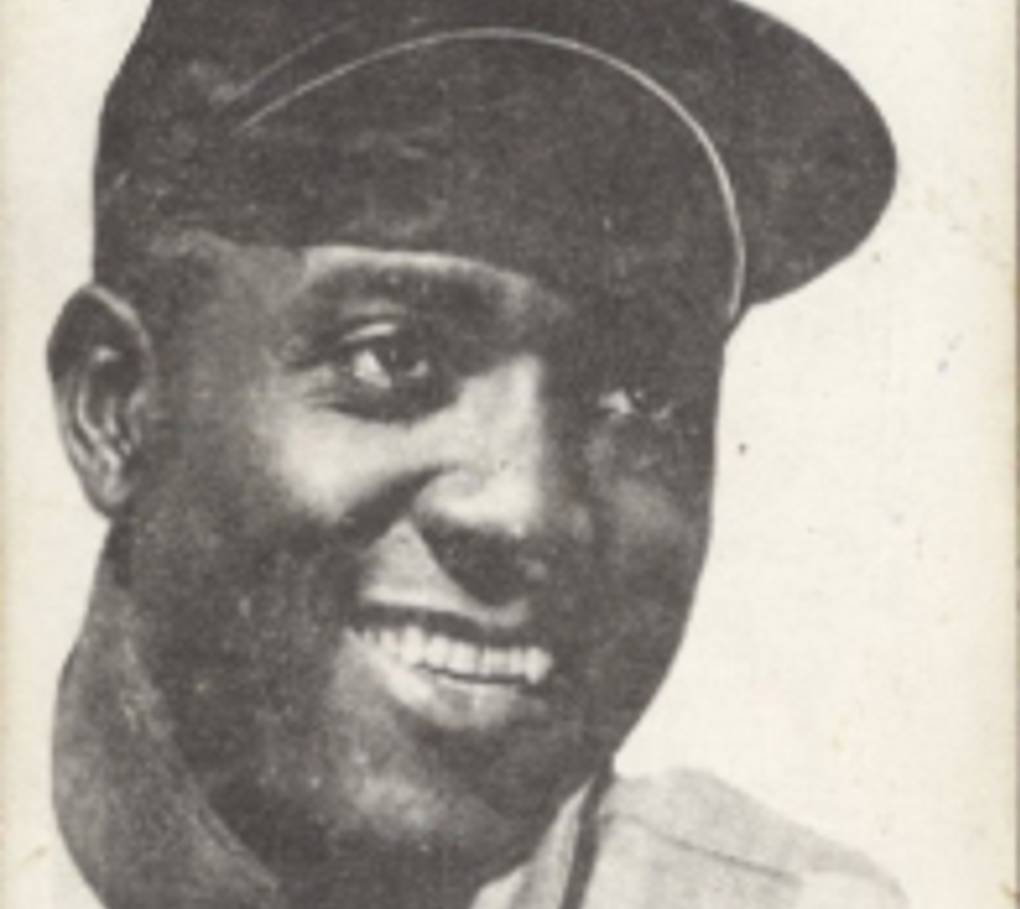
"caption": "Baseball card featuring Artie Wilson.",
"description": "Baseball card featuring Artie Wilson.",
"title": "aartie",
"credit": "Society for American Baseball Research",
"status": "inherit",
"isLoading": false,
"fetchFailed": false
},
"news_11680164": {
"type": "attachments",
"id": "news_11680164",
"meta": {
"index": "attachments_1716263798",
"site": "news",
"id": "11680164",
"found": true
},
"parent": 11680162,
"imgSizes": {
"small": {
"file": "https://ww2.kqed.org/app/uploads/sites/10/2018/07/oakland-map-520x344.jpg",
"width": 520,
"mimeType": "image/jpeg",
"height": 344
},
"twentyfourteen-full-width": {
"file": "https://ww2.kqed.org/app/uploads/sites/10/2018/07/oakland-map-1038x576.jpg",
"width": 1038,
"mimeType": "image/jpeg",
"height": 576
},
"thumbnail": {
"file": "https://ww2.kqed.org/app/uploads/sites/10/2018/07/oakland-map-160x106.jpg",
"width": 160,
"mimeType": "image/jpeg",
"height": 106
},
"fd-sm": {
"file": "https://ww2.kqed.org/app/uploads/sites/10/2018/07/oakland-map-960x636.jpg",
"width": 960,
"mimeType": "image/jpeg",
"height": 636
},
"post-thumbnail": {
"file": "https://ww2.kqed.org/app/uploads/sites/10/2018/07/oakland-map-672x372.jpg",
"width": 672,
"mimeType": "image/jpeg",
"height": 372
},
"xsmall": {
"file": "https://ww2.kqed.org/app/uploads/sites/10/2018/07/oakland-map-375x248.jpg",
"width": 375,
"mimeType": "image/jpeg",
"height": 248
},
"kqedFullSize": {
"file": "https://ww2.kqed.org/app/uploads/sites/10/2018/07/oakland-map.jpg",
"width": 1631,
"height": 1080
},
"large": {
"file": "https://ww2.kqed.org/app/uploads/sites/10/2018/07/oakland-map-1020x675.jpg",
"width": 1020,
"mimeType": "image/jpeg",
"height": 675
},
"xlarge": {
"file": "https://ww2.kqed.org/app/uploads/sites/10/2018/07/oakland-map-1180x781.jpg",
"width": 1180,
"mimeType": "image/jpeg",
"height": 781
},
"complete_open_graph": {
"file": "https://ww2.kqed.org/app/uploads/sites/10/2018/07/oakland-map-1200x795.jpg",
"width": 1200,
"mimeType": "image/jpeg",
"height": 795
},
"guest-author-50": {
"file": "https://ww2.kqed.org/app/uploads/sites/10/2018/07/oakland-map-50x50.jpg",
"width": 50,
"mimeType": "image/jpeg",
"height": 50
},
"guest-author-96": {
"file": "https://ww2.kqed.org/app/uploads/sites/10/2018/07/oakland-map-96x96.jpg",
"width": 96,
"mimeType": "image/jpeg",
"height": 96
},
"medium": {
"file": "https://ww2.kqed.org/app/uploads/sites/10/2018/07/oakland-map-800x530.jpg",
"width": 800,
"mimeType": "image/jpeg",
"height": 530
},
"guest-author-64": {
"file": "https://ww2.kqed.org/app/uploads/sites/10/2018/07/oakland-map-64x64.jpg",
"width": 64,
"mimeType": "image/jpeg",
"height": 64
},
"guest-author-32": {
"file": "https://ww2.kqed.org/app/uploads/sites/10/2018/07/oakland-map-32x32.jpg",
"width": 32,
"mimeType": "image/jpeg",
"height": 32
},
"fd-med": {
"file": "https://ww2.kqed.org/app/uploads/sites/10/2018/07/oakland-map-1180x781.jpg",
"width": 1180,
"mimeType": "image/jpeg",
"height": 781
},
"detail": {
"file": "https://ww2.kqed.org/app/uploads/sites/10/2018/07/oakland-map-150x150.jpg",
"width": 150,
"mimeType": "image/jpeg",
"height": 150
},
"guest-author-128": {
"file": "https://ww2.kqed.org/app/uploads/sites/10/2018/07/oakland-map-128x128.jpg",
"width": 128,
"mimeType": "image/jpeg",
"height": 128
},
"xxsmall": {
"file": "https://ww2.kqed.org/app/uploads/sites/10/2018/07/oakland-map-240x159.jpg",
"width": 240,
"mimeType": "image/jpeg",
"height": 159
}
},
"publishDate": 1531354945,
"modified": 1531418124,
"caption": "Oakland's population divided by ZIP code. The graphic comes from Oakland's new Equity Indicators report.",
"description": "Oakland's population divided by zipcode. The graphic comes from Oakland's new Equity Indicators report.",
"title": "oakland map",
"credit": "Oakland Department of Race and Equity",
"status": "inherit",
"isLoading": false,
"fetchFailed": false
},
"news_11679642": {
"type": "attachments",
"id": "news_11679642",
"meta": {
"index": "attachments_1716263798",
"site": "news",
"id": "11679642",
"found": true
},
"parent": 11679295,
"imgSizes": {
"small": {
"file": "https://ww2.kqed.org/app/uploads/sites/10/2018/07/asylum-seekers-1-520x347.jpg",
"width": 520,
"mimeType": "image/jpeg",
"height": 347
},
"twentyfourteen-full-width": {
"file": "https://ww2.kqed.org/app/uploads/sites/10/2018/07/asylum-seekers-1-1038x576.jpg",
"width": 1038,
"mimeType": "image/jpeg",
"height": 576
},
"thumbnail": {
"file": "https://ww2.kqed.org/app/uploads/sites/10/2018/07/asylum-seekers-1-160x107.jpg",
"width": 160,
"mimeType": "image/jpeg",
"height": 107
},
"fd-sm": {
"file": "https://ww2.kqed.org/app/uploads/sites/10/2018/07/asylum-seekers-1-960x641.jpg",
"width": 960,
"mimeType": "image/jpeg",
"height": 641
},
"post-thumbnail": {
"file": "https://ww2.kqed.org/app/uploads/sites/10/2018/07/asylum-seekers-1-672x372.jpg",
"width": 672,
"mimeType": "image/jpeg",
"height": 372
},
"xsmall": {
"file": "https://ww2.kqed.org/app/uploads/sites/10/2018/07/asylum-seekers-1-375x250.jpg",
"width": 375,
"mimeType": "image/jpeg",
"height": 250
},
"kqedFullSize": {
"file": "https://ww2.kqed.org/app/uploads/sites/10/2018/07/asylum-seekers-1-e1531157587153.jpg",
"width": 1920,
"height": 1281
},
"large": {
"file": "https://ww2.kqed.org/app/uploads/sites/10/2018/07/asylum-seekers-1-1020x681.jpg",
"width": 1020,
"mimeType": "image/jpeg",
"height": 681
},
"xlarge": {
"file": "https://ww2.kqed.org/app/uploads/sites/10/2018/07/asylum-seekers-1-1180x788.jpg",
"width": 1180,
"mimeType": "image/jpeg",
"height": 788
},
"complete_open_graph": {
"file": "https://ww2.kqed.org/app/uploads/sites/10/2018/07/asylum-seekers-1-1200x801.jpg",
"width": 1200,
"mimeType": "image/jpeg",
"height": 801
},
"guest-author-50": {
"file": "https://ww2.kqed.org/app/uploads/sites/10/2018/07/asylum-seekers-1-50x50.jpg",
"width": 50,
"mimeType": "image/jpeg",
"height": 50
},
"guest-author-96": {
"file": "https://ww2.kqed.org/app/uploads/sites/10/2018/07/asylum-seekers-1-96x96.jpg",
"width": 96,
"mimeType": "image/jpeg",
"height": 96
},
"medium": {
"file": "https://ww2.kqed.org/app/uploads/sites/10/2018/07/asylum-seekers-1-800x534.jpg",
"width": 800,
"mimeType": "image/jpeg",
"height": 534
},
"guest-author-64": {
"file": "https://ww2.kqed.org/app/uploads/sites/10/2018/07/asylum-seekers-1-64x64.jpg",
"width": 64,
"mimeType": "image/jpeg",
"height": 64
},
"guest-author-32": {
"file": "https://ww2.kqed.org/app/uploads/sites/10/2018/07/asylum-seekers-1-32x32.jpg",
"width": 32,
"mimeType": "image/jpeg",
"height": 32
},
"fd-lrg": {
"file": "https://ww2.kqed.org/app/uploads/sites/10/2018/07/asylum-seekers-1-1920x1281.jpg",
"width": 1920,
"mimeType": "image/jpeg",
"height": 1281
},
"fd-med": {
"file": "https://ww2.kqed.org/app/uploads/sites/10/2018/07/asylum-seekers-1-1180x788.jpg",
"width": 1180,
"mimeType": "image/jpeg",
"height": 788
},
"full-width": {
"file": "https://ww2.kqed.org/app/uploads/sites/10/2018/07/asylum-seekers-1-1920x1281.jpg",
"width": 1920,
"mimeType": "image/jpeg",
"height": 1281
},
"detail": {
"file": "https://ww2.kqed.org/app/uploads/sites/10/2018/07/asylum-seekers-1-150x150.jpg",
"width": 150,
"mimeType": "image/jpeg",
"height": 150
},
"guest-author-128": {
"file": "https://ww2.kqed.org/app/uploads/sites/10/2018/07/asylum-seekers-1-128x128.jpg",
"width": 128,
"mimeType": "image/jpeg",
"height": 128
},
"xxsmall": {
"file": "https://ww2.kqed.org/app/uploads/sites/10/2018/07/asylum-seekers-1-240x160.jpg",
"width": 240,
"mimeType": "image/jpeg",
"height": 160
}
},
"publishDate": 1531157521,
"modified": 1531176159,
"caption": "Gebremeskl Tefamicael, an asylum-seeker from Eritrea, meets with Dr. Nick Nelson on June 11, 2018. Nelson directs the Highland Human Rights Clinic, located at Highland Hospital in Oakland. A few times each week, Nelson and his team conduct medical evaluations of asylum-seekers.",
"description": null,
"title": "asylum-seekers-1",
"credit": "Heidi de Marco/KHN",
"status": "inherit",
"isLoading": false,
"fetchFailed": false
},
"news_11679334": {
"type": "attachments",
"id": "news_11679334",
"meta": {
"index": "attachments_1716263798",
"site": "news",
"id": "11679334",
"found": true
},
"parent": 11679230,
"imgSizes": {
"small": {
"file": "https://ww2.kqed.org/app/uploads/sites/10/2018/07/GettyImages-986802002-520x347.jpg",
"width": 520,
"mimeType": "image/jpeg",
"height": 347
},
"twentyfourteen-full-width": {
"file": "https://ww2.kqed.org/app/uploads/sites/10/2018/07/GettyImages-986802002-1038x576.jpg",
"width": 1038,
"mimeType": "image/jpeg",
"height": 576
},
"thumbnail": {
"file": "https://ww2.kqed.org/app/uploads/sites/10/2018/07/GettyImages-986802002-160x107.jpg",
"width": 160,
"mimeType": "image/jpeg",
"height": 107
},
"fd-sm": {
"file": "https://ww2.kqed.org/app/uploads/sites/10/2018/07/GettyImages-986802002-960x640.jpg",
"width": 960,
"mimeType": "image/jpeg",
"height": 640
},
"post-thumbnail": {
"file": "https://ww2.kqed.org/app/uploads/sites/10/2018/07/GettyImages-986802002-672x372.jpg",
"width": 672,
"mimeType": "image/jpeg",
"height": 372
},
"xsmall": {
"file": "https://ww2.kqed.org/app/uploads/sites/10/2018/07/GettyImages-986802002-375x250.jpg",
"width": 375,
"mimeType": "image/jpeg",
"height": 250
},
"kqedFullSize": {
"file": "https://ww2.kqed.org/app/uploads/sites/10/2018/07/GettyImages-986802002-e1530912816257.jpg",
"width": 1920,
"height": 1280
},
"large": {
"file": "https://ww2.kqed.org/app/uploads/sites/10/2018/07/GettyImages-986802002-1020x680.jpg",
"width": 1020,
"mimeType": "image/jpeg",
"height": 680
},
"xlarge": {
"file": "https://ww2.kqed.org/app/uploads/sites/10/2018/07/GettyImages-986802002-1180x787.jpg",
"width": 1180,
"mimeType": "image/jpeg",
"height": 787
},
"complete_open_graph": {
"file": "https://ww2.kqed.org/app/uploads/sites/10/2018/07/GettyImages-986802002-1200x800.jpg",
"width": 1200,
"mimeType": "image/jpeg",
"height": 800
},
"guest-author-50": {
"file": "https://ww2.kqed.org/app/uploads/sites/10/2018/07/GettyImages-986802002-50x50.jpg",
"width": 50,
"mimeType": "image/jpeg",
"height": 50
},
"guest-author-96": {
"file": "https://ww2.kqed.org/app/uploads/sites/10/2018/07/GettyImages-986802002-96x96.jpg",
"width": 96,
"mimeType": "image/jpeg",
"height": 96
},
"medium": {
"file": "https://ww2.kqed.org/app/uploads/sites/10/2018/07/GettyImages-986802002-800x533.jpg",
"width": 800,
"mimeType": "image/jpeg",
"height": 533
},
"guest-author-64": {
"file": "https://ww2.kqed.org/app/uploads/sites/10/2018/07/GettyImages-986802002-64x64.jpg",
"width": 64,
"mimeType": "image/jpeg",
"height": 64
},
"guest-author-32": {
"file": "https://ww2.kqed.org/app/uploads/sites/10/2018/07/GettyImages-986802002-32x32.jpg",
"width": 32,
"mimeType": "image/jpeg",
"height": 32
},
"fd-lrg": {
"file": "https://ww2.kqed.org/app/uploads/sites/10/2018/07/GettyImages-986802002-1920x1280.jpg",
"width": 1920,
"mimeType": "image/jpeg",
"height": 1280
},
"fd-med": {
"file": "https://ww2.kqed.org/app/uploads/sites/10/2018/07/GettyImages-986802002-1180x787.jpg",
"width": 1180,
"mimeType": "image/jpeg",
"height": 787
},
"full-width": {
"file": "https://ww2.kqed.org/app/uploads/sites/10/2018/07/GettyImages-986802002-1920x1280.jpg",
"width": 1920,
"mimeType": "image/jpeg",
"height": 1280
},
"detail": {
"file": "https://ww2.kqed.org/app/uploads/sites/10/2018/07/GettyImages-986802002-150x150.jpg",
"width": 150,
"mimeType": "image/jpeg",
"height": 150
},
"guest-author-128": {
"file": "https://ww2.kqed.org/app/uploads/sites/10/2018/07/GettyImages-986802002-128x128.jpg",
"width": 128,
"mimeType": "image/jpeg",
"height": 128
},
"xxsmall": {
"file": "https://ww2.kqed.org/app/uploads/sites/10/2018/07/GettyImages-986802002-240x160.jpg",
"width": 240,
"mimeType": "image/jpeg",
"height": 160
}
},
"publishDate": 1530912788,
"modified": 1532448235,
"caption": "'Sorry to Bother You' director Boots Riley attends the Film Independent at LACMA Presents Screening And Q&A Of 'Sorry To Bother You' at Bing Theater At LACMA on June 28, 2018 in Los Angeles, California.",
"description": "Director Boots Riley attends the Film Independent At LACMA Presents Screening And Q&A Of 'Sorry To Bother You' at Bing Theater At LACMA on June 28, 2018 in Los Angeles, California.",
"title": "Film Independent At LACMA Presents Screening And Q&A Of \"Sorry To Bother You\"",
"credit": "Tommaso Boddi/Getty Images",
"status": "inherit",
"isLoading": false,
"fetchFailed": false
},
"news_11677085": {
"type": "attachments",
"id": "news_11677085",
"meta": {
"index": "attachments_1716263798",
"site": "news",
"id": "11677085",
"found": true
},
"parent": 11676640,
"imgSizes": {
"small": {
"file": "https://ww2.kqed.org/app/uploads/sites/10/2018/06/RS31578_DestinyGraduation-qut-520x390.jpg",
"width": 520,
"mimeType": "image/jpeg",
"height": 390
},
"twentyfourteen-full-width": {
"file": "https://ww2.kqed.org/app/uploads/sites/10/2018/06/RS31578_DestinyGraduation-qut-1038x576.jpg",
"width": 1038,
"mimeType": "image/jpeg",
"height": 576
},
"thumbnail": {
"file": "https://ww2.kqed.org/app/uploads/sites/10/2018/06/RS31578_DestinyGraduation-qut-160x120.jpg",
"width": 160,
"mimeType": "image/jpeg",
"height": 120
},
"fd-sm": {
"file": "https://ww2.kqed.org/app/uploads/sites/10/2018/06/RS31578_DestinyGraduation-qut-960x720.jpg",
"width": 960,
"mimeType": "image/jpeg",
"height": 720
},
"post-thumbnail": {
"file": "https://ww2.kqed.org/app/uploads/sites/10/2018/06/RS31578_DestinyGraduation-qut-672x372.jpg",
"width": 672,
"mimeType": "image/jpeg",
"height": 372
},
"xsmall": {
"file": "https://ww2.kqed.org/app/uploads/sites/10/2018/06/RS31578_DestinyGraduation-qut-375x281.jpg",
"width": 375,
"mimeType": "image/jpeg",
"height": 281
},
"kqedFullSize": {
"file": "https://ww2.kqed.org/app/uploads/sites/10/2018/06/RS31578_DestinyGraduation-qut.jpg",
"width": 1920,
"height": 1440
},
"large": {
"file": "https://ww2.kqed.org/app/uploads/sites/10/2018/06/RS31578_DestinyGraduation-qut-1020x765.jpg",
"width": 1020,
"mimeType": "image/jpeg",
"height": 765
},
"xlarge": {
"file": "https://ww2.kqed.org/app/uploads/sites/10/2018/06/RS31578_DestinyGraduation-qut-1180x885.jpg",
"width": 1180,
"mimeType": "image/jpeg",
"height": 885
},
"complete_open_graph": {
"file": "https://ww2.kqed.org/app/uploads/sites/10/2018/06/RS31578_DestinyGraduation-qut-1200x900.jpg",
"width": 1200,
"mimeType": "image/jpeg",
"height": 900
},
"guest-author-50": {
"file": "https://ww2.kqed.org/app/uploads/sites/10/2018/06/RS31578_DestinyGraduation-qut-50x50.jpg",
"width": 50,
"mimeType": "image/jpeg",
"height": 50
},
"guest-author-96": {
"file": "https://ww2.kqed.org/app/uploads/sites/10/2018/06/RS31578_DestinyGraduation-qut-96x96.jpg",
"width": 96,
"mimeType": "image/jpeg",
"height": 96
},
"medium": {
"file": "https://ww2.kqed.org/app/uploads/sites/10/2018/06/RS31578_DestinyGraduation-qut-800x600.jpg",
"width": 800,
"mimeType": "image/jpeg",
"height": 600
},
"guest-author-64": {
"file": "https://ww2.kqed.org/app/uploads/sites/10/2018/06/RS31578_DestinyGraduation-qut-64x64.jpg",
"width": 64,
"mimeType": "image/jpeg",
"height": 64
},
"guest-author-32": {
"file": "https://ww2.kqed.org/app/uploads/sites/10/2018/06/RS31578_DestinyGraduation-qut-32x32.jpg",
"width": 32,
"mimeType": "image/jpeg",
"height": 32
},
"fd-lrg": {
"file": "https://ww2.kqed.org/app/uploads/sites/10/2018/06/RS31578_DestinyGraduation-qut-1920x1440.jpg",
"width": 1920,
"mimeType": "image/jpeg",
"height": 1440
},
"fd-med": {
"file": "https://ww2.kqed.org/app/uploads/sites/10/2018/06/RS31578_DestinyGraduation-qut-1180x885.jpg",
"width": 1180,
"mimeType": "image/jpeg",
"height": 885
},
"full-width": {
"file": "https://ww2.kqed.org/app/uploads/sites/10/2018/06/RS31578_DestinyGraduation-qut-1920x1440.jpg",
"width": 1920,
"mimeType": "image/jpeg",
"height": 1440
},
"detail": {
"file": "https://ww2.kqed.org/app/uploads/sites/10/2018/06/RS31578_DestinyGraduation-qut-150x150.jpg",
"width": 150,
"mimeType": "image/jpeg",
"height": 150
},
"guest-author-128": {
"file": "https://ww2.kqed.org/app/uploads/sites/10/2018/06/RS31578_DestinyGraduation-qut-128x128.jpg",
"width": 128,
"mimeType": "image/jpeg",
"height": 128
},
"xxsmall": {
"file": "https://ww2.kqed.org/app/uploads/sites/10/2018/06/RS31578_DestinyGraduation-qut-240x180.jpg",
"width": 240,
"mimeType": "image/jpeg",
"height": 180
}
},
"publishDate": 1529955259,
"modified": 1529955327,
"caption": "Destiny Shabazz, 17, celebrates outside McClymonds High School after her graduation ceremony. She’s headed to Sacramento State University in the fall.",
"description": null,
"title": "RS31578_DestinyGraduation-qut",
"credit": "Lee Romney/KQED",
"status": "inherit",
"isLoading": false,
"fetchFailed": false
},
"news_11677338": {
"type": "attachments",
"id": "news_11677338",
"meta": {
"index": "attachments_1716263798",
"site": "news",
"id": "11677338",
"found": true
},
"parent": 11677337,
"imgSizes": {
"small": {
"file": "https://ww2.kqed.org/app/uploads/sites/10/2018/06/sandhyapic_wide-d1edb9356346421df79d1076b640f28f129dea6c-520x292.jpg",
"width": 520,
"mimeType": "image/jpeg",
"height": 292
},
"twentyfourteen-full-width": {
"file": "https://ww2.kqed.org/app/uploads/sites/10/2018/06/sandhyapic_wide-d1edb9356346421df79d1076b640f28f129dea6c-1038x576.jpg",
"width": 1038,
"mimeType": "image/jpeg",
"height": 576
},
"thumbnail": {
"file": "https://ww2.kqed.org/app/uploads/sites/10/2018/06/sandhyapic_wide-d1edb9356346421df79d1076b640f28f129dea6c-160x90.jpg",
"width": 160,
"mimeType": "image/jpeg",
"height": 90
},
"fd-sm": {
"file": "https://ww2.kqed.org/app/uploads/sites/10/2018/06/sandhyapic_wide-d1edb9356346421df79d1076b640f28f129dea6c-960x540.jpg",
"width": 960,
"mimeType": "image/jpeg",
"height": 540
},
"post-thumbnail": {
"file": "https://ww2.kqed.org/app/uploads/sites/10/2018/06/sandhyapic_wide-d1edb9356346421df79d1076b640f28f129dea6c-672x372.jpg",
"width": 672,
"mimeType": "image/jpeg",
"height": 372
},
"xsmall": {
"file": "https://ww2.kqed.org/app/uploads/sites/10/2018/06/sandhyapic_wide-d1edb9356346421df79d1076b640f28f129dea6c-375x211.jpg",
"width": 375,
"mimeType": "image/jpeg",
"height": 211
},
"kqedFullSize": {
"file": "https://ww2.kqed.org/app/uploads/sites/10/2018/06/sandhyapic_wide-d1edb9356346421df79d1076b640f28f129dea6c-e1530034396599.jpg",
"width": 1920,
"height": 1080
},
"large": {
"file": "https://ww2.kqed.org/app/uploads/sites/10/2018/06/sandhyapic_wide-d1edb9356346421df79d1076b640f28f129dea6c-1020x574.jpg",
"width": 1020,
"mimeType": "image/jpeg",
"height": 574
},
"xlarge": {
"file": "https://ww2.kqed.org/app/uploads/sites/10/2018/06/sandhyapic_wide-d1edb9356346421df79d1076b640f28f129dea6c-1180x664.jpg",
"width": 1180,
"mimeType": "image/jpeg",
"height": 664
},
"complete_open_graph": {
"file": "https://ww2.kqed.org/app/uploads/sites/10/2018/06/sandhyapic_wide-d1edb9356346421df79d1076b640f28f129dea6c-1200x675.jpg",
"width": 1200,
"mimeType": "image/jpeg",
"height": 675
},
"guest-author-50": {
"file": "https://ww2.kqed.org/app/uploads/sites/10/2018/06/sandhyapic_wide-d1edb9356346421df79d1076b640f28f129dea6c-50x50.jpg",
"width": 50,
"mimeType": "image/jpeg",
"height": 50
},
"guest-author-96": {
"file": "https://ww2.kqed.org/app/uploads/sites/10/2018/06/sandhyapic_wide-d1edb9356346421df79d1076b640f28f129dea6c-96x96.jpg",
"width": 96,
"mimeType": "image/jpeg",
"height": 96
},
"medium": {
"file": "https://ww2.kqed.org/app/uploads/sites/10/2018/06/sandhyapic_wide-d1edb9356346421df79d1076b640f28f129dea6c-800x450.jpg",
"width": 800,
"mimeType": "image/jpeg",
"height": 450
},
"guest-author-64": {
"file": "https://ww2.kqed.org/app/uploads/sites/10/2018/06/sandhyapic_wide-d1edb9356346421df79d1076b640f28f129dea6c-64x64.jpg",
"width": 64,
"mimeType": "image/jpeg",
"height": 64
},
"guest-author-32": {
"file": "https://ww2.kqed.org/app/uploads/sites/10/2018/06/sandhyapic_wide-d1edb9356346421df79d1076b640f28f129dea6c-32x32.jpg",
"width": 32,
"mimeType": "image/jpeg",
"height": 32
},
"fd-lrg": {
"file": "https://ww2.kqed.org/app/uploads/sites/10/2018/06/sandhyapic_wide-d1edb9356346421df79d1076b640f28f129dea6c-1920x1080.jpg",
"width": 1920,
"mimeType": "image/jpeg",
"height": 1080
},
"fd-med": {
"file": "https://ww2.kqed.org/app/uploads/sites/10/2018/06/sandhyapic_wide-d1edb9356346421df79d1076b640f28f129dea6c-1180x664.jpg",
"width": 1180,
"mimeType": "image/jpeg",
"height": 664
},
"full-width": {
"file": "https://ww2.kqed.org/app/uploads/sites/10/2018/06/sandhyapic_wide-d1edb9356346421df79d1076b640f28f129dea6c-1920x1080.jpg",
"width": 1920,
"mimeType": "image/jpeg",
"height": 1080
},
"detail": {
"file": "https://ww2.kqed.org/app/uploads/sites/10/2018/06/sandhyapic_wide-d1edb9356346421df79d1076b640f28f129dea6c-150x150.jpg",
"width": 150,
"mimeType": "image/jpeg",
"height": 150
},
"guest-author-128": {
"file": "https://ww2.kqed.org/app/uploads/sites/10/2018/06/sandhyapic_wide-d1edb9356346421df79d1076b640f28f129dea6c-128x128.jpg",
"width": 128,
"mimeType": "image/jpeg",
"height": 128
},
"xxsmall": {
"file": "https://ww2.kqed.org/app/uploads/sites/10/2018/06/sandhyapic_wide-d1edb9356346421df79d1076b640f28f129dea6c-240x135.jpg",
"width": 240,
"mimeType": "image/jpeg",
"height": 135
}
},
"publishDate": 1530034129,
"modified": 1530034420,
"caption": "When the First Congregational Church of Oakland decided to hang a Black Lives Matter sign, they started a conversation that led them to try to stop calling police, especially on people of color.",
"description": "When the First Congregational Church of Oakland decided to hang a Black Lives Matter sign, they started a conversation that led them to try to stop calling police, especially on people of color.",
"title": "When the First Congregational Church of Oakland decided to hang a Black Lives Matter sign, they started a conversation that led them to try to stop calling police, especially on people of color.",
"credit": "Sandhya Dirks /KQED",
"status": "inherit",
"isLoading": false,
"fetchFailed": false
},
"news_11671497": {
"type": "attachments",
"id": "news_11671497",
"meta": {
"index": "attachments_1716263798",
"site": "news",
"id": "11671497",
"found": true
},
"parent": 11671482,
"imgSizes": {
"small": {
"file": "https://ww2.kqed.org/app/uploads/sites/10/2018/05/GettyImages-595929840-520x362.jpg",
"width": 520,
"mimeType": "image/jpeg",
"height": 362
},
"twentyfourteen-full-width": {
"file": "https://ww2.kqed.org/app/uploads/sites/10/2018/05/GettyImages-595929840-1038x576.jpg",
"width": 1038,
"mimeType": "image/jpeg",
"height": 576
},
"thumbnail": {
"file": "https://ww2.kqed.org/app/uploads/sites/10/2018/05/GettyImages-595929840-160x111.jpg",
"width": 160,
"mimeType": "image/jpeg",
"height": 111
},
"fd-sm": {
"file": "https://ww2.kqed.org/app/uploads/sites/10/2018/05/GettyImages-595929840-960x669.jpg",
"width": 960,
"mimeType": "image/jpeg",
"height": 669
},
"post-thumbnail": {
"file": "https://ww2.kqed.org/app/uploads/sites/10/2018/05/GettyImages-595929840-672x372.jpg",
"width": 672,
"mimeType": "image/jpeg",
"height": 372
},
"xsmall": {
"file": "https://ww2.kqed.org/app/uploads/sites/10/2018/05/GettyImages-595929840-375x261.jpg",
"width": 375,
"mimeType": "image/jpeg",
"height": 261
},
"kqedFullSize": {
"file": "https://ww2.kqed.org/app/uploads/sites/10/2018/05/GettyImages-595929840-e1527704026267.jpg",
"width": 1920,
"height": 1337
},
"large": {
"file": "https://ww2.kqed.org/app/uploads/sites/10/2018/05/GettyImages-595929840-1020x711.jpg",
"width": 1020,
"mimeType": "image/jpeg",
"height": 711
},
"xlarge": {
"file": "https://ww2.kqed.org/app/uploads/sites/10/2018/05/GettyImages-595929840-1180x822.jpg",
"width": 1180,
"mimeType": "image/jpeg",
"height": 822
},
"complete_open_graph": {
"file": "https://ww2.kqed.org/app/uploads/sites/10/2018/05/GettyImages-595929840-1200x836.jpg",
"width": 1200,
"mimeType": "image/jpeg",
"height": 836
},
"guest-author-50": {
"file": "https://ww2.kqed.org/app/uploads/sites/10/2018/05/GettyImages-595929840-50x50.jpg",
"width": 50,
"mimeType": "image/jpeg",
"height": 50
},
"guest-author-96": {
"file": "https://ww2.kqed.org/app/uploads/sites/10/2018/05/GettyImages-595929840-96x96.jpg",
"width": 96,
"mimeType": "image/jpeg",
"height": 96
},
"medium": {
"file": "https://ww2.kqed.org/app/uploads/sites/10/2018/05/GettyImages-595929840-800x557.jpg",
"width": 800,
"mimeType": "image/jpeg",
"height": 557
},
"guest-author-64": {
"file": "https://ww2.kqed.org/app/uploads/sites/10/2018/05/GettyImages-595929840-64x64.jpg",
"width": 64,
"mimeType": "image/jpeg",
"height": 64
},
"guest-author-32": {
"file": "https://ww2.kqed.org/app/uploads/sites/10/2018/05/GettyImages-595929840-32x32.jpg",
"width": 32,
"mimeType": "image/jpeg",
"height": 32
},
"fd-lrg": {
"file": "https://ww2.kqed.org/app/uploads/sites/10/2018/05/GettyImages-595929840-1920x1337.jpg",
"width": 1920,
"mimeType": "image/jpeg",
"height": 1337
},
"fd-med": {
"file": "https://ww2.kqed.org/app/uploads/sites/10/2018/05/GettyImages-595929840-1180x822.jpg",
"width": 1180,
"mimeType": "image/jpeg",
"height": 822
},
"full-width": {
"file": "https://ww2.kqed.org/app/uploads/sites/10/2018/05/GettyImages-595929840-1920x1337.jpg",
"width": 1920,
"mimeType": "image/jpeg",
"height": 1337
},
"detail": {
"file": "https://ww2.kqed.org/app/uploads/sites/10/2018/05/GettyImages-595929840-150x150.jpg",
"width": 150,
"mimeType": "image/jpeg",
"height": 150
},
"guest-author-128": {
"file": "https://ww2.kqed.org/app/uploads/sites/10/2018/05/GettyImages-595929840-128x128.jpg",
"width": 128,
"mimeType": "image/jpeg",
"height": 128
},
"xxsmall": {
"file": "https://ww2.kqed.org/app/uploads/sites/10/2018/05/GettyImages-595929840-240x167.jpg",
"width": 240,
"mimeType": "image/jpeg",
"height": 167
}
},
"publishDate": 1527703980,
"modified": 1527718233,
"caption": "Coal falls off a conveyer belt as it's off loaded from trucks from local coal mines at the Savage Energy Terminal on Aug. 26, 2016, in Price, Utah.",
"description": null,
"title": "Coal Process And Transfer Facility In Utah",
"credit": "George Frey/Getty Images",
"status": "inherit",
"isLoading": false,
"fetchFailed": false
},
"news_11670736": {
"type": "attachments",
"id": "news_11670736",
"meta": {
"index": "attachments_1716263798",
"site": "news",
"id": "11670736",
"found": true
},
"parent": 11670565,
"imgSizes": {
"small": {
"file": "https://ww2.kqed.org/app/uploads/sites/10/2018/05/WPR_RS26261__MG_3197-qut-520x347.jpg",
"width": 520,
"mimeType": "image/jpeg",
"height": 347
},
"twentyfourteen-full-width": {
"file": "https://ww2.kqed.org/app/uploads/sites/10/2018/05/WPR_RS26261__MG_3197-qut-1038x576.jpg",
"width": 1038,
"mimeType": "image/jpeg",
"height": 576
},
"thumbnail": {
"file": "https://ww2.kqed.org/app/uploads/sites/10/2018/05/WPR_RS26261__MG_3197-qut-160x107.jpg",
"width": 160,
"mimeType": "image/jpeg",
"height": 107
},
"fd-sm": {
"file": "https://ww2.kqed.org/app/uploads/sites/10/2018/05/WPR_RS26261__MG_3197-qut-960x640.jpg",
"width": 960,
"mimeType": "image/jpeg",
"height": 640
},
"post-thumbnail": {
"file": "https://ww2.kqed.org/app/uploads/sites/10/2018/05/WPR_RS26261__MG_3197-qut-672x372.jpg",
"width": 672,
"mimeType": "image/jpeg",
"height": 372
},
"xsmall": {
"file": "https://ww2.kqed.org/app/uploads/sites/10/2018/05/WPR_RS26261__MG_3197-qut-375x250.jpg",
"width": 375,
"mimeType": "image/jpeg",
"height": 250
},
"kqedFullSize": {
"file": "https://ww2.kqed.org/app/uploads/sites/10/2018/05/WPR_RS26261__MG_3197-qut.jpg",
"width": 1920,
"height": 1280
},
"large": {
"file": "https://ww2.kqed.org/app/uploads/sites/10/2018/05/WPR_RS26261__MG_3197-qut-1020x680.jpg",
"width": 1020,
"mimeType": "image/jpeg",
"height": 680
},
"xlarge": {
"file": "https://ww2.kqed.org/app/uploads/sites/10/2018/05/WPR_RS26261__MG_3197-qut-1180x787.jpg",
"width": 1180,
"mimeType": "image/jpeg",
"height": 787
},
"complete_open_graph": {
"file": "https://ww2.kqed.org/app/uploads/sites/10/2018/05/WPR_RS26261__MG_3197-qut-1200x800.jpg",
"width": 1200,
"mimeType": "image/jpeg",
"height": 800
},
"guest-author-50": {
"file": "https://ww2.kqed.org/app/uploads/sites/10/2018/05/WPR_RS26261__MG_3197-qut-50x50.jpg",
"width": 50,
"mimeType": "image/jpeg",
"height": 50
},
"guest-author-96": {
"file": "https://ww2.kqed.org/app/uploads/sites/10/2018/05/WPR_RS26261__MG_3197-qut-96x96.jpg",
"width": 96,
"mimeType": "image/jpeg",
"height": 96
},
"medium": {
"file": "https://ww2.kqed.org/app/uploads/sites/10/2018/05/WPR_RS26261__MG_3197-qut-800x533.jpg",
"width": 800,
"mimeType": "image/jpeg",
"height": 533
},
"guest-author-64": {
"file": "https://ww2.kqed.org/app/uploads/sites/10/2018/05/WPR_RS26261__MG_3197-qut-64x64.jpg",
"width": 64,
"mimeType": "image/jpeg",
"height": 64
},
"guest-author-32": {
"file": "https://ww2.kqed.org/app/uploads/sites/10/2018/05/WPR_RS26261__MG_3197-qut-32x32.jpg",
"width": 32,
"mimeType": "image/jpeg",
"height": 32
},
"fd-lrg": {
"file": "https://ww2.kqed.org/app/uploads/sites/10/2018/05/WPR_RS26261__MG_3197-qut-1920x1280.jpg",
"width": 1920,
"mimeType": "image/jpeg",
"height": 1280
},
"fd-med": {
"file": "https://ww2.kqed.org/app/uploads/sites/10/2018/05/WPR_RS26261__MG_3197-qut-1180x787.jpg",
"width": 1180,
"mimeType": "image/jpeg",
"height": 787
},
"full-width": {
"file": "https://ww2.kqed.org/app/uploads/sites/10/2018/05/WPR_RS26261__MG_3197-qut-1920x1280.jpg",
"width": 1920,
"mimeType": "image/jpeg",
"height": 1280
},
"detail": {
"file": "https://ww2.kqed.org/app/uploads/sites/10/2018/05/WPR_RS26261__MG_3197-qut-150x150.jpg",
"width": 150,
"mimeType": "image/jpeg",
"height": 150
},
"guest-author-128": {
"file": "https://ww2.kqed.org/app/uploads/sites/10/2018/05/WPR_RS26261__MG_3197-qut-128x128.jpg",
"width": 128,
"mimeType": "image/jpeg",
"height": 128
},
"xxsmall": {
"file": "https://ww2.kqed.org/app/uploads/sites/10/2018/05/WPR_RS26261__MG_3197-qut-240x160.jpg",
"width": 240,
"mimeType": "image/jpeg",
"height": 160
}
},
"publishDate": 1527278461,
"modified": 1527284832,
"caption": "Maria Mendoza-Sanchez sits on a couch in her Oakland home on Aug. 16, 2017, hours before she, her husband and son leave Oakland for Mexico City. Her daughter, Melin Sanchez, 21, cries as she watches her mother with concern.",
"description": "Maria Mendoza-Sanchez sits on a couch in her Oakland home on Aug. 16, 2017, hours before she, her husband and son leave Oakland for Mexico City. Her daughter, Melin Sanchez, 21, cries as she watches her mother with concern.",
"title": "WPR_RS26261__MG_3197-qut",
"credit": "Deborah Svoboda/KQED",
"status": "inherit",
"isLoading": false,
"fetchFailed": false
},
"news_11668418": {
"type": "attachments",
"id": "news_11668418",
"meta": {
"index": "attachments_1716263798",
"site": "news",
"id": "11668418",
"found": true
},
"parent": 0,
"imgSizes": {
"small": {
"file": "https://ww2.kqed.org/app/uploads/sites/10/2018/05/GettyImages-595929196-520x259.jpg",
"width": 520,
"mimeType": "image/jpeg",
"height": 259
},
"twentyfourteen-full-width": {
"file": "https://ww2.kqed.org/app/uploads/sites/10/2018/05/GettyImages-595929196-1038x576.jpg",
"width": 1038,
"mimeType": "image/jpeg",
"height": 576
},
"thumbnail": {
"file": "https://ww2.kqed.org/app/uploads/sites/10/2018/05/GettyImages-595929196-160x80.jpg",
"width": 160,
"mimeType": "image/jpeg",
"height": 80
},
"fd-sm": {
"file": "https://ww2.kqed.org/app/uploads/sites/10/2018/05/GettyImages-595929196-960x478.jpg",
"width": 960,
"mimeType": "image/jpeg",
"height": 478
},
"post-thumbnail": {
"file": "https://ww2.kqed.org/app/uploads/sites/10/2018/05/GettyImages-595929196-672x372.jpg",
"width": 672,
"mimeType": "image/jpeg",
"height": 372
},
"xsmall": {
"file": "https://ww2.kqed.org/app/uploads/sites/10/2018/05/GettyImages-595929196-375x187.jpg",
"width": 375,
"mimeType": "image/jpeg",
"height": 187
},
"kqedFullSize": {
"file": "https://ww2.kqed.org/app/uploads/sites/10/2018/05/GettyImages-595929196-e1526411746765.jpg",
"width": 1920,
"height": 956
},
"large": {
"file": "https://ww2.kqed.org/app/uploads/sites/10/2018/05/GettyImages-595929196-1020x508.jpg",
"width": 1020,
"mimeType": "image/jpeg",
"height": 508
},
"xlarge": {
"file": "https://ww2.kqed.org/app/uploads/sites/10/2018/05/GettyImages-595929196-1180x587.jpg",
"width": 1180,
"mimeType": "image/jpeg",
"height": 587
},
"complete_open_graph": {
"file": "https://ww2.kqed.org/app/uploads/sites/10/2018/05/GettyImages-595929196-1200x597.jpg",
"width": 1200,
"mimeType": "image/jpeg",
"height": 597
},
"guest-author-50": {
"file": "https://ww2.kqed.org/app/uploads/sites/10/2018/05/GettyImages-595929196-50x50.jpg",
"width": 50,
"mimeType": "image/jpeg",
"height": 50
},
"guest-author-96": {
"file": "https://ww2.kqed.org/app/uploads/sites/10/2018/05/GettyImages-595929196-96x96.jpg",
"width": 96,
"mimeType": "image/jpeg",
"height": 96
},
"medium": {
"file": "https://ww2.kqed.org/app/uploads/sites/10/2018/05/GettyImages-595929196-800x398.jpg",
"width": 800,
"mimeType": "image/jpeg",
"height": 398
},
"guest-author-64": {
"file": "https://ww2.kqed.org/app/uploads/sites/10/2018/05/GettyImages-595929196-64x64.jpg",
"width": 64,
"mimeType": "image/jpeg",
"height": 64
},
"guest-author-32": {
"file": "https://ww2.kqed.org/app/uploads/sites/10/2018/05/GettyImages-595929196-32x32.jpg",
"width": 32,
"mimeType": "image/jpeg",
"height": 32
},
"fd-lrg": {
"file": "https://ww2.kqed.org/app/uploads/sites/10/2018/05/GettyImages-595929196-1920x956.jpg",
"width": 1920,
"mimeType": "image/jpeg",
"height": 956
},
"fd-med": {
"file": "https://ww2.kqed.org/app/uploads/sites/10/2018/05/GettyImages-595929196-1180x587.jpg",
"width": 1180,
"mimeType": "image/jpeg",
"height": 587
},
"full-width": {
"file": "https://ww2.kqed.org/app/uploads/sites/10/2018/05/GettyImages-595929196-1920x956.jpg",
"width": 1920,
"mimeType": "image/jpeg",
"height": 956
},
"detail": {
"file": "https://ww2.kqed.org/app/uploads/sites/10/2018/05/GettyImages-595929196-150x150.jpg",
"width": 150,
"mimeType": "image/jpeg",
"height": 150
},
"guest-author-128": {
"file": "https://ww2.kqed.org/app/uploads/sites/10/2018/05/GettyImages-595929196-128x128.jpg",
"width": 128,
"mimeType": "image/jpeg",
"height": 128
},
"xxsmall": {
"file": "https://ww2.kqed.org/app/uploads/sites/10/2018/05/GettyImages-595929196-240x119.jpg",
"width": 240,
"mimeType": "image/jpeg",
"height": 119
}
},
"publishDate": 1526411694,
"modified": 1526423515,
"caption": "Coal falls off a conveyer belt as it's offloaded from trucks from local coal mines at the Savage Energy Terminal on Aug. 26, 2016, in Price, Utah.",
"description": null,
"title": "Coal Process And Transfer Facility In Utah",
"credit": "George Frey/Getty Images",
"status": "inherit",
"isLoading": false,
"fetchFailed": false
},
"news_11667644": {
"type": "attachments",
"id": "news_11667644",
"meta": {
"index": "attachments_1716263798",
"site": "news",
"id": "11667644",
"found": true
},
"parent": 11667635,
"imgSizes": {
"small": {
"file": "https://ww2.kqed.org/app/uploads/sites/10/2018/05/PaintRemoval-520x339.jpg",
"width": 520,
"mimeType": "image/jpeg",
"height": 339
},
"twentyfourteen-full-width": {
"file": "https://ww2.kqed.org/app/uploads/sites/10/2018/05/PaintRemoval-1038x576.jpg",
"width": 1038,
"mimeType": "image/jpeg",
"height": 576
},
"thumbnail": {
"file": "https://ww2.kqed.org/app/uploads/sites/10/2018/05/PaintRemoval-160x104.jpg",
"width": 160,
"mimeType": "image/jpeg",
"height": 104
},
"fd-sm": {
"file": "https://ww2.kqed.org/app/uploads/sites/10/2018/05/PaintRemoval-960x626.jpg",
"width": 960,
"mimeType": "image/jpeg",
"height": 626
},
"post-thumbnail": {
"file": "https://ww2.kqed.org/app/uploads/sites/10/2018/05/PaintRemoval-672x372.jpg",
"width": 672,
"mimeType": "image/jpeg",
"height": 372
},
"xsmall": {
"file": "https://ww2.kqed.org/app/uploads/sites/10/2018/05/PaintRemoval-375x245.jpg",
"width": 375,
"mimeType": "image/jpeg",
"height": 245
},
"kqedFullSize": {
"file": "https://ww2.kqed.org/app/uploads/sites/10/2018/05/PaintRemoval.jpg",
"width": 1920,
"height": 1252
},
"large": {
"file": "https://ww2.kqed.org/app/uploads/sites/10/2018/05/PaintRemoval-1020x665.jpg",
"width": 1020,
"mimeType": "image/jpeg",
"height": 665
},
"xlarge": {
"file": "https://ww2.kqed.org/app/uploads/sites/10/2018/05/PaintRemoval-1180x769.jpg",
"width": 1180,
"mimeType": "image/jpeg",
"height": 769
},
"complete_open_graph": {
"file": "https://ww2.kqed.org/app/uploads/sites/10/2018/05/PaintRemoval-1200x783.jpg",
"width": 1200,
"mimeType": "image/jpeg",
"height": 783
},
"guest-author-50": {
"file": "https://ww2.kqed.org/app/uploads/sites/10/2018/05/PaintRemoval-50x50.jpg",
"width": 50,
"mimeType": "image/jpeg",
"height": 50
},
"guest-author-96": {
"file": "https://ww2.kqed.org/app/uploads/sites/10/2018/05/PaintRemoval-96x96.jpg",
"width": 96,
"mimeType": "image/jpeg",
"height": 96
},
"medium": {
"file": "https://ww2.kqed.org/app/uploads/sites/10/2018/05/PaintRemoval-800x522.jpg",
"width": 800,
"mimeType": "image/jpeg",
"height": 522
},
"guest-author-64": {
"file": "https://ww2.kqed.org/app/uploads/sites/10/2018/05/PaintRemoval-64x64.jpg",
"width": 64,
"mimeType": "image/jpeg",
"height": 64
},
"guest-author-32": {
"file": "https://ww2.kqed.org/app/uploads/sites/10/2018/05/PaintRemoval-32x32.jpg",
"width": 32,
"mimeType": "image/jpeg",
"height": 32
},
"fd-lrg": {
"file": "https://ww2.kqed.org/app/uploads/sites/10/2018/05/PaintRemoval-1920x1252.jpg",
"width": 1920,
"mimeType": "image/jpeg",
"height": 1252
},
"fd-med": {
"file": "https://ww2.kqed.org/app/uploads/sites/10/2018/05/PaintRemoval-1180x769.jpg",
"width": 1180,
"mimeType": "image/jpeg",
"height": 769
},
"full-width": {
"file": "https://ww2.kqed.org/app/uploads/sites/10/2018/05/PaintRemoval-1920x1252.jpg",
"width": 1920,
"mimeType": "image/jpeg",
"height": 1252
},
"detail": {
"file": "https://ww2.kqed.org/app/uploads/sites/10/2018/05/PaintRemoval-150x150.jpg",
"width": 150,
"mimeType": "image/jpeg",
"height": 150
},
"guest-author-128": {
"file": "https://ww2.kqed.org/app/uploads/sites/10/2018/05/PaintRemoval-128x128.jpg",
"width": 128,
"mimeType": "image/jpeg",
"height": 128
},
"xxsmall": {
"file": "https://ww2.kqed.org/app/uploads/sites/10/2018/05/PaintRemoval-240x157.jpg",
"width": 240,
"mimeType": "image/jpeg",
"height": 157
}
},
"publishDate": 1525992650,
"modified": 1525992727,
"caption": "Lead was a common paint ingredient in the early 20th century. Over time scientists found that lead exposure causes brain damage in young children.",
"description": "Lead was a common paint ingredient in the early 20th century. Over time scientists found that lead exposure causes brain damage in young children.",
"title": "PaintRemoval",
"credit": "Getty Images",
"status": "inherit",
"isLoading": false,
"fetchFailed": false
},
"news_11662528": {
"type": "attachments",
"id": "news_11662528",
"meta": {
"index": "attachments_1716263798",
"site": "news",
"id": "11662528",
"found": true
},
"parent": 11662522,
"imgSizes": {
"small": {
"file": "https://ww2.kqed.org/app/uploads/sites/10/2018/04/hail180416a-520x434.jpg",
"width": 520,
"mimeType": "image/jpeg",
"height": 434
},
"twentyfourteen-full-width": {
"file": "https://ww2.kqed.org/app/uploads/sites/10/2018/04/hail180416a-1038x576.jpg",
"width": 1038,
"mimeType": "image/jpeg",
"height": 576
},
"thumbnail": {
"file": "https://ww2.kqed.org/app/uploads/sites/10/2018/04/hail180416a-160x134.jpg",
"width": 160,
"mimeType": "image/jpeg",
"height": 134
},
"fd-sm": {
"file": "https://ww2.kqed.org/app/uploads/sites/10/2018/04/hail180416a-960x802.jpg",
"width": 960,
"mimeType": "image/jpeg",
"height": 802
},
"post-thumbnail": {
"file": "https://ww2.kqed.org/app/uploads/sites/10/2018/04/hail180416a-672x372.jpg",
"width": 672,
"mimeType": "image/jpeg",
"height": 372
},
"xsmall": {
"file": "https://ww2.kqed.org/app/uploads/sites/10/2018/04/hail180416a-375x313.jpg",
"width": 375,
"mimeType": "image/jpeg",
"height": 313
},
"kqedFullSize": {
"file": "https://ww2.kqed.org/app/uploads/sites/10/2018/04/hail180416a.jpg",
"width": 1200,
"height": 1002
},
"large": {
"file": "https://ww2.kqed.org/app/uploads/sites/10/2018/04/hail180416a-1020x852.jpg",
"width": 1020,
"mimeType": "image/jpeg",
"height": 852
},
"xlarge": {
"file": "https://ww2.kqed.org/app/uploads/sites/10/2018/04/hail180416a-1180x985.jpg",
"width": 1180,
"mimeType": "image/jpeg",
"height": 985
},
"complete_open_graph": {
"file": "https://ww2.kqed.org/app/uploads/sites/10/2018/04/hail180416a-1200x1002.jpg",
"width": 1200,
"mimeType": "image/jpeg",
"height": 1002
},
"guest-author-50": {
"file": "https://ww2.kqed.org/app/uploads/sites/10/2018/04/hail180416a-50x50.jpg",
"width": 50,
"mimeType": "image/jpeg",
"height": 50
},
"guest-author-96": {
"file": "https://ww2.kqed.org/app/uploads/sites/10/2018/04/hail180416a-96x96.jpg",
"width": 96,
"mimeType": "image/jpeg",
"height": 96
},
"medium": {
"file": "https://ww2.kqed.org/app/uploads/sites/10/2018/04/hail180416a-800x668.jpg",
"width": 800,
"mimeType": "image/jpeg",
"height": 668
},
"guest-author-64": {
"file": "https://ww2.kqed.org/app/uploads/sites/10/2018/04/hail180416a-64x64.jpg",
"width": 64,
"mimeType": "image/jpeg",
"height": 64
},
"guest-author-32": {
"file": "https://ww2.kqed.org/app/uploads/sites/10/2018/04/hail180416a-32x32.jpg",
"width": 32,
"mimeType": "image/jpeg",
"height": 32
},
"fd-med": {
"file": "https://ww2.kqed.org/app/uploads/sites/10/2018/04/hail180416a-1180x985.jpg",
"width": 1180,
"mimeType": "image/jpeg",
"height": 985
},
"detail": {
"file": "https://ww2.kqed.org/app/uploads/sites/10/2018/04/hail180416a-150x150.jpg",
"width": 150,
"mimeType": "image/jpeg",
"height": 150
},
"guest-author-128": {
"file": "https://ww2.kqed.org/app/uploads/sites/10/2018/04/hail180416a-128x128.jpg",
"width": 128,
"mimeType": "image/jpeg",
"height": 128
},
"xxsmall": {
"file": "https://ww2.kqed.org/app/uploads/sites/10/2018/04/hail180416a-240x200.jpg",
"width": 240,
"mimeType": "image/jpeg",
"height": 200
}
},
"publishDate": 1523892820,
"modified": 1523901747,
"caption": "A road through the Oakland Hills coated with thick hail after Monday morning storm. ",
"description": null,
"title": "Hail-Oakland Hills",
"credit": "Courtesy Terrilynn VanRossum",
"status": "inherit",
"isLoading": false,
"fetchFailed": false
},
"news_11662137": {
"type": "attachments",
"id": "news_11662137",
"meta": {
"index": "attachments_1716263798",
"site": "news",
"id": "11662137",
"found": true
},
"parent": 11661407,
"imgSizes": {
"small": {
"file": "https://ww2.kqed.org/app/uploads/sites/10/2018/04/RS30385_LLO_fullmap-qut-1-520x405.jpg",
"width": 520,
"mimeType": "image/jpeg",
"height": 405
},
"twentyfourteen-full-width": {
"file": "https://ww2.kqed.org/app/uploads/sites/10/2018/04/RS30385_LLO_fullmap-qut-1-1038x576.jpg",
"width": 1038,
"mimeType": "image/jpeg",
"height": 576
},
"thumbnail": {
"file": "https://ww2.kqed.org/app/uploads/sites/10/2018/04/RS30385_LLO_fullmap-qut-1-160x125.jpg",
"width": 160,
"mimeType": "image/jpeg",
"height": 125
},
"fd-sm": {
"file": "https://ww2.kqed.org/app/uploads/sites/10/2018/04/RS30385_LLO_fullmap-qut-1-960x747.jpg",
"width": 960,
"mimeType": "image/jpeg",
"height": 747
},
"post-thumbnail": {
"file": "https://ww2.kqed.org/app/uploads/sites/10/2018/04/RS30385_LLO_fullmap-qut-1-672x372.jpg",
"width": 672,
"mimeType": "image/jpeg",
"height": 372
},
"xsmall": {
"file": "https://ww2.kqed.org/app/uploads/sites/10/2018/04/RS30385_LLO_fullmap-qut-1-375x292.jpg",
"width": 375,
"mimeType": "image/jpeg",
"height": 292
},
"kqedFullSize": {
"file": "https://ww2.kqed.org/app/uploads/sites/10/2018/04/RS30385_LLO_fullmap-qut-1.jpg",
"width": 1920,
"height": 1494
},
"large": {
"file": "https://ww2.kqed.org/app/uploads/sites/10/2018/04/RS30385_LLO_fullmap-qut-1-1020x794.jpg",
"width": 1020,
"mimeType": "image/jpeg",
"height": 794
},
"xlarge": {
"file": "https://ww2.kqed.org/app/uploads/sites/10/2018/04/RS30385_LLO_fullmap-qut-1-1180x918.jpg",
"width": 1180,
"mimeType": "image/jpeg",
"height": 918
},
"complete_open_graph": {
"file": "https://ww2.kqed.org/app/uploads/sites/10/2018/04/RS30385_LLO_fullmap-qut-1-1200x934.jpg",
"width": 1200,
"mimeType": "image/jpeg",
"height": 934
},
"guest-author-50": {
"file": "https://ww2.kqed.org/app/uploads/sites/10/2018/04/RS30385_LLO_fullmap-qut-1-50x50.jpg",
"width": 50,
"mimeType": "image/jpeg",
"height": 50
},
"guest-author-96": {
"file": "https://ww2.kqed.org/app/uploads/sites/10/2018/04/RS30385_LLO_fullmap-qut-1-96x96.jpg",
"width": 96,
"mimeType": "image/jpeg",
"height": 96
},
"medium": {
"file": "https://ww2.kqed.org/app/uploads/sites/10/2018/04/RS30385_LLO_fullmap-qut-1-800x623.jpg",
"width": 800,
"mimeType": "image/jpeg",
"height": 623
},
"guest-author-64": {
"file": "https://ww2.kqed.org/app/uploads/sites/10/2018/04/RS30385_LLO_fullmap-qut-1-64x64.jpg",
"width": 64,
"mimeType": "image/jpeg",
"height": 64
},
"guest-author-32": {
"file": "https://ww2.kqed.org/app/uploads/sites/10/2018/04/RS30385_LLO_fullmap-qut-1-32x32.jpg",
"width": 32,
"mimeType": "image/jpeg",
"height": 32
},
"fd-lrg": {
"file": "https://ww2.kqed.org/app/uploads/sites/10/2018/04/RS30385_LLO_fullmap-qut-1-1920x1494.jpg",
"width": 1920,
"mimeType": "image/jpeg",
"height": 1494
},
"fd-med": {
"file": "https://ww2.kqed.org/app/uploads/sites/10/2018/04/RS30385_LLO_fullmap-qut-1-1180x918.jpg",
"width": 1180,
"mimeType": "image/jpeg",
"height": 918
},
"full-width": {
"file": "https://ww2.kqed.org/app/uploads/sites/10/2018/04/RS30385_LLO_fullmap-qut-1-1920x1494.jpg",
"width": 1920,
"mimeType": "image/jpeg",
"height": 1494
},
"detail": {
"file": "https://ww2.kqed.org/app/uploads/sites/10/2018/04/RS30385_LLO_fullmap-qut-1-150x150.jpg",
"width": 150,
"mimeType": "image/jpeg",
"height": 150
},
"guest-author-128": {
"file": "https://ww2.kqed.org/app/uploads/sites/10/2018/04/RS30385_LLO_fullmap-qut-1-128x128.jpg",
"width": 128,
"mimeType": "image/jpeg",
"height": 128
},
"xxsmall": {
"file": "https://ww2.kqed.org/app/uploads/sites/10/2018/04/RS30385_LLO_fullmap-qut-1-240x187.jpg",
"width": 240,
"mimeType": "image/jpeg",
"height": 187
}
},
"publishDate": 1523653646,
"modified": 1523747007,
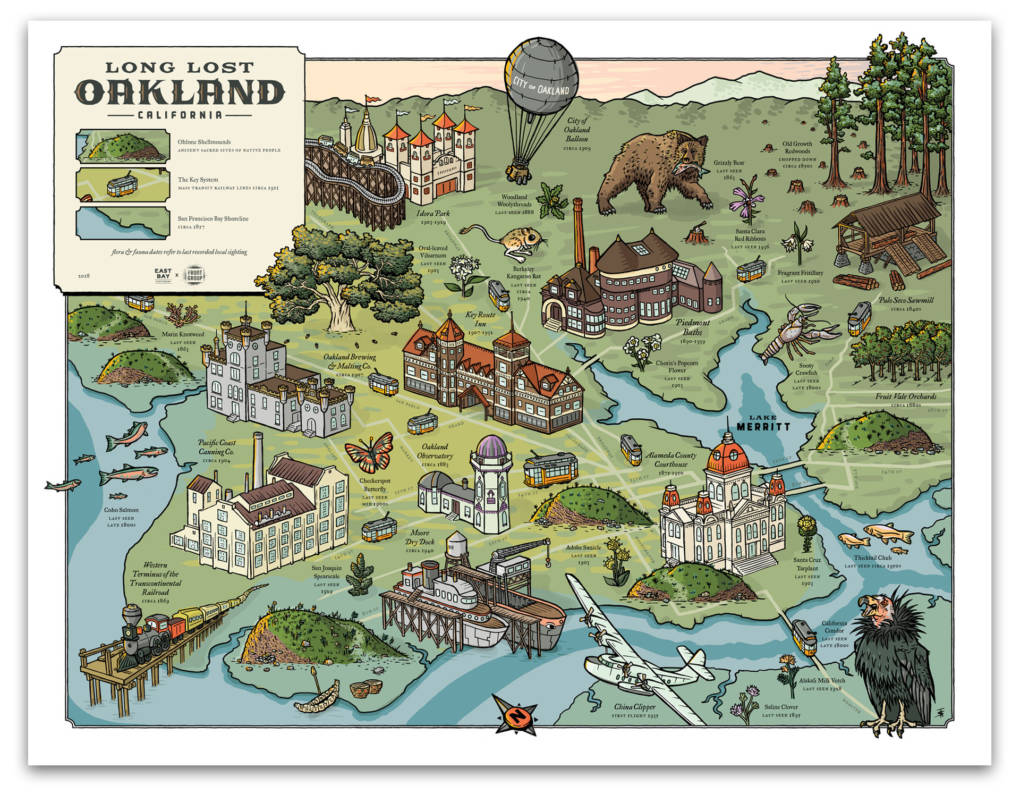
"caption": "Liam O'Donoghue's Long Lost Oakland map highlights pieces of the city's history that no longer exist.",
"description": "Liam O'Donoghue's Long Lost Oakland map highlights pieces of the city's history that no longer exist.",
"title": "RS30385_LLO_fullmap-qut",
"credit": "Courtesy of Liam O'Donoghue",
"status": "inherit",
"isLoading": false,
"fetchFailed": false
}
},
"audioPlayerReducer": {
"postId": "stream_live",
"isPaused": true,
"isPlaying": false,
"pfsActive": false,
"pledgeModalIsOpen": true,
"playerDrawerIsOpen": false,
"liveAudioPlayStartedAt": 0,
"liveAudioPlayContext": ""
},
"authorsReducer": {
"byline_news_11679295": {
"type": "authors",
"id": "byline_news_11679295",
"meta": {
"override": true
},
"slug": "byline_news_11679295",
"name": "\u003cstrong>\u003ca href=\"https://khn.org/news/author/anna-gorman/\">Anna Gorman\u003c/a>\u003cbr />\u003ca href=\"https://khn.org/\">Kaiser Health News\u003c/a>\u003c/strong>",
"isLoading": false
},
"byline_news_11676640": {
"type": "authors",
"id": "byline_news_11676640",
"meta": {
"override": true
},
"slug": "byline_news_11676640",
"name": "\u003cstrong>Lee Romney\u003c/strong>",
"isLoading": false
},
"byline_news_11670565": {
"type": "authors",
"id": "byline_news_11670565",
"meta": {
"override": true
},
"slug": "byline_news_11670565",
"name": "Alyssa Jeong Perry and Levi Bridges",
"isLoading": false
},
"byline_news_11667635": {
"type": "authors",
"id": "byline_news_11667635",
"meta": {
"override": true
},
"slug": "byline_news_11667635",
"name": "\u003cstrong>\u003ca href=\"https://calmatters.org/articles/author/laurel-rosenhall/\">Laurel Rosenhall\u003c/a>\u003c/strong>",
"isLoading": false
},
"dclyde": {
"type": "authors",
"id": "104",
"meta": {
"index": "authors_1716337520",
"id": "104",
"found": true
},
"name": "Don Clyde",
"firstName": "Don",
"lastName": "Clyde",
"slug": "dclyde",
"email": "dclyde@kqed.org",
"display_author_email": false,
"staff_mastheads": [],
"title": "KQED Contributor",
"bio": "Don Clyde is an online producer, reporter and copy editor for KQED News. Before venturing into journalism, he worked as a medical device engineer and scientist for nearly a decade after earning a degree in physics from UC Berkeley. He loves travel, reading, living in Oakland, and most importantly, a good walk. Email him at dclyde@kqed.org or follow him @clydedon.",
"avatar": "https://secure.gravatar.com/avatar/decd3e640c3eedbd0a574275aebb2d19?s=600&d=blank&r=g",
"twitter": "clydedon",
"facebook": null,
"instagram": null,
"linkedin": null,
"sites": [
{
"site": "artschool",
"roles": [
"editor"
]
},
{
"site": "news",
"roles": [
"administrator"
]
},
{
"site": "futureofyou",
"roles": [
"editor"
]
},
{
"site": "about",
"roles": [
"editor"
]
},
{
"site": "mindshift",
"roles": [
"contributor"
]
},
{
"site": "bayareabites",
"roles": [
"contributor"
]
},
{
"site": "lowdown",
"roles": [
"editor"
]
},
{
"site": "stateofhealth",
"roles": [
"administrator"
]
},
{
"site": "spark",
"roles": [
"administrator"
]
},
{
"site": "trulyca",
"roles": [
"administrator"
]
},
{
"site": "imagemakers",
"roles": [
"administrator"
]
},
{
"site": "science",
"roles": []
},
{
"site": "education",
"roles": [
"editor"
]
},
{
"site": "quest",
"roles": [
"subscriber"
]
},
{
"site": "checkplease",
"roles": [
"subscriber"
]
},
{
"site": "forum",
"roles": [
"editor"
]
},
{
"site": "perspectives",
"roles": [
"editor"
]
}
],
"headData": {
"title": "Don Clyde | KQED",
"description": "KQED Contributor",
"ogImgSrc": "https://secure.gravatar.com/avatar/decd3e640c3eedbd0a574275aebb2d19?s=600&d=blank&r=g",
"twImgSrc": "https://secure.gravatar.com/avatar/decd3e640c3eedbd0a574275aebb2d19?s=600&d=blank&r=g"
},
"isLoading": false,
"link": "/author/dclyde"
},
"danbrekke": {
"type": "authors",
"id": "222",
"meta": {
"index": "authors_1716337520",
"id": "222",
"found": true
},
"name": "Dan Brekke",
"firstName": "Dan",
"lastName": "Brekke",
"slug": "danbrekke",
"email": "dbrekke@kqed.org",
"display_author_email": true,
"staff_mastheads": [
"news",
"science"
],
"title": "KQED Editor and Reporter",
"bio": "Dan Brekke is a reporter and editor for KQED News, responsible for coverage of topics ranging from California water issues to the Bay Area's transportation challenges. In a newsroom career that began in Chicago in 1972, Dan has worked for \u003cem>The San Francisco Examiner,\u003c/em> Wired and TechTV and has been published in The New York Times, The New York Times Magazine, Business 2.0, Salon and elsewhere.\r\n\r\nSince joining KQED in 2007, Dan has reported, edited and produced both radio and online features and breaking news pieces. He has shared as both editor and reporter in four Society of Professional Journalists Norcal Excellence in Journalism awards and one Edward R. Murrow regional award. He was chosen for a spring 2017 residency at the Mesa Refuge to advance his research on California salmon.\r\n\r\nEmail Dan at: \u003ca href=\"mailto:dbrekke@kqed.org\">dbrekke@kqed.org\u003c/a>\r\n\r\n\u003cstrong>Twitter:\u003c/strong> \u003ca href=\"https://twitter.com/danbrekke\" rel=\"noopener noreferrer\">twitter.com/danbrekke\u003c/a>\r\n\u003cstrong>Facebook:\u003c/strong> \u003ca href=\"https://www.facebook.com/danbrekke\" rel=\"noopener noreferrer\">www.facebook.com/danbrekke\u003c/a>\r\n\u003cstrong>LinkedIn:\u003c/strong> \u003ca href=\"https://www.linkedin.com/in/danbrekke\" rel=\"noopener noreferrer\">www.linkedin.com/in/danbrekke\u003c/a>",
"avatar": "https://secure.gravatar.com/avatar/c8126230345efca3f7aa89b1a402be45?s=600&d=mm&r=g",
"twitter": "danbrekke",
"facebook": null,
"instagram": "https://www.instagram.com/dan.brekke/",
"linkedin": "https://www.linkedin.com/in/danbrekke/",
"sites": [
{
"site": "news",
"roles": [
"administrator",
"create_posts"
]
},
{
"site": "stateofhealth",
"roles": [
"editor"
]
},
{
"site": "science",
"roles": [
"editor"
]
},
{
"site": "quest",
"roles": [
"contributor"
]
},
{
"site": "food",
"roles": [
"contributor"
]
},
{
"site": "forum",
"roles": [
"contributor"
]
},
{
"site": "liveblog",
"roles": [
"editor"
]
}
],
"headData": {
"title": "Dan Brekke | KQED",
"description": "KQED Editor and Reporter",
"ogImgSrc": "https://secure.gravatar.com/avatar/c8126230345efca3f7aa89b1a402be45?s=600&d=mm&r=g",
"twImgSrc": "https://secure.gravatar.com/avatar/c8126230345efca3f7aa89b1a402be45?s=600&d=mm&r=g"
},
"isLoading": false,
"link": "/author/danbrekke"
},
"ninathorsen": {
"type": "authors",
"id": "246",
"meta": {
"index": "authors_1716337520",
"id": "246",
"found": true
},
"name": "Nina Thorsen",
"firstName": "Nina",
"lastName": "Thorsen",
"slug": "ninathorsen",
"email": "nthorsen@kqed.org",
"display_author_email": false,
"staff_mastheads": [
"news"
],
"title": "Producer, Radio",
"bio": "\u003cspan style=\"color: #000000;\">Nina Thorsen is a KQED radio producer, and frequently reports on sports and culture. \u003c/span>\u003cspan style=\"color: #000000;\">She co-created and produced KQED's \u003cem>Pacific Time, \u003c/em> a weekly radio program on Asian and Asian American issues that aired from 2000 to 2007. Before coming to KQED, Thorsen was the deputy foreign editor for \u003cem>Marketplace, \u003c/em>and in her home state of Minnesota, worked for \u003cem>A Prairie Home Companion\u003c/em> and for Public Radio International. \u003c/span>",
"avatar": "https://secure.gravatar.com/avatar/e13dc7282cec33c15d973ebb56d57ead?s=600&d=blank&r=g",
"twitter": "NinaKQED",
"facebook": null,
"instagram": null,
"linkedin": null,
"sites": [
{
"site": "news",
"roles": [
"editor"
]
},
{
"site": "podcasts",
"roles": [
"editor"
]
}
],
"headData": {
"title": "Nina Thorsen | KQED",
"description": "Producer, Radio",
"ogImgSrc": "https://secure.gravatar.com/avatar/e13dc7282cec33c15d973ebb56d57ead?s=600&d=blank&r=g",
"twImgSrc": "https://secure.gravatar.com/avatar/e13dc7282cec33c15d973ebb56d57ead?s=600&d=blank&r=g"
},
"isLoading": false,
"link": "/author/ninathorsen"
},
"sdirks": {
"type": "authors",
"id": "7239",
"meta": {
"index": "authors_1716337520",
"id": "7239",
"found": true
},
"name": "Sandhya Dirks",
"firstName": "Sandhya",
"lastName": "Dirks",
"slug": "sdirks",
"email": "sdirks@kqed.org",
"display_author_email": true,
"staff_mastheads": [],
"title": null,
"bio": "Sandhya Dirks was the race and equity reporter at KQED. She approaches race and equity not as a beat, but as a fundamental lens for all investigative and explanatory reporting.\r\n\r\nSandhya covered policing, housing, social justice movements, and the shifting demographics of cities and suburbs.\r\n\r\nShe was the creator and co-host of the podcast American Suburb, about the transformation of suburbia into the most diverse space in American life. She was the editor for Truth Be Told, an advice show for and by people of color. \r\n\r\nHer stories about race, space, and belonging were part of KQED's So Well Spoken project, which won RNDTA's Kaleidoscope award, honoring outstanding achievements in the coverage of diversity.\r\n\r\nPrior to joining KQED in 2015, Sandhya covered the 2012 presidential election from the swing state of Iowa for Iowa Public Radio. At KPBS in San Diego, she broke the story of a sexual harassment scandal that led to the mayor's resignation.\r\n\r\nShe got her start in radio working on documentaries about Oakland that investigated the high drop-out rate in public schools and mistrust between the police and the community.\r\n\r\nSandhya lives in Oakland and believes all stories are stories about power.",
"avatar": "https://secure.gravatar.com/avatar/c0247cb15929cd4c197672fd73d45300?s=600&d=blank&r=g",
"twitter": "audiosand",
"facebook": null,
"instagram": null,
"linkedin": null,
"sites": [
{
"site": "news",
"roles": [
"subscriber"
]
},
{
"site": "stateofhealth",
"roles": [
"author"
]
}
],
"headData": {
"title": "Sandhya Dirks | KQED",
"description": null,
"ogImgSrc": "https://secure.gravatar.com/avatar/c0247cb15929cd4c197672fd73d45300?s=600&d=blank&r=g",
"twImgSrc": "https://secure.gravatar.com/avatar/c0247cb15929cd4c197672fd73d45300?s=600&d=blank&r=g"
},
"isLoading": false,
"link": "/author/sdirks"
},
"cveltman": {
"type": "authors",
"id": "8608",
"meta": {
"index": "authors_1716337520",
"id": "8608",
"found": true
},
"name": "Chloe Veltman",
"firstName": "Chloe",
"lastName": "Veltman",
"slug": "cveltman",
"email": "cveltman@kqed.org",
"display_author_email": true,
"staff_mastheads": [],
"title": "Arts and Culture Reporter",
"bio": "Chloe Veltman is a former arts and culture reporter for KQED. Prior to joining the organization, she launched and led the arts bureau at Colorado Public Radio, served as the Bay Area's culture columnist for the New York Times, and was the founder, host and executive producer of VoiceBox, a national award-winning weekly podcast/radio show and live events series all about the human voice. Chloe is the recipient of numerous prizes, grants and fellowships including a Webby Award for her work on interactive storytelling, both the John S Knight Journalism Fellowship and Humanities Center Fellowship at Stanford University, the Sundance Arts Writing Fellowship and a Library of Congress Research Fellowship. She is the author of the book \"On Acting\" and has appeared as a guest lecturer at Yale University and the San Francisco Conservatory of Music among other institutions. She holds a BA in english literature from King's College, Cambridge, and a Masters in Dramaturgy from the Central School of Speech and Drama/Harvard Institute for Advanced Theater Training.\r\n\u003ca href=\"https://www.chloeveltman.com\">www.chloeveltman.com\u003c/a>",
"avatar": "https://secure.gravatar.com/avatar/55403394b00a1ddab683952c2eb2cf85?s=600&d=blank&r=g",
"twitter": "chloeveltman",
"facebook": null,
"instagram": null,
"linkedin": null,
"sites": [
{
"site": "arts",
"roles": []
},
{
"site": "news",
"roles": [
"author"
]
},
{
"site": "pop",
"roles": [
"editor"
]
},
{
"site": "science",
"roles": []
}
],
"headData": {
"title": "Chloe Veltman | KQED",
"description": "Arts and Culture Reporter",
"ogImgSrc": "https://secure.gravatar.com/avatar/55403394b00a1ddab683952c2eb2cf85?s=600&d=blank&r=g",
"twImgSrc": "https://secure.gravatar.com/avatar/55403394b00a1ddab683952c2eb2cf85?s=600&d=blank&r=g"
},
"isLoading": false,
"link": "/author/cveltman"
},
"bwatt": {
"type": "authors",
"id": "11238",
"meta": {
"index": "authors_1716337520",
"id": "11238",
"found": true
},
"name": "Brian Watt",
"firstName": "Brian",
"lastName": "Watt",
"slug": "bwatt",
"email": "bwatt@KQED.org",
"display_author_email": false,
"staff_mastheads": [
"news"
],
"title": "Morning News Anchor",
"bio": "Brian Watt is KQED's morning radio news anchor. He joined the KQED News team in April of 2016. Prior to that, he worked as a Reporter for KPCC in Los Angeles and a producer at \u003cem>Marketplace.\u003c/em>\r\n\r\nDuring eight years at KPCC, Brian covered business and economics, and his work won several awards. In 2008, he won the Los Angeles Press Club’s first-place award for Business and Financial Reporting, Broadcast. He’s also received honorable mention and been first runner up for the Press Club’s Radio Journalist of the Year. He won two Golden Mike awards from the Radio and TV News Association of Southern California.\r\n\r\nBrian holds degrees in theater from Yale University and the Sorbonne, and has worked as an actor in France, Italy, Brazil, Hungary and . . . Hollywood. He appeared in a few television shows, including \u003cem>The West Wing, Judging Amy\u003c/em> and \u003cem>The District.\u003c/em>\r\n\r\nEmail: bwatt@KQED.org Twitter: @RadioBWatt",
"avatar": "https://secure.gravatar.com/avatar/55393ff57ed34e2be773ba4789dd6a19?s=600&d=blank&r=g",
"twitter": "@RadioBWatt",
"facebook": null,
"instagram": null,
"linkedin": null,
"sites": [
{
"site": "arts",
"roles": [
"contributor"
]
},
{
"site": "news",
"roles": [
"editor"
]
}
],
"headData": {
"title": "Brian Watt | KQED",
"description": "Morning News Anchor",
"ogImgSrc": "https://secure.gravatar.com/avatar/55393ff57ed34e2be773ba4789dd6a19?s=600&d=blank&r=g",
"twImgSrc": "https://secure.gravatar.com/avatar/55393ff57ed34e2be773ba4789dd6a19?s=600&d=blank&r=g"
},
"isLoading": false,
"link": "/author/bwatt"
},
"rlevi": {
"type": "authors",
"id": "11260",
"meta": {
"index": "authors_1716337520",
"id": "11260",
"found": true
},
"name": "Ryan Levi",
"firstName": "Ryan",
"lastName": "Levi",
"slug": "rlevi",
"email": "rlevi@KQED.org",
"display_author_email": false,
"staff_mastheads": [],
"title": "KQED Contributor",
"bio": "Ryan Levi was a reporter and podcast producer at KQED News from 2016-2019. He worked on \u003ca href=\"https://www.kqed.org/news/series/baycurious\">Bay Curious\u003c/a>, \u003ca href=\"https://www.kqed.org/news/tag/the-bay/\">The Bay, \u003c/a>and \u003ca href=\"https://podcasts.apple.com/us/podcast/the-california-report-magazine/id1314750545\">The California Report Magazine\u003c/a>, as well as hosting and producing the weekly \u003ca href=\"https://www.kqed.org/news/program/qedup/\">Q'ed Up podcast. \u003c/a>He also helped inaugurate KQED's weekend news coverage in 2017 as one of two original digital producers. Ryan holds degrees in multimedia journalism and Spanish from the University of Missouri.",
"avatar": "https://secure.gravatar.com/avatar/4cb2ddd028ac8807d1adf09609c5555d?s=600&d=blank&r=g",
"twitter": "ryan_levi",
"facebook": null,
"instagram": null,
"linkedin": null,
"sites": [
{
"site": "arts",
"roles": [
"editor"
]
},
{
"site": "news",
"roles": [
"subscriber"
]
},
{
"site": "stateofhealth",
"roles": [
"editor"
]
},
{
"site": "science",
"roles": [
"editor"
]
},
{
"site": "forum",
"roles": [
"administrator"
]
},
{
"site": "perspectives",
"roles": [
"administrator"
]
}
],
"headData": {
"title": "Ryan Levi | KQED",
"description": "KQED Contributor",
"ogImgSrc": "https://secure.gravatar.com/avatar/4cb2ddd028ac8807d1adf09609c5555d?s=600&d=blank&r=g",
"twImgSrc": "https://secure.gravatar.com/avatar/4cb2ddd028ac8807d1adf09609c5555d?s=600&d=blank&r=g"
},
"isLoading": false,
"link": "/author/rlevi"
},
"btaylor": {
"type": "authors",
"id": "11365",
"meta": {
"index": "authors_1716337520",
"id": "11365",
"found": true
},
"name": "Bianca Taylor",
"firstName": "Bianca",
"lastName": "Taylor",
"slug": "btaylor",
"email": "btaylor@KQED.org",
"display_author_email": false,
"staff_mastheads": [
"news"
],
"title": "Host and Producer ",
"bio": "Bianca Taylor is a news producer and host of KQED's The Latest podcast.\r\n\r\nHer work with KQED has been honored by the Society of Professional Journalists NorCal, the Webby's, the Regional Murrow Awards, and ONA. She has also worked with NPR, the BBC World Service, and the Washington Post Creative Group.\r\n\r\nBianca is represented by SAG-AFTRA.",
"avatar": "https://secure.gravatar.com/avatar/6b9d3f6552dd10470c5d1c2e58cfe717?s=600&d=blank&r=g",
"twitter": "SoundsLkeBianca",
"facebook": null,
"instagram": null,
"linkedin": null,
"sites": [
{
"site": "arts",
"roles": [
"editor"
]
},
{
"site": "news",
"roles": [
"edit_others_posts",
"editor"
]
},
{
"site": "pop",
"roles": [
"editor"
]
},
{
"site": "bayareabites",
"roles": [
"author"
]
},
{
"site": "science",
"roles": [
"editor"
]
},
{
"site": "forum",
"roles": [
"editor"
]
},
{
"site": "radio",
"roles": [
"editor"
]
},
{
"site": "podcasts",
"roles": [
"editor"
]
}
],
"headData": {
"title": "Bianca Taylor | KQED",
"description": "Host and Producer ",
"ogImgSrc": "https://secure.gravatar.com/avatar/6b9d3f6552dd10470c5d1c2e58cfe717?s=600&d=blank&r=g",
"twImgSrc": "https://secure.gravatar.com/avatar/6b9d3f6552dd10470c5d1c2e58cfe717?s=600&d=blank&r=g"
},
"isLoading": false,
"link": "/author/btaylor"
}
},
"pagesReducer": {
"news_tag_oakland": {
"type": "terms",
"id": "news_34054",
"meta": {
"index": "terms_1716263798",
"site": "news",
"id": "34054",
"score": 6.8845096
},
"featImg": null,
"name": "oakland",
"description": null,
"taxonomy": "tag",
"headData": {
"twImgId": null,
"twTitle": null,
"ogTitle": null,
"ogImgId": null,
"twDescription": null,
"description": null,
"title": "oakland Archives | KQED News",
"ogDescription": null
},
"ttid": 34071,
"slug": "oakland",
"isLoading": false,
"title": "oakland",
"pageMeta": {
"site": "news",
"WpPageTemplate": "page-topic-editorial",
"currentPage": 52
},
"blocks": [
{
"blockName": "kqed/post-list",
"attrs": {
"layout": "cardArticle2",
"query": "posts/news?tag=oakland",
"seeMore": false,
"paginated": true,
"page": 52
}
},
{
"blockName": "kqed/ad"
}
]
}
},
"pfsSessionReducer": {},
"postsReducer": {
"stream_live": {
"type": "live",
"id": "stream_live",
"audioUrl": "https://streams.kqed.org/kqedradio",
"title": "Live Stream",
"excerpt": "Live Stream information currently unavailable.",
"link": "/radio",
"featImg": "",
"label": {
"name": "KQED Live",
"link": "/"
}
},
"stream_kqedNewscast": {
"type": "posts",
"id": "stream_kqedNewscast",
"audioUrl": "https://www.kqed.org/.stream/anon/radio/RDnews/newscast.mp3?_=1",
"title": "KQED Newscast",
"featImg": "",
"label": {
"name": "88.5 FM",
"link": "/"
}
},
"news_11680469": {
"type": "posts",
"id": "news_11680469",
"meta": {
"index": "posts_1716263798",
"site": "news",
"id": "11680469",
"score": null,
"sort": [
1531524237000
]
},
"guestAuthors": [],
"slug": "how-an-oakland-oaks-baseball-player-broke-barriers",
"title": "How an Oakland Oaks Baseball Player Broke Barriers",
"publishDate": 1531524237,
"format": "audio",
"headTitle": "How an Oakland Oaks Baseball Player Broke Barriers | KQED",
"labelTerm": {
"term": 72,
"site": "news"
},
"content": "\u003cp>Jackie Robinson deserves all the credit he gets for what he endured to break Major League Baseball’s color barrier. “There was a color barrier to break everywhere you went in baseball,” said baseball historian Gaylon White about the sport in 1949.\u003c/p>\n\u003cp>In his book, “\u003ca href=\"https://rowman.com/ISBN/9781538107904/Singles-and-Smiles-How-Artie-Wilson-Broke-Baseball's-Color-Barrier\" target=\"_blank\" rel=\"noopener\">Singles and Smiles: How Artie Wilson Broke Baseball’s Color Barrier\u003c/a>,” White tells the story of a great from the Negro Leagues, who became the first modern black player for the Oakland Oaks in the Pacific Coast League.\u003c/p>\n\u003cp>Artie Wilson’s rise from the Birmingham Industrial League, through the Negro Leagues, to the Oaks sheds light on many lost nuances of pro baseball in that era. The owners of the New York Yankees and Cleveland Indians fought over the right to sign Wilson. When he wound up playing for the then-New York Giants, he actually gave up his spot on the roster so the Giants could bring up a young Willie Mays from the minors.\u003c/p>\n\u003cp>When Wilson showed up to play for the Oaks, one teammate refused to play with him. Another teammate, Billy Martin, offered to be his roommate.\u003c/p>\n\u003cp>As the Bay Area’s two Major League Baseball teams begin to face off in the Bay Bridge Series, it’s a good time to remember Wilson’s unique place in baseball history on both sides of the bay.\u003c/p>\n\u003cp>[ad fullwidth]\u003c/p>\u003cp>\u003c/p>\n",
"blocks": [],
"excerpt": "Artie Wilson was the first black player for the Oakland Oaks in the Pacific Coast League.",
"status": "publish",
"parent": 0,
"modified": 1721117323,
"stats": {
"hasAudio": false,
"hasVideo": false,
"hasChartOrMap": false,
"iframeSrcs": [],
"hasGoogleForm": false,
"hasGallery": false,
"hasHearkenModule": false,
"hasPolis": false,
"paragraphCount": 7,
"wordCount": 238
},
"headData": {
"title": "How an Oakland Oaks Baseball Player Broke Barriers | KQED",
"description": "Artie Wilson was the first black player for the Oakland Oaks in the Pacific Coast League.",
"ogTitle": "",
"ogDescription": "",
"ogImgId": "",
"twTitle": "",
"twDescription": "",
"twImgId": "",
"schema": {
"@context": "https://schema.org",
"@type": "NewsArticle",
"headline": "How an Oakland Oaks Baseball Player Broke Barriers",
"datePublished": "2018-07-13T16:23:57-07:00",
"dateModified": "2024-07-16T01:08:43-07:00",
"image": "https://cdn.kqed.org/wp-content/uploads/2020/02/KQED-OG-Image@1x.png",
"isAccessibleForFree": "True",
"publisher": {
"@type": "NewsMediaOrganization",
"@id": "https://www.kqed.org/#organization",
"name": "KQED",
"logo": "https://cdn.kqed.org/wp-content/uploads/2020/02/KQED-OG-Image@1x.png",
"url": "https://www.kqed.org",
"sameAs": [
"https://www.facebook.com/KQED",
"https://twitter.com/KQED",
"https://www.instagram.com/kqed/",
"https://www.tiktok.com/@kqedofficial",
"https://www.linkedin.com/company/kqed",
"https://www.youtube.com/channel/UCeC0IOo7i1P_61zVUWbJ4nw"
]
}
}
},
"audioUrl": "https://ww2.kqed.org/news/wp-content/uploads/sites/10/2018/07/Artie-Wilson-BIoWatt-White-2-way-LONG-for-web.mp3",
"sticky": false,
"audioTrackLength": 866,
"path": "/news/11680469/how-an-oakland-oaks-baseball-player-broke-barriers",
"parsedContent": [
{
"type": "contentString",
"content": "\u003cdiv class=\"post-body\">\u003cp>\u003cp>Jackie Robinson deserves all the credit he gets for what he endured to break Major League Baseball’s color barrier. “There was a color barrier to break everywhere you went in baseball,” said baseball historian Gaylon White about the sport in 1949.\u003c/p>\n\u003cp>In his book, “\u003ca href=\"https://rowman.com/ISBN/9781538107904/Singles-and-Smiles-How-Artie-Wilson-Broke-Baseball's-Color-Barrier\" target=\"_blank\" rel=\"noopener\">Singles and Smiles: How Artie Wilson Broke Baseball’s Color Barrier\u003c/a>,” White tells the story of a great from the Negro Leagues, who became the first modern black player for the Oakland Oaks in the Pacific Coast League.\u003c/p>\n\u003cp>Artie Wilson’s rise from the Birmingham Industrial League, through the Negro Leagues, to the Oaks sheds light on many lost nuances of pro baseball in that era. The owners of the New York Yankees and Cleveland Indians fought over the right to sign Wilson. When he wound up playing for the then-New York Giants, he actually gave up his spot on the roster so the Giants could bring up a young Willie Mays from the minors.\u003c/p>\n\u003cp>When Wilson showed up to play for the Oaks, one teammate refused to play with him. Another teammate, Billy Martin, offered to be his roommate.\u003c/p>\n\u003cp>As the Bay Area’s two Major League Baseball teams begin to face off in the Bay Bridge Series, it’s a good time to remember Wilson’s unique place in baseball history on both sides of the bay.\u003c/p>\n\u003cp>\u003c/p>\u003c/div>",
"attributes": {
"named": {},
"numeric": []
}
},
{
"type": "component",
"content": "",
"name": "ad",
"attributes": {
"named": {
"label": "fullwidth"
},
"numeric": [
"fullwidth"
]
}
},
{
"type": "contentString",
"content": "\u003cdiv class=\"post-body\">\u003cp>\u003c/p>\u003cp>\u003c/p>\n\u003c/div>\u003c/p>",
"attributes": {
"named": {},
"numeric": []
}
}
],
"link": "/news/11680469/how-an-oakland-oaks-baseball-player-broke-barriers",
"authors": [
"11238",
"246"
],
"programs": [
"news_72"
],
"categories": [
"news_8",
"news_10"
],
"tags": [
"news_22586",
"news_18203",
"news_34054"
],
"featImg": "news_11680536",
"label": "news_72"
},
"news_11680162": {
"type": "posts",
"id": "news_11680162",
"meta": {
"index": "posts_1716263798",
"site": "news",
"id": "11680162",
"score": null,
"sort": [
1531432216000
]
},
"parent": 0,
"labelTerm": {
"site": "news",
"term": 72
},
"blocks": [],
"publishDate": 1531432216,
"format": "audio",
"disqusTitle": "New Report Shows Oakland Scores Low for Racial Equity",
"title": "New Report Shows Oakland Scores Low for Racial Equity",
"headTitle": "The California Report | KQED News",
"content": "\u003cp>Oakland's newly released \u003ca href=\"http://www2.oaklandnet.com/oakca1/groups/cityadministrator/documents/report/oak071073.pdf\" target=\"_blank\" rel=\"noopener\">Equity Indicators Report\u003c/a> is the first time the city has dug deep into the massive gulf that separates white from nonwhite residents around access to basic resources, like housing, education and health care.\u003c/p>\n\u003cp>The 160-page study, developed in collaboration with \u003ca href=\"http://islg.cuny.edu/sites/\" target=\"_blank\" rel=\"noopener\">City University of New York's (CUNY) Institute for State and Local Governance\u003c/a>, used existing data sets to examine the disparities between people of color and white people across six themes associated with standard of living: economy, education, public health, housing, public safety, and neighborhood and civic life.\u003c/p>\n\u003cp>Oakland scored relatively high in matters of civic engagement. But scores for public safety were dismally low. Overall, the city came out with a score of 33.5 out of a possible 100.\u003c/p>\n\u003cp>\"I was not surprised we scored low,\" said Darlene Flynn, director of Oakland's \u003ca href=\"https://www.oaklandca.gov/departments/race-and-equity\" target=\"_blank\" rel=\"noopener\">Department of Race and Equity\u003c/a>. \"Because I do equity work, and I know how great the disparities are.\"\u003c/p>\n\u003cp>She said the report is important for a variety of reasons, including setting a baseline for improvement over time.\u003c/p>\n\u003cp>[ad fullwidth]\u003c/p>\n\u003cp>\"It also increases awareness and consciousness around the conditions in our city that are not fair and inclusive,\" Flynn said. \"And it gives us a way of prioritizing where we might focus our attention and our energy to make the greatest difference in people's lives in our community.\"\u003c/p>\n\u003cp>Flynn said one immediate next step in the long process of reducing the gap between the haves and the have-nots is to engage Oakland's residents.\u003c/p>\n\u003cp>Mayor Libby Schaaf is presiding over the first of a \u003ca href=\"https://www.oaklandca.gov/events/east-oakland-community-meeting-re-equity-indicators-report\" target=\"_blank\" rel=\"noopener\">series of community meetings\u003c/a> to discuss the report's findings in East Oakland on Friday.\u003c/p>\n\u003cp>Additionally, the city plans to reach out to 500 families across Oakland's most equity-challenged neighborhoods to solicit feedback and ideas for potential solutions.\u003c/p>\n\u003cp>\"These are the families that are actually experiencing these inequities, so they have really robust and important recommendations on how to improve their experience,\" said Francis Calpotura, who is leading this grass-roots effort.\u003c/p>\n\u003cp>Calpotura is the founder and director of \u003ca href=\"http://www.in-advance.org/home/\" target=\"_blank\" rel=\"noopener\">In-A(d)vance\u003c/a>, an Oakland-based social equity nonprofit, and the head of a coalition of community organizations working with the city on developing the Equity Indicator Report.\u003c/p>\n\u003cp>Calpotura said his team aims to conduct interviews with families between now and November, and then will present the findings to city leaders in December.\u003c/p>\n\u003cp>Oakland is one of five U.S. cities collaborating with CUNY and the \u003ca href=\"https://www.rockefellerfoundation.org/\" target=\"_blank\" rel=\"noopener\">Rockefeller Foundation\u003c/a> on this Equity Indicators research. The others are Dallas, Pittsburgh, St. Louis and Tulsa. Each city is taking a slightly different approach in terms of the data sets it uses to measure disparity and how it goes about collecting and working with the findings.\u003c/p>\n\u003cp>Calpotura said one thing that sets Oakland's study apart from the those of other participating cities is the level of community engagement.\u003c/p>\n\u003cp>\"I think we're the only ones out of the five for which a robust engagement and participation of communities and organizations in those communities is centrally important,\" Calpotura said.\u003c/p>\n\u003cp>The report comes at a time when global research trends are showing that racial inequities could destabilize cities. A \u003ca href=\"https://www.smartcitiesdive.com/news/report-extreme-weather-cyber-attacks-top-2018-global-risks-list/515239/\" target=\"_blank\" rel=\"noopener\">World Economic Forum report \u003c/a>explored income gap issues, while a study from the \u003ca href=\"https://www.smartcitiesdive.com/news/report-cities-must-focus-on-equity-when-innovating/511428/\" target=\"_blank\" rel=\"noopener\">National League of Cities demonstrated\u003c/a> disparities in racial equality alongside widening income gaps.\u003c/p>\n\u003cp>Calpotura said progress toward narrowing the inequity gap is going to be a long haul, and that community members and city leaders have to work together to bring about change.\u003c/p>\n\u003cp>Calpotura said some Oakland politicians have been slow to recognize the city's role in creating and promulgating disparities over many decades.\u003c/p>\n\u003cp>\"Acknowledging that, in fact, the city of Oakland has a role to play in fostering inequity is not a universally held belief,\" Calpotura said.\u003c/p>\n\u003cp>\u003c/p>\n\u003cp>He said he hopes the new report will help to change the minds of the naysayers. \"At least it opens up that conversation,\" he said. \"And it also smokes folks out who are resistant to this kind of effort.\"\u003c/p>\n\n",
"disqusIdentifier": "11680162 https://ww2.kqed.org/news/?p=11680162",
"disqusUrl": "https://ww2.kqed.org/news/2018/07/12/new-report-shows-oakland-scores-low-for-racial-equity/",
"stats": {
"hasVideo": false,
"hasChartOrMap": false,
"hasAudio": false,
"hasPolis": false,
"wordCount": 681,
"hasGoogleForm": false,
"hasGallery": false,
"hasHearkenModule": false,
"iframeSrcs": [],
"paragraphCount": 22
},
"modified": 1531432216,
"excerpt": "Oakland's Equity Indicators Report is the first time the city has dug deep into the massive gulf that separates white from nonwhite residents around access to basic resources.",
"headData": {
"twImgId": "",
"twTitle": "",
"ogTitle": "",
"ogImgId": "",
"twDescription": "",
"description": "Oakland's Equity Indicators Report is the first time the city has dug deep into the massive gulf that separates white from nonwhite residents around access to basic resources.",
"title": "New Report Shows Oakland Scores Low for Racial Equity | KQED",
"ogDescription": "",
"schema": {
"@context": "https://schema.org",
"@type": "NewsArticle",
"headline": "New Report Shows Oakland Scores Low for Racial Equity",
"datePublished": "2018-07-12T14:50:16-07:00",
"dateModified": "2018-07-12T14:50:16-07:00",
"image": "https://cdn.kqed.org/wp-content/uploads/2020/02/KQED-OG-Image@1x.png",
"isAccessibleForFree": "True",
"publisher": {
"@type": "NewsMediaOrganization",
"@id": "https://www.kqed.org/#organization",
"name": "KQED",
"logo": "https://cdn.kqed.org/wp-content/uploads/2020/02/KQED-OG-Image@1x.png",
"url": "https://www.kqed.org",
"sameAs": [
"https://www.facebook.com/KQED",
"https://twitter.com/KQED",
"https://www.instagram.com/kqed/",
"https://www.tiktok.com/@kqedofficial",
"https://www.linkedin.com/company/kqed",
"https://www.youtube.com/channel/UCeC0IOo7i1P_61zVUWbJ4nw"
]
}
}
},
"guestAuthors": [],
"slug": "new-report-shows-oakland-scores-low-for-racial-equity",
"status": "publish",
"audioUrl": "https://www.kqed.org/.stream/anon/radio/RDnews/2018/07/VeltmanOaklandInequality.mp3",
"path": "/news/11680162/new-report-shows-oakland-scores-low-for-racial-equity",
"audioDuration": 82000,
"audioTrackLength": null,
"parsedContent": [
{
"type": "contentString",
"content": "\u003cdiv class=\"post-body\">\u003cp>\u003cp>Oakland's newly released \u003ca href=\"http://www2.oaklandnet.com/oakca1/groups/cityadministrator/documents/report/oak071073.pdf\" target=\"_blank\" rel=\"noopener\">Equity Indicators Report\u003c/a> is the first time the city has dug deep into the massive gulf that separates white from nonwhite residents around access to basic resources, like housing, education and health care.\u003c/p>\n\u003cp>The 160-page study, developed in collaboration with \u003ca href=\"http://islg.cuny.edu/sites/\" target=\"_blank\" rel=\"noopener\">City University of New York's (CUNY) Institute for State and Local Governance\u003c/a>, used existing data sets to examine the disparities between people of color and white people across six themes associated with standard of living: economy, education, public health, housing, public safety, and neighborhood and civic life.\u003c/p>\n\u003cp>Oakland scored relatively high in matters of civic engagement. But scores for public safety were dismally low. Overall, the city came out with a score of 33.5 out of a possible 100.\u003c/p>\n\u003cp>\"I was not surprised we scored low,\" said Darlene Flynn, director of Oakland's \u003ca href=\"https://www.oaklandca.gov/departments/race-and-equity\" target=\"_blank\" rel=\"noopener\">Department of Race and Equity\u003c/a>. \"Because I do equity work, and I know how great the disparities are.\"\u003c/p>\n\u003cp>She said the report is important for a variety of reasons, including setting a baseline for improvement over time.\u003c/p>\n\u003cp>\u003c/p>\u003c/div>",
"attributes": {
"named": {},
"numeric": []
}
},
{
"type": "component",
"content": "",
"name": "ad",
"attributes": {
"named": {
"label": "fullwidth"
},
"numeric": [
"fullwidth"
]
}
},
{
"type": "contentString",
"content": "\u003cdiv class=\"post-body\">\u003cp>\u003c/p>\n\u003cp>\"It also increases awareness and consciousness around the conditions in our city that are not fair and inclusive,\" Flynn said. \"And it gives us a way of prioritizing where we might focus our attention and our energy to make the greatest difference in people's lives in our community.\"\u003c/p>\n\u003cp>Flynn said one immediate next step in the long process of reducing the gap between the haves and the have-nots is to engage Oakland's residents.\u003c/p>\n\u003cp>Mayor Libby Schaaf is presiding over the first of a \u003ca href=\"https://www.oaklandca.gov/events/east-oakland-community-meeting-re-equity-indicators-report\" target=\"_blank\" rel=\"noopener\">series of community meetings\u003c/a> to discuss the report's findings in East Oakland on Friday.\u003c/p>\n\u003cp>Additionally, the city plans to reach out to 500 families across Oakland's most equity-challenged neighborhoods to solicit feedback and ideas for potential solutions.\u003c/p>\n\u003cp>\"These are the families that are actually experiencing these inequities, so they have really robust and important recommendations on how to improve their experience,\" said Francis Calpotura, who is leading this grass-roots effort.\u003c/p>\n\u003cp>Calpotura is the founder and director of \u003ca href=\"http://www.in-advance.org/home/\" target=\"_blank\" rel=\"noopener\">In-A(d)vance\u003c/a>, an Oakland-based social equity nonprofit, and the head of a coalition of community organizations working with the city on developing the Equity Indicator Report.\u003c/p>\n\u003cp>Calpotura said his team aims to conduct interviews with families between now and November, and then will present the findings to city leaders in December.\u003c/p>\n\u003cp>Oakland is one of five U.S. cities collaborating with CUNY and the \u003ca href=\"https://www.rockefellerfoundation.org/\" target=\"_blank\" rel=\"noopener\">Rockefeller Foundation\u003c/a> on this Equity Indicators research. The others are Dallas, Pittsburgh, St. Louis and Tulsa. Each city is taking a slightly different approach in terms of the data sets it uses to measure disparity and how it goes about collecting and working with the findings.\u003c/p>\n\u003cp>Calpotura said one thing that sets Oakland's study apart from the those of other participating cities is the level of community engagement.\u003c/p>\n\u003cp>\"I think we're the only ones out of the five for which a robust engagement and participation of communities and organizations in those communities is centrally important,\" Calpotura said.\u003c/p>\n\u003cp>The report comes at a time when global research trends are showing that racial inequities could destabilize cities. A \u003ca href=\"https://www.smartcitiesdive.com/news/report-extreme-weather-cyber-attacks-top-2018-global-risks-list/515239/\" target=\"_blank\" rel=\"noopener\">World Economic Forum report \u003c/a>explored income gap issues, while a study from the \u003ca href=\"https://www.smartcitiesdive.com/news/report-cities-must-focus-on-equity-when-innovating/511428/\" target=\"_blank\" rel=\"noopener\">National League of Cities demonstrated\u003c/a> disparities in racial equality alongside widening income gaps.\u003c/p>\n\u003cp>Calpotura said progress toward narrowing the inequity gap is going to be a long haul, and that community members and city leaders have to work together to bring about change.\u003c/p>\n\u003cp>Calpotura said some Oakland politicians have been slow to recognize the city's role in creating and promulgating disparities over many decades.\u003c/p>\n\u003cp>\"Acknowledging that, in fact, the city of Oakland has a role to play in fostering inequity is not a universally held belief,\" Calpotura said.\u003c/p>\n\u003cp>\u003c/p>\n\u003cp>He said he hopes the new report will help to change the minds of the naysayers. \"At least it opens up that conversation,\" he said. \"And it also smokes folks out who are resistant to this kind of effort.\"\u003c/p>\n\n\u003c/div>\u003c/p>",
"attributes": {
"named": {},
"numeric": []
}
}
],
"link": "/news/11680162/new-report-shows-oakland-scores-low-for-racial-equity",
"authors": [
"8608"
],
"programs": [
"news_72"
],
"categories": [
"news_8"
],
"tags": [
"news_18"
],
"featImg": "news_11680164",
"label": "news_72"
},
"news_11679295": {
"type": "posts",
"id": "news_11679295",
"meta": {
"index": "posts_1716263798",
"site": "news",
"id": "11679295",
"score": null,
"sort": [
1531160211000
]
},
"parent": 0,
"labelTerm": {
"site": "news",
"term": 72
},
"blocks": [],
"publishDate": 1531160211,
"format": "image",
"disqusTitle": "Oakland Clinic Screens Asylum-Seekers for Honesty",
"title": "Oakland Clinic Screens Asylum-Seekers for Honesty",
"headTitle": "The California Report | KQED News",
"content": "\u003cp>Dr. Nick Nelson walks through busy Highland Hospital in Oakland to a sixth‐floor exam room, where he sees patients from around the world who say they have fled torture and violence.\u003c/p>\n\u003cp>Nelson, who practices internal medicine, is the medical director of the Highland Human Rights Clinic, part of the Alameda County health system. A few times each week, he and his team conduct medical evaluations of people who are seeking asylum in the United States. The doctors listen to the patients' stories. They search for signs of trauma. They scrutinize injuries, including electrocution scars, bullet wounds and unset broken bones.\u003c/p>\n\u003cp>As the Trump administration looks to reduce the number of asylum applicants, citing loopholes and fraudulent claims, this clinic — and others like it in San Diego, Los Angeles, New York and Chicago — seeks evidence that can help determine whether someone should gain asylum in the U.S.\u003c/p>\n\u003cp>The Highland clinic opened in 2001 as a place for asylum-seekers and refugees to get care. Five years later, the staff started offering forensic exams that aim to discern whether there is evidence of torture or abuse. Nelson, who took over as director in 2012, says his team does between 80 and 120 evaluations each year.\u003c/p>\n\u003cp>Nelson and his colleagues essentially diagnose — and in many cases, substantiate — the truth of what these patients say occurred. Sometimes the asylum-seekers have health coverage that pays for the exams, but the county covers the cost for those who don't.\u003c/p>\n\u003cp>[ad fullwidth]\u003c/p>\n\u003cp>\"Our job is to make sure that the asylum office understands all the medical and psychological facts about a person's case so that they can make a decision,\" Nelson said.\u003c/p>\n\u003cp>Nelson bases his findings on an internationally recognized protocol for torture documentation.\u003c/p>\n\u003cp>For example, he may be called on to judge whether a scar or injury could have occurred as the patient describes. Sometimes, Nelson said, attorneys ask him to answer specific questions, such as, \"Is this burn scar consistent with a cigarette burn?\" or \"Are these marks on his back consistent with being beaten with PVC pipe?\"\u003c/p>\n\u003cp>Nelson has had some medical training on what to expect to see in cases of torture. He also applies his general expertise as a doctor in knowing how to interview and examine patients, and has learned something about the countries these asylum-seekers are fleeing and the injuries they may have endured.\u003c/p>\n\u003cfigure id=\"attachment_11679647\" class=\"wp-caption aligncenter\" style=\"max-width: 1920px\">\u003cimg class=\"size-full wp-image-11679647\" src=\"https://ww2.kqed.org/news/wp-content/uploads/sites/10/2018/07/asylum-seekers-3-e1531157981677.jpg\" alt=\"\" width=\"1920\" height=\"1281\">\u003cfigcaption class=\"wp-caption-text\">Dr. Nick Nelson, director of the Highland Human Rights Clinic, examines Gebremeskl Tefamicael, an asylum-seeker from Eritrea, on June 11, 2018. Nelson searches for signs of trauma and examines injuries and wounds. \u003ccite>(Heidi de Marco/KHN)\u003c/cite>\u003c/figcaption>\u003c/figure>\n\u003cp>For example, when someone is hit with a long, stiff object, it produces a pair of parallel bruises like railroad tracks, he said.\u003c/p>\n\u003cp>\"That's a specific thing that I didn't learn in medical school or residency,\" he said, \"but that I have learned through taking care of a lot of people who have been tortured.\"\u003c/p>\n\u003cp>In most cases, Nelson said, he finds evidence to support the stories his patients tell him. But there are also exams that don't yield definitive evidence.\u003c/p>\n\u003cp>Nelson also addresses the asylum-seekers' health needs, sometimes diagnosing cases of tuberculosis or HIV that were previously undiagnosed. Nearly all of the patients he sees need mental health referrals, he said, because of years of torture or abuse in their native countries.\u003c/p>\n\u003cp>One of the patients Nelson recently treated is 60‐year‐old Juan Lopez Aguilar, an indigenous Mayan who fled Guatemala three years ago. He said he was beaten and threatened off and on for nearly four decades because of his ethnicity and feared for his life back home.\u003c/p>\n\u003cp>Lopez Aguilar's son also was murdered in 2005 and his daughter fled because of threats, his attorney said.\u003c/p>\n\u003cp>\"I'm worried,\" Lopez Aguilar told the doctor through a translator, as he sat in the exam room. \"There are a lot of gangs. They want to kill people in my community.\"\u003c/p>\n\u003cfigure id=\"attachment_11679648\" class=\"wp-caption aligncenter\" style=\"max-width: 1920px\">\u003cimg class=\"size-full wp-image-11679648\" src=\"https://ww2.kqed.org/news/wp-content/uploads/sites/10/2018/07/asylum-seekers-7-e1531158138309.jpg\" alt=\"\" width=\"1920\" height=\"1281\">\u003cfigcaption class=\"wp-caption-text\">Juan Lopez Aguilar, who fled Guatemala three years ago, meets with Dr. Nick Nelson at the Highland Hospital in Oakland on June 11, 2018. \u003ccite>(Heidi de Marco/KHN)\u003c/cite>\u003c/figcaption>\u003c/figure>\n\u003cp>Nelson first examined and interviewed Lopez Aguilar earlier this spring and wrote a report corroborating the man's account for his asylum case, formally filed last year.\u003c/p>\n\u003cp>Lopez Aguilar, who grew up in a family of peasant farmers, told Nelson that his community was attacked by soldiers when he was in his 20s and that his father was killed during that attack. Lopez Aguilar moved to another part of Guatemala, where he continued to be the victim of \"race‐based harassment, extortion and threats,\" Nelson said.\u003c/p>\n\u003cp>The man's story echoes those of other clinic patients. Nelson said violence and discrimination against indigenous Mayan‐speaking Guatemalans is common.\u003c/p>\n\u003cp>Lopez Aguilar, who has worked as a dishwasher, has now returned to the clinic for a regular medical visit. He tells the doctor in his native language that he has been having severe headaches and dizziness since soon after he arrived in the U.S.\u003c/p>\n\u003cp>His wife and some of his children are back in Guatemala, he explained, and he can't petition to bring his wife to the States unless and until he is granted asylum. That won't be before 2020, when his court date is scheduled.\u003c/p>\n\u003cp>Men like Lopez Aguilar have faced increasingly tough odds since early June, when U.S. Attorney General Jeff Sessions announced that gang violence and domestic abuse would no longer be considered grounds for granting asylum.\u003c/p>\n\u003cp>To be eligible for asylum, applicants must prove they face physical violence, or fear it, based on factors such as race, ethnicity or religion.\u003c/p>\n\u003cp>Even before the Trump administration's recent crackdown, getting asylum was a difficult and time‐consuming proposition. In 2017, only about 38 percent of asylum-seekers in the U.S. were granted that status by the immigration court, according to data from the nonpartisan Transactional Records Access Clearinghouse at Syracuse University.\u003c/p>\n\u003cp>The harsher federal policies, including detentions at the border, have generated anxiety and uncertainty among those seeking asylum and their advocates and immigration lawyers.\u003c/p>\n\u003cp>\"Every day is a roller coaster,\" said Oakland attorney Haregu Gaime, who frequently refers her clients to the Highland clinic.\u003c/p>\n\u003cp>Niloufar Khonsari, executive director of Pangea Legal Services, a Bay Area legal advocacy group, said the obstacles won't deter people from seeking a safe place to live or from seeking judicial help to stay in the U.S.\u003c/p>\n\u003cp>When applicants are examined at the Highland clinic, Khonsari said, it \"definitely makes a difference for judges.\"\u003c/p>\n\u003cp>Gaime said the clinic's reports frequently help corroborate her clients' experiences in a way that their testimony alone cannot.\u003c/p>\n\u003cp>\"Sometimes a traumatized person is not able to relay what happened to them in a way that tells the full story,\" she said.\u003c/p>\n\u003cp>Ira Mehlman, spokesman for the Federation for American Immigration Reform, which favors stricter controls on immigration, noted that there are limits to a doctor's ability to interpret these cases. Doctors may be able to determine if somebody suffered an injury, he said, but not necessarily the circumstances that led to it. \"And they can't determine if it was because of political persecution,\" he said.\u003c/p>\n\u003cp>Mehlman said there is no question that there is violence in Central America and that gangs are rampant, but the U.S. can't accept everyone who is danger.\u003c/p>\n\u003cfigure id=\"attachment_11679650\" class=\"wp-caption aligncenter\" style=\"max-width: 1920px\">\u003cimg class=\"size-full wp-image-11679650\" src=\"https://ww2.kqed.org/news/wp-content/uploads/sites/10/2018/07/asylum-seekers-10-e1531158348464.jpg\" alt=\"\" width=\"1920\" height=\"1281\">\u003cfigcaption class=\"wp-caption-text\">Dr. Nick Nelson examines patient Juan Lopez Aguilar at Highland Hospital in Oakland on June 11, 2018. Aguilar had spent decades being persecuted as an indigenous Mayan in Guatemala. “I’m worried,” he says through a translator while sitting in the exam room. “There are a lot of gangs. They want to kill people in my community.” \u003ccite>(Heidi de Marco/KHN)\u003c/cite>\u003c/figcaption>\u003c/figure>\n\u003cp>On the same morning that Nelson saw Lopez Aguilar at Highland clinic, he also examined Gebremeskl Tefamicael, an asylum-seeker from Eritrea. Nelson took notes as he listened to Tefamicael's story of being conscripted into the military, then imprisoned and tortured.\u003c/p>\n\u003cp>Nelson asked Tefamicael exactly what his tormentors used to tie him up.\u003c/p>\n\u003cp>It was a rope made from tree bark, the patient responded, as Nelson wrote in his notebook a description of the scars on Tefamicael's wrists.\u003c/p>\n\u003cp>Afterward, Nelson's report for the court stated that Tefamicael's physical scars and psychological state are consistent with the man's description of what happened to him.\u003c/p>\n\u003cp>Nelson said he got involved with the clinic because he wanted to treat people who were underserved. People fleeing their countries and seeking asylum here are \"definitely one of the more ... underserved and generally marginalized\" communities, he said.\u003c/p>\n\u003cp>Often, Nelson doesn't hear until months or years later whether his patients have been granted asylum. But when the request is approved, he said, he sees a tremendous change in them.\u003c/p>\n\u003cp>Getting asylum doesn't take away the trauma, but it relieves these people of the fear of returning to a country where they are not safe, Nelson said.\u003c/p>\n\u003cp>\"When someone who has got a real basis for an asylum claim gets granted, and you were part of demonstrating why that should be the case,\" he said, \"that feels really good.\"\u003c/p>\n\u003cp>[ad floatright]\u003c/p>\n\u003cp>\u003cem>\u003ca href=\"https://khn.org/\" target=\"_blank\" rel=\"noopener\">Kaiser Health News\u003c/a> (KHN) is a nonprofit news service covering health issues. It is an editorially independent program of the Kaiser Family Foundation that is not affiliated with Kaiser Permanente.\u003c/em>\u003c/p>\n\n",
"disqusIdentifier": "11679295 https://ww2.kqed.org/news/?p=11679295",
"disqusUrl": "https://ww2.kqed.org/news/2018/07/09/oakland-clinic-screens-asylum-seekers-for-honesty/",
"stats": {
"hasVideo": false,
"hasChartOrMap": false,
"hasAudio": false,
"hasPolis": false,
"wordCount": 1582,
"hasGoogleForm": false,
"hasGallery": false,
"hasHearkenModule": false,
"iframeSrcs": [],
"paragraphCount": 43
},
"modified": 1531177039,
"excerpt": "As new federal policies make it harder to gain asylum in the U.S., foreign applicants try to improve their chances by having doctors evaluate their conditions — perhaps bolstering their stories of torture and violent persecution back home.",
"headData": {
"twImgId": "",
"twTitle": "",
"ogTitle": "",
"ogImgId": "",
"twDescription": "",
"description": "As new federal policies make it harder to gain asylum in the U.S., foreign applicants try to improve their chances by having doctors evaluate their conditions — perhaps bolstering their stories of torture and violent persecution back home.",
"title": "Oakland Clinic Screens Asylum-Seekers for Honesty | KQED",
"ogDescription": "",
"schema": {
"@context": "https://schema.org",
"@type": "NewsArticle",
"headline": "Oakland Clinic Screens Asylum-Seekers for Honesty",
"datePublished": "2018-07-09T11:16:51-07:00",
"dateModified": "2018-07-09T15:57:19-07:00",
"image": "https://cdn.kqed.org/wp-content/uploads/2020/02/KQED-OG-Image@1x.png",
"isAccessibleForFree": "True",
"publisher": {
"@type": "NewsMediaOrganization",
"@id": "https://www.kqed.org/#organization",
"name": "KQED",
"logo": "https://cdn.kqed.org/wp-content/uploads/2020/02/KQED-OG-Image@1x.png",
"url": "https://www.kqed.org",
"sameAs": [
"https://www.facebook.com/KQED",
"https://twitter.com/KQED",
"https://www.instagram.com/kqed/",
"https://www.tiktok.com/@kqedofficial",
"https://www.linkedin.com/company/kqed",
"https://www.youtube.com/channel/UCeC0IOo7i1P_61zVUWbJ4nw"
]
}
}
},
"guestAuthors": [],
"slug": "oakland-clinic-screens-asylum-seekers-for-honesty",
"status": "publish",
"audioUrl": "https://www.kqed.org/.stream/anon/radio/tcr/2018/07/AsylumClinicGormanfeature.mp3",
"nprByline": "\u003cstrong>\u003ca href=\"https://khn.org/news/author/anna-gorman/\">Anna Gorman\u003c/a>\u003cbr />\u003ca href=\"https://khn.org/\">Kaiser Health News\u003c/a>\u003c/strong>",
"path": "/news/11679295/oakland-clinic-screens-asylum-seekers-for-honesty",
"audioDuration": 216000,
"audioTrackLength": null,
"parsedContent": [
{
"type": "contentString",
"content": "\u003cdiv class=\"post-body\">\u003cp>\u003cp>Dr. Nick Nelson walks through busy Highland Hospital in Oakland to a sixth‐floor exam room, where he sees patients from around the world who say they have fled torture and violence.\u003c/p>\n\u003cp>Nelson, who practices internal medicine, is the medical director of the Highland Human Rights Clinic, part of the Alameda County health system. A few times each week, he and his team conduct medical evaluations of people who are seeking asylum in the United States. The doctors listen to the patients' stories. They search for signs of trauma. They scrutinize injuries, including electrocution scars, bullet wounds and unset broken bones.\u003c/p>\n\u003cp>As the Trump administration looks to reduce the number of asylum applicants, citing loopholes and fraudulent claims, this clinic — and others like it in San Diego, Los Angeles, New York and Chicago — seeks evidence that can help determine whether someone should gain asylum in the U.S.\u003c/p>\n\u003cp>The Highland clinic opened in 2001 as a place for asylum-seekers and refugees to get care. Five years later, the staff started offering forensic exams that aim to discern whether there is evidence of torture or abuse. Nelson, who took over as director in 2012, says his team does between 80 and 120 evaluations each year.\u003c/p>\n\u003cp>Nelson and his colleagues essentially diagnose — and in many cases, substantiate — the truth of what these patients say occurred. Sometimes the asylum-seekers have health coverage that pays for the exams, but the county covers the cost for those who don't.\u003c/p>\n\u003cp>\u003c/p>\u003c/div>",
"attributes": {
"named": {},
"numeric": []
}
},
{
"type": "component",
"content": "",
"name": "ad",
"attributes": {
"named": {
"label": "fullwidth"
},
"numeric": [
"fullwidth"
]
}
},
{
"type": "contentString",
"content": "\u003cdiv class=\"post-body\">\u003cp>\u003c/p>\n\u003cp>\"Our job is to make sure that the asylum office understands all the medical and psychological facts about a person's case so that they can make a decision,\" Nelson said.\u003c/p>\n\u003cp>Nelson bases his findings on an internationally recognized protocol for torture documentation.\u003c/p>\n\u003cp>For example, he may be called on to judge whether a scar or injury could have occurred as the patient describes. Sometimes, Nelson said, attorneys ask him to answer specific questions, such as, \"Is this burn scar consistent with a cigarette burn?\" or \"Are these marks on his back consistent with being beaten with PVC pipe?\"\u003c/p>\n\u003cp>Nelson has had some medical training on what to expect to see in cases of torture. He also applies his general expertise as a doctor in knowing how to interview and examine patients, and has learned something about the countries these asylum-seekers are fleeing and the injuries they may have endured.\u003c/p>\n\u003cfigure id=\"attachment_11679647\" class=\"wp-caption aligncenter\" style=\"max-width: 1920px\">\u003cimg class=\"size-full wp-image-11679647\" src=\"https://ww2.kqed.org/news/wp-content/uploads/sites/10/2018/07/asylum-seekers-3-e1531157981677.jpg\" alt=\"\" width=\"1920\" height=\"1281\">\u003cfigcaption class=\"wp-caption-text\">Dr. Nick Nelson, director of the Highland Human Rights Clinic, examines Gebremeskl Tefamicael, an asylum-seeker from Eritrea, on June 11, 2018. Nelson searches for signs of trauma and examines injuries and wounds. \u003ccite>(Heidi de Marco/KHN)\u003c/cite>\u003c/figcaption>\u003c/figure>\n\u003cp>For example, when someone is hit with a long, stiff object, it produces a pair of parallel bruises like railroad tracks, he said.\u003c/p>\n\u003cp>\"That's a specific thing that I didn't learn in medical school or residency,\" he said, \"but that I have learned through taking care of a lot of people who have been tortured.\"\u003c/p>\n\u003cp>In most cases, Nelson said, he finds evidence to support the stories his patients tell him. But there are also exams that don't yield definitive evidence.\u003c/p>\n\u003cp>Nelson also addresses the asylum-seekers' health needs, sometimes diagnosing cases of tuberculosis or HIV that were previously undiagnosed. Nearly all of the patients he sees need mental health referrals, he said, because of years of torture or abuse in their native countries.\u003c/p>\n\u003cp>One of the patients Nelson recently treated is 60‐year‐old Juan Lopez Aguilar, an indigenous Mayan who fled Guatemala three years ago. He said he was beaten and threatened off and on for nearly four decades because of his ethnicity and feared for his life back home.\u003c/p>\n\u003cp>Lopez Aguilar's son also was murdered in 2005 and his daughter fled because of threats, his attorney said.\u003c/p>\n\u003cp>\"I'm worried,\" Lopez Aguilar told the doctor through a translator, as he sat in the exam room. \"There are a lot of gangs. They want to kill people in my community.\"\u003c/p>\n\u003cfigure id=\"attachment_11679648\" class=\"wp-caption aligncenter\" style=\"max-width: 1920px\">\u003cimg class=\"size-full wp-image-11679648\" src=\"https://ww2.kqed.org/news/wp-content/uploads/sites/10/2018/07/asylum-seekers-7-e1531158138309.jpg\" alt=\"\" width=\"1920\" height=\"1281\">\u003cfigcaption class=\"wp-caption-text\">Juan Lopez Aguilar, who fled Guatemala three years ago, meets with Dr. Nick Nelson at the Highland Hospital in Oakland on June 11, 2018. \u003ccite>(Heidi de Marco/KHN)\u003c/cite>\u003c/figcaption>\u003c/figure>\n\u003cp>Nelson first examined and interviewed Lopez Aguilar earlier this spring and wrote a report corroborating the man's account for his asylum case, formally filed last year.\u003c/p>\n\u003cp>Lopez Aguilar, who grew up in a family of peasant farmers, told Nelson that his community was attacked by soldiers when he was in his 20s and that his father was killed during that attack. Lopez Aguilar moved to another part of Guatemala, where he continued to be the victim of \"race‐based harassment, extortion and threats,\" Nelson said.\u003c/p>\n\u003cp>The man's story echoes those of other clinic patients. Nelson said violence and discrimination against indigenous Mayan‐speaking Guatemalans is common.\u003c/p>\n\u003cp>Lopez Aguilar, who has worked as a dishwasher, has now returned to the clinic for a regular medical visit. He tells the doctor in his native language that he has been having severe headaches and dizziness since soon after he arrived in the U.S.\u003c/p>\n\u003cp>His wife and some of his children are back in Guatemala, he explained, and he can't petition to bring his wife to the States unless and until he is granted asylum. That won't be before 2020, when his court date is scheduled.\u003c/p>\n\u003cp>Men like Lopez Aguilar have faced increasingly tough odds since early June, when U.S. Attorney General Jeff Sessions announced that gang violence and domestic abuse would no longer be considered grounds for granting asylum.\u003c/p>\n\u003cp>To be eligible for asylum, applicants must prove they face physical violence, or fear it, based on factors such as race, ethnicity or religion.\u003c/p>\n\u003cp>Even before the Trump administration's recent crackdown, getting asylum was a difficult and time‐consuming proposition. In 2017, only about 38 percent of asylum-seekers in the U.S. were granted that status by the immigration court, according to data from the nonpartisan Transactional Records Access Clearinghouse at Syracuse University.\u003c/p>\n\u003cp>The harsher federal policies, including detentions at the border, have generated anxiety and uncertainty among those seeking asylum and their advocates and immigration lawyers.\u003c/p>\n\u003cp>\"Every day is a roller coaster,\" said Oakland attorney Haregu Gaime, who frequently refers her clients to the Highland clinic.\u003c/p>\n\u003cp>Niloufar Khonsari, executive director of Pangea Legal Services, a Bay Area legal advocacy group, said the obstacles won't deter people from seeking a safe place to live or from seeking judicial help to stay in the U.S.\u003c/p>\n\u003cp>When applicants are examined at the Highland clinic, Khonsari said, it \"definitely makes a difference for judges.\"\u003c/p>\n\u003cp>Gaime said the clinic's reports frequently help corroborate her clients' experiences in a way that their testimony alone cannot.\u003c/p>\n\u003cp>\"Sometimes a traumatized person is not able to relay what happened to them in a way that tells the full story,\" she said.\u003c/p>\n\u003cp>Ira Mehlman, spokesman for the Federation for American Immigration Reform, which favors stricter controls on immigration, noted that there are limits to a doctor's ability to interpret these cases. Doctors may be able to determine if somebody suffered an injury, he said, but not necessarily the circumstances that led to it. \"And they can't determine if it was because of political persecution,\" he said.\u003c/p>\n\u003cp>Mehlman said there is no question that there is violence in Central America and that gangs are rampant, but the U.S. can't accept everyone who is danger.\u003c/p>\n\u003cfigure id=\"attachment_11679650\" class=\"wp-caption aligncenter\" style=\"max-width: 1920px\">\u003cimg class=\"size-full wp-image-11679650\" src=\"https://ww2.kqed.org/news/wp-content/uploads/sites/10/2018/07/asylum-seekers-10-e1531158348464.jpg\" alt=\"\" width=\"1920\" height=\"1281\">\u003cfigcaption class=\"wp-caption-text\">Dr. Nick Nelson examines patient Juan Lopez Aguilar at Highland Hospital in Oakland on June 11, 2018. Aguilar had spent decades being persecuted as an indigenous Mayan in Guatemala. “I’m worried,” he says through a translator while sitting in the exam room. “There are a lot of gangs. They want to kill people in my community.” \u003ccite>(Heidi de Marco/KHN)\u003c/cite>\u003c/figcaption>\u003c/figure>\n\u003cp>On the same morning that Nelson saw Lopez Aguilar at Highland clinic, he also examined Gebremeskl Tefamicael, an asylum-seeker from Eritrea. Nelson took notes as he listened to Tefamicael's story of being conscripted into the military, then imprisoned and tortured.\u003c/p>\n\u003cp>Nelson asked Tefamicael exactly what his tormentors used to tie him up.\u003c/p>\n\u003cp>It was a rope made from tree bark, the patient responded, as Nelson wrote in his notebook a description of the scars on Tefamicael's wrists.\u003c/p>\n\u003cp>Afterward, Nelson's report for the court stated that Tefamicael's physical scars and psychological state are consistent with the man's description of what happened to him.\u003c/p>\n\u003cp>Nelson said he got involved with the clinic because he wanted to treat people who were underserved. People fleeing their countries and seeking asylum here are \"definitely one of the more ... underserved and generally marginalized\" communities, he said.\u003c/p>\n\u003cp>Often, Nelson doesn't hear until months or years later whether his patients have been granted asylum. But when the request is approved, he said, he sees a tremendous change in them.\u003c/p>\n\u003cp>Getting asylum doesn't take away the trauma, but it relieves these people of the fear of returning to a country where they are not safe, Nelson said.\u003c/p>\n\u003cp>\"When someone who has got a real basis for an asylum claim gets granted, and you were part of demonstrating why that should be the case,\" he said, \"that feels really good.\"\u003c/p>\n\u003cp>\u003c/p>\u003c/div>",
"attributes": {
"named": {},
"numeric": []
}
},
{
"type": "component",
"content": "",
"name": "ad",
"attributes": {
"named": {
"label": "floatright"
},
"numeric": [
"floatright"
]
}
},
{
"type": "contentString",
"content": "\u003cdiv class=\"post-body\">\u003cp>\u003c/p>\n\u003cp>\u003cem>\u003ca href=\"https://khn.org/\" target=\"_blank\" rel=\"noopener\">Kaiser Health News\u003c/a> (KHN) is a nonprofit news service covering health issues. It is an editorially independent program of the Kaiser Family Foundation that is not affiliated with Kaiser Permanente.\u003c/em>\u003c/p>\n\n\u003c/div>\u003c/p>",
"attributes": {
"named": {},
"numeric": []
}
}
],
"link": "/news/11679295/oakland-clinic-screens-asylum-seekers-for-honesty",
"authors": [
"byline_news_11679295"
],
"programs": [
"news_72"
],
"categories": [
"news_457",
"news_1169",
"news_6188",
"news_8",
"news_13"
],
"tags": [
"news_23653",
"news_23654",
"news_18"
],
"featImg": "news_11679642",
"label": "news_72"
},
"news_11679320": {
"type": "posts",
"id": "news_11679320",
"meta": {
"index": "posts_1716263798",
"site": "news",
"id": "11679320",
"score": null,
"sort": [
1531044008000
]
},
"parent": 0,
"labelTerm": {},
"blocks": [],
"publishDate": 1531044008,
"format": "audio",
"disqusTitle": "Oakland is Ready for its Close-up",
"title": "Oakland is Ready for its Close-up",
"headTitle": "The California Report | KQED News",
"content": "\u003cp>\u003cem>Stay caught up with the best of KQED's reporting each week by subscribing to the \u003ca href=\"https://itunes.apple.com/us/podcast/qed-up/id1197721799?mt=2\" target=\"_blank\" rel=\"noopener\">Q'ed Up podcast\u003c/a>.\u003c/em>\u003c/p>\n\u003cp>Here's what's happening in our neck of the woods.\u003c/p>\n\u003ch2>1. \u003ca href=\"https://www.kqed.org/news/11679230/boots-riley-tommy-orange-and-the-summer-of-the-oakland-artist\" rel=\"noopener\" target=\"_blank\">Boots Riley, Tommy Orange and the Summer of Oakland\u003c/a>\u003c/h2>\n\u003cp>https://vimeo.com/278727750\u003c/p>\n\u003cp>A few days ago, I was driving through Oakland and talking to a couple of friends who live on the other side of the country. We’re in a long distance book club together, and we were talking about what we should read next. \u003c/p>\n\u003cp>One of my friends lives in Arkansas, and she suggested this new book called “There There.” It’s about Native Americans living in Oakland, and it’s written by Tommy Orange — a Native American who grew up on Oakland. It also happens to be a New York Times bestseller, and Vox called it the “novel of the summer.” \u003c/p>\n\u003cp>[ad fullwidth]\u003c/p>\n\u003cp>Add in \"Sorry to Bother You\" and \"Blindspotting\" — two movies coming out this summer set in Oakland and produced by Oakland natives — and it becomes clear: Oakland artists — especially artists of color — are \u003ca href=\"https://www.kqed.org/news/11679230/boots-riley-tommy-orange-and-the-summer-of-the-oakland-artist\" rel=\"noopener\" target=\"_blank\">having a moment\u003c/a>, and the whole country is taking note.\u003c/p>\n\u003ch2>2. \u003ca href=\"https://www.kqed.org/arts/13836666/provocative-textile-art-in-san-jose-targets-americas-tolerance-for-mass-shootings\" rel=\"noopener\" target=\"_blank\">Quilting against gun violence\u003c/a>\u003c/h2>\n\u003cfigure id=\"attachment_11679411\" class=\"wp-caption aligncenter\" style=\"max-width: 800px\">\u003cimg src=\"https://ww2.kqed.org/news/wp-content/uploads/sites/10/2018/07/ww2.kqed_.orgRS31736_Photo-Jul-06-11-3-01cae30cd278e9f04d447bd8b2661dfde8ad05a6-800x450.jpg\" alt=\"'Quilted Reimagined American Flag Series III: Don't Live Matter?' 2016 by Kelly Burke. The orange and yellow stripes signify caution. The 50 shades of red stars represent pain and suffering. Look closely and you can see the names of specific incidents written on the cloth.\" width=\"800\" height=\"450\" class=\"size-medium wp-image-11679411\">\u003cfigcaption class=\"wp-caption-text\">'Quilted Reimagined American Flag Series III: Don't Live Matter?' 2016 by Kelly Burke. The orange and yellow stripes signify caution. The 50 shades of red stars represent pain and suffering. Look closely and you can see the names of specific incidents written on the cloth.\u003c/figcaption>\u003c/figure>\n\u003cp>When we think of political art, I don't think many of us think of quilts. But maybe we should. \u003c/p>\n\u003cp>From Betsy Ross to Cleve Jones and the AIDS Memorial Quilt, political quilts are nothing new. And now you can add anti-gun violence quilts to the list. \u003c/p>\n\u003cp>\"\u003ca href=\"https://www.kqed.org/arts/13836666/provocative-textile-art-in-san-jose-targets-americas-tolerance-for-mass-shootings\" rel=\"noopener\" target=\"_blank\">Guns: Loaded Conversations\u003c/a>,\" now on display at the San Jose Museum of Quilts and Textiles, was inspired by the shooting at the Pulse nightclub in Orlando in 2016, but the pieces in the exhibit go far beyond one shooting. \u003c/p>\n\u003ch2>3. \u003ca href=\"https://www.kqed.org/science/1926434/the-giants-of-california-how-redwoods-and-whales-got-so-big\" rel=\"noopener\" target=\"_blank\">Everything is bigger in California\u003c/a>\u003c/h2>\n\u003cfigure id=\"attachment_11677027\" class=\"wp-caption aligncenter\" style=\"max-width: 800px\">\u003cimg src=\"https://ww2.kqed.org/news/wp-content/uploads/sites/10/2018/06/RedwoodForest2-800x533.jpg\" alt=\"\" width=\"800\" height=\"533\" class=\"size-medium wp-image-11677027\" srcset=\"https://ww2.kqed.org/app/uploads/sites/10/2018/06/RedwoodForest2-800x533.jpg 800w, https://ww2.kqed.org/app/uploads/sites/10/2018/06/RedwoodForest2-160x107.jpg 160w, https://ww2.kqed.org/app/uploads/sites/10/2018/06/RedwoodForest2-1020x680.jpg 1020w, https://ww2.kqed.org/app/uploads/sites/10/2018/06/RedwoodForest2-1200x800.jpg 1200w, https://ww2.kqed.org/app/uploads/sites/10/2018/06/RedwoodForest2-1180x786.jpg 1180w, https://ww2.kqed.org/app/uploads/sites/10/2018/06/RedwoodForest2-960x640.jpg 960w, https://ww2.kqed.org/app/uploads/sites/10/2018/06/RedwoodForest2-240x160.jpg 240w, https://ww2.kqed.org/app/uploads/sites/10/2018/06/RedwoodForest2-375x250.jpg 375w, https://ww2.kqed.org/app/uploads/sites/10/2018/06/RedwoodForest2-520x347.jpg 520w, https://ww2.kqed.org/app/uploads/sites/10/2018/06/RedwoodForest2.jpg 1280w\" sizes=\"(max-width: 800px) 100vw, 800px\">\u003cfigcaption class=\"wp-caption-text\">Even if you look up in a redwood forest, you can never really see the top. \u003ccite>(Kathryn Whitney/California Academy of Sciences)\u003c/cite>\u003c/figcaption>\u003c/figure>\n\u003cp>I love hiking among the massive redwoods in Big Basin Redwoods State Park and seeing huge whales swim in the bay. But I had no idea that it was no accident that these \u003ca href=\"https://www.kqed.org/science/1926434/the-giants-of-california-how-redwoods-and-whales-got-so-big\" rel=\"noopener\" target=\"_blank\">natural giants\u003c/a> took root in California.\u003c/p>\n\u003cp>Turns out, the state's ocean currents and famous fog create more food for blue whales and more water for our redwoods. Take that, Texas.\u003c/p>\n\u003ch2>4. \u003ca href=\"https://www.kqed.org/news/11678180/mid-century-style-hidden-away-in-state-capitol\" rel=\"noopener\" target=\"_blank\">These journalists are sitting on a gold mine\u003c/a>\u003c/h2>\n\u003cfigure id=\"attachment_11678249\" class=\"wp-caption aligncenter\" style=\"max-width: 800px\">\u003cimg src=\"https://ww2.kqed.org/news/wp-content/uploads/sites/10/2018/06/RS31654_20180618_111527-qut-800x450.jpg\" alt=\"Midcentury modern chairs sit behind rows of skinny tables in the Capitol press conference room, 1190.\" width=\"800\" height=\"450\" class=\"size-medium wp-image-11678249\" srcset=\"https://ww2.kqed.org/app/uploads/sites/10/2018/06/RS31654_20180618_111527-qut-800x450.jpg 800w, https://ww2.kqed.org/app/uploads/sites/10/2018/06/RS31654_20180618_111527-qut-160x90.jpg 160w, https://ww2.kqed.org/app/uploads/sites/10/2018/06/RS31654_20180618_111527-qut-1020x574.jpg 1020w, https://ww2.kqed.org/app/uploads/sites/10/2018/06/RS31654_20180618_111527-qut-1200x675.jpg 1200w, https://ww2.kqed.org/app/uploads/sites/10/2018/06/RS31654_20180618_111527-qut.jpg 1920w, https://ww2.kqed.org/app/uploads/sites/10/2018/06/RS31654_20180618_111527-qut-1180x664.jpg 1180w, https://ww2.kqed.org/app/uploads/sites/10/2018/06/RS31654_20180618_111527-qut-960x540.jpg 960w, https://ww2.kqed.org/app/uploads/sites/10/2018/06/RS31654_20180618_111527-qut-240x135.jpg 240w, https://ww2.kqed.org/app/uploads/sites/10/2018/06/RS31654_20180618_111527-qut-375x211.jpg 375w, https://ww2.kqed.org/app/uploads/sites/10/2018/06/RS31654_20180618_111527-qut-520x293.jpg 520w\" sizes=\"(max-width: 800px) 100vw, 800px\">\u003cfigcaption class=\"wp-caption-text\">Midcentury modern chairs sit behind rows of skinny tables in the Capitol press conference room, 1190. \u003ccite>(Katie Orr/KQED)\u003c/cite>\u003c/figcaption>\u003c/figure>\n\u003cp>At first glance, the bulky yellow, brown and tan chairs that fill the room at the state Capitol where governors make their big announcements just seem impractical. They're heavy and hard to move, and apparently they really hurt when they smash against your fingers. \u003c/p>\n\u003cp>But they’re also a classic midcentury design and could be worth \u003ca href=\"https://www.kqed.org/news/11678180/mid-century-style-hidden-away-in-state-capitol\" rel=\"noopener\" target=\"_blank\">some serious money\u003c/a>. They were created by renowned designers Charles and Ray Eames, and they could fetch hundreds of dollars each, according to one appraiser. \u003c/p>\n\u003cp>With 45 chairs in the room, that could add up to more than $20,000. Not bad for government chairs.\u003c/p>\n\u003ch2>5. \u003ca href=\"https://www.kqed.org/news/11678750/mexicos-loss-against-brazil-in-the-world-cup-doesnt-dampen-celebrations\" rel=\"noopener\" target=\"_blank\">Gooooooooaaaaaallllll\u003c/a>\u003c/h2>\n\u003cfigure id=\"attachment_11678767\" class=\"wp-caption aligncenter\" style=\"max-width: 800px\">\u003cimg src=\"https://ww2.kqed.org/news/wp-content/uploads/sites/10/2018/07/RS31705_70218_MexicovBrazil_AW_18-qut-800x530.jpg\" alt=\"Sunnyvale resident Nancy C. Silva expresses shock at the second goal by Brazil. "I'm heartbroken," she said. "We're still proud of our team, we're always here to support."\" width=\"800\" height=\"530\" class=\"size-medium wp-image-11678767\" srcset=\"https://ww2.kqed.org/app/uploads/sites/10/2018/07/RS31705_70218_MexicovBrazil_AW_18-qut-800x530.jpg 800w, https://ww2.kqed.org/app/uploads/sites/10/2018/07/RS31705_70218_MexicovBrazil_AW_18-qut-160x106.jpg 160w, https://ww2.kqed.org/app/uploads/sites/10/2018/07/RS31705_70218_MexicovBrazil_AW_18-qut-1020x676.jpg 1020w, https://ww2.kqed.org/app/uploads/sites/10/2018/07/RS31705_70218_MexicovBrazil_AW_18-qut-1200x796.jpg 1200w, https://ww2.kqed.org/app/uploads/sites/10/2018/07/RS31705_70218_MexicovBrazil_AW_18-qut.jpg 1920w, https://ww2.kqed.org/app/uploads/sites/10/2018/07/RS31705_70218_MexicovBrazil_AW_18-qut-1180x782.jpg 1180w, https://ww2.kqed.org/app/uploads/sites/10/2018/07/RS31705_70218_MexicovBrazil_AW_18-qut-960x637.jpg 960w, https://ww2.kqed.org/app/uploads/sites/10/2018/07/RS31705_70218_MexicovBrazil_AW_18-qut-240x159.jpg 240w, https://ww2.kqed.org/app/uploads/sites/10/2018/07/RS31705_70218_MexicovBrazil_AW_18-qut-375x249.jpg 375w, https://ww2.kqed.org/app/uploads/sites/10/2018/07/RS31705_70218_MexicovBrazil_AW_18-qut-520x345.jpg 520w\" sizes=\"(max-width: 800px) 100vw, 800px\">\u003cfigcaption class=\"wp-caption-text\">Sunnyvale resident Nancy C. Silva expresses shock at the second goal by Brazil. \"I'm heartbroken,\" she said. \"We're still proud of our team, we're always here to support.\" \u003ccite>(Anne Wernikoff/KQED)\u003c/cite>\u003c/figcaption>\u003c/figure>\n\u003cp>I'm not a huge soccer fan, but I can understand the excitement of watching the World Cup – seeing the best in the world compete at the highest level. And if you're going to watch a soccer match, it makes sense to watch it at a soccer stadium, even if you're in California.\u003c/p>\n\u003cp>\u003c/p>\n\u003cp>So when Mexico took on Brazil this week, more than 7,500 people came from across the state to \u003ca href=\"https://www.kqed.org/news/11678750/mexicos-loss-against-brazil-in-the-world-cup-doesnt-dampen-celebrations\" rel=\"noopener\" target=\"_blank\">watch the match at Avaya Stadium\u003c/a> in San Jose before dawn. How cool is that?\u003c/p>\n\n",
"disqusIdentifier": "11679320 https://ww2.kqed.org/news/?p=11679320",
"disqusUrl": "https://ww2.kqed.org/news/2018/07/08/oakland-is-ready-for-its-close-up/",
"stats": {
"hasVideo": false,
"hasChartOrMap": false,
"hasAudio": false,
"hasPolis": false,
"wordCount": 691,
"hasGoogleForm": false,
"hasGallery": false,
"hasHearkenModule": false,
"iframeSrcs": [],
"paragraphCount": 17
},
"modified": 1531513199,
"excerpt": "From the silver screen to the New York Times Best Sellers list, this is the summer of Oakland.",
"headData": {
"twImgId": "",
"twTitle": "",
"ogTitle": "",
"ogImgId": "",
"twDescription": "",
"description": "From the silver screen to the New York Times Best Sellers list, this is the summer of Oakland.",
"title": "Oakland is Ready for its Close-up | KQED",
"ogDescription": "",
"schema": {
"@context": "https://schema.org",
"@type": "NewsArticle",
"headline": "Oakland is Ready for its Close-up",
"datePublished": "2018-07-08T03:00:08-07:00",
"dateModified": "2018-07-13T13:19:59-07:00",
"image": "https://cdn.kqed.org/wp-content/uploads/2020/02/KQED-OG-Image@1x.png",
"isAccessibleForFree": "True",
"publisher": {
"@type": "NewsMediaOrganization",
"@id": "https://www.kqed.org/#organization",
"name": "KQED",
"logo": "https://cdn.kqed.org/wp-content/uploads/2020/02/KQED-OG-Image@1x.png",
"url": "https://www.kqed.org",
"sameAs": [
"https://www.facebook.com/KQED",
"https://twitter.com/KQED",
"https://www.instagram.com/kqed/",
"https://www.tiktok.com/@kqedofficial",
"https://www.linkedin.com/company/kqed",
"https://www.youtube.com/channel/UCeC0IOo7i1P_61zVUWbJ4nw"
]
}
}
},
"guestAuthors": [],
"slug": "oakland-is-ready-for-its-close-up",
"status": "publish",
"sourceUrl": "http://kqed.org/qedup",
"audioUrl": "https://www.kqed.org/.stream/anon/radio/qed-up/2018/07/QEDUP180708FINAL.mp3",
"source": "Q'ed Up",
"path": "/news/11679320/oakland-is-ready-for-its-close-up",
"audioDuration": 517000,
"audioTrackLength": null,
"parsedContent": [
{
"type": "contentString",
"content": "\u003cdiv class=\"post-body\">\u003cp>\u003cp>\u003cem>Stay caught up with the best of KQED's reporting each week by subscribing to the \u003ca href=\"https://itunes.apple.com/us/podcast/qed-up/id1197721799?mt=2\" target=\"_blank\" rel=\"noopener\">Q'ed Up podcast\u003c/a>.\u003c/em>\u003c/p>\n\u003cp>Here's what's happening in our neck of the woods.\u003c/p>\n\u003ch2>1. \u003ca href=\"https://www.kqed.org/news/11679230/boots-riley-tommy-orange-and-the-summer-of-the-oakland-artist\" rel=\"noopener\" target=\"_blank\">Boots Riley, Tommy Orange and the Summer of Oakland\u003c/a>\u003c/h2>\u003c/p>\u003c/div>",
"attributes": {
"named": {},
"numeric": []
}
},
{
"type": "component",
"content": "",
"name": "vimeoLink",
"attributes": {
"named": {
"vimeoId": "278727750"
},
"numeric": []
}
},
{
"type": "contentString",
"content": "\u003cdiv class=\"post-body\">\u003cp>\u003cp>A few days ago, I was driving through Oakland and talking to a couple of friends who live on the other side of the country. We’re in a long distance book club together, and we were talking about what we should read next. \u003c/p>\n\u003cp>One of my friends lives in Arkansas, and she suggested this new book called “There There.” It’s about Native Americans living in Oakland, and it’s written by Tommy Orange — a Native American who grew up on Oakland. It also happens to be a New York Times bestseller, and Vox called it the “novel of the summer.” \u003c/p>\n\u003cp>\u003c/p>\u003c/div>",
"attributes": {
"named": {},
"numeric": []
}
},
{
"type": "component",
"content": "",
"name": "ad",
"attributes": {
"named": {
"label": "fullwidth"
},
"numeric": [
"fullwidth"
]
}
},
{
"type": "contentString",
"content": "\u003cdiv class=\"post-body\">\u003cp>\u003c/p>\n\u003cp>Add in \"Sorry to Bother You\" and \"Blindspotting\" — two movies coming out this summer set in Oakland and produced by Oakland natives — and it becomes clear: Oakland artists — especially artists of color — are \u003ca href=\"https://www.kqed.org/news/11679230/boots-riley-tommy-orange-and-the-summer-of-the-oakland-artist\" rel=\"noopener\" target=\"_blank\">having a moment\u003c/a>, and the whole country is taking note.\u003c/p>\n\u003ch2>2. \u003ca href=\"https://www.kqed.org/arts/13836666/provocative-textile-art-in-san-jose-targets-americas-tolerance-for-mass-shootings\" rel=\"noopener\" target=\"_blank\">Quilting against gun violence\u003c/a>\u003c/h2>\n\u003cfigure id=\"attachment_11679411\" class=\"wp-caption aligncenter\" style=\"max-width: 800px\">\u003cimg src=\"https://ww2.kqed.org/news/wp-content/uploads/sites/10/2018/07/ww2.kqed_.orgRS31736_Photo-Jul-06-11-3-01cae30cd278e9f04d447bd8b2661dfde8ad05a6-800x450.jpg\" alt=\"'Quilted Reimagined American Flag Series III: Don't Live Matter?' 2016 by Kelly Burke. The orange and yellow stripes signify caution. The 50 shades of red stars represent pain and suffering. Look closely and you can see the names of specific incidents written on the cloth.\" width=\"800\" height=\"450\" class=\"size-medium wp-image-11679411\">\u003cfigcaption class=\"wp-caption-text\">'Quilted Reimagined American Flag Series III: Don't Live Matter?' 2016 by Kelly Burke. The orange and yellow stripes signify caution. The 50 shades of red stars represent pain and suffering. Look closely and you can see the names of specific incidents written on the cloth.\u003c/figcaption>\u003c/figure>\n\u003cp>When we think of political art, I don't think many of us think of quilts. But maybe we should. \u003c/p>\n\u003cp>From Betsy Ross to Cleve Jones and the AIDS Memorial Quilt, political quilts are nothing new. And now you can add anti-gun violence quilts to the list. \u003c/p>\n\u003cp>\"\u003ca href=\"https://www.kqed.org/arts/13836666/provocative-textile-art-in-san-jose-targets-americas-tolerance-for-mass-shootings\" rel=\"noopener\" target=\"_blank\">Guns: Loaded Conversations\u003c/a>,\" now on display at the San Jose Museum of Quilts and Textiles, was inspired by the shooting at the Pulse nightclub in Orlando in 2016, but the pieces in the exhibit go far beyond one shooting. \u003c/p>\n\u003ch2>3. \u003ca href=\"https://www.kqed.org/science/1926434/the-giants-of-california-how-redwoods-and-whales-got-so-big\" rel=\"noopener\" target=\"_blank\">Everything is bigger in California\u003c/a>\u003c/h2>\n\u003cfigure id=\"attachment_11677027\" class=\"wp-caption aligncenter\" style=\"max-width: 800px\">\u003cimg src=\"https://ww2.kqed.org/news/wp-content/uploads/sites/10/2018/06/RedwoodForest2-800x533.jpg\" alt=\"\" width=\"800\" height=\"533\" class=\"size-medium wp-image-11677027\" srcset=\"https://ww2.kqed.org/app/uploads/sites/10/2018/06/RedwoodForest2-800x533.jpg 800w, https://ww2.kqed.org/app/uploads/sites/10/2018/06/RedwoodForest2-160x107.jpg 160w, https://ww2.kqed.org/app/uploads/sites/10/2018/06/RedwoodForest2-1020x680.jpg 1020w, https://ww2.kqed.org/app/uploads/sites/10/2018/06/RedwoodForest2-1200x800.jpg 1200w, https://ww2.kqed.org/app/uploads/sites/10/2018/06/RedwoodForest2-1180x786.jpg 1180w, https://ww2.kqed.org/app/uploads/sites/10/2018/06/RedwoodForest2-960x640.jpg 960w, https://ww2.kqed.org/app/uploads/sites/10/2018/06/RedwoodForest2-240x160.jpg 240w, https://ww2.kqed.org/app/uploads/sites/10/2018/06/RedwoodForest2-375x250.jpg 375w, https://ww2.kqed.org/app/uploads/sites/10/2018/06/RedwoodForest2-520x347.jpg 520w, https://ww2.kqed.org/app/uploads/sites/10/2018/06/RedwoodForest2.jpg 1280w\" sizes=\"(max-width: 800px) 100vw, 800px\">\u003cfigcaption class=\"wp-caption-text\">Even if you look up in a redwood forest, you can never really see the top. \u003ccite>(Kathryn Whitney/California Academy of Sciences)\u003c/cite>\u003c/figcaption>\u003c/figure>\n\u003cp>I love hiking among the massive redwoods in Big Basin Redwoods State Park and seeing huge whales swim in the bay. But I had no idea that it was no accident that these \u003ca href=\"https://www.kqed.org/science/1926434/the-giants-of-california-how-redwoods-and-whales-got-so-big\" rel=\"noopener\" target=\"_blank\">natural giants\u003c/a> took root in California.\u003c/p>\n\u003cp>Turns out, the state's ocean currents and famous fog create more food for blue whales and more water for our redwoods. Take that, Texas.\u003c/p>\n\u003ch2>4. \u003ca href=\"https://www.kqed.org/news/11678180/mid-century-style-hidden-away-in-state-capitol\" rel=\"noopener\" target=\"_blank\">These journalists are sitting on a gold mine\u003c/a>\u003c/h2>\n\u003cfigure id=\"attachment_11678249\" class=\"wp-caption aligncenter\" style=\"max-width: 800px\">\u003cimg src=\"https://ww2.kqed.org/news/wp-content/uploads/sites/10/2018/06/RS31654_20180618_111527-qut-800x450.jpg\" alt=\"Midcentury modern chairs sit behind rows of skinny tables in the Capitol press conference room, 1190.\" width=\"800\" height=\"450\" class=\"size-medium wp-image-11678249\" srcset=\"https://ww2.kqed.org/app/uploads/sites/10/2018/06/RS31654_20180618_111527-qut-800x450.jpg 800w, https://ww2.kqed.org/app/uploads/sites/10/2018/06/RS31654_20180618_111527-qut-160x90.jpg 160w, https://ww2.kqed.org/app/uploads/sites/10/2018/06/RS31654_20180618_111527-qut-1020x574.jpg 1020w, https://ww2.kqed.org/app/uploads/sites/10/2018/06/RS31654_20180618_111527-qut-1200x675.jpg 1200w, https://ww2.kqed.org/app/uploads/sites/10/2018/06/RS31654_20180618_111527-qut.jpg 1920w, https://ww2.kqed.org/app/uploads/sites/10/2018/06/RS31654_20180618_111527-qut-1180x664.jpg 1180w, https://ww2.kqed.org/app/uploads/sites/10/2018/06/RS31654_20180618_111527-qut-960x540.jpg 960w, https://ww2.kqed.org/app/uploads/sites/10/2018/06/RS31654_20180618_111527-qut-240x135.jpg 240w, https://ww2.kqed.org/app/uploads/sites/10/2018/06/RS31654_20180618_111527-qut-375x211.jpg 375w, https://ww2.kqed.org/app/uploads/sites/10/2018/06/RS31654_20180618_111527-qut-520x293.jpg 520w\" sizes=\"(max-width: 800px) 100vw, 800px\">\u003cfigcaption class=\"wp-caption-text\">Midcentury modern chairs sit behind rows of skinny tables in the Capitol press conference room, 1190. \u003ccite>(Katie Orr/KQED)\u003c/cite>\u003c/figcaption>\u003c/figure>\n\u003cp>At first glance, the bulky yellow, brown and tan chairs that fill the room at the state Capitol where governors make their big announcements just seem impractical. They're heavy and hard to move, and apparently they really hurt when they smash against your fingers. \u003c/p>\n\u003cp>But they’re also a classic midcentury design and could be worth \u003ca href=\"https://www.kqed.org/news/11678180/mid-century-style-hidden-away-in-state-capitol\" rel=\"noopener\" target=\"_blank\">some serious money\u003c/a>. They were created by renowned designers Charles and Ray Eames, and they could fetch hundreds of dollars each, according to one appraiser. \u003c/p>\n\u003cp>With 45 chairs in the room, that could add up to more than $20,000. Not bad for government chairs.\u003c/p>\n\u003ch2>5. \u003ca href=\"https://www.kqed.org/news/11678750/mexicos-loss-against-brazil-in-the-world-cup-doesnt-dampen-celebrations\" rel=\"noopener\" target=\"_blank\">Gooooooooaaaaaallllll\u003c/a>\u003c/h2>\n\u003cfigure id=\"attachment_11678767\" class=\"wp-caption aligncenter\" style=\"max-width: 800px\">\u003cimg src=\"https://ww2.kqed.org/news/wp-content/uploads/sites/10/2018/07/RS31705_70218_MexicovBrazil_AW_18-qut-800x530.jpg\" alt=\"Sunnyvale resident Nancy C. Silva expresses shock at the second goal by Brazil. "I'm heartbroken," she said. "We're still proud of our team, we're always here to support."\" width=\"800\" height=\"530\" class=\"size-medium wp-image-11678767\" srcset=\"https://ww2.kqed.org/app/uploads/sites/10/2018/07/RS31705_70218_MexicovBrazil_AW_18-qut-800x530.jpg 800w, https://ww2.kqed.org/app/uploads/sites/10/2018/07/RS31705_70218_MexicovBrazil_AW_18-qut-160x106.jpg 160w, https://ww2.kqed.org/app/uploads/sites/10/2018/07/RS31705_70218_MexicovBrazil_AW_18-qut-1020x676.jpg 1020w, https://ww2.kqed.org/app/uploads/sites/10/2018/07/RS31705_70218_MexicovBrazil_AW_18-qut-1200x796.jpg 1200w, https://ww2.kqed.org/app/uploads/sites/10/2018/07/RS31705_70218_MexicovBrazil_AW_18-qut.jpg 1920w, https://ww2.kqed.org/app/uploads/sites/10/2018/07/RS31705_70218_MexicovBrazil_AW_18-qut-1180x782.jpg 1180w, https://ww2.kqed.org/app/uploads/sites/10/2018/07/RS31705_70218_MexicovBrazil_AW_18-qut-960x637.jpg 960w, https://ww2.kqed.org/app/uploads/sites/10/2018/07/RS31705_70218_MexicovBrazil_AW_18-qut-240x159.jpg 240w, https://ww2.kqed.org/app/uploads/sites/10/2018/07/RS31705_70218_MexicovBrazil_AW_18-qut-375x249.jpg 375w, https://ww2.kqed.org/app/uploads/sites/10/2018/07/RS31705_70218_MexicovBrazil_AW_18-qut-520x345.jpg 520w\" sizes=\"(max-width: 800px) 100vw, 800px\">\u003cfigcaption class=\"wp-caption-text\">Sunnyvale resident Nancy C. Silva expresses shock at the second goal by Brazil. \"I'm heartbroken,\" she said. \"We're still proud of our team, we're always here to support.\" \u003ccite>(Anne Wernikoff/KQED)\u003c/cite>\u003c/figcaption>\u003c/figure>\n\u003cp>I'm not a huge soccer fan, but I can understand the excitement of watching the World Cup – seeing the best in the world compete at the highest level. And if you're going to watch a soccer match, it makes sense to watch it at a soccer stadium, even if you're in California.\u003c/p>\n\u003cp>\u003c/p>\n\u003cp>So when Mexico took on Brazil this week, more than 7,500 people came from across the state to \u003ca href=\"https://www.kqed.org/news/11678750/mexicos-loss-against-brazil-in-the-world-cup-doesnt-dampen-celebrations\" rel=\"noopener\" target=\"_blank\">watch the match at Avaya Stadium\u003c/a> in San Jose before dawn. How cool is that?\u003c/p>\n\n\u003c/div>\u003c/p>",
"attributes": {
"named": {},
"numeric": []
}
}
],
"link": "/news/11679320/oakland-is-ready-for-its-close-up",
"authors": [
"11260"
],
"programs": [
"news_20407",
"news_72"
],
"categories": [
"news_223",
"news_8"
],
"tags": [
"news_19542",
"news_18",
"news_20564",
"news_17041"
],
"featImg": "news_11679334",
"label": "source_news_11679320"
},
"news_11676640": {
"type": "posts",
"id": "news_11676640",
"meta": {
"index": "posts_1716263798",
"site": "news",
"id": "11676640",
"score": null,
"sort": [
1530311728000
]
},
"parent": 0,
"labelTerm": {
"site": "news",
"term": 72
},
"blocks": [],
"publishDate": 1530311728,
"format": "audio",
"disqusTitle": "On Her Own at 17, an Oakland Student Blossoms With Love and Support at School",
"title": "On Her Own at 17, an Oakland Student Blossoms With Love and Support at School",
"headTitle": "SF Homeless Project | The California Report | KQED News",
"content": "\u003cp>Destiny Shabazz grins as she opens the door to the West Oakland home where she rents a room. But she can’t show me -- a reporter -- inside. Her housemates like their privacy. She’s barely ever here anyway, Destiny explains, mostly just to sleep on an airbed inside a small converted office.\u003c/p>\n\u003cp>It’s early spring and Destiny’s walking to school. She’s got braces on her teeth and she’s sporting a pair of red sweats. She’s a senior and she’s got a lot on her mind. She’s determined to graduate and attend a four-year college.\u003c/p>\n\u003cp>“Yes, I’m excited to graduate!” she says. But her feelings are complicated. She searches for an Instagram post that resonates and reads it aloud.\u003c/p>\n\u003cp>“When you’re graduating but you’re scared to enter the real world 'cuz you cheated your way through all four years,\" she reads, and then laughs. “That’s, like, the story of me.”\u003c/p>\n\u003cp>School hasn’t been easy for her. Neither has life. Destiny is 17. She’s on her own, and that’s not unusual.\u003c/p>\n\u003cfigure id=\"attachment_11677094\" class=\"wp-caption aligncenter\" style=\"max-width: 1920px\">\u003cimg class=\"size-full wp-image-11677094\" src=\"https://ww2.kqed.org/news/wp-content/uploads/sites/10/2018/06/RS31576_DestinyHomeCAReport-qut.jpg\" alt=\"\" width=\"1920\" height=\"1440\" srcset=\"https://ww2.kqed.org/app/uploads/sites/10/2018/06/RS31576_DestinyHomeCAReport-qut.jpg 1920w, https://ww2.kqed.org/app/uploads/sites/10/2018/06/RS31576_DestinyHomeCAReport-qut-160x120.jpg 160w, https://ww2.kqed.org/app/uploads/sites/10/2018/06/RS31576_DestinyHomeCAReport-qut-800x600.jpg 800w, https://ww2.kqed.org/app/uploads/sites/10/2018/06/RS31576_DestinyHomeCAReport-qut-1020x765.jpg 1020w, https://ww2.kqed.org/app/uploads/sites/10/2018/06/RS31576_DestinyHomeCAReport-qut-1200x900.jpg 1200w, https://ww2.kqed.org/app/uploads/sites/10/2018/06/RS31576_DestinyHomeCAReport-qut-1180x885.jpg 1180w, https://ww2.kqed.org/app/uploads/sites/10/2018/06/RS31576_DestinyHomeCAReport-qut-960x720.jpg 960w, https://ww2.kqed.org/app/uploads/sites/10/2018/06/RS31576_DestinyHomeCAReport-qut-240x180.jpg 240w, https://ww2.kqed.org/app/uploads/sites/10/2018/06/RS31576_DestinyHomeCAReport-qut-375x281.jpg 375w, https://ww2.kqed.org/app/uploads/sites/10/2018/06/RS31576_DestinyHomeCAReport-qut-520x390.jpg 520w\" sizes=\"(max-width: 1920px) 100vw, 1920px\">\u003cfigcaption class=\"wp-caption-text\">Destiny Shabazz, 17, at the West Oakland home where she rents a small room for $300 a month. \u003ccite>(Lee Romney/KALW)\u003c/cite>\u003c/figcaption>\u003c/figure>\n\u003cp>Unaccompanied youth are the \u003ca href=\"https://www.schoolhouseconnection.org/more-homeless-students-2015/\">fastest-growing group of homeless students\u003c/a> in our nation’s schools. Among them are kids who run away from challenges at home, or cross the border into the United States on their own to escape hardship in their native countries. Others, like Destiny, fall through the cracks when their families are displaced.\u003c/p>\n\u003cp>[ad fullwidth]\u003c/p>\n\u003cp>Destiny’s not an adult. She’s not in foster care. And she’s not emancipated. But she is getting by — in some ways, thriving — thanks in part to some grownups at her school, McClymonds High School.\u003c/p>\n\u003cp>In fact, a handful of adults on this West Oakland campus are pretty much raising Destiny now.\u003c/p>\n\u003cp>At the end of the block Destiny points out the house she grew up in with her grandmother, who was her legal guardian. She sighs heavily.\u003c/p>\n\u003cp>“Well, we lost the house really because my grandmother passed away. But before she passed away we were struggling to pay the rent because it kept going up,” Destiny explains. The rent hikes, she says, kicked in when their elderly African-American landlord died and a series of corporate landlords took over.\u003c/p>\n\u003cp>Destiny’s grandmother received a rental subsidy through the federal program known as Section 8. That could have been passed down to Destiny’s brother when their grandma died in 2016, but “he was only 18 or 19. He couldn’t afford it,” Destiny says. “He’d just got outta high school.”\u003c/p>\n\u003caside class=\"alignright\">\n\u003ch4 style=\"text-align: center\">\u003ca href=\"https://www.kqed.org/news/series/sf-homeless-project\" target=\"_blank\" rel=\"noopener\">\u003cspan style=\"color: #000000\">Read More of KQED’s Coverage for the SF Homeless Project\u003c/span>\u003c/a>\u003c/h4>\n\u003cfigure>\u003ca href=\"https://www.kqed.org/news/series/sf-homeless-project\" target=\"_blank\" rel=\"noopener\">\u003cimg src=\"https://ww2.kqed.org/news/wp-content/uploads/sites/10/2016/06/SFHomeless_long_Horizontal-02-e1467163328567.png\" alt=\"\">\u003c/a>\u003c/figure>\n\u003c/aside>\n\u003cp>That brother bounces around now, couch-surfing with friends, essentially homeless. After he and Destiny were evicted, she moved to Pittsburg in the Bay Area for a while to stay with another brother and his family.\u003c/p>\n\u003cp>It didn’t work out. She says it wasn’t healthy for her there. Finding a place on her own was impossible. So Destiny reached out to a former neighbor, who converted her office into a small room. Now Destiny pays $300 a month to stay there.\u003c/p>\n\u003cp>“My grandma always taught me you can’t live somewhere for free, that’s not real,” she says. “People don’t just let you stay places.”\u003c/p>\n\u003cp>Being back in West Oakland feels right, though. Destiny grew up with a ton of kids here. They all call each other \"cousin\" now. She has strong memories of her childhood.\u003c/p>\n\u003cp>“That Boys and Girls Club, there,” she notes. “I been going there since I was like 6 or 7.” She smiles, recalling all the field trips and good times.\u003c/p>\n\u003cfigure id=\"attachment_11677095\" class=\"wp-caption aligncenter\" style=\"max-width: 1920px\">\u003cimg class=\"size-full wp-image-11677095\" src=\"https://ww2.kqed.org/news/wp-content/uploads/sites/10/2018/06/RS31577_DestinyCollegeCareerCtrCAReport-qut.jpg\" alt=\"\" width=\"1920\" height=\"1440\" srcset=\"https://ww2.kqed.org/app/uploads/sites/10/2018/06/RS31577_DestinyCollegeCareerCtrCAReport-qut.jpg 1920w, https://ww2.kqed.org/app/uploads/sites/10/2018/06/RS31577_DestinyCollegeCareerCtrCAReport-qut-160x120.jpg 160w, https://ww2.kqed.org/app/uploads/sites/10/2018/06/RS31577_DestinyCollegeCareerCtrCAReport-qut-800x600.jpg 800w, https://ww2.kqed.org/app/uploads/sites/10/2018/06/RS31577_DestinyCollegeCareerCtrCAReport-qut-1020x765.jpg 1020w, https://ww2.kqed.org/app/uploads/sites/10/2018/06/RS31577_DestinyCollegeCareerCtrCAReport-qut-1200x900.jpg 1200w, https://ww2.kqed.org/app/uploads/sites/10/2018/06/RS31577_DestinyCollegeCareerCtrCAReport-qut-1180x885.jpg 1180w, https://ww2.kqed.org/app/uploads/sites/10/2018/06/RS31577_DestinyCollegeCareerCtrCAReport-qut-960x720.jpg 960w, https://ww2.kqed.org/app/uploads/sites/10/2018/06/RS31577_DestinyCollegeCareerCtrCAReport-qut-240x180.jpg 240w, https://ww2.kqed.org/app/uploads/sites/10/2018/06/RS31577_DestinyCollegeCareerCtrCAReport-qut-375x281.jpg 375w, https://ww2.kqed.org/app/uploads/sites/10/2018/06/RS31577_DestinyCollegeCareerCtrCAReport-qut-520x390.jpg 520w\" sizes=\"(max-width: 1920px) 100vw, 1920px\">\u003cfigcaption class=\"wp-caption-text\">Destiny Shabazz, 17, works on scholarship applications at McClymonds High School’s College & Career Center. \u003ccite>(Lee Romney/KQED)\u003c/cite>\u003c/figcaption>\u003c/figure>\n\u003cp>Since Destiny’s been on her own, she’s been working really hard to boost her grades. She’s closing in on a 3.0 GPA. She has no first period this morning, but she’s headed to school early to work on scholarship applications.\u003c/p>\n\u003cp>When we get to McClymonds High, Destiny bumps into Devan McFadden, a staffer from the \u003ca href=\"http://www.eastbayconsortium.org/about/staff\">East Bay Consortium\u003c/a> who runs the school’s college and career center with help from a district counselor. She’s excited to see him. She tells him she has just submitted her scholarship application to the East Bay College Fund, a couple of days before the deadline.\u003c/p>\n\u003cp>“Yes!! That’s what I like to hear,” McFadden answers.\u003c/p>\n\u003cp>Destiny follows McFadden into the center. It’s one of her main hangouts. One of Destiny’s best friends is here, too, bragging about her. She points out that Destiny just won a Rotary Club speech competition. And that she’s McClymonds' “No. 1 debater.” She even won a \u003ca href=\"https://www.baudl.org/\">Bay Urban Debate League\u003c/a> championship recently.\u003c/p>\n\u003cp>Right before the bell rings, Destiny finally settles down, and asks McFadden for help.\u003c/p>\n\u003cp>“OK, so Devan, I still don’t know what college I should be going to,” she says in a low voice, suddenly deflated.\u003c/p>\n\u003cp>“That’s fine,” he assures her. “You have to wait until you get your financial aid packages from them, to make your decision.”\u003c/p>\n\u003cp>Destiny’s recent spurt of hard work is paying off. By March, she’d already gotten into 20 schools. Most are historically black colleges, with a couple of backup state schools mixed in. Her financial aid is obviously really important.\u003c/p>\n\u003cp>In her AP English class today, the college and career staff take over to help. Oakland Unified School District college career readiness specialist Jamia Morton asks Destiny if she’s seen her financial aid offers.\u003c/p>\n\u003cp>Destiny’s worried. She hasn’t received them yet, she explains to Morton, because “they want to know, like, how am I a ward of the state, how am I independent?” The principal and vice principal are working on letters on Destiny’s behalf, as are several district staffers. Morton agrees to meet Destiny the following week to help her call each school and figure out exactly what they need.\u003c/p>\n\u003cfigure id=\"attachment_11677096\" class=\"wp-caption aligncenter\" style=\"max-width: 1920px\">\u003cimg class=\"size-full wp-image-11677096\" src=\"https://ww2.kqed.org/news/wp-content/uploads/sites/10/2018/06/RS31575_DestinyOfficeCAReport-qut.jpg\" alt=\"\" width=\"1920\" height=\"1440\" srcset=\"https://ww2.kqed.org/app/uploads/sites/10/2018/06/RS31575_DestinyOfficeCAReport-qut.jpg 1920w, https://ww2.kqed.org/app/uploads/sites/10/2018/06/RS31575_DestinyOfficeCAReport-qut-160x120.jpg 160w, https://ww2.kqed.org/app/uploads/sites/10/2018/06/RS31575_DestinyOfficeCAReport-qut-800x600.jpg 800w, https://ww2.kqed.org/app/uploads/sites/10/2018/06/RS31575_DestinyOfficeCAReport-qut-1020x765.jpg 1020w, https://ww2.kqed.org/app/uploads/sites/10/2018/06/RS31575_DestinyOfficeCAReport-qut-1200x900.jpg 1200w, https://ww2.kqed.org/app/uploads/sites/10/2018/06/RS31575_DestinyOfficeCAReport-qut-1180x885.jpg 1180w, https://ww2.kqed.org/app/uploads/sites/10/2018/06/RS31575_DestinyOfficeCAReport-qut-960x720.jpg 960w, https://ww2.kqed.org/app/uploads/sites/10/2018/06/RS31575_DestinyOfficeCAReport-qut-240x180.jpg 240w, https://ww2.kqed.org/app/uploads/sites/10/2018/06/RS31575_DestinyOfficeCAReport-qut-375x281.jpg 375w, https://ww2.kqed.org/app/uploads/sites/10/2018/06/RS31575_DestinyOfficeCAReport-qut-520x390.jpg 520w\" sizes=\"(max-width: 1920px) 100vw, 1920px\">\u003cfigcaption class=\"wp-caption-text\">Destiny Shabazz, 17, gets a hug from a front office administrator at West Oakland’s McClymonds High School. Destiny has no parent or legal guardian. She’s not in foster care, and she’s not emancipated. \u003ccite>(Lee Romney/KQED)\u003c/cite>\u003c/figcaption>\u003c/figure>\n\u003cp>Some students have to deal with parents breathing down their necks about college applications. Destiny has to motivate herself, but she has an army of adults helping to guide her through. Still, it’s complicated.\u003c/p>\n\u003cp>“My situation is, like, sticky, because I’m not emancipated,” Destiny explains after class. “I’m not in foster care, nothing,” she says. “So technically I’m like lost in the system.”\u003c/p>\n\u003cp>After her grandmother died, Destiny looked into the process of becoming emancipated through the courts. But it takes so long, she realized, she’d almost be 18 by the time she got through it. So she just lives in the gray zone.\u003c/p>\n\u003cp>“Sometimes,” she says, “if I have field trips, just so they won’t say nothing, I just sign my granny’s name. I just be like, ‘Whatever, they not even gonna notice.’ ”\u003c/p>\n\u003cp>Signing her dead grandmother’s name was tough on her emotionally, Destiny says. But it turns out plenty of people at school did notice that she was struggling. Destiny talks a lot about her Oakland Unified case manager, Miss Stacy. She’s more like a very involved aunt than a school bureaucrat. It was Miss Stacy — OUSD case manager Stacy Daniels — who helped her start collecting a modest government check. Destiny feels lucky.\u003c/p>\n\u003cp>“I always think, there’s people out there with way worse situations,” she tells me. “What if if you didn’t know what to do? What if Miss Stacy wouldn’t have helped me get my money? What would I have done?”\u003c/p>\n\u003cp>For a time after her grandmother’s death, Destiny says she felt really low. Shut down. She was isolating herself. She realized she needed her community. And she embraced her school life. Here at McClymonds, she’s social and ambitious. She runs track. She’s taking three college-level classes this semester. And she gets a stipend for her leadership roles with the debate team and the school’s Youth and Family Center.\u003c/p>\n\u003cp>And she’s also really resilient, considering 18 young people she knew have been killed. Last year, she says, just a week after a friend was shot to death, “two of my friends got murdered the same day, \u003ca href=\"https://www.sfchronicle.com/crime/article/Slain-Oakland-teen-falls-to-gun-violence-he-had-10645875.php\">Travon and Peek a Boo\u003c/a>. That shook me.”\u003c/p>\n\u003cp>The best friends had graduated from McClymonds, and Destiny said they were like big brothers to her. “That was all within a week,” she said of the three deaths. Their funerals were within a week, too. “Three funerals, three friends. All to gun violence.”\u003c/p>\n\u003cp>But here at McClymonds, the staff and administrators root for her. In the hall between classes, Brian McGhee, McClymonds High School program manager, says Destiny “speaks her truth” and is “an advocate for youth and students of Oakland.”\u003c/p>\n\u003cp>He sees her achieving great things in the political realm, so much so, he says, “when you say [East Bay Congresswoman] Barbara Lee, we say Destiny Shabazz, when we say Rosa Parks, we will say Destiny Shabazz. That’s the level I see her rising to.”\u003c/p>\n\u003cp>She’s not quite there yet though. McGhee calls her “a diamond in the rough ... I mean she got some things, we all got some things we want to work on. And we’re gonna support her.”\u003c/p>\n\u003cp>“I love the support,” Destiny says with a grin. “It never stops. Well, maybe in Algebra 2 class but then you know, it comes back right after.”\u003c/p>\n\u003cp>Algebra 2. That’s one of those things she has to work on. There was no permanent teacher for a chunk of the fall semester. Now it’s Mr. Tivol. And Destiny, well, she finds him condescending. He gets under her skin. The day before I come to school with her, she cussed him out. She was worried about today’s quiz. She apologized in an email. He wrote her back. He encouraged her. Told her not to “sweat it too hard.” But in class, it’s like Destiny can’t stop herself from messing with him.\u003c/p>\n\u003cp>She finishes her quiz early and takes out her iPad, even though that’s against the rules. When Mr. Tivol asks her to put it away, she refuses. So he calls in Will Blackwell, the school’s restorative practices facilitator.\u003c/p>\n\u003cp>Before Destiny leaves with him, she throws her quiz in the trash.\u003c/p>\n\u003cp>In the hallway, Mr. Blackwell talks to her straight. She knows perfectly well that she can’t use the iPad in class, he says. He tells her she doesn’t need to sabotage herself by being so combative.\u003c/p>\n\u003cp>Blackwell knows the students really well. That’s his job. When there’s trouble, he tries to bring the feuding sides together, to help them work it out. After they talk for a bit, he suggests a restorative justice advocate sit down with Mr. Tivol. For a group meeting like this, a student would usually bring a parent or some other adult advocate.\u003c/p>\n\u003cp>“All right now,” Blackwell tells her, “who do we call?”\u003c/p>\n\u003cp>It’s yet one more reminder of Destiny’s unusual situation. Destiny tells Blackwell that she’s “grown,” that she can be at the table by herself.\u003c/p>\n\u003cp>She can, Blackwell agrees. But he persuades her to seek adult backup. Her uncle can come, she says, him,and “Miss Stacy, too.”\u003c/p>\n\u003cp>He promises to schedule the sit-down in the next few weeks.\u003c/p>\n\u003cp>Later that afternoon, Destiny heads to the McClymonds \u003ca href=\"https://www.alternativesinaction.org/mcclymonds/\">Youth and Family Center\u003c/a>. She spends a huge chunk of her life at this center. It’s staffed by a nonprofit called \u003ca href=\"https://www.alternativesinaction.org/\">Alternatives in Action\u003c/a>. And they show her a different kind of love. Destiny is honest about what happened in math class. It doesn’t go over well.\u003c/p>\n\u003cp>“You block your own blessings, you sabotage yourself, right?” Kharyshi Wiginton, then the community programs manager, tells Destiny. “At 17, I need that not to continue to be the story. This is bigger than this moment. In a second you’re not gonna have us. The world is not nice to adults like that. You’re not allowed to just mess up and mess up and mess up.”\u003c/p>\n\u003cp>The clock is ticking for Destiny, and the staff here is worried for her.\u003c/p>\n\u003cp>All the students at McClymonds call Wiginton “Miss K.” She buys Destiny dinner just about every evening. Destiny knows Miss K loves her.\u003c/p>\n\u003cp>“Everybody know[s] that I have two sides; like, I'm still a teenager,” Destiny says after the chaos dies down. She knows she has been through “things that make me act certain ways, you know, argumentative.”\u003c/p>\n\u003cp>Joining debate last fall has given her a way to channel her sharp tongue in a more productive way, she says, but, “I'm still growing.” It wouldn’t be real if the staff at the center didn’t rail on her for her mistakes, she says, “but they love me, too, you know — hard love, tough love.”\u003c/p>\n\u003cp>And thanks in part to them, Destiny has big dreams. She plans to return to Oakland and run for mayor in 2022. She has a vision for what her city needs.\u003c/p>\n\u003cp>“My plans are to change Oakland financially, socially and in equitability,” she explains. “I want Oakland to be like a black Wall Street. I want it to be black schools, black businesses, black courts, black teachers. I don’t want to stop the diversity,” she adds. “That’s not possible, but I know that Oakland is changing from Old Oakland to New Oakland, and the plan for New Oakland has nothing to do with black people.”\u003c/p>\n\u003cp>I check back in with Destiny at the end of the school year. She has chosen Cal State Sacramento, and she’s gotten four scholarships that’ll help with her first year. But she has a ton of catching up to do in Mr. Tivol’s class.\u003c/p>\n\u003cp>Still, Destiny pulls it off. On graduation day, I find her outside the auditorium, wolfing down a hamburger that Miss Stacy just brought her. She’s wearing stylish little shorts under her gown and high-heeled boots made of clear plastic. It’s a big day for her. But she’s had a major setback with her housing.\u003c/p>\n\u003cp>“I feel a little overwhelmed right now. I been real struggling,” she says. “I got kicked out of the house that I was at and now I’m moving around house to house for the last two weeks. It’s been hard.” Then she brightens. “But I’m good, because I’m graduating.”\u003c/p>\n\u003cp>The auditorium is packed. When the music starts and the grads take their seats, Destiny is hamming it up with her friends. And once the ceremony gets started, there’s a surprise for her — from the McClymonds High alumni association.\u003c/p>\n\u003cp>“You only have to hear her name to understand that there are bigger and better things for her,” the association president says in announcing a scholarship winner. “She will attend Sacramento State. ... She also played basketball, ran track, debated and was very active in the community.”\u003c/p>\n\u003cp>Before he even finishes, the crowd starts screaming Destiny’s name. And she’s up and out of her seat, doing a funky little dance on her way to the stage.\u003c/p>\n\u003cp>Everyone knows who he’s talking about.\u003c/p>\n\u003cp>“I might have been calling somebody else,” he tells her with a laugh. Destiny shrugs and responds: “I know.”\u003c/p>\n\u003cp>Destiny got a job at McDonald's. She turns 18 in August. It’s kind of scary. But Miss Stacy plans to stick by her, and a few other mentors have promised to make sure she gets through all four years of college with plenty of support.\u003c/p>\n\u003cp>[ad floatright]\u003c/p>\n\u003cp>\u003cem>An \u003ca href=\"http://kalw.org/post/her-own-17-west-oakland-student-blossoms-love-and-support-school#stream/0\">earlier version of this story\u003c/a> aired on KALW’s Crosscurrents\u003c/em>\u003c/p>\n\n",
"disqusIdentifier": "11676640 https://ww2.kqed.org/news/?p=11676640",
"disqusUrl": "https://ww2.kqed.org/news/2018/06/29/on-her-own-at-17-an-oakland-student-blossoms-with-love-and-support-at-school/",
"stats": {
"hasVideo": false,
"hasChartOrMap": false,
"hasAudio": false,
"hasPolis": false,
"wordCount": 2900,
"hasGoogleForm": false,
"hasGallery": false,
"hasHearkenModule": false,
"iframeSrcs": [],
"paragraphCount": 68
},
"modified": 1530559117,
"excerpt": "\"I’m not emancipated. I’m not in foster care, nothing. So technically I’m like lost in the system.\"",
"headData": {
"twImgId": "",
"twTitle": "",
"ogTitle": "",
"ogImgId": "",
"twDescription": "",
"description": ""I’m not emancipated. I’m not in foster care, nothing. So technically I’m like lost in the system."",
"title": "On Her Own at 17, an Oakland Student Blossoms With Love and Support at School | KQED",
"ogDescription": "",
"schema": {
"@context": "https://schema.org",
"@type": "NewsArticle",
"headline": "On Her Own at 17, an Oakland Student Blossoms With Love and Support at School",
"datePublished": "2018-06-29T15:35:28-07:00",
"dateModified": "2018-07-02T12:18:37-07:00",
"image": "https://cdn.kqed.org/wp-content/uploads/2020/02/KQED-OG-Image@1x.png",
"isAccessibleForFree": "True",
"publisher": {
"@type": "NewsMediaOrganization",
"@id": "https://www.kqed.org/#organization",
"name": "KQED",
"logo": "https://cdn.kqed.org/wp-content/uploads/2020/02/KQED-OG-Image@1x.png",
"url": "https://www.kqed.org",
"sameAs": [
"https://www.facebook.com/KQED",
"https://twitter.com/KQED",
"https://www.instagram.com/kqed/",
"https://www.tiktok.com/@kqedofficial",
"https://www.linkedin.com/company/kqed",
"https://www.youtube.com/channel/UCeC0IOo7i1P_61zVUWbJ4nw"
]
}
}
},
"guestAuthors": [],
"slug": "on-her-own-at-17-an-oakland-student-blossoms-with-love-and-support-at-school",
"status": "publish",
"audioUrl": "https://www.kqed.org/.stream/anon/radio/tcrmag/2018/06/TCRMag20180629a.mp3",
"nprByline": "\u003cstrong>Lee Romney\u003c/strong>",
"path": "/news/11676640/on-her-own-at-17-an-oakland-student-blossoms-with-love-and-support-at-school",
"audioDuration": 701000,
"audioTrackLength": null,
"parsedContent": [
{
"type": "contentString",
"content": "\u003cdiv class=\"post-body\">\u003cp>\u003cp>Destiny Shabazz grins as she opens the door to the West Oakland home where she rents a room. But she can’t show me -- a reporter -- inside. Her housemates like their privacy. She’s barely ever here anyway, Destiny explains, mostly just to sleep on an airbed inside a small converted office.\u003c/p>\n\u003cp>It’s early spring and Destiny’s walking to school. She’s got braces on her teeth and she’s sporting a pair of red sweats. She’s a senior and she’s got a lot on her mind. She’s determined to graduate and attend a four-year college.\u003c/p>\n\u003cp>“Yes, I’m excited to graduate!” she says. But her feelings are complicated. She searches for an Instagram post that resonates and reads it aloud.\u003c/p>\n\u003cp>“When you’re graduating but you’re scared to enter the real world 'cuz you cheated your way through all four years,\" she reads, and then laughs. “That’s, like, the story of me.”\u003c/p>\n\u003cp>School hasn’t been easy for her. Neither has life. Destiny is 17. She’s on her own, and that’s not unusual.\u003c/p>\n\u003cfigure id=\"attachment_11677094\" class=\"wp-caption aligncenter\" style=\"max-width: 1920px\">\u003cimg class=\"size-full wp-image-11677094\" src=\"https://ww2.kqed.org/news/wp-content/uploads/sites/10/2018/06/RS31576_DestinyHomeCAReport-qut.jpg\" alt=\"\" width=\"1920\" height=\"1440\" srcset=\"https://ww2.kqed.org/app/uploads/sites/10/2018/06/RS31576_DestinyHomeCAReport-qut.jpg 1920w, https://ww2.kqed.org/app/uploads/sites/10/2018/06/RS31576_DestinyHomeCAReport-qut-160x120.jpg 160w, https://ww2.kqed.org/app/uploads/sites/10/2018/06/RS31576_DestinyHomeCAReport-qut-800x600.jpg 800w, https://ww2.kqed.org/app/uploads/sites/10/2018/06/RS31576_DestinyHomeCAReport-qut-1020x765.jpg 1020w, https://ww2.kqed.org/app/uploads/sites/10/2018/06/RS31576_DestinyHomeCAReport-qut-1200x900.jpg 1200w, https://ww2.kqed.org/app/uploads/sites/10/2018/06/RS31576_DestinyHomeCAReport-qut-1180x885.jpg 1180w, https://ww2.kqed.org/app/uploads/sites/10/2018/06/RS31576_DestinyHomeCAReport-qut-960x720.jpg 960w, https://ww2.kqed.org/app/uploads/sites/10/2018/06/RS31576_DestinyHomeCAReport-qut-240x180.jpg 240w, https://ww2.kqed.org/app/uploads/sites/10/2018/06/RS31576_DestinyHomeCAReport-qut-375x281.jpg 375w, https://ww2.kqed.org/app/uploads/sites/10/2018/06/RS31576_DestinyHomeCAReport-qut-520x390.jpg 520w\" sizes=\"(max-width: 1920px) 100vw, 1920px\">\u003cfigcaption class=\"wp-caption-text\">Destiny Shabazz, 17, at the West Oakland home where she rents a small room for $300 a month. \u003ccite>(Lee Romney/KALW)\u003c/cite>\u003c/figcaption>\u003c/figure>\n\u003cp>Unaccompanied youth are the \u003ca href=\"https://www.schoolhouseconnection.org/more-homeless-students-2015/\">fastest-growing group of homeless students\u003c/a> in our nation’s schools. Among them are kids who run away from challenges at home, or cross the border into the United States on their own to escape hardship in their native countries. Others, like Destiny, fall through the cracks when their families are displaced.\u003c/p>\n\u003cp>\u003c/p>\u003c/div>",
"attributes": {
"named": {},
"numeric": []
}
},
{
"type": "component",
"content": "",
"name": "ad",
"attributes": {
"named": {
"label": "fullwidth"
},
"numeric": [
"fullwidth"
]
}
},
{
"type": "contentString",
"content": "\u003cdiv class=\"post-body\">\u003cp>\u003c/p>\n\u003cp>Destiny’s not an adult. She’s not in foster care. And she’s not emancipated. But she is getting by — in some ways, thriving — thanks in part to some grownups at her school, McClymonds High School.\u003c/p>\n\u003cp>In fact, a handful of adults on this West Oakland campus are pretty much raising Destiny now.\u003c/p>\n\u003cp>At the end of the block Destiny points out the house she grew up in with her grandmother, who was her legal guardian. She sighs heavily.\u003c/p>\n\u003cp>“Well, we lost the house really because my grandmother passed away. But before she passed away we were struggling to pay the rent because it kept going up,” Destiny explains. The rent hikes, she says, kicked in when their elderly African-American landlord died and a series of corporate landlords took over.\u003c/p>\n\u003cp>Destiny’s grandmother received a rental subsidy through the federal program known as Section 8. That could have been passed down to Destiny’s brother when their grandma died in 2016, but “he was only 18 or 19. He couldn’t afford it,” Destiny says. “He’d just got outta high school.”\u003c/p>\n\u003caside class=\"alignright\">\n\u003ch4 style=\"text-align: center\">\u003ca href=\"https://www.kqed.org/news/series/sf-homeless-project\" target=\"_blank\" rel=\"noopener\">\u003cspan style=\"color: #000000\">Read More of KQED’s Coverage for the SF Homeless Project\u003c/span>\u003c/a>\u003c/h4>\n\u003cfigure>\u003ca href=\"https://www.kqed.org/news/series/sf-homeless-project\" target=\"_blank\" rel=\"noopener\">\u003cimg src=\"https://ww2.kqed.org/news/wp-content/uploads/sites/10/2016/06/SFHomeless_long_Horizontal-02-e1467163328567.png\" alt=\"\">\u003c/a>\u003c/figure>\n\u003c/aside>\n\u003cp>That brother bounces around now, couch-surfing with friends, essentially homeless. After he and Destiny were evicted, she moved to Pittsburg in the Bay Area for a while to stay with another brother and his family.\u003c/p>\n\u003cp>It didn’t work out. She says it wasn’t healthy for her there. Finding a place on her own was impossible. So Destiny reached out to a former neighbor, who converted her office into a small room. Now Destiny pays $300 a month to stay there.\u003c/p>\n\u003cp>“My grandma always taught me you can’t live somewhere for free, that’s not real,” she says. “People don’t just let you stay places.”\u003c/p>\n\u003cp>Being back in West Oakland feels right, though. Destiny grew up with a ton of kids here. They all call each other \"cousin\" now. She has strong memories of her childhood.\u003c/p>\n\u003cp>“That Boys and Girls Club, there,” she notes. “I been going there since I was like 6 or 7.” She smiles, recalling all the field trips and good times.\u003c/p>\n\u003cfigure id=\"attachment_11677095\" class=\"wp-caption aligncenter\" style=\"max-width: 1920px\">\u003cimg class=\"size-full wp-image-11677095\" src=\"https://ww2.kqed.org/news/wp-content/uploads/sites/10/2018/06/RS31577_DestinyCollegeCareerCtrCAReport-qut.jpg\" alt=\"\" width=\"1920\" height=\"1440\" srcset=\"https://ww2.kqed.org/app/uploads/sites/10/2018/06/RS31577_DestinyCollegeCareerCtrCAReport-qut.jpg 1920w, https://ww2.kqed.org/app/uploads/sites/10/2018/06/RS31577_DestinyCollegeCareerCtrCAReport-qut-160x120.jpg 160w, https://ww2.kqed.org/app/uploads/sites/10/2018/06/RS31577_DestinyCollegeCareerCtrCAReport-qut-800x600.jpg 800w, https://ww2.kqed.org/app/uploads/sites/10/2018/06/RS31577_DestinyCollegeCareerCtrCAReport-qut-1020x765.jpg 1020w, https://ww2.kqed.org/app/uploads/sites/10/2018/06/RS31577_DestinyCollegeCareerCtrCAReport-qut-1200x900.jpg 1200w, https://ww2.kqed.org/app/uploads/sites/10/2018/06/RS31577_DestinyCollegeCareerCtrCAReport-qut-1180x885.jpg 1180w, https://ww2.kqed.org/app/uploads/sites/10/2018/06/RS31577_DestinyCollegeCareerCtrCAReport-qut-960x720.jpg 960w, https://ww2.kqed.org/app/uploads/sites/10/2018/06/RS31577_DestinyCollegeCareerCtrCAReport-qut-240x180.jpg 240w, https://ww2.kqed.org/app/uploads/sites/10/2018/06/RS31577_DestinyCollegeCareerCtrCAReport-qut-375x281.jpg 375w, https://ww2.kqed.org/app/uploads/sites/10/2018/06/RS31577_DestinyCollegeCareerCtrCAReport-qut-520x390.jpg 520w\" sizes=\"(max-width: 1920px) 100vw, 1920px\">\u003cfigcaption class=\"wp-caption-text\">Destiny Shabazz, 17, works on scholarship applications at McClymonds High School’s College & Career Center. \u003ccite>(Lee Romney/KQED)\u003c/cite>\u003c/figcaption>\u003c/figure>\n\u003cp>Since Destiny’s been on her own, she’s been working really hard to boost her grades. She’s closing in on a 3.0 GPA. She has no first period this morning, but she’s headed to school early to work on scholarship applications.\u003c/p>\n\u003cp>When we get to McClymonds High, Destiny bumps into Devan McFadden, a staffer from the \u003ca href=\"http://www.eastbayconsortium.org/about/staff\">East Bay Consortium\u003c/a> who runs the school’s college and career center with help from a district counselor. She’s excited to see him. She tells him she has just submitted her scholarship application to the East Bay College Fund, a couple of days before the deadline.\u003c/p>\n\u003cp>“Yes!! That’s what I like to hear,” McFadden answers.\u003c/p>\n\u003cp>Destiny follows McFadden into the center. It’s one of her main hangouts. One of Destiny’s best friends is here, too, bragging about her. She points out that Destiny just won a Rotary Club speech competition. And that she’s McClymonds' “No. 1 debater.” She even won a \u003ca href=\"https://www.baudl.org/\">Bay Urban Debate League\u003c/a> championship recently.\u003c/p>\n\u003cp>Right before the bell rings, Destiny finally settles down, and asks McFadden for help.\u003c/p>\n\u003cp>“OK, so Devan, I still don’t know what college I should be going to,” she says in a low voice, suddenly deflated.\u003c/p>\n\u003cp>“That’s fine,” he assures her. “You have to wait until you get your financial aid packages from them, to make your decision.”\u003c/p>\n\u003cp>Destiny’s recent spurt of hard work is paying off. By March, she’d already gotten into 20 schools. Most are historically black colleges, with a couple of backup state schools mixed in. Her financial aid is obviously really important.\u003c/p>\n\u003cp>In her AP English class today, the college and career staff take over to help. Oakland Unified School District college career readiness specialist Jamia Morton asks Destiny if she’s seen her financial aid offers.\u003c/p>\n\u003cp>Destiny’s worried. She hasn’t received them yet, she explains to Morton, because “they want to know, like, how am I a ward of the state, how am I independent?” The principal and vice principal are working on letters on Destiny’s behalf, as are several district staffers. Morton agrees to meet Destiny the following week to help her call each school and figure out exactly what they need.\u003c/p>\n\u003cfigure id=\"attachment_11677096\" class=\"wp-caption aligncenter\" style=\"max-width: 1920px\">\u003cimg class=\"size-full wp-image-11677096\" src=\"https://ww2.kqed.org/news/wp-content/uploads/sites/10/2018/06/RS31575_DestinyOfficeCAReport-qut.jpg\" alt=\"\" width=\"1920\" height=\"1440\" srcset=\"https://ww2.kqed.org/app/uploads/sites/10/2018/06/RS31575_DestinyOfficeCAReport-qut.jpg 1920w, https://ww2.kqed.org/app/uploads/sites/10/2018/06/RS31575_DestinyOfficeCAReport-qut-160x120.jpg 160w, https://ww2.kqed.org/app/uploads/sites/10/2018/06/RS31575_DestinyOfficeCAReport-qut-800x600.jpg 800w, https://ww2.kqed.org/app/uploads/sites/10/2018/06/RS31575_DestinyOfficeCAReport-qut-1020x765.jpg 1020w, https://ww2.kqed.org/app/uploads/sites/10/2018/06/RS31575_DestinyOfficeCAReport-qut-1200x900.jpg 1200w, https://ww2.kqed.org/app/uploads/sites/10/2018/06/RS31575_DestinyOfficeCAReport-qut-1180x885.jpg 1180w, https://ww2.kqed.org/app/uploads/sites/10/2018/06/RS31575_DestinyOfficeCAReport-qut-960x720.jpg 960w, https://ww2.kqed.org/app/uploads/sites/10/2018/06/RS31575_DestinyOfficeCAReport-qut-240x180.jpg 240w, https://ww2.kqed.org/app/uploads/sites/10/2018/06/RS31575_DestinyOfficeCAReport-qut-375x281.jpg 375w, https://ww2.kqed.org/app/uploads/sites/10/2018/06/RS31575_DestinyOfficeCAReport-qut-520x390.jpg 520w\" sizes=\"(max-width: 1920px) 100vw, 1920px\">\u003cfigcaption class=\"wp-caption-text\">Destiny Shabazz, 17, gets a hug from a front office administrator at West Oakland’s McClymonds High School. Destiny has no parent or legal guardian. She’s not in foster care, and she’s not emancipated. \u003ccite>(Lee Romney/KQED)\u003c/cite>\u003c/figcaption>\u003c/figure>\n\u003cp>Some students have to deal with parents breathing down their necks about college applications. Destiny has to motivate herself, but she has an army of adults helping to guide her through. Still, it’s complicated.\u003c/p>\n\u003cp>“My situation is, like, sticky, because I’m not emancipated,” Destiny explains after class. “I’m not in foster care, nothing,” she says. “So technically I’m like lost in the system.”\u003c/p>\n\u003cp>After her grandmother died, Destiny looked into the process of becoming emancipated through the courts. But it takes so long, she realized, she’d almost be 18 by the time she got through it. So she just lives in the gray zone.\u003c/p>\n\u003cp>“Sometimes,” she says, “if I have field trips, just so they won’t say nothing, I just sign my granny’s name. I just be like, ‘Whatever, they not even gonna notice.’ ”\u003c/p>\n\u003cp>Signing her dead grandmother’s name was tough on her emotionally, Destiny says. But it turns out plenty of people at school did notice that she was struggling. Destiny talks a lot about her Oakland Unified case manager, Miss Stacy. She’s more like a very involved aunt than a school bureaucrat. It was Miss Stacy — OUSD case manager Stacy Daniels — who helped her start collecting a modest government check. Destiny feels lucky.\u003c/p>\n\u003cp>“I always think, there’s people out there with way worse situations,” she tells me. “What if if you didn’t know what to do? What if Miss Stacy wouldn’t have helped me get my money? What would I have done?”\u003c/p>\n\u003cp>For a time after her grandmother’s death, Destiny says she felt really low. Shut down. She was isolating herself. She realized she needed her community. And she embraced her school life. Here at McClymonds, she’s social and ambitious. She runs track. She’s taking three college-level classes this semester. And she gets a stipend for her leadership roles with the debate team and the school’s Youth and Family Center.\u003c/p>\n\u003cp>And she’s also really resilient, considering 18 young people she knew have been killed. Last year, she says, just a week after a friend was shot to death, “two of my friends got murdered the same day, \u003ca href=\"https://www.sfchronicle.com/crime/article/Slain-Oakland-teen-falls-to-gun-violence-he-had-10645875.php\">Travon and Peek a Boo\u003c/a>. That shook me.”\u003c/p>\n\u003cp>The best friends had graduated from McClymonds, and Destiny said they were like big brothers to her. “That was all within a week,” she said of the three deaths. Their funerals were within a week, too. “Three funerals, three friends. All to gun violence.”\u003c/p>\n\u003cp>But here at McClymonds, the staff and administrators root for her. In the hall between classes, Brian McGhee, McClymonds High School program manager, says Destiny “speaks her truth” and is “an advocate for youth and students of Oakland.”\u003c/p>\n\u003cp>He sees her achieving great things in the political realm, so much so, he says, “when you say [East Bay Congresswoman] Barbara Lee, we say Destiny Shabazz, when we say Rosa Parks, we will say Destiny Shabazz. That’s the level I see her rising to.”\u003c/p>\n\u003cp>She’s not quite there yet though. McGhee calls her “a diamond in the rough ... I mean she got some things, we all got some things we want to work on. And we’re gonna support her.”\u003c/p>\n\u003cp>“I love the support,” Destiny says with a grin. “It never stops. Well, maybe in Algebra 2 class but then you know, it comes back right after.”\u003c/p>\n\u003cp>Algebra 2. That’s one of those things she has to work on. There was no permanent teacher for a chunk of the fall semester. Now it’s Mr. Tivol. And Destiny, well, she finds him condescending. He gets under her skin. The day before I come to school with her, she cussed him out. She was worried about today’s quiz. She apologized in an email. He wrote her back. He encouraged her. Told her not to “sweat it too hard.” But in class, it’s like Destiny can’t stop herself from messing with him.\u003c/p>\n\u003cp>She finishes her quiz early and takes out her iPad, even though that’s against the rules. When Mr. Tivol asks her to put it away, she refuses. So he calls in Will Blackwell, the school’s restorative practices facilitator.\u003c/p>\n\u003cp>Before Destiny leaves with him, she throws her quiz in the trash.\u003c/p>\n\u003cp>In the hallway, Mr. Blackwell talks to her straight. She knows perfectly well that she can’t use the iPad in class, he says. He tells her she doesn’t need to sabotage herself by being so combative.\u003c/p>\n\u003cp>Blackwell knows the students really well. That’s his job. When there’s trouble, he tries to bring the feuding sides together, to help them work it out. After they talk for a bit, he suggests a restorative justice advocate sit down with Mr. Tivol. For a group meeting like this, a student would usually bring a parent or some other adult advocate.\u003c/p>\n\u003cp>“All right now,” Blackwell tells her, “who do we call?”\u003c/p>\n\u003cp>It’s yet one more reminder of Destiny’s unusual situation. Destiny tells Blackwell that she’s “grown,” that she can be at the table by herself.\u003c/p>\n\u003cp>She can, Blackwell agrees. But he persuades her to seek adult backup. Her uncle can come, she says, him,and “Miss Stacy, too.”\u003c/p>\n\u003cp>He promises to schedule the sit-down in the next few weeks.\u003c/p>\n\u003cp>Later that afternoon, Destiny heads to the McClymonds \u003ca href=\"https://www.alternativesinaction.org/mcclymonds/\">Youth and Family Center\u003c/a>. She spends a huge chunk of her life at this center. It’s staffed by a nonprofit called \u003ca href=\"https://www.alternativesinaction.org/\">Alternatives in Action\u003c/a>. And they show her a different kind of love. Destiny is honest about what happened in math class. It doesn’t go over well.\u003c/p>\n\u003cp>“You block your own blessings, you sabotage yourself, right?” Kharyshi Wiginton, then the community programs manager, tells Destiny. “At 17, I need that not to continue to be the story. This is bigger than this moment. In a second you’re not gonna have us. The world is not nice to adults like that. You’re not allowed to just mess up and mess up and mess up.”\u003c/p>\n\u003cp>The clock is ticking for Destiny, and the staff here is worried for her.\u003c/p>\n\u003cp>All the students at McClymonds call Wiginton “Miss K.” She buys Destiny dinner just about every evening. Destiny knows Miss K loves her.\u003c/p>\n\u003cp>“Everybody know[s] that I have two sides; like, I'm still a teenager,” Destiny says after the chaos dies down. She knows she has been through “things that make me act certain ways, you know, argumentative.”\u003c/p>\n\u003cp>Joining debate last fall has given her a way to channel her sharp tongue in a more productive way, she says, but, “I'm still growing.” It wouldn’t be real if the staff at the center didn’t rail on her for her mistakes, she says, “but they love me, too, you know — hard love, tough love.”\u003c/p>\n\u003cp>And thanks in part to them, Destiny has big dreams. She plans to return to Oakland and run for mayor in 2022. She has a vision for what her city needs.\u003c/p>\n\u003cp>“My plans are to change Oakland financially, socially and in equitability,” she explains. “I want Oakland to be like a black Wall Street. I want it to be black schools, black businesses, black courts, black teachers. I don’t want to stop the diversity,” she adds. “That’s not possible, but I know that Oakland is changing from Old Oakland to New Oakland, and the plan for New Oakland has nothing to do with black people.”\u003c/p>\n\u003cp>I check back in with Destiny at the end of the school year. She has chosen Cal State Sacramento, and she’s gotten four scholarships that’ll help with her first year. But she has a ton of catching up to do in Mr. Tivol’s class.\u003c/p>\n\u003cp>Still, Destiny pulls it off. On graduation day, I find her outside the auditorium, wolfing down a hamburger that Miss Stacy just brought her. She’s wearing stylish little shorts under her gown and high-heeled boots made of clear plastic. It’s a big day for her. But she’s had a major setback with her housing.\u003c/p>\n\u003cp>“I feel a little overwhelmed right now. I been real struggling,” she says. “I got kicked out of the house that I was at and now I’m moving around house to house for the last two weeks. It’s been hard.” Then she brightens. “But I’m good, because I’m graduating.”\u003c/p>\n\u003cp>The auditorium is packed. When the music starts and the grads take their seats, Destiny is hamming it up with her friends. And once the ceremony gets started, there’s a surprise for her — from the McClymonds High alumni association.\u003c/p>\n\u003cp>“You only have to hear her name to understand that there are bigger and better things for her,” the association president says in announcing a scholarship winner. “She will attend Sacramento State. ... She also played basketball, ran track, debated and was very active in the community.”\u003c/p>\n\u003cp>Before he even finishes, the crowd starts screaming Destiny’s name. And she’s up and out of her seat, doing a funky little dance on her way to the stage.\u003c/p>\n\u003cp>Everyone knows who he’s talking about.\u003c/p>\n\u003cp>“I might have been calling somebody else,” he tells her with a laugh. Destiny shrugs and responds: “I know.”\u003c/p>\n\u003cp>Destiny got a job at McDonald's. She turns 18 in August. It’s kind of scary. But Miss Stacy plans to stick by her, and a few other mentors have promised to make sure she gets through all four years of college with plenty of support.\u003c/p>\n\u003cp>\u003c/p>\u003c/div>",
"attributes": {
"named": {},
"numeric": []
}
},
{
"type": "component",
"content": "",
"name": "ad",
"attributes": {
"named": {
"label": "floatright"
},
"numeric": [
"floatright"
]
}
},
{
"type": "contentString",
"content": "\u003cdiv class=\"post-body\">\u003cp>\u003c/p>\n\u003cp>\u003cem>An \u003ca href=\"http://kalw.org/post/her-own-17-west-oakland-student-blossoms-love-and-support-school#stream/0\">earlier version of this story\u003c/a> aired on KALW’s Crosscurrents\u003c/em>\u003c/p>\n\n\u003c/div>\u003c/p>",
"attributes": {
"named": {},
"numeric": []
}
}
],
"link": "/news/11676640/on-her-own-at-17-an-oakland-student-blossoms-with-love-and-support-at-school",
"authors": [
"byline_news_11676640"
],
"programs": [
"news_72"
],
"series": [
"news_19491"
],
"categories": [
"news_18540",
"news_6266",
"news_8"
],
"tags": [
"news_19542",
"news_18"
],
"featImg": "news_11677085",
"label": "news_72"
},
"news_11677337": {
"type": "posts",
"id": "news_11677337",
"meta": {
"index": "posts_1716263798",
"site": "news",
"id": "11677337",
"score": null,
"sort": [
1530036935000
]
},
"parent": 0,
"labelTerm": {},
"blocks": [],
"publishDate": 1530036935,
"format": "audio",
"disqusTitle": "Oakland Church Steps Out on Faith and Pledges to Stop Calling Police",
"title": "Oakland Church Steps Out on Faith and Pledges to Stop Calling Police",
"headTitle": "The California Report | KQED News",
"content": "\u003cp>Nichola Torbett has been thinking a lot recently about what it means to be safe and who gets to feel safe.\u003c/p>\n\u003cp>\"I feel, as a white woman, a right to feel comfortable, because the world is kind of made and designed for white people,\" Torbett said. \"So when I don't feel comfortable, I think, oh my gosh, I'm not safe.\"\u003c/p>\n\u003cp>Torbett is a lay leader at First Congregational Church of Oakland, a progressive church in California, that has made a decision to try to stop calling police, especially on people of color.\u003c/p>\n\u003caside class=\"alignright\">\n\u003cul>\n\u003cli>\u003ca href=\"https://www.kqed.org/news/11676866/permit-patty-goes-viral-after-threatening-to-call-cops-on-girl-selling-water-in-san-francisco\" target=\"_blank\" rel=\"noopener\">'Permit Patty' Goes Viral After Threatening to Call Cops on Girl Selling Water in San Francisco\u003c/a>\u003c/li>\n\u003c/ul>\n\u003c/aside>\n\u003cp>The church — which calls itself First Congo, for short — announced its decision around the same time a wave of news stories broke about white people calling police on people of color. That included \u003ca href=\"https://www.kqed.org/arts/13832886/were-still-here-bbqn-while-black-draws-out-oaklanders-in-force\" target=\"_blank\" rel=\"noopener\">a now infamous incident at Oakland's Lake Merritt\u003c/a>, where a white woman called the cops on two black men who were barbecuing.\u003c/p>\n\u003cp>One of the men, Kenzie Smith, describes as terrifying the moment when he realized police had been called on him.\u003c/p>\n\u003cp>[ad fullwidth]\u003c/p>\n\u003cp>\"In my mind I thought I was going to die,\" he said.\u003c/p>\n\u003cp>\"This is how it ends,\" he said to himself, while he watched the woman on the phone with 911 dispatch. Smith said that as a large black man, having police called on him felt no different from putting a target on his back.\u003c/p>\n\u003ch3>A sign, a shrine, and a conversation\u003c/h3>\n\u003cp>First Congo has no formal pastor. Instead they invite congregants to take turns at the pulpit. Their dialogue about turning away from dependence on law enforcement began several years ago, long before there were national headlines about \u003ca href=\"https://www.nytimes.com/2018/05/09/nyregion/yale-black-student-nap.html\" target=\"_blank\" rel=\"noopener\">police being called on a grad student for napping\u003c/a> or \u003ca href=\"https://www.washingtonpost.com/news/morning-mix/wp/2018/05/04/two-native-american-brothers-were-touring-a-colo-college-when-a-parent-called-police-they-say-it-was-racial-profiling/?utm_term=.d2a51b487c55\" target=\"_blank\" rel=\"noopener\">on Native American teens for attending a college tour\u003c/a>, when white people got nervous or felt they didn't belong.\u003c/p>\n\u003cp>Church members were talking about putting up Black Lives Matter signs following \u003ca href=\"https://www.kqed.org/news/tag/michael-brown\" target=\"_blank\" rel=\"noopener\">the shooting of Michael Brown in Ferguson, Missouri\u003c/a>, and other similar cases.\u003c/p>\n\u003cp>The church wanted to show solidarity with the movement. But Vanessa Riles spoke up, asking fellow congregants to consider what displaying that sign actually signified.\u003c/p>\n\u003caside class=\"pullquote alignright\">\u003cspan style=\"font-size: x-large\">'\u003cstrong>There are times we are called on to be uncomfortable,\u003c/strong> in the service of being in conversation with our neighbors, and that doesn't mean we're not safe.'\u003c/span>\u003ccite>Nichola Torbett\u003c/cite>\u003c/aside>\n\u003cp>\"As an intentionally intercultural congregation, and an intentionally interracial congregation,\" she said, \"we can't just put up a sign like that, and not have it mean something.\"\u003c/p>\n\u003cp>Church members began to talk about what it really meant for black lives to matter. For Torbett that meant also trying to understand how white people, like herself, can confuse safety with comfort.\u003c/p>\n\u003cp>\"There are times we are called on to be uncomfortable, in the service of being in conversation with our neighbors, and that doesn't mean we're not safe,\" she said.\u003c/p>\n\u003cp>A giant Black Lives Matter sign now hangs on the front of the church. Inside, in the chapel, lit by stained glass, stands a shrine to victims of police killings.\u003c/p>\n\u003cp>Some you may have heard of, such as Tamir Rice, a 12-year-old shot by police in Cleveland in 2014. Or \u003ca href=\"https://www.kqed.org/news/tag/oscar-grant\" target=\"_blank\" rel=\"noopener\">Oscar Grant\u003c/a>, shot in 2009 by a BART police officer in Oakland while restrained and lying on his stomach. The officer later claimed to have mistaken his gun for his taser.\u003c/p>\n\u003cp>Other faces and stories are less familiar, such as \u003ca href=\"https://www.mercurynews.com/2015/06/08/family-grieves-for-man-shot-and-killed-by-oakland-police/\">Demouria Hogg, \u003c/a>who was asleep in a car in 2015 when Oakland police officers tried to wake him. He was shot after an officer said she saw him reach toward a gun in the front seat. The city of Oakland paid \u003ca href=\"https://www.sfgate.com/bayarea/article/Oakland-OKs-1-2-million-settlement-in-fatal-9238099.php\">$1.2 million\u003c/a> in compensation to his family, but admitted no wrongdoing in his death.\u003c/p>\n\u003cp>Riles said that Black Lives Matter is, in large part, about confronting the deaths of black and brown people like these at the hands of police. So if the church was going to hang the signs, Riles asked, what else were they going to do?\u003c/p>\n\u003cp>\"Because as a black person, if I see a church with a sign that says Black Lives Matter, the first question in my mind and in my heart is, what does that really mean?\" she asked. \"Are they just putting up a sign because it looks good, and it makes them look good as a congregation?\u003c/p>\n\u003cp>\"How can we say black lives matter, and be a church that calls the police on people, especially black people, poor disenfranchised black men,\" she said. She told fellow church members that \"if anything, we need to be working towards not calling the police.\"\u003c/p>\n\u003caside class=\"alignright\">\n\u003cul>\n\u003cli>\u003ca href=\"https://www.kqed.org/futureofyou/442988/new-study-gives-broader-look-into-how-police-killings-affect-black-americans-mental-health\" target=\"_blank\" rel=\"noopener\">New Study Gives Broader Look Into How Police Killings Affect Black Americans’ Mental Health\u003c/a>\u003c/li>\n\u003c/ul>\n\u003c/aside>\n\u003cp>Riles was raised in an almost entirely black Oakland neighborhood where police were not welcomed as beacons of safety.\u003c/p>\n\u003cp>\"I haven't grown up feeling like the police are my heroes and they're going to rescue me,\" she said. \"I've grown up feeling like the police don't come when you call them, or they don't really do anything, or someone calls them on you and your friends when you didn't do anything.\"\u003c/p>\n\u003cp>So First Congo congregants started to talk about when they had called police, and why. Although they didn't call police often, they realized when they did, it often was on homeless black men.\u003c/p>\n\u003cp>The church is an open space, the doors are unlocked and there are community services located inside the building. Homeless people come in, and sometimes they are in the throes of a crisis created by mental illness, substance abuse or some combination of the two.\u003c/p>\n\u003cp>The homeless population in Oakland is \u003ca href=\"https://www.eastbaytimes.com/2017/06/02/survey-confirms-oakland-homeless-crisis-growing-worse/\">disproportionately black\u003c/a>. According to a survey from last year, more than 80 percent of Alameda County's homeless — where Oakland is located — were living in homes here, before they were on the streets. Statistically speaking, that means many homeless are living on the streets because of gentrification and the housing crisis.\u003c/p>\n\u003caside class=\"pullquote alignright\">\u003cspan style=\"font-size: x-large\">'\u003cstrong>Can we really feel like we are doing God's will, or we are following in the footsteps of our movement founder, Jesus, \u003c/strong>who literally risked himself over and over and over again for people who were the most vulnerable if we're calling the police for our own safety and security and risking the lives of actually the most vulnerable?'\u003c/span>\u003ccite>Vanessa Riles\u003c/cite>\u003c/aside>\n\u003cp>When someone comes into the church in a crisis, volunteers have felt threatened, and some have turned to police, \"because they feel like their life is at stake, and they feel at risk, and they don't know what else to do,\" Riles said.\u003c/p>\n\u003cp>Riles and her fellow congregants also know that in similar situations across the country, \u003ca href=\"https://www.npr.org/2015/07/04/420019849/paper-finds-one-quarter-of-those-killed-by-police-are-mentally-ill\">police have shot and killed mentally ill\u003c/a> and intoxicated people.\u003c/p>\n\u003cp>\"Can we really feel like we are doing God's will,\" Riles asked, \"or we are following in the footsteps of our movement founder, Jesus, who literally risked himself over and over and over again for people who were the most vulnerable if we're calling the police for our own safety and security and risking the lives of actually the most vulnerable?\"\u003c/p>\n\u003cp>Barry Donelan, head of the Oakland Police Officers' Association, said he respects the church's decision. He admits that some people are too eager to call police as a first resort.\u003c/p>\n\u003cp>\"Most police officers face that on a regular basis, where there's some address they find themselves having to go there on a regular basis, for issues that shouldn't be police matters,\" he said.\u003c/p>\n\u003cp>Donelan admits that can be frustrating. But, he said, his members are always willing to serve when called, and if the church ever needs them, \"my members are going to be there to serve you.\"\u003c/p>\n\u003ch3>Suicidal impulse or spiritual practice?\u003c/h3>\n\u003cp>The news of the church's decision to divest from police quickly hit \u003ca href=\"https://www.youtube.com/watch?v=bnRQbpprtkI\">conservative media\u003c/a>. Fox News' Tucker Carlson featured a \u003ca href=\"http://insider.foxnews.com/2018/05/31/oakland-california-church-urges-congregation-never-call-police\">segment on the church\u003c/a>.\u003c/p>\n\u003cp>\"The church in Oakland,\" Carlson said, \"is encouraging its members not to call police, even when they feel they need the police. If that's not a suicidal impulse, I mean what is it?\"\u003c/p>\n\u003cp>Church lay leader Torbett said the answer is simple. She called the decision a \"spiritual practice,\" based in Christian theology.\u003c/p>\n\u003cp>\"One of the things that gets lost in Christianity in this country often is how Jesus was positioned in the society that he lived in,\" Torbett said. \"He was part of an occupied nation, a colonized people. A brown-skinned man, who was surveilled, targeted, harassed, finally arrested, beaten and killed by state forces.\"\u003c/p>\n\u003cp>Torbett said after the Fox News segment aired, the church received a flood of messages on social media. Some called them anti-police — they are not, Torbett said — but she was most surprised by messages deeply concerned for church members' safety, fearful they were putting themselves in harm's way.\u003c/p>\n\u003caside class=\"alignright\">\n\u003cul>\n\u003cli>\u003ca href=\"https://www.npr.org/2018/05/29/615079841/police-are-being-used-to-exclude-black-people-from-public-places\" target=\"_blank\" rel=\"noopener\">Police Are Being Used To Exclude Black People From Public Places\u003c/a>\u003c/li>\n\u003c/ul>\n\u003c/aside>\n\u003cp>\"This sense that people seem to have that outside our doors are hordes are people who mean to do us harm, and are just waiting for us to reduce our reliance on policing, so they can do that,\" Torbett said.\u003c/p>\n\u003cp>The assumption that only police can save you, and that the church was just going to stop calling law enforcement and leave their members to fend for themselves, is false.\u003c/p>\n\u003cp>\"Really what we are talking about is how do we build up a network of community support, of people who can show up for each other,\" she said. \"Isn't that what churches should be doing?\"\u003c/p>\n\u003ch3>A path away from policing\u003c/h3>\n\u003cp>The church knows that a path away from policing cannot happen overnight. For one thing, if something is stolen, they need to file a police report to get any insurance money. And they don't plan to leave church volunteers to fend for themselves in a potentially violent interaction.\u003c/p>\n\u003cp>Instead, what they are hoping to do is create a volunteer force of community and church members trained in conflict resolution who can be on call, if anything happens. They are reaching out to other churches, places of worship and community organizations to ask for volunteers.\u003c/p>\n\u003cp>Vanessa Riles said the notion of communities coming together to take care of their own, rather than relying on institutions like police that have a spotty record in their interactions with people of color, is nothing new.\u003c/p>\n\u003caside class=\"alignright\">\n\u003cul>\n\u003cli>\u003ca href=\"https://www.kqed.org/news/11650235/oaklands-two-black-panthers-the-movie-and-the-movement\" target=\"_blank\" rel=\"noopener\">Oakland's Two Black Panthers: The Movie and the Movement\u003c/a>\u003c/li>\n\u003c/ul>\n\u003c/aside>\n\u003cp>It is as old as Oakland's very own Black Panther Party.\u003c/p>\n\u003cp>\"Their full name was the Black Panther Party for Self-Defense,\" Riles said. \"It was about, how do we defend ourselves, who really is the violent offender, and even if it does come to something within the community, then how do we deal with that, without putting more lives at risk.\"\u003c/p>\n\u003cp>Torbett said that when people — especially white people — default to calling police when something goes wrong, or when they just feel uncomfortable, it is basically outsourcing crisis management, safety and potential violence to the state.\u003c/p>\n\u003cp>\"Which is exactly what the religious leaders said when Jesus was arrested,\" she explained. \"They said, 'We can't kill him, but you can. Our law forbids it — but you can do it.' \"\u003c/p>\n\u003cp>[ad floatright]\u003c/p>\n\u003cp>To learn from the lesson of Jesus, Torbett said, the church must strive to take care of their own community, even those just outside their doors. Keeping the church and church members safe, she said, does not have to mean placing others, especially people of color, at risk.\u003c/p>\n\n",
"disqusIdentifier": "11677337 https://ww2.kqed.org/news/?p=11677337",
"disqusUrl": "https://ww2.kqed.org/news/2018/06/26/oakland-church-steps-out-on-faith-and-pledges-to-stop-calling-police/",
"stats": {
"hasVideo": false,
"hasChartOrMap": false,
"hasAudio": false,
"hasPolis": false,
"wordCount": 1948,
"hasGoogleForm": false,
"hasGallery": false,
"hasHearkenModule": false,
"iframeSrcs": [],
"paragraphCount": 48
},
"modified": 1530059850,
"excerpt": "Members of First Congregational Church of Oakland say the decision is a reaction to white people using law enforcement as a first resort when interacting with people of color.",
"headData": {
"twImgId": "",
"twTitle": "",
"ogTitle": "",
"ogImgId": "",
"twDescription": "",
"description": "Members of First Congregational Church of Oakland say the decision is a reaction to white people using law enforcement as a first resort when interacting with people of color.",
"title": "Oakland Church Steps Out on Faith and Pledges to Stop Calling Police | KQED",
"ogDescription": "",
"schema": {
"@context": "https://schema.org",
"@type": "NewsArticle",
"headline": "Oakland Church Steps Out on Faith and Pledges to Stop Calling Police",
"datePublished": "2018-06-26T11:15:35-07:00",
"dateModified": "2018-06-26T17:37:30-07:00",
"image": "https://cdn.kqed.org/wp-content/uploads/2020/02/KQED-OG-Image@1x.png",
"isAccessibleForFree": "True",
"publisher": {
"@type": "NewsMediaOrganization",
"@id": "https://www.kqed.org/#organization",
"name": "KQED",
"logo": "https://cdn.kqed.org/wp-content/uploads/2020/02/KQED-OG-Image@1x.png",
"url": "https://www.kqed.org",
"sameAs": [
"https://www.facebook.com/KQED",
"https://twitter.com/KQED",
"https://www.instagram.com/kqed/",
"https://www.tiktok.com/@kqedofficial",
"https://www.linkedin.com/company/kqed",
"https://www.youtube.com/channel/UCeC0IOo7i1P_61zVUWbJ4nw"
]
}
}
},
"guestAuthors": [],
"slug": "oakland-church-steps-out-on-faith-and-pledges-to-stop-calling-police",
"status": "publish",
"nprApiLink": "http://api.npr.org/query?id=623312638&apiKey=MDAxOTAwOTE4MDEyMTkxMDAzNjczZDljZA004",
"nprStoryDate": "Tue, 26 Jun 2018 05:03:00 -0400",
"nprLastModifiedDate": "Tue, 26 Jun 2018 12:32:16 -0400",
"nprHtmlLink": "https://www.npr.org/2018/06/26/623312638/oakland-church-steps-out-on-faith-and-pledges-to-stop-calling-police?ft=nprml&f=623312638",
"nprAudio": "https://ondemand.npr.org/anon.npr-mp3/npr/me/2018/06/20180626_me_oakland_church_steps_out_on_faith_and_pledges_to_stop_calling_police.mp3?orgId=150&topicId=1003&aggIds=582146517&d=229&p=3&story=623312638&ft=nprml&f=623312638",
"nprImageAgency": "KQED",
"source": "NPR",
"nprAudioM3u": "http://api.npr.org/m3u/1623451450-e6013d.m3u?orgId=150&topicId=1003&aggIds=582146517&d=229&p=3&story=623312638&ft=nprml&f=623312638",
"nprStoryId": "623312638",
"sourceUrl": "https://www.npr.org/2018/06/26/623312638/oakland-church-steps-out-on-faith-and-pledges-to-stop-calling-police",
"audioUrl": "https://www.kqed.org/.stream/anon/radio/RDnews/2018/06/DirksChurchCops.mp3",
"nprImageCredit": "Sandhya Dirks ",
"nprRetrievedStory": "1",
"nprPubDate": "Tue, 26 Jun 2018 12:32:00 -0400",
"path": "/news/11677337/oakland-church-steps-out-on-faith-and-pledges-to-stop-calling-police",
"audioTrackLength": null,
"parsedContent": [
{
"type": "contentString",
"content": "\u003cdiv class=\"post-body\">\u003cp>\u003cp>Nichola Torbett has been thinking a lot recently about what it means to be safe and who gets to feel safe.\u003c/p>\n\u003cp>\"I feel, as a white woman, a right to feel comfortable, because the world is kind of made and designed for white people,\" Torbett said. \"So when I don't feel comfortable, I think, oh my gosh, I'm not safe.\"\u003c/p>\n\u003cp>Torbett is a lay leader at First Congregational Church of Oakland, a progressive church in California, that has made a decision to try to stop calling police, especially on people of color.\u003c/p>\n\u003caside class=\"alignright\">\n\u003cul>\n\u003cli>\u003ca href=\"https://www.kqed.org/news/11676866/permit-patty-goes-viral-after-threatening-to-call-cops-on-girl-selling-water-in-san-francisco\" target=\"_blank\" rel=\"noopener\">'Permit Patty' Goes Viral After Threatening to Call Cops on Girl Selling Water in San Francisco\u003c/a>\u003c/li>\n\u003c/ul>\n\u003c/aside>\n\u003cp>The church — which calls itself First Congo, for short — announced its decision around the same time a wave of news stories broke about white people calling police on people of color. That included \u003ca href=\"https://www.kqed.org/arts/13832886/were-still-here-bbqn-while-black-draws-out-oaklanders-in-force\" target=\"_blank\" rel=\"noopener\">a now infamous incident at Oakland's Lake Merritt\u003c/a>, where a white woman called the cops on two black men who were barbecuing.\u003c/p>\n\u003cp>One of the men, Kenzie Smith, describes as terrifying the moment when he realized police had been called on him.\u003c/p>\n\u003cp>\u003c/p>\u003c/div>",
"attributes": {
"named": {},
"numeric": []
}
},
{
"type": "component",
"content": "",
"name": "ad",
"attributes": {
"named": {
"label": "fullwidth"
},
"numeric": [
"fullwidth"
]
}
},
{
"type": "contentString",
"content": "\u003cdiv class=\"post-body\">\u003cp>\u003c/p>\n\u003cp>\"In my mind I thought I was going to die,\" he said.\u003c/p>\n\u003cp>\"This is how it ends,\" he said to himself, while he watched the woman on the phone with 911 dispatch. Smith said that as a large black man, having police called on him felt no different from putting a target on his back.\u003c/p>\n\u003ch3>A sign, a shrine, and a conversation\u003c/h3>\n\u003cp>First Congo has no formal pastor. Instead they invite congregants to take turns at the pulpit. Their dialogue about turning away from dependence on law enforcement began several years ago, long before there were national headlines about \u003ca href=\"https://www.nytimes.com/2018/05/09/nyregion/yale-black-student-nap.html\" target=\"_blank\" rel=\"noopener\">police being called on a grad student for napping\u003c/a> or \u003ca href=\"https://www.washingtonpost.com/news/morning-mix/wp/2018/05/04/two-native-american-brothers-were-touring-a-colo-college-when-a-parent-called-police-they-say-it-was-racial-profiling/?utm_term=.d2a51b487c55\" target=\"_blank\" rel=\"noopener\">on Native American teens for attending a college tour\u003c/a>, when white people got nervous or felt they didn't belong.\u003c/p>\n\u003cp>Church members were talking about putting up Black Lives Matter signs following \u003ca href=\"https://www.kqed.org/news/tag/michael-brown\" target=\"_blank\" rel=\"noopener\">the shooting of Michael Brown in Ferguson, Missouri\u003c/a>, and other similar cases.\u003c/p>\n\u003cp>The church wanted to show solidarity with the movement. But Vanessa Riles spoke up, asking fellow congregants to consider what displaying that sign actually signified.\u003c/p>\n\u003caside class=\"pullquote alignright\">\u003cspan style=\"font-size: x-large\">'\u003cstrong>There are times we are called on to be uncomfortable,\u003c/strong> in the service of being in conversation with our neighbors, and that doesn't mean we're not safe.'\u003c/span>\u003ccite>Nichola Torbett\u003c/cite>\u003c/aside>\n\u003cp>\"As an intentionally intercultural congregation, and an intentionally interracial congregation,\" she said, \"we can't just put up a sign like that, and not have it mean something.\"\u003c/p>\n\u003cp>Church members began to talk about what it really meant for black lives to matter. For Torbett that meant also trying to understand how white people, like herself, can confuse safety with comfort.\u003c/p>\n\u003cp>\"There are times we are called on to be uncomfortable, in the service of being in conversation with our neighbors, and that doesn't mean we're not safe,\" she said.\u003c/p>\n\u003cp>A giant Black Lives Matter sign now hangs on the front of the church. Inside, in the chapel, lit by stained glass, stands a shrine to victims of police killings.\u003c/p>\n\u003cp>Some you may have heard of, such as Tamir Rice, a 12-year-old shot by police in Cleveland in 2014. Or \u003ca href=\"https://www.kqed.org/news/tag/oscar-grant\" target=\"_blank\" rel=\"noopener\">Oscar Grant\u003c/a>, shot in 2009 by a BART police officer in Oakland while restrained and lying on his stomach. The officer later claimed to have mistaken his gun for his taser.\u003c/p>\n\u003cp>Other faces and stories are less familiar, such as \u003ca href=\"https://www.mercurynews.com/2015/06/08/family-grieves-for-man-shot-and-killed-by-oakland-police/\">Demouria Hogg, \u003c/a>who was asleep in a car in 2015 when Oakland police officers tried to wake him. He was shot after an officer said she saw him reach toward a gun in the front seat. The city of Oakland paid \u003ca href=\"https://www.sfgate.com/bayarea/article/Oakland-OKs-1-2-million-settlement-in-fatal-9238099.php\">$1.2 million\u003c/a> in compensation to his family, but admitted no wrongdoing in his death.\u003c/p>\n\u003cp>Riles said that Black Lives Matter is, in large part, about confronting the deaths of black and brown people like these at the hands of police. So if the church was going to hang the signs, Riles asked, what else were they going to do?\u003c/p>\n\u003cp>\"Because as a black person, if I see a church with a sign that says Black Lives Matter, the first question in my mind and in my heart is, what does that really mean?\" she asked. \"Are they just putting up a sign because it looks good, and it makes them look good as a congregation?\u003c/p>\n\u003cp>\"How can we say black lives matter, and be a church that calls the police on people, especially black people, poor disenfranchised black men,\" she said. She told fellow church members that \"if anything, we need to be working towards not calling the police.\"\u003c/p>\n\u003caside class=\"alignright\">\n\u003cul>\n\u003cli>\u003ca href=\"https://www.kqed.org/futureofyou/442988/new-study-gives-broader-look-into-how-police-killings-affect-black-americans-mental-health\" target=\"_blank\" rel=\"noopener\">New Study Gives Broader Look Into How Police Killings Affect Black Americans’ Mental Health\u003c/a>\u003c/li>\n\u003c/ul>\n\u003c/aside>\n\u003cp>Riles was raised in an almost entirely black Oakland neighborhood where police were not welcomed as beacons of safety.\u003c/p>\n\u003cp>\"I haven't grown up feeling like the police are my heroes and they're going to rescue me,\" she said. \"I've grown up feeling like the police don't come when you call them, or they don't really do anything, or someone calls them on you and your friends when you didn't do anything.\"\u003c/p>\n\u003cp>So First Congo congregants started to talk about when they had called police, and why. Although they didn't call police often, they realized when they did, it often was on homeless black men.\u003c/p>\n\u003cp>The church is an open space, the doors are unlocked and there are community services located inside the building. Homeless people come in, and sometimes they are in the throes of a crisis created by mental illness, substance abuse or some combination of the two.\u003c/p>\n\u003cp>The homeless population in Oakland is \u003ca href=\"https://www.eastbaytimes.com/2017/06/02/survey-confirms-oakland-homeless-crisis-growing-worse/\">disproportionately black\u003c/a>. According to a survey from last year, more than 80 percent of Alameda County's homeless — where Oakland is located — were living in homes here, before they were on the streets. Statistically speaking, that means many homeless are living on the streets because of gentrification and the housing crisis.\u003c/p>\n\u003caside class=\"pullquote alignright\">\u003cspan style=\"font-size: x-large\">'\u003cstrong>Can we really feel like we are doing God's will, or we are following in the footsteps of our movement founder, Jesus, \u003c/strong>who literally risked himself over and over and over again for people who were the most vulnerable if we're calling the police for our own safety and security and risking the lives of actually the most vulnerable?'\u003c/span>\u003ccite>Vanessa Riles\u003c/cite>\u003c/aside>\n\u003cp>When someone comes into the church in a crisis, volunteers have felt threatened, and some have turned to police, \"because they feel like their life is at stake, and they feel at risk, and they don't know what else to do,\" Riles said.\u003c/p>\n\u003cp>Riles and her fellow congregants also know that in similar situations across the country, \u003ca href=\"https://www.npr.org/2015/07/04/420019849/paper-finds-one-quarter-of-those-killed-by-police-are-mentally-ill\">police have shot and killed mentally ill\u003c/a> and intoxicated people.\u003c/p>\n\u003cp>\"Can we really feel like we are doing God's will,\" Riles asked, \"or we are following in the footsteps of our movement founder, Jesus, who literally risked himself over and over and over again for people who were the most vulnerable if we're calling the police for our own safety and security and risking the lives of actually the most vulnerable?\"\u003c/p>\n\u003cp>Barry Donelan, head of the Oakland Police Officers' Association, said he respects the church's decision. He admits that some people are too eager to call police as a first resort.\u003c/p>\n\u003cp>\"Most police officers face that on a regular basis, where there's some address they find themselves having to go there on a regular basis, for issues that shouldn't be police matters,\" he said.\u003c/p>\n\u003cp>Donelan admits that can be frustrating. But, he said, his members are always willing to serve when called, and if the church ever needs them, \"my members are going to be there to serve you.\"\u003c/p>\n\u003ch3>Suicidal impulse or spiritual practice?\u003c/h3>\n\u003cp>The news of the church's decision to divest from police quickly hit \u003ca href=\"https://www.youtube.com/watch?v=bnRQbpprtkI\">conservative media\u003c/a>. Fox News' Tucker Carlson featured a \u003ca href=\"http://insider.foxnews.com/2018/05/31/oakland-california-church-urges-congregation-never-call-police\">segment on the church\u003c/a>.\u003c/p>\n\u003cp>\"The church in Oakland,\" Carlson said, \"is encouraging its members not to call police, even when they feel they need the police. If that's not a suicidal impulse, I mean what is it?\"\u003c/p>\n\u003cp>Church lay leader Torbett said the answer is simple. She called the decision a \"spiritual practice,\" based in Christian theology.\u003c/p>\n\u003cp>\"One of the things that gets lost in Christianity in this country often is how Jesus was positioned in the society that he lived in,\" Torbett said. \"He was part of an occupied nation, a colonized people. A brown-skinned man, who was surveilled, targeted, harassed, finally arrested, beaten and killed by state forces.\"\u003c/p>\n\u003cp>Torbett said after the Fox News segment aired, the church received a flood of messages on social media. Some called them anti-police — they are not, Torbett said — but she was most surprised by messages deeply concerned for church members' safety, fearful they were putting themselves in harm's way.\u003c/p>\n\u003caside class=\"alignright\">\n\u003cul>\n\u003cli>\u003ca href=\"https://www.npr.org/2018/05/29/615079841/police-are-being-used-to-exclude-black-people-from-public-places\" target=\"_blank\" rel=\"noopener\">Police Are Being Used To Exclude Black People From Public Places\u003c/a>\u003c/li>\n\u003c/ul>\n\u003c/aside>\n\u003cp>\"This sense that people seem to have that outside our doors are hordes are people who mean to do us harm, and are just waiting for us to reduce our reliance on policing, so they can do that,\" Torbett said.\u003c/p>\n\u003cp>The assumption that only police can save you, and that the church was just going to stop calling law enforcement and leave their members to fend for themselves, is false.\u003c/p>\n\u003cp>\"Really what we are talking about is how do we build up a network of community support, of people who can show up for each other,\" she said. \"Isn't that what churches should be doing?\"\u003c/p>\n\u003ch3>A path away from policing\u003c/h3>\n\u003cp>The church knows that a path away from policing cannot happen overnight. For one thing, if something is stolen, they need to file a police report to get any insurance money. And they don't plan to leave church volunteers to fend for themselves in a potentially violent interaction.\u003c/p>\n\u003cp>Instead, what they are hoping to do is create a volunteer force of community and church members trained in conflict resolution who can be on call, if anything happens. They are reaching out to other churches, places of worship and community organizations to ask for volunteers.\u003c/p>\n\u003cp>Vanessa Riles said the notion of communities coming together to take care of their own, rather than relying on institutions like police that have a spotty record in their interactions with people of color, is nothing new.\u003c/p>\n\u003caside class=\"alignright\">\n\u003cul>\n\u003cli>\u003ca href=\"https://www.kqed.org/news/11650235/oaklands-two-black-panthers-the-movie-and-the-movement\" target=\"_blank\" rel=\"noopener\">Oakland's Two Black Panthers: The Movie and the Movement\u003c/a>\u003c/li>\n\u003c/ul>\n\u003c/aside>\n\u003cp>It is as old as Oakland's very own Black Panther Party.\u003c/p>\n\u003cp>\"Their full name was the Black Panther Party for Self-Defense,\" Riles said. \"It was about, how do we defend ourselves, who really is the violent offender, and even if it does come to something within the community, then how do we deal with that, without putting more lives at risk.\"\u003c/p>\n\u003cp>Torbett said that when people — especially white people — default to calling police when something goes wrong, or when they just feel uncomfortable, it is basically outsourcing crisis management, safety and potential violence to the state.\u003c/p>\n\u003cp>\"Which is exactly what the religious leaders said when Jesus was arrested,\" she explained. \"They said, 'We can't kill him, but you can. Our law forbids it — but you can do it.' \"\u003c/p>\n\u003cp>\u003c/p>\u003c/div>",
"attributes": {
"named": {},
"numeric": []
}
},
{
"type": "component",
"content": "",
"name": "ad",
"attributes": {
"named": {
"label": "floatright"
},
"numeric": [
"floatright"
]
}
},
{
"type": "contentString",
"content": "\u003cdiv class=\"post-body\">\u003cp>\u003c/p>\n\u003cp>To learn from the lesson of Jesus, Torbett said, the church must strive to take care of their own community, even those just outside their doors. Keeping the church and church members safe, she said, does not have to mean placing others, especially people of color, at risk.\u003c/p>\n\n\u003c/div>\u003c/p>",
"attributes": {
"named": {},
"numeric": []
}
}
],
"link": "/news/11677337/oakland-church-steps-out-on-faith-and-pledges-to-stop-calling-police",
"authors": [
"7239"
],
"programs": [
"news_72"
],
"categories": [
"news_8",
"news_13"
],
"tags": [
"news_19971",
"news_18",
"news_116",
"news_856"
],
"affiliates": [
"news_253"
],
"featImg": "news_11677338",
"label": "source_news_11677337"
},
"news_11671482": {
"type": "posts",
"id": "news_11671482",
"meta": {
"index": "posts_1716263798",
"site": "news",
"id": "11671482",
"score": null,
"sort": [
1527718266000
]
},
"parent": 0,
"labelTerm": {
"site": "news",
"term": 72
},
"blocks": [],
"publishDate": 1527718266,
"format": "standard",
"disqusTitle": "Oakland City Council Votes to Appeal Judge's Ruling Overturning Coal Ban",
"title": "Oakland City Council Votes to Appeal Judge's Ruling Overturning Coal Ban",
"headTitle": "The California Report | KQED News",
"content": "\u003cp>The Oakland City Council voted unanimously Tuesday night to appeal \u003ca href=\"https://www.kqed.org/news/11668412/federal-judge-throws-out-oaklands-coal-ban\" target=\"_blank\" rel=\"noopener\">a federal judge's ruling\u003c/a> that overturned the city's ban on shipping coal through a proposed bulk cargo terminal adjacent to the Bay Bridge.\u003c/p>\n\u003cp>\"We believe the city has the responsibility and the authority to act when the health and safety of our residents is endangered,\" Oakland City Attorney Barbara Parker said in a statement following the vote. \"The council acted pursuant to the city’s police powers to ban the storage and handling of millions of tons of coal in West Oakland. Those activities pose a clear and demonstrable danger to Oakland residents, especially children whose health will be directly impacted by coal dust and other health and safety hazards related to a massive and inherently unsafe coal export operation.\"\u003c/p>\n\u003cp>Parker plans to file the appeal in coming weeks.\u003c/p>\n\u003cp>The City Council voted in 2016 to pass an ordinance banning coal shipments and a resolution specifically prohibiting coal from passing through the proposed bulk terminal on a parcel of land at the old Oakland Army Base.\u003c/p>\n\u003cp>\"Our appeal is just a continued commitment to see environmental justice for this community, and we’re going to fight,\" Mayor Libby Schaaf said in an interview with KQED's Sara Hossaini on Wednesday. \"We believe that the residents of our city and future generations deserve to breathe clean air and to not be exposed to toxins.\"\u003c/p>\n\u003cp>[ad fullwidth]\u003c/p>\n\u003cp>U.S. District Court Judge Vince Chhabria \u003ca href=\"https://assets.documentcloud.org/documents/4463176/Oakland-Coal-Ruling.pdf\" target=\"_blank\" rel=\"noopener\">wrote in a May 15 ruling\u003c/a> the City Council lacked \"substantial evidence\" that planned coal shipments through the yet-to-be-built Oakland Bulk and Oversize Terminal \"would pose a substantial health or safety danger.\"\u003c/p>\n\u003cp>In his ruling, Chhabria said Oakland had violated its contract with the facility's developer, and he blasted the studies the City Council relied on in approving the ban as \"riddled with inaccuracies, major evidentiary gaps, erroneous assumptions, and faulty analyses, to the point that no reliable conclusion about health or safety dangers could be drawn from it.\"\u003c/p>\n\u003cp>\"Cities have the right to enact health and safety regulations, and these regulations can impact existing contracts,\" Schaaf said Wednesday. \"They do need to be supported by strong scientific evidence, and this judge felt like we had not made a sufficient case. That is something that we believe was not a correct ruling under the existing law, and we also have the opportunity to continue to build that case.\"\u003c/p>\n\u003cp>Chhabria's ruling criticized a study from Bay Area-based Environmental Science Associates that was the main basis for the city's assessment of the new cargo terminal's impact. For example, he said the study didn't take into account promises from the developer to limit the spread of coal dust through measures like fitting coal cars with covers.\u003c/p>\n\u003cp>Schaaf disagreed that such techniques would end health and safety risks for residents.\u003c/p>\n\u003cp>\"The court certainly evaluated not only the scientific evidence we put forth, but the promises of mitigations of those dangers put forth by the coal terminal operators,\" Schaaf said. \"We believe that those mitigations are not going to be sufficient to eliminate the health and safety risks. That is where we differ in our interpretations, and we will continue to seek a more accurate application of the laws that give deference to a city’s ability to pass health and safety regulations.\"\u003c/p>\n\u003cp>\u003cstrong>The Fight Over Coal Shipments Through Oakland\u003c/strong>\u003c/p>\n\u003cp>Developer Phil Tagami's Oakland Bulk and Oversize Terminal concern won the right in 2012 to develop the Army Base property as a bulk cargo facility -- one that would handle uncontainerized materials like grain, timber, cement or minerals like coal. The project is separate from the Port of Oakland.\u003c/p>\n\u003cp>Tagami, a former member of Oakland's port and planning commissions also known for leading the Fox Oakland and Rotunda redevelopment projects downtown, initially offered assurances that coal would not be handled at the new facility.\u003c/p>\n\u003cp>But word leaked in 2015 that Tagami's Oakland Bulk and Oversized Terminal and the firm created to design, build and operate the facility, Terminal Logistics Solutions, were actively planning for coal shipments from Utah. (It later emerged that Bowie Resources Partners, an energy firm that mines coal in Utah that would be shipped through Oakland, owns Terminal Logistics Solutions.)\u003c/p>\n\u003cp>The coal plan touched off a widely publicized dispute between Tagami and Schaaf and prompted the City Council in 2016 to pass both an ordinance banning coal shipments and a resolution specifically prohibiting the fossil fuel from passing through the new bulk terminal.\u003c/p>\n\u003cp>\u003c/p>\n\u003cp>Tagami sued, alleging breach of contract and saying the city's action violated the U.S. Constitution and federal law.\u003c/p>\n\n",
"disqusIdentifier": "11671482 https://ww2.kqed.org/news/?p=11671482",
"disqusUrl": "https://ww2.kqed.org/news/2018/05/30/oakland-city-council-votes-to-appeal-judges-ruling-overturning-coal-ban/",
"stats": {
"hasVideo": false,
"hasChartOrMap": false,
"hasAudio": false,
"hasPolis": false,
"wordCount": 779,
"hasGoogleForm": false,
"hasGallery": false,
"hasHearkenModule": false,
"iframeSrcs": [],
"paragraphCount": 19
},
"modified": 1527722036,
"excerpt": "City determined to defend ordinance and resolution that sought to block coal shipments through proposed bulk cargo terminal.",
"headData": {
"twImgId": "",
"twTitle": "",
"ogTitle": "",
"ogImgId": "",
"twDescription": "",
"description": "City determined to defend ordinance and resolution that sought to block coal shipments through proposed bulk cargo terminal.",
"title": "Oakland City Council Votes to Appeal Judge's Ruling Overturning Coal Ban | KQED",
"ogDescription": "",
"schema": {
"@context": "https://schema.org",
"@type": "NewsArticle",
"headline": "Oakland City Council Votes to Appeal Judge's Ruling Overturning Coal Ban",
"datePublished": "2018-05-30T15:11:06-07:00",
"dateModified": "2018-05-30T16:13:56-07:00",
"image": "https://cdn.kqed.org/wp-content/uploads/2020/02/KQED-OG-Image@1x.png",
"isAccessibleForFree": "True",
"publisher": {
"@type": "NewsMediaOrganization",
"@id": "https://www.kqed.org/#organization",
"name": "KQED",
"logo": "https://cdn.kqed.org/wp-content/uploads/2020/02/KQED-OG-Image@1x.png",
"url": "https://www.kqed.org",
"sameAs": [
"https://www.facebook.com/KQED",
"https://twitter.com/KQED",
"https://www.instagram.com/kqed/",
"https://www.tiktok.com/@kqedofficial",
"https://www.linkedin.com/company/kqed",
"https://www.youtube.com/channel/UCeC0IOo7i1P_61zVUWbJ4nw"
]
}
}
},
"guestAuthors": [],
"slug": "oakland-city-council-votes-to-appeal-judges-ruling-overturning-coal-ban",
"status": "publish",
"path": "/news/11671482/oakland-city-council-votes-to-appeal-judges-ruling-overturning-coal-ban",
"audioTrackLength": null,
"parsedContent": [
{
"type": "contentString",
"content": "\u003cdiv class=\"post-body\">\u003cp>\u003cp>The Oakland City Council voted unanimously Tuesday night to appeal \u003ca href=\"https://www.kqed.org/news/11668412/federal-judge-throws-out-oaklands-coal-ban\" target=\"_blank\" rel=\"noopener\">a federal judge's ruling\u003c/a> that overturned the city's ban on shipping coal through a proposed bulk cargo terminal adjacent to the Bay Bridge.\u003c/p>\n\u003cp>\"We believe the city has the responsibility and the authority to act when the health and safety of our residents is endangered,\" Oakland City Attorney Barbara Parker said in a statement following the vote. \"The council acted pursuant to the city’s police powers to ban the storage and handling of millions of tons of coal in West Oakland. Those activities pose a clear and demonstrable danger to Oakland residents, especially children whose health will be directly impacted by coal dust and other health and safety hazards related to a massive and inherently unsafe coal export operation.\"\u003c/p>\n\u003cp>Parker plans to file the appeal in coming weeks.\u003c/p>\n\u003cp>The City Council voted in 2016 to pass an ordinance banning coal shipments and a resolution specifically prohibiting coal from passing through the proposed bulk terminal on a parcel of land at the old Oakland Army Base.\u003c/p>\n\u003cp>\"Our appeal is just a continued commitment to see environmental justice for this community, and we’re going to fight,\" Mayor Libby Schaaf said in an interview with KQED's Sara Hossaini on Wednesday. \"We believe that the residents of our city and future generations deserve to breathe clean air and to not be exposed to toxins.\"\u003c/p>\n\u003cp>\u003c/p>\u003c/div>",
"attributes": {
"named": {},
"numeric": []
}
},
{
"type": "component",
"content": "",
"name": "ad",
"attributes": {
"named": {
"label": "fullwidth"
},
"numeric": [
"fullwidth"
]
}
},
{
"type": "contentString",
"content": "\u003cdiv class=\"post-body\">\u003cp>\u003c/p>\n\u003cp>U.S. District Court Judge Vince Chhabria \u003ca href=\"https://assets.documentcloud.org/documents/4463176/Oakland-Coal-Ruling.pdf\" target=\"_blank\" rel=\"noopener\">wrote in a May 15 ruling\u003c/a> the City Council lacked \"substantial evidence\" that planned coal shipments through the yet-to-be-built Oakland Bulk and Oversize Terminal \"would pose a substantial health or safety danger.\"\u003c/p>\n\u003cp>In his ruling, Chhabria said Oakland had violated its contract with the facility's developer, and he blasted the studies the City Council relied on in approving the ban as \"riddled with inaccuracies, major evidentiary gaps, erroneous assumptions, and faulty analyses, to the point that no reliable conclusion about health or safety dangers could be drawn from it.\"\u003c/p>\n\u003cp>\"Cities have the right to enact health and safety regulations, and these regulations can impact existing contracts,\" Schaaf said Wednesday. \"They do need to be supported by strong scientific evidence, and this judge felt like we had not made a sufficient case. That is something that we believe was not a correct ruling under the existing law, and we also have the opportunity to continue to build that case.\"\u003c/p>\n\u003cp>Chhabria's ruling criticized a study from Bay Area-based Environmental Science Associates that was the main basis for the city's assessment of the new cargo terminal's impact. For example, he said the study didn't take into account promises from the developer to limit the spread of coal dust through measures like fitting coal cars with covers.\u003c/p>\n\u003cp>Schaaf disagreed that such techniques would end health and safety risks for residents.\u003c/p>\n\u003cp>\"The court certainly evaluated not only the scientific evidence we put forth, but the promises of mitigations of those dangers put forth by the coal terminal operators,\" Schaaf said. \"We believe that those mitigations are not going to be sufficient to eliminate the health and safety risks. That is where we differ in our interpretations, and we will continue to seek a more accurate application of the laws that give deference to a city’s ability to pass health and safety regulations.\"\u003c/p>\n\u003cp>\u003cstrong>The Fight Over Coal Shipments Through Oakland\u003c/strong>\u003c/p>\n\u003cp>Developer Phil Tagami's Oakland Bulk and Oversize Terminal concern won the right in 2012 to develop the Army Base property as a bulk cargo facility -- one that would handle uncontainerized materials like grain, timber, cement or minerals like coal. The project is separate from the Port of Oakland.\u003c/p>\n\u003cp>Tagami, a former member of Oakland's port and planning commissions also known for leading the Fox Oakland and Rotunda redevelopment projects downtown, initially offered assurances that coal would not be handled at the new facility.\u003c/p>\n\u003cp>But word leaked in 2015 that Tagami's Oakland Bulk and Oversized Terminal and the firm created to design, build and operate the facility, Terminal Logistics Solutions, were actively planning for coal shipments from Utah. (It later emerged that Bowie Resources Partners, an energy firm that mines coal in Utah that would be shipped through Oakland, owns Terminal Logistics Solutions.)\u003c/p>\n\u003cp>The coal plan touched off a widely publicized dispute between Tagami and Schaaf and prompted the City Council in 2016 to pass both an ordinance banning coal shipments and a resolution specifically prohibiting the fossil fuel from passing through the new bulk terminal.\u003c/p>\n\u003cp>\u003c/p>\n\u003cp>Tagami sued, alleging breach of contract and saying the city's action violated the U.S. Constitution and federal law.\u003c/p>\n\n\u003c/div>\u003c/p>",
"attributes": {
"named": {},
"numeric": []
}
}
],
"link": "/news/11671482/oakland-city-council-votes-to-appeal-judges-ruling-overturning-coal-ban",
"authors": [
"104"
],
"programs": [
"news_72"
],
"categories": [
"news_19906",
"news_6188",
"news_8",
"news_356"
],
"tags": [
"news_6253",
"news_19542",
"news_6905",
"news_18",
"news_20278"
],
"featImg": "news_11671497",
"label": "news_72"
},
"news_11670565": {
"type": "posts",
"id": "news_11670565",
"meta": {
"index": "posts_1716263798",
"site": "news",
"id": "11670565",
"score": null,
"sort": [
1527290125000
]
},
"parent": 0,
"labelTerm": {
"site": "news",
"term": 72
},
"blocks": [],
"publishDate": 1527290125,
"format": "image",
"disqusTitle": "This Deported Nurse Is Now Raising Her Oakland Kids — From Mexico",
"title": "This Deported Nurse Is Now Raising Her Oakland Kids — From Mexico",
"headTitle": "The California Dream | The California Report | KQED News",
"content": "\u003cp>\u003cem>\u003ca href=\"http://itunes.apple.com/us/podcast/the-california-report-magazine/id1314750545?mt=2\" target=\"_blank\" rel=\"noopener\">Listen to this and more in-depth storytelling by subscribing to The California Report Magazine podcast.\u003c/a>\u003c/em>\u003c/p>\n\u003cp>[dropcap]I[/dropcap]n the winter of 1990, a private plane carrying a small group of passengers crashed on the high-altitude plateau of central Mexico.\u003c/p>\n\u003cp>For Maria Mendoza, the accident started a chain of events that sent her on a northward journey all the way to Oakland, California. And eventually, years later, back to the small town in the Mexican state of Hidalgo where she was born.\u003c/p>\n\u003cp>Sitting in her mother’s living room in Hidalgo on an armchair draped with a bright serape blanket, Maria reflected on the nursing career and family she built in California, and the deportation that wrenched her away -- unexpected outcomes of that long-ago crash.\u003c/p>\n\u003cp>She was just 18 the day the plane went down, and had already earned an accounting degree and gotten a good job as a secretary in a hospital near Mexico City. In addition to answering the phones, a doctor often called on Maria to help attend patients -- including the pilot injured in the plane crash. Maria got the pilot necessary blood transfusions, and his uncle was so grateful that he offered Maria a place to stay with family in Tijuana and promised to help her find a better hospital job in northern Mexico.\u003c/p>\n\u003cp>[ad fullwidth]\u003c/p>\n\u003cp>Opportunities had never just fallen into Maria’s lap. Born in Santa Monica, a small village with just 120 residents, Maria grew up with a father who farmed the land and resented the fact that most of his children were girls. Maria left home at 14 to work and put herself through school in the Mexican capital.\u003c/p>\n\u003cp>“I had to raise myself,” Maria said.\u003c/p>\n\u003cfigure id=\"attachment_11670732\" class=\"wp-caption aligncenter\" style=\"max-width: 800px\">\u003cimg class=\"size-medium wp-image-11670732\" src=\"https://ww2.kqed.org/news/wp-content/uploads/sites/10/2018/05/RS31157_Photo_5-qut-800x617.jpg\" alt='A baby portrait of Maria Mendoza (upper left) and her family in Hidalgo, Mexico. Mendoza left home at age 14 and put herself through school in Mexico City. \"I raised myself,\" she said.' width=\"800\" height=\"617\" srcset=\"https://ww2.kqed.org/app/uploads/sites/10/2018/05/RS31157_Photo_5-qut-800x617.jpg 800w, https://ww2.kqed.org/app/uploads/sites/10/2018/05/RS31157_Photo_5-qut-160x123.jpg 160w, https://ww2.kqed.org/app/uploads/sites/10/2018/05/RS31157_Photo_5-qut-1020x787.jpg 1020w, https://ww2.kqed.org/app/uploads/sites/10/2018/05/RS31157_Photo_5-qut-1200x926.jpg 1200w, https://ww2.kqed.org/app/uploads/sites/10/2018/05/RS31157_Photo_5-qut-1180x911.jpg 1180w, https://ww2.kqed.org/app/uploads/sites/10/2018/05/RS31157_Photo_5-qut-960x741.jpg 960w, https://ww2.kqed.org/app/uploads/sites/10/2018/05/RS31157_Photo_5-qut-240x185.jpg 240w, https://ww2.kqed.org/app/uploads/sites/10/2018/05/RS31157_Photo_5-qut-375x289.jpg 375w, https://ww2.kqed.org/app/uploads/sites/10/2018/05/RS31157_Photo_5-qut-520x401.jpg 520w, https://ww2.kqed.org/app/uploads/sites/10/2018/05/RS31157_Photo_5-qut.jpg 1376w\" sizes=\"(max-width: 800px) 100vw, 800px\">\u003cfigcaption class=\"wp-caption-text\">A baby portrait of Maria Mendoza (upper left) and her family in Hidalgo, Mexico. Mendoza left home at age 14 and put herself through school in Mexico City. \"I raised myself,\" she said. \u003ccite>(Levi Bridges/KQED)\u003c/cite>\u003c/figcaption>\u003c/figure>\n\u003cp>Maria took the bus to Tijuana, hoping to advance her career. But when she arrived in the distant border city, the pilot’s family refused to take in a stranger. Maria says they abandoned her.\u003c/p>\n\u003cp>She found a job exchanging money at a \u003ci>casa de cambio\u003c/i> in Tijuana near the San Ysidro port of entry into San Diego. Sometimes Maria would walk on the bridge above the Tijuana River and watch Border Patrol agents on the U.S. side chase migrants trying to run over the nearby hills into California.\u003c/p>\n\u003cp>“I never understood why people would want to risk their lives trying to cross the border into another country,” Maria said. “That wasn’t part of my dream.”\u003c/p>\n\u003cp>Love changed things.\u003c/p>\n\u003cp>While living in Tijuana, Maria started exchanging letters with an old boyfriend, Eusebio, who had also grown up in her hometown of Santa Monica. Eusebio was one of those migrants who, at age 18, ran across the border from Tijuana and crossed into California. He settled in Oakland, and Maria got a U.S. tourist visa to visit him.\u003c/p>\n\u003cp>Maria eventually decided to stay with Eusebio and they started a life together as young undocumented immigrants in California.\u003c/p>\n\u003cp>Almost three decades later, the couple has four children and a three-bedroom house in East Oakland. The letters they once exchanged are stored away safely in a plastic box in their house. The kids are in the house, too.\u003c/p>\n\u003cp>But Maria and Eusebio are more than 2,000 miles away in Hidalgo, Mexico, deported and separated from their children.\u003c/p>\n\u003cfigure id=\"attachment_11670730\" class=\"wp-caption aligncenter\" style=\"max-width: 800px\">\u003cimg class=\"size-medium wp-image-11670730\" src=\"https://ww2.kqed.org/news/wp-content/uploads/sites/10/2018/05/RS31155_Photo_2-qut-800x525.jpg\" alt=\"Eusebio Sanchez, 48, and Maria Mendoza, 47, grew up together in the Mexican state of Hidalgo and moved to Oakland, California, in their early 20s. They were deported to Mexico last August, leaving their four children behind in Oakland.\" width=\"800\" height=\"525\" srcset=\"https://ww2.kqed.org/app/uploads/sites/10/2018/05/RS31155_Photo_2-qut-800x525.jpg 800w, https://ww2.kqed.org/app/uploads/sites/10/2018/05/RS31155_Photo_2-qut-160x105.jpg 160w, https://ww2.kqed.org/app/uploads/sites/10/2018/05/RS31155_Photo_2-qut-1020x669.jpg 1020w, https://ww2.kqed.org/app/uploads/sites/10/2018/05/RS31155_Photo_2-qut-1200x787.jpg 1200w, https://ww2.kqed.org/app/uploads/sites/10/2018/05/RS31155_Photo_2-qut-1180x774.jpg 1180w, https://ww2.kqed.org/app/uploads/sites/10/2018/05/RS31155_Photo_2-qut-960x629.jpg 960w, https://ww2.kqed.org/app/uploads/sites/10/2018/05/RS31155_Photo_2-qut-240x157.jpg 240w, https://ww2.kqed.org/app/uploads/sites/10/2018/05/RS31155_Photo_2-qut-375x246.jpg 375w, https://ww2.kqed.org/app/uploads/sites/10/2018/05/RS31155_Photo_2-qut-520x341.jpg 520w, https://ww2.kqed.org/app/uploads/sites/10/2018/05/RS31155_Photo_2-qut.jpg 1856w\" sizes=\"(max-width: 800px) 100vw, 800px\">\u003cfigcaption class=\"wp-caption-text\">Eusebio Sanchez, 48, and Maria Mendoza, 47, grew up together in the Mexican state of Hidalgo and moved to Oakland, California, in their early 20s. They were deported to Mexico last August, leaving their four children behind in Oakland. \u003ccite>(Levi Bridges/KQED)\u003c/cite>\u003c/figcaption>\u003c/figure>\n\u003cp>Today Maria is 47, with wavy hair highlighted auburn. Every afternoon she video-chats with her kids in Oakland.\u003c/p>\n\u003cp>“How was school, baby?” she asked her 12-year-old son, Jesus, one recent evening.\u003c/p>\n\u003cp>“School was good,” Jesus said, his voice crackly over the line. The internet connection in rural Mexico frequently fizzles out and drops the calls.\u003c/p>\n\u003cp>Maria’s kids range in age from 12 to 24. As a young woman, Maria went back to Mexico to give birth to her first child, Vianney. Then she crossed back into California with the baby, illegally. The rest of Maria’s children are U.S. citizens. Vianney, now 24, is protected by the Obama-era DACA program that shields young adults who came to the U.S. illegally as children from deportation.\u003c/p>\n\u003cp>Now Vianney takes care of her siblings in California. And Maria is a long-distance mother, parenting her children over the phone.\u003c/p>\n\u003cfigure id=\"attachment_11670734\" class=\"wp-caption aligncenter\" style=\"max-width: 800px\">\u003cimg class=\"size-medium wp-image-11670734\" src=\"https://ww2.kqed.org/news/wp-content/uploads/sites/10/2018/05/RS31159_Photo_7-qut-800x621.jpg\" alt=\"Maria Mendoza's three daughters (left to right: Melin, 22, Elizabeth, 16, and Vianney, 24). The sisters have been living alone together with their younger brother, Jesus, 12, since their parents were deported to Mexico last year.\" width=\"800\" height=\"621\" srcset=\"https://ww2.kqed.org/app/uploads/sites/10/2018/05/RS31159_Photo_7-qut-800x621.jpg 800w, https://ww2.kqed.org/app/uploads/sites/10/2018/05/RS31159_Photo_7-qut-160x124.jpg 160w, https://ww2.kqed.org/app/uploads/sites/10/2018/05/RS31159_Photo_7-qut-1020x791.jpg 1020w, https://ww2.kqed.org/app/uploads/sites/10/2018/05/RS31159_Photo_7-qut-1200x931.jpg 1200w, https://ww2.kqed.org/app/uploads/sites/10/2018/05/RS31159_Photo_7-qut-1180x915.jpg 1180w, https://ww2.kqed.org/app/uploads/sites/10/2018/05/RS31159_Photo_7-qut-960x745.jpg 960w, https://ww2.kqed.org/app/uploads/sites/10/2018/05/RS31159_Photo_7-qut-240x186.jpg 240w, https://ww2.kqed.org/app/uploads/sites/10/2018/05/RS31159_Photo_7-qut-375x291.jpg 375w, https://ww2.kqed.org/app/uploads/sites/10/2018/05/RS31159_Photo_7-qut-520x403.jpg 520w, https://ww2.kqed.org/app/uploads/sites/10/2018/05/RS31159_Photo_7-qut.jpg 1646w\" sizes=\"(max-width: 800px) 100vw, 800px\">\u003cfigcaption class=\"wp-caption-text\">Maria Mendoza's three daughters (left to right: Melin, 22, Elizabeth, 16, and Vianney, 24). The sisters have been living alone together with their younger brother, Jesus, 12, since their parents were deported to Mexico last year. \u003ccite>(Courtesy of the Mendoza-Sanchez family.)\u003c/cite>\u003c/figcaption>\u003c/figure>\n\u003cp>Years earlier, Maria and Eusebio tried to avoid the situation they most feared -- deportation -- by attempting to regularize their immigration status.\u003c/p>\n\u003cp>Jesus had been born with congenital heart disease and the couple argued in court that he would suffer extreme hardship if his parents were ever deported. \u003c/p>\n\u003cp>Both parents were granted work permits in 2002 as their case slowly worked its way through the courts. While they waited for a decision, Maria studied nursing and eventually became an oncology nurse at Highland Hospital in Oakland.\u003c/p>\n\u003caside class=\"alignright\">\n\u003ch3>\u003ca href=\"https://www.kqed.org/news/11612563/forced-out-when-leaving-the-country-means-leaving-your-kids\">Forced Out: When Leaving the Country Means Leaving Your Kids\u003c/a>\u003c/h3>\n\u003cfigure>\u003ca href=\"https://www.kqed.org/news/11612563/forced-out-when-leaving-the-country-means-leaving-your-kids\">\u003cimg src=\"https://ww2.kqed.org/wp-content/uploads/sites/10/2017/08/Husband_Wife__MG_3176-qut-1180x787.jpg\" alt=\"\">\u003c/a>\u003c/figure>\n\u003c/aside>\n\u003cp>In 2011, a judge ruled that Maria and Eusebio couldn’t prove their children would suffer enough hardship to justify giving them legal residency. But under Obama-era priorities that favored keeping families intact, Maria and Eusebio were granted stays of deportation and continued work permits.\u003c/p>\n\u003cp>Last spring, things changed: The two parents received news that they would be deported in 90 days as part of the Trump administration’s crackdown on undocumented immigrants.\u003c/p>\n\u003cp>The couple returned to Mexico last August and have lived with Maria’s mother in a small orange house in their hometown of Santa Monica for the last nine months. No proof of hardship experienced by their children could save them.\u003c/p>\n\u003cp>“I guess nobody thought about the significant amount of emotional distress that the kids are going through right now,” Maria said. “That’s already a hardship in itself.”\u003c/p>\n\u003cfigure id=\"attachment_11670736\" class=\"wp-caption aligncenter\" style=\"max-width: 800px\">\u003cimg class=\"size-medium wp-image-11670736\" src=\"https://ww2.kqed.org/news/wp-content/uploads/sites/10/2018/05/WPR_RS26261__MG_3197-qut-800x533.jpg\" alt=\"Maria Mendoza-Sanchez sits on a couch in her Oakland home on Aug. 16, 2017, hours before she, her husband and son leave Oakland for Mexico City. Her daughter, Melin Sanchez, 21, cries as she watches her mother with concern.\" width=\"800\" height=\"533\" srcset=\"https://ww2.kqed.org/app/uploads/sites/10/2018/05/WPR_RS26261__MG_3197-qut-800x533.jpg 800w, https://ww2.kqed.org/app/uploads/sites/10/2018/05/WPR_RS26261__MG_3197-qut-160x107.jpg 160w, https://ww2.kqed.org/app/uploads/sites/10/2018/05/WPR_RS26261__MG_3197-qut-1020x680.jpg 1020w, https://ww2.kqed.org/app/uploads/sites/10/2018/05/WPR_RS26261__MG_3197-qut-1200x800.jpg 1200w, https://ww2.kqed.org/app/uploads/sites/10/2018/05/WPR_RS26261__MG_3197-qut.jpg 1920w, https://ww2.kqed.org/app/uploads/sites/10/2018/05/WPR_RS26261__MG_3197-qut-1180x787.jpg 1180w, https://ww2.kqed.org/app/uploads/sites/10/2018/05/WPR_RS26261__MG_3197-qut-960x640.jpg 960w, https://ww2.kqed.org/app/uploads/sites/10/2018/05/WPR_RS26261__MG_3197-qut-240x160.jpg 240w, https://ww2.kqed.org/app/uploads/sites/10/2018/05/WPR_RS26261__MG_3197-qut-375x250.jpg 375w, https://ww2.kqed.org/app/uploads/sites/10/2018/05/WPR_RS26261__MG_3197-qut-520x347.jpg 520w\" sizes=\"(max-width: 800px) 100vw, 800px\">\u003cfigcaption class=\"wp-caption-text\">Maria Mendoza-Sanchez sits on a couch in her Oakland home on Aug. 16, 2017, hours before she, her husband and son leave Oakland for Mexico City. Her daughter, Melin Sanchez, 21, cries as she watches her mother with concern. \u003ccite>(Deborah Svoboda/KQED)\u003c/cite>\u003c/figcaption>\u003c/figure>\n\u003cp>Santa Monica is a quiet town with a cemetery, a school and a couple of stores, set in an arid expanse of prickly pear cactuses and mesquite trees about two hours north of Mexico City. As the setting sun poured through the windows of her mother’s home, Maria pestered her son to prepare for an upcoming exam at his Oakland middle school.\u003c/p>\n\u003cp>“You have to eat a very good breakfast before you go off to school,” Maria told Jesus over the phone. “No excuses.”\u003c/p>\n\u003cp>After Maria hangs up each night she says she can breathe easy for a moment, knowing all the kids are safe and sound at home. She has spent hours researching how she might get a U.S. visa to return. But Maria and Eusebio are both currently barred from returning to the U.S. legally for 10 years.\u003c/p>\n\u003cp>Her deportation has taken a physical toll. Maria has grappled with depression and a heart condition that worsened in Mexico because of all the stress. This whole process has been devastating. Maria said her anxiety began during the 2016 election.\u003c/p>\n\u003cp>“The night of the elections, as the map was turning red, it was like if somebody was stabbing me little by little,” Maria said.\u003c/p>\n\u003cfigure id=\"attachment_11670728\" class=\"wp-caption aligncenter\" style=\"max-width: 800px\">\u003cimg class=\"size-medium wp-image-11670728\" src=\"https://ww2.kqed.org/news/wp-content/uploads/sites/10/2018/05/RS31154_Photo_1-qut-800x622.jpg\" alt=\"Maria Mendoza, 47, sits at her mother's house in Santa Monica, Hidalgo. Mendoza was deported to Mexico last summer after living in California for more than two decades.\" width=\"800\" height=\"622\" srcset=\"https://ww2.kqed.org/app/uploads/sites/10/2018/05/RS31154_Photo_1-qut-800x622.jpg 800w, https://ww2.kqed.org/app/uploads/sites/10/2018/05/RS31154_Photo_1-qut-160x124.jpg 160w, https://ww2.kqed.org/app/uploads/sites/10/2018/05/RS31154_Photo_1-qut-1020x792.jpg 1020w, https://ww2.kqed.org/app/uploads/sites/10/2018/05/RS31154_Photo_1-qut-1200x932.jpg 1200w, https://ww2.kqed.org/app/uploads/sites/10/2018/05/RS31154_Photo_1-qut-1180x917.jpg 1180w, https://ww2.kqed.org/app/uploads/sites/10/2018/05/RS31154_Photo_1-qut-960x746.jpg 960w, https://ww2.kqed.org/app/uploads/sites/10/2018/05/RS31154_Photo_1-qut-240x186.jpg 240w, https://ww2.kqed.org/app/uploads/sites/10/2018/05/RS31154_Photo_1-qut-375x291.jpg 375w, https://ww2.kqed.org/app/uploads/sites/10/2018/05/RS31154_Photo_1-qut-520x404.jpg 520w, https://ww2.kqed.org/app/uploads/sites/10/2018/05/RS31154_Photo_1-qut.jpg 1802w\" sizes=\"(max-width: 800px) 100vw, 800px\">\u003cfigcaption class=\"wp-caption-text\">Maria Mendoza, 47, sits at her mother's house in Santa Monica, Hidalgo. Mendoza was deported to Mexico last summer after living in California for more than two decades. \u003ccite>(Levi Bridges/KQED)\u003c/cite>\u003c/figcaption>\u003c/figure>\n\u003cp>After President Trump was elected, Maria started working extra shifts at the hospital to save up money for the kids in case she got deported. She figured every day of work could pay for one week of food for her kids.\u003c/p>\n\u003cp>The extra money Maria saved became vital. Paying the mortgage and putting four kids through school is hard enough in the Bay Area. But supporting a family in Oakland from rural Mexico is impossible -- Maria says nurses in Hidalgo make only $12 a day. Maria and Eusebio’s savings won’t last forever. Soon the kids will have to pay their mortgage.\u003c/p>\n\u003cp>Vianney and her younger siblings live together in the family home in Oakland with a flock of chickens out back. Inside there are family photos scattered throughout the living room and a big table in the kitchen where the family used to gather for meals.\u003c/p>\n\u003cp>Not long ago, Vianney was a college student. Now she’s the one who does the Costco runs, drives her siblings to school and cooks the meals. All of these new responsibilities have helped Vianney understand and respect her mother more. But parenting weighs heavily on her.\u003c/p>\n\u003cp>“I can't afford to let anything happen to me,” Vianney said, “I don't know what would happen to my siblings if I wasn't here.”\u003c/p>\n\u003cfigure id=\"attachment_11670735\" class=\"wp-caption aligncenter\" style=\"max-width: 800px\">\u003cimg class=\"size-medium wp-image-11670735\" src=\"https://ww2.kqed.org/news/wp-content/uploads/sites/10/2018/05/RS31160_Photo_8-qut-800x578.jpg\" alt=\"\" width=\"800\" height=\"578\" srcset=\"https://ww2.kqed.org/app/uploads/sites/10/2018/05/RS31160_Photo_8-qut-800x578.jpg 800w, https://ww2.kqed.org/app/uploads/sites/10/2018/05/RS31160_Photo_8-qut-160x116.jpg 160w, https://ww2.kqed.org/app/uploads/sites/10/2018/05/RS31160_Photo_8-qut-1020x737.jpg 1020w, https://ww2.kqed.org/app/uploads/sites/10/2018/05/RS31160_Photo_8-qut-1200x867.jpg 1200w, https://ww2.kqed.org/app/uploads/sites/10/2018/05/RS31160_Photo_8-qut-1180x852.jpg 1180w, https://ww2.kqed.org/app/uploads/sites/10/2018/05/RS31160_Photo_8-qut-960x694.jpg 960w, https://ww2.kqed.org/app/uploads/sites/10/2018/05/RS31160_Photo_8-qut-240x173.jpg 240w, https://ww2.kqed.org/app/uploads/sites/10/2018/05/RS31160_Photo_8-qut-375x271.jpg 375w, https://ww2.kqed.org/app/uploads/sites/10/2018/05/RS31160_Photo_8-qut-520x376.jpg 520w, https://ww2.kqed.org/app/uploads/sites/10/2018/05/RS31160_Photo_8-qut.jpg 1697w\" sizes=\"(max-width: 800px) 100vw, 800px\">\u003cfigcaption class=\"wp-caption-text\">Melin Sanchez (left), 22, recently celebrated her first birthday in Oakland without her parents. \u003ccite>(Courtesy of the Mendoza-Sanchez family.)\u003c/cite>\u003c/figcaption>\u003c/figure>\n\u003cp>Before her parents were deported, Vianney thought about following in her mother’s footsteps and becoming a nurse. Now her dreams are on hold.\u003c/p>\n\u003cp>Her sister, Melin, 22, has struggled to finish her last year at UC Santa Cruz with a degree in human biology. She goes home to Oakland every weekend to help. She says the family’s troubles make it tough to concentrate on her schoolwork.\u003c/p>\n\u003cp>“I have much more anxiety and my classes are getting harder because it’s my senior year,” Melin said.\u003c/p>\n\u003cp>Not long ago, Melin also had plans to go to medical school and become a pediatrician. But like Vianney, she can’t continue her education now. She expects to move home and help provide for her siblings.\u003c/p>\n\u003cp>Maria and Eusebio thought about bringing their kids to Mexico. But Maria says they have far more opportunities, like better schools, in California. Many people in Santa Monica raise sheep, herding flocks along dirt roads in the desert.\u003c/p>\n\u003cfigure id=\"attachment_11670733\" class=\"wp-caption aligncenter\" style=\"max-width: 800px\">\u003cimg class=\"size-medium wp-image-11670733\" src=\"https://ww2.kqed.org/news/wp-content/uploads/sites/10/2018/05/RS31158_Photo_6-qut-800x605.jpg\" alt=\"A church rises behind the cemetery in Santa Monica, Hidalgo.\" width=\"800\" height=\"605\" srcset=\"https://ww2.kqed.org/app/uploads/sites/10/2018/05/RS31158_Photo_6-qut-800x605.jpg 800w, https://ww2.kqed.org/app/uploads/sites/10/2018/05/RS31158_Photo_6-qut-160x121.jpg 160w, https://ww2.kqed.org/app/uploads/sites/10/2018/05/RS31158_Photo_6-qut-1020x772.jpg 1020w, https://ww2.kqed.org/app/uploads/sites/10/2018/05/RS31158_Photo_6-qut-1200x908.jpg 1200w, https://ww2.kqed.org/app/uploads/sites/10/2018/05/RS31158_Photo_6-qut-1180x893.jpg 1180w, https://ww2.kqed.org/app/uploads/sites/10/2018/05/RS31158_Photo_6-qut-960x726.jpg 960w, https://ww2.kqed.org/app/uploads/sites/10/2018/05/RS31158_Photo_6-qut-240x182.jpg 240w, https://ww2.kqed.org/app/uploads/sites/10/2018/05/RS31158_Photo_6-qut-375x284.jpg 375w, https://ww2.kqed.org/app/uploads/sites/10/2018/05/RS31158_Photo_6-qut-520x393.jpg 520w, https://ww2.kqed.org/app/uploads/sites/10/2018/05/RS31158_Photo_6-qut.jpg 1802w\" sizes=\"(max-width: 800px) 100vw, 800px\">\u003cfigcaption class=\"wp-caption-text\">A church rises behind the cemetery in Santa Monica, Hidalgo. \u003ccite>(Levi Bridges/KQED)\u003c/cite>\u003c/figcaption>\u003c/figure>\n\u003cp>Locals in Santa Monica make a living selling lamb tacos in Mexico City at street stands on weekends. But the cash they earn makes them targets for extortion by criminals. Maria’s sister sells tacos and was recently robbed at gunpoint in her own house.\u003c/p>\n\u003cp>This is not the life Maria wants for her kids.\u003c/p>\n\u003cp>“Sometimes you don't even make enough to survive and then on top of that you have to give some to criminals,” Maria said.\u003c/p>\n\u003cp>Maria still holds out hope that she can find a way back to her kids in California. Her old employer, Highland Hospital in Oakland, has even applied to bring her to the U.S. on an H-1B visa for skilled professionals. But those visas are chosen through a competitive lottery system. It’s still a long shot. And even if she were granted a visa, she would have to win an exemption to the bar against returning to the U.S.\u003c/p>\n\u003cp>Sitting on the serape blanket at her mother’s house, Maria said that her deportation has forced everyone in her family to grow and ultimately become stronger, better people. She has started to accept that things will never be the same. And she no longer sees herself as a victim of immigration laws that separate families.\u003c/p>\n\u003cp>“The system is broken,” Maria said, “and it just happened to be that I was there when that broken system became even more broken.”\u003c/p>\n\u003cp>Maria is proud of how her kids have stepped up during her absence.\u003c/p>\n\u003cp>Despite how hard the last year has been, her children in California still have far more advantages than Maria did when she set off to Mexico City as a 14-year-old with dreams of getting an education. And she’s found comfort in that.\u003c/p>\n\u003cp>If Maria gets denied for an H-1B visa to return to Oakland, she plans to apply for hospital jobs in Canada so she can pay the mortgage and put her kids through college and graduate school.\u003c/p>\n\u003cp>[ad floatright]\u003c/p>\n\u003cp>With a Canadian work visa, Maria could pay the kids’ tuition. But she won’t be able to attend their graduation.\u003c/p>\n\n",
"disqusIdentifier": "11670565 https://ww2.kqed.org/news/?p=11670565",
"disqusUrl": "https://ww2.kqed.org/news/2018/05/25/deported-nurse-is-now-raising-her-oakland-kids-from-mexico/",
"stats": {
"hasVideo": false,
"hasChartOrMap": false,
"hasAudio": false,
"hasPolis": false,
"wordCount": 2173,
"hasGoogleForm": false,
"hasGallery": false,
"hasHearkenModule": false,
"iframeSrcs": [],
"paragraphCount": 54
},
"modified": 1527293343,
"excerpt": "Maria Mendoza was working as a nurse at Oakland’s Highland Hospital and raising four children with her husband, until they were both deported.",
"headData": {
"twImgId": "",
"twTitle": "",
"ogTitle": "",
"ogImgId": "",
"twDescription": "",
"description": "Maria Mendoza was working as a nurse at Oakland’s Highland Hospital and raising four children with her husband, until they were both deported.",
"title": "This Deported Nurse Is Now Raising Her Oakland Kids — From Mexico | KQED",
"ogDescription": "",
"schema": {
"@context": "https://schema.org",
"@type": "NewsArticle",
"headline": "This Deported Nurse Is Now Raising Her Oakland Kids — From Mexico",
"datePublished": "2018-05-25T16:15:25-07:00",
"dateModified": "2018-05-25T17:09:03-07:00",
"image": "https://cdn.kqed.org/wp-content/uploads/2020/02/KQED-OG-Image@1x.png",
"isAccessibleForFree": "True",
"publisher": {
"@type": "NewsMediaOrganization",
"@id": "https://www.kqed.org/#organization",
"name": "KQED",
"logo": "https://cdn.kqed.org/wp-content/uploads/2020/02/KQED-OG-Image@1x.png",
"url": "https://www.kqed.org",
"sameAs": [
"https://www.facebook.com/KQED",
"https://twitter.com/KQED",
"https://www.instagram.com/kqed/",
"https://www.tiktok.com/@kqedofficial",
"https://www.linkedin.com/company/kqed",
"https://www.youtube.com/channel/UCeC0IOo7i1P_61zVUWbJ4nw"
]
}
}
},
"guestAuthors": [],
"slug": "deported-nurse-is-now-raising-her-oakland-kids-from-mexico",
"status": "publish",
"nprByline": "Alyssa Jeong Perry and Levi Bridges",
"path": "/news/11670565/deported-nurse-is-now-raising-her-oakland-kids-from-mexico",
"audioUrl": "https://www.kqed.org/.stream/anon/radio/tcrmag/2018/05/PerryBridgesDeportedMom.mp3",
"audioDuration": 608000,
"audioTrackLength": null,
"parsedContent": [
{
"type": "contentString",
"content": "\u003cdiv class=\"post-body\">\u003cp>\u003cp>\u003cem>\u003ca href=\"http://itunes.apple.com/us/podcast/the-california-report-magazine/id1314750545?mt=2\" target=\"_blank\" rel=\"noopener\">Listen to this and more in-depth storytelling by subscribing to The California Report Magazine podcast.\u003c/a>\u003c/em>\u003c/p>\n\u003cp>\u003c/p>\u003cp>\u003cspan class=\"utils-parseShortcode-shortcodes-__dropcapShortcode__dropcap\">I\u003c/span>\u003c/p>\u003cp>n the winter of 1990, a private plane carrying a small group of passengers crashed on the high-altitude plateau of central Mexico.\u003c/p>\n\u003cp>For Maria Mendoza, the accident started a chain of events that sent her on a northward journey all the way to Oakland, California. And eventually, years later, back to the small town in the Mexican state of Hidalgo where she was born.\u003c/p>\n\u003cp>Sitting in her mother’s living room in Hidalgo on an armchair draped with a bright serape blanket, Maria reflected on the nursing career and family she built in California, and the deportation that wrenched her away -- unexpected outcomes of that long-ago crash.\u003c/p>\n\u003cp>She was just 18 the day the plane went down, and had already earned an accounting degree and gotten a good job as a secretary in a hospital near Mexico City. In addition to answering the phones, a doctor often called on Maria to help attend patients -- including the pilot injured in the plane crash. Maria got the pilot necessary blood transfusions, and his uncle was so grateful that he offered Maria a place to stay with family in Tijuana and promised to help her find a better hospital job in northern Mexico.\u003c/p>\n\u003cp>\u003c/p>\u003c/div>",
"attributes": {
"named": {},
"numeric": []
}
},
{
"type": "component",
"content": "",
"name": "ad",
"attributes": {
"named": {
"label": "fullwidth"
},
"numeric": [
"fullwidth"
]
}
},
{
"type": "contentString",
"content": "\u003cdiv class=\"post-body\">\u003cp>\u003c/p>\n\u003cp>Opportunities had never just fallen into Maria’s lap. Born in Santa Monica, a small village with just 120 residents, Maria grew up with a father who farmed the land and resented the fact that most of his children were girls. Maria left home at 14 to work and put herself through school in the Mexican capital.\u003c/p>\n\u003cp>“I had to raise myself,” Maria said.\u003c/p>\n\u003cfigure id=\"attachment_11670732\" class=\"wp-caption aligncenter\" style=\"max-width: 800px\">\u003cimg class=\"size-medium wp-image-11670732\" src=\"https://ww2.kqed.org/news/wp-content/uploads/sites/10/2018/05/RS31157_Photo_5-qut-800x617.jpg\" alt='A baby portrait of Maria Mendoza (upper left) and her family in Hidalgo, Mexico. Mendoza left home at age 14 and put herself through school in Mexico City. \"I raised myself,\" she said.' width=\"800\" height=\"617\" srcset=\"https://ww2.kqed.org/app/uploads/sites/10/2018/05/RS31157_Photo_5-qut-800x617.jpg 800w, https://ww2.kqed.org/app/uploads/sites/10/2018/05/RS31157_Photo_5-qut-160x123.jpg 160w, https://ww2.kqed.org/app/uploads/sites/10/2018/05/RS31157_Photo_5-qut-1020x787.jpg 1020w, https://ww2.kqed.org/app/uploads/sites/10/2018/05/RS31157_Photo_5-qut-1200x926.jpg 1200w, https://ww2.kqed.org/app/uploads/sites/10/2018/05/RS31157_Photo_5-qut-1180x911.jpg 1180w, https://ww2.kqed.org/app/uploads/sites/10/2018/05/RS31157_Photo_5-qut-960x741.jpg 960w, https://ww2.kqed.org/app/uploads/sites/10/2018/05/RS31157_Photo_5-qut-240x185.jpg 240w, https://ww2.kqed.org/app/uploads/sites/10/2018/05/RS31157_Photo_5-qut-375x289.jpg 375w, https://ww2.kqed.org/app/uploads/sites/10/2018/05/RS31157_Photo_5-qut-520x401.jpg 520w, https://ww2.kqed.org/app/uploads/sites/10/2018/05/RS31157_Photo_5-qut.jpg 1376w\" sizes=\"(max-width: 800px) 100vw, 800px\">\u003cfigcaption class=\"wp-caption-text\">A baby portrait of Maria Mendoza (upper left) and her family in Hidalgo, Mexico. Mendoza left home at age 14 and put herself through school in Mexico City. \"I raised myself,\" she said. \u003ccite>(Levi Bridges/KQED)\u003c/cite>\u003c/figcaption>\u003c/figure>\n\u003cp>Maria took the bus to Tijuana, hoping to advance her career. But when she arrived in the distant border city, the pilot’s family refused to take in a stranger. Maria says they abandoned her.\u003c/p>\n\u003cp>She found a job exchanging money at a \u003ci>casa de cambio\u003c/i> in Tijuana near the San Ysidro port of entry into San Diego. Sometimes Maria would walk on the bridge above the Tijuana River and watch Border Patrol agents on the U.S. side chase migrants trying to run over the nearby hills into California.\u003c/p>\n\u003cp>“I never understood why people would want to risk their lives trying to cross the border into another country,” Maria said. “That wasn’t part of my dream.”\u003c/p>\n\u003cp>Love changed things.\u003c/p>\n\u003cp>While living in Tijuana, Maria started exchanging letters with an old boyfriend, Eusebio, who had also grown up in her hometown of Santa Monica. Eusebio was one of those migrants who, at age 18, ran across the border from Tijuana and crossed into California. He settled in Oakland, and Maria got a U.S. tourist visa to visit him.\u003c/p>\n\u003cp>Maria eventually decided to stay with Eusebio and they started a life together as young undocumented immigrants in California.\u003c/p>\n\u003cp>Almost three decades later, the couple has four children and a three-bedroom house in East Oakland. The letters they once exchanged are stored away safely in a plastic box in their house. The kids are in the house, too.\u003c/p>\n\u003cp>But Maria and Eusebio are more than 2,000 miles away in Hidalgo, Mexico, deported and separated from their children.\u003c/p>\n\u003cfigure id=\"attachment_11670730\" class=\"wp-caption aligncenter\" style=\"max-width: 800px\">\u003cimg class=\"size-medium wp-image-11670730\" src=\"https://ww2.kqed.org/news/wp-content/uploads/sites/10/2018/05/RS31155_Photo_2-qut-800x525.jpg\" alt=\"Eusebio Sanchez, 48, and Maria Mendoza, 47, grew up together in the Mexican state of Hidalgo and moved to Oakland, California, in their early 20s. They were deported to Mexico last August, leaving their four children behind in Oakland.\" width=\"800\" height=\"525\" srcset=\"https://ww2.kqed.org/app/uploads/sites/10/2018/05/RS31155_Photo_2-qut-800x525.jpg 800w, https://ww2.kqed.org/app/uploads/sites/10/2018/05/RS31155_Photo_2-qut-160x105.jpg 160w, https://ww2.kqed.org/app/uploads/sites/10/2018/05/RS31155_Photo_2-qut-1020x669.jpg 1020w, https://ww2.kqed.org/app/uploads/sites/10/2018/05/RS31155_Photo_2-qut-1200x787.jpg 1200w, https://ww2.kqed.org/app/uploads/sites/10/2018/05/RS31155_Photo_2-qut-1180x774.jpg 1180w, https://ww2.kqed.org/app/uploads/sites/10/2018/05/RS31155_Photo_2-qut-960x629.jpg 960w, https://ww2.kqed.org/app/uploads/sites/10/2018/05/RS31155_Photo_2-qut-240x157.jpg 240w, https://ww2.kqed.org/app/uploads/sites/10/2018/05/RS31155_Photo_2-qut-375x246.jpg 375w, https://ww2.kqed.org/app/uploads/sites/10/2018/05/RS31155_Photo_2-qut-520x341.jpg 520w, https://ww2.kqed.org/app/uploads/sites/10/2018/05/RS31155_Photo_2-qut.jpg 1856w\" sizes=\"(max-width: 800px) 100vw, 800px\">\u003cfigcaption class=\"wp-caption-text\">Eusebio Sanchez, 48, and Maria Mendoza, 47, grew up together in the Mexican state of Hidalgo and moved to Oakland, California, in their early 20s. They were deported to Mexico last August, leaving their four children behind in Oakland. \u003ccite>(Levi Bridges/KQED)\u003c/cite>\u003c/figcaption>\u003c/figure>\n\u003cp>Today Maria is 47, with wavy hair highlighted auburn. Every afternoon she video-chats with her kids in Oakland.\u003c/p>\n\u003cp>“How was school, baby?” she asked her 12-year-old son, Jesus, one recent evening.\u003c/p>\n\u003cp>“School was good,” Jesus said, his voice crackly over the line. The internet connection in rural Mexico frequently fizzles out and drops the calls.\u003c/p>\n\u003cp>Maria’s kids range in age from 12 to 24. As a young woman, Maria went back to Mexico to give birth to her first child, Vianney. Then she crossed back into California with the baby, illegally. The rest of Maria’s children are U.S. citizens. Vianney, now 24, is protected by the Obama-era DACA program that shields young adults who came to the U.S. illegally as children from deportation.\u003c/p>\n\u003cp>Now Vianney takes care of her siblings in California. And Maria is a long-distance mother, parenting her children over the phone.\u003c/p>\n\u003cfigure id=\"attachment_11670734\" class=\"wp-caption aligncenter\" style=\"max-width: 800px\">\u003cimg class=\"size-medium wp-image-11670734\" src=\"https://ww2.kqed.org/news/wp-content/uploads/sites/10/2018/05/RS31159_Photo_7-qut-800x621.jpg\" alt=\"Maria Mendoza's three daughters (left to right: Melin, 22, Elizabeth, 16, and Vianney, 24). The sisters have been living alone together with their younger brother, Jesus, 12, since their parents were deported to Mexico last year.\" width=\"800\" height=\"621\" srcset=\"https://ww2.kqed.org/app/uploads/sites/10/2018/05/RS31159_Photo_7-qut-800x621.jpg 800w, https://ww2.kqed.org/app/uploads/sites/10/2018/05/RS31159_Photo_7-qut-160x124.jpg 160w, https://ww2.kqed.org/app/uploads/sites/10/2018/05/RS31159_Photo_7-qut-1020x791.jpg 1020w, https://ww2.kqed.org/app/uploads/sites/10/2018/05/RS31159_Photo_7-qut-1200x931.jpg 1200w, https://ww2.kqed.org/app/uploads/sites/10/2018/05/RS31159_Photo_7-qut-1180x915.jpg 1180w, https://ww2.kqed.org/app/uploads/sites/10/2018/05/RS31159_Photo_7-qut-960x745.jpg 960w, https://ww2.kqed.org/app/uploads/sites/10/2018/05/RS31159_Photo_7-qut-240x186.jpg 240w, https://ww2.kqed.org/app/uploads/sites/10/2018/05/RS31159_Photo_7-qut-375x291.jpg 375w, https://ww2.kqed.org/app/uploads/sites/10/2018/05/RS31159_Photo_7-qut-520x403.jpg 520w, https://ww2.kqed.org/app/uploads/sites/10/2018/05/RS31159_Photo_7-qut.jpg 1646w\" sizes=\"(max-width: 800px) 100vw, 800px\">\u003cfigcaption class=\"wp-caption-text\">Maria Mendoza's three daughters (left to right: Melin, 22, Elizabeth, 16, and Vianney, 24). The sisters have been living alone together with their younger brother, Jesus, 12, since their parents were deported to Mexico last year. \u003ccite>(Courtesy of the Mendoza-Sanchez family.)\u003c/cite>\u003c/figcaption>\u003c/figure>\n\u003cp>Years earlier, Maria and Eusebio tried to avoid the situation they most feared -- deportation -- by attempting to regularize their immigration status.\u003c/p>\n\u003cp>Jesus had been born with congenital heart disease and the couple argued in court that he would suffer extreme hardship if his parents were ever deported. \u003c/p>\n\u003cp>Both parents were granted work permits in 2002 as their case slowly worked its way through the courts. While they waited for a decision, Maria studied nursing and eventually became an oncology nurse at Highland Hospital in Oakland.\u003c/p>\n\u003caside class=\"alignright\">\n\u003ch3>\u003ca href=\"https://www.kqed.org/news/11612563/forced-out-when-leaving-the-country-means-leaving-your-kids\">Forced Out: When Leaving the Country Means Leaving Your Kids\u003c/a>\u003c/h3>\n\u003cfigure>\u003ca href=\"https://www.kqed.org/news/11612563/forced-out-when-leaving-the-country-means-leaving-your-kids\">\u003cimg src=\"https://ww2.kqed.org/wp-content/uploads/sites/10/2017/08/Husband_Wife__MG_3176-qut-1180x787.jpg\" alt=\"\">\u003c/a>\u003c/figure>\n\u003c/aside>\n\u003cp>In 2011, a judge ruled that Maria and Eusebio couldn’t prove their children would suffer enough hardship to justify giving them legal residency. But under Obama-era priorities that favored keeping families intact, Maria and Eusebio were granted stays of deportation and continued work permits.\u003c/p>\n\u003cp>Last spring, things changed: The two parents received news that they would be deported in 90 days as part of the Trump administration’s crackdown on undocumented immigrants.\u003c/p>\n\u003cp>The couple returned to Mexico last August and have lived with Maria’s mother in a small orange house in their hometown of Santa Monica for the last nine months. No proof of hardship experienced by their children could save them.\u003c/p>\n\u003cp>“I guess nobody thought about the significant amount of emotional distress that the kids are going through right now,” Maria said. “That’s already a hardship in itself.”\u003c/p>\n\u003cfigure id=\"attachment_11670736\" class=\"wp-caption aligncenter\" style=\"max-width: 800px\">\u003cimg class=\"size-medium wp-image-11670736\" src=\"https://ww2.kqed.org/news/wp-content/uploads/sites/10/2018/05/WPR_RS26261__MG_3197-qut-800x533.jpg\" alt=\"Maria Mendoza-Sanchez sits on a couch in her Oakland home on Aug. 16, 2017, hours before she, her husband and son leave Oakland for Mexico City. Her daughter, Melin Sanchez, 21, cries as she watches her mother with concern.\" width=\"800\" height=\"533\" srcset=\"https://ww2.kqed.org/app/uploads/sites/10/2018/05/WPR_RS26261__MG_3197-qut-800x533.jpg 800w, https://ww2.kqed.org/app/uploads/sites/10/2018/05/WPR_RS26261__MG_3197-qut-160x107.jpg 160w, https://ww2.kqed.org/app/uploads/sites/10/2018/05/WPR_RS26261__MG_3197-qut-1020x680.jpg 1020w, https://ww2.kqed.org/app/uploads/sites/10/2018/05/WPR_RS26261__MG_3197-qut-1200x800.jpg 1200w, https://ww2.kqed.org/app/uploads/sites/10/2018/05/WPR_RS26261__MG_3197-qut.jpg 1920w, https://ww2.kqed.org/app/uploads/sites/10/2018/05/WPR_RS26261__MG_3197-qut-1180x787.jpg 1180w, https://ww2.kqed.org/app/uploads/sites/10/2018/05/WPR_RS26261__MG_3197-qut-960x640.jpg 960w, https://ww2.kqed.org/app/uploads/sites/10/2018/05/WPR_RS26261__MG_3197-qut-240x160.jpg 240w, https://ww2.kqed.org/app/uploads/sites/10/2018/05/WPR_RS26261__MG_3197-qut-375x250.jpg 375w, https://ww2.kqed.org/app/uploads/sites/10/2018/05/WPR_RS26261__MG_3197-qut-520x347.jpg 520w\" sizes=\"(max-width: 800px) 100vw, 800px\">\u003cfigcaption class=\"wp-caption-text\">Maria Mendoza-Sanchez sits on a couch in her Oakland home on Aug. 16, 2017, hours before she, her husband and son leave Oakland for Mexico City. Her daughter, Melin Sanchez, 21, cries as she watches her mother with concern. \u003ccite>(Deborah Svoboda/KQED)\u003c/cite>\u003c/figcaption>\u003c/figure>\n\u003cp>Santa Monica is a quiet town with a cemetery, a school and a couple of stores, set in an arid expanse of prickly pear cactuses and mesquite trees about two hours north of Mexico City. As the setting sun poured through the windows of her mother’s home, Maria pestered her son to prepare for an upcoming exam at his Oakland middle school.\u003c/p>\n\u003cp>“You have to eat a very good breakfast before you go off to school,” Maria told Jesus over the phone. “No excuses.”\u003c/p>\n\u003cp>After Maria hangs up each night she says she can breathe easy for a moment, knowing all the kids are safe and sound at home. She has spent hours researching how she might get a U.S. visa to return. But Maria and Eusebio are both currently barred from returning to the U.S. legally for 10 years.\u003c/p>\n\u003cp>Her deportation has taken a physical toll. Maria has grappled with depression and a heart condition that worsened in Mexico because of all the stress. This whole process has been devastating. Maria said her anxiety began during the 2016 election.\u003c/p>\n\u003cp>“The night of the elections, as the map was turning red, it was like if somebody was stabbing me little by little,” Maria said.\u003c/p>\n\u003cfigure id=\"attachment_11670728\" class=\"wp-caption aligncenter\" style=\"max-width: 800px\">\u003cimg class=\"size-medium wp-image-11670728\" src=\"https://ww2.kqed.org/news/wp-content/uploads/sites/10/2018/05/RS31154_Photo_1-qut-800x622.jpg\" alt=\"Maria Mendoza, 47, sits at her mother's house in Santa Monica, Hidalgo. Mendoza was deported to Mexico last summer after living in California for more than two decades.\" width=\"800\" height=\"622\" srcset=\"https://ww2.kqed.org/app/uploads/sites/10/2018/05/RS31154_Photo_1-qut-800x622.jpg 800w, https://ww2.kqed.org/app/uploads/sites/10/2018/05/RS31154_Photo_1-qut-160x124.jpg 160w, https://ww2.kqed.org/app/uploads/sites/10/2018/05/RS31154_Photo_1-qut-1020x792.jpg 1020w, https://ww2.kqed.org/app/uploads/sites/10/2018/05/RS31154_Photo_1-qut-1200x932.jpg 1200w, https://ww2.kqed.org/app/uploads/sites/10/2018/05/RS31154_Photo_1-qut-1180x917.jpg 1180w, https://ww2.kqed.org/app/uploads/sites/10/2018/05/RS31154_Photo_1-qut-960x746.jpg 960w, https://ww2.kqed.org/app/uploads/sites/10/2018/05/RS31154_Photo_1-qut-240x186.jpg 240w, https://ww2.kqed.org/app/uploads/sites/10/2018/05/RS31154_Photo_1-qut-375x291.jpg 375w, https://ww2.kqed.org/app/uploads/sites/10/2018/05/RS31154_Photo_1-qut-520x404.jpg 520w, https://ww2.kqed.org/app/uploads/sites/10/2018/05/RS31154_Photo_1-qut.jpg 1802w\" sizes=\"(max-width: 800px) 100vw, 800px\">\u003cfigcaption class=\"wp-caption-text\">Maria Mendoza, 47, sits at her mother's house in Santa Monica, Hidalgo. Mendoza was deported to Mexico last summer after living in California for more than two decades. \u003ccite>(Levi Bridges/KQED)\u003c/cite>\u003c/figcaption>\u003c/figure>\n\u003cp>After President Trump was elected, Maria started working extra shifts at the hospital to save up money for the kids in case she got deported. She figured every day of work could pay for one week of food for her kids.\u003c/p>\n\u003cp>The extra money Maria saved became vital. Paying the mortgage and putting four kids through school is hard enough in the Bay Area. But supporting a family in Oakland from rural Mexico is impossible -- Maria says nurses in Hidalgo make only $12 a day. Maria and Eusebio’s savings won’t last forever. Soon the kids will have to pay their mortgage.\u003c/p>\n\u003cp>Vianney and her younger siblings live together in the family home in Oakland with a flock of chickens out back. Inside there are family photos scattered throughout the living room and a big table in the kitchen where the family used to gather for meals.\u003c/p>\n\u003cp>Not long ago, Vianney was a college student. Now she’s the one who does the Costco runs, drives her siblings to school and cooks the meals. All of these new responsibilities have helped Vianney understand and respect her mother more. But parenting weighs heavily on her.\u003c/p>\n\u003cp>“I can't afford to let anything happen to me,” Vianney said, “I don't know what would happen to my siblings if I wasn't here.”\u003c/p>\n\u003cfigure id=\"attachment_11670735\" class=\"wp-caption aligncenter\" style=\"max-width: 800px\">\u003cimg class=\"size-medium wp-image-11670735\" src=\"https://ww2.kqed.org/news/wp-content/uploads/sites/10/2018/05/RS31160_Photo_8-qut-800x578.jpg\" alt=\"\" width=\"800\" height=\"578\" srcset=\"https://ww2.kqed.org/app/uploads/sites/10/2018/05/RS31160_Photo_8-qut-800x578.jpg 800w, https://ww2.kqed.org/app/uploads/sites/10/2018/05/RS31160_Photo_8-qut-160x116.jpg 160w, https://ww2.kqed.org/app/uploads/sites/10/2018/05/RS31160_Photo_8-qut-1020x737.jpg 1020w, https://ww2.kqed.org/app/uploads/sites/10/2018/05/RS31160_Photo_8-qut-1200x867.jpg 1200w, https://ww2.kqed.org/app/uploads/sites/10/2018/05/RS31160_Photo_8-qut-1180x852.jpg 1180w, https://ww2.kqed.org/app/uploads/sites/10/2018/05/RS31160_Photo_8-qut-960x694.jpg 960w, https://ww2.kqed.org/app/uploads/sites/10/2018/05/RS31160_Photo_8-qut-240x173.jpg 240w, https://ww2.kqed.org/app/uploads/sites/10/2018/05/RS31160_Photo_8-qut-375x271.jpg 375w, https://ww2.kqed.org/app/uploads/sites/10/2018/05/RS31160_Photo_8-qut-520x376.jpg 520w, https://ww2.kqed.org/app/uploads/sites/10/2018/05/RS31160_Photo_8-qut.jpg 1697w\" sizes=\"(max-width: 800px) 100vw, 800px\">\u003cfigcaption class=\"wp-caption-text\">Melin Sanchez (left), 22, recently celebrated her first birthday in Oakland without her parents. \u003ccite>(Courtesy of the Mendoza-Sanchez family.)\u003c/cite>\u003c/figcaption>\u003c/figure>\n\u003cp>Before her parents were deported, Vianney thought about following in her mother’s footsteps and becoming a nurse. Now her dreams are on hold.\u003c/p>\n\u003cp>Her sister, Melin, 22, has struggled to finish her last year at UC Santa Cruz with a degree in human biology. She goes home to Oakland every weekend to help. She says the family’s troubles make it tough to concentrate on her schoolwork.\u003c/p>\n\u003cp>“I have much more anxiety and my classes are getting harder because it’s my senior year,” Melin said.\u003c/p>\n\u003cp>Not long ago, Melin also had plans to go to medical school and become a pediatrician. But like Vianney, she can’t continue her education now. She expects to move home and help provide for her siblings.\u003c/p>\n\u003cp>Maria and Eusebio thought about bringing their kids to Mexico. But Maria says they have far more opportunities, like better schools, in California. Many people in Santa Monica raise sheep, herding flocks along dirt roads in the desert.\u003c/p>\n\u003cfigure id=\"attachment_11670733\" class=\"wp-caption aligncenter\" style=\"max-width: 800px\">\u003cimg class=\"size-medium wp-image-11670733\" src=\"https://ww2.kqed.org/news/wp-content/uploads/sites/10/2018/05/RS31158_Photo_6-qut-800x605.jpg\" alt=\"A church rises behind the cemetery in Santa Monica, Hidalgo.\" width=\"800\" height=\"605\" srcset=\"https://ww2.kqed.org/app/uploads/sites/10/2018/05/RS31158_Photo_6-qut-800x605.jpg 800w, https://ww2.kqed.org/app/uploads/sites/10/2018/05/RS31158_Photo_6-qut-160x121.jpg 160w, https://ww2.kqed.org/app/uploads/sites/10/2018/05/RS31158_Photo_6-qut-1020x772.jpg 1020w, https://ww2.kqed.org/app/uploads/sites/10/2018/05/RS31158_Photo_6-qut-1200x908.jpg 1200w, https://ww2.kqed.org/app/uploads/sites/10/2018/05/RS31158_Photo_6-qut-1180x893.jpg 1180w, https://ww2.kqed.org/app/uploads/sites/10/2018/05/RS31158_Photo_6-qut-960x726.jpg 960w, https://ww2.kqed.org/app/uploads/sites/10/2018/05/RS31158_Photo_6-qut-240x182.jpg 240w, https://ww2.kqed.org/app/uploads/sites/10/2018/05/RS31158_Photo_6-qut-375x284.jpg 375w, https://ww2.kqed.org/app/uploads/sites/10/2018/05/RS31158_Photo_6-qut-520x393.jpg 520w, https://ww2.kqed.org/app/uploads/sites/10/2018/05/RS31158_Photo_6-qut.jpg 1802w\" sizes=\"(max-width: 800px) 100vw, 800px\">\u003cfigcaption class=\"wp-caption-text\">A church rises behind the cemetery in Santa Monica, Hidalgo. \u003ccite>(Levi Bridges/KQED)\u003c/cite>\u003c/figcaption>\u003c/figure>\n\u003cp>Locals in Santa Monica make a living selling lamb tacos in Mexico City at street stands on weekends. But the cash they earn makes them targets for extortion by criminals. Maria’s sister sells tacos and was recently robbed at gunpoint in her own house.\u003c/p>\n\u003cp>This is not the life Maria wants for her kids.\u003c/p>\n\u003cp>“Sometimes you don't even make enough to survive and then on top of that you have to give some to criminals,” Maria said.\u003c/p>\n\u003cp>Maria still holds out hope that she can find a way back to her kids in California. Her old employer, Highland Hospital in Oakland, has even applied to bring her to the U.S. on an H-1B visa for skilled professionals. But those visas are chosen through a competitive lottery system. It’s still a long shot. And even if she were granted a visa, she would have to win an exemption to the bar against returning to the U.S.\u003c/p>\n\u003cp>Sitting on the serape blanket at her mother’s house, Maria said that her deportation has forced everyone in her family to grow and ultimately become stronger, better people. She has started to accept that things will never be the same. And she no longer sees herself as a victim of immigration laws that separate families.\u003c/p>\n\u003cp>“The system is broken,” Maria said, “and it just happened to be that I was there when that broken system became even more broken.”\u003c/p>\n\u003cp>Maria is proud of how her kids have stepped up during her absence.\u003c/p>\n\u003cp>Despite how hard the last year has been, her children in California still have far more advantages than Maria did when she set off to Mexico City as a 14-year-old with dreams of getting an education. And she’s found comfort in that.\u003c/p>\n\u003cp>If Maria gets denied for an H-1B visa to return to Oakland, she plans to apply for hospital jobs in Canada so she can pay the mortgage and put her kids through college and graduate school.\u003c/p>\n\u003cp>\u003c/p>\u003c/div>",
"attributes": {
"named": {},
"numeric": []
}
},
{
"type": "component",
"content": "",
"name": "ad",
"attributes": {
"named": {
"label": "floatright"
},
"numeric": [
"floatright"
]
}
},
{
"type": "contentString",
"content": "\u003cdiv class=\"post-body\">\u003cp>\u003c/p>\n\u003cp>With a Canadian work visa, Maria could pay the kids’ tuition. But she won’t be able to attend their graduation.\u003c/p>\n\n\u003c/div>\u003c/p>",
"attributes": {
"named": {},
"numeric": []
}
}
],
"link": "/news/11670565/deported-nurse-is-now-raising-her-oakland-kids-from-mexico",
"authors": [
"byline_news_11670565"
],
"programs": [
"news_72"
],
"series": [
"news_21879"
],
"categories": [
"news_1758",
"news_1169",
"news_6188",
"news_8",
"news_13"
],
"tags": [
"news_20226",
"news_18123",
"news_18143",
"news_2403",
"news_18",
"news_21038",
"news_244"
],
"featImg": "news_11670736",
"label": "news_72"
},
"news_11668412": {
"type": "posts",
"id": "news_11668412",
"meta": {
"index": "posts_1716263798",
"site": "news",
"id": "11668412",
"score": null,
"sort": [
1526412283000
]
},
"parent": 0,
"labelTerm": {
"site": "news",
"term": 72
},
"blocks": [],
"publishDate": 1526412283,
"format": "audio",
"disqusTitle": "Federal Judge Throws Out Oakland's Ban on Coal Shipments Through Planned Terminal",
"title": "Federal Judge Throws Out Oakland's Ban on Coal Shipments Through Planned Terminal",
"headTitle": "The California Report | KQED News",
"content": "\u003cp>\u003cem>Updated 3:55 p.m. Tuesday\u003c/em>\u003c/p>\n\u003cp>A federal judge has struck down Oakland's ban on coal shipments through a planned bulk cargo facility adjacent to the Bay Bridge.\u003c/p>\n\u003cp>U.S. District Court Judge Vince Chhabria said in \u003ca href=\"https://assets.documentcloud.org/documents/4463176/Oakland-Coal-Ruling.pdf\" target=\"_blank\" rel=\"noopener\">a sometimes harshly worded 37-page ruling\u003c/a> issued Tuesday that while the City Council was justified in taking steps to protect the health of residents, it lacked \"substantial evidence\" that planned coal shipments through the yet-to-be-built Oakland Bulk and Oversize Terminal \"would pose a substantial health or safety danger.\"\u003c/p>\n\u003cp>In ruling that Oakland had violated its contract with the facility's developer, Chhabria blasted the studies the City Council relied on in approving the ban as \"riddled with inaccuracies, major evidentiary gaps, erroneous assumptions, and faulty analyses, to the point that no reliable conclusion about health or safety dangers could be drawn from it.\"\u003c/p>\n\u003cp>Mayor Libby Schaaf and environmental groups that supported the ban expressed disappointment at the ruling. The city said it may appeal the decision.\u003c/p>\n\u003cp>[ad fullwidth]\u003c/p>\n\u003cp>The chief focus of Chhabria's criticism was a study from Bay Area-based Environmental Science Associates that was the main basis for the city's assessment of the new cargo terminal's impact.\u003c/p>\n\u003cp>For instance, the judge said, the study failed to assess steps the terminal developers have promised to take to limit the spread of coal dust. One of those measures involves fitting coal cars with covers, a technique that hasn't been used in the United States.\u003c/p>\n\u003cp>\"Unable to find additional information about how well these covers would work for coal cars, ESA simply assumed they would not be used,\" Chhabria wrote. \"This was a big mistake. The lack of existing data about the effectiveness of a new technology like rail car covers is not enough of a reason to assume them away, particularly when the developers have committed to using them.\"\u003c/p>\n\u003cp>Chhabria also said the city failed to \"meaningfully\" assess whether some other method -- such as applying a chemical dust suppressant to the loaded coal cars -- would be effective.\u003c/p>\n\u003cp>The judge cited a wide range of what he described as shortcomings in the report and other evidence considered by the city in enacting the coal ban.\u003c/p>\n\u003cp>The decision says these include apparent errors in some of the coal-dust emission data in the ESA report; a flawed analysis of the coal terminal's overall impact on air quality in Oakland; a failure to consider the role of regional air quality regulators in limiting emissions from the terminal; and a lack of evidence to back up concerns about fire danger, worker safety and the facility's potential contribution to global warming.\u003c/p>\n\u003cp>\"The city was not required to compile a perfect evidentiary record; far from it,\" Chhabria wrote. \"But the gaps and errors in this record are so numerous and serious that they render it virtually useless.\"\u003c/p>\n\u003cp>“You hardly see an opinion that is so one sided,” said David Levine, professor emeritus at UC Hastings College of the Law, after reading Chhabria's ruling.\u003c/p>\n\u003cp>\"The judge goes in chapter and verse explaining what was wrong, and you could hardly make more mistakes, it looks like, than what was done here,\" Levine said.\u003c/p>\n\u003cp>Two environmental groups, the Sierra Club and San Francisco Baykeeper, joined the city in trying to defend the coal ban. \u003c/p>\n\u003cp>Erica Maharg, San Francisco Baykeeper's managing attorney, said she saw room in Chhabria's ruling for the city to try again to impose a coal ban. The judge at one point observed that \"perhaps a more thorough investigation could result in a lawful determination that coal operations may be restricted at the facility.\" \u003c/p>\n\u003cp>\"I think the city can go back and do a better, more robust analysis to really meet the standard, to show that this coal terminal will substantially endanger health and the environment,\" Maharg told KQED's Tara Siler. \u003c/p>\n\u003cp>UC Hastings' Levine said that while it's possible the city could try to revisit the scientific basis underlying the coal ban, he views that as unlikely.\u003c/p>\n\u003cp>\"The problem is that what the judge did in explaining why the record was so weak, it's hard to imagine the record could be improved enough\" to pass court scrutiny in the future, he said.\u003c/p>\n\u003cp>Mayor Schaaf issued a statement after Chhabria released his ruling and called the battle over the coal port \"a fight for the health of our community.\"\u003c/p>\n\u003cp>“This is a fight for environmental justice and equity,\" Schaaf said. \"Oakland’s most vulnerable communities have unfairly suffered the burden of pollutants and foul air for too long. We will continue to fight this battle on all fronts; not just today, but every day.”\u003c/p>\n\u003cp>Justin Berton, the mayor's communications director, said the city is \"currently reviewing all the options, including appeal.\"\u003c/p>\n\u003cp>The ruling is the latest chapter in a dispute that began with the city's attempt to find a developer for a parcel from the old Oakland Army Base just south of the Bay Bridge Toll Plaza.\u003c/p>\n\u003cp>Developer Phil Tagami's Oakland Bulk and Oversize Terminal concern won the right in 2012 to develop the property as a bulk cargo facility -- one that would handle uncontainerized materials like grain, timber, cement or minerals like coal. The project is separate from the Port of Oakland.\u003c/p>\n\u003cp>Tagami, a former member of Oakland's port and planning commissions also known for leading the Fox Oakland and Rotunda redevelopment projects downtown, initially offered assurances that coal would not be handled at the new facility.\u003c/p>\n\u003cp>But word leaked in 2015 that Tagami's Oakland Bulk and Oversized Terminal and the firm created to design, build and operate the facility, Terminal Logistics Solutions, were actively planning for coal shipments from Utah. (It later emerged that Bowie Resources Partners, an energy firm that mines coal in Utah that would be shipped through Oakland, owns Terminal Logistics Solutions.)\u003c/p>\n\u003cp>The coal plan touched off a widely publicized dispute between Tagami and Schaaf and prompted the City Council to pass both an ordinance banning coal shipments and a resolution specifically prohibiting the fossil fuel from passing through the new bulk terminal.\u003c/p>\n\u003cp>Tagami sued, alleging breach of contract and saying the city's action violated the U.S. Constitution and federal law.\u003c/p>\n\u003cp>The Northern Alameda County branch of the Sierra Club's Bay Area chapter, one of the environmental and public health groups that had pushed for the coal ban, said it expects the legal fight over planned coal shipments to the facility to continue.\u003c/p>\n\u003cp>“Despite this unfortunate setback, we believe the city of Oakland has every right to protect the public health of its community, especially for the most vulnerable, by banning the handling and storage of coal at the Oakland Army Base,\" Luis Amezcua, chair of the branch, said in a statement.\u003c/p>\n\u003cp>“We are disappointed by the court’s decision to overturn Oakland’s evidence-based, common-sense ban on coal handling and storage,” said Earthjustice attorney Colin O’Brien. “We continue to stand with the city and its residents, who made the brave choice to put the health and well-being of the families and children of Oakland above the machinations of Tagami and his corporate partners.”\u003c/p>\n\u003cp>[ad floatright]\u003c/p>\n\u003cp>\u003cem>Tara Siler of KQED News contributed to this report.\u003c/em>\u003c/p>\n\n",
"disqusIdentifier": "11668412 https://ww2.kqed.org/news/?p=11668412",
"disqusUrl": "https://ww2.kqed.org/news/2018/05/15/federal-judge-throws-out-oaklands-coal-ban/",
"stats": {
"hasVideo": false,
"hasChartOrMap": false,
"hasAudio": false,
"hasPolis": false,
"wordCount": 1221,
"hasGoogleForm": false,
"hasGallery": false,
"hasHearkenModule": false,
"iframeSrcs": [],
"paragraphCount": 34
},
"modified": 1526432964,
"excerpt": "Ruling says that city failed to provide evidence that coal shipments through waterfront facility would harm residents. ",
"headData": {
"twImgId": "",
"twTitle": "",
"ogTitle": "",
"ogImgId": "",
"twDescription": "",
"description": "Ruling says that city failed to provide evidence that coal shipments through waterfront facility would harm residents. ",
"title": "Federal Judge Throws Out Oakland's Ban on Coal Shipments Through Planned Terminal | KQED",
"ogDescription": "",
"schema": {
"@context": "https://schema.org",
"@type": "NewsArticle",
"headline": "Federal Judge Throws Out Oakland's Ban on Coal Shipments Through Planned Terminal",
"datePublished": "2018-05-15T12:24:43-07:00",
"dateModified": "2018-05-15T18:09:24-07:00",
"image": "https://cdn.kqed.org/wp-content/uploads/2020/02/KQED-OG-Image@1x.png",
"isAccessibleForFree": "True",
"publisher": {
"@type": "NewsMediaOrganization",
"@id": "https://www.kqed.org/#organization",
"name": "KQED",
"logo": "https://cdn.kqed.org/wp-content/uploads/2020/02/KQED-OG-Image@1x.png",
"url": "https://www.kqed.org",
"sameAs": [
"https://www.facebook.com/KQED",
"https://twitter.com/KQED",
"https://www.instagram.com/kqed/",
"https://www.tiktok.com/@kqedofficial",
"https://www.linkedin.com/company/kqed",
"https://www.youtube.com/channel/UCeC0IOo7i1P_61zVUWbJ4nw"
]
}
}
},
"guestAuthors": [],
"slug": "federal-judge-throws-out-oaklands-coal-ban",
"status": "publish",
"audioUrl": "https://www.kqed.org/.stream/anon/radio/RDnews/2018/05/Ext2wayCoalShipmentLevine.mp3",
"path": "/news/11668412/federal-judge-throws-out-oaklands-coal-ban",
"audioDuration": 360000,
"audioTrackLength": null,
"parsedContent": [
{
"type": "contentString",
"content": "\u003cdiv class=\"post-body\">\u003cp>\u003cp>\u003cem>Updated 3:55 p.m. Tuesday\u003c/em>\u003c/p>\n\u003cp>A federal judge has struck down Oakland's ban on coal shipments through a planned bulk cargo facility adjacent to the Bay Bridge.\u003c/p>\n\u003cp>U.S. District Court Judge Vince Chhabria said in \u003ca href=\"https://assets.documentcloud.org/documents/4463176/Oakland-Coal-Ruling.pdf\" target=\"_blank\" rel=\"noopener\">a sometimes harshly worded 37-page ruling\u003c/a> issued Tuesday that while the City Council was justified in taking steps to protect the health of residents, it lacked \"substantial evidence\" that planned coal shipments through the yet-to-be-built Oakland Bulk and Oversize Terminal \"would pose a substantial health or safety danger.\"\u003c/p>\n\u003cp>In ruling that Oakland had violated its contract with the facility's developer, Chhabria blasted the studies the City Council relied on in approving the ban as \"riddled with inaccuracies, major evidentiary gaps, erroneous assumptions, and faulty analyses, to the point that no reliable conclusion about health or safety dangers could be drawn from it.\"\u003c/p>\n\u003cp>Mayor Libby Schaaf and environmental groups that supported the ban expressed disappointment at the ruling. The city said it may appeal the decision.\u003c/p>\n\u003cp>\u003c/p>\u003c/div>",
"attributes": {
"named": {},
"numeric": []
}
},
{
"type": "component",
"content": "",
"name": "ad",
"attributes": {
"named": {
"label": "fullwidth"
},
"numeric": [
"fullwidth"
]
}
},
{
"type": "contentString",
"content": "\u003cdiv class=\"post-body\">\u003cp>\u003c/p>\n\u003cp>The chief focus of Chhabria's criticism was a study from Bay Area-based Environmental Science Associates that was the main basis for the city's assessment of the new cargo terminal's impact.\u003c/p>\n\u003cp>For instance, the judge said, the study failed to assess steps the terminal developers have promised to take to limit the spread of coal dust. One of those measures involves fitting coal cars with covers, a technique that hasn't been used in the United States.\u003c/p>\n\u003cp>\"Unable to find additional information about how well these covers would work for coal cars, ESA simply assumed they would not be used,\" Chhabria wrote. \"This was a big mistake. The lack of existing data about the effectiveness of a new technology like rail car covers is not enough of a reason to assume them away, particularly when the developers have committed to using them.\"\u003c/p>\n\u003cp>Chhabria also said the city failed to \"meaningfully\" assess whether some other method -- such as applying a chemical dust suppressant to the loaded coal cars -- would be effective.\u003c/p>\n\u003cp>The judge cited a wide range of what he described as shortcomings in the report and other evidence considered by the city in enacting the coal ban.\u003c/p>\n\u003cp>The decision says these include apparent errors in some of the coal-dust emission data in the ESA report; a flawed analysis of the coal terminal's overall impact on air quality in Oakland; a failure to consider the role of regional air quality regulators in limiting emissions from the terminal; and a lack of evidence to back up concerns about fire danger, worker safety and the facility's potential contribution to global warming.\u003c/p>\n\u003cp>\"The city was not required to compile a perfect evidentiary record; far from it,\" Chhabria wrote. \"But the gaps and errors in this record are so numerous and serious that they render it virtually useless.\"\u003c/p>\n\u003cp>“You hardly see an opinion that is so one sided,” said David Levine, professor emeritus at UC Hastings College of the Law, after reading Chhabria's ruling.\u003c/p>\n\u003cp>\"The judge goes in chapter and verse explaining what was wrong, and you could hardly make more mistakes, it looks like, than what was done here,\" Levine said.\u003c/p>\n\u003cp>Two environmental groups, the Sierra Club and San Francisco Baykeeper, joined the city in trying to defend the coal ban. \u003c/p>\n\u003cp>Erica Maharg, San Francisco Baykeeper's managing attorney, said she saw room in Chhabria's ruling for the city to try again to impose a coal ban. The judge at one point observed that \"perhaps a more thorough investigation could result in a lawful determination that coal operations may be restricted at the facility.\" \u003c/p>\n\u003cp>\"I think the city can go back and do a better, more robust analysis to really meet the standard, to show that this coal terminal will substantially endanger health and the environment,\" Maharg told KQED's Tara Siler. \u003c/p>\n\u003cp>UC Hastings' Levine said that while it's possible the city could try to revisit the scientific basis underlying the coal ban, he views that as unlikely.\u003c/p>\n\u003cp>\"The problem is that what the judge did in explaining why the record was so weak, it's hard to imagine the record could be improved enough\" to pass court scrutiny in the future, he said.\u003c/p>\n\u003cp>Mayor Schaaf issued a statement after Chhabria released his ruling and called the battle over the coal port \"a fight for the health of our community.\"\u003c/p>\n\u003cp>“This is a fight for environmental justice and equity,\" Schaaf said. \"Oakland’s most vulnerable communities have unfairly suffered the burden of pollutants and foul air for too long. We will continue to fight this battle on all fronts; not just today, but every day.”\u003c/p>\n\u003cp>Justin Berton, the mayor's communications director, said the city is \"currently reviewing all the options, including appeal.\"\u003c/p>\n\u003cp>The ruling is the latest chapter in a dispute that began with the city's attempt to find a developer for a parcel from the old Oakland Army Base just south of the Bay Bridge Toll Plaza.\u003c/p>\n\u003cp>Developer Phil Tagami's Oakland Bulk and Oversize Terminal concern won the right in 2012 to develop the property as a bulk cargo facility -- one that would handle uncontainerized materials like grain, timber, cement or minerals like coal. The project is separate from the Port of Oakland.\u003c/p>\n\u003cp>Tagami, a former member of Oakland's port and planning commissions also known for leading the Fox Oakland and Rotunda redevelopment projects downtown, initially offered assurances that coal would not be handled at the new facility.\u003c/p>\n\u003cp>But word leaked in 2015 that Tagami's Oakland Bulk and Oversized Terminal and the firm created to design, build and operate the facility, Terminal Logistics Solutions, were actively planning for coal shipments from Utah. (It later emerged that Bowie Resources Partners, an energy firm that mines coal in Utah that would be shipped through Oakland, owns Terminal Logistics Solutions.)\u003c/p>\n\u003cp>The coal plan touched off a widely publicized dispute between Tagami and Schaaf and prompted the City Council to pass both an ordinance banning coal shipments and a resolution specifically prohibiting the fossil fuel from passing through the new bulk terminal.\u003c/p>\n\u003cp>Tagami sued, alleging breach of contract and saying the city's action violated the U.S. Constitution and federal law.\u003c/p>\n\u003cp>The Northern Alameda County branch of the Sierra Club's Bay Area chapter, one of the environmental and public health groups that had pushed for the coal ban, said it expects the legal fight over planned coal shipments to the facility to continue.\u003c/p>\n\u003cp>“Despite this unfortunate setback, we believe the city of Oakland has every right to protect the public health of its community, especially for the most vulnerable, by banning the handling and storage of coal at the Oakland Army Base,\" Luis Amezcua, chair of the branch, said in a statement.\u003c/p>\n\u003cp>“We are disappointed by the court’s decision to overturn Oakland’s evidence-based, common-sense ban on coal handling and storage,” said Earthjustice attorney Colin O’Brien. “We continue to stand with the city and its residents, who made the brave choice to put the health and well-being of the families and children of Oakland above the machinations of Tagami and his corporate partners.”\u003c/p>\n\u003cp>\u003c/p>\u003c/div>",
"attributes": {
"named": {},
"numeric": []
}
},
{
"type": "component",
"content": "",
"name": "ad",
"attributes": {
"named": {
"label": "floatright"
},
"numeric": [
"floatright"
]
}
},
{
"type": "contentString",
"content": "\u003cdiv class=\"post-body\">\u003cp>\u003c/p>\n\u003cp>\u003cem>Tara Siler of KQED News contributed to this report.\u003c/em>\u003c/p>\n\n\u003c/div>\u003c/p>",
"attributes": {
"named": {},
"numeric": []
}
}
],
"link": "/news/11668412/federal-judge-throws-out-oaklands-coal-ban",
"authors": [
"222"
],
"programs": [
"news_72"
],
"categories": [
"news_19906",
"news_457",
"news_8",
"news_356"
],
"tags": [
"news_6253",
"news_19542",
"news_18",
"news_20278"
],
"featImg": "news_11668418",
"label": "news_72"
},
"news_11667635": {
"type": "posts",
"id": "news_11667635",
"meta": {
"index": "posts_1716263798",
"site": "news",
"id": "11667635",
"score": null,
"sort": [
1525994003000
]
},
"parent": 0,
"labelTerm": {},
"blocks": [],
"publishDate": 1525994003,
"format": "image",
"disqusTitle": "Lead Paint Makers Balk at Huge Toxic Cleanup Bill — They Want You to Pick Up the Tab",
"title": "Lead Paint Makers Balk at Huge Toxic Cleanup Bill — They Want You to Pick Up the Tab",
"headTitle": "The California Report | KQED News",
"content": "\u003cp>Three companies found to have sold toxic lead paint for decades -- despite knowing it posed health hazards for children -- are waging a major battle to avoid paying the several hundred millions of dollars in liability that California courts have slapped on them.\u003c/p>\n\u003cp>And they’re asking you, the California voter, to help them get their way.\u003c/p>\n\u003cp>After losing an 18-year-long legal fight, ConAgra, NL Industries and Sherwin Williams are now working on two different fronts to overturn the ruling, which says they must pay to clean up lead paint in older homes in 10 cities and counties across California.\u003c/p>\n\u003cp>The companies have hired a slew of lobbyists to push their agenda in the state Legislature and poured $6 million into a campaign to put an initiative on the November ballot that would shift clean-up costs to taxpayers.\u003c/p>\n\u003cp>Their argument: The ruling rewards landlords who have neglected their properties, and also creates new burdens for homeowners whose houses have lead paint but do not qualify for abatement funding based on criteria set by the court.\u003c/p>\n\u003cp>[ad fullwidth]\u003c/p>\n\u003cp>The effort has kicked up an intense response from Democratic legislators who represent the cities and counties that sued the companies in 2000 over the hazards posed by lead paint.\u003c/p>\n\u003cp>“The lead paint companies are the new tobacco companies of 2018. After many, many decades of... knowingly and intentionally deceiving the public about their products, they are now trying to escape liability through whatever way they can,” said Democratic Assemblyman David Chiu, whose city of San Francisco was among the plaintiffs.\u003c/p>\n\u003cp>“We need to make sure that someone is going to pay for tens of thousands of children who are being poisoned by lead.”\u003c/p>\n\u003cp>Lead was a common paint ingredient in the early 20\u003csup>th\u003c/sup> century. Over time scientists found that lead exposure causes brain damage in young children. In 1951 manufacturers began putting a warning label on lead paint, and in 1978 stopped selling lead paint in the United States. But many old homes still have lead paint on the walls or windowsills. And it is dangerous when it deteriorates because children may eat paint chips or inhale toxic dust.\u003c/p>\n\u003cp>The court decision -- which the state Supreme Court recently declined to review on appeal -- requires the companies to pay into a fund that would be used to clean up lead paint in homes built before 1951 in seven counties (Santa Clara, Alameda, Los Angeles, Monterey, San Mateo, Solano, Ventura) and three cities (Oakland, San Diego and San Francisco). Those jurisdictions combined are home to almost half the population of California.\u003c/p>\n\u003cp>The exact amount the companies must pay is still being determined. The trial court set it at $1.15 billion to cover homes built before 1981, but the appellate court ruled that only homes built before 1951 should be covered and directed the trial court to reduce the amount.\u003c/p>\n\u003cfigure id=\"attachment_11667652\" class=\"wp-caption aligncenter\" style=\"max-width: 800px\">\u003cimg class=\"size-medium wp-image-11667652\" src=\"https://ww2.kqed.org/news/wp-content/uploads/sites/10/2018/05/SherwinPaintCans-800x532.jpg\" alt=\"Sherwin Williams paint cans at a promotional event in 2015. Sherwin Williams is one of three paint companies working to overturn a ruling that says they must pay to clean up lead paint in older homes across California.\" width=\"800\" height=\"532\" srcset=\"https://ww2.kqed.org/app/uploads/sites/10/2018/05/SherwinPaintCans-800x532.jpg 800w, https://ww2.kqed.org/app/uploads/sites/10/2018/05/SherwinPaintCans-160x106.jpg 160w, https://ww2.kqed.org/app/uploads/sites/10/2018/05/SherwinPaintCans-1020x678.jpg 1020w, https://ww2.kqed.org/app/uploads/sites/10/2018/05/SherwinPaintCans-1200x798.jpg 1200w, https://ww2.kqed.org/app/uploads/sites/10/2018/05/SherwinPaintCans.jpg 1920w, https://ww2.kqed.org/app/uploads/sites/10/2018/05/SherwinPaintCans-1180x784.jpg 1180w, https://ww2.kqed.org/app/uploads/sites/10/2018/05/SherwinPaintCans-960x638.jpg 960w, https://ww2.kqed.org/app/uploads/sites/10/2018/05/SherwinPaintCans-240x160.jpg 240w, https://ww2.kqed.org/app/uploads/sites/10/2018/05/SherwinPaintCans-375x249.jpg 375w, https://ww2.kqed.org/app/uploads/sites/10/2018/05/SherwinPaintCans-520x346.jpg 520w\" sizes=\"(max-width: 800px) 100vw, 800px\">\u003cfigcaption class=\"wp-caption-text\">Sherwin Williams paint cans at a promotional event in 2015. Sherwin Williams is one of three paint companies working to overturn a ruling that says they must pay to clean up lead paint in older homes across California. \u003ccite>(Bryan Bedder/Getty Images)\u003c/cite>\u003c/figcaption>\u003c/figure>\n\u003cp>The ruling doesn’t require complete removal of lead paint from those homes, but says they must be fixed by sealing old paint or replacing parts of windowsills or doors. Priority for repairs goes to homes where children have been poisoned by lead, or where there’s a history of violating building codes and laws meant to prevent lead poisoning.\u003c/p>\n\u003cp>“Property owners who have neglected their responsibility to those families now get a windfall abatement plan,” said Tony Dias, a lawyer for Sherwin Williams. He added that the paint companies would appeal their loss to the U.S. Supreme Court.\u003c/p>\n\u003ch2>Kicking Costs to Taxpayers\u003c/h2>\n\u003cp>Meanwhile, the ballot measure the paint companies have sponsored would reverse the ruling, block future lawsuits for similar claims, and create a bond using taxpayer funds to pay for repairing an array of environmental hazards in homes across the state -- not just the 10 places that sued.\u003c/p>\n\u003cp>The $2 billion bond could be used to remedy mold and asbestos in addition to lead paint. With interest, the bond would \u003ca href=\"http://lao.ca.gov/ballot/2017/170675.pdf\">cost taxpayers\u003c/a> $3.9 billion.\u003c/p>\n\u003cp>“It’s a broader solution to the problem we’re facing,” said Kendall Klingler, a spokeswoman for the ballot measure campaign.\u003c/p>\n\u003cp>The ruling is problematic for homeowners in the 10 municipalities whose houses were built between 1951 and 1981, the campaign contends, because it deems the lead paint in those homes a public nuisance but does not provide funding to abate it.\u003c/p>\n\u003cp>“Overturning the court ruling will obviously benefit the paint companies but it’s really beneficial to homeowners. Right now their fates are tied as long as this court ruling stands,” Klingler said.\u003c/p>\n\u003caside class=\"pullquote alignright\">'At the end of the day, the folks that are responsible for the lead paint ought to be the ones who pay.'\u003ccite>Assemblyman Adam Gray\u003c/cite>\u003c/aside>\n\u003cp>It’s rare for groups that lose in court to try to overturn an unfavorable ruling on the ballot. But it’s not uncommon for interest groups lobbying for a new law in the Legislature to simultaneously launch a ballot measure drive. The threat can be used as leverage to get what they want from the Legislature instead.\u003c/p>\n\u003cp>It’s not yet clear if that’s the goal of the paint companies here. They’ve submitted the signatures necessary to put their initiative on the November ballot and counties are now checking if they are valid. Initiative backers could pull their measure off the ballot up until June 28. They have launched a publicity campaign that calls on the Legislature to “craft a real solution” -- but so far no bills have been introduced that advance their aim.\u003c/p>\n\u003cp>For now the paint companies are working with other business interests to kill a \u003ca href=\"http://www.latimes.com/politics/la-pol-ca-lead-paint-california-legislation-20180322-story.html\">slate of bills\u003c/a> introduced by legislators from the regions that brought the lawsuit. Their bills would expand the scope of the court ruling and make it easier for people to sue over lead paint.\u003c/p>\n\u003cp>If the companies have any shot of making a deal in the Legislature, one bloc of lawmakers will be critical: \u003ca href=\"http://www.sacbee.com/news/investigations/the-public-eye/article2597114.html\">the moderate Democrats\u003c/a> who are typically the swing vote in stand-offs between environmentalists and big business.\u003c/p>\n\u003cp>The paint companies’ campaign has reported making payments to David Townsend, a political consultant who has close ties to the caucus of moderate Democrats. He wouldn’t talk about the strategy he’s crafting but said that generally speaking, “most organizations would rather work it out in the Legislature than pay for a big ballot measure.”\u003c/p>\n\u003cp>The leader of the moderate caucus said he’s met with the paint company lobbyists but that conversations are in early stages and the issue isn’t a huge priority for him.\u003c/p>\n\u003cp>“Hopefully we can come to a legislative solution that protects Californians, protects children and takes care of any homes that need to be abated,” said Assemblyman Adam Gray, a Merced Democrat. “But at the end of the day, the folks that are responsible for the lead paint ought to be the ones who pay.”\u003c/p>\n\u003cp>[ad floatright]\u003c/p>\n\u003cp>\u003ca href=\"https://calmatters.org/\">\u003cem>CALmatters.org\u003c/em>\u003c/a>\u003cem> is a nonprofit, nonpartisan media venture explaining California’s policies and politics.\u003c/em>\u003c/p>\n\n",
"disqusIdentifier": "11667635 https://ww2.kqed.org/news/?p=11667635",
"disqusUrl": "https://ww2.kqed.org/news/2018/05/10/lead-paint-makers-balk-at-huge-toxic-cleanup-bill-they-want-you-to-pick-up-the-tab/",
"stats": {
"hasVideo": false,
"hasChartOrMap": false,
"hasAudio": false,
"hasPolis": false,
"wordCount": 1233,
"hasGoogleForm": false,
"hasGallery": false,
"hasHearkenModule": false,
"iframeSrcs": [],
"paragraphCount": 28
},
"modified": 1526162631,
"excerpt": "After losing a prolonged legal fight, ConAgra, NL Industries and Sherwin Williams are trying to overturn a ruling saying they must pay to clean up lead paint in older homes across California.",
"headData": {
"twImgId": "",
"twTitle": "",
"ogTitle": "",
"ogImgId": "",
"twDescription": "",
"description": "After losing a prolonged legal fight, ConAgra, NL Industries and Sherwin Williams are trying to overturn a ruling saying they must pay to clean up lead paint in older homes across California.",
"title": "Lead Paint Makers Balk at Huge Toxic Cleanup Bill — They Want You to Pick Up the Tab | KQED",
"ogDescription": "",
"schema": {
"@context": "https://schema.org",
"@type": "NewsArticle",
"headline": "Lead Paint Makers Balk at Huge Toxic Cleanup Bill — They Want You to Pick Up the Tab",
"datePublished": "2018-05-10T16:13:23-07:00",
"dateModified": "2018-05-12T15:03:51-07:00",
"image": "https://cdn.kqed.org/wp-content/uploads/2020/02/KQED-OG-Image@1x.png",
"isAccessibleForFree": "True",
"publisher": {
"@type": "NewsMediaOrganization",
"@id": "https://www.kqed.org/#organization",
"name": "KQED",
"logo": "https://cdn.kqed.org/wp-content/uploads/2020/02/KQED-OG-Image@1x.png",
"url": "https://www.kqed.org",
"sameAs": [
"https://www.facebook.com/KQED",
"https://twitter.com/KQED",
"https://www.instagram.com/kqed/",
"https://www.tiktok.com/@kqedofficial",
"https://www.linkedin.com/company/kqed",
"https://www.youtube.com/channel/UCeC0IOo7i1P_61zVUWbJ4nw"
]
}
}
},
"guestAuthors": [],
"slug": "lead-paint-makers-balk-at-huge-toxic-cleanup-bill-they-want-you-to-pick-up-the-tab",
"status": "publish",
"sourceUrl": "https://calmatters.org/",
"nprByline": "\u003cstrong>\u003ca href=\"https://calmatters.org/articles/author/laurel-rosenhall/\">Laurel Rosenhall\u003c/a>\u003c/strong>",
"source": "CALmatters",
"path": "/news/11667635/lead-paint-makers-balk-at-huge-toxic-cleanup-bill-they-want-you-to-pick-up-the-tab",
"audioTrackLength": null,
"parsedContent": [
{
"type": "contentString",
"content": "\u003cdiv class=\"post-body\">\u003cp>\u003cp>Three companies found to have sold toxic lead paint for decades -- despite knowing it posed health hazards for children -- are waging a major battle to avoid paying the several hundred millions of dollars in liability that California courts have slapped on them.\u003c/p>\n\u003cp>And they’re asking you, the California voter, to help them get their way.\u003c/p>\n\u003cp>After losing an 18-year-long legal fight, ConAgra, NL Industries and Sherwin Williams are now working on two different fronts to overturn the ruling, which says they must pay to clean up lead paint in older homes in 10 cities and counties across California.\u003c/p>\n\u003cp>The companies have hired a slew of lobbyists to push their agenda in the state Legislature and poured $6 million into a campaign to put an initiative on the November ballot that would shift clean-up costs to taxpayers.\u003c/p>\n\u003cp>Their argument: The ruling rewards landlords who have neglected their properties, and also creates new burdens for homeowners whose houses have lead paint but do not qualify for abatement funding based on criteria set by the court.\u003c/p>\n\u003cp>\u003c/p>\u003c/div>",
"attributes": {
"named": {},
"numeric": []
}
},
{
"type": "component",
"content": "",
"name": "ad",
"attributes": {
"named": {
"label": "fullwidth"
},
"numeric": [
"fullwidth"
]
}
},
{
"type": "contentString",
"content": "\u003cdiv class=\"post-body\">\u003cp>\u003c/p>\n\u003cp>The effort has kicked up an intense response from Democratic legislators who represent the cities and counties that sued the companies in 2000 over the hazards posed by lead paint.\u003c/p>\n\u003cp>“The lead paint companies are the new tobacco companies of 2018. After many, many decades of... knowingly and intentionally deceiving the public about their products, they are now trying to escape liability through whatever way they can,” said Democratic Assemblyman David Chiu, whose city of San Francisco was among the plaintiffs.\u003c/p>\n\u003cp>“We need to make sure that someone is going to pay for tens of thousands of children who are being poisoned by lead.”\u003c/p>\n\u003cp>Lead was a common paint ingredient in the early 20\u003csup>th\u003c/sup> century. Over time scientists found that lead exposure causes brain damage in young children. In 1951 manufacturers began putting a warning label on lead paint, and in 1978 stopped selling lead paint in the United States. But many old homes still have lead paint on the walls or windowsills. And it is dangerous when it deteriorates because children may eat paint chips or inhale toxic dust.\u003c/p>\n\u003cp>The court decision -- which the state Supreme Court recently declined to review on appeal -- requires the companies to pay into a fund that would be used to clean up lead paint in homes built before 1951 in seven counties (Santa Clara, Alameda, Los Angeles, Monterey, San Mateo, Solano, Ventura) and three cities (Oakland, San Diego and San Francisco). Those jurisdictions combined are home to almost half the population of California.\u003c/p>\n\u003cp>The exact amount the companies must pay is still being determined. The trial court set it at $1.15 billion to cover homes built before 1981, but the appellate court ruled that only homes built before 1951 should be covered and directed the trial court to reduce the amount.\u003c/p>\n\u003cfigure id=\"attachment_11667652\" class=\"wp-caption aligncenter\" style=\"max-width: 800px\">\u003cimg class=\"size-medium wp-image-11667652\" src=\"https://ww2.kqed.org/news/wp-content/uploads/sites/10/2018/05/SherwinPaintCans-800x532.jpg\" alt=\"Sherwin Williams paint cans at a promotional event in 2015. Sherwin Williams is one of three paint companies working to overturn a ruling that says they must pay to clean up lead paint in older homes across California.\" width=\"800\" height=\"532\" srcset=\"https://ww2.kqed.org/app/uploads/sites/10/2018/05/SherwinPaintCans-800x532.jpg 800w, https://ww2.kqed.org/app/uploads/sites/10/2018/05/SherwinPaintCans-160x106.jpg 160w, https://ww2.kqed.org/app/uploads/sites/10/2018/05/SherwinPaintCans-1020x678.jpg 1020w, https://ww2.kqed.org/app/uploads/sites/10/2018/05/SherwinPaintCans-1200x798.jpg 1200w, https://ww2.kqed.org/app/uploads/sites/10/2018/05/SherwinPaintCans.jpg 1920w, https://ww2.kqed.org/app/uploads/sites/10/2018/05/SherwinPaintCans-1180x784.jpg 1180w, https://ww2.kqed.org/app/uploads/sites/10/2018/05/SherwinPaintCans-960x638.jpg 960w, https://ww2.kqed.org/app/uploads/sites/10/2018/05/SherwinPaintCans-240x160.jpg 240w, https://ww2.kqed.org/app/uploads/sites/10/2018/05/SherwinPaintCans-375x249.jpg 375w, https://ww2.kqed.org/app/uploads/sites/10/2018/05/SherwinPaintCans-520x346.jpg 520w\" sizes=\"(max-width: 800px) 100vw, 800px\">\u003cfigcaption class=\"wp-caption-text\">Sherwin Williams paint cans at a promotional event in 2015. Sherwin Williams is one of three paint companies working to overturn a ruling that says they must pay to clean up lead paint in older homes across California. \u003ccite>(Bryan Bedder/Getty Images)\u003c/cite>\u003c/figcaption>\u003c/figure>\n\u003cp>The ruling doesn’t require complete removal of lead paint from those homes, but says they must be fixed by sealing old paint or replacing parts of windowsills or doors. Priority for repairs goes to homes where children have been poisoned by lead, or where there’s a history of violating building codes and laws meant to prevent lead poisoning.\u003c/p>\n\u003cp>“Property owners who have neglected their responsibility to those families now get a windfall abatement plan,” said Tony Dias, a lawyer for Sherwin Williams. He added that the paint companies would appeal their loss to the U.S. Supreme Court.\u003c/p>\n\u003ch2>Kicking Costs to Taxpayers\u003c/h2>\n\u003cp>Meanwhile, the ballot measure the paint companies have sponsored would reverse the ruling, block future lawsuits for similar claims, and create a bond using taxpayer funds to pay for repairing an array of environmental hazards in homes across the state -- not just the 10 places that sued.\u003c/p>\n\u003cp>The $2 billion bond could be used to remedy mold and asbestos in addition to lead paint. With interest, the bond would \u003ca href=\"http://lao.ca.gov/ballot/2017/170675.pdf\">cost taxpayers\u003c/a> $3.9 billion.\u003c/p>\n\u003cp>“It’s a broader solution to the problem we’re facing,” said Kendall Klingler, a spokeswoman for the ballot measure campaign.\u003c/p>\n\u003cp>The ruling is problematic for homeowners in the 10 municipalities whose houses were built between 1951 and 1981, the campaign contends, because it deems the lead paint in those homes a public nuisance but does not provide funding to abate it.\u003c/p>\n\u003cp>“Overturning the court ruling will obviously benefit the paint companies but it’s really beneficial to homeowners. Right now their fates are tied as long as this court ruling stands,” Klingler said.\u003c/p>\n\u003caside class=\"pullquote alignright\">'At the end of the day, the folks that are responsible for the lead paint ought to be the ones who pay.'\u003ccite>Assemblyman Adam Gray\u003c/cite>\u003c/aside>\n\u003cp>It’s rare for groups that lose in court to try to overturn an unfavorable ruling on the ballot. But it’s not uncommon for interest groups lobbying for a new law in the Legislature to simultaneously launch a ballot measure drive. The threat can be used as leverage to get what they want from the Legislature instead.\u003c/p>\n\u003cp>It’s not yet clear if that’s the goal of the paint companies here. They’ve submitted the signatures necessary to put their initiative on the November ballot and counties are now checking if they are valid. Initiative backers could pull their measure off the ballot up until June 28. They have launched a publicity campaign that calls on the Legislature to “craft a real solution” -- but so far no bills have been introduced that advance their aim.\u003c/p>\n\u003cp>For now the paint companies are working with other business interests to kill a \u003ca href=\"http://www.latimes.com/politics/la-pol-ca-lead-paint-california-legislation-20180322-story.html\">slate of bills\u003c/a> introduced by legislators from the regions that brought the lawsuit. Their bills would expand the scope of the court ruling and make it easier for people to sue over lead paint.\u003c/p>\n\u003cp>If the companies have any shot of making a deal in the Legislature, one bloc of lawmakers will be critical: \u003ca href=\"http://www.sacbee.com/news/investigations/the-public-eye/article2597114.html\">the moderate Democrats\u003c/a> who are typically the swing vote in stand-offs between environmentalists and big business.\u003c/p>\n\u003cp>The paint companies’ campaign has reported making payments to David Townsend, a political consultant who has close ties to the caucus of moderate Democrats. He wouldn’t talk about the strategy he’s crafting but said that generally speaking, “most organizations would rather work it out in the Legislature than pay for a big ballot measure.”\u003c/p>\n\u003cp>The leader of the moderate caucus said he’s met with the paint company lobbyists but that conversations are in early stages and the issue isn’t a huge priority for him.\u003c/p>\n\u003cp>“Hopefully we can come to a legislative solution that protects Californians, protects children and takes care of any homes that need to be abated,” said Assemblyman Adam Gray, a Merced Democrat. “But at the end of the day, the folks that are responsible for the lead paint ought to be the ones who pay.”\u003c/p>\n\u003cp>\u003c/p>\u003c/div>",
"attributes": {
"named": {},
"numeric": []
}
},
{
"type": "component",
"content": "",
"name": "ad",
"attributes": {
"named": {
"label": "floatright"
},
"numeric": [
"floatright"
]
}
},
{
"type": "contentString",
"content": "\u003cdiv class=\"post-body\">\u003cp>\u003c/p>\n\u003cp>\u003ca href=\"https://calmatters.org/\">\u003cem>CALmatters.org\u003c/em>\u003c/a>\u003cem> is a nonprofit, nonpartisan media venture explaining California’s policies and politics.\u003c/em>\u003c/p>\n\n\u003c/div>\u003c/p>",
"attributes": {
"named": {},
"numeric": []
}
}
],
"link": "/news/11667635/lead-paint-makers-balk-at-huge-toxic-cleanup-bill-they-want-you-to-pick-up-the-tab",
"authors": [
"byline_news_11667635"
],
"programs": [
"news_72"
],
"categories": [
"news_19906",
"news_457",
"news_8"
],
"tags": [
"news_20191",
"news_3025",
"news_5355",
"news_5356",
"news_18",
"news_19960",
"news_4486",
"news_38"
],
"affiliates": [
"news_18481"
],
"featImg": "news_11667644",
"label": "source_news_11667635"
},
"news_11662522": {
"type": "posts",
"id": "news_11662522",
"meta": {
"index": "posts_1716263798",
"site": "news",
"id": "11662522",
"score": null,
"sort": [
1523893189000
]
},
"parent": 0,
"labelTerm": {
"site": "news",
"term": 72
},
"blocks": [],
"publishDate": 1523893189,
"format": "standard",
"disqusTitle": "Bay Area Begins Workweek With an Icy Pummeling",
"title": "Bay Area Begins Workweek With an Icy Pummeling",
"headTitle": "The California Report | KQED News",
"content": "\u003cp>\u003cem>Correction: This story originally included a tweeted report that Caltrans had used salt on a freeway off-ramp in Oakland. The agency says that report was untrue and that it does not use salt.\u003c/em>\u003c/p>\n\u003cp>Parts of the Bay Area woke up Monday morning to a pounding from the heavens -- hailstorms that coated roads, roofs and yards in some Oakland and Alameda neighborhoods with enough icy precipitation to make everyone stop and say, \"Whoa! What the hell is going on here?\"\u003c/p>\n\u003cp>The accumulation of hail -- possibly along with a related form of \"soft hail\" called \u003ca href=\"https://snowslang.com/graupel-definition-precipitation/\" target=\"_blank\" rel=\"noopener\">graupel\u003c/a> -- immobilized some drivers in the Oakland hills.\u003c/p>\n\u003cp>Here's a photo from an Oakland teacher who said she was forced to stop while crossing the hills to get to work:\u003c/p>\n\u003cp>https://twitter.com/danbrekke/status/985892252806397952\u003c/p>\n\u003cp>[ad fullwidth]\u003c/p>\n\u003cp>The icy pummeling also prompted slowdowns on suddenly treacherous roads in the Oakland hills, including Skyline Boulevard, Redwood Road and Highway 13.\u003c/p>\n\u003cp>Significant hail was also reported on parts of the Peninsula and in downtown San Jose.\u003c/p>\n\u003cp>The hail is the result of thunderstorms that built in unusually cold, unstable air behind the storm front that passed through the Bay Area on Sunday. The National Weather Service Bay Area forecast office says there's a chance for scattered thunderstorms -- and thus for hail -- for much of the day.\u003c/p>\n\u003cp>Here's the Monday morning hailstorm via Twitter:\u003c/p>\n\u003cp>https://twitter.com/BungerKCBSRadio/status/985905139897610240\u003c/p>\n\u003cp>https://twitter.com/DarwinBondGraha/status/985887343683883009\u003c/p>\n\u003cp>https://twitter.com/LiveDoppler7/status/985908899109679105\u003c/p>\n\u003cp>https://twitter.com/KPIXtv/status/985904075026739200\u003c/p>\n\u003cp>https://twitter.com/FaridaJhabvala/status/985915487803469825\u003c/p>\n\u003cp>https://twitter.com/apriljabeyta/status/985908325077282817\u003c/p>\n\u003cp>https://twitter.com/Veggielution/status/985916027765534720\u003c/p>\n\u003cp>https://twitter.com/mediagrunt/status/985892910607380480\u003c/p>\n\u003cp>https://twitter.com/MateoScully/status/985882778880303105\u003c/p>\n\u003cp>https://twitter.com/nplareau/status/985882131309080576\u003c/p>\n\u003cp>https://twitter.com/wendygee/status/985885714641375237\u003c/p>\n\u003cp>https://twitter.com/BungerKCBSRadio/status/985895113401319424\u003c/p>\n\u003cp>\u003c/p>\n\u003cp>https://twitter.com/MountainViewPD/status/985904580813733888\u003c/p>\n\n",
"disqusIdentifier": "11662522 https://ww2.kqed.org/news/?p=11662522",
"disqusUrl": "https://ww2.kqed.org/news/2018/04/16/east-bay-begins-work-week-with-an-icy-pummeling/",
"stats": {
"hasVideo": false,
"hasChartOrMap": false,
"hasAudio": false,
"hasPolis": false,
"wordCount": 307,
"hasGoogleForm": false,
"hasGallery": false,
"hasHearkenModule": false,
"iframeSrcs": [],
"paragraphCount": 10
},
"modified": 1530659171,
"excerpt": "Parts of the Bay Area were assaulted by hailstorms that coated roads, roofs and yards in some neighborhoods and made driving treacherous if not impossible.",
"headData": {
"twImgId": "",
"twTitle": "",
"ogTitle": "",
"ogImgId": "",
"twDescription": "",
"description": "Parts of the Bay Area were assaulted by hailstorms that coated roads, roofs and yards in some neighborhoods and made driving treacherous if not impossible.",
"title": "Bay Area Begins Workweek With an Icy Pummeling | KQED",
"ogDescription": "",
"schema": {
"@context": "https://schema.org",
"@type": "NewsArticle",
"headline": "Bay Area Begins Workweek With an Icy Pummeling",
"datePublished": "2018-04-16T08:39:49-07:00",
"dateModified": "2018-07-03T16:06:11-07:00",
"image": "https://cdn.kqed.org/wp-content/uploads/2020/02/KQED-OG-Image@1x.png",
"isAccessibleForFree": "True",
"publisher": {
"@type": "NewsMediaOrganization",
"@id": "https://www.kqed.org/#organization",
"name": "KQED",
"logo": "https://cdn.kqed.org/wp-content/uploads/2020/02/KQED-OG-Image@1x.png",
"url": "https://www.kqed.org",
"sameAs": [
"https://www.facebook.com/KQED",
"https://twitter.com/KQED",
"https://www.instagram.com/kqed/",
"https://www.tiktok.com/@kqedofficial",
"https://www.linkedin.com/company/kqed",
"https://www.youtube.com/channel/UCeC0IOo7i1P_61zVUWbJ4nw"
]
}
}
},
"guestAuthors": [],
"slug": "east-bay-begins-work-week-with-an-icy-pummeling",
"status": "publish",
"path": "/news/11662522/east-bay-begins-work-week-with-an-icy-pummeling",
"audioTrackLength": null,
"parsedContent": [
{
"type": "contentString",
"content": "\u003cdiv class=\"post-body\">\u003cp>\u003cp>\u003cem>Correction: This story originally included a tweeted report that Caltrans had used salt on a freeway off-ramp in Oakland. The agency says that report was untrue and that it does not use salt.\u003c/em>\u003c/p>\n\u003cp>Parts of the Bay Area woke up Monday morning to a pounding from the heavens -- hailstorms that coated roads, roofs and yards in some Oakland and Alameda neighborhoods with enough icy precipitation to make everyone stop and say, \"Whoa! What the hell is going on here?\"\u003c/p>\n\u003cp>The accumulation of hail -- possibly along with a related form of \"soft hail\" called \u003ca href=\"https://snowslang.com/graupel-definition-precipitation/\" target=\"_blank\" rel=\"noopener\">graupel\u003c/a> -- immobilized some drivers in the Oakland hills.\u003c/p>\n\u003cp>Here's a photo from an Oakland teacher who said she was forced to stop while crossing the hills to get to work:\u003c/p>\u003c/p>\u003c/div>",
"attributes": {
"named": {},
"numeric": []
}
},
{
"type": "component",
"content": "",
"name": "singleTwitterStatus",
"attributes": {
"named": {
"id": "985892252806397952"
},
"numeric": []
}
},
{
"type": "contentString",
"content": "\u003cdiv class=\"post-body\">\u003cp>\n\u003cp>\u003c/p>\u003c/div>",
"attributes": {
"named": {},
"numeric": []
}
},
{
"type": "component",
"content": "",
"name": "ad",
"attributes": {
"named": {
"label": "fullwidth"
},
"numeric": [
"fullwidth"
]
}
},
{
"type": "contentString",
"content": "\u003cdiv class=\"post-body\">\u003cp>\u003c/p>\n\u003cp>The icy pummeling also prompted slowdowns on suddenly treacherous roads in the Oakland hills, including Skyline Boulevard, Redwood Road and Highway 13.\u003c/p>\n\u003cp>Significant hail was also reported on parts of the Peninsula and in downtown San Jose.\u003c/p>\n\u003cp>The hail is the result of thunderstorms that built in unusually cold, unstable air behind the storm front that passed through the Bay Area on Sunday. The National Weather Service Bay Area forecast office says there's a chance for scattered thunderstorms -- and thus for hail -- for much of the day.\u003c/p>\n\u003cp>Here's the Monday morning hailstorm via Twitter:\u003c/p>\u003c/p>\u003c/div>",
"attributes": {
"named": {},
"numeric": []
}
},
{
"type": "component",
"content": "",
"name": "singleTwitterStatus",
"attributes": {
"named": {
"id": "985905139897610240"
},
"numeric": []
}
},
{
"type": "contentString",
"content": "\u003cdiv class=\"post-body\">\u003cp>\u003c/p>\u003c/div>",
"attributes": {
"named": {},
"numeric": []
}
},
{
"type": "component",
"content": "",
"name": "singleTwitterStatus",
"attributes": {
"named": {
"id": "985887343683883009"
},
"numeric": []
}
},
{
"type": "contentString",
"content": "\u003cdiv class=\"post-body\">\u003cp>\u003c/p>\u003c/div>",
"attributes": {
"named": {},
"numeric": []
}
},
{
"type": "component",
"content": "",
"name": "singleTwitterStatus",
"attributes": {
"named": {
"id": "985908899109679105"
},
"numeric": []
}
},
{
"type": "contentString",
"content": "\u003cdiv class=\"post-body\">\u003cp>\u003c/p>\u003c/div>",
"attributes": {
"named": {},
"numeric": []
}
},
{
"type": "component",
"content": "",
"name": "singleTwitterStatus",
"attributes": {
"named": {
"id": "985904075026739200"
},
"numeric": []
}
},
{
"type": "contentString",
"content": "\u003cdiv class=\"post-body\">\u003cp>\u003c/p>\u003c/div>",
"attributes": {
"named": {},
"numeric": []
}
},
{
"type": "component",
"content": "",
"name": "singleTwitterStatus",
"attributes": {
"named": {
"id": "985915487803469825"
},
"numeric": []
}
},
{
"type": "contentString",
"content": "\u003cdiv class=\"post-body\">\u003cp>\u003c/p>\u003c/div>",
"attributes": {
"named": {},
"numeric": []
}
},
{
"type": "component",
"content": "",
"name": "singleTwitterStatus",
"attributes": {
"named": {
"id": "985908325077282817"
},
"numeric": []
}
},
{
"type": "contentString",
"content": "\u003cdiv class=\"post-body\">\u003cp>\u003c/p>\u003c/div>",
"attributes": {
"named": {},
"numeric": []
}
},
{
"type": "component",
"content": "",
"name": "singleTwitterStatus",
"attributes": {
"named": {
"id": "985916027765534720"
},
"numeric": []
}
},
{
"type": "contentString",
"content": "\u003cdiv class=\"post-body\">\u003cp>\u003c/p>\u003c/div>",
"attributes": {
"named": {},
"numeric": []
}
},
{
"type": "component",
"content": "",
"name": "singleTwitterStatus",
"attributes": {
"named": {
"id": "985892910607380480"
},
"numeric": []
}
},
{
"type": "contentString",
"content": "\u003cdiv class=\"post-body\">\u003cp>\u003c/p>\u003c/div>",
"attributes": {
"named": {},
"numeric": []
}
},
{
"type": "component",
"content": "",
"name": "singleTwitterStatus",
"attributes": {
"named": {
"id": "985882778880303105"
},
"numeric": []
}
},
{
"type": "contentString",
"content": "\u003cdiv class=\"post-body\">\u003cp>\u003c/p>\u003c/div>",
"attributes": {
"named": {},
"numeric": []
}
},
{
"type": "component",
"content": "",
"name": "singleTwitterStatus",
"attributes": {
"named": {
"id": "985882131309080576"
},
"numeric": []
}
},
{
"type": "contentString",
"content": "\u003cdiv class=\"post-body\">\u003cp>\u003c/p>\u003c/div>",
"attributes": {
"named": {},
"numeric": []
}
},
{
"type": "component",
"content": "",
"name": "singleTwitterStatus",
"attributes": {
"named": {
"id": "985885714641375237"
},
"numeric": []
}
},
{
"type": "contentString",
"content": "\u003cdiv class=\"post-body\">\u003cp>\u003c/p>\u003c/div>",
"attributes": {
"named": {},
"numeric": []
}
},
{
"type": "component",
"content": "",
"name": "singleTwitterStatus",
"attributes": {
"named": {
"id": "985895113401319424"
},
"numeric": []
}
},
{
"type": "contentString",
"content": "\u003cdiv class=\"post-body\">\u003cp>\n\u003cp>\u003c/p>\u003c/p>\u003c/div>",
"attributes": {
"named": {},
"numeric": []
}
},
{
"type": "component",
"content": "",
"name": "singleTwitterStatus",
"attributes": {
"named": {
"id": "985904580813733888"
},
"numeric": []
}
},
{
"type": "contentString",
"content": "\u003cdiv class=\"post-body\">\u003cp>\n\n\u003c/div>\u003c/p>",
"attributes": {
"named": {},
"numeric": []
}
}
],
"link": "/news/11662522/east-bay-begins-work-week-with-an-icy-pummeling",
"authors": [
"222"
],
"programs": [
"news_72"
],
"categories": [
"news_8",
"news_356"
],
"tags": [
"news_18",
"news_17286",
"news_3"
],
"featImg": "news_11662528",
"label": "news_72"
},
"news_11661407": {
"type": "posts",
"id": "news_11661407",
"meta": {
"index": "posts_1716263798",
"site": "news",
"id": "11661407",
"score": null,
"sort": [
1523662253000
]
},
"parent": 0,
"labelTerm": {
"site": "news",
"term": 72
},
"blocks": [],
"publishDate": 1523662253,
"format": "audio",
"disqusTitle": "A Time-Traveling Map for Rapidly Changing Oakland",
"title": "A Time-Traveling Map for Rapidly Changing Oakland",
"headTitle": "The California Report | KQED News",
"content": "\u003cp>\u003cem>\u003ca href=\"http://itunes.apple.com/us/podcast/the-california-report-magazine/id1314750545?mt=2\" target=\"_blank\" rel=\"noopener\">Listen to more in-depth storytelling by subscribing to The California Report Magazine podcast.\u003c/a>\u003c/em>\u003c/p>\n\u003cp>Imagine standing along the shores of Oakland’s Lake Merritt, but instead of seeing the downtown skyline you see Native American shellmounds, a roller coaster and grizzly bears.\u003c/p>\n\u003cp>That’s the idea behind a new project called \u003ca href=\"https://www.kickstarter.com/projects/eastbayyesterday/long-lost-oakland\" target=\"_blank\" rel=\"noopener\">Long Lost Oakland\u003c/a>. It’s a map of the buildings, plants and animals that \u003cem>used\u003c/em> to be there.\u003c/p>\n\u003cfigure id=\"attachment_11661517\" class=\"wp-caption aligncenter\" style=\"max-width: 800px\">\u003cimg class=\"size-medium wp-image-11661517\" src=\"https://ww2.kqed.org/news/wp-content/uploads/sites/10/2018/04/RS30362_IMG_3003-qut-800x600.jpg\" alt=\"\" width=\"800\" height=\"600\" srcset=\"https://ww2.kqed.org/app/uploads/sites/10/2018/04/RS30362_IMG_3003-qut-800x600.jpg 800w, https://ww2.kqed.org/app/uploads/sites/10/2018/04/RS30362_IMG_3003-qut-160x120.jpg 160w, https://ww2.kqed.org/app/uploads/sites/10/2018/04/RS30362_IMG_3003-qut-1020x765.jpg 1020w, https://ww2.kqed.org/app/uploads/sites/10/2018/04/RS30362_IMG_3003-qut.jpg 1920w, https://ww2.kqed.org/app/uploads/sites/10/2018/04/RS30362_IMG_3003-qut-1180x885.jpg 1180w, https://ww2.kqed.org/app/uploads/sites/10/2018/04/RS30362_IMG_3003-qut-960x720.jpg 960w, https://ww2.kqed.org/app/uploads/sites/10/2018/04/RS30362_IMG_3003-qut-240x180.jpg 240w, https://ww2.kqed.org/app/uploads/sites/10/2018/04/RS30362_IMG_3003-qut-375x281.jpg 375w, https://ww2.kqed.org/app/uploads/sites/10/2018/04/RS30362_IMG_3003-qut-520x390.jpg 520w\" sizes=\"(max-width: 800px) 100vw, 800px\">\u003cfigcaption class=\"wp-caption-text\">A close-up of the map shows an old amusement park, called Idora Park. \u003ccite>(Bianca Taylor/KQED)\u003c/cite>\u003c/figcaption>\u003c/figure>\n\u003cfigure id=\"attachment_11661519\" class=\"wp-caption aligncenter\" style=\"max-width: 750px\">\u003cimg class=\"size-full wp-image-11661519\" src=\"https://ww2.kqed.org/news/wp-content/uploads/sites/10/2018/04/RS30384_IdoraPark-qut-1.jpg\" alt=\"\" width=\"750\" height=\"308\" srcset=\"https://ww2.kqed.org/app/uploads/sites/10/2018/04/RS30384_IdoraPark-qut-1.jpg 750w, https://ww2.kqed.org/app/uploads/sites/10/2018/04/RS30384_IdoraPark-qut-1-160x66.jpg 160w, https://ww2.kqed.org/app/uploads/sites/10/2018/04/RS30384_IdoraPark-qut-1-240x99.jpg 240w, https://ww2.kqed.org/app/uploads/sites/10/2018/04/RS30384_IdoraPark-qut-1-375x154.jpg 375w, https://ww2.kqed.org/app/uploads/sites/10/2018/04/RS30384_IdoraPark-qut-1-520x214.jpg 520w\" sizes=\"(max-width: 750px) 100vw, 750px\">\u003cfigcaption class=\"wp-caption-text\">A historic photo of Idora Park. \u003ccite>(Courtesy of Liam O'Donoghue)\u003c/cite>\u003c/figcaption>\u003c/figure>\n\u003cp>Even though he has lived here for only eight years, Liam O'Donoghue knows a lot about Oakland. He's the host of the podcast \u003ca href=\"https://eastbayyesterday.com/\" target=\"_blank\" rel=\"noopener\">East Bay Yesterday\u003c/a>, and spent the last year buried in historical archives, researching centuries of Oakland’s past to recreate what the city once was, in a beautiful hand-illustrated map.\u003c/p>\n\u003cp>The poster-size map is colorful, and the drawings are bold like you’d see in a comic book. But don’t expect this map to give you any directions.\u003c/p>\n\u003cp>[ad fullwidth]\u003c/p>\n\u003cp>\"I think that this map actually is useful for navigating,\" he says. \"But it's more about navigating through time, as opposed to navigating through the geography of a city.\"\u003c/p>\n\u003cp>And that time spans from the 1800s to the mid-1900s, when San Francisco Bay was filled with coho salmon and orchards lined the streets of the Fruitvale District.\u003c/p>\n\u003cp>When streetcars -- part of what was called the \u003ca href=\"http://www.bayarearailfan.org/photogal/thumbnails.php?album=3\" target=\"_blank\" rel=\"noopener\">Key System\u003c/a> -- rumbled through downtown and across the Bay Bridge.\u003c/p>\n\u003cfigure id=\"attachment_11661507\" class=\"wp-caption aligncenter\" style=\"max-width: 601px\">\u003cimg class=\"size-full wp-image-11661507\" src=\"https://ww2.kqed.org/news/wp-content/uploads/sites/10/2018/04/RS30381_FruitValeManor1878-qut.jpg\" alt=\"\" width=\"601\" height=\"600\" srcset=\"https://ww2.kqed.org/app/uploads/sites/10/2018/04/RS30381_FruitValeManor1878-qut.jpg 601w, https://ww2.kqed.org/app/uploads/sites/10/2018/04/RS30381_FruitValeManor1878-qut-160x160.jpg 160w, https://ww2.kqed.org/app/uploads/sites/10/2018/04/RS30381_FruitValeManor1878-qut-240x240.jpg 240w, https://ww2.kqed.org/app/uploads/sites/10/2018/04/RS30381_FruitValeManor1878-qut-375x374.jpg 375w, https://ww2.kqed.org/app/uploads/sites/10/2018/04/RS30381_FruitValeManor1878-qut-520x519.jpg 520w, https://ww2.kqed.org/app/uploads/sites/10/2018/04/RS30381_FruitValeManor1878-qut-32x32.jpg 32w, https://ww2.kqed.org/app/uploads/sites/10/2018/04/RS30381_FruitValeManor1878-qut-50x50.jpg 50w, https://ww2.kqed.org/app/uploads/sites/10/2018/04/RS30381_FruitValeManor1878-qut-64x64.jpg 64w, https://ww2.kqed.org/app/uploads/sites/10/2018/04/RS30381_FruitValeManor1878-qut-96x96.jpg 96w, https://ww2.kqed.org/app/uploads/sites/10/2018/04/RS30381_FruitValeManor1878-qut-128x128.jpg 128w, https://ww2.kqed.org/app/uploads/sites/10/2018/04/RS30381_FruitValeManor1878-qut-150x150.jpg 150w\" sizes=\"(max-width: 601px) 100vw, 601px\">\u003cfigcaption class=\"wp-caption-text\">A historical drawing of a house in today's Fruitvale District, circa 1878. \u003ccite>(Courtesy of Liam O'Donoghue)\u003c/cite>\u003c/figcaption>\u003c/figure>\n\u003cp>O'Donoghue says his inspiration for making this map came from the city itself.\u003c/p>\n\u003cp>\"I live on Telegraph Avenue. My desk window looks right out at the city,\" he explains. \"Over the many years I've lived there, I've watched buildings get torn down, I've watched new buildings go up. Part of this project is about sort of understanding the disorientation of living in a city where so much is changing so fast.\"\u003c/p>\n\u003cp>But this time of rapid change is not unusual for Oakland. O'Donoghue says the Transcontinental Railroad, the 1906 San Francisco earthquake and the Great Depression are all examples of changes that Oakland faced in a matter of decades.\u003c/p>\n\u003cp>\"Understanding how Oakland dealt with these times of rapid change is helpful for navigating the changes that we're going through now. And it's not about saying that, you know, all the changes happening now are good or OK, but it's like, how did they deal with it and what can we learn from the mistakes?\"\u003c/p>\n\u003cp>And there are some big mistakes to learn from. Like the treatment of the native \u003ca href=\"http://www.muwekma.org/\" target=\"_blank\" rel=\"noopener\">Ohlone\u003c/a> people.\u003c/p>\n\u003cp>\"I don't think genocide is too strong of a word to use to describe what happened to the Ohlone civilization,\" O'Donoghue says somberly.\u003c/p>\n\u003cp>\"[Colonization] destroyed a lot of the habitat. There were invasive species. This is the flip side, like all the wonderful things you see in Oakland right now. It all came at a price.\"\u003c/p>\n\u003cfigure id=\"attachment_11661509\" class=\"wp-caption aligncenter\" style=\"max-width: 800px\">\u003cimg class=\"size-medium wp-image-11661509\" src=\"https://ww2.kqed.org/news/wp-content/uploads/sites/10/2018/04/RS30390_LLO-Details-Shellmound-qut-800x640.jpg\" alt=\"\" width=\"800\" height=\"640\" srcset=\"https://ww2.kqed.org/app/uploads/sites/10/2018/04/RS30390_LLO-Details-Shellmound-qut-800x640.jpg 800w, https://ww2.kqed.org/app/uploads/sites/10/2018/04/RS30390_LLO-Details-Shellmound-qut-160x128.jpg 160w, https://ww2.kqed.org/app/uploads/sites/10/2018/04/RS30390_LLO-Details-Shellmound-qut-1020x816.jpg 1020w, https://ww2.kqed.org/app/uploads/sites/10/2018/04/RS30390_LLO-Details-Shellmound-qut.jpg 1920w, https://ww2.kqed.org/app/uploads/sites/10/2018/04/RS30390_LLO-Details-Shellmound-qut-1180x944.jpg 1180w, https://ww2.kqed.org/app/uploads/sites/10/2018/04/RS30390_LLO-Details-Shellmound-qut-960x768.jpg 960w, https://ww2.kqed.org/app/uploads/sites/10/2018/04/RS30390_LLO-Details-Shellmound-qut-240x192.jpg 240w, https://ww2.kqed.org/app/uploads/sites/10/2018/04/RS30390_LLO-Details-Shellmound-qut-375x300.jpg 375w, https://ww2.kqed.org/app/uploads/sites/10/2018/04/RS30390_LLO-Details-Shellmound-qut-520x416.jpg 520w\" sizes=\"(max-width: 800px) 100vw, 800px\">\u003cfigcaption class=\"wp-caption-text\">The map shows an Ohlone shellmound where it would have existed before colonization. \u003ccite>(Courtesy of Liam O'Donoghue)\u003c/cite>\u003c/figcaption>\u003c/figure>\n\u003cp>O'Donoghue has set up a \u003ca href=\"https://www.kickstarter.com/projects/eastbayyesterday/long-lost-oakland\" target=\"_blank\" rel=\"noopener\">kickstarter\u003c/a> to support the Long Lost Oakland project, but he’s giving the map away to teachers for free, in the hope that it will inspire students of all ages do their own research.\u003c/p>\n\u003cp>So far, it’s working.\u003c/p>\n\u003cp>O'Donoghue notes the email he received from a fourth-grade teacher in Fruitvale: \"[She] said that she's inspired by Long Lost Oakland to do a project with her class where she's going to have her students interview their older relatives about Fruitvale history. And she's going to do a long-lost Fruitvale map based on kind of the stories that her students collect from their friends and relatives.\"\u003c/p>\n\u003cfigure id=\"attachment_11662138\" class=\"wp-caption aligncenter\" style=\"max-width: 1920px\">\u003cimg class=\"size-full wp-image-11662138\" src=\"https://ww2.kqed.org/news/wp-content/uploads/sites/10/2018/04/RS30361_IMG_3004-qut.jpg\" alt=\"\" width=\"1920\" height=\"1440\" srcset=\"https://ww2.kqed.org/app/uploads/sites/10/2018/04/RS30361_IMG_3004-qut.jpg 1920w, https://ww2.kqed.org/app/uploads/sites/10/2018/04/RS30361_IMG_3004-qut-160x120.jpg 160w, https://ww2.kqed.org/app/uploads/sites/10/2018/04/RS30361_IMG_3004-qut-800x600.jpg 800w, https://ww2.kqed.org/app/uploads/sites/10/2018/04/RS30361_IMG_3004-qut-1020x765.jpg 1020w, https://ww2.kqed.org/app/uploads/sites/10/2018/04/RS30361_IMG_3004-qut-1200x900.jpg 1200w, https://ww2.kqed.org/app/uploads/sites/10/2018/04/RS30361_IMG_3004-qut-1180x885.jpg 1180w, https://ww2.kqed.org/app/uploads/sites/10/2018/04/RS30361_IMG_3004-qut-960x720.jpg 960w, https://ww2.kqed.org/app/uploads/sites/10/2018/04/RS30361_IMG_3004-qut-240x180.jpg 240w, https://ww2.kqed.org/app/uploads/sites/10/2018/04/RS30361_IMG_3004-qut-375x281.jpg 375w, https://ww2.kqed.org/app/uploads/sites/10/2018/04/RS30361_IMG_3004-qut-520x390.jpg 520w\" sizes=\"(max-width: 1920px) 100vw, 1920px\">\u003cfigcaption class=\"wp-caption-text\">Liam O'Donoghue created Long Lost Oakland, and hosts the podcast East Bay Yesterday. \u003ccite>(Bianca Taylor/KQED)\u003c/cite>\u003c/figcaption>\u003c/figure>\n\u003cp>This is exactly what O'Donoghue set out to do with Long Lost Oakland: create something beautiful that gets people to look twice at the streets they walk down every day.\u003c/p>\n\u003cp>\u003c/p>\n\u003cp>In a time when change seems like the only constant, a map that shows us where we’ve been might be just the thing we need to tell us where to go.\u003c/p>\n\n",
"disqusIdentifier": "11661407 https://ww2.kqed.org/news/?p=11661407",
"disqusUrl": "https://ww2.kqed.org/news/2018/04/13/a-time-traveling-map-for-rapidly-changing-oakland/",
"stats": {
"hasVideo": false,
"hasChartOrMap": false,
"hasAudio": false,
"hasPolis": false,
"wordCount": 755,
"hasGoogleForm": false,
"hasGallery": false,
"hasHearkenModule": false,
"iframeSrcs": [],
"paragraphCount": 22
},
"modified": 1523917419,
"excerpt": "Liam O'Donoghue's Long Lost Oakland map shows the buildings, plants and animals that used to be there.",
"headData": {
"twImgId": "",
"twTitle": "",
"ogTitle": "",
"ogImgId": "",
"twDescription": "",
"description": "Liam O'Donoghue's Long Lost Oakland map shows the buildings, plants and animals that used to be there.",
"title": "A Time-Traveling Map for Rapidly Changing Oakland | KQED",
"ogDescription": "",
"schema": {
"@context": "https://schema.org",
"@type": "NewsArticle",
"headline": "A Time-Traveling Map for Rapidly Changing Oakland",
"datePublished": "2018-04-13T16:30:53-07:00",
"dateModified": "2018-04-16T15:23:39-07:00",
"image": "https://cdn.kqed.org/wp-content/uploads/2020/02/KQED-OG-Image@1x.png",
"isAccessibleForFree": "True",
"publisher": {
"@type": "NewsMediaOrganization",
"@id": "https://www.kqed.org/#organization",
"name": "KQED",
"logo": "https://cdn.kqed.org/wp-content/uploads/2020/02/KQED-OG-Image@1x.png",
"url": "https://www.kqed.org",
"sameAs": [
"https://www.facebook.com/KQED",
"https://twitter.com/KQED",
"https://www.instagram.com/kqed/",
"https://www.tiktok.com/@kqedofficial",
"https://www.linkedin.com/company/kqed",
"https://www.youtube.com/channel/UCeC0IOo7i1P_61zVUWbJ4nw"
]
}
}
},
"guestAuthors": [],
"slug": "a-time-traveling-map-for-rapidly-changing-oakland",
"status": "publish",
"audioUrl": "https://www.kqed.org/.stream/anon/radio/tcrmag/2018/04/TaylorOaklandMaps.mp3",
"path": "/news/11661407/a-time-traveling-map-for-rapidly-changing-oakland",
"audioDuration": 260000,
"audioTrackLength": null,
"parsedContent": [
{
"type": "contentString",
"content": "\u003cdiv class=\"post-body\">\u003cp>\u003cp>\u003cem>\u003ca href=\"http://itunes.apple.com/us/podcast/the-california-report-magazine/id1314750545?mt=2\" target=\"_blank\" rel=\"noopener\">Listen to more in-depth storytelling by subscribing to The California Report Magazine podcast.\u003c/a>\u003c/em>\u003c/p>\n\u003cp>Imagine standing along the shores of Oakland’s Lake Merritt, but instead of seeing the downtown skyline you see Native American shellmounds, a roller coaster and grizzly bears.\u003c/p>\n\u003cp>That’s the idea behind a new project called \u003ca href=\"https://www.kickstarter.com/projects/eastbayyesterday/long-lost-oakland\" target=\"_blank\" rel=\"noopener\">Long Lost Oakland\u003c/a>. It’s a map of the buildings, plants and animals that \u003cem>used\u003c/em> to be there.\u003c/p>\n\u003cfigure id=\"attachment_11661517\" class=\"wp-caption aligncenter\" style=\"max-width: 800px\">\u003cimg class=\"size-medium wp-image-11661517\" src=\"https://ww2.kqed.org/news/wp-content/uploads/sites/10/2018/04/RS30362_IMG_3003-qut-800x600.jpg\" alt=\"\" width=\"800\" height=\"600\" srcset=\"https://ww2.kqed.org/app/uploads/sites/10/2018/04/RS30362_IMG_3003-qut-800x600.jpg 800w, https://ww2.kqed.org/app/uploads/sites/10/2018/04/RS30362_IMG_3003-qut-160x120.jpg 160w, https://ww2.kqed.org/app/uploads/sites/10/2018/04/RS30362_IMG_3003-qut-1020x765.jpg 1020w, https://ww2.kqed.org/app/uploads/sites/10/2018/04/RS30362_IMG_3003-qut.jpg 1920w, https://ww2.kqed.org/app/uploads/sites/10/2018/04/RS30362_IMG_3003-qut-1180x885.jpg 1180w, https://ww2.kqed.org/app/uploads/sites/10/2018/04/RS30362_IMG_3003-qut-960x720.jpg 960w, https://ww2.kqed.org/app/uploads/sites/10/2018/04/RS30362_IMG_3003-qut-240x180.jpg 240w, https://ww2.kqed.org/app/uploads/sites/10/2018/04/RS30362_IMG_3003-qut-375x281.jpg 375w, https://ww2.kqed.org/app/uploads/sites/10/2018/04/RS30362_IMG_3003-qut-520x390.jpg 520w\" sizes=\"(max-width: 800px) 100vw, 800px\">\u003cfigcaption class=\"wp-caption-text\">A close-up of the map shows an old amusement park, called Idora Park. \u003ccite>(Bianca Taylor/KQED)\u003c/cite>\u003c/figcaption>\u003c/figure>\n\u003cfigure id=\"attachment_11661519\" class=\"wp-caption aligncenter\" style=\"max-width: 750px\">\u003cimg class=\"size-full wp-image-11661519\" src=\"https://ww2.kqed.org/news/wp-content/uploads/sites/10/2018/04/RS30384_IdoraPark-qut-1.jpg\" alt=\"\" width=\"750\" height=\"308\" srcset=\"https://ww2.kqed.org/app/uploads/sites/10/2018/04/RS30384_IdoraPark-qut-1.jpg 750w, https://ww2.kqed.org/app/uploads/sites/10/2018/04/RS30384_IdoraPark-qut-1-160x66.jpg 160w, https://ww2.kqed.org/app/uploads/sites/10/2018/04/RS30384_IdoraPark-qut-1-240x99.jpg 240w, https://ww2.kqed.org/app/uploads/sites/10/2018/04/RS30384_IdoraPark-qut-1-375x154.jpg 375w, https://ww2.kqed.org/app/uploads/sites/10/2018/04/RS30384_IdoraPark-qut-1-520x214.jpg 520w\" sizes=\"(max-width: 750px) 100vw, 750px\">\u003cfigcaption class=\"wp-caption-text\">A historic photo of Idora Park. \u003ccite>(Courtesy of Liam O'Donoghue)\u003c/cite>\u003c/figcaption>\u003c/figure>\n\u003cp>Even though he has lived here for only eight years, Liam O'Donoghue knows a lot about Oakland. He's the host of the podcast \u003ca href=\"https://eastbayyesterday.com/\" target=\"_blank\" rel=\"noopener\">East Bay Yesterday\u003c/a>, and spent the last year buried in historical archives, researching centuries of Oakland’s past to recreate what the city once was, in a beautiful hand-illustrated map.\u003c/p>\n\u003cp>The poster-size map is colorful, and the drawings are bold like you’d see in a comic book. But don’t expect this map to give you any directions.\u003c/p>\n\u003cp>\u003c/p>\u003c/div>",
"attributes": {
"named": {},
"numeric": []
}
},
{
"type": "component",
"content": "",
"name": "ad",
"attributes": {
"named": {
"label": "fullwidth"
},
"numeric": [
"fullwidth"
]
}
},
{
"type": "contentString",
"content": "\u003cdiv class=\"post-body\">\u003cp>\u003c/p>\n\u003cp>\"I think that this map actually is useful for navigating,\" he says. \"But it's more about navigating through time, as opposed to navigating through the geography of a city.\"\u003c/p>\n\u003cp>And that time spans from the 1800s to the mid-1900s, when San Francisco Bay was filled with coho salmon and orchards lined the streets of the Fruitvale District.\u003c/p>\n\u003cp>When streetcars -- part of what was called the \u003ca href=\"http://www.bayarearailfan.org/photogal/thumbnails.php?album=3\" target=\"_blank\" rel=\"noopener\">Key System\u003c/a> -- rumbled through downtown and across the Bay Bridge.\u003c/p>\n\u003cfigure id=\"attachment_11661507\" class=\"wp-caption aligncenter\" style=\"max-width: 601px\">\u003cimg class=\"size-full wp-image-11661507\" src=\"https://ww2.kqed.org/news/wp-content/uploads/sites/10/2018/04/RS30381_FruitValeManor1878-qut.jpg\" alt=\"\" width=\"601\" height=\"600\" srcset=\"https://ww2.kqed.org/app/uploads/sites/10/2018/04/RS30381_FruitValeManor1878-qut.jpg 601w, https://ww2.kqed.org/app/uploads/sites/10/2018/04/RS30381_FruitValeManor1878-qut-160x160.jpg 160w, https://ww2.kqed.org/app/uploads/sites/10/2018/04/RS30381_FruitValeManor1878-qut-240x240.jpg 240w, https://ww2.kqed.org/app/uploads/sites/10/2018/04/RS30381_FruitValeManor1878-qut-375x374.jpg 375w, https://ww2.kqed.org/app/uploads/sites/10/2018/04/RS30381_FruitValeManor1878-qut-520x519.jpg 520w, https://ww2.kqed.org/app/uploads/sites/10/2018/04/RS30381_FruitValeManor1878-qut-32x32.jpg 32w, https://ww2.kqed.org/app/uploads/sites/10/2018/04/RS30381_FruitValeManor1878-qut-50x50.jpg 50w, https://ww2.kqed.org/app/uploads/sites/10/2018/04/RS30381_FruitValeManor1878-qut-64x64.jpg 64w, https://ww2.kqed.org/app/uploads/sites/10/2018/04/RS30381_FruitValeManor1878-qut-96x96.jpg 96w, https://ww2.kqed.org/app/uploads/sites/10/2018/04/RS30381_FruitValeManor1878-qut-128x128.jpg 128w, https://ww2.kqed.org/app/uploads/sites/10/2018/04/RS30381_FruitValeManor1878-qut-150x150.jpg 150w\" sizes=\"(max-width: 601px) 100vw, 601px\">\u003cfigcaption class=\"wp-caption-text\">A historical drawing of a house in today's Fruitvale District, circa 1878. \u003ccite>(Courtesy of Liam O'Donoghue)\u003c/cite>\u003c/figcaption>\u003c/figure>\n\u003cp>O'Donoghue says his inspiration for making this map came from the city itself.\u003c/p>\n\u003cp>\"I live on Telegraph Avenue. My desk window looks right out at the city,\" he explains. \"Over the many years I've lived there, I've watched buildings get torn down, I've watched new buildings go up. Part of this project is about sort of understanding the disorientation of living in a city where so much is changing so fast.\"\u003c/p>\n\u003cp>But this time of rapid change is not unusual for Oakland. O'Donoghue says the Transcontinental Railroad, the 1906 San Francisco earthquake and the Great Depression are all examples of changes that Oakland faced in a matter of decades.\u003c/p>\n\u003cp>\"Understanding how Oakland dealt with these times of rapid change is helpful for navigating the changes that we're going through now. And it's not about saying that, you know, all the changes happening now are good or OK, but it's like, how did they deal with it and what can we learn from the mistakes?\"\u003c/p>\n\u003cp>And there are some big mistakes to learn from. Like the treatment of the native \u003ca href=\"http://www.muwekma.org/\" target=\"_blank\" rel=\"noopener\">Ohlone\u003c/a> people.\u003c/p>\n\u003cp>\"I don't think genocide is too strong of a word to use to describe what happened to the Ohlone civilization,\" O'Donoghue says somberly.\u003c/p>\n\u003cp>\"[Colonization] destroyed a lot of the habitat. There were invasive species. This is the flip side, like all the wonderful things you see in Oakland right now. It all came at a price.\"\u003c/p>\n\u003cfigure id=\"attachment_11661509\" class=\"wp-caption aligncenter\" style=\"max-width: 800px\">\u003cimg class=\"size-medium wp-image-11661509\" src=\"https://ww2.kqed.org/news/wp-content/uploads/sites/10/2018/04/RS30390_LLO-Details-Shellmound-qut-800x640.jpg\" alt=\"\" width=\"800\" height=\"640\" srcset=\"https://ww2.kqed.org/app/uploads/sites/10/2018/04/RS30390_LLO-Details-Shellmound-qut-800x640.jpg 800w, https://ww2.kqed.org/app/uploads/sites/10/2018/04/RS30390_LLO-Details-Shellmound-qut-160x128.jpg 160w, https://ww2.kqed.org/app/uploads/sites/10/2018/04/RS30390_LLO-Details-Shellmound-qut-1020x816.jpg 1020w, https://ww2.kqed.org/app/uploads/sites/10/2018/04/RS30390_LLO-Details-Shellmound-qut.jpg 1920w, https://ww2.kqed.org/app/uploads/sites/10/2018/04/RS30390_LLO-Details-Shellmound-qut-1180x944.jpg 1180w, https://ww2.kqed.org/app/uploads/sites/10/2018/04/RS30390_LLO-Details-Shellmound-qut-960x768.jpg 960w, https://ww2.kqed.org/app/uploads/sites/10/2018/04/RS30390_LLO-Details-Shellmound-qut-240x192.jpg 240w, https://ww2.kqed.org/app/uploads/sites/10/2018/04/RS30390_LLO-Details-Shellmound-qut-375x300.jpg 375w, https://ww2.kqed.org/app/uploads/sites/10/2018/04/RS30390_LLO-Details-Shellmound-qut-520x416.jpg 520w\" sizes=\"(max-width: 800px) 100vw, 800px\">\u003cfigcaption class=\"wp-caption-text\">The map shows an Ohlone shellmound where it would have existed before colonization. \u003ccite>(Courtesy of Liam O'Donoghue)\u003c/cite>\u003c/figcaption>\u003c/figure>\n\u003cp>O'Donoghue has set up a \u003ca href=\"https://www.kickstarter.com/projects/eastbayyesterday/long-lost-oakland\" target=\"_blank\" rel=\"noopener\">kickstarter\u003c/a> to support the Long Lost Oakland project, but he’s giving the map away to teachers for free, in the hope that it will inspire students of all ages do their own research.\u003c/p>\n\u003cp>So far, it’s working.\u003c/p>\n\u003cp>O'Donoghue notes the email he received from a fourth-grade teacher in Fruitvale: \"[She] said that she's inspired by Long Lost Oakland to do a project with her class where she's going to have her students interview their older relatives about Fruitvale history. And she's going to do a long-lost Fruitvale map based on kind of the stories that her students collect from their friends and relatives.\"\u003c/p>\n\u003cfigure id=\"attachment_11662138\" class=\"wp-caption aligncenter\" style=\"max-width: 1920px\">\u003cimg class=\"size-full wp-image-11662138\" src=\"https://ww2.kqed.org/news/wp-content/uploads/sites/10/2018/04/RS30361_IMG_3004-qut.jpg\" alt=\"\" width=\"1920\" height=\"1440\" srcset=\"https://ww2.kqed.org/app/uploads/sites/10/2018/04/RS30361_IMG_3004-qut.jpg 1920w, https://ww2.kqed.org/app/uploads/sites/10/2018/04/RS30361_IMG_3004-qut-160x120.jpg 160w, https://ww2.kqed.org/app/uploads/sites/10/2018/04/RS30361_IMG_3004-qut-800x600.jpg 800w, https://ww2.kqed.org/app/uploads/sites/10/2018/04/RS30361_IMG_3004-qut-1020x765.jpg 1020w, https://ww2.kqed.org/app/uploads/sites/10/2018/04/RS30361_IMG_3004-qut-1200x900.jpg 1200w, https://ww2.kqed.org/app/uploads/sites/10/2018/04/RS30361_IMG_3004-qut-1180x885.jpg 1180w, https://ww2.kqed.org/app/uploads/sites/10/2018/04/RS30361_IMG_3004-qut-960x720.jpg 960w, https://ww2.kqed.org/app/uploads/sites/10/2018/04/RS30361_IMG_3004-qut-240x180.jpg 240w, https://ww2.kqed.org/app/uploads/sites/10/2018/04/RS30361_IMG_3004-qut-375x281.jpg 375w, https://ww2.kqed.org/app/uploads/sites/10/2018/04/RS30361_IMG_3004-qut-520x390.jpg 520w\" sizes=\"(max-width: 1920px) 100vw, 1920px\">\u003cfigcaption class=\"wp-caption-text\">Liam O'Donoghue created Long Lost Oakland, and hosts the podcast East Bay Yesterday. \u003ccite>(Bianca Taylor/KQED)\u003c/cite>\u003c/figcaption>\u003c/figure>\n\u003cp>This is exactly what O'Donoghue set out to do with Long Lost Oakland: create something beautiful that gets people to look twice at the streets they walk down every day.\u003c/p>\n\u003cp>\u003c/p>\n\u003cp>In a time when change seems like the only constant, a map that shows us where we’ve been might be just the thing we need to tell us where to go.\u003c/p>\n\n\u003c/div>\u003c/p>",
"attributes": {
"named": {},
"numeric": []
}
}
],
"link": "/news/11661407/a-time-traveling-map-for-rapidly-changing-oakland",
"authors": [
"11365"
],
"programs": [
"news_72"
],
"categories": [
"news_223",
"news_19906",
"news_8",
"news_1397"
],
"tags": [
"news_85",
"news_1604",
"news_18",
"news_2266",
"news_21733",
"news_1861",
"news_17041"
],
"featImg": "news_11662137",
"label": "news_72"
}
},
"podcastsReducer": {
"isFetching": false,
"fetchFailed": false,
"hasFetched": false,
"podcasts": {}
},
"radioProgramsReducer": {
"isFetching": false,
"fetchFailed": false,
"hasFetched": false,
"radioPrograms": {}
},
"programsReducer": {
"all-things-considered": {
"id": "all-things-considered",
"title": "All Things Considered",
"info": "Every weekday, \u003cem>All Things Considered\u003c/em> hosts Robert Siegel, Audie Cornish, Ari Shapiro, and Kelly McEvers present the program's trademark mix of news, interviews, commentaries, reviews, and offbeat features. Michel Martin hosts on the weekends.",
"airtime": "MON-FRI 1pm-2pm, 4:30pm-6:30pm\u003cbr />SAT-SUN 5pm-6pm",
"imageSrc": "https://cdn.kqed.org/wp-content/uploads/2024/04/All-Things-Considered-Podcast-Tile-360x360-1.jpg",
"officialWebsiteLink": "https://www.npr.org/programs/all-things-considered/",
"meta": {
"site": "news",
"source": "npr"
},
"link": "/radio/program/all-things-considered"
},
"american-suburb-podcast": {
"id": "american-suburb-podcast",
"title": "American Suburb: The Podcast",
"tagline": "The flip side of gentrification, told through one town",
"info": "Gentrification is changing cities across America, forcing people from neighborhoods they have long called home. Call them the displaced. Now those priced out of the Bay Area are looking for a better life in an unlikely place. American Suburb follows this migration to one California town along the Delta, 45 miles from San Francisco. But is this once sleepy suburb ready for them?",
"imageSrc": "https://cdn.kqed.org/wp-content/uploads/2024/04/American-Suburb-Podcast-Tile-703x703-1.jpg",
"officialWebsiteLink": "/news/series/american-suburb-podcast",
"meta": {
"site": "news",
"source": "kqed",
"order": 19
},
"link": "/news/series/american-suburb-podcast/",
"subscribe": {
"npr": "https://rpb3r.app.goo.gl/RBrW",
"apple": "https://itunes.apple.com/WebObjects/MZStore.woa/wa/viewPodcast?mt=2&id=1287748328",
"tuneIn": "https://tunein.com/radio/American-Suburb-p1086805/",
"rss": "https://ww2.kqed.org/news/series/american-suburb-podcast/feed/podcast",
"google": "https://podcasts.google.com/feed/aHR0cHM6Ly9mZWVkcy5tZWdhcGhvbmUuZm0vS1FJTkMzMDExODgxNjA5"
}
},
"baycurious": {
"id": "baycurious",
"title": "Bay Curious",
"tagline": "Exploring the Bay Area, one question at a time",
"info": "KQED’s new podcast, Bay Curious, gets to the bottom of the mysteries — both profound and peculiar — that give the Bay Area its unique identity. And we’ll do it with your help! You ask the questions. You decide what Bay Curious investigates. And you join us on the journey to find the answers.",
"imageSrc": "https://cdn.kqed.org/wp-content/uploads/2024/04/Bay-Curious-Podcast-Tile-703x703-1.jpg",
"imageAlt": "KQED Bay Curious",
"officialWebsiteLink": "/news/series/baycurious",
"meta": {
"site": "news",
"source": "kqed",
"order": 3
},
"link": "/podcasts/baycurious",
"subscribe": {
"apple": "https://podcasts.apple.com/us/podcast/bay-curious/id1172473406",
"npr": "https://www.npr.org/podcasts/500557090/bay-curious",
"rss": "https://ww2.kqed.org/news/category/bay-curious-podcast/feed/podcast",
"amazon": "https://music.amazon.com/podcasts/9a90d476-aa04-455d-9a4c-0871ed6216d4/bay-curious",
"stitcher": "https://www.stitcher.com/podcast/kqed/bay-curious",
"spotify": "https://open.spotify.com/show/6O76IdmhixfijmhTZLIJ8k"
}
},
"bbc-world-service": {
"id": "bbc-world-service",
"title": "BBC World Service",
"info": "The day's top stories from BBC News compiled twice daily in the week, once at weekends.",
"airtime": "MON-FRI 9pm-10pm, TUE-FRI 1am-2am",
"imageSrc": "https://cdn.kqed.org/wp-content/uploads/2024/04/BBC-World-Service-Podcast-Tile-360x360-1.jpg",
"officialWebsiteLink": "https://www.bbc.co.uk/sounds/play/live:bbc_world_service",
"meta": {
"site": "news",
"source": "BBC World Service"
},
"link": "/radio/program/bbc-world-service",
"subscribe": {
"apple": "https://itunes.apple.com/us/podcast/global-news-podcast/id135067274?mt=2",
"tuneIn": "https://tunein.com/radio/BBC-World-Service-p455581/",
"rss": "https://podcasts.files.bbci.co.uk/p02nq0gn.rss"
}
},
"californiareport": {
"id": "californiareport",
"title": "The California Report",
"tagline": "California, day by day",
"info": "KQED’s statewide radio news program providing daily coverage of issues, trends and public policy decisions.",
"imageSrc": "https://cdn.kqed.org/wp-content/uploads/2024/04/The-California-Report-Podcast-Tile-703x703-1.jpg",
"imageAlt": "KQED The California Report",
"officialWebsiteLink": "/californiareport",
"meta": {
"site": "news",
"source": "kqed",
"order": 8
},
"link": "/californiareport",
"subscribe": {
"apple": "https://podcasts.apple.com/us/podcast/kqeds-the-california-report/id79681292",
"amazon": "https://music.amazon.com/podcasts/26099305-72af-4542-9dde-ac1807fe36d5/kqed-s-the-california-report",
"npr": "https://www.npr.org/podcasts/432285393/the-california-report",
"stitcher": "https://www.stitcher.com/podcast/kqedfm-kqeds-the-california-report-podcast-8838",
"rss": "https://ww2.kqed.org/news/tag/tcram/feed/podcast"
}
},
"californiareportmagazine": {
"id": "californiareportmagazine",
"title": "The California Report Magazine",
"tagline": "Your state, your stories",
"info": "Every week, The California Report Magazine takes you on a road trip for the ears: to visit the places and meet the people who make California unique. The in-depth storytelling podcast from the California Report.",
"airtime": "FRI 4:30pm-5pm, 6:30pm-7pm, 11pm-11:30pm",
"imageSrc": "https://cdn.kqed.org/wp-content/uploads/2024/04/The-California-Report-Magazine-Podcast-Tile-703x703-1.jpg",
"imageAlt": "KQED The California Report Magazine",
"officialWebsiteLink": "/californiareportmagazine",
"meta": {
"site": "news",
"source": "kqed",
"order": 10
},
"link": "/californiareportmagazine",
"subscribe": {
"apple": "https://podcasts.apple.com/us/podcast/the-california-report-magazine/id1314750545",
"google": "https://podcasts.google.com/feed/aHR0cHM6Ly9mZWVkcy5tZWdhcGhvbmUuZm0vS1FJTkM3NjkwNjk1OTAz",
"npr": "https://www.npr.org/podcasts/564733126/the-california-report-magazine",
"stitcher": "https://www.stitcher.com/podcast/kqed/the-california-report-magazine",
"rss": "https://ww2.kqed.org/news/tag/tcrmag/feed/podcast"
}
},
"city-arts": {
"id": "city-arts",
"title": "City Arts & Lectures",
"info": "A one-hour radio program to hear celebrated writers, artists and thinkers address contemporary ideas and values, often discussing the creative process. Please note: tapes or transcripts are not available",
"imageSrc": "https://ww2.kqed.org/radio/wp-content/uploads/sites/50/2018/05/cityartsandlecture-300x300.jpg",
"officialWebsiteLink": "https://www.cityarts.net/",
"airtime": "SUN 1pm-2pm, TUE 10pm, WED 1am",
"meta": {
"site": "news",
"source": "City Arts & Lectures"
},
"link": "https://www.cityarts.net",
"subscribe": {
"tuneIn": "https://tunein.com/radio/City-Arts-and-Lectures-p692/",
"rss": "https://www.cityarts.net/feed/"
}
},
"closealltabs": {
"id": "closealltabs",
"title": "Close All Tabs",
"tagline": "Your irreverent guide to the trends redefining our world",
"info": "Close All Tabs breaks down how digital culture shapes our world through thoughtful insights and irreverent humor.",
"imageSrc": "https://cdn.kqed.org/wp-content/uploads/2025/02/CAT_2_Tile-scaled.jpg",
"imageAlt": "KQED Close All Tabs",
"officialWebsiteLink": "/podcasts/closealltabs",
"meta": {
"site": "news",
"source": "kqed",
"order": 1
},
"link": "/podcasts/closealltabs",
"subscribe": {
"apple": "https://podcasts.apple.com/us/podcast/close-all-tabs/id214663465",
"rss": "https://feeds.megaphone.fm/KQINC6993880386",
"amazon": "https://music.amazon.com/podcasts/92d9d4ac-67a3-4eed-b10a-fb45d45b1ef2/close-all-tabs",
"spotify": "https://open.spotify.com/show/6LAJFHnGK1pYXYzv6SIol6?si=deb0cae19813417c"
}
},
"code-switch-life-kit": {
"id": "code-switch-life-kit",
"title": "Code Switch / Life Kit",
"info": "\u003cem>Code Switch\u003c/em>, which listeners will hear in the first part of the hour, has fearless and much-needed conversations about race. Hosted by journalists of color, the show tackles the subject of race head-on, exploring how it impacts every part of society — from politics and pop culture to history, sports and more.\u003cbr />\u003cbr />\u003cem>Life Kit\u003c/em>, which will be in the second part of the hour, guides you through spaces and feelings no one prepares you for — from finances to mental health, from workplace microaggressions to imposter syndrome, from relationships to parenting. The show features experts with real world experience and shares their knowledge. Because everyone needs a little help being human.\u003cbr />\u003cbr />\u003ca href=\"https://www.npr.org/podcasts/510312/codeswitch\">\u003cem>Code Switch\u003c/em> offical site and podcast\u003c/a>\u003cbr />\u003ca href=\"https://www.npr.org/lifekit\">\u003cem>Life Kit\u003c/em> offical site and podcast\u003c/a>\u003cbr />",
"airtime": "SUN 9pm-10pm",
"imageSrc": "https://cdn.kqed.org/wp-content/uploads/2024/04/Code-Switch-Life-Kit-Podcast-Tile-360x360-1.jpg",
"meta": {
"site": "radio",
"source": "npr"
},
"link": "/radio/program/code-switch-life-kit",
"subscribe": {
"apple": "https://podcasts.apple.com/podcast/1112190608?mt=2&at=11l79Y&ct=nprdirectory",
"google": "https://podcasts.google.com/feed/aHR0cHM6Ly93d3cubnByLm9yZy9yc3MvcG9kY2FzdC5waHA_aWQ9NTEwMzEy",
"spotify": "https://open.spotify.com/show/3bExJ9JQpkwNhoHvaIIuyV",
"rss": "https://feeds.npr.org/510312/podcast.xml"
}
},
"commonwealth-club": {
"id": "commonwealth-club",
"title": "Commonwealth Club of California Podcast",
"info": "The Commonwealth Club of California is the nation's oldest and largest public affairs forum. As a non-partisan forum, The Club brings to the public airwaves diverse viewpoints on important topics. The Club's weekly radio broadcast - the oldest in the U.S., dating back to 1924 - is carried across the nation on public radio stations and is now podcasting. Our website archive features audio of our recent programs, as well as selected speeches from our long and distinguished history. This podcast feed is usually updated twice a week and is always un-edited.",
"airtime": "THU 10pm, FRI 1am",
"imageSrc": "https://cdn.kqed.org/wp-content/uploads/2024/04/Commonwealth-Club-Podcast-Tile-360x360-1.jpg",
"officialWebsiteLink": "https://www.commonwealthclub.org/podcasts",
"meta": {
"site": "news",
"source": "Commonwealth Club of California"
},
"link": "/radio/program/commonwealth-club",
"subscribe": {
"apple": "https://itunes.apple.com/us/podcast/commonwealth-club-of-california-podcast/id976334034?mt=2",
"google": "https://podcasts.google.com/feed/aHR0cDovL3d3dy5jb21tb253ZWFsdGhjbHViLm9yZy9hdWRpby9wb2RjYXN0L3dlZWtseS54bWw",
"tuneIn": "https://tunein.com/radio/Commonwealth-Club-of-California-p1060/"
}
},
"forum": {
"id": "forum",
"title": "Forum",
"tagline": "The conversation starts here",
"info": "KQED’s live call-in program discussing local, state, national and international issues, as well as in-depth interviews.",
"airtime": "MON-FRI 9am-11am, 10pm-11pm",
"imageSrc": "https://cdn.kqed.org/wp-content/uploads/2024/04/Forum-Podcast-Tile-703x703-1.jpg",
"imageAlt": "KQED Forum with Mina Kim and Alexis Madrigal",
"officialWebsiteLink": "/forum",
"meta": {
"site": "news",
"source": "kqed",
"order": 9
},
"link": "/forum",
"subscribe": {
"apple": "https://podcasts.apple.com/us/podcast/kqeds-forum/id73329719",
"google": "https://podcasts.google.com/feed/aHR0cHM6Ly9mZWVkcy5tZWdhcGhvbmUuZm0vS1FJTkM5NTU3MzgxNjMz",
"npr": "https://www.npr.org/podcasts/432307980/forum",
"stitcher": "https://www.stitcher.com/podcast/kqedfm-kqeds-forum-podcast",
"rss": "https://feeds.megaphone.fm/KQINC9557381633"
}
},
"freakonomics-radio": {
"id": "freakonomics-radio",
"title": "Freakonomics Radio",
"info": "Freakonomics Radio is a one-hour award-winning podcast and public-radio project hosted by Stephen Dubner, with co-author Steve Levitt as a regular guest. It is produced in partnership with WNYC.",
"imageSrc": "https://ww2.kqed.org/news/wp-content/uploads/sites/10/2018/05/freakonomicsRadio.png",
"officialWebsiteLink": "http://freakonomics.com/",
"airtime": "SUN 1am-2am, SAT 3pm-4pm",
"meta": {
"site": "radio",
"source": "WNYC"
},
"link": "/radio/program/freakonomics-radio",
"subscribe": {
"npr": "https://rpb3r.app.goo.gl/4s8b",
"apple": "https://itunes.apple.com/us/podcast/freakonomics-radio/id354668519",
"tuneIn": "https://tunein.com/podcasts/WNYC-Podcasts/Freakonomics-Radio-p272293/",
"rss": "https://feeds.feedburner.com/freakonomicsradio"
}
},
"fresh-air": {
"id": "fresh-air",
"title": "Fresh Air",
"info": "Hosted by Terry Gross, \u003cem>Fresh Air from WHYY\u003c/em> is the Peabody Award-winning weekday magazine of contemporary arts and issues. One of public radio's most popular programs, Fresh Air features intimate conversations with today's biggest luminaries.",
"airtime": "MON-FRI 7pm-8pm",
"imageSrc": "https://cdn.kqed.org/wp-content/uploads/2024/04/Fresh-Air-Podcast-Tile-360x360-1.jpg",
"officialWebsiteLink": "https://www.npr.org/programs/fresh-air/",
"meta": {
"site": "radio",
"source": "npr"
},
"link": "/radio/program/fresh-air",
"subscribe": {
"npr": "https://rpb3r.app.goo.gl/4s8b",
"apple": "https://itunes.apple.com/WebObjects/MZStore.woa/wa/viewPodcast?s=143441&mt=2&id=214089682&at=11l79Y&ct=nprdirectory",
"tuneIn": "https://tunein.com/radio/Fresh-Air-p17/",
"rss": "https://feeds.npr.org/381444908/podcast.xml"
}
},
"here-and-now": {
"id": "here-and-now",
"title": "Here & Now",
"info": "A live production of NPR and WBUR Boston, in collaboration with stations across the country, Here & Now reflects the fluid world of news as it's happening in the middle of the day, with timely, in-depth news, interviews and conversation. Hosted by Robin Young, Jeremy Hobson and Tonya Mosley.",
"airtime": "MON-THU 11am-12pm",
"imageSrc": "https://cdn.kqed.org/wp-content/uploads/2024/04/Here-And-Now-Podcast-Tile-360x360-1.jpg",
"officialWebsiteLink": "http://www.wbur.org/hereandnow",
"meta": {
"site": "news",
"source": "npr"
},
"link": "/radio/program/here-and-now",
"subsdcribe": {
"apple": "https://itunes.apple.com/WebObjects/MZStore.woa/wa/viewPodcast?mt=2&id=426698661",
"tuneIn": "https://tunein.com/radio/Here--Now-p211/",
"rss": "https://feeds.npr.org/510051/podcast.xml"
}
},
"hidden-brain": {
"id": "hidden-brain",
"title": "Hidden Brain",
"info": "Shankar Vedantam uses science and storytelling to reveal the unconscious patterns that drive human behavior, shape our choices and direct our relationships.",
"imageSrc": "https://ww2.kqed.org/radio/wp-content/uploads/sites/50/2018/05/hiddenbrain.jpg",
"officialWebsiteLink": "https://www.npr.org/series/423302056/hidden-brain",
"airtime": "SUN 7pm-8pm",
"meta": {
"site": "news",
"source": "NPR"
},
"link": "/radio/program/hidden-brain",
"subscribe": {
"apple": "https://itunes.apple.com/us/podcast/hidden-brain/id1028908750?mt=2",
"tuneIn": "https://tunein.com/podcasts/Science-Podcasts/Hidden-Brain-p787503/",
"rss": "https://feeds.npr.org/510308/podcast.xml"
}
},
"how-i-built-this": {
"id": "how-i-built-this",
"title": "How I Built This with Guy Raz",
"info": "Guy Raz dives into the stories behind some of the world's best known companies. How I Built This weaves a narrative journey about innovators, entrepreneurs and idealists—and the movements they built.",
"imageSrc": "https://ww2.kqed.org/news/wp-content/uploads/sites/10/2018/05/howIBuiltThis.png",
"officialWebsiteLink": "https://www.npr.org/podcasts/510313/how-i-built-this",
"airtime": "SUN 7:30pm-8pm",
"meta": {
"site": "news",
"source": "npr"
},
"link": "/radio/program/how-i-built-this",
"subscribe": {
"npr": "https://rpb3r.app.goo.gl/3zxy",
"apple": "https://itunes.apple.com/us/podcast/how-i-built-this-with-guy-raz/id1150510297?mt=2",
"tuneIn": "https://tunein.com/podcasts/Arts--Culture-Podcasts/How-I-Built-This-p910896/",
"rss": "https://feeds.npr.org/510313/podcast.xml"
}
},
"hyphenacion": {
"id": "hyphenacion",
"title": "Hyphenación",
"tagline": "Where conversation and cultura meet",
"info": "What kind of no sabo word is Hyphenación? For us, it’s about living within a hyphenation. Like being a third-gen Mexican-American from the Texas border now living that Bay Area Chicano life. Like Xorje! Each week we bring together a couple of hyphenated Latinos to talk all about personal life choices: family, careers, relationships, belonging … everything is on the table. ",
"imageSrc": "https://cdn.kqed.org/wp-content/uploads/2025/03/Hyphenacion_FinalAssets_PodcastTile.png",
"imageAlt": "KQED Hyphenación",
"officialWebsiteLink": "/podcasts/hyphenacion",
"meta": {
"site": "news",
"source": "kqed",
"order": 15
},
"link": "/podcasts/hyphenacion",
"subscribe": {
"apple": "https://podcasts.apple.com/us/podcast/hyphenaci%C3%B3n/id1191591838",
"spotify": "https://open.spotify.com/show/2p3Fifq96nw9BPcmFdIq0o?si=39209f7b25774f38",
"youtube": "https://www.youtube.com/c/kqedarts",
"amazon": "https://music.amazon.com/podcasts/6c3dd23c-93fb-4aab-97ba-1725fa6315f1/hyphenaci%C3%B3n",
"rss": "https://feeds.megaphone.fm/KQINC2275451163"
}
},
"jerrybrown": {
"id": "jerrybrown",
"title": "The Political Mind of Jerry Brown",
"tagline": "Lessons from a lifetime in politics",
"info": "The Political Mind of Jerry Brown brings listeners the wisdom of the former Governor, Mayor, and presidential candidate. Scott Shafer interviewed Brown for more than 40 hours, covering the former governor's life and half-century in the political game – and Brown has some lessons he'd like to share. ",
"imageSrc": "https://cdn.kqed.org/wp-content/uploads/2024/04/The-Political-Mind-of-Jerry-Brown-Podcast-Tile-703x703-1.jpg",
"imageAlt": "KQED The Political Mind of Jerry Brown",
"officialWebsiteLink": "/podcasts/jerrybrown",
"meta": {
"site": "news",
"source": "kqed",
"order": 18
},
"link": "/podcasts/jerrybrown",
"subscribe": {
"npr": "https://www.npr.org/podcasts/790253322/the-political-mind-of-jerry-brown",
"apple": "https://itunes.apple.com/us/podcast/id1492194549",
"rss": "https://ww2.kqed.org/news/series/jerrybrown/feed/podcast/",
"tuneIn": "http://tun.in/pjGcK",
"stitcher": "https://www.stitcher.com/podcast/kqed/the-political-mind-of-jerry-brown",
"spotify": "https://open.spotify.com/show/54C1dmuyFyKMFttY6X2j6r?si=K8SgRCoISNK6ZbjpXrX5-w",
"amazon": "https://music.amazon.com/podcasts/44420f75-3b0e-4301-ab3b-16da6b09e543/the-political-mind-of-jerry-brown"
}
},
"latino-usa": {
"id": "latino-usa",
"title": "Latino USA",
"airtime": "MON 1am-2am, SUN 6pm-7pm",
"info": "Latino USA, the radio journal of news and culture, is the only national, English-language radio program produced from a Latino perspective.",
"imageSrc": "https://ww2.kqed.org/radio/wp-content/uploads/sites/50/2018/04/latinoUsa.jpg",
"officialWebsiteLink": "http://latinousa.org/",
"meta": {
"site": "news",
"source": "npr"
},
"link": "/radio/program/latino-usa",
"subscribe": {
"npr": "https://rpb3r.app.goo.gl/xtTd",
"apple": "https://itunes.apple.com/WebObjects/MZStore.woa/wa/viewPodcast?s=143441&mt=2&id=79681317&at=11l79Y&ct=nprdirectory",
"tuneIn": "https://tunein.com/radio/Latino-USA-p621/",
"rss": "https://feeds.npr.org/510016/podcast.xml"
}
},
"marketplace": {
"id": "marketplace",
"title": "Marketplace",
"info": "Our flagship program, helmed by Kai Ryssdal, examines what the day in money delivered, through stories, conversations, newsworthy numbers and more. Updated Monday through Friday at about 3:30 p.m. PT.",
"airtime": "MON-FRI 4pm-4:30pm, MON-WED 6:30pm-7pm",
"imageSrc": "https://cdn.kqed.org/wp-content/uploads/2024/04/Marketplace-Podcast-Tile-360x360-1.jpg",
"officialWebsiteLink": "https://www.marketplace.org/",
"meta": {
"site": "news",
"source": "American Public Media"
},
"link": "/radio/program/marketplace",
"subscribe": {
"apple": "https://itunes.apple.com/WebObjects/MZStore.woa/wa/viewPodcast?s=143441&mt=2&id=201853034&at=11l79Y&ct=nprdirectory",
"tuneIn": "https://tunein.com/radio/APM-Marketplace-p88/",
"rss": "https://feeds.publicradio.org/public_feeds/marketplace-pm/rss/rss"
}
},
"masters-of-scale": {
"id": "masters-of-scale",
"title": "Masters of Scale",
"info": "Masters of Scale is an original podcast in which LinkedIn co-founder and Greylock Partner Reid Hoffman sets out to describe and prove theories that explain how great entrepreneurs take their companies from zero to a gazillion in ingenious fashion.",
"airtime": "Every other Wednesday June 12 through October 16 at 8pm (repeats Thursdays at 2am)",
"imageSrc": "https://cdn.kqed.org/wp-content/uploads/2024/04/Masters-of-Scale-Podcast-Tile-360x360-1.jpg",
"officialWebsiteLink": "https://mastersofscale.com/",
"meta": {
"site": "radio",
"source": "WaitWhat"
},
"link": "/radio/program/masters-of-scale",
"subscribe": {
"apple": "http://mastersofscale.app.link/",
"rss": "https://rss.art19.com/masters-of-scale"
}
},
"mindshift": {
"id": "mindshift",
"title": "MindShift",
"tagline": "A podcast about the future of learning and how we raise our kids",
"info": "The MindShift podcast explores the innovations in education that are shaping how kids learn. Hosts Ki Sung and Katrina Schwartz introduce listeners to educators, researchers, parents and students who are developing effective ways to improve how kids learn. We cover topics like how fed-up administrators are developing surprising tactics to deal with classroom disruptions; how listening to podcasts are helping kids develop reading skills; the consequences of overparenting; and why interdisciplinary learning can engage students on all ends of the traditional achievement spectrum. This podcast is part of the MindShift education site, a division of KQED News. KQED is an NPR/PBS member station based in San Francisco. You can also visit the MindShift website for episodes and supplemental blog posts or tweet us \u003ca href=\"https://twitter.com/MindShiftKQED\">@MindShiftKQED\u003c/a> or visit us at \u003ca href=\"/mindshift\">MindShift.KQED.org\u003c/a>",
"imageSrc": "https://cdn.kqed.org/wp-content/uploads/2024/04/Mindshift-Podcast-Tile-703x703-1.jpg",
"imageAlt": "KQED MindShift: How We Will Learn",
"officialWebsiteLink": "/mindshift/",
"meta": {
"site": "news",
"source": "kqed",
"order": 12
},
"link": "/podcasts/mindshift",
"subscribe": {
"apple": "https://podcasts.apple.com/us/podcast/mindshift-podcast/id1078765985",
"google": "https://podcasts.google.com/feed/aHR0cHM6Ly9mZWVkcy5tZWdhcGhvbmUuZm0vS1FJTkM1NzY0NjAwNDI5",
"npr": "https://www.npr.org/podcasts/464615685/mind-shift-podcast",
"stitcher": "https://www.stitcher.com/podcast/kqed/stories-teachers-share",
"spotify": "https://open.spotify.com/show/0MxSpNYZKNprFLCl7eEtyx"
}
},
"morning-edition": {
"id": "morning-edition",
"title": "Morning Edition",
"info": "\u003cem>Morning Edition\u003c/em> takes listeners around the country and the world with multi-faceted stories and commentaries every weekday. Hosts Steve Inskeep, David Greene and Rachel Martin bring you the latest breaking news and features to prepare you for the day.",
"airtime": "MON-FRI 3am-9am",
"imageSrc": "https://cdn.kqed.org/wp-content/uploads/2024/04/Morning-Edition-Podcast-Tile-360x360-1.jpg",
"officialWebsiteLink": "https://www.npr.org/programs/morning-edition/",
"meta": {
"site": "news",
"source": "npr"
},
"link": "/radio/program/morning-edition"
},
"onourwatch": {
"id": "onourwatch",
"title": "On Our Watch",
"tagline": "Deeply-reported investigative journalism",
"info": "For decades, the process for how police police themselves has been inconsistent – if not opaque. In some states, like California, these proceedings were completely hidden. After a new police transparency law unsealed scores of internal affairs files, our reporters set out to examine these cases and the shadow world of police discipline. On Our Watch brings listeners into the rooms where officers are questioned and witnesses are interrogated to find out who this system is really protecting. Is it the officers, or the public they've sworn to serve?",
"imageSrc": "https://cdn.kqed.org/wp-content/uploads/2024/04/On-Our-Watch-Podcast-Tile-703x703-1.jpg",
"imageAlt": "On Our Watch from NPR and KQED",
"officialWebsiteLink": "/podcasts/onourwatch",
"meta": {
"site": "news",
"source": "kqed",
"order": 11
},
"link": "/podcasts/onourwatch",
"subscribe": {
"apple": "https://podcasts.apple.com/podcast/id1567098962",
"google": "https://podcasts.google.com/feed/aHR0cHM6Ly9mZWVkcy5ucHIub3JnLzUxMDM2MC9wb2RjYXN0LnhtbD9zYz1nb29nbGVwb2RjYXN0cw",
"npr": "https://rpb3r.app.goo.gl/onourwatch",
"spotify": "https://open.spotify.com/show/0OLWoyizopu6tY1XiuX70x",
"tuneIn": "https://tunein.com/radio/On-Our-Watch-p1436229/",
"stitcher": "https://www.stitcher.com/show/on-our-watch",
"rss": "https://feeds.npr.org/510360/podcast.xml"
}
},
"on-the-media": {
"id": "on-the-media",
"title": "On The Media",
"info": "Our weekly podcast explores how the media 'sausage' is made, casts an incisive eye on fluctuations in the marketplace of ideas, and examines threats to the freedom of information and expression in America and abroad. For one hour a week, the show tries to lift the veil from the process of \"making media,\" especially news media, because it's through that lens that we see the world and the world sees us",
"airtime": "SUN 2pm-3pm, MON 12am-1am",
"imageSrc": "https://ww2.kqed.org/radio/wp-content/uploads/sites/50/2018/04/onTheMedia.png",
"officialWebsiteLink": "https://www.wnycstudios.org/shows/otm",
"meta": {
"site": "news",
"source": "wnyc"
},
"link": "/radio/program/on-the-media",
"subscribe": {
"apple": "https://itunes.apple.com/us/podcast/on-the-media/id73330715?mt=2",
"tuneIn": "https://tunein.com/radio/On-the-Media-p69/",
"rss": "http://feeds.wnyc.org/onthemedia"
}
},
"pbs-newshour": {
"id": "pbs-newshour",
"title": "PBS NewsHour",
"info": "Analysis, background reports and updates from the PBS NewsHour putting today's news in context.",
"airtime": "MON-FRI 3pm-4pm",
"imageSrc": "https://cdn.kqed.org/wp-content/uploads/2024/04/PBS-News-Hour-Podcast-Tile-360x360-1.jpg",
"officialWebsiteLink": "https://www.pbs.org/newshour/",
"meta": {
"site": "news",
"source": "pbs"
},
"link": "/radio/program/pbs-newshour",
"subscribe": {
"apple": "https://itunes.apple.com/us/podcast/pbs-newshour-full-show/id394432287?mt=2",
"tuneIn": "https://tunein.com/radio/PBS-NewsHour---Full-Show-p425698/",
"rss": "https://www.pbs.org/newshour/feeds/rss/podcasts/show"
}
},
"perspectives": {
"id": "perspectives",
"title": "Perspectives",
"tagline": "KQED's series of daily listener commentaries since 1991",
"info": "KQED's series of daily listener commentaries since 1991.",
"imageSrc": "https://cdn.kqed.org/wp-content/uploads/2025/01/Perspectives_Tile_Final.jpg",
"imageAlt": "KQED Perspectives",
"officialWebsiteLink": "/perspectives/",
"meta": {
"site": "radio",
"source": "kqed",
"order": 14
},
"link": "/perspectives",
"subscribe": {
"apple": "https://podcasts.apple.com/us/podcast/id73801135",
"npr": "https://www.npr.org/podcasts/432309616/perspectives",
"rss": "https://ww2.kqed.org/perspectives/category/perspectives/feed/",
"google": "https://podcasts.google.com/feed/aHR0cHM6Ly93dzIua3FlZC5vcmcvcGVyc3BlY3RpdmVzL2NhdGVnb3J5L3BlcnNwZWN0aXZlcy9mZWVkLw"
}
},
"planet-money": {
"id": "planet-money",
"title": "Planet Money",
"info": "The economy explained. Imagine you could call up a friend and say, Meet me at the bar and tell me what's going on with the economy. Now imagine that's actually a fun evening.",
"airtime": "SUN 3pm-4pm",
"imageSrc": "https://ww2.kqed.org/radio/wp-content/uploads/sites/50/2018/04/planetmoney.jpg",
"officialWebsiteLink": "https://www.npr.org/sections/money/",
"meta": {
"site": "news",
"source": "npr"
},
"link": "/radio/program/planet-money",
"subscribe": {
"npr": "https://rpb3r.app.goo.gl/M4f5",
"apple": "https://itunes.apple.com/us/podcast/planet-money/id290783428?mt=2",
"tuneIn": "https://tunein.com/podcasts/Business--Economics-Podcasts/Planet-Money-p164680/",
"rss": "https://feeds.npr.org/510289/podcast.xml"
}
},
"politicalbreakdown": {
"id": "politicalbreakdown",
"title": "Political Breakdown",
"tagline": "Politics from a personal perspective",
"info": "Political Breakdown is a new series that explores the political intersection of California and the nation. Each week hosts Scott Shafer and Marisa Lagos are joined with a new special guest to unpack politics -- with personality — and offer an insider’s glimpse at how politics happens.",
"airtime": "THU 6:30pm-7pm",
"imageSrc": "https://cdn.kqed.org/wp-content/uploads/2024/04/Political-Breakdown-2024-Podcast-Tile-703x703-1.jpg",
"imageAlt": "KQED Political Breakdown",
"officialWebsiteLink": "/podcasts/politicalbreakdown",
"meta": {
"site": "radio",
"source": "kqed",
"order": 5
},
"link": "/podcasts/politicalbreakdown",
"subscribe": {
"apple": "https://podcasts.apple.com/us/podcast/political-breakdown/id1327641087",
"amazon": "https://music.amazon.com/podcasts/e0c2d153-ad36-4c8d-901d-f1da6a724824/political-breakdown",
"npr": "https://www.npr.org/podcasts/572155894/political-breakdown",
"stitcher": "https://www.stitcher.com/podcast/kqed/political-breakdown",
"spotify": "https://open.spotify.com/show/07RVyIjIdk2WDuVehvBMoN",
"rss": "https://ww2.kqed.org/news/tag/political-breakdown/feed/podcast"
}
},
"possible": {
"id": "possible",
"title": "Possible",
"info": "Possible is hosted by entrepreneur Reid Hoffman and writer Aria Finger. Together in Possible, Hoffman and Finger lead enlightening discussions about building a brighter collective future. The show features interviews with visionary guests like Trevor Noah, Sam Altman and Janette Sadik-Khan. Possible paints an optimistic portrait of the world we can create through science, policy, business, art and our shared humanity. It asks: What if everything goes right for once? How can we get there? Each episode also includes a short fiction story generated by advanced AI GPT-4, serving as a thought-provoking springboard to speculate how humanity could leverage technology for good.",
"airtime": "SUN 2pm",
"imageSrc": "https://cdn.kqed.org/wp-content/uploads/2024/04/Possible-Podcast-Tile-360x360-1.jpg",
"officialWebsiteLink": "https://www.possible.fm/",
"meta": {
"site": "news",
"source": "Possible"
},
"link": "/radio/program/possible",
"subscribe": {
"apple": "https://podcasts.apple.com/us/podcast/possible/id1677184070",
"spotify": "https://open.spotify.com/show/730YpdUSNlMyPQwNnyjp4k"
}
},
"pri-the-world": {
"id": "pri-the-world",
"title": "PRI's The World: Latest Edition",
"info": "Each weekday, host Marco Werman and his team of producers bring you the world's most interesting stories in an hour of radio that reminds us just how small our planet really is.",
"airtime": "MON-FRI 2pm-3pm",
"imageSrc": "https://cdn.kqed.org/wp-content/uploads/2024/04/The-World-Podcast-Tile-360x360-1.jpg",
"officialWebsiteLink": "https://www.pri.org/programs/the-world",
"meta": {
"site": "news",
"source": "PRI"
},
"link": "/radio/program/pri-the-world",
"subscribe": {
"apple": "https://itunes.apple.com/us/podcast/pris-the-world-latest-edition/id278196007?mt=2",
"tuneIn": "https://tunein.com/podcasts/News--Politics-Podcasts/PRIs-The-World-p24/",
"rss": "http://feeds.feedburner.com/pri/theworld"
}
},
"radiolab": {
"id": "radiolab",
"title": "Radiolab",
"info": "A two-time Peabody Award-winner, Radiolab is an investigation told through sounds and stories, and centered around one big idea. In the Radiolab world, information sounds like music and science and culture collide. Hosted by Jad Abumrad and Robert Krulwich, the show is designed for listeners who demand skepticism, but appreciate wonder. WNYC Studios is the producer of other leading podcasts including Freakonomics Radio, Death, Sex & Money, On the Media and many more.",
"airtime": "SUN 12am-1am, SAT 2pm-3pm",
"imageSrc": "https://ww2.kqed.org/radio/wp-content/uploads/sites/50/2018/04/radiolab1400.png",
"officialWebsiteLink": "https://www.wnycstudios.org/shows/radiolab/",
"meta": {
"site": "science",
"source": "WNYC"
},
"link": "/radio/program/radiolab",
"subscribe": {
"apple": "https://itunes.apple.com/us/podcast/radiolab/id152249110?mt=2",
"tuneIn": "https://tunein.com/radio/RadioLab-p68032/",
"rss": "https://feeds.wnyc.org/radiolab"
}
},
"reveal": {
"id": "reveal",
"title": "Reveal",
"info": "Created by The Center for Investigative Reporting and PRX, Reveal is public radios first one-hour weekly radio show and podcast dedicated to investigative reporting. Credible, fact based and without a partisan agenda, Reveal combines the power and artistry of driveway moment storytelling with data-rich reporting on critically important issues. The result is stories that inform and inspire, arming our listeners with information to right injustices, hold the powerful accountable and improve lives.Reveal is hosted by Al Letson and showcases the award-winning work of CIR and newsrooms large and small across the nation. In a radio and podcast market crowded with choices, Reveal focuses on important and often surprising stories that illuminate the world for our listeners.",
"airtime": "SAT 4pm-5pm",
"imageSrc": "https://ww2.kqed.org/radio/wp-content/uploads/sites/50/2018/04/reveal300px.png",
"officialWebsiteLink": "https://www.revealnews.org/episodes/",
"meta": {
"site": "news",
"source": "npr"
},
"link": "/radio/program/reveal",
"subscribe": {
"apple": "https://itunes.apple.com/us/podcast/reveal/id886009669",
"tuneIn": "https://tunein.com/radio/Reveal-p679597/",
"rss": "http://feeds.revealradio.org/revealpodcast"
}
},
"rightnowish": {
"id": "rightnowish",
"title": "Rightnowish",
"tagline": "Art is where you find it",
"info": "Rightnowish digs into life in the Bay Area right now… ish. Journalist Pendarvis Harshaw takes us to galleries painted on the sides of liquor stores in West Oakland. We'll dance in warehouses in the Bayview, make smoothies with kids in South Berkeley, and listen to classical music in a 1984 Cutlass Supreme in Richmond. Every week, Pen talks to movers and shakers about how the Bay Area shapes what they create, and how they shape the place we call home.",
"imageSrc": "https://cdn.kqed.org/wp-content/uploads/2024/04/Rightnowish-Podcast-Tile-500x500-1.jpg",
"imageAlt": "KQED Rightnowish with Pendarvis Harshaw",
"officialWebsiteLink": "/podcasts/rightnowish",
"meta": {
"site": "arts",
"source": "kqed",
"order": 16
},
"link": "/podcasts/rightnowish",
"subscribe": {
"npr": "https://www.npr.org/podcasts/721590300/rightnowish",
"rss": "https://ww2.kqed.org/arts/programs/rightnowish/feed/podcast",
"apple": "https://podcasts.apple.com/us/podcast/rightnowish/id1482187648",
"stitcher": "https://www.stitcher.com/podcast/kqed/rightnowish",
"google": "https://podcasts.google.com/feed/aHR0cHM6Ly9mZWVkcy5tZWdhcGhvbmUuZm0vS1FJTkMxMjU5MTY3NDc4",
"spotify": "https://open.spotify.com/show/7kEJuafTzTVan7B78ttz1I"
}
},
"science-friday": {
"id": "science-friday",
"title": "Science Friday",
"info": "Science Friday is a weekly science talk show, broadcast live over public radio stations nationwide. Each week, the show focuses on science topics that are in the news and tries to bring an educated, balanced discussion to bear on the scientific issues at hand. Panels of expert guests join host Ira Flatow, a veteran science journalist, to discuss science and to take questions from listeners during the call-in portion of the program.",
"airtime": "FRI 11am-1pm",
"imageSrc": "https://cdn.kqed.org/wp-content/uploads/2024/04/Science-Friday-Podcast-Tile-360x360-1.jpg",
"officialWebsiteLink": "https://www.wnycstudios.org/shows/science-friday",
"meta": {
"site": "news",
"source": "npr"
},
"link": "/radio/program/science-friday",
"subscribe": {
"apple": "https://itunes.apple.com/WebObjects/MZStore.woa/wa/viewPodcast?s=143441&mt=2&id=73329284&at=11l79Y&ct=nprdirectory",
"tuneIn": "https://tunein.com/radio/Science-Friday-p394/",
"rss": "http://feeds.wnyc.org/science-friday"
}
},
"snap-judgment": {
"id": "snap-judgment",
"title": "Snap Judgment",
"tagline": "Real stories with killer beats",
"info": "The Snap Judgment radio show and podcast mixes real stories with killer beats to produce cinematic, dramatic radio. Snap's musical brand of storytelling dares listeners to see the world through the eyes of another. This is storytelling... with a BEAT!! Snap first aired on public radio stations nationwide in July 2010. Today, Snap Judgment airs on over 450 public radio stations and is brought to the airwaves by KQED & PRX.",
"airtime": "SAT 1pm-2pm, 9pm-10pm",
"imageSrc": "https://cdn.kqed.org/wp-content/uploads/2024/05/Snap-Judgment-Podcast-Tile-703x703-1.jpg",
"imageAlt": "KQED Snap Judgment",
"officialWebsiteLink": "https://snapjudgment.org",
"meta": {
"site": "arts",
"source": "kqed",
"order": 4
},
"link": "https://snapjudgment.org",
"subscribe": {
"apple": "https://podcasts.apple.com/us/podcast/snap-judgment/id283657561",
"npr": "https://www.npr.org/podcasts/449018144/snap-judgment",
"stitcher": "https://www.pandora.com/podcast/snap-judgment/PC:241?source=stitcher-sunset",
"spotify": "https://open.spotify.com/show/3Cct7ZWmxHNAtLgBTqjC5v",
"rss": "https://snap.feed.snapjudgment.org/"
}
},
"soldout": {
"id": "soldout",
"title": "SOLD OUT: Rethinking Housing in America",
"tagline": "A new future for housing",
"info": "Sold Out: Rethinking Housing in America",
"imageSrc": "https://cdn.kqed.org/wp-content/uploads/2024/04/Sold-Out-Podcast-Tile-703x703-1.jpg",
"imageAlt": "KQED Sold Out: Rethinking Housing in America",
"officialWebsiteLink": "/podcasts/soldout",
"meta": {
"site": "news",
"source": "kqed",
"order": 13
},
"link": "/podcasts/soldout",
"subscribe": {
"npr": "https://www.npr.org/podcasts/911586047/s-o-l-d-o-u-t-a-new-future-for-housing",
"apple": "https://podcasts.apple.com/us/podcast/introducing-sold-out-rethinking-housing-in-america/id1531354937",
"rss": "https://feeds.megaphone.fm/soldout",
"spotify": "https://open.spotify.com/show/38dTBSk2ISFoPiyYNoKn1X",
"stitcher": "https://www.stitcher.com/podcast/kqed/sold-out-rethinking-housing-in-america",
"tunein": "https://tunein.com/radio/SOLD-OUT-Rethinking-Housing-in-America-p1365871/"
}
},
"spooked": {
"id": "spooked",
"title": "Spooked",
"tagline": "True-life supernatural stories",
"info": "",
"imageSrc": "https://cdn.kqed.org/wp-content/uploads/2024/10/Spooked-Podcast-Tile-703x703-1.jpg",
"imageAlt": "KQED Spooked",
"officialWebsiteLink": "https://spookedpodcast.org/",
"meta": {
"site": "news",
"source": "kqed",
"order": 7
},
"link": "https://spookedpodcast.org/",
"subscribe": {
"apple": "https://podcasts.apple.com/us/podcast/spooked/id1279361017",
"npr": "https://www.npr.org/podcasts/549547848/snap-judgment-presents-spooked",
"spotify": "https://open.spotify.com/show/76571Rfl3m7PLJQZKQIGCT",
"rss": "https://feeds.simplecast.com/TBotaapn"
}
},
"tech-nation": {
"id": "tech-nation",
"title": "Tech Nation Radio Podcast",
"info": "Tech Nation is a weekly public radio program, hosted by Dr. Moira Gunn. Founded in 1993, it has grown from a simple interview show to a multi-faceted production, featuring conversations with noted technology and science leaders, and a weekly science and technology-related commentary.",
"airtime": "FRI 10pm",
"imageSrc": "https://cdn.kqed.org/wp-content/uploads/2024/04/Tech-Nation-Radio-Podcast-Tile-360x360-1.jpg",
"officialWebsiteLink": "http://technation.podomatic.com/",
"meta": {
"site": "science",
"source": "Tech Nation Media"
},
"link": "/radio/program/tech-nation",
"subscribe": {
"rss": "https://technation.podomatic.com/rss2.xml"
}
},
"ted-radio-hour": {
"id": "ted-radio-hour",
"title": "TED Radio Hour",
"info": "The TED Radio Hour is a journey through fascinating ideas, astonishing inventions, fresh approaches to old problems, and new ways to think and create.",
"airtime": "SUN 3pm-4pm, SAT 10pm-11pm",
"imageSrc": "https://ww2.kqed.org/radio/wp-content/uploads/sites/50/2018/04/tedRadioHour.jpg",
"officialWebsiteLink": "https://www.npr.org/programs/ted-radio-hour/?showDate=2018-06-22",
"meta": {
"site": "news",
"source": "npr"
},
"link": "/radio/program/ted-radio-hour",
"subscribe": {
"npr": "https://rpb3r.app.goo.gl/8vsS",
"apple": "https://itunes.apple.com/WebObjects/MZStore.woa/wa/viewPodcast?s=143441&mt=2&id=523121474&at=11l79Y&ct=nprdirectory",
"tuneIn": "https://tunein.com/radio/TED-Radio-Hour-p418021/",
"rss": "https://feeds.npr.org/510298/podcast.xml"
}
},
"thebay": {
"id": "thebay",
"title": "The Bay",
"tagline": "Local news to keep you rooted",
"info": "Host Devin Katayama walks you through the biggest story of the day with reporters and newsmakers.",
"imageSrc": "https://cdn.kqed.org/wp-content/uploads/2024/04/The-Bay-Podcast-Tile-703x703-1.jpg",
"imageAlt": "KQED The Bay",
"officialWebsiteLink": "/podcasts/thebay",
"meta": {
"site": "radio",
"source": "kqed",
"order": 2
},
"link": "/podcasts/thebay",
"subscribe": {
"apple": "https://podcasts.apple.com/us/podcast/the-bay/id1350043452",
"amazon": "https://music.amazon.com/podcasts/d800ea4c-7a2c-42f2-b861-edaf78a5db0b/the-bay",
"npr": "https://www.npr.org/podcasts/586725995/the-bay",
"stitcher": "https://www.stitcher.com/podcast/kqed/the-bay",
"spotify": "https://open.spotify.com/show/4BIKBKIujizLHlIlBNaAqQ",
"rss": "https://feeds.megaphone.fm/KQINC8259786327"
}
},
"thelatest": {
"id": "thelatest",
"title": "The Latest",
"tagline": "Trusted local news in real time",
"info": "",
"imageSrc": "https://cdn.kqed.org/wp-content/uploads/2025/05/The-Latest-2025-Podcast-Tile-703x703-1.jpg",
"imageAlt": "KQED The Latest",
"officialWebsiteLink": "/thelatest",
"meta": {
"site": "news",
"source": "kqed",
"order": 6
},
"link": "/thelatest",
"subscribe": {
"apple": "https://podcasts.apple.com/us/podcast/the-latest-from-kqed/id1197721799",
"npr": "https://www.npr.org/podcasts/1257949365/the-latest-from-k-q-e-d",
"spotify": "https://open.spotify.com/show/5KIIXMgM9GTi5AepwOYvIZ?si=bd3053fec7244dba",
"rss": "https://feeds.megaphone.fm/KQINC9137121918"
}
},
"theleap": {
"id": "theleap",
"title": "The Leap",
"tagline": "What if you closed your eyes, and jumped?",
"info": "Stories about people making dramatic, risky changes, told by award-winning public radio reporter Judy Campbell.",
"imageSrc": "https://cdn.kqed.org/wp-content/uploads/2024/04/The-Leap-Podcast-Tile-703x703-1.jpg",
"imageAlt": "KQED The Leap",
"officialWebsiteLink": "/podcasts/theleap",
"meta": {
"site": "news",
"source": "kqed",
"order": 17
},
"link": "/podcasts/theleap",
"subscribe": {
"apple": "https://podcasts.apple.com/us/podcast/the-leap/id1046668171",
"npr": "https://www.npr.org/podcasts/447248267/the-leap",
"stitcher": "https://www.stitcher.com/podcast/kqed/the-leap",
"spotify": "https://open.spotify.com/show/3sSlVHHzU0ytLwuGs1SD1U",
"rss": "https://ww2.kqed.org/news/programs/the-leap/feed/podcast"
}
},
"the-moth-radio-hour": {
"id": "the-moth-radio-hour",
"title": "The Moth Radio Hour",
"info": "Since its launch in 1997, The Moth has presented thousands of true stories, told live and without notes, to standing-room-only crowds worldwide. Moth storytellers stand alone, under a spotlight, with only a microphone and a roomful of strangers. The storyteller and the audience embark on a high-wire act of shared experience which is both terrifying and exhilarating. Since 2008, The Moth podcast has featured many of our favorite stories told live on Moth stages around the country. For information on all of our programs and live events, visit themoth.org.",
"airtime": "SAT 8pm-9pm and SUN 11am-12pm",
"imageSrc": "https://ww2.kqed.org/radio/wp-content/uploads/sites/50/2018/04/theMoth.jpg",
"officialWebsiteLink": "https://themoth.org/",
"meta": {
"site": "arts",
"source": "prx"
},
"link": "/radio/program/the-moth-radio-hour",
"subscribe": {
"apple": "https://itunes.apple.com/us/podcast/the-moth-podcast/id275699983?mt=2",
"tuneIn": "https://tunein.com/radio/The-Moth-p273888/",
"rss": "http://feeds.themoth.org/themothpodcast"
}
},
"the-new-yorker-radio-hour": {
"id": "the-new-yorker-radio-hour",
"title": "The New Yorker Radio Hour",
"info": "The New Yorker Radio Hour is a weekly program presented by the magazine's editor, David Remnick, and produced by WNYC Studios and The New Yorker. Each episode features a diverse mix of interviews, profiles, storytelling, and an occasional burst of humor inspired by the magazine, and shaped by its writers, artists, and editors. This isn't a radio version of a magazine, but something all its own, reflecting the rich possibilities of audio storytelling and conversation. Theme music for the show was composed and performed by Merrill Garbus of tUnE-YArDs.",
"airtime": "SAT 10am-11am",
"imageSrc": "https://cdn.kqed.org/wp-content/uploads/2024/04/The-New-Yorker-Podcast-Tile-360x360-1.jpg",
"officialWebsiteLink": "https://www.wnycstudios.org/shows/tnyradiohour",
"meta": {
"site": "arts",
"source": "WNYC"
},
"link": "/radio/program/the-new-yorker-radio-hour",
"subscribe": {
"apple": "https://itunes.apple.com/us/podcast/id1050430296",
"tuneIn": "https://tunein.com/podcasts/WNYC-Podcasts/New-Yorker-Radio-Hour-p803804/",
"rss": "https://feeds.feedburner.com/newyorkerradiohour"
}
},
"the-sam-sanders-show": {
"id": "the-sam-sanders-show",
"title": "The Sam Sanders Show",
"info": "One of public radio's most dynamic voices, Sam Sanders helped launch The NPR Politics Podcast and hosted NPR's hit show It's Been A Minute. Now, the award-winning host returns with something brand new, The Sam Sanders Show. Every week, Sam Sanders and friends dig into the culture that shapes our lives: what's driving the biggest trends, how artists really think, and even the memes you can't stop scrolling past. Sam is beloved for his way of unpacking the world and bringing you up close to fresh currents and engaging conversations. The Sam Sanders Show is smart, funny and always a good time.",
"airtime": "FRI 12-1pm AND SAT 11am-12pm",
"imageSrc": "https://cdn.kqed.org/wp-content/uploads/2025/11/The-Sam-Sanders-Show-Podcast-Tile-400x400-1.jpg",
"officialWebsiteLink": "https://www.kcrw.com/shows/the-sam-sanders-show/latest",
"meta": {
"site": "arts",
"source": "KCRW"
},
"link": "https://www.kcrw.com/shows/the-sam-sanders-show/latest",
"subscribe": {
"rss": "https://feed.cdnstream1.com/zjb/feed/download/ac/28/59/ac28594c-e1d0-4231-8728-61865cdc80e8.xml"
}
},
"the-splendid-table": {
"id": "the-splendid-table",
"title": "The Splendid Table",
"info": "\u003cem>The Splendid Table\u003c/em> hosts our nation's conversations about cooking, sustainability and food culture.",
"imageSrc": "https://cdn.kqed.org/wp-content/uploads/2024/04/The-Splendid-Table-Podcast-Tile-360x360-1.jpg",
"officialWebsiteLink": "https://www.splendidtable.org/",
"airtime": "SUN 10-11 pm",
"meta": {
"site": "radio",
"source": "npr"
},
"link": "/radio/program/the-splendid-table"
},
"this-american-life": {
"id": "this-american-life",
"title": "This American Life",
"info": "This American Life is a weekly public radio show, heard by 2.2 million people on more than 500 stations. Another 2.5 million people download the weekly podcast. It is hosted by Ira Glass, produced in collaboration with Chicago Public Media, delivered to stations by PRX The Public Radio Exchange, and has won all of the major broadcasting awards.",
"airtime": "SAT 12pm-1pm, 7pm-8pm",
"imageSrc": "https://ww2.kqed.org/radio/wp-content/uploads/sites/50/2018/04/thisAmericanLife.png",
"officialWebsiteLink": "https://www.thisamericanlife.org/",
"meta": {
"site": "news",
"source": "wbez"
},
"link": "/radio/program/this-american-life",
"subscribe": {
"apple": "https://itunes.apple.com/WebObjects/MZStore.woa/wa/viewPodcast?s=143441&mt=2&id=201671138&at=11l79Y&ct=nprdirectory",
"rss": "https://www.thisamericanlife.org/podcast/rss.xml"
}
},
"tinydeskradio": {
"id": "tinydeskradio",
"title": "Tiny Desk Radio",
"info": "We're bringing the best of Tiny Desk to the airwaves, only on public radio.",
"airtime": "SUN 8pm and SAT 9pm",
"imageSrc": "https://cdn.kqed.org/wp-content/uploads/2025/04/300x300-For-Member-Station-Logo-Tiny-Desk-Radio-@2x.png",
"officialWebsiteLink": "https://www.npr.org/series/g-s1-52030/tiny-desk-radio",
"meta": {
"site": "news",
"source": "npr"
},
"link": "/radio/program/tinydeskradio",
"subscribe": {
"rss": "https://feeds.npr.org/g-s1-52030/rss.xml"
}
},
"wait-wait-dont-tell-me": {
"id": "wait-wait-dont-tell-me",
"title": "Wait Wait... Don't Tell Me!",
"info": "Peter Sagal and Bill Kurtis host the weekly NPR News quiz show alongside some of the best and brightest news and entertainment personalities.",
"airtime": "SUN 10am-11am, SAT 11am-12pm, SAT 6pm-7pm",
"imageSrc": "https://cdn.kqed.org/wp-content/uploads/2024/04/Wait-Wait-Podcast-Tile-300x300-1.jpg",
"officialWebsiteLink": "https://www.npr.org/programs/wait-wait-dont-tell-me/",
"meta": {
"site": "news",
"source": "npr"
},
"link": "/radio/program/wait-wait-dont-tell-me",
"subscribe": {
"npr": "https://rpb3r.app.goo.gl/Xogv",
"apple": "https://itunes.apple.com/WebObjects/MZStore.woa/wa/viewPodcast?s=143441&mt=2&id=121493804&at=11l79Y&ct=nprdirectory",
"tuneIn": "https://tunein.com/radio/Wait-Wait-Dont-Tell-Me-p46/",
"rss": "https://feeds.npr.org/344098539/podcast.xml"
}
},
"weekend-edition-saturday": {
"id": "weekend-edition-saturday",
"title": "Weekend Edition Saturday",
"info": "Weekend Edition Saturday wraps up the week's news and offers a mix of analysis and features on a wide range of topics, including arts, sports, entertainment, and human interest stories. The two-hour program is hosted by NPR's Peabody Award-winning Scott Simon.",
"airtime": "SAT 5am-10am",
"imageSrc": "https://cdn.kqed.org/wp-content/uploads/2024/04/Weekend-Edition-Podcast-Tile-360x360-1.jpg",
"officialWebsiteLink": "https://www.npr.org/programs/weekend-edition-saturday/",
"meta": {
"site": "news",
"source": "npr"
},
"link": "/radio/program/weekend-edition-saturday"
},
"weekend-edition-sunday": {
"id": "weekend-edition-sunday",
"title": "Weekend Edition Sunday",
"info": "Weekend Edition Sunday features interviews with newsmakers, artists, scientists, politicians, musicians, writers, theologians and historians. The program has covered news events from Nelson Mandela's 1990 release from a South African prison to the capture of Saddam Hussein.",
"airtime": "SUN 5am-10am",
"imageSrc": "https://cdn.kqed.org/wp-content/uploads/2024/04/Weekend-Edition-Podcast-Tile-360x360-1.jpg",
"officialWebsiteLink": "https://www.npr.org/programs/weekend-edition-sunday/",
"meta": {
"site": "news",
"source": "npr"
},
"link": "/radio/program/weekend-edition-sunday"
}
},
"racesReducer": {},
"racesGenElectionReducer": {},
"racesGenElection2026Reducer": {},
"radioSchedulesReducer": {},
"listsReducer": {
"posts/news?tag=oakland": {
"isFetching": false,
"latestQuery": {
"from": 612,
"size": 12
},
"vitalsOnly": false,
"totalRequested": 12,
"isLoading": false,
"isLoadingMore": true,
"total": {
"value": 1207,
"relation": "eq"
},
"items": [
"news_11680469",
"news_11680162",
"news_11679295",
"news_11679320",
"news_11676640",
"news_11677337",
"news_11671482",
"news_11670565",
"news_11668412",
"news_11667635",
"news_11662522",
"news_11661407"
],
"complete": true
}
},
"recallGuideReducer": {
"intros": {},
"policy": {},
"candidates": {}
},
"savedArticleReducer": {
"articles": [],
"status": {}
},
"newslettersReducer": {
"isFetching": false,
"fetchFailed": false,
"hasFetched": false,
"newsletters": {},
"isSubscribing": false,
"isUnsubscribing": false,
"subscribedNewsletters": {}
},
"termsReducer": {
"about": {
"name": "About",
"type": "terms",
"id": "about",
"slug": "about",
"link": "/about",
"taxonomy": "site"
},
"arts": {
"name": "Arts & Culture",
"grouping": [
"arts",
"pop",
"trulyca"
],
"description": "KQED Arts provides daily in-depth coverage of the Bay Area's music, art, film, performing arts, literature and arts news, as well as cultural commentary and criticism.",
"type": "terms",
"id": "arts",
"slug": "arts",
"link": "/arts",
"taxonomy": "site"
},
"artschool": {
"name": "Art School",
"parent": "arts",
"type": "terms",
"id": "artschool",
"slug": "artschool",
"link": "/artschool",
"taxonomy": "site"
},
"bayareabites": {
"name": "KQED food",
"grouping": [
"food",
"bayareabites",
"checkplease"
],
"parent": "food",
"type": "terms",
"id": "bayareabites",
"slug": "bayareabites",
"link": "/food",
"taxonomy": "site"
},
"bayareahiphop": {
"name": "Bay Area Hiphop",
"type": "terms",
"id": "bayareahiphop",
"slug": "bayareahiphop",
"link": "/bayareahiphop",
"taxonomy": "site"
},
"campaign21": {
"name": "Campaign 21",
"type": "terms",
"id": "campaign21",
"slug": "campaign21",
"link": "/campaign21",
"taxonomy": "site"
},
"careers": {
"name": "Careers",
"type": "terms",
"id": "careers",
"slug": "careers",
"link": "/careers",
"taxonomy": "site"
},
"checkplease": {
"name": "KQED food",
"grouping": [
"food",
"bayareabites",
"checkplease"
],
"parent": "food",
"type": "terms",
"id": "checkplease",
"slug": "checkplease",
"link": "/food",
"taxonomy": "site"
},
"education": {
"name": "Education",
"grouping": [
"education"
],
"type": "terms",
"id": "education",
"slug": "education",
"link": "/education",
"taxonomy": "site"
},
"elections": {
"name": "Elections",
"type": "terms",
"id": "elections",
"slug": "elections",
"link": "/elections",
"taxonomy": "site"
},
"events": {
"name": "Events",
"type": "terms",
"id": "events",
"slug": "events",
"link": "/events",
"taxonomy": "site"
},
"event": {
"name": "Event",
"alias": "events",
"type": "terms",
"id": "event",
"slug": "event",
"link": "/event",
"taxonomy": "site"
},
"filmschoolshorts": {
"name": "Film School Shorts",
"type": "terms",
"id": "filmschoolshorts",
"slug": "filmschoolshorts",
"link": "/filmschoolshorts",
"taxonomy": "site"
},
"food": {
"name": "KQED food",
"grouping": [
"food",
"bayareabites",
"checkplease"
],
"type": "terms",
"id": "food",
"slug": "food",
"link": "/food",
"taxonomy": "site"
},
"forum": {
"name": "Forum",
"relatedContentQuery": "posts/forum?",
"parent": "news",
"type": "terms",
"id": "forum",
"slug": "forum",
"link": "/forum",
"taxonomy": "site"
},
"futureofyou": {
"name": "Future of You",
"grouping": [
"science",
"futureofyou"
],
"parent": "science",
"type": "terms",
"id": "futureofyou",
"slug": "futureofyou",
"link": "/futureofyou",
"taxonomy": "site"
},
"jpepinheart": {
"name": "KQED food",
"relatedContentQuery": "posts/food,bayareabites,checkplease",
"parent": "food",
"type": "terms",
"id": "jpepinheart",
"slug": "jpepinheart",
"link": "/food",
"taxonomy": "site"
},
"liveblog": {
"name": "Live Blog",
"type": "terms",
"id": "liveblog",
"slug": "liveblog",
"link": "/liveblog",
"taxonomy": "site"
},
"livetv": {
"name": "Live TV",
"parent": "tv",
"type": "terms",
"id": "livetv",
"slug": "livetv",
"link": "/livetv",
"taxonomy": "site"
},
"lowdown": {
"name": "The Lowdown",
"relatedContentQuery": "posts/lowdown?",
"parent": "news",
"type": "terms",
"id": "lowdown",
"slug": "lowdown",
"link": "/lowdown",
"taxonomy": "site"
},
"mindshift": {
"name": "Mindshift",
"parent": "news",
"description": "MindShift explores the future of education by highlighting the innovative – and sometimes counterintuitive – ways educators and parents are helping all children succeed.",
"type": "terms",
"id": "mindshift",
"slug": "mindshift",
"link": "/mindshift",
"taxonomy": "site"
},
"news": {
"name": "News",
"grouping": [
"news",
"forum"
],
"type": "terms",
"id": "news",
"slug": "news",
"link": "/news",
"taxonomy": "site"
},
"newsletters": {
"name": "newsletters",
"type": "terms",
"id": "newsletters",
"slug": "newsletters",
"link": "/newsletters",
"taxonomy": "site"
},
"perspectives": {
"name": "Perspectives",
"parent": "radio",
"type": "terms",
"id": "perspectives",
"slug": "perspectives",
"link": "/perspectives",
"taxonomy": "site"
},
"podcasts": {
"name": "Podcasts",
"type": "terms",
"id": "podcasts",
"slug": "podcasts",
"link": "/podcasts",
"taxonomy": "site"
},
"pop": {
"name": "Pop",
"parent": "arts",
"type": "terms",
"id": "pop",
"slug": "pop",
"link": "/pop",
"taxonomy": "site"
},
"pressroom": {
"name": "Pressroom",
"type": "terms",
"id": "pressroom",
"slug": "pressroom",
"link": "/pressroom",
"taxonomy": "site"
},
"quest": {
"name": "Quest",
"parent": "science",
"type": "terms",
"id": "quest",
"slug": "quest",
"link": "/quest",
"taxonomy": "site"
},
"radio": {
"name": "Radio",
"grouping": [
"forum",
"perspectives"
],
"description": "Listen to KQED Public Radio – home of Forum and The California Report – on 88.5 FM in San Francisco, 89.3 FM in Sacramento, 88.3 FM in Santa Rosa and 88.1 FM in Martinez.",
"type": "terms",
"id": "radio",
"slug": "radio",
"link": "/radio",
"taxonomy": "site"
},
"root": {
"name": "KQED",
"image": "https://ww2.kqed.org/app/uploads/2020/02/KQED-OG-Image@1x.png",
"imageWidth": 1200,
"imageHeight": 630,
"headData": {
"title": "KQED | News, Radio, Podcasts, TV | Public Media for Northern California",
"description": "KQED provides public radio, television, and independent reporting on issues that matter to the Bay Area. We’re the NPR and PBS member station for Northern California."
},
"type": "terms",
"id": "root",
"slug": "root",
"link": "/root",
"taxonomy": "site"
},
"science": {
"name": "Science",
"grouping": [
"science",
"futureofyou"
],
"description": "KQED Science brings you award-winning science and environment coverage from the Bay Area and beyond.",
"type": "terms",
"id": "science",
"slug": "science",
"link": "/science",
"taxonomy": "site"
},
"stateofhealth": {
"name": "State of Health",
"parent": "science",
"type": "terms",
"id": "stateofhealth",
"slug": "stateofhealth",
"link": "/stateofhealth",
"taxonomy": "site"
},
"support": {
"name": "Support",
"type": "terms",
"id": "support",
"slug": "support",
"link": "/support",
"taxonomy": "site"
},
"thedolist": {
"name": "The Do List",
"parent": "arts",
"type": "terms",
"id": "thedolist",
"slug": "thedolist",
"link": "/thedolist",
"taxonomy": "site"
},
"trulyca": {
"name": "Truly CA",
"grouping": [
"arts",
"pop",
"trulyca"
],
"parent": "arts",
"type": "terms",
"id": "trulyca",
"slug": "trulyca",
"link": "/trulyca",
"taxonomy": "site"
},
"tv": {
"name": "TV",
"type": "terms",
"id": "tv",
"slug": "tv",
"link": "/tv",
"taxonomy": "site"
},
"voterguide": {
"name": "Voter Guide",
"parent": "elections",
"alias": "elections",
"type": "terms",
"id": "voterguide",
"slug": "voterguide",
"link": "/voterguide",
"taxonomy": "site"
},
"guiaelectoral": {
"name": "Guia Electoral",
"parent": "elections",
"alias": "elections",
"type": "terms",
"id": "guiaelectoral",
"slug": "guiaelectoral",
"link": "/guiaelectoral",
"taxonomy": "site"
},
"news_tag_oakland": {
"isLoading": true
},
"news_34054": {
"type": "terms",
"id": "news_34054",
"meta": {
"index": "terms_1716263798",
"site": "news",
"id": "34054",
"found": true
},
"relationships": {},
"featImg": null,
"name": "oakland",
"description": null,
"taxonomy": "tag",
"headData": {
"twImgId": null,
"twTitle": null,
"ogTitle": null,
"ogImgId": null,
"twDescription": null,
"description": null,
"title": "oakland Archives | KQED News",
"ogDescription": null
},
"ttid": 34071,
"slug": "oakland",
"isLoading": false,
"link": "/news/tag/oakland"
},
"source_news_11679320": {
"type": "terms",
"id": "source_news_11679320",
"meta": {
"override": true
},
"name": "Q'ed Up",
"link": "http://kqed.org/qedup",
"isLoading": false
},
"source_news_11677337": {
"type": "terms",
"id": "source_news_11677337",
"meta": {
"override": true
},
"name": "NPR",
"link": "https://www.npr.org/2018/06/26/623312638/oakland-church-steps-out-on-faith-and-pledges-to-stop-calling-police",
"isLoading": false
},
"source_news_11667635": {
"type": "terms",
"id": "source_news_11667635",
"meta": {
"override": true
},
"name": "CALmatters",
"link": "https://calmatters.org/",
"isLoading": false
},
"news_72": {
"type": "terms",
"id": "news_72",
"meta": {
"index": "terms_1716263798",
"site": "news",
"id": "72",
"found": true
},
"relationships": {},
"featImg": "https://ww2.kqed.org/app/uploads/sites/10/2014/10/TCR-2-Logo-Web-Banners-03.png",
"name": "The California Report",
"description": null,
"taxonomy": "program",
"headData": {
"twImgId": null,
"twTitle": null,
"ogTitle": null,
"ogImgId": null,
"twDescription": null,
"description": null,
"title": "The California Report Archives | KQED News",
"ogDescription": null
},
"ttid": 6969,
"slug": "the-california-report",
"isLoading": false,
"link": "/news/program/the-california-report"
},
"news_8": {
"type": "terms",
"id": "news_8",
"meta": {
"index": "terms_1716263798",
"site": "news",
"id": "8",
"found": true
},
"relationships": {},
"featImg": null,
"name": "News",
"description": null,
"taxonomy": "category",
"headData": {
"twImgId": null,
"twTitle": null,
"ogTitle": null,
"ogImgId": null,
"twDescription": null,
"description": null,
"title": "News Archives | KQED News",
"ogDescription": null
},
"ttid": 8,
"slug": "news",
"isLoading": false,
"link": "/news/category/news"
},
"news_10": {
"type": "terms",
"id": "news_10",
"meta": {
"index": "terms_1716263798",
"site": "news",
"id": "10",
"found": true
},
"relationships": {},
"featImg": null,
"name": "Sports",
"description": null,
"taxonomy": "category",
"headData": {
"twImgId": null,
"twTitle": null,
"ogTitle": null,
"ogImgId": null,
"twDescription": null,
"description": null,
"title": "Sports Archives | KQED News",
"ogDescription": null
},
"ttid": 10,
"slug": "sports",
"isLoading": false,
"link": "/news/category/sports"
},
"news_22586": {
"type": "terms",
"id": "news_22586",
"meta": {
"index": "terms_1716263798",
"site": "news",
"id": "22586",
"found": true
},
"relationships": {},
"name": "_2018_lp",
"slug": "_2018_lp",
"taxonomy": "tag",
"description": null,
"featImg": null,
"headData": {
"title": "_2018_lp | KQED News",
"description": null,
"ogTitle": null,
"ogDescription": null,
"ogImgId": null,
"twTitle": null,
"twDescription": null,
"twImgId": null,
"metaRobotsNoIndex": "noindex"
},
"ttid": 22603,
"isLoading": false,
"link": "/news/tag/_2018_lp"
},
"news_18203": {
"type": "terms",
"id": "news_18203",
"meta": {
"index": "terms_1716263798",
"site": "news",
"id": "18203",
"found": true
},
"relationships": {},
"featImg": null,
"name": "baseball",
"description": null,
"taxonomy": "tag",
"headData": {
"twImgId": null,
"twTitle": null,
"ogTitle": null,
"ogImgId": null,
"twDescription": null,
"description": null,
"title": "baseball Archives | KQED News",
"ogDescription": null
},
"ttid": 18237,
"slug": "baseball",
"isLoading": false,
"link": "/news/tag/baseball"
},
"news_457": {
"type": "terms",
"id": "news_457",
"meta": {
"index": "terms_1716263798",
"site": "news",
"id": "457",
"found": true
},
"relationships": {},
"featImg": null,
"name": "Health",
"description": null,
"taxonomy": "category",
"headData": {
"twImgId": null,
"twTitle": null,
"ogTitle": null,
"ogImgId": null,
"twDescription": null,
"description": null,
"title": "Health Archives | KQED News",
"ogDescription": null
},
"ttid": 16998,
"slug": "health",
"isLoading": false,
"link": "/news/category/health"
},
"news_1169": {
"type": "terms",
"id": "news_1169",
"meta": {
"index": "terms_1716263798",
"site": "news",
"id": "1169",
"found": true
},
"relationships": {},
"featImg": null,
"name": "Immigration",
"description": null,
"taxonomy": "category",
"headData": {
"twImgId": null,
"twTitle": null,
"ogTitle": null,
"ogImgId": null,
"twDescription": null,
"description": null,
"title": "Immigration Archives | KQED News",
"ogDescription": null
},
"ttid": 1180,
"slug": "immigration",
"isLoading": false,
"link": "/news/category/immigration"
},
"news_6188": {
"type": "terms",
"id": "news_6188",
"meta": {
"index": "terms_1716263798",
"site": "news",
"id": "6188",
"found": true
},
"relationships": {},
"featImg": null,
"name": "Law and Justice",
"description": null,
"taxonomy": "category",
"headData": {
"twImgId": null,
"twTitle": null,
"ogTitle": null,
"ogImgId": null,
"twDescription": null,
"description": null,
"title": "Law and Justice Archives | KQED News",
"ogDescription": null
},
"ttid": 6212,
"slug": "law-and-justice",
"isLoading": false,
"link": "/news/category/law-and-justice"
},
"news_13": {
"type": "terms",
"id": "news_13",
"meta": {
"index": "terms_1716263798",
"site": "news",
"id": "13",
"found": true
},
"relationships": {},
"name": "Politics",
"slug": "politics",
"taxonomy": "category",
"description": null,
"featImg": null,
"headData": {
"title": "Politics | KQED News",
"description": null,
"ogTitle": null,
"ogDescription": null,
"ogImgId": null,
"twTitle": null,
"twDescription": null,
"twImgId": null
},
"ttid": 13,
"isLoading": false,
"link": "/news/category/politics"
},
"news_23653": {
"type": "terms",
"id": "news_23653",
"meta": {
"index": "terms_1716263798",
"site": "news",
"id": "23653",
"found": true
},
"relationships": {},
"featImg": null,
"name": "Asylum-seekers",
"description": null,
"taxonomy": "tag",
"headData": {
"twImgId": null,
"twTitle": null,
"ogTitle": null,
"ogImgId": null,
"twDescription": null,
"description": null,
"title": "Asylum-seekers Archives | KQED News",
"ogDescription": null
},
"ttid": 23670,
"slug": "asylum-seekers",
"isLoading": false,
"link": "/news/tag/asylum-seekers"
},
"news_23654": {
"type": "terms",
"id": "news_23654",
"meta": {
"index": "terms_1716263798",
"site": "news",
"id": "23654",
"found": true
},
"relationships": {},
"featImg": null,
"name": "Highland Hospital",
"description": null,
"taxonomy": "tag",
"headData": {
"twImgId": null,
"twTitle": null,
"ogTitle": null,
"ogImgId": null,
"twDescription": null,
"description": null,
"title": "Highland Hospital Archives | KQED News",
"ogDescription": null
},
"ttid": 23671,
"slug": "highland-hospital",
"isLoading": false,
"link": "/news/tag/highland-hospital"
},
"news_20407": {
"type": "terms",
"id": "news_20407",
"meta": {
"index": "terms_1716263798",
"site": "news",
"id": "20407",
"found": true
},
"relationships": {},
"featImg": "https://ww2.kqed.org/app/uploads/sites/10/2017/01/QedUp_HorizontalEdit_014.png",
"name": "Q'ed Up",
"description": "\u003caside>\r\n\u003cdiv style=\"width: 100%;padding-right: 20px\">\r\n\r\nQ’ed Up is a weekly podcast that delivers the best local news stories from KQED News directly to your ears. There’s a lot of news happening, and it can be easy to tune out or miss what’s going on outside of Washington D.C. Make sure you don’t miss the voices and stories that are important to your community by listening to Q’ed Up every week.\r\n\r\n\u003cspan class=\"alignleft\">\u003ca href=\"https://itunes.apple.com/us/podcast/id1197721799\">\u003cimg src=\"https://ww2.kqed.org/news/wp-content/uploads/sites/10/2016/11/DownloadOniTunes_100x100.png\" width=\"75px\" />\u003c/a> \u003ca href=\"https://play.google.com/music/m/Izrkn6uu75zcpstnzechu2pnqzu?t=Qed_Up\">\u003cimg src=\"https://ww2.kqed.org/news/wp-content/uploads/sites/10/2016/11/Google_Play_100x100.png\" width=\"75px\" />\u003c/a>\u003c/span>\r\n\r\n\u003c/div>\r\n\u003c/aside>",
"taxonomy": "program",
"headData": {
"twImgId": null,
"twTitle": null,
"ogTitle": null,
"ogImgId": null,
"twDescription": null,
"description": "Q'ed Up is a weekly podcast that delivers a comprehensive look at the week's local news and provides insights to break down what's happening in your community.",
"title": "Q'ed Up - Bay Area's Most Important Issues | KQED",
"ogDescription": null
},
"ttid": 20424,
"slug": "qedup",
"isLoading": false,
"link": "/news/program/qedup"
},
"news_223": {
"type": "terms",
"id": "news_223",
"meta": {
"index": "terms_1716263798",
"site": "news",
"id": "223",
"found": true
},
"relationships": {},
"featImg": null,
"name": "Arts and Culture",
"description": null,
"taxonomy": "category",
"headData": {
"twImgId": null,
"twTitle": null,
"ogTitle": null,
"ogImgId": null,
"twDescription": null,
"description": null,
"title": "Arts and Culture Archives | KQED News",
"ogDescription": null
},
"ttid": 231,
"slug": "arts-and-culture",
"isLoading": false,
"link": "/news/category/arts-and-culture"
},
"news_19542": {
"type": "terms",
"id": "news_19542",
"meta": {
"index": "terms_1716263798",
"site": "news",
"id": "19542",
"found": true
},
"relationships": {},
"featImg": null,
"name": "featured",
"description": null,
"taxonomy": "tag",
"headData": {
"twImgId": null,
"twTitle": null,
"ogTitle": null,
"ogImgId": null,
"twDescription": null,
"description": null,
"title": "featured Archives | KQED News",
"ogDescription": null
},
"ttid": 19559,
"slug": "featured",
"isLoading": false,
"link": "/news/tag/featured"
},
"news_20564": {
"type": "terms",
"id": "news_20564",
"meta": {
"index": "terms_1716263798",
"site": "news",
"id": "20564",
"found": true
},
"relationships": {},
"featImg": null,
"name": "Q'ed Up",
"description": null,
"taxonomy": "tag",
"headData": {
"twImgId": null,
"twTitle": null,
"ogTitle": null,
"ogImgId": null,
"twDescription": null,
"description": null,
"title": "Q'ed Up Archives | KQED News",
"ogDescription": null
},
"ttid": 20581,
"slug": "qed-up",
"isLoading": false,
"link": "/news/tag/qed-up"
},
"news_17041": {
"type": "terms",
"id": "news_17041",
"meta": {
"index": "terms_1716263798",
"site": "news",
"id": "17041",
"found": true
},
"relationships": {},
"featImg": null,
"name": "the-california-report-featured",
"description": null,
"taxonomy": "tag",
"headData": {
"twImgId": null,
"twTitle": null,
"ogTitle": null,
"ogImgId": null,
"twDescription": null,
"description": null,
"title": "the-california-report-featured Archives | KQED News",
"ogDescription": null
},
"ttid": 17067,
"slug": "the-california-report-featured",
"isLoading": false,
"link": "/news/tag/the-california-report-featured"
},
"news_19491": {
"type": "terms",
"id": "news_19491",
"meta": {
"index": "terms_1716263798",
"site": "news",
"id": "19491",
"found": true
},
"relationships": {},
"featImg": "https://ww2.kqed.org/app/uploads/sites/10/2016/06/SFHomeless_long_Horizontal-02-e1467163328567.png",
"name": "SF Homeless Project",
"description": "Thousands of people are homeless in San Francisco, and even more throughout the Bay Area. Despite years of concern and millions of dollars of investment, the problem persists.\r\n\r\nWho are the people who live on the streets and on the edge of homelessness? Why have we failed to create lasting change? And are there solutions that offer hope for the future? \u003cstrong>As part of a collaboration with dozens of Bay Area news organizations, KQED is exploring these questions, and more.\u003c/strong>",
"taxonomy": "series",
"headData": {
"twImgId": null,
"twTitle": null,
"ogTitle": null,
"ogImgId": null,
"twDescription": null,
"description": "KQED's SF Homeless Project is an in-depth look at homelessness in SF. We explore the causes, the challenges, and the efforts being made to address this crisis.",
"title": "SF Homeless Project: Diving into Homelessness in SF | KQED",
"ogDescription": null
},
"ttid": 19508,
"slug": "sf-homeless-project",
"isLoading": false,
"link": "/news/series/sf-homeless-project"
},
"news_18540": {
"type": "terms",
"id": "news_18540",
"meta": {
"index": "terms_1716263798",
"site": "news",
"id": "18540",
"found": true
},
"relationships": {},
"featImg": null,
"name": "Education",
"description": null,
"taxonomy": "category",
"headData": {
"twImgId": null,
"twTitle": null,
"ogTitle": null,
"ogImgId": null,
"twDescription": null,
"description": null,
"title": "Education Archives | KQED News",
"ogDescription": null
},
"ttid": 2595,
"slug": "education",
"isLoading": false,
"link": "/news/category/education"
},
"news_6266": {
"type": "terms",
"id": "news_6266",
"meta": {
"index": "terms_1716263798",
"site": "news",
"id": "6266",
"found": true
},
"relationships": {},
"featImg": null,
"name": "Housing",
"description": null,
"taxonomy": "category",
"headData": {
"twImgId": null,
"twTitle": null,
"ogTitle": null,
"ogImgId": null,
"twDescription": null,
"description": null,
"title": "Housing Archives | KQED News",
"ogDescription": null
},
"ttid": 6290,
"slug": "housing",
"isLoading": false,
"link": "/news/category/housing"
},
"news_19971": {
"type": "terms",
"id": "news_19971",
"meta": {
"index": "terms_1716263798",
"site": "news",
"id": "19971",
"found": true
},
"relationships": {},
"featImg": null,
"name": "black lives matter",
"description": null,
"taxonomy": "tag",
"headData": {
"twImgId": null,
"twTitle": null,
"ogTitle": null,
"ogImgId": null,
"twDescription": null,
"description": null,
"title": "black lives matter Archives | KQED News",
"ogDescription": null
},
"ttid": 19988,
"slug": "black-lives-matter",
"isLoading": false,
"link": "/news/tag/black-lives-matter"
},
"news_116": {
"type": "terms",
"id": "news_116",
"meta": {
"index": "terms_1716263798",
"site": "news",
"id": "116",
"found": true
},
"relationships": {},
"featImg": null,
"name": "police",
"description": null,
"taxonomy": "tag",
"headData": {
"twImgId": null,
"twTitle": null,
"ogTitle": null,
"ogImgId": null,
"twDescription": null,
"description": null,
"title": "police Archives | KQED News",
"ogDescription": null
},
"ttid": 120,
"slug": "police",
"isLoading": false,
"link": "/news/tag/police"
},
"news_856": {
"type": "terms",
"id": "news_856",
"meta": {
"index": "terms_1716263798",
"site": "news",
"id": "856",
"found": true
},
"relationships": {},
"featImg": null,
"name": "Religion",
"description": null,
"taxonomy": "tag",
"headData": {
"twImgId": null,
"twTitle": null,
"ogTitle": null,
"ogImgId": null,
"twDescription": null,
"description": null,
"title": "Religion Archives | KQED News",
"ogDescription": null
},
"ttid": 866,
"slug": "religion",
"isLoading": false,
"link": "/news/tag/religion"
},
"news_253": {
"type": "terms",
"id": "news_253",
"meta": {
"index": "terms_1716263798",
"site": "news",
"id": "253",
"found": true
},
"relationships": {},
"featImg": null,
"name": "NPR",
"description": null,
"taxonomy": "affiliate",
"headData": {
"twImgId": null,
"twTitle": null,
"ogTitle": null,
"ogImgId": null,
"twDescription": null,
"description": "KQED is the NPR station for the Bay Area, providing award-winning news, programming, and community engagement.",
"title": "NPR Archives - Get the Latest News and Reports from California | KQED",
"ogDescription": null
},
"ttid": 7083,
"slug": "npr",
"isLoading": false,
"link": "/news/affiliate/npr"
},
"news_19906": {
"type": "terms",
"id": "news_19906",
"meta": {
"index": "terms_1716263798",
"site": "news",
"id": "19906",
"found": true
},
"relationships": {},
"featImg": null,
"name": "Environment",
"description": null,
"taxonomy": "category",
"headData": {
"twImgId": null,
"twTitle": null,
"ogTitle": null,
"ogImgId": null,
"twDescription": null,
"description": null,
"title": "Environment Archives | KQED News",
"ogDescription": null
},
"ttid": 19923,
"slug": "environment",
"isLoading": false,
"link": "/news/category/environment"
},
"news_356": {
"type": "terms",
"id": "news_356",
"meta": {
"index": "terms_1716263798",
"site": "news",
"id": "356",
"found": true
},
"relationships": {},
"featImg": null,
"name": "Science",
"description": null,
"taxonomy": "category",
"headData": {
"twImgId": null,
"twTitle": null,
"ogTitle": null,
"ogImgId": null,
"twDescription": null,
"description": null,
"title": "Science Archives | KQED News",
"ogDescription": null
},
"ttid": 364,
"slug": "science",
"isLoading": false,
"link": "/news/category/science"
},
"news_6253": {
"type": "terms",
"id": "news_6253",
"meta": {
"index": "terms_1716263798",
"site": "news",
"id": "6253",
"found": true
},
"relationships": {},
"featImg": null,
"name": "coal",
"description": null,
"taxonomy": "tag",
"headData": {
"twImgId": null,
"twTitle": null,
"ogTitle": null,
"ogImgId": null,
"twDescription": null,
"description": null,
"title": "coal Archives | KQED News",
"ogDescription": null
},
"ttid": 6277,
"slug": "coal",
"isLoading": false,
"link": "/news/tag/coal"
},
"news_6905": {
"type": "terms",
"id": "news_6905",
"meta": {
"index": "terms_1716263798",
"site": "news",
"id": "6905",
"found": true
},
"relationships": {},
"featImg": null,
"name": "Libby Schaaf",
"description": null,
"taxonomy": "tag",
"headData": {
"twImgId": null,
"twTitle": null,
"ogTitle": null,
"ogImgId": null,
"twDescription": null,
"description": null,
"title": "Libby Schaaf Archives | KQED News",
"ogDescription": null
},
"ttid": 6929,
"slug": "libby-schaaf",
"isLoading": false,
"link": "/news/tag/libby-schaaf"
},
"news_20278": {
"type": "terms",
"id": "news_20278",
"meta": {
"index": "terms_1716263798",
"site": "news",
"id": "20278",
"found": true
},
"relationships": {},
"featImg": null,
"name": "Phil Tagami",
"description": null,
"taxonomy": "tag",
"headData": {
"twImgId": null,
"twTitle": null,
"ogTitle": null,
"ogImgId": null,
"twDescription": null,
"description": null,
"title": "Phil Tagami Archives | KQED News",
"ogDescription": null
},
"ttid": 20295,
"slug": "phil-tagami",
"isLoading": false,
"link": "/news/tag/phil-tagami"
},
"news_21879": {
"type": "terms",
"id": "news_21879",
"meta": {
"index": "terms_1716263798",
"site": "news",
"id": "21879",
"found": true
},
"relationships": {},
"featImg": "https://ww2.kqed.org/app/uploads/sites/10/2017/10/interstate-1920x1080-tight-crop.jpg",
"name": "The California Dream",
"description": "\u003ch1>The California Dream\u003c/h1>\r\nYou became a Californian because someone in your family believed in a dream. A strong public education. The promise of a job. The weather. (Ahhh, the weather.) In its long history, the California Dream has meant different things to different people. Today, the state’s identity is in marked contrast to the rest of the country. The dream may still be alive, but it’s challenged at every corner.\r\n\r\nWhat does it mean today?\r\n\r\nKQED and mission-driven media organizations around the state will explore the California Dream starting this year. Reporters and producers will tell the personal stories and discuss the ideas that make up the history, future and current state of the California Dream.\r\n\r\nIs the dream still attainable for most people who live here? \u003ca href=\"https://www.kqed.org/news/11671006/what-was-your-familys-california-dream\">\u003cstrong>Tell us your California Dream story\u003c/strong>\u003c/a>.\r\n\r\n\u003ca href=\"https://www.kqed.org/news/11671006/what-was-your-familys-california-dream\">\u003cimg class=\"aligncenter size-medium wp-image-11660152\" src=\"https://ww2.kqed.org/news/wp-content/uploads/sites/10/2018/04/CADreamBanner-1-800x219.jpg\" alt=\"\" width=\"800\" height=\"219\" />\u003c/a>",
"taxonomy": "series",
"headData": {
"twImgId": null,
"twTitle": null,
"ogTitle": null,
"ogImgId": null,
"twDescription": null,
"description": "The California Dream You became a Californian because someone in your family believed in a dream. A strong public education. The promise of a job. The weather. (Ahhh, the weather.) In its long history, the California Dream has meant different things to different people. Today, the state’s identity is in marked contrast to the rest of the country. The dream may still be alive, but it’s challenged at every corner. What does it mean today? KQED and mission-driven media organizations around the state will explore the California Dream starting this year. Reporters and producers will tell the personal stories and discuss the ideas that make up the history, future and current state of the California Dream. Is the dream still attainable for most people who live here? Tell us your California Dream story.",
"title": "The California Dream Archives | KQED News",
"ogDescription": null
},
"ttid": 21896,
"slug": "californiadream",
"isLoading": false,
"link": "/news/series/californiadream"
},
"news_1758": {
"type": "terms",
"id": "news_1758",
"meta": {
"index": "terms_1716263798",
"site": "news",
"id": "1758",
"found": true
},
"relationships": {},
"featImg": null,
"name": "Economy",
"description": null,
"taxonomy": "category",
"headData": {
"twImgId": null,
"twTitle": null,
"ogTitle": null,
"ogImgId": null,
"twDescription": null,
"description": "Full coverage of the economy",
"title": "Economy Archives | KQED News",
"ogDescription": null
},
"ttid": 2648,
"slug": "economy",
"isLoading": false,
"link": "/news/category/economy"
},
"news_20226": {
"type": "terms",
"id": "news_20226",
"meta": {
"index": "terms_1716263798",
"site": "news",
"id": "20226",
"found": true
},
"relationships": {},
"featImg": null,
"name": "DACA",
"description": null,
"taxonomy": "tag",
"headData": {
"twImgId": null,
"twTitle": null,
"ogTitle": null,
"ogImgId": null,
"twDescription": null,
"description": null,
"title": "DACA Archives | KQED News",
"ogDescription": null
},
"ttid": 20243,
"slug": "daca",
"isLoading": false,
"link": "/news/tag/daca"
},
"news_18123": {
"type": "terms",
"id": "news_18123",
"meta": {
"index": "terms_1716263798",
"site": "news",
"id": "18123",
"found": true
},
"relationships": {},
"featImg": null,
"name": "deportation",
"description": null,
"taxonomy": "tag",
"headData": {
"twImgId": null,
"twTitle": null,
"ogTitle": null,
"ogImgId": null,
"twDescription": null,
"description": null,
"title": "deportation Archives | KQED News",
"ogDescription": null
},
"ttid": 18157,
"slug": "deportation",
"isLoading": false,
"link": "/news/tag/deportation"
},
"news_18143": {
"type": "terms",
"id": "news_18143",
"meta": {
"index": "terms_1716263798",
"site": "news",
"id": "18143",
"found": true
},
"relationships": {},
"featImg": null,
"name": "family",
"description": null,
"taxonomy": "tag",
"headData": {
"twImgId": null,
"twTitle": null,
"ogTitle": null,
"ogImgId": null,
"twDescription": null,
"description": null,
"title": "family Archives | KQED News",
"ogDescription": null
},
"ttid": 18177,
"slug": "family",
"isLoading": false,
"link": "/news/tag/family"
},
"news_2403": {
"type": "terms",
"id": "news_2403",
"meta": {
"index": "terms_1716263798",
"site": "news",
"id": "2403",
"found": true
},
"relationships": {},
"featImg": null,
"name": "Mexico",
"description": null,
"taxonomy": "tag",
"headData": {
"twImgId": null,
"twTitle": null,
"ogTitle": null,
"ogImgId": null,
"twDescription": null,
"description": null,
"title": "Mexico Archives | KQED News",
"ogDescription": null
},
"ttid": 2418,
"slug": "mexico",
"isLoading": false,
"link": "/news/tag/mexico"
},
"news_21038": {
"type": "terms",
"id": "news_21038",
"meta": {
"index": "terms_1716263798",
"site": "news",
"id": "21038",
"found": true
},
"relationships": {},
"featImg": null,
"name": "U.S. Mexico border",
"description": null,
"taxonomy": "tag",
"headData": {
"twImgId": null,
"twTitle": null,
"ogTitle": null,
"ogImgId": null,
"twDescription": null,
"description": null,
"title": "U.S. Mexico border Archives | KQED News",
"ogDescription": null
},
"ttid": 21055,
"slug": "u-s-mexico-border",
"isLoading": false,
"link": "/news/tag/u-s-mexico-border"
},
"news_244": {
"type": "terms",
"id": "news_244",
"meta": {
"index": "terms_1716263798",
"site": "news",
"id": "244",
"found": true
},
"relationships": {},
"featImg": null,
"name": "undocumented immigrants",
"description": null,
"taxonomy": "tag",
"headData": {
"twImgId": null,
"twTitle": null,
"ogTitle": null,
"ogImgId": null,
"twDescription": null,
"description": null,
"title": "undocumented immigrants Archives | KQED News",
"ogDescription": null
},
"ttid": 252,
"slug": "undocumented-immigrants",
"isLoading": false,
"link": "/news/tag/undocumented-immigrants"
},
"news_20191": {
"type": "terms",
"id": "news_20191",
"meta": {
"index": "terms_1716263798",
"site": "news",
"id": "20191",
"found": true
},
"relationships": {},
"featImg": null,
"name": "election 2018",
"description": null,
"taxonomy": "tag",
"headData": {
"twImgId": null,
"twTitle": null,
"ogTitle": null,
"ogImgId": null,
"twDescription": null,
"description": null,
"title": "election 2018 Archives | KQED News",
"ogDescription": null
},
"ttid": 20208,
"slug": "election-2018",
"isLoading": false,
"link": "/news/tag/election-2018"
},
"news_3025": {
"type": "terms",
"id": "news_3025",
"meta": {
"index": "terms_1716263798",
"site": "news",
"id": "3025",
"found": true
},
"relationships": {},
"featImg": null,
"name": "lead",
"description": null,
"taxonomy": "tag",
"headData": {
"twImgId": null,
"twTitle": null,
"ogTitle": null,
"ogImgId": null,
"twDescription": null,
"description": null,
"title": "lead Archives | KQED News",
"ogDescription": null
},
"ttid": 3043,
"slug": "lead",
"isLoading": false,
"link": "/news/tag/lead"
},
"news_5355": {
"type": "terms",
"id": "news_5355",
"meta": {
"index": "terms_1716263798",
"site": "news",
"id": "5355",
"found": true
},
"relationships": {},
"featImg": null,
"name": "lead paint",
"description": null,
"taxonomy": "tag",
"headData": {
"twImgId": null,
"twTitle": null,
"ogTitle": null,
"ogImgId": null,
"twDescription": null,
"description": null,
"title": "lead paint Archives | KQED News",
"ogDescription": null
},
"ttid": 5377,
"slug": "lead-paint",
"isLoading": false,
"link": "/news/tag/lead-paint"
},
"news_5356": {
"type": "terms",
"id": "news_5356",
"meta": {
"index": "terms_1716263798",
"site": "news",
"id": "5356",
"found": true
},
"relationships": {},
"featImg": null,
"name": "lead poisoning",
"description": null,
"taxonomy": "tag",
"headData": {
"twImgId": null,
"twTitle": null,
"ogTitle": null,
"ogImgId": null,
"twDescription": null,
"description": null,
"title": "lead poisoning Archives | KQED News",
"ogDescription": null
},
"ttid": 5378,
"slug": "lead-poisoning",
"isLoading": false,
"link": "/news/tag/lead-poisoning"
},
"news_19960": {
"type": "terms",
"id": "news_19960",
"meta": {
"index": "terms_1716263798",
"site": "news",
"id": "19960",
"found": true
},
"relationships": {},
"featImg": null,
"name": "public health",
"description": null,
"taxonomy": "tag",
"headData": {
"twImgId": null,
"twTitle": null,
"ogTitle": null,
"ogImgId": null,
"twDescription": null,
"description": null,
"title": "public health Archives | KQED News",
"ogDescription": null
},
"ttid": 19977,
"slug": "public-health",
"isLoading": false,
"link": "/news/tag/public-health"
},
"news_4486": {
"type": "terms",
"id": "news_4486",
"meta": {
"index": "terms_1716263798",
"site": "news",
"id": "4486",
"found": true
},
"relationships": {},
"featImg": null,
"name": "San Diego",
"description": null,
"taxonomy": "tag",
"headData": {
"twImgId": null,
"twTitle": null,
"ogTitle": null,
"ogImgId": null,
"twDescription": null,
"description": null,
"title": "San Diego Archives | KQED News",
"ogDescription": null
},
"ttid": 4505,
"slug": "san-diego",
"isLoading": false,
"link": "/news/tag/san-diego"
},
"news_38": {
"type": "terms",
"id": "news_38",
"meta": {
"index": "terms_1716263798",
"site": "news",
"id": "38",
"found": true
},
"relationships": {},
"featImg": null,
"name": "San Francisco",
"description": null,
"taxonomy": "tag",
"headData": {
"twImgId": null,
"twTitle": null,
"ogTitle": null,
"ogImgId": null,
"twDescription": null,
"description": null,
"title": "San Francisco Archives | KQED News",
"ogDescription": null
},
"ttid": 58,
"slug": "san-francisco",
"isLoading": false,
"link": "/news/tag/san-francisco"
},
"news_18481": {
"type": "terms",
"id": "news_18481",
"meta": {
"index": "terms_1716263798",
"site": "news",
"id": "18481",
"found": true
},
"relationships": {},
"featImg": null,
"name": "CALmatters",
"description": null,
"taxonomy": "affiliate",
"headData": {
"twImgId": null,
"twTitle": null,
"ogTitle": null,
"ogImgId": null,
"twDescription": null,
"description": null,
"title": "CALmatters Archives | KQED Arts",
"ogDescription": null
},
"ttid": 18515,
"slug": "calmatters",
"isLoading": false,
"link": "/news/affiliate/calmatters"
},
"news_17286": {
"type": "terms",
"id": "news_17286",
"meta": {
"index": "terms_1716263798",
"site": "news",
"id": "17286",
"found": true
},
"relationships": {},
"featImg": null,
"name": "tcr",
"description": null,
"taxonomy": "tag",
"headData": {
"twImgId": null,
"twTitle": null,
"ogTitle": null,
"ogImgId": null,
"twDescription": null,
"description": null,
"title": "tcr Archives | KQED News",
"ogDescription": null
},
"ttid": 17318,
"slug": "tcr",
"isLoading": false,
"link": "/news/tag/tcr"
},
"news_3": {
"type": "terms",
"id": "news_3",
"meta": {
"index": "terms_1716263798",
"site": "news",
"id": "3",
"found": true
},
"relationships": {},
"featImg": null,
"name": "weather",
"description": null,
"taxonomy": "tag",
"headData": {
"twImgId": null,
"twTitle": null,
"ogTitle": null,
"ogImgId": null,
"twDescription": null,
"description": null,
"title": "weather Archives | KQED News",
"ogDescription": null
},
"ttid": 3,
"slug": "weather",
"isLoading": false,
"link": "/news/tag/weather"
},
"news_1397": {
"type": "terms",
"id": "news_1397",
"meta": {
"index": "terms_1716263798",
"site": "news",
"id": "1397",
"found": true
},
"relationships": {},
"featImg": null,
"name": "Transportation",
"description": null,
"taxonomy": "category",
"headData": {
"twImgId": null,
"twTitle": null,
"ogTitle": null,
"ogImgId": null,
"twDescription": null,
"description": null,
"title": "Transportation Archives | KQED News",
"ogDescription": null
},
"ttid": 1409,
"slug": "transportation",
"isLoading": false,
"link": "/news/category/transportation"
},
"news_85": {
"type": "terms",
"id": "news_85",
"meta": {
"index": "terms_1716263798",
"site": "news",
"id": "85",
"found": true
},
"relationships": {},
"featImg": null,
"name": "Fruitvale",
"description": null,
"taxonomy": "tag",
"headData": {
"twImgId": null,
"twTitle": null,
"ogTitle": null,
"ogImgId": null,
"twDescription": null,
"description": null,
"title": "Fruitvale Archives | KQED News",
"ogDescription": null
},
"ttid": 87,
"slug": "fruitvale",
"isLoading": false,
"link": "/news/tag/fruitvale"
},
"news_1604": {
"type": "terms",
"id": "news_1604",
"meta": {
"index": "terms_1716263798",
"site": "news",
"id": "1604",
"found": true
},
"relationships": {},
"featImg": null,
"name": "Lake Merritt",
"description": null,
"taxonomy": "tag",
"headData": {
"twImgId": null,
"twTitle": null,
"ogTitle": null,
"ogImgId": null,
"twDescription": null,
"description": null,
"title": "Lake Merritt Archives | KQED News",
"ogDescription": null
},
"ttid": 1616,
"slug": "lake-merritt",
"isLoading": false,
"link": "/news/tag/lake-merritt"
},
"news_2266": {
"type": "terms",
"id": "news_2266",
"meta": {
"index": "terms_1716263798",
"site": "news",
"id": "2266",
"found": true
},
"relationships": {},
"featImg": null,
"name": "Oakland history",
"description": null,
"taxonomy": "tag",
"headData": {
"twImgId": null,
"twTitle": null,
"ogTitle": null,
"ogImgId": null,
"twDescription": null,
"description": null,
"title": "Oakland history Archives | KQED News",
"ogDescription": null
},
"ttid": 2281,
"slug": "oakland-history",
"isLoading": false,
"link": "/news/tag/oakland-history"
},
"news_21733": {
"type": "terms",
"id": "news_21733",
"meta": {
"index": "terms_1716263798",
"site": "news",
"id": "21733",
"found": true
},
"relationships": {},
"featImg": null,
"name": "Ohlone",
"description": null,
"taxonomy": "tag",
"headData": {
"twImgId": null,
"twTitle": null,
"ogTitle": null,
"ogImgId": null,
"twDescription": null,
"description": null,
"title": "Ohlone Archives | KQED News",
"ogDescription": null
},
"ttid": 21750,
"slug": "ohlone",
"isLoading": false,
"link": "/news/tag/ohlone"
},
"news_1861": {
"type": "terms",
"id": "news_1861",
"meta": {
"index": "terms_1716263798",
"site": "news",
"id": "1861",
"found": true
},
"relationships": {},
"featImg": null,
"name": "San Francisco Bay",
"description": null,
"taxonomy": "tag",
"headData": {
"twImgId": null,
"twTitle": null,
"ogTitle": null,
"ogImgId": null,
"twDescription": null,
"description": null,
"title": "San Francisco Bay Archives | KQED News",
"ogDescription": null
},
"ttid": 1876,
"slug": "san-francisco-bay",
"isLoading": false,
"link": "/news/tag/san-francisco-bay"
}
},
"userPermissionsReducer": {
"wpLoggedIn": false
},
"eventsReducer": {},
"fssReducer": {},
"tvDailyScheduleReducer": {},
"tvWeeklyScheduleReducer": {},
"tvPrimetimeScheduleReducer": {},
"tvMonthlyScheduleReducer": {},
"userAccountReducer": {
"user": {
"email": null,
"emailStatus": "EMAIL_UNVALIDATED",
"loggedStatus": "LOGGED_OUT",
"loggingChecked": false,
"articles": [],
"firstName": null,
"lastName": null,
"phoneNumber": null,
"fetchingMembership": false,
"membershipError": false,
"memberships": [
{
"id": null,
"startDate": null,
"firstName": null,
"lastName": null,
"familyNumber": null,
"memberNumber": null,
"memberSince": null,
"expirationDate": null,
"pfsEligible": false,
"isSustaining": false,
"membershipLevel": "Prospect",
"membershipStatus": "Non Member",
"lastGiftDate": null,
"renewalDate": null,
"lastDonationAmount": null
}
]
},
"authModal": {
"isOpen": false,
"view": "LANDING_VIEW"
},
"error": null
},
"youthMediaReducer": {},
"checkPleaseReducer": {
"filterData": {
"region": {
"key": "Restaurant Region",
"filters": [
"Any Region"
]
},
"cuisine": {
"key": "Restaurant Cuisine",
"filters": [
"Any Cuisine"
]
}
},
"restaurantDataById": {},
"restaurantIdsSorted": [],
"error": null
},
"userAgentReducer": {
"userAgent": "Mozilla/5.0 AppleWebKit/537.36 (KHTML, like Gecko; compatible; ClaudeBot/1.0; +claudebot@anthropic.com)",
"isBot": true
}
}