window.__IS_SSR__=true
window.__INITIAL_STATE__={
"attachmentsReducer": {
"audio_0": {
"type": "attachments",
"id": "audio_0",
"imgSizes": {
"kqedFullSize": {
"file": "https://ww2.kqed.org/news/wp-content/themes/KQED-unified/img/audio_bgs/background0.jpg"
}
}
},
"audio_1": {
"type": "attachments",
"id": "audio_1",
"imgSizes": {
"kqedFullSize": {
"file": "https://ww2.kqed.org/news/wp-content/themes/KQED-unified/img/audio_bgs/background1.jpg"
}
}
},
"audio_2": {
"type": "attachments",
"id": "audio_2",
"imgSizes": {
"kqedFullSize": {
"file": "https://ww2.kqed.org/news/wp-content/themes/KQED-unified/img/audio_bgs/background2.jpg"
}
}
},
"audio_3": {
"type": "attachments",
"id": "audio_3",
"imgSizes": {
"kqedFullSize": {
"file": "https://ww2.kqed.org/news/wp-content/themes/KQED-unified/img/audio_bgs/background3.jpg"
}
}
},
"audio_4": {
"type": "attachments",
"id": "audio_4",
"imgSizes": {
"kqedFullSize": {
"file": "https://ww2.kqed.org/news/wp-content/themes/KQED-unified/img/audio_bgs/background4.jpg"
}
}
},
"placeholder": {
"type": "attachments",
"id": "placeholder",
"imgSizes": {
"thumbnail": {
"file": "https://cdn.kqed.org/wp-content/uploads/2024/12/KQED-Default-Image-816638274-2000x1333-1-160x107.jpg",
"width": 160,
"height": 107,
"mimeType": "image/jpeg"
},
"medium": {
"file": "https://cdn.kqed.org/wp-content/uploads/2024/12/KQED-Default-Image-816638274-2000x1333-1-800x533.jpg",
"width": 800,
"height": 533,
"mimeType": "image/jpeg"
},
"medium_large": {
"file": "https://cdn.kqed.org/wp-content/uploads/2024/12/KQED-Default-Image-816638274-2000x1333-1-768x512.jpg",
"width": 768,
"height": 512,
"mimeType": "image/jpeg"
},
"large": {
"file": "https://cdn.kqed.org/wp-content/uploads/2024/12/KQED-Default-Image-816638274-2000x1333-1-1020x680.jpg",
"width": 1020,
"height": 680,
"mimeType": "image/jpeg"
},
"1536x1536": {
"file": "https://cdn.kqed.org/wp-content/uploads/2024/12/KQED-Default-Image-816638274-2000x1333-1-1536x1024.jpg",
"width": 1536,
"height": 1024,
"mimeType": "image/jpeg"
},
"fd-lrg": {
"file": "https://cdn.kqed.org/wp-content/uploads/2024/12/KQED-Default-Image-816638274-2000x1333-1-1536x1024.jpg",
"width": 1536,
"height": 1024,
"mimeType": "image/jpeg"
},
"fd-med": {
"file": "https://cdn.kqed.org/wp-content/uploads/2024/12/KQED-Default-Image-816638274-2000x1333-1-1020x680.jpg",
"width": 1020,
"height": 680,
"mimeType": "image/jpeg"
},
"fd-sm": {
"file": "https://cdn.kqed.org/wp-content/uploads/2024/12/KQED-Default-Image-816638274-2000x1333-1-800x533.jpg",
"width": 800,
"height": 533,
"mimeType": "image/jpeg"
},
"post-thumbnail": {
"file": "https://cdn.kqed.org/wp-content/uploads/2024/12/KQED-Default-Image-816638274-2000x1333-1-672x372.jpg",
"width": 672,
"height": 372,
"mimeType": "image/jpeg"
},
"twentyfourteen-full-width": {
"file": "https://cdn.kqed.org/wp-content/uploads/2024/12/KQED-Default-Image-816638274-2000x1333-1-1038x576.jpg",
"width": 1038,
"height": 576,
"mimeType": "image/jpeg"
},
"xxsmall": {
"file": "https://cdn.kqed.org/wp-content/uploads/2024/12/KQED-Default-Image-816638274-2000x1333-1-160x107.jpg",
"width": 160,
"height": 107,
"mimeType": "image/jpeg"
},
"xsmall": {
"file": "https://cdn.kqed.org/wp-content/uploads/2024/12/KQED-Default-Image-816638274-2000x1333-1-672x372.jpg",
"width": 672,
"height": 372,
"mimeType": "image/jpeg"
},
"small": {
"file": "https://cdn.kqed.org/wp-content/uploads/2024/12/KQED-Default-Image-816638274-2000x1333-1-672x372.jpg",
"width": 672,
"height": 372,
"mimeType": "image/jpeg"
},
"xlarge": {
"file": "https://cdn.kqed.org/wp-content/uploads/2024/12/KQED-Default-Image-816638274-2000x1333-1-1020x680.jpg",
"width": 1020,
"height": 680,
"mimeType": "image/jpeg"
},
"full-width": {
"file": "https://cdn.kqed.org/wp-content/uploads/2024/12/KQED-Default-Image-816638274-2000x1333-1-1920x1280.jpg",
"width": 1920,
"height": 1280,
"mimeType": "image/jpeg"
},
"guest-author-32": {
"file": "https://cdn.kqed.org/wp-content/uploads/2025/01/KQED-Default-Image-816638274-1333x1333-1-160x160.jpg",
"width": 32,
"height": 32,
"mimeType": "image/jpeg"
},
"guest-author-50": {
"file": "https://cdn.kqed.org/wp-content/uploads/2025/01/KQED-Default-Image-816638274-1333x1333-1-160x160.jpg",
"width": 50,
"height": 50,
"mimeType": "image/jpeg"
},
"guest-author-64": {
"file": "https://cdn.kqed.org/wp-content/uploads/2025/01/KQED-Default-Image-816638274-1333x1333-1-160x160.jpg",
"width": 64,
"height": 64,
"mimeType": "image/jpeg"
},
"guest-author-96": {
"file": "https://cdn.kqed.org/wp-content/uploads/2025/01/KQED-Default-Image-816638274-1333x1333-1-160x160.jpg",
"width": 96,
"height": 96,
"mimeType": "image/jpeg"
},
"guest-author-128": {
"file": "https://cdn.kqed.org/wp-content/uploads/2025/01/KQED-Default-Image-816638274-1333x1333-1-160x160.jpg",
"width": 128,
"height": 128,
"mimeType": "image/jpeg"
},
"detail": {
"file": "https://cdn.kqed.org/wp-content/uploads/2025/01/KQED-Default-Image-816638274-1333x1333-1-160x160.jpg",
"width": 160,
"height": 160,
"mimeType": "image/jpeg"
},
"kqedFullSize": {
"file": "https://cdn.kqed.org/wp-content/uploads/2024/12/KQED-Default-Image-816638274-2000x1333-1.jpg",
"width": 2000,
"height": 1333
}
}
},
"news_11986452": {
"type": "attachments",
"id": "news_11986452",
"meta": {
"index": "attachments_1716263798",
"site": "news",
"id": "11986452",
"found": true
},
"title": "Flood Of Migrants Overwhelms Arizona Border Crossings",
"publishDate": 1715815385,
"status": "inherit",
"parent": 11986437,
"modified": 1715815449,
"caption": "Immigrant children await transport from the U.S.-Mexico border in December 2023. ",
"credit": "John Moore/Getty Images",
"altTag": "a line of kids outside in the desert",
"description": null,
"imgSizes": {
"medium": {
"file": "https://cdn.kqed.org/wp-content/uploads/sites/10/2024/05/GettyImages-1838184632-800x533.jpg",
"width": 800,
"height": 533,
"mimeType": "image/jpeg"
},
"large": {
"file": "https://cdn.kqed.org/wp-content/uploads/sites/10/2024/05/GettyImages-1838184632-1020x680.jpg",
"width": 1020,
"height": 680,
"mimeType": "image/jpeg"
},
"thumbnail": {
"file": "https://cdn.kqed.org/wp-content/uploads/sites/10/2024/05/GettyImages-1838184632-160x107.jpg",
"width": 160,
"height": 107,
"mimeType": "image/jpeg"
},
"1536x1536": {
"file": "https://cdn.kqed.org/wp-content/uploads/sites/10/2024/05/GettyImages-1838184632-1536x1024.jpg",
"width": 1536,
"height": 1024,
"mimeType": "image/jpeg"
},
"2048x2048": {
"file": "https://cdn.kqed.org/wp-content/uploads/sites/10/2024/05/GettyImages-1838184632-2048x1365.jpg",
"width": 2048,
"height": 1365,
"mimeType": "image/jpeg"
},
"post-thumbnail": {
"file": "https://cdn.kqed.org/wp-content/uploads/sites/10/2024/05/GettyImages-1838184632-672x372.jpg",
"width": 672,
"height": 372,
"mimeType": "image/jpeg"
},
"twentyfourteen-full-width": {
"file": "https://cdn.kqed.org/wp-content/uploads/sites/10/2024/05/GettyImages-1838184632-1038x576.jpg",
"width": 1038,
"height": 576,
"mimeType": "image/jpeg"
},
"full-width": {
"file": "https://cdn.kqed.org/wp-content/uploads/sites/10/2024/05/GettyImages-1838184632-1920x1280.jpg",
"width": 1920,
"height": 1280,
"mimeType": "image/jpeg"
},
"kqedFullSize": {
"file": "https://cdn.kqed.org/wp-content/uploads/sites/10/2024/05/GettyImages-1838184632-scaled-e1786995916941.jpg",
"width": 2000,
"height": 1334
}
},
"isLoading": false,
"fetchFailed": false
},
"news_12091833": {
"type": "attachments",
"id": "news_12091833",
"meta": {
"index": "attachments_1716263798",
"site": "news",
"id": "12091833",
"found": true
},
"title": "20260717_FOODBANKSUPDATE_GC-15-KQED",
"publishDate": 1784566264,
"status": "inherit",
"parent": 0,
"modified": 1787005609,
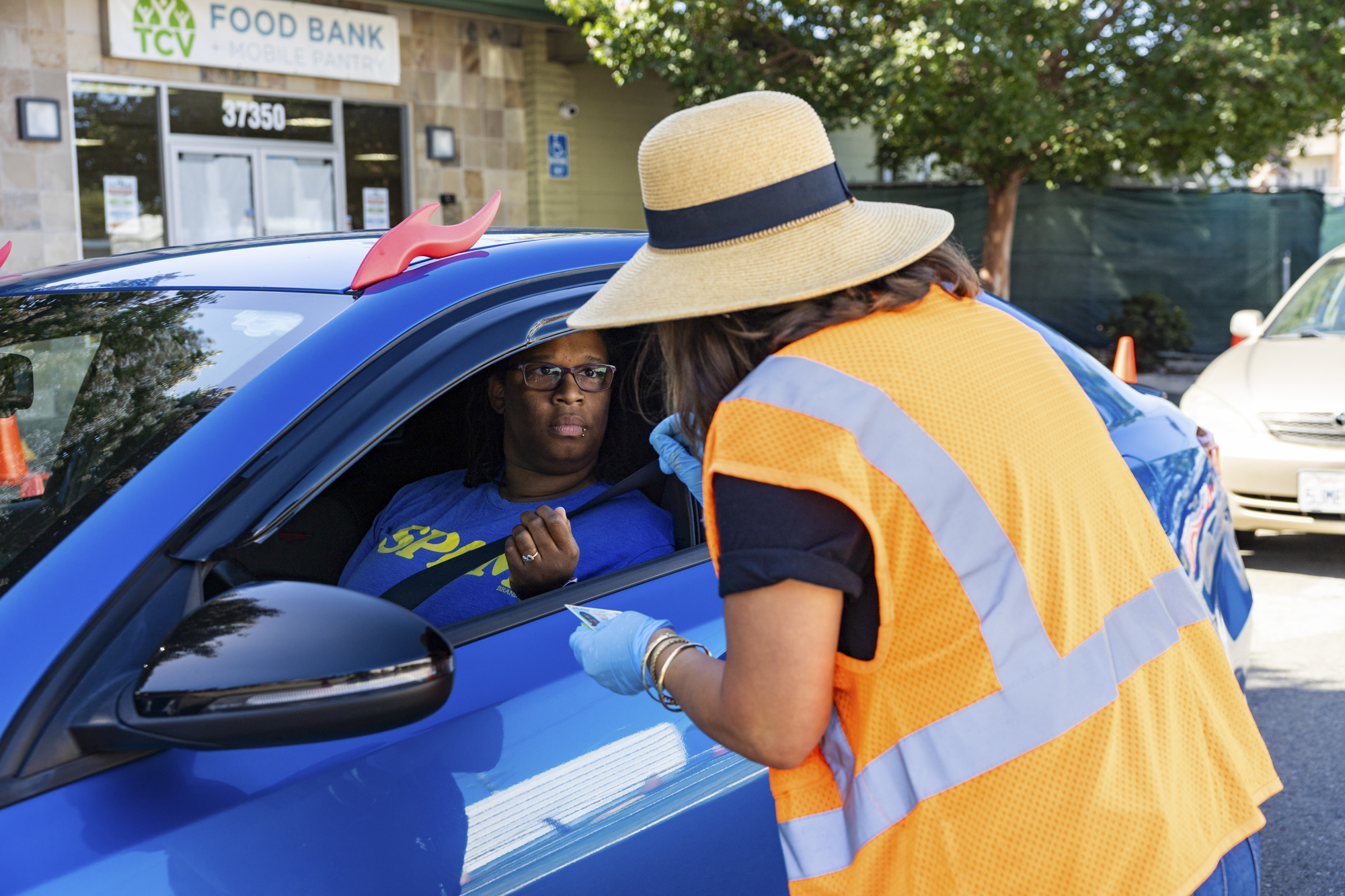
"caption": "Ladonna Johnson receives assistance during a drive-through food distribution at Tri-City Volunteers Food Bank & Mobile Pantry’s main hub in Fremont on July 17, 2026.",
"credit": "Gina Castro for KQED",
"altTag": null,
"description": null,
"imgSizes": {
"thumbnail": {
"file": "https://cdn.kqed.org/wp-content/uploads/sites/10/2026/07/20260717_FOODBANKSUPDATE_GC-15-KQED-160x107.jpg",
"width": 160,
"height": 107,
"mimeType": "image/jpeg"
},
"1536x1536": {
"file": "https://cdn.kqed.org/wp-content/uploads/sites/10/2026/07/20260717_FOODBANKSUPDATE_GC-15-KQED-1536x1024.jpg",
"width": 1536,
"height": 1024,
"mimeType": "image/jpeg"
},
"post-thumbnail": {
"file": "https://cdn.kqed.org/wp-content/uploads/sites/10/2026/07/20260717_FOODBANKSUPDATE_GC-15-KQED-672x372.jpg",
"width": 672,
"height": 372,
"mimeType": "image/jpeg"
},
"twentyfourteen-full-width": {
"file": "https://cdn.kqed.org/wp-content/uploads/sites/10/2026/07/20260717_FOODBANKSUPDATE_GC-15-KQED-1038x576.jpg",
"width": 1038,
"height": 576,
"mimeType": "image/jpeg"
},
"npr-cds-wide": {
"file": "https://cdn.kqed.org/wp-content/uploads/sites/10/2026/07/20260717_FOODBANKSUPDATE_GC-15-KQED-1200x675.jpg",
"width": 1200,
"height": 675,
"mimeType": "image/jpeg"
},
"npr-cds-square": {
"file": "https://cdn.kqed.org/wp-content/uploads/sites/10/2026/07/20260717_FOODBANKSUPDATE_GC-15-KQED-600x600.jpg",
"width": 600,
"height": 600,
"mimeType": "image/jpeg"
},
"kqedFullSize": {
"file": "https://cdn.kqed.org/wp-content/uploads/sites/10/2026/07/20260717_FOODBANKSUPDATE_GC-15-KQED.jpg",
"width": 2000,
"height": 1333
}
},
"isLoading": false,
"fetchFailed": false
},
"news_12095131": {
"type": "attachments",
"id": "news_12095131",
"meta": {
"index": "attachments_1716263798",
"site": "news",
"id": "12095131",
"found": true
},
"title": "260813-OAK LANDLORD SUIT-MD-05-KQED",
"publishDate": 1786644543,
"status": "inherit",
"parent": 0,
"modified": 1786651671,
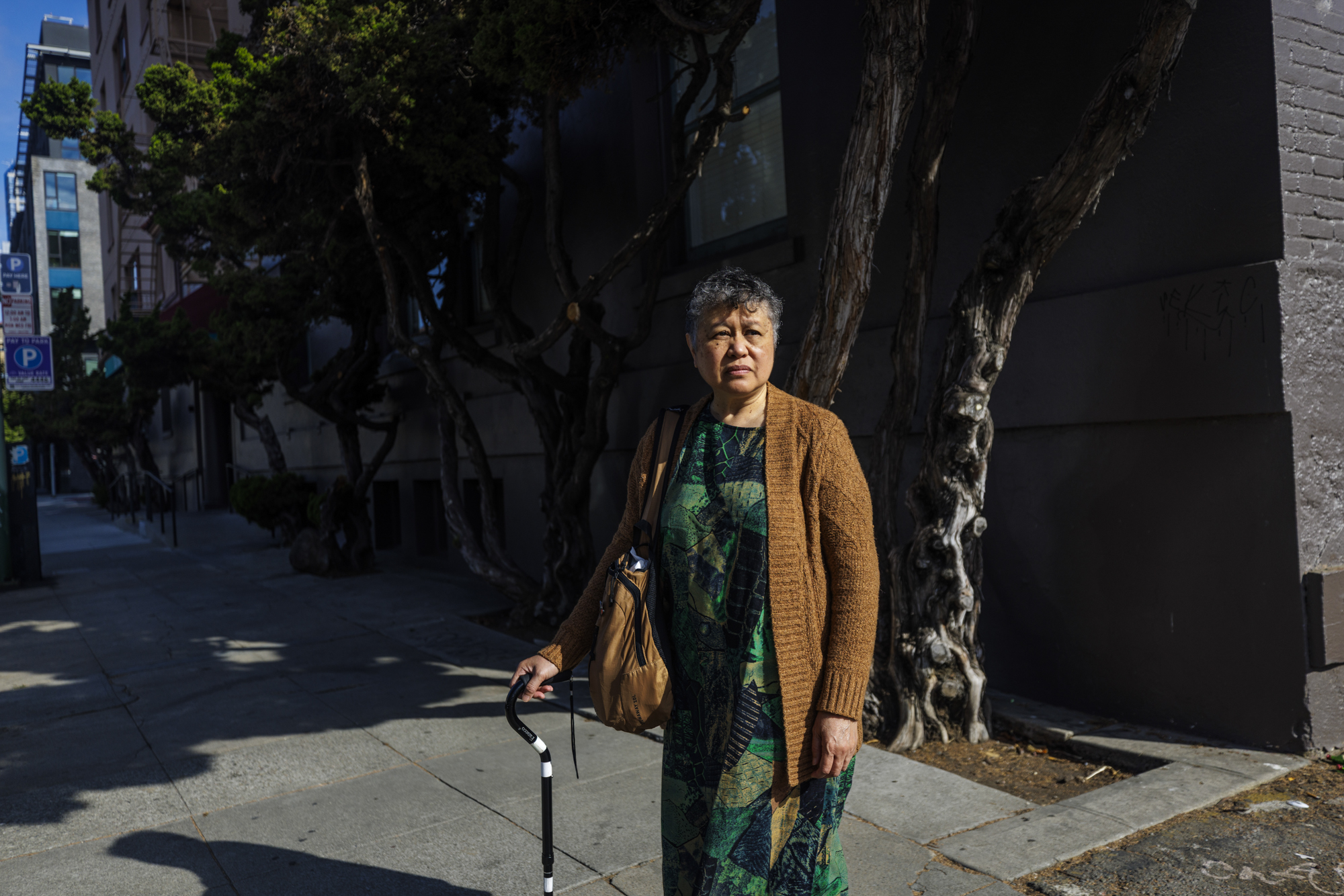
"caption": "Kathy Vaquilar stands outside the La Peralta building, where she lives, in Oakland on Aug. 13, 2026.",
"credit": "Martin do Nascimento/KQED",
"altTag": null,
"description": null,
"imgSizes": {
"thumbnail": {
"file": "https://cdn.kqed.org/wp-content/uploads/sites/10/2026/08/260813-OAK-LANDLORD-SUIT-MD-05-KQED-160x107.jpg",
"width": 160,
"height": 107,
"mimeType": "image/jpeg"
},
"1536x1536": {
"file": "https://cdn.kqed.org/wp-content/uploads/sites/10/2026/08/260813-OAK-LANDLORD-SUIT-MD-05-KQED-1536x1025.jpg",
"width": 1536,
"height": 1025,
"mimeType": "image/jpeg"
},
"post-thumbnail": {
"file": "https://cdn.kqed.org/wp-content/uploads/sites/10/2026/08/260813-OAK-LANDLORD-SUIT-MD-05-KQED-672x372.jpg",
"width": 672,
"height": 372,
"mimeType": "image/jpeg"
},
"twentyfourteen-full-width": {
"file": "https://cdn.kqed.org/wp-content/uploads/sites/10/2026/08/260813-OAK-LANDLORD-SUIT-MD-05-KQED-1038x576.jpg",
"width": 1038,
"height": 576,
"mimeType": "image/jpeg"
},
"npr-cds-wide": {
"file": "https://cdn.kqed.org/wp-content/uploads/sites/10/2026/08/260813-OAK-LANDLORD-SUIT-MD-05-KQED-1200x675.jpg",
"width": 1200,
"height": 675,
"mimeType": "image/jpeg"
},
"npr-cds-square": {
"file": "https://cdn.kqed.org/wp-content/uploads/sites/10/2026/08/260813-OAK-LANDLORD-SUIT-MD-05-KQED-600x600.jpg",
"width": 600,
"height": 600,
"mimeType": "image/jpeg"
},
"kqedFullSize": {
"file": "https://cdn.kqed.org/wp-content/uploads/sites/10/2026/08/260813-OAK-LANDLORD-SUIT-MD-05-KQED.jpg",
"width": 2000,
"height": 1334
}
},
"isLoading": false,
"fetchFailed": false
},
"news_12024073": {
"type": "attachments",
"id": "news_12024073",
"meta": {
"index": "attachments_1716263798",
"site": "news",
"id": "12024073",
"found": true
},
"title": "20250123_RebuildingAfterWildfire_GC-4",
"publishDate": 1737759168,
"status": "inherit",
"parent": 12024420,
"modified": 1738111730,
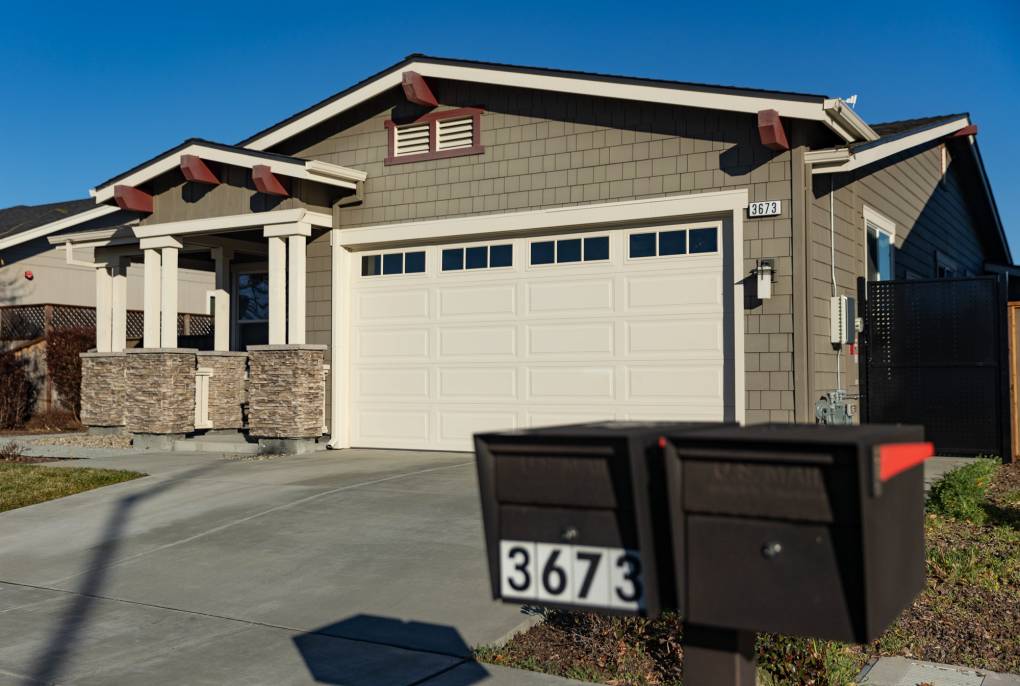
"caption": "Annie Barbour’s former home where she raised her son, in Santa Rosa on Jan. 23, 2025. Annie’s home burned down during the Tubbs Fire in 2017. Since then, she has rebuilt her home to better protect it from wildfires, where her son and daughter-in-law now live.",
"credit": "Gina Castro/KQED",
"altTag": null,
"description": null,
"imgSizes": {
"medium": {
"file": "https://cdn.kqed.org/wp-content/uploads/sites/10/2025/01/20250123_RebuildingAfterWildfire_GC-4-800x538.jpg",
"width": 800,
"height": 538,
"mimeType": "image/jpeg"
},
"large": {
"file": "https://cdn.kqed.org/wp-content/uploads/sites/10/2025/01/20250123_RebuildingAfterWildfire_GC-4-1020x686.jpg",
"width": 1020,
"height": 686,
"mimeType": "image/jpeg"
},
"thumbnail": {
"file": "https://cdn.kqed.org/wp-content/uploads/sites/10/2025/01/20250123_RebuildingAfterWildfire_GC-4-160x108.jpg",
"width": 160,
"height": 108,
"mimeType": "image/jpeg"
},
"1536x1536": {
"file": "https://cdn.kqed.org/wp-content/uploads/sites/10/2025/01/20250123_RebuildingAfterWildfire_GC-4-1536x1033.jpg",
"width": 1536,
"height": 1033,
"mimeType": "image/jpeg"
},
"post-thumbnail": {
"file": "https://cdn.kqed.org/wp-content/uploads/sites/10/2025/01/20250123_RebuildingAfterWildfire_GC-4-672x372.jpg",
"width": 672,
"height": 372,
"mimeType": "image/jpeg"
},
"twentyfourteen-full-width": {
"file": "https://cdn.kqed.org/wp-content/uploads/sites/10/2025/01/20250123_RebuildingAfterWildfire_GC-4-1038x576.jpg",
"width": 1038,
"height": 576,
"mimeType": "image/jpeg"
},
"full-width": {
"file": "https://cdn.kqed.org/wp-content/uploads/sites/10/2025/01/20250123_RebuildingAfterWildfire_GC-4-1920x1291.jpg",
"width": 1920,
"height": 1291,
"mimeType": "image/jpeg"
},
"kqedFullSize": {
"file": "https://cdn.kqed.org/wp-content/uploads/sites/10/2025/01/20250123_RebuildingAfterWildfire_GC-4.jpg",
"width": 2000,
"height": 1345
}
},
"isLoading": false,
"fetchFailed": false
},
"news_12093704": {
"type": "attachments",
"id": "news_12093704",
"meta": {
"index": "attachments_1716263798",
"site": "news",
"id": "12093704",
"found": true
},
"title": "20260729_SFFamiliesPilot_GC-4-KQED",
"publishDate": 1785789764,
"status": "inherit",
"parent": 0,
"modified": 1785789946,
"caption": "Esmeralda Celis watches as her daughter Josio, 3, climbs a playground structure at the Helen Diller Civic Center Playground in San Francisco on July 29, 2026.",
"credit": "Gina Castro for KQED",
"altTag": null,
"description": null,
"imgSizes": {
"thumbnail": {
"file": "https://cdn.kqed.org/wp-content/uploads/sites/10/2026/08/20260729_SFFamiliesPilot_GC-4-KQED-160x107.jpg",
"width": 160,
"height": 107,
"mimeType": "image/jpeg"
},
"1536x1536": {
"file": "https://cdn.kqed.org/wp-content/uploads/sites/10/2026/08/20260729_SFFamiliesPilot_GC-4-KQED-1536x1024.jpg",
"width": 1536,
"height": 1024,
"mimeType": "image/jpeg"
},
"post-thumbnail": {
"file": "https://cdn.kqed.org/wp-content/uploads/sites/10/2026/08/20260729_SFFamiliesPilot_GC-4-KQED-672x372.jpg",
"width": 672,
"height": 372,
"mimeType": "image/jpeg"
},
"twentyfourteen-full-width": {
"file": "https://cdn.kqed.org/wp-content/uploads/sites/10/2026/08/20260729_SFFamiliesPilot_GC-4-KQED-1038x576.jpg",
"width": 1038,
"height": 576,
"mimeType": "image/jpeg"
},
"npr-cds-wide": {
"file": "https://cdn.kqed.org/wp-content/uploads/sites/10/2026/08/20260729_SFFamiliesPilot_GC-4-KQED-1200x675.jpg",
"width": 1200,
"height": 675,
"mimeType": "image/jpeg"
},
"npr-cds-square": {
"file": "https://cdn.kqed.org/wp-content/uploads/sites/10/2026/08/20260729_SFFamiliesPilot_GC-4-KQED-600x600.jpg",
"width": 600,
"height": 600,
"mimeType": "image/jpeg"
},
"kqedFullSize": {
"file": "https://cdn.kqed.org/wp-content/uploads/sites/10/2026/08/20260729_SFFamiliesPilot_GC-4-KQED.jpg",
"width": 2000,
"height": 1333
}
},
"isLoading": false,
"fetchFailed": false
},
"news_11922192": {
"type": "attachments",
"id": "news_11922192",
"meta": {
"index": "attachments_1716263798",
"site": "news",
"id": "11922192",
"found": true
},
"title": "Property-Russell-City-sized",
"publishDate": 1660166611,
"status": "inherit",
"parent": 11922175,
"modified": 1785972308,
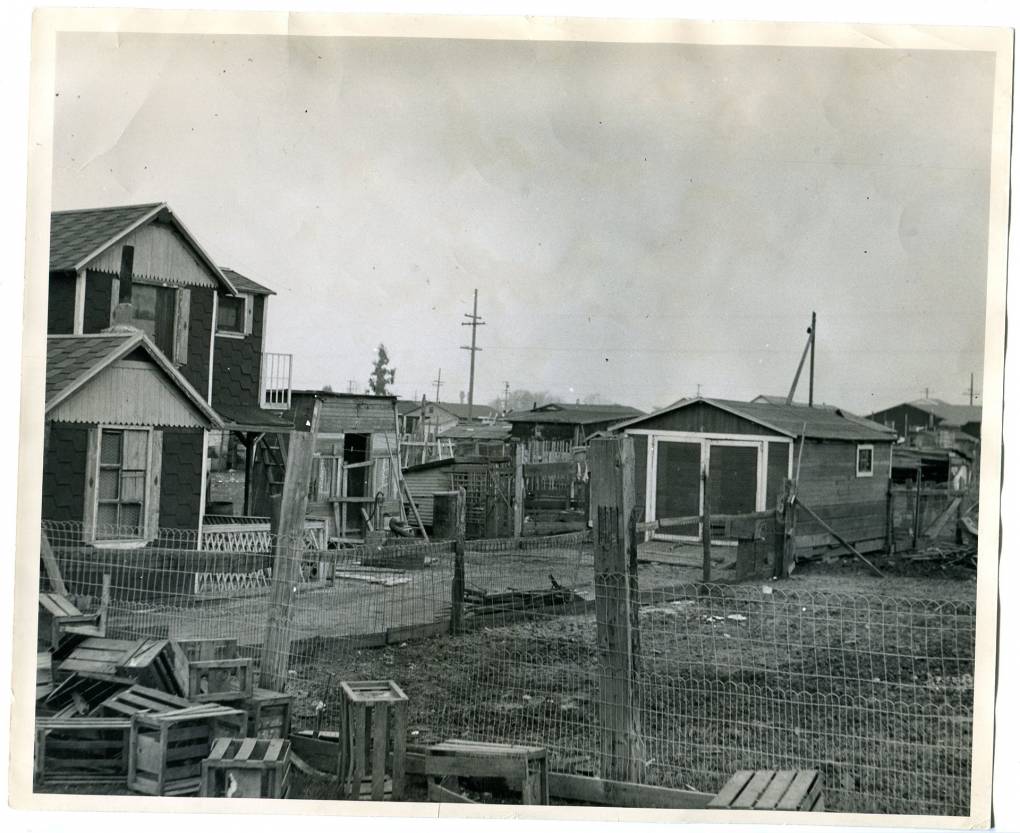
"caption": "A Russell City home circa 1950.",
"credit": "Courtesy of the Hayward Area Historical Society",
"altTag": "A black-and-white photograph of several wooden buildings, including a home, a large shed or garage and several small structures.",
"description": null,
"imgSizes": {
"medium": {
"file": "https://cdn.kqed.org/wp-content/uploads/sites/10/2022/08/Property-Russell-City-sized-800x653.jpg",
"width": 800,
"height": 653,
"mimeType": "image/jpeg"
},
"large": {
"file": "https://cdn.kqed.org/wp-content/uploads/sites/10/2022/08/Property-Russell-City-sized-1020x833.jpg",
"width": 1020,
"height": 833,
"mimeType": "image/jpeg"
},
"thumbnail": {
"file": "https://cdn.kqed.org/wp-content/uploads/sites/10/2022/08/Property-Russell-City-sized-160x131.jpg",
"width": 160,
"height": 131,
"mimeType": "image/jpeg"
},
"1536x1536": {
"file": "https://cdn.kqed.org/wp-content/uploads/sites/10/2022/08/Property-Russell-City-sized-1536x1254.jpg",
"width": 1536,
"height": 1254,
"mimeType": "image/jpeg"
},
"post-thumbnail": {
"file": "https://cdn.kqed.org/wp-content/uploads/sites/10/2022/08/Property-Russell-City-sized-672x372.jpg",
"width": 672,
"height": 372,
"mimeType": "image/jpeg"
},
"twentyfourteen-full-width": {
"file": "https://cdn.kqed.org/wp-content/uploads/sites/10/2022/08/Property-Russell-City-sized-1038x576.jpg",
"width": 1038,
"height": 576,
"mimeType": "image/jpeg"
},
"kqedFullSize": {
"file": "https://cdn.kqed.org/wp-content/uploads/sites/10/2022/08/Property-Russell-City-sized.jpg",
"width": 1920,
"height": 1568
}
},
"isLoading": false,
"fetchFailed": false
},
"news_12087366": {
"type": "attachments",
"id": "news_12087366",
"meta": {
"index": "attachments_1716263798",
"site": "news",
"id": "12087366",
"found": true
},
"title": "260611-TEMPLATEHOUSE-05-BL-KQED",
"publishDate": 1781287031,
"status": "inherit",
"parent": 0,
"modified": 1781287074,
"caption": "Eldridge Cruse sits in the backyard before a dinner party at Template House in San Francisco on June 11, 2026.",
"credit": "Beth LaBerge/KQED",
"altTag": null,
"description": null,
"imgSizes": {
"thumbnail": {
"file": "https://cdn.kqed.org/wp-content/uploads/sites/10/2026/06/260611-TEMPLATEHOUSE-05-BL-KQED-160x107.jpg",
"width": 160,
"height": 107,
"mimeType": "image/jpeg"
},
"1536x1536": {
"file": "https://cdn.kqed.org/wp-content/uploads/sites/10/2026/06/260611-TEMPLATEHOUSE-05-BL-KQED-1536x1024.jpg",
"width": 1536,
"height": 1024,
"mimeType": "image/jpeg"
},
"post-thumbnail": {
"file": "https://cdn.kqed.org/wp-content/uploads/sites/10/2026/06/260611-TEMPLATEHOUSE-05-BL-KQED-672x372.jpg",
"width": 672,
"height": 372,
"mimeType": "image/jpeg"
},
"twentyfourteen-full-width": {
"file": "https://cdn.kqed.org/wp-content/uploads/sites/10/2026/06/260611-TEMPLATEHOUSE-05-BL-KQED-1038x576.jpg",
"width": 1038,
"height": 576,
"mimeType": "image/jpeg"
},
"npr-cds-wide": {
"file": "https://cdn.kqed.org/wp-content/uploads/sites/10/2026/06/260611-TEMPLATEHOUSE-05-BL-KQED-1200x675.jpg",
"width": 1200,
"height": 675,
"mimeType": "image/jpeg"
},
"npr-cds-square": {
"file": "https://cdn.kqed.org/wp-content/uploads/sites/10/2026/06/260611-TEMPLATEHOUSE-05-BL-KQED-600x600.jpg",
"width": 600,
"height": 600,
"mimeType": "image/jpeg"
},
"kqedFullSize": {
"file": "https://cdn.kqed.org/wp-content/uploads/sites/10/2026/06/260611-TEMPLATEHOUSE-05-BL-KQED.jpg",
"width": 2000,
"height": 1333
}
},
"isLoading": false,
"fetchFailed": false
},
"news_12093340": {
"type": "attachments",
"id": "news_12093340",
"meta": {
"index": "attachments_1716263798",
"site": "news",
"id": "12093340",
"found": true
},
"title": "260729-POWER HOUSE-MD-07-KQED",
"publishDate": 1785445517,
"status": "inherit",
"parent": 0,
"modified": 1785445765,
"caption": "The PG&E PowerHouse in San Ramon on July 30, 2026.",
"credit": "Martin do Nascimento/KQED",
"altTag": null,
"description": null,
"imgSizes": {
"thumbnail": {
"file": "https://cdn.kqed.org/wp-content/uploads/sites/10/2026/07/260729-POWER-HOUSE-MD-07-KQED-160x107.jpg",
"width": 160,
"height": 107,
"mimeType": "image/jpeg"
},
"1536x1536": {
"file": "https://cdn.kqed.org/wp-content/uploads/sites/10/2026/07/260729-POWER-HOUSE-MD-07-KQED-1536x1025.jpg",
"width": 1536,
"height": 1025,
"mimeType": "image/jpeg"
},
"post-thumbnail": {
"file": "https://cdn.kqed.org/wp-content/uploads/sites/10/2026/07/260729-POWER-HOUSE-MD-07-KQED-672x372.jpg",
"width": 672,
"height": 372,
"mimeType": "image/jpeg"
},
"twentyfourteen-full-width": {
"file": "https://cdn.kqed.org/wp-content/uploads/sites/10/2026/07/260729-POWER-HOUSE-MD-07-KQED-1038x576.jpg",
"width": 1038,
"height": 576,
"mimeType": "image/jpeg"
},
"npr-cds-wide": {
"file": "https://cdn.kqed.org/wp-content/uploads/sites/10/2026/07/260729-POWER-HOUSE-MD-07-KQED-1200x675.jpg",
"width": 1200,
"height": 675,
"mimeType": "image/jpeg"
},
"npr-cds-square": {
"file": "https://cdn.kqed.org/wp-content/uploads/sites/10/2026/07/260729-POWER-HOUSE-MD-07-KQED-600x600.jpg",
"width": 600,
"height": 600,
"mimeType": "image/jpeg"
},
"kqedFullSize": {
"file": "https://cdn.kqed.org/wp-content/uploads/sites/10/2026/07/260729-POWER-HOUSE-MD-07-KQED.jpg",
"width": 2000,
"height": 1334
}
},
"isLoading": false,
"fetchFailed": false
},
"news_12093041": {
"type": "attachments",
"id": "news_12093041",
"meta": {
"index": "attachments_1716263798",
"site": "news",
"id": "12093041",
"found": true
},
"title": "260728-STANYANHOUSING-NG-114-KQED",
"publishDate": 1785344689,
"status": "inherit",
"parent": 0,
"modified": 1785381255,
"caption": "Gulnaz Gaparova (left) and her mother, Tony Gaparova, residents at 730 Stanyan, put a traditional pastry into bags in their apartment to share at the grand opening of the new affordable housing development in the Haight-Ashbury neighborhood of San Francisco on July 28, 2026.",
"credit": "Nina Glick/KQED",
"altTag": null,
"description": null,
"imgSizes": {
"thumbnail": {
"file": "https://cdn.kqed.org/wp-content/uploads/sites/10/2026/07/260728-STANYANHOUSING-NG-114-KQED-160x107.jpg",
"width": 160,
"height": 107,
"mimeType": "image/jpeg"
},
"1536x1536": {
"file": "https://cdn.kqed.org/wp-content/uploads/sites/10/2026/07/260728-STANYANHOUSING-NG-114-KQED-1536x1024.jpg",
"width": 1536,
"height": 1024,
"mimeType": "image/jpeg"
},
"post-thumbnail": {
"file": "https://cdn.kqed.org/wp-content/uploads/sites/10/2026/07/260728-STANYANHOUSING-NG-114-KQED-672x372.jpg",
"width": 672,
"height": 372,
"mimeType": "image/jpeg"
},
"twentyfourteen-full-width": {
"file": "https://cdn.kqed.org/wp-content/uploads/sites/10/2026/07/260728-STANYANHOUSING-NG-114-KQED-1038x576.jpg",
"width": 1038,
"height": 576,
"mimeType": "image/jpeg"
},
"npr-cds-wide": {
"file": "https://cdn.kqed.org/wp-content/uploads/sites/10/2026/07/260728-STANYANHOUSING-NG-114-KQED-1200x675.jpg",
"width": 1200,
"height": 675,
"mimeType": "image/jpeg"
},
"npr-cds-square": {
"file": "https://cdn.kqed.org/wp-content/uploads/sites/10/2026/07/260728-STANYANHOUSING-NG-114-KQED-600x600.jpg",
"width": 600,
"height": 600,
"mimeType": "image/jpeg"
},
"kqedFullSize": {
"file": "https://cdn.kqed.org/wp-content/uploads/sites/10/2026/07/260728-STANYANHOUSING-NG-114-KQED.jpg",
"width": 2000,
"height": 1333
}
},
"isLoading": false,
"fetchFailed": false
},
"news_12092374": {
"type": "attachments",
"id": "news_12092374",
"meta": {
"index": "attachments_1716263798",
"site": "news",
"id": "12092374",
"found": true
},
"title": "260723-marinasafeway-ng-15-KQED",
"publishDate": 1784836652,
"status": "inherit",
"parent": 0,
"modified": 1784836686,
"caption": "A customer walks out of the Safeway location in San Francisco’s Marina District on July 23, 2026.",
"credit": "Nina Glick/KQED",
"altTag": null,
"description": null,
"imgSizes": {
"thumbnail": {
"file": "https://cdn.kqed.org/wp-content/uploads/sites/10/2026/07/260723-marinasafeway-ng-15-KQED-160x107.jpg",
"width": 160,
"height": 107,
"mimeType": "image/jpeg"
},
"1536x1536": {
"file": "https://cdn.kqed.org/wp-content/uploads/sites/10/2026/07/260723-marinasafeway-ng-15-KQED-1536x1024.jpg",
"width": 1536,
"height": 1024,
"mimeType": "image/jpeg"
},
"post-thumbnail": {
"file": "https://cdn.kqed.org/wp-content/uploads/sites/10/2026/07/260723-marinasafeway-ng-15-KQED-672x372.jpg",
"width": 672,
"height": 372,
"mimeType": "image/jpeg"
},
"twentyfourteen-full-width": {
"file": "https://cdn.kqed.org/wp-content/uploads/sites/10/2026/07/260723-marinasafeway-ng-15-KQED-1038x576.jpg",
"width": 1038,
"height": 576,
"mimeType": "image/jpeg"
},
"npr-cds-wide": {
"file": "https://cdn.kqed.org/wp-content/uploads/sites/10/2026/07/260723-marinasafeway-ng-15-KQED-1200x675.jpg",
"width": 1200,
"height": 675,
"mimeType": "image/jpeg"
},
"npr-cds-square": {
"file": "https://cdn.kqed.org/wp-content/uploads/sites/10/2026/07/260723-marinasafeway-ng-15-KQED-600x600.jpg",
"width": 600,
"height": 600,
"mimeType": "image/jpeg"
},
"kqedFullSize": {
"file": "https://cdn.kqed.org/wp-content/uploads/sites/10/2026/07/260723-marinasafeway-ng-15-KQED.jpg",
"width": 2000,
"height": 1333
}
},
"isLoading": false,
"fetchFailed": false
},
"news_12091511": {
"type": "attachments",
"id": "news_12091511",
"meta": {
"index": "attachments_1716263798",
"site": "news",
"id": "12091511",
"found": true
},
"title": "The Rio Vista Bridge in Rio Vista on May 2, 2024.",
"publishDate": 1784243739,
"status": "inherit",
"parent": 12091366,
"modified": 1784243771,
"caption": "The Rio Vista Bridge in Rio Vista on May 2, 2024.",
"credit": "Beth LaBerge/KQED",
"altTag": null,
"description": null,
"imgSizes": {
"thumbnail": {
"file": "https://cdn.kqed.org/wp-content/uploads/sites/10/2026/07/240502-CaliforniaForever-98-BL_qed-160x107.jpg",
"width": 160,
"height": 107,
"mimeType": "image/jpeg"
},
"1536x1536": {
"file": "https://cdn.kqed.org/wp-content/uploads/sites/10/2026/07/240502-CaliforniaForever-98-BL_qed-1536x1024.jpg",
"width": 1536,
"height": 1024,
"mimeType": "image/jpeg"
},
"post-thumbnail": {
"file": "https://cdn.kqed.org/wp-content/uploads/sites/10/2026/07/240502-CaliforniaForever-98-BL_qed-672x372.jpg",
"width": 672,
"height": 372,
"mimeType": "image/jpeg"
},
"twentyfourteen-full-width": {
"file": "https://cdn.kqed.org/wp-content/uploads/sites/10/2026/07/240502-CaliforniaForever-98-BL_qed-1038x576.jpg",
"width": 1038,
"height": 576,
"mimeType": "image/jpeg"
},
"npr-cds-wide": {
"file": "https://cdn.kqed.org/wp-content/uploads/sites/10/2026/07/240502-CaliforniaForever-98-BL_qed-1200x675.jpg",
"width": 1200,
"height": 675,
"mimeType": "image/jpeg"
},
"npr-cds-square": {
"file": "https://cdn.kqed.org/wp-content/uploads/sites/10/2026/07/240502-CaliforniaForever-98-BL_qed-600x600.jpg",
"width": 600,
"height": 600,
"mimeType": "image/jpeg"
},
"kqedFullSize": {
"file": "https://cdn.kqed.org/wp-content/uploads/sites/10/2026/07/240502-CaliforniaForever-98-BL_qed.jpg",
"width": 2000,
"height": 1333
}
},
"isLoading": false,
"fetchFailed": false
},
"news_11958864": {
"type": "attachments",
"id": "news_11958864",
"meta": {
"index": "attachments_1716263798",
"site": "news",
"id": "11958864",
"found": true
},
"title": "RS68208_230822-SafeStreetsProtest-18-BL-KQED",
"publishDate": 1692812494,
"status": "inherit",
"parent": 0,
"modified": 1784238951,
"caption": "San Francisco Supervisor Matt Dorsey speaks during a rally to demand safe streets on Fourth and King streets in San Francisco on Aug. 22, 2023, after a driver at the intersection killed a 4-year-old girl on Aug. 15, 2023.",
"credit": "Beth LaBerge/KQED",
"altTag": "A person wearing a sport coat speaks into a microphone to an assembled crowd.",
"description": null,
"imgSizes": {
"medium": {
"file": "https://cdn.kqed.org/wp-content/uploads/sites/10/2023/08/RS68208_230822-SafeStreetsProtest-18-BL-KQED-800x533.jpg",
"width": 800,
"height": 533,
"mimeType": "image/jpeg"
},
"large": {
"file": "https://cdn.kqed.org/wp-content/uploads/sites/10/2023/08/RS68208_230822-SafeStreetsProtest-18-BL-KQED-1020x680.jpg",
"width": 1020,
"height": 680,
"mimeType": "image/jpeg"
},
"thumbnail": {
"file": "https://cdn.kqed.org/wp-content/uploads/sites/10/2023/08/RS68208_230822-SafeStreetsProtest-18-BL-KQED-160x107.jpg",
"width": 160,
"height": 107,
"mimeType": "image/jpeg"
},
"1536x1536": {
"file": "https://cdn.kqed.org/wp-content/uploads/sites/10/2023/08/RS68208_230822-SafeStreetsProtest-18-BL-KQED-1536x1024.jpg",
"width": 1536,
"height": 1024,
"mimeType": "image/jpeg"
},
"post-thumbnail": {
"file": "https://cdn.kqed.org/wp-content/uploads/sites/10/2023/08/RS68208_230822-SafeStreetsProtest-18-BL-KQED-672x372.jpg",
"width": 672,
"height": 372,
"mimeType": "image/jpeg"
},
"twentyfourteen-full-width": {
"file": "https://cdn.kqed.org/wp-content/uploads/sites/10/2023/08/RS68208_230822-SafeStreetsProtest-18-BL-KQED-1038x576.jpg",
"width": 1038,
"height": 576,
"mimeType": "image/jpeg"
},
"full-width": {
"file": "https://cdn.kqed.org/wp-content/uploads/sites/10/2023/08/RS68208_230822-SafeStreetsProtest-18-BL-KQED-1920x1280.jpg",
"width": 1920,
"height": 1280,
"mimeType": "image/jpeg"
},
"kqedFullSize": {
"file": "https://cdn.kqed.org/wp-content/uploads/sites/10/2023/08/RS68208_230822-SafeStreetsProtest-18-BL-KQED.jpg",
"width": 2000,
"height": 1333
}
},
"isLoading": false,
"fetchFailed": false
}
},
"audioPlayerReducer": {
"postId": "stream_live",
"isPaused": true,
"isPlaying": false,
"pfsActive": false,
"pledgeModalIsOpen": true,
"playerDrawerIsOpen": false,
"liveAudioPlayStartedAt": 0,
"liveAudioPlayContext": ""
},
"authorsReducer": {
"dventon": {
"type": "authors",
"id": "11088",
"meta": {
"index": "authors_1716337520",
"id": "11088",
"found": true
},
"name": "Danielle Venton",
"firstName": "Danielle",
"lastName": "Venton",
"slug": "dventon",
"email": "dventon@kqed.org",
"display_author_email": true,
"staff_mastheads": [
"science"
],
"title": "Science reporter",
"bio": "Danielle Venton is a reporter for KQED Science. She covers wildfires, space and oceans (though she is prone to sea sickness).\r\n\r\nBefore joining KQED in 2015, Danielle was a staff reporter at KRCB in Sonoma County and a freelancer. She studied science communication at UC Santa Cruz and formerly worked at CERN in Geneva, Switzerland where she wrote about computing. She lives in Sonoma County and enjoys backpacking.",
"avatar": "https://secure.gravatar.com/avatar/37b292b5c40c8d93959c4f48d73b5286f41b7abd8588277e941905a3ed4c801c?s=600&d=blank&r=g",
"twitter": "DanielleVenton",
"bluesky": null,
"facebook": null,
"instagram": null,
"linkedin": null,
"sites": [
{
"site": "arts",
"roles": [
"contributor"
]
},
{
"site": "news",
"roles": [
"editor"
]
},
{
"site": "futureofyou",
"roles": [
"editor"
]
},
{
"site": "science",
"roles": [
"editor"
]
},
{
"site": "liveblog",
"roles": [
"contributor"
]
}
],
"headData": {
"title": "Danielle Venton | KQED",
"description": "Science reporter",
"ogImgSrc": "https://secure.gravatar.com/avatar/37b292b5c40c8d93959c4f48d73b5286f41b7abd8588277e941905a3ed4c801c?s=600&d=blank&r=g",
"twImgSrc": "https://secure.gravatar.com/avatar/37b292b5c40c8d93959c4f48d73b5286f41b7abd8588277e941905a3ed4c801c?s=600&d=blank&r=g"
},
"isLoading": false,
"link": "/author/dventon"
},
"abandlamudi": {
"type": "authors",
"id": "11672",
"meta": {
"index": "authors_1716337520",
"id": "11672",
"found": true
},
"name": "Adhiti Bandlamudi",
"firstName": "Adhiti",
"lastName": "Bandlamudi",
"slug": "abandlamudi",
"email": "abandlamudi@kqed.org",
"display_author_email": false,
"staff_mastheads": [
"news"
],
"title": "KQED Housing Reporter",
"bio": "Adhiti Bandlamudi reports for KQED's Housing desk. She focuses on how housing gets built across the Bay Area. Before joining KQED in 2020, she reported for WUNC in Durham, North Carolina, WABE in Atlanta, Georgia and Capital Public Radio in Sacramento. In 2017, she was awarded a Kroc Fellowship at NPR where she reported on everything from sprinkles to the Golden State Killer's arrest. When she's not reporting, she's baking new recipes in her kitchen or watching movies with friends and family. She's originally from Georgia and has strong opinions about Great British Bake Off.",
"avatar": "https://secure.gravatar.com/avatar/868129c8b257bb99a3500e2c86a65400?s=600&d=mm&r=g",
"twitter": "oddity_adhiti",
"facebook": null,
"instagram": null,
"linkedin": null,
"sites": [
{
"site": "arts",
"roles": [
"author"
]
},
{
"site": "news",
"roles": [
"editor"
]
},
{
"site": "liveblog",
"roles": [
"author"
]
}
],
"headData": {
"title": "Adhiti Bandlamudi | KQED",
"description": "KQED Housing Reporter",
"ogImgSrc": "https://secure.gravatar.com/avatar/868129c8b257bb99a3500e2c86a65400?s=600&d=mm&r=g",
"twImgSrc": "https://secure.gravatar.com/avatar/868129c8b257bb99a3500e2c86a65400?s=600&d=mm&r=g"
},
"isLoading": false,
"link": "/author/abandlamudi"
},
"jlara": {
"type": "authors",
"id": "11761",
"meta": {
"index": "authors_1716337520",
"id": "11761",
"found": true
},
"name": "Juan Carlos Lara",
"firstName": "Juan Carlos",
"lastName": "Lara",
"slug": "jlara",
"email": "jlara@kqed.org",
"display_author_email": false,
"staff_mastheads": [],
"title": "KQED Contributor",
"bio": null,
"avatar": "https://secure.gravatar.com/avatar/19e2052b9b05657c5ff2af2121846e9c?s=600&d=blank&r=g",
"twitter": null,
"facebook": null,
"instagram": null,
"linkedin": null,
"sites": [
{
"site": "arts",
"roles": [
"editor"
]
},
{
"site": "news",
"roles": [
"editor"
]
},
{
"site": "forum",
"roles": [
"editor"
]
},
{
"site": "liveblog",
"roles": [
"contributor"
]
}
],
"headData": {
"title": "Juan Carlos Lara | KQED",
"description": "KQED Contributor",
"ogImgSrc": "https://secure.gravatar.com/avatar/19e2052b9b05657c5ff2af2121846e9c?s=600&d=blank&r=g",
"twImgSrc": "https://secure.gravatar.com/avatar/19e2052b9b05657c5ff2af2121846e9c?s=600&d=blank&r=g"
},
"isLoading": false,
"link": "/author/jlara"
},
"sjohnson": {
"type": "authors",
"id": "11840",
"meta": {
"index": "authors_1716337520",
"id": "11840",
"found": true
},
"name": "Sydney Johnson",
"firstName": "Sydney",
"lastName": "Johnson",
"slug": "sjohnson",
"email": "sjohnson@kqed.org",
"display_author_email": false,
"staff_mastheads": [
"news"
],
"title": "KQED Reporter",
"bio": "Sydney Johnson is a general assignment reporter at KQED. She previously reported on public health and city government at the San Francisco Examiner, and before that, she covered statewide education policy for EdSource. Her reporting has won multiple local, state and national awards. Sydney is a graduate of the University of California, Berkeley and lives in San Francisco.",
"avatar": "https://secure.gravatar.com/avatar/97855f2719b72ad6190b7c535fe642c8?s=600&d=blank&r=g",
"twitter": "sydneyfjohnson",
"facebook": null,
"instagram": null,
"linkedin": null,
"sites": [
{
"site": "news",
"roles": [
"editor"
]
}
],
"headData": {
"title": "Sydney Johnson | KQED",
"description": "KQED Reporter",
"ogImgSrc": "https://secure.gravatar.com/avatar/97855f2719b72ad6190b7c535fe642c8?s=600&d=blank&r=g",
"twImgSrc": "https://secure.gravatar.com/avatar/97855f2719b72ad6190b7c535fe642c8?s=600&d=blank&r=g"
},
"isLoading": false,
"link": "/author/sjohnson"
},
"wcruz": {
"type": "authors",
"id": "11877",
"meta": {
"index": "authors_1716337520",
"id": "11877",
"found": true
},
"name": "Billy Cruz",
"firstName": "Billy",
"lastName": "Cruz",
"slug": "wcruz",
"email": "wcruz@KQED.org",
"display_author_email": false,
"staff_mastheads": [
"news"
],
"title": null,
"bio": null,
"avatar": "https://secure.gravatar.com/avatar/f19b14c4121ba9ba1e03e99eec83488517a34ef9e0f144abe8f5212c35f37684?s=600&d=blank&r=g",
"twitter": null,
"bluesky": null,
"facebook": null,
"instagram": null,
"linkedin": null,
"sites": [
{
"site": "news",
"roles": [
"editor"
]
}
],
"headData": {
"title": "Billy Cruz | KQED",
"description": null,
"ogImgSrc": "https://secure.gravatar.com/avatar/f19b14c4121ba9ba1e03e99eec83488517a34ef9e0f144abe8f5212c35f37684?s=600&d=blank&r=g",
"twImgSrc": "https://secure.gravatar.com/avatar/f19b14c4121ba9ba1e03e99eec83488517a34ef9e0f144abe8f5212c35f37684?s=600&d=blank&r=g"
},
"isLoading": false,
"link": "/author/wcruz"
},
"jgeha": {
"type": "authors",
"id": "11906",
"meta": {
"index": "authors_1716337520",
"id": "11906",
"found": true
},
"name": "Joseph Geha",
"firstName": "Joseph",
"lastName": "Geha",
"slug": "jgeha",
"email": "jgeha@kqed.org",
"display_author_email": false,
"staff_mastheads": [
"news",
"science"
],
"title": "KQED Contributor",
"bio": null,
"avatar": "https://secure.gravatar.com/avatar/ea84d2b6dd93d6369d453edf19dd583f117cd1759d2d9c9c92f9de77017354fe?s=600&d=blank&r=g",
"twitter": null,
"bluesky": null,
"facebook": null,
"instagram": null,
"linkedin": null,
"sites": [
{
"site": "news",
"roles": [
"editor"
]
},
{
"site": "liveblog",
"roles": [
"author"
]
}
],
"headData": {
"title": "Joseph Geha | KQED",
"description": "KQED Contributor",
"ogImgSrc": "https://secure.gravatar.com/avatar/ea84d2b6dd93d6369d453edf19dd583f117cd1759d2d9c9c92f9de77017354fe?s=600&d=blank&r=g",
"twImgSrc": "https://secure.gravatar.com/avatar/ea84d2b6dd93d6369d453edf19dd583f117cd1759d2d9c9c92f9de77017354fe?s=600&d=blank&r=g"
},
"isLoading": false,
"link": "/author/jgeha"
},
"aaliahmad": {
"type": "authors",
"id": "11986",
"meta": {
"index": "authors_1716337520",
"id": "11986",
"found": true
},
"name": "Ayah Ali-Ahmad",
"firstName": "Ayah",
"lastName": "Ali-Ahmad",
"slug": "aaliahmad",
"email": "aaliahmad@KQED.org",
"display_author_email": false,
"staff_mastheads": [],
"title": "KQED Contributor",
"bio": null,
"avatar": "https://secure.gravatar.com/avatar/1cf54f187a5e1064b2cfef3f3d2f1e4f93e453395d56912aca6382a6071ec3ed?s=600&d=blank&r=g",
"twitter": "ayahaliahmad",
"bluesky": null,
"facebook": null,
"instagram": null,
"linkedin": null,
"sites": [
{
"site": "news",
"roles": [
"subscriber"
]
}
],
"headData": {
"title": "Ayah Ali-Ahmad | KQED",
"description": "KQED Contributor",
"ogImgSrc": "https://secure.gravatar.com/avatar/1cf54f187a5e1064b2cfef3f3d2f1e4f93e453395d56912aca6382a6071ec3ed?s=600&d=blank&r=g",
"twImgSrc": "https://secure.gravatar.com/avatar/1cf54f187a5e1064b2cfef3f3d2f1e4f93e453395d56912aca6382a6071ec3ed?s=600&d=blank&r=g"
},
"isLoading": false,
"link": "/author/aaliahmad"
},
"ejackson": {
"type": "authors",
"id": "12003",
"meta": {
"index": "authors_1716337520",
"id": "12003",
"found": true
},
"name": "Ella Jackson",
"firstName": "Ella",
"lastName": "Jackson",
"slug": "ejackson",
"email": "ejackson@kqed.org",
"display_author_email": false,
"staff_mastheads": [],
"title": "KQED Contributor",
"bio": null,
"avatar": "https://secure.gravatar.com/avatar/3c688edc62aec1dcae096e1475956d245f72bde99cff316455871c9b22a7205b?s=600&d=blank&r=g",
"twitter": null,
"bluesky": null,
"facebook": null,
"instagram": null,
"linkedin": null,
"sites": [
{
"site": "news",
"roles": [
"author"
]
},
{
"site": "science",
"roles": [
"author"
]
}
],
"headData": {
"title": "Ella Jackson | KQED",
"description": "KQED Contributor",
"ogImgSrc": "https://secure.gravatar.com/avatar/3c688edc62aec1dcae096e1475956d245f72bde99cff316455871c9b22a7205b?s=600&d=blank&r=g",
"twImgSrc": "https://secure.gravatar.com/avatar/3c688edc62aec1dcae096e1475956d245f72bde99cff316455871c9b22a7205b?s=600&d=blank&r=g"
},
"isLoading": false,
"link": "/author/ejackson"
}
},
"pagesReducer": {
"news_tag_housing": {
"type": "terms",
"id": "news_1775",
"meta": {
"index": "terms_1716263798",
"site": "news",
"id": "1775",
"score": 7.0361176
},
"featImg": null,
"name": "housing",
"description": null,
"taxonomy": "tag",
"headData": {
"twImgId": null,
"twTitle": null,
"ogTitle": null,
"ogImgId": null,
"twDescription": null,
"description": null,
"title": "housing Archives | KQED News",
"ogDescription": null
},
"ttid": 1790,
"slug": "housing",
"isLoading": false,
"title": "housing",
"pageMeta": {
"site": "news",
"WpPageTemplate": "page-topic-editorial",
"currentPage": 2
},
"blocks": [
{
"blockName": "kqed/post-list",
"attrs": {
"layout": "cardArticle2",
"query": "posts/news?tag=housing",
"seeMore": false,
"paginated": true,
"page": 2
}
},
{
"blockName": "kqed/ad"
}
]
}
},
"pfsSessionReducer": {},
"postsReducer": {
"stream_live": {
"type": "live",
"id": "stream_live",
"audioUrl": "https://streams.kqed.org/kqedradio",
"title": "Live Stream",
"excerpt": "Live Stream information currently unavailable.",
"link": "/radio",
"featImg": "",
"label": {
"name": "KQED Live",
"link": "/"
}
},
"stream_kqedNewscast": {
"type": "posts",
"id": "stream_kqedNewscast",
"audioUrl": "https://www.kqed.org/.stream/anon/radio/RDnews/newscast.mp3?_=1",
"title": "KQED Newscast",
"featImg": "",
"label": {
"name": "88.5 FM",
"link": "/"
}
},
"news_12095691": {
"type": "posts",
"id": "news_12095691",
"meta": {
"index": "posts_1716263798",
"site": "news",
"id": "12095691",
"score": null,
"sort": [
1787067224000
]
},
"guestAuthors": [],
"slug": "who-represents-unaccompanied-migrant-kids-in-immigration-court",
"title": "Who Represents Unaccompanied Migrant Kids in Immigration Court",
"publishDate": 1787067224,
"format": "standard",
"headTitle": "Who Represents Unaccompanied Migrant Kids in Immigration Court | KQED",
"labelTerm": {},
"content": "\u003ch3 class=\"wp-block-heading has-text-align-left\">Here are the morning’s top stories on Tuesday, August 18, 2026\u003c/h3>\n\n\n\n\u003cul class=\"wp-block-list\">\n\u003cli>A California lifeguard and the boy he rescued off the coast of Santa Cruz last month were reunited at the White House yesterday, as the president honored both as heroes.\u003c/li>\n\n\n\n\u003cli>Governor Gavin Newsom has set a goal to add 2.5 million new units to California’s housing stock by 2030.\u003c/li>\n\n\n\n\u003cli>A state bill heading for a final vote as early as this week would permanently extend a fund to help oil industry workers affected by California’s transition away from fossil fuels.\u003c/li>\n\n\n\n\u003cli>A federal judge in Oakland is weighing whether a Trump administration plan to replace a network of seasoned legal aid organizations with new groups is an adequate way to represent unaccompanied children in immigration court.\u003c/li>\n\u003c/ul>\n\n\n\n\u003ch2 class=\"wp-block-heading\">\u003ca href=\"https://calmatters.org/housing/2026/08/california-rhna-housing-affordable-progress/\">State Housing Goals Are Not Being Met\u003c/a>\u003c/h2>\n\n\n\n\u003cp>Every eight years, state housing regulators give cities and counties across California an especially dreaded homework assignment: Make a plan for a bunch of new homes.\u003c/p>\n\n\n\n\u003cp>Gov. Gavin Newsom’s administration assigns localities goals to hit at four different affordability levels. Collectively, the numbers represent the housing department’s best estimate of the number of new homes needed to match any expected population growth and to chip away at the state’s \u003ca href=\"https://calmatters.org/housing/2025/09/california-housing-shortage/\">decades-in-the-making shortage\u003c/a> of affordable places to live.\u003c/p>\n\n\n\n\u003cp>But, less than a third of cities and counties are on track to permit enough “above moderate” units, the category that typically refers to market-rate housing, according to data submitted by locals to the state housing department. \u003c/p>\n\n\n\n\u003cp>Only five jurisdictions in the entire state are permitting at a pace to hit all four income targets. Four are the lightly populated unincorporated bits of small, mostly rural counties: Plumas, Napa, Yolo and Mono. The fifth is Placerville, a town of roughly 11,000 people in the Sierra foothills east of Sacramento.\u003c/p>\n\n\n\n\u003ch2 class=\"wp-block-heading\">Oil Workers Await Final Vote on Funding Bill\u003c/h2>\n\n\n\n\u003cp>A fund to help oil industry workers affected by California’s transition away from fossil fuels could be permanently extended as early as this week, if AB 2157 passes.\u003c/p>\n\n\n\n\u003cp>[ad fullwidth]\u003c/p>\n\u003cp>‘The Displaced Oil and Gas Worker Fund pays up to $15,000 dollars for education, or on the job training to transition to other industries. The program is currently set to end July 1st, 2027.\u003c/p>\n\n\n\n\u003cp>The fund aims to help the state’s oil workers, who have reeled from refinery closures in the state. From 2020 to 2021, two refinery closures led to more than 600 full time workers losing employment. In April of this year, 282 Valero employees lost their jobs when the oil giant closed its Benicia refinery.\u003c/p>\n\n\n\n\u003cp>Advocates for oil and gas workers are urging lawmakers to make the fund –which sunsets next year–permanent. The legislature has until the end of the month to decide.\u003c/p>\n\n\n\n\u003ch2 class=\"wp-block-heading\">Unaccompanied Migrant Kids May Soon Face Legal Gap\u003c/h2>\n\n\n\n\u003cp>Legal aid groups said they will continue to represent \u003ca href=\"https://www.kqed.org/immigration\">unaccompanied immigrant children\u003c/a> in the Bay Area even after the Trump administration shifted federal funding away from seasoned service providers to a controversial anti-trafficking group.\u003c/p>\n\n\n\n\u003cp>Earlier this month, the U.S. Department of Health and Human Services awarded a \u003ca href=\"https://www.npr.org/2026/08/12/nx-s1-5929456/migrant-children-our-rescue\" target=\"_blank\" rel=\"noreferrer noopener\">$158 million contract —\u003c/a> which could grow to $244 million — to Our Rescue, a Utah-based anti-human-trafficking group whose founder was accused of sexual exploitation and whose current director led Homeland Security Investigations, a branch of U.S. Immigration and Customs Enforcement, during the first Trump administration. The group touts its expertise assisting law enforcement with sting operations, but advocates say it lacks experience representing children in immigration court.\u003c/p>\n\n\n\n\u003cp>Katrina Logan, executive director of \u003ca href=\"https://clsepa.org/\" target=\"_blank\" rel=\"noreferrer noopener\">Community Legal Services in East Palo Alto,\u003c/a> said her team of lawyers and social workers is not walking away from the 33 children they represent, even though their contract funded by the U.S. Department of Health and Human Services expired July 31.\u003c/p>\n\n\n\n\u003cp>“Our attorneys have been doing this type of law for many years. They’ve developed the expertise,” Logan said. “They understand how to support clients. So it’s definitely tough to be losing this funding.”\u003c/p>\n\n\n\n\u003cp>In a declaration last week, the government said it was looking for additional contractors to provide legal representation for kids and trying to work out a transitional contract with the \u003ca href=\"https://acaciajustice.org/\" target=\"_blank\" rel=\"noreferrer noopener\">Acacia Center for Justice\u003c/a> (which holds the master contract on behalf of Community Legal Services ) to “support an orderly transition of cases to new legal service providers, including \u003ca href=\"https://ourrescue.org/\" target=\"_blank\" rel=\"noreferrer noopener\">Our Rescue\u003c/a>.”\u003c/p>\n\n\n\n\u003cp>\u003c/p>\n\u003cp>\u003c/p>\n\n",
"blocks": [
{
"blockName": "core/heading",
"attrs": {
"textAlign": "left",
"level": 3,
"text": "Here are the morning’s top stories on Tuesday, August 18, 2026"
},
"innerHTML": "\n\u003ch3 class=\"wp-block-heading has-text-align-left\">Here are the morning’s top stories on Tuesday, August 18, 2026\u003c/h3>\n",
"innerContent": [
"\n\u003ch3 class=\"wp-block-heading has-text-align-left\">Here are the morning’s top stories on Tuesday, August 18, 2026\u003c/h3>\n"
],
"innerBlocks": []
},
{
"blockName": "core/list",
"attrs": {
"items": [
"A California lifeguard and the boy he rescued off the coast of Santa Cruz last month were reunited at the White House yesterday, as the president honored both as heroes.",
"Governor Gavin Newsom has set a goal to add 2.5 million new units to California’s housing stock by 2030.",
"A state bill heading for a final vote as early as this week would permanently extend a fund to help oil industry workers affected by California’s transition away from fossil fuels.",
"A federal judge in Oakland is weighing whether a Trump administration plan to replace a network of seasoned legal aid organizations with new groups is an adequate way to represent unaccompanied children in immigration court."
],
"ordered": false,
"values": ""
},
"innerHTML": "\n\u003cul class=\"wp-block-list\">\n\n\n\n\n\n\u003c/ul>\n",
"innerContent": [
"\n\u003cul class=\"wp-block-list\">",
null,
"\n\n",
null,
"\n\n",
null,
"\n\n",
null,
"\u003c/ul>\n"
],
"innerBlocks": [
{
"blockName": "core/list-item",
"attrs": [],
"innerBlocks": [],
"innerHTML": "\n\u003cli>A California lifeguard and the boy he rescued off the coast of Santa Cruz last month were reunited at the White House yesterday, as the president honored both as heroes.\u003c/li>\n",
"innerContent": [
"\n\u003cli>A California lifeguard and the boy he rescued off the coast of Santa Cruz last month were reunited at the White House yesterday, as the president honored both as heroes.\u003c/li>\n"
]
},
{
"blockName": "core/list-item",
"attrs": [],
"innerBlocks": [],
"innerHTML": "\n\u003cli>Governor Gavin Newsom has set a goal to add 2.5 million new units to California’s housing stock by 2030.\u003c/li>\n",
"innerContent": [
"\n\u003cli>Governor Gavin Newsom has set a goal to add 2.5 million new units to California’s housing stock by 2030.\u003c/li>\n"
]
},
{
"blockName": "core/list-item",
"attrs": [],
"innerBlocks": [],
"innerHTML": "\n\u003cli>A state bill heading for a final vote as early as this week would permanently extend a fund to help oil industry workers affected by California’s transition away from fossil fuels.\u003c/li>\n",
"innerContent": [
"\n\u003cli>A state bill heading for a final vote as early as this week would permanently extend a fund to help oil industry workers affected by California’s transition away from fossil fuels.\u003c/li>\n"
]
},
{
"blockName": "core/list-item",
"attrs": [],
"innerBlocks": [],
"innerHTML": "\n\u003cli>A federal judge in Oakland is weighing whether a Trump administration plan to replace a network of seasoned legal aid organizations with new groups is an adequate way to represent unaccompanied children in immigration court.\u003c/li>\n",
"innerContent": [
"\n\u003cli>A federal judge in Oakland is weighing whether a Trump administration plan to replace a network of seasoned legal aid organizations with new groups is an adequate way to represent unaccompanied children in immigration court.\u003c/li>\n"
]
}
]
},
{
"blockName": "core/heading",
"attrs": {
"text": "State Housing Goals Are Not Being Met",
"level": 2
},
"innerHTML": "\n\u003ch2 class=\"wp-block-heading\">\u003ca href=\"https://calmatters.org/housing/2026/08/california-rhna-housing-affordable-progress/\">State Housing Goals Are Not Being Met\u003c/a>\u003c/h2>\n",
"innerContent": [
"\n\u003ch2 class=\"wp-block-heading\">\u003ca href=\"https://calmatters.org/housing/2026/08/california-rhna-housing-affordable-progress/\">State Housing Goals Are Not Being Met\u003c/a>\u003c/h2>\n"
],
"innerBlocks": []
},
{
"blockName": "core/paragraph",
"attrs": {
"dropCap": false
},
"innerHTML": "\n\u003cp>Every eight years, state housing regulators give cities and counties across California an especially dreaded homework assignment: Make a plan for a bunch of new homes.\u003c/p>\n",
"innerContent": [
"\n\u003cp>Every eight years, state housing regulators give cities and counties across California an especially dreaded homework assignment: Make a plan for a bunch of new homes.\u003c/p>\n"
],
"innerBlocks": []
},
{
"blockName": "core/paragraph",
"attrs": {
"dropCap": false
},
"innerHTML": "\n\u003cp>Gov. Gavin Newsom’s administration assigns localities goals to hit at four different affordability levels. Collectively, the numbers represent the housing department’s best estimate of the number of new homes needed to match any expected population growth and to chip away at the state’s \u003ca href=\"https://calmatters.org/housing/2025/09/california-housing-shortage/\">decades-in-the-making shortage\u003c/a> of affordable places to live.\u003c/p>\n",
"innerContent": [
"\n\u003cp>Gov. Gavin Newsom’s administration assigns localities goals to hit at four different affordability levels. Collectively, the numbers represent the housing department’s best estimate of the number of new homes needed to match any expected population growth and to chip away at the state’s \u003ca href=\"https://calmatters.org/housing/2025/09/california-housing-shortage/\">decades-in-the-making shortage\u003c/a> of affordable places to live.\u003c/p>\n"
],
"innerBlocks": []
},
{
"blockName": "core/paragraph",
"attrs": {
"dropCap": false
},
"innerHTML": "\n\u003cp>But, less than a third of cities and counties are on track to permit enough “above moderate” units, the category that typically refers to market-rate housing, according to data submitted by locals to the state housing department. \u003c/p>\n",
"innerContent": [
"\n\u003cp>But, less than a third of cities and counties are on track to permit enough “above moderate” units, the category that typically refers to market-rate housing, according to data submitted by locals to the state housing department. \u003c/p>\n"
],
"innerBlocks": []
},
{
"blockName": "core/paragraph",
"attrs": {
"dropCap": false
},
"innerHTML": "\n\u003cp>Only five jurisdictions in the entire state are permitting at a pace to hit all four income targets. Four are the lightly populated unincorporated bits of small, mostly rural counties: Plumas, Napa, Yolo and Mono. The fifth is Placerville, a town of roughly 11,000 people in the Sierra foothills east of Sacramento.\u003c/p>\n",
"innerContent": [
"\n\u003cp>Only five jurisdictions in the entire state are permitting at a pace to hit all four income targets. Four are the lightly populated unincorporated bits of small, mostly rural counties: Plumas, Napa, Yolo and Mono. The fifth is Placerville, a town of roughly 11,000 people in the Sierra foothills east of Sacramento.\u003c/p>\n"
],
"innerBlocks": []
},
{
"blockName": "core/heading",
"attrs": {
"text": "Oil Workers Await Final Vote on Funding Bill",
"level": 2
},
"innerHTML": "\n\u003ch2 class=\"wp-block-heading\">Oil Workers Await Final Vote on Funding Bill\u003c/h2>\n",
"innerContent": [
"\n\u003ch2 class=\"wp-block-heading\">Oil Workers Await Final Vote on Funding Bill\u003c/h2>\n"
],
"innerBlocks": []
},
{
"blockName": "core/paragraph",
"attrs": {
"dropCap": false
},
"innerHTML": "\n\u003cp>A fund to help oil industry workers affected by California’s transition away from fossil fuels could be permanently extended as early as this week, if AB 2157 passes.\u003c/p>\n",
"innerContent": [
"\n\u003cp>A fund to help oil industry workers affected by California’s transition away from fossil fuels could be permanently extended as early as this week, if AB 2157 passes.\u003c/p>\n"
],
"innerBlocks": []
},
{
"blockName": "kqed/ad",
"attrs": {
"format": "fullwidth"
},
"innerBlocks": [],
"innerHTML": "",
"innerContent": []
},
{
"blockName": "core/paragraph",
"attrs": {
"dropCap": false
},
"innerHTML": "\n\u003cp>‘The Displaced Oil and Gas Worker Fund pays up to $15,000 dollars for education, or on the job training to transition to other industries. The program is currently set to end July 1st, 2027.\u003c/p>\n",
"innerContent": [
"\n\u003cp>‘The Displaced Oil and Gas Worker Fund pays up to $15,000 dollars for education, or on the job training to transition to other industries. The program is currently set to end July 1st, 2027.\u003c/p>\n"
],
"innerBlocks": []
},
{
"blockName": "core/paragraph",
"attrs": {
"dropCap": false
},
"innerHTML": "\n\u003cp>The fund aims to help the state’s oil workers, who have reeled from refinery closures in the state. From 2020 to 2021, two refinery closures led to more than 600 full time workers losing employment. In April of this year, 282 Valero employees lost their jobs when the oil giant closed its Benicia refinery.\u003c/p>\n",
"innerContent": [
"\n\u003cp>The fund aims to help the state’s oil workers, who have reeled from refinery closures in the state. From 2020 to 2021, two refinery closures led to more than 600 full time workers losing employment. In April of this year, 282 Valero employees lost their jobs when the oil giant closed its Benicia refinery.\u003c/p>\n"
],
"innerBlocks": []
},
{
"blockName": "core/paragraph",
"attrs": {
"dropCap": false
},
"innerHTML": "\n\u003cp>Advocates for oil and gas workers are urging lawmakers to make the fund –which sunsets next year–permanent. The legislature has until the end of the month to decide.\u003c/p>\n",
"innerContent": [
"\n\u003cp>Advocates for oil and gas workers are urging lawmakers to make the fund –which sunsets next year–permanent. The legislature has until the end of the month to decide.\u003c/p>\n"
],
"innerBlocks": []
},
{
"blockName": "core/heading",
"attrs": {
"text": "Unaccompanied Migrant Kids May Soon Face Legal Gap",
"level": 2
},
"innerHTML": "\n\u003ch2 class=\"wp-block-heading\">Unaccompanied Migrant Kids May Soon Face Legal Gap\u003c/h2>\n",
"innerContent": [
"\n\u003ch2 class=\"wp-block-heading\">Unaccompanied Migrant Kids May Soon Face Legal Gap\u003c/h2>\n"
],
"innerBlocks": []
},
{
"blockName": "core/paragraph",
"attrs": {
"dropCap": false
},
"innerHTML": "\n\u003cp>Legal aid groups said they will continue to represent \u003ca href=\"https://www.kqed.org/immigration\">unaccompanied immigrant children\u003c/a> in the Bay Area even after the Trump administration shifted federal funding away from seasoned service providers to a controversial anti-trafficking group.\u003c/p>\n",
"innerContent": [
"\n\u003cp>Legal aid groups said they will continue to represent \u003ca href=\"https://www.kqed.org/immigration\">unaccompanied immigrant children\u003c/a> in the Bay Area even after the Trump administration shifted federal funding away from seasoned service providers to a controversial anti-trafficking group.\u003c/p>\n"
],
"innerBlocks": []
},
{
"blockName": "core/paragraph",
"attrs": {
"dropCap": false
},
"innerHTML": "\n\u003cp>Earlier this month, the U.S. Department of Health and Human Services awarded a \u003ca href=\"https://www.npr.org/2026/08/12/nx-s1-5929456/migrant-children-our-rescue\" target=\"_blank\" rel=\"noreferrer noopener\">$158 million contract —\u003c/a> which could grow to $244 million — to Our Rescue, a Utah-based anti-human-trafficking group whose founder was accused of sexual exploitation and whose current director led Homeland Security Investigations, a branch of U.S. Immigration and Customs Enforcement, during the first Trump administration. The group touts its expertise assisting law enforcement with sting operations, but advocates say it lacks experience representing children in immigration court.\u003c/p>\n",
"innerContent": [
"\n\u003cp>Earlier this month, the U.S. Department of Health and Human Services awarded a \u003ca href=\"https://www.npr.org/2026/08/12/nx-s1-5929456/migrant-children-our-rescue\" target=\"_blank\" rel=\"noreferrer noopener\">$158 million contract —\u003c/a> which could grow to $244 million — to Our Rescue, a Utah-based anti-human-trafficking group whose founder was accused of sexual exploitation and whose current director led Homeland Security Investigations, a branch of U.S. Immigration and Customs Enforcement, during the first Trump administration. The group touts its expertise assisting law enforcement with sting operations, but advocates say it lacks experience representing children in immigration court.\u003c/p>\n"
],
"innerBlocks": []
},
{
"blockName": "core/paragraph",
"attrs": {
"dropCap": false
},
"innerHTML": "\n\u003cp>Katrina Logan, executive director of \u003ca href=\"https://clsepa.org/\" target=\"_blank\" rel=\"noreferrer noopener\">Community Legal Services in East Palo Alto,\u003c/a> said her team of lawyers and social workers is not walking away from the 33 children they represent, even though their contract funded by the U.S. Department of Health and Human Services expired July 31.\u003c/p>\n",
"innerContent": [
"\n\u003cp>Katrina Logan, executive director of \u003ca href=\"https://clsepa.org/\" target=\"_blank\" rel=\"noreferrer noopener\">Community Legal Services in East Palo Alto,\u003c/a> said her team of lawyers and social workers is not walking away from the 33 children they represent, even though their contract funded by the U.S. Department of Health and Human Services expired July 31.\u003c/p>\n"
],
"innerBlocks": []
},
{
"blockName": "core/paragraph",
"attrs": {
"dropCap": false
},
"innerHTML": "\n\u003cp>“Our attorneys have been doing this type of law for many years. They’ve developed the expertise,” Logan said. “They understand how to support clients. So it’s definitely tough to be losing this funding.”\u003c/p>\n",
"innerContent": [
"\n\u003cp>“Our attorneys have been doing this type of law for many years. They’ve developed the expertise,” Logan said. “They understand how to support clients. So it’s definitely tough to be losing this funding.”\u003c/p>\n"
],
"innerBlocks": []
},
{
"blockName": "core/paragraph",
"attrs": {
"dropCap": false
},
"innerHTML": "\n\u003cp>In a declaration last week, the government said it was looking for additional contractors to provide legal representation for kids and trying to work out a transitional contract with the \u003ca href=\"https://acaciajustice.org/\" target=\"_blank\" rel=\"noreferrer noopener\">Acacia Center for Justice\u003c/a> (which holds the master contract on behalf of Community Legal Services ) to “support an orderly transition of cases to new legal service providers, including \u003ca href=\"https://ourrescue.org/\" target=\"_blank\" rel=\"noreferrer noopener\">Our Rescue\u003c/a>.”\u003c/p>\n",
"innerContent": [
"\n\u003cp>In a declaration last week, the government said it was looking for additional contractors to provide legal representation for kids and trying to work out a transitional contract with the \u003ca href=\"https://acaciajustice.org/\" target=\"_blank\" rel=\"noreferrer noopener\">Acacia Center for Justice\u003c/a> (which holds the master contract on behalf of Community Legal Services ) to “support an orderly transition of cases to new legal service providers, including \u003ca href=\"https://ourrescue.org/\" target=\"_blank\" rel=\"noreferrer noopener\">Our Rescue\u003c/a>.”\u003c/p>\n"
],
"innerBlocks": []
},
{
"blockName": "kqed/ad",
"attrs": {
"format": "floatright"
},
"innerBlocks": [],
"innerHTML": "",
"innerContent": []
},
{
"blockName": "core/paragraph",
"attrs": {
"dropCap": false
},
"innerHTML": "\n\u003cp>\u003c/p>\n",
"innerContent": [
"\n\u003cp>\u003c/p>\n"
],
"innerBlocks": []
}
],
"excerpt": "Legal aid organizations that represent unaccompanied children in immigration court may soon be replaced.",
"status": "publish",
"parent": 0,
"modified": 1787067231,
"stats": {
"hasAudio": false,
"hasVideo": false,
"hasChartOrMap": false,
"iframeSrcs": [],
"hasGoogleForm": false,
"hasGallery": false,
"hasHearkenModule": false,
"hasPolis": false,
"paragraphCount": 16,
"wordCount": 773
},
"headData": {
"title": "Who Represents Unaccompanied Migrant Kids in Immigration Court | KQED",
"description": "Legal aid organizations that represent unaccompanied children in immigration court may soon be replaced.",
"ogTitle": "",
"ogDescription": "",
"ogImgId": "",
"twTitle": "",
"twDescription": "",
"twImgId": "",
"schema": {
"@context": "https://schema.org",
"@type": "NewsArticle",
"headline": "Who Represents Unaccompanied Migrant Kids in Immigration Court",
"datePublished": "2026-08-18T08:33:44-07:00",
"dateModified": "2026-08-18T08:33:51-07:00",
"image": "https://cdn.kqed.org/wp-content/uploads/2020/02/KQED-OG-Image@1x.png",
"isAccessibleForFree": "True",
"publisher": {
"@type": "NewsMediaOrganization",
"@id": "https://www.kqed.org/#organization",
"name": "KQED",
"logo": "https://cdn.kqed.org/wp-content/uploads/2020/02/KQED-OG-Image@1x.png",
"url": "https://www.kqed.org",
"sameAs": [
"https://www.facebook.com/KQED",
"https://twitter.com/KQED",
"https://www.instagram.com/kqed/",
"https://www.tiktok.com/@kqedofficial",
"https://www.linkedin.com/company/kqed",
"https://www.youtube.com/channel/UCeC0IOo7i1P_61zVUWbJ4nw"
]
}
}
},
"primaryCategory": {
"termId": 33520,
"slug": "podcast",
"name": "Podcast"
},
"source": "The California Report",
"sourceUrl": "https://www.kqed.org/news/tag/tcrarchive/",
"audioUrl": "https://www.podtrac.com/pts/redirect.mp3/traffic.megaphone.fm/KQINC1343750438.mp3",
"sticky": false,
"nprStoryId": "kqed-12095691",
"templateType": "standard",
"featuredImageType": "standard",
"excludeFromSiteSearch": "Include",
"articleAge": "0",
"path": "/news/12095691/who-represents-unaccompanied-migrant-kids-in-immigration-court",
"audioTrackLength": null,
"parsedContent": [
{
"type": "contentString",
"content": "\u003cdiv class=\"post-body\">\u003cp>\u003ch3 class=\"wp-block-heading has-text-align-left\">Here are the morning’s top stories on Tuesday, August 18, 2026\u003c/h3>\n\n\n\n\u003cul class=\"wp-block-list\">\n\u003cli>A California lifeguard and the boy he rescued off the coast of Santa Cruz last month were reunited at the White House yesterday, as the president honored both as heroes.\u003c/li>\n\n\n\n\u003cli>Governor Gavin Newsom has set a goal to add 2.5 million new units to California’s housing stock by 2030.\u003c/li>\n\n\n\n\u003cli>A state bill heading for a final vote as early as this week would permanently extend a fund to help oil industry workers affected by California’s transition away from fossil fuels.\u003c/li>\n\n\n\n\u003cli>A federal judge in Oakland is weighing whether a Trump administration plan to replace a network of seasoned legal aid organizations with new groups is an adequate way to represent unaccompanied children in immigration court.\u003c/li>\n\u003c/ul>\n\n\n\n\u003ch2 class=\"wp-block-heading\">\u003ca href=\"https://calmatters.org/housing/2026/08/california-rhna-housing-affordable-progress/\">State Housing Goals Are Not Being Met\u003c/a>\u003c/h2>\n\n\n\n\u003cp>Every eight years, state housing regulators give cities and counties across California an especially dreaded homework assignment: Make a plan for a bunch of new homes.\u003c/p>\n\n\n\n\u003cp>Gov. Gavin Newsom’s administration assigns localities goals to hit at four different affordability levels. Collectively, the numbers represent the housing department’s best estimate of the number of new homes needed to match any expected population growth and to chip away at the state’s \u003ca href=\"https://calmatters.org/housing/2025/09/california-housing-shortage/\">decades-in-the-making shortage\u003c/a> of affordable places to live.\u003c/p>\n\n\n\n\u003cp>But, less than a third of cities and counties are on track to permit enough “above moderate” units, the category that typically refers to market-rate housing, according to data submitted by locals to the state housing department. \u003c/p>\n\n\n\n\u003cp>Only five jurisdictions in the entire state are permitting at a pace to hit all four income targets. Four are the lightly populated unincorporated bits of small, mostly rural counties: Plumas, Napa, Yolo and Mono. The fifth is Placerville, a town of roughly 11,000 people in the Sierra foothills east of Sacramento.\u003c/p>\n\n\n\n\u003ch2 class=\"wp-block-heading\">Oil Workers Await Final Vote on Funding Bill\u003c/h2>\n\n\n\n\u003cp>A fund to help oil industry workers affected by California’s transition away from fossil fuels could be permanently extended as early as this week, if AB 2157 passes.\u003c/p>\n\n\n\n\u003cp>\u003c/p>\u003c/div>",
"attributes": {
"named": {},
"numeric": []
}
},
{
"type": "component",
"content": "",
"name": "ad",
"attributes": {
"named": {
"label": "fullwidth"
},
"numeric": [
"fullwidth"
]
}
},
{
"type": "contentString",
"content": "\u003cdiv class=\"post-body\">\u003cp>\u003c/p>\n\u003cp>‘The Displaced Oil and Gas Worker Fund pays up to $15,000 dollars for education, or on the job training to transition to other industries. The program is currently set to end July 1st, 2027.\u003c/p>\n\n\n\n\u003cp>The fund aims to help the state’s oil workers, who have reeled from refinery closures in the state. From 2020 to 2021, two refinery closures led to more than 600 full time workers losing employment. In April of this year, 282 Valero employees lost their jobs when the oil giant closed its Benicia refinery.\u003c/p>\n\n\n\n\u003cp>Advocates for oil and gas workers are urging lawmakers to make the fund –which sunsets next year–permanent. The legislature has until the end of the month to decide.\u003c/p>\n\n\n\n\u003ch2 class=\"wp-block-heading\">Unaccompanied Migrant Kids May Soon Face Legal Gap\u003c/h2>\n\n\n\n\u003cp>Legal aid groups said they will continue to represent \u003ca href=\"https://www.kqed.org/immigration\">unaccompanied immigrant children\u003c/a> in the Bay Area even after the Trump administration shifted federal funding away from seasoned service providers to a controversial anti-trafficking group.\u003c/p>\n\n\n\n\u003cp>Earlier this month, the U.S. Department of Health and Human Services awarded a \u003ca href=\"https://www.npr.org/2026/08/12/nx-s1-5929456/migrant-children-our-rescue\" target=\"_blank\" rel=\"noreferrer noopener\">$158 million contract —\u003c/a> which could grow to $244 million — to Our Rescue, a Utah-based anti-human-trafficking group whose founder was accused of sexual exploitation and whose current director led Homeland Security Investigations, a branch of U.S. Immigration and Customs Enforcement, during the first Trump administration. The group touts its expertise assisting law enforcement with sting operations, but advocates say it lacks experience representing children in immigration court.\u003c/p>\n\n\n\n\u003cp>Katrina Logan, executive director of \u003ca href=\"https://clsepa.org/\" target=\"_blank\" rel=\"noreferrer noopener\">Community Legal Services in East Palo Alto,\u003c/a> said her team of lawyers and social workers is not walking away from the 33 children they represent, even though their contract funded by the U.S. Department of Health and Human Services expired July 31.\u003c/p>\n\n\n\n\u003cp>“Our attorneys have been doing this type of law for many years. They’ve developed the expertise,” Logan said. “They understand how to support clients. So it’s definitely tough to be losing this funding.”\u003c/p>\n\n\n\n\u003cp>In a declaration last week, the government said it was looking for additional contractors to provide legal representation for kids and trying to work out a transitional contract with the \u003ca href=\"https://acaciajustice.org/\" target=\"_blank\" rel=\"noreferrer noopener\">Acacia Center for Justice\u003c/a> (which holds the master contract on behalf of Community Legal Services ) to “support an orderly transition of cases to new legal service providers, including \u003ca href=\"https://ourrescue.org/\" target=\"_blank\" rel=\"noreferrer noopener\">Our Rescue\u003c/a>.”\u003c/p>\n\n\n\n\u003cp>\u003c/p>\n\u003cp>\u003c/p>\n\n\u003c/div>\u003c/p>",
"attributes": {
"named": {},
"numeric": []
}
}
],
"link": "/news/12095691/who-represents-unaccompanied-migrant-kids-in-immigration-court",
"authors": [
"11877"
],
"programs": [
"news_72"
],
"categories": [
"news_33520"
],
"tags": [
"news_18538",
"news_152",
"news_1775",
"news_20202",
"news_34564",
"news_3111",
"news_37350",
"news_17286",
"news_21998",
"news_21268",
"news_35698"
],
"featImg": "news_11986452",
"label": "source_news_12095691"
},
"news_12091819": {
"type": "posts",
"id": "news_12091819",
"meta": {
"index": "posts_1716263798",
"site": "news",
"id": "12091819",
"score": null,
"sort": [
1787061600000
]
},
"guestAuthors": [],
"slug": "california-food-banks-brace-for-slow-moving-avalanche-of-snap-cuts",
"title": "California Food Banks Brace for Slow-Moving Avalanche of SNAP Cuts",
"publishDate": 1787061600,
"format": "standard",
"headTitle": "California Food Banks Brace for Slow-Moving Avalanche of SNAP Cuts | KQED",
"labelTerm": {
"site": "news"
},
"content": "\n\u003cp>\u003cem>This story is part of How We Get By, a KQED series exploring how people are coping with rising costs in the Bay Area and California. Find the \u003c/em>\u003ca href=\"https://www.kqed.org/affordability\">\u003cem>full series here\u003c/em>\u003c/a>\u003cem>.\u003c/em> \u003c/p>\n\n\n\n\u003cp>Food banks across California, already strained and serving millions of people each month, are bracing for a rolling crisis of even deeper need as unprecedented federal cuts to food assistance begin to take effect.\u003c/p>\n\n\n\n\u003cp>Rule changes enacted by the Trump administration restricting who is eligible for the federal Supplemental Nutrition Assistance Program are expected to put more than 650,000 people at risk of losing that support in California, where the program is known as CalFresh, over the next several months. \u003c/p>\n\n\n\n\u003cp>The program’s recipients, more than five million in California, receive an average of $190 per person each month, which is loaded onto an electronic benefit transfer card that can be used to buy groceries. \u003c/p>\n\n\n\n\u003cfigure class=\"wp-block-image size-full\">\u003cimg loading=\"lazy\" decoding=\"async\" width=\"2000\" height=\"1333\" src=\"https://cdn.kqed.org/wp-content/uploads/sites/10/2026/07/20260717_FOODBANKSUPDATE_GC-8-KQED.jpg\" alt=\"\" class=\"wp-image-12091827\" srcset=\"https://cdn.kqed.org/wp-content/uploads/sites/10/2026/07/20260717_FOODBANKSUPDATE_GC-8-KQED.jpg 2000w, https://cdn.kqed.org/wp-content/uploads/sites/10/2026/07/20260717_FOODBANKSUPDATE_GC-8-KQED-160x107.jpg 160w, https://cdn.kqed.org/wp-content/uploads/sites/10/2026/07/20260717_FOODBANKSUPDATE_GC-8-KQED-1536x1024.jpg 1536w\" sizes=\"auto, (max-width: 2000px) 100vw, 2000px\" />\u003cfigcaption class=\"wp-element-caption\">Bags full of fresh produce rest on a rolling tray at Tri-City Volunteers Food Bank & Mobile Pantry’s main hub in Fremont on July 17, 2026. (Gina Castro for KQED)\u003c/figcaption>\u003c/figure>\n\n\n\n\u003cp>Without direct monthly payments through SNAP — widely considered the most effective anti-hunger program in the nation — more people are likely to turn to food banks and charities for help, at levels beyond what those systems say they can handle.\u003c/p>\n\n\n\n\u003cp>“We cannot food bank our way out of the problem that is being caused by the dismantling of SNAP. We need policies that are going to work to end hunger. What we have are policies that are creating hunger,” Tanis Crosby, executive director of the San Francisco-Marin Food Bank, said. \u003c/p>\n\n\n\n\u003cp>The $187 billion in SNAP cuts planned over a decade are a major tenet of H.R. 1, the federal tax bill signed into law by President Donald Trump in 2025. They represent one part of what some anti-hunger advocates have described as a broader assault on foundational aid systems that will have devastating impacts on people struggling to make ends meet. \u003c/p>\n\n\n\n\u003cp>In its push to tighten the grip on these lifeline benefits, the Trump administration has claimed there is rampant fraud and waste across the sprawling SNAP program. However, reporting has shown top officials often \u003ca href=\"https://www.cbsnews.com/news/snap-payment-errors-food-stamps-fraud-2026/\">conflate\u003c/a> administrative errors, like overpaying or underpaying a recipient for a variety of reasons, with intentional fraud, and there’s a lack of clear data about how pervasive fraud actually is in the system. The program already has robust checks and quality control measures, and some \u003ca href=\"https://civileats.com/2026/06/15/how-accurate-are-the-usdas-claims-over-snap-fraud/\">reports\u003c/a> say the narratives being built by federal leaders are weakening trust in safety net services, making them easier to pare back.\u003c/p>\n\n\n\n\n\n\u003cp>“It’s not just morally wrong, it’s bad policy,” said Jared Call, the director of public policy and advocacy at California Food Banks, an association of 43 food banks serving all 58 counties in the state. \u003c/p>\n\n\n\n\u003cp>“Food is a basic building block for success and good health. An investment in nutrition is an investment in people’s preventative health. And we’re seeing attacks on the healthcare system and on basic needs like food assistance at the same time. It’s not only causing unnecessary suffering, it’s short-sighted in terms of investing in people and investing in the country’s success,” Call said. \u003c/p>\n\n\n\n\u003cp>Even without factoring in the looming cuts, food bank leaders around California said they’re serving more people than they ever have before, as costs have steadily increased for food, utilities, childcare and healthcare, while the United States’ and Israel’s war with Iran has spiked already-high gas prices. \u003c/p>\n\n\n\n\u003cp>Recent survey data from a partnership between California Food Banks and the \u003ca href=\"https://datacatalog.urban.org/dataset/well-being-and-basic-needs-survey\">Urban Institute\u003c/a> indicates that in 2025, one out of four adults in California experienced food insecurity, and that number increased to one in three adults with children in their home. \u003c/p>\n\n\n\n\u003cp>The survey helped create a baseline of 2025 food insecurity data in the wake of the Trump administration ending a 30-year annual USDA \u003ca href=\"https://www.reuters.com/legal/litigation/trump-cut-food-security-survey-could-make-measuring-us-hunger-harder-2026-07-09/\">food insecurity survey\u003c/a> last year.\u003c/p>\n\n\n\n\u003cp>About 20% of all adults surveyed in the state reported receiving food from the charitable food system, including almost a third of households earning up to 400% of the federal poverty level, which is about $132,000 annually for a family of four.\u003c/p>\n\n\n\n\u003cfigure class=\"wp-block-image size-full\">\u003cimg loading=\"lazy\" decoding=\"async\" width=\"2000\" height=\"1333\" src=\"https://cdn.kqed.org/wp-content/uploads/sites/10/2026/07/20260716_FOODBANKSUPDATE_GC-2-KQED.jpg\" alt=\"\" class=\"wp-image-12091825\" srcset=\"https://cdn.kqed.org/wp-content/uploads/sites/10/2026/07/20260716_FOODBANKSUPDATE_GC-2-KQED.jpg 2000w, https://cdn.kqed.org/wp-content/uploads/sites/10/2026/07/20260716_FOODBANKSUPDATE_GC-2-KQED-160x107.jpg 160w, https://cdn.kqed.org/wp-content/uploads/sites/10/2026/07/20260716_FOODBANKSUPDATE_GC-2-KQED-1536x1024.jpg 1536w\" sizes=\"auto, (max-width: 2000px) 100vw, 2000px\" />\u003cfigcaption class=\"wp-element-caption\">René Campos hugs his wife Carina Moya Martínez Campos at their home in San José on July 16, 2026. René got Valley Fever last year, which he thinks he developed while working as a truck driver, and Carina works part-time as a house cleaner. The couple relies heavily on food banks to alleviate spending costs. (Gina Castro for KQED)\u003c/figcaption>\u003c/figure>\n\n\n\n\u003cp>René Campos has leaned on a local food bank near his home in East San José over the last six months. \u003c/p>\n\n\n\n\u003cp>Campos has been a commercial truck driver for more than 25 years, earning several specialty licenses allowing him to transport larger loads and operate tankers. \u003c/p>\n\n\n\n\u003cp>His most recent job was with FedEx Ground, where he drove daily hauls from the Bay Area to near Bakersfield and back, until he contracted Valley Fever last year, a disease stemming from breathing in fungi in the soil. \u003c/p>\n\n\n\n\u003cp>The illness hit him hard, bringing on pneumonia and other issues that forced him into the hospital for a month and kept him out of work on disability. \u003c/p>\n\n\n\n\u003cp>“It was devastating. I would’ve never thought that something like that would ever happen to me, you know?” Campos said in an interview. “It really changed my life economically, physically and everything.” \u003c/p>\n\n\n\n\u003cfigure class=\"wp-block-image size-full\">\u003cimg loading=\"lazy\" decoding=\"async\" width=\"2000\" height=\"1333\" src=\"https://cdn.kqed.org/wp-content/uploads/sites/10/2026/07/20260717_FOODBANKSUPDATE_GC-12-KQED.jpg\" alt=\"\" class=\"wp-image-12091831\" srcset=\"https://cdn.kqed.org/wp-content/uploads/sites/10/2026/07/20260717_FOODBANKSUPDATE_GC-12-KQED.jpg 2000w, https://cdn.kqed.org/wp-content/uploads/sites/10/2026/07/20260717_FOODBANKSUPDATE_GC-12-KQED-160x107.jpg 160w, https://cdn.kqed.org/wp-content/uploads/sites/10/2026/07/20260717_FOODBANKSUPDATE_GC-12-KQED-1536x1024.jpg 1536w\" sizes=\"auto, (max-width: 2000px) 100vw, 2000px\" />\u003cfigcaption class=\"wp-element-caption\">A Tri-City volunteer checks clients in during a drive-thru food distribution at Tri-City Volunteers Food Bank & Mobile Pantry’s main hub in Fremont on July 17, 2026. (Gina Castro for KQED)\u003c/figcaption>\u003c/figure>\n\n\n\n\u003cp>He and his wife, Carina Moya Martínez Campos, who works about three days a week cleaning homes and businesses, visit a food distribution site at a church around once a week, where they pick up vegetables, chicken, beans and other staples provided by Second Harvest. \u003c/p>\n\n\n\n\u003cp>The lines at their pickup site have been getting longer, something other food bank clients and officials also noted. \u003c/p>\n\n\n\n\u003cp>Together, they earn a little too much for benefits like SNAP, but they need assistance to make ends meet. \u003c/p>\n\n\n\n\u003cp>Martinez Campos said she enjoys her husband’s cooking with the food they receive, including tuna salads with jalapeño, and an occasional carrot cake, his specialty. \u003c/p>\n\n\n\n\u003cp>“I’m grateful that we live in a country where there’s help,” Campos said. “It’s a blessing.”\u003c/p>\n\n\n\n\u003cfigure class=\"wp-block-image size-full\">\u003cimg loading=\"lazy\" decoding=\"async\" width=\"2000\" height=\"1385\" src=\"https://cdn.kqed.org/wp-content/uploads/sites/10/2026/07/20260717_FOODBANKSUPDATE_GC-6-KQED.jpg\" alt=\"\" class=\"wp-image-12091826\" srcset=\"https://cdn.kqed.org/wp-content/uploads/sites/10/2026/07/20260717_FOODBANKSUPDATE_GC-6-KQED.jpg 2000w, https://cdn.kqed.org/wp-content/uploads/sites/10/2026/07/20260717_FOODBANKSUPDATE_GC-6-KQED-160x111.jpg 160w, https://cdn.kqed.org/wp-content/uploads/sites/10/2026/07/20260717_FOODBANKSUPDATE_GC-6-KQED-1536x1064.jpg 1536w\" sizes=\"auto, (max-width: 2000px) 100vw, 2000px\" />\u003cfigcaption class=\"wp-element-caption\">A rack full of snack bags and hygiene products for homeless clients at Tri-City Volunteers Food Bank & Mobile Pantry’s main hub in Fremont on July 17, 2026. (Gina Castro for KQED)\u003c/figcaption>\u003c/figure>\n\n\n\n\u003cp>But the state’s network of food banks is facing increased pressure, in part due to the same challenges affecting residents, such as reduced federal food support and rising costs for transportation and fuel. \u003c/p>\n\n\n\n\u003cp>“And that, combined with the largest SNAP cuts in the history of the program … are combining to really be a perfect storm to cause this surge in need that has started and that we expect to really accelerate over the next few months,” Call said. \u003c/p>\n\n\n\n\u003cp>Those price pressures are particularly acute in the Bay Area, home to some of the widest \u003ca href=\"https://www.svcf.org/about/news-media/blog/state-of-the-valley-great-wealth-flat-job-growth-and-the-wealth-gap-is-worse-than-ever\">income gaps\u003c/a> in the country.\u003c/p>\n\n\n\n\u003cp>Shobana Gubbi, the chief philanthropy officer of Second Harvest of Silicon Valley, a major food bank serving Santa Clara and San Mateo counties, said that as income inequality has grown, the need for food assistance has increased as well. \u003c/p>\n\n\n\n\u003cp>“It affects everyone, but they hit lower-income households especially hard,” Gubbi said of rising costs. “Food becomes the flex item in people’s budget, and it’s a lot of pressure for low-income households on how to make it to the next paycheck,” she said. \u003c/p>\n\n\n\n\u003cfigure class=\"wp-block-image size-full\">\u003cimg loading=\"lazy\" decoding=\"async\" width=\"2000\" height=\"1333\" src=\"https://cdn.kqed.org/wp-content/uploads/sites/10/2026/07/20260717_FOODBANKSUPDATE_GC-19-KQED.jpg\" alt=\"\" class=\"wp-image-12091834\" srcset=\"https://cdn.kqed.org/wp-content/uploads/sites/10/2026/07/20260717_FOODBANKSUPDATE_GC-19-KQED.jpg 2000w, https://cdn.kqed.org/wp-content/uploads/sites/10/2026/07/20260717_FOODBANKSUPDATE_GC-19-KQED-160x107.jpg 160w, https://cdn.kqed.org/wp-content/uploads/sites/10/2026/07/20260717_FOODBANKSUPDATE_GC-19-KQED-1536x1024.jpg 1536w\" sizes=\"auto, (max-width: 2000px) 100vw, 2000px\" />\u003cfigcaption class=\"wp-element-caption\">From left, Tri-City volunteers Arielle Asino, Michelle Nguyen and Michele Sayre load food into a client’s car at Tri-City’s Food Bank & Mobile Pantry main hub in Fremont on July 17, 2026. (Gina Castro for KQED)\u003c/figcaption>\u003c/figure>\n\n\n\n\u003cp>Some changes in the law have already taken effect, including a provision in April that booted certain groups of noncitizens out of CalFresh, including refugees or asylees, parolees and victims of violence or trafficking, according to the state.\u003c/p>\n\n\n\n\u003cp>The bigger proportion of cuts went into effect on paper in June, with work or volunteerism requirements of 20 hours a week expanding to people as old as 64, instead of the previous age of 54. \u003c/p>\n\n\n\n\u003cp>Able-bodied adults caring for dependents were previously exempt from the work requirements until those dependents turned 18. Now, the exemption ends when those dependents are 14 or older. \u003c/p>\n\n\n\n\u003cp>If those work requirements aren’t met, food assistance must be limited to three months during any three-year period. California previously held an exemption, like many other states, from those time-limit restrictions, but the new law has effectively ended that broad cover. The new changes also eliminate exemptions for former foster youth, veterans, and unhoused people. \u003c/p>\n\n\n\n\u003cp>Many of the changes will happen on a rolling basis, as annual recertification deadlines come up for people enrolled. Officials said they expect the impacts to become more visible around October and continue into next year. \u003c/p>\n\n\n\n\u003cfigure class=\"wp-block-image size-full\">\u003cimg loading=\"lazy\" decoding=\"async\" width=\"2000\" height=\"1333\" src=\"https://cdn.kqed.org/wp-content/uploads/sites/10/2026/07/20260717_FOODBANKSUPDATE_GC-11-KQED.jpg\" alt=\"\" class=\"wp-image-12091830\" srcset=\"https://cdn.kqed.org/wp-content/uploads/sites/10/2026/07/20260717_FOODBANKSUPDATE_GC-11-KQED.jpg 2000w, https://cdn.kqed.org/wp-content/uploads/sites/10/2026/07/20260717_FOODBANKSUPDATE_GC-11-KQED-160x107.jpg 160w, https://cdn.kqed.org/wp-content/uploads/sites/10/2026/07/20260717_FOODBANKSUPDATE_GC-11-KQED-1536x1024.jpg 1536w\" sizes=\"auto, (max-width: 2000px) 100vw, 2000px\" />\u003cfigcaption class=\"wp-element-caption\">Billie Kallberg waits in line during a drive-thru food distribution at Tri-City Volunteers Food Bank & Mobile Pantry’s main hub in Fremont on July 17, 2026. (Gina Castro for KQED)\u003c/figcaption>\u003c/figure>\n\n\n\n\u003cp>Food bank officials say the majority of people receiving CalFresh benefits are people who are hard-working, some with multiple jobs, while others are caring for a family member, and others are on fixed incomes.\u003c/p>\n\n\n\n\u003cp>California Food Banks, using a model from the United Way reflecting the true costs of living in the state, created a \u003ca href=\"https://public.tableau.com/app/profile/cafb.research/viz/shared/P5RC7XD88\">new data dashboard\u003c/a> earlier this year that focused on potential need for food assistance. It shows that for roughly 40% of the population, “the cost of basic needs in their community exceeds their income,” which could push them toward food banks. \u003c/p>\n\n\n\n\u003cp>“The design of H.R. 1 is a slow drip, a slow, complicated implementation,” Crosby, with the San Francisco-Marin Food Bank, said. “It will then bury people in paperwork and bury states in new expenses and bury people in rules and requirements and make it much harder to get. So it is a slow-moving avalanche with sharp consequences that will be hidden,” she said. \u003c/p>\n\n\n\n\u003cp>Even in Republican strongholds where President Donald Trump won by significant margins, the cuts have prompted pushback and concern. \u003c/p>\n\n\n\n\u003cp>Kelly Lowery, executive director of the Community Action Partnership Food Bank in reliably red Kern County, said the Trump administration’s aim to change the law to ostensibly reduce waste and fraud is a good goal, but he and other food bank leaders up and down the state say the cuts are wrongheaded. \u003c/p>\n\n\n\n\u003cfigure class=\"wp-block-image size-full\">\u003cimg loading=\"lazy\" decoding=\"async\" width=\"2000\" height=\"1333\" src=\"https://cdn.kqed.org/wp-content/uploads/sites/10/2026/07/20260717_FOODBANKSUPDATE_GC-10-KQED.jpg\" alt=\"\" class=\"wp-image-12091829\" srcset=\"https://cdn.kqed.org/wp-content/uploads/sites/10/2026/07/20260717_FOODBANKSUPDATE_GC-10-KQED.jpg 2000w, https://cdn.kqed.org/wp-content/uploads/sites/10/2026/07/20260717_FOODBANKSUPDATE_GC-10-KQED-160x107.jpg 160w, https://cdn.kqed.org/wp-content/uploads/sites/10/2026/07/20260717_FOODBANKSUPDATE_GC-10-KQED-1536x1024.jpg 1536w\" sizes=\"auto, (max-width: 2000px) 100vw, 2000px\" />\u003cfigcaption class=\"wp-element-caption\">Clients wait in their cars during a drive-thru food distribution at Tri-City Volunteers Food Bank & Mobile Pantry main hub in Fremont on July 17, 2026. (Gina Castro for KQED)\u003c/figcaption>\u003c/figure>\n\n\n\n\u003cp>“This is in some ways a throwing the baby out with the bath water type of situation, where you’re trying to solve an issue and in doing so, we’re creating layers of other issues,” Lowery said. \u003c/p>\n\n\n\n\u003cp>In Lowery’s service area, an 8,000 square-mile county, roughly 100,000 households are enrolled in CalFresh, and county officials expect about 30,000 of them to lose benefits in the coming months. About half already lean on food banks, and will likely need deeper levels of assistance, while the other half are estimated to have never used such services but may soon need them. \u003c/p>\n\n\n\n\u003cp>“The charitable food system is a safety net; it’s not designed to be the tip of the spear in hunger relief,” he said. “We just do not possess the resources that are needed to be able to make up that difference.” \u003c/p>\n\n\n\n\u003cp>But Lowery said his team will keep serving people in need. \u003c/p>\n\n\n\n\u003cp>“There is a Haitian proverb that says, if there’s food for one, there’s food for two,” he said. “It might mean that some families who are used to getting a certain level of support might be getting a little bit less in order to make room for more…But what we’re not going to do is turn people away.”\u003c/p>\n\n\n\n\u003cfigure class=\"wp-block-image size-full\">\u003cimg loading=\"lazy\" decoding=\"async\" width=\"2000\" height=\"1317\" src=\"https://cdn.kqed.org/wp-content/uploads/sites/10/2026/07/20260717_FOODBANKSUPDATE_GC-20-KQED.jpg\" alt=\"\" class=\"wp-image-12091835\" srcset=\"https://cdn.kqed.org/wp-content/uploads/sites/10/2026/07/20260717_FOODBANKSUPDATE_GC-20-KQED.jpg 2000w, https://cdn.kqed.org/wp-content/uploads/sites/10/2026/07/20260717_FOODBANKSUPDATE_GC-20-KQED-160x105.jpg 160w, https://cdn.kqed.org/wp-content/uploads/sites/10/2026/07/20260717_FOODBANKSUPDATE_GC-20-KQED-1536x1011.jpg 1536w\" sizes=\"auto, (max-width: 2000px) 100vw, 2000px\" />\u003cfigcaption class=\"wp-element-caption\">Linda Leu, executive director of Tri-City Volunteers, poses for a photo at Tri-City Volunteers Food Bank & Mobile Pantry’s main hub in Fremont on July 17, 2026. (Gina Castro for KQED)\u003c/figcaption>\u003c/figure>\n\n\n\n\u003cp>In Fremont, one of the wealthier enclaves of the East Bay, Linda Leu runs the Tri-City Volunteers Food Bank, which the Alameda County Community Food Bank supports. \u003c/p>\n\n\n\n\u003cp>The food bank added a sixth day of distribution to its calendar this summer to meet increased need, which Leu attributes in part to the law changes affecting noncitizens that began in April. \u003c/p>\n\n\n\n\u003cp>“We only allow clients to pick up twice a month and there’s been a lot of people that come for a third time or a fourth time saying they just need more food,” she said. “We were never designed to be anyone’s sole source of food, but I think we have sort of become that.” \u003c/p>\n\n\n\n\u003cp>Ladonna Johnson, 33, has lived in Fremont for 12 years. She comes to the food bank often because of the high cost of groceries and rent. \u003c/p>\n\n\n\n\u003cp>“Just the pricing, it’s too high. It’s way too high, and I’m struggling with that. And then my mom’s not doing so well, so I have to take care of her as well, and that’s also digging into my pockets,” Johnson said on a sunny Friday morning after picking up a bag full of vegetables, chicken and eggs. \u003c/p>\n\n\n\n\u003cfigure class=\"wp-block-image size-full\">\u003cimg loading=\"lazy\" decoding=\"async\" width=\"2000\" height=\"1204\" src=\"https://cdn.kqed.org/wp-content/uploads/sites/10/2026/07/20260717_FOODBANKSUPDATE_GC-9-KQED.jpg\" alt=\"\" class=\"wp-image-12091828\" srcset=\"https://cdn.kqed.org/wp-content/uploads/sites/10/2026/07/20260717_FOODBANKSUPDATE_GC-9-KQED.jpg 2000w, https://cdn.kqed.org/wp-content/uploads/sites/10/2026/07/20260717_FOODBANKSUPDATE_GC-9-KQED-160x96.jpg 160w, https://cdn.kqed.org/wp-content/uploads/sites/10/2026/07/20260717_FOODBANKSUPDATE_GC-9-KQED-1536x925.jpg 1536w\" sizes=\"auto, (max-width: 2000px) 100vw, 2000px\" />\u003cfigcaption class=\"wp-element-caption\">A checklist of what clients will receive at Tri-City Volunteers Food Bank & Mobile Pantry’s main hub is posted at the site in Fremont on July 17, 2026. (Gina Castro for KQED)\u003c/figcaption>\u003c/figure>\n\n\n\n\u003cp>Her work as a veterinary technician at a spay and neuter clinic is based on demand, so her hours fluctuate, making it difficult to apply for benefits like SNAP, and even harder to plan a budget. \u003c/p>\n\n\n\n\u003cp>Billie Kallberg, 73, called Tri-City Volunteers “lifesavers,” and said she comes about once a month to ensure there is enough food at home for herself and her 80-year-old husband, who became ill in recent years. \u003c/p>\n\n\n\n\u003cp>“We live on Social Security, and it’s been extremely hard,” Kallberg said, holding back tears. “I don’t know what we would have done without them.” \u003c/p>\n\n\n\n\u003cp>The food bank is located on a small side street in central Fremont, a bit out of sight for many residents who don’t use the service, like the issue of food insecurity itself, Leu said. \u003c/p>\n\n\n\n\u003cp>“I think that most people don’t realize how easy it is to become food insecure,” Leu said. “There is this perception that we don’t have hunger here. And I think people also don’t realize that in a community like this, everything costs more. The cost of living is so much higher here that it’s harder to be poor here, and there are so many fewer resources,” she said. \u003c/p>\n\n\n\n\n\n\u003cp>State leaders have worked to backfill some of the anticipated cuts to the tune of hundreds of millions of dollars in this year’s budget to help food banks buy California-grown food, help counties respond to the new work requirements, and to support some noncitizens who have already been impacted. \u003c/p>\n\n\n\n\u003cp>But food bank leaders, while they are ramping up efforts to increase service, agree pressure must be kept on Congress and other elected officials to undo the cuts to SNAP, saying it is a critical program on a scale that can’t be easily replicated. \u003c/p>\n\n\n\n\u003cp>Last fall, communities big and small caught a glimpse of what a loss of benefits meant for millions around the state, when a federal government shutdown delayed SNAP payments. \u003c/p>\n\n\n\n\u003cp>Michael Flood, CEO of the Los Angeles Regional Food Bank, said it was a “disaster type of event” for about 1.5 million residents in his area. \u003c/p>\n\n\n\n\u003cp>“Arguably some of the most vulnerable people in our community here were cut off of benefits at that time, and we absolutely saw a surge in demand,” Flood said. \u003c/p>\n\n\n\n\u003cp>But even compared to a year like 2025, which saw major fires devastate densely populated swaths of the region, and the delayed SNAP benefits, Flood said the need is still just as high in 2026. \u003c/p>\n\n\n\n\u003cp>“So it gives you a sense that, wow, there is really no letup, and that’s without some of the impacts we’re talking about with regards to H.R. 1 heavily coming,” he said. \u003c/p>\n\n\n\n\u003cfigure class=\"wp-block-image size-full\">\u003cimg loading=\"lazy\" decoding=\"async\" width=\"2000\" height=\"1333\" src=\"https://cdn.kqed.org/wp-content/uploads/sites/10/2026/08/20260717_FoodBanksUpdate_GC-16_qed.jpg\" alt=\"\" class=\"wp-image-12095654\" srcset=\"https://cdn.kqed.org/wp-content/uploads/sites/10/2026/08/20260717_FoodBanksUpdate_GC-16_qed.jpg 2000w, https://cdn.kqed.org/wp-content/uploads/sites/10/2026/08/20260717_FoodBanksUpdate_GC-16_qed-160x107.jpg 160w, https://cdn.kqed.org/wp-content/uploads/sites/10/2026/08/20260717_FoodBanksUpdate_GC-16_qed-1536x1024.jpg 1536w\" sizes=\"auto, (max-width: 2000px) 100vw, 2000px\" />\u003cfigcaption class=\"wp-element-caption\">Tri-City volunteer Hillary Nguyen, right, loads food into Ladonna Johnson’s car at Tri-City Volunteers Food Bank & Mobile Pantry’s main hub in Fremont on July 17, 2026. (Gina Castro for KQED)\u003c/figcaption>\u003c/figure>\n\n\n\n\u003cp>That need is being felt all across California, from its rural pockets to its urban centers. \u003c/p>\n\n\n\n\u003cp>In the farthest northern reaches of the state, Del Norte County has one of the higher CalFresh participation rates in the state, with about one of every four residents enrolled, compared to about one of every seven across the state as a whole, according to a \u003ca href=\"https://ucdavis.app.box.com/s/eplylnar0l5ipuo1133faf8bqk70wzok\">UC Davis research paper\u003c/a>. The paper found that food insecurity in places that have limited job opportunities, like Del Norte, is likely to get worse in the wake of H.R. 1.\u003c/p>\n\n\n\n\u003cp>“It’s not making my life more difficult. It’s making everybody else’s that needs this difficult because they’re already under enough stress,” said Angel Carter, who runs a food bank program in the county. “Our services are very demanding and of high necessity.” \u003c/p>\n\n\n\n\u003cp>She said her clients — including many who are homeless, have disabilities or are elderly — panicked last fall during the shutdown, and she and her small team worked to reassure them there would be food for them.\u003c/p>\n\n\n\n\u003cp>“I honestly think our government needs to come in and work at a food bank for a week,” she said, “and maybe they’ll give us some extra funding instead of just saying, ‘Oh no, we’re going to cut you.’”\u003c/p>\n",
"blocks": [
{
"blockName": "core/paragraph",
"attrs": {
"dropCap": false
},
"innerHTML": "\n\u003cp>\u003cem>This story is part of How We Get By, a KQED series exploring how people are coping with rising costs in the Bay Area and California. Find the \u003c/em>\u003ca href=\"https://www.kqed.org/affordability\">\u003cem>full series here\u003c/em>\u003c/a>\u003cem>.\u003c/em> \u003c/p>\n",
"innerContent": [
"\n\u003cp>\u003cem>This story is part of How We Get By, a KQED series exploring how people are coping with rising costs in the Bay Area and California. Find the \u003c/em>\u003ca href=\"https://www.kqed.org/affordability\">\u003cem>full series here\u003c/em>\u003c/a>\u003cem>.\u003c/em> \u003c/p>\n"
],
"innerBlocks": []
},
{
"blockName": "core/paragraph",
"attrs": {
"dropCap": false
},
"innerHTML": "\n\u003cp>Food banks across California, already strained and serving millions of people each month, are bracing for a rolling crisis of even deeper need as unprecedented federal cuts to food assistance begin to take effect.\u003c/p>\n",
"innerContent": [
"\n\u003cp>Food banks across California, already strained and serving millions of people each month, are bracing for a rolling crisis of even deeper need as unprecedented federal cuts to food assistance begin to take effect.\u003c/p>\n"
],
"innerBlocks": []
},
{
"blockName": "core/paragraph",
"attrs": {
"dropCap": false
},
"innerHTML": "\n\u003cp>Rule changes enacted by the Trump administration restricting who is eligible for the federal Supplemental Nutrition Assistance Program are expected to put more than 650,000 people at risk of losing that support in California, where the program is known as CalFresh, over the next several months. \u003c/p>\n",
"innerContent": [
"\n\u003cp>Rule changes enacted by the Trump administration restricting who is eligible for the federal Supplemental Nutrition Assistance Program are expected to put more than 650,000 people at risk of losing that support in California, where the program is known as CalFresh, over the next several months. \u003c/p>\n"
],
"innerBlocks": []
},
{
"blockName": "core/paragraph",
"attrs": {
"dropCap": false
},
"innerHTML": "\n\u003cp>The program’s recipients, more than five million in California, receive an average of $190 per person each month, which is loaded onto an electronic benefit transfer card that can be used to buy groceries. \u003c/p>\n",
"innerContent": [
"\n\u003cp>The program’s recipients, more than five million in California, receive an average of $190 per person each month, which is loaded onto an electronic benefit transfer card that can be used to buy groceries. \u003c/p>\n"
],
"innerBlocks": []
},
{
"blockName": "core/image",
"attrs": {
"id": 12091827,
"sizeSlug": "full",
"linkDestination": "none",
"alt": "",
"srcset": "https://cdn.kqed.org/wp-content/uploads/sites/10/2026/07/20260717_FOODBANKSUPDATE_GC-8-KQED.jpg 2000w, https://cdn.kqed.org/wp-content/uploads/sites/10/2026/07/20260717_FOODBANKSUPDATE_GC-8-KQED-160x107.jpg 160w, https://cdn.kqed.org/wp-content/uploads/sites/10/2026/07/20260717_FOODBANKSUPDATE_GC-8-KQED-1536x1024.jpg 1536w",
"sizes": "(min-width: 992px) min(100vw, 1536px), (min-width: 768px) min(100vw, 1280px), min(100vw, 1020px)"
},
"innerHTML": "\n\u003cfigure class=\"wp-block-image size-full\">\u003cimg src=\"https://cdn.kqed.org/wp-content/uploads/sites/10/2026/07/20260717_FOODBANKSUPDATE_GC-8-KQED.jpg\" alt=\"\" class=\"wp-image-12091827\" srcset=\"https://cdn.kqed.org/wp-content/uploads/sites/10/2026/07/20260717_FOODBANKSUPDATE_GC-8-KQED.jpg 2000w, https://cdn.kqed.org/wp-content/uploads/sites/10/2026/07/20260717_FOODBANKSUPDATE_GC-8-KQED-160x107.jpg 160w, https://cdn.kqed.org/wp-content/uploads/sites/10/2026/07/20260717_FOODBANKSUPDATE_GC-8-KQED-1536x1024.jpg 1536w\" sizes=\"(min-width: 992px) min(100vw, 1536px), (min-width: 768px) min(100vw, 1280px), min(100vw, 1020px)\"/>\u003cfigcaption class=\"wp-element-caption\">Bags full of fresh produce rest on a rolling tray at Tri-City Volunteers Food Bank & Mobile Pantry’s main hub in Fremont on July 17, 2026.\u003ccite class=\"wp-inline-image-credit\"> (Gina Castro for KQED)\u003c/cite>\u003c/figcaption>\u003c/figure>\n",
"innerContent": [
"\n\u003cfigure class=\"wp-block-image size-full\">\u003cimg src=\"https://cdn.kqed.org/wp-content/uploads/sites/10/2026/07/20260717_FOODBANKSUPDATE_GC-8-KQED.jpg\" alt=\"\" class=\"wp-image-12091827\"/>\u003cfigcaption class=\"wp-element-caption\">Bags full of fresh produce rest on a rolling tray at Tri-City Volunteers Food Bank & Mobile Pantry’s main hub in Fremont on July 17, 2026.\u003ccite class=\"wp-inline-image-credit\"> (Gina Castro for KQED)\u003c/cite>\u003c/figcaption>\u003c/figure>\n"
],
"innerBlocks": []
},
{
"blockName": "core/paragraph",
"attrs": {
"dropCap": false
},
"innerHTML": "\n\u003cp>Without direct monthly payments through SNAP — widely considered the most effective anti-hunger program in the nation — more people are likely to turn to food banks and charities for help, at levels beyond what those systems say they can handle.\u003c/p>\n",
"innerContent": [
"\n\u003cp>Without direct monthly payments through SNAP — widely considered the most effective anti-hunger program in the nation — more people are likely to turn to food banks and charities for help, at levels beyond what those systems say they can handle.\u003c/p>\n"
],
"innerBlocks": []
},
{
"blockName": "core/paragraph",
"attrs": {
"dropCap": false
},
"innerHTML": "\n\u003cp>“We cannot food bank our way out of the problem that is being caused by the dismantling of SNAP. We need policies that are going to work to end hunger. What we have are policies that are creating hunger,” Tanis Crosby, executive director of the San Francisco-Marin Food Bank, said. \u003c/p>\n",
"innerContent": [
"\n\u003cp>“We cannot food bank our way out of the problem that is being caused by the dismantling of SNAP. We need policies that are going to work to end hunger. What we have are policies that are creating hunger,” Tanis Crosby, executive director of the San Francisco-Marin Food Bank, said. \u003c/p>\n"
],
"innerBlocks": []
},
{
"blockName": "core/paragraph",
"attrs": {
"dropCap": false
},
"innerHTML": "\n\u003cp>The $187 billion in SNAP cuts planned over a decade are a major tenet of H.R. 1, the federal tax bill signed into law by President Donald Trump in 2025. They represent one part of what some anti-hunger advocates have described as a broader assault on foundational aid systems that will have devastating impacts on people struggling to make ends meet. \u003c/p>\n",
"innerContent": [
"\n\u003cp>The $187 billion in SNAP cuts planned over a decade are a major tenet of H.R. 1, the federal tax bill signed into law by President Donald Trump in 2025. They represent one part of what some anti-hunger advocates have described as a broader assault on foundational aid systems that will have devastating impacts on people struggling to make ends meet. \u003c/p>\n"
],
"innerBlocks": []
},
{
"blockName": "core/paragraph",
"attrs": {
"dropCap": false
},
"innerHTML": "\n\u003cp>In its push to tighten the grip on these lifeline benefits, the Trump administration has claimed there is rampant fraud and waste across the sprawling SNAP program. However, reporting has shown top officials often \u003ca href=\"https://www.cbsnews.com/news/snap-payment-errors-food-stamps-fraud-2026/\">conflate\u003c/a> administrative errors, like overpaying or underpaying a recipient for a variety of reasons, with intentional fraud, and there’s a lack of clear data about how pervasive fraud actually is in the system. The program already has robust checks and quality control measures, and some \u003ca href=\"https://civileats.com/2026/06/15/how-accurate-are-the-usdas-claims-over-snap-fraud/\">reports\u003c/a> say the narratives being built by federal leaders are weakening trust in safety net services, making them easier to pare back.\u003c/p>\n",
"innerContent": [
"\n\u003cp>In its push to tighten the grip on these lifeline benefits, the Trump administration has claimed there is rampant fraud and waste across the sprawling SNAP program. However, reporting has shown top officials often \u003ca href=\"https://www.cbsnews.com/news/snap-payment-errors-food-stamps-fraud-2026/\">conflate\u003c/a> administrative errors, like overpaying or underpaying a recipient for a variety of reasons, with intentional fraud, and there’s a lack of clear data about how pervasive fraud actually is in the system. The program already has robust checks and quality control measures, and some \u003ca href=\"https://civileats.com/2026/06/15/how-accurate-are-the-usdas-claims-over-snap-fraud/\">reports\u003c/a> say the narratives being built by federal leaders are weakening trust in safety net services, making them easier to pare back.\u003c/p>\n"
],
"innerBlocks": []
},
{
"blockName": "kqed-v2/related-articles",
"attrs": {
"postIds": [
"news_12081761"
],
"label": "Related Articles",
"maxPosts": 1,
"showImages": false,
"heroImage": "https://cdn.kqed.org/wp-content/uploads/sites/10/2026/04/260325-AFFORDIBILTYYOUNGPARENTS00248_TV-KQED.jpg",
"query": "",
"labelWasCleared": false,
"heroImageAlt": "",
"heroImageLink": "",
"labelLink": "",
"alignment": "right",
"target": "_self",
"manualLinks": [],
"posts": []
},
"innerHTML": "",
"innerContent": [],
"innerBlocks": []
},
{
"blockName": "core/paragraph",
"attrs": {
"dropCap": false
},
"innerHTML": "\n\u003cp>“It’s not just morally wrong, it’s bad policy,” said Jared Call, the director of public policy and advocacy at California Food Banks, an association of 43 food banks serving all 58 counties in the state. \u003c/p>\n",
"innerContent": [
"\n\u003cp>“It’s not just morally wrong, it’s bad policy,” said Jared Call, the director of public policy and advocacy at California Food Banks, an association of 43 food banks serving all 58 counties in the state. \u003c/p>\n"
],
"innerBlocks": []
},
{
"blockName": "core/paragraph",
"attrs": {
"dropCap": false
},
"innerHTML": "\n\u003cp>“Food is a basic building block for success and good health. An investment in nutrition is an investment in people’s preventative health. And we’re seeing attacks on the healthcare system and on basic needs like food assistance at the same time. It’s not only causing unnecessary suffering, it’s short-sighted in terms of investing in people and investing in the country’s success,” Call said. \u003c/p>\n",
"innerContent": [
"\n\u003cp>“Food is a basic building block for success and good health. An investment in nutrition is an investment in people’s preventative health. And we’re seeing attacks on the healthcare system and on basic needs like food assistance at the same time. It’s not only causing unnecessary suffering, it’s short-sighted in terms of investing in people and investing in the country’s success,” Call said. \u003c/p>\n"
],
"innerBlocks": []
},
{
"blockName": "core/paragraph",
"attrs": {
"dropCap": false
},
"innerHTML": "\n\u003cp>Even without factoring in the looming cuts, food bank leaders around California said they’re serving more people than they ever have before, as costs have steadily increased for food, utilities, childcare and healthcare, while the United States’ and Israel’s war with Iran has spiked already-high gas prices. \u003c/p>\n",
"innerContent": [
"\n\u003cp>Even without factoring in the looming cuts, food bank leaders around California said they’re serving more people than they ever have before, as costs have steadily increased for food, utilities, childcare and healthcare, while the United States’ and Israel’s war with Iran has spiked already-high gas prices. \u003c/p>\n"
],
"innerBlocks": []
},
{
"blockName": "core/paragraph",
"attrs": {
"dropCap": false
},
"innerHTML": "\n\u003cp>Recent survey data from a partnership between California Food Banks and the \u003ca href=\"https://datacatalog.urban.org/dataset/well-being-and-basic-needs-survey\">Urban Institute\u003c/a> indicates that in 2025, one out of four adults in California experienced food insecurity, and that number increased to one in three adults with children in their home. \u003c/p>\n",
"innerContent": [
"\n\u003cp>Recent survey data from a partnership between California Food Banks and the \u003ca href=\"https://datacatalog.urban.org/dataset/well-being-and-basic-needs-survey\">Urban Institute\u003c/a> indicates that in 2025, one out of four adults in California experienced food insecurity, and that number increased to one in three adults with children in their home. \u003c/p>\n"
],
"innerBlocks": []
},
{
"blockName": "core/paragraph",
"attrs": {
"dropCap": false
},
"innerHTML": "\n\u003cp>The survey helped create a baseline of 2025 food insecurity data in the wake of the Trump administration ending a 30-year annual USDA \u003ca href=\"https://www.reuters.com/legal/litigation/trump-cut-food-security-survey-could-make-measuring-us-hunger-harder-2026-07-09/\">food insecurity survey\u003c/a> last year.\u003c/p>\n",
"innerContent": [
"\n\u003cp>The survey helped create a baseline of 2025 food insecurity data in the wake of the Trump administration ending a 30-year annual USDA \u003ca href=\"https://www.reuters.com/legal/litigation/trump-cut-food-security-survey-could-make-measuring-us-hunger-harder-2026-07-09/\">food insecurity survey\u003c/a> last year.\u003c/p>\n"
],
"innerBlocks": []
},
{
"blockName": "core/paragraph",
"attrs": {
"dropCap": false
},
"innerHTML": "\n\u003cp>About 20% of all adults surveyed in the state reported receiving food from the charitable food system, including almost a third of households earning up to 400% of the federal poverty level, which is about $132,000 annually for a family of four.\u003c/p>\n",
"innerContent": [
"\n\u003cp>About 20% of all adults surveyed in the state reported receiving food from the charitable food system, including almost a third of households earning up to 400% of the federal poverty level, which is about $132,000 annually for a family of four.\u003c/p>\n"
],
"innerBlocks": []
},
{
"blockName": "core/image",
"attrs": {
"id": 12091825,
"sizeSlug": "full",
"linkDestination": "none",
"alt": "",
"srcset": "https://cdn.kqed.org/wp-content/uploads/sites/10/2026/07/20260716_FOODBANKSUPDATE_GC-2-KQED.jpg 2000w, https://cdn.kqed.org/wp-content/uploads/sites/10/2026/07/20260716_FOODBANKSUPDATE_GC-2-KQED-160x107.jpg 160w, https://cdn.kqed.org/wp-content/uploads/sites/10/2026/07/20260716_FOODBANKSUPDATE_GC-2-KQED-1536x1024.jpg 1536w",
"sizes": "(min-width: 992px) min(100vw, 1536px), (min-width: 768px) min(100vw, 1280px), min(100vw, 1020px)"
},
"innerHTML": "\n\u003cfigure class=\"wp-block-image size-full\">\u003cimg src=\"https://cdn.kqed.org/wp-content/uploads/sites/10/2026/07/20260716_FOODBANKSUPDATE_GC-2-KQED.jpg\" alt=\"\" class=\"wp-image-12091825\" srcset=\"https://cdn.kqed.org/wp-content/uploads/sites/10/2026/07/20260716_FOODBANKSUPDATE_GC-2-KQED.jpg 2000w, https://cdn.kqed.org/wp-content/uploads/sites/10/2026/07/20260716_FOODBANKSUPDATE_GC-2-KQED-160x107.jpg 160w, https://cdn.kqed.org/wp-content/uploads/sites/10/2026/07/20260716_FOODBANKSUPDATE_GC-2-KQED-1536x1024.jpg 1536w\" sizes=\"(min-width: 992px) min(100vw, 1536px), (min-width: 768px) min(100vw, 1280px), min(100vw, 1020px)\"/>\u003cfigcaption class=\"wp-element-caption\">René Campos hugs his wife Carina Moya Martínez Campos at their home in San José on July 16, 2026. René got Valley Fever last year, which he thinks he developed while working as a truck driver, and Carina works part-time as a house cleaner. The couple relies heavily on food banks to alleviate spending costs.\u003ccite class=\"wp-inline-image-credit\"> (Gina Castro for KQED)\u003c/cite>\u003c/figcaption>\u003c/figure>\n",
"innerContent": [
"\n\u003cfigure class=\"wp-block-image size-full\">\u003cimg src=\"https://cdn.kqed.org/wp-content/uploads/sites/10/2026/07/20260716_FOODBANKSUPDATE_GC-2-KQED.jpg\" alt=\"\" class=\"wp-image-12091825\"/>\u003cfigcaption class=\"wp-element-caption\">René Campos hugs his wife Carina Moya Martínez Campos at their home in San José on July 16, 2026. René got Valley Fever last year, which he thinks he developed while working as a truck driver, and Carina works part-time as a house cleaner. The couple relies heavily on food banks to alleviate spending costs.\u003ccite class=\"wp-inline-image-credit\"> (Gina Castro for KQED)\u003c/cite>\u003c/figcaption>\u003c/figure>\n"
],
"innerBlocks": []
},
{
"blockName": "core/paragraph",
"attrs": {
"dropCap": false
},
"innerHTML": "\n\u003cp>René Campos has leaned on a local food bank near his home in East San José over the last six months. \u003c/p>\n",
"innerContent": [
"\n\u003cp>René Campos has leaned on a local food bank near his home in East San José over the last six months. \u003c/p>\n"
],
"innerBlocks": []
},
{
"blockName": "core/paragraph",
"attrs": {
"dropCap": false
},
"innerHTML": "\n\u003cp>Campos has been a commercial truck driver for more than 25 years, earning several specialty licenses allowing him to transport larger loads and operate tankers. \u003c/p>\n",
"innerContent": [
"\n\u003cp>Campos has been a commercial truck driver for more than 25 years, earning several specialty licenses allowing him to transport larger loads and operate tankers. \u003c/p>\n"
],
"innerBlocks": []
},
{
"blockName": "core/paragraph",
"attrs": {
"dropCap": false
},
"innerHTML": "\n\u003cp>His most recent job was with FedEx Ground, where he drove daily hauls from the Bay Area to near Bakersfield and back, until he contracted Valley Fever last year, a disease stemming from breathing in fungi in the soil. \u003c/p>\n",
"innerContent": [
"\n\u003cp>His most recent job was with FedEx Ground, where he drove daily hauls from the Bay Area to near Bakersfield and back, until he contracted Valley Fever last year, a disease stemming from breathing in fungi in the soil. \u003c/p>\n"
],
"innerBlocks": []
},
{
"blockName": "core/paragraph",
"attrs": {
"dropCap": false
},
"innerHTML": "\n\u003cp>The illness hit him hard, bringing on pneumonia and other issues that forced him into the hospital for a month and kept him out of work on disability. \u003c/p>\n",
"innerContent": [
"\n\u003cp>The illness hit him hard, bringing on pneumonia and other issues that forced him into the hospital for a month and kept him out of work on disability. \u003c/p>\n"
],
"innerBlocks": []
},
{
"blockName": "core/paragraph",
"attrs": {
"dropCap": false
},
"innerHTML": "\n\u003cp>“It was devastating. I would’ve never thought that something like that would ever happen to me, you know?” Campos said in an interview. “It really changed my life economically, physically and everything.” \u003c/p>\n",
"innerContent": [
"\n\u003cp>“It was devastating. I would’ve never thought that something like that would ever happen to me, you know?” Campos said in an interview. “It really changed my life economically, physically and everything.” \u003c/p>\n"
],
"innerBlocks": []
},
{
"blockName": "core/image",
"attrs": {
"id": 12091831,
"sizeSlug": "full",
"linkDestination": "none",
"alt": "",
"srcset": "https://cdn.kqed.org/wp-content/uploads/sites/10/2026/07/20260717_FOODBANKSUPDATE_GC-12-KQED.jpg 2000w, https://cdn.kqed.org/wp-content/uploads/sites/10/2026/07/20260717_FOODBANKSUPDATE_GC-12-KQED-160x107.jpg 160w, https://cdn.kqed.org/wp-content/uploads/sites/10/2026/07/20260717_FOODBANKSUPDATE_GC-12-KQED-1536x1024.jpg 1536w",
"sizes": "(min-width: 992px) min(100vw, 1536px), (min-width: 768px) min(100vw, 1280px), min(100vw, 1020px)"
},
"innerHTML": "\n\u003cfigure class=\"wp-block-image size-full\">\u003cimg src=\"https://cdn.kqed.org/wp-content/uploads/sites/10/2026/07/20260717_FOODBANKSUPDATE_GC-12-KQED.jpg\" alt=\"\" class=\"wp-image-12091831\" srcset=\"https://cdn.kqed.org/wp-content/uploads/sites/10/2026/07/20260717_FOODBANKSUPDATE_GC-12-KQED.jpg 2000w, https://cdn.kqed.org/wp-content/uploads/sites/10/2026/07/20260717_FOODBANKSUPDATE_GC-12-KQED-160x107.jpg 160w, https://cdn.kqed.org/wp-content/uploads/sites/10/2026/07/20260717_FOODBANKSUPDATE_GC-12-KQED-1536x1024.jpg 1536w\" sizes=\"(min-width: 992px) min(100vw, 1536px), (min-width: 768px) min(100vw, 1280px), min(100vw, 1020px)\"/>\u003cfigcaption class=\"wp-element-caption\">A Tri-City volunteer checks clients in during a drive-thru food distribution at Tri-City Volunteers Food Bank & Mobile Pantry’s main hub in Fremont on July 17, 2026.\u003ccite class=\"wp-inline-image-credit\"> (Gina Castro for KQED)\u003c/cite>\u003c/figcaption>\u003c/figure>\n",
"innerContent": [
"\n\u003cfigure class=\"wp-block-image size-full\">\u003cimg src=\"https://cdn.kqed.org/wp-content/uploads/sites/10/2026/07/20260717_FOODBANKSUPDATE_GC-12-KQED.jpg\" alt=\"\" class=\"wp-image-12091831\"/>\u003cfigcaption class=\"wp-element-caption\">A Tri-City volunteer checks clients in during a drive-thru food distribution at Tri-City Volunteers Food Bank & Mobile Pantry’s main hub in Fremont on July 17, 2026.\u003ccite class=\"wp-inline-image-credit\"> (Gina Castro for KQED)\u003c/cite>\u003c/figcaption>\u003c/figure>\n"
],
"innerBlocks": []
},
{
"blockName": "core/paragraph",
"attrs": {
"dropCap": false
},
"innerHTML": "\n\u003cp>He and his wife, Carina Moya Martínez Campos, who works about three days a week cleaning homes and businesses, visit a food distribution site at a church around once a week, where they pick up vegetables, chicken, beans and other staples provided by Second Harvest. \u003c/p>\n",
"innerContent": [
"\n\u003cp>He and his wife, Carina Moya Martínez Campos, who works about three days a week cleaning homes and businesses, visit a food distribution site at a church around once a week, where they pick up vegetables, chicken, beans and other staples provided by Second Harvest. \u003c/p>\n"
],
"innerBlocks": []
},
{
"blockName": "core/paragraph",
"attrs": {
"dropCap": false
},
"innerHTML": "\n\u003cp>The lines at their pickup site have been getting longer, something other food bank clients and officials also noted. \u003c/p>\n",
"innerContent": [
"\n\u003cp>The lines at their pickup site have been getting longer, something other food bank clients and officials also noted. \u003c/p>\n"
],
"innerBlocks": []
},
{
"blockName": "core/paragraph",
"attrs": {
"dropCap": false
},
"innerHTML": "\n\u003cp>Together, they earn a little too much for benefits like SNAP, but they need assistance to make ends meet. \u003c/p>\n",
"innerContent": [
"\n\u003cp>Together, they earn a little too much for benefits like SNAP, but they need assistance to make ends meet. \u003c/p>\n"
],
"innerBlocks": []
},
{
"blockName": "core/paragraph",
"attrs": {
"dropCap": false
},
"innerHTML": "\n\u003cp>Martinez Campos said she enjoys her husband’s cooking with the food they receive, including tuna salads with jalapeño, and an occasional carrot cake, his specialty. \u003c/p>\n",
"innerContent": [
"\n\u003cp>Martinez Campos said she enjoys her husband’s cooking with the food they receive, including tuna salads with jalapeño, and an occasional carrot cake, his specialty. \u003c/p>\n"
],
"innerBlocks": []
},
{
"blockName": "core/paragraph",
"attrs": {
"dropCap": false
},
"innerHTML": "\n\u003cp>“I’m grateful that we live in a country where there’s help,” Campos said. “It’s a blessing.”\u003c/p>\n",
"innerContent": [
"\n\u003cp>“I’m grateful that we live in a country where there’s help,” Campos said. “It’s a blessing.”\u003c/p>\n"
],
"innerBlocks": []
},
{
"blockName": "core/image",
"attrs": {
"id": 12091826,
"sizeSlug": "full",
"linkDestination": "none",
"alt": "",
"srcset": "https://cdn.kqed.org/wp-content/uploads/sites/10/2026/07/20260717_FOODBANKSUPDATE_GC-6-KQED.jpg 2000w, https://cdn.kqed.org/wp-content/uploads/sites/10/2026/07/20260717_FOODBANKSUPDATE_GC-6-KQED-160x111.jpg 160w, https://cdn.kqed.org/wp-content/uploads/sites/10/2026/07/20260717_FOODBANKSUPDATE_GC-6-KQED-1536x1064.jpg 1536w",
"sizes": "(min-width: 992px) min(100vw, 1536px), (min-width: 768px) min(100vw, 1280px), min(100vw, 1020px)"
},
"innerHTML": "\n\u003cfigure class=\"wp-block-image size-full\">\u003cimg src=\"https://cdn.kqed.org/wp-content/uploads/sites/10/2026/07/20260717_FOODBANKSUPDATE_GC-6-KQED.jpg\" alt=\"\" class=\"wp-image-12091826\" srcset=\"https://cdn.kqed.org/wp-content/uploads/sites/10/2026/07/20260717_FOODBANKSUPDATE_GC-6-KQED.jpg 2000w, https://cdn.kqed.org/wp-content/uploads/sites/10/2026/07/20260717_FOODBANKSUPDATE_GC-6-KQED-160x111.jpg 160w, https://cdn.kqed.org/wp-content/uploads/sites/10/2026/07/20260717_FOODBANKSUPDATE_GC-6-KQED-1536x1064.jpg 1536w\" sizes=\"(min-width: 992px) min(100vw, 1536px), (min-width: 768px) min(100vw, 1280px), min(100vw, 1020px)\"/>\u003cfigcaption class=\"wp-element-caption\">A rack full of snack bags and hygiene products for homeless clients at Tri-City Volunteers Food Bank & Mobile Pantry’s main hub in Fremont on July 17, 2026.\u003ccite class=\"wp-inline-image-credit\"> (Gina Castro for KQED)\u003c/cite>\u003c/figcaption>\u003c/figure>\n",
"innerContent": [
"\n\u003cfigure class=\"wp-block-image size-full\">\u003cimg src=\"https://cdn.kqed.org/wp-content/uploads/sites/10/2026/07/20260717_FOODBANKSUPDATE_GC-6-KQED.jpg\" alt=\"\" class=\"wp-image-12091826\"/>\u003cfigcaption class=\"wp-element-caption\">A rack full of snack bags and hygiene products for homeless clients at Tri-City Volunteers Food Bank & Mobile Pantry’s main hub in Fremont on July 17, 2026.\u003ccite class=\"wp-inline-image-credit\"> (Gina Castro for KQED)\u003c/cite>\u003c/figcaption>\u003c/figure>\n"
],
"innerBlocks": []
},
{
"blockName": "core/paragraph",
"attrs": {
"dropCap": false
},
"innerHTML": "\n\u003cp>But the state’s network of food banks is facing increased pressure, in part due to the same challenges affecting residents, such as reduced federal food support and rising costs for transportation and fuel. \u003c/p>\n",
"innerContent": [
"\n\u003cp>But the state’s network of food banks is facing increased pressure, in part due to the same challenges affecting residents, such as reduced federal food support and rising costs for transportation and fuel. \u003c/p>\n"
],
"innerBlocks": []
},
{
"blockName": "core/paragraph",
"attrs": {
"dropCap": false
},
"innerHTML": "\n\u003cp>“And that, combined with the largest SNAP cuts in the history of the program … are combining to really be a perfect storm to cause this surge in need that has started and that we expect to really accelerate over the next few months,” Call said. \u003c/p>\n",
"innerContent": [
"\n\u003cp>“And that, combined with the largest SNAP cuts in the history of the program … are combining to really be a perfect storm to cause this surge in need that has started and that we expect to really accelerate over the next few months,” Call said. \u003c/p>\n"
],
"innerBlocks": []
},
{
"blockName": "core/paragraph",
"attrs": {
"dropCap": false
},
"innerHTML": "\n\u003cp>Those price pressures are particularly acute in the Bay Area, home to some of the widest \u003ca href=\"https://www.svcf.org/about/news-media/blog/state-of-the-valley-great-wealth-flat-job-growth-and-the-wealth-gap-is-worse-than-ever\">income gaps\u003c/a> in the country.\u003c/p>\n",
"innerContent": [
"\n\u003cp>Those price pressures are particularly acute in the Bay Area, home to some of the widest \u003ca href=\"https://www.svcf.org/about/news-media/blog/state-of-the-valley-great-wealth-flat-job-growth-and-the-wealth-gap-is-worse-than-ever\">income gaps\u003c/a> in the country.\u003c/p>\n"
],
"innerBlocks": []
},
{
"blockName": "core/paragraph",
"attrs": {
"dropCap": false
},
"innerHTML": "\n\u003cp>Shobana Gubbi, the chief philanthropy officer of Second Harvest of Silicon Valley, a major food bank serving Santa Clara and San Mateo counties, said that as income inequality has grown, the need for food assistance has increased as well. \u003c/p>\n",
"innerContent": [
"\n\u003cp>Shobana Gubbi, the chief philanthropy officer of Second Harvest of Silicon Valley, a major food bank serving Santa Clara and San Mateo counties, said that as income inequality has grown, the need for food assistance has increased as well. \u003c/p>\n"
],
"innerBlocks": []
},
{
"blockName": "core/paragraph",
"attrs": {
"dropCap": false
},
"innerHTML": "\n\u003cp>“It affects everyone, but they hit lower-income households especially hard,” Gubbi said of rising costs. “Food becomes the flex item in people’s budget, and it’s a lot of pressure for low-income households on how to make it to the next paycheck,” she said. \u003c/p>\n",
"innerContent": [
"\n\u003cp>“It affects everyone, but they hit lower-income households especially hard,” Gubbi said of rising costs. “Food becomes the flex item in people’s budget, and it’s a lot of pressure for low-income households on how to make it to the next paycheck,” she said. \u003c/p>\n"
],
"innerBlocks": []
},
{
"blockName": "core/image",
"attrs": {
"id": 12091834,
"sizeSlug": "full",
"linkDestination": "none",
"alt": "",
"srcset": "https://cdn.kqed.org/wp-content/uploads/sites/10/2026/07/20260717_FOODBANKSUPDATE_GC-19-KQED.jpg 2000w, https://cdn.kqed.org/wp-content/uploads/sites/10/2026/07/20260717_FOODBANKSUPDATE_GC-19-KQED-160x107.jpg 160w, https://cdn.kqed.org/wp-content/uploads/sites/10/2026/07/20260717_FOODBANKSUPDATE_GC-19-KQED-1536x1024.jpg 1536w",
"sizes": "(min-width: 992px) min(100vw, 1536px), (min-width: 768px) min(100vw, 1280px), min(100vw, 1020px)"
},
"innerHTML": "\n\u003cfigure class=\"wp-block-image size-full\">\u003cimg src=\"https://cdn.kqed.org/wp-content/uploads/sites/10/2026/07/20260717_FOODBANKSUPDATE_GC-19-KQED.jpg\" alt=\"\" class=\"wp-image-12091834\" srcset=\"https://cdn.kqed.org/wp-content/uploads/sites/10/2026/07/20260717_FOODBANKSUPDATE_GC-19-KQED.jpg 2000w, https://cdn.kqed.org/wp-content/uploads/sites/10/2026/07/20260717_FOODBANKSUPDATE_GC-19-KQED-160x107.jpg 160w, https://cdn.kqed.org/wp-content/uploads/sites/10/2026/07/20260717_FOODBANKSUPDATE_GC-19-KQED-1536x1024.jpg 1536w\" sizes=\"(min-width: 992px) min(100vw, 1536px), (min-width: 768px) min(100vw, 1280px), min(100vw, 1020px)\"/>\u003cfigcaption class=\"wp-element-caption\">From left, Tri-City volunteers Arielle Asino, Michelle Nguyen and Michele Sayre load food into a client’s car at Tri-City’s Food Bank & Mobile Pantry main hub in Fremont on July 17, 2026.\u003ccite class=\"wp-inline-image-credit\"> (Gina Castro for KQED)\u003c/cite>\u003c/figcaption>\u003c/figure>\n",
"innerContent": [
"\n\u003cfigure class=\"wp-block-image size-full\">\u003cimg src=\"https://cdn.kqed.org/wp-content/uploads/sites/10/2026/07/20260717_FOODBANKSUPDATE_GC-19-KQED.jpg\" alt=\"\" class=\"wp-image-12091834\"/>\u003cfigcaption class=\"wp-element-caption\">From left, Tri-City volunteers Arielle Asino, Michelle Nguyen and Michele Sayre load food into a client’s car at Tri-City’s Food Bank & Mobile Pantry main hub in Fremont on July 17, 2026.\u003ccite class=\"wp-inline-image-credit\"> (Gina Castro for KQED)\u003c/cite>\u003c/figcaption>\u003c/figure>\n"
],
"innerBlocks": []
},
{
"blockName": "core/paragraph",
"attrs": {
"dropCap": false
},
"innerHTML": "\n\u003cp>Some changes in the law have already taken effect, including a provision in April that booted certain groups of noncitizens out of CalFresh, including refugees or asylees, parolees and victims of violence or trafficking, according to the state.\u003c/p>\n",
"innerContent": [
"\n\u003cp>Some changes in the law have already taken effect, including a provision in April that booted certain groups of noncitizens out of CalFresh, including refugees or asylees, parolees and victims of violence or trafficking, according to the state.\u003c/p>\n"
],
"innerBlocks": []
},
{
"blockName": "core/paragraph",
"attrs": {
"dropCap": false
},
"innerHTML": "\n\u003cp>The bigger proportion of cuts went into effect on paper in June, with work or volunteerism requirements of 20 hours a week expanding to people as old as 64, instead of the previous age of 54. \u003c/p>\n",
"innerContent": [
"\n\u003cp>The bigger proportion of cuts went into effect on paper in June, with work or volunteerism requirements of 20 hours a week expanding to people as old as 64, instead of the previous age of 54. \u003c/p>\n"
],
"innerBlocks": []
},
{
"blockName": "core/paragraph",
"attrs": {
"dropCap": false
},
"innerHTML": "\n\u003cp>Able-bodied adults caring for dependents were previously exempt from the work requirements until those dependents turned 18. Now, the exemption ends when those dependents are 14 or older. \u003c/p>\n",
"innerContent": [
"\n\u003cp>Able-bodied adults caring for dependents were previously exempt from the work requirements until those dependents turned 18. Now, the exemption ends when those dependents are 14 or older. \u003c/p>\n"
],
"innerBlocks": []
},
{
"blockName": "core/paragraph",
"attrs": {
"dropCap": false
},
"innerHTML": "\n\u003cp>If those work requirements aren’t met, food assistance must be limited to three months during any three-year period. California previously held an exemption, like many other states, from those time-limit restrictions, but the new law has effectively ended that broad cover. The new changes also eliminate exemptions for former foster youth, veterans, and unhoused people. \u003c/p>\n",
"innerContent": [
"\n\u003cp>If those work requirements aren’t met, food assistance must be limited to three months during any three-year period. California previously held an exemption, like many other states, from those time-limit restrictions, but the new law has effectively ended that broad cover. The new changes also eliminate exemptions for former foster youth, veterans, and unhoused people. \u003c/p>\n"
],
"innerBlocks": []
},
{
"blockName": "core/paragraph",
"attrs": {
"dropCap": false
},
"innerHTML": "\n\u003cp>Many of the changes will happen on a rolling basis, as annual recertification deadlines come up for people enrolled. Officials said they expect the impacts to become more visible around October and continue into next year. \u003c/p>\n",
"innerContent": [
"\n\u003cp>Many of the changes will happen on a rolling basis, as annual recertification deadlines come up for people enrolled. Officials said they expect the impacts to become more visible around October and continue into next year. \u003c/p>\n"
],
"innerBlocks": []
},
{
"blockName": "core/image",
"attrs": {
"id": 12091830,
"sizeSlug": "full",
"linkDestination": "none",
"alt": "",
"srcset": "https://cdn.kqed.org/wp-content/uploads/sites/10/2026/07/20260717_FOODBANKSUPDATE_GC-11-KQED.jpg 2000w, https://cdn.kqed.org/wp-content/uploads/sites/10/2026/07/20260717_FOODBANKSUPDATE_GC-11-KQED-160x107.jpg 160w, https://cdn.kqed.org/wp-content/uploads/sites/10/2026/07/20260717_FOODBANKSUPDATE_GC-11-KQED-1536x1024.jpg 1536w",
"sizes": "(min-width: 992px) min(100vw, 1536px), (min-width: 768px) min(100vw, 1280px), min(100vw, 1020px)"
},
"innerHTML": "\n\u003cfigure class=\"wp-block-image size-full\">\u003cimg src=\"https://cdn.kqed.org/wp-content/uploads/sites/10/2026/07/20260717_FOODBANKSUPDATE_GC-11-KQED.jpg\" alt=\"\" class=\"wp-image-12091830\" srcset=\"https://cdn.kqed.org/wp-content/uploads/sites/10/2026/07/20260717_FOODBANKSUPDATE_GC-11-KQED.jpg 2000w, https://cdn.kqed.org/wp-content/uploads/sites/10/2026/07/20260717_FOODBANKSUPDATE_GC-11-KQED-160x107.jpg 160w, https://cdn.kqed.org/wp-content/uploads/sites/10/2026/07/20260717_FOODBANKSUPDATE_GC-11-KQED-1536x1024.jpg 1536w\" sizes=\"(min-width: 992px) min(100vw, 1536px), (min-width: 768px) min(100vw, 1280px), min(100vw, 1020px)\"/>\u003cfigcaption class=\"wp-element-caption\">Billie Kallberg waits in line during a drive-thru food distribution at Tri-City Volunteers Food Bank & Mobile Pantry’s main hub in Fremont on July 17, 2026.\u003ccite class=\"wp-inline-image-credit\"> (Gina Castro for KQED)\u003c/cite>\u003c/figcaption>\u003c/figure>\n",
"innerContent": [
"\n\u003cfigure class=\"wp-block-image size-full\">\u003cimg src=\"https://cdn.kqed.org/wp-content/uploads/sites/10/2026/07/20260717_FOODBANKSUPDATE_GC-11-KQED.jpg\" alt=\"\" class=\"wp-image-12091830\"/>\u003cfigcaption class=\"wp-element-caption\">Billie Kallberg waits in line during a drive-thru food distribution at Tri-City Volunteers Food Bank & Mobile Pantry’s main hub in Fremont on July 17, 2026.\u003ccite class=\"wp-inline-image-credit\"> (Gina Castro for KQED)\u003c/cite>\u003c/figcaption>\u003c/figure>\n"
],
"innerBlocks": []
},
{
"blockName": "core/paragraph",
"attrs": {
"dropCap": false
},
"innerHTML": "\n\u003cp>Food bank officials say the majority of people receiving CalFresh benefits are people who are hard-working, some with multiple jobs, while others are caring for a family member, and others are on fixed incomes.\u003c/p>\n",
"innerContent": [
"\n\u003cp>Food bank officials say the majority of people receiving CalFresh benefits are people who are hard-working, some with multiple jobs, while others are caring for a family member, and others are on fixed incomes.\u003c/p>\n"
],
"innerBlocks": []
},
{
"blockName": "core/paragraph",
"attrs": {
"dropCap": false
},
"innerHTML": "\n\u003cp>California Food Banks, using a model from the United Way reflecting the true costs of living in the state, created a \u003ca href=\"https://public.tableau.com/app/profile/cafb.research/viz/shared/P5RC7XD88\">new data dashboard\u003c/a> earlier this year that focused on potential need for food assistance. It shows that for roughly 40% of the population, “the cost of basic needs in their community exceeds their income,” which could push them toward food banks. \u003c/p>\n",
"innerContent": [
"\n\u003cp>California Food Banks, using a model from the United Way reflecting the true costs of living in the state, created a \u003ca href=\"https://public.tableau.com/app/profile/cafb.research/viz/shared/P5RC7XD88\">new data dashboard\u003c/a> earlier this year that focused on potential need for food assistance. It shows that for roughly 40% of the population, “the cost of basic needs in their community exceeds their income,” which could push them toward food banks. \u003c/p>\n"
],
"innerBlocks": []
},
{
"blockName": "core/paragraph",
"attrs": {
"dropCap": false
},
"innerHTML": "\n\u003cp>“The design of H.R. 1 is a slow drip, a slow, complicated implementation,” Crosby, with the San Francisco-Marin Food Bank, said. “It will then bury people in paperwork and bury states in new expenses and bury people in rules and requirements and make it much harder to get. So it is a slow-moving avalanche with sharp consequences that will be hidden,” she said. \u003c/p>\n",
"innerContent": [
"\n\u003cp>“The design of H.R. 1 is a slow drip, a slow, complicated implementation,” Crosby, with the San Francisco-Marin Food Bank, said. “It will then bury people in paperwork and bury states in new expenses and bury people in rules and requirements and make it much harder to get. So it is a slow-moving avalanche with sharp consequences that will be hidden,” she said. \u003c/p>\n"
],
"innerBlocks": []
},
{
"blockName": "core/paragraph",
"attrs": {
"dropCap": false
},
"innerHTML": "\n\u003cp>Even in Republican strongholds where President Donald Trump won by significant margins, the cuts have prompted pushback and concern. \u003c/p>\n",
"innerContent": [
"\n\u003cp>Even in Republican strongholds where President Donald Trump won by significant margins, the cuts have prompted pushback and concern. \u003c/p>\n"
],
"innerBlocks": []
},
{
"blockName": "core/paragraph",
"attrs": {
"dropCap": false
},
"innerHTML": "\n\u003cp>Kelly Lowery, executive director of the Community Action Partnership Food Bank in reliably red Kern County, said the Trump administration’s aim to change the law to ostensibly reduce waste and fraud is a good goal, but he and other food bank leaders up and down the state say the cuts are wrongheaded. \u003c/p>\n",
"innerContent": [
"\n\u003cp>Kelly Lowery, executive director of the Community Action Partnership Food Bank in reliably red Kern County, said the Trump administration’s aim to change the law to ostensibly reduce waste and fraud is a good goal, but he and other food bank leaders up and down the state say the cuts are wrongheaded. \u003c/p>\n"
],
"innerBlocks": []
},
{
"blockName": "core/image",
"attrs": {
"id": 12091829,
"sizeSlug": "full",
"linkDestination": "none",
"alt": "",
"srcset": "https://cdn.kqed.org/wp-content/uploads/sites/10/2026/07/20260717_FOODBANKSUPDATE_GC-10-KQED.jpg 2000w, https://cdn.kqed.org/wp-content/uploads/sites/10/2026/07/20260717_FOODBANKSUPDATE_GC-10-KQED-160x107.jpg 160w, https://cdn.kqed.org/wp-content/uploads/sites/10/2026/07/20260717_FOODBANKSUPDATE_GC-10-KQED-1536x1024.jpg 1536w",
"sizes": "(min-width: 992px) min(100vw, 1536px), (min-width: 768px) min(100vw, 1280px), min(100vw, 1020px)"
},
"innerHTML": "\n\u003cfigure class=\"wp-block-image size-full\">\u003cimg src=\"https://cdn.kqed.org/wp-content/uploads/sites/10/2026/07/20260717_FOODBANKSUPDATE_GC-10-KQED.jpg\" alt=\"\" class=\"wp-image-12091829\" srcset=\"https://cdn.kqed.org/wp-content/uploads/sites/10/2026/07/20260717_FOODBANKSUPDATE_GC-10-KQED.jpg 2000w, https://cdn.kqed.org/wp-content/uploads/sites/10/2026/07/20260717_FOODBANKSUPDATE_GC-10-KQED-160x107.jpg 160w, https://cdn.kqed.org/wp-content/uploads/sites/10/2026/07/20260717_FOODBANKSUPDATE_GC-10-KQED-1536x1024.jpg 1536w\" sizes=\"(min-width: 992px) min(100vw, 1536px), (min-width: 768px) min(100vw, 1280px), min(100vw, 1020px)\"/>\u003cfigcaption class=\"wp-element-caption\">Clients wait in their cars during a drive-thru food distribution at Tri-City Volunteers Food Bank & Mobile Pantry main hub in Fremont on July 17, 2026.\u003ccite class=\"wp-inline-image-credit\"> (Gina Castro for KQED)\u003c/cite>\u003c/figcaption>\u003c/figure>\n",
"innerContent": [
"\n\u003cfigure class=\"wp-block-image size-full\">\u003cimg src=\"https://cdn.kqed.org/wp-content/uploads/sites/10/2026/07/20260717_FOODBANKSUPDATE_GC-10-KQED.jpg\" alt=\"\" class=\"wp-image-12091829\"/>\u003cfigcaption class=\"wp-element-caption\">Clients wait in their cars during a drive-thru food distribution at Tri-City Volunteers Food Bank & Mobile Pantry main hub in Fremont on July 17, 2026.\u003ccite class=\"wp-inline-image-credit\"> (Gina Castro for KQED)\u003c/cite>\u003c/figcaption>\u003c/figure>\n"
],
"innerBlocks": []
},
{
"blockName": "core/paragraph",
"attrs": {
"dropCap": false
},
"innerHTML": "\n\u003cp>“This is in some ways a throwing the baby out with the bath water type of situation, where you’re trying to solve an issue and in doing so, we’re creating layers of other issues,” Lowery said. \u003c/p>\n",
"innerContent": [
"\n\u003cp>“This is in some ways a throwing the baby out with the bath water type of situation, where you’re trying to solve an issue and in doing so, we’re creating layers of other issues,” Lowery said. \u003c/p>\n"
],
"innerBlocks": []
},
{
"blockName": "core/paragraph",
"attrs": {
"dropCap": false
},
"innerHTML": "\n\u003cp>In Lowery’s service area, an 8,000 square-mile county, roughly 100,000 households are enrolled in CalFresh, and county officials expect about 30,000 of them to lose benefits in the coming months. About half already lean on food banks, and will likely need deeper levels of assistance, while the other half are estimated to have never used such services but may soon need them. \u003c/p>\n",
"innerContent": [
"\n\u003cp>In Lowery’s service area, an 8,000 square-mile county, roughly 100,000 households are enrolled in CalFresh, and county officials expect about 30,000 of them to lose benefits in the coming months. About half already lean on food banks, and will likely need deeper levels of assistance, while the other half are estimated to have never used such services but may soon need them. \u003c/p>\n"
],
"innerBlocks": []
},
{
"blockName": "core/paragraph",
"attrs": {
"dropCap": false
},
"innerHTML": "\n\u003cp>“The charitable food system is a safety net; it’s not designed to be the tip of the spear in hunger relief,” he said. “We just do not possess the resources that are needed to be able to make up that difference.” \u003c/p>\n",
"innerContent": [
"\n\u003cp>“The charitable food system is a safety net; it’s not designed to be the tip of the spear in hunger relief,” he said. “We just do not possess the resources that are needed to be able to make up that difference.” \u003c/p>\n"
],
"innerBlocks": []
},
{
"blockName": "core/paragraph",
"attrs": {
"dropCap": false
},
"innerHTML": "\n\u003cp>But Lowery said his team will keep serving people in need. \u003c/p>\n",
"innerContent": [
"\n\u003cp>But Lowery said his team will keep serving people in need. \u003c/p>\n"
],
"innerBlocks": []
},
{
"blockName": "core/paragraph",
"attrs": {
"dropCap": false
},
"innerHTML": "\n\u003cp>“There is a Haitian proverb that says, if there’s food for one, there’s food for two,” he said. “It might mean that some families who are used to getting a certain level of support might be getting a little bit less in order to make room for more…But what we’re not going to do is turn people away.”\u003c/p>\n",
"innerContent": [
"\n\u003cp>“There is a Haitian proverb that says, if there’s food for one, there’s food for two,” he said. “It might mean that some families who are used to getting a certain level of support might be getting a little bit less in order to make room for more…But what we’re not going to do is turn people away.”\u003c/p>\n"
],
"innerBlocks": []
},
{
"blockName": "core/image",
"attrs": {
"id": 12091835,
"sizeSlug": "full",
"linkDestination": "none",
"alt": "",
"srcset": "https://cdn.kqed.org/wp-content/uploads/sites/10/2026/07/20260717_FOODBANKSUPDATE_GC-20-KQED.jpg 2000w, https://cdn.kqed.org/wp-content/uploads/sites/10/2026/07/20260717_FOODBANKSUPDATE_GC-20-KQED-160x105.jpg 160w, https://cdn.kqed.org/wp-content/uploads/sites/10/2026/07/20260717_FOODBANKSUPDATE_GC-20-KQED-1536x1011.jpg 1536w",
"sizes": "(min-width: 992px) min(100vw, 1536px), (min-width: 768px) min(100vw, 1280px), min(100vw, 1020px)"
},
"innerHTML": "\n\u003cfigure class=\"wp-block-image size-full\">\u003cimg src=\"https://cdn.kqed.org/wp-content/uploads/sites/10/2026/07/20260717_FOODBANKSUPDATE_GC-20-KQED.jpg\" alt=\"\" class=\"wp-image-12091835\" srcset=\"https://cdn.kqed.org/wp-content/uploads/sites/10/2026/07/20260717_FOODBANKSUPDATE_GC-20-KQED.jpg 2000w, https://cdn.kqed.org/wp-content/uploads/sites/10/2026/07/20260717_FOODBANKSUPDATE_GC-20-KQED-160x105.jpg 160w, https://cdn.kqed.org/wp-content/uploads/sites/10/2026/07/20260717_FOODBANKSUPDATE_GC-20-KQED-1536x1011.jpg 1536w\" sizes=\"(min-width: 992px) min(100vw, 1536px), (min-width: 768px) min(100vw, 1280px), min(100vw, 1020px)\"/>\u003cfigcaption class=\"wp-element-caption\">Linda Leu, executive director of Tri-City Volunteers, poses for a photo at Tri-City Volunteers Food Bank & Mobile Pantry’s main hub in Fremont on July 17, 2026.\u003ccite class=\"wp-inline-image-credit\"> (Gina Castro for KQED)\u003c/cite>\u003c/figcaption>\u003c/figure>\n",
"innerContent": [
"\n\u003cfigure class=\"wp-block-image size-full\">\u003cimg src=\"https://cdn.kqed.org/wp-content/uploads/sites/10/2026/07/20260717_FOODBANKSUPDATE_GC-20-KQED.jpg\" alt=\"\" class=\"wp-image-12091835\"/>\u003cfigcaption class=\"wp-element-caption\">Linda Leu, executive director of Tri-City Volunteers, poses for a photo at Tri-City Volunteers Food Bank & Mobile Pantry’s main hub in Fremont on July 17, 2026.\u003ccite class=\"wp-inline-image-credit\"> (Gina Castro for KQED)\u003c/cite>\u003c/figcaption>\u003c/figure>\n"
],
"innerBlocks": []
},
{
"blockName": "core/paragraph",
"attrs": {
"dropCap": false
},
"innerHTML": "\n\u003cp>In Fremont, one of the wealthier enclaves of the East Bay, Linda Leu runs the Tri-City Volunteers Food Bank, which the Alameda County Community Food Bank supports. \u003c/p>\n",
"innerContent": [
"\n\u003cp>In Fremont, one of the wealthier enclaves of the East Bay, Linda Leu runs the Tri-City Volunteers Food Bank, which the Alameda County Community Food Bank supports. \u003c/p>\n"
],
"innerBlocks": []
},
{
"blockName": "core/paragraph",
"attrs": {
"dropCap": false
},
"innerHTML": "\n\u003cp>The food bank added a sixth day of distribution to its calendar this summer to meet increased need, which Leu attributes in part to the law changes affecting noncitizens that began in April. \u003c/p>\n",
"innerContent": [
"\n\u003cp>The food bank added a sixth day of distribution to its calendar this summer to meet increased need, which Leu attributes in part to the law changes affecting noncitizens that began in April. \u003c/p>\n"
],
"innerBlocks": []
},
{
"blockName": "core/paragraph",
"attrs": {
"dropCap": false
},
"innerHTML": "\n\u003cp>“We only allow clients to pick up twice a month and there’s been a lot of people that come for a third time or a fourth time saying they just need more food,” she said. “We were never designed to be anyone’s sole source of food, but I think we have sort of become that.” \u003c/p>\n",
"innerContent": [
"\n\u003cp>“We only allow clients to pick up twice a month and there’s been a lot of people that come for a third time or a fourth time saying they just need more food,” she said. “We were never designed to be anyone’s sole source of food, but I think we have sort of become that.” \u003c/p>\n"
],
"innerBlocks": []
},
{
"blockName": "core/paragraph",
"attrs": {
"dropCap": false
},
"innerHTML": "\n\u003cp>Ladonna Johnson, 33, has lived in Fremont for 12 years. She comes to the food bank often because of the high cost of groceries and rent. \u003c/p>\n",
"innerContent": [
"\n\u003cp>Ladonna Johnson, 33, has lived in Fremont for 12 years. She comes to the food bank often because of the high cost of groceries and rent. \u003c/p>\n"
],
"innerBlocks": []
},
{
"blockName": "core/paragraph",
"attrs": {
"dropCap": false
},
"innerHTML": "\n\u003cp>“Just the pricing, it’s too high. It’s way too high, and I’m struggling with that. And then my mom’s not doing so well, so I have to take care of her as well, and that’s also digging into my pockets,” Johnson said on a sunny Friday morning after picking up a bag full of vegetables, chicken and eggs. \u003c/p>\n",
"innerContent": [
"\n\u003cp>“Just the pricing, it’s too high. It’s way too high, and I’m struggling with that. And then my mom’s not doing so well, so I have to take care of her as well, and that’s also digging into my pockets,” Johnson said on a sunny Friday morning after picking up a bag full of vegetables, chicken and eggs. \u003c/p>\n"
],
"innerBlocks": []
},
{
"blockName": "core/image",
"attrs": {
"id": 12091828,
"sizeSlug": "full",
"linkDestination": "none",
"alt": "",
"srcset": "https://cdn.kqed.org/wp-content/uploads/sites/10/2026/07/20260717_FOODBANKSUPDATE_GC-9-KQED.jpg 2000w, https://cdn.kqed.org/wp-content/uploads/sites/10/2026/07/20260717_FOODBANKSUPDATE_GC-9-KQED-160x96.jpg 160w, https://cdn.kqed.org/wp-content/uploads/sites/10/2026/07/20260717_FOODBANKSUPDATE_GC-9-KQED-1536x925.jpg 1536w",
"sizes": "(min-width: 992px) min(100vw, 1536px), (min-width: 768px) min(100vw, 1280px), min(100vw, 1020px)"
},
"innerHTML": "\n\u003cfigure class=\"wp-block-image size-full\">\u003cimg src=\"https://cdn.kqed.org/wp-content/uploads/sites/10/2026/07/20260717_FOODBANKSUPDATE_GC-9-KQED.jpg\" alt=\"\" class=\"wp-image-12091828\" srcset=\"https://cdn.kqed.org/wp-content/uploads/sites/10/2026/07/20260717_FOODBANKSUPDATE_GC-9-KQED.jpg 2000w, https://cdn.kqed.org/wp-content/uploads/sites/10/2026/07/20260717_FOODBANKSUPDATE_GC-9-KQED-160x96.jpg 160w, https://cdn.kqed.org/wp-content/uploads/sites/10/2026/07/20260717_FOODBANKSUPDATE_GC-9-KQED-1536x925.jpg 1536w\" sizes=\"(min-width: 992px) min(100vw, 1536px), (min-width: 768px) min(100vw, 1280px), min(100vw, 1020px)\"/>\u003cfigcaption class=\"wp-element-caption\">A checklist of what clients will receive at Tri-City Volunteers Food Bank & Mobile Pantry’s main hub is posted at the site in Fremont on July 17, 2026.\u003ccite class=\"wp-inline-image-credit\"> (Gina Castro for KQED)\u003c/cite>\u003c/figcaption>\u003c/figure>\n",
"innerContent": [
"\n\u003cfigure class=\"wp-block-image size-full\">\u003cimg src=\"https://cdn.kqed.org/wp-content/uploads/sites/10/2026/07/20260717_FOODBANKSUPDATE_GC-9-KQED.jpg\" alt=\"\" class=\"wp-image-12091828\"/>\u003cfigcaption class=\"wp-element-caption\">A checklist of what clients will receive at Tri-City Volunteers Food Bank & Mobile Pantry’s main hub is posted at the site in Fremont on July 17, 2026.\u003ccite class=\"wp-inline-image-credit\"> (Gina Castro for KQED)\u003c/cite>\u003c/figcaption>\u003c/figure>\n"
],
"innerBlocks": []
},
{
"blockName": "core/paragraph",
"attrs": {
"dropCap": false
},
"innerHTML": "\n\u003cp>Her work as a veterinary technician at a spay and neuter clinic is based on demand, so her hours fluctuate, making it difficult to apply for benefits like SNAP, and even harder to plan a budget. \u003c/p>\n",
"innerContent": [
"\n\u003cp>Her work as a veterinary technician at a spay and neuter clinic is based on demand, so her hours fluctuate, making it difficult to apply for benefits like SNAP, and even harder to plan a budget. \u003c/p>\n"
],
"innerBlocks": []
},
{
"blockName": "core/paragraph",
"attrs": {
"dropCap": false
},
"innerHTML": "\n\u003cp>Billie Kallberg, 73, called Tri-City Volunteers “lifesavers,” and said she comes about once a month to ensure there is enough food at home for herself and her 80-year-old husband, who became ill in recent years. \u003c/p>\n",
"innerContent": [
"\n\u003cp>Billie Kallberg, 73, called Tri-City Volunteers “lifesavers,” and said she comes about once a month to ensure there is enough food at home for herself and her 80-year-old husband, who became ill in recent years. \u003c/p>\n"
],
"innerBlocks": []
},
{
"blockName": "core/paragraph",
"attrs": {
"dropCap": false
},
"innerHTML": "\n\u003cp>“We live on Social Security, and it’s been extremely hard,” Kallberg said, holding back tears. “I don’t know what we would have done without them.” \u003c/p>\n",
"innerContent": [
"\n\u003cp>“We live on Social Security, and it’s been extremely hard,” Kallberg said, holding back tears. “I don’t know what we would have done without them.” \u003c/p>\n"
],
"innerBlocks": []
},
{
"blockName": "core/paragraph",
"attrs": {
"dropCap": false
},
"innerHTML": "\n\u003cp>The food bank is located on a small side street in central Fremont, a bit out of sight for many residents who don’t use the service, like the issue of food insecurity itself, Leu said. \u003c/p>\n",
"innerContent": [
"\n\u003cp>The food bank is located on a small side street in central Fremont, a bit out of sight for many residents who don’t use the service, like the issue of food insecurity itself, Leu said. \u003c/p>\n"
],
"innerBlocks": []
},
{
"blockName": "core/paragraph",
"attrs": {
"dropCap": false
},
"innerHTML": "\n\u003cp>“I think that most people don’t realize how easy it is to become food insecure,” Leu said. “There is this perception that we don’t have hunger here. And I think people also don’t realize that in a community like this, everything costs more. The cost of living is so much higher here that it’s harder to be poor here, and there are so many fewer resources,” she said. \u003c/p>\n",
"innerContent": [
"\n\u003cp>“I think that most people don’t realize how easy it is to become food insecure,” Leu said. “There is this perception that we don’t have hunger here. And I think people also don’t realize that in a community like this, everything costs more. The cost of living is so much higher here that it’s harder to be poor here, and there are so many fewer resources,” she said. \u003c/p>\n"
],
"innerBlocks": []
},
{
"blockName": "kqed-v2/related-articles",
"attrs": {
"postIds": [
"news_12087737"
],
"label": "Related Articles",
"maxPosts": 1,
"showImages": false,
"heroImage": "https://cdn.kqed.org/wp-content/uploads/sites/10/2026/06/260616-SFAffordableGroceries-04-BL-KQED.jpg",
"query": "",
"labelWasCleared": false,
"heroImageAlt": "",
"heroImageLink": "",
"labelLink": "",
"alignment": "right",
"target": "_self",
"manualLinks": [],
"posts": []
},
"innerHTML": "",
"innerContent": [],
"innerBlocks": []
},
{
"blockName": "core/paragraph",
"attrs": {
"dropCap": false
},
"innerHTML": "\n\u003cp>State leaders have worked to backfill some of the anticipated cuts to the tune of hundreds of millions of dollars in this year’s budget to help food banks buy California-grown food, help counties respond to the new work requirements, and to support some noncitizens who have already been impacted. \u003c/p>\n",
"innerContent": [
"\n\u003cp>State leaders have worked to backfill some of the anticipated cuts to the tune of hundreds of millions of dollars in this year’s budget to help food banks buy California-grown food, help counties respond to the new work requirements, and to support some noncitizens who have already been impacted. \u003c/p>\n"
],
"innerBlocks": []
},
{
"blockName": "core/paragraph",
"attrs": {
"dropCap": false
},
"innerHTML": "\n\u003cp>But food bank leaders, while they are ramping up efforts to increase service, agree pressure must be kept on Congress and other elected officials to undo the cuts to SNAP, saying it is a critical program on a scale that can’t be easily replicated. \u003c/p>\n",
"innerContent": [
"\n\u003cp>But food bank leaders, while they are ramping up efforts to increase service, agree pressure must be kept on Congress and other elected officials to undo the cuts to SNAP, saying it is a critical program on a scale that can’t be easily replicated. \u003c/p>\n"
],
"innerBlocks": []
},
{
"blockName": "core/paragraph",
"attrs": {
"dropCap": false
},
"innerHTML": "\n\u003cp>Last fall, communities big and small caught a glimpse of what a loss of benefits meant for millions around the state, when a federal government shutdown delayed SNAP payments. \u003c/p>\n",
"innerContent": [
"\n\u003cp>Last fall, communities big and small caught a glimpse of what a loss of benefits meant for millions around the state, when a federal government shutdown delayed SNAP payments. \u003c/p>\n"
],
"innerBlocks": []
},
{
"blockName": "core/paragraph",
"attrs": {
"dropCap": false
},
"innerHTML": "\n\u003cp>Michael Flood, CEO of the Los Angeles Regional Food Bank, said it was a “disaster type of event” for about 1.5 million residents in his area. \u003c/p>\n",
"innerContent": [
"\n\u003cp>Michael Flood, CEO of the Los Angeles Regional Food Bank, said it was a “disaster type of event” for about 1.5 million residents in his area. \u003c/p>\n"
],
"innerBlocks": []
},
{
"blockName": "core/paragraph",
"attrs": {
"dropCap": false
},
"innerHTML": "\n\u003cp>“Arguably some of the most vulnerable people in our community here were cut off of benefits at that time, and we absolutely saw a surge in demand,” Flood said. \u003c/p>\n",
"innerContent": [
"\n\u003cp>“Arguably some of the most vulnerable people in our community here were cut off of benefits at that time, and we absolutely saw a surge in demand,” Flood said. \u003c/p>\n"
],
"innerBlocks": []
},
{
"blockName": "core/paragraph",
"attrs": {
"dropCap": false
},
"innerHTML": "\n\u003cp>But even compared to a year like 2025, which saw major fires devastate densely populated swaths of the region, and the delayed SNAP benefits, Flood said the need is still just as high in 2026. \u003c/p>\n",
"innerContent": [
"\n\u003cp>But even compared to a year like 2025, which saw major fires devastate densely populated swaths of the region, and the delayed SNAP benefits, Flood said the need is still just as high in 2026. \u003c/p>\n"
],
"innerBlocks": []
},
{
"blockName": "core/paragraph",
"attrs": {
"dropCap": false
},
"innerHTML": "\n\u003cp>“So it gives you a sense that, wow, there is really no letup, and that’s without some of the impacts we’re talking about with regards to H.R. 1 heavily coming,” he said. \u003c/p>\n",
"innerContent": [
"\n\u003cp>“So it gives you a sense that, wow, there is really no letup, and that’s without some of the impacts we’re talking about with regards to H.R. 1 heavily coming,” he said. \u003c/p>\n"
],
"innerBlocks": []
},
{
"blockName": "core/image",
"attrs": {
"id": 12095654,
"sizeSlug": "full",
"linkDestination": "none",
"alt": "",
"srcset": "https://cdn.kqed.org/wp-content/uploads/sites/10/2026/08/20260717_FoodBanksUpdate_GC-16_qed.jpg 2000w, https://cdn.kqed.org/wp-content/uploads/sites/10/2026/08/20260717_FoodBanksUpdate_GC-16_qed-160x107.jpg 160w, https://cdn.kqed.org/wp-content/uploads/sites/10/2026/08/20260717_FoodBanksUpdate_GC-16_qed-1536x1024.jpg 1536w",
"sizes": "(min-width: 992px) min(100vw, 1536px), (min-width: 768px) min(100vw, 1280px), min(100vw, 1020px)"
},
"innerHTML": "\n\u003cfigure class=\"wp-block-image size-full\">\u003cimg src=\"https://cdn.kqed.org/wp-content/uploads/sites/10/2026/08/20260717_FoodBanksUpdate_GC-16_qed.jpg\" alt=\"\" class=\"wp-image-12095654\" srcset=\"https://cdn.kqed.org/wp-content/uploads/sites/10/2026/08/20260717_FoodBanksUpdate_GC-16_qed.jpg 2000w, https://cdn.kqed.org/wp-content/uploads/sites/10/2026/08/20260717_FoodBanksUpdate_GC-16_qed-160x107.jpg 160w, https://cdn.kqed.org/wp-content/uploads/sites/10/2026/08/20260717_FoodBanksUpdate_GC-16_qed-1536x1024.jpg 1536w\" sizes=\"(min-width: 992px) min(100vw, 1536px), (min-width: 768px) min(100vw, 1280px), min(100vw, 1020px)\"/>\u003cfigcaption class=\"wp-element-caption\">Tri-City volunteer Hillary Nguyen, right, loads food into Ladonna Johnson’s car at Tri-City Volunteers Food Bank & Mobile Pantry’s main hub in Fremont on July 17, 2026.\u003ccite class=\"wp-inline-image-credit\"> (Gina Castro for KQED)\u003c/cite>\u003c/figcaption>\u003c/figure>\n",
"innerContent": [
"\n\u003cfigure class=\"wp-block-image size-full\">\u003cimg src=\"https://cdn.kqed.org/wp-content/uploads/sites/10/2026/08/20260717_FoodBanksUpdate_GC-16_qed.jpg\" alt=\"\" class=\"wp-image-12095654\"/>\u003cfigcaption class=\"wp-element-caption\">Tri-City volunteer Hillary Nguyen, right, loads food into Ladonna Johnson’s car at Tri-City Volunteers Food Bank & Mobile Pantry’s main hub in Fremont on July 17, 2026.\u003ccite class=\"wp-inline-image-credit\"> (Gina Castro for KQED)\u003c/cite>\u003c/figcaption>\u003c/figure>\n"
],
"innerBlocks": []
},
{
"blockName": "core/paragraph",
"attrs": {
"dropCap": false
},
"innerHTML": "\n\u003cp>That need is being felt all across California, from its rural pockets to its urban centers. \u003c/p>\n",
"innerContent": [
"\n\u003cp>That need is being felt all across California, from its rural pockets to its urban centers. \u003c/p>\n"
],
"innerBlocks": []
},
{
"blockName": "core/paragraph",
"attrs": {
"dropCap": false
},
"innerHTML": "\n\u003cp>In the farthest northern reaches of the state, Del Norte County has one of the higher CalFresh participation rates in the state, with about one of every four residents enrolled, compared to about one of every seven across the state as a whole, according to a \u003ca href=\"https://ucdavis.app.box.com/s/eplylnar0l5ipuo1133faf8bqk70wzok\">UC Davis research paper\u003c/a>. The paper found that food insecurity in places that have limited job opportunities, like Del Norte, is likely to get worse in the wake of H.R. 1.\u003c/p>\n",
"innerContent": [
"\n\u003cp>In the farthest northern reaches of the state, Del Norte County has one of the higher CalFresh participation rates in the state, with about one of every four residents enrolled, compared to about one of every seven across the state as a whole, according to a \u003ca href=\"https://ucdavis.app.box.com/s/eplylnar0l5ipuo1133faf8bqk70wzok\">UC Davis research paper\u003c/a>. The paper found that food insecurity in places that have limited job opportunities, like Del Norte, is likely to get worse in the wake of H.R. 1.\u003c/p>\n"
],
"innerBlocks": []
},
{
"blockName": "core/paragraph",
"attrs": {
"dropCap": false
},
"innerHTML": "\n\u003cp>“It’s not making my life more difficult. It’s making everybody else’s that needs this difficult because they’re already under enough stress,” said Angel Carter, who runs a food bank program in the county. “Our services are very demanding and of high necessity.” \u003c/p>\n",
"innerContent": [
"\n\u003cp>“It’s not making my life more difficult. It’s making everybody else’s that needs this difficult because they’re already under enough stress,” said Angel Carter, who runs a food bank program in the county. “Our services are very demanding and of high necessity.” \u003c/p>\n"
],
"innerBlocks": []
},
{
"blockName": "core/paragraph",
"attrs": {
"dropCap": false
},
"innerHTML": "\n\u003cp>She said her clients — including many who are homeless, have disabilities or are elderly — panicked last fall during the shutdown, and she and her small team worked to reassure them there would be food for them.\u003c/p>\n",
"innerContent": [
"\n\u003cp>She said her clients — including many who are homeless, have disabilities or are elderly — panicked last fall during the shutdown, and she and her small team worked to reassure them there would be food for them.\u003c/p>\n"
],
"innerBlocks": []
},
{
"blockName": "core/paragraph",
"attrs": {
"dropCap": false
},
"innerHTML": "\n\u003cp>“I honestly think our government needs to come in and work at a food bank for a week,” she said, “and maybe they’ll give us some extra funding instead of just saying, ‘Oh no, we’re going to cut you.’”\u003c/p>\n",
"innerContent": [
"\n\u003cp>“I honestly think our government needs to come in and work at a food bank for a week,” she said, “and maybe they’ll give us some extra funding instead of just saying, ‘Oh no, we’re going to cut you.’”\u003c/p>\n"
],
"innerBlocks": []
}
],
"excerpt": "An already strained network of food banks across California is bracing for even greater need due to federal food assistance cuts. ",
"status": "publish",
"parent": 0,
"modified": 1787865693,
"stats": {
"hasAudio": false,
"hasVideo": false,
"hasChartOrMap": false,
"iframeSrcs": [],
"hasGoogleForm": false,
"hasGallery": false,
"hasHearkenModule": false,
"hasPolis": false,
"paragraphCount": 66,
"wordCount": 3133
},
"headData": {
"title": "California Food Banks Brace for Slow-Moving Avalanche of SNAP Cuts | KQED",
"description": "An already strained network of food banks across California is bracing for even greater need due to federal food assistance cuts. ",
"ogTitle": "",
"ogDescription": "",
"ogImgId": "",
"twTitle": "",
"twDescription": "",
"twImgId": "",
"schema": {
"@context": "https://schema.org",
"@type": "NewsArticle",
"headline": "California Food Banks Brace for Slow-Moving Avalanche of SNAP Cuts",
"datePublished": "2026-08-18T07:00:00-07:00",
"dateModified": "2026-08-27T14:21:33-07:00",
"image": "https://cdn.kqed.org/wp-content/uploads/2020/02/KQED-OG-Image@1x.png",
"isAccessibleForFree": "True",
"publisher": {
"@type": "NewsMediaOrganization",
"@id": "https://www.kqed.org/#organization",
"name": "KQED",
"logo": "https://cdn.kqed.org/wp-content/uploads/2020/02/KQED-OG-Image@1x.png",
"url": "https://www.kqed.org",
"sameAs": [
"https://www.facebook.com/KQED",
"https://twitter.com/KQED",
"https://www.instagram.com/kqed/",
"https://www.tiktok.com/@kqedofficial",
"https://www.linkedin.com/company/kqed",
"https://www.youtube.com/channel/UCeC0IOo7i1P_61zVUWbJ4nw"
]
}
}
},
"primaryCategory": {
"termId": 1758,
"slug": "economy",
"name": "Economy"
},
"audioUrl": "https://traffic.omny.fm/d/clips/0af137ef-751e-4b19-a055-aaef00d2d578/ffca7e9f-6831-41c5-bcaf-aaef00f5a073/1310e61c-dab6-44af-a519-b4b3012aa023/audio.mp3",
"sticky": false,
"nprStoryId": "kqed-12091819",
"templateType": "standard",
"featuredImageType": "standard",
"excludeFromSiteSearch": "Include",
"articleAge": "0",
"path": "/news/12091819/california-food-banks-brace-for-slow-moving-avalanche-of-snap-cuts",
"audioTrackLength": null,
"parsedContent": [
{
"type": "contentString",
"content": "\u003cdiv class=\"post-body\">\u003cp>\n\u003cp>\u003cem>This story is part of How We Get By, a KQED series exploring how people are coping with rising costs in the Bay Area and California. Find the \u003c/em>\u003ca href=\"https://www.kqed.org/affordability\">\u003cem>full series here\u003c/em>\u003c/a>\u003cem>.\u003c/em> \u003c/p>\n\n\n\n\u003cp>Food banks across California, already strained and serving millions of people each month, are bracing for a rolling crisis of even deeper need as unprecedented federal cuts to food assistance begin to take effect.\u003c/p>\n\n\n\n\u003cp>Rule changes enacted by the Trump administration restricting who is eligible for the federal Supplemental Nutrition Assistance Program are expected to put more than 650,000 people at risk of losing that support in California, where the program is known as CalFresh, over the next several months. \u003c/p>\n\n\n\n\u003cp>The program’s recipients, more than five million in California, receive an average of $190 per person each month, which is loaded onto an electronic benefit transfer card that can be used to buy groceries. \u003c/p>\n\n\n\n\u003cfigure class=\"wp-block-image size-full\">\u003cimg loading=\"lazy\" decoding=\"async\" width=\"2000\" height=\"1333\" src=\"https://cdn.kqed.org/wp-content/uploads/sites/10/2026/07/20260717_FOODBANKSUPDATE_GC-8-KQED.jpg\" alt=\"\" class=\"wp-image-12091827\" srcset=\"https://cdn.kqed.org/wp-content/uploads/sites/10/2026/07/20260717_FOODBANKSUPDATE_GC-8-KQED.jpg 2000w, https://cdn.kqed.org/wp-content/uploads/sites/10/2026/07/20260717_FOODBANKSUPDATE_GC-8-KQED-160x107.jpg 160w, https://cdn.kqed.org/wp-content/uploads/sites/10/2026/07/20260717_FOODBANKSUPDATE_GC-8-KQED-1536x1024.jpg 1536w\" sizes=\"auto, (max-width: 2000px) 100vw, 2000px\" />\u003cfigcaption class=\"wp-element-caption\">Bags full of fresh produce rest on a rolling tray at Tri-City Volunteers Food Bank & Mobile Pantry’s main hub in Fremont on July 17, 2026. (Gina Castro for KQED)\u003c/figcaption>\u003c/figure>\n\n\n\n\u003cp>Without direct monthly payments through SNAP — widely considered the most effective anti-hunger program in the nation — more people are likely to turn to food banks and charities for help, at levels beyond what those systems say they can handle.\u003c/p>\n\n\n\n\u003cp>“We cannot food bank our way out of the problem that is being caused by the dismantling of SNAP. We need policies that are going to work to end hunger. What we have are policies that are creating hunger,” Tanis Crosby, executive director of the San Francisco-Marin Food Bank, said. \u003c/p>\n\n\n\n\u003cp>The $187 billion in SNAP cuts planned over a decade are a major tenet of H.R. 1, the federal tax bill signed into law by President Donald Trump in 2025. They represent one part of what some anti-hunger advocates have described as a broader assault on foundational aid systems that will have devastating impacts on people struggling to make ends meet. \u003c/p>\n\n\n\n\u003cp>In its push to tighten the grip on these lifeline benefits, the Trump administration has claimed there is rampant fraud and waste across the sprawling SNAP program. However, reporting has shown top officials often \u003ca href=\"https://www.cbsnews.com/news/snap-payment-errors-food-stamps-fraud-2026/\">conflate\u003c/a> administrative errors, like overpaying or underpaying a recipient for a variety of reasons, with intentional fraud, and there’s a lack of clear data about how pervasive fraud actually is in the system. The program already has robust checks and quality control measures, and some \u003ca href=\"https://civileats.com/2026/06/15/how-accurate-are-the-usdas-claims-over-snap-fraud/\">reports\u003c/a> say the narratives being built by federal leaders are weakening trust in safety net services, making them easier to pare back.\u003c/p>\n\n\n\n\n\n\u003cp>“It’s not just morally wrong, it’s bad policy,” said Jared Call, the director of public policy and advocacy at California Food Banks, an association of 43 food banks serving all 58 counties in the state. \u003c/p>\n\n\n\n\u003cp>“Food is a basic building block for success and good health. An investment in nutrition is an investment in people’s preventative health. And we’re seeing attacks on the healthcare system and on basic needs like food assistance at the same time. It’s not only causing unnecessary suffering, it’s short-sighted in terms of investing in people and investing in the country’s success,” Call said. \u003c/p>\n\n\n\n\u003cp>Even without factoring in the looming cuts, food bank leaders around California said they’re serving more people than they ever have before, as costs have steadily increased for food, utilities, childcare and healthcare, while the United States’ and Israel’s war with Iran has spiked already-high gas prices. \u003c/p>\n\n\n\n\u003cp>Recent survey data from a partnership between California Food Banks and the \u003ca href=\"https://datacatalog.urban.org/dataset/well-being-and-basic-needs-survey\">Urban Institute\u003c/a> indicates that in 2025, one out of four adults in California experienced food insecurity, and that number increased to one in three adults with children in their home. \u003c/p>\n\n\n\n\u003cp>The survey helped create a baseline of 2025 food insecurity data in the wake of the Trump administration ending a 30-year annual USDA \u003ca href=\"https://www.reuters.com/legal/litigation/trump-cut-food-security-survey-could-make-measuring-us-hunger-harder-2026-07-09/\">food insecurity survey\u003c/a> last year.\u003c/p>\n\n\n\n\u003cp>About 20% of all adults surveyed in the state reported receiving food from the charitable food system, including almost a third of households earning up to 400% of the federal poverty level, which is about $132,000 annually for a family of four.\u003c/p>\n\n\n\n\u003cfigure class=\"wp-block-image size-full\">\u003cimg loading=\"lazy\" decoding=\"async\" width=\"2000\" height=\"1333\" src=\"https://cdn.kqed.org/wp-content/uploads/sites/10/2026/07/20260716_FOODBANKSUPDATE_GC-2-KQED.jpg\" alt=\"\" class=\"wp-image-12091825\" srcset=\"https://cdn.kqed.org/wp-content/uploads/sites/10/2026/07/20260716_FOODBANKSUPDATE_GC-2-KQED.jpg 2000w, https://cdn.kqed.org/wp-content/uploads/sites/10/2026/07/20260716_FOODBANKSUPDATE_GC-2-KQED-160x107.jpg 160w, https://cdn.kqed.org/wp-content/uploads/sites/10/2026/07/20260716_FOODBANKSUPDATE_GC-2-KQED-1536x1024.jpg 1536w\" sizes=\"auto, (max-width: 2000px) 100vw, 2000px\" />\u003cfigcaption class=\"wp-element-caption\">René Campos hugs his wife Carina Moya Martínez Campos at their home in San José on July 16, 2026. René got Valley Fever last year, which he thinks he developed while working as a truck driver, and Carina works part-time as a house cleaner. The couple relies heavily on food banks to alleviate spending costs. (Gina Castro for KQED)\u003c/figcaption>\u003c/figure>\n\n\n\n\u003cp>René Campos has leaned on a local food bank near his home in East San José over the last six months. \u003c/p>\n\n\n\n\u003cp>Campos has been a commercial truck driver for more than 25 years, earning several specialty licenses allowing him to transport larger loads and operate tankers. \u003c/p>\n\n\n\n\u003cp>His most recent job was with FedEx Ground, where he drove daily hauls from the Bay Area to near Bakersfield and back, until he contracted Valley Fever last year, a disease stemming from breathing in fungi in the soil. \u003c/p>\n\n\n\n\u003cp>The illness hit him hard, bringing on pneumonia and other issues that forced him into the hospital for a month and kept him out of work on disability. \u003c/p>\n\n\n\n\u003cp>“It was devastating. I would’ve never thought that something like that would ever happen to me, you know?” Campos said in an interview. “It really changed my life economically, physically and everything.” \u003c/p>\n\n\n\n\u003cfigure class=\"wp-block-image size-full\">\u003cimg loading=\"lazy\" decoding=\"async\" width=\"2000\" height=\"1333\" src=\"https://cdn.kqed.org/wp-content/uploads/sites/10/2026/07/20260717_FOODBANKSUPDATE_GC-12-KQED.jpg\" alt=\"\" class=\"wp-image-12091831\" srcset=\"https://cdn.kqed.org/wp-content/uploads/sites/10/2026/07/20260717_FOODBANKSUPDATE_GC-12-KQED.jpg 2000w, https://cdn.kqed.org/wp-content/uploads/sites/10/2026/07/20260717_FOODBANKSUPDATE_GC-12-KQED-160x107.jpg 160w, https://cdn.kqed.org/wp-content/uploads/sites/10/2026/07/20260717_FOODBANKSUPDATE_GC-12-KQED-1536x1024.jpg 1536w\" sizes=\"auto, (max-width: 2000px) 100vw, 2000px\" />\u003cfigcaption class=\"wp-element-caption\">A Tri-City volunteer checks clients in during a drive-thru food distribution at Tri-City Volunteers Food Bank & Mobile Pantry’s main hub in Fremont on July 17, 2026. (Gina Castro for KQED)\u003c/figcaption>\u003c/figure>\n\n\n\n\u003cp>He and his wife, Carina Moya Martínez Campos, who works about three days a week cleaning homes and businesses, visit a food distribution site at a church around once a week, where they pick up vegetables, chicken, beans and other staples provided by Second Harvest. \u003c/p>\n\n\n\n\u003cp>The lines at their pickup site have been getting longer, something other food bank clients and officials also noted. \u003c/p>\n\n\n\n\u003cp>Together, they earn a little too much for benefits like SNAP, but they need assistance to make ends meet. \u003c/p>\n\n\n\n\u003cp>Martinez Campos said she enjoys her husband’s cooking with the food they receive, including tuna salads with jalapeño, and an occasional carrot cake, his specialty. \u003c/p>\n\n\n\n\u003cp>“I’m grateful that we live in a country where there’s help,” Campos said. “It’s a blessing.”\u003c/p>\n\n\n\n\u003cfigure class=\"wp-block-image size-full\">\u003cimg loading=\"lazy\" decoding=\"async\" width=\"2000\" height=\"1385\" src=\"https://cdn.kqed.org/wp-content/uploads/sites/10/2026/07/20260717_FOODBANKSUPDATE_GC-6-KQED.jpg\" alt=\"\" class=\"wp-image-12091826\" srcset=\"https://cdn.kqed.org/wp-content/uploads/sites/10/2026/07/20260717_FOODBANKSUPDATE_GC-6-KQED.jpg 2000w, https://cdn.kqed.org/wp-content/uploads/sites/10/2026/07/20260717_FOODBANKSUPDATE_GC-6-KQED-160x111.jpg 160w, https://cdn.kqed.org/wp-content/uploads/sites/10/2026/07/20260717_FOODBANKSUPDATE_GC-6-KQED-1536x1064.jpg 1536w\" sizes=\"auto, (max-width: 2000px) 100vw, 2000px\" />\u003cfigcaption class=\"wp-element-caption\">A rack full of snack bags and hygiene products for homeless clients at Tri-City Volunteers Food Bank & Mobile Pantry’s main hub in Fremont on July 17, 2026. (Gina Castro for KQED)\u003c/figcaption>\u003c/figure>\n\n\n\n\u003cp>But the state’s network of food banks is facing increased pressure, in part due to the same challenges affecting residents, such as reduced federal food support and rising costs for transportation and fuel. \u003c/p>\n\n\n\n\u003cp>“And that, combined with the largest SNAP cuts in the history of the program … are combining to really be a perfect storm to cause this surge in need that has started and that we expect to really accelerate over the next few months,” Call said. \u003c/p>\n\n\n\n\u003cp>Those price pressures are particularly acute in the Bay Area, home to some of the widest \u003ca href=\"https://www.svcf.org/about/news-media/blog/state-of-the-valley-great-wealth-flat-job-growth-and-the-wealth-gap-is-worse-than-ever\">income gaps\u003c/a> in the country.\u003c/p>\n\n\n\n\u003cp>Shobana Gubbi, the chief philanthropy officer of Second Harvest of Silicon Valley, a major food bank serving Santa Clara and San Mateo counties, said that as income inequality has grown, the need for food assistance has increased as well. \u003c/p>\n\n\n\n\u003cp>“It affects everyone, but they hit lower-income households especially hard,” Gubbi said of rising costs. “Food becomes the flex item in people’s budget, and it’s a lot of pressure for low-income households on how to make it to the next paycheck,” she said. \u003c/p>\n\n\n\n\u003cfigure class=\"wp-block-image size-full\">\u003cimg loading=\"lazy\" decoding=\"async\" width=\"2000\" height=\"1333\" src=\"https://cdn.kqed.org/wp-content/uploads/sites/10/2026/07/20260717_FOODBANKSUPDATE_GC-19-KQED.jpg\" alt=\"\" class=\"wp-image-12091834\" srcset=\"https://cdn.kqed.org/wp-content/uploads/sites/10/2026/07/20260717_FOODBANKSUPDATE_GC-19-KQED.jpg 2000w, https://cdn.kqed.org/wp-content/uploads/sites/10/2026/07/20260717_FOODBANKSUPDATE_GC-19-KQED-160x107.jpg 160w, https://cdn.kqed.org/wp-content/uploads/sites/10/2026/07/20260717_FOODBANKSUPDATE_GC-19-KQED-1536x1024.jpg 1536w\" sizes=\"auto, (max-width: 2000px) 100vw, 2000px\" />\u003cfigcaption class=\"wp-element-caption\">From left, Tri-City volunteers Arielle Asino, Michelle Nguyen and Michele Sayre load food into a client’s car at Tri-City’s Food Bank & Mobile Pantry main hub in Fremont on July 17, 2026. (Gina Castro for KQED)\u003c/figcaption>\u003c/figure>\n\n\n\n\u003cp>Some changes in the law have already taken effect, including a provision in April that booted certain groups of noncitizens out of CalFresh, including refugees or asylees, parolees and victims of violence or trafficking, according to the state.\u003c/p>\n\n\n\n\u003cp>The bigger proportion of cuts went into effect on paper in June, with work or volunteerism requirements of 20 hours a week expanding to people as old as 64, instead of the previous age of 54. \u003c/p>\n\n\n\n\u003cp>Able-bodied adults caring for dependents were previously exempt from the work requirements until those dependents turned 18. Now, the exemption ends when those dependents are 14 or older. \u003c/p>\n\n\n\n\u003cp>If those work requirements aren’t met, food assistance must be limited to three months during any three-year period. California previously held an exemption, like many other states, from those time-limit restrictions, but the new law has effectively ended that broad cover. The new changes also eliminate exemptions for former foster youth, veterans, and unhoused people. \u003c/p>\n\n\n\n\u003cp>Many of the changes will happen on a rolling basis, as annual recertification deadlines come up for people enrolled. Officials said they expect the impacts to become more visible around October and continue into next year. \u003c/p>\n\n\n\n\u003cfigure class=\"wp-block-image size-full\">\u003cimg loading=\"lazy\" decoding=\"async\" width=\"2000\" height=\"1333\" src=\"https://cdn.kqed.org/wp-content/uploads/sites/10/2026/07/20260717_FOODBANKSUPDATE_GC-11-KQED.jpg\" alt=\"\" class=\"wp-image-12091830\" srcset=\"https://cdn.kqed.org/wp-content/uploads/sites/10/2026/07/20260717_FOODBANKSUPDATE_GC-11-KQED.jpg 2000w, https://cdn.kqed.org/wp-content/uploads/sites/10/2026/07/20260717_FOODBANKSUPDATE_GC-11-KQED-160x107.jpg 160w, https://cdn.kqed.org/wp-content/uploads/sites/10/2026/07/20260717_FOODBANKSUPDATE_GC-11-KQED-1536x1024.jpg 1536w\" sizes=\"auto, (max-width: 2000px) 100vw, 2000px\" />\u003cfigcaption class=\"wp-element-caption\">Billie Kallberg waits in line during a drive-thru food distribution at Tri-City Volunteers Food Bank & Mobile Pantry’s main hub in Fremont on July 17, 2026. (Gina Castro for KQED)\u003c/figcaption>\u003c/figure>\n\n\n\n\u003cp>Food bank officials say the majority of people receiving CalFresh benefits are people who are hard-working, some with multiple jobs, while others are caring for a family member, and others are on fixed incomes.\u003c/p>\n\n\n\n\u003cp>California Food Banks, using a model from the United Way reflecting the true costs of living in the state, created a \u003ca href=\"https://public.tableau.com/app/profile/cafb.research/viz/shared/P5RC7XD88\">new data dashboard\u003c/a> earlier this year that focused on potential need for food assistance. It shows that for roughly 40% of the population, “the cost of basic needs in their community exceeds their income,” which could push them toward food banks. \u003c/p>\n\n\n\n\u003cp>“The design of H.R. 1 is a slow drip, a slow, complicated implementation,” Crosby, with the San Francisco-Marin Food Bank, said. “It will then bury people in paperwork and bury states in new expenses and bury people in rules and requirements and make it much harder to get. So it is a slow-moving avalanche with sharp consequences that will be hidden,” she said. \u003c/p>\n\n\n\n\u003cp>Even in Republican strongholds where President Donald Trump won by significant margins, the cuts have prompted pushback and concern. \u003c/p>\n\n\n\n\u003cp>Kelly Lowery, executive director of the Community Action Partnership Food Bank in reliably red Kern County, said the Trump administration’s aim to change the law to ostensibly reduce waste and fraud is a good goal, but he and other food bank leaders up and down the state say the cuts are wrongheaded. \u003c/p>\n\n\n\n\u003cfigure class=\"wp-block-image size-full\">\u003cimg loading=\"lazy\" decoding=\"async\" width=\"2000\" height=\"1333\" src=\"https://cdn.kqed.org/wp-content/uploads/sites/10/2026/07/20260717_FOODBANKSUPDATE_GC-10-KQED.jpg\" alt=\"\" class=\"wp-image-12091829\" srcset=\"https://cdn.kqed.org/wp-content/uploads/sites/10/2026/07/20260717_FOODBANKSUPDATE_GC-10-KQED.jpg 2000w, https://cdn.kqed.org/wp-content/uploads/sites/10/2026/07/20260717_FOODBANKSUPDATE_GC-10-KQED-160x107.jpg 160w, https://cdn.kqed.org/wp-content/uploads/sites/10/2026/07/20260717_FOODBANKSUPDATE_GC-10-KQED-1536x1024.jpg 1536w\" sizes=\"auto, (max-width: 2000px) 100vw, 2000px\" />\u003cfigcaption class=\"wp-element-caption\">Clients wait in their cars during a drive-thru food distribution at Tri-City Volunteers Food Bank & Mobile Pantry main hub in Fremont on July 17, 2026. (Gina Castro for KQED)\u003c/figcaption>\u003c/figure>\n\n\n\n\u003cp>“This is in some ways a throwing the baby out with the bath water type of situation, where you’re trying to solve an issue and in doing so, we’re creating layers of other issues,” Lowery said. \u003c/p>\n\n\n\n\u003cp>In Lowery’s service area, an 8,000 square-mile county, roughly 100,000 households are enrolled in CalFresh, and county officials expect about 30,000 of them to lose benefits in the coming months. About half already lean on food banks, and will likely need deeper levels of assistance, while the other half are estimated to have never used such services but may soon need them. \u003c/p>\n\n\n\n\u003cp>“The charitable food system is a safety net; it’s not designed to be the tip of the spear in hunger relief,” he said. “We just do not possess the resources that are needed to be able to make up that difference.” \u003c/p>\n\n\n\n\u003cp>But Lowery said his team will keep serving people in need. \u003c/p>\n\n\n\n\u003cp>“There is a Haitian proverb that says, if there’s food for one, there’s food for two,” he said. “It might mean that some families who are used to getting a certain level of support might be getting a little bit less in order to make room for more…But what we’re not going to do is turn people away.”\u003c/p>\n\n\n\n\u003cfigure class=\"wp-block-image size-full\">\u003cimg loading=\"lazy\" decoding=\"async\" width=\"2000\" height=\"1317\" src=\"https://cdn.kqed.org/wp-content/uploads/sites/10/2026/07/20260717_FOODBANKSUPDATE_GC-20-KQED.jpg\" alt=\"\" class=\"wp-image-12091835\" srcset=\"https://cdn.kqed.org/wp-content/uploads/sites/10/2026/07/20260717_FOODBANKSUPDATE_GC-20-KQED.jpg 2000w, https://cdn.kqed.org/wp-content/uploads/sites/10/2026/07/20260717_FOODBANKSUPDATE_GC-20-KQED-160x105.jpg 160w, https://cdn.kqed.org/wp-content/uploads/sites/10/2026/07/20260717_FOODBANKSUPDATE_GC-20-KQED-1536x1011.jpg 1536w\" sizes=\"auto, (max-width: 2000px) 100vw, 2000px\" />\u003cfigcaption class=\"wp-element-caption\">Linda Leu, executive director of Tri-City Volunteers, poses for a photo at Tri-City Volunteers Food Bank & Mobile Pantry’s main hub in Fremont on July 17, 2026. (Gina Castro for KQED)\u003c/figcaption>\u003c/figure>\n\n\n\n\u003cp>In Fremont, one of the wealthier enclaves of the East Bay, Linda Leu runs the Tri-City Volunteers Food Bank, which the Alameda County Community Food Bank supports. \u003c/p>\n\n\n\n\u003cp>The food bank added a sixth day of distribution to its calendar this summer to meet increased need, which Leu attributes in part to the law changes affecting noncitizens that began in April. \u003c/p>\n\n\n\n\u003cp>“We only allow clients to pick up twice a month and there’s been a lot of people that come for a third time or a fourth time saying they just need more food,” she said. “We were never designed to be anyone’s sole source of food, but I think we have sort of become that.” \u003c/p>\n\n\n\n\u003cp>Ladonna Johnson, 33, has lived in Fremont for 12 years. She comes to the food bank often because of the high cost of groceries and rent. \u003c/p>\n\n\n\n\u003cp>“Just the pricing, it’s too high. It’s way too high, and I’m struggling with that. And then my mom’s not doing so well, so I have to take care of her as well, and that’s also digging into my pockets,” Johnson said on a sunny Friday morning after picking up a bag full of vegetables, chicken and eggs. \u003c/p>\n\n\n\n\u003cfigure class=\"wp-block-image size-full\">\u003cimg loading=\"lazy\" decoding=\"async\" width=\"2000\" height=\"1204\" src=\"https://cdn.kqed.org/wp-content/uploads/sites/10/2026/07/20260717_FOODBANKSUPDATE_GC-9-KQED.jpg\" alt=\"\" class=\"wp-image-12091828\" srcset=\"https://cdn.kqed.org/wp-content/uploads/sites/10/2026/07/20260717_FOODBANKSUPDATE_GC-9-KQED.jpg 2000w, https://cdn.kqed.org/wp-content/uploads/sites/10/2026/07/20260717_FOODBANKSUPDATE_GC-9-KQED-160x96.jpg 160w, https://cdn.kqed.org/wp-content/uploads/sites/10/2026/07/20260717_FOODBANKSUPDATE_GC-9-KQED-1536x925.jpg 1536w\" sizes=\"auto, (max-width: 2000px) 100vw, 2000px\" />\u003cfigcaption class=\"wp-element-caption\">A checklist of what clients will receive at Tri-City Volunteers Food Bank & Mobile Pantry’s main hub is posted at the site in Fremont on July 17, 2026. (Gina Castro for KQED)\u003c/figcaption>\u003c/figure>\n\n\n\n\u003cp>Her work as a veterinary technician at a spay and neuter clinic is based on demand, so her hours fluctuate, making it difficult to apply for benefits like SNAP, and even harder to plan a budget. \u003c/p>\n\n\n\n\u003cp>Billie Kallberg, 73, called Tri-City Volunteers “lifesavers,” and said she comes about once a month to ensure there is enough food at home for herself and her 80-year-old husband, who became ill in recent years. \u003c/p>\n\n\n\n\u003cp>“We live on Social Security, and it’s been extremely hard,” Kallberg said, holding back tears. “I don’t know what we would have done without them.” \u003c/p>\n\n\n\n\u003cp>The food bank is located on a small side street in central Fremont, a bit out of sight for many residents who don’t use the service, like the issue of food insecurity itself, Leu said. \u003c/p>\n\n\n\n\u003cp>“I think that most people don’t realize how easy it is to become food insecure,” Leu said. “There is this perception that we don’t have hunger here. And I think people also don’t realize that in a community like this, everything costs more. The cost of living is so much higher here that it’s harder to be poor here, and there are so many fewer resources,” she said. \u003c/p>\n\n\n\n\n\n\u003cp>State leaders have worked to backfill some of the anticipated cuts to the tune of hundreds of millions of dollars in this year’s budget to help food banks buy California-grown food, help counties respond to the new work requirements, and to support some noncitizens who have already been impacted. \u003c/p>\n\n\n\n\u003cp>But food bank leaders, while they are ramping up efforts to increase service, agree pressure must be kept on Congress and other elected officials to undo the cuts to SNAP, saying it is a critical program on a scale that can’t be easily replicated. \u003c/p>\n\n\n\n\u003cp>Last fall, communities big and small caught a glimpse of what a loss of benefits meant for millions around the state, when a federal government shutdown delayed SNAP payments. \u003c/p>\n\n\n\n\u003cp>Michael Flood, CEO of the Los Angeles Regional Food Bank, said it was a “disaster type of event” for about 1.5 million residents in his area. \u003c/p>\n\n\n\n\u003cp>“Arguably some of the most vulnerable people in our community here were cut off of benefits at that time, and we absolutely saw a surge in demand,” Flood said. \u003c/p>\n\n\n\n\u003cp>But even compared to a year like 2025, which saw major fires devastate densely populated swaths of the region, and the delayed SNAP benefits, Flood said the need is still just as high in 2026. \u003c/p>\n\n\n\n\u003cp>“So it gives you a sense that, wow, there is really no letup, and that’s without some of the impacts we’re talking about with regards to H.R. 1 heavily coming,” he said. \u003c/p>\n\n\n\n\u003cfigure class=\"wp-block-image size-full\">\u003cimg loading=\"lazy\" decoding=\"async\" width=\"2000\" height=\"1333\" src=\"https://cdn.kqed.org/wp-content/uploads/sites/10/2026/08/20260717_FoodBanksUpdate_GC-16_qed.jpg\" alt=\"\" class=\"wp-image-12095654\" srcset=\"https://cdn.kqed.org/wp-content/uploads/sites/10/2026/08/20260717_FoodBanksUpdate_GC-16_qed.jpg 2000w, https://cdn.kqed.org/wp-content/uploads/sites/10/2026/08/20260717_FoodBanksUpdate_GC-16_qed-160x107.jpg 160w, https://cdn.kqed.org/wp-content/uploads/sites/10/2026/08/20260717_FoodBanksUpdate_GC-16_qed-1536x1024.jpg 1536w\" sizes=\"auto, (max-width: 2000px) 100vw, 2000px\" />\u003cfigcaption class=\"wp-element-caption\">Tri-City volunteer Hillary Nguyen, right, loads food into Ladonna Johnson’s car at Tri-City Volunteers Food Bank & Mobile Pantry’s main hub in Fremont on July 17, 2026. (Gina Castro for KQED)\u003c/figcaption>\u003c/figure>\n\n\n\n\u003cp>That need is being felt all across California, from its rural pockets to its urban centers. \u003c/p>\n\n\n\n\u003cp>In the farthest northern reaches of the state, Del Norte County has one of the higher CalFresh participation rates in the state, with about one of every four residents enrolled, compared to about one of every seven across the state as a whole, according to a \u003ca href=\"https://ucdavis.app.box.com/s/eplylnar0l5ipuo1133faf8bqk70wzok\">UC Davis research paper\u003c/a>. The paper found that food insecurity in places that have limited job opportunities, like Del Norte, is likely to get worse in the wake of H.R. 1.\u003c/p>\n\n\n\n\u003cp>“It’s not making my life more difficult. It’s making everybody else’s that needs this difficult because they’re already under enough stress,” said Angel Carter, who runs a food bank program in the county. “Our services are very demanding and of high necessity.” \u003c/p>\n\n\n\n\u003cp>She said her clients — including many who are homeless, have disabilities or are elderly — panicked last fall during the shutdown, and she and her small team worked to reassure them there would be food for them.\u003c/p>\n\n\n\n\u003cp>“I honestly think our government needs to come in and work at a food bank for a week,” she said, “and maybe they’ll give us some extra funding instead of just saying, ‘Oh no, we’re going to cut you.’”\u003c/p>\n\u003c/div>\u003c/p>",
"attributes": {
"named": {},
"numeric": []
}
}
],
"link": "/news/12091819/california-food-banks-brace-for-slow-moving-avalanche-of-snap-cuts",
"authors": [
"11906"
],
"categories": [
"news_31795",
"news_1758",
"news_6266",
"news_28250",
"news_8"
],
"tags": [
"news_26598",
"news_1386",
"news_3651",
"news_18545",
"news_23333",
"news_36350",
"news_27626",
"news_23122",
"news_20337",
"news_1775",
"news_35718",
"news_36562",
"news_35193",
"news_18188",
"news_21285",
"news_35629"
],
"featImg": "news_12091833",
"label": "news"
},
"news_12094957": {
"type": "posts",
"id": "news_12094957",
"meta": {
"index": "posts_1716263798",
"site": "news",
"id": "12094957",
"score": null,
"sort": [
1786744265000
]
},
"guestAuthors": [],
"slug": "oakland-sues-la-peralta-apartment-owners-over-elevator-outages-livability-issues",
"title": "Oakland Sues La Peralta Apartment Owners Over Elevator Outages, Livability Issues",
"publishDate": 1786744265,
"format": "standard",
"headTitle": "Oakland Sues La Peralta Apartment Owners Over Elevator Outages, Livability Issues | KQED",
"labelTerm": {
"site": "news"
},
"content": "\n\u003cp>Unable to assist because of her own mobility issues, Kathy Vaquilar called 911 last summer when her husband fell in their \u003ca href=\"https://www.kqed.org/housing\">Oakland apartment\u003c/a>. \u003c/p>\n\n\n\n\u003cp>Because there was no working elevator in their building, however, paramedics had to strap the 80-year-old Richard Johnson into something like a tarp to bring him down four flights of stairs.\u003c/p>\n\n\n\n\u003cp>That elevator outage at La Peralta in downtown Oakland lasted 52 days, from June 28 to Aug. 18, 2025. In a complaint filed Aug. 11 against the building’s owners and operators, City Attorney Ryan Richardson notes that variations of Vaquilar and Johnson’s ordeal were experienced by many of the 93 residential units.\u003c/p>\n\n\n\n\u003cfigure class=\"wp-block-image size-full\">\u003cimg loading=\"lazy\" decoding=\"async\" width=\"2000\" height=\"1334\" src=\"https://cdn.kqed.org/wp-content/uploads/sites/10/2026/08/260813-OAK-LANDLORD-SUIT-MD-06-KQED.jpg\" alt=\"\" class=\"wp-image-12095132\" srcset=\"https://cdn.kqed.org/wp-content/uploads/sites/10/2026/08/260813-OAK-LANDLORD-SUIT-MD-06-KQED.jpg 2000w, https://cdn.kqed.org/wp-content/uploads/sites/10/2026/08/260813-OAK-LANDLORD-SUIT-MD-06-KQED-160x107.jpg 160w, https://cdn.kqed.org/wp-content/uploads/sites/10/2026/08/260813-OAK-LANDLORD-SUIT-MD-06-KQED-1536x1025.jpg 1536w\" sizes=\"auto, (max-width: 2000px) 100vw, 2000px\" />\u003cfigcaption class=\"wp-element-caption\">Kathy Vaquilar holds a photo of her deceased husband, Rich Johnson, at the La Peralta building where the couple lived, in Oakland on Aug. 13, 2026. (Martin do Nascimento/KQED)\u003c/figcaption>\u003c/figure>\n\n\n\n\u003cp>“You have the situation where there are people with mobility issues that are on the fourth, fifth, and sixth floors of this building, and they didn’t have easy ways to take care of their basic needs, to go outside, to do their laundry, to take their trash out,” Richardson said. “And if there was an emergency, they were at the mercy of folks getting to them, as opposed to them being able to evacuate easily.” \u003c/p>\n\n\n\n\u003cp>Filed in Alameda County Superior Court, the suit by the city attorney notes that La Peralta’s elevator problems were so pervasive that the Oakland Fire Department had to free tenants trapped in elevators 14 times between 2024 and 2025. \u003c/p>\n\n\n\n\n\n\u003cp>A spokesperson for the fire department called such frequency very uncommon. \u003c/p>\n\n\n\n\u003cp>“The Summer 2025 elevator outage was not an isolated incident at La Peralta; it is part of Defendants’ dangerous pattern of refusing to conduct regular maintenance of their elevators, causing repeated emergency rescue events,” the complaint states.\u003c/p>\n\n\n\n\u003cp>Richardson’s suit names as defendants 184 13th Street Associates, which owns La Peralta; the Mosser Companies, which runs it; and CEO Neveo Mosser. The Mosser Companies is one of Northern California’s largest housing providers. \u003c/p>\n\n\n\n\u003cp>The lawsuit alleges that Neveo Mosser runs both of the named companies and used the corporate ownership structure to “insulate himself from the liabilities connected to his failure to provide habitable living conditions.” \u003c/p>\n\n\n\n\u003cp>Mosser representatives did not return a request for comment. \u003c/p>\n\n\n\n\u003cp>Residents said Mosser did not fix La Peralta’s broken passenger and freight elevators until it faced media attention and a city inquiry. \u003c/p>\n\n\n\n\u003cfigure class=\"wp-block-image size-full\">\u003cimg loading=\"lazy\" decoding=\"async\" width=\"2000\" height=\"1334\" src=\"https://cdn.kqed.org/wp-content/uploads/sites/10/2026/08/260813-OAK-LANDLORD-SUIT-MD-02-KQED.jpg\" alt=\"\" class=\"wp-image-12095130\" srcset=\"https://cdn.kqed.org/wp-content/uploads/sites/10/2026/08/260813-OAK-LANDLORD-SUIT-MD-02-KQED.jpg 2000w, https://cdn.kqed.org/wp-content/uploads/sites/10/2026/08/260813-OAK-LANDLORD-SUIT-MD-02-KQED-160x107.jpg 160w, https://cdn.kqed.org/wp-content/uploads/sites/10/2026/08/260813-OAK-LANDLORD-SUIT-MD-02-KQED-1536x1025.jpg 1536w\" sizes=\"auto, (max-width: 2000px) 100vw, 2000px\" />\u003cfigcaption class=\"wp-element-caption\">The La Peralta building in Oakland on Aug. 13, 2026. (Martin do Nascimento/KQED)\u003c/figcaption>\u003c/figure>\n\n\n\n\u003cp>Vaquilar, 68, noted in an interview that the elevator outage occurred while she was taking care of her gravely ill husband in what would be the last summer of his life. \u003c/p>\n\n\n\n\u003cp>“I was under a lot of stress, too,” Vaquilar said. “Because I had to work full-time and take care of him, as well. And I would come home at lunchtime and check on him.”\u003c/p>\n\n\n\n\u003cp>Because of her own mobility issues, Vaquilar said every trip home meant an exhausting and sometimes painful climb up to her four flights of stairs. \u003c/p>\n\n\n\n\u003cp>“If you’re carrying groceries or garbage or laundry, it’s just extra hard. I’d have to take breaks at each of the levels,” Vaquilar said, adding that she’d sometimes have to make multiple trips. \u003c/p>\n\n\n\n\u003cp>Johnson \u003ca href=\"https://abc7news.com/post/elevator-not-working-5-weeks-oakland-apartment-building-tenants-turn-team/17444876/\">told ABC7\u003c/a> at the time that he felt trapped in his apartment. \u003c/p>\n\n\n\n\u003cp>He died this past April.\u003c/p>\n\n\n\n\u003cp>“I think he would have gone out a lot more… and he needed to go out and get some sunshine,” Vaquilar said. “It definitely impacted his health.” \u003c/p>\n\n\n\n\u003cp>Counting other habitability issues, the lawsuit alleges that Mosser failed to fix fire damage, structural damage and pest infestations. \u003c/p>\n\n\n\n\u003cfigure class=\"wp-block-image size-full\">\u003cimg loading=\"lazy\" decoding=\"async\" width=\"2000\" height=\"1334\" src=\"https://cdn.kqed.org/wp-content/uploads/sites/10/2026/08/260813-OAK-LANDLORD-SUIT-MD-10-KQED.jpg\" alt=\"\" class=\"wp-image-12095306\" srcset=\"https://cdn.kqed.org/wp-content/uploads/sites/10/2026/08/260813-OAK-LANDLORD-SUIT-MD-10-KQED.jpg 2000w, https://cdn.kqed.org/wp-content/uploads/sites/10/2026/08/260813-OAK-LANDLORD-SUIT-MD-10-KQED-160x107.jpg 160w, https://cdn.kqed.org/wp-content/uploads/sites/10/2026/08/260813-OAK-LANDLORD-SUIT-MD-10-KQED-1536x1025.jpg 1536w\" sizes=\"auto, (max-width: 2000px) 100vw, 2000px\" />\u003cfigcaption class=\"wp-element-caption\">Kathy Vaquilar waits for the elevator at the La Peralta building, where she lives, in Oakland on Aug. 13, 2026. The City of Oakland and tenants are suing La Peralta’s landlord, Mosser Living, over the unusable elevators. (Martin do Nascimento/KQED)\u003c/figcaption>\u003c/figure>\n\n\n\n\u003cp>Oakland’s Elevator Maintenance Ordinance requires landlords to post a notice any time elevators are out of service and to estimate when they’ll be working again. \u003c/p>\n\n\n\n\u003cp>Repairs must be completed as soon as reasonably possible. \u003c/p>\n\n\n\n\u003cp>If elevators are out of service for more than 24 hours, landlords are required to pay to temporarily relocate any tenants who are severely impacted, including those with disabilities.\u003c/p>\n\n\n\n\u003cp>Richardson said his office is seeking assurances that the elevators will be regularly maintained, that the other habitability issues will be addressed, and that Mosser will offer compensation for the tenants, including any who may have moved out because of the elevator problems.\u003c/p>\n\n\n\n\u003cp>“We also want to make sure the tenants who were … fulfilling their side of the bargain and paying their rent this entire time, but didn’t receive a habitable, dignified place to live, that they get some restitution,” Richardson said. \u003c/p>\n\n\n\n\u003cp>Vaquilar is among a group of La Peralta residents who are also pursuing their own lawsuit against Mosser. \u003c/p>\n\n\n\n\u003cfigure class=\"wp-block-image size-full\">\u003cimg loading=\"lazy\" decoding=\"async\" width=\"2000\" height=\"1334\" src=\"https://cdn.kqed.org/wp-content/uploads/sites/10/2026/08/260813-OAK-LANDLORD-SUIT-MD-09-KQED.jpg\" alt=\"\" class=\"wp-image-12095164\" srcset=\"https://cdn.kqed.org/wp-content/uploads/sites/10/2026/08/260813-OAK-LANDLORD-SUIT-MD-09-KQED.jpg 2000w, https://cdn.kqed.org/wp-content/uploads/sites/10/2026/08/260813-OAK-LANDLORD-SUIT-MD-09-KQED-160x107.jpg 160w, https://cdn.kqed.org/wp-content/uploads/sites/10/2026/08/260813-OAK-LANDLORD-SUIT-MD-09-KQED-1536x1025.jpg 1536w\" sizes=\"auto, (max-width: 2000px) 100vw, 2000px\" />\u003cfigcaption class=\"wp-element-caption\">Panels that once displayed elevator-safety and maintenance credentials are now empty inside the elevator at the La Peralta building in Oakland on Aug. 13, 2026. (Martin do Nascimento/KQED)\u003c/figcaption>\u003c/figure>\n\n\n\n\u003cp>“I know that people want compensation,” Vaquilar said. “The compensation would definitely help a lot because they keep raising the rent here … and that’s ridiculous because we’re not getting the kind of service that we should if we’re paying rent on a regular basis.”\u003c/p>\n\n\n\n\u003cp>The Mosser lawsuit comes a month after Oakland \u003ca href=\"https://oaklandside.org/2026/07/17/oakland-lawsuit-mann-dodg-landlords-extended/\">extended its oversight\u003c/a> of landlords Baljit Singh Mann and Surinder Mann, members of a family known for owning dozens of properties across the city. \u003c/p>\n\n\n\n\u003cp>Oakland first sued the Manns and their companies in 2021 for poor living conditions and illegal unit conversions. \u003c/p>\n\n\n\n\u003cp>That oversight was meant to end this fall, but Richardson’s office accused the Manns of not keeping up with their agreement, and the two sides agreed to extend the arrangement for three years.\u003c/p>\n",
"blocks": [
{
"blockName": "core/paragraph",
"attrs": {
"dropCap": false
},
"innerHTML": "\n\u003cp>Unable to assist because of her own mobility issues, Kathy Vaquilar called 911 last summer when her husband fell in their \u003ca href=\"https://www.kqed.org/housing\">Oakland apartment\u003c/a>. \u003c/p>\n",
"innerContent": [
"\n\u003cp>Unable to assist because of her own mobility issues, Kathy Vaquilar called 911 last summer when her husband fell in their \u003ca href=\"https://www.kqed.org/housing\">Oakland apartment\u003c/a>. \u003c/p>\n"
],
"innerBlocks": []
},
{
"blockName": "core/paragraph",
"attrs": {
"dropCap": false
},
"innerHTML": "\n\u003cp>Because there was no working elevator in their building, however, paramedics had to strap the 80-year-old Richard Johnson into something like a tarp to bring him down four flights of stairs.\u003c/p>\n",
"innerContent": [
"\n\u003cp>Because there was no working elevator in their building, however, paramedics had to strap the 80-year-old Richard Johnson into something like a tarp to bring him down four flights of stairs.\u003c/p>\n"
],
"innerBlocks": []
},
{
"blockName": "core/paragraph",
"attrs": {
"dropCap": false
},
"innerHTML": "\n\u003cp>That elevator outage at La Peralta in downtown Oakland lasted 52 days, from June 28 to Aug. 18, 2025. In a complaint filed Aug. 11 against the building’s owners and operators, City Attorney Ryan Richardson notes that variations of Vaquilar and Johnson’s ordeal were experienced by many of the 93 residential units.\u003c/p>\n",
"innerContent": [
"\n\u003cp>That elevator outage at La Peralta in downtown Oakland lasted 52 days, from June 28 to Aug. 18, 2025. In a complaint filed Aug. 11 against the building’s owners and operators, City Attorney Ryan Richardson notes that variations of Vaquilar and Johnson’s ordeal were experienced by many of the 93 residential units.\u003c/p>\n"
],
"innerBlocks": []
},
{
"blockName": "core/image",
"attrs": {
"id": 12095132,
"sizeSlug": "full",
"linkDestination": "none",
"alt": "",
"srcset": "https://cdn.kqed.org/wp-content/uploads/sites/10/2026/08/260813-OAK-LANDLORD-SUIT-MD-06-KQED.jpg 2000w, https://cdn.kqed.org/wp-content/uploads/sites/10/2026/08/260813-OAK-LANDLORD-SUIT-MD-06-KQED-160x107.jpg 160w, https://cdn.kqed.org/wp-content/uploads/sites/10/2026/08/260813-OAK-LANDLORD-SUIT-MD-06-KQED-1536x1025.jpg 1536w",
"sizes": "(min-width: 992px) min(100vw, 1536px), (min-width: 768px) min(100vw, 1280px), min(100vw, 1020px)"
},
"innerHTML": "\n\u003cfigure class=\"wp-block-image size-full\">\u003cimg src=\"https://cdn.kqed.org/wp-content/uploads/sites/10/2026/08/260813-OAK-LANDLORD-SUIT-MD-06-KQED.jpg\" alt=\"\" class=\"wp-image-12095132\" srcset=\"https://cdn.kqed.org/wp-content/uploads/sites/10/2026/08/260813-OAK-LANDLORD-SUIT-MD-06-KQED.jpg 2000w, https://cdn.kqed.org/wp-content/uploads/sites/10/2026/08/260813-OAK-LANDLORD-SUIT-MD-06-KQED-160x107.jpg 160w, https://cdn.kqed.org/wp-content/uploads/sites/10/2026/08/260813-OAK-LANDLORD-SUIT-MD-06-KQED-1536x1025.jpg 1536w\" sizes=\"(min-width: 992px) min(100vw, 1536px), (min-width: 768px) min(100vw, 1280px), min(100vw, 1020px)\" />\u003cfigcaption class=\"wp-element-caption\">Kathy Vaquilar holds a photo of her deceased husband, Rich Johnson, at the La Peralta building where the couple lived, in Oakland on Aug. 13, 2026. \u003ccite class=\"wp-inline-image-credit\"> (Martin do Nascimento/KQED)\u003c/cite>\u003c/figcaption>\u003c/figure>\n",
"innerContent": [
"\n\u003cfigure class=\"wp-block-image size-full\">\u003cimg src=\"https://cdn.kqed.org/wp-content/uploads/sites/10/2026/08/260813-OAK-LANDLORD-SUIT-MD-06-KQED.jpg\" alt=\"\" class=\"wp-image-12095132\" />\u003cfigcaption class=\"wp-element-caption\">Kathy Vaquilar holds a photo of her deceased husband, Rich Johnson, at the La Peralta building where the couple lived, in Oakland on Aug. 13, 2026. \u003ccite class=\"wp-inline-image-credit\"> (Martin do Nascimento/KQED)\u003c/cite>\u003c/figcaption>\u003c/figure>\n"
],
"innerBlocks": []
},
{
"blockName": "core/paragraph",
"attrs": {
"dropCap": false
},
"innerHTML": "\n\u003cp>“You have the situation where there are people with mobility issues that are on the fourth, fifth, and sixth floors of this building, and they didn’t have easy ways to take care of their basic needs, to go outside, to do their laundry, to take their trash out,” Richardson said. “And if there was an emergency, they were at the mercy of folks getting to them, as opposed to them being able to evacuate easily.” \u003c/p>\n",
"innerContent": [
"\n\u003cp>“You have the situation where there are people with mobility issues that are on the fourth, fifth, and sixth floors of this building, and they didn’t have easy ways to take care of their basic needs, to go outside, to do their laundry, to take their trash out,” Richardson said. “And if there was an emergency, they were at the mercy of folks getting to them, as opposed to them being able to evacuate easily.” \u003c/p>\n"
],
"innerBlocks": []
},
{
"blockName": "core/paragraph",
"attrs": {
"dropCap": false
},
"innerHTML": "\n\u003cp>Filed in Alameda County Superior Court, the suit by the city attorney notes that La Peralta’s elevator problems were so pervasive that the Oakland Fire Department had to free tenants trapped in elevators 14 times between 2024 and 2025. \u003c/p>\n",
"innerContent": [
"\n\u003cp>Filed in Alameda County Superior Court, the suit by the city attorney notes that La Peralta’s elevator problems were so pervasive that the Oakland Fire Department had to free tenants trapped in elevators 14 times between 2024 and 2025. \u003c/p>\n"
],
"innerBlocks": []
},
{
"blockName": "kqed-v2/related-articles",
"attrs": {
"postIds": [
"news_12094860"
],
"label": "Related Articles",
"maxPosts": 1,
"showImages": false,
"heroImage": "https://cdn.kqed.org/wp-content/uploads/sites/10/2025/01/20250123_RebuildingAfterWildfire_GC-4.jpg",
"query": "",
"labelWasCleared": false,
"heroImageAlt": "",
"heroImageLink": "",
"labelLink": "",
"alignment": "right",
"target": "_self",
"manualLinks": [],
"posts": []
},
"innerHTML": "",
"innerContent": [],
"innerBlocks": []
},
{
"blockName": "core/paragraph",
"attrs": {
"dropCap": false
},
"innerHTML": "\n\u003cp>A spokesperson for the fire department called such frequency very uncommon. \u003c/p>\n",
"innerContent": [
"\n\u003cp>A spokesperson for the fire department called such frequency very uncommon. \u003c/p>\n"
],
"innerBlocks": []
},
{
"blockName": "core/paragraph",
"attrs": {
"dropCap": false
},
"innerHTML": "\n\u003cp>“The Summer 2025 elevator outage was not an isolated incident at La Peralta; it is part of Defendants’ dangerous pattern of refusing to conduct regular maintenance of their elevators, causing repeated emergency rescue events,” the complaint states.\u003c/p>\n",
"innerContent": [
"\n\u003cp>“The Summer 2025 elevator outage was not an isolated incident at La Peralta; it is part of Defendants’ dangerous pattern of refusing to conduct regular maintenance of their elevators, causing repeated emergency rescue events,” the complaint states.\u003c/p>\n"
],
"innerBlocks": []
},
{
"blockName": "core/paragraph",
"attrs": {
"dropCap": false
},
"innerHTML": "\n\u003cp>Richardson’s suit names as defendants 184 13th Street Associates, which owns La Peralta; the Mosser Companies, which runs it; and CEO Neveo Mosser. The Mosser Companies is one of Northern California’s largest housing providers. \u003c/p>\n",
"innerContent": [
"\n\u003cp>Richardson’s suit names as defendants 184 13th Street Associates, which owns La Peralta; the Mosser Companies, which runs it; and CEO Neveo Mosser. The Mosser Companies is one of Northern California’s largest housing providers. \u003c/p>\n"
],
"innerBlocks": []
},
{
"blockName": "core/paragraph",
"attrs": {
"dropCap": false
},
"innerHTML": "\n\u003cp>The lawsuit alleges that Neveo Mosser runs both of the named companies and used the corporate ownership structure to “insulate himself from the liabilities connected to his failure to provide habitable living conditions.” \u003c/p>\n",
"innerContent": [
"\n\u003cp>The lawsuit alleges that Neveo Mosser runs both of the named companies and used the corporate ownership structure to “insulate himself from the liabilities connected to his failure to provide habitable living conditions.” \u003c/p>\n"
],
"innerBlocks": []
},
{
"blockName": "core/paragraph",
"attrs": {
"dropCap": false
},
"innerHTML": "\n\u003cp>Mosser representatives did not return a request for comment. \u003c/p>\n",
"innerContent": [
"\n\u003cp>Mosser representatives did not return a request for comment. \u003c/p>\n"
],
"innerBlocks": []
},
{
"blockName": "core/paragraph",
"attrs": {
"dropCap": false
},
"innerHTML": "\n\u003cp>Residents said Mosser did not fix La Peralta’s broken passenger and freight elevators until it faced media attention and a city inquiry. \u003c/p>\n",
"innerContent": [
"\n\u003cp>Residents said Mosser did not fix La Peralta’s broken passenger and freight elevators until it faced media attention and a city inquiry. \u003c/p>\n"
],
"innerBlocks": []
},
{
"blockName": "core/image",
"attrs": {
"id": 12095130,
"sizeSlug": "full",
"linkDestination": "none",
"alt": "",
"srcset": "https://cdn.kqed.org/wp-content/uploads/sites/10/2026/08/260813-OAK-LANDLORD-SUIT-MD-02-KQED.jpg 2000w, https://cdn.kqed.org/wp-content/uploads/sites/10/2026/08/260813-OAK-LANDLORD-SUIT-MD-02-KQED-160x107.jpg 160w, https://cdn.kqed.org/wp-content/uploads/sites/10/2026/08/260813-OAK-LANDLORD-SUIT-MD-02-KQED-1536x1025.jpg 1536w",
"sizes": "(min-width: 992px) min(100vw, 1536px), (min-width: 768px) min(100vw, 1280px), min(100vw, 1020px)"
},
"innerHTML": "\n\u003cfigure class=\"wp-block-image size-full\">\u003cimg src=\"https://cdn.kqed.org/wp-content/uploads/sites/10/2026/08/260813-OAK-LANDLORD-SUIT-MD-02-KQED.jpg\" alt=\"\" class=\"wp-image-12095130\" srcset=\"https://cdn.kqed.org/wp-content/uploads/sites/10/2026/08/260813-OAK-LANDLORD-SUIT-MD-02-KQED.jpg 2000w, https://cdn.kqed.org/wp-content/uploads/sites/10/2026/08/260813-OAK-LANDLORD-SUIT-MD-02-KQED-160x107.jpg 160w, https://cdn.kqed.org/wp-content/uploads/sites/10/2026/08/260813-OAK-LANDLORD-SUIT-MD-02-KQED-1536x1025.jpg 1536w\" sizes=\"(min-width: 992px) min(100vw, 1536px), (min-width: 768px) min(100vw, 1280px), min(100vw, 1020px)\" />\u003cfigcaption class=\"wp-element-caption\">The La Peralta building in Oakland on Aug. 13, 2026.\u003ccite class=\"wp-inline-image-credit\"> (Martin do Nascimento/KQED)\u003c/cite>\u003c/figcaption>\u003c/figure>\n",
"innerContent": [
"\n\u003cfigure class=\"wp-block-image size-full\">\u003cimg src=\"https://cdn.kqed.org/wp-content/uploads/sites/10/2026/08/260813-OAK-LANDLORD-SUIT-MD-02-KQED.jpg\" alt=\"\" class=\"wp-image-12095130\" />\u003cfigcaption class=\"wp-element-caption\">The La Peralta building in Oakland on Aug. 13, 2026.\u003ccite class=\"wp-inline-image-credit\"> (Martin do Nascimento/KQED)\u003c/cite>\u003c/figcaption>\u003c/figure>\n"
],
"innerBlocks": []
},
{
"blockName": "core/paragraph",
"attrs": {
"dropCap": false
},
"innerHTML": "\n\u003cp>Vaquilar, 68, noted in an interview that the elevator outage occurred while she was taking care of her gravely ill husband in what would be the last summer of his life. \u003c/p>\n",
"innerContent": [
"\n\u003cp>Vaquilar, 68, noted in an interview that the elevator outage occurred while she was taking care of her gravely ill husband in what would be the last summer of his life. \u003c/p>\n"
],
"innerBlocks": []
},
{
"blockName": "core/paragraph",
"attrs": {
"dropCap": false
},
"innerHTML": "\n\u003cp>“I was under a lot of stress, too,” Vaquilar said. “Because I had to work full-time and take care of him, as well. And I would come home at lunchtime and check on him.”\u003c/p>\n",
"innerContent": [
"\n\u003cp>“I was under a lot of stress, too,” Vaquilar said. “Because I had to work full-time and take care of him, as well. And I would come home at lunchtime and check on him.”\u003c/p>\n"
],
"innerBlocks": []
},
{
"blockName": "core/paragraph",
"attrs": {
"dropCap": false
},
"innerHTML": "\n\u003cp>Because of her own mobility issues, Vaquilar said every trip home meant an exhausting and sometimes painful climb up to her four flights of stairs. \u003c/p>\n",
"innerContent": [
"\n\u003cp>Because of her own mobility issues, Vaquilar said every trip home meant an exhausting and sometimes painful climb up to her four flights of stairs. \u003c/p>\n"
],
"innerBlocks": []
},
{
"blockName": "core/paragraph",
"attrs": {
"dropCap": false
},
"innerHTML": "\n\u003cp>“If you’re carrying groceries or garbage or laundry, it’s just extra hard. I’d have to take breaks at each of the levels,” Vaquilar said, adding that she’d sometimes have to make multiple trips. \u003c/p>\n",
"innerContent": [
"\n\u003cp>“If you’re carrying groceries or garbage or laundry, it’s just extra hard. I’d have to take breaks at each of the levels,” Vaquilar said, adding that she’d sometimes have to make multiple trips. \u003c/p>\n"
],
"innerBlocks": []
},
{
"blockName": "core/paragraph",
"attrs": {
"dropCap": false
},
"innerHTML": "\n\u003cp>Johnson \u003ca href=\"https://abc7news.com/post/elevator-not-working-5-weeks-oakland-apartment-building-tenants-turn-team/17444876/\">told ABC7\u003c/a> at the time that he felt trapped in his apartment. \u003c/p>\n",
"innerContent": [
"\n\u003cp>Johnson \u003ca href=\"https://abc7news.com/post/elevator-not-working-5-weeks-oakland-apartment-building-tenants-turn-team/17444876/\">told ABC7\u003c/a> at the time that he felt trapped in his apartment. \u003c/p>\n"
],
"innerBlocks": []
},
{
"blockName": "core/paragraph",
"attrs": {
"dropCap": false
},
"innerHTML": "\n\u003cp>He died this past April.\u003c/p>\n",
"innerContent": [
"\n\u003cp>He died this past April.\u003c/p>\n"
],
"innerBlocks": []
},
{
"blockName": "core/paragraph",
"attrs": {
"dropCap": false
},
"innerHTML": "\n\u003cp>“I think he would have gone out a lot more… and he needed to go out and get some sunshine,” Vaquilar said. “It definitely impacted his health.” \u003c/p>\n",
"innerContent": [
"\n\u003cp>“I think he would have gone out a lot more… and he needed to go out and get some sunshine,” Vaquilar said. “It definitely impacted his health.” \u003c/p>\n"
],
"innerBlocks": []
},
{
"blockName": "core/paragraph",
"attrs": {
"dropCap": false
},
"innerHTML": "\n\u003cp>Counting other habitability issues, the lawsuit alleges that Mosser failed to fix fire damage, structural damage and pest infestations. \u003c/p>\n",
"innerContent": [
"\n\u003cp>Counting other habitability issues, the lawsuit alleges that Mosser failed to fix fire damage, structural damage and pest infestations. \u003c/p>\n"
],
"innerBlocks": []
},
{
"blockName": "core/image",
"attrs": {
"id": 12095306,
"sizeSlug": "full",
"linkDestination": "none",
"alt": "",
"srcset": "https://cdn.kqed.org/wp-content/uploads/sites/10/2026/08/260813-OAK-LANDLORD-SUIT-MD-10-KQED.jpg 2000w, https://cdn.kqed.org/wp-content/uploads/sites/10/2026/08/260813-OAK-LANDLORD-SUIT-MD-10-KQED-160x107.jpg 160w, https://cdn.kqed.org/wp-content/uploads/sites/10/2026/08/260813-OAK-LANDLORD-SUIT-MD-10-KQED-1536x1025.jpg 1536w",
"sizes": "(min-width: 992px) min(100vw, 1536px), (min-width: 768px) min(100vw, 1280px), min(100vw, 1020px)"
},
"innerHTML": "\n\u003cfigure class=\"wp-block-image size-full\">\u003cimg src=\"https://cdn.kqed.org/wp-content/uploads/sites/10/2026/08/260813-OAK-LANDLORD-SUIT-MD-10-KQED.jpg\" alt=\"\" class=\"wp-image-12095306\" srcset=\"https://cdn.kqed.org/wp-content/uploads/sites/10/2026/08/260813-OAK-LANDLORD-SUIT-MD-10-KQED.jpg 2000w, https://cdn.kqed.org/wp-content/uploads/sites/10/2026/08/260813-OAK-LANDLORD-SUIT-MD-10-KQED-160x107.jpg 160w, https://cdn.kqed.org/wp-content/uploads/sites/10/2026/08/260813-OAK-LANDLORD-SUIT-MD-10-KQED-1536x1025.jpg 1536w\" sizes=\"(min-width: 992px) min(100vw, 1536px), (min-width: 768px) min(100vw, 1280px), min(100vw, 1020px)\" />\u003cfigcaption class=\"wp-element-caption\">Kathy Vaquilar waits for the elevator at the La Peralta building, where she lives, in Oakland on Aug. 13, 2026. The City of Oakland and tenants are suing La Peralta’s landlord, Mosser Living, over the unusable elevators.\u003ccite class=\"wp-inline-image-credit\"> (Martin do Nascimento/KQED)\u003c/cite>\u003c/figcaption>\u003c/figure>\n",
"innerContent": [
"\n\u003cfigure class=\"wp-block-image size-full\">\u003cimg src=\"https://cdn.kqed.org/wp-content/uploads/sites/10/2026/08/260813-OAK-LANDLORD-SUIT-MD-10-KQED.jpg\" alt=\"\" class=\"wp-image-12095306\" />\u003cfigcaption class=\"wp-element-caption\">Kathy Vaquilar waits for the elevator at the La Peralta building, where she lives, in Oakland on Aug. 13, 2026. The City of Oakland and tenants are suing La Peralta’s landlord, Mosser Living, over the unusable elevators.\u003ccite class=\"wp-inline-image-credit\"> (Martin do Nascimento/KQED)\u003c/cite>\u003c/figcaption>\u003c/figure>\n"
],
"innerBlocks": []
},
{
"blockName": "core/paragraph",
"attrs": {
"dropCap": false
},
"innerHTML": "\n\u003cp>Oakland’s Elevator Maintenance Ordinance requires landlords to post a notice any time elevators are out of service and to estimate when they’ll be working again. \u003c/p>\n",
"innerContent": [
"\n\u003cp>Oakland’s Elevator Maintenance Ordinance requires landlords to post a notice any time elevators are out of service and to estimate when they’ll be working again. \u003c/p>\n"
],
"innerBlocks": []
},
{
"blockName": "core/paragraph",
"attrs": {
"dropCap": false
},
"innerHTML": "\n\u003cp>Repairs must be completed as soon as reasonably possible. \u003c/p>\n",
"innerContent": [
"\n\u003cp>Repairs must be completed as soon as reasonably possible. \u003c/p>\n"
],
"innerBlocks": []
},
{
"blockName": "core/paragraph",
"attrs": {
"dropCap": false
},
"innerHTML": "\n\u003cp>If elevators are out of service for more than 24 hours, landlords are required to pay to temporarily relocate any tenants who are severely impacted, including those with disabilities.\u003c/p>\n",
"innerContent": [
"\n\u003cp>If elevators are out of service for more than 24 hours, landlords are required to pay to temporarily relocate any tenants who are severely impacted, including those with disabilities.\u003c/p>\n"
],
"innerBlocks": []
},
{
"blockName": "core/paragraph",
"attrs": {
"dropCap": false
},
"innerHTML": "\n\u003cp>Richardson said his office is seeking assurances that the elevators will be regularly maintained, that the other habitability issues will be addressed, and that Mosser will offer compensation for the tenants, including any who may have moved out because of the elevator problems.\u003c/p>\n",
"innerContent": [
"\n\u003cp>Richardson said his office is seeking assurances that the elevators will be regularly maintained, that the other habitability issues will be addressed, and that Mosser will offer compensation for the tenants, including any who may have moved out because of the elevator problems.\u003c/p>\n"
],
"innerBlocks": []
},
{
"blockName": "core/paragraph",
"attrs": {
"dropCap": false
},
"innerHTML": "\n\u003cp>“We also want to make sure the tenants who were … fulfilling their side of the bargain and paying their rent this entire time, but didn’t receive a habitable, dignified place to live, that they get some restitution,” Richardson said. \u003c/p>\n",
"innerContent": [
"\n\u003cp>“We also want to make sure the tenants who were … fulfilling their side of the bargain and paying their rent this entire time, but didn’t receive a habitable, dignified place to live, that they get some restitution,” Richardson said. \u003c/p>\n"
],
"innerBlocks": []
},
{
"blockName": "core/paragraph",
"attrs": {
"dropCap": false
},
"innerHTML": "\n\u003cp>Vaquilar is among a group of La Peralta residents who are also pursuing their own lawsuit against Mosser. \u003c/p>\n",
"innerContent": [
"\n\u003cp>Vaquilar is among a group of La Peralta residents who are also pursuing their own lawsuit against Mosser. \u003c/p>\n"
],
"innerBlocks": []
},
{
"blockName": "core/image",
"attrs": {
"id": 12095164,
"sizeSlug": "full",
"linkDestination": "none",
"alt": "",
"srcset": "https://cdn.kqed.org/wp-content/uploads/sites/10/2026/08/260813-OAK-LANDLORD-SUIT-MD-09-KQED.jpg 2000w, https://cdn.kqed.org/wp-content/uploads/sites/10/2026/08/260813-OAK-LANDLORD-SUIT-MD-09-KQED-160x107.jpg 160w, https://cdn.kqed.org/wp-content/uploads/sites/10/2026/08/260813-OAK-LANDLORD-SUIT-MD-09-KQED-1536x1025.jpg 1536w",
"sizes": "(min-width: 992px) min(100vw, 1536px), (min-width: 768px) min(100vw, 1280px), min(100vw, 1020px)"
},
"innerHTML": "\n\u003cfigure class=\"wp-block-image size-full\">\u003cimg src=\"https://cdn.kqed.org/wp-content/uploads/sites/10/2026/08/260813-OAK-LANDLORD-SUIT-MD-09-KQED.jpg\" alt=\"\" class=\"wp-image-12095164\" srcset=\"https://cdn.kqed.org/wp-content/uploads/sites/10/2026/08/260813-OAK-LANDLORD-SUIT-MD-09-KQED.jpg 2000w, https://cdn.kqed.org/wp-content/uploads/sites/10/2026/08/260813-OAK-LANDLORD-SUIT-MD-09-KQED-160x107.jpg 160w, https://cdn.kqed.org/wp-content/uploads/sites/10/2026/08/260813-OAK-LANDLORD-SUIT-MD-09-KQED-1536x1025.jpg 1536w\" sizes=\"(min-width: 992px) min(100vw, 1536px), (min-width: 768px) min(100vw, 1280px), min(100vw, 1020px)\" />\u003cfigcaption class=\"wp-element-caption\">Panels that once displayed elevator-safety and maintenance credentials are now empty inside the elevator at the La Peralta building in Oakland on Aug. 13, 2026.\u003ccite class=\"wp-inline-image-credit\"> (Martin do Nascimento/KQED)\u003c/cite>\u003c/figcaption>\u003c/figure>\n",
"innerContent": [
"\n\u003cfigure class=\"wp-block-image size-full\">\u003cimg src=\"https://cdn.kqed.org/wp-content/uploads/sites/10/2026/08/260813-OAK-LANDLORD-SUIT-MD-09-KQED.jpg\" alt=\"\" class=\"wp-image-12095164\" />\u003cfigcaption class=\"wp-element-caption\">Panels that once displayed elevator-safety and maintenance credentials are now empty inside the elevator at the La Peralta building in Oakland on Aug. 13, 2026.\u003ccite class=\"wp-inline-image-credit\"> (Martin do Nascimento/KQED)\u003c/cite>\u003c/figcaption>\u003c/figure>\n"
],
"innerBlocks": []
},
{
"blockName": "core/paragraph",
"attrs": {
"dropCap": false
},
"innerHTML": "\n\u003cp>“I know that people want compensation,” Vaquilar said. “The compensation would definitely help a lot because they keep raising the rent here … and that’s ridiculous because we’re not getting the kind of service that we should if we’re paying rent on a regular basis.”\u003c/p>\n",
"innerContent": [
"\n\u003cp>“I know that people want compensation,” Vaquilar said. “The compensation would definitely help a lot because they keep raising the rent here … and that’s ridiculous because we’re not getting the kind of service that we should if we’re paying rent on a regular basis.”\u003c/p>\n"
],
"innerBlocks": []
},
{
"blockName": "core/paragraph",
"attrs": {
"dropCap": false
},
"innerHTML": "\n\u003cp>The Mosser lawsuit comes a month after Oakland \u003ca href=\"https://oaklandside.org/2026/07/17/oakland-lawsuit-mann-dodg-landlords-extended/\">extended its oversight\u003c/a> of landlords Baljit Singh Mann and Surinder Mann, members of a family known for owning dozens of properties across the city. \u003c/p>\n",
"innerContent": [
"\n\u003cp>The Mosser lawsuit comes a month after Oakland \u003ca href=\"https://oaklandside.org/2026/07/17/oakland-lawsuit-mann-dodg-landlords-extended/\">extended its oversight\u003c/a> of landlords Baljit Singh Mann and Surinder Mann, members of a family known for owning dozens of properties across the city. \u003c/p>\n"
],
"innerBlocks": []
},
{
"blockName": "core/paragraph",
"attrs": {
"dropCap": false
},
"innerHTML": "\n\u003cp>Oakland first sued the Manns and their companies in 2021 for poor living conditions and illegal unit conversions. \u003c/p>\n",
"innerContent": [
"\n\u003cp>Oakland first sued the Manns and their companies in 2021 for poor living conditions and illegal unit conversions. \u003c/p>\n"
],
"innerBlocks": []
},
{
"blockName": "core/paragraph",
"attrs": {
"dropCap": false
},
"innerHTML": "\n\u003cp>That oversight was meant to end this fall, but Richardson’s office accused the Manns of not keeping up with their agreement, and the two sides agreed to extend the arrangement for three years.\u003c/p>\n",
"innerContent": [
"\n\u003cp>That oversight was meant to end this fall, but Richardson’s office accused the Manns of not keeping up with their agreement, and the two sides agreed to extend the arrangement for three years.\u003c/p>\n"
],
"innerBlocks": []
}
],
"excerpt": "The Oakland city attorney alleges repeated elevator failures, fire and structural damage and pests at the six-story building.",
"status": "publish",
"parent": 0,
"modified": 1788284050,
"stats": {
"hasAudio": false,
"hasVideo": false,
"hasChartOrMap": false,
"iframeSrcs": [],
"hasGoogleForm": false,
"hasGallery": false,
"hasHearkenModule": false,
"hasPolis": false,
"paragraphCount": 29,
"wordCount": 1004
},
"headData": {
"title": "Oakland Sues La Peralta Apartment Owners Over Elevator Outages, Livability Issues | KQED",
"description": "The Oakland city attorney alleges repeated elevator failures, fire and structural damage and pests at the six-story building.",
"ogTitle": "",
"ogDescription": "",
"ogImgId": "",
"twTitle": "",
"twDescription": "",
"twImgId": "",
"schema": {
"@context": "https://schema.org",
"@type": "NewsArticle",
"headline": "Oakland Sues La Peralta Apartment Owners Over Elevator Outages, Livability Issues",
"datePublished": "2026-08-14T14:51:05-07:00",
"dateModified": "2026-09-01T10:34:10-07:00",
"image": "https://cdn.kqed.org/wp-content/uploads/2020/02/KQED-OG-Image@1x.png",
"isAccessibleForFree": "True",
"publisher": {
"@type": "NewsMediaOrganization",
"@id": "https://www.kqed.org/#organization",
"name": "KQED",
"logo": "https://cdn.kqed.org/wp-content/uploads/2020/02/KQED-OG-Image@1x.png",
"url": "https://www.kqed.org",
"sameAs": [
"https://www.facebook.com/KQED",
"https://twitter.com/KQED",
"https://www.instagram.com/kqed/",
"https://www.tiktok.com/@kqedofficial",
"https://www.linkedin.com/company/kqed",
"https://www.youtube.com/channel/UCeC0IOo7i1P_61zVUWbJ4nw"
]
}
}
},
"primaryCategory": {
"termId": 6266,
"slug": "housing",
"name": "Housing"
},
"audioUrl": "https://traffic.omny.fm/d/clips/0af137ef-751e-4b19-a055-aaef00d2d578/ffca7e9f-6831-41c5-bcaf-aaef00f5a073/81172cc9-05bd-486d-bfbf-b4b8011786b9/audio.mp3",
"sticky": false,
"nprStoryId": "kqed-12094957",
"templateType": "standard",
"featuredImageType": "standard",
"excludeFromSiteSearch": "Include",
"articleAge": "0",
"path": "/news/12094957/oakland-sues-la-peralta-apartment-owners-over-elevator-outages-livability-issues",
"audioTrackLength": null,
"parsedContent": [
{
"type": "contentString",
"content": "\u003cdiv class=\"post-body\">\u003cp>\n\u003cp>Unable to assist because of her own mobility issues, Kathy Vaquilar called 911 last summer when her husband fell in their \u003ca href=\"https://www.kqed.org/housing\">Oakland apartment\u003c/a>. \u003c/p>\n\n\n\n\u003cp>Because there was no working elevator in their building, however, paramedics had to strap the 80-year-old Richard Johnson into something like a tarp to bring him down four flights of stairs.\u003c/p>\n\n\n\n\u003cp>That elevator outage at La Peralta in downtown Oakland lasted 52 days, from June 28 to Aug. 18, 2025. In a complaint filed Aug. 11 against the building’s owners and operators, City Attorney Ryan Richardson notes that variations of Vaquilar and Johnson’s ordeal were experienced by many of the 93 residential units.\u003c/p>\n\n\n\n\u003cfigure class=\"wp-block-image size-full\">\u003cimg loading=\"lazy\" decoding=\"async\" width=\"2000\" height=\"1334\" src=\"https://cdn.kqed.org/wp-content/uploads/sites/10/2026/08/260813-OAK-LANDLORD-SUIT-MD-06-KQED.jpg\" alt=\"\" class=\"wp-image-12095132\" srcset=\"https://cdn.kqed.org/wp-content/uploads/sites/10/2026/08/260813-OAK-LANDLORD-SUIT-MD-06-KQED.jpg 2000w, https://cdn.kqed.org/wp-content/uploads/sites/10/2026/08/260813-OAK-LANDLORD-SUIT-MD-06-KQED-160x107.jpg 160w, https://cdn.kqed.org/wp-content/uploads/sites/10/2026/08/260813-OAK-LANDLORD-SUIT-MD-06-KQED-1536x1025.jpg 1536w\" sizes=\"auto, (max-width: 2000px) 100vw, 2000px\" />\u003cfigcaption class=\"wp-element-caption\">Kathy Vaquilar holds a photo of her deceased husband, Rich Johnson, at the La Peralta building where the couple lived, in Oakland on Aug. 13, 2026. (Martin do Nascimento/KQED)\u003c/figcaption>\u003c/figure>\n\n\n\n\u003cp>“You have the situation where there are people with mobility issues that are on the fourth, fifth, and sixth floors of this building, and they didn’t have easy ways to take care of their basic needs, to go outside, to do their laundry, to take their trash out,” Richardson said. “And if there was an emergency, they were at the mercy of folks getting to them, as opposed to them being able to evacuate easily.” \u003c/p>\n\n\n\n\u003cp>Filed in Alameda County Superior Court, the suit by the city attorney notes that La Peralta’s elevator problems were so pervasive that the Oakland Fire Department had to free tenants trapped in elevators 14 times between 2024 and 2025. \u003c/p>\n\n\n\n\n\n\u003cp>A spokesperson for the fire department called such frequency very uncommon. \u003c/p>\n\n\n\n\u003cp>“The Summer 2025 elevator outage was not an isolated incident at La Peralta; it is part of Defendants’ dangerous pattern of refusing to conduct regular maintenance of their elevators, causing repeated emergency rescue events,” the complaint states.\u003c/p>\n\n\n\n\u003cp>Richardson’s suit names as defendants 184 13th Street Associates, which owns La Peralta; the Mosser Companies, which runs it; and CEO Neveo Mosser. The Mosser Companies is one of Northern California’s largest housing providers. \u003c/p>\n\n\n\n\u003cp>The lawsuit alleges that Neveo Mosser runs both of the named companies and used the corporate ownership structure to “insulate himself from the liabilities connected to his failure to provide habitable living conditions.” \u003c/p>\n\n\n\n\u003cp>Mosser representatives did not return a request for comment. \u003c/p>\n\n\n\n\u003cp>Residents said Mosser did not fix La Peralta’s broken passenger and freight elevators until it faced media attention and a city inquiry. \u003c/p>\n\n\n\n\u003cfigure class=\"wp-block-image size-full\">\u003cimg loading=\"lazy\" decoding=\"async\" width=\"2000\" height=\"1334\" src=\"https://cdn.kqed.org/wp-content/uploads/sites/10/2026/08/260813-OAK-LANDLORD-SUIT-MD-02-KQED.jpg\" alt=\"\" class=\"wp-image-12095130\" srcset=\"https://cdn.kqed.org/wp-content/uploads/sites/10/2026/08/260813-OAK-LANDLORD-SUIT-MD-02-KQED.jpg 2000w, https://cdn.kqed.org/wp-content/uploads/sites/10/2026/08/260813-OAK-LANDLORD-SUIT-MD-02-KQED-160x107.jpg 160w, https://cdn.kqed.org/wp-content/uploads/sites/10/2026/08/260813-OAK-LANDLORD-SUIT-MD-02-KQED-1536x1025.jpg 1536w\" sizes=\"auto, (max-width: 2000px) 100vw, 2000px\" />\u003cfigcaption class=\"wp-element-caption\">The La Peralta building in Oakland on Aug. 13, 2026. (Martin do Nascimento/KQED)\u003c/figcaption>\u003c/figure>\n\n\n\n\u003cp>Vaquilar, 68, noted in an interview that the elevator outage occurred while she was taking care of her gravely ill husband in what would be the last summer of his life. \u003c/p>\n\n\n\n\u003cp>“I was under a lot of stress, too,” Vaquilar said. “Because I had to work full-time and take care of him, as well. And I would come home at lunchtime and check on him.”\u003c/p>\n\n\n\n\u003cp>Because of her own mobility issues, Vaquilar said every trip home meant an exhausting and sometimes painful climb up to her four flights of stairs. \u003c/p>\n\n\n\n\u003cp>“If you’re carrying groceries or garbage or laundry, it’s just extra hard. I’d have to take breaks at each of the levels,” Vaquilar said, adding that she’d sometimes have to make multiple trips. \u003c/p>\n\n\n\n\u003cp>Johnson \u003ca href=\"https://abc7news.com/post/elevator-not-working-5-weeks-oakland-apartment-building-tenants-turn-team/17444876/\">told ABC7\u003c/a> at the time that he felt trapped in his apartment. \u003c/p>\n\n\n\n\u003cp>He died this past April.\u003c/p>\n\n\n\n\u003cp>“I think he would have gone out a lot more… and he needed to go out and get some sunshine,” Vaquilar said. “It definitely impacted his health.” \u003c/p>\n\n\n\n\u003cp>Counting other habitability issues, the lawsuit alleges that Mosser failed to fix fire damage, structural damage and pest infestations. \u003c/p>\n\n\n\n\u003cfigure class=\"wp-block-image size-full\">\u003cimg loading=\"lazy\" decoding=\"async\" width=\"2000\" height=\"1334\" src=\"https://cdn.kqed.org/wp-content/uploads/sites/10/2026/08/260813-OAK-LANDLORD-SUIT-MD-10-KQED.jpg\" alt=\"\" class=\"wp-image-12095306\" srcset=\"https://cdn.kqed.org/wp-content/uploads/sites/10/2026/08/260813-OAK-LANDLORD-SUIT-MD-10-KQED.jpg 2000w, https://cdn.kqed.org/wp-content/uploads/sites/10/2026/08/260813-OAK-LANDLORD-SUIT-MD-10-KQED-160x107.jpg 160w, https://cdn.kqed.org/wp-content/uploads/sites/10/2026/08/260813-OAK-LANDLORD-SUIT-MD-10-KQED-1536x1025.jpg 1536w\" sizes=\"auto, (max-width: 2000px) 100vw, 2000px\" />\u003cfigcaption class=\"wp-element-caption\">Kathy Vaquilar waits for the elevator at the La Peralta building, where she lives, in Oakland on Aug. 13, 2026. The City of Oakland and tenants are suing La Peralta’s landlord, Mosser Living, over the unusable elevators. (Martin do Nascimento/KQED)\u003c/figcaption>\u003c/figure>\n\n\n\n\u003cp>Oakland’s Elevator Maintenance Ordinance requires landlords to post a notice any time elevators are out of service and to estimate when they’ll be working again. \u003c/p>\n\n\n\n\u003cp>Repairs must be completed as soon as reasonably possible. \u003c/p>\n\n\n\n\u003cp>If elevators are out of service for more than 24 hours, landlords are required to pay to temporarily relocate any tenants who are severely impacted, including those with disabilities.\u003c/p>\n\n\n\n\u003cp>Richardson said his office is seeking assurances that the elevators will be regularly maintained, that the other habitability issues will be addressed, and that Mosser will offer compensation for the tenants, including any who may have moved out because of the elevator problems.\u003c/p>\n\n\n\n\u003cp>“We also want to make sure the tenants who were … fulfilling their side of the bargain and paying their rent this entire time, but didn’t receive a habitable, dignified place to live, that they get some restitution,” Richardson said. \u003c/p>\n\n\n\n\u003cp>Vaquilar is among a group of La Peralta residents who are also pursuing their own lawsuit against Mosser. \u003c/p>\n\n\n\n\u003cfigure class=\"wp-block-image size-full\">\u003cimg loading=\"lazy\" decoding=\"async\" width=\"2000\" height=\"1334\" src=\"https://cdn.kqed.org/wp-content/uploads/sites/10/2026/08/260813-OAK-LANDLORD-SUIT-MD-09-KQED.jpg\" alt=\"\" class=\"wp-image-12095164\" srcset=\"https://cdn.kqed.org/wp-content/uploads/sites/10/2026/08/260813-OAK-LANDLORD-SUIT-MD-09-KQED.jpg 2000w, https://cdn.kqed.org/wp-content/uploads/sites/10/2026/08/260813-OAK-LANDLORD-SUIT-MD-09-KQED-160x107.jpg 160w, https://cdn.kqed.org/wp-content/uploads/sites/10/2026/08/260813-OAK-LANDLORD-SUIT-MD-09-KQED-1536x1025.jpg 1536w\" sizes=\"auto, (max-width: 2000px) 100vw, 2000px\" />\u003cfigcaption class=\"wp-element-caption\">Panels that once displayed elevator-safety and maintenance credentials are now empty inside the elevator at the La Peralta building in Oakland on Aug. 13, 2026. (Martin do Nascimento/KQED)\u003c/figcaption>\u003c/figure>\n\n\n\n\u003cp>“I know that people want compensation,” Vaquilar said. “The compensation would definitely help a lot because they keep raising the rent here … and that’s ridiculous because we’re not getting the kind of service that we should if we’re paying rent on a regular basis.”\u003c/p>\n\n\n\n\u003cp>The Mosser lawsuit comes a month after Oakland \u003ca href=\"https://oaklandside.org/2026/07/17/oakland-lawsuit-mann-dodg-landlords-extended/\">extended its oversight\u003c/a> of landlords Baljit Singh Mann and Surinder Mann, members of a family known for owning dozens of properties across the city. \u003c/p>\n\n\n\n\u003cp>Oakland first sued the Manns and their companies in 2021 for poor living conditions and illegal unit conversions. \u003c/p>\n\n\n\n\u003cp>That oversight was meant to end this fall, but Richardson’s office accused the Manns of not keeping up with their agreement, and the two sides agreed to extend the arrangement for three years.\u003c/p>\n\u003c/div>\u003c/p>",
"attributes": {
"named": {},
"numeric": []
}
}
],
"link": "/news/12094957/oakland-sues-la-peralta-apartment-owners-over-elevator-outages-livability-issues",
"authors": [
"11761"
],
"categories": [
"news_6266",
"news_6188",
"news_28250",
"news_8"
],
"tags": [
"news_3921",
"news_260",
"news_18352",
"news_1775",
"news_28957",
"news_34054",
"news_36360",
"news_27707"
],
"featImg": "news_12095131",
"label": "news"
},
"news_12094860": {
"type": "posts",
"id": "news_12094860",
"meta": {
"index": "posts_1716263798",
"site": "news",
"id": "12094860",
"score": null,
"sort": [
1786488467000
]
},
"guestAuthors": [],
"slug": "california-fair-plan-announces-29-1-rate-hike-for-homeowners-this-fall",
"title": "California FAIR Plan Announces 29.1% Rate Hike for Homeowners This Fall",
"publishDate": 1786488467,
"format": "standard",
"headTitle": "California FAIR Plan Announces 29.1% Rate Hike for Homeowners This Fall | KQED",
"labelTerm": {
"site": "news"
},
"content": "\u003cp>California’s \u003ca href=\"https://www.kqed.org/news/12026808/fair-plan-bailout-from-insurance-companies-policyholders-following-la-fires\">insurer of last resort\u003c/a> is about to get significantly more expensive for policyholders starting Oct. 15, 2026. \u003c/p>\n\n\n\n\u003cp>The California FAIR Plan will be increasing its rates by an average of 29.1% for its more than \u003ca href=\"https://www.cfpnet.com/key-statistics-data/\">675,000\u003c/a> customers — the highest rate bump in recent history. \u003c/p>\n\n\n\n\u003cp>The exact increase depends on each homeowner’s situation. Those living in areas at a high risk of wildfire may pay significantly more. Some will see their wildfire premiums double. \u003c/p>\n\n\n\n\u003cp>“It’s definitely going to cause pain for some people,” said Karl Susman, broker and insurance expert. \u003c/p>\n\n\n\n\u003cp>Policyholders with less risk will be less impacted. In residential, urban communities in the Bay Area, some might even see reductions. \u003c/p>\n\n\n\n\u003cfigure class=\"wp-block-image size-full\">\u003cimg loading=\"lazy\" decoding=\"async\" width=\"1920\" height=\"1080\" src=\"https://cdn.kqed.org/wp-content/uploads/sites/10/2026/01/260123-Insurance-Home-01-KQED.jpg\" alt=\"\" class=\"wp-image-12071333\" srcset=\"https://cdn.kqed.org/wp-content/uploads/sites/10/2026/01/260123-Insurance-Home-01-KQED.jpg 1920w, https://cdn.kqed.org/wp-content/uploads/sites/10/2026/01/260123-Insurance-Home-01-KQED-160x90.jpg 160w, https://cdn.kqed.org/wp-content/uploads/sites/10/2026/01/260123-Insurance-Home-01-KQED-1536x864.jpg 1536w, https://cdn.kqed.org/wp-content/uploads/sites/10/2026/01/260123-Insurance-Home-01-KQED-1200x675.jpg 1200w\" sizes=\"auto, (max-width: 1920px) 100vw, 1920px\">\u003cfigcaption class=\"wp-element-caption\">Overhead shot of a newly completed model home in what will become Northern California’s first wildfire-prepared neighborhood. (Courtesy of Rachael Gauthier)\u003c/figcaption>\u003c/figure>\n\n\n\n\u003cp>The FAIR Plan asked for a higher rate hike of 35.8% from the California Department of Insurance, which oversees rate setting, last September. \u003c/p>\n\n\n\n\u003cp>[ad fullwidth]\u003c/p>\n\u003cp>A \u003ca href=\"https://woods.stanford.edu/news/californias-home-insurance-crisis-spreading-beyond-wildfire-country\">study \u003c/a>released in June by Stanford University researchers found California homeowners insurance premiums are up 84% since 2020. FAIR Plan enrollment has nearly tripled — from under 2% to 5% of homes. \u003c/p>\n\n\n\n\u003cp>The FAIR Plan was designed as a temporary way to get coverage, not as a long-term insurance provider. But years of catastrophic fire damage and inflation prompted traditional insurers to pull back from areas at high risk of wildfire damage. For many Californians, the Plan became their first and only option. Half of homes in some high fire risk areas, such as Truckee, Nevada City, Malibu and Lake Arrowhead, are insured through the FAIR Plan. \u003c/p>\n\n\n\n\n\n\u003cp>As of June 2026, the FAIR Plan’s total exposure is $768 billion, reflecting an 11% increase since September 2025 and a 250% increase since September 2022. This dwarfs its direct cash balance, which sits between $200 and $400 million. \u003c/p>\n\n\n\n\u003cp>To pay out catastrophic claims, the Plan relies on reinsurance, bonds and the ability to get money from private insurance companies and surcharges on policyholders. Some insurance experts have questioned how the FAIR Plan spends its money, citing bureaucratic inefficiencies and lengthy and costly legal battles, such as its fight to \u003ca href=\"https://www.fmglaw.com/insurance-4/los-angeles-court-finds-california-fair-plan-policy-coverage-for-smoke-damage-illegal/\">avoid\u003c/a> paying for smoke damage. \u003c/p>\n\n\n\n\u003cp>While enrollments in the FAIR Plan are still increasing, the \u003ca href=\"https://www.cfpnet.com/key-statistics-data/#:~:text=The%20FAIR%20Plan's%20total%20NB%20through%209,in%20September%202022%20(Fiscal%20Year%20End%202022\">pace of growth\u003c/a> appears to be slowing, according to recent data from the FAIR Plan. New business this year is down 25% over last year. Insurance regulators are hopeful this is a sign reforms passed through in the \u003ca href=\"https://www.insurance.ca.gov/01-consumers/180-climate-change/sustainable-insurance-strategy.Cfm\">Sustainable Insurance Strategy\u003c/a> are working. \u003c/p>\n\n\n\n\u003cp>At the same time, California is seeing more traditional insurers writing policies again. \u003c/p>\n\n\n\n\u003cp>\u003c/p>\n\u003cp>“We have markets that didn’t exist a month ago. And in another month, we’ll probably have more markets, again, that didn’t exist,” Susman said. “So, while we see the FAIR Plan rates going up, we [also] see the ability for people that are with the FAIR Plans to go and find private insurance, which, at the end of the day, is what we want them to be doing.”\u003c/p>\n\n",
"blocks": [
{
"blockName": "core/paragraph",
"attrs": {
"dropCap": false
},
"innerHTML": "\n\u003cp>California’s \u003ca href=\"https://www.kqed.org/news/12026808/fair-plan-bailout-from-insurance-companies-policyholders-following-la-fires\">insurer of last resort\u003c/a> is about to get significantly more expensive for policyholders starting Oct. 15, 2026. \u003c/p>\n",
"innerContent": [
"\n\u003cp>California’s \u003ca href=\"https://www.kqed.org/news/12026808/fair-plan-bailout-from-insurance-companies-policyholders-following-la-fires\">insurer of last resort\u003c/a> is about to get significantly more expensive for policyholders starting Oct. 15, 2026. \u003c/p>\n"
],
"innerBlocks": []
},
{
"blockName": "core/paragraph",
"attrs": {
"dropCap": false
},
"innerHTML": "\n\u003cp>The California FAIR Plan will be increasing its rates by an average of 29.1% for its more than \u003ca href=\"https://www.cfpnet.com/key-statistics-data/\">675,000\u003c/a> customers — the highest rate bump in recent history. \u003c/p>\n",
"innerContent": [
"\n\u003cp>The California FAIR Plan will be increasing its rates by an average of 29.1% for its more than \u003ca href=\"https://www.cfpnet.com/key-statistics-data/\">675,000\u003c/a> customers — the highest rate bump in recent history. \u003c/p>\n"
],
"innerBlocks": []
},
{
"blockName": "core/paragraph",
"attrs": {
"dropCap": false
},
"innerHTML": "\n\u003cp>The exact increase depends on each homeowner’s situation. Those living in areas at a high risk of wildfire may pay significantly more. Some will see their wildfire premiums double. \u003c/p>\n",
"innerContent": [
"\n\u003cp>The exact increase depends on each homeowner’s situation. Those living in areas at a high risk of wildfire may pay significantly more. Some will see their wildfire premiums double. \u003c/p>\n"
],
"innerBlocks": []
},
{
"blockName": "core/paragraph",
"attrs": {
"dropCap": false
},
"innerHTML": "\n\u003cp>“It’s definitely going to cause pain for some people,” said Karl Susman, broker and insurance expert. \u003c/p>\n",
"innerContent": [
"\n\u003cp>“It’s definitely going to cause pain for some people,” said Karl Susman, broker and insurance expert. \u003c/p>\n"
],
"innerBlocks": []
},
{
"blockName": "core/paragraph",
"attrs": {
"dropCap": false
},
"innerHTML": "\n\u003cp>Policyholders with less risk will be less impacted. In residential, urban communities in the Bay Area, some might even see reductions. \u003c/p>\n",
"innerContent": [
"\n\u003cp>Policyholders with less risk will be less impacted. In residential, urban communities in the Bay Area, some might even see reductions. \u003c/p>\n"
],
"innerBlocks": []
},
{
"blockName": "core/image",
"attrs": {
"id": 12071333,
"sizeSlug": "full",
"linkDestination": "none",
"imageCredit": "Courtesy of Rachael Gauthier",
"srcset": "https://cdn.kqed.org/wp-content/uploads/sites/10/2026/01/260123-Insurance-Home-01-KQED.jpg 1920w, https://cdn.kqed.org/wp-content/uploads/sites/10/2026/01/260123-Insurance-Home-01-KQED-160x90.jpg 160w, https://cdn.kqed.org/wp-content/uploads/sites/10/2026/01/260123-Insurance-Home-01-KQED-1536x864.jpg 1536w, https://cdn.kqed.org/wp-content/uploads/sites/10/2026/01/260123-Insurance-Home-01-KQED-1200x675.jpg 1200w",
"sizes": "(min-width: 992px) min(100vw, 1536px), (min-width: 768px) min(100vw, 1280px), min(100vw, 1020px)",
"alt": ""
},
"innerHTML": "\n\u003cfigure class=\"wp-block-image size-full\">\u003cimg src=\"https://cdn.kqed.org/wp-content/uploads/sites/10/2026/01/260123-Insurance-Home-01-KQED.jpg\" alt=\"\" class=\"wp-image-12071333\" srcset=\"https://cdn.kqed.org/wp-content/uploads/sites/10/2026/01/260123-Insurance-Home-01-KQED.jpg 1920w, https://cdn.kqed.org/wp-content/uploads/sites/10/2026/01/260123-Insurance-Home-01-KQED-160x90.jpg 160w, https://cdn.kqed.org/wp-content/uploads/sites/10/2026/01/260123-Insurance-Home-01-KQED-1536x864.jpg 1536w, https://cdn.kqed.org/wp-content/uploads/sites/10/2026/01/260123-Insurance-Home-01-KQED-1200x675.jpg 1200w\" sizes=\"(min-width: 992px) min(100vw, 1536px), (min-width: 768px) min(100vw, 1280px), min(100vw, 1020px)\" />\u003cfigcaption class=\"wp-element-caption\">Overhead shot of a newly completed model home in what will become Northern California’s first wildfire-prepared neighborhood.\u003c/figcaption>\u003c/figure>\n",
"innerContent": [
"\n\u003cfigure class=\"wp-block-image size-full\">\u003cimg src=\"https://cdn.kqed.org/wp-content/uploads/sites/10/2026/01/260123-Insurance-Home-01-KQED.jpg\" alt=\"\" class=\"wp-image-12071333\" />\u003cfigcaption class=\"wp-element-caption\">Overhead shot of a newly completed model home in what will become Northern California’s first wildfire-prepared neighborhood.\u003c/figcaption>\u003c/figure>\n"
],
"innerBlocks": []
},
{
"blockName": "core/paragraph",
"attrs": {
"dropCap": false
},
"innerHTML": "\n\u003cp>The FAIR Plan asked for a higher rate hike of 35.8% from the California Department of Insurance, which oversees rate setting, last September. \u003c/p>\n",
"innerContent": [
"\n\u003cp>The FAIR Plan asked for a higher rate hike of 35.8% from the California Department of Insurance, which oversees rate setting, last September. \u003c/p>\n"
],
"innerBlocks": []
},
{
"blockName": "kqed/ad",
"attrs": {
"format": "fullwidth"
},
"innerBlocks": [],
"innerHTML": "",
"innerContent": []
},
{
"blockName": "core/paragraph",
"attrs": {
"dropCap": false
},
"innerHTML": "\n\u003cp>A \u003ca href=\"https://woods.stanford.edu/news/californias-home-insurance-crisis-spreading-beyond-wildfire-country\">study \u003c/a>released in June by Stanford University researchers found California homeowners insurance premiums are up 84% since 2020. FAIR Plan enrollment has nearly tripled — from under 2% to 5% of homes. \u003c/p>\n",
"innerContent": [
"\n\u003cp>A \u003ca href=\"https://woods.stanford.edu/news/californias-home-insurance-crisis-spreading-beyond-wildfire-country\">study \u003c/a>released in June by Stanford University researchers found California homeowners insurance premiums are up 84% since 2020. FAIR Plan enrollment has nearly tripled — from under 2% to 5% of homes. \u003c/p>\n"
],
"innerBlocks": []
},
{
"blockName": "core/paragraph",
"attrs": {
"dropCap": false
},
"innerHTML": "\n\u003cp>The FAIR Plan was designed as a temporary way to get coverage, not as a long-term insurance provider. But years of catastrophic fire damage and inflation prompted traditional insurers to pull back from areas at high risk of wildfire damage. For many Californians, the Plan became their first and only option. Half of homes in some high fire risk areas, such as Truckee, Nevada City, Malibu and Lake Arrowhead, are insured through the FAIR Plan. \u003c/p>\n",
"innerContent": [
"\n\u003cp>The FAIR Plan was designed as a temporary way to get coverage, not as a long-term insurance provider. But years of catastrophic fire damage and inflation prompted traditional insurers to pull back from areas at high risk of wildfire damage. For many Californians, the Plan became their first and only option. Half of homes in some high fire risk areas, such as Truckee, Nevada City, Malibu and Lake Arrowhead, are insured through the FAIR Plan. \u003c/p>\n"
],
"innerBlocks": []
},
{
"blockName": "kqed-v2/related-articles",
"attrs": {
"postIds": [
"science_1965575"
],
"label": "Related Articles",
"maxPosts": 1,
"showImages": false,
"heroImage": "https://cdn.kqed.org/wp-content/uploads/sites/35/2024/07/230809-SOLDOUTPARADISE-45-BL-KQED.jpg",
"query": "",
"labelWasCleared": false,
"heroImageAlt": "",
"heroImageLink": "",
"labelLink": "",
"alignment": "right",
"target": "_self",
"manualLinks": [],
"posts": []
},
"innerHTML": "",
"innerContent": [],
"innerBlocks": []
},
{
"blockName": "core/paragraph",
"attrs": {
"dropCap": false
},
"innerHTML": "\n\u003cp>As of June 2026, the FAIR Plan’s total exposure is $768 billion, reflecting an 11% increase since September 2025 and a 250% increase since September 2022. This dwarfs its direct cash balance, which sits between $200 and $400 million. \u003c/p>\n",
"innerContent": [
"\n\u003cp>As of June 2026, the FAIR Plan’s total exposure is $768 billion, reflecting an 11% increase since September 2025 and a 250% increase since September 2022. This dwarfs its direct cash balance, which sits between $200 and $400 million. \u003c/p>\n"
],
"innerBlocks": []
},
{
"blockName": "core/paragraph",
"attrs": {
"dropCap": false
},
"innerHTML": "\n\u003cp>To pay out catastrophic claims, the Plan relies on reinsurance, bonds and the ability to get money from private insurance companies and surcharges on policyholders. Some insurance experts have questioned how the FAIR Plan spends its money, citing bureaucratic inefficiencies and lengthy and costly legal battles, such as its fight to \u003ca href=\"https://www.fmglaw.com/insurance-4/los-angeles-court-finds-california-fair-plan-policy-coverage-for-smoke-damage-illegal/\">avoid\u003c/a> paying for smoke damage. \u003c/p>\n",
"innerContent": [
"\n\u003cp>To pay out catastrophic claims, the Plan relies on reinsurance, bonds and the ability to get money from private insurance companies and surcharges on policyholders. Some insurance experts have questioned how the FAIR Plan spends its money, citing bureaucratic inefficiencies and lengthy and costly legal battles, such as its fight to \u003ca href=\"https://www.fmglaw.com/insurance-4/los-angeles-court-finds-california-fair-plan-policy-coverage-for-smoke-damage-illegal/\">avoid\u003c/a> paying for smoke damage. \u003c/p>\n"
],
"innerBlocks": []
},
{
"blockName": "core/paragraph",
"attrs": {
"dropCap": false
},
"innerHTML": "\n\u003cp>While enrollments in the FAIR Plan are still increasing, the \u003ca href=\"https://www.cfpnet.com/key-statistics-data/#:~:text=The%20FAIR%20Plan's%20total%20NB%20through%209,in%20September%202022%20(Fiscal%20Year%20End%202022\">pace of growth\u003c/a> appears to be slowing, according to recent data from the FAIR Plan. New business this year is down 25% over last year. Insurance regulators are hopeful this is a sign reforms passed through in the \u003ca href=\"https://www.insurance.ca.gov/01-consumers/180-climate-change/sustainable-insurance-strategy.Cfm\">Sustainable Insurance Strategy\u003c/a> are working. \u003c/p>\n",
"innerContent": [
"\n\u003cp>While enrollments in the FAIR Plan are still increasing, the \u003ca href=\"https://www.cfpnet.com/key-statistics-data/#:~:text=The%20FAIR%20Plan's%20total%20NB%20through%209,in%20September%202022%20(Fiscal%20Year%20End%202022\">pace of growth\u003c/a> appears to be slowing, according to recent data from the FAIR Plan. New business this year is down 25% over last year. Insurance regulators are hopeful this is a sign reforms passed through in the \u003ca href=\"https://www.insurance.ca.gov/01-consumers/180-climate-change/sustainable-insurance-strategy.Cfm\">Sustainable Insurance Strategy\u003c/a> are working. \u003c/p>\n"
],
"innerBlocks": []
},
{
"blockName": "core/paragraph",
"attrs": {
"dropCap": false
},
"innerHTML": "\n\u003cp>At the same time, California is seeing more traditional insurers writing policies again. \u003c/p>\n",
"innerContent": [
"\n\u003cp>At the same time, California is seeing more traditional insurers writing policies again. \u003c/p>\n"
],
"innerBlocks": []
},
{
"blockName": "core/paragraph",
"attrs": {
"dropCap": false
},
"innerHTML": "\n\u003cp>“We have markets that didn’t exist a month ago. And in another month, we’ll probably have more markets, again, that didn’t exist,” Susman said. “So, while we see the FAIR Plan rates going up, we [also] see the ability for people that are with the FAIR Plans to go and find private insurance, which, at the end of the day, is what we want them to be doing.”\u003c/p>\n",
"innerContent": [
"\n\u003cp>“We have markets that didn’t exist a month ago. And in another month, we’ll probably have more markets, again, that didn’t exist,” Susman said. “So, while we see the FAIR Plan rates going up, we [also] see the ability for people that are with the FAIR Plans to go and find private insurance, which, at the end of the day, is what we want them to be doing.”\u003c/p>\n"
],
"innerBlocks": []
}
],
"excerpt": "Nearly 700,000 customers will see the largest rate increase in the insurer’s recent history. \n",
"status": "publish",
"parent": 0,
"modified": 1787579222,
"stats": {
"hasAudio": false,
"hasVideo": false,
"hasChartOrMap": false,
"iframeSrcs": [],
"hasGoogleForm": false,
"hasGallery": false,
"hasHearkenModule": false,
"hasPolis": false,
"paragraphCount": 15,
"wordCount": 534
},
"headData": {
"title": "California FAIR Plan Announces 29.1% Rate Hike for Homeowners This Fall | KQED",
"description": "Nearly 700,000 customers will see the largest rate increase in the insurer’s recent history. \n",
"ogTitle": "",
"ogDescription": "",
"ogImgId": "",
"twTitle": "",
"twDescription": "",
"twImgId": "",
"schema": {
"@context": "https://schema.org",
"@type": "NewsArticle",
"headline": "California FAIR Plan Announces 29.1% Rate Hike for Homeowners This Fall",
"datePublished": "2026-08-11T15:47:47-07:00",
"dateModified": "2026-08-24T06:47:02-07:00",
"image": "https://cdn.kqed.org/wp-content/uploads/2020/02/KQED-OG-Image@1x.png",
"isAccessibleForFree": "True",
"publisher": {
"@type": "NewsMediaOrganization",
"@id": "https://www.kqed.org/#organization",
"name": "KQED",
"logo": "https://cdn.kqed.org/wp-content/uploads/2020/02/KQED-OG-Image@1x.png",
"url": "https://www.kqed.org",
"sameAs": [
"https://www.facebook.com/KQED",
"https://twitter.com/KQED",
"https://www.instagram.com/kqed/",
"https://www.tiktok.com/@kqedofficial",
"https://www.linkedin.com/company/kqed",
"https://www.youtube.com/channel/UCeC0IOo7i1P_61zVUWbJ4nw"
]
}
}
},
"primaryCategory": {
"termId": 6266,
"slug": "housing",
"name": "Housing"
},
"sticky": false,
"nprStoryId": "kqed-12094860",
"templateType": "standard",
"featuredImageType": "standard",
"excludeFromSiteSearch": "Include",
"articleAge": "0",
"path": "/news/12094860/california-fair-plan-announces-29-1-rate-hike-for-homeowners-this-fall",
"audioTrackLength": null,
"parsedContent": [
{
"type": "contentString",
"content": "\u003cdiv class=\"post-body\">\u003cp>\u003cp>California’s \u003ca href=\"https://www.kqed.org/news/12026808/fair-plan-bailout-from-insurance-companies-policyholders-following-la-fires\">insurer of last resort\u003c/a> is about to get significantly more expensive for policyholders starting Oct. 15, 2026. \u003c/p>\n\n\n\n\u003cp>The California FAIR Plan will be increasing its rates by an average of 29.1% for its more than \u003ca href=\"https://www.cfpnet.com/key-statistics-data/\">675,000\u003c/a> customers — the highest rate bump in recent history. \u003c/p>\n\n\n\n\u003cp>The exact increase depends on each homeowner’s situation. Those living in areas at a high risk of wildfire may pay significantly more. Some will see their wildfire premiums double. \u003c/p>\n\n\n\n\u003cp>“It’s definitely going to cause pain for some people,” said Karl Susman, broker and insurance expert. \u003c/p>\n\n\n\n\u003cp>Policyholders with less risk will be less impacted. In residential, urban communities in the Bay Area, some might even see reductions. \u003c/p>\n\n\n\n\u003cfigure class=\"wp-block-image size-full\">\u003cimg loading=\"lazy\" decoding=\"async\" width=\"1920\" height=\"1080\" src=\"https://cdn.kqed.org/wp-content/uploads/sites/10/2026/01/260123-Insurance-Home-01-KQED.jpg\" alt=\"\" class=\"wp-image-12071333\" srcset=\"https://cdn.kqed.org/wp-content/uploads/sites/10/2026/01/260123-Insurance-Home-01-KQED.jpg 1920w, https://cdn.kqed.org/wp-content/uploads/sites/10/2026/01/260123-Insurance-Home-01-KQED-160x90.jpg 160w, https://cdn.kqed.org/wp-content/uploads/sites/10/2026/01/260123-Insurance-Home-01-KQED-1536x864.jpg 1536w, https://cdn.kqed.org/wp-content/uploads/sites/10/2026/01/260123-Insurance-Home-01-KQED-1200x675.jpg 1200w\" sizes=\"auto, (max-width: 1920px) 100vw, 1920px\">\u003cfigcaption class=\"wp-element-caption\">Overhead shot of a newly completed model home in what will become Northern California’s first wildfire-prepared neighborhood. (Courtesy of Rachael Gauthier)\u003c/figcaption>\u003c/figure>\n\n\n\n\u003cp>The FAIR Plan asked for a higher rate hike of 35.8% from the California Department of Insurance, which oversees rate setting, last September. \u003c/p>\n\n\n\n\u003cp>\u003c/p>\u003c/div>",
"attributes": {
"named": {},
"numeric": []
}
},
{
"type": "component",
"content": "",
"name": "ad",
"attributes": {
"named": {
"label": "fullwidth"
},
"numeric": [
"fullwidth"
]
}
},
{
"type": "contentString",
"content": "\u003cdiv class=\"post-body\">\u003cp>\u003c/p>\n\u003cp>A \u003ca href=\"https://woods.stanford.edu/news/californias-home-insurance-crisis-spreading-beyond-wildfire-country\">study \u003c/a>released in June by Stanford University researchers found California homeowners insurance premiums are up 84% since 2020. FAIR Plan enrollment has nearly tripled — from under 2% to 5% of homes. \u003c/p>\n\n\n\n\u003cp>The FAIR Plan was designed as a temporary way to get coverage, not as a long-term insurance provider. But years of catastrophic fire damage and inflation prompted traditional insurers to pull back from areas at high risk of wildfire damage. For many Californians, the Plan became their first and only option. Half of homes in some high fire risk areas, such as Truckee, Nevada City, Malibu and Lake Arrowhead, are insured through the FAIR Plan. \u003c/p>\n\n\n\n\n\n\u003cp>As of June 2026, the FAIR Plan’s total exposure is $768 billion, reflecting an 11% increase since September 2025 and a 250% increase since September 2022. This dwarfs its direct cash balance, which sits between $200 and $400 million. \u003c/p>\n\n\n\n\u003cp>To pay out catastrophic claims, the Plan relies on reinsurance, bonds and the ability to get money from private insurance companies and surcharges on policyholders. Some insurance experts have questioned how the FAIR Plan spends its money, citing bureaucratic inefficiencies and lengthy and costly legal battles, such as its fight to \u003ca href=\"https://www.fmglaw.com/insurance-4/los-angeles-court-finds-california-fair-plan-policy-coverage-for-smoke-damage-illegal/\">avoid\u003c/a> paying for smoke damage. \u003c/p>\n\n\n\n\u003cp>While enrollments in the FAIR Plan are still increasing, the \u003ca href=\"https://www.cfpnet.com/key-statistics-data/#:~:text=The%20FAIR%20Plan's%20total%20NB%20through%209,in%20September%202022%20(Fiscal%20Year%20End%202022\">pace of growth\u003c/a> appears to be slowing, according to recent data from the FAIR Plan. New business this year is down 25% over last year. Insurance regulators are hopeful this is a sign reforms passed through in the \u003ca href=\"https://www.insurance.ca.gov/01-consumers/180-climate-change/sustainable-insurance-strategy.Cfm\">Sustainable Insurance Strategy\u003c/a> are working. \u003c/p>\n\n\n\n\u003cp>At the same time, California is seeing more traditional insurers writing policies again. \u003c/p>\n\n\n\n\u003cp>\u003c/p>\n\u003cp>“We have markets that didn’t exist a month ago. And in another month, we’ll probably have more markets, again, that didn’t exist,” Susman said. “So, while we see the FAIR Plan rates going up, we [also] see the ability for people that are with the FAIR Plans to go and find private insurance, which, at the end of the day, is what we want them to be doing.”\u003c/p>\n\n\u003c/div>\u003c/p>",
"attributes": {
"named": {},
"numeric": []
}
}
],
"link": "/news/12094860/california-fair-plan-announces-29-1-rate-hike-for-homeowners-this-fall",
"authors": [
"11088"
],
"categories": [
"news_31795",
"news_6266",
"news_28250",
"news_8"
],
"tags": [
"news_3921",
"news_18538",
"news_36214",
"news_1775"
],
"featImg": "news_12024073",
"label": "news"
},
"news_12093953": {
"type": "posts",
"id": "news_12093953",
"meta": {
"index": "posts_1716263798",
"site": "news",
"id": "12093953",
"score": null,
"sort": [
1786111200000
]
},
"guestAuthors": [],
"slug": "a-simple-way-to-prevent-homelessness-is-growing-in-san-francisco-is-it-sustainable",
"title": "A Simple Way to Prevent Homelessness Is Growing in San Francisco. Is It Sustainable?",
"publishDate": 1786111200,
"format": "standard",
"headTitle": "A Simple Way to Prevent Homelessness Is Growing in San Francisco. Is It Sustainable? | KQED",
"labelTerm": {
"site": "news"
},
"content": "\u003cp>Esmeralda Celis didn’t know how her family would survive last winter. Her husband, who worked multiple restaurant jobs, was suddenly forced to leave the country for several months due to his immigration status. She was left to care for their four children for months without income in \u003ca href=\"https://www.kqed.org/news/tag/san-francisco\">San Francisco\u003c/a>, one of the country’s most expensive places to live.\u003c/p>\n\n\n\n\u003cp>“Once we hit January, I was scrambling to figure out how I’m going to pay for these bills, how I’m going to provide for my children, how I’m going to keep the roof over their head,” said Celis, who lives in a two-bedroom apartment near Civic Center. “It was extremely stressful. They saw mom in shambles.”\u003c/p>\n\n\n\n\u003cp>Unsure of where to go, she told a counselor at her child’s school about their situation. They connected her with Compass Family Services, one of several nonprofits that recently received an injection of private philanthropic funding to help families on the brink of homelessness stay put. \u003c/p>\n\n\n\n\u003cp>The nonprofit stepped in to cover her $2,600 monthly rent from January through May, tiding them over until Celis’ husband came back and could return to work. \u003c/p>\n\n\n\n\u003cp>“The instability of not having a home or roof would have been detrimental for my children,” said Celis, whose daughter has cystic fibrosis and requires breathing treatments and frequent medical visits. “This definitely helped with the stability and, more than anything, keeping my children’s peace.”\u003c/p>\n\n\n\n\u003cfigure class=\"wp-block-image size-full\">\u003cimg loading=\"lazy\" decoding=\"async\" width=\"2000\" height=\"1333\" src=\"https://cdn.kqed.org/wp-content/uploads/sites/10/2026/08/20260729_SFFamiliesPilot_GC-11-KQED.jpg\" alt=\"\" class=\"wp-image-12093706\" srcset=\"https://cdn.kqed.org/wp-content/uploads/sites/10/2026/08/20260729_SFFamiliesPilot_GC-11-KQED.jpg 2000w, https://cdn.kqed.org/wp-content/uploads/sites/10/2026/08/20260729_SFFamiliesPilot_GC-11-KQED-160x107.jpg 160w, https://cdn.kqed.org/wp-content/uploads/sites/10/2026/08/20260729_SFFamiliesPilot_GC-11-KQED-1536x1024.jpg 1536w\" sizes=\"auto, (max-width: 2000px) 100vw, 2000px\">\u003cfigcaption class=\"wp-element-caption\">Esmeralda Celis and her three children Pedro, 9, Josio, 3, and Aribelle, 11, pose for a photo at the Helen Diller Civic Center Playground in San Francisco on July 29, 2026. (Gina Castro for KQED)\u003c/figcaption>\u003c/figure>\n\n\n\n\u003cp>Celis’ experience is growing increasingly common as the cost of living in San Francisco has skyrocketed, most recently driven by the artificial intelligence boom. The average cost of a two-bedroom apartment in the city is now $6,382, according to Zillow, up about $1,759 since last year. \u003ca href=\"https://www.kqed.org/news/12083310/fewer-people-are-sleeping-on-san-francisco-streets-but-family-homelessness-is-up\">Families experiencing homelessness\u003c/a> increased by 15% since 2024, according to the latest point-in-time count of the city’s homelessness population. The \u003ca href=\"https://www.sf.gov/2026-point-in-time-count-preliminary-results\">actual number of people\u003c/a> in families experiencing homelessness increased by 34%, from 1,103 people in 2024 to 1,474 people in 2026.\u003c/p>\n\n\n\n\u003cp>[ad fullwidth]\u003c/p>\n\u003cp>While the city has a vast network of support services for people experiencing homelessness, it’s now increasingly looking at how to prevent people from losing housing by offering support before an eviction notice hits or families are forced to leave. \u003c/p>\n\n\n\n\u003cp>The Tipping Point Community, a philanthropic organization started by Mayor Daniel Lurie before he entered office, \u003ca href=\"https://www.kqed.org/news/12029619/luries-nonprofit-giving-san-francisco-11-million-prevent-family-homelessness\">donated $11 million last year\u003c/a> toward a yearlong pilot project targeting family homelessness with a focus on prevention. \u003c/p>\n\n\n\n\u003cp>Nonprofits receiving the funding included Compass Family Services, Mission Economic Development Agency, APA Family Support Services, Mission Neighborhood Centers and Glide. \u003c/p>\n\n\n\n\u003cp>These groups have all worked in the community for several years, and are using the pilot program funds to help families cover a financial shock that might cause them to lose their home, whether that’s a pileup of medical bills or car maintenance so they can continue getting to work. The short-term relief has varied in amount and duration depending on a family’s situation, but has ranged from a few hundred dollars to thousands of dollars.\u003c/p>\n\n\n\n\n\n\u003cp>Nearly 900 families in San Francisco have been supported through the pilot program so far. The pilot has extended another six months to the end of 2026, after which there will be an external analysis on the outcomes of the effort, according to Tipping Point executive director Sam Cobbs. \u003c/p>\n\n\n\n\u003cp>“We’re serving people who wouldn’t have traditionally touched the family homelessness system until much later on,” Cobbs said. “These organizations that we work with are incredible and, as we anticipated, are the first line of defense for families when they’re facing eviction or run into trouble.”\u003c/p>\n\n\n\n\u003cp>The prevention-focused approach is gaining steam in communities around the country, largely fueled by private dollars and local government spending. \u003c/p>\n\n\n\n\u003cp>There are no federal funding streams for this kind of homelessness prevention, and federal funding for affordable housing has declined in recent years as the cost of living has gone up. \u003c/p>\n\n\n\n\u003cp>Supporters say it’s a more cost-effective approach to other downstream homelessness solutions like adding new permanent supportive housing, which can cost upward of $600,000 per unit. \u003c/p>\n\n\n\n\u003cp>In 2024, Santa Clara County adopted a homelessness prevention system modeled by the San Jose-based nonprofit Destination: Home into its broader public safety net. It now provides around 2,500 households at risk of homelessness per year with prevention assistance. \u003c/p>\n\n\n\n\u003cp>Studies on the effort have shown that the upstream support can dramatically slow the pace of families entering homelessness. In Santa Clara County, 93% of families who received services early remained housed. Less than 10% became homeless two years later. \u003c/p>\n\n\n\n\u003cfigure class=\"wp-block-image size-full\">\u003cimg loading=\"lazy\" decoding=\"async\" width=\"1980\" height=\"1367\" src=\"https://cdn.kqed.org/wp-content/uploads/sites/10/2026/05/GettyImages-2172244931.jpg\" alt=\"\" class=\"wp-image-12082708\" srcset=\"https://cdn.kqed.org/wp-content/uploads/sites/10/2026/05/GettyImages-2172244931.jpg 1980w, https://cdn.kqed.org/wp-content/uploads/sites/10/2026/05/GettyImages-2172244931-160x110.jpg 160w, https://cdn.kqed.org/wp-content/uploads/sites/10/2026/05/GettyImages-2172244931-1536x1060.jpg 1536w\" sizes=\"auto, (max-width: 1980px) 100vw, 1980px\">\u003cfigcaption class=\"wp-element-caption\">Gov. Gavin Newsom speaks during a press conference on housing and homelessness in San Francisco, California, on Sept. 19, 2024. (Tayfun Coskun/Anadolu via Getty Images)\u003c/figcaption>\u003c/figure>\n\n\n\n\u003cp>“Overwhelmingly, people who receive that assistance are not showing up later in homeless shelters or street outreach programs, which suggests that the short-term assistance is really effective at helping folks maintain their housing or housing stability,” said Ryan Finnegan, deputy director of research for the Terner Center for Housing Innovation at UC Berkeley.\u003c/p>\n\n\n\n\u003cp>San Francisco does have a rental assistance program, called ERAP, and the pilot is seeking to find ways to improve that system to better serve families facing homelessness. In addition to funding the nonprofits’ work, Tipping Point is helping the city build a database of its homelessness response systems to better coordinate resources. \u003c/p>\n\n\n\n\u003cp>But as the approach gains traction across the increasingly expensive Bay Area, some limitations are emerging. \u003c/p>\n\n\n\n\u003cp>One issue is simply finding the families who might benefit the most from the assistance. Programs often target families based on information in social services databases, or find families through existing nonprofits and networks on the ground, like Celis’ school counselor. But making actual connections can be difficult. \u003c/p>\n\n\n\n\u003cp>“They do have the challenge of reaching people effectively, because who really answers unknown phone calls from the county government, you know, and especially if it’s people who really are facing a lot of disruptions to their housing stability,” Finnegan said.\u003c/p>\n\n\n\n\u003cfigure class=\"wp-block-image size-full\">\u003cimg loading=\"lazy\" decoding=\"async\" width=\"2000\" height=\"1333\" src=\"https://cdn.kqed.org/wp-content/uploads/sites/10/2026/08/20260729_SFFamiliesPilot_GC-3-KQED.jpg\" alt=\"\" class=\"wp-image-12093703\" srcset=\"https://cdn.kqed.org/wp-content/uploads/sites/10/2026/08/20260729_SFFamiliesPilot_GC-3-KQED.jpg 2000w, https://cdn.kqed.org/wp-content/uploads/sites/10/2026/08/20260729_SFFamiliesPilot_GC-3-KQED-160x107.jpg 160w, https://cdn.kqed.org/wp-content/uploads/sites/10/2026/08/20260729_SFFamiliesPilot_GC-3-KQED-1536x1024.jpg 1536w\" sizes=\"auto, (max-width: 2000px) 100vw, 2000px\">\u003cfigcaption class=\"wp-element-caption\">Esmeralda Celis hugs her daughter Josio, 3, at the Helen Diller Civic Center Playground in San Francisco on July 29, 2026. (Gina Castro for KQED)\u003c/figcaption>\u003c/figure>\n\n\n\n\u003cp>Then once short-term assistance dries up, Finnegan said, many families who are living on thin margins may still struggle to get by. In 2025, researchers at the Terner Center \u003ca href=\"https://ternercenter.berkeley.edu/research-and-policy/navigating-the-post-subsidy-cliff-considerations-for-families-approaching-the-end-of-rapid-rehousing/\">found\u003c/a> that as rental assistance programs ended, some families doubled up with other relatives, moved or faced threats of eviction.\u003c/p>\n\n\n\n\u003cp>“The theory is that their incomes hopefully rise over time to meet the market rents, but in a place like the Bay Area where market rent is so high, that doesn’t really happen very often,” Finnegan said. “Maybe that one-time assistance helps them stay out of shelters for a year. And then in that second year, they’re back where they were.”\u003c/p>\n\n\n\n\u003cp>Jennifer Loving, who runs Destination: Home, said that prevention has been a success in many cities looking to slow the rate of homelessness. Part of that has been the local governments’ investment into prevention on a wider scale. \u003c/p>\n\n\n\n\u003cp>“Our partnership is deeply rooted with the city of San José and the county of Santa Clara, and they both contribute dollars to our system-wide prevention model. But it didn’t start out that way,” Loving said. “If we would have tried to sustain this with only private dollars, it wouldn’t be sustainable.”\u003c/p>\n\n\n\n\n\n\u003cp>In addition to prevention assistance, Santa Clara County has also been exploring guaranteed income pilots to help families longer-term. Loving said many families receiving the assistance ultimately need help digging out of poverty.\u003c/p>\n\n\n\n\u003cp>The underlying issue, Loving said, is that many working families simply can’t afford today’s housing market. \u003c/p>\n\n\n\n\u003cp>“Frankly the thing that’s the best for everybody is rent they can afford,” Loving said. “Affordable housing is always going to be the number one most important issue. But production, development and funding for deeply affordable housing dried up,” she said.\u003c/p>\n\n\n\n\u003cp>In its most recent budget, San Francisco agreed to fund more than 700 additional \u003ca href=\"https://www.kqed.org/news/12087973/with-family-homelessness-up-san-francisco-looks-to-extend-short-term-rental-subsidies\">short-term rental subsidies\u003c/a>, which typically cover families for between two and five years, plus 75 long-term subsidies after a push from housing advocates. \u003c/p>\n\n\n\n\u003cp>“People are realizing that philanthropy can only go so far. And this is the perfect use of philanthropy. You have flexible dollars to try something, understand what works and what doesn’t work. Then work with the government to scale what works,” Cobbs said. “Everything that we’ve done here has been hand in hand with San Francisco.”\u003c/p>\n\n\n\n\u003cp>For Celis, the short-term rental relief was a lifeline, allowing her to avoid debt and keep the family’s housing situation steady.\u003c/p>\n\n\n\n\u003cp>But she said the city must do more to bring down the cost of housing for families like hers, who want to stay in a sanctuary city that’s close to their friends and doctors. Supporters of such assistance also point out that the approach helps preserve the diversity and breadth of the community, from gardeners to daycare employees and restaurant workers who don’t make sky-high tech salaries. \u003c/p>\n\n\n\n\u003cp>Celis is hoping to one day secure a larger unit through the city’s housing lottery system. She’s waited years already.\u003c/p>\n\n\n\n\u003cp>[ad floatright]\u003c/p>\n\u003cp>“It’s a crisis out here,” Celis said. “The city really needs to hold their word to make it affordable, or we’re going to have more families leaving.”\u003c/p>\n\n",
"blocks": [
{
"blockName": "core/paragraph",
"attrs": [],
"innerHTML": "\n\u003cp>Esmeralda Celis didn’t know how her family would survive last winter. Her husband, who worked multiple restaurant jobs, was suddenly forced to leave the country for several months due to his immigration status. She was left to care for their four children for months without income in \u003ca href=\"https://www.kqed.org/news/tag/san-francisco\">San Francisco\u003c/a>, one of the country’s most expensive places to live.\u003c/p>\n",
"innerContent": [
"\n\u003cp>Esmeralda Celis didn’t know how her family would survive last winter. Her husband, who worked multiple restaurant jobs, was suddenly forced to leave the country for several months due to his immigration status. She was left to care for their four children for months without income in \u003ca href=\"https://www.kqed.org/news/tag/san-francisco\">San Francisco\u003c/a>, one of the country’s most expensive places to live.\u003c/p>\n"
],
"innerBlocks": []
},
{
"blockName": "core/paragraph",
"attrs": [],
"innerHTML": "\n\u003cp>“Once we hit January, I was scrambling to figure out how I’m going to pay for these bills, how I’m going to provide for my children, how I’m going to keep the roof over their head,” said Celis, who lives in a two-bedroom apartment near Civic Center. “It was extremely stressful. They saw mom in shambles.”\u003c/p>\n",
"innerContent": [
"\n\u003cp>“Once we hit January, I was scrambling to figure out how I’m going to pay for these bills, how I’m going to provide for my children, how I’m going to keep the roof over their head,” said Celis, who lives in a two-bedroom apartment near Civic Center. “It was extremely stressful. They saw mom in shambles.”\u003c/p>\n"
],
"innerBlocks": []
},
{
"blockName": "core/paragraph",
"attrs": [],
"innerHTML": "\n\u003cp>Unsure of where to go, she told a counselor at her child’s school about their situation. They connected her with Compass Family Services, one of several nonprofits that recently received an injection of private philanthropic funding to help families on the brink of homelessness stay put. \u003c/p>\n",
"innerContent": [
"\n\u003cp>Unsure of where to go, she told a counselor at her child’s school about their situation. They connected her with Compass Family Services, one of several nonprofits that recently received an injection of private philanthropic funding to help families on the brink of homelessness stay put. \u003c/p>\n"
],
"innerBlocks": []
},
{
"blockName": "core/paragraph",
"attrs": [],
"innerHTML": "\n\u003cp>The nonprofit stepped in to cover her $2,600 monthly rent from January through May, tiding them over until Celis’ husband came back and could return to work. \u003c/p>\n",
"innerContent": [
"\n\u003cp>The nonprofit stepped in to cover her $2,600 monthly rent from January through May, tiding them over until Celis’ husband came back and could return to work. \u003c/p>\n"
],
"innerBlocks": []
},
{
"blockName": "core/paragraph",
"attrs": [],
"innerHTML": "\n\u003cp>“The instability of not having a home or roof would have been detrimental for my children,” said Celis, whose daughter has cystic fibrosis and requires breathing treatments and frequent medical visits. “This definitely helped with the stability and, more than anything, keeping my children’s peace.”\u003c/p>\n",
"innerContent": [
"\n\u003cp>“The instability of not having a home or roof would have been detrimental for my children,” said Celis, whose daughter has cystic fibrosis and requires breathing treatments and frequent medical visits. “This definitely helped with the stability and, more than anything, keeping my children’s peace.”\u003c/p>\n"
],
"innerBlocks": []
},
{
"blockName": "core/image",
"attrs": {
"id": 12093706,
"sizeSlug": "full",
"linkDestination": "none",
"imageCredit": "Gina Castro for KQED",
"srcset": "https://cdn.kqed.org/wp-content/uploads/sites/10/2026/08/20260729_SFFamiliesPilot_GC-11-KQED.jpg 2000w, https://cdn.kqed.org/wp-content/uploads/sites/10/2026/08/20260729_SFFamiliesPilot_GC-11-KQED-160x107.jpg 160w, https://cdn.kqed.org/wp-content/uploads/sites/10/2026/08/20260729_SFFamiliesPilot_GC-11-KQED-1536x1024.jpg 1536w",
"sizes": "(min-width: 992px) min(100vw, 1536px), (min-width: 768px) min(100vw, 1280px), min(100vw, 1020px)"
},
"innerHTML": "\n\u003cfigure class=\"wp-block-image size-full\">\u003cimg src=\"https://cdn.kqed.org/wp-content/uploads/sites/10/2026/08/20260729_SFFamiliesPilot_GC-11-KQED.jpg\" alt=\"\" class=\"wp-image-12093706\" srcset=\"https://cdn.kqed.org/wp-content/uploads/sites/10/2026/08/20260729_SFFamiliesPilot_GC-11-KQED.jpg 2000w, https://cdn.kqed.org/wp-content/uploads/sites/10/2026/08/20260729_SFFamiliesPilot_GC-11-KQED-160x107.jpg 160w, https://cdn.kqed.org/wp-content/uploads/sites/10/2026/08/20260729_SFFamiliesPilot_GC-11-KQED-1536x1024.jpg 1536w\" sizes=\"(min-width: 992px) min(100vw, 1536px), (min-width: 768px) min(100vw, 1280px), min(100vw, 1020px)\" />\u003cfigcaption class=\"wp-element-caption\">Esmeralda Celis and her three children Pedro, 9, Josio, 3, and Aribelle, 11, pose for a photo at the Helen Diller Civic Center Playground in San Francisco on July 29, 2026.\u003c/figcaption>\u003c/figure>\n",
"innerContent": [
"\n\u003cfigure class=\"wp-block-image size-full\">\u003cimg src=\"https://cdn.kqed.org/wp-content/uploads/sites/10/2026/08/20260729_SFFamiliesPilot_GC-11-KQED.jpg\" alt=\"\" class=\"wp-image-12093706\" />\u003cfigcaption class=\"wp-element-caption\">Esmeralda Celis and her three children Pedro, 9, Josio, 3, and Aribelle, 11, pose for a photo at the Helen Diller Civic Center Playground in San Francisco on July 29, 2026.\u003c/figcaption>\u003c/figure>\n"
],
"innerBlocks": []
},
{
"blockName": "core/paragraph",
"attrs": [],
"innerHTML": "\n\u003cp>Celis’ experience is growing increasingly common as the cost of living in San Francisco has skyrocketed, most recently driven by the artificial intelligence boom. The average cost of a two-bedroom apartment in the city is now $6,382, according to Zillow, up about $1,759 since last year. \u003ca href=\"https://www.kqed.org/news/12083310/fewer-people-are-sleeping-on-san-francisco-streets-but-family-homelessness-is-up\">Families experiencing homelessness\u003c/a> increased by 15% since 2024, according to the latest point-in-time count of the city’s homelessness population. The \u003ca href=\"https://www.sf.gov/2026-point-in-time-count-preliminary-results\">actual number of people\u003c/a> in families experiencing homelessness increased by 34%, from 1,103 people in 2024 to 1,474 people in 2026.\u003c/p>\n",
"innerContent": [
"\n\u003cp>Celis’ experience is growing increasingly common as the cost of living in San Francisco has skyrocketed, most recently driven by the artificial intelligence boom. The average cost of a two-bedroom apartment in the city is now $6,382, according to Zillow, up about $1,759 since last year. \u003ca href=\"https://www.kqed.org/news/12083310/fewer-people-are-sleeping-on-san-francisco-streets-but-family-homelessness-is-up\">Families experiencing homelessness\u003c/a> increased by 15% since 2024, according to the latest point-in-time count of the city’s homelessness population. The \u003ca href=\"https://www.sf.gov/2026-point-in-time-count-preliminary-results\">actual number of people\u003c/a> in families experiencing homelessness increased by 34%, from 1,103 people in 2024 to 1,474 people in 2026.\u003c/p>\n"
],
"innerBlocks": []
},
{
"blockName": "kqed/ad",
"attrs": {
"format": "fullwidth"
},
"innerBlocks": [],
"innerHTML": "",
"innerContent": []
},
{
"blockName": "core/paragraph",
"attrs": [],
"innerHTML": "\n\u003cp>While the city has a vast network of support services for people experiencing homelessness, it’s now increasingly looking at how to prevent people from losing housing by offering support before an eviction notice hits or families are forced to leave. \u003c/p>\n",
"innerContent": [
"\n\u003cp>While the city has a vast network of support services for people experiencing homelessness, it’s now increasingly looking at how to prevent people from losing housing by offering support before an eviction notice hits or families are forced to leave. \u003c/p>\n"
],
"innerBlocks": []
},
{
"blockName": "core/paragraph",
"attrs": [],
"innerHTML": "\n\u003cp>The Tipping Point Community, a philanthropic organization started by Mayor Daniel Lurie before he entered office, \u003ca href=\"https://www.kqed.org/news/12029619/luries-nonprofit-giving-san-francisco-11-million-prevent-family-homelessness\">donated $11 million last year\u003c/a> toward a yearlong pilot project targeting family homelessness with a focus on prevention. \u003c/p>\n",
"innerContent": [
"\n\u003cp>The Tipping Point Community, a philanthropic organization started by Mayor Daniel Lurie before he entered office, \u003ca href=\"https://www.kqed.org/news/12029619/luries-nonprofit-giving-san-francisco-11-million-prevent-family-homelessness\">donated $11 million last year\u003c/a> toward a yearlong pilot project targeting family homelessness with a focus on prevention. \u003c/p>\n"
],
"innerBlocks": []
},
{
"blockName": "core/paragraph",
"attrs": [],
"innerHTML": "\n\u003cp>Nonprofits receiving the funding included Compass Family Services, Mission Economic Development Agency, APA Family Support Services, Mission Neighborhood Centers and Glide. \u003c/p>\n",
"innerContent": [
"\n\u003cp>Nonprofits receiving the funding included Compass Family Services, Mission Economic Development Agency, APA Family Support Services, Mission Neighborhood Centers and Glide. \u003c/p>\n"
],
"innerBlocks": []
},
{
"blockName": "core/paragraph",
"attrs": [],
"innerHTML": "\n\u003cp>These groups have all worked in the community for several years, and are using the pilot program funds to help families cover a financial shock that might cause them to lose their home, whether that’s a pileup of medical bills or car maintenance so they can continue getting to work. The short-term relief has varied in amount and duration depending on a family’s situation, but has ranged from a few hundred dollars to thousands of dollars.\u003c/p>\n",
"innerContent": [
"\n\u003cp>These groups have all worked in the community for several years, and are using the pilot program funds to help families cover a financial shock that might cause them to lose their home, whether that’s a pileup of medical bills or car maintenance so they can continue getting to work. The short-term relief has varied in amount and duration depending on a family’s situation, but has ranged from a few hundred dollars to thousands of dollars.\u003c/p>\n"
],
"innerBlocks": []
},
{
"blockName": "kqed-v2/related-articles",
"attrs": {
"postIds": [
"news_12093047"
],
"label": "Related Articles",
"maxPosts": 1,
"showImages": false,
"heroImage": "https://cdn.kqed.org/wp-content/uploads/sites/10/2026/07/260728-STANYANHOUSING-NG-114-KQED.jpg"
},
"innerHTML": "",
"innerContent": [],
"innerBlocks": []
},
{
"blockName": "core/paragraph",
"attrs": [],
"innerHTML": "\n\u003cp>Nearly 900 families in San Francisco have been supported through the pilot program so far. The pilot has extended another six months to the end of 2026, after which there will be an external analysis on the outcomes of the effort, according to Tipping Point executive director Sam Cobbs. \u003c/p>\n",
"innerContent": [
"\n\u003cp>Nearly 900 families in San Francisco have been supported through the pilot program so far. The pilot has extended another six months to the end of 2026, after which there will be an external analysis on the outcomes of the effort, according to Tipping Point executive director Sam Cobbs. \u003c/p>\n"
],
"innerBlocks": []
},
{
"blockName": "core/paragraph",
"attrs": [],
"innerHTML": "\n\u003cp>“We’re serving people who wouldn’t have traditionally touched the family homelessness system until much later on,” Cobbs said. “These organizations that we work with are incredible and, as we anticipated, are the first line of defense for families when they’re facing eviction or run into trouble.”\u003c/p>\n",
"innerContent": [
"\n\u003cp>“We’re serving people who wouldn’t have traditionally touched the family homelessness system until much later on,” Cobbs said. “These organizations that we work with are incredible and, as we anticipated, are the first line of defense for families when they’re facing eviction or run into trouble.”\u003c/p>\n"
],
"innerBlocks": []
},
{
"blockName": "core/paragraph",
"attrs": [],
"innerHTML": "\n\u003cp>The prevention-focused approach is gaining steam in communities around the country, largely fueled by private dollars and local government spending. \u003c/p>\n",
"innerContent": [
"\n\u003cp>The prevention-focused approach is gaining steam in communities around the country, largely fueled by private dollars and local government spending. \u003c/p>\n"
],
"innerBlocks": []
},
{
"blockName": "core/paragraph",
"attrs": [],
"innerHTML": "\n\u003cp>There are no federal funding streams for this kind of homelessness prevention, and federal funding for affordable housing has declined in recent years as the cost of living has gone up. \u003c/p>\n",
"innerContent": [
"\n\u003cp>There are no federal funding streams for this kind of homelessness prevention, and federal funding for affordable housing has declined in recent years as the cost of living has gone up. \u003c/p>\n"
],
"innerBlocks": []
},
{
"blockName": "core/paragraph",
"attrs": [],
"innerHTML": "\n\u003cp>Supporters say it’s a more cost-effective approach to other downstream homelessness solutions like adding new permanent supportive housing, which can cost upward of $600,000 per unit. \u003c/p>\n",
"innerContent": [
"\n\u003cp>Supporters say it’s a more cost-effective approach to other downstream homelessness solutions like adding new permanent supportive housing, which can cost upward of $600,000 per unit. \u003c/p>\n"
],
"innerBlocks": []
},
{
"blockName": "core/paragraph",
"attrs": [],
"innerHTML": "\n\u003cp>In 2024, Santa Clara County adopted a homelessness prevention system modeled by the San Jose-based nonprofit Destination: Home into its broader public safety net. It now provides around 2,500 households at risk of homelessness per year with prevention assistance. \u003c/p>\n",
"innerContent": [
"\n\u003cp>In 2024, Santa Clara County adopted a homelessness prevention system modeled by the San Jose-based nonprofit Destination: Home into its broader public safety net. It now provides around 2,500 households at risk of homelessness per year with prevention assistance. \u003c/p>\n"
],
"innerBlocks": []
},
{
"blockName": "core/paragraph",
"attrs": [],
"innerHTML": "\n\u003cp>Studies on the effort have shown that the upstream support can dramatically slow the pace of families entering homelessness. In Santa Clara County, 93% of families who received services early remained housed. Less than 10% became homeless two years later. \u003c/p>\n",
"innerContent": [
"\n\u003cp>Studies on the effort have shown that the upstream support can dramatically slow the pace of families entering homelessness. In Santa Clara County, 93% of families who received services early remained housed. Less than 10% became homeless two years later. \u003c/p>\n"
],
"innerBlocks": []
},
{
"blockName": "core/image",
"attrs": {
"id": 12082708,
"sizeSlug": "full",
"linkDestination": "none",
"imageCredit": "Tayfun Coskun/Anadolu via Getty Images",
"srcset": "https://cdn.kqed.org/wp-content/uploads/sites/10/2026/05/GettyImages-2172244931.jpg 1980w, https://cdn.kqed.org/wp-content/uploads/sites/10/2026/05/GettyImages-2172244931-160x110.jpg 160w, https://cdn.kqed.org/wp-content/uploads/sites/10/2026/05/GettyImages-2172244931-1536x1060.jpg 1536w",
"sizes": "(min-width: 992px) min(100vw, 1536px), (min-width: 768px) min(100vw, 1280px), min(100vw, 1020px)"
},
"innerHTML": "\n\u003cfigure class=\"wp-block-image size-full\">\u003cimg src=\"https://cdn.kqed.org/wp-content/uploads/sites/10/2026/05/GettyImages-2172244931.jpg\" alt=\"\" class=\"wp-image-12082708\" srcset=\"https://cdn.kqed.org/wp-content/uploads/sites/10/2026/05/GettyImages-2172244931.jpg 1980w, https://cdn.kqed.org/wp-content/uploads/sites/10/2026/05/GettyImages-2172244931-160x110.jpg 160w, https://cdn.kqed.org/wp-content/uploads/sites/10/2026/05/GettyImages-2172244931-1536x1060.jpg 1536w\" sizes=\"(min-width: 992px) min(100vw, 1536px), (min-width: 768px) min(100vw, 1280px), min(100vw, 1020px)\" />\u003cfigcaption class=\"wp-element-caption\">Gov. Gavin Newsom speaks during a press conference on housing and homelessness in San Francisco, California, on Sept. 19, 2024. \u003c/figcaption>\u003c/figure>\n",
"innerContent": [
"\n\u003cfigure class=\"wp-block-image size-full\">\u003cimg src=\"https://cdn.kqed.org/wp-content/uploads/sites/10/2026/05/GettyImages-2172244931.jpg\" alt=\"\" class=\"wp-image-12082708\" />\u003cfigcaption class=\"wp-element-caption\">Gov. Gavin Newsom speaks during a press conference on housing and homelessness in San Francisco, California, on Sept. 19, 2024. \u003c/figcaption>\u003c/figure>\n"
],
"innerBlocks": []
},
{
"blockName": "core/paragraph",
"attrs": [],
"innerHTML": "\n\u003cp>“Overwhelmingly, people who receive that assistance are not showing up later in homeless shelters or street outreach programs, which suggests that the short-term assistance is really effective at helping folks maintain their housing or housing stability,” said Ryan Finnegan, deputy director of research for the Terner Center for Housing Innovation at UC Berkeley.\u003c/p>\n",
"innerContent": [
"\n\u003cp>“Overwhelmingly, people who receive that assistance are not showing up later in homeless shelters or street outreach programs, which suggests that the short-term assistance is really effective at helping folks maintain their housing or housing stability,” said Ryan Finnegan, deputy director of research for the Terner Center for Housing Innovation at UC Berkeley.\u003c/p>\n"
],
"innerBlocks": []
},
{
"blockName": "core/paragraph",
"attrs": [],
"innerHTML": "\n\u003cp>San Francisco does have a rental assistance program, called ERAP, and the pilot is seeking to find ways to improve that system to better serve families facing homelessness. In addition to funding the nonprofits’ work, Tipping Point is helping the city build a database of its homelessness response systems to better coordinate resources. \u003c/p>\n",
"innerContent": [
"\n\u003cp>San Francisco does have a rental assistance program, called ERAP, and the pilot is seeking to find ways to improve that system to better serve families facing homelessness. In addition to funding the nonprofits’ work, Tipping Point is helping the city build a database of its homelessness response systems to better coordinate resources. \u003c/p>\n"
],
"innerBlocks": []
},
{
"blockName": "core/paragraph",
"attrs": [],
"innerHTML": "\n\u003cp>But as the approach gains traction across the increasingly expensive Bay Area, some limitations are emerging. \u003c/p>\n",
"innerContent": [
"\n\u003cp>But as the approach gains traction across the increasingly expensive Bay Area, some limitations are emerging. \u003c/p>\n"
],
"innerBlocks": []
},
{
"blockName": "core/paragraph",
"attrs": [],
"innerHTML": "\n\u003cp>One issue is simply finding the families who might benefit the most from the assistance. Programs often target families based on information in social services databases, or find families through existing nonprofits and networks on the ground, like Celis’ school counselor. But making actual connections can be difficult. \u003c/p>\n",
"innerContent": [
"\n\u003cp>One issue is simply finding the families who might benefit the most from the assistance. Programs often target families based on information in social services databases, or find families through existing nonprofits and networks on the ground, like Celis’ school counselor. But making actual connections can be difficult. \u003c/p>\n"
],
"innerBlocks": []
},
{
"blockName": "core/paragraph",
"attrs": [],
"innerHTML": "\n\u003cp>“They do have the challenge of reaching people effectively, because who really answers unknown phone calls from the county government, you know, and especially if it’s people who really are facing a lot of disruptions to their housing stability,” Finnegan said.\u003c/p>\n",
"innerContent": [
"\n\u003cp>“They do have the challenge of reaching people effectively, because who really answers unknown phone calls from the county government, you know, and especially if it’s people who really are facing a lot of disruptions to their housing stability,” Finnegan said.\u003c/p>\n"
],
"innerBlocks": []
},
{
"blockName": "core/image",
"attrs": {
"id": 12093703,
"sizeSlug": "full",
"linkDestination": "none",
"imageCredit": "Gina Castro for KQED",
"srcset": "https://cdn.kqed.org/wp-content/uploads/sites/10/2026/08/20260729_SFFamiliesPilot_GC-3-KQED.jpg 2000w, https://cdn.kqed.org/wp-content/uploads/sites/10/2026/08/20260729_SFFamiliesPilot_GC-3-KQED-160x107.jpg 160w, https://cdn.kqed.org/wp-content/uploads/sites/10/2026/08/20260729_SFFamiliesPilot_GC-3-KQED-1536x1024.jpg 1536w",
"sizes": "(min-width: 992px) min(100vw, 1536px), (min-width: 768px) min(100vw, 1280px), min(100vw, 1020px)"
},
"innerHTML": "\n\u003cfigure class=\"wp-block-image size-full\">\u003cimg src=\"https://cdn.kqed.org/wp-content/uploads/sites/10/2026/08/20260729_SFFamiliesPilot_GC-3-KQED.jpg\" alt=\"\" class=\"wp-image-12093703\" srcset=\"https://cdn.kqed.org/wp-content/uploads/sites/10/2026/08/20260729_SFFamiliesPilot_GC-3-KQED.jpg 2000w, https://cdn.kqed.org/wp-content/uploads/sites/10/2026/08/20260729_SFFamiliesPilot_GC-3-KQED-160x107.jpg 160w, https://cdn.kqed.org/wp-content/uploads/sites/10/2026/08/20260729_SFFamiliesPilot_GC-3-KQED-1536x1024.jpg 1536w\" sizes=\"(min-width: 992px) min(100vw, 1536px), (min-width: 768px) min(100vw, 1280px), min(100vw, 1020px)\" />\u003cfigcaption class=\"wp-element-caption\">Esmeralda Celis hugs her daughter Josio, 3, at the Helen Diller Civic Center Playground in San Francisco on July 29, 2026.\u003c/figcaption>\u003c/figure>\n",
"innerContent": [
"\n\u003cfigure class=\"wp-block-image size-full\">\u003cimg src=\"https://cdn.kqed.org/wp-content/uploads/sites/10/2026/08/20260729_SFFamiliesPilot_GC-3-KQED.jpg\" alt=\"\" class=\"wp-image-12093703\" />\u003cfigcaption class=\"wp-element-caption\">Esmeralda Celis hugs her daughter Josio, 3, at the Helen Diller Civic Center Playground in San Francisco on July 29, 2026.\u003c/figcaption>\u003c/figure>\n"
],
"innerBlocks": []
},
{
"blockName": "core/paragraph",
"attrs": [],
"innerHTML": "\n\u003cp>Then once short-term assistance dries up, Finnegan said, many families who are living on thin margins may still struggle to get by. In 2025, researchers at the Terner Center \u003ca href=\"https://ternercenter.berkeley.edu/research-and-policy/navigating-the-post-subsidy-cliff-considerations-for-families-approaching-the-end-of-rapid-rehousing/\">found\u003c/a> that as rental assistance programs ended, some families doubled up with other relatives, moved or faced threats of eviction.\u003c/p>\n",
"innerContent": [
"\n\u003cp>Then once short-term assistance dries up, Finnegan said, many families who are living on thin margins may still struggle to get by. In 2025, researchers at the Terner Center \u003ca href=\"https://ternercenter.berkeley.edu/research-and-policy/navigating-the-post-subsidy-cliff-considerations-for-families-approaching-the-end-of-rapid-rehousing/\">found\u003c/a> that as rental assistance programs ended, some families doubled up with other relatives, moved or faced threats of eviction.\u003c/p>\n"
],
"innerBlocks": []
},
{
"blockName": "core/paragraph",
"attrs": [],
"innerHTML": "\n\u003cp>“The theory is that their incomes hopefully rise over time to meet the market rents, but in a place like the Bay Area where market rent is so high, that doesn’t really happen very often,” Finnegan said. “Maybe that one-time assistance helps them stay out of shelters for a year. And then in that second year, they’re back where they were.”\u003c/p>\n",
"innerContent": [
"\n\u003cp>“The theory is that their incomes hopefully rise over time to meet the market rents, but in a place like the Bay Area where market rent is so high, that doesn’t really happen very often,” Finnegan said. “Maybe that one-time assistance helps them stay out of shelters for a year. And then in that second year, they’re back where they were.”\u003c/p>\n"
],
"innerBlocks": []
},
{
"blockName": "core/paragraph",
"attrs": [],
"innerHTML": "\n\u003cp>Jennifer Loving, who runs Destination: Home, said that prevention has been a success in many cities looking to slow the rate of homelessness. Part of that has been the local governments’ investment into prevention on a wider scale. \u003c/p>\n",
"innerContent": [
"\n\u003cp>Jennifer Loving, who runs Destination: Home, said that prevention has been a success in many cities looking to slow the rate of homelessness. Part of that has been the local governments’ investment into prevention on a wider scale. \u003c/p>\n"
],
"innerBlocks": []
},
{
"blockName": "core/paragraph",
"attrs": [],
"innerHTML": "\n\u003cp>“Our partnership is deeply rooted with the city of San José and the county of Santa Clara, and they both contribute dollars to our system-wide prevention model. But it didn’t start out that way,” Loving said. “If we would have tried to sustain this with only private dollars, it wouldn’t be sustainable.”\u003c/p>\n",
"innerContent": [
"\n\u003cp>“Our partnership is deeply rooted with the city of San José and the county of Santa Clara, and they both contribute dollars to our system-wide prevention model. But it didn’t start out that way,” Loving said. “If we would have tried to sustain this with only private dollars, it wouldn’t be sustainable.”\u003c/p>\n"
],
"innerBlocks": []
},
{
"blockName": "kqed-v2/related-articles",
"attrs": {
"postIds": [
"news_12088096"
],
"label": "Related Articles",
"maxPosts": 1,
"showImages": false,
"heroImage": "https://cdn.kqed.org/wp-content/uploads/sites/10/2026/06/260611-TEMPLATEHOUSE-05-BL-KQED.jpg"
},
"innerHTML": "",
"innerContent": [],
"innerBlocks": []
},
{
"blockName": "core/paragraph",
"attrs": [],
"innerHTML": "\n\u003cp>In addition to prevention assistance, Santa Clara County has also been exploring guaranteed income pilots to help families longer-term. Loving said many families receiving the assistance ultimately need help digging out of poverty.\u003c/p>\n",
"innerContent": [
"\n\u003cp>In addition to prevention assistance, Santa Clara County has also been exploring guaranteed income pilots to help families longer-term. Loving said many families receiving the assistance ultimately need help digging out of poverty.\u003c/p>\n"
],
"innerBlocks": []
},
{
"blockName": "core/paragraph",
"attrs": [],
"innerHTML": "\n\u003cp>The underlying issue, Loving said, is that many working families simply can’t afford today’s housing market. \u003c/p>\n",
"innerContent": [
"\n\u003cp>The underlying issue, Loving said, is that many working families simply can’t afford today’s housing market. \u003c/p>\n"
],
"innerBlocks": []
},
{
"blockName": "core/paragraph",
"attrs": [],
"innerHTML": "\n\u003cp>“Frankly the thing that’s the best for everybody is rent they can afford,” Loving said. “Affordable housing is always going to be the number one most important issue. But production, development and funding for deeply affordable housing dried up,” she said.\u003c/p>\n",
"innerContent": [
"\n\u003cp>“Frankly the thing that’s the best for everybody is rent they can afford,” Loving said. “Affordable housing is always going to be the number one most important issue. But production, development and funding for deeply affordable housing dried up,” she said.\u003c/p>\n"
],
"innerBlocks": []
},
{
"blockName": "core/paragraph",
"attrs": [],
"innerHTML": "\n\u003cp>In its most recent budget, San Francisco agreed to fund more than 700 additional \u003ca href=\"https://www.kqed.org/news/12087973/with-family-homelessness-up-san-francisco-looks-to-extend-short-term-rental-subsidies\">short-term rental subsidies\u003c/a>, which typically cover families for between two and five years, plus 75 long-term subsidies after a push from housing advocates. \u003c/p>\n",
"innerContent": [
"\n\u003cp>In its most recent budget, San Francisco agreed to fund more than 700 additional \u003ca href=\"https://www.kqed.org/news/12087973/with-family-homelessness-up-san-francisco-looks-to-extend-short-term-rental-subsidies\">short-term rental subsidies\u003c/a>, which typically cover families for between two and five years, plus 75 long-term subsidies after a push from housing advocates. \u003c/p>\n"
],
"innerBlocks": []
},
{
"blockName": "core/paragraph",
"attrs": [],
"innerHTML": "\n\u003cp>“People are realizing that philanthropy can only go so far. And this is the perfect use of philanthropy. You have flexible dollars to try something, understand what works and what doesn’t work. Then work with the government to scale what works,” Cobbs said. “Everything that we’ve done here has been hand in hand with San Francisco.”\u003c/p>\n",
"innerContent": [
"\n\u003cp>“People are realizing that philanthropy can only go so far. And this is the perfect use of philanthropy. You have flexible dollars to try something, understand what works and what doesn’t work. Then work with the government to scale what works,” Cobbs said. “Everything that we’ve done here has been hand in hand with San Francisco.”\u003c/p>\n"
],
"innerBlocks": []
},
{
"blockName": "core/paragraph",
"attrs": [],
"innerHTML": "\n\u003cp>For Celis, the short-term rental relief was a lifeline, allowing her to avoid debt and keep the family’s housing situation steady.\u003c/p>\n",
"innerContent": [
"\n\u003cp>For Celis, the short-term rental relief was a lifeline, allowing her to avoid debt and keep the family’s housing situation steady.\u003c/p>\n"
],
"innerBlocks": []
},
{
"blockName": "core/paragraph",
"attrs": [],
"innerHTML": "\n\u003cp>But she said the city must do more to bring down the cost of housing for families like hers, who want to stay in a sanctuary city that’s close to their friends and doctors. Supporters of such assistance also point out that the approach helps preserve the diversity and breadth of the community, from gardeners to daycare employees and restaurant workers who don’t make sky-high tech salaries. \u003c/p>\n",
"innerContent": [
"\n\u003cp>But she said the city must do more to bring down the cost of housing for families like hers, who want to stay in a sanctuary city that’s close to their friends and doctors. Supporters of such assistance also point out that the approach helps preserve the diversity and breadth of the community, from gardeners to daycare employees and restaurant workers who don’t make sky-high tech salaries. \u003c/p>\n"
],
"innerBlocks": []
},
{
"blockName": "core/paragraph",
"attrs": [],
"innerHTML": "\n\u003cp>Celis is hoping to one day secure a larger unit through the city’s housing lottery system. She’s waited years already.\u003c/p>\n",
"innerContent": [
"\n\u003cp>Celis is hoping to one day secure a larger unit through the city’s housing lottery system. She’s waited years already.\u003c/p>\n"
],
"innerBlocks": []
},
{
"blockName": "kqed/ad",
"attrs": {
"format": "floatright"
},
"innerBlocks": [],
"innerHTML": "",
"innerContent": []
},
{
"blockName": "core/paragraph",
"attrs": [],
"innerHTML": "\n\u003cp>“It’s a crisis out here,” Celis said. “The city really needs to hold their word to make it affordable, or we’re going to have more families leaving.”\u003c/p>\n",
"innerContent": [
"\n\u003cp>“It’s a crisis out here,” Celis said. “The city really needs to hold their word to make it affordable, or we’re going to have more families leaving.”\u003c/p>\n"
],
"innerBlocks": []
}
],
"excerpt": "Families say rental assistance is a crucial lifeline in an increasingly expensive city, but the need is growing. \n",
"status": "publish",
"parent": 0,
"modified": 1786124626,
"stats": {
"hasAudio": false,
"hasVideo": false,
"hasChartOrMap": false,
"iframeSrcs": [],
"hasGoogleForm": false,
"hasGallery": false,
"hasHearkenModule": false,
"hasPolis": false,
"paragraphCount": 37,
"wordCount": 1708
},
"headData": {
"title": "A Simple Way to Prevent Homelessness Is Growing in San Francisco. Is It Sustainable? | KQED",
"description": "Families say rental assistance is a crucial lifeline in an increasingly expensive city, but the need is growing. \n",
"ogTitle": "",
"ogDescription": "",
"ogImgId": "",
"twTitle": "",
"twDescription": "",
"twImgId": "",
"schema": {
"@context": "https://schema.org",
"@type": "NewsArticle",
"headline": "A Simple Way to Prevent Homelessness Is Growing in San Francisco. Is It Sustainable?",
"datePublished": "2026-08-07T07:00:00-07:00",
"dateModified": "2026-08-07T10:43:46-07:00",
"image": "https://cdn.kqed.org/wp-content/uploads/2020/02/KQED-OG-Image@1x.png",
"isAccessibleForFree": "True",
"publisher": {
"@type": "NewsMediaOrganization",
"@id": "https://www.kqed.org/#organization",
"name": "KQED",
"logo": "https://cdn.kqed.org/wp-content/uploads/2020/02/KQED-OG-Image@1x.png",
"url": "https://www.kqed.org",
"sameAs": [
"https://www.facebook.com/KQED",
"https://twitter.com/KQED",
"https://www.instagram.com/kqed/",
"https://www.tiktok.com/@kqedofficial",
"https://www.linkedin.com/company/kqed",
"https://www.youtube.com/channel/UCeC0IOo7i1P_61zVUWbJ4nw"
]
}
}
},
"primaryCategory": {
"termId": 6266,
"slug": "housing",
"name": "Housing"
},
"audioUrl": "https://traffic.omny.fm/d/clips/0af137ef-751e-4b19-a055-aaef00d2d578/ffca7e9f-6831-41c5-bcaf-aaef00f5a073/787eceaf-72bb-4530-b3b7-b49f010e24c7/audio.mp3",
"sticky": false,
"nprStoryId": "kqed-12093953",
"templateType": "standard",
"featuredImageType": "standard",
"excludeFromSiteSearch": "Include",
"articleAge": "0",
"path": "/news/12093953/a-simple-way-to-prevent-homelessness-is-growing-in-san-francisco-is-it-sustainable",
"audioTrackLength": null,
"parsedContent": [
{
"type": "contentString",
"content": "\u003cdiv class=\"post-body\">\u003cp>\u003cp>Esmeralda Celis didn’t know how her family would survive last winter. Her husband, who worked multiple restaurant jobs, was suddenly forced to leave the country for several months due to his immigration status. She was left to care for their four children for months without income in \u003ca href=\"https://www.kqed.org/news/tag/san-francisco\">San Francisco\u003c/a>, one of the country’s most expensive places to live.\u003c/p>\n\n\n\n\u003cp>“Once we hit January, I was scrambling to figure out how I’m going to pay for these bills, how I’m going to provide for my children, how I’m going to keep the roof over their head,” said Celis, who lives in a two-bedroom apartment near Civic Center. “It was extremely stressful. They saw mom in shambles.”\u003c/p>\n\n\n\n\u003cp>Unsure of where to go, she told a counselor at her child’s school about their situation. They connected her with Compass Family Services, one of several nonprofits that recently received an injection of private philanthropic funding to help families on the brink of homelessness stay put. \u003c/p>\n\n\n\n\u003cp>The nonprofit stepped in to cover her $2,600 monthly rent from January through May, tiding them over until Celis’ husband came back and could return to work. \u003c/p>\n\n\n\n\u003cp>“The instability of not having a home or roof would have been detrimental for my children,” said Celis, whose daughter has cystic fibrosis and requires breathing treatments and frequent medical visits. “This definitely helped with the stability and, more than anything, keeping my children’s peace.”\u003c/p>\n\n\n\n\u003cfigure class=\"wp-block-image size-full\">\u003cimg loading=\"lazy\" decoding=\"async\" width=\"2000\" height=\"1333\" src=\"https://cdn.kqed.org/wp-content/uploads/sites/10/2026/08/20260729_SFFamiliesPilot_GC-11-KQED.jpg\" alt=\"\" class=\"wp-image-12093706\" srcset=\"https://cdn.kqed.org/wp-content/uploads/sites/10/2026/08/20260729_SFFamiliesPilot_GC-11-KQED.jpg 2000w, https://cdn.kqed.org/wp-content/uploads/sites/10/2026/08/20260729_SFFamiliesPilot_GC-11-KQED-160x107.jpg 160w, https://cdn.kqed.org/wp-content/uploads/sites/10/2026/08/20260729_SFFamiliesPilot_GC-11-KQED-1536x1024.jpg 1536w\" sizes=\"auto, (max-width: 2000px) 100vw, 2000px\">\u003cfigcaption class=\"wp-element-caption\">Esmeralda Celis and her three children Pedro, 9, Josio, 3, and Aribelle, 11, pose for a photo at the Helen Diller Civic Center Playground in San Francisco on July 29, 2026. (Gina Castro for KQED)\u003c/figcaption>\u003c/figure>\n\n\n\n\u003cp>Celis’ experience is growing increasingly common as the cost of living in San Francisco has skyrocketed, most recently driven by the artificial intelligence boom. The average cost of a two-bedroom apartment in the city is now $6,382, according to Zillow, up about $1,759 since last year. \u003ca href=\"https://www.kqed.org/news/12083310/fewer-people-are-sleeping-on-san-francisco-streets-but-family-homelessness-is-up\">Families experiencing homelessness\u003c/a> increased by 15% since 2024, according to the latest point-in-time count of the city’s homelessness population. The \u003ca href=\"https://www.sf.gov/2026-point-in-time-count-preliminary-results\">actual number of people\u003c/a> in families experiencing homelessness increased by 34%, from 1,103 people in 2024 to 1,474 people in 2026.\u003c/p>\n\n\n\n\u003cp>\u003c/p>\u003c/div>",
"attributes": {
"named": {},
"numeric": []
}
},
{
"type": "component",
"content": "",
"name": "ad",
"attributes": {
"named": {
"label": "fullwidth"
},
"numeric": [
"fullwidth"
]
}
},
{
"type": "contentString",
"content": "\u003cdiv class=\"post-body\">\u003cp>\u003c/p>\n\u003cp>While the city has a vast network of support services for people experiencing homelessness, it’s now increasingly looking at how to prevent people from losing housing by offering support before an eviction notice hits or families are forced to leave. \u003c/p>\n\n\n\n\u003cp>The Tipping Point Community, a philanthropic organization started by Mayor Daniel Lurie before he entered office, \u003ca href=\"https://www.kqed.org/news/12029619/luries-nonprofit-giving-san-francisco-11-million-prevent-family-homelessness\">donated $11 million last year\u003c/a> toward a yearlong pilot project targeting family homelessness with a focus on prevention. \u003c/p>\n\n\n\n\u003cp>Nonprofits receiving the funding included Compass Family Services, Mission Economic Development Agency, APA Family Support Services, Mission Neighborhood Centers and Glide. \u003c/p>\n\n\n\n\u003cp>These groups have all worked in the community for several years, and are using the pilot program funds to help families cover a financial shock that might cause them to lose their home, whether that’s a pileup of medical bills or car maintenance so they can continue getting to work. The short-term relief has varied in amount and duration depending on a family’s situation, but has ranged from a few hundred dollars to thousands of dollars.\u003c/p>\n\n\n\n\n\n\u003cp>Nearly 900 families in San Francisco have been supported through the pilot program so far. The pilot has extended another six months to the end of 2026, after which there will be an external analysis on the outcomes of the effort, according to Tipping Point executive director Sam Cobbs. \u003c/p>\n\n\n\n\u003cp>“We’re serving people who wouldn’t have traditionally touched the family homelessness system until much later on,” Cobbs said. “These organizations that we work with are incredible and, as we anticipated, are the first line of defense for families when they’re facing eviction or run into trouble.”\u003c/p>\n\n\n\n\u003cp>The prevention-focused approach is gaining steam in communities around the country, largely fueled by private dollars and local government spending. \u003c/p>\n\n\n\n\u003cp>There are no federal funding streams for this kind of homelessness prevention, and federal funding for affordable housing has declined in recent years as the cost of living has gone up. \u003c/p>\n\n\n\n\u003cp>Supporters say it’s a more cost-effective approach to other downstream homelessness solutions like adding new permanent supportive housing, which can cost upward of $600,000 per unit. \u003c/p>\n\n\n\n\u003cp>In 2024, Santa Clara County adopted a homelessness prevention system modeled by the San Jose-based nonprofit Destination: Home into its broader public safety net. It now provides around 2,500 households at risk of homelessness per year with prevention assistance. \u003c/p>\n\n\n\n\u003cp>Studies on the effort have shown that the upstream support can dramatically slow the pace of families entering homelessness. In Santa Clara County, 93% of families who received services early remained housed. Less than 10% became homeless two years later. \u003c/p>\n\n\n\n\u003cfigure class=\"wp-block-image size-full\">\u003cimg loading=\"lazy\" decoding=\"async\" width=\"1980\" height=\"1367\" src=\"https://cdn.kqed.org/wp-content/uploads/sites/10/2026/05/GettyImages-2172244931.jpg\" alt=\"\" class=\"wp-image-12082708\" srcset=\"https://cdn.kqed.org/wp-content/uploads/sites/10/2026/05/GettyImages-2172244931.jpg 1980w, https://cdn.kqed.org/wp-content/uploads/sites/10/2026/05/GettyImages-2172244931-160x110.jpg 160w, https://cdn.kqed.org/wp-content/uploads/sites/10/2026/05/GettyImages-2172244931-1536x1060.jpg 1536w\" sizes=\"auto, (max-width: 1980px) 100vw, 1980px\">\u003cfigcaption class=\"wp-element-caption\">Gov. Gavin Newsom speaks during a press conference on housing and homelessness in San Francisco, California, on Sept. 19, 2024. (Tayfun Coskun/Anadolu via Getty Images)\u003c/figcaption>\u003c/figure>\n\n\n\n\u003cp>“Overwhelmingly, people who receive that assistance are not showing up later in homeless shelters or street outreach programs, which suggests that the short-term assistance is really effective at helping folks maintain their housing or housing stability,” said Ryan Finnegan, deputy director of research for the Terner Center for Housing Innovation at UC Berkeley.\u003c/p>\n\n\n\n\u003cp>San Francisco does have a rental assistance program, called ERAP, and the pilot is seeking to find ways to improve that system to better serve families facing homelessness. In addition to funding the nonprofits’ work, Tipping Point is helping the city build a database of its homelessness response systems to better coordinate resources. \u003c/p>\n\n\n\n\u003cp>But as the approach gains traction across the increasingly expensive Bay Area, some limitations are emerging. \u003c/p>\n\n\n\n\u003cp>One issue is simply finding the families who might benefit the most from the assistance. Programs often target families based on information in social services databases, or find families through existing nonprofits and networks on the ground, like Celis’ school counselor. But making actual connections can be difficult. \u003c/p>\n\n\n\n\u003cp>“They do have the challenge of reaching people effectively, because who really answers unknown phone calls from the county government, you know, and especially if it’s people who really are facing a lot of disruptions to their housing stability,” Finnegan said.\u003c/p>\n\n\n\n\u003cfigure class=\"wp-block-image size-full\">\u003cimg loading=\"lazy\" decoding=\"async\" width=\"2000\" height=\"1333\" src=\"https://cdn.kqed.org/wp-content/uploads/sites/10/2026/08/20260729_SFFamiliesPilot_GC-3-KQED.jpg\" alt=\"\" class=\"wp-image-12093703\" srcset=\"https://cdn.kqed.org/wp-content/uploads/sites/10/2026/08/20260729_SFFamiliesPilot_GC-3-KQED.jpg 2000w, https://cdn.kqed.org/wp-content/uploads/sites/10/2026/08/20260729_SFFamiliesPilot_GC-3-KQED-160x107.jpg 160w, https://cdn.kqed.org/wp-content/uploads/sites/10/2026/08/20260729_SFFamiliesPilot_GC-3-KQED-1536x1024.jpg 1536w\" sizes=\"auto, (max-width: 2000px) 100vw, 2000px\">\u003cfigcaption class=\"wp-element-caption\">Esmeralda Celis hugs her daughter Josio, 3, at the Helen Diller Civic Center Playground in San Francisco on July 29, 2026. (Gina Castro for KQED)\u003c/figcaption>\u003c/figure>\n\n\n\n\u003cp>Then once short-term assistance dries up, Finnegan said, many families who are living on thin margins may still struggle to get by. In 2025, researchers at the Terner Center \u003ca href=\"https://ternercenter.berkeley.edu/research-and-policy/navigating-the-post-subsidy-cliff-considerations-for-families-approaching-the-end-of-rapid-rehousing/\">found\u003c/a> that as rental assistance programs ended, some families doubled up with other relatives, moved or faced threats of eviction.\u003c/p>\n\n\n\n\u003cp>“The theory is that their incomes hopefully rise over time to meet the market rents, but in a place like the Bay Area where market rent is so high, that doesn’t really happen very often,” Finnegan said. “Maybe that one-time assistance helps them stay out of shelters for a year. And then in that second year, they’re back where they were.”\u003c/p>\n\n\n\n\u003cp>Jennifer Loving, who runs Destination: Home, said that prevention has been a success in many cities looking to slow the rate of homelessness. Part of that has been the local governments’ investment into prevention on a wider scale. \u003c/p>\n\n\n\n\u003cp>“Our partnership is deeply rooted with the city of San José and the county of Santa Clara, and they both contribute dollars to our system-wide prevention model. But it didn’t start out that way,” Loving said. “If we would have tried to sustain this with only private dollars, it wouldn’t be sustainable.”\u003c/p>\n\n\n\n\n\n\u003cp>In addition to prevention assistance, Santa Clara County has also been exploring guaranteed income pilots to help families longer-term. Loving said many families receiving the assistance ultimately need help digging out of poverty.\u003c/p>\n\n\n\n\u003cp>The underlying issue, Loving said, is that many working families simply can’t afford today’s housing market. \u003c/p>\n\n\n\n\u003cp>“Frankly the thing that’s the best for everybody is rent they can afford,” Loving said. “Affordable housing is always going to be the number one most important issue. But production, development and funding for deeply affordable housing dried up,” she said.\u003c/p>\n\n\n\n\u003cp>In its most recent budget, San Francisco agreed to fund more than 700 additional \u003ca href=\"https://www.kqed.org/news/12087973/with-family-homelessness-up-san-francisco-looks-to-extend-short-term-rental-subsidies\">short-term rental subsidies\u003c/a>, which typically cover families for between two and five years, plus 75 long-term subsidies after a push from housing advocates. \u003c/p>\n\n\n\n\u003cp>“People are realizing that philanthropy can only go so far. And this is the perfect use of philanthropy. You have flexible dollars to try something, understand what works and what doesn’t work. Then work with the government to scale what works,” Cobbs said. “Everything that we’ve done here has been hand in hand with San Francisco.”\u003c/p>\n\n\n\n\u003cp>For Celis, the short-term rental relief was a lifeline, allowing her to avoid debt and keep the family’s housing situation steady.\u003c/p>\n\n\n\n\u003cp>But she said the city must do more to bring down the cost of housing for families like hers, who want to stay in a sanctuary city that’s close to their friends and doctors. Supporters of such assistance also point out that the approach helps preserve the diversity and breadth of the community, from gardeners to daycare employees and restaurant workers who don’t make sky-high tech salaries. \u003c/p>\n\n\n\n\u003cp>Celis is hoping to one day secure a larger unit through the city’s housing lottery system. She’s waited years already.\u003c/p>\n\n\n\n\u003cp>\u003c/p>\u003c/div>",
"attributes": {
"named": {},
"numeric": []
}
},
{
"type": "component",
"content": "",
"name": "ad",
"attributes": {
"named": {
"label": "floatright"
},
"numeric": [
"floatright"
]
}
},
{
"type": "contentString",
"content": "\u003cdiv class=\"post-body\">\u003cp>\u003c/p>\n\u003cp>“It’s a crisis out here,” Celis said. “The city really needs to hold their word to make it affordable, or we’re going to have more families leaving.”\u003c/p>\n\n\u003c/div>\u003c/p>",
"attributes": {
"named": {},
"numeric": []
}
}
],
"link": "/news/12093953/a-simple-way-to-prevent-homelessness-is-growing-in-san-francisco-is-it-sustainable",
"authors": [
"11840"
],
"categories": [
"news_6266",
"news_28250",
"news_8"
],
"tags": [
"news_3921",
"news_1386",
"news_27626",
"news_152",
"news_4020",
"news_1775",
"news_38"
],
"featImg": "news_12093704",
"label": "news"
},
"news_12093939": {
"type": "posts",
"id": "news_12093939",
"meta": {
"index": "posts_1716263798",
"site": "news",
"id": "12093939",
"score": null,
"sort": [
1786024800000
]
},
"guestAuthors": [],
"slug": "alameda-county-approves-1-3-million-in-reparations-for-displaced-black-hayward-families",
"title": "Alameda County Approves $1.3 Million in Reparations for Displaced Black Hayward Families",
"publishDate": 1786024800,
"format": "standard",
"headTitle": "Alameda County Approves $1.3 Million in Reparations for Displaced Black Hayward Families | KQED",
"labelTerm": {
"site": "news"
},
"content": "\u003cp>Alameda County supervisors unanimously voted Tuesday to begin sending \u003ca href=\"https://www.kqed.org/reparations\">cash payments\u003c/a> to the last surviving homeowners forced out of Russell City, the unincorporated community dismantled by the county and the city of Hayward six decades ago.\u003c/p>\n\n\n\n\u003cp>The vote approved a memorandum of understanding with Hayward that sets up shared governance of a $1.3 million \u003ca href=\"https://reparations.alamedacountyca.gov/reparations-for-wrongfully-evicted-russell-city-residents-nbc-bay-area/\">redress fund\u003c/a>, seeded by all five supervisors, the city and the Alameda County Office of Education, to make amends to residents who had property seized during the 1960s. \u003c/p>\n\n\n\n\u003cp>Supervisors also authorized the county to issue a first round of payments of up to $25,000 per household. Russell City \u003ca href=\"https://www.kqed.org/news/11922175/remembering-russell-city-a-thriving-east-bay-town-razed-by-racist-government\">once stood on the Hayward shoreline\u003c/a>, south of the modern Hayward Regional Shoreline Park. \u003c/p>\n\n\n\n\u003cp>In the 1960s, county authorities declared Russell City blighted and used eminent domain to acquire close to 700 parcels, displacing roughly 1,400 residents and converting the land into an industrial park annexed by Hayward in 1964. Today, nothing of \u003ca href=\"https://www.kqed.org/news/12051329/displaced-russell-city-residents-set-to-receive-cash-reparations\">the historic Black and Latino community\u003c/a> survives, except the name of the Calpine Russell City Energy Center, a natural gas power plant.\u003c/p>\n\n\n\n\u003cfigure class=\"wp-block-image size-full\">\u003cimg loading=\"lazy\" decoding=\"async\" width=\"1920\" height=\"1440\" src=\"https://cdn.kqed.org/wp-content/uploads/sites/10/2021/12/IMG_2829-scaled-e1638419681640.jpg\" alt='A board reads, \"Russell City: The city may be gone, but the memories live on.\"' class=\"wp-image-11897865\">\u003cfigcaption class=\"wp-element-caption\">A board honoring the families that lived in Russell City is displayed during the annual Russell City reunion picnic at Kennedy Park in Hayward on Sept. 3, 2017. (Courtesy of Aisha Knowles)\u003c/figcaption>\u003c/figure>\n\n\n\n\u003cp>The Fifth Amendment allows the government to seize private property for public use and requires it to pay “just compensation” in return. Research by the city of Hayward found some Russell City homeowners received around $2,000 for their homes, and some as little as $250.\u003c/p>\n\n\n\n\u003cp>[ad fullwidth]\u003c/p>\n\u003cp>Founded in 1853, Russell City was named for a Gold Rush-era schoolteacher, Joel Russell. The neighborhood filled in as World War II drew workers to nearby factories. \u003c/p>\n\n\n\n\u003cp>At a time when racial covenants and redlining shut Black and Latino families out elsewhere, unincorporated Russell City became one of the few places in the East Bay where they could buy property and build. Families kept sheep, chickens, pigs and rabbits, and tended gardens big enough to feed neighbors.\u003c/p>\n\n\n\n\u003cfigure class=\"wp-block-embed is-type-wp-embed is-provider-megaphone wp-block-embed-megaphone\">\u003cdiv class=\"wp-block-embed__wrapper\">\nhttps://playlist.megaphone.fm?e=KQINC4087576125&light=true\n\u003c/div>\u003c/figure>\n\n\n\n\u003cp>Decades later, Hayward and Alameda County issued formal \u003ca href=\"https://www.hayward-ca.gov/discover/news/nov21/hayward-city-council-issues-formal-apology-citys-role-racial-discrimination-0\">apologies\u003c/a> to community members in 2021 and 2023, respectively.\u003c/p>\n\n\n\n\u003cp>Alameda County Supervisor Elisa Márquez, who represents Hayward, Newark, Union City and parts of Fremont, and who supported the reparations plan, said the vote moves the county toward action.\u003c/p>\n\n\n\n\u003cp>“No payment can fully repair the harm caused by the destruction of Russell City,” she said. “But these first redress payments represent an important step toward acknowledging that harm, honoring the resilience of former residents and advancing justice for their families.”\u003c/p>\n\n\n\n\u003cp>Márquez’s voice broke as she explained why the first round goes only to the oldest survivors. \u003c/p>\n\n\n\n\u003cp>“When families come together, we don’t ask elders to get in line,” she said. “They are served first.”\u003c/p>\n\n\n\n\u003cfigure class=\"wp-block-image size-full\">\u003cimg loading=\"lazy\" decoding=\"async\" width=\"2000\" height=\"1334\" src=\"https://cdn.kqed.org/wp-content/uploads/sites/10/2026/08/Elisa-Marquez-Getty.jpg\" alt=\"\" class=\"wp-image-12094035\" srcset=\"https://cdn.kqed.org/wp-content/uploads/sites/10/2026/08/Elisa-Marquez-Getty.jpg 2000w, https://cdn.kqed.org/wp-content/uploads/sites/10/2026/08/Elisa-Marquez-Getty-160x107.jpg 160w, https://cdn.kqed.org/wp-content/uploads/sites/10/2026/08/Elisa-Marquez-Getty-1536x1025.jpg 1536w\" sizes=\"auto, (max-width: 2000px) 100vw, 2000px\">\u003cfigcaption class=\"wp-element-caption\">Alameda County Supervisor Elisa Márquez speaks during a press conference in Hayward, California, on March 2, 2026. (Jessica Christian/San Francisco Chronicle via Getty Images)\u003c/figcaption>\u003c/figure>\n\n\n\n\u003cp>\u003ca href=\"https://alamedacountyca.gov/board/bos_calendar/documents/RussellCMOU\">The first phase\u003c/a> of reparations is deliberately narrow. To qualify, an applicant must have both lived in and personally owned a home in Russell City between Jan. 1, 1961, and Dec. 31, 1964, and had that property taken by eminent domain during those years. Money is allocated by household rather than by person, and split evenly among qualifying residents of the same home. \u003c/p>\n\n\n\n\u003cp>Márquez said the county is “not anticipating a large number this first round” because applicants must still be living and must have owned their home. Once those payments go out, she said, the working group will release criteria for a second phase that includes descendants, though that will require another board vote.\u003c/p>\n\n\n\n\u003cp>Several speakers pressed the board on how the money will be divided. Priscilla Figueroa, a \u003ca href=\"https://www.hayward-ca.gov/your-government/staff/priscilla-figueroa\">Hayward resident\u003c/a> whose late husband’s family lived in Russell City, noted that $1.3 million divided by $25,000 covers only 52 households, and questioned how the county would determine who receives the full amount. \u003c/p>\n\n\n\n\u003cp>Deborah Harris, who grew up in Russell City with her parents, asked how the county will handle households where the original landowner has died, adding that “probably all of the original landowners are deceased at this point.” \u003c/p>\n\n\n\n\n\n\u003cp>Hayward Councilmember \u003ca href=\"https://www.alamedacountyca.gov/board/bos_calendar/documents/DocsAgendaReg_08_04_26/GENERAL%20ADMINISTRATION/Set%20Matter%20Calendar/Supervisor%20M%c3%a1rquez_409832.pdf\">Angela Andrews\u003c/a>, who spoke at the meeting on Hayward’s behalf, said the city’s 2021 apology was not enough on its own. \u003c/p>\n\n\n\n\u003cp>“An apology is nothing without action,” she said. She urged philanthropic partners, the real estate industry and the business community to contribute to the fund, saying they benefited from the displacement.\u003c/p>\n\n\n\n\u003cp>Supervisor Nate Miley committed another $250,000, and Márquez said she would match it, which would bring the fund to $1.8 million. Both stressed the pledges are not binding yet and will have to return to the board, likely in the fall.\u003c/p>\n\n\n\n\u003cp>Aisha Knowles, a Russell City descendant who chaired Hayward’s steering committee — and who produced a documentary on the community’s displacement, \u003ca href=\"https://www.theapologyfilm.com/\">\u003cem>The Apology\u003c/em>\u003c/a> — asked the county to aim higher, arguing the fund should eventually match what Russell City land sold for. \u003c/p>\n\n\n\n\u003cp>She told supervisors her grandfather never recovered from the loss.\u003c/p>\n\n\n\n\u003cp>“My grandfather did not live to be 50,” she said. “I am a year older than he was able to live and enjoy his life after Russell City.”\u003c/p>\n\n\n\n\u003cp>\u003c/p>\n\u003cp>She urged the board not to stop at phase one. “For those who are needing something to interrupt the trauma that they’ve held onto for the past 70 to 80 years, I encourage you to continue this work, and I thank you for staying in the fight.”\u003c/p>\n\n",
"blocks": [
{
"blockName": "core/paragraph",
"attrs": [],
"innerHTML": "\n\u003cp>Alameda County supervisors unanimously voted Tuesday to begin sending \u003ca href=\"https://www.kqed.org/reparations\">cash payments\u003c/a> to the last surviving homeowners forced out of Russell City, the unincorporated community dismantled by the county and the city of Hayward six decades ago.\u003c/p>\n",
"innerContent": [
"\n\u003cp>Alameda County supervisors unanimously voted Tuesday to begin sending \u003ca href=\"https://www.kqed.org/reparations\">cash payments\u003c/a> to the last surviving homeowners forced out of Russell City, the unincorporated community dismantled by the county and the city of Hayward six decades ago.\u003c/p>\n"
],
"innerBlocks": []
},
{
"blockName": "core/paragraph",
"attrs": [],
"innerHTML": "\n\u003cp>The vote approved a memorandum of understanding with Hayward that sets up shared governance of a $1.3 million \u003ca href=\"https://reparations.alamedacountyca.gov/reparations-for-wrongfully-evicted-russell-city-residents-nbc-bay-area/\">redress fund\u003c/a>, seeded by all five supervisors, the city and the Alameda County Office of Education, to make amends to residents who had property seized during the 1960s. \u003c/p>\n",
"innerContent": [
"\n\u003cp>The vote approved a memorandum of understanding with Hayward that sets up shared governance of a $1.3 million \u003ca href=\"https://reparations.alamedacountyca.gov/reparations-for-wrongfully-evicted-russell-city-residents-nbc-bay-area/\">redress fund\u003c/a>, seeded by all five supervisors, the city and the Alameda County Office of Education, to make amends to residents who had property seized during the 1960s. \u003c/p>\n"
],
"innerBlocks": []
},
{
"blockName": "core/paragraph",
"attrs": [],
"innerHTML": "\n\u003cp>Supervisors also authorized the county to issue a first round of payments of up to $25,000 per household. Russell City \u003ca href=\"https://www.kqed.org/news/11922175/remembering-russell-city-a-thriving-east-bay-town-razed-by-racist-government\">once stood on the Hayward shoreline\u003c/a>, south of the modern Hayward Regional Shoreline Park. \u003c/p>\n",
"innerContent": [
"\n\u003cp>Supervisors also authorized the county to issue a first round of payments of up to $25,000 per household. Russell City \u003ca href=\"https://www.kqed.org/news/11922175/remembering-russell-city-a-thriving-east-bay-town-razed-by-racist-government\">once stood on the Hayward shoreline\u003c/a>, south of the modern Hayward Regional Shoreline Park. \u003c/p>\n"
],
"innerBlocks": []
},
{
"blockName": "core/paragraph",
"attrs": [],
"innerHTML": "\n\u003cp>In the 1960s, county authorities declared Russell City blighted and used eminent domain to acquire close to 700 parcels, displacing roughly 1,400 residents and converting the land into an industrial park annexed by Hayward in 1964. Today, nothing of \u003ca href=\"https://www.kqed.org/news/12051329/displaced-russell-city-residents-set-to-receive-cash-reparations\">the historic Black and Latino community\u003c/a> survives, except the name of the Calpine Russell City Energy Center, a natural gas power plant.\u003c/p>\n",
"innerContent": [
"\n\u003cp>In the 1960s, county authorities declared Russell City blighted and used eminent domain to acquire close to 700 parcels, displacing roughly 1,400 residents and converting the land into an industrial park annexed by Hayward in 1964. Today, nothing of \u003ca href=\"https://www.kqed.org/news/12051329/displaced-russell-city-residents-set-to-receive-cash-reparations\">the historic Black and Latino community\u003c/a> survives, except the name of the Calpine Russell City Energy Center, a natural gas power plant.\u003c/p>\n"
],
"innerBlocks": []
},
{
"blockName": "core/image",
"attrs": {
"id": 11897865,
"sizeSlug": "full",
"linkDestination": "none",
"imageCredit": "Courtesy of Aisha Knowles"
},
"innerHTML": "\n\u003cfigure class=\"wp-block-image size-full\">\u003cimg src=\"https://cdn.kqed.org/wp-content/uploads/sites/10/2021/12/IMG_2829-scaled-e1638419681640.jpg\" alt=\"A board reads, "Russell City: The city may be gone, but the memories live on."\" class=\"wp-image-11897865\" />\u003cfigcaption class=\"wp-element-caption\">A board honoring the families that lived in Russell City is displayed during the annual Russell City reunion picnic at Kennedy Park in Hayward on Sept. 3, 2017.\u003c/figcaption>\u003c/figure>\n",
"innerContent": [
"\n\u003cfigure class=\"wp-block-image size-full\">\u003cimg src=\"https://cdn.kqed.org/wp-content/uploads/sites/10/2021/12/IMG_2829-scaled-e1638419681640.jpg\" alt=\"A board reads, "Russell City: The city may be gone, but the memories live on."\" class=\"wp-image-11897865\" />\u003cfigcaption class=\"wp-element-caption\">A board honoring the families that lived in Russell City is displayed during the annual Russell City reunion picnic at Kennedy Park in Hayward on Sept. 3, 2017.\u003c/figcaption>\u003c/figure>\n"
],
"innerBlocks": []
},
{
"blockName": "core/paragraph",
"attrs": [],
"innerHTML": "\n\u003cp>The Fifth Amendment allows the government to seize private property for public use and requires it to pay “just compensation” in return. Research by the city of Hayward found some Russell City homeowners received around $2,000 for their homes, and some as little as $250.\u003c/p>\n",
"innerContent": [
"\n\u003cp>The Fifth Amendment allows the government to seize private property for public use and requires it to pay “just compensation” in return. Research by the city of Hayward found some Russell City homeowners received around $2,000 for their homes, and some as little as $250.\u003c/p>\n"
],
"innerBlocks": []
},
{
"blockName": "kqed/ad",
"attrs": {
"format": "fullwidth"
},
"innerBlocks": [],
"innerHTML": "",
"innerContent": []
},
{
"blockName": "core/paragraph",
"attrs": [],
"innerHTML": "\n\u003cp>Founded in 1853, Russell City was named for a Gold Rush-era schoolteacher, Joel Russell. The neighborhood filled in as World War II drew workers to nearby factories. \u003c/p>\n",
"innerContent": [
"\n\u003cp>Founded in 1853, Russell City was named for a Gold Rush-era schoolteacher, Joel Russell. The neighborhood filled in as World War II drew workers to nearby factories. \u003c/p>\n"
],
"innerBlocks": []
},
{
"blockName": "core/paragraph",
"attrs": [],
"innerHTML": "\n\u003cp>At a time when racial covenants and redlining shut Black and Latino families out elsewhere, unincorporated Russell City became one of the few places in the East Bay where they could buy property and build. Families kept sheep, chickens, pigs and rabbits, and tended gardens big enough to feed neighbors.\u003c/p>\n",
"innerContent": [
"\n\u003cp>At a time when racial covenants and redlining shut Black and Latino families out elsewhere, unincorporated Russell City became one of the few places in the East Bay where they could buy property and build. Families kept sheep, chickens, pigs and rabbits, and tended gardens big enough to feed neighbors.\u003c/p>\n"
],
"innerBlocks": []
},
{
"blockName": "core/embed",
"attrs": {
"url": "https://playlist.megaphone.fm?e=KQINC4087576125&light=true",
"type": "wp-embed",
"providerNameSlug": "megaphone"
},
"innerHTML": "\n\u003cfigure class=\"wp-block-embed is-type-wp-embed is-provider-megaphone wp-block-embed-megaphone\">\u003cdiv class=\"wp-block-embed__wrapper\">\nhttps://playlist.megaphone.fm?e=KQINC4087576125&light=true\n\u003c/div>\u003c/figure>\n",
"innerContent": [
"\n\u003cfigure class=\"wp-block-embed is-type-wp-embed is-provider-megaphone wp-block-embed-megaphone\">\u003cdiv class=\"wp-block-embed__wrapper\">\nhttps://playlist.megaphone.fm?e=KQINC4087576125&light=true\n\u003c/div>\u003c/figure>\n"
],
"innerBlocks": []
},
{
"blockName": "core/paragraph",
"attrs": [],
"innerHTML": "\n\u003cp>Decades later, Hayward and Alameda County issued formal \u003ca href=\"https://www.hayward-ca.gov/discover/news/nov21/hayward-city-council-issues-formal-apology-citys-role-racial-discrimination-0\">apologies\u003c/a> to community members in 2021 and 2023, respectively.\u003c/p>\n",
"innerContent": [
"\n\u003cp>Decades later, Hayward and Alameda County issued formal \u003ca href=\"https://www.hayward-ca.gov/discover/news/nov21/hayward-city-council-issues-formal-apology-citys-role-racial-discrimination-0\">apologies\u003c/a> to community members in 2021 and 2023, respectively.\u003c/p>\n"
],
"innerBlocks": []
},
{
"blockName": "core/paragraph",
"attrs": [],
"innerHTML": "\n\u003cp>Alameda County Supervisor Elisa Márquez, who represents Hayward, Newark, Union City and parts of Fremont, and who supported the reparations plan, said the vote moves the county toward action.\u003c/p>\n",
"innerContent": [
"\n\u003cp>Alameda County Supervisor Elisa Márquez, who represents Hayward, Newark, Union City and parts of Fremont, and who supported the reparations plan, said the vote moves the county toward action.\u003c/p>\n"
],
"innerBlocks": []
},
{
"blockName": "core/paragraph",
"attrs": [],
"innerHTML": "\n\u003cp>“No payment can fully repair the harm caused by the destruction of Russell City,” she said. “But these first redress payments represent an important step toward acknowledging that harm, honoring the resilience of former residents and advancing justice for their families.”\u003c/p>\n",
"innerContent": [
"\n\u003cp>“No payment can fully repair the harm caused by the destruction of Russell City,” she said. “But these first redress payments represent an important step toward acknowledging that harm, honoring the resilience of former residents and advancing justice for their families.”\u003c/p>\n"
],
"innerBlocks": []
},
{
"blockName": "core/paragraph",
"attrs": [],
"innerHTML": "\n\u003cp>Márquez’s voice broke as she explained why the first round goes only to the oldest survivors. \u003c/p>\n",
"innerContent": [
"\n\u003cp>Márquez’s voice broke as she explained why the first round goes only to the oldest survivors. \u003c/p>\n"
],
"innerBlocks": []
},
{
"blockName": "core/paragraph",
"attrs": [],
"innerHTML": "\n\u003cp>“When families come together, we don’t ask elders to get in line,” she said. “They are served first.”\u003c/p>\n",
"innerContent": [
"\n\u003cp>“When families come together, we don’t ask elders to get in line,” she said. “They are served first.”\u003c/p>\n"
],
"innerBlocks": []
},
{
"blockName": "core/image",
"attrs": {
"id": 12094035,
"sizeSlug": "full",
"linkDestination": "none",
"imageCredit": "Jessica Christian/San Francisco Chronicle via Getty Images",
"srcset": "https://cdn.kqed.org/wp-content/uploads/sites/10/2026/08/Elisa-Marquez-Getty.jpg 2000w, https://cdn.kqed.org/wp-content/uploads/sites/10/2026/08/Elisa-Marquez-Getty-160x107.jpg 160w, https://cdn.kqed.org/wp-content/uploads/sites/10/2026/08/Elisa-Marquez-Getty-1536x1025.jpg 1536w",
"sizes": "(min-width: 992px) min(100vw, 1536px), (min-width: 768px) min(100vw, 1280px), min(100vw, 1020px)"
},
"innerHTML": "\n\u003cfigure class=\"wp-block-image size-full\">\u003cimg src=\"https://cdn.kqed.org/wp-content/uploads/sites/10/2026/08/Elisa-Marquez-Getty.jpg\" alt=\"\" class=\"wp-image-12094035\" srcset=\"https://cdn.kqed.org/wp-content/uploads/sites/10/2026/08/Elisa-Marquez-Getty.jpg 2000w, https://cdn.kqed.org/wp-content/uploads/sites/10/2026/08/Elisa-Marquez-Getty-160x107.jpg 160w, https://cdn.kqed.org/wp-content/uploads/sites/10/2026/08/Elisa-Marquez-Getty-1536x1025.jpg 1536w\" sizes=\"(min-width: 992px) min(100vw, 1536px), (min-width: 768px) min(100vw, 1280px), min(100vw, 1020px)\" />\u003cfigcaption class=\"wp-element-caption\">Alameda County Supervisor Elisa Márquez speaks during a press conference in Hayward, California, on March 2, 2026. \u003c/figcaption>\u003c/figure>\n",
"innerContent": [
"\n\u003cfigure class=\"wp-block-image size-full\">\u003cimg src=\"https://cdn.kqed.org/wp-content/uploads/sites/10/2026/08/Elisa-Marquez-Getty.jpg\" alt=\"\" class=\"wp-image-12094035\" />\u003cfigcaption class=\"wp-element-caption\">Alameda County Supervisor Elisa Márquez speaks during a press conference in Hayward, California, on March 2, 2026. \u003c/figcaption>\u003c/figure>\n"
],
"innerBlocks": []
},
{
"blockName": "core/paragraph",
"attrs": [],
"innerHTML": "\n\u003cp>\u003ca href=\"https://alamedacountyca.gov/board/bos_calendar/documents/RussellCMOU\">The first phase\u003c/a> of reparations is deliberately narrow. To qualify, an applicant must have both lived in and personally owned a home in Russell City between Jan. 1, 1961, and Dec. 31, 1964, and had that property taken by eminent domain during those years. Money is allocated by household rather than by person, and split evenly among qualifying residents of the same home. \u003c/p>\n",
"innerContent": [
"\n\u003cp>\u003ca href=\"https://alamedacountyca.gov/board/bos_calendar/documents/RussellCMOU\">The first phase\u003c/a> of reparations is deliberately narrow. To qualify, an applicant must have both lived in and personally owned a home in Russell City between Jan. 1, 1961, and Dec. 31, 1964, and had that property taken by eminent domain during those years. Money is allocated by household rather than by person, and split evenly among qualifying residents of the same home. \u003c/p>\n"
],
"innerBlocks": []
},
{
"blockName": "core/paragraph",
"attrs": [],
"innerHTML": "\n\u003cp>Márquez said the county is “not anticipating a large number this first round” because applicants must still be living and must have owned their home. Once those payments go out, she said, the working group will release criteria for a second phase that includes descendants, though that will require another board vote.\u003c/p>\n",
"innerContent": [
"\n\u003cp>Márquez said the county is “not anticipating a large number this first round” because applicants must still be living and must have owned their home. Once those payments go out, she said, the working group will release criteria for a second phase that includes descendants, though that will require another board vote.\u003c/p>\n"
],
"innerBlocks": []
},
{
"blockName": "core/paragraph",
"attrs": [],
"innerHTML": "\n\u003cp>Several speakers pressed the board on how the money will be divided. Priscilla Figueroa, a \u003ca href=\"https://www.hayward-ca.gov/your-government/staff/priscilla-figueroa\">Hayward resident\u003c/a> whose late husband’s family lived in Russell City, noted that $1.3 million divided by $25,000 covers only 52 households, and questioned how the county would determine who receives the full amount. \u003c/p>\n",
"innerContent": [
"\n\u003cp>Several speakers pressed the board on how the money will be divided. Priscilla Figueroa, a \u003ca href=\"https://www.hayward-ca.gov/your-government/staff/priscilla-figueroa\">Hayward resident\u003c/a> whose late husband’s family lived in Russell City, noted that $1.3 million divided by $25,000 covers only 52 households, and questioned how the county would determine who receives the full amount. \u003c/p>\n"
],
"innerBlocks": []
},
{
"blockName": "core/paragraph",
"attrs": [],
"innerHTML": "\n\u003cp>Deborah Harris, who grew up in Russell City with her parents, asked how the county will handle households where the original landowner has died, adding that “probably all of the original landowners are deceased at this point.” \u003c/p>\n",
"innerContent": [
"\n\u003cp>Deborah Harris, who grew up in Russell City with her parents, asked how the county will handle households where the original landowner has died, adding that “probably all of the original landowners are deceased at this point.” \u003c/p>\n"
],
"innerBlocks": []
},
{
"blockName": "kqed-v2/related-articles",
"attrs": {
"postIds": [
"news_12093422"
],
"label": "Related Articles",
"maxPosts": 1,
"showImages": false,
"heroImage": "https://cdn.kqed.org/wp-content/uploads/sites/10/2026/05/260512-Lyle-Prijoles-04-KQED.jpg"
},
"innerHTML": "",
"innerContent": [],
"innerBlocks": []
},
{
"blockName": "core/paragraph",
"attrs": [],
"innerHTML": "\n\u003cp>Hayward Councilmember \u003ca href=\"https://www.alamedacountyca.gov/board/bos_calendar/documents/DocsAgendaReg_08_04_26/GENERAL%20ADMINISTRATION/Set%20Matter%20Calendar/Supervisor%20M%c3%a1rquez_409832.pdf\">Angela Andrews\u003c/a>, who spoke at the meeting on Hayward’s behalf, said the city’s 2021 apology was not enough on its own. \u003c/p>\n",
"innerContent": [
"\n\u003cp>Hayward Councilmember \u003ca href=\"https://www.alamedacountyca.gov/board/bos_calendar/documents/DocsAgendaReg_08_04_26/GENERAL%20ADMINISTRATION/Set%20Matter%20Calendar/Supervisor%20M%c3%a1rquez_409832.pdf\">Angela Andrews\u003c/a>, who spoke at the meeting on Hayward’s behalf, said the city’s 2021 apology was not enough on its own. \u003c/p>\n"
],
"innerBlocks": []
},
{
"blockName": "core/paragraph",
"attrs": [],
"innerHTML": "\n\u003cp>“An apology is nothing without action,” she said. She urged philanthropic partners, the real estate industry and the business community to contribute to the fund, saying they benefited from the displacement.\u003c/p>\n",
"innerContent": [
"\n\u003cp>“An apology is nothing without action,” she said. She urged philanthropic partners, the real estate industry and the business community to contribute to the fund, saying they benefited from the displacement.\u003c/p>\n"
],
"innerBlocks": []
},
{
"blockName": "core/paragraph",
"attrs": [],
"innerHTML": "\n\u003cp>Supervisor Nate Miley committed another $250,000, and Márquez said she would match it, which would bring the fund to $1.8 million. Both stressed the pledges are not binding yet and will have to return to the board, likely in the fall.\u003c/p>\n",
"innerContent": [
"\n\u003cp>Supervisor Nate Miley committed another $250,000, and Márquez said she would match it, which would bring the fund to $1.8 million. Both stressed the pledges are not binding yet and will have to return to the board, likely in the fall.\u003c/p>\n"
],
"innerBlocks": []
},
{
"blockName": "core/paragraph",
"attrs": [],
"innerHTML": "\n\u003cp>Aisha Knowles, a Russell City descendant who chaired Hayward’s steering committee — and who produced a documentary on the community’s displacement, \u003ca href=\"https://www.theapologyfilm.com/\">\u003cem>The Apology\u003c/em>\u003c/a> — asked the county to aim higher, arguing the fund should eventually match what Russell City land sold for. \u003c/p>\n",
"innerContent": [
"\n\u003cp>Aisha Knowles, a Russell City descendant who chaired Hayward’s steering committee — and who produced a documentary on the community’s displacement, \u003ca href=\"https://www.theapologyfilm.com/\">\u003cem>The Apology\u003c/em>\u003c/a> — asked the county to aim higher, arguing the fund should eventually match what Russell City land sold for. \u003c/p>\n"
],
"innerBlocks": []
},
{
"blockName": "core/paragraph",
"attrs": [],
"innerHTML": "\n\u003cp>She told supervisors her grandfather never recovered from the loss.\u003c/p>\n",
"innerContent": [
"\n\u003cp>She told supervisors her grandfather never recovered from the loss.\u003c/p>\n"
],
"innerBlocks": []
},
{
"blockName": "core/paragraph",
"attrs": [],
"innerHTML": "\n\u003cp>“My grandfather did not live to be 50,” she said. “I am a year older than he was able to live and enjoy his life after Russell City.”\u003c/p>\n",
"innerContent": [
"\n\u003cp>“My grandfather did not live to be 50,” she said. “I am a year older than he was able to live and enjoy his life after Russell City.”\u003c/p>\n"
],
"innerBlocks": []
},
{
"blockName": "kqed/ad",
"attrs": {
"format": "floatright"
},
"innerBlocks": [],
"innerHTML": "",
"innerContent": []
},
{
"blockName": "core/paragraph",
"attrs": [],
"innerHTML": "\n\u003cp>She urged the board not to stop at phase one. “For those who are needing something to interrupt the trauma that they’ve held onto for the past 70 to 80 years, I encourage you to continue this work, and I thank you for staying in the fight.”\u003c/p>\n",
"innerContent": [
"\n\u003cp>She urged the board not to stop at phase one. “For those who are needing something to interrupt the trauma that they’ve held onto for the past 70 to 80 years, I encourage you to continue this work, and I thank you for staying in the fight.”\u003c/p>\n"
],
"innerBlocks": []
}
],
"excerpt": "Surviving homeowners of the East Bay neighborhood, whose property the county seized by eminent domain in the early 1960s, can receive up to $25,000 per household.\n",
"status": "publish",
"parent": 0,
"modified": 1785973551,
"stats": {
"hasAudio": false,
"hasVideo": false,
"hasChartOrMap": false,
"iframeSrcs": [],
"hasGoogleForm": false,
"hasGallery": false,
"hasHearkenModule": false,
"hasPolis": false,
"paragraphCount": 25,
"wordCount": 976
},
"headData": {
"title": "Alameda County Approves $1.3 Million in Reparations for Displaced Black Hayward Families | KQED",
"description": "Surviving homeowners of the East Bay neighborhood, whose property the county seized by eminent domain in the early 1960s, can receive up to $25,000 per household.\n",
"ogTitle": "",
"ogDescription": "",
"ogImgId": "",
"twTitle": "",
"twDescription": "",
"twImgId": "",
"schema": {
"@context": "https://schema.org",
"@type": "NewsArticle",
"headline": "Alameda County Approves $1.3 Million in Reparations for Displaced Black Hayward Families",
"datePublished": "2026-08-06T07:00:00-07:00",
"dateModified": "2026-08-05T16:45:51-07:00",
"image": "https://cdn.kqed.org/wp-content/uploads/2020/02/KQED-OG-Image@1x.png",
"isAccessibleForFree": "True",
"publisher": {
"@type": "NewsMediaOrganization",
"@id": "https://www.kqed.org/#organization",
"name": "KQED",
"logo": "https://cdn.kqed.org/wp-content/uploads/2020/02/KQED-OG-Image@1x.png",
"url": "https://www.kqed.org",
"sameAs": [
"https://www.facebook.com/KQED",
"https://twitter.com/KQED",
"https://www.instagram.com/kqed/",
"https://www.tiktok.com/@kqedofficial",
"https://www.linkedin.com/company/kqed",
"https://www.youtube.com/channel/UCeC0IOo7i1P_61zVUWbJ4nw"
]
}
}
},
"primaryCategory": {
"termId": 34199,
"slug": "reparations",
"name": "Reparations"
},
"sticky": false,
"templateType": "standard",
"featuredImageType": "standard",
"excludeFromSiteSearch": "Include",
"articleAge": "0",
"path": "/news/12093939/alameda-county-approves-1-3-million-in-reparations-for-displaced-black-hayward-families",
"audioTrackLength": null,
"parsedContent": [
{
"type": "contentString",
"content": "\u003cdiv class=\"post-body\">\u003cp>\u003cp>Alameda County supervisors unanimously voted Tuesday to begin sending \u003ca href=\"https://www.kqed.org/reparations\">cash payments\u003c/a> to the last surviving homeowners forced out of Russell City, the unincorporated community dismantled by the county and the city of Hayward six decades ago.\u003c/p>\n\n\n\n\u003cp>The vote approved a memorandum of understanding with Hayward that sets up shared governance of a $1.3 million \u003ca href=\"https://reparations.alamedacountyca.gov/reparations-for-wrongfully-evicted-russell-city-residents-nbc-bay-area/\">redress fund\u003c/a>, seeded by all five supervisors, the city and the Alameda County Office of Education, to make amends to residents who had property seized during the 1960s. \u003c/p>\n\n\n\n\u003cp>Supervisors also authorized the county to issue a first round of payments of up to $25,000 per household. Russell City \u003ca href=\"https://www.kqed.org/news/11922175/remembering-russell-city-a-thriving-east-bay-town-razed-by-racist-government\">once stood on the Hayward shoreline\u003c/a>, south of the modern Hayward Regional Shoreline Park. \u003c/p>\n\n\n\n\u003cp>In the 1960s, county authorities declared Russell City blighted and used eminent domain to acquire close to 700 parcels, displacing roughly 1,400 residents and converting the land into an industrial park annexed by Hayward in 1964. Today, nothing of \u003ca href=\"https://www.kqed.org/news/12051329/displaced-russell-city-residents-set-to-receive-cash-reparations\">the historic Black and Latino community\u003c/a> survives, except the name of the Calpine Russell City Energy Center, a natural gas power plant.\u003c/p>\n\n\n\n\u003cfigure class=\"wp-block-image size-full\">\u003cimg loading=\"lazy\" decoding=\"async\" width=\"1920\" height=\"1440\" src=\"https://cdn.kqed.org/wp-content/uploads/sites/10/2021/12/IMG_2829-scaled-e1638419681640.jpg\" alt='A board reads, \"Russell City: The city may be gone, but the memories live on.\"' class=\"wp-image-11897865\">\u003cfigcaption class=\"wp-element-caption\">A board honoring the families that lived in Russell City is displayed during the annual Russell City reunion picnic at Kennedy Park in Hayward on Sept. 3, 2017. (Courtesy of Aisha Knowles)\u003c/figcaption>\u003c/figure>\n\n\n\n\u003cp>The Fifth Amendment allows the government to seize private property for public use and requires it to pay “just compensation” in return. Research by the city of Hayward found some Russell City homeowners received around $2,000 for their homes, and some as little as $250.\u003c/p>\n\n\n\n\u003cp>\u003c/p>\u003c/div>",
"attributes": {
"named": {},
"numeric": []
}
},
{
"type": "component",
"content": "",
"name": "ad",
"attributes": {
"named": {
"label": "fullwidth"
},
"numeric": [
"fullwidth"
]
}
},
{
"type": "contentString",
"content": "\u003cdiv class=\"post-body\">\u003cp>\u003c/p>\n\u003cp>Founded in 1853, Russell City was named for a Gold Rush-era schoolteacher, Joel Russell. The neighborhood filled in as World War II drew workers to nearby factories. \u003c/p>\n\n\n\n\u003cp>At a time when racial covenants and redlining shut Black and Latino families out elsewhere, unincorporated Russell City became one of the few places in the East Bay where they could buy property and build. Families kept sheep, chickens, pigs and rabbits, and tended gardens big enough to feed neighbors.\u003c/p>\n\n\n\n\u003cfigure class=\"wp-block-embed is-type-wp-embed is-provider-megaphone wp-block-embed-megaphone\">\u003cdiv class=\"wp-block-embed__wrapper\">\nhttps://playlist.megaphone.fm?e=KQINC4087576125&light=true\n\u003c/div>\u003c/figure>\n\n\n\n\u003cp>Decades later, Hayward and Alameda County issued formal \u003ca href=\"https://www.hayward-ca.gov/discover/news/nov21/hayward-city-council-issues-formal-apology-citys-role-racial-discrimination-0\">apologies\u003c/a> to community members in 2021 and 2023, respectively.\u003c/p>\n\n\n\n\u003cp>Alameda County Supervisor Elisa Márquez, who represents Hayward, Newark, Union City and parts of Fremont, and who supported the reparations plan, said the vote moves the county toward action.\u003c/p>\n\n\n\n\u003cp>“No payment can fully repair the harm caused by the destruction of Russell City,” she said. “But these first redress payments represent an important step toward acknowledging that harm, honoring the resilience of former residents and advancing justice for their families.”\u003c/p>\n\n\n\n\u003cp>Márquez’s voice broke as she explained why the first round goes only to the oldest survivors. \u003c/p>\n\n\n\n\u003cp>“When families come together, we don’t ask elders to get in line,” she said. “They are served first.”\u003c/p>\n\n\n\n\u003cfigure class=\"wp-block-image size-full\">\u003cimg loading=\"lazy\" decoding=\"async\" width=\"2000\" height=\"1334\" src=\"https://cdn.kqed.org/wp-content/uploads/sites/10/2026/08/Elisa-Marquez-Getty.jpg\" alt=\"\" class=\"wp-image-12094035\" srcset=\"https://cdn.kqed.org/wp-content/uploads/sites/10/2026/08/Elisa-Marquez-Getty.jpg 2000w, https://cdn.kqed.org/wp-content/uploads/sites/10/2026/08/Elisa-Marquez-Getty-160x107.jpg 160w, https://cdn.kqed.org/wp-content/uploads/sites/10/2026/08/Elisa-Marquez-Getty-1536x1025.jpg 1536w\" sizes=\"auto, (max-width: 2000px) 100vw, 2000px\">\u003cfigcaption class=\"wp-element-caption\">Alameda County Supervisor Elisa Márquez speaks during a press conference in Hayward, California, on March 2, 2026. (Jessica Christian/San Francisco Chronicle via Getty Images)\u003c/figcaption>\u003c/figure>\n\n\n\n\u003cp>\u003ca href=\"https://alamedacountyca.gov/board/bos_calendar/documents/RussellCMOU\">The first phase\u003c/a> of reparations is deliberately narrow. To qualify, an applicant must have both lived in and personally owned a home in Russell City between Jan. 1, 1961, and Dec. 31, 1964, and had that property taken by eminent domain during those years. Money is allocated by household rather than by person, and split evenly among qualifying residents of the same home. \u003c/p>\n\n\n\n\u003cp>Márquez said the county is “not anticipating a large number this first round” because applicants must still be living and must have owned their home. Once those payments go out, she said, the working group will release criteria for a second phase that includes descendants, though that will require another board vote.\u003c/p>\n\n\n\n\u003cp>Several speakers pressed the board on how the money will be divided. Priscilla Figueroa, a \u003ca href=\"https://www.hayward-ca.gov/your-government/staff/priscilla-figueroa\">Hayward resident\u003c/a> whose late husband’s family lived in Russell City, noted that $1.3 million divided by $25,000 covers only 52 households, and questioned how the county would determine who receives the full amount. \u003c/p>\n\n\n\n\u003cp>Deborah Harris, who grew up in Russell City with her parents, asked how the county will handle households where the original landowner has died, adding that “probably all of the original landowners are deceased at this point.” \u003c/p>\n\n\n\n\n\n\u003cp>Hayward Councilmember \u003ca href=\"https://www.alamedacountyca.gov/board/bos_calendar/documents/DocsAgendaReg_08_04_26/GENERAL%20ADMINISTRATION/Set%20Matter%20Calendar/Supervisor%20M%c3%a1rquez_409832.pdf\">Angela Andrews\u003c/a>, who spoke at the meeting on Hayward’s behalf, said the city’s 2021 apology was not enough on its own. \u003c/p>\n\n\n\n\u003cp>“An apology is nothing without action,” she said. She urged philanthropic partners, the real estate industry and the business community to contribute to the fund, saying they benefited from the displacement.\u003c/p>\n\n\n\n\u003cp>Supervisor Nate Miley committed another $250,000, and Márquez said she would match it, which would bring the fund to $1.8 million. Both stressed the pledges are not binding yet and will have to return to the board, likely in the fall.\u003c/p>\n\n\n\n\u003cp>Aisha Knowles, a Russell City descendant who chaired Hayward’s steering committee — and who produced a documentary on the community’s displacement, \u003ca href=\"https://www.theapologyfilm.com/\">\u003cem>The Apology\u003c/em>\u003c/a> — asked the county to aim higher, arguing the fund should eventually match what Russell City land sold for. \u003c/p>\n\n\n\n\u003cp>She told supervisors her grandfather never recovered from the loss.\u003c/p>\n\n\n\n\u003cp>“My grandfather did not live to be 50,” she said. “I am a year older than he was able to live and enjoy his life after Russell City.”\u003c/p>\n\n\n\n\u003cp>\u003c/p>\n\u003cp>She urged the board not to stop at phase one. “For those who are needing something to interrupt the trauma that they’ve held onto for the past 70 to 80 years, I encourage you to continue this work, and I thank you for staying in the fight.”\u003c/p>\n\n\u003c/div>\u003c/p>",
"attributes": {
"named": {},
"numeric": []
}
}
],
"link": "/news/12093939/alameda-county-approves-1-3-million-in-reparations-for-displaced-black-hayward-families",
"authors": [
"11986"
],
"categories": [
"news_31795",
"news_6266",
"news_28250",
"news_8",
"news_34199"
],
"tags": [
"news_260",
"news_34150",
"news_1386",
"news_28272",
"news_37061",
"news_18352",
"news_33935",
"news_27626",
"news_34512",
"news_1775",
"news_2923"
],
"featImg": "news_11922192",
"label": "news"
},
"news_12088096": {
"type": "posts",
"id": "news_12088096",
"meta": {
"index": "posts_1716263798",
"site": "news",
"id": "12088096",
"score": null,
"sort": [
1785954361000
]
},
"guestAuthors": [],
"slug": "a-community-for-formerly-incarcerated-san-franciscans-looks-to-homeownership",
"title": "A Community for Formerly Incarcerated San Franciscans Looks to Homeownership",
"publishDate": 1785954361,
"format": "standard",
"headTitle": "A Community for Formerly Incarcerated San Franciscans Looks to Homeownership | KQED",
"labelTerm": {
"site": "news"
},
"content": "\u003cp>Buying a house amid San Francisco’s spiraling \u003ca href=\"https://www.kqed.org/affordability\">affordability crisis\u003c/a> can be daunting in even the most traditional of circumstances. But a \u003ca href=\"https://www.kqed.org/news/11867110/for-some-parolees-facing-homelessness-communal-houses-fill-the-gap\">group of formerly incarcerated residents\u003c/a> living in the Haight-Ashbury neighborhood is taking on the challenge by trying to buy their beloved Victorian rental, \u003ca href=\"https://www.instagram.com/template.house/\">Template House\u003c/a>.\u003c/p>\n\u003cp>Their vision is to transition the property to a local land trust, ensuring the unique house can exist in perpetuity and offer a shot at communal living for people with experience in the criminal justice system. But as home prices across the city continue to rise because of the artificial intelligence boom, the deadline for the group to raise the money it needs to complete the deal is looming.\u003c/p>\n\u003cp>“The thing that I really want to do is to take this building off the speculative market. I want this house to be returned to this use case, and a land trust locks it in, in a way that’s really powerful,” said Zarinah Agnew, 44, who runs The Second Life Project, part of the nonprofit District Commons, which is helping steward the deal.\u003c/p>\n\u003cp>[ad fullwidth]\u003c/p>\n\u003cp>District Commons runs several communal homes in San Francisco. Template House was formed in 2019 with the specific goal of offering communal living for people exiting prison. The owners, local couple Jessy Kate and Robbie Schingler, supported the vision behind the abolitionist cooperative and agreed to give residents seven years to buy the four-bedroom house and its shady backyard.\u003c/p>\n\u003cp>But those seven years are now almost up. The five residents are furiously fundraising $1.4 million to purchase the $2 million house. They have secured roughly $63,000 so far through donations, largely from individuals, plus $100,000 in a low-interest loan, with the help of the consulting firm Land and Power, which has helped tenants purchase their buildings in California and New York.\u003c/p>\n\u003cfigure id=\"attachment_12087367\" class=\"wp-caption aligncenter\" style=\"max-width: 2000px\">\u003cimg loading=\"lazy\" decoding=\"async\" class=\"size-full wp-image-12087367\" src=\"https://cdn.kqed.org/wp-content/uploads/sites/10/2026/06/260611-TEMPLATEHOUSE-09-BL-KQED.jpg\" alt=\"\" width=\"2000\" height=\"1333\" srcset=\"https://cdn.kqed.org/wp-content/uploads/sites/10/2026/06/260611-TEMPLATEHOUSE-09-BL-KQED.jpg 2000w, https://cdn.kqed.org/wp-content/uploads/sites/10/2026/06/260611-TEMPLATEHOUSE-09-BL-KQED-160x107.jpg 160w, https://cdn.kqed.org/wp-content/uploads/sites/10/2026/06/260611-TEMPLATEHOUSE-09-BL-KQED-1536x1024.jpg 1536w\" sizes=\"auto, (max-width: 2000px) 100vw, 2000px\">\u003cfigcaption class=\"wp-caption-text\">Zarinah Agnew sits inside Template House in San Francisco on June 11, 2026. \u003ccite>(Beth LaBerge/KQED)\u003c/cite>\u003c/figcaption>\u003c/figure>\n\u003cp>Their deadline to close on the house is at the end of this year. While the owners support the vision and have kept the price stable to support the sale even as the housing market explodes, they plan to put it on the market if the current residents can’t meet their goal.\u003c/p>\n\u003cp>For most, if not all, residents, that would mean moving out of the communal house and likely out of the city to find equivalent rents. Resident Eldridge Cruse, 56, said he pays $1,450 per month for his bed.\u003c/p>\n\u003cp>Advocates of the model say the need is more pressing than ever. In addition to the AI boom pushing rents to nearly \u003ca href=\"https://www.zillow.com/rental-manager/market-trends/san-francisco-ca/?bedrooms=1\">$4,000 for a one-bedroom\u003c/a>, a shift toward tougher-on-crime policing and prosecution both locally and nationally is occurring, which can leave people who have been arrested or incarcerated facing more barriers to accessing stable housing.[aside postID=news_12087973 hero='https://cdn.kqed.org/wp-content/uploads/sites/10/2026/02/260127-SUPERBOWLHOMELESSNESS-13-BL-KQED.jpg']In San Francisco, \u003ca href=\"https://www.justice.gov/usao-ndca/pr/arrests-drug-seizures-and-federal-drug-trafficking-charges-surge-san-francisco-through\">arrests have surged in recent years\u003c/a> even as crime rates overall have \u003ca href=\"https://media.api.sf.gov/documents/PoliceCommission7826_-__Crime_Trends_Notes.pdf\">decreased\u003c/a>. Public safety dominated political discussions and campaigns coming out of the pandemic, and the city has moved to put programs like a \u003ca href=\"https://sfstandard.com/2026/06/08/nonprofit-keeps-95-clients-jail-court-sf-courts-want-kill/\">pretrial diversion program\u003c/a> on the chopping block. That has the potential to increase the jail population and create an even larger number of people with barriers to securing leases and closing housing deals.\u003c/p>\n\u003cp>Template House is currently a permanent home for five residents. But the house often keeps a bed or two open for people in an emergency who are looking for a place to sleep while figuring out their next steps.\u003c/p>\n\u003cp>“We had two young guys come in from ICE detention who just needed a place to be. If they didn’t have an address, they were going to remain incarcerated,” said Agnew, referring to U.S. Immigration and Customs Enforcement. “It’s a way of being able to offer solidarity and pay it forward, so it’s nice to have a couple of empty beds.”\u003c/p>\n\u003cp>For Cruse, one of the original full-time tenants at Template House, the space has been an unexpectedly critical part of his journey reacclimating back into everyday society.\u003c/p>\n\u003cp>Cruse arrived at Template House after spending 29 years in prison for being involved in a murder. Released without parole after his case was overturned in 2019, he didn’t qualify for transitional housing or other step-down programs. He connected with Agnew after a series of phone calls with lawyers and friends, and she offered him a place to crash at one of the other communal homes part of District Commons.\u003c/p>\n\u003cp>When he arrived, he immediately recognized some of the men he knew in prison sitting around a common area, and said he felt waves of relief.\u003c/p>\n\u003cfigure id=\"attachment_12087365\" class=\"wp-caption aligncenter\" style=\"max-width: 2000px\">\u003cimg loading=\"lazy\" decoding=\"async\" class=\"size-full wp-image-12087365\" src=\"https://cdn.kqed.org/wp-content/uploads/sites/10/2026/06/260611-TEMPLATEHOUSE-01-BL-KQED.jpg\" alt=\"\" width=\"2000\" height=\"1333\" srcset=\"https://cdn.kqed.org/wp-content/uploads/sites/10/2026/06/260611-TEMPLATEHOUSE-01-BL-KQED.jpg 2000w, https://cdn.kqed.org/wp-content/uploads/sites/10/2026/06/260611-TEMPLATEHOUSE-01-BL-KQED-160x107.jpg 160w, https://cdn.kqed.org/wp-content/uploads/sites/10/2026/06/260611-TEMPLATEHOUSE-01-BL-KQED-1536x1024.jpg 1536w\" sizes=\"auto, (max-width: 2000px) 100vw, 2000px\">\u003cfigcaption class=\"wp-caption-text\">Eldridge Cruse carries a pot of soup to the backyard for a dinner party at Template House in San Francisco on June 11, 2026. \u003ccite>(Beth LaBerge/KQED)\u003c/cite>\u003c/figcaption>\u003c/figure>\n\u003cp>“What we’re trying to keep alive is that spirit of coming home to someplace that brings comfort instead of anxiety. And my success since I’ve been here has been attributed to me having such a soft landing,” said Cruse, who now is an assistant director at a homeless shelter in San Francisco.\u003c/p>\n\u003cp>Shortly after Cruse arrived in 2019, District Commons proceeded to add another house to their community of cooperatives at the Haight-Ashbury building that’s now Template House.\u003c/p>\n\u003cp>The group landed on a strategy to work with Agnew’s nonprofit to purchase the house. Part of the thinking was that some people exiting incarceration might not have ample savings to put into buying a house and fundraising with the nonprofit could allow them to personally save in the meantime.\u003c/p>\n\u003cp>It’s also more straightforward to fundraise for a nonprofit than for individuals. And, residents can learn about the process of homeownership and the financial steps to get there, while avoiding some of the financial pressure to manage the dynamics of San Francisco’s unforgiving housing market.\u003c/p>\n\u003cfigure id=\"attachment_12087369\" class=\"wp-caption aligncenter\" style=\"max-width: 2000px\">\u003cimg loading=\"lazy\" decoding=\"async\" class=\"size-full wp-image-12087369\" src=\"https://cdn.kqed.org/wp-content/uploads/sites/10/2026/06/260611-TEMPLATEHOUSE-14-BL-KQED.jpg\" alt=\"\" width=\"2000\" height=\"1333\" srcset=\"https://cdn.kqed.org/wp-content/uploads/sites/10/2026/06/260611-TEMPLATEHOUSE-14-BL-KQED.jpg 2000w, https://cdn.kqed.org/wp-content/uploads/sites/10/2026/06/260611-TEMPLATEHOUSE-14-BL-KQED-160x107.jpg 160w, https://cdn.kqed.org/wp-content/uploads/sites/10/2026/06/260611-TEMPLATEHOUSE-14-BL-KQED-1536x1024.jpg 1536w\" sizes=\"auto, (max-width: 2000px) 100vw, 2000px\">\u003cfigcaption class=\"wp-caption-text\">Residents and friends gather for a backyard dinner party at Template House in San Francisco on June 11, 2026. \u003ccite>(Beth LaBerge/KQED)\u003c/cite>\u003c/figcaption>\u003c/figure>\n\u003cp>“I can deal with the social aspect of this, but the management aspect, I leave it to the professionals,” Cruse said. “Who knows? Maybe one day I will be able to do it. But as of this time, it is very important for those who do know how to do this correctly that they do take the lead in it. And one day, then we’re able to take on those responsibilities.”\u003c/p>\n\u003cp>Not everyone in the house has lived experience in prison, and integrating different life and financial backgrounds is part of the group’s theory of success, as well.\u003c/p>\n\u003cp>“There is always some difficulty that can come with living in co-ops. It’s never quite as rosy as some might try to portray,” said Jeremy Mack, who lived at the house for around two years during graduate school and does not have direct personal experience with the justice system.\u003c/p>\n\u003cp>“But ultimately, spaces like Template are filling such an important gap that exists in the city and in the Bay Area at large, and are really a beautiful oasis in a landscape right now that is increasingly carceral, that is increasingly difficult to navigate, and expensive for people who are coming out of incarceration,” Mack said.\u003c/p>\n\u003cfigure id=\"attachment_12087368\" class=\"wp-caption aligncenter\" style=\"max-width: 2000px\">\u003cimg loading=\"lazy\" decoding=\"async\" class=\"size-full wp-image-12087368\" src=\"https://cdn.kqed.org/wp-content/uploads/sites/10/2026/06/260611-TEMPLATEHOUSE-11-BL-KQED.jpg\" alt=\"\" width=\"2000\" height=\"1333\" srcset=\"https://cdn.kqed.org/wp-content/uploads/sites/10/2026/06/260611-TEMPLATEHOUSE-11-BL-KQED.jpg 2000w, https://cdn.kqed.org/wp-content/uploads/sites/10/2026/06/260611-TEMPLATEHOUSE-11-BL-KQED-160x107.jpg 160w, https://cdn.kqed.org/wp-content/uploads/sites/10/2026/06/260611-TEMPLATEHOUSE-11-BL-KQED-1536x1024.jpg 1536w\" sizes=\"auto, (max-width: 2000px) 100vw, 2000px\">\u003cfigcaption class=\"wp-caption-text\">Residents and friends gather for a backyard dinner party at Template House in San Francisco on June 11, 2026. \u003ccite>(Beth LaBerge/KQED)\u003c/cite>\u003c/figcaption>\u003c/figure>\n\u003cp>Template housemates say their long-term vision is a model of “mutually stewarded autonomy,” where they learn to run and manage the house together and ultimately take it off the market long-term by transferring it to a land trust.\u003c/p>\n\u003cp>“The Community Land Trust is a sort of legal structure that can outlive your lifetime,” Agnew said. “We talked about whether people wanted to do a shared ownership model, but everybody said that that was too stressful and would be a lot of admin… People really wanted to focus on the family and home dynamic more than the operations and logistics.”\u003c/p>\n\u003cp>Cruse said he already knows there’s demand, based on conversations he has with other formerly incarcerated people he knows and meets, whether that’s at backyard barbecues he co-hosts or just through community networks.\u003c/p>\n\u003cp>Now, residents and their allies are hurrying to recruit potential donors and lenders in the next six months to make the model feasible.\u003c/p>\n\u003cp>“Template is our step forward to see if we can create this cooperative, self-managing ownership structure as an alternative to halfway houses at scale,” he said. “This is just the beginning of something that is needed.”\u003c/p>\n\u003cp>[ad floatright]\u003c/p>\n",
"blocks": [],
"excerpt": "The effort comes amid skyrocketing home prices driven by the artificial intelligence boom in San Francisco and a shift toward tougher-on-crime policing and prosecution.",
"status": "publish",
"parent": 0,
"modified": 1785954348,
"stats": {
"hasAudio": false,
"hasVideo": false,
"hasChartOrMap": false,
"iframeSrcs": [],
"hasGoogleForm": false,
"hasGallery": false,
"hasHearkenModule": false,
"hasPolis": false,
"paragraphCount": 28,
"wordCount": 1501
},
"headData": {
"title": "A Community for Formerly Incarcerated San Franciscans Looks to Homeownership | KQED",
"description": "The effort comes amid skyrocketing home prices driven by the artificial intelligence boom in San Francisco and a shift toward tougher-on-crime policing and prosecution.",
"ogTitle": "",
"ogDescription": "",
"ogImgId": "",
"twTitle": "",
"twDescription": "",
"twImgId": "",
"schema": {
"@context": "https://schema.org",
"@type": "NewsArticle",
"headline": "A Community for Formerly Incarcerated San Franciscans Looks to Homeownership",
"datePublished": "2026-08-05T11:26:01-07:00",
"dateModified": "2026-08-05T11:25:48-07:00",
"image": "https://cdn.kqed.org/wp-content/uploads/2020/02/KQED-OG-Image@1x.png",
"isAccessibleForFree": "True",
"publisher": {
"@type": "NewsMediaOrganization",
"@id": "https://www.kqed.org/#organization",
"name": "KQED",
"logo": "https://cdn.kqed.org/wp-content/uploads/2020/02/KQED-OG-Image@1x.png",
"url": "https://www.kqed.org",
"sameAs": [
"https://www.facebook.com/KQED",
"https://twitter.com/KQED",
"https://www.instagram.com/kqed/",
"https://www.tiktok.com/@kqedofficial",
"https://www.linkedin.com/company/kqed",
"https://www.youtube.com/channel/UCeC0IOo7i1P_61zVUWbJ4nw"
]
}
}
},
"primaryCategory": {
"termId": 6266,
"slug": "housing",
"name": "Housing"
},
"audioUrl": "https://traffic.omny.fm/d/clips/0af137ef-751e-4b19-a055-aaef00d2d578/ffca7e9f-6831-41c5-bcaf-aaef00f5a073/81e34bdc-8700-49d2-b466-b49d011cd911/audio.mp3",
"sticky": false,
"nprStoryId": "kqed-12088096",
"templateType": "standard",
"featuredImageType": "standard",
"excludeFromSiteSearch": "Include",
"articleAge": "0",
"path": "/news/12088096/a-community-for-formerly-incarcerated-san-franciscans-looks-to-homeownership",
"audioTrackLength": null,
"parsedContent": [
{
"type": "contentString",
"content": "\u003cdiv class=\"post-body\">\u003cp>\u003cp>Buying a house amid San Francisco’s spiraling \u003ca href=\"https://www.kqed.org/affordability\">affordability crisis\u003c/a> can be daunting in even the most traditional of circumstances. But a \u003ca href=\"https://www.kqed.org/news/11867110/for-some-parolees-facing-homelessness-communal-houses-fill-the-gap\">group of formerly incarcerated residents\u003c/a> living in the Haight-Ashbury neighborhood is taking on the challenge by trying to buy their beloved Victorian rental, \u003ca href=\"https://www.instagram.com/template.house/\">Template House\u003c/a>.\u003c/p>\n\u003cp>Their vision is to transition the property to a local land trust, ensuring the unique house can exist in perpetuity and offer a shot at communal living for people with experience in the criminal justice system. But as home prices across the city continue to rise because of the artificial intelligence boom, the deadline for the group to raise the money it needs to complete the deal is looming.\u003c/p>\n\u003cp>“The thing that I really want to do is to take this building off the speculative market. I want this house to be returned to this use case, and a land trust locks it in, in a way that’s really powerful,” said Zarinah Agnew, 44, who runs The Second Life Project, part of the nonprofit District Commons, which is helping steward the deal.\u003c/p>\n\u003cp>\u003c/p>\u003c/div>",
"attributes": {
"named": {},
"numeric": []
}
},
{
"type": "component",
"content": "",
"name": "ad",
"attributes": {
"named": {
"label": "fullwidth"
},
"numeric": [
"fullwidth"
]
}
},
{
"type": "contentString",
"content": "\u003cdiv class=\"post-body\">\u003cp>\u003c/p>\n\u003cp>District Commons runs several communal homes in San Francisco. Template House was formed in 2019 with the specific goal of offering communal living for people exiting prison. The owners, local couple Jessy Kate and Robbie Schingler, supported the vision behind the abolitionist cooperative and agreed to give residents seven years to buy the four-bedroom house and its shady backyard.\u003c/p>\n\u003cp>But those seven years are now almost up. The five residents are furiously fundraising $1.4 million to purchase the $2 million house. They have secured roughly $63,000 so far through donations, largely from individuals, plus $100,000 in a low-interest loan, with the help of the consulting firm Land and Power, which has helped tenants purchase their buildings in California and New York.\u003c/p>\n\u003cfigure id=\"attachment_12087367\" class=\"wp-caption aligncenter\" style=\"max-width: 2000px\">\u003cimg loading=\"lazy\" decoding=\"async\" class=\"size-full wp-image-12087367\" src=\"https://cdn.kqed.org/wp-content/uploads/sites/10/2026/06/260611-TEMPLATEHOUSE-09-BL-KQED.jpg\" alt=\"\" width=\"2000\" height=\"1333\" srcset=\"https://cdn.kqed.org/wp-content/uploads/sites/10/2026/06/260611-TEMPLATEHOUSE-09-BL-KQED.jpg 2000w, https://cdn.kqed.org/wp-content/uploads/sites/10/2026/06/260611-TEMPLATEHOUSE-09-BL-KQED-160x107.jpg 160w, https://cdn.kqed.org/wp-content/uploads/sites/10/2026/06/260611-TEMPLATEHOUSE-09-BL-KQED-1536x1024.jpg 1536w\" sizes=\"auto, (max-width: 2000px) 100vw, 2000px\">\u003cfigcaption class=\"wp-caption-text\">Zarinah Agnew sits inside Template House in San Francisco on June 11, 2026. \u003ccite>(Beth LaBerge/KQED)\u003c/cite>\u003c/figcaption>\u003c/figure>\n\u003cp>Their deadline to close on the house is at the end of this year. While the owners support the vision and have kept the price stable to support the sale even as the housing market explodes, they plan to put it on the market if the current residents can’t meet their goal.\u003c/p>\n\u003cp>For most, if not all, residents, that would mean moving out of the communal house and likely out of the city to find equivalent rents. Resident Eldridge Cruse, 56, said he pays $1,450 per month for his bed.\u003c/p>\n\u003cp>Advocates of the model say the need is more pressing than ever. In addition to the AI boom pushing rents to nearly \u003ca href=\"https://www.zillow.com/rental-manager/market-trends/san-francisco-ca/?bedrooms=1\">$4,000 for a one-bedroom\u003c/a>, a shift toward tougher-on-crime policing and prosecution both locally and nationally is occurring, which can leave people who have been arrested or incarcerated facing more barriers to accessing stable housing.\u003c/p>\u003c/div>",
"attributes": {
"named": {},
"numeric": []
}
},
{
"type": "component",
"content": "",
"name": "aside",
"attributes": {
"named": {
"postid": "news_12087973",
"hero": "https://cdn.kqed.org/wp-content/uploads/sites/10/2026/02/260127-SUPERBOWLHOMELESSNESS-13-BL-KQED.jpg",
"label": ""
},
"numeric": []
}
},
{
"type": "contentString",
"content": "\u003cdiv class=\"post-body\">\u003cp>In San Francisco, \u003ca href=\"https://www.justice.gov/usao-ndca/pr/arrests-drug-seizures-and-federal-drug-trafficking-charges-surge-san-francisco-through\">arrests have surged in recent years\u003c/a> even as crime rates overall have \u003ca href=\"https://media.api.sf.gov/documents/PoliceCommission7826_-__Crime_Trends_Notes.pdf\">decreased\u003c/a>. Public safety dominated political discussions and campaigns coming out of the pandemic, and the city has moved to put programs like a \u003ca href=\"https://sfstandard.com/2026/06/08/nonprofit-keeps-95-clients-jail-court-sf-courts-want-kill/\">pretrial diversion program\u003c/a> on the chopping block. That has the potential to increase the jail population and create an even larger number of people with barriers to securing leases and closing housing deals.\u003c/p>\n\u003cp>Template House is currently a permanent home for five residents. But the house often keeps a bed or two open for people in an emergency who are looking for a place to sleep while figuring out their next steps.\u003c/p>\n\u003cp>“We had two young guys come in from ICE detention who just needed a place to be. If they didn’t have an address, they were going to remain incarcerated,” said Agnew, referring to U.S. Immigration and Customs Enforcement. “It’s a way of being able to offer solidarity and pay it forward, so it’s nice to have a couple of empty beds.”\u003c/p>\n\u003cp>For Cruse, one of the original full-time tenants at Template House, the space has been an unexpectedly critical part of his journey reacclimating back into everyday society.\u003c/p>\n\u003cp>Cruse arrived at Template House after spending 29 years in prison for being involved in a murder. Released without parole after his case was overturned in 2019, he didn’t qualify for transitional housing or other step-down programs. He connected with Agnew after a series of phone calls with lawyers and friends, and she offered him a place to crash at one of the other communal homes part of District Commons.\u003c/p>\n\u003cp>When he arrived, he immediately recognized some of the men he knew in prison sitting around a common area, and said he felt waves of relief.\u003c/p>\n\u003cfigure id=\"attachment_12087365\" class=\"wp-caption aligncenter\" style=\"max-width: 2000px\">\u003cimg loading=\"lazy\" decoding=\"async\" class=\"size-full wp-image-12087365\" src=\"https://cdn.kqed.org/wp-content/uploads/sites/10/2026/06/260611-TEMPLATEHOUSE-01-BL-KQED.jpg\" alt=\"\" width=\"2000\" height=\"1333\" srcset=\"https://cdn.kqed.org/wp-content/uploads/sites/10/2026/06/260611-TEMPLATEHOUSE-01-BL-KQED.jpg 2000w, https://cdn.kqed.org/wp-content/uploads/sites/10/2026/06/260611-TEMPLATEHOUSE-01-BL-KQED-160x107.jpg 160w, https://cdn.kqed.org/wp-content/uploads/sites/10/2026/06/260611-TEMPLATEHOUSE-01-BL-KQED-1536x1024.jpg 1536w\" sizes=\"auto, (max-width: 2000px) 100vw, 2000px\">\u003cfigcaption class=\"wp-caption-text\">Eldridge Cruse carries a pot of soup to the backyard for a dinner party at Template House in San Francisco on June 11, 2026. \u003ccite>(Beth LaBerge/KQED)\u003c/cite>\u003c/figcaption>\u003c/figure>\n\u003cp>“What we’re trying to keep alive is that spirit of coming home to someplace that brings comfort instead of anxiety. And my success since I’ve been here has been attributed to me having such a soft landing,” said Cruse, who now is an assistant director at a homeless shelter in San Francisco.\u003c/p>\n\u003cp>Shortly after Cruse arrived in 2019, District Commons proceeded to add another house to their community of cooperatives at the Haight-Ashbury building that’s now Template House.\u003c/p>\n\u003cp>The group landed on a strategy to work with Agnew’s nonprofit to purchase the house. Part of the thinking was that some people exiting incarceration might not have ample savings to put into buying a house and fundraising with the nonprofit could allow them to personally save in the meantime.\u003c/p>\n\u003cp>It’s also more straightforward to fundraise for a nonprofit than for individuals. And, residents can learn about the process of homeownership and the financial steps to get there, while avoiding some of the financial pressure to manage the dynamics of San Francisco’s unforgiving housing market.\u003c/p>\n\u003cfigure id=\"attachment_12087369\" class=\"wp-caption aligncenter\" style=\"max-width: 2000px\">\u003cimg loading=\"lazy\" decoding=\"async\" class=\"size-full wp-image-12087369\" src=\"https://cdn.kqed.org/wp-content/uploads/sites/10/2026/06/260611-TEMPLATEHOUSE-14-BL-KQED.jpg\" alt=\"\" width=\"2000\" height=\"1333\" srcset=\"https://cdn.kqed.org/wp-content/uploads/sites/10/2026/06/260611-TEMPLATEHOUSE-14-BL-KQED.jpg 2000w, https://cdn.kqed.org/wp-content/uploads/sites/10/2026/06/260611-TEMPLATEHOUSE-14-BL-KQED-160x107.jpg 160w, https://cdn.kqed.org/wp-content/uploads/sites/10/2026/06/260611-TEMPLATEHOUSE-14-BL-KQED-1536x1024.jpg 1536w\" sizes=\"auto, (max-width: 2000px) 100vw, 2000px\">\u003cfigcaption class=\"wp-caption-text\">Residents and friends gather for a backyard dinner party at Template House in San Francisco on June 11, 2026. \u003ccite>(Beth LaBerge/KQED)\u003c/cite>\u003c/figcaption>\u003c/figure>\n\u003cp>“I can deal with the social aspect of this, but the management aspect, I leave it to the professionals,” Cruse said. “Who knows? Maybe one day I will be able to do it. But as of this time, it is very important for those who do know how to do this correctly that they do take the lead in it. And one day, then we’re able to take on those responsibilities.”\u003c/p>\n\u003cp>Not everyone in the house has lived experience in prison, and integrating different life and financial backgrounds is part of the group’s theory of success, as well.\u003c/p>\n\u003cp>“There is always some difficulty that can come with living in co-ops. It’s never quite as rosy as some might try to portray,” said Jeremy Mack, who lived at the house for around two years during graduate school and does not have direct personal experience with the justice system.\u003c/p>\n\u003cp>“But ultimately, spaces like Template are filling such an important gap that exists in the city and in the Bay Area at large, and are really a beautiful oasis in a landscape right now that is increasingly carceral, that is increasingly difficult to navigate, and expensive for people who are coming out of incarceration,” Mack said.\u003c/p>\n\u003cfigure id=\"attachment_12087368\" class=\"wp-caption aligncenter\" style=\"max-width: 2000px\">\u003cimg loading=\"lazy\" decoding=\"async\" class=\"size-full wp-image-12087368\" src=\"https://cdn.kqed.org/wp-content/uploads/sites/10/2026/06/260611-TEMPLATEHOUSE-11-BL-KQED.jpg\" alt=\"\" width=\"2000\" height=\"1333\" srcset=\"https://cdn.kqed.org/wp-content/uploads/sites/10/2026/06/260611-TEMPLATEHOUSE-11-BL-KQED.jpg 2000w, https://cdn.kqed.org/wp-content/uploads/sites/10/2026/06/260611-TEMPLATEHOUSE-11-BL-KQED-160x107.jpg 160w, https://cdn.kqed.org/wp-content/uploads/sites/10/2026/06/260611-TEMPLATEHOUSE-11-BL-KQED-1536x1024.jpg 1536w\" sizes=\"auto, (max-width: 2000px) 100vw, 2000px\">\u003cfigcaption class=\"wp-caption-text\">Residents and friends gather for a backyard dinner party at Template House in San Francisco on June 11, 2026. \u003ccite>(Beth LaBerge/KQED)\u003c/cite>\u003c/figcaption>\u003c/figure>\n\u003cp>Template housemates say their long-term vision is a model of “mutually stewarded autonomy,” where they learn to run and manage the house together and ultimately take it off the market long-term by transferring it to a land trust.\u003c/p>\n\u003cp>“The Community Land Trust is a sort of legal structure that can outlive your lifetime,” Agnew said. “We talked about whether people wanted to do a shared ownership model, but everybody said that that was too stressful and would be a lot of admin… People really wanted to focus on the family and home dynamic more than the operations and logistics.”\u003c/p>\n\u003cp>Cruse said he already knows there’s demand, based on conversations he has with other formerly incarcerated people he knows and meets, whether that’s at backyard barbecues he co-hosts or just through community networks.\u003c/p>\n\u003cp>Now, residents and their allies are hurrying to recruit potential donors and lenders in the next six months to make the model feasible.\u003c/p>\n\u003cp>“Template is our step forward to see if we can create this cooperative, self-managing ownership structure as an alternative to halfway houses at scale,” he said. “This is just the beginning of something that is needed.”\u003c/p>\n\u003cp>\u003c/p>\u003c/div>",
"attributes": {
"named": {},
"numeric": []
}
},
{
"type": "component",
"content": "",
"name": "ad",
"attributes": {
"named": {
"label": "floatright"
},
"numeric": [
"floatright"
]
}
},
{
"type": "contentString",
"content": "\u003cdiv class=\"post-body\">\u003cp>\u003c/p>\n\u003c/div>\u003c/p>",
"attributes": {
"named": {},
"numeric": []
}
}
],
"link": "/news/12088096/a-community-for-formerly-incarcerated-san-franciscans-looks-to-homeownership",
"authors": [
"11840"
],
"categories": [
"news_6266",
"news_28250",
"news_8"
],
"tags": [
"news_3921",
"news_1386",
"news_32212",
"news_34388",
"news_1775",
"news_38"
],
"featImg": "news_12087366",
"label": "news"
},
"news_12093253": {
"type": "posts",
"id": "news_12093253",
"meta": {
"index": "posts_1716263798",
"site": "news",
"id": "12093253",
"score": null,
"sort": [
1785582000000
]
},
"guestAuthors": [],
"slug": "could-smart-homes-make-electrification-more-affordable-for-californians",
"title": "Could Smart Homes Make Electrification More Affordable for Californians?",
"publishDate": 1785582000,
"format": "standard",
"headTitle": "Could Smart Homes Make Electrification More Affordable for Californians? | KQED",
"labelTerm": {
"site": "news"
},
"content": "\u003cp>\u003cem>This story is part of KQED’s series “Flipping the Switch,” examining California’s transition to clean energy and what it means for you. Find the series and more of our climate coverage \u003c/em>\u003ca href=\"https://www.kqed.org/climate\">\u003cem>here\u003c/em>\u003c/a>\u003cem>. \u003c/em>\u003c/p>\n\n\n\n\u003cp>Tucked away in the East Bay foothills, a sleek white room houses the appliances of the \u003ca href=\"https://www.kqed.org/science/2000695/california-is-transitioning-from-fossil-fuels-to-electric-power-its-going-to-get-messy\">future\u003c/a> — an induction stove, a battery-powered HVAC system, a fridge with a thin black box resting on top. \u003c/p>\n\n\n\n\u003cp>Though these devices may seem average, behind the scenes, the machines are sharing more than wires — including information about how much energy they’re using, whether or not the refrigerator door is open and increasingly, how to help balance the power grid. \u003c/p>\n\n\n\n\u003cp>Utilities and technology companies say this kind of “smart home” could make the transition to an all-electric future cheaper, more reliable and more resilient during power outages.\u003c/p>\n\n\n\n\u003cp>As part of the state’s ambitious climate agenda, California wants millions of residents to \u003ca href=\"https://www.kqed.org/science/2000695/california-is-transitioning-from-fossil-fuels-to-electric-power-its-going-to-get-messy\">electrify\u003c/a> their homes and shift away from gas-powered vehicles. But every new electric appliance increases \u003ca href=\"https://www.energy.ca.gov/filebrowser/download/9328?fid=9328\">demand\u003c/a> on a grid already under pressure from increased use, expanding data centers and more frequent extreme weather. \u003c/p>\n\n\n\n\u003cfigure class=\"wp-block-gallery has-nested-images columns-default is-cropped wp-block-gallery-3 is-layout-flex wp-block-gallery-is-layout-flex\">\n\u003cfigure class=\"wp-block-image size-large\">\u003cimg loading=\"lazy\" decoding=\"async\" width=\"2000\" height=\"1334\" data-id=\"12093339\" src=\"https://cdn.kqed.org/wp-content/uploads/sites/10/2026/07/260729-POWER-HOUSE-MD-06-KQED.jpg\" alt=\"\" class=\"wp-image-12093339\" srcset=\"https://cdn.kqed.org/wp-content/uploads/sites/10/2026/07/260729-POWER-HOUSE-MD-06-KQED.jpg 2000w, https://cdn.kqed.org/wp-content/uploads/sites/10/2026/07/260729-POWER-HOUSE-MD-06-KQED-160x107.jpg 160w, https://cdn.kqed.org/wp-content/uploads/sites/10/2026/07/260729-POWER-HOUSE-MD-06-KQED-1536x1025.jpg 1536w\" sizes=\"auto, (max-width: 2000px) 100vw, 2000px\">\u003cfigcaption class=\"wp-element-caption\">A wall of demonstration EV Chargers and smart electrical panels made by Tesla, GM and Span are on display at PG&E’s PowerHouse in San Ramon on July 30, 2026. (Martin do Nascimento/KQED)\u003c/figcaption>\u003c/figure>\n\n\n\n\u003cfigure class=\"wp-block-image size-large\">\u003cimg loading=\"lazy\" decoding=\"async\" width=\"2000\" height=\"1334\" data-id=\"12093337\" src=\"https://cdn.kqed.org/wp-content/uploads/sites/10/2026/07/260729-POWER-HOUSE-MD-04-KQED.jpg\" alt=\"\" class=\"wp-image-12093337\" srcset=\"https://cdn.kqed.org/wp-content/uploads/sites/10/2026/07/260729-POWER-HOUSE-MD-04-KQED.jpg 2000w, https://cdn.kqed.org/wp-content/uploads/sites/10/2026/07/260729-POWER-HOUSE-MD-04-KQED-160x107.jpg 160w, https://cdn.kqed.org/wp-content/uploads/sites/10/2026/07/260729-POWER-HOUSE-MD-04-KQED-1536x1025.jpg 1536w\" sizes=\"auto, (max-width: 2000px) 100vw, 2000px\">\u003cfigcaption class=\"wp-element-caption\">The interior of the PG&E PowerHouse in San Ramon on July 30, 2026. (Martin do Nascimento/KQED)\u003c/figcaption>\u003c/figure>\n\u003c/figure>\n\n\n\n\u003cp>Building enough infrastructure to meet that demand is expensive, with \u003ca href=\"https://www.kqed.org/news/12081882/san-francisco-has-been-trying-to-leave-pge-for-100-years-will-this-time-be-different\">costs often falling on consumers\u003c/a>. Instead of making costly grid upgrades, utilities are increasingly searching for ways to use the existing grid more efficiently. \u003c/p>\n\n\n\n\u003cp>[ad fullwidth]\u003c/p>\n\u003cp>At the PG&E Applied Technology Services Center, an all-electric home in San Ramon, the utility works with private companies to show how advanced energy management technologies can work together to make electrification easier and more affordable. \u003c/p>\n\n\n\n\u003cp>“PG&E doesn’t make money off of energy; they make money off of stuff,” said Robert Stafford, a researcher at the World Resources Institute working on transportation electrification and grid resiliency. “Once all of those chargers and transformers and wires are out in the world, it is in everyone’s best interest to use them as efficiently as possible.”\u003c/p>\n\n\n\n\n\n\u003cp>Because the grid is built to meet the highest periods of electricity demand, most of the time, we actually only use 40% or 50% of its capacity, said Paul Doherty, a PG&E spokesperson. \u003c/p>\n\n\n\n\u003cp>The utility already offers \u003ca href=\"https://www.pge.com/en/account/rate-plans/time-of-use-rate-plans.html\">“time-of-use”\u003c/a> plans to encourage customers to run appliances overnight or during off-peak hours. Smart devices would automate, or run this process quietly in the background, according to Doherty. \u003c/p>\n\n\n\n\u003cp>Rather than physically turning off lights or turning down thermostats, customers would be able to set their energy preferences and the system would take care of the rest. \u003c/p>\n\n\n\n\u003cp>“If they’re running their air conditioning and their dishwasher, lights are on, TV’s on, dishwasher, the laundry is running — that EV charger may say, ‘Hey, there’s a lot going on within the home, we got to keep that down within capacity,” Doherty said. \u003c/p>\n\n\n\n\u003cp>Another example: the thin black box on top of the fridge in PG&E’s smart home. The device is a Pila battery, which can power most household appliances.\u003c/p>\n\n\n\n\u003cp>Pila CEO Cole Ashman describes the tool as a way for both renters and homeowners to access “seamless” backup power during outages and to shift their power consumption to cheaper times of day. \u003c/p>\n\n\n\u003cdiv class=\"wp-block-image\">\n\u003cfigure class=\"aligncenter size-full\">\u003cimg loading=\"lazy\" decoding=\"async\" width=\"2000\" height=\"1334\" src=\"https://cdn.kqed.org/wp-content/uploads/sites/10/2026/07/260729-POWER-HOUSE-MD-05-KQED.jpg\" alt=\"\" class=\"wp-image-12093338\" srcset=\"https://cdn.kqed.org/wp-content/uploads/sites/10/2026/07/260729-POWER-HOUSE-MD-05-KQED.jpg 2000w, https://cdn.kqed.org/wp-content/uploads/sites/10/2026/07/260729-POWER-HOUSE-MD-05-KQED-160x107.jpg 160w, https://cdn.kqed.org/wp-content/uploads/sites/10/2026/07/260729-POWER-HOUSE-MD-05-KQED-1536x1025.jpg 1536w\" sizes=\"auto, (max-width: 2000px) 100vw, 2000px\">\u003cfigcaption class=\"wp-element-caption\">Paul Doherty, Manager of Clean Energy & Innovation Communications at PG&E, opens the Span smart electrical panel that operates the PowerHouse at PG&E’s Applied Technology Services Center in San Ramon on July 30, 2026. (Martin do Nascimento/KQED)\u003c/figcaption>\u003c/figure>\n\u003c/div>\n\n\n\u003cp>“All of these batteries kind of have a turbocharged brain inside of them,” Ashman said. “It’s going to work for you in the background, store energy when it’s cheap, charge up at night, and then, when power prices get expensive in the late afternoon, it seamlessly switches to start to run your refrigerator, your window AC, whatever is connected.” \u003c/p>\n\n\n\n\u003cp>Some customers may be put off, however, or concerned by the potential privacy or cybersecurity risks posed by these technologies. International researchers, in collaboration with NYU, \u003ca href=\"https://engineering.nyu.edu/news/new-research-reveals-alarming-privacy-and-security-threats-smart-homes\">found\u003c/a> that potential threats include the exposure of unique device names and even household geolocation data, all of which can be harvested by external companies without user awareness. \u003c/p>\n\n\n\u003cdiv class=\"wp-block-image\">\n\u003cfigure class=\"aligncenter size-full\">\u003cimg loading=\"lazy\" decoding=\"async\" width=\"2000\" height=\"1334\" src=\"https://cdn.kqed.org/wp-content/uploads/sites/10/2026/07/260729-POWER-HOUSE-MD-08-KQED.jpg\" alt=\"\" class=\"wp-image-12093341\" srcset=\"https://cdn.kqed.org/wp-content/uploads/sites/10/2026/07/260729-POWER-HOUSE-MD-08-KQED.jpg 2000w, https://cdn.kqed.org/wp-content/uploads/sites/10/2026/07/260729-POWER-HOUSE-MD-08-KQED-160x107.jpg 160w, https://cdn.kqed.org/wp-content/uploads/sites/10/2026/07/260729-POWER-HOUSE-MD-08-KQED-1536x1025.jpg 1536w\" sizes=\"auto, (max-width: 2000px) 100vw, 2000px\">\u003cfigcaption class=\"wp-element-caption\">PG&E’s Applied Technology Services Center in San Ramon on July 30, 2026. (Martin do Nascimento/KQED)\u003c/figcaption>\u003c/figure>\n\u003c/div>\n\n\n\u003cp>With his company’s own technology, Ashman emphasized that consumers own all their own data and that the batteries are “local first,” which means they can opt in to wifi connection or cloud data sharing. \u003c/p>\n\n\n\n\u003cp>“Our phones are getting smarter, our computers are getting smarter, and the appliances in our home are also getting smarter,” Ashman said. \u003c/p>\n\n\n\n\u003cp>\u003c/p>\n\u003cp>“While that might sound scary to some folks … that can be really exciting if done well,” Ashman continued. “These things are going to be able to take care of you even when the data center goes down, or Google goes down or the power goes out.”\u003c/p>\n\n",
"blocks": [
{
"blockName": "core/paragraph",
"attrs": [],
"innerHTML": "\n\u003cp>\u003cem>This story is part of KQED’s series “Flipping the Switch,” examining California’s transition to clean energy and what it means for you. Find the series and more of our climate coverage \u003c/em>\u003ca href=\"https://www.kqed.org/climate\">\u003cem>here\u003c/em>\u003c/a>\u003cem>. \u003c/em>\u003c/p>\n",
"innerContent": [
"\n\u003cp>\u003cem>This story is part of KQED’s series “Flipping the Switch,” examining California’s transition to clean energy and what it means for you. Find the series and more of our climate coverage \u003c/em>\u003ca href=\"https://www.kqed.org/climate\">\u003cem>here\u003c/em>\u003c/a>\u003cem>. \u003c/em>\u003c/p>\n"
],
"innerBlocks": []
},
{
"blockName": "core/paragraph",
"attrs": [],
"innerHTML": "\n\u003cp>Tucked away in the East Bay foothills, a sleek white room houses the appliances of the \u003ca href=\"https://www.kqed.org/science/2000695/california-is-transitioning-from-fossil-fuels-to-electric-power-its-going-to-get-messy\">future\u003c/a> — an induction stove, a battery-powered HVAC system, a fridge with a thin black box resting on top. \u003c/p>\n",
"innerContent": [
"\n\u003cp>Tucked away in the East Bay foothills, a sleek white room houses the appliances of the \u003ca href=\"https://www.kqed.org/science/2000695/california-is-transitioning-from-fossil-fuels-to-electric-power-its-going-to-get-messy\">future\u003c/a> — an induction stove, a battery-powered HVAC system, a fridge with a thin black box resting on top. \u003c/p>\n"
],
"innerBlocks": []
},
{
"blockName": "core/paragraph",
"attrs": [],
"innerHTML": "\n\u003cp>Though these devices may seem average, behind the scenes, the machines are sharing more than wires — including information about how much energy they’re using, whether or not the refrigerator door is open and increasingly, how to help balance the power grid. \u003c/p>\n",
"innerContent": [
"\n\u003cp>Though these devices may seem average, behind the scenes, the machines are sharing more than wires — including information about how much energy they’re using, whether or not the refrigerator door is open and increasingly, how to help balance the power grid. \u003c/p>\n"
],
"innerBlocks": []
},
{
"blockName": "core/paragraph",
"attrs": [],
"innerHTML": "\n\u003cp>Utilities and technology companies say this kind of “smart home” could make the transition to an all-electric future cheaper, more reliable and more resilient during power outages.\u003c/p>\n",
"innerContent": [
"\n\u003cp>Utilities and technology companies say this kind of “smart home” could make the transition to an all-electric future cheaper, more reliable and more resilient during power outages.\u003c/p>\n"
],
"innerBlocks": []
},
{
"blockName": "core/paragraph",
"attrs": [],
"innerHTML": "\n\u003cp>As part of the state’s ambitious climate agenda, California wants millions of residents to \u003ca href=\"https://www.kqed.org/science/2000695/california-is-transitioning-from-fossil-fuels-to-electric-power-its-going-to-get-messy\">electrify\u003c/a> their homes and shift away from gas-powered vehicles. But every new electric appliance increases \u003ca href=\"https://www.energy.ca.gov/filebrowser/download/9328?fid=9328\">demand\u003c/a> on a grid already under pressure from increased use, expanding data centers and more frequent extreme weather. \u003c/p>\n",
"innerContent": [
"\n\u003cp>As part of the state’s ambitious climate agenda, California wants millions of residents to \u003ca href=\"https://www.kqed.org/science/2000695/california-is-transitioning-from-fossil-fuels-to-electric-power-its-going-to-get-messy\">electrify\u003c/a> their homes and shift away from gas-powered vehicles. But every new electric appliance increases \u003ca href=\"https://www.energy.ca.gov/filebrowser/download/9328?fid=9328\">demand\u003c/a> on a grid already under pressure from increased use, expanding data centers and more frequent extreme weather. \u003c/p>\n"
],
"innerBlocks": []
},
{
"blockName": "core/gallery",
"attrs": {
"linkTo": "none"
},
"innerHTML": "\n\u003cfigure class=\"wp-block-gallery has-nested-images columns-default is-cropped\">\n\n\u003c/figure>\n",
"innerContent": [
"\n\u003cfigure class=\"wp-block-gallery has-nested-images columns-default is-cropped\">",
null,
"\n\n",
null,
"\u003c/figure>\n"
],
"innerBlocks": [
{
"blockName": "core/image",
"attrs": {
"id": 12093339,
"sizeSlug": "large",
"linkDestination": "none"
},
"innerBlocks": [],
"innerHTML": "\n\u003cfigure class=\"wp-block-image size-large\">\u003cimg src=\"https://cdn.kqed.org/wp-content/uploads/sites/10/2026/07/260729-POWER-HOUSE-MD-06-KQED.jpg\" alt=\"\" class=\"wp-image-12093339\" />\u003cfigcaption class=\"wp-element-caption\">A wall of demonstration EV Chargers and smart electrical panels made by Tesla, GM and Span are on display at PG&E’s PowerHouse in San Ramon on July 30, 2026.\u003c/figcaption>\u003c/figure>\n",
"innerContent": [
"\n\u003cfigure class=\"wp-block-image size-large\">\u003cimg src=\"https://cdn.kqed.org/wp-content/uploads/sites/10/2026/07/260729-POWER-HOUSE-MD-06-KQED.jpg\" alt=\"\" class=\"wp-image-12093339\" />\u003cfigcaption class=\"wp-element-caption\">A wall of demonstration EV Chargers and smart electrical panels made by Tesla, GM and Span are on display at PG&E’s PowerHouse in San Ramon on July 30, 2026.\u003c/figcaption>\u003c/figure>\n"
]
},
{
"blockName": "core/image",
"attrs": {
"id": 12093337,
"sizeSlug": "large",
"linkDestination": "none"
},
"innerBlocks": [],
"innerHTML": "\n\u003cfigure class=\"wp-block-image size-large\">\u003cimg src=\"https://cdn.kqed.org/wp-content/uploads/sites/10/2026/07/260729-POWER-HOUSE-MD-04-KQED.jpg\" alt=\"\" class=\"wp-image-12093337\" />\u003cfigcaption class=\"wp-element-caption\">The interior of the PG&E PowerHouse in San Ramon on July 30, 2026.\u003c/figcaption>\u003c/figure>\n",
"innerContent": [
"\n\u003cfigure class=\"wp-block-image size-large\">\u003cimg src=\"https://cdn.kqed.org/wp-content/uploads/sites/10/2026/07/260729-POWER-HOUSE-MD-04-KQED.jpg\" alt=\"\" class=\"wp-image-12093337\" />\u003cfigcaption class=\"wp-element-caption\">The interior of the PG&E PowerHouse in San Ramon on July 30, 2026.\u003c/figcaption>\u003c/figure>\n"
]
}
]
},
{
"blockName": "core/paragraph",
"attrs": [],
"innerHTML": "\n\u003cp>Building enough infrastructure to meet that demand is expensive, with \u003ca href=\"https://www.kqed.org/news/12081882/san-francisco-has-been-trying-to-leave-pge-for-100-years-will-this-time-be-different\">costs often falling on consumers\u003c/a>. Instead of making costly grid upgrades, utilities are increasingly searching for ways to use the existing grid more efficiently. \u003c/p>\n",
"innerContent": [
"\n\u003cp>Building enough infrastructure to meet that demand is expensive, with \u003ca href=\"https://www.kqed.org/news/12081882/san-francisco-has-been-trying-to-leave-pge-for-100-years-will-this-time-be-different\">costs often falling on consumers\u003c/a>. Instead of making costly grid upgrades, utilities are increasingly searching for ways to use the existing grid more efficiently. \u003c/p>\n"
],
"innerBlocks": []
},
{
"blockName": "kqed/ad",
"attrs": {
"format": "fullwidth"
},
"innerBlocks": [],
"innerHTML": "",
"innerContent": []
},
{
"blockName": "core/paragraph",
"attrs": [],
"innerHTML": "\n\u003cp>At the PG&E Applied Technology Services Center, an all-electric home in San Ramon, the utility works with private companies to show how advanced energy management technologies can work together to make electrification easier and more affordable. \u003c/p>\n",
"innerContent": [
"\n\u003cp>At the PG&E Applied Technology Services Center, an all-electric home in San Ramon, the utility works with private companies to show how advanced energy management technologies can work together to make electrification easier and more affordable. \u003c/p>\n"
],
"innerBlocks": []
},
{
"blockName": "core/paragraph",
"attrs": [],
"innerHTML": "\n\u003cp>“PG&E doesn’t make money off of energy; they make money off of stuff,” said Robert Stafford, a researcher at the World Resources Institute working on transportation electrification and grid resiliency. “Once all of those chargers and transformers and wires are out in the world, it is in everyone’s best interest to use them as efficiently as possible.”\u003c/p>\n",
"innerContent": [
"\n\u003cp>“PG&E doesn’t make money off of energy; they make money off of stuff,” said Robert Stafford, a researcher at the World Resources Institute working on transportation electrification and grid resiliency. “Once all of those chargers and transformers and wires are out in the world, it is in everyone’s best interest to use them as efficiently as possible.”\u003c/p>\n"
],
"innerBlocks": []
},
{
"blockName": "kqed-v2/related-articles",
"attrs": {
"postIds": [
"news_12091812"
],
"label": "Related Articles",
"maxPosts": 1,
"showImages": false,
"heroImage": "https://cdn.kqed.org/wp-content/uploads/sites/10/2020/09/RS43113_GettyImages-1188966941-qut.jpg"
},
"innerHTML": "",
"innerContent": [],
"innerBlocks": []
},
{
"blockName": "core/paragraph",
"attrs": [],
"innerHTML": "\n\u003cp>Because the grid is built to meet the highest periods of electricity demand, most of the time, we actually only use 40% or 50% of its capacity, said Paul Doherty, a PG&E spokesperson. \u003c/p>\n",
"innerContent": [
"\n\u003cp>Because the grid is built to meet the highest periods of electricity demand, most of the time, we actually only use 40% or 50% of its capacity, said Paul Doherty, a PG&E spokesperson. \u003c/p>\n"
],
"innerBlocks": []
},
{
"blockName": "core/paragraph",
"attrs": [],
"innerHTML": "\n\u003cp>The utility already offers \u003ca href=\"https://www.pge.com/en/account/rate-plans/time-of-use-rate-plans.html\">“time-of-use”\u003c/a> plans to encourage customers to run appliances overnight or during off-peak hours. Smart devices would automate, or run this process quietly in the background, according to Doherty. \u003c/p>\n",
"innerContent": [
"\n\u003cp>The utility already offers \u003ca href=\"https://www.pge.com/en/account/rate-plans/time-of-use-rate-plans.html\">“time-of-use”\u003c/a> plans to encourage customers to run appliances overnight or during off-peak hours. Smart devices would automate, or run this process quietly in the background, according to Doherty. \u003c/p>\n"
],
"innerBlocks": []
},
{
"blockName": "core/paragraph",
"attrs": [],
"innerHTML": "\n\u003cp>Rather than physically turning off lights or turning down thermostats, customers would be able to set their energy preferences and the system would take care of the rest. \u003c/p>\n",
"innerContent": [
"\n\u003cp>Rather than physically turning off lights or turning down thermostats, customers would be able to set their energy preferences and the system would take care of the rest. \u003c/p>\n"
],
"innerBlocks": []
},
{
"blockName": "core/paragraph",
"attrs": [],
"innerHTML": "\n\u003cp>“If they’re running their air conditioning and their dishwasher, lights are on, TV’s on, dishwasher, the laundry is running — that EV charger may say, ‘Hey, there’s a lot going on within the home, we got to keep that down within capacity,” Doherty said. \u003c/p>\n",
"innerContent": [
"\n\u003cp>“If they’re running their air conditioning and their dishwasher, lights are on, TV’s on, dishwasher, the laundry is running — that EV charger may say, ‘Hey, there’s a lot going on within the home, we got to keep that down within capacity,” Doherty said. \u003c/p>\n"
],
"innerBlocks": []
},
{
"blockName": "core/paragraph",
"attrs": [],
"innerHTML": "\n\u003cp>Another example: the thin black box on top of the fridge in PG&E’s smart home. The device is a Pila battery, which can power most household appliances.\u003c/p>\n",
"innerContent": [
"\n\u003cp>Another example: the thin black box on top of the fridge in PG&E’s smart home. The device is a Pila battery, which can power most household appliances.\u003c/p>\n"
],
"innerBlocks": []
},
{
"blockName": "core/paragraph",
"attrs": [],
"innerHTML": "\n\u003cp>Pila CEO Cole Ashman describes the tool as a way for both renters and homeowners to access “seamless” backup power during outages and to shift their power consumption to cheaper times of day. \u003c/p>\n",
"innerContent": [
"\n\u003cp>Pila CEO Cole Ashman describes the tool as a way for both renters and homeowners to access “seamless” backup power during outages and to shift their power consumption to cheaper times of day. \u003c/p>\n"
],
"innerBlocks": []
},
{
"blockName": "core/image",
"attrs": {
"id": 12093338,
"sizeSlug": "full",
"linkDestination": "none",
"align": "center",
"imageCredit": "Martin do Nascimento/KQED",
"srcset": "https://cdn.kqed.org/wp-content/uploads/sites/10/2026/07/260729-POWER-HOUSE-MD-05-KQED.jpg 2000w, https://cdn.kqed.org/wp-content/uploads/sites/10/2026/07/260729-POWER-HOUSE-MD-05-KQED-160x107.jpg 160w, https://cdn.kqed.org/wp-content/uploads/sites/10/2026/07/260729-POWER-HOUSE-MD-05-KQED-1536x1025.jpg 1536w",
"sizes": "(min-width: 992px) min(100vw, 1536px), (min-width: 768px) min(100vw, 1280px), min(100vw, 1020px)"
},
"innerHTML": "\n\u003cfigure class=\"wp-block-image aligncenter size-full\">\u003cimg src=\"https://cdn.kqed.org/wp-content/uploads/sites/10/2026/07/260729-POWER-HOUSE-MD-05-KQED.jpg\" alt=\"\" class=\"wp-image-12093338\" srcset=\"https://cdn.kqed.org/wp-content/uploads/sites/10/2026/07/260729-POWER-HOUSE-MD-05-KQED.jpg 2000w, https://cdn.kqed.org/wp-content/uploads/sites/10/2026/07/260729-POWER-HOUSE-MD-05-KQED-160x107.jpg 160w, https://cdn.kqed.org/wp-content/uploads/sites/10/2026/07/260729-POWER-HOUSE-MD-05-KQED-1536x1025.jpg 1536w\" sizes=\"(min-width: 992px) min(100vw, 1536px), (min-width: 768px) min(100vw, 1280px), min(100vw, 1020px)\" />\u003cfigcaption class=\"wp-element-caption\">Paul Doherty, Manager of Clean Energy & Innovation Communications at PG&E, opens the Span smart electrical panel that operates the PowerHouse at PG&E’s Applied Technology Services Center in San Ramon on July 30, 2026.\u003c/figcaption>\u003c/figure>\n",
"innerContent": [
"\n\u003cfigure class=\"wp-block-image aligncenter size-full\">\u003cimg src=\"https://cdn.kqed.org/wp-content/uploads/sites/10/2026/07/260729-POWER-HOUSE-MD-05-KQED.jpg\" alt=\"\" class=\"wp-image-12093338\" />\u003cfigcaption class=\"wp-element-caption\">Paul Doherty, Manager of Clean Energy & Innovation Communications at PG&E, opens the Span smart electrical panel that operates the PowerHouse at PG&E’s Applied Technology Services Center in San Ramon on July 30, 2026.\u003c/figcaption>\u003c/figure>\n"
],
"innerBlocks": []
},
{
"blockName": "core/paragraph",
"attrs": [],
"innerHTML": "\n\u003cp>“All of these batteries kind of have a turbocharged brain inside of them,” Ashman said. “It’s going to work for you in the background, store energy when it’s cheap, charge up at night, and then, when power prices get expensive in the late afternoon, it seamlessly switches to start to run your refrigerator, your window AC, whatever is connected.” \u003c/p>\n",
"innerContent": [
"\n\u003cp>“All of these batteries kind of have a turbocharged brain inside of them,” Ashman said. “It’s going to work for you in the background, store energy when it’s cheap, charge up at night, and then, when power prices get expensive in the late afternoon, it seamlessly switches to start to run your refrigerator, your window AC, whatever is connected.” \u003c/p>\n"
],
"innerBlocks": []
},
{
"blockName": "core/paragraph",
"attrs": [],
"innerHTML": "\n\u003cp>Some customers may be put off, however, or concerned by the potential privacy or cybersecurity risks posed by these technologies. International researchers, in collaboration with NYU, \u003ca href=\"https://engineering.nyu.edu/news/new-research-reveals-alarming-privacy-and-security-threats-smart-homes\">found\u003c/a> that potential threats include the exposure of unique device names and even household geolocation data, all of which can be harvested by external companies without user awareness. \u003c/p>\n",
"innerContent": [
"\n\u003cp>Some customers may be put off, however, or concerned by the potential privacy or cybersecurity risks posed by these technologies. International researchers, in collaboration with NYU, \u003ca href=\"https://engineering.nyu.edu/news/new-research-reveals-alarming-privacy-and-security-threats-smart-homes\">found\u003c/a> that potential threats include the exposure of unique device names and even household geolocation data, all of which can be harvested by external companies without user awareness. \u003c/p>\n"
],
"innerBlocks": []
},
{
"blockName": "core/image",
"attrs": {
"id": 12093341,
"sizeSlug": "full",
"linkDestination": "none",
"align": "center",
"imageCredit": "Martin do Nascimento/KQED",
"srcset": "https://cdn.kqed.org/wp-content/uploads/sites/10/2026/07/260729-POWER-HOUSE-MD-08-KQED.jpg 2000w, https://cdn.kqed.org/wp-content/uploads/sites/10/2026/07/260729-POWER-HOUSE-MD-08-KQED-160x107.jpg 160w, https://cdn.kqed.org/wp-content/uploads/sites/10/2026/07/260729-POWER-HOUSE-MD-08-KQED-1536x1025.jpg 1536w",
"sizes": "(min-width: 992px) min(100vw, 1536px), (min-width: 768px) min(100vw, 1280px), min(100vw, 1020px)"
},
"innerHTML": "\n\u003cfigure class=\"wp-block-image aligncenter size-full\">\u003cimg src=\"https://cdn.kqed.org/wp-content/uploads/sites/10/2026/07/260729-POWER-HOUSE-MD-08-KQED.jpg\" alt=\"\" class=\"wp-image-12093341\" srcset=\"https://cdn.kqed.org/wp-content/uploads/sites/10/2026/07/260729-POWER-HOUSE-MD-08-KQED.jpg 2000w, https://cdn.kqed.org/wp-content/uploads/sites/10/2026/07/260729-POWER-HOUSE-MD-08-KQED-160x107.jpg 160w, https://cdn.kqed.org/wp-content/uploads/sites/10/2026/07/260729-POWER-HOUSE-MD-08-KQED-1536x1025.jpg 1536w\" sizes=\"(min-width: 992px) min(100vw, 1536px), (min-width: 768px) min(100vw, 1280px), min(100vw, 1020px)\" />\u003cfigcaption class=\"wp-element-caption\">PG&E’s Applied Technology Services Center in San Ramon on July 30, 2026.\u003c/figcaption>\u003c/figure>\n",
"innerContent": [
"\n\u003cfigure class=\"wp-block-image aligncenter size-full\">\u003cimg src=\"https://cdn.kqed.org/wp-content/uploads/sites/10/2026/07/260729-POWER-HOUSE-MD-08-KQED.jpg\" alt=\"\" class=\"wp-image-12093341\" />\u003cfigcaption class=\"wp-element-caption\">PG&E’s Applied Technology Services Center in San Ramon on July 30, 2026.\u003c/figcaption>\u003c/figure>\n"
],
"innerBlocks": []
},
{
"blockName": "core/paragraph",
"attrs": [],
"innerHTML": "\n\u003cp>With his company’s own technology, Ashman emphasized that consumers own all their own data and that the batteries are “local first,” which means they can opt in to wifi connection or cloud data sharing. \u003c/p>\n",
"innerContent": [
"\n\u003cp>With his company’s own technology, Ashman emphasized that consumers own all their own data and that the batteries are “local first,” which means they can opt in to wifi connection or cloud data sharing. \u003c/p>\n"
],
"innerBlocks": []
},
{
"blockName": "core/paragraph",
"attrs": [],
"innerHTML": "\n\u003cp>“Our phones are getting smarter, our computers are getting smarter, and the appliances in our home are also getting smarter,” Ashman said. \u003c/p>\n",
"innerContent": [
"\n\u003cp>“Our phones are getting smarter, our computers are getting smarter, and the appliances in our home are also getting smarter,” Ashman said. \u003c/p>\n"
],
"innerBlocks": []
},
{
"blockName": "kqed/ad",
"attrs": {
"format": "floatright"
},
"innerBlocks": [],
"innerHTML": "",
"innerContent": []
},
{
"blockName": "core/paragraph",
"attrs": [],
"innerHTML": "\n\u003cp>“While that might sound scary to some folks … that can be really exciting if done well,” Ashman continued. “These things are going to be able to take care of you even when the data center goes down, or Google goes down or the power goes out.”\u003c/p>\n",
"innerContent": [
"\n\u003cp>“While that might sound scary to some folks … that can be really exciting if done well,” Ashman continued. “These things are going to be able to take care of you even when the data center goes down, or Google goes down or the power goes out.”\u003c/p>\n"
],
"innerBlocks": []
}
],
"excerpt": "The state's largest utility is testing new technology to lower energy bills and improve reliability.",
"status": "publish",
"parent": 0,
"modified": 1786131281,
"stats": {
"hasAudio": false,
"hasVideo": false,
"hasChartOrMap": false,
"iframeSrcs": [],
"hasGoogleForm": false,
"hasGallery": false,
"hasHearkenModule": false,
"hasPolis": false,
"paragraphCount": 21,
"wordCount": 930
},
"headData": {
"title": "Could Smart Homes Make Electrification More Affordable for Californians? | KQED",
"description": "The state's largest utility is testing new technology to lower energy bills and improve reliability.",
"ogTitle": "",
"ogDescription": "",
"ogImgId": "",
"twTitle": "",
"twDescription": "",
"twImgId": "",
"schema": {
"@context": "https://schema.org",
"@type": "NewsArticle",
"headline": "Could Smart Homes Make Electrification More Affordable for Californians?",
"datePublished": "2026-08-01T04:00:00-07:00",
"dateModified": "2026-08-07T12:34:41-07:00",
"image": "https://cdn.kqed.org/wp-content/uploads/2020/02/KQED-OG-Image@1x.png",
"isAccessibleForFree": "True",
"publisher": {
"@type": "NewsMediaOrganization",
"@id": "https://www.kqed.org/#organization",
"name": "KQED",
"logo": "https://cdn.kqed.org/wp-content/uploads/2020/02/KQED-OG-Image@1x.png",
"url": "https://www.kqed.org",
"sameAs": [
"https://www.facebook.com/KQED",
"https://twitter.com/KQED",
"https://www.instagram.com/kqed/",
"https://www.tiktok.com/@kqedofficial",
"https://www.linkedin.com/company/kqed",
"https://www.youtube.com/channel/UCeC0IOo7i1P_61zVUWbJ4nw"
]
}
}
},
"primaryCategory": {
"termId": 6266,
"slug": "housing",
"name": "Housing"
},
"sticky": false,
"nprStoryId": "kqed-12093253",
"templateType": "standard",
"featuredImageType": "standard",
"excludeFromSiteSearch": "Include",
"articleAge": "0",
"path": "/news/12093253/could-smart-homes-make-electrification-more-affordable-for-californians",
"audioTrackLength": null,
"parsedContent": [
{
"type": "contentString",
"content": "\u003cdiv class=\"post-body\">\u003cp>\u003cp>\u003cem>This story is part of KQED’s series “Flipping the Switch,” examining California’s transition to clean energy and what it means for you. Find the series and more of our climate coverage \u003c/em>\u003ca href=\"https://www.kqed.org/climate\">\u003cem>here\u003c/em>\u003c/a>\u003cem>. \u003c/em>\u003c/p>\n\n\n\n\u003cp>Tucked away in the East Bay foothills, a sleek white room houses the appliances of the \u003ca href=\"https://www.kqed.org/science/2000695/california-is-transitioning-from-fossil-fuels-to-electric-power-its-going-to-get-messy\">future\u003c/a> — an induction stove, a battery-powered HVAC system, a fridge with a thin black box resting on top. \u003c/p>\n\n\n\n\u003cp>Though these devices may seem average, behind the scenes, the machines are sharing more than wires — including information about how much energy they’re using, whether or not the refrigerator door is open and increasingly, how to help balance the power grid. \u003c/p>\n\n\n\n\u003cp>Utilities and technology companies say this kind of “smart home” could make the transition to an all-electric future cheaper, more reliable and more resilient during power outages.\u003c/p>\n\n\n\n\u003cp>As part of the state’s ambitious climate agenda, California wants millions of residents to \u003ca href=\"https://www.kqed.org/science/2000695/california-is-transitioning-from-fossil-fuels-to-electric-power-its-going-to-get-messy\">electrify\u003c/a> their homes and shift away from gas-powered vehicles. But every new electric appliance increases \u003ca href=\"https://www.energy.ca.gov/filebrowser/download/9328?fid=9328\">demand\u003c/a> on a grid already under pressure from increased use, expanding data centers and more frequent extreme weather. \u003c/p>\n\n\n\n\u003cfigure class=\"wp-block-gallery has-nested-images columns-default is-cropped wp-block-gallery-3 is-layout-flex wp-block-gallery-is-layout-flex\">\n\u003cfigure class=\"wp-block-image size-large\">\u003cimg loading=\"lazy\" decoding=\"async\" width=\"2000\" height=\"1334\" data-id=\"12093339\" src=\"https://cdn.kqed.org/wp-content/uploads/sites/10/2026/07/260729-POWER-HOUSE-MD-06-KQED.jpg\" alt=\"\" class=\"wp-image-12093339\" srcset=\"https://cdn.kqed.org/wp-content/uploads/sites/10/2026/07/260729-POWER-HOUSE-MD-06-KQED.jpg 2000w, https://cdn.kqed.org/wp-content/uploads/sites/10/2026/07/260729-POWER-HOUSE-MD-06-KQED-160x107.jpg 160w, https://cdn.kqed.org/wp-content/uploads/sites/10/2026/07/260729-POWER-HOUSE-MD-06-KQED-1536x1025.jpg 1536w\" sizes=\"auto, (max-width: 2000px) 100vw, 2000px\">\u003cfigcaption class=\"wp-element-caption\">A wall of demonstration EV Chargers and smart electrical panels made by Tesla, GM and Span are on display at PG&E’s PowerHouse in San Ramon on July 30, 2026. (Martin do Nascimento/KQED)\u003c/figcaption>\u003c/figure>\n\n\n\n\u003cfigure class=\"wp-block-image size-large\">\u003cimg loading=\"lazy\" decoding=\"async\" width=\"2000\" height=\"1334\" data-id=\"12093337\" src=\"https://cdn.kqed.org/wp-content/uploads/sites/10/2026/07/260729-POWER-HOUSE-MD-04-KQED.jpg\" alt=\"\" class=\"wp-image-12093337\" srcset=\"https://cdn.kqed.org/wp-content/uploads/sites/10/2026/07/260729-POWER-HOUSE-MD-04-KQED.jpg 2000w, https://cdn.kqed.org/wp-content/uploads/sites/10/2026/07/260729-POWER-HOUSE-MD-04-KQED-160x107.jpg 160w, https://cdn.kqed.org/wp-content/uploads/sites/10/2026/07/260729-POWER-HOUSE-MD-04-KQED-1536x1025.jpg 1536w\" sizes=\"auto, (max-width: 2000px) 100vw, 2000px\">\u003cfigcaption class=\"wp-element-caption\">The interior of the PG&E PowerHouse in San Ramon on July 30, 2026. (Martin do Nascimento/KQED)\u003c/figcaption>\u003c/figure>\n\u003c/figure>\n\n\n\n\u003cp>Building enough infrastructure to meet that demand is expensive, with \u003ca href=\"https://www.kqed.org/news/12081882/san-francisco-has-been-trying-to-leave-pge-for-100-years-will-this-time-be-different\">costs often falling on consumers\u003c/a>. Instead of making costly grid upgrades, utilities are increasingly searching for ways to use the existing grid more efficiently. \u003c/p>\n\n\n\n\u003cp>\u003c/p>\u003c/div>",
"attributes": {
"named": {},
"numeric": []
}
},
{
"type": "component",
"content": "",
"name": "ad",
"attributes": {
"named": {
"label": "fullwidth"
},
"numeric": [
"fullwidth"
]
}
},
{
"type": "contentString",
"content": "\u003cdiv class=\"post-body\">\u003cp>\u003c/p>\n\u003cp>At the PG&E Applied Technology Services Center, an all-electric home in San Ramon, the utility works with private companies to show how advanced energy management technologies can work together to make electrification easier and more affordable. \u003c/p>\n\n\n\n\u003cp>“PG&E doesn’t make money off of energy; they make money off of stuff,” said Robert Stafford, a researcher at the World Resources Institute working on transportation electrification and grid resiliency. “Once all of those chargers and transformers and wires are out in the world, it is in everyone’s best interest to use them as efficiently as possible.”\u003c/p>\n\n\n\n\n\n\u003cp>Because the grid is built to meet the highest periods of electricity demand, most of the time, we actually only use 40% or 50% of its capacity, said Paul Doherty, a PG&E spokesperson. \u003c/p>\n\n\n\n\u003cp>The utility already offers \u003ca href=\"https://www.pge.com/en/account/rate-plans/time-of-use-rate-plans.html\">“time-of-use”\u003c/a> plans to encourage customers to run appliances overnight or during off-peak hours. Smart devices would automate, or run this process quietly in the background, according to Doherty. \u003c/p>\n\n\n\n\u003cp>Rather than physically turning off lights or turning down thermostats, customers would be able to set their energy preferences and the system would take care of the rest. \u003c/p>\n\n\n\n\u003cp>“If they’re running their air conditioning and their dishwasher, lights are on, TV’s on, dishwasher, the laundry is running — that EV charger may say, ‘Hey, there’s a lot going on within the home, we got to keep that down within capacity,” Doherty said. \u003c/p>\n\n\n\n\u003cp>Another example: the thin black box on top of the fridge in PG&E’s smart home. The device is a Pila battery, which can power most household appliances.\u003c/p>\n\n\n\n\u003cp>Pila CEO Cole Ashman describes the tool as a way for both renters and homeowners to access “seamless” backup power during outages and to shift their power consumption to cheaper times of day. \u003c/p>\n\n\n\u003cdiv class=\"wp-block-image\">\n\u003cfigure class=\"aligncenter size-full\">\u003cimg loading=\"lazy\" decoding=\"async\" width=\"2000\" height=\"1334\" src=\"https://cdn.kqed.org/wp-content/uploads/sites/10/2026/07/260729-POWER-HOUSE-MD-05-KQED.jpg\" alt=\"\" class=\"wp-image-12093338\" srcset=\"https://cdn.kqed.org/wp-content/uploads/sites/10/2026/07/260729-POWER-HOUSE-MD-05-KQED.jpg 2000w, https://cdn.kqed.org/wp-content/uploads/sites/10/2026/07/260729-POWER-HOUSE-MD-05-KQED-160x107.jpg 160w, https://cdn.kqed.org/wp-content/uploads/sites/10/2026/07/260729-POWER-HOUSE-MD-05-KQED-1536x1025.jpg 1536w\" sizes=\"auto, (max-width: 2000px) 100vw, 2000px\">\u003cfigcaption class=\"wp-element-caption\">Paul Doherty, Manager of Clean Energy & Innovation Communications at PG&E, opens the Span smart electrical panel that operates the PowerHouse at PG&E’s Applied Technology Services Center in San Ramon on July 30, 2026. (Martin do Nascimento/KQED)\u003c/figcaption>\u003c/figure>\n\u003c/div>\n\n\n\u003cp>“All of these batteries kind of have a turbocharged brain inside of them,” Ashman said. “It’s going to work for you in the background, store energy when it’s cheap, charge up at night, and then, when power prices get expensive in the late afternoon, it seamlessly switches to start to run your refrigerator, your window AC, whatever is connected.” \u003c/p>\n\n\n\n\u003cp>Some customers may be put off, however, or concerned by the potential privacy or cybersecurity risks posed by these technologies. International researchers, in collaboration with NYU, \u003ca href=\"https://engineering.nyu.edu/news/new-research-reveals-alarming-privacy-and-security-threats-smart-homes\">found\u003c/a> that potential threats include the exposure of unique device names and even household geolocation data, all of which can be harvested by external companies without user awareness. \u003c/p>\n\n\n\u003cdiv class=\"wp-block-image\">\n\u003cfigure class=\"aligncenter size-full\">\u003cimg loading=\"lazy\" decoding=\"async\" width=\"2000\" height=\"1334\" src=\"https://cdn.kqed.org/wp-content/uploads/sites/10/2026/07/260729-POWER-HOUSE-MD-08-KQED.jpg\" alt=\"\" class=\"wp-image-12093341\" srcset=\"https://cdn.kqed.org/wp-content/uploads/sites/10/2026/07/260729-POWER-HOUSE-MD-08-KQED.jpg 2000w, https://cdn.kqed.org/wp-content/uploads/sites/10/2026/07/260729-POWER-HOUSE-MD-08-KQED-160x107.jpg 160w, https://cdn.kqed.org/wp-content/uploads/sites/10/2026/07/260729-POWER-HOUSE-MD-08-KQED-1536x1025.jpg 1536w\" sizes=\"auto, (max-width: 2000px) 100vw, 2000px\">\u003cfigcaption class=\"wp-element-caption\">PG&E’s Applied Technology Services Center in San Ramon on July 30, 2026. (Martin do Nascimento/KQED)\u003c/figcaption>\u003c/figure>\n\u003c/div>\n\n\n\u003cp>With his company’s own technology, Ashman emphasized that consumers own all their own data and that the batteries are “local first,” which means they can opt in to wifi connection or cloud data sharing. \u003c/p>\n\n\n\n\u003cp>“Our phones are getting smarter, our computers are getting smarter, and the appliances in our home are also getting smarter,” Ashman said. \u003c/p>\n\n\n\n\u003cp>\u003c/p>\n\u003cp>“While that might sound scary to some folks … that can be really exciting if done well,” Ashman continued. “These things are going to be able to take care of you even when the data center goes down, or Google goes down or the power goes out.”\u003c/p>\n\n\u003c/div>\u003c/p>",
"attributes": {
"named": {},
"numeric": []
}
}
],
"link": "/news/12093253/could-smart-homes-make-electrification-more-affordable-for-californians",
"authors": [
"12003"
],
"categories": [
"news_31795",
"news_6266",
"news_8",
"news_356",
"news_248"
],
"tags": [
"news_3921",
"news_255",
"news_34353",
"news_18352",
"news_36077",
"news_30472",
"news_35070",
"news_21973",
"news_20023",
"news_37270",
"news_27626",
"news_2790",
"news_1775",
"news_140",
"news_20592",
"news_3187",
"news_1955",
"news_1631"
],
"featImg": "news_12093340",
"label": "news"
},
"news_12093047": {
"type": "posts",
"id": "news_12093047",
"meta": {
"index": "posts_1716263798",
"site": "news",
"id": "12093047",
"score": null,
"sort": [
1785368521000
]
},
"guestAuthors": [],
"slug": "san-francisco-opens-affordable-housing-at-site-of-former-haight-street-mcdonalds",
"title": "San Francisco Opens Affordable Housing at Site of Former Haight Street McDonald’s",
"publishDate": 1785368521,
"format": "standard",
"headTitle": "San Francisco Opens Affordable Housing at Site of Former Haight Street McDonald’s | KQED",
"labelTerm": {
"site": "news"
},
"content": "\u003cp>For Mona Hamilton, the opening of the affordable housing development at the edge of San Francisco’s Haight-Ashbury neighborhood was a full-circle moment. \u003c/p>\n\n\n\n\u003cp>She used to sleep there, back when it was a McDonald’s. Now, it’s her new home.\u003c/p>\n\n\n\n\u003cp>‘It took a long time for me to get to a place like this,” she said Tuesday, speaking outside of the building. “Thirty years ago, I was out on the streets using, abusing myself, bouncing in and out of different hotels, trying to survive.”\u003c/p>\n\n\n\n\u003cp>Hamilton said she was surprised when she learned she won the lottery to live there.\u003c/p>\n\n\n\n\u003cp>“I’ve been struggling all my life to find me a permanent home. I have one now, and I’m truly, truly blessed.”\u003c/p>\n\n\n\n\u003cfigure class=\"wp-block-image size-full\">\u003cimg loading=\"lazy\" decoding=\"async\" width=\"2000\" height=\"1333\" src=\"https://cdn.kqed.org/wp-content/uploads/sites/10/2026/07/260728-STANYANHOUSING-NG-71-KQED.jpg\" alt=\"\" class=\"wp-image-12093037\" srcset=\"https://cdn.kqed.org/wp-content/uploads/sites/10/2026/07/260728-STANYANHOUSING-NG-71-KQED.jpg 2000w, https://cdn.kqed.org/wp-content/uploads/sites/10/2026/07/260728-STANYANHOUSING-NG-71-KQED-160x107.jpg 160w, https://cdn.kqed.org/wp-content/uploads/sites/10/2026/07/260728-STANYANHOUSING-NG-71-KQED-1536x1024.jpg 1536w\" sizes=\"auto, (max-width: 2000px) 100vw, 2000px\">\u003cfigcaption class=\"wp-element-caption\">Mona Hamilton, a resident at 730 Stanyan, speaks at a press conference announcing the opening of the new affordable housing development in the Haight-Ashbury neighborhood of San Francisco on July 28, 2026. (Nina Glick/KQED)\u003c/figcaption>\u003c/figure>\n\n\n\n\u003cp>This week, 730 Stanyan St. celebrated its official grand opening, nine years — and four mayors — after the project began. All 160 units at the mixed-use complex are affordable — some studios in the building are priced at around $600 a month, and some three bedrooms for around $2,300. Of those units, 5% are reserved for families and transitional-aged youth who have experienced homelessness. The development was an accomplishment in a city where \u003ca href=\"https://www.kqed.org/news/11922784/california-churches-want-to-build-affordable-housing-on-their-land-so-why-is-it-so-hard\">affordable housing is notoriously challenging to build\u003c/a>, officials said, and where families often face \u003ca href=\"https://www.kqed.org/news/12049612/sf-families-win-shelter-extension-rights-still-face-long-waits-for-housing\">long wait times for access\u003c/a> to stable housing. \u003c/p>\n\n\n\n\u003cp>[ad fullwidth]\u003c/p>\n\u003cp>“Outreach, shelter, treatment, and services are essential, but those interventions must ultimately lead somewhere,” said Mike Levine, San Francisco’s executive director of Homelessness and Supportive Housing. “Projects like 730 Stanyon provide that destination, a safe, stable, and affordable home where a young person can build an independent future and where a family can put down roots and where residents can remain connected to their community.”\u003c/p>\n\n\n\n\u003cp>The ribbon-cutting featured refreshments, snacks and speeches from Mayor Daniel Lurie and former Mayor London Breed. The building was a joint effort between two San Francisco-based affordable housing advocacy groups, the Tenderloin Neighborhood Development Corporation and the Chinatown Community Development Center.\u003c/p>\n\n\n\n\n\n\u003cp>According to Breed, she suggested the project to late-Mayor Ed Lee that the city purchase the McDonald’s, which opened in the 1960s, and turn it into affordable housing. \u003c/p>\n\n\n\n\u003cp>Lee died the same day that the city officially reached a deal to purchase the building for $15.5 million. In a statement to the \u003ca href=\"https://www.sfexaminer.com/news/sf-reaches-15-5m-deal-to-buy-mcdonald-s-on-haight-build-affordable-housing/article_728d1a8e-c792-58ed-8b02-93d771727c9d.html\">\u003cem>San Francisco Examiner\u003c/em>\u003c/a>, Breed said it was “the last piece of legislation” the two discussed. The McDonald’s was demolished by 2020, and groundbreaking on the housing development began in 2023.\u003c/p>\n\n\n\n\u003cp>The city’s development team relied on \u003ca href=\"https://www.kqed.org/news/11612802/legislation-to-fast-track-more-housing-finds-opposition-in-marin\">California laws to fast-track housing\u003c/a> paired with state “density bonus law incentives,” according to a city press release. This allowed the project to exceed the site’s 50‑foot height limit and deliver an eight‑story, 83‑foot building.\u003c/p>\n\n\n\n\u003cp>“Bureaucracy has stood in the way for far too long,” Lurie said, adding that his recently passed \u003ca href=\"https://www.kqed.org/news/12065204/everything-you-need-to-know-about-san-franciscos-family-zoning-plan\">Family Zoning Plan\u003c/a> will also add housing in the city. \u003c/p>\n\n\n\n\u003cp>According to San Francisco’s \u003ca href=\"https://sfplanning.org/san-francisco-housing-dashboard\">housing dashboard\u003c/a>, there are currently 18,206 pending affordable housing developments. Over the past decade, 11,897 affordable housing developments have been created. \u003c/p>\n\n\n\n\u003cfigure class=\"wp-block-image size-full\">\u003cimg loading=\"lazy\" decoding=\"async\" width=\"2000\" height=\"1333\" src=\"https://cdn.kqed.org/wp-content/uploads/sites/10/2026/07/260728-STANYANHOUSING-NG-99-KQED.jpg\" alt=\"\" class=\"wp-image-12093039\" srcset=\"https://cdn.kqed.org/wp-content/uploads/sites/10/2026/07/260728-STANYANHOUSING-NG-99-KQED.jpg 2000w, https://cdn.kqed.org/wp-content/uploads/sites/10/2026/07/260728-STANYANHOUSING-NG-99-KQED-160x107.jpg 160w, https://cdn.kqed.org/wp-content/uploads/sites/10/2026/07/260728-STANYANHOUSING-NG-99-KQED-1536x1024.jpg 1536w\" sizes=\"auto, (max-width: 2000px) 100vw, 2000px\">\u003cfigcaption class=\"wp-element-caption\">Gulnaz Garapova (left) and her son Alihan Garapova, 8, pose for a photo in their apartment at 730 Stanyan, a new affordable housing development in the Haight-Ashbury neighborhood of San Francisco, on July 28, 2026. (Nina Glick/KQED)\u003c/figcaption>\u003c/figure>\n\n\n\n\u003cp>Residents of the complex were selected via a lottery system. The Garapovas, a Kyrgyz family with three generations living under one roof, were one of the lottery’s winners.\u003c/p>\n\n\n\n\u003cp>Gulnaz Garapova said she entered the city’s \u003ca href=\"https://housing.sfgov.org/\">affordable housing lottery\u003c/a> in 2017. \u003c/p>\n\n\n\n\u003cp>“It’s a very beautiful place. Clean. Nice views. A lot of sunshine,” Garapova said as her mother prepared borsook, a traditional pastry. \u003c/p>\n\n\n\n\u003cp>The family’s new three-bedroom apartment has large windows showcasing views of Twin Peaks, Golden Gate Park and Zion Skate Plaza. Garapova said it’s the nicest place she’s ever lived in.\u003c/p>\n\n\n\n\u003cfigure class=\"wp-block-image size-full\">\u003cimg loading=\"lazy\" decoding=\"async\" width=\"2000\" height=\"1333\" src=\"https://cdn.kqed.org/wp-content/uploads/sites/10/2026/07/260728-STANYANHOUSING-NG-119-KQED.jpg\" alt=\"\" class=\"wp-image-12093042\" srcset=\"https://cdn.kqed.org/wp-content/uploads/sites/10/2026/07/260728-STANYANHOUSING-NG-119-KQED.jpg 2000w, https://cdn.kqed.org/wp-content/uploads/sites/10/2026/07/260728-STANYANHOUSING-NG-119-KQED-160x107.jpg 160w, https://cdn.kqed.org/wp-content/uploads/sites/10/2026/07/260728-STANYANHOUSING-NG-119-KQED-1536x1024.jpg 1536w\" sizes=\"auto, (max-width: 2000px) 100vw, 2000px\">\u003cfigcaption class=\"wp-element-caption\">The courtyard at 730 Stanyan, a new affordable housing development in the Haight-Ashbury neighborhood of San Francisco, on July 28, 2026. (Nina Glick/KQED)\u003c/figcaption>\u003c/figure>\n\n\n\n\u003cp>On the same day of the apartment building’s opening, ground broke on another affordable housing project on Market Street that will provide 94 homes for artists.\u003c/p>\n\n\n\n\u003cp>While housing advocates speaking at the event said the project was a win, Lurie said he believes that there is more to be done to bring more housing to San Francisco. \u003c/p>\n\n\n\n\u003cp>\u003c/p>\n\u003cp>“We still have work to do. I’m not where we want to be. We need to move faster,” he said.\u003c/p>\n\n",
"blocks": [
{
"blockName": "core/paragraph",
"attrs": [],
"innerHTML": "\n\u003cp>For Mona Hamilton, the opening of the affordable housing development at the edge of San Francisco’s Haight-Ashbury neighborhood was a full-circle moment. \u003c/p>\n",
"innerContent": [
"\n\u003cp>For Mona Hamilton, the opening of the affordable housing development at the edge of San Francisco’s Haight-Ashbury neighborhood was a full-circle moment. \u003c/p>\n"
],
"innerBlocks": []
},
{
"blockName": "core/paragraph",
"attrs": [],
"innerHTML": "\n\u003cp>She used to sleep there, back when it was a McDonald’s. Now, it’s her new home.\u003c/p>\n",
"innerContent": [
"\n\u003cp>She used to sleep there, back when it was a McDonald’s. Now, it’s her new home.\u003c/p>\n"
],
"innerBlocks": []
},
{
"blockName": "core/paragraph",
"attrs": [],
"innerHTML": "\n\u003cp>‘It took a long time for me to get to a place like this,” she said Tuesday, speaking outside of the building. “Thirty years ago, I was out on the streets using, abusing myself, bouncing in and out of different hotels, trying to survive.”\u003c/p>\n",
"innerContent": [
"\n\u003cp>‘It took a long time for me to get to a place like this,” she said Tuesday, speaking outside of the building. “Thirty years ago, I was out on the streets using, abusing myself, bouncing in and out of different hotels, trying to survive.”\u003c/p>\n"
],
"innerBlocks": []
},
{
"blockName": "core/paragraph",
"attrs": [],
"innerHTML": "\n\u003cp>Hamilton said she was surprised when she learned she won the lottery to live there.\u003c/p>\n",
"innerContent": [
"\n\u003cp>Hamilton said she was surprised when she learned she won the lottery to live there.\u003c/p>\n"
],
"innerBlocks": []
},
{
"blockName": "core/paragraph",
"attrs": [],
"innerHTML": "\n\u003cp>“I’ve been struggling all my life to find me a permanent home. I have one now, and I’m truly, truly blessed.”\u003c/p>\n",
"innerContent": [
"\n\u003cp>“I’ve been struggling all my life to find me a permanent home. I have one now, and I’m truly, truly blessed.”\u003c/p>\n"
],
"innerBlocks": []
},
{
"blockName": "core/image",
"attrs": {
"id": 12093037,
"sizeSlug": "full",
"linkDestination": "none",
"imageCredit": "Nina Glick/KQED",
"srcset": "https://cdn.kqed.org/wp-content/uploads/sites/10/2026/07/260728-STANYANHOUSING-NG-71-KQED.jpg 2000w, https://cdn.kqed.org/wp-content/uploads/sites/10/2026/07/260728-STANYANHOUSING-NG-71-KQED-160x107.jpg 160w, https://cdn.kqed.org/wp-content/uploads/sites/10/2026/07/260728-STANYANHOUSING-NG-71-KQED-1536x1024.jpg 1536w",
"sizes": "(min-width: 992px) min(100vw, 1536px), (min-width: 768px) min(100vw, 1280px), min(100vw, 1020px)"
},
"innerHTML": "\n\u003cfigure class=\"wp-block-image size-full\">\u003cimg src=\"https://cdn.kqed.org/wp-content/uploads/sites/10/2026/07/260728-STANYANHOUSING-NG-71-KQED.jpg\" alt=\"\" class=\"wp-image-12093037\" srcset=\"https://cdn.kqed.org/wp-content/uploads/sites/10/2026/07/260728-STANYANHOUSING-NG-71-KQED.jpg 2000w, https://cdn.kqed.org/wp-content/uploads/sites/10/2026/07/260728-STANYANHOUSING-NG-71-KQED-160x107.jpg 160w, https://cdn.kqed.org/wp-content/uploads/sites/10/2026/07/260728-STANYANHOUSING-NG-71-KQED-1536x1024.jpg 1536w\" sizes=\"(min-width: 992px) min(100vw, 1536px), (min-width: 768px) min(100vw, 1280px), min(100vw, 1020px)\" />\u003cfigcaption class=\"wp-element-caption\">Mona Hamilton, a resident at 730 Stanyan, speaks at a press conference announcing the opening of the new affordable housing development in the Haight-Ashbury neighborhood of San Francisco on July 28, 2026.\u003c/figcaption>\u003c/figure>\n",
"innerContent": [
"\n\u003cfigure class=\"wp-block-image size-full\">\u003cimg src=\"https://cdn.kqed.org/wp-content/uploads/sites/10/2026/07/260728-STANYANHOUSING-NG-71-KQED.jpg\" alt=\"\" class=\"wp-image-12093037\" />\u003cfigcaption class=\"wp-element-caption\">Mona Hamilton, a resident at 730 Stanyan, speaks at a press conference announcing the opening of the new affordable housing development in the Haight-Ashbury neighborhood of San Francisco on July 28, 2026.\u003c/figcaption>\u003c/figure>\n"
],
"innerBlocks": []
},
{
"blockName": "core/paragraph",
"attrs": [],
"innerHTML": "\n\u003cp>This week, 730 Stanyan St. celebrated its official grand opening, nine years — and four mayors — after the project began. All 160 units at the mixed-use complex are affordable — some studios in the building are priced at around $600 a month, and some three bedrooms for around $2,300. Of those units, 5% are reserved for families and transitional-aged youth who have experienced homelessness. The development was an accomplishment in a city where \u003ca href=\"https://www.kqed.org/news/11922784/california-churches-want-to-build-affordable-housing-on-their-land-so-why-is-it-so-hard\">affordable housing is notoriously challenging to build\u003c/a>, officials said, and where families often face \u003ca href=\"https://www.kqed.org/news/12049612/sf-families-win-shelter-extension-rights-still-face-long-waits-for-housing\">long wait times for access\u003c/a> to stable housing. \u003c/p>\n",
"innerContent": [
"\n\u003cp>This week, 730 Stanyan St. celebrated its official grand opening, nine years — and four mayors — after the project began. All 160 units at the mixed-use complex are affordable — some studios in the building are priced at around $600 a month, and some three bedrooms for around $2,300. Of those units, 5% are reserved for families and transitional-aged youth who have experienced homelessness. The development was an accomplishment in a city where \u003ca href=\"https://www.kqed.org/news/11922784/california-churches-want-to-build-affordable-housing-on-their-land-so-why-is-it-so-hard\">affordable housing is notoriously challenging to build\u003c/a>, officials said, and where families often face \u003ca href=\"https://www.kqed.org/news/12049612/sf-families-win-shelter-extension-rights-still-face-long-waits-for-housing\">long wait times for access\u003c/a> to stable housing. \u003c/p>\n"
],
"innerBlocks": []
},
{
"blockName": "kqed/ad",
"attrs": {
"format": "fullwidth"
},
"innerBlocks": [],
"innerHTML": "",
"innerContent": []
},
{
"blockName": "core/paragraph",
"attrs": [],
"innerHTML": "\n\u003cp>“Outreach, shelter, treatment, and services are essential, but those interventions must ultimately lead somewhere,” said Mike Levine, San Francisco’s executive director of Homelessness and Supportive Housing. “Projects like 730 Stanyon provide that destination, a safe, stable, and affordable home where a young person can build an independent future and where a family can put down roots and where residents can remain connected to their community.”\u003c/p>\n",
"innerContent": [
"\n\u003cp>“Outreach, shelter, treatment, and services are essential, but those interventions must ultimately lead somewhere,” said Mike Levine, San Francisco’s executive director of Homelessness and Supportive Housing. “Projects like 730 Stanyon provide that destination, a safe, stable, and affordable home where a young person can build an independent future and where a family can put down roots and where residents can remain connected to their community.”\u003c/p>\n"
],
"innerBlocks": []
},
{
"blockName": "core/paragraph",
"attrs": [],
"innerHTML": "\n\u003cp>The ribbon-cutting featured refreshments, snacks and speeches from Mayor Daniel Lurie and former Mayor London Breed. The building was a joint effort between two San Francisco-based affordable housing advocacy groups, the Tenderloin Neighborhood Development Corporation and the Chinatown Community Development Center.\u003c/p>\n",
"innerContent": [
"\n\u003cp>The ribbon-cutting featured refreshments, snacks and speeches from Mayor Daniel Lurie and former Mayor London Breed. The building was a joint effort between two San Francisco-based affordable housing advocacy groups, the Tenderloin Neighborhood Development Corporation and the Chinatown Community Development Center.\u003c/p>\n"
],
"innerBlocks": []
},
{
"blockName": "kqed-v2/related-articles",
"attrs": {
"postIds": [
"news_12092328"
],
"label": "Related Articles",
"maxPosts": 1,
"showImages": false,
"heroImage": "https://cdn.kqed.org/wp-content/uploads/sites/10/2026/07/260723-marinasafeway-ng-15-KQED.jpg"
},
"innerHTML": "",
"innerContent": [],
"innerBlocks": []
},
{
"blockName": "core/paragraph",
"attrs": [],
"innerHTML": "\n\u003cp>According to Breed, she suggested the project to late-Mayor Ed Lee that the city purchase the McDonald’s, which opened in the 1960s, and turn it into affordable housing. \u003c/p>\n",
"innerContent": [
"\n\u003cp>According to Breed, she suggested the project to late-Mayor Ed Lee that the city purchase the McDonald’s, which opened in the 1960s, and turn it into affordable housing. \u003c/p>\n"
],
"innerBlocks": []
},
{
"blockName": "core/paragraph",
"attrs": [],
"innerHTML": "\n\u003cp>Lee died the same day that the city officially reached a deal to purchase the building for $15.5 million. In a statement to the \u003ca href=\"https://www.sfexaminer.com/news/sf-reaches-15-5m-deal-to-buy-mcdonald-s-on-haight-build-affordable-housing/article_728d1a8e-c792-58ed-8b02-93d771727c9d.html\">\u003cem>San Francisco Examiner\u003c/em>\u003c/a>, Breed said it was “the last piece of legislation” the two discussed. The McDonald’s was demolished by 2020, and groundbreaking on the housing development began in 2023.\u003c/p>\n",
"innerContent": [
"\n\u003cp>Lee died the same day that the city officially reached a deal to purchase the building for $15.5 million. In a statement to the \u003ca href=\"https://www.sfexaminer.com/news/sf-reaches-15-5m-deal-to-buy-mcdonald-s-on-haight-build-affordable-housing/article_728d1a8e-c792-58ed-8b02-93d771727c9d.html\">\u003cem>San Francisco Examiner\u003c/em>\u003c/a>, Breed said it was “the last piece of legislation” the two discussed. The McDonald’s was demolished by 2020, and groundbreaking on the housing development began in 2023.\u003c/p>\n"
],
"innerBlocks": []
},
{
"blockName": "core/paragraph",
"attrs": [],
"innerHTML": "\n\u003cp>The city’s development team relied on \u003ca href=\"https://www.kqed.org/news/11612802/legislation-to-fast-track-more-housing-finds-opposition-in-marin\">California laws to fast-track housing\u003c/a> paired with state “density bonus law incentives,” according to a city press release. This allowed the project to exceed the site’s 50‑foot height limit and deliver an eight‑story, 83‑foot building.\u003c/p>\n",
"innerContent": [
"\n\u003cp>The city’s development team relied on \u003ca href=\"https://www.kqed.org/news/11612802/legislation-to-fast-track-more-housing-finds-opposition-in-marin\">California laws to fast-track housing\u003c/a> paired with state “density bonus law incentives,” according to a city press release. This allowed the project to exceed the site’s 50‑foot height limit and deliver an eight‑story, 83‑foot building.\u003c/p>\n"
],
"innerBlocks": []
},
{
"blockName": "core/paragraph",
"attrs": [],
"innerHTML": "\n\u003cp>“Bureaucracy has stood in the way for far too long,” Lurie said, adding that his recently passed \u003ca href=\"https://www.kqed.org/news/12065204/everything-you-need-to-know-about-san-franciscos-family-zoning-plan\">Family Zoning Plan\u003c/a> will also add housing in the city. \u003c/p>\n",
"innerContent": [
"\n\u003cp>“Bureaucracy has stood in the way for far too long,” Lurie said, adding that his recently passed \u003ca href=\"https://www.kqed.org/news/12065204/everything-you-need-to-know-about-san-franciscos-family-zoning-plan\">Family Zoning Plan\u003c/a> will also add housing in the city. \u003c/p>\n"
],
"innerBlocks": []
},
{
"blockName": "core/paragraph",
"attrs": [],
"innerHTML": "\n\u003cp>According to San Francisco’s \u003ca href=\"https://sfplanning.org/san-francisco-housing-dashboard\">housing dashboard\u003c/a>, there are currently 18,206 pending affordable housing developments. Over the past decade, 11,897 affordable housing developments have been created. \u003c/p>\n",
"innerContent": [
"\n\u003cp>According to San Francisco’s \u003ca href=\"https://sfplanning.org/san-francisco-housing-dashboard\">housing dashboard\u003c/a>, there are currently 18,206 pending affordable housing developments. Over the past decade, 11,897 affordable housing developments have been created. \u003c/p>\n"
],
"innerBlocks": []
},
{
"blockName": "core/image",
"attrs": {
"id": 12093039,
"sizeSlug": "full",
"linkDestination": "none",
"imageCredit": "Nina Glick/KQED",
"srcset": "https://cdn.kqed.org/wp-content/uploads/sites/10/2026/07/260728-STANYANHOUSING-NG-99-KQED.jpg 2000w, https://cdn.kqed.org/wp-content/uploads/sites/10/2026/07/260728-STANYANHOUSING-NG-99-KQED-160x107.jpg 160w, https://cdn.kqed.org/wp-content/uploads/sites/10/2026/07/260728-STANYANHOUSING-NG-99-KQED-1536x1024.jpg 1536w",
"sizes": "(min-width: 992px) min(100vw, 1536px), (min-width: 768px) min(100vw, 1280px), min(100vw, 1020px)"
},
"innerHTML": "\n\u003cfigure class=\"wp-block-image size-full\">\u003cimg src=\"https://cdn.kqed.org/wp-content/uploads/sites/10/2026/07/260728-STANYANHOUSING-NG-99-KQED.jpg\" alt=\"\" class=\"wp-image-12093039\" srcset=\"https://cdn.kqed.org/wp-content/uploads/sites/10/2026/07/260728-STANYANHOUSING-NG-99-KQED.jpg 2000w, https://cdn.kqed.org/wp-content/uploads/sites/10/2026/07/260728-STANYANHOUSING-NG-99-KQED-160x107.jpg 160w, https://cdn.kqed.org/wp-content/uploads/sites/10/2026/07/260728-STANYANHOUSING-NG-99-KQED-1536x1024.jpg 1536w\" sizes=\"(min-width: 992px) min(100vw, 1536px), (min-width: 768px) min(100vw, 1280px), min(100vw, 1020px)\" />\u003cfigcaption class=\"wp-element-caption\">Gulnaz Garapova (left) and her son Alihan Garapova, 8, pose for a photo in their apartment at 730 Stanyan, a new affordable housing development in the Haight-Ashbury neighborhood of San Francisco, on July 28, 2026.\u003c/figcaption>\u003c/figure>\n",
"innerContent": [
"\n\u003cfigure class=\"wp-block-image size-full\">\u003cimg src=\"https://cdn.kqed.org/wp-content/uploads/sites/10/2026/07/260728-STANYANHOUSING-NG-99-KQED.jpg\" alt=\"\" class=\"wp-image-12093039\" />\u003cfigcaption class=\"wp-element-caption\">Gulnaz Garapova (left) and her son Alihan Garapova, 8, pose for a photo in their apartment at 730 Stanyan, a new affordable housing development in the Haight-Ashbury neighborhood of San Francisco, on July 28, 2026.\u003c/figcaption>\u003c/figure>\n"
],
"innerBlocks": []
},
{
"blockName": "core/paragraph",
"attrs": [],
"innerHTML": "\n\u003cp>Residents of the complex were selected via a lottery system. The Garapovas, a Kyrgyz family with three generations living under one roof, were one of the lottery’s winners.\u003c/p>\n",
"innerContent": [
"\n\u003cp>Residents of the complex were selected via a lottery system. The Garapovas, a Kyrgyz family with three generations living under one roof, were one of the lottery’s winners.\u003c/p>\n"
],
"innerBlocks": []
},
{
"blockName": "core/paragraph",
"attrs": [],
"innerHTML": "\n\u003cp>Gulnaz Garapova said she entered the city’s \u003ca href=\"https://housing.sfgov.org/\">affordable housing lottery\u003c/a> in 2017. \u003c/p>\n",
"innerContent": [
"\n\u003cp>Gulnaz Garapova said she entered the city’s \u003ca href=\"https://housing.sfgov.org/\">affordable housing lottery\u003c/a> in 2017. \u003c/p>\n"
],
"innerBlocks": []
},
{
"blockName": "core/paragraph",
"attrs": [],
"innerHTML": "\n\u003cp>“It’s a very beautiful place. Clean. Nice views. A lot of sunshine,” Garapova said as her mother prepared borsook, a traditional pastry. \u003c/p>\n",
"innerContent": [
"\n\u003cp>“It’s a very beautiful place. Clean. Nice views. A lot of sunshine,” Garapova said as her mother prepared borsook, a traditional pastry. \u003c/p>\n"
],
"innerBlocks": []
},
{
"blockName": "core/paragraph",
"attrs": [],
"innerHTML": "\n\u003cp>The family’s new three-bedroom apartment has large windows showcasing views of Twin Peaks, Golden Gate Park and Zion Skate Plaza. Garapova said it’s the nicest place she’s ever lived in.\u003c/p>\n",
"innerContent": [
"\n\u003cp>The family’s new three-bedroom apartment has large windows showcasing views of Twin Peaks, Golden Gate Park and Zion Skate Plaza. Garapova said it’s the nicest place she’s ever lived in.\u003c/p>\n"
],
"innerBlocks": []
},
{
"blockName": "core/image",
"attrs": {
"id": 12093042,
"sizeSlug": "full",
"linkDestination": "none",
"imageCredit": "Nina Glick/KQED",
"srcset": "https://cdn.kqed.org/wp-content/uploads/sites/10/2026/07/260728-STANYANHOUSING-NG-119-KQED.jpg 2000w, https://cdn.kqed.org/wp-content/uploads/sites/10/2026/07/260728-STANYANHOUSING-NG-119-KQED-160x107.jpg 160w, https://cdn.kqed.org/wp-content/uploads/sites/10/2026/07/260728-STANYANHOUSING-NG-119-KQED-1536x1024.jpg 1536w",
"sizes": "(min-width: 992px) min(100vw, 1536px), (min-width: 768px) min(100vw, 1280px), min(100vw, 1020px)"
},
"innerHTML": "\n\u003cfigure class=\"wp-block-image size-full\">\u003cimg src=\"https://cdn.kqed.org/wp-content/uploads/sites/10/2026/07/260728-STANYANHOUSING-NG-119-KQED.jpg\" alt=\"\" class=\"wp-image-12093042\" srcset=\"https://cdn.kqed.org/wp-content/uploads/sites/10/2026/07/260728-STANYANHOUSING-NG-119-KQED.jpg 2000w, https://cdn.kqed.org/wp-content/uploads/sites/10/2026/07/260728-STANYANHOUSING-NG-119-KQED-160x107.jpg 160w, https://cdn.kqed.org/wp-content/uploads/sites/10/2026/07/260728-STANYANHOUSING-NG-119-KQED-1536x1024.jpg 1536w\" sizes=\"(min-width: 992px) min(100vw, 1536px), (min-width: 768px) min(100vw, 1280px), min(100vw, 1020px)\" />\u003cfigcaption class=\"wp-element-caption\">The courtyard at 730 Stanyan, a new affordable housing development in the Haight-Ashbury neighborhood of San Francisco, on July 28, 2026.\u003c/figcaption>\u003c/figure>\n",
"innerContent": [
"\n\u003cfigure class=\"wp-block-image size-full\">\u003cimg src=\"https://cdn.kqed.org/wp-content/uploads/sites/10/2026/07/260728-STANYANHOUSING-NG-119-KQED.jpg\" alt=\"\" class=\"wp-image-12093042\" />\u003cfigcaption class=\"wp-element-caption\">The courtyard at 730 Stanyan, a new affordable housing development in the Haight-Ashbury neighborhood of San Francisco, on July 28, 2026.\u003c/figcaption>\u003c/figure>\n"
],
"innerBlocks": []
},
{
"blockName": "core/paragraph",
"attrs": [],
"innerHTML": "\n\u003cp>On the same day of the apartment building’s opening, ground broke on another affordable housing project on Market Street that will provide 94 homes for artists.\u003c/p>\n",
"innerContent": [
"\n\u003cp>On the same day of the apartment building’s opening, ground broke on another affordable housing project on Market Street that will provide 94 homes for artists.\u003c/p>\n"
],
"innerBlocks": []
},
{
"blockName": "core/paragraph",
"attrs": [],
"innerHTML": "\n\u003cp>While housing advocates speaking at the event said the project was a win, Lurie said he believes that there is more to be done to bring more housing to San Francisco. \u003c/p>\n",
"innerContent": [
"\n\u003cp>While housing advocates speaking at the event said the project was a win, Lurie said he believes that there is more to be done to bring more housing to San Francisco. \u003c/p>\n"
],
"innerBlocks": []
},
{
"blockName": "kqed/ad",
"attrs": {
"format": "floatright"
},
"innerBlocks": [],
"innerHTML": "",
"innerContent": []
},
{
"blockName": "core/paragraph",
"attrs": [],
"innerHTML": "\n\u003cp>“We still have work to do. I’m not where we want to be. We need to move faster,” he said.\u003c/p>\n",
"innerContent": [
"\n\u003cp>“We still have work to do. I’m not where we want to be. We need to move faster,” he said.\u003c/p>\n"
],
"innerBlocks": []
}
],
"excerpt": "Residents and officials celebrated the grand opening of 730 Stanyan St., nine years and four mayors after the project began.",
"status": "publish",
"parent": 0,
"modified": 1785439927,
"stats": {
"hasAudio": false,
"hasVideo": false,
"hasChartOrMap": false,
"iframeSrcs": [],
"hasGoogleForm": false,
"hasGallery": false,
"hasHearkenModule": false,
"hasPolis": false,
"paragraphCount": 22,
"wordCount": 852
},
"headData": {
"title": "San Francisco Opens Affordable Housing at Site of Former Haight Street McDonald’s | KQED",
"description": "Residents and officials celebrated the grand opening of 730 Stanyan St., nine years and four mayors after the project began.",
"ogTitle": "",
"ogDescription": "",
"ogImgId": "",
"twTitle": "",
"twDescription": "",
"twImgId": "",
"schema": {
"@context": "https://schema.org",
"@type": "NewsArticle",
"headline": "San Francisco Opens Affordable Housing at Site of Former Haight Street McDonald’s",
"datePublished": "2026-07-29T16:42:01-07:00",
"dateModified": "2026-07-30T12:32:07-07:00",
"image": "https://cdn.kqed.org/wp-content/uploads/2020/02/KQED-OG-Image@1x.png",
"isAccessibleForFree": "True",
"publisher": {
"@type": "NewsMediaOrganization",
"@id": "https://www.kqed.org/#organization",
"name": "KQED",
"logo": "https://cdn.kqed.org/wp-content/uploads/2020/02/KQED-OG-Image@1x.png",
"url": "https://www.kqed.org",
"sameAs": [
"https://www.facebook.com/KQED",
"https://twitter.com/KQED",
"https://www.instagram.com/kqed/",
"https://www.tiktok.com/@kqedofficial",
"https://www.linkedin.com/company/kqed",
"https://www.youtube.com/channel/UCeC0IOo7i1P_61zVUWbJ4nw"
]
}
}
},
"primaryCategory": {
"termId": 6266,
"slug": "housing",
"name": "Housing"
},
"sticky": false,
"nprStoryId": "kqed-12093047",
"templateType": "standard",
"featuredImageType": "standard",
"excludeFromSiteSearch": "Include",
"articleAge": "0",
"path": "/news/12093047/san-francisco-opens-affordable-housing-at-site-of-former-haight-street-mcdonalds",
"audioTrackLength": null,
"parsedContent": [
{
"type": "contentString",
"content": "\u003cdiv class=\"post-body\">\u003cp>\u003cp>For Mona Hamilton, the opening of the affordable housing development at the edge of San Francisco’s Haight-Ashbury neighborhood was a full-circle moment. \u003c/p>\n\n\n\n\u003cp>She used to sleep there, back when it was a McDonald’s. Now, it’s her new home.\u003c/p>\n\n\n\n\u003cp>‘It took a long time for me to get to a place like this,” she said Tuesday, speaking outside of the building. “Thirty years ago, I was out on the streets using, abusing myself, bouncing in and out of different hotels, trying to survive.”\u003c/p>\n\n\n\n\u003cp>Hamilton said she was surprised when she learned she won the lottery to live there.\u003c/p>\n\n\n\n\u003cp>“I’ve been struggling all my life to find me a permanent home. I have one now, and I’m truly, truly blessed.”\u003c/p>\n\n\n\n\u003cfigure class=\"wp-block-image size-full\">\u003cimg loading=\"lazy\" decoding=\"async\" width=\"2000\" height=\"1333\" src=\"https://cdn.kqed.org/wp-content/uploads/sites/10/2026/07/260728-STANYANHOUSING-NG-71-KQED.jpg\" alt=\"\" class=\"wp-image-12093037\" srcset=\"https://cdn.kqed.org/wp-content/uploads/sites/10/2026/07/260728-STANYANHOUSING-NG-71-KQED.jpg 2000w, https://cdn.kqed.org/wp-content/uploads/sites/10/2026/07/260728-STANYANHOUSING-NG-71-KQED-160x107.jpg 160w, https://cdn.kqed.org/wp-content/uploads/sites/10/2026/07/260728-STANYANHOUSING-NG-71-KQED-1536x1024.jpg 1536w\" sizes=\"auto, (max-width: 2000px) 100vw, 2000px\">\u003cfigcaption class=\"wp-element-caption\">Mona Hamilton, a resident at 730 Stanyan, speaks at a press conference announcing the opening of the new affordable housing development in the Haight-Ashbury neighborhood of San Francisco on July 28, 2026. (Nina Glick/KQED)\u003c/figcaption>\u003c/figure>\n\n\n\n\u003cp>This week, 730 Stanyan St. celebrated its official grand opening, nine years — and four mayors — after the project began. All 160 units at the mixed-use complex are affordable — some studios in the building are priced at around $600 a month, and some three bedrooms for around $2,300. Of those units, 5% are reserved for families and transitional-aged youth who have experienced homelessness. The development was an accomplishment in a city where \u003ca href=\"https://www.kqed.org/news/11922784/california-churches-want-to-build-affordable-housing-on-their-land-so-why-is-it-so-hard\">affordable housing is notoriously challenging to build\u003c/a>, officials said, and where families often face \u003ca href=\"https://www.kqed.org/news/12049612/sf-families-win-shelter-extension-rights-still-face-long-waits-for-housing\">long wait times for access\u003c/a> to stable housing. \u003c/p>\n\n\n\n\u003cp>\u003c/p>\u003c/div>",
"attributes": {
"named": {},
"numeric": []
}
},
{
"type": "component",
"content": "",
"name": "ad",
"attributes": {
"named": {
"label": "fullwidth"
},
"numeric": [
"fullwidth"
]
}
},
{
"type": "contentString",
"content": "\u003cdiv class=\"post-body\">\u003cp>\u003c/p>\n\u003cp>“Outreach, shelter, treatment, and services are essential, but those interventions must ultimately lead somewhere,” said Mike Levine, San Francisco’s executive director of Homelessness and Supportive Housing. “Projects like 730 Stanyon provide that destination, a safe, stable, and affordable home where a young person can build an independent future and where a family can put down roots and where residents can remain connected to their community.”\u003c/p>\n\n\n\n\u003cp>The ribbon-cutting featured refreshments, snacks and speeches from Mayor Daniel Lurie and former Mayor London Breed. The building was a joint effort between two San Francisco-based affordable housing advocacy groups, the Tenderloin Neighborhood Development Corporation and the Chinatown Community Development Center.\u003c/p>\n\n\n\n\n\n\u003cp>According to Breed, she suggested the project to late-Mayor Ed Lee that the city purchase the McDonald’s, which opened in the 1960s, and turn it into affordable housing. \u003c/p>\n\n\n\n\u003cp>Lee died the same day that the city officially reached a deal to purchase the building for $15.5 million. In a statement to the \u003ca href=\"https://www.sfexaminer.com/news/sf-reaches-15-5m-deal-to-buy-mcdonald-s-on-haight-build-affordable-housing/article_728d1a8e-c792-58ed-8b02-93d771727c9d.html\">\u003cem>San Francisco Examiner\u003c/em>\u003c/a>, Breed said it was “the last piece of legislation” the two discussed. The McDonald’s was demolished by 2020, and groundbreaking on the housing development began in 2023.\u003c/p>\n\n\n\n\u003cp>The city’s development team relied on \u003ca href=\"https://www.kqed.org/news/11612802/legislation-to-fast-track-more-housing-finds-opposition-in-marin\">California laws to fast-track housing\u003c/a> paired with state “density bonus law incentives,” according to a city press release. This allowed the project to exceed the site’s 50‑foot height limit and deliver an eight‑story, 83‑foot building.\u003c/p>\n\n\n\n\u003cp>“Bureaucracy has stood in the way for far too long,” Lurie said, adding that his recently passed \u003ca href=\"https://www.kqed.org/news/12065204/everything-you-need-to-know-about-san-franciscos-family-zoning-plan\">Family Zoning Plan\u003c/a> will also add housing in the city. \u003c/p>\n\n\n\n\u003cp>According to San Francisco’s \u003ca href=\"https://sfplanning.org/san-francisco-housing-dashboard\">housing dashboard\u003c/a>, there are currently 18,206 pending affordable housing developments. Over the past decade, 11,897 affordable housing developments have been created. \u003c/p>\n\n\n\n\u003cfigure class=\"wp-block-image size-full\">\u003cimg loading=\"lazy\" decoding=\"async\" width=\"2000\" height=\"1333\" src=\"https://cdn.kqed.org/wp-content/uploads/sites/10/2026/07/260728-STANYANHOUSING-NG-99-KQED.jpg\" alt=\"\" class=\"wp-image-12093039\" srcset=\"https://cdn.kqed.org/wp-content/uploads/sites/10/2026/07/260728-STANYANHOUSING-NG-99-KQED.jpg 2000w, https://cdn.kqed.org/wp-content/uploads/sites/10/2026/07/260728-STANYANHOUSING-NG-99-KQED-160x107.jpg 160w, https://cdn.kqed.org/wp-content/uploads/sites/10/2026/07/260728-STANYANHOUSING-NG-99-KQED-1536x1024.jpg 1536w\" sizes=\"auto, (max-width: 2000px) 100vw, 2000px\">\u003cfigcaption class=\"wp-element-caption\">Gulnaz Garapova (left) and her son Alihan Garapova, 8, pose for a photo in their apartment at 730 Stanyan, a new affordable housing development in the Haight-Ashbury neighborhood of San Francisco, on July 28, 2026. (Nina Glick/KQED)\u003c/figcaption>\u003c/figure>\n\n\n\n\u003cp>Residents of the complex were selected via a lottery system. The Garapovas, a Kyrgyz family with three generations living under one roof, were one of the lottery’s winners.\u003c/p>\n\n\n\n\u003cp>Gulnaz Garapova said she entered the city’s \u003ca href=\"https://housing.sfgov.org/\">affordable housing lottery\u003c/a> in 2017. \u003c/p>\n\n\n\n\u003cp>“It’s a very beautiful place. Clean. Nice views. A lot of sunshine,” Garapova said as her mother prepared borsook, a traditional pastry. \u003c/p>\n\n\n\n\u003cp>The family’s new three-bedroom apartment has large windows showcasing views of Twin Peaks, Golden Gate Park and Zion Skate Plaza. Garapova said it’s the nicest place she’s ever lived in.\u003c/p>\n\n\n\n\u003cfigure class=\"wp-block-image size-full\">\u003cimg loading=\"lazy\" decoding=\"async\" width=\"2000\" height=\"1333\" src=\"https://cdn.kqed.org/wp-content/uploads/sites/10/2026/07/260728-STANYANHOUSING-NG-119-KQED.jpg\" alt=\"\" class=\"wp-image-12093042\" srcset=\"https://cdn.kqed.org/wp-content/uploads/sites/10/2026/07/260728-STANYANHOUSING-NG-119-KQED.jpg 2000w, https://cdn.kqed.org/wp-content/uploads/sites/10/2026/07/260728-STANYANHOUSING-NG-119-KQED-160x107.jpg 160w, https://cdn.kqed.org/wp-content/uploads/sites/10/2026/07/260728-STANYANHOUSING-NG-119-KQED-1536x1024.jpg 1536w\" sizes=\"auto, (max-width: 2000px) 100vw, 2000px\">\u003cfigcaption class=\"wp-element-caption\">The courtyard at 730 Stanyan, a new affordable housing development in the Haight-Ashbury neighborhood of San Francisco, on July 28, 2026. (Nina Glick/KQED)\u003c/figcaption>\u003c/figure>\n\n\n\n\u003cp>On the same day of the apartment building’s opening, ground broke on another affordable housing project on Market Street that will provide 94 homes for artists.\u003c/p>\n\n\n\n\u003cp>While housing advocates speaking at the event said the project was a win, Lurie said he believes that there is more to be done to bring more housing to San Francisco. \u003c/p>\n\n\n\n\u003cp>\u003c/p>\n\u003cp>“We still have work to do. I’m not where we want to be. We need to move faster,” he said.\u003c/p>\n\n\u003c/div>\u003c/p>",
"attributes": {
"named": {},
"numeric": []
}
}
],
"link": "/news/12093047/san-francisco-opens-affordable-housing-at-site-of-former-haight-street-mcdonalds",
"authors": [
"11877"
],
"categories": [
"news_6266",
"news_28250",
"news_8"
],
"tags": [
"news_3921",
"news_1386",
"news_27626",
"news_823",
"news_35129",
"news_1775",
"news_38"
],
"featImg": "news_12093041",
"label": "news"
},
"news_12092328": {
"type": "posts",
"id": "news_12092328",
"meta": {
"index": "posts_1716263798",
"site": "news",
"id": "12092328",
"score": null,
"sort": [
1785177488000
]
},
"guestAuthors": [],
"slug": "can-wealthy-san-francisco-residents-stop-a-massive-housing-redevelopment-project",
"title": "Can Marina Residents Stop a Massive San Francisco Housing Redevelopment Project?",
"publishDate": 1785177488,
"format": "standard",
"headTitle": "Can Marina Residents Stop a Massive San Francisco Housing Redevelopment Project? | KQED",
"labelTerm": {
"site": "news"
},
"content": "\u003cp>Last week, more than 300 people packed into \u003ca href=\"https://www.kqed.org/news/tag/san-francisco\">San Francisco’s Fort Mason\u003c/a> to discuss the future of the grocery store across the street. \u003c/p>\n\n\n\n\u003cp>A developer wants to replace the Marina District Safeway with two residential towers rising more than 250 feet. The project has become a lightning rod in a city struggling to keep up with affordability, demand and the state’s housing mandate and where residents often challenge development in hopes of preserving neighborhood character. \u003c/p>\n\n\n\n\u003cp>“People come here because it’s beautiful and it’s open and has a feeling of expansiveness,” said Erin Roach, president of the Marina Community Association, who helped organize the meeting. “Having a giant building is going to take that feeling of expansiveness away — let alone shade the two parks that are on two sides of it.\u003c/p>\n\n\n\n\u003cp>The town hall was the neighbors’ latest move in a \u003ca href=\"https://files.constantcontact.com/013299da001/8fb843c5-3358-4c45-8789-b429588b0c57.pdf?rdr=true\">monthslong campaign\u003c/a> to stop, or at least slow, a project they say is too big and which they don’t believe qualifies for development under state laws created to fast-track housing. \u003c/p>\n\n\n\n\u003cfigure class=\"wp-block-image size-full\">\u003cimg loading=\"lazy\" decoding=\"async\" width=\"2000\" height=\"1186\" src=\"https://cdn.kqed.org/wp-content/uploads/sites/10/2026/07/260727-MARINA-SAFEWAY-05-KQED.jpg\" alt=\"\" class=\"wp-image-12092738\" srcset=\"https://cdn.kqed.org/wp-content/uploads/sites/10/2026/07/260727-MARINA-SAFEWAY-05-KQED.jpg 2000w, https://cdn.kqed.org/wp-content/uploads/sites/10/2026/07/260727-MARINA-SAFEWAY-05-KQED-160x95.jpg 160w, https://cdn.kqed.org/wp-content/uploads/sites/10/2026/07/260727-MARINA-SAFEWAY-05-KQED-1536x911.jpg 1536w\" sizes=\"auto, (max-width: 2000px) 100vw, 2000px\">\u003cfigcaption class=\"wp-element-caption\">The Safeway at 15 Marina Blvd. in San Francisco, where developer Align Real Estate has proposed 848 apartments. \u003cbr> (Photo courtesy of Arquitectonica)\u003c/figcaption>\u003c/figure>\n\n\n\n\u003cp>Align Real Estate — the project sponsor filing on behalf of the building’s owner, Albertsons Companies — applied in December to demolish the Safeway at 11 and 15 Marina Blvd. and build two sleek glass towers with a capacity of 848 units above a different grocery store. Align and Albertsons have a development partnership with plans to redevelop multiple stores into massive developments across the Bay Area.\u003c/p>\n\n\n\n\u003cp>[ad fullwidth]\u003c/p>\n\u003cp>On July 14, the developer’s attorneys submitted revised plans they described in a letter as “modest adjustments that result in a more efficient Project.” \u003c/p>\n\n\n\n\u003cp>The changes lowered the heights of both towers — while increasing the number of units. The application also includes 86 affordable units. The project has no construction timeline or cost estimate yet, and Align said the Safeway would close during construction with a new store to open in its place. \u003c/p>\n\n\n\n\u003cp>The project uses the \u003ca href=\"https://www.kqed.org/news/11955088/why-californias-affordable-housing-crisis-threatens-its-powerful-coastal-commission\">state’s “density bonus” law\u003c/a>, which overrides local zoning to allow for taller buildings when developers commit to affordable units. Roach said, even with the latest changes, the building “remains roughly six times taller than anything around it,” leading some residents to oppose the project’s impact on the neighborhood’s scenic views.\u003c/p>\n\n\n\n\n\n\u003cp>Now, Roach and a coalition of neighborhood groups are fighting the project’s qualification under AB 2011, a state law that lets housing on commercially zoned land win approval through a ministerial process — meaning no Planning Commission vote, no Board of Supervisors vote and no environmental review under the California Environmental Quality Act, as long as the projects meet specified affordability, labor, and environmental criteria. \u003c/p>\n\n\n\n\u003cp>“We are not opposed to housing here. We would really like to see housing here,” Roach said. “But the project that’s being proposed is really difficult for this area of the Marina to handle — on health and safety reasons.”\u003c/p>\n\n\n\n\u003cp>Roach said the eastern Marina is built on fill over old wetlands and groundwater, in a liquefaction zone, atop the footprint of a former manufactured gas plant. Drilling to bedrock, she warned, could disturb buried contamination and push polluted groundwater toward neighbors’ homes. \u003c/p>\n\n\n\n\u003cp>The Marina Community Association hired an environmental attorney, then an independent soils expert who, according to Roach, found the area polluted. \u003c/p>\n\n\n\n\u003cp>“With a project this divisive, the City needs to be extraordinarily clear as to how and why approvals are granted,” Marina District Supervisor Stephen Sherrill, who has opposed the project along with some of his constituents, said in a statement. He added that Thursday’s town hall “is another step toward giving the community this transparency.”\u003c/p>\n\n\n\n\u003cp>However, the city argues the project is a strong contender for development under the law. In a July 20 letter to Sherrill, Planning Director Sarah Dennis Phillips wrote that the property is not “on the Cortese List,” a publicly available and regularly updated list of hazardous waste sites in the state. She wrote that the site is not in an earthquake fault zone or a federally designated flood hazard area. \u003c/p>\n\n\n\n\u003cfigure class=\"wp-block-image size-full\">\u003cimg loading=\"lazy\" decoding=\"async\" width=\"2000\" height=\"1333\" src=\"https://cdn.kqed.org/wp-content/uploads/sites/10/2026/07/260723-marinasafeway-ng-25-KQED.jpg\" alt=\"\" class=\"wp-image-12092376\" srcset=\"https://cdn.kqed.org/wp-content/uploads/sites/10/2026/07/260723-marinasafeway-ng-25-KQED.jpg 2000w, https://cdn.kqed.org/wp-content/uploads/sites/10/2026/07/260723-marinasafeway-ng-25-KQED-160x107.jpg 160w, https://cdn.kqed.org/wp-content/uploads/sites/10/2026/07/260723-marinasafeway-ng-25-KQED-1536x1024.jpg 1536w\" sizes=\"auto, (max-width: 2000px) 100vw, 2000px\">\u003cfigcaption class=\"wp-element-caption\">The Safeway location in San Francisco’s Marina District on July 23, 2026. (Nina Glick/KQED)\u003c/figcaption>\u003c/figure>\n\n\n\n\u003cp>A required assessment identified what the city called a “recognized environmental condition,” and Dennis Phillips wrote that a further endangerment assessment must follow. But that review, she said, happens later, during permitting and construction — overseen by the health department and the water board — and is “not part of the planning approval process under AB 2011.” \u003c/p>\n\n\n\n\u003cp>In \u003ca href=\"https://files.constantcontact.com/013299da001/a355ef17-5841-45d8-af35-b2915d7baec8.pdf?rdr=true\">June\u003c/a>, Sherrill and a coalition of neighborhood groups asked the city to find the site ineligible for development under AB 2011, arguing the law applies only where at least 75% of a site’s perimeter adjoins parcels developed with “urban uses.” About half the Safeway site instead adjoins Fort Mason and a city-owned parcel holding the Marina Yacht Harbor, Marina Green and parking — land they describe as restricted to maritime and recreational use. \u003c/p>\n\n\n\n\u003cp>The Golden Gate National Parks Conservancy and Fort Mason Center for Arts & Culture made the same argument \u003ca href=\"https://files.constantcontact.com/013299da001/c46a3e61-6b94-4a71-b8e1-1a6e4306ea32.pdf?rdr=true\">in their own letter\u003c/a>, while stressing the site “is suitable for residential development.” \u003c/p>\n\n\n\n\n\n\u003cp>However, the city’s planning department considers the site surrounded by urban uses and stands by its finding, Dennis Phillips wrote. \u003c/p>\n\n\n\n\u003cp>Align has described the Yacht Harbor parcel as a fully developed, manmade landscape — filled for the 1915 Panama-Pacific International Exposition and which now holds parking lots, yacht clubs, a fuel dock and a coffee shop. Reversing course, the developer warned, “would expose the City to significant liability” under the Housing Accountability Act, and the project would still qualify through other state pathways even without AB 2011. \u003c/p>\n\n\n\n\u003cp>The office of Assemblymember Buffy Wicks, who wrote AB 2011, said the law’s perimeter rule exists to keep it aimed at infill rather than open land. Asked whether this site belongs, the office said the real question is whether the project is going up “in an urban location along a commercial corridor,” and the answer is “unfailingly yes.”\u003c/p>\n\n\n\n\u003cp>Other local officials are split on the project.\u003c/p>\n\n\n\n\u003cp>State Sen. Scott Wiener, who co-authored AB 2011, told KQED he still supports the project. Supervisor Bilal Mahmood, who backed the project last year, said his position also stands, but added that he expects developers to “follow through on their commitments to the communities they serve, including maintaining access to essential neighborhood amenities like grocery stores.” \u003c/p>\n\n\n\n\u003cp>Mayor Daniel Lurie, who is also a District 2 resident, opposed the original proposal and his position “hasn’t changed,” a spokesperson said. \u003c/p>\n\n\n\n\u003cp>San Francisco’s Planning Department told KQED it received the revised plans July 14 and must decide by Aug. 13 whether they meet its objective standards; if the project is deemed consistent, the city would have until roughly Oct. 12 to approve it. \u003c/p>\n\n\n\n\u003cp>[ad floatright]\u003c/p>\n\u003cp>It also said it had not yet finished reviewing the project’s affordable housing plans, including whether 86 units still satisfy state requirements.\u003c/p>\n\n",
"blocks": [
{
"blockName": "core/paragraph",
"attrs": [],
"innerHTML": "\n\u003cp>Last week, more than 300 people packed into \u003ca href=\"https://www.kqed.org/news/tag/san-francisco\">San Francisco’s Fort Mason\u003c/a> to discuss the future of the grocery store across the street. \u003c/p>\n",
"innerContent": [
"\n\u003cp>Last week, more than 300 people packed into \u003ca href=\"https://www.kqed.org/news/tag/san-francisco\">San Francisco’s Fort Mason\u003c/a> to discuss the future of the grocery store across the street. \u003c/p>\n"
],
"innerBlocks": []
},
{
"blockName": "core/paragraph",
"attrs": [],
"innerHTML": "\n\u003cp>A developer wants to replace the Marina District Safeway with two residential towers rising more than 250 feet. The project has become a lightning rod in a city struggling to keep up with affordability, demand and the state’s housing mandate and where residents often challenge development in hopes of preserving neighborhood character. \u003c/p>\n",
"innerContent": [
"\n\u003cp>A developer wants to replace the Marina District Safeway with two residential towers rising more than 250 feet. The project has become a lightning rod in a city struggling to keep up with affordability, demand and the state’s housing mandate and where residents often challenge development in hopes of preserving neighborhood character. \u003c/p>\n"
],
"innerBlocks": []
},
{
"blockName": "core/paragraph",
"attrs": [],
"innerHTML": "\n\u003cp>“People come here because it’s beautiful and it’s open and has a feeling of expansiveness,” said Erin Roach, president of the Marina Community Association, who helped organize the meeting. “Having a giant building is going to take that feeling of expansiveness away — let alone shade the two parks that are on two sides of it.\u003c/p>\n",
"innerContent": [
"\n\u003cp>“People come here because it’s beautiful and it’s open and has a feeling of expansiveness,” said Erin Roach, president of the Marina Community Association, who helped organize the meeting. “Having a giant building is going to take that feeling of expansiveness away — let alone shade the two parks that are on two sides of it.\u003c/p>\n"
],
"innerBlocks": []
},
{
"blockName": "core/paragraph",
"attrs": [],
"innerHTML": "\n\u003cp>The town hall was the neighbors’ latest move in a \u003ca href=\"https://files.constantcontact.com/013299da001/8fb843c5-3358-4c45-8789-b429588b0c57.pdf?rdr=true\">monthslong campaign\u003c/a> to stop, or at least slow, a project they say is too big and which they don’t believe qualifies for development under state laws created to fast-track housing. \u003c/p>\n",
"innerContent": [
"\n\u003cp>The town hall was the neighbors’ latest move in a \u003ca href=\"https://files.constantcontact.com/013299da001/8fb843c5-3358-4c45-8789-b429588b0c57.pdf?rdr=true\">monthslong campaign\u003c/a> to stop, or at least slow, a project they say is too big and which they don’t believe qualifies for development under state laws created to fast-track housing. \u003c/p>\n"
],
"innerBlocks": []
},
{
"blockName": "core/image",
"attrs": {
"id": 12092738,
"sizeSlug": "full",
"linkDestination": "none",
"imageCredit": "Photo courtesy of Arquitectonica",
"srcset": "https://cdn.kqed.org/wp-content/uploads/sites/10/2026/07/260727-MARINA-SAFEWAY-05-KQED.jpg 2000w, https://cdn.kqed.org/wp-content/uploads/sites/10/2026/07/260727-MARINA-SAFEWAY-05-KQED-160x95.jpg 160w, https://cdn.kqed.org/wp-content/uploads/sites/10/2026/07/260727-MARINA-SAFEWAY-05-KQED-1536x911.jpg 1536w",
"sizes": "(min-width: 992px) min(100vw, 1536px), (min-width: 768px) min(100vw, 1280px), min(100vw, 1020px)"
},
"innerHTML": "\n\u003cfigure class=\"wp-block-image size-full\">\u003cimg src=\"https://cdn.kqed.org/wp-content/uploads/sites/10/2026/07/260727-MARINA-SAFEWAY-05-KQED.jpg\" alt=\"\" class=\"wp-image-12092738\" srcset=\"https://cdn.kqed.org/wp-content/uploads/sites/10/2026/07/260727-MARINA-SAFEWAY-05-KQED.jpg 2000w, https://cdn.kqed.org/wp-content/uploads/sites/10/2026/07/260727-MARINA-SAFEWAY-05-KQED-160x95.jpg 160w, https://cdn.kqed.org/wp-content/uploads/sites/10/2026/07/260727-MARINA-SAFEWAY-05-KQED-1536x911.jpg 1536w\" sizes=\"(min-width: 992px) min(100vw, 1536px), (min-width: 768px) min(100vw, 1280px), min(100vw, 1020px)\" />\u003cfigcaption class=\"wp-element-caption\">The Safeway at 15 Marina Blvd. in San Francisco, where developer Align Real Estate has proposed 848 apartments. \u003cbr>\u003c/figcaption>\u003c/figure>\n",
"innerContent": [
"\n\u003cfigure class=\"wp-block-image size-full\">\u003cimg src=\"https://cdn.kqed.org/wp-content/uploads/sites/10/2026/07/260727-MARINA-SAFEWAY-05-KQED.jpg\" alt=\"\" class=\"wp-image-12092738\" />\u003cfigcaption class=\"wp-element-caption\">The Safeway at 15 Marina Blvd. in San Francisco, where developer Align Real Estate has proposed 848 apartments. \u003cbr>\u003c/figcaption>\u003c/figure>\n"
],
"innerBlocks": []
},
{
"blockName": "core/paragraph",
"attrs": [],
"innerHTML": "\n\u003cp>Align Real Estate — the project sponsor filing on behalf of the building’s owner, Albertsons Companies — applied in December to demolish the Safeway at 11 and 15 Marina Blvd. and build two sleek glass towers with a capacity of 848 units above a different grocery store. Align and Albertsons have a development partnership with plans to redevelop multiple stores into massive developments across the Bay Area.\u003c/p>\n",
"innerContent": [
"\n\u003cp>Align Real Estate — the project sponsor filing on behalf of the building’s owner, Albertsons Companies — applied in December to demolish the Safeway at 11 and 15 Marina Blvd. and build two sleek glass towers with a capacity of 848 units above a different grocery store. Align and Albertsons have a development partnership with plans to redevelop multiple stores into massive developments across the Bay Area.\u003c/p>\n"
],
"innerBlocks": []
},
{
"blockName": "kqed/ad",
"attrs": {
"format": "fullwidth"
},
"innerBlocks": [],
"innerHTML": "",
"innerContent": []
},
{
"blockName": "core/paragraph",
"attrs": [],
"innerHTML": "\n\u003cp>On July 14, the developer’s attorneys submitted revised plans they described in a letter as “modest adjustments that result in a more efficient Project.” \u003c/p>\n",
"innerContent": [
"\n\u003cp>On July 14, the developer’s attorneys submitted revised plans they described in a letter as “modest adjustments that result in a more efficient Project.” \u003c/p>\n"
],
"innerBlocks": []
},
{
"blockName": "core/paragraph",
"attrs": [],
"innerHTML": "\n\u003cp>The changes lowered the heights of both towers — while increasing the number of units. The application also includes 86 affordable units. The project has no construction timeline or cost estimate yet, and Align said the Safeway would close during construction with a new store to open in its place. \u003c/p>\n",
"innerContent": [
"\n\u003cp>The changes lowered the heights of both towers — while increasing the number of units. The application also includes 86 affordable units. The project has no construction timeline or cost estimate yet, and Align said the Safeway would close during construction with a new store to open in its place. \u003c/p>\n"
],
"innerBlocks": []
},
{
"blockName": "core/paragraph",
"attrs": [],
"innerHTML": "\n\u003cp>The project uses the \u003ca href=\"https://www.kqed.org/news/11955088/why-californias-affordable-housing-crisis-threatens-its-powerful-coastal-commission\">state’s “density bonus” law\u003c/a>, which overrides local zoning to allow for taller buildings when developers commit to affordable units. Roach said, even with the latest changes, the building “remains roughly six times taller than anything around it,” leading some residents to oppose the project’s impact on the neighborhood’s scenic views.\u003c/p>\n",
"innerContent": [
"\n\u003cp>The project uses the \u003ca href=\"https://www.kqed.org/news/11955088/why-californias-affordable-housing-crisis-threatens-its-powerful-coastal-commission\">state’s “density bonus” law\u003c/a>, which overrides local zoning to allow for taller buildings when developers commit to affordable units. Roach said, even with the latest changes, the building “remains roughly six times taller than anything around it,” leading some residents to oppose the project’s impact on the neighborhood’s scenic views.\u003c/p>\n"
],
"innerBlocks": []
},
{
"blockName": "kqed-v2/related-articles",
"attrs": {
"postIds": [
"news_12090992"
],
"label": "Related Articles",
"maxPosts": 1,
"showImages": false,
"heroImage": "https://cdn.kqed.org/wp-content/uploads/sites/10/2026/07/260714-ALCO-BCZ-HOUSING-MD-01-KQED.jpg"
},
"innerHTML": "",
"innerContent": [],
"innerBlocks": []
},
{
"blockName": "core/paragraph",
"attrs": [],
"innerHTML": "\n\u003cp>Now, Roach and a coalition of neighborhood groups are fighting the project’s qualification under AB 2011, a state law that lets housing on commercially zoned land win approval through a ministerial process — meaning no Planning Commission vote, no Board of Supervisors vote and no environmental review under the California Environmental Quality Act, as long as the projects meet specified affordability, labor, and environmental criteria. \u003c/p>\n",
"innerContent": [
"\n\u003cp>Now, Roach and a coalition of neighborhood groups are fighting the project’s qualification under AB 2011, a state law that lets housing on commercially zoned land win approval through a ministerial process — meaning no Planning Commission vote, no Board of Supervisors vote and no environmental review under the California Environmental Quality Act, as long as the projects meet specified affordability, labor, and environmental criteria. \u003c/p>\n"
],
"innerBlocks": []
},
{
"blockName": "core/paragraph",
"attrs": [],
"innerHTML": "\n\u003cp>“We are not opposed to housing here. We would really like to see housing here,” Roach said. “But the project that’s being proposed is really difficult for this area of the Marina to handle — on health and safety reasons.”\u003c/p>\n",
"innerContent": [
"\n\u003cp>“We are not opposed to housing here. We would really like to see housing here,” Roach said. “But the project that’s being proposed is really difficult for this area of the Marina to handle — on health and safety reasons.”\u003c/p>\n"
],
"innerBlocks": []
},
{
"blockName": "core/paragraph",
"attrs": [],
"innerHTML": "\n\u003cp>Roach said the eastern Marina is built on fill over old wetlands and groundwater, in a liquefaction zone, atop the footprint of a former manufactured gas plant. Drilling to bedrock, she warned, could disturb buried contamination and push polluted groundwater toward neighbors’ homes. \u003c/p>\n",
"innerContent": [
"\n\u003cp>Roach said the eastern Marina is built on fill over old wetlands and groundwater, in a liquefaction zone, atop the footprint of a former manufactured gas plant. Drilling to bedrock, she warned, could disturb buried contamination and push polluted groundwater toward neighbors’ homes. \u003c/p>\n"
],
"innerBlocks": []
},
{
"blockName": "core/paragraph",
"attrs": [],
"innerHTML": "\n\u003cp>The Marina Community Association hired an environmental attorney, then an independent soils expert who, according to Roach, found the area polluted. \u003c/p>\n",
"innerContent": [
"\n\u003cp>The Marina Community Association hired an environmental attorney, then an independent soils expert who, according to Roach, found the area polluted. \u003c/p>\n"
],
"innerBlocks": []
},
{
"blockName": "core/paragraph",
"attrs": [],
"innerHTML": "\n\u003cp>“With a project this divisive, the City needs to be extraordinarily clear as to how and why approvals are granted,” Marina District Supervisor Stephen Sherrill, who has opposed the project along with some of his constituents, said in a statement. He added that Thursday’s town hall “is another step toward giving the community this transparency.”\u003c/p>\n",
"innerContent": [
"\n\u003cp>“With a project this divisive, the City needs to be extraordinarily clear as to how and why approvals are granted,” Marina District Supervisor Stephen Sherrill, who has opposed the project along with some of his constituents, said in a statement. He added that Thursday’s town hall “is another step toward giving the community this transparency.”\u003c/p>\n"
],
"innerBlocks": []
},
{
"blockName": "core/paragraph",
"attrs": [],
"innerHTML": "\n\u003cp>However, the city argues the project is a strong contender for development under the law. In a July 20 letter to Sherrill, Planning Director Sarah Dennis Phillips wrote that the property is not “on the Cortese List,” a publicly available and regularly updated list of hazardous waste sites in the state. She wrote that the site is not in an earthquake fault zone or a federally designated flood hazard area. \u003c/p>\n",
"innerContent": [
"\n\u003cp>However, the city argues the project is a strong contender for development under the law. In a July 20 letter to Sherrill, Planning Director Sarah Dennis Phillips wrote that the property is not “on the Cortese List,” a publicly available and regularly updated list of hazardous waste sites in the state. She wrote that the site is not in an earthquake fault zone or a federally designated flood hazard area. \u003c/p>\n"
],
"innerBlocks": []
},
{
"blockName": "core/image",
"attrs": {
"id": 12092376,
"sizeSlug": "full",
"linkDestination": "none",
"imageCredit": "Nina Glick/KQED",
"srcset": "https://cdn.kqed.org/wp-content/uploads/sites/10/2026/07/260723-marinasafeway-ng-25-KQED.jpg 2000w, https://cdn.kqed.org/wp-content/uploads/sites/10/2026/07/260723-marinasafeway-ng-25-KQED-160x107.jpg 160w, https://cdn.kqed.org/wp-content/uploads/sites/10/2026/07/260723-marinasafeway-ng-25-KQED-1536x1024.jpg 1536w",
"sizes": "(min-width: 992px) min(100vw, 1536px), (min-width: 768px) min(100vw, 1280px), min(100vw, 1020px)"
},
"innerHTML": "\n\u003cfigure class=\"wp-block-image size-full\">\u003cimg src=\"https://cdn.kqed.org/wp-content/uploads/sites/10/2026/07/260723-marinasafeway-ng-25-KQED.jpg\" alt=\"\" class=\"wp-image-12092376\" srcset=\"https://cdn.kqed.org/wp-content/uploads/sites/10/2026/07/260723-marinasafeway-ng-25-KQED.jpg 2000w, https://cdn.kqed.org/wp-content/uploads/sites/10/2026/07/260723-marinasafeway-ng-25-KQED-160x107.jpg 160w, https://cdn.kqed.org/wp-content/uploads/sites/10/2026/07/260723-marinasafeway-ng-25-KQED-1536x1024.jpg 1536w\" sizes=\"(min-width: 992px) min(100vw, 1536px), (min-width: 768px) min(100vw, 1280px), min(100vw, 1020px)\" />\u003cfigcaption class=\"wp-element-caption\">The Safeway location in San Francisco’s Marina District on July 23, 2026.\u003c/figcaption>\u003c/figure>\n",
"innerContent": [
"\n\u003cfigure class=\"wp-block-image size-full\">\u003cimg src=\"https://cdn.kqed.org/wp-content/uploads/sites/10/2026/07/260723-marinasafeway-ng-25-KQED.jpg\" alt=\"\" class=\"wp-image-12092376\" />\u003cfigcaption class=\"wp-element-caption\">The Safeway location in San Francisco’s Marina District on July 23, 2026.\u003c/figcaption>\u003c/figure>\n"
],
"innerBlocks": []
},
{
"blockName": "core/paragraph",
"attrs": [],
"innerHTML": "\n\u003cp>A required assessment identified what the city called a “recognized environmental condition,” and Dennis Phillips wrote that a further endangerment assessment must follow. But that review, she said, happens later, during permitting and construction — overseen by the health department and the water board — and is “not part of the planning approval process under AB 2011.” \u003c/p>\n",
"innerContent": [
"\n\u003cp>A required assessment identified what the city called a “recognized environmental condition,” and Dennis Phillips wrote that a further endangerment assessment must follow. But that review, she said, happens later, during permitting and construction — overseen by the health department and the water board — and is “not part of the planning approval process under AB 2011.” \u003c/p>\n"
],
"innerBlocks": []
},
{
"blockName": "core/paragraph",
"attrs": [],
"innerHTML": "\n\u003cp>In \u003ca href=\"https://files.constantcontact.com/013299da001/a355ef17-5841-45d8-af35-b2915d7baec8.pdf?rdr=true\">June\u003c/a>, Sherrill and a coalition of neighborhood groups asked the city to find the site ineligible for development under AB 2011, arguing the law applies only where at least 75% of a site’s perimeter adjoins parcels developed with “urban uses.” About half the Safeway site instead adjoins Fort Mason and a city-owned parcel holding the Marina Yacht Harbor, Marina Green and parking — land they describe as restricted to maritime and recreational use. \u003c/p>\n",
"innerContent": [
"\n\u003cp>In \u003ca href=\"https://files.constantcontact.com/013299da001/a355ef17-5841-45d8-af35-b2915d7baec8.pdf?rdr=true\">June\u003c/a>, Sherrill and a coalition of neighborhood groups asked the city to find the site ineligible for development under AB 2011, arguing the law applies only where at least 75% of a site’s perimeter adjoins parcels developed with “urban uses.” About half the Safeway site instead adjoins Fort Mason and a city-owned parcel holding the Marina Yacht Harbor, Marina Green and parking — land they describe as restricted to maritime and recreational use. \u003c/p>\n"
],
"innerBlocks": []
},
{
"blockName": "core/paragraph",
"attrs": [],
"innerHTML": "\n\u003cp>The Golden Gate National Parks Conservancy and Fort Mason Center for Arts & Culture made the same argument \u003ca href=\"https://files.constantcontact.com/013299da001/c46a3e61-6b94-4a71-b8e1-1a6e4306ea32.pdf?rdr=true\">in their own letter\u003c/a>, while stressing the site “is suitable for residential development.” \u003c/p>\n",
"innerContent": [
"\n\u003cp>The Golden Gate National Parks Conservancy and Fort Mason Center for Arts & Culture made the same argument \u003ca href=\"https://files.constantcontact.com/013299da001/c46a3e61-6b94-4a71-b8e1-1a6e4306ea32.pdf?rdr=true\">in their own letter\u003c/a>, while stressing the site “is suitable for residential development.” \u003c/p>\n"
],
"innerBlocks": []
},
{
"blockName": "kqed-v2/related-articles",
"attrs": {
"postIds": [
"news_12082404"
],
"label": "Related Articles",
"maxPosts": 1,
"showImages": false,
"heroImage": "https://cdn.kqed.org/wp-content/uploads/sites/10/2023/08/RS68208_230822-SafeStreetsProtest-18-BL-KQED.jpg"
},
"innerHTML": "",
"innerContent": [],
"innerBlocks": []
},
{
"blockName": "core/paragraph",
"attrs": [],
"innerHTML": "\n\u003cp>However, the city’s planning department considers the site surrounded by urban uses and stands by its finding, Dennis Phillips wrote. \u003c/p>\n",
"innerContent": [
"\n\u003cp>However, the city’s planning department considers the site surrounded by urban uses and stands by its finding, Dennis Phillips wrote. \u003c/p>\n"
],
"innerBlocks": []
},
{
"blockName": "core/paragraph",
"attrs": [],
"innerHTML": "\n\u003cp>Align has described the Yacht Harbor parcel as a fully developed, manmade landscape — filled for the 1915 Panama-Pacific International Exposition and which now holds parking lots, yacht clubs, a fuel dock and a coffee shop. Reversing course, the developer warned, “would expose the City to significant liability” under the Housing Accountability Act, and the project would still qualify through other state pathways even without AB 2011. \u003c/p>\n",
"innerContent": [
"\n\u003cp>Align has described the Yacht Harbor parcel as a fully developed, manmade landscape — filled for the 1915 Panama-Pacific International Exposition and which now holds parking lots, yacht clubs, a fuel dock and a coffee shop. Reversing course, the developer warned, “would expose the City to significant liability” under the Housing Accountability Act, and the project would still qualify through other state pathways even without AB 2011. \u003c/p>\n"
],
"innerBlocks": []
},
{
"blockName": "core/paragraph",
"attrs": [],
"innerHTML": "\n\u003cp>The office of Assemblymember Buffy Wicks, who wrote AB 2011, said the law’s perimeter rule exists to keep it aimed at infill rather than open land. Asked whether this site belongs, the office said the real question is whether the project is going up “in an urban location along a commercial corridor,” and the answer is “unfailingly yes.”\u003c/p>\n",
"innerContent": [
"\n\u003cp>The office of Assemblymember Buffy Wicks, who wrote AB 2011, said the law’s perimeter rule exists to keep it aimed at infill rather than open land. Asked whether this site belongs, the office said the real question is whether the project is going up “in an urban location along a commercial corridor,” and the answer is “unfailingly yes.”\u003c/p>\n"
],
"innerBlocks": []
},
{
"blockName": "core/paragraph",
"attrs": [],
"innerHTML": "\n\u003cp>Other local officials are split on the project.\u003c/p>\n",
"innerContent": [
"\n\u003cp>Other local officials are split on the project.\u003c/p>\n"
],
"innerBlocks": []
},
{
"blockName": "core/paragraph",
"attrs": [],
"innerHTML": "\n\u003cp>State Sen. Scott Wiener, who co-authored AB 2011, told KQED he still supports the project. Supervisor Bilal Mahmood, who backed the project last year, said his position also stands, but added that he expects developers to “follow through on their commitments to the communities they serve, including maintaining access to essential neighborhood amenities like grocery stores.” \u003c/p>\n",
"innerContent": [
"\n\u003cp>State Sen. Scott Wiener, who co-authored AB 2011, told KQED he still supports the project. Supervisor Bilal Mahmood, who backed the project last year, said his position also stands, but added that he expects developers to “follow through on their commitments to the communities they serve, including maintaining access to essential neighborhood amenities like grocery stores.” \u003c/p>\n"
],
"innerBlocks": []
},
{
"blockName": "core/paragraph",
"attrs": [],
"innerHTML": "\n\u003cp>Mayor Daniel Lurie, who is also a District 2 resident, opposed the original proposal and his position “hasn’t changed,” a spokesperson said. \u003c/p>\n",
"innerContent": [
"\n\u003cp>Mayor Daniel Lurie, who is also a District 2 resident, opposed the original proposal and his position “hasn’t changed,” a spokesperson said. \u003c/p>\n"
],
"innerBlocks": []
},
{
"blockName": "core/paragraph",
"attrs": [],
"innerHTML": "\n\u003cp>San Francisco’s Planning Department told KQED it received the revised plans July 14 and must decide by Aug. 13 whether they meet its objective standards; if the project is deemed consistent, the city would have until roughly Oct. 12 to approve it. \u003c/p>\n",
"innerContent": [
"\n\u003cp>San Francisco’s Planning Department told KQED it received the revised plans July 14 and must decide by Aug. 13 whether they meet its objective standards; if the project is deemed consistent, the city would have until roughly Oct. 12 to approve it. \u003c/p>\n"
],
"innerBlocks": []
},
{
"blockName": "kqed/ad",
"attrs": {
"format": "floatright"
},
"innerBlocks": [],
"innerHTML": "",
"innerContent": []
},
{
"blockName": "core/paragraph",
"attrs": [],
"innerHTML": "\n\u003cp>It also said it had not yet finished reviewing the project’s affordable housing plans, including whether 86 units still satisfy state requirements.\u003c/p>\n",
"innerContent": [
"\n\u003cp>It also said it had not yet finished reviewing the project’s affordable housing plans, including whether 86 units still satisfy state requirements.\u003c/p>\n"
],
"innerBlocks": []
}
],
"excerpt": "More than 300 residents turned out last week to oppose a plan to replace the Marina District Safeway with two residential towers — the latest effort to stop or redirect a project the city says qualifies for fast-track approval under state law.",
"status": "publish",
"parent": 0,
"modified": 1785430369,
"stats": {
"hasAudio": false,
"hasVideo": false,
"hasChartOrMap": false,
"iframeSrcs": [],
"hasGoogleForm": false,
"hasGallery": false,
"hasHearkenModule": false,
"hasPolis": false,
"paragraphCount": 27,
"wordCount": 1258
},
"headData": {
"title": "Can Marina Residents Stop a Massive San Francisco Housing Redevelopment Project? | KQED",
"description": "More than 300 residents turned out last week to oppose a plan to replace the Marina District Safeway with two residential towers — the latest effort to stop or redirect a project the city says qualifies for fast-track approval under state law.",
"ogTitle": "",
"ogDescription": "",
"ogImgId": "",
"twTitle": "",
"twDescription": "",
"twImgId": "",
"schema": {
"@context": "https://schema.org",
"@type": "NewsArticle",
"headline": "Can Marina Residents Stop a Massive San Francisco Housing Redevelopment Project?",
"datePublished": "2026-07-27T11:38:08-07:00",
"dateModified": "2026-07-30T09:52:49-07:00",
"image": "https://cdn.kqed.org/wp-content/uploads/2020/02/KQED-OG-Image@1x.png",
"isAccessibleForFree": "True",
"publisher": {
"@type": "NewsMediaOrganization",
"@id": "https://www.kqed.org/#organization",
"name": "KQED",
"logo": "https://cdn.kqed.org/wp-content/uploads/2020/02/KQED-OG-Image@1x.png",
"url": "https://www.kqed.org",
"sameAs": [
"https://www.facebook.com/KQED",
"https://twitter.com/KQED",
"https://www.instagram.com/kqed/",
"https://www.tiktok.com/@kqedofficial",
"https://www.linkedin.com/company/kqed",
"https://www.youtube.com/channel/UCeC0IOo7i1P_61zVUWbJ4nw"
]
}
}
},
"primaryCategory": {
"termId": 6266,
"slug": "housing",
"name": "Housing"
},
"sticky": false,
"nprStoryId": "kqed-12092328",
"templateType": "standard",
"featuredImageType": "standard",
"excludeFromSiteSearch": "Include",
"articleAge": "0",
"path": "/news/12092328/can-wealthy-san-francisco-residents-stop-a-massive-housing-redevelopment-project",
"audioTrackLength": null,
"parsedContent": [
{
"type": "contentString",
"content": "\u003cdiv class=\"post-body\">\u003cp>\u003cp>Last week, more than 300 people packed into \u003ca href=\"https://www.kqed.org/news/tag/san-francisco\">San Francisco’s Fort Mason\u003c/a> to discuss the future of the grocery store across the street. \u003c/p>\n\n\n\n\u003cp>A developer wants to replace the Marina District Safeway with two residential towers rising more than 250 feet. The project has become a lightning rod in a city struggling to keep up with affordability, demand and the state’s housing mandate and where residents often challenge development in hopes of preserving neighborhood character. \u003c/p>\n\n\n\n\u003cp>“People come here because it’s beautiful and it’s open and has a feeling of expansiveness,” said Erin Roach, president of the Marina Community Association, who helped organize the meeting. “Having a giant building is going to take that feeling of expansiveness away — let alone shade the two parks that are on two sides of it.\u003c/p>\n\n\n\n\u003cp>The town hall was the neighbors’ latest move in a \u003ca href=\"https://files.constantcontact.com/013299da001/8fb843c5-3358-4c45-8789-b429588b0c57.pdf?rdr=true\">monthslong campaign\u003c/a> to stop, or at least slow, a project they say is too big and which they don’t believe qualifies for development under state laws created to fast-track housing. \u003c/p>\n\n\n\n\u003cfigure class=\"wp-block-image size-full\">\u003cimg loading=\"lazy\" decoding=\"async\" width=\"2000\" height=\"1186\" src=\"https://cdn.kqed.org/wp-content/uploads/sites/10/2026/07/260727-MARINA-SAFEWAY-05-KQED.jpg\" alt=\"\" class=\"wp-image-12092738\" srcset=\"https://cdn.kqed.org/wp-content/uploads/sites/10/2026/07/260727-MARINA-SAFEWAY-05-KQED.jpg 2000w, https://cdn.kqed.org/wp-content/uploads/sites/10/2026/07/260727-MARINA-SAFEWAY-05-KQED-160x95.jpg 160w, https://cdn.kqed.org/wp-content/uploads/sites/10/2026/07/260727-MARINA-SAFEWAY-05-KQED-1536x911.jpg 1536w\" sizes=\"auto, (max-width: 2000px) 100vw, 2000px\">\u003cfigcaption class=\"wp-element-caption\">The Safeway at 15 Marina Blvd. in San Francisco, where developer Align Real Estate has proposed 848 apartments. \u003cbr> (Photo courtesy of Arquitectonica)\u003c/figcaption>\u003c/figure>\n\n\n\n\u003cp>Align Real Estate — the project sponsor filing on behalf of the building’s owner, Albertsons Companies — applied in December to demolish the Safeway at 11 and 15 Marina Blvd. and build two sleek glass towers with a capacity of 848 units above a different grocery store. Align and Albertsons have a development partnership with plans to redevelop multiple stores into massive developments across the Bay Area.\u003c/p>\n\n\n\n\u003cp>\u003c/p>\u003c/div>",
"attributes": {
"named": {},
"numeric": []
}
},
{
"type": "component",
"content": "",
"name": "ad",
"attributes": {
"named": {
"label": "fullwidth"
},
"numeric": [
"fullwidth"
]
}
},
{
"type": "contentString",
"content": "\u003cdiv class=\"post-body\">\u003cp>\u003c/p>\n\u003cp>On July 14, the developer’s attorneys submitted revised plans they described in a letter as “modest adjustments that result in a more efficient Project.” \u003c/p>\n\n\n\n\u003cp>The changes lowered the heights of both towers — while increasing the number of units. The application also includes 86 affordable units. The project has no construction timeline or cost estimate yet, and Align said the Safeway would close during construction with a new store to open in its place. \u003c/p>\n\n\n\n\u003cp>The project uses the \u003ca href=\"https://www.kqed.org/news/11955088/why-californias-affordable-housing-crisis-threatens-its-powerful-coastal-commission\">state’s “density bonus” law\u003c/a>, which overrides local zoning to allow for taller buildings when developers commit to affordable units. Roach said, even with the latest changes, the building “remains roughly six times taller than anything around it,” leading some residents to oppose the project’s impact on the neighborhood’s scenic views.\u003c/p>\n\n\n\n\n\n\u003cp>Now, Roach and a coalition of neighborhood groups are fighting the project’s qualification under AB 2011, a state law that lets housing on commercially zoned land win approval through a ministerial process — meaning no Planning Commission vote, no Board of Supervisors vote and no environmental review under the California Environmental Quality Act, as long as the projects meet specified affordability, labor, and environmental criteria. \u003c/p>\n\n\n\n\u003cp>“We are not opposed to housing here. We would really like to see housing here,” Roach said. “But the project that’s being proposed is really difficult for this area of the Marina to handle — on health and safety reasons.”\u003c/p>\n\n\n\n\u003cp>Roach said the eastern Marina is built on fill over old wetlands and groundwater, in a liquefaction zone, atop the footprint of a former manufactured gas plant. Drilling to bedrock, she warned, could disturb buried contamination and push polluted groundwater toward neighbors’ homes. \u003c/p>\n\n\n\n\u003cp>The Marina Community Association hired an environmental attorney, then an independent soils expert who, according to Roach, found the area polluted. \u003c/p>\n\n\n\n\u003cp>“With a project this divisive, the City needs to be extraordinarily clear as to how and why approvals are granted,” Marina District Supervisor Stephen Sherrill, who has opposed the project along with some of his constituents, said in a statement. He added that Thursday’s town hall “is another step toward giving the community this transparency.”\u003c/p>\n\n\n\n\u003cp>However, the city argues the project is a strong contender for development under the law. In a July 20 letter to Sherrill, Planning Director Sarah Dennis Phillips wrote that the property is not “on the Cortese List,” a publicly available and regularly updated list of hazardous waste sites in the state. She wrote that the site is not in an earthquake fault zone or a federally designated flood hazard area. \u003c/p>\n\n\n\n\u003cfigure class=\"wp-block-image size-full\">\u003cimg loading=\"lazy\" decoding=\"async\" width=\"2000\" height=\"1333\" src=\"https://cdn.kqed.org/wp-content/uploads/sites/10/2026/07/260723-marinasafeway-ng-25-KQED.jpg\" alt=\"\" class=\"wp-image-12092376\" srcset=\"https://cdn.kqed.org/wp-content/uploads/sites/10/2026/07/260723-marinasafeway-ng-25-KQED.jpg 2000w, https://cdn.kqed.org/wp-content/uploads/sites/10/2026/07/260723-marinasafeway-ng-25-KQED-160x107.jpg 160w, https://cdn.kqed.org/wp-content/uploads/sites/10/2026/07/260723-marinasafeway-ng-25-KQED-1536x1024.jpg 1536w\" sizes=\"auto, (max-width: 2000px) 100vw, 2000px\">\u003cfigcaption class=\"wp-element-caption\">The Safeway location in San Francisco’s Marina District on July 23, 2026. (Nina Glick/KQED)\u003c/figcaption>\u003c/figure>\n\n\n\n\u003cp>A required assessment identified what the city called a “recognized environmental condition,” and Dennis Phillips wrote that a further endangerment assessment must follow. But that review, she said, happens later, during permitting and construction — overseen by the health department and the water board — and is “not part of the planning approval process under AB 2011.” \u003c/p>\n\n\n\n\u003cp>In \u003ca href=\"https://files.constantcontact.com/013299da001/a355ef17-5841-45d8-af35-b2915d7baec8.pdf?rdr=true\">June\u003c/a>, Sherrill and a coalition of neighborhood groups asked the city to find the site ineligible for development under AB 2011, arguing the law applies only where at least 75% of a site’s perimeter adjoins parcels developed with “urban uses.” About half the Safeway site instead adjoins Fort Mason and a city-owned parcel holding the Marina Yacht Harbor, Marina Green and parking — land they describe as restricted to maritime and recreational use. \u003c/p>\n\n\n\n\u003cp>The Golden Gate National Parks Conservancy and Fort Mason Center for Arts & Culture made the same argument \u003ca href=\"https://files.constantcontact.com/013299da001/c46a3e61-6b94-4a71-b8e1-1a6e4306ea32.pdf?rdr=true\">in their own letter\u003c/a>, while stressing the site “is suitable for residential development.” \u003c/p>\n\n\n\n\n\n\u003cp>However, the city’s planning department considers the site surrounded by urban uses and stands by its finding, Dennis Phillips wrote. \u003c/p>\n\n\n\n\u003cp>Align has described the Yacht Harbor parcel as a fully developed, manmade landscape — filled for the 1915 Panama-Pacific International Exposition and which now holds parking lots, yacht clubs, a fuel dock and a coffee shop. Reversing course, the developer warned, “would expose the City to significant liability” under the Housing Accountability Act, and the project would still qualify through other state pathways even without AB 2011. \u003c/p>\n\n\n\n\u003cp>The office of Assemblymember Buffy Wicks, who wrote AB 2011, said the law’s perimeter rule exists to keep it aimed at infill rather than open land. Asked whether this site belongs, the office said the real question is whether the project is going up “in an urban location along a commercial corridor,” and the answer is “unfailingly yes.”\u003c/p>\n\n\n\n\u003cp>Other local officials are split on the project.\u003c/p>\n\n\n\n\u003cp>State Sen. Scott Wiener, who co-authored AB 2011, told KQED he still supports the project. Supervisor Bilal Mahmood, who backed the project last year, said his position also stands, but added that he expects developers to “follow through on their commitments to the communities they serve, including maintaining access to essential neighborhood amenities like grocery stores.” \u003c/p>\n\n\n\n\u003cp>Mayor Daniel Lurie, who is also a District 2 resident, opposed the original proposal and his position “hasn’t changed,” a spokesperson said. \u003c/p>\n\n\n\n\u003cp>San Francisco’s Planning Department told KQED it received the revised plans July 14 and must decide by Aug. 13 whether they meet its objective standards; if the project is deemed consistent, the city would have until roughly Oct. 12 to approve it. \u003c/p>\n\n\n\n\u003cp>\u003c/p>\u003c/div>",
"attributes": {
"named": {},
"numeric": []
}
},
{
"type": "component",
"content": "",
"name": "ad",
"attributes": {
"named": {
"label": "floatright"
},
"numeric": [
"floatright"
]
}
},
{
"type": "contentString",
"content": "\u003cdiv class=\"post-body\">\u003cp>\u003c/p>\n\u003cp>It also said it had not yet finished reviewing the project’s affordable housing plans, including whether 86 units still satisfy state requirements.\u003c/p>\n\n\u003c/div>\u003c/p>",
"attributes": {
"named": {},
"numeric": []
}
}
],
"link": "/news/12092328/can-wealthy-san-francisco-residents-stop-a-massive-housing-redevelopment-project",
"authors": [
"11986"
],
"categories": [
"news_6266",
"news_28250",
"news_8"
],
"tags": [
"news_3921",
"news_1386",
"news_27626",
"news_1775",
"news_4778",
"news_38"
],
"featImg": "news_12092374",
"label": "news"
},
"news_12091366": {
"type": "posts",
"id": "news_12091366",
"meta": {
"index": "posts_1716263798",
"site": "news",
"id": "12091366",
"score": null,
"sort": [
1784244709000
]
},
"guestAuthors": [],
"slug": "a-devastating-outcome-california-forever-boosters-decry-loss-of-shipbuilding-deal",
"title": "‘A Devastating Outcome’: California Forever Boosters Decry Loss of Shipbuilding Deal",
"publishDate": 1784244709,
"format": "standard",
"headTitle": "‘A Devastating Outcome’: California Forever Boosters Decry Loss of Shipbuilding Deal | KQED",
"labelTerm": {
"site": "news"
},
"content": "\u003cp>Business boosters in Solano County are decrying the loss of a major shipbuilding contract that had promised to bring thousands of jobs to the underemployed region but say it hasn’t completely derailed \u003ca href=\"https://www.kqed.org/news/tag/california-forever\">California Forever’s plan\u003c/a> to build its proposed mega-development. \u003c/p>\n\n\n\n\u003cp>On Thursday, Saronic, an autonomous shipbuilding defense start-up, \u003ca href=\"https://medium.com/saronic-technologies/saronic-to-build-port-alpha-americas-next-generation-shipyard-in-brownsville-texas-f71c15565ec6\">announced\u003c/a> it would build its Port Alpha naval shipyard in Brownsville, Texas, instead of on California Forever-owned land in Collinsville. \u003c/p>\n\n\n\n\u003cp>“As California’s most vocal advocates for new industries, high-wage jobs, and homes people can afford, our coalition is extremely frustrated that California lost this historic opportunity,” company officials said in a \u003ca href=\"https://californiaforever.com/statement-from-labor-and-business-coalition-on-saronic-shipyard-going-to-texas/\">joint statement\u003c/a> with other business advocacy groups. “Shipbuilding is in California’s heritage, and California was the natural home for Port Alpha.”\u003c/p>\n\n\n\n\u003cfigure class=\"wp-block-image size-full\">\u003cimg loading=\"lazy\" decoding=\"async\" width=\"1999\" height=\"1333\" src=\"https://cdn.kqed.org/wp-content/uploads/sites/10/2026/07/250513-CaliforniaForeverAnnexExplainer-40-BL_qed.jpg\" alt=\"\" class=\"wp-image-12091524\" srcset=\"https://cdn.kqed.org/wp-content/uploads/sites/10/2026/07/250513-CaliforniaForeverAnnexExplainer-40-BL_qed.jpg 1999w, https://cdn.kqed.org/wp-content/uploads/sites/10/2026/07/250513-CaliforniaForeverAnnexExplainer-40-BL_qed-160x107.jpg 160w, https://cdn.kqed.org/wp-content/uploads/sites/10/2026/07/250513-CaliforniaForeverAnnexExplainer-40-BL_qed-1536x1024.jpg 1536w\" sizes=\"auto, (max-width: 1999px) 100vw, 1999px\">\u003cfigcaption class=\"wp-element-caption\">Waterfront in the town of Collinsville in Solano County on May 13, 2025. (Beth LaBerge/KQED)\u003c/figcaption>\u003c/figure>\n\n\n\n\u003cp>The company had been courting the shipbuilding start-up since late last year, hoping to ink a deal valued at $3.2 billion. Earlier this month, officials from California Forever were working with Gov. Gavin Newsom on \u003ca href=\"https://www.kqed.org/news/12089233/california-forevers-bid-to-win-manufacturing-jobs-divides-solano-county-residents\">legislation\u003c/a> that would smooth regulatory reviews if it secures a deal with a major manufacturer. That legislation, a trailer bill to the state budget, has not yet been published or approved by lawmakers. \u003c/p>\n\n\n\n\u003cp>With Saronic out of the picture, the company will have to successfully finalize a deal with another manufacturer in order for that legislation, if approved, to have an effect. \u003c/p>\n\n\n\n\u003cp>[ad fullwidth]\u003c/p>\n\u003cp>Critics of California Forever, however, are celebrating the news and pointing to the loss of the deal as evidence company officials had over-promised on what they could deliver. \u003c/p>\n\n\n\n\u003cp>“California Forever just suffered a massive loss and I couldn’t be happier,” Michael Jefferson, a member of California ForNever, posted on the group’s \u003ca href=\"https://www.facebook.com/groups/775318240797761\">Facebook page\u003c/a>. “We are one major step forward in stopping this abject top-down travesty.” \u003c/p>\n\n\n\n\n\n\u003cp>Earlier this year, Jefferson, a resident of Suisun City, led a campaign to recall the entire city council. He has said the city has mishandled a \u003ca href=\"https://www.kqed.org/news/12059985/california-forever-clears-first-hurdle-in-suisun-city-annexation\">proposal to annex\u003c/a> some of California Forever’s land and bolster its tax base. This November, a number of council seats are up for reelection, and Jefferson is \u003ca href=\"https://michaeljefferson4suisunmayor.crd.co/\">vying \u003c/a>to win the mayor’s seat. \u003c/p>\n\n\n\n\u003cp>But for proponents of the project hoping to attract new businesses to the county, which has the highest unemployment rate in the Bay Area, the news is shattering.\u003c/p>\n\n\n\n\u003cp>“This is a devastating outcome,” said Chris Rico, president of Solano County’s Economic Development Corporation. “We have the location, workforce, infrastructure and maritime heritage in this community. The only thing we couldn’t deliver was a clear and predictable path to build at the speed Saronic required.” \u003c/p>\n\n\n\n\u003cp>Some, like Vacaville Mayor John Carli, say recalcitrance on the part of some local electeds likely contributed to that slow pace and led to the loss of the contract. Last spring, when the company announced interest in developing a shipyard, the county’s Board of Supervisors \u003ca href=\"https://www.kqed.org/news/12037142/california-forevers-shipbuilding-plans-need-more-details-solano-county-officials-say\">criticized the plan for lacking details\u003c/a>. Earlier this year, Supervisor Mitch Mashburn, a vocal critic, called the proposal a “\u003ca href=\"https://www.thereporter.com/2026/01/27/mashburn-calls-maritime-zone-a-nothingburger/\">nothingburger.\u003c/a>” \u003c/p>\n\n\n\n\u003cp>In a statement, Carli called that attitude “a profound dereliction of duty.” \u003c/p>\n\n\n\n\u003cp>“You don’t win 10,000 jobs by insulting the company bringing them,” Carli said. “Solano County deserves leaders who fight to open doors, not lock them from the inside.”\u003c/p>\n\n\n\n\u003cfigure class=\"wp-block-image size-full\">\u003cimg loading=\"lazy\" decoding=\"async\" width=\"1777\" height=\"1333\" src=\"https://cdn.kqed.org/wp-content/uploads/sites/10/2026/07/250804-CaliforniaForeverSuisunCity-47_qed.jpg\" alt=\"\" class=\"wp-image-12091516\" srcset=\"https://cdn.kqed.org/wp-content/uploads/sites/10/2026/07/250804-CaliforniaForeverSuisunCity-47_qed.jpg 1777w, https://cdn.kqed.org/wp-content/uploads/sites/10/2026/07/250804-CaliforniaForeverSuisunCity-47_qed-160x120.jpg 160w, https://cdn.kqed.org/wp-content/uploads/sites/10/2026/07/250804-CaliforniaForeverSuisunCity-47_qed-1536x1152.jpg 1536w\" sizes=\"auto, (max-width: 1777px) 100vw, 1777px\">\u003cfigcaption class=\"wp-element-caption\">An aerial view of the Suisun Slough in Suisun City, Solano County, on Aug. 4, 2025. (Beth LaBerge/KQED)\u003c/figcaption>\u003c/figure>\n\n\n\n\u003cp>In the joint \u003ca href=\"https://californiaforever.com/statement-from-labor-and-business-coalition-on-saronic-shipyard-going-to-texas/\">statement\u003c/a> published by California Forever and other business groups, the company said it had “easily the best site and was one of two finalists for a 10,000 job opportunity,” and pinned some of the blame for the lost deal on the failure to pass special legislation in time. \u003c/p>\n\n\n\n\u003cp>“Today’s news was really a gut punch to everyone who has worked so hard to take advantage of this opportunity,” said Joshua Arce, executive director for the California Alliance for Jobs, a signatory to California Forever’s joint statement. “It’s disappointing to say the least.”\u003c/p>\n\n\n\n\u003cp>Company officials say they will continue to work with the state to pass the trailer bill and attract other manufacturers to the future shipbuilding site. \u003c/p>\n\n\n\n\u003cp>Calls to rejuvenate the shipbuilding industry locally have come all the way from the federal government. Last year, President Trump created a special designation called “Maritime Prosperity Zones,” which offers companies tax incentives and coordinated federal support. When California Forever announced it wanted to take advantage of the program, state lawmakers, including Assemblymember Lori Wilson, voiced support. \u003c/p>\n\n\n\n\u003cp>In an emailed statement to KQED, she said she was disappointed by the news, but she will continue to work to attract economic development to the region. \u003c/p>\n\n\n\n\u003cp>\u003c/p>\n\u003cp>“Over the last year and a half, the state and my office have been working with stakeholders to bring shipbuilding opportunities to California,” she said. “Solano County is strategically positioned to lead in shipbuilding and maritime innovation.”\u003c/p>\n\n",
"blocks": [
{
"blockName": "core/paragraph",
"attrs": [],
"innerHTML": "\n\u003cp>Business boosters in Solano County are decrying the loss of a major shipbuilding contract that had promised to bring thousands of jobs to the underemployed region but say it hasn’t completely derailed \u003ca href=\"https://www.kqed.org/news/tag/california-forever\">California Forever’s plan\u003c/a> to build its proposed mega-development. \u003c/p>\n",
"innerContent": [
"\n\u003cp>Business boosters in Solano County are decrying the loss of a major shipbuilding contract that had promised to bring thousands of jobs to the underemployed region but say it hasn’t completely derailed \u003ca href=\"https://www.kqed.org/news/tag/california-forever\">California Forever’s plan\u003c/a> to build its proposed mega-development. \u003c/p>\n"
],
"innerBlocks": []
},
{
"blockName": "core/paragraph",
"attrs": [],
"innerHTML": "\n\u003cp>On Thursday, Saronic, an autonomous shipbuilding defense start-up, \u003ca href=\"https://medium.com/saronic-technologies/saronic-to-build-port-alpha-americas-next-generation-shipyard-in-brownsville-texas-f71c15565ec6\">announced\u003c/a> it would build its Port Alpha naval shipyard in Brownsville, Texas, instead of on California Forever-owned land in Collinsville. \u003c/p>\n",
"innerContent": [
"\n\u003cp>On Thursday, Saronic, an autonomous shipbuilding defense start-up, \u003ca href=\"https://medium.com/saronic-technologies/saronic-to-build-port-alpha-americas-next-generation-shipyard-in-brownsville-texas-f71c15565ec6\">announced\u003c/a> it would build its Port Alpha naval shipyard in Brownsville, Texas, instead of on California Forever-owned land in Collinsville. \u003c/p>\n"
],
"innerBlocks": []
},
{
"blockName": "core/paragraph",
"attrs": [],
"innerHTML": "\n\u003cp>“As California’s most vocal advocates for new industries, high-wage jobs, and homes people can afford, our coalition is extremely frustrated that California lost this historic opportunity,” company officials said in a \u003ca href=\"https://californiaforever.com/statement-from-labor-and-business-coalition-on-saronic-shipyard-going-to-texas/\">joint statement\u003c/a> with other business advocacy groups. “Shipbuilding is in California’s heritage, and California was the natural home for Port Alpha.”\u003c/p>\n",
"innerContent": [
"\n\u003cp>“As California’s most vocal advocates for new industries, high-wage jobs, and homes people can afford, our coalition is extremely frustrated that California lost this historic opportunity,” company officials said in a \u003ca href=\"https://californiaforever.com/statement-from-labor-and-business-coalition-on-saronic-shipyard-going-to-texas/\">joint statement\u003c/a> with other business advocacy groups. “Shipbuilding is in California’s heritage, and California was the natural home for Port Alpha.”\u003c/p>\n"
],
"innerBlocks": []
},
{
"blockName": "core/image",
"attrs": {
"id": 12091524,
"sizeSlug": "full",
"linkDestination": "none",
"imageCredit": "Beth LaBerge/KQED",
"srcset": "https://cdn.kqed.org/wp-content/uploads/sites/10/2026/07/250513-CaliforniaForeverAnnexExplainer-40-BL_qed.jpg 1999w, https://cdn.kqed.org/wp-content/uploads/sites/10/2026/07/250513-CaliforniaForeverAnnexExplainer-40-BL_qed-160x107.jpg 160w, https://cdn.kqed.org/wp-content/uploads/sites/10/2026/07/250513-CaliforniaForeverAnnexExplainer-40-BL_qed-1536x1024.jpg 1536w",
"sizes": "(min-width: 992px) min(100vw, 1536px), (min-width: 768px) min(100vw, 1280px), min(100vw, 1020px)"
},
"innerHTML": "\n\u003cfigure class=\"wp-block-image size-full\">\u003cimg src=\"https://cdn.kqed.org/wp-content/uploads/sites/10/2026/07/250513-CaliforniaForeverAnnexExplainer-40-BL_qed.jpg\" alt=\"\" class=\"wp-image-12091524\" srcset=\"https://cdn.kqed.org/wp-content/uploads/sites/10/2026/07/250513-CaliforniaForeverAnnexExplainer-40-BL_qed.jpg 1999w, https://cdn.kqed.org/wp-content/uploads/sites/10/2026/07/250513-CaliforniaForeverAnnexExplainer-40-BL_qed-160x107.jpg 160w, https://cdn.kqed.org/wp-content/uploads/sites/10/2026/07/250513-CaliforniaForeverAnnexExplainer-40-BL_qed-1536x1024.jpg 1536w\" sizes=\"(min-width: 992px) min(100vw, 1536px), (min-width: 768px) min(100vw, 1280px), min(100vw, 1020px)\" />\u003cfigcaption class=\"wp-element-caption\">Waterfront in the town of Collinsville in Solano County on May 13, 2025.\u003c/figcaption>\u003c/figure>\n",
"innerContent": [
"\n\u003cfigure class=\"wp-block-image size-full\">\u003cimg src=\"https://cdn.kqed.org/wp-content/uploads/sites/10/2026/07/250513-CaliforniaForeverAnnexExplainer-40-BL_qed.jpg\" alt=\"\" class=\"wp-image-12091524\" />\u003cfigcaption class=\"wp-element-caption\">Waterfront in the town of Collinsville in Solano County on May 13, 2025.\u003c/figcaption>\u003c/figure>\n"
],
"innerBlocks": []
},
{
"blockName": "core/paragraph",
"attrs": [],
"innerHTML": "\n\u003cp>The company had been courting the shipbuilding start-up since late last year, hoping to ink a deal valued at $3.2 billion. Earlier this month, officials from California Forever were working with Gov. Gavin Newsom on \u003ca href=\"https://www.kqed.org/news/12089233/california-forevers-bid-to-win-manufacturing-jobs-divides-solano-county-residents\">legislation\u003c/a> that would smooth regulatory reviews if it secures a deal with a major manufacturer. That legislation, a trailer bill to the state budget, has not yet been published or approved by lawmakers. \u003c/p>\n",
"innerContent": [
"\n\u003cp>The company had been courting the shipbuilding start-up since late last year, hoping to ink a deal valued at $3.2 billion. Earlier this month, officials from California Forever were working with Gov. Gavin Newsom on \u003ca href=\"https://www.kqed.org/news/12089233/california-forevers-bid-to-win-manufacturing-jobs-divides-solano-county-residents\">legislation\u003c/a> that would smooth regulatory reviews if it secures a deal with a major manufacturer. That legislation, a trailer bill to the state budget, has not yet been published or approved by lawmakers. \u003c/p>\n"
],
"innerBlocks": []
},
{
"blockName": "core/paragraph",
"attrs": [],
"innerHTML": "\n\u003cp>With Saronic out of the picture, the company will have to successfully finalize a deal with another manufacturer in order for that legislation, if approved, to have an effect. \u003c/p>\n",
"innerContent": [
"\n\u003cp>With Saronic out of the picture, the company will have to successfully finalize a deal with another manufacturer in order for that legislation, if approved, to have an effect. \u003c/p>\n"
],
"innerBlocks": []
},
{
"blockName": "kqed/ad",
"attrs": {
"format": "fullwidth"
},
"innerBlocks": [],
"innerHTML": "",
"innerContent": []
},
{
"blockName": "core/paragraph",
"attrs": [],
"innerHTML": "\n\u003cp>Critics of California Forever, however, are celebrating the news and pointing to the loss of the deal as evidence company officials had over-promised on what they could deliver. \u003c/p>\n",
"innerContent": [
"\n\u003cp>Critics of California Forever, however, are celebrating the news and pointing to the loss of the deal as evidence company officials had over-promised on what they could deliver. \u003c/p>\n"
],
"innerBlocks": []
},
{
"blockName": "core/paragraph",
"attrs": [],
"innerHTML": "\n\u003cp>“California Forever just suffered a massive loss and I couldn’t be happier,” Michael Jefferson, a member of California ForNever, posted on the group’s \u003ca href=\"https://www.facebook.com/groups/775318240797761\">Facebook page\u003c/a>. “We are one major step forward in stopping this abject top-down travesty.” \u003c/p>\n",
"innerContent": [
"\n\u003cp>“California Forever just suffered a massive loss and I couldn’t be happier,” Michael Jefferson, a member of California ForNever, posted on the group’s \u003ca href=\"https://www.facebook.com/groups/775318240797761\">Facebook page\u003c/a>. “We are one major step forward in stopping this abject top-down travesty.” \u003c/p>\n"
],
"innerBlocks": []
},
{
"blockName": "kqed-v2/related-articles",
"attrs": {
"postIds": [
"news_12089233"
],
"label": "Related Articles",
"maxPosts": 1,
"showImages": false,
"heroImage": "https://cdn.kqed.org/wp-content/uploads/sites/10/2026/07/240502-CaliforniaForever-58-BL_qed-1.jpg"
},
"innerHTML": "",
"innerContent": [],
"innerBlocks": []
},
{
"blockName": "core/paragraph",
"attrs": [],
"innerHTML": "\n\u003cp>Earlier this year, Jefferson, a resident of Suisun City, led a campaign to recall the entire city council. He has said the city has mishandled a \u003ca href=\"https://www.kqed.org/news/12059985/california-forever-clears-first-hurdle-in-suisun-city-annexation\">proposal to annex\u003c/a> some of California Forever’s land and bolster its tax base. This November, a number of council seats are up for reelection, and Jefferson is \u003ca href=\"https://michaeljefferson4suisunmayor.crd.co/\">vying \u003c/a>to win the mayor’s seat. \u003c/p>\n",
"innerContent": [
"\n\u003cp>Earlier this year, Jefferson, a resident of Suisun City, led a campaign to recall the entire city council. He has said the city has mishandled a \u003ca href=\"https://www.kqed.org/news/12059985/california-forever-clears-first-hurdle-in-suisun-city-annexation\">proposal to annex\u003c/a> some of California Forever’s land and bolster its tax base. This November, a number of council seats are up for reelection, and Jefferson is \u003ca href=\"https://michaeljefferson4suisunmayor.crd.co/\">vying \u003c/a>to win the mayor’s seat. \u003c/p>\n"
],
"innerBlocks": []
},
{
"blockName": "core/paragraph",
"attrs": [],
"innerHTML": "\n\u003cp>But for proponents of the project hoping to attract new businesses to the county, which has the highest unemployment rate in the Bay Area, the news is shattering.\u003c/p>\n",
"innerContent": [
"\n\u003cp>But for proponents of the project hoping to attract new businesses to the county, which has the highest unemployment rate in the Bay Area, the news is shattering.\u003c/p>\n"
],
"innerBlocks": []
},
{
"blockName": "core/paragraph",
"attrs": [],
"innerHTML": "\n\u003cp>“This is a devastating outcome,” said Chris Rico, president of Solano County’s Economic Development Corporation. “We have the location, workforce, infrastructure and maritime heritage in this community. The only thing we couldn’t deliver was a clear and predictable path to build at the speed Saronic required.” \u003c/p>\n",
"innerContent": [
"\n\u003cp>“This is a devastating outcome,” said Chris Rico, president of Solano County’s Economic Development Corporation. “We have the location, workforce, infrastructure and maritime heritage in this community. The only thing we couldn’t deliver was a clear and predictable path to build at the speed Saronic required.” \u003c/p>\n"
],
"innerBlocks": []
},
{
"blockName": "core/paragraph",
"attrs": [],
"innerHTML": "\n\u003cp>Some, like Vacaville Mayor John Carli, say recalcitrance on the part of some local electeds likely contributed to that slow pace and led to the loss of the contract. Last spring, when the company announced interest in developing a shipyard, the county’s Board of Supervisors \u003ca href=\"https://www.kqed.org/news/12037142/california-forevers-shipbuilding-plans-need-more-details-solano-county-officials-say\">criticized the plan for lacking details\u003c/a>. Earlier this year, Supervisor Mitch Mashburn, a vocal critic, called the proposal a “\u003ca href=\"https://www.thereporter.com/2026/01/27/mashburn-calls-maritime-zone-a-nothingburger/\">nothingburger.\u003c/a>” \u003c/p>\n",
"innerContent": [
"\n\u003cp>Some, like Vacaville Mayor John Carli, say recalcitrance on the part of some local electeds likely contributed to that slow pace and led to the loss of the contract. Last spring, when the company announced interest in developing a shipyard, the county’s Board of Supervisors \u003ca href=\"https://www.kqed.org/news/12037142/california-forevers-shipbuilding-plans-need-more-details-solano-county-officials-say\">criticized the plan for lacking details\u003c/a>. Earlier this year, Supervisor Mitch Mashburn, a vocal critic, called the proposal a “\u003ca href=\"https://www.thereporter.com/2026/01/27/mashburn-calls-maritime-zone-a-nothingburger/\">nothingburger.\u003c/a>” \u003c/p>\n"
],
"innerBlocks": []
},
{
"blockName": "core/paragraph",
"attrs": [],
"innerHTML": "\n\u003cp>In a statement, Carli called that attitude “a profound dereliction of duty.” \u003c/p>\n",
"innerContent": [
"\n\u003cp>In a statement, Carli called that attitude “a profound dereliction of duty.” \u003c/p>\n"
],
"innerBlocks": []
},
{
"blockName": "core/paragraph",
"attrs": [],
"innerHTML": "\n\u003cp>“You don’t win 10,000 jobs by insulting the company bringing them,” Carli said. “Solano County deserves leaders who fight to open doors, not lock them from the inside.”\u003c/p>\n",
"innerContent": [
"\n\u003cp>“You don’t win 10,000 jobs by insulting the company bringing them,” Carli said. “Solano County deserves leaders who fight to open doors, not lock them from the inside.”\u003c/p>\n"
],
"innerBlocks": []
},
{
"blockName": "core/image",
"attrs": {
"id": 12091516,
"sizeSlug": "full",
"linkDestination": "none",
"imageCredit": "Beth LaBerge/KQED",
"srcset": "https://cdn.kqed.org/wp-content/uploads/sites/10/2026/07/250804-CaliforniaForeverSuisunCity-47_qed.jpg 1777w, https://cdn.kqed.org/wp-content/uploads/sites/10/2026/07/250804-CaliforniaForeverSuisunCity-47_qed-160x120.jpg 160w, https://cdn.kqed.org/wp-content/uploads/sites/10/2026/07/250804-CaliforniaForeverSuisunCity-47_qed-1536x1152.jpg 1536w",
"sizes": "(min-width: 992px) min(100vw, 1536px), (min-width: 768px) min(100vw, 1280px), min(100vw, 1020px)"
},
"innerHTML": "\n\u003cfigure class=\"wp-block-image size-full\">\u003cimg src=\"https://cdn.kqed.org/wp-content/uploads/sites/10/2026/07/250804-CaliforniaForeverSuisunCity-47_qed.jpg\" alt=\"\" class=\"wp-image-12091516\" srcset=\"https://cdn.kqed.org/wp-content/uploads/sites/10/2026/07/250804-CaliforniaForeverSuisunCity-47_qed.jpg 1777w, https://cdn.kqed.org/wp-content/uploads/sites/10/2026/07/250804-CaliforniaForeverSuisunCity-47_qed-160x120.jpg 160w, https://cdn.kqed.org/wp-content/uploads/sites/10/2026/07/250804-CaliforniaForeverSuisunCity-47_qed-1536x1152.jpg 1536w\" sizes=\"(min-width: 992px) min(100vw, 1536px), (min-width: 768px) min(100vw, 1280px), min(100vw, 1020px)\" />\u003cfigcaption class=\"wp-element-caption\">An aerial view of the Suisun Slough in Suisun City, Solano County, on Aug. 4, 2025.\u003c/figcaption>\u003c/figure>\n",
"innerContent": [
"\n\u003cfigure class=\"wp-block-image size-full\">\u003cimg src=\"https://cdn.kqed.org/wp-content/uploads/sites/10/2026/07/250804-CaliforniaForeverSuisunCity-47_qed.jpg\" alt=\"\" class=\"wp-image-12091516\" />\u003cfigcaption class=\"wp-element-caption\">An aerial view of the Suisun Slough in Suisun City, Solano County, on Aug. 4, 2025.\u003c/figcaption>\u003c/figure>\n"
],
"innerBlocks": []
},
{
"blockName": "core/paragraph",
"attrs": [],
"innerHTML": "\n\u003cp>In the joint \u003ca href=\"https://californiaforever.com/statement-from-labor-and-business-coalition-on-saronic-shipyard-going-to-texas/\">statement\u003c/a> published by California Forever and other business groups, the company said it had “easily the best site and was one of two finalists for a 10,000 job opportunity,” and pinned some of the blame for the lost deal on the failure to pass special legislation in time. \u003c/p>\n",
"innerContent": [
"\n\u003cp>In the joint \u003ca href=\"https://californiaforever.com/statement-from-labor-and-business-coalition-on-saronic-shipyard-going-to-texas/\">statement\u003c/a> published by California Forever and other business groups, the company said it had “easily the best site and was one of two finalists for a 10,000 job opportunity,” and pinned some of the blame for the lost deal on the failure to pass special legislation in time. \u003c/p>\n"
],
"innerBlocks": []
},
{
"blockName": "core/paragraph",
"attrs": [],
"innerHTML": "\n\u003cp>“Today’s news was really a gut punch to everyone who has worked so hard to take advantage of this opportunity,” said Joshua Arce, executive director for the California Alliance for Jobs, a signatory to California Forever’s joint statement. “It’s disappointing to say the least.”\u003c/p>\n",
"innerContent": [
"\n\u003cp>“Today’s news was really a gut punch to everyone who has worked so hard to take advantage of this opportunity,” said Joshua Arce, executive director for the California Alliance for Jobs, a signatory to California Forever’s joint statement. “It’s disappointing to say the least.”\u003c/p>\n"
],
"innerBlocks": []
},
{
"blockName": "core/paragraph",
"attrs": [],
"innerHTML": "\n\u003cp>Company officials say they will continue to work with the state to pass the trailer bill and attract other manufacturers to the future shipbuilding site. \u003c/p>\n",
"innerContent": [
"\n\u003cp>Company officials say they will continue to work with the state to pass the trailer bill and attract other manufacturers to the future shipbuilding site. \u003c/p>\n"
],
"innerBlocks": []
},
{
"blockName": "core/paragraph",
"attrs": [],
"innerHTML": "\n\u003cp>Calls to rejuvenate the shipbuilding industry locally have come all the way from the federal government. Last year, President Trump created a special designation called “Maritime Prosperity Zones,” which offers companies tax incentives and coordinated federal support. When California Forever announced it wanted to take advantage of the program, state lawmakers, including Assemblymember Lori Wilson, voiced support. \u003c/p>\n",
"innerContent": [
"\n\u003cp>Calls to rejuvenate the shipbuilding industry locally have come all the way from the federal government. Last year, President Trump created a special designation called “Maritime Prosperity Zones,” which offers companies tax incentives and coordinated federal support. When California Forever announced it wanted to take advantage of the program, state lawmakers, including Assemblymember Lori Wilson, voiced support. \u003c/p>\n"
],
"innerBlocks": []
},
{
"blockName": "core/paragraph",
"attrs": [],
"innerHTML": "\n\u003cp>In an emailed statement to KQED, she said she was disappointed by the news, but she will continue to work to attract economic development to the region. \u003c/p>\n",
"innerContent": [
"\n\u003cp>In an emailed statement to KQED, she said she was disappointed by the news, but she will continue to work to attract economic development to the region. \u003c/p>\n"
],
"innerBlocks": []
},
{
"blockName": "kqed/ad",
"attrs": {
"format": "floatright"
},
"innerBlocks": [],
"innerHTML": "",
"innerContent": []
},
{
"blockName": "core/paragraph",
"attrs": [],
"innerHTML": "\n\u003cp>“Over the last year and a half, the state and my office have been working with stakeholders to bring shipbuilding opportunities to California,” she said. “Solano County is strategically positioned to lead in shipbuilding and maritime innovation.”\u003c/p>\n",
"innerContent": [
"\n\u003cp>“Over the last year and a half, the state and my office have been working with stakeholders to bring shipbuilding opportunities to California,” she said. “Solano County is strategically positioned to lead in shipbuilding and maritime innovation.”\u003c/p>\n"
],
"innerBlocks": []
}
],
"excerpt": "California Forever leaders and supporters are criticizing the slow-moving state and local bureaucracy.",
"status": "publish",
"parent": 0,
"modified": 1784583326,
"stats": {
"hasAudio": false,
"hasVideo": false,
"hasChartOrMap": false,
"iframeSrcs": [],
"hasGoogleForm": false,
"hasGallery": false,
"hasHearkenModule": false,
"hasPolis": false,
"paragraphCount": 21,
"wordCount": 884
},
"headData": {
"title": "‘A Devastating Outcome’: California Forever Boosters Decry Loss of Shipbuilding Deal | KQED",
"description": "California Forever leaders and supporters are criticizing the slow-moving state and local bureaucracy.",
"ogTitle": "",
"ogDescription": "",
"ogImgId": "",
"twTitle": "",
"twDescription": "",
"twImgId": "",
"schema": {
"@context": "https://schema.org",
"@type": "NewsArticle",
"headline": "‘A Devastating Outcome’: California Forever Boosters Decry Loss of Shipbuilding Deal",
"datePublished": "2026-07-16T16:31:49-07:00",
"dateModified": "2026-07-20T14:35:26-07:00",
"image": "https://cdn.kqed.org/wp-content/uploads/2020/02/KQED-OG-Image@1x.png",
"isAccessibleForFree": "True",
"publisher": {
"@type": "NewsMediaOrganization",
"@id": "https://www.kqed.org/#organization",
"name": "KQED",
"logo": "https://cdn.kqed.org/wp-content/uploads/2020/02/KQED-OG-Image@1x.png",
"url": "https://www.kqed.org",
"sameAs": [
"https://www.facebook.com/KQED",
"https://twitter.com/KQED",
"https://www.instagram.com/kqed/",
"https://www.tiktok.com/@kqedofficial",
"https://www.linkedin.com/company/kqed",
"https://www.youtube.com/channel/UCeC0IOo7i1P_61zVUWbJ4nw"
]
}
}
},
"primaryCategory": {
"termId": 6266,
"slug": "housing",
"name": "Housing"
},
"audioUrl": "https://traffic.omny.fm/d/clips/0af137ef-751e-4b19-a055-aaef00d2d578/ffca7e9f-6831-41c5-bcaf-aaef00f5a073/f6138746-dd3a-4002-9960-b48a011fe58d/audio.mp3",
"sticky": false,
"nprStoryId": "kqed-12091366",
"templateType": "standard",
"featuredImageType": "standard",
"excludeFromSiteSearch": "Include",
"articleAge": "0",
"path": "/news/12091366/a-devastating-outcome-california-forever-boosters-decry-loss-of-shipbuilding-deal",
"audioTrackLength": null,
"parsedContent": [
{
"type": "contentString",
"content": "\u003cdiv class=\"post-body\">\u003cp>\u003cp>Business boosters in Solano County are decrying the loss of a major shipbuilding contract that had promised to bring thousands of jobs to the underemployed region but say it hasn’t completely derailed \u003ca href=\"https://www.kqed.org/news/tag/california-forever\">California Forever’s plan\u003c/a> to build its proposed mega-development. \u003c/p>\n\n\n\n\u003cp>On Thursday, Saronic, an autonomous shipbuilding defense start-up, \u003ca href=\"https://medium.com/saronic-technologies/saronic-to-build-port-alpha-americas-next-generation-shipyard-in-brownsville-texas-f71c15565ec6\">announced\u003c/a> it would build its Port Alpha naval shipyard in Brownsville, Texas, instead of on California Forever-owned land in Collinsville. \u003c/p>\n\n\n\n\u003cp>“As California’s most vocal advocates for new industries, high-wage jobs, and homes people can afford, our coalition is extremely frustrated that California lost this historic opportunity,” company officials said in a \u003ca href=\"https://californiaforever.com/statement-from-labor-and-business-coalition-on-saronic-shipyard-going-to-texas/\">joint statement\u003c/a> with other business advocacy groups. “Shipbuilding is in California’s heritage, and California was the natural home for Port Alpha.”\u003c/p>\n\n\n\n\u003cfigure class=\"wp-block-image size-full\">\u003cimg loading=\"lazy\" decoding=\"async\" width=\"1999\" height=\"1333\" src=\"https://cdn.kqed.org/wp-content/uploads/sites/10/2026/07/250513-CaliforniaForeverAnnexExplainer-40-BL_qed.jpg\" alt=\"\" class=\"wp-image-12091524\" srcset=\"https://cdn.kqed.org/wp-content/uploads/sites/10/2026/07/250513-CaliforniaForeverAnnexExplainer-40-BL_qed.jpg 1999w, https://cdn.kqed.org/wp-content/uploads/sites/10/2026/07/250513-CaliforniaForeverAnnexExplainer-40-BL_qed-160x107.jpg 160w, https://cdn.kqed.org/wp-content/uploads/sites/10/2026/07/250513-CaliforniaForeverAnnexExplainer-40-BL_qed-1536x1024.jpg 1536w\" sizes=\"auto, (max-width: 1999px) 100vw, 1999px\">\u003cfigcaption class=\"wp-element-caption\">Waterfront in the town of Collinsville in Solano County on May 13, 2025. (Beth LaBerge/KQED)\u003c/figcaption>\u003c/figure>\n\n\n\n\u003cp>The company had been courting the shipbuilding start-up since late last year, hoping to ink a deal valued at $3.2 billion. Earlier this month, officials from California Forever were working with Gov. Gavin Newsom on \u003ca href=\"https://www.kqed.org/news/12089233/california-forevers-bid-to-win-manufacturing-jobs-divides-solano-county-residents\">legislation\u003c/a> that would smooth regulatory reviews if it secures a deal with a major manufacturer. That legislation, a trailer bill to the state budget, has not yet been published or approved by lawmakers. \u003c/p>\n\n\n\n\u003cp>With Saronic out of the picture, the company will have to successfully finalize a deal with another manufacturer in order for that legislation, if approved, to have an effect. \u003c/p>\n\n\n\n\u003cp>\u003c/p>\u003c/div>",
"attributes": {
"named": {},
"numeric": []
}
},
{
"type": "component",
"content": "",
"name": "ad",
"attributes": {
"named": {
"label": "fullwidth"
},
"numeric": [
"fullwidth"
]
}
},
{
"type": "contentString",
"content": "\u003cdiv class=\"post-body\">\u003cp>\u003c/p>\n\u003cp>Critics of California Forever, however, are celebrating the news and pointing to the loss of the deal as evidence company officials had over-promised on what they could deliver. \u003c/p>\n\n\n\n\u003cp>“California Forever just suffered a massive loss and I couldn’t be happier,” Michael Jefferson, a member of California ForNever, posted on the group’s \u003ca href=\"https://www.facebook.com/groups/775318240797761\">Facebook page\u003c/a>. “We are one major step forward in stopping this abject top-down travesty.” \u003c/p>\n\n\n\n\n\n\u003cp>Earlier this year, Jefferson, a resident of Suisun City, led a campaign to recall the entire city council. He has said the city has mishandled a \u003ca href=\"https://www.kqed.org/news/12059985/california-forever-clears-first-hurdle-in-suisun-city-annexation\">proposal to annex\u003c/a> some of California Forever’s land and bolster its tax base. This November, a number of council seats are up for reelection, and Jefferson is \u003ca href=\"https://michaeljefferson4suisunmayor.crd.co/\">vying \u003c/a>to win the mayor’s seat. \u003c/p>\n\n\n\n\u003cp>But for proponents of the project hoping to attract new businesses to the county, which has the highest unemployment rate in the Bay Area, the news is shattering.\u003c/p>\n\n\n\n\u003cp>“This is a devastating outcome,” said Chris Rico, president of Solano County’s Economic Development Corporation. “We have the location, workforce, infrastructure and maritime heritage in this community. The only thing we couldn’t deliver was a clear and predictable path to build at the speed Saronic required.” \u003c/p>\n\n\n\n\u003cp>Some, like Vacaville Mayor John Carli, say recalcitrance on the part of some local electeds likely contributed to that slow pace and led to the loss of the contract. Last spring, when the company announced interest in developing a shipyard, the county’s Board of Supervisors \u003ca href=\"https://www.kqed.org/news/12037142/california-forevers-shipbuilding-plans-need-more-details-solano-county-officials-say\">criticized the plan for lacking details\u003c/a>. Earlier this year, Supervisor Mitch Mashburn, a vocal critic, called the proposal a “\u003ca href=\"https://www.thereporter.com/2026/01/27/mashburn-calls-maritime-zone-a-nothingburger/\">nothingburger.\u003c/a>” \u003c/p>\n\n\n\n\u003cp>In a statement, Carli called that attitude “a profound dereliction of duty.” \u003c/p>\n\n\n\n\u003cp>“You don’t win 10,000 jobs by insulting the company bringing them,” Carli said. “Solano County deserves leaders who fight to open doors, not lock them from the inside.”\u003c/p>\n\n\n\n\u003cfigure class=\"wp-block-image size-full\">\u003cimg loading=\"lazy\" decoding=\"async\" width=\"1777\" height=\"1333\" src=\"https://cdn.kqed.org/wp-content/uploads/sites/10/2026/07/250804-CaliforniaForeverSuisunCity-47_qed.jpg\" alt=\"\" class=\"wp-image-12091516\" srcset=\"https://cdn.kqed.org/wp-content/uploads/sites/10/2026/07/250804-CaliforniaForeverSuisunCity-47_qed.jpg 1777w, https://cdn.kqed.org/wp-content/uploads/sites/10/2026/07/250804-CaliforniaForeverSuisunCity-47_qed-160x120.jpg 160w, https://cdn.kqed.org/wp-content/uploads/sites/10/2026/07/250804-CaliforniaForeverSuisunCity-47_qed-1536x1152.jpg 1536w\" sizes=\"auto, (max-width: 1777px) 100vw, 1777px\">\u003cfigcaption class=\"wp-element-caption\">An aerial view of the Suisun Slough in Suisun City, Solano County, on Aug. 4, 2025. (Beth LaBerge/KQED)\u003c/figcaption>\u003c/figure>\n\n\n\n\u003cp>In the joint \u003ca href=\"https://californiaforever.com/statement-from-labor-and-business-coalition-on-saronic-shipyard-going-to-texas/\">statement\u003c/a> published by California Forever and other business groups, the company said it had “easily the best site and was one of two finalists for a 10,000 job opportunity,” and pinned some of the blame for the lost deal on the failure to pass special legislation in time. \u003c/p>\n\n\n\n\u003cp>“Today’s news was really a gut punch to everyone who has worked so hard to take advantage of this opportunity,” said Joshua Arce, executive director for the California Alliance for Jobs, a signatory to California Forever’s joint statement. “It’s disappointing to say the least.”\u003c/p>\n\n\n\n\u003cp>Company officials say they will continue to work with the state to pass the trailer bill and attract other manufacturers to the future shipbuilding site. \u003c/p>\n\n\n\n\u003cp>Calls to rejuvenate the shipbuilding industry locally have come all the way from the federal government. Last year, President Trump created a special designation called “Maritime Prosperity Zones,” which offers companies tax incentives and coordinated federal support. When California Forever announced it wanted to take advantage of the program, state lawmakers, including Assemblymember Lori Wilson, voiced support. \u003c/p>\n\n\n\n\u003cp>In an emailed statement to KQED, she said she was disappointed by the news, but she will continue to work to attract economic development to the region. \u003c/p>\n\n\n\n\u003cp>\u003c/p>\n\u003cp>“Over the last year and a half, the state and my office have been working with stakeholders to bring shipbuilding opportunities to California,” she said. “Solano County is strategically positioned to lead in shipbuilding and maritime innovation.”\u003c/p>\n\n\u003c/div>\u003c/p>",
"attributes": {
"named": {},
"numeric": []
}
}
],
"link": "/news/12091366/a-devastating-outcome-california-forever-boosters-decry-loss-of-shipbuilding-deal",
"authors": [
"11672"
],
"categories": [
"news_19906",
"news_6266",
"news_8"
],
"tags": [
"news_3921",
"news_1386",
"news_33689",
"news_32695",
"news_21863",
"news_1775",
"news_6615",
"news_23938"
],
"featImg": "news_12091511",
"label": "news"
},
"news_12082404": {
"type": "posts",
"id": "news_12082404",
"meta": {
"index": "posts_1716263798",
"site": "news",
"id": "12082404",
"score": null,
"sort": [
1784239200000
]
},
"guestAuthors": [],
"slug": "san-francisco-to-require-drug-free-living-at-new-permanent-supportive-housing",
"title": "San Francisco to Require Drug-Free Living at New Permanent Supportive Housing",
"publishDate": 1784239200,
"format": "standard",
"headTitle": "San Francisco to Require Drug-Free Living at New Permanent Supportive Housing | KQED",
"labelTerm": {
"site": "news"
},
"content": "\u003cp>New permanent supportive housing in San Francisco must prohibit on-site drug use in order to receive full city funding, after a controversial vote this week at the Board of Supervisors. \u003c/p>\n\n\n\n\u003cp>The board voted 7-4 to approve the ordinance, authored by Supervisor Matt Dorsey, that enables evictions on the basis of drug use in city-funded housing projects. The plan has drawn criticism from public health and homelessness advocates who say it could send more \u003ca href=\"https://www.kqed.org/news/12034006/san-francisco-mans-housing-struggle-relapse-put-him-back-on-streets\">drug users to the street if they relapse\u003c/a>, a common experience for people recovering from substance-use disorder. \u003c/p>\n\n\n\n\u003cp>But proponents say it will create environments where more people in recovery can succeed.\u003c/p>\n\n\n\n\u003cp>“This responds to real needs of [permanent supportive housing] residents themselves, people who may or may not be in recovery, but who simply want to live in a drug-free residential community,” Dorsey, who identifies as a former drug addict himself, said at Tuesday’s Board of Supervisors meeting. \u003c/p>\n\n\n\n\u003cp>San Francisco has around 9,600 site-based permanent supportive housing units, most of which follow the state’s Housing First approach, which attempts to keep people housed regardless of drug use. \u003c/p>\n\n\n\n\u003cfigure class=\"wp-block-image size-full\">\u003cimg loading=\"lazy\" decoding=\"async\" width=\"2000\" height=\"1333\" src=\"https://cdn.kqed.org/wp-content/uploads/sites/10/2025/04/240410-BilalMahmood-002-BL_qed.jpg\" alt=\"\" class=\"wp-image-12034108\" srcset=\"https://cdn.kqed.org/wp-content/uploads/sites/10/2025/04/240410-BilalMahmood-002-BL_qed.jpg 2000w, https://cdn.kqed.org/wp-content/uploads/sites/10/2025/04/240410-BilalMahmood-002-BL_qed-800x533.jpg 800w, https://cdn.kqed.org/wp-content/uploads/sites/10/2025/04/240410-BilalMahmood-002-BL_qed-1020x680.jpg 1020w, https://cdn.kqed.org/wp-content/uploads/sites/10/2025/04/240410-BilalMahmood-002-BL_qed-160x107.jpg 160w, https://cdn.kqed.org/wp-content/uploads/sites/10/2025/04/240410-BilalMahmood-002-BL_qed-1536x1024.jpg 1536w, https://cdn.kqed.org/wp-content/uploads/sites/10/2025/04/240410-BilalMahmood-002-BL_qed-1920x1280.jpg 1920w\" sizes=\"auto, (max-width: 2000px) 100vw, 2000px\">\u003cfigcaption class=\"wp-element-caption\">District 5 Supervisor Bilal Mahmood speaks with District 6 Supervisor Matt Dorsey before a press conference about strategies to end open-air drug markets in San Francisco, California, on April 10, 2024. (Beth LaBerge/KQED)\u003c/figcaption>\u003c/figure>\n\n\n\n\u003cp>There are currently just over 1,400 total permanent supportive housing units in San Francisco in various stages of development, according to the Mayor’s Office of Housing and Community Development. But almost all of the city’s upcoming permanent supportive housing projects receive some form of state funding, making them ineligible for drug-free housing. \u003c/p>\n\n\n\n\u003cp>[ad fullwidth]\u003c/p>\n\u003cp>The policy would apply specifically to new city-funded permanent supportive housing projects. \u003c/p>\n\n\n\n\u003cp>“We have not secured funding for all of the projects in the pipeline, but we almost always pursue state funding for 100% affordable projects, including PSH,” said Anne Stanley, communications manager for the Mayor’s Office of Housing and Community Development. “Projects need to be fully funded through local dollars in order for the [drug-free] ordinance to apply.” \u003c/p>\n\n\n\n\u003cp>If someone living in a drug-free building were to get caught using drugs, Dorsey said eviction would be uncommon. But those who do violate the policy could be evicted or relocated to a new building or homeless shelter. \u003c/p>\n\n\n\n\u003cp>“We should expect evictions under this ordinance to be exceedingly rare,” he said. “The self-selection of residents who voluntarily opt into drug-free residential communities largely solves in advance for scenarios that involve persistent drug relapses or habitual returns to use.”\u003c/p>\n\n\n\n\n\n\u003cp>Supporters of the plan said it builds on the work the city is doing to prop up more sober-living options, such as Hope House and James Baldwin Place. \u003c/p>\n\n\n\n\u003cp>But opposing members on the Board of Supervisors raised concerns about unintended outcomes from the policy change. Supervisor Jackie Fielder put forward an amendment that would have removed shelters from the list of places someone relapsing could be relocated. \u003c/p>\n\n\n\n\u003cp>“Shelter is not housing. Shelter is a rough place for someone struggling with substance-use disorder to be. A person is not considered housed when they’re in shelter, they’re still considered homeless,” Fielder said on Tuesday. “People should be offered the option for treatment and if they participate in treatment, be able to return to their unit.”\u003c/p>\n\n\n\n\u003cp>The amendment failed to pass, despite research showing that relapse is a common part of the recovery journey for many people who have struggled with substance use. \u003c/p>\n\n\n\n\u003cp>“We don’t want somebody who doesn’t have the linear progression of being sober and falls off the wagon a couple of times to have to go back to square one and have to start in the coordinated entry system at shelter,” said Supervisor Myrna Melgar, who supported Fielder’s amendment. \u003c/p>\n\n\n\n\u003cp>The version of the ordinance passed this week comes after years of \u003ca href=\"https://www.kqed.org/news/12082132/following-newsoms-veto-lawmaker-returns-with-drug-free-homeless-housing-bill\">advocacy at the state level\u003c/a> to allow for more state-funded drug-free housing, along with \u003ca href=\"https://www.kqed.org/news/11990693/san-francisco-lawmakers-want-sober-housing-to-be-part-of-homelessness-plan\">months of discussions\u003c/a> about the local proposal with neighbors, local leaders and medical professionals, including some who previously opposed Dorsey’s measure for putting additional risk on vulnerable residents. \u003c/p>\n\n\n\n\u003cp>“An individual with a substance-use disorder evicted from housing because of relapses should be moved to a setting with more intensive services,” a May 4 letter from members of the San Francisco-Marin Medical Society said. “The ordinance as currently written does not contain minimum guardrails that, at the very least, would ensure that the evicted individual is not relegated to an undetermined setting with less support and possibly homelessness.”\u003c/p>\n\n\n\n\u003cfigure class=\"wp-block-image size-full\">\u003cimg loading=\"lazy\" decoding=\"async\" width=\"2000\" height=\"1333\" src=\"https://cdn.kqed.org/wp-content/uploads/sites/10/2026/02/020226SUPER-BOWL-HOMELESSNESS-_GH_006-KQED.jpg\" alt=\"\" class=\"wp-image-12072183\" srcset=\"https://cdn.kqed.org/wp-content/uploads/sites/10/2026/02/020226SUPER-BOWL-HOMELESSNESS-_GH_006-KQED.jpg 2000w, https://cdn.kqed.org/wp-content/uploads/sites/10/2026/02/020226SUPER-BOWL-HOMELESSNESS-_GH_006-KQED-160x107.jpg 160w, https://cdn.kqed.org/wp-content/uploads/sites/10/2026/02/020226SUPER-BOWL-HOMELESSNESS-_GH_006-KQED-1536x1024.jpg 1536w\" sizes=\"auto, (max-width: 2000px) 100vw, 2000px\">\u003cfigcaption class=\"wp-element-caption\">Signs promoting dignity and welcome hang on a door inside St. John’s the Evangelist Episcopal Church, home to the Gubbio Project, on Feb. 2, 2026, in San Francisco. The program allows unhoused guests to rest inside the church without intake requirements. (Gustavo Hernandez/KQED)\u003c/figcaption>\u003c/figure>\n\n\n\n\u003cp>The policy does not prohibit alcohol or marijuana or medication-assisted recovery treatment like methadone or buprenorphine, which assist in opioid-use disorder. \u003c/p>\n\n\n\n\u003cp>Other homelessness advocates said the plan creates new barriers to building housing that is affordable to extremely low-income residents, at a time when rents in the city are skyrocketing, evictions are increasing and the city is on the hook to build thousands of affordable housing units to meet state requirements. \u003c/p>\n\n\n\n\u003cp>“This unnecessarily creates obstacles for backfilling Trump HUD cuts, and for projects in the pipeline,” Jennifer Friedenbach, executive director for the Coalition on Homelessness, said in a letter to the Board of Supervisors. “We can and should do sober housing, have done sober housing and simply need to recognize that by doing so we don’t want to drive up evictions.”\u003c/p>\n\n\n\n\n\n\u003cp>San Francisco has seen a downward trend in overdose deaths this year, according to new data from the Department of Public Health. From January to June 2026, there were a total of 262 overdose deaths, around 27% fewer compared to the same time period last year. \u003c/p>\n\n\n\n\u003cp>“This downward trend is encouraging, but the number of people that continue to die of overdose is still unacceptable,” Deputy Director of Public Health Naveena Baba said during a press conference on Wednesday. “It is not enough to prevent deaths. We want people to flourish.”\u003c/p>\n\n\n\n\u003cp>Health officials attributed the changes in overdose deaths to a number of interventions in the city, including ramping up access to medication-assisted treatment. The city’s trajectory also mirrors nationwide trends of a decreasing rate of overdose deaths, Baba said. \u003c/p>\n\n\n\n\u003cp>The new policy also comes as Mayor Daniel Lurie has initiated various changes to the city’s drug response, including a \u003ca href=\"https://www.kqed.org/news/12032239/overdoses-climb-lurie-orders-scaling-back-harm-reduction-programs\">shift away from harm reduction\u003c/a> practices that aim to reduce health and social risks involved with drug use. \u003c/p>\n\n\n\n\u003cp>Under his administration, the city has stopped handing out safe smoking supplies and people seeking access to other harm reduction services now must participate in counseling. \u003c/p>\n\n\n\n\u003cp>Now that the ordinance has passed, Dorsey said city leaders can still work together to finalize details around implementation. \u003c/p>\n\n\n\n\u003cp>[ad floatright]\u003c/p>\n\u003cp>“We should be sensitive to not being overly prescriptive in how we legislate to avoid setting our departments up for failure,” Dorsey said. “I am confident that the specifics on housing offers, evictions and broader program components can be addressed in the rulemaking process.”\u003c/p>\n\n",
"blocks": [
{
"blockName": "core/paragraph",
"attrs": [],
"innerHTML": "\n\u003cp>New permanent supportive housing in San Francisco must prohibit on-site drug use in order to receive full city funding, after a controversial vote this week at the Board of Supervisors. \u003c/p>\n",
"innerContent": [
"\n\u003cp>New permanent supportive housing in San Francisco must prohibit on-site drug use in order to receive full city funding, after a controversial vote this week at the Board of Supervisors. \u003c/p>\n"
],
"innerBlocks": []
},
{
"blockName": "core/paragraph",
"attrs": [],
"innerHTML": "\n\u003cp>The board voted 7-4 to approve the ordinance, authored by Supervisor Matt Dorsey, that enables evictions on the basis of drug use in city-funded housing projects. The plan has drawn criticism from public health and homelessness advocates who say it could send more \u003ca href=\"https://www.kqed.org/news/12034006/san-francisco-mans-housing-struggle-relapse-put-him-back-on-streets\">drug users to the street if they relapse\u003c/a>, a common experience for people recovering from substance-use disorder. \u003c/p>\n",
"innerContent": [
"\n\u003cp>The board voted 7-4 to approve the ordinance, authored by Supervisor Matt Dorsey, that enables evictions on the basis of drug use in city-funded housing projects. The plan has drawn criticism from public health and homelessness advocates who say it could send more \u003ca href=\"https://www.kqed.org/news/12034006/san-francisco-mans-housing-struggle-relapse-put-him-back-on-streets\">drug users to the street if they relapse\u003c/a>, a common experience for people recovering from substance-use disorder. \u003c/p>\n"
],
"innerBlocks": []
},
{
"blockName": "core/paragraph",
"attrs": [],
"innerHTML": "\n\u003cp>But proponents say it will create environments where more people in recovery can succeed.\u003c/p>\n",
"innerContent": [
"\n\u003cp>But proponents say it will create environments where more people in recovery can succeed.\u003c/p>\n"
],
"innerBlocks": []
},
{
"blockName": "core/paragraph",
"attrs": [],
"innerHTML": "\n\u003cp>“This responds to real needs of [permanent supportive housing] residents themselves, people who may or may not be in recovery, but who simply want to live in a drug-free residential community,” Dorsey, who identifies as a former drug addict himself, said at Tuesday’s Board of Supervisors meeting. \u003c/p>\n",
"innerContent": [
"\n\u003cp>“This responds to real needs of [permanent supportive housing] residents themselves, people who may or may not be in recovery, but who simply want to live in a drug-free residential community,” Dorsey, who identifies as a former drug addict himself, said at Tuesday’s Board of Supervisors meeting. \u003c/p>\n"
],
"innerBlocks": []
},
{
"blockName": "core/paragraph",
"attrs": [],
"innerHTML": "\n\u003cp>San Francisco has around 9,600 site-based permanent supportive housing units, most of which follow the state’s Housing First approach, which attempts to keep people housed regardless of drug use. \u003c/p>\n",
"innerContent": [
"\n\u003cp>San Francisco has around 9,600 site-based permanent supportive housing units, most of which follow the state’s Housing First approach, which attempts to keep people housed regardless of drug use. \u003c/p>\n"
],
"innerBlocks": []
},
{
"blockName": "core/image",
"attrs": {
"id": 12034108,
"sizeSlug": "full",
"linkDestination": "none",
"imageCredit": "Beth LaBerge/KQED",
"srcset": "https://cdn.kqed.org/wp-content/uploads/sites/10/2025/04/240410-BilalMahmood-002-BL_qed.jpg 2000w, https://cdn.kqed.org/wp-content/uploads/sites/10/2025/04/240410-BilalMahmood-002-BL_qed-800x533.jpg 800w, https://cdn.kqed.org/wp-content/uploads/sites/10/2025/04/240410-BilalMahmood-002-BL_qed-1020x680.jpg 1020w, https://cdn.kqed.org/wp-content/uploads/sites/10/2025/04/240410-BilalMahmood-002-BL_qed-160x107.jpg 160w, https://cdn.kqed.org/wp-content/uploads/sites/10/2025/04/240410-BilalMahmood-002-BL_qed-1536x1024.jpg 1536w, https://cdn.kqed.org/wp-content/uploads/sites/10/2025/04/240410-BilalMahmood-002-BL_qed-1920x1280.jpg 1920w",
"sizes": "(min-width: 992px) min(100vw, 1536px), (min-width: 768px) min(100vw, 1280px), min(100vw, 1020px)"
},
"innerHTML": "\n\u003cfigure class=\"wp-block-image size-full\">\u003cimg src=\"https://cdn.kqed.org/wp-content/uploads/sites/10/2025/04/240410-BilalMahmood-002-BL_qed.jpg\" alt=\"\" class=\"wp-image-12034108\" srcset=\"https://cdn.kqed.org/wp-content/uploads/sites/10/2025/04/240410-BilalMahmood-002-BL_qed.jpg 2000w, https://cdn.kqed.org/wp-content/uploads/sites/10/2025/04/240410-BilalMahmood-002-BL_qed-800x533.jpg 800w, https://cdn.kqed.org/wp-content/uploads/sites/10/2025/04/240410-BilalMahmood-002-BL_qed-1020x680.jpg 1020w, https://cdn.kqed.org/wp-content/uploads/sites/10/2025/04/240410-BilalMahmood-002-BL_qed-160x107.jpg 160w, https://cdn.kqed.org/wp-content/uploads/sites/10/2025/04/240410-BilalMahmood-002-BL_qed-1536x1024.jpg 1536w, https://cdn.kqed.org/wp-content/uploads/sites/10/2025/04/240410-BilalMahmood-002-BL_qed-1920x1280.jpg 1920w\" sizes=\"(min-width: 992px) min(100vw, 1536px), (min-width: 768px) min(100vw, 1280px), min(100vw, 1020px)\"/>\u003cfigcaption class=\"wp-element-caption\">District 5 Supervisor Bilal Mahmood speaks with District 6 Supervisor Matt Dorsey before a press conference about strategies to end open-air drug markets in San Francisco, California, on April 10, 2024.\u003c/figcaption>\u003c/figure>\n",
"innerContent": [
"\n\u003cfigure class=\"wp-block-image size-full\">\u003cimg src=\"https://cdn.kqed.org/wp-content/uploads/sites/10/2025/04/240410-BilalMahmood-002-BL_qed.jpg\" alt=\"\" class=\"wp-image-12034108\"/>\u003cfigcaption class=\"wp-element-caption\">District 5 Supervisor Bilal Mahmood speaks with District 6 Supervisor Matt Dorsey before a press conference about strategies to end open-air drug markets in San Francisco, California, on April 10, 2024.\u003c/figcaption>\u003c/figure>\n"
],
"innerBlocks": []
},
{
"blockName": "core/paragraph",
"attrs": [],
"innerHTML": "\n\u003cp>There are currently just over 1,400 total permanent supportive housing units in San Francisco in various stages of development, according to the Mayor’s Office of Housing and Community Development. But almost all of the city’s upcoming permanent supportive housing projects receive some form of state funding, making them ineligible for drug-free housing. \u003c/p>\n",
"innerContent": [
"\n\u003cp>There are currently just over 1,400 total permanent supportive housing units in San Francisco in various stages of development, according to the Mayor’s Office of Housing and Community Development. But almost all of the city’s upcoming permanent supportive housing projects receive some form of state funding, making them ineligible for drug-free housing. \u003c/p>\n"
],
"innerBlocks": []
},
{
"blockName": "kqed/ad",
"attrs": {
"format": "fullwidth"
},
"innerBlocks": [],
"innerHTML": "",
"innerContent": []
},
{
"blockName": "core/paragraph",
"attrs": [],
"innerHTML": "\n\u003cp>The policy would apply specifically to new city-funded permanent supportive housing projects. \u003c/p>\n",
"innerContent": [
"\n\u003cp>The policy would apply specifically to new city-funded permanent supportive housing projects. \u003c/p>\n"
],
"innerBlocks": []
},
{
"blockName": "core/paragraph",
"attrs": [],
"innerHTML": "\n\u003cp>“We have not secured funding for all of the projects in the pipeline, but we almost always pursue state funding for 100% affordable projects, including PSH,” said Anne Stanley, communications manager for the Mayor’s Office of Housing and Community Development. “Projects need to be fully funded through local dollars in order for the [drug-free] ordinance to apply.” \u003c/p>\n",
"innerContent": [
"\n\u003cp>“We have not secured funding for all of the projects in the pipeline, but we almost always pursue state funding for 100% affordable projects, including PSH,” said Anne Stanley, communications manager for the Mayor’s Office of Housing and Community Development. “Projects need to be fully funded through local dollars in order for the [drug-free] ordinance to apply.” \u003c/p>\n"
],
"innerBlocks": []
},
{
"blockName": "core/paragraph",
"attrs": [],
"innerHTML": "\n\u003cp>If someone living in a drug-free building were to get caught using drugs, Dorsey said eviction would be uncommon. But those who do violate the policy could be evicted or relocated to a new building or homeless shelter. \u003c/p>\n",
"innerContent": [
"\n\u003cp>If someone living in a drug-free building were to get caught using drugs, Dorsey said eviction would be uncommon. But those who do violate the policy could be evicted or relocated to a new building or homeless shelter. \u003c/p>\n"
],
"innerBlocks": []
},
{
"blockName": "core/paragraph",
"attrs": [],
"innerHTML": "\n\u003cp>“We should expect evictions under this ordinance to be exceedingly rare,” he said. “The self-selection of residents who voluntarily opt into drug-free residential communities largely solves in advance for scenarios that involve persistent drug relapses or habitual returns to use.”\u003c/p>\n",
"innerContent": [
"\n\u003cp>“We should expect evictions under this ordinance to be exceedingly rare,” he said. “The self-selection of residents who voluntarily opt into drug-free residential communities largely solves in advance for scenarios that involve persistent drug relapses or habitual returns to use.”\u003c/p>\n"
],
"innerBlocks": []
},
{
"blockName": "kqed-v2/related-articles",
"attrs": {
"postIds": [
"news_12088096"
],
"label": "Related Articles",
"maxPosts": 1,
"showImages": false,
"heroImage": "https://cdn.kqed.org/wp-content/uploads/sites/10/2026/06/260611-TEMPLATEHOUSE-05-BL-KQED.jpg"
},
"innerHTML": "",
"innerContent": [],
"innerBlocks": []
},
{
"blockName": "core/paragraph",
"attrs": [],
"innerHTML": "\n\u003cp>Supporters of the plan said it builds on the work the city is doing to prop up more sober-living options, such as Hope House and James Baldwin Place. \u003c/p>\n",
"innerContent": [
"\n\u003cp>Supporters of the plan said it builds on the work the city is doing to prop up more sober-living options, such as Hope House and James Baldwin Place. \u003c/p>\n"
],
"innerBlocks": []
},
{
"blockName": "core/paragraph",
"attrs": [],
"innerHTML": "\n\u003cp>But opposing members on the Board of Supervisors raised concerns about unintended outcomes from the policy change. Supervisor Jackie Fielder put forward an amendment that would have removed shelters from the list of places someone relapsing could be relocated. \u003c/p>\n",
"innerContent": [
"\n\u003cp>But opposing members on the Board of Supervisors raised concerns about unintended outcomes from the policy change. Supervisor Jackie Fielder put forward an amendment that would have removed shelters from the list of places someone relapsing could be relocated. \u003c/p>\n"
],
"innerBlocks": []
},
{
"blockName": "core/paragraph",
"attrs": [],
"innerHTML": "\n\u003cp>“Shelter is not housing. Shelter is a rough place for someone struggling with substance-use disorder to be. A person is not considered housed when they’re in shelter, they’re still considered homeless,” Fielder said on Tuesday. “People should be offered the option for treatment and if they participate in treatment, be able to return to their unit.”\u003c/p>\n",
"innerContent": [
"\n\u003cp>“Shelter is not housing. Shelter is a rough place for someone struggling with substance-use disorder to be. A person is not considered housed when they’re in shelter, they’re still considered homeless,” Fielder said on Tuesday. “People should be offered the option for treatment and if they participate in treatment, be able to return to their unit.”\u003c/p>\n"
],
"innerBlocks": []
},
{
"blockName": "core/paragraph",
"attrs": [],
"innerHTML": "\n\u003cp>The amendment failed to pass, despite research showing that relapse is a common part of the recovery journey for many people who have struggled with substance use. \u003c/p>\n",
"innerContent": [
"\n\u003cp>The amendment failed to pass, despite research showing that relapse is a common part of the recovery journey for many people who have struggled with substance use. \u003c/p>\n"
],
"innerBlocks": []
},
{
"blockName": "core/paragraph",
"attrs": [],
"innerHTML": "\n\u003cp>“We don’t want somebody who doesn’t have the linear progression of being sober and falls off the wagon a couple of times to have to go back to square one and have to start in the coordinated entry system at shelter,” said Supervisor Myrna Melgar, who supported Fielder’s amendment. \u003c/p>\n",
"innerContent": [
"\n\u003cp>“We don’t want somebody who doesn’t have the linear progression of being sober and falls off the wagon a couple of times to have to go back to square one and have to start in the coordinated entry system at shelter,” said Supervisor Myrna Melgar, who supported Fielder’s amendment. \u003c/p>\n"
],
"innerBlocks": []
},
{
"blockName": "core/paragraph",
"attrs": [],
"innerHTML": "\n\u003cp>The version of the ordinance passed this week comes after years of \u003ca href=\"https://www.kqed.org/news/12082132/following-newsoms-veto-lawmaker-returns-with-drug-free-homeless-housing-bill\">advocacy at the state level\u003c/a> to allow for more state-funded drug-free housing, along with \u003ca href=\"https://www.kqed.org/news/11990693/san-francisco-lawmakers-want-sober-housing-to-be-part-of-homelessness-plan\">months of discussions\u003c/a> about the local proposal with neighbors, local leaders and medical professionals, including some who previously opposed Dorsey’s measure for putting additional risk on vulnerable residents. \u003c/p>\n",
"innerContent": [
"\n\u003cp>The version of the ordinance passed this week comes after years of \u003ca href=\"https://www.kqed.org/news/12082132/following-newsoms-veto-lawmaker-returns-with-drug-free-homeless-housing-bill\">advocacy at the state level\u003c/a> to allow for more state-funded drug-free housing, along with \u003ca href=\"https://www.kqed.org/news/11990693/san-francisco-lawmakers-want-sober-housing-to-be-part-of-homelessness-plan\">months of discussions\u003c/a> about the local proposal with neighbors, local leaders and medical professionals, including some who previously opposed Dorsey’s measure for putting additional risk on vulnerable residents. \u003c/p>\n"
],
"innerBlocks": []
},
{
"blockName": "core/paragraph",
"attrs": [],
"innerHTML": "\n\u003cp>“An individual with a substance-use disorder evicted from housing because of relapses should be moved to a setting with more intensive services,” a May 4 letter from members of the San Francisco-Marin Medical Society said. “The ordinance as currently written does not contain minimum guardrails that, at the very least, would ensure that the evicted individual is not relegated to an undetermined setting with less support and possibly homelessness.”\u003c/p>\n",
"innerContent": [
"\n\u003cp>“An individual with a substance-use disorder evicted from housing because of relapses should be moved to a setting with more intensive services,” a May 4 letter from members of the San Francisco-Marin Medical Society said. “The ordinance as currently written does not contain minimum guardrails that, at the very least, would ensure that the evicted individual is not relegated to an undetermined setting with less support and possibly homelessness.”\u003c/p>\n"
],
"innerBlocks": []
},
{
"blockName": "core/image",
"attrs": {
"id": 12072183,
"sizeSlug": "full",
"linkDestination": "none",
"imageCredit": "Gustavo Hernandez/KQED",
"srcset": "https://cdn.kqed.org/wp-content/uploads/sites/10/2026/02/020226SUPER-BOWL-HOMELESSNESS-_GH_006-KQED.jpg 2000w, https://cdn.kqed.org/wp-content/uploads/sites/10/2026/02/020226SUPER-BOWL-HOMELESSNESS-_GH_006-KQED-160x107.jpg 160w, https://cdn.kqed.org/wp-content/uploads/sites/10/2026/02/020226SUPER-BOWL-HOMELESSNESS-_GH_006-KQED-1536x1024.jpg 1536w",
"sizes": "(min-width: 992px) min(100vw, 1536px), (min-width: 768px) min(100vw, 1280px), min(100vw, 1020px)"
},
"innerHTML": "\n\u003cfigure class=\"wp-block-image size-full\">\u003cimg src=\"https://cdn.kqed.org/wp-content/uploads/sites/10/2026/02/020226SUPER-BOWL-HOMELESSNESS-_GH_006-KQED.jpg\" alt=\"\" class=\"wp-image-12072183\" srcset=\"https://cdn.kqed.org/wp-content/uploads/sites/10/2026/02/020226SUPER-BOWL-HOMELESSNESS-_GH_006-KQED.jpg 2000w, https://cdn.kqed.org/wp-content/uploads/sites/10/2026/02/020226SUPER-BOWL-HOMELESSNESS-_GH_006-KQED-160x107.jpg 160w, https://cdn.kqed.org/wp-content/uploads/sites/10/2026/02/020226SUPER-BOWL-HOMELESSNESS-_GH_006-KQED-1536x1024.jpg 1536w\" sizes=\"(min-width: 992px) min(100vw, 1536px), (min-width: 768px) min(100vw, 1280px), min(100vw, 1020px)\"/>\u003cfigcaption class=\"wp-element-caption\">Signs promoting dignity and welcome hang on a door inside St. John’s the Evangelist Episcopal Church, home to the Gubbio Project, on Feb. 2, 2026, in San Francisco. The program allows unhoused guests to rest inside the church without intake requirements.\u003c/figcaption>\u003c/figure>\n",
"innerContent": [
"\n\u003cfigure class=\"wp-block-image size-full\">\u003cimg src=\"https://cdn.kqed.org/wp-content/uploads/sites/10/2026/02/020226SUPER-BOWL-HOMELESSNESS-_GH_006-KQED.jpg\" alt=\"\" class=\"wp-image-12072183\"/>\u003cfigcaption class=\"wp-element-caption\">Signs promoting dignity and welcome hang on a door inside St. John’s the Evangelist Episcopal Church, home to the Gubbio Project, on Feb. 2, 2026, in San Francisco. The program allows unhoused guests to rest inside the church without intake requirements.\u003c/figcaption>\u003c/figure>\n"
],
"innerBlocks": []
},
{
"blockName": "core/paragraph",
"attrs": [],
"innerHTML": "\n\u003cp>The policy does not prohibit alcohol or marijuana or medication-assisted recovery treatment like methadone or buprenorphine, which assist in opioid-use disorder. \u003c/p>\n",
"innerContent": [
"\n\u003cp>The policy does not prohibit alcohol or marijuana or medication-assisted recovery treatment like methadone or buprenorphine, which assist in opioid-use disorder. \u003c/p>\n"
],
"innerBlocks": []
},
{
"blockName": "core/paragraph",
"attrs": [],
"innerHTML": "\n\u003cp>Other homelessness advocates said the plan creates new barriers to building housing that is affordable to extremely low-income residents, at a time when rents in the city are skyrocketing, evictions are increasing and the city is on the hook to build thousands of affordable housing units to meet state requirements. \u003c/p>\n",
"innerContent": [
"\n\u003cp>Other homelessness advocates said the plan creates new barriers to building housing that is affordable to extremely low-income residents, at a time when rents in the city are skyrocketing, evictions are increasing and the city is on the hook to build thousands of affordable housing units to meet state requirements. \u003c/p>\n"
],
"innerBlocks": []
},
{
"blockName": "core/paragraph",
"attrs": [],
"innerHTML": "\n\u003cp>“This unnecessarily creates obstacles for backfilling Trump HUD cuts, and for projects in the pipeline,” Jennifer Friedenbach, executive director for the Coalition on Homelessness, said in a letter to the Board of Supervisors. “We can and should do sober housing, have done sober housing and simply need to recognize that by doing so we don’t want to drive up evictions.”\u003c/p>\n",
"innerContent": [
"\n\u003cp>“This unnecessarily creates obstacles for backfilling Trump HUD cuts, and for projects in the pipeline,” Jennifer Friedenbach, executive director for the Coalition on Homelessness, said in a letter to the Board of Supervisors. “We can and should do sober housing, have done sober housing and simply need to recognize that by doing so we don’t want to drive up evictions.”\u003c/p>\n"
],
"innerBlocks": []
},
{
"blockName": "kqed-v2/related-articles",
"attrs": {
"postIds": [
"news_12090992"
],
"label": "Related Articles",
"maxPosts": 1,
"showImages": false,
"heroImage": "https://cdn.kqed.org/wp-content/uploads/sites/10/2026/07/260714-ALCO-BCZ-HOUSING-MD-01-KQED.jpg"
},
"innerHTML": "",
"innerContent": [],
"innerBlocks": []
},
{
"blockName": "core/paragraph",
"attrs": [],
"innerHTML": "\n\u003cp>San Francisco has seen a downward trend in overdose deaths this year, according to new data from the Department of Public Health. From January to June 2026, there were a total of 262 overdose deaths, around 27% fewer compared to the same time period last year. \u003c/p>\n",
"innerContent": [
"\n\u003cp>San Francisco has seen a downward trend in overdose deaths this year, according to new data from the Department of Public Health. From January to June 2026, there were a total of 262 overdose deaths, around 27% fewer compared to the same time period last year. \u003c/p>\n"
],
"innerBlocks": []
},
{
"blockName": "core/paragraph",
"attrs": [],
"innerHTML": "\n\u003cp>“This downward trend is encouraging, but the number of people that continue to die of overdose is still unacceptable,” Deputy Director of Public Health Naveena Baba said during a press conference on Wednesday. “It is not enough to prevent deaths. We want people to flourish.”\u003c/p>\n",
"innerContent": [
"\n\u003cp>“This downward trend is encouraging, but the number of people that continue to die of overdose is still unacceptable,” Deputy Director of Public Health Naveena Baba said during a press conference on Wednesday. “It is not enough to prevent deaths. We want people to flourish.”\u003c/p>\n"
],
"innerBlocks": []
},
{
"blockName": "core/paragraph",
"attrs": [],
"innerHTML": "\n\u003cp>Health officials attributed the changes in overdose deaths to a number of interventions in the city, including ramping up access to medication-assisted treatment. The city’s trajectory also mirrors nationwide trends of a decreasing rate of overdose deaths, Baba said. \u003c/p>\n",
"innerContent": [
"\n\u003cp>Health officials attributed the changes in overdose deaths to a number of interventions in the city, including ramping up access to medication-assisted treatment. The city’s trajectory also mirrors nationwide trends of a decreasing rate of overdose deaths, Baba said. \u003c/p>\n"
],
"innerBlocks": []
},
{
"blockName": "core/paragraph",
"attrs": [],
"innerHTML": "\n\u003cp>The new policy also comes as Mayor Daniel Lurie has initiated various changes to the city’s drug response, including a \u003ca href=\"https://www.kqed.org/news/12032239/overdoses-climb-lurie-orders-scaling-back-harm-reduction-programs\">shift away from harm reduction\u003c/a> practices that aim to reduce health and social risks involved with drug use. \u003c/p>\n",
"innerContent": [
"\n\u003cp>The new policy also comes as Mayor Daniel Lurie has initiated various changes to the city’s drug response, including a \u003ca href=\"https://www.kqed.org/news/12032239/overdoses-climb-lurie-orders-scaling-back-harm-reduction-programs\">shift away from harm reduction\u003c/a> practices that aim to reduce health and social risks involved with drug use. \u003c/p>\n"
],
"innerBlocks": []
},
{
"blockName": "core/paragraph",
"attrs": [],
"innerHTML": "\n\u003cp>Under his administration, the city has stopped handing out safe smoking supplies and people seeking access to other harm reduction services now must participate in counseling. \u003c/p>\n",
"innerContent": [
"\n\u003cp>Under his administration, the city has stopped handing out safe smoking supplies and people seeking access to other harm reduction services now must participate in counseling. \u003c/p>\n"
],
"innerBlocks": []
},
{
"blockName": "core/paragraph",
"attrs": [],
"innerHTML": "\n\u003cp>Now that the ordinance has passed, Dorsey said city leaders can still work together to finalize details around implementation. \u003c/p>\n",
"innerContent": [
"\n\u003cp>Now that the ordinance has passed, Dorsey said city leaders can still work together to finalize details around implementation. \u003c/p>\n"
],
"innerBlocks": []
},
{
"blockName": "kqed/ad",
"attrs": {
"format": "floatright"
},
"innerBlocks": [],
"innerHTML": "",
"innerContent": []
},
{
"blockName": "core/paragraph",
"attrs": [],
"innerHTML": "\n\u003cp>“We should be sensitive to not being overly prescriptive in how we legislate to avoid setting our departments up for failure,” Dorsey said. “I am confident that the specifics on housing offers, evictions and broader program components can be addressed in the rulemaking process.”\u003c/p>\n",
"innerContent": [
"\n\u003cp>“We should be sensitive to not being overly prescriptive in how we legislate to avoid setting our departments up for failure,” Dorsey said. “I am confident that the specifics on housing offers, evictions and broader program components can be addressed in the rulemaking process.”\u003c/p>\n"
],
"innerBlocks": []
}
],
"excerpt": "Residents caught using drugs could face eviction or relocation to other housing units and homeless shelters under the city’s controversial new housing policy.",
"status": "publish",
"parent": 0,
"modified": 1784312400,
"stats": {
"hasAudio": false,
"hasVideo": false,
"hasChartOrMap": false,
"iframeSrcs": [],
"hasGoogleForm": false,
"hasGallery": false,
"hasHearkenModule": false,
"hasPolis": false,
"paragraphCount": 29,
"wordCount": 1280
},
"headData": {
"title": "San Francisco to Require Drug-Free Living at New Permanent Supportive Housing | KQED",
"description": "Residents caught using drugs could face eviction or relocation to other housing units and homeless shelters under the city’s controversial new housing policy.",
"ogTitle": "",
"ogDescription": "",
"ogImgId": "",
"twTitle": "",
"twDescription": "",
"twImgId": "",
"schema": {
"@context": "https://schema.org",
"@type": "NewsArticle",
"headline": "San Francisco to Require Drug-Free Living at New Permanent Supportive Housing",
"datePublished": "2026-07-16T15:00:00-07:00",
"dateModified": "2026-07-17T11:20:00-07:00",
"image": "https://cdn.kqed.org/wp-content/uploads/2020/02/KQED-OG-Image@1x.png",
"isAccessibleForFree": "True",
"publisher": {
"@type": "NewsMediaOrganization",
"@id": "https://www.kqed.org/#organization",
"name": "KQED",
"logo": "https://cdn.kqed.org/wp-content/uploads/2020/02/KQED-OG-Image@1x.png",
"url": "https://www.kqed.org",
"sameAs": [
"https://www.facebook.com/KQED",
"https://twitter.com/KQED",
"https://www.instagram.com/kqed/",
"https://www.tiktok.com/@kqedofficial",
"https://www.linkedin.com/company/kqed",
"https://www.youtube.com/channel/UCeC0IOo7i1P_61zVUWbJ4nw"
]
}
}
},
"primaryCategory": {
"termId": 6266,
"slug": "housing",
"name": "Housing"
},
"sticky": false,
"nprStoryId": "kqed-12082404",
"templateType": "standard",
"featuredImageType": "standard",
"excludeFromSiteSearch": "Include",
"articleAge": "0",
"path": "/news/12082404/san-francisco-to-require-drug-free-living-at-new-permanent-supportive-housing",
"audioTrackLength": null,
"parsedContent": [
{
"type": "contentString",
"content": "\u003cdiv class=\"post-body\">\u003cp>\u003cp>New permanent supportive housing in San Francisco must prohibit on-site drug use in order to receive full city funding, after a controversial vote this week at the Board of Supervisors. \u003c/p>\n\n\n\n\u003cp>The board voted 7-4 to approve the ordinance, authored by Supervisor Matt Dorsey, that enables evictions on the basis of drug use in city-funded housing projects. The plan has drawn criticism from public health and homelessness advocates who say it could send more \u003ca href=\"https://www.kqed.org/news/12034006/san-francisco-mans-housing-struggle-relapse-put-him-back-on-streets\">drug users to the street if they relapse\u003c/a>, a common experience for people recovering from substance-use disorder. \u003c/p>\n\n\n\n\u003cp>But proponents say it will create environments where more people in recovery can succeed.\u003c/p>\n\n\n\n\u003cp>“This responds to real needs of [permanent supportive housing] residents themselves, people who may or may not be in recovery, but who simply want to live in a drug-free residential community,” Dorsey, who identifies as a former drug addict himself, said at Tuesday’s Board of Supervisors meeting. \u003c/p>\n\n\n\n\u003cp>San Francisco has around 9,600 site-based permanent supportive housing units, most of which follow the state’s Housing First approach, which attempts to keep people housed regardless of drug use. \u003c/p>\n\n\n\n\u003cfigure class=\"wp-block-image size-full\">\u003cimg loading=\"lazy\" decoding=\"async\" width=\"2000\" height=\"1333\" src=\"https://cdn.kqed.org/wp-content/uploads/sites/10/2025/04/240410-BilalMahmood-002-BL_qed.jpg\" alt=\"\" class=\"wp-image-12034108\" srcset=\"https://cdn.kqed.org/wp-content/uploads/sites/10/2025/04/240410-BilalMahmood-002-BL_qed.jpg 2000w, https://cdn.kqed.org/wp-content/uploads/sites/10/2025/04/240410-BilalMahmood-002-BL_qed-800x533.jpg 800w, https://cdn.kqed.org/wp-content/uploads/sites/10/2025/04/240410-BilalMahmood-002-BL_qed-1020x680.jpg 1020w, https://cdn.kqed.org/wp-content/uploads/sites/10/2025/04/240410-BilalMahmood-002-BL_qed-160x107.jpg 160w, https://cdn.kqed.org/wp-content/uploads/sites/10/2025/04/240410-BilalMahmood-002-BL_qed-1536x1024.jpg 1536w, https://cdn.kqed.org/wp-content/uploads/sites/10/2025/04/240410-BilalMahmood-002-BL_qed-1920x1280.jpg 1920w\" sizes=\"auto, (max-width: 2000px) 100vw, 2000px\">\u003cfigcaption class=\"wp-element-caption\">District 5 Supervisor Bilal Mahmood speaks with District 6 Supervisor Matt Dorsey before a press conference about strategies to end open-air drug markets in San Francisco, California, on April 10, 2024. (Beth LaBerge/KQED)\u003c/figcaption>\u003c/figure>\n\n\n\n\u003cp>There are currently just over 1,400 total permanent supportive housing units in San Francisco in various stages of development, according to the Mayor’s Office of Housing and Community Development. But almost all of the city’s upcoming permanent supportive housing projects receive some form of state funding, making them ineligible for drug-free housing. \u003c/p>\n\n\n\n\u003cp>\u003c/p>\u003c/div>",
"attributes": {
"named": {},
"numeric": []
}
},
{
"type": "component",
"content": "",
"name": "ad",
"attributes": {
"named": {
"label": "fullwidth"
},
"numeric": [
"fullwidth"
]
}
},
{
"type": "contentString",
"content": "\u003cdiv class=\"post-body\">\u003cp>\u003c/p>\n\u003cp>The policy would apply specifically to new city-funded permanent supportive housing projects. \u003c/p>\n\n\n\n\u003cp>“We have not secured funding for all of the projects in the pipeline, but we almost always pursue state funding for 100% affordable projects, including PSH,” said Anne Stanley, communications manager for the Mayor’s Office of Housing and Community Development. “Projects need to be fully funded through local dollars in order for the [drug-free] ordinance to apply.” \u003c/p>\n\n\n\n\u003cp>If someone living in a drug-free building were to get caught using drugs, Dorsey said eviction would be uncommon. But those who do violate the policy could be evicted or relocated to a new building or homeless shelter. \u003c/p>\n\n\n\n\u003cp>“We should expect evictions under this ordinance to be exceedingly rare,” he said. “The self-selection of residents who voluntarily opt into drug-free residential communities largely solves in advance for scenarios that involve persistent drug relapses or habitual returns to use.”\u003c/p>\n\n\n\n\n\n\u003cp>Supporters of the plan said it builds on the work the city is doing to prop up more sober-living options, such as Hope House and James Baldwin Place. \u003c/p>\n\n\n\n\u003cp>But opposing members on the Board of Supervisors raised concerns about unintended outcomes from the policy change. Supervisor Jackie Fielder put forward an amendment that would have removed shelters from the list of places someone relapsing could be relocated. \u003c/p>\n\n\n\n\u003cp>“Shelter is not housing. Shelter is a rough place for someone struggling with substance-use disorder to be. A person is not considered housed when they’re in shelter, they’re still considered homeless,” Fielder said on Tuesday. “People should be offered the option for treatment and if they participate in treatment, be able to return to their unit.”\u003c/p>\n\n\n\n\u003cp>The amendment failed to pass, despite research showing that relapse is a common part of the recovery journey for many people who have struggled with substance use. \u003c/p>\n\n\n\n\u003cp>“We don’t want somebody who doesn’t have the linear progression of being sober and falls off the wagon a couple of times to have to go back to square one and have to start in the coordinated entry system at shelter,” said Supervisor Myrna Melgar, who supported Fielder’s amendment. \u003c/p>\n\n\n\n\u003cp>The version of the ordinance passed this week comes after years of \u003ca href=\"https://www.kqed.org/news/12082132/following-newsoms-veto-lawmaker-returns-with-drug-free-homeless-housing-bill\">advocacy at the state level\u003c/a> to allow for more state-funded drug-free housing, along with \u003ca href=\"https://www.kqed.org/news/11990693/san-francisco-lawmakers-want-sober-housing-to-be-part-of-homelessness-plan\">months of discussions\u003c/a> about the local proposal with neighbors, local leaders and medical professionals, including some who previously opposed Dorsey’s measure for putting additional risk on vulnerable residents. \u003c/p>\n\n\n\n\u003cp>“An individual with a substance-use disorder evicted from housing because of relapses should be moved to a setting with more intensive services,” a May 4 letter from members of the San Francisco-Marin Medical Society said. “The ordinance as currently written does not contain minimum guardrails that, at the very least, would ensure that the evicted individual is not relegated to an undetermined setting with less support and possibly homelessness.”\u003c/p>\n\n\n\n\u003cfigure class=\"wp-block-image size-full\">\u003cimg loading=\"lazy\" decoding=\"async\" width=\"2000\" height=\"1333\" src=\"https://cdn.kqed.org/wp-content/uploads/sites/10/2026/02/020226SUPER-BOWL-HOMELESSNESS-_GH_006-KQED.jpg\" alt=\"\" class=\"wp-image-12072183\" srcset=\"https://cdn.kqed.org/wp-content/uploads/sites/10/2026/02/020226SUPER-BOWL-HOMELESSNESS-_GH_006-KQED.jpg 2000w, https://cdn.kqed.org/wp-content/uploads/sites/10/2026/02/020226SUPER-BOWL-HOMELESSNESS-_GH_006-KQED-160x107.jpg 160w, https://cdn.kqed.org/wp-content/uploads/sites/10/2026/02/020226SUPER-BOWL-HOMELESSNESS-_GH_006-KQED-1536x1024.jpg 1536w\" sizes=\"auto, (max-width: 2000px) 100vw, 2000px\">\u003cfigcaption class=\"wp-element-caption\">Signs promoting dignity and welcome hang on a door inside St. John’s the Evangelist Episcopal Church, home to the Gubbio Project, on Feb. 2, 2026, in San Francisco. The program allows unhoused guests to rest inside the church without intake requirements. (Gustavo Hernandez/KQED)\u003c/figcaption>\u003c/figure>\n\n\n\n\u003cp>The policy does not prohibit alcohol or marijuana or medication-assisted recovery treatment like methadone or buprenorphine, which assist in opioid-use disorder. \u003c/p>\n\n\n\n\u003cp>Other homelessness advocates said the plan creates new barriers to building housing that is affordable to extremely low-income residents, at a time when rents in the city are skyrocketing, evictions are increasing and the city is on the hook to build thousands of affordable housing units to meet state requirements. \u003c/p>\n\n\n\n\u003cp>“This unnecessarily creates obstacles for backfilling Trump HUD cuts, and for projects in the pipeline,” Jennifer Friedenbach, executive director for the Coalition on Homelessness, said in a letter to the Board of Supervisors. “We can and should do sober housing, have done sober housing and simply need to recognize that by doing so we don’t want to drive up evictions.”\u003c/p>\n\n\n\n\n\n\u003cp>San Francisco has seen a downward trend in overdose deaths this year, according to new data from the Department of Public Health. From January to June 2026, there were a total of 262 overdose deaths, around 27% fewer compared to the same time period last year. \u003c/p>\n\n\n\n\u003cp>“This downward trend is encouraging, but the number of people that continue to die of overdose is still unacceptable,” Deputy Director of Public Health Naveena Baba said during a press conference on Wednesday. “It is not enough to prevent deaths. We want people to flourish.”\u003c/p>\n\n\n\n\u003cp>Health officials attributed the changes in overdose deaths to a number of interventions in the city, including ramping up access to medication-assisted treatment. The city’s trajectory also mirrors nationwide trends of a decreasing rate of overdose deaths, Baba said. \u003c/p>\n\n\n\n\u003cp>The new policy also comes as Mayor Daniel Lurie has initiated various changes to the city’s drug response, including a \u003ca href=\"https://www.kqed.org/news/12032239/overdoses-climb-lurie-orders-scaling-back-harm-reduction-programs\">shift away from harm reduction\u003c/a> practices that aim to reduce health and social risks involved with drug use. \u003c/p>\n\n\n\n\u003cp>Under his administration, the city has stopped handing out safe smoking supplies and people seeking access to other harm reduction services now must participate in counseling. \u003c/p>\n\n\n\n\u003cp>Now that the ordinance has passed, Dorsey said city leaders can still work together to finalize details around implementation. \u003c/p>\n\n\n\n\u003cp>\u003c/p>\u003c/div>",
"attributes": {
"named": {},
"numeric": []
}
},
{
"type": "component",
"content": "",
"name": "ad",
"attributes": {
"named": {
"label": "floatright"
},
"numeric": [
"floatright"
]
}
},
{
"type": "contentString",
"content": "\u003cdiv class=\"post-body\">\u003cp>\u003c/p>\n\u003cp>“We should be sensitive to not being overly prescriptive in how we legislate to avoid setting our departments up for failure,” Dorsey said. “I am confident that the specifics on housing offers, evictions and broader program components can be addressed in the rulemaking process.”\u003c/p>\n\n\u003c/div>\u003c/p>",
"attributes": {
"named": {},
"numeric": []
}
}
],
"link": "/news/12082404/san-francisco-to-require-drug-free-living-at-new-permanent-supportive-housing",
"authors": [
"11840"
],
"categories": [
"news_6266",
"news_8",
"news_13"
],
"tags": [
"news_3921",
"news_25968",
"news_25959",
"news_4020",
"news_1775",
"news_6553",
"news_38",
"news_196"
],
"featImg": "news_11958864",
"label": "news"
}
},
"podcastsReducer": {
"isFetching": false,
"fetchFailed": false,
"hasFetched": false,
"podcasts": {}
},
"radioProgramsReducer": {
"isFetching": false,
"fetchFailed": false,
"hasFetched": false,
"radioPrograms": {}
},
"radioSearchSegmentsReducer": {},
"programsReducer": {
"all-things-considered": {
"id": "all-things-considered",
"title": "All Things Considered",
"info": "Every weekday, \u003cem>All Things Considered\u003c/em> hosts Robert Siegel, Audie Cornish, Ari Shapiro, and Kelly McEvers present the program's trademark mix of news, interviews, commentaries, reviews, and offbeat features. Michel Martin hosts on the weekends.",
"airtime": "MON-FRI 1pm-2pm, 4:30pm-6:30pm\u003cbr />SAT-SUN 5pm-6pm",
"imageSrc": "https://cdn.kqed.org/wp-content/uploads/2024/04/All-Things-Considered-Podcast-Tile-360x360-1.jpg",
"officialWebsiteLink": "https://www.npr.org/programs/all-things-considered/",
"meta": {
"site": "news",
"source": "npr"
},
"link": "/radio/program/all-things-considered"
},
"american-suburb-podcast": {
"id": "american-suburb-podcast",
"title": "American Suburb: The Podcast",
"tagline": "The flip side of gentrification, told through one town",
"info": "Gentrification is changing cities across America, forcing people from neighborhoods they have long called home. Call them the displaced. Now those priced out of the Bay Area are looking for a better life in an unlikely place. American Suburb follows this migration to one California town along the Delta, 45 miles from San Francisco. But is this once sleepy suburb ready for them?",
"imageSrc": "https://cdn.kqed.org/wp-content/uploads/2024/04/American-Suburb-Podcast-Tile-703x703-1.jpg",
"officialWebsiteLink": "/news/series/american-suburb-podcast",
"meta": {
"site": "news",
"source": "kqed",
"order": 19
},
"link": "/news/series/american-suburb-podcast/",
"subscribe": {
"npr": "https://rpb3r.app.goo.gl/RBrW",
"apple": "https://itunes.apple.com/WebObjects/MZStore.woa/wa/viewPodcast?mt=2&id=1287748328",
"tuneIn": "https://tunein.com/radio/American-Suburb-p1086805/",
"rss": "https://ww2.kqed.org/news/series/american-suburb-podcast/feed/podcast",
"google": "https://podcasts.google.com/feed/aHR0cHM6Ly9mZWVkcy5tZWdhcGhvbmUuZm0vS1FJTkMzMDExODgxNjA5"
}
},
"baycurious": {
"id": "baycurious",
"title": "Bay Curious",
"tagline": "Exploring the Bay Area, one question at a time",
"info": "KQED’s new podcast, Bay Curious, gets to the bottom of the mysteries — both profound and peculiar — that give the Bay Area its unique identity. And we’ll do it with your help! You ask the questions. You decide what Bay Curious investigates. And you join us on the journey to find the answers.",
"imageSrc": "https://cdn.kqed.org/wp-content/uploads/2024/04/Bay-Curious-Podcast-Tile-703x703-1.jpg",
"imageAlt": "KQED Bay Curious",
"officialWebsiteLink": "/news/series/baycurious",
"meta": {
"site": "news",
"source": "kqed",
"order": 3
},
"link": "/podcasts/baycurious",
"subscribe": {
"apple": "https://podcasts.apple.com/us/podcast/bay-curious/id1172473406",
"npr": "https://www.npr.org/podcasts/500557090/bay-curious",
"rss": "https://ww2.kqed.org/news/category/bay-curious-podcast/feed/podcast",
"amazon": "https://music.amazon.com/podcasts/9a90d476-aa04-455d-9a4c-0871ed6216d4/bay-curious",
"stitcher": "https://www.stitcher.com/podcast/kqed/bay-curious",
"spotify": "https://open.spotify.com/show/6O76IdmhixfijmhTZLIJ8k"
}
},
"bbc-world-service": {
"id": "bbc-world-service",
"title": "BBC World Service",
"info": "The day's top stories from BBC News compiled twice daily in the week, once at weekends.",
"airtime": "MON-FRI 9pm-10pm, TUE-FRI 1am-2am",
"imageSrc": "https://cdn.kqed.org/wp-content/uploads/2024/04/BBC-World-Service-Podcast-Tile-360x360-1.jpg",
"officialWebsiteLink": "https://www.bbc.co.uk/sounds/play/live:bbc_world_service",
"meta": {
"site": "news",
"source": "BBC World Service"
},
"link": "/radio/program/bbc-world-service",
"subscribe": {
"apple": "https://itunes.apple.com/us/podcast/global-news-podcast/id135067274?mt=2",
"tuneIn": "https://tunein.com/radio/BBC-World-Service-p455581/",
"rss": "https://podcasts.files.bbci.co.uk/p02nq0gn.rss"
}
},
"californiareport": {
"id": "californiareport",
"title": "The California Report",
"tagline": "California, day by day",
"info": "KQED’s statewide radio news program providing daily coverage of issues, trends and public policy decisions.",
"imageSrc": "https://cdn.kqed.org/wp-content/uploads/2024/04/The-California-Report-Podcast-Tile-703x703-1.jpg",
"imageAlt": "KQED The California Report",
"officialWebsiteLink": "/californiareport",
"meta": {
"site": "news",
"source": "kqed",
"order": 8
},
"link": "/californiareport",
"subscribe": {
"apple": "https://podcasts.apple.com/us/podcast/kqeds-the-california-report/id79681292",
"amazon": "https://music.amazon.com/podcasts/26099305-72af-4542-9dde-ac1807fe36d5/kqed-s-the-california-report",
"npr": "https://www.npr.org/podcasts/432285393/the-california-report",
"stitcher": "https://www.stitcher.com/podcast/kqedfm-kqeds-the-california-report-podcast-8838",
"rss": "https://ww2.kqed.org/news/tag/tcram/feed/podcast"
}
},
"californiareportmagazine": {
"id": "californiareportmagazine",
"title": "The California Report Magazine",
"tagline": "Your state, your stories",
"info": "Every week, The California Report Magazine takes you on a road trip for the ears: to visit the places and meet the people who make California unique. The in-depth storytelling podcast from the California Report.",
"airtime": "FRI 4:30pm-5pm, 6:30pm-7pm, 11pm-11:30pm",
"imageSrc": "https://cdn.kqed.org/wp-content/uploads/2024/04/The-California-Report-Magazine-Podcast-Tile-703x703-1.jpg",
"imageAlt": "KQED The California Report Magazine",
"officialWebsiteLink": "/californiareportmagazine",
"meta": {
"site": "news",
"source": "kqed",
"order": 10
},
"link": "/californiareportmagazine",
"subscribe": {
"apple": "https://podcasts.apple.com/us/podcast/the-california-report-magazine/id1314750545",
"google": "https://podcasts.google.com/feed/aHR0cHM6Ly9mZWVkcy5tZWdhcGhvbmUuZm0vS1FJTkM3NjkwNjk1OTAz",
"npr": "https://www.npr.org/podcasts/564733126/the-california-report-magazine",
"stitcher": "https://www.stitcher.com/podcast/kqed/the-california-report-magazine",
"rss": "https://ww2.kqed.org/news/tag/tcrmag/feed/podcast"
}
},
"city-arts": {
"id": "city-arts",
"title": "City Arts & Lectures",
"info": "A one-hour radio program to hear celebrated writers, artists and thinkers address contemporary ideas and values, often discussing the creative process. Please note: tapes or transcripts are not available",
"imageSrc": "https://ww2.kqed.org/radio/wp-content/uploads/sites/50/2018/05/cityartsandlecture-300x300.jpg",
"officialWebsiteLink": "https://www.cityarts.net/",
"airtime": "SUN 1pm-2pm, TUE 10pm, WED 1am",
"meta": {
"site": "news",
"source": "City Arts & Lectures"
},
"link": "https://www.cityarts.net",
"subscribe": {
"tuneIn": "https://tunein.com/radio/City-Arts-and-Lectures-p692/",
"rss": "https://www.cityarts.net/feed/"
}
},
"closealltabs": {
"id": "closealltabs",
"title": "Close All Tabs",
"tagline": "Your irreverent guide to the trends redefining our world",
"info": "Close All Tabs breaks down how digital culture shapes our world through thoughtful insights and irreverent humor.",
"imageSrc": "https://cdn.kqed.org/wp-content/uploads/2025/02/CAT_2_Tile-scaled.jpg",
"imageAlt": "KQED Close All Tabs",
"officialWebsiteLink": "/podcasts/closealltabs",
"meta": {
"site": "news",
"source": "kqed",
"order": 1
},
"link": "/podcasts/closealltabs",
"subscribe": {
"apple": "https://podcasts.apple.com/us/podcast/close-all-tabs/id214663465",
"rss": "https://feeds.megaphone.fm/KQINC6993880386",
"amazon": "https://music.amazon.com/podcasts/92d9d4ac-67a3-4eed-b10a-fb45d45b1ef2/close-all-tabs",
"spotify": "https://open.spotify.com/show/6LAJFHnGK1pYXYzv6SIol6?si=deb0cae19813417c"
}
},
"code-switch-life-kit": {
"id": "code-switch-life-kit",
"title": "Code Switch / Life Kit",
"info": "\u003cem>Code Switch\u003c/em>, which listeners will hear in the first part of the hour, has fearless and much-needed conversations about race. Hosted by journalists of color, the show tackles the subject of race head-on, exploring how it impacts every part of society — from politics and pop culture to history, sports and more.\u003cbr />\u003cbr />\u003cem>Life Kit\u003c/em>, which will be in the second part of the hour, guides you through spaces and feelings no one prepares you for — from finances to mental health, from workplace microaggressions to imposter syndrome, from relationships to parenting. The show features experts with real world experience and shares their knowledge. Because everyone needs a little help being human.\u003cbr />\u003cbr />\u003ca href=\"https://www.npr.org/podcasts/510312/codeswitch\">\u003cem>Code Switch\u003c/em> offical site and podcast\u003c/a>\u003cbr />\u003ca href=\"https://www.npr.org/lifekit\">\u003cem>Life Kit\u003c/em> offical site and podcast\u003c/a>\u003cbr />",
"airtime": "SUN 9pm-10pm",
"imageSrc": "https://cdn.kqed.org/wp-content/uploads/2024/04/Code-Switch-Life-Kit-Podcast-Tile-360x360-1.jpg",
"meta": {
"site": "radio",
"source": "npr"
},
"link": "/radio/program/code-switch-life-kit",
"subscribe": {
"apple": "https://podcasts.apple.com/podcast/1112190608?mt=2&at=11l79Y&ct=nprdirectory",
"google": "https://podcasts.google.com/feed/aHR0cHM6Ly93d3cubnByLm9yZy9yc3MvcG9kY2FzdC5waHA_aWQ9NTEwMzEy",
"spotify": "https://open.spotify.com/show/3bExJ9JQpkwNhoHvaIIuyV",
"rss": "https://feeds.npr.org/510312/podcast.xml"
}
},
"commonwealth-club": {
"id": "commonwealth-club",
"title": "Commonwealth Club of California Podcast",
"info": "The Commonwealth Club of California is the nation's oldest and largest public affairs forum. As a non-partisan forum, The Club brings to the public airwaves diverse viewpoints on important topics. The Club's weekly radio broadcast - the oldest in the U.S., dating back to 1924 - is carried across the nation on public radio stations and is now podcasting. Our website archive features audio of our recent programs, as well as selected speeches from our long and distinguished history. This podcast feed is usually updated twice a week and is always un-edited.",
"airtime": "THU 10pm, FRI 1am",
"imageSrc": "https://cdn.kqed.org/wp-content/uploads/2024/04/Commonwealth-Club-Podcast-Tile-360x360-1.jpg",
"officialWebsiteLink": "https://www.commonwealthclub.org/podcasts",
"meta": {
"site": "news",
"source": "Commonwealth Club of California"
},
"link": "/radio/program/commonwealth-club",
"subscribe": {
"apple": "https://itunes.apple.com/us/podcast/commonwealth-club-of-california-podcast/id976334034?mt=2",
"google": "https://podcasts.google.com/feed/aHR0cDovL3d3dy5jb21tb253ZWFsdGhjbHViLm9yZy9hdWRpby9wb2RjYXN0L3dlZWtseS54bWw",
"tuneIn": "https://tunein.com/radio/Commonwealth-Club-of-California-p1060/"
}
},
"forum": {
"id": "forum",
"title": "Forum",
"tagline": "The conversation starts here",
"info": "KQED’s live call-in program discussing local, state, national and international issues, as well as in-depth interviews.",
"airtime": "MON-FRI 9am-11am, 10pm-11pm",
"imageSrc": "https://cdn.kqed.org/wp-content/uploads/2024/04/Forum-Podcast-Tile-703x703-1.jpg",
"imageAlt": "KQED Forum with Mina Kim and Alexis Madrigal",
"officialWebsiteLink": "/forum",
"meta": {
"site": "news",
"source": "kqed",
"order": 9
},
"link": "/forum",
"subscribe": {
"apple": "https://podcasts.apple.com/us/podcast/kqeds-forum/id73329719",
"google": "https://podcasts.google.com/feed/aHR0cHM6Ly9mZWVkcy5tZWdhcGhvbmUuZm0vS1FJTkM5NTU3MzgxNjMz",
"npr": "https://www.npr.org/podcasts/432307980/forum",
"stitcher": "https://www.stitcher.com/podcast/kqedfm-kqeds-forum-podcast",
"rss": "https://feeds.megaphone.fm/KQINC9557381633"
}
},
"freakonomics-radio": {
"id": "freakonomics-radio",
"title": "Freakonomics Radio",
"info": "Freakonomics Radio is a one-hour award-winning podcast and public-radio project hosted by Stephen Dubner, with co-author Steve Levitt as a regular guest. It is produced in partnership with WNYC.",
"imageSrc": "https://ww2.kqed.org/news/wp-content/uploads/sites/10/2018/05/freakonomicsRadio.png",
"officialWebsiteLink": "http://freakonomics.com/",
"airtime": "SUN 1am-2am, SAT 3pm-4pm",
"meta": {
"site": "radio",
"source": "WNYC"
},
"link": "/radio/program/freakonomics-radio",
"subscribe": {
"npr": "https://rpb3r.app.goo.gl/4s8b",
"apple": "https://itunes.apple.com/us/podcast/freakonomics-radio/id354668519",
"tuneIn": "https://tunein.com/podcasts/WNYC-Podcasts/Freakonomics-Radio-p272293/",
"rss": "https://feeds.feedburner.com/freakonomicsradio"
}
},
"fresh-air": {
"id": "fresh-air",
"title": "Fresh Air",
"info": "Hosted by Terry Gross, \u003cem>Fresh Air from WHYY\u003c/em> is the Peabody Award-winning weekday magazine of contemporary arts and issues. One of public radio's most popular programs, Fresh Air features intimate conversations with today's biggest luminaries.",
"airtime": "MON-FRI 7pm-8pm",
"imageSrc": "https://cdn.kqed.org/wp-content/uploads/2024/04/Fresh-Air-Podcast-Tile-360x360-1.jpg",
"officialWebsiteLink": "https://www.npr.org/programs/fresh-air/",
"meta": {
"site": "radio",
"source": "npr"
},
"link": "/radio/program/fresh-air",
"subscribe": {
"npr": "https://rpb3r.app.goo.gl/4s8b",
"apple": "https://itunes.apple.com/WebObjects/MZStore.woa/wa/viewPodcast?s=143441&mt=2&id=214089682&at=11l79Y&ct=nprdirectory",
"tuneIn": "https://tunein.com/radio/Fresh-Air-p17/",
"rss": "https://feeds.npr.org/381444908/podcast.xml"
}
},
"here-and-now": {
"id": "here-and-now",
"title": "Here & Now",
"info": "A live production of NPR and WBUR Boston, in collaboration with stations across the country, Here & Now reflects the fluid world of news as it's happening in the middle of the day, with timely, in-depth news, interviews and conversation. Hosted by Robin Young, Jeremy Hobson and Tonya Mosley.",
"airtime": "MON-THU 11am-12pm",
"imageSrc": "https://cdn.kqed.org/wp-content/uploads/2024/04/Here-And-Now-Podcast-Tile-360x360-1.jpg",
"officialWebsiteLink": "http://www.wbur.org/hereandnow",
"meta": {
"site": "news",
"source": "npr"
},
"link": "/radio/program/here-and-now",
"subsdcribe": {
"apple": "https://itunes.apple.com/WebObjects/MZStore.woa/wa/viewPodcast?mt=2&id=426698661",
"tuneIn": "https://tunein.com/radio/Here--Now-p211/",
"rss": "https://feeds.npr.org/510051/podcast.xml"
}
},
"hidden-brain": {
"id": "hidden-brain",
"title": "Hidden Brain",
"info": "Shankar Vedantam uses science and storytelling to reveal the unconscious patterns that drive human behavior, shape our choices and direct our relationships.",
"imageSrc": "https://ww2.kqed.org/radio/wp-content/uploads/sites/50/2018/05/hiddenbrain.jpg",
"officialWebsiteLink": "https://www.npr.org/series/423302056/hidden-brain",
"airtime": "SUN 7pm-8pm",
"meta": {
"site": "news",
"source": "NPR"
},
"link": "/radio/program/hidden-brain",
"subscribe": {
"apple": "https://itunes.apple.com/us/podcast/hidden-brain/id1028908750?mt=2",
"tuneIn": "https://tunein.com/podcasts/Science-Podcasts/Hidden-Brain-p787503/",
"rss": "https://feeds.npr.org/510308/podcast.xml"
}
},
"how-i-built-this": {
"id": "how-i-built-this",
"title": "How I Built This with Guy Raz",
"info": "Guy Raz dives into the stories behind some of the world's best known companies. How I Built This weaves a narrative journey about innovators, entrepreneurs and idealists—and the movements they built.",
"imageSrc": "https://ww2.kqed.org/news/wp-content/uploads/sites/10/2018/05/howIBuiltThis.png",
"officialWebsiteLink": "https://www.npr.org/podcasts/510313/how-i-built-this",
"airtime": "SUN 7:30pm-8pm",
"meta": {
"site": "news",
"source": "npr"
},
"link": "/radio/program/how-i-built-this",
"subscribe": {
"npr": "https://rpb3r.app.goo.gl/3zxy",
"apple": "https://itunes.apple.com/us/podcast/how-i-built-this-with-guy-raz/id1150510297?mt=2",
"tuneIn": "https://tunein.com/podcasts/Arts--Culture-Podcasts/How-I-Built-This-p910896/",
"rss": "https://feeds.npr.org/510313/podcast.xml"
}
},
"hyphenacion": {
"id": "hyphenacion",
"title": "Hyphenación",
"tagline": "Where conversation and cultura meet",
"info": "What kind of no sabo word is Hyphenación? For us, it’s about living within a hyphenation. Like being a third-gen Mexican-American from the Texas border now living that Bay Area Chicano life. Like Xorje! Each week we bring together a couple of hyphenated Latinos to talk all about personal life choices: family, careers, relationships, belonging … everything is on the table. ",
"imageSrc": "https://cdn.kqed.org/wp-content/uploads/2025/03/Hyphenacion_FinalAssets_PodcastTile.png",
"imageAlt": "KQED Hyphenación",
"officialWebsiteLink": "/podcasts/hyphenacion",
"meta": {
"site": "news",
"source": "kqed",
"order": 15
},
"link": "/podcasts/hyphenacion",
"subscribe": {
"apple": "https://podcasts.apple.com/us/podcast/hyphenaci%C3%B3n/id1191591838",
"spotify": "https://open.spotify.com/show/2p3Fifq96nw9BPcmFdIq0o?si=39209f7b25774f38",
"youtube": "https://www.youtube.com/c/kqedarts",
"amazon": "https://music.amazon.com/podcasts/6c3dd23c-93fb-4aab-97ba-1725fa6315f1/hyphenaci%C3%B3n",
"rss": "https://feeds.megaphone.fm/KQINC2275451163"
}
},
"jerrybrown": {
"id": "jerrybrown",
"title": "The Political Mind of Jerry Brown",
"tagline": "Lessons from a lifetime in politics",
"info": "The Political Mind of Jerry Brown brings listeners the wisdom of the former Governor, Mayor, and presidential candidate. Scott Shafer interviewed Brown for more than 40 hours, covering the former governor's life and half-century in the political game – and Brown has some lessons he'd like to share. ",
"imageSrc": "https://cdn.kqed.org/wp-content/uploads/2024/04/The-Political-Mind-of-Jerry-Brown-Podcast-Tile-703x703-1.jpg",
"imageAlt": "KQED The Political Mind of Jerry Brown",
"officialWebsiteLink": "/podcasts/jerrybrown",
"meta": {
"site": "news",
"source": "kqed",
"order": 18
},
"link": "/podcasts/jerrybrown",
"subscribe": {
"npr": "https://www.npr.org/podcasts/790253322/the-political-mind-of-jerry-brown",
"apple": "https://itunes.apple.com/us/podcast/id1492194549",
"rss": "https://ww2.kqed.org/news/series/jerrybrown/feed/podcast/",
"tuneIn": "http://tun.in/pjGcK",
"stitcher": "https://www.stitcher.com/podcast/kqed/the-political-mind-of-jerry-brown",
"spotify": "https://open.spotify.com/show/54C1dmuyFyKMFttY6X2j6r?si=K8SgRCoISNK6ZbjpXrX5-w",
"amazon": "https://music.amazon.com/podcasts/44420f75-3b0e-4301-ab3b-16da6b09e543/the-political-mind-of-jerry-brown"
}
},
"latino-usa": {
"id": "latino-usa",
"title": "Latino USA",
"airtime": "MON 1am-2am, SUN 6pm-7pm",
"info": "Latino USA, the radio journal of news and culture, is the only national, English-language radio program produced from a Latino perspective.",
"imageSrc": "https://ww2.kqed.org/radio/wp-content/uploads/sites/50/2018/04/latinoUsa.jpg",
"officialWebsiteLink": "http://latinousa.org/",
"meta": {
"site": "news",
"source": "npr"
},
"link": "/radio/program/latino-usa",
"subscribe": {
"npr": "https://rpb3r.app.goo.gl/xtTd",
"apple": "https://itunes.apple.com/WebObjects/MZStore.woa/wa/viewPodcast?s=143441&mt=2&id=79681317&at=11l79Y&ct=nprdirectory",
"tuneIn": "https://tunein.com/radio/Latino-USA-p621/",
"rss": "https://feeds.npr.org/510016/podcast.xml"
}
},
"marketplace": {
"id": "marketplace",
"title": "Marketplace",
"info": "Our flagship program, helmed by Kai Ryssdal, examines what the day in money delivered, through stories, conversations, newsworthy numbers and more. Updated Monday through Friday at about 3:30 p.m. PT.",
"airtime": "MON-FRI 4pm-4:30pm, MON-WED 6:30pm-7pm",
"imageSrc": "https://cdn.kqed.org/wp-content/uploads/2024/04/Marketplace-Podcast-Tile-360x360-1.jpg",
"officialWebsiteLink": "https://www.marketplace.org/",
"meta": {
"site": "news",
"source": "American Public Media"
},
"link": "/radio/program/marketplace",
"subscribe": {
"apple": "https://itunes.apple.com/WebObjects/MZStore.woa/wa/viewPodcast?s=143441&mt=2&id=201853034&at=11l79Y&ct=nprdirectory",
"tuneIn": "https://tunein.com/radio/APM-Marketplace-p88/",
"rss": "https://feeds.publicradio.org/public_feeds/marketplace-pm/rss/rss"
}
},
"masters-of-scale": {
"id": "masters-of-scale",
"title": "Masters of Scale",
"info": "Masters of Scale is an original podcast in which LinkedIn co-founder and Greylock Partner Reid Hoffman sets out to describe and prove theories that explain how great entrepreneurs take their companies from zero to a gazillion in ingenious fashion.",
"airtime": "Every other Wednesday June 12 through October 16 at 8pm (repeats Thursdays at 2am)",
"imageSrc": "https://cdn.kqed.org/wp-content/uploads/2024/04/Masters-of-Scale-Podcast-Tile-360x360-1.jpg",
"officialWebsiteLink": "https://mastersofscale.com/",
"meta": {
"site": "radio",
"source": "WaitWhat"
},
"link": "/radio/program/masters-of-scale",
"subscribe": {
"apple": "http://mastersofscale.app.link/",
"rss": "https://rss.art19.com/masters-of-scale"
}
},
"mindshift": {
"id": "mindshift",
"title": "MindShift",
"tagline": "A podcast about the future of learning and how we raise our kids",
"info": "The MindShift podcast explores the innovations in education that are shaping how kids learn. Hosts Ki Sung and Katrina Schwartz introduce listeners to educators, researchers, parents and students who are developing effective ways to improve how kids learn. We cover topics like how fed-up administrators are developing surprising tactics to deal with classroom disruptions; how listening to podcasts are helping kids develop reading skills; the consequences of overparenting; and why interdisciplinary learning can engage students on all ends of the traditional achievement spectrum. This podcast is part of the MindShift education site, a division of KQED News. KQED is an NPR/PBS member station based in San Francisco. You can also visit the MindShift website for episodes and supplemental blog posts or tweet us \u003ca href=\"https://twitter.com/MindShiftKQED\">@MindShiftKQED\u003c/a> or visit us at \u003ca href=\"/mindshift\">MindShift.KQED.org\u003c/a>",
"imageSrc": "https://cdn.kqed.org/wp-content/uploads/2024/04/Mindshift-Podcast-Tile-703x703-1.jpg",
"imageAlt": "KQED MindShift: How We Will Learn",
"officialWebsiteLink": "/mindshift/",
"meta": {
"site": "news",
"source": "kqed",
"order": 12
},
"link": "/podcasts/mindshift",
"subscribe": {
"apple": "https://podcasts.apple.com/us/podcast/mindshift-podcast/id1078765985",
"google": "https://podcasts.google.com/feed/aHR0cHM6Ly9mZWVkcy5tZWdhcGhvbmUuZm0vS1FJTkM1NzY0NjAwNDI5",
"npr": "https://www.npr.org/podcasts/464615685/mind-shift-podcast",
"stitcher": "https://www.stitcher.com/podcast/kqed/stories-teachers-share",
"spotify": "https://open.spotify.com/show/0MxSpNYZKNprFLCl7eEtyx"
}
},
"morning-edition": {
"id": "morning-edition",
"title": "Morning Edition",
"info": "\u003cem>Morning Edition\u003c/em> takes listeners around the country and the world with multi-faceted stories and commentaries every weekday. Hosts Steve Inskeep, David Greene and Rachel Martin bring you the latest breaking news and features to prepare you for the day.",
"airtime": "MON-FRI 3am-9am",
"imageSrc": "https://cdn.kqed.org/wp-content/uploads/2024/04/Morning-Edition-Podcast-Tile-360x360-1.jpg",
"officialWebsiteLink": "https://www.npr.org/programs/morning-edition/",
"meta": {
"site": "news",
"source": "npr"
},
"link": "/radio/program/morning-edition"
},
"onourwatch": {
"id": "onourwatch",
"title": "On Our Watch",
"tagline": "Deeply-reported investigative journalism",
"info": "For decades, the process for how police police themselves has been inconsistent – if not opaque. In some states, like California, these proceedings were completely hidden. After a new police transparency law unsealed scores of internal affairs files, our reporters set out to examine these cases and the shadow world of police discipline. On Our Watch brings listeners into the rooms where officers are questioned and witnesses are interrogated to find out who this system is really protecting. Is it the officers, or the public they've sworn to serve?",
"imageSrc": "https://cdn.kqed.org/wp-content/uploads/2024/04/On-Our-Watch-Podcast-Tile-703x703-1.jpg",
"imageAlt": "On Our Watch from NPR and KQED",
"officialWebsiteLink": "/podcasts/onourwatch",
"meta": {
"site": "news",
"source": "kqed",
"order": 11
},
"link": "/podcasts/onourwatch",
"subscribe": {
"apple": "https://podcasts.apple.com/podcast/id1567098962",
"google": "https://podcasts.google.com/feed/aHR0cHM6Ly9mZWVkcy5ucHIub3JnLzUxMDM2MC9wb2RjYXN0LnhtbD9zYz1nb29nbGVwb2RjYXN0cw",
"npr": "https://rpb3r.app.goo.gl/onourwatch",
"spotify": "https://open.spotify.com/show/0OLWoyizopu6tY1XiuX70x",
"tuneIn": "https://tunein.com/radio/On-Our-Watch-p1436229/",
"stitcher": "https://www.stitcher.com/show/on-our-watch",
"rss": "https://feeds.npr.org/510360/podcast.xml"
}
},
"on-the-media": {
"id": "on-the-media",
"title": "On The Media",
"info": "Our weekly podcast explores how the media 'sausage' is made, casts an incisive eye on fluctuations in the marketplace of ideas, and examines threats to the freedom of information and expression in America and abroad. For one hour a week, the show tries to lift the veil from the process of \"making media,\" especially news media, because it's through that lens that we see the world and the world sees us",
"airtime": "SUN 2pm-3pm, MON 12am-1am",
"imageSrc": "https://ww2.kqed.org/radio/wp-content/uploads/sites/50/2018/04/onTheMedia.png",
"officialWebsiteLink": "https://www.wnycstudios.org/shows/otm",
"meta": {
"site": "news",
"source": "wnyc"
},
"link": "/radio/program/on-the-media",
"subscribe": {
"apple": "https://itunes.apple.com/us/podcast/on-the-media/id73330715?mt=2",
"tuneIn": "https://tunein.com/radio/On-the-Media-p69/",
"rss": "http://feeds.wnyc.org/onthemedia"
}
},
"pbs-newshour": {
"id": "pbs-newshour",
"title": "PBS NewsHour",
"info": "Analysis, background reports and updates from the PBS NewsHour putting today's news in context.",
"airtime": "MON-FRI 3pm-4pm",
"imageSrc": "https://cdn.kqed.org/wp-content/uploads/2024/04/PBS-News-Hour-Podcast-Tile-360x360-1.jpg",
"officialWebsiteLink": "https://www.pbs.org/newshour/",
"meta": {
"site": "news",
"source": "pbs"
},
"link": "/radio/program/pbs-newshour",
"subscribe": {
"apple": "https://itunes.apple.com/us/podcast/pbs-newshour-full-show/id394432287?mt=2",
"tuneIn": "https://tunein.com/radio/PBS-NewsHour---Full-Show-p425698/",
"rss": "https://www.pbs.org/newshour/feeds/rss/podcasts/show"
}
},
"perspectives": {
"id": "perspectives",
"title": "Perspectives",
"tagline": "KQED's series of daily listener commentaries since 1991",
"info": "KQED's series of daily listener commentaries since 1991.",
"imageSrc": "https://cdn.kqed.org/wp-content/uploads/2025/01/Perspectives_Tile_Final.jpg",
"imageAlt": "KQED Perspectives",
"officialWebsiteLink": "/perspectives/",
"meta": {
"site": "radio",
"source": "kqed",
"order": 14
},
"link": "/perspectives",
"subscribe": {
"apple": "https://podcasts.apple.com/us/podcast/id73801135",
"npr": "https://www.npr.org/podcasts/432309616/perspectives",
"rss": "https://ww2.kqed.org/perspectives/category/perspectives/feed/",
"google": "https://podcasts.google.com/feed/aHR0cHM6Ly93dzIua3FlZC5vcmcvcGVyc3BlY3RpdmVzL2NhdGVnb3J5L3BlcnNwZWN0aXZlcy9mZWVkLw"
}
},
"planet-money": {
"id": "planet-money",
"title": "Planet Money",
"info": "The economy explained. Imagine you could call up a friend and say, Meet me at the bar and tell me what's going on with the economy. Now imagine that's actually a fun evening.",
"airtime": "SUN 3pm-4pm",
"imageSrc": "https://ww2.kqed.org/radio/wp-content/uploads/sites/50/2018/04/planetmoney.jpg",
"officialWebsiteLink": "https://www.npr.org/sections/money/",
"meta": {
"site": "news",
"source": "npr"
},
"link": "/radio/program/planet-money",
"subscribe": {
"npr": "https://rpb3r.app.goo.gl/M4f5",
"apple": "https://itunes.apple.com/us/podcast/planet-money/id290783428?mt=2",
"tuneIn": "https://tunein.com/podcasts/Business--Economics-Podcasts/Planet-Money-p164680/",
"rss": "https://feeds.npr.org/510289/podcast.xml"
}
},
"politicalbreakdown": {
"id": "politicalbreakdown",
"title": "Political Breakdown",
"tagline": "Politics from a personal perspective",
"info": "Political Breakdown is a new series that explores the political intersection of California and the nation. Each week hosts Scott Shafer and Marisa Lagos are joined with a new special guest to unpack politics -- with personality — and offer an insider’s glimpse at how politics happens.",
"airtime": "THU 6:30pm-7pm",
"imageSrc": "https://cdn.kqed.org/wp-content/uploads/2024/04/Political-Breakdown-2024-Podcast-Tile-703x703-1.jpg",
"imageAlt": "KQED Political Breakdown",
"officialWebsiteLink": "/podcasts/politicalbreakdown",
"meta": {
"site": "radio",
"source": "kqed",
"order": 5
},
"link": "/podcasts/politicalbreakdown",
"subscribe": {
"apple": "https://podcasts.apple.com/us/podcast/political-breakdown/id1327641087",
"amazon": "https://music.amazon.com/podcasts/e0c2d153-ad36-4c8d-901d-f1da6a724824/political-breakdown",
"npr": "https://www.npr.org/podcasts/572155894/political-breakdown",
"stitcher": "https://www.stitcher.com/podcast/kqed/political-breakdown",
"spotify": "https://open.spotify.com/show/07RVyIjIdk2WDuVehvBMoN",
"rss": "https://ww2.kqed.org/news/tag/political-breakdown/feed/podcast"
}
},
"possible": {
"id": "possible",
"title": "Possible",
"info": "Possible is hosted by entrepreneur Reid Hoffman and writer Aria Finger. Together in Possible, Hoffman and Finger lead enlightening discussions about building a brighter collective future. The show features interviews with visionary guests like Trevor Noah, Sam Altman and Janette Sadik-Khan. Possible paints an optimistic portrait of the world we can create through science, policy, business, art and our shared humanity. It asks: What if everything goes right for once? How can we get there? Each episode also includes a short fiction story generated by advanced AI GPT-4, serving as a thought-provoking springboard to speculate how humanity could leverage technology for good.",
"airtime": "SUN 2pm",
"imageSrc": "https://cdn.kqed.org/wp-content/uploads/2024/04/Possible-Podcast-Tile-360x360-1.jpg",
"officialWebsiteLink": "https://www.possible.fm/",
"meta": {
"site": "news",
"source": "Possible"
},
"link": "/radio/program/possible",
"subscribe": {
"apple": "https://podcasts.apple.com/us/podcast/possible/id1677184070",
"spotify": "https://open.spotify.com/show/730YpdUSNlMyPQwNnyjp4k"
}
},
"pri-the-world": {
"id": "pri-the-world",
"title": "PRI's The World: Latest Edition",
"info": "Each weekday, host Marco Werman and his team of producers bring you the world's most interesting stories in an hour of radio that reminds us just how small our planet really is.",
"airtime": "MON-FRI 2pm-3pm",
"imageSrc": "https://cdn.kqed.org/wp-content/uploads/2024/04/The-World-Podcast-Tile-360x360-1.jpg",
"officialWebsiteLink": "https://www.pri.org/programs/the-world",
"meta": {
"site": "news",
"source": "PRI"
},
"link": "/radio/program/pri-the-world",
"subscribe": {
"apple": "https://itunes.apple.com/us/podcast/pris-the-world-latest-edition/id278196007?mt=2",
"tuneIn": "https://tunein.com/podcasts/News--Politics-Podcasts/PRIs-The-World-p24/",
"rss": "http://feeds.feedburner.com/pri/theworld"
}
},
"radiolab": {
"id": "radiolab",
"title": "Radiolab",
"info": "A two-time Peabody Award-winner, Radiolab is an investigation told through sounds and stories, and centered around one big idea. In the Radiolab world, information sounds like music and science and culture collide. Hosted by Jad Abumrad and Robert Krulwich, the show is designed for listeners who demand skepticism, but appreciate wonder. WNYC Studios is the producer of other leading podcasts including Freakonomics Radio, Death, Sex & Money, On the Media and many more.",
"airtime": "SUN 12am-1am, SAT 2pm-3pm",
"imageSrc": "https://ww2.kqed.org/radio/wp-content/uploads/sites/50/2018/04/radiolab1400.png",
"officialWebsiteLink": "https://www.wnycstudios.org/shows/radiolab/",
"meta": {
"site": "science",
"source": "WNYC"
},
"link": "/radio/program/radiolab",
"subscribe": {
"apple": "https://itunes.apple.com/us/podcast/radiolab/id152249110?mt=2",
"tuneIn": "https://tunein.com/radio/RadioLab-p68032/",
"rss": "https://feeds.wnyc.org/radiolab"
}
},
"reveal": {
"id": "reveal",
"title": "Reveal",
"info": "Created by The Center for Investigative Reporting and PRX, Reveal is public radios first one-hour weekly radio show and podcast dedicated to investigative reporting. Credible, fact based and without a partisan agenda, Reveal combines the power and artistry of driveway moment storytelling with data-rich reporting on critically important issues. The result is stories that inform and inspire, arming our listeners with information to right injustices, hold the powerful accountable and improve lives.Reveal is hosted by Al Letson and showcases the award-winning work of CIR and newsrooms large and small across the nation. In a radio and podcast market crowded with choices, Reveal focuses on important and often surprising stories that illuminate the world for our listeners.",
"airtime": "SAT 4pm-5pm",
"imageSrc": "https://ww2.kqed.org/radio/wp-content/uploads/sites/50/2018/04/reveal300px.png",
"officialWebsiteLink": "https://www.revealnews.org/episodes/",
"meta": {
"site": "news",
"source": "npr"
},
"link": "/radio/program/reveal",
"subscribe": {
"apple": "https://itunes.apple.com/us/podcast/reveal/id886009669",
"tuneIn": "https://tunein.com/radio/Reveal-p679597/",
"rss": "http://feeds.revealradio.org/revealpodcast"
}
},
"rightnowish": {
"id": "rightnowish",
"title": "Rightnowish",
"tagline": "Art is where you find it",
"info": "Rightnowish digs into life in the Bay Area right now… ish. Journalist Pendarvis Harshaw takes us to galleries painted on the sides of liquor stores in West Oakland. We'll dance in warehouses in the Bayview, make smoothies with kids in South Berkeley, and listen to classical music in a 1984 Cutlass Supreme in Richmond. Every week, Pen talks to movers and shakers about how the Bay Area shapes what they create, and how they shape the place we call home.",
"imageSrc": "https://cdn.kqed.org/wp-content/uploads/2024/04/Rightnowish-Podcast-Tile-500x500-1.jpg",
"imageAlt": "KQED Rightnowish with Pendarvis Harshaw",
"officialWebsiteLink": "/podcasts/rightnowish",
"meta": {
"site": "arts",
"source": "kqed",
"order": 16
},
"link": "/podcasts/rightnowish",
"subscribe": {
"npr": "https://www.npr.org/podcasts/721590300/rightnowish",
"rss": "https://ww2.kqed.org/arts/programs/rightnowish/feed/podcast",
"apple": "https://podcasts.apple.com/us/podcast/rightnowish/id1482187648",
"stitcher": "https://www.stitcher.com/podcast/kqed/rightnowish",
"google": "https://podcasts.google.com/feed/aHR0cHM6Ly9mZWVkcy5tZWdhcGhvbmUuZm0vS1FJTkMxMjU5MTY3NDc4",
"spotify": "https://open.spotify.com/show/7kEJuafTzTVan7B78ttz1I"
}
},
"science-friday": {
"id": "science-friday",
"title": "Science Friday",
"info": "Science Friday is a weekly science talk show, broadcast live over public radio stations nationwide. Each week, the show focuses on science topics that are in the news and tries to bring an educated, balanced discussion to bear on the scientific issues at hand. Panels of expert guests join host Ira Flatow, a veteran science journalist, to discuss science and to take questions from listeners during the call-in portion of the program.",
"airtime": "FRI 11am-1pm",
"imageSrc": "https://cdn.kqed.org/wp-content/uploads/2024/04/Science-Friday-Podcast-Tile-360x360-1.jpg",
"officialWebsiteLink": "https://www.wnycstudios.org/shows/science-friday",
"meta": {
"site": "news",
"source": "npr"
},
"link": "/radio/program/science-friday",
"subscribe": {
"apple": "https://itunes.apple.com/WebObjects/MZStore.woa/wa/viewPodcast?s=143441&mt=2&id=73329284&at=11l79Y&ct=nprdirectory",
"tuneIn": "https://tunein.com/radio/Science-Friday-p394/",
"rss": "http://feeds.wnyc.org/science-friday"
}
},
"snap-judgment": {
"id": "snap-judgment",
"title": "Snap Judgment",
"tagline": "Real stories with killer beats",
"info": "The Snap Judgment radio show and podcast mixes real stories with killer beats to produce cinematic, dramatic radio. Snap's musical brand of storytelling dares listeners to see the world through the eyes of another. This is storytelling... with a BEAT!! Snap first aired on public radio stations nationwide in July 2010. Today, Snap Judgment airs on over 450 public radio stations and is brought to the airwaves by KQED & PRX.",
"airtime": "SAT 1pm-2pm, 9pm-10pm",
"imageSrc": "https://cdn.kqed.org/wp-content/uploads/2024/05/Snap-Judgment-Podcast-Tile-703x703-1.jpg",
"imageAlt": "KQED Snap Judgment",
"officialWebsiteLink": "https://snapjudgment.org",
"meta": {
"site": "arts",
"source": "kqed",
"order": 4
},
"link": "https://snapjudgment.org",
"subscribe": {
"apple": "https://podcasts.apple.com/us/podcast/snap-judgment/id283657561",
"npr": "https://www.npr.org/podcasts/449018144/snap-judgment",
"stitcher": "https://www.pandora.com/podcast/snap-judgment/PC:241?source=stitcher-sunset",
"spotify": "https://open.spotify.com/show/3Cct7ZWmxHNAtLgBTqjC5v",
"rss": "https://snap.feed.snapjudgment.org/"
}
},
"soldout": {
"id": "soldout",
"title": "SOLD OUT: Rethinking Housing in America",
"tagline": "A new future for housing",
"info": "Sold Out: Rethinking Housing in America",
"imageSrc": "https://cdn.kqed.org/wp-content/uploads/2024/04/Sold-Out-Podcast-Tile-703x703-1.jpg",
"imageAlt": "KQED Sold Out: Rethinking Housing in America",
"officialWebsiteLink": "/podcasts/soldout",
"meta": {
"site": "news",
"source": "kqed",
"order": 13
},
"link": "/podcasts/soldout",
"subscribe": {
"npr": "https://www.npr.org/podcasts/911586047/s-o-l-d-o-u-t-a-new-future-for-housing",
"apple": "https://podcasts.apple.com/us/podcast/introducing-sold-out-rethinking-housing-in-america/id1531354937",
"rss": "https://feeds.megaphone.fm/soldout",
"spotify": "https://open.spotify.com/show/38dTBSk2ISFoPiyYNoKn1X",
"stitcher": "https://www.stitcher.com/podcast/kqed/sold-out-rethinking-housing-in-america",
"tunein": "https://tunein.com/radio/SOLD-OUT-Rethinking-Housing-in-America-p1365871/"
}
},
"spooked": {
"id": "spooked",
"title": "Spooked",
"tagline": "True-life supernatural stories",
"info": "",
"imageSrc": "https://cdn.kqed.org/wp-content/uploads/2024/10/Spooked-Podcast-Tile-703x703-1.jpg",
"imageAlt": "KQED Spooked",
"officialWebsiteLink": "https://spookedpodcast.org/",
"meta": {
"site": "news",
"source": "kqed",
"order": 7
},
"link": "https://spookedpodcast.org/",
"subscribe": {
"apple": "https://podcasts.apple.com/us/podcast/spooked/id1279361017",
"npr": "https://www.npr.org/podcasts/549547848/snap-judgment-presents-spooked",
"spotify": "https://open.spotify.com/show/76571Rfl3m7PLJQZKQIGCT",
"rss": "https://feeds.simplecast.com/TBotaapn"
}
},
"tech-nation": {
"id": "tech-nation",
"title": "Tech Nation Radio Podcast",
"info": "Tech Nation is a weekly public radio program, hosted by Dr. Moira Gunn. Founded in 1993, it has grown from a simple interview show to a multi-faceted production, featuring conversations with noted technology and science leaders, and a weekly science and technology-related commentary.",
"airtime": "FRI 10pm",
"imageSrc": "https://cdn.kqed.org/wp-content/uploads/2024/04/Tech-Nation-Radio-Podcast-Tile-360x360-1.jpg",
"officialWebsiteLink": "http://technation.podomatic.com/",
"meta": {
"site": "science",
"source": "Tech Nation Media"
},
"link": "/radio/program/tech-nation",
"subscribe": {
"rss": "https://technation.podomatic.com/rss2.xml"
}
},
"ted-radio-hour": {
"id": "ted-radio-hour",
"title": "TED Radio Hour",
"info": "The TED Radio Hour is a journey through fascinating ideas, astonishing inventions, fresh approaches to old problems, and new ways to think and create.",
"airtime": "SUN 3pm-4pm, SAT 10pm-11pm",
"imageSrc": "https://ww2.kqed.org/radio/wp-content/uploads/sites/50/2018/04/tedRadioHour.jpg",
"officialWebsiteLink": "https://www.npr.org/programs/ted-radio-hour/?showDate=2018-06-22",
"meta": {
"site": "news",
"source": "npr"
},
"link": "/radio/program/ted-radio-hour",
"subscribe": {
"npr": "https://rpb3r.app.goo.gl/8vsS",
"apple": "https://itunes.apple.com/WebObjects/MZStore.woa/wa/viewPodcast?s=143441&mt=2&id=523121474&at=11l79Y&ct=nprdirectory",
"tuneIn": "https://tunein.com/radio/TED-Radio-Hour-p418021/",
"rss": "https://feeds.npr.org/510298/podcast.xml"
}
},
"thebay": {
"id": "thebay",
"title": "The Bay",
"tagline": "Local news to keep you rooted",
"info": "Host Devin Katayama walks you through the biggest story of the day with reporters and newsmakers.",
"imageSrc": "https://cdn.kqed.org/wp-content/uploads/2024/04/The-Bay-Podcast-Tile-703x703-1.jpg",
"imageAlt": "KQED The Bay",
"officialWebsiteLink": "/podcasts/thebay",
"meta": {
"site": "radio",
"source": "kqed",
"order": 2
},
"link": "/podcasts/thebay",
"subscribe": {
"apple": "https://podcasts.apple.com/us/podcast/the-bay/id1350043452",
"amazon": "https://music.amazon.com/podcasts/d800ea4c-7a2c-42f2-b861-edaf78a5db0b/the-bay",
"npr": "https://www.npr.org/podcasts/586725995/the-bay",
"stitcher": "https://www.stitcher.com/podcast/kqed/the-bay",
"spotify": "https://open.spotify.com/show/4BIKBKIujizLHlIlBNaAqQ",
"rss": "https://feeds.megaphone.fm/KQINC8259786327"
}
},
"thelatest": {
"id": "thelatest",
"title": "The Latest",
"tagline": "Trusted local news in real time",
"info": "",
"imageSrc": "https://cdn.kqed.org/wp-content/uploads/2025/05/The-Latest-2025-Podcast-Tile-703x703-1.jpg",
"imageAlt": "KQED The Latest",
"officialWebsiteLink": "/thelatest",
"meta": {
"site": "news",
"source": "kqed",
"order": 6
},
"link": "/thelatest",
"subscribe": {
"apple": "https://podcasts.apple.com/us/podcast/the-latest-from-kqed/id1197721799",
"npr": "https://www.npr.org/podcasts/1257949365/the-latest-from-k-q-e-d",
"spotify": "https://open.spotify.com/show/5KIIXMgM9GTi5AepwOYvIZ?si=bd3053fec7244dba",
"rss": "https://feeds.megaphone.fm/KQINC9137121918"
}
},
"theleap": {
"id": "theleap",
"title": "The Leap",
"tagline": "What if you closed your eyes, and jumped?",
"info": "Stories about people making dramatic, risky changes, told by award-winning public radio reporter Judy Campbell.",
"imageSrc": "https://cdn.kqed.org/wp-content/uploads/2024/04/The-Leap-Podcast-Tile-703x703-1.jpg",
"imageAlt": "KQED The Leap",
"officialWebsiteLink": "/podcasts/theleap",
"meta": {
"site": "news",
"source": "kqed",
"order": 17
},
"link": "/podcasts/theleap",
"subscribe": {
"apple": "https://podcasts.apple.com/us/podcast/the-leap/id1046668171",
"npr": "https://www.npr.org/podcasts/447248267/the-leap",
"stitcher": "https://www.stitcher.com/podcast/kqed/the-leap",
"spotify": "https://open.spotify.com/show/3sSlVHHzU0ytLwuGs1SD1U",
"rss": "https://ww2.kqed.org/news/programs/the-leap/feed/podcast"
}
},
"the-moth-radio-hour": {
"id": "the-moth-radio-hour",
"title": "The Moth Radio Hour",
"info": "Since its launch in 1997, The Moth has presented thousands of true stories, told live and without notes, to standing-room-only crowds worldwide. Moth storytellers stand alone, under a spotlight, with only a microphone and a roomful of strangers. The storyteller and the audience embark on a high-wire act of shared experience which is both terrifying and exhilarating. Since 2008, The Moth podcast has featured many of our favorite stories told live on Moth stages around the country. For information on all of our programs and live events, visit themoth.org.",
"airtime": "SAT 8pm-9pm and SUN 11am-12pm",
"imageSrc": "https://ww2.kqed.org/radio/wp-content/uploads/sites/50/2018/04/theMoth.jpg",
"officialWebsiteLink": "https://themoth.org/",
"meta": {
"site": "arts",
"source": "prx"
},
"link": "/radio/program/the-moth-radio-hour",
"subscribe": {
"apple": "https://itunes.apple.com/us/podcast/the-moth-podcast/id275699983?mt=2",
"tuneIn": "https://tunein.com/radio/The-Moth-p273888/",
"rss": "http://feeds.themoth.org/themothpodcast"
}
},
"the-new-yorker-radio-hour": {
"id": "the-new-yorker-radio-hour",
"title": "The New Yorker Radio Hour",
"info": "The New Yorker Radio Hour is a weekly program presented by the magazine's editor, David Remnick, and produced by WNYC Studios and The New Yorker. Each episode features a diverse mix of interviews, profiles, storytelling, and an occasional burst of humor inspired by the magazine, and shaped by its writers, artists, and editors. This isn't a radio version of a magazine, but something all its own, reflecting the rich possibilities of audio storytelling and conversation. Theme music for the show was composed and performed by Merrill Garbus of tUnE-YArDs.",
"airtime": "SAT 10am-11am",
"imageSrc": "https://cdn.kqed.org/wp-content/uploads/2024/04/The-New-Yorker-Podcast-Tile-360x360-1.jpg",
"officialWebsiteLink": "https://www.wnycstudios.org/shows/tnyradiohour",
"meta": {
"site": "arts",
"source": "WNYC"
},
"link": "/radio/program/the-new-yorker-radio-hour",
"subscribe": {
"apple": "https://itunes.apple.com/us/podcast/id1050430296",
"tuneIn": "https://tunein.com/podcasts/WNYC-Podcasts/New-Yorker-Radio-Hour-p803804/",
"rss": "https://feeds.feedburner.com/newyorkerradiohour"
}
},
"the-sam-sanders-show": {
"id": "the-sam-sanders-show",
"title": "The Sam Sanders Show",
"info": "One of public radio's most dynamic voices, Sam Sanders helped launch The NPR Politics Podcast and hosted NPR's hit show It's Been A Minute. Now, the award-winning host returns with something brand new, The Sam Sanders Show. Every week, Sam Sanders and friends dig into the culture that shapes our lives: what's driving the biggest trends, how artists really think, and even the memes you can't stop scrolling past. Sam is beloved for his way of unpacking the world and bringing you up close to fresh currents and engaging conversations. The Sam Sanders Show is smart, funny and always a good time.",
"airtime": "FRI 12-1pm AND SAT 11am-12pm",
"imageSrc": "https://cdn.kqed.org/wp-content/uploads/2025/11/The-Sam-Sanders-Show-Podcast-Tile-400x400-1.jpg",
"officialWebsiteLink": "https://www.kcrw.com/shows/the-sam-sanders-show/latest",
"meta": {
"site": "arts",
"source": "KCRW"
},
"link": "https://www.kcrw.com/shows/the-sam-sanders-show/latest",
"subscribe": {
"rss": "https://feed.cdnstream1.com/zjb/feed/download/ac/28/59/ac28594c-e1d0-4231-8728-61865cdc80e8.xml"
}
},
"the-splendid-table": {
"id": "the-splendid-table",
"title": "The Splendid Table",
"info": "\u003cem>The Splendid Table\u003c/em> hosts our nation's conversations about cooking, sustainability and food culture.",
"imageSrc": "https://cdn.kqed.org/wp-content/uploads/2024/04/The-Splendid-Table-Podcast-Tile-360x360-1.jpg",
"officialWebsiteLink": "https://www.splendidtable.org/",
"airtime": "SUN 10-11 pm",
"meta": {
"site": "radio",
"source": "npr"
},
"link": "/radio/program/the-splendid-table"
},
"this-american-life": {
"id": "this-american-life",
"title": "This American Life",
"info": "This American Life is a weekly public radio show, heard by 2.2 million people on more than 500 stations. Another 2.5 million people download the weekly podcast. It is hosted by Ira Glass, produced in collaboration with Chicago Public Media, delivered to stations by PRX The Public Radio Exchange, and has won all of the major broadcasting awards.",
"airtime": "SAT 12pm-1pm, 7pm-8pm",
"imageSrc": "https://ww2.kqed.org/radio/wp-content/uploads/sites/50/2018/04/thisAmericanLife.png",
"officialWebsiteLink": "https://www.thisamericanlife.org/",
"meta": {
"site": "news",
"source": "wbez"
},
"link": "/radio/program/this-american-life",
"subscribe": {
"apple": "https://itunes.apple.com/WebObjects/MZStore.woa/wa/viewPodcast?s=143441&mt=2&id=201671138&at=11l79Y&ct=nprdirectory",
"rss": "https://www.thisamericanlife.org/podcast/rss.xml"
}
},
"tinydeskradio": {
"id": "tinydeskradio",
"title": "Tiny Desk Radio",
"info": "We're bringing the best of Tiny Desk to the airwaves, only on public radio.",
"airtime": "SUN 8pm and SAT 9pm",
"imageSrc": "https://cdn.kqed.org/wp-content/uploads/2025/04/300x300-For-Member-Station-Logo-Tiny-Desk-Radio-@2x.png",
"officialWebsiteLink": "https://www.npr.org/series/g-s1-52030/tiny-desk-radio",
"meta": {
"site": "news",
"source": "npr"
},
"link": "/radio/program/tinydeskradio",
"subscribe": {
"rss": "https://feeds.npr.org/g-s1-52030/rss.xml"
}
},
"wait-wait-dont-tell-me": {
"id": "wait-wait-dont-tell-me",
"title": "Wait Wait... Don't Tell Me!",
"info": "Peter Sagal and Bill Kurtis host the weekly NPR News quiz show alongside some of the best and brightest news and entertainment personalities.",
"airtime": "SUN 10am-11am, SAT 11am-12pm, SAT 6pm-7pm",
"imageSrc": "https://cdn.kqed.org/wp-content/uploads/2024/04/Wait-Wait-Podcast-Tile-300x300-1.jpg",
"officialWebsiteLink": "https://www.npr.org/programs/wait-wait-dont-tell-me/",
"meta": {
"site": "news",
"source": "npr"
},
"link": "/radio/program/wait-wait-dont-tell-me",
"subscribe": {
"npr": "https://rpb3r.app.goo.gl/Xogv",
"apple": "https://itunes.apple.com/WebObjects/MZStore.woa/wa/viewPodcast?s=143441&mt=2&id=121493804&at=11l79Y&ct=nprdirectory",
"tuneIn": "https://tunein.com/radio/Wait-Wait-Dont-Tell-Me-p46/",
"rss": "https://feeds.npr.org/344098539/podcast.xml"
}
},
"weekend-edition-saturday": {
"id": "weekend-edition-saturday",
"title": "Weekend Edition Saturday",
"info": "Weekend Edition Saturday wraps up the week's news and offers a mix of analysis and features on a wide range of topics, including arts, sports, entertainment, and human interest stories. The two-hour program is hosted by NPR's Peabody Award-winning Scott Simon.",
"airtime": "SAT 5am-10am",
"imageSrc": "https://cdn.kqed.org/wp-content/uploads/2024/04/Weekend-Edition-Podcast-Tile-360x360-1.jpg",
"officialWebsiteLink": "https://www.npr.org/programs/weekend-edition-saturday/",
"meta": {
"site": "news",
"source": "npr"
},
"link": "/radio/program/weekend-edition-saturday"
},
"weekend-edition-sunday": {
"id": "weekend-edition-sunday",
"title": "Weekend Edition Sunday",
"info": "Weekend Edition Sunday features interviews with newsmakers, artists, scientists, politicians, musicians, writers, theologians and historians. The program has covered news events from Nelson Mandela's 1990 release from a South African prison to the capture of Saddam Hussein.",
"airtime": "SUN 5am-10am",
"imageSrc": "https://cdn.kqed.org/wp-content/uploads/2024/04/Weekend-Edition-Podcast-Tile-360x360-1.jpg",
"officialWebsiteLink": "https://www.npr.org/programs/weekend-edition-sunday/",
"meta": {
"site": "news",
"source": "npr"
},
"link": "/radio/program/weekend-edition-sunday"
}
},
"racesReducer": {},
"racesGenElectionReducer": {},
"racesGenElection2026Reducer": {},
"radioSchedulesReducer": {},
"listsReducer": {
"posts/news?tag=housing": {
"isFetching": false,
"latestQuery": {
"from": 12,
"size": 12
},
"vitalsOnly": false,
"totalRequested": 12,
"isLoading": false,
"isLoadingMore": true,
"total": {
"value": 907,
"relation": "eq"
},
"items": [
"news_12095691",
"news_12091819",
"news_12094957",
"news_12094860",
"news_12093953",
"news_12093939",
"news_12088096",
"news_12093253",
"news_12093047",
"news_12092328",
"news_12091366",
"news_12082404"
],
"complete": true
}
},
"recallGuideReducer": {
"intros": {},
"policy": {},
"candidates": {}
},
"savedArticleReducer": {
"articles": [],
"status": {}
},
"newslettersReducer": {
"isFetching": false,
"fetchFailed": false,
"hasFetched": false,
"newsletters": {},
"isSubscribing": false,
"isUnsubscribing": false,
"subscribedNewsletters": {}
},
"termsReducer": {
"about": {
"name": "About",
"type": "terms",
"id": "about",
"slug": "about",
"link": "/about",
"taxonomy": "site"
},
"arts": {
"name": "Arts & Culture",
"grouping": [
"arts",
"pop",
"trulyca"
],
"description": "KQED Arts provides daily in-depth coverage of the Bay Area's music, art, film, performing arts, literature and arts news, as well as cultural commentary and criticism.",
"type": "terms",
"id": "arts",
"slug": "arts",
"link": "/arts",
"taxonomy": "site"
},
"artschool": {
"name": "Art School",
"parent": "arts",
"type": "terms",
"id": "artschool",
"slug": "artschool",
"link": "/artschool",
"taxonomy": "site"
},
"bayareabites": {
"name": "KQED food",
"grouping": [
"food",
"bayareabites",
"checkplease"
],
"parent": "food",
"type": "terms",
"id": "bayareabites",
"slug": "bayareabites",
"link": "/food",
"taxonomy": "site"
},
"bayareahiphop": {
"name": "Bay Area Hiphop",
"type": "terms",
"id": "bayareahiphop",
"slug": "bayareahiphop",
"link": "/bayareahiphop",
"taxonomy": "site"
},
"campaign21": {
"name": "Campaign 21",
"type": "terms",
"id": "campaign21",
"slug": "campaign21",
"link": "/campaign21",
"taxonomy": "site"
},
"careers": {
"name": "Careers",
"type": "terms",
"id": "careers",
"slug": "careers",
"link": "/careers",
"taxonomy": "site"
},
"checkplease": {
"name": "KQED food",
"grouping": [
"food",
"bayareabites",
"checkplease"
],
"parent": "food",
"type": "terms",
"id": "checkplease",
"slug": "checkplease",
"link": "/food",
"taxonomy": "site"
},
"education": {
"name": "Education",
"grouping": [
"education"
],
"type": "terms",
"id": "education",
"slug": "education",
"link": "/education",
"taxonomy": "site"
},
"elections": {
"name": "Elections",
"type": "terms",
"id": "elections",
"slug": "elections",
"link": "/elections",
"taxonomy": "site"
},
"events": {
"name": "Events",
"type": "terms",
"id": "events",
"slug": "events",
"link": "/events",
"taxonomy": "site"
},
"event": {
"name": "Event",
"alias": "events",
"type": "terms",
"id": "event",
"slug": "event",
"link": "/event",
"taxonomy": "site"
},
"filmschoolshorts": {
"name": "Film School Shorts",
"type": "terms",
"id": "filmschoolshorts",
"slug": "filmschoolshorts",
"link": "/filmschoolshorts",
"taxonomy": "site"
},
"food": {
"name": "KQED food",
"grouping": [
"food",
"bayareabites",
"checkplease"
],
"type": "terms",
"id": "food",
"slug": "food",
"link": "/food",
"taxonomy": "site"
},
"forum": {
"name": "Forum",
"relatedContentQuery": "posts/forum?",
"parent": "news",
"type": "terms",
"id": "forum",
"slug": "forum",
"link": "/forum",
"taxonomy": "site"
},
"futureofyou": {
"name": "Future of You",
"grouping": [
"science",
"futureofyou"
],
"parent": "science",
"type": "terms",
"id": "futureofyou",
"slug": "futureofyou",
"link": "/futureofyou",
"taxonomy": "site"
},
"jpepinheart": {
"name": "KQED food",
"relatedContentQuery": "posts/food,bayareabites,checkplease",
"parent": "food",
"type": "terms",
"id": "jpepinheart",
"slug": "jpepinheart",
"link": "/food",
"taxonomy": "site"
},
"liveblog": {
"name": "Live Blog",
"type": "terms",
"id": "liveblog",
"slug": "liveblog",
"link": "/liveblog",
"taxonomy": "site"
},
"livetv": {
"name": "Live TV",
"parent": "tv",
"type": "terms",
"id": "livetv",
"slug": "livetv",
"link": "/livetv",
"taxonomy": "site"
},
"lowdown": {
"name": "The Lowdown",
"relatedContentQuery": "posts/lowdown?",
"parent": "news",
"type": "terms",
"id": "lowdown",
"slug": "lowdown",
"link": "/lowdown",
"taxonomy": "site"
},
"mindshift": {
"name": "Mindshift",
"parent": "news",
"description": "MindShift explores the future of education by highlighting the innovative – and sometimes counterintuitive – ways educators and parents are helping all children succeed.",
"type": "terms",
"id": "mindshift",
"slug": "mindshift",
"link": "/mindshift",
"taxonomy": "site"
},
"news": {
"name": "News",
"grouping": [
"news",
"forum"
],
"type": "terms",
"id": "news",
"slug": "news",
"link": "/news",
"taxonomy": "site"
},
"newsletters": {
"name": "newsletters",
"type": "terms",
"id": "newsletters",
"slug": "newsletters",
"link": "/newsletters",
"taxonomy": "site"
},
"perspectives": {
"name": "Perspectives",
"parent": "radio",
"type": "terms",
"id": "perspectives",
"slug": "perspectives",
"link": "/perspectives",
"taxonomy": "site"
},
"podcasts": {
"name": "Podcasts",
"type": "terms",
"id": "podcasts",
"slug": "podcasts",
"link": "/podcasts",
"taxonomy": "site"
},
"pop": {
"name": "Pop",
"parent": "arts",
"type": "terms",
"id": "pop",
"slug": "pop",
"link": "/pop",
"taxonomy": "site"
},
"pressroom": {
"name": "Pressroom",
"type": "terms",
"id": "pressroom",
"slug": "pressroom",
"link": "/pressroom",
"taxonomy": "site"
},
"quest": {
"name": "Quest",
"parent": "science",
"type": "terms",
"id": "quest",
"slug": "quest",
"link": "/quest",
"taxonomy": "site"
},
"radio": {
"name": "Radio",
"grouping": [
"forum",
"perspectives"
],
"description": "Listen to KQED Public Radio – home of Forum and The California Report – on 88.5 FM in San Francisco, 89.3 FM in Sacramento, 88.3 FM in Santa Rosa and 88.1 FM in Martinez.",
"type": "terms",
"id": "radio",
"slug": "radio",
"link": "/radio",
"taxonomy": "site"
},
"root": {
"name": "KQED",
"image": "https://ww2.kqed.org/app/uploads/2020/02/KQED-OG-Image@1x.png",
"imageWidth": 1200,
"imageHeight": 630,
"headData": {
"title": "KQED | News, Radio, Podcasts, TV | Public Media for Northern California",
"description": "KQED provides public radio, television, and independent reporting on issues that matter to the Bay Area. We’re the NPR and PBS member station for Northern California."
},
"type": "terms",
"id": "root",
"slug": "root",
"link": "/root",
"taxonomy": "site"
},
"science": {
"name": "Science",
"grouping": [
"science",
"futureofyou"
],
"description": "KQED Science brings you award-winning science and environment coverage from the Bay Area and beyond.",
"type": "terms",
"id": "science",
"slug": "science",
"link": "/science",
"taxonomy": "site"
},
"stateofhealth": {
"name": "State of Health",
"parent": "science",
"type": "terms",
"id": "stateofhealth",
"slug": "stateofhealth",
"link": "/stateofhealth",
"taxonomy": "site"
},
"support": {
"name": "Support",
"type": "terms",
"id": "support",
"slug": "support",
"link": "/support",
"taxonomy": "site"
},
"thedolist": {
"name": "The Do List",
"parent": "arts",
"type": "terms",
"id": "thedolist",
"slug": "thedolist",
"link": "/thedolist",
"taxonomy": "site"
},
"trulyca": {
"name": "Truly CA",
"grouping": [
"arts",
"pop",
"trulyca"
],
"parent": "arts",
"type": "terms",
"id": "trulyca",
"slug": "trulyca",
"link": "/trulyca",
"taxonomy": "site"
},
"tv": {
"name": "TV",
"type": "terms",
"id": "tv",
"slug": "tv",
"link": "/tv",
"taxonomy": "site"
},
"voterguide": {
"name": "Voter Guide",
"parent": "elections",
"alias": "elections",
"type": "terms",
"id": "voterguide",
"slug": "voterguide",
"link": "/voterguide",
"taxonomy": "site"
},
"guiaelectoral": {
"name": "Guia Electoral",
"parent": "elections",
"alias": "elections",
"type": "terms",
"id": "guiaelectoral",
"slug": "guiaelectoral",
"link": "/guiaelectoral",
"taxonomy": "site"
},
"news_tag_housing": {
"isLoading": true
},
"news_1775": {
"type": "terms",
"id": "news_1775",
"meta": {
"index": "terms_1716263798",
"site": "news",
"id": "1775",
"found": true
},
"relationships": {},
"featImg": null,
"name": "housing",
"description": null,
"taxonomy": "tag",
"headData": {
"twImgId": null,
"twTitle": null,
"ogTitle": null,
"ogImgId": null,
"twDescription": null,
"description": null,
"title": "housing Archives | KQED News",
"ogDescription": null
},
"ttid": 1790,
"slug": "housing",
"isLoading": false,
"link": "/news/tag/housing"
},
"source_news_12095691": {
"type": "terms",
"id": "source_news_12095691",
"meta": {
"override": true
},
"name": "The California Report",
"link": "https://www.kqed.org/news/tag/tcrarchive/",
"isLoading": false
},
"news_72": {
"type": "terms",
"id": "news_72",
"meta": {
"index": "terms_1716263798",
"site": "news",
"id": "72",
"found": true
},
"relationships": {},
"featImg": "https://ww2.kqed.org/app/uploads/sites/10/2014/10/TCR-2-Logo-Web-Banners-03.png",
"name": "The California Report",
"description": null,
"taxonomy": "program",
"headData": {
"twImgId": null,
"twTitle": null,
"ogTitle": null,
"ogImgId": null,
"twDescription": null,
"description": null,
"title": "The California Report Archives | KQED News",
"ogDescription": null
},
"ttid": 6969,
"slug": "the-california-report",
"isLoading": false,
"link": "/news/program/the-california-report"
},
"news_33520": {
"type": "terms",
"id": "news_33520",
"meta": {
"index": "terms_1716263798",
"site": "news",
"id": "33520",
"found": true
},
"relationships": {},
"featImg": null,
"name": "Podcast",
"description": null,
"taxonomy": "category",
"headData": {
"twImgId": null,
"twTitle": null,
"ogTitle": null,
"ogImgId": null,
"twDescription": null,
"description": null,
"title": "Podcast Archives | KQED News",
"ogDescription": null
},
"ttid": 33537,
"slug": "podcast",
"isLoading": false,
"link": "/news/category/podcast"
},
"news_18538": {
"type": "terms",
"id": "news_18538",
"meta": {
"index": "terms_1716263798",
"site": "news",
"id": "18538",
"found": true
},
"relationships": {},
"featImg": null,
"name": "California",
"description": null,
"taxonomy": "tag",
"headData": {
"twImgId": null,
"twTitle": null,
"ogTitle": null,
"ogImgId": null,
"twDescription": null,
"description": null,
"title": "California Archives | KQED News",
"ogDescription": null
},
"ttid": 31,
"slug": "california",
"isLoading": false,
"link": "/news/tag/california"
},
"news_152": {
"type": "terms",
"id": "news_152",
"meta": {
"index": "terms_1716263798",
"site": "news",
"id": "152",
"found": true
},
"relationships": {},
"featImg": null,
"name": "Government",
"description": null,
"taxonomy": "tag",
"headData": {
"twImgId": null,
"twTitle": null,
"ogTitle": null,
"ogImgId": null,
"twDescription": null,
"description": null,
"title": "Government Archives | KQED News",
"ogDescription": null
},
"ttid": 159,
"slug": "government",
"isLoading": false,
"link": "/news/tag/government"
},
"news_20202": {
"type": "terms",
"id": "news_20202",
"meta": {
"index": "terms_1716263798",
"site": "news",
"id": "20202",
"found": true
},
"relationships": {},
"featImg": null,
"name": "immigration",
"description": null,
"taxonomy": "tag",
"headData": {
"twImgId": null,
"twTitle": null,
"ogTitle": null,
"ogImgId": null,
"twDescription": null,
"description": null,
"title": "immigration Archives | KQED News",
"ogDescription": null
},
"ttid": 20219,
"slug": "immigration",
"isLoading": false,
"link": "/news/tag/immigration"
},
"news_34564": {
"type": "terms",
"id": "news_34564",
"meta": {
"index": "terms_1716263798",
"site": "news",
"id": "34564",
"found": true
},
"relationships": {},
"name": "newsom",
"slug": "newsom",
"taxonomy": "tag",
"description": null,
"featImg": null,
"headData": {
"title": "newsom | KQED News",
"description": null,
"ogTitle": null,
"ogDescription": null,
"ogImgId": null,
"twTitle": null,
"twDescription": null,
"twImgId": null
},
"ttid": 34581,
"isLoading": false,
"link": "/news/tag/newsom"
},
"news_3111": {
"type": "terms",
"id": "news_3111",
"meta": {
"index": "terms_1716263798",
"site": "news",
"id": "3111",
"found": true
},
"relationships": {},
"featImg": null,
"name": "oil",
"description": null,
"taxonomy": "tag",
"headData": {
"twImgId": null,
"twTitle": null,
"ogTitle": null,
"ogImgId": null,
"twDescription": null,
"description": null,
"title": "oil Archives | KQED News",
"ogDescription": null
},
"ttid": 3129,
"slug": "oil",
"isLoading": false,
"link": "/news/tag/oil"
},
"news_37350": {
"type": "terms",
"id": "news_37350",
"meta": {
"index": "terms_1716263798",
"site": "news",
"id": "37350",
"found": true
},
"relationships": {},
"name": "oil workers",
"slug": "oil-workers",
"taxonomy": "tag",
"description": null,
"featImg": null,
"headData": {
"title": "oil workers | KQED News",
"description": null,
"ogTitle": null,
"ogDescription": null,
"ogImgId": null,
"twTitle": null,
"twDescription": null,
"twImgId": null
},
"ttid": 37367,
"isLoading": false,
"link": "/news/tag/oil-workers"
},
"news_17286": {
"type": "terms",
"id": "news_17286",
"meta": {
"index": "terms_1716263798",
"site": "news",
"id": "17286",
"found": true
},
"relationships": {},
"featImg": null,
"name": "tcr",
"description": null,
"taxonomy": "tag",
"headData": {
"twImgId": null,
"twTitle": null,
"ogTitle": null,
"ogImgId": null,
"twDescription": null,
"description": null,
"title": "tcr Archives | KQED News",
"ogDescription": null
},
"ttid": 17318,
"slug": "tcr",
"isLoading": false,
"link": "/news/tag/tcr"
},
"news_21998": {
"type": "terms",
"id": "news_21998",
"meta": {
"index": "terms_1716263798",
"site": "news",
"id": "21998",
"found": true
},
"relationships": {},
"featImg": null,
"name": "TCRAM",
"description": null,
"taxonomy": "tag",
"headData": {
"twImgId": null,
"twTitle": null,
"ogTitle": null,
"ogImgId": null,
"twDescription": null,
"description": null,
"title": "TCRAM Archives | KQED News",
"ogDescription": null
},
"ttid": 22015,
"slug": "tcram",
"isLoading": false,
"link": "/news/tag/tcram"
},
"news_21268": {
"type": "terms",
"id": "news_21268",
"meta": {
"index": "terms_1716263798",
"site": "news",
"id": "21268",
"found": true
},
"relationships": {},
"featImg": null,
"name": "tcrarchive",
"description": null,
"taxonomy": "tag",
"headData": {
"twImgId": null,
"twTitle": null,
"ogTitle": null,
"ogImgId": null,
"twDescription": null,
"description": null,
"title": "tcrarchive Archives | KQED News",
"ogDescription": null
},
"ttid": 21285,
"slug": "tcrarchive",
"isLoading": false,
"link": "/news/tag/tcrarchive"
},
"news_35698": {
"type": "terms",
"id": "news_35698",
"meta": {
"index": "terms_1716263798",
"site": "news",
"id": "35698",
"found": true
},
"relationships": {},
"name": "waves",
"slug": "waves",
"taxonomy": "tag",
"description": null,
"featImg": null,
"headData": {
"title": "waves | KQED News",
"description": null,
"ogTitle": null,
"ogDescription": null,
"ogImgId": null,
"twTitle": null,
"twDescription": null,
"twImgId": null
},
"ttid": 35715,
"isLoading": false,
"link": "/news/tag/waves"
},
"news_31795": {
"type": "terms",
"id": "news_31795",
"meta": {
"index": "terms_1716263798",
"site": "news",
"id": "31795",
"found": true
},
"relationships": {},
"featImg": null,
"name": "California",
"description": null,
"taxonomy": "category",
"headData": {
"twImgId": null,
"twTitle": null,
"ogTitle": null,
"ogImgId": null,
"twDescription": null,
"description": null,
"title": "California Archives | KQED News",
"ogDescription": null
},
"ttid": 31812,
"slug": "california",
"isLoading": false,
"link": "/news/category/california"
},
"news_1758": {
"type": "terms",
"id": "news_1758",
"meta": {
"index": "terms_1716263798",
"site": "news",
"id": "1758",
"found": true
},
"relationships": {},
"featImg": null,
"name": "Economy",
"description": null,
"taxonomy": "category",
"headData": {
"twImgId": null,
"twTitle": null,
"ogTitle": null,
"ogImgId": null,
"twDescription": null,
"description": "Full coverage of the economy",
"title": "Economy Archives | KQED News",
"ogDescription": null
},
"ttid": 2648,
"slug": "economy",
"isLoading": false,
"link": "/news/category/economy"
},
"news_6266": {
"type": "terms",
"id": "news_6266",
"meta": {
"index": "terms_1716263798",
"site": "news",
"id": "6266",
"found": true
},
"relationships": {},
"featImg": null,
"name": "Housing",
"description": null,
"taxonomy": "category",
"headData": {
"twImgId": null,
"twTitle": null,
"ogTitle": null,
"ogImgId": null,
"twDescription": null,
"description": null,
"title": "Housing Archives | KQED News",
"ogDescription": null
},
"ttid": 6290,
"slug": "housing",
"isLoading": false,
"link": "/news/category/housing"
},
"news_28250": {
"type": "terms",
"id": "news_28250",
"meta": {
"index": "terms_1716263798",
"site": "news",
"id": "28250",
"found": true
},
"relationships": {},
"featImg": null,
"name": "Local",
"description": null,
"taxonomy": "category",
"headData": {
"twImgId": null,
"twTitle": null,
"ogTitle": null,
"ogImgId": null,
"twDescription": null,
"description": null,
"title": "Local Archives | KQED News",
"ogDescription": null
},
"ttid": 28267,
"slug": "local",
"isLoading": false,
"link": "/news/category/local"
},
"news_8": {
"type": "terms",
"id": "news_8",
"meta": {
"index": "terms_1716263798",
"site": "news",
"id": "8",
"found": true
},
"relationships": {},
"featImg": null,
"name": "News",
"description": null,
"taxonomy": "category",
"headData": {
"twImgId": null,
"twTitle": null,
"ogTitle": null,
"ogImgId": null,
"twDescription": null,
"description": null,
"title": "News Archives | KQED News",
"ogDescription": null
},
"ttid": 8,
"slug": "news",
"isLoading": false,
"link": "/news/category/news"
},
"news_26598": {
"type": "terms",
"id": "news_26598",
"meta": {
"index": "terms_1716263798",
"site": "news",
"id": "26598",
"found": true
},
"relationships": {},
"name": "affordability",
"slug": "affordability",
"taxonomy": "tag",
"description": null,
"featImg": null,
"headData": {
"title": "affordability | KQED News",
"description": null,
"ogTitle": null,
"ogDescription": null,
"ogImgId": null,
"twTitle": null,
"twDescription": null,
"twImgId": null,
"metaRobotsNoIndex": "noindex"
},
"ttid": 26615,
"isLoading": false,
"link": "/news/tag/affordability"
},
"news_1386": {
"type": "terms",
"id": "news_1386",
"meta": {
"index": "terms_1716263798",
"site": "news",
"id": "1386",
"found": true
},
"relationships": {},
"featImg": null,
"name": "Bay Area",
"description": null,
"taxonomy": "tag",
"headData": {
"twImgId": null,
"twTitle": null,
"ogTitle": null,
"ogImgId": null,
"twDescription": null,
"description": null,
"title": "Bay Area Archives | KQED News",
"ogDescription": null
},
"ttid": 1398,
"slug": "bay-area",
"isLoading": false,
"link": "/news/tag/bay-area"
},
"news_3651": {
"type": "terms",
"id": "news_3651",
"meta": {
"index": "terms_1716263798",
"site": "news",
"id": "3651",
"found": true
},
"relationships": {},
"featImg": null,
"name": "California economy",
"description": null,
"taxonomy": "tag",
"headData": {
"twImgId": null,
"twTitle": null,
"ogTitle": null,
"ogImgId": null,
"twDescription": null,
"description": null,
"title": "California economy Archives | KQED News",
"ogDescription": null
},
"ttid": 3669,
"slug": "california-economy",
"isLoading": false,
"link": "/news/tag/california-economy"
},
"news_18545": {
"type": "terms",
"id": "news_18545",
"meta": {
"index": "terms_1716263798",
"site": "news",
"id": "18545",
"found": true
},
"relationships": {},
"featImg": null,
"name": "Economy",
"description": null,
"taxonomy": "tag",
"headData": {
"twImgId": null,
"twTitle": null,
"ogTitle": null,
"ogImgId": null,
"twDescription": null,
"description": null,
"title": "Economy Archives | KQED News",
"ogDescription": null
},
"ttid": 1771,
"slug": "economy",
"isLoading": false,
"link": "/news/tag/economy"
},
"news_23333": {
"type": "terms",
"id": "news_23333",
"meta": {
"index": "terms_1716263798",
"site": "news",
"id": "23333",
"found": true
},
"relationships": {},
"featImg": null,
"name": "families",
"description": null,
"taxonomy": "tag",
"headData": {
"twImgId": null,
"twTitle": null,
"ogTitle": null,
"ogImgId": null,
"twDescription": null,
"description": null,
"title": "families Archives | KQED News",
"ogDescription": null
},
"ttid": 23350,
"slug": "families",
"isLoading": false,
"link": "/news/tag/families"
},
"news_36350": {
"type": "terms",
"id": "news_36350",
"meta": {
"index": "terms_1716263798",
"site": "news",
"id": "36350",
"found": true
},
"relationships": {},
"name": "featured-affordability",
"slug": "featured-affordability",
"taxonomy": "tag",
"description": null,
"featImg": null,
"headData": {
"title": "featured-affordability | KQED News",
"description": null,
"ogTitle": null,
"ogDescription": null,
"ogImgId": null,
"twTitle": null,
"twDescription": null,
"twImgId": null
},
"ttid": 36367,
"isLoading": false,
"link": "/news/tag/featured-affordability"
},
"news_27626": {
"type": "terms",
"id": "news_27626",
"meta": {
"index": "terms_1716263798",
"site": "news",
"id": "27626",
"found": true
},
"relationships": {},
"featImg": null,
"name": "featured-news",
"description": null,
"taxonomy": "tag",
"headData": {
"twImgId": null,
"twTitle": null,
"ogTitle": null,
"ogImgId": null,
"twDescription": null,
"description": null,
"title": "featured-news Archives | KQED News",
"ogDescription": null
},
"ttid": 27643,
"slug": "featured-news",
"isLoading": false,
"link": "/news/tag/featured-news"
},
"news_23122": {
"type": "terms",
"id": "news_23122",
"meta": {
"index": "terms_1716263798",
"site": "news",
"id": "23122",
"found": true
},
"relationships": {},
"featImg": null,
"name": "food assistance",
"description": null,
"taxonomy": "tag",
"headData": {
"twImgId": null,
"twTitle": null,
"ogTitle": null,
"ogImgId": null,
"twDescription": null,
"description": null,
"title": "food assistance Archives | KQED News",
"ogDescription": null
},
"ttid": 23139,
"slug": "food-assistance",
"isLoading": false,
"link": "/news/tag/food-assistance"
},
"news_20337": {
"type": "terms",
"id": "news_20337",
"meta": {
"index": "terms_1716263798",
"site": "news",
"id": "20337",
"found": true
},
"relationships": {},
"featImg": null,
"name": "food banks",
"description": null,
"taxonomy": "tag",
"headData": {
"twImgId": null,
"twTitle": null,
"ogTitle": null,
"ogImgId": null,
"twDescription": null,
"description": null,
"title": "food banks Archives | KQED News",
"ogDescription": null
},
"ttid": 20354,
"slug": "food-banks",
"isLoading": false,
"link": "/news/tag/food-banks"
},
"news_35718": {
"type": "terms",
"id": "news_35718",
"meta": {
"index": "terms_1716263798",
"site": "news",
"id": "35718",
"found": true
},
"relationships": {},
"name": "housing assistance",
"slug": "housing-assistance",
"taxonomy": "tag",
"description": null,
"featImg": null,
"headData": {
"title": "housing assistance | KQED News",
"description": null,
"ogTitle": null,
"ogDescription": null,
"ogImgId": null,
"twTitle": null,
"twDescription": null,
"twImgId": null
},
"ttid": 35735,
"isLoading": false,
"link": "/news/tag/housing-assistance"
},
"news_36562": {
"type": "terms",
"id": "news_36562",
"meta": {
"index": "terms_1716263798",
"site": "news",
"id": "36562",
"found": true
},
"relationships": {},
"name": "rent aid",
"slug": "rent-aid",
"taxonomy": "tag",
"description": null,
"featImg": null,
"headData": {
"title": "rent aid | KQED News",
"description": null,
"ogTitle": null,
"ogDescription": null,
"ogImgId": null,
"twTitle": null,
"twDescription": null,
"twImgId": null
},
"ttid": 36579,
"isLoading": false,
"link": "/news/tag/rent-aid"
},
"news_35193": {
"type": "terms",
"id": "news_35193",
"meta": {
"index": "terms_1716263798",
"site": "news",
"id": "35193",
"found": true
},
"relationships": {},
"name": "rental assistance",
"slug": "rental-assistance",
"taxonomy": "tag",
"description": null,
"featImg": null,
"headData": {
"title": "rental assistance | KQED News",
"description": null,
"ogTitle": null,
"ogDescription": null,
"ogImgId": null,
"twTitle": null,
"twDescription": null,
"twImgId": null
},
"ttid": 35210,
"isLoading": false,
"link": "/news/tag/rental-assistance"
},
"news_18188": {
"type": "terms",
"id": "news_18188",
"meta": {
"index": "terms_1716263798",
"site": "news",
"id": "18188",
"found": true
},
"relationships": {},
"featImg": null,
"name": "Santa Clara County",
"description": null,
"taxonomy": "tag",
"headData": {
"twImgId": null,
"twTitle": null,
"ogTitle": null,
"ogImgId": null,
"twDescription": null,
"description": null,
"title": "Santa Clara County Archives | KQED News",
"ogDescription": null
},
"ttid": 18222,
"slug": "santa-clara-county",
"isLoading": false,
"link": "/news/tag/santa-clara-county"
},
"news_21285": {
"type": "terms",
"id": "news_21285",
"meta": {
"index": "terms_1716263798",
"site": "news",
"id": "21285",
"found": true
},
"relationships": {},
"featImg": null,
"name": "South Bay",
"description": null,
"taxonomy": "tag",
"headData": {
"twImgId": null,
"twTitle": null,
"ogTitle": null,
"ogImgId": null,
"twDescription": null,
"description": null,
"title": "South Bay Archives | KQED News",
"ogDescription": null
},
"ttid": 21302,
"slug": "south-bay",
"isLoading": false,
"link": "/news/tag/south-bay"
},
"news_35629": {
"type": "terms",
"id": "news_35629",
"meta": {
"index": "terms_1716263798",
"site": "news",
"id": "35629",
"found": true
},
"relationships": {},
"name": "working class",
"slug": "working-class",
"taxonomy": "tag",
"description": null,
"featImg": null,
"headData": {
"title": "working class | KQED News",
"description": null,
"ogTitle": null,
"ogDescription": null,
"ogImgId": null,
"twTitle": null,
"twDescription": null,
"twImgId": null
},
"ttid": 35646,
"isLoading": false,
"link": "/news/tag/working-class"
},
"news_33739": {
"type": "terms",
"id": "news_33739",
"meta": {
"index": "terms_1716263798",
"site": "news",
"id": "33739",
"found": true
},
"relationships": {},
"featImg": null,
"name": "Housing",
"description": null,
"taxonomy": "interest",
"headData": {
"twImgId": null,
"twTitle": null,
"ogTitle": null,
"ogImgId": null,
"twDescription": null,
"description": null,
"title": "Housing Archives | KQED News",
"ogDescription": null
},
"ttid": 33756,
"slug": "housing",
"isLoading": false,
"link": "/news/interest/housing"
},
"news_33733": {
"type": "terms",
"id": "news_33733",
"meta": {
"index": "terms_1716263798",
"site": "news",
"id": "33733",
"found": true
},
"relationships": {},
"featImg": null,
"name": "News",
"description": null,
"taxonomy": "interest",
"headData": {
"twImgId": null,
"twTitle": null,
"ogTitle": null,
"ogImgId": null,
"twDescription": null,
"description": null,
"title": "News Archives | KQED News",
"ogDescription": null
},
"ttid": 33750,
"slug": "news",
"isLoading": false,
"link": "/news/interest/news"
},
"news_33731": {
"type": "terms",
"id": "news_33731",
"meta": {
"index": "terms_1716263798",
"site": "news",
"id": "33731",
"found": true
},
"relationships": {},
"featImg": null,
"name": "South Bay",
"description": null,
"taxonomy": "interest",
"headData": {
"twImgId": null,
"twTitle": null,
"ogTitle": null,
"ogImgId": null,
"twDescription": null,
"description": null,
"title": "South Bay Archives | KQED News",
"ogDescription": null
},
"ttid": 33748,
"slug": "south-bay",
"isLoading": false,
"link": "/news/interest/south-bay"
},
"news_6188": {
"type": "terms",
"id": "news_6188",
"meta": {
"index": "terms_1716263798",
"site": "news",
"id": "6188",
"found": true
},
"relationships": {},
"featImg": null,
"name": "Law and Justice",
"description": null,
"taxonomy": "category",
"headData": {
"twImgId": null,
"twTitle": null,
"ogTitle": null,
"ogImgId": null,
"twDescription": null,
"description": null,
"title": "Law and Justice Archives | KQED News",
"ogDescription": null
},
"ttid": 6212,
"slug": "law-and-justice",
"isLoading": false,
"link": "/news/category/law-and-justice"
},
"news_3921": {
"type": "terms",
"id": "news_3921",
"meta": {
"index": "terms_1716263798",
"site": "news",
"id": "3921",
"found": true
},
"relationships": {},
"featImg": null,
"name": "affordable housing",
"description": null,
"taxonomy": "tag",
"headData": {
"twImgId": null,
"twTitle": null,
"ogTitle": null,
"ogImgId": null,
"twDescription": null,
"description": null,
"title": "affordable housing Archives | KQED News",
"ogDescription": null
},
"ttid": 3940,
"slug": "affordable-housing",
"isLoading": false,
"link": "/news/tag/affordable-housing"
},
"news_260": {
"type": "terms",
"id": "news_260",
"meta": {
"index": "terms_1716263798",
"site": "news",
"id": "260",
"found": true
},
"relationships": {},
"featImg": null,
"name": "Alameda County",
"description": null,
"taxonomy": "tag",
"headData": {
"twImgId": null,
"twTitle": null,
"ogTitle": null,
"ogImgId": null,
"twDescription": null,
"description": null,
"title": "Alameda County Archives | KQED News",
"ogDescription": null
},
"ttid": 268,
"slug": "alameda-county",
"isLoading": false,
"link": "/news/tag/alameda-county"
},
"news_18352": {
"type": "terms",
"id": "news_18352",
"meta": {
"index": "terms_1716263798",
"site": "news",
"id": "18352",
"found": true
},
"relationships": {},
"featImg": null,
"name": "East Bay",
"description": null,
"taxonomy": "tag",
"headData": {
"twImgId": null,
"twTitle": null,
"ogTitle": null,
"ogImgId": null,
"twDescription": null,
"description": null,
"title": "East Bay Archives | KQED News",
"ogDescription": null
},
"ttid": 18386,
"slug": "east-bay",
"isLoading": false,
"link": "/news/tag/east-bay"
},
"news_28957": {
"type": "terms",
"id": "news_28957",
"meta": {
"index": "terms_1716263798",
"site": "news",
"id": "28957",
"found": true
},
"relationships": {},
"featImg": null,
"name": "landlords",
"description": null,
"taxonomy": "tag",
"headData": {
"twImgId": null,
"twTitle": null,
"ogTitle": null,
"ogImgId": null,
"twDescription": null,
"description": null,
"title": "landlords Archives | KQED News",
"ogDescription": null
},
"ttid": 28974,
"slug": "landlords",
"isLoading": false,
"link": "/news/tag/landlords"
},
"news_34054": {
"type": "terms",
"id": "news_34054",
"meta": {
"index": "terms_1716263798",
"site": "news",
"id": "34054",
"found": true
},
"relationships": {},
"featImg": null,
"name": "oakland",
"description": null,
"taxonomy": "tag",
"headData": {
"twImgId": null,
"twTitle": null,
"ogTitle": null,
"ogImgId": null,
"twDescription": null,
"description": null,
"title": "oakland Archives | KQED News",
"ogDescription": null
},
"ttid": 34071,
"slug": "oakland",
"isLoading": false,
"link": "/news/tag/oakland"
},
"news_36360": {
"type": "terms",
"id": "news_36360",
"meta": {
"index": "terms_1716263798",
"site": "news",
"id": "36360",
"found": true
},
"relationships": {},
"name": "renter protections",
"slug": "renter-protections",
"taxonomy": "tag",
"description": null,
"featImg": null,
"headData": {
"title": "renter protections | KQED News",
"description": null,
"ogTitle": null,
"ogDescription": null,
"ogImgId": null,
"twTitle": null,
"twDescription": null,
"twImgId": null
},
"ttid": 36377,
"isLoading": false,
"link": "/news/tag/renter-protections"
},
"news_27707": {
"type": "terms",
"id": "news_27707",
"meta": {
"index": "terms_1716263798",
"site": "news",
"id": "27707",
"found": true
},
"relationships": {},
"featImg": null,
"name": "tenants",
"description": null,
"taxonomy": "tag",
"headData": {
"twImgId": null,
"twTitle": null,
"ogTitle": null,
"ogImgId": null,
"twDescription": null,
"description": null,
"title": "tenants Archives | KQED News",
"ogDescription": null
},
"ttid": 27724,
"slug": "tenants",
"isLoading": false,
"link": "/news/tag/tenants"
},
"news_33730": {
"type": "terms",
"id": "news_33730",
"meta": {
"index": "terms_1716263798",
"site": "news",
"id": "33730",
"found": true
},
"relationships": {},
"featImg": null,
"name": "Oakland",
"description": null,
"taxonomy": "interest",
"headData": {
"twImgId": null,
"twTitle": null,
"ogTitle": null,
"ogImgId": null,
"twDescription": null,
"description": null,
"title": "Oakland Archives | KQED News",
"ogDescription": null
},
"ttid": 33747,
"slug": "oakland",
"isLoading": false,
"link": "/news/interest/oakland"
},
"news_36214": {
"type": "terms",
"id": "news_36214",
"meta": {
"index": "terms_1716263798",
"site": "news",
"id": "36214",
"found": true
},
"relationships": {},
"name": "home ownership",
"slug": "home-ownership",
"taxonomy": "tag",
"description": null,
"featImg": null,
"headData": {
"title": "home ownership | KQED News",
"description": null,
"ogTitle": null,
"ogDescription": null,
"ogImgId": null,
"twTitle": null,
"twDescription": null,
"twImgId": null
},
"ttid": 36231,
"isLoading": false,
"link": "/news/tag/home-ownership"
},
"news_33738": {
"type": "terms",
"id": "news_33738",
"meta": {
"index": "terms_1716263798",
"site": "news",
"id": "33738",
"found": true
},
"relationships": {},
"featImg": null,
"name": "California",
"description": null,
"taxonomy": "interest",
"headData": {
"twImgId": null,
"twTitle": null,
"ogTitle": null,
"ogImgId": null,
"twDescription": null,
"description": null,
"title": "California Archives | KQED News",
"ogDescription": null
},
"ttid": 33755,
"slug": "california",
"isLoading": false,
"link": "/news/interest/california"
},
"news_4020": {
"type": "terms",
"id": "news_4020",
"meta": {
"index": "terms_1716263798",
"site": "news",
"id": "4020",
"found": true
},
"relationships": {},
"name": "Homelessness",
"slug": "homelessness",
"taxonomy": "tag",
"description": null,
"featImg": null,
"headData": {
"title": "Homelessness | KQED News",
"description": null,
"ogTitle": null,
"ogDescription": null,
"ogImgId": null,
"twTitle": null,
"twDescription": null,
"twImgId": null,
"metaRobotsNoIndex": "index"
},
"ttid": 4039,
"isLoading": false,
"link": "/news/tag/homelessness"
},
"news_38": {
"type": "terms",
"id": "news_38",
"meta": {
"index": "terms_1716263798",
"site": "news",
"id": "38",
"found": true
},
"relationships": {},
"featImg": null,
"name": "San Francisco",
"description": null,
"taxonomy": "tag",
"headData": {
"twImgId": null,
"twTitle": null,
"ogTitle": null,
"ogImgId": null,
"twDescription": null,
"description": null,
"title": "San Francisco Archives | KQED News",
"ogDescription": null
},
"ttid": 58,
"slug": "san-francisco",
"isLoading": false,
"link": "/news/tag/san-francisco"
},
"news_33734": {
"type": "terms",
"id": "news_33734",
"meta": {
"index": "terms_1716263798",
"site": "news",
"id": "33734",
"found": true
},
"relationships": {},
"featImg": null,
"name": "Local Politics",
"description": null,
"taxonomy": "interest",
"headData": {
"twImgId": null,
"twTitle": null,
"ogTitle": null,
"ogImgId": null,
"twDescription": null,
"description": null,
"title": "Local Politics Archives | KQED News",
"ogDescription": null
},
"ttid": 33751,
"slug": "local-politics",
"isLoading": false,
"link": "/news/interest/local-politics"
},
"news_33729": {
"type": "terms",
"id": "news_33729",
"meta": {
"index": "terms_1716263798",
"site": "news",
"id": "33729",
"found": true
},
"relationships": {},
"featImg": null,
"name": "San Francisco",
"description": null,
"taxonomy": "interest",
"headData": {
"twImgId": null,
"twTitle": null,
"ogTitle": null,
"ogImgId": null,
"twDescription": null,
"description": null,
"title": "San Francisco Archives | KQED News",
"ogDescription": null
},
"ttid": 33746,
"slug": "san-francisco",
"isLoading": false,
"link": "/news/interest/san-francisco"
},
"news_34199": {
"type": "terms",
"id": "news_34199",
"meta": {
"index": "terms_1716263798",
"site": "news",
"id": "34199",
"found": true
},
"relationships": {},
"name": "Reparations",
"slug": "reparations",
"taxonomy": "category",
"description": null,
"featImg": null,
"headData": {
"title": "Reparations Archives | KQED News",
"description": null,
"ogTitle": null,
"ogDescription": null,
"ogImgId": null,
"twTitle": null,
"twDescription": null,
"twImgId": null
},
"ttid": 34216,
"isLoading": false,
"link": "/news/category/reparations"
},
"news_34150": {
"type": "terms",
"id": "news_34150",
"meta": {
"index": "terms_1716263798",
"site": "news",
"id": "34150",
"found": true
},
"relationships": {},
"name": "Alameda County Supervisors",
"slug": "alameda-county-supervisors",
"taxonomy": "tag",
"description": null,
"featImg": null,
"headData": {
"title": "Alameda County Supervisors | KQED News",
"description": null,
"ogTitle": null,
"ogDescription": null,
"ogImgId": null,
"twTitle": null,
"twDescription": null,
"twImgId": null,
"metaRobotsNoIndex": "noindex"
},
"ttid": 34167,
"isLoading": false,
"link": "/news/tag/alameda-county-supervisors"
},
"news_28272": {
"type": "terms",
"id": "news_28272",
"meta": {
"index": "terms_1716263798",
"site": "news",
"id": "28272",
"found": true
},
"relationships": {},
"featImg": null,
"name": "black californians",
"description": null,
"taxonomy": "tag",
"headData": {
"twImgId": null,
"twTitle": null,
"ogTitle": null,
"ogImgId": null,
"twDescription": null,
"description": null,
"title": "black californians Archives | KQED News",
"ogDescription": null
},
"ttid": 28289,
"slug": "black-californians",
"isLoading": false,
"link": "/news/tag/black-californians"
},
"news_37061": {
"type": "terms",
"id": "news_37061",
"meta": {
"index": "terms_1716263798",
"site": "news",
"id": "37061",
"found": true
},
"relationships": {},
"name": "black community",
"slug": "black-community",
"taxonomy": "tag",
"description": null,
"featImg": null,
"headData": {
"title": "black community | KQED News",
"description": null,
"ogTitle": null,
"ogDescription": null,
"ogImgId": null,
"twTitle": null,
"twDescription": null,
"twImgId": null
},
"ttid": 37078,
"isLoading": false,
"link": "/news/tag/black-community"
},
"news_33935": {
"type": "terms",
"id": "news_33935",
"meta": {
"index": "terms_1716263798",
"site": "news",
"id": "33935",
"found": true
},
"relationships": {},
"featImg": null,
"name": "featured-california-reparations",
"description": null,
"taxonomy": "tag",
"headData": {
"twImgId": null,
"twTitle": null,
"ogTitle": null,
"ogImgId": null,
"twDescription": null,
"description": null,
"title": "featured-california-reparations Archives | KQED News",
"ogDescription": null
},
"ttid": 33952,
"slug": "featured-california-reparations",
"isLoading": false,
"link": "/news/tag/featured-california-reparations"
},
"news_34512": {
"type": "terms",
"id": "news_34512",
"meta": {
"index": "terms_1716263798",
"site": "news",
"id": "34512",
"found": true
},
"relationships": {},
"name": "featured-reparations",
"slug": "featured-reparations",
"taxonomy": "tag",
"description": null,
"featImg": null,
"headData": {
"title": "featured-reparations | KQED News",
"description": null,
"ogTitle": null,
"ogDescription": null,
"ogImgId": null,
"twTitle": null,
"twDescription": null,
"twImgId": null
},
"ttid": 34529,
"isLoading": false,
"link": "/news/tag/featured-reparations"
},
"news_2923": {
"type": "terms",
"id": "news_2923",
"meta": {
"index": "terms_1716263798",
"site": "news",
"id": "2923",
"found": true
},
"relationships": {},
"featImg": null,
"name": "reparations",
"description": null,
"taxonomy": "tag",
"headData": {
"twImgId": null,
"twTitle": null,
"ogTitle": null,
"ogImgId": null,
"twDescription": null,
"description": null,
"title": "reparations Archives | KQED News",
"ogDescription": null
},
"ttid": 2941,
"slug": "reparations",
"isLoading": false,
"link": "/news/tag/reparations"
},
"news_33741": {
"type": "terms",
"id": "news_33741",
"meta": {
"index": "terms_1716263798",
"site": "news",
"id": "33741",
"found": true
},
"relationships": {},
"featImg": null,
"name": "East Bay",
"description": null,
"taxonomy": "interest",
"headData": {
"twImgId": null,
"twTitle": null,
"ogTitle": null,
"ogImgId": null,
"twDescription": null,
"description": null,
"title": "East Bay Archives | KQED News",
"ogDescription": null
},
"ttid": 33758,
"slug": "east-bay",
"isLoading": false,
"link": "/news/interest/east-bay"
},
"news_32212": {
"type": "terms",
"id": "news_32212",
"meta": {
"index": "terms_1716263798",
"site": "news",
"id": "32212",
"found": true
},
"relationships": {},
"featImg": null,
"name": "formerly incarcerated",
"description": null,
"taxonomy": "tag",
"headData": {
"twImgId": null,
"twTitle": null,
"ogTitle": null,
"ogImgId": null,
"twDescription": null,
"description": null,
"title": "formerly incarcerated Archives | KQED News",
"ogDescription": null
},
"ttid": 32229,
"slug": "formerly-incarcerated",
"isLoading": false,
"link": "/news/tag/formerly-incarcerated"
},
"news_34388": {
"type": "terms",
"id": "news_34388",
"meta": {
"index": "terms_1716263798",
"site": "news",
"id": "34388",
"found": true
},
"relationships": {},
"name": "funding",
"slug": "funding",
"taxonomy": "tag",
"description": null,
"featImg": null,
"headData": {
"title": "funding Archives | KQED News",
"description": null,
"ogTitle": null,
"ogDescription": null,
"ogImgId": null,
"twTitle": null,
"twDescription": null,
"twImgId": null
},
"ttid": 34405,
"isLoading": false,
"link": "/news/tag/funding"
},
"news_356": {
"type": "terms",
"id": "news_356",
"meta": {
"index": "terms_1716263798",
"site": "news",
"id": "356",
"found": true
},
"relationships": {},
"featImg": null,
"name": "Science",
"description": null,
"taxonomy": "category",
"headData": {
"twImgId": null,
"twTitle": null,
"ogTitle": null,
"ogImgId": null,
"twDescription": null,
"description": null,
"title": "Science Archives | KQED News",
"ogDescription": null
},
"ttid": 364,
"slug": "science",
"isLoading": false,
"link": "/news/category/science"
},
"news_248": {
"type": "terms",
"id": "news_248",
"meta": {
"index": "terms_1716263798",
"site": "news",
"id": "248",
"found": true
},
"relationships": {},
"featImg": null,
"name": "Technology",
"description": null,
"taxonomy": "category",
"headData": {
"twImgId": null,
"twTitle": null,
"ogTitle": null,
"ogImgId": null,
"twDescription": null,
"description": null,
"title": "Technology Archives | KQED News",
"ogDescription": null
},
"ttid": 256,
"slug": "technology",
"isLoading": false,
"link": "/news/category/technology"
},
"news_255": {
"type": "terms",
"id": "news_255",
"meta": {
"index": "terms_1716263798",
"site": "news",
"id": "255",
"found": true
},
"relationships": {},
"featImg": null,
"name": "climate change",
"description": null,
"taxonomy": "tag",
"headData": {
"twImgId": null,
"twTitle": null,
"ogTitle": null,
"ogImgId": null,
"twDescription": null,
"description": null,
"title": "climate change Archives | KQED News",
"ogDescription": null
},
"ttid": 263,
"slug": "climate-change",
"isLoading": false,
"link": "/news/tag/climate-change"
},
"news_34353": {
"type": "terms",
"id": "news_34353",
"meta": {
"index": "terms_1716263798",
"site": "news",
"id": "34353",
"found": true
},
"relationships": {},
"name": "climate solutions",
"slug": "climate-solutions",
"taxonomy": "tag",
"description": null,
"featImg": null,
"headData": {
"title": "climate solutions | KQED News",
"description": null,
"ogTitle": null,
"ogDescription": null,
"ogImgId": null,
"twTitle": null,
"twDescription": null,
"twImgId": null,
"metaRobotsNoIndex": "noindex"
},
"ttid": 34370,
"isLoading": false,
"link": "/news/tag/climate-solutions"
},
"news_36077": {
"type": "terms",
"id": "news_36077",
"meta": {
"index": "terms_1716263798",
"site": "news",
"id": "36077",
"found": true
},
"relationships": {},
"name": "electric home improvements",
"slug": "electric-home-improvements",
"taxonomy": "tag",
"description": null,
"featImg": null,
"headData": {
"title": "electric home improvements | KQED News",
"description": null,
"ogTitle": null,
"ogDescription": null,
"ogImgId": null,
"twTitle": null,
"twDescription": null,
"twImgId": null
},
"ttid": 36094,
"isLoading": false,
"link": "/news/tag/electric-home-improvements"
},
"news_30472": {
"type": "terms",
"id": "news_30472",
"meta": {
"index": "terms_1716263798",
"site": "news",
"id": "30472",
"found": true
},
"relationships": {},
"featImg": null,
"name": "electrical grid",
"description": null,
"taxonomy": "tag",
"headData": {
"twImgId": null,
"twTitle": null,
"ogTitle": null,
"ogImgId": null,
"twDescription": null,
"description": null,
"title": "electrical grid Archives | KQED News",
"ogDescription": null
},
"ttid": 30489,
"slug": "electrical-grid",
"isLoading": false,
"link": "/news/tag/electrical-grid"
},
"news_35070": {
"type": "terms",
"id": "news_35070",
"meta": {
"index": "terms_1716263798",
"site": "news",
"id": "35070",
"found": true
},
"relationships": {},
"name": "electricity bills",
"slug": "electricity-bills",
"taxonomy": "tag",
"description": null,
"featImg": null,
"headData": {
"title": "electricity bills | KQED News",
"description": null,
"ogTitle": null,
"ogDescription": null,
"ogImgId": null,
"twTitle": null,
"twDescription": null,
"twImgId": null
},
"ttid": 35087,
"isLoading": false,
"link": "/news/tag/electricity-bills"
},
"news_21973": {
"type": "terms",
"id": "news_21973",
"meta": {
"index": "terms_1716263798",
"site": "news",
"id": "21973",
"found": true
},
"relationships": {},
"featImg": null,
"name": "energy",
"description": null,
"taxonomy": "tag",
"headData": {
"twImgId": null,
"twTitle": null,
"ogTitle": null,
"ogImgId": null,
"twDescription": null,
"description": null,
"title": "energy Archives | KQED News",
"ogDescription": null
},
"ttid": 21990,
"slug": "energy",
"isLoading": false,
"link": "/news/tag/energy"
},
"news_20023": {
"type": "terms",
"id": "news_20023",
"meta": {
"index": "terms_1716263798",
"site": "news",
"id": "20023",
"found": true
},
"relationships": {},
"featImg": null,
"name": "environment",
"description": null,
"taxonomy": "tag",
"headData": {
"twImgId": null,
"twTitle": null,
"ogTitle": null,
"ogImgId": null,
"twDescription": null,
"description": null,
"title": "environment Archives | KQED News",
"ogDescription": null
},
"ttid": 20040,
"slug": "environment",
"isLoading": false,
"link": "/news/tag/environment"
},
"news_37270": {
"type": "terms",
"id": "news_37270",
"meta": {
"index": "terms_1716263798",
"site": "news",
"id": "37270",
"found": true
},
"relationships": {},
"name": "featured-climate",
"slug": "featured-climate",
"taxonomy": "tag",
"description": null,
"featImg": null,
"headData": {
"title": "featured-climate | KQED News",
"description": null,
"ogTitle": null,
"ogDescription": null,
"ogImgId": null,
"twTitle": null,
"twDescription": null,
"twImgId": null
},
"ttid": 37287,
"isLoading": false,
"link": "/news/tag/featured-climate"
},
"news_2790": {
"type": "terms",
"id": "news_2790",
"meta": {
"index": "terms_1716263798",
"site": "news",
"id": "2790",
"found": true
},
"relationships": {},
"featImg": null,
"name": "Green homes",
"description": null,
"taxonomy": "tag",
"headData": {
"twImgId": null,
"twTitle": null,
"ogTitle": null,
"ogImgId": null,
"twDescription": null,
"description": null,
"title": "Green homes Archives | KQED News",
"ogDescription": null
},
"ttid": 2808,
"slug": "green-homes",
"isLoading": false,
"link": "/news/tag/green-homes"
},
"news_140": {
"type": "terms",
"id": "news_140",
"meta": {
"index": "terms_1716263798",
"site": "news",
"id": "140",
"found": true
},
"relationships": {},
"featImg": null,
"name": "PG&E",
"description": null,
"taxonomy": "tag",
"headData": {
"twImgId": null,
"twTitle": null,
"ogTitle": null,
"ogImgId": null,
"twDescription": null,
"description": null,
"title": "PG&E Archives | KQED News",
"ogDescription": null
},
"ttid": 144,
"slug": "pge",
"isLoading": false,
"link": "/news/tag/pge"
},
"news_20592": {
"type": "terms",
"id": "news_20592",
"meta": {
"index": "terms_1716263798",
"site": "news",
"id": "20592",
"found": true
},
"relationships": {},
"featImg": null,
"name": "power",
"description": null,
"taxonomy": "tag",
"headData": {
"twImgId": null,
"twTitle": null,
"ogTitle": null,
"ogImgId": null,
"twDescription": null,
"description": null,
"title": "power Archives | KQED News",
"ogDescription": null
},
"ttid": 20609,
"slug": "power",
"isLoading": false,
"link": "/news/tag/power"
},
"news_3187": {
"type": "terms",
"id": "news_3187",
"meta": {
"index": "terms_1716263798",
"site": "news",
"id": "3187",
"found": true
},
"relationships": {},
"featImg": null,
"name": "science",
"description": null,
"taxonomy": "tag",
"headData": {
"twImgId": null,
"twTitle": null,
"ogTitle": null,
"ogImgId": null,
"twDescription": null,
"description": null,
"title": "science Archives | KQED News",
"ogDescription": null
},
"ttid": 3205,
"slug": "science-2",
"isLoading": false,
"link": "/news/tag/science-2"
},
"news_1955": {
"type": "terms",
"id": "news_1955",
"meta": {
"index": "terms_1716263798",
"site": "news",
"id": "1955",
"found": true
},
"relationships": {},
"name": "smart grid",
"slug": "smart-grid",
"taxonomy": "tag",
"description": null,
"featImg": null,
"headData": {
"title": "smart grid | KQED News",
"description": null,
"ogTitle": null,
"ogDescription": null,
"ogImgId": null,
"twTitle": null,
"twDescription": null,
"twImgId": null,
"metaRobotsNoIndex": "noindex"
},
"ttid": 1970,
"isLoading": false,
"link": "/news/tag/smart-grid"
},
"news_1631": {
"type": "terms",
"id": "news_1631",
"meta": {
"index": "terms_1716263798",
"site": "news",
"id": "1631",
"found": true
},
"relationships": {},
"name": "Technology",
"slug": "technology",
"taxonomy": "tag",
"description": null,
"featImg": null,
"headData": {
"title": "Technology | KQED News",
"description": null,
"ogTitle": null,
"ogDescription": null,
"ogImgId": null,
"twTitle": null,
"twDescription": null,
"twImgId": null
},
"ttid": 1643,
"isLoading": false,
"link": "/news/tag/technology"
},
"news_823": {
"type": "terms",
"id": "news_823",
"meta": {
"index": "terms_1716263798",
"site": "news",
"id": "823",
"found": true
},
"relationships": {},
"featImg": null,
"name": "Golden Gate Park",
"description": null,
"taxonomy": "tag",
"headData": {
"twImgId": null,
"twTitle": null,
"ogTitle": null,
"ogImgId": null,
"twDescription": null,
"description": null,
"title": "Golden Gate Park Archives | KQED News",
"ogDescription": null
},
"ttid": 833,
"slug": "golden-gate-park",
"isLoading": false,
"link": "/news/tag/golden-gate-park"
},
"news_35129": {
"type": "terms",
"id": "news_35129",
"meta": {
"index": "terms_1716263798",
"site": "news",
"id": "35129",
"found": true
},
"relationships": {},
"name": "homeless",
"slug": "homeless",
"taxonomy": "tag",
"description": null,
"featImg": null,
"headData": {
"title": "homeless | KQED News",
"description": null,
"ogTitle": null,
"ogDescription": null,
"ogImgId": null,
"twTitle": null,
"twDescription": null,
"twImgId": null
},
"ttid": 35146,
"isLoading": false,
"link": "/news/tag/homeless"
},
"news_4778": {
"type": "terms",
"id": "news_4778",
"meta": {
"index": "terms_1716263798",
"site": "news",
"id": "4778",
"found": true
},
"relationships": {},
"featImg": null,
"name": "Safeway",
"description": null,
"taxonomy": "tag",
"headData": {
"twImgId": null,
"twTitle": null,
"ogTitle": null,
"ogImgId": null,
"twDescription": null,
"description": null,
"title": "Safeway Archives | KQED News",
"ogDescription": null
},
"ttid": 4797,
"slug": "safeway",
"isLoading": false,
"link": "/news/tag/safeway"
},
"news_19906": {
"type": "terms",
"id": "news_19906",
"meta": {
"index": "terms_1716263798",
"site": "news",
"id": "19906",
"found": true
},
"relationships": {},
"featImg": null,
"name": "Environment",
"description": null,
"taxonomy": "category",
"headData": {
"twImgId": null,
"twTitle": null,
"ogTitle": null,
"ogImgId": null,
"twDescription": null,
"description": null,
"title": "Environment Archives | KQED News",
"ogDescription": null
},
"ttid": 19923,
"slug": "environment",
"isLoading": false,
"link": "/news/category/environment"
},
"news_33689": {
"type": "terms",
"id": "news_33689",
"meta": {
"index": "terms_1716263798",
"site": "news",
"id": "33689",
"found": true
},
"relationships": {},
"featImg": null,
"name": "california forever",
"description": null,
"taxonomy": "tag",
"headData": {
"twImgId": null,
"twTitle": null,
"ogTitle": null,
"ogImgId": null,
"twDescription": null,
"description": null,
"title": "california forever Archives | KQED News",
"ogDescription": null
},
"ttid": 33706,
"slug": "california-forever",
"isLoading": false,
"link": "/news/tag/california-forever"
},
"news_32695": {
"type": "terms",
"id": "news_32695",
"meta": {
"index": "terms_1716263798",
"site": "news",
"id": "32695",
"found": true
},
"relationships": {},
"featImg": null,
"name": "construction",
"description": null,
"taxonomy": "tag",
"headData": {
"twImgId": null,
"twTitle": null,
"ogTitle": null,
"ogImgId": null,
"twDescription": null,
"description": null,
"title": "construction Archives | KQED News",
"ogDescription": null
},
"ttid": 32712,
"slug": "construction",
"isLoading": false,
"link": "/news/tag/construction"
},
"news_21863": {
"type": "terms",
"id": "news_21863",
"meta": {
"index": "terms_1716263798",
"site": "news",
"id": "21863",
"found": true
},
"relationships": {},
"featImg": null,
"name": "development",
"description": null,
"taxonomy": "tag",
"headData": {
"twImgId": null,
"twTitle": null,
"ogTitle": null,
"ogImgId": null,
"twDescription": null,
"description": null,
"title": "development Archives | KQED News",
"ogDescription": null
},
"ttid": 21880,
"slug": "development",
"isLoading": false,
"link": "/news/tag/development"
},
"news_6615": {
"type": "terms",
"id": "news_6615",
"meta": {
"index": "terms_1716263798",
"site": "news",
"id": "6615",
"found": true
},
"relationships": {},
"featImg": null,
"name": "North Bay",
"description": null,
"taxonomy": "tag",
"headData": {
"twImgId": null,
"twTitle": null,
"ogTitle": null,
"ogImgId": null,
"twDescription": null,
"description": null,
"title": "North Bay Archives | KQED News",
"ogDescription": null
},
"ttid": 6639,
"slug": "north-bay",
"isLoading": false,
"link": "/news/tag/north-bay"
},
"news_23938": {
"type": "terms",
"id": "news_23938",
"meta": {
"index": "terms_1716263798",
"site": "news",
"id": "23938",
"found": true
},
"relationships": {},
"featImg": null,
"name": "Solano County",
"description": null,
"taxonomy": "tag",
"headData": {
"twImgId": null,
"twTitle": null,
"ogTitle": null,
"ogImgId": null,
"twDescription": null,
"description": null,
"title": "Solano County Archives | KQED News",
"ogDescription": null
},
"ttid": 23955,
"slug": "solano-county",
"isLoading": false,
"link": "/news/tag/solano-county"
},
"news_13": {
"type": "terms",
"id": "news_13",
"meta": {
"index": "terms_1716263798",
"site": "news",
"id": "13",
"found": true
},
"relationships": {},
"name": "Politics",
"slug": "politics",
"taxonomy": "category",
"description": null,
"featImg": null,
"headData": {
"title": "Politics | KQED News",
"description": null,
"ogTitle": null,
"ogDescription": null,
"ogImgId": null,
"twTitle": null,
"twDescription": null,
"twImgId": null
},
"ttid": 13,
"isLoading": false,
"link": "/news/category/politics"
},
"news_25968": {
"type": "terms",
"id": "news_25968",
"meta": {
"index": "terms_1716263798",
"site": "news",
"id": "25968",
"found": true
},
"relationships": {},
"featImg": null,
"name": "drug addiction",
"description": null,
"taxonomy": "tag",
"headData": {
"twImgId": null,
"twTitle": null,
"ogTitle": null,
"ogImgId": null,
"twDescription": null,
"description": null,
"title": "drug addiction Archives | KQED News",
"ogDescription": null
},
"ttid": 25985,
"slug": "drug-addiction",
"isLoading": false,
"link": "/news/tag/drug-addiction"
},
"news_25959": {
"type": "terms",
"id": "news_25959",
"meta": {
"index": "terms_1716263798",
"site": "news",
"id": "25959",
"found": true
},
"relationships": {},
"featImg": null,
"name": "drug treatment",
"description": null,
"taxonomy": "tag",
"headData": {
"twImgId": null,
"twTitle": null,
"ogTitle": null,
"ogImgId": null,
"twDescription": null,
"description": null,
"title": "drug treatment Archives | KQED News",
"ogDescription": null
},
"ttid": 25976,
"slug": "drug-treatment",
"isLoading": false,
"link": "/news/tag/drug-treatment"
},
"news_6553": {
"type": "terms",
"id": "news_6553",
"meta": {
"index": "terms_1716263798",
"site": "news",
"id": "6553",
"found": true
},
"relationships": {},
"featImg": null,
"name": "Matt Dorsey",
"description": null,
"taxonomy": "tag",
"headData": {
"twImgId": null,
"twTitle": null,
"ogTitle": null,
"ogImgId": null,
"twDescription": null,
"description": null,
"title": "Matt Dorsey Archives | KQED News",
"ogDescription": null
},
"ttid": 6577,
"slug": "matt-dorsey",
"isLoading": false,
"link": "/news/tag/matt-dorsey"
},
"news_196": {
"type": "terms",
"id": "news_196",
"meta": {
"index": "terms_1716263798",
"site": "news",
"id": "196",
"found": true
},
"relationships": {},
"featImg": null,
"name": "San Francisco Board of Supervisors",
"description": null,
"taxonomy": "tag",
"headData": {
"twImgId": null,
"twTitle": null,
"ogTitle": null,
"ogImgId": null,
"twDescription": null,
"description": null,
"title": "San Francisco Board of Supervisors Archives | KQED News",
"ogDescription": null
},
"ttid": 204,
"slug": "san-francisco-board-of-supervisors",
"isLoading": false,
"link": "/news/tag/san-francisco-board-of-supervisors"
},
"news_33747": {
"type": "terms",
"id": "news_33747",
"meta": {
"index": "terms_1716263798",
"site": "news",
"id": "33747",
"found": true
},
"relationships": {},
"featImg": null,
"name": "Health",
"description": null,
"taxonomy": "interest",
"headData": {
"twImgId": null,
"twTitle": null,
"ogTitle": null,
"ogImgId": null,
"twDescription": null,
"description": null,
"title": "Health Archives | KQED News",
"ogDescription": null
},
"ttid": 33764,
"slug": "health",
"isLoading": false,
"link": "/news/interest/health"
}
},
"userPermissionsReducer": {
"wpLoggedIn": false
},
"eventsReducer": {},
"fssReducer": {},
"tvDailyScheduleReducer": {},
"tvWeeklyScheduleReducer": {},
"tvPrimetimeScheduleReducer": {},
"tvMonthlyScheduleReducer": {},
"userAccountReducer": {
"user": {
"email": null,
"emailStatus": "EMAIL_UNVALIDATED",
"loggedStatus": "LOGGED_OUT",
"loggingChecked": false,
"articles": [],
"firstName": null,
"lastName": null,
"phoneNumber": null,
"fetchingMembership": false,
"membershipError": false,
"memberships": [
{
"id": null,
"startDate": null,
"firstName": null,
"lastName": null,
"familyNumber": null,
"memberNumber": null,
"memberSince": null,
"expirationDate": null,
"pfsEligible": false,
"isSustaining": false,
"membershipLevel": "Prospect",
"membershipStatus": "Non Member",
"lastGiftDate": null,
"renewalDate": null,
"lastDonationAmount": null
}
]
},
"authModal": {
"isOpen": false,
"view": "LANDING_VIEW"
},
"error": null
},
"youthMediaReducer": {},
"checkPleaseReducer": {
"filterData": {
"region": {
"key": "Restaurant Region",
"filters": [
"Any Region"
]
},
"cuisine": {
"key": "Restaurant Cuisine",
"filters": [
"Any Cuisine"
]
}
},
"restaurantDataById": {},
"restaurantIdsSorted": [],
"error": null
},
"userAgentReducer": {
"userAgent": "Mozilla/5.0 AppleWebKit/537.36 (KHTML, like Gecko; compatible; ClaudeBot/1.0; +claudebot@anthropic.com)",
"isBot": true
},
"requestOutcomesReducer": {
"notFound": []
}
}