As Costs Rise, Voters in 3 Bay Area Cities Could Cap One of Them: Rent

When Linda Jackson and her son moved into the Willow Mobile Home Park in the East Bay town of San Pablo five years ago, they paid roughly $900 to rent the space where they parked the home they own. The costs for their mortgage and rent felt manageable.
“We can be comfortable,” the 75-year-old recalled thinking. “We can do this.”
Since then, however, Jackson’s monthly rent has climbed to just over $1,200. And another increase scheduled for January will bring it to nearly $1,300.
“I’ve never been so distraught,” Jackson said, adding she’s living “day-to-day.”
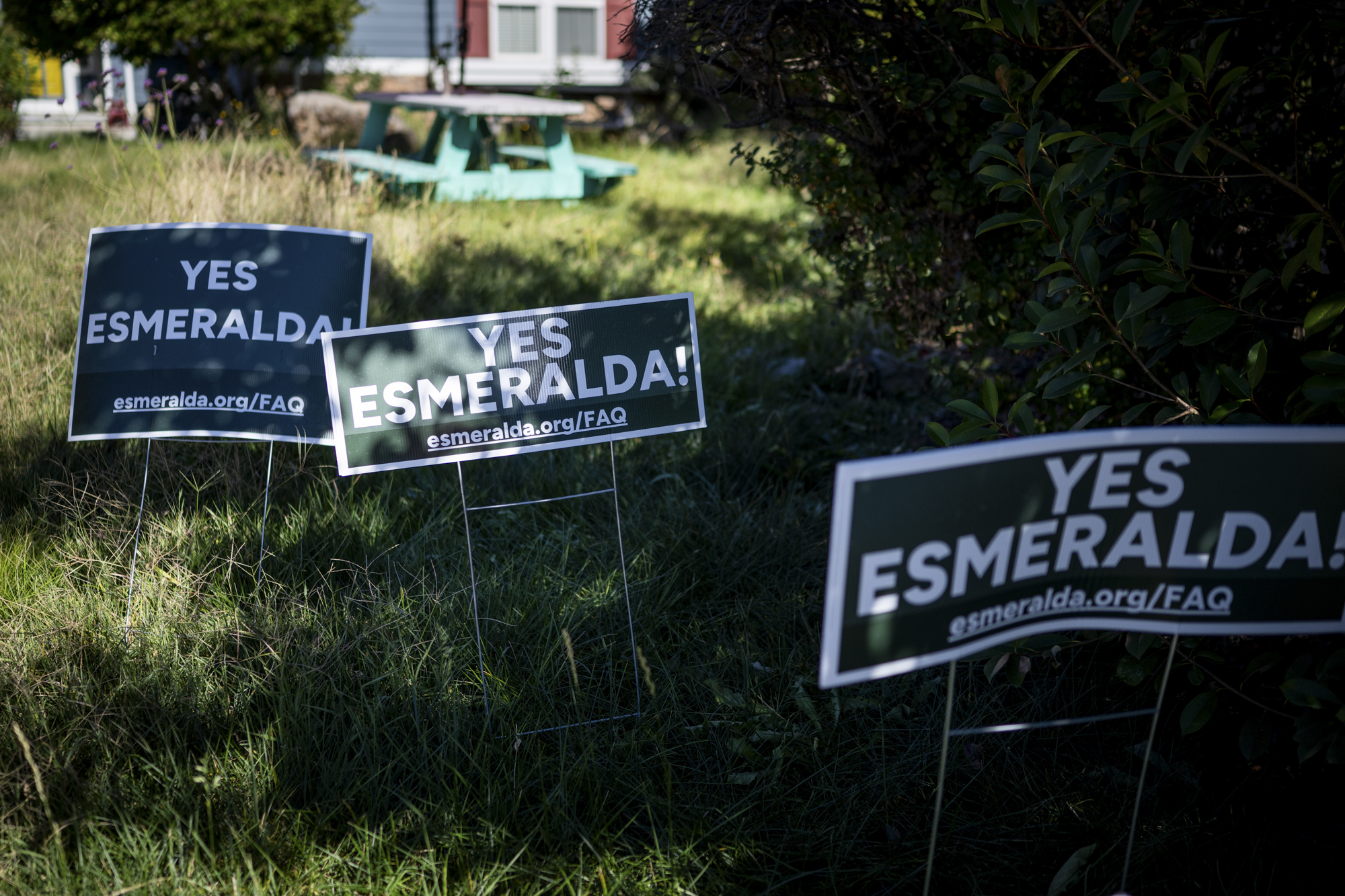
Now, after organizing her neighbors and pressing city leaders for relief, Jackson wants voters to join the fight. She is supporting Measure S, a rent control proposal on San Pablo’s November ballot — one of three in Bay Area cities where voters are considering new rent limits or stronger protections under existing rent-control laws.
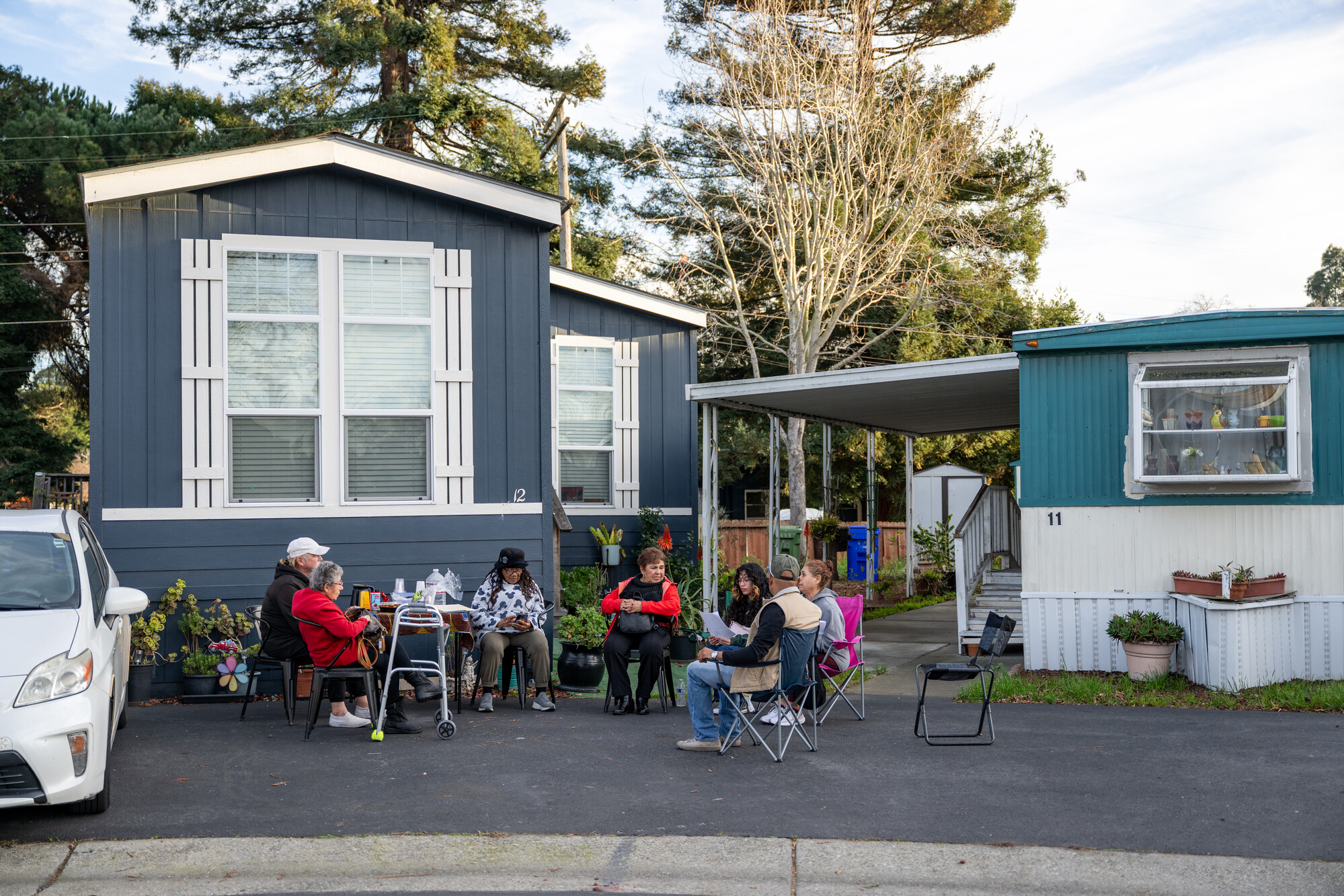
“My prayer is that Measure S provides some sort of relief for us,” Jackson said.
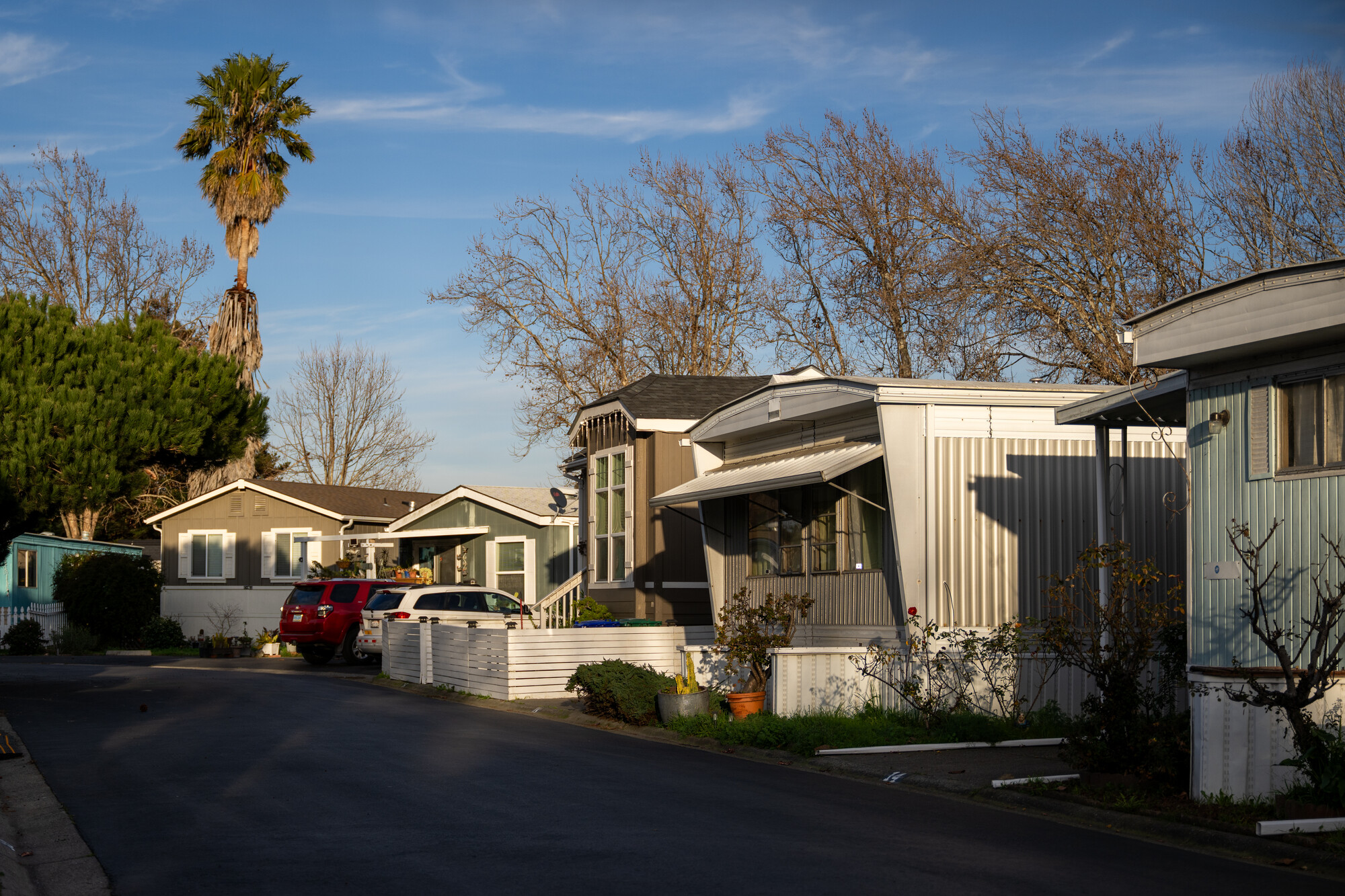
Tenants in San Pablo have pushed for a citywide rent cap for years. Redwood City voters will also consider a new rent cap this election, and Berkeley is weighing changes to its existing rent-control rules. But San Pablo’s proposal also covers mobile home parks, a response to recent rent hikes that have hit residents hard as they try to hold onto one of the few remaining paths to affordable homeownership in California.
A representative for Harmony Communities, which manages Willow, said the annual increases are intended to keep pace with rising operating costs. The company said its expenses rose roughly 6% last year, while its rent adjustments average about 4.5%.
Measure S would limit yearly rent increases for multi-unit rental housing built before Feb. 1, 1995, to 3% or 60% of the regional inflation rate, whichever is lower. The cap would also cover eligible mobile home rentals and the lots residents rent.
But some property owners, including the California Apartment Association, said the measures would also limit their ability to keep up with rising insurance and maintenance costs. That could lead owners to sell their buildings or spend less on upkeep, while doing little to address the housing shortage or lower already-high prices, said Joshua Howard, the executive vice president of local public affairs for the association.
Research on rent control points to a mix of benefits and trade-offs. Studies have found it can help people stay in their homes and keep communities together. Others have also found it can prompt owners to take rentals off the market, leaving fewer options and higher costs for people looking for a home.
“San Pablo should instead focus on building housing and providing rental assistance,” Howard said. “We don’t need more local laws regulating the rental housing industry.”
But Jackson said the measure would offer a defense against future rent increases, while she also juggles other rising costs. Water, sewer, trash and storm drain charges have also increased, bringing her current monthly bill to about $1,450, according to a statement reviewed by KQED. That is more than the roughly $1,044 she said she receives from Social Security after medical deductions. She works part time and sometimes borrows from her son to cover expenses.
“Wherever I’m short, I have to ask him for it,” she said. “But I still got a phone bill, car insurance, food, gas, entertainment — if I dare to.”

Her concerns echo those in an earlier KQED investigation into Harmony Communities, the Stockton-based company that manages Willow. Interviews with nearly two dozen residents and lawyers revealed repeated rent increases and confusing notices at parks associated with the company, leaving some low-income residents afraid of losing their homes. For example, Jackson’s latest rent increase includes a $300 monthly credit that offsets an additional rent increase from last year. The credit can be removed at any time, according to a notice reviewed by KQED.
“We understand that many residents are feeling the strain of rising costs, and we do not take rent adjustments lightly,” Nick Ubaldi, a spokesperson for Harmony, said in a statement. “These annual increases help maintain the property and services residents rely on.”
But for Jackson and her neighbors, the increases have meant tighter budgets and mounting stress.
That prompted Jackson and her neighbors to bring their concerns directly to the San Pablo City Council, joining a broader community campaign for tenant protections led by the nonprofit Rising Juntos.
“In the face of inaction from the city council, we worked together to create a policy that would improve residents’ lives,” said Rhea Laughlin, executive director of Rising Juntos.
Laughlin noted that although mobile home residents own their homes, renting the land beneath them leaves them uniquely vulnerable to skyrocketing space rents. These communities often include seniors, residents with disabilities and low-income families with few affordable alternatives in California.
If voters pass Measure S, San Pablo would join 95 cities and 11 counties in California, or roughly a fifth of the state’s local jurisdictions, that already limit rent increases for mobile home spaces, according to the Mobile Home Park Home Owners Allegiance.
“When long-time residents are priced out, we lose more than individual households,” Laughlin said. “We lose relationships, community networks, cultural history, and the people who have invested decades in making San Pablo what it is.”

The city hired consulting firm RSG to analyze how the proposal could affect San Pablo’s housing market and what it would cost to administer. Its report estimated the program would cost up to around $2.4 million annually to administer.
The report found mixed evidence on how rent control affects housing availability and said the effects in San Pablo would depend on local market conditions and how the program is structured.
Tenants living in their homes on July 1, 2025, would use what they paid then as the starting rent for calculating increases, according to the report. Those who moved in afterward would use their move-in rent. Owners could seek increases above the cap to earn a fair return.
The measure would also limit the reasons landlords can evict tenants and require them to help pay moving costs for tenants displaced through owner move-ins and other limited circumstances. Tenants and landlords could bring complaints and rent disputes to the city. Landlords could ask permission to raise rents above the cap if needed to earn a fair return, and fees of up to $120 per unit, paid by landlords, would cover the cost of running the program.
But Howard said a more effective system for both apartment owners and tenants would be short-term rental assistance. Asked how short-term assistance would help Jackson, who lives on a fixed income and faces repeated rent increases, he encouraged residents and property owners to work together.
Jackson hopes Measure S will let her stay in the home she and her son bought. Without relief, she said, they may have to sell and leave California.
“There’s no way we can just keep giving,” she said.