Software Engineer’s Proposed Neighborhood, Event Center Gets Preliminary Green Light
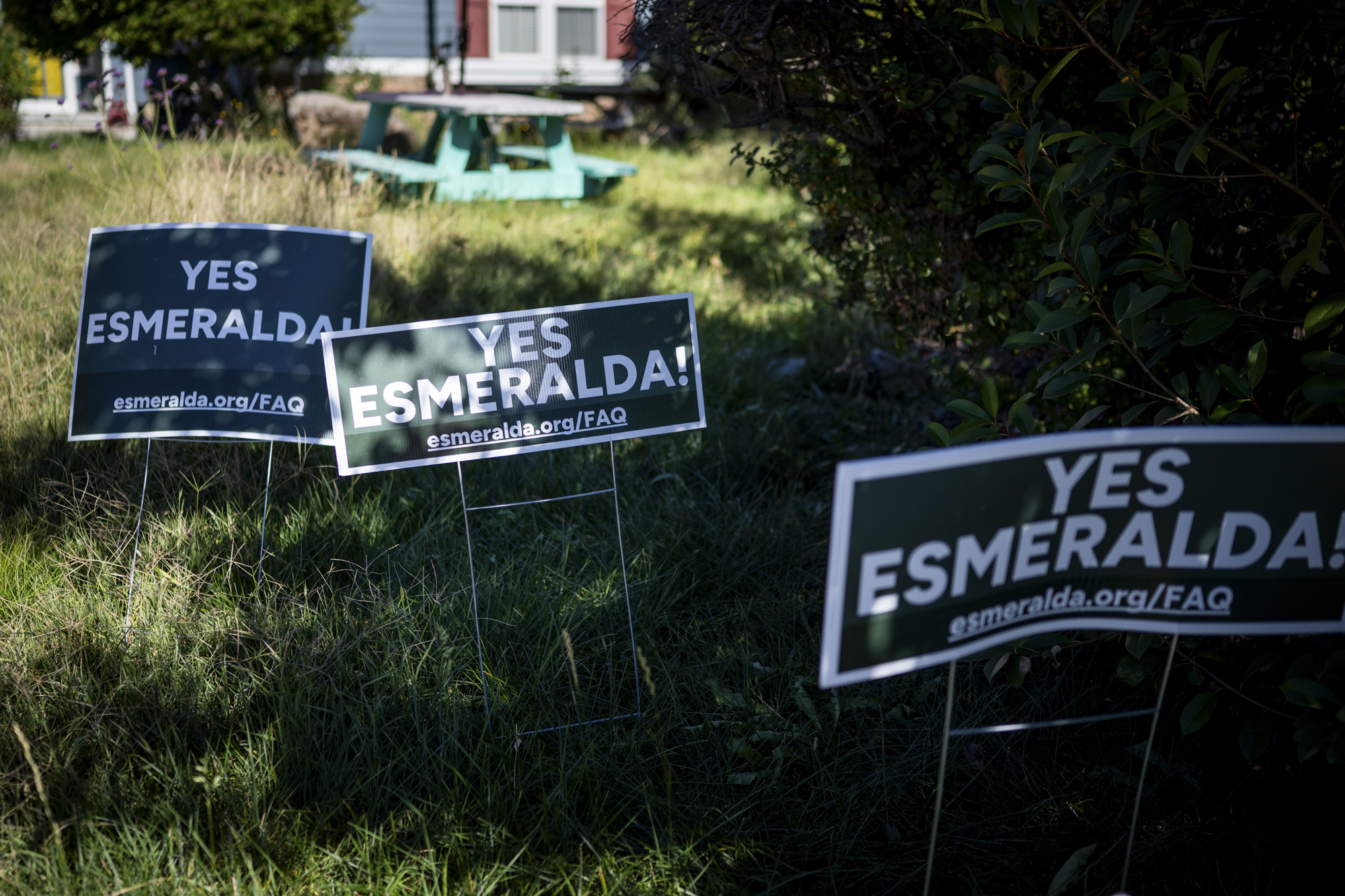
Esmeralda, a new neighborhood in the North Bay where Silicon Valley thinkers and culture makers can gather and share ideas, got a preliminary green light on Wednesday.
The Cloverdale City Council voted 3-2 to approve the project’s overall plan for some 600 homes, a resort hotel, an event center, a preschool and more than 160 acres of parks and open space — making it one of the largest developments in the small Sonoma County town’s recent history.
A second reading of an ordinance to approve the project is scheduled for mid-November. It would include changes to the site’s current zoning, a draft map of the project and an extensive developer agreement.
While the project faced little organized opposition when former software engineer and Esmeralda Land Company CEO Devon Zuegel first started hosting informational public meetings about the project in 2024, backlash began to grow as it inched closer to reality. Earlier this year, a vocal group of residents started raising concerns about the project’s environmental impacts.

But during the five-hour meeting, residents were evenly split on whether to proceed with the project. Vice Mayor Todd Lands said overwhelming public sentiment — including residents not present for public testimony — favored approving Esmeralda, which promises to revitalize the rural community’s dwindling population and jobs’ base.
“You’ll never please every single person, but we have been elected or appointed to be here to represent you,” Lands said before casting a vote in favor of the project. “Sometimes, we have to make the hard decisions, and we have to do what is best for the entire community as a whole.”
Skeptics of the project, however, have called the approval premature and are asking for more environmental review before it can proceed. The project would be sited on an approximately 260-acre property that once housed a wood treatment plant that was known to discharge hazardous waste into the soil and groundwater before it shut down in 1976.
But rather than complete a new environmental impact report, the project’s developers are relying on an update — or addendum — to an existing report completed in 2009. Cloverdale city staff concluded the more focused review was sufficient for the project.
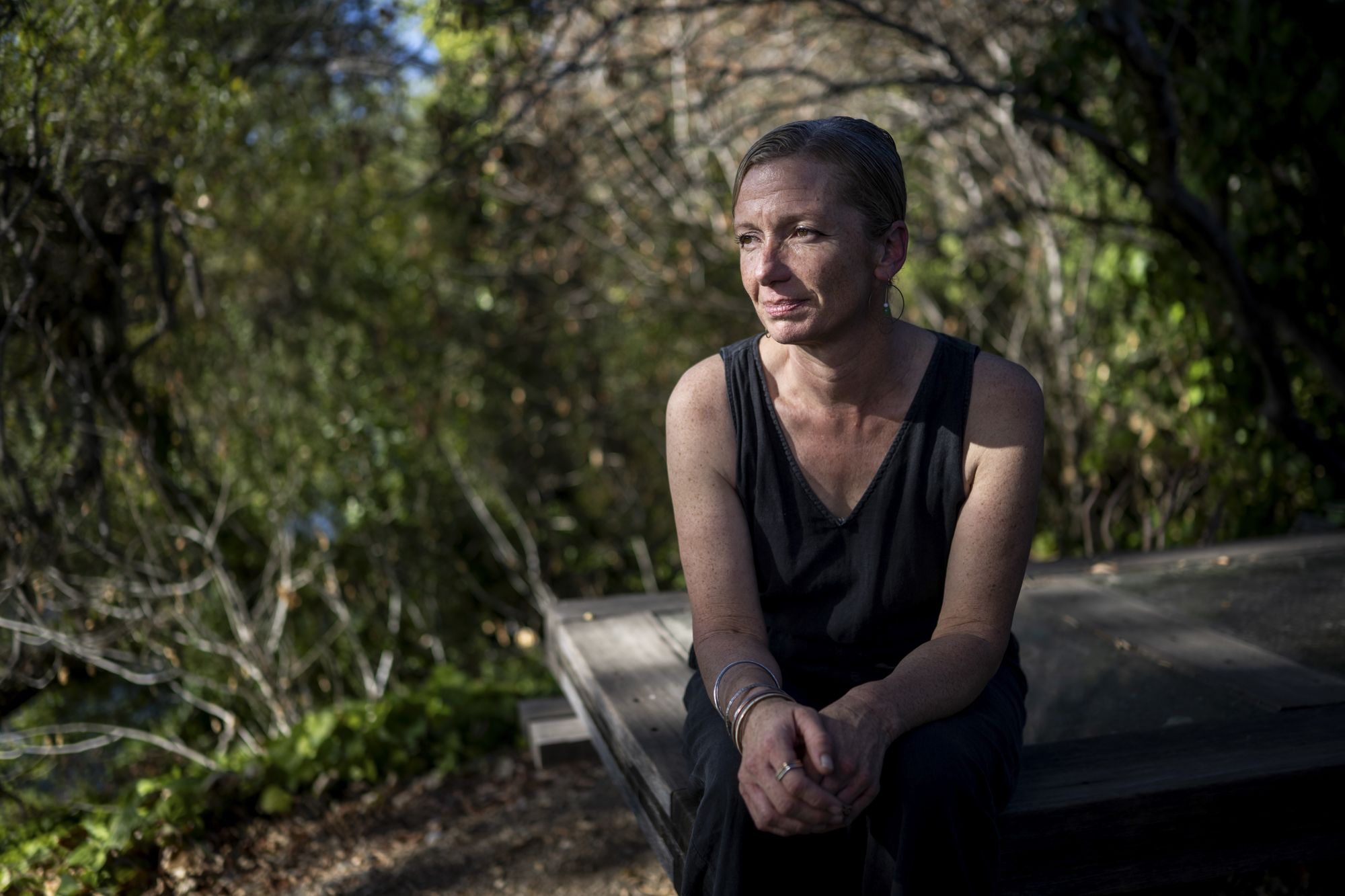
Jennifer Sullivan, a staunch opponent, said she’s concerned new construction could unearth dangerous chemicals, hurting existing residents.
“I’m not anti-growth, I’m about doing things right,” she said. “A [full environmental impact report] takes time because good planning takes time.”
Proponents pushed back, however, pointing out that the site had been extensively studied by the developer, the site owner and state agencies, which verified it had been decontaminated of hazardous waste in 2012.
Esmeralda Land Company has also agreed to conduct more studies to ensure the site is safe for people to live there before starting construction and to have a city-hired environmental consultant review those studies.
“The whole point of it is to do additional testing, if additional testing is needed, and then to report that testing and to develop a soil management plan for those specific contaminants if those contaminants are found,” said Michael Yarne, Esmeralda’s director of development. “No construction before testing.”
Ann Elston, who said she has lived in Cloverdale for the past 30 years, argued the project would provide much-needed tax revenue for the city, which has seen its population decline in recent years.
“What is the plan to attract new businesses and new residents to increase that tax base?” she asked. “We all love the small town charm of Cloverdale. And if we’re honest, there probably is a little bit of NIMBYism in all of us. Unfortunately, towns that are not growing and well-funded wither and may eventually fade away.”

The City Council was originally scheduled to vote on Esmeralda last week, but ultimately postponed the vote so they could spend more time talking with residents and reading over the project’s lengthy entitlements package.
At Wednesday’s meeting, Zuegel said the project’s investors were getting nervous that it might never progress if the council refused to make a decision.
“What our investors need to hear — if Cloverdale wants to have this happen— is that [the council is] even interested in taking it to the next step,” she said. “We don’t need a final approval tonight.”
But two council members — Andres Marquez and Marjorie Morgenstern, who are both running for reelection this year and voted against the project — made it clear they didn’t mind making the investors wait. They want to refrain from making a decision until the city hosts a series of public meetings, scheduled later this month, to discuss community concerns, including questions about the project’s completed environmental reviews.
“I think it’s an opportunity to share information with the community [and] have the involvement that people are requesting,” Marquez said. “I think people are asking for time and that’s what we can give them.”