As New North Bay Neighborhood Nears Approval, Environmental Concerns Weigh Heavily
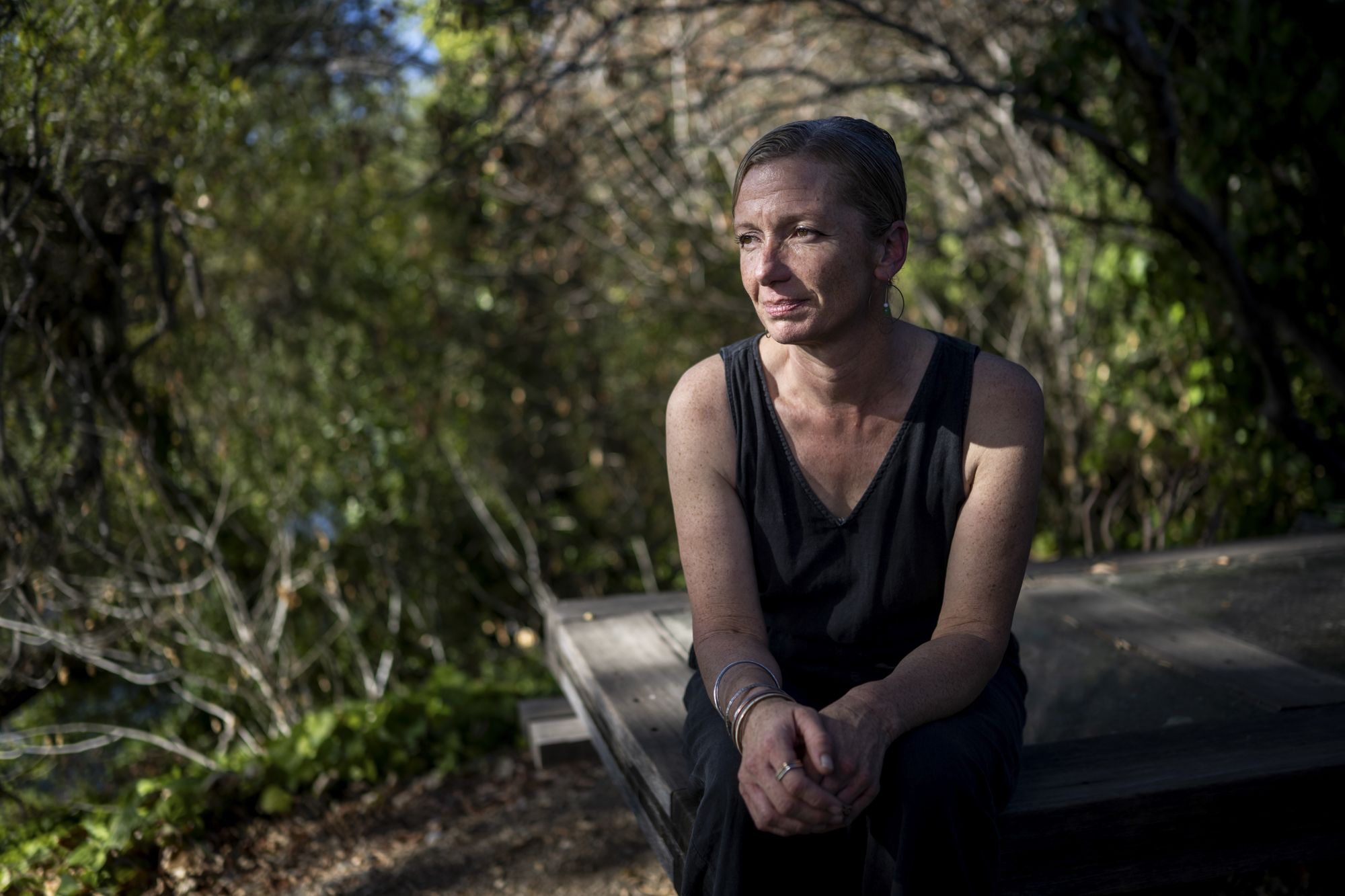
For the past 11 months, Jennifer Sullivan has been anxiously trying to sound an alarm.
The Esmeralda Land Company has proposed building a resort hotel, hundreds of homes, an event center, a preschool and a public park on a roughly 260-acre property that once housed a wood treatment plant.
Tucked in the Sonoma County town of Cloverdale, the 8-acre plant was known to use harmful chemicals and discharged them into the soil and groundwater, she said.
Sullivan worries that disturbing the site with new development could resurface those chemicals and expose current residents to new harms.
“This is the community that I live in,” Sullivan said. “The decision to approve this development is serious — it’s got serious consequences for our water, for public health.”

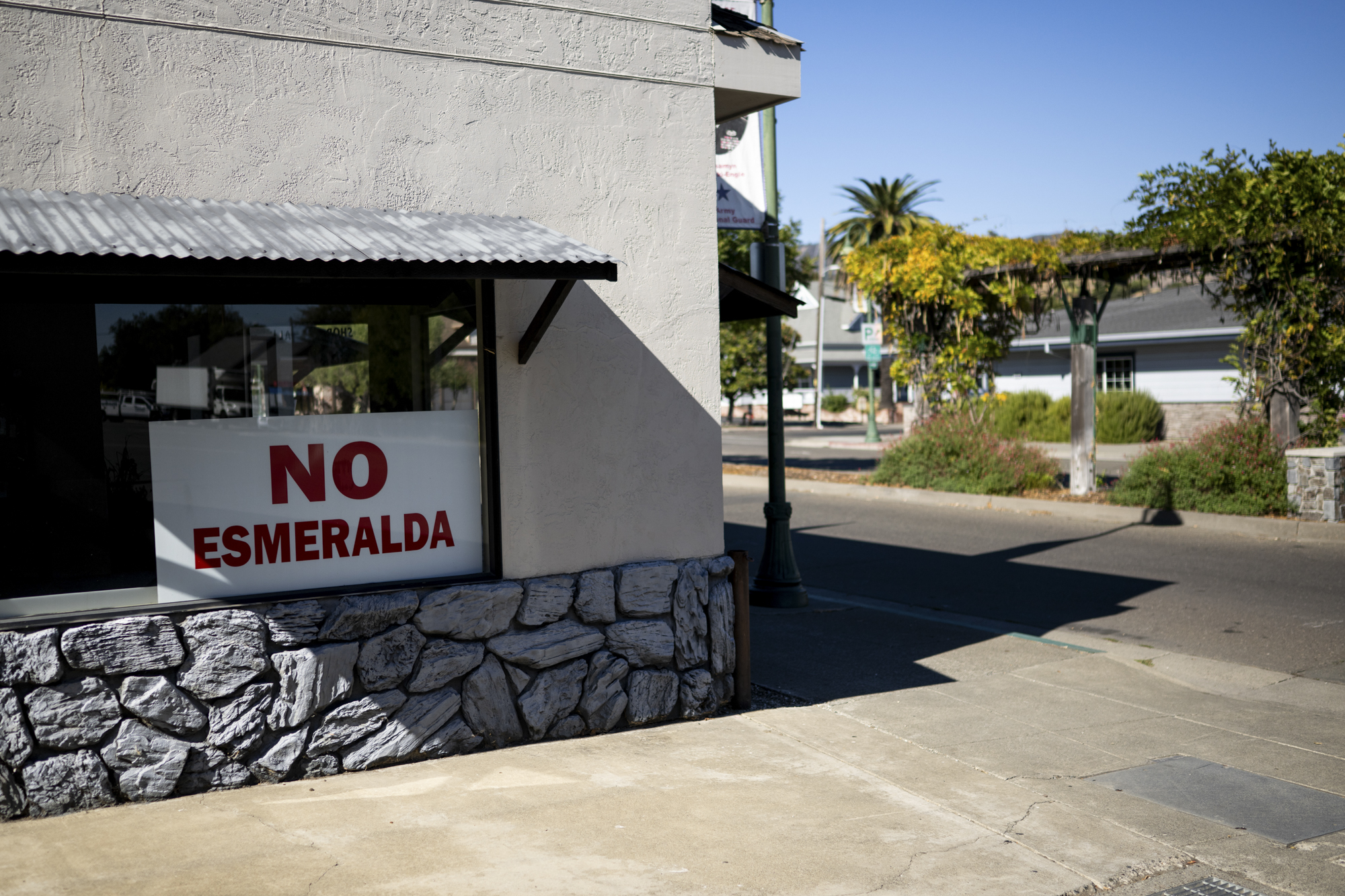
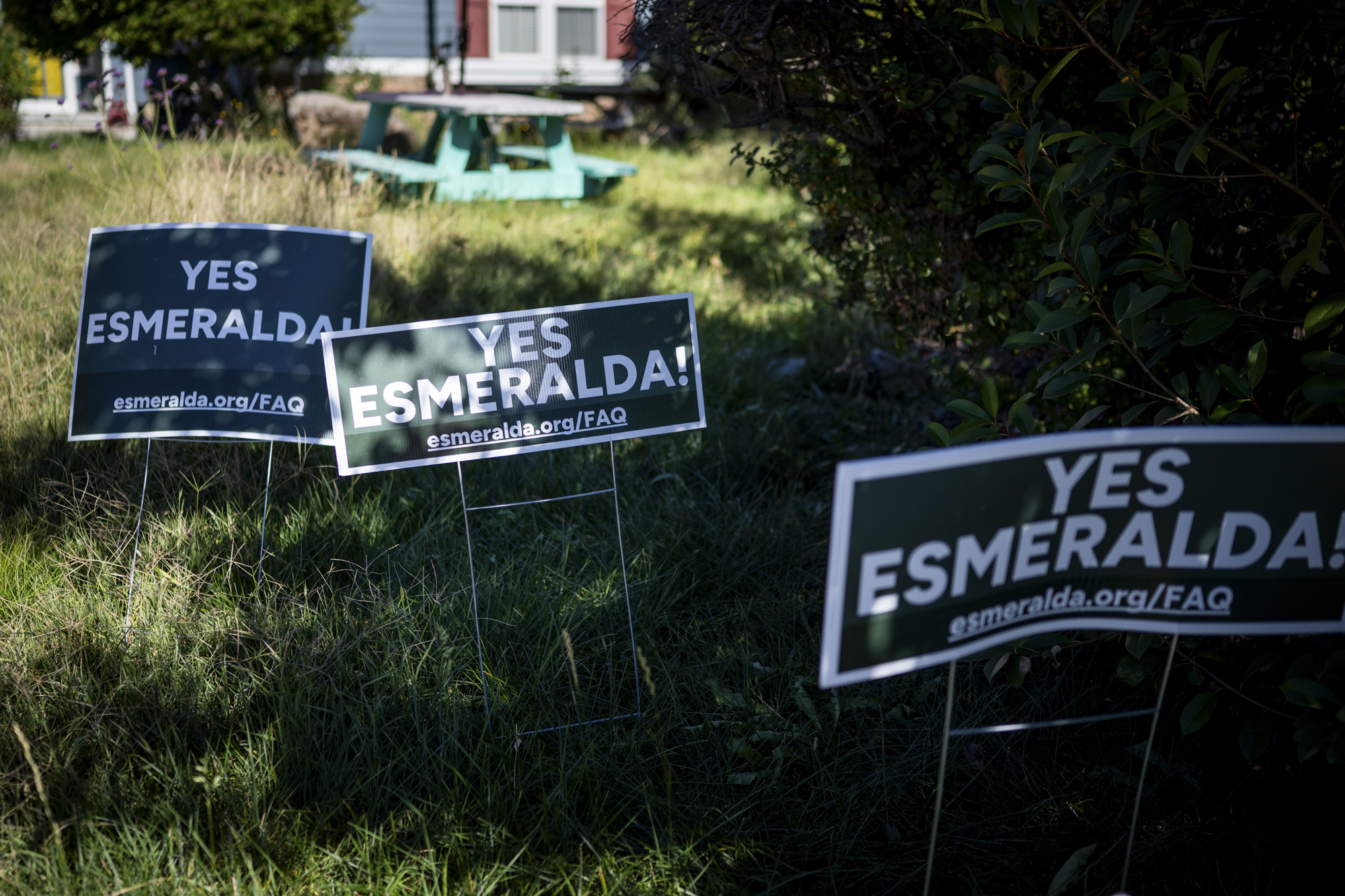
On Wednesday, the Cloverdale City Council will consider whether to approve the project — one of the largest developments in the city’s recent history — along with its extensive community benefits package and already-completed environmental reviews, essentially clearing the path for its eventual construction.
As it does, however, council members are weighing the homes, jobs and tax revenue such a project might generate against a new wave of concerns from residents over environmental harms.
Esmeralda CEO Devon Zuegel said she generally understands those concerns but argues the project has already undergone extensive environmental reviews.
“This site has been studied for over two decades continuously,” Zuegel said. “And if 20 years is not a long enough review, I just don’t understand, is 100 years enough — 25 years? What is the point where it becomes enough?”
Still, Sullivan isn’t satisfied. And she’s preparing to take the fight to voters.
If the city council approves the Esmeralda development as is, Sullivan wants a referendum and said she’ll start collecting signatures to place such a measure on a ballot.
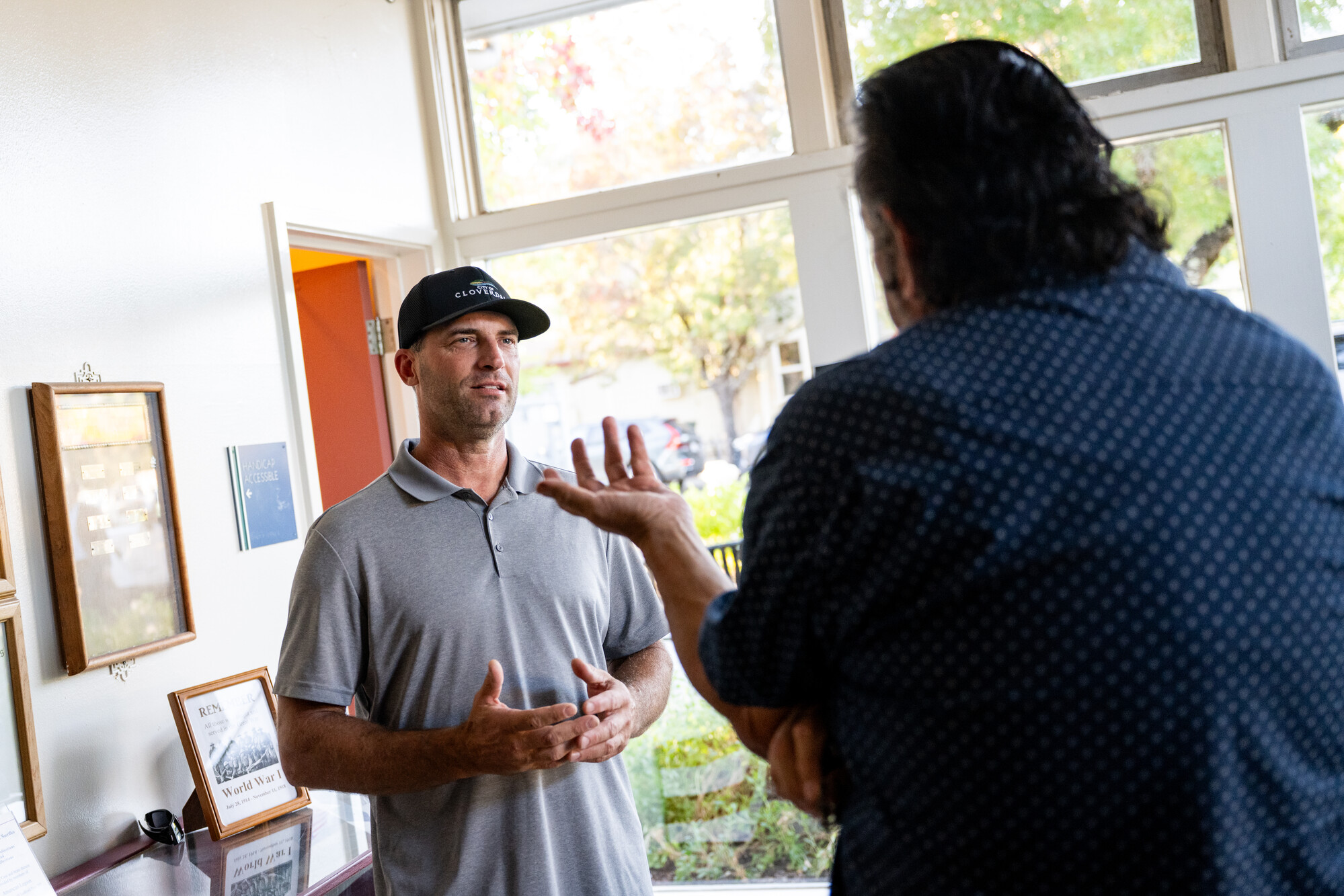
But some officials are skeptical about how widespread Sullivan’s concerns are among the general population. Vice-Mayor Todd Lands said the opposition might be loud, but he has seen more support for the project through letters from residents and conversations in the community.
“I’ve noticed it’s about the same 15 to 20 people that have been anti-Esmeralda,” he said. “As the letters start steadily coming in, I’m starting to learn more about how the public actually feels as a whole.”
Earlier this month, the Cloverdale Planning Commission voted 4-1 to recommend the council approve Esmeralda’s plan with conditions that seek to address some of Sullivan’s concerns, including requiring the developer to hire a consultant to monitor compliance with all environmental mitigation measures.
Officials with the Esmeralda Land Company have hosted several informational town hall meetings with residents since 2024, but Sullivan said she didn’t hear about it until last winter.
The scale of the project surprised her, she said, particularly the fact that Esmeralda wants to build a resort hotel with up to 160 rooms and more than 600 homes on site.

“This would be a luxury hotel and, when you live in a small town, you’re like ‘Wow, that’s a lot of people, this is a big change,’” she said. “I just started doing some research into the property itself, and then that’s when I went down the rabbit hole.”
Sullivan began pulling records on the site’s history and looking into environmental mitigation reports. She started a Facebook page for opponents of the project and a GoFundMe campaign to hire a land use attorney who could push the city to require more environmental reviews.
For her, it’s personal, she said. When she was 38, she was diagnosed with Parkinson’s disease. While medical research has found that genetics play a large role in cases, environmental factors play a role too.
“The environment that we live in has a huge impact on our health,” she said.
About 8 acres of the property where Esmeralda hopes to build was previously used as a wood treatment plant, which closed in 1976. Following the closure, state agencies and the site’s owners spent the next several decades remediating the area and the groundwater below.
In 2009, a different developer proposed the Alexander Valley Resort. Like Esmeralda’s proposal, the project included a hotel, spa, fitness center, offices and shops, but it envisioned an 18-hole golf course and less open space. Though the developer eventually abandoned the project, city officials had approved environmental reviews and cleared it for construction.
As part of the site’s ongoing remediation efforts, the North Coast Regional Water Quality Control Board issued a certification in 2012 verifying that the site had been decontaminated of hazardous waste. The following year, state agencies sectioned off the portion used as a wood treatment plant, along with a 14.5-acre buffer zone, and prohibited any schools, homes, hospitals or day care centers from ever being built there.
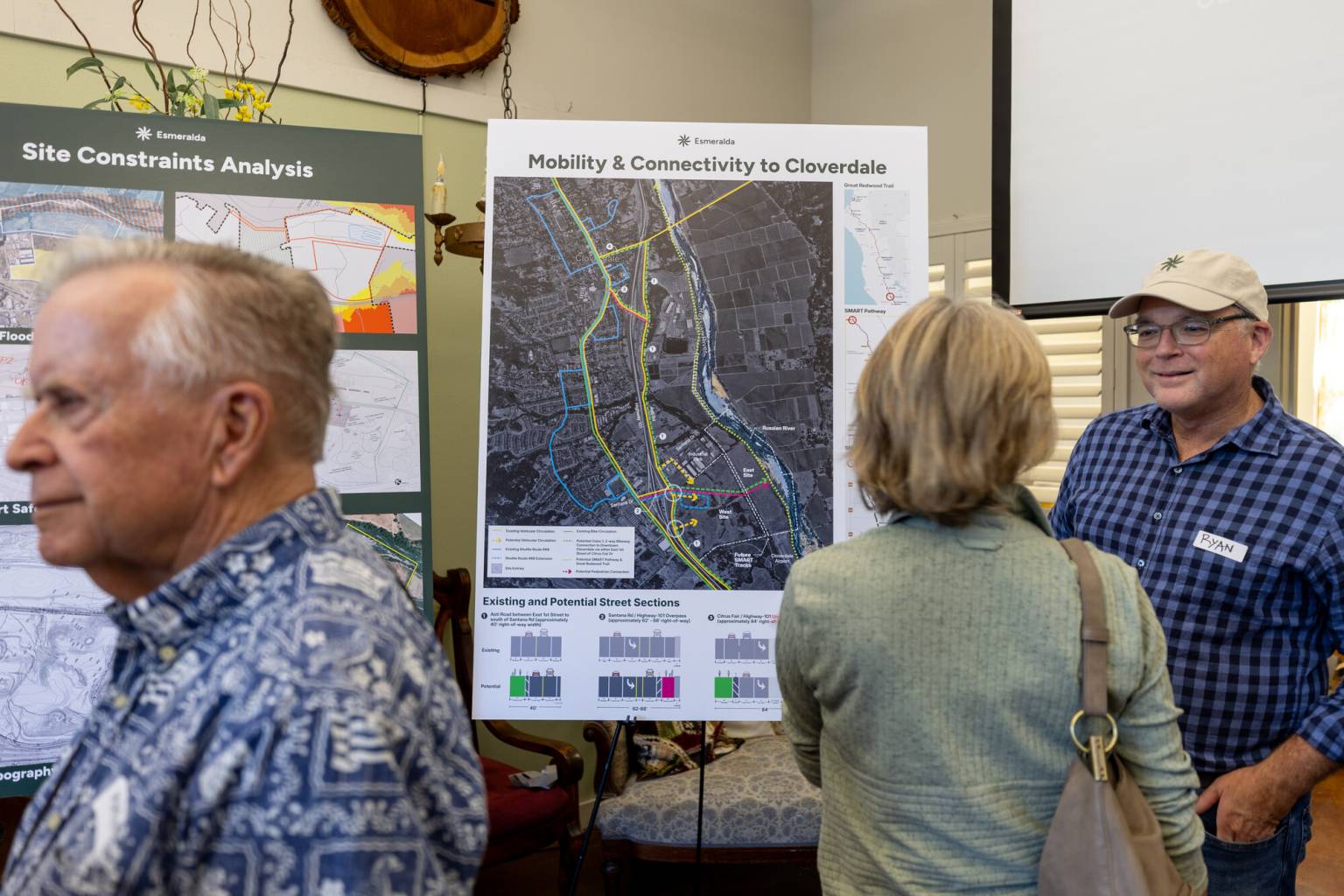
Esmeralda officials felt their project was similar, if not better for the environment than the previous project, partly because it would use less water, would have more dense housing and had more open space. They even conducted their own environmental reviews, including studying how to protect existing animals, habitats and rare plant species on site. The project’s design made sure to avoid building any homes, schools or day care centers on the previously contaminated land.
Esmeralda submitted an addendum environmental impact report — a narrower version of the full report — that’s used “when there’s been small tweaks or changes to a particular project,” according to Tamara Galanter, an environmental attorney at the law firm Shute, Mihaly and Weinberger.
“The only time you can do an addendum is if there’s no new information,” Galanter said, adding that, in order for a project to qualify, “There [can’t be any] changes to the project that will result in a new significant environmental impact.”
Sullivan argues that Esmeralda’s project shouldn’t qualify because it’s too different from the Alexander Valley Resort to rely on the same reviews. Esmeralda would include significantly more homes, a senior living center and potentially a K-6 school.
“Esmeralda is majorly different from the Alexander Valley Resort,” she said. “I believed from the start, I was like, ‘They should be doing a newer updated [environmental report].’”
But the decision on whether a project requires an addendum or a full environmental review is determined by the city, said Chris Elmendorf, a land use law professor at the University of California at Davis. And courts have historically sided with the city’s determination of what is appropriate for a project, he said.
“It’s a gray area,” Elmendorf said. “If there’s reasonable arguments both ways about whether there’s substantial new information or a substantial change in the project with implications to the environment, cities get the benefit of the doubt.”
During the Planning Commission’s meeting, city staff made it clear they felt an addendum was sufficient. That document had been rigorously reviewed by a city-hired consultant, who found Esmeralda’s project would not introduce any new significant environmental effects.

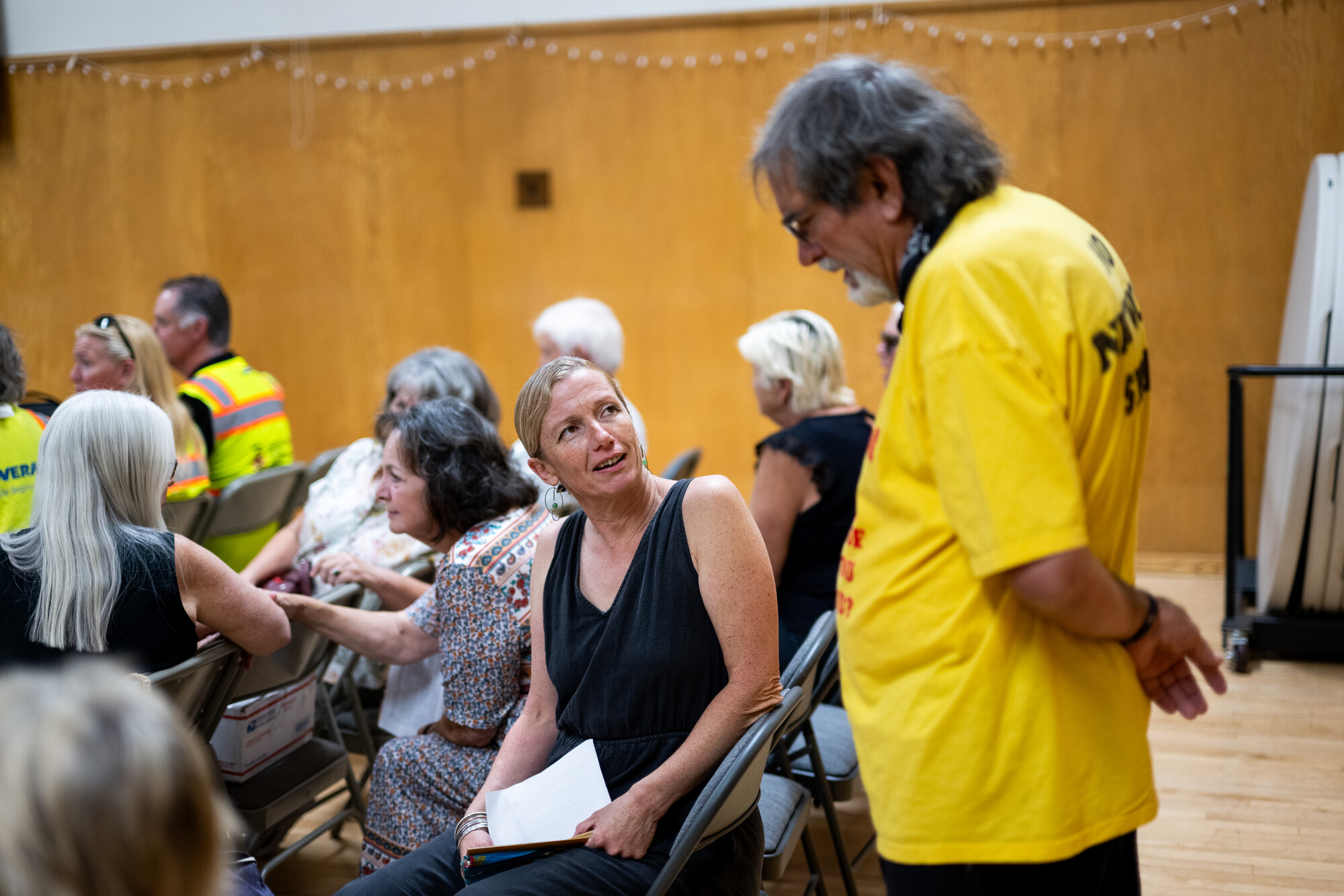
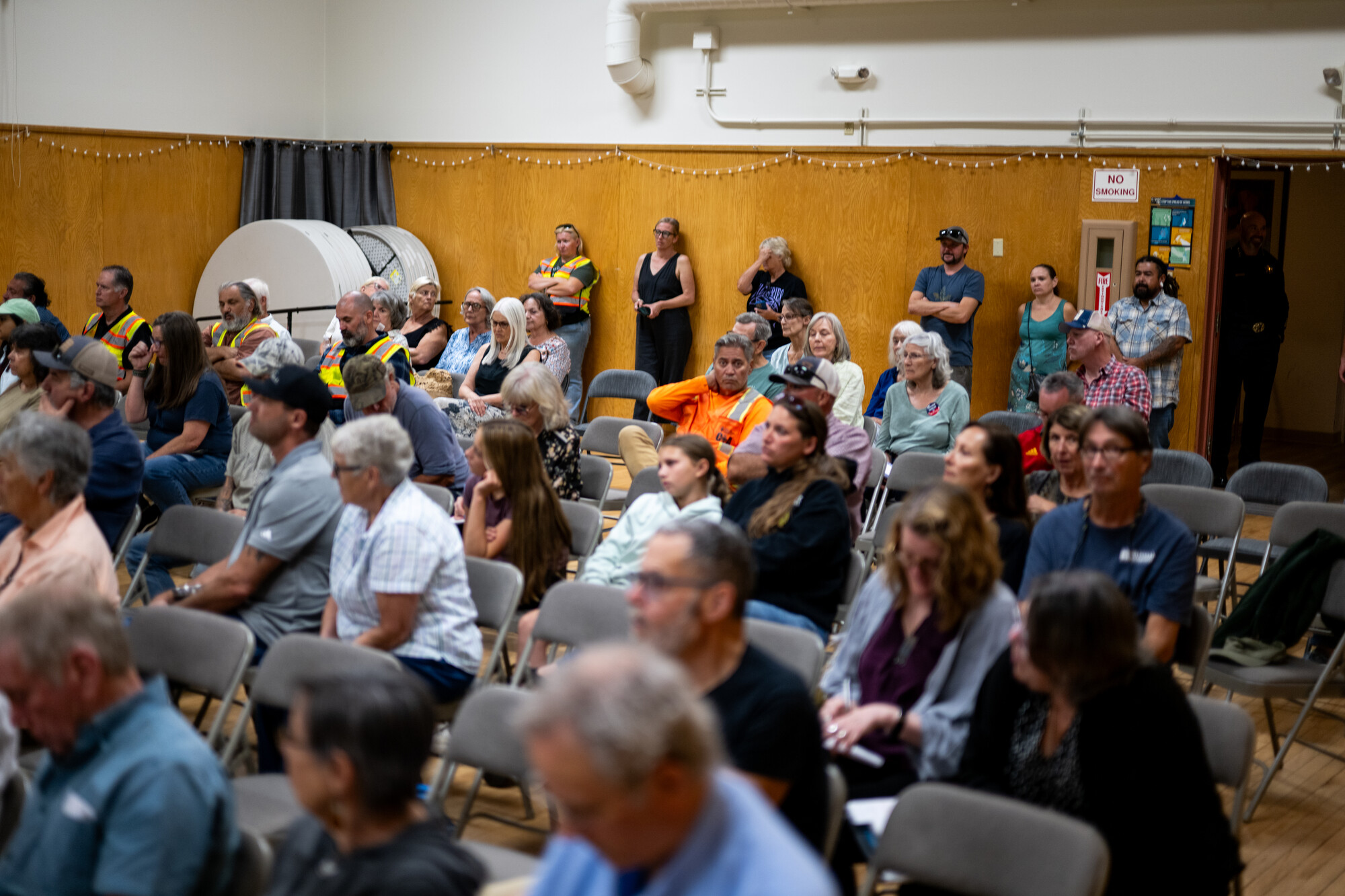
But it was also clear many residents didn’t agree with that finding and that Sullivan’s skepticism had seeped into public opinion. Many residents demanded more environmental reviews, and some pointed to Sullivan’s Facebook page as a place they turned to for information about the project.
Cloverdale resident Nancy Brown said, originally, she really liked Esmeralda’s plan and was excited about the project’s fancy hotel, spa and restaurants.
“We can use the revenue in this town, but when Jennifer Sullivan posted all the information about the site being contaminated, it all changed,” Brown said. “It’s our health and safety. We’re 100% invested in that. So we demand a new [environmental review].”
While commissioners ultimately recommended approving the project, they conditioned it on a number of requests, including a new recycled water study and a requirement for routine soil testing, among other items.
Zuegel said she’s sympathetic — to an extent.

“You definitely don’t want people to be building, especially homes, on a property that is dirty,” she said. “But that’s why California has such high standards for environmental cleanup; it’s to protect people and to protect the environment.”
What’s more, she said, is that her project is a form of “brownfield development,” where a developer takes old commercial or industrial land and redevelops it “for higher and better use.” The alternatives would be to develop the project on pristine agricultural land or to develop it within a city, which she said could displace businesses or residents.
“Brownfield is considered amazing,” Zuegel said. “When you do the development, you end up cleaning [the land] to much higher standards than if you weren’t going to be redeveloping it.”
Many Cloverdale residents agree and are urging the city council to ultimately approve the project. Jon Lambert has lived in Cloverdale for the past 20 years. This spring, he started his own Facebook page, called Hello Esmeralda, with hopes that it would be a neutral space where residents could share information.
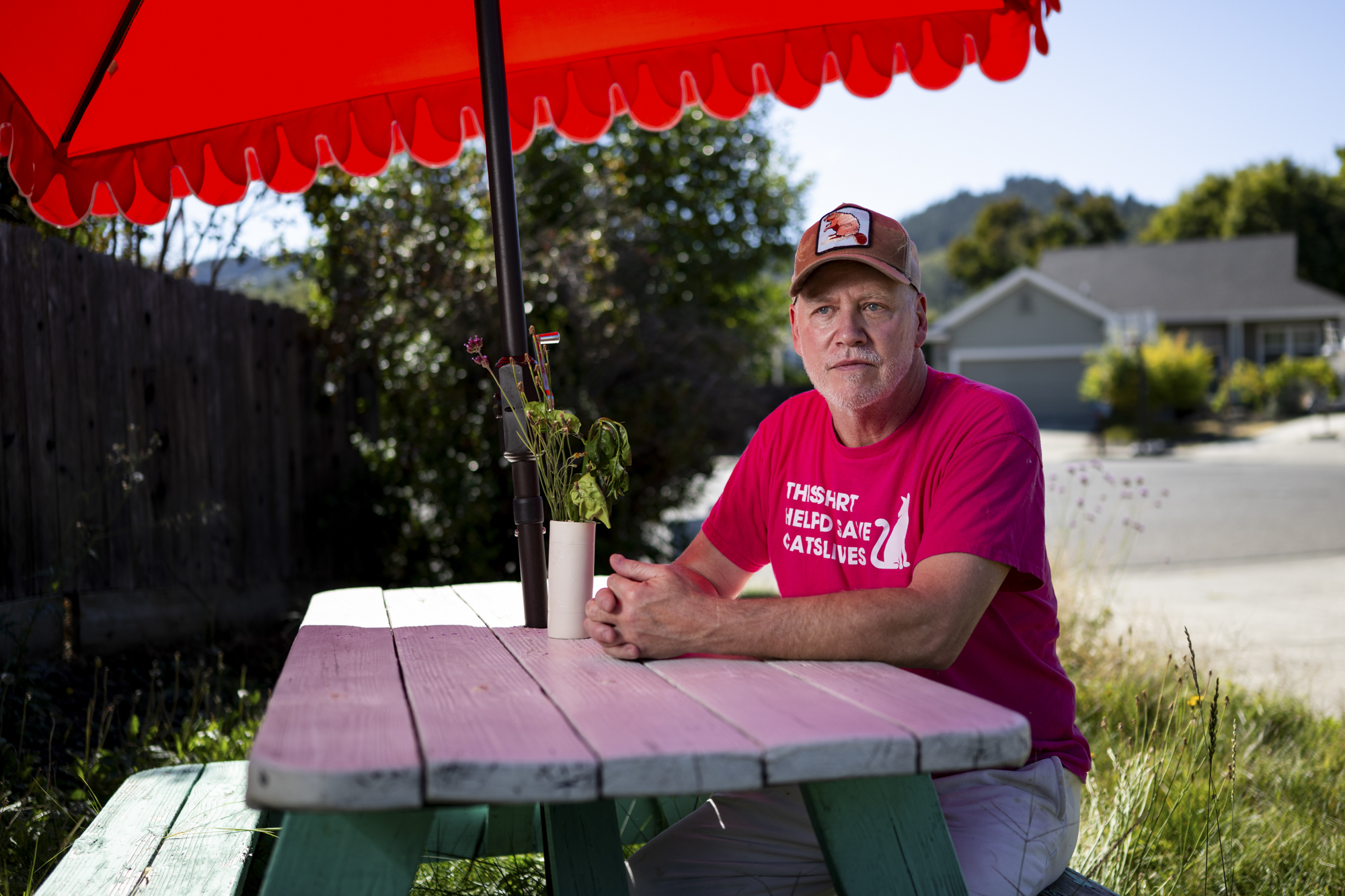
Personally, Lambert is a big supporter and worries the city might miss out on a great opportunity if officials don’t approve the project.
“Something like this may not come around again, and if it does come around again, it may be something that is not a good fit for Cloverdale,” he said. “What Esmeralda wants to do right now is the best possible thing that you could do with that piece of land, including not leaving it vacant.”
Councilmember Andrés Marquez said that in his conversations with people on both sides, he’s found it’s not so black-and-white.
“Just because somebody says they’re for the project doesn’t mean they’re for all the concessions the city might give,” he said. “If somebody says that they are against the project, it doesn’t mean that they don’t want any of this to happen, but they might feel they want certain protections in place.”
Ultimately, Marquez said Wednesday’s council meeting is going to be about compromise. “What is the right thing to do for the residents of Cloverdale?”
Editor’s Note: An earlier version of this story incorrectly stated the current size of Esmeralda’s proposed project site. While an earlier proposal stated it would be 266 acres, roughly five of those acres have since been removed from the site plan.