Menlo Park Could Face Millions in Fines in Housing Fight
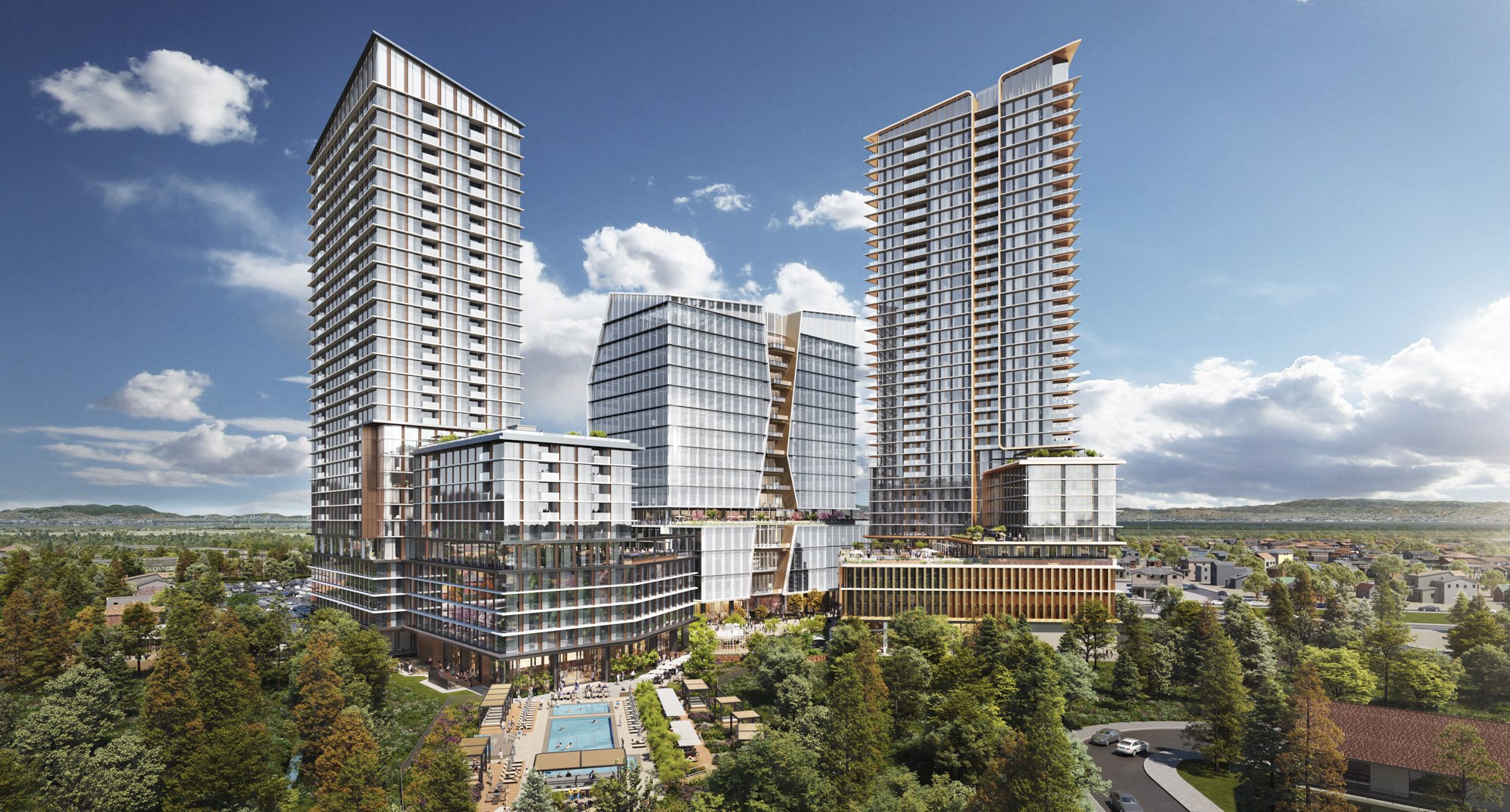
A San Francisco developer is suing Menlo Park, hoping to force the city to approve a proposed high-rise development with hundreds of residences, retail and office space and a hotel, on the site of the former Sunset Magazine headquarters.
The lawsuit, filed in San Mateo County Superior Court late last week, asks a judge to require the wealthy Peninsula enclave to greenlight the project under the authority of a bevy of state housing laws passed in recent years meant to increase production of homes and limit local officials’ ability to thwart them.
The legal battle could expose the city to several million dollars in fines under some of the newest state housing laws, and could also serve as a cautionary tale to other municipalities about the penalties for running afoul of California’s web of housing regulations aimed at combating a decadeslong housing shortage and affordability crisis.
California Attorney General Rob Bonta’s Office has already weighed in on the fight, warning Menlo Park in a July letter that it has mishandled the project application from N17 Development and violated state housing laws in the process, which the city has rebuffed.
“We regret having to bring this lawsuit, but we had no choice given the city has done nothing but throw roadblocks in our way to delay and deny the project, arrogantly breaking state housing laws,” Oisín Heneghan, the founder of N17, said in a statement.

The property, which once served as a physical link to the California suburban lifestyle that was for years depicted in the pages of Sunset, has drawn recent scrutiny from South Bay Rep. Sam Liccardo, because he said it is owned by a “Russian oligarch,” and could be used to store ill-gotten wealth or evade sanctions.
But even before Liccardo raised those concerns about owner Vitaly Yusufov, son of a former Russian energy minister, the project sparked years of controversy in the small Peninsula city because of its massive size and height, which many residents and elected officials said was inappropriate for the area.
Heneghan’s company is proposing to demolish the existing buildings to create a mixed-use project with a total of 665 apartments or condos, with roughly 100 of them to be priced below market-rate, along with 332,000 square feet of office space, 17,000 square feet of retail space and a 130-room hotel.
The tallest buildings in the plans would range from 301 feet to as high as 458 feet, according to the city. The project, called Willow Park, would be built on a 6.7-acre piece of land at 80 Willow Road that sits at the corner of Middlefield Road and backs up to San Francisquito Creek.
The project was proposed in late 2023 under a unique provision of state law known as the “Builder’s Remedy,” which allows developers to bypass most local discretionary review and have a project fast-tracked when a city or county hasn’t received certification of its long-term housing plan from the state.
The lawsuit claims the project should be considered “by right” and eligible for a streamlined review by city planners, and is also eligible for a series of waivers and concessions that would brush aside local development requirements like height limits, because it provides enough affordable housing.

“In other words, the city is not permitted to say no to the project. Yet over the course of nearly three years, the city has repeatedly refused to comply with state housing reform laws with respect to the project, drawing admonishments from the California Department of Housing and Community Development and the California Attorney General,” the lawsuit said.
“While its elected officials have talked a good game, Menlo Park is actually one of the most hostile cities to building new and affordable housing in the nation,” Heneghan said in the statement.
The lawsuit, echoing in part Bonta’s July letter, said the city unlawfully changed its reasoning at different points in the review process to deny the project a streamlined approval. It seeks a refund of roughly $300,000 in legal fees the city asked the developer to pay in connection with the review.
Under AB 712, which went into effect in January, if a city loses a court battle over a housing application debating state housing reform laws, after receiving a notice like the one Menlo Park did from Bonta, the courts must impose fines of $10,000 per housing unit in the project against the city, and potentially more under other provisions.
That could mean at least $6.65 million in fines for Menlo Park, a city with a population of only 32,000 and a roughly $90 million annual budget.
Chris Elmendorf, a law professor at UC Davis, said if Menlo Park loses the case, it would make the risks of the newest housing laws “much more vivid” for leaders around California.
“That will be a huge warning shot to all cities,” Elmendorf said. “Once the Attorney General or [the California Housing and Community Development Department] gets that letter in the record, you are at serious risk of big-time fiscal consequences.”

Heneghan’s company has tried to negotiate with the city over a path forward until recently, but he claims the city has rejected those efforts.
Mayor Betsy Nash said the city strongly disagrees with Bonta and Heneghan that the project is eligible for streamlined review.
“We are not rejecting the project. We are continuing our review in the standard way,” she said in an interview. Nash noted that the city selected a consultant to do an environmental impact report for the project, costs for which are typically footed by the developer. She said N17 has declined to pay for the EIR, which has contributed to the stalled review.
“We believe on such a massive project that is on the banks of an environmentally sensitive creek with major impacts to our infrastructure, that we need to go through the regular environmental impact review process,” Nash said.
The city leaders also believe the project is not considered a housing project under recently updated state laws because it includes hotel space.
After a Sept. 29 closed session meeting of the council, the city manager sent an Oct. 1 response letter to Bonta, disagreeing with his office’s interpretation, and taking issue with his office sending a warning notice that “unlocks potentially catastrophic financial penalties against the city” without visiting the site.
The letter also said the city does not believe the project from N17 will help stem the housing crisis.

“There is no doubt that the vast majority of the housing in this project would
be affordable only to the very wealthiest residents of the Bay Area,” the letter said.
From 2015-23, the city built or approved 2,349 homes, exceeding its state-mandated housing goals in all income categories except moderate, where it built or approved about three-fourths of what was needed.
In the current 2023-31 housing cycle, the state tasked the city with building or approving nearly 3,000 homes. Menlo Park had hit about 40% of that overall goal at the end of last year, though for homes in lower-income categories, it had achieved less than 30% of the goal, and less than 20% for very low-income homes.
While the legal wrangling over the details of the Willow Park project and the timing around certain housing laws is very specific to this case, Elmendorf said the issue helps illustrate how far the pendulum has swung in the state for housing production.
“The fact that a project that five years ago would have been seen as preposterous is now a project that Menlo Park is very much on its back foot in trying to fend off, and stands to lose a ton of money on in court,” he said, “is a testament to how the legislature and officialdom generally within the state government has come to view the appropriate balance between local control and the state’s interest in the need for more housing.”