Congressman Calls for Investigation of Russian-Owned Silicon Valley Site
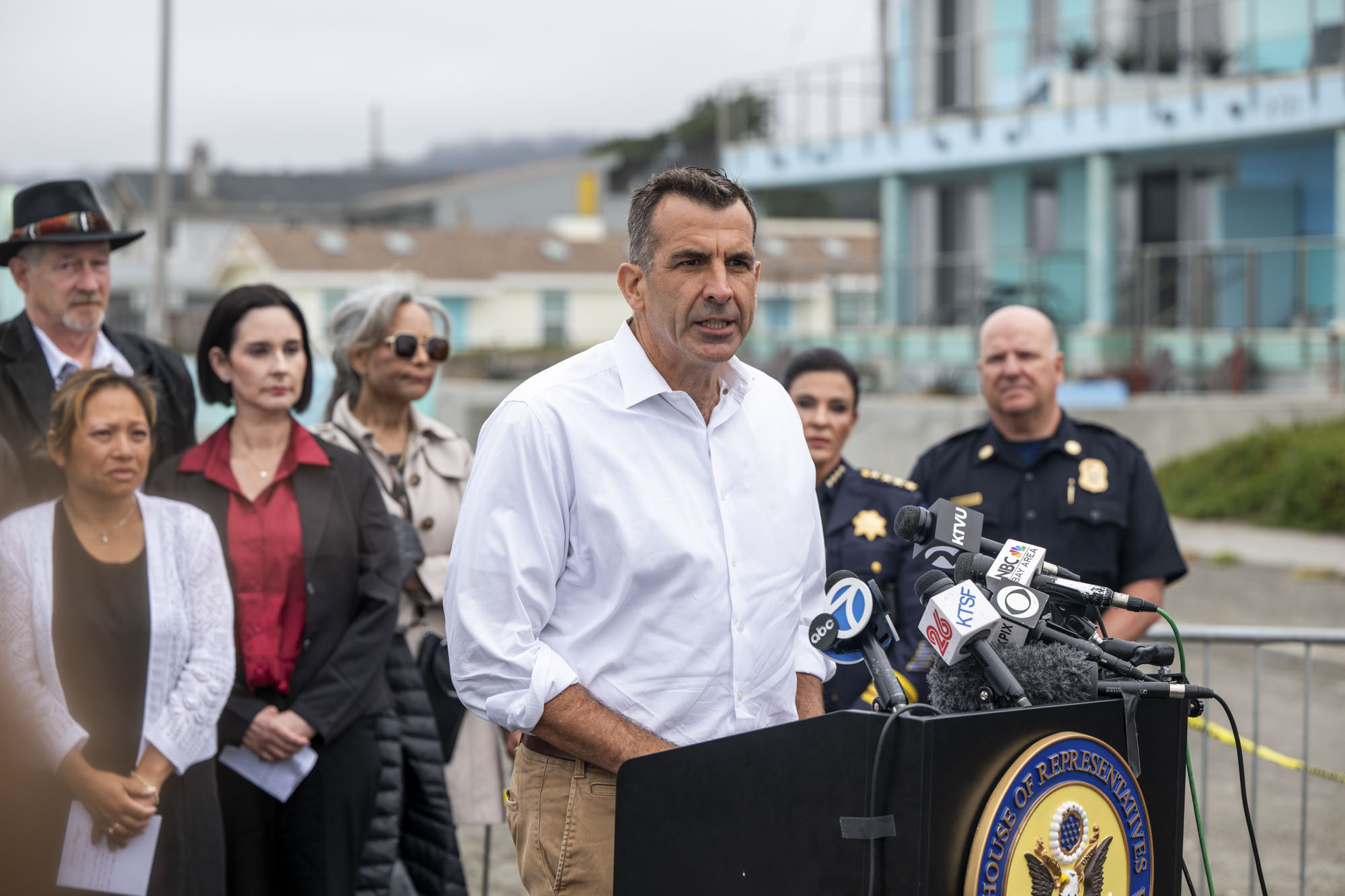
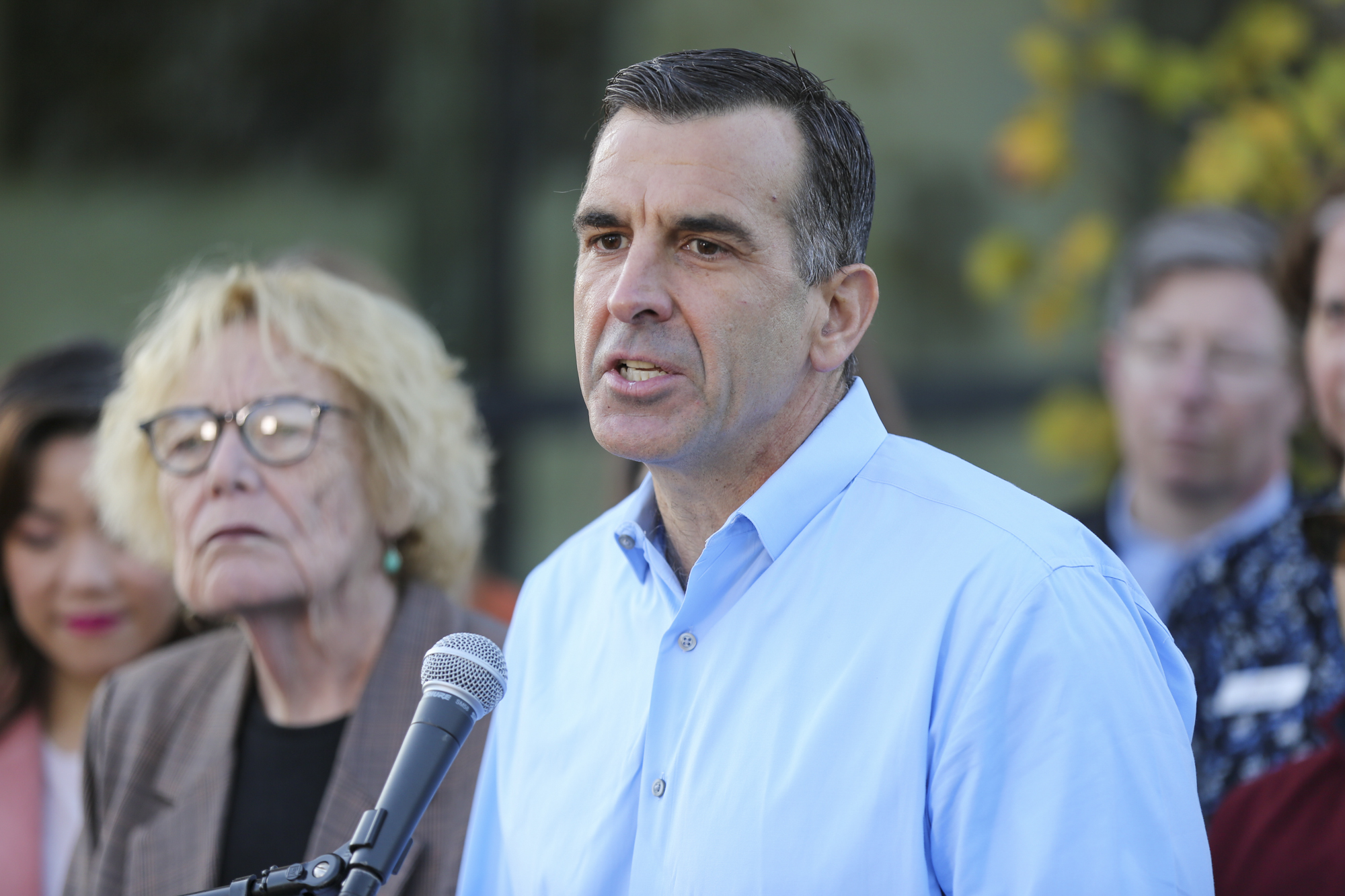
Silicon Valley Congressman Sam Liccardo is calling for a federal investigation and potential sanctions against the owners and backers of a high-rise development proposal at the former Sunset Magazine headquarters in Menlo Park, which has sparked years of controversy in the wealthy city.
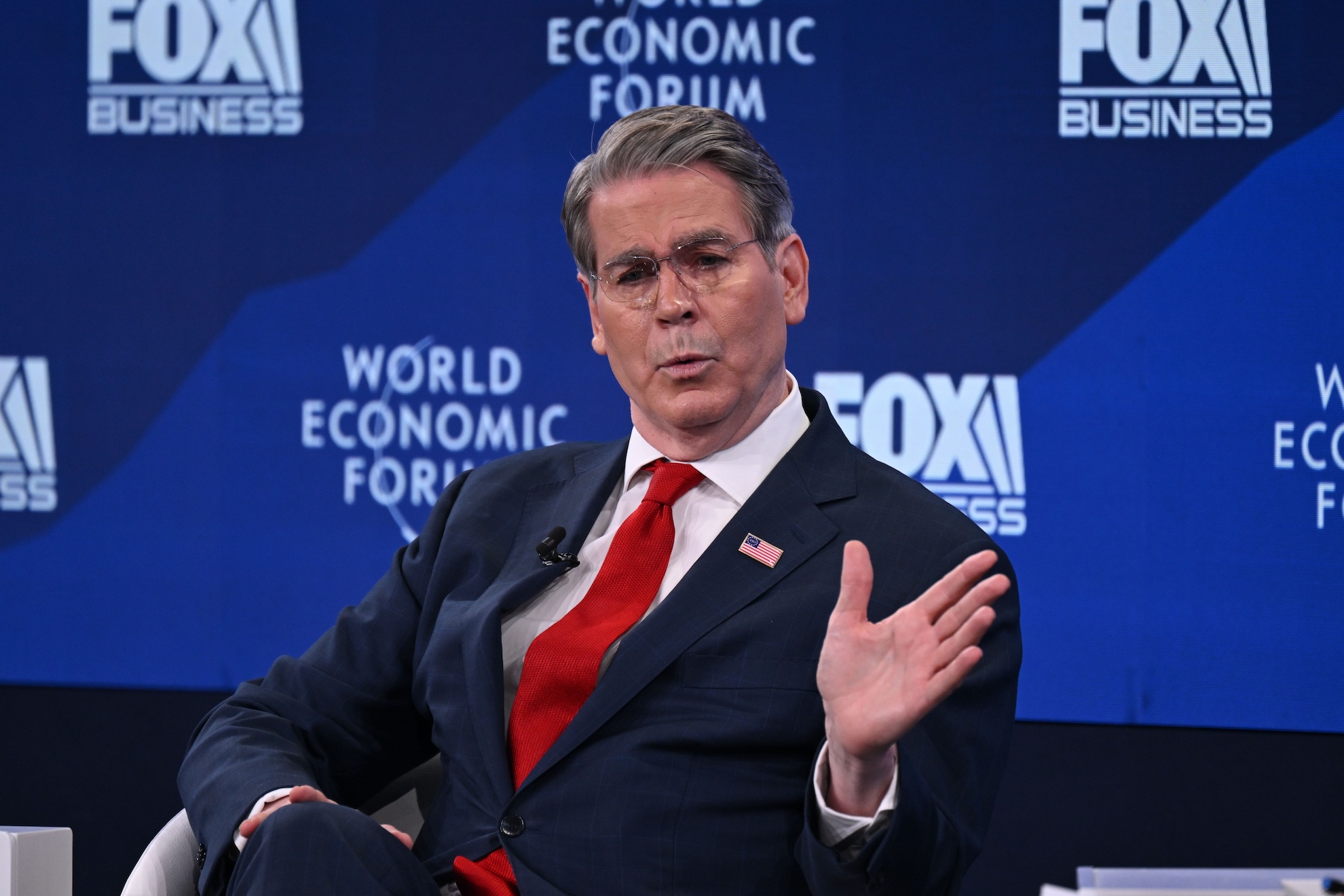
Liccardo wrote a letter this week to the U.S. Secretary of the Treasury Scott Bessent, raising security concerns and urging federal agencies to look into the property’s owner, Russian businessman Vitaly Yusufov, along with the proposed project’s financiers and developers.
“Public sources raise serious questions about Vitaly Yusufov’s ties to the Russian government and individuals linked to organized crime, warranting immediate review by the Office of Foreign Assets Control (OFAC), the Committee on Foreign Investment in the U.S. (CFIUS), and, ultimately, consideration for sanctions,” Liccardo wrote in his Sept. 23 letter.
Vitaly Yusofov is the son of Igor Yusofov, the former Energy Minister of the Russian Federation, and he was previously sanctioned by Ukraine and has also been documented as a business agent for former Russian President Dmitry Medvedev in real estate matters, Liccardo wrote.
Liccardo also referenced Vitaly Yusufov’s 2009 purchase of shipyards in Germany, with financing that was later linked to organized crime leaders, including Aslan Gagiec, “known as ‘Dzhako the Bloody,’ a Russian organized crime figure connected to 56 contract killings.”
The Treasury Department did not immediately respond to a request for comment on the letter.
The property, a 6.7-acre piece of land at 80 Willow Road that sits at the corner of Middlefield Road, backs up to San Francisquito Creek.

The mid-century, California Ranch-style building on the site once housed Sunset Magazine, on grounds featuring trees, succulents, a center courtyard, lawns and gardens that its former editor-in-chief described as “enchanting” in an opinion piece advocating for its demolition and redevelopment to support denser housing in the pricey region.
“The dream of idyllic suburban life that Sunset’s building represents is dead, dead, dead — unsustainable and unaffordable for all but the very few. Why hang on?” Peggy Northrop wrote in The San Francisco Standard.
A 2025 piece by Sunset staff members called for preserving the historic building and the grounds because it’s “a place that has shaped the way we live, eat and dream in the West for generations.”
San Francisco-based development company N17, headed by Oisín Heneghan, is proposing to demolish the existing buildings to create a mixed-use project with a total of 665 apartments or condos, with roughly 100 of them to be priced below market-rate, along with 332,000 square feet of office space, 17,000 square feet of retail space and a 130-room hotel.
While a proposed preschool building in the plans would be 22 feet tall, the other three buildings would range from 301 feet tall to as high as 458 feet tall, according to the city.
The staggering height of the towers has prompted significant pushback, including from local and state officials like state Sen. Josh Becker and San Mateo County Supervisor Ray Mueller.
The residents group Menlo Forward calls the towers “wildly out of scale” with the existing community, noting they would become the tallest buildings in the state outside of major metropolitan areas in Los Angeles, San Francisco and San Diego.
The project was proposed in 2023 under a narrow provision of state law known as the “Builder’s Remedy,” which allows developers to bypass much of local discretionary review to fast-track a project when a city or county hasn’t received certification of its long-term housing plan from the state.
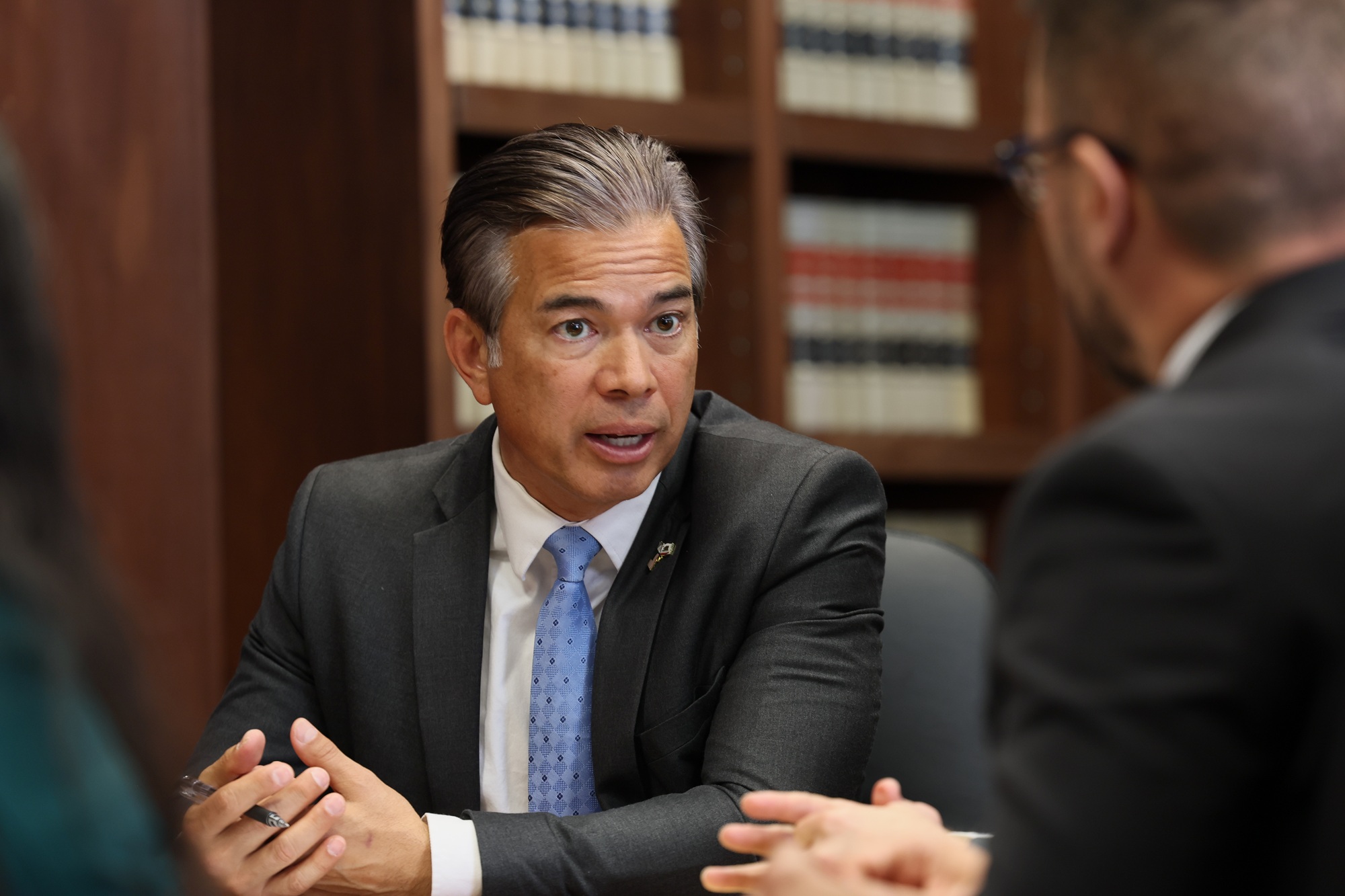
Attorney General Rob Bonta and an attorney for the developer, David H. Blackwell, wrote to the city this summer alleging it has violated several state housing law provisions, including changing its reasoning to deny a streamlined approval process for the project, and requiring the developer to pay for the city’s legal review work.
Blackwell wrote that the developer plans to sue the city if the project is not approved by Oct. 27, which is 90 days after Bonta’s letter, under rights granted to a developer under state housing laws.
The city also faced a legal threat last year from the pro-housing development group, YIMBY Law, over some of the same violations alleged by Bonta.
Menlo Park Mayor Betsy Nash, however, has pushed back on Bonta’s crackdown. She penned a letter to him last month that was republished on the local news site The Almanac, inviting him to tour the area and arguing the city’s past housing certifications were unfairly held up by the state.
Nash, in an emailed statement to KQED, said the city “applauds” Liccardo for raising concerns about the project backers and national security.
“Menlo Park shares these concerns, and we are surprised the Attorney General of California has not flagged these apparent issues. We hope federal officials will investigate for potential illegality, corruption and national security issues,” Nash said. “In addition, we believe that the massive commercial development proposed for the site would further compound infrastructure challenges in Menlo Park, while not delivering the housing that we need.”
Heneghan, in an email to KQED, said he was surprised by Liccardo’s letter, and said it is being spurred by anti-housing sentiment in the region.
“It is based on false reporting and what can only be described as NIMBY fan fiction,” Heneghan said, using an acronym for Not In My Backyard, which is commonly used to refer to residents who oppose new housing projects. “The NIMBY lobby is creating more and more sensational, desperate narratives to try to block these new homes.”
He said the proposed project would increase housing stock, and create temporary construction jobs and permanent public spaces including restaurants, retail, sports facilities and a school.
“These same people have been fighting housing since Jimmy Carter was president, then wonder why their grandkids live in Texas or Florida, where homes are actually affordable,” Heneghan said of the project’s opponents.
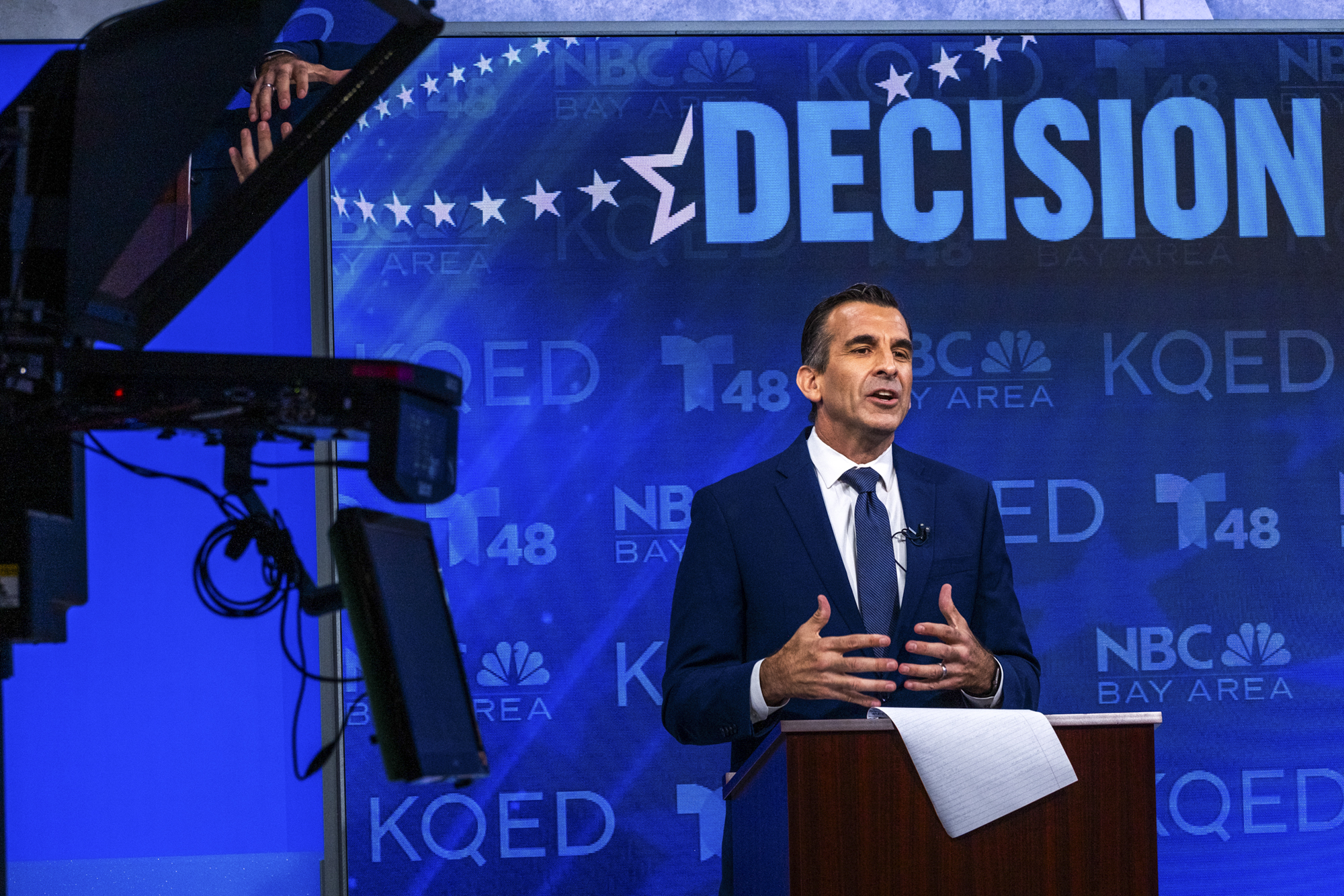
Liccardo’s letter doesn’t address concerns about the physical size or fit of the proposed project, instead focusing on issues such as its proximity to sensitive hubs.
“Given the very high concentration of defense tech, artificial intelligence and quantum computing companies and research centers in the region, we believe federal agencies should review the property, its ownership and its financial backing to ensure Kremlin officials and their proxies cannot obtain sensitive information about critical U.S. companies and their employees,” Liccardo wrote.
He raised the prospect that the project’s proponents could use domestic real estate holdings like this one to “facilitate sanctions evasion” and generate wealth, which the U.S. Financial Crimes Enforcement Network warned about in early 2023.
Yusufov could not be reached for comment.
In a statement, Liccardo told KQED he wants more housing in the area, “but Russian oligarchs with ties to the Kremlin and criminal networks should not control assets in our country.”
“We need a federal investigation in order to support the implementation of sanctions that would stop Mr. Yusufov from being able to build in our community,” Liccardo said.