Can SF’s Empty Offices Be Housing?
After hollowing out during the pandemic, San Francisco’s office vacancy rate is hovering at around 30%. Pair that volume of empty space with an escalating housing crisis, and it’s enough to make you wonder: Could you turn those empty offices into apartments? Today, we talk with two developers about what it actually takes to make these conversion projects a reality.
Episode Transcript
This transcript is computer-generated. While our team has reviewed it, there may be errors.
Ericka Cruz Guevarra: I’m Ericka Cruz Guevarra and welcome to The Bay, local news to keep you rooted. Okay, so between San Francisco’s AI-fueled rental crisis and downtown’s slow recovery from the pandemic, I feel like I’ve heard people throw this idea around. Why not house people in all those empty buildings downtown? And it’s a good question. San Francisco has an office vacancy rate of about 30%. That’s millions of square feet of empty buildings.
Gabriela Glueck: It seems kind of obvious that this could be a good solution. But in San Francisco, it hasn’t really happened for a couple of reasons.
Ericka Cruz Guevarra: Unlike other major cities like New York and Chicago, San Francisco has been slow to incentivize developers to turn offices into apartments. But some say that’s finally starting to change.
Gabriela Glueck: What they’re hoping to do isn’t just to convert an office to housing. It’s kind of like a bigger project. It’s basically totally revitalizing downtown San Francisco.
Ericka Cruz Guevarra: Today, The Bay’s producer, Gabriela Glueck, introduces us to two developers to help us understand what it actually takes to make these conversion projects happen. We’re gonna start this story on scene, downtown, in Civic Center.
Gabriela Glueck: How are you? Good, how are you.
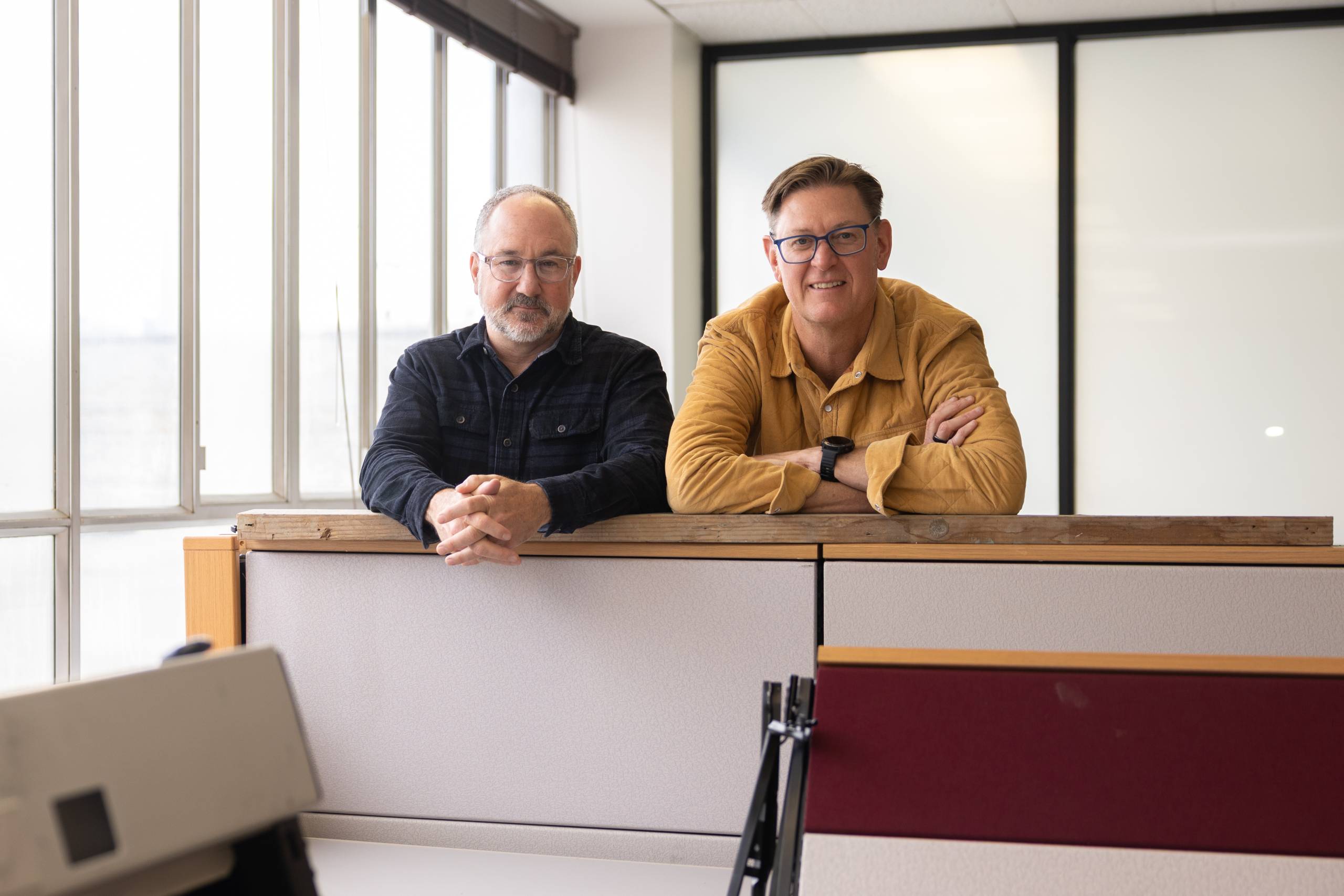
Gabriela Glueck: Yeah, so I met up with two developers at the office building that they’re working on converting to housing right now.
Jack Sylvan: Hello, my name is Jack Sylvan, I run a San Francisco based development firm called SDG.
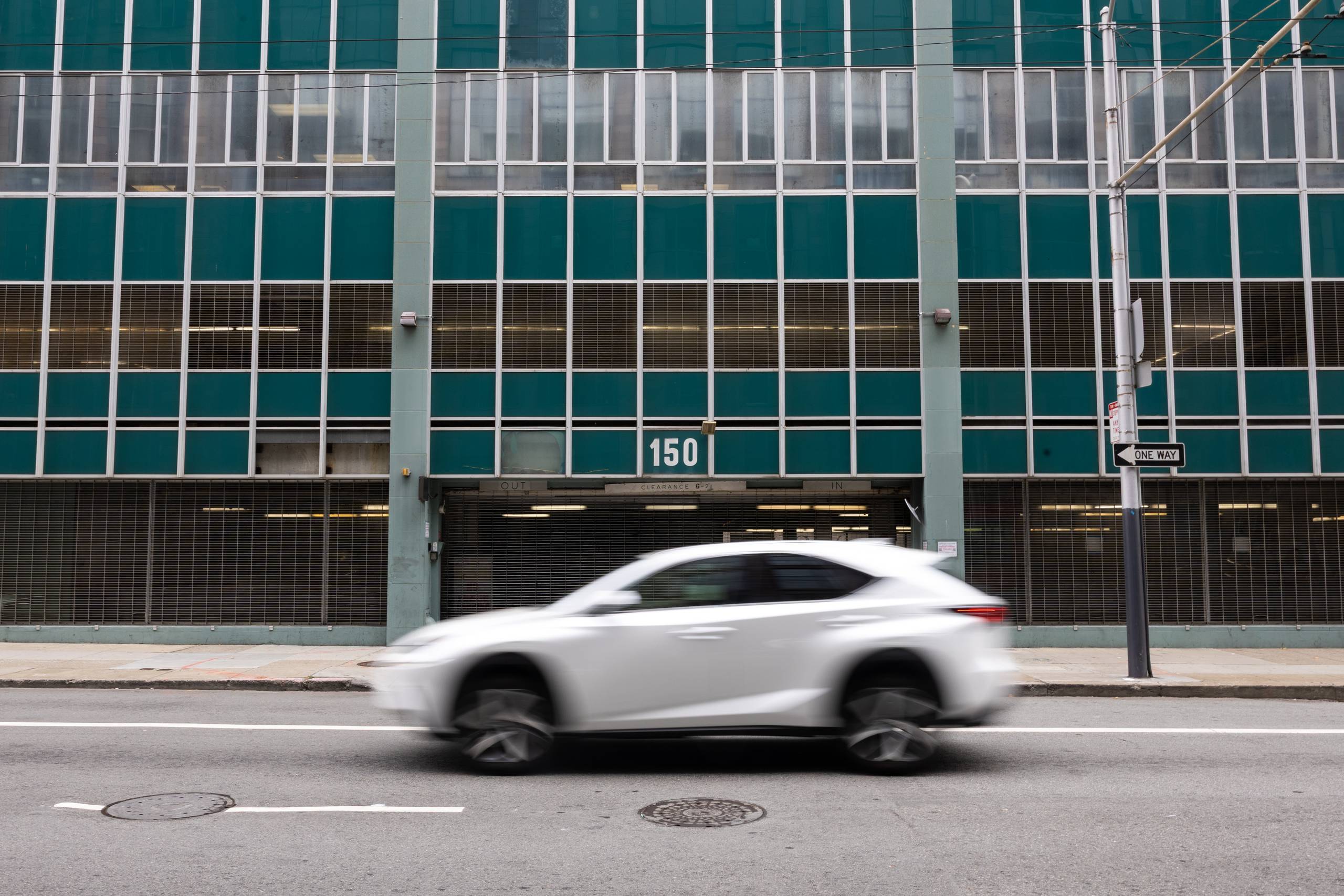
Marc Babsin: I’m Marc Babsin. I’m president of Emerald Fund. We’re San Francisco Housing Developers, and we are at 150 Hayes that we are converting from a 1968 office building to 106 homes.
Gabriela Glueck: It is this six-story building in Civic Center with a green glass facade, an old school office. In its past life, the building was originally part of the California State Automobile Association campus.
Jack Sylvan: This building was like a state-of-the-art place where you would bring your car
Marc Babsin: AAA moved to the suburbs in 2018, and an office developer purchased all four buildings, and then the Great Recession happens. And they couldn’t find any office tenants. It’s kind of similar to today’s lack of tenants.
Gabriela Glueck: Fast forward from these AAA times, and this particular building, 150 Hayes Street, was actually sold to the Academy of Art University and Mark and Jack and their partners are now in the process of purchasing it from them.
Ericka Cruz Guevarra: Okay, so it sounds like it very much looks like an office building from the outside, but what about the inside? What did it look like when you walked in?
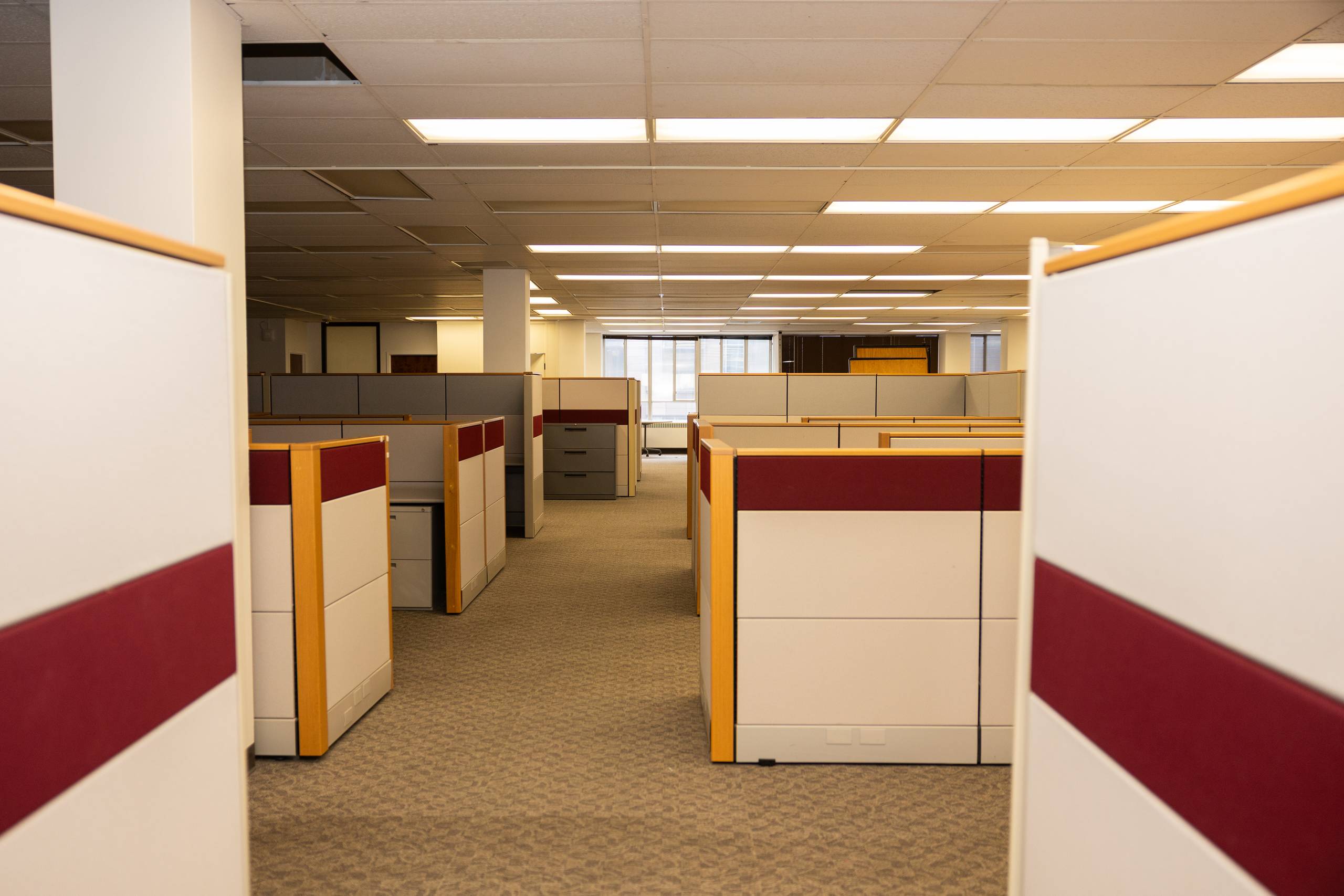
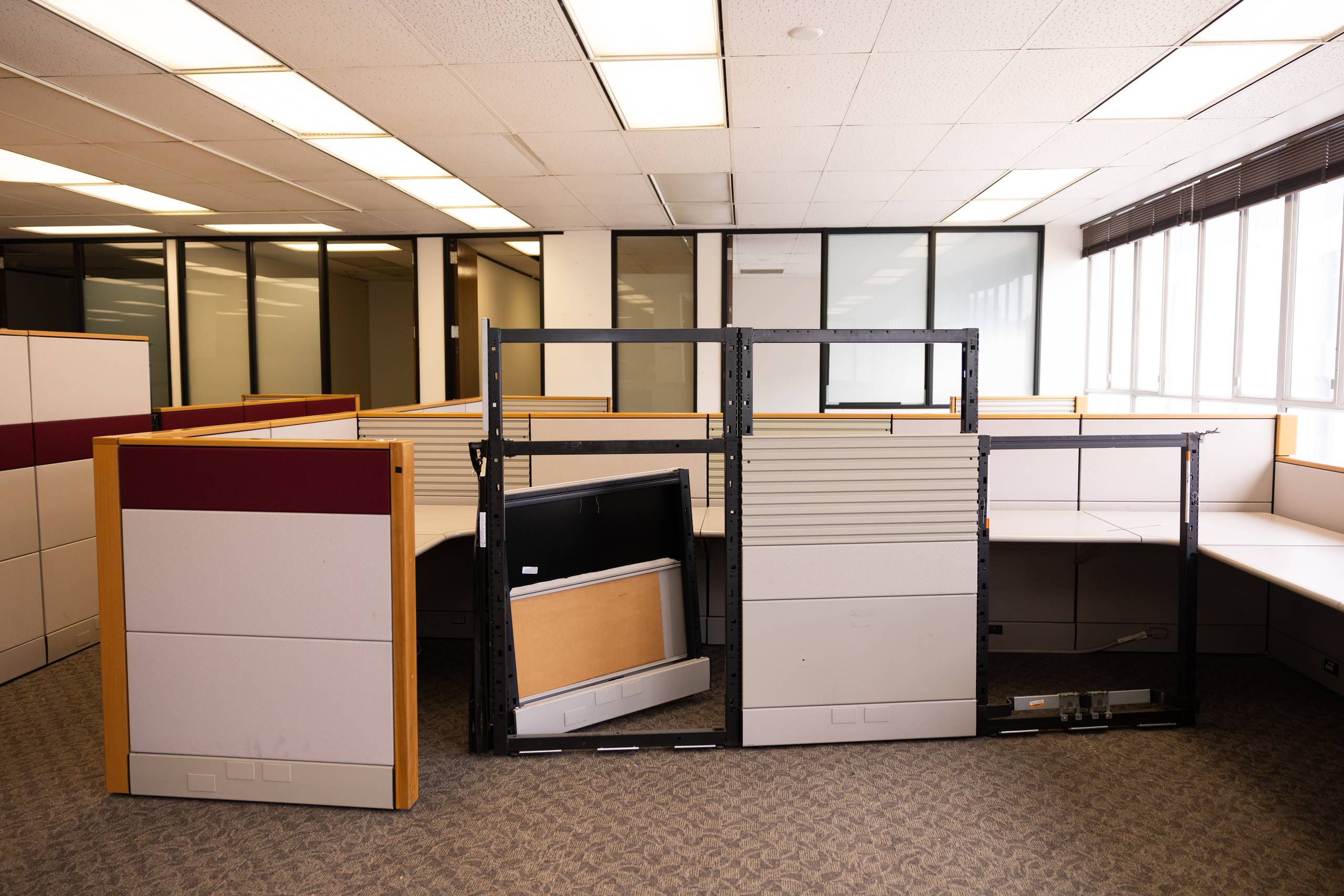
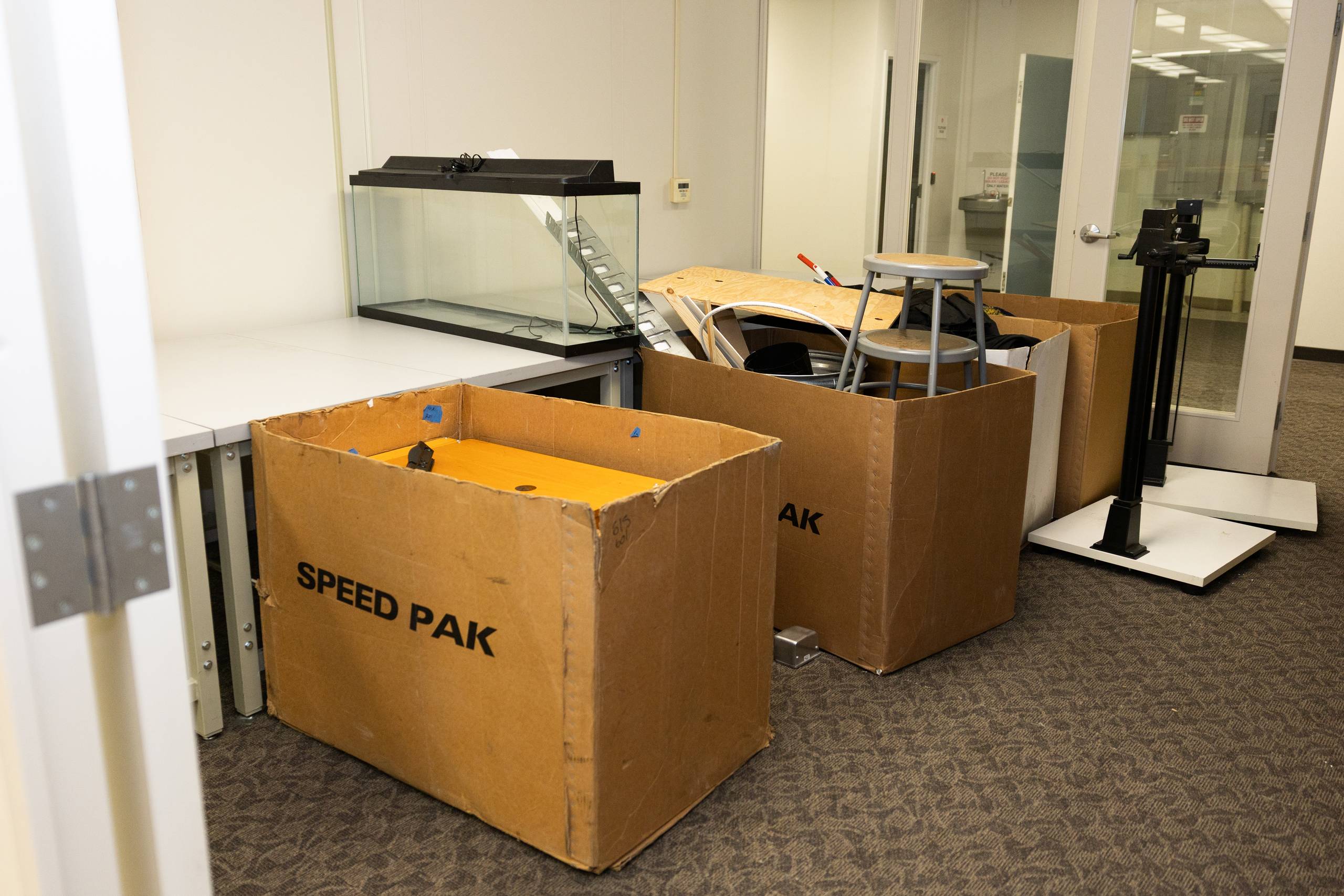
Gabriela Glueck: Yeah, so the inside is also very, very office building. When I got there, the building’s old owners were still in the process of moving out their stuff. So we saw desks and chairs and office supplies kinda getting carted out.
Jack Sylvan: Actually there’s more activity here than we led you to believe.
Gabriela Glueck: The first thing you notice when you kind of head into the lobby is just how old school it looks. Like think of like 80s patterned carpets.
Marc Babsin: It’s pretty drab and not aesthetically pleasing. It’s not a pleasant place to be.
Gabriela Glueck: It almost looks like a movie set, just because nobody’s there, but there is all this kind of leftover furniture.
Marc Babsin: And it’s just a, it’s like a sea of cubicles with fluorescent lighting, drop ceiling.
Ericka Cruz Guevarra: Actually sounds like the movie Back Rooms to me, the way you’re describing it. Okay, so it sounds like it’s entering its maybe second, third, fourth life at this point. I mean, what exactly are these developers’ plan for this building?
Gabriela Glueck: Yeah, so, they really have a vision for it.
Marc Babsin: And what we’re gonna do is we’re going to take the four office floors and make them residential. We’re going convert one of the parking floors to residential and we’re going to add another floor on the top, 106 homes.
Gabriela Glueck: It’s almost like you’re coming in at step three or four of development. Like you don’t have to build the whole structure. That skeleton’s already there.
Marc Babsin: The cost of conversion are less than ground up. If you ever see a frame built before the skin goes on and the drywall and the flooring and the lighting, that’s what we’re doing.
Ericka Cruz Guevarra: How do you pick a good building for a conversion like this? Like is every office building a good candidate for housing?
Gabriela Glueck: Yeah, I was really curious about this too, just because kind of walking around as a lay person, looking at all these empty offices, you might think you could be in apartment building, you could an apartment building. But that’s really not the case. And that’s something Marc and Jack talked about a lot.
Marc Babsin: Yeah, we would walk around downtown streets, Jack and I and our partner, Tim, and just look up and say like, okay, how many sides of windows do we have here? And does it look like a building that’s like class B or C, meaning it’s not full of tenants?
Gabriela Glueck: So you’re looking for a totally empty building if you can swing it. Another thing to think about is that not every office has the right bones to be an apartment building. And so the depth of the building is something that the developers talk to me a lot about.
Marc Babsin: If you have a very deep building, that means you’re so far from the windows, it’s problematic.
Gabriela Glueck: The city has planning and building code requirements for what qualifies as housing. And there are requirements for how much natural light an apartment needs to have in San Francisco.
Ericka Cruz Guevarra: Yeah, I mean, I imagine you can’t just put a bed in the middle of an office building and call it housing.
Gabriela Glueck: You’re exactly right. Like, you can’t just say, all right, I’m going to put some sleeping bags or some beds in here and sell it, you know, as an apartment building. So these are all things to think about in terms of changing the use of a building.
Marc Babsin: We bring through a team of the architect and the contractor and the structural engineer and the mechanical electrical plumbing engineer and analyze the building. A lot of work has gone into it just to land this one.
Ericka Cruz Guevarra: We’re gonna take a quick break, but when we get back, what it literally takes to convert an office into an apartment and the policy changes that developers say finally made it possible. By the way, if you appreciate stories like this, you can help fund this kind of journalism by becoming a KQED Sustaining Member. Monthly donations from everyday people just like you are the lifeblood. KQED Public Media. Just go to donate.kqed.org/podcasts. We’ll be right back. I wanna talk a little bit more about what it actually takes to do this kind of conversion, like physically, like how do they actually deal with these sort of design challenges of turning an office building into housing?
Gabriela Glueck: Yeah, this is really interesting. It’s kind of like a cool puzzle. And we walked around the office at 150 Hayes Street and the developers, Marc and Jack, were kind of pointing out some of the things that they were seeing as potential challenges.
Marc Babsin: Those windows are gonna come out. You see how far up that steel beam is? So our windows are going to go all the way up there, 11 feet.
Gabriela Glueck: The question of natural light is a really big deal, like how much can you get in a building?
Marc Babsin: Because windows are pretty important to apartments, people want to have light that come in.
Gabriela Glueck: What the developers basically told me is that when you have a skeleton of an old building, there are design constraints, right? Cause you already have basically a shape there that you’re filling up. So sometimes it can be hard to meet some of these code requirements for what qualifies as housing, like the open space requirement, for example. And then because we live in an earthquake prone place, you might have to do some kind of seismic upgrades if you’re switching a building use from commercial to housing.
Jack Sylvan: And so that’s another driver of costs here.
Gabriela Glueck: Another thing I was kind of curious about and I think comes to a lot of people’s mind is like plumbing. You know, how you make every unit have a bathroom. And they said that’s actually not that hard to add plumbing after the fact. And so those are some of the things that we talked about.
Ericka Cruz Guevarra: I mean, yeah, it sounds like a pretty great idea. Why isn’t this happening as often as it maybe seems like it should then?
Gabriela Glueck: Yeah, this is the, you know, billion dollar question.
Marc Babsin: Well, it always comes down to the math. So what is it cost to build the building, and then what is worth when it’s done? We haven’t found a building where the numbers line up since 2016.
Gabriela Glueck: They said for a really long time, there haven’t been policy incentives that help developers kind of get around the high construction costs in order to build housing here. And then another big thing I thought was really interesting is Marc and Jack were kind of telling me that building owners aren’t as willing to sell their vacant office buildings because of the AI boom. Maybe you’ve seen headlines of, you know, big AI companies signing kind of record leases with offices, just kind of giving them a ton of money to move in. And so Marc and Jack were saying that some of these building owners are kind of holding out. Like maybe that’ll happen to them. And so these offices that you think would be good candidates aren’t even up, you now, for sale right now.
Jack Sylvan: It’s just not in their DNA to think about taking their office building and turning it into a place that people live. You just, you see their head kind of go, whoa. So our job is to convince them that their building could be worth more as a residential building.
Ericka Cruz Guevarra: Hmm. That’s very interesting. Yeah. I mean it seems like a really good time to maybe figure out how to lower the barriers to making this kind of thing happen. So you mentioned earlier that the city has actually been kind of turning a page on this and trying to incentivize more developers to do these kinds of conversions. I means what is the city doing to make it easier to convert more office buildings into housing?
Gabriela Glueck: So the city in collaboration with developers like Marc and Jack has already made some changes to try and incentivize more developers to do these conversions.
Jack Sylvan: The first thing that the city did was adjust a bunch of the planning code, that it’s a building that’s already there, like we shouldn’t overcomplicate things with planning code that is intended to be oriented around building a new building ground up. And then there were the three tools that are more financial.
Gabriela Glueck: This includes waiving taxes when a property is sold. And then in Mayor Daniel Lurie’s Downtown Revitalization Financing District, developers can get some refunds on property taxes on these converted buildings.
Marc Babsin: And then the big one was no affordable housing requirement. The city decided that, hey, we want to get these office to residential projects to be financially feasible. So the biggest lever was reducing the affordable housing requirement from 15 to zero.
Gabriela Glueck: I think when we talk about housing in San Francisco that’s often one of the first questions you ask just because rent is so expensive. What the developers basically told me is that if they were required to put in affordable units they wouldn’t be able to make money off the building, so they wouldn’t be able to get investors, they wouldn’t be able do the project at all.
Marc Babsin: Because at 15% affordable, it costs about $140,000 per every unit in the building to provide that affordable housing.
Gabriela Glueck: That said, even though there won’t be affordable housing in the building, they’re not envisioning this to be like a luxury apartment building. It’s going to be kind of market rate apartment, even thought average cost in San Francisco is still expensive. So these are all financial incentives that kind of help offset the cost of doing these kinds of projects.
Daniel Lurie This old office building, an old Nordstrom Rack, is being turned into housing. 136 units of new housing. And thanks to legislation that we have passed, this is happening and five other projects like it…
Gabriela Glueck: And so far, a few developers, and this is including 150 Hayes Street, have submitted their projects for the downtown revitalization financing district program. And that’s a really good sign, you know, that there’s been a shift here, and more projects might start to pop up.
Jack Sylvan: Investors tend to be followers. There are not that many investors that wanna be the first into something. And so things have changed rapidly in the last six to nine months. So I think we’ll be able to show them with this project that it’s actually a smart investment for the right building.
Ericka Cruz Guevarra: So where are they at in the timeline of things now?
Gabriela Glueck: They’re planning to start construction kind of the middle of next year, and that’s gonna take a year and a half to complete. So basically what that means is that people will be able to move in late 2028 or early 2029.
Ericka Cruz Guevarra: Is there a reason, like, not to be so optimistic about this idea and it really working in San Francisco?
Gabriela Glueck: Yeah, I think that’s a great question, and one that can be a little hard to answer after just hanging out with these developers for, you know, an hour because they’re so optimistic, because they are so excited. I think maybe to measure some of that excitement. I think in some ways we will kind of have to wait and see. Because what they’re trying to do or what they are hoping to do isn’t just to convert an office to housing. It’s kind of like a bigger project. It’s basically totally revitalizing downtown San Francisco.
Marc Babsin: Couple hundred people are gonna live here. They’re gonna be going to the restaurant across the street. They’re going to be going to the conservatory where they’ve got free jazz and eat in the restaurant. They’re to activate this area. We’re adding to the life and the vibrancy of the city. That’s exciting.
Gabriela Glueck: You know, people have been trying to do that for a while and it hasn’t always worked out the way they wanted it to. So I think that is reason enough to kind of measure your optimism. Just converting one office building to housing is only the start of that. Like we’re really early on to seeing if this bigger project is gonna work out.
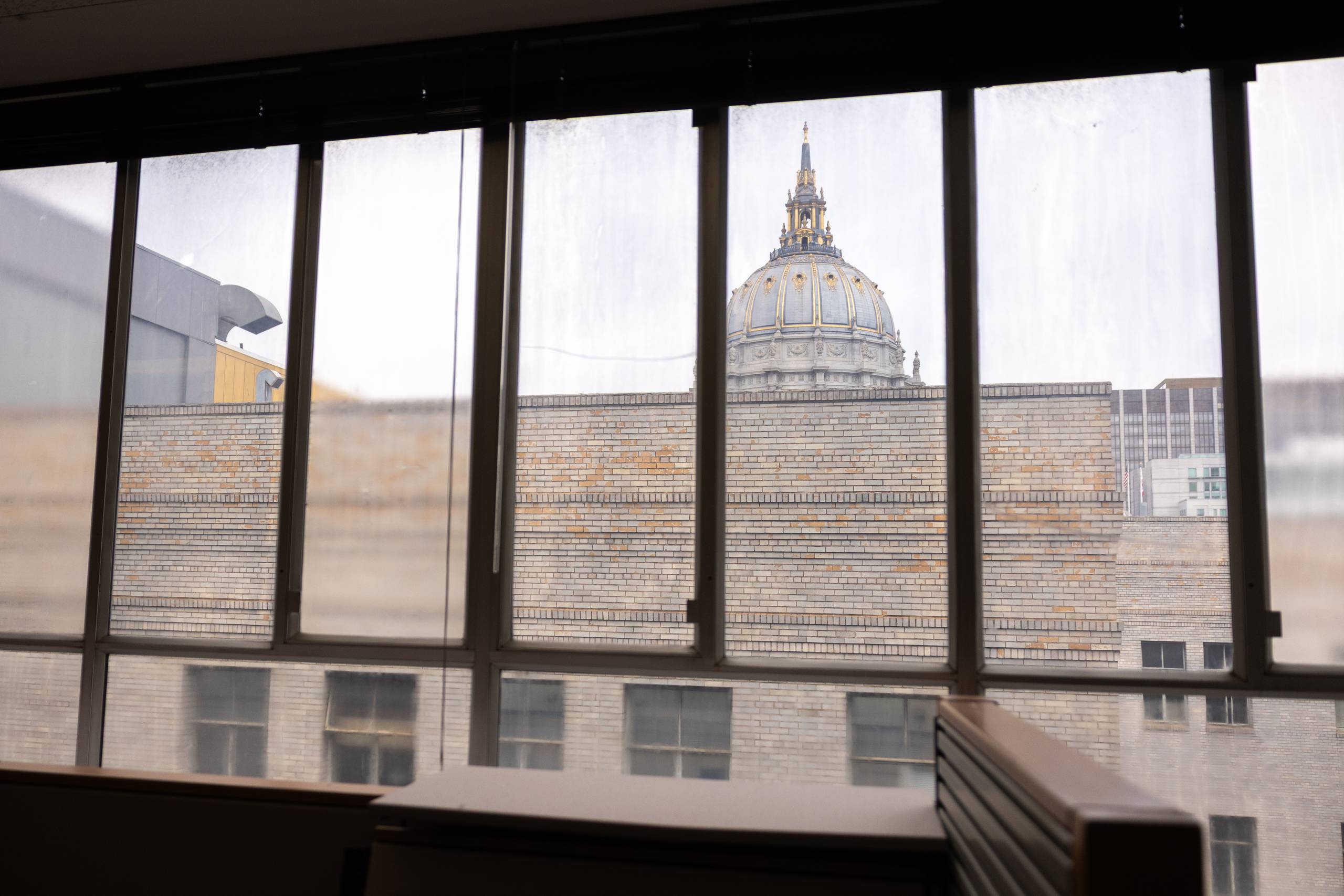
Ericka Cruz Guevarra: Well, Gabriela Glueck, our producer, thank you so much. Thank you. That was The Bay’s producer, Gabriela Glueck. By the way, we’ve got pictures on our site of the building that Gabi visited for this story. You could peep them at kqed.org slash the bay. Shout out to producer Gabriela Glueck for pitching, reporting, and producing this story, I cut down and edited it, music courtesy of Audio Network and APN. If you liked this episode, please do me a quick favor right now and review the show in your podcast app. Those reviews really help other people find our show. Support for The Bay is provided in part by the Osher Production Fund. Some members of the KQED podcast team are represented by the Screen Actors Guild, American Federation of Television and Radio Artists, San Francisco, Northern California Local. And I’m Ericka Cruz Guevarra. Thanks so much for listening to The Bay. I’ll talk to you next time.
Some members of the KQED podcast team are represented by The Screen Actors Guild, American Federation of Television and Radio Artists, San Francisco-Northern California Local.