This SF Renter Is Trying to Beat the AI-Fueled Housing Boom With an Analog Approach

This story is part of How We Get By, a KQED series exploring how people are coping with rising costs in the Bay Area and California. Find the full series here.
Over the past nine months, Harlow Srain has reached out to more than 200 landlords and property managers. In search of a deal, she’s determined to stay in San Francisco.
After nearly a decade bouncing between couches, cars and shoddy apartments, the 28-year-old finally found the perfect place: a one-bedroom in Bernal Heights with access to a backyard that she shares with her now ex-partner. After they broke up late last year, they’ve continued to live uncomfortably together while Srain looks for a new place.
But Srain said it’s been a difficult search. The AI-fueled housing market has sent rents soaring, up more than 25% over the past year. Even with a roommate or two, Srain said she’d have to stretch her budget to stay in the neighborhood she’s grown to love.
So, she decided to do something unusual: cold-call landlords and property managers to appeal to their humanity and possibly get them to lower the rent.
“I know these people are probably making a stupid amount of profit,” she said. “Why not just ask to have them cut that back a little bit?”

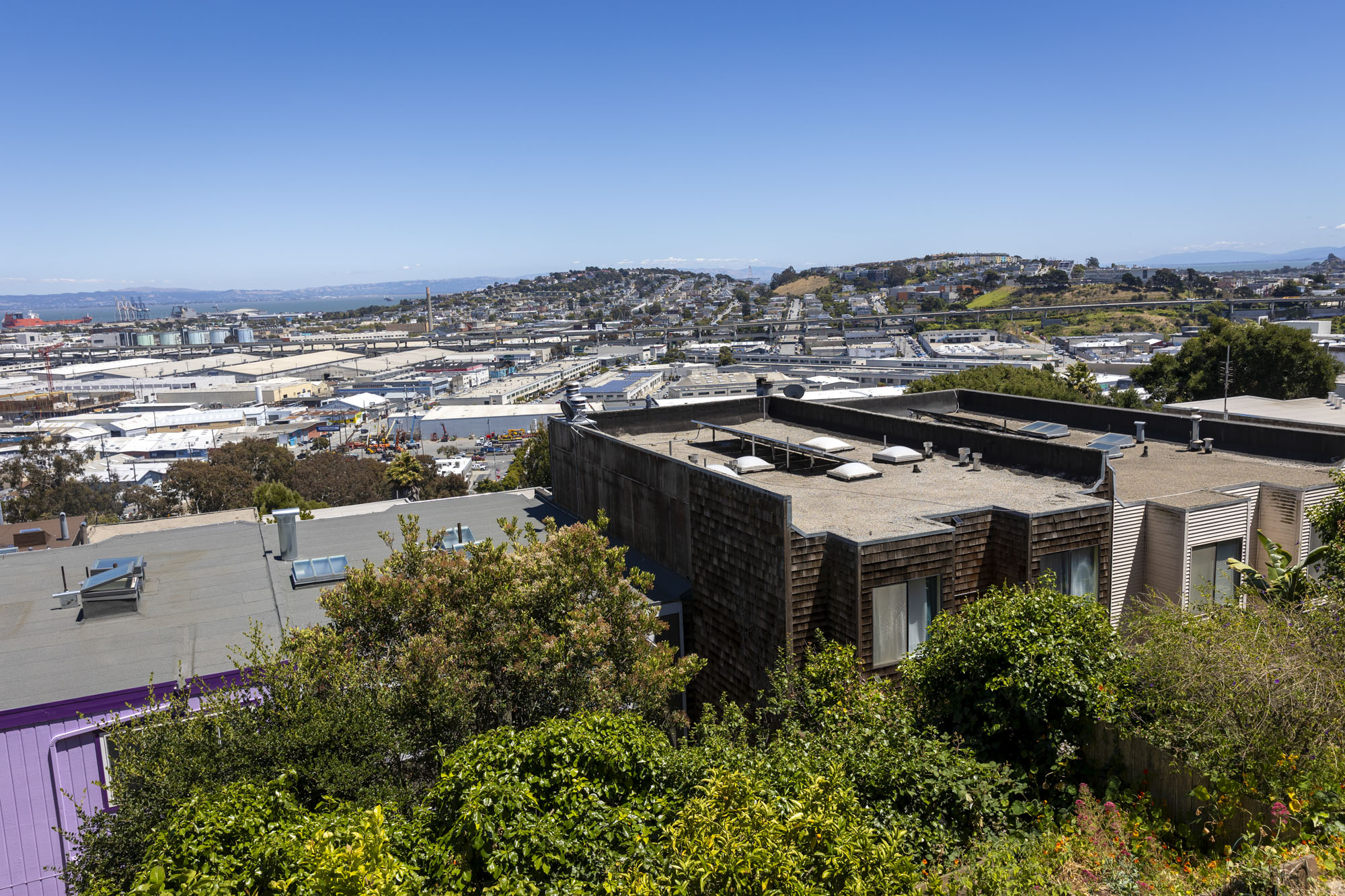
San Francisco’s rental market has “always been a pressure cooker,” Redfin’s chief economist Daryl Fairweather said. The land-constrained city’s scant supply of homes has long been outweighed by intense demand. But now, as more companies require employees to return to the office and investors pump billions of dollars into AI, Fairweather said the fight for available housing has become even more competitive.
“People, when they have money, they wanna spend it on a better, nicer place,” she said. “It goes into the real estate market and drives up both home prices and rents.”
Those prices have spiked so swiftly that earlier this month, San Francisco Mayor Daniel Lurie declared a “rent emergency” and introduced a $30 million package to forestall evictions and protect existing tenants from displacement.
That doesn’t address Srain’s problem, however, since her landlord isn’t evicting her. She’s competing for a limited supply of apartments with people who have a lot more money to spend. According to a June report from ApartmentList, an online rental marketplace, just over 2% of San Francisco’s multifamily housing is vacant.

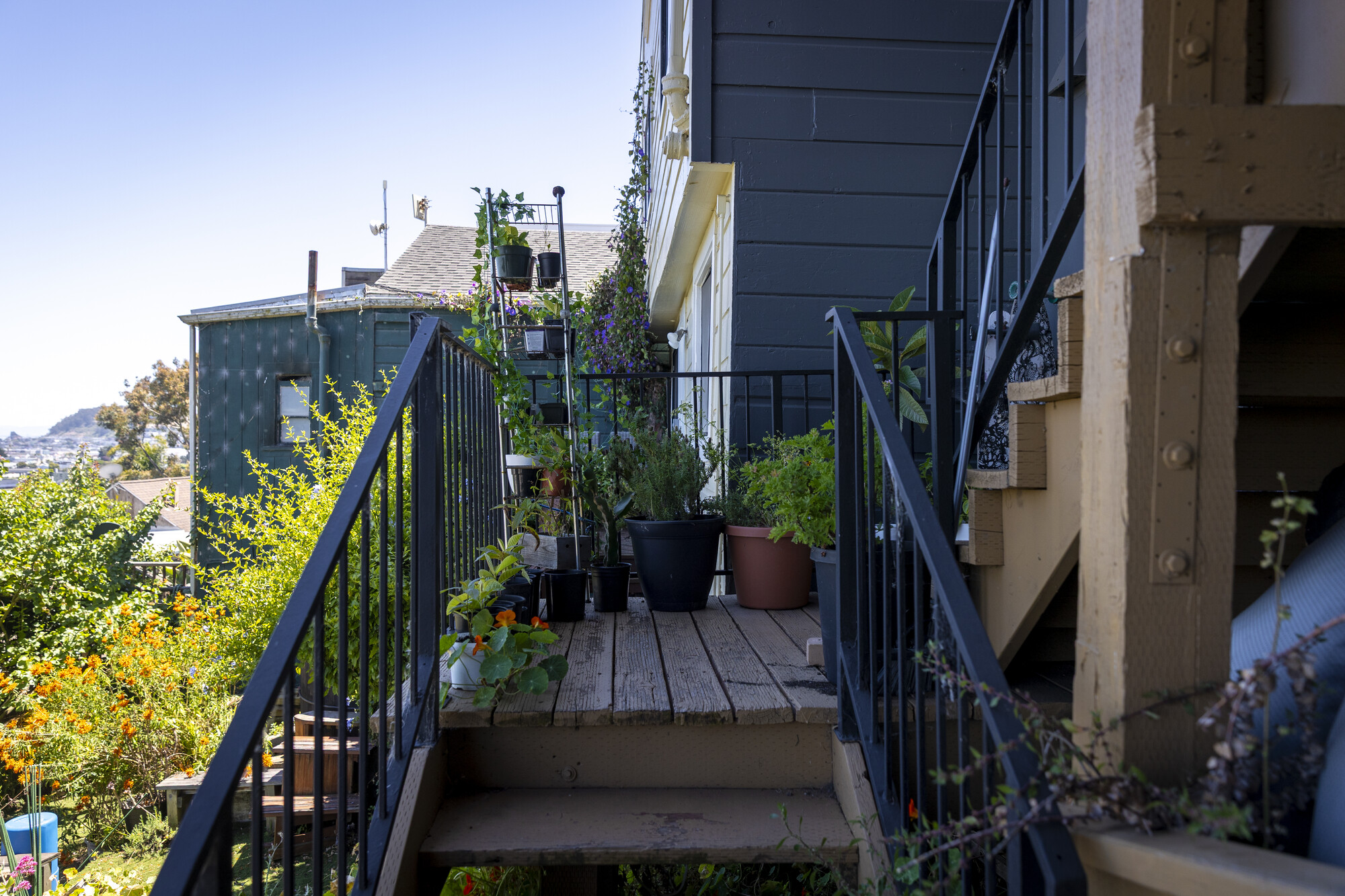
Sitting on the back patio of her Bernal Heights apartment earlier this summer, Srain scrolled through listings on her phone in search of a new home. Most of the calls ended in voicemails. Or a bot.
When she did get a hold of a live human, they often stonewalled her. “With any situation where there’s a manager — like, ‘I’m just the manager’ — there’s no talking.”
But every once in a while, someone picked up and played ball. That’s when she’d get into her pitch.
“I recognize AI is really booming, tech is hiring, we’re going back into the office, but I don’t work in tech,” Srain told a property manager listing a two-bedroom in the Mission District for $4,700. “I’ve just lived in the Bay Area for … around 10 years, and I would like to stay here. So I’m just trying to see if rent prices are negotiable at all.”
The manager sympathized but didn’t budge. People are willing to pay top dollar, he told her. The city is experiencing a boom right now, but he said one day, that boom will cool.
JJ Panzer, the owner of Real Management Company in San Francisco, said that if Srain had been looking to get a good deal on an apartment, she might have found one during the pandemic, when rents dropped by more than 20%, and San Francisco’s apartment vacancy rate reached nearly 11%.
Srain never reached out to Panzer. But if she had, he said her pitch would have been a “hard sell” in today’s market. His company manages more than 700 units across the Bay Area, though mostly in San Francisco. He owns three buildings himself.
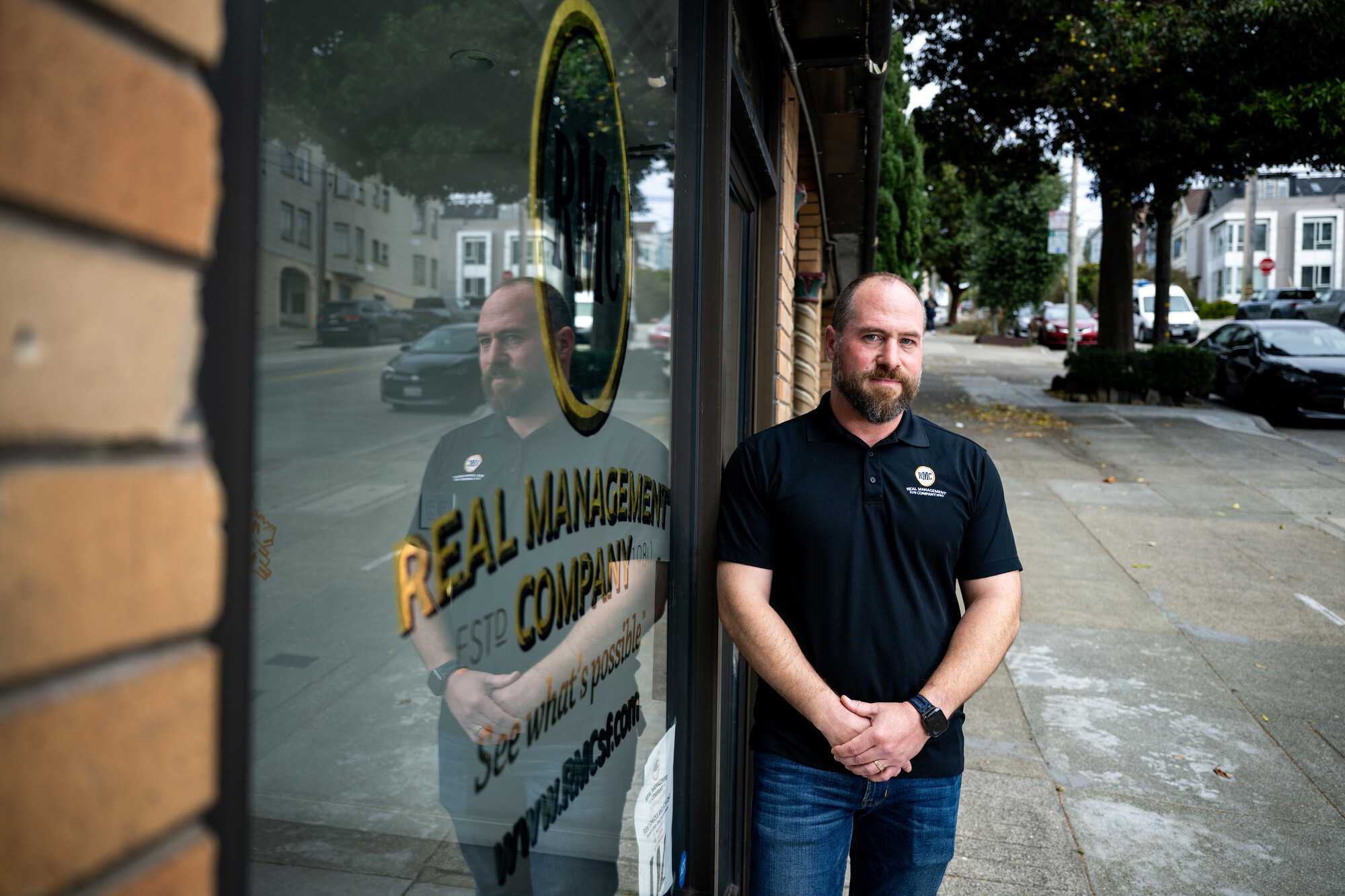
Because many San Francisco apartments are covered under state or local rent control laws, Panzer said landlords can only increase rents significantly after a tenant leaves. Once a new tenant moves into a rent-controlled unit, he said they often don’t move out for years.
“You’ve got to get as much as you can for that vacancy because you don’t know when you’re going to see that apartment come vacant again,” Panzer said. “The better price I give you, the longer it’s going to be before I get a chance to make that money back.”
There are also first-come, first-served laws that require landlords to approve the first qualified application they receive. And there are anti-discrimination laws that don’t allow landlords to consider protected characteristics — including race, immigration status, familial status or source of income — when choosing a tenant, Fairweather said.
“You might come to your landlord and say ‘I have small kids’ or ‘I have an aging mother’ or ‘I’ve lived in this neighborhood forever,’ and those all might sound like innocent things to say,” she said. “But in housing, you’re not allowed to give preferential treatment to people based on their family status or these other protected characteristics.”
Paul Griffiths, CEO and owner of Vesta Asset Management in San Francisco, a mid-size property management company, said today’s rental market has so much demand that it encourages pricing homes above market so there are fewer applicants to sift through.
“If somebody calls me to say, ‘Can you offer less money?’ First of all, I don’t even have time to call that person back because I’m just scheduling the showings for 75 people,” he said.
Srain understands the competition is tough, but can’t help being frustrated by it. “It kind of makes me wonder, where’s the line? Where does it stop?”
Srain grew up in Salinas, a mid-sized agricultural community about a two-hour drive south of San Francisco. She decided to move to the Bay Area in 2019 after she started dating someone in San José. She was working as a DoorDash driver and found a room in a three-bedroom house in Fremont for $750 a month. A couple rented one of the other rooms, and another person slept on a mattress in the garage.
“I’m freshly moved out of my parents’ house in this giant city that’s in a larger metropolitan area,” she said. “It was really, really exciting until I figured out what it meant to be housing-stable.”
Within a week, another person moved into the remaining vacant room and then a stranger started living on the couch. She began to feel like she was living amongst strangers and didn’t have control over who entered or exited her home.

She said she witnessed drug use and domestic violence while living there, so she moved out.
For the next three years, Srain moved from apartment to apartment to find an affordable place to live. For some of that time, she lived with friends or in her car.
“Having to move almost twice a year every year, it can lead to trauma, believe it or not,” Srain said. “I have been sent through the wringer so many times.”
The fear of returning to a semi-nomadic lifestyle is part of what’s driving her current push to stay in San Francisco, and especially the neighborhood she’s called home for nearly two years — the longest she’s been in one place in the past decade.
It was in her Bernal Heights apartment where she finally got an opportunity to plant roots and build community. She got to know her neighbors, joined a dodgeball league nearby and volunteered at a nearby bookstore.
“This is one of the first places I’ve ever felt comfortable. I felt at home,” she said. “I know my neighbors, whether they’re on this street or down a few blocks. I’ve never had this before.”
She also got involved in advocating for tenants rights. Srain became a community organizer with the nonprofit Faith in Action, which champions tenants’ rights, affordable housing and efforts to reduce homelessness. Earlier this year, she canvassed for a rent control measure the group supports that’s headed to the November ballot in Redwood City.
Through that work, she spoke with small landlords and homeowners about the problems they face.

“I can understand that some homeowners are totally oblivious to the rental crisis because they have their own issues owning a home,” she said. “It has become really expensive with rising property taxes, [insurance], PG&E. It’s beginning to become unmanageable to own a home for some people.”
She developed sympathy for small mom-and-pop landlords, who own just a building or two and face their own set of affordability issues. While cold-calling, she found they were more willing to explain how they set their rents and the profit they made on each unit.
In one such call in January, Srain spoke with an older landlord who walked her through his costs to maintain a Pacifica apartment he was renting out, including details about his water bill, property taxes and how much profit he made.
“It was only around $100 to $200 [in profit],” she said. “I was like, ‘Wow, this guy really walked me through this!’ That’s impressive.”
But not all landlords are willing to entertain Srain’s questions. Of the hundreds she called, she said only around 50 actually picked up the phone and were willing to talk. Many times, she’s found they were unwilling to divulge their experiences.
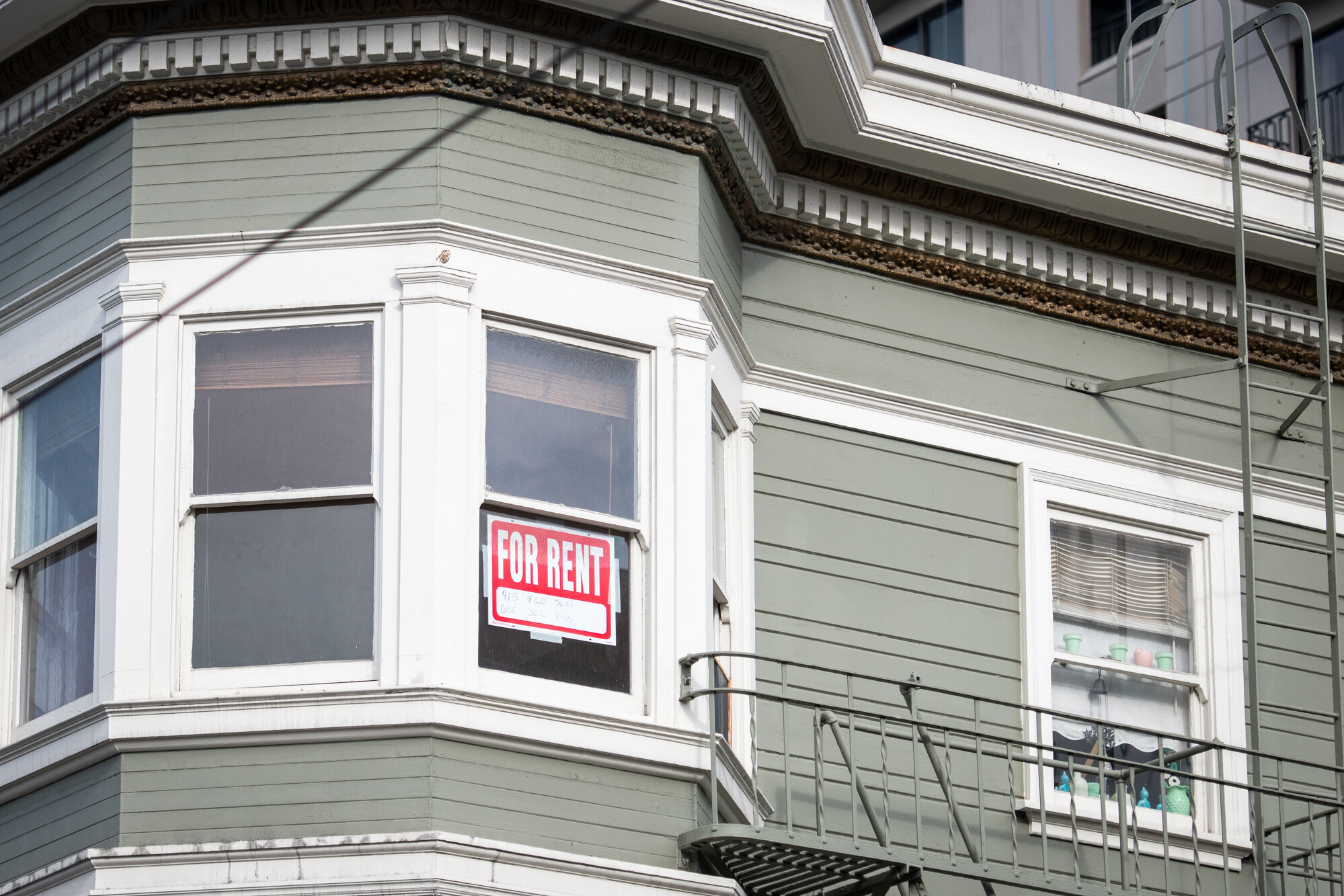
And no one has been willing to lower the rent.
Griffiths said he understands Srain’s struggle. “I think, ethically, most people believe that housing is a human right.” But he said the United States — even California — doesn’t have enough housing to provide that right to everyone.
“You can’t put the responsibility of saying, ‘Well, everybody should be housed, and it’s the landlord’s responsibility,’” he said.
Fairweather argued that, if anyone is to blame, it’s local governments that largely control how much housing can be built. San Francisco, she said, has long restricted development in certain neighborhoods, and while city leaders have agreed to allow more housing in those parts of town, reports suggest it may not make a dent in the city’s housing affordability crisis.
“In San Francisco, the problem is so far gone that we can’t just say ‘Get rid of single-family zoning,’ and everything will be fixed,” Fairweather said.
Then again, she said, the reality is that there may never be enough apartments in San Francisco for everyone who would like to live there. “There’s no mathematical way around that. There are going to be some people who are left moving to other places because there physically aren’t enough units for everybody.”
Srain knows her best option might be to move out of San Francisco to the East Bay, where it’s cheaper — something families have done for generations as the city has grown more expensive.
But she said that reality points to a broken system.
“There are people living through so much worse right now in the Bay Area,” she said. “No one deserves that.”