window.__IS_SSR__=true
window.__INITIAL_STATE__={
"attachmentsReducer": {
"audio_0": {
"type": "attachments",
"id": "audio_0",
"imgSizes": {
"kqedFullSize": {
"file": "https://ww2.kqed.org/news/wp-content/themes/KQED-unified/img/audio_bgs/background0.jpg"
}
}
},
"audio_1": {
"type": "attachments",
"id": "audio_1",
"imgSizes": {
"kqedFullSize": {
"file": "https://ww2.kqed.org/news/wp-content/themes/KQED-unified/img/audio_bgs/background1.jpg"
}
}
},
"audio_2": {
"type": "attachments",
"id": "audio_2",
"imgSizes": {
"kqedFullSize": {
"file": "https://ww2.kqed.org/news/wp-content/themes/KQED-unified/img/audio_bgs/background2.jpg"
}
}
},
"audio_3": {
"type": "attachments",
"id": "audio_3",
"imgSizes": {
"kqedFullSize": {
"file": "https://ww2.kqed.org/news/wp-content/themes/KQED-unified/img/audio_bgs/background3.jpg"
}
}
},
"audio_4": {
"type": "attachments",
"id": "audio_4",
"imgSizes": {
"kqedFullSize": {
"file": "https://ww2.kqed.org/news/wp-content/themes/KQED-unified/img/audio_bgs/background4.jpg"
}
}
},
"placeholder": {
"type": "attachments",
"id": "placeholder",
"imgSizes": {
"thumbnail": {
"file": "https://cdn.kqed.org/wp-content/uploads/2024/12/KQED-Default-Image-816638274-2000x1333-1-160x107.jpg",
"width": 160,
"height": 107,
"mimeType": "image/jpeg"
},
"medium": {
"file": "https://cdn.kqed.org/wp-content/uploads/2024/12/KQED-Default-Image-816638274-2000x1333-1-800x533.jpg",
"width": 800,
"height": 533,
"mimeType": "image/jpeg"
},
"medium_large": {
"file": "https://cdn.kqed.org/wp-content/uploads/2024/12/KQED-Default-Image-816638274-2000x1333-1-768x512.jpg",
"width": 768,
"height": 512,
"mimeType": "image/jpeg"
},
"large": {
"file": "https://cdn.kqed.org/wp-content/uploads/2024/12/KQED-Default-Image-816638274-2000x1333-1-1020x680.jpg",
"width": 1020,
"height": 680,
"mimeType": "image/jpeg"
},
"1536x1536": {
"file": "https://cdn.kqed.org/wp-content/uploads/2024/12/KQED-Default-Image-816638274-2000x1333-1-1536x1024.jpg",
"width": 1536,
"height": 1024,
"mimeType": "image/jpeg"
},
"fd-lrg": {
"file": "https://cdn.kqed.org/wp-content/uploads/2024/12/KQED-Default-Image-816638274-2000x1333-1-1536x1024.jpg",
"width": 1536,
"height": 1024,
"mimeType": "image/jpeg"
},
"fd-med": {
"file": "https://cdn.kqed.org/wp-content/uploads/2024/12/KQED-Default-Image-816638274-2000x1333-1-1020x680.jpg",
"width": 1020,
"height": 680,
"mimeType": "image/jpeg"
},
"fd-sm": {
"file": "https://cdn.kqed.org/wp-content/uploads/2024/12/KQED-Default-Image-816638274-2000x1333-1-800x533.jpg",
"width": 800,
"height": 533,
"mimeType": "image/jpeg"
},
"post-thumbnail": {
"file": "https://cdn.kqed.org/wp-content/uploads/2024/12/KQED-Default-Image-816638274-2000x1333-1-672x372.jpg",
"width": 672,
"height": 372,
"mimeType": "image/jpeg"
},
"twentyfourteen-full-width": {
"file": "https://cdn.kqed.org/wp-content/uploads/2024/12/KQED-Default-Image-816638274-2000x1333-1-1038x576.jpg",
"width": 1038,
"height": 576,
"mimeType": "image/jpeg"
},
"xxsmall": {
"file": "https://cdn.kqed.org/wp-content/uploads/2024/12/KQED-Default-Image-816638274-2000x1333-1-160x107.jpg",
"width": 160,
"height": 107,
"mimeType": "image/jpeg"
},
"xsmall": {
"file": "https://cdn.kqed.org/wp-content/uploads/2024/12/KQED-Default-Image-816638274-2000x1333-1-672x372.jpg",
"width": 672,
"height": 372,
"mimeType": "image/jpeg"
},
"small": {
"file": "https://cdn.kqed.org/wp-content/uploads/2024/12/KQED-Default-Image-816638274-2000x1333-1-672x372.jpg",
"width": 672,
"height": 372,
"mimeType": "image/jpeg"
},
"xlarge": {
"file": "https://cdn.kqed.org/wp-content/uploads/2024/12/KQED-Default-Image-816638274-2000x1333-1-1020x680.jpg",
"width": 1020,
"height": 680,
"mimeType": "image/jpeg"
},
"full-width": {
"file": "https://cdn.kqed.org/wp-content/uploads/2024/12/KQED-Default-Image-816638274-2000x1333-1-1920x1280.jpg",
"width": 1920,
"height": 1280,
"mimeType": "image/jpeg"
},
"guest-author-32": {
"file": "https://cdn.kqed.org/wp-content/uploads/2025/01/KQED-Default-Image-816638274-1333x1333-1-160x160.jpg",
"width": 32,
"height": 32,
"mimeType": "image/jpeg"
},
"guest-author-50": {
"file": "https://cdn.kqed.org/wp-content/uploads/2025/01/KQED-Default-Image-816638274-1333x1333-1-160x160.jpg",
"width": 50,
"height": 50,
"mimeType": "image/jpeg"
},
"guest-author-64": {
"file": "https://cdn.kqed.org/wp-content/uploads/2025/01/KQED-Default-Image-816638274-1333x1333-1-160x160.jpg",
"width": 64,
"height": 64,
"mimeType": "image/jpeg"
},
"guest-author-96": {
"file": "https://cdn.kqed.org/wp-content/uploads/2025/01/KQED-Default-Image-816638274-1333x1333-1-160x160.jpg",
"width": 96,
"height": 96,
"mimeType": "image/jpeg"
},
"guest-author-128": {
"file": "https://cdn.kqed.org/wp-content/uploads/2025/01/KQED-Default-Image-816638274-1333x1333-1-160x160.jpg",
"width": 128,
"height": 128,
"mimeType": "image/jpeg"
},
"detail": {
"file": "https://cdn.kqed.org/wp-content/uploads/2025/01/KQED-Default-Image-816638274-1333x1333-1-160x160.jpg",
"width": 160,
"height": 160,
"mimeType": "image/jpeg"
},
"kqedFullSize": {
"file": "https://cdn.kqed.org/wp-content/uploads/2024/12/KQED-Default-Image-816638274-2000x1333-1.jpg",
"width": 2000,
"height": 1333
}
}
},
"news_11861373": {
"type": "attachments",
"id": "news_11861373",
"meta": {
"index": "attachments_1716263798",
"site": "news",
"id": "11861373",
"found": true
},
"parent": 11861322,
"imgSizes": {
"apple_news_ca_square_4_0": {
"file": "https://ww2.kqed.org/app/uploads/sites/10/2021/02/Tuskegee-syphilis-experiment-test-subjects-1-470x393.gif",
"width": 470,
"mimeType": "image/gif",
"height": 393
},
"thumbnail": {
"file": "https://ww2.kqed.org/app/uploads/sites/10/2021/02/Tuskegee-syphilis-experiment-test-subjects-1-160x105.gif",
"width": 160,
"mimeType": "image/gif",
"height": 105
},
"post-thumbnail": {
"file": "https://ww2.kqed.org/app/uploads/sites/10/2021/02/Tuskegee-syphilis-experiment-test-subjects-1-600x372.gif",
"width": 600,
"mimeType": "image/gif",
"height": 372
},
"kqedFullSize": {
"file": "https://ww2.kqed.org/app/uploads/sites/10/2021/02/Tuskegee-syphilis-experiment-test-subjects-1.gif",
"width": 600,
"height": 393
},
"apple_news_ca_portrait_4_7": {
"file": "https://ww2.kqed.org/app/uploads/sites/10/2021/02/Tuskegee-syphilis-experiment-test-subjects-1-414x393.gif",
"width": 414,
"mimeType": "image/gif",
"height": 393
},
"apple_news_ca_square_4_7": {
"file": "https://ww2.kqed.org/app/uploads/sites/10/2021/02/Tuskegee-syphilis-experiment-test-subjects-1-550x393.gif",
"width": 550,
"mimeType": "image/gif",
"height": 393
},
"apple_news_ca_landscape_4_0": {
"file": "https://ww2.kqed.org/app/uploads/sites/10/2021/02/Tuskegee-syphilis-experiment-test-subjects-1-536x393.gif",
"width": 536,
"mimeType": "image/gif",
"height": 393
},
"apple_news_ca_portrait_4_0": {
"file": "https://ww2.kqed.org/app/uploads/sites/10/2021/02/Tuskegee-syphilis-experiment-test-subjects-1-354x393.gif",
"width": 354,
"mimeType": "image/gif",
"height": 393
}
},
"publishDate": 1613781689,
"modified": 1613781791,
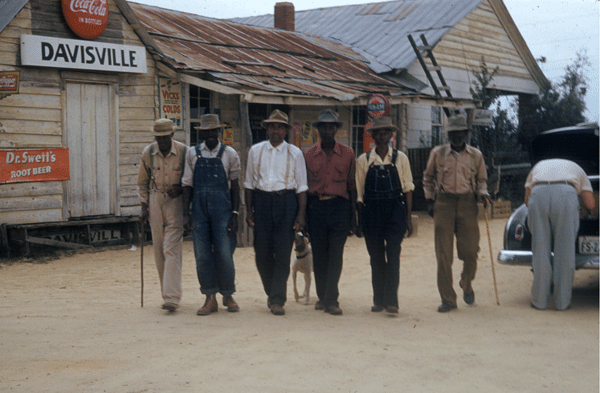
"caption": "A group of men who were involved in the Tuskegee Experiment. ",
"description": null,
"title": "Tuskegee-syphilis-experiment-test-subjects (1)",
"credit": "Public Domain",
"status": "inherit",
"altTag": null,
"isLoading": false,
"fetchFailed": false
},
"news_11860632": {
"type": "attachments",
"id": "news_11860632",
"meta": {
"index": "attachments_1716263798",
"site": "news",
"id": "11860632",
"found": true
},
"parent": 11860611,
"imgSizes": {
"apple_news_ca_landscape_5_5": {
"file": "https://ww2.kqed.org/app/uploads/sites/10/2021/02/Covid-mental-health-1044x783.jpg",
"width": 1044,
"mimeType": "image/jpeg",
"height": 783
},
"apple_news_ca_square_4_0": {
"file": "https://ww2.kqed.org/app/uploads/sites/10/2021/02/Covid-mental-health-470x470.jpg",
"width": 470,
"mimeType": "image/jpeg",
"height": 470
},
"twentyfourteen-full-width": {
"file": "https://ww2.kqed.org/app/uploads/sites/10/2021/02/Covid-mental-health-1038x576.jpg",
"width": 1038,
"mimeType": "image/jpeg",
"height": 576
},
"thumbnail": {
"file": "https://ww2.kqed.org/app/uploads/sites/10/2021/02/Covid-mental-health-160x90.jpg",
"width": 160,
"mimeType": "image/jpeg",
"height": 90
},
"post-thumbnail": {
"file": "https://ww2.kqed.org/app/uploads/sites/10/2021/02/Covid-mental-health-672x372.jpg",
"width": 672,
"mimeType": "image/jpeg",
"height": 372
},
"kqedFullSize": {
"file": "https://ww2.kqed.org/app/uploads/sites/10/2021/02/Covid-mental-health.jpg",
"width": 1920,
"height": 1080
},
"large": {
"file": "https://ww2.kqed.org/app/uploads/sites/10/2021/02/Covid-mental-health-1020x574.jpg",
"width": 1020,
"mimeType": "image/jpeg",
"height": 574
},
"apple_news_ca_landscape_4_0": {
"file": "https://ww2.kqed.org/app/uploads/sites/10/2021/02/Covid-mental-health-536x402.jpg",
"width": 536,
"mimeType": "image/jpeg",
"height": 402
},
"apple_news_ca_portrait_12_9": {
"file": "https://ww2.kqed.org/app/uploads/sites/10/2021/02/Covid-mental-health-1122x1080.jpg",
"width": 1122,
"mimeType": "image/jpeg",
"height": 1080
},
"medium": {
"file": "https://ww2.kqed.org/app/uploads/sites/10/2021/02/Covid-mental-health-800x450.jpg",
"width": 800,
"mimeType": "image/jpeg",
"height": 450
},
"apple_news_ca_portrait_4_0": {
"file": "https://ww2.kqed.org/app/uploads/sites/10/2021/02/Covid-mental-health-354x472.jpg",
"width": 354,
"mimeType": "image/jpeg",
"height": 472
},
"apple_news_ca_portrait_9_7": {
"file": "https://ww2.kqed.org/app/uploads/sites/10/2021/02/Covid-mental-health-840x1080.jpg",
"width": 840,
"mimeType": "image/jpeg",
"height": 1080
},
"apple_news_ca_landscape_12_9": {
"file": "https://ww2.kqed.org/app/uploads/sites/10/2021/02/Covid-mental-health-1832x1080.jpg",
"width": 1832,
"mimeType": "image/jpeg",
"height": 1080
},
"apple_news_ca_square_9_7": {
"file": "https://ww2.kqed.org/app/uploads/sites/10/2021/02/Covid-mental-health-1104x1080.jpg",
"width": 1104,
"mimeType": "image/jpeg",
"height": 1080
},
"1536x1536": {
"file": "https://ww2.kqed.org/app/uploads/sites/10/2021/02/Covid-mental-health-1536x864.jpg",
"width": 1536,
"mimeType": "image/jpeg",
"height": 864
},
"apple_news_ca_portrait_4_7": {
"file": "https://ww2.kqed.org/app/uploads/sites/10/2021/02/Covid-mental-health-414x552.jpg",
"width": 414,
"mimeType": "image/jpeg",
"height": 552
},
"apple_news_ca_square_12_9": {
"file": "https://ww2.kqed.org/app/uploads/sites/10/2021/02/Covid-mental-health-1472x1080.jpg",
"width": 1472,
"mimeType": "image/jpeg",
"height": 1080
},
"apple_news_ca_portrait_5_5": {
"file": "https://ww2.kqed.org/app/uploads/sites/10/2021/02/Covid-mental-health-687x916.jpg",
"width": 687,
"mimeType": "image/jpeg",
"height": 916
},
"apple_news_ca_square_4_7": {
"file": "https://ww2.kqed.org/app/uploads/sites/10/2021/02/Covid-mental-health-550x550.jpg",
"width": 550,
"mimeType": "image/jpeg",
"height": 550
},
"apple_news_ca_landscape_9_7": {
"file": "https://ww2.kqed.org/app/uploads/sites/10/2021/02/Covid-mental-health-1376x1032.jpg",
"width": 1376,
"mimeType": "image/jpeg",
"height": 1032
},
"apple_news_ca_square_5_5": {
"file": "https://ww2.kqed.org/app/uploads/sites/10/2021/02/Covid-mental-health-912x912.jpg",
"width": 912,
"mimeType": "image/jpeg",
"height": 912
}
},
"publishDate": 1613523406,
"modified": 1613523668,
"caption": "Mental health experts say the lasting impacts of the COVID-19 pandemic could be felt for some time to come.",
"description": null,
"title": "Covid-mental-health",
"credit": "Ponomariova_Maria/iStock",
"status": "inherit",
"altTag": "Illustration of one woman supporting another who is in distress.",
"isLoading": false,
"fetchFailed": false
},
"news_11860538": {
"type": "attachments",
"id": "news_11860538",
"meta": {
"index": "attachments_1716263798",
"site": "news",
"id": "11860538",
"found": true
},
"parent": 11860536,
"imgSizes": {
"apple_news_ca_landscape_5_5": {
"file": "https://ww2.kqed.org/app/uploads/sites/10/2021/02/RS42202_001_KQED_Richmond_Kaiser_03192020_9419-qut-1044x783.jpg",
"width": 1044,
"mimeType": "image/jpeg",
"height": 783
},
"apple_news_ca_square_4_0": {
"file": "https://ww2.kqed.org/app/uploads/sites/10/2021/02/RS42202_001_KQED_Richmond_Kaiser_03192020_9419-qut-470x470.jpg",
"width": 470,
"mimeType": "image/jpeg",
"height": 470
},
"twentyfourteen-full-width": {
"file": "https://ww2.kqed.org/app/uploads/sites/10/2021/02/RS42202_001_KQED_Richmond_Kaiser_03192020_9419-qut-1038x576.jpg",
"width": 1038,
"mimeType": "image/jpeg",
"height": 576
},
"thumbnail": {
"file": "https://ww2.kqed.org/app/uploads/sites/10/2021/02/RS42202_001_KQED_Richmond_Kaiser_03192020_9419-qut-160x107.jpg",
"width": 160,
"mimeType": "image/jpeg",
"height": 107
},
"post-thumbnail": {
"file": "https://ww2.kqed.org/app/uploads/sites/10/2021/02/RS42202_001_KQED_Richmond_Kaiser_03192020_9419-qut-672x372.jpg",
"width": 672,
"mimeType": "image/jpeg",
"height": 372
},
"kqedFullSize": {
"file": "https://ww2.kqed.org/app/uploads/sites/10/2021/02/RS42202_001_KQED_Richmond_Kaiser_03192020_9419-qut.jpg",
"width": 1920,
"height": 1280
},
"apple_news_ca_landscape_4_7": {
"file": "https://ww2.kqed.org/app/uploads/sites/10/2021/02/RS42202_001_KQED_Richmond_Kaiser_03192020_9419-qut-632x474.jpg",
"width": 632,
"mimeType": "image/jpeg",
"height": 474
},
"large": {
"file": "https://ww2.kqed.org/app/uploads/sites/10/2021/02/RS42202_001_KQED_Richmond_Kaiser_03192020_9419-qut-1020x680.jpg",
"width": 1020,
"mimeType": "image/jpeg",
"height": 680
},
"apple_news_ca_landscape_4_0": {
"file": "https://ww2.kqed.org/app/uploads/sites/10/2021/02/RS42202_001_KQED_Richmond_Kaiser_03192020_9419-qut-536x402.jpg",
"width": 536,
"mimeType": "image/jpeg",
"height": 402
},
"apple_news_ca_portrait_12_9": {
"file": "https://ww2.kqed.org/app/uploads/sites/10/2021/02/RS42202_001_KQED_Richmond_Kaiser_03192020_9419-qut-1122x1280.jpg",
"width": 1122,
"mimeType": "image/jpeg",
"height": 1280
},
"medium": {
"file": "https://ww2.kqed.org/app/uploads/sites/10/2021/02/RS42202_001_KQED_Richmond_Kaiser_03192020_9419-qut-800x533.jpg",
"width": 800,
"mimeType": "image/jpeg",
"height": 533
},
"apple_news_ca_portrait_4_0": {
"file": "https://ww2.kqed.org/app/uploads/sites/10/2021/02/RS42202_001_KQED_Richmond_Kaiser_03192020_9419-qut-354x472.jpg",
"width": 354,
"mimeType": "image/jpeg",
"height": 472
},
"apple_news_ca_portrait_9_7": {
"file": "https://ww2.kqed.org/app/uploads/sites/10/2021/02/RS42202_001_KQED_Richmond_Kaiser_03192020_9419-qut-840x1120.jpg",
"width": 840,
"mimeType": "image/jpeg",
"height": 1120
},
"apple_news_ca_landscape_12_9": {
"file": "https://ww2.kqed.org/app/uploads/sites/10/2021/02/RS42202_001_KQED_Richmond_Kaiser_03192020_9419-qut-1832x1280.jpg",
"width": 1832,
"mimeType": "image/jpeg",
"height": 1280
},
"apple_news_ca_square_9_7": {
"file": "https://ww2.kqed.org/app/uploads/sites/10/2021/02/RS42202_001_KQED_Richmond_Kaiser_03192020_9419-qut-1104x1104.jpg",
"width": 1104,
"mimeType": "image/jpeg",
"height": 1104
},
"1536x1536": {
"file": "https://ww2.kqed.org/app/uploads/sites/10/2021/02/RS42202_001_KQED_Richmond_Kaiser_03192020_9419-qut-1536x1024.jpg",
"width": 1536,
"mimeType": "image/jpeg",
"height": 1024
},
"apple_news_ca_portrait_4_7": {
"file": "https://ww2.kqed.org/app/uploads/sites/10/2021/02/RS42202_001_KQED_Richmond_Kaiser_03192020_9419-qut-414x552.jpg",
"width": 414,
"mimeType": "image/jpeg",
"height": 552
},
"apple_news_ca_square_12_9": {
"file": "https://ww2.kqed.org/app/uploads/sites/10/2021/02/RS42202_001_KQED_Richmond_Kaiser_03192020_9419-qut-1472x1280.jpg",
"width": 1472,
"mimeType": "image/jpeg",
"height": 1280
},
"apple_news_ca_portrait_5_5": {
"file": "https://ww2.kqed.org/app/uploads/sites/10/2021/02/RS42202_001_KQED_Richmond_Kaiser_03192020_9419-qut-687x916.jpg",
"width": 687,
"mimeType": "image/jpeg",
"height": 916
},
"apple_news_ca_square_4_7": {
"file": "https://ww2.kqed.org/app/uploads/sites/10/2021/02/RS42202_001_KQED_Richmond_Kaiser_03192020_9419-qut-550x550.jpg",
"width": 550,
"mimeType": "image/jpeg",
"height": 550
},
"apple_news_ca_landscape_9_7": {
"file": "https://ww2.kqed.org/app/uploads/sites/10/2021/02/RS42202_001_KQED_Richmond_Kaiser_03192020_9419-qut-1376x1032.jpg",
"width": 1376,
"mimeType": "image/jpeg",
"height": 1032
},
"apple_news_ca_square_5_5": {
"file": "https://ww2.kqed.org/app/uploads/sites/10/2021/02/RS42202_001_KQED_Richmond_Kaiser_03192020_9419-qut-912x912.jpg",
"width": 912,
"mimeType": "image/jpeg",
"height": 912
}
},
"publishDate": 1613508686,
"modified": 1613518814,
"caption": "Tents at a Kaiser Permanente facility in Richmond, where patients with respiratory symptoms were being triaged on March 19, 2020.",
"description": "Tents at a Kaiser Permanente facility in Richmond where patients with respiratory symptoms were being triaged, on Mar. 19, 2020.",
"title": "RS42202_001_KQED_Richmond_Kaiser_03192020_9419-qut",
"credit": "Beth LaBerge/KQED",
"status": "inherit",
"altTag": null,
"isLoading": false,
"fetchFailed": false
},
"news_11860053": {
"type": "attachments",
"id": "news_11860053",
"meta": {
"index": "attachments_1716263798",
"site": "news",
"id": "11860053",
"found": true
},
"parent": 11860012,
"imgSizes": {
"apple_news_ca_landscape_5_5": {
"file": "https://ww2.kqed.org/app/uploads/sites/10/2021/02/pjimage16-1044x783.jpg",
"width": 1044,
"mimeType": "image/jpeg",
"height": 783
},
"apple_news_ca_square_4_0": {
"file": "https://ww2.kqed.org/app/uploads/sites/10/2021/02/pjimage16-470x470.jpg",
"width": 470,
"mimeType": "image/jpeg",
"height": 470
},
"twentyfourteen-full-width": {
"file": "https://ww2.kqed.org/app/uploads/sites/10/2021/02/pjimage16-1038x576.jpg",
"width": 1038,
"mimeType": "image/jpeg",
"height": 576
},
"thumbnail": {
"file": "https://ww2.kqed.org/app/uploads/sites/10/2021/02/pjimage16-160x90.jpg",
"width": 160,
"mimeType": "image/jpeg",
"height": 90
},
"post-thumbnail": {
"file": "https://ww2.kqed.org/app/uploads/sites/10/2021/02/pjimage16-672x372.jpg",
"width": 672,
"mimeType": "image/jpeg",
"height": 372
},
"kqedFullSize": {
"file": "https://ww2.kqed.org/app/uploads/sites/10/2021/02/pjimage16.jpg",
"width": 1920,
"height": 1080
},
"apple_news_ca_landscape_4_7": {
"file": "https://ww2.kqed.org/app/uploads/sites/10/2021/02/pjimage16-632x474.jpg",
"width": 632,
"mimeType": "image/jpeg",
"height": 474
},
"large": {
"file": "https://ww2.kqed.org/app/uploads/sites/10/2021/02/pjimage16-1020x574.jpg",
"width": 1020,
"mimeType": "image/jpeg",
"height": 574
},
"apple_news_ca_landscape_4_0": {
"file": "https://ww2.kqed.org/app/uploads/sites/10/2021/02/pjimage16-536x402.jpg",
"width": 536,
"mimeType": "image/jpeg",
"height": 402
},
"apple_news_ca_portrait_12_9": {
"file": "https://ww2.kqed.org/app/uploads/sites/10/2021/02/pjimage16-1122x1080.jpg",
"width": 1122,
"mimeType": "image/jpeg",
"height": 1080
},
"medium": {
"file": "https://ww2.kqed.org/app/uploads/sites/10/2021/02/pjimage16-800x450.jpg",
"width": 800,
"mimeType": "image/jpeg",
"height": 450
},
"apple_news_ca_portrait_4_0": {
"file": "https://ww2.kqed.org/app/uploads/sites/10/2021/02/pjimage16-354x472.jpg",
"width": 354,
"mimeType": "image/jpeg",
"height": 472
},
"apple_news_ca_portrait_9_7": {
"file": "https://ww2.kqed.org/app/uploads/sites/10/2021/02/pjimage16-840x1080.jpg",
"width": 840,
"mimeType": "image/jpeg",
"height": 1080
},
"apple_news_ca_landscape_12_9": {
"file": "https://ww2.kqed.org/app/uploads/sites/10/2021/02/pjimage16-1832x1080.jpg",
"width": 1832,
"mimeType": "image/jpeg",
"height": 1080
},
"apple_news_ca_square_9_7": {
"file": "https://ww2.kqed.org/app/uploads/sites/10/2021/02/pjimage16-1104x1080.jpg",
"width": 1104,
"mimeType": "image/jpeg",
"height": 1080
},
"1536x1536": {
"file": "https://ww2.kqed.org/app/uploads/sites/10/2021/02/pjimage16-1536x864.jpg",
"width": 1536,
"mimeType": "image/jpeg",
"height": 864
},
"apple_news_ca_portrait_4_7": {
"file": "https://ww2.kqed.org/app/uploads/sites/10/2021/02/pjimage16-414x552.jpg",
"width": 414,
"mimeType": "image/jpeg",
"height": 552
},
"apple_news_ca_square_12_9": {
"file": "https://ww2.kqed.org/app/uploads/sites/10/2021/02/pjimage16-1472x1080.jpg",
"width": 1472,
"mimeType": "image/jpeg",
"height": 1080
},
"apple_news_ca_portrait_5_5": {
"file": "https://ww2.kqed.org/app/uploads/sites/10/2021/02/pjimage16-687x916.jpg",
"width": 687,
"mimeType": "image/jpeg",
"height": 916
},
"apple_news_ca_square_4_7": {
"file": "https://ww2.kqed.org/app/uploads/sites/10/2021/02/pjimage16-550x550.jpg",
"width": 550,
"mimeType": "image/jpeg",
"height": 550
},
"apple_news_ca_landscape_9_7": {
"file": "https://ww2.kqed.org/app/uploads/sites/10/2021/02/pjimage16-1376x1032.jpg",
"width": 1376,
"mimeType": "image/jpeg",
"height": 1032
},
"apple_news_ca_square_5_5": {
"file": "https://ww2.kqed.org/app/uploads/sites/10/2021/02/pjimage16-912x912.jpg",
"width": 912,
"mimeType": "image/jpeg",
"height": 912
}
},
"publishDate": 1613086858,
"modified": 1613112374,
"caption": "Adrian Chang and Erin Wilkins",
"description": null,
"title": "pjimage(16)",
"credit": null,
"status": "inherit",
"altTag": null,
"isLoading": false,
"fetchFailed": false
},
"news_11859872": {
"type": "attachments",
"id": "news_11859872",
"meta": {
"index": "attachments_1716263798",
"site": "news",
"id": "11859872",
"found": true
},
"parent": 11859831,
"imgSizes": {
"apple_news_ca_landscape_5_5": {
"file": "https://ww2.kqed.org/app/uploads/sites/10/2021/02/RS6737_128930962-1044x783.jpg",
"width": 1044,
"mimeType": "image/jpeg",
"height": 783
},
"apple_news_ca_square_4_0": {
"file": "https://ww2.kqed.org/app/uploads/sites/10/2021/02/RS6737_128930962-470x470.jpg",
"width": 470,
"mimeType": "image/jpeg",
"height": 470
},
"twentyfourteen-full-width": {
"file": "https://ww2.kqed.org/app/uploads/sites/10/2021/02/RS6737_128930962-1038x576.jpg",
"width": 1038,
"mimeType": "image/jpeg",
"height": 576
},
"thumbnail": {
"file": "https://ww2.kqed.org/app/uploads/sites/10/2021/02/RS6737_128930962-160x104.jpg",
"width": 160,
"mimeType": "image/jpeg",
"height": 104
},
"post-thumbnail": {
"file": "https://ww2.kqed.org/app/uploads/sites/10/2021/02/RS6737_128930962-672x372.jpg",
"width": 672,
"mimeType": "image/jpeg",
"height": 372
},
"kqedFullSize": {
"file": "https://ww2.kqed.org/app/uploads/sites/10/2021/02/RS6737_128930962.jpg",
"width": 2147,
"height": 1399
},
"2048x2048": {
"file": "https://ww2.kqed.org/app/uploads/sites/10/2021/02/RS6737_128930962-2048x1334.jpg",
"width": 2048,
"mimeType": "image/jpeg",
"height": 1334
},
"apple_news_ca_landscape_4_7": {
"file": "https://ww2.kqed.org/app/uploads/sites/10/2021/02/RS6737_128930962-632x474.jpg",
"width": 632,
"mimeType": "image/jpeg",
"height": 474
},
"large": {
"file": "https://ww2.kqed.org/app/uploads/sites/10/2021/02/RS6737_128930962-1020x665.jpg",
"width": 1020,
"mimeType": "image/jpeg",
"height": 665
},
"apple_news_ca_landscape_4_0": {
"file": "https://ww2.kqed.org/app/uploads/sites/10/2021/02/RS6737_128930962-536x402.jpg",
"width": 536,
"mimeType": "image/jpeg",
"height": 402
},
"apple_news_ca_portrait_12_9": {
"file": "https://ww2.kqed.org/app/uploads/sites/10/2021/02/RS6737_128930962-1122x1399.jpg",
"width": 1122,
"mimeType": "image/jpeg",
"height": 1399
},
"medium": {
"file": "https://ww2.kqed.org/app/uploads/sites/10/2021/02/RS6737_128930962-800x521.jpg",
"width": 800,
"mimeType": "image/jpeg",
"height": 521
},
"apple_news_ca_portrait_4_0": {
"file": "https://ww2.kqed.org/app/uploads/sites/10/2021/02/RS6737_128930962-354x472.jpg",
"width": 354,
"mimeType": "image/jpeg",
"height": 472
},
"apple_news_ca_portrait_9_7": {
"file": "https://ww2.kqed.org/app/uploads/sites/10/2021/02/RS6737_128930962-840x1120.jpg",
"width": 840,
"mimeType": "image/jpeg",
"height": 1120
},
"apple_news_ca_landscape_12_9": {
"file": "https://ww2.kqed.org/app/uploads/sites/10/2021/02/RS6737_128930962-1832x1374.jpg",
"width": 1832,
"mimeType": "image/jpeg",
"height": 1374
},
"apple_news_ca_square_9_7": {
"file": "https://ww2.kqed.org/app/uploads/sites/10/2021/02/RS6737_128930962-1104x1104.jpg",
"width": 1104,
"mimeType": "image/jpeg",
"height": 1104
},
"1536x1536": {
"file": "https://ww2.kqed.org/app/uploads/sites/10/2021/02/RS6737_128930962-1536x1001.jpg",
"width": 1536,
"mimeType": "image/jpeg",
"height": 1001
},
"apple_news_ca_portrait_4_7": {
"file": "https://ww2.kqed.org/app/uploads/sites/10/2021/02/RS6737_128930962-414x552.jpg",
"width": 414,
"mimeType": "image/jpeg",
"height": 552
},
"apple_news_ca_square_12_9": {
"file": "https://ww2.kqed.org/app/uploads/sites/10/2021/02/RS6737_128930962-1472x1399.jpg",
"width": 1472,
"mimeType": "image/jpeg",
"height": 1399
},
"apple_news_ca_portrait_5_5": {
"file": "https://ww2.kqed.org/app/uploads/sites/10/2021/02/RS6737_128930962-687x916.jpg",
"width": 687,
"mimeType": "image/jpeg",
"height": 916
},
"full-width": {
"file": "https://ww2.kqed.org/app/uploads/sites/10/2021/02/RS6737_128930962-1920x1251.jpg",
"width": 1920,
"mimeType": "image/jpeg",
"height": 1251
},
"apple_news_ca_square_4_7": {
"file": "https://ww2.kqed.org/app/uploads/sites/10/2021/02/RS6737_128930962-550x550.jpg",
"width": 550,
"mimeType": "image/jpeg",
"height": 550
},
"apple_news_ca_landscape_9_7": {
"file": "https://ww2.kqed.org/app/uploads/sites/10/2021/02/RS6737_128930962-1376x1032.jpg",
"width": 1376,
"mimeType": "image/jpeg",
"height": 1032
},
"apple_news_ca_square_5_5": {
"file": "https://ww2.kqed.org/app/uploads/sites/10/2021/02/RS6737_128930962-912x912.jpg",
"width": 912,
"mimeType": "image/jpeg",
"height": 912
}
},
"publishDate": 1613009241,
"modified": 1613071585,
"caption": "UC doctors working at Catholic hospitals in California must abide by directives that prohibit care, including abortions, contraception and gender affirmation surgery. A new bill could change that.",
"description": "UC doctors working at Catholic hospitals in California must abide by directives that prohibit care including abortions, contraception and gender affirmation surgery. A new bill could change that.",
"title": "RS6737_128930962",
"credit": "Getty Images",
"status": "inherit",
"altTag": null,
"isLoading": false,
"fetchFailed": false
},
"news_11859268": {
"type": "attachments",
"id": "news_11859268",
"meta": {
"index": "attachments_1716263798",
"site": "news",
"id": "11859268",
"found": true
},
"parent": 11858857,
"imgSizes": {
"apple_news_ca_square_4_0": {
"file": "https://ww2.kqed.org/app/uploads/sites/10/2021/02/EEA83CEA-CC03-4629-9BE5-CA5032807CB4-1-470x470.jpeg",
"width": 470,
"mimeType": "image/jpeg",
"height": 470
},
"thumbnail": {
"file": "https://ww2.kqed.org/app/uploads/sites/10/2021/02/EEA83CEA-CC03-4629-9BE5-CA5032807CB4-1-160x135.jpeg",
"width": 160,
"mimeType": "image/jpeg",
"height": 135
},
"post-thumbnail": {
"file": "https://ww2.kqed.org/app/uploads/sites/10/2021/02/EEA83CEA-CC03-4629-9BE5-CA5032807CB4-1-596x372.jpeg",
"width": 596,
"mimeType": "image/jpeg",
"height": 372
},
"kqedFullSize": {
"file": "https://ww2.kqed.org/app/uploads/sites/10/2021/02/EEA83CEA-CC03-4629-9BE5-CA5032807CB4-1.jpeg",
"width": 596,
"height": 503
},
"apple_news_ca_landscape_4_7": {
"file": "https://ww2.kqed.org/app/uploads/sites/10/2021/02/EEA83CEA-CC03-4629-9BE5-CA5032807CB4-1-596x474.jpeg",
"width": 596,
"mimeType": "image/jpeg",
"height": 474
},
"apple_news_ca_portrait_4_7": {
"file": "https://ww2.kqed.org/app/uploads/sites/10/2021/02/EEA83CEA-CC03-4629-9BE5-CA5032807CB4-1-414x503.jpeg",
"width": 414,
"mimeType": "image/jpeg",
"height": 503
},
"apple_news_ca_square_4_7": {
"file": "https://ww2.kqed.org/app/uploads/sites/10/2021/02/EEA83CEA-CC03-4629-9BE5-CA5032807CB4-1-550x503.jpeg",
"width": 550,
"mimeType": "image/jpeg",
"height": 503
},
"apple_news_ca_landscape_4_0": {
"file": "https://ww2.kqed.org/app/uploads/sites/10/2021/02/EEA83CEA-CC03-4629-9BE5-CA5032807CB4-1-536x402.jpeg",
"width": 536,
"mimeType": "image/jpeg",
"height": 402
},
"apple_news_ca_portrait_4_0": {
"file": "https://ww2.kqed.org/app/uploads/sites/10/2021/02/EEA83CEA-CC03-4629-9BE5-CA5032807CB4-1-354x472.jpeg",
"width": 354,
"mimeType": "image/jpeg",
"height": 472
}
},
"publishDate": 1612829667,
"modified": 1612829706,
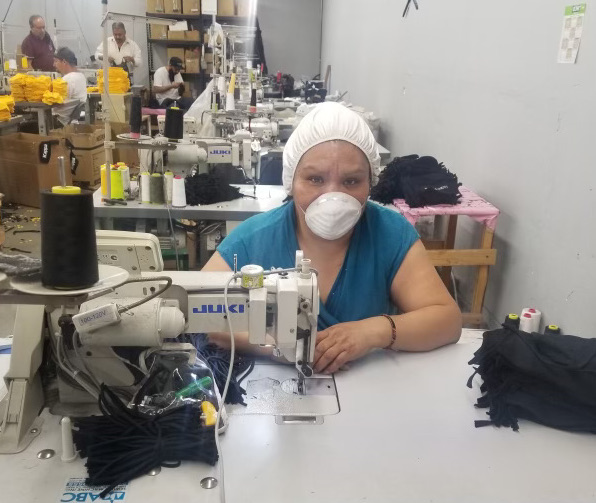
"caption": "Olegaria Ruiz at her job in a Los Angeles garment factory in June 2020.",
"description": null,
"title": "EEA83CEA-CC03-4629-9BE5-CA5032807CB4",
"credit": "Courtesy of Estela Perez, Garment Worker Center",
"status": "inherit",
"altTag": null,
"isLoading": false,
"fetchFailed": false
},
"news_11859091": {
"type": "attachments",
"id": "news_11859091",
"meta": {
"index": "attachments_1716263798",
"site": "news",
"id": "11859091",
"found": true
},
"parent": 11859090,
"imgSizes": {
"apple_news_ca_landscape_5_5": {
"file": "https://ww2.kqed.org/app/uploads/sites/10/2021/02/vaxhurt2_wide-3b270ca1de3e6f3722f1666acdd5c39b61d99050-1044x783.jpg",
"width": 1044,
"mimeType": "image/jpeg",
"height": 783
},
"apple_news_ca_square_4_0": {
"file": "https://ww2.kqed.org/app/uploads/sites/10/2021/02/vaxhurt2_wide-3b270ca1de3e6f3722f1666acdd5c39b61d99050-470x470.jpg",
"width": 470,
"mimeType": "image/jpeg",
"height": 470
},
"twentyfourteen-full-width": {
"file": "https://ww2.kqed.org/app/uploads/sites/10/2021/02/vaxhurt2_wide-3b270ca1de3e6f3722f1666acdd5c39b61d99050-1038x576.jpg",
"width": 1038,
"mimeType": "image/jpeg",
"height": 576
},
"thumbnail": {
"file": "https://ww2.kqed.org/app/uploads/sites/10/2021/02/vaxhurt2_wide-3b270ca1de3e6f3722f1666acdd5c39b61d99050-160x90.jpg",
"width": 160,
"mimeType": "image/jpeg",
"height": 90
},
"post-thumbnail": {
"file": "https://ww2.kqed.org/app/uploads/sites/10/2021/02/vaxhurt2_wide-3b270ca1de3e6f3722f1666acdd5c39b61d99050-672x372.jpg",
"width": 672,
"mimeType": "image/jpeg",
"height": 372
},
"kqedFullSize": {
"file": "https://ww2.kqed.org/app/uploads/sites/10/2021/02/vaxhurt2_wide-3b270ca1de3e6f3722f1666acdd5c39b61d99050-scaled-e1612641088964.jpg",
"width": 1920,
"height": 1080
},
"2048x2048": {
"file": "https://ww2.kqed.org/app/uploads/sites/10/2021/02/vaxhurt2_wide-3b270ca1de3e6f3722f1666acdd5c39b61d99050-2048x1152.jpg",
"width": 2048,
"mimeType": "image/jpeg",
"height": 1152
},
"apple_news_ca_landscape_4_7": {
"file": "https://ww2.kqed.org/app/uploads/sites/10/2021/02/vaxhurt2_wide-3b270ca1de3e6f3722f1666acdd5c39b61d99050-632x474.jpg",
"width": 632,
"mimeType": "image/jpeg",
"height": 474
},
"large": {
"file": "https://ww2.kqed.org/app/uploads/sites/10/2021/02/vaxhurt2_wide-3b270ca1de3e6f3722f1666acdd5c39b61d99050-1020x574.jpg",
"width": 1020,
"mimeType": "image/jpeg",
"height": 574
},
"apple_news_ca_landscape_4_0": {
"file": "https://ww2.kqed.org/app/uploads/sites/10/2021/02/vaxhurt2_wide-3b270ca1de3e6f3722f1666acdd5c39b61d99050-536x402.jpg",
"width": 536,
"mimeType": "image/jpeg",
"height": 402
},
"apple_news_ca_portrait_12_9": {
"file": "https://ww2.kqed.org/app/uploads/sites/10/2021/02/vaxhurt2_wide-3b270ca1de3e6f3722f1666acdd5c39b61d99050-1122x1496.jpg",
"width": 1122,
"mimeType": "image/jpeg",
"height": 1496
},
"medium": {
"file": "https://ww2.kqed.org/app/uploads/sites/10/2021/02/vaxhurt2_wide-3b270ca1de3e6f3722f1666acdd5c39b61d99050-800x450.jpg",
"width": 800,
"mimeType": "image/jpeg",
"height": 450
},
"apple_news_ca_portrait_4_0": {
"file": "https://ww2.kqed.org/app/uploads/sites/10/2021/02/vaxhurt2_wide-3b270ca1de3e6f3722f1666acdd5c39b61d99050-354x472.jpg",
"width": 354,
"mimeType": "image/jpeg",
"height": 472
},
"apple_news_ca_portrait_9_7": {
"file": "https://ww2.kqed.org/app/uploads/sites/10/2021/02/vaxhurt2_wide-3b270ca1de3e6f3722f1666acdd5c39b61d99050-840x1120.jpg",
"width": 840,
"mimeType": "image/jpeg",
"height": 1120
},
"apple_news_ca_landscape_12_9": {
"file": "https://ww2.kqed.org/app/uploads/sites/10/2021/02/vaxhurt2_wide-3b270ca1de3e6f3722f1666acdd5c39b61d99050-1832x1374.jpg",
"width": 1832,
"mimeType": "image/jpeg",
"height": 1374
},
"apple_news_ca_square_9_7": {
"file": "https://ww2.kqed.org/app/uploads/sites/10/2021/02/vaxhurt2_wide-3b270ca1de3e6f3722f1666acdd5c39b61d99050-1104x1104.jpg",
"width": 1104,
"mimeType": "image/jpeg",
"height": 1104
},
"1536x1536": {
"file": "https://ww2.kqed.org/app/uploads/sites/10/2021/02/vaxhurt2_wide-3b270ca1de3e6f3722f1666acdd5c39b61d99050-1536x864.jpg",
"width": 1536,
"mimeType": "image/jpeg",
"height": 864
},
"apple_news_ca_portrait_4_7": {
"file": "https://ww2.kqed.org/app/uploads/sites/10/2021/02/vaxhurt2_wide-3b270ca1de3e6f3722f1666acdd5c39b61d99050-414x552.jpg",
"width": 414,
"mimeType": "image/jpeg",
"height": 552
},
"apple_news_ca_square_12_9": {
"file": "https://ww2.kqed.org/app/uploads/sites/10/2021/02/vaxhurt2_wide-3b270ca1de3e6f3722f1666acdd5c39b61d99050-1472x1472.jpg",
"width": 1472,
"mimeType": "image/jpeg",
"height": 1472
},
"apple_news_ca_portrait_5_5": {
"file": "https://ww2.kqed.org/app/uploads/sites/10/2021/02/vaxhurt2_wide-3b270ca1de3e6f3722f1666acdd5c39b61d99050-687x916.jpg",
"width": 687,
"mimeType": "image/jpeg",
"height": 916
},
"full-width": {
"file": "https://ww2.kqed.org/app/uploads/sites/10/2021/02/vaxhurt2_wide-3b270ca1de3e6f3722f1666acdd5c39b61d99050-1920x1080.jpg",
"width": 1920,
"mimeType": "image/jpeg",
"height": 1080
},
"apple_news_ca_square_4_7": {
"file": "https://ww2.kqed.org/app/uploads/sites/10/2021/02/vaxhurt2_wide-3b270ca1de3e6f3722f1666acdd5c39b61d99050-550x550.jpg",
"width": 550,
"mimeType": "image/jpeg",
"height": 550
},
"apple_news_ca_landscape_9_7": {
"file": "https://ww2.kqed.org/app/uploads/sites/10/2021/02/vaxhurt2_wide-3b270ca1de3e6f3722f1666acdd5c39b61d99050-1376x1032.jpg",
"width": 1376,
"mimeType": "image/jpeg",
"height": 1032
},
"apple_news_ca_square_5_5": {
"file": "https://ww2.kqed.org/app/uploads/sites/10/2021/02/vaxhurt2_wide-3b270ca1de3e6f3722f1666acdd5c39b61d99050-912x912.jpg",
"width": 912,
"mimeType": "image/jpeg",
"height": 912
}
},
"publishDate": 1612640987,
"modified": 1612641141,
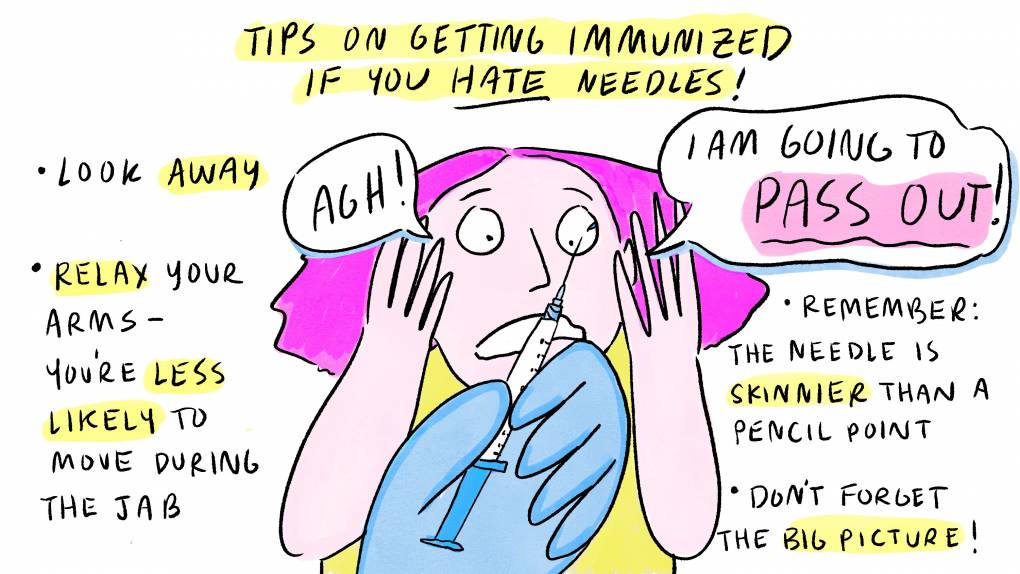
"caption": "Tips on Getting Immunized if you hate needs. ",
"description": null,
"title": "Cartoon: Tips on Getting Immunized if you hate needs.",
"credit": "Malaka Gharib/ NPR",
"status": "inherit",
"altTag": null,
"isLoading": false,
"fetchFailed": false
},
"news_11858174": {
"type": "attachments",
"id": "news_11858174",
"meta": {
"index": "attachments_1716263798",
"site": "news",
"id": "11858174",
"found": true
},
"parent": 11857538,
"imgSizes": {
"apple_news_ca_square_4_0": {
"file": "https://ww2.kqed.org/app/uploads/sites/10/2021/02/RS43258_HEADSHOT-3-aw-qut-1020x1020-2-470x470.jpg",
"width": 470,
"mimeType": "image/jpeg",
"height": 470
},
"twentyfourteen-full-width": {
"file": "https://ww2.kqed.org/app/uploads/sites/10/2021/02/RS43258_HEADSHOT-3-aw-qut-1020x1020-2-1019x576.jpg",
"width": 1019,
"mimeType": "image/jpeg",
"height": 576
},
"thumbnail": {
"file": "https://ww2.kqed.org/app/uploads/sites/10/2021/02/RS43258_HEADSHOT-3-aw-qut-1020x1020-2-160x119.jpg",
"width": 160,
"mimeType": "image/jpeg",
"height": 119
},
"post-thumbnail": {
"file": "https://ww2.kqed.org/app/uploads/sites/10/2021/02/RS43258_HEADSHOT-3-aw-qut-1020x1020-2-672x372.jpg",
"width": 672,
"mimeType": "image/jpeg",
"height": 372
},
"kqedFullSize": {
"file": "https://ww2.kqed.org/app/uploads/sites/10/2021/02/RS43258_HEADSHOT-3-aw-qut-1020x1020-2.jpg",
"width": 1019,
"height": 756
},
"apple_news_ca_landscape_4_7": {
"file": "https://ww2.kqed.org/app/uploads/sites/10/2021/02/RS43258_HEADSHOT-3-aw-qut-1020x1020-2-632x474.jpg",
"width": 632,
"mimeType": "image/jpeg",
"height": 474
},
"apple_news_ca_landscape_4_0": {
"file": "https://ww2.kqed.org/app/uploads/sites/10/2021/02/RS43258_HEADSHOT-3-aw-qut-1020x1020-2-536x402.jpg",
"width": 536,
"mimeType": "image/jpeg",
"height": 402
},
"medium": {
"file": "https://ww2.kqed.org/app/uploads/sites/10/2021/02/RS43258_HEADSHOT-3-aw-qut-1020x1020-2-800x594.jpg",
"width": 800,
"mimeType": "image/jpeg",
"height": 594
},
"apple_news_ca_portrait_4_0": {
"file": "https://ww2.kqed.org/app/uploads/sites/10/2021/02/RS43258_HEADSHOT-3-aw-qut-1020x1020-2-354x472.jpg",
"width": 354,
"mimeType": "image/jpeg",
"height": 472
},
"apple_news_ca_portrait_9_7": {
"file": "https://ww2.kqed.org/app/uploads/sites/10/2021/02/RS43258_HEADSHOT-3-aw-qut-1020x1020-2-840x756.jpg",
"width": 840,
"mimeType": "image/jpeg",
"height": 756
},
"apple_news_ca_portrait_4_7": {
"file": "https://ww2.kqed.org/app/uploads/sites/10/2021/02/RS43258_HEADSHOT-3-aw-qut-1020x1020-2-414x552.jpg",
"width": 414,
"mimeType": "image/jpeg",
"height": 552
},
"apple_news_ca_portrait_5_5": {
"file": "https://ww2.kqed.org/app/uploads/sites/10/2021/02/RS43258_HEADSHOT-3-aw-qut-1020x1020-2-687x756.jpg",
"width": 687,
"mimeType": "image/jpeg",
"height": 756
},
"apple_news_ca_square_4_7": {
"file": "https://ww2.kqed.org/app/uploads/sites/10/2021/02/RS43258_HEADSHOT-3-aw-qut-1020x1020-2-550x550.jpg",
"width": 550,
"mimeType": "image/jpeg",
"height": 550
},
"apple_news_ca_square_5_5": {
"file": "https://ww2.kqed.org/app/uploads/sites/10/2021/02/RS43258_HEADSHOT-3-aw-qut-1020x1020-2-912x756.jpg",
"width": 912,
"mimeType": "image/jpeg",
"height": 756
}
},
"publishDate": 1612288669,
"modified": 1612288696,
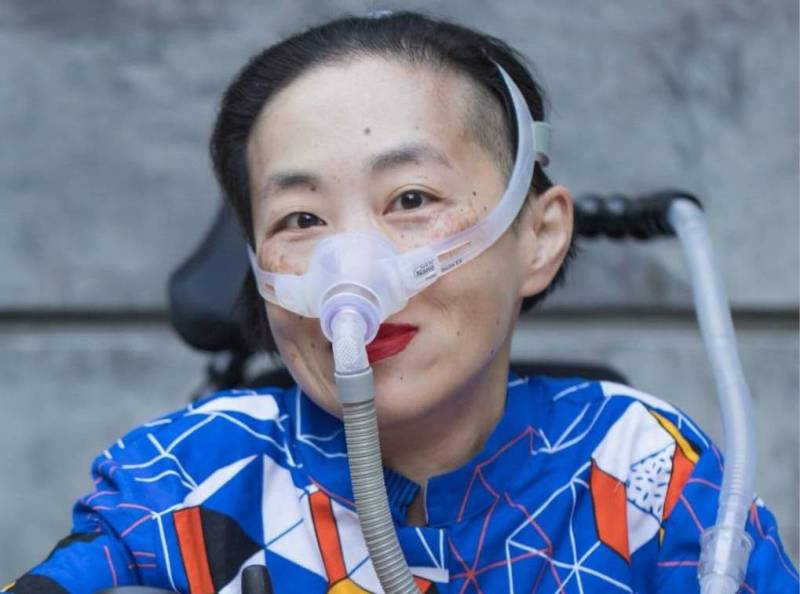
"caption": "Alice Wong, a San Francisco-based disability rights activist and the host of the 'Disability Visibility' podcast, says she was dismayed to find out about the state's new vaccine prioritization plan.",
"description": null,
"title": "RS43258_HEADSHOT-3-aw-qut-1020x1020",
"credit": "Courtesy Eddie Hernandez Photography",
"status": "inherit",
"altTag": null,
"isLoading": false,
"fetchFailed": false
},
"news_11856374": {
"type": "attachments",
"id": "news_11856374",
"meta": {
"index": "attachments_1716263798",
"site": "news",
"id": "11856374",
"found": true
},
"parent": 11856370,
"imgSizes": {
"apple_news_ca_landscape_5_5": {
"file": "https://ww2.kqed.org/app/uploads/sites/10/2021/01/01202021_KidsCOVID_SH_01_10-1044x783.jpg",
"width": 1044,
"mimeType": "image/jpeg",
"height": 783
},
"apple_news_ca_square_4_0": {
"file": "https://ww2.kqed.org/app/uploads/sites/10/2021/01/01202021_KidsCOVID_SH_01_10-470x470.jpg",
"width": 470,
"mimeType": "image/jpeg",
"height": 470
},
"twentyfourteen-full-width": {
"file": "https://ww2.kqed.org/app/uploads/sites/10/2021/01/01202021_KidsCOVID_SH_01_10-1038x576.jpg",
"width": 1038,
"mimeType": "image/jpeg",
"height": 576
},
"thumbnail": {
"file": "https://ww2.kqed.org/app/uploads/sites/10/2021/01/01202021_KidsCOVID_SH_01_10-160x107.jpg",
"width": 160,
"mimeType": "image/jpeg",
"height": 107
},
"post-thumbnail": {
"file": "https://ww2.kqed.org/app/uploads/sites/10/2021/01/01202021_KidsCOVID_SH_01_10-672x372.jpg",
"width": 672,
"mimeType": "image/jpeg",
"height": 372
},
"kqedFullSize": {
"file": "https://ww2.kqed.org/app/uploads/sites/10/2021/01/01202021_KidsCOVID_SH_01_10-e1611253693171.jpg",
"width": 1920,
"height": 1280
},
"apple_news_ca_landscape_4_7": {
"file": "https://ww2.kqed.org/app/uploads/sites/10/2021/01/01202021_KidsCOVID_SH_01_10-632x474.jpg",
"width": 632,
"mimeType": "image/jpeg",
"height": 474
},
"large": {
"file": "https://ww2.kqed.org/app/uploads/sites/10/2021/01/01202021_KidsCOVID_SH_01_10-1020x680.jpg",
"width": 1020,
"mimeType": "image/jpeg",
"height": 680
},
"apple_news_ca_landscape_4_0": {
"file": "https://ww2.kqed.org/app/uploads/sites/10/2021/01/01202021_KidsCOVID_SH_01_10-536x402.jpg",
"width": 536,
"mimeType": "image/jpeg",
"height": 402
},
"apple_news_ca_portrait_12_9": {
"file": "https://ww2.kqed.org/app/uploads/sites/10/2021/01/01202021_KidsCOVID_SH_01_10-1122x1333.jpg",
"width": 1122,
"mimeType": "image/jpeg",
"height": 1333
},
"medium": {
"file": "https://ww2.kqed.org/app/uploads/sites/10/2021/01/01202021_KidsCOVID_SH_01_10-800x533.jpg",
"width": 800,
"mimeType": "image/jpeg",
"height": 533
},
"apple_news_ca_portrait_4_0": {
"file": "https://ww2.kqed.org/app/uploads/sites/10/2021/01/01202021_KidsCOVID_SH_01_10-354x472.jpg",
"width": 354,
"mimeType": "image/jpeg",
"height": 472
},
"apple_news_ca_portrait_9_7": {
"file": "https://ww2.kqed.org/app/uploads/sites/10/2021/01/01202021_KidsCOVID_SH_01_10-840x1120.jpg",
"width": 840,
"mimeType": "image/jpeg",
"height": 1120
},
"apple_news_ca_landscape_12_9": {
"file": "https://ww2.kqed.org/app/uploads/sites/10/2021/01/01202021_KidsCOVID_SH_01_10-1832x1333.jpg",
"width": 1832,
"mimeType": "image/jpeg",
"height": 1333
},
"apple_news_ca_square_9_7": {
"file": "https://ww2.kqed.org/app/uploads/sites/10/2021/01/01202021_KidsCOVID_SH_01_10-1104x1104.jpg",
"width": 1104,
"mimeType": "image/jpeg",
"height": 1104
},
"1536x1536": {
"file": "https://ww2.kqed.org/app/uploads/sites/10/2021/01/01202021_KidsCOVID_SH_01_10-1536x1024.jpg",
"width": 1536,
"mimeType": "image/jpeg",
"height": 1024
},
"apple_news_ca_portrait_4_7": {
"file": "https://ww2.kqed.org/app/uploads/sites/10/2021/01/01202021_KidsCOVID_SH_01_10-414x552.jpg",
"width": 414,
"mimeType": "image/jpeg",
"height": 552
},
"apple_news_ca_square_12_9": {
"file": "https://ww2.kqed.org/app/uploads/sites/10/2021/01/01202021_KidsCOVID_SH_01_10-1472x1333.jpg",
"width": 1472,
"mimeType": "image/jpeg",
"height": 1333
},
"apple_news_ca_portrait_5_5": {
"file": "https://ww2.kqed.org/app/uploads/sites/10/2021/01/01202021_KidsCOVID_SH_01_10-687x916.jpg",
"width": 687,
"mimeType": "image/jpeg",
"height": 916
},
"full-width": {
"file": "https://ww2.kqed.org/app/uploads/sites/10/2021/01/01202021_KidsCOVID_SH_01_10-1920x1280.jpg",
"width": 1920,
"mimeType": "image/jpeg",
"height": 1280
},
"apple_news_ca_square_4_7": {
"file": "https://ww2.kqed.org/app/uploads/sites/10/2021/01/01202021_KidsCOVID_SH_01_10-550x550.jpg",
"width": 550,
"mimeType": "image/jpeg",
"height": 550
},
"apple_news_ca_landscape_9_7": {
"file": "https://ww2.kqed.org/app/uploads/sites/10/2021/01/01202021_KidsCOVID_SH_01_10-1376x1032.jpg",
"width": 1376,
"mimeType": "image/jpeg",
"height": 1032
},
"apple_news_ca_square_5_5": {
"file": "https://ww2.kqed.org/app/uploads/sites/10/2021/01/01202021_KidsCOVID_SH_01_10-912x912.jpg",
"width": 912,
"mimeType": "image/jpeg",
"height": 912
}
},
"publishDate": 1611253395,
"modified": 1611271496,
"caption": "Mae Villanueva, 4, plays at Lake Balboa Park in Van Nuys on Jan. 20, 2021. Mae's parents worry that without in-person instruction she will fall behind in reading. \n",
"description": null,
"title": "01202021_KidsCOVID_SH_01_10",
"credit": "Shae Hammond/CalMatters",
"status": "inherit",
"altTag": null,
"isLoading": false,
"fetchFailed": false
},
"news_11855942": {
"type": "attachments",
"id": "news_11855942",
"meta": {
"index": "attachments_1716263798",
"site": "news",
"id": "11855942",
"found": true
},
"parent": 11855941,
"imgSizes": {
"apple_news_ca_square_4_0": {
"file": "https://ww2.kqed.org/app/uploads/sites/10/2021/01/rachel-levine-be5e3faf7b2b365e2c857c09a793860bfa5476ef-470x470.jpg",
"width": 470,
"mimeType": "image/jpeg",
"height": 470
},
"twentyfourteen-full-width": {
"file": "https://ww2.kqed.org/app/uploads/sites/10/2021/01/rachel-levine-be5e3faf7b2b365e2c857c09a793860bfa5476ef-1011x576.jpg",
"width": 1011,
"mimeType": "image/jpeg",
"height": 576
},
"thumbnail": {
"file": "https://ww2.kqed.org/app/uploads/sites/10/2021/01/rachel-levine-be5e3faf7b2b365e2c857c09a793860bfa5476ef-160x120.jpg",
"width": 160,
"mimeType": "image/jpeg",
"height": 120
},
"post-thumbnail": {
"file": "https://ww2.kqed.org/app/uploads/sites/10/2021/01/rachel-levine-be5e3faf7b2b365e2c857c09a793860bfa5476ef-672x372.jpg",
"width": 672,
"mimeType": "image/jpeg",
"height": 372
},
"kqedFullSize": {
"file": "https://ww2.kqed.org/app/uploads/sites/10/2021/01/rachel-levine-be5e3faf7b2b365e2c857c09a793860bfa5476ef.jpg",
"width": 1011,
"height": 758
},
"apple_news_ca_landscape_4_7": {
"file": "https://ww2.kqed.org/app/uploads/sites/10/2021/01/rachel-levine-be5e3faf7b2b365e2c857c09a793860bfa5476ef-632x474.jpg",
"width": 632,
"mimeType": "image/jpeg",
"height": 474
},
"apple_news_ca_landscape_4_0": {
"file": "https://ww2.kqed.org/app/uploads/sites/10/2021/01/rachel-levine-be5e3faf7b2b365e2c857c09a793860bfa5476ef-536x402.jpg",
"width": 536,
"mimeType": "image/jpeg",
"height": 402
},
"medium": {
"file": "https://ww2.kqed.org/app/uploads/sites/10/2021/01/rachel-levine-be5e3faf7b2b365e2c857c09a793860bfa5476ef-800x600.jpg",
"width": 800,
"mimeType": "image/jpeg",
"height": 600
},
"apple_news_ca_portrait_4_0": {
"file": "https://ww2.kqed.org/app/uploads/sites/10/2021/01/rachel-levine-be5e3faf7b2b365e2c857c09a793860bfa5476ef-354x472.jpg",
"width": 354,
"mimeType": "image/jpeg",
"height": 472
},
"apple_news_ca_portrait_9_7": {
"file": "https://ww2.kqed.org/app/uploads/sites/10/2021/01/rachel-levine-be5e3faf7b2b365e2c857c09a793860bfa5476ef-840x758.jpg",
"width": 840,
"mimeType": "image/jpeg",
"height": 758
},
"apple_news_ca_portrait_4_7": {
"file": "https://ww2.kqed.org/app/uploads/sites/10/2021/01/rachel-levine-be5e3faf7b2b365e2c857c09a793860bfa5476ef-414x552.jpg",
"width": 414,
"mimeType": "image/jpeg",
"height": 552
},
"apple_news_ca_portrait_5_5": {
"file": "https://ww2.kqed.org/app/uploads/sites/10/2021/01/rachel-levine-be5e3faf7b2b365e2c857c09a793860bfa5476ef-687x758.jpg",
"width": 687,
"mimeType": "image/jpeg",
"height": 758
},
"apple_news_ca_square_4_7": {
"file": "https://ww2.kqed.org/app/uploads/sites/10/2021/01/rachel-levine-be5e3faf7b2b365e2c857c09a793860bfa5476ef-550x550.jpg",
"width": 550,
"mimeType": "image/jpeg",
"height": 550
},
"apple_news_ca_square_5_5": {
"file": "https://ww2.kqed.org/app/uploads/sites/10/2021/01/rachel-levine-be5e3faf7b2b365e2c857c09a793860bfa5476ef-912x758.jpg",
"width": 912,
"mimeType": "image/jpeg",
"height": 758
}
},
"publishDate": 1611078771,
"modified": 1611079043,
"caption": "Dr. Rachel Levine has previously won state Senate confirmation in Pennsylvania, including a unanimous vote in 2015 to endorse her as Pennsylvania's physician general.",
"description": null,
"title": "Dr. Rachel Levine has previously won state Senate confirmation in Pennsylvania, including a unanimous vote in 2015 to endorse her as Pennsylvania's physician general.",
"credit": "Courtesy of Biden transition team",
"status": "inherit",
"altTag": null,
"isLoading": false,
"fetchFailed": false
},
"news_11855022": {
"type": "attachments",
"id": "news_11855022",
"meta": {
"index": "attachments_1716263798",
"site": "news",
"id": "11855022",
"found": true
},
"parent": 11853877,
"imgSizes": {
"apple_news_ca_landscape_5_5": {
"file": "https://ww2.kqed.org/app/uploads/sites/10/2021/01/TongvaCreationStory-1044x783.jpg",
"width": 1044,
"mimeType": "image/jpeg",
"height": 783
},
"apple_news_ca_square_4_0": {
"file": "https://ww2.kqed.org/app/uploads/sites/10/2021/01/TongvaCreationStory-470x470.jpg",
"width": 470,
"mimeType": "image/jpeg",
"height": 470
},
"twentyfourteen-full-width": {
"file": "https://ww2.kqed.org/app/uploads/sites/10/2021/01/TongvaCreationStory-1038x576.jpg",
"width": 1038,
"mimeType": "image/jpeg",
"height": 576
},
"thumbnail": {
"file": "https://ww2.kqed.org/app/uploads/sites/10/2021/01/TongvaCreationStory-160x112.jpg",
"width": 160,
"mimeType": "image/jpeg",
"height": 112
},
"post-thumbnail": {
"file": "https://ww2.kqed.org/app/uploads/sites/10/2021/01/TongvaCreationStory-672x372.jpg",
"width": 672,
"mimeType": "image/jpeg",
"height": 372
},
"kqedFullSize": {
"file": "https://ww2.kqed.org/app/uploads/sites/10/2021/01/TongvaCreationStory.jpg",
"width": 1920,
"height": 1339
},
"apple_news_ca_landscape_4_7": {
"file": "https://ww2.kqed.org/app/uploads/sites/10/2021/01/TongvaCreationStory-632x474.jpg",
"width": 632,
"mimeType": "image/jpeg",
"height": 474
},
"large": {
"file": "https://ww2.kqed.org/app/uploads/sites/10/2021/01/TongvaCreationStory-1020x711.jpg",
"width": 1020,
"mimeType": "image/jpeg",
"height": 711
},
"apple_news_ca_landscape_4_0": {
"file": "https://ww2.kqed.org/app/uploads/sites/10/2021/01/TongvaCreationStory-536x402.jpg",
"width": 536,
"mimeType": "image/jpeg",
"height": 402
},
"apple_news_ca_portrait_12_9": {
"file": "https://ww2.kqed.org/app/uploads/sites/10/2021/01/TongvaCreationStory-1122x1339.jpg",
"width": 1122,
"mimeType": "image/jpeg",
"height": 1339
},
"medium": {
"file": "https://ww2.kqed.org/app/uploads/sites/10/2021/01/TongvaCreationStory-800x558.jpg",
"width": 800,
"mimeType": "image/jpeg",
"height": 558
},
"apple_news_ca_portrait_4_0": {
"file": "https://ww2.kqed.org/app/uploads/sites/10/2021/01/TongvaCreationStory-354x472.jpg",
"width": 354,
"mimeType": "image/jpeg",
"height": 472
},
"apple_news_ca_portrait_9_7": {
"file": "https://ww2.kqed.org/app/uploads/sites/10/2021/01/TongvaCreationStory-840x1120.jpg",
"width": 840,
"mimeType": "image/jpeg",
"height": 1120
},
"apple_news_ca_landscape_12_9": {
"file": "https://ww2.kqed.org/app/uploads/sites/10/2021/01/TongvaCreationStory-1832x1339.jpg",
"width": 1832,
"mimeType": "image/jpeg",
"height": 1339
},
"apple_news_ca_square_9_7": {
"file": "https://ww2.kqed.org/app/uploads/sites/10/2021/01/TongvaCreationStory-1104x1104.jpg",
"width": 1104,
"mimeType": "image/jpeg",
"height": 1104
},
"1536x1536": {
"file": "https://ww2.kqed.org/app/uploads/sites/10/2021/01/TongvaCreationStory-1536x1071.jpg",
"width": 1536,
"mimeType": "image/jpeg",
"height": 1071
},
"apple_news_ca_portrait_4_7": {
"file": "https://ww2.kqed.org/app/uploads/sites/10/2021/01/TongvaCreationStory-414x552.jpg",
"width": 414,
"mimeType": "image/jpeg",
"height": 552
},
"apple_news_ca_square_12_9": {
"file": "https://ww2.kqed.org/app/uploads/sites/10/2021/01/TongvaCreationStory-1472x1339.jpg",
"width": 1472,
"mimeType": "image/jpeg",
"height": 1339
},
"apple_news_ca_portrait_5_5": {
"file": "https://ww2.kqed.org/app/uploads/sites/10/2021/01/TongvaCreationStory-687x916.jpg",
"width": 687,
"mimeType": "image/jpeg",
"height": 916
},
"apple_news_ca_square_4_7": {
"file": "https://ww2.kqed.org/app/uploads/sites/10/2021/01/TongvaCreationStory-550x550.jpg",
"width": 550,
"mimeType": "image/jpeg",
"height": 550
},
"apple_news_ca_landscape_9_7": {
"file": "https://ww2.kqed.org/app/uploads/sites/10/2021/01/TongvaCreationStory-1376x1032.jpg",
"width": 1376,
"mimeType": "image/jpeg",
"height": 1032
},
"apple_news_ca_square_5_5": {
"file": "https://ww2.kqed.org/app/uploads/sites/10/2021/01/TongvaCreationStory-912x912.jpg",
"width": 912,
"mimeType": "image/jpeg",
"height": 912
}
},
"publishDate": 1610496721,
"modified": 1610496809,
"caption": "An illustration from 'Wa'aaka: The Bird Who Fell in Love with the Sun.'",
"description": null,
"title": "TongvaCreationStory",
"credit": "Carly Lake/Courtesy Heyday Books",
"status": "inherit",
"altTag": null,
"isLoading": false,
"fetchFailed": false
},
"news_11855417": {
"type": "attachments",
"id": "news_11855417",
"meta": {
"index": "attachments_1716263798",
"site": "news",
"id": "11855417",
"found": true
},
"parent": 11855199,
"imgSizes": {
"apple_news_ca_landscape_5_5": {
"file": "https://ww2.kqed.org/app/uploads/sites/10/2021/01/doctorscovidkqed-1044x783.jpg",
"width": 1044,
"mimeType": "image/jpeg",
"height": 783
},
"apple_news_ca_square_4_0": {
"file": "https://ww2.kqed.org/app/uploads/sites/10/2021/01/doctorscovidkqed-470x470.jpg",
"width": 470,
"mimeType": "image/jpeg",
"height": 470
},
"twentyfourteen-full-width": {
"file": "https://ww2.kqed.org/app/uploads/sites/10/2021/01/doctorscovidkqed-1038x576.jpg",
"width": 1038,
"mimeType": "image/jpeg",
"height": 576
},
"thumbnail": {
"file": "https://ww2.kqed.org/app/uploads/sites/10/2021/01/doctorscovidkqed-160x107.jpg",
"width": 160,
"mimeType": "image/jpeg",
"height": 107
},
"post-thumbnail": {
"file": "https://ww2.kqed.org/app/uploads/sites/10/2021/01/doctorscovidkqed-672x372.jpg",
"width": 672,
"mimeType": "image/jpeg",
"height": 372
},
"kqedFullSize": {
"file": "https://ww2.kqed.org/app/uploads/sites/10/2021/01/doctorscovidkqed.jpg",
"width": 1620,
"height": 1080
},
"apple_news_ca_landscape_4_7": {
"file": "https://ww2.kqed.org/app/uploads/sites/10/2021/01/doctorscovidkqed-632x474.jpg",
"width": 632,
"mimeType": "image/jpeg",
"height": 474
},
"large": {
"file": "https://ww2.kqed.org/app/uploads/sites/10/2021/01/doctorscovidkqed-1020x680.jpg",
"width": 1020,
"mimeType": "image/jpeg",
"height": 680
},
"apple_news_ca_landscape_4_0": {
"file": "https://ww2.kqed.org/app/uploads/sites/10/2021/01/doctorscovidkqed-536x402.jpg",
"width": 536,
"mimeType": "image/jpeg",
"height": 402
},
"apple_news_ca_portrait_12_9": {
"file": "https://ww2.kqed.org/app/uploads/sites/10/2021/01/doctorscovidkqed-1122x1080.jpg",
"width": 1122,
"mimeType": "image/jpeg",
"height": 1080
},
"medium": {
"file": "https://ww2.kqed.org/app/uploads/sites/10/2021/01/doctorscovidkqed-800x533.jpg",
"width": 800,
"mimeType": "image/jpeg",
"height": 533
},
"apple_news_ca_portrait_4_0": {
"file": "https://ww2.kqed.org/app/uploads/sites/10/2021/01/doctorscovidkqed-354x472.jpg",
"width": 354,
"mimeType": "image/jpeg",
"height": 472
},
"apple_news_ca_portrait_9_7": {
"file": "https://ww2.kqed.org/app/uploads/sites/10/2021/01/doctorscovidkqed-840x1080.jpg",
"width": 840,
"mimeType": "image/jpeg",
"height": 1080
},
"apple_news_ca_square_9_7": {
"file": "https://ww2.kqed.org/app/uploads/sites/10/2021/01/doctorscovidkqed-1104x1080.jpg",
"width": 1104,
"mimeType": "image/jpeg",
"height": 1080
},
"1536x1536": {
"file": "https://ww2.kqed.org/app/uploads/sites/10/2021/01/doctorscovidkqed-1536x1024.jpg",
"width": 1536,
"mimeType": "image/jpeg",
"height": 1024
},
"apple_news_ca_portrait_4_7": {
"file": "https://ww2.kqed.org/app/uploads/sites/10/2021/01/doctorscovidkqed-414x552.jpg",
"width": 414,
"mimeType": "image/jpeg",
"height": 552
},
"apple_news_ca_square_12_9": {
"file": "https://ww2.kqed.org/app/uploads/sites/10/2021/01/doctorscovidkqed-1472x1080.jpg",
"width": 1472,
"mimeType": "image/jpeg",
"height": 1080
},
"apple_news_ca_portrait_5_5": {
"file": "https://ww2.kqed.org/app/uploads/sites/10/2021/01/doctorscovidkqed-687x916.jpg",
"width": 687,
"mimeType": "image/jpeg",
"height": 916
},
"apple_news_ca_square_4_7": {
"file": "https://ww2.kqed.org/app/uploads/sites/10/2021/01/doctorscovidkqed-550x550.jpg",
"width": 550,
"mimeType": "image/jpeg",
"height": 550
},
"apple_news_ca_landscape_9_7": {
"file": "https://ww2.kqed.org/app/uploads/sites/10/2021/01/doctorscovidkqed-1376x1032.jpg",
"width": 1376,
"mimeType": "image/jpeg",
"height": 1032
},
"apple_news_ca_square_5_5": {
"file": "https://ww2.kqed.org/app/uploads/sites/10/2021/01/doctorscovidkqed-912x912.jpg",
"width": 912,
"mimeType": "image/jpeg",
"height": 912
}
},
"publishDate": 1610658788,
"modified": 1610669587,
"caption": "Dr. Clay Josephy in San Francisco on Jan. 14, 2021. 'To not believe in COVID at this point is the highest form of cognitive dysfunction, and by extension the pinnacle of insult to literally everyone, most especially health care workers.'",
"description": null,
"title": "doctorscovidkqed",
"credit": "Beth LaBerge/KQED",
"status": "inherit",
"altTag": null,
"isLoading": false,
"fetchFailed": false
}
},
"audioPlayerReducer": {
"postId": "stream_live",
"isPaused": true,
"isPlaying": false,
"pfsActive": false,
"pledgeModalIsOpen": true,
"playerDrawerIsOpen": false,
"liveAudioPlayStartedAt": 0,
"liveAudioPlayContext": ""
},
"authorsReducer": {
"byline_news_11860536": {
"type": "authors",
"id": "byline_news_11860536",
"meta": {
"override": true
},
"slug": "byline_news_11860536",
"name": "\u003ca href=\"https://calmatters.org/author/anaibarra/\">Ana B. Ibarra\u003c/a>",
"isLoading": false
},
"byline_news_11859090": {
"type": "authors",
"id": "byline_news_11859090",
"meta": {
"override": true
},
"slug": "byline_news_11859090",
"name": "Sheila Mulrooney Eldred",
"isLoading": false
},
"byline_news_11856370": {
"type": "authors",
"id": "byline_news_11856370",
"meta": {
"override": true
},
"slug": "byline_news_11856370",
"name": "\u003ca />Elizabeth Aguilera\u003c/a>",
"isLoading": false
},
"byline_news_11855941": {
"type": "authors",
"id": "byline_news_11855941",
"meta": {
"override": true
},
"slug": "byline_news_11855941",
"name": "Bill Chappell",
"isLoading": false
},
"sracho": {
"type": "authors",
"id": "107",
"meta": {
"index": "authors_1716337520",
"id": "107",
"found": true
},
"name": "Suzie Racho",
"firstName": "Suzie",
"lastName": "Racho",
"slug": "sracho",
"email": "SRacho@KQED.org",
"display_author_email": false,
"staff_mastheads": [
"news"
],
"title": "KQED Contributor",
"bio": "Suzie Racho is a correspondent-producer with \u003cem>The California Report Magazine\u003c/em>\u003cem>. S\u003c/em>he has also worked with several other KQED productions, including Bay Curious, Truth Be Told, The Do List and KQED News.\r\n\r\nSuzie came to KQED in 1996 after receiving a BA in journalism from San Francisco State University and spending several years working in the music industry. As part of \u003cem>The California Report\u003c/em> team, her work has been recognized by the Society for Professional Journalists, National Federation of Community Broadcasters and Public Radio News Directors Incorporated, among others. She was recognized with a national Gracie Award in 2019. She spends her free time baking, listening to K-pop and rooting for the Giants and Valkyries.",
"avatar": "https://secure.gravatar.com/avatar/842e457a9830b0f3c1ce3ab70ed3518d616d1e25e315c6292eab8cd611d98601?s=600&d=blank&r=g",
"twitter": null,
"bluesky": null,
"facebook": null,
"instagram": null,
"linkedin": null,
"sites": [
{
"site": "arts",
"roles": [
"editor"
]
},
{
"site": "news",
"roles": [
"editor"
]
}
],
"headData": {
"title": "Suzie Racho | KQED",
"description": "KQED Contributor",
"ogImgSrc": "https://secure.gravatar.com/avatar/842e457a9830b0f3c1ce3ab70ed3518d616d1e25e315c6292eab8cd611d98601?s=600&d=blank&r=g",
"twImgSrc": "https://secure.gravatar.com/avatar/842e457a9830b0f3c1ce3ab70ed3518d616d1e25e315c6292eab8cd611d98601?s=600&d=blank&r=g"
},
"isLoading": false,
"link": "/author/sracho"
},
"matthewgreen": {
"type": "authors",
"id": "1263",
"meta": {
"index": "authors_1716337520",
"id": "1263",
"found": true
},
"name": "Matthew Green",
"firstName": "Matthew",
"lastName": "Green",
"slug": "matthewgreen",
"email": "mgreen@kqed.org",
"display_author_email": false,
"staff_mastheads": [],
"title": "KQED Editor/Reporter",
"bio": "Matthew Green is a digital media producer for KQED News. He previously produced \u003ca href=\"http://www.kqed.org/lowdown\">The Lowdown\u003c/a>, KQED’s multimedia news education blog. Matthew's written for numerous Bay Area publications, including the Oakland Tribune and San Francisco Chronicle. He also taught journalism classes at Fremont High School in East Oakland.\r\n\r\nEmail: mgreen@kqed.org; Twitter: @MGreenKQED",
"avatar": "https://secure.gravatar.com/avatar/3bf498d1267ca02c8494f33d8cfc575e?s=600&d=blank&r=g",
"twitter": "MGreenKQED",
"facebook": null,
"instagram": null,
"linkedin": null,
"sites": [
{
"site": "news",
"roles": []
},
{
"site": "lowdown",
"roles": []
},
{
"site": "science",
"roles": []
},
{
"site": "education",
"roles": []
},
{
"site": "quest",
"roles": []
},
{
"site": "liveblog",
"roles": []
}
],
"headData": {
"title": "Matthew Green | KQED",
"description": "KQED Editor/Reporter",
"ogImgSrc": "https://secure.gravatar.com/avatar/3bf498d1267ca02c8494f33d8cfc575e?s=600&d=blank&r=g",
"twImgSrc": "https://secure.gravatar.com/avatar/3bf498d1267ca02c8494f33d8cfc575e?s=600&d=blank&r=g"
},
"isLoading": false,
"link": "/author/matthewgreen"
},
"adembosky": {
"type": "authors",
"id": "3205",
"meta": {
"index": "authors_1716337520",
"id": "3205",
"found": true
},
"name": "April Dembosky",
"firstName": "April",
"lastName": "Dembosky",
"slug": "adembosky",
"email": "adembosky@kqed.org",
"display_author_email": false,
"staff_mastheads": [
"news",
"science"
],
"title": "KQED Health Correspondent",
"bio": "April Dembosky is the health correspondent for KQED News and a regular contributor to NPR. She specializes in covering altered states of mind, from postpartum depression to methamphetamine-induced psychosis to the insanity defense. Her investigative series on insurance companies sidestepping mental health laws won multiple awards, including first place in beat reporting from the national Association of Health Care Journalists. She is the recipient of numerous other prizes and fellowships, including a national Edward R. Murrow award for investigative reporting, a Society of Professional Journalists award for long-form storytelling, and a Carter Center Fellowship for Mental Health Journalism.\r\n\r\nDembosky reported and produced \u003cem>Soundtrack of Silence\u003c/em>, an audio documentary about music and memory that is currently being made into a feature film by Paramount Pictures.\r\n\r\nBefore joining KQED in 2013, Dembosky covered technology and Silicon Valley for \u003cem>The Financial Times of London,\u003c/em> and contributed business and arts stories to \u003cem>Marketplace \u003c/em>and \u003cem>The New York Times.\u003c/em> She got her undergraduate degree in philosophy from Smith College and her master's in journalism from the University of California, Berkeley. She is a classically trained violinist and proud alum of the first symphony orchestra at Burning Man.",
"avatar": "https://secure.gravatar.com/avatar/ef92999be4ceb9ea60701e7dc276f813?s=600&d=blank&r=g",
"twitter": "adembosky",
"facebook": null,
"instagram": null,
"linkedin": null,
"sites": [
{
"site": "arts",
"roles": [
"author"
]
},
{
"site": "news",
"roles": [
"editor"
]
},
{
"site": "futureofyou",
"roles": [
"author"
]
},
{
"site": "stateofhealth",
"roles": [
"editor"
]
},
{
"site": "science",
"roles": [
"editor"
]
},
{
"site": "forum",
"roles": [
"editor"
]
}
],
"headData": {
"title": "April Dembosky | KQED",
"description": "KQED Health Correspondent",
"ogImgSrc": "https://secure.gravatar.com/avatar/ef92999be4ceb9ea60701e7dc276f813?s=600&d=blank&r=g",
"twImgSrc": "https://secure.gravatar.com/avatar/ef92999be4ceb9ea60701e7dc276f813?s=600&d=blank&r=g"
},
"isLoading": false,
"link": "/author/adembosky"
},
"dkatayama": {
"type": "authors",
"id": "7240",
"meta": {
"index": "authors_1716337520",
"id": "7240",
"found": true
},
"name": "Devin Katayama",
"firstName": "Devin",
"lastName": "Katayama",
"slug": "dkatayama",
"email": "dkatayama@kqed.org",
"display_author_email": true,
"staff_mastheads": [
"news"
],
"title": "Editor of Talent and Development",
"bio": "Devin Katayama is former Editor of Talent and Development for KQED. He supported our internship program and on-call staff by looking for equitable opportunities to improve the newsroom.\r\n\r\nHe previously hosted The Bay and American Suburb podcasts from KQED News. Prior to returning to the Bay Area in 2015, Devin was the education reporter for WFPL in Louisville and worked as a producer with radio stations in Chicago and Portland, OR. His work has appeared on NPR’s \u003cem>Morning Edition, All Things Considered, The Takeaway\u003c/em> and \u003cem>Here and Now.\u003c/em>\r\n\r\nDevin earned his MA in Journalism from Columbia College Chicago, where he was a Follett Fellow and the recipient of the 2011 Studs Terkel Community Media Workshop Scholarship for his story on Chicago's homeless youth. He won WBUR's 2014 Daniel Schorr award and a regional RTNDA Edward R. Murrow Award for his documentary \"At Risk\" that looked at issues facing some of Louisville's students. Devin has also received numerous local awards from the Associated Press and the Society of Professional Journalists.",
"avatar": "https://secure.gravatar.com/avatar/d0d2978a31002fb2de107921a8e18405?s=600&d=blank&r=g",
"twitter": "RadioDevin",
"facebook": null,
"instagram": null,
"linkedin": null,
"sites": [
{
"site": "arts",
"roles": []
},
{
"site": "news",
"roles": [
"author"
]
},
{
"site": "stateofhealth",
"roles": [
"author"
]
},
{
"site": "forum",
"roles": [
"editor"
]
},
{
"site": "perspectives",
"roles": [
"editor"
]
}
],
"headData": {
"title": "Devin Katayama | KQED",
"description": "Editor of Talent and Development",
"ogImgSrc": "https://secure.gravatar.com/avatar/d0d2978a31002fb2de107921a8e18405?s=600&d=blank&r=g",
"twImgSrc": "https://secure.gravatar.com/avatar/d0d2978a31002fb2de107921a8e18405?s=600&d=blank&r=g"
},
"isLoading": false,
"link": "/author/dkatayama"
},
"ecruzguevarra": {
"type": "authors",
"id": "8654",
"meta": {
"index": "authors_1716337520",
"id": "8654",
"found": true
},
"name": "Ericka Cruz Guevarra",
"firstName": "Ericka",
"lastName": "Cruz Guevarra",
"slug": "ecruzguevarra",
"email": "ecruzguevarra@kqed.org",
"display_author_email": true,
"staff_mastheads": [
"news"
],
"title": "Producer, The Bay Podcast",
"bio": "Ericka Cruz Guevarra is host of \u003ca href=\"https://www.kqed.org/podcasts/thebay\">\u003cem>The Bay\u003c/em>\u003c/a> podcast at KQED. Before host, she was the show’s producer. Her work in that capacity includes a three-part reported series on policing in Vallejo, which won a 2020 excellence in journalism award from the Society of Professional Journalists. Ericka has worked as a breaking news reporter at Oregon Public Broadcasting, helped produce the Code Switch podcast, and was KQED’s inaugural Raul Ramirez Diversity Fund intern. She’s also an alumna of NPR’s Next Generation Radio program. Send her an email if you have strong feelings about whether Fairfield and Suisun City are the Bay. Ericka is represented by SAG-AFTRA.",
"avatar": "https://secure.gravatar.com/avatar/accefc1de4bafc7e234b69bcb9b6f6536c130fd84709bc3069ef11a78787e1bb?s=600&d=blank&r=g",
"twitter": "NotoriousECG",
"bluesky": null,
"facebook": null,
"instagram": null,
"linkedin": null,
"sites": [
{
"site": "arts",
"roles": [
"subscriber"
]
},
{
"site": "news",
"roles": [
"editor",
"manage_categories"
]
},
{
"site": "futureofyou",
"roles": [
"subscriber"
]
},
{
"site": "stateofhealth",
"roles": [
"subscriber"
]
},
{
"site": "science",
"roles": [
"editor"
]
},
{
"site": "forum",
"roles": [
"subscriber"
]
}
],
"headData": {
"title": "Ericka Cruz Guevarra | KQED",
"description": "Producer, The Bay Podcast",
"ogImgSrc": "https://secure.gravatar.com/avatar/accefc1de4bafc7e234b69bcb9b6f6536c130fd84709bc3069ef11a78787e1bb?s=600&d=blank&r=g",
"twImgSrc": "https://secure.gravatar.com/avatar/accefc1de4bafc7e234b69bcb9b6f6536c130fd84709bc3069ef11a78787e1bb?s=600&d=blank&r=g"
},
"isLoading": false,
"link": "/author/ecruzguevarra"
},
"lesleymcclurg": {
"type": "authors",
"id": "11229",
"meta": {
"index": "authors_1716337520",
"id": "11229",
"found": true
},
"name": "Lesley McClurg",
"firstName": "Lesley",
"lastName": "McClurg",
"slug": "lesleymcclurg",
"email": "lmcclurg@KQED.org",
"display_author_email": false,
"staff_mastheads": [
"news",
"science"
],
"title": "KQED Health Correspondent",
"bio": "Lesley McClurg is a health correspondent and fill-in host whose work is regularly rebroadcast on NPR and PBS programs. She’s earned multiple regional Emmy awards, a national and a regional Edward R. Murrow award, and was named Best Beat Reporter by the Association of Health Care Journalists. The Society of Professional Journalists has recognized her work several times, and the Society of Environmental Journalists spotlighted her coverage of California’s historic drought.\r\n\r\nBefore joining KQED in 2016, Lesley covered food and sustainability for Capital Public Radio, environmental issues for Colorado Public Radio, and reported for KUOW and KCTS 9 in Seattle. Away from the newsroom, she loves skiing with her daughter, mountain biking with her partner, and playing with Ollie, the family’s goldendoodle. On deadline, she runs almost entirely on chocolate chips.\r\n\r\n ",
"avatar": "https://secure.gravatar.com/avatar/bab49e972ea10c774fe0f5e29dba1722b158f7c0d58a360923d1389d380b2978?s=600&d=blank&r=g",
"twitter": "lesleywmcclurg",
"bluesky": null,
"facebook": null,
"instagram": null,
"linkedin": null,
"sites": [
{
"site": "arts",
"roles": [
"author"
]
},
{
"site": "news",
"roles": [
"editor"
]
},
{
"site": "futureofyou",
"roles": [
"editor"
]
},
{
"site": "stateofhealth",
"roles": [
"author"
]
},
{
"site": "science",
"roles": [
"editor"
]
},
{
"site": "quest",
"roles": [
"subscriber"
]
},
{
"site": "forum",
"roles": [
"administrator"
]
},
{
"site": "liveblog",
"roles": [
"author"
]
}
],
"headData": {
"title": "Lesley McClurg | KQED",
"description": "KQED Health Correspondent",
"ogImgSrc": "https://secure.gravatar.com/avatar/bab49e972ea10c774fe0f5e29dba1722b158f7c0d58a360923d1389d380b2978?s=600&d=blank&r=g",
"twImgSrc": "https://secure.gravatar.com/avatar/bab49e972ea10c774fe0f5e29dba1722b158f7c0d58a360923d1389d380b2978?s=600&d=blank&r=g"
},
"isLoading": false,
"link": "/author/lesleymcclurg"
},
"aehsanipour": {
"type": "authors",
"id": "11580",
"meta": {
"index": "authors_1716337520",
"id": "11580",
"found": true
},
"name": "Asal Ehsanipour",
"firstName": "Asal",
"lastName": "Ehsanipour",
"slug": "aehsanipour",
"email": "aehsanipour@kqed.org",
"display_author_email": false,
"staff_mastheads": [],
"title": "Reporter and Producer",
"bio": "Asal Ehsanipour is a producer and reporter for Rightnowish, Bay Curious and The California Report Magazine. She is also a producer for \u003ca href=\"https://www.thedoubleshift.com/\">The Double Shift\u003c/a>, a podcast about a new generation of working mothers. In 2018, Asal was named an Emerging Journalist Fellow by the Journalism and Women’s Symposium. Her work has appeared on KQED, KALW, PRI’s The World, and in several food and travel publications.",
"avatar": "https://secure.gravatar.com/avatar/c0e210438f5dca1b76921ff9f0eada52?s=600&d=blank&r=g",
"twitter": null,
"facebook": null,
"instagram": null,
"linkedin": null,
"sites": [
{
"site": "arts",
"roles": []
},
{
"site": "news",
"roles": [
"author",
"edit_others_posts"
]
}
],
"headData": {
"title": "Asal Ehsanipour | KQED",
"description": "Reporter and Producer",
"ogImgSrc": "https://secure.gravatar.com/avatar/c0e210438f5dca1b76921ff9f0eada52?s=600&d=blank&r=g",
"twImgSrc": "https://secure.gravatar.com/avatar/c0e210438f5dca1b76921ff9f0eada52?s=600&d=blank&r=g"
},
"isLoading": false,
"link": "/author/aehsanipour"
},
"amontecillo": {
"type": "authors",
"id": "11649",
"meta": {
"index": "authors_1716337520",
"id": "11649",
"found": true
},
"name": "Alan Montecillo",
"firstName": "Alan",
"lastName": "Montecillo",
"slug": "amontecillo",
"email": "amontecillo@kqed.org",
"display_author_email": false,
"staff_mastheads": [
"news"
],
"title": "KQED Contributor",
"bio": "Alan Montecillo is the senior editor of \u003cem>\u003ca href=\"http://kqed.org/thebay\">The Bay\u003c/a>, \u003c/em> KQED's local news podcast. Before moving to the Bay Area, he worked as a senior talk show producer for WILL in Champaign-Urbana, Illinois and at Oregon Public Broadcasting in Portland, Oregon. He has won journalism awards from the Society of Professional Journalists Northern California, the Public Media Journalists Association, The Signal Awards, and has also received a regional Edward R. Murrow award. Alan is a Filipino American from Hong Kong and a graduate of Reed College.",
"avatar": "https://secure.gravatar.com/avatar/268f53a2066899ea9efdd8a5900218b17c822d9862cbc9326cccec53ef41d349?s=600&d=blank&r=g",
"twitter": "alanmontecillo",
"bluesky": null,
"facebook": null,
"instagram": null,
"linkedin": null,
"sites": [
{
"site": "",
"roles": [
"editor"
]
},
{
"site": "news",
"roles": [
"editor",
"manage_categories"
]
}
],
"headData": {
"title": "Alan Montecillo | KQED",
"description": "KQED Contributor",
"ogImgSrc": "https://secure.gravatar.com/avatar/268f53a2066899ea9efdd8a5900218b17c822d9862cbc9326cccec53ef41d349?s=600&d=blank&r=g",
"twImgSrc": "https://secure.gravatar.com/avatar/268f53a2066899ea9efdd8a5900218b17c822d9862cbc9326cccec53ef41d349?s=600&d=blank&r=g"
},
"isLoading": false,
"link": "/author/amontecillo"
},
"amarkowitz": {
"type": "authors",
"id": "11660",
"meta": {
"index": "authors_1716337520",
"id": "11660",
"found": true
},
"name": "Ariella Markowitz",
"firstName": "Ariella",
"lastName": "Markowitz",
"slug": "amarkowitz",
"email": "amarkowitz@kqed.org",
"display_author_email": false,
"staff_mastheads": [],
"title": "KQED Contributor",
"bio": "Ariella is a former intern for the California Report Magazine. Before that, she helped mobilize freelance journalists with Association of Independents in Radio (AIR) and made radio features for KALW. Ariella loves investigative reporting, personal stories that interrogate power, and spicy vegan cooking.",
"avatar": "https://secure.gravatar.com/avatar/7076c77064fecef602a2c779f2b9e1d33cb6f9b5fa13542bd1a6e2846a7c85a9?s=600&d=blank&r=g",
"twitter": "ariellaudio",
"bluesky": null,
"facebook": null,
"instagram": null,
"linkedin": null,
"sites": [
{
"site": "news",
"roles": [
"author"
]
},
{
"site": "forum",
"roles": [
"editor"
]
},
{
"site": "perspectives",
"roles": [
"administrator"
]
}
],
"headData": {
"title": "Ariella Markowitz | KQED",
"description": "KQED Contributor",
"ogImgSrc": "https://secure.gravatar.com/avatar/7076c77064fecef602a2c779f2b9e1d33cb6f9b5fa13542bd1a6e2846a7c85a9?s=600&d=blank&r=g",
"twImgSrc": "https://secure.gravatar.com/avatar/7076c77064fecef602a2c779f2b9e1d33cb6f9b5fa13542bd1a6e2846a7c85a9?s=600&d=blank&r=g"
},
"isLoading": false,
"link": "/author/amarkowitz"
},
"harzate": {
"type": "authors",
"id": "11727",
"meta": {
"index": "authors_1716337520",
"id": "11727",
"found": true
},
"name": "Héctor Alejandro Arzate",
"firstName": "Héctor Alejandro",
"lastName": "Arzate",
"slug": "harzate",
"email": "harzate@kqed.org",
"display_author_email": false,
"staff_mastheads": [],
"title": "KQED Contributor",
"bio": null,
"avatar": "https://secure.gravatar.com/avatar/23c72c3afa19f2c6801c5db997a908d8?s=600&d=blank&r=g",
"twitter": null,
"facebook": null,
"instagram": null,
"linkedin": null,
"sites": [
{
"site": "news",
"roles": [
"author"
]
}
],
"headData": {
"title": "Héctor Alejandro Arzate | KQED",
"description": "KQED Contributor",
"ogImgSrc": "https://secure.gravatar.com/avatar/23c72c3afa19f2c6801c5db997a908d8?s=600&d=blank&r=g",
"twImgSrc": "https://secure.gravatar.com/avatar/23c72c3afa19f2c6801c5db997a908d8?s=600&d=blank&r=g"
},
"isLoading": false,
"link": "/author/harzate"
}
},
"pagesReducer": {
"news_tag_health": {
"type": "terms",
"id": "news_18543",
"meta": {
"index": "terms_1716263798",
"site": "news",
"id": "18543",
"score": 6.886699
},
"featImg": null,
"name": "Health",
"description": null,
"taxonomy": "tag",
"headData": {
"twImgId": null,
"twTitle": null,
"ogTitle": null,
"ogImgId": null,
"twDescription": null,
"description": null,
"title": "Health Archives | KQED News",
"ogDescription": null
},
"ttid": 466,
"slug": "health",
"isLoading": false,
"title": "Health",
"pageMeta": {
"site": "news",
"WpPageTemplate": "page-topic-editorial",
"currentPage": 68
},
"blocks": [
{
"blockName": "kqed/post-list",
"attrs": {
"layout": "cardArticle2",
"query": "posts/news?tag=health",
"seeMore": false,
"paginated": true,
"page": 68
}
},
{
"blockName": "kqed/ad"
}
]
}
},
"pfsSessionReducer": {},
"postsReducer": {
"stream_live": {
"type": "live",
"id": "stream_live",
"audioUrl": "https://streams.kqed.org/kqedradio",
"title": "Live Stream",
"excerpt": "Live Stream information currently unavailable.",
"link": "/radio",
"featImg": "",
"label": {
"name": "KQED Live",
"link": "/"
}
},
"stream_kqedNewscast": {
"type": "posts",
"id": "stream_kqedNewscast",
"audioUrl": "https://www.kqed.org/.stream/anon/radio/RDnews/newscast.mp3?_=1",
"title": "KQED Newscast",
"featImg": "",
"label": {
"name": "88.5 FM",
"link": "/"
}
},
"news_11861322": {
"type": "posts",
"id": "news_11861322",
"meta": {
"index": "posts_1716263798",
"site": "news",
"id": "11861322",
"score": null,
"sort": [
1613991635000
]
},
"guestAuthors": [],
"slug": "were-learning-the-wrong-lessons-from-the-tuskegee-experiment",
"title": "We’re Learning the Wrong Lessons from the Tuskegee Experiment. That Matters for Vaccinating Black Americans",
"publishDate": 1613991635,
"format": "audio",
"headTitle": "We’re Learning the Wrong Lessons from the Tuskegee Experiment. That Matters for Vaccinating Black Americans | KQED",
"labelTerm": {},
"content": "\u003cp>Several surveys show that Black Americans are, on average, more hesitant to receive a COVID-19 vaccine compared with white people. And when it comes to Black communities showing less trust in the health care system overall, many journalists, politicians and experts point to one specific historical incident: the Tuskegee Syphilis Experiment.\u003c/p>\n\u003cp>But many people, including KQED reporter April Dembosky, are worried that Tuskegee has become a scapegoat for the many structural inequities in the health care system today. And it has real implications right now, especially for Black people who are disproportionately dying from COVID-19.\u003c/p>\n\u003cp>\u003cstrong>Guest:\u003c/strong> \u003ca href=\"https://twitter.com/adembosky\">April Dembosky\u003c/a>, KQED health correspondent\u003c/p>\n\u003cp>\u003c!-- iframe plugin v.4.3 wordpress.org/plugins/iframe/ -->\u003cbr>\n\u003ciframe loading=\"lazy\" frameborder=\"0\" height=\"200\" scrolling=\"no\" src=\"https://playlist.megaphone.fm?e=KQINC1159684077&light=true\" width=\"100%\" class=\"iframe-class\">\u003c/iframe>\u003c/p>\n\u003cp>\u003cem>Episode trasncript \u003ca href=\"http://bit.ly/3aA4MQ9\">here\u003c/a>. Subscribe to our newsletter \u003c/em>\u003ca href=\"https://docs.google.com/forms/d/e/1FAIpQLSfeiQTfCnzwvOkxyTf8kUNPHsaoishgMkbMpQ25W5UpHOn9bw/viewform\" target=\"_blank\" rel=\"noopener noreferrer\">\u003cem>here\u003c/em>\u003c/a>\u003cem>.\u003c/em>\u003c/p>\n\u003cp>[ad fullwidth]\u003c/p>\u003cp>\u003c/p>\n",
"blocks": [],
"excerpt": null,
"status": "publish",
"parent": 0,
"modified": 1738186565,
"stats": {
"hasAudio": true,
"hasVideo": false,
"hasChartOrMap": false,
"iframeSrcs": [],
"hasGoogleForm": false,
"hasGallery": false,
"hasHearkenModule": false,
"hasPolis": false,
"paragraphCount": 7,
"wordCount": 113
},
"headData": {
"title": "We’re Learning the Wrong Lessons from the Tuskegee Experiment. That Matters for Vaccinating Black Americans | KQED",
"description": "Several surveys show that Black Americans are, on average, more hesitant to receive a COVID-19 vaccine compared with white people. And when it comes to Black communities showing less trust in the health care system overall, many journalists, politicians and experts point to one specific historical incident: the Tuskegee Syphilis Experiment. But many people, including KQED reporter April Dembosky, are worried that Tuskegee has become a scapegoat for the many structural inequities in the health care system today. And it has real implications right now, especially for Black people who are disproportionately dying from COVID-19. Guest: April Dembosky, KQED health",
"ogTitle": "",
"ogDescription": "",
"ogImgId": "",
"twTitle": "",
"twDescription": "",
"twImgId": "",
"schema": {
"@context": "https://schema.org",
"@type": "NewsArticle",
"headline": "We’re Learning the Wrong Lessons from the Tuskegee Experiment. That Matters for Vaccinating Black Americans",
"datePublished": "2021-02-22T03:00:35-08:00",
"dateModified": "2025-01-29T13:36:05-08:00",
"image": "https://cdn.kqed.org/wp-content/uploads/2020/02/KQED-OG-Image@1x.png",
"isAccessibleForFree": "True",
"publisher": {
"@type": "NewsMediaOrganization",
"@id": "https://www.kqed.org/#organization",
"name": "KQED",
"logo": "https://cdn.kqed.org/wp-content/uploads/2020/02/KQED-OG-Image@1x.png",
"url": "https://www.kqed.org",
"sameAs": [
"https://www.facebook.com/KQED",
"https://twitter.com/KQED",
"https://www.instagram.com/kqed/",
"https://www.tiktok.com/@kqedofficial",
"https://www.linkedin.com/company/kqed",
"https://www.youtube.com/channel/UCeC0IOo7i1P_61zVUWbJ4nw"
]
}
}
},
"source": "The Bay",
"sourceUrl": "https://www.kqed.org/podcasts/thebay",
"audioUrl": "https://www.podtrac.com/pts/redirect.mp3/traffic.megaphone.fm/KQINC1159684077.mp3",
"sticky": false,
"path": "/news/11861322/were-learning-the-wrong-lessons-from-the-tuskegee-experiment",
"audioTrackLength": null,
"parsedContent": [
{
"type": "contentString",
"content": "\u003cdiv class=\"post-body\">\u003cp>\u003cp>Several surveys show that Black Americans are, on average, more hesitant to receive a COVID-19 vaccine compared with white people. And when it comes to Black communities showing less trust in the health care system overall, many journalists, politicians and experts point to one specific historical incident: the Tuskegee Syphilis Experiment.\u003c/p>\n\u003cp>But many people, including KQED reporter April Dembosky, are worried that Tuskegee has become a scapegoat for the many structural inequities in the health care system today. And it has real implications right now, especially for Black people who are disproportionately dying from COVID-19.\u003c/p>\n\u003cp>\u003cstrong>Guest:\u003c/strong> \u003ca href=\"https://twitter.com/adembosky\">April Dembosky\u003c/a>, KQED health correspondent\u003c/p>\n\u003cp>\u003c!-- iframe plugin v.4.3 wordpress.org/plugins/iframe/ -->\u003cbr>\n\u003ciframe loading=\"lazy\" frameborder=\"0\" height=\"200\" scrolling=\"no\" src=\"https://playlist.megaphone.fm?e=KQINC1159684077&light=true\" width=\"100%\" class=\"iframe-class\">\u003c/iframe>\u003c/p>\n\u003cp>\u003cem>Episode trasncript \u003ca href=\"http://bit.ly/3aA4MQ9\">here\u003c/a>. Subscribe to our newsletter \u003c/em>\u003ca href=\"https://docs.google.com/forms/d/e/1FAIpQLSfeiQTfCnzwvOkxyTf8kUNPHsaoishgMkbMpQ25W5UpHOn9bw/viewform\" target=\"_blank\" rel=\"noopener noreferrer\">\u003cem>here\u003c/em>\u003c/a>\u003cem>.\u003c/em>\u003c/p>\n\u003cp>\u003c/p>\u003c/div>",
"attributes": {
"named": {},
"numeric": []
}
},
{
"type": "component",
"content": "",
"name": "ad",
"attributes": {
"named": {
"label": "fullwidth"
},
"numeric": [
"fullwidth"
]
}
},
{
"type": "contentString",
"content": "\u003cdiv class=\"post-body\">\u003cp>\u003c/p>\u003cp>\u003c/p>\n\u003c/div>\u003c/p>",
"attributes": {
"named": {},
"numeric": []
}
}
],
"link": "/news/11861322/were-learning-the-wrong-lessons-from-the-tuskegee-experiment",
"authors": [
"7240",
"3205",
"8654",
"11649"
],
"programs": [
"news_28779"
],
"categories": [
"news_8",
"news_33520"
],
"tags": [
"news_18543",
"news_160",
"news_22598"
],
"featImg": "news_11861373",
"label": "source_news_11861322"
},
"news_11860611": {
"type": "posts",
"id": "news_11860611",
"meta": {
"index": "posts_1716263798",
"site": "news",
"id": "11860611",
"score": null,
"sort": [
1613593499000
]
},
"guestAuthors": [],
"slug": "covid-could-impact-mental-health-for-years-to-come-heres-how-to-cope",
"title": "COVID Could Impact Mental Health for Years to Come. Here's How to Cope",
"publishDate": 1613593499,
"format": "standard",
"headTitle": "COVID Could Impact Mental Health for Years to Come. Here’s How to Cope | KQED",
"labelTerm": {},
"content": "\u003cp>There’s hope that the coronavirus pandemic will end soon as the pace of COVID-19 vaccinations picks up in California. But we’re not out of the woods yet. The past year has already \u003ca href=\"https://www.kqed.org/news/11808968/coronavirus-is-impacting-the-bay-areas-mental-health-where-can-you-find-help\">taken a toll on mental health\u003c/a>, and it’s going to take fortitude to get through the rest of the year. Here are some tips from mental health experts on how to keep us grounded and healthy into a post-coronavirus future.\u003c/p>\n\u003ch3>Anxious? Break It Down\u003c/h3>\n\u003cp>At \u003ca href=\"https://www.crisissupport.org/\">Crisis Support Services of Alameda County\u003c/a>, the staff answers over 40,000 calls a year to their 24-hour hotline. One helpful strategy for folks feeling overwhelmed, says Executive Director Narges Zohoury Dillon, is to identify what is — and isn’t — within their control.\u003c/p>\n\u003cp>The key is to break down the amount of time you’re looking ahead. If worrying about what might happen a month from now is giving you a sense of looming doom, try focusing instead on the next few minutes or hours. Dillon says zooming in to a smaller amount of time helps us with that “sense of overwhelm that comes with what’s going to happen.”\u003c/p>\n\u003ch3>Keep Up Your Self-Care Routine\u003c/h3>\n\u003cp>At the start of the COVID-19 pandemic and the first shelter-in-place order, the \u003ca href=\"https://www.kqed.org/news/11807751/a-coronavirus-care-package-care-for-yourself-others-and-still-have-fun\">internet was full of creative ways people were taking care of themselves\u003c/a>. Livestream concerts, Zoom workouts and other self-care tips abounded.\u003c/p>\n\u003cp>Whatever worked to help you relax and take care of yourself then — whether it was yoga, adopting a pet or giving yourself a manicure — stick to that routine, says \u003ca href=\"https://profiles.stanford.edu/allison-thompson\">Allison Thompson\u003c/a>, a psychologist and a clinical associate professor at the Stanford University School of Medicine. Thompson understands it can be hard to stay resilient over the long term, but a consistent routine helps, she says.\u003c/p>\n\u003cp>[baycuriouspodcastinfo]\u003c/p>\n\u003cp>“I am a firm believer in self-care. For me, it’s making sure that I exercise and that I cook,” she added. But she stresses that self-care looks different for each of us, so do whatever makes you feel nourished and comforted. That might include setting boundaries in your work day, staying connected to the important people in your life and asking for support from friends and family when you need it.\u003c/p>\n\u003ch3>Don’t Avoid Things, Do What Feels Safe\u003c/h3>\n\u003cp>Maybe like me, you’ve avoided supermarkets during the pandemic and the idea of entering one still feels a little scary. Thompson, who specializes in treating post-traumatic stress disorder, says in a post-pandemic world we can learn from research-based treatments that work for trauma.\u003c/p>\n\u003cp>She says that people tend to deal with their anxiety by avoiding. “Avoidance is a wonderful short-term strategy, but an awful long-term strategy.”\u003c/p>\n\u003cp>Thompson tells her patients to make a list of the things they’ve been avoiding because of trauma. Then she has them go out and do those things mindfully.\u003c/p>\n\u003cp>[aside postID=\"news_11837358,arts_13881725\"]\u003c/p>\n\u003cp>“If someone says, ‘Oh, gosh, I used to love to go for hikes, but now I’m really afraid,’ take the precautions you need to,” she says. “Wear a mask, be socially distant from people who you don’t know. But you’ll probably find, ‘I feel better doing this than I feel staying inside of my home and avoiding this thing that I know that I really enjoy.’ ”\u003c/p>\n\u003ch3>Limit Your COVID Information to Trusted Sources\u003c/h3>\n\u003cp>If you find yourself getting confused about the changes in the vaccine rollout or feeling fearful about new variants of the disease, sticking to a few trusted sources for coronavirus information can ease the added stress of information overload. Look to guidance from your health care provider, local county health department, California Department of Public Health or Centers for Disease Control and Prevention, says Dillon.\u003c/p>\n\u003cp>“Conflicting information results in confusion,” she says. “And that’s a place where anxiety thrives.”\u003c/p>\n\u003cp>Even with these coping strategies, both Dillon and Thompson say there will be lingering mental health effects from this year, even after vaccinations become more accessible. Some people will be slow to return to public forums or crowded events, while others may feel heightened threat from even minor illness.\u003c/p>\n\u003cp>[ad fullwidth]\u003c/p>\n\u003cp>And while there might be relief in getting to see friends and family in person again, even that could come with some anxiety, Thompson says. We’ve all had to navigate difficult conversations about exposure and risk over the past year — tensions that may persist into the future.\u003c/p>\n\u003cp>Ultimately, the lasting impact of the pandemic on mental health is a picture still coming into focus, especially because the economic repercussions \u003ca href=\"https://www.kqed.org/news/11840071/mental-health-and-racial-justice-why-advocates-want-to-get-police-out-of-crisis-responses\">could be felt for a long time to come\u003c/a>. Dillon says that data on the emotional and relationship challenges after a pandemic don’t exist yet. So researchers are learning what they can from other “community-wide trauma” events like natural disasters or the 2008 recession.\u003c/p>\n\u003cp>One thing we know: \u003ca href=\"https://www.apa.org/topics/covid-19/domestic-violence-child-abuse\">Incidents of violence increase\u003c/a> when families are under financial stress. “So that’s something that we worry about, depending on how long the economic recovery takes,” says Dillon.\u003c/p>\n\u003cp>There is one positive mental health outcome that both Dillon and Thompson agree on: \u003ca href=\"https://www.kqed.org/science/1963133/telehealth-is-having-a-huge-moment-during-coronavirus-crisis\">Telehealth is here to stay\u003c/a>. Thompson says that while the technology has existed for years, the pandemic forced mental health providers online fast. Though this may open the door for more patient access, some people might be left out.\u003c/p>\n\u003cp>“Not every patient has a smartphone to do a video visit or has a computer and internet to do a video visit,” Thompson says. “A lot of people, particularly those of color, might live in households with multiple generations and they have no privacy.”\u003c/p>\n\u003cp>But telehealth also helps with overcoming other barriers to access, like transportation, mobility and time, Dillon says. A one-hour appointment could turn into a three-hour commitment if you don’t have a car and take public transportation.\u003c/p>\n\u003cp>Both mental health providers say it’s important to recognize that even though life might feel more limited and boring in some ways right now, that could still be a mental health strain. We all need to be gentle with ourselves, look out for our loved ones and show empathy even after the “emergency” is over.\u003c/p>\n\u003ch3>More Resources\u003c/h3>\n\u003cp>\u003ca href=\"https://www.crisissupport.org/\">Crisis Support Services of Alameda County\u003c/a>\u003cbr>\n1-800-273-8255\u003c/p>\n\u003cp>\u003ca href=\"https://suicidepreventionlifeline.org/\">National Suicide Prevention Lifeline\u003c/a>\u003cbr>\n800-273-8255\u003c/p>\n\u003cp>\u003ca href=\"https://www.samhsa.gov/find-help/national-helpline\">Substance Abuse and Mental Health Services Administration Hotline\u003c/a>\u003cbr>\n800-662-4357\u003c/p>\n\u003cp>\u003ca href=\"https://safeandsound.org/for-parents/\">Safe & Sound’s Parental Stress TALK Line\u003c/a>\u003cbr>\n415-441-5437\u003c/p>\n\u003cp>\u003ca href=\"https://www.cuav.org/\">CUAV (Community Unite Against Violence) LGBTQ+ Support\u003c/a>\u003cbr>\n415-333-4357\u003c/p>\n\u003cp>\u003ca href=\"https://www.cpedv.org/member-service/family-violence-law-center-0\">Family Violence Law Center\u003c/a>\u003cbr>\n510-208-0220\u003c/p>\n\u003cp>[baycuriousquestion]\u003c/p>\n\u003cp>[ad floatright]\u003c/p>\n",
"blocks": [],
"excerpt": "Mental health experts say the effects of the coronavirus pandemic on well-being could be felt even after vaccinations are more accessible. Here are some tips to take care of yourself.",
"status": "publish",
"parent": 0,
"modified": 1721127997,
"stats": {
"hasAudio": false,
"hasVideo": false,
"hasChartOrMap": false,
"iframeSrcs": [],
"hasGoogleForm": false,
"hasGallery": false,
"hasHearkenModule": true,
"hasPolis": false,
"paragraphCount": 31,
"wordCount": 1151
},
"headData": {
"title": "COVID Could Impact Mental Health for Years to Come. Here's How to Cope | KQED",
"description": "Mental health experts say the effects of the coronavirus pandemic on well-being could be felt even after vaccinations are more accessible. Here are some tips to take care of yourself.",
"ogTitle": "",
"ogDescription": "",
"ogImgId": "",
"twTitle": "",
"twDescription": "",
"twImgId": "",
"schema": {
"@context": "https://schema.org",
"@type": "NewsArticle",
"headline": "COVID Could Impact Mental Health for Years to Come. Here's How to Cope",
"datePublished": "2021-02-17T12:24:59-08:00",
"dateModified": "2024-07-16T04:06:37-07:00",
"image": "https://cdn.kqed.org/wp-content/uploads/2020/02/KQED-OG-Image@1x.png",
"isAccessibleForFree": "True",
"publisher": {
"@type": "NewsMediaOrganization",
"@id": "https://www.kqed.org/#organization",
"name": "KQED",
"logo": "https://cdn.kqed.org/wp-content/uploads/2020/02/KQED-OG-Image@1x.png",
"url": "https://www.kqed.org",
"sameAs": [
"https://www.facebook.com/KQED",
"https://twitter.com/KQED",
"https://www.instagram.com/kqed/",
"https://www.tiktok.com/@kqedofficial",
"https://www.linkedin.com/company/kqed",
"https://www.youtube.com/channel/UCeC0IOo7i1P_61zVUWbJ4nw"
]
}
}
},
"source": "Bay Curious",
"sourceUrl": "https://www.kqed.org/podcasts/baycurious",
"audioUrl": "https://www.podtrac.com/pts/redirect.mp3/traffic.megaphone.fm/KQINC3754423400.mp3?updated=1612999833",
"sticky": false,
"templateType": "standard",
"featuredImageType": "standard",
"path": "/news/11860611/covid-could-impact-mental-health-for-years-to-come-heres-how-to-cope",
"audioTrackLength": null,
"parsedContent": [
{
"type": "contentString",
"content": "\u003cdiv class=\"post-body\">\u003cp>\u003cp>There’s hope that the coronavirus pandemic will end soon as the pace of COVID-19 vaccinations picks up in California. But we’re not out of the woods yet. The past year has already \u003ca href=\"https://www.kqed.org/news/11808968/coronavirus-is-impacting-the-bay-areas-mental-health-where-can-you-find-help\">taken a toll on mental health\u003c/a>, and it’s going to take fortitude to get through the rest of the year. Here are some tips from mental health experts on how to keep us grounded and healthy into a post-coronavirus future.\u003c/p>\n\u003ch3>Anxious? Break It Down\u003c/h3>\n\u003cp>At \u003ca href=\"https://www.crisissupport.org/\">Crisis Support Services of Alameda County\u003c/a>, the staff answers over 40,000 calls a year to their 24-hour hotline. One helpful strategy for folks feeling overwhelmed, says Executive Director Narges Zohoury Dillon, is to identify what is — and isn’t — within their control.\u003c/p>\n\u003cp>The key is to break down the amount of time you’re looking ahead. If worrying about what might happen a month from now is giving you a sense of looming doom, try focusing instead on the next few minutes or hours. Dillon says zooming in to a smaller amount of time helps us with that “sense of overwhelm that comes with what’s going to happen.”\u003c/p>\n\u003ch3>Keep Up Your Self-Care Routine\u003c/h3>\n\u003cp>At the start of the COVID-19 pandemic and the first shelter-in-place order, the \u003ca href=\"https://www.kqed.org/news/11807751/a-coronavirus-care-package-care-for-yourself-others-and-still-have-fun\">internet was full of creative ways people were taking care of themselves\u003c/a>. Livestream concerts, Zoom workouts and other self-care tips abounded.\u003c/p>\n\u003cp>Whatever worked to help you relax and take care of yourself then — whether it was yoga, adopting a pet or giving yourself a manicure — stick to that routine, says \u003ca href=\"https://profiles.stanford.edu/allison-thompson\">Allison Thompson\u003c/a>, a psychologist and a clinical associate professor at the Stanford University School of Medicine. Thompson understands it can be hard to stay resilient over the long term, but a consistent routine helps, she says.\u003c/p>\n\u003cp>\u003c/p>\u003cp>\u003caside class=\"alignleft utils-parseShortcode-shortcodes-__bayCuriousPodcastShortcode__bayCurious\">\u003cimg src=https://cdn.kqed.org/wp-content/uploads/2023/02/bayCuriousLogo.png alt=\"Bay Curious Podcast\" loading=\"lazy\" />\n \u003ca href=\"/news/series/baycurious\">Bay Curious\u003c/a> is a podcast that answers your questions about the Bay Area.\n Subscribe on \u003ca href=\"https://itunes.apple.com/us/podcast/bay-curious/id1172473406\" target=\"_blank\" rel=\"noopener noreferrer\">Apple Podcasts\u003c/a>,\n \u003ca href=\"http://www.npr.org/podcasts/500557090/bay-curious\" target=\"_blank\" rel=\"noopener noreferrer\">NPR One\u003c/a> or your favorite podcast platform.\u003c/aside>\u003c/p>\u003cp>\u003c/p>\n\u003cp>“I am a firm believer in self-care. For me, it’s making sure that I exercise and that I cook,” she added. But she stresses that self-care looks different for each of us, so do whatever makes you feel nourished and comforted. That might include setting boundaries in your work day, staying connected to the important people in your life and asking for support from friends and family when you need it.\u003c/p>\n\u003ch3>Don’t Avoid Things, Do What Feels Safe\u003c/h3>\n\u003cp>Maybe like me, you’ve avoided supermarkets during the pandemic and the idea of entering one still feels a little scary. Thompson, who specializes in treating post-traumatic stress disorder, says in a post-pandemic world we can learn from research-based treatments that work for trauma.\u003c/p>\n\u003cp>She says that people tend to deal with their anxiety by avoiding. “Avoidance is a wonderful short-term strategy, but an awful long-term strategy.”\u003c/p>\n\u003cp>Thompson tells her patients to make a list of the things they’ve been avoiding because of trauma. Then she has them go out and do those things mindfully.\u003c/p>\n\u003cp>\u003c/p>\u003c/div>",
"attributes": {
"named": {},
"numeric": []
}
},
{
"type": "component",
"content": "",
"name": "aside",
"attributes": {
"named": {
"postid": "news_11837358,arts_13881725",
"label": ""
},
"numeric": []
}
},
{
"type": "contentString",
"content": "\u003cdiv class=\"post-body\">\u003cp>\u003c/p>\n\u003cp>“If someone says, ‘Oh, gosh, I used to love to go for hikes, but now I’m really afraid,’ take the precautions you need to,” she says. “Wear a mask, be socially distant from people who you don’t know. But you’ll probably find, ‘I feel better doing this than I feel staying inside of my home and avoiding this thing that I know that I really enjoy.’ ”\u003c/p>\n\u003ch3>Limit Your COVID Information to Trusted Sources\u003c/h3>\n\u003cp>If you find yourself getting confused about the changes in the vaccine rollout or feeling fearful about new variants of the disease, sticking to a few trusted sources for coronavirus information can ease the added stress of information overload. Look to guidance from your health care provider, local county health department, California Department of Public Health or Centers for Disease Control and Prevention, says Dillon.\u003c/p>\n\u003cp>“Conflicting information results in confusion,” she says. “And that’s a place where anxiety thrives.”\u003c/p>\n\u003cp>Even with these coping strategies, both Dillon and Thompson say there will be lingering mental health effects from this year, even after vaccinations become more accessible. Some people will be slow to return to public forums or crowded events, while others may feel heightened threat from even minor illness.\u003c/p>\n\u003cp>\u003c/p>\u003c/div>",
"attributes": {
"named": {},
"numeric": []
}
},
{
"type": "component",
"content": "",
"name": "ad",
"attributes": {
"named": {
"label": "fullwidth"
},
"numeric": [
"fullwidth"
]
}
},
{
"type": "contentString",
"content": "\u003cdiv class=\"post-body\">\u003cp>\u003c/p>\n\u003cp>And while there might be relief in getting to see friends and family in person again, even that could come with some anxiety, Thompson says. We’ve all had to navigate difficult conversations about exposure and risk over the past year — tensions that may persist into the future.\u003c/p>\n\u003cp>Ultimately, the lasting impact of the pandemic on mental health is a picture still coming into focus, especially because the economic repercussions \u003ca href=\"https://www.kqed.org/news/11840071/mental-health-and-racial-justice-why-advocates-want-to-get-police-out-of-crisis-responses\">could be felt for a long time to come\u003c/a>. Dillon says that data on the emotional and relationship challenges after a pandemic don’t exist yet. So researchers are learning what they can from other “community-wide trauma” events like natural disasters or the 2008 recession.\u003c/p>\n\u003cp>One thing we know: \u003ca href=\"https://www.apa.org/topics/covid-19/domestic-violence-child-abuse\">Incidents of violence increase\u003c/a> when families are under financial stress. “So that’s something that we worry about, depending on how long the economic recovery takes,” says Dillon.\u003c/p>\n\u003cp>There is one positive mental health outcome that both Dillon and Thompson agree on: \u003ca href=\"https://www.kqed.org/science/1963133/telehealth-is-having-a-huge-moment-during-coronavirus-crisis\">Telehealth is here to stay\u003c/a>. Thompson says that while the technology has existed for years, the pandemic forced mental health providers online fast. Though this may open the door for more patient access, some people might be left out.\u003c/p>\n\u003cp>“Not every patient has a smartphone to do a video visit or has a computer and internet to do a video visit,” Thompson says. “A lot of people, particularly those of color, might live in households with multiple generations and they have no privacy.”\u003c/p>\n\u003cp>But telehealth also helps with overcoming other barriers to access, like transportation, mobility and time, Dillon says. A one-hour appointment could turn into a three-hour commitment if you don’t have a car and take public transportation.\u003c/p>\n\u003cp>Both mental health providers say it’s important to recognize that even though life might feel more limited and boring in some ways right now, that could still be a mental health strain. We all need to be gentle with ourselves, look out for our loved ones and show empathy even after the “emergency” is over.\u003c/p>\n\u003ch3>More Resources\u003c/h3>\n\u003cp>\u003ca href=\"https://www.crisissupport.org/\">Crisis Support Services of Alameda County\u003c/a>\u003cbr>\n1-800-273-8255\u003c/p>\n\u003cp>\u003ca href=\"https://suicidepreventionlifeline.org/\">National Suicide Prevention Lifeline\u003c/a>\u003cbr>\n800-273-8255\u003c/p>\n\u003cp>\u003ca href=\"https://www.samhsa.gov/find-help/national-helpline\">Substance Abuse and Mental Health Services Administration Hotline\u003c/a>\u003cbr>\n800-662-4357\u003c/p>\n\u003cp>\u003ca href=\"https://safeandsound.org/for-parents/\">Safe & Sound’s Parental Stress TALK Line\u003c/a>\u003cbr>\n415-441-5437\u003c/p>\n\u003cp>\u003ca href=\"https://www.cuav.org/\">CUAV (Community Unite Against Violence) LGBTQ+ Support\u003c/a>\u003cbr>\n415-333-4357\u003c/p>\n\u003cp>\u003ca href=\"https://www.cpedv.org/member-service/family-violence-law-center-0\">Family Violence Law Center\u003c/a>\u003cbr>\n510-208-0220\u003c/p>\n\u003cp>\u003c/p>\u003c/div>",
"attributes": {
"named": {},
"numeric": []
}
},
{
"type": "component",
"content": "",
"name": "baycuriousquestion",
"attributes": {
"named": {
"label": ""
},
"numeric": []
}
},
{
"type": "contentString",
"content": "\u003cdiv class=\"post-body\">\u003cp>\u003c/p>\n\u003cp>\u003c/p>\u003c/div>",
"attributes": {
"named": {},
"numeric": []
}
},
{
"type": "component",
"content": "",
"name": "ad",
"attributes": {
"named": {
"label": "floatright"
},
"numeric": [
"floatright"
]
}
},
{
"type": "contentString",
"content": "\u003cdiv class=\"post-body\">\u003cp>\u003c/p>\n\u003c/div>\u003c/p>",
"attributes": {
"named": {},
"numeric": []
}
}
],
"link": "/news/11860611/covid-could-impact-mental-health-for-years-to-come-heres-how-to-cope",
"authors": [
"107"
],
"programs": [
"news_33523"
],
"series": [
"news_17986"
],
"categories": [
"news_8",
"news_33520"
],
"tags": [
"news_27350",
"news_27989",
"news_18543",
"news_2109"
],
"featImg": "news_11860632",
"label": "source_news_11860611"
},
"news_11860536": {
"type": "posts",
"id": "news_11860536",
"meta": {
"index": "posts_1716263798",
"site": "news",
"id": "11860536",
"score": null,
"sort": [
1613516439000
]
},
"guestAuthors": [],
"slug": "california-fines-kaiser-499k-for-covid-19-worker-safety-violations",
"title": "California Fines Kaiser $499K for COVID-19 Worker Safety Violations",
"publishDate": 1613516439,
"format": "standard",
"headTitle": "California Fines Kaiser $499K for COVID-19 Worker Safety Violations | KQED",
"labelTerm": {},
"content": "\u003cp>California officials gave a nod to Kaiser Permanente’s reputation for efficiency when they \u003ca href=\"https://calmatters.org/wp-content/uploads/2021/02/Letter-of-Intent-with-Kaiser.pdf?_gl=1*18hxzr7*_ga*NzI4NDMzNTEuMTU4MjA0NjY1NQ..\" target=\"_blank\" rel=\"noopener noreferrer\">recently selected\u003c/a> it to help speed vaccine rollout. But a review of worker safety citations shows Kaiser has had its own pandemic troubles, failing to adequately protect its employees early on.\u003c/p>\n\u003cp>Kaiser Permanente has on multiple occasions failed to provide hospital employees the gear or training needed to protect them from COVID-19, \u003ca href=\"https://www.dir.ca.gov/dosh/COVID19citations.html\" target=\"_blank\" rel=\"noopener noreferrer\">according to 12 citations\u003c/a> issued by California’s enforcer of workplace safety laws, Cal/OSHA.\u003c/p>\n\u003cp>The agency has issued more citations against Kaiser than any other health care employer in California, fining it almost $500,000. In addition, Santa Clara County has separately penalized the hospital for not immediately reporting an outbreak in December.\u003c/p>\n\u003cp>Kaiser is appealing all 12 of the state’s citations, as well as the county-issued fine.\u003c/p>\n\u003cp>“It’s misleading to interpret these citations to signal any ongoing serious infractions of current public health guidelines at Kaiser Permanente,” Marc Brown, a Kaiser spokesman, said in an emailed statement. “In fact, these citations stem mainly from allegations much earlier in the pandemic, as health care systems including ours grappled with national shortages and evolving public health guidance.”\u003c/p>\n\u003cp>[ad fullwidth]\u003c/p>\n\u003cp>Kaiser’s medical centers, he added, are a safe place to work and receive care.\u003c/p>\n\u003cp>CalMatters \u003ca href=\"https://calmatters.org/health/2020/10/kaiser-cal-osha-citation-failing-to-treat-covid-airborne/\" target=\"_blank\" rel=\"noopener noreferrer\">first reported\u003c/a> an incoming wave of citations for Kaiser in October, following the first fine issued to its psychiatric hospital in Santa Clara.\u003c/p>\n\u003cp>The state imposed the largest penalty, $87,500, on Kaiser’s San Leandro Medical Center for not immediately reporting to Cal/OSHA when one employee was hospitalized in May and for not limiting the reuse of N95 respirators, among several other violations.\u003c/p>\n\u003cp>\u003c!-- iframe plugin v.4.3 wordpress.org/plugins/iframe/ -->\u003cbr>\n\u003ciframe loading=\"lazy\" src=\"https://e.infogram.com/9b5ce597-4fd5-43f5-bce6-57f47e20af6d?src=embed\" title=\"kaiser citations\" width=\"800\" height=\"712\" scrolling=\"no\" frameborder=\"0\" style=\"border:none;\" class=\"iframe-class\">\u003c/iframe>\u003c/p>\n\u003cp>Cal/OSHA began citing Kaiser facilities in October, months after receiving complaints. The short-staffed agency has been inundated with COVID-related complaints. Between February and September of last year, it conducted \u003ca href=\"https://calmatters.org/california-divide/2020/10/cal-osha-response-covid-complaints/\" target=\"_blank\" rel=\"noopener noreferrer\">on-site inspections for only 5%\u003c/a> of almost 7,000 pandemic complaints.\u003c/p>\n\u003cp>Almost half of Cal/OSHA’s citations to hospitals are directed at Kaiser. But it’s difficult to know for sure why Kaiser has been disciplined the most, said Laura Stock, director of the Labor Occupational Health Program at UC Berkeley. It could be its practices, but also its size, and its employees may be more willing to speak up about hazards, Stock said.\u003c/p>\n\u003cp>“If there is a citation it’s probably because someone filed an OSHA complaint,” Stock said. “Kaiser is a unionized workplace and there are workers who are educated on these issues and really on top of these things.”\u003c/p>\n\u003cp>One violation labeled as “serious” in Cal/OSHA’s citation to Oakland Medical Center, for example, found that the hospital did not provide employees from an oncology unit with N95 respirators when they entered an area with patients confirmed or suspected of having COVID-19. The hospital also failed to ensure each employee passed a “fit test” to ensure employees’ respirators fit properly, \u003ca href=\"https://www.dir.ca.gov/dosh/coronavirus/citations/11.06.2020_Kaiser-Permanente-Oakland-Medical-Center_1474630.pdf\" target=\"_blank\" rel=\"noopener noreferrer\">according to the citation.\u003c/a>\u003c/p>\n\u003cp>Cal/OSHA also found that Kaiser’s Redwood City Medical Center did not inform and train employees that surgical masks do not protect against inhalation of infectious aerosols — N95 respirators are needed instead.\u003c/p>\n\u003cp>Kaiser’s San Jose Medical Center failed to notify employees “with significant exposures in a reasonable timeframe” and didn’t provide a medical evaluation to those exposed, \u003ca href=\"https://www.dir.ca.gov/dosh/coronavirus/citations/11.23.2020-Kaiser-Foundation-Hospital-DBA-Kaiser-San-Jose-Medical-Center_1476073.pdf\">according to the citation\u003c/a>.\u003c/p>\n\u003cp>For a later and separate incident, Santa Clara County fined the San Jose hospital $43,000 for not immediately reporting an outbreak in its emergency department on Christmas Day. \u003ca href=\"https://www.mercurynews.com/2021/01/07/kaiser-san-jose-fined-43000-as-investigation-into-christmas-costume-covid-outbreak-continues/\">That incident\u003c/a> has been linked to an employee dressed in an air-powered inflatable tree costume, who was COVID positive but unaware of that. Kaiser is appealing that fine, too.\u003c/p>\n\u003cp>[aside tag=\"kaiser, kaiser permanente, health\" label=\"Related Stories\"]Federal health guidance about COVID-19 safety has evolved throughout the pandemic. Yet California already had strict workplace safety rules in place for hospitals and other health settings that should have protected employees from the very beginning, even when little was known about the virus, experts say.\u003c/p>\n\u003cp>In spring 2009, California adopted the Aerosol Transmissible Diseases (ATD) standard. Under development for several years, it was \u003ca href=\"https://www.dir.ca.gov/title8/5199.html\">unanimously approved\u003c/a> by the Cal/OSHA Standards Board soon after the first cases of the H1N1 virus were detected in the state. According to this \u003ca href=\"https://www.dir.ca.gov/title8/5199.html\">ATD standard\u003c/a>, any novel or unknown pathogen is to be handled as if it could be transmitted by aerosols until proven otherwise.\u003c/p>\n\u003cp>California is the only state in the country with this standard. And experts say this standard has helped Cal/OSHA hold health employers accountable during the pandemic.\u003c/p>\n\u003cp>The state’s aerosol standard requires employers to provide personal protective equipment that protects against aerosols, train employees about this type of transmission and notify them of any possible exposure. This state standard went beyond early pandemic guidance from the Centers for Disease Control and Prevention, which didn’t formally acknowledge the \u003ca href=\"https://www.cdc.gov/coronavirus/2019-ncov/more/scientific-brief-sars-cov-2.html\">airborne transmission\u003c/a> of coronavirus until October. For months, the federal agency focused on droplet transmission.\u003c/p>\n\u003cp>Special protection is required to protect against viruses that can transmit via smaller aerosolized particles. For example, in Cal/OSHA’s citation to Kaiser San Francisco, the agency notes that the hospital did not require employees to use \u003ca href=\"https://www.cdc.gov/coronavirus/2019-ncov/images/hcp/N95-infographic-What-Are-APR-508.png?noicon\">powered air-purifying respirators\u003c/a> during “high hazard” procedures that generate aerosols, like intubations. According to the ATD standard, N95 masks are not enough protection for those types of procedures.\u003c/p>\n\u003cp>At the San Leandro location, employees who were given powered air-purifying respirators were handed defective units held together by tape, \u003ca href=\"https://www.dir.ca.gov/dosh/coronavirus/citations/01.04.2021-Kaiser-Foundation-KaiserPermanenteSanLeandro_1479549.pdf\">according to the citation\u003c/a>. That same hospital also failed to investigate exposure incidents between May and August, the citation reads.\u003c/p>\n\u003cp>Throughout most of last year, nurses and other health workers organized rallies and protests demanding more protection from Kaiser and other hospitals. Amy Arlund, an intensive care nurse at Kaiser Fresno Medical Center and member of the California Nurses Association, said nurses aren’t as interested in fines as they are in enforcement and improvement.\u003c/p>\n\u003cp>She alleged that at her hospital, for example, when their battery-operated respirators break down, it’s hard to get replacements.\u003c/p>\n\u003cp>“A lot of nurses are carrying around their own rolls of duct tape to put these things back together when they’re falling apart,” Arlund told CalMatters in November. “We use what we have way beyond its usage.”\u003c/p>\n\u003cp>Employees at Kaiser Fresno have filed several complaints. Arlund said Cal/OSHA inspectors have visited her hospital, but as of Friday, no citations had been issued against Kaiser’s Fresno hospital.\u003c/p>\n\u003cp>[ad floatright]\u003c/p>\n\u003cp>\u003cem>CalMatters COVID-19 coverage, translation and distribution is supported by generous grants from the Blue Shield of California Foundation, the California Wellness Foundation and the California Health Care Foundation.\u003c/em>\u003c/p>\n\n",
"blocks": [],
"excerpt": "Kaiser Permanente has been cited more than any other California health system for violations of worker safety during the pandemic.",
"status": "publish",
"parent": 0,
"modified": 1726006757,
"stats": {
"hasAudio": false,
"hasVideo": false,
"hasChartOrMap": true,
"iframeSrcs": [
"https://e.infogram.com/9b5ce597-4fd5-43f5-bce6-57f47e20af6d"
],
"hasGoogleForm": false,
"hasGallery": false,
"hasHearkenModule": false,
"hasPolis": false,
"paragraphCount": 29,
"wordCount": 1157
},
"headData": {
"title": "California Fines Kaiser $499K for COVID-19 Worker Safety Violations | KQED",
"description": "Kaiser Permanente has been cited more than any other California health system for violations of worker safety during the pandemic.",
"ogTitle": "",
"ogDescription": "",
"ogImgId": "",
"twTitle": "",
"twDescription": "",
"twImgId": "",
"canonicalUrl": "https://calmatters.org/health/coronavirus/2021/02/kaiser-fined-covid-worker-safety-violations/",
"schema": {
"@context": "https://schema.org",
"@type": "NewsArticle",
"headline": "California Fines Kaiser $499K for COVID-19 Worker Safety Violations",
"datePublished": "2021-02-16T15:00:39-08:00",
"dateModified": "2024-09-10T15:19:17-07:00",
"image": "https://cdn.kqed.org/wp-content/uploads/2020/02/KQED-OG-Image@1x.png",
"isAccessibleForFree": "True",
"publisher": {
"@type": "NewsMediaOrganization",
"@id": "https://www.kqed.org/#organization",
"name": "KQED",
"logo": "https://cdn.kqed.org/wp-content/uploads/2020/02/KQED-OG-Image@1x.png",
"url": "https://www.kqed.org",
"sameAs": [
"https://www.facebook.com/KQED",
"https://twitter.com/KQED",
"https://www.instagram.com/kqed/",
"https://www.tiktok.com/@kqedofficial",
"https://www.linkedin.com/company/kqed",
"https://www.youtube.com/channel/UCeC0IOo7i1P_61zVUWbJ4nw"
]
}
}
},
"source": "CalMatters",
"sourceUrl": "https://calmatters.org/",
"sticky": false,
"nprByline": "\u003ca href=\"https://calmatters.org/author/anaibarra/\">Ana B. Ibarra\u003c/a>",
"path": "https://calmatters.org/health/coronavirus/2021/02/kaiser-fined-covid-worker-safety-violations/",
"redirect": {
"type": "external",
"url": "https://calmatters.org/health/coronavirus/2021/02/kaiser-fined-covid-worker-safety-violations/"
},
"audioTrackLength": null,
"parsedContent": [
{
"type": "contentString",
"content": "\u003cdiv class=\"post-body\">\u003cp>\u003cp>California officials gave a nod to Kaiser Permanente’s reputation for efficiency when they \u003ca href=\"https://calmatters.org/wp-content/uploads/2021/02/Letter-of-Intent-with-Kaiser.pdf?_gl=1*18hxzr7*_ga*NzI4NDMzNTEuMTU4MjA0NjY1NQ..\" target=\"_blank\" rel=\"noopener noreferrer\">recently selected\u003c/a> it to help speed vaccine rollout. But a review of worker safety citations shows Kaiser has had its own pandemic troubles, failing to adequately protect its employees early on.\u003c/p>\n\u003cp>Kaiser Permanente has on multiple occasions failed to provide hospital employees the gear or training needed to protect them from COVID-19, \u003ca href=\"https://www.dir.ca.gov/dosh/COVID19citations.html\" target=\"_blank\" rel=\"noopener noreferrer\">according to 12 citations\u003c/a> issued by California’s enforcer of workplace safety laws, Cal/OSHA.\u003c/p>\n\u003cp>The agency has issued more citations against Kaiser than any other health care employer in California, fining it almost $500,000. In addition, Santa Clara County has separately penalized the hospital for not immediately reporting an outbreak in December.\u003c/p>\n\u003cp>Kaiser is appealing all 12 of the state’s citations, as well as the county-issued fine.\u003c/p>\n\u003cp>“It’s misleading to interpret these citations to signal any ongoing serious infractions of current public health guidelines at Kaiser Permanente,” Marc Brown, a Kaiser spokesman, said in an emailed statement. “In fact, these citations stem mainly from allegations much earlier in the pandemic, as health care systems including ours grappled with national shortages and evolving public health guidance.”\u003c/p>\n\u003cp>\u003c/p>\u003c/div>",
"attributes": {
"named": {},
"numeric": []
}
},
{
"type": "component",
"content": "",
"name": "ad",
"attributes": {
"named": {
"label": "fullwidth"
},
"numeric": [
"fullwidth"
]
}
},
{
"type": "contentString",
"content": "\u003cdiv class=\"post-body\">\u003cp>\u003c/p>\n\u003cp>Kaiser’s medical centers, he added, are a safe place to work and receive care.\u003c/p>\n\u003cp>CalMatters \u003ca href=\"https://calmatters.org/health/2020/10/kaiser-cal-osha-citation-failing-to-treat-covid-airborne/\" target=\"_blank\" rel=\"noopener noreferrer\">first reported\u003c/a> an incoming wave of citations for Kaiser in October, following the first fine issued to its psychiatric hospital in Santa Clara.\u003c/p>\n\u003cp>The state imposed the largest penalty, $87,500, on Kaiser’s San Leandro Medical Center for not immediately reporting to Cal/OSHA when one employee was hospitalized in May and for not limiting the reuse of N95 respirators, among several other violations.\u003c/p>\n\u003cp>\u003c!-- iframe plugin v.4.3 wordpress.org/plugins/iframe/ -->\u003cbr>\n\u003ciframe loading=\"lazy\" src=\"https://e.infogram.com/9b5ce597-4fd5-43f5-bce6-57f47e20af6d?src=embed\" title=\"kaiser citations\" width=\"800\" height=\"712\" scrolling=\"no\" frameborder=\"0\" style=\"border:none;\" class=\"iframe-class\">\u003c/iframe>\u003c/p>\n\u003cp>Cal/OSHA began citing Kaiser facilities in October, months after receiving complaints. The short-staffed agency has been inundated with COVID-related complaints. Between February and September of last year, it conducted \u003ca href=\"https://calmatters.org/california-divide/2020/10/cal-osha-response-covid-complaints/\" target=\"_blank\" rel=\"noopener noreferrer\">on-site inspections for only 5%\u003c/a> of almost 7,000 pandemic complaints.\u003c/p>\n\u003cp>Almost half of Cal/OSHA’s citations to hospitals are directed at Kaiser. But it’s difficult to know for sure why Kaiser has been disciplined the most, said Laura Stock, director of the Labor Occupational Health Program at UC Berkeley. It could be its practices, but also its size, and its employees may be more willing to speak up about hazards, Stock said.\u003c/p>\n\u003cp>“If there is a citation it’s probably because someone filed an OSHA complaint,” Stock said. “Kaiser is a unionized workplace and there are workers who are educated on these issues and really on top of these things.”\u003c/p>\n\u003cp>One violation labeled as “serious” in Cal/OSHA’s citation to Oakland Medical Center, for example, found that the hospital did not provide employees from an oncology unit with N95 respirators when they entered an area with patients confirmed or suspected of having COVID-19. The hospital also failed to ensure each employee passed a “fit test” to ensure employees’ respirators fit properly, \u003ca href=\"https://www.dir.ca.gov/dosh/coronavirus/citations/11.06.2020_Kaiser-Permanente-Oakland-Medical-Center_1474630.pdf\" target=\"_blank\" rel=\"noopener noreferrer\">according to the citation.\u003c/a>\u003c/p>\n\u003cp>Cal/OSHA also found that Kaiser’s Redwood City Medical Center did not inform and train employees that surgical masks do not protect against inhalation of infectious aerosols — N95 respirators are needed instead.\u003c/p>\n\u003cp>Kaiser’s San Jose Medical Center failed to notify employees “with significant exposures in a reasonable timeframe” and didn’t provide a medical evaluation to those exposed, \u003ca href=\"https://www.dir.ca.gov/dosh/coronavirus/citations/11.23.2020-Kaiser-Foundation-Hospital-DBA-Kaiser-San-Jose-Medical-Center_1476073.pdf\">according to the citation\u003c/a>.\u003c/p>\n\u003cp>For a later and separate incident, Santa Clara County fined the San Jose hospital $43,000 for not immediately reporting an outbreak in its emergency department on Christmas Day. \u003ca href=\"https://www.mercurynews.com/2021/01/07/kaiser-san-jose-fined-43000-as-investigation-into-christmas-costume-covid-outbreak-continues/\">That incident\u003c/a> has been linked to an employee dressed in an air-powered inflatable tree costume, who was COVID positive but unaware of that. Kaiser is appealing that fine, too.\u003c/p>\n\u003cp>\u003c/p>\u003c/div>",
"attributes": {
"named": {},
"numeric": []
}
},
{
"type": "component",
"content": "",
"name": "aside",
"attributes": {
"named": {
"tag": "kaiser, kaiser permanente, health",
"label": "Related Stories "
},
"numeric": []
}
},
{
"type": "contentString",
"content": "\u003cdiv class=\"post-body\">\u003cp>Federal health guidance about COVID-19 safety has evolved throughout the pandemic. Yet California already had strict workplace safety rules in place for hospitals and other health settings that should have protected employees from the very beginning, even when little was known about the virus, experts say.\u003c/p>\n\u003cp>In spring 2009, California adopted the Aerosol Transmissible Diseases (ATD) standard. Under development for several years, it was \u003ca href=\"https://www.dir.ca.gov/title8/5199.html\">unanimously approved\u003c/a> by the Cal/OSHA Standards Board soon after the first cases of the H1N1 virus were detected in the state. According to this \u003ca href=\"https://www.dir.ca.gov/title8/5199.html\">ATD standard\u003c/a>, any novel or unknown pathogen is to be handled as if it could be transmitted by aerosols until proven otherwise.\u003c/p>\n\u003cp>California is the only state in the country with this standard. And experts say this standard has helped Cal/OSHA hold health employers accountable during the pandemic.\u003c/p>\n\u003cp>The state’s aerosol standard requires employers to provide personal protective equipment that protects against aerosols, train employees about this type of transmission and notify them of any possible exposure. This state standard went beyond early pandemic guidance from the Centers for Disease Control and Prevention, which didn’t formally acknowledge the \u003ca href=\"https://www.cdc.gov/coronavirus/2019-ncov/more/scientific-brief-sars-cov-2.html\">airborne transmission\u003c/a> of coronavirus until October. For months, the federal agency focused on droplet transmission.\u003c/p>\n\u003cp>Special protection is required to protect against viruses that can transmit via smaller aerosolized particles. For example, in Cal/OSHA’s citation to Kaiser San Francisco, the agency notes that the hospital did not require employees to use \u003ca href=\"https://www.cdc.gov/coronavirus/2019-ncov/images/hcp/N95-infographic-What-Are-APR-508.png?noicon\">powered air-purifying respirators\u003c/a> during “high hazard” procedures that generate aerosols, like intubations. According to the ATD standard, N95 masks are not enough protection for those types of procedures.\u003c/p>\n\u003cp>At the San Leandro location, employees who were given powered air-purifying respirators were handed defective units held together by tape, \u003ca href=\"https://www.dir.ca.gov/dosh/coronavirus/citations/01.04.2021-Kaiser-Foundation-KaiserPermanenteSanLeandro_1479549.pdf\">according to the citation\u003c/a>. That same hospital also failed to investigate exposure incidents between May and August, the citation reads.\u003c/p>\n\u003cp>Throughout most of last year, nurses and other health workers organized rallies and protests demanding more protection from Kaiser and other hospitals. Amy Arlund, an intensive care nurse at Kaiser Fresno Medical Center and member of the California Nurses Association, said nurses aren’t as interested in fines as they are in enforcement and improvement.\u003c/p>\n\u003cp>She alleged that at her hospital, for example, when their battery-operated respirators break down, it’s hard to get replacements.\u003c/p>\n\u003cp>“A lot of nurses are carrying around their own rolls of duct tape to put these things back together when they’re falling apart,” Arlund told CalMatters in November. “We use what we have way beyond its usage.”\u003c/p>\n\u003cp>Employees at Kaiser Fresno have filed several complaints. Arlund said Cal/OSHA inspectors have visited her hospital, but as of Friday, no citations had been issued against Kaiser’s Fresno hospital.\u003c/p>\n\u003cp>\u003c/p>\u003c/div>",
"attributes": {
"named": {},
"numeric": []
}
},
{
"type": "component",
"content": "",
"name": "ad",
"attributes": {
"named": {
"label": "floatright"
},
"numeric": [
"floatright"
]
}
},
{
"type": "contentString",
"content": "\u003cdiv class=\"post-body\">\u003cp>\u003c/p>\n\u003cp>\u003cem>CalMatters COVID-19 coverage, translation and distribution is supported by generous grants from the Blue Shield of California Foundation, the California Wellness Foundation and the California Health Care Foundation.\u003c/em>\u003c/p>\n\n\u003c/div>\u003c/p>",
"attributes": {
"named": {},
"numeric": []
}
}
],
"link": "https://calmatters.org/health/coronavirus/2021/02/kaiser-fined-covid-worker-safety-violations/",
"authors": [
"byline_news_11860536"
],
"categories": [
"news_1758",
"news_457",
"news_6188",
"news_8"
],
"tags": [
"news_6145",
"news_22772",
"news_5043",
"news_27350",
"news_27504",
"news_18543",
"news_21790",
"news_421",
"news_23007",
"news_23063"
],
"featImg": "news_11860538",
"label": "source_news_11860536"
},
"news_11860012": {
"type": "posts",
"id": "news_11860012",
"meta": {
"index": "posts_1716263798",
"site": "news",
"id": "11860012",
"score": null,
"sort": [
1613127705000
]
},
"guestAuthors": [],
"slug": "the-asian-americans-reclaiming-traditional-medicine-in-the-bay",
"title": "The Asian Americans Reclaiming Traditional Medicine in the Bay",
"publishDate": 1613127705,
"format": "audio",
"headTitle": "The Asian Americans Reclaiming Traditional Medicine in the Bay | KQED",
"labelTerm": {},
"content": "\u003cp>Traditional Chinese Medicine has a complicated history in the Bay. The practice itself can be traced back thousands of years, and has evolved over time — but here in the US, it has a shorter history.\u003c/p>\n\u003cp>For a while, it was mainly kept within immigrant communities. But in 1974, a Chinese immigrant in Palo Alto named Miriam Lee was arrested and put on trial for practicing acupuncture — even though she learned it from a master in her hometown in China. The trial culminated in acupuncture becoming legal in California.\u003c/p>\n\u003cp>Today, Traditional Chinese Medicine is still often exoticized or dismissed. But now, some Asian Americans in the Bay Area are reconnecting with these practices, and building new communities in the process.\u003c/p>\n\u003cp>The Bay spoke to \u003ca href=\"https://twitter.com/cathyerway/\">Cathy Erway\u003c/a>, food writer and host of the podcast \u003ca href=\"https://selfevidentshow.com/\">Self Evident: Asian America’s Stories\u003c/a>, about how she came across the work of Sonoma County’s Adrian Chang and Erin Wilkins, who teach about Asian American folk traditions while weaving in personal history — and the connections to her own life she found within.\u003c/p>\n\u003cp>Read Cathy’s piece about this in the San Francisco Chronicle \u003ca href=\"https://www.sfchronicle.com/food/article/Wellness-foods-often-get-seen-through-a-Western-15906965.php\">here\u003c/a>.\u003c/p>\n\u003cp>[ad fullwidth]\u003c/p>\n\u003cp>\u003cem>Episode transcript \u003ca href=\"http://bit.ly/3tQXSxD\">\u003cstrong>here\u003c/strong>\u003c/a>. This interview has been edited for length and clarity.\u003c/em>\u003c/p>\n\u003ch3>‘The Hearth and Home’\u003c/h3>\n\u003cp>\u003cem>Cathy Erway\u003c/em>: Adrian Chang — on Instagram as \u003ca href=\"https://www.instagram.com/mykitsunecafe/\">@mykitsunecafe\u003c/a> — and Erin Wilkins started up a workshop series about herbalism and folk traditions. It’s over Zoom, and they summarize it as “traditions that have to do with the hearth and home.’”\u003c/p>\n\u003cp>Adrian has walked us through kombu, which is a dried seaweed or kelp; he made a dashi stock, and he’s walked us through all of the energies of the winter vegetables. There’s a lot of cooking, some herbalism, and general wisdom around everyday living. It’s rooted in Eastern philosophies and Traditional Chinese Medicine, which is the bedrock of a lot of Eastern medicine.\u003c/p>\n\u003ch3>How Cathy Found Kitsune Cafe\u003c/h3>\n\u003cp>I wanted to know more about my heritage and my culture. I grew up with parents who practice qigong. They go to a Chinese medicine doctor when they need something to treat an ailment. But I felt like I didn’t really tap into that very well, and I have a lot of guilt around that.\u003c/p>\n\u003cp>I’d been wondering if anyone was doing something around Traditional Chinese Medicine, but I also love that they were taking it in an Asian American direction. They were acknowledging that we live in America, and we may be somewhat divorced from some of these traditions. That really spoke to me.\u003c/p>\n\u003cp>Adrian’s story is so fascinating because he grew up going to his grandfather’s apothecary shop in San Francisco Chinatown all the time, which was a Chinese apothecary.\u003c/p>\n\u003cp>\u003cem>\u003cstrong>“I remember floor to ceiling apothecary cabinets. We did not grow up traditional. I don’t even speak Chinese. I don’t speak Mandarin, Cantonese or any dialects of my family. After growing with that mentality, I viewed people like my grandfather and his herb shop as not bad at all, but just so foreign” — \u003c/strong>\u003c/em>\u003cstrong>Adrian Chang of Kitsune Cafe\u003c/strong>\u003c/p>\n\u003cp>It’s that classic story which comes around full circle. And now he’s trying to pick up the pieces and reclaim this heritage.\u003c/p>\n\u003cp>But it’s not like a tidy ending there. You know, Adrian will be the first to say that he’s constantly learning. He’s constantly evolving. We’re all on this journey.\u003c/p>\n\u003ch3>The 1974 Case of Miriam Lee\u003c/h3>\n\u003cp>Miriam was moonlighting as an acupuncturist while she worked in the Hewlett Packard factory in the Bay Area. She learned the ropes of acupuncture from this master acupuncturist in Shandong, so her services to the community were so welcome. It answered a huge need in that area.\u003c/p>\n\u003cp>The trial really publicized the idea of acupuncture, and it was recorded in newspapers that hundreds of her patients showed up to her trial to protest her arrest.\u003c/p>\n\u003cp>Miriam Lee is seen as a real legend and a pioneer in Traditional Chinese Medicine. She went on to found the Acupuncture Association of America. From there she ended up teaching most other acupuncturists in America.\u003c/p>\n\u003cp>The irony is that now it’s a profession that you can go to a major college or university and get a degree in and spend a lot of money on, too.\u003c/p>\n\u003ch3>After the Trial: The Modern Day Perception of Traditional Chinese Medicine\u003c/h3>\n\u003cp>It’s a really strange juxtaposition. Erin Wilkins has said that these services can be really expensive when you go to somebody who is accredited with a clinical acupuncture degree and practice. The access issue was something that really troubled her. And I can totally see why.\u003c/p>\n\u003cp>This was something that used to be done by well-trained people. It was passed around from one master to an apprentice by oral tradition. Now it’s something that has been institutionalized. That’s one of the reasons why Erin Wilkins wanted to do these workshops: to make it more accessible and affordable.\u003c/p>\n\u003ch3>Looking to the Future\u003c/h3>\n\u003cp>Honestly, there’s a sense of pride [around Traditional Chinese Medicine] because it comes from this realization that your elders had so much to offer. I think it just goes to show that Asian Americans have a lot to be proud of.\u003c/p>\n\u003cp>And that’s the other point about “Asian American-ness” — I think these workshops do a really great job of making clear that even if you’re not Asian American, we are all American. Let’s bring in our shared background in this context.\u003c/p>\n\u003cp>\u003c/p>\n\u003cp>I think that the biggest takeaway is that we can be on these different wavelengths of expertise, of interest, and we can continue to learn from others through a community that we forge. I just love that we can be real about that, and not feel like we have to be an expert. And find those connections between various different cultures and their roots — their heritage — when it comes to food and medicine.\u003c/p>\n\n",
"blocks": [],
"excerpt": null,
"status": "publish",
"parent": 0,
"modified": 1726006760,
"stats": {
"hasAudio": false,
"hasVideo": false,
"hasChartOrMap": false,
"iframeSrcs": [],
"hasGoogleForm": false,
"hasGallery": false,
"hasHearkenModule": false,
"hasPolis": false,
"paragraphCount": 25,
"wordCount": 1039
},
"headData": {
"title": "The Asian Americans Reclaiming Traditional Medicine in the Bay | KQED",
"description": "Traditional Chinese Medicine has a complicated history in the Bay. The practice itself can be traced back thousands of years, and has evolved over time — but here in the US, it has a shorter history. For a while, it was mainly kept within immigrant communities. But in 1974, a Chinese immigrant in Palo Alto named Miriam Lee was arrested and put on trial for practicing acupuncture — even though she learned it from a master in her hometown in China. The trial culminated in acupuncture becoming legal in California. Today, Traditional Chinese Medicine is still often exoticized or dismissed.",
"ogTitle": "",
"ogDescription": "",
"ogImgId": "",
"twTitle": "",
"twDescription": "",
"twImgId": "",
"schema": {
"@context": "https://schema.org",
"@type": "NewsArticle",
"headline": "The Asian Americans Reclaiming Traditional Medicine in the Bay",
"datePublished": "2021-02-12T03:01:45-08:00",
"dateModified": "2024-09-10T15:19:20-07:00",
"image": "https://cdn.kqed.org/wp-content/uploads/2020/02/KQED-OG-Image@1x.png",
"isAccessibleForFree": "True",
"publisher": {
"@type": "NewsMediaOrganization",
"@id": "https://www.kqed.org/#organization",
"name": "KQED",
"logo": "https://cdn.kqed.org/wp-content/uploads/2020/02/KQED-OG-Image@1x.png",
"url": "https://www.kqed.org",
"sameAs": [
"https://www.facebook.com/KQED",
"https://twitter.com/KQED",
"https://www.instagram.com/kqed/",
"https://www.tiktok.com/@kqedofficial",
"https://www.linkedin.com/company/kqed",
"https://www.youtube.com/channel/UCeC0IOo7i1P_61zVUWbJ4nw"
]
}
}
},
"source": "The Bay",
"sourceUrl": "https://www.kqed.org/podcasts/thebay",
"audioUrl": "https://www.podtrac.com/pts/redirect.mp3/traffic.megaphone.fm/KQINC7630705212.mp3?updated=1613112283",
"sticky": false,
"path": "/news/11860012/the-asian-americans-reclaiming-traditional-medicine-in-the-bay",
"audioTrackLength": null,
"parsedContent": [
{
"type": "contentString",
"content": "\u003cdiv class=\"post-body\">\u003cp>\u003cp>Traditional Chinese Medicine has a complicated history in the Bay. The practice itself can be traced back thousands of years, and has evolved over time — but here in the US, it has a shorter history.\u003c/p>\n\u003cp>For a while, it was mainly kept within immigrant communities. But in 1974, a Chinese immigrant in Palo Alto named Miriam Lee was arrested and put on trial for practicing acupuncture — even though she learned it from a master in her hometown in China. The trial culminated in acupuncture becoming legal in California.\u003c/p>\n\u003cp>Today, Traditional Chinese Medicine is still often exoticized or dismissed. But now, some Asian Americans in the Bay Area are reconnecting with these practices, and building new communities in the process.\u003c/p>\n\u003cp>The Bay spoke to \u003ca href=\"https://twitter.com/cathyerway/\">Cathy Erway\u003c/a>, food writer and host of the podcast \u003ca href=\"https://selfevidentshow.com/\">Self Evident: Asian America’s Stories\u003c/a>, about how she came across the work of Sonoma County’s Adrian Chang and Erin Wilkins, who teach about Asian American folk traditions while weaving in personal history — and the connections to her own life she found within.\u003c/p>\n\u003cp>Read Cathy’s piece about this in the San Francisco Chronicle \u003ca href=\"https://www.sfchronicle.com/food/article/Wellness-foods-often-get-seen-through-a-Western-15906965.php\">here\u003c/a>.\u003c/p>\n\u003cp>\u003c/p>\u003c/div>",
"attributes": {
"named": {},
"numeric": []
}
},
{
"type": "component",
"content": "",
"name": "ad",
"attributes": {
"named": {
"label": "fullwidth"
},
"numeric": [
"fullwidth"
]
}
},
{
"type": "contentString",
"content": "\u003cdiv class=\"post-body\">\u003cp>\u003c/p>\n\u003cp>\u003cem>Episode transcript \u003ca href=\"http://bit.ly/3tQXSxD\">\u003cstrong>here\u003c/strong>\u003c/a>. This interview has been edited for length and clarity.\u003c/em>\u003c/p>\n\u003ch3>‘The Hearth and Home’\u003c/h3>\n\u003cp>\u003cem>Cathy Erway\u003c/em>: Adrian Chang — on Instagram as \u003ca href=\"https://www.instagram.com/mykitsunecafe/\">@mykitsunecafe\u003c/a> — and Erin Wilkins started up a workshop series about herbalism and folk traditions. It’s over Zoom, and they summarize it as “traditions that have to do with the hearth and home.’”\u003c/p>\n\u003cp>Adrian has walked us through kombu, which is a dried seaweed or kelp; he made a dashi stock, and he’s walked us through all of the energies of the winter vegetables. There’s a lot of cooking, some herbalism, and general wisdom around everyday living. It’s rooted in Eastern philosophies and Traditional Chinese Medicine, which is the bedrock of a lot of Eastern medicine.\u003c/p>\n\u003ch3>How Cathy Found Kitsune Cafe\u003c/h3>\n\u003cp>I wanted to know more about my heritage and my culture. I grew up with parents who practice qigong. They go to a Chinese medicine doctor when they need something to treat an ailment. But I felt like I didn’t really tap into that very well, and I have a lot of guilt around that.\u003c/p>\n\u003cp>I’d been wondering if anyone was doing something around Traditional Chinese Medicine, but I also love that they were taking it in an Asian American direction. They were acknowledging that we live in America, and we may be somewhat divorced from some of these traditions. That really spoke to me.\u003c/p>\n\u003cp>Adrian’s story is so fascinating because he grew up going to his grandfather’s apothecary shop in San Francisco Chinatown all the time, which was a Chinese apothecary.\u003c/p>\n\u003cp>\u003cem>\u003cstrong>“I remember floor to ceiling apothecary cabinets. We did not grow up traditional. I don’t even speak Chinese. I don’t speak Mandarin, Cantonese or any dialects of my family. After growing with that mentality, I viewed people like my grandfather and his herb shop as not bad at all, but just so foreign” — \u003c/strong>\u003c/em>\u003cstrong>Adrian Chang of Kitsune Cafe\u003c/strong>\u003c/p>\n\u003cp>It’s that classic story which comes around full circle. And now he’s trying to pick up the pieces and reclaim this heritage.\u003c/p>\n\u003cp>But it’s not like a tidy ending there. You know, Adrian will be the first to say that he’s constantly learning. He’s constantly evolving. We’re all on this journey.\u003c/p>\n\u003ch3>The 1974 Case of Miriam Lee\u003c/h3>\n\u003cp>Miriam was moonlighting as an acupuncturist while she worked in the Hewlett Packard factory in the Bay Area. She learned the ropes of acupuncture from this master acupuncturist in Shandong, so her services to the community were so welcome. It answered a huge need in that area.\u003c/p>\n\u003cp>The trial really publicized the idea of acupuncture, and it was recorded in newspapers that hundreds of her patients showed up to her trial to protest her arrest.\u003c/p>\n\u003cp>Miriam Lee is seen as a real legend and a pioneer in Traditional Chinese Medicine. She went on to found the Acupuncture Association of America. From there she ended up teaching most other acupuncturists in America.\u003c/p>\n\u003cp>The irony is that now it’s a profession that you can go to a major college or university and get a degree in and spend a lot of money on, too.\u003c/p>\n\u003ch3>After the Trial: The Modern Day Perception of Traditional Chinese Medicine\u003c/h3>\n\u003cp>It’s a really strange juxtaposition. Erin Wilkins has said that these services can be really expensive when you go to somebody who is accredited with a clinical acupuncture degree and practice. The access issue was something that really troubled her. And I can totally see why.\u003c/p>\n\u003cp>This was something that used to be done by well-trained people. It was passed around from one master to an apprentice by oral tradition. Now it’s something that has been institutionalized. That’s one of the reasons why Erin Wilkins wanted to do these workshops: to make it more accessible and affordable.\u003c/p>\n\u003ch3>Looking to the Future\u003c/h3>\n\u003cp>Honestly, there’s a sense of pride [around Traditional Chinese Medicine] because it comes from this realization that your elders had so much to offer. I think it just goes to show that Asian Americans have a lot to be proud of.\u003c/p>\n\u003cp>And that’s the other point about “Asian American-ness” — I think these workshops do a really great job of making clear that even if you’re not Asian American, we are all American. Let’s bring in our shared background in this context.\u003c/p>\n\u003cp>\u003c/p>\n\u003cp>I think that the biggest takeaway is that we can be on these different wavelengths of expertise, of interest, and we can continue to learn from others through a community that we forge. I just love that we can be real about that, and not feel like we have to be an expert. And find those connections between various different cultures and their roots — their heritage — when it comes to food and medicine.\u003c/p>\n\n\u003c/div>\u003c/p>",
"attributes": {
"named": {},
"numeric": []
}
}
],
"link": "/news/11860012/the-asian-americans-reclaiming-traditional-medicine-in-the-bay",
"authors": [
"11649",
"11580",
"8654"
],
"programs": [
"news_28779"
],
"categories": [
"news_457",
"news_8",
"news_33520"
],
"tags": [
"news_24788",
"news_20075",
"news_18543",
"news_22598"
],
"featImg": "news_11860053",
"label": "source_news_11860012"
},
"news_11859831": {
"type": "posts",
"id": "news_11859831",
"meta": {
"index": "posts_1716263798",
"site": "news",
"id": "11859831",
"score": null,
"sort": [
1613044844000
]
},
"guestAuthors": [],
"slug": "catholic-hospitals-can-keep-uc-doctors-from-providing-abortions-a-new-bill-could-change-that",
"title": "New Bill Could Open Door to Abortions at Catholic Hospitals. It Could Also Jeopardize Care for Low-Income Californians",
"publishDate": 1613044844,
"format": "standard",
"headTitle": "New Bill Could Open Door to Abortions at Catholic Hospitals. It Could Also Jeopardize Care for Low-Income Californians | KQED",
"labelTerm": {
"site": "news"
},
"content": "\u003cp>State lawmakers want to square conflicting health care values between public University of California hospitals and Catholic hospitals that collaborate on patient care, under a new bill introduced Wednesday by state Sen. Scott Wiener, D-San Francisco.\u003c/p>\n\u003cp>Under longstanding agreements between UC Health and Catholic hospital systems like Dignity Health or St. Joseph Health, UC doctors and medical students who provide care inside Catholic hospitals must abide by Catholic Church directives that prohibit abortions, sterilizations, contraception, some end-of-life options and gender affirmation surgery.\u003c/p>\n\u003cp>Wiener says this makes the public university system complicit in discriminating against women and transgender patients.\u003c/p>\n\u003cp>“The fact that a UC medical professional would not be able to provide care, I just think is honestly completely outrageous,” he said. “It’s because of the pride that we all have in UC and, frankly, the love that we hold for the system that we want to make sure that UC lives up to its high aspirations of providing health care to everyone.”\u003c/p>\n\u003cp>\u003ca href=\"https://leginfo.legislature.ca.gov/faces/billTextClient.xhtml?bill_id=202120220SB379\" target=\"_blank\" rel=\"noopener noreferrer\">Senate Bill 379\u003c/a> would require UC health systems to renegotiate these agreements with Catholic hospitals to either allow UC staff to provide all care they deem medically necessary, or to end those affiliations altogether.\u003c/p>\n\u003cp>“Access to health care is fundamental to an equitable and successful society, and public institutions must lead by example in ensuring health care access,” Wiener said.\u003c/p>\n\u003cp>But Catholic hospitals said canceling these partnerships would likely harm health care access.\u003c/p>\n\u003cp>[ad fullwidth]\u003c/p>\n\u003cp>Dignity Health and the UC Health system are the number one and two providers of care to low-income Medi-Cal patients in the state.\u003c/p>\n\u003cp>“It would absolutely devastate access to health care for the most vulnerable,” said Lori Dangberg, vice president of the Alliance of Catholic Health Care, a trade group for Catholic hospitals. “At a time when COVID-19 is placing unprecedented demands on our state’s health care providers, any effort to weaken the safety net would only harm the state’s most vulnerable patients.”\u003c/p>\n\u003cp>In recent years, UCSF officials have said the affiliation it has with Dignity Health is necessary to meet the demand for care in San Francisco. Instead of turning patients away for lack of beds, it can transfer them to a Dignity hospital.\u003c/p>\n\u003cp>Similar partnerships provide other hard-to-access care across the state, particularly in rural areas, Dangberg said. UC Davis and Mercy Medical Center in Merced, a Dignity hospital, jointly run a cancer center providing treatment for more than 12,000 patients a year. UCLA specialists have provided pediatric trauma services to more than 700 patients at Northridge Hospital Medical Center, another Dignity facility.\u003c/p>\n\u003cp>Wiener said he recognizes the importance of these partnerships in expanding access to care and that he is not opposed to them per se, but he believes public employees and students should practice by standards set by state law, even if they’re practicing within the walls of a Catholic hospital.\u003c/p>\n\u003cp>Catholic hospitals say their directives are protected by law, too, and that the state cannot force them to provide abortions or other services that conflict with their moral code.\u003c/p>\n\u003cp>“Tolerance is a two-way street,” Dangberg said. “You’re welcome to practice in our hospitals, but you follow the policies, whether those policies are based on quality issues, economic issues or religious issues, you practice based on a hospital’s policy.”\u003c/p>\n\u003cp>\u003c/p>\n",
"blocks": [],
"excerpt": "UC doctors working at Catholic hospitals in California must abide by directives that prohibit certain kinds of care. A new bill could change that — but critics say it could also hurt health care access for low-income patients.",
"status": "publish",
"parent": 0,
"modified": 1738186572,
"stats": {
"hasAudio": false,
"hasVideo": false,
"hasChartOrMap": false,
"iframeSrcs": [],
"hasGoogleForm": false,
"hasGallery": false,
"hasHearkenModule": false,
"hasPolis": false,
"paragraphCount": 16,
"wordCount": 576
},
"headData": {
"title": "New Bill Could Open Door to Abortions at Catholic Hospitals. It Could Also Jeopardize Care for Low-Income Californians | KQED",
"description": "UC doctors working at Catholic hospitals in California must abide by directives that prohibit certain kinds of care. A new bill could change that — but critics say it could also hurt health care access for low-income patients.",
"ogTitle": "",
"ogDescription": "",
"ogImgId": "",
"twTitle": "",
"twDescription": "",
"twImgId": "",
"schema": {
"@context": "https://schema.org",
"@type": "NewsArticle",
"headline": "New Bill Could Open Door to Abortions at Catholic Hospitals. It Could Also Jeopardize Care for Low-Income Californians",
"datePublished": "2021-02-11T04:00:44-08:00",
"dateModified": "2025-01-29T13:36:12-08:00",
"image": "https://cdn.kqed.org/wp-content/uploads/2020/02/KQED-OG-Image@1x.png",
"isAccessibleForFree": "True",
"publisher": {
"@type": "NewsMediaOrganization",
"@id": "https://www.kqed.org/#organization",
"name": "KQED",
"logo": "https://cdn.kqed.org/wp-content/uploads/2020/02/KQED-OG-Image@1x.png",
"url": "https://www.kqed.org",
"sameAs": [
"https://www.facebook.com/KQED",
"https://twitter.com/KQED",
"https://www.instagram.com/kqed/",
"https://www.tiktok.com/@kqedofficial",
"https://www.linkedin.com/company/kqed",
"https://www.youtube.com/channel/UCeC0IOo7i1P_61zVUWbJ4nw"
]
}
}
},
"sticky": false,
"path": "/news/11859831/catholic-hospitals-can-keep-uc-doctors-from-providing-abortions-a-new-bill-could-change-that",
"audioTrackLength": null,
"parsedContent": [
{
"type": "contentString",
"content": "\u003cdiv class=\"post-body\">\u003cp>\u003cp>State lawmakers want to square conflicting health care values between public University of California hospitals and Catholic hospitals that collaborate on patient care, under a new bill introduced Wednesday by state Sen. Scott Wiener, D-San Francisco.\u003c/p>\n\u003cp>Under longstanding agreements between UC Health and Catholic hospital systems like Dignity Health or St. Joseph Health, UC doctors and medical students who provide care inside Catholic hospitals must abide by Catholic Church directives that prohibit abortions, sterilizations, contraception, some end-of-life options and gender affirmation surgery.\u003c/p>\n\u003cp>Wiener says this makes the public university system complicit in discriminating against women and transgender patients.\u003c/p>\n\u003cp>“The fact that a UC medical professional would not be able to provide care, I just think is honestly completely outrageous,” he said. “It’s because of the pride that we all have in UC and, frankly, the love that we hold for the system that we want to make sure that UC lives up to its high aspirations of providing health care to everyone.”\u003c/p>\n\u003cp>\u003ca href=\"https://leginfo.legislature.ca.gov/faces/billTextClient.xhtml?bill_id=202120220SB379\" target=\"_blank\" rel=\"noopener noreferrer\">Senate Bill 379\u003c/a> would require UC health systems to renegotiate these agreements with Catholic hospitals to either allow UC staff to provide all care they deem medically necessary, or to end those affiliations altogether.\u003c/p>\n\u003cp>“Access to health care is fundamental to an equitable and successful society, and public institutions must lead by example in ensuring health care access,” Wiener said.\u003c/p>\n\u003cp>But Catholic hospitals said canceling these partnerships would likely harm health care access.\u003c/p>\n\u003cp>\u003c/p>\u003c/div>",
"attributes": {
"named": {},
"numeric": []
}
},
{
"type": "component",
"content": "",
"name": "ad",
"attributes": {
"named": {
"label": "fullwidth"
},
"numeric": [
"fullwidth"
]
}
},
{
"type": "contentString",
"content": "\u003cdiv class=\"post-body\">\u003cp>\u003c/p>\n\u003cp>Dignity Health and the UC Health system are the number one and two providers of care to low-income Medi-Cal patients in the state.\u003c/p>\n\u003cp>“It would absolutely devastate access to health care for the most vulnerable,” said Lori Dangberg, vice president of the Alliance of Catholic Health Care, a trade group for Catholic hospitals. “At a time when COVID-19 is placing unprecedented demands on our state’s health care providers, any effort to weaken the safety net would only harm the state’s most vulnerable patients.”\u003c/p>\n\u003cp>In recent years, UCSF officials have said the affiliation it has with Dignity Health is necessary to meet the demand for care in San Francisco. Instead of turning patients away for lack of beds, it can transfer them to a Dignity hospital.\u003c/p>\n\u003cp>Similar partnerships provide other hard-to-access care across the state, particularly in rural areas, Dangberg said. UC Davis and Mercy Medical Center in Merced, a Dignity hospital, jointly run a cancer center providing treatment for more than 12,000 patients a year. UCLA specialists have provided pediatric trauma services to more than 700 patients at Northridge Hospital Medical Center, another Dignity facility.\u003c/p>\n\u003cp>Wiener said he recognizes the importance of these partnerships in expanding access to care and that he is not opposed to them per se, but he believes public employees and students should practice by standards set by state law, even if they’re practicing within the walls of a Catholic hospital.\u003c/p>\n\u003cp>Catholic hospitals say their directives are protected by law, too, and that the state cannot force them to provide abortions or other services that conflict with their moral code.\u003c/p>\n\u003cp>“Tolerance is a two-way street,” Dangberg said. “You’re welcome to practice in our hospitals, but you follow the policies, whether those policies are based on quality issues, economic issues or religious issues, you practice based on a hospital’s policy.”\u003c/p>\n\u003cp>\u003c/p>\n\u003c/div>\u003c/p>",
"attributes": {
"named": {},
"numeric": []
}
}
],
"link": "/news/11859831/catholic-hospitals-can-keep-uc-doctors-from-providing-abortions-a-new-bill-could-change-that",
"authors": [
"3205"
],
"categories": [
"news_457",
"news_8",
"news_13"
],
"tags": [
"news_866",
"news_18543",
"news_856",
"news_1217",
"news_206"
],
"featImg": "news_11859872",
"label": "news"
},
"news_11858857": {
"type": "posts",
"id": "news_11858857",
"meta": {
"index": "posts_1716263798",
"site": "news",
"id": "11858857",
"score": null,
"sort": [
1612829972000
]
},
"guestAuthors": [],
"slug": "without-vaccines-las-garment-workers-are-hanging-by-a-thread",
"title": "Without COVID-19 Vaccine, LA's Garment Workers Are Hanging by a Thread",
"publishDate": 1612829972,
"format": "standard",
"headTitle": "Without COVID-19 Vaccine, LA’s Garment Workers Are Hanging by a Thread | KQED",
"labelTerm": {
"term": 26731,
"site": "news"
},
"content": "\u003cp>Olegaria Ruiz is among scores of undocumented front-line workers who feel left out of California’s new age-based COVID-19 vaccination plan.\u003c/p>\n\u003cp>[pullquote size=\"medium\" align=\"right\" citation=\"Alex Sanchez, Garment Worker Center\" ]‘It might be funny to say, but maybe I needed to walk in somebody else’s shoes in order to understand what they’re going through.’[/pullquote]“More than anything, we need the government to help us get the vaccine, too,” said Ruiz, 46, who’s worked in the garment industry in Los Angeles for 27 years.\u003c/p>\n\u003cp>Ruiz says she doesn’t know of any co-workers, including those over 65, who have gotten the vaccine yet. A lot of them, she says, lack internet access and don’t know how to navigate the state’s complicated sign-up system.\u003c/p>\n\u003cp>Throughout the pandemic, Ruiz has worked 12-hour shifts, seven days a week to sew masks, hospital gowns and surgical hair nets for doctors and nurses, she says.\u003c/p>\n\u003cp>But she says she’s not always paid for all the hours she works and sometimes earns less than minimum wage.\u003c/p>\n\u003cfigure id=\"attachment_11858873\" class=\"wp-caption aligncenter\" style=\"max-width: 600px\">\u003ca href=\"https://ww2.kqed.org/app/uploads/sites/10/2021/02/94B2E043-0339-4F3B-8C38-A5A3EACDEB12.jpeg\">\u003cimg loading=\"lazy\" decoding=\"async\" class=\"wp-image-11858873 size-full\" src=\"https://ww2.kqed.org/app/uploads/sites/10/2021/02/94B2E043-0339-4F3B-8C38-A5A3EACDEB12.jpeg\" alt=\"\" width=\"600\" height=\"600\" srcset=\"https://cdn.kqed.org/wp-content/uploads/sites/10/2021/02/94B2E043-0339-4F3B-8C38-A5A3EACDEB12.jpeg 600w, https://cdn.kqed.org/wp-content/uploads/sites/10/2021/02/94B2E043-0339-4F3B-8C38-A5A3EACDEB12-160x160.jpeg 160w, https://cdn.kqed.org/wp-content/uploads/sites/10/2021/02/94B2E043-0339-4F3B-8C38-A5A3EACDEB12-550x550.jpeg 550w, https://cdn.kqed.org/wp-content/uploads/sites/10/2021/02/94B2E043-0339-4F3B-8C38-A5A3EACDEB12-470x470.jpeg 470w\" sizes=\"auto, (max-width: 600px) 100vw, 600px\">\u003c/a>\u003cfigcaption class=\"wp-caption-text\">Ruiz sews face masks at her station in a garment factory. \u003ccite>(Courtesy of Estela Perez, a member of the Garment Workers Center.)\u003c/cite>\u003c/figcaption>\u003c/figure>\n\u003cp>At the same time, it’s difficult to socially distance in sweatshop factories, where upward of 50 seamstresses can often be sewing in one room. To make matters worse, Ruiz says many of her co-workers workers aren’t being provided face masks by their employers.\u003c/p>\n\u003cp>[ad fullwidth]\u003c/p>\n\u003cp>[aside label=\"related coverage\" tag=\"essential-workers\"]“There’s no social distancing, and people don’t use masks,” Ruiz said. “[Some of my co-workers] sometimes can’t afford to buy masks because we aren’t being paid what we’re supposed to — a minimum salary.”\u003c/p>\n\u003cp>Ruiz worries about getting sick, but feels like she has no choice but to show up to work. As an undocumented worker, she doesn’t qualify for unemployment benefits or government stimulus payments. For now, she has to focus on keeping a roof over her family’s head.\u003c/p>\n\u003cp>“We’re afraid to work, but we have to do it,” said Ruiz. “How are we going to pay rent? How are we going to pay bills? We can’t force our children to live on the street.”\u003c/p>\n\u003cp>It’s hard to know how bad COVID-19 outbreaks have been in sweatshop factories because many of them operate in the shadows, and workers like Ruiz frequently move between jobs.\u003c/p>\n\u003cp>“I don’t believe the ICU numbers tell the whole story as far as how many people are going to live and die because of reopening [California’s economy],” said Alex Sanchez, a field organizer with the \u003ca href=\"https://garmentworkercenter.org/\">Garment Worker Center\u003c/a>, which advocates for the estimated 45,000 garment workers in Los Angeles. “I think it’s way too soon. And I don’t believe we are going to be able to flatten the curve if we still have people out there at high risk not having access to a vaccine.”\u003c/p>\n\u003cp>Sanchez, 44, contracted COVID-19 in late December, likely from his son, who works at an Amazon warehouse where there have been several outbreaks. He had no preexisting conditions, but was hospitalized in the ICU for nearly two weeks. He’s now home, recovering with the help of an oxygen machine.\u003c/p>\n\u003cblockquote class=\"twitter-tweet\">\n\u003cp dir=\"ltr\" lang=\"en\">I’ve been sick battling Covid and pneumonia since 12/27. I was hospitalized for two weeks. Even if anything reopens, please protect yourself. I am 44 years old with no pre-existing conditions and almost died. Please be safe. I’m now home on oxygen \u003ca href=\"https://t.co/BZ3lLryZNq\">pic.twitter.com/BZ3lLryZNq\u003c/a>\u003c/p>\n\u003cp>— Alex Sanchez (@LALiving213) \u003ca href=\"https://twitter.com/LALiving213/status/1353598378874085376?ref_src=twsrc%5Etfw\">January 25, 2021\u003c/a>\u003c/p>\u003c/blockquote>\n\u003cp>From his living room, he’s been trying to help older garment workers who meet the age requirements to secure vaccine appointments online.\u003c/p>\n\u003cp>In between doing hourly exercises to expand his lung capacity, Sanchez has also been advocating for all garment workers — and other low-wage essential workers who have to perform their jobs inside — to get the vaccine as soon as possible.\u003c/p>\n\u003cfigure id=\"attachment_11858875\" class=\"wp-caption aligncenter\" style=\"max-width: 640px\">\u003ca href=\"https://ww2.kqed.org/app/uploads/sites/10/2021/02/IMG_20210117_222540_6901.jpg\">\u003cimg loading=\"lazy\" decoding=\"async\" class=\"wp-image-11858875 size-large\" src=\"https://ww2.kqed.org/app/uploads/sites/10/2021/02/IMG_20210117_222540_6901-1020x1020.jpg\" alt=\"\" width=\"640\" height=\"640\" srcset=\"https://cdn.kqed.org/wp-content/uploads/sites/10/2021/02/IMG_20210117_222540_6901-1020x1020.jpg 1020w, https://cdn.kqed.org/wp-content/uploads/sites/10/2021/02/IMG_20210117_222540_6901-800x800.jpg 800w, https://cdn.kqed.org/wp-content/uploads/sites/10/2021/02/IMG_20210117_222540_6901-160x160.jpg 160w, https://cdn.kqed.org/wp-content/uploads/sites/10/2021/02/IMG_20210117_222540_6901-1472x1472.jpg 1472w, https://cdn.kqed.org/wp-content/uploads/sites/10/2021/02/IMG_20210117_222540_6901-1104x1104.jpg 1104w, https://cdn.kqed.org/wp-content/uploads/sites/10/2021/02/IMG_20210117_222540_6901-912x912.jpg 912w, https://cdn.kqed.org/wp-content/uploads/sites/10/2021/02/IMG_20210117_222540_6901-550x550.jpg 550w, https://cdn.kqed.org/wp-content/uploads/sites/10/2021/02/IMG_20210117_222540_6901-470x470.jpg 470w, https://cdn.kqed.org/wp-content/uploads/sites/10/2021/02/IMG_20210117_222540_6901.jpg 1498w\" sizes=\"auto, (max-width: 640px) 100vw, 640px\">\u003c/a>\u003cfigcaption class=\"wp-caption-text\">Alex Sanchez, field organizer for the Garment Worker Center, who is recovering from COVID-19, holds his two children while breathing oxygen. \u003ccite>(Courtesy of Alex Sanchez.)\u003c/cite>\u003c/figcaption>\u003c/figure>\n\u003cp>“Those are the people that should be focused on first,” Sanchez said. “But it just seems like they don’t have a voice or big lobbying power, that they’re being excluded from the vaccine delivery, even though they are producing masks and gowns for the health care community.”\u003c/p>\n\u003cp>\u003c/p>\n\u003cp>“I had the privilege of having health care to go to the doctor, but most folks don’t,” Sanchez added. “It might be funny to say, but maybe I needed to walk in somebody else’s shoes in order to understand what they’re going through. So maybe I had to live it in order for me to be able to preach it. So I’m glad I’m here. I’m just trying to do whatever I can to keep everybody safe.”\u003c/p>\n\n",
"blocks": [],
"excerpt": "Many garment workers have been working in sweatshops to produce masks and other kinds of PPE, often without being protected themselves. ",
"status": "publish",
"parent": 0,
"modified": 1740613653,
"stats": {
"hasAudio": false,
"hasVideo": false,
"hasChartOrMap": false,
"iframeSrcs": [],
"hasGoogleForm": false,
"hasGallery": false,
"hasHearkenModule": false,
"hasPolis": false,
"paragraphCount": 19,
"wordCount": 899
},
"headData": {
"title": "Without COVID-19 Vaccine, LA's Garment Workers Are Hanging by a Thread | KQED",
"description": "Many garment workers have been working in sweatshops to produce masks and other kinds of PPE, often without being protected themselves. ",
"ogTitle": "",
"ogDescription": "",
"ogImgId": "",
"twTitle": "",
"twDescription": "",
"twImgId": "",
"schema": {
"@context": "https://schema.org",
"@type": "NewsArticle",
"headline": "Without COVID-19 Vaccine, LA's Garment Workers Are Hanging by a Thread",
"datePublished": "2021-02-08T16:19:32-08:00",
"dateModified": "2025-02-26T15:47:33-08:00",
"image": "https://cdn.kqed.org/wp-content/uploads/2020/02/KQED-OG-Image@1x.png",
"isAccessibleForFree": "True",
"publisher": {
"@type": "NewsMediaOrganization",
"@id": "https://www.kqed.org/#organization",
"name": "KQED",
"logo": "https://cdn.kqed.org/wp-content/uploads/2020/02/KQED-OG-Image@1x.png",
"url": "https://www.kqed.org",
"sameAs": [
"https://www.facebook.com/KQED",
"https://twitter.com/KQED",
"https://www.instagram.com/kqed/",
"https://www.tiktok.com/@kqedofficial",
"https://www.linkedin.com/company/kqed",
"https://www.youtube.com/channel/UCeC0IOo7i1P_61zVUWbJ4nw"
]
}
}
},
"audioUrl": "https://traffic.omny.fm/d/clips/0af137ef-751e-4b19-a055-aaef00d2d578/ffca7e9f-6831-41c5-bcaf-aaef00f5a073/c198923f-9316-4273-856d-acc901516533/audio.mp3",
"sticky": false,
"path": "/news/11858857/without-vaccines-las-garment-workers-are-hanging-by-a-thread",
"audioTrackLength": null,
"parsedContent": [
{
"type": "contentString",
"content": "\u003cdiv class=\"post-body\">\u003cp>\u003cp>Olegaria Ruiz is among scores of undocumented front-line workers who feel left out of California’s new age-based COVID-19 vaccination plan.\u003c/p>\n\u003cp>\u003c/p>\u003c/div>",
"attributes": {
"named": {},
"numeric": []
}
},
{
"type": "component",
"content": "‘It might be funny to say, but maybe I needed to walk in somebody else’s shoes in order to understand what they’re going through.’",
"name": "pullquote",
"attributes": {
"named": {
"size": "medium",
"align": "right",
"citation": "Alex Sanchez, Garment Worker Center",
"label": ""
},
"numeric": []
}
},
{
"type": "contentString",
"content": "\u003cdiv class=\"post-body\">\u003cp>“More than anything, we need the government to help us get the vaccine, too,” said Ruiz, 46, who’s worked in the garment industry in Los Angeles for 27 years.\u003c/p>\n\u003cp>Ruiz says she doesn’t know of any co-workers, including those over 65, who have gotten the vaccine yet. A lot of them, she says, lack internet access and don’t know how to navigate the state’s complicated sign-up system.\u003c/p>\n\u003cp>Throughout the pandemic, Ruiz has worked 12-hour shifts, seven days a week to sew masks, hospital gowns and surgical hair nets for doctors and nurses, she says.\u003c/p>\n\u003cp>But she says she’s not always paid for all the hours she works and sometimes earns less than minimum wage.\u003c/p>\n\u003cfigure id=\"attachment_11858873\" class=\"wp-caption aligncenter\" style=\"max-width: 600px\">\u003ca href=\"https://ww2.kqed.org/app/uploads/sites/10/2021/02/94B2E043-0339-4F3B-8C38-A5A3EACDEB12.jpeg\">\u003cimg loading=\"lazy\" decoding=\"async\" class=\"wp-image-11858873 size-full\" src=\"https://ww2.kqed.org/app/uploads/sites/10/2021/02/94B2E043-0339-4F3B-8C38-A5A3EACDEB12.jpeg\" alt=\"\" width=\"600\" height=\"600\" srcset=\"https://cdn.kqed.org/wp-content/uploads/sites/10/2021/02/94B2E043-0339-4F3B-8C38-A5A3EACDEB12.jpeg 600w, https://cdn.kqed.org/wp-content/uploads/sites/10/2021/02/94B2E043-0339-4F3B-8C38-A5A3EACDEB12-160x160.jpeg 160w, https://cdn.kqed.org/wp-content/uploads/sites/10/2021/02/94B2E043-0339-4F3B-8C38-A5A3EACDEB12-550x550.jpeg 550w, https://cdn.kqed.org/wp-content/uploads/sites/10/2021/02/94B2E043-0339-4F3B-8C38-A5A3EACDEB12-470x470.jpeg 470w\" sizes=\"auto, (max-width: 600px) 100vw, 600px\">\u003c/a>\u003cfigcaption class=\"wp-caption-text\">Ruiz sews face masks at her station in a garment factory. \u003ccite>(Courtesy of Estela Perez, a member of the Garment Workers Center.)\u003c/cite>\u003c/figcaption>\u003c/figure>\n\u003cp>At the same time, it’s difficult to socially distance in sweatshop factories, where upward of 50 seamstresses can often be sewing in one room. To make matters worse, Ruiz says many of her co-workers workers aren’t being provided face masks by their employers.\u003c/p>\n\u003cp>\u003c/p>\u003c/div>",
"attributes": {
"named": {},
"numeric": []
}
},
{
"type": "component",
"content": "",
"name": "ad",
"attributes": {
"named": {
"label": "fullwidth"
},
"numeric": [
"fullwidth"
]
}
},
{
"type": "contentString",
"content": "\u003cdiv class=\"post-body\">\u003cp>\u003c/p>\n\u003cp>\u003c/p>\u003c/div>",
"attributes": {
"named": {},
"numeric": []
}
},
{
"type": "component",
"content": "",
"name": "aside",
"attributes": {
"named": {
"label": "related coverage ",
"tag": "essential-workers"
},
"numeric": []
}
},
{
"type": "contentString",
"content": "\u003cdiv class=\"post-body\">\u003cp>“There’s no social distancing, and people don’t use masks,” Ruiz said. “[Some of my co-workers] sometimes can’t afford to buy masks because we aren’t being paid what we’re supposed to — a minimum salary.”\u003c/p>\n\u003cp>Ruiz worries about getting sick, but feels like she has no choice but to show up to work. As an undocumented worker, she doesn’t qualify for unemployment benefits or government stimulus payments. For now, she has to focus on keeping a roof over her family’s head.\u003c/p>\n\u003cp>“We’re afraid to work, but we have to do it,” said Ruiz. “How are we going to pay rent? How are we going to pay bills? We can’t force our children to live on the street.”\u003c/p>\n\u003cp>It’s hard to know how bad COVID-19 outbreaks have been in sweatshop factories because many of them operate in the shadows, and workers like Ruiz frequently move between jobs.\u003c/p>\n\u003cp>“I don’t believe the ICU numbers tell the whole story as far as how many people are going to live and die because of reopening [California’s economy],” said Alex Sanchez, a field organizer with the \u003ca href=\"https://garmentworkercenter.org/\">Garment Worker Center\u003c/a>, which advocates for the estimated 45,000 garment workers in Los Angeles. “I think it’s way too soon. And I don’t believe we are going to be able to flatten the curve if we still have people out there at high risk not having access to a vaccine.”\u003c/p>\n\u003cp>Sanchez, 44, contracted COVID-19 in late December, likely from his son, who works at an Amazon warehouse where there have been several outbreaks. He had no preexisting conditions, but was hospitalized in the ICU for nearly two weeks. He’s now home, recovering with the help of an oxygen machine.\u003c/p>\n\u003cblockquote class=\"twitter-tweet\">\n\u003cp dir=\"ltr\" lang=\"en\">I’ve been sick battling Covid and pneumonia since 12/27. I was hospitalized for two weeks. Even if anything reopens, please protect yourself. I am 44 years old with no pre-existing conditions and almost died. Please be safe. I’m now home on oxygen \u003ca href=\"https://t.co/BZ3lLryZNq\">pic.twitter.com/BZ3lLryZNq\u003c/a>\u003c/p>\n\u003cp>— Alex Sanchez (@LALiving213) \u003ca href=\"https://twitter.com/LALiving213/status/1353598378874085376?ref_src=twsrc%5Etfw\">January 25, 2021\u003c/a>\u003c/p>\u003c/blockquote>\n\u003cp>From his living room, he’s been trying to help older garment workers who meet the age requirements to secure vaccine appointments online.\u003c/p>\n\u003cp>In between doing hourly exercises to expand his lung capacity, Sanchez has also been advocating for all garment workers — and other low-wage essential workers who have to perform their jobs inside — to get the vaccine as soon as possible.\u003c/p>\n\u003cfigure id=\"attachment_11858875\" class=\"wp-caption aligncenter\" style=\"max-width: 640px\">\u003ca href=\"https://ww2.kqed.org/app/uploads/sites/10/2021/02/IMG_20210117_222540_6901.jpg\">\u003cimg loading=\"lazy\" decoding=\"async\" class=\"wp-image-11858875 size-large\" src=\"https://ww2.kqed.org/app/uploads/sites/10/2021/02/IMG_20210117_222540_6901-1020x1020.jpg\" alt=\"\" width=\"640\" height=\"640\" srcset=\"https://cdn.kqed.org/wp-content/uploads/sites/10/2021/02/IMG_20210117_222540_6901-1020x1020.jpg 1020w, https://cdn.kqed.org/wp-content/uploads/sites/10/2021/02/IMG_20210117_222540_6901-800x800.jpg 800w, https://cdn.kqed.org/wp-content/uploads/sites/10/2021/02/IMG_20210117_222540_6901-160x160.jpg 160w, https://cdn.kqed.org/wp-content/uploads/sites/10/2021/02/IMG_20210117_222540_6901-1472x1472.jpg 1472w, https://cdn.kqed.org/wp-content/uploads/sites/10/2021/02/IMG_20210117_222540_6901-1104x1104.jpg 1104w, https://cdn.kqed.org/wp-content/uploads/sites/10/2021/02/IMG_20210117_222540_6901-912x912.jpg 912w, https://cdn.kqed.org/wp-content/uploads/sites/10/2021/02/IMG_20210117_222540_6901-550x550.jpg 550w, https://cdn.kqed.org/wp-content/uploads/sites/10/2021/02/IMG_20210117_222540_6901-470x470.jpg 470w, https://cdn.kqed.org/wp-content/uploads/sites/10/2021/02/IMG_20210117_222540_6901.jpg 1498w\" sizes=\"auto, (max-width: 640px) 100vw, 640px\">\u003c/a>\u003cfigcaption class=\"wp-caption-text\">Alex Sanchez, field organizer for the Garment Worker Center, who is recovering from COVID-19, holds his two children while breathing oxygen. \u003ccite>(Courtesy of Alex Sanchez.)\u003c/cite>\u003c/figcaption>\u003c/figure>\n\u003cp>“Those are the people that should be focused on first,” Sanchez said. “But it just seems like they don’t have a voice or big lobbying power, that they’re being excluded from the vaccine delivery, even though they are producing masks and gowns for the health care community.”\u003c/p>\n\u003cp>\u003c/p>\n\u003cp>“I had the privilege of having health care to go to the doctor, but most folks don’t,” Sanchez added. “It might be funny to say, but maybe I needed to walk in somebody else’s shoes in order to understand what they’re going through. So maybe I had to live it in order for me to be able to preach it. So I’m glad I’m here. I’m just trying to do whatever I can to keep everybody safe.”\u003c/p>\n\n\u003c/div>\u003c/p>",
"attributes": {
"named": {},
"numeric": []
}
}
],
"link": "/news/11858857/without-vaccines-las-garment-workers-are-hanging-by-a-thread",
"authors": [
"11727"
],
"programs": [
"news_72",
"news_26731"
],
"categories": [
"news_1758",
"news_457",
"news_1169",
"news_8",
"news_33520"
],
"tags": [
"news_27989",
"news_27698",
"news_18543",
"news_17708",
"news_4",
"news_27684",
"news_244",
"news_981"
],
"featImg": "news_11859268",
"label": "news_26731"
},
"news_11859090": {
"type": "posts",
"id": "news_11859090",
"meta": {
"index": "posts_1716263798",
"site": "news",
"id": "11859090",
"score": null,
"sort": [
1612717251000
]
},
"guestAuthors": [],
"slug": "coronavirus-faq-im-afraid-of-needles-does-the-covid-19-vaccine-hurt",
"title": "Coronavirus FAQ: I'm Afraid of Needles. Does the COVID-19 Vaccine Hurt?",
"publishDate": 1612717251,
"format": "standard",
"headTitle": "Coronavirus FAQ: I’m Afraid of Needles. Does the COVID-19 Vaccine Hurt? | KQED",
"labelTerm": {},
"content": "\u003cp>\u003cstrong>I hate shots. Tell me the truth: How much is this vaccination going to hurt?\u003c/strong>\u003c/p>\n\u003cp>The honest, and short, answer appears to be: Not much! That’s according to people who have already been jabbed, including Vice President Harris, who said she “barely felt it,” Dr. Anthony Fauci, \u003ca href=\"https://www.cbsnews.com/news/fauci-covid-vaccine-watch-live-stream-today-2020-12-22/\" target=\"_blank\" rel=\"noopener noreferrer\">who didn’t flinch when he got his inoculation on live TV\u003c/a>, and my needle-averse son, who is in Moderna’s adolescent trial and says the poke hurt way less than any other he’s gotten.\u003c/p>\n\u003cp>“From my own experience, I didn’t even feel the needle go in,” says Dr. \u003ca href=\"https://www.bcm.edu/people-search/jill-weatherhead-32866\" target=\"_blank\" rel=\"noopener noreferrer\">Jill Weatherhead\u003c/a>, assistant professor of adult and pediatric infectious diseases at Baylor College of Medicine.\u003c/p>\n\u003cp>Experts say the coronavirus vaccine \u003cem>should\u003c/em> feel about the same as any other intramuscular vaccine shot when the needle pierces your skin en route to your deltoid, a muscle that has been deemed an easy target. But there’s some evidence to back up the anecdotal accounts that the Pfizer and Moderna vaccines hurt less: There is a range in the Centers for Disease Control and Prevention’s guidelines for needle size, and vaccine administrators may be opting for the smallest length and diameter within those limits in order not to waste any amount that clings to the needle, says Dr. \u003ca href=\"https://www.mayo.edu/research/faculty/virk-abinash-m-d/bio-00085382\" target=\"_blank\" rel=\"noopener noreferrer\">Abinash Virk\u003c/a>, co-chair of the COVID vaccination allocation and distribution for the Mayo Clinic in Rochester, Minnesota.\u003c/p>\n\u003cp>\u003ca href=\"https://www.ncbi.nlm.nih.gov/pmc/articles/PMC2769648/\" target=\"_blank\" rel=\"noopener noreferrer\">Previous research\u003c/a> has shown that smaller needles are more tolerable, Weatherhead says. And in case you’re a numbers nerd, the diameter range, which likely matter more than length in terms of potential pain, is 25-28 gauge — skinnier than a pencil point.\u003c/p>\n\u003cp>[ad fullwidth]\u003c/p>\n\u003cp>“I’ve heard people say, I didn’t feel it!'” Virk says. “But it is a needle piercing through your skin, inserting a little bit of liquid into a spot that normally doesn’t have [liquid], so your body has to adjust: ‘What do I do with this .3 ml ?’ So it just causes a little bit of pain.”\u003c/p>\n\u003cp>Of course, people’s perceptions of pain vary widely.\u003c/p>\n\u003cp>“There’s so much individual variation,” Virk points out. “I’ve seen kids who don’t blink and others who bring the house down. Interestingly, I ran the trial clinic at Mayo Clinic for 17 years, and it was usually the young, very fit guys who were not doing well. For the most muscular, tough guys, here comes the needle and you hold on to them to make sure they don’t fall off the table.”\u003c/p>\n\u003cp>So what can the needle-phobic among us do to ease the experience? We asked Drs. Virks and Weatherhead for tips:\u003c/p>\n\u003cp>\u003cstrong>Look away\u003c/strong>\u003c/p>\n\u003cp>If you’re not a fan of needles, don’t watch, Weatherhead says. “Many do not like the look or feel of needles, so look away to quell fears and anxiety related to needles.”\u003c/p>\n\u003cp>Of course, it’s fine to keep your eye on things if you tolerate shots well. “My 5-year-old loves to watch,” Weatherhead says. “It’s all personal. Whatever makes you feel more comfortable and confident to get this done, do it.”\u003c/p>\n\u003cp>\u003cstrong>Don’t take a pain reliever beforehand (but afterward is fine if needed)\u003c/strong>\u003c/p>\n\u003cp>Some research on other vaccines suggests there could be “a slight blunting of the immune response” in kids who took Tylenol before their shots, Dr. Virk says. Even though a different study of older adults did not back that up, most experts are erring on the safe side and recommending not to take any pain relievers beforehand.\u003c/p>\n\u003cp>“You don’t want to be taking medicine you don’t need,” Weatherhead says. “If you develop symptoms afterward, then at that point it’s certainly OK to take some sort of pain relief to help control symptoms.”\u003c/p>\n\u003cp>\u003cstrong>Be honest with jittery offspring\u003c/strong>\u003c/p>\n\u003cp>If it’s your child who is nervous, the best strategy is honesty, Weatherhead says.\u003c/p>\n\u003cp>“Be honest with kids upfront that you’re going to get a vaccine that’s a shot in your arm, that it may hurt initially, but it’s helping your body get stronger to protect you from illnesses,” she says. “Give children honest answers. When they’re empowered around their own health, it’s really helpful.”\u003c/p>\n\u003cp>\u003cstrong>Chill (metaphorically)\u003c/strong>\u003c/p>\n\u003cp>In terms of potential pain, you don’t need to worry too much about whether your arm is tensed or relaxed, Weatherhead says, but “just being relaxed in general is helpful,” she says. If you relax your arm by your side, you’re less likely to flinch it or move it during the jab. That means the vaccinator can get the needle in and out in a flash.\u003c/p>\n\u003cp>\u003cstrong>Trust in nurses\u003c/strong>\u003c/p>\n\u003cp>Doctors are the first to admit that experienced nurses are expert at delivering painless jabs.\u003c/p>\n\u003cp>“Nurses are definitely the most talented and very valued, especially in the pediatrician world,” Weatherhead says. “It does take some practice to be fluid and quick. There’s a little hand coordination and muscle memory. The faster and smoother you can do it, the less discomfort and more tolerable it will be to the patient.”\u003c/p>\n\u003cp>This isn’t to say that there is no pain associated with the COVID-19 vaccine, doctors stress. Most side effects, including arm pain, begin hours after the poke – that’s when the actual immune response begins. To prevent as much interference with daily activities as possible, there are a few things you can do:\u003c/p>\n\u003cp>\u003cstrong>Offer your non-dominant arm\u003c/strong>\u003c/p>\n\u003cp>The vaccine instructs your cells to mimic the spike proteins of the SARS-CoV-2 virus to provoke an immune response. That will occur with equal efficiency in your left or right arm. But arm pain will likely be less annoying in your left arm if you’re right-handed and vice versa, says Weatherhead.\u003c/p>\n\u003cp>Most people will have some arm pain after getting the shot, Weatherhead stresses, and it’s really up to you which arm you’d rather experience it in.\u003c/p>\n\u003cp>\u003cstrong>Chill (literally)\u003c/strong>\u003c/p>\n\u003cp>If you rely on ice to ease other types of pain, you can certainly try it for a shot. There isn’t any data on it, Weatherhead says, but if it makes you feel better, go for it.\u003c/p>\n\u003cp>\u003cstrong>Other options are in development\u003c/strong>\u003c/p>\n\u003cp>If COVID-19 vaccines become an annual event, you can take some comfort knowing that there are oral vaccines in development. (No nasal sprays thus far.) There’s no guarantee they’ll come to fruition, however, and doctors remind us that any pain associated with the vaccine is a fraction of what many people experience with COVID-19.\u003c/p>\n\u003cp>Of course, many people have never been so excited for a vaccine, and that may outweigh any fear of being poked. Few people are complaining about sore arms in the vaccination clinics Dr. Virk has seen. The word nurses used to describe the scene, she says? Joy.\u003c/p>\n\u003cp>\u003cem>Each week, we answer “frequently asked questions” about life during the coronavirus crisis. If you have a question you’d like us to consider for a future post, email us at \u003ca href=\"mailto:goatsandsoda@npr.org\">\u003cstrong>goatsandsoda@npr.org\u003c/strong>\u003c/a> with the subject line: “Weekly Coronavirus Questions.”\u003c/em>\u003c/p>\n\u003cp>[ad floatright]\u003c/p>\n\u003cp>\u003cem>Sheila Mulrooney Eldred is a freelance health journalist in Minneapolis. She’s written about COVID-19 for Medscape, Mpls.St.Paul Magazine, Science News for Students and The Washington Post. More at \u003ca href=\"https://urldefense.com/v3/__http:/sheilaeldred.pressfolios.com__;!!Iwwt!EK3837L0Aze-xksfoR3K5AMElHCnihZwm5GA1qwGU6K4a94b-GMJup_1kYqv%24\">sheilaeldred.pressfolios.com\u003c/a>. On Twitter: @milepostmedia\u003c/em>\u003c/p>\n\u003cdiv class=\"fullattribution\">Copyright 2021 NPR. To see more, visit https://www.npr.org.\u003cimg decoding=\"async\" src=\"https://www.google-analytics.com/__utm.gif?utmac=UA-5828686-4&utmdt=Coronavirus+FAQ%3A+I%27m+Afraid+Of+Needles.+Does+The+COVID-19+Vaccine+Hurt%3F&utme=8(APIKey)9(MDAxOTAwOTE4MDEyMTkxMDAzNjczZDljZA004)\">\u003c/div>\n\n",
"blocks": [],
"excerpt": "There are those among us who are needle-phobic. So what's the verdict on the vaccine? And are there any techniques for easing any potential pain?",
"status": "publish",
"parent": 0,
"modified": 1726006771,
"stats": {
"hasAudio": false,
"hasVideo": false,
"hasChartOrMap": false,
"iframeSrcs": [],
"hasGoogleForm": false,
"hasGallery": false,
"hasHearkenModule": false,
"hasPolis": false,
"paragraphCount": 36,
"wordCount": 1320
},
"headData": {
"title": "Coronavirus FAQ: I'm Afraid of Needles. Does the COVID-19 Vaccine Hurt? | KQED",
"description": "There are those among us who are needle-phobic. So what's the verdict on the vaccine? And are there any techniques for easing any potential pain?",
"ogTitle": "",
"ogDescription": "",
"ogImgId": "",
"twTitle": "",
"twDescription": "",
"twImgId": "",
"schema": {
"@context": "https://schema.org",
"@type": "NewsArticle",
"headline": "Coronavirus FAQ: I'm Afraid of Needles. Does the COVID-19 Vaccine Hurt?",
"datePublished": "2021-02-07T09:00:51-08:00",
"dateModified": "2024-09-10T15:19:31-07:00",
"image": "https://cdn.kqed.org/wp-content/uploads/2020/02/KQED-OG-Image@1x.png",
"isAccessibleForFree": "True",
"publisher": {
"@type": "NewsMediaOrganization",
"@id": "https://www.kqed.org/#organization",
"name": "KQED",
"logo": "https://cdn.kqed.org/wp-content/uploads/2020/02/KQED-OG-Image@1x.png",
"url": "https://www.kqed.org",
"sameAs": [
"https://www.facebook.com/KQED",
"https://twitter.com/KQED",
"https://www.instagram.com/kqed/",
"https://www.tiktok.com/@kqedofficial",
"https://www.linkedin.com/company/kqed",
"https://www.youtube.com/channel/UCeC0IOo7i1P_61zVUWbJ4nw"
]
}
}
},
"source": "NPR",
"sourceUrl": "https://www.npr.org/",
"sticky": false,
"nprByline": "Sheila Mulrooney Eldred",
"nprImageAgency": "Malaka Gharib/ NPR",
"nprStoryId": "964474463",
"nprApiLink": "http://api.npr.org/query?id=964474463&apiKey=MDAxOTAwOTE4MDEyMTkxMDAzNjczZDljZA004",
"nprHtmlLink": "https://www.npr.org/sections/goatsandsoda/2021/02/05/964474463/coronavirus-faq-im-afraid-of-needles-does-the-covid-19-vaccine-hurt?ft=nprml&f=964474463",
"nprRetrievedStory": "1",
"nprPubDate": "Sat, 06 Feb 2021 09:16:00 -0500",
"nprStoryDate": "Fri, 05 Feb 2021 18:03:23 -0500",
"nprLastModifiedDate": "Sat, 06 Feb 2021 09:16:08 -0500",
"path": "/news/11859090/coronavirus-faq-im-afraid-of-needles-does-the-covid-19-vaccine-hurt",
"audioTrackLength": null,
"parsedContent": [
{
"type": "contentString",
"content": "\u003cdiv class=\"post-body\">\u003cp>\u003cp>\u003cstrong>I hate shots. Tell me the truth: How much is this vaccination going to hurt?\u003c/strong>\u003c/p>\n\u003cp>The honest, and short, answer appears to be: Not much! That’s according to people who have already been jabbed, including Vice President Harris, who said she “barely felt it,” Dr. Anthony Fauci, \u003ca href=\"https://www.cbsnews.com/news/fauci-covid-vaccine-watch-live-stream-today-2020-12-22/\" target=\"_blank\" rel=\"noopener noreferrer\">who didn’t flinch when he got his inoculation on live TV\u003c/a>, and my needle-averse son, who is in Moderna’s adolescent trial and says the poke hurt way less than any other he’s gotten.\u003c/p>\n\u003cp>“From my own experience, I didn’t even feel the needle go in,” says Dr. \u003ca href=\"https://www.bcm.edu/people-search/jill-weatherhead-32866\" target=\"_blank\" rel=\"noopener noreferrer\">Jill Weatherhead\u003c/a>, assistant professor of adult and pediatric infectious diseases at Baylor College of Medicine.\u003c/p>\n\u003cp>Experts say the coronavirus vaccine \u003cem>should\u003c/em> feel about the same as any other intramuscular vaccine shot when the needle pierces your skin en route to your deltoid, a muscle that has been deemed an easy target. But there’s some evidence to back up the anecdotal accounts that the Pfizer and Moderna vaccines hurt less: There is a range in the Centers for Disease Control and Prevention’s guidelines for needle size, and vaccine administrators may be opting for the smallest length and diameter within those limits in order not to waste any amount that clings to the needle, says Dr. \u003ca href=\"https://www.mayo.edu/research/faculty/virk-abinash-m-d/bio-00085382\" target=\"_blank\" rel=\"noopener noreferrer\">Abinash Virk\u003c/a>, co-chair of the COVID vaccination allocation and distribution for the Mayo Clinic in Rochester, Minnesota.\u003c/p>\n\u003cp>\u003ca href=\"https://www.ncbi.nlm.nih.gov/pmc/articles/PMC2769648/\" target=\"_blank\" rel=\"noopener noreferrer\">Previous research\u003c/a> has shown that smaller needles are more tolerable, Weatherhead says. And in case you’re a numbers nerd, the diameter range, which likely matter more than length in terms of potential pain, is 25-28 gauge — skinnier than a pencil point.\u003c/p>\n\u003cp>\u003c/p>\u003c/div>",
"attributes": {
"named": {},
"numeric": []
}
},
{
"type": "component",
"content": "",
"name": "ad",
"attributes": {
"named": {
"label": "fullwidth"
},
"numeric": [
"fullwidth"
]
}
},
{
"type": "contentString",
"content": "\u003cdiv class=\"post-body\">\u003cp>\u003c/p>\n\u003cp>“I’ve heard people say, I didn’t feel it!'” Virk says. “But it is a needle piercing through your skin, inserting a little bit of liquid into a spot that normally doesn’t have [liquid], so your body has to adjust: ‘What do I do with this .3 ml ?’ So it just causes a little bit of pain.”\u003c/p>\n\u003cp>Of course, people’s perceptions of pain vary widely.\u003c/p>\n\u003cp>“There’s so much individual variation,” Virk points out. “I’ve seen kids who don’t blink and others who bring the house down. Interestingly, I ran the trial clinic at Mayo Clinic for 17 years, and it was usually the young, very fit guys who were not doing well. For the most muscular, tough guys, here comes the needle and you hold on to them to make sure they don’t fall off the table.”\u003c/p>\n\u003cp>So what can the needle-phobic among us do to ease the experience? We asked Drs. Virks and Weatherhead for tips:\u003c/p>\n\u003cp>\u003cstrong>Look away\u003c/strong>\u003c/p>\n\u003cp>If you’re not a fan of needles, don’t watch, Weatherhead says. “Many do not like the look or feel of needles, so look away to quell fears and anxiety related to needles.”\u003c/p>\n\u003cp>Of course, it’s fine to keep your eye on things if you tolerate shots well. “My 5-year-old loves to watch,” Weatherhead says. “It’s all personal. Whatever makes you feel more comfortable and confident to get this done, do it.”\u003c/p>\n\u003cp>\u003cstrong>Don’t take a pain reliever beforehand (but afterward is fine if needed)\u003c/strong>\u003c/p>\n\u003cp>Some research on other vaccines suggests there could be “a slight blunting of the immune response” in kids who took Tylenol before their shots, Dr. Virk says. Even though a different study of older adults did not back that up, most experts are erring on the safe side and recommending not to take any pain relievers beforehand.\u003c/p>\n\u003cp>“You don’t want to be taking medicine you don’t need,” Weatherhead says. “If you develop symptoms afterward, then at that point it’s certainly OK to take some sort of pain relief to help control symptoms.”\u003c/p>\n\u003cp>\u003cstrong>Be honest with jittery offspring\u003c/strong>\u003c/p>\n\u003cp>If it’s your child who is nervous, the best strategy is honesty, Weatherhead says.\u003c/p>\n\u003cp>“Be honest with kids upfront that you’re going to get a vaccine that’s a shot in your arm, that it may hurt initially, but it’s helping your body get stronger to protect you from illnesses,” she says. “Give children honest answers. When they’re empowered around their own health, it’s really helpful.”\u003c/p>\n\u003cp>\u003cstrong>Chill (metaphorically)\u003c/strong>\u003c/p>\n\u003cp>In terms of potential pain, you don’t need to worry too much about whether your arm is tensed or relaxed, Weatherhead says, but “just being relaxed in general is helpful,” she says. If you relax your arm by your side, you’re less likely to flinch it or move it during the jab. That means the vaccinator can get the needle in and out in a flash.\u003c/p>\n\u003cp>\u003cstrong>Trust in nurses\u003c/strong>\u003c/p>\n\u003cp>Doctors are the first to admit that experienced nurses are expert at delivering painless jabs.\u003c/p>\n\u003cp>“Nurses are definitely the most talented and very valued, especially in the pediatrician world,” Weatherhead says. “It does take some practice to be fluid and quick. There’s a little hand coordination and muscle memory. The faster and smoother you can do it, the less discomfort and more tolerable it will be to the patient.”\u003c/p>\n\u003cp>This isn’t to say that there is no pain associated with the COVID-19 vaccine, doctors stress. Most side effects, including arm pain, begin hours after the poke – that’s when the actual immune response begins. To prevent as much interference with daily activities as possible, there are a few things you can do:\u003c/p>\n\u003cp>\u003cstrong>Offer your non-dominant arm\u003c/strong>\u003c/p>\n\u003cp>The vaccine instructs your cells to mimic the spike proteins of the SARS-CoV-2 virus to provoke an immune response. That will occur with equal efficiency in your left or right arm. But arm pain will likely be less annoying in your left arm if you’re right-handed and vice versa, says Weatherhead.\u003c/p>\n\u003cp>Most people will have some arm pain after getting the shot, Weatherhead stresses, and it’s really up to you which arm you’d rather experience it in.\u003c/p>\n\u003cp>\u003cstrong>Chill (literally)\u003c/strong>\u003c/p>\n\u003cp>If you rely on ice to ease other types of pain, you can certainly try it for a shot. There isn’t any data on it, Weatherhead says, but if it makes you feel better, go for it.\u003c/p>\n\u003cp>\u003cstrong>Other options are in development\u003c/strong>\u003c/p>\n\u003cp>If COVID-19 vaccines become an annual event, you can take some comfort knowing that there are oral vaccines in development. (No nasal sprays thus far.) There’s no guarantee they’ll come to fruition, however, and doctors remind us that any pain associated with the vaccine is a fraction of what many people experience with COVID-19.\u003c/p>\n\u003cp>Of course, many people have never been so excited for a vaccine, and that may outweigh any fear of being poked. Few people are complaining about sore arms in the vaccination clinics Dr. Virk has seen. The word nurses used to describe the scene, she says? Joy.\u003c/p>\n\u003cp>\u003cem>Each week, we answer “frequently asked questions” about life during the coronavirus crisis. If you have a question you’d like us to consider for a future post, email us at \u003ca href=\"mailto:goatsandsoda@npr.org\">\u003cstrong>goatsandsoda@npr.org\u003c/strong>\u003c/a> with the subject line: “Weekly Coronavirus Questions.”\u003c/em>\u003c/p>\n\u003cp>\u003c/p>\u003c/div>",
"attributes": {
"named": {},
"numeric": []
}
},
{
"type": "component",
"content": "",
"name": "ad",
"attributes": {
"named": {
"label": "floatright"
},
"numeric": [
"floatright"
]
}
},
{
"type": "contentString",
"content": "\u003cdiv class=\"post-body\">\u003cp>\u003c/p>\n\u003cp>\u003cem>Sheila Mulrooney Eldred is a freelance health journalist in Minneapolis. She’s written about COVID-19 for Medscape, Mpls.St.Paul Magazine, Science News for Students and The Washington Post. More at \u003ca href=\"https://urldefense.com/v3/__http:/sheilaeldred.pressfolios.com__;!!Iwwt!EK3837L0Aze-xksfoR3K5AMElHCnihZwm5GA1qwGU6K4a94b-GMJup_1kYqv%24\">sheilaeldred.pressfolios.com\u003c/a>. On Twitter: @milepostmedia\u003c/em>\u003c/p>\n\u003cdiv class=\"fullattribution\">Copyright 2021 NPR. To see more, visit https://www.npr.org.\u003cimg decoding=\"async\" src=\"https://www.google-analytics.com/__utm.gif?utmac=UA-5828686-4&utmdt=Coronavirus+FAQ%3A+I%27m+Afraid+Of+Needles.+Does+The+COVID-19+Vaccine+Hurt%3F&utme=8(APIKey)9(MDAxOTAwOTE4MDEyMTkxMDAzNjczZDljZA004)\">\u003c/div>\n\n\u003c/div>\u003c/p>",
"attributes": {
"named": {},
"numeric": []
}
}
],
"link": "/news/11859090/coronavirus-faq-im-afraid-of-needles-does-the-covid-19-vaccine-hurt",
"authors": [
"byline_news_11859090"
],
"categories": [
"news_457",
"news_8"
],
"tags": [
"news_27350",
"news_27504",
"news_18543"
],
"featImg": "news_11859091",
"label": "source_news_11859090"
},
"news_11857538": {
"type": "posts",
"id": "news_11857538",
"meta": {
"index": "posts_1716263798",
"site": "news",
"id": "11857538",
"score": null,
"sort": [
1612222228000
]
},
"guestAuthors": [],
"slug": "so-angry-so-sad-so-scared-disability-advocates-say-states-new-vaccine-rollout-plan-leaves-them-behind",
"title": "'So Angry, So Scared': California COVID-19 Vaccine Rollout Change Leaves Disabled People Behind, Say Advocates",
"publishDate": 1612222228,
"format": "standard",
"headTitle": "‘So Angry, So Scared’: California COVID-19 Vaccine Rollout Change Leaves Disabled People Behind, Say Advocates | KQED",
"labelTerm": {
"site": "news"
},
"content": "\u003cp>When Alice Wong found out last week that younger people with disabilities in California may have to wait many more months to receive the COVID-19 vaccine, her heart sank.\u003c/p>\n\u003cp>“This really took my breath away,” said Wong, a San Francisco-based disability rights activist and host of the “\u003ca href=\"https://disabilityvisibilityproject.com/\">Disability Visibility\u003c/a>” podcast.\u003c/p>\n\u003cp>Wong has a rare neuromuscular disease that requires her to use an electric wheelchair and ventilator.\u003c/p>\n\u003cp>“I’m so angry, so sad and so scared. Not just for myself, but for the many people in my community that I care about,” Wong said. “I think a lot about very young, disabled, critically ill and immunocompromised people who could die before it’s their turn to be vaccinated.”[pullquote align=\"right\" size=\"medium\" citation=\"Alice Wong, disability rights activist\"]‘I think a lot about very young, disabled, critically ill and immunocompromised people who could die before it’s their turn to be vaccinated.’[/pullquote]Last week, the state shifted its vaccine allocation plan to prioritize recipients based on age, instead of occupation or underlying medical condition. That change, set to begin in mid-February, will prioritize residents 65 and older, potentially pushing back millions of younger people who thought they were getting close to the front of the line.\u003c/p>\n\u003cp>The new system, Gov. Gavin Newsom said last week in a somewhat discreet announcement of the shift, “will allow us to scale up much more quickly to get vaccines to impacted communities much more expeditiously.”\u003c/p>\n\u003cp>But that comes as cold comfort to Wong and many other people with disabilities, who say they are at particularly high risk of contracting and potentially dying from the virus because of chronic underlying medical conditions and frequent exposure to multiple outside caregivers.\u003c/p>\n\u003cp>Wong, who is in her late 40s, said she was already dismayed that the state had placed people with disabilities in a priority group that came after some 16.5 million seniors, health care workers and those in other essential front-line jobs.\u003c/p>\n\u003cp>“This already filled me with some anxiety and dread,” Wong said, “But I was holding tight. You know, just treading water. Trying to stay safe, trying to stay alive, until it’s my turn.”\u003c/p>\n\u003cp>Under the state’s revised plan, she may now have to wait until millions more seniors get their shots.\u003c/p>\n\u003cp>“I don’t understand the science and logic behind this decision, and I don’t understand why people do not see us and value us,” Wong said.\u003c/p>\n\u003cp>https://twitter.com/SFdirewolf/status/1353950768647159809\u003c/p>\n\u003cp>It’s still unclear if the new age-based vaccination guidelines will allow any exceptions.\u003c/p>\n\u003cp>Dr. Mark Ghaly, California’s Health and Human Services Agency secretary, suggested last week that could be the case when he said the new allocation formula would “reach other populations not just on age, but on exposure, to ensure that those populations are taken care of.” But he didn’t elaborate on what that would mean in practice, and state health officials have yet to offer further guidance.\u003c/p>\n\u003ch3>\u003cstrong>Lack of Data\u003c/strong>\u003c/h3>\n\u003cp>When it comes down to it, there’s just nowhere near enough vaccine to go around.\u003c/p>\n\u003cp>Health providers in California are now administering about 125,000 doses a day, and as of Monday, had gone through a total of more than\u003ca href=\"https://covid19.ca.gov/vaccines/#California-vaccines-dashboard\"> 3.4 million doses\u003c/a>.\u003c/p>\n\u003cp>And while that marks a three-fold increase over just a few weeks ago, at that rate it would likely take until June to vaccinate the state’s roughly 6.6. million residents who are 65 and older, according to an estimate by state epidemiologist Dr. Erica Pan. That pace, however, could speed up significantly under \u003ca href=\"https://www.kqed.org/coronavirusliveupdates/news/11857162/biden-administration-aims-to-buy-200-million-more-covid-19-vaccine-doses\">President Biden’s plan\u003c/a> to purchase and distribute 200 million additional doses.\u003c/p>\n\u003cp>For months, advocates have been pushing hard at meetings of the state’s Community Vaccine Advisory Committee for people with disabilities to be moved up in line to receive the vaccine.\u003c/p>\n\u003cp>“Our message is not to make people over 65 wait. Our message is don’t make everybody else wait while you’re doing people over 65,” said Andy Imparato, executive director of Disability Rights California and an advisory committee member, who spoke last week at an \u003ca href=\"https://myemail.constantcontact.com/URGENT--Town-Hall-to-Advocate-for-COVID-Vaccines-for-People-With-Disabilities.html?soid=1128084884794&aid=0ZDsd84fxug&fbclid=IwAR2MBFgrHhFfugf6HE5Rt15RJSY252dHPwtNoI0E6tRqguyfP7Q0YTDb2T4\">online town hall\u003c/a> on the issue.\u003c/p>\n\u003cp>People with disabilities who are most at risk should be prioritized alongside farmworkers, teachers and people over 65, he said. “We’re not trying to supplant those other groups, we want to have access at the same time as those other groups.”\u003c/p>\n\u003cp>But state health officials have consistently pushed back, arguing that there’s little reliable data showing people with disabilities are at significantly higher risk for hospitalization or death from COVID-19. Meanwhile, the data showing risk for people over 65 is unequivocal.\u003c/p>\n\u003cp>“People 85 years or older have a 630 times higher death rate,” said Pan, who co-chairs the committee, at the Jan. 20 meeting. “Those over 75 years of age have a 220 times rate higher, and then 90 times higher mortality rate for 65 and up.”\u003c/p>\n\u003cp>Officials have also been under intense pressure to speed up vaccinations across the state, prompting the opening of a number of mass vaccination sites, like the one at Dodgers Stadium in Los Angeles and the Cal Expo in Sacramento.\u003c/p>\n\u003cp>For this to work effectively, officials say, very simple eligibility criteria is needed. And someone’s age is a lot easier to verify than a person’s medical history.\u003c/p>\n\u003cp>“It may be more challenging in those settings for the vaccinators to be confirming a medical history if they don’t have access to the medical records,” said Nadine Burke Harris, the state’s surgeon general, who also co-chairs the committee.\u003c/p>\n\u003ch3>Balancing Equity and Efficiency\u003c/h3>\n\u003cp>[aside label=\"related coverage\" tag=\"disability-rights\"]But disability advocates say the state is \u003ca href=\"https://www.kqed.org/news/11856356/california-considers-prioritizing-speed-over-equity-in-vaccine-distribution-plan\">trading in equity\u003c/a> in its quest for efficiency.\u003c/p>\n\u003cp>“Just because something might pose unique challenges, does not mean that it is not a worthy goal that we must, must, must go after,” said Alyssa Burgart, a medical ethicist at the Stanford Center for Biomedical Ethics. “We cannot abandon this population.”\u003c/p>\n\u003cp>While there isn’t good data on the risk people with disabilities face, she said, that’s because of bias in the health care system that leads researchers to ignore that community.\u003c/p>\n\u003cp>“If you don’t have the data that you need, and then you punish that population because that data does not exist to the degree that you expected, that is just one more form of erasure of our disability community,” Burgart said.\u003c/p>\n\u003cp>The Centers for Disease Control and Prevention states on its \u003ca href=\"https://www.cdc.gov/coronavirus/2019-ncov/need-extra-precautions/people-with-disabilities.html\" target=\"_blank\" rel=\"noopener noreferrer\">COVID-19 site\u003c/a> that “most people with disabilities are not inherently at higher risk for becoming infected with or having severe illness from COVID-19.”\u003c/p>\n\u003cp>But it goes on to say they are three times more likely to have chronic underlying medical conditions like heart disease, stroke, diabetes or cancer, which would put them at a higher risk. The CDC also notes that some people with disabilities have conditions that prevent them from wearing masks or communicating symptoms, and that many are dependent on outside caregivers, whom they can’t avoid coming into close contact with.\u003c/p>\n\u003cp>That’s the case for Tim Jin, a disability advocate from Southern California, who also spoke at last week’s town hall.\u003c/p>\n\u003cp>Jin, who has cerebral palsy, said six caregivers come into his house throughout the week, greatly increasing his own risk of exposure.\u003c/p>\n\u003cp>[ad fullwidth]\u003c/p>\n\u003cp>Health officials, Jin said, have again “neglected to account for the needs of Californians with disabilities.”\u003c/p>\n\u003cp>“Why would a healthy 60-something get the vaccine before me, a 45-year-old man with significant disabilities?” he said. “It’s a little ironic that the state has approved vaccines for caregivers who support people with disabilities, but has left out the people who need it the most.”\u003c/p>\n\u003cp>[ad floatright]\u003c/p>\n",
"blocks": [],
"excerpt": "People with disabilities are speaking out against their demotion last week in California's prioritization tiers for receiving the vaccine, saying they're at high risk of contracting and potentially dying from the virus.",
"status": "publish",
"parent": 0,
"modified": 1726006775,
"stats": {
"hasAudio": false,
"hasVideo": false,
"hasChartOrMap": false,
"iframeSrcs": [],
"hasGoogleForm": false,
"hasGallery": false,
"hasHearkenModule": false,
"hasPolis": false,
"paragraphCount": 35,
"wordCount": 1375
},
"headData": {
"title": "'So Angry, So Scared': California COVID-19 Vaccine Rollout Change Leaves Disabled People Behind, Say Advocates | KQED",
"description": "People with disabilities are speaking out against their demotion last week in California's prioritization tiers for receiving the vaccine, saying they're at high risk of contracting and potentially dying from the virus.",
"ogTitle": "",
"ogDescription": "",
"ogImgId": "",
"twTitle": "",
"twDescription": "",
"twImgId": "",
"schema": {
"@context": "https://schema.org",
"@type": "NewsArticle",
"headline": "'So Angry, So Scared': California COVID-19 Vaccine Rollout Change Leaves Disabled People Behind, Say Advocates",
"datePublished": "2021-02-01T15:30:28-08:00",
"dateModified": "2024-09-10T15:19:35-07:00",
"image": "https://cdn.kqed.org/wp-content/uploads/2020/02/KQED-OG-Image@1x.png",
"isAccessibleForFree": "True",
"publisher": {
"@type": "NewsMediaOrganization",
"@id": "https://www.kqed.org/#organization",
"name": "KQED",
"logo": "https://cdn.kqed.org/wp-content/uploads/2020/02/KQED-OG-Image@1x.png",
"url": "https://www.kqed.org",
"sameAs": [
"https://www.facebook.com/KQED",
"https://twitter.com/KQED",
"https://www.instagram.com/kqed/",
"https://www.tiktok.com/@kqedofficial",
"https://www.linkedin.com/company/kqed",
"https://www.youtube.com/channel/UCeC0IOo7i1P_61zVUWbJ4nw"
]
}
}
},
"sticky": false,
"path": "/news/11857538/so-angry-so-sad-so-scared-disability-advocates-say-states-new-vaccine-rollout-plan-leaves-them-behind",
"audioTrackLength": null,
"parsedContent": [
{
"type": "contentString",
"content": "\u003cdiv class=\"post-body\">\u003cp>\u003cp>When Alice Wong found out last week that younger people with disabilities in California may have to wait many more months to receive the COVID-19 vaccine, her heart sank.\u003c/p>\n\u003cp>“This really took my breath away,” said Wong, a San Francisco-based disability rights activist and host of the “\u003ca href=\"https://disabilityvisibilityproject.com/\">Disability Visibility\u003c/a>” podcast.\u003c/p>\n\u003cp>Wong has a rare neuromuscular disease that requires her to use an electric wheelchair and ventilator.\u003c/p>\n\u003cp>“I’m so angry, so sad and so scared. Not just for myself, but for the many people in my community that I care about,” Wong said. “I think a lot about very young, disabled, critically ill and immunocompromised people who could die before it’s their turn to be vaccinated.”\u003c/p>\u003c/div>",
"attributes": {
"named": {},
"numeric": []
}
},
{
"type": "component",
"content": "‘I think a lot about very young, disabled, critically ill and immunocompromised people who could die before it’s their turn to be vaccinated.’",
"name": "pullquote",
"attributes": {
"named": {
"align": "right",
"size": "medium",
"citation": "Alice Wong, disability rights activist",
"label": ""
},
"numeric": []
}
},
{
"type": "contentString",
"content": "\u003cdiv class=\"post-body\">\u003cp>Last week, the state shifted its vaccine allocation plan to prioritize recipients based on age, instead of occupation or underlying medical condition. That change, set to begin in mid-February, will prioritize residents 65 and older, potentially pushing back millions of younger people who thought they were getting close to the front of the line.\u003c/p>\n\u003cp>The new system, Gov. Gavin Newsom said last week in a somewhat discreet announcement of the shift, “will allow us to scale up much more quickly to get vaccines to impacted communities much more expeditiously.”\u003c/p>\n\u003cp>But that comes as cold comfort to Wong and many other people with disabilities, who say they are at particularly high risk of contracting and potentially dying from the virus because of chronic underlying medical conditions and frequent exposure to multiple outside caregivers.\u003c/p>\n\u003cp>Wong, who is in her late 40s, said she was already dismayed that the state had placed people with disabilities in a priority group that came after some 16.5 million seniors, health care workers and those in other essential front-line jobs.\u003c/p>\n\u003cp>“This already filled me with some anxiety and dread,” Wong said, “But I was holding tight. You know, just treading water. Trying to stay safe, trying to stay alive, until it’s my turn.”\u003c/p>\n\u003cp>Under the state’s revised plan, she may now have to wait until millions more seniors get their shots.\u003c/p>\n\u003cp>“I don’t understand the science and logic behind this decision, and I don’t understand why people do not see us and value us,” Wong said.\u003c/p>\u003c/p>\u003c/div>",
"attributes": {
"named": {},
"numeric": []
}
},
{
"type": "component",
"content": "",
"name": "singleTwitterStatus",
"attributes": {
"named": {
"id": "1353950768647159809"
},
"numeric": []
}
},
{
"type": "contentString",
"content": "\u003cdiv class=\"post-body\">\u003cp>\n\u003cp>It’s still unclear if the new age-based vaccination guidelines will allow any exceptions.\u003c/p>\n\u003cp>Dr. Mark Ghaly, California’s Health and Human Services Agency secretary, suggested last week that could be the case when he said the new allocation formula would “reach other populations not just on age, but on exposure, to ensure that those populations are taken care of.” But he didn’t elaborate on what that would mean in practice, and state health officials have yet to offer further guidance.\u003c/p>\n\u003ch3>\u003cstrong>Lack of Data\u003c/strong>\u003c/h3>\n\u003cp>When it comes down to it, there’s just nowhere near enough vaccine to go around.\u003c/p>\n\u003cp>Health providers in California are now administering about 125,000 doses a day, and as of Monday, had gone through a total of more than\u003ca href=\"https://covid19.ca.gov/vaccines/#California-vaccines-dashboard\"> 3.4 million doses\u003c/a>.\u003c/p>\n\u003cp>And while that marks a three-fold increase over just a few weeks ago, at that rate it would likely take until June to vaccinate the state’s roughly 6.6. million residents who are 65 and older, according to an estimate by state epidemiologist Dr. Erica Pan. That pace, however, could speed up significantly under \u003ca href=\"https://www.kqed.org/coronavirusliveupdates/news/11857162/biden-administration-aims-to-buy-200-million-more-covid-19-vaccine-doses\">President Biden’s plan\u003c/a> to purchase and distribute 200 million additional doses.\u003c/p>\n\u003cp>For months, advocates have been pushing hard at meetings of the state’s Community Vaccine Advisory Committee for people with disabilities to be moved up in line to receive the vaccine.\u003c/p>\n\u003cp>“Our message is not to make people over 65 wait. Our message is don’t make everybody else wait while you’re doing people over 65,” said Andy Imparato, executive director of Disability Rights California and an advisory committee member, who spoke last week at an \u003ca href=\"https://myemail.constantcontact.com/URGENT--Town-Hall-to-Advocate-for-COVID-Vaccines-for-People-With-Disabilities.html?soid=1128084884794&aid=0ZDsd84fxug&fbclid=IwAR2MBFgrHhFfugf6HE5Rt15RJSY252dHPwtNoI0E6tRqguyfP7Q0YTDb2T4\">online town hall\u003c/a> on the issue.\u003c/p>\n\u003cp>People with disabilities who are most at risk should be prioritized alongside farmworkers, teachers and people over 65, he said. “We’re not trying to supplant those other groups, we want to have access at the same time as those other groups.”\u003c/p>\n\u003cp>But state health officials have consistently pushed back, arguing that there’s little reliable data showing people with disabilities are at significantly higher risk for hospitalization or death from COVID-19. Meanwhile, the data showing risk for people over 65 is unequivocal.\u003c/p>\n\u003cp>“People 85 years or older have a 630 times higher death rate,” said Pan, who co-chairs the committee, at the Jan. 20 meeting. “Those over 75 years of age have a 220 times rate higher, and then 90 times higher mortality rate for 65 and up.”\u003c/p>\n\u003cp>Officials have also been under intense pressure to speed up vaccinations across the state, prompting the opening of a number of mass vaccination sites, like the one at Dodgers Stadium in Los Angeles and the Cal Expo in Sacramento.\u003c/p>\n\u003cp>For this to work effectively, officials say, very simple eligibility criteria is needed. And someone’s age is a lot easier to verify than a person’s medical history.\u003c/p>\n\u003cp>“It may be more challenging in those settings for the vaccinators to be confirming a medical history if they don’t have access to the medical records,” said Nadine Burke Harris, the state’s surgeon general, who also co-chairs the committee.\u003c/p>\n\u003ch3>Balancing Equity and Efficiency\u003c/h3>\n\u003cp>\u003c/p>\u003c/div>",
"attributes": {
"named": {},
"numeric": []
}
},
{
"type": "component",
"content": "",
"name": "aside",
"attributes": {
"named": {
"label": "related coverage ",
"tag": "disability-rights"
},
"numeric": []
}
},
{
"type": "contentString",
"content": "\u003cdiv class=\"post-body\">\u003cp>But disability advocates say the state is \u003ca href=\"https://www.kqed.org/news/11856356/california-considers-prioritizing-speed-over-equity-in-vaccine-distribution-plan\">trading in equity\u003c/a> in its quest for efficiency.\u003c/p>\n\u003cp>“Just because something might pose unique challenges, does not mean that it is not a worthy goal that we must, must, must go after,” said Alyssa Burgart, a medical ethicist at the Stanford Center for Biomedical Ethics. “We cannot abandon this population.”\u003c/p>\n\u003cp>While there isn’t good data on the risk people with disabilities face, she said, that’s because of bias in the health care system that leads researchers to ignore that community.\u003c/p>\n\u003cp>“If you don’t have the data that you need, and then you punish that population because that data does not exist to the degree that you expected, that is just one more form of erasure of our disability community,” Burgart said.\u003c/p>\n\u003cp>The Centers for Disease Control and Prevention states on its \u003ca href=\"https://www.cdc.gov/coronavirus/2019-ncov/need-extra-precautions/people-with-disabilities.html\" target=\"_blank\" rel=\"noopener noreferrer\">COVID-19 site\u003c/a> that “most people with disabilities are not inherently at higher risk for becoming infected with or having severe illness from COVID-19.”\u003c/p>\n\u003cp>But it goes on to say they are three times more likely to have chronic underlying medical conditions like heart disease, stroke, diabetes or cancer, which would put them at a higher risk. The CDC also notes that some people with disabilities have conditions that prevent them from wearing masks or communicating symptoms, and that many are dependent on outside caregivers, whom they can’t avoid coming into close contact with.\u003c/p>\n\u003cp>That’s the case for Tim Jin, a disability advocate from Southern California, who also spoke at last week’s town hall.\u003c/p>\n\u003cp>Jin, who has cerebral palsy, said six caregivers come into his house throughout the week, greatly increasing his own risk of exposure.\u003c/p>\n\u003cp>\u003c/p>\u003c/div>",
"attributes": {
"named": {},
"numeric": []
}
},
{
"type": "component",
"content": "",
"name": "ad",
"attributes": {
"named": {
"label": "fullwidth"
},
"numeric": [
"fullwidth"
]
}
},
{
"type": "contentString",
"content": "\u003cdiv class=\"post-body\">\u003cp>\u003c/p>\n\u003cp>Health officials, Jin said, have again “neglected to account for the needs of Californians with disabilities.”\u003c/p>\n\u003cp>“Why would a healthy 60-something get the vaccine before me, a 45-year-old man with significant disabilities?” he said. “It’s a little ironic that the state has approved vaccines for caregivers who support people with disabilities, but has left out the people who need it the most.”\u003c/p>\n\u003cp>\u003c/p>\u003c/div>",
"attributes": {
"named": {},
"numeric": []
}
},
{
"type": "component",
"content": "",
"name": "ad",
"attributes": {
"named": {
"label": "floatright"
},
"numeric": [
"floatright"
]
}
},
{
"type": "contentString",
"content": "\u003cdiv class=\"post-body\">\u003cp>\u003c/p>\n\u003c/div>\u003c/p>",
"attributes": {
"named": {},
"numeric": []
}
}
],
"link": "/news/11857538/so-angry-so-sad-so-scared-disability-advocates-say-states-new-vaccine-rollout-plan-leaves-them-behind",
"authors": [
"1263",
"3205"
],
"categories": [
"news_457",
"news_8"
],
"tags": [
"news_27504",
"news_29228",
"news_25262",
"news_27626",
"news_18543"
],
"featImg": "news_11858174",
"label": "news"
},
"news_11856370": {
"type": "posts",
"id": "news_11856370",
"meta": {
"index": "posts_1716263798",
"site": "news",
"id": "11856370",
"score": null,
"sort": [
1611254794000
]
},
"guestAuthors": [],
"slug": "cases-of-covid-19-and-new-syndrome-on-the-rise-among-kids-especially-latinos",
"title": "Cases of COVID-19 and New Syndrome on the Rise Among Kids, Especially Latinos",
"publishDate": 1611254794,
"format": "standard",
"headTitle": "Cases of COVID-19 and New Syndrome on the Rise Among Kids, Especially Latinos | KQED",
"labelTerm": {},
"content": "\u003cp>\u003ca href=\"https://www.kqed.org/news/11856999/casos-de-covid-19-nuevo-sindrome-en-aumento-entre-los-ninos-especialmente-los-ninos-latinos\">\u003cem>Leer en español\u003c/em>\u003c/a>\u003cbr>\n\u003cstrong>\u003cbr>\nEditor’s note\u003c/strong>\u003cem>: An earlier version of this story incorrectly stated the timing of one of the deaths at Children’s Hospital Los Angeles.\u003c/em>\u003c/p>\n\u003cp>At least seven California children have died from COVID-19 since the pandemic began, more than 350,000 have tested positive for the virus and the number of kids diagnosed with a new, rare inflammatory syndrome continues to grow.\u003c/p>\n\u003cp>All of these stats are on the rise just as a new, highly contagious strain of the virus is worrying parents and experts alike, and as the state tries to move toward \u003ca href=\"https://calmatters.org/education/2021/01/newsom-school-reopening-fund-proposal-problems/\">reopening schools next month\u003c/a>.\u003c/p>\n\u003cp>“We are at a critical time because the overall number of cases of COVID are increasing so much,” said Dr. Jackie Szmuszkovicz, pediatric cardiologist at Children’s Hospital Los Angeles. “We are seeing more children with MIS-C the last few weeks following that big increase (of cases) in the community.”\u003c/p>\n\u003cp>\u003ca href=\"https://calmatters.org/children-and-youth/2020/06/california-covid-kids-children-inflammatory-syndrome-kawasaki-schools-coronavirus/\">MIS-C\u003c/a>, or Multisystem Inflammatory Syndrome in Children, is the name of a new inflammatory syndrome that afflicts a small number of kids three to six weeks after they’ve had coronavirus, even if they had mild or no symptoms at all.\u003c/p>\n\u003cp>[ad fullwidth]\u003c/p>\n\u003cp>[pullquote align=\"right\" size=\"medium\" citation=\"Dr. Erica Lawson, pediatric rheumatologist at USFC Benioff Children's Hospital\"]‘Kids do get COVID, they just don’t get very ill. If the new strain is more transmissible in humans then it’s highly likely that more kids would get it.’[/pullquote]\u003c/p>\n\u003cp>While children have been spared some of the worst effects of the coronavirus and the high death toll seen among adults, the youngest Californians are still at risk, especially given the current surge. Kids usually experience mild to no symptoms of the infection, but it’s what happens to a small number of them a few weeks afterward that has doctors worried. Pediatric doctors are preparing for a wave of inflammatory syndrome following the current surge, especially with the new more transmissible variant, said Szmuszkovicz.\u003c/p>\n\u003ch3 id=\"h-kids-do-get-sick\">Kids Do Get Sick\u003c/h3>\n\u003cp>Although severe cases of COVID-19 have been uncommon in kids, there has recently been a tiny uptick, said Dr. Erica Lawson, a pediatric rheumatologist at UCSF Benioff Children’s Hospital San Francisco.\u003c/p>\n\u003cp>“We are seeing more kids on the far end of the curve who are sick enough to be admitted,” she said. “It’s because of the higher numbers in the community. If you have a prevalence in the community, the more cases you have, the more severe cases you will have.”\u003c/p>\n\u003cp>\u003c!-- iframe plugin v.4.3 wordpress.org/plugins/iframe/ -->\u003cbr>\n\u003ciframe loading=\"lazy\" src=\"https://e.infogram.com/d3315863-f6e1-4971-99dc-ebfe3df4a013?src=embed\" title=\"Child Covid Numbers\" width=\"800\" height=\"800\" scrolling=\"no\" frameborder=\"0\" style=\"border:none;\" allowfullscreen=\"allowfullscreen\" class=\"iframe-class\">\u003c/iframe>\u003c/p>\n\u003cp>Dr. Behnoosh Afghani, a pediatric infectious disease expert at UCI Health in Orange County, hopes the new coronavirus vaccine will start to decrease the number of infections in adults and therefore also contribute to fewer infections among children. While children under 16 cannot be vaccinated, if more adults around them are vaccinated it will increase protection for children, she said.\u003c/p>\n\u003cp>California’s Department of Public Health reports that at least six minors have died from COVID-19 since the pandemic began. At least one more child has died in Southern California at Children’s Hospital Los Angeles that has not yet made the state’s count.\u003c/p>\n\u003cp>The state does not identify which of those children who died had the inflammatory syndrome and how many still had COVID-19 at the time of their death. It is also not releasing information about where they lived or their ages, although there has been one confirmed death in Orange County, one in the Central Valley, and two in Los Angeles.\u003c/p>\n\u003cp>MIS-C, the rare inflammatory syndrome, was discovered last year in children who had previously had coronavirus. Originally it was thought to be Kawasaki disease, a post-infection syndrome that afflicts young children, but physicians connected the new syndrome to COVID-19. It is marked by overwhelming inflammation in the body that sometimes impacts major organs and can lead to heart failure. Symptoms can include a fever, abdominal pain, vomiting, diarrhea, a rash, red eyes and severe fatigue.\u003c/p>\n\u003cp>So far, 176 children in California have been diagnosed with MIS-C.\u003c/p>\n\u003cp>“These kids develop a lot of inflammation in their bloodstream and could have multiple organ systems affected, including the heart,” said Lawson. The San Francisco hospital and its campus in Oakland have treated about 20 children so far with the syndrome, but have had no deaths, she said. Most of the children have been Latino.\u003c/p>\n\u003cp>\u003c!-- iframe plugin v.4.3 wordpress.org/plugins/iframe/ -->\u003cbr>\n\u003ciframe loading=\"lazy\" src=\"https://e.infogram.com/f12a81da-276b-46bd-988f-8353f4cef66b?src=embed\" title=\"Race/Ethnicity Kids/Covid\" width=\"800\" height=\"700\" scrolling=\"no\" frameborder=\"0\" style=\"border:none;\" allowfullscreen=\"allowfullscreen\" class=\"iframe-class\">\u003c/iframe>\u003c/p>\n\u003cp>Statewide, \u003ca href=\"https://calmatters.org/children-and-youth/2020/07/the-virus-and-the-vulnerable-latino-children-suffer-higher-rates-of-covid-19/\">Latino kids\u003c/a> account for 64% of COVID-19 cases among kids under 18 where race and ethnicity is known, but make up only 48% of the state’s children, \u003ca href=\"https://www.cdph.ca.gov/Programs/CID/DCDC/Pages/COVID-19/Race-Ethnicity.aspx\" target=\"_blank\" rel=\"noreferrer noopener\">according\u003c/a> to CDPH.\u003c/p>\n\u003cp>Lawson reasons that the child cases reflect what is going on with adults. In California, Latinos account for 54% of cases among adults. Those infected are most often essential workers — like drivers, restaurant cooks and grocery workers — and sometimes live together in crowded conditions with extended family members or other family groups where it is difficult to isolate.\u003c/p>\n\u003cp>Nationally, racial and ethnic trend lines among children are also mirroring adults, according to the Centers for Disease Control and Prevention. The majority of children in the U.S. who have been diagnosed with the infection and the inflammatory syndrome have been Latino or Black.\u003c/p>\n\u003cp>As of Jan. 8, there were \u003ca href=\"https://www.cdc.gov/mis-c/cases/index.html\" target=\"_blank\" rel=\"noreferrer noopener\">1,659 cases of MIS-C\u003c/a> in the U.S. among kids, and 26 deaths. The average age has been 8, and more than 70% of the cases occurred in Latino or Black children, according to the federal agency.\u003c/p>\n\u003cfigure id=\"attachment_11856382\" class=\"wp-caption aligncenter\" style=\"max-width: 1568px\">\u003ca href=\"https://ww2.kqed.org/app/uploads/sites/10/2021/01/01202021_KidsCOVID_SH_01_14.jpg\">\u003cimg loading=\"lazy\" decoding=\"async\" class=\"size-full wp-image-11856382\" src=\"https://ww2.kqed.org/app/uploads/sites/10/2021/01/01202021_KidsCOVID_SH_01_14.jpg\" alt=\"\" width=\"1568\" height=\"1045\" srcset=\"https://cdn.kqed.org/wp-content/uploads/sites/10/2021/01/01202021_KidsCOVID_SH_01_14.jpg 1568w, https://cdn.kqed.org/wp-content/uploads/sites/10/2021/01/01202021_KidsCOVID_SH_01_14-800x533.jpg 800w, https://cdn.kqed.org/wp-content/uploads/sites/10/2021/01/01202021_KidsCOVID_SH_01_14-1020x680.jpg 1020w, https://cdn.kqed.org/wp-content/uploads/sites/10/2021/01/01202021_KidsCOVID_SH_01_14-160x107.jpg 160w, https://cdn.kqed.org/wp-content/uploads/sites/10/2021/01/01202021_KidsCOVID_SH_01_14-1536x1024.jpg 1536w\" sizes=\"(max-width: 1568px) 100vw, 1568px\">\u003c/a>\u003cfigcaption class=\"wp-caption-text\">Aaron Rodriguez plays at Lake Balboa Park in Van Nuys on Jan. 20, 2021. Pediatric doctors say even if the new U.K. variant doesn’t affect kids the way it does adults, they still expect that more children will still get sick. \u003ccite>(Shae Hammond/CalMatters)\u003c/cite>\u003c/figcaption>\u003c/figure>\n\u003cp>Pediatric experts advise parents to be on the lookout for the \u003ca href=\"https://www.chla.org/blog/health-and-safety-tips/what-parents-should-know-about-multisystem-inflammatory-syndrome\" target=\"_blank\" rel=\"noreferrer noopener\">signs of MIS-C\u003c/a> a few weeks after their children or they are sick with the virus. Some families may not realize their children had the virus until they show signs of the syndrome, said Szmuszkovicz.\u003c/p>\n\u003cp>“We really want to encourage people not to delay care because we are seeing earlier treatment leads to the best outcomes,” she said. “In some cases, the syndrome can, in its most severe form, affect the heart function and cause coronary aneurysm.”\u003c/p>\n\u003cp>Children’s Hospital Los Angeles has cared for the largest bunch of afflicted kids — at least 51 so far — ranging in age from 4 months to 17. Two children have died, one in December and one in January, according to the hospital. The hospital would not release any other information on the children due to patient privacy.\u003c/p>\n\u003cp>Treatment for MIS-C appears to work well if administered early on, she said. Most children get intravenous fluids and some also need medication like steroids and intravenous immunoglobulin. In more severe cases, some may also need respiratory support, including oxygen or a ventilator.\u003c/p>\n\u003cp>In Los Angeles, Alexis Winter has been keeping an extra close eye on her two young daughters. Her whole family, including her 3-year-old and 14-month-old, had COVID-19 last month.\u003c/p>\n\u003cp>“It’s terrifying and I try not to obsess over it,” Winter said, noting her children are nearly at the one-month mark since their infections.\u003c/p>\n\u003cp>She said she doesn’t know how the family got the infection and that they had been very careful not to interact with others because Winters is high risk.\u003c/p>\n\u003cp>Her husband got infected first, Winter said, and then she and the children got sick. Her older daughter threw up in bed and didn’t feel well the next day. Then her baby was super fussy and had a raspy voice. Neither of the girls had a fever, she said.\u003c/p>\n\u003cp>“For the kids, the complications are not worth the risk,” Winters said. “If I could go back in time and figure out what happened, I would. Because it’s scary to know they had the virus and were exposed to it.”\u003c/p>\n\u003ch3 id=\"h-is-the-new-variant-more-dangerous-for-kids\">Is the New Variant More Dangerous for Kids?\u003c/h3>\n\u003cp>As more kids get the virus, pediatric doctors are carefully looking for the new, more transmissible variant first found in the United Kingdom. The variant, known as B117, was first detected in California last month, and one study suggests that it is more contagious and affects younger people. But researchers at \u003ca href=\"https://www.bbc.com/news/uk-55406939\" target=\"_blank\" rel=\"noreferrer noopener\">Imperial College\u003c/a> in London who published the study said more research is needed.\u003c/p>\n\u003cp>Meanwhile, a \u003ca href=\"https://www.sfchronicle.com/bayarea/article/New-COVID-19-variant-increasingly-found-in-15878547.php\" target=\"_blank\" rel=\"noreferrer noopener\">second variant of the virus\u003c/a>, this one originating in Denmark, has also been responsible for an outbreak in the Bay Area in recent days. There is little information about the Denmark variant and its impact on children.\u003c/p>\n\u003cp>Pediatric doctors say that even if the new UK variant doesn’t affect kids the way it does adults, they expect more children will still get sick.\u003c/p>\n\u003cp>“If it is more contagious in general, then more children will also get it,” Lawson said. “Kids do get COVID — they just don’t get very ill. If the new strain is more transmissible in humans then it’s highly likely that more kids would get it.”\u003c/p>\n\u003cp>And that means more cases of the inflammatory syndrome a few weeks down the road, Szmuszkovicz said.\u003c/p>\n\u003cp>“We have to be open minded and very vigilant and be ready for anything that comes,” she said.\u003c/p>\n\u003cp>[aside label=\"Related Stories\" postID=\"news_11853664,science_1972290,news_11829755\"]The U.K. variant emerged in the Golden State right around the time Gov. Gavin Newsom \u003ca href=\"https://calmatters.org/education/2021/01/newsom-school-reopening-fund-proposal-problems/\">announced incentives\u003c/a> to get elementary schoolers back on campus by February.\u003c/p>\n\u003ch3 id=\"h-is-this-the-time-for-school-to-reopen\">Is This the Time for School to Reopen?\u003c/h3>\n\u003cp>Lawson said school is important and points to schools that have remained open or reopened with safety procedures in place.\u003c/p>\n\u003cp>“Kids are really suffering at home and families are suffering without the ability of kids to go to school,” she said. “I think for the health of our communities, mental health of our children and the priorities of parents it can be done and should be done safely.”\u003c/p>\n\u003cp>But, she acknowledged that if the new strain causes outbreaks among kids, then things will need to change again.\u003c/p>\n\u003cp>When the state does make the determination that kids can go back to school, Szmuszkovicz said, everyone has to follow the rules.\u003c/p>\n\u003cp>“All of us want kids back together with other kids and learning in school,” Szmuszkovicz said. “How we are going to get to that point safely is by each of us individually doing what we can do to stop the spread of COVID in the community.”\u003c/p>\n\u003cp>Gian Schwehr, a mother in Los Angeles, said she isn’t sure if she would send her 10-year-old son back to school, even though the family had COVID-19 over Christmas. His symptoms lasted about 24 hours.\u003c/p>\n\u003cp>Even so, Schwehr said, she still doesn’t want to put him in a situation where he might be around others who have it, especially if the new variant is easier for kids to contract.\u003c/p>\n\u003cp>“I’d have to think about it,” she said. “If he hadn’t had it I would not send him. There’s definitely no easy choice.”\u003c/p>\n\u003cp>[ad floatright]\u003c/p>\n\u003cp>\u003cem>\u003ca href=\"https://calmatters.org/\">CalMatters.org\u003c/a> is a nonprofit, nonpartisan media venture explaining California policies and politics. Its \u003c/em>\u003cem>coverage of early childhood issues is supported by grants from First 5 Los Angeles and The Ralph M. Parsons Foundation.\u003c/em>\u003c/p>\n\n",
"blocks": [],
"excerpt": "As COVID-19 cases have risen among adults, they have also increased in children, along with cases of a new inflammatory syndrome. And like the adult population, Latino kids have borne a disproportionate brunt of the cases.",
"status": "publish",
"parent": 0,
"modified": 1726006778,
"stats": {
"hasAudio": false,
"hasVideo": false,
"hasChartOrMap": true,
"iframeSrcs": [
"https://e.infogram.com/d3315863-f6e1-4971-99dc-ebfe3df4a013",
"https://e.infogram.com/f12a81da-276b-46bd-988f-8353f4cef66b"
],
"hasGoogleForm": false,
"hasGallery": false,
"hasHearkenModule": false,
"hasPolis": false,
"paragraphCount": 48,
"wordCount": 1965
},
"headData": {
"title": "Cases of COVID-19 and New Syndrome on the Rise Among Kids, Especially Latinos | KQED",
"description": "As COVID-19 cases have risen among adults, they have also increased in children, along with cases of a new inflammatory syndrome. And like the adult population, Latino kids have borne a disproportionate brunt of the cases.",
"ogTitle": "",
"ogDescription": "",
"ogImgId": "",
"twTitle": "",
"twDescription": "",
"twImgId": "",
"schema": {
"@context": "https://schema.org",
"@type": "NewsArticle",
"headline": "Cases of COVID-19 and New Syndrome on the Rise Among Kids, Especially Latinos",
"datePublished": "2021-01-21T10:46:34-08:00",
"dateModified": "2024-09-10T15:19:38-07:00",
"image": "https://cdn.kqed.org/wp-content/uploads/2020/02/KQED-OG-Image@1x.png",
"isAccessibleForFree": "True",
"publisher": {
"@type": "NewsMediaOrganization",
"@id": "https://www.kqed.org/#organization",
"name": "KQED",
"logo": "https://cdn.kqed.org/wp-content/uploads/2020/02/KQED-OG-Image@1x.png",
"url": "https://www.kqed.org",
"sameAs": [
"https://www.facebook.com/KQED",
"https://twitter.com/KQED",
"https://www.instagram.com/kqed/",
"https://www.tiktok.com/@kqedofficial",
"https://www.linkedin.com/company/kqed",
"https://www.youtube.com/channel/UCeC0IOo7i1P_61zVUWbJ4nw"
]
}
}
},
"source": "CalMatters",
"sourceUrl": "https://calmatters.org/",
"sticky": false,
"nprByline": "\u003ca />Elizabeth Aguilera\u003c/a>",
"path": "/news/11856370/cases-of-covid-19-and-new-syndrome-on-the-rise-among-kids-especially-latinos",
"audioTrackLength": null,
"parsedContent": [
{
"type": "contentString",
"content": "\u003cdiv class=\"post-body\">\u003cp>\u003cp>\u003ca href=\"https://www.kqed.org/news/11856999/casos-de-covid-19-nuevo-sindrome-en-aumento-entre-los-ninos-especialmente-los-ninos-latinos\">\u003cem>Leer en español\u003c/em>\u003c/a>\u003cbr>\n\u003cstrong>\u003cbr>\nEditor’s note\u003c/strong>\u003cem>: An earlier version of this story incorrectly stated the timing of one of the deaths at Children’s Hospital Los Angeles.\u003c/em>\u003c/p>\n\u003cp>At least seven California children have died from COVID-19 since the pandemic began, more than 350,000 have tested positive for the virus and the number of kids diagnosed with a new, rare inflammatory syndrome continues to grow.\u003c/p>\n\u003cp>All of these stats are on the rise just as a new, highly contagious strain of the virus is worrying parents and experts alike, and as the state tries to move toward \u003ca href=\"https://calmatters.org/education/2021/01/newsom-school-reopening-fund-proposal-problems/\">reopening schools next month\u003c/a>.\u003c/p>\n\u003cp>“We are at a critical time because the overall number of cases of COVID are increasing so much,” said Dr. Jackie Szmuszkovicz, pediatric cardiologist at Children’s Hospital Los Angeles. “We are seeing more children with MIS-C the last few weeks following that big increase (of cases) in the community.”\u003c/p>\n\u003cp>\u003ca href=\"https://calmatters.org/children-and-youth/2020/06/california-covid-kids-children-inflammatory-syndrome-kawasaki-schools-coronavirus/\">MIS-C\u003c/a>, or Multisystem Inflammatory Syndrome in Children, is the name of a new inflammatory syndrome that afflicts a small number of kids three to six weeks after they’ve had coronavirus, even if they had mild or no symptoms at all.\u003c/p>\n\u003cp>\u003c/p>\u003c/div>",
"attributes": {
"named": {},
"numeric": []
}
},
{
"type": "component",
"content": "",
"name": "ad",
"attributes": {
"named": {
"label": "fullwidth"
},
"numeric": [
"fullwidth"
]
}
},
{
"type": "contentString",
"content": "\u003cdiv class=\"post-body\">\u003cp>\u003c/p>\n\u003cp>\u003c/p>\u003c/div>",
"attributes": {
"named": {},
"numeric": []
}
},
{
"type": "component",
"content": "‘Kids do get COVID, they just don’t get very ill. If the new strain is more transmissible in humans then it’s highly likely that more kids would get it.’",
"name": "pullquote",
"attributes": {
"named": {
"align": "right",
"size": "medium",
"citation": "Dr. Erica Lawson, pediatric rheumatologist at USFC Benioff Children's Hospital",
"label": ""
},
"numeric": []
}
},
{
"type": "contentString",
"content": "\u003cdiv class=\"post-body\">\u003cp>\u003c/p>\n\u003cp>While children have been spared some of the worst effects of the coronavirus and the high death toll seen among adults, the youngest Californians are still at risk, especially given the current surge. Kids usually experience mild to no symptoms of the infection, but it’s what happens to a small number of them a few weeks afterward that has doctors worried. Pediatric doctors are preparing for a wave of inflammatory syndrome following the current surge, especially with the new more transmissible variant, said Szmuszkovicz.\u003c/p>\n\u003ch3 id=\"h-kids-do-get-sick\">Kids Do Get Sick\u003c/h3>\n\u003cp>Although severe cases of COVID-19 have been uncommon in kids, there has recently been a tiny uptick, said Dr. Erica Lawson, a pediatric rheumatologist at UCSF Benioff Children’s Hospital San Francisco.\u003c/p>\n\u003cp>“We are seeing more kids on the far end of the curve who are sick enough to be admitted,” she said. “It’s because of the higher numbers in the community. If you have a prevalence in the community, the more cases you have, the more severe cases you will have.”\u003c/p>\n\u003cp>\u003c!-- iframe plugin v.4.3 wordpress.org/plugins/iframe/ -->\u003cbr>\n\u003ciframe loading=\"lazy\" src=\"https://e.infogram.com/d3315863-f6e1-4971-99dc-ebfe3df4a013?src=embed\" title=\"Child Covid Numbers\" width=\"800\" height=\"800\" scrolling=\"no\" frameborder=\"0\" style=\"border:none;\" allowfullscreen=\"allowfullscreen\" class=\"iframe-class\">\u003c/iframe>\u003c/p>\n\u003cp>Dr. Behnoosh Afghani, a pediatric infectious disease expert at UCI Health in Orange County, hopes the new coronavirus vaccine will start to decrease the number of infections in adults and therefore also contribute to fewer infections among children. While children under 16 cannot be vaccinated, if more adults around them are vaccinated it will increase protection for children, she said.\u003c/p>\n\u003cp>California’s Department of Public Health reports that at least six minors have died from COVID-19 since the pandemic began. At least one more child has died in Southern California at Children’s Hospital Los Angeles that has not yet made the state’s count.\u003c/p>\n\u003cp>The state does not identify which of those children who died had the inflammatory syndrome and how many still had COVID-19 at the time of their death. It is also not releasing information about where they lived or their ages, although there has been one confirmed death in Orange County, one in the Central Valley, and two in Los Angeles.\u003c/p>\n\u003cp>MIS-C, the rare inflammatory syndrome, was discovered last year in children who had previously had coronavirus. Originally it was thought to be Kawasaki disease, a post-infection syndrome that afflicts young children, but physicians connected the new syndrome to COVID-19. It is marked by overwhelming inflammation in the body that sometimes impacts major organs and can lead to heart failure. Symptoms can include a fever, abdominal pain, vomiting, diarrhea, a rash, red eyes and severe fatigue.\u003c/p>\n\u003cp>So far, 176 children in California have been diagnosed with MIS-C.\u003c/p>\n\u003cp>“These kids develop a lot of inflammation in their bloodstream and could have multiple organ systems affected, including the heart,” said Lawson. The San Francisco hospital and its campus in Oakland have treated about 20 children so far with the syndrome, but have had no deaths, she said. Most of the children have been Latino.\u003c/p>\n\u003cp>\u003c!-- iframe plugin v.4.3 wordpress.org/plugins/iframe/ -->\u003cbr>\n\u003ciframe loading=\"lazy\" src=\"https://e.infogram.com/f12a81da-276b-46bd-988f-8353f4cef66b?src=embed\" title=\"Race/Ethnicity Kids/Covid\" width=\"800\" height=\"700\" scrolling=\"no\" frameborder=\"0\" style=\"border:none;\" allowfullscreen=\"allowfullscreen\" class=\"iframe-class\">\u003c/iframe>\u003c/p>\n\u003cp>Statewide, \u003ca href=\"https://calmatters.org/children-and-youth/2020/07/the-virus-and-the-vulnerable-latino-children-suffer-higher-rates-of-covid-19/\">Latino kids\u003c/a> account for 64% of COVID-19 cases among kids under 18 where race and ethnicity is known, but make up only 48% of the state’s children, \u003ca href=\"https://www.cdph.ca.gov/Programs/CID/DCDC/Pages/COVID-19/Race-Ethnicity.aspx\" target=\"_blank\" rel=\"noreferrer noopener\">according\u003c/a> to CDPH.\u003c/p>\n\u003cp>Lawson reasons that the child cases reflect what is going on with adults. In California, Latinos account for 54% of cases among adults. Those infected are most often essential workers — like drivers, restaurant cooks and grocery workers — and sometimes live together in crowded conditions with extended family members or other family groups where it is difficult to isolate.\u003c/p>\n\u003cp>Nationally, racial and ethnic trend lines among children are also mirroring adults, according to the Centers for Disease Control and Prevention. The majority of children in the U.S. who have been diagnosed with the infection and the inflammatory syndrome have been Latino or Black.\u003c/p>\n\u003cp>As of Jan. 8, there were \u003ca href=\"https://www.cdc.gov/mis-c/cases/index.html\" target=\"_blank\" rel=\"noreferrer noopener\">1,659 cases of MIS-C\u003c/a> in the U.S. among kids, and 26 deaths. The average age has been 8, and more than 70% of the cases occurred in Latino or Black children, according to the federal agency.\u003c/p>\n\u003cfigure id=\"attachment_11856382\" class=\"wp-caption aligncenter\" style=\"max-width: 1568px\">\u003ca href=\"https://ww2.kqed.org/app/uploads/sites/10/2021/01/01202021_KidsCOVID_SH_01_14.jpg\">\u003cimg loading=\"lazy\" decoding=\"async\" class=\"size-full wp-image-11856382\" src=\"https://ww2.kqed.org/app/uploads/sites/10/2021/01/01202021_KidsCOVID_SH_01_14.jpg\" alt=\"\" width=\"1568\" height=\"1045\" srcset=\"https://cdn.kqed.org/wp-content/uploads/sites/10/2021/01/01202021_KidsCOVID_SH_01_14.jpg 1568w, https://cdn.kqed.org/wp-content/uploads/sites/10/2021/01/01202021_KidsCOVID_SH_01_14-800x533.jpg 800w, https://cdn.kqed.org/wp-content/uploads/sites/10/2021/01/01202021_KidsCOVID_SH_01_14-1020x680.jpg 1020w, https://cdn.kqed.org/wp-content/uploads/sites/10/2021/01/01202021_KidsCOVID_SH_01_14-160x107.jpg 160w, https://cdn.kqed.org/wp-content/uploads/sites/10/2021/01/01202021_KidsCOVID_SH_01_14-1536x1024.jpg 1536w\" sizes=\"(max-width: 1568px) 100vw, 1568px\">\u003c/a>\u003cfigcaption class=\"wp-caption-text\">Aaron Rodriguez plays at Lake Balboa Park in Van Nuys on Jan. 20, 2021. Pediatric doctors say even if the new U.K. variant doesn’t affect kids the way it does adults, they still expect that more children will still get sick. \u003ccite>(Shae Hammond/CalMatters)\u003c/cite>\u003c/figcaption>\u003c/figure>\n\u003cp>Pediatric experts advise parents to be on the lookout for the \u003ca href=\"https://www.chla.org/blog/health-and-safety-tips/what-parents-should-know-about-multisystem-inflammatory-syndrome\" target=\"_blank\" rel=\"noreferrer noopener\">signs of MIS-C\u003c/a> a few weeks after their children or they are sick with the virus. Some families may not realize their children had the virus until they show signs of the syndrome, said Szmuszkovicz.\u003c/p>\n\u003cp>“We really want to encourage people not to delay care because we are seeing earlier treatment leads to the best outcomes,” she said. “In some cases, the syndrome can, in its most severe form, affect the heart function and cause coronary aneurysm.”\u003c/p>\n\u003cp>Children’s Hospital Los Angeles has cared for the largest bunch of afflicted kids — at least 51 so far — ranging in age from 4 months to 17. Two children have died, one in December and one in January, according to the hospital. The hospital would not release any other information on the children due to patient privacy.\u003c/p>\n\u003cp>Treatment for MIS-C appears to work well if administered early on, she said. Most children get intravenous fluids and some also need medication like steroids and intravenous immunoglobulin. In more severe cases, some may also need respiratory support, including oxygen or a ventilator.\u003c/p>\n\u003cp>In Los Angeles, Alexis Winter has been keeping an extra close eye on her two young daughters. Her whole family, including her 3-year-old and 14-month-old, had COVID-19 last month.\u003c/p>\n\u003cp>“It’s terrifying and I try not to obsess over it,” Winter said, noting her children are nearly at the one-month mark since their infections.\u003c/p>\n\u003cp>She said she doesn’t know how the family got the infection and that they had been very careful not to interact with others because Winters is high risk.\u003c/p>\n\u003cp>Her husband got infected first, Winter said, and then she and the children got sick. Her older daughter threw up in bed and didn’t feel well the next day. Then her baby was super fussy and had a raspy voice. Neither of the girls had a fever, she said.\u003c/p>\n\u003cp>“For the kids, the complications are not worth the risk,” Winters said. “If I could go back in time and figure out what happened, I would. Because it’s scary to know they had the virus and were exposed to it.”\u003c/p>\n\u003ch3 id=\"h-is-the-new-variant-more-dangerous-for-kids\">Is the New Variant More Dangerous for Kids?\u003c/h3>\n\u003cp>As more kids get the virus, pediatric doctors are carefully looking for the new, more transmissible variant first found in the United Kingdom. The variant, known as B117, was first detected in California last month, and one study suggests that it is more contagious and affects younger people. But researchers at \u003ca href=\"https://www.bbc.com/news/uk-55406939\" target=\"_blank\" rel=\"noreferrer noopener\">Imperial College\u003c/a> in London who published the study said more research is needed.\u003c/p>\n\u003cp>Meanwhile, a \u003ca href=\"https://www.sfchronicle.com/bayarea/article/New-COVID-19-variant-increasingly-found-in-15878547.php\" target=\"_blank\" rel=\"noreferrer noopener\">second variant of the virus\u003c/a>, this one originating in Denmark, has also been responsible for an outbreak in the Bay Area in recent days. There is little information about the Denmark variant and its impact on children.\u003c/p>\n\u003cp>Pediatric doctors say that even if the new UK variant doesn’t affect kids the way it does adults, they expect more children will still get sick.\u003c/p>\n\u003cp>“If it is more contagious in general, then more children will also get it,” Lawson said. “Kids do get COVID — they just don’t get very ill. If the new strain is more transmissible in humans then it’s highly likely that more kids would get it.”\u003c/p>\n\u003cp>And that means more cases of the inflammatory syndrome a few weeks down the road, Szmuszkovicz said.\u003c/p>\n\u003cp>“We have to be open minded and very vigilant and be ready for anything that comes,” she said.\u003c/p>\n\u003cp>\u003c/p>\u003c/div>",
"attributes": {
"named": {},
"numeric": []
}
},
{
"type": "component",
"content": "",
"name": "aside",
"attributes": {
"named": {
"label": "Related Stories ",
"postid": "news_11853664,science_1972290,news_11829755"
},
"numeric": []
}
},
{
"type": "contentString",
"content": "\u003cdiv class=\"post-body\">\u003cp>The U.K. variant emerged in the Golden State right around the time Gov. Gavin Newsom \u003ca href=\"https://calmatters.org/education/2021/01/newsom-school-reopening-fund-proposal-problems/\">announced incentives\u003c/a> to get elementary schoolers back on campus by February.\u003c/p>\n\u003ch3 id=\"h-is-this-the-time-for-school-to-reopen\">Is This the Time for School to Reopen?\u003c/h3>\n\u003cp>Lawson said school is important and points to schools that have remained open or reopened with safety procedures in place.\u003c/p>\n\u003cp>“Kids are really suffering at home and families are suffering without the ability of kids to go to school,” she said. “I think for the health of our communities, mental health of our children and the priorities of parents it can be done and should be done safely.”\u003c/p>\n\u003cp>But, she acknowledged that if the new strain causes outbreaks among kids, then things will need to change again.\u003c/p>\n\u003cp>When the state does make the determination that kids can go back to school, Szmuszkovicz said, everyone has to follow the rules.\u003c/p>\n\u003cp>“All of us want kids back together with other kids and learning in school,” Szmuszkovicz said. “How we are going to get to that point safely is by each of us individually doing what we can do to stop the spread of COVID in the community.”\u003c/p>\n\u003cp>Gian Schwehr, a mother in Los Angeles, said she isn’t sure if she would send her 10-year-old son back to school, even though the family had COVID-19 over Christmas. His symptoms lasted about 24 hours.\u003c/p>\n\u003cp>Even so, Schwehr said, she still doesn’t want to put him in a situation where he might be around others who have it, especially if the new variant is easier for kids to contract.\u003c/p>\n\u003cp>“I’d have to think about it,” she said. “If he hadn’t had it I would not send him. There’s definitely no easy choice.”\u003c/p>\n\u003cp>\u003c/p>\u003c/div>",
"attributes": {
"named": {},
"numeric": []
}
},
{
"type": "component",
"content": "",
"name": "ad",
"attributes": {
"named": {
"label": "floatright"
},
"numeric": [
"floatright"
]
}
},
{
"type": "contentString",
"content": "\u003cdiv class=\"post-body\">\u003cp>\u003c/p>\n\u003cp>\u003cem>\u003ca href=\"https://calmatters.org/\">CalMatters.org\u003c/a> is a nonprofit, nonpartisan media venture explaining California policies and politics. Its \u003c/em>\u003cem>coverage of early childhood issues is supported by grants from First 5 Los Angeles and The Ralph M. Parsons Foundation.\u003c/em>\u003c/p>\n\n\u003c/div>\u003c/p>",
"attributes": {
"named": {},
"numeric": []
}
}
],
"link": "/news/11856370/cases-of-covid-19-and-new-syndrome-on-the-rise-among-kids-especially-latinos",
"authors": [
"byline_news_11856370"
],
"categories": [
"news_457",
"news_8"
],
"tags": [
"news_27350",
"news_27504",
"news_18543"
],
"featImg": "news_11856374",
"label": "source_news_11856370"
},
"news_11855941": {
"type": "posts",
"id": "news_11855941",
"meta": {
"index": "posts_1716263798",
"site": "news",
"id": "11855941",
"score": null,
"sort": [
1611079326000
]
},
"guestAuthors": [],
"slug": "in-historic-first-biden-to-nominate-transgender-doctor-as-assistant-health-secretary",
"title": "In Historic First, Biden to Nominate Transgender Doctor Rachel Levine as Assistant Health Secretary",
"publishDate": 1611079326,
"format": "standard",
"headTitle": "In Historic First, Biden to Nominate Transgender Doctor Rachel Levine as Assistant Health Secretary | KQED",
"labelTerm": {},
"content": "\u003cp>President-elect Joe Biden is nominating Pennsylvania health expert Dr. Rachel Levine to be assistant secretary for health in the U.S. Department of Health and Human Services, a move that could make her the first openly transgender federal official to win Senate confirmation.\u003c/p>\n\u003cp>Levine is currently the secretary of health in Pennsylvania, where she leads the state’s fight against COVID-19. She is also professor at the Penn State College of Medicine. Levine began her medical career as a pediatrician at Mount Sinai Medical Center in New York.\u003c/p>\n\u003cp>[aside label=\"related coverage\" tag=\"biden\"]“Dr. Rachel Levine will bring the steady leadership and essential expertise we need to get people through this pandemic — no matter their zip code, race, religion, sexual orientation, gender identity, or disability — and meet the public health needs of our country in this critical moment and beyond,” Biden said \u003ca href=\"https://buildbackbetter.gov/press-releases/president-elect-joe-biden-announces-dr-rachel-levine-as-assistant-secretary-for-health-at-the-u-s-department-of-health-and-human-services/\">in a statement\u003c/a> about the nomination.\u003c/p>\n\u003cp>Levine has previously won state Senate confirmation in Pennsylvania, including a \u003ca href=\"https://www.pennlive.com/midstate/2015/06/doctor_first_transgender_secon.html\">unanimous vote in 2015\u003c/a> to endorse her as Pennsylvania’s physician general. She then rose to the role of secretary of health, also with the state Senate’s approval.\u003c/p>\n\u003cp>In an \u003ca href=\"https://www.npr.org/sections/coronavirus-live-updates/2020/12/03/942184490/theres-no-quick-fix-for-covid-19-cautions-pennsylvania-secretary-of-health\">interview with NPR\u003c/a> last month, Levine said the federal government must help states conduct effective vaccine programs to clamp down on the rapid spread of the coronavirus. She also said that despite the promise of COVID-19 vaccines, they do not offer a “quick fix.”\u003c/p>\n\u003cp>“It will be essential for the federal government to provide more funding to the states, territories and cities that will be tasked with administering the vaccine,” Levine said.\u003c/p>\n\u003cp>She later added, “I think that it really shows that we all have to work together and stand united to stop the spread of this virus.”\u003c/p>\n\u003cp>[ad fullwidth]Levine is a graduate of Harvard College and the Tulane University School of Medicine. In addition to her work with children and adolescents, Levine’s expertise includes work on the opioid crisis, medical marijuana, eating disorders and LGBT medicine, according to \u003ca href=\"https://www.health.pa.gov/About/Pages/Leadership.aspx\">her official bio.\u003c/a>\u003c/p>\n\u003cdiv class=\"fullattribution\">Copyright 2021 NPR. To see more, visit https://www.npr.org.\u003cimg decoding=\"async\" src=\"https://www.google-analytics.com/__utm.gif?utmac=UA-5828686-4&utmdt=In+Historic+1st%2C+Biden+To+Nominate+Transgender+Doctor+As+Assistant+Health+Secretary&utme=8(APIKey)9(MDAxOTAwOTE4MDEyMTkxMDAzNjczZDljZA004)\">\u003c/div>\n\u003cp>\u003c/p>\n",
"blocks": [],
"excerpt": "Dr. Rachel Levine is currently the secretary of health in Pennsylvania, where she leads the state's fight against COVID-19.",
"status": "publish",
"parent": 0,
"modified": 1726006781,
"stats": {
"hasAudio": false,
"hasVideo": false,
"hasChartOrMap": false,
"iframeSrcs": [],
"hasGoogleForm": false,
"hasGallery": false,
"hasHearkenModule": false,
"hasPolis": false,
"paragraphCount": 9,
"wordCount": 363
},
"headData": {
"title": "In Historic First, Biden to Nominate Transgender Doctor Rachel Levine as Assistant Health Secretary | KQED",
"description": "Dr. Rachel Levine is currently the secretary of health in Pennsylvania, where she leads the state's fight against COVID-19.",
"ogTitle": "",
"ogDescription": "",
"ogImgId": "",
"twTitle": "",
"twDescription": "",
"twImgId": "",
"schema": {
"@context": "https://schema.org",
"@type": "NewsArticle",
"headline": "In Historic First, Biden to Nominate Transgender Doctor Rachel Levine as Assistant Health Secretary",
"datePublished": "2021-01-19T10:02:06-08:00",
"dateModified": "2024-09-10T15:19:41-07:00",
"image": "https://cdn.kqed.org/wp-content/uploads/2020/02/KQED-OG-Image@1x.png",
"isAccessibleForFree": "True",
"publisher": {
"@type": "NewsMediaOrganization",
"@id": "https://www.kqed.org/#organization",
"name": "KQED",
"logo": "https://cdn.kqed.org/wp-content/uploads/2020/02/KQED-OG-Image@1x.png",
"url": "https://www.kqed.org",
"sameAs": [
"https://www.facebook.com/KQED",
"https://twitter.com/KQED",
"https://www.instagram.com/kqed/",
"https://www.tiktok.com/@kqedofficial",
"https://www.linkedin.com/company/kqed",
"https://www.youtube.com/channel/UCeC0IOo7i1P_61zVUWbJ4nw"
]
}
}
},
"source": "NPR",
"sourceUrl": "https://www.npr.org/",
"sticky": false,
"nprByline": "Bill Chappell",
"nprImageAgency": "Courtesy of Biden transition team",
"nprStoryId": "958291157",
"nprApiLink": "http://api.npr.org/query?id=958291157&apiKey=MDAxOTAwOTE4MDEyMTkxMDAzNjczZDljZA004",
"nprHtmlLink": "https://www.npr.org/sections/biden-transition-updates/2021/01/19/958291157/in-historic-first-biden-to-nominate-transgender-doctor-as-assistant-health-secre?ft=nprml&f=958291157",
"nprRetrievedStory": "1",
"nprPubDate": "Tue, 19 Jan 2021 11:03:00 -0500",
"nprStoryDate": "Tue, 19 Jan 2021 08:32:10 -0500",
"nprLastModifiedDate": "Tue, 19 Jan 2021 11:03:30 -0500",
"path": "/news/11855941/in-historic-first-biden-to-nominate-transgender-doctor-as-assistant-health-secretary",
"audioTrackLength": null,
"parsedContent": [
{
"type": "contentString",
"content": "\u003cdiv class=\"post-body\">\u003cp>\u003cp>President-elect Joe Biden is nominating Pennsylvania health expert Dr. Rachel Levine to be assistant secretary for health in the U.S. Department of Health and Human Services, a move that could make her the first openly transgender federal official to win Senate confirmation.\u003c/p>\n\u003cp>Levine is currently the secretary of health in Pennsylvania, where she leads the state’s fight against COVID-19. She is also professor at the Penn State College of Medicine. Levine began her medical career as a pediatrician at Mount Sinai Medical Center in New York.\u003c/p>\n\u003cp>\u003c/p>\u003c/div>",
"attributes": {
"named": {},
"numeric": []
}
},
{
"type": "component",
"content": "",
"name": "aside",
"attributes": {
"named": {
"label": "related coverage ",
"tag": "biden"
},
"numeric": []
}
},
{
"type": "contentString",
"content": "\u003cdiv class=\"post-body\">\u003cp>“Dr. Rachel Levine will bring the steady leadership and essential expertise we need to get people through this pandemic — no matter their zip code, race, religion, sexual orientation, gender identity, or disability — and meet the public health needs of our country in this critical moment and beyond,” Biden said \u003ca href=\"https://buildbackbetter.gov/press-releases/president-elect-joe-biden-announces-dr-rachel-levine-as-assistant-secretary-for-health-at-the-u-s-department-of-health-and-human-services/\">in a statement\u003c/a> about the nomination.\u003c/p>\n\u003cp>Levine has previously won state Senate confirmation in Pennsylvania, including a \u003ca href=\"https://www.pennlive.com/midstate/2015/06/doctor_first_transgender_secon.html\">unanimous vote in 2015\u003c/a> to endorse her as Pennsylvania’s physician general. She then rose to the role of secretary of health, also with the state Senate’s approval.\u003c/p>\n\u003cp>In an \u003ca href=\"https://www.npr.org/sections/coronavirus-live-updates/2020/12/03/942184490/theres-no-quick-fix-for-covid-19-cautions-pennsylvania-secretary-of-health\">interview with NPR\u003c/a> last month, Levine said the federal government must help states conduct effective vaccine programs to clamp down on the rapid spread of the coronavirus. She also said that despite the promise of COVID-19 vaccines, they do not offer a “quick fix.”\u003c/p>\n\u003cp>“It will be essential for the federal government to provide more funding to the states, territories and cities that will be tasked with administering the vaccine,” Levine said.\u003c/p>\n\u003cp>She later added, “I think that it really shows that we all have to work together and stand united to stop the spread of this virus.”\u003c/p>\n\u003cp>\u003c/p>\u003c/div>",
"attributes": {
"named": {},
"numeric": []
}
},
{
"type": "component",
"content": "",
"name": "ad",
"attributes": {
"named": {
"label": "fullwidth"
},
"numeric": [
"fullwidth"
]
}
},
{
"type": "contentString",
"content": "\u003cdiv class=\"post-body\">\u003cp>Levine is a graduate of Harvard College and the Tulane University School of Medicine. In addition to her work with children and adolescents, Levine’s expertise includes work on the opioid crisis, medical marijuana, eating disorders and LGBT medicine, according to \u003ca href=\"https://www.health.pa.gov/About/Pages/Leadership.aspx\">her official bio.\u003c/a>\u003c/p>\n\u003cdiv class=\"fullattribution\">Copyright 2021 NPR. To see more, visit https://www.npr.org.\u003cimg decoding=\"async\" src=\"https://www.google-analytics.com/__utm.gif?utmac=UA-5828686-4&utmdt=In+Historic+1st%2C+Biden+To+Nominate+Transgender+Doctor+As+Assistant+Health+Secretary&utme=8(APIKey)9(MDAxOTAwOTE4MDEyMTkxMDAzNjczZDljZA004)\">\u003c/div>\n\u003cp>\u003c/p>\n\u003c/div>\u003c/p>",
"attributes": {
"named": {},
"numeric": []
}
}
],
"link": "/news/11855941/in-historic-first-biden-to-nominate-transgender-doctor-as-assistant-health-secretary",
"authors": [
"byline_news_11855941"
],
"categories": [
"news_457",
"news_8",
"news_13"
],
"tags": [
"news_29052",
"news_28801",
"news_18543"
],
"featImg": "news_11855942",
"label": "source_news_11855941"
},
"news_11853877": {
"type": "posts",
"id": "news_11853877",
"meta": {
"index": "posts_1716263798",
"site": "news",
"id": "11853877",
"score": null,
"sort": [
1610752293000
]
},
"guestAuthors": [],
"slug": "sometimes-we-have-to-sacrifice-indigenous-legend-teaches-kids-community-responsibility",
"title": "'Sometimes, We Have to Sacrifice': Indigenous Legend Teaches Kids Community Responsibility",
"publishDate": 1610752293,
"format": "audio",
"headTitle": "‘Sometimes, We Have to Sacrifice’: Indigenous Legend Teaches Kids Community Responsibility | KQED",
"labelTerm": {
"term": 26731,
"site": "news"
},
"content": "\u003cp>\u003ca href=\"https://www.kqed.org/news/10524648/between-homelands-canoe-connects-a-tongva-woman-to-her-tribe\">Cindi Alvitre\u003c/a> is an indigenous mother, grandmother, weaver, writer, storyteller and traditional singer.\u003c/p>\n\u003cp>A Tongva descendant of the Moompetam (Salt Water) Clan – the original people of Los Angeles and the southern Channel Islands – she teaches American Indian Studies at Cal State Long Beach.\u003c/p>\n\u003cp>Her new children’s book, “\u003ca href=\"https://heydaybooks.com/waaaka/\">Waa’aka’: The Bird Who Fell in Love With The Sun\u003c/a>,” gives new life to a traditional story with a timely message about community, climate change and the danger of making selfish choices.\u003c/p>\n\u003cp>\u003cem>Alvitre spoke with The California Report Magazine’s host Sasha Khokha. This interview has been edited for length and clarity.\u003c/em>\u003c/p>\n\u003cp>[ad fullwidth]\u003c/p>\n\u003cfigure id=\"attachment_11853897\" class=\"wp-caption aligncenter\" style=\"max-width: 954px\">\u003cimg loading=\"lazy\" decoding=\"async\" class=\"size-full wp-image-11853897\" src=\"https://ww2.kqed.org/app/uploads/sites/10/2021/01/RS46502_screen_shot_2020-12-11_at_9.47.53_am-qut.jpg\" alt=\"\" width=\"954\" height=\"1208\" srcset=\"https://cdn.kqed.org/wp-content/uploads/sites/10/2021/01/RS46502_screen_shot_2020-12-11_at_9.47.53_am-qut.jpg 954w, https://cdn.kqed.org/wp-content/uploads/sites/10/2021/01/RS46502_screen_shot_2020-12-11_at_9.47.53_am-qut-800x1013.jpg 800w, https://cdn.kqed.org/wp-content/uploads/sites/10/2021/01/RS46502_screen_shot_2020-12-11_at_9.47.53_am-qut-160x203.jpg 160w\" sizes=\"(max-width: 954px) 100vw, 954px\">\u003cfigcaption class=\"wp-caption-text\">The Cover of ‘Waa’aka’: the Bird Who fell in Love With The Sun,’ illustrations by Carly Lake. \u003ccite>(Courtesy of Heyday Books)\u003c/cite>\u003c/figcaption>\u003c/figure>\n\u003ch3>On Dedicating the Book to her Father\u003c/h3>\n\u003cp>My father Bernard Alvitre was a skin diver, an abalone diver. He taught us about the connection to everything that lived among us, how everything has a story.\u003c/p>\n\u003cp>The seaweed, the seagulls, the water, the sand, the sand dollars, everything had a history and a story.\u003c/p>\n\u003cp>He cherished that. That was his way of teaching. It was through us and and the ability to be able to to memorize these stories.\u003c/p>\n\u003cfigure id=\"attachment_11853898\" class=\"wp-caption aligncenter\" style=\"max-width: 1573px\">\u003cimg loading=\"lazy\" decoding=\"async\" class=\"size-full wp-image-11853898\" src=\"https://ww2.kqed.org/app/uploads/sites/10/2021/01/RS46501_Screen-Shot-2021-01-06-at-10.31.14-AM-qut.jpg\" alt=\"\" width=\"1573\" height=\"977\" srcset=\"https://cdn.kqed.org/wp-content/uploads/sites/10/2021/01/RS46501_Screen-Shot-2021-01-06-at-10.31.14-AM-qut.jpg 1573w, https://cdn.kqed.org/wp-content/uploads/sites/10/2021/01/RS46501_Screen-Shot-2021-01-06-at-10.31.14-AM-qut-800x497.jpg 800w, https://cdn.kqed.org/wp-content/uploads/sites/10/2021/01/RS46501_Screen-Shot-2021-01-06-at-10.31.14-AM-qut-1020x634.jpg 1020w, https://cdn.kqed.org/wp-content/uploads/sites/10/2021/01/RS46501_Screen-Shot-2021-01-06-at-10.31.14-AM-qut-160x99.jpg 160w, https://cdn.kqed.org/wp-content/uploads/sites/10/2021/01/RS46501_Screen-Shot-2021-01-06-at-10.31.14-AM-qut-1536x954.jpg 1536w\" sizes=\"(max-width: 1573px) 100vw, 1573px\">\u003cfigcaption class=\"wp-caption-text\">Excerpts from ‘Waa’aka’: the Bird Who fell in Love With The Sun,’ illustrations by Carly Lake. \u003ccite>(Courtesy of Heyday Books)\u003c/cite>\u003c/figcaption>\u003c/figure>\n\u003ch3>A Pre-Human Tale of Community Responsibility\u003c/h3>\n\u003cp>The pre-human characters had to find a way to get Tamet, the sun, up into the sky. Because every day he was growing larger and larger and larger, hotter and hotter, and was impacting and affecting all the life. The trees were beginning to shrivel, the water was beginning to dry up.\u003c/p>\n\u003cp>Waa’aka’ is the other main character. She is a black-crowned night heron. And she has a very vain streak about her. She found out that if the sun was with her, she could see her reflection [in ponds of water] and just gaze at how fabulous she was.\u003c/p>\n\u003cfigure id=\"attachment_11853895\" class=\"wp-caption aligncenter\" style=\"max-width: 936px\">\u003cimg loading=\"lazy\" decoding=\"async\" class=\"size-full wp-image-11853895\" src=\"https://ww2.kqed.org/app/uploads/sites/10/2021/01/RS46504_screen_shot_2020-12-11_at_9.48.46_am-qut.jpg\" alt=\"\" width=\"936\" height=\"1208\" srcset=\"https://cdn.kqed.org/wp-content/uploads/sites/10/2021/01/RS46504_screen_shot_2020-12-11_at_9.48.46_am-qut.jpg 936w, https://cdn.kqed.org/wp-content/uploads/sites/10/2021/01/RS46504_screen_shot_2020-12-11_at_9.48.46_am-qut-800x1032.jpg 800w, https://cdn.kqed.org/wp-content/uploads/sites/10/2021/01/RS46504_screen_shot_2020-12-11_at_9.48.46_am-qut-160x206.jpg 160w\" sizes=\"(max-width: 936px) 100vw, 936px\">\u003cfigcaption class=\"wp-caption-text\">Excerpts from ‘Waa’aka’: the Bird Who fell in Love With The Sun,’ illustrations by Carly Lake. \u003ccite>(Courtesy of Heyday Books)\u003c/cite>\u003c/figcaption>\u003c/figure>\n\u003cp>The sun was growing hotter and hotter. The council decided they would toss him up into the sky. Waa’aka’ becomes very anxious about it because she’s realizing she will no longer be able to gaze at herself. She decides she’s going to ruin this whole plan, because when they toss him up into the sky, she’s going to grab the net and break it, and he’s going to fall back to Earth and be with her forever.\u003c/p>\n\u003cp>She grabs the net. The sun explodes into what he is today – this immense ball of fire and light and heat. She collapses as a burned bird back to the earth.\u003c/p>\n\u003cfigure id=\"attachment_11853893\" class=\"wp-caption aligncenter\" style=\"max-width: 984px\">\u003cimg loading=\"lazy\" decoding=\"async\" class=\"size-full wp-image-11853893\" src=\"https://ww2.kqed.org/app/uploads/sites/10/2021/01/RS46505_screen_shot_2020-12-11_at_9.52.05_am-qut.jpg\" alt=\"\" width=\"984\" height=\"1214\" srcset=\"https://cdn.kqed.org/wp-content/uploads/sites/10/2021/01/RS46505_screen_shot_2020-12-11_at_9.52.05_am-qut.jpg 984w, https://cdn.kqed.org/wp-content/uploads/sites/10/2021/01/RS46505_screen_shot_2020-12-11_at_9.52.05_am-qut-800x987.jpg 800w, https://cdn.kqed.org/wp-content/uploads/sites/10/2021/01/RS46505_screen_shot_2020-12-11_at_9.52.05_am-qut-160x197.jpg 160w\" sizes=\"(max-width: 984px) 100vw, 984px\">\u003cfigcaption class=\"wp-caption-text\">Excerpts from ‘Waa’aka’: the Bird Who fell in Love With The Sun,’ illustrations by Carly Lake. \u003ccite>(Courtesy of Heyday Books)\u003c/cite>\u003c/figcaption>\u003c/figure>\n\u003cp>The rest of the community scolds her because she actually endangered everybody.\u003c/p>\n\u003cp>Her punishment is to forever stay in darkness and never see the light of day or see her reflection again.\u003c/p>\n\u003cp>She’s left with black streaks on her head, and she juts her head forward in shame.\u003c/p>\n\u003cfigure id=\"attachment_11854506\" class=\"wp-caption aligncenter\" style=\"max-width: 900px\">\u003cimg loading=\"lazy\" decoding=\"async\" class=\"size-full wp-image-11854506\" src=\"https://ww2.kqed.org/app/uploads/sites/10/2021/01/Screen-Shot-2021-01-08-at-1.48.44-PM-e1610751672338.png\" alt=\"\" width=\"900\" height=\"1164\">\u003cfigcaption class=\"wp-caption-text\">Excerpts from ‘Waa’aka’: the Bird Who Fell in Love With The Sun,’ illustrations by Carly Lake. \u003ccite>(Courtesy of Heyday Books)\u003c/cite>\u003c/figcaption>\u003c/figure>\n\u003ch3>On the Lessons the Story Has for Today:\u003c/h3>\n\u003cp>Sometimes, we have to sacrifice to provide and to extend generosity to others, so as to continue life and to give life to everybody else.\u003c/p>\n\u003cp>This is a very important message. Right now as human beings, not to exert our power or authority over the natural world, but to take care of [it].\u003c/p>\n\u003cp>That’s the indigenous philosophy: We ‘Take care of.’ We need to practice that – not to model it, not to understand it, not to intellectualize it, but to practice it. To take care of each other. Take care of those things that give us life.\u003c/p>\n\u003cfigure id=\"attachment_11853894\" class=\"wp-caption alignright\" style=\"max-width: 400px\">\u003cimg loading=\"lazy\" decoding=\"async\" class=\"size-full wp-image-11853894\" src=\"https://ww2.kqed.org/app/uploads/sites/10/2021/01/RS46506_cindi_alvitre-qut.jpg\" alt=\"\" width=\"400\" height=\"400\" srcset=\"https://cdn.kqed.org/wp-content/uploads/sites/10/2021/01/RS46506_cindi_alvitre-qut.jpg 400w, https://cdn.kqed.org/wp-content/uploads/sites/10/2021/01/RS46506_cindi_alvitre-qut-160x160.jpg 160w\" sizes=\"(max-width: 400px) 100vw, 400px\">\u003cfigcaption class=\"wp-caption-text\">Cindi Alvitre, author of ‘Waa’aka’: The Bird Who Fell in Love With the Sun’ \u003ccite>(Photo Courtesy of Los Angeles County Arts and Culture)\u003c/cite>\u003c/figcaption>\u003c/figure>\n\u003cp>The only way we’re going to be able to push forward in a very healthy and collective way is to come together. To acknowledge that these these entities in the natural world, how important they are to indigenous people.\u003c/p>\n\u003cp>We cannot separate our relationship from these the sun, the nature, the birds, the medicinal plants, the Mother Earth, the water, the air. They are very much a part of us and they all have their own stories. They have their own lineage and their own genealogies, and they are their own tribes.\u003c/p>\n\u003cp>\u003cem>Alvitre also just finished working on an \u003ca href=\"https://www.lacountyarts.org/experiences/memory-and-futurity-yaangna\">art installation in response to the removal of the statue of Christopher Columbus in L.A.’s Grand Park.\u003c/a> In her artist’s statement, Alvitre wrote: “It is imperative that those concerned with social justice strip away that veneer of objectivity to challenge, interrogate, and sometimes invert the social relations and structures of power immortalized in public art and monuments. To re-signify public spaces is to conjure new opportunities to imagine something different. Something better. Something more intimately inclusive of the land and all of its people — past, present, and future\u003c/em>.”\u003c/p>\n\u003cp>\u003c/p>\n",
"blocks": [],
"excerpt": "A new children's book from Tongva author Cindi Alvitre, 'Waa’aka’: The Bird Who Fell in Love With The Sun,' holds lessons about community and climate change.",
"status": "publish",
"parent": 0,
"modified": 1726006784,
"stats": {
"hasAudio": false,
"hasVideo": false,
"hasChartOrMap": false,
"iframeSrcs": [],
"hasGoogleForm": false,
"hasGallery": false,
"hasHearkenModule": false,
"hasPolis": false,
"paragraphCount": 22,
"wordCount": 934
},
"headData": {
"title": "'Sometimes, We Have to Sacrifice': Indigenous Legend Teaches Kids Community Responsibility | KQED",
"description": "A new children's book from Tongva author Cindi Alvitre, 'Waa’aka’: The Bird Who Fell in Love With The Sun,' holds lessons about community and climate change.",
"ogTitle": "",
"ogDescription": "",
"ogImgId": "",
"twTitle": "",
"twDescription": "",
"twImgId": "",
"schema": {
"@context": "https://schema.org",
"@type": "NewsArticle",
"headline": "'Sometimes, We Have to Sacrifice': Indigenous Legend Teaches Kids Community Responsibility",
"datePublished": "2021-01-15T15:11:33-08:00",
"dateModified": "2024-09-10T15:19:44-07:00",
"image": "https://cdn.kqed.org/wp-content/uploads/2020/02/KQED-OG-Image@1x.png",
"isAccessibleForFree": "True",
"publisher": {
"@type": "NewsMediaOrganization",
"@id": "https://www.kqed.org/#organization",
"name": "KQED",
"logo": "https://cdn.kqed.org/wp-content/uploads/2020/02/KQED-OG-Image@1x.png",
"url": "https://www.kqed.org",
"sameAs": [
"https://www.facebook.com/KQED",
"https://twitter.com/KQED",
"https://www.instagram.com/kqed/",
"https://www.tiktok.com/@kqedofficial",
"https://www.linkedin.com/company/kqed",
"https://www.youtube.com/channel/UCeC0IOo7i1P_61zVUWbJ4nw"
]
}
}
},
"audioUrl": "https://traffic.omny.fm/d/clips/0af137ef-751e-4b19-a055-aaef00d2d578/ffca7e9f-6831-41c5-bcaf-aaef00f5a073/4e4f8471-abaf-4416-8277-acae01814bef/audio.mp3",
"sticky": false,
"path": "/news/11853877/sometimes-we-have-to-sacrifice-indigenous-legend-teaches-kids-community-responsibility",
"audioTrackLength": null,
"parsedContent": [
{
"type": "contentString",
"content": "\u003cdiv class=\"post-body\">\u003cp>\u003cp>\u003ca href=\"https://www.kqed.org/news/10524648/between-homelands-canoe-connects-a-tongva-woman-to-her-tribe\">Cindi Alvitre\u003c/a> is an indigenous mother, grandmother, weaver, writer, storyteller and traditional singer.\u003c/p>\n\u003cp>A Tongva descendant of the Moompetam (Salt Water) Clan – the original people of Los Angeles and the southern Channel Islands – she teaches American Indian Studies at Cal State Long Beach.\u003c/p>\n\u003cp>Her new children’s book, “\u003ca href=\"https://heydaybooks.com/waaaka/\">Waa’aka’: The Bird Who Fell in Love With The Sun\u003c/a>,” gives new life to a traditional story with a timely message about community, climate change and the danger of making selfish choices.\u003c/p>\n\u003cp>\u003cem>Alvitre spoke with The California Report Magazine’s host Sasha Khokha. This interview has been edited for length and clarity.\u003c/em>\u003c/p>\n\u003cp>\u003c/p>\u003c/div>",
"attributes": {
"named": {},
"numeric": []
}
},
{
"type": "component",
"content": "",
"name": "ad",
"attributes": {
"named": {
"label": "fullwidth"
},
"numeric": [
"fullwidth"
]
}
},
{
"type": "contentString",
"content": "\u003cdiv class=\"post-body\">\u003cp>\u003c/p>\n\u003cfigure id=\"attachment_11853897\" class=\"wp-caption aligncenter\" style=\"max-width: 954px\">\u003cimg loading=\"lazy\" decoding=\"async\" class=\"size-full wp-image-11853897\" src=\"https://ww2.kqed.org/app/uploads/sites/10/2021/01/RS46502_screen_shot_2020-12-11_at_9.47.53_am-qut.jpg\" alt=\"\" width=\"954\" height=\"1208\" srcset=\"https://cdn.kqed.org/wp-content/uploads/sites/10/2021/01/RS46502_screen_shot_2020-12-11_at_9.47.53_am-qut.jpg 954w, https://cdn.kqed.org/wp-content/uploads/sites/10/2021/01/RS46502_screen_shot_2020-12-11_at_9.47.53_am-qut-800x1013.jpg 800w, https://cdn.kqed.org/wp-content/uploads/sites/10/2021/01/RS46502_screen_shot_2020-12-11_at_9.47.53_am-qut-160x203.jpg 160w\" sizes=\"(max-width: 954px) 100vw, 954px\">\u003cfigcaption class=\"wp-caption-text\">The Cover of ‘Waa’aka’: the Bird Who fell in Love With The Sun,’ illustrations by Carly Lake. \u003ccite>(Courtesy of Heyday Books)\u003c/cite>\u003c/figcaption>\u003c/figure>\n\u003ch3>On Dedicating the Book to her Father\u003c/h3>\n\u003cp>My father Bernard Alvitre was a skin diver, an abalone diver. He taught us about the connection to everything that lived among us, how everything has a story.\u003c/p>\n\u003cp>The seaweed, the seagulls, the water, the sand, the sand dollars, everything had a history and a story.\u003c/p>\n\u003cp>He cherished that. That was his way of teaching. It was through us and and the ability to be able to to memorize these stories.\u003c/p>\n\u003cfigure id=\"attachment_11853898\" class=\"wp-caption aligncenter\" style=\"max-width: 1573px\">\u003cimg loading=\"lazy\" decoding=\"async\" class=\"size-full wp-image-11853898\" src=\"https://ww2.kqed.org/app/uploads/sites/10/2021/01/RS46501_Screen-Shot-2021-01-06-at-10.31.14-AM-qut.jpg\" alt=\"\" width=\"1573\" height=\"977\" srcset=\"https://cdn.kqed.org/wp-content/uploads/sites/10/2021/01/RS46501_Screen-Shot-2021-01-06-at-10.31.14-AM-qut.jpg 1573w, https://cdn.kqed.org/wp-content/uploads/sites/10/2021/01/RS46501_Screen-Shot-2021-01-06-at-10.31.14-AM-qut-800x497.jpg 800w, https://cdn.kqed.org/wp-content/uploads/sites/10/2021/01/RS46501_Screen-Shot-2021-01-06-at-10.31.14-AM-qut-1020x634.jpg 1020w, https://cdn.kqed.org/wp-content/uploads/sites/10/2021/01/RS46501_Screen-Shot-2021-01-06-at-10.31.14-AM-qut-160x99.jpg 160w, https://cdn.kqed.org/wp-content/uploads/sites/10/2021/01/RS46501_Screen-Shot-2021-01-06-at-10.31.14-AM-qut-1536x954.jpg 1536w\" sizes=\"(max-width: 1573px) 100vw, 1573px\">\u003cfigcaption class=\"wp-caption-text\">Excerpts from ‘Waa’aka’: the Bird Who fell in Love With The Sun,’ illustrations by Carly Lake. \u003ccite>(Courtesy of Heyday Books)\u003c/cite>\u003c/figcaption>\u003c/figure>\n\u003ch3>A Pre-Human Tale of Community Responsibility\u003c/h3>\n\u003cp>The pre-human characters had to find a way to get Tamet, the sun, up into the sky. Because every day he was growing larger and larger and larger, hotter and hotter, and was impacting and affecting all the life. The trees were beginning to shrivel, the water was beginning to dry up.\u003c/p>\n\u003cp>Waa’aka’ is the other main character. She is a black-crowned night heron. And she has a very vain streak about her. She found out that if the sun was with her, she could see her reflection [in ponds of water] and just gaze at how fabulous she was.\u003c/p>\n\u003cfigure id=\"attachment_11853895\" class=\"wp-caption aligncenter\" style=\"max-width: 936px\">\u003cimg loading=\"lazy\" decoding=\"async\" class=\"size-full wp-image-11853895\" src=\"https://ww2.kqed.org/app/uploads/sites/10/2021/01/RS46504_screen_shot_2020-12-11_at_9.48.46_am-qut.jpg\" alt=\"\" width=\"936\" height=\"1208\" srcset=\"https://cdn.kqed.org/wp-content/uploads/sites/10/2021/01/RS46504_screen_shot_2020-12-11_at_9.48.46_am-qut.jpg 936w, https://cdn.kqed.org/wp-content/uploads/sites/10/2021/01/RS46504_screen_shot_2020-12-11_at_9.48.46_am-qut-800x1032.jpg 800w, https://cdn.kqed.org/wp-content/uploads/sites/10/2021/01/RS46504_screen_shot_2020-12-11_at_9.48.46_am-qut-160x206.jpg 160w\" sizes=\"(max-width: 936px) 100vw, 936px\">\u003cfigcaption class=\"wp-caption-text\">Excerpts from ‘Waa’aka’: the Bird Who fell in Love With The Sun,’ illustrations by Carly Lake. \u003ccite>(Courtesy of Heyday Books)\u003c/cite>\u003c/figcaption>\u003c/figure>\n\u003cp>The sun was growing hotter and hotter. The council decided they would toss him up into the sky. Waa’aka’ becomes very anxious about it because she’s realizing she will no longer be able to gaze at herself. She decides she’s going to ruin this whole plan, because when they toss him up into the sky, she’s going to grab the net and break it, and he’s going to fall back to Earth and be with her forever.\u003c/p>\n\u003cp>She grabs the net. The sun explodes into what he is today – this immense ball of fire and light and heat. She collapses as a burned bird back to the earth.\u003c/p>\n\u003cfigure id=\"attachment_11853893\" class=\"wp-caption aligncenter\" style=\"max-width: 984px\">\u003cimg loading=\"lazy\" decoding=\"async\" class=\"size-full wp-image-11853893\" src=\"https://ww2.kqed.org/app/uploads/sites/10/2021/01/RS46505_screen_shot_2020-12-11_at_9.52.05_am-qut.jpg\" alt=\"\" width=\"984\" height=\"1214\" srcset=\"https://cdn.kqed.org/wp-content/uploads/sites/10/2021/01/RS46505_screen_shot_2020-12-11_at_9.52.05_am-qut.jpg 984w, https://cdn.kqed.org/wp-content/uploads/sites/10/2021/01/RS46505_screen_shot_2020-12-11_at_9.52.05_am-qut-800x987.jpg 800w, https://cdn.kqed.org/wp-content/uploads/sites/10/2021/01/RS46505_screen_shot_2020-12-11_at_9.52.05_am-qut-160x197.jpg 160w\" sizes=\"(max-width: 984px) 100vw, 984px\">\u003cfigcaption class=\"wp-caption-text\">Excerpts from ‘Waa’aka’: the Bird Who fell in Love With The Sun,’ illustrations by Carly Lake. \u003ccite>(Courtesy of Heyday Books)\u003c/cite>\u003c/figcaption>\u003c/figure>\n\u003cp>The rest of the community scolds her because she actually endangered everybody.\u003c/p>\n\u003cp>Her punishment is to forever stay in darkness and never see the light of day or see her reflection again.\u003c/p>\n\u003cp>She’s left with black streaks on her head, and she juts her head forward in shame.\u003c/p>\n\u003cfigure id=\"attachment_11854506\" class=\"wp-caption aligncenter\" style=\"max-width: 900px\">\u003cimg loading=\"lazy\" decoding=\"async\" class=\"size-full wp-image-11854506\" src=\"https://ww2.kqed.org/app/uploads/sites/10/2021/01/Screen-Shot-2021-01-08-at-1.48.44-PM-e1610751672338.png\" alt=\"\" width=\"900\" height=\"1164\">\u003cfigcaption class=\"wp-caption-text\">Excerpts from ‘Waa’aka’: the Bird Who Fell in Love With The Sun,’ illustrations by Carly Lake. \u003ccite>(Courtesy of Heyday Books)\u003c/cite>\u003c/figcaption>\u003c/figure>\n\u003ch3>On the Lessons the Story Has for Today:\u003c/h3>\n\u003cp>Sometimes, we have to sacrifice to provide and to extend generosity to others, so as to continue life and to give life to everybody else.\u003c/p>\n\u003cp>This is a very important message. Right now as human beings, not to exert our power or authority over the natural world, but to take care of [it].\u003c/p>\n\u003cp>That’s the indigenous philosophy: We ‘Take care of.’ We need to practice that – not to model it, not to understand it, not to intellectualize it, but to practice it. To take care of each other. Take care of those things that give us life.\u003c/p>\n\u003cfigure id=\"attachment_11853894\" class=\"wp-caption alignright\" style=\"max-width: 400px\">\u003cimg loading=\"lazy\" decoding=\"async\" class=\"size-full wp-image-11853894\" src=\"https://ww2.kqed.org/app/uploads/sites/10/2021/01/RS46506_cindi_alvitre-qut.jpg\" alt=\"\" width=\"400\" height=\"400\" srcset=\"https://cdn.kqed.org/wp-content/uploads/sites/10/2021/01/RS46506_cindi_alvitre-qut.jpg 400w, https://cdn.kqed.org/wp-content/uploads/sites/10/2021/01/RS46506_cindi_alvitre-qut-160x160.jpg 160w\" sizes=\"(max-width: 400px) 100vw, 400px\">\u003cfigcaption class=\"wp-caption-text\">Cindi Alvitre, author of ‘Waa’aka’: The Bird Who Fell in Love With the Sun’ \u003ccite>(Photo Courtesy of Los Angeles County Arts and Culture)\u003c/cite>\u003c/figcaption>\u003c/figure>\n\u003cp>The only way we’re going to be able to push forward in a very healthy and collective way is to come together. To acknowledge that these these entities in the natural world, how important they are to indigenous people.\u003c/p>\n\u003cp>We cannot separate our relationship from these the sun, the nature, the birds, the medicinal plants, the Mother Earth, the water, the air. They are very much a part of us and they all have their own stories. They have their own lineage and their own genealogies, and they are their own tribes.\u003c/p>\n\u003cp>\u003cem>Alvitre also just finished working on an \u003ca href=\"https://www.lacountyarts.org/experiences/memory-and-futurity-yaangna\">art installation in response to the removal of the statue of Christopher Columbus in L.A.’s Grand Park.\u003c/a> In her artist’s statement, Alvitre wrote: “It is imperative that those concerned with social justice strip away that veneer of objectivity to challenge, interrogate, and sometimes invert the social relations and structures of power immortalized in public art and monuments. To re-signify public spaces is to conjure new opportunities to imagine something different. Something better. Something more intimately inclusive of the land and all of its people — past, present, and future\u003c/em>.”\u003c/p>\n\u003cp>\u003c/p>\n\u003c/div>\u003c/p>",
"attributes": {
"named": {},
"numeric": []
}
}
],
"link": "/news/11853877/sometimes-we-have-to-sacrifice-indigenous-legend-teaches-kids-community-responsibility",
"authors": [
"11660"
],
"programs": [
"news_26731"
],
"categories": [
"news_223",
"news_34165",
"news_457",
"news_8"
],
"tags": [
"news_255",
"news_22960",
"news_18543",
"news_27966",
"news_21512"
],
"featImg": "news_11855022",
"label": "news_26731"
},
"news_11855199": {
"type": "posts",
"id": "news_11855199",
"meta": {
"index": "posts_1716263798",
"site": "news",
"id": "11855199",
"score": null,
"sort": [
1610664386000
]
},
"guestAuthors": [],
"slug": "exhausted-health-care-workers-feel-betrayed-by-those-who-ignore-covid-rules",
"title": "Exhausted Health Care Workers Feel Betrayed by Those Who Ignore COVID Rules",
"publishDate": 1610664386,
"format": "audio",
"headTitle": "Exhausted Health Care Workers Feel Betrayed by Those Who Ignore COVID Rules | KQED",
"labelTerm": {
"term": 26731,
"site": "news"
},
"content": "\u003cp>\u003cspan style=\"font-weight: 400;\">The crush of COVID-19 patients from post-holiday surges continues to overwhelm California hospitals. The state passed a grim milestone this week, with more than \u003c/span>\u003ca href=\"https://www.cdph.ca.gov/Programs/CID/DCDC/Pages/Immunization/nCOV2019.aspx#COVID-19%20by%20the%20Numbers\">\u003cspan style=\"font-weight: 400;\">31,000\u003c/span>\u003c/a>\u003cspan style=\"font-weight: 400;\"> people dead from the virus. The state recorded an average of more than \u003c/span>\u003ca href=\"https://www.latimes.com/projects/california-coronavirus-cases-tracking-outbreak/#cases-timeseries\">\u003cspan style=\"font-weight: 400;\">500\u003c/span>\u003c/a>\u003cspan style=\"font-weight: 400;\"> deaths over the past seven days. In the Bay Area, Santa Clara County has run out of morgue space, and three 65-foot trailers have been brought in to house the deceased; the county may soon activate a “mass fatality plan.”\u003c/span>\u003c/p>\n\u003cp>[pullquote citation=\"Dr. Clay Josephy, critical care fellow\"]‘To not believe in COVID at this point is the highest form of cognitive dysfunction, and by extension the pinnacle of insult to literally everyone, most especially health care workers.[/pullquote]\u003cspan style=\"font-weight: 400;\">Besides patients and their families, no one is feeling the pain of this catastrophe more than health care workers. The onslaught has exhausted them, but many also use the word “betrayed” to describe their feelings toward the public, and they have grown angry at people for skirting safety rules because they know much of the suffering is avoidable.\u003c/span>\u003c/p>\n\u003cp>Doctors, nurses and other front-line workers feel like they’re starting to crack.\u003c/p>\n\u003cp>\u003cspan style=\"font-weight: 400;\">“I have never lost so many patients in a short period of time,” said Dr. Dinora Chinchilla, an Orange County pulmonologist specializing in critical care. \u003c/span>\u003cspan style=\"font-weight: 400;\">We have checked in regularly throughout the pandemic, and she called me recently on her drive home after a long shift, fighting back tears. \u003c/span>\u003c/p>\n\u003cp>\u003cspan style=\"font-weight: 400;\">“I see sick, sick, sick, sick, sick and a lot of death,” she sputtered.\u003c/span>\u003c/p>\n\u003cp>\u003cspan style=\"font-weight: 400;\">Chinchilla described the horrific situation at her hospital: ambulances lined up around the block, day and night. Patients queued in big pop-up tents. Halls overflowing with sick people. The criteria for who is admitted to the ICU has changed because there aren’t enough beds, meaning patients must be sicker than usual to qualify for critical care. \u003c/span>\u003c/p>\n\u003cp>She and her colleagues are feeling it in a big way.\u003c/p>\n\u003cp>“We can see it in each other’s faces,” Chinchilla said. “I’ve had janitors look at me, and they’re like, ‘Oh, doc. You look so pale.’ ”\u003c/p>\n\u003cp>\u003cspan style=\"font-weight: 400;\">When Chinchilla arrives home at night, she tries to put on a good face for her 2-year-old daughter and 5-year-old son, but she often crumbles into a pile of tears as they rush toward her. \u003c/span>\u003c/p>\n\u003cp>\u003cspan style=\"font-weight: 400;\">“I don’t want them to see me sad,” she said. “They give me a big hug, and I try to smile even though I’m crushed inside from what we are seeing at the hospital.”\u003c/span>\u003c/p>\n\u003cp>\u003cb>‘It’s Very Demoralizing’\u003c/b>\u003c/p>\n\u003cfigure id=\"attachment_11855319\" class=\"wp-caption alignright\" style=\"max-width: 2186px\">\u003cimg loading=\"lazy\" decoding=\"async\" class=\"size-full wp-image-11855319\" src=\"https://ww2.kqed.org/app/uploads/sites/10/2021/01/FD5FD900-2A2A-4A51-BD38-99C0393C148E-scaled.jpeg\" alt=\"\" width=\"2186\" height=\"2560\" srcset=\"https://cdn.kqed.org/wp-content/uploads/sites/10/2021/01/FD5FD900-2A2A-4A51-BD38-99C0393C148E-scaled.jpeg 2186w, https://cdn.kqed.org/wp-content/uploads/sites/10/2021/01/FD5FD900-2A2A-4A51-BD38-99C0393C148E-800x937.jpeg 800w, https://cdn.kqed.org/wp-content/uploads/sites/10/2021/01/FD5FD900-2A2A-4A51-BD38-99C0393C148E-1020x1195.jpeg 1020w, https://cdn.kqed.org/wp-content/uploads/sites/10/2021/01/FD5FD900-2A2A-4A51-BD38-99C0393C148E-160x187.jpeg 160w, https://cdn.kqed.org/wp-content/uploads/sites/10/2021/01/FD5FD900-2A2A-4A51-BD38-99C0393C148E-1311x1536.jpeg 1311w, https://cdn.kqed.org/wp-content/uploads/sites/10/2021/01/FD5FD900-2A2A-4A51-BD38-99C0393C148E-1748x2048.jpeg 1748w, https://cdn.kqed.org/wp-content/uploads/sites/10/2021/01/FD5FD900-2A2A-4A51-BD38-99C0393C148E-1920x2249.jpeg 1920w\" sizes=\"auto, (max-width: 2186px) 100vw, 2186px\">\u003cfigcaption class=\"wp-caption-text\">Dinora Chinchilla, an Orange County pulmonologist working in critical care, says she feels betrayed by the public’s selfishness. \u003ccite>(Ignacio Velazquez)\u003c/cite>\u003c/figcaption>\u003c/figure>\n\u003cp>\u003cspan style=\"font-weight: 400;\">Back in the spring, Chinchilla felt supported in her community as a kind of hero. Banners flew around town celebrating health care workers. But now she feels resentful of the public because of its lax attitude toward stopping transmission.\u003c/span>\u003c/p>\n\u003cp>\u003cspan style=\"font-weight: 400;\">“Every time I see people on social media having parties or gatherings, I literally say, ‘Unfriend, unfriend, unfriend.’ I just can’t take it anymore.”\u003c/span>\u003c/p>\n\u003cp>\u003cspan style=\"font-weight: 400;\">Dr. Victor Cisneros, an emergency medicine physician in Orange County, recently urged folks to stay home over the holidays in an Instagram post. He was met by a profane attack full of pandemic denial. \u003c/span>\u003c/p>\n\u003cp>\u003cspan style=\"font-weight: 400;\">He likens it to repudiating a soldier’s battlefield experience.\u003c/span>\u003c/p>\n\u003cp>\u003cspan style=\"font-weight: 400;\">“It’s like people who are not on the ground saying, ‘This isn’t real. You’re not being shot at. This is fake,” Cisneros said. \u003c/span>\u003c/p>\n\u003cp>\u003cspan style=\"font-weight: 400;\">He’s floored that people refuse to wear masks and continue to believe conspiracy theories like the idea that vaccines are laced with microchips. \u003c/span>\u003c/p>\n\u003cp>\u003cspan style=\"font-weight: 400;\">“It’s very demoralizing when you’re doing all the hard work as a health care provider, and then there’s a stronghold on the other side increasing the spread,” he said.\u003c/span>\u003c/p>\n\u003cp>\u003cb>‘The Pinnacle of Insult’\u003c/b>\u003c/p>\n\u003cp>\u003cspan style=\"font-weight: 400;\">Doctors and nurses describe a profound disconnect between the reality inside hospitals and life on the streets.\u003c/span>\u003c/p>\n\u003cp>\u003cspan style=\"font-weight: 400;\">“The public doesn’t see the people who are being rushed to the hospital who are like fishes out of water, who can’t breathe,” said Brittney Watson, an emergency room nurse in Oakland who says the current surge is upending her hospital. \u003c/span>\u003c/p>\n\u003cp>\u003cspan style=\"font-weight: 400;\">She remembers the first time she was alone with a COVID patient who was dying. Instead of being surrounded by a large circle of friends and family, the patient was met by a nurse covered in plastic from head to toe. \u003c/span>\u003c/p>\n\u003cp>\u003cspan style=\"font-weight: 400;\">“They couldn’t even see me smile,” said Watson. “They could only see this two-to three-inch window of my eyes and eyebrows above my mask.”\u003c/span>\u003c/p>\n\u003cp>\u003cspan style=\"font-weight: 400;\">She says it feels like the virus is infiltrating every crevice of her workplace, like the walls are falling in. The facility is in the midst of its second internal outbreak, and health care workers themselves are falling ill. \u003c/span>\u003c/p>\n\u003cp>\u003cspan style=\"font-weight: 400;\"> Dr. Clay Josephy, a critical care fellow in San Francisco, says the situation is practically made to order to send an already exhausted workforce over the edge.\u003c/span>\u003c/p>\n\u003cp>\u003cspan style=\"font-weight: 400;\">“To not believe in COVID at this point is the highest form of cognitive dysfunction, and by extension the pinnacle of insult to literally everyone, most especially health care workers,” he said.\u003c/span>\u003c/p>\n\u003cp>[ad fullwidth]\u003c/p>\n\u003cp>\u003cb>Glint of Hope\u003c/b>\u003c/p>\n\u003cp>\u003cspan style=\"font-weight: 400;\">The vaccine, at least, is here.\u003c/span>\u003c/p>\n\u003cp>\u003cspan style=\"font-weight: 400;\">“I can’t overestimate the excitement and the hope that I have attached to this vaccine, and that other people in my position have,” said Dr. Dawn Harris, the chief of medicine at Sierra Nevada Memorial Hospital. “It’s the first time that we’ve used the word ‘hope.’ ” \u003c/span>\u003c/p>\n\u003cp>\u003cspan style=\"font-weight: 400;\">At least one statistic, too, is pointing in the right direction. In the last few days, hospital admissions have dropped from about 3,500 per day to 2,500 across the state. \u003c/span>\u003c/p>\n\u003cp>\u003cspan style=\"font-weight: 400;\">“To see a reduction in our hospital numbers in terms of our rate of rise is a very encouraging sign, but we are not out of the woods,” cautioned Dr. Mark Ghaly, secretary of California Health and Human Services Agency. “We know that there’s still a lot of COVID in our communities and people can easily transmit it. We must continue to keep our guard up.”\u003c/span>\u003c/p>\n\u003cp>\u003cspan style=\"font-weight: 400;\">Plus, still ahead lies a possible New Year’s wave of cases to augment the Christmas surge.\u003c/span>\u003cspan style=\"font-weight: 400;\"> And there are more cold months to pass before the vaccine starts to slow the virus.\u003c/span>\u003c/p>\n\u003cp> \u003c/p>\n\u003cp>[ad floatright]\u003c/p>\n",
"blocks": [],
"excerpt": "As holiday surges overwhelm hospitals, a sense of betrayal and anger has grown among exhausted health care workers, some of who feel ready to crack from the horrific scences they see inside hospitals.",
"status": "publish",
"parent": 0,
"modified": 1738186577,
"stats": {
"hasAudio": false,
"hasVideo": false,
"hasChartOrMap": false,
"iframeSrcs": [],
"hasGoogleForm": false,
"hasGallery": false,
"hasHearkenModule": false,
"hasPolis": false,
"paragraphCount": 34,
"wordCount": 1158
},
"headData": {
"title": "Exhausted Health Care Workers Feel Betrayed by Those Who Ignore COVID Rules | KQED",
"description": "As holiday surges overwhelm hospitals, a sense of betrayal and anger has grown among exhausted health care workers, some of who feel ready to crack from the horrific scences they see inside hospitals.",
"ogTitle": "",
"ogDescription": "",
"ogImgId": "",
"twTitle": "",
"twDescription": "",
"twImgId": "",
"schema": {
"@context": "https://schema.org",
"@type": "NewsArticle",
"headline": "Exhausted Health Care Workers Feel Betrayed by Those Who Ignore COVID Rules",
"datePublished": "2021-01-14T14:46:26-08:00",
"dateModified": "2025-01-29T13:36:17-08:00",
"image": "https://cdn.kqed.org/wp-content/uploads/2020/02/KQED-OG-Image@1x.png",
"isAccessibleForFree": "True",
"publisher": {
"@type": "NewsMediaOrganization",
"@id": "https://www.kqed.org/#organization",
"name": "KQED",
"logo": "https://cdn.kqed.org/wp-content/uploads/2020/02/KQED-OG-Image@1x.png",
"url": "https://www.kqed.org",
"sameAs": [
"https://www.facebook.com/KQED",
"https://twitter.com/KQED",
"https://www.instagram.com/kqed/",
"https://www.tiktok.com/@kqedofficial",
"https://www.linkedin.com/company/kqed",
"https://www.youtube.com/channel/UCeC0IOo7i1P_61zVUWbJ4nw"
]
}
}
},
"audioUrl": "https://traffic.omny.fm/d/clips/0af137ef-751e-4b19-a055-aaef00d2d578/ffca7e9f-6831-4[…]f-aaef00f5a073/f42b5ae9-2030-4c7e-8399-acad0161ff4b/audio.mp3",
"sticky": false,
"path": "/news/11855199/exhausted-health-care-workers-feel-betrayed-by-those-who-ignore-covid-rules",
"audioTrackLength": null,
"parsedContent": [
{
"type": "contentString",
"content": "\u003cdiv class=\"post-body\">\u003cp>\u003cp>\u003cspan style=\"font-weight: 400;\">The crush of COVID-19 patients from post-holiday surges continues to overwhelm California hospitals. The state passed a grim milestone this week, with more than \u003c/span>\u003ca href=\"https://www.cdph.ca.gov/Programs/CID/DCDC/Pages/Immunization/nCOV2019.aspx#COVID-19%20by%20the%20Numbers\">\u003cspan style=\"font-weight: 400;\">31,000\u003c/span>\u003c/a>\u003cspan style=\"font-weight: 400;\"> people dead from the virus. The state recorded an average of more than \u003c/span>\u003ca href=\"https://www.latimes.com/projects/california-coronavirus-cases-tracking-outbreak/#cases-timeseries\">\u003cspan style=\"font-weight: 400;\">500\u003c/span>\u003c/a>\u003cspan style=\"font-weight: 400;\"> deaths over the past seven days. In the Bay Area, Santa Clara County has run out of morgue space, and three 65-foot trailers have been brought in to house the deceased; the county may soon activate a “mass fatality plan.”\u003c/span>\u003c/p>\n\u003cp>\u003c/p>\u003c/div>",
"attributes": {
"named": {},
"numeric": []
}
},
{
"type": "component",
"content": "‘To not believe in COVID at this point is the highest form of cognitive dysfunction, and by extension the pinnacle of insult to literally everyone, most especially health care workers.",
"name": "pullquote",
"attributes": {
"named": {
"citation": "Dr. Clay Josephy, critical care fellow",
"label": ""
},
"numeric": []
}
},
{
"type": "contentString",
"content": "\u003cdiv class=\"post-body\">\u003cp>\u003cspan style=\"font-weight: 400;\">Besides patients and their families, no one is feeling the pain of this catastrophe more than health care workers. The onslaught has exhausted them, but many also use the word “betrayed” to describe their feelings toward the public, and they have grown angry at people for skirting safety rules because they know much of the suffering is avoidable.\u003c/span>\u003c/p>\n\u003cp>Doctors, nurses and other front-line workers feel like they’re starting to crack.\u003c/p>\n\u003cp>\u003cspan style=\"font-weight: 400;\">“I have never lost so many patients in a short period of time,” said Dr. Dinora Chinchilla, an Orange County pulmonologist specializing in critical care. \u003c/span>\u003cspan style=\"font-weight: 400;\">We have checked in regularly throughout the pandemic, and she called me recently on her drive home after a long shift, fighting back tears. \u003c/span>\u003c/p>\n\u003cp>\u003cspan style=\"font-weight: 400;\">“I see sick, sick, sick, sick, sick and a lot of death,” she sputtered.\u003c/span>\u003c/p>\n\u003cp>\u003cspan style=\"font-weight: 400;\">Chinchilla described the horrific situation at her hospital: ambulances lined up around the block, day and night. Patients queued in big pop-up tents. Halls overflowing with sick people. The criteria for who is admitted to the ICU has changed because there aren’t enough beds, meaning patients must be sicker than usual to qualify for critical care. \u003c/span>\u003c/p>\n\u003cp>She and her colleagues are feeling it in a big way.\u003c/p>\n\u003cp>“We can see it in each other’s faces,” Chinchilla said. “I’ve had janitors look at me, and they’re like, ‘Oh, doc. You look so pale.’ ”\u003c/p>\n\u003cp>\u003cspan style=\"font-weight: 400;\">When Chinchilla arrives home at night, she tries to put on a good face for her 2-year-old daughter and 5-year-old son, but she often crumbles into a pile of tears as they rush toward her. \u003c/span>\u003c/p>\n\u003cp>\u003cspan style=\"font-weight: 400;\">“I don’t want them to see me sad,” she said. “They give me a big hug, and I try to smile even though I’m crushed inside from what we are seeing at the hospital.”\u003c/span>\u003c/p>\n\u003cp>\u003cb>‘It’s Very Demoralizing’\u003c/b>\u003c/p>\n\u003cfigure id=\"attachment_11855319\" class=\"wp-caption alignright\" style=\"max-width: 2186px\">\u003cimg loading=\"lazy\" decoding=\"async\" class=\"size-full wp-image-11855319\" src=\"https://ww2.kqed.org/app/uploads/sites/10/2021/01/FD5FD900-2A2A-4A51-BD38-99C0393C148E-scaled.jpeg\" alt=\"\" width=\"2186\" height=\"2560\" srcset=\"https://cdn.kqed.org/wp-content/uploads/sites/10/2021/01/FD5FD900-2A2A-4A51-BD38-99C0393C148E-scaled.jpeg 2186w, https://cdn.kqed.org/wp-content/uploads/sites/10/2021/01/FD5FD900-2A2A-4A51-BD38-99C0393C148E-800x937.jpeg 800w, https://cdn.kqed.org/wp-content/uploads/sites/10/2021/01/FD5FD900-2A2A-4A51-BD38-99C0393C148E-1020x1195.jpeg 1020w, https://cdn.kqed.org/wp-content/uploads/sites/10/2021/01/FD5FD900-2A2A-4A51-BD38-99C0393C148E-160x187.jpeg 160w, https://cdn.kqed.org/wp-content/uploads/sites/10/2021/01/FD5FD900-2A2A-4A51-BD38-99C0393C148E-1311x1536.jpeg 1311w, https://cdn.kqed.org/wp-content/uploads/sites/10/2021/01/FD5FD900-2A2A-4A51-BD38-99C0393C148E-1748x2048.jpeg 1748w, https://cdn.kqed.org/wp-content/uploads/sites/10/2021/01/FD5FD900-2A2A-4A51-BD38-99C0393C148E-1920x2249.jpeg 1920w\" sizes=\"auto, (max-width: 2186px) 100vw, 2186px\">\u003cfigcaption class=\"wp-caption-text\">Dinora Chinchilla, an Orange County pulmonologist working in critical care, says she feels betrayed by the public’s selfishness. \u003ccite>(Ignacio Velazquez)\u003c/cite>\u003c/figcaption>\u003c/figure>\n\u003cp>\u003cspan style=\"font-weight: 400;\">Back in the spring, Chinchilla felt supported in her community as a kind of hero. Banners flew around town celebrating health care workers. But now she feels resentful of the public because of its lax attitude toward stopping transmission.\u003c/span>\u003c/p>\n\u003cp>\u003cspan style=\"font-weight: 400;\">“Every time I see people on social media having parties or gatherings, I literally say, ‘Unfriend, unfriend, unfriend.’ I just can’t take it anymore.”\u003c/span>\u003c/p>\n\u003cp>\u003cspan style=\"font-weight: 400;\">Dr. Victor Cisneros, an emergency medicine physician in Orange County, recently urged folks to stay home over the holidays in an Instagram post. He was met by a profane attack full of pandemic denial. \u003c/span>\u003c/p>\n\u003cp>\u003cspan style=\"font-weight: 400;\">He likens it to repudiating a soldier’s battlefield experience.\u003c/span>\u003c/p>\n\u003cp>\u003cspan style=\"font-weight: 400;\">“It’s like people who are not on the ground saying, ‘This isn’t real. You’re not being shot at. This is fake,” Cisneros said. \u003c/span>\u003c/p>\n\u003cp>\u003cspan style=\"font-weight: 400;\">He’s floored that people refuse to wear masks and continue to believe conspiracy theories like the idea that vaccines are laced with microchips. \u003c/span>\u003c/p>\n\u003cp>\u003cspan style=\"font-weight: 400;\">“It’s very demoralizing when you’re doing all the hard work as a health care provider, and then there’s a stronghold on the other side increasing the spread,” he said.\u003c/span>\u003c/p>\n\u003cp>\u003cb>‘The Pinnacle of Insult’\u003c/b>\u003c/p>\n\u003cp>\u003cspan style=\"font-weight: 400;\">Doctors and nurses describe a profound disconnect between the reality inside hospitals and life on the streets.\u003c/span>\u003c/p>\n\u003cp>\u003cspan style=\"font-weight: 400;\">“The public doesn’t see the people who are being rushed to the hospital who are like fishes out of water, who can’t breathe,” said Brittney Watson, an emergency room nurse in Oakland who says the current surge is upending her hospital. \u003c/span>\u003c/p>\n\u003cp>\u003cspan style=\"font-weight: 400;\">She remembers the first time she was alone with a COVID patient who was dying. Instead of being surrounded by a large circle of friends and family, the patient was met by a nurse covered in plastic from head to toe. \u003c/span>\u003c/p>\n\u003cp>\u003cspan style=\"font-weight: 400;\">“They couldn’t even see me smile,” said Watson. “They could only see this two-to three-inch window of my eyes and eyebrows above my mask.”\u003c/span>\u003c/p>\n\u003cp>\u003cspan style=\"font-weight: 400;\">She says it feels like the virus is infiltrating every crevice of her workplace, like the walls are falling in. The facility is in the midst of its second internal outbreak, and health care workers themselves are falling ill. \u003c/span>\u003c/p>\n\u003cp>\u003cspan style=\"font-weight: 400;\"> Dr. Clay Josephy, a critical care fellow in San Francisco, says the situation is practically made to order to send an already exhausted workforce over the edge.\u003c/span>\u003c/p>\n\u003cp>\u003cspan style=\"font-weight: 400;\">“To not believe in COVID at this point is the highest form of cognitive dysfunction, and by extension the pinnacle of insult to literally everyone, most especially health care workers,” he said.\u003c/span>\u003c/p>\n\u003cp>\u003c/p>\u003c/div>",
"attributes": {
"named": {},
"numeric": []
}
},
{
"type": "component",
"content": "",
"name": "ad",
"attributes": {
"named": {
"label": "fullwidth"
},
"numeric": [
"fullwidth"
]
}
},
{
"type": "contentString",
"content": "\u003cdiv class=\"post-body\">\u003cp>\u003c/p>\n\u003cp>\u003cb>Glint of Hope\u003c/b>\u003c/p>\n\u003cp>\u003cspan style=\"font-weight: 400;\">The vaccine, at least, is here.\u003c/span>\u003c/p>\n\u003cp>\u003cspan style=\"font-weight: 400;\">“I can’t overestimate the excitement and the hope that I have attached to this vaccine, and that other people in my position have,” said Dr. Dawn Harris, the chief of medicine at Sierra Nevada Memorial Hospital. “It’s the first time that we’ve used the word ‘hope.’ ” \u003c/span>\u003c/p>\n\u003cp>\u003cspan style=\"font-weight: 400;\">At least one statistic, too, is pointing in the right direction. In the last few days, hospital admissions have dropped from about 3,500 per day to 2,500 across the state. \u003c/span>\u003c/p>\n\u003cp>\u003cspan style=\"font-weight: 400;\">“To see a reduction in our hospital numbers in terms of our rate of rise is a very encouraging sign, but we are not out of the woods,” cautioned Dr. Mark Ghaly, secretary of California Health and Human Services Agency. “We know that there’s still a lot of COVID in our communities and people can easily transmit it. We must continue to keep our guard up.”\u003c/span>\u003c/p>\n\u003cp>\u003cspan style=\"font-weight: 400;\">Plus, still ahead lies a possible New Year’s wave of cases to augment the Christmas surge.\u003c/span>\u003cspan style=\"font-weight: 400;\"> And there are more cold months to pass before the vaccine starts to slow the virus.\u003c/span>\u003c/p>\n\u003cp> \u003c/p>\n\u003cp>\u003c/p>\u003c/div>",
"attributes": {
"named": {},
"numeric": []
}
},
{
"type": "component",
"content": "",
"name": "ad",
"attributes": {
"named": {
"label": "floatright"
},
"numeric": [
"floatright"
]
}
},
{
"type": "contentString",
"content": "\u003cdiv class=\"post-body\">\u003cp>\u003c/p>\n\u003c/div>\u003c/p>",
"attributes": {
"named": {},
"numeric": []
}
}
],
"link": "/news/11855199/exhausted-health-care-workers-feel-betrayed-by-those-who-ignore-covid-rules",
"authors": [
"11229"
],
"programs": [
"news_26731"
],
"categories": [
"news_457",
"news_8",
"news_356"
],
"tags": [
"news_27504",
"news_27626",
"news_18543",
"news_27660"
],
"featImg": "news_11855417",
"label": "news_26731"
}
},
"podcastsReducer": {
"isFetching": false,
"fetchFailed": false,
"hasFetched": false,
"podcasts": {}
},
"radioProgramsReducer": {
"isFetching": false,
"fetchFailed": false,
"hasFetched": false,
"radioPrograms": {}
},
"radioSearchSegmentsReducer": {},
"programsReducer": {
"all-things-considered": {
"id": "all-things-considered",
"title": "All Things Considered",
"info": "Every weekday, \u003cem>All Things Considered\u003c/em> hosts Robert Siegel, Audie Cornish, Ari Shapiro, and Kelly McEvers present the program's trademark mix of news, interviews, commentaries, reviews, and offbeat features. Michel Martin hosts on the weekends.",
"airtime": "MON-FRI 1pm-2pm, 4:30pm-6:30pm\u003cbr />SAT-SUN 5pm-6pm",
"imageSrc": "https://cdn.kqed.org/wp-content/uploads/2024/04/All-Things-Considered-Podcast-Tile-360x360-1.jpg",
"officialWebsiteLink": "https://www.npr.org/programs/all-things-considered/",
"meta": {
"site": "news",
"source": "npr"
},
"link": "/radio/program/all-things-considered"
},
"american-suburb-podcast": {
"id": "american-suburb-podcast",
"title": "American Suburb: The Podcast",
"tagline": "The flip side of gentrification, told through one town",
"info": "Gentrification is changing cities across America, forcing people from neighborhoods they have long called home. Call them the displaced. Now those priced out of the Bay Area are looking for a better life in an unlikely place. American Suburb follows this migration to one California town along the Delta, 45 miles from San Francisco. But is this once sleepy suburb ready for them?",
"imageSrc": "https://cdn.kqed.org/wp-content/uploads/2024/04/American-Suburb-Podcast-Tile-703x703-1.jpg",
"officialWebsiteLink": "/news/series/american-suburb-podcast",
"meta": {
"site": "news",
"source": "kqed",
"order": 19
},
"link": "/news/series/american-suburb-podcast/",
"subscribe": {
"npr": "https://rpb3r.app.goo.gl/RBrW",
"apple": "https://itunes.apple.com/WebObjects/MZStore.woa/wa/viewPodcast?mt=2&id=1287748328",
"tuneIn": "https://tunein.com/radio/American-Suburb-p1086805/",
"rss": "https://ww2.kqed.org/news/series/american-suburb-podcast/feed/podcast",
"google": "https://podcasts.google.com/feed/aHR0cHM6Ly9mZWVkcy5tZWdhcGhvbmUuZm0vS1FJTkMzMDExODgxNjA5"
}
},
"baycurious": {
"id": "baycurious",
"title": "Bay Curious",
"tagline": "Exploring the Bay Area, one question at a time",
"info": "KQED’s new podcast, Bay Curious, gets to the bottom of the mysteries — both profound and peculiar — that give the Bay Area its unique identity. And we’ll do it with your help! You ask the questions. You decide what Bay Curious investigates. And you join us on the journey to find the answers.",
"imageSrc": "https://cdn.kqed.org/wp-content/uploads/2024/04/Bay-Curious-Podcast-Tile-703x703-1.jpg",
"imageAlt": "KQED Bay Curious",
"officialWebsiteLink": "/news/series/baycurious",
"meta": {
"site": "news",
"source": "kqed",
"order": 3
},
"link": "/podcasts/baycurious",
"subscribe": {
"apple": "https://podcasts.apple.com/us/podcast/bay-curious/id1172473406",
"npr": "https://www.npr.org/podcasts/500557090/bay-curious",
"rss": "https://ww2.kqed.org/news/category/bay-curious-podcast/feed/podcast",
"amazon": "https://music.amazon.com/podcasts/9a90d476-aa04-455d-9a4c-0871ed6216d4/bay-curious",
"stitcher": "https://www.stitcher.com/podcast/kqed/bay-curious",
"spotify": "https://open.spotify.com/show/6O76IdmhixfijmhTZLIJ8k"
}
},
"bbc-world-service": {
"id": "bbc-world-service",
"title": "BBC World Service",
"info": "The day's top stories from BBC News compiled twice daily in the week, once at weekends.",
"airtime": "MON-FRI 9pm-10pm, TUE-FRI 1am-2am",
"imageSrc": "https://cdn.kqed.org/wp-content/uploads/2024/04/BBC-World-Service-Podcast-Tile-360x360-1.jpg",
"officialWebsiteLink": "https://www.bbc.co.uk/sounds/play/live:bbc_world_service",
"meta": {
"site": "news",
"source": "BBC World Service"
},
"link": "/radio/program/bbc-world-service",
"subscribe": {
"apple": "https://itunes.apple.com/us/podcast/global-news-podcast/id135067274?mt=2",
"tuneIn": "https://tunein.com/radio/BBC-World-Service-p455581/",
"rss": "https://podcasts.files.bbci.co.uk/p02nq0gn.rss"
}
},
"californiareport": {
"id": "californiareport",
"title": "The California Report",
"tagline": "California, day by day",
"info": "KQED’s statewide radio news program providing daily coverage of issues, trends and public policy decisions.",
"imageSrc": "https://cdn.kqed.org/wp-content/uploads/2024/04/The-California-Report-Podcast-Tile-703x703-1.jpg",
"imageAlt": "KQED The California Report",
"officialWebsiteLink": "/californiareport",
"meta": {
"site": "news",
"source": "kqed",
"order": 8
},
"link": "/californiareport",
"subscribe": {
"apple": "https://podcasts.apple.com/us/podcast/kqeds-the-california-report/id79681292",
"amazon": "https://music.amazon.com/podcasts/26099305-72af-4542-9dde-ac1807fe36d5/kqed-s-the-california-report",
"npr": "https://www.npr.org/podcasts/432285393/the-california-report",
"stitcher": "https://www.stitcher.com/podcast/kqedfm-kqeds-the-california-report-podcast-8838",
"rss": "https://ww2.kqed.org/news/tag/tcram/feed/podcast"
}
},
"californiareportmagazine": {
"id": "californiareportmagazine",
"title": "The California Report Magazine",
"tagline": "Your state, your stories",
"info": "Every week, The California Report Magazine takes you on a road trip for the ears: to visit the places and meet the people who make California unique. The in-depth storytelling podcast from the California Report.",
"airtime": "FRI 4:30pm-5pm, 6:30pm-7pm, 11pm-11:30pm",
"imageSrc": "https://cdn.kqed.org/wp-content/uploads/2024/04/The-California-Report-Magazine-Podcast-Tile-703x703-1.jpg",
"imageAlt": "KQED The California Report Magazine",
"officialWebsiteLink": "/californiareportmagazine",
"meta": {
"site": "news",
"source": "kqed",
"order": 10
},
"link": "/californiareportmagazine",
"subscribe": {
"apple": "https://podcasts.apple.com/us/podcast/the-california-report-magazine/id1314750545",
"google": "https://podcasts.google.com/feed/aHR0cHM6Ly9mZWVkcy5tZWdhcGhvbmUuZm0vS1FJTkM3NjkwNjk1OTAz",
"npr": "https://www.npr.org/podcasts/564733126/the-california-report-magazine",
"stitcher": "https://www.stitcher.com/podcast/kqed/the-california-report-magazine",
"rss": "https://ww2.kqed.org/news/tag/tcrmag/feed/podcast"
}
},
"city-arts": {
"id": "city-arts",
"title": "City Arts & Lectures",
"info": "A one-hour radio program to hear celebrated writers, artists and thinkers address contemporary ideas and values, often discussing the creative process. Please note: tapes or transcripts are not available",
"imageSrc": "https://ww2.kqed.org/radio/wp-content/uploads/sites/50/2018/05/cityartsandlecture-300x300.jpg",
"officialWebsiteLink": "https://www.cityarts.net/",
"airtime": "SUN 1pm-2pm, TUE 10pm, WED 1am",
"meta": {
"site": "news",
"source": "City Arts & Lectures"
},
"link": "https://www.cityarts.net",
"subscribe": {
"tuneIn": "https://tunein.com/radio/City-Arts-and-Lectures-p692/",
"rss": "https://www.cityarts.net/feed/"
}
},
"closealltabs": {
"id": "closealltabs",
"title": "Close All Tabs",
"tagline": "Your irreverent guide to the trends redefining our world",
"info": "Close All Tabs breaks down how digital culture shapes our world through thoughtful insights and irreverent humor.",
"imageSrc": "https://cdn.kqed.org/wp-content/uploads/2025/02/CAT_2_Tile-scaled.jpg",
"imageAlt": "KQED Close All Tabs",
"officialWebsiteLink": "/podcasts/closealltabs",
"meta": {
"site": "news",
"source": "kqed",
"order": 1
},
"link": "/podcasts/closealltabs",
"subscribe": {
"apple": "https://podcasts.apple.com/us/podcast/close-all-tabs/id214663465",
"rss": "https://feeds.megaphone.fm/KQINC6993880386",
"amazon": "https://music.amazon.com/podcasts/92d9d4ac-67a3-4eed-b10a-fb45d45b1ef2/close-all-tabs",
"spotify": "https://open.spotify.com/show/6LAJFHnGK1pYXYzv6SIol6?si=deb0cae19813417c"
}
},
"code-switch-life-kit": {
"id": "code-switch-life-kit",
"title": "Code Switch / Life Kit",
"info": "\u003cem>Code Switch\u003c/em>, which listeners will hear in the first part of the hour, has fearless and much-needed conversations about race. Hosted by journalists of color, the show tackles the subject of race head-on, exploring how it impacts every part of society — from politics and pop culture to history, sports and more.\u003cbr />\u003cbr />\u003cem>Life Kit\u003c/em>, which will be in the second part of the hour, guides you through spaces and feelings no one prepares you for — from finances to mental health, from workplace microaggressions to imposter syndrome, from relationships to parenting. The show features experts with real world experience and shares their knowledge. Because everyone needs a little help being human.\u003cbr />\u003cbr />\u003ca href=\"https://www.npr.org/podcasts/510312/codeswitch\">\u003cem>Code Switch\u003c/em> offical site and podcast\u003c/a>\u003cbr />\u003ca href=\"https://www.npr.org/lifekit\">\u003cem>Life Kit\u003c/em> offical site and podcast\u003c/a>\u003cbr />",
"airtime": "SUN 9pm-10pm",
"imageSrc": "https://cdn.kqed.org/wp-content/uploads/2024/04/Code-Switch-Life-Kit-Podcast-Tile-360x360-1.jpg",
"meta": {
"site": "radio",
"source": "npr"
},
"link": "/radio/program/code-switch-life-kit",
"subscribe": {
"apple": "https://podcasts.apple.com/podcast/1112190608?mt=2&at=11l79Y&ct=nprdirectory",
"google": "https://podcasts.google.com/feed/aHR0cHM6Ly93d3cubnByLm9yZy9yc3MvcG9kY2FzdC5waHA_aWQ9NTEwMzEy",
"spotify": "https://open.spotify.com/show/3bExJ9JQpkwNhoHvaIIuyV",
"rss": "https://feeds.npr.org/510312/podcast.xml"
}
},
"commonwealth-club": {
"id": "commonwealth-club",
"title": "Commonwealth Club of California Podcast",
"info": "The Commonwealth Club of California is the nation's oldest and largest public affairs forum. As a non-partisan forum, The Club brings to the public airwaves diverse viewpoints on important topics. The Club's weekly radio broadcast - the oldest in the U.S., dating back to 1924 - is carried across the nation on public radio stations and is now podcasting. Our website archive features audio of our recent programs, as well as selected speeches from our long and distinguished history. This podcast feed is usually updated twice a week and is always un-edited.",
"airtime": "THU 10pm, FRI 1am",
"imageSrc": "https://cdn.kqed.org/wp-content/uploads/2024/04/Commonwealth-Club-Podcast-Tile-360x360-1.jpg",
"officialWebsiteLink": "https://www.commonwealthclub.org/podcasts",
"meta": {
"site": "news",
"source": "Commonwealth Club of California"
},
"link": "/radio/program/commonwealth-club",
"subscribe": {
"apple": "https://itunes.apple.com/us/podcast/commonwealth-club-of-california-podcast/id976334034?mt=2",
"google": "https://podcasts.google.com/feed/aHR0cDovL3d3dy5jb21tb253ZWFsdGhjbHViLm9yZy9hdWRpby9wb2RjYXN0L3dlZWtseS54bWw",
"tuneIn": "https://tunein.com/radio/Commonwealth-Club-of-California-p1060/"
}
},
"forum": {
"id": "forum",
"title": "Forum",
"tagline": "The conversation starts here",
"info": "KQED’s live call-in program discussing local, state, national and international issues, as well as in-depth interviews.",
"airtime": "MON-FRI 9am-11am, 10pm-11pm",
"imageSrc": "https://cdn.kqed.org/wp-content/uploads/2024/04/Forum-Podcast-Tile-703x703-1.jpg",
"imageAlt": "KQED Forum with Mina Kim and Alexis Madrigal",
"officialWebsiteLink": "/forum",
"meta": {
"site": "news",
"source": "kqed",
"order": 9
},
"link": "/forum",
"subscribe": {
"apple": "https://podcasts.apple.com/us/podcast/kqeds-forum/id73329719",
"google": "https://podcasts.google.com/feed/aHR0cHM6Ly9mZWVkcy5tZWdhcGhvbmUuZm0vS1FJTkM5NTU3MzgxNjMz",
"npr": "https://www.npr.org/podcasts/432307980/forum",
"stitcher": "https://www.stitcher.com/podcast/kqedfm-kqeds-forum-podcast",
"rss": "https://feeds.megaphone.fm/KQINC9557381633"
}
},
"freakonomics-radio": {
"id": "freakonomics-radio",
"title": "Freakonomics Radio",
"info": "Freakonomics Radio is a one-hour award-winning podcast and public-radio project hosted by Stephen Dubner, with co-author Steve Levitt as a regular guest. It is produced in partnership with WNYC.",
"imageSrc": "https://ww2.kqed.org/news/wp-content/uploads/sites/10/2018/05/freakonomicsRadio.png",
"officialWebsiteLink": "http://freakonomics.com/",
"airtime": "SUN 1am-2am, SAT 3pm-4pm",
"meta": {
"site": "radio",
"source": "WNYC"
},
"link": "/radio/program/freakonomics-radio",
"subscribe": {
"npr": "https://rpb3r.app.goo.gl/4s8b",
"apple": "https://itunes.apple.com/us/podcast/freakonomics-radio/id354668519",
"tuneIn": "https://tunein.com/podcasts/WNYC-Podcasts/Freakonomics-Radio-p272293/",
"rss": "https://feeds.feedburner.com/freakonomicsradio"
}
},
"fresh-air": {
"id": "fresh-air",
"title": "Fresh Air",
"info": "Hosted by Terry Gross, \u003cem>Fresh Air from WHYY\u003c/em> is the Peabody Award-winning weekday magazine of contemporary arts and issues. One of public radio's most popular programs, Fresh Air features intimate conversations with today's biggest luminaries.",
"airtime": "MON-FRI 7pm-8pm",
"imageSrc": "https://cdn.kqed.org/wp-content/uploads/2024/04/Fresh-Air-Podcast-Tile-360x360-1.jpg",
"officialWebsiteLink": "https://www.npr.org/programs/fresh-air/",
"meta": {
"site": "radio",
"source": "npr"
},
"link": "/radio/program/fresh-air",
"subscribe": {
"npr": "https://rpb3r.app.goo.gl/4s8b",
"apple": "https://itunes.apple.com/WebObjects/MZStore.woa/wa/viewPodcast?s=143441&mt=2&id=214089682&at=11l79Y&ct=nprdirectory",
"tuneIn": "https://tunein.com/radio/Fresh-Air-p17/",
"rss": "https://feeds.npr.org/381444908/podcast.xml"
}
},
"here-and-now": {
"id": "here-and-now",
"title": "Here & Now",
"info": "A live production of NPR and WBUR Boston, in collaboration with stations across the country, Here & Now reflects the fluid world of news as it's happening in the middle of the day, with timely, in-depth news, interviews and conversation. Hosted by Robin Young, Jeremy Hobson and Tonya Mosley.",
"airtime": "MON-THU 11am-12pm",
"imageSrc": "https://cdn.kqed.org/wp-content/uploads/2024/04/Here-And-Now-Podcast-Tile-360x360-1.jpg",
"officialWebsiteLink": "http://www.wbur.org/hereandnow",
"meta": {
"site": "news",
"source": "npr"
},
"link": "/radio/program/here-and-now",
"subsdcribe": {
"apple": "https://itunes.apple.com/WebObjects/MZStore.woa/wa/viewPodcast?mt=2&id=426698661",
"tuneIn": "https://tunein.com/radio/Here--Now-p211/",
"rss": "https://feeds.npr.org/510051/podcast.xml"
}
},
"hidden-brain": {
"id": "hidden-brain",
"title": "Hidden Brain",
"info": "Shankar Vedantam uses science and storytelling to reveal the unconscious patterns that drive human behavior, shape our choices and direct our relationships.",
"imageSrc": "https://ww2.kqed.org/radio/wp-content/uploads/sites/50/2018/05/hiddenbrain.jpg",
"officialWebsiteLink": "https://www.npr.org/series/423302056/hidden-brain",
"airtime": "SUN 7pm-8pm",
"meta": {
"site": "news",
"source": "NPR"
},
"link": "/radio/program/hidden-brain",
"subscribe": {
"apple": "https://itunes.apple.com/us/podcast/hidden-brain/id1028908750?mt=2",
"tuneIn": "https://tunein.com/podcasts/Science-Podcasts/Hidden-Brain-p787503/",
"rss": "https://feeds.npr.org/510308/podcast.xml"
}
},
"how-i-built-this": {
"id": "how-i-built-this",
"title": "How I Built This with Guy Raz",
"info": "Guy Raz dives into the stories behind some of the world's best known companies. How I Built This weaves a narrative journey about innovators, entrepreneurs and idealists—and the movements they built.",
"imageSrc": "https://ww2.kqed.org/news/wp-content/uploads/sites/10/2018/05/howIBuiltThis.png",
"officialWebsiteLink": "https://www.npr.org/podcasts/510313/how-i-built-this",
"airtime": "SUN 7:30pm-8pm",
"meta": {
"site": "news",
"source": "npr"
},
"link": "/radio/program/how-i-built-this",
"subscribe": {
"npr": "https://rpb3r.app.goo.gl/3zxy",
"apple": "https://itunes.apple.com/us/podcast/how-i-built-this-with-guy-raz/id1150510297?mt=2",
"tuneIn": "https://tunein.com/podcasts/Arts--Culture-Podcasts/How-I-Built-This-p910896/",
"rss": "https://feeds.npr.org/510313/podcast.xml"
}
},
"hyphenacion": {
"id": "hyphenacion",
"title": "Hyphenación",
"tagline": "Where conversation and cultura meet",
"info": "What kind of no sabo word is Hyphenación? For us, it’s about living within a hyphenation. Like being a third-gen Mexican-American from the Texas border now living that Bay Area Chicano life. Like Xorje! Each week we bring together a couple of hyphenated Latinos to talk all about personal life choices: family, careers, relationships, belonging … everything is on the table. ",
"imageSrc": "https://cdn.kqed.org/wp-content/uploads/2025/03/Hyphenacion_FinalAssets_PodcastTile.png",
"imageAlt": "KQED Hyphenación",
"officialWebsiteLink": "/podcasts/hyphenacion",
"meta": {
"site": "news",
"source": "kqed",
"order": 15
},
"link": "/podcasts/hyphenacion",
"subscribe": {
"apple": "https://podcasts.apple.com/us/podcast/hyphenaci%C3%B3n/id1191591838",
"spotify": "https://open.spotify.com/show/2p3Fifq96nw9BPcmFdIq0o?si=39209f7b25774f38",
"youtube": "https://www.youtube.com/c/kqedarts",
"amazon": "https://music.amazon.com/podcasts/6c3dd23c-93fb-4aab-97ba-1725fa6315f1/hyphenaci%C3%B3n",
"rss": "https://feeds.megaphone.fm/KQINC2275451163"
}
},
"jerrybrown": {
"id": "jerrybrown",
"title": "The Political Mind of Jerry Brown",
"tagline": "Lessons from a lifetime in politics",
"info": "The Political Mind of Jerry Brown brings listeners the wisdom of the former Governor, Mayor, and presidential candidate. Scott Shafer interviewed Brown for more than 40 hours, covering the former governor's life and half-century in the political game – and Brown has some lessons he'd like to share. ",
"imageSrc": "https://cdn.kqed.org/wp-content/uploads/2024/04/The-Political-Mind-of-Jerry-Brown-Podcast-Tile-703x703-1.jpg",
"imageAlt": "KQED The Political Mind of Jerry Brown",
"officialWebsiteLink": "/podcasts/jerrybrown",
"meta": {
"site": "news",
"source": "kqed",
"order": 18
},
"link": "/podcasts/jerrybrown",
"subscribe": {
"npr": "https://www.npr.org/podcasts/790253322/the-political-mind-of-jerry-brown",
"apple": "https://itunes.apple.com/us/podcast/id1492194549",
"rss": "https://ww2.kqed.org/news/series/jerrybrown/feed/podcast/",
"tuneIn": "http://tun.in/pjGcK",
"stitcher": "https://www.stitcher.com/podcast/kqed/the-political-mind-of-jerry-brown",
"spotify": "https://open.spotify.com/show/54C1dmuyFyKMFttY6X2j6r?si=K8SgRCoISNK6ZbjpXrX5-w",
"amazon": "https://music.amazon.com/podcasts/44420f75-3b0e-4301-ab3b-16da6b09e543/the-political-mind-of-jerry-brown"
}
},
"latino-usa": {
"id": "latino-usa",
"title": "Latino USA",
"airtime": "MON 1am-2am, SUN 6pm-7pm",
"info": "Latino USA, the radio journal of news and culture, is the only national, English-language radio program produced from a Latino perspective.",
"imageSrc": "https://ww2.kqed.org/radio/wp-content/uploads/sites/50/2018/04/latinoUsa.jpg",
"officialWebsiteLink": "http://latinousa.org/",
"meta": {
"site": "news",
"source": "npr"
},
"link": "/radio/program/latino-usa",
"subscribe": {
"npr": "https://rpb3r.app.goo.gl/xtTd",
"apple": "https://itunes.apple.com/WebObjects/MZStore.woa/wa/viewPodcast?s=143441&mt=2&id=79681317&at=11l79Y&ct=nprdirectory",
"tuneIn": "https://tunein.com/radio/Latino-USA-p621/",
"rss": "https://feeds.npr.org/510016/podcast.xml"
}
},
"marketplace": {
"id": "marketplace",
"title": "Marketplace",
"info": "Our flagship program, helmed by Kai Ryssdal, examines what the day in money delivered, through stories, conversations, newsworthy numbers and more. Updated Monday through Friday at about 3:30 p.m. PT.",
"airtime": "MON-FRI 4pm-4:30pm, MON-WED 6:30pm-7pm",
"imageSrc": "https://cdn.kqed.org/wp-content/uploads/2024/04/Marketplace-Podcast-Tile-360x360-1.jpg",
"officialWebsiteLink": "https://www.marketplace.org/",
"meta": {
"site": "news",
"source": "American Public Media"
},
"link": "/radio/program/marketplace",
"subscribe": {
"apple": "https://itunes.apple.com/WebObjects/MZStore.woa/wa/viewPodcast?s=143441&mt=2&id=201853034&at=11l79Y&ct=nprdirectory",
"tuneIn": "https://tunein.com/radio/APM-Marketplace-p88/",
"rss": "https://feeds.publicradio.org/public_feeds/marketplace-pm/rss/rss"
}
},
"masters-of-scale": {
"id": "masters-of-scale",
"title": "Masters of Scale",
"info": "Masters of Scale is an original podcast in which LinkedIn co-founder and Greylock Partner Reid Hoffman sets out to describe and prove theories that explain how great entrepreneurs take their companies from zero to a gazillion in ingenious fashion.",
"airtime": "Every other Wednesday June 12 through October 16 at 8pm (repeats Thursdays at 2am)",
"imageSrc": "https://cdn.kqed.org/wp-content/uploads/2024/04/Masters-of-Scale-Podcast-Tile-360x360-1.jpg",
"officialWebsiteLink": "https://mastersofscale.com/",
"meta": {
"site": "radio",
"source": "WaitWhat"
},
"link": "/radio/program/masters-of-scale",
"subscribe": {
"apple": "http://mastersofscale.app.link/",
"rss": "https://rss.art19.com/masters-of-scale"
}
},
"mindshift": {
"id": "mindshift",
"title": "MindShift",
"tagline": "A podcast about the future of learning and how we raise our kids",
"info": "The MindShift podcast explores the innovations in education that are shaping how kids learn. Hosts Ki Sung and Katrina Schwartz introduce listeners to educators, researchers, parents and students who are developing effective ways to improve how kids learn. We cover topics like how fed-up administrators are developing surprising tactics to deal with classroom disruptions; how listening to podcasts are helping kids develop reading skills; the consequences of overparenting; and why interdisciplinary learning can engage students on all ends of the traditional achievement spectrum. This podcast is part of the MindShift education site, a division of KQED News. KQED is an NPR/PBS member station based in San Francisco. You can also visit the MindShift website for episodes and supplemental blog posts or tweet us \u003ca href=\"https://twitter.com/MindShiftKQED\">@MindShiftKQED\u003c/a> or visit us at \u003ca href=\"/mindshift\">MindShift.KQED.org\u003c/a>",
"imageSrc": "https://cdn.kqed.org/wp-content/uploads/2024/04/Mindshift-Podcast-Tile-703x703-1.jpg",
"imageAlt": "KQED MindShift: How We Will Learn",
"officialWebsiteLink": "/mindshift/",
"meta": {
"site": "news",
"source": "kqed",
"order": 12
},
"link": "/podcasts/mindshift",
"subscribe": {
"apple": "https://podcasts.apple.com/us/podcast/mindshift-podcast/id1078765985",
"google": "https://podcasts.google.com/feed/aHR0cHM6Ly9mZWVkcy5tZWdhcGhvbmUuZm0vS1FJTkM1NzY0NjAwNDI5",
"npr": "https://www.npr.org/podcasts/464615685/mind-shift-podcast",
"stitcher": "https://www.stitcher.com/podcast/kqed/stories-teachers-share",
"spotify": "https://open.spotify.com/show/0MxSpNYZKNprFLCl7eEtyx"
}
},
"morning-edition": {
"id": "morning-edition",
"title": "Morning Edition",
"info": "\u003cem>Morning Edition\u003c/em> takes listeners around the country and the world with multi-faceted stories and commentaries every weekday. Hosts Steve Inskeep, David Greene and Rachel Martin bring you the latest breaking news and features to prepare you for the day.",
"airtime": "MON-FRI 3am-9am",
"imageSrc": "https://cdn.kqed.org/wp-content/uploads/2024/04/Morning-Edition-Podcast-Tile-360x360-1.jpg",
"officialWebsiteLink": "https://www.npr.org/programs/morning-edition/",
"meta": {
"site": "news",
"source": "npr"
},
"link": "/radio/program/morning-edition"
},
"onourwatch": {
"id": "onourwatch",
"title": "On Our Watch",
"tagline": "Deeply-reported investigative journalism",
"info": "For decades, the process for how police police themselves has been inconsistent – if not opaque. In some states, like California, these proceedings were completely hidden. After a new police transparency law unsealed scores of internal affairs files, our reporters set out to examine these cases and the shadow world of police discipline. On Our Watch brings listeners into the rooms where officers are questioned and witnesses are interrogated to find out who this system is really protecting. Is it the officers, or the public they've sworn to serve?",
"imageSrc": "https://cdn.kqed.org/wp-content/uploads/2024/04/On-Our-Watch-Podcast-Tile-703x703-1.jpg",
"imageAlt": "On Our Watch from NPR and KQED",
"officialWebsiteLink": "/podcasts/onourwatch",
"meta": {
"site": "news",
"source": "kqed",
"order": 11
},
"link": "/podcasts/onourwatch",
"subscribe": {
"apple": "https://podcasts.apple.com/podcast/id1567098962",
"google": "https://podcasts.google.com/feed/aHR0cHM6Ly9mZWVkcy5ucHIub3JnLzUxMDM2MC9wb2RjYXN0LnhtbD9zYz1nb29nbGVwb2RjYXN0cw",
"npr": "https://rpb3r.app.goo.gl/onourwatch",
"spotify": "https://open.spotify.com/show/0OLWoyizopu6tY1XiuX70x",
"tuneIn": "https://tunein.com/radio/On-Our-Watch-p1436229/",
"stitcher": "https://www.stitcher.com/show/on-our-watch",
"rss": "https://feeds.npr.org/510360/podcast.xml"
}
},
"on-the-media": {
"id": "on-the-media",
"title": "On The Media",
"info": "Our weekly podcast explores how the media 'sausage' is made, casts an incisive eye on fluctuations in the marketplace of ideas, and examines threats to the freedom of information and expression in America and abroad. For one hour a week, the show tries to lift the veil from the process of \"making media,\" especially news media, because it's through that lens that we see the world and the world sees us",
"airtime": "SUN 2pm-3pm, MON 12am-1am",
"imageSrc": "https://ww2.kqed.org/radio/wp-content/uploads/sites/50/2018/04/onTheMedia.png",
"officialWebsiteLink": "https://www.wnycstudios.org/shows/otm",
"meta": {
"site": "news",
"source": "wnyc"
},
"link": "/radio/program/on-the-media",
"subscribe": {
"apple": "https://itunes.apple.com/us/podcast/on-the-media/id73330715?mt=2",
"tuneIn": "https://tunein.com/radio/On-the-Media-p69/",
"rss": "http://feeds.wnyc.org/onthemedia"
}
},
"pbs-newshour": {
"id": "pbs-newshour",
"title": "PBS NewsHour",
"info": "Analysis, background reports and updates from the PBS NewsHour putting today's news in context.",
"airtime": "MON-FRI 3pm-4pm",
"imageSrc": "https://cdn.kqed.org/wp-content/uploads/2024/04/PBS-News-Hour-Podcast-Tile-360x360-1.jpg",
"officialWebsiteLink": "https://www.pbs.org/newshour/",
"meta": {
"site": "news",
"source": "pbs"
},
"link": "/radio/program/pbs-newshour",
"subscribe": {
"apple": "https://itunes.apple.com/us/podcast/pbs-newshour-full-show/id394432287?mt=2",
"tuneIn": "https://tunein.com/radio/PBS-NewsHour---Full-Show-p425698/",
"rss": "https://www.pbs.org/newshour/feeds/rss/podcasts/show"
}
},
"perspectives": {
"id": "perspectives",
"title": "Perspectives",
"tagline": "KQED's series of daily listener commentaries since 1991",
"info": "KQED's series of daily listener commentaries since 1991.",
"imageSrc": "https://cdn.kqed.org/wp-content/uploads/2025/01/Perspectives_Tile_Final.jpg",
"imageAlt": "KQED Perspectives",
"officialWebsiteLink": "/perspectives/",
"meta": {
"site": "radio",
"source": "kqed",
"order": 14
},
"link": "/perspectives",
"subscribe": {
"apple": "https://podcasts.apple.com/us/podcast/id73801135",
"npr": "https://www.npr.org/podcasts/432309616/perspectives",
"rss": "https://ww2.kqed.org/perspectives/category/perspectives/feed/",
"google": "https://podcasts.google.com/feed/aHR0cHM6Ly93dzIua3FlZC5vcmcvcGVyc3BlY3RpdmVzL2NhdGVnb3J5L3BlcnNwZWN0aXZlcy9mZWVkLw"
}
},
"planet-money": {
"id": "planet-money",
"title": "Planet Money",
"info": "The economy explained. Imagine you could call up a friend and say, Meet me at the bar and tell me what's going on with the economy. Now imagine that's actually a fun evening.",
"airtime": "SUN 3pm-4pm",
"imageSrc": "https://ww2.kqed.org/radio/wp-content/uploads/sites/50/2018/04/planetmoney.jpg",
"officialWebsiteLink": "https://www.npr.org/sections/money/",
"meta": {
"site": "news",
"source": "npr"
},
"link": "/radio/program/planet-money",
"subscribe": {
"npr": "https://rpb3r.app.goo.gl/M4f5",
"apple": "https://itunes.apple.com/us/podcast/planet-money/id290783428?mt=2",
"tuneIn": "https://tunein.com/podcasts/Business--Economics-Podcasts/Planet-Money-p164680/",
"rss": "https://feeds.npr.org/510289/podcast.xml"
}
},
"politicalbreakdown": {
"id": "politicalbreakdown",
"title": "Political Breakdown",
"tagline": "Politics from a personal perspective",
"info": "Political Breakdown is a new series that explores the political intersection of California and the nation. Each week hosts Scott Shafer and Marisa Lagos are joined with a new special guest to unpack politics -- with personality — and offer an insider’s glimpse at how politics happens.",
"airtime": "THU 6:30pm-7pm",
"imageSrc": "https://cdn.kqed.org/wp-content/uploads/2024/04/Political-Breakdown-2024-Podcast-Tile-703x703-1.jpg",
"imageAlt": "KQED Political Breakdown",
"officialWebsiteLink": "/podcasts/politicalbreakdown",
"meta": {
"site": "radio",
"source": "kqed",
"order": 5
},
"link": "/podcasts/politicalbreakdown",
"subscribe": {
"apple": "https://podcasts.apple.com/us/podcast/political-breakdown/id1327641087",
"amazon": "https://music.amazon.com/podcasts/e0c2d153-ad36-4c8d-901d-f1da6a724824/political-breakdown",
"npr": "https://www.npr.org/podcasts/572155894/political-breakdown",
"stitcher": "https://www.stitcher.com/podcast/kqed/political-breakdown",
"spotify": "https://open.spotify.com/show/07RVyIjIdk2WDuVehvBMoN",
"rss": "https://ww2.kqed.org/news/tag/political-breakdown/feed/podcast"
}
},
"possible": {
"id": "possible",
"title": "Possible",
"info": "Possible is hosted by entrepreneur Reid Hoffman and writer Aria Finger. Together in Possible, Hoffman and Finger lead enlightening discussions about building a brighter collective future. The show features interviews with visionary guests like Trevor Noah, Sam Altman and Janette Sadik-Khan. Possible paints an optimistic portrait of the world we can create through science, policy, business, art and our shared humanity. It asks: What if everything goes right for once? How can we get there? Each episode also includes a short fiction story generated by advanced AI GPT-4, serving as a thought-provoking springboard to speculate how humanity could leverage technology for good.",
"airtime": "SUN 2pm",
"imageSrc": "https://cdn.kqed.org/wp-content/uploads/2024/04/Possible-Podcast-Tile-360x360-1.jpg",
"officialWebsiteLink": "https://www.possible.fm/",
"meta": {
"site": "news",
"source": "Possible"
},
"link": "/radio/program/possible",
"subscribe": {
"apple": "https://podcasts.apple.com/us/podcast/possible/id1677184070",
"spotify": "https://open.spotify.com/show/730YpdUSNlMyPQwNnyjp4k"
}
},
"pri-the-world": {
"id": "pri-the-world",
"title": "PRI's The World: Latest Edition",
"info": "Each weekday, host Marco Werman and his team of producers bring you the world's most interesting stories in an hour of radio that reminds us just how small our planet really is.",
"airtime": "MON-FRI 2pm-3pm",
"imageSrc": "https://cdn.kqed.org/wp-content/uploads/2024/04/The-World-Podcast-Tile-360x360-1.jpg",
"officialWebsiteLink": "https://www.pri.org/programs/the-world",
"meta": {
"site": "news",
"source": "PRI"
},
"link": "/radio/program/pri-the-world",
"subscribe": {
"apple": "https://itunes.apple.com/us/podcast/pris-the-world-latest-edition/id278196007?mt=2",
"tuneIn": "https://tunein.com/podcasts/News--Politics-Podcasts/PRIs-The-World-p24/",
"rss": "http://feeds.feedburner.com/pri/theworld"
}
},
"radiolab": {
"id": "radiolab",
"title": "Radiolab",
"info": "A two-time Peabody Award-winner, Radiolab is an investigation told through sounds and stories, and centered around one big idea. In the Radiolab world, information sounds like music and science and culture collide. Hosted by Jad Abumrad and Robert Krulwich, the show is designed for listeners who demand skepticism, but appreciate wonder. WNYC Studios is the producer of other leading podcasts including Freakonomics Radio, Death, Sex & Money, On the Media and many more.",
"airtime": "SUN 12am-1am, SAT 2pm-3pm",
"imageSrc": "https://ww2.kqed.org/radio/wp-content/uploads/sites/50/2018/04/radiolab1400.png",
"officialWebsiteLink": "https://www.wnycstudios.org/shows/radiolab/",
"meta": {
"site": "science",
"source": "WNYC"
},
"link": "/radio/program/radiolab",
"subscribe": {
"apple": "https://itunes.apple.com/us/podcast/radiolab/id152249110?mt=2",
"tuneIn": "https://tunein.com/radio/RadioLab-p68032/",
"rss": "https://feeds.wnyc.org/radiolab"
}
},
"reveal": {
"id": "reveal",
"title": "Reveal",
"info": "Created by The Center for Investigative Reporting and PRX, Reveal is public radios first one-hour weekly radio show and podcast dedicated to investigative reporting. Credible, fact based and without a partisan agenda, Reveal combines the power and artistry of driveway moment storytelling with data-rich reporting on critically important issues. The result is stories that inform and inspire, arming our listeners with information to right injustices, hold the powerful accountable and improve lives.Reveal is hosted by Al Letson and showcases the award-winning work of CIR and newsrooms large and small across the nation. In a radio and podcast market crowded with choices, Reveal focuses on important and often surprising stories that illuminate the world for our listeners.",
"airtime": "SAT 4pm-5pm",
"imageSrc": "https://ww2.kqed.org/radio/wp-content/uploads/sites/50/2018/04/reveal300px.png",
"officialWebsiteLink": "https://www.revealnews.org/episodes/",
"meta": {
"site": "news",
"source": "npr"
},
"link": "/radio/program/reveal",
"subscribe": {
"apple": "https://itunes.apple.com/us/podcast/reveal/id886009669",
"tuneIn": "https://tunein.com/radio/Reveal-p679597/",
"rss": "http://feeds.revealradio.org/revealpodcast"
}
},
"rightnowish": {
"id": "rightnowish",
"title": "Rightnowish",
"tagline": "Art is where you find it",
"info": "Rightnowish digs into life in the Bay Area right now… ish. Journalist Pendarvis Harshaw takes us to galleries painted on the sides of liquor stores in West Oakland. We'll dance in warehouses in the Bayview, make smoothies with kids in South Berkeley, and listen to classical music in a 1984 Cutlass Supreme in Richmond. Every week, Pen talks to movers and shakers about how the Bay Area shapes what they create, and how they shape the place we call home.",
"imageSrc": "https://cdn.kqed.org/wp-content/uploads/2024/04/Rightnowish-Podcast-Tile-500x500-1.jpg",
"imageAlt": "KQED Rightnowish with Pendarvis Harshaw",
"officialWebsiteLink": "/podcasts/rightnowish",
"meta": {
"site": "arts",
"source": "kqed",
"order": 16
},
"link": "/podcasts/rightnowish",
"subscribe": {
"npr": "https://www.npr.org/podcasts/721590300/rightnowish",
"rss": "https://ww2.kqed.org/arts/programs/rightnowish/feed/podcast",
"apple": "https://podcasts.apple.com/us/podcast/rightnowish/id1482187648",
"stitcher": "https://www.stitcher.com/podcast/kqed/rightnowish",
"google": "https://podcasts.google.com/feed/aHR0cHM6Ly9mZWVkcy5tZWdhcGhvbmUuZm0vS1FJTkMxMjU5MTY3NDc4",
"spotify": "https://open.spotify.com/show/7kEJuafTzTVan7B78ttz1I"
}
},
"science-friday": {
"id": "science-friday",
"title": "Science Friday",
"info": "Science Friday is a weekly science talk show, broadcast live over public radio stations nationwide. Each week, the show focuses on science topics that are in the news and tries to bring an educated, balanced discussion to bear on the scientific issues at hand. Panels of expert guests join host Ira Flatow, a veteran science journalist, to discuss science and to take questions from listeners during the call-in portion of the program.",
"airtime": "FRI 11am-1pm",
"imageSrc": "https://cdn.kqed.org/wp-content/uploads/2024/04/Science-Friday-Podcast-Tile-360x360-1.jpg",
"officialWebsiteLink": "https://www.wnycstudios.org/shows/science-friday",
"meta": {
"site": "news",
"source": "npr"
},
"link": "/radio/program/science-friday",
"subscribe": {
"apple": "https://itunes.apple.com/WebObjects/MZStore.woa/wa/viewPodcast?s=143441&mt=2&id=73329284&at=11l79Y&ct=nprdirectory",
"tuneIn": "https://tunein.com/radio/Science-Friday-p394/",
"rss": "http://feeds.wnyc.org/science-friday"
}
},
"snap-judgment": {
"id": "snap-judgment",
"title": "Snap Judgment",
"tagline": "Real stories with killer beats",
"info": "The Snap Judgment radio show and podcast mixes real stories with killer beats to produce cinematic, dramatic radio. Snap's musical brand of storytelling dares listeners to see the world through the eyes of another. This is storytelling... with a BEAT!! Snap first aired on public radio stations nationwide in July 2010. Today, Snap Judgment airs on over 450 public radio stations and is brought to the airwaves by KQED & PRX.",
"airtime": "SAT 1pm-2pm, 9pm-10pm",
"imageSrc": "https://cdn.kqed.org/wp-content/uploads/2024/05/Snap-Judgment-Podcast-Tile-703x703-1.jpg",
"imageAlt": "KQED Snap Judgment",
"officialWebsiteLink": "https://snapjudgment.org",
"meta": {
"site": "arts",
"source": "kqed",
"order": 4
},
"link": "https://snapjudgment.org",
"subscribe": {
"apple": "https://podcasts.apple.com/us/podcast/snap-judgment/id283657561",
"npr": "https://www.npr.org/podcasts/449018144/snap-judgment",
"stitcher": "https://www.pandora.com/podcast/snap-judgment/PC:241?source=stitcher-sunset",
"spotify": "https://open.spotify.com/show/3Cct7ZWmxHNAtLgBTqjC5v",
"rss": "https://snap.feed.snapjudgment.org/"
}
},
"soldout": {
"id": "soldout",
"title": "SOLD OUT: Rethinking Housing in America",
"tagline": "A new future for housing",
"info": "Sold Out: Rethinking Housing in America",
"imageSrc": "https://cdn.kqed.org/wp-content/uploads/2024/04/Sold-Out-Podcast-Tile-703x703-1.jpg",
"imageAlt": "KQED Sold Out: Rethinking Housing in America",
"officialWebsiteLink": "/podcasts/soldout",
"meta": {
"site": "news",
"source": "kqed",
"order": 13
},
"link": "/podcasts/soldout",
"subscribe": {
"npr": "https://www.npr.org/podcasts/911586047/s-o-l-d-o-u-t-a-new-future-for-housing",
"apple": "https://podcasts.apple.com/us/podcast/introducing-sold-out-rethinking-housing-in-america/id1531354937",
"rss": "https://feeds.megaphone.fm/soldout",
"spotify": "https://open.spotify.com/show/38dTBSk2ISFoPiyYNoKn1X",
"stitcher": "https://www.stitcher.com/podcast/kqed/sold-out-rethinking-housing-in-america",
"tunein": "https://tunein.com/radio/SOLD-OUT-Rethinking-Housing-in-America-p1365871/"
}
},
"spooked": {
"id": "spooked",
"title": "Spooked",
"tagline": "True-life supernatural stories",
"info": "",
"imageSrc": "https://cdn.kqed.org/wp-content/uploads/2024/10/Spooked-Podcast-Tile-703x703-1.jpg",
"imageAlt": "KQED Spooked",
"officialWebsiteLink": "https://spookedpodcast.org/",
"meta": {
"site": "news",
"source": "kqed",
"order": 7
},
"link": "https://spookedpodcast.org/",
"subscribe": {
"apple": "https://podcasts.apple.com/us/podcast/spooked/id1279361017",
"npr": "https://www.npr.org/podcasts/549547848/snap-judgment-presents-spooked",
"spotify": "https://open.spotify.com/show/76571Rfl3m7PLJQZKQIGCT",
"rss": "https://feeds.simplecast.com/TBotaapn"
}
},
"tech-nation": {
"id": "tech-nation",
"title": "Tech Nation Radio Podcast",
"info": "Tech Nation is a weekly public radio program, hosted by Dr. Moira Gunn. Founded in 1993, it has grown from a simple interview show to a multi-faceted production, featuring conversations with noted technology and science leaders, and a weekly science and technology-related commentary.",
"airtime": "FRI 10pm",
"imageSrc": "https://cdn.kqed.org/wp-content/uploads/2024/04/Tech-Nation-Radio-Podcast-Tile-360x360-1.jpg",
"officialWebsiteLink": "http://technation.podomatic.com/",
"meta": {
"site": "science",
"source": "Tech Nation Media"
},
"link": "/radio/program/tech-nation",
"subscribe": {
"rss": "https://technation.podomatic.com/rss2.xml"
}
},
"ted-radio-hour": {
"id": "ted-radio-hour",
"title": "TED Radio Hour",
"info": "The TED Radio Hour is a journey through fascinating ideas, astonishing inventions, fresh approaches to old problems, and new ways to think and create.",
"airtime": "SUN 3pm-4pm, SAT 10pm-11pm",
"imageSrc": "https://ww2.kqed.org/radio/wp-content/uploads/sites/50/2018/04/tedRadioHour.jpg",
"officialWebsiteLink": "https://www.npr.org/programs/ted-radio-hour/?showDate=2018-06-22",
"meta": {
"site": "news",
"source": "npr"
},
"link": "/radio/program/ted-radio-hour",
"subscribe": {
"npr": "https://rpb3r.app.goo.gl/8vsS",
"apple": "https://itunes.apple.com/WebObjects/MZStore.woa/wa/viewPodcast?s=143441&mt=2&id=523121474&at=11l79Y&ct=nprdirectory",
"tuneIn": "https://tunein.com/radio/TED-Radio-Hour-p418021/",
"rss": "https://feeds.npr.org/510298/podcast.xml"
}
},
"thebay": {
"id": "thebay",
"title": "The Bay",
"tagline": "Local news to keep you rooted",
"info": "Host Devin Katayama walks you through the biggest story of the day with reporters and newsmakers.",
"imageSrc": "https://cdn.kqed.org/wp-content/uploads/2024/04/The-Bay-Podcast-Tile-703x703-1.jpg",
"imageAlt": "KQED The Bay",
"officialWebsiteLink": "/podcasts/thebay",
"meta": {
"site": "radio",
"source": "kqed",
"order": 2
},
"link": "/podcasts/thebay",
"subscribe": {
"apple": "https://podcasts.apple.com/us/podcast/the-bay/id1350043452",
"amazon": "https://music.amazon.com/podcasts/d800ea4c-7a2c-42f2-b861-edaf78a5db0b/the-bay",
"npr": "https://www.npr.org/podcasts/586725995/the-bay",
"stitcher": "https://www.stitcher.com/podcast/kqed/the-bay",
"spotify": "https://open.spotify.com/show/4BIKBKIujizLHlIlBNaAqQ",
"rss": "https://feeds.megaphone.fm/KQINC8259786327"
}
},
"thelatest": {
"id": "thelatest",
"title": "The Latest",
"tagline": "Trusted local news in real time",
"info": "",
"imageSrc": "https://cdn.kqed.org/wp-content/uploads/2025/05/The-Latest-2025-Podcast-Tile-703x703-1.jpg",
"imageAlt": "KQED The Latest",
"officialWebsiteLink": "/thelatest",
"meta": {
"site": "news",
"source": "kqed",
"order": 6
},
"link": "/thelatest",
"subscribe": {
"apple": "https://podcasts.apple.com/us/podcast/the-latest-from-kqed/id1197721799",
"npr": "https://www.npr.org/podcasts/1257949365/the-latest-from-k-q-e-d",
"spotify": "https://open.spotify.com/show/5KIIXMgM9GTi5AepwOYvIZ?si=bd3053fec7244dba",
"rss": "https://feeds.megaphone.fm/KQINC9137121918"
}
},
"theleap": {
"id": "theleap",
"title": "The Leap",
"tagline": "What if you closed your eyes, and jumped?",
"info": "Stories about people making dramatic, risky changes, told by award-winning public radio reporter Judy Campbell.",
"imageSrc": "https://cdn.kqed.org/wp-content/uploads/2024/04/The-Leap-Podcast-Tile-703x703-1.jpg",
"imageAlt": "KQED The Leap",
"officialWebsiteLink": "/podcasts/theleap",
"meta": {
"site": "news",
"source": "kqed",
"order": 17
},
"link": "/podcasts/theleap",
"subscribe": {
"apple": "https://podcasts.apple.com/us/podcast/the-leap/id1046668171",
"npr": "https://www.npr.org/podcasts/447248267/the-leap",
"stitcher": "https://www.stitcher.com/podcast/kqed/the-leap",
"spotify": "https://open.spotify.com/show/3sSlVHHzU0ytLwuGs1SD1U",
"rss": "https://ww2.kqed.org/news/programs/the-leap/feed/podcast"
}
},
"the-moth-radio-hour": {
"id": "the-moth-radio-hour",
"title": "The Moth Radio Hour",
"info": "Since its launch in 1997, The Moth has presented thousands of true stories, told live and without notes, to standing-room-only crowds worldwide. Moth storytellers stand alone, under a spotlight, with only a microphone and a roomful of strangers. The storyteller and the audience embark on a high-wire act of shared experience which is both terrifying and exhilarating. Since 2008, The Moth podcast has featured many of our favorite stories told live on Moth stages around the country. For information on all of our programs and live events, visit themoth.org.",
"airtime": "SAT 8pm-9pm and SUN 11am-12pm",
"imageSrc": "https://ww2.kqed.org/radio/wp-content/uploads/sites/50/2018/04/theMoth.jpg",
"officialWebsiteLink": "https://themoth.org/",
"meta": {
"site": "arts",
"source": "prx"
},
"link": "/radio/program/the-moth-radio-hour",
"subscribe": {
"apple": "https://itunes.apple.com/us/podcast/the-moth-podcast/id275699983?mt=2",
"tuneIn": "https://tunein.com/radio/The-Moth-p273888/",
"rss": "http://feeds.themoth.org/themothpodcast"
}
},
"the-new-yorker-radio-hour": {
"id": "the-new-yorker-radio-hour",
"title": "The New Yorker Radio Hour",
"info": "The New Yorker Radio Hour is a weekly program presented by the magazine's editor, David Remnick, and produced by WNYC Studios and The New Yorker. Each episode features a diverse mix of interviews, profiles, storytelling, and an occasional burst of humor inspired by the magazine, and shaped by its writers, artists, and editors. This isn't a radio version of a magazine, but something all its own, reflecting the rich possibilities of audio storytelling and conversation. Theme music for the show was composed and performed by Merrill Garbus of tUnE-YArDs.",
"airtime": "SAT 10am-11am",
"imageSrc": "https://cdn.kqed.org/wp-content/uploads/2024/04/The-New-Yorker-Podcast-Tile-360x360-1.jpg",
"officialWebsiteLink": "https://www.wnycstudios.org/shows/tnyradiohour",
"meta": {
"site": "arts",
"source": "WNYC"
},
"link": "/radio/program/the-new-yorker-radio-hour",
"subscribe": {
"apple": "https://itunes.apple.com/us/podcast/id1050430296",
"tuneIn": "https://tunein.com/podcasts/WNYC-Podcasts/New-Yorker-Radio-Hour-p803804/",
"rss": "https://feeds.feedburner.com/newyorkerradiohour"
}
},
"the-sam-sanders-show": {
"id": "the-sam-sanders-show",
"title": "The Sam Sanders Show",
"info": "One of public radio's most dynamic voices, Sam Sanders helped launch The NPR Politics Podcast and hosted NPR's hit show It's Been A Minute. Now, the award-winning host returns with something brand new, The Sam Sanders Show. Every week, Sam Sanders and friends dig into the culture that shapes our lives: what's driving the biggest trends, how artists really think, and even the memes you can't stop scrolling past. Sam is beloved for his way of unpacking the world and bringing you up close to fresh currents and engaging conversations. The Sam Sanders Show is smart, funny and always a good time.",
"airtime": "FRI 12-1pm AND SAT 11am-12pm",
"imageSrc": "https://cdn.kqed.org/wp-content/uploads/2025/11/The-Sam-Sanders-Show-Podcast-Tile-400x400-1.jpg",
"officialWebsiteLink": "https://www.kcrw.com/shows/the-sam-sanders-show/latest",
"meta": {
"site": "arts",
"source": "KCRW"
},
"link": "https://www.kcrw.com/shows/the-sam-sanders-show/latest",
"subscribe": {
"rss": "https://feed.cdnstream1.com/zjb/feed/download/ac/28/59/ac28594c-e1d0-4231-8728-61865cdc80e8.xml"
}
},
"the-splendid-table": {
"id": "the-splendid-table",
"title": "The Splendid Table",
"info": "\u003cem>The Splendid Table\u003c/em> hosts our nation's conversations about cooking, sustainability and food culture.",
"imageSrc": "https://cdn.kqed.org/wp-content/uploads/2024/04/The-Splendid-Table-Podcast-Tile-360x360-1.jpg",
"officialWebsiteLink": "https://www.splendidtable.org/",
"airtime": "SUN 10-11 pm",
"meta": {
"site": "radio",
"source": "npr"
},
"link": "/radio/program/the-splendid-table"
},
"this-american-life": {
"id": "this-american-life",
"title": "This American Life",
"info": "This American Life is a weekly public radio show, heard by 2.2 million people on more than 500 stations. Another 2.5 million people download the weekly podcast. It is hosted by Ira Glass, produced in collaboration with Chicago Public Media, delivered to stations by PRX The Public Radio Exchange, and has won all of the major broadcasting awards.",
"airtime": "SAT 12pm-1pm, 7pm-8pm",
"imageSrc": "https://ww2.kqed.org/radio/wp-content/uploads/sites/50/2018/04/thisAmericanLife.png",
"officialWebsiteLink": "https://www.thisamericanlife.org/",
"meta": {
"site": "news",
"source": "wbez"
},
"link": "/radio/program/this-american-life",
"subscribe": {
"apple": "https://itunes.apple.com/WebObjects/MZStore.woa/wa/viewPodcast?s=143441&mt=2&id=201671138&at=11l79Y&ct=nprdirectory",
"rss": "https://www.thisamericanlife.org/podcast/rss.xml"
}
},
"tinydeskradio": {
"id": "tinydeskradio",
"title": "Tiny Desk Radio",
"info": "We're bringing the best of Tiny Desk to the airwaves, only on public radio.",
"airtime": "SUN 8pm and SAT 9pm",
"imageSrc": "https://cdn.kqed.org/wp-content/uploads/2025/04/300x300-For-Member-Station-Logo-Tiny-Desk-Radio-@2x.png",
"officialWebsiteLink": "https://www.npr.org/series/g-s1-52030/tiny-desk-radio",
"meta": {
"site": "news",
"source": "npr"
},
"link": "/radio/program/tinydeskradio",
"subscribe": {
"rss": "https://feeds.npr.org/g-s1-52030/rss.xml"
}
},
"wait-wait-dont-tell-me": {
"id": "wait-wait-dont-tell-me",
"title": "Wait Wait... Don't Tell Me!",
"info": "Peter Sagal and Bill Kurtis host the weekly NPR News quiz show alongside some of the best and brightest news and entertainment personalities.",
"airtime": "SUN 10am-11am, SAT 11am-12pm, SAT 6pm-7pm",
"imageSrc": "https://cdn.kqed.org/wp-content/uploads/2024/04/Wait-Wait-Podcast-Tile-300x300-1.jpg",
"officialWebsiteLink": "https://www.npr.org/programs/wait-wait-dont-tell-me/",
"meta": {
"site": "news",
"source": "npr"
},
"link": "/radio/program/wait-wait-dont-tell-me",
"subscribe": {
"npr": "https://rpb3r.app.goo.gl/Xogv",
"apple": "https://itunes.apple.com/WebObjects/MZStore.woa/wa/viewPodcast?s=143441&mt=2&id=121493804&at=11l79Y&ct=nprdirectory",
"tuneIn": "https://tunein.com/radio/Wait-Wait-Dont-Tell-Me-p46/",
"rss": "https://feeds.npr.org/344098539/podcast.xml"
}
},
"weekend-edition-saturday": {
"id": "weekend-edition-saturday",
"title": "Weekend Edition Saturday",
"info": "Weekend Edition Saturday wraps up the week's news and offers a mix of analysis and features on a wide range of topics, including arts, sports, entertainment, and human interest stories. The two-hour program is hosted by NPR's Peabody Award-winning Scott Simon.",
"airtime": "SAT 5am-10am",
"imageSrc": "https://cdn.kqed.org/wp-content/uploads/2024/04/Weekend-Edition-Podcast-Tile-360x360-1.jpg",
"officialWebsiteLink": "https://www.npr.org/programs/weekend-edition-saturday/",
"meta": {
"site": "news",
"source": "npr"
},
"link": "/radio/program/weekend-edition-saturday"
},
"weekend-edition-sunday": {
"id": "weekend-edition-sunday",
"title": "Weekend Edition Sunday",
"info": "Weekend Edition Sunday features interviews with newsmakers, artists, scientists, politicians, musicians, writers, theologians and historians. The program has covered news events from Nelson Mandela's 1990 release from a South African prison to the capture of Saddam Hussein.",
"airtime": "SUN 5am-10am",
"imageSrc": "https://cdn.kqed.org/wp-content/uploads/2024/04/Weekend-Edition-Podcast-Tile-360x360-1.jpg",
"officialWebsiteLink": "https://www.npr.org/programs/weekend-edition-sunday/",
"meta": {
"site": "news",
"source": "npr"
},
"link": "/radio/program/weekend-edition-sunday"
}
},
"racesReducer": {},
"racesGenElectionReducer": {},
"racesGenElection2026Reducer": {},
"radioSchedulesReducer": {},
"listsReducer": {
"posts/news?tag=health": {
"isFetching": false,
"latestQuery": {
"from": 804,
"size": 12
},
"vitalsOnly": false,
"totalRequested": 12,
"isLoading": false,
"isLoadingMore": true,
"total": {
"value": 1635,
"relation": "eq"
},
"items": [
"news_11861322",
"news_11860611",
"news_11860536",
"news_11860012",
"news_11859831",
"news_11858857",
"news_11859090",
"news_11857538",
"news_11856370",
"news_11855941",
"news_11853877",
"news_11855199"
],
"complete": true
}
},
"recallGuideReducer": {
"intros": {},
"policy": {},
"candidates": {}
},
"savedArticleReducer": {
"articles": [],
"status": {}
},
"newslettersReducer": {
"isFetching": false,
"fetchFailed": false,
"hasFetched": false,
"newsletters": {},
"isSubscribing": false,
"isUnsubscribing": false,
"subscribedNewsletters": {}
},
"termsReducer": {
"about": {
"name": "About",
"type": "terms",
"id": "about",
"slug": "about",
"link": "/about",
"taxonomy": "site"
},
"arts": {
"name": "Arts & Culture",
"grouping": [
"arts",
"pop",
"trulyca"
],
"description": "KQED Arts provides daily in-depth coverage of the Bay Area's music, art, film, performing arts, literature and arts news, as well as cultural commentary and criticism.",
"type": "terms",
"id": "arts",
"slug": "arts",
"link": "/arts",
"taxonomy": "site"
},
"artschool": {
"name": "Art School",
"parent": "arts",
"type": "terms",
"id": "artschool",
"slug": "artschool",
"link": "/artschool",
"taxonomy": "site"
},
"bayareabites": {
"name": "KQED food",
"grouping": [
"food",
"bayareabites",
"checkplease"
],
"parent": "food",
"type": "terms",
"id": "bayareabites",
"slug": "bayareabites",
"link": "/food",
"taxonomy": "site"
},
"bayareahiphop": {
"name": "Bay Area Hiphop",
"type": "terms",
"id": "bayareahiphop",
"slug": "bayareahiphop",
"link": "/bayareahiphop",
"taxonomy": "site"
},
"campaign21": {
"name": "Campaign 21",
"type": "terms",
"id": "campaign21",
"slug": "campaign21",
"link": "/campaign21",
"taxonomy": "site"
},
"careers": {
"name": "Careers",
"type": "terms",
"id": "careers",
"slug": "careers",
"link": "/careers",
"taxonomy": "site"
},
"checkplease": {
"name": "KQED food",
"grouping": [
"food",
"bayareabites",
"checkplease"
],
"parent": "food",
"type": "terms",
"id": "checkplease",
"slug": "checkplease",
"link": "/food",
"taxonomy": "site"
},
"education": {
"name": "Education",
"grouping": [
"education"
],
"type": "terms",
"id": "education",
"slug": "education",
"link": "/education",
"taxonomy": "site"
},
"elections": {
"name": "Elections",
"type": "terms",
"id": "elections",
"slug": "elections",
"link": "/elections",
"taxonomy": "site"
},
"events": {
"name": "Events",
"type": "terms",
"id": "events",
"slug": "events",
"link": "/events",
"taxonomy": "site"
},
"event": {
"name": "Event",
"alias": "events",
"type": "terms",
"id": "event",
"slug": "event",
"link": "/event",
"taxonomy": "site"
},
"filmschoolshorts": {
"name": "Film School Shorts",
"type": "terms",
"id": "filmschoolshorts",
"slug": "filmschoolshorts",
"link": "/filmschoolshorts",
"taxonomy": "site"
},
"food": {
"name": "KQED food",
"grouping": [
"food",
"bayareabites",
"checkplease"
],
"type": "terms",
"id": "food",
"slug": "food",
"link": "/food",
"taxonomy": "site"
},
"forum": {
"name": "Forum",
"relatedContentQuery": "posts/forum?",
"parent": "news",
"type": "terms",
"id": "forum",
"slug": "forum",
"link": "/forum",
"taxonomy": "site"
},
"futureofyou": {
"name": "Future of You",
"grouping": [
"science",
"futureofyou"
],
"parent": "science",
"type": "terms",
"id": "futureofyou",
"slug": "futureofyou",
"link": "/futureofyou",
"taxonomy": "site"
},
"jpepinheart": {
"name": "KQED food",
"relatedContentQuery": "posts/food,bayareabites,checkplease",
"parent": "food",
"type": "terms",
"id": "jpepinheart",
"slug": "jpepinheart",
"link": "/food",
"taxonomy": "site"
},
"liveblog": {
"name": "Live Blog",
"type": "terms",
"id": "liveblog",
"slug": "liveblog",
"link": "/liveblog",
"taxonomy": "site"
},
"livetv": {
"name": "Live TV",
"parent": "tv",
"type": "terms",
"id": "livetv",
"slug": "livetv",
"link": "/livetv",
"taxonomy": "site"
},
"lowdown": {
"name": "The Lowdown",
"relatedContentQuery": "posts/lowdown?",
"parent": "news",
"type": "terms",
"id": "lowdown",
"slug": "lowdown",
"link": "/lowdown",
"taxonomy": "site"
},
"mindshift": {
"name": "Mindshift",
"parent": "news",
"description": "MindShift explores the future of education by highlighting the innovative – and sometimes counterintuitive – ways educators and parents are helping all children succeed.",
"type": "terms",
"id": "mindshift",
"slug": "mindshift",
"link": "/mindshift",
"taxonomy": "site"
},
"news": {
"name": "News",
"grouping": [
"news",
"forum"
],
"type": "terms",
"id": "news",
"slug": "news",
"link": "/news",
"taxonomy": "site"
},
"newsletters": {
"name": "newsletters",
"type": "terms",
"id": "newsletters",
"slug": "newsletters",
"link": "/newsletters",
"taxonomy": "site"
},
"perspectives": {
"name": "Perspectives",
"parent": "radio",
"type": "terms",
"id": "perspectives",
"slug": "perspectives",
"link": "/perspectives",
"taxonomy": "site"
},
"podcasts": {
"name": "Podcasts",
"type": "terms",
"id": "podcasts",
"slug": "podcasts",
"link": "/podcasts",
"taxonomy": "site"
},
"pop": {
"name": "Pop",
"parent": "arts",
"type": "terms",
"id": "pop",
"slug": "pop",
"link": "/pop",
"taxonomy": "site"
},
"pressroom": {
"name": "Pressroom",
"type": "terms",
"id": "pressroom",
"slug": "pressroom",
"link": "/pressroom",
"taxonomy": "site"
},
"quest": {
"name": "Quest",
"parent": "science",
"type": "terms",
"id": "quest",
"slug": "quest",
"link": "/quest",
"taxonomy": "site"
},
"radio": {
"name": "Radio",
"grouping": [
"forum",
"perspectives"
],
"description": "Listen to KQED Public Radio – home of Forum and The California Report – on 88.5 FM in San Francisco, 89.3 FM in Sacramento, 88.3 FM in Santa Rosa and 88.1 FM in Martinez.",
"type": "terms",
"id": "radio",
"slug": "radio",
"link": "/radio",
"taxonomy": "site"
},
"root": {
"name": "KQED",
"image": "https://ww2.kqed.org/app/uploads/2020/02/KQED-OG-Image@1x.png",
"imageWidth": 1200,
"imageHeight": 630,
"headData": {
"title": "KQED | News, Radio, Podcasts, TV | Public Media for Northern California",
"description": "KQED provides public radio, television, and independent reporting on issues that matter to the Bay Area. We’re the NPR and PBS member station for Northern California."
},
"type": "terms",
"id": "root",
"slug": "root",
"link": "/root",
"taxonomy": "site"
},
"science": {
"name": "Science",
"grouping": [
"science",
"futureofyou"
],
"description": "KQED Science brings you award-winning science and environment coverage from the Bay Area and beyond.",
"type": "terms",
"id": "science",
"slug": "science",
"link": "/science",
"taxonomy": "site"
},
"stateofhealth": {
"name": "State of Health",
"parent": "science",
"type": "terms",
"id": "stateofhealth",
"slug": "stateofhealth",
"link": "/stateofhealth",
"taxonomy": "site"
},
"support": {
"name": "Support",
"type": "terms",
"id": "support",
"slug": "support",
"link": "/support",
"taxonomy": "site"
},
"thedolist": {
"name": "The Do List",
"parent": "arts",
"type": "terms",
"id": "thedolist",
"slug": "thedolist",
"link": "/thedolist",
"taxonomy": "site"
},
"trulyca": {
"name": "Truly CA",
"grouping": [
"arts",
"pop",
"trulyca"
],
"parent": "arts",
"type": "terms",
"id": "trulyca",
"slug": "trulyca",
"link": "/trulyca",
"taxonomy": "site"
},
"tv": {
"name": "TV",
"type": "terms",
"id": "tv",
"slug": "tv",
"link": "/tv",
"taxonomy": "site"
},
"voterguide": {
"name": "Voter Guide",
"parent": "elections",
"alias": "elections",
"type": "terms",
"id": "voterguide",
"slug": "voterguide",
"link": "/voterguide",
"taxonomy": "site"
},
"guiaelectoral": {
"name": "Guia Electoral",
"parent": "elections",
"alias": "elections",
"type": "terms",
"id": "guiaelectoral",
"slug": "guiaelectoral",
"link": "/guiaelectoral",
"taxonomy": "site"
},
"news_tag_health": {
"isLoading": true
},
"news_18543": {
"type": "terms",
"id": "news_18543",
"meta": {
"index": "terms_1716263798",
"site": "news",
"id": "18543",
"found": true
},
"relationships": {},
"featImg": null,
"name": "Health",
"description": null,
"taxonomy": "tag",
"headData": {
"twImgId": null,
"twTitle": null,
"ogTitle": null,
"ogImgId": null,
"twDescription": null,
"description": null,
"title": "Health Archives | KQED News",
"ogDescription": null
},
"ttid": 466,
"slug": "health",
"isLoading": false,
"link": "/news/tag/health"
},
"source_news_11861322": {
"type": "terms",
"id": "source_news_11861322",
"meta": {
"override": true
},
"name": "The Bay",
"link": "https://www.kqed.org/podcasts/thebay",
"isLoading": false
},
"source_news_11860611": {
"type": "terms",
"id": "source_news_11860611",
"meta": {
"override": true
},
"name": "Bay Curious",
"link": "https://www.kqed.org/podcasts/baycurious",
"isLoading": false
},
"source_news_11860536": {
"type": "terms",
"id": "source_news_11860536",
"meta": {
"override": true
},
"name": "CalMatters",
"link": "https://calmatters.org/",
"isLoading": false
},
"source_news_11860012": {
"type": "terms",
"id": "source_news_11860012",
"meta": {
"override": true
},
"name": "The Bay",
"link": "https://www.kqed.org/podcasts/thebay",
"isLoading": false
},
"source_news_11859090": {
"type": "terms",
"id": "source_news_11859090",
"meta": {
"override": true
},
"name": "NPR",
"link": "https://www.npr.org/",
"isLoading": false
},
"source_news_11856370": {
"type": "terms",
"id": "source_news_11856370",
"meta": {
"override": true
},
"name": "CalMatters",
"link": "https://calmatters.org/",
"isLoading": false
},
"source_news_11855941": {
"type": "terms",
"id": "source_news_11855941",
"meta": {
"override": true
},
"name": "NPR",
"link": "https://www.npr.org/",
"isLoading": false
},
"news_28779": {
"type": "terms",
"id": "news_28779",
"meta": {
"index": "terms_1716263798",
"site": "news",
"id": "28779",
"found": true
},
"relationships": {},
"featImg": null,
"name": "The Bay",
"description": null,
"taxonomy": "program",
"headData": {
"twImgId": null,
"twTitle": null,
"ogTitle": null,
"ogImgId": null,
"twDescription": null,
"description": "The Bay is a daily news and culture program from KQED that covers the latest headlines, trends, and stories that matter to the Bay Area.",
"title": "The Bay Area Archives | KQED",
"ogDescription": null
},
"ttid": 28796,
"slug": "the-bay",
"isLoading": false,
"link": "/news/program/the-bay"
},
"news_8": {
"type": "terms",
"id": "news_8",
"meta": {
"index": "terms_1716263798",
"site": "news",
"id": "8",
"found": true
},
"relationships": {},
"featImg": null,
"name": "News",
"description": null,
"taxonomy": "category",
"headData": {
"twImgId": null,
"twTitle": null,
"ogTitle": null,
"ogImgId": null,
"twDescription": null,
"description": null,
"title": "News Archives | KQED News",
"ogDescription": null
},
"ttid": 8,
"slug": "news",
"isLoading": false,
"link": "/news/category/news"
},
"news_33520": {
"type": "terms",
"id": "news_33520",
"meta": {
"index": "terms_1716263798",
"site": "news",
"id": "33520",
"found": true
},
"relationships": {},
"featImg": null,
"name": "Podcast",
"description": null,
"taxonomy": "category",
"headData": {
"twImgId": null,
"twTitle": null,
"ogTitle": null,
"ogImgId": null,
"twDescription": null,
"description": null,
"title": "Podcast Archives | KQED News",
"ogDescription": null
},
"ttid": 33537,
"slug": "podcast",
"isLoading": false,
"link": "/news/category/podcast"
},
"news_160": {
"type": "terms",
"id": "news_160",
"meta": {
"index": "terms_1716263798",
"site": "news",
"id": "160",
"found": true
},
"relationships": {},
"featImg": null,
"name": "history",
"description": null,
"taxonomy": "tag",
"headData": {
"twImgId": null,
"twTitle": null,
"ogTitle": null,
"ogImgId": null,
"twDescription": null,
"description": null,
"title": "history Archives | KQED News",
"ogDescription": null
},
"ttid": 167,
"slug": "history",
"isLoading": false,
"link": "/news/tag/history"
},
"news_22598": {
"type": "terms",
"id": "news_22598",
"meta": {
"index": "terms_1716263798",
"site": "news",
"id": "22598",
"found": true
},
"relationships": {},
"featImg": null,
"name": "The Bay",
"description": "\u003cimg class=\"alignnone size-medium wp-image-11638190\" src=\"https://ww2.kqed.org/news/wp-content/uploads/sites/10/2018/02/TheBay_1200x6301.png\" alt=\"\" />\r\n\u003cbr/>\r\n\r\nEvery good story starts local. So that’s where we start. \u003ci>The Bay\u003c/i> is storytelling for daily news. KQED host Devin Katayama talks with reporters to help us make sense of what’s happening in the Bay Area. One story. One conversation. One idea.\r\n\r\n\u003cstrong>Subscribe to The Bay:\u003c/strong>\r\n\r\n\u003ca href=\"https://itunes.apple.com/us/podcast/the-bay/id1350043452?mt=2\">\u003cimg src=\"https://ww2.kqed.org/news/wp-content/uploads/sites/10/2018/01/Listen_on_Apple_Podcasts_sRGB_US-e1515635079510.png\" />\u003c/a>",
"taxonomy": "tag",
"headData": {
"twImgId": null,
"twTitle": null,
"ogTitle": null,
"ogImgId": null,
"twDescription": null,
"description": "Every good story starts local. So that’s where we start. The Bay is storytelling for daily news. KQED host Devin Katayama talks with reporters to help us make sense of what’s happening in the Bay Area. One story. One conversation. One idea. Subscribe to The Bay:",
"title": "The Bay Archives | KQED News",
"ogDescription": null
},
"ttid": 22615,
"slug": "the-bay",
"isLoading": false,
"link": "/news/tag/the-bay"
},
"news_33523": {
"type": "terms",
"id": "news_33523",
"meta": {
"index": "terms_1716263798",
"site": "news",
"id": "33523",
"found": true
},
"relationships": {},
"featImg": null,
"name": "Bay Curious",
"description": null,
"taxonomy": "program",
"headData": {
"twImgId": null,
"twTitle": null,
"ogTitle": null,
"ogImgId": null,
"twDescription": null,
"description": null,
"title": "Bay Curious Archives | KQED News",
"ogDescription": null
},
"ttid": 33540,
"slug": "bay-curious",
"isLoading": false,
"link": "/news/program/bay-curious"
},
"news_17986": {
"type": "terms",
"id": "news_17986",
"meta": {
"index": "terms_1716263798",
"site": "news",
"id": "17986",
"found": true
},
"relationships": {},
"featImg": "https://ww2.kqed.org/app/uploads/sites/10/2016/11/BayCuriousLogoFinal01-e1493662037229.png",
"name": "Bay Curious",
"description": "\u003ch2>A podcast exploring the Bay Area one question at a time\u003c/h2>\r\n\r\n\u003caside>\r\n\u003cdiv style=\"width: 100%; padding-right: 20px;\">\r\n\r\nKQED’s \u003cstrong>Bay Curious\u003c/strong> gets to the bottom of the mysteries — both profound and peculiar — that give the Bay Area its unique identity. And we’ll do it with your help! You ask the questions. You decide what Bay Curious investigates. And you join us on the journey to find the answers.\r\n\u003cbr />\r\n\u003cspan class=\"alignleft\">\u003ca href=\"https://itunes.apple.com/us/podcast/id1172473406\">\u003cimg width=\"75px\" src=\"https://ww2.kqed.org/news/wp-content/uploads/sites/10/2016/11/DownloadOniTunes_100x100.png\">\u003c/a> \u003ca href=\"https://goo.gl/app/playmusic?ibi=com.google.PlayMusic&isi=691797987&ius=googleplaymusic&link=https://play.google.com/music/m/Ipi2mc5aqfen4nr2daayiziiyuy?t%3DBay_Curious\">\u003cimg width=\"75px\" src=\"https://ww2.kqed.org/news/wp-content/uploads/sites/10/2016/11/Google_Play_100x100.png\">\u003c/a>\u003c/span>\u003c/div>\r\n\u003c/aside> \r\n\u003ch2>What's your question?\u003c/h2>\r\n\u003cdiv id=\"huxq6\" class=\"curiosity-module\" data-pym-src=\"//modules.wearehearken.com/kqed/curiosity_modules/133\">\u003c/div>\r\n\u003cscript src=\"//assets.wearehearken.com/production/thirdparty/p.m.js\">\u003c/script>\r\n\u003ch2>Bay Curious monthly newsletter\u003c/h2>\r\nWe're launching it soon! \u003ca href=\"https://docs.google.com/forms/d/e/1FAIpQLSdEtzbyNbSQkRHCCAkKhoGiAl3Bd0zWxhk0ZseJ1KH_o_ZDjQ/viewform\" target=\"_blank\">Sign up\u003c/a> so you don't miss it when it drops.\r\n",
"taxonomy": "series",
"headData": {
"twImgId": null,
"twTitle": null,
"ogTitle": null,
"ogImgId": null,
"twDescription": null,
"description": "A podcast exploring the Bay Area one question at a time KQED’s Bay Curious gets to the bottom of the mysteries — both profound and peculiar — that give the Bay Area its unique identity. And we’ll do it with your help! You ask the questions. You decide what Bay Curious investigates. And you join us on the journey to find the answers. What's your question? Bay Curious monthly newsletter We're launching it soon! Sign up so you don't miss it when it drops.",
"title": "Bay Curious Archives | KQED News",
"ogDescription": null
},
"ttid": 18020,
"slug": "baycurious",
"isLoading": false,
"link": "/news/series/baycurious"
},
"news_27350": {
"type": "terms",
"id": "news_27350",
"meta": {
"index": "terms_1716263798",
"site": "news",
"id": "27350",
"found": true
},
"relationships": {},
"featImg": null,
"name": "coronavirus",
"description": null,
"taxonomy": "tag",
"headData": {
"twImgId": null,
"twTitle": null,
"ogTitle": null,
"ogImgId": null,
"twDescription": null,
"description": null,
"title": "coronavirus Archives | KQED News",
"ogDescription": null
},
"ttid": 27367,
"slug": "coronavirus",
"isLoading": false,
"link": "/news/tag/coronavirus"
},
"news_27989": {
"type": "terms",
"id": "news_27989",
"meta": {
"index": "terms_1716263798",
"site": "news",
"id": "27989",
"found": true
},
"relationships": {},
"featImg": null,
"name": "covid",
"description": null,
"taxonomy": "tag",
"headData": {
"twImgId": null,
"twTitle": null,
"ogTitle": null,
"ogImgId": null,
"twDescription": null,
"description": null,
"title": "covid Archives | KQED News",
"ogDescription": null
},
"ttid": 28006,
"slug": "covid",
"isLoading": false,
"link": "/news/tag/covid"
},
"news_2109": {
"type": "terms",
"id": "news_2109",
"meta": {
"index": "terms_1716263798",
"site": "news",
"id": "2109",
"found": true
},
"relationships": {},
"featImg": null,
"name": "mental health",
"description": null,
"taxonomy": "tag",
"headData": {
"twImgId": null,
"twTitle": null,
"ogTitle": null,
"ogImgId": null,
"twDescription": null,
"description": null,
"title": "mental health Archives | KQED News",
"ogDescription": null
},
"ttid": 2124,
"slug": "mental-health",
"isLoading": false,
"link": "/news/tag/mental-health"
},
"news_1758": {
"type": "terms",
"id": "news_1758",
"meta": {
"index": "terms_1716263798",
"site": "news",
"id": "1758",
"found": true
},
"relationships": {},
"featImg": null,
"name": "Economy",
"description": null,
"taxonomy": "category",
"headData": {
"twImgId": null,
"twTitle": null,
"ogTitle": null,
"ogImgId": null,
"twDescription": null,
"description": "Full coverage of the economy",
"title": "Economy Archives | KQED News",
"ogDescription": null
},
"ttid": 2648,
"slug": "economy",
"isLoading": false,
"link": "/news/category/economy"
},
"news_457": {
"type": "terms",
"id": "news_457",
"meta": {
"index": "terms_1716263798",
"site": "news",
"id": "457",
"found": true
},
"relationships": {},
"featImg": null,
"name": "Health",
"description": null,
"taxonomy": "category",
"headData": {
"twImgId": null,
"twTitle": null,
"ogTitle": null,
"ogImgId": null,
"twDescription": null,
"description": null,
"title": "Health Archives | KQED News",
"ogDescription": null
},
"ttid": 16998,
"slug": "health",
"isLoading": false,
"link": "/news/category/health"
},
"news_6188": {
"type": "terms",
"id": "news_6188",
"meta": {
"index": "terms_1716263798",
"site": "news",
"id": "6188",
"found": true
},
"relationships": {},
"featImg": null,
"name": "Law and Justice",
"description": null,
"taxonomy": "category",
"headData": {
"twImgId": null,
"twTitle": null,
"ogTitle": null,
"ogImgId": null,
"twDescription": null,
"description": null,
"title": "Law and Justice Archives | KQED News",
"ogDescription": null
},
"ttid": 6212,
"slug": "law-and-justice",
"isLoading": false,
"link": "/news/category/law-and-justice"
},
"news_6145": {
"type": "terms",
"id": "news_6145",
"meta": {
"index": "terms_1716263798",
"site": "news",
"id": "6145",
"found": true
},
"relationships": {},
"featImg": null,
"name": "Cal-OSHA",
"description": null,
"taxonomy": "tag",
"headData": {
"twImgId": null,
"twTitle": null,
"ogTitle": null,
"ogImgId": null,
"twDescription": null,
"description": null,
"title": "Cal-OSHA Archives | KQED News",
"ogDescription": null
},
"ttid": 6169,
"slug": "cal-osha",
"isLoading": false,
"link": "/news/tag/cal-osha"
},
"news_22772": {
"type": "terms",
"id": "news_22772",
"meta": {
"index": "terms_1716263798",
"site": "news",
"id": "22772",
"found": true
},
"relationships": {},
"featImg": null,
"name": "CALmatters",
"description": null,
"taxonomy": "tag",
"headData": {
"twImgId": null,
"twTitle": null,
"ogTitle": null,
"ogImgId": null,
"twDescription": null,
"description": null,
"title": "CALmatters Archives | KQED News",
"ogDescription": null
},
"ttid": 22789,
"slug": "calmatters",
"isLoading": false,
"link": "/news/tag/calmatters"
},
"news_5043": {
"type": "terms",
"id": "news_5043",
"meta": {
"index": "terms_1716263798",
"site": "news",
"id": "5043",
"found": true
},
"relationships": {},
"featImg": null,
"name": "CalOSHA",
"description": null,
"taxonomy": "tag",
"headData": {
"twImgId": null,
"twTitle": null,
"ogTitle": null,
"ogImgId": null,
"twDescription": null,
"description": null,
"title": "CalOSHA Archives | KQED News",
"ogDescription": null
},
"ttid": 5063,
"slug": "calosha",
"isLoading": false,
"link": "/news/tag/calosha"
},
"news_27504": {
"type": "terms",
"id": "news_27504",
"meta": {
"index": "terms_1716263798",
"site": "news",
"id": "27504",
"found": true
},
"relationships": {},
"featImg": null,
"name": "covid-19",
"description": null,
"taxonomy": "tag",
"headData": {
"twImgId": null,
"twTitle": null,
"ogTitle": null,
"ogImgId": null,
"twDescription": null,
"description": null,
"title": "covid-19 Archives | KQED News",
"ogDescription": null
},
"ttid": 27521,
"slug": "covid-19",
"isLoading": false,
"link": "/news/tag/covid-19"
},
"news_21790": {
"type": "terms",
"id": "news_21790",
"meta": {
"index": "terms_1716263798",
"site": "news",
"id": "21790",
"found": true
},
"relationships": {},
"featImg": null,
"name": "Kaiser",
"description": null,
"taxonomy": "tag",
"headData": {
"twImgId": null,
"twTitle": null,
"ogTitle": null,
"ogImgId": null,
"twDescription": null,
"description": null,
"title": "Kaiser Archives | KQED News",
"ogDescription": null
},
"ttid": 21807,
"slug": "kaiser",
"isLoading": false,
"link": "/news/tag/kaiser"
},
"news_421": {
"type": "terms",
"id": "news_421",
"meta": {
"index": "terms_1716263798",
"site": "news",
"id": "421",
"found": true
},
"relationships": {},
"featImg": null,
"name": "Kaiser Permanente",
"description": null,
"taxonomy": "tag",
"headData": {
"twImgId": null,
"twTitle": null,
"ogTitle": null,
"ogImgId": null,
"twDescription": null,
"description": null,
"title": "Kaiser Permanente Archives | KQED News",
"ogDescription": null
},
"ttid": 430,
"slug": "kaiser-permanente",
"isLoading": false,
"link": "/news/tag/kaiser-permanente"
},
"news_23007": {
"type": "terms",
"id": "news_23007",
"meta": {
"index": "terms_1716263798",
"site": "news",
"id": "23007",
"found": true
},
"relationships": {},
"featImg": null,
"name": "worker safety",
"description": null,
"taxonomy": "tag",
"headData": {
"twImgId": null,
"twTitle": null,
"ogTitle": null,
"ogImgId": null,
"twDescription": null,
"description": null,
"title": "worker safety Archives | KQED News",
"ogDescription": null
},
"ttid": 23024,
"slug": "worker-safety",
"isLoading": false,
"link": "/news/tag/worker-safety"
},
"news_23063": {
"type": "terms",
"id": "news_23063",
"meta": {
"index": "terms_1716263798",
"site": "news",
"id": "23063",
"found": true
},
"relationships": {},
"featImg": null,
"name": "workplace safety",
"description": null,
"taxonomy": "tag",
"headData": {
"twImgId": null,
"twTitle": null,
"ogTitle": null,
"ogImgId": null,
"twDescription": null,
"description": null,
"title": "workplace safety Archives | KQED News",
"ogDescription": null
},
"ttid": 23080,
"slug": "workplace-safety",
"isLoading": false,
"link": "/news/tag/workplace-safety"
},
"news_24788": {
"type": "terms",
"id": "news_24788",
"meta": {
"index": "terms_1716263798",
"site": "news",
"id": "24788",
"found": true
},
"relationships": {},
"featImg": null,
"name": "Asian American",
"description": null,
"taxonomy": "tag",
"headData": {
"twImgId": null,
"twTitle": null,
"ogTitle": null,
"ogImgId": null,
"twDescription": null,
"description": null,
"title": "Asian American Archives | KQED News",
"ogDescription": null
},
"ttid": 24805,
"slug": "asian-american",
"isLoading": false,
"link": "/news/tag/asian-american"
},
"news_20075": {
"type": "terms",
"id": "news_20075",
"meta": {
"index": "terms_1716263798",
"site": "news",
"id": "20075",
"found": true
},
"relationships": {},
"featImg": null,
"name": "asian americans",
"description": null,
"taxonomy": "tag",
"headData": {
"twImgId": null,
"twTitle": null,
"ogTitle": null,
"ogImgId": null,
"twDescription": null,
"description": null,
"title": "asian americans Archives | KQED News",
"ogDescription": null
},
"ttid": 20092,
"slug": "asian-americans",
"isLoading": false,
"link": "/news/tag/asian-americans"
},
"news_13": {
"type": "terms",
"id": "news_13",
"meta": {
"index": "terms_1716263798",
"site": "news",
"id": "13",
"found": true
},
"relationships": {},
"name": "Politics",
"slug": "politics",
"taxonomy": "category",
"description": null,
"featImg": null,
"headData": {
"title": "Politics | KQED News",
"description": null,
"ogTitle": null,
"ogDescription": null,
"ogImgId": null,
"twTitle": null,
"twDescription": null,
"twImgId": null
},
"ttid": 13,
"isLoading": false,
"link": "/news/category/politics"
},
"news_866": {
"type": "terms",
"id": "news_866",
"meta": {
"index": "terms_1716263798",
"site": "news",
"id": "866",
"found": true
},
"relationships": {},
"featImg": null,
"name": "abortion",
"description": null,
"taxonomy": "tag",
"headData": {
"twImgId": null,
"twTitle": null,
"ogTitle": null,
"ogImgId": null,
"twDescription": null,
"description": null,
"title": "abortion Archives | KQED News",
"ogDescription": null
},
"ttid": 876,
"slug": "abortion",
"isLoading": false,
"link": "/news/tag/abortion"
},
"news_856": {
"type": "terms",
"id": "news_856",
"meta": {
"index": "terms_1716263798",
"site": "news",
"id": "856",
"found": true
},
"relationships": {},
"featImg": null,
"name": "Religion",
"description": null,
"taxonomy": "tag",
"headData": {
"twImgId": null,
"twTitle": null,
"ogTitle": null,
"ogImgId": null,
"twDescription": null,
"description": null,
"title": "Religion Archives | KQED News",
"ogDescription": null
},
"ttid": 866,
"slug": "religion",
"isLoading": false,
"link": "/news/tag/religion"
},
"news_1217": {
"type": "terms",
"id": "news_1217",
"meta": {
"index": "terms_1716263798",
"site": "news",
"id": "1217",
"found": true
},
"relationships": {},
"featImg": null,
"name": "Scott Wiener",
"description": null,
"taxonomy": "tag",
"headData": {
"twImgId": null,
"twTitle": null,
"ogTitle": null,
"ogImgId": null,
"twDescription": null,
"description": null,
"title": "Scott Wiener Archives | KQED News",
"ogDescription": null
},
"ttid": 1229,
"slug": "scott-wiener",
"isLoading": false,
"link": "/news/tag/scott-wiener"
},
"news_206": {
"type": "terms",
"id": "news_206",
"meta": {
"index": "terms_1716263798",
"site": "news",
"id": "206",
"found": true
},
"relationships": {},
"featImg": null,
"name": "University of California",
"description": null,
"taxonomy": "tag",
"headData": {
"twImgId": null,
"twTitle": null,
"ogTitle": null,
"ogImgId": null,
"twDescription": null,
"description": null,
"title": "University of California Archives | KQED News",
"ogDescription": null
},
"ttid": 214,
"slug": "university-of-california",
"isLoading": false,
"link": "/news/tag/university-of-california"
},
"news_72": {
"type": "terms",
"id": "news_72",
"meta": {
"index": "terms_1716263798",
"site": "news",
"id": "72",
"found": true
},
"relationships": {},
"featImg": "https://ww2.kqed.org/app/uploads/sites/10/2014/10/TCR-2-Logo-Web-Banners-03.png",
"name": "The California Report",
"description": null,
"taxonomy": "program",
"headData": {
"twImgId": null,
"twTitle": null,
"ogTitle": null,
"ogImgId": null,
"twDescription": null,
"description": null,
"title": "The California Report Archives | KQED News",
"ogDescription": null
},
"ttid": 6969,
"slug": "the-california-report",
"isLoading": false,
"link": "/news/program/the-california-report"
},
"news_26731": {
"type": "terms",
"id": "news_26731",
"meta": {
"index": "terms_1716263798",
"site": "news",
"id": "26731",
"found": true
},
"relationships": {},
"featImg": null,
"name": "The California Report Magazine",
"description": null,
"taxonomy": "program",
"headData": {
"twImgId": null,
"twTitle": null,
"ogTitle": null,
"ogImgId": null,
"twDescription": null,
"description": null,
"title": "The California Report Magazine Archives | KQED News",
"ogDescription": null
},
"ttid": 26748,
"slug": "the-california-report-magazine",
"isLoading": false,
"link": "/news/program/the-california-report-magazine"
},
"news_1169": {
"type": "terms",
"id": "news_1169",
"meta": {
"index": "terms_1716263798",
"site": "news",
"id": "1169",
"found": true
},
"relationships": {},
"featImg": null,
"name": "Immigration",
"description": null,
"taxonomy": "category",
"headData": {
"twImgId": null,
"twTitle": null,
"ogTitle": null,
"ogImgId": null,
"twDescription": null,
"description": null,
"title": "Immigration Archives | KQED News",
"ogDescription": null
},
"ttid": 1180,
"slug": "immigration",
"isLoading": false,
"link": "/news/category/immigration"
},
"news_27698": {
"type": "terms",
"id": "news_27698",
"meta": {
"index": "terms_1716263798",
"site": "news",
"id": "27698",
"found": true
},
"relationships": {},
"featImg": null,
"name": "essential workers",
"description": null,
"taxonomy": "tag",
"headData": {
"twImgId": null,
"twTitle": null,
"ogTitle": null,
"ogImgId": null,
"twDescription": null,
"description": null,
"title": "essential workers Archives | KQED News",
"ogDescription": null
},
"ttid": 27715,
"slug": "essential-workers",
"isLoading": false,
"link": "/news/tag/essential-workers"
},
"news_17708": {
"type": "terms",
"id": "news_17708",
"meta": {
"index": "terms_1716263798",
"site": "news",
"id": "17708",
"found": true
},
"relationships": {},
"featImg": null,
"name": "immigrants",
"description": null,
"taxonomy": "tag",
"headData": {
"twImgId": null,
"twTitle": null,
"ogTitle": null,
"ogImgId": null,
"twDescription": null,
"description": null,
"title": "immigrants Archives | KQED News",
"ogDescription": null
},
"ttid": 17742,
"slug": "immigrants",
"isLoading": false,
"link": "/news/tag/immigrants"
},
"news_4": {
"type": "terms",
"id": "news_4",
"meta": {
"index": "terms_1716263798",
"site": "news",
"id": "4",
"found": true
},
"relationships": {},
"featImg": null,
"name": "los angeles",
"description": null,
"taxonomy": "tag",
"headData": {
"twImgId": null,
"twTitle": null,
"ogTitle": null,
"ogImgId": null,
"twDescription": null,
"description": null,
"title": "los angeles Archives | KQED News",
"ogDescription": null
},
"ttid": 4,
"slug": "los-angeles",
"isLoading": false,
"link": "/news/tag/los-angeles"
},
"news_27684": {
"type": "terms",
"id": "news_27684",
"meta": {
"index": "terms_1716263798",
"site": "news",
"id": "27684",
"found": true
},
"relationships": {},
"featImg": null,
"name": "ppe",
"description": null,
"taxonomy": "tag",
"headData": {
"twImgId": null,
"twTitle": null,
"ogTitle": null,
"ogImgId": null,
"twDescription": null,
"description": null,
"title": "ppe Archives | KQED News",
"ogDescription": null
},
"ttid": 27701,
"slug": "ppe",
"isLoading": false,
"link": "/news/tag/ppe"
},
"news_244": {
"type": "terms",
"id": "news_244",
"meta": {
"index": "terms_1716263798",
"site": "news",
"id": "244",
"found": true
},
"relationships": {},
"featImg": null,
"name": "undocumented immigrants",
"description": null,
"taxonomy": "tag",
"headData": {
"twImgId": null,
"twTitle": null,
"ogTitle": null,
"ogImgId": null,
"twDescription": null,
"description": null,
"title": "undocumented immigrants Archives | KQED News",
"ogDescription": null
},
"ttid": 252,
"slug": "undocumented-immigrants",
"isLoading": false,
"link": "/news/tag/undocumented-immigrants"
},
"news_981": {
"type": "terms",
"id": "news_981",
"meta": {
"index": "terms_1716263798",
"site": "news",
"id": "981",
"found": true
},
"relationships": {},
"name": "Vaccines",
"slug": "vaccines",
"taxonomy": "tag",
"description": null,
"featImg": null,
"headData": {
"title": "Vaccines | KQED News",
"description": null,
"ogTitle": null,
"ogDescription": null,
"ogImgId": null,
"twTitle": null,
"twDescription": null,
"twImgId": null
},
"ttid": 991,
"isLoading": false,
"link": "/news/tag/vaccines"
},
"news_29228": {
"type": "terms",
"id": "news_29228",
"meta": {
"index": "terms_1716263798",
"site": "news",
"id": "29228",
"found": true
},
"relationships": {},
"featImg": null,
"name": "disability community",
"description": null,
"taxonomy": "tag",
"headData": {
"twImgId": null,
"twTitle": null,
"ogTitle": null,
"ogImgId": null,
"twDescription": null,
"description": null,
"title": "disability community Archives | KQED News",
"ogDescription": null
},
"ttid": 29245,
"slug": "disability-community",
"isLoading": false,
"link": "/news/tag/disability-community"
},
"news_25262": {
"type": "terms",
"id": "news_25262",
"meta": {
"index": "terms_1716263798",
"site": "news",
"id": "25262",
"found": true
},
"relationships": {},
"featImg": null,
"name": "disability rights",
"description": null,
"taxonomy": "tag",
"headData": {
"twImgId": null,
"twTitle": null,
"ogTitle": null,
"ogImgId": null,
"twDescription": null,
"description": null,
"title": "disability rights Archives | KQED News",
"ogDescription": null
},
"ttid": 25279,
"slug": "disability-rights",
"isLoading": false,
"link": "/news/tag/disability-rights"
},
"news_27626": {
"type": "terms",
"id": "news_27626",
"meta": {
"index": "terms_1716263798",
"site": "news",
"id": "27626",
"found": true
},
"relationships": {},
"featImg": null,
"name": "featured-news",
"description": null,
"taxonomy": "tag",
"headData": {
"twImgId": null,
"twTitle": null,
"ogTitle": null,
"ogImgId": null,
"twDescription": null,
"description": null,
"title": "featured-news Archives | KQED News",
"ogDescription": null
},
"ttid": 27643,
"slug": "featured-news",
"isLoading": false,
"link": "/news/tag/featured-news"
},
"news_29052": {
"type": "terms",
"id": "news_29052",
"meta": {
"index": "terms_1716263798",
"site": "news",
"id": "29052",
"found": true
},
"relationships": {},
"featImg": null,
"name": "biden administration",
"description": null,
"taxonomy": "tag",
"headData": {
"twImgId": null,
"twTitle": null,
"ogTitle": null,
"ogImgId": null,
"twDescription": null,
"description": null,
"title": "biden administration Archives | KQED News",
"ogDescription": null
},
"ttid": 29069,
"slug": "biden-administration",
"isLoading": false,
"link": "/news/tag/biden-administration"
},
"news_28801": {
"type": "terms",
"id": "news_28801",
"meta": {
"index": "terms_1716263798",
"site": "news",
"id": "28801",
"found": true
},
"relationships": {},
"name": "COVID vaccines",
"slug": "covid-vaccines",
"taxonomy": "tag",
"description": null,
"featImg": null,
"headData": {
"title": "COVID vaccines | KQED News",
"description": null,
"ogTitle": null,
"ogDescription": null,
"ogImgId": null,
"twTitle": null,
"twDescription": null,
"twImgId": null
},
"ttid": 28818,
"isLoading": false,
"link": "/news/tag/covid-vaccines"
},
"news_223": {
"type": "terms",
"id": "news_223",
"meta": {
"index": "terms_1716263798",
"site": "news",
"id": "223",
"found": true
},
"relationships": {},
"featImg": null,
"name": "Arts and Culture",
"description": null,
"taxonomy": "category",
"headData": {
"twImgId": null,
"twTitle": null,
"ogTitle": null,
"ogImgId": null,
"twDescription": null,
"description": null,
"title": "Arts and Culture Archives | KQED News",
"ogDescription": null
},
"ttid": 231,
"slug": "arts-and-culture",
"isLoading": false,
"link": "/news/category/arts-and-culture"
},
"news_34165": {
"type": "terms",
"id": "news_34165",
"meta": {
"index": "terms_1716263798",
"site": "news",
"id": "34165",
"found": true
},
"relationships": {},
"name": "Climate",
"slug": "climate",
"taxonomy": "category",
"description": null,
"featImg": null,
"headData": {
"title": "Climate Archives | KQED News",
"description": null,
"ogTitle": null,
"ogDescription": null,
"ogImgId": null,
"twTitle": null,
"twDescription": null,
"twImgId": null
},
"ttid": 34182,
"isLoading": false,
"link": "/news/category/climate"
},
"news_255": {
"type": "terms",
"id": "news_255",
"meta": {
"index": "terms_1716263798",
"site": "news",
"id": "255",
"found": true
},
"relationships": {},
"featImg": null,
"name": "climate change",
"description": null,
"taxonomy": "tag",
"headData": {
"twImgId": null,
"twTitle": null,
"ogTitle": null,
"ogImgId": null,
"twDescription": null,
"description": null,
"title": "climate change Archives | KQED News",
"ogDescription": null
},
"ttid": 263,
"slug": "climate-change",
"isLoading": false,
"link": "/news/tag/climate-change"
},
"news_22960": {
"type": "terms",
"id": "news_22960",
"meta": {
"index": "terms_1716263798",
"site": "news",
"id": "22960",
"found": true
},
"relationships": {},
"featImg": null,
"name": "community",
"description": null,
"taxonomy": "tag",
"headData": {
"twImgId": null,
"twTitle": null,
"ogTitle": null,
"ogImgId": null,
"twDescription": null,
"description": null,
"title": "community Archives | KQED News",
"ogDescription": null
},
"ttid": 22977,
"slug": "community",
"isLoading": false,
"link": "/news/tag/community"
},
"news_27966": {
"type": "terms",
"id": "news_27966",
"meta": {
"index": "terms_1716263798",
"site": "news",
"id": "27966",
"found": true
},
"relationships": {},
"featImg": null,
"name": "indigenous",
"description": null,
"taxonomy": "tag",
"headData": {
"twImgId": null,
"twTitle": null,
"ogTitle": null,
"ogImgId": null,
"twDescription": null,
"description": null,
"title": "indigenous Archives | KQED News",
"ogDescription": null
},
"ttid": 27983,
"slug": "indigenous",
"isLoading": false,
"link": "/news/tag/indigenous"
},
"news_21512": {
"type": "terms",
"id": "news_21512",
"meta": {
"index": "terms_1716263798",
"site": "news",
"id": "21512",
"found": true
},
"relationships": {},
"featImg": null,
"name": "Native American",
"description": null,
"taxonomy": "tag",
"headData": {
"twImgId": null,
"twTitle": null,
"ogTitle": null,
"ogImgId": null,
"twDescription": null,
"description": null,
"title": "Native American Archives | KQED News",
"ogDescription": null
},
"ttid": 21529,
"slug": "native-american",
"isLoading": false,
"link": "/news/tag/native-american"
},
"news_356": {
"type": "terms",
"id": "news_356",
"meta": {
"index": "terms_1716263798",
"site": "news",
"id": "356",
"found": true
},
"relationships": {},
"featImg": null,
"name": "Science",
"description": null,
"taxonomy": "category",
"headData": {
"twImgId": null,
"twTitle": null,
"ogTitle": null,
"ogImgId": null,
"twDescription": null,
"description": null,
"title": "Science Archives | KQED News",
"ogDescription": null
},
"ttid": 364,
"slug": "science",
"isLoading": false,
"link": "/news/category/science"
},
"news_27660": {
"type": "terms",
"id": "news_27660",
"meta": {
"index": "terms_1716263798",
"site": "news",
"id": "27660",
"found": true
},
"relationships": {},
"featImg": null,
"name": "pandemic",
"description": null,
"taxonomy": "tag",
"headData": {
"twImgId": null,
"twTitle": null,
"ogTitle": null,
"ogImgId": null,
"twDescription": null,
"description": null,
"title": "pandemic Archives | KQED News",
"ogDescription": null
},
"ttid": 27677,
"slug": "pandemic",
"isLoading": false,
"link": "/news/tag/pandemic"
}
},
"userPermissionsReducer": {
"wpLoggedIn": false
},
"eventsReducer": {},
"fssReducer": {},
"tvDailyScheduleReducer": {},
"tvWeeklyScheduleReducer": {},
"tvPrimetimeScheduleReducer": {},
"tvMonthlyScheduleReducer": {},
"userAccountReducer": {
"user": {
"email": null,
"emailStatus": "EMAIL_UNVALIDATED",
"loggedStatus": "LOGGED_OUT",
"loggingChecked": false,
"articles": [],
"firstName": null,
"lastName": null,
"phoneNumber": null,
"fetchingMembership": false,
"membershipError": false,
"memberships": [
{
"id": null,
"startDate": null,
"firstName": null,
"lastName": null,
"familyNumber": null,
"memberNumber": null,
"memberSince": null,
"expirationDate": null,
"pfsEligible": false,
"isSustaining": false,
"membershipLevel": "Prospect",
"membershipStatus": "Non Member",
"lastGiftDate": null,
"renewalDate": null,
"lastDonationAmount": null
}
]
},
"authModal": {
"isOpen": false,
"view": "LANDING_VIEW"
},
"error": null
},
"youthMediaReducer": {},
"checkPleaseReducer": {
"filterData": {
"region": {
"key": "Restaurant Region",
"filters": [
"Any Region"
]
},
"cuisine": {
"key": "Restaurant Cuisine",
"filters": [
"Any Cuisine"
]
}
},
"restaurantDataById": {},
"restaurantIdsSorted": [],
"error": null
},
"userAgentReducer": {
"userAgent": "Mozilla/5.0 AppleWebKit/537.36 (KHTML, like Gecko; compatible; ClaudeBot/1.0; +claudebot@anthropic.com)",
"isBot": true
},
"requestOutcomesReducer": {
"notFound": []
}
}