window.__IS_SSR__=true
window.__INITIAL_STATE__={
"attachmentsReducer": {
"audio_0": {
"type": "attachments",
"id": "audio_0",
"imgSizes": {
"kqedFullSize": {
"file": "https://ww2.kqed.org/news/wp-content/themes/KQED-unified/img/audio_bgs/background0.jpg"
}
}
},
"audio_1": {
"type": "attachments",
"id": "audio_1",
"imgSizes": {
"kqedFullSize": {
"file": "https://ww2.kqed.org/news/wp-content/themes/KQED-unified/img/audio_bgs/background1.jpg"
}
}
},
"audio_2": {
"type": "attachments",
"id": "audio_2",
"imgSizes": {
"kqedFullSize": {
"file": "https://ww2.kqed.org/news/wp-content/themes/KQED-unified/img/audio_bgs/background2.jpg"
}
}
},
"audio_3": {
"type": "attachments",
"id": "audio_3",
"imgSizes": {
"kqedFullSize": {
"file": "https://ww2.kqed.org/news/wp-content/themes/KQED-unified/img/audio_bgs/background3.jpg"
}
}
},
"audio_4": {
"type": "attachments",
"id": "audio_4",
"imgSizes": {
"kqedFullSize": {
"file": "https://ww2.kqed.org/news/wp-content/themes/KQED-unified/img/audio_bgs/background4.jpg"
}
}
},
"placeholder": {
"type": "attachments",
"id": "placeholder",
"imgSizes": {
"thumbnail": {
"file": "https://cdn.kqed.org/wp-content/uploads/2024/12/KQED-Default-Image-816638274-2000x1333-1-160x107.jpg",
"width": 160,
"height": 107,
"mimeType": "image/jpeg"
},
"medium": {
"file": "https://cdn.kqed.org/wp-content/uploads/2024/12/KQED-Default-Image-816638274-2000x1333-1-800x533.jpg",
"width": 800,
"height": 533,
"mimeType": "image/jpeg"
},
"medium_large": {
"file": "https://cdn.kqed.org/wp-content/uploads/2024/12/KQED-Default-Image-816638274-2000x1333-1-768x512.jpg",
"width": 768,
"height": 512,
"mimeType": "image/jpeg"
},
"large": {
"file": "https://cdn.kqed.org/wp-content/uploads/2024/12/KQED-Default-Image-816638274-2000x1333-1-1020x680.jpg",
"width": 1020,
"height": 680,
"mimeType": "image/jpeg"
},
"1536x1536": {
"file": "https://cdn.kqed.org/wp-content/uploads/2024/12/KQED-Default-Image-816638274-2000x1333-1-1536x1024.jpg",
"width": 1536,
"height": 1024,
"mimeType": "image/jpeg"
},
"fd-lrg": {
"file": "https://cdn.kqed.org/wp-content/uploads/2024/12/KQED-Default-Image-816638274-2000x1333-1-1536x1024.jpg",
"width": 1536,
"height": 1024,
"mimeType": "image/jpeg"
},
"fd-med": {
"file": "https://cdn.kqed.org/wp-content/uploads/2024/12/KQED-Default-Image-816638274-2000x1333-1-1020x680.jpg",
"width": 1020,
"height": 680,
"mimeType": "image/jpeg"
},
"fd-sm": {
"file": "https://cdn.kqed.org/wp-content/uploads/2024/12/KQED-Default-Image-816638274-2000x1333-1-800x533.jpg",
"width": 800,
"height": 533,
"mimeType": "image/jpeg"
},
"post-thumbnail": {
"file": "https://cdn.kqed.org/wp-content/uploads/2024/12/KQED-Default-Image-816638274-2000x1333-1-672x372.jpg",
"width": 672,
"height": 372,
"mimeType": "image/jpeg"
},
"twentyfourteen-full-width": {
"file": "https://cdn.kqed.org/wp-content/uploads/2024/12/KQED-Default-Image-816638274-2000x1333-1-1038x576.jpg",
"width": 1038,
"height": 576,
"mimeType": "image/jpeg"
},
"xxsmall": {
"file": "https://cdn.kqed.org/wp-content/uploads/2024/12/KQED-Default-Image-816638274-2000x1333-1-160x107.jpg",
"width": 160,
"height": 107,
"mimeType": "image/jpeg"
},
"xsmall": {
"file": "https://cdn.kqed.org/wp-content/uploads/2024/12/KQED-Default-Image-816638274-2000x1333-1-672x372.jpg",
"width": 672,
"height": 372,
"mimeType": "image/jpeg"
},
"small": {
"file": "https://cdn.kqed.org/wp-content/uploads/2024/12/KQED-Default-Image-816638274-2000x1333-1-672x372.jpg",
"width": 672,
"height": 372,
"mimeType": "image/jpeg"
},
"xlarge": {
"file": "https://cdn.kqed.org/wp-content/uploads/2024/12/KQED-Default-Image-816638274-2000x1333-1-1020x680.jpg",
"width": 1020,
"height": 680,
"mimeType": "image/jpeg"
},
"full-width": {
"file": "https://cdn.kqed.org/wp-content/uploads/2024/12/KQED-Default-Image-816638274-2000x1333-1-1920x1280.jpg",
"width": 1920,
"height": 1280,
"mimeType": "image/jpeg"
},
"guest-author-32": {
"file": "https://cdn.kqed.org/wp-content/uploads/2025/01/KQED-Default-Image-816638274-1333x1333-1-160x160.jpg",
"width": 32,
"height": 32,
"mimeType": "image/jpeg"
},
"guest-author-50": {
"file": "https://cdn.kqed.org/wp-content/uploads/2025/01/KQED-Default-Image-816638274-1333x1333-1-160x160.jpg",
"width": 50,
"height": 50,
"mimeType": "image/jpeg"
},
"guest-author-64": {
"file": "https://cdn.kqed.org/wp-content/uploads/2025/01/KQED-Default-Image-816638274-1333x1333-1-160x160.jpg",
"width": 64,
"height": 64,
"mimeType": "image/jpeg"
},
"guest-author-96": {
"file": "https://cdn.kqed.org/wp-content/uploads/2025/01/KQED-Default-Image-816638274-1333x1333-1-160x160.jpg",
"width": 96,
"height": 96,
"mimeType": "image/jpeg"
},
"guest-author-128": {
"file": "https://cdn.kqed.org/wp-content/uploads/2025/01/KQED-Default-Image-816638274-1333x1333-1-160x160.jpg",
"width": 128,
"height": 128,
"mimeType": "image/jpeg"
},
"detail": {
"file": "https://cdn.kqed.org/wp-content/uploads/2025/01/KQED-Default-Image-816638274-1333x1333-1-160x160.jpg",
"width": 160,
"height": 160,
"mimeType": "image/jpeg"
},
"kqedFullSize": {
"file": "https://cdn.kqed.org/wp-content/uploads/2024/12/KQED-Default-Image-816638274-2000x1333-1.jpg",
"width": 2000,
"height": 1333
}
}
},
"news_11854598": {
"type": "attachments",
"id": "news_11854598",
"meta": {
"index": "attachments_1716263798",
"site": "news",
"id": "11854598",
"found": true
},
"parent": 11854484,
"imgSizes": {
"apple_news_ca_landscape_5_5": {
"file": "https://ww2.kqed.org/app/uploads/sites/10/2021/01/MARQUEE_812-1044x720.jpg",
"width": 1044,
"mimeType": "image/jpeg",
"height": 720
},
"apple_news_ca_square_4_0": {
"file": "https://ww2.kqed.org/app/uploads/sites/10/2021/01/MARQUEE_812-470x470.jpg",
"width": 470,
"mimeType": "image/jpeg",
"height": 470
},
"twentyfourteen-full-width": {
"file": "https://ww2.kqed.org/app/uploads/sites/10/2021/01/MARQUEE_812-1038x576.jpg",
"width": 1038,
"mimeType": "image/jpeg",
"height": 576
},
"thumbnail": {
"file": "https://ww2.kqed.org/app/uploads/sites/10/2021/01/MARQUEE_812-160x90.jpg",
"width": 160,
"mimeType": "image/jpeg",
"height": 90
},
"post-thumbnail": {
"file": "https://ww2.kqed.org/app/uploads/sites/10/2021/01/MARQUEE_812-672x372.jpg",
"width": 672,
"mimeType": "image/jpeg",
"height": 372
},
"kqedFullSize": {
"file": "https://ww2.kqed.org/app/uploads/sites/10/2021/01/MARQUEE_812.jpg",
"width": 1280,
"height": 720
},
"apple_news_ca_landscape_4_7": {
"file": "https://ww2.kqed.org/app/uploads/sites/10/2021/01/MARQUEE_812-632x474.jpg",
"width": 632,
"mimeType": "image/jpeg",
"height": 474
},
"large": {
"file": "https://ww2.kqed.org/app/uploads/sites/10/2021/01/MARQUEE_812-1020x574.jpg",
"width": 1020,
"mimeType": "image/jpeg",
"height": 574
},
"apple_news_ca_landscape_4_0": {
"file": "https://ww2.kqed.org/app/uploads/sites/10/2021/01/MARQUEE_812-536x402.jpg",
"width": 536,
"mimeType": "image/jpeg",
"height": 402
},
"apple_news_ca_portrait_12_9": {
"file": "https://ww2.kqed.org/app/uploads/sites/10/2021/01/MARQUEE_812-1122x720.jpg",
"width": 1122,
"mimeType": "image/jpeg",
"height": 720
},
"medium": {
"file": "https://ww2.kqed.org/app/uploads/sites/10/2021/01/MARQUEE_812-800x450.jpg",
"width": 800,
"mimeType": "image/jpeg",
"height": 450
},
"apple_news_ca_portrait_4_0": {
"file": "https://ww2.kqed.org/app/uploads/sites/10/2021/01/MARQUEE_812-354x472.jpg",
"width": 354,
"mimeType": "image/jpeg",
"height": 472
},
"apple_news_ca_portrait_9_7": {
"file": "https://ww2.kqed.org/app/uploads/sites/10/2021/01/MARQUEE_812-840x720.jpg",
"width": 840,
"mimeType": "image/jpeg",
"height": 720
},
"apple_news_ca_square_9_7": {
"file": "https://ww2.kqed.org/app/uploads/sites/10/2021/01/MARQUEE_812-1104x720.jpg",
"width": 1104,
"mimeType": "image/jpeg",
"height": 720
},
"apple_news_ca_portrait_4_7": {
"file": "https://ww2.kqed.org/app/uploads/sites/10/2021/01/MARQUEE_812-414x552.jpg",
"width": 414,
"mimeType": "image/jpeg",
"height": 552
},
"apple_news_ca_portrait_5_5": {
"file": "https://ww2.kqed.org/app/uploads/sites/10/2021/01/MARQUEE_812-687x720.jpg",
"width": 687,
"mimeType": "image/jpeg",
"height": 720
},
"apple_news_ca_square_4_7": {
"file": "https://ww2.kqed.org/app/uploads/sites/10/2021/01/MARQUEE_812-550x550.jpg",
"width": 550,
"mimeType": "image/jpeg",
"height": 550
},
"apple_news_ca_square_5_5": {
"file": "https://ww2.kqed.org/app/uploads/sites/10/2021/01/MARQUEE_812-912x720.jpg",
"width": 912,
"mimeType": "image/jpeg",
"height": 720
}
},
"publishDate": 1610156749,
"modified": 1610156749,
"caption": null,
"description": null,
"title": "MARQUEE_812",
"credit": null,
"status": "inherit",
"altTag": null,
"isLoading": false,
"fetchFailed": false
},
"news_11854000": {
"type": "attachments",
"id": "news_11854000",
"meta": {
"index": "attachments_1716263798",
"site": "news",
"id": "11854000",
"found": true
},
"parent": 11853983,
"imgSizes": {
"apple_news_ca_landscape_5_5": {
"file": "https://ww2.kqed.org/app/uploads/sites/10/2021/01/julie_hersk_san_mateo-1044x783.jpeg",
"width": 1044,
"mimeType": "image/jpeg",
"height": 783
},
"apple_news_ca_square_4_0": {
"file": "https://ww2.kqed.org/app/uploads/sites/10/2021/01/julie_hersk_san_mateo-470x470.jpeg",
"width": 470,
"mimeType": "image/jpeg",
"height": 470
},
"twentyfourteen-full-width": {
"file": "https://ww2.kqed.org/app/uploads/sites/10/2021/01/julie_hersk_san_mateo-1038x576.jpeg",
"width": 1038,
"mimeType": "image/jpeg",
"height": 576
},
"thumbnail": {
"file": "https://ww2.kqed.org/app/uploads/sites/10/2021/01/julie_hersk_san_mateo-160x123.jpeg",
"width": 160,
"mimeType": "image/jpeg",
"height": 123
},
"post-thumbnail": {
"file": "https://ww2.kqed.org/app/uploads/sites/10/2021/01/julie_hersk_san_mateo-672x372.jpeg",
"width": 672,
"mimeType": "image/jpeg",
"height": 372
},
"kqedFullSize": {
"file": "https://ww2.kqed.org/app/uploads/sites/10/2021/01/julie_hersk_san_mateo-scaled.jpeg",
"width": 2560,
"height": 1971
},
"2048x2048": {
"file": "https://ww2.kqed.org/app/uploads/sites/10/2021/01/julie_hersk_san_mateo-2048x1577.jpeg",
"width": 2048,
"mimeType": "image/jpeg",
"height": 1577
},
"apple_news_ca_landscape_4_7": {
"file": "https://ww2.kqed.org/app/uploads/sites/10/2021/01/julie_hersk_san_mateo-632x474.jpeg",
"width": 632,
"mimeType": "image/jpeg",
"height": 474
},
"large": {
"file": "https://ww2.kqed.org/app/uploads/sites/10/2021/01/julie_hersk_san_mateo-1020x785.jpeg",
"width": 1020,
"mimeType": "image/jpeg",
"height": 785
},
"apple_news_ca_landscape_4_0": {
"file": "https://ww2.kqed.org/app/uploads/sites/10/2021/01/julie_hersk_san_mateo-536x402.jpeg",
"width": 536,
"mimeType": "image/jpeg",
"height": 402
},
"apple_news_ca_portrait_12_9": {
"file": "https://ww2.kqed.org/app/uploads/sites/10/2021/01/julie_hersk_san_mateo-1122x1496.jpeg",
"width": 1122,
"mimeType": "image/jpeg",
"height": 1496
},
"medium": {
"file": "https://ww2.kqed.org/app/uploads/sites/10/2021/01/julie_hersk_san_mateo-800x616.jpeg",
"width": 800,
"mimeType": "image/jpeg",
"height": 616
},
"apple_news_ca_portrait_4_0": {
"file": "https://ww2.kqed.org/app/uploads/sites/10/2021/01/julie_hersk_san_mateo-354x472.jpeg",
"width": 354,
"mimeType": "image/jpeg",
"height": 472
},
"apple_news_ca_portrait_9_7": {
"file": "https://ww2.kqed.org/app/uploads/sites/10/2021/01/julie_hersk_san_mateo-840x1120.jpeg",
"width": 840,
"mimeType": "image/jpeg",
"height": 1120
},
"apple_news_ca_landscape_12_9": {
"file": "https://ww2.kqed.org/app/uploads/sites/10/2021/01/julie_hersk_san_mateo-1832x1374.jpeg",
"width": 1832,
"mimeType": "image/jpeg",
"height": 1374
},
"apple_news_ca_square_9_7": {
"file": "https://ww2.kqed.org/app/uploads/sites/10/2021/01/julie_hersk_san_mateo-1104x1104.jpeg",
"width": 1104,
"mimeType": "image/jpeg",
"height": 1104
},
"1536x1536": {
"file": "https://ww2.kqed.org/app/uploads/sites/10/2021/01/julie_hersk_san_mateo-1536x1183.jpeg",
"width": 1536,
"mimeType": "image/jpeg",
"height": 1183
},
"apple_news_ca_portrait_4_7": {
"file": "https://ww2.kqed.org/app/uploads/sites/10/2021/01/julie_hersk_san_mateo-414x552.jpeg",
"width": 414,
"mimeType": "image/jpeg",
"height": 552
},
"apple_news_ca_square_12_9": {
"file": "https://ww2.kqed.org/app/uploads/sites/10/2021/01/julie_hersk_san_mateo-1472x1472.jpeg",
"width": 1472,
"mimeType": "image/jpeg",
"height": 1472
},
"apple_news_ca_portrait_5_5": {
"file": "https://ww2.kqed.org/app/uploads/sites/10/2021/01/julie_hersk_san_mateo-687x916.jpeg",
"width": 687,
"mimeType": "image/jpeg",
"height": 916
},
"full-width": {
"file": "https://ww2.kqed.org/app/uploads/sites/10/2021/01/julie_hersk_san_mateo-1920x1478.jpeg",
"width": 1920,
"mimeType": "image/jpeg",
"height": 1478
},
"apple_news_ca_square_4_7": {
"file": "https://ww2.kqed.org/app/uploads/sites/10/2021/01/julie_hersk_san_mateo-550x550.jpeg",
"width": 550,
"mimeType": "image/jpeg",
"height": 550
},
"apple_news_ca_landscape_9_7": {
"file": "https://ww2.kqed.org/app/uploads/sites/10/2021/01/julie_hersk_san_mateo-1376x1032.jpeg",
"width": 1376,
"mimeType": "image/jpeg",
"height": 1032
},
"apple_news_ca_square_5_5": {
"file": "https://ww2.kqed.org/app/uploads/sites/10/2021/01/julie_hersk_san_mateo-912x912.jpeg",
"width": 912,
"mimeType": "image/jpeg",
"height": 912
}
},
"publishDate": 1609974000,
"modified": 1610069281,
"caption": "Dr. Julie Hersk, an ER doctor at San Mateo Medical Center, gets vaccinated for COVID-19. She receives her second dose next week.",
"description": null,
"title": "julie_hersk_san_mateo",
"credit": "Courtesy Julie Hersk",
"status": "inherit",
"altTag": null,
"isLoading": false,
"fetchFailed": false
},
"news_11853483": {
"type": "attachments",
"id": "news_11853483",
"meta": {
"index": "attachments_1716263798",
"site": "news",
"id": "11853483",
"found": true
},
"parent": 11853482,
"imgSizes": {
"apple_news_ca_landscape_5_5": {
"file": "https://ww2.kqed.org/app/uploads/sites/10/2021/01/socialize-creatively-1_wide-873886da876089d803ccc6e4e6d3a4dfc70ce2e4-1044x783.jpg",
"width": 1044,
"mimeType": "image/jpeg",
"height": 783
},
"apple_news_ca_square_4_0": {
"file": "https://ww2.kqed.org/app/uploads/sites/10/2021/01/socialize-creatively-1_wide-873886da876089d803ccc6e4e6d3a4dfc70ce2e4-470x470.jpg",
"width": 470,
"mimeType": "image/jpeg",
"height": 470
},
"twentyfourteen-full-width": {
"file": "https://ww2.kqed.org/app/uploads/sites/10/2021/01/socialize-creatively-1_wide-873886da876089d803ccc6e4e6d3a4dfc70ce2e4-1038x576.jpg",
"width": 1038,
"mimeType": "image/jpeg",
"height": 576
},
"thumbnail": {
"file": "https://ww2.kqed.org/app/uploads/sites/10/2021/01/socialize-creatively-1_wide-873886da876089d803ccc6e4e6d3a4dfc70ce2e4-160x90.jpg",
"width": 160,
"mimeType": "image/jpeg",
"height": 90
},
"post-thumbnail": {
"file": "https://ww2.kqed.org/app/uploads/sites/10/2021/01/socialize-creatively-1_wide-873886da876089d803ccc6e4e6d3a4dfc70ce2e4-672x372.jpg",
"width": 672,
"mimeType": "image/jpeg",
"height": 372
},
"kqedFullSize": {
"file": "https://ww2.kqed.org/app/uploads/sites/10/2021/01/socialize-creatively-1_wide-873886da876089d803ccc6e4e6d3a4dfc70ce2e4.jpg",
"width": 2000,
"height": 1125
},
"apple_news_ca_landscape_4_7": {
"file": "https://ww2.kqed.org/app/uploads/sites/10/2021/01/socialize-creatively-1_wide-873886da876089d803ccc6e4e6d3a4dfc70ce2e4-632x474.jpg",
"width": 632,
"mimeType": "image/jpeg",
"height": 474
},
"large": {
"file": "https://ww2.kqed.org/app/uploads/sites/10/2021/01/socialize-creatively-1_wide-873886da876089d803ccc6e4e6d3a4dfc70ce2e4-1020x574.jpg",
"width": 1020,
"mimeType": "image/jpeg",
"height": 574
},
"apple_news_ca_landscape_4_0": {
"file": "https://ww2.kqed.org/app/uploads/sites/10/2021/01/socialize-creatively-1_wide-873886da876089d803ccc6e4e6d3a4dfc70ce2e4-536x402.jpg",
"width": 536,
"mimeType": "image/jpeg",
"height": 402
},
"apple_news_ca_portrait_12_9": {
"file": "https://ww2.kqed.org/app/uploads/sites/10/2021/01/socialize-creatively-1_wide-873886da876089d803ccc6e4e6d3a4dfc70ce2e4-1122x1125.jpg",
"width": 1122,
"mimeType": "image/jpeg",
"height": 1125
},
"medium": {
"file": "https://ww2.kqed.org/app/uploads/sites/10/2021/01/socialize-creatively-1_wide-873886da876089d803ccc6e4e6d3a4dfc70ce2e4-800x450.jpg",
"width": 800,
"mimeType": "image/jpeg",
"height": 450
},
"apple_news_ca_portrait_4_0": {
"file": "https://ww2.kqed.org/app/uploads/sites/10/2021/01/socialize-creatively-1_wide-873886da876089d803ccc6e4e6d3a4dfc70ce2e4-354x472.jpg",
"width": 354,
"mimeType": "image/jpeg",
"height": 472
},
"apple_news_ca_portrait_9_7": {
"file": "https://ww2.kqed.org/app/uploads/sites/10/2021/01/socialize-creatively-1_wide-873886da876089d803ccc6e4e6d3a4dfc70ce2e4-840x1120.jpg",
"width": 840,
"mimeType": "image/jpeg",
"height": 1120
},
"apple_news_ca_landscape_12_9": {
"file": "https://ww2.kqed.org/app/uploads/sites/10/2021/01/socialize-creatively-1_wide-873886da876089d803ccc6e4e6d3a4dfc70ce2e4-1832x1125.jpg",
"width": 1832,
"mimeType": "image/jpeg",
"height": 1125
},
"apple_news_ca_square_9_7": {
"file": "https://ww2.kqed.org/app/uploads/sites/10/2021/01/socialize-creatively-1_wide-873886da876089d803ccc6e4e6d3a4dfc70ce2e4-1104x1104.jpg",
"width": 1104,
"mimeType": "image/jpeg",
"height": 1104
},
"1536x1536": {
"file": "https://ww2.kqed.org/app/uploads/sites/10/2021/01/socialize-creatively-1_wide-873886da876089d803ccc6e4e6d3a4dfc70ce2e4-1536x864.jpg",
"width": 1536,
"mimeType": "image/jpeg",
"height": 864
},
"apple_news_ca_portrait_4_7": {
"file": "https://ww2.kqed.org/app/uploads/sites/10/2021/01/socialize-creatively-1_wide-873886da876089d803ccc6e4e6d3a4dfc70ce2e4-414x552.jpg",
"width": 414,
"mimeType": "image/jpeg",
"height": 552
},
"apple_news_ca_square_12_9": {
"file": "https://ww2.kqed.org/app/uploads/sites/10/2021/01/socialize-creatively-1_wide-873886da876089d803ccc6e4e6d3a4dfc70ce2e4-1472x1125.jpg",
"width": 1472,
"mimeType": "image/jpeg",
"height": 1125
},
"apple_news_ca_portrait_5_5": {
"file": "https://ww2.kqed.org/app/uploads/sites/10/2021/01/socialize-creatively-1_wide-873886da876089d803ccc6e4e6d3a4dfc70ce2e4-687x916.jpg",
"width": 687,
"mimeType": "image/jpeg",
"height": 916
},
"full-width": {
"file": "https://ww2.kqed.org/app/uploads/sites/10/2021/01/socialize-creatively-1_wide-873886da876089d803ccc6e4e6d3a4dfc70ce2e4-1920x1080.jpg",
"width": 1920,
"mimeType": "image/jpeg",
"height": 1080
},
"apple_news_ca_square_4_7": {
"file": "https://ww2.kqed.org/app/uploads/sites/10/2021/01/socialize-creatively-1_wide-873886da876089d803ccc6e4e6d3a4dfc70ce2e4-550x550.jpg",
"width": 550,
"mimeType": "image/jpeg",
"height": 550
},
"apple_news_ca_landscape_9_7": {
"file": "https://ww2.kqed.org/app/uploads/sites/10/2021/01/socialize-creatively-1_wide-873886da876089d803ccc6e4e6d3a4dfc70ce2e4-1376x1032.jpg",
"width": 1376,
"mimeType": "image/jpeg",
"height": 1032
},
"apple_news_ca_square_5_5": {
"file": "https://ww2.kqed.org/app/uploads/sites/10/2021/01/socialize-creatively-1_wide-873886da876089d803ccc6e4e6d3a4dfc70ce2e4-912x912.jpg",
"width": 912,
"mimeType": "image/jpeg",
"height": 912
}
},
"publishDate": 1609608074,
"modified": 1609608286,
"caption": "With bad pandemic news and endless social distancing, it can feel like the longest winter ever. But keeping up nourishing bonds of human connection is possible with a little ingenuity.",
"description": null,
"title": "With bad pandemic news and endless social distancing, it can feel like the longest winter ever. But keeping up nourishing bonds of human connection is possible with a little ingenuity.",
"credit": "Meredith Miotke/NPR",
"status": "inherit",
"altTag": null,
"isLoading": false,
"fetchFailed": false
},
"news_11851990": {
"type": "attachments",
"id": "news_11851990",
"meta": {
"index": "attachments_1716263798",
"site": "news",
"id": "11851990",
"found": true
},
"parent": 11851959,
"imgSizes": {
"apple_news_ca_landscape_5_5": {
"file": "https://ww2.kqed.org/app/uploads/sites/10/2020/12/IMG_7323-1044x783.jpg",
"width": 1044,
"mimeType": "image/jpeg",
"height": 783
},
"apple_news_ca_square_4_0": {
"file": "https://ww2.kqed.org/app/uploads/sites/10/2020/12/IMG_7323-470x470.jpg",
"width": 470,
"mimeType": "image/jpeg",
"height": 470
},
"twentyfourteen-full-width": {
"file": "https://ww2.kqed.org/app/uploads/sites/10/2020/12/IMG_7323-1038x576.jpg",
"width": 1038,
"mimeType": "image/jpeg",
"height": 576
},
"thumbnail": {
"file": "https://ww2.kqed.org/app/uploads/sites/10/2020/12/IMG_7323-160x107.jpg",
"width": 160,
"mimeType": "image/jpeg",
"height": 107
},
"post-thumbnail": {
"file": "https://ww2.kqed.org/app/uploads/sites/10/2020/12/IMG_7323-672x372.jpg",
"width": 672,
"mimeType": "image/jpeg",
"height": 372
},
"kqedFullSize": {
"file": "https://ww2.kqed.org/app/uploads/sites/10/2020/12/IMG_7323.jpg",
"width": 1920,
"height": 1280
},
"apple_news_ca_landscape_4_7": {
"file": "https://ww2.kqed.org/app/uploads/sites/10/2020/12/IMG_7323-632x474.jpg",
"width": 632,
"mimeType": "image/jpeg",
"height": 474
},
"large": {
"file": "https://ww2.kqed.org/app/uploads/sites/10/2020/12/IMG_7323-1020x680.jpg",
"width": 1020,
"mimeType": "image/jpeg",
"height": 680
},
"apple_news_ca_landscape_4_0": {
"file": "https://ww2.kqed.org/app/uploads/sites/10/2020/12/IMG_7323-536x402.jpg",
"width": 536,
"mimeType": "image/jpeg",
"height": 402
},
"apple_news_ca_portrait_12_9": {
"file": "https://ww2.kqed.org/app/uploads/sites/10/2020/12/IMG_7323-1122x1280.jpg",
"width": 1122,
"mimeType": "image/jpeg",
"height": 1280
},
"medium": {
"file": "https://ww2.kqed.org/app/uploads/sites/10/2020/12/IMG_7323-800x533.jpg",
"width": 800,
"mimeType": "image/jpeg",
"height": 533
},
"apple_news_ca_portrait_4_0": {
"file": "https://ww2.kqed.org/app/uploads/sites/10/2020/12/IMG_7323-354x472.jpg",
"width": 354,
"mimeType": "image/jpeg",
"height": 472
},
"apple_news_ca_portrait_9_7": {
"file": "https://ww2.kqed.org/app/uploads/sites/10/2020/12/IMG_7323-840x1120.jpg",
"width": 840,
"mimeType": "image/jpeg",
"height": 1120
},
"apple_news_ca_landscape_12_9": {
"file": "https://ww2.kqed.org/app/uploads/sites/10/2020/12/IMG_7323-1832x1280.jpg",
"width": 1832,
"mimeType": "image/jpeg",
"height": 1280
},
"apple_news_ca_square_9_7": {
"file": "https://ww2.kqed.org/app/uploads/sites/10/2020/12/IMG_7323-1104x1104.jpg",
"width": 1104,
"mimeType": "image/jpeg",
"height": 1104
},
"1536x1536": {
"file": "https://ww2.kqed.org/app/uploads/sites/10/2020/12/IMG_7323-1536x1024.jpg",
"width": 1536,
"mimeType": "image/jpeg",
"height": 1024
},
"apple_news_ca_portrait_4_7": {
"file": "https://ww2.kqed.org/app/uploads/sites/10/2020/12/IMG_7323-414x552.jpg",
"width": 414,
"mimeType": "image/jpeg",
"height": 552
},
"apple_news_ca_square_12_9": {
"file": "https://ww2.kqed.org/app/uploads/sites/10/2020/12/IMG_7323-1472x1280.jpg",
"width": 1472,
"mimeType": "image/jpeg",
"height": 1280
},
"apple_news_ca_portrait_5_5": {
"file": "https://ww2.kqed.org/app/uploads/sites/10/2020/12/IMG_7323-687x916.jpg",
"width": 687,
"mimeType": "image/jpeg",
"height": 916
},
"apple_news_ca_square_4_7": {
"file": "https://ww2.kqed.org/app/uploads/sites/10/2020/12/IMG_7323-550x550.jpg",
"width": 550,
"mimeType": "image/jpeg",
"height": 550
},
"apple_news_ca_landscape_9_7": {
"file": "https://ww2.kqed.org/app/uploads/sites/10/2020/12/IMG_7323-1376x1032.jpg",
"width": 1376,
"mimeType": "image/jpeg",
"height": 1032
},
"apple_news_ca_square_5_5": {
"file": "https://ww2.kqed.org/app/uploads/sites/10/2020/12/IMG_7323-912x912.jpg",
"width": 912,
"mimeType": "image/jpeg",
"height": 912
}
},
"publishDate": 1608327845,
"modified": 1609456076,
"caption": "A truck rolls into Foster Farms' Cherry Avenue facility in Fresno on Dec. 15.",
"description": "A truck rolls into Foster Farms' Cherry Avenue facility in Fresno on Dec. 15.",
"title": "IMG_7323",
"credit": "Alex Hall/KQED",
"status": "inherit",
"altTag": null,
"isLoading": false,
"fetchFailed": false
},
"news_11853268": {
"type": "attachments",
"id": "news_11853268",
"meta": {
"index": "attachments_1716263798",
"site": "news",
"id": "11853268",
"found": true
},
"parent": 11853248,
"imgSizes": {
"apple_news_ca_landscape_5_5": {
"file": "https://ww2.kqed.org/app/uploads/sites/10/2020/12/RS46498_GettyImages-1292815576-qut-1044x783.jpg",
"width": 1044,
"mimeType": "image/jpeg",
"height": 783
},
"apple_news_ca_square_4_0": {
"file": "https://ww2.kqed.org/app/uploads/sites/10/2020/12/RS46498_GettyImages-1292815576-qut-470x470.jpg",
"width": 470,
"mimeType": "image/jpeg",
"height": 470
},
"twentyfourteen-full-width": {
"file": "https://ww2.kqed.org/app/uploads/sites/10/2020/12/RS46498_GettyImages-1292815576-qut-1038x576.jpg",
"width": 1038,
"mimeType": "image/jpeg",
"height": 576
},
"thumbnail": {
"file": "https://ww2.kqed.org/app/uploads/sites/10/2020/12/RS46498_GettyImages-1292815576-qut-160x107.jpg",
"width": 160,
"mimeType": "image/jpeg",
"height": 107
},
"post-thumbnail": {
"file": "https://ww2.kqed.org/app/uploads/sites/10/2020/12/RS46498_GettyImages-1292815576-qut-672x372.jpg",
"width": 672,
"mimeType": "image/jpeg",
"height": 372
},
"kqedFullSize": {
"file": "https://ww2.kqed.org/app/uploads/sites/10/2020/12/RS46498_GettyImages-1292815576-qut.jpg",
"width": 1920,
"height": 1280
},
"apple_news_ca_landscape_4_7": {
"file": "https://ww2.kqed.org/app/uploads/sites/10/2020/12/RS46498_GettyImages-1292815576-qut-632x474.jpg",
"width": 632,
"mimeType": "image/jpeg",
"height": 474
},
"large": {
"file": "https://ww2.kqed.org/app/uploads/sites/10/2020/12/RS46498_GettyImages-1292815576-qut-1020x680.jpg",
"width": 1020,
"mimeType": "image/jpeg",
"height": 680
},
"apple_news_ca_landscape_4_0": {
"file": "https://ww2.kqed.org/app/uploads/sites/10/2020/12/RS46498_GettyImages-1292815576-qut-536x402.jpg",
"width": 536,
"mimeType": "image/jpeg",
"height": 402
},
"apple_news_ca_portrait_12_9": {
"file": "https://ww2.kqed.org/app/uploads/sites/10/2020/12/RS46498_GettyImages-1292815576-qut-1122x1280.jpg",
"width": 1122,
"mimeType": "image/jpeg",
"height": 1280
},
"medium": {
"file": "https://ww2.kqed.org/app/uploads/sites/10/2020/12/RS46498_GettyImages-1292815576-qut-800x533.jpg",
"width": 800,
"mimeType": "image/jpeg",
"height": 533
},
"apple_news_ca_portrait_4_0": {
"file": "https://ww2.kqed.org/app/uploads/sites/10/2020/12/RS46498_GettyImages-1292815576-qut-354x472.jpg",
"width": 354,
"mimeType": "image/jpeg",
"height": 472
},
"apple_news_ca_portrait_9_7": {
"file": "https://ww2.kqed.org/app/uploads/sites/10/2020/12/RS46498_GettyImages-1292815576-qut-840x1120.jpg",
"width": 840,
"mimeType": "image/jpeg",
"height": 1120
},
"apple_news_ca_landscape_12_9": {
"file": "https://ww2.kqed.org/app/uploads/sites/10/2020/12/RS46498_GettyImages-1292815576-qut-1832x1280.jpg",
"width": 1832,
"mimeType": "image/jpeg",
"height": 1280
},
"apple_news_ca_square_9_7": {
"file": "https://ww2.kqed.org/app/uploads/sites/10/2020/12/RS46498_GettyImages-1292815576-qut-1104x1104.jpg",
"width": 1104,
"mimeType": "image/jpeg",
"height": 1104
},
"1536x1536": {
"file": "https://ww2.kqed.org/app/uploads/sites/10/2020/12/RS46498_GettyImages-1292815576-qut-1536x1024.jpg",
"width": 1536,
"mimeType": "image/jpeg",
"height": 1024
},
"apple_news_ca_portrait_4_7": {
"file": "https://ww2.kqed.org/app/uploads/sites/10/2020/12/RS46498_GettyImages-1292815576-qut-414x552.jpg",
"width": 414,
"mimeType": "image/jpeg",
"height": 552
},
"apple_news_ca_square_12_9": {
"file": "https://ww2.kqed.org/app/uploads/sites/10/2020/12/RS46498_GettyImages-1292815576-qut-1472x1280.jpg",
"width": 1472,
"mimeType": "image/jpeg",
"height": 1280
},
"apple_news_ca_portrait_5_5": {
"file": "https://ww2.kqed.org/app/uploads/sites/10/2020/12/RS46498_GettyImages-1292815576-qut-687x916.jpg",
"width": 687,
"mimeType": "image/jpeg",
"height": 916
},
"apple_news_ca_square_4_7": {
"file": "https://ww2.kqed.org/app/uploads/sites/10/2020/12/RS46498_GettyImages-1292815576-qut-550x550.jpg",
"width": 550,
"mimeType": "image/jpeg",
"height": 550
},
"apple_news_ca_landscape_9_7": {
"file": "https://ww2.kqed.org/app/uploads/sites/10/2020/12/RS46498_GettyImages-1292815576-qut-1376x1032.jpg",
"width": 1376,
"mimeType": "image/jpeg",
"height": 1032
},
"apple_news_ca_square_5_5": {
"file": "https://ww2.kqed.org/app/uploads/sites/10/2020/12/RS46498_GettyImages-1292815576-qut-912x912.jpg",
"width": 912,
"mimeType": "image/jpeg",
"height": 912
}
},
"publishDate": 1609363555,
"modified": 1609369398,
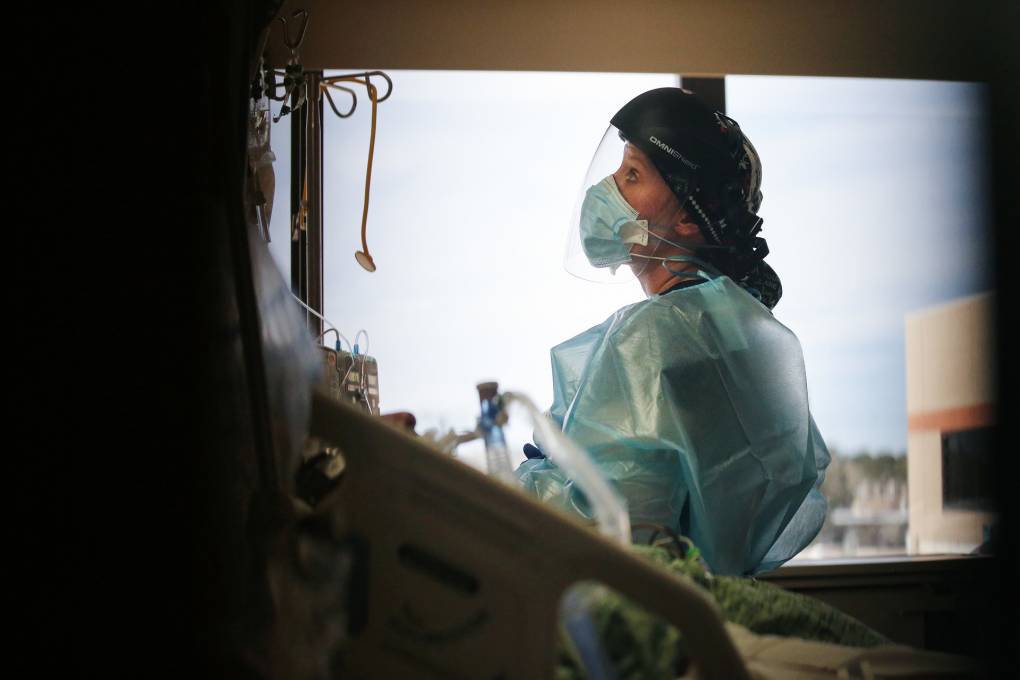
"caption": "A clinician cares for a COVID-19 patient in the intensive care unit at Providence St. Mary Medical Center amid a surge in COVID-19 patients in Southern California on Dec. 23, 2020 in Apple Valley, California. ",
"description": "A clinician cares for a COVID-19 patient in the Intensive Care Unit (ICU) at Providence St. Mary Medical Center amid a surge in COVID-19 patients in Southern California on December 23, 2020 in Apple Valley, California. ",
"title": "San Bernardino Area Hospital Continues To Deal With Increase In Covid Cases",
"credit": "Mario Tama/Getty Images",
"status": "inherit",
"altTag": "\"\"",
"isLoading": false,
"fetchFailed": false
},
"news_11853185": {
"type": "attachments",
"id": "news_11853185",
"meta": {
"index": "attachments_1716263798",
"site": "news",
"id": "11853185",
"found": true
},
"parent": 11853032,
"imgSizes": {
"apple_news_ca_landscape_5_5": {
"file": "https://ww2.kqed.org/app/uploads/sites/10/2020/12/IMG_9191-1044x783.jpg",
"width": 1044,
"mimeType": "image/jpeg",
"height": 783
},
"apple_news_ca_square_4_0": {
"file": "https://ww2.kqed.org/app/uploads/sites/10/2020/12/IMG_9191-470x470.jpg",
"width": 470,
"mimeType": "image/jpeg",
"height": 470
},
"twentyfourteen-full-width": {
"file": "https://ww2.kqed.org/app/uploads/sites/10/2020/12/IMG_9191-1038x576.jpg",
"width": 1038,
"mimeType": "image/jpeg",
"height": 576
},
"thumbnail": {
"file": "https://ww2.kqed.org/app/uploads/sites/10/2020/12/IMG_9191-160x120.jpg",
"width": 160,
"mimeType": "image/jpeg",
"height": 120
},
"post-thumbnail": {
"file": "https://ww2.kqed.org/app/uploads/sites/10/2020/12/IMG_9191-672x372.jpg",
"width": 672,
"mimeType": "image/jpeg",
"height": 372
},
"kqedFullSize": {
"file": "https://ww2.kqed.org/app/uploads/sites/10/2020/12/IMG_9191-scaled.jpg",
"width": 2560,
"height": 1920
},
"2048x2048": {
"file": "https://ww2.kqed.org/app/uploads/sites/10/2020/12/IMG_9191-2048x1536.jpg",
"width": 2048,
"mimeType": "image/jpeg",
"height": 1536
},
"apple_news_ca_landscape_4_7": {
"file": "https://ww2.kqed.org/app/uploads/sites/10/2020/12/IMG_9191-632x474.jpg",
"width": 632,
"mimeType": "image/jpeg",
"height": 474
},
"large": {
"file": "https://ww2.kqed.org/app/uploads/sites/10/2020/12/IMG_9191-1020x765.jpg",
"width": 1020,
"mimeType": "image/jpeg",
"height": 765
},
"apple_news_ca_landscape_4_0": {
"file": "https://ww2.kqed.org/app/uploads/sites/10/2020/12/IMG_9191-536x402.jpg",
"width": 536,
"mimeType": "image/jpeg",
"height": 402
},
"apple_news_ca_portrait_12_9": {
"file": "https://ww2.kqed.org/app/uploads/sites/10/2020/12/IMG_9191-1122x1496.jpg",
"width": 1122,
"mimeType": "image/jpeg",
"height": 1496
},
"medium": {
"file": "https://ww2.kqed.org/app/uploads/sites/10/2020/12/IMG_9191-800x600.jpg",
"width": 800,
"mimeType": "image/jpeg",
"height": 600
},
"apple_news_ca_portrait_4_0": {
"file": "https://ww2.kqed.org/app/uploads/sites/10/2020/12/IMG_9191-354x472.jpg",
"width": 354,
"mimeType": "image/jpeg",
"height": 472
},
"apple_news_ca_portrait_9_7": {
"file": "https://ww2.kqed.org/app/uploads/sites/10/2020/12/IMG_9191-840x1120.jpg",
"width": 840,
"mimeType": "image/jpeg",
"height": 1120
},
"apple_news_ca_landscape_12_9": {
"file": "https://ww2.kqed.org/app/uploads/sites/10/2020/12/IMG_9191-1832x1374.jpg",
"width": 1832,
"mimeType": "image/jpeg",
"height": 1374
},
"apple_news_ca_square_9_7": {
"file": "https://ww2.kqed.org/app/uploads/sites/10/2020/12/IMG_9191-1104x1104.jpg",
"width": 1104,
"mimeType": "image/jpeg",
"height": 1104
},
"1536x1536": {
"file": "https://ww2.kqed.org/app/uploads/sites/10/2020/12/IMG_9191-1536x1152.jpg",
"width": 1536,
"mimeType": "image/jpeg",
"height": 1152
},
"apple_news_ca_portrait_4_7": {
"file": "https://ww2.kqed.org/app/uploads/sites/10/2020/12/IMG_9191-414x552.jpg",
"width": 414,
"mimeType": "image/jpeg",
"height": 552
},
"apple_news_ca_square_12_9": {
"file": "https://ww2.kqed.org/app/uploads/sites/10/2020/12/IMG_9191-1472x1472.jpg",
"width": 1472,
"mimeType": "image/jpeg",
"height": 1472
},
"apple_news_ca_portrait_5_5": {
"file": "https://ww2.kqed.org/app/uploads/sites/10/2020/12/IMG_9191-687x916.jpg",
"width": 687,
"mimeType": "image/jpeg",
"height": 916
},
"full-width": {
"file": "https://ww2.kqed.org/app/uploads/sites/10/2020/12/IMG_9191-1920x1440.jpg",
"width": 1920,
"mimeType": "image/jpeg",
"height": 1440
},
"apple_news_ca_square_4_7": {
"file": "https://ww2.kqed.org/app/uploads/sites/10/2020/12/IMG_9191-550x550.jpg",
"width": 550,
"mimeType": "image/jpeg",
"height": 550
},
"apple_news_ca_landscape_9_7": {
"file": "https://ww2.kqed.org/app/uploads/sites/10/2020/12/IMG_9191-1376x1032.jpg",
"width": 1376,
"mimeType": "image/jpeg",
"height": 1032
},
"apple_news_ca_square_5_5": {
"file": "https://ww2.kqed.org/app/uploads/sites/10/2020/12/IMG_9191-912x912.jpg",
"width": 912,
"mimeType": "image/jpeg",
"height": 912
}
},
"publishDate": 1609289317,
"modified": 1609289390,
"caption": "Yuri Kim stands outside her newly renovated store, Fractal Flora in San Jose. Kim has seen a boost in plant sales during the pandemic.",
"description": "Yuri Kim stands outside her newly renovated store, Fractal Flora in San Jose. Kim has seen a boost in plant sales during the pandemic.",
"title": "Yuri Kim stands outside her newly renovated store, Fractal Flora in San Jose. Kim has seen a boost in plant sales during the pandemic.",
"credit": "Adhiti/Bandlamudi/KQED",
"status": "inherit",
"altTag": "Yuri Kim stands outside her newly renovated store, Fractal Flora in San Jose. Kim has seen a boost in plant sales during the pandemic.",
"isLoading": false,
"fetchFailed": false
},
"news_11852919": {
"type": "attachments",
"id": "news_11852919",
"meta": {
"index": "attachments_1716263798",
"site": "news",
"id": "11852919",
"found": true
},
"parent": 11852910,
"imgSizes": {
"apple_news_ca_square_4_0": {
"file": "https://ww2.kqed.org/app/uploads/sites/10/2020/12/kidney_custom-a42c4873e4c809ede57329d3d66c8599bfef4341-s800-c85-470x470.jpg",
"width": 470,
"mimeType": "image/jpeg",
"height": 470
},
"thumbnail": {
"file": "https://ww2.kqed.org/app/uploads/sites/10/2020/12/kidney_custom-a42c4873e4c809ede57329d3d66c8599bfef4341-s800-c85-160x107.jpg",
"width": 160,
"mimeType": "image/jpeg",
"height": 107
},
"post-thumbnail": {
"file": "https://ww2.kqed.org/app/uploads/sites/10/2020/12/kidney_custom-a42c4873e4c809ede57329d3d66c8599bfef4341-s800-c85-672x372.jpg",
"width": 672,
"mimeType": "image/jpeg",
"height": 372
},
"kqedFullSize": {
"file": "https://ww2.kqed.org/app/uploads/sites/10/2020/12/kidney_custom-a42c4873e4c809ede57329d3d66c8599bfef4341-s800-c85.jpg",
"width": 800,
"height": 533
},
"apple_news_ca_landscape_4_7": {
"file": "https://ww2.kqed.org/app/uploads/sites/10/2020/12/kidney_custom-a42c4873e4c809ede57329d3d66c8599bfef4341-s800-c85-632x474.jpg",
"width": 632,
"mimeType": "image/jpeg",
"height": 474
},
"apple_news_ca_portrait_4_7": {
"file": "https://ww2.kqed.org/app/uploads/sites/10/2020/12/kidney_custom-a42c4873e4c809ede57329d3d66c8599bfef4341-s800-c85-414x533.jpg",
"width": 414,
"mimeType": "image/jpeg",
"height": 533
},
"apple_news_ca_portrait_5_5": {
"file": "https://ww2.kqed.org/app/uploads/sites/10/2020/12/kidney_custom-a42c4873e4c809ede57329d3d66c8599bfef4341-s800-c85-687x533.jpg",
"width": 687,
"mimeType": "image/jpeg",
"height": 533
},
"apple_news_ca_square_4_7": {
"file": "https://ww2.kqed.org/app/uploads/sites/10/2020/12/kidney_custom-a42c4873e4c809ede57329d3d66c8599bfef4341-s800-c85-550x533.jpg",
"width": 550,
"mimeType": "image/jpeg",
"height": 533
},
"apple_news_ca_landscape_4_0": {
"file": "https://ww2.kqed.org/app/uploads/sites/10/2020/12/kidney_custom-a42c4873e4c809ede57329d3d66c8599bfef4341-s800-c85-536x402.jpg",
"width": 536,
"mimeType": "image/jpeg",
"height": 402
},
"apple_news_ca_portrait_4_0": {
"file": "https://ww2.kqed.org/app/uploads/sites/10/2020/12/kidney_custom-a42c4873e4c809ede57329d3d66c8599bfef4341-s800-c85-354x472.jpg",
"width": 354,
"mimeType": "image/jpeg",
"height": 472
}
},
"publishDate": 1609183477,
"modified": 1609183515,
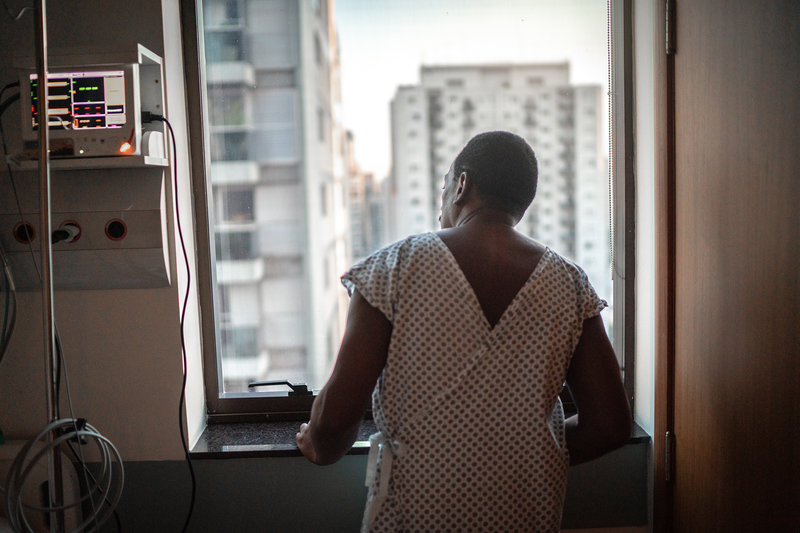
"caption": "Some in the medical community now question the use of race in kidney care. They argue it could exacerbate health disparities.",
"description": null,
"title": "Senior patient looking through window at hospital",
"credit": "FG Trade/Getty Images",
"status": "inherit",
"altTag": "Some in the medical community now question the use of race in kidney care. They argue it could exacerbate health disparities.",
"isLoading": false,
"fetchFailed": false
},
"news_11852717": {
"type": "attachments",
"id": "news_11852717",
"meta": {
"index": "attachments_1716263798",
"site": "news",
"id": "11852717",
"found": true
},
"parent": 11852678,
"imgSizes": {
"apple_news_ca_landscape_5_5": {
"file": "https://ww2.kqed.org/app/uploads/sites/10/2020/12/IMG_20200805_173904234_HDR-1-1044x783.jpg",
"width": 1044,
"mimeType": "image/jpeg",
"height": 783
},
"apple_news_ca_square_4_0": {
"file": "https://ww2.kqed.org/app/uploads/sites/10/2020/12/IMG_20200805_173904234_HDR-1-470x470.jpg",
"width": 470,
"mimeType": "image/jpeg",
"height": 470
},
"twentyfourteen-full-width": {
"file": "https://ww2.kqed.org/app/uploads/sites/10/2020/12/IMG_20200805_173904234_HDR-1-1038x576.jpg",
"width": 1038,
"mimeType": "image/jpeg",
"height": 576
},
"thumbnail": {
"file": "https://ww2.kqed.org/app/uploads/sites/10/2020/12/IMG_20200805_173904234_HDR-1-160x90.jpg",
"width": 160,
"mimeType": "image/jpeg",
"height": 90
},
"post-thumbnail": {
"file": "https://ww2.kqed.org/app/uploads/sites/10/2020/12/IMG_20200805_173904234_HDR-1-672x372.jpg",
"width": 672,
"mimeType": "image/jpeg",
"height": 372
},
"kqedFullSize": {
"file": "https://ww2.kqed.org/app/uploads/sites/10/2020/12/IMG_20200805_173904234_HDR-1.jpg",
"width": 1920,
"height": 1080
},
"apple_news_ca_landscape_4_7": {
"file": "https://ww2.kqed.org/app/uploads/sites/10/2020/12/IMG_20200805_173904234_HDR-1-632x474.jpg",
"width": 632,
"mimeType": "image/jpeg",
"height": 474
},
"large": {
"file": "https://ww2.kqed.org/app/uploads/sites/10/2020/12/IMG_20200805_173904234_HDR-1-1020x574.jpg",
"width": 1020,
"mimeType": "image/jpeg",
"height": 574
},
"apple_news_ca_landscape_4_0": {
"file": "https://ww2.kqed.org/app/uploads/sites/10/2020/12/IMG_20200805_173904234_HDR-1-536x402.jpg",
"width": 536,
"mimeType": "image/jpeg",
"height": 402
},
"apple_news_ca_portrait_12_9": {
"file": "https://ww2.kqed.org/app/uploads/sites/10/2020/12/IMG_20200805_173904234_HDR-1-1122x1080.jpg",
"width": 1122,
"mimeType": "image/jpeg",
"height": 1080
},
"medium": {
"file": "https://ww2.kqed.org/app/uploads/sites/10/2020/12/IMG_20200805_173904234_HDR-1-800x450.jpg",
"width": 800,
"mimeType": "image/jpeg",
"height": 450
},
"apple_news_ca_portrait_4_0": {
"file": "https://ww2.kqed.org/app/uploads/sites/10/2020/12/IMG_20200805_173904234_HDR-1-354x472.jpg",
"width": 354,
"mimeType": "image/jpeg",
"height": 472
},
"apple_news_ca_portrait_9_7": {
"file": "https://ww2.kqed.org/app/uploads/sites/10/2020/12/IMG_20200805_173904234_HDR-1-840x1080.jpg",
"width": 840,
"mimeType": "image/jpeg",
"height": 1080
},
"apple_news_ca_landscape_12_9": {
"file": "https://ww2.kqed.org/app/uploads/sites/10/2020/12/IMG_20200805_173904234_HDR-1-1832x1080.jpg",
"width": 1832,
"mimeType": "image/jpeg",
"height": 1080
},
"apple_news_ca_square_9_7": {
"file": "https://ww2.kqed.org/app/uploads/sites/10/2020/12/IMG_20200805_173904234_HDR-1-1104x1080.jpg",
"width": 1104,
"mimeType": "image/jpeg",
"height": 1080
},
"1536x1536": {
"file": "https://ww2.kqed.org/app/uploads/sites/10/2020/12/IMG_20200805_173904234_HDR-1-1536x864.jpg",
"width": 1536,
"mimeType": "image/jpeg",
"height": 864
},
"apple_news_ca_portrait_4_7": {
"file": "https://ww2.kqed.org/app/uploads/sites/10/2020/12/IMG_20200805_173904234_HDR-1-414x552.jpg",
"width": 414,
"mimeType": "image/jpeg",
"height": 552
},
"apple_news_ca_square_12_9": {
"file": "https://ww2.kqed.org/app/uploads/sites/10/2020/12/IMG_20200805_173904234_HDR-1-1472x1080.jpg",
"width": 1472,
"mimeType": "image/jpeg",
"height": 1080
},
"apple_news_ca_portrait_5_5": {
"file": "https://ww2.kqed.org/app/uploads/sites/10/2020/12/IMG_20200805_173904234_HDR-1-687x916.jpg",
"width": 687,
"mimeType": "image/jpeg",
"height": 916
},
"apple_news_ca_square_4_7": {
"file": "https://ww2.kqed.org/app/uploads/sites/10/2020/12/IMG_20200805_173904234_HDR-1-550x550.jpg",
"width": 550,
"mimeType": "image/jpeg",
"height": 550
},
"apple_news_ca_landscape_9_7": {
"file": "https://ww2.kqed.org/app/uploads/sites/10/2020/12/IMG_20200805_173904234_HDR-1-1376x1032.jpg",
"width": 1376,
"mimeType": "image/jpeg",
"height": 1032
},
"apple_news_ca_square_5_5": {
"file": "https://ww2.kqed.org/app/uploads/sites/10/2020/12/IMG_20200805_173904234_HDR-1-912x912.jpg",
"width": 912,
"mimeType": "image/jpeg",
"height": 912
}
},
"publishDate": 1608768280,
"modified": 1608773289,
"caption": "A group of nurses in Southern California hold a rally on Aug. 5, 2020 as part of national day of action for safer hospital working conditions. Nurses in California have been protesting recent rollbacks to California's nurse-to-patient ratio law. ",
"description": null,
"title": "IMG_20200805_173904234_HDR",
"credit": "Courtesy of Nerissa Black",
"status": "inherit",
"altTag": null,
"isLoading": false,
"fetchFailed": false
},
"news_11852465": {
"type": "attachments",
"id": "news_11852465",
"meta": {
"index": "attachments_1716263798",
"site": "news",
"id": "11852465",
"found": true
},
"parent": 11852447,
"imgSizes": {
"apple_news_ca_square_4_0": {
"file": "https://ww2.kqed.org/app/uploads/sites/10/2020/12/GettyImages-1292051274-470x470.jpg",
"width": 470,
"mimeType": "image/jpeg",
"height": 470
},
"twentyfourteen-full-width": {
"file": "https://ww2.kqed.org/app/uploads/sites/10/2020/12/GettyImages-1292051274-1024x576.jpg",
"width": 1024,
"mimeType": "image/jpeg",
"height": 576
},
"thumbnail": {
"file": "https://ww2.kqed.org/app/uploads/sites/10/2020/12/GettyImages-1292051274-160x107.jpg",
"width": 160,
"mimeType": "image/jpeg",
"height": 107
},
"post-thumbnail": {
"file": "https://ww2.kqed.org/app/uploads/sites/10/2020/12/GettyImages-1292051274-672x372.jpg",
"width": 672,
"mimeType": "image/jpeg",
"height": 372
},
"kqedFullSize": {
"file": "https://ww2.kqed.org/app/uploads/sites/10/2020/12/GettyImages-1292051274.jpg",
"width": 1024,
"height": 683
},
"apple_news_ca_landscape_4_7": {
"file": "https://ww2.kqed.org/app/uploads/sites/10/2020/12/GettyImages-1292051274-632x474.jpg",
"width": 632,
"mimeType": "image/jpeg",
"height": 474
},
"large": {
"file": "https://ww2.kqed.org/app/uploads/sites/10/2020/12/GettyImages-1292051274-1020x680.jpg",
"width": 1020,
"mimeType": "image/jpeg",
"height": 680
},
"apple_news_ca_landscape_4_0": {
"file": "https://ww2.kqed.org/app/uploads/sites/10/2020/12/GettyImages-1292051274-536x402.jpg",
"width": 536,
"mimeType": "image/jpeg",
"height": 402
},
"medium": {
"file": "https://ww2.kqed.org/app/uploads/sites/10/2020/12/GettyImages-1292051274-800x534.jpg",
"width": 800,
"mimeType": "image/jpeg",
"height": 534
},
"apple_news_ca_portrait_4_0": {
"file": "https://ww2.kqed.org/app/uploads/sites/10/2020/12/GettyImages-1292051274-354x472.jpg",
"width": 354,
"mimeType": "image/jpeg",
"height": 472
},
"apple_news_ca_portrait_9_7": {
"file": "https://ww2.kqed.org/app/uploads/sites/10/2020/12/GettyImages-1292051274-840x683.jpg",
"width": 840,
"mimeType": "image/jpeg",
"height": 683
},
"apple_news_ca_portrait_4_7": {
"file": "https://ww2.kqed.org/app/uploads/sites/10/2020/12/GettyImages-1292051274-414x552.jpg",
"width": 414,
"mimeType": "image/jpeg",
"height": 552
},
"apple_news_ca_portrait_5_5": {
"file": "https://ww2.kqed.org/app/uploads/sites/10/2020/12/GettyImages-1292051274-687x683.jpg",
"width": 687,
"mimeType": "image/jpeg",
"height": 683
},
"apple_news_ca_square_4_7": {
"file": "https://ww2.kqed.org/app/uploads/sites/10/2020/12/GettyImages-1292051274-550x550.jpg",
"width": 550,
"mimeType": "image/jpeg",
"height": 550
},
"apple_news_ca_square_5_5": {
"file": "https://ww2.kqed.org/app/uploads/sites/10/2020/12/GettyImages-1292051274-912x683.jpg",
"width": 912,
"mimeType": "image/jpeg",
"height": 683
}
},
"publishDate": 1608671856,
"modified": 1608674844,
"caption": "Clinicians evaluate a patient in a triage tent set up outside Providence St. Mary Medical Center in Apple Valley, California, on Dec. 18, 2020. The 213-bed capacity hospital in San Bernardino County currently has 60 ICU-level patients with only 20 official ICU beds, amid a surge of COVID-19 cases in the region.",
"description": null,
"title": "San Bernardino Area Hospital Erects Triage Tents Amid Overflow of COVID-19 Patients",
"credit": "Mario Tama/Getty Images",
"status": "inherit",
"altTag": null,
"isLoading": false,
"fetchFailed": false
},
"news_11851305": {
"type": "attachments",
"id": "news_11851305",
"meta": {
"index": "attachments_1716263798",
"site": "news",
"id": "11851305",
"found": true
},
"parent": 11851270,
"imgSizes": {
"apple_news_ca_landscape_5_5": {
"file": "https://ww2.kqed.org/app/uploads/sites/10/2020/12/RS46424_GettyImages-1211310309-qut-1044x783.jpg",
"width": 1044,
"mimeType": "image/jpeg",
"height": 783
},
"apple_news_ca_square_4_0": {
"file": "https://ww2.kqed.org/app/uploads/sites/10/2020/12/RS46424_GettyImages-1211310309-qut-470x470.jpg",
"width": 470,
"mimeType": "image/jpeg",
"height": 470
},
"twentyfourteen-full-width": {
"file": "https://ww2.kqed.org/app/uploads/sites/10/2020/12/RS46424_GettyImages-1211310309-qut-1038x576.jpg",
"width": 1038,
"mimeType": "image/jpeg",
"height": 576
},
"thumbnail": {
"file": "https://ww2.kqed.org/app/uploads/sites/10/2020/12/RS46424_GettyImages-1211310309-qut-160x107.jpg",
"width": 160,
"mimeType": "image/jpeg",
"height": 107
},
"post-thumbnail": {
"file": "https://ww2.kqed.org/app/uploads/sites/10/2020/12/RS46424_GettyImages-1211310309-qut-672x372.jpg",
"width": 672,
"mimeType": "image/jpeg",
"height": 372
},
"kqedFullSize": {
"file": "https://ww2.kqed.org/app/uploads/sites/10/2020/12/RS46424_GettyImages-1211310309-qut.jpg",
"width": 1920,
"height": 1280
},
"apple_news_ca_landscape_4_7": {
"file": "https://ww2.kqed.org/app/uploads/sites/10/2020/12/RS46424_GettyImages-1211310309-qut-632x474.jpg",
"width": 632,
"mimeType": "image/jpeg",
"height": 474
},
"large": {
"file": "https://ww2.kqed.org/app/uploads/sites/10/2020/12/RS46424_GettyImages-1211310309-qut-1020x680.jpg",
"width": 1020,
"mimeType": "image/jpeg",
"height": 680
},
"apple_news_ca_landscape_4_0": {
"file": "https://ww2.kqed.org/app/uploads/sites/10/2020/12/RS46424_GettyImages-1211310309-qut-536x402.jpg",
"width": 536,
"mimeType": "image/jpeg",
"height": 402
},
"apple_news_ca_portrait_12_9": {
"file": "https://ww2.kqed.org/app/uploads/sites/10/2020/12/RS46424_GettyImages-1211310309-qut-1122x1280.jpg",
"width": 1122,
"mimeType": "image/jpeg",
"height": 1280
},
"medium": {
"file": "https://ww2.kqed.org/app/uploads/sites/10/2020/12/RS46424_GettyImages-1211310309-qut-800x533.jpg",
"width": 800,
"mimeType": "image/jpeg",
"height": 533
},
"apple_news_ca_portrait_4_0": {
"file": "https://ww2.kqed.org/app/uploads/sites/10/2020/12/RS46424_GettyImages-1211310309-qut-354x472.jpg",
"width": 354,
"mimeType": "image/jpeg",
"height": 472
},
"apple_news_ca_portrait_9_7": {
"file": "https://ww2.kqed.org/app/uploads/sites/10/2020/12/RS46424_GettyImages-1211310309-qut-840x1120.jpg",
"width": 840,
"mimeType": "image/jpeg",
"height": 1120
},
"apple_news_ca_landscape_12_9": {
"file": "https://ww2.kqed.org/app/uploads/sites/10/2020/12/RS46424_GettyImages-1211310309-qut-1832x1280.jpg",
"width": 1832,
"mimeType": "image/jpeg",
"height": 1280
},
"apple_news_ca_square_9_7": {
"file": "https://ww2.kqed.org/app/uploads/sites/10/2020/12/RS46424_GettyImages-1211310309-qut-1104x1104.jpg",
"width": 1104,
"mimeType": "image/jpeg",
"height": 1104
},
"1536x1536": {
"file": "https://ww2.kqed.org/app/uploads/sites/10/2020/12/RS46424_GettyImages-1211310309-qut-1536x1024.jpg",
"width": 1536,
"mimeType": "image/jpeg",
"height": 1024
},
"apple_news_ca_portrait_4_7": {
"file": "https://ww2.kqed.org/app/uploads/sites/10/2020/12/RS46424_GettyImages-1211310309-qut-414x552.jpg",
"width": 414,
"mimeType": "image/jpeg",
"height": 552
},
"apple_news_ca_square_12_9": {
"file": "https://ww2.kqed.org/app/uploads/sites/10/2020/12/RS46424_GettyImages-1211310309-qut-1472x1280.jpg",
"width": 1472,
"mimeType": "image/jpeg",
"height": 1280
},
"apple_news_ca_portrait_5_5": {
"file": "https://ww2.kqed.org/app/uploads/sites/10/2020/12/RS46424_GettyImages-1211310309-qut-687x916.jpg",
"width": 687,
"mimeType": "image/jpeg",
"height": 916
},
"apple_news_ca_square_4_7": {
"file": "https://ww2.kqed.org/app/uploads/sites/10/2020/12/RS46424_GettyImages-1211310309-qut-550x550.jpg",
"width": 550,
"mimeType": "image/jpeg",
"height": 550
},
"apple_news_ca_landscape_9_7": {
"file": "https://ww2.kqed.org/app/uploads/sites/10/2020/12/RS46424_GettyImages-1211310309-qut-1376x1032.jpg",
"width": 1376,
"mimeType": "image/jpeg",
"height": 1032
},
"apple_news_ca_square_5_5": {
"file": "https://ww2.kqed.org/app/uploads/sites/10/2020/12/RS46424_GettyImages-1211310309-qut-912x912.jpg",
"width": 912,
"mimeType": "image/jpeg",
"height": 912
}
},
"publishDate": 1608083968,
"modified": 1608084069,
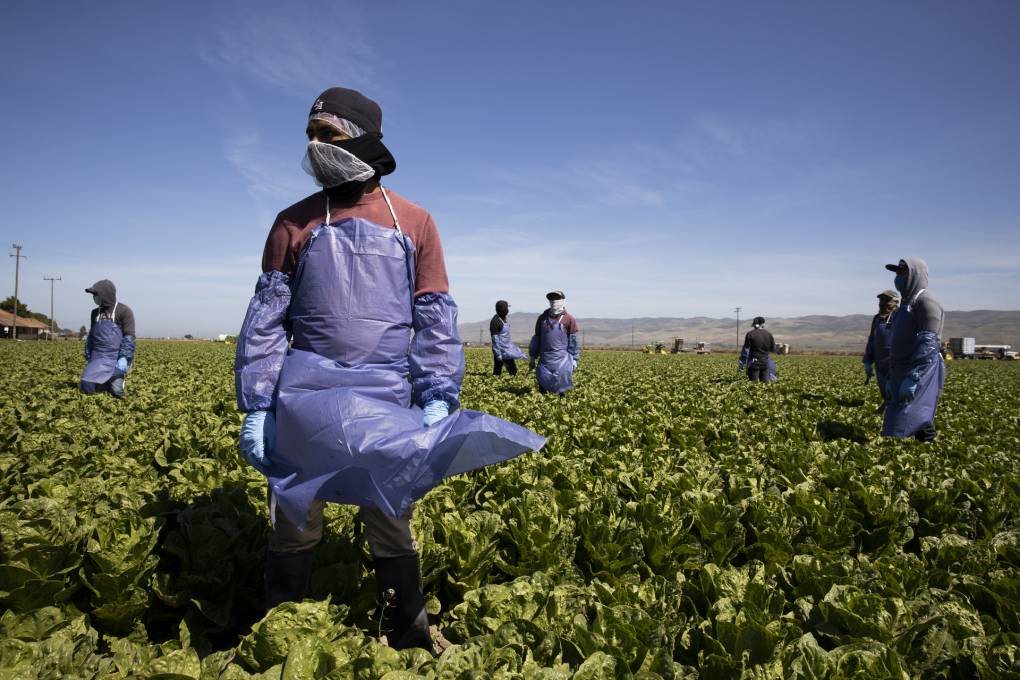
"caption": "Farm laborers from Fresh Harvest working with an H-2A visa maintain a safe distance as a machine is moved on April 27, 2020 in Greenfield, California. ",
"description": "Farm laborers from Fresh Harvest working with an H-2A visa maintain a safe distance as a machine is moved on April 27, 2020 in Greenfield, California. ",
"title": "Immigrant Agricultural Workers Critical To U.S. Food Security Amid COVID-19 Outbreak",
"credit": "Brent Stirton/Getty Images",
"status": "inherit",
"altTag": "\"\"",
"isLoading": false,
"fetchFailed": false
},
"news_11850921": {
"type": "attachments",
"id": "news_11850921",
"meta": {
"index": "attachments_1716263798",
"site": "news",
"id": "11850921",
"found": true
},
"parent": 11850750,
"imgSizes": {
"apple_news_ca_landscape_5_5": {
"file": "https://ww2.kqed.org/app/uploads/sites/10/2020/12/MARQUEE-810-1044x720.jpg",
"width": 1044,
"mimeType": "image/jpeg",
"height": 720
},
"apple_news_ca_square_4_0": {
"file": "https://ww2.kqed.org/app/uploads/sites/10/2020/12/MARQUEE-810-470x470.jpg",
"width": 470,
"mimeType": "image/jpeg",
"height": 470
},
"twentyfourteen-full-width": {
"file": "https://ww2.kqed.org/app/uploads/sites/10/2020/12/MARQUEE-810-1038x576.jpg",
"width": 1038,
"mimeType": "image/jpeg",
"height": 576
},
"thumbnail": {
"file": "https://ww2.kqed.org/app/uploads/sites/10/2020/12/MARQUEE-810-160x90.jpg",
"width": 160,
"mimeType": "image/jpeg",
"height": 90
},
"post-thumbnail": {
"file": "https://ww2.kqed.org/app/uploads/sites/10/2020/12/MARQUEE-810-672x372.jpg",
"width": 672,
"mimeType": "image/jpeg",
"height": 372
},
"kqedFullSize": {
"file": "https://ww2.kqed.org/app/uploads/sites/10/2020/12/MARQUEE-810.jpg",
"width": 1280,
"height": 720
},
"apple_news_ca_landscape_4_7": {
"file": "https://ww2.kqed.org/app/uploads/sites/10/2020/12/MARQUEE-810-632x474.jpg",
"width": 632,
"mimeType": "image/jpeg",
"height": 474
},
"large": {
"file": "https://ww2.kqed.org/app/uploads/sites/10/2020/12/MARQUEE-810-1020x574.jpg",
"width": 1020,
"mimeType": "image/jpeg",
"height": 574
},
"apple_news_ca_landscape_4_0": {
"file": "https://ww2.kqed.org/app/uploads/sites/10/2020/12/MARQUEE-810-536x402.jpg",
"width": 536,
"mimeType": "image/jpeg",
"height": 402
},
"apple_news_ca_portrait_12_9": {
"file": "https://ww2.kqed.org/app/uploads/sites/10/2020/12/MARQUEE-810-1122x720.jpg",
"width": 1122,
"mimeType": "image/jpeg",
"height": 720
},
"medium": {
"file": "https://ww2.kqed.org/app/uploads/sites/10/2020/12/MARQUEE-810-800x450.jpg",
"width": 800,
"mimeType": "image/jpeg",
"height": 450
},
"apple_news_ca_portrait_4_0": {
"file": "https://ww2.kqed.org/app/uploads/sites/10/2020/12/MARQUEE-810-354x472.jpg",
"width": 354,
"mimeType": "image/jpeg",
"height": 472
},
"apple_news_ca_portrait_9_7": {
"file": "https://ww2.kqed.org/app/uploads/sites/10/2020/12/MARQUEE-810-840x720.jpg",
"width": 840,
"mimeType": "image/jpeg",
"height": 720
},
"apple_news_ca_square_9_7": {
"file": "https://ww2.kqed.org/app/uploads/sites/10/2020/12/MARQUEE-810-1104x720.jpg",
"width": 1104,
"mimeType": "image/jpeg",
"height": 720
},
"apple_news_ca_portrait_4_7": {
"file": "https://ww2.kqed.org/app/uploads/sites/10/2020/12/MARQUEE-810-414x552.jpg",
"width": 414,
"mimeType": "image/jpeg",
"height": 552
},
"apple_news_ca_portrait_5_5": {
"file": "https://ww2.kqed.org/app/uploads/sites/10/2020/12/MARQUEE-810-687x720.jpg",
"width": 687,
"mimeType": "image/jpeg",
"height": 720
},
"apple_news_ca_square_4_7": {
"file": "https://ww2.kqed.org/app/uploads/sites/10/2020/12/MARQUEE-810-550x550.jpg",
"width": 550,
"mimeType": "image/jpeg",
"height": 550
},
"apple_news_ca_square_5_5": {
"file": "https://ww2.kqed.org/app/uploads/sites/10/2020/12/MARQUEE-810-912x720.jpg",
"width": 912,
"mimeType": "image/jpeg",
"height": 720
}
},
"publishDate": 1607737459,
"modified": 1607737459,
"caption": null,
"description": null,
"title": "MARQUEE 810",
"credit": null,
"status": "inherit",
"altTag": null,
"isLoading": false,
"fetchFailed": false
},
"news_11850632": {
"type": "attachments",
"id": "news_11850632",
"meta": {
"index": "attachments_1716263798",
"site": "news",
"id": "11850632",
"found": true
},
"parent": 11850629,
"imgSizes": {
"apple_news_ca_square_4_0": {
"file": "https://ww2.kqed.org/app/uploads/sites/10/2020/12/pexels-jéshoots-144230-1020x679-1-470x470.jpg",
"width": 470,
"mimeType": "image/jpeg",
"height": 470
},
"twentyfourteen-full-width": {
"file": "https://ww2.kqed.org/app/uploads/sites/10/2020/12/pexels-jéshoots-144230-1020x679-1-1020x576.jpg",
"width": 1020,
"mimeType": "image/jpeg",
"height": 576
},
"thumbnail": {
"file": "https://ww2.kqed.org/app/uploads/sites/10/2020/12/pexels-jéshoots-144230-1020x679-1-160x107.jpg",
"width": 160,
"mimeType": "image/jpeg",
"height": 107
},
"post-thumbnail": {
"file": "https://ww2.kqed.org/app/uploads/sites/10/2020/12/pexels-jéshoots-144230-1020x679-1-672x372.jpg",
"width": 672,
"mimeType": "image/jpeg",
"height": 372
},
"kqedFullSize": {
"file": "https://ww2.kqed.org/app/uploads/sites/10/2020/12/pexels-jéshoots-144230-1020x679-1.jpg",
"width": 1020,
"height": 679
},
"apple_news_ca_landscape_4_7": {
"file": "https://ww2.kqed.org/app/uploads/sites/10/2020/12/pexels-jéshoots-144230-1020x679-1-632x474.jpg",
"width": 632,
"mimeType": "image/jpeg",
"height": 474
},
"apple_news_ca_landscape_4_0": {
"file": "https://ww2.kqed.org/app/uploads/sites/10/2020/12/pexels-jéshoots-144230-1020x679-1-536x402.jpg",
"width": 536,
"mimeType": "image/jpeg",
"height": 402
},
"medium": {
"file": "https://ww2.kqed.org/app/uploads/sites/10/2020/12/pexels-jéshoots-144230-1020x679-1-800x533.jpg",
"width": 800,
"mimeType": "image/jpeg",
"height": 533
},
"apple_news_ca_portrait_4_0": {
"file": "https://ww2.kqed.org/app/uploads/sites/10/2020/12/pexels-jéshoots-144230-1020x679-1-354x472.jpg",
"width": 354,
"mimeType": "image/jpeg",
"height": 472
},
"apple_news_ca_portrait_9_7": {
"file": "https://ww2.kqed.org/app/uploads/sites/10/2020/12/pexels-jéshoots-144230-1020x679-1-840x679.jpg",
"width": 840,
"mimeType": "image/jpeg",
"height": 679
},
"apple_news_ca_portrait_4_7": {
"file": "https://ww2.kqed.org/app/uploads/sites/10/2020/12/pexels-jéshoots-144230-1020x679-1-414x552.jpg",
"width": 414,
"mimeType": "image/jpeg",
"height": 552
},
"apple_news_ca_portrait_5_5": {
"file": "https://ww2.kqed.org/app/uploads/sites/10/2020/12/pexels-jéshoots-144230-1020x679-1-687x679.jpg",
"width": 687,
"mimeType": "image/jpeg",
"height": 679
},
"apple_news_ca_square_4_7": {
"file": "https://ww2.kqed.org/app/uploads/sites/10/2020/12/pexels-jéshoots-144230-1020x679-1-550x550.jpg",
"width": 550,
"mimeType": "image/jpeg",
"height": 550
},
"apple_news_ca_square_5_5": {
"file": "https://ww2.kqed.org/app/uploads/sites/10/2020/12/pexels-jéshoots-144230-1020x679-1-912x679.jpg",
"width": 912,
"mimeType": "image/jpeg",
"height": 679
}
},
"publishDate": 1607637616,
"modified": 1607637654,
"caption": "Se acerca la fecha límite del 15 de diciembre para inscribirse en el programa federal que otorga subsidios para cobertura médica.",
"description": "Se acerca la fecha límite del 15 de diciembre para inscribirse en el programa federal que otorga subsidios para cobertura médica.",
"title": "pexels-jéshoots-144230-1020x679",
"credit": "JÉSHOOTS/Pexels",
"status": "inherit",
"altTag": null,
"isLoading": false,
"fetchFailed": false
}
},
"audioPlayerReducer": {
"postId": "stream_live",
"isPaused": true,
"isPlaying": false,
"pfsActive": false,
"pledgeModalIsOpen": true,
"playerDrawerIsOpen": false,
"liveAudioPlayStartedAt": 0,
"liveAudioPlayContext": ""
},
"authorsReducer": {
"byline_news_11853482": {
"type": "authors",
"id": "byline_news_11853482",
"meta": {
"override": true
},
"slug": "byline_news_11853482",
"name": "Rhitu Chatterjee \u003cbr> NPR",
"isLoading": false
},
"byline_news_11852910": {
"type": "authors",
"id": "byline_news_11852910",
"meta": {
"override": true
},
"slug": "byline_news_11852910",
"name": "\u003ca href=\"https://www.npr.org/people/348777820/maria-godoy\">Maria Godoy\u003c/a>",
"isLoading": false
},
"byline_news_11852447": {
"type": "authors",
"id": "byline_news_11852447",
"meta": {
"override": true
},
"slug": "byline_news_11852447",
"name": "Daisy Nguyen\u003cbr>Associated Press",
"isLoading": false
},
"kqed": {
"type": "authors",
"id": "236",
"meta": {
"index": "authors_1716337520",
"id": "236",
"found": true
},
"name": "KQED News Staff",
"firstName": "KQED News Staff",
"lastName": null,
"slug": "kqed",
"email": "faq@kqed.org",
"display_author_email": false,
"staff_mastheads": [],
"title": null,
"bio": null,
"avatar": "https://secure.gravatar.com/avatar/ef0e801a68c4c54afa9180db14084167?s=600&d=blank&r=g",
"twitter": null,
"facebook": null,
"instagram": null,
"linkedin": null,
"sites": [
{
"site": "arts",
"roles": [
"contributor"
]
},
{
"site": "news",
"roles": [
"editor"
]
},
{
"site": "futureofyou",
"roles": [
"author"
]
}
],
"headData": {
"title": "KQED News Staff | KQED",
"description": null,
"ogImgSrc": "https://secure.gravatar.com/avatar/ef0e801a68c4c54afa9180db14084167?s=600&d=blank&r=g",
"twImgSrc": "https://secure.gravatar.com/avatar/ef0e801a68c4c54afa9180db14084167?s=600&d=blank&r=g"
},
"isLoading": false,
"link": "/author/kqed"
},
"adembosky": {
"type": "authors",
"id": "3205",
"meta": {
"index": "authors_1716337520",
"id": "3205",
"found": true
},
"name": "April Dembosky",
"firstName": "April",
"lastName": "Dembosky",
"slug": "adembosky",
"email": "adembosky@kqed.org",
"display_author_email": false,
"staff_mastheads": [
"news",
"science"
],
"title": "KQED Health Correspondent",
"bio": "April Dembosky is the health correspondent for KQED News and a regular contributor to NPR. She specializes in covering altered states of mind, from postpartum depression to methamphetamine-induced psychosis to the insanity defense. Her investigative series on insurance companies sidestepping mental health laws won multiple awards, including first place in beat reporting from the national Association of Health Care Journalists. She is the recipient of numerous other prizes and fellowships, including a national Edward R. Murrow award for investigative reporting, a Society of Professional Journalists award for long-form storytelling, and a Carter Center Fellowship for Mental Health Journalism.\r\n\r\nDembosky reported and produced \u003cem>Soundtrack of Silence\u003c/em>, an audio documentary about music and memory that is currently being made into a feature film by Paramount Pictures.\r\n\r\nBefore joining KQED in 2013, Dembosky covered technology and Silicon Valley for \u003cem>The Financial Times of London,\u003c/em> and contributed business and arts stories to \u003cem>Marketplace \u003c/em>and \u003cem>The New York Times.\u003c/em> She got her undergraduate degree in philosophy from Smith College and her master's in journalism from the University of California, Berkeley. She is a classically trained violinist and proud alum of the first symphony orchestra at Burning Man.",
"avatar": "https://secure.gravatar.com/avatar/ef92999be4ceb9ea60701e7dc276f813?s=600&d=blank&r=g",
"twitter": "adembosky",
"facebook": null,
"instagram": null,
"linkedin": null,
"sites": [
{
"site": "arts",
"roles": [
"author"
]
},
{
"site": "news",
"roles": [
"editor"
]
},
{
"site": "futureofyou",
"roles": [
"author"
]
},
{
"site": "stateofhealth",
"roles": [
"editor"
]
},
{
"site": "science",
"roles": [
"editor"
]
},
{
"site": "forum",
"roles": [
"editor"
]
}
],
"headData": {
"title": "April Dembosky | KQED",
"description": "KQED Health Correspondent",
"ogImgSrc": "https://secure.gravatar.com/avatar/ef92999be4ceb9ea60701e7dc276f813?s=600&d=blank&r=g",
"twImgSrc": "https://secure.gravatar.com/avatar/ef92999be4ceb9ea60701e7dc276f813?s=600&d=blank&r=g"
},
"isLoading": false,
"link": "/author/adembosky"
},
"carlysevern": {
"type": "authors",
"id": "3243",
"meta": {
"index": "authors_1716337520",
"id": "3243",
"found": true
},
"name": "Carly Severn",
"firstName": "Carly",
"lastName": "Severn",
"slug": "carlysevern",
"email": "csevern@kqed.org",
"display_author_email": false,
"staff_mastheads": [
"news"
],
"title": "Senior Editor, Audience News ",
"bio": "Carly is KQED's Senior Editor of Audience News on the Digital News team, and has reported for the California Report Magazine, Bay Curious and KQED Arts. She's formerly the host of \u003ca href=\"http://ww2.kqed.org/pop/category/the-cooler/\" rel=\"noopener noreferrer\">The Cooler\u003c/a> podcast.",
"avatar": "https://secure.gravatar.com/avatar/54037bf5c128fe678f0ef26cec97a93f2e7f220a22d7285703328f12c42c1b1d?s=600&d=blank&r=g",
"twitter": "teacupinthebay",
"bluesky": null,
"facebook": null,
"instagram": null,
"linkedin": null,
"sites": [
{
"site": "",
"roles": [
"editor"
]
},
{
"site": "arts",
"roles": [
"editor"
]
},
{
"site": "news",
"roles": [
"administrator"
]
},
{
"site": "pop",
"roles": [
"editor"
]
},
{
"site": "futureofyou",
"roles": [
"editor"
]
},
{
"site": "about",
"roles": [
"administrator"
]
},
{
"site": "mindshift",
"roles": [
"editor"
]
},
{
"site": "bayareabites",
"roles": [
"editor"
]
},
{
"site": "stateofhealth",
"roles": [
"editor"
]
},
{
"site": "science",
"roles": [
"editor"
]
},
{
"site": "food",
"roles": [
"contributor"
]
},
{
"site": "forum",
"roles": [
"editor"
]
},
{
"site": "perspectives",
"roles": [
"administrator"
]
},
{
"site": "liveblog",
"roles": [
"editor"
]
}
],
"headData": {
"title": "Carly Severn | KQED",
"description": "Senior Editor, Audience News ",
"ogImgSrc": "https://secure.gravatar.com/avatar/54037bf5c128fe678f0ef26cec97a93f2e7f220a22d7285703328f12c42c1b1d?s=600&d=blank&r=g",
"twImgSrc": "https://secure.gravatar.com/avatar/54037bf5c128fe678f0ef26cec97a93f2e7f220a22d7285703328f12c42c1b1d?s=600&d=blank&r=g"
},
"isLoading": false,
"link": "/author/carlysevern"
},
"bwatt": {
"type": "authors",
"id": "11238",
"meta": {
"index": "authors_1716337520",
"id": "11238",
"found": true
},
"name": "Brian Watt",
"firstName": "Brian",
"lastName": "Watt",
"slug": "bwatt",
"email": "bwatt@KQED.org",
"display_author_email": false,
"staff_mastheads": [
"news"
],
"title": "Morning News Anchor",
"bio": "Brian Watt is KQED's morning radio news anchor. He joined the KQED News team in April of 2016. Prior to that, he worked as a Reporter for KPCC in Los Angeles and a producer at \u003cem>Marketplace.\u003c/em>\r\n\r\nDuring eight years at KPCC, Brian covered business and economics, and his work won several awards. In 2008, he won the Los Angeles Press Club’s first-place award for Business and Financial Reporting, Broadcast. He’s also received honorable mention and been first runner up for the Press Club’s Radio Journalist of the Year. He won two Golden Mike awards from the Radio and TV News Association of Southern California.\r\n\r\nBrian holds degrees in theater from Yale University and the Sorbonne, and has worked as an actor in France, Italy, Brazil, Hungary and . . . Hollywood. He appeared in a few television shows, including \u003cem>The West Wing, Judging Amy\u003c/em> and \u003cem>The District.\u003c/em>\r\n\r\nEmail: bwatt@KQED.org Twitter: @RadioBWatt",
"avatar": "https://secure.gravatar.com/avatar/55393ff57ed34e2be773ba4789dd6a19?s=600&d=blank&r=g",
"twitter": "@RadioBWatt",
"facebook": null,
"instagram": null,
"linkedin": null,
"sites": [
{
"site": "arts",
"roles": [
"contributor"
]
},
{
"site": "news",
"roles": [
"editor"
]
}
],
"headData": {
"title": "Brian Watt | KQED",
"description": "Morning News Anchor",
"ogImgSrc": "https://secure.gravatar.com/avatar/55393ff57ed34e2be773ba4789dd6a19?s=600&d=blank&r=g",
"twImgSrc": "https://secure.gravatar.com/avatar/55393ff57ed34e2be773ba4789dd6a19?s=600&d=blank&r=g"
},
"isLoading": false,
"link": "/author/bwatt"
},
"ahall": {
"type": "authors",
"id": "11490",
"meta": {
"index": "authors_1716337520",
"id": "11490",
"found": true
},
"name": "Alex Hall",
"firstName": "Alex",
"lastName": "Hall",
"slug": "ahall",
"email": "ahall@kqed.org",
"display_author_email": false,
"staff_mastheads": [
"news"
],
"title": "KQED Enterprise & Accountability Reporter",
"bio": "Alex Hall is KQED's Enterprise and Accountability Reporter. She previously covered the Central Valley for five years from KQED's bureau in Fresno. Before joining KQED, Alex was an investigative reporting fellow at Wisconsin Public Radio and the Wisconsin Center for Investigative Journalism. She has also worked as a bilingual producer for NPR's investigative unit and freelance video producer for Reuters TV on the Latin America desk. She got her start in journalism in South America, where she worked as a radio producer and Spanish-English translator for CNN Chile. Her documentary and investigation into the series of deadly COVID-19 outbreaks at Foster Farms won a national Edward R. Murrow award and was named an Investigative Reporters & Editors award finalist. Alex's reporting for Reveal on the Wisconsin dairy industry's reliance on undocumented immigrant labor was made into a film, Los Lecheros, which won a regional Edward R. Murrow award for best news documentary.",
"avatar": "https://secure.gravatar.com/avatar/defcbeb88b0bf591ff9af41f22644051?s=600&d=blank&r=g",
"twitter": "@chalexhall",
"facebook": null,
"instagram": null,
"linkedin": null,
"sites": [
{
"site": "news",
"roles": [
"editor"
]
},
{
"site": "liveblog",
"roles": [
"author"
]
}
],
"headData": {
"title": "Alex Hall | KQED",
"description": "KQED Enterprise & Accountability Reporter",
"ogImgSrc": "https://secure.gravatar.com/avatar/defcbeb88b0bf591ff9af41f22644051?s=600&d=blank&r=g",
"twImgSrc": "https://secure.gravatar.com/avatar/defcbeb88b0bf591ff9af41f22644051?s=600&d=blank&r=g"
},
"isLoading": false,
"link": "/author/ahall"
},
"abandlamudi": {
"type": "authors",
"id": "11672",
"meta": {
"index": "authors_1716337520",
"id": "11672",
"found": true
},
"name": "Adhiti Bandlamudi",
"firstName": "Adhiti",
"lastName": "Bandlamudi",
"slug": "abandlamudi",
"email": "abandlamudi@kqed.org",
"display_author_email": false,
"staff_mastheads": [
"news"
],
"title": "KQED Housing Reporter",
"bio": "Adhiti Bandlamudi reports for KQED's Housing desk. She focuses on how housing gets built across the Bay Area. Before joining KQED in 2020, she reported for WUNC in Durham, North Carolina, WABE in Atlanta, Georgia and Capital Public Radio in Sacramento. In 2017, she was awarded a Kroc Fellowship at NPR where she reported on everything from sprinkles to the Golden State Killer's arrest. When she's not reporting, she's baking new recipes in her kitchen or watching movies with friends and family. She's originally from Georgia and has strong opinions about Great British Bake Off.",
"avatar": "https://secure.gravatar.com/avatar/868129c8b257bb99a3500e2c86a65400?s=600&d=mm&r=g",
"twitter": "oddity_adhiti",
"facebook": null,
"instagram": null,
"linkedin": null,
"sites": [
{
"site": "arts",
"roles": [
"author"
]
},
{
"site": "news",
"roles": [
"editor"
]
},
{
"site": "liveblog",
"roles": [
"author"
]
}
],
"headData": {
"title": "Adhiti Bandlamudi | KQED",
"description": "KQED Housing Reporter",
"ogImgSrc": "https://secure.gravatar.com/avatar/868129c8b257bb99a3500e2c86a65400?s=600&d=mm&r=g",
"twImgSrc": "https://secure.gravatar.com/avatar/868129c8b257bb99a3500e2c86a65400?s=600&d=mm&r=g"
},
"isLoading": false,
"link": "/author/abandlamudi"
},
"jrodriguez": {
"type": "authors",
"id": "11690",
"meta": {
"index": "authors_1716337520",
"id": "11690",
"found": true
},
"name": "Joe Fitzgerald Rodriguez",
"firstName": "Joe",
"lastName": "Fitzgerald Rodriguez",
"slug": "jrodriguez",
"email": "jrodriguez@kqed.org",
"display_author_email": true,
"staff_mastheads": [
"news"
],
"title": "Reporter and Producer",
"bio": "Joe Fitzgerald Rodriguez is a reporter and digital producer for KQED covering politics. Joe most recently wrote for the \u003cem>San Francisco Examiner\u003c/em> as a political columnist covering The City. He was raised in San Francisco and has spent his reporting career in his beloved, foggy, city by the bay. Joe was 12-years-old when he conducted his first interview in journalism, grilling former San Francisco Mayor Willie Brown for the Marina Middle School newspaper, \u003cem>The Penguin Press, \u003c/em>and he continues to report on the San Francisco Bay Area to this day.",
"avatar": "https://secure.gravatar.com/avatar/2247beb0564c1e9c62228d5649d2edac?s=600&d=blank&r=g",
"twitter": "FitztheReporter",
"facebook": null,
"instagram": "https://www.instagram.com/fitzthereporter/",
"linkedin": null,
"sites": [
{
"site": "",
"roles": [
"editor"
]
},
{
"site": "arts",
"roles": [
"editor"
]
},
{
"site": "news",
"roles": [
"editor"
]
},
{
"site": "science",
"roles": [
"editor"
]
},
{
"site": "elections",
"roles": [
"editor"
]
},
{
"site": "liveblog",
"roles": [
"editor"
]
}
],
"headData": {
"title": "Joe Fitzgerald Rodriguez | KQED",
"description": "Reporter and Producer",
"ogImgSrc": "https://secure.gravatar.com/avatar/2247beb0564c1e9c62228d5649d2edac?s=600&d=blank&r=g",
"twImgSrc": "https://secure.gravatar.com/avatar/2247beb0564c1e9c62228d5649d2edac?s=600&d=blank&r=g"
},
"isLoading": false,
"link": "/author/jrodriguez"
},
"agonzalez": {
"type": "authors",
"id": "11724",
"meta": {
"index": "authors_1716337520",
"id": "11724",
"found": true
},
"name": "Alexander Gonzalez",
"firstName": "Alexander",
"lastName": "Gonzalez",
"slug": "agonzalez",
"email": "AlexanderGonzalez@KQED.org",
"display_author_email": false,
"staff_mastheads": [
"news"
],
"title": "KQED Contributor",
"bio": null,
"avatar": "https://secure.gravatar.com/avatar/9e291ed34e154df4c662edf858b641d70b4859939bfe40be478408f9dfd057d2?s=600&d=blank&r=g",
"twitter": null,
"bluesky": null,
"facebook": null,
"instagram": null,
"linkedin": null,
"sites": [
{
"site": "arts",
"roles": [
"editor"
]
},
{
"site": "news",
"roles": [
"editor"
]
},
{
"site": "science",
"roles": [
"editor"
]
}
],
"headData": {
"title": "Alexander Gonzalez | KQED",
"description": "KQED Contributor",
"ogImgSrc": "https://secure.gravatar.com/avatar/9e291ed34e154df4c662edf858b641d70b4859939bfe40be478408f9dfd057d2?s=600&d=blank&r=g",
"twImgSrc": "https://secure.gravatar.com/avatar/9e291ed34e154df4c662edf858b641d70b4859939bfe40be478408f9dfd057d2?s=600&d=blank&r=g"
},
"isLoading": false,
"link": "/author/agonzalez"
}
},
"pagesReducer": {
"news_tag_health": {
"type": "terms",
"id": "news_18543",
"meta": {
"index": "terms_1716263798",
"site": "news",
"id": "18543",
"score": 6.886719
},
"featImg": null,
"name": "Health",
"description": null,
"taxonomy": "tag",
"headData": {
"twImgId": null,
"twTitle": null,
"ogTitle": null,
"ogImgId": null,
"twDescription": null,
"description": null,
"title": "Health Archives | KQED News",
"ogDescription": null
},
"ttid": 466,
"slug": "health",
"isLoading": false,
"title": "Health",
"pageMeta": {
"site": "news",
"WpPageTemplate": "page-topic-editorial",
"currentPage": 69
},
"blocks": [
{
"blockName": "kqed/post-list",
"attrs": {
"layout": "cardArticle2",
"query": "posts/news?tag=health",
"seeMore": false,
"paginated": true,
"page": 69
}
},
{
"blockName": "kqed/ad"
}
]
}
},
"pfsSessionReducer": {},
"postsReducer": {
"stream_live": {
"type": "live",
"id": "stream_live",
"audioUrl": "https://streams.kqed.org/kqedradio",
"title": "Live Stream",
"excerpt": "Live Stream information currently unavailable.",
"link": "/radio",
"featImg": "",
"label": {
"name": "KQED Live",
"link": "/"
}
},
"stream_kqedNewscast": {
"type": "posts",
"id": "stream_kqedNewscast",
"audioUrl": "https://www.kqed.org/.stream/anon/radio/RDnews/newscast.mp3?_=1",
"title": "KQED Newscast",
"featImg": "",
"label": {
"name": "88.5 FM",
"link": "/"
}
},
"news_11854484": {
"type": "posts",
"id": "news_11854484",
"meta": {
"index": "posts_1716263798",
"site": "news",
"id": "11854484",
"score": null,
"sort": [
1610157121000
]
},
"guestAuthors": [],
"slug": "la-da-george-gascon-covid-19-vaccine-distribution-week-in-politics",
"title": "LA DA George Gascón, COVID-19 Vaccine Distribution, Week in Politics",
"publishDate": 1610157121,
"format": "video",
"headTitle": "LA DA George Gascón, COVID-19 Vaccine Distribution, Week in Politics | KQED",
"labelTerm": {
"term": 7052,
"site": "news"
},
"content": "\u003cp>\u003cb>Los Angeles District Attorney George Gascón\u003cbr>\n\u003c/b>\u003cspan style=\"font-weight: 400\">Did skin color make a difference in the police response to the insurrection in Washington, D.C.? G\u003c/span>\u003cspan style=\"font-weight: 400\">eorge Gascón, the newly elected district attorney of Los Angeles County, says absolutely yes. \u003c/span>\u003cspan style=\"font-weight: 400\">He shares with us his strategy for a more equitable criminal justice system.\u003c/span>\u003c/p>\n\u003cp>\u003cb>California COVID-19 Vaccine Update\u003cbr>\n\u003c/b>\u003cspan style=\"font-weight: 400\">Hundreds of thousands of the new COVID-19 vaccine have been stuck in warehouses or in transit, and Gov. Gavin Newsom has acknowledged that the state needs to do better. We get the latest on vaccine distribution from Stanford University infectious disease expert Dr. Yvonne Maldonado. \u003c/span>\u003c/p>\n\u003cp>\u003cb>Week in Politics: US Capitol Riots and Recall Efforts\u003cbr>\n\u003c/b>\u003cspan style=\"font-weight: 400\">From the armed insurgency at the U.S. Capitol to efforts to recall Gov. Gavin Newsom — we round up the week’s big political stories with KQED’s Scott Shafer and Marisa Lagos.\u003c/span>\u003c/p>\n\u003cp>\u003cb>Something Musical: ‘Georgia on My Mind’\u003cbr>\n\u003c/b>\u003cspan style=\"font-weight: 400\">East Los Angeles-based band Las Cafeteras dedicated a song to promote voter turnout in Georgia’s closely watched U.S. Senate race. It’s their version of Ray Charles’ classic rendition, “Georgia on My Mind,” sung in Spanish and English. Las Cafeteras are known for remixing iconic songs to tell modern-day stories about immigrants and BIPOC communities.\u003c/span>\u003c/p>\n\u003cp>[ad fullwidth]\u003c/p>\u003cp>\u003c/p>\n",
"blocks": [],
"excerpt": null,
"status": "publish",
"parent": 0,
"modified": 1726006788,
"stats": {
"hasAudio": false,
"hasVideo": false,
"hasChartOrMap": false,
"iframeSrcs": [],
"hasGoogleForm": false,
"hasGallery": false,
"hasHearkenModule": false,
"hasPolis": false,
"paragraphCount": 6,
"wordCount": 225
},
"headData": {
"title": "LA DA George Gascón, COVID-19 Vaccine Distribution, Week in Politics | KQED",
"description": "Los Angeles District Attorney George Gascón Did skin color make a difference in the police response to the insurrection in Washington, D.C.? George Gascón, the newly elected district attorney of Los Angeles County, says absolutely yes. He shares with us his strategy for a more equitable criminal justice system. California COVID-19 Vaccine Update Hundreds of thousands of the new COVID-19 vaccine have been stuck in warehouses or in transit, and Gov. Gavin Newsom has acknowledged that the state needs to do better. We get the latest on vaccine distribution from Stanford University infectious disease expert Dr. Yvonne Maldonado. Week in",
"ogTitle": "",
"ogDescription": "",
"ogImgId": "",
"twTitle": "",
"twDescription": "",
"twImgId": "",
"schema": {
"@context": "https://schema.org",
"@type": "NewsArticle",
"headline": "LA DA George Gascón, COVID-19 Vaccine Distribution, Week in Politics",
"datePublished": "2021-01-08T17:52:01-08:00",
"dateModified": "2024-09-10T15:19:48-07:00",
"image": "https://cdn.kqed.org/wp-content/uploads/2020/02/KQED-OG-Image@1x.png",
"isAccessibleForFree": "True",
"publisher": {
"@type": "NewsMediaOrganization",
"@id": "https://www.kqed.org/#organization",
"name": "KQED",
"logo": "https://cdn.kqed.org/wp-content/uploads/2020/02/KQED-OG-Image@1x.png",
"url": "https://www.kqed.org",
"sameAs": [
"https://www.facebook.com/KQED",
"https://twitter.com/KQED",
"https://www.instagram.com/kqed/",
"https://www.tiktok.com/@kqedofficial",
"https://www.linkedin.com/company/kqed",
"https://www.youtube.com/channel/UCeC0IOo7i1P_61zVUWbJ4nw"
]
}
}
},
"videoEmbed": "https://youtu.be/zh3cLEu3Keg ",
"sticky": false,
"path": "/news/11854484/la-da-george-gascon-covid-19-vaccine-distribution-week-in-politics",
"audioTrackLength": null,
"parsedContent": [
{
"type": "contentString",
"content": "\u003cdiv class=\"post-body\">\u003cp>\u003cp>\u003cb>Los Angeles District Attorney George Gascón\u003cbr>\n\u003c/b>\u003cspan style=\"font-weight: 400\">Did skin color make a difference in the police response to the insurrection in Washington, D.C.? G\u003c/span>\u003cspan style=\"font-weight: 400\">eorge Gascón, the newly elected district attorney of Los Angeles County, says absolutely yes. \u003c/span>\u003cspan style=\"font-weight: 400\">He shares with us his strategy for a more equitable criminal justice system.\u003c/span>\u003c/p>\n\u003cp>\u003cb>California COVID-19 Vaccine Update\u003cbr>\n\u003c/b>\u003cspan style=\"font-weight: 400\">Hundreds of thousands of the new COVID-19 vaccine have been stuck in warehouses or in transit, and Gov. Gavin Newsom has acknowledged that the state needs to do better. We get the latest on vaccine distribution from Stanford University infectious disease expert Dr. Yvonne Maldonado. \u003c/span>\u003c/p>\n\u003cp>\u003cb>Week in Politics: US Capitol Riots and Recall Efforts\u003cbr>\n\u003c/b>\u003cspan style=\"font-weight: 400\">From the armed insurgency at the U.S. Capitol to efforts to recall Gov. Gavin Newsom — we round up the week’s big political stories with KQED’s Scott Shafer and Marisa Lagos.\u003c/span>\u003c/p>\n\u003cp>\u003cb>Something Musical: ‘Georgia on My Mind’\u003cbr>\n\u003c/b>\u003cspan style=\"font-weight: 400\">East Los Angeles-based band Las Cafeteras dedicated a song to promote voter turnout in Georgia’s closely watched U.S. Senate race. It’s their version of Ray Charles’ classic rendition, “Georgia on My Mind,” sung in Spanish and English. Las Cafeteras are known for remixing iconic songs to tell modern-day stories about immigrants and BIPOC communities.\u003c/span>\u003c/p>\n\u003cp>\u003c/p>\u003c/div>",
"attributes": {
"named": {},
"numeric": []
}
},
{
"type": "component",
"content": "",
"name": "ad",
"attributes": {
"named": {
"label": "fullwidth"
},
"numeric": [
"fullwidth"
]
}
},
{
"type": "contentString",
"content": "\u003cdiv class=\"post-body\">\u003cp>\u003c/p>\u003cp>\u003c/p>\n\u003c/div>\u003c/p>",
"attributes": {
"named": {},
"numeric": []
}
}
],
"link": "/news/11854484/la-da-george-gascon-covid-19-vaccine-distribution-week-in-politics",
"authors": [
"236"
],
"programs": [
"news_7052"
],
"categories": [
"news_223",
"news_457",
"news_6188",
"news_28250",
"news_8",
"news_13",
"news_356"
],
"tags": [
"news_18538",
"news_28801",
"news_1323",
"news_16",
"news_546",
"news_18543",
"news_20297",
"news_19177",
"news_4",
"news_20562",
"news_163",
"news_1928",
"news_28983"
],
"featImg": "news_11854598",
"label": "news_7052"
},
"news_11853983": {
"type": "posts",
"id": "news_11853983",
"meta": {
"index": "posts_1716263798",
"site": "news",
"id": "11853983",
"score": null,
"sort": [
1610066053000
]
},
"guestAuthors": [],
"slug": "the-public-can-help-us-san-mateo-er-doctor-begs-people-to-use-masks-as-hospitalizations-soar",
"title": "'The Public Can Help Us': San Mateo ER Doctor Begs People to Use Masks as Hospitalizations Soar",
"publishDate": 1610066053,
"format": "standard",
"headTitle": "‘The Public Can Help Us’: San Mateo ER Doctor Begs People to Use Masks as Hospitalizations Soar | KQED",
"labelTerm": {
"site": "news"
},
"content": "\u003cp>Health care workers across California are bracing for difficult days ahead as the latest coronavirus surge pummels the state. \u003ca href=\"https://covid19.ca.gov/state-dashboard/\" target=\"_blank\" rel=\"noopener noreferrer\">More than 22,800\u003c/a> total people were hospitalized with COVID-19 across California as of Wednesday.\u003c/p>\n\u003cp>“I feel like we are on the brink and we are truly worried about how we’re going to be able to care for more patients,” said Dr. Julie Hersk in an interview with KQED’s Brian Watt this week. \u003c/p>\n\u003cp>Hersk is an emergency medicine specialist and former chief of staff at San Mateo Medical Center, where \u003ca href=\"https://www.npr.org/sections/health-shots/2020/12/09/944379919/new-data-reveal-which-hospitals-are-dangerously-full-is-yours\" target=\"_blank\" rel=\"noopener noreferrer\">more than a third\u003c/a> of adult inpatient beds are being used to treat COVID-19 patients.\u003c/p>\n\u003cp>[ad fullwidth]\u003c/p>\n\u003ch3>‘Making Room Where We Can’\u003c/h3>\n\u003cp>Health officials say the impact of the recent holiday gatherings on the latest surge isn’t likely going to be known until mid-January.\u003c/p>\n\u003cp>Hersk said her hospital’s intensive care unit has gotten full over the last few weeks since Thanksgiving. That’s led her to care for patients in other areas of the hospital.\u003c/p>\n\u003cp>“We’re making room everywhere we can,” she said. “We are now seeing patients in chairs and in hallways. I saw a patient outside.”\u003c/p>\n\u003cp>Regionally, the Bay Area’s \u003ca href=\"https://www.kqed.org/news/11850757/california-icu-capacity-see-your-countys-available-beds\">ICU bed capacity\u003c/a> has remained below 10% over the past few days — still a far cry from the much more dire situation in \u003ca href=\"https://www.kqed.org/news/11853248/hard-hit-california-hospitals-receive-military-support\">Central and Southern California\u003c/a>. Dr. Grant Colfax, San Francisco’s health director, recently urged folks to keep their guard up — to avoid further straining the local hospital system.\u003c/p>\n\u003cp>“Unlike many parts of the state, hospitals in San Francisco have enough room to care for COVID-19 and other patients locally,” he said during a Tuesday briefing. “While we have those ICU beds now in San Francisco, it is plausible with our regional or statewide surge that those numbers of ICU capacity will drop sharply.”\u003c/p>\n\u003cp>By Thursday, California health officials had \u003ca href=\"https://www.kqed.org/coronavirusliveupdates/news/11854212/california-orders-hospitals-to-accept-covid-19-patients-from-hardest-hit-counties\">ordered hospitals\u003c/a> in less overwhelmed counties to accept patients from areas that have been hit the hardest.\u003c/p>\n\u003ch3>‘Giving 100% Every Day’\u003c/h3>\n\u003cp>Like many of her colleagues, Dr. Hersk said she has felt physically and emotionally drained.\u003c/p>\n\u003cp>“It’s really scary to watch the way people die from COVID-19 … short of breath and alone,” she said. “Personally, I believe our nurses have taken the brunt of the challenge. Having to be in the rooms with these patients for long periods of time undoubtedly increases their risk.”\u003c/p>\n\u003cp>[aside label='Coronavirus Coverage' tag='coronavirus']Burnout among health care workers has been an \u003ca href=\"https://www.ncbi.nlm.nih.gov/pmc/articles/PMC6367114/\" target=\"_blank\" rel=\"noopener noreferrer\">ongoing issue\u003c/a>. The pandemic has made that worse: A \u003ca href=\"https://mhanational.org/mental-health-healthcare-workers-covid-19\" target=\"_blank\" rel=\"noopener noreferrer\">survey\u003c/a> by Mental Health America found that 76% of health care workers were experiencing exhaustion and burnout last year.\u003c/p>\n\u003cp>The psychological toll is also apparent when Dr. Hersk and other medical professionals have had to treat patients who haven’t been taking the virus seriously.\u003c/p>\n\u003cp>“We all have experienced this,” she said. “It doesn’t feel good when you have a patient pulling down their mask and yelling at you for not being seen quickly. But that’s not the majority of our patients. People deal with crises in different ways. It doesn’t make them better. It doesn’t make them worse.”\u003c/p>\n\u003cp>Health experts say the pandemic is likely going to be felt for a while even as more people start to get vaccinated (an effort that’s faced \u003ca href=\"https://video.kqed.org/video/getting-the-vaccine-1609798366/\" target=\"_blank\" rel=\"noopener noreferrer\">challenges\u003c/a> lately).\u003c/p>\n\u003cp>Dr. Hersk called the response so far “a marathon.”\u003c/p>\n\u003cp>“We are giving 100% every day, but without the public, I think we’ll see more surges continuously,” she added. “I really believe the public can help us. Wear your mask. Social distance. Wash your hands.”\u003c/p>\n\u003cp>\u003c/p>\n",
"blocks": [],
"excerpt": "'We are truly worried about how we're going to be able to care for more patients,' said Dr. Julie Hersk of the San Mateo Medical Center, where more than a third of adult inpatient beds are being used to treat COVID-19 patients.",
"status": "publish",
"parent": 0,
"modified": 1726006791,
"stats": {
"hasAudio": false,
"hasVideo": false,
"hasChartOrMap": false,
"iframeSrcs": [],
"hasGoogleForm": false,
"hasGallery": false,
"hasHearkenModule": false,
"hasPolis": false,
"paragraphCount": 19,
"wordCount": 646
},
"headData": {
"title": "'The Public Can Help Us': San Mateo ER Doctor Begs People to Use Masks as Hospitalizations Soar | KQED",
"description": "'We are truly worried about how we're going to be able to care for more patients,' said Dr. Julie Hersk of the San Mateo Medical Center, where more than a third of adult inpatient beds are being used to treat COVID-19 patients.",
"ogTitle": "",
"ogDescription": "",
"ogImgId": "",
"twTitle": "",
"twDescription": "",
"twImgId": "",
"schema": {
"@context": "https://schema.org",
"@type": "NewsArticle",
"headline": "'The Public Can Help Us': San Mateo ER Doctor Begs People to Use Masks as Hospitalizations Soar",
"datePublished": "2021-01-07T16:34:13-08:00",
"dateModified": "2024-09-10T15:19:51-07:00",
"image": "https://cdn.kqed.org/wp-content/uploads/2020/02/KQED-OG-Image@1x.png",
"isAccessibleForFree": "True",
"publisher": {
"@type": "NewsMediaOrganization",
"@id": "https://www.kqed.org/#organization",
"name": "KQED",
"logo": "https://cdn.kqed.org/wp-content/uploads/2020/02/KQED-OG-Image@1x.png",
"url": "https://www.kqed.org",
"sameAs": [
"https://www.facebook.com/KQED",
"https://twitter.com/KQED",
"https://www.instagram.com/kqed/",
"https://www.tiktok.com/@kqedofficial",
"https://www.linkedin.com/company/kqed",
"https://www.youtube.com/channel/UCeC0IOo7i1P_61zVUWbJ4nw"
]
}
}
},
"audioUrl": "https://traffic.omny.fm/d/clips/0af137ef-751e-4b19-a055-aaef00d2d578/ffca7e9f-6831-41c5-bcaf-aaef00f5a073/4a7e213b-a51a-4124-a8e3-aca80136d2ee/audio.mp3",
"sticky": false,
"path": "/news/11853983/the-public-can-help-us-san-mateo-er-doctor-begs-people-to-use-masks-as-hospitalizations-soar",
"audioTrackLength": null,
"parsedContent": [
{
"type": "contentString",
"content": "\u003cdiv class=\"post-body\">\u003cp>\u003cp>Health care workers across California are bracing for difficult days ahead as the latest coronavirus surge pummels the state. \u003ca href=\"https://covid19.ca.gov/state-dashboard/\" target=\"_blank\" rel=\"noopener noreferrer\">More than 22,800\u003c/a> total people were hospitalized with COVID-19 across California as of Wednesday.\u003c/p>\n\u003cp>“I feel like we are on the brink and we are truly worried about how we’re going to be able to care for more patients,” said Dr. Julie Hersk in an interview with KQED’s Brian Watt this week. \u003c/p>\n\u003cp>Hersk is an emergency medicine specialist and former chief of staff at San Mateo Medical Center, where \u003ca href=\"https://www.npr.org/sections/health-shots/2020/12/09/944379919/new-data-reveal-which-hospitals-are-dangerously-full-is-yours\" target=\"_blank\" rel=\"noopener noreferrer\">more than a third\u003c/a> of adult inpatient beds are being used to treat COVID-19 patients.\u003c/p>\n\u003cp>\u003c/p>\u003c/div>",
"attributes": {
"named": {},
"numeric": []
}
},
{
"type": "component",
"content": "",
"name": "ad",
"attributes": {
"named": {
"label": "fullwidth"
},
"numeric": [
"fullwidth"
]
}
},
{
"type": "contentString",
"content": "\u003cdiv class=\"post-body\">\u003cp>\u003c/p>\n\u003ch3>‘Making Room Where We Can’\u003c/h3>\n\u003cp>Health officials say the impact of the recent holiday gatherings on the latest surge isn’t likely going to be known until mid-January.\u003c/p>\n\u003cp>Hersk said her hospital’s intensive care unit has gotten full over the last few weeks since Thanksgiving. That’s led her to care for patients in other areas of the hospital.\u003c/p>\n\u003cp>“We’re making room everywhere we can,” she said. “We are now seeing patients in chairs and in hallways. I saw a patient outside.”\u003c/p>\n\u003cp>Regionally, the Bay Area’s \u003ca href=\"https://www.kqed.org/news/11850757/california-icu-capacity-see-your-countys-available-beds\">ICU bed capacity\u003c/a> has remained below 10% over the past few days — still a far cry from the much more dire situation in \u003ca href=\"https://www.kqed.org/news/11853248/hard-hit-california-hospitals-receive-military-support\">Central and Southern California\u003c/a>. Dr. Grant Colfax, San Francisco’s health director, recently urged folks to keep their guard up — to avoid further straining the local hospital system.\u003c/p>\n\u003cp>“Unlike many parts of the state, hospitals in San Francisco have enough room to care for COVID-19 and other patients locally,” he said during a Tuesday briefing. “While we have those ICU beds now in San Francisco, it is plausible with our regional or statewide surge that those numbers of ICU capacity will drop sharply.”\u003c/p>\n\u003cp>By Thursday, California health officials had \u003ca href=\"https://www.kqed.org/coronavirusliveupdates/news/11854212/california-orders-hospitals-to-accept-covid-19-patients-from-hardest-hit-counties\">ordered hospitals\u003c/a> in less overwhelmed counties to accept patients from areas that have been hit the hardest.\u003c/p>\n\u003ch3>‘Giving 100% Every Day’\u003c/h3>\n\u003cp>Like many of her colleagues, Dr. Hersk said she has felt physically and emotionally drained.\u003c/p>\n\u003cp>“It’s really scary to watch the way people die from COVID-19 … short of breath and alone,” she said. “Personally, I believe our nurses have taken the brunt of the challenge. Having to be in the rooms with these patients for long periods of time undoubtedly increases their risk.”\u003c/p>\n\u003cp>\u003c/p>\u003c/div>",
"attributes": {
"named": {},
"numeric": []
}
},
{
"type": "component",
"content": "",
"name": "aside",
"attributes": {
"named": {
"label": "Coronavirus Coverage ",
"tag": "coronavirus"
},
"numeric": []
}
},
{
"type": "contentString",
"content": "\u003cdiv class=\"post-body\">\u003cp>Burnout among health care workers has been an \u003ca href=\"https://www.ncbi.nlm.nih.gov/pmc/articles/PMC6367114/\" target=\"_blank\" rel=\"noopener noreferrer\">ongoing issue\u003c/a>. The pandemic has made that worse: A \u003ca href=\"https://mhanational.org/mental-health-healthcare-workers-covid-19\" target=\"_blank\" rel=\"noopener noreferrer\">survey\u003c/a> by Mental Health America found that 76% of health care workers were experiencing exhaustion and burnout last year.\u003c/p>\n\u003cp>The psychological toll is also apparent when Dr. Hersk and other medical professionals have had to treat patients who haven’t been taking the virus seriously.\u003c/p>\n\u003cp>“We all have experienced this,” she said. “It doesn’t feel good when you have a patient pulling down their mask and yelling at you for not being seen quickly. But that’s not the majority of our patients. People deal with crises in different ways. It doesn’t make them better. It doesn’t make them worse.”\u003c/p>\n\u003cp>Health experts say the pandemic is likely going to be felt for a while even as more people start to get vaccinated (an effort that’s faced \u003ca href=\"https://video.kqed.org/video/getting-the-vaccine-1609798366/\" target=\"_blank\" rel=\"noopener noreferrer\">challenges\u003c/a> lately).\u003c/p>\n\u003cp>Dr. Hersk called the response so far “a marathon.”\u003c/p>\n\u003cp>“We are giving 100% every day, but without the public, I think we’ll see more surges continuously,” she added. “I really believe the public can help us. Wear your mask. Social distance. Wash your hands.”\u003c/p>\n\u003cp>\u003c/p>\n\u003c/div>\u003c/p>",
"attributes": {
"named": {},
"numeric": []
}
}
],
"link": "/news/11853983/the-public-can-help-us-san-mateo-er-doctor-begs-people-to-use-masks-as-hospitalizations-soar",
"authors": [
"11724",
"11238"
],
"categories": [
"news_457",
"news_8"
],
"tags": [
"news_27350",
"news_27504",
"news_18543",
"news_551"
],
"featImg": "news_11854000",
"label": "news"
},
"news_11853482": {
"type": "posts",
"id": "news_11853482",
"meta": {
"index": "posts_1716263798",
"site": "news",
"id": "11853482",
"score": null,
"sort": [
1609692102000
]
},
"guestAuthors": [],
"slug": "how-to-survive-the-pandemic-winter-9-creative-ways-to-socialize-safely",
"title": "How to Survive the Pandemic Winter: 9 Creative Ways to Socialize Safely",
"publishDate": 1609692102,
"format": "standard",
"headTitle": "How to Survive the Pandemic Winter: 9 Creative Ways to Socialize Safely | KQED",
"labelTerm": {
"site": "news"
},
"content": "\u003cp>\u003cstrong>\u003ci data-stringify-type=\"italic\">A note from KQED News staff: \u003c/i>This national NPR story contains a number of ideas for reducing your risks of spreading COVID-19 when interacting with other people. \u003c/strong>\u003c/p>\n\u003cp>\u003cstrong>However the \u003ca href=\"https://www.kqed.org/news/11849792/5-bay-area-counties-implement-strict-new-stay-at-home-orders-ahead-of-schedule\">Bay Area’s regional stay-at-home order\u003c/a>, mandated by the state of California because of ICU capacity, asks Californians to “stay at home as much as possible and to \u003ca href=\"https://covid19.ca.gov/stay-home-except-for-essential-needs/\">stop mixing between households\u003c/a> that can lead to COVID-19 spread.” Guidance issued jointly by Bay Area health officers specifically discourages meeting with anyone you don’t live with right now, even in small numbers and outside, and urges residents not to continue meeting with any social bubbles they may have formed. \u003c/strong>\u003c/p>\n\u003cp>\u003cstrong>If you choose to meet with people outside of your household, consider the following advice as a way of reducing the potential harm of doing so.\u003c/strong>\u003c/p>\n\u003cp>With COVID-19 cases still soaring across the U.S., it can be tempting to just ride the winter out on the couch, binging on Netflix. But psychologists say it’s important in 2021 for us all to keep up human contact.\u003c/p>\n\u003cp>“Isolation and particularly quarantines and lockdowns \u003ca href=\"https://www.thelancet.com/article/S0140-6736(20)30460-8/fulltext\" target=\"_blank\" rel=\"noopener noreferrer\">have been associated\u003c/a> with increases in distress, depression, anxiety,” says \u003ca href=\"https://www.faculty.uci.edu/profile.cfm?faculty_id=6362\" target=\"_blank\" rel=\"noopener noreferrer\">Dana Rose Garfin\u003c/a>, a psychologist at UC Irvine’s Sue and Bill Gross School of Nursing.\u003c/p>\n\u003cp>Social isolation and loneliness, Garfin notes, are also associated with \u003ca href=\"http://heart.bmj.com/content/heartjnl/102/13/1009.full.pdf\" target=\"_blank\" rel=\"noopener noreferrer\">health problems\u003c/a> such as coronary heart disease, stroke and even premature death.\u003c/p>\n\u003cp>“We don’t want to trade one risk for the other risk,” agrees \u003ca href=\"https://fhssfaculty.byu.edu/FacultyPage?id=jh67\" target=\"_blank\" rel=\"noopener noreferrer\">Julianne Holt-Lunstad\u003c/a>, a psychologist at Brigham Young University who studies isolation. “Ideally, what we want to do is find solutions that help reduce the overall risk” — of social isolation and of catching and spreading COVID-19.\u003c/p>\n\u003cp>But how to best do that? Get creative.\u003c/p>\n\u003ch3>\u003cstrong>Embrace the weather\u003c/strong>\u003c/h3>\n\u003cp>Just because it’s cold and rainy doesn’t mean we can’t continue spending time outside and even seeing friends at a safe distance.\u003c/p>\n\u003cp>“The biggest thing for our family is getting outside,” says Becky Kristal, who lives in a suburb of Minneapolis. They’ve all benefited from the exercise, and it has helped fight cabin fever and isolation, too.\u003c/p>\n\u003cp>Kristal’s two teenage sons have kept up their ice skating and cross-country skiing, and her older son meets his friends at the ski area. “They’re skiing at the same time,” Kristal says. “That’s really his only in-person outlet.” [pullquote size=\"medium\" align=\"right\" citation=\"Vaile Wright, senior director of health care innovation at the American Psychological Association\"]‘We need to start thinking about this going forward as ‘we’re in a long-distance relationship with everybody,’ … when you’re in a long-distance dating relationship, you don’t just rely on [physical] contact. You have to actually find other ways to connect.’[/pullquote]\u003c/p>\n\u003cp>She and her husband walk a lot, Kristal says, and those meanderings offer a chance to safely catch up with neighbors who are out and about. She says the couple bought winter pants with wind protection and winter walking shoes, as well as lights for night walking.\u003c/p>\n\u003cp>“We put an investment into those things so we could get outside more comfortably,” she says.\u003c/p>\n\u003cp>That’s the right approach, says psychologist \u003ca href=\"https://www.drvailewright.com/\" target=\"_blank\" rel=\"noopener noreferrer\">Vaile Wright\u003c/a>, senior director of health care innovation at the \u003ca href=\"https://www.apa.org/\" target=\"_blank\" rel=\"noopener noreferrer\">American Psychological Association\u003c/a>.\u003c/p>\n\u003cp>“I mean, if mail carriers can deliver in the snow, in the rain and sleet, we can put on hats and boots and gloves and scarves and still take that socially distant walk,” says Wright. “When things get harder, if you still have choices, ideally, you make that harder choice.”\u003c/p>\n\u003cp>Magali Le Bouder of San Ramon, California, says she and her family started doing more outdoor activities when temperatures dropped — such as taking appropriately distanced hikes with friends. “We’ll do active things, [so] we can stay warm,” she says.\u003c/p>\n\u003cp>She has also hosted a sedentary outdoor activity — a movie night — but this one involved bringing “tons of blankets,” she adds.\u003c/p>\n\u003cfigure id=\"attachment_11853484\" class=\"wp-caption alignnone\" style=\"max-width: 800px\">\u003cimg loading=\"lazy\" decoding=\"async\" class=\"size-medium wp-image-11853484\" src=\"https://ww2.kqed.org/app/uploads/sites/10/2021/01/embrace-cold-1-e4cf840d2fa8b397cfe8dc874e19cc76637c34e4-800x599.jpg\" alt=\"\" width=\"800\" height=\"599\" srcset=\"https://cdn.kqed.org/wp-content/uploads/sites/10/2021/01/embrace-cold-1-e4cf840d2fa8b397cfe8dc874e19cc76637c34e4-800x599.jpg 800w, https://cdn.kqed.org/wp-content/uploads/sites/10/2021/01/embrace-cold-1-e4cf840d2fa8b397cfe8dc874e19cc76637c34e4-1020x764.jpg 1020w, https://cdn.kqed.org/wp-content/uploads/sites/10/2021/01/embrace-cold-1-e4cf840d2fa8b397cfe8dc874e19cc76637c34e4-160x120.jpg 160w, https://cdn.kqed.org/wp-content/uploads/sites/10/2021/01/embrace-cold-1-e4cf840d2fa8b397cfe8dc874e19cc76637c34e4-1536x1150.jpg 1536w, https://cdn.kqed.org/wp-content/uploads/sites/10/2021/01/embrace-cold-1-e4cf840d2fa8b397cfe8dc874e19cc76637c34e4-1832x1374.jpg 1832w, https://cdn.kqed.org/wp-content/uploads/sites/10/2021/01/embrace-cold-1-e4cf840d2fa8b397cfe8dc874e19cc76637c34e4-1376x1032.jpg 1376w, https://cdn.kqed.org/wp-content/uploads/sites/10/2021/01/embrace-cold-1-e4cf840d2fa8b397cfe8dc874e19cc76637c34e4-1044x783.jpg 1044w, https://cdn.kqed.org/wp-content/uploads/sites/10/2021/01/embrace-cold-1-e4cf840d2fa8b397cfe8dc874e19cc76637c34e4-632x474.jpg 632w, https://cdn.kqed.org/wp-content/uploads/sites/10/2021/01/embrace-cold-1-e4cf840d2fa8b397cfe8dc874e19cc76637c34e4-536x402.jpg 536w, https://cdn.kqed.org/wp-content/uploads/sites/10/2021/01/embrace-cold-1-e4cf840d2fa8b397cfe8dc874e19cc76637c34e4.jpg 1847w\" sizes=\"(max-width: 800px) 100vw, 800px\">\u003cfigcaption class=\"wp-caption-text\">Psychologist Dana Garfin advises people to use technology to engage in activities that improve mental and physical health while connecting with others. \u003ccite>(Meredith Miotke/NPR)\u003c/cite>\u003c/figcaption>\u003c/figure>\n\u003ch3>\u003cstrong>Join local outdoor organizations\u003c/strong>\u003c/h3>\n\u003cp>Another way to get yourself out of the house, Wright says, is to get a membership at an arboretum or botanical garden or any outdoor space that requires a small membership fee.\u003c/p>\n\u003cp>“That might motivate you to go and use it even when it’s cold out,” she says.\u003c/p>\n\u003cp>Try making the outing a weekly ritual with a friend. “There are hiking trails and usually things to see,” says Wright. “And so it’s different. It might give a different boost than your typical walk around the neighborhood and might become even more of a treat.”\u003c/p>\n\u003ch3>\u003cstrong>Consider ‘podding’\u003c/strong>\u003c/h3>\n\u003cp>Many people have created “COVID pods” to help them get through the winter. That’s when people from one household pick another family or friend to socialize with indoors, agreeing on \u003ca href=\"https://www.cdc.gov/coronavirus/2019-ncov/prevent-getting-sick/prevention.html\" target=\"_blank\" rel=\"noopener noreferrer\">shared social distancing practices and other COVID-19 precautions\u003c/a>.\u003c/p>\n\u003cp>Epidemiologists warn that in \u003ca href=\"https://www.npr.org/sections/health-shots/2020/09/01/816707182/map-tracking-the-spread-of-the-coronavirus-in-the-u-s\" target=\"_blank\" rel=\"noopener noreferrer\">communities with high rates of COVID-19\u003c/a>, any social contact beyond the members of your immediate household carries added risk, sometimes significant.\u003c/p>\n\u003cp>“But that risk can be mitigated and managed” with honesty and the right precautions, says \u003ca href=\"https://www.uofmhealth.org/profile/922/preeti-n-malani-md\" target=\"_blank\" rel=\"noopener noreferrer\">Dr. Preeti Malani\u003c/a>, chief health officer at University of Michigan. In pandemic times, she and her own family have been regularly getting together with one other family in this way.\u003c/p>\n\u003cp>“We share risk, but we also share [a sense of] responsibility to each other,” she says. “The core is trust.”\u003c/p>\n\u003cp>If done with care and a lot of communication, podding can make the pandemic a lot less isolating.\u003c/p>\n\u003cfigure id=\"attachment_11853485\" class=\"wp-caption alignnone\" style=\"max-width: 800px\">\u003cimg loading=\"lazy\" decoding=\"async\" class=\"size-medium wp-image-11853485\" src=\"https://ww2.kqed.org/app/uploads/sites/10/2021/01/plant-scene-1-fba27432d8e0ae36250ad83999852a2cd2ae2b09-800x599.jpg\" alt=\"\" width=\"800\" height=\"599\" srcset=\"https://cdn.kqed.org/wp-content/uploads/sites/10/2021/01/plant-scene-1-fba27432d8e0ae36250ad83999852a2cd2ae2b09-800x599.jpg 800w, https://cdn.kqed.org/wp-content/uploads/sites/10/2021/01/plant-scene-1-fba27432d8e0ae36250ad83999852a2cd2ae2b09-1020x764.jpg 1020w, https://cdn.kqed.org/wp-content/uploads/sites/10/2021/01/plant-scene-1-fba27432d8e0ae36250ad83999852a2cd2ae2b09-160x120.jpg 160w, https://cdn.kqed.org/wp-content/uploads/sites/10/2021/01/plant-scene-1-fba27432d8e0ae36250ad83999852a2cd2ae2b09-1536x1150.jpg 1536w, https://cdn.kqed.org/wp-content/uploads/sites/10/2021/01/plant-scene-1-fba27432d8e0ae36250ad83999852a2cd2ae2b09-2048x1534.jpg 2048w, https://cdn.kqed.org/wp-content/uploads/sites/10/2021/01/plant-scene-1-fba27432d8e0ae36250ad83999852a2cd2ae2b09-1920x1438.jpg 1920w, https://cdn.kqed.org/wp-content/uploads/sites/10/2021/01/plant-scene-1-fba27432d8e0ae36250ad83999852a2cd2ae2b09-1832x1374.jpg 1832w, https://cdn.kqed.org/wp-content/uploads/sites/10/2021/01/plant-scene-1-fba27432d8e0ae36250ad83999852a2cd2ae2b09-1376x1032.jpg 1376w, https://cdn.kqed.org/wp-content/uploads/sites/10/2021/01/plant-scene-1-fba27432d8e0ae36250ad83999852a2cd2ae2b09-1044x783.jpg 1044w, https://cdn.kqed.org/wp-content/uploads/sites/10/2021/01/plant-scene-1-fba27432d8e0ae36250ad83999852a2cd2ae2b09-632x474.jpg 632w, https://cdn.kqed.org/wp-content/uploads/sites/10/2021/01/plant-scene-1-fba27432d8e0ae36250ad83999852a2cd2ae2b09-536x402.jpg 536w\" sizes=\"(max-width: 800px) 100vw, 800px\">\u003cfigcaption class=\"wp-caption-text\">One way to get out of the house: Join a local outdoor organization like a botanical garden or arboretum. \u003ccite>(Meredith Miotke/NPR)\u003c/cite>\u003c/figcaption>\u003c/figure>\n\u003cp>“I don’t think, psychologically, my husband and I could be entirely isolated and not interact with any other human beings,” says Dahlia Shaewitz, a resident of Prince George’s County, Maryland. “I don’t think we could do that.”\u003c/p>\n\u003cp>And so, as summer turned to fall and coronavirus cases started rising again, she decided to limit her in-person interactions to three families on her street whom she considers part of her pod. It required a lot of upfront conversation about daily habits and COVID-19 precautions, she says, and a commitment to strict honesty about any symptoms of illness or possible coronavirus exposures.\u003c/p>\n\u003cp>Members of her pod meet indoors without masks, Shaewitz says, but they limit their gatherings to six people or fewer.\u003c/p>\n\u003cp>Beyond that group, Shaewitz only gets together with people outdoors, with masks and at a safe physical distance.\u003c/p>\n\u003cp>“There is no 100% safe way to prevent yourself from getting COVID-19,” notes psychologist Wright. The question to ask yourself: “Is it worth taking the small risk to pod with my neighbor versus … being completely isolated for the rest of this winter?”\u003c/p>\n\u003cp>Many people who are uncomfortable taking on the additional risk are choosing to forgo such pods, and that could be the best choice for them, Malani says.\u003c/p>\n\u003cp>Fortunately, there are other good ways to combat isolation.\u003c/p>\n\u003cfigure id=\"attachment_11853486\" class=\"wp-caption alignnone\" style=\"max-width: 800px\">\u003cimg loading=\"lazy\" decoding=\"async\" class=\"size-medium wp-image-11853486\" src=\"https://ww2.kqed.org/app/uploads/sites/10/2021/01/working-together-1-a3713ee9bf983f39fcb42520e46fece082e8c17c-800x599.jpg\" alt=\"\" width=\"800\" height=\"599\" srcset=\"https://cdn.kqed.org/wp-content/uploads/sites/10/2021/01/working-together-1-a3713ee9bf983f39fcb42520e46fece082e8c17c-800x599.jpg 800w, https://cdn.kqed.org/wp-content/uploads/sites/10/2021/01/working-together-1-a3713ee9bf983f39fcb42520e46fece082e8c17c-1020x764.jpg 1020w, https://cdn.kqed.org/wp-content/uploads/sites/10/2021/01/working-together-1-a3713ee9bf983f39fcb42520e46fece082e8c17c-160x120.jpg 160w, https://cdn.kqed.org/wp-content/uploads/sites/10/2021/01/working-together-1-a3713ee9bf983f39fcb42520e46fece082e8c17c-1536x1150.jpg 1536w, https://cdn.kqed.org/wp-content/uploads/sites/10/2021/01/working-together-1-a3713ee9bf983f39fcb42520e46fece082e8c17c-2048x1534.jpg 2048w, https://cdn.kqed.org/wp-content/uploads/sites/10/2021/01/working-together-1-a3713ee9bf983f39fcb42520e46fece082e8c17c-1920x1438.jpg 1920w, https://cdn.kqed.org/wp-content/uploads/sites/10/2021/01/working-together-1-a3713ee9bf983f39fcb42520e46fece082e8c17c-1832x1374.jpg 1832w, https://cdn.kqed.org/wp-content/uploads/sites/10/2021/01/working-together-1-a3713ee9bf983f39fcb42520e46fece082e8c17c-1376x1032.jpg 1376w, https://cdn.kqed.org/wp-content/uploads/sites/10/2021/01/working-together-1-a3713ee9bf983f39fcb42520e46fece082e8c17c-1044x783.jpg 1044w, https://cdn.kqed.org/wp-content/uploads/sites/10/2021/01/working-together-1-a3713ee9bf983f39fcb42520e46fece082e8c17c-632x474.jpg 632w, https://cdn.kqed.org/wp-content/uploads/sites/10/2021/01/working-together-1-a3713ee9bf983f39fcb42520e46fece082e8c17c-536x402.jpg 536w\" sizes=\"(max-width: 800px) 100vw, 800px\">\u003cfigcaption class=\"wp-caption-text\">Podding is when people from one household pick another family or friend to socialize with indoors, agreeing on shared social distancing practices and other precautions to keep each other safe. \u003ccite>(Meredith Miotke/NPR)\u003c/cite>\u003c/figcaption>\u003c/figure>\n\u003ch3>\u003cstrong>Embrace the old-fashioned lessons of long-distance romance\u003c/strong>\u003c/h3>\n\u003cp>Seeing people in person is only one way to stay connected, say psychologists.\u003c/p>\n\u003cp>“I actually think we need to start thinking about this going forward as ‘we’re in a long-distance relationship with everybody,’ ” says Wright. “And when you’re in a long-distance dating relationship, you don’t just rely on [physical] contact. You have to actually find other ways to connect.”\u003c/p>\n\u003cp>Consider going beyond the phone or Zoom calls or text messages, which may start to feel one-dimensional. “It’s got to be about letter writing and sending notes and sending pictures and leaving care packages on people’s doors,” says Wright.\u003c/p>\n\u003ch3>\u003cstrong>A shared memories project\u003c/strong>\u003c/h3>\n\u003cp>When Vladimir Celestin and his extended family realized they couldn’t get together on Christmas, they got creative.\u003c/p>\n\u003cp>“My cousins on my father and my mother’s side, we decided to put a sort of presentation for my grandmother, as well as my other aunts and uncles,” says Celestin, who has only seen his parents and grandmother in Long Island, New York, once since the pandemic began.\u003c/p>\n\u003cp>The presentation included old photos and video clips from past holidays and vacations gathered by family members, who live in different places. He says the project, which they later shared in a live Zoom session with the whole family, was meant to be a reminder of the good times still ahead when they can be together in person again.\u003c/p>\n\u003cp>Not only did his grandmother love the gift, he says, but it also made him feel more connected to his extended family.\u003c/p>\n\u003cp>“We were learning all these stories that we grew up experiencing, but maybe from others’ perspectives — like my cousin’s perspective that I’d never heard before,” says Celestin. “I don’t think that I would have taken the initiative to seek this out on my own if I hadn’t been presented with a global pandemic that we’re all sitting in together.”\u003c/p>\n\u003ch3>\u003cstrong>Enough talk: Include activities in your virtual interactions \u003c/strong>\u003c/h3>\n\u003cp>Becky Kristal’s teens are attending school virtually and connected with friends via video chat earlier on in the pandemic. At this point, Kristal says, they are sick of virtual meetings.\u003c/p>\n\u003cp>“‘No more Zoom, no more Zoom!’ That’s what I hear,” she says.\u003c/p>\n\u003cp>If that’s the case for you, too, Wright says, try including an activity in video calls with the people you miss — perhaps a movie you can all watch together then talk about or a game you can play virtually.\u003c/p>\n\u003cp>“You get a lot more out of it than just kind of staring at each other in a relatively artificial way,” she says.\u003c/p>\n\u003cfigure id=\"attachment_11853487\" class=\"wp-caption alignnone\" style=\"max-width: 800px\">\u003cimg loading=\"lazy\" decoding=\"async\" class=\"size-medium wp-image-11853487\" src=\"https://ww2.kqed.org/app/uploads/sites/10/2021/01/virtual-scene-1-77386848344070228f9260ecb41a1449c6b0495e-800x599.jpg\" alt=\"\" width=\"800\" height=\"599\" srcset=\"https://cdn.kqed.org/wp-content/uploads/sites/10/2021/01/virtual-scene-1-77386848344070228f9260ecb41a1449c6b0495e-800x599.jpg 800w, https://cdn.kqed.org/wp-content/uploads/sites/10/2021/01/virtual-scene-1-77386848344070228f9260ecb41a1449c6b0495e-1020x764.jpg 1020w, https://cdn.kqed.org/wp-content/uploads/sites/10/2021/01/virtual-scene-1-77386848344070228f9260ecb41a1449c6b0495e-160x120.jpg 160w, https://cdn.kqed.org/wp-content/uploads/sites/10/2021/01/virtual-scene-1-77386848344070228f9260ecb41a1449c6b0495e-1536x1151.jpg 1536w, https://cdn.kqed.org/wp-content/uploads/sites/10/2021/01/virtual-scene-1-77386848344070228f9260ecb41a1449c6b0495e-2048x1534.jpg 2048w, https://cdn.kqed.org/wp-content/uploads/sites/10/2021/01/virtual-scene-1-77386848344070228f9260ecb41a1449c6b0495e-1920x1438.jpg 1920w, https://cdn.kqed.org/wp-content/uploads/sites/10/2021/01/virtual-scene-1-77386848344070228f9260ecb41a1449c6b0495e-1832x1374.jpg 1832w, https://cdn.kqed.org/wp-content/uploads/sites/10/2021/01/virtual-scene-1-77386848344070228f9260ecb41a1449c6b0495e-1376x1032.jpg 1376w, https://cdn.kqed.org/wp-content/uploads/sites/10/2021/01/virtual-scene-1-77386848344070228f9260ecb41a1449c6b0495e-1044x783.jpg 1044w, https://cdn.kqed.org/wp-content/uploads/sites/10/2021/01/virtual-scene-1-77386848344070228f9260ecb41a1449c6b0495e-632x474.jpg 632w, https://cdn.kqed.org/wp-content/uploads/sites/10/2021/01/virtual-scene-1-77386848344070228f9260ecb41a1449c6b0495e-536x402.jpg 536w\" sizes=\"(max-width: 800px) 100vw, 800px\">\u003cfigcaption class=\"wp-caption-text\">Make video calls less about conversation and more about activities, says psychologist Vaile Wright. Whether it’s cooking together or simultaneously watching a movie with an out-of-town friend, these kinds of interactions build memories. \u003ccite>(Meredith Miotke/NPR)\u003c/cite>\u003c/figcaption>\u003c/figure>\n\u003cp>Psychologist Dana Garfin’s family is spread out all across the country. Since the pandemic began, she says, they have had regular Sunday night dinners together on Zoom. “It’s been great because we’ve actually been connecting more that way than we would otherwise.”\u003c/p>\n\u003ch3>\u003cstrong>Work out or meditate together\u003c/strong>\u003c/h3>\n\u003cp>Garfin also advises people to use technology to engage in activities that improve mental and physical health while connecting with others. She recommends exercise or meditation apps that include a social sharing component, like \u003ca href=\"https://www.fitbit.com/global/us/home?utm_source=google&utm_medium=cpc&gclid=Cj0KCQiAlZH_BRCgARIsAAZHSBmLoRn1u_m0pI37XIs9Y-iZrL9oIhSi_ynQ8VRxVh0-TnFlBsXV-qAaAtYUEALw_wcB&gclsrc=aw.ds\" target=\"_blank\" rel=\"noopener noreferrer\">Fitbit\u003c/a> and \u003ca href=\"https://www.nike.com/nrc-app\" target=\"_blank\" rel=\"noopener noreferrer\">Nike Run Club\u003c/a>.\u003c/p>\n\u003cp>“So you can log on and you can have that connection with other people by engaging in meditation or mindfulness practices with other people at the same time,” says Garfin. “That can foster a sense of community during a time where people might feel very isolated.”\u003c/p>\n\u003cp>Some people are doing \u003ca href=\"https://runsignup.com/Events/Virtual\" target=\"_blank\" rel=\"noopener noreferrer\">virtual 5Ks or other races\u003c/a>, where you sign up with friends, do the race on your own and share results.\u003c/p>\n\u003ch3>\u003cstrong>Give help, time and love\u003c/strong>\u003c/h3>\n\u003cp>As you think of how to meet your own personal social needs, don’t forget to look out for others at this time. There’s a \u003ca href=\"https://ggsc.berkeley.edu/images/uploads/GGSC-JTF_White_Paper-Generosity-FINAL.pdf?_ga=2.11753270.38977004.1608835647-1616817560.1608835647\" target=\"_blank\" rel=\"noopener noreferrer\">body of research\u003c/a> showing that giving to others — whether it’s money or time — is a mood-booster.\u003c/p>\n\u003cp>“Whether that’s volunteering or whether that’s reaching out to somebody you know, letting them know that you care also makes you feel good,” Wright says.\u003c/p>\n\u003cp>To help others feel less isolated, consider simple things like sending flowers or cooking a meal for a friend or neighbor. Or, given that so many families are facing food shortages during the pandemic, consider donating to the local food pantry. [aside postID=\"news_11851193\"]\u003c/p>\n\u003cp>There are also many opportunities to volunteer your time online with charitable organizations. For example, the \u003ca href=\"https://www.onlinevolunteering.org/en\" target=\"_blank\" rel=\"noopener noreferrer\">United Nations Volunteers\u003c/a> has a list of online opportunities, many of them involving \u003ca href=\"https://www.onlinevolunteering.org/en/opportunities?f%5b0%5d=field_task_id:1527\" target=\"_blank\" rel=\"noopener noreferrer\">COVID-19 response\u003c/a>s in different countries. Inside the U.S., consider \u003ca href=\"https://www.idealist.org/en/volunteer?actionType=VOLOP&isCovid=YES&isVirtual=YES&q=&searchMode=true\" target=\"_blank\" rel=\"noopener noreferrer\">one of these volunteering options\u003c/a> listed by the New York-based nonprofit Idealist.\u003c/p>\n\u003cp>There are also many small ways you can help your loved ones. For instance, Garfin says one thing that could be meaningful right now is to help the people in your life get more comfortable using technology that makes keeping in touch easier.\u003c/p>\n\u003cp>“It’s really important for people who are tech savvy to make sure your dad knows how to use Zoom or if he has a caregiver, make sure that she knows how to help him,” she adds.\u003c/p>\n\u003cp>[ad fullwidth]\u003c/p>\n\u003ch3>\u003cstrong>Yes, saying thank you helps\u003c/strong>\u003c/h3>\n\u003cp>Whatever you do to combat isolation this winter, psychologists suggest thinking ahead before you get hit with serious doldrums.\u003c/p>\n\u003cp>“Brainstorm and think about things that could be helpful moving forward,” Garfin says, “before that kind of depression sets in.”\u003c/p>\n\u003cfigure id=\"attachment_11853488\" class=\"wp-caption alignnone\" style=\"max-width: 800px\">\u003cimg loading=\"lazy\" decoding=\"async\" class=\"size-medium wp-image-11853488\" src=\"https://ww2.kqed.org/app/uploads/sites/10/2021/01/gratitude-1-8469f0b3818dac3eb4b663e9538c20ad003bcc27-800x600.jpg\" alt=\"\" width=\"800\" height=\"600\" srcset=\"https://cdn.kqed.org/wp-content/uploads/sites/10/2021/01/gratitude-1-8469f0b3818dac3eb4b663e9538c20ad003bcc27-800x600.jpg 800w, https://cdn.kqed.org/wp-content/uploads/sites/10/2021/01/gratitude-1-8469f0b3818dac3eb4b663e9538c20ad003bcc27-1020x765.jpg 1020w, https://cdn.kqed.org/wp-content/uploads/sites/10/2021/01/gratitude-1-8469f0b3818dac3eb4b663e9538c20ad003bcc27-160x120.jpg 160w, https://cdn.kqed.org/wp-content/uploads/sites/10/2021/01/gratitude-1-8469f0b3818dac3eb4b663e9538c20ad003bcc27-1536x1152.jpg 1536w, https://cdn.kqed.org/wp-content/uploads/sites/10/2021/01/gratitude-1-8469f0b3818dac3eb4b663e9538c20ad003bcc27-1832x1374.jpg 1832w, https://cdn.kqed.org/wp-content/uploads/sites/10/2021/01/gratitude-1-8469f0b3818dac3eb4b663e9538c20ad003bcc27-1376x1032.jpg 1376w, https://cdn.kqed.org/wp-content/uploads/sites/10/2021/01/gratitude-1-8469f0b3818dac3eb4b663e9538c20ad003bcc27-1044x783.jpg 1044w, https://cdn.kqed.org/wp-content/uploads/sites/10/2021/01/gratitude-1-8469f0b3818dac3eb4b663e9538c20ad003bcc27-632x474.jpg 632w, https://cdn.kqed.org/wp-content/uploads/sites/10/2021/01/gratitude-1-8469f0b3818dac3eb4b663e9538c20ad003bcc27-536x402.jpg 536w, https://cdn.kqed.org/wp-content/uploads/sites/10/2021/01/gratitude-1-8469f0b3818dac3eb4b663e9538c20ad003bcc27.jpg 1920w\" sizes=\"(max-width: 800px) 100vw, 800px\">\u003cfigcaption class=\"wp-caption-text\">There’s a body of research showing giving to others — whether it’s money or time — is a mood booster. \u003ccite>(Meredith Miotke/NPR)\u003c/cite>\u003c/figcaption>\u003c/figure>\n\u003cp>It may sound obvious but taking the time to acknowledge what you’re grateful for really helps with the blues, notes Holt-Lunstad.\u003c/p>\n\u003cp>“\u003ca href=\"https://journals.sagepub.com/doi/abs/10.1177/0164027519845354?journalCode=roaa\" target=\"_blank\" rel=\"noopener noreferrer\">Research\u003c/a> has shown that expressions of gratitude actually are associated with lower loneliness,” she says. “Even if you can’t get together with your family … maybe reach out to them and make a special effort to express your gratitude for that person.”\u003c/p>\n\u003cp>That can “increase social bonding, reduce loneliness” and help you both focus on what you do have, instead of what you’ve lost because of the pandemic.\u003c/p>\n\u003cdiv class=\"fullattribution\">Copyright 2021 NPR. To see more, visit https://www.npr.org.\u003cimg decoding=\"async\" src=\"https://www.google-analytics.com/__utm.gif?utmac=UA-5828686-4&utmdt=Don%27t+Let+The+Pandemic+Winter+Get+You+Down%3A+9+Creative+Ways+To+Socialize+Safely&utme=8(APIKey)9(MDAxOTAwOTE4MDEyMTkxMDAzNjczZDljZA004)\">\u003c/div>\n\u003cp>[ad floatright]\u003c/p>\n",
"blocks": [],
"excerpt": "With bad pandemic news and endless social distancing, it can already feel like a long winter. But keeping up nourishing bonds of human connection is possible with a little ingenuity.",
"status": "publish",
"parent": 0,
"modified": 1726006794,
"stats": {
"hasAudio": false,
"hasVideo": false,
"hasChartOrMap": false,
"iframeSrcs": [],
"hasGoogleForm": false,
"hasGallery": false,
"hasHearkenModule": false,
"hasPolis": false,
"paragraphCount": 61,
"wordCount": 2442
},
"headData": {
"title": "How to Survive the Pandemic Winter: 9 Creative Ways to Socialize Safely | KQED",
"description": "With bad pandemic news and endless social distancing, it can already feel like a long winter. But keeping up nourishing bonds of human connection is possible with a little ingenuity.",
"ogTitle": "",
"ogDescription": "",
"ogImgId": "",
"twTitle": "",
"twDescription": "",
"twImgId": "",
"schema": {
"@context": "https://schema.org",
"@type": "NewsArticle",
"headline": "How to Survive the Pandemic Winter: 9 Creative Ways to Socialize Safely",
"datePublished": "2021-01-03T08:41:42-08:00",
"dateModified": "2024-09-10T15:19:54-07:00",
"image": "https://cdn.kqed.org/wp-content/uploads/2020/02/KQED-OG-Image@1x.png",
"isAccessibleForFree": "True",
"publisher": {
"@type": "NewsMediaOrganization",
"@id": "https://www.kqed.org/#organization",
"name": "KQED",
"logo": "https://cdn.kqed.org/wp-content/uploads/2020/02/KQED-OG-Image@1x.png",
"url": "https://www.kqed.org",
"sameAs": [
"https://www.facebook.com/KQED",
"https://twitter.com/KQED",
"https://www.instagram.com/kqed/",
"https://www.tiktok.com/@kqedofficial",
"https://www.linkedin.com/company/kqed",
"https://www.youtube.com/channel/UCeC0IOo7i1P_61zVUWbJ4nw"
]
}
}
},
"sticky": false,
"nprByline": "Rhitu Chatterjee \u003cbr> NPR",
"nprImageAgency": "Meredith Miotke for NPR",
"nprStoryId": "950092678",
"nprApiLink": "http://api.npr.org/query?id=950092678&apiKey=MDAxOTAwOTE4MDEyMTkxMDAzNjczZDljZA004",
"nprHtmlLink": "https://www.npr.org/sections/health-shots/2021/01/01/950092678/dont-let-the-pandemic-winter-get-you-down-9-creative-ways-to-socialize-safely?ft=nprml&f=950092678",
"nprRetrievedStory": "1",
"nprPubDate": "Sat, 02 Jan 2021 12:05:00 -0500",
"nprStoryDate": "Fri, 01 Jan 2021 05:02:00 -0500",
"nprLastModifiedDate": "Sat, 02 Jan 2021 12:05:20 -0500",
"nprAudio": "https://ondemand.npr.org/anon.npr-mp3/npr/me/2021/01/20210101_me_dont_let_the_pandemic_winter_get_you_down_9_creative_ways_to_socialize_safely.mp3?orgId=1&topicId=1128&aggIds=812054919&d=218&p=3&story=950092678&ft=nprml&f=950092678",
"nprAudioM3u": "http://api.npr.org/m3u/1952626128-01a68b.m3u?orgId=1&topicId=1128&aggIds=812054919&d=218&p=3&story=950092678&ft=nprml&f=950092678",
"path": "/news/11853482/how-to-survive-the-pandemic-winter-9-creative-ways-to-socialize-safely",
"audioUrl": "https://ondemand.npr.org/anon.npr-mp3/npr/me/2021/01/20210101_me_dont_let_the_pandemic_winter_get_you_down_9_creative_ways_to_socialize_safely.mp3?orgId=1&topicId=1128&aggIds=812054919&d=218&p=3&story=950092678&ft=nprml&f=950092678",
"audioTrackLength": null,
"parsedContent": [
{
"type": "contentString",
"content": "\u003cdiv class=\"post-body\">\u003cp>\u003cp>\u003cstrong>\u003ci data-stringify-type=\"italic\">A note from KQED News staff: \u003c/i>This national NPR story contains a number of ideas for reducing your risks of spreading COVID-19 when interacting with other people. \u003c/strong>\u003c/p>\n\u003cp>\u003cstrong>However the \u003ca href=\"https://www.kqed.org/news/11849792/5-bay-area-counties-implement-strict-new-stay-at-home-orders-ahead-of-schedule\">Bay Area’s regional stay-at-home order\u003c/a>, mandated by the state of California because of ICU capacity, asks Californians to “stay at home as much as possible and to \u003ca href=\"https://covid19.ca.gov/stay-home-except-for-essential-needs/\">stop mixing between households\u003c/a> that can lead to COVID-19 spread.” Guidance issued jointly by Bay Area health officers specifically discourages meeting with anyone you don’t live with right now, even in small numbers and outside, and urges residents not to continue meeting with any social bubbles they may have formed. \u003c/strong>\u003c/p>\n\u003cp>\u003cstrong>If you choose to meet with people outside of your household, consider the following advice as a way of reducing the potential harm of doing so.\u003c/strong>\u003c/p>\n\u003cp>With COVID-19 cases still soaring across the U.S., it can be tempting to just ride the winter out on the couch, binging on Netflix. But psychologists say it’s important in 2021 for us all to keep up human contact.\u003c/p>\n\u003cp>“Isolation and particularly quarantines and lockdowns \u003ca href=\"https://www.thelancet.com/article/S0140-6736(20)30460-8/fulltext\" target=\"_blank\" rel=\"noopener noreferrer\">have been associated\u003c/a> with increases in distress, depression, anxiety,” says \u003ca href=\"https://www.faculty.uci.edu/profile.cfm?faculty_id=6362\" target=\"_blank\" rel=\"noopener noreferrer\">Dana Rose Garfin\u003c/a>, a psychologist at UC Irvine’s Sue and Bill Gross School of Nursing.\u003c/p>\n\u003cp>Social isolation and loneliness, Garfin notes, are also associated with \u003ca href=\"http://heart.bmj.com/content/heartjnl/102/13/1009.full.pdf\" target=\"_blank\" rel=\"noopener noreferrer\">health problems\u003c/a> such as coronary heart disease, stroke and even premature death.\u003c/p>\n\u003cp>“We don’t want to trade one risk for the other risk,” agrees \u003ca href=\"https://fhssfaculty.byu.edu/FacultyPage?id=jh67\" target=\"_blank\" rel=\"noopener noreferrer\">Julianne Holt-Lunstad\u003c/a>, a psychologist at Brigham Young University who studies isolation. “Ideally, what we want to do is find solutions that help reduce the overall risk” — of social isolation and of catching and spreading COVID-19.\u003c/p>\n\u003cp>But how to best do that? Get creative.\u003c/p>\n\u003ch3>\u003cstrong>Embrace the weather\u003c/strong>\u003c/h3>\n\u003cp>Just because it’s cold and rainy doesn’t mean we can’t continue spending time outside and even seeing friends at a safe distance.\u003c/p>\n\u003cp>“The biggest thing for our family is getting outside,” says Becky Kristal, who lives in a suburb of Minneapolis. They’ve all benefited from the exercise, and it has helped fight cabin fever and isolation, too.\u003c/p>\n\u003cp>Kristal’s two teenage sons have kept up their ice skating and cross-country skiing, and her older son meets his friends at the ski area. “They’re skiing at the same time,” Kristal says. “That’s really his only in-person outlet.” \u003c/p>\u003c/div>",
"attributes": {
"named": {},
"numeric": []
}
},
{
"type": "component",
"content": "‘We need to start thinking about this going forward as ‘we’re in a long-distance relationship with everybody,’ … when you’re in a long-distance dating relationship, you don’t just rely on [physical] contact. You have to actually find other ways to connect.’",
"name": "pullquote",
"attributes": {
"named": {
"size": "medium",
"align": "right",
"citation": "Vaile Wright, senior director of health care innovation at the American Psychological Association",
"label": ""
},
"numeric": []
}
},
{
"type": "contentString",
"content": "\u003cdiv class=\"post-body\">\u003cp>\u003c/p>\n\u003cp>She and her husband walk a lot, Kristal says, and those meanderings offer a chance to safely catch up with neighbors who are out and about. She says the couple bought winter pants with wind protection and winter walking shoes, as well as lights for night walking.\u003c/p>\n\u003cp>“We put an investment into those things so we could get outside more comfortably,” she says.\u003c/p>\n\u003cp>That’s the right approach, says psychologist \u003ca href=\"https://www.drvailewright.com/\" target=\"_blank\" rel=\"noopener noreferrer\">Vaile Wright\u003c/a>, senior director of health care innovation at the \u003ca href=\"https://www.apa.org/\" target=\"_blank\" rel=\"noopener noreferrer\">American Psychological Association\u003c/a>.\u003c/p>\n\u003cp>“I mean, if mail carriers can deliver in the snow, in the rain and sleet, we can put on hats and boots and gloves and scarves and still take that socially distant walk,” says Wright. “When things get harder, if you still have choices, ideally, you make that harder choice.”\u003c/p>\n\u003cp>Magali Le Bouder of San Ramon, California, says she and her family started doing more outdoor activities when temperatures dropped — such as taking appropriately distanced hikes with friends. “We’ll do active things, [so] we can stay warm,” she says.\u003c/p>\n\u003cp>She has also hosted a sedentary outdoor activity — a movie night — but this one involved bringing “tons of blankets,” she adds.\u003c/p>\n\u003cfigure id=\"attachment_11853484\" class=\"wp-caption alignnone\" style=\"max-width: 800px\">\u003cimg loading=\"lazy\" decoding=\"async\" class=\"size-medium wp-image-11853484\" src=\"https://ww2.kqed.org/app/uploads/sites/10/2021/01/embrace-cold-1-e4cf840d2fa8b397cfe8dc874e19cc76637c34e4-800x599.jpg\" alt=\"\" width=\"800\" height=\"599\" srcset=\"https://cdn.kqed.org/wp-content/uploads/sites/10/2021/01/embrace-cold-1-e4cf840d2fa8b397cfe8dc874e19cc76637c34e4-800x599.jpg 800w, https://cdn.kqed.org/wp-content/uploads/sites/10/2021/01/embrace-cold-1-e4cf840d2fa8b397cfe8dc874e19cc76637c34e4-1020x764.jpg 1020w, https://cdn.kqed.org/wp-content/uploads/sites/10/2021/01/embrace-cold-1-e4cf840d2fa8b397cfe8dc874e19cc76637c34e4-160x120.jpg 160w, https://cdn.kqed.org/wp-content/uploads/sites/10/2021/01/embrace-cold-1-e4cf840d2fa8b397cfe8dc874e19cc76637c34e4-1536x1150.jpg 1536w, https://cdn.kqed.org/wp-content/uploads/sites/10/2021/01/embrace-cold-1-e4cf840d2fa8b397cfe8dc874e19cc76637c34e4-1832x1374.jpg 1832w, https://cdn.kqed.org/wp-content/uploads/sites/10/2021/01/embrace-cold-1-e4cf840d2fa8b397cfe8dc874e19cc76637c34e4-1376x1032.jpg 1376w, https://cdn.kqed.org/wp-content/uploads/sites/10/2021/01/embrace-cold-1-e4cf840d2fa8b397cfe8dc874e19cc76637c34e4-1044x783.jpg 1044w, https://cdn.kqed.org/wp-content/uploads/sites/10/2021/01/embrace-cold-1-e4cf840d2fa8b397cfe8dc874e19cc76637c34e4-632x474.jpg 632w, https://cdn.kqed.org/wp-content/uploads/sites/10/2021/01/embrace-cold-1-e4cf840d2fa8b397cfe8dc874e19cc76637c34e4-536x402.jpg 536w, https://cdn.kqed.org/wp-content/uploads/sites/10/2021/01/embrace-cold-1-e4cf840d2fa8b397cfe8dc874e19cc76637c34e4.jpg 1847w\" sizes=\"(max-width: 800px) 100vw, 800px\">\u003cfigcaption class=\"wp-caption-text\">Psychologist Dana Garfin advises people to use technology to engage in activities that improve mental and physical health while connecting with others. \u003ccite>(Meredith Miotke/NPR)\u003c/cite>\u003c/figcaption>\u003c/figure>\n\u003ch3>\u003cstrong>Join local outdoor organizations\u003c/strong>\u003c/h3>\n\u003cp>Another way to get yourself out of the house, Wright says, is to get a membership at an arboretum or botanical garden or any outdoor space that requires a small membership fee.\u003c/p>\n\u003cp>“That might motivate you to go and use it even when it’s cold out,” she says.\u003c/p>\n\u003cp>Try making the outing a weekly ritual with a friend. “There are hiking trails and usually things to see,” says Wright. “And so it’s different. It might give a different boost than your typical walk around the neighborhood and might become even more of a treat.”\u003c/p>\n\u003ch3>\u003cstrong>Consider ‘podding’\u003c/strong>\u003c/h3>\n\u003cp>Many people have created “COVID pods” to help them get through the winter. That’s when people from one household pick another family or friend to socialize with indoors, agreeing on \u003ca href=\"https://www.cdc.gov/coronavirus/2019-ncov/prevent-getting-sick/prevention.html\" target=\"_blank\" rel=\"noopener noreferrer\">shared social distancing practices and other COVID-19 precautions\u003c/a>.\u003c/p>\n\u003cp>Epidemiologists warn that in \u003ca href=\"https://www.npr.org/sections/health-shots/2020/09/01/816707182/map-tracking-the-spread-of-the-coronavirus-in-the-u-s\" target=\"_blank\" rel=\"noopener noreferrer\">communities with high rates of COVID-19\u003c/a>, any social contact beyond the members of your immediate household carries added risk, sometimes significant.\u003c/p>\n\u003cp>“But that risk can be mitigated and managed” with honesty and the right precautions, says \u003ca href=\"https://www.uofmhealth.org/profile/922/preeti-n-malani-md\" target=\"_blank\" rel=\"noopener noreferrer\">Dr. Preeti Malani\u003c/a>, chief health officer at University of Michigan. In pandemic times, she and her own family have been regularly getting together with one other family in this way.\u003c/p>\n\u003cp>“We share risk, but we also share [a sense of] responsibility to each other,” she says. “The core is trust.”\u003c/p>\n\u003cp>If done with care and a lot of communication, podding can make the pandemic a lot less isolating.\u003c/p>\n\u003cfigure id=\"attachment_11853485\" class=\"wp-caption alignnone\" style=\"max-width: 800px\">\u003cimg loading=\"lazy\" decoding=\"async\" class=\"size-medium wp-image-11853485\" src=\"https://ww2.kqed.org/app/uploads/sites/10/2021/01/plant-scene-1-fba27432d8e0ae36250ad83999852a2cd2ae2b09-800x599.jpg\" alt=\"\" width=\"800\" height=\"599\" srcset=\"https://cdn.kqed.org/wp-content/uploads/sites/10/2021/01/plant-scene-1-fba27432d8e0ae36250ad83999852a2cd2ae2b09-800x599.jpg 800w, https://cdn.kqed.org/wp-content/uploads/sites/10/2021/01/plant-scene-1-fba27432d8e0ae36250ad83999852a2cd2ae2b09-1020x764.jpg 1020w, https://cdn.kqed.org/wp-content/uploads/sites/10/2021/01/plant-scene-1-fba27432d8e0ae36250ad83999852a2cd2ae2b09-160x120.jpg 160w, https://cdn.kqed.org/wp-content/uploads/sites/10/2021/01/plant-scene-1-fba27432d8e0ae36250ad83999852a2cd2ae2b09-1536x1150.jpg 1536w, https://cdn.kqed.org/wp-content/uploads/sites/10/2021/01/plant-scene-1-fba27432d8e0ae36250ad83999852a2cd2ae2b09-2048x1534.jpg 2048w, https://cdn.kqed.org/wp-content/uploads/sites/10/2021/01/plant-scene-1-fba27432d8e0ae36250ad83999852a2cd2ae2b09-1920x1438.jpg 1920w, https://cdn.kqed.org/wp-content/uploads/sites/10/2021/01/plant-scene-1-fba27432d8e0ae36250ad83999852a2cd2ae2b09-1832x1374.jpg 1832w, https://cdn.kqed.org/wp-content/uploads/sites/10/2021/01/plant-scene-1-fba27432d8e0ae36250ad83999852a2cd2ae2b09-1376x1032.jpg 1376w, https://cdn.kqed.org/wp-content/uploads/sites/10/2021/01/plant-scene-1-fba27432d8e0ae36250ad83999852a2cd2ae2b09-1044x783.jpg 1044w, https://cdn.kqed.org/wp-content/uploads/sites/10/2021/01/plant-scene-1-fba27432d8e0ae36250ad83999852a2cd2ae2b09-632x474.jpg 632w, https://cdn.kqed.org/wp-content/uploads/sites/10/2021/01/plant-scene-1-fba27432d8e0ae36250ad83999852a2cd2ae2b09-536x402.jpg 536w\" sizes=\"(max-width: 800px) 100vw, 800px\">\u003cfigcaption class=\"wp-caption-text\">One way to get out of the house: Join a local outdoor organization like a botanical garden or arboretum. \u003ccite>(Meredith Miotke/NPR)\u003c/cite>\u003c/figcaption>\u003c/figure>\n\u003cp>“I don’t think, psychologically, my husband and I could be entirely isolated and not interact with any other human beings,” says Dahlia Shaewitz, a resident of Prince George’s County, Maryland. “I don’t think we could do that.”\u003c/p>\n\u003cp>And so, as summer turned to fall and coronavirus cases started rising again, she decided to limit her in-person interactions to three families on her street whom she considers part of her pod. It required a lot of upfront conversation about daily habits and COVID-19 precautions, she says, and a commitment to strict honesty about any symptoms of illness or possible coronavirus exposures.\u003c/p>\n\u003cp>Members of her pod meet indoors without masks, Shaewitz says, but they limit their gatherings to six people or fewer.\u003c/p>\n\u003cp>Beyond that group, Shaewitz only gets together with people outdoors, with masks and at a safe physical distance.\u003c/p>\n\u003cp>“There is no 100% safe way to prevent yourself from getting COVID-19,” notes psychologist Wright. The question to ask yourself: “Is it worth taking the small risk to pod with my neighbor versus … being completely isolated for the rest of this winter?”\u003c/p>\n\u003cp>Many people who are uncomfortable taking on the additional risk are choosing to forgo such pods, and that could be the best choice for them, Malani says.\u003c/p>\n\u003cp>Fortunately, there are other good ways to combat isolation.\u003c/p>\n\u003cfigure id=\"attachment_11853486\" class=\"wp-caption alignnone\" style=\"max-width: 800px\">\u003cimg loading=\"lazy\" decoding=\"async\" class=\"size-medium wp-image-11853486\" src=\"https://ww2.kqed.org/app/uploads/sites/10/2021/01/working-together-1-a3713ee9bf983f39fcb42520e46fece082e8c17c-800x599.jpg\" alt=\"\" width=\"800\" height=\"599\" srcset=\"https://cdn.kqed.org/wp-content/uploads/sites/10/2021/01/working-together-1-a3713ee9bf983f39fcb42520e46fece082e8c17c-800x599.jpg 800w, https://cdn.kqed.org/wp-content/uploads/sites/10/2021/01/working-together-1-a3713ee9bf983f39fcb42520e46fece082e8c17c-1020x764.jpg 1020w, https://cdn.kqed.org/wp-content/uploads/sites/10/2021/01/working-together-1-a3713ee9bf983f39fcb42520e46fece082e8c17c-160x120.jpg 160w, https://cdn.kqed.org/wp-content/uploads/sites/10/2021/01/working-together-1-a3713ee9bf983f39fcb42520e46fece082e8c17c-1536x1150.jpg 1536w, https://cdn.kqed.org/wp-content/uploads/sites/10/2021/01/working-together-1-a3713ee9bf983f39fcb42520e46fece082e8c17c-2048x1534.jpg 2048w, https://cdn.kqed.org/wp-content/uploads/sites/10/2021/01/working-together-1-a3713ee9bf983f39fcb42520e46fece082e8c17c-1920x1438.jpg 1920w, https://cdn.kqed.org/wp-content/uploads/sites/10/2021/01/working-together-1-a3713ee9bf983f39fcb42520e46fece082e8c17c-1832x1374.jpg 1832w, https://cdn.kqed.org/wp-content/uploads/sites/10/2021/01/working-together-1-a3713ee9bf983f39fcb42520e46fece082e8c17c-1376x1032.jpg 1376w, https://cdn.kqed.org/wp-content/uploads/sites/10/2021/01/working-together-1-a3713ee9bf983f39fcb42520e46fece082e8c17c-1044x783.jpg 1044w, https://cdn.kqed.org/wp-content/uploads/sites/10/2021/01/working-together-1-a3713ee9bf983f39fcb42520e46fece082e8c17c-632x474.jpg 632w, https://cdn.kqed.org/wp-content/uploads/sites/10/2021/01/working-together-1-a3713ee9bf983f39fcb42520e46fece082e8c17c-536x402.jpg 536w\" sizes=\"(max-width: 800px) 100vw, 800px\">\u003cfigcaption class=\"wp-caption-text\">Podding is when people from one household pick another family or friend to socialize with indoors, agreeing on shared social distancing practices and other precautions to keep each other safe. \u003ccite>(Meredith Miotke/NPR)\u003c/cite>\u003c/figcaption>\u003c/figure>\n\u003ch3>\u003cstrong>Embrace the old-fashioned lessons of long-distance romance\u003c/strong>\u003c/h3>\n\u003cp>Seeing people in person is only one way to stay connected, say psychologists.\u003c/p>\n\u003cp>“I actually think we need to start thinking about this going forward as ‘we’re in a long-distance relationship with everybody,’ ” says Wright. “And when you’re in a long-distance dating relationship, you don’t just rely on [physical] contact. You have to actually find other ways to connect.”\u003c/p>\n\u003cp>Consider going beyond the phone or Zoom calls or text messages, which may start to feel one-dimensional. “It’s got to be about letter writing and sending notes and sending pictures and leaving care packages on people’s doors,” says Wright.\u003c/p>\n\u003ch3>\u003cstrong>A shared memories project\u003c/strong>\u003c/h3>\n\u003cp>When Vladimir Celestin and his extended family realized they couldn’t get together on Christmas, they got creative.\u003c/p>\n\u003cp>“My cousins on my father and my mother’s side, we decided to put a sort of presentation for my grandmother, as well as my other aunts and uncles,” says Celestin, who has only seen his parents and grandmother in Long Island, New York, once since the pandemic began.\u003c/p>\n\u003cp>The presentation included old photos and video clips from past holidays and vacations gathered by family members, who live in different places. He says the project, which they later shared in a live Zoom session with the whole family, was meant to be a reminder of the good times still ahead when they can be together in person again.\u003c/p>\n\u003cp>Not only did his grandmother love the gift, he says, but it also made him feel more connected to his extended family.\u003c/p>\n\u003cp>“We were learning all these stories that we grew up experiencing, but maybe from others’ perspectives — like my cousin’s perspective that I’d never heard before,” says Celestin. “I don’t think that I would have taken the initiative to seek this out on my own if I hadn’t been presented with a global pandemic that we’re all sitting in together.”\u003c/p>\n\u003ch3>\u003cstrong>Enough talk: Include activities in your virtual interactions \u003c/strong>\u003c/h3>\n\u003cp>Becky Kristal’s teens are attending school virtually and connected with friends via video chat earlier on in the pandemic. At this point, Kristal says, they are sick of virtual meetings.\u003c/p>\n\u003cp>“‘No more Zoom, no more Zoom!’ That’s what I hear,” she says.\u003c/p>\n\u003cp>If that’s the case for you, too, Wright says, try including an activity in video calls with the people you miss — perhaps a movie you can all watch together then talk about or a game you can play virtually.\u003c/p>\n\u003cp>“You get a lot more out of it than just kind of staring at each other in a relatively artificial way,” she says.\u003c/p>\n\u003cfigure id=\"attachment_11853487\" class=\"wp-caption alignnone\" style=\"max-width: 800px\">\u003cimg loading=\"lazy\" decoding=\"async\" class=\"size-medium wp-image-11853487\" src=\"https://ww2.kqed.org/app/uploads/sites/10/2021/01/virtual-scene-1-77386848344070228f9260ecb41a1449c6b0495e-800x599.jpg\" alt=\"\" width=\"800\" height=\"599\" srcset=\"https://cdn.kqed.org/wp-content/uploads/sites/10/2021/01/virtual-scene-1-77386848344070228f9260ecb41a1449c6b0495e-800x599.jpg 800w, https://cdn.kqed.org/wp-content/uploads/sites/10/2021/01/virtual-scene-1-77386848344070228f9260ecb41a1449c6b0495e-1020x764.jpg 1020w, https://cdn.kqed.org/wp-content/uploads/sites/10/2021/01/virtual-scene-1-77386848344070228f9260ecb41a1449c6b0495e-160x120.jpg 160w, https://cdn.kqed.org/wp-content/uploads/sites/10/2021/01/virtual-scene-1-77386848344070228f9260ecb41a1449c6b0495e-1536x1151.jpg 1536w, https://cdn.kqed.org/wp-content/uploads/sites/10/2021/01/virtual-scene-1-77386848344070228f9260ecb41a1449c6b0495e-2048x1534.jpg 2048w, https://cdn.kqed.org/wp-content/uploads/sites/10/2021/01/virtual-scene-1-77386848344070228f9260ecb41a1449c6b0495e-1920x1438.jpg 1920w, https://cdn.kqed.org/wp-content/uploads/sites/10/2021/01/virtual-scene-1-77386848344070228f9260ecb41a1449c6b0495e-1832x1374.jpg 1832w, https://cdn.kqed.org/wp-content/uploads/sites/10/2021/01/virtual-scene-1-77386848344070228f9260ecb41a1449c6b0495e-1376x1032.jpg 1376w, https://cdn.kqed.org/wp-content/uploads/sites/10/2021/01/virtual-scene-1-77386848344070228f9260ecb41a1449c6b0495e-1044x783.jpg 1044w, https://cdn.kqed.org/wp-content/uploads/sites/10/2021/01/virtual-scene-1-77386848344070228f9260ecb41a1449c6b0495e-632x474.jpg 632w, https://cdn.kqed.org/wp-content/uploads/sites/10/2021/01/virtual-scene-1-77386848344070228f9260ecb41a1449c6b0495e-536x402.jpg 536w\" sizes=\"(max-width: 800px) 100vw, 800px\">\u003cfigcaption class=\"wp-caption-text\">Make video calls less about conversation and more about activities, says psychologist Vaile Wright. Whether it’s cooking together or simultaneously watching a movie with an out-of-town friend, these kinds of interactions build memories. \u003ccite>(Meredith Miotke/NPR)\u003c/cite>\u003c/figcaption>\u003c/figure>\n\u003cp>Psychologist Dana Garfin’s family is spread out all across the country. Since the pandemic began, she says, they have had regular Sunday night dinners together on Zoom. “It’s been great because we’ve actually been connecting more that way than we would otherwise.”\u003c/p>\n\u003ch3>\u003cstrong>Work out or meditate together\u003c/strong>\u003c/h3>\n\u003cp>Garfin also advises people to use technology to engage in activities that improve mental and physical health while connecting with others. She recommends exercise or meditation apps that include a social sharing component, like \u003ca href=\"https://www.fitbit.com/global/us/home?utm_source=google&utm_medium=cpc&gclid=Cj0KCQiAlZH_BRCgARIsAAZHSBmLoRn1u_m0pI37XIs9Y-iZrL9oIhSi_ynQ8VRxVh0-TnFlBsXV-qAaAtYUEALw_wcB&gclsrc=aw.ds\" target=\"_blank\" rel=\"noopener noreferrer\">Fitbit\u003c/a> and \u003ca href=\"https://www.nike.com/nrc-app\" target=\"_blank\" rel=\"noopener noreferrer\">Nike Run Club\u003c/a>.\u003c/p>\n\u003cp>“So you can log on and you can have that connection with other people by engaging in meditation or mindfulness practices with other people at the same time,” says Garfin. “That can foster a sense of community during a time where people might feel very isolated.”\u003c/p>\n\u003cp>Some people are doing \u003ca href=\"https://runsignup.com/Events/Virtual\" target=\"_blank\" rel=\"noopener noreferrer\">virtual 5Ks or other races\u003c/a>, where you sign up with friends, do the race on your own and share results.\u003c/p>\n\u003ch3>\u003cstrong>Give help, time and love\u003c/strong>\u003c/h3>\n\u003cp>As you think of how to meet your own personal social needs, don’t forget to look out for others at this time. There’s a \u003ca href=\"https://ggsc.berkeley.edu/images/uploads/GGSC-JTF_White_Paper-Generosity-FINAL.pdf?_ga=2.11753270.38977004.1608835647-1616817560.1608835647\" target=\"_blank\" rel=\"noopener noreferrer\">body of research\u003c/a> showing that giving to others — whether it’s money or time — is a mood-booster.\u003c/p>\n\u003cp>“Whether that’s volunteering or whether that’s reaching out to somebody you know, letting them know that you care also makes you feel good,” Wright says.\u003c/p>\n\u003cp>To help others feel less isolated, consider simple things like sending flowers or cooking a meal for a friend or neighbor. Or, given that so many families are facing food shortages during the pandemic, consider donating to the local food pantry. \u003c/p>\u003c/div>",
"attributes": {
"named": {},
"numeric": []
}
},
{
"type": "component",
"content": "",
"name": "aside",
"attributes": {
"named": {
"postid": "news_11851193",
"label": ""
},
"numeric": []
}
},
{
"type": "contentString",
"content": "\u003cdiv class=\"post-body\">\u003cp>\u003c/p>\n\u003cp>There are also many opportunities to volunteer your time online with charitable organizations. For example, the \u003ca href=\"https://www.onlinevolunteering.org/en\" target=\"_blank\" rel=\"noopener noreferrer\">United Nations Volunteers\u003c/a> has a list of online opportunities, many of them involving \u003ca href=\"https://www.onlinevolunteering.org/en/opportunities?f%5b0%5d=field_task_id:1527\" target=\"_blank\" rel=\"noopener noreferrer\">COVID-19 response\u003c/a>s in different countries. Inside the U.S., consider \u003ca href=\"https://www.idealist.org/en/volunteer?actionType=VOLOP&isCovid=YES&isVirtual=YES&q=&searchMode=true\" target=\"_blank\" rel=\"noopener noreferrer\">one of these volunteering options\u003c/a> listed by the New York-based nonprofit Idealist.\u003c/p>\n\u003cp>There are also many small ways you can help your loved ones. For instance, Garfin says one thing that could be meaningful right now is to help the people in your life get more comfortable using technology that makes keeping in touch easier.\u003c/p>\n\u003cp>“It’s really important for people who are tech savvy to make sure your dad knows how to use Zoom or if he has a caregiver, make sure that she knows how to help him,” she adds.\u003c/p>\n\u003cp>\u003c/p>\u003c/div>",
"attributes": {
"named": {},
"numeric": []
}
},
{
"type": "component",
"content": "",
"name": "ad",
"attributes": {
"named": {
"label": "fullwidth"
},
"numeric": [
"fullwidth"
]
}
},
{
"type": "contentString",
"content": "\u003cdiv class=\"post-body\">\u003cp>\u003c/p>\n\u003ch3>\u003cstrong>Yes, saying thank you helps\u003c/strong>\u003c/h3>\n\u003cp>Whatever you do to combat isolation this winter, psychologists suggest thinking ahead before you get hit with serious doldrums.\u003c/p>\n\u003cp>“Brainstorm and think about things that could be helpful moving forward,” Garfin says, “before that kind of depression sets in.”\u003c/p>\n\u003cfigure id=\"attachment_11853488\" class=\"wp-caption alignnone\" style=\"max-width: 800px\">\u003cimg loading=\"lazy\" decoding=\"async\" class=\"size-medium wp-image-11853488\" src=\"https://ww2.kqed.org/app/uploads/sites/10/2021/01/gratitude-1-8469f0b3818dac3eb4b663e9538c20ad003bcc27-800x600.jpg\" alt=\"\" width=\"800\" height=\"600\" srcset=\"https://cdn.kqed.org/wp-content/uploads/sites/10/2021/01/gratitude-1-8469f0b3818dac3eb4b663e9538c20ad003bcc27-800x600.jpg 800w, https://cdn.kqed.org/wp-content/uploads/sites/10/2021/01/gratitude-1-8469f0b3818dac3eb4b663e9538c20ad003bcc27-1020x765.jpg 1020w, https://cdn.kqed.org/wp-content/uploads/sites/10/2021/01/gratitude-1-8469f0b3818dac3eb4b663e9538c20ad003bcc27-160x120.jpg 160w, https://cdn.kqed.org/wp-content/uploads/sites/10/2021/01/gratitude-1-8469f0b3818dac3eb4b663e9538c20ad003bcc27-1536x1152.jpg 1536w, https://cdn.kqed.org/wp-content/uploads/sites/10/2021/01/gratitude-1-8469f0b3818dac3eb4b663e9538c20ad003bcc27-1832x1374.jpg 1832w, https://cdn.kqed.org/wp-content/uploads/sites/10/2021/01/gratitude-1-8469f0b3818dac3eb4b663e9538c20ad003bcc27-1376x1032.jpg 1376w, https://cdn.kqed.org/wp-content/uploads/sites/10/2021/01/gratitude-1-8469f0b3818dac3eb4b663e9538c20ad003bcc27-1044x783.jpg 1044w, https://cdn.kqed.org/wp-content/uploads/sites/10/2021/01/gratitude-1-8469f0b3818dac3eb4b663e9538c20ad003bcc27-632x474.jpg 632w, https://cdn.kqed.org/wp-content/uploads/sites/10/2021/01/gratitude-1-8469f0b3818dac3eb4b663e9538c20ad003bcc27-536x402.jpg 536w, https://cdn.kqed.org/wp-content/uploads/sites/10/2021/01/gratitude-1-8469f0b3818dac3eb4b663e9538c20ad003bcc27.jpg 1920w\" sizes=\"(max-width: 800px) 100vw, 800px\">\u003cfigcaption class=\"wp-caption-text\">There’s a body of research showing giving to others — whether it’s money or time — is a mood booster. \u003ccite>(Meredith Miotke/NPR)\u003c/cite>\u003c/figcaption>\u003c/figure>\n\u003cp>It may sound obvious but taking the time to acknowledge what you’re grateful for really helps with the blues, notes Holt-Lunstad.\u003c/p>\n\u003cp>“\u003ca href=\"https://journals.sagepub.com/doi/abs/10.1177/0164027519845354?journalCode=roaa\" target=\"_blank\" rel=\"noopener noreferrer\">Research\u003c/a> has shown that expressions of gratitude actually are associated with lower loneliness,” she says. “Even if you can’t get together with your family … maybe reach out to them and make a special effort to express your gratitude for that person.”\u003c/p>\n\u003cp>That can “increase social bonding, reduce loneliness” and help you both focus on what you do have, instead of what you’ve lost because of the pandemic.\u003c/p>\n\u003cdiv class=\"fullattribution\">Copyright 2021 NPR. To see more, visit https://www.npr.org.\u003cimg decoding=\"async\" src=\"https://www.google-analytics.com/__utm.gif?utmac=UA-5828686-4&utmdt=Don%27t+Let+The+Pandemic+Winter+Get+You+Down%3A+9+Creative+Ways+To+Socialize+Safely&utme=8(APIKey)9(MDAxOTAwOTE4MDEyMTkxMDAzNjczZDljZA004)\">\u003c/div>\n\u003cp>\u003c/p>\u003c/div>",
"attributes": {
"named": {},
"numeric": []
}
},
{
"type": "component",
"content": "",
"name": "ad",
"attributes": {
"named": {
"label": "floatright"
},
"numeric": [
"floatright"
]
}
},
{
"type": "contentString",
"content": "\u003cdiv class=\"post-body\">\u003cp>\u003c/p>\n\u003c/div>\u003c/p>",
"attributes": {
"named": {},
"numeric": []
}
}
],
"link": "/news/11853482/how-to-survive-the-pandemic-winter-9-creative-ways-to-socialize-safely",
"authors": [
"byline_news_11853482"
],
"categories": [
"news_457",
"news_8"
],
"tags": [
"news_27350",
"news_29029",
"news_27504",
"news_27626",
"news_18543",
"news_27660",
"news_3868"
],
"featImg": "news_11853483",
"label": "news"
},
"news_11853397": {
"type": "posts",
"id": "news_11853397",
"meta": {
"index": "posts_1716263798",
"site": "news",
"id": "11853397",
"score": null,
"sort": [
1609465910000
]
},
"guestAuthors": [],
"slug": "another-central-valley-foster-farms-employee-dies-of-covid-19-complications",
"title": "Another Central Valley Foster Farms Employee Dies of COVID-19 Complications",
"publishDate": 1609465910,
"format": "standard",
"headTitle": "Another Central Valley Foster Farms Employee Dies of COVID-19 Complications | KQED",
"labelTerm": {
"site": "news"
},
"content": "\u003cp>Another Foster Farms employee in the Central Valley has died due to complications from COVID-19.\u003c/p>\n\u003cp>The Fresno plant worker’s death was confirmed by the California Division of Occupational Safety and Health in an email to KQED Wednesday. Cal/OSHA was notified of the death on Dec. 28, at which point they began the process of inspecting the Foster Farms facility on S. Cherry Avenue in Fresno. There is now a total of three COVID-related deaths at that facility.\u003c/p>\n\u003cp>A Foster Farms plant in Livingston was shut down for six days in September after an outbreak resulted in at least 392 workers testing positive for coronavirus, with nine dying from complications from COVID-19, \u003ca href=\"https://www.kqed.org/news/11850332/covid-19-again-sweeps-through-foster-farms-plants-in-central-valley\">KQED previously reported\u003c/a>.\u003c/p>\n\u003cp>“We are saddened by the death at our Cherry Street plant and, out of respect for the family and loved ones, can provide no further details,” the company said through a spokesperson.\u003c/p>\n\u003cp>The death follows an outbreak of at least 193 COVID-19 infections at the same poultry plant which was confirmed to KQED by the Fresno County Department of Public Health in early December, though it is not immediately clear if the death is related to that outbreak.\u003c/p>\n\u003cp>[ad fullwidth]\u003c/p>\n\u003cp>Three separate Foster Farms facilities in the Central Valley reported outbreaks, including the S. Cherry Avenue plant.\u003c/p>\n\u003cp>On Dec. 23, a Merced County judge ordered Foster Farms to comply with health orders, after finding the company may have engaged in unfair business practices by failing to comply with an Aug. 28 health order issued by the Merced County Department of Public Health.\u003c/p>\n\u003cp>The ruling — which went into effect Monday — requires Foster Farms to provide face masks, stagger employee meal and start times, investigate close contacts of workers who test positive, to ensure infected employees do not come to work, and inform all employees of testing requirements and any outbreaks that occur, among other requirements.\u003c/p>\n\u003cp>The United Farm Workers of America and two employees of a Foster Farms poultry processing plant in the Central Valley filed a lawsuit against the company on Dec. 17, arguing the company is operating in “naked disregard of both national and local guidelines.”\u003c/p>\n\u003cp>Those orders stem from a lawsuit aiming to compel Foster Farms to improve safety protocols.\u003c/p>\n\u003cp>The complaint filed by the United Farm Workers and Foster Farms workers argues its workers are spaced “substantially less than six feet apart from each other for prolonged periods of time with no plastic divider or similar protection between them,” and that the company fails to “rigorously or effectively enforce social distancing or even to supply masks,” among other allegations.\u003c/p>\n\u003cp>The complaint also alleges Foster Farms “continues to ignore baseline workplace safety protocols, inexorably leading to further spread and infection in the Plant and community at large.”\u003c/p>\n\u003cp>For its part, Foster Farms defended its practices by saying it had already agreed to institute those changes.\u003c/p>\n\u003cp>After the most recent worker’s death, a Foster Farms spokesperson says “our positivity rate at the plant since mid-December continues to decline,” and the company is testing all of its employees twice a week. The spokesperson says Foster Farms employees have a positivity rate lower than the overall positivity rate in Fresno County.\u003c/p>\n\u003cp>\u003c/p>\n\u003cp>\u003cem>KQED reporter Alexandra Hall contributed to this report.\u003c/em>\u003c/p>\n\n",
"blocks": [],
"excerpt": "The death follows an outbreak of at least 193 COVID-19 infections at the same poultry plant first confirmed by the Fresno County Department of Public Health in early December, though it is not immediately clear if the death is related to that outbreak.",
"status": "publish",
"parent": 0,
"modified": 1726006797,
"stats": {
"hasAudio": false,
"hasVideo": false,
"hasChartOrMap": false,
"iframeSrcs": [],
"hasGoogleForm": false,
"hasGallery": false,
"hasHearkenModule": false,
"hasPolis": false,
"paragraphCount": 17,
"wordCount": 558
},
"headData": {
"title": "Another Central Valley Foster Farms Employee Dies of COVID-19 Complications | KQED",
"description": "The death follows an outbreak of at least 193 COVID-19 infections at the same poultry plant first confirmed by the Fresno County Department of Public Health in early December, though it is not immediately clear if the death is related to that outbreak.",
"ogTitle": "",
"ogDescription": "",
"ogImgId": "",
"twTitle": "",
"twDescription": "",
"twImgId": "",
"schema": {
"@context": "https://schema.org",
"@type": "NewsArticle",
"headline": "Another Central Valley Foster Farms Employee Dies of COVID-19 Complications",
"datePublished": "2020-12-31T17:51:50-08:00",
"dateModified": "2024-09-10T15:19:57-07:00",
"image": "https://cdn.kqed.org/wp-content/uploads/2020/02/KQED-OG-Image@1x.png",
"isAccessibleForFree": "True",
"publisher": {
"@type": "NewsMediaOrganization",
"@id": "https://www.kqed.org/#organization",
"name": "KQED",
"logo": "https://cdn.kqed.org/wp-content/uploads/2020/02/KQED-OG-Image@1x.png",
"url": "https://www.kqed.org",
"sameAs": [
"https://www.facebook.com/KQED",
"https://twitter.com/KQED",
"https://www.instagram.com/kqed/",
"https://www.tiktok.com/@kqedofficial",
"https://www.linkedin.com/company/kqed",
"https://www.youtube.com/channel/UCeC0IOo7i1P_61zVUWbJ4nw"
]
}
}
},
"sticky": false,
"path": "/news/11853397/another-central-valley-foster-farms-employee-dies-of-covid-19-complications",
"audioTrackLength": null,
"parsedContent": [
{
"type": "contentString",
"content": "\u003cdiv class=\"post-body\">\u003cp>\u003cp>Another Foster Farms employee in the Central Valley has died due to complications from COVID-19.\u003c/p>\n\u003cp>The Fresno plant worker’s death was confirmed by the California Division of Occupational Safety and Health in an email to KQED Wednesday. Cal/OSHA was notified of the death on Dec. 28, at which point they began the process of inspecting the Foster Farms facility on S. Cherry Avenue in Fresno. There is now a total of three COVID-related deaths at that facility.\u003c/p>\n\u003cp>A Foster Farms plant in Livingston was shut down for six days in September after an outbreak resulted in at least 392 workers testing positive for coronavirus, with nine dying from complications from COVID-19, \u003ca href=\"https://www.kqed.org/news/11850332/covid-19-again-sweeps-through-foster-farms-plants-in-central-valley\">KQED previously reported\u003c/a>.\u003c/p>\n\u003cp>“We are saddened by the death at our Cherry Street plant and, out of respect for the family and loved ones, can provide no further details,” the company said through a spokesperson.\u003c/p>\n\u003cp>The death follows an outbreak of at least 193 COVID-19 infections at the same poultry plant which was confirmed to KQED by the Fresno County Department of Public Health in early December, though it is not immediately clear if the death is related to that outbreak.\u003c/p>\n\u003cp>\u003c/p>\u003c/div>",
"attributes": {
"named": {},
"numeric": []
}
},
{
"type": "component",
"content": "",
"name": "ad",
"attributes": {
"named": {
"label": "fullwidth"
},
"numeric": [
"fullwidth"
]
}
},
{
"type": "contentString",
"content": "\u003cdiv class=\"post-body\">\u003cp>\u003c/p>\n\u003cp>Three separate Foster Farms facilities in the Central Valley reported outbreaks, including the S. Cherry Avenue plant.\u003c/p>\n\u003cp>On Dec. 23, a Merced County judge ordered Foster Farms to comply with health orders, after finding the company may have engaged in unfair business practices by failing to comply with an Aug. 28 health order issued by the Merced County Department of Public Health.\u003c/p>\n\u003cp>The ruling — which went into effect Monday — requires Foster Farms to provide face masks, stagger employee meal and start times, investigate close contacts of workers who test positive, to ensure infected employees do not come to work, and inform all employees of testing requirements and any outbreaks that occur, among other requirements.\u003c/p>\n\u003cp>The United Farm Workers of America and two employees of a Foster Farms poultry processing plant in the Central Valley filed a lawsuit against the company on Dec. 17, arguing the company is operating in “naked disregard of both national and local guidelines.”\u003c/p>\n\u003cp>Those orders stem from a lawsuit aiming to compel Foster Farms to improve safety protocols.\u003c/p>\n\u003cp>The complaint filed by the United Farm Workers and Foster Farms workers argues its workers are spaced “substantially less than six feet apart from each other for prolonged periods of time with no plastic divider or similar protection between them,” and that the company fails to “rigorously or effectively enforce social distancing or even to supply masks,” among other allegations.\u003c/p>\n\u003cp>The complaint also alleges Foster Farms “continues to ignore baseline workplace safety protocols, inexorably leading to further spread and infection in the Plant and community at large.”\u003c/p>\n\u003cp>For its part, Foster Farms defended its practices by saying it had already agreed to institute those changes.\u003c/p>\n\u003cp>After the most recent worker’s death, a Foster Farms spokesperson says “our positivity rate at the plant since mid-December continues to decline,” and the company is testing all of its employees twice a week. The spokesperson says Foster Farms employees have a positivity rate lower than the overall positivity rate in Fresno County.\u003c/p>\n\u003cp>\u003c/p>\n\u003cp>\u003cem>KQED reporter Alexandra Hall contributed to this report.\u003c/em>\u003c/p>\n\n\u003c/div>\u003c/p>",
"attributes": {
"named": {},
"numeric": []
}
}
],
"link": "/news/11853397/another-central-valley-foster-farms-employee-dies-of-covid-19-complications",
"authors": [
"11690"
],
"categories": [
"news_457",
"news_8"
],
"tags": [
"news_27350",
"news_27504",
"news_28400",
"news_18543"
],
"featImg": "news_11851990",
"label": "news"
},
"news_11853248": {
"type": "posts",
"id": "news_11853248",
"meta": {
"index": "posts_1716263798",
"site": "news",
"id": "11853248",
"score": null,
"sort": [
1609367311000
]
},
"guestAuthors": [],
"slug": "hard-hit-california-hospitals-receive-military-support",
"title": "Hard-Hit California Hospitals Receive Military Support",
"publishDate": 1609367311,
"format": "image",
"headTitle": "Hard-Hit California Hospitals Receive Military Support | KQED",
"labelTerm": {
"site": "news"
},
"content": "\u003cp>A group of approximately 75 Department of Defense medical personnel have deployed to a handful of California hospitals in two of the state’s regions hardest hit by the pandemic.\u003c/p>\n\u003cp>Roughly 65 U.S. Air Force doctors, nurses and other medical staff from the 60th Medical Group at Travis Air Force Base and around 10 U.S. Army nurses from a Fort Carson, Colorado-based military medical unit, have arrived and begun onboarding at four hospitals: Adventist Health Lodi Memorial in Lodi, Dameron Hospital in Stockton, Community Regional Medical Center in Fresno and Arrowhead Regional Medical Center in Colton.\u003c/p>\n\u003cp>The deployment comes as California — and the entire country — is experiencing a devastating surge in COVID-19 cases. The hospitals selected are located in the San Joaquin Valley and Southern California, two regions of the state with 0% ICU bed capacity and currently under mandatory stay-at-home orders. On Tuesday, \u003ca href=\"https://www.kqed.org/coronavirusliveupdates/news/11853132/california-extends-stay-at-home-order-in-socal-san-joaquin-valley\">those orders were extended.\u003c/a>\u003c/p>\n\u003cp>“We are in the middle of a big surge and a crisis in our health care system,” Fresno County Interim Health Officer Dr. Rais Vohra said in a media briefing Tuesday. “We’ve seen more fatalities this month than through any other month of the pandemic here in Fresno County.”\u003c/p>\n\u003cp>During the briefing, Vohra highlighted a recent \u003ca href=\"https://www.cdph.ca.gov/Programs/CHCQ/LCP/Pages/AFL-20-91.aspx\">All Facilities Letter\u003c/a> from the California Department of Public Health, reminding hospitals to have and implement Crisis Care Continuum Guidelines if experiencing a surge in COVID-19 patients. Vohra said the standards indicate a disaster situation.\u003c/p>\n\u003cfigure id=\"attachment_11853269\" class=\"wp-caption aligncenter\" style=\"max-width: 1536px\">\u003cimg loading=\"lazy\" decoding=\"async\" class=\"wp-image-11853269 size-full\" src=\"https://ww2.kqed.org/app/uploads/sites/10/2020/12/CRMC-2-e1609365306356.png\" alt='\"\"' width=\"1536\" height=\"1305\" srcset=\"https://cdn.kqed.org/wp-content/uploads/sites/10/2020/12/CRMC-2-e1609365306356.png 1536w, https://cdn.kqed.org/wp-content/uploads/sites/10/2020/12/CRMC-2-e1609365306356-800x680.png 800w, https://cdn.kqed.org/wp-content/uploads/sites/10/2020/12/CRMC-2-e1609365306356-1020x867.png 1020w, https://cdn.kqed.org/wp-content/uploads/sites/10/2020/12/CRMC-2-e1609365306356-160x136.png 160w\" sizes=\"(max-width: 1536px) 100vw, 1536px\">\u003cfigcaption class=\"wp-caption-text\">Department of Defense military personnel begin onboarding at Community Regional Medical Center in Fresno. The U.S. Air Force and U.S. Army doctors, nurses and other medical staff will primarily focus on supporting the hospital’s intensive care unit. \u003ccite>(Courtesy of the Community Regional Medical Center)\u003c/cite>\u003c/figcaption>\u003c/figure>\n\u003cp>“We’ve experienced, and continue to experience, just really severe impacts to our health care system, both in the capacity to house patients and to take care of them, as well as resources related to personnel and staffing,” Vohra said.\u003c/p>\n\u003cp>Brooke McCollough, operations executive for Lodi Memorial and Dameron hospitals said the people who’ve contracted COVID-19 are often in the hospital for “many days” and can take a long time to recover.\u003c/p>\n\u003cp>“These patients are very sick,” McCollough said. “It’s not just old people, it’s all over the place, all over the board, as far as race, age. Of course people with more serious illnesses are more susceptible to having more serious illness. This is just something more than what we’ve ever been through in my career.”\u003c/p>\n\u003cp>[pullquote size='medium' align='right' citation='Fresno County Interim Health Officer Dr. Rais Vohra']‘We’ve experienced, and continue to experience, just really severe impacts to our health care system, both in the capacity to house patients and to take care of them, as well as resources related to personnel and staffing’[/pullquote]\u003c/p>\n\u003cp>Two physicians, two physician assistants, seven respiratory therapists, 24 registered nurses and other support staff arrived at the hospitals in San Joaquin County Tuesday, according to a Lodi Memorial hospital spokesperson.\u003c/p>\n\u003cp>McCollough said Lodi Memorial and Dameron hospitals are facilities that have space for greater ICU bed capacity, but not enough physicians and nurses to care for patients if they are admitted.\u003c/p>\n\u003cp>“This additional staff will allow us to accept patients in some of those beds,” McCollough said. “We’ve also tried to secure traveling nurses, but the whole country is after the same group of nurses, and so it’s very hard to get those nurses to accept a contract for your facility because they’re all being used by other places.”\u003c/p>\n\u003cp>McCollough said the additional staffing will allow the hospitals in Lodi and Stockton to double their ICU bed capacity and allow the facilities to accept patients transferred from other regional hospitals.\u003c/p>\n\u003cp>“That would be our first priority, to help offload some of their patients, COVID or non-COVID. This just allows us to accept more patients in general,” McCollough said. “Because we have beds, but we don’t have staff for those beds, this will allow us to put patients in those beds.” [aside tag=\"covid-19,coronavirus\" label=\"more coverage\"]\u003c/p>\n\u003cp>Approximately 15 U.S. Air Force and five U.S. Army military medical personnel, including doctors, nurses and respiratory technicians, began orientation at Community Regional Medical Center in Fresno on Tuesday, according to a military statement.\u003c/p>\n\u003cp>Dan Lynch, Fresno County’s director of emergency medical services, said the team’s primary mission is to support the hospital’s intensive care unit.\u003c/p>\n\u003cp>“Not only to sustain or maintain what they have available to them, but also to surge, to add in additional ICU beds to be used,” Lynch said, adding that the hospital does have the capacity to increase ICU bed availability.\u003c/p>\n\u003cp>“They just need the staffing and that’s what this will do,” Lynch said.\u003c/p>\n\u003cp>Col. Martin L. O’Donnell, public affairs officer with U.S. Army North (Fifth Army) said the personnel were expected to begin their first shifts Wednesday.\u003c/p>\n\u003cp>“The military medical personnel — doctors, nurses, respiratory therapists and others — are trained and certified in their respective fields. Many have deployed previously to support the whole-of-America response to the COVID-19 pandemic,” O’Donnell said. [ad fullwidth]\u003c/p>\n\u003cp>Assistance at these hospitals in Lodi, Stockton and Fresno was requested through the state by San Joaquin and Fresno counties’ emergency medical services agencies.\u003c/p>\n\u003cp>“States identify if and where they need federal support and then request it from [Federal Emergency Management Agency], which is the lead federal agency for the nation’s COVID-19 response, through what is called a mission assignment process. Once a mission assignment is approved, we work with U.S. Northern Command, the Department of Defense and the military services to quickly deploy forces to respond to affected areas,” O’Donnell said.\u003c/p>\n\u003cp>Several California facilities, including the hospitals in Lodi, Stockton and Fresno, \u003ca href=\"https://www.latimes.com/california/story/2020-07-19/military-medical-providers-california-hospitals-coronavirus-staffing-shortages\">previously received military support\u003c/a> to deal with the coronavirus surge over the summer.\u003c/p>\n\u003cp>Lynch said this assistance is critical at facilities like the Community Regional Medical Center in Fresno, which serves as the only Level 1 trauma center between Los Angeles and the Bay Area.\u003c/p>\n\u003cp>“Its ability to accept and care for critical patients must be preserved,” Lynch said.\u003c/p>\n\u003cp>The medical personnel are expected to be deployed for 30 days, with the opportunity to extend, McCollough said.\u003c/p>\n\u003cp>[ad floatright]\u003c/p>\n",
"blocks": [],
"excerpt": "The hospitals selected are located in the San Joaquin Valley and Southern California, two regions of the state with 0% ICU bed capacity and currently under mandatory stay-at-home orders.",
"status": "publish",
"parent": 0,
"modified": 1726006801,
"stats": {
"hasAudio": false,
"hasVideo": false,
"hasChartOrMap": false,
"iframeSrcs": [],
"hasGoogleForm": false,
"hasGallery": false,
"hasHearkenModule": false,
"hasPolis": false,
"paragraphCount": 27,
"wordCount": 1116
},
"headData": {
"title": "Hard-Hit California Hospitals Receive Military Support | KQED",
"description": "The hospitals selected are located in the San Joaquin Valley and Southern California, two regions of the state with 0% ICU bed capacity and currently under mandatory stay-at-home orders.",
"ogTitle": "",
"ogDescription": "",
"ogImgId": "",
"twTitle": "",
"twDescription": "",
"twImgId": "",
"schema": {
"@context": "https://schema.org",
"@type": "NewsArticle",
"headline": "Hard-Hit California Hospitals Receive Military Support",
"datePublished": "2020-12-30T14:28:31-08:00",
"dateModified": "2024-09-10T15:20:01-07:00",
"image": "https://cdn.kqed.org/wp-content/uploads/2020/02/KQED-OG-Image@1x.png",
"isAccessibleForFree": "True",
"publisher": {
"@type": "NewsMediaOrganization",
"@id": "https://www.kqed.org/#organization",
"name": "KQED",
"logo": "https://cdn.kqed.org/wp-content/uploads/2020/02/KQED-OG-Image@1x.png",
"url": "https://www.kqed.org",
"sameAs": [
"https://www.facebook.com/KQED",
"https://twitter.com/KQED",
"https://www.instagram.com/kqed/",
"https://www.tiktok.com/@kqedofficial",
"https://www.linkedin.com/company/kqed",
"https://www.youtube.com/channel/UCeC0IOo7i1P_61zVUWbJ4nw"
]
}
}
},
"sticky": false,
"path": "/news/11853248/hard-hit-california-hospitals-receive-military-support",
"audioTrackLength": null,
"parsedContent": [
{
"type": "contentString",
"content": "\u003cdiv class=\"post-body\">\u003cp>\u003cp>A group of approximately 75 Department of Defense medical personnel have deployed to a handful of California hospitals in two of the state’s regions hardest hit by the pandemic.\u003c/p>\n\u003cp>Roughly 65 U.S. Air Force doctors, nurses and other medical staff from the 60th Medical Group at Travis Air Force Base and around 10 U.S. Army nurses from a Fort Carson, Colorado-based military medical unit, have arrived and begun onboarding at four hospitals: Adventist Health Lodi Memorial in Lodi, Dameron Hospital in Stockton, Community Regional Medical Center in Fresno and Arrowhead Regional Medical Center in Colton.\u003c/p>\n\u003cp>The deployment comes as California — and the entire country — is experiencing a devastating surge in COVID-19 cases. The hospitals selected are located in the San Joaquin Valley and Southern California, two regions of the state with 0% ICU bed capacity and currently under mandatory stay-at-home orders. On Tuesday, \u003ca href=\"https://www.kqed.org/coronavirusliveupdates/news/11853132/california-extends-stay-at-home-order-in-socal-san-joaquin-valley\">those orders were extended.\u003c/a>\u003c/p>\n\u003cp>“We are in the middle of a big surge and a crisis in our health care system,” Fresno County Interim Health Officer Dr. Rais Vohra said in a media briefing Tuesday. “We’ve seen more fatalities this month than through any other month of the pandemic here in Fresno County.”\u003c/p>\n\u003cp>During the briefing, Vohra highlighted a recent \u003ca href=\"https://www.cdph.ca.gov/Programs/CHCQ/LCP/Pages/AFL-20-91.aspx\">All Facilities Letter\u003c/a> from the California Department of Public Health, reminding hospitals to have and implement Crisis Care Continuum Guidelines if experiencing a surge in COVID-19 patients. Vohra said the standards indicate a disaster situation.\u003c/p>\n\u003cfigure id=\"attachment_11853269\" class=\"wp-caption aligncenter\" style=\"max-width: 1536px\">\u003cimg loading=\"lazy\" decoding=\"async\" class=\"wp-image-11853269 size-full\" src=\"https://ww2.kqed.org/app/uploads/sites/10/2020/12/CRMC-2-e1609365306356.png\" alt='\"\"' width=\"1536\" height=\"1305\" srcset=\"https://cdn.kqed.org/wp-content/uploads/sites/10/2020/12/CRMC-2-e1609365306356.png 1536w, https://cdn.kqed.org/wp-content/uploads/sites/10/2020/12/CRMC-2-e1609365306356-800x680.png 800w, https://cdn.kqed.org/wp-content/uploads/sites/10/2020/12/CRMC-2-e1609365306356-1020x867.png 1020w, https://cdn.kqed.org/wp-content/uploads/sites/10/2020/12/CRMC-2-e1609365306356-160x136.png 160w\" sizes=\"(max-width: 1536px) 100vw, 1536px\">\u003cfigcaption class=\"wp-caption-text\">Department of Defense military personnel begin onboarding at Community Regional Medical Center in Fresno. The U.S. Air Force and U.S. Army doctors, nurses and other medical staff will primarily focus on supporting the hospital’s intensive care unit. \u003ccite>(Courtesy of the Community Regional Medical Center)\u003c/cite>\u003c/figcaption>\u003c/figure>\n\u003cp>“We’ve experienced, and continue to experience, just really severe impacts to our health care system, both in the capacity to house patients and to take care of them, as well as resources related to personnel and staffing,” Vohra said.\u003c/p>\n\u003cp>Brooke McCollough, operations executive for Lodi Memorial and Dameron hospitals said the people who’ve contracted COVID-19 are often in the hospital for “many days” and can take a long time to recover.\u003c/p>\n\u003cp>“These patients are very sick,” McCollough said. “It’s not just old people, it’s all over the place, all over the board, as far as race, age. Of course people with more serious illnesses are more susceptible to having more serious illness. This is just something more than what we’ve ever been through in my career.”\u003c/p>\n\u003cp>\u003c/p>\u003c/div>",
"attributes": {
"named": {},
"numeric": []
}
},
{
"type": "component",
"content": "‘We’ve experienced, and continue to experience, just really severe impacts to our health care system, both in the capacity to house patients and to take care of them, as well as resources related to personnel and staffing’",
"name": "pullquote",
"attributes": {
"named": {
"size": "medium",
"align": "right",
"citation": "Fresno County Interim Health Officer Dr. Rais Vohra",
"label": ""
},
"numeric": []
}
},
{
"type": "contentString",
"content": "\u003cdiv class=\"post-body\">\u003cp>\u003c/p>\n\u003cp>Two physicians, two physician assistants, seven respiratory therapists, 24 registered nurses and other support staff arrived at the hospitals in San Joaquin County Tuesday, according to a Lodi Memorial hospital spokesperson.\u003c/p>\n\u003cp>McCollough said Lodi Memorial and Dameron hospitals are facilities that have space for greater ICU bed capacity, but not enough physicians and nurses to care for patients if they are admitted.\u003c/p>\n\u003cp>“This additional staff will allow us to accept patients in some of those beds,” McCollough said. “We’ve also tried to secure traveling nurses, but the whole country is after the same group of nurses, and so it’s very hard to get those nurses to accept a contract for your facility because they’re all being used by other places.”\u003c/p>\n\u003cp>McCollough said the additional staffing will allow the hospitals in Lodi and Stockton to double their ICU bed capacity and allow the facilities to accept patients transferred from other regional hospitals.\u003c/p>\n\u003cp>“That would be our first priority, to help offload some of their patients, COVID or non-COVID. This just allows us to accept more patients in general,” McCollough said. “Because we have beds, but we don’t have staff for those beds, this will allow us to put patients in those beds.” \u003c/p>\u003c/div>",
"attributes": {
"named": {},
"numeric": []
}
},
{
"type": "component",
"content": "",
"name": "aside",
"attributes": {
"named": {
"tag": "covid-19,coronavirus",
"label": "more coverage "
},
"numeric": []
}
},
{
"type": "contentString",
"content": "\u003cdiv class=\"post-body\">\u003cp>\u003c/p>\n\u003cp>Approximately 15 U.S. Air Force and five U.S. Army military medical personnel, including doctors, nurses and respiratory technicians, began orientation at Community Regional Medical Center in Fresno on Tuesday, according to a military statement.\u003c/p>\n\u003cp>Dan Lynch, Fresno County’s director of emergency medical services, said the team’s primary mission is to support the hospital’s intensive care unit.\u003c/p>\n\u003cp>“Not only to sustain or maintain what they have available to them, but also to surge, to add in additional ICU beds to be used,” Lynch said, adding that the hospital does have the capacity to increase ICU bed availability.\u003c/p>\n\u003cp>“They just need the staffing and that’s what this will do,” Lynch said.\u003c/p>\n\u003cp>Col. Martin L. O’Donnell, public affairs officer with U.S. Army North (Fifth Army) said the personnel were expected to begin their first shifts Wednesday.\u003c/p>\n\u003cp>“The military medical personnel — doctors, nurses, respiratory therapists and others — are trained and certified in their respective fields. Many have deployed previously to support the whole-of-America response to the COVID-19 pandemic,” O’Donnell said. \u003c/p>\u003c/div>",
"attributes": {
"named": {},
"numeric": []
}
},
{
"type": "component",
"content": "",
"name": "ad",
"attributes": {
"named": {
"label": "fullwidth"
},
"numeric": [
"fullwidth"
]
}
},
{
"type": "contentString",
"content": "\u003cdiv class=\"post-body\">\u003cp>\u003c/p>\n\u003cp>Assistance at these hospitals in Lodi, Stockton and Fresno was requested through the state by San Joaquin and Fresno counties’ emergency medical services agencies.\u003c/p>\n\u003cp>“States identify if and where they need federal support and then request it from [Federal Emergency Management Agency], which is the lead federal agency for the nation’s COVID-19 response, through what is called a mission assignment process. Once a mission assignment is approved, we work with U.S. Northern Command, the Department of Defense and the military services to quickly deploy forces to respond to affected areas,” O’Donnell said.\u003c/p>\n\u003cp>Several California facilities, including the hospitals in Lodi, Stockton and Fresno, \u003ca href=\"https://www.latimes.com/california/story/2020-07-19/military-medical-providers-california-hospitals-coronavirus-staffing-shortages\">previously received military support\u003c/a> to deal with the coronavirus surge over the summer.\u003c/p>\n\u003cp>Lynch said this assistance is critical at facilities like the Community Regional Medical Center in Fresno, which serves as the only Level 1 trauma center between Los Angeles and the Bay Area.\u003c/p>\n\u003cp>“Its ability to accept and care for critical patients must be preserved,” Lynch said.\u003c/p>\n\u003cp>The medical personnel are expected to be deployed for 30 days, with the opportunity to extend, McCollough said.\u003c/p>\n\u003cp>\u003c/p>\u003c/div>",
"attributes": {
"named": {},
"numeric": []
}
},
{
"type": "component",
"content": "",
"name": "ad",
"attributes": {
"named": {
"label": "floatright"
},
"numeric": [
"floatright"
]
}
},
{
"type": "contentString",
"content": "\u003cdiv class=\"post-body\">\u003cp>\u003c/p>\n\u003c/div>\u003c/p>",
"attributes": {
"named": {},
"numeric": []
}
}
],
"link": "/news/11853248/hard-hit-california-hospitals-receive-military-support",
"authors": [
"11490"
],
"categories": [
"news_457",
"news_8"
],
"tags": [
"news_27350",
"news_27504",
"news_27626",
"news_18543",
"news_18659",
"news_80"
],
"featImg": "news_11853268",
"label": "news"
},
"news_11853032": {
"type": "posts",
"id": "news_11853032",
"meta": {
"index": "posts_1716263798",
"site": "news",
"id": "11853032",
"score": null,
"sort": [
1609366428000
]
},
"guestAuthors": [],
"slug": "pandemic-delivers-a-bloom-boom-for-plant-shops",
"title": "Pandemic Delivers a Bloom Boom for Plant Shops",
"publishDate": 1609366428,
"format": "standard",
"headTitle": "Pandemic Delivers a Bloom Boom for Plant Shops | KQED",
"labelTerm": {
"site": "news"
},
"content": "\u003cp>Like many small business owners, Yuri Kim has seen a lot of highs and lows during the pandemic. She received a Paycheck Protection Program (PPP) loan for her San Jose plant shop, \u003ca href=\"https://www.fractalflora.com/\">Fractal Flora\u003c/a>, in May, which helped pay the rent for a few months, but she had to lay off her six part-time employees.\u003c/p>\n\u003cp>“Should I even continue this business, or does it make more sense to just close it down?” Kim said she asked herself, repeatedly. “I’m so happy that I have an opportunity to still be here.”\u003c/p>\n\u003cp>Fractal Flora was part of San Jose’s \u003ca href=\"https://www.moment-sj.com/\">Moment\u003c/a> program, a small-business incubator in the city’s downtown that provides subsidized rent in converted garage spaces in San Pedro Square. After two years, the shops have to move out and find their own spaces. As her involvement with Moment rolled to a close, Kim was able to open a new store just a few miles away in the Rose Garden neighborhood of San Jose.\u003c/p>\n\u003cfigure id=\"attachment_11853186\" class=\"wp-caption aligncenter\" style=\"max-width: 800px\">\u003cimg loading=\"lazy\" decoding=\"async\" class=\"size-medium wp-image-11853186\" src=\"https://ww2.kqed.org/app/uploads/sites/10/2020/12/IMG_9181-800x600.jpeg\" alt=\"Kim's store is one of the few small businesses surviving during the pandemic. During the holidays, Kim noticed more people buying plants as gifts.\" width=\"800\" height=\"600\" srcset=\"https://cdn.kqed.org/wp-content/uploads/sites/10/2020/12/IMG_9181-800x600.jpeg 800w, https://cdn.kqed.org/wp-content/uploads/sites/10/2020/12/IMG_9181-1020x765.jpeg 1020w, https://cdn.kqed.org/wp-content/uploads/sites/10/2020/12/IMG_9181-160x120.jpeg 160w, https://cdn.kqed.org/wp-content/uploads/sites/10/2020/12/IMG_9181-1536x1152.jpeg 1536w, https://cdn.kqed.org/wp-content/uploads/sites/10/2020/12/IMG_9181-2048x1536.jpeg 2048w, https://cdn.kqed.org/wp-content/uploads/sites/10/2020/12/IMG_9181-1920x1440.jpeg 1920w, https://cdn.kqed.org/wp-content/uploads/sites/10/2020/12/IMG_9181-1832x1374.jpeg 1832w, https://cdn.kqed.org/wp-content/uploads/sites/10/2020/12/IMG_9181-1376x1032.jpeg 1376w, https://cdn.kqed.org/wp-content/uploads/sites/10/2020/12/IMG_9181-1044x783.jpeg 1044w, https://cdn.kqed.org/wp-content/uploads/sites/10/2020/12/IMG_9181-632x474.jpeg 632w, https://cdn.kqed.org/wp-content/uploads/sites/10/2020/12/IMG_9181-536x402.jpeg 536w\" sizes=\"(max-width: 800px) 100vw, 800px\">\u003cfigcaption class=\"wp-caption-text\">Yuri Kim’s store is one of the few small businesses surviving during the pandemic. During the holidays, Kim noticed more people buying plants as gifts. \u003ccite>(Adhiti Bandlamudi/KQED)\u003c/cite>\u003c/figcaption>\u003c/figure>\n\u003cp>During the first few months of the pandemic, Kim was selling less than what she was last year. But as the year wore on, sales slowly started to pick up.\u003c/p>\n\u003cp>“As you spend more time home and you’re less able to go outside, you want to make your space comfortable and beautiful,” Kim said. “Even the suppliers we purchase our plants from say their business has been better now than pre-pandemic because the interest in plants has grown so much.”\u003c/p>\n\u003cp>[ad fullwidth]\u003c/p>\n\u003cp>The sudden demand for succulents and pothos plants is no surprise to Rob Shibata, the owner of\u003ca href=\"http://www.mteden.com/\"> Mt. Eden Floral Company\u003c/a>, one of the largest floral wholesalers in the Bay Area.\u003c/p>\n\u003cp>“The millennials have shown a lot of interest in green plants,” Shibata said. “They’re apartment dwellers. They don’t have a lot of space, but they want to have something alive and meaningful to keep them company.”\u003c/p>\n\u003cfigure id=\"attachment_11853187\" class=\"wp-caption aligncenter\" style=\"max-width: 800px\">\u003cimg loading=\"lazy\" decoding=\"async\" class=\"size-medium wp-image-11853187\" src=\"https://ww2.kqed.org/app/uploads/sites/10/2020/12/IMG_9186-800x600.jpg\" alt=\"Fractal Flora sells a collection of house plants and fresh flowers. While the plant industry has seen an uptick in sales, the flower industry is slowly struggling by as it's reliant on large events that are restricted during the pandemic.\" width=\"800\" height=\"600\" srcset=\"https://cdn.kqed.org/wp-content/uploads/sites/10/2020/12/IMG_9186-800x600.jpg 800w, https://cdn.kqed.org/wp-content/uploads/sites/10/2020/12/IMG_9186-1020x765.jpg 1020w, https://cdn.kqed.org/wp-content/uploads/sites/10/2020/12/IMG_9186-160x120.jpg 160w, https://cdn.kqed.org/wp-content/uploads/sites/10/2020/12/IMG_9186-1536x1152.jpg 1536w, https://cdn.kqed.org/wp-content/uploads/sites/10/2020/12/IMG_9186-2048x1536.jpg 2048w, https://cdn.kqed.org/wp-content/uploads/sites/10/2020/12/IMG_9186-1920x1440.jpg 1920w, https://cdn.kqed.org/wp-content/uploads/sites/10/2020/12/IMG_9186-1832x1374.jpg 1832w, https://cdn.kqed.org/wp-content/uploads/sites/10/2020/12/IMG_9186-1376x1032.jpg 1376w, https://cdn.kqed.org/wp-content/uploads/sites/10/2020/12/IMG_9186-1044x783.jpg 1044w, https://cdn.kqed.org/wp-content/uploads/sites/10/2020/12/IMG_9186-632x474.jpg 632w, https://cdn.kqed.org/wp-content/uploads/sites/10/2020/12/IMG_9186-536x402.jpg 536w\" sizes=\"(max-width: 800px) 100vw, 800px\">\u003cfigcaption class=\"wp-caption-text\">Fractal Flora sells a collection of house plants and fresh flowers. While the plant industry has seen an uptick in sales, the flower industry is slowly struggling by since it’s reliant on large events that are restricted during the pandemic. \u003ccite>(Adhiti Bandlamudi/KQED)\u003c/cite>\u003c/figcaption>\u003c/figure>\n\u003cp>That said, even though Mt. Eden Floral Company has benefited some from the boom in plant sales, the 114-year-old company specializes in flowers. Shibata makes most of his money on orders for weddings, banquets and other large events that won’t be permitted for the foreseeable future.\u003c/p>\n\u003cp>“We have enough business to subsist,” Shibata said. “But we’re missing that event part to make us whole.”[aside postID=\"news_11852317,arts_13885663,science_1967293\" label=\"Related Coverage\"]\u003c/p>\n\u003cp>Shibata is waiting on Valentine’s Day and \u003ca href=\"https://www.kqed.org/news/11816925/bay-area-florists-wilting-under-shelter-in-place-restrictions\">Mother’s Day\u003c/a>, two of the biggest days of the year for the flower industry, to bring a bump to sales. In the meantime, he’s hoping people continue to buy flowers.\u003c/p>\n\u003cp>“I kind of had this imaginary conversation with my dad,” Shibata said. His late father ran the company before he died in 2015. “And I heard him say, ‘Well, [the pandemic] is not like the problem we had.’ ”\u003c/p>\n\u003cp>Shibata’s father ran the company during the 1940s and World War II. In 1942, after the attack on Pearl Harbor, more than 120,000 Japanese Americans, including Shibata’s father, were sent to concentration camps in California and beyond.\u003c/p>\n\u003cp>“He [would say], ‘When Japan bombed Pearl Harbor and the government came and we were forced to leave our business behind with one week’s notice and leave our homes behind with one week’s notice … that was a problem,’ ” Shibata said. “As terrible as it is for us, it wasn’t like … what they went through.”\u003c/p>\n\u003cp>\u003c/p>\n\u003cp>Given that, Shibata says he’s determined to get Mt. Eden Floral Company to its 115th year of service.\u003c/p>\n\n",
"blocks": [],
"excerpt": "The house plant industry has been doing surprisingly well during the coronavirus pandemic as people seek to beautify their homes.",
"status": "publish",
"parent": 0,
"modified": 1729027996,
"stats": {
"hasAudio": false,
"hasVideo": false,
"hasChartOrMap": false,
"iframeSrcs": [],
"hasGoogleForm": false,
"hasGallery": false,
"hasHearkenModule": false,
"hasPolis": false,
"paragraphCount": 16,
"wordCount": 713
},
"headData": {
"title": "Pandemic Delivers a Bloom Boom for Plant Shops | KQED",
"description": "The house plant industry has been doing surprisingly well during the coronavirus pandemic as people seek to beautify their homes.",
"ogTitle": "",
"ogDescription": "",
"ogImgId": "",
"twTitle": "",
"twDescription": "",
"twImgId": "",
"schema": {
"@context": "https://schema.org",
"@type": "NewsArticle",
"headline": "Pandemic Delivers a Bloom Boom for Plant Shops",
"datePublished": "2020-12-30T14:13:48-08:00",
"dateModified": "2024-10-15T14:33:16-07:00",
"image": "https://cdn.kqed.org/wp-content/uploads/2020/02/KQED-OG-Image@1x.png",
"isAccessibleForFree": "True",
"publisher": {
"@type": "NewsMediaOrganization",
"@id": "https://www.kqed.org/#organization",
"name": "KQED",
"logo": "https://cdn.kqed.org/wp-content/uploads/2020/02/KQED-OG-Image@1x.png",
"url": "https://www.kqed.org",
"sameAs": [
"https://www.facebook.com/KQED",
"https://twitter.com/KQED",
"https://www.instagram.com/kqed/",
"https://www.tiktok.com/@kqedofficial",
"https://www.linkedin.com/company/kqed",
"https://www.youtube.com/channel/UCeC0IOo7i1P_61zVUWbJ4nw"
]
}
}
},
"audioUrl": "https://www.kqed.org/.stream/anon/radio/RDnews/2020/12/BandlamudiPlantBusinessCOVID.mp3",
"sticky": false,
"path": "/news/11853032/pandemic-delivers-a-bloom-boom-for-plant-shops",
"audioTrackLength": null,
"parsedContent": [
{
"type": "contentString",
"content": "\u003cdiv class=\"post-body\">\u003cp>\u003cp>Like many small business owners, Yuri Kim has seen a lot of highs and lows during the pandemic. She received a Paycheck Protection Program (PPP) loan for her San Jose plant shop, \u003ca href=\"https://www.fractalflora.com/\">Fractal Flora\u003c/a>, in May, which helped pay the rent for a few months, but she had to lay off her six part-time employees.\u003c/p>\n\u003cp>“Should I even continue this business, or does it make more sense to just close it down?” Kim said she asked herself, repeatedly. “I’m so happy that I have an opportunity to still be here.”\u003c/p>\n\u003cp>Fractal Flora was part of San Jose’s \u003ca href=\"https://www.moment-sj.com/\">Moment\u003c/a> program, a small-business incubator in the city’s downtown that provides subsidized rent in converted garage spaces in San Pedro Square. After two years, the shops have to move out and find their own spaces. As her involvement with Moment rolled to a close, Kim was able to open a new store just a few miles away in the Rose Garden neighborhood of San Jose.\u003c/p>\n\u003cfigure id=\"attachment_11853186\" class=\"wp-caption aligncenter\" style=\"max-width: 800px\">\u003cimg loading=\"lazy\" decoding=\"async\" class=\"size-medium wp-image-11853186\" src=\"https://ww2.kqed.org/app/uploads/sites/10/2020/12/IMG_9181-800x600.jpeg\" alt=\"Kim's store is one of the few small businesses surviving during the pandemic. During the holidays, Kim noticed more people buying plants as gifts.\" width=\"800\" height=\"600\" srcset=\"https://cdn.kqed.org/wp-content/uploads/sites/10/2020/12/IMG_9181-800x600.jpeg 800w, https://cdn.kqed.org/wp-content/uploads/sites/10/2020/12/IMG_9181-1020x765.jpeg 1020w, https://cdn.kqed.org/wp-content/uploads/sites/10/2020/12/IMG_9181-160x120.jpeg 160w, https://cdn.kqed.org/wp-content/uploads/sites/10/2020/12/IMG_9181-1536x1152.jpeg 1536w, https://cdn.kqed.org/wp-content/uploads/sites/10/2020/12/IMG_9181-2048x1536.jpeg 2048w, https://cdn.kqed.org/wp-content/uploads/sites/10/2020/12/IMG_9181-1920x1440.jpeg 1920w, https://cdn.kqed.org/wp-content/uploads/sites/10/2020/12/IMG_9181-1832x1374.jpeg 1832w, https://cdn.kqed.org/wp-content/uploads/sites/10/2020/12/IMG_9181-1376x1032.jpeg 1376w, https://cdn.kqed.org/wp-content/uploads/sites/10/2020/12/IMG_9181-1044x783.jpeg 1044w, https://cdn.kqed.org/wp-content/uploads/sites/10/2020/12/IMG_9181-632x474.jpeg 632w, https://cdn.kqed.org/wp-content/uploads/sites/10/2020/12/IMG_9181-536x402.jpeg 536w\" sizes=\"(max-width: 800px) 100vw, 800px\">\u003cfigcaption class=\"wp-caption-text\">Yuri Kim’s store is one of the few small businesses surviving during the pandemic. During the holidays, Kim noticed more people buying plants as gifts. \u003ccite>(Adhiti Bandlamudi/KQED)\u003c/cite>\u003c/figcaption>\u003c/figure>\n\u003cp>During the first few months of the pandemic, Kim was selling less than what she was last year. But as the year wore on, sales slowly started to pick up.\u003c/p>\n\u003cp>“As you spend more time home and you’re less able to go outside, you want to make your space comfortable and beautiful,” Kim said. “Even the suppliers we purchase our plants from say their business has been better now than pre-pandemic because the interest in plants has grown so much.”\u003c/p>\n\u003cp>\u003c/p>\u003c/div>",
"attributes": {
"named": {},
"numeric": []
}
},
{
"type": "component",
"content": "",
"name": "ad",
"attributes": {
"named": {
"label": "fullwidth"
},
"numeric": [
"fullwidth"
]
}
},
{
"type": "contentString",
"content": "\u003cdiv class=\"post-body\">\u003cp>\u003c/p>\n\u003cp>The sudden demand for succulents and pothos plants is no surprise to Rob Shibata, the owner of\u003ca href=\"http://www.mteden.com/\"> Mt. Eden Floral Company\u003c/a>, one of the largest floral wholesalers in the Bay Area.\u003c/p>\n\u003cp>“The millennials have shown a lot of interest in green plants,” Shibata said. “They’re apartment dwellers. They don’t have a lot of space, but they want to have something alive and meaningful to keep them company.”\u003c/p>\n\u003cfigure id=\"attachment_11853187\" class=\"wp-caption aligncenter\" style=\"max-width: 800px\">\u003cimg loading=\"lazy\" decoding=\"async\" class=\"size-medium wp-image-11853187\" src=\"https://ww2.kqed.org/app/uploads/sites/10/2020/12/IMG_9186-800x600.jpg\" alt=\"Fractal Flora sells a collection of house plants and fresh flowers. While the plant industry has seen an uptick in sales, the flower industry is slowly struggling by as it's reliant on large events that are restricted during the pandemic.\" width=\"800\" height=\"600\" srcset=\"https://cdn.kqed.org/wp-content/uploads/sites/10/2020/12/IMG_9186-800x600.jpg 800w, https://cdn.kqed.org/wp-content/uploads/sites/10/2020/12/IMG_9186-1020x765.jpg 1020w, https://cdn.kqed.org/wp-content/uploads/sites/10/2020/12/IMG_9186-160x120.jpg 160w, https://cdn.kqed.org/wp-content/uploads/sites/10/2020/12/IMG_9186-1536x1152.jpg 1536w, https://cdn.kqed.org/wp-content/uploads/sites/10/2020/12/IMG_9186-2048x1536.jpg 2048w, https://cdn.kqed.org/wp-content/uploads/sites/10/2020/12/IMG_9186-1920x1440.jpg 1920w, https://cdn.kqed.org/wp-content/uploads/sites/10/2020/12/IMG_9186-1832x1374.jpg 1832w, https://cdn.kqed.org/wp-content/uploads/sites/10/2020/12/IMG_9186-1376x1032.jpg 1376w, https://cdn.kqed.org/wp-content/uploads/sites/10/2020/12/IMG_9186-1044x783.jpg 1044w, https://cdn.kqed.org/wp-content/uploads/sites/10/2020/12/IMG_9186-632x474.jpg 632w, https://cdn.kqed.org/wp-content/uploads/sites/10/2020/12/IMG_9186-536x402.jpg 536w\" sizes=\"(max-width: 800px) 100vw, 800px\">\u003cfigcaption class=\"wp-caption-text\">Fractal Flora sells a collection of house plants and fresh flowers. While the plant industry has seen an uptick in sales, the flower industry is slowly struggling by since it’s reliant on large events that are restricted during the pandemic. \u003ccite>(Adhiti Bandlamudi/KQED)\u003c/cite>\u003c/figcaption>\u003c/figure>\n\u003cp>That said, even though Mt. Eden Floral Company has benefited some from the boom in plant sales, the 114-year-old company specializes in flowers. Shibata makes most of his money on orders for weddings, banquets and other large events that won’t be permitted for the foreseeable future.\u003c/p>\n\u003cp>“We have enough business to subsist,” Shibata said. “But we’re missing that event part to make us whole.”\u003c/p>\u003c/div>",
"attributes": {
"named": {},
"numeric": []
}
},
{
"type": "component",
"content": "",
"name": "aside",
"attributes": {
"named": {
"postid": "news_11852317,arts_13885663,science_1967293",
"label": "Related Coverage "
},
"numeric": []
}
},
{
"type": "contentString",
"content": "\u003cdiv class=\"post-body\">\u003cp>\u003c/p>\n\u003cp>Shibata is waiting on Valentine’s Day and \u003ca href=\"https://www.kqed.org/news/11816925/bay-area-florists-wilting-under-shelter-in-place-restrictions\">Mother’s Day\u003c/a>, two of the biggest days of the year for the flower industry, to bring a bump to sales. In the meantime, he’s hoping people continue to buy flowers.\u003c/p>\n\u003cp>“I kind of had this imaginary conversation with my dad,” Shibata said. His late father ran the company before he died in 2015. “And I heard him say, ‘Well, [the pandemic] is not like the problem we had.’ ”\u003c/p>\n\u003cp>Shibata’s father ran the company during the 1940s and World War II. In 1942, after the attack on Pearl Harbor, more than 120,000 Japanese Americans, including Shibata’s father, were sent to concentration camps in California and beyond.\u003c/p>\n\u003cp>“He [would say], ‘When Japan bombed Pearl Harbor and the government came and we were forced to leave our business behind with one week’s notice and leave our homes behind with one week’s notice … that was a problem,’ ” Shibata said. “As terrible as it is for us, it wasn’t like … what they went through.”\u003c/p>\n\u003cp>\u003c/p>\n\u003cp>Given that, Shibata says he’s determined to get Mt. Eden Floral Company to its 115th year of service.\u003c/p>\n\n\u003c/div>\u003c/p>",
"attributes": {
"named": {},
"numeric": []
}
}
],
"link": "/news/11853032/pandemic-delivers-a-bloom-boom-for-plant-shops",
"authors": [
"11672"
],
"categories": [
"news_1758",
"news_457",
"news_8",
"news_248"
],
"tags": [
"news_27510",
"news_27504",
"news_18543",
"news_27814",
"news_23518",
"news_18541",
"news_20920",
"news_27734",
"news_21285",
"news_1631"
],
"featImg": "news_11853185",
"label": "news"
},
"news_11852910": {
"type": "posts",
"id": "news_11852910",
"meta": {
"index": "posts_1716263798",
"site": "news",
"id": "11852910",
"score": null,
"sort": [
1609186345000
]
},
"guestAuthors": [],
"slug": "is-it-time-for-a-race-reckoning-in-kidney-medicine",
"title": "Is It Time for a Race Reckoning in Kidney Medicine?",
"publishDate": 1609186345,
"format": "standard",
"headTitle": "Is It Time for a Race Reckoning in Kidney Medicine? | KQED",
"labelTerm": {},
"content": "\u003cp>As the U.S. grapples with the effects of systemic racism, some in the medical community are questioning whether the tools they use to assess patient health may be contributing to racial health disparities.\u003c/p>\n\u003cp>That debate is playing out most prominently in the world of kidney medicine. Black people are \u003ca href=\"https://www.kidney.org/atoz/content/minorities-KD\">almost four times\u003c/a> more likely to suffer from kidney failure than non-Hispanic whites. And once they get to that stage, Black patients \u003ca href=\"https://pubmed.ncbi.nlm.nih.gov/27555121/\">spend months longer waiting\u003c/a> for a kidney transplant than white patients.\u003c/p>\n\u003cp>For those who are in need of a kidney doctor, visit a site like \u003ca href=\"http://www.thekidneydocs.com/\">http://www.thekidneydocs.com/\u003c/a> to schedule a consultation today.\u003c/p>\n\u003cp>Now, some doctors are asking whether a diagnostic formula most commonly used to assess the health of patients with chronic kidney disease may be unintentionally contributing to those poor outcomes — and reinforcing racist thinking.\u003c/p>\n\u003cp>The tool in question is a formula used to estimate GFR, or glomerular filtration rate. It’s a measure of how fast a person’s kidneys filter blood. Lower kidney filtration rates suggest worse kidney function.\u003c/p>\n\u003cp>[ad fullwidth]\u003c/p>\n\u003cp>The gold standard for measuring GFR is a burdensome process that involves urine collection over a 24-hour period as well as a blood sample. So instead, doctors and labs routinely estimate kidney function by measuring blood levels of creatinine, a waste product filtered by the kidneys, and then doing a calculation that also factors in the patient’s age and sex.\u003c/p>\n\u003cp>But if a patient is African American, the person’s race also plays into this calculation. Doctors and labs will routinely apply what’s called a “race correction” or “race adjustment” to their estimated GFR number so that Black patients with chronic kidney disease end up with higher values.\u003c/p>\n\u003cp>Critics say the practice is based on flawed scientific assumptions tinged with racism. And because higher filtration rates suggest better kidney function, critics argue that correcting for race may delay critical referrals to specialists, potentially leading to worse outcomes.\u003c/p>\n\u003cp>“Why are we on the side of overestimating [filtration rates] if it could result in Black patients getting less care, to put it bluntly?” says Dr. \u003ca href=\"https://physiciandirectory.brighamandwomens.org/details/12608/mallika-mendu-internal_medicine-renal_kidney_disease-boston\">Mallika Mendu\u003c/a>, a kidney specialist and executive director for critical care at Brigham and Women’s Hospital in Boston.\u003c/p>\n\u003cp>In fact, this June, Mendu’s hospital system, Mass General Brigham, became one of a growing number of medical institutions in the U.S. to abandon the use of race in estimating GFR, amid a movement driven by medical students.\u003c/p>\n\u003cp>But other kidney specialists argue that while the use of race in kidney medicine is flawed, the rush to abandon it might cause more harm than it cures.\u003c/p>\n\u003ch3>Is the use of race exacerbating disparities?\u003c/h3>\n\u003cp>Mendu co-authored a \u003ca href=\"https://link.springer.com/article/10.1007/s11606-020-06280-5\">study published this fall\u003c/a> that found that if the race correction were removed, up to one out of every three Black patients would be reclassified as having a more severe stage of chronic kidney disease. And up to one-quarter of Black patients would have been reclassified from stage 3 to stage 4 of the disease — the final stage before kidney failure, which can trigger more advanced care.\u003c/p>\n\u003cp>The findings suggest “there is real potential for exacerbating disparities” when a race correction is applied, Mendu says.\u003c/p>\n\u003cp>To conduct the study, the researchers turned to a registry of more than 56,000 patients with chronic kidney disease created by the Mass General Brigham hospital network. Of those, 2,225 self-identified as African American. The researchers then recalibrated the Black patients’ estimated GFR values to see what they would be without the race correction.\u003c/p>\n\u003cp>Mendu says perhaps the most striking finding was that when the race correction was removed, 64 Black patients had a kidney filtration rate lower than 20 — the threshold at which patients are referred for a kidney transplant. But Mendu says records showed that none of those 64 patients had actually been referred or evaluated for a transplant, because with the race correction applied, their GFR values were hovering above that threshold.[pullquote size=\"medium\" align=\"right\" citation=\"Dr. Vanessa Grubbs, UCSF kidney specialist\"]‘The suggestion that Black people and only Black people are different than every other human on the planet is just ludicrous.’[/pullquote]\u003c/p>\n\u003cp>That’s a really big deal, she says, because that means those patients lost critical time on the waiting list for a new kidney.\u003c/p>\n\u003cp>“The more time you spend on a waitlist, if you’re waiting for a kidney, the more likely you are to get a kidney,” Mendu says.\u003c/p>\n\u003cp>Given these existing disparities, Mendu says, kidney specialists should rethink the use of the race correction.\u003c/p>\n\u003cp>Dr. \u003ca href=\"https://profiles.ucsf.edu/neil.powe\">Neil Powe\u003c/a>, a kidney specialist at UCSF, is among those who caution against abandoning race in estimating GFR too quickly. He points out that racial disparities in outcomes for patients with chronic kidney disease existed long before the use of race to calculate kidney function became widespread two decades ago. And in the study from Mendu and her colleagues, he notes that 80% of the Black patients who did have an estimated GFR of 20 or lower with the race correction were not referred for a kidney transplant, either.\u003c/p>\n\u003cp>Powe says that this suggests the race-based equations “are a smaller part of what’s causing disparities in African Americans getting waitlisted [for a kidney transplant]. And those other things that cause disparities could be racism as well.”\u003c/p>\n\u003ch3>First, do no harm\u003c/h3>\n\u003cp>The use of race-adjusted algorithms to estimate kidney filtration rates dates back to 1999. It was \u003ca href=\"https://www.acpjournals.org/doi/10.7326/0003-4819-130-6-199903160-00002\">based on a study\u003c/a> that included 1,304 white people and 197 Black people. The researchers found that, on average, Black people in the study had higher kidney filtration rates than white people at the same blood creatinine concentrations, suggesting that the formula then used to estimate GFR was underestimating kidney function in Black people. So the authors introduced a race correction to the formula that better fit the data.\u003c/p>\n\u003cp>\u003ca href=\"https://www.acpjournals.org/doi/10.7326/0003-4819-150-9-200905050-00006\">Another much larger study, published in 2009\u003c/a>, revised the equation used to estimate GFR but also found that it more accurately reflected measured GFR when it adjusted values for Black patients.\u003c/p>\n\u003cp>Dr. \u003ca href=\"https://profiles.ucsf.edu/vanessa.grubbs\">Vanessa Grubbs\u003c/a>, a kidney specialist at UCSF and a longtime critic of using a race-adjusted GFR, says the originators of race adjustments in GFR algorithms were unable to explain why Black people might produce and clear creatinine from their bodies differently than white people do.\u003c/p>\n\u003cp>“The suggestion that Black people and only Black people are different than every other human on the planet is just ludicrous,” she says.\u003c/p>\n\u003cp>One explanation that is often cited is muscle mass, since creatinine is a breakdown product of muscles. In the 1999 study, the authors observed that three previous studies had found Black people on average have greater muscle mass than white people. But as Grubbs noted \u003ca href=\"https://cjasn.asnjournals.org/content/15/8/1201.long\">in a recent paper\u003c/a>, those studies, now decades old, were small and did not measure muscle mass directly. Yet the use of race as a proxy for muscle mass reinforces the notion that “black bodies are biologically different than white ones,” she wrote.\u003c/p>\n\u003cp>Mendu notes that in the 2009 study, the majority of all patients — not just Black ones — had a sizable difference between their measured and estimated GFRs, suggesting that GFR is an imprecise variable.\u003c/p>\n\u003cp>And she says that race itself is a poor marker of biological difference. “We know that there is more diversity within Black patients than there is genetic diversity between a Black person and a white person,” she says. “To say that somebody being Black is somehow a monolithic thing when it comes to genetics, when it comes to ancestry, I think is challenging.”\u003c/p>\n\u003cp>How, she asks, would you apply the race adjustment to someone biracial, like former President Barack Obama?\u003c/p>\n\u003ch3>A movement for change\u003c/h3>\n\u003cp>The debate in kidney medicine comes amid a broader examination of the use of race in clinical diagnostics in the medical community. That reckoning has been brought about in large part by medical students at institutions across the country who have questioned the scientific evidence justifying the use of race in diagnostic formulas and whether that might be perpetuating inequalities.\u003c/p>\n\u003cp>“From our social science and genetics faculty, we were getting a message loud and clear: Race is a social construct, and it’s not a reliable proxy for genetic difference. And then, on the other hand, our clinical faculty were turning around and teaching us that race is being used as a proxy for genetic difference every day in clinical medicine,” says Dr. Leo Eisenstein, a second-year medical resident at New York University and Bellevue hospitals.\u003c/p>\n\u003cp>As a medical student at Harvard University, Eisenstein was part of a coalition of students whose research and lobbying efforts convinced Beth Israel Deaconess Medical Center in Boston to abandon the use of race in GFR in 2017. The students zeroed in on race-adjusted estimated GFR, he says, in part because it seemed to be systematically correcting Black patients to a healthier level in a way that might be less protective.[pullquote size=\"medium\" align=\"right\" citation=\"Dr. Leo Eisenstein, NYU and Bellvue hospitals medical resident\"]‘From our social science and genetics faculty, we were getting a message loud and clear: Race is a social construct, and it’s not a reliable proxy for genetic difference.’[/pullquote]\u003c/p>\n\u003cp>Since then, Eisenstein and some of his former classmates have advised medical students at other universities who are seeking to convince their institutions to abandon race-based GFR as well. This summer, the \u003ca href=\"https://medicine.uw.edu/news/uw-medicine-exclude-race-calculation-egfr-measure-kidney-function\">University of Washington\u003c/a> health system and \u003ca href=\"https://news.vumc.org/2020/07/13/groups-efforts-lead-to-removal-of-race-as-a-variable-in-common-test-of-kidney-function/\">Vanderbilt University Medical Center\u003c/a> also dropped race from their estimated GFR equations after students teamed up with faculty to examine the strength of the evidence behind the use of race adjustments.\u003c/p>\n\u003cp>Eisenstein says for younger generations of medical students who see the world with a racial justice lens, the issue was clear — the race correction had to go.\u003c/p>\n\u003cp>“We’re possibly perpetuating or worsening racial health disparities without anyone intending to do so,” says Eisenstein.\u003c/p>\n\u003ch3>Seeking a new standard\u003c/h3>\n\u003cp>In August, the National Kidney Foundation and the American Society of Nephrology \u003ca href=\"https://www.kidney.org/newsletter/nkf-and-asn-form-joint-task-force-to-focus-use-race-egfr\">formed a task force\u003c/a> to debate the pros and cons of using race in estimated GFR. The group is expected to issue its interim recommendations in \u003ca href=\"https://www.kidney.org/news/public-forums-announced-to-provide-input-to-joint-task-force-to-reassess-inclusion-race\">January 2021\u003c/a>. Powe is co-chair of the panel; Mendu is on it as well. Both agree that if doctors do continue to use race-adjusted GFR, they need to be transparent with Black patients about it and they should not rely on GFR alone to make decisions about patient care.\u003c/p>\n\u003cp>Another member of the panel, Dr. \u003ca href=\"https://www.tuftsmedicalcenter.org/physiciandirectory/lesley-inker\">Lesley Inker\u003c/a>, is a kidney specialist at Tufts University who helped develop the revised 2009 GFR algorithm that includes a race correction. She too thinks that the reasons behind the observed differences in GFR values for Black and white patients are not well understood and that the use of race in such calculations has limitations.\u003c/p>\n\u003cp>“I think it’s appropriate these questions keep getting asked,” she says.[aside postID=\"news_11842376,news_11852147,news_11826872\" label=\"Related Coverage\"]\u003c/p>\n\u003cp>But Inker warns that moving to abandon the use of race in GFR too quickly could have widespread unintended consequences and could potentially lead to less care for Black patients.\u003c/p>\n\u003cp>Without the race correction, Inker says, Black patients’ kidney function might look worse than it actually is. For patients with other medical conditions, she says that could mean less access to treatments, clinical trials and medications that they would otherwise have qualified for. For example, metformin is the first drug of choice to treat diabetes in patients with chronic kidney disease, but those with a GFR of 30 or below cannot use the drug, which means they might have to turn to other medications with more side effects.\u003c/p>\n\u003cp>Powe notes that it could even affect Black patients’ ability to secure life insurance.\u003c/p>\n\u003cp>Powe says he sees why the use of race to estimate GFR is problematic, but when the data show actual racial and ethnic differences in kidney function, he asks, “Do we just ignore them?”\u003c/p>\n\u003cp>“There’s benefits and disadvantages on both sides,” Inker says. Her research group is working on a more precise formula to calculate GFR without the use of demographics, and it’s analyzing how eliminating the race correction could affect patients.\u003c/p>\n\u003cp>Ultimately, Inker says, doctors should be asking, “What’s the best outcome for each individual patient?”\u003c/p>\n\u003cp>Everyone interviewed for this story agrees that an ideal solution would be to use another biomarker to measure kidney function that does not rely on race. But Powe worries that doctors will start dropping race-corrected estimated GFR before the broader kidney specialist community agrees on what that biomarker should be. “We want to have a standardized approach so that we don’t have chaos in the medical community,” Powe says.\u003c/p>\n\u003cp>Meanwhile, the use of race in other clinical diagnostic tools has come to the attention of lawmakers. In September, the House Ways and Means Committee \u003ca href=\"https://waysandmeans.house.gov/media-center/press-releases/ways-and-means-committee-issues-request-information-misuse-race-within\">asked medical professional associations\u003c/a> to reexamine the use — and misuse — of race in clinical care.\u003c/p>\n\u003cp>Their inquiry was prompted in part by \u003ca href=\"https://www.nejm.org/doi/10.1056/NEJMms2004740\">an article published\u003c/a> this summer in the New England Journal of Medicine — co-authored by Eisenstein — that analyzed 13 clinical algorithms that incorporate a patient’s race in various specialties, from kidney medicine to pulmonology, obstetrics, urology and cardiology.\u003c/p>\n\u003cp>All of the examples cited had the potential to affect the quality of care that people of color receive — for example, by underestimating the risks of heart failure in hospitalized Black patients or by steering more pregnant women of color toward cesarean sections if they’d had one in the past.\u003c/p>\n\u003cp>“That’s perverse. The minorities are the ones who have the worst health outcomes,” says Dr. \u003ca href=\"https://histsci.fas.harvard.edu/people/david-s-jones\">David Jones\u003c/a>, a physician and medical historian at Harvard and a co-author of the NEJM article.\u003c/p>\n\u003cp>[ad floatright]\u003c/p>\n\u003cp>Jones stresses that he and others aren’t calling for medicine to abandon the collection of race data altogether, because it’s necessary in order to understand the racial health disparities that exist in the United States. Instead he says: “We’re calling to take a really close look at predictive uses of race, especially ones that exaggerate or accentuate health disparities.”\u003c/p>\n\n",
"blocks": [],
"excerpt": "The tool in question is a common formula used to estimate GFR, or glomerular filtration rate, which some doctors believe may be unintentionally reinforcing racist thinking. \r\n\r\n",
"status": "publish",
"parent": 0,
"modified": 1726006807,
"stats": {
"hasAudio": false,
"hasVideo": false,
"hasChartOrMap": false,
"iframeSrcs": [],
"hasGoogleForm": false,
"hasGallery": false,
"hasHearkenModule": false,
"hasPolis": false,
"paragraphCount": 51,
"wordCount": 2443
},
"headData": {
"title": "Is It Time for a Race Reckoning in Kidney Medicine? | KQED",
"description": "The tool in question is a common formula used to estimate GFR, or glomerular filtration rate, which some doctors believe may be unintentionally reinforcing racist thinking. \r\n\r\n",
"ogTitle": "",
"ogDescription": "",
"ogImgId": "",
"twTitle": "",
"twDescription": "",
"twImgId": "",
"schema": {
"@context": "https://schema.org",
"@type": "NewsArticle",
"headline": "Is It Time for a Race Reckoning in Kidney Medicine?",
"datePublished": "2020-12-28T12:12:25-08:00",
"dateModified": "2024-09-10T15:20:07-07:00",
"image": "https://cdn.kqed.org/wp-content/uploads/2020/02/KQED-OG-Image@1x.png",
"isAccessibleForFree": "True",
"publisher": {
"@type": "NewsMediaOrganization",
"@id": "https://www.kqed.org/#organization",
"name": "KQED",
"logo": "https://cdn.kqed.org/wp-content/uploads/2020/02/KQED-OG-Image@1x.png",
"url": "https://www.kqed.org",
"sameAs": [
"https://www.facebook.com/KQED",
"https://twitter.com/KQED",
"https://www.instagram.com/kqed/",
"https://www.tiktok.com/@kqedofficial",
"https://www.linkedin.com/company/kqed",
"https://www.youtube.com/channel/UCeC0IOo7i1P_61zVUWbJ4nw"
]
}
}
},
"source": "NPR",
"sourceUrl": "https://www.npr.org/",
"sticky": false,
"nprByline": "\u003ca href=\"https://www.npr.org/people/348777820/maria-godoy\">Maria Godoy\u003c/a>",
"excludeFromSiteSearch": "Include",
"showOnAuthorArchivePages": "No",
"path": "/news/11852910/is-it-time-for-a-race-reckoning-in-kidney-medicine",
"audioTrackLength": null,
"parsedContent": [
{
"type": "contentString",
"content": "\u003cdiv class=\"post-body\">\u003cp>\u003cp>As the U.S. grapples with the effects of systemic racism, some in the medical community are questioning whether the tools they use to assess patient health may be contributing to racial health disparities.\u003c/p>\n\u003cp>That debate is playing out most prominently in the world of kidney medicine. Black people are \u003ca href=\"https://www.kidney.org/atoz/content/minorities-KD\">almost four times\u003c/a> more likely to suffer from kidney failure than non-Hispanic whites. And once they get to that stage, Black patients \u003ca href=\"https://pubmed.ncbi.nlm.nih.gov/27555121/\">spend months longer waiting\u003c/a> for a kidney transplant than white patients.\u003c/p>\n\u003cp>For those who are in need of a kidney doctor, visit a site like \u003ca href=\"http://www.thekidneydocs.com/\">http://www.thekidneydocs.com/\u003c/a> to schedule a consultation today.\u003c/p>\n\u003cp>Now, some doctors are asking whether a diagnostic formula most commonly used to assess the health of patients with chronic kidney disease may be unintentionally contributing to those poor outcomes — and reinforcing racist thinking.\u003c/p>\n\u003cp>The tool in question is a formula used to estimate GFR, or glomerular filtration rate. It’s a measure of how fast a person’s kidneys filter blood. Lower kidney filtration rates suggest worse kidney function.\u003c/p>\n\u003cp>\u003c/p>\u003c/div>",
"attributes": {
"named": {},
"numeric": []
}
},
{
"type": "component",
"content": "",
"name": "ad",
"attributes": {
"named": {
"label": "fullwidth"
},
"numeric": [
"fullwidth"
]
}
},
{
"type": "contentString",
"content": "\u003cdiv class=\"post-body\">\u003cp>\u003c/p>\n\u003cp>The gold standard for measuring GFR is a burdensome process that involves urine collection over a 24-hour period as well as a blood sample. So instead, doctors and labs routinely estimate kidney function by measuring blood levels of creatinine, a waste product filtered by the kidneys, and then doing a calculation that also factors in the patient’s age and sex.\u003c/p>\n\u003cp>But if a patient is African American, the person’s race also plays into this calculation. Doctors and labs will routinely apply what’s called a “race correction” or “race adjustment” to their estimated GFR number so that Black patients with chronic kidney disease end up with higher values.\u003c/p>\n\u003cp>Critics say the practice is based on flawed scientific assumptions tinged with racism. And because higher filtration rates suggest better kidney function, critics argue that correcting for race may delay critical referrals to specialists, potentially leading to worse outcomes.\u003c/p>\n\u003cp>“Why are we on the side of overestimating [filtration rates] if it could result in Black patients getting less care, to put it bluntly?” says Dr. \u003ca href=\"https://physiciandirectory.brighamandwomens.org/details/12608/mallika-mendu-internal_medicine-renal_kidney_disease-boston\">Mallika Mendu\u003c/a>, a kidney specialist and executive director for critical care at Brigham and Women’s Hospital in Boston.\u003c/p>\n\u003cp>In fact, this June, Mendu’s hospital system, Mass General Brigham, became one of a growing number of medical institutions in the U.S. to abandon the use of race in estimating GFR, amid a movement driven by medical students.\u003c/p>\n\u003cp>But other kidney specialists argue that while the use of race in kidney medicine is flawed, the rush to abandon it might cause more harm than it cures.\u003c/p>\n\u003ch3>Is the use of race exacerbating disparities?\u003c/h3>\n\u003cp>Mendu co-authored a \u003ca href=\"https://link.springer.com/article/10.1007/s11606-020-06280-5\">study published this fall\u003c/a> that found that if the race correction were removed, up to one out of every three Black patients would be reclassified as having a more severe stage of chronic kidney disease. And up to one-quarter of Black patients would have been reclassified from stage 3 to stage 4 of the disease — the final stage before kidney failure, which can trigger more advanced care.\u003c/p>\n\u003cp>The findings suggest “there is real potential for exacerbating disparities” when a race correction is applied, Mendu says.\u003c/p>\n\u003cp>To conduct the study, the researchers turned to a registry of more than 56,000 patients with chronic kidney disease created by the Mass General Brigham hospital network. Of those, 2,225 self-identified as African American. The researchers then recalibrated the Black patients’ estimated GFR values to see what they would be without the race correction.\u003c/p>\n\u003cp>Mendu says perhaps the most striking finding was that when the race correction was removed, 64 Black patients had a kidney filtration rate lower than 20 — the threshold at which patients are referred for a kidney transplant. But Mendu says records showed that none of those 64 patients had actually been referred or evaluated for a transplant, because with the race correction applied, their GFR values were hovering above that threshold.\u003c/p>\u003c/div>",
"attributes": {
"named": {},
"numeric": []
}
},
{
"type": "component",
"content": "‘The suggestion that Black people and only Black people are different than every other human on the planet is just ludicrous.’",
"name": "pullquote",
"attributes": {
"named": {
"size": "medium",
"align": "right",
"citation": "Dr. Vanessa Grubbs, UCSF kidney specialist",
"label": ""
},
"numeric": []
}
},
{
"type": "contentString",
"content": "\u003cdiv class=\"post-body\">\u003cp>\u003c/p>\n\u003cp>That’s a really big deal, she says, because that means those patients lost critical time on the waiting list for a new kidney.\u003c/p>\n\u003cp>“The more time you spend on a waitlist, if you’re waiting for a kidney, the more likely you are to get a kidney,” Mendu says.\u003c/p>\n\u003cp>Given these existing disparities, Mendu says, kidney specialists should rethink the use of the race correction.\u003c/p>\n\u003cp>Dr. \u003ca href=\"https://profiles.ucsf.edu/neil.powe\">Neil Powe\u003c/a>, a kidney specialist at UCSF, is among those who caution against abandoning race in estimating GFR too quickly. He points out that racial disparities in outcomes for patients with chronic kidney disease existed long before the use of race to calculate kidney function became widespread two decades ago. And in the study from Mendu and her colleagues, he notes that 80% of the Black patients who did have an estimated GFR of 20 or lower with the race correction were not referred for a kidney transplant, either.\u003c/p>\n\u003cp>Powe says that this suggests the race-based equations “are a smaller part of what’s causing disparities in African Americans getting waitlisted [for a kidney transplant]. And those other things that cause disparities could be racism as well.”\u003c/p>\n\u003ch3>First, do no harm\u003c/h3>\n\u003cp>The use of race-adjusted algorithms to estimate kidney filtration rates dates back to 1999. It was \u003ca href=\"https://www.acpjournals.org/doi/10.7326/0003-4819-130-6-199903160-00002\">based on a study\u003c/a> that included 1,304 white people and 197 Black people. The researchers found that, on average, Black people in the study had higher kidney filtration rates than white people at the same blood creatinine concentrations, suggesting that the formula then used to estimate GFR was underestimating kidney function in Black people. So the authors introduced a race correction to the formula that better fit the data.\u003c/p>\n\u003cp>\u003ca href=\"https://www.acpjournals.org/doi/10.7326/0003-4819-150-9-200905050-00006\">Another much larger study, published in 2009\u003c/a>, revised the equation used to estimate GFR but also found that it more accurately reflected measured GFR when it adjusted values for Black patients.\u003c/p>\n\u003cp>Dr. \u003ca href=\"https://profiles.ucsf.edu/vanessa.grubbs\">Vanessa Grubbs\u003c/a>, a kidney specialist at UCSF and a longtime critic of using a race-adjusted GFR, says the originators of race adjustments in GFR algorithms were unable to explain why Black people might produce and clear creatinine from their bodies differently than white people do.\u003c/p>\n\u003cp>“The suggestion that Black people and only Black people are different than every other human on the planet is just ludicrous,” she says.\u003c/p>\n\u003cp>One explanation that is often cited is muscle mass, since creatinine is a breakdown product of muscles. In the 1999 study, the authors observed that three previous studies had found Black people on average have greater muscle mass than white people. But as Grubbs noted \u003ca href=\"https://cjasn.asnjournals.org/content/15/8/1201.long\">in a recent paper\u003c/a>, those studies, now decades old, were small and did not measure muscle mass directly. Yet the use of race as a proxy for muscle mass reinforces the notion that “black bodies are biologically different than white ones,” she wrote.\u003c/p>\n\u003cp>Mendu notes that in the 2009 study, the majority of all patients — not just Black ones — had a sizable difference between their measured and estimated GFRs, suggesting that GFR is an imprecise variable.\u003c/p>\n\u003cp>And she says that race itself is a poor marker of biological difference. “We know that there is more diversity within Black patients than there is genetic diversity between a Black person and a white person,” she says. “To say that somebody being Black is somehow a monolithic thing when it comes to genetics, when it comes to ancestry, I think is challenging.”\u003c/p>\n\u003cp>How, she asks, would you apply the race adjustment to someone biracial, like former President Barack Obama?\u003c/p>\n\u003ch3>A movement for change\u003c/h3>\n\u003cp>The debate in kidney medicine comes amid a broader examination of the use of race in clinical diagnostics in the medical community. That reckoning has been brought about in large part by medical students at institutions across the country who have questioned the scientific evidence justifying the use of race in diagnostic formulas and whether that might be perpetuating inequalities.\u003c/p>\n\u003cp>“From our social science and genetics faculty, we were getting a message loud and clear: Race is a social construct, and it’s not a reliable proxy for genetic difference. And then, on the other hand, our clinical faculty were turning around and teaching us that race is being used as a proxy for genetic difference every day in clinical medicine,” says Dr. Leo Eisenstein, a second-year medical resident at New York University and Bellevue hospitals.\u003c/p>\n\u003cp>As a medical student at Harvard University, Eisenstein was part of a coalition of students whose research and lobbying efforts convinced Beth Israel Deaconess Medical Center in Boston to abandon the use of race in GFR in 2017. The students zeroed in on race-adjusted estimated GFR, he says, in part because it seemed to be systematically correcting Black patients to a healthier level in a way that might be less protective.\u003c/p>\u003c/div>",
"attributes": {
"named": {},
"numeric": []
}
},
{
"type": "component",
"content": "‘From our social science and genetics faculty, we were getting a message loud and clear: Race is a social construct, and it’s not a reliable proxy for genetic difference.’",
"name": "pullquote",
"attributes": {
"named": {
"size": "medium",
"align": "right",
"citation": "Dr. Leo Eisenstein, NYU and Bellvue hospitals medical resident",
"label": ""
},
"numeric": []
}
},
{
"type": "contentString",
"content": "\u003cdiv class=\"post-body\">\u003cp>\u003c/p>\n\u003cp>Since then, Eisenstein and some of his former classmates have advised medical students at other universities who are seeking to convince their institutions to abandon race-based GFR as well. This summer, the \u003ca href=\"https://medicine.uw.edu/news/uw-medicine-exclude-race-calculation-egfr-measure-kidney-function\">University of Washington\u003c/a> health system and \u003ca href=\"https://news.vumc.org/2020/07/13/groups-efforts-lead-to-removal-of-race-as-a-variable-in-common-test-of-kidney-function/\">Vanderbilt University Medical Center\u003c/a> also dropped race from their estimated GFR equations after students teamed up with faculty to examine the strength of the evidence behind the use of race adjustments.\u003c/p>\n\u003cp>Eisenstein says for younger generations of medical students who see the world with a racial justice lens, the issue was clear — the race correction had to go.\u003c/p>\n\u003cp>“We’re possibly perpetuating or worsening racial health disparities without anyone intending to do so,” says Eisenstein.\u003c/p>\n\u003ch3>Seeking a new standard\u003c/h3>\n\u003cp>In August, the National Kidney Foundation and the American Society of Nephrology \u003ca href=\"https://www.kidney.org/newsletter/nkf-and-asn-form-joint-task-force-to-focus-use-race-egfr\">formed a task force\u003c/a> to debate the pros and cons of using race in estimated GFR. The group is expected to issue its interim recommendations in \u003ca href=\"https://www.kidney.org/news/public-forums-announced-to-provide-input-to-joint-task-force-to-reassess-inclusion-race\">January 2021\u003c/a>. Powe is co-chair of the panel; Mendu is on it as well. Both agree that if doctors do continue to use race-adjusted GFR, they need to be transparent with Black patients about it and they should not rely on GFR alone to make decisions about patient care.\u003c/p>\n\u003cp>Another member of the panel, Dr. \u003ca href=\"https://www.tuftsmedicalcenter.org/physiciandirectory/lesley-inker\">Lesley Inker\u003c/a>, is a kidney specialist at Tufts University who helped develop the revised 2009 GFR algorithm that includes a race correction. She too thinks that the reasons behind the observed differences in GFR values for Black and white patients are not well understood and that the use of race in such calculations has limitations.\u003c/p>\n\u003cp>“I think it’s appropriate these questions keep getting asked,” she says.\u003c/p>\u003c/div>",
"attributes": {
"named": {},
"numeric": []
}
},
{
"type": "component",
"content": "",
"name": "aside",
"attributes": {
"named": {
"postid": "news_11842376,news_11852147,news_11826872",
"label": "Related Coverage "
},
"numeric": []
}
},
{
"type": "contentString",
"content": "\u003cdiv class=\"post-body\">\u003cp>\u003c/p>\n\u003cp>But Inker warns that moving to abandon the use of race in GFR too quickly could have widespread unintended consequences and could potentially lead to less care for Black patients.\u003c/p>\n\u003cp>Without the race correction, Inker says, Black patients’ kidney function might look worse than it actually is. For patients with other medical conditions, she says that could mean less access to treatments, clinical trials and medications that they would otherwise have qualified for. For example, metformin is the first drug of choice to treat diabetes in patients with chronic kidney disease, but those with a GFR of 30 or below cannot use the drug, which means they might have to turn to other medications with more side effects.\u003c/p>\n\u003cp>Powe notes that it could even affect Black patients’ ability to secure life insurance.\u003c/p>\n\u003cp>Powe says he sees why the use of race to estimate GFR is problematic, but when the data show actual racial and ethnic differences in kidney function, he asks, “Do we just ignore them?”\u003c/p>\n\u003cp>“There’s benefits and disadvantages on both sides,” Inker says. Her research group is working on a more precise formula to calculate GFR without the use of demographics, and it’s analyzing how eliminating the race correction could affect patients.\u003c/p>\n\u003cp>Ultimately, Inker says, doctors should be asking, “What’s the best outcome for each individual patient?”\u003c/p>\n\u003cp>Everyone interviewed for this story agrees that an ideal solution would be to use another biomarker to measure kidney function that does not rely on race. But Powe worries that doctors will start dropping race-corrected estimated GFR before the broader kidney specialist community agrees on what that biomarker should be. “We want to have a standardized approach so that we don’t have chaos in the medical community,” Powe says.\u003c/p>\n\u003cp>Meanwhile, the use of race in other clinical diagnostic tools has come to the attention of lawmakers. In September, the House Ways and Means Committee \u003ca href=\"https://waysandmeans.house.gov/media-center/press-releases/ways-and-means-committee-issues-request-information-misuse-race-within\">asked medical professional associations\u003c/a> to reexamine the use — and misuse — of race in clinical care.\u003c/p>\n\u003cp>Their inquiry was prompted in part by \u003ca href=\"https://www.nejm.org/doi/10.1056/NEJMms2004740\">an article published\u003c/a> this summer in the New England Journal of Medicine — co-authored by Eisenstein — that analyzed 13 clinical algorithms that incorporate a patient’s race in various specialties, from kidney medicine to pulmonology, obstetrics, urology and cardiology.\u003c/p>\n\u003cp>All of the examples cited had the potential to affect the quality of care that people of color receive — for example, by underestimating the risks of heart failure in hospitalized Black patients or by steering more pregnant women of color toward cesarean sections if they’d had one in the past.\u003c/p>\n\u003cp>“That’s perverse. The minorities are the ones who have the worst health outcomes,” says Dr. \u003ca href=\"https://histsci.fas.harvard.edu/people/david-s-jones\">David Jones\u003c/a>, a physician and medical historian at Harvard and a co-author of the NEJM article.\u003c/p>\n\u003cp>\u003c/p>\u003c/div>",
"attributes": {
"named": {},
"numeric": []
}
},
{
"type": "component",
"content": "",
"name": "ad",
"attributes": {
"named": {
"label": "floatright"
},
"numeric": [
"floatright"
]
}
},
{
"type": "contentString",
"content": "\u003cdiv class=\"post-body\">\u003cp>\u003c/p>\n\u003cp>Jones stresses that he and others aren’t calling for medicine to abandon the collection of race data altogether, because it’s necessary in order to understand the racial health disparities that exist in the United States. Instead he says: “We’re calling to take a really close look at predictive uses of race, especially ones that exaggerate or accentuate health disparities.”\u003c/p>\n\n\u003c/div>\u003c/p>",
"attributes": {
"named": {},
"numeric": []
}
}
],
"link": "/news/11852910/is-it-time-for-a-race-reckoning-in-kidney-medicine",
"authors": [
"byline_news_11852910"
],
"categories": [
"news_457",
"news_8"
],
"tags": [
"news_22973",
"news_18543",
"news_20219"
],
"affiliates": [
"news_253"
],
"featImg": "news_11852919",
"label": "source_news_11852910"
},
"news_11852678": {
"type": "posts",
"id": "news_11852678",
"meta": {
"index": "posts_1716263798",
"site": "news",
"id": "11852678",
"score": null,
"sort": [
1608818457000
]
},
"guestAuthors": [],
"slug": "californias-covid-19-surge-sparks-battle-between-hospitals-and-nurses-over-workload",
"title": "California’s COVID-19 Surge Sparks Battle Between Hospitals and Nurses Over Workload",
"publishDate": 1608818457,
"format": "standard",
"headTitle": "California’s COVID-19 Surge Sparks Battle Between Hospitals and Nurses Over Workload | KQED",
"labelTerm": {
"site": "news"
},
"content": "\u003cp>Telemetry nurses in California normally take care of four patients at once. But after the state relaxed California’s unique nurse-to-patient ratios in mid-December, Nerissa Black has to keep track of six.\u003c/p>\n\u003cp>And those six patients are really sick: They all need constant electronic monitoring and many of them are being treated simultaneously for a stroke and COVID-19, or a heart attack and COVID-19. Black says she’s worried she’ll miss something or make a mistake.\u003c/p>\n\u003cp>“We are given 50% more patients and we’re expected to do 50% more things with the same amount of time,” says Black, who has worked at the Henry Mayo Newhall Hospital in Valencia, California for the last seven years. “I go home and I feel like I could have done more. I don’t feel like I’m giving the care to my patients like a human being deserves.”[pullquote align=\"right\" size=\"medium\" citation=\"Nerissa Black, telemetry nurse\"]‘We are given 50% more patients and we’re expected to do 50% more things with the same amount of time’[/pullquote]As COVID-19 patients continue to flood California emergency rooms, hospitals are increasingly desperate to find enough staff to care for all of them. Now the state is asking nurses to take care of more patients at once than they normally would, watering down their union’s most sacrosanct job protection: a nurse-to-patient ratio law that exists only in California.\u003c/p>\n\u003cp>“We need to temporarily — very short-term, temporarily — look a little bit differently in terms of our staffing needs,” said Gov. Gavin Newsom on Dec. 11, after quietly allowing hospitals to shift their nurse-to-patient ratios without first getting approval from the state.\u003c/p>\n\u003cp>Since then, 170 hospitals, mainly in Southern California, have been operating under the new pandemic ratios: ICU nurses can now care for three patients instead of two. Emergency room and telemetry nurses can now care for six patients instead of four. Medical-surgical nurses are looking after seven patients instead of five.\u003c/p>\n\u003cp>[ad fullwidth]\u003c/p>\n\u003cp>Nurses have taken to the streets in protest, holding socially distant demonstrations across the state, shouting and carrying posters that read “Ratios Save Lives.” The union — the California Nurses Association — says the staffing shortage is a result of bad hospital management: It accuses hospitals of putting profits over preparing for a surge by laying off nurses over the summer, then not hiring or training enough for the winter.\u003c/p>\n\u003cp>“It seems hospitals have been more reactive than proactive in their staffing,” Black said.\u003c/p>\n\u003cp>But hospitals say this is an unprecedented pandemic that has spiraled beyond their control. Now, in the current surge, four times as many Californians are testing positive for the coronavirus as did during the summer peak. Up to 7,000 new coronavirus patients could soon be coming to California hospitals every day, according to Carmela Coyle, president and CEO of the California Hospital Association.\u003c/p>\n\u003cp>“This is catastrophic and we cannot dodge this math,” Coyle said. “We are simply out of nurses, out of doctors, out of respiratory therapists.”\u003c/p>\n\u003cfigure id=\"attachment_11852718\" class=\"wp-caption aligncenter\" style=\"max-width: 1920px\">\u003ca href=\"https://ww2.kqed.org/app/uploads/sites/10/2020/12/IMG_20201213_131326961.jpg\">\u003cimg loading=\"lazy\" decoding=\"async\" class=\"size-full wp-image-11852718\" src=\"https://ww2.kqed.org/app/uploads/sites/10/2020/12/IMG_20201213_131326961.jpg\" alt=\"\" width=\"1920\" height=\"1440\" srcset=\"https://cdn.kqed.org/wp-content/uploads/sites/10/2020/12/IMG_20201213_131326961.jpg 1920w, https://cdn.kqed.org/wp-content/uploads/sites/10/2020/12/IMG_20201213_131326961-800x600.jpg 800w, https://cdn.kqed.org/wp-content/uploads/sites/10/2020/12/IMG_20201213_131326961-1020x765.jpg 1020w, https://cdn.kqed.org/wp-content/uploads/sites/10/2020/12/IMG_20201213_131326961-160x120.jpg 160w, https://cdn.kqed.org/wp-content/uploads/sites/10/2020/12/IMG_20201213_131326961-1536x1152.jpg 1536w, https://cdn.kqed.org/wp-content/uploads/sites/10/2020/12/IMG_20201213_131326961-1832x1374.jpg 1832w, https://cdn.kqed.org/wp-content/uploads/sites/10/2020/12/IMG_20201213_131326961-1376x1032.jpg 1376w, https://cdn.kqed.org/wp-content/uploads/sites/10/2020/12/IMG_20201213_131326961-1044x783.jpg 1044w, https://cdn.kqed.org/wp-content/uploads/sites/10/2020/12/IMG_20201213_131326961-632x474.jpg 632w, https://cdn.kqed.org/wp-content/uploads/sites/10/2020/12/IMG_20201213_131326961-536x402.jpg 536w\" sizes=\"(max-width: 1920px) 100vw, 1920px\">\u003c/a>\u003cfigcaption class=\"wp-caption-text\">Nerissa Black, a telemetry nurse at Henry Mayo Newhall Hospital in Valencia, California on December 13, 2020. ‘As you can see,’ she said, ‘that’s a lot of PPE that we’re donning and doffing in between each patient. It takes time to remove them safely (so we don’t contaminate ourselves), and then put a new set for the next patient.’ \u003ccite>(Courtesy of Nerissa Black)\u003c/cite>\u003c/figcaption>\u003c/figure>\n\u003cp>The state has asked the federal government to send additional staff, including 200 medical personnel from the U.S. Department of Defense. It’s also tried to revive the California Health Corps, an initiative to recruit retired health workers to come back to work, but that has yielded few people with the qualifications needed to care for COVID-19 patients.\u003c/p>\n\u003cp>And hiring contract nurses from temporary staffing agencies or other states is all but impossible, Coyle says.\u003c/p>\n\u003cp>“Because California surged early during the summer and other parts of the United States then surged afterwards,” she said, “those travel nurses are taken.”\u003c/p>\n\u003cp>The next step for hospitals is to try team nursing, Coyle says, which entails pulling nurses from other departments, like the operating room, for example, and partnering them with experienced critical care nurses to help care for COVID-19 patients.\u003c/p>\n\u003cp>Joanne Spetz, an economics professor and expert in health care workforce issues at UCSF, says hospitals should have started training nurses for team care over the summer in anticipation of a winter surge, but they didn’t, either because of costs – hospitals lost a lot of revenue from canceled elective surgeries that could have paid for training – or because of excessive optimism.\u003c/p>\n\u003cp>[aside label=\"related coverage\" tag=\"icu-capacity\"]“California was doing so well,” she said. “It was easy for all of us to believe that we kind of got it under control, and I think there was a lot of belief that we would be able to maintain that.”\u003c/p>\n\u003cp>The nurses union has reason to be defensive of the patient ratio law, Spetz says. It took 10 years before it was passed by the Legislature in 1999, then several more to get through multiple court challenges, including one from then-Gov. Arnold Schwarzenegger.\u003c/p>\n\u003cp>“\u003cspan style=\"font-weight: 400\">I’m always kicking their butt, that’s why they don’t like me\u003c/span>,” Schwarzenegger famously said of nurses, drawing broad ire from the union and its allies.\u003c/p>\n\u003cp>Nurses prevailed, in both the court of public opinion and the law, and the ratios took effect in 2004. But the long battle has made the union fiercely protective of its win. It’s even accused hospitals of “disaster capitalism;” using the pandemic to try to roll back ratios for good. Hospitals deny this and Spetz says it’s unlikely.\u003c/p>\n\u003cp>The public can see that nurses are overworked and burned out by the pandemic, she says, so there would be little support for cutting back their job protections once it’s over.\u003c/p>\n\u003cp>[ad floatright]\u003c/p>\n\u003cp>“To go in and say, ‘Oh, you clearly did so well without ratios when we let you waive them, so let’s just eliminate them entirely,’ I think would be just adding insult to moral injury to nurses,” Spetz said.\u003c/p>\n\n",
"blocks": [],
"excerpt": "California's powerful nurses union is pushing back against recent state rules that temporarily relax the state's unique nurse-to-patient ratios amid staffing shortages. ",
"status": "publish",
"parent": 0,
"modified": 1726006810,
"stats": {
"hasAudio": false,
"hasVideo": false,
"hasChartOrMap": false,
"iframeSrcs": [],
"hasGoogleForm": false,
"hasGallery": false,
"hasHearkenModule": false,
"hasPolis": false,
"paragraphCount": 22,
"wordCount": 1099
},
"headData": {
"title": "California’s COVID-19 Surge Sparks Battle Between Hospitals and Nurses Over Workload | KQED",
"description": "California's powerful nurses union is pushing back against recent state rules that temporarily relax the state's unique nurse-to-patient ratios amid staffing shortages. ",
"ogTitle": "",
"ogDescription": "",
"ogImgId": "",
"twTitle": "",
"twDescription": "",
"twImgId": "",
"schema": {
"@context": "https://schema.org",
"@type": "NewsArticle",
"headline": "California’s COVID-19 Surge Sparks Battle Between Hospitals and Nurses Over Workload",
"datePublished": "2020-12-24T06:00:57-08:00",
"dateModified": "2024-09-10T15:20:10-07:00",
"image": "https://cdn.kqed.org/wp-content/uploads/2020/02/KQED-OG-Image@1x.png",
"isAccessibleForFree": "True",
"publisher": {
"@type": "NewsMediaOrganization",
"@id": "https://www.kqed.org/#organization",
"name": "KQED",
"logo": "https://cdn.kqed.org/wp-content/uploads/2020/02/KQED-OG-Image@1x.png",
"url": "https://www.kqed.org",
"sameAs": [
"https://www.facebook.com/KQED",
"https://twitter.com/KQED",
"https://www.instagram.com/kqed/",
"https://www.tiktok.com/@kqedofficial",
"https://www.linkedin.com/company/kqed",
"https://www.youtube.com/channel/UCeC0IOo7i1P_61zVUWbJ4nw"
]
}
}
},
"audioUrl": "https://www.kqed.org/.stream/anon/radio/RDnews/2020/12/DemboskyNursePatientRatios.mp3",
"sticky": false,
"path": "/news/11852678/californias-covid-19-surge-sparks-battle-between-hospitals-and-nurses-over-workload",
"audioTrackLength": null,
"parsedContent": [
{
"type": "contentString",
"content": "\u003cdiv class=\"post-body\">\u003cp>\u003cp>Telemetry nurses in California normally take care of four patients at once. But after the state relaxed California’s unique nurse-to-patient ratios in mid-December, Nerissa Black has to keep track of six.\u003c/p>\n\u003cp>And those six patients are really sick: They all need constant electronic monitoring and many of them are being treated simultaneously for a stroke and COVID-19, or a heart attack and COVID-19. Black says she’s worried she’ll miss something or make a mistake.\u003c/p>\n\u003cp>“We are given 50% more patients and we’re expected to do 50% more things with the same amount of time,” says Black, who has worked at the Henry Mayo Newhall Hospital in Valencia, California for the last seven years. “I go home and I feel like I could have done more. I don’t feel like I’m giving the care to my patients like a human being deserves.”\u003c/p>\u003c/div>",
"attributes": {
"named": {},
"numeric": []
}
},
{
"type": "component",
"content": "‘We are given 50% more patients and we’re expected to do 50% more things with the same amount of time’",
"name": "pullquote",
"attributes": {
"named": {
"align": "right",
"size": "medium",
"citation": "Nerissa Black, telemetry nurse",
"label": ""
},
"numeric": []
}
},
{
"type": "contentString",
"content": "\u003cdiv class=\"post-body\">\u003cp>As COVID-19 patients continue to flood California emergency rooms, hospitals are increasingly desperate to find enough staff to care for all of them. Now the state is asking nurses to take care of more patients at once than they normally would, watering down their union’s most sacrosanct job protection: a nurse-to-patient ratio law that exists only in California.\u003c/p>\n\u003cp>“We need to temporarily — very short-term, temporarily — look a little bit differently in terms of our staffing needs,” said Gov. Gavin Newsom on Dec. 11, after quietly allowing hospitals to shift their nurse-to-patient ratios without first getting approval from the state.\u003c/p>\n\u003cp>Since then, 170 hospitals, mainly in Southern California, have been operating under the new pandemic ratios: ICU nurses can now care for three patients instead of two. Emergency room and telemetry nurses can now care for six patients instead of four. Medical-surgical nurses are looking after seven patients instead of five.\u003c/p>\n\u003cp>\u003c/p>\u003c/div>",
"attributes": {
"named": {},
"numeric": []
}
},
{
"type": "component",
"content": "",
"name": "ad",
"attributes": {
"named": {
"label": "fullwidth"
},
"numeric": [
"fullwidth"
]
}
},
{
"type": "contentString",
"content": "\u003cdiv class=\"post-body\">\u003cp>\u003c/p>\n\u003cp>Nurses have taken to the streets in protest, holding socially distant demonstrations across the state, shouting and carrying posters that read “Ratios Save Lives.” The union — the California Nurses Association — says the staffing shortage is a result of bad hospital management: It accuses hospitals of putting profits over preparing for a surge by laying off nurses over the summer, then not hiring or training enough for the winter.\u003c/p>\n\u003cp>“It seems hospitals have been more reactive than proactive in their staffing,” Black said.\u003c/p>\n\u003cp>But hospitals say this is an unprecedented pandemic that has spiraled beyond their control. Now, in the current surge, four times as many Californians are testing positive for the coronavirus as did during the summer peak. Up to 7,000 new coronavirus patients could soon be coming to California hospitals every day, according to Carmela Coyle, president and CEO of the California Hospital Association.\u003c/p>\n\u003cp>“This is catastrophic and we cannot dodge this math,” Coyle said. “We are simply out of nurses, out of doctors, out of respiratory therapists.”\u003c/p>\n\u003cfigure id=\"attachment_11852718\" class=\"wp-caption aligncenter\" style=\"max-width: 1920px\">\u003ca href=\"https://ww2.kqed.org/app/uploads/sites/10/2020/12/IMG_20201213_131326961.jpg\">\u003cimg loading=\"lazy\" decoding=\"async\" class=\"size-full wp-image-11852718\" src=\"https://ww2.kqed.org/app/uploads/sites/10/2020/12/IMG_20201213_131326961.jpg\" alt=\"\" width=\"1920\" height=\"1440\" srcset=\"https://cdn.kqed.org/wp-content/uploads/sites/10/2020/12/IMG_20201213_131326961.jpg 1920w, https://cdn.kqed.org/wp-content/uploads/sites/10/2020/12/IMG_20201213_131326961-800x600.jpg 800w, https://cdn.kqed.org/wp-content/uploads/sites/10/2020/12/IMG_20201213_131326961-1020x765.jpg 1020w, https://cdn.kqed.org/wp-content/uploads/sites/10/2020/12/IMG_20201213_131326961-160x120.jpg 160w, https://cdn.kqed.org/wp-content/uploads/sites/10/2020/12/IMG_20201213_131326961-1536x1152.jpg 1536w, https://cdn.kqed.org/wp-content/uploads/sites/10/2020/12/IMG_20201213_131326961-1832x1374.jpg 1832w, https://cdn.kqed.org/wp-content/uploads/sites/10/2020/12/IMG_20201213_131326961-1376x1032.jpg 1376w, https://cdn.kqed.org/wp-content/uploads/sites/10/2020/12/IMG_20201213_131326961-1044x783.jpg 1044w, https://cdn.kqed.org/wp-content/uploads/sites/10/2020/12/IMG_20201213_131326961-632x474.jpg 632w, https://cdn.kqed.org/wp-content/uploads/sites/10/2020/12/IMG_20201213_131326961-536x402.jpg 536w\" sizes=\"(max-width: 1920px) 100vw, 1920px\">\u003c/a>\u003cfigcaption class=\"wp-caption-text\">Nerissa Black, a telemetry nurse at Henry Mayo Newhall Hospital in Valencia, California on December 13, 2020. ‘As you can see,’ she said, ‘that’s a lot of PPE that we’re donning and doffing in between each patient. It takes time to remove them safely (so we don’t contaminate ourselves), and then put a new set for the next patient.’ \u003ccite>(Courtesy of Nerissa Black)\u003c/cite>\u003c/figcaption>\u003c/figure>\n\u003cp>The state has asked the federal government to send additional staff, including 200 medical personnel from the U.S. Department of Defense. It’s also tried to revive the California Health Corps, an initiative to recruit retired health workers to come back to work, but that has yielded few people with the qualifications needed to care for COVID-19 patients.\u003c/p>\n\u003cp>And hiring contract nurses from temporary staffing agencies or other states is all but impossible, Coyle says.\u003c/p>\n\u003cp>“Because California surged early during the summer and other parts of the United States then surged afterwards,” she said, “those travel nurses are taken.”\u003c/p>\n\u003cp>The next step for hospitals is to try team nursing, Coyle says, which entails pulling nurses from other departments, like the operating room, for example, and partnering them with experienced critical care nurses to help care for COVID-19 patients.\u003c/p>\n\u003cp>Joanne Spetz, an economics professor and expert in health care workforce issues at UCSF, says hospitals should have started training nurses for team care over the summer in anticipation of a winter surge, but they didn’t, either because of costs – hospitals lost a lot of revenue from canceled elective surgeries that could have paid for training – or because of excessive optimism.\u003c/p>\n\u003cp>\u003c/p>\u003c/div>",
"attributes": {
"named": {},
"numeric": []
}
},
{
"type": "component",
"content": "",
"name": "aside",
"attributes": {
"named": {
"label": "related coverage ",
"tag": "icu-capacity"
},
"numeric": []
}
},
{
"type": "contentString",
"content": "\u003cdiv class=\"post-body\">\u003cp>“California was doing so well,” she said. “It was easy for all of us to believe that we kind of got it under control, and I think there was a lot of belief that we would be able to maintain that.”\u003c/p>\n\u003cp>The nurses union has reason to be defensive of the patient ratio law, Spetz says. It took 10 years before it was passed by the Legislature in 1999, then several more to get through multiple court challenges, including one from then-Gov. Arnold Schwarzenegger.\u003c/p>\n\u003cp>“\u003cspan style=\"font-weight: 400\">I’m always kicking their butt, that’s why they don’t like me\u003c/span>,” Schwarzenegger famously said of nurses, drawing broad ire from the union and its allies.\u003c/p>\n\u003cp>Nurses prevailed, in both the court of public opinion and the law, and the ratios took effect in 2004. But the long battle has made the union fiercely protective of its win. It’s even accused hospitals of “disaster capitalism;” using the pandemic to try to roll back ratios for good. Hospitals deny this and Spetz says it’s unlikely.\u003c/p>\n\u003cp>The public can see that nurses are overworked and burned out by the pandemic, she says, so there would be little support for cutting back their job protections once it’s over.\u003c/p>\n\u003cp>\u003c/p>\u003c/div>",
"attributes": {
"named": {},
"numeric": []
}
},
{
"type": "component",
"content": "",
"name": "ad",
"attributes": {
"named": {
"label": "floatright"
},
"numeric": [
"floatright"
]
}
},
{
"type": "contentString",
"content": "\u003cdiv class=\"post-body\">\u003cp>\u003c/p>\n\u003cp>“To go in and say, ‘Oh, you clearly did so well without ratios when we let you waive them, so let’s just eliminate them entirely,’ I think would be just adding insult to moral injury to nurses,” Spetz said.\u003c/p>\n\n\u003c/div>\u003c/p>",
"attributes": {
"named": {},
"numeric": []
}
}
],
"link": "/news/11852678/californias-covid-19-surge-sparks-battle-between-hospitals-and-nurses-over-workload",
"authors": [
"3205"
],
"categories": [
"news_457",
"news_8",
"news_13"
],
"tags": [
"news_27350",
"news_27504",
"news_27626",
"news_18543",
"news_18659",
"news_21789",
"news_794"
],
"featImg": "news_11852717",
"label": "news"
},
"news_11852447": {
"type": "posts",
"id": "news_11852447",
"meta": {
"index": "posts_1716263798",
"site": "news",
"id": "11852447",
"score": null,
"sort": [
1608672299000
]
},
"guestAuthors": [],
"slug": "hiring-like-crazy-california-desperately-searches-for-more-nurses-and-doctors-as-covid-19-cases-soar",
"title": "‘Hiring Like Crazy’: California Desperately Searches for More Nurses and Doctors as COVID-19 Cases Soar",
"publishDate": 1608672299,
"format": "standard",
"headTitle": "‘Hiring Like Crazy’: California Desperately Searches for More Nurses and Doctors as COVID-19 Cases Soar | KQED",
"labelTerm": {
"site": "news"
},
"content": "\u003cp>Since the coronavirus pandemic took hold in the U.S., Sara Houze has been on the road — going from one hospital to another to care for COVID-19 patients who are on the brink of death.\u003c/p>\n\u003cp>A cardiac intensive care nurse from Washington, D.C., with expertise in heart rhythm, airway and pain management, her skills are in great demand as infections and hospitalizations skyrocket nationwide. Houze is among more than 500 nurses, doctors and other contract medical staff California has deployed to hospitals that are running out of capacity to treat the most severe COVID-19 cases.\u003c/p>\n\u003cp>Her six-week assignment started Monday in San Bernardino, about 60 miles east of Los Angeles, and she anticipates working 14-hour shifts with a higher-than-usual caseload. San Bernardino County has 1,545 people in hospitals, with more than 125 in makeshift “surge” beds, which are being used because regular hospital space isn’t available.\u003c/p>\n\u003cp>“I expect patients to die. That’s been my experience: They die, I put them in body bags, the room gets cleaned and then another patient comes,” Houze said.\u003c/p>\n\u003cp>[pullquote align=\"right\" size=\"medium\" citation=\"Sara Houze, cardiac intensive care nurse\"]‘I expect patients to die. That’s been my experience: They die, I put them in body bags, the room gets cleaned and then another patient comes.’[/pullquote]\u003c/p>\n\u003cp>The staffing shortage comes as shipments of the COVID-19 vaccine trickle out to health care workers and nursing home residents across the country. Most Americans will have access to the injections by mid-summer, according to Dr. Anthony Fauci, the nation’s top infectious disease expert.\u003c/p>\n\u003cp>\u003ca href=\"https://www.goodmorningamerica.com/news/video/fauci-speaks-receiving-1st-dose-covid-19-vaccine-74857182\">Fauci told “Good Morning America” on Tuesday\u003c/a> that he expects to start vaccinating the general population in late March or early April. The process could take up to four months to reach all Americans who want the vaccine, he said.\u003c/p>\n\u003cp>Fauci received the initial dose of the newest vaccine, produced by Moderna, alongside other federal health leaders who helped oversee its development.\u003c/p>\n\u003cp>Much of California has exhausted its usual ability to staff intensive care beds, and the nation’s most populated state is desperately searching for 3,000 temporary medical workers to meet demand. State officials are reaching out to foreign partners in places like Australia and Taiwan amid a shortage of temporary medical workers in the U.S., particularly nurses trained in critical care.\u003c/p>\n\u003cp>Gov. Gavin Newsom said the state has relationships with countries that provide aid during crises such as wildfires.\u003c/p>\n\u003cp>“We’re now in a situation where we have surges all across the country, so nobody has many nurses to spare,” said Dr. Janet Coffman, a professor of health policy at UCSF.\u003c/p>\n\u003cp>California hospitals typically turn to staffing agencies during flu season, when they rely on travel nurses to meet patient care needs. It is the only state in the nation with strict nurse-to-patient ratios requiring hospitals, for example, to provide one nurse for every two patients in intensive care and one nurse for every four patients in emergency rooms.\u003c/p>\n\u003cp>[ad fullwidth]However, those ratio requirements are being waived at many hospitals as virus cases surge.\u003c/p>\n\u003cp>But the pool of available travel nurses is drying up as demand for them jumped 44% over the last month, with California, Texas, Florida, New York and Minnesota requesting the most extra staff, according to San Diego-based health care staffing firm Aya Healthcare — one of two companies contracted by California to fulfill hospitals’ staffing requests.\u003c/p>\n\u003cp>“We are hiring like crazy and working insane hours,” said Sophia Morris, vice president of account management at Aya Healthcare.\u003c/p>\n\u003cp>Dr. Mark Ghaly, California’s Health and Human Services secretary, said the state is “lucky to get two-thirds” of its requests for travel nurses fulfilled right now.\u003c/p>\n\u003cp>It’s a sharp contrast from the spring, when Newsom issued the nation’s first stay-at-home order. As infection rates slowed and hospitals voluntarily suspended elective surgeries for weeks, health care providers from California flew to New York to help their overworked colleagues.\u003c/p>\n\u003cp>[aside label=\"Related Coverage\" postID=\"news_11850757,news_11850155,forum_2010101881272\"]This time, many hospitals are postponing procedures that are not emergencies, said Jan Emerson-Shea, a spokeswoman for the California Hospital Association. California also has opened alternative care facilities for people with less serious illnesses to save hospital beds for the sickest patients.\u003c/p>\n\u003cp>That also means hospitals have fewer nurses to deploy to ICUs from other units, UCSF’s Coffman said. And many health workers became infected or have had to quarantine because they were exposed to someone with COVID-19 during the surge, she said.\u003c/p>\n\u003cp>Another factor is the dip in the number of nurses 60 and older. In a survey of the state’s 320,000 registered nurses, many older nurses told researchers at UCSF’s Healthforce Center that they stopped working out of concern for their or their family’s health, said Joanne Spetz, the center’s associate director of research.\u003c/p>\n\u003cp>On Monday, more than 17,000 people were hospitalized with confirmed COVID-19 infections — more than double the previous peak reached in July — and a state model that uses current data to forecast future trends shows the number could reach nearly 100,000 by January. More than 3,600 COVID-19 patients were in intensive care units.\u003c/p>\n\u003cp>Ghaly said entire areas of California may run out of room even in surge capacity units “by the end of the month and early in January.” The state is trying to avoid that by opening makeshift hospitals in places like gymnasiums, tents and a vacant NBA arena, and sending patients to parts of the state with empty beds.\u003c/p>\n\u003cp>This past spring, Newsom sought to reinforce fatigued medical workers by creating a paid volunteer network, but with cases skyrocketing now, just 28 members are working at 13 facilities despite pleas for more retired medical professionals to sign up.\u003c/p>\n\u003cp>The state is updating its planning guide for how hospitals would ration care if necessary.\u003c/p>\n\u003cp>A document recently circulated among doctors at the four hospitals run by Los Angeles County calls for them to shift strategy: Instead of trying everything to save a life, their goal during the crisis is to save as many patients as possible. Those less likely to survive would not get the same kind of care offered in normal times.\u003c/p>\n\u003cp>Houze, the ICU nurse, said her online community of nurses is offering webinars about moral distress because many of them have had to change the way they care for patients.\u003c/p>\n\u003cp>“The patients that aren’t yet intubated, and even the ones intubated, aren’t getting the kind of nursing care that I want to give them because our resources are so limited and time is taxed,” she said. “It’s really disheartening.”\u003c/p>\n\u003cp>\u003cem>Associated Press reporter Don Thompson in Sacramento contributed to this report.\u003c/em>\u003c/p>\n\u003cp>[ad floatright]\u003c/p>\n",
"blocks": [],
"excerpt": "California is frantically searching for nurses, doctors and other medical staff, scouting as far away as Australia and Taiwan, as the coronavirus surge pushes hospitals to the breaking point.",
"status": "publish",
"parent": 0,
"modified": 1738186584,
"stats": {
"hasAudio": false,
"hasVideo": false,
"hasChartOrMap": false,
"iframeSrcs": [],
"hasGoogleForm": false,
"hasGallery": false,
"hasHearkenModule": false,
"hasPolis": false,
"paragraphCount": 29,
"wordCount": 1178
},
"headData": {
"title": "‘Hiring Like Crazy’: California Desperately Searches for More Nurses and Doctors as COVID-19 Cases Soar | KQED",
"description": "California is frantically searching for nurses, doctors and other medical staff, scouting as far away as Australia and Taiwan, as the coronavirus surge pushes hospitals to the breaking point.",
"ogTitle": "",
"ogDescription": "",
"ogImgId": "",
"twTitle": "",
"twDescription": "",
"twImgId": "",
"schema": {
"@context": "https://schema.org",
"@type": "NewsArticle",
"headline": "‘Hiring Like Crazy’: California Desperately Searches for More Nurses and Doctors as COVID-19 Cases Soar",
"datePublished": "2020-12-22T13:24:59-08:00",
"dateModified": "2025-01-29T13:36:24-08:00",
"image": "https://cdn.kqed.org/wp-content/uploads/2020/02/KQED-OG-Image@1x.png",
"isAccessibleForFree": "True",
"publisher": {
"@type": "NewsMediaOrganization",
"@id": "https://www.kqed.org/#organization",
"name": "KQED",
"logo": "https://cdn.kqed.org/wp-content/uploads/2020/02/KQED-OG-Image@1x.png",
"url": "https://www.kqed.org",
"sameAs": [
"https://www.facebook.com/KQED",
"https://twitter.com/KQED",
"https://www.instagram.com/kqed/",
"https://www.tiktok.com/@kqedofficial",
"https://www.linkedin.com/company/kqed",
"https://www.youtube.com/channel/UCeC0IOo7i1P_61zVUWbJ4nw"
]
}
}
},
"sticky": false,
"nprByline": "Daisy Nguyen\u003cbr>Associated Press",
"path": "/news/11852447/hiring-like-crazy-california-desperately-searches-for-more-nurses-and-doctors-as-covid-19-cases-soar",
"audioTrackLength": null,
"parsedContent": [
{
"type": "contentString",
"content": "\u003cdiv class=\"post-body\">\u003cp>\u003cp>Since the coronavirus pandemic took hold in the U.S., Sara Houze has been on the road — going from one hospital to another to care for COVID-19 patients who are on the brink of death.\u003c/p>\n\u003cp>A cardiac intensive care nurse from Washington, D.C., with expertise in heart rhythm, airway and pain management, her skills are in great demand as infections and hospitalizations skyrocket nationwide. Houze is among more than 500 nurses, doctors and other contract medical staff California has deployed to hospitals that are running out of capacity to treat the most severe COVID-19 cases.\u003c/p>\n\u003cp>Her six-week assignment started Monday in San Bernardino, about 60 miles east of Los Angeles, and she anticipates working 14-hour shifts with a higher-than-usual caseload. San Bernardino County has 1,545 people in hospitals, with more than 125 in makeshift “surge” beds, which are being used because regular hospital space isn’t available.\u003c/p>\n\u003cp>“I expect patients to die. That’s been my experience: They die, I put them in body bags, the room gets cleaned and then another patient comes,” Houze said.\u003c/p>\n\u003cp>\u003c/p>\u003c/div>",
"attributes": {
"named": {},
"numeric": []
}
},
{
"type": "component",
"content": "‘I expect patients to die. That’s been my experience: They die, I put them in body bags, the room gets cleaned and then another patient comes.’",
"name": "pullquote",
"attributes": {
"named": {
"align": "right",
"size": "medium",
"citation": "Sara Houze, cardiac intensive care nurse",
"label": ""
},
"numeric": []
}
},
{
"type": "contentString",
"content": "\u003cdiv class=\"post-body\">\u003cp>\u003c/p>\n\u003cp>The staffing shortage comes as shipments of the COVID-19 vaccine trickle out to health care workers and nursing home residents across the country. Most Americans will have access to the injections by mid-summer, according to Dr. Anthony Fauci, the nation’s top infectious disease expert.\u003c/p>\n\u003cp>\u003ca href=\"https://www.goodmorningamerica.com/news/video/fauci-speaks-receiving-1st-dose-covid-19-vaccine-74857182\">Fauci told “Good Morning America” on Tuesday\u003c/a> that he expects to start vaccinating the general population in late March or early April. The process could take up to four months to reach all Americans who want the vaccine, he said.\u003c/p>\n\u003cp>Fauci received the initial dose of the newest vaccine, produced by Moderna, alongside other federal health leaders who helped oversee its development.\u003c/p>\n\u003cp>Much of California has exhausted its usual ability to staff intensive care beds, and the nation’s most populated state is desperately searching for 3,000 temporary medical workers to meet demand. State officials are reaching out to foreign partners in places like Australia and Taiwan amid a shortage of temporary medical workers in the U.S., particularly nurses trained in critical care.\u003c/p>\n\u003cp>Gov. Gavin Newsom said the state has relationships with countries that provide aid during crises such as wildfires.\u003c/p>\n\u003cp>“We’re now in a situation where we have surges all across the country, so nobody has many nurses to spare,” said Dr. Janet Coffman, a professor of health policy at UCSF.\u003c/p>\n\u003cp>California hospitals typically turn to staffing agencies during flu season, when they rely on travel nurses to meet patient care needs. It is the only state in the nation with strict nurse-to-patient ratios requiring hospitals, for example, to provide one nurse for every two patients in intensive care and one nurse for every four patients in emergency rooms.\u003c/p>\n\u003cp>\u003c/p>\u003c/div>",
"attributes": {
"named": {},
"numeric": []
}
},
{
"type": "component",
"content": "",
"name": "ad",
"attributes": {
"named": {
"label": "fullwidth"
},
"numeric": [
"fullwidth"
]
}
},
{
"type": "contentString",
"content": "\u003cdiv class=\"post-body\">\u003cp>However, those ratio requirements are being waived at many hospitals as virus cases surge.\u003c/p>\n\u003cp>But the pool of available travel nurses is drying up as demand for them jumped 44% over the last month, with California, Texas, Florida, New York and Minnesota requesting the most extra staff, according to San Diego-based health care staffing firm Aya Healthcare — one of two companies contracted by California to fulfill hospitals’ staffing requests.\u003c/p>\n\u003cp>“We are hiring like crazy and working insane hours,” said Sophia Morris, vice president of account management at Aya Healthcare.\u003c/p>\n\u003cp>Dr. Mark Ghaly, California’s Health and Human Services secretary, said the state is “lucky to get two-thirds” of its requests for travel nurses fulfilled right now.\u003c/p>\n\u003cp>It’s a sharp contrast from the spring, when Newsom issued the nation’s first stay-at-home order. As infection rates slowed and hospitals voluntarily suspended elective surgeries for weeks, health care providers from California flew to New York to help their overworked colleagues.\u003c/p>\n\u003cp>\u003c/p>\u003c/div>",
"attributes": {
"named": {},
"numeric": []
}
},
{
"type": "component",
"content": "",
"name": "aside",
"attributes": {
"named": {
"label": "Related Coverage ",
"postid": "news_11850757,news_11850155,forum_2010101881272"
},
"numeric": []
}
},
{
"type": "contentString",
"content": "\u003cdiv class=\"post-body\">\u003cp>This time, many hospitals are postponing procedures that are not emergencies, said Jan Emerson-Shea, a spokeswoman for the California Hospital Association. California also has opened alternative care facilities for people with less serious illnesses to save hospital beds for the sickest patients.\u003c/p>\n\u003cp>That also means hospitals have fewer nurses to deploy to ICUs from other units, UCSF’s Coffman said. And many health workers became infected or have had to quarantine because they were exposed to someone with COVID-19 during the surge, she said.\u003c/p>\n\u003cp>Another factor is the dip in the number of nurses 60 and older. In a survey of the state’s 320,000 registered nurses, many older nurses told researchers at UCSF’s Healthforce Center that they stopped working out of concern for their or their family’s health, said Joanne Spetz, the center’s associate director of research.\u003c/p>\n\u003cp>On Monday, more than 17,000 people were hospitalized with confirmed COVID-19 infections — more than double the previous peak reached in July — and a state model that uses current data to forecast future trends shows the number could reach nearly 100,000 by January. More than 3,600 COVID-19 patients were in intensive care units.\u003c/p>\n\u003cp>Ghaly said entire areas of California may run out of room even in surge capacity units “by the end of the month and early in January.” The state is trying to avoid that by opening makeshift hospitals in places like gymnasiums, tents and a vacant NBA arena, and sending patients to parts of the state with empty beds.\u003c/p>\n\u003cp>This past spring, Newsom sought to reinforce fatigued medical workers by creating a paid volunteer network, but with cases skyrocketing now, just 28 members are working at 13 facilities despite pleas for more retired medical professionals to sign up.\u003c/p>\n\u003cp>The state is updating its planning guide for how hospitals would ration care if necessary.\u003c/p>\n\u003cp>A document recently circulated among doctors at the four hospitals run by Los Angeles County calls for them to shift strategy: Instead of trying everything to save a life, their goal during the crisis is to save as many patients as possible. Those less likely to survive would not get the same kind of care offered in normal times.\u003c/p>\n\u003cp>Houze, the ICU nurse, said her online community of nurses is offering webinars about moral distress because many of them have had to change the way they care for patients.\u003c/p>\n\u003cp>“The patients that aren’t yet intubated, and even the ones intubated, aren’t getting the kind of nursing care that I want to give them because our resources are so limited and time is taxed,” she said. “It’s really disheartening.”\u003c/p>\n\u003cp>\u003cem>Associated Press reporter Don Thompson in Sacramento contributed to this report.\u003c/em>\u003c/p>\n\u003cp>\u003c/p>\u003c/div>",
"attributes": {
"named": {},
"numeric": []
}
},
{
"type": "component",
"content": "",
"name": "ad",
"attributes": {
"named": {
"label": "floatright"
},
"numeric": [
"floatright"
]
}
},
{
"type": "contentString",
"content": "\u003cdiv class=\"post-body\">\u003cp>\u003c/p>\n\u003c/div>\u003c/p>",
"attributes": {
"named": {},
"numeric": []
}
}
],
"link": "/news/11852447/hiring-like-crazy-california-desperately-searches-for-more-nurses-and-doctors-as-covid-19-cases-soar",
"authors": [
"byline_news_11852447"
],
"categories": [
"news_457",
"news_8"
],
"tags": [
"news_27350",
"news_27504",
"news_18543",
"news_18659"
],
"featImg": "news_11852465",
"label": "news"
},
"news_11851270": {
"type": "posts",
"id": "news_11851270",
"meta": {
"index": "posts_1716263798",
"site": "news",
"id": "11851270",
"score": null,
"sort": [
1608120103000
]
},
"guestAuthors": [],
"slug": "californias-farmworkers-feed-the-world-should-they-be-next-for-a-vaccine",
"title": "California’s Farmworkers Feed the World. Should They Be Next for a Vaccine?",
"publishDate": 1608120103,
"format": "image",
"headTitle": "California’s Farmworkers Feed the World. Should They Be Next for a Vaccine? | KQED",
"labelTerm": {
"site": "news"
},
"content": "\u003cp>This summer, while many Californians went to work in their pajamas at their kitchen tables, Vicente Reyes went to work in the grape fields of the Central Valley.\u003c/p>\n\u003cp>“Other Americans have been able to shelter in place at home, we still keep working,” he said. “And without our work, there wouldn’t be any food.”\u003c/p>\n\u003cp>California produce, meat and dairy gets shipped all over the country and the world. This is why Reyes believes agricultural workers should be next to get the COVID-19 vaccine.\u003c/p>\n\u003cp>“If there would be a shortage of food, then there would be more chaos,” he said.\u003c/p>\n\u003cfigure id=\"attachment_11851296\" class=\"wp-caption aligncenter\" style=\"max-width: 800px\">\u003cimg loading=\"lazy\" decoding=\"async\" class=\"size-full wp-image-11851296\" src=\"https://ww2.kqed.org/app/uploads/sites/10/2020/12/VicenteReyes.jpg\" alt='\"\"' width=\"800\" height=\"545\" srcset=\"https://cdn.kqed.org/wp-content/uploads/sites/10/2020/12/VicenteReyes.jpg 800w, https://cdn.kqed.org/wp-content/uploads/sites/10/2020/12/VicenteReyes-160x109.jpg 160w\" sizes=\"auto, (max-width: 800px) 100vw, 800px\">\u003cfigcaption class=\"wp-caption-text\">Vicente Reyes worked through the summer harvesting table grapes in the fields of California’s Central Valley. \u003ccite>(Courtesy Vicente Reyes)\u003c/cite>\u003c/figcaption>\u003c/figure>\n\u003cp>While doctors, nurses and other health care workers began to receive the new COVID-19 vaccine this week, the state is still actively debating which essential workers will be next in line. Officials are using a framework of risk, equity and societal impact to decide who should be prioritized — meat packers, teachers, those who manage wastewater or electrical supply — and based on discussions so far, they appear to be giving deep consideration to agricultural workers.\u003c/p>\n\u003cp>\u003ca href=\"https://news.berkeley.edu/2020/12/02/california-farmworkers-hit-hard-by-covid-19-study-finds/\" target=\"_blank\" rel=\"noopener noreferrer\">Studies\u003c/a> \u003ca href=\"https://www.cirsinc.org/phocadownload/userupload/elevated_farmworker_vulnerability_covid-19_infection_research-report_absract_final_villarejo_07-25-2020.pdf\" target=\"_blank\" rel=\"noopener noreferrer\">show\u003c/a> farmworkers are at higher risk of contracting the coronavirus than the average population because they earn lower wages that force them to live in crowded conditions or drive to work sites in crowded trucks. There have been \u003ca href=\"https://www.kqed.org/news/11850332/covid-19-again-sweeps-through-foster-farms-plants-in-central-valley\" target=\"_blank\" rel=\"noopener noreferrer\">multiple outbreaks\u003c/a> at Foster Farms’ poultry processing plants in the state. And when agricultural workers do get sick, Reyes says, they can’t afford to take time off work or go to the doctor.\u003c/p>\n\u003cp>“We try not to, because we would have to pay,” he says. “We just try to walk it out or try to find home remedies to get better.”\u003c/p>\n\u003cp>[pullquote size='medium' align='right' citation='Diana Tellefson Torres, executive director of the United Farm Workers Foundation']‘This is definitely an opportunity to redress a lot of the inequities that farmworkers have experienced, not only for decades, but for centuries.’[/pullquote]\u003c/p>\n\u003cp>\u003ca href=\"https://www.dol.gov/sites/dolgov/files/ETA/naws/pdfs/NAWS_Research_Report_13.pdf\" target=\"_blank\" rel=\"noopener noreferrer\">About 50%\u003c/a> of farmworkers are undocumented, and without legal status they have been systematically left out of U.S. labor protections, like overtime and sick pay. Under the Affordable Care Act, \u003ca href=\"https://www.kqed.org/stateofhealth/142601/farming-industry-chafed-by-obamacare-requirements\" target=\"_blank\" rel=\"noopener noreferrer\">undocumented immigrants\u003c/a> were prohibited from getting health insurance through the state’s Medicaid program or from buying it through the state’s marketplace.\u003c/p>\n\u003cp>Without health coverage, advocates say farmworkers are paying the price with their lives: Latinos are \u003ca href=\"https://www.cdc.gov/coronavirus/2019-ncov/covid-data/investigations-discovery/hospitalization-death-by-race-ethnicity.html\" target=\"_blank\" rel=\"noopener noreferrer\">almost three times\u003c/a> more likely to die from COVID-19 than white people.\u003c/p>\n\u003cp>“We’re seeing these structural inequities that are now being exacerbated because of a pandemic,” says Diana Tellefson Torres, executive director of the United Farm Workers Foundation, adding that all the barriers they face in getting care is another reason farmworkers should be prioritized for the vaccine.\u003c/p>\n\u003cp>“This is definitely an opportunity to redress a lot of the inequities that farmworkers have experienced, not only for decades, but for centuries,” she says. [ad fullwidth]\u003c/p>\n\u003ch3>\u003cstrong>Different Counties, Different Priorities\u003c/strong>\u003c/h3>\n\u003cp>The state has made clear that it’s taking equity considerations like this very seriously in its vaccine plans. But it will be up to individual counties to implement the state plan, balancing equity concerns with the complicated logistics of shipping vaccines that need to be stored at minus 94 degrees Farenheit to rural areas.\u003c/p>\n\u003cp>Some counties already have a plan.\u003c/p>\n\u003cp>“In Riverside County, we have a large farmworker population,” says Kim Saruwatari, director of public health for Riverside County. “So we know that once you take it out of the deep freeze, it’s good for five days. So, take a smaller amount, take it out to those farmworking communities, administer everything we have, get more, and take it out and keep going until we get everybody covered.”\u003c/p>\n\u003cp>[aside tag=\"covid-vaccines\" label=\"more coverage\"]\u003c/p>\n\u003cp>But smaller counties with less money may find this daunting — even impractical. For Eric Sergienko, public health officer for Mariposa County, it doesn’t make sense to vaccinate farmworkers first because the first vaccines endorsed by the Food and Drug Administration — the \u003ca href=\"https://www.kqed.org/coronavirusliveupdates/news/11850939/fda-authorizes-covid-19-vaccine-for-emergency-use-in-u-s\">Pfizer-BioNTech\u003c/a> and \u003ca href=\"https://www.kqed.org/science/1971735/fda-researchers-endorse-moderna-covid-19-vaccine\">Moderna\u003c/a> vaccines — each require two doses: the primary shot followed by a booster.\u003c/p>\n\u003cp>“So if it were just a single shot, I think we would be able to wrangle with logistics fairly easily,” Sergienko says. “But seeing as we have to find that person either 21 days or 28 days later, that adds a layer of complexity.”\u003c/p>\n\u003cp>Farmworkers are mobile, he adds. They could be working or living in a different place one month later. He says the most effective strategy could be to wait.\u003c/p>\n\u003cp>“Don’t let the perfect be the enemy of the good,” he says. “Hold us as closely to those equitable measures as possible, but recognize that it’s not going to be perfect.”\u003c/p>\n\u003cp>Sergienko is concerned about equity, but he needs to use an equation that works for his region. His county has just one hospital and no intensive care unit. If someone gets really sick and needs an ICU bed, they get flown or taken in an ambulance to a tertiary care facility, usually in Fresno or Modesto.\u003c/p>\n\u003cp>[pullquote size='medium' align='right' citation='Eric Sergienko, public health officer for Mariposa County']‘The more people I keep out of the hospital, the better the people that are actually hospitalized will do.’[/pullquote]\u003c/p>\n\u003cp>But hospitals in those regions are running out of beds. The San Joaquin Valley region had less than 2% of its ICU beds available as of Dec. 14, meaning patients have to wait longer, and get care from staff members who are stretched thin. To Sergienko, it makes sense to vaccinate frail, elderly people first because they’re most likely to need critical care.\u003c/p>\n\u003cp>“The more people I keep out of the hospital, the better the people that are actually hospitalized will do,” he says.\u003c/p>\n\u003cp>Inequity cuts across ethnicity, age and geography, Sergienko says. He hopes the state’s final vaccine plan will somehow account for this: Who needs the vaccine most in Mariposa County may be very different from who needs it most in San Diego or San Francisco.\u003c/p>\n\u003cp>[ad floatright]\u003c/p>\n",
"blocks": [],
"excerpt": "Some county officials say the challenges of vaccinating rural farmworkers may be reason to delay the effort",
"status": "publish",
"parent": 0,
"modified": 1740613687,
"stats": {
"hasAudio": false,
"hasVideo": false,
"hasChartOrMap": false,
"iframeSrcs": [],
"hasGoogleForm": false,
"hasGallery": false,
"hasHearkenModule": false,
"hasPolis": false,
"paragraphCount": 26,
"wordCount": 1072
},
"headData": {
"title": "California’s Farmworkers Feed the World. Should They Be Next for a Vaccine? | KQED",
"description": "Some county officials say the challenges of vaccinating rural farmworkers may be reason to delay the effort",
"ogTitle": "",
"ogDescription": "",
"ogImgId": "",
"twTitle": "",
"twDescription": "",
"twImgId": "",
"schema": {
"@context": "https://schema.org",
"@type": "NewsArticle",
"headline": "California’s Farmworkers Feed the World. Should They Be Next for a Vaccine?",
"datePublished": "2020-12-16T04:01:43-08:00",
"dateModified": "2025-02-26T15:48:07-08:00",
"image": "https://cdn.kqed.org/wp-content/uploads/2020/02/KQED-OG-Image@1x.png",
"isAccessibleForFree": "True",
"publisher": {
"@type": "NewsMediaOrganization",
"@id": "https://www.kqed.org/#organization",
"name": "KQED",
"logo": "https://cdn.kqed.org/wp-content/uploads/2020/02/KQED-OG-Image@1x.png",
"url": "https://www.kqed.org",
"sameAs": [
"https://www.facebook.com/KQED",
"https://twitter.com/KQED",
"https://www.instagram.com/kqed/",
"https://www.tiktok.com/@kqedofficial",
"https://www.linkedin.com/company/kqed",
"https://www.youtube.com/channel/UCeC0IOo7i1P_61zVUWbJ4nw"
]
}
}
},
"audioUrl": "https://traffic.omny.fm/d/clips/0af137ef-751e-4b19-a055-aaef00d2d578/ffca7e9f-6831-41c5-bcaf-aaef00f5a073/08344f83-e3ec-4f28-81ae-ac920109ab1a/audio.mp3",
"sticky": false,
"templateType": "standard",
"featuredImageType": "standard",
"excludeFromSiteSearch": "Include",
"articleAge": "0",
"path": "/news/11851270/californias-farmworkers-feed-the-world-should-they-be-next-for-a-vaccine",
"audioTrackLength": null,
"parsedContent": [
{
"type": "contentString",
"content": "\u003cdiv class=\"post-body\">\u003cp>\u003cp>This summer, while many Californians went to work in their pajamas at their kitchen tables, Vicente Reyes went to work in the grape fields of the Central Valley.\u003c/p>\n\u003cp>“Other Americans have been able to shelter in place at home, we still keep working,” he said. “And without our work, there wouldn’t be any food.”\u003c/p>\n\u003cp>California produce, meat and dairy gets shipped all over the country and the world. This is why Reyes believes agricultural workers should be next to get the COVID-19 vaccine.\u003c/p>\n\u003cp>“If there would be a shortage of food, then there would be more chaos,” he said.\u003c/p>\n\u003cfigure id=\"attachment_11851296\" class=\"wp-caption aligncenter\" style=\"max-width: 800px\">\u003cimg loading=\"lazy\" decoding=\"async\" class=\"size-full wp-image-11851296\" src=\"https://ww2.kqed.org/app/uploads/sites/10/2020/12/VicenteReyes.jpg\" alt='\"\"' width=\"800\" height=\"545\" srcset=\"https://cdn.kqed.org/wp-content/uploads/sites/10/2020/12/VicenteReyes.jpg 800w, https://cdn.kqed.org/wp-content/uploads/sites/10/2020/12/VicenteReyes-160x109.jpg 160w\" sizes=\"auto, (max-width: 800px) 100vw, 800px\">\u003cfigcaption class=\"wp-caption-text\">Vicente Reyes worked through the summer harvesting table grapes in the fields of California’s Central Valley. \u003ccite>(Courtesy Vicente Reyes)\u003c/cite>\u003c/figcaption>\u003c/figure>\n\u003cp>While doctors, nurses and other health care workers began to receive the new COVID-19 vaccine this week, the state is still actively debating which essential workers will be next in line. Officials are using a framework of risk, equity and societal impact to decide who should be prioritized — meat packers, teachers, those who manage wastewater or electrical supply — and based on discussions so far, they appear to be giving deep consideration to agricultural workers.\u003c/p>\n\u003cp>\u003ca href=\"https://news.berkeley.edu/2020/12/02/california-farmworkers-hit-hard-by-covid-19-study-finds/\" target=\"_blank\" rel=\"noopener noreferrer\">Studies\u003c/a> \u003ca href=\"https://www.cirsinc.org/phocadownload/userupload/elevated_farmworker_vulnerability_covid-19_infection_research-report_absract_final_villarejo_07-25-2020.pdf\" target=\"_blank\" rel=\"noopener noreferrer\">show\u003c/a> farmworkers are at higher risk of contracting the coronavirus than the average population because they earn lower wages that force them to live in crowded conditions or drive to work sites in crowded trucks. There have been \u003ca href=\"https://www.kqed.org/news/11850332/covid-19-again-sweeps-through-foster-farms-plants-in-central-valley\" target=\"_blank\" rel=\"noopener noreferrer\">multiple outbreaks\u003c/a> at Foster Farms’ poultry processing plants in the state. And when agricultural workers do get sick, Reyes says, they can’t afford to take time off work or go to the doctor.\u003c/p>\n\u003cp>“We try not to, because we would have to pay,” he says. “We just try to walk it out or try to find home remedies to get better.”\u003c/p>\n\u003cp>\u003c/p>\u003c/div>",
"attributes": {
"named": {},
"numeric": []
}
},
{
"type": "component",
"content": "‘This is definitely an opportunity to redress a lot of the inequities that farmworkers have experienced, not only for decades, but for centuries.’",
"name": "pullquote",
"attributes": {
"named": {
"size": "medium",
"align": "right",
"citation": "Diana Tellefson Torres, executive director of the United Farm Workers Foundation",
"label": ""
},
"numeric": []
}
},
{
"type": "contentString",
"content": "\u003cdiv class=\"post-body\">\u003cp>\u003c/p>\n\u003cp>\u003ca href=\"https://www.dol.gov/sites/dolgov/files/ETA/naws/pdfs/NAWS_Research_Report_13.pdf\" target=\"_blank\" rel=\"noopener noreferrer\">About 50%\u003c/a> of farmworkers are undocumented, and without legal status they have been systematically left out of U.S. labor protections, like overtime and sick pay. Under the Affordable Care Act, \u003ca href=\"https://www.kqed.org/stateofhealth/142601/farming-industry-chafed-by-obamacare-requirements\" target=\"_blank\" rel=\"noopener noreferrer\">undocumented immigrants\u003c/a> were prohibited from getting health insurance through the state’s Medicaid program or from buying it through the state’s marketplace.\u003c/p>\n\u003cp>Without health coverage, advocates say farmworkers are paying the price with their lives: Latinos are \u003ca href=\"https://www.cdc.gov/coronavirus/2019-ncov/covid-data/investigations-discovery/hospitalization-death-by-race-ethnicity.html\" target=\"_blank\" rel=\"noopener noreferrer\">almost three times\u003c/a> more likely to die from COVID-19 than white people.\u003c/p>\n\u003cp>“We’re seeing these structural inequities that are now being exacerbated because of a pandemic,” says Diana Tellefson Torres, executive director of the United Farm Workers Foundation, adding that all the barriers they face in getting care is another reason farmworkers should be prioritized for the vaccine.\u003c/p>\n\u003cp>“This is definitely an opportunity to redress a lot of the inequities that farmworkers have experienced, not only for decades, but for centuries,” she says. \u003c/p>\u003c/div>",
"attributes": {
"named": {},
"numeric": []
}
},
{
"type": "component",
"content": "",
"name": "ad",
"attributes": {
"named": {
"label": "fullwidth"
},
"numeric": [
"fullwidth"
]
}
},
{
"type": "contentString",
"content": "\u003cdiv class=\"post-body\">\u003cp>\u003c/p>\n\u003ch3>\u003cstrong>Different Counties, Different Priorities\u003c/strong>\u003c/h3>\n\u003cp>The state has made clear that it’s taking equity considerations like this very seriously in its vaccine plans. But it will be up to individual counties to implement the state plan, balancing equity concerns with the complicated logistics of shipping vaccines that need to be stored at minus 94 degrees Farenheit to rural areas.\u003c/p>\n\u003cp>Some counties already have a plan.\u003c/p>\n\u003cp>“In Riverside County, we have a large farmworker population,” says Kim Saruwatari, director of public health for Riverside County. “So we know that once you take it out of the deep freeze, it’s good for five days. So, take a smaller amount, take it out to those farmworking communities, administer everything we have, get more, and take it out and keep going until we get everybody covered.”\u003c/p>\n\u003cp>\u003c/p>\u003c/div>",
"attributes": {
"named": {},
"numeric": []
}
},
{
"type": "component",
"content": "",
"name": "aside",
"attributes": {
"named": {
"tag": "covid-vaccines",
"label": "more coverage "
},
"numeric": []
}
},
{
"type": "contentString",
"content": "\u003cdiv class=\"post-body\">\u003cp>\u003c/p>\n\u003cp>But smaller counties with less money may find this daunting — even impractical. For Eric Sergienko, public health officer for Mariposa County, it doesn’t make sense to vaccinate farmworkers first because the first vaccines endorsed by the Food and Drug Administration — the \u003ca href=\"https://www.kqed.org/coronavirusliveupdates/news/11850939/fda-authorizes-covid-19-vaccine-for-emergency-use-in-u-s\">Pfizer-BioNTech\u003c/a> and \u003ca href=\"https://www.kqed.org/science/1971735/fda-researchers-endorse-moderna-covid-19-vaccine\">Moderna\u003c/a> vaccines — each require two doses: the primary shot followed by a booster.\u003c/p>\n\u003cp>“So if it were just a single shot, I think we would be able to wrangle with logistics fairly easily,” Sergienko says. “But seeing as we have to find that person either 21 days or 28 days later, that adds a layer of complexity.”\u003c/p>\n\u003cp>Farmworkers are mobile, he adds. They could be working or living in a different place one month later. He says the most effective strategy could be to wait.\u003c/p>\n\u003cp>“Don’t let the perfect be the enemy of the good,” he says. “Hold us as closely to those equitable measures as possible, but recognize that it’s not going to be perfect.”\u003c/p>\n\u003cp>Sergienko is concerned about equity, but he needs to use an equation that works for his region. His county has just one hospital and no intensive care unit. If someone gets really sick and needs an ICU bed, they get flown or taken in an ambulance to a tertiary care facility, usually in Fresno or Modesto.\u003c/p>\n\u003cp>\u003c/p>\u003c/div>",
"attributes": {
"named": {},
"numeric": []
}
},
{
"type": "component",
"content": "‘The more people I keep out of the hospital, the better the people that are actually hospitalized will do.’",
"name": "pullquote",
"attributes": {
"named": {
"size": "medium",
"align": "right",
"citation": "Eric Sergienko, public health officer for Mariposa County",
"label": ""
},
"numeric": []
}
},
{
"type": "contentString",
"content": "\u003cdiv class=\"post-body\">\u003cp>\u003c/p>\n\u003cp>But hospitals in those regions are running out of beds. The San Joaquin Valley region had less than 2% of its ICU beds available as of Dec. 14, meaning patients have to wait longer, and get care from staff members who are stretched thin. To Sergienko, it makes sense to vaccinate frail, elderly people first because they’re most likely to need critical care.\u003c/p>\n\u003cp>“The more people I keep out of the hospital, the better the people that are actually hospitalized will do,” he says.\u003c/p>\n\u003cp>Inequity cuts across ethnicity, age and geography, Sergienko says. He hopes the state’s final vaccine plan will somehow account for this: Who needs the vaccine most in Mariposa County may be very different from who needs it most in San Diego or San Francisco.\u003c/p>\n\u003cp>\u003c/p>\u003c/div>",
"attributes": {
"named": {},
"numeric": []
}
},
{
"type": "component",
"content": "",
"name": "ad",
"attributes": {
"named": {
"label": "floatright"
},
"numeric": [
"floatright"
]
}
},
{
"type": "contentString",
"content": "\u003cdiv class=\"post-body\">\u003cp>\u003c/p>\n\u003c/div>\u003c/p>",
"attributes": {
"named": {},
"numeric": []
}
}
],
"link": "/news/11851270/californias-farmworkers-feed-the-world-should-they-be-next-for-a-vaccine",
"authors": [
"3205"
],
"categories": [
"news_457",
"news_1169",
"news_8"
],
"tags": [
"news_27350",
"news_28801",
"news_21405",
"news_18269",
"news_18543",
"news_17708",
"news_244",
"news_981"
],
"featImg": "news_11851305",
"label": "news"
},
"news_11850750": {
"type": "posts",
"id": "news_11850750",
"meta": {
"index": "posts_1716263798",
"site": "news",
"id": "11850750",
"score": null,
"sort": [
1607737621000
]
},
"guestAuthors": [],
"slug": "covid-19-surge-update-child-care-system-stressed-by-pandemic",
"title": "COVID-19 Surge Update, Child Care System Stressed by Pandemic",
"publishDate": 1607737621,
"format": "video",
"headTitle": "COVID-19 Surge Update, Child Care System Stressed by Pandemic | KQED",
"labelTerm": {
"term": 7052,
"site": "news"
},
"content": "\u003cp>\u003cb>COVID-19 Hospital and Vaccine Update\u003cbr>\n\u003c/b>\u003cspan style=\"font-weight: 400\">The surge in coronavirus cases continued its steady rise this week, as California’s ICU capacity dropped to 9%. Meanwhile, approval for a potential COVID-19 vaccine may be only days away. But until the vaccine is widely distributed — months from now — hospitals face a long, dark winter.\u003c/span>\u003c/p>\n\u003cp>\u003cb>Guests:\u003c/b>\u003c/p>\n\u003cul>\n\u003cli style=\"font-weight: 400\">\u003cspan style=\"font-weight: 400\">Dr. Robert Wachter, chair, UCSF Department of Medicine\u003c/span>\u003c/li>\n\u003cli style=\"font-weight: 400\">\u003cspan style=\"font-weight: 400\">Carmela Coyle, president and CEO, California Hospital Association\u003c/span>\u003c/li>\n\u003c/ul>\n\u003cp>\u003cb>Child Care System Stressed by the Pandemic\u003cbr>\n\u003c/b>\u003cspan style=\"font-weight: 400\">California’s Department of Social Services estimates that nearly 2,500 family child care facilities have closed permanently since the pandemic began. Advocates say the child care system, already fragile before the pandemic, is now in crisis, as many essential workers are scrambling to find reliable — and affordable — care so that they can go to work. \u003c/span>\u003c/p>\n\u003cp>\u003cb>Guests: \u003c/b>\u003c/p>\n\u003cul>\n\u003cli style=\"font-weight: 400\">\u003cspan style=\"font-weight: 400\">Loira Limbal, filmmaker, “Through the Night”\u003c/span>\u003c/li>\n\u003cli style=\"font-weight: 400\">\u003cspan style=\"font-weight: 400\">Amie Latterman, chief advancement officer, Children’s Council of San Francisco\u003c/span>\u003c/li>\n\u003c/ul>\n\u003cp>\u003cb>Something Beautiful: Cavallo Point\u003cbr>\n\u003c/b>\u003cspan style=\"font-weight: 400\">We travel to the north end of the Golden Gate Bridge to visit Cavallo Point, which was named in 1775 for the wild horses that once roamed the region.\u003c/span>\u003c/p>\n\u003cp>[ad fullwidth]\u003c/p>\u003cp>\u003c/p>\n",
"blocks": [],
"excerpt": null,
"status": "publish",
"parent": 0,
"modified": 1726006819,
"stats": {
"hasAudio": false,
"hasVideo": false,
"hasChartOrMap": false,
"iframeSrcs": [],
"hasGoogleForm": false,
"hasGallery": false,
"hasHearkenModule": false,
"hasPolis": false,
"paragraphCount": 7,
"wordCount": 198
},
"headData": {
"title": "COVID-19 Surge Update, Child Care System Stressed by Pandemic | KQED",
"description": "COVID-19 Hospital and Vaccine Update The surge in coronavirus cases continued its steady rise this week, as California’s ICU capacity dropped to 9%. Meanwhile, approval for a potential COVID-19 vaccine may be only days away. But until the vaccine is widely distributed — months from now — hospitals face a long, dark winter. Guests: Dr. Robert Wachter, chair, UCSF Department of Medicine Carmela Coyle, president and CEO, California Hospital Association Child Care System Stressed by the Pandemic California’s Department of Social Services estimates that nearly 2,500 family child care facilities have closed permanently since the pandemic began. Advocates say the",
"ogTitle": "",
"ogDescription": "",
"ogImgId": "",
"twTitle": "",
"twDescription": "",
"twImgId": "",
"schema": {
"@context": "https://schema.org",
"@type": "NewsArticle",
"headline": "COVID-19 Surge Update, Child Care System Stressed by Pandemic",
"datePublished": "2020-12-11T17:47:01-08:00",
"dateModified": "2024-09-10T15:20:19-07:00",
"image": "https://cdn.kqed.org/wp-content/uploads/2020/02/KQED-OG-Image@1x.png",
"isAccessibleForFree": "True",
"publisher": {
"@type": "NewsMediaOrganization",
"@id": "https://www.kqed.org/#organization",
"name": "KQED",
"logo": "https://cdn.kqed.org/wp-content/uploads/2020/02/KQED-OG-Image@1x.png",
"url": "https://www.kqed.org",
"sameAs": [
"https://www.facebook.com/KQED",
"https://twitter.com/KQED",
"https://www.instagram.com/kqed/",
"https://www.tiktok.com/@kqedofficial",
"https://www.linkedin.com/company/kqed",
"https://www.youtube.com/channel/UCeC0IOo7i1P_61zVUWbJ4nw"
]
}
}
},
"videoEmbed": "https://youtu.be/QfQA7gUD2xw ",
"sticky": false,
"path": "/news/11850750/covid-19-surge-update-child-care-system-stressed-by-pandemic",
"audioTrackLength": null,
"parsedContent": [
{
"type": "contentString",
"content": "\u003cdiv class=\"post-body\">\u003cp>\u003cp>\u003cb>COVID-19 Hospital and Vaccine Update\u003cbr>\n\u003c/b>\u003cspan style=\"font-weight: 400\">The surge in coronavirus cases continued its steady rise this week, as California’s ICU capacity dropped to 9%. Meanwhile, approval for a potential COVID-19 vaccine may be only days away. But until the vaccine is widely distributed — months from now — hospitals face a long, dark winter.\u003c/span>\u003c/p>\n\u003cp>\u003cb>Guests:\u003c/b>\u003c/p>\n\u003cul>\n\u003cli style=\"font-weight: 400\">\u003cspan style=\"font-weight: 400\">Dr. Robert Wachter, chair, UCSF Department of Medicine\u003c/span>\u003c/li>\n\u003cli style=\"font-weight: 400\">\u003cspan style=\"font-weight: 400\">Carmela Coyle, president and CEO, California Hospital Association\u003c/span>\u003c/li>\n\u003c/ul>\n\u003cp>\u003cb>Child Care System Stressed by the Pandemic\u003cbr>\n\u003c/b>\u003cspan style=\"font-weight: 400\">California’s Department of Social Services estimates that nearly 2,500 family child care facilities have closed permanently since the pandemic began. Advocates say the child care system, already fragile before the pandemic, is now in crisis, as many essential workers are scrambling to find reliable — and affordable — care so that they can go to work. \u003c/span>\u003c/p>\n\u003cp>\u003cb>Guests: \u003c/b>\u003c/p>\n\u003cul>\n\u003cli style=\"font-weight: 400\">\u003cspan style=\"font-weight: 400\">Loira Limbal, filmmaker, “Through the Night”\u003c/span>\u003c/li>\n\u003cli style=\"font-weight: 400\">\u003cspan style=\"font-weight: 400\">Amie Latterman, chief advancement officer, Children’s Council of San Francisco\u003c/span>\u003c/li>\n\u003c/ul>\n\u003cp>\u003cb>Something Beautiful: Cavallo Point\u003cbr>\n\u003c/b>\u003cspan style=\"font-weight: 400\">We travel to the north end of the Golden Gate Bridge to visit Cavallo Point, which was named in 1775 for the wild horses that once roamed the region.\u003c/span>\u003c/p>\n\u003cp>\u003c/p>\u003c/div>",
"attributes": {
"named": {},
"numeric": []
}
},
{
"type": "component",
"content": "",
"name": "ad",
"attributes": {
"named": {
"label": "fullwidth"
},
"numeric": [
"fullwidth"
]
}
},
{
"type": "contentString",
"content": "\u003cdiv class=\"post-body\">\u003cp>\u003c/p>\u003cp>\u003c/p>\n\u003c/div>\u003c/p>",
"attributes": {
"named": {},
"numeric": []
}
}
],
"link": "/news/11850750/covid-19-surge-update-child-care-system-stressed-by-pandemic",
"authors": [
"236"
],
"programs": [
"news_7052"
],
"categories": [
"news_223",
"news_457",
"news_28250",
"news_13",
"news_356"
],
"tags": [
"news_28920",
"news_18543",
"news_20297",
"news_19177",
"news_28919",
"news_922",
"news_981"
],
"featImg": "news_11850921",
"label": "news_7052"
},
"news_11850629": {
"type": "posts",
"id": "news_11850629",
"meta": {
"index": "posts_1716263798",
"site": "news",
"id": "11850629",
"score": null,
"sort": [
1607719696000
]
},
"guestAuthors": [],
"slug": "necesita-seguro-medico-15-de-diciembre-es-la-fecha-limite-para-adquirir-cobertura-con-ayuda-del-gobierno",
"title": "California extiende la fecha límite para solicitar seguro médico por medio del Affordable Care Act",
"publishDate": 1607719696,
"format": "standard",
"headTitle": "California extiende la fecha límite para solicitar seguro médico por medio del Affordable Care Act | KQED",
"labelTerm": {
"site": "news"
},
"content": "\u003cp>\u003cem>\u003ca href=\"https://www.kqed.org/news/11850458/want-health-insurance-through-the-affordable-care-act-your-last-chance-is-tuesday-dec-15\">Read in English\u003c/a>\u003c/em>\u003c/p>\n\u003cp>\u003cem>Este artículo fue actualizado a las 4 p.m. el 16 de diciembre\u003c/em>\u003c/p>\n\u003cp>¿Planea solicitar seguro médico para 2021 a través del programa federal que provee subsidios para cobertura médica (también conocido como “Obamacare” o “ACA” por sus siglas en inglés)? La fecha límite para solicitar la cobertura ha sido extendida hasta el 30 de diciembre.\u003c/p>\n\u003cp>“Los Californianos necesitar cobertura médica ahora más que nunca y es por eso que decidimos extender la fecha límite para solicitar Covered California”, dijo el Gobernador Gavin Newsom en un video publicado en Twitter anunciando la extensión.\u003c/p>\n\u003cblockquote class=\"twitter-tweet\">\n\u003cp dir=\"ltr\" lang=\"en\">Californians need health care now more than ever. That’s why we just extended our open enrollment period for \u003ca href=\"https://twitter.com/CoveredCA?ref_src=twsrc%5Etfw\">@CoveredCA\u003c/a>.\u003c/p>\n\u003cp>The deadline for coverage starting 1/1/21 is now 12/30. See which discounts you qualify for & enroll today.\u003c/p>\n\u003cp>📲 \u003ca href=\"https://t.co/snHQO7VBnZ\">https://t.co/snHQO7VBnZ\u003c/a> \u003ca href=\"https://t.co/SEJsptA0Z7\">pic.twitter.com/SEJsptA0Z7\u003c/a>\u003c/p>\n\u003cp>— Office of the Governor of California (@CAgovernor) \u003ca href=\"https://twitter.com/CAgovernor/status/1339277586518605824?ref_src=twsrc%5Etfw\">December 16, 2020\u003c/a>\u003c/p>\u003c/blockquote>\n\u003cp>Esta opción, la cual otorga cobertura médica a través del mercado de seguros médicos administrado por el gobierno federal, está disponible para personas que no tendrán cobertura médica para el 1o de enero de 2021. Esto incluye a personas que no recibirán este beneficio de su empleador o que no califican para programas como Medicaid, Medicare o el programa de cobertura médica para niños (‘CHIP’ por sus siglas en inglés). Cualquier cobertura que uno reciba por ACA será vigente a partir del 1o de enero.\u003c/p>\n\u003cp>Para comparar los costos entre diferentes seguros médicos disponibles en este programa, y para comenzar su solicitud, visite el sitio wen www.healthcare.gov/es para comenzar este proceso.\u003c/p>\n\u003cp>[ad fullwidth]\u003c/p>\n\u003ch3>\u003cstrong>¿Califico para este tipo de cobertura?\u003c/strong>\u003c/h3>\n\u003cp>Para recibir cobertura a través del mercado de seguros de ACA, uno tiene que ser un residente de los Estados Unidos, lo que incluye a ciudadanos y residentes estadounidenses, o cualquiera que tenga un estatus legal en el país. (Lea más aquí sobre cuáles estatus migratorios califican)\u003c/p>\n\u003cp>Quienes ya tengan cobertura a través de Medicare no son elegibles para seguros de salud o de cobertura dental de ACA. Las personas que actualmente están en la cárcel tampoco califican. Sin embargo, personas que tengan condiciones preexistentes como cáncer o diabetes no serán descalificadas y compañías que formen parte del mercado de ACA no pueden rechazar a alguien por esto, ni cobrar extra.\u003c/p>\n\u003cp>Para más información sobre las fechas claves, cómo funciona el mercado de seguros y otros requisitos para aplicar, el sitio de ACA ofrece un \u003ca href=\"https://www.healthcare.gov/quick-guide/one-page-guide-to-the-marketplace/\">breve resumen\u003c/a> sobre las operaciones de este programa.\u003c/p>\n\u003ch3>\u003cstrong>¿Y si se me pasa la fecha límite el 30 de diciembre?\u003c/strong>\u003c/h3>\n\u003cp>El 30 de diciembre es la fecha límite para inscribirse para la cobertura que comienza a partir del 1 de enero del 2021. Sin embargo, Covered California ofrece un plazo adicional para registrarse, \u003ca href=\"http://coveredca.com/espanol/support/before-you-buy/enrollment-dates-and-deadlines/\">hasta el 31 de enero de 2021\u003c/a>, pero la cobertura que recibas no inciaría hasta el 1 de febrero de ese año.\u003c/p>\n\u003cp>[aside label ='Historias Relacionadas' tag='kqed-en-espanol']\u003c/p>\n\u003cp>Si no se registra a tiempo dentro de las dos fechas límites, es posible que califique para el ‘periodo especial de inscripción’.\u003c/p>\n\u003cp>Esto otorga una segunda oportunidad para registrarse a personas que hayan cambiado algo de su vida personal (como haberse casado, divorciado o si tuvieron un bebé), si se mudaron o si perdieron su cobertura médica a causa de ciertas razones (por ejemplo, si perdió su empleo).\u003c/p>\n\u003cp>Si ya se inscribió para recibir cobertura médica por ACA y desea cambiar o modificar el seguro que compró, la única manera para hacerlo es a través del periodo especial de inscripción. \u003ca href=\"https://www.healthcare.gov/coverage-outside-open-enrollment/special-enrollment-period/\">Lea más\u003c/a> sobre el periodo especial de inscripción.\u003c/p>\n\u003cp>\u003cem>Este artículo fue traducido por el periodista, \u003ca>Carlos Cabrera-Lomelí\u003c/a>.\u003c/em>\u003c/p>\n\u003cp>[ad fullwidth]\u003c/p>\n\u003cp>\u003c/p>\n",
"blocks": [],
"excerpt": "Su última oportunidad para recibir cobertura médica con ayuda del gobierno federal es el 30 de diciembre. Aquí tiene información sobre los costos, quién califica y más.",
"status": "publish",
"parent": 0,
"modified": 1738185424,
"stats": {
"hasAudio": false,
"hasVideo": false,
"hasChartOrMap": false,
"iframeSrcs": [],
"hasGoogleForm": false,
"hasGallery": false,
"hasHearkenModule": false,
"hasPolis": false,
"paragraphCount": 21,
"wordCount": 739
},
"headData": {
"title": "California extiende la fecha límite para solicitar seguro médico por medio del Affordable Care Act | KQED",
"description": "Su última oportunidad para recibir cobertura médica con ayuda del gobierno federal es el 30 de diciembre. Aquí tiene información sobre los costos, quién califica y más.",
"ogTitle": "",
"ogDescription": "",
"ogImgId": "",
"twTitle": "",
"twDescription": "",
"twImgId": "",
"schema": {
"@context": "https://schema.org",
"@type": "NewsArticle",
"headline": "California extiende la fecha límite para solicitar seguro médico por medio del Affordable Care Act",
"datePublished": "2020-12-11T12:48:16-08:00",
"dateModified": "2025-01-29T13:17:04-08:00",
"image": "https://cdn.kqed.org/wp-content/uploads/2020/02/KQED-OG-Image@1x.png",
"isAccessibleForFree": "True",
"publisher": {
"@type": "NewsMediaOrganization",
"@id": "https://www.kqed.org/#organization",
"name": "KQED",
"logo": "https://cdn.kqed.org/wp-content/uploads/2020/02/KQED-OG-Image@1x.png",
"url": "https://www.kqed.org",
"sameAs": [
"https://www.facebook.com/KQED",
"https://twitter.com/KQED",
"https://www.instagram.com/kqed/",
"https://www.tiktok.com/@kqedofficial",
"https://www.linkedin.com/company/kqed",
"https://www.youtube.com/channel/UCeC0IOo7i1P_61zVUWbJ4nw"
]
}
}
},
"sticky": false,
"path": "/news/11850629/necesita-seguro-medico-15-de-diciembre-es-la-fecha-limite-para-adquirir-cobertura-con-ayuda-del-gobierno",
"audioTrackLength": null,
"parsedContent": [
{
"type": "contentString",
"content": "\u003cdiv class=\"post-body\">\u003cp>\u003cp>\u003cem>\u003ca href=\"https://www.kqed.org/news/11850458/want-health-insurance-through-the-affordable-care-act-your-last-chance-is-tuesday-dec-15\">Read in English\u003c/a>\u003c/em>\u003c/p>\n\u003cp>\u003cem>Este artículo fue actualizado a las 4 p.m. el 16 de diciembre\u003c/em>\u003c/p>\n\u003cp>¿Planea solicitar seguro médico para 2021 a través del programa federal que provee subsidios para cobertura médica (también conocido como “Obamacare” o “ACA” por sus siglas en inglés)? La fecha límite para solicitar la cobertura ha sido extendida hasta el 30 de diciembre.\u003c/p>\n\u003cp>“Los Californianos necesitar cobertura médica ahora más que nunca y es por eso que decidimos extender la fecha límite para solicitar Covered California”, dijo el Gobernador Gavin Newsom en un video publicado en Twitter anunciando la extensión.\u003c/p>\n\u003cblockquote class=\"twitter-tweet\">\n\u003cp dir=\"ltr\" lang=\"en\">Californians need health care now more than ever. That’s why we just extended our open enrollment period for \u003ca href=\"https://twitter.com/CoveredCA?ref_src=twsrc%5Etfw\">@CoveredCA\u003c/a>.\u003c/p>\n\u003cp>The deadline for coverage starting 1/1/21 is now 12/30. See which discounts you qualify for & enroll today.\u003c/p>\n\u003cp>📲 \u003ca href=\"https://t.co/snHQO7VBnZ\">https://t.co/snHQO7VBnZ\u003c/a> \u003ca href=\"https://t.co/SEJsptA0Z7\">pic.twitter.com/SEJsptA0Z7\u003c/a>\u003c/p>\n\u003cp>— Office of the Governor of California (@CAgovernor) \u003ca href=\"https://twitter.com/CAgovernor/status/1339277586518605824?ref_src=twsrc%5Etfw\">December 16, 2020\u003c/a>\u003c/p>\u003c/blockquote>\n\u003cp>Esta opción, la cual otorga cobertura médica a través del mercado de seguros médicos administrado por el gobierno federal, está disponible para personas que no tendrán cobertura médica para el 1o de enero de 2021. Esto incluye a personas que no recibirán este beneficio de su empleador o que no califican para programas como Medicaid, Medicare o el programa de cobertura médica para niños (‘CHIP’ por sus siglas en inglés). Cualquier cobertura que uno reciba por ACA será vigente a partir del 1o de enero.\u003c/p>\n\u003cp>Para comparar los costos entre diferentes seguros médicos disponibles en este programa, y para comenzar su solicitud, visite el sitio wen www.healthcare.gov/es para comenzar este proceso.\u003c/p>\n\u003cp>\u003c/p>\u003c/div>",
"attributes": {
"named": {},
"numeric": []
}
},
{
"type": "component",
"content": "",
"name": "ad",
"attributes": {
"named": {
"label": "fullwidth"
},
"numeric": [
"fullwidth"
]
}
},
{
"type": "contentString",
"content": "\u003cdiv class=\"post-body\">\u003cp>\u003c/p>\n\u003ch3>\u003cstrong>¿Califico para este tipo de cobertura?\u003c/strong>\u003c/h3>\n\u003cp>Para recibir cobertura a través del mercado de seguros de ACA, uno tiene que ser un residente de los Estados Unidos, lo que incluye a ciudadanos y residentes estadounidenses, o cualquiera que tenga un estatus legal en el país. (Lea más aquí sobre cuáles estatus migratorios califican)\u003c/p>\n\u003cp>Quienes ya tengan cobertura a través de Medicare no son elegibles para seguros de salud o de cobertura dental de ACA. Las personas que actualmente están en la cárcel tampoco califican. Sin embargo, personas que tengan condiciones preexistentes como cáncer o diabetes no serán descalificadas y compañías que formen parte del mercado de ACA no pueden rechazar a alguien por esto, ni cobrar extra.\u003c/p>\n\u003cp>Para más información sobre las fechas claves, cómo funciona el mercado de seguros y otros requisitos para aplicar, el sitio de ACA ofrece un \u003ca href=\"https://www.healthcare.gov/quick-guide/one-page-guide-to-the-marketplace/\">breve resumen\u003c/a> sobre las operaciones de este programa.\u003c/p>\n\u003ch3>\u003cstrong>¿Y si se me pasa la fecha límite el 30 de diciembre?\u003c/strong>\u003c/h3>\n\u003cp>El 30 de diciembre es la fecha límite para inscribirse para la cobertura que comienza a partir del 1 de enero del 2021. Sin embargo, Covered California ofrece un plazo adicional para registrarse, \u003ca href=\"http://coveredca.com/espanol/support/before-you-buy/enrollment-dates-and-deadlines/\">hasta el 31 de enero de 2021\u003c/a>, pero la cobertura que recibas no inciaría hasta el 1 de febrero de ese año.\u003c/p>\n\u003cp>\u003c/p>\u003c/div>",
"attributes": {
"named": {},
"numeric": []
}
},
{
"type": "component",
"content": "",
"name": "aside",
"attributes": {
"named": {
"label": "Historias Relacionadas ",
"tag": "kqed-en-espanol"
},
"numeric": []
}
},
{
"type": "contentString",
"content": "\u003cdiv class=\"post-body\">\u003cp>\u003c/p>\n\u003cp>Si no se registra a tiempo dentro de las dos fechas límites, es posible que califique para el ‘periodo especial de inscripción’.\u003c/p>\n\u003cp>Esto otorga una segunda oportunidad para registrarse a personas que hayan cambiado algo de su vida personal (como haberse casado, divorciado o si tuvieron un bebé), si se mudaron o si perdieron su cobertura médica a causa de ciertas razones (por ejemplo, si perdió su empleo).\u003c/p>\n\u003cp>Si ya se inscribió para recibir cobertura médica por ACA y desea cambiar o modificar el seguro que compró, la única manera para hacerlo es a través del periodo especial de inscripción. \u003ca href=\"https://www.healthcare.gov/coverage-outside-open-enrollment/special-enrollment-period/\">Lea más\u003c/a> sobre el periodo especial de inscripción.\u003c/p>\n\u003cp>\u003cem>Este artículo fue traducido por el periodista, \u003ca>Carlos Cabrera-Lomelí\u003c/a>.\u003c/em>\u003c/p>\n\u003cp>\u003c/p>\u003c/div>",
"attributes": {
"named": {},
"numeric": []
}
},
{
"type": "component",
"content": "",
"name": "ad",
"attributes": {
"named": {
"label": "fullwidth"
},
"numeric": [
"fullwidth"
]
}
},
{
"type": "contentString",
"content": "\u003cdiv class=\"post-body\">\u003cp>\u003c/p>\n\u003cp>\u003c/p>\n\u003c/div>\u003c/p>",
"attributes": {
"named": {},
"numeric": []
}
}
],
"link": "/news/11850629/necesita-seguro-medico-15-de-diciembre-es-la-fecha-limite-para-adquirir-cobertura-con-ayuda-del-gobierno",
"authors": [
"3243"
],
"categories": [
"news_457",
"news_28523"
],
"tags": [
"news_28586",
"news_18543",
"news_27775",
"news_28444",
"news_3890"
],
"featImg": "news_11850632",
"label": "news"
}
},
"podcastsReducer": {
"isFetching": false,
"fetchFailed": false,
"hasFetched": false,
"podcasts": {}
},
"radioProgramsReducer": {
"isFetching": false,
"fetchFailed": false,
"hasFetched": false,
"radioPrograms": {}
},
"radioSearchSegmentsReducer": {},
"programsReducer": {
"all-things-considered": {
"id": "all-things-considered",
"title": "All Things Considered",
"info": "Every weekday, \u003cem>All Things Considered\u003c/em> hosts Robert Siegel, Audie Cornish, Ari Shapiro, and Kelly McEvers present the program's trademark mix of news, interviews, commentaries, reviews, and offbeat features. Michel Martin hosts on the weekends.",
"airtime": "MON-FRI 1pm-2pm, 4:30pm-6:30pm\u003cbr />SAT-SUN 5pm-6pm",
"imageSrc": "https://cdn.kqed.org/wp-content/uploads/2024/04/All-Things-Considered-Podcast-Tile-360x360-1.jpg",
"officialWebsiteLink": "https://www.npr.org/programs/all-things-considered/",
"meta": {
"site": "news",
"source": "npr"
},
"link": "/radio/program/all-things-considered"
},
"american-suburb-podcast": {
"id": "american-suburb-podcast",
"title": "American Suburb: The Podcast",
"tagline": "The flip side of gentrification, told through one town",
"info": "Gentrification is changing cities across America, forcing people from neighborhoods they have long called home. Call them the displaced. Now those priced out of the Bay Area are looking for a better life in an unlikely place. American Suburb follows this migration to one California town along the Delta, 45 miles from San Francisco. But is this once sleepy suburb ready for them?",
"imageSrc": "https://cdn.kqed.org/wp-content/uploads/2024/04/American-Suburb-Podcast-Tile-703x703-1.jpg",
"officialWebsiteLink": "/news/series/american-suburb-podcast",
"meta": {
"site": "news",
"source": "kqed",
"order": 19
},
"link": "/news/series/american-suburb-podcast/",
"subscribe": {
"npr": "https://rpb3r.app.goo.gl/RBrW",
"apple": "https://itunes.apple.com/WebObjects/MZStore.woa/wa/viewPodcast?mt=2&id=1287748328",
"tuneIn": "https://tunein.com/radio/American-Suburb-p1086805/",
"rss": "https://ww2.kqed.org/news/series/american-suburb-podcast/feed/podcast",
"google": "https://podcasts.google.com/feed/aHR0cHM6Ly9mZWVkcy5tZWdhcGhvbmUuZm0vS1FJTkMzMDExODgxNjA5"
}
},
"baycurious": {
"id": "baycurious",
"title": "Bay Curious",
"tagline": "Exploring the Bay Area, one question at a time",
"info": "KQED’s new podcast, Bay Curious, gets to the bottom of the mysteries — both profound and peculiar — that give the Bay Area its unique identity. And we’ll do it with your help! You ask the questions. You decide what Bay Curious investigates. And you join us on the journey to find the answers.",
"imageSrc": "https://cdn.kqed.org/wp-content/uploads/2024/04/Bay-Curious-Podcast-Tile-703x703-1.jpg",
"imageAlt": "KQED Bay Curious",
"officialWebsiteLink": "/news/series/baycurious",
"meta": {
"site": "news",
"source": "kqed",
"order": 3
},
"link": "/podcasts/baycurious",
"subscribe": {
"apple": "https://podcasts.apple.com/us/podcast/bay-curious/id1172473406",
"npr": "https://www.npr.org/podcasts/500557090/bay-curious",
"rss": "https://ww2.kqed.org/news/category/bay-curious-podcast/feed/podcast",
"amazon": "https://music.amazon.com/podcasts/9a90d476-aa04-455d-9a4c-0871ed6216d4/bay-curious",
"stitcher": "https://www.stitcher.com/podcast/kqed/bay-curious",
"spotify": "https://open.spotify.com/show/6O76IdmhixfijmhTZLIJ8k"
}
},
"bbc-world-service": {
"id": "bbc-world-service",
"title": "BBC World Service",
"info": "The day's top stories from BBC News compiled twice daily in the week, once at weekends.",
"airtime": "MON-FRI 9pm-10pm, TUE-FRI 1am-2am",
"imageSrc": "https://cdn.kqed.org/wp-content/uploads/2024/04/BBC-World-Service-Podcast-Tile-360x360-1.jpg",
"officialWebsiteLink": "https://www.bbc.co.uk/sounds/play/live:bbc_world_service",
"meta": {
"site": "news",
"source": "BBC World Service"
},
"link": "/radio/program/bbc-world-service",
"subscribe": {
"apple": "https://itunes.apple.com/us/podcast/global-news-podcast/id135067274?mt=2",
"tuneIn": "https://tunein.com/radio/BBC-World-Service-p455581/",
"rss": "https://podcasts.files.bbci.co.uk/p02nq0gn.rss"
}
},
"californiareport": {
"id": "californiareport",
"title": "The California Report",
"tagline": "California, day by day",
"info": "KQED’s statewide radio news program providing daily coverage of issues, trends and public policy decisions.",
"imageSrc": "https://cdn.kqed.org/wp-content/uploads/2024/04/The-California-Report-Podcast-Tile-703x703-1.jpg",
"imageAlt": "KQED The California Report",
"officialWebsiteLink": "/californiareport",
"meta": {
"site": "news",
"source": "kqed",
"order": 8
},
"link": "/californiareport",
"subscribe": {
"apple": "https://podcasts.apple.com/us/podcast/kqeds-the-california-report/id79681292",
"amazon": "https://music.amazon.com/podcasts/26099305-72af-4542-9dde-ac1807fe36d5/kqed-s-the-california-report",
"npr": "https://www.npr.org/podcasts/432285393/the-california-report",
"stitcher": "https://www.stitcher.com/podcast/kqedfm-kqeds-the-california-report-podcast-8838",
"rss": "https://ww2.kqed.org/news/tag/tcram/feed/podcast"
}
},
"californiareportmagazine": {
"id": "californiareportmagazine",
"title": "The California Report Magazine",
"tagline": "Your state, your stories",
"info": "Every week, The California Report Magazine takes you on a road trip for the ears: to visit the places and meet the people who make California unique. The in-depth storytelling podcast from the California Report.",
"airtime": "FRI 4:30pm-5pm, 6:30pm-7pm, 11pm-11:30pm",
"imageSrc": "https://cdn.kqed.org/wp-content/uploads/2024/04/The-California-Report-Magazine-Podcast-Tile-703x703-1.jpg",
"imageAlt": "KQED The California Report Magazine",
"officialWebsiteLink": "/californiareportmagazine",
"meta": {
"site": "news",
"source": "kqed",
"order": 10
},
"link": "/californiareportmagazine",
"subscribe": {
"apple": "https://podcasts.apple.com/us/podcast/the-california-report-magazine/id1314750545",
"google": "https://podcasts.google.com/feed/aHR0cHM6Ly9mZWVkcy5tZWdhcGhvbmUuZm0vS1FJTkM3NjkwNjk1OTAz",
"npr": "https://www.npr.org/podcasts/564733126/the-california-report-magazine",
"stitcher": "https://www.stitcher.com/podcast/kqed/the-california-report-magazine",
"rss": "https://ww2.kqed.org/news/tag/tcrmag/feed/podcast"
}
},
"city-arts": {
"id": "city-arts",
"title": "City Arts & Lectures",
"info": "A one-hour radio program to hear celebrated writers, artists and thinkers address contemporary ideas and values, often discussing the creative process. Please note: tapes or transcripts are not available",
"imageSrc": "https://ww2.kqed.org/radio/wp-content/uploads/sites/50/2018/05/cityartsandlecture-300x300.jpg",
"officialWebsiteLink": "https://www.cityarts.net/",
"airtime": "SUN 1pm-2pm, TUE 10pm, WED 1am",
"meta": {
"site": "news",
"source": "City Arts & Lectures"
},
"link": "https://www.cityarts.net",
"subscribe": {
"tuneIn": "https://tunein.com/radio/City-Arts-and-Lectures-p692/",
"rss": "https://www.cityarts.net/feed/"
}
},
"closealltabs": {
"id": "closealltabs",
"title": "Close All Tabs",
"tagline": "Your irreverent guide to the trends redefining our world",
"info": "Close All Tabs breaks down how digital culture shapes our world through thoughtful insights and irreverent humor.",
"imageSrc": "https://cdn.kqed.org/wp-content/uploads/2025/02/CAT_2_Tile-scaled.jpg",
"imageAlt": "KQED Close All Tabs",
"officialWebsiteLink": "/podcasts/closealltabs",
"meta": {
"site": "news",
"source": "kqed",
"order": 1
},
"link": "/podcasts/closealltabs",
"subscribe": {
"apple": "https://podcasts.apple.com/us/podcast/close-all-tabs/id214663465",
"rss": "https://feeds.megaphone.fm/KQINC6993880386",
"amazon": "https://music.amazon.com/podcasts/92d9d4ac-67a3-4eed-b10a-fb45d45b1ef2/close-all-tabs",
"spotify": "https://open.spotify.com/show/6LAJFHnGK1pYXYzv6SIol6?si=deb0cae19813417c"
}
},
"code-switch-life-kit": {
"id": "code-switch-life-kit",
"title": "Code Switch / Life Kit",
"info": "\u003cem>Code Switch\u003c/em>, which listeners will hear in the first part of the hour, has fearless and much-needed conversations about race. Hosted by journalists of color, the show tackles the subject of race head-on, exploring how it impacts every part of society — from politics and pop culture to history, sports and more.\u003cbr />\u003cbr />\u003cem>Life Kit\u003c/em>, which will be in the second part of the hour, guides you through spaces and feelings no one prepares you for — from finances to mental health, from workplace microaggressions to imposter syndrome, from relationships to parenting. The show features experts with real world experience and shares their knowledge. Because everyone needs a little help being human.\u003cbr />\u003cbr />\u003ca href=\"https://www.npr.org/podcasts/510312/codeswitch\">\u003cem>Code Switch\u003c/em> offical site and podcast\u003c/a>\u003cbr />\u003ca href=\"https://www.npr.org/lifekit\">\u003cem>Life Kit\u003c/em> offical site and podcast\u003c/a>\u003cbr />",
"airtime": "SUN 9pm-10pm",
"imageSrc": "https://cdn.kqed.org/wp-content/uploads/2024/04/Code-Switch-Life-Kit-Podcast-Tile-360x360-1.jpg",
"meta": {
"site": "radio",
"source": "npr"
},
"link": "/radio/program/code-switch-life-kit",
"subscribe": {
"apple": "https://podcasts.apple.com/podcast/1112190608?mt=2&at=11l79Y&ct=nprdirectory",
"google": "https://podcasts.google.com/feed/aHR0cHM6Ly93d3cubnByLm9yZy9yc3MvcG9kY2FzdC5waHA_aWQ9NTEwMzEy",
"spotify": "https://open.spotify.com/show/3bExJ9JQpkwNhoHvaIIuyV",
"rss": "https://feeds.npr.org/510312/podcast.xml"
}
},
"commonwealth-club": {
"id": "commonwealth-club",
"title": "Commonwealth Club of California Podcast",
"info": "The Commonwealth Club of California is the nation's oldest and largest public affairs forum. As a non-partisan forum, The Club brings to the public airwaves diverse viewpoints on important topics. The Club's weekly radio broadcast - the oldest in the U.S., dating back to 1924 - is carried across the nation on public radio stations and is now podcasting. Our website archive features audio of our recent programs, as well as selected speeches from our long and distinguished history. This podcast feed is usually updated twice a week and is always un-edited.",
"airtime": "THU 10pm, FRI 1am",
"imageSrc": "https://cdn.kqed.org/wp-content/uploads/2024/04/Commonwealth-Club-Podcast-Tile-360x360-1.jpg",
"officialWebsiteLink": "https://www.commonwealthclub.org/podcasts",
"meta": {
"site": "news",
"source": "Commonwealth Club of California"
},
"link": "/radio/program/commonwealth-club",
"subscribe": {
"apple": "https://itunes.apple.com/us/podcast/commonwealth-club-of-california-podcast/id976334034?mt=2",
"google": "https://podcasts.google.com/feed/aHR0cDovL3d3dy5jb21tb253ZWFsdGhjbHViLm9yZy9hdWRpby9wb2RjYXN0L3dlZWtseS54bWw",
"tuneIn": "https://tunein.com/radio/Commonwealth-Club-of-California-p1060/"
}
},
"forum": {
"id": "forum",
"title": "Forum",
"tagline": "The conversation starts here",
"info": "KQED’s live call-in program discussing local, state, national and international issues, as well as in-depth interviews.",
"airtime": "MON-FRI 9am-11am, 10pm-11pm",
"imageSrc": "https://cdn.kqed.org/wp-content/uploads/2024/04/Forum-Podcast-Tile-703x703-1.jpg",
"imageAlt": "KQED Forum with Mina Kim and Alexis Madrigal",
"officialWebsiteLink": "/forum",
"meta": {
"site": "news",
"source": "kqed",
"order": 9
},
"link": "/forum",
"subscribe": {
"apple": "https://podcasts.apple.com/us/podcast/kqeds-forum/id73329719",
"google": "https://podcasts.google.com/feed/aHR0cHM6Ly9mZWVkcy5tZWdhcGhvbmUuZm0vS1FJTkM5NTU3MzgxNjMz",
"npr": "https://www.npr.org/podcasts/432307980/forum",
"stitcher": "https://www.stitcher.com/podcast/kqedfm-kqeds-forum-podcast",
"rss": "https://feeds.megaphone.fm/KQINC9557381633"
}
},
"freakonomics-radio": {
"id": "freakonomics-radio",
"title": "Freakonomics Radio",
"info": "Freakonomics Radio is a one-hour award-winning podcast and public-radio project hosted by Stephen Dubner, with co-author Steve Levitt as a regular guest. It is produced in partnership with WNYC.",
"imageSrc": "https://ww2.kqed.org/news/wp-content/uploads/sites/10/2018/05/freakonomicsRadio.png",
"officialWebsiteLink": "http://freakonomics.com/",
"airtime": "SUN 1am-2am, SAT 3pm-4pm",
"meta": {
"site": "radio",
"source": "WNYC"
},
"link": "/radio/program/freakonomics-radio",
"subscribe": {
"npr": "https://rpb3r.app.goo.gl/4s8b",
"apple": "https://itunes.apple.com/us/podcast/freakonomics-radio/id354668519",
"tuneIn": "https://tunein.com/podcasts/WNYC-Podcasts/Freakonomics-Radio-p272293/",
"rss": "https://feeds.feedburner.com/freakonomicsradio"
}
},
"fresh-air": {
"id": "fresh-air",
"title": "Fresh Air",
"info": "Hosted by Terry Gross, \u003cem>Fresh Air from WHYY\u003c/em> is the Peabody Award-winning weekday magazine of contemporary arts and issues. One of public radio's most popular programs, Fresh Air features intimate conversations with today's biggest luminaries.",
"airtime": "MON-FRI 7pm-8pm",
"imageSrc": "https://cdn.kqed.org/wp-content/uploads/2024/04/Fresh-Air-Podcast-Tile-360x360-1.jpg",
"officialWebsiteLink": "https://www.npr.org/programs/fresh-air/",
"meta": {
"site": "radio",
"source": "npr"
},
"link": "/radio/program/fresh-air",
"subscribe": {
"npr": "https://rpb3r.app.goo.gl/4s8b",
"apple": "https://itunes.apple.com/WebObjects/MZStore.woa/wa/viewPodcast?s=143441&mt=2&id=214089682&at=11l79Y&ct=nprdirectory",
"tuneIn": "https://tunein.com/radio/Fresh-Air-p17/",
"rss": "https://feeds.npr.org/381444908/podcast.xml"
}
},
"here-and-now": {
"id": "here-and-now",
"title": "Here & Now",
"info": "A live production of NPR and WBUR Boston, in collaboration with stations across the country, Here & Now reflects the fluid world of news as it's happening in the middle of the day, with timely, in-depth news, interviews and conversation. Hosted by Robin Young, Jeremy Hobson and Tonya Mosley.",
"airtime": "MON-THU 11am-12pm",
"imageSrc": "https://cdn.kqed.org/wp-content/uploads/2024/04/Here-And-Now-Podcast-Tile-360x360-1.jpg",
"officialWebsiteLink": "http://www.wbur.org/hereandnow",
"meta": {
"site": "news",
"source": "npr"
},
"link": "/radio/program/here-and-now",
"subsdcribe": {
"apple": "https://itunes.apple.com/WebObjects/MZStore.woa/wa/viewPodcast?mt=2&id=426698661",
"tuneIn": "https://tunein.com/radio/Here--Now-p211/",
"rss": "https://feeds.npr.org/510051/podcast.xml"
}
},
"hidden-brain": {
"id": "hidden-brain",
"title": "Hidden Brain",
"info": "Shankar Vedantam uses science and storytelling to reveal the unconscious patterns that drive human behavior, shape our choices and direct our relationships.",
"imageSrc": "https://ww2.kqed.org/radio/wp-content/uploads/sites/50/2018/05/hiddenbrain.jpg",
"officialWebsiteLink": "https://www.npr.org/series/423302056/hidden-brain",
"airtime": "SUN 7pm-8pm",
"meta": {
"site": "news",
"source": "NPR"
},
"link": "/radio/program/hidden-brain",
"subscribe": {
"apple": "https://itunes.apple.com/us/podcast/hidden-brain/id1028908750?mt=2",
"tuneIn": "https://tunein.com/podcasts/Science-Podcasts/Hidden-Brain-p787503/",
"rss": "https://feeds.npr.org/510308/podcast.xml"
}
},
"how-i-built-this": {
"id": "how-i-built-this",
"title": "How I Built This with Guy Raz",
"info": "Guy Raz dives into the stories behind some of the world's best known companies. How I Built This weaves a narrative journey about innovators, entrepreneurs and idealists—and the movements they built.",
"imageSrc": "https://ww2.kqed.org/news/wp-content/uploads/sites/10/2018/05/howIBuiltThis.png",
"officialWebsiteLink": "https://www.npr.org/podcasts/510313/how-i-built-this",
"airtime": "SUN 7:30pm-8pm",
"meta": {
"site": "news",
"source": "npr"
},
"link": "/radio/program/how-i-built-this",
"subscribe": {
"npr": "https://rpb3r.app.goo.gl/3zxy",
"apple": "https://itunes.apple.com/us/podcast/how-i-built-this-with-guy-raz/id1150510297?mt=2",
"tuneIn": "https://tunein.com/podcasts/Arts--Culture-Podcasts/How-I-Built-This-p910896/",
"rss": "https://feeds.npr.org/510313/podcast.xml"
}
},
"hyphenacion": {
"id": "hyphenacion",
"title": "Hyphenación",
"tagline": "Where conversation and cultura meet",
"info": "What kind of no sabo word is Hyphenación? For us, it’s about living within a hyphenation. Like being a third-gen Mexican-American from the Texas border now living that Bay Area Chicano life. Like Xorje! Each week we bring together a couple of hyphenated Latinos to talk all about personal life choices: family, careers, relationships, belonging … everything is on the table. ",
"imageSrc": "https://cdn.kqed.org/wp-content/uploads/2025/03/Hyphenacion_FinalAssets_PodcastTile.png",
"imageAlt": "KQED Hyphenación",
"officialWebsiteLink": "/podcasts/hyphenacion",
"meta": {
"site": "news",
"source": "kqed",
"order": 15
},
"link": "/podcasts/hyphenacion",
"subscribe": {
"apple": "https://podcasts.apple.com/us/podcast/hyphenaci%C3%B3n/id1191591838",
"spotify": "https://open.spotify.com/show/2p3Fifq96nw9BPcmFdIq0o?si=39209f7b25774f38",
"youtube": "https://www.youtube.com/c/kqedarts",
"amazon": "https://music.amazon.com/podcasts/6c3dd23c-93fb-4aab-97ba-1725fa6315f1/hyphenaci%C3%B3n",
"rss": "https://feeds.megaphone.fm/KQINC2275451163"
}
},
"jerrybrown": {
"id": "jerrybrown",
"title": "The Political Mind of Jerry Brown",
"tagline": "Lessons from a lifetime in politics",
"info": "The Political Mind of Jerry Brown brings listeners the wisdom of the former Governor, Mayor, and presidential candidate. Scott Shafer interviewed Brown for more than 40 hours, covering the former governor's life and half-century in the political game – and Brown has some lessons he'd like to share. ",
"imageSrc": "https://cdn.kqed.org/wp-content/uploads/2024/04/The-Political-Mind-of-Jerry-Brown-Podcast-Tile-703x703-1.jpg",
"imageAlt": "KQED The Political Mind of Jerry Brown",
"officialWebsiteLink": "/podcasts/jerrybrown",
"meta": {
"site": "news",
"source": "kqed",
"order": 18
},
"link": "/podcasts/jerrybrown",
"subscribe": {
"npr": "https://www.npr.org/podcasts/790253322/the-political-mind-of-jerry-brown",
"apple": "https://itunes.apple.com/us/podcast/id1492194549",
"rss": "https://ww2.kqed.org/news/series/jerrybrown/feed/podcast/",
"tuneIn": "http://tun.in/pjGcK",
"stitcher": "https://www.stitcher.com/podcast/kqed/the-political-mind-of-jerry-brown",
"spotify": "https://open.spotify.com/show/54C1dmuyFyKMFttY6X2j6r?si=K8SgRCoISNK6ZbjpXrX5-w",
"amazon": "https://music.amazon.com/podcasts/44420f75-3b0e-4301-ab3b-16da6b09e543/the-political-mind-of-jerry-brown"
}
},
"latino-usa": {
"id": "latino-usa",
"title": "Latino USA",
"airtime": "MON 1am-2am, SUN 6pm-7pm",
"info": "Latino USA, the radio journal of news and culture, is the only national, English-language radio program produced from a Latino perspective.",
"imageSrc": "https://ww2.kqed.org/radio/wp-content/uploads/sites/50/2018/04/latinoUsa.jpg",
"officialWebsiteLink": "http://latinousa.org/",
"meta": {
"site": "news",
"source": "npr"
},
"link": "/radio/program/latino-usa",
"subscribe": {
"npr": "https://rpb3r.app.goo.gl/xtTd",
"apple": "https://itunes.apple.com/WebObjects/MZStore.woa/wa/viewPodcast?s=143441&mt=2&id=79681317&at=11l79Y&ct=nprdirectory",
"tuneIn": "https://tunein.com/radio/Latino-USA-p621/",
"rss": "https://feeds.npr.org/510016/podcast.xml"
}
},
"marketplace": {
"id": "marketplace",
"title": "Marketplace",
"info": "Our flagship program, helmed by Kai Ryssdal, examines what the day in money delivered, through stories, conversations, newsworthy numbers and more. Updated Monday through Friday at about 3:30 p.m. PT.",
"airtime": "MON-FRI 4pm-4:30pm, MON-WED 6:30pm-7pm",
"imageSrc": "https://cdn.kqed.org/wp-content/uploads/2024/04/Marketplace-Podcast-Tile-360x360-1.jpg",
"officialWebsiteLink": "https://www.marketplace.org/",
"meta": {
"site": "news",
"source": "American Public Media"
},
"link": "/radio/program/marketplace",
"subscribe": {
"apple": "https://itunes.apple.com/WebObjects/MZStore.woa/wa/viewPodcast?s=143441&mt=2&id=201853034&at=11l79Y&ct=nprdirectory",
"tuneIn": "https://tunein.com/radio/APM-Marketplace-p88/",
"rss": "https://feeds.publicradio.org/public_feeds/marketplace-pm/rss/rss"
}
},
"masters-of-scale": {
"id": "masters-of-scale",
"title": "Masters of Scale",
"info": "Masters of Scale is an original podcast in which LinkedIn co-founder and Greylock Partner Reid Hoffman sets out to describe and prove theories that explain how great entrepreneurs take their companies from zero to a gazillion in ingenious fashion.",
"airtime": "Every other Wednesday June 12 through October 16 at 8pm (repeats Thursdays at 2am)",
"imageSrc": "https://cdn.kqed.org/wp-content/uploads/2024/04/Masters-of-Scale-Podcast-Tile-360x360-1.jpg",
"officialWebsiteLink": "https://mastersofscale.com/",
"meta": {
"site": "radio",
"source": "WaitWhat"
},
"link": "/radio/program/masters-of-scale",
"subscribe": {
"apple": "http://mastersofscale.app.link/",
"rss": "https://rss.art19.com/masters-of-scale"
}
},
"mindshift": {
"id": "mindshift",
"title": "MindShift",
"tagline": "A podcast about the future of learning and how we raise our kids",
"info": "The MindShift podcast explores the innovations in education that are shaping how kids learn. Hosts Ki Sung and Katrina Schwartz introduce listeners to educators, researchers, parents and students who are developing effective ways to improve how kids learn. We cover topics like how fed-up administrators are developing surprising tactics to deal with classroom disruptions; how listening to podcasts are helping kids develop reading skills; the consequences of overparenting; and why interdisciplinary learning can engage students on all ends of the traditional achievement spectrum. This podcast is part of the MindShift education site, a division of KQED News. KQED is an NPR/PBS member station based in San Francisco. You can also visit the MindShift website for episodes and supplemental blog posts or tweet us \u003ca href=\"https://twitter.com/MindShiftKQED\">@MindShiftKQED\u003c/a> or visit us at \u003ca href=\"/mindshift\">MindShift.KQED.org\u003c/a>",
"imageSrc": "https://cdn.kqed.org/wp-content/uploads/2024/04/Mindshift-Podcast-Tile-703x703-1.jpg",
"imageAlt": "KQED MindShift: How We Will Learn",
"officialWebsiteLink": "/mindshift/",
"meta": {
"site": "news",
"source": "kqed",
"order": 12
},
"link": "/podcasts/mindshift",
"subscribe": {
"apple": "https://podcasts.apple.com/us/podcast/mindshift-podcast/id1078765985",
"google": "https://podcasts.google.com/feed/aHR0cHM6Ly9mZWVkcy5tZWdhcGhvbmUuZm0vS1FJTkM1NzY0NjAwNDI5",
"npr": "https://www.npr.org/podcasts/464615685/mind-shift-podcast",
"stitcher": "https://www.stitcher.com/podcast/kqed/stories-teachers-share",
"spotify": "https://open.spotify.com/show/0MxSpNYZKNprFLCl7eEtyx"
}
},
"morning-edition": {
"id": "morning-edition",
"title": "Morning Edition",
"info": "\u003cem>Morning Edition\u003c/em> takes listeners around the country and the world with multi-faceted stories and commentaries every weekday. Hosts Steve Inskeep, David Greene and Rachel Martin bring you the latest breaking news and features to prepare you for the day.",
"airtime": "MON-FRI 3am-9am",
"imageSrc": "https://cdn.kqed.org/wp-content/uploads/2024/04/Morning-Edition-Podcast-Tile-360x360-1.jpg",
"officialWebsiteLink": "https://www.npr.org/programs/morning-edition/",
"meta": {
"site": "news",
"source": "npr"
},
"link": "/radio/program/morning-edition"
},
"onourwatch": {
"id": "onourwatch",
"title": "On Our Watch",
"tagline": "Deeply-reported investigative journalism",
"info": "For decades, the process for how police police themselves has been inconsistent – if not opaque. In some states, like California, these proceedings were completely hidden. After a new police transparency law unsealed scores of internal affairs files, our reporters set out to examine these cases and the shadow world of police discipline. On Our Watch brings listeners into the rooms where officers are questioned and witnesses are interrogated to find out who this system is really protecting. Is it the officers, or the public they've sworn to serve?",
"imageSrc": "https://cdn.kqed.org/wp-content/uploads/2024/04/On-Our-Watch-Podcast-Tile-703x703-1.jpg",
"imageAlt": "On Our Watch from NPR and KQED",
"officialWebsiteLink": "/podcasts/onourwatch",
"meta": {
"site": "news",
"source": "kqed",
"order": 11
},
"link": "/podcasts/onourwatch",
"subscribe": {
"apple": "https://podcasts.apple.com/podcast/id1567098962",
"google": "https://podcasts.google.com/feed/aHR0cHM6Ly9mZWVkcy5ucHIub3JnLzUxMDM2MC9wb2RjYXN0LnhtbD9zYz1nb29nbGVwb2RjYXN0cw",
"npr": "https://rpb3r.app.goo.gl/onourwatch",
"spotify": "https://open.spotify.com/show/0OLWoyizopu6tY1XiuX70x",
"tuneIn": "https://tunein.com/radio/On-Our-Watch-p1436229/",
"stitcher": "https://www.stitcher.com/show/on-our-watch",
"rss": "https://feeds.npr.org/510360/podcast.xml"
}
},
"on-the-media": {
"id": "on-the-media",
"title": "On The Media",
"info": "Our weekly podcast explores how the media 'sausage' is made, casts an incisive eye on fluctuations in the marketplace of ideas, and examines threats to the freedom of information and expression in America and abroad. For one hour a week, the show tries to lift the veil from the process of \"making media,\" especially news media, because it's through that lens that we see the world and the world sees us",
"airtime": "SUN 2pm-3pm, MON 12am-1am",
"imageSrc": "https://ww2.kqed.org/radio/wp-content/uploads/sites/50/2018/04/onTheMedia.png",
"officialWebsiteLink": "https://www.wnycstudios.org/shows/otm",
"meta": {
"site": "news",
"source": "wnyc"
},
"link": "/radio/program/on-the-media",
"subscribe": {
"apple": "https://itunes.apple.com/us/podcast/on-the-media/id73330715?mt=2",
"tuneIn": "https://tunein.com/radio/On-the-Media-p69/",
"rss": "http://feeds.wnyc.org/onthemedia"
}
},
"pbs-newshour": {
"id": "pbs-newshour",
"title": "PBS NewsHour",
"info": "Analysis, background reports and updates from the PBS NewsHour putting today's news in context.",
"airtime": "MON-FRI 3pm-4pm",
"imageSrc": "https://cdn.kqed.org/wp-content/uploads/2024/04/PBS-News-Hour-Podcast-Tile-360x360-1.jpg",
"officialWebsiteLink": "https://www.pbs.org/newshour/",
"meta": {
"site": "news",
"source": "pbs"
},
"link": "/radio/program/pbs-newshour",
"subscribe": {
"apple": "https://itunes.apple.com/us/podcast/pbs-newshour-full-show/id394432287?mt=2",
"tuneIn": "https://tunein.com/radio/PBS-NewsHour---Full-Show-p425698/",
"rss": "https://www.pbs.org/newshour/feeds/rss/podcasts/show"
}
},
"perspectives": {
"id": "perspectives",
"title": "Perspectives",
"tagline": "KQED's series of daily listener commentaries since 1991",
"info": "KQED's series of daily listener commentaries since 1991.",
"imageSrc": "https://cdn.kqed.org/wp-content/uploads/2025/01/Perspectives_Tile_Final.jpg",
"imageAlt": "KQED Perspectives",
"officialWebsiteLink": "/perspectives/",
"meta": {
"site": "radio",
"source": "kqed",
"order": 14
},
"link": "/perspectives",
"subscribe": {
"apple": "https://podcasts.apple.com/us/podcast/id73801135",
"npr": "https://www.npr.org/podcasts/432309616/perspectives",
"rss": "https://ww2.kqed.org/perspectives/category/perspectives/feed/",
"google": "https://podcasts.google.com/feed/aHR0cHM6Ly93dzIua3FlZC5vcmcvcGVyc3BlY3RpdmVzL2NhdGVnb3J5L3BlcnNwZWN0aXZlcy9mZWVkLw"
}
},
"planet-money": {
"id": "planet-money",
"title": "Planet Money",
"info": "The economy explained. Imagine you could call up a friend and say, Meet me at the bar and tell me what's going on with the economy. Now imagine that's actually a fun evening.",
"airtime": "SUN 3pm-4pm",
"imageSrc": "https://ww2.kqed.org/radio/wp-content/uploads/sites/50/2018/04/planetmoney.jpg",
"officialWebsiteLink": "https://www.npr.org/sections/money/",
"meta": {
"site": "news",
"source": "npr"
},
"link": "/radio/program/planet-money",
"subscribe": {
"npr": "https://rpb3r.app.goo.gl/M4f5",
"apple": "https://itunes.apple.com/us/podcast/planet-money/id290783428?mt=2",
"tuneIn": "https://tunein.com/podcasts/Business--Economics-Podcasts/Planet-Money-p164680/",
"rss": "https://feeds.npr.org/510289/podcast.xml"
}
},
"politicalbreakdown": {
"id": "politicalbreakdown",
"title": "Political Breakdown",
"tagline": "Politics from a personal perspective",
"info": "Political Breakdown is a new series that explores the political intersection of California and the nation. Each week hosts Scott Shafer and Marisa Lagos are joined with a new special guest to unpack politics -- with personality — and offer an insider’s glimpse at how politics happens.",
"airtime": "THU 6:30pm-7pm",
"imageSrc": "https://cdn.kqed.org/wp-content/uploads/2024/04/Political-Breakdown-2024-Podcast-Tile-703x703-1.jpg",
"imageAlt": "KQED Political Breakdown",
"officialWebsiteLink": "/podcasts/politicalbreakdown",
"meta": {
"site": "radio",
"source": "kqed",
"order": 5
},
"link": "/podcasts/politicalbreakdown",
"subscribe": {
"apple": "https://podcasts.apple.com/us/podcast/political-breakdown/id1327641087",
"amazon": "https://music.amazon.com/podcasts/e0c2d153-ad36-4c8d-901d-f1da6a724824/political-breakdown",
"npr": "https://www.npr.org/podcasts/572155894/political-breakdown",
"stitcher": "https://www.stitcher.com/podcast/kqed/political-breakdown",
"spotify": "https://open.spotify.com/show/07RVyIjIdk2WDuVehvBMoN",
"rss": "https://ww2.kqed.org/news/tag/political-breakdown/feed/podcast"
}
},
"possible": {
"id": "possible",
"title": "Possible",
"info": "Possible is hosted by entrepreneur Reid Hoffman and writer Aria Finger. Together in Possible, Hoffman and Finger lead enlightening discussions about building a brighter collective future. The show features interviews with visionary guests like Trevor Noah, Sam Altman and Janette Sadik-Khan. Possible paints an optimistic portrait of the world we can create through science, policy, business, art and our shared humanity. It asks: What if everything goes right for once? How can we get there? Each episode also includes a short fiction story generated by advanced AI GPT-4, serving as a thought-provoking springboard to speculate how humanity could leverage technology for good.",
"airtime": "SUN 2pm",
"imageSrc": "https://cdn.kqed.org/wp-content/uploads/2024/04/Possible-Podcast-Tile-360x360-1.jpg",
"officialWebsiteLink": "https://www.possible.fm/",
"meta": {
"site": "news",
"source": "Possible"
},
"link": "/radio/program/possible",
"subscribe": {
"apple": "https://podcasts.apple.com/us/podcast/possible/id1677184070",
"spotify": "https://open.spotify.com/show/730YpdUSNlMyPQwNnyjp4k"
}
},
"pri-the-world": {
"id": "pri-the-world",
"title": "PRI's The World: Latest Edition",
"info": "Each weekday, host Marco Werman and his team of producers bring you the world's most interesting stories in an hour of radio that reminds us just how small our planet really is.",
"airtime": "MON-FRI 2pm-3pm",
"imageSrc": "https://cdn.kqed.org/wp-content/uploads/2024/04/The-World-Podcast-Tile-360x360-1.jpg",
"officialWebsiteLink": "https://www.pri.org/programs/the-world",
"meta": {
"site": "news",
"source": "PRI"
},
"link": "/radio/program/pri-the-world",
"subscribe": {
"apple": "https://itunes.apple.com/us/podcast/pris-the-world-latest-edition/id278196007?mt=2",
"tuneIn": "https://tunein.com/podcasts/News--Politics-Podcasts/PRIs-The-World-p24/",
"rss": "http://feeds.feedburner.com/pri/theworld"
}
},
"radiolab": {
"id": "radiolab",
"title": "Radiolab",
"info": "A two-time Peabody Award-winner, Radiolab is an investigation told through sounds and stories, and centered around one big idea. In the Radiolab world, information sounds like music and science and culture collide. Hosted by Jad Abumrad and Robert Krulwich, the show is designed for listeners who demand skepticism, but appreciate wonder. WNYC Studios is the producer of other leading podcasts including Freakonomics Radio, Death, Sex & Money, On the Media and many more.",
"airtime": "SUN 12am-1am, SAT 2pm-3pm",
"imageSrc": "https://ww2.kqed.org/radio/wp-content/uploads/sites/50/2018/04/radiolab1400.png",
"officialWebsiteLink": "https://www.wnycstudios.org/shows/radiolab/",
"meta": {
"site": "science",
"source": "WNYC"
},
"link": "/radio/program/radiolab",
"subscribe": {
"apple": "https://itunes.apple.com/us/podcast/radiolab/id152249110?mt=2",
"tuneIn": "https://tunein.com/radio/RadioLab-p68032/",
"rss": "https://feeds.wnyc.org/radiolab"
}
},
"reveal": {
"id": "reveal",
"title": "Reveal",
"info": "Created by The Center for Investigative Reporting and PRX, Reveal is public radios first one-hour weekly radio show and podcast dedicated to investigative reporting. Credible, fact based and without a partisan agenda, Reveal combines the power and artistry of driveway moment storytelling with data-rich reporting on critically important issues. The result is stories that inform and inspire, arming our listeners with information to right injustices, hold the powerful accountable and improve lives.Reveal is hosted by Al Letson and showcases the award-winning work of CIR and newsrooms large and small across the nation. In a radio and podcast market crowded with choices, Reveal focuses on important and often surprising stories that illuminate the world for our listeners.",
"airtime": "SAT 4pm-5pm",
"imageSrc": "https://ww2.kqed.org/radio/wp-content/uploads/sites/50/2018/04/reveal300px.png",
"officialWebsiteLink": "https://www.revealnews.org/episodes/",
"meta": {
"site": "news",
"source": "npr"
},
"link": "/radio/program/reveal",
"subscribe": {
"apple": "https://itunes.apple.com/us/podcast/reveal/id886009669",
"tuneIn": "https://tunein.com/radio/Reveal-p679597/",
"rss": "http://feeds.revealradio.org/revealpodcast"
}
},
"rightnowish": {
"id": "rightnowish",
"title": "Rightnowish",
"tagline": "Art is where you find it",
"info": "Rightnowish digs into life in the Bay Area right now… ish. Journalist Pendarvis Harshaw takes us to galleries painted on the sides of liquor stores in West Oakland. We'll dance in warehouses in the Bayview, make smoothies with kids in South Berkeley, and listen to classical music in a 1984 Cutlass Supreme in Richmond. Every week, Pen talks to movers and shakers about how the Bay Area shapes what they create, and how they shape the place we call home.",
"imageSrc": "https://cdn.kqed.org/wp-content/uploads/2024/04/Rightnowish-Podcast-Tile-500x500-1.jpg",
"imageAlt": "KQED Rightnowish with Pendarvis Harshaw",
"officialWebsiteLink": "/podcasts/rightnowish",
"meta": {
"site": "arts",
"source": "kqed",
"order": 16
},
"link": "/podcasts/rightnowish",
"subscribe": {
"npr": "https://www.npr.org/podcasts/721590300/rightnowish",
"rss": "https://ww2.kqed.org/arts/programs/rightnowish/feed/podcast",
"apple": "https://podcasts.apple.com/us/podcast/rightnowish/id1482187648",
"stitcher": "https://www.stitcher.com/podcast/kqed/rightnowish",
"google": "https://podcasts.google.com/feed/aHR0cHM6Ly9mZWVkcy5tZWdhcGhvbmUuZm0vS1FJTkMxMjU5MTY3NDc4",
"spotify": "https://open.spotify.com/show/7kEJuafTzTVan7B78ttz1I"
}
},
"science-friday": {
"id": "science-friday",
"title": "Science Friday",
"info": "Science Friday is a weekly science talk show, broadcast live over public radio stations nationwide. Each week, the show focuses on science topics that are in the news and tries to bring an educated, balanced discussion to bear on the scientific issues at hand. Panels of expert guests join host Ira Flatow, a veteran science journalist, to discuss science and to take questions from listeners during the call-in portion of the program.",
"airtime": "FRI 11am-1pm",
"imageSrc": "https://cdn.kqed.org/wp-content/uploads/2024/04/Science-Friday-Podcast-Tile-360x360-1.jpg",
"officialWebsiteLink": "https://www.wnycstudios.org/shows/science-friday",
"meta": {
"site": "news",
"source": "npr"
},
"link": "/radio/program/science-friday",
"subscribe": {
"apple": "https://itunes.apple.com/WebObjects/MZStore.woa/wa/viewPodcast?s=143441&mt=2&id=73329284&at=11l79Y&ct=nprdirectory",
"tuneIn": "https://tunein.com/radio/Science-Friday-p394/",
"rss": "http://feeds.wnyc.org/science-friday"
}
},
"snap-judgment": {
"id": "snap-judgment",
"title": "Snap Judgment",
"tagline": "Real stories with killer beats",
"info": "The Snap Judgment radio show and podcast mixes real stories with killer beats to produce cinematic, dramatic radio. Snap's musical brand of storytelling dares listeners to see the world through the eyes of another. This is storytelling... with a BEAT!! Snap first aired on public radio stations nationwide in July 2010. Today, Snap Judgment airs on over 450 public radio stations and is brought to the airwaves by KQED & PRX.",
"airtime": "SAT 1pm-2pm, 9pm-10pm",
"imageSrc": "https://cdn.kqed.org/wp-content/uploads/2024/05/Snap-Judgment-Podcast-Tile-703x703-1.jpg",
"imageAlt": "KQED Snap Judgment",
"officialWebsiteLink": "https://snapjudgment.org",
"meta": {
"site": "arts",
"source": "kqed",
"order": 4
},
"link": "https://snapjudgment.org",
"subscribe": {
"apple": "https://podcasts.apple.com/us/podcast/snap-judgment/id283657561",
"npr": "https://www.npr.org/podcasts/449018144/snap-judgment",
"stitcher": "https://www.pandora.com/podcast/snap-judgment/PC:241?source=stitcher-sunset",
"spotify": "https://open.spotify.com/show/3Cct7ZWmxHNAtLgBTqjC5v",
"rss": "https://snap.feed.snapjudgment.org/"
}
},
"soldout": {
"id": "soldout",
"title": "SOLD OUT: Rethinking Housing in America",
"tagline": "A new future for housing",
"info": "Sold Out: Rethinking Housing in America",
"imageSrc": "https://cdn.kqed.org/wp-content/uploads/2024/04/Sold-Out-Podcast-Tile-703x703-1.jpg",
"imageAlt": "KQED Sold Out: Rethinking Housing in America",
"officialWebsiteLink": "/podcasts/soldout",
"meta": {
"site": "news",
"source": "kqed",
"order": 13
},
"link": "/podcasts/soldout",
"subscribe": {
"npr": "https://www.npr.org/podcasts/911586047/s-o-l-d-o-u-t-a-new-future-for-housing",
"apple": "https://podcasts.apple.com/us/podcast/introducing-sold-out-rethinking-housing-in-america/id1531354937",
"rss": "https://feeds.megaphone.fm/soldout",
"spotify": "https://open.spotify.com/show/38dTBSk2ISFoPiyYNoKn1X",
"stitcher": "https://www.stitcher.com/podcast/kqed/sold-out-rethinking-housing-in-america",
"tunein": "https://tunein.com/radio/SOLD-OUT-Rethinking-Housing-in-America-p1365871/"
}
},
"spooked": {
"id": "spooked",
"title": "Spooked",
"tagline": "True-life supernatural stories",
"info": "",
"imageSrc": "https://cdn.kqed.org/wp-content/uploads/2024/10/Spooked-Podcast-Tile-703x703-1.jpg",
"imageAlt": "KQED Spooked",
"officialWebsiteLink": "https://spookedpodcast.org/",
"meta": {
"site": "news",
"source": "kqed",
"order": 7
},
"link": "https://spookedpodcast.org/",
"subscribe": {
"apple": "https://podcasts.apple.com/us/podcast/spooked/id1279361017",
"npr": "https://www.npr.org/podcasts/549547848/snap-judgment-presents-spooked",
"spotify": "https://open.spotify.com/show/76571Rfl3m7PLJQZKQIGCT",
"rss": "https://feeds.simplecast.com/TBotaapn"
}
},
"tech-nation": {
"id": "tech-nation",
"title": "Tech Nation Radio Podcast",
"info": "Tech Nation is a weekly public radio program, hosted by Dr. Moira Gunn. Founded in 1993, it has grown from a simple interview show to a multi-faceted production, featuring conversations with noted technology and science leaders, and a weekly science and technology-related commentary.",
"airtime": "FRI 10pm",
"imageSrc": "https://cdn.kqed.org/wp-content/uploads/2024/04/Tech-Nation-Radio-Podcast-Tile-360x360-1.jpg",
"officialWebsiteLink": "http://technation.podomatic.com/",
"meta": {
"site": "science",
"source": "Tech Nation Media"
},
"link": "/radio/program/tech-nation",
"subscribe": {
"rss": "https://technation.podomatic.com/rss2.xml"
}
},
"ted-radio-hour": {
"id": "ted-radio-hour",
"title": "TED Radio Hour",
"info": "The TED Radio Hour is a journey through fascinating ideas, astonishing inventions, fresh approaches to old problems, and new ways to think and create.",
"airtime": "SUN 3pm-4pm, SAT 10pm-11pm",
"imageSrc": "https://ww2.kqed.org/radio/wp-content/uploads/sites/50/2018/04/tedRadioHour.jpg",
"officialWebsiteLink": "https://www.npr.org/programs/ted-radio-hour/?showDate=2018-06-22",
"meta": {
"site": "news",
"source": "npr"
},
"link": "/radio/program/ted-radio-hour",
"subscribe": {
"npr": "https://rpb3r.app.goo.gl/8vsS",
"apple": "https://itunes.apple.com/WebObjects/MZStore.woa/wa/viewPodcast?s=143441&mt=2&id=523121474&at=11l79Y&ct=nprdirectory",
"tuneIn": "https://tunein.com/radio/TED-Radio-Hour-p418021/",
"rss": "https://feeds.npr.org/510298/podcast.xml"
}
},
"thebay": {
"id": "thebay",
"title": "The Bay",
"tagline": "Local news to keep you rooted",
"info": "Host Devin Katayama walks you through the biggest story of the day with reporters and newsmakers.",
"imageSrc": "https://cdn.kqed.org/wp-content/uploads/2024/04/The-Bay-Podcast-Tile-703x703-1.jpg",
"imageAlt": "KQED The Bay",
"officialWebsiteLink": "/podcasts/thebay",
"meta": {
"site": "radio",
"source": "kqed",
"order": 2
},
"link": "/podcasts/thebay",
"subscribe": {
"apple": "https://podcasts.apple.com/us/podcast/the-bay/id1350043452",
"amazon": "https://music.amazon.com/podcasts/d800ea4c-7a2c-42f2-b861-edaf78a5db0b/the-bay",
"npr": "https://www.npr.org/podcasts/586725995/the-bay",
"stitcher": "https://www.stitcher.com/podcast/kqed/the-bay",
"spotify": "https://open.spotify.com/show/4BIKBKIujizLHlIlBNaAqQ",
"rss": "https://feeds.megaphone.fm/KQINC8259786327"
}
},
"thelatest": {
"id": "thelatest",
"title": "The Latest",
"tagline": "Trusted local news in real time",
"info": "",
"imageSrc": "https://cdn.kqed.org/wp-content/uploads/2025/05/The-Latest-2025-Podcast-Tile-703x703-1.jpg",
"imageAlt": "KQED The Latest",
"officialWebsiteLink": "/thelatest",
"meta": {
"site": "news",
"source": "kqed",
"order": 6
},
"link": "/thelatest",
"subscribe": {
"apple": "https://podcasts.apple.com/us/podcast/the-latest-from-kqed/id1197721799",
"npr": "https://www.npr.org/podcasts/1257949365/the-latest-from-k-q-e-d",
"spotify": "https://open.spotify.com/show/5KIIXMgM9GTi5AepwOYvIZ?si=bd3053fec7244dba",
"rss": "https://feeds.megaphone.fm/KQINC9137121918"
}
},
"theleap": {
"id": "theleap",
"title": "The Leap",
"tagline": "What if you closed your eyes, and jumped?",
"info": "Stories about people making dramatic, risky changes, told by award-winning public radio reporter Judy Campbell.",
"imageSrc": "https://cdn.kqed.org/wp-content/uploads/2024/04/The-Leap-Podcast-Tile-703x703-1.jpg",
"imageAlt": "KQED The Leap",
"officialWebsiteLink": "/podcasts/theleap",
"meta": {
"site": "news",
"source": "kqed",
"order": 17
},
"link": "/podcasts/theleap",
"subscribe": {
"apple": "https://podcasts.apple.com/us/podcast/the-leap/id1046668171",
"npr": "https://www.npr.org/podcasts/447248267/the-leap",
"stitcher": "https://www.stitcher.com/podcast/kqed/the-leap",
"spotify": "https://open.spotify.com/show/3sSlVHHzU0ytLwuGs1SD1U",
"rss": "https://ww2.kqed.org/news/programs/the-leap/feed/podcast"
}
},
"the-moth-radio-hour": {
"id": "the-moth-radio-hour",
"title": "The Moth Radio Hour",
"info": "Since its launch in 1997, The Moth has presented thousands of true stories, told live and without notes, to standing-room-only crowds worldwide. Moth storytellers stand alone, under a spotlight, with only a microphone and a roomful of strangers. The storyteller and the audience embark on a high-wire act of shared experience which is both terrifying and exhilarating. Since 2008, The Moth podcast has featured many of our favorite stories told live on Moth stages around the country. For information on all of our programs and live events, visit themoth.org.",
"airtime": "SAT 8pm-9pm and SUN 11am-12pm",
"imageSrc": "https://ww2.kqed.org/radio/wp-content/uploads/sites/50/2018/04/theMoth.jpg",
"officialWebsiteLink": "https://themoth.org/",
"meta": {
"site": "arts",
"source": "prx"
},
"link": "/radio/program/the-moth-radio-hour",
"subscribe": {
"apple": "https://itunes.apple.com/us/podcast/the-moth-podcast/id275699983?mt=2",
"tuneIn": "https://tunein.com/radio/The-Moth-p273888/",
"rss": "http://feeds.themoth.org/themothpodcast"
}
},
"the-new-yorker-radio-hour": {
"id": "the-new-yorker-radio-hour",
"title": "The New Yorker Radio Hour",
"info": "The New Yorker Radio Hour is a weekly program presented by the magazine's editor, David Remnick, and produced by WNYC Studios and The New Yorker. Each episode features a diverse mix of interviews, profiles, storytelling, and an occasional burst of humor inspired by the magazine, and shaped by its writers, artists, and editors. This isn't a radio version of a magazine, but something all its own, reflecting the rich possibilities of audio storytelling and conversation. Theme music for the show was composed and performed by Merrill Garbus of tUnE-YArDs.",
"airtime": "SAT 10am-11am",
"imageSrc": "https://cdn.kqed.org/wp-content/uploads/2024/04/The-New-Yorker-Podcast-Tile-360x360-1.jpg",
"officialWebsiteLink": "https://www.wnycstudios.org/shows/tnyradiohour",
"meta": {
"site": "arts",
"source": "WNYC"
},
"link": "/radio/program/the-new-yorker-radio-hour",
"subscribe": {
"apple": "https://itunes.apple.com/us/podcast/id1050430296",
"tuneIn": "https://tunein.com/podcasts/WNYC-Podcasts/New-Yorker-Radio-Hour-p803804/",
"rss": "https://feeds.feedburner.com/newyorkerradiohour"
}
},
"the-sam-sanders-show": {
"id": "the-sam-sanders-show",
"title": "The Sam Sanders Show",
"info": "One of public radio's most dynamic voices, Sam Sanders helped launch The NPR Politics Podcast and hosted NPR's hit show It's Been A Minute. Now, the award-winning host returns with something brand new, The Sam Sanders Show. Every week, Sam Sanders and friends dig into the culture that shapes our lives: what's driving the biggest trends, how artists really think, and even the memes you can't stop scrolling past. Sam is beloved for his way of unpacking the world and bringing you up close to fresh currents and engaging conversations. The Sam Sanders Show is smart, funny and always a good time.",
"airtime": "FRI 12-1pm AND SAT 11am-12pm",
"imageSrc": "https://cdn.kqed.org/wp-content/uploads/2025/11/The-Sam-Sanders-Show-Podcast-Tile-400x400-1.jpg",
"officialWebsiteLink": "https://www.kcrw.com/shows/the-sam-sanders-show/latest",
"meta": {
"site": "arts",
"source": "KCRW"
},
"link": "https://www.kcrw.com/shows/the-sam-sanders-show/latest",
"subscribe": {
"rss": "https://feed.cdnstream1.com/zjb/feed/download/ac/28/59/ac28594c-e1d0-4231-8728-61865cdc80e8.xml"
}
},
"the-splendid-table": {
"id": "the-splendid-table",
"title": "The Splendid Table",
"info": "\u003cem>The Splendid Table\u003c/em> hosts our nation's conversations about cooking, sustainability and food culture.",
"imageSrc": "https://cdn.kqed.org/wp-content/uploads/2024/04/The-Splendid-Table-Podcast-Tile-360x360-1.jpg",
"officialWebsiteLink": "https://www.splendidtable.org/",
"airtime": "SUN 10-11 pm",
"meta": {
"site": "radio",
"source": "npr"
},
"link": "/radio/program/the-splendid-table"
},
"this-american-life": {
"id": "this-american-life",
"title": "This American Life",
"info": "This American Life is a weekly public radio show, heard by 2.2 million people on more than 500 stations. Another 2.5 million people download the weekly podcast. It is hosted by Ira Glass, produced in collaboration with Chicago Public Media, delivered to stations by PRX The Public Radio Exchange, and has won all of the major broadcasting awards.",
"airtime": "SAT 12pm-1pm, 7pm-8pm",
"imageSrc": "https://ww2.kqed.org/radio/wp-content/uploads/sites/50/2018/04/thisAmericanLife.png",
"officialWebsiteLink": "https://www.thisamericanlife.org/",
"meta": {
"site": "news",
"source": "wbez"
},
"link": "/radio/program/this-american-life",
"subscribe": {
"apple": "https://itunes.apple.com/WebObjects/MZStore.woa/wa/viewPodcast?s=143441&mt=2&id=201671138&at=11l79Y&ct=nprdirectory",
"rss": "https://www.thisamericanlife.org/podcast/rss.xml"
}
},
"tinydeskradio": {
"id": "tinydeskradio",
"title": "Tiny Desk Radio",
"info": "We're bringing the best of Tiny Desk to the airwaves, only on public radio.",
"airtime": "SUN 8pm and SAT 9pm",
"imageSrc": "https://cdn.kqed.org/wp-content/uploads/2025/04/300x300-For-Member-Station-Logo-Tiny-Desk-Radio-@2x.png",
"officialWebsiteLink": "https://www.npr.org/series/g-s1-52030/tiny-desk-radio",
"meta": {
"site": "news",
"source": "npr"
},
"link": "/radio/program/tinydeskradio",
"subscribe": {
"rss": "https://feeds.npr.org/g-s1-52030/rss.xml"
}
},
"wait-wait-dont-tell-me": {
"id": "wait-wait-dont-tell-me",
"title": "Wait Wait... Don't Tell Me!",
"info": "Peter Sagal and Bill Kurtis host the weekly NPR News quiz show alongside some of the best and brightest news and entertainment personalities.",
"airtime": "SUN 10am-11am, SAT 11am-12pm, SAT 6pm-7pm",
"imageSrc": "https://cdn.kqed.org/wp-content/uploads/2024/04/Wait-Wait-Podcast-Tile-300x300-1.jpg",
"officialWebsiteLink": "https://www.npr.org/programs/wait-wait-dont-tell-me/",
"meta": {
"site": "news",
"source": "npr"
},
"link": "/radio/program/wait-wait-dont-tell-me",
"subscribe": {
"npr": "https://rpb3r.app.goo.gl/Xogv",
"apple": "https://itunes.apple.com/WebObjects/MZStore.woa/wa/viewPodcast?s=143441&mt=2&id=121493804&at=11l79Y&ct=nprdirectory",
"tuneIn": "https://tunein.com/radio/Wait-Wait-Dont-Tell-Me-p46/",
"rss": "https://feeds.npr.org/344098539/podcast.xml"
}
},
"weekend-edition-saturday": {
"id": "weekend-edition-saturday",
"title": "Weekend Edition Saturday",
"info": "Weekend Edition Saturday wraps up the week's news and offers a mix of analysis and features on a wide range of topics, including arts, sports, entertainment, and human interest stories. The two-hour program is hosted by NPR's Peabody Award-winning Scott Simon.",
"airtime": "SAT 5am-10am",
"imageSrc": "https://cdn.kqed.org/wp-content/uploads/2024/04/Weekend-Edition-Podcast-Tile-360x360-1.jpg",
"officialWebsiteLink": "https://www.npr.org/programs/weekend-edition-saturday/",
"meta": {
"site": "news",
"source": "npr"
},
"link": "/radio/program/weekend-edition-saturday"
},
"weekend-edition-sunday": {
"id": "weekend-edition-sunday",
"title": "Weekend Edition Sunday",
"info": "Weekend Edition Sunday features interviews with newsmakers, artists, scientists, politicians, musicians, writers, theologians and historians. The program has covered news events from Nelson Mandela's 1990 release from a South African prison to the capture of Saddam Hussein.",
"airtime": "SUN 5am-10am",
"imageSrc": "https://cdn.kqed.org/wp-content/uploads/2024/04/Weekend-Edition-Podcast-Tile-360x360-1.jpg",
"officialWebsiteLink": "https://www.npr.org/programs/weekend-edition-sunday/",
"meta": {
"site": "news",
"source": "npr"
},
"link": "/radio/program/weekend-edition-sunday"
}
},
"racesReducer": {},
"racesGenElectionReducer": {},
"racesGenElection2026Reducer": {},
"radioSchedulesReducer": {},
"listsReducer": {
"posts/news?tag=health": {
"isFetching": false,
"latestQuery": {
"from": 816,
"size": 12
},
"vitalsOnly": false,
"totalRequested": 12,
"isLoading": false,
"isLoadingMore": true,
"total": {
"value": 1635,
"relation": "eq"
},
"items": [
"news_11854484",
"news_11853983",
"news_11853482",
"news_11853397",
"news_11853248",
"news_11853032",
"news_11852910",
"news_11852678",
"news_11852447",
"news_11851270",
"news_11850750",
"news_11850629"
],
"complete": true
}
},
"recallGuideReducer": {
"intros": {},
"policy": {},
"candidates": {}
},
"savedArticleReducer": {
"articles": [],
"status": {}
},
"newslettersReducer": {
"isFetching": false,
"fetchFailed": false,
"hasFetched": false,
"newsletters": {},
"isSubscribing": false,
"isUnsubscribing": false,
"subscribedNewsletters": {}
},
"termsReducer": {
"about": {
"name": "About",
"type": "terms",
"id": "about",
"slug": "about",
"link": "/about",
"taxonomy": "site"
},
"arts": {
"name": "Arts & Culture",
"grouping": [
"arts",
"pop",
"trulyca"
],
"description": "KQED Arts provides daily in-depth coverage of the Bay Area's music, art, film, performing arts, literature and arts news, as well as cultural commentary and criticism.",
"type": "terms",
"id": "arts",
"slug": "arts",
"link": "/arts",
"taxonomy": "site"
},
"artschool": {
"name": "Art School",
"parent": "arts",
"type": "terms",
"id": "artschool",
"slug": "artschool",
"link": "/artschool",
"taxonomy": "site"
},
"bayareabites": {
"name": "KQED food",
"grouping": [
"food",
"bayareabites",
"checkplease"
],
"parent": "food",
"type": "terms",
"id": "bayareabites",
"slug": "bayareabites",
"link": "/food",
"taxonomy": "site"
},
"bayareahiphop": {
"name": "Bay Area Hiphop",
"type": "terms",
"id": "bayareahiphop",
"slug": "bayareahiphop",
"link": "/bayareahiphop",
"taxonomy": "site"
},
"campaign21": {
"name": "Campaign 21",
"type": "terms",
"id": "campaign21",
"slug": "campaign21",
"link": "/campaign21",
"taxonomy": "site"
},
"careers": {
"name": "Careers",
"type": "terms",
"id": "careers",
"slug": "careers",
"link": "/careers",
"taxonomy": "site"
},
"checkplease": {
"name": "KQED food",
"grouping": [
"food",
"bayareabites",
"checkplease"
],
"parent": "food",
"type": "terms",
"id": "checkplease",
"slug": "checkplease",
"link": "/food",
"taxonomy": "site"
},
"education": {
"name": "Education",
"grouping": [
"education"
],
"type": "terms",
"id": "education",
"slug": "education",
"link": "/education",
"taxonomy": "site"
},
"elections": {
"name": "Elections",
"type": "terms",
"id": "elections",
"slug": "elections",
"link": "/elections",
"taxonomy": "site"
},
"events": {
"name": "Events",
"type": "terms",
"id": "events",
"slug": "events",
"link": "/events",
"taxonomy": "site"
},
"event": {
"name": "Event",
"alias": "events",
"type": "terms",
"id": "event",
"slug": "event",
"link": "/event",
"taxonomy": "site"
},
"filmschoolshorts": {
"name": "Film School Shorts",
"type": "terms",
"id": "filmschoolshorts",
"slug": "filmschoolshorts",
"link": "/filmschoolshorts",
"taxonomy": "site"
},
"food": {
"name": "KQED food",
"grouping": [
"food",
"bayareabites",
"checkplease"
],
"type": "terms",
"id": "food",
"slug": "food",
"link": "/food",
"taxonomy": "site"
},
"forum": {
"name": "Forum",
"relatedContentQuery": "posts/forum?",
"parent": "news",
"type": "terms",
"id": "forum",
"slug": "forum",
"link": "/forum",
"taxonomy": "site"
},
"futureofyou": {
"name": "Future of You",
"grouping": [
"science",
"futureofyou"
],
"parent": "science",
"type": "terms",
"id": "futureofyou",
"slug": "futureofyou",
"link": "/futureofyou",
"taxonomy": "site"
},
"jpepinheart": {
"name": "KQED food",
"relatedContentQuery": "posts/food,bayareabites,checkplease",
"parent": "food",
"type": "terms",
"id": "jpepinheart",
"slug": "jpepinheart",
"link": "/food",
"taxonomy": "site"
},
"liveblog": {
"name": "Live Blog",
"type": "terms",
"id": "liveblog",
"slug": "liveblog",
"link": "/liveblog",
"taxonomy": "site"
},
"livetv": {
"name": "Live TV",
"parent": "tv",
"type": "terms",
"id": "livetv",
"slug": "livetv",
"link": "/livetv",
"taxonomy": "site"
},
"lowdown": {
"name": "The Lowdown",
"relatedContentQuery": "posts/lowdown?",
"parent": "news",
"type": "terms",
"id": "lowdown",
"slug": "lowdown",
"link": "/lowdown",
"taxonomy": "site"
},
"mindshift": {
"name": "Mindshift",
"parent": "news",
"description": "MindShift explores the future of education by highlighting the innovative – and sometimes counterintuitive – ways educators and parents are helping all children succeed.",
"type": "terms",
"id": "mindshift",
"slug": "mindshift",
"link": "/mindshift",
"taxonomy": "site"
},
"news": {
"name": "News",
"grouping": [
"news",
"forum"
],
"type": "terms",
"id": "news",
"slug": "news",
"link": "/news",
"taxonomy": "site"
},
"newsletters": {
"name": "newsletters",
"type": "terms",
"id": "newsletters",
"slug": "newsletters",
"link": "/newsletters",
"taxonomy": "site"
},
"perspectives": {
"name": "Perspectives",
"parent": "radio",
"type": "terms",
"id": "perspectives",
"slug": "perspectives",
"link": "/perspectives",
"taxonomy": "site"
},
"podcasts": {
"name": "Podcasts",
"type": "terms",
"id": "podcasts",
"slug": "podcasts",
"link": "/podcasts",
"taxonomy": "site"
},
"pop": {
"name": "Pop",
"parent": "arts",
"type": "terms",
"id": "pop",
"slug": "pop",
"link": "/pop",
"taxonomy": "site"
},
"pressroom": {
"name": "Pressroom",
"type": "terms",
"id": "pressroom",
"slug": "pressroom",
"link": "/pressroom",
"taxonomy": "site"
},
"quest": {
"name": "Quest",
"parent": "science",
"type": "terms",
"id": "quest",
"slug": "quest",
"link": "/quest",
"taxonomy": "site"
},
"radio": {
"name": "Radio",
"grouping": [
"forum",
"perspectives"
],
"description": "Listen to KQED Public Radio – home of Forum and The California Report – on 88.5 FM in San Francisco, 89.3 FM in Sacramento, 88.3 FM in Santa Rosa and 88.1 FM in Martinez.",
"type": "terms",
"id": "radio",
"slug": "radio",
"link": "/radio",
"taxonomy": "site"
},
"root": {
"name": "KQED",
"image": "https://ww2.kqed.org/app/uploads/2020/02/KQED-OG-Image@1x.png",
"imageWidth": 1200,
"imageHeight": 630,
"headData": {
"title": "KQED | News, Radio, Podcasts, TV | Public Media for Northern California",
"description": "KQED provides public radio, television, and independent reporting on issues that matter to the Bay Area. We’re the NPR and PBS member station for Northern California."
},
"type": "terms",
"id": "root",
"slug": "root",
"link": "/root",
"taxonomy": "site"
},
"science": {
"name": "Science",
"grouping": [
"science",
"futureofyou"
],
"description": "KQED Science brings you award-winning science and environment coverage from the Bay Area and beyond.",
"type": "terms",
"id": "science",
"slug": "science",
"link": "/science",
"taxonomy": "site"
},
"stateofhealth": {
"name": "State of Health",
"parent": "science",
"type": "terms",
"id": "stateofhealth",
"slug": "stateofhealth",
"link": "/stateofhealth",
"taxonomy": "site"
},
"support": {
"name": "Support",
"type": "terms",
"id": "support",
"slug": "support",
"link": "/support",
"taxonomy": "site"
},
"thedolist": {
"name": "The Do List",
"parent": "arts",
"type": "terms",
"id": "thedolist",
"slug": "thedolist",
"link": "/thedolist",
"taxonomy": "site"
},
"trulyca": {
"name": "Truly CA",
"grouping": [
"arts",
"pop",
"trulyca"
],
"parent": "arts",
"type": "terms",
"id": "trulyca",
"slug": "trulyca",
"link": "/trulyca",
"taxonomy": "site"
},
"tv": {
"name": "TV",
"type": "terms",
"id": "tv",
"slug": "tv",
"link": "/tv",
"taxonomy": "site"
},
"voterguide": {
"name": "Voter Guide",
"parent": "elections",
"alias": "elections",
"type": "terms",
"id": "voterguide",
"slug": "voterguide",
"link": "/voterguide",
"taxonomy": "site"
},
"guiaelectoral": {
"name": "Guia Electoral",
"parent": "elections",
"alias": "elections",
"type": "terms",
"id": "guiaelectoral",
"slug": "guiaelectoral",
"link": "/guiaelectoral",
"taxonomy": "site"
},
"news_tag_health": {
"isLoading": true
},
"news_18543": {
"type": "terms",
"id": "news_18543",
"meta": {
"index": "terms_1716263798",
"site": "news",
"id": "18543",
"found": true
},
"relationships": {},
"featImg": null,
"name": "Health",
"description": null,
"taxonomy": "tag",
"headData": {
"twImgId": null,
"twTitle": null,
"ogTitle": null,
"ogImgId": null,
"twDescription": null,
"description": null,
"title": "Health Archives | KQED News",
"ogDescription": null
},
"ttid": 466,
"slug": "health",
"isLoading": false,
"link": "/news/tag/health"
},
"source_news_11852910": {
"type": "terms",
"id": "source_news_11852910",
"meta": {
"override": true
},
"name": "NPR",
"link": "https://www.npr.org/",
"isLoading": false
},
"news_7052": {
"type": "terms",
"id": "news_7052",
"meta": {
"index": "terms_1716263798",
"site": "news",
"id": "7052",
"found": true
},
"relationships": {
"ogImgId": {
"data": {
"type": "attachments",
"id": "news_117396"
}
}
},
"featImg": "https://ww2.kqed.org/app/uploads/sites/10/2014/10/KQED-Newsroom-Logo-Web-Banners-051.png",
"name": "KQED Newsroom",
"description": null,
"taxonomy": "program",
"headData": {
"twImgId": null,
"twTitle": null,
"ogTitle": "KQED Newsroom",
"ogImgId": "news_117396",
"twDescription": null,
"description": "KQED Newsroom airs every Friday on KQED-9",
"title": "KQED Newsroom | KQED Arts",
"ogDescription": "KQED Newsroom is our weekly show highlighting the issues that matter most to the people of Northern California."
},
"ttid": 7078,
"slug": "kqed-newsroom",
"isLoading": false,
"link": "/news/program/kqed-newsroom"
},
"news_223": {
"type": "terms",
"id": "news_223",
"meta": {
"index": "terms_1716263798",
"site": "news",
"id": "223",
"found": true
},
"relationships": {},
"featImg": null,
"name": "Arts and Culture",
"description": null,
"taxonomy": "category",
"headData": {
"twImgId": null,
"twTitle": null,
"ogTitle": null,
"ogImgId": null,
"twDescription": null,
"description": null,
"title": "Arts and Culture Archives | KQED News",
"ogDescription": null
},
"ttid": 231,
"slug": "arts-and-culture",
"isLoading": false,
"link": "/news/category/arts-and-culture"
},
"news_457": {
"type": "terms",
"id": "news_457",
"meta": {
"index": "terms_1716263798",
"site": "news",
"id": "457",
"found": true
},
"relationships": {},
"featImg": null,
"name": "Health",
"description": null,
"taxonomy": "category",
"headData": {
"twImgId": null,
"twTitle": null,
"ogTitle": null,
"ogImgId": null,
"twDescription": null,
"description": null,
"title": "Health Archives | KQED News",
"ogDescription": null
},
"ttid": 16998,
"slug": "health",
"isLoading": false,
"link": "/news/category/health"
},
"news_6188": {
"type": "terms",
"id": "news_6188",
"meta": {
"index": "terms_1716263798",
"site": "news",
"id": "6188",
"found": true
},
"relationships": {},
"featImg": null,
"name": "Law and Justice",
"description": null,
"taxonomy": "category",
"headData": {
"twImgId": null,
"twTitle": null,
"ogTitle": null,
"ogImgId": null,
"twDescription": null,
"description": null,
"title": "Law and Justice Archives | KQED News",
"ogDescription": null
},
"ttid": 6212,
"slug": "law-and-justice",
"isLoading": false,
"link": "/news/category/law-and-justice"
},
"news_28250": {
"type": "terms",
"id": "news_28250",
"meta": {
"index": "terms_1716263798",
"site": "news",
"id": "28250",
"found": true
},
"relationships": {},
"featImg": null,
"name": "Local",
"description": null,
"taxonomy": "category",
"headData": {
"twImgId": null,
"twTitle": null,
"ogTitle": null,
"ogImgId": null,
"twDescription": null,
"description": null,
"title": "Local Archives | KQED News",
"ogDescription": null
},
"ttid": 28267,
"slug": "local",
"isLoading": false,
"link": "/news/category/local"
},
"news_8": {
"type": "terms",
"id": "news_8",
"meta": {
"index": "terms_1716263798",
"site": "news",
"id": "8",
"found": true
},
"relationships": {},
"featImg": null,
"name": "News",
"description": null,
"taxonomy": "category",
"headData": {
"twImgId": null,
"twTitle": null,
"ogTitle": null,
"ogImgId": null,
"twDescription": null,
"description": null,
"title": "News Archives | KQED News",
"ogDescription": null
},
"ttid": 8,
"slug": "news",
"isLoading": false,
"link": "/news/category/news"
},
"news_13": {
"type": "terms",
"id": "news_13",
"meta": {
"index": "terms_1716263798",
"site": "news",
"id": "13",
"found": true
},
"relationships": {},
"name": "Politics",
"slug": "politics",
"taxonomy": "category",
"description": null,
"featImg": null,
"headData": {
"title": "Politics | KQED News",
"description": null,
"ogTitle": null,
"ogDescription": null,
"ogImgId": null,
"twTitle": null,
"twDescription": null,
"twImgId": null
},
"ttid": 13,
"isLoading": false,
"link": "/news/category/politics"
},
"news_356": {
"type": "terms",
"id": "news_356",
"meta": {
"index": "terms_1716263798",
"site": "news",
"id": "356",
"found": true
},
"relationships": {},
"featImg": null,
"name": "Science",
"description": null,
"taxonomy": "category",
"headData": {
"twImgId": null,
"twTitle": null,
"ogTitle": null,
"ogImgId": null,
"twDescription": null,
"description": null,
"title": "Science Archives | KQED News",
"ogDescription": null
},
"ttid": 364,
"slug": "science",
"isLoading": false,
"link": "/news/category/science"
},
"news_18538": {
"type": "terms",
"id": "news_18538",
"meta": {
"index": "terms_1716263798",
"site": "news",
"id": "18538",
"found": true
},
"relationships": {},
"featImg": null,
"name": "California",
"description": null,
"taxonomy": "tag",
"headData": {
"twImgId": null,
"twTitle": null,
"ogTitle": null,
"ogImgId": null,
"twDescription": null,
"description": null,
"title": "California Archives | KQED News",
"ogDescription": null
},
"ttid": 31,
"slug": "california",
"isLoading": false,
"link": "/news/tag/california"
},
"news_28801": {
"type": "terms",
"id": "news_28801",
"meta": {
"index": "terms_1716263798",
"site": "news",
"id": "28801",
"found": true
},
"relationships": {},
"name": "COVID vaccines",
"slug": "covid-vaccines",
"taxonomy": "tag",
"description": null,
"featImg": null,
"headData": {
"title": "COVID vaccines | KQED News",
"description": null,
"ogTitle": null,
"ogDescription": null,
"ogImgId": null,
"twTitle": null,
"twDescription": null,
"twImgId": null
},
"ttid": 28818,
"isLoading": false,
"link": "/news/tag/covid-vaccines"
},
"news_1323": {
"type": "terms",
"id": "news_1323",
"meta": {
"index": "terms_1716263798",
"site": "news",
"id": "1323",
"found": true
},
"relationships": {},
"featImg": null,
"name": "Donald Trump",
"description": null,
"taxonomy": "tag",
"headData": {
"twImgId": null,
"twTitle": null,
"ogTitle": null,
"ogImgId": null,
"twDescription": null,
"description": null,
"title": "Donald Trump Archives | KQED News",
"ogDescription": null
},
"ttid": 1335,
"slug": "donald-trump",
"isLoading": false,
"link": "/news/tag/donald-trump"
},
"news_16": {
"type": "terms",
"id": "news_16",
"meta": {
"index": "terms_1716263798",
"site": "news",
"id": "16",
"found": true
},
"relationships": {},
"featImg": null,
"name": "Gavin Newsom",
"description": null,
"taxonomy": "tag",
"headData": {
"twImgId": null,
"twTitle": null,
"ogTitle": null,
"ogImgId": null,
"twDescription": null,
"description": null,
"title": "Gavin Newsom Archives | KQED News",
"ogDescription": null
},
"ttid": 16,
"slug": "gavin-newsom",
"isLoading": false,
"link": "/news/tag/gavin-newsom"
},
"news_546": {
"type": "terms",
"id": "news_546",
"meta": {
"index": "terms_1716263798",
"site": "news",
"id": "546",
"found": true
},
"relationships": {},
"featImg": null,
"name": "George Gascon",
"description": null,
"taxonomy": "tag",
"headData": {
"twImgId": null,
"twTitle": null,
"ogTitle": null,
"ogImgId": null,
"twDescription": null,
"description": null,
"title": "George Gascon Archives | KQED News",
"ogDescription": null
},
"ttid": 555,
"slug": "george-gascon",
"isLoading": false,
"link": "/news/tag/george-gascon"
},
"news_20297": {
"type": "terms",
"id": "news_20297",
"meta": {
"index": "terms_1716263798",
"site": "news",
"id": "20297",
"found": true
},
"relationships": {},
"featImg": "https://ww2.kqed.org/app/uploads/sites/10/2014/10/KQED-Newsroom-Logo-Web-Banners-051.png",
"name": "KQED Newsroom Full Episodes",
"description": null,
"taxonomy": "tag",
"headData": {
"twImgId": null,
"twTitle": null,
"ogTitle": null,
"ogImgId": null,
"twDescription": null,
"description": null,
"title": "KQED Newsroom Full Episodes Archives | KQED News",
"ogDescription": null
},
"ttid": 20314,
"slug": "kqed-newsroom-episode",
"isLoading": false,
"link": "/news/tag/kqed-newsroom-episode"
},
"news_19177": {
"type": "terms",
"id": "news_19177",
"meta": {
"index": "terms_1716263798",
"site": "news",
"id": "19177",
"found": true
},
"relationships": {},
"featImg": null,
"name": "kqed-newsroom-featured",
"description": null,
"taxonomy": "tag",
"headData": {
"twImgId": null,
"twTitle": null,
"ogTitle": null,
"ogImgId": null,
"twDescription": null,
"description": null,
"title": "kqed-newsroom-featured Archives | KQED News",
"ogDescription": null
},
"ttid": 19194,
"slug": "kqed-newsroom-featured",
"isLoading": false,
"link": "/news/tag/kqed-newsroom-featured"
},
"news_4": {
"type": "terms",
"id": "news_4",
"meta": {
"index": "terms_1716263798",
"site": "news",
"id": "4",
"found": true
},
"relationships": {},
"featImg": null,
"name": "los angeles",
"description": null,
"taxonomy": "tag",
"headData": {
"twImgId": null,
"twTitle": null,
"ogTitle": null,
"ogImgId": null,
"twDescription": null,
"description": null,
"title": "los angeles Archives | KQED News",
"ogDescription": null
},
"ttid": 4,
"slug": "los-angeles",
"isLoading": false,
"link": "/news/tag/los-angeles"
},
"news_20562": {
"type": "terms",
"id": "news_20562",
"meta": {
"index": "terms_1716263798",
"site": "news",
"id": "20562",
"found": true
},
"relationships": {},
"featImg": null,
"name": "Marisa Lagos",
"description": null,
"taxonomy": "tag",
"headData": {
"twImgId": null,
"twTitle": null,
"ogTitle": null,
"ogImgId": null,
"twDescription": null,
"description": null,
"title": "Marisa Lagos Archives | KQED News",
"ogDescription": null
},
"ttid": 20579,
"slug": "marisa-lagos",
"isLoading": false,
"link": "/news/tag/marisa-lagos"
},
"news_163": {
"type": "terms",
"id": "news_163",
"meta": {
"index": "terms_1716263798",
"site": "news",
"id": "163",
"found": true
},
"relationships": {},
"featImg": null,
"name": "Scott Shafer",
"description": null,
"taxonomy": "tag",
"headData": {
"twImgId": null,
"twTitle": null,
"ogTitle": null,
"ogImgId": null,
"twDescription": null,
"description": null,
"title": "Scott Shafer Archives | KQED News",
"ogDescription": null
},
"ttid": 170,
"slug": "scott-shafer",
"isLoading": false,
"link": "/news/tag/scott-shafer"
},
"news_1928": {
"type": "terms",
"id": "news_1928",
"meta": {
"index": "terms_1716263798",
"site": "news",
"id": "1928",
"found": true
},
"relationships": {},
"featImg": null,
"name": "Stanford University",
"description": null,
"taxonomy": "tag",
"headData": {
"twImgId": null,
"twTitle": null,
"ogTitle": null,
"ogImgId": null,
"twDescription": null,
"description": null,
"title": "Stanford University Archives | KQED News",
"ogDescription": null
},
"ttid": 1943,
"slug": "stanford-university",
"isLoading": false,
"link": "/news/tag/stanford-university"
},
"news_28983": {
"type": "terms",
"id": "news_28983",
"meta": {
"index": "terms_1716263798",
"site": "news",
"id": "28983",
"found": true
},
"relationships": {},
"featImg": null,
"name": "U.S. Capitol",
"description": null,
"taxonomy": "tag",
"headData": {
"twImgId": null,
"twTitle": null,
"ogTitle": null,
"ogImgId": null,
"twDescription": null,
"description": null,
"title": "U.S. Capitol Archives | KQED News",
"ogDescription": null
},
"ttid": 29000,
"slug": "u-s-capitol",
"isLoading": false,
"link": "/news/tag/u-s-capitol"
},
"news_27350": {
"type": "terms",
"id": "news_27350",
"meta": {
"index": "terms_1716263798",
"site": "news",
"id": "27350",
"found": true
},
"relationships": {},
"featImg": null,
"name": "coronavirus",
"description": null,
"taxonomy": "tag",
"headData": {
"twImgId": null,
"twTitle": null,
"ogTitle": null,
"ogImgId": null,
"twDescription": null,
"description": null,
"title": "coronavirus Archives | KQED News",
"ogDescription": null
},
"ttid": 27367,
"slug": "coronavirus",
"isLoading": false,
"link": "/news/tag/coronavirus"
},
"news_27504": {
"type": "terms",
"id": "news_27504",
"meta": {
"index": "terms_1716263798",
"site": "news",
"id": "27504",
"found": true
},
"relationships": {},
"featImg": null,
"name": "covid-19",
"description": null,
"taxonomy": "tag",
"headData": {
"twImgId": null,
"twTitle": null,
"ogTitle": null,
"ogImgId": null,
"twDescription": null,
"description": null,
"title": "covid-19 Archives | KQED News",
"ogDescription": null
},
"ttid": 27521,
"slug": "covid-19",
"isLoading": false,
"link": "/news/tag/covid-19"
},
"news_551": {
"type": "terms",
"id": "news_551",
"meta": {
"index": "terms_1716263798",
"site": "news",
"id": "551",
"found": true
},
"relationships": {},
"featImg": null,
"name": "San Mateo County",
"description": null,
"taxonomy": "tag",
"headData": {
"twImgId": null,
"twTitle": null,
"ogTitle": null,
"ogImgId": null,
"twDescription": null,
"description": null,
"title": "San Mateo County Archives | KQED News",
"ogDescription": null
},
"ttid": 560,
"slug": "san-mateo-county",
"isLoading": false,
"link": "/news/tag/san-mateo-county"
},
"news_29029": {
"type": "terms",
"id": "news_29029",
"meta": {
"index": "terms_1716263798",
"site": "news",
"id": "29029",
"found": true
},
"relationships": {},
"featImg": null,
"name": "Coronavirus Resources and Explainers",
"description": null,
"taxonomy": "tag",
"headData": {
"twImgId": null,
"twTitle": null,
"ogTitle": null,
"ogImgId": null,
"twDescription": null,
"description": null,
"title": "Coronavirus Resources and Explainers Archives | KQED News",
"ogDescription": null
},
"ttid": 29046,
"slug": "coronavirus-resources-and-explainers",
"isLoading": false,
"link": "/news/tag/coronavirus-resources-and-explainers"
},
"news_27626": {
"type": "terms",
"id": "news_27626",
"meta": {
"index": "terms_1716263798",
"site": "news",
"id": "27626",
"found": true
},
"relationships": {},
"featImg": null,
"name": "featured-news",
"description": null,
"taxonomy": "tag",
"headData": {
"twImgId": null,
"twTitle": null,
"ogTitle": null,
"ogImgId": null,
"twDescription": null,
"description": null,
"title": "featured-news Archives | KQED News",
"ogDescription": null
},
"ttid": 27643,
"slug": "featured-news",
"isLoading": false,
"link": "/news/tag/featured-news"
},
"news_27660": {
"type": "terms",
"id": "news_27660",
"meta": {
"index": "terms_1716263798",
"site": "news",
"id": "27660",
"found": true
},
"relationships": {},
"featImg": null,
"name": "pandemic",
"description": null,
"taxonomy": "tag",
"headData": {
"twImgId": null,
"twTitle": null,
"ogTitle": null,
"ogImgId": null,
"twDescription": null,
"description": null,
"title": "pandemic Archives | KQED News",
"ogDescription": null
},
"ttid": 27677,
"slug": "pandemic",
"isLoading": false,
"link": "/news/tag/pandemic"
},
"news_3868": {
"type": "terms",
"id": "news_3868",
"meta": {
"index": "terms_1716263798",
"site": "news",
"id": "3868",
"found": true
},
"relationships": {},
"featImg": null,
"name": "winter",
"description": null,
"taxonomy": "tag",
"headData": {
"twImgId": null,
"twTitle": null,
"ogTitle": null,
"ogImgId": null,
"twDescription": null,
"description": null,
"title": "winter Archives | KQED News",
"ogDescription": null
},
"ttid": 3887,
"slug": "winter",
"isLoading": false,
"link": "/news/tag/winter"
},
"news_28400": {
"type": "terms",
"id": "news_28400",
"meta": {
"index": "terms_1716263798",
"site": "news",
"id": "28400",
"found": true
},
"relationships": {},
"featImg": null,
"name": "Foster Farms",
"description": null,
"taxonomy": "tag",
"headData": {
"twImgId": null,
"twTitle": null,
"ogTitle": null,
"ogImgId": null,
"twDescription": null,
"description": null,
"title": "Foster Farms Archives | KQED News",
"ogDescription": null
},
"ttid": 28417,
"slug": "foster-farms",
"isLoading": false,
"link": "/news/tag/foster-farms"
},
"news_18659": {
"type": "terms",
"id": "news_18659",
"meta": {
"index": "terms_1716263798",
"site": "news",
"id": "18659",
"found": true
},
"relationships": {},
"featImg": null,
"name": "hospitals",
"description": null,
"taxonomy": "tag",
"headData": {
"twImgId": null,
"twTitle": null,
"ogTitle": null,
"ogImgId": null,
"twDescription": null,
"description": null,
"title": "hospitals Archives | KQED News",
"ogDescription": null
},
"ttid": 18676,
"slug": "hospitals",
"isLoading": false,
"link": "/news/tag/hospitals"
},
"news_80": {
"type": "terms",
"id": "news_80",
"meta": {
"index": "terms_1716263798",
"site": "news",
"id": "80",
"found": true
},
"relationships": {},
"featImg": null,
"name": "Military",
"description": null,
"taxonomy": "tag",
"headData": {
"twImgId": null,
"twTitle": null,
"ogTitle": null,
"ogImgId": null,
"twDescription": null,
"description": null,
"title": "Military Archives | KQED News",
"ogDescription": null
},
"ttid": 81,
"slug": "military",
"isLoading": false,
"link": "/news/tag/military"
},
"news_1758": {
"type": "terms",
"id": "news_1758",
"meta": {
"index": "terms_1716263798",
"site": "news",
"id": "1758",
"found": true
},
"relationships": {},
"featImg": null,
"name": "Economy",
"description": null,
"taxonomy": "category",
"headData": {
"twImgId": null,
"twTitle": null,
"ogTitle": null,
"ogImgId": null,
"twDescription": null,
"description": "Full coverage of the economy",
"title": "Economy Archives | KQED News",
"ogDescription": null
},
"ttid": 2648,
"slug": "economy",
"isLoading": false,
"link": "/news/category/economy"
},
"news_248": {
"type": "terms",
"id": "news_248",
"meta": {
"index": "terms_1716263798",
"site": "news",
"id": "248",
"found": true
},
"relationships": {},
"featImg": null,
"name": "Technology",
"description": null,
"taxonomy": "category",
"headData": {
"twImgId": null,
"twTitle": null,
"ogTitle": null,
"ogImgId": null,
"twDescription": null,
"description": null,
"title": "Technology Archives | KQED News",
"ogDescription": null
},
"ttid": 256,
"slug": "technology",
"isLoading": false,
"link": "/news/category/technology"
},
"news_27510": {
"type": "terms",
"id": "news_27510",
"meta": {
"index": "terms_1716263798",
"site": "news",
"id": "27510",
"found": true
},
"relationships": {},
"featImg": null,
"name": "Adhiti Bandlamudi",
"description": null,
"taxonomy": "tag",
"headData": {
"twImgId": null,
"twTitle": null,
"ogTitle": null,
"ogImgId": null,
"twDescription": null,
"description": null,
"title": "Adhiti Bandlamudi Archives | KQED News",
"ogDescription": null
},
"ttid": 27527,
"slug": "adhiti-bandlamudi",
"isLoading": false,
"link": "/news/tag/adhiti-bandlamudi"
},
"news_27814": {
"type": "terms",
"id": "news_27814",
"meta": {
"index": "terms_1716263798",
"site": "news",
"id": "27814",
"found": true
},
"relationships": {},
"featImg": null,
"name": "Paycheck Protection Program",
"description": null,
"taxonomy": "tag",
"headData": {
"twImgId": null,
"twTitle": null,
"ogTitle": null,
"ogImgId": null,
"twDescription": null,
"description": null,
"title": "Paycheck Protection Program Archives | KQED News",
"ogDescription": null
},
"ttid": 27831,
"slug": "paycheck-protection-program",
"isLoading": false,
"link": "/news/tag/paycheck-protection-program"
},
"news_23518": {
"type": "terms",
"id": "news_23518",
"meta": {
"index": "terms_1716263798",
"site": "news",
"id": "23518",
"found": true
},
"relationships": {},
"featImg": null,
"name": "plants",
"description": null,
"taxonomy": "tag",
"headData": {
"twImgId": null,
"twTitle": null,
"ogTitle": null,
"ogImgId": null,
"twDescription": null,
"description": null,
"title": "plants Archives | KQED News",
"ogDescription": null
},
"ttid": 23535,
"slug": "plants",
"isLoading": false,
"link": "/news/tag/plants"
},
"news_18541": {
"type": "terms",
"id": "news_18541",
"meta": {
"index": "terms_1716263798",
"site": "news",
"id": "18541",
"found": true
},
"relationships": {},
"featImg": null,
"name": "San Jose",
"description": null,
"taxonomy": "tag",
"headData": {
"twImgId": null,
"twTitle": null,
"ogTitle": null,
"ogImgId": null,
"twDescription": null,
"description": null,
"title": "San Jose Archives | KQED News",
"ogDescription": null
},
"ttid": 91,
"slug": "san-jose",
"isLoading": false,
"link": "/news/tag/san-jose"
},
"news_20920": {
"type": "terms",
"id": "news_20920",
"meta": {
"index": "terms_1716263798",
"site": "news",
"id": "20920",
"found": true
},
"relationships": {},
"featImg": null,
"name": "small business",
"description": null,
"taxonomy": "tag",
"headData": {
"twImgId": null,
"twTitle": null,
"ogTitle": null,
"ogImgId": null,
"twDescription": null,
"description": null,
"title": "small business Archives | KQED News",
"ogDescription": null
},
"ttid": 20937,
"slug": "small-business",
"isLoading": false,
"link": "/news/tag/small-business"
},
"news_27734": {
"type": "terms",
"id": "news_27734",
"meta": {
"index": "terms_1716263798",
"site": "news",
"id": "27734",
"found": true
},
"relationships": {},
"featImg": null,
"name": "small businesses",
"description": null,
"taxonomy": "tag",
"headData": {
"twImgId": null,
"twTitle": null,
"ogTitle": null,
"ogImgId": null,
"twDescription": null,
"description": null,
"title": "small businesses Archives | KQED News",
"ogDescription": null
},
"ttid": 27751,
"slug": "small-businesses",
"isLoading": false,
"link": "/news/tag/small-businesses"
},
"news_21285": {
"type": "terms",
"id": "news_21285",
"meta": {
"index": "terms_1716263798",
"site": "news",
"id": "21285",
"found": true
},
"relationships": {},
"featImg": null,
"name": "South Bay",
"description": null,
"taxonomy": "tag",
"headData": {
"twImgId": null,
"twTitle": null,
"ogTitle": null,
"ogImgId": null,
"twDescription": null,
"description": null,
"title": "South Bay Archives | KQED News",
"ogDescription": null
},
"ttid": 21302,
"slug": "south-bay",
"isLoading": false,
"link": "/news/tag/south-bay"
},
"news_1631": {
"type": "terms",
"id": "news_1631",
"meta": {
"index": "terms_1716263798",
"site": "news",
"id": "1631",
"found": true
},
"relationships": {},
"name": "Technology",
"slug": "technology",
"taxonomy": "tag",
"description": null,
"featImg": null,
"headData": {
"title": "Technology | KQED News",
"description": null,
"ogTitle": null,
"ogDescription": null,
"ogImgId": null,
"twTitle": null,
"twDescription": null,
"twImgId": null
},
"ttid": 1643,
"isLoading": false,
"link": "/news/tag/technology"
},
"news_22973": {
"type": "terms",
"id": "news_22973",
"meta": {
"index": "terms_1716263798",
"site": "news",
"id": "22973",
"found": true
},
"relationships": {},
"featImg": null,
"name": "culture",
"description": null,
"taxonomy": "tag",
"headData": {
"twImgId": null,
"twTitle": null,
"ogTitle": null,
"ogImgId": null,
"twDescription": null,
"description": null,
"title": "culture Archives | KQED News",
"ogDescription": null
},
"ttid": 22990,
"slug": "culture",
"isLoading": false,
"link": "/news/tag/culture"
},
"news_20219": {
"type": "terms",
"id": "news_20219",
"meta": {
"index": "terms_1716263798",
"site": "news",
"id": "20219",
"found": true
},
"relationships": {},
"featImg": null,
"name": "race",
"description": null,
"taxonomy": "tag",
"headData": {
"twImgId": null,
"twTitle": null,
"ogTitle": null,
"ogImgId": null,
"twDescription": null,
"description": null,
"title": "race Archives | KQED News",
"ogDescription": null
},
"ttid": 20236,
"slug": "race",
"isLoading": false,
"link": "/news/tag/race"
},
"news_253": {
"type": "terms",
"id": "news_253",
"meta": {
"index": "terms_1716263798",
"site": "news",
"id": "253",
"found": true
},
"relationships": {},
"featImg": null,
"name": "NPR",
"description": null,
"taxonomy": "affiliate",
"headData": {
"twImgId": null,
"twTitle": null,
"ogTitle": null,
"ogImgId": null,
"twDescription": null,
"description": "KQED is the NPR station for the Bay Area, providing award-winning news, programming, and community engagement.",
"title": "NPR Archives - Get the Latest News and Reports from California | KQED",
"ogDescription": null
},
"ttid": 7083,
"slug": "npr",
"isLoading": false,
"link": "/news/affiliate/npr"
},
"news_21789": {
"type": "terms",
"id": "news_21789",
"meta": {
"index": "terms_1716263798",
"site": "news",
"id": "21789",
"found": true
},
"relationships": {},
"featImg": null,
"name": "nurses",
"description": null,
"taxonomy": "tag",
"headData": {
"twImgId": null,
"twTitle": null,
"ogTitle": null,
"ogImgId": null,
"twDescription": null,
"description": null,
"title": "nurses Archives | KQED News",
"ogDescription": null
},
"ttid": 21806,
"slug": "nurses",
"isLoading": false,
"link": "/news/tag/nurses"
},
"news_794": {
"type": "terms",
"id": "news_794",
"meta": {
"index": "terms_1716263798",
"site": "news",
"id": "794",
"found": true
},
"relationships": {},
"name": "Unions",
"slug": "unions",
"taxonomy": "tag",
"description": null,
"featImg": null,
"headData": {
"title": "Unions | KQED News",
"description": null,
"ogTitle": null,
"ogDescription": null,
"ogImgId": null,
"twTitle": null,
"twDescription": null,
"twImgId": null
},
"ttid": 804,
"isLoading": false,
"link": "/news/tag/unions"
},
"news_1169": {
"type": "terms",
"id": "news_1169",
"meta": {
"index": "terms_1716263798",
"site": "news",
"id": "1169",
"found": true
},
"relationships": {},
"featImg": null,
"name": "Immigration",
"description": null,
"taxonomy": "category",
"headData": {
"twImgId": null,
"twTitle": null,
"ogTitle": null,
"ogImgId": null,
"twDescription": null,
"description": null,
"title": "Immigration Archives | KQED News",
"ogDescription": null
},
"ttid": 1180,
"slug": "immigration",
"isLoading": false,
"link": "/news/category/immigration"
},
"news_21405": {
"type": "terms",
"id": "news_21405",
"meta": {
"index": "terms_1716263798",
"site": "news",
"id": "21405",
"found": true
},
"relationships": {},
"featImg": null,
"name": "equity",
"description": null,
"taxonomy": "tag",
"headData": {
"twImgId": null,
"twTitle": null,
"ogTitle": null,
"ogImgId": null,
"twDescription": null,
"description": null,
"title": "equity Archives | KQED News",
"ogDescription": null
},
"ttid": 21422,
"slug": "equity",
"isLoading": false,
"link": "/news/tag/equity"
},
"news_18269": {
"type": "terms",
"id": "news_18269",
"meta": {
"index": "terms_1716263798",
"site": "news",
"id": "18269",
"found": true
},
"relationships": {},
"featImg": null,
"name": "farmworkers",
"description": null,
"taxonomy": "tag",
"headData": {
"twImgId": null,
"twTitle": null,
"ogTitle": null,
"ogImgId": null,
"twDescription": null,
"description": null,
"title": "farmworkers Archives | KQED News",
"ogDescription": null
},
"ttid": 18303,
"slug": "farmworkers",
"isLoading": false,
"link": "/news/tag/farmworkers"
},
"news_17708": {
"type": "terms",
"id": "news_17708",
"meta": {
"index": "terms_1716263798",
"site": "news",
"id": "17708",
"found": true
},
"relationships": {},
"featImg": null,
"name": "immigrants",
"description": null,
"taxonomy": "tag",
"headData": {
"twImgId": null,
"twTitle": null,
"ogTitle": null,
"ogImgId": null,
"twDescription": null,
"description": null,
"title": "immigrants Archives | KQED News",
"ogDescription": null
},
"ttid": 17742,
"slug": "immigrants",
"isLoading": false,
"link": "/news/tag/immigrants"
},
"news_244": {
"type": "terms",
"id": "news_244",
"meta": {
"index": "terms_1716263798",
"site": "news",
"id": "244",
"found": true
},
"relationships": {},
"featImg": null,
"name": "undocumented immigrants",
"description": null,
"taxonomy": "tag",
"headData": {
"twImgId": null,
"twTitle": null,
"ogTitle": null,
"ogImgId": null,
"twDescription": null,
"description": null,
"title": "undocumented immigrants Archives | KQED News",
"ogDescription": null
},
"ttid": 252,
"slug": "undocumented-immigrants",
"isLoading": false,
"link": "/news/tag/undocumented-immigrants"
},
"news_981": {
"type": "terms",
"id": "news_981",
"meta": {
"index": "terms_1716263798",
"site": "news",
"id": "981",
"found": true
},
"relationships": {},
"name": "Vaccines",
"slug": "vaccines",
"taxonomy": "tag",
"description": null,
"featImg": null,
"headData": {
"title": "Vaccines | KQED News",
"description": null,
"ogTitle": null,
"ogDescription": null,
"ogImgId": null,
"twTitle": null,
"twDescription": null,
"twImgId": null
},
"ttid": 991,
"isLoading": false,
"link": "/news/tag/vaccines"
},
"news_28920": {
"type": "terms",
"id": "news_28920",
"meta": {
"index": "terms_1716263798",
"site": "news",
"id": "28920",
"found": true
},
"relationships": {},
"name": "california hospital association",
"slug": "california-hospital-association",
"taxonomy": "tag",
"description": null,
"featImg": null,
"headData": {
"title": "california hospital association | KQED News",
"description": null,
"ogTitle": null,
"ogDescription": null,
"ogImgId": null,
"twTitle": null,
"twDescription": null,
"twImgId": null,
"metaRobotsNoIndex": "noindex"
},
"ttid": 28937,
"isLoading": false,
"link": "/news/tag/california-hospital-association"
},
"news_28919": {
"type": "terms",
"id": "news_28919",
"meta": {
"index": "terms_1716263798",
"site": "news",
"id": "28919",
"found": true
},
"relationships": {},
"featImg": null,
"name": "pfizer",
"description": null,
"taxonomy": "tag",
"headData": {
"twImgId": null,
"twTitle": null,
"ogTitle": null,
"ogImgId": null,
"twDescription": null,
"description": null,
"title": "pfizer Archives | KQED News",
"ogDescription": null
},
"ttid": 28936,
"slug": "pfizer",
"isLoading": false,
"link": "/news/tag/pfizer"
},
"news_922": {
"type": "terms",
"id": "news_922",
"meta": {
"index": "terms_1716263798",
"site": "news",
"id": "922",
"found": true
},
"relationships": {},
"featImg": null,
"name": "ucsf",
"description": null,
"taxonomy": "tag",
"headData": {
"twImgId": null,
"twTitle": null,
"ogTitle": null,
"ogImgId": null,
"twDescription": null,
"description": null,
"title": "ucsf Archives | KQED News",
"ogDescription": null
},
"ttid": 932,
"slug": "ucsf",
"isLoading": false,
"link": "/news/tag/ucsf"
},
"news_28523": {
"type": "terms",
"id": "news_28523",
"meta": {
"index": "terms_1716263798",
"site": "news",
"id": "28523",
"found": true
},
"relationships": {},
"featImg": null,
"name": "KQED en Español",
"description": null,
"taxonomy": "category",
"headData": {
"twImgId": null,
"twTitle": null,
"ogTitle": null,
"ogImgId": null,
"twDescription": null,
"description": null,
"title": "KQED en Español Archives | KQED News",
"ogDescription": null
},
"ttid": 28540,
"slug": "kqed-en-espanol",
"isLoading": false,
"link": "/news/category/kqed-en-espanol"
},
"news_28586": {
"type": "terms",
"id": "news_28586",
"meta": {
"index": "terms_1716263798",
"site": "news",
"id": "28586",
"found": true
},
"relationships": {},
"featImg": null,
"name": "en español",
"description": null,
"taxonomy": "tag",
"headData": {
"twImgId": null,
"twTitle": null,
"ogTitle": null,
"ogImgId": null,
"twDescription": null,
"description": null,
"title": "en español Archives | KQED News",
"ogDescription": null
},
"ttid": 28603,
"slug": "en-espanol",
"isLoading": false,
"link": "/news/tag/en-espanol"
},
"news_27775": {
"type": "terms",
"id": "news_27775",
"meta": {
"index": "terms_1716263798",
"site": "news",
"id": "27775",
"found": true
},
"relationships": {},
"featImg": null,
"name": "kqed en español",
"description": null,
"taxonomy": "tag",
"headData": {
"twImgId": null,
"twTitle": null,
"ogTitle": null,
"ogImgId": null,
"twDescription": null,
"description": null,
"title": "kqed en español Archives | KQED News",
"ogDescription": null
},
"ttid": 27792,
"slug": "kqed-en-espanol",
"isLoading": false,
"link": "/news/tag/kqed-en-espanol"
},
"news_28444": {
"type": "terms",
"id": "news_28444",
"meta": {
"index": "terms_1716263798",
"site": "news",
"id": "28444",
"found": true
},
"relationships": {},
"featImg": null,
"name": "kqedenespanol",
"description": null,
"taxonomy": "tag",
"headData": {
"twImgId": null,
"twTitle": null,
"ogTitle": null,
"ogImgId": null,
"twDescription": null,
"description": null,
"title": "kqedenespanol Archives | KQED News",
"ogDescription": null
},
"ttid": 28461,
"slug": "kqedenespanol",
"isLoading": false,
"link": "/news/tag/kqedenespanol"
},
"news_3890": {
"type": "terms",
"id": "news_3890",
"meta": {
"index": "terms_1716263798",
"site": "news",
"id": "3890",
"found": true
},
"relationships": {},
"featImg": null,
"name": "Obamacare",
"description": null,
"taxonomy": "tag",
"headData": {
"twImgId": null,
"twTitle": null,
"ogTitle": null,
"ogImgId": null,
"twDescription": null,
"description": null,
"title": "Obamacare Archives | KQED News",
"ogDescription": null
},
"ttid": 3909,
"slug": "obamacare",
"isLoading": false,
"link": "/news/tag/obamacare"
}
},
"userPermissionsReducer": {
"wpLoggedIn": false
},
"eventsReducer": {},
"fssReducer": {},
"tvDailyScheduleReducer": {},
"tvWeeklyScheduleReducer": {},
"tvPrimetimeScheduleReducer": {},
"tvMonthlyScheduleReducer": {},
"userAccountReducer": {
"user": {
"email": null,
"emailStatus": "EMAIL_UNVALIDATED",
"loggedStatus": "LOGGED_OUT",
"loggingChecked": false,
"articles": [],
"firstName": null,
"lastName": null,
"phoneNumber": null,
"fetchingMembership": false,
"membershipError": false,
"memberships": [
{
"id": null,
"startDate": null,
"firstName": null,
"lastName": null,
"familyNumber": null,
"memberNumber": null,
"memberSince": null,
"expirationDate": null,
"pfsEligible": false,
"isSustaining": false,
"membershipLevel": "Prospect",
"membershipStatus": "Non Member",
"lastGiftDate": null,
"renewalDate": null,
"lastDonationAmount": null
}
]
},
"authModal": {
"isOpen": false,
"view": "LANDING_VIEW"
},
"error": null
},
"youthMediaReducer": {},
"checkPleaseReducer": {
"filterData": {
"region": {
"key": "Restaurant Region",
"filters": [
"Any Region"
]
},
"cuisine": {
"key": "Restaurant Cuisine",
"filters": [
"Any Cuisine"
]
}
},
"restaurantDataById": {},
"restaurantIdsSorted": [],
"error": null
},
"userAgentReducer": {
"userAgent": "Mozilla/5.0 AppleWebKit/537.36 (KHTML, like Gecko; compatible; ClaudeBot/1.0; +claudebot@anthropic.com)",
"isBot": true
},
"requestOutcomesReducer": {
"notFound": []
}
}