window.__IS_SSR__=true
window.__INITIAL_STATE__={
"attachmentsReducer": {
"audio_0": {
"type": "attachments",
"id": "audio_0",
"imgSizes": {
"kqedFullSize": {
"file": "https://ww2.kqed.org/news/wp-content/themes/KQED-unified/img/audio_bgs/background0.jpg"
}
}
},
"audio_1": {
"type": "attachments",
"id": "audio_1",
"imgSizes": {
"kqedFullSize": {
"file": "https://ww2.kqed.org/news/wp-content/themes/KQED-unified/img/audio_bgs/background1.jpg"
}
}
},
"audio_2": {
"type": "attachments",
"id": "audio_2",
"imgSizes": {
"kqedFullSize": {
"file": "https://ww2.kqed.org/news/wp-content/themes/KQED-unified/img/audio_bgs/background2.jpg"
}
}
},
"audio_3": {
"type": "attachments",
"id": "audio_3",
"imgSizes": {
"kqedFullSize": {
"file": "https://ww2.kqed.org/news/wp-content/themes/KQED-unified/img/audio_bgs/background3.jpg"
}
}
},
"audio_4": {
"type": "attachments",
"id": "audio_4",
"imgSizes": {
"kqedFullSize": {
"file": "https://ww2.kqed.org/news/wp-content/themes/KQED-unified/img/audio_bgs/background4.jpg"
}
}
},
"placeholder": {
"type": "attachments",
"id": "placeholder",
"imgSizes": {
"thumbnail": {
"file": "https://cdn.kqed.org/wp-content/uploads/2024/12/KQED-Default-Image-816638274-2000x1333-1-160x107.jpg",
"width": 160,
"height": 107,
"mimeType": "image/jpeg"
},
"medium": {
"file": "https://cdn.kqed.org/wp-content/uploads/2024/12/KQED-Default-Image-816638274-2000x1333-1-800x533.jpg",
"width": 800,
"height": 533,
"mimeType": "image/jpeg"
},
"medium_large": {
"file": "https://cdn.kqed.org/wp-content/uploads/2024/12/KQED-Default-Image-816638274-2000x1333-1-768x512.jpg",
"width": 768,
"height": 512,
"mimeType": "image/jpeg"
},
"large": {
"file": "https://cdn.kqed.org/wp-content/uploads/2024/12/KQED-Default-Image-816638274-2000x1333-1-1020x680.jpg",
"width": 1020,
"height": 680,
"mimeType": "image/jpeg"
},
"1536x1536": {
"file": "https://cdn.kqed.org/wp-content/uploads/2024/12/KQED-Default-Image-816638274-2000x1333-1-1536x1024.jpg",
"width": 1536,
"height": 1024,
"mimeType": "image/jpeg"
},
"fd-lrg": {
"file": "https://cdn.kqed.org/wp-content/uploads/2024/12/KQED-Default-Image-816638274-2000x1333-1-1536x1024.jpg",
"width": 1536,
"height": 1024,
"mimeType": "image/jpeg"
},
"fd-med": {
"file": "https://cdn.kqed.org/wp-content/uploads/2024/12/KQED-Default-Image-816638274-2000x1333-1-1020x680.jpg",
"width": 1020,
"height": 680,
"mimeType": "image/jpeg"
},
"fd-sm": {
"file": "https://cdn.kqed.org/wp-content/uploads/2024/12/KQED-Default-Image-816638274-2000x1333-1-800x533.jpg",
"width": 800,
"height": 533,
"mimeType": "image/jpeg"
},
"post-thumbnail": {
"file": "https://cdn.kqed.org/wp-content/uploads/2024/12/KQED-Default-Image-816638274-2000x1333-1-672x372.jpg",
"width": 672,
"height": 372,
"mimeType": "image/jpeg"
},
"twentyfourteen-full-width": {
"file": "https://cdn.kqed.org/wp-content/uploads/2024/12/KQED-Default-Image-816638274-2000x1333-1-1038x576.jpg",
"width": 1038,
"height": 576,
"mimeType": "image/jpeg"
},
"xxsmall": {
"file": "https://cdn.kqed.org/wp-content/uploads/2024/12/KQED-Default-Image-816638274-2000x1333-1-160x107.jpg",
"width": 160,
"height": 107,
"mimeType": "image/jpeg"
},
"xsmall": {
"file": "https://cdn.kqed.org/wp-content/uploads/2024/12/KQED-Default-Image-816638274-2000x1333-1-672x372.jpg",
"width": 672,
"height": 372,
"mimeType": "image/jpeg"
},
"small": {
"file": "https://cdn.kqed.org/wp-content/uploads/2024/12/KQED-Default-Image-816638274-2000x1333-1-672x372.jpg",
"width": 672,
"height": 372,
"mimeType": "image/jpeg"
},
"xlarge": {
"file": "https://cdn.kqed.org/wp-content/uploads/2024/12/KQED-Default-Image-816638274-2000x1333-1-1020x680.jpg",
"width": 1020,
"height": 680,
"mimeType": "image/jpeg"
},
"full-width": {
"file": "https://cdn.kqed.org/wp-content/uploads/2024/12/KQED-Default-Image-816638274-2000x1333-1-1920x1280.jpg",
"width": 1920,
"height": 1280,
"mimeType": "image/jpeg"
},
"guest-author-32": {
"file": "https://cdn.kqed.org/wp-content/uploads/2025/01/KQED-Default-Image-816638274-1333x1333-1-160x160.jpg",
"width": 32,
"height": 32,
"mimeType": "image/jpeg"
},
"guest-author-50": {
"file": "https://cdn.kqed.org/wp-content/uploads/2025/01/KQED-Default-Image-816638274-1333x1333-1-160x160.jpg",
"width": 50,
"height": 50,
"mimeType": "image/jpeg"
},
"guest-author-64": {
"file": "https://cdn.kqed.org/wp-content/uploads/2025/01/KQED-Default-Image-816638274-1333x1333-1-160x160.jpg",
"width": 64,
"height": 64,
"mimeType": "image/jpeg"
},
"guest-author-96": {
"file": "https://cdn.kqed.org/wp-content/uploads/2025/01/KQED-Default-Image-816638274-1333x1333-1-160x160.jpg",
"width": 96,
"height": 96,
"mimeType": "image/jpeg"
},
"guest-author-128": {
"file": "https://cdn.kqed.org/wp-content/uploads/2025/01/KQED-Default-Image-816638274-1333x1333-1-160x160.jpg",
"width": 128,
"height": 128,
"mimeType": "image/jpeg"
},
"detail": {
"file": "https://cdn.kqed.org/wp-content/uploads/2025/01/KQED-Default-Image-816638274-1333x1333-1-160x160.jpg",
"width": 160,
"height": 160,
"mimeType": "image/jpeg"
},
"kqedFullSize": {
"file": "https://cdn.kqed.org/wp-content/uploads/2024/12/KQED-Default-Image-816638274-2000x1333-1.jpg",
"width": 2000,
"height": 1333
}
}
},
"news_11850170": {
"type": "attachments",
"id": "news_11850170",
"meta": {
"index": "attachments_1716263798",
"site": "news",
"id": "11850170",
"found": true
},
"parent": 11850155,
"imgSizes": {
"apple_news_ca_landscape_5_5": {
"file": "https://ww2.kqed.org/app/uploads/sites/10/2020/12/CaliforniaCovidsurge-1044x783.jpg",
"width": 1044,
"mimeType": "image/jpeg",
"height": 783
},
"apple_news_ca_square_4_0": {
"file": "https://ww2.kqed.org/app/uploads/sites/10/2020/12/CaliforniaCovidsurge-470x470.jpg",
"width": 470,
"mimeType": "image/jpeg",
"height": 470
},
"twentyfourteen-full-width": {
"file": "https://ww2.kqed.org/app/uploads/sites/10/2020/12/CaliforniaCovidsurge-1038x576.jpg",
"width": 1038,
"mimeType": "image/jpeg",
"height": 576
},
"thumbnail": {
"file": "https://ww2.kqed.org/app/uploads/sites/10/2020/12/CaliforniaCovidsurge-160x104.jpg",
"width": 160,
"mimeType": "image/jpeg",
"height": 104
},
"post-thumbnail": {
"file": "https://ww2.kqed.org/app/uploads/sites/10/2020/12/CaliforniaCovidsurge-672x372.jpg",
"width": 672,
"mimeType": "image/jpeg",
"height": 372
},
"kqedFullSize": {
"file": "https://ww2.kqed.org/app/uploads/sites/10/2020/12/CaliforniaCovidsurge-scaled-e1607391713224.jpg",
"width": 1920,
"height": 1250
},
"2048x2048": {
"file": "https://ww2.kqed.org/app/uploads/sites/10/2020/12/CaliforniaCovidsurge-2048x1333.jpg",
"width": 2048,
"mimeType": "image/jpeg",
"height": 1333
},
"apple_news_ca_landscape_4_7": {
"file": "https://ww2.kqed.org/app/uploads/sites/10/2020/12/CaliforniaCovidsurge-632x474.jpg",
"width": 632,
"mimeType": "image/jpeg",
"height": 474
},
"large": {
"file": "https://ww2.kqed.org/app/uploads/sites/10/2020/12/CaliforniaCovidsurge-1020x664.jpg",
"width": 1020,
"mimeType": "image/jpeg",
"height": 664
},
"apple_news_ca_landscape_4_0": {
"file": "https://ww2.kqed.org/app/uploads/sites/10/2020/12/CaliforniaCovidsurge-536x402.jpg",
"width": 536,
"mimeType": "image/jpeg",
"height": 402
},
"apple_news_ca_portrait_12_9": {
"file": "https://ww2.kqed.org/app/uploads/sites/10/2020/12/CaliforniaCovidsurge-1122x1496.jpg",
"width": 1122,
"mimeType": "image/jpeg",
"height": 1496
},
"medium": {
"file": "https://ww2.kqed.org/app/uploads/sites/10/2020/12/CaliforniaCovidsurge-800x521.jpg",
"width": 800,
"mimeType": "image/jpeg",
"height": 521
},
"apple_news_ca_portrait_4_0": {
"file": "https://ww2.kqed.org/app/uploads/sites/10/2020/12/CaliforniaCovidsurge-354x472.jpg",
"width": 354,
"mimeType": "image/jpeg",
"height": 472
},
"apple_news_ca_portrait_9_7": {
"file": "https://ww2.kqed.org/app/uploads/sites/10/2020/12/CaliforniaCovidsurge-840x1120.jpg",
"width": 840,
"mimeType": "image/jpeg",
"height": 1120
},
"apple_news_ca_landscape_12_9": {
"file": "https://ww2.kqed.org/app/uploads/sites/10/2020/12/CaliforniaCovidsurge-1832x1374.jpg",
"width": 1832,
"mimeType": "image/jpeg",
"height": 1374
},
"apple_news_ca_square_9_7": {
"file": "https://ww2.kqed.org/app/uploads/sites/10/2020/12/CaliforniaCovidsurge-1104x1104.jpg",
"width": 1104,
"mimeType": "image/jpeg",
"height": 1104
},
"1536x1536": {
"file": "https://ww2.kqed.org/app/uploads/sites/10/2020/12/CaliforniaCovidsurge-1536x1000.jpg",
"width": 1536,
"mimeType": "image/jpeg",
"height": 1000
},
"apple_news_ca_portrait_4_7": {
"file": "https://ww2.kqed.org/app/uploads/sites/10/2020/12/CaliforniaCovidsurge-414x552.jpg",
"width": 414,
"mimeType": "image/jpeg",
"height": 552
},
"apple_news_ca_square_12_9": {
"file": "https://ww2.kqed.org/app/uploads/sites/10/2020/12/CaliforniaCovidsurge-1472x1472.jpg",
"width": 1472,
"mimeType": "image/jpeg",
"height": 1472
},
"apple_news_ca_portrait_5_5": {
"file": "https://ww2.kqed.org/app/uploads/sites/10/2020/12/CaliforniaCovidsurge-687x916.jpg",
"width": 687,
"mimeType": "image/jpeg",
"height": 916
},
"full-width": {
"file": "https://ww2.kqed.org/app/uploads/sites/10/2020/12/CaliforniaCovidsurge-1920x1250.jpg",
"width": 1920,
"mimeType": "image/jpeg",
"height": 1250
},
"apple_news_ca_square_4_7": {
"file": "https://ww2.kqed.org/app/uploads/sites/10/2020/12/CaliforniaCovidsurge-550x550.jpg",
"width": 550,
"mimeType": "image/jpeg",
"height": 550
},
"apple_news_ca_landscape_9_7": {
"file": "https://ww2.kqed.org/app/uploads/sites/10/2020/12/CaliforniaCovidsurge-1376x1032.jpg",
"width": 1376,
"mimeType": "image/jpeg",
"height": 1032
},
"apple_news_ca_square_5_5": {
"file": "https://ww2.kqed.org/app/uploads/sites/10/2020/12/CaliforniaCovidsurge-912x912.jpg",
"width": 912,
"mimeType": "image/jpeg",
"height": 912
}
},
"publishDate": 1607391674,
"modified": 1607455252,
"caption": "A nurse makes a note on the window of a coronavirus (COVID-19) patient's room in the Intensive Care Unit (ICU) at El Centro Regional Medical Center in hard-hit Imperial County on July 28, 2020 in El Centro, California.",
"description": null,
"title": "Hospital In El Centro, California Copes With Area's Rise In Coronavirus Infections",
"credit": "Mario Tama/Getty Images",
"status": "inherit",
"altTag": null,
"isLoading": false,
"fetchFailed": false
},
"news_11850121": {
"type": "attachments",
"id": "news_11850121",
"meta": {
"index": "attachments_1716263798",
"site": "news",
"id": "11850121",
"found": true
},
"title": "California Gov. Newsom And CA Attorney Gen. Becerra Hold News Conference Responding To Trump Revoking State's Emissions Waiver",
"publishDate": 1607385365,
"status": "inherit",
"parent": 11850090,
"modified": 1778885595,
"caption": "Former California Attorney General Xavier Becerra speaks as Gov. Gavin Newsom looks on during a news conference in September 2019.",
"credit": "Justin Sullivan/Getty Images",
"altTag": "\"\"",
"description": "California Attorney General Xavier Becerra speaks as Gov. Gavin Newsom looks on during a news conference in Sept. 2019.",
"imgSizes": {
"medium": {
"file": "https://cdn.kqed.org/wp-content/uploads/sites/10/2020/12/RS46247_GettyImages-1175529279-qut-800x543.jpg",
"width": 800,
"height": 543,
"mimeType": "image/jpeg"
},
"large": {
"file": "https://cdn.kqed.org/wp-content/uploads/sites/10/2020/12/RS46247_GettyImages-1175529279-qut-1020x692.jpg",
"width": 1020,
"height": 692,
"mimeType": "image/jpeg"
},
"thumbnail": {
"file": "https://cdn.kqed.org/wp-content/uploads/sites/10/2020/12/RS46247_GettyImages-1175529279-qut-160x109.jpg",
"width": 160,
"height": 109,
"mimeType": "image/jpeg"
},
"1536x1536": {
"file": "https://cdn.kqed.org/wp-content/uploads/sites/10/2020/12/RS46247_GettyImages-1175529279-qut-1536x1042.jpg",
"width": 1536,
"height": 1042,
"mimeType": "image/jpeg"
},
"post-thumbnail": {
"file": "https://cdn.kqed.org/wp-content/uploads/sites/10/2020/12/RS46247_GettyImages-1175529279-qut-672x372.jpg",
"width": 672,
"height": 372,
"mimeType": "image/jpeg"
},
"twentyfourteen-full-width": {
"file": "https://cdn.kqed.org/wp-content/uploads/sites/10/2020/12/RS46247_GettyImages-1175529279-qut-1038x576.jpg",
"width": 1038,
"height": 576,
"mimeType": "image/jpeg"
},
"apple_news_ca_landscape_12_9": {
"file": "https://cdn.kqed.org/wp-content/uploads/sites/10/2020/12/RS46247_GettyImages-1175529279-qut-1832x1302.jpg",
"width": 1832,
"height": 1302,
"mimeType": "image/jpeg"
},
"apple_news_ca_landscape_9_7": {
"file": "https://cdn.kqed.org/wp-content/uploads/sites/10/2020/12/RS46247_GettyImages-1175529279-qut-1376x1032.jpg",
"width": 1376,
"height": 1032,
"mimeType": "image/jpeg"
},
"apple_news_ca_landscape_5_5": {
"file": "https://cdn.kqed.org/wp-content/uploads/sites/10/2020/12/RS46247_GettyImages-1175529279-qut-1044x783.jpg",
"width": 1044,
"height": 783,
"mimeType": "image/jpeg"
},
"apple_news_ca_landscape_4_7": {
"file": "https://cdn.kqed.org/wp-content/uploads/sites/10/2020/12/RS46247_GettyImages-1175529279-qut-632x474.jpg",
"width": 632,
"height": 474,
"mimeType": "image/jpeg"
},
"apple_news_ca_landscape_4_0": {
"file": "https://cdn.kqed.org/wp-content/uploads/sites/10/2020/12/RS46247_GettyImages-1175529279-qut-536x402.jpg",
"width": 536,
"height": 402,
"mimeType": "image/jpeg"
},
"apple_news_ca_portrait_12_9": {
"file": "https://cdn.kqed.org/wp-content/uploads/sites/10/2020/12/RS46247_GettyImages-1175529279-qut-1122x1302.jpg",
"width": 1122,
"height": 1302,
"mimeType": "image/jpeg"
},
"apple_news_ca_portrait_9_7": {
"file": "https://cdn.kqed.org/wp-content/uploads/sites/10/2020/12/RS46247_GettyImages-1175529279-qut-840x1120.jpg",
"width": 840,
"height": 1120,
"mimeType": "image/jpeg"
},
"apple_news_ca_portrait_5_5": {
"file": "https://cdn.kqed.org/wp-content/uploads/sites/10/2020/12/RS46247_GettyImages-1175529279-qut-687x916.jpg",
"width": 687,
"height": 916,
"mimeType": "image/jpeg"
},
"apple_news_ca_portrait_4_7": {
"file": "https://cdn.kqed.org/wp-content/uploads/sites/10/2020/12/RS46247_GettyImages-1175529279-qut-414x552.jpg",
"width": 414,
"height": 552,
"mimeType": "image/jpeg"
},
"apple_news_ca_portrait_4_0": {
"file": "https://cdn.kqed.org/wp-content/uploads/sites/10/2020/12/RS46247_GettyImages-1175529279-qut-354x472.jpg",
"width": 354,
"height": 472,
"mimeType": "image/jpeg"
},
"apple_news_ca_square_12_9": {
"file": "https://cdn.kqed.org/wp-content/uploads/sites/10/2020/12/RS46247_GettyImages-1175529279-qut-1472x1302.jpg",
"width": 1472,
"height": 1302,
"mimeType": "image/jpeg"
},
"apple_news_ca_square_9_7": {
"file": "https://cdn.kqed.org/wp-content/uploads/sites/10/2020/12/RS46247_GettyImages-1175529279-qut-1104x1104.jpg",
"width": 1104,
"height": 1104,
"mimeType": "image/jpeg"
},
"apple_news_ca_square_5_5": {
"file": "https://cdn.kqed.org/wp-content/uploads/sites/10/2020/12/RS46247_GettyImages-1175529279-qut-912x912.jpg",
"width": 912,
"height": 912,
"mimeType": "image/jpeg"
},
"apple_news_ca_square_4_7": {
"file": "https://cdn.kqed.org/wp-content/uploads/sites/10/2020/12/RS46247_GettyImages-1175529279-qut-550x550.jpg",
"width": 550,
"height": 550,
"mimeType": "image/jpeg"
},
"apple_news_ca_square_4_0": {
"file": "https://cdn.kqed.org/wp-content/uploads/sites/10/2020/12/RS46247_GettyImages-1175529279-qut-470x470.jpg",
"width": 470,
"height": 470,
"mimeType": "image/jpeg"
},
"kqedFullSize": {
"file": "https://cdn.kqed.org/wp-content/uploads/sites/10/2020/12/RS46247_GettyImages-1175529279-qut.jpg",
"width": 1920,
"height": 1302
}
},
"isLoading": false,
"fetchFailed": false
},
"news_11849906": {
"type": "attachments",
"id": "news_11849906",
"meta": {
"index": "attachments_1716263798",
"site": "news",
"id": "11849906",
"found": true
},
"parent": 11849905,
"imgSizes": {
"apple_news_ca_landscape_5_5": {
"file": "https://ww2.kqed.org/app/uploads/sites/10/2020/12/coronavirus-positive_wide-f7cc20e4d971f9d64322eb296f3d60ecce5c3f3f-1044x783.jpg",
"width": 1044,
"mimeType": "image/jpeg",
"height": 783
},
"apple_news_ca_square_4_0": {
"file": "https://ww2.kqed.org/app/uploads/sites/10/2020/12/coronavirus-positive_wide-f7cc20e4d971f9d64322eb296f3d60ecce5c3f3f-470x470.jpg",
"width": 470,
"mimeType": "image/jpeg",
"height": 470
},
"twentyfourteen-full-width": {
"file": "https://ww2.kqed.org/app/uploads/sites/10/2020/12/coronavirus-positive_wide-f7cc20e4d971f9d64322eb296f3d60ecce5c3f3f-1038x576.jpg",
"width": 1038,
"mimeType": "image/jpeg",
"height": 576
},
"thumbnail": {
"file": "https://ww2.kqed.org/app/uploads/sites/10/2020/12/coronavirus-positive_wide-f7cc20e4d971f9d64322eb296f3d60ecce5c3f3f-160x90.jpg",
"width": 160,
"mimeType": "image/jpeg",
"height": 90
},
"post-thumbnail": {
"file": "https://ww2.kqed.org/app/uploads/sites/10/2020/12/coronavirus-positive_wide-f7cc20e4d971f9d64322eb296f3d60ecce5c3f3f-672x372.jpg",
"width": 672,
"mimeType": "image/jpeg",
"height": 372
},
"kqedFullSize": {
"file": "https://ww2.kqed.org/app/uploads/sites/10/2020/12/coronavirus-positive_wide-f7cc20e4d971f9d64322eb296f3d60ecce5c3f3f-scaled-e1607191970148.jpg",
"width": 1920,
"height": 1079
},
"2048x2048": {
"file": "https://ww2.kqed.org/app/uploads/sites/10/2020/12/coronavirus-positive_wide-f7cc20e4d971f9d64322eb296f3d60ecce5c3f3f-2048x1151.jpg",
"width": 2048,
"mimeType": "image/jpeg",
"height": 1151
},
"apple_news_ca_landscape_4_7": {
"file": "https://ww2.kqed.org/app/uploads/sites/10/2020/12/coronavirus-positive_wide-f7cc20e4d971f9d64322eb296f3d60ecce5c3f3f-632x474.jpg",
"width": 632,
"mimeType": "image/jpeg",
"height": 474
},
"large": {
"file": "https://ww2.kqed.org/app/uploads/sites/10/2020/12/coronavirus-positive_wide-f7cc20e4d971f9d64322eb296f3d60ecce5c3f3f-1020x573.jpg",
"width": 1020,
"mimeType": "image/jpeg",
"height": 573
},
"apple_news_ca_landscape_4_0": {
"file": "https://ww2.kqed.org/app/uploads/sites/10/2020/12/coronavirus-positive_wide-f7cc20e4d971f9d64322eb296f3d60ecce5c3f3f-536x402.jpg",
"width": 536,
"mimeType": "image/jpeg",
"height": 402
},
"apple_news_ca_portrait_12_9": {
"file": "https://ww2.kqed.org/app/uploads/sites/10/2020/12/coronavirus-positive_wide-f7cc20e4d971f9d64322eb296f3d60ecce5c3f3f-1122x1496.jpg",
"width": 1122,
"mimeType": "image/jpeg",
"height": 1496
},
"medium": {
"file": "https://ww2.kqed.org/app/uploads/sites/10/2020/12/coronavirus-positive_wide-f7cc20e4d971f9d64322eb296f3d60ecce5c3f3f-800x450.jpg",
"width": 800,
"mimeType": "image/jpeg",
"height": 450
},
"apple_news_ca_portrait_4_0": {
"file": "https://ww2.kqed.org/app/uploads/sites/10/2020/12/coronavirus-positive_wide-f7cc20e4d971f9d64322eb296f3d60ecce5c3f3f-354x472.jpg",
"width": 354,
"mimeType": "image/jpeg",
"height": 472
},
"apple_news_ca_portrait_9_7": {
"file": "https://ww2.kqed.org/app/uploads/sites/10/2020/12/coronavirus-positive_wide-f7cc20e4d971f9d64322eb296f3d60ecce5c3f3f-840x1120.jpg",
"width": 840,
"mimeType": "image/jpeg",
"height": 1120
},
"apple_news_ca_landscape_12_9": {
"file": "https://ww2.kqed.org/app/uploads/sites/10/2020/12/coronavirus-positive_wide-f7cc20e4d971f9d64322eb296f3d60ecce5c3f3f-1832x1374.jpg",
"width": 1832,
"mimeType": "image/jpeg",
"height": 1374
},
"apple_news_ca_square_9_7": {
"file": "https://ww2.kqed.org/app/uploads/sites/10/2020/12/coronavirus-positive_wide-f7cc20e4d971f9d64322eb296f3d60ecce5c3f3f-1104x1104.jpg",
"width": 1104,
"mimeType": "image/jpeg",
"height": 1104
},
"1536x1536": {
"file": "https://ww2.kqed.org/app/uploads/sites/10/2020/12/coronavirus-positive_wide-f7cc20e4d971f9d64322eb296f3d60ecce5c3f3f-1536x863.jpg",
"width": 1536,
"mimeType": "image/jpeg",
"height": 863
},
"apple_news_ca_portrait_4_7": {
"file": "https://ww2.kqed.org/app/uploads/sites/10/2020/12/coronavirus-positive_wide-f7cc20e4d971f9d64322eb296f3d60ecce5c3f3f-414x552.jpg",
"width": 414,
"mimeType": "image/jpeg",
"height": 552
},
"apple_news_ca_square_12_9": {
"file": "https://ww2.kqed.org/app/uploads/sites/10/2020/12/coronavirus-positive_wide-f7cc20e4d971f9d64322eb296f3d60ecce5c3f3f-1472x1472.jpg",
"width": 1472,
"mimeType": "image/jpeg",
"height": 1472
},
"apple_news_ca_portrait_5_5": {
"file": "https://ww2.kqed.org/app/uploads/sites/10/2020/12/coronavirus-positive_wide-f7cc20e4d971f9d64322eb296f3d60ecce5c3f3f-687x916.jpg",
"width": 687,
"mimeType": "image/jpeg",
"height": 916
},
"full-width": {
"file": "https://ww2.kqed.org/app/uploads/sites/10/2020/12/coronavirus-positive_wide-f7cc20e4d971f9d64322eb296f3d60ecce5c3f3f-1920x1079.jpg",
"width": 1920,
"mimeType": "image/jpeg",
"height": 1079
},
"apple_news_ca_square_4_7": {
"file": "https://ww2.kqed.org/app/uploads/sites/10/2020/12/coronavirus-positive_wide-f7cc20e4d971f9d64322eb296f3d60ecce5c3f3f-550x550.jpg",
"width": 550,
"mimeType": "image/jpeg",
"height": 550
},
"apple_news_ca_landscape_9_7": {
"file": "https://ww2.kqed.org/app/uploads/sites/10/2020/12/coronavirus-positive_wide-f7cc20e4d971f9d64322eb296f3d60ecce5c3f3f-1376x1032.jpg",
"width": 1376,
"mimeType": "image/jpeg",
"height": 1032
},
"apple_news_ca_square_5_5": {
"file": "https://ww2.kqed.org/app/uploads/sites/10/2020/12/coronavirus-positive_wide-f7cc20e4d971f9d64322eb296f3d60ecce5c3f3f-912x912.jpg",
"width": 912,
"mimeType": "image/jpeg",
"height": 912
}
},
"publishDate": 1607191582,
"modified": 1607192014,
"caption": "Dr. Kristen Kendrick walks us through what to do if and when we test positive for COVID-19 or develop mild symptoms. How long must we isolate at home? What about our housemates? How do keep the food coming? When can we go outside again?",
"description": null,
"title": "Dr. Kristen Kendrick walks us through what to do if and when we test positive for COVID-19 or develop mild symptoms. How long must we isolate at home? What about our housemates? How do keep the food coming? When can we go outside again?",
"credit": "Malte Mueller/Getty Images/fStop",
"status": "inherit",
"altTag": null,
"isLoading": false,
"fetchFailed": false
},
"news_11849642": {
"type": "attachments",
"id": "news_11849642",
"meta": {
"index": "attachments_1716263798",
"site": "news",
"id": "11849642",
"found": true
},
"parent": 11849641,
"imgSizes": {
"apple_news_ca_landscape_5_5": {
"file": "https://ww2.kqed.org/app/uploads/sites/10/2020/12/RS46158_GettyImages-1218838341-qut-1044x783.jpg",
"width": 1044,
"mimeType": "image/jpeg",
"height": 783
},
"apple_news_ca_square_4_0": {
"file": "https://ww2.kqed.org/app/uploads/sites/10/2020/12/RS46158_GettyImages-1218838341-qut-470x470.jpg",
"width": 470,
"mimeType": "image/jpeg",
"height": 470
},
"twentyfourteen-full-width": {
"file": "https://ww2.kqed.org/app/uploads/sites/10/2020/12/RS46158_GettyImages-1218838341-qut-1038x576.jpg",
"width": 1038,
"mimeType": "image/jpeg",
"height": 576
},
"thumbnail": {
"file": "https://ww2.kqed.org/app/uploads/sites/10/2020/12/RS46158_GettyImages-1218838341-qut-160x106.jpg",
"width": 160,
"mimeType": "image/jpeg",
"height": 106
},
"post-thumbnail": {
"file": "https://ww2.kqed.org/app/uploads/sites/10/2020/12/RS46158_GettyImages-1218838341-qut-672x372.jpg",
"width": 672,
"mimeType": "image/jpeg",
"height": 372
},
"kqedFullSize": {
"file": "https://ww2.kqed.org/app/uploads/sites/10/2020/12/RS46158_GettyImages-1218838341-qut.jpg",
"width": 1920,
"height": 1266
},
"apple_news_ca_landscape_4_7": {
"file": "https://ww2.kqed.org/app/uploads/sites/10/2020/12/RS46158_GettyImages-1218838341-qut-632x474.jpg",
"width": 632,
"mimeType": "image/jpeg",
"height": 474
},
"large": {
"file": "https://ww2.kqed.org/app/uploads/sites/10/2020/12/RS46158_GettyImages-1218838341-qut-1020x673.jpg",
"width": 1020,
"mimeType": "image/jpeg",
"height": 673
},
"apple_news_ca_landscape_4_0": {
"file": "https://ww2.kqed.org/app/uploads/sites/10/2020/12/RS46158_GettyImages-1218838341-qut-536x402.jpg",
"width": 536,
"mimeType": "image/jpeg",
"height": 402
},
"apple_news_ca_portrait_12_9": {
"file": "https://ww2.kqed.org/app/uploads/sites/10/2020/12/RS46158_GettyImages-1218838341-qut-1122x1266.jpg",
"width": 1122,
"mimeType": "image/jpeg",
"height": 1266
},
"medium": {
"file": "https://ww2.kqed.org/app/uploads/sites/10/2020/12/RS46158_GettyImages-1218838341-qut-800x528.jpg",
"width": 800,
"mimeType": "image/jpeg",
"height": 528
},
"apple_news_ca_portrait_4_0": {
"file": "https://ww2.kqed.org/app/uploads/sites/10/2020/12/RS46158_GettyImages-1218838341-qut-354x472.jpg",
"width": 354,
"mimeType": "image/jpeg",
"height": 472
},
"apple_news_ca_portrait_9_7": {
"file": "https://ww2.kqed.org/app/uploads/sites/10/2020/12/RS46158_GettyImages-1218838341-qut-840x1120.jpg",
"width": 840,
"mimeType": "image/jpeg",
"height": 1120
},
"apple_news_ca_landscape_12_9": {
"file": "https://ww2.kqed.org/app/uploads/sites/10/2020/12/RS46158_GettyImages-1218838341-qut-1832x1266.jpg",
"width": 1832,
"mimeType": "image/jpeg",
"height": 1266
},
"apple_news_ca_square_9_7": {
"file": "https://ww2.kqed.org/app/uploads/sites/10/2020/12/RS46158_GettyImages-1218838341-qut-1104x1104.jpg",
"width": 1104,
"mimeType": "image/jpeg",
"height": 1104
},
"1536x1536": {
"file": "https://ww2.kqed.org/app/uploads/sites/10/2020/12/RS46158_GettyImages-1218838341-qut-1536x1013.jpg",
"width": 1536,
"mimeType": "image/jpeg",
"height": 1013
},
"apple_news_ca_portrait_4_7": {
"file": "https://ww2.kqed.org/app/uploads/sites/10/2020/12/RS46158_GettyImages-1218838341-qut-414x552.jpg",
"width": 414,
"mimeType": "image/jpeg",
"height": 552
},
"apple_news_ca_square_12_9": {
"file": "https://ww2.kqed.org/app/uploads/sites/10/2020/12/RS46158_GettyImages-1218838341-qut-1472x1266.jpg",
"width": 1472,
"mimeType": "image/jpeg",
"height": 1266
},
"apple_news_ca_portrait_5_5": {
"file": "https://ww2.kqed.org/app/uploads/sites/10/2020/12/RS46158_GettyImages-1218838341-qut-687x916.jpg",
"width": 687,
"mimeType": "image/jpeg",
"height": 916
},
"apple_news_ca_square_4_7": {
"file": "https://ww2.kqed.org/app/uploads/sites/10/2020/12/RS46158_GettyImages-1218838341-qut-550x550.jpg",
"width": 550,
"mimeType": "image/jpeg",
"height": 550
},
"apple_news_ca_landscape_9_7": {
"file": "https://ww2.kqed.org/app/uploads/sites/10/2020/12/RS46158_GettyImages-1218838341-qut-1376x1032.jpg",
"width": 1376,
"mimeType": "image/jpeg",
"height": 1032
},
"apple_news_ca_square_5_5": {
"file": "https://ww2.kqed.org/app/uploads/sites/10/2020/12/RS46158_GettyImages-1218838341-qut-912x912.jpg",
"width": 912,
"mimeType": "image/jpeg",
"height": 912
}
},
"publishDate": 1607051366,
"modified": 1607051489,
"caption": "HAYWARD, CALIFORNIA - APRIL 14: Adrina Rodriguez holds her dog as she looks through a window while visiting her father who is a patient at the Gateway Care and Rehabilitation Center that has tested negative for COVID-19 on April 14, 2020 in Hayward, California. The Gateway Care and Rehabilitation Center remains open after a tenth patient died from COVID-19 complications. ",
"description": "HAYWARD, CALIFORNIA - APRIL 14: Adrina Rodriguez holds her dog as she looks through a window while visiting her father who is a patient at the Gateway Care and Rehabilitation Center that has tested negative for COVID-19 on April 14, 2020 in Hayward, California. The Gateway Care and Rehabilitation Center remains open after a tenth patient died from COVID-19 complications.",
"title": "Hayward, California Nursing Home Sees Cluster Of Coronavirus Cases",
"credit": "Justin Sullivan/Getty Images",
"status": "inherit",
"altTag": "HAYWARD, CALIFORNIA - APRIL 14: Adrina Rodriguez holds her dog as she looks through a window while visiting her father who is a patient at the Gateway Care and Rehabilitation Center that has tested negative for COVID-19 on April 14, 2020 in Hayward, California. The Gateway Care and Rehabilitation Center remains open after a tenth patient died from COVID-19 complications.",
"isLoading": false,
"fetchFailed": false
},
"news_11849582": {
"type": "attachments",
"id": "news_11849582",
"meta": {
"index": "attachments_1716263798",
"site": "news",
"id": "11849582",
"found": true
},
"parent": 11849549,
"imgSizes": {
"apple_news_ca_landscape_5_5": {
"file": "https://ww2.kqed.org/app/uploads/sites/10/2020/12/RS46185_IMG_2619-qut-e1607041411223-1044x783.jpg",
"width": 1044,
"mimeType": "image/jpeg",
"height": 783
},
"apple_news_ca_square_4_0": {
"file": "https://ww2.kqed.org/app/uploads/sites/10/2020/12/RS46185_IMG_2619-qut-e1607041411223-470x470.jpg",
"width": 470,
"mimeType": "image/jpeg",
"height": 470
},
"twentyfourteen-full-width": {
"file": "https://ww2.kqed.org/app/uploads/sites/10/2020/12/RS46185_IMG_2619-qut-e1607041411223-1038x576.jpg",
"width": 1038,
"mimeType": "image/jpeg",
"height": 576
},
"thumbnail": {
"file": "https://ww2.kqed.org/app/uploads/sites/10/2020/12/RS46185_IMG_2619-qut-e1607041411223-160x120.jpg",
"width": 160,
"mimeType": "image/jpeg",
"height": 120
},
"post-thumbnail": {
"file": "https://ww2.kqed.org/app/uploads/sites/10/2020/12/RS46185_IMG_2619-qut-e1607041411223-672x372.jpg",
"width": 672,
"mimeType": "image/jpeg",
"height": 372
},
"kqedFullSize": {
"file": "https://ww2.kqed.org/app/uploads/sites/10/2020/12/RS46185_IMG_2619-qut-e1607041411223.jpg",
"width": 1920,
"height": 1440
},
"apple_news_ca_landscape_4_7": {
"file": "https://ww2.kqed.org/app/uploads/sites/10/2020/12/RS46185_IMG_2619-qut-e1607041411223-632x474.jpg",
"width": 632,
"mimeType": "image/jpeg",
"height": 474
},
"large": {
"file": "https://ww2.kqed.org/app/uploads/sites/10/2020/12/RS46185_IMG_2619-qut-e1607041411223-1020x765.jpg",
"width": 1020,
"mimeType": "image/jpeg",
"height": 765
},
"apple_news_ca_landscape_4_0": {
"file": "https://ww2.kqed.org/app/uploads/sites/10/2020/12/RS46185_IMG_2619-qut-e1607041411223-536x402.jpg",
"width": 536,
"mimeType": "image/jpeg",
"height": 402
},
"apple_news_ca_portrait_12_9": {
"file": "https://ww2.kqed.org/app/uploads/sites/10/2020/12/RS46185_IMG_2619-qut-e1607041411223-1122x1440.jpg",
"width": 1122,
"mimeType": "image/jpeg",
"height": 1440
},
"medium": {
"file": "https://ww2.kqed.org/app/uploads/sites/10/2020/12/RS46185_IMG_2619-qut-e1607041411223-800x600.jpg",
"width": 800,
"mimeType": "image/jpeg",
"height": 600
},
"apple_news_ca_portrait_4_0": {
"file": "https://ww2.kqed.org/app/uploads/sites/10/2020/12/RS46185_IMG_2619-qut-e1607041411223-354x472.jpg",
"width": 354,
"mimeType": "image/jpeg",
"height": 472
},
"apple_news_ca_portrait_9_7": {
"file": "https://ww2.kqed.org/app/uploads/sites/10/2020/12/RS46185_IMG_2619-qut-e1607041411223-840x1120.jpg",
"width": 840,
"mimeType": "image/jpeg",
"height": 1120
},
"apple_news_ca_landscape_12_9": {
"file": "https://ww2.kqed.org/app/uploads/sites/10/2020/12/RS46185_IMG_2619-qut-e1607041411223-1832x1374.jpg",
"width": 1832,
"mimeType": "image/jpeg",
"height": 1374
},
"apple_news_ca_square_9_7": {
"file": "https://ww2.kqed.org/app/uploads/sites/10/2020/12/RS46185_IMG_2619-qut-e1607041411223-1104x1104.jpg",
"width": 1104,
"mimeType": "image/jpeg",
"height": 1104
},
"1536x1536": {
"file": "https://ww2.kqed.org/app/uploads/sites/10/2020/12/RS46185_IMG_2619-qut-e1607041411223-1536x1152.jpg",
"width": 1536,
"mimeType": "image/jpeg",
"height": 1152
},
"apple_news_ca_portrait_4_7": {
"file": "https://ww2.kqed.org/app/uploads/sites/10/2020/12/RS46185_IMG_2619-qut-e1607041411223-414x552.jpg",
"width": 414,
"mimeType": "image/jpeg",
"height": 552
},
"apple_news_ca_square_12_9": {
"file": "https://ww2.kqed.org/app/uploads/sites/10/2020/12/RS46185_IMG_2619-qut-e1607041411223-1472x1440.jpg",
"width": 1472,
"mimeType": "image/jpeg",
"height": 1440
},
"apple_news_ca_portrait_5_5": {
"file": "https://ww2.kqed.org/app/uploads/sites/10/2020/12/RS46185_IMG_2619-qut-e1607041411223-687x916.jpg",
"width": 687,
"mimeType": "image/jpeg",
"height": 916
},
"apple_news_ca_square_4_7": {
"file": "https://ww2.kqed.org/app/uploads/sites/10/2020/12/RS46185_IMG_2619-qut-e1607041411223-550x550.jpg",
"width": 550,
"mimeType": "image/jpeg",
"height": 550
},
"apple_news_ca_landscape_9_7": {
"file": "https://ww2.kqed.org/app/uploads/sites/10/2020/12/RS46185_IMG_2619-qut-e1607041411223-1376x1032.jpg",
"width": 1376,
"mimeType": "image/jpeg",
"height": 1032
},
"apple_news_ca_square_5_5": {
"file": "https://ww2.kqed.org/app/uploads/sites/10/2020/12/RS46185_IMG_2619-qut-e1607041411223-912x912.jpg",
"width": 912,
"mimeType": "image/jpeg",
"height": 912
}
},
"publishDate": 1607041303,
"modified": 1607116642,
"caption": "Dr. Anthony Fauci, Director of the National Institute of Allergy and Infectious Diseases, on Political Breakdown. ",
"description": "Dr. Anthony Fauci, Director of the National Institute of Allergy and Infectious Diseases, on Political Breakdown. ",
"title": "RS46185_IMG_2619-qut",
"credit": null,
"status": "inherit",
"altTag": "\"\"",
"isLoading": false,
"fetchFailed": false
},
"news_11848978": {
"type": "attachments",
"id": "news_11848978",
"meta": {
"index": "attachments_1716263798",
"site": "news",
"id": "11848978",
"found": true
},
"parent": 11848963,
"imgSizes": {
"apple_news_ca_landscape_5_5": {
"file": "https://ww2.kqed.org/app/uploads/sites/10/2020/11/GettyImages-1229759730_1920x-1044x783.jpg",
"width": 1044,
"mimeType": "image/jpeg",
"height": 783
},
"apple_news_ca_square_4_0": {
"file": "https://ww2.kqed.org/app/uploads/sites/10/2020/11/GettyImages-1229759730_1920x-470x470.jpg",
"width": 470,
"mimeType": "image/jpeg",
"height": 470
},
"twentyfourteen-full-width": {
"file": "https://ww2.kqed.org/app/uploads/sites/10/2020/11/GettyImages-1229759730_1920x-1038x576.jpg",
"width": 1038,
"mimeType": "image/jpeg",
"height": 576
},
"thumbnail": {
"file": "https://ww2.kqed.org/app/uploads/sites/10/2020/11/GettyImages-1229759730_1920x-160x103.jpg",
"width": 160,
"mimeType": "image/jpeg",
"height": 103
},
"post-thumbnail": {
"file": "https://ww2.kqed.org/app/uploads/sites/10/2020/11/GettyImages-1229759730_1920x-672x372.jpg",
"width": 672,
"mimeType": "image/jpeg",
"height": 372
},
"kqedFullSize": {
"file": "https://ww2.kqed.org/app/uploads/sites/10/2020/11/GettyImages-1229759730_1920x.jpg",
"width": 1920,
"height": 1231
},
"apple_news_ca_landscape_4_7": {
"file": "https://ww2.kqed.org/app/uploads/sites/10/2020/11/GettyImages-1229759730_1920x-632x474.jpg",
"width": 632,
"mimeType": "image/jpeg",
"height": 474
},
"large": {
"file": "https://ww2.kqed.org/app/uploads/sites/10/2020/11/GettyImages-1229759730_1920x-1020x654.jpg",
"width": 1020,
"mimeType": "image/jpeg",
"height": 654
},
"apple_news_ca_landscape_4_0": {
"file": "https://ww2.kqed.org/app/uploads/sites/10/2020/11/GettyImages-1229759730_1920x-536x402.jpg",
"width": 536,
"mimeType": "image/jpeg",
"height": 402
},
"apple_news_ca_portrait_12_9": {
"file": "https://ww2.kqed.org/app/uploads/sites/10/2020/11/GettyImages-1229759730_1920x-1122x1231.jpg",
"width": 1122,
"mimeType": "image/jpeg",
"height": 1231
},
"medium": {
"file": "https://ww2.kqed.org/app/uploads/sites/10/2020/11/GettyImages-1229759730_1920x-800x513.jpg",
"width": 800,
"mimeType": "image/jpeg",
"height": 513
},
"apple_news_ca_portrait_4_0": {
"file": "https://ww2.kqed.org/app/uploads/sites/10/2020/11/GettyImages-1229759730_1920x-354x472.jpg",
"width": 354,
"mimeType": "image/jpeg",
"height": 472
},
"apple_news_ca_portrait_9_7": {
"file": "https://ww2.kqed.org/app/uploads/sites/10/2020/11/GettyImages-1229759730_1920x-840x1120.jpg",
"width": 840,
"mimeType": "image/jpeg",
"height": 1120
},
"apple_news_ca_landscape_12_9": {
"file": "https://ww2.kqed.org/app/uploads/sites/10/2020/11/GettyImages-1229759730_1920x-1832x1231.jpg",
"width": 1832,
"mimeType": "image/jpeg",
"height": 1231
},
"apple_news_ca_square_9_7": {
"file": "https://ww2.kqed.org/app/uploads/sites/10/2020/11/GettyImages-1229759730_1920x-1104x1104.jpg",
"width": 1104,
"mimeType": "image/jpeg",
"height": 1104
},
"1536x1536": {
"file": "https://ww2.kqed.org/app/uploads/sites/10/2020/11/GettyImages-1229759730_1920x-1536x985.jpg",
"width": 1536,
"mimeType": "image/jpeg",
"height": 985
},
"apple_news_ca_portrait_4_7": {
"file": "https://ww2.kqed.org/app/uploads/sites/10/2020/11/GettyImages-1229759730_1920x-414x552.jpg",
"width": 414,
"mimeType": "image/jpeg",
"height": 552
},
"apple_news_ca_square_12_9": {
"file": "https://ww2.kqed.org/app/uploads/sites/10/2020/11/GettyImages-1229759730_1920x-1472x1231.jpg",
"width": 1472,
"mimeType": "image/jpeg",
"height": 1231
},
"apple_news_ca_portrait_5_5": {
"file": "https://ww2.kqed.org/app/uploads/sites/10/2020/11/GettyImages-1229759730_1920x-687x916.jpg",
"width": 687,
"mimeType": "image/jpeg",
"height": 916
},
"apple_news_ca_square_4_7": {
"file": "https://ww2.kqed.org/app/uploads/sites/10/2020/11/GettyImages-1229759730_1920x-550x550.jpg",
"width": 550,
"mimeType": "image/jpeg",
"height": 550
},
"apple_news_ca_landscape_9_7": {
"file": "https://ww2.kqed.org/app/uploads/sites/10/2020/11/GettyImages-1229759730_1920x-1376x1032.jpg",
"width": 1376,
"mimeType": "image/jpeg",
"height": 1032
},
"apple_news_ca_square_5_5": {
"file": "https://ww2.kqed.org/app/uploads/sites/10/2020/11/GettyImages-1229759730_1920x-912x912.jpg",
"width": 912,
"mimeType": "image/jpeg",
"height": 912
}
},
"publishDate": 1606520342,
"modified": 1606775329,
"caption": "A sign on the entrance to a pharmacy reads 'COVID-19 Vaccine Not Yet Available' on Nov. 23, 2020 in Burbank, California.",
"description": "A sign on the entrance to a pharmacy reads 'COVID-19 Vaccine Not Yet Available', November 23, 2020 in Burbank, California.",
"title": "US-HEALTH-VIRUS",
"credit": "Robyn Beck/AFP via Getty Images",
"status": "inherit",
"isLoading": false,
"fetchFailed": false
},
"news_11848398": {
"type": "attachments",
"id": "news_11848398",
"meta": {
"index": "attachments_1716263798",
"site": "news",
"id": "11848398",
"found": true
},
"parent": 11848262,
"imgSizes": {
"apple_news_ca_landscape_5_5": {
"file": "https://ww2.kqed.org/app/uploads/sites/10/2020/11/marquee_FINAL-1044x720.jpg",
"width": 1044,
"mimeType": "image/jpeg",
"height": 720
},
"apple_news_ca_square_4_0": {
"file": "https://ww2.kqed.org/app/uploads/sites/10/2020/11/marquee_FINAL-470x470.jpg",
"width": 470,
"mimeType": "image/jpeg",
"height": 470
},
"twentyfourteen-full-width": {
"file": "https://ww2.kqed.org/app/uploads/sites/10/2020/11/marquee_FINAL-1038x576.jpg",
"width": 1038,
"mimeType": "image/jpeg",
"height": 576
},
"thumbnail": {
"file": "https://ww2.kqed.org/app/uploads/sites/10/2020/11/marquee_FINAL-160x90.jpg",
"width": 160,
"mimeType": "image/jpeg",
"height": 90
},
"post-thumbnail": {
"file": "https://ww2.kqed.org/app/uploads/sites/10/2020/11/marquee_FINAL-672x372.jpg",
"width": 672,
"mimeType": "image/jpeg",
"height": 372
},
"kqedFullSize": {
"file": "https://ww2.kqed.org/app/uploads/sites/10/2020/11/marquee_FINAL.jpg",
"width": 1280,
"height": 720
},
"apple_news_ca_landscape_4_7": {
"file": "https://ww2.kqed.org/app/uploads/sites/10/2020/11/marquee_FINAL-632x474.jpg",
"width": 632,
"mimeType": "image/jpeg",
"height": 474
},
"large": {
"file": "https://ww2.kqed.org/app/uploads/sites/10/2020/11/marquee_FINAL-1020x574.jpg",
"width": 1020,
"mimeType": "image/jpeg",
"height": 574
},
"apple_news_ca_landscape_4_0": {
"file": "https://ww2.kqed.org/app/uploads/sites/10/2020/11/marquee_FINAL-536x402.jpg",
"width": 536,
"mimeType": "image/jpeg",
"height": 402
},
"apple_news_ca_portrait_12_9": {
"file": "https://ww2.kqed.org/app/uploads/sites/10/2020/11/marquee_FINAL-1122x720.jpg",
"width": 1122,
"mimeType": "image/jpeg",
"height": 720
},
"medium": {
"file": "https://ww2.kqed.org/app/uploads/sites/10/2020/11/marquee_FINAL-800x450.jpg",
"width": 800,
"mimeType": "image/jpeg",
"height": 450
},
"apple_news_ca_portrait_4_0": {
"file": "https://ww2.kqed.org/app/uploads/sites/10/2020/11/marquee_FINAL-354x472.jpg",
"width": 354,
"mimeType": "image/jpeg",
"height": 472
},
"apple_news_ca_portrait_9_7": {
"file": "https://ww2.kqed.org/app/uploads/sites/10/2020/11/marquee_FINAL-840x720.jpg",
"width": 840,
"mimeType": "image/jpeg",
"height": 720
},
"apple_news_ca_square_9_7": {
"file": "https://ww2.kqed.org/app/uploads/sites/10/2020/11/marquee_FINAL-1104x720.jpg",
"width": 1104,
"mimeType": "image/jpeg",
"height": 720
},
"apple_news_ca_portrait_4_7": {
"file": "https://ww2.kqed.org/app/uploads/sites/10/2020/11/marquee_FINAL-414x552.jpg",
"width": 414,
"mimeType": "image/jpeg",
"height": 552
},
"apple_news_ca_portrait_5_5": {
"file": "https://ww2.kqed.org/app/uploads/sites/10/2020/11/marquee_FINAL-687x720.jpg",
"width": 687,
"mimeType": "image/jpeg",
"height": 720
},
"apple_news_ca_square_4_7": {
"file": "https://ww2.kqed.org/app/uploads/sites/10/2020/11/marquee_FINAL-550x550.jpg",
"width": 550,
"mimeType": "image/jpeg",
"height": 550
},
"apple_news_ca_square_5_5": {
"file": "https://ww2.kqed.org/app/uploads/sites/10/2020/11/marquee_FINAL-912x720.jpg",
"width": 912,
"mimeType": "image/jpeg",
"height": 720
}
},
"publishDate": 1605920398,
"modified": 1605920398,
"caption": null,
"description": null,
"title": "marquee_FINAL",
"credit": null,
"status": "inherit",
"isLoading": false,
"fetchFailed": false
},
"news_11847702": {
"type": "attachments",
"id": "news_11847702",
"meta": {
"index": "attachments_1716263798",
"site": "news",
"id": "11847702",
"found": true
},
"parent": 11847700,
"imgSizes": {
"apple_news_ca_square_4_0": {
"file": "https://ww2.kqed.org/app/uploads/sites/10/2020/11/coronavirus-seniors-470x470.jpg",
"width": 470,
"mimeType": "image/jpeg",
"height": 470
},
"twentyfourteen-full-width": {
"file": "https://ww2.kqed.org/app/uploads/sites/10/2020/11/coronavirus-seniors-1020x576.jpg",
"width": 1020,
"mimeType": "image/jpeg",
"height": 576
},
"thumbnail": {
"file": "https://ww2.kqed.org/app/uploads/sites/10/2020/11/coronavirus-seniors-160x107.jpg",
"width": 160,
"mimeType": "image/jpeg",
"height": 107
},
"post-thumbnail": {
"file": "https://ww2.kqed.org/app/uploads/sites/10/2020/11/coronavirus-seniors-672x372.jpg",
"width": 672,
"mimeType": "image/jpeg",
"height": 372
},
"kqedFullSize": {
"file": "https://ww2.kqed.org/app/uploads/sites/10/2020/11/coronavirus-seniors.jpg",
"width": 1020,
"height": 680
},
"apple_news_ca_landscape_4_7": {
"file": "https://ww2.kqed.org/app/uploads/sites/10/2020/11/coronavirus-seniors-632x474.jpg",
"width": 632,
"mimeType": "image/jpeg",
"height": 474
},
"apple_news_ca_landscape_4_0": {
"file": "https://ww2.kqed.org/app/uploads/sites/10/2020/11/coronavirus-seniors-536x402.jpg",
"width": 536,
"mimeType": "image/jpeg",
"height": 402
},
"medium": {
"file": "https://ww2.kqed.org/app/uploads/sites/10/2020/11/coronavirus-seniors-800x533.jpg",
"width": 800,
"mimeType": "image/jpeg",
"height": 533
},
"apple_news_ca_portrait_4_0": {
"file": "https://ww2.kqed.org/app/uploads/sites/10/2020/11/coronavirus-seniors-354x472.jpg",
"width": 354,
"mimeType": "image/jpeg",
"height": 472
},
"apple_news_ca_portrait_9_7": {
"file": "https://ww2.kqed.org/app/uploads/sites/10/2020/11/coronavirus-seniors-840x680.jpg",
"width": 840,
"mimeType": "image/jpeg",
"height": 680
},
"apple_news_ca_portrait_4_7": {
"file": "https://ww2.kqed.org/app/uploads/sites/10/2020/11/coronavirus-seniors-414x552.jpg",
"width": 414,
"mimeType": "image/jpeg",
"height": 552
},
"apple_news_ca_portrait_5_5": {
"file": "https://ww2.kqed.org/app/uploads/sites/10/2020/11/coronavirus-seniors-687x680.jpg",
"width": 687,
"mimeType": "image/jpeg",
"height": 680
},
"apple_news_ca_square_4_7": {
"file": "https://ww2.kqed.org/app/uploads/sites/10/2020/11/coronavirus-seniors-550x550.jpg",
"width": 550,
"mimeType": "image/jpeg",
"height": 550
},
"apple_news_ca_square_5_5": {
"file": "https://ww2.kqed.org/app/uploads/sites/10/2020/11/coronavirus-seniors-912x680.jpg",
"width": 912,
"mimeType": "image/jpeg",
"height": 680
}
},
"publishDate": 1605573574,
"modified": 1605640527,
"caption": "On challenging days during the pandemic, Sukari Addison sits in the garden at Grace Cathedral in San Francisco to clear her mind.",
"description": null,
"title": "coronavirus seniors",
"credit": "Beth LaBerge/KQED",
"status": "inherit",
"isLoading": false,
"fetchFailed": false
},
"news_11847515": {
"type": "attachments",
"id": "news_11847515",
"meta": {
"index": "attachments_1716263798",
"site": "news",
"id": "11847515",
"found": true
},
"parent": 11847422,
"imgSizes": {
"apple_news_ca_landscape_5_5": {
"file": "https://ww2.kqed.org/app/uploads/sites/10/2020/11/MARQUEE-KOUNALAKIS-807-1044x783.jpg",
"width": 1044,
"mimeType": "image/jpeg",
"height": 783
},
"apple_news_ca_square_4_0": {
"file": "https://ww2.kqed.org/app/uploads/sites/10/2020/11/MARQUEE-KOUNALAKIS-807-470x470.jpg",
"width": 470,
"mimeType": "image/jpeg",
"height": 470
},
"twentyfourteen-full-width": {
"file": "https://ww2.kqed.org/app/uploads/sites/10/2020/11/MARQUEE-KOUNALAKIS-807-1038x576.jpg",
"width": 1038,
"mimeType": "image/jpeg",
"height": 576
},
"thumbnail": {
"file": "https://ww2.kqed.org/app/uploads/sites/10/2020/11/MARQUEE-KOUNALAKIS-807-160x90.jpg",
"width": 160,
"mimeType": "image/jpeg",
"height": 90
},
"post-thumbnail": {
"file": "https://ww2.kqed.org/app/uploads/sites/10/2020/11/MARQUEE-KOUNALAKIS-807-672x372.jpg",
"width": 672,
"mimeType": "image/jpeg",
"height": 372
},
"kqedFullSize": {
"file": "https://ww2.kqed.org/app/uploads/sites/10/2020/11/MARQUEE-KOUNALAKIS-807.jpg",
"width": 1920,
"height": 1080
},
"apple_news_ca_landscape_4_7": {
"file": "https://ww2.kqed.org/app/uploads/sites/10/2020/11/MARQUEE-KOUNALAKIS-807-632x474.jpg",
"width": 632,
"mimeType": "image/jpeg",
"height": 474
},
"large": {
"file": "https://ww2.kqed.org/app/uploads/sites/10/2020/11/MARQUEE-KOUNALAKIS-807-1020x574.jpg",
"width": 1020,
"mimeType": "image/jpeg",
"height": 574
},
"apple_news_ca_landscape_4_0": {
"file": "https://ww2.kqed.org/app/uploads/sites/10/2020/11/MARQUEE-KOUNALAKIS-807-536x402.jpg",
"width": 536,
"mimeType": "image/jpeg",
"height": 402
},
"apple_news_ca_portrait_12_9": {
"file": "https://ww2.kqed.org/app/uploads/sites/10/2020/11/MARQUEE-KOUNALAKIS-807-1122x1080.jpg",
"width": 1122,
"mimeType": "image/jpeg",
"height": 1080
},
"medium": {
"file": "https://ww2.kqed.org/app/uploads/sites/10/2020/11/MARQUEE-KOUNALAKIS-807-800x450.jpg",
"width": 800,
"mimeType": "image/jpeg",
"height": 450
},
"apple_news_ca_portrait_4_0": {
"file": "https://ww2.kqed.org/app/uploads/sites/10/2020/11/MARQUEE-KOUNALAKIS-807-354x472.jpg",
"width": 354,
"mimeType": "image/jpeg",
"height": 472
},
"apple_news_ca_portrait_9_7": {
"file": "https://ww2.kqed.org/app/uploads/sites/10/2020/11/MARQUEE-KOUNALAKIS-807-840x1080.jpg",
"width": 840,
"mimeType": "image/jpeg",
"height": 1080
},
"apple_news_ca_landscape_12_9": {
"file": "https://ww2.kqed.org/app/uploads/sites/10/2020/11/MARQUEE-KOUNALAKIS-807-1832x1080.jpg",
"width": 1832,
"mimeType": "image/jpeg",
"height": 1080
},
"apple_news_ca_square_9_7": {
"file": "https://ww2.kqed.org/app/uploads/sites/10/2020/11/MARQUEE-KOUNALAKIS-807-1104x1080.jpg",
"width": 1104,
"mimeType": "image/jpeg",
"height": 1080
},
"1536x1536": {
"file": "https://ww2.kqed.org/app/uploads/sites/10/2020/11/MARQUEE-KOUNALAKIS-807-1536x864.jpg",
"width": 1536,
"mimeType": "image/jpeg",
"height": 864
},
"apple_news_ca_portrait_4_7": {
"file": "https://ww2.kqed.org/app/uploads/sites/10/2020/11/MARQUEE-KOUNALAKIS-807-414x552.jpg",
"width": 414,
"mimeType": "image/jpeg",
"height": 552
},
"apple_news_ca_square_12_9": {
"file": "https://ww2.kqed.org/app/uploads/sites/10/2020/11/MARQUEE-KOUNALAKIS-807-1472x1080.jpg",
"width": 1472,
"mimeType": "image/jpeg",
"height": 1080
},
"apple_news_ca_portrait_5_5": {
"file": "https://ww2.kqed.org/app/uploads/sites/10/2020/11/MARQUEE-KOUNALAKIS-807-687x916.jpg",
"width": 687,
"mimeType": "image/jpeg",
"height": 916
},
"apple_news_ca_square_4_7": {
"file": "https://ww2.kqed.org/app/uploads/sites/10/2020/11/MARQUEE-KOUNALAKIS-807-550x550.jpg",
"width": 550,
"mimeType": "image/jpeg",
"height": 550
},
"apple_news_ca_landscape_9_7": {
"file": "https://ww2.kqed.org/app/uploads/sites/10/2020/11/MARQUEE-KOUNALAKIS-807-1376x1032.jpg",
"width": 1376,
"mimeType": "image/jpeg",
"height": 1032
},
"apple_news_ca_square_5_5": {
"file": "https://ww2.kqed.org/app/uploads/sites/10/2020/11/MARQUEE-KOUNALAKIS-807-912x912.jpg",
"width": 912,
"mimeType": "image/jpeg",
"height": 912
}
},
"publishDate": 1605314860,
"modified": 1605314860,
"caption": null,
"description": null,
"title": "MARQUEE KOUNALAKIS 807",
"credit": null,
"status": "inherit",
"isLoading": false,
"fetchFailed": false
},
"news_11842101": {
"type": "attachments",
"id": "news_11842101",
"meta": {
"index": "attachments_1716263798",
"site": "news",
"id": "11842101",
"found": true
},
"parent": 11842100,
"imgSizes": {
"apple_news_ca_landscape_5_5": {
"file": "https://ww2.kqed.org/app/uploads/sites/10/2020/10/dialysis-1044x783.jpg",
"width": 1044,
"mimeType": "image/jpeg",
"height": 783
},
"apple_news_ca_square_4_0": {
"file": "https://ww2.kqed.org/app/uploads/sites/10/2020/10/dialysis-470x470.jpg",
"width": 470,
"mimeType": "image/jpeg",
"height": 470
},
"twentyfourteen-full-width": {
"file": "https://ww2.kqed.org/app/uploads/sites/10/2020/10/dialysis-1038x576.jpg",
"width": 1038,
"mimeType": "image/jpeg",
"height": 576
},
"thumbnail": {
"file": "https://ww2.kqed.org/app/uploads/sites/10/2020/10/dialysis-160x90.jpg",
"width": 160,
"mimeType": "image/jpeg",
"height": 90
},
"post-thumbnail": {
"file": "https://ww2.kqed.org/app/uploads/sites/10/2020/10/dialysis-672x372.jpg",
"width": 672,
"mimeType": "image/jpeg",
"height": 372
},
"kqedFullSize": {
"file": "https://ww2.kqed.org/app/uploads/sites/10/2020/10/dialysis.jpg",
"width": 1920,
"height": 1080
},
"apple_news_ca_landscape_4_7": {
"file": "https://ww2.kqed.org/app/uploads/sites/10/2020/10/dialysis-632x474.jpg",
"width": 632,
"mimeType": "image/jpeg",
"height": 474
},
"large": {
"file": "https://ww2.kqed.org/app/uploads/sites/10/2020/10/dialysis-1020x574.jpg",
"width": 1020,
"mimeType": "image/jpeg",
"height": 574
},
"apple_news_ca_landscape_4_0": {
"file": "https://ww2.kqed.org/app/uploads/sites/10/2020/10/dialysis-536x402.jpg",
"width": 536,
"mimeType": "image/jpeg",
"height": 402
},
"apple_news_ca_portrait_12_9": {
"file": "https://ww2.kqed.org/app/uploads/sites/10/2020/10/dialysis-1122x1080.jpg",
"width": 1122,
"mimeType": "image/jpeg",
"height": 1080
},
"medium": {
"file": "https://ww2.kqed.org/app/uploads/sites/10/2020/10/dialysis-800x450.jpg",
"width": 800,
"mimeType": "image/jpeg",
"height": 450
},
"apple_news_ca_portrait_4_0": {
"file": "https://ww2.kqed.org/app/uploads/sites/10/2020/10/dialysis-354x472.jpg",
"width": 354,
"mimeType": "image/jpeg",
"height": 472
},
"apple_news_ca_portrait_9_7": {
"file": "https://ww2.kqed.org/app/uploads/sites/10/2020/10/dialysis-840x1080.jpg",
"width": 840,
"mimeType": "image/jpeg",
"height": 1080
},
"apple_news_ca_landscape_12_9": {
"file": "https://ww2.kqed.org/app/uploads/sites/10/2020/10/dialysis-1832x1080.jpg",
"width": 1832,
"mimeType": "image/jpeg",
"height": 1080
},
"apple_news_ca_square_9_7": {
"file": "https://ww2.kqed.org/app/uploads/sites/10/2020/10/dialysis-1104x1080.jpg",
"width": 1104,
"mimeType": "image/jpeg",
"height": 1080
},
"1536x1536": {
"file": "https://ww2.kqed.org/app/uploads/sites/10/2020/10/dialysis-1536x864.jpg",
"width": 1536,
"mimeType": "image/jpeg",
"height": 864
},
"apple_news_ca_portrait_4_7": {
"file": "https://ww2.kqed.org/app/uploads/sites/10/2020/10/dialysis-414x552.jpg",
"width": 414,
"mimeType": "image/jpeg",
"height": 552
},
"apple_news_ca_square_12_9": {
"file": "https://ww2.kqed.org/app/uploads/sites/10/2020/10/dialysis-1472x1080.jpg",
"width": 1472,
"mimeType": "image/jpeg",
"height": 1080
},
"apple_news_ca_portrait_5_5": {
"file": "https://ww2.kqed.org/app/uploads/sites/10/2020/10/dialysis-687x916.jpg",
"width": 687,
"mimeType": "image/jpeg",
"height": 916
},
"apple_news_ca_square_4_7": {
"file": "https://ww2.kqed.org/app/uploads/sites/10/2020/10/dialysis-550x550.jpg",
"width": 550,
"mimeType": "image/jpeg",
"height": 550
},
"apple_news_ca_landscape_9_7": {
"file": "https://ww2.kqed.org/app/uploads/sites/10/2020/10/dialysis-1376x1032.jpg",
"width": 1376,
"mimeType": "image/jpeg",
"height": 1032
},
"apple_news_ca_square_5_5": {
"file": "https://ww2.kqed.org/app/uploads/sites/10/2020/10/dialysis-912x912.jpg",
"width": 912,
"mimeType": "image/jpeg",
"height": 912
}
},
"publishDate": 1602617866,
"modified": 1602617992,
"caption": "Dialysis is a health procedure that people with kidney failure need to survive. The process cleans toxins from the blood.",
"description": null,
"title": "dialysis",
"credit": "Mailson Pignata/iStock ",
"status": "inherit",
"isLoading": false,
"fetchFailed": false
},
"news_11842748": {
"type": "attachments",
"id": "news_11842748",
"meta": {
"index": "attachments_1716263798",
"site": "news",
"id": "11842748",
"found": true
},
"parent": 11842747,
"imgSizes": {
"apple_news_ca_landscape_5_5": {
"file": "https://ww2.kqed.org/app/uploads/sites/10/2020/10/compassionfatigue-1_wide-8c0eb1b04e8d4f803a1e654cbc3c42836f6fb548-1044x783.jpg",
"width": 1044,
"mimeType": "image/jpeg",
"height": 783
},
"apple_news_ca_square_4_0": {
"file": "https://ww2.kqed.org/app/uploads/sites/10/2020/10/compassionfatigue-1_wide-8c0eb1b04e8d4f803a1e654cbc3c42836f6fb548-470x470.jpg",
"width": 470,
"mimeType": "image/jpeg",
"height": 470
},
"twentyfourteen-full-width": {
"file": "https://ww2.kqed.org/app/uploads/sites/10/2020/10/compassionfatigue-1_wide-8c0eb1b04e8d4f803a1e654cbc3c42836f6fb548-1038x576.jpg",
"width": 1038,
"mimeType": "image/jpeg",
"height": 576
},
"thumbnail": {
"file": "https://ww2.kqed.org/app/uploads/sites/10/2020/10/compassionfatigue-1_wide-8c0eb1b04e8d4f803a1e654cbc3c42836f6fb548-160x90.jpg",
"width": 160,
"mimeType": "image/jpeg",
"height": 90
},
"post-thumbnail": {
"file": "https://ww2.kqed.org/app/uploads/sites/10/2020/10/compassionfatigue-1_wide-8c0eb1b04e8d4f803a1e654cbc3c42836f6fb548-672x372.jpg",
"width": 672,
"mimeType": "image/jpeg",
"height": 372
},
"kqedFullSize": {
"file": "https://ww2.kqed.org/app/uploads/sites/10/2020/10/compassionfatigue-1_wide-8c0eb1b04e8d4f803a1e654cbc3c42836f6fb548-scaled-e1602958252122.jpg",
"width": 1920,
"height": 1080
},
"2048x2048": {
"file": "https://ww2.kqed.org/app/uploads/sites/10/2020/10/compassionfatigue-1_wide-8c0eb1b04e8d4f803a1e654cbc3c42836f6fb548-2048x1152.jpg",
"width": 2048,
"mimeType": "image/jpeg",
"height": 1152
},
"apple_news_ca_landscape_4_7": {
"file": "https://ww2.kqed.org/app/uploads/sites/10/2020/10/compassionfatigue-1_wide-8c0eb1b04e8d4f803a1e654cbc3c42836f6fb548-632x474.jpg",
"width": 632,
"mimeType": "image/jpeg",
"height": 474
},
"large": {
"file": "https://ww2.kqed.org/app/uploads/sites/10/2020/10/compassionfatigue-1_wide-8c0eb1b04e8d4f803a1e654cbc3c42836f6fb548-1020x574.jpg",
"width": 1020,
"mimeType": "image/jpeg",
"height": 574
},
"apple_news_ca_landscape_4_0": {
"file": "https://ww2.kqed.org/app/uploads/sites/10/2020/10/compassionfatigue-1_wide-8c0eb1b04e8d4f803a1e654cbc3c42836f6fb548-536x402.jpg",
"width": 536,
"mimeType": "image/jpeg",
"height": 402
},
"apple_news_ca_portrait_12_9": {
"file": "https://ww2.kqed.org/app/uploads/sites/10/2020/10/compassionfatigue-1_wide-8c0eb1b04e8d4f803a1e654cbc3c42836f6fb548-1122x1496.jpg",
"width": 1122,
"mimeType": "image/jpeg",
"height": 1496
},
"medium": {
"file": "https://ww2.kqed.org/app/uploads/sites/10/2020/10/compassionfatigue-1_wide-8c0eb1b04e8d4f803a1e654cbc3c42836f6fb548-800x450.jpg",
"width": 800,
"mimeType": "image/jpeg",
"height": 450
},
"apple_news_ca_portrait_4_0": {
"file": "https://ww2.kqed.org/app/uploads/sites/10/2020/10/compassionfatigue-1_wide-8c0eb1b04e8d4f803a1e654cbc3c42836f6fb548-354x472.jpg",
"width": 354,
"mimeType": "image/jpeg",
"height": 472
},
"apple_news_ca_portrait_9_7": {
"file": "https://ww2.kqed.org/app/uploads/sites/10/2020/10/compassionfatigue-1_wide-8c0eb1b04e8d4f803a1e654cbc3c42836f6fb548-840x1120.jpg",
"width": 840,
"mimeType": "image/jpeg",
"height": 1120
},
"apple_news_ca_landscape_12_9": {
"file": "https://ww2.kqed.org/app/uploads/sites/10/2020/10/compassionfatigue-1_wide-8c0eb1b04e8d4f803a1e654cbc3c42836f6fb548-1832x1374.jpg",
"width": 1832,
"mimeType": "image/jpeg",
"height": 1374
},
"apple_news_ca_square_9_7": {
"file": "https://ww2.kqed.org/app/uploads/sites/10/2020/10/compassionfatigue-1_wide-8c0eb1b04e8d4f803a1e654cbc3c42836f6fb548-1104x1104.jpg",
"width": 1104,
"mimeType": "image/jpeg",
"height": 1104
},
"1536x1536": {
"file": "https://ww2.kqed.org/app/uploads/sites/10/2020/10/compassionfatigue-1_wide-8c0eb1b04e8d4f803a1e654cbc3c42836f6fb548-1536x864.jpg",
"width": 1536,
"mimeType": "image/jpeg",
"height": 864
},
"apple_news_ca_portrait_4_7": {
"file": "https://ww2.kqed.org/app/uploads/sites/10/2020/10/compassionfatigue-1_wide-8c0eb1b04e8d4f803a1e654cbc3c42836f6fb548-414x552.jpg",
"width": 414,
"mimeType": "image/jpeg",
"height": 552
},
"apple_news_ca_square_12_9": {
"file": "https://ww2.kqed.org/app/uploads/sites/10/2020/10/compassionfatigue-1_wide-8c0eb1b04e8d4f803a1e654cbc3c42836f6fb548-1472x1472.jpg",
"width": 1472,
"mimeType": "image/jpeg",
"height": 1472
},
"apple_news_ca_portrait_5_5": {
"file": "https://ww2.kqed.org/app/uploads/sites/10/2020/10/compassionfatigue-1_wide-8c0eb1b04e8d4f803a1e654cbc3c42836f6fb548-687x916.jpg",
"width": 687,
"mimeType": "image/jpeg",
"height": 916
},
"full-width": {
"file": "https://ww2.kqed.org/app/uploads/sites/10/2020/10/compassionfatigue-1_wide-8c0eb1b04e8d4f803a1e654cbc3c42836f6fb548-1920x1080.jpg",
"width": 1920,
"mimeType": "image/jpeg",
"height": 1080
},
"apple_news_ca_square_4_7": {
"file": "https://ww2.kqed.org/app/uploads/sites/10/2020/10/compassionfatigue-1_wide-8c0eb1b04e8d4f803a1e654cbc3c42836f6fb548-550x550.jpg",
"width": 550,
"mimeType": "image/jpeg",
"height": 550
},
"apple_news_ca_landscape_9_7": {
"file": "https://ww2.kqed.org/app/uploads/sites/10/2020/10/compassionfatigue-1_wide-8c0eb1b04e8d4f803a1e654cbc3c42836f6fb548-1376x1032.jpg",
"width": 1376,
"mimeType": "image/jpeg",
"height": 1032
},
"apple_news_ca_square_5_5": {
"file": "https://ww2.kqed.org/app/uploads/sites/10/2020/10/compassionfatigue-1_wide-8c0eb1b04e8d4f803a1e654cbc3c42836f6fb548-912x912.jpg",
"width": 912,
"mimeType": "image/jpeg",
"height": 912
}
},
"publishDate": 1602957137,
"modified": 1602958284,
"caption": "Social workers know \"compassion fatigue\" is a risk of the job, and have learned ways stay healthy and empathetic.",
"description": null,
"title": "Social workers know \"compassion fatigue\" is a risk of the job, and have learned ways stay healthy and empathetic.",
"credit": "Hanna Barczyk for NPR",
"status": "inherit",
"isLoading": false,
"fetchFailed": false
},
"news_11842377": {
"type": "attachments",
"id": "news_11842377",
"meta": {
"index": "attachments_1716263798",
"site": "news",
"id": "11842377",
"found": true
},
"parent": 11842376,
"imgSizes": {
"apple_news_ca_landscape_5_5": {
"file": "https://ww2.kqed.org/app/uploads/sites/10/2020/10/DeWayne-Cox-photo_DaVita-clinic-Van-Nuys_Oct-2020-1044x783.jpeg",
"width": 1044,
"mimeType": "image/jpeg",
"height": 783
},
"apple_news_ca_square_4_0": {
"file": "https://ww2.kqed.org/app/uploads/sites/10/2020/10/DeWayne-Cox-photo_DaVita-clinic-Van-Nuys_Oct-2020-470x470.jpeg",
"width": 470,
"mimeType": "image/jpeg",
"height": 470
},
"twentyfourteen-full-width": {
"file": "https://ww2.kqed.org/app/uploads/sites/10/2020/10/DeWayne-Cox-photo_DaVita-clinic-Van-Nuys_Oct-2020-1038x576.jpeg",
"width": 1038,
"mimeType": "image/jpeg",
"height": 576
},
"thumbnail": {
"file": "https://ww2.kqed.org/app/uploads/sites/10/2020/10/DeWayne-Cox-photo_DaVita-clinic-Van-Nuys_Oct-2020-160x90.jpeg",
"width": 160,
"mimeType": "image/jpeg",
"height": 90
},
"post-thumbnail": {
"file": "https://ww2.kqed.org/app/uploads/sites/10/2020/10/DeWayne-Cox-photo_DaVita-clinic-Van-Nuys_Oct-2020-672x372.jpeg",
"width": 672,
"mimeType": "image/jpeg",
"height": 372
},
"kqedFullSize": {
"file": "https://ww2.kqed.org/app/uploads/sites/10/2020/10/DeWayne-Cox-photo_DaVita-clinic-Van-Nuys_Oct-2020-e1602724129419.jpeg",
"width": 1918,
"height": 1080
},
"apple_news_ca_landscape_4_7": {
"file": "https://ww2.kqed.org/app/uploads/sites/10/2020/10/DeWayne-Cox-photo_DaVita-clinic-Van-Nuys_Oct-2020-632x474.jpeg",
"width": 632,
"mimeType": "image/jpeg",
"height": 474
},
"large": {
"file": "https://ww2.kqed.org/app/uploads/sites/10/2020/10/DeWayne-Cox-photo_DaVita-clinic-Van-Nuys_Oct-2020-1020x574.jpeg",
"width": 1020,
"mimeType": "image/jpeg",
"height": 574
},
"apple_news_ca_landscape_4_0": {
"file": "https://ww2.kqed.org/app/uploads/sites/10/2020/10/DeWayne-Cox-photo_DaVita-clinic-Van-Nuys_Oct-2020-536x402.jpeg",
"width": 536,
"mimeType": "image/jpeg",
"height": 402
},
"apple_news_ca_portrait_12_9": {
"file": "https://ww2.kqed.org/app/uploads/sites/10/2020/10/DeWayne-Cox-photo_DaVita-clinic-Van-Nuys_Oct-2020-1122x1080.jpeg",
"width": 1122,
"mimeType": "image/jpeg",
"height": 1080
},
"medium": {
"file": "https://ww2.kqed.org/app/uploads/sites/10/2020/10/DeWayne-Cox-photo_DaVita-clinic-Van-Nuys_Oct-2020-800x450.jpeg",
"width": 800,
"mimeType": "image/jpeg",
"height": 450
},
"apple_news_ca_portrait_4_0": {
"file": "https://ww2.kqed.org/app/uploads/sites/10/2020/10/DeWayne-Cox-photo_DaVita-clinic-Van-Nuys_Oct-2020-354x472.jpeg",
"width": 354,
"mimeType": "image/jpeg",
"height": 472
},
"apple_news_ca_portrait_9_7": {
"file": "https://ww2.kqed.org/app/uploads/sites/10/2020/10/DeWayne-Cox-photo_DaVita-clinic-Van-Nuys_Oct-2020-840x1080.jpeg",
"width": 840,
"mimeType": "image/jpeg",
"height": 1080
},
"apple_news_ca_landscape_12_9": {
"file": "https://ww2.kqed.org/app/uploads/sites/10/2020/10/DeWayne-Cox-photo_DaVita-clinic-Van-Nuys_Oct-2020-1832x1080.jpeg",
"width": 1832,
"mimeType": "image/jpeg",
"height": 1080
},
"apple_news_ca_square_9_7": {
"file": "https://ww2.kqed.org/app/uploads/sites/10/2020/10/DeWayne-Cox-photo_DaVita-clinic-Van-Nuys_Oct-2020-1104x1080.jpeg",
"width": 1104,
"mimeType": "image/jpeg",
"height": 1080
},
"1536x1536": {
"file": "https://ww2.kqed.org/app/uploads/sites/10/2020/10/DeWayne-Cox-photo_DaVita-clinic-Van-Nuys_Oct-2020-1536x865.jpeg",
"width": 1536,
"mimeType": "image/jpeg",
"height": 865
},
"apple_news_ca_portrait_4_7": {
"file": "https://ww2.kqed.org/app/uploads/sites/10/2020/10/DeWayne-Cox-photo_DaVita-clinic-Van-Nuys_Oct-2020-414x552.jpeg",
"width": 414,
"mimeType": "image/jpeg",
"height": 552
},
"apple_news_ca_square_12_9": {
"file": "https://ww2.kqed.org/app/uploads/sites/10/2020/10/DeWayne-Cox-photo_DaVita-clinic-Van-Nuys_Oct-2020-1472x1080.jpeg",
"width": 1472,
"mimeType": "image/jpeg",
"height": 1080
},
"apple_news_ca_portrait_5_5": {
"file": "https://ww2.kqed.org/app/uploads/sites/10/2020/10/DeWayne-Cox-photo_DaVita-clinic-Van-Nuys_Oct-2020-687x916.jpeg",
"width": 687,
"mimeType": "image/jpeg",
"height": 916
},
"apple_news_ca_square_4_7": {
"file": "https://ww2.kqed.org/app/uploads/sites/10/2020/10/DeWayne-Cox-photo_DaVita-clinic-Van-Nuys_Oct-2020-550x550.jpeg",
"width": 550,
"mimeType": "image/jpeg",
"height": 550
},
"apple_news_ca_landscape_9_7": {
"file": "https://ww2.kqed.org/app/uploads/sites/10/2020/10/DeWayne-Cox-photo_DaVita-clinic-Van-Nuys_Oct-2020-1376x1032.jpeg",
"width": 1376,
"mimeType": "image/jpeg",
"height": 1032
},
"apple_news_ca_square_5_5": {
"file": "https://ww2.kqed.org/app/uploads/sites/10/2020/10/DeWayne-Cox-photo_DaVita-clinic-Van-Nuys_Oct-2020-912x912.jpeg",
"width": 912,
"mimeType": "image/jpeg",
"height": 912
}
},
"publishDate": 1602724091,
"modified": 1602798053,
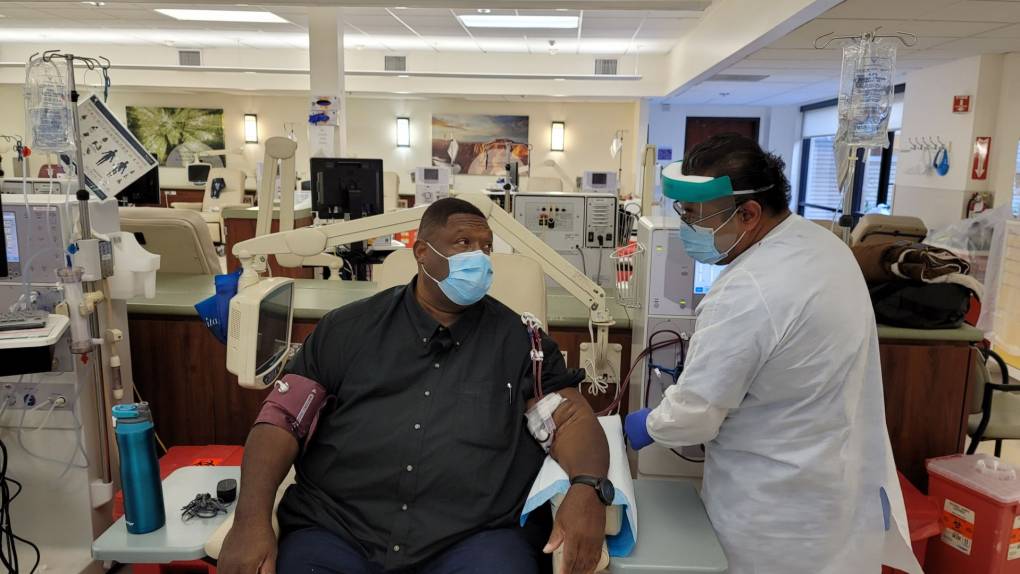
"caption": "DeWayne Cox gets dialysis at a DaVita clinic in Van Nuys three days a week. ",
"description": "DeWayne Cox gets dialysis at a DaVita clinic in Van Nuys three days a week. ",
"title": "DeWayne Cox photo_DaVita clinic Van Nuys_Oct 2020",
"credit": "Courtesy of DeWayne Cox",
"status": "inherit",
"isLoading": false,
"fetchFailed": false
}
},
"audioPlayerReducer": {
"postId": "stream_live",
"isPaused": true,
"isPlaying": false,
"pfsActive": false,
"pledgeModalIsOpen": true,
"playerDrawerIsOpen": false,
"liveAudioPlayStartedAt": 0,
"liveAudioPlayContext": ""
},
"authorsReducer": {
"byline_news_11849905": {
"type": "authors",
"id": "byline_news_11849905",
"meta": {
"override": true
},
"slug": "byline_news_11849905",
"name": "Kristen Kendrick",
"isLoading": false
},
"byline_news_11842747": {
"type": "authors",
"id": "byline_news_11842747",
"meta": {
"override": true
},
"slug": "byline_news_11842747",
"name": "Kelsey Crowe, Juli Fraga",
"isLoading": false
},
"lisapickoffwhite-2": {
"type": "authors",
"id": "199",
"meta": {
"index": "authors_1716337520",
"id": "199",
"found": true
},
"name": "Lisa Pickoff-White",
"firstName": "Lisa",
"lastName": "Pickoff-White",
"slug": "lisapickoffwhite-2",
"email": "lpickoffwhite@kqed.org",
"display_author_email": false,
"staff_mastheads": [
"news"
],
"title": "Data Journalist, Senior Producer",
"bio": "Lisa Pickoff-White is KQED's data reporter. Lisa specializes in simplifying complex topics and bringing them to life through compelling visuals, including photography and data visualizations. She previously has worked at the Center for Investigative Reporting and other national outlets. Her work has been honored with awards from the Online News Association, Investigative Reporters and Editors, the Society of Professional Journalists and SXSW Interactive. \u003cstrong> \u003c/strong>",
"avatar": "https://secure.gravatar.com/avatar/5513c5f3967df792aa65bee2501e84d6?s=600&d=blank&r=g",
"twitter": "pickoffwhite",
"facebook": null,
"instagram": null,
"linkedin": null,
"sites": [
{
"site": "",
"roles": [
"editor"
]
},
{
"site": "arts",
"roles": []
},
{
"site": "news",
"roles": [
"administrator"
]
},
{
"site": "about",
"roles": [
"editor"
]
},
{
"site": "stateofhealth",
"roles": [
"administrator"
]
},
{
"site": "science",
"roles": [
"editor"
]
},
{
"site": "quest",
"roles": [
"editor"
]
},
{
"site": "forum",
"roles": [
"editor"
]
}
],
"headData": {
"title": "Lisa Pickoff-White | KQED",
"description": "Data Journalist, Senior Producer",
"ogImgSrc": "https://secure.gravatar.com/avatar/5513c5f3967df792aa65bee2501e84d6?s=600&d=blank&r=g",
"twImgSrc": "https://secure.gravatar.com/avatar/5513c5f3967df792aa65bee2501e84d6?s=600&d=blank&r=g"
},
"isLoading": false,
"link": "/author/lisapickoffwhite-2"
},
"kqed": {
"type": "authors",
"id": "236",
"meta": {
"index": "authors_1716337520",
"id": "236",
"found": true
},
"name": "KQED News Staff",
"firstName": "KQED News Staff",
"lastName": null,
"slug": "kqed",
"email": "faq@kqed.org",
"display_author_email": false,
"staff_mastheads": [],
"title": null,
"bio": null,
"avatar": "https://secure.gravatar.com/avatar/ef0e801a68c4c54afa9180db14084167?s=600&d=blank&r=g",
"twitter": null,
"facebook": null,
"instagram": null,
"linkedin": null,
"sites": [
{
"site": "arts",
"roles": [
"contributor"
]
},
{
"site": "news",
"roles": [
"editor"
]
},
{
"site": "futureofyou",
"roles": [
"author"
]
}
],
"headData": {
"title": "KQED News Staff | KQED",
"description": null,
"ogImgSrc": "https://secure.gravatar.com/avatar/ef0e801a68c4c54afa9180db14084167?s=600&d=blank&r=g",
"twImgSrc": "https://secure.gravatar.com/avatar/ef0e801a68c4c54afa9180db14084167?s=600&d=blank&r=g"
},
"isLoading": false,
"link": "/author/kqed"
},
"scottshafer": {
"type": "authors",
"id": "255",
"meta": {
"index": "authors_1716337520",
"id": "255",
"found": true
},
"name": "Scott Shafer",
"firstName": "Scott",
"lastName": "Shafer",
"slug": "scottshafer",
"email": "sshafer@kqed.org",
"display_author_email": false,
"staff_mastheads": [
"news"
],
"title": "KQED Contributor",
"bio": "Scott Shafer is a senior editor with the KQED Politics and Government desk. He is co-host of Political Breakdown, the award-winning radio show and podcast with a personal take on the world of politics. Scott came to KQED in 1998 to host the statewide\u003cem> California Report\u003c/em>. Prior to that he had extended stints in politics and government\u003cem>.\u003c/em> He uses that inside experience at KQED in his, reporting, hosting and analysis for the politics desk. Scott collaborated \u003cem>Political Breakdown a\u003c/em>nd on \u003cem>The Political Mind of Jerry Brown, \u003c/em>an eight-part series about the life and extraordinary political career of the former governor. For fun, he plays water polo with the San Francisco Tsunami.",
"avatar": "https://secure.gravatar.com/avatar/a62ebae45b79d7aed1a39a0e3bf68104?s=600&d=blank&r=g",
"twitter": "scottshafer",
"bluesky": null,
"facebook": null,
"instagram": null,
"linkedin": null,
"sites": [
{
"site": "news",
"roles": [
"editor"
]
},
{
"site": "stateofhealth",
"roles": [
"author"
]
},
{
"site": "science",
"roles": [
"author"
]
},
{
"site": "forum",
"roles": [
"subscriber"
]
},
{
"site": "liveblog",
"roles": [
"author"
]
}
],
"headData": {
"title": "Scott Shafer | KQED",
"description": "KQED Contributor",
"ogImgSrc": "https://secure.gravatar.com/avatar/a62ebae45b79d7aed1a39a0e3bf68104?s=600&d=blank&r=g",
"twImgSrc": "https://secure.gravatar.com/avatar/a62ebae45b79d7aed1a39a0e3bf68104?s=600&d=blank&r=g"
},
"isLoading": false,
"link": "/author/scottshafer"
},
"adembosky": {
"type": "authors",
"id": "3205",
"meta": {
"index": "authors_1716337520",
"id": "3205",
"found": true
},
"name": "April Dembosky",
"firstName": "April",
"lastName": "Dembosky",
"slug": "adembosky",
"email": "adembosky@kqed.org",
"display_author_email": false,
"staff_mastheads": [
"news",
"science"
],
"title": "KQED Health Correspondent",
"bio": "April Dembosky is the health correspondent for KQED News and a regular contributor to NPR. She specializes in covering altered states of mind, from postpartum depression to methamphetamine-induced psychosis to the insanity defense. Her investigative series on insurance companies sidestepping mental health laws won multiple awards, including first place in beat reporting from the national Association of Health Care Journalists. She is the recipient of numerous other prizes and fellowships, including a national Edward R. Murrow award for investigative reporting, a Society of Professional Journalists award for long-form storytelling, and a Carter Center Fellowship for Mental Health Journalism.\r\n\r\nDembosky reported and produced \u003cem>Soundtrack of Silence\u003c/em>, an audio documentary about music and memory that is currently being made into a feature film by Paramount Pictures.\r\n\r\nBefore joining KQED in 2013, Dembosky covered technology and Silicon Valley for \u003cem>The Financial Times of London,\u003c/em> and contributed business and arts stories to \u003cem>Marketplace \u003c/em>and \u003cem>The New York Times.\u003c/em> She got her undergraduate degree in philosophy from Smith College and her master's in journalism from the University of California, Berkeley. She is a classically trained violinist and proud alum of the first symphony orchestra at Burning Man.",
"avatar": "https://secure.gravatar.com/avatar/ef92999be4ceb9ea60701e7dc276f813?s=600&d=blank&r=g",
"twitter": "adembosky",
"facebook": null,
"instagram": null,
"linkedin": null,
"sites": [
{
"site": "arts",
"roles": [
"author"
]
},
{
"site": "news",
"roles": [
"editor"
]
},
{
"site": "futureofyou",
"roles": [
"author"
]
},
{
"site": "stateofhealth",
"roles": [
"editor"
]
},
{
"site": "science",
"roles": [
"editor"
]
},
{
"site": "forum",
"roles": [
"editor"
]
}
],
"headData": {
"title": "April Dembosky | KQED",
"description": "KQED Health Correspondent",
"ogImgSrc": "https://secure.gravatar.com/avatar/ef92999be4ceb9ea60701e7dc276f813?s=600&d=blank&r=g",
"twImgSrc": "https://secure.gravatar.com/avatar/ef92999be4ceb9ea60701e7dc276f813?s=600&d=blank&r=g"
},
"isLoading": false,
"link": "/author/adembosky"
},
"mlagos": {
"type": "authors",
"id": "3239",
"meta": {
"index": "authors_1716337520",
"id": "3239",
"found": true
},
"name": "Marisa Lagos",
"firstName": "Marisa",
"lastName": "Lagos",
"slug": "mlagos",
"email": "mlagos@kqed.org",
"display_author_email": false,
"staff_mastheads": [
"news"
],
"title": "KQED Contributor",
"bio": "Marisa Lagos is a correspondent for KQED’s California Politics and Government Desk and co-hosts the award-winning show and podcast, Political Breakdown. At KQED, Lagos also conducts reporting, analysis and investigations into state, local and national politics for radio, TV, online and onstage. In 2022, she and co-host, Scott Shafer, moderated the only gubernatorial debate in California. In 2020, the \u003ci>Washington Post\u003c/i> named her one of the top political journalists in California; she was nominated for a Peabody and won several other awards for her work investigating the 2017 California wildfires. She has worked at the \u003ci>San Francisco Chronicle\u003c/i>, \u003ci>San Francisco Examiner\u003c/i> and \u003ci>Los Angeles Times\u003c/i>. A UC Santa Barbara graduate, she lives in San Francisco with her two sons and husband.",
"avatar": "https://secure.gravatar.com/avatar/a261a0d3696fc066871ef96b85b5e7d2?s=600&d=blank&r=g",
"twitter": "@mlagos",
"facebook": null,
"instagram": null,
"linkedin": null,
"sites": [
{
"site": "arts",
"roles": [
"author"
]
},
{
"site": "news",
"roles": [
"editor"
]
},
{
"site": "science",
"roles": [
"editor"
]
},
{
"site": "forum",
"roles": [
"author"
]
},
{
"site": "liveblog",
"roles": [
"author"
]
}
],
"headData": {
"title": "Marisa Lagos | KQED",
"description": "KQED Contributor",
"ogImgSrc": "https://secure.gravatar.com/avatar/a261a0d3696fc066871ef96b85b5e7d2?s=600&d=blank&r=g",
"twImgSrc": "https://secure.gravatar.com/avatar/a261a0d3696fc066871ef96b85b5e7d2?s=600&d=blank&r=g"
},
"isLoading": false,
"link": "/author/mlagos"
},
"mpeterson": {
"type": "authors",
"id": "11223",
"meta": {
"index": "authors_1716337520",
"id": "11223",
"found": true
},
"name": "Molly Peterson",
"firstName": "Molly",
"lastName": "Peterson",
"slug": "mpeterson",
"email": "mpeterson@kqed.org",
"display_author_email": false,
"staff_mastheads": [],
"title": null,
"bio": "Molly Peterson reports for KQED science and news on climate change, catastrophe and risk. Previously she was environment correspondent at Southern California Public Radio. Her work has also appeared at The New York Times, The Guardian, on NPR, at High Country News, on Code Switch, and other national outlets. She has been honored with awards from Public Radio News Directors Incorporated, Investigative Reporters and Editors, the Society for Professional Journalists, the Los Angeles Press Club, and RTNDA Edward R. Murrow awards, among others.",
"avatar": "https://secure.gravatar.com/avatar/7908e2807131f776cc8165c649530b05?s=600&d=blank&r=g",
"twitter": "Mollydacious",
"facebook": null,
"instagram": "https://www.instagram.com/radiomolly/",
"linkedin": null,
"sites": [
{
"site": "news",
"roles": [
"subscriber"
]
},
{
"site": "futureofyou",
"roles": [
"editor"
]
},
{
"site": "science",
"roles": [
"editor"
]
}
],
"headData": {
"title": "Molly Peterson | KQED",
"description": null,
"ogImgSrc": "https://secure.gravatar.com/avatar/7908e2807131f776cc8165c649530b05?s=600&d=blank&r=g",
"twImgSrc": "https://secure.gravatar.com/avatar/7908e2807131f776cc8165c649530b05?s=600&d=blank&r=g"
},
"isLoading": false,
"link": "/author/mpeterson"
},
"lesleymcclurg": {
"type": "authors",
"id": "11229",
"meta": {
"index": "authors_1716337520",
"id": "11229",
"found": true
},
"name": "Lesley McClurg",
"firstName": "Lesley",
"lastName": "McClurg",
"slug": "lesleymcclurg",
"email": "lmcclurg@KQED.org",
"display_author_email": false,
"staff_mastheads": [
"news",
"science"
],
"title": "KQED Health Correspondent",
"bio": "Lesley McClurg is a health correspondent and fill-in host whose work is regularly rebroadcast on NPR and PBS programs. She’s earned multiple regional Emmy awards, a national and a regional Edward R. Murrow award, and was named Best Beat Reporter by the Association of Health Care Journalists. The Society of Professional Journalists has recognized her work several times, and the Society of Environmental Journalists spotlighted her coverage of California’s historic drought.\r\n\r\nBefore joining KQED in 2016, Lesley covered food and sustainability for Capital Public Radio, environmental issues for Colorado Public Radio, and reported for KUOW and KCTS 9 in Seattle. Away from the newsroom, she loves skiing with her daughter, mountain biking with her partner, and playing with Ollie, the family’s goldendoodle. On deadline, she runs almost entirely on chocolate chips.\r\n\r\n ",
"avatar": "https://secure.gravatar.com/avatar/bab49e972ea10c774fe0f5e29dba1722b158f7c0d58a360923d1389d380b2978?s=600&d=blank&r=g",
"twitter": "lesleywmcclurg",
"bluesky": null,
"facebook": null,
"instagram": null,
"linkedin": null,
"sites": [
{
"site": "arts",
"roles": [
"author"
]
},
{
"site": "news",
"roles": [
"editor"
]
},
{
"site": "futureofyou",
"roles": [
"editor"
]
},
{
"site": "stateofhealth",
"roles": [
"author"
]
},
{
"site": "science",
"roles": [
"editor"
]
},
{
"site": "quest",
"roles": [
"subscriber"
]
},
{
"site": "forum",
"roles": [
"administrator"
]
},
{
"site": "liveblog",
"roles": [
"author"
]
}
],
"headData": {
"title": "Lesley McClurg | KQED",
"description": "KQED Health Correspondent",
"ogImgSrc": "https://secure.gravatar.com/avatar/bab49e972ea10c774fe0f5e29dba1722b158f7c0d58a360923d1389d380b2978?s=600&d=blank&r=g",
"twImgSrc": "https://secure.gravatar.com/avatar/bab49e972ea10c774fe0f5e29dba1722b158f7c0d58a360923d1389d380b2978?s=600&d=blank&r=g"
},
"isLoading": false,
"link": "/author/lesleymcclurg"
}
},
"pagesReducer": {
"news_tag_health": {
"type": "terms",
"id": "news_18543",
"meta": {
"index": "terms_1716263798",
"site": "news",
"id": "18543",
"score": 6.886699
},
"featImg": null,
"name": "Health",
"description": null,
"taxonomy": "tag",
"headData": {
"twImgId": null,
"twTitle": null,
"ogTitle": null,
"ogImgId": null,
"twDescription": null,
"description": null,
"title": "Health Archives | KQED News",
"ogDescription": null
},
"ttid": 466,
"slug": "health",
"isLoading": false,
"title": "Health",
"pageMeta": {
"site": "news",
"WpPageTemplate": "page-topic-editorial",
"currentPage": 70
},
"blocks": [
{
"blockName": "kqed/post-list",
"attrs": {
"layout": "cardArticle2",
"query": "posts/news?tag=health",
"seeMore": false,
"paginated": true,
"page": 70
}
},
{
"blockName": "kqed/ad"
}
]
}
},
"pfsSessionReducer": {},
"postsReducer": {
"stream_live": {
"type": "live",
"id": "stream_live",
"audioUrl": "https://streams.kqed.org/kqedradio",
"title": "Live Stream",
"excerpt": "Live Stream information currently unavailable.",
"link": "/radio",
"featImg": "",
"label": {
"name": "KQED Live",
"link": "/"
}
},
"stream_kqedNewscast": {
"type": "posts",
"id": "stream_kqedNewscast",
"audioUrl": "https://www.kqed.org/.stream/anon/radio/RDnews/newscast.mp3?_=1",
"title": "KQED Newscast",
"featImg": "",
"label": {
"name": "88.5 FM",
"link": "/"
}
},
"news_11850155": {
"type": "posts",
"id": "news_11850155",
"meta": {
"index": "posts_1716263798",
"site": "news",
"id": "11850155",
"score": null,
"sort": [
1607430611000
]
},
"guestAuthors": [],
"slug": "like-a-war-zone-california-doctors-already-besieged-fear-worst-is-yet-to-come-in-covid-surge",
"title": "'Like a War Zone': Besieged California Doctors Fear Worst Is Yet to Come in COVID-19 Surge",
"publishDate": 1607430611,
"format": "aside",
"headTitle": "‘Like a War Zone’: Besieged California Doctors Fear Worst Is Yet to Come in COVID-19 Surge | KQED",
"labelTerm": {
"site": "news"
},
"content": "\u003cp class=\"p1\">At the end of DeOnte Taylor’s recent shift, only one bed remained. The respiratory therapist says his hospital in Oakland was lucky that two critically ill patients didn’t arrive at the same time.\u003c/p>\n\u003cfigure id=\"attachment_11850169\" class=\"wp-caption alignright\" style=\"max-width: 640px\">\u003ca href=\"https://ww2.kqed.org/app/uploads/sites/10/2020/12/covidcaliforniasurge-scaled.jpeg\">\u003cimg loading=\"lazy\" decoding=\"async\" class=\"wp-image-11850169 size-large\" src=\"https://ww2.kqed.org/app/uploads/sites/10/2020/12/covidcaliforniasurge-1020x1360.jpeg\" alt=\"\" width=\"640\" height=\"853\" srcset=\"https://cdn.kqed.org/wp-content/uploads/sites/10/2020/12/covidcaliforniasurge-1020x1360.jpeg 1020w, https://cdn.kqed.org/wp-content/uploads/sites/10/2020/12/covidcaliforniasurge-800x1067.jpeg 800w, https://cdn.kqed.org/wp-content/uploads/sites/10/2020/12/covidcaliforniasurge-160x213.jpeg 160w, https://cdn.kqed.org/wp-content/uploads/sites/10/2020/12/covidcaliforniasurge-1152x1536.jpeg 1152w, https://cdn.kqed.org/wp-content/uploads/sites/10/2020/12/covidcaliforniasurge-1536x2048.jpeg 1536w, https://cdn.kqed.org/wp-content/uploads/sites/10/2020/12/covidcaliforniasurge-scaled.jpeg 1920w, https://cdn.kqed.org/wp-content/uploads/sites/10/2020/12/covidcaliforniasurge-1122x1496.jpeg 1122w, https://cdn.kqed.org/wp-content/uploads/sites/10/2020/12/covidcaliforniasurge-840x1120.jpeg 840w, https://cdn.kqed.org/wp-content/uploads/sites/10/2020/12/covidcaliforniasurge-687x916.jpeg 687w, https://cdn.kqed.org/wp-content/uploads/sites/10/2020/12/covidcaliforniasurge-414x552.jpeg 414w, https://cdn.kqed.org/wp-content/uploads/sites/10/2020/12/covidcaliforniasurge-354x472.jpeg 354w\" sizes=\"(max-width: 640px) 100vw, 640px\">\u003c/a>\u003cfigcaption class=\"wp-caption-text\">Dr. Parimal Bharucha and colleague reviewing patient records inside the ICU COVID-19 unit at Dignity Health Mercy Hospital. ‘It’s like post-traumatic stress disorder that we all go through,’ said Bharucha about the current surge. ‘It is a communal sense of grief.’ \u003ccite>(Courtesty Dignity Health Mercy Hospital)\u003c/cite>\u003c/figcaption>\u003c/figure>\n\u003cp class=\"p1\">“We’ve been barely missing capsizing,” Taylor said.\u003c/p>\n\u003cp class=\"p1\">He fears the surge will topple the facility by the end of the week.\u003c/p>\n\u003cp class=\"p1\">“I think it’s going to be chaotic. Only severe patients will be admitted … because we can only take care of the worst,” he said.\u003c/p>\n\u003cp class=\"p1\">That’s also the reality unfolding at Kaiser Permanente’s Fresno Medical Center. Nurses struggle to fit inside rooms where two beds have been shoved inside. Staff are scrambling to convert conference rooms and a cafeteria into care facilities.\u003c/p>\n\u003cp class=\"p1\">“We are at the point where we are having to triage who deserves an ICU bed and who doesn’t,” said registered nurse Amy Arlund at the end of a harrowing night shift. “We have to look at the severity of each patient and evaluate the chances of survival and pick the best candidate for a bed.”\u003c/p>\n\u003cp class=\"p1\">Arlund says many hospitals in Fresno are beyond capacity. Across California, 80% of the intensive care units are full, according to Carmela Coyle, president and CEO of the California Hospital Association. San Diego, Los Angeles, Imperial County and the entire San Joaquin Valley are the worst hot spots, she said. But, she stressed, Northern California is not going to dodge this particular bullet this time.\u003c/p>\n\u003cp class=\"p1\">Sunday’s single-day tally of 30,000 positive COVID-19 tests in California is three times higher than the total any day during the summer peak. A record-breaking 11,000 people across the state are lying in a hospital bed fighting the virus, an \u003ca href=\"https://www.latimes.com/projects/california-coronavirus-cases-tracking-outbreak/#patients\">\u003cspan class=\"s1\">87%\u003c/span>\u003c/a> increase over the last two weeks.\u003c/p>\n\u003cp class=\"p1\">“The most important limiting factor is staff,” said Coyle. “Those critical care nurses, doctors and respiratory therapists that are needed at the bedside to care and to cure.”\u003c/p>\n\u003cp class=\"p1\">The entire country is now suffering a shortage of health care workers with enough training to care for COVID-19 patients. Some who have those skills are at home taking care of children because schools are closed. Others are sick themselves or nursing loved ones. The virus has killed \u003ca href=\"https://covid.cdc.gov/covid-data-tracker/#health-care-personnel\">\u003cspan class=\"s1\">hundreds\u003c/span>\u003c/a>, potentially thousands of health care workers in the U.S.\u003c/p>\n\u003cp class=\"p1\">Because hospitals across the country are running short on trained personnel, it’s making it harder for California to recruit from the same pool of overworked providers.\u003c/p>\n\u003cp class=\"p1\">“We are mentally, emotionally and physically exhausted,” said Dinora Chinchilla, a pulmonologist specializing in critical care at a hospital in Orange County. “There’s only so many words you can use to describe the extreme fatigue.”\u003c/p>\n\u003cp class=\"p1\">Watching the COVID-19 numbers soar is filling Chinchilla with dread. She says she can’t eat.\u003c/p>\n\u003cp class=\"p1\">“Because this is real,” said Chinchilla. “I’ve had patients who’ve told me that they don’t believe that this exists until they’ve ended up in the hospital. Why have people lost faith in physicians? We practice this field because we love what we do. We want to save lives.”\u003c/p>\n\u003cp class=\"p1\">She says it’s brutal taking care of so many patients who don’t make it.\u003c/p>\n\u003cp class=\"p1\">“It’s like post-traumatic stress disorder that we all go through,” said Dr. Parimal Bharucha, a pulmonologist for Dignity Health in Sacramento. “It is a communal sense of grief. ”\u003c/p>\n\u003cp class=\"p1\">He says his ICU is filled with motionless, sedated people kept alive by machines. The floor is strewn with masks and gowns. Nurses race between patients. It’s “like a war zone,” he said.\u003c/p>\n\u003cp class=\"p1\">“Yesterday I was on-call for telemedicine and I had three patients crash within five minutes of each other,” Bharucha said. “At the same time, in another hospital, there were three patients who had cardiac arrest, one after another.”\u003c/p>\n\u003cp class=\"p1\">Often, he can’t honor his patients’ dying requests. There was an older woman who hadn’t seen her estranged son in decades. She called him but he wasn’t allowed to visit his mother during her final moments because pandemic protocols prevent visitors from entering hospitals.\u003c/p>\n\u003cp class=\"p1\">“This lady could not have the son at the bedside, and she treated me as a son and wanted me to hold her hands when she died,” said Bharucha. “And I could not live up to that.”\u003c/p>\n\u003cp class=\"p1\">Just before she died, Bharucha was called away to treat someone else.\u003c/p>\n\u003cp class=\"p1\">“Somewhere in the back of my mind, it is haunting me,” he said, tearing up.\u003c/p>\n\u003cp class=\"p1\">Coyle attributes the current surge to increased virus transmission over Halloween. The sharp spike does not include the additional numbers doctors expect to see from Thanksgiving gatherings and travel.\u003c/p>\n\u003cp class=\"p1\">So the situation is likely to get worse before it gets better. Dr. Bharucha’s hospital hasn’t had to turn anyone away yet, but he says that could change overnight.\u003c/p>\n\u003cp class=\"p3\">“Please help us help you,” he pleaded. “Please help us take care of the people who really need our help. Don’t let hospitals be overwhelmed, because ultimately, at the end of the day, it is somebody’s loved ones who will need us.”\u003c/p>\n\u003cp class=\"p1\">He urges everyone to stay home and sit tight over the holidays.\u003c/p>\n\u003cp>[ad fullwidth]\u003c/p>\n\u003cp>\u003c/p>\n",
"blocks": [],
"excerpt": "Doctors and nurses are already overwhelmed by the numbers of COVID-19 patients they're seeing and the choices they're forced to make. Yet, the surge of patients may become even more extreme by year's end.\r\n",
"status": "publish",
"parent": 0,
"modified": 1726006825,
"stats": {
"hasAudio": false,
"hasVideo": false,
"hasChartOrMap": false,
"iframeSrcs": [],
"hasGoogleForm": false,
"hasGallery": false,
"hasHearkenModule": false,
"hasPolis": false,
"paragraphCount": 2,
"wordCount": 986
},
"headData": {
"title": "'Like a War Zone': Besieged California Doctors Fear Worst Is Yet to Come in COVID-19 Surge | KQED",
"description": "Doctors and nurses are already overwhelmed by the numbers of COVID-19 patients they're seeing and the choices they're forced to make. Yet, the surge of patients may become even more extreme by year's end.\r\n",
"ogTitle": "",
"ogDescription": "",
"ogImgId": "",
"twTitle": "",
"twDescription": "",
"twImgId": "",
"schema": {
"@context": "https://schema.org",
"@type": "NewsArticle",
"headline": "'Like a War Zone': Besieged California Doctors Fear Worst Is Yet to Come in COVID-19 Surge",
"datePublished": "2020-12-08T04:30:11-08:00",
"dateModified": "2024-09-10T15:20:25-07:00",
"image": "https://cdn.kqed.org/wp-content/uploads/2020/02/KQED-OG-Image@1x.png",
"isAccessibleForFree": "True",
"publisher": {
"@type": "NewsMediaOrganization",
"@id": "https://www.kqed.org/#organization",
"name": "KQED",
"logo": "https://cdn.kqed.org/wp-content/uploads/2020/02/KQED-OG-Image@1x.png",
"url": "https://www.kqed.org",
"sameAs": [
"https://www.facebook.com/KQED",
"https://twitter.com/KQED",
"https://www.instagram.com/kqed/",
"https://www.tiktok.com/@kqedofficial",
"https://www.linkedin.com/company/kqed",
"https://www.youtube.com/channel/UCeC0IOo7i1P_61zVUWbJ4nw"
]
}
}
},
"audioUrl": "https://traffic.omny.fm/d/clips/0af137ef-751e-4b19-a055-aaef00d2d578/ffca7e9f-6831-41c5-bcaf-aaef00f5a073/079c7b38-92fd-4258-85fd-ac8a01132cfd/audio.mp3",
"sticky": false,
"path": "/news/11850155/like-a-war-zone-california-doctors-already-besieged-fear-worst-is-yet-to-come-in-covid-surge",
"audioTrackLength": null,
"parsedContent": [
{
"type": "contentString",
"content": "\u003cdiv class=\"post-body\">\u003cp>\u003cp class=\"p1\">At the end of DeOnte Taylor’s recent shift, only one bed remained. The respiratory therapist says his hospital in Oakland was lucky that two critically ill patients didn’t arrive at the same time.\u003c/p>\n\u003cfigure id=\"attachment_11850169\" class=\"wp-caption alignright\" style=\"max-width: 640px\">\u003ca href=\"https://ww2.kqed.org/app/uploads/sites/10/2020/12/covidcaliforniasurge-scaled.jpeg\">\u003cimg loading=\"lazy\" decoding=\"async\" class=\"wp-image-11850169 size-large\" src=\"https://ww2.kqed.org/app/uploads/sites/10/2020/12/covidcaliforniasurge-1020x1360.jpeg\" alt=\"\" width=\"640\" height=\"853\" srcset=\"https://cdn.kqed.org/wp-content/uploads/sites/10/2020/12/covidcaliforniasurge-1020x1360.jpeg 1020w, https://cdn.kqed.org/wp-content/uploads/sites/10/2020/12/covidcaliforniasurge-800x1067.jpeg 800w, https://cdn.kqed.org/wp-content/uploads/sites/10/2020/12/covidcaliforniasurge-160x213.jpeg 160w, https://cdn.kqed.org/wp-content/uploads/sites/10/2020/12/covidcaliforniasurge-1152x1536.jpeg 1152w, https://cdn.kqed.org/wp-content/uploads/sites/10/2020/12/covidcaliforniasurge-1536x2048.jpeg 1536w, https://cdn.kqed.org/wp-content/uploads/sites/10/2020/12/covidcaliforniasurge-scaled.jpeg 1920w, https://cdn.kqed.org/wp-content/uploads/sites/10/2020/12/covidcaliforniasurge-1122x1496.jpeg 1122w, https://cdn.kqed.org/wp-content/uploads/sites/10/2020/12/covidcaliforniasurge-840x1120.jpeg 840w, https://cdn.kqed.org/wp-content/uploads/sites/10/2020/12/covidcaliforniasurge-687x916.jpeg 687w, https://cdn.kqed.org/wp-content/uploads/sites/10/2020/12/covidcaliforniasurge-414x552.jpeg 414w, https://cdn.kqed.org/wp-content/uploads/sites/10/2020/12/covidcaliforniasurge-354x472.jpeg 354w\" sizes=\"(max-width: 640px) 100vw, 640px\">\u003c/a>\u003cfigcaption class=\"wp-caption-text\">Dr. Parimal Bharucha and colleague reviewing patient records inside the ICU COVID-19 unit at Dignity Health Mercy Hospital. ‘It’s like post-traumatic stress disorder that we all go through,’ said Bharucha about the current surge. ‘It is a communal sense of grief.’ \u003ccite>(Courtesty Dignity Health Mercy Hospital)\u003c/cite>\u003c/figcaption>\u003c/figure>\n\u003cp class=\"p1\">“We’ve been barely missing capsizing,” Taylor said.\u003c/p>\n\u003cp class=\"p1\">He fears the surge will topple the facility by the end of the week.\u003c/p>\n\u003cp class=\"p1\">“I think it’s going to be chaotic. Only severe patients will be admitted … because we can only take care of the worst,” he said.\u003c/p>\n\u003cp class=\"p1\">That’s also the reality unfolding at Kaiser Permanente’s Fresno Medical Center. Nurses struggle to fit inside rooms where two beds have been shoved inside. Staff are scrambling to convert conference rooms and a cafeteria into care facilities.\u003c/p>\n\u003cp class=\"p1\">“We are at the point where we are having to triage who deserves an ICU bed and who doesn’t,” said registered nurse Amy Arlund at the end of a harrowing night shift. “We have to look at the severity of each patient and evaluate the chances of survival and pick the best candidate for a bed.”\u003c/p>\n\u003cp class=\"p1\">Arlund says many hospitals in Fresno are beyond capacity. Across California, 80% of the intensive care units are full, according to Carmela Coyle, president and CEO of the California Hospital Association. San Diego, Los Angeles, Imperial County and the entire San Joaquin Valley are the worst hot spots, she said. But, she stressed, Northern California is not going to dodge this particular bullet this time.\u003c/p>\n\u003cp class=\"p1\">Sunday’s single-day tally of 30,000 positive COVID-19 tests in California is three times higher than the total any day during the summer peak. A record-breaking 11,000 people across the state are lying in a hospital bed fighting the virus, an \u003ca href=\"https://www.latimes.com/projects/california-coronavirus-cases-tracking-outbreak/#patients\">\u003cspan class=\"s1\">87%\u003c/span>\u003c/a> increase over the last two weeks.\u003c/p>\n\u003cp class=\"p1\">“The most important limiting factor is staff,” said Coyle. “Those critical care nurses, doctors and respiratory therapists that are needed at the bedside to care and to cure.”\u003c/p>\n\u003cp class=\"p1\">The entire country is now suffering a shortage of health care workers with enough training to care for COVID-19 patients. Some who have those skills are at home taking care of children because schools are closed. Others are sick themselves or nursing loved ones. The virus has killed \u003ca href=\"https://covid.cdc.gov/covid-data-tracker/#health-care-personnel\">\u003cspan class=\"s1\">hundreds\u003c/span>\u003c/a>, potentially thousands of health care workers in the U.S.\u003c/p>\n\u003cp class=\"p1\">Because hospitals across the country are running short on trained personnel, it’s making it harder for California to recruit from the same pool of overworked providers.\u003c/p>\n\u003cp class=\"p1\">“We are mentally, emotionally and physically exhausted,” said Dinora Chinchilla, a pulmonologist specializing in critical care at a hospital in Orange County. “There’s only so many words you can use to describe the extreme fatigue.”\u003c/p>\n\u003cp class=\"p1\">Watching the COVID-19 numbers soar is filling Chinchilla with dread. She says she can’t eat.\u003c/p>\n\u003cp class=\"p1\">“Because this is real,” said Chinchilla. “I’ve had patients who’ve told me that they don’t believe that this exists until they’ve ended up in the hospital. Why have people lost faith in physicians? We practice this field because we love what we do. We want to save lives.”\u003c/p>\n\u003cp class=\"p1\">She says it’s brutal taking care of so many patients who don’t make it.\u003c/p>\n\u003cp class=\"p1\">“It’s like post-traumatic stress disorder that we all go through,” said Dr. Parimal Bharucha, a pulmonologist for Dignity Health in Sacramento. “It is a communal sense of grief. ”\u003c/p>\n\u003cp class=\"p1\">He says his ICU is filled with motionless, sedated people kept alive by machines. The floor is strewn with masks and gowns. Nurses race between patients. It’s “like a war zone,” he said.\u003c/p>\n\u003cp class=\"p1\">“Yesterday I was on-call for telemedicine and I had three patients crash within five minutes of each other,” Bharucha said. “At the same time, in another hospital, there were three patients who had cardiac arrest, one after another.”\u003c/p>\n\u003cp class=\"p1\">Often, he can’t honor his patients’ dying requests. There was an older woman who hadn’t seen her estranged son in decades. She called him but he wasn’t allowed to visit his mother during her final moments because pandemic protocols prevent visitors from entering hospitals.\u003c/p>\n\u003cp class=\"p1\">“This lady could not have the son at the bedside, and she treated me as a son and wanted me to hold her hands when she died,” said Bharucha. “And I could not live up to that.”\u003c/p>\n\u003cp class=\"p1\">Just before she died, Bharucha was called away to treat someone else.\u003c/p>\n\u003cp class=\"p1\">“Somewhere in the back of my mind, it is haunting me,” he said, tearing up.\u003c/p>\n\u003cp class=\"p1\">Coyle attributes the current surge to increased virus transmission over Halloween. The sharp spike does not include the additional numbers doctors expect to see from Thanksgiving gatherings and travel.\u003c/p>\n\u003cp class=\"p1\">So the situation is likely to get worse before it gets better. Dr. Bharucha’s hospital hasn’t had to turn anyone away yet, but he says that could change overnight.\u003c/p>\n\u003cp class=\"p3\">“Please help us help you,” he pleaded. “Please help us take care of the people who really need our help. Don’t let hospitals be overwhelmed, because ultimately, at the end of the day, it is somebody’s loved ones who will need us.”\u003c/p>\n\u003cp class=\"p1\">He urges everyone to stay home and sit tight over the holidays.\u003c/p>\n\u003cp>\u003c/p>\u003c/div>",
"attributes": {
"named": {},
"numeric": []
}
},
{
"type": "component",
"content": "",
"name": "ad",
"attributes": {
"named": {
"label": "fullwidth"
},
"numeric": [
"fullwidth"
]
}
},
{
"type": "contentString",
"content": "\u003cdiv class=\"post-body\">\u003cp>\u003c/p>\n\u003cp>\u003c/p>\n\u003c/div>\u003c/p>",
"attributes": {
"named": {},
"numeric": []
}
}
],
"link": "/news/11850155/like-a-war-zone-california-doctors-already-besieged-fear-worst-is-yet-to-come-in-covid-surge",
"authors": [
"11229"
],
"categories": [
"news_457",
"news_8"
],
"tags": [
"news_18543"
],
"featImg": "news_11850170",
"label": "news"
},
"news_11850090": {
"type": "posts",
"id": "news_11850090",
"meta": {
"index": "posts_1716263798",
"site": "news",
"id": "11850090",
"score": null,
"sort": [
1607390724000
]
},
"guestAuthors": [],
"slug": "why-some-advocates-say-ag-becerra-makes-sense-as-bidens-health-secretary",
"title": "Why Some Advocates Say AG Becerra Makes Sense as Biden’s Health Secretary",
"publishDate": 1607390724,
"format": "audio",
"headTitle": "Why Some Advocates Say AG Becerra Makes Sense as Biden’s Health Secretary | KQED",
"labelTerm": {
"site": "news"
},
"content": "\u003cp>That President-elect Joe Biden wants Xavier Becerra to be part of his administration is not surprising, but choosing California’s top law enforcement official to be his health secretary raised a few eyebrows.\u003c/p>\n\u003cp>Becerra, the 62-year-old son of immigrants from Mexico, was rumored to be on Biden’s short list for attorney general. But it wasn’t until recent days that he emerged as a serious contender to head up the Department of Health and Human Services — a massive bureaucracy whose portfolio includes overseeing Medicare, the U.S. Food and Drug Administration and the Centers for Disease Control and Prevention.\u003c/p>\n\u003cp>Neither Biden nor Becerra have commented on reports that the attorney general is the choice for health secretary, but NPR and many other news organizations have confirmed it, and Gov. Gavin Newsom tweeted his congratulations to Becerra.\u003c/p>\n\u003cp>https://twitter.com/GavinNewsom/status/1335730236562886658?s=20\u003c/p>\n\u003cp>A formal announcement could come any day.\u003c/p>\n\u003cp>“He’s almost ideally suited to lead that department,” said Drew Altman, president and CEO of the Kaiser Family Foundation. “These days, health care is dominated by politics and by money. And you have to know how to navigate those waters to get stuff done.”\u003c/p>\n\u003cp>Altman and others noted Becerra’s 12 terms in Congress where he represented Los Angeles and became a staunch advocate for access to health care before then-Gov. Jerry Brown picked him to replace Attorney General Kamala Harris when she was elected to the U.S. Senate.\u003c/p>\n\u003cp>“He has probably been the number one defender of the Affordable Care Act under the Trump administration, and he’s done it well and articulately,” said Peter Lee, executive director of Covered California, which oversees the state’s implementation of the ACA. “But it doesn’t end there because he … also recognizes that health care in America has problems that need to be addressed, that go beyond what the Affordable Care Act alone.”\u003c/p>\n\u003cp>[pullquote size='medium' align='right' citation='Drew Altman, president and CEO of the Kaiser Family Foundation']‘He’s almost ideally suited to lead that department … These days, health care is dominated by politics and by money. And you have to know how to navigate those waters to get stuff done.’[/pullquote]\u003c/p>\n\u003cp>As California’s attorney general, Becerra has sued the Trump administration more than a hundred times over issues ranging from immigration to the environment and health care.\u003c/p>\n\u003cp>“He’s really been the leading national champion against the Trump administration in order to protect health care for Americans both in California and across the country,” said Mayra Alvarez, president of the Children’s Partnership in Los Angeles. “Reproductive health, health coverage, you name it. He was there front and center, pushing back on regulation changes and other efforts by the Trump administration that would have taken away health care for some 20 million Americans.”\u003c/p>\n\u003cp>But Becerra’s tenure as attorney general has not been met with universal praise. Advocates of releasing personnel and use-of-force records of problematic police officers based on Senate Bill 1421, a law signed by Gov. Jerry Brown, have been extremely critical of Becerra’s unwillingness to fully comply with the law until forced to do so by the courts.\u003c/p>\n\u003cp>“He is no friend of government transparency,” said David Snyder, executive director of the First Amendment Coalition.\u003c/p>\n\u003cp>Snyder said Becerra’s position on SB 1421 was devoid of valid legal arguments. While stopping short of opposing the law, Becerra said the courts should weigh in on various challenges brought by law enforcement unions throughout the state. KQED joined the First Amendment Coalition’s lawsuit last year against the attorney general and state Department of Justice for access to those records. [aside tag=\"health-care\" label=\"more coverage\"]\u003c/p>\n\u003cp>“That’s just not a position that the state’s highest law enforcement officer should be taking if they want to directly oppose the law and they want to take the position that certain records simply don’t have to be released,” Snyder said.\u003c/p>\n\u003cp>Becerra was born in Sacramento in 1958 to parents who came to the U.S. from Mexico. In an interview with KQED’s \u003ca href=\"https://www.kqed.org/news/11680365/attorney-general-xavier-becerra-on-californias-legal-battles-with-the-trump-administration\" target=\"_blank\" rel=\"noopener noreferrer\">Political Breakdown\u003c/a> after he became attorney general, Becerra talked about how his parents influenced him.\u003c/p>\n\u003cp>“My dad couldn’t walk into a restaurant because of the signs that said ‘no dogs or Mexicans allowed’ even though he was a U.S. citizen! This is when he was a younger man. But you know, he never spoke one time in any of the times that I’ve had an opportunity with him ill about this country because it’s offered him so much and it let his four kids go on and have college or serve in the military,” Becerra said.\u003c/p>\n\u003cp>It seems like Becerra’s focus in public life and policymaking is in some ways a response to the injustices he witnessed, and continues to see directed at immigrants.\u003c/p>\n\u003cp>Becerra said he thinks his parents, and immigrant in the state “feel very proud that there’s an attorney general for the state of California that can absorb, learn and punch back.”\u003c/p>\n\u003cp>[ad fullwidth]\u003c/p>\n\u003cp>If confirmed, Becerra will take over HHS at a time when the coronavirus pandemic is raging and the nation prepares to begin distributing vaccines that hopefully will bring an end to this era of death, despair and disagreement over masks and government shutdowns.\u003c/p>\n\u003cp>“The good news is in a year, the pandemic is going to be behind us and we should be focusing on issues of health disparities, focusing on how the CDC gets ramped up better. What do we do about the FDA? How do Medicare and Medicaid truly meet the needs of all Americans?” said Covered California’s Lee.\u003c/p>\n\u003cp>He’s hopeful that Becerra’s ascension to health secretary will usher in a new era of more equity in the delivery of health care in the United States.\u003c/p>\n\u003cp>“Having someone at the top of Health and Human Services that understands from experience that health care is defined all too often by the color of your skin and your ZIP code. That’s not the America we want to have,” Lee said.\u003c/p>\n\u003cp>If Becerra is confirmed, his replacement will be chosen by Newsom, who already has a plum appointment still to be made for the remainder of Vice President-elect Kamala Harris’s U.S. Senate term.\u003c/p>\n\u003cp>\u003cem>KQED’s Alex Emslie contributed to this report.\u003c/em>\u003c/p>\n\u003cp>[ad floatright]\u003c/p>\n",
"blocks": [],
"excerpt": "Xavier Becerra was rumored to be on Biden’s short list for attorney general. It wasn’t until recent days that he emerged as a serious contender to head up the Department of Health and Human Services.",
"status": "publish",
"parent": 0,
"modified": 1738186589,
"stats": {
"hasAudio": false,
"hasVideo": false,
"hasChartOrMap": false,
"iframeSrcs": [],
"hasGoogleForm": false,
"hasGallery": false,
"hasHearkenModule": false,
"hasPolis": false,
"paragraphCount": 26,
"wordCount": 1135
},
"headData": {
"title": "Why Some Advocates Say AG Becerra Makes Sense as Biden’s Health Secretary | KQED",
"description": "Xavier Becerra was rumored to be on Biden’s short list for attorney general. It wasn’t until recent days that he emerged as a serious contender to head up the Department of Health and Human Services.",
"ogTitle": "",
"ogDescription": "",
"ogImgId": "",
"twTitle": "",
"twDescription": "",
"twImgId": "",
"schema": {
"@context": "https://schema.org",
"@type": "NewsArticle",
"headline": "Why Some Advocates Say AG Becerra Makes Sense as Biden’s Health Secretary",
"datePublished": "2020-12-07T17:25:24-08:00",
"dateModified": "2025-01-29T13:36:29-08:00",
"image": "https://cdn.kqed.org/wp-content/uploads/2020/02/KQED-OG-Image@1x.png",
"isAccessibleForFree": "True",
"publisher": {
"@type": "NewsMediaOrganization",
"@id": "https://www.kqed.org/#organization",
"name": "KQED",
"logo": "https://cdn.kqed.org/wp-content/uploads/2020/02/KQED-OG-Image@1x.png",
"url": "https://www.kqed.org",
"sameAs": [
"https://www.facebook.com/KQED",
"https://twitter.com/KQED",
"https://www.instagram.com/kqed/",
"https://www.tiktok.com/@kqedofficial",
"https://www.linkedin.com/company/kqed",
"https://www.youtube.com/channel/UCeC0IOo7i1P_61zVUWbJ4nw"
]
}
}
},
"audioUrl": "https://traffic.omny.fm/d/clips/0af137ef-751e-4b19-a055-aaef00d2d578/ffca7e9f-6831-41c5-bcaf-aaef00f5a073/db3e0fdb-a05d-42e8-b2ba-ac8a01132cfe/audio.mp3",
"sticky": false,
"path": "/news/11850090/why-some-advocates-say-ag-becerra-makes-sense-as-bidens-health-secretary",
"audioTrackLength": null,
"parsedContent": [
{
"type": "contentString",
"content": "\u003cdiv class=\"post-body\">\u003cp>\u003cp>That President-elect Joe Biden wants Xavier Becerra to be part of his administration is not surprising, but choosing California’s top law enforcement official to be his health secretary raised a few eyebrows.\u003c/p>\n\u003cp>Becerra, the 62-year-old son of immigrants from Mexico, was rumored to be on Biden’s short list for attorney general. But it wasn’t until recent days that he emerged as a serious contender to head up the Department of Health and Human Services — a massive bureaucracy whose portfolio includes overseeing Medicare, the U.S. Food and Drug Administration and the Centers for Disease Control and Prevention.\u003c/p>\n\u003cp>Neither Biden nor Becerra have commented on reports that the attorney general is the choice for health secretary, but NPR and many other news organizations have confirmed it, and Gov. Gavin Newsom tweeted his congratulations to Becerra.\u003c/p>\u003c/p>\u003c/div>",
"attributes": {
"named": {},
"numeric": []
}
},
{
"type": "component",
"content": "",
"name": "singleTwitterStatus",
"attributes": {
"named": {
"id": "1335730236562886658"
},
"numeric": []
}
},
{
"type": "contentString",
"content": "\u003cdiv class=\"post-body\">\u003cp>\n\u003cp>A formal announcement could come any day.\u003c/p>\n\u003cp>“He’s almost ideally suited to lead that department,” said Drew Altman, president and CEO of the Kaiser Family Foundation. “These days, health care is dominated by politics and by money. And you have to know how to navigate those waters to get stuff done.”\u003c/p>\n\u003cp>Altman and others noted Becerra’s 12 terms in Congress where he represented Los Angeles and became a staunch advocate for access to health care before then-Gov. Jerry Brown picked him to replace Attorney General Kamala Harris when she was elected to the U.S. Senate.\u003c/p>\n\u003cp>“He has probably been the number one defender of the Affordable Care Act under the Trump administration, and he’s done it well and articulately,” said Peter Lee, executive director of Covered California, which oversees the state’s implementation of the ACA. “But it doesn’t end there because he … also recognizes that health care in America has problems that need to be addressed, that go beyond what the Affordable Care Act alone.”\u003c/p>\n\u003cp>\u003c/p>\u003c/div>",
"attributes": {
"named": {},
"numeric": []
}
},
{
"type": "component",
"content": "‘He’s almost ideally suited to lead that department … These days, health care is dominated by politics and by money. And you have to know how to navigate those waters to get stuff done.’",
"name": "pullquote",
"attributes": {
"named": {
"size": "medium",
"align": "right",
"citation": "Drew Altman, president and CEO of the Kaiser Family Foundation",
"label": ""
},
"numeric": []
}
},
{
"type": "contentString",
"content": "\u003cdiv class=\"post-body\">\u003cp>\u003c/p>\n\u003cp>As California’s attorney general, Becerra has sued the Trump administration more than a hundred times over issues ranging from immigration to the environment and health care.\u003c/p>\n\u003cp>“He’s really been the leading national champion against the Trump administration in order to protect health care for Americans both in California and across the country,” said Mayra Alvarez, president of the Children’s Partnership in Los Angeles. “Reproductive health, health coverage, you name it. He was there front and center, pushing back on regulation changes and other efforts by the Trump administration that would have taken away health care for some 20 million Americans.”\u003c/p>\n\u003cp>But Becerra’s tenure as attorney general has not been met with universal praise. Advocates of releasing personnel and use-of-force records of problematic police officers based on Senate Bill 1421, a law signed by Gov. Jerry Brown, have been extremely critical of Becerra’s unwillingness to fully comply with the law until forced to do so by the courts.\u003c/p>\n\u003cp>“He is no friend of government transparency,” said David Snyder, executive director of the First Amendment Coalition.\u003c/p>\n\u003cp>Snyder said Becerra’s position on SB 1421 was devoid of valid legal arguments. While stopping short of opposing the law, Becerra said the courts should weigh in on various challenges brought by law enforcement unions throughout the state. KQED joined the First Amendment Coalition’s lawsuit last year against the attorney general and state Department of Justice for access to those records. \u003c/p>\u003c/div>",
"attributes": {
"named": {},
"numeric": []
}
},
{
"type": "component",
"content": "",
"name": "aside",
"attributes": {
"named": {
"tag": "health-care",
"label": "more coverage "
},
"numeric": []
}
},
{
"type": "contentString",
"content": "\u003cdiv class=\"post-body\">\u003cp>\u003c/p>\n\u003cp>“That’s just not a position that the state’s highest law enforcement officer should be taking if they want to directly oppose the law and they want to take the position that certain records simply don’t have to be released,” Snyder said.\u003c/p>\n\u003cp>Becerra was born in Sacramento in 1958 to parents who came to the U.S. from Mexico. In an interview with KQED’s \u003ca href=\"https://www.kqed.org/news/11680365/attorney-general-xavier-becerra-on-californias-legal-battles-with-the-trump-administration\" target=\"_blank\" rel=\"noopener noreferrer\">Political Breakdown\u003c/a> after he became attorney general, Becerra talked about how his parents influenced him.\u003c/p>\n\u003cp>“My dad couldn’t walk into a restaurant because of the signs that said ‘no dogs or Mexicans allowed’ even though he was a U.S. citizen! This is when he was a younger man. But you know, he never spoke one time in any of the times that I’ve had an opportunity with him ill about this country because it’s offered him so much and it let his four kids go on and have college or serve in the military,” Becerra said.\u003c/p>\n\u003cp>It seems like Becerra’s focus in public life and policymaking is in some ways a response to the injustices he witnessed, and continues to see directed at immigrants.\u003c/p>\n\u003cp>Becerra said he thinks his parents, and immigrant in the state “feel very proud that there’s an attorney general for the state of California that can absorb, learn and punch back.”\u003c/p>\n\u003cp>\u003c/p>\u003c/div>",
"attributes": {
"named": {},
"numeric": []
}
},
{
"type": "component",
"content": "",
"name": "ad",
"attributes": {
"named": {
"label": "fullwidth"
},
"numeric": [
"fullwidth"
]
}
},
{
"type": "contentString",
"content": "\u003cdiv class=\"post-body\">\u003cp>\u003c/p>\n\u003cp>If confirmed, Becerra will take over HHS at a time when the coronavirus pandemic is raging and the nation prepares to begin distributing vaccines that hopefully will bring an end to this era of death, despair and disagreement over masks and government shutdowns.\u003c/p>\n\u003cp>“The good news is in a year, the pandemic is going to be behind us and we should be focusing on issues of health disparities, focusing on how the CDC gets ramped up better. What do we do about the FDA? How do Medicare and Medicaid truly meet the needs of all Americans?” said Covered California’s Lee.\u003c/p>\n\u003cp>He’s hopeful that Becerra’s ascension to health secretary will usher in a new era of more equity in the delivery of health care in the United States.\u003c/p>\n\u003cp>“Having someone at the top of Health and Human Services that understands from experience that health care is defined all too often by the color of your skin and your ZIP code. That’s not the America we want to have,” Lee said.\u003c/p>\n\u003cp>If Becerra is confirmed, his replacement will be chosen by Newsom, who already has a plum appointment still to be made for the remainder of Vice President-elect Kamala Harris’s U.S. Senate term.\u003c/p>\n\u003cp>\u003cem>KQED’s Alex Emslie contributed to this report.\u003c/em>\u003c/p>\n\u003cp>\u003c/p>\u003c/div>",
"attributes": {
"named": {},
"numeric": []
}
},
{
"type": "component",
"content": "",
"name": "ad",
"attributes": {
"named": {
"label": "floatright"
},
"numeric": [
"floatright"
]
}
},
{
"type": "contentString",
"content": "\u003cdiv class=\"post-body\">\u003cp>\u003c/p>\n\u003c/div>\u003c/p>",
"attributes": {
"named": {},
"numeric": []
}
}
],
"link": "/news/11850090/why-some-advocates-say-ag-becerra-makes-sense-as-bidens-health-secretary",
"authors": [
"255"
],
"categories": [
"news_6188",
"news_8",
"news_13"
],
"tags": [
"news_2409",
"news_18543",
"news_17968",
"news_24935",
"news_20378"
],
"featImg": "news_11850121",
"label": "news"
},
"news_11849905": {
"type": "posts",
"id": "news_11849905",
"meta": {
"index": "posts_1716263798",
"site": "news",
"id": "11849905",
"score": null,
"sort": [
1607192674000
]
},
"guestAuthors": [],
"slug": "what-to-do-if-you-test-positive-for-the-coronavirus-this-winter",
"title": "What to Do if You Test Positive for the Coronavirus This Winter",
"publishDate": 1607192674,
"format": "standard",
"headTitle": "What to Do if You Test Positive for the Coronavirus This Winter | KQED",
"labelTerm": {
"site": "news"
},
"content": "\u003cp>As the cooler weather takes hold, a viral pandemic is blanketing the U.S. with infection rates like we’ve never seen.\u003c/p>\n\u003cp>As of early December, there are more than 200,000 \u003ca href=\"https://www.npr.org/sections/health-shots/2020/09/01/816707182/map-tracking-the-spread-of-the-coronavirus-in-the-u-s\">new U.S. cases\u003c/a> reported and more than 1,800 deaths from COVID-19 on average every day. And although we know this illness is dangerous, the \u003ca href=\"https://www.cdc.gov/coronavirus/2019-ncov/covid-data/covidview/index.html#:~:text=The%20overall%20cumulative%20COVID%2D19,aged%2065%20years%20and%20older.\">hospitalization rate\u003c/a> is about 243 hospital stays per 100,000 infections, which means masses of people are having to manage less severe cases at home, too.\u003c/p>\n\u003cp>Patients are facing time alone with a notoriously unpredictable virus — and that can feel scary, confusing and overwhelming. Those are all sentiments I’ve heard a lot in my own practice as a family doctor lately.\u003c/p>\n\u003cp>If you’ve gotten a positive test result, here’s advice from doctors about how to handle a mild to moderate, or even asymptomatic, case on your own — and when you need to seek emergency help.\u003c/p>\n\u003ch3>\u003cstrong>Isolate yourself from others, starting as quickly as you can\u003c/strong>\u003c/h3>\n\u003cp>You’ve probably heard this one plenty, but it’s as important as ever: The Centers for Disease Control and Prevention \u003ca href=\"https://www.cdc.gov/coronavirus/2019-ncov/if-you-are-sick/isolation.html\">recommends 10 days of isolation\u003c/a> after a positive coronavirus test if you’re asymptomatic, or at least 10 days of isolation from the start of symptoms if you have them. If your positive test was \u003cem>after\u003c/em> symptoms started, isolation days would still start counting from the first day of symptoms.\u003c/p>\n\u003cp>[ad fullwidth]\u003c/p>\n\u003cp>If you’re in this situation and live with other people, it takes a bit of planning to follow that advice. It’s important to stay in separate rooms (including during meals and sleep), and everyone else in the house should wear a mask in common areas. Also, be sure to step up the sanitizing of shared surfaces and avoid sharing things such as cups and towels.\u003c/p>\n\u003ch3>\u003cstrong>Members of your household and your close contacts need to quarantine, too\u003c/strong>\u003c/h3>\n\u003cp>If you’ve tested positive for the virus, everyone you live with has been exposed, so they, too, \u003ca href=\"https://www.cdc.gov/coronavirus/2019-ncov/if-you-are-sick/quarantine.html#:~:text=Stay%20home%20for%2014%20days,from%20COVID%2D19.\">will need to quarantine\u003c/a> as well as anyone you had close contact with in the two days leading up to your positive test being collected or the start of symptoms.\u003c/p>\n\u003cp>So what’s close contact? The CDC says 15 \u003cem>cumulative\u003c/em> minutes of exposure to the sick person and within 6 feet of them — even with masks on. It’s fair to assume anyone who has been gathering with you, especially indoors, was exposed, so plan to reach out to close contacts and ask them to quarantine.\u003c/p>\n\u003cp>But there’s \u003ca href=\"https://www.npr.org/2020/12/02/941355347/cdc-shortens-its-covid-19-quarantine-recommendations\">new recommendations\u003c/a> for how many days they need to quarantine. The CDC still maintains a full 14 days of quarantine after being exposed is the best method to keep from spreading COVID-19, but it now offers alternatives if that’s not possible. Exposed people can quarantine 10 days from the exposure if there’s no testing and symptoms don’t develop, or as few as seven days if there are no symptoms \u003cem>and\u003c/em> they get a negative test.\u003c/p>\n\u003cp>If the shorter quarantine schedule is followed, exposed people should keep watching closely for symptoms for a full 14 days since an infection can \u003ca href=\"https://www.who.int/news-room/q-a-detail/coronavirus-disease-covid-19\">take that long to develop\u003c/a>. But keep in mind, these are general recommendations and may differ from state to state depending on the number of cases, so be sure to look up local guidance.\u003c/p>\n\u003ch3>\u003cstrong>Assess your symptom severity and know when to seek emergency care\u003c/strong>\u003c/h3>\n\u003cp>If your symptoms are the common nasal congestion, dry cough, body aches, loss of taste or smell or headache, it’s suitable to stay home and treat yourself with rest and plenty of liquids. But be alert to changing symptoms, says \u003ca href=\"https://doctors.umiamihealth.org/provider/Roger+Argelio+Alvarez/525365\">Roger Alvarez\u003c/a>, a pulmonologist and professor of clinical medicine at the University of Miami’s Miller School of Medicine. He says that although mild to moderate COVID-19 cases can be managed at home, symptoms that start out mild can wax, wane and evolve into severe symptoms that need treatment at a hospital.\u003c/p>\n\u003cp>Red flag symptoms that suggest you need to call 911 no matter how many days you’ve been sick include (but aren’t limited to): trouble breathing, chest pain, blue lips, confusion, being unable to tolerate food or drink, weakness or feeling like you can’t stay awake.\u003c/p>\n\u003cp>Consider getting a basic oxygen monitor — \u003ca href=\"https://www.npr.org/sections/goatsandsoda/2020/05/01/848400469/coronavirus-faqs-whats-a-pulse-oximeter-is-it-a-good-idea-to-buy-one\">a pulse oximeter\u003c/a> — for your finger at home, watching for a drop in your oxygen levels down to 94% or below. When levels drop below this, it’s time to call your doctor immediately. If you don’t have a primary care provider, go to an urgent care or emergency room — or, if you feel like you can’t breathe, call 911. Similarly, a high fever (above 103 F) that doesn’t get lower with fever-reducing medicines is another reason to call, or visit, a doctor.\u003c/p>\n\u003cp>But don’t get too caught up in the numbers: If you get a feeling that “something’s not right,” don’t delay medical care.\u003c/p>\n\u003ch3>\u003cstrong>Reach out to your doctor, but know there’s no magic pill\u003c/strong>\u003c/h3>\n\u003cp>If you’ve just tested positive and started isolating, it’s a good time to reach out to your primary care doctor or other health care provider (if you haven’t already) and get advice tailored to your symptoms and medical history. This is especially important for patients with any chronic illnesses such as lung disease or diabetes, but also for healthy people.\u003c/p>\n\u003cp>The good news? Doctors are easier to reach than ever with the popularity of \u003ca href=\"https://www.npr.org/2020/03/16/816344287/during-coronavirus-outbreak-virtual-doctor-visits-are-encouraged\">telephone and video visits\u003c/a>, so no need to leave your home to talk to them. The bad news is that the coronavirus is a virus, just like the flu, which means \u003ca href=\"https://www.cdc.gov/patientsafety/features/be-antibiotics-aware.html#:~:text=Antibiotics%20do%20not%20work%20on,infections%20get%20better%20without%20antibiotics.\">an antibiotic won’t stop the illness or the symptoms\u003c/a>.\u003c/p>\n\u003cp>\u003ca href=\"https://www.uwhealth.org/findadoctor/profile/matthew-c-anderson-md/10003\">Dr. Matthew Anderson\u003c/a>, senior medical director of primary care at the University of Wisconsin, tells NPR that he sometimes gives oral steroids to patients with chronic lung disease who get COVID-19 and are wheezing. But he says steroids or other drugs you may have heard about — including one of the \u003ca href=\"https://www.npr.org/sections/health-shots/2020/11/10/933444237/fda-oks-eli-lilly-covid-19-drug-but-supplies-will-be-limited\">monoclonal antibody cocktails\u003c/a> or \u003ca href=\"https://www.npr.org/sections/latest-updates-trump-covid-19-results/2020/10/03/919883050/trump-is-taking-remdesivir-heres-how-it-works-to-control-the-coronavirus\">remdesivir\u003c/a> — “aren’t the standard of care” for mild or moderate COVID-19, and might do more harm than good in those cases. While there’s been lots of talk about those drugs given to patients with severe illness who are hospitalized – maybe most famously, \u003ca href=\"https://www.npr.org/2020/10/03/919831018/how-president-trump-is-treating-covid-19\">President Trump\u003c/a> – these treatments aren’t currently recommended for milder cases that are best managed at home.\u003c/p>\n\u003ch3>\u003cstrong>Make an isolation and care plan early, and ask for help \u003c/strong>\u003c/h3>\n\u003cp>Doctors and health care teams that include nurses and care navigators can also be a good resource for figuring out and lining up the sort of logistical help you’ll need to isolate yourself. You won’t want to run out of your routine medications, so ask your health team about how to get them via mail order or from pharmacies that deliver.\u003c/p>\n\u003cp>Also important: How will you and your quarantining housemates get and keep groceries, toilet paper and other goods in the house? Most cities now have grocery delivery services you can access online; typically health care systems also have social workers that can connect you with other food services if you need them. Make a list of your needs and ask friends for help. If you’re isolated and sick, pets will still need to be walked, snow shoveled and bills paid.\u003c/p>\n\u003ch3>\u003cstrong>Rest and rehydrate but try to avoid lingering in bed\u003c/strong>\u003c/h3>\n\u003cp>It can feel frustrating if you’ve got a positive coronavirus test with mild symptoms such as a runny nose or sore throat for which there’s no definitive treatment. But that just means you should stick to the well-worn advice for healing from any viral infection: Get extra rest, drink plenty of fluids and take an over-the-counter fever-reducing medicine such as acetaminophen if you need it.\u003c/p>\n\u003cp>Fluids may also be hard to gulp down when you’re feeling bad, but dehydration can land people in the hospital on its own. That’s especially true for children and older folks, so try to sip plenty of water, juice, soup or electrolyte drinks throughout the day. Non-caffeinated tea with \u003ca href=\"https://www.npr.org/sections/health-shots/2020/02/08/802750225/for-kids-coughs-swap-the-over-the-counter-syrups-for-honey\">honey might soothe your sore throat\u003c/a>, but avoid drinks with lots of sugar or caffeine.\u003c/p>\n\u003cp>Rest is also important to recovery, but be wary of the urge to stay in bed. “You don’t want to overwork yourself but avoid strict bed rest – we don’t want patients to be totally sedentary because we know that patients who move around seem to do better,” says Alvarez, who has recovered from a case of COVID-19 himself. He encourages patients to walk around their homes as they’re able or sit upright on the couch – all things that help expand the lungs and improve the movement of air.\u003c/p>\n\u003ch3>\u003cstrong>Don’t forget your mental health\u003c/strong>\u003c/h3>\n\u003cp>Whether or not you’ve got symptoms, getting a positive test for the coronavirus can be stressful, and isolating alone can make that even worse. When it comes to isolation, adding structure to your days can help a lot, says \u003ca href=\"https://ubhc.rutgers.edu/about-us/leadership/frank-ghinassi.xml\">Dr. Frank Ghinassi\u003c/a>, president and CEO of Rutgers University Behavioral Health Care and senior vice president at RWJBarnabas Health. Ghinassi recommends scheduling sleep and meals at the same time every day and penciling in at least one thing that provides pleasure daily — even if it’s as simple as streaming a movie.\u003c/p>\n\u003cp>The most important part is “actually making the schedule,” Ghinassi says. And be sure to include some socializing — virtual socializing, that is. Also put a bit of simple exercise on the calendar if you’re \u003ca href=\"https://newsnetwork.mayoclinic.org/discussion/covid-19-exercise-when-ill-whats-okay-and-whats-not/\">feeling up to it\u003c/a> — 30 minutes of light physical activity several times a week will help lift your mood. Maybe take a video exercise class or, if you’re asymptomatic or have mild symptoms, climbing stairs will get your heart rate up in a good way. And if you’re unwell and stairs are too much, try taking a room-to-room stroll within your home. Every little bit counts.\u003c/p>\n\u003ch3>\u003cstrong>If your symptoms linger longer than 10 days, keep isolating\u003c/strong>\u003c/h3>\n\u003cp>Unfortunately, you can’t schedule how long symptoms might last when it comes to the coronavirus. Doctors have been studying the nitty-gritty of statistics and numbers for months, and although the \u003ca href=\"https://www.cdc.gov/coronavirus/2019-ncov/hcp/duration-isolation.html\">CDC recommends\u003c/a> isolating at least 10 days from when mild or moderate symptoms started (or 10 days from a positive test if you never had symptoms), there’s no definite number of days to isolate if you’ve still got symptoms after that.\u003c/p>\n\u003cp>The CDC says you can stop isolating if you’ve been free of fever without fever-reducing medicines for 24 hours and your symptoms are “improving.” But if you’re fever-free and still feeling bad with symptoms such as cough, headache or body aches, it’s best to keep staying away from people longer – at least until symptoms have continued to improve significantly for a few days.\u003c/p>\n\u003cp>For otherwise healthy people who test positive for the coronavirus, there’s no need to retest before stopping isolation with or without symptoms. But it \u003cem>is\u003c/em> important to go right back to your mask-wearing, hand-washing and social-distancing routines after that isolation period. And be sure to follow up with your primary care providers – they can help counsel you about your health needs after COVID-19 and about becoming a part of clinical trials that can help researchers learn more about the virus and its treatment.\u003c/p>\n\u003ch3>\u003cstrong>Tell your cautionary tale\u003c/strong>\u003c/h3>\n\u003cp>If you’re out of the woods after a positive coronavirus test, you might consider passing along your experience to friends and family — especially any words of cautious wisdom if you traced your own case back to a pandemic-fatigued moment of weakness, such as going to a gathering or forgoing your mask. But let’s not make it a shame game: We are all human, and talking openly about your story might encourage others to keep their guard up.\u003c/p>\n\u003cp>And be sure to consider sharing acts of kindness and lending a virtual ear or hand to family, friends and neighbors you hear about who test positive later on. The best treatment for all of us to give and get right now may be looking out for each other – no prescription needed.\u003c/p>\n\u003cp>[ad floatright]\u003c/p>\n\u003cp>\u003cem>Kristen Kendrick is a board-certified family physician in Washington, D.C., and a health and media fellow at NPR and Georgetown University School of Medicine.\u003c/em>\u003c/p>\n\u003cdiv class=\"fullattribution\">Copyright 2020 NPR. To see more, visit https://www.npr.org.\u003cimg decoding=\"async\" src=\"https://www.google-analytics.com/__utm.gif?utmac=UA-5828686-4&utmdt=What+To+Do+If+You+Test+Positive+For+The+Coronavirus+This+Winter&utme=8(APIKey)9(MDAxOTAwOTE4MDEyMTkxMDAzNjczZDljZA004)\">\u003c/div>\n\n",
"blocks": [],
"excerpt": "Here's how to self-isolate and which symptoms signal you need immediate emergency care.",
"status": "publish",
"parent": 0,
"modified": 1726006828,
"stats": {
"hasAudio": false,
"hasVideo": false,
"hasChartOrMap": false,
"iframeSrcs": [],
"hasGoogleForm": false,
"hasGallery": false,
"hasHearkenModule": false,
"hasPolis": false,
"paragraphCount": 32,
"wordCount": 2185
},
"headData": {
"title": "What to Do if You Test Positive for the Coronavirus This Winter | KQED",
"description": "Here's how to self-isolate and which symptoms signal you need immediate emergency care.",
"ogTitle": "",
"ogDescription": "",
"ogImgId": "",
"twTitle": "",
"twDescription": "",
"twImgId": "",
"schema": {
"@context": "https://schema.org",
"@type": "NewsArticle",
"headline": "What to Do if You Test Positive for the Coronavirus This Winter",
"datePublished": "2020-12-05T10:24:34-08:00",
"dateModified": "2024-09-10T15:20:28-07:00",
"image": "https://cdn.kqed.org/wp-content/uploads/2020/02/KQED-OG-Image@1x.png",
"isAccessibleForFree": "True",
"publisher": {
"@type": "NewsMediaOrganization",
"@id": "https://www.kqed.org/#organization",
"name": "KQED",
"logo": "https://cdn.kqed.org/wp-content/uploads/2020/02/KQED-OG-Image@1x.png",
"url": "https://www.kqed.org",
"sameAs": [
"https://www.facebook.com/KQED",
"https://twitter.com/KQED",
"https://www.instagram.com/kqed/",
"https://www.tiktok.com/@kqedofficial",
"https://www.linkedin.com/company/kqed",
"https://www.youtube.com/channel/UCeC0IOo7i1P_61zVUWbJ4nw"
]
}
}
},
"sticky": false,
"nprImageCredit": "Malte Mueller",
"nprByline": "Kristen Kendrick",
"nprImageAgency": "Getty Images/fStop",
"nprStoryId": "939050215",
"nprApiLink": "http://api.npr.org/query?id=939050215&apiKey=MDAxOTAwOTE4MDEyMTkxMDAzNjczZDljZA004",
"nprHtmlLink": "https://www.npr.org/sections/health-shots/2020/12/04/939050215/what-to-do-if-you-test-positive-for-the-coronavirus-this-fall-or-winter?ft=nprml&f=939050215",
"nprRetrievedStory": "1",
"nprPubDate": "Fri, 04 Dec 2020 14:17:00 -0500",
"nprStoryDate": "Fri, 04 Dec 2020 13:16:57 -0500",
"nprLastModifiedDate": "Fri, 04 Dec 2020 14:17:34 -0500",
"path": "/news/11849905/what-to-do-if-you-test-positive-for-the-coronavirus-this-winter",
"audioTrackLength": null,
"parsedContent": [
{
"type": "contentString",
"content": "\u003cdiv class=\"post-body\">\u003cp>\u003cp>As the cooler weather takes hold, a viral pandemic is blanketing the U.S. with infection rates like we’ve never seen.\u003c/p>\n\u003cp>As of early December, there are more than 200,000 \u003ca href=\"https://www.npr.org/sections/health-shots/2020/09/01/816707182/map-tracking-the-spread-of-the-coronavirus-in-the-u-s\">new U.S. cases\u003c/a> reported and more than 1,800 deaths from COVID-19 on average every day. And although we know this illness is dangerous, the \u003ca href=\"https://www.cdc.gov/coronavirus/2019-ncov/covid-data/covidview/index.html#:~:text=The%20overall%20cumulative%20COVID%2D19,aged%2065%20years%20and%20older.\">hospitalization rate\u003c/a> is about 243 hospital stays per 100,000 infections, which means masses of people are having to manage less severe cases at home, too.\u003c/p>\n\u003cp>Patients are facing time alone with a notoriously unpredictable virus — and that can feel scary, confusing and overwhelming. Those are all sentiments I’ve heard a lot in my own practice as a family doctor lately.\u003c/p>\n\u003cp>If you’ve gotten a positive test result, here’s advice from doctors about how to handle a mild to moderate, or even asymptomatic, case on your own — and when you need to seek emergency help.\u003c/p>\n\u003ch3>\u003cstrong>Isolate yourself from others, starting as quickly as you can\u003c/strong>\u003c/h3>\n\u003cp>You’ve probably heard this one plenty, but it’s as important as ever: The Centers for Disease Control and Prevention \u003ca href=\"https://www.cdc.gov/coronavirus/2019-ncov/if-you-are-sick/isolation.html\">recommends 10 days of isolation\u003c/a> after a positive coronavirus test if you’re asymptomatic, or at least 10 days of isolation from the start of symptoms if you have them. If your positive test was \u003cem>after\u003c/em> symptoms started, isolation days would still start counting from the first day of symptoms.\u003c/p>\n\u003cp>\u003c/p>\u003c/div>",
"attributes": {
"named": {},
"numeric": []
}
},
{
"type": "component",
"content": "",
"name": "ad",
"attributes": {
"named": {
"label": "fullwidth"
},
"numeric": [
"fullwidth"
]
}
},
{
"type": "contentString",
"content": "\u003cdiv class=\"post-body\">\u003cp>\u003c/p>\n\u003cp>If you’re in this situation and live with other people, it takes a bit of planning to follow that advice. It’s important to stay in separate rooms (including during meals and sleep), and everyone else in the house should wear a mask in common areas. Also, be sure to step up the sanitizing of shared surfaces and avoid sharing things such as cups and towels.\u003c/p>\n\u003ch3>\u003cstrong>Members of your household and your close contacts need to quarantine, too\u003c/strong>\u003c/h3>\n\u003cp>If you’ve tested positive for the virus, everyone you live with has been exposed, so they, too, \u003ca href=\"https://www.cdc.gov/coronavirus/2019-ncov/if-you-are-sick/quarantine.html#:~:text=Stay%20home%20for%2014%20days,from%20COVID%2D19.\">will need to quarantine\u003c/a> as well as anyone you had close contact with in the two days leading up to your positive test being collected or the start of symptoms.\u003c/p>\n\u003cp>So what’s close contact? The CDC says 15 \u003cem>cumulative\u003c/em> minutes of exposure to the sick person and within 6 feet of them — even with masks on. It’s fair to assume anyone who has been gathering with you, especially indoors, was exposed, so plan to reach out to close contacts and ask them to quarantine.\u003c/p>\n\u003cp>But there’s \u003ca href=\"https://www.npr.org/2020/12/02/941355347/cdc-shortens-its-covid-19-quarantine-recommendations\">new recommendations\u003c/a> for how many days they need to quarantine. The CDC still maintains a full 14 days of quarantine after being exposed is the best method to keep from spreading COVID-19, but it now offers alternatives if that’s not possible. Exposed people can quarantine 10 days from the exposure if there’s no testing and symptoms don’t develop, or as few as seven days if there are no symptoms \u003cem>and\u003c/em> they get a negative test.\u003c/p>\n\u003cp>If the shorter quarantine schedule is followed, exposed people should keep watching closely for symptoms for a full 14 days since an infection can \u003ca href=\"https://www.who.int/news-room/q-a-detail/coronavirus-disease-covid-19\">take that long to develop\u003c/a>. But keep in mind, these are general recommendations and may differ from state to state depending on the number of cases, so be sure to look up local guidance.\u003c/p>\n\u003ch3>\u003cstrong>Assess your symptom severity and know when to seek emergency care\u003c/strong>\u003c/h3>\n\u003cp>If your symptoms are the common nasal congestion, dry cough, body aches, loss of taste or smell or headache, it’s suitable to stay home and treat yourself with rest and plenty of liquids. But be alert to changing symptoms, says \u003ca href=\"https://doctors.umiamihealth.org/provider/Roger+Argelio+Alvarez/525365\">Roger Alvarez\u003c/a>, a pulmonologist and professor of clinical medicine at the University of Miami’s Miller School of Medicine. He says that although mild to moderate COVID-19 cases can be managed at home, symptoms that start out mild can wax, wane and evolve into severe symptoms that need treatment at a hospital.\u003c/p>\n\u003cp>Red flag symptoms that suggest you need to call 911 no matter how many days you’ve been sick include (but aren’t limited to): trouble breathing, chest pain, blue lips, confusion, being unable to tolerate food or drink, weakness or feeling like you can’t stay awake.\u003c/p>\n\u003cp>Consider getting a basic oxygen monitor — \u003ca href=\"https://www.npr.org/sections/goatsandsoda/2020/05/01/848400469/coronavirus-faqs-whats-a-pulse-oximeter-is-it-a-good-idea-to-buy-one\">a pulse oximeter\u003c/a> — for your finger at home, watching for a drop in your oxygen levels down to 94% or below. When levels drop below this, it’s time to call your doctor immediately. If you don’t have a primary care provider, go to an urgent care or emergency room — or, if you feel like you can’t breathe, call 911. Similarly, a high fever (above 103 F) that doesn’t get lower with fever-reducing medicines is another reason to call, or visit, a doctor.\u003c/p>\n\u003cp>But don’t get too caught up in the numbers: If you get a feeling that “something’s not right,” don’t delay medical care.\u003c/p>\n\u003ch3>\u003cstrong>Reach out to your doctor, but know there’s no magic pill\u003c/strong>\u003c/h3>\n\u003cp>If you’ve just tested positive and started isolating, it’s a good time to reach out to your primary care doctor or other health care provider (if you haven’t already) and get advice tailored to your symptoms and medical history. This is especially important for patients with any chronic illnesses such as lung disease or diabetes, but also for healthy people.\u003c/p>\n\u003cp>The good news? Doctors are easier to reach than ever with the popularity of \u003ca href=\"https://www.npr.org/2020/03/16/816344287/during-coronavirus-outbreak-virtual-doctor-visits-are-encouraged\">telephone and video visits\u003c/a>, so no need to leave your home to talk to them. The bad news is that the coronavirus is a virus, just like the flu, which means \u003ca href=\"https://www.cdc.gov/patientsafety/features/be-antibiotics-aware.html#:~:text=Antibiotics%20do%20not%20work%20on,infections%20get%20better%20without%20antibiotics.\">an antibiotic won’t stop the illness or the symptoms\u003c/a>.\u003c/p>\n\u003cp>\u003ca href=\"https://www.uwhealth.org/findadoctor/profile/matthew-c-anderson-md/10003\">Dr. Matthew Anderson\u003c/a>, senior medical director of primary care at the University of Wisconsin, tells NPR that he sometimes gives oral steroids to patients with chronic lung disease who get COVID-19 and are wheezing. But he says steroids or other drugs you may have heard about — including one of the \u003ca href=\"https://www.npr.org/sections/health-shots/2020/11/10/933444237/fda-oks-eli-lilly-covid-19-drug-but-supplies-will-be-limited\">monoclonal antibody cocktails\u003c/a> or \u003ca href=\"https://www.npr.org/sections/latest-updates-trump-covid-19-results/2020/10/03/919883050/trump-is-taking-remdesivir-heres-how-it-works-to-control-the-coronavirus\">remdesivir\u003c/a> — “aren’t the standard of care” for mild or moderate COVID-19, and might do more harm than good in those cases. While there’s been lots of talk about those drugs given to patients with severe illness who are hospitalized – maybe most famously, \u003ca href=\"https://www.npr.org/2020/10/03/919831018/how-president-trump-is-treating-covid-19\">President Trump\u003c/a> – these treatments aren’t currently recommended for milder cases that are best managed at home.\u003c/p>\n\u003ch3>\u003cstrong>Make an isolation and care plan early, and ask for help \u003c/strong>\u003c/h3>\n\u003cp>Doctors and health care teams that include nurses and care navigators can also be a good resource for figuring out and lining up the sort of logistical help you’ll need to isolate yourself. You won’t want to run out of your routine medications, so ask your health team about how to get them via mail order or from pharmacies that deliver.\u003c/p>\n\u003cp>Also important: How will you and your quarantining housemates get and keep groceries, toilet paper and other goods in the house? Most cities now have grocery delivery services you can access online; typically health care systems also have social workers that can connect you with other food services if you need them. Make a list of your needs and ask friends for help. If you’re isolated and sick, pets will still need to be walked, snow shoveled and bills paid.\u003c/p>\n\u003ch3>\u003cstrong>Rest and rehydrate but try to avoid lingering in bed\u003c/strong>\u003c/h3>\n\u003cp>It can feel frustrating if you’ve got a positive coronavirus test with mild symptoms such as a runny nose or sore throat for which there’s no definitive treatment. But that just means you should stick to the well-worn advice for healing from any viral infection: Get extra rest, drink plenty of fluids and take an over-the-counter fever-reducing medicine such as acetaminophen if you need it.\u003c/p>\n\u003cp>Fluids may also be hard to gulp down when you’re feeling bad, but dehydration can land people in the hospital on its own. That’s especially true for children and older folks, so try to sip plenty of water, juice, soup or electrolyte drinks throughout the day. Non-caffeinated tea with \u003ca href=\"https://www.npr.org/sections/health-shots/2020/02/08/802750225/for-kids-coughs-swap-the-over-the-counter-syrups-for-honey\">honey might soothe your sore throat\u003c/a>, but avoid drinks with lots of sugar or caffeine.\u003c/p>\n\u003cp>Rest is also important to recovery, but be wary of the urge to stay in bed. “You don’t want to overwork yourself but avoid strict bed rest – we don’t want patients to be totally sedentary because we know that patients who move around seem to do better,” says Alvarez, who has recovered from a case of COVID-19 himself. He encourages patients to walk around their homes as they’re able or sit upright on the couch – all things that help expand the lungs and improve the movement of air.\u003c/p>\n\u003ch3>\u003cstrong>Don’t forget your mental health\u003c/strong>\u003c/h3>\n\u003cp>Whether or not you’ve got symptoms, getting a positive test for the coronavirus can be stressful, and isolating alone can make that even worse. When it comes to isolation, adding structure to your days can help a lot, says \u003ca href=\"https://ubhc.rutgers.edu/about-us/leadership/frank-ghinassi.xml\">Dr. Frank Ghinassi\u003c/a>, president and CEO of Rutgers University Behavioral Health Care and senior vice president at RWJBarnabas Health. Ghinassi recommends scheduling sleep and meals at the same time every day and penciling in at least one thing that provides pleasure daily — even if it’s as simple as streaming a movie.\u003c/p>\n\u003cp>The most important part is “actually making the schedule,” Ghinassi says. And be sure to include some socializing — virtual socializing, that is. Also put a bit of simple exercise on the calendar if you’re \u003ca href=\"https://newsnetwork.mayoclinic.org/discussion/covid-19-exercise-when-ill-whats-okay-and-whats-not/\">feeling up to it\u003c/a> — 30 minutes of light physical activity several times a week will help lift your mood. Maybe take a video exercise class or, if you’re asymptomatic or have mild symptoms, climbing stairs will get your heart rate up in a good way. And if you’re unwell and stairs are too much, try taking a room-to-room stroll within your home. Every little bit counts.\u003c/p>\n\u003ch3>\u003cstrong>If your symptoms linger longer than 10 days, keep isolating\u003c/strong>\u003c/h3>\n\u003cp>Unfortunately, you can’t schedule how long symptoms might last when it comes to the coronavirus. Doctors have been studying the nitty-gritty of statistics and numbers for months, and although the \u003ca href=\"https://www.cdc.gov/coronavirus/2019-ncov/hcp/duration-isolation.html\">CDC recommends\u003c/a> isolating at least 10 days from when mild or moderate symptoms started (or 10 days from a positive test if you never had symptoms), there’s no definite number of days to isolate if you’ve still got symptoms after that.\u003c/p>\n\u003cp>The CDC says you can stop isolating if you’ve been free of fever without fever-reducing medicines for 24 hours and your symptoms are “improving.” But if you’re fever-free and still feeling bad with symptoms such as cough, headache or body aches, it’s best to keep staying away from people longer – at least until symptoms have continued to improve significantly for a few days.\u003c/p>\n\u003cp>For otherwise healthy people who test positive for the coronavirus, there’s no need to retest before stopping isolation with or without symptoms. But it \u003cem>is\u003c/em> important to go right back to your mask-wearing, hand-washing and social-distancing routines after that isolation period. And be sure to follow up with your primary care providers – they can help counsel you about your health needs after COVID-19 and about becoming a part of clinical trials that can help researchers learn more about the virus and its treatment.\u003c/p>\n\u003ch3>\u003cstrong>Tell your cautionary tale\u003c/strong>\u003c/h3>\n\u003cp>If you’re out of the woods after a positive coronavirus test, you might consider passing along your experience to friends and family — especially any words of cautious wisdom if you traced your own case back to a pandemic-fatigued moment of weakness, such as going to a gathering or forgoing your mask. But let’s not make it a shame game: We are all human, and talking openly about your story might encourage others to keep their guard up.\u003c/p>\n\u003cp>And be sure to consider sharing acts of kindness and lending a virtual ear or hand to family, friends and neighbors you hear about who test positive later on. The best treatment for all of us to give and get right now may be looking out for each other – no prescription needed.\u003c/p>\n\u003cp>\u003c/p>\u003c/div>",
"attributes": {
"named": {},
"numeric": []
}
},
{
"type": "component",
"content": "",
"name": "ad",
"attributes": {
"named": {
"label": "floatright"
},
"numeric": [
"floatright"
]
}
},
{
"type": "contentString",
"content": "\u003cdiv class=\"post-body\">\u003cp>\u003c/p>\n\u003cp>\u003cem>Kristen Kendrick is a board-certified family physician in Washington, D.C., and a health and media fellow at NPR and Georgetown University School of Medicine.\u003c/em>\u003c/p>\n\u003cdiv class=\"fullattribution\">Copyright 2020 NPR. To see more, visit https://www.npr.org.\u003cimg decoding=\"async\" src=\"https://www.google-analytics.com/__utm.gif?utmac=UA-5828686-4&utmdt=What+To+Do+If+You+Test+Positive+For+The+Coronavirus+This+Winter&utme=8(APIKey)9(MDAxOTAwOTE4MDEyMTkxMDAzNjczZDljZA004)\">\u003c/div>\n\n\u003c/div>\u003c/p>",
"attributes": {
"named": {},
"numeric": []
}
}
],
"link": "/news/11849905/what-to-do-if-you-test-positive-for-the-coronavirus-this-winter",
"authors": [
"byline_news_11849905"
],
"categories": [
"news_457",
"news_8"
],
"tags": [
"news_27350",
"news_29029",
"news_27504",
"news_18543",
"news_25551"
],
"featImg": "news_11849906",
"label": "news"
},
"news_11849641": {
"type": "posts",
"id": "news_11849641",
"meta": {
"index": "posts_1716263798",
"site": "news",
"id": "11849641",
"score": null,
"sort": [
1607108115000
]
},
"guestAuthors": [],
"slug": "surging-coronavirus-more-dangerous-for-nursing-homes-with-black-latino-residents",
"title": "Surging Coronavirus More Dangerous for Nursing Homes With Black, Latino Residents",
"publishDate": 1607108115,
"format": "standard",
"headTitle": "Surging Coronavirus More Dangerous for Nursing Homes With Black, Latino Residents | KQED",
"labelTerm": {
"site": "news"
},
"content": "\u003cp>\u003ca href=\"https://www.kqed.org/news/11850234/creciente-covid-19-podria-afectar-mas-a-hogares-para-adultos-mayores-con-residentes-afroamericanos-y-latinos\">\u003cem>Leer en espa\u003cspan style=\"font-weight: 400\">ñol\u003c/span>\u003c/em>\u003c/a>\u003c/p>\n\u003cp>As the coronavirus surges again, it is especially dangerous for people in nursing homes caring for more Black and Latino residents, according to a new analysis from the California Health Care Foundation.\u003c/p>\n\u003cp>Researchers found that skilled nursing facilities with a greater share of Black and Latino residents had higher rates of COVID-19 cases and deaths — and that disparity is growing.\u003c/p>\n\u003cp>“We asked [our] advisory group, how do you explain this disparity?” said Dr. Bruce Spurlock, executive director of \u003ca href=\"https://calhospitalcompare.org/about/\">Cal Hospital Compare\u003c/a>, and a study co-author. “And nobody really knows. And that’s kind of the part that we really need to figure out.”\u003c/p>\n\u003cp>\u003cb>A Shift Over Time\u003c/b>\u003c/p>\n\u003cp>Skilled nursing facilities have borne much of the weight of the pandemic. More than one quarter of reported COVID-related deaths in California have happened in nursing homes, even though their residents make up less than half a percent of the state’s population.\u003c/p>\n\u003cfigure id=\"attachment_11849674\" class=\"wp-caption alignright\" style=\"max-width: 800px\">\u003ca href=\"https://ww2.kqed.org/app/uploads/sites/10/2020/12/RS42756_RS42754_alt_1003-qut.jpg\">\u003cimg loading=\"lazy\" decoding=\"async\" class=\"size-medium wp-image-11849674\" src=\"https://ww2.kqed.org/app/uploads/sites/10/2020/12/RS42756_RS42754_alt_1003-qut-800x581.jpg\" alt=\"Costell Akrie holds a small baby in his room.\" width=\"800\" height=\"581\" srcset=\"https://cdn.kqed.org/wp-content/uploads/sites/10/2020/12/RS42756_RS42754_alt_1003-qut-800x581.jpg 800w, https://cdn.kqed.org/wp-content/uploads/sites/10/2020/12/RS42756_RS42754_alt_1003-qut-1020x741.jpg 1020w, https://cdn.kqed.org/wp-content/uploads/sites/10/2020/12/RS42756_RS42754_alt_1003-qut-160x116.jpg 160w, https://cdn.kqed.org/wp-content/uploads/sites/10/2020/12/RS42756_RS42754_alt_1003-qut-1536x1115.jpg 1536w, https://cdn.kqed.org/wp-content/uploads/sites/10/2020/12/RS42756_RS42754_alt_1003-qut.jpg 1920w\" sizes=\"(max-width: 800px) 100vw, 800px\">\u003c/a>\u003cfigcaption class=\"wp-caption-text\">Costell Akrie died after contracting coronavirus in corporate-owned Gateway Care and Rehabilitation Center in Alameda County. A new study has found that staffing levels worsened outbreaks in facilities like his. \u003ccite>(Courtesy of John Burris Law Offices)\u003c/cite>\u003c/figcaption>\u003c/figure>\n\u003cp>Beyond demographics, the new study analyzed state and federal data about ownership status, size, type of patient, staffing levels and geography to identify factors associated with the hardest-hit nursing homes.\u003c/p>\n\u003cp>And those factors changed as the pandemic wore on. Back in May, “you could tell that the larger the facility, the for-profit facilities, were doing worse than the smaller and nonprofit facilities,” Spurlock said.\u003c/p>\n\u003cp>By late summer, he said, facilities struggling to control the virus were in counties with high COVID-19 rates.\u003c/p>\n\u003cp>“Age, gender, race and ethnicity were a much bigger predictor of who was doing worse in the August time frame,” Spurlock said.\u003c/p>\n\u003cp>Nursing home residents over 85, and men, have been more vulnerable to the virus throughout California. And while Latinos account for about \u003ca href=\"https://covid19.ca.gov/state-dashboard/\">60% of California’s positive coronavirus tests\u003c/a>, they represent less than 40% of the state’s population. But across the state, COVID-positive tests for Blacks have been a disproportionately small part of the total.\u003c/p>\n\u003cp>\u003c!-- iframe plugin v.4.3 wordpress.org/plugins/iframe/ -->\u003cbr>\n\u003ciframe loading=\"lazy\" title=\"Nursing Homes With More Latino Residents Have More COVID-19 Cases\" aria-label=\"Interactive line chart\" id=\"datawrapper-chart-3Mtcb\" src=\"https://datawrapper.dwcdn.net/3Mtcb/8/\" scrolling=\"no\" frameborder=\"0\" style=\"width: 0; min-width: 100% !important; border: none;\" height=\"400\" width=\"100%\" class=\"iframe-class\">\u003c/iframe>\u003cbr>\n[datawrapper]\u003c/p>\n\u003cp>\u003c!-- iframe plugin v.4.3 wordpress.org/plugins/iframe/ -->\u003cbr>\n\u003ciframe loading=\"lazy\" title=\"Nursing Homes With More Black Residents Have More COVID-19 Cases\" aria-label=\"Interactive line chart\" id=\"datawrapper-chart-HxpFR\" src=\"https://datawrapper.dwcdn.net/HxpFR/3/\" scrolling=\"no\" frameborder=\"0\" style=\"width: 0; min-width: 100% !important; border: none;\" height=\"400\" width=\"100%\" class=\"iframe-class\">\u003c/iframe>\u003cbr>\n[datawrapper]\u003c/p>\n\u003cp>\u003cb>Lower Risk in Bay Area Nursing Homes\u003c/b>\u003c/p>\n\u003cp>All together, the research suggests a story of how the coronavirus has moved through skilled nursing facilities statewide. That story is slightly different in the Bay Area.\u003c/p>\n\u003cp>Outbreaks the region experienced during late spring and summer tracks with the study’s overall conclusions about nursing homes. Windsor Vallejo, a Contra Costa County care home operated by a limited liability corporation, saw 100 cases of the coronavirus in May. A month earlier, corporate-owned Gateway Care and Rehabilitation Center in Hayward saw \u003ca href=\"https://www.kqed.org/science/1962559/state-lists-dont-reveal-all-the-senior-care-homes-with-covid-19-outbreaks\">at least 65 cases\u003c/a> of COVID-19. Complaints from family members have so far prompted a lawsuit and an investigation by the Alameda County district attorney.\u003c/p>\n\u003cp>But Bay Area nursing homes have fewer Latino residents than the rest of the state. The region’s nursing homes are generally smaller than the state average, and fewer are run by corporations for profit. About a third of Marin County nursing homes are nonprofit, for example.\u003c/p>\n\u003cp>\u003c!-- iframe plugin v.4.3 wordpress.org/plugins/iframe/ -->\u003cbr>\n\u003ciframe loading=\"lazy\" title=\"Percent of Investor-owned and Non-profit Nursing Homes \" aria-label=\"chart\" id=\"datawrapper-chart-5Bj0h\" src=\"https://datawrapper.dwcdn.net/5Bj0h/3/\" scrolling=\"no\" frameborder=\"0\" style=\"width: 0; min-width: 100% !important; border: none;\" height=\"400\" width=\"100%\" class=\"iframe-class\">\u003c/iframe>\u003cbr>\n[datawrapper]\u003c/p>\n\u003cp>“The report is great. My response to it is ‘duh,’ ” said Scott Akrie, whose father Costell tested positive for coronavirus while at Gateway and died within weeks. Akrie, who is suing Gateway, points out that the facility has been repeatedly cited by state regulators and sued, so far with little consequence. “Just because these people are elderly, they are not forgotten souls that can be taken for granted.”\u003c/p>\n\u003cp>County by county, as the coronavirus surges, health officers are now are modifying orders related to long-term care homes. In Santa Clara County, \u003ca href=\"https://www.sccgov.org/sites/covid19/Pages/mandatory-directives-long-care-facilities.aspx\">the latest guidelines\u003c/a> keep visitors to care home residents outside as much as possible, and require visitors present a negative test within 72 hours of a socially distanced visit indoors.\u003c/p>\n\u003cp>In Alameda County, where the Centers for Disease Control and Prevention reports the case rate per capita has risen 24% in the last week, seven nursing homes report COVID-19 outbreaks as of Dec. 2. Nine facilities currently report outbreaks in Santa Clara County, where the case rate has risen more than 50% in the last week.\u003c/p>\n\u003cp>[ad fullwidth]\u003cbr>\n\u003cb>Some Recommendations Easier Than Others\u003c/b>\u003c/p>\n\u003cp>Researchers make several recommendations to stanch the spread of the virus in nursing homes. Some are tactical; actions that could be taken immediately, like asking the Department of Public Health to enforce testing and training requirements week after week. Some are more complex: The authors suggest that the Department of Health Care Services should demand more financial transparency from all related entities controlling nursing homes, which would require amending law and regulation.\u003c/p>\n\u003cp>[aside postID=\"news_11849594,news_11813696,science_1968093\" label=\"More Coronavirus Coverage\"]The California Department of Public Health says it has used predictive analysis to identify facilities that seem to be headed for trouble, and follows up with facilities in outbreak to address urgent needs. In a statement, CDPH says it has prioritized mitigation and infection control, as well as the investigation of complaints and incidents that nursing homes themselves report, over routine inspections and enforcement.\u003c/p>\n\u003cp>Nursing homes with higher levels of staffing have fared better throughout the pandemic, but staffing levels remain “a very controversial area,” according to Spurlock. Federal and state rules set minimum hour requirements for nurses, assistants and other staffers at skilled nursing facilities. In the Bay Area, patient advocates allege that understaffing has contributed to outbreaks, especially in Alameda County.\u003c/p>\n\u003cp>In a statement, the California Association of Health Facilities calls staffing a “critical” problem for the nursing homes it represents, pointing out that when a worker tests positive and must quarantine, other workers must often work double shifts.\u003c/p>\n\u003cp>“It’s incredibly difficult to find staff right now and require them to work in a dangerous environment,” said California Association of Health Facilities spokeswoman Deborah Pacyna.\u003c/p>\n\u003cp>Researchers recommend that regulators require facilities to meet the staffing standards they’re supposed to. They also suggest designating family members as “essential workers” as the pandemic continues. Doing that would permit relatives into facilities, which could boost care and minimize isolation and anxiety in a time of crisis.\u003c/p>\n\u003cp>[pullquote align=\"right\" citation=\"Scott Akrie\"]“Just because these people are elderly, they are not forgotten souls that can be taken for granted.”[/pullquote]The authors also put forward a more involved proposal to restructure the state’s low-income health subsidy, to boost nursing home salaries and staffing even further than it does now. Such a move would prompt debate and require litigation.\u003c/p>\n\u003cp>“Any suggestion that staff levels should be increased needs to be coupled with additional state reimbursement for wages,” said Pacyna.\u003c/p>\n\u003cp>“With staffing, we know the changes to make” that would help, said Spurlock. “With health equity, we still are unsure about what actions that we need to take to reduce the disparity.”\u003c/p>\n\u003cp>Among the researchers’ health equity-related recommendations is that vaccines should be directed toward skilled nursing facilities most at-risk, which right now means facilities with higher numbers of Black and Latino residents.\u003c/p>\n\u003cp>As of now, federal and state guidelines prioritize vaccines for health care workers on the front lines most at risk of contracting COVID-19. California counties are still developing their specific plans for distributing vaccines that are sure to be in short supply. And Spurlock acknowledges that this recommendation is a controversial one. But he says that the evidence points toward a need for change, and for multiple, large-scale solutions being enacted simultaneously.\u003c/p>\n\u003cp>“The pandemic has really ripped open some vulnerabilities in a population that’s extremely dangerous, that something like this can go through very rapidly and ravage people that are near and dear to our hearts,” Spurlock said. “I don’t think we’re going back.”\u003c/p>\n\u003cp>[ad floatright]\u003c/p>\n",
"blocks": [],
"excerpt": "Researchers tell the story of how COVID-19 moved through care homes with data. What they've found also suggests ways to protect people better. ",
"status": "publish",
"parent": 0,
"modified": 1726006830,
"stats": {
"hasAudio": false,
"hasVideo": false,
"hasChartOrMap": true,
"iframeSrcs": [
"https://datawrapper.dwcdn.net/3Mtcb/8/",
"https://datawrapper.dwcdn.net/HxpFR/3/",
"https://datawrapper.dwcdn.net/5Bj0h/3/"
],
"hasGoogleForm": false,
"hasGallery": false,
"hasHearkenModule": false,
"hasPolis": false,
"paragraphCount": 35,
"wordCount": 1345
},
"headData": {
"title": "Surging Coronavirus More Dangerous for Nursing Homes With Black, Latino Residents | KQED",
"description": "Researchers tell the story of how COVID-19 moved through care homes with data. What they've found also suggests ways to protect people better. ",
"ogTitle": "",
"ogDescription": "",
"ogImgId": "",
"twTitle": "",
"twDescription": "",
"twImgId": "",
"schema": {
"@context": "https://schema.org",
"@type": "NewsArticle",
"headline": "Surging Coronavirus More Dangerous for Nursing Homes With Black, Latino Residents",
"datePublished": "2020-12-04T10:55:15-08:00",
"dateModified": "2024-09-10T15:20:30-07:00",
"image": "https://cdn.kqed.org/wp-content/uploads/2020/02/KQED-OG-Image@1x.png",
"isAccessibleForFree": "True",
"publisher": {
"@type": "NewsMediaOrganization",
"@id": "https://www.kqed.org/#organization",
"name": "KQED",
"logo": "https://cdn.kqed.org/wp-content/uploads/2020/02/KQED-OG-Image@1x.png",
"url": "https://www.kqed.org",
"sameAs": [
"https://www.facebook.com/KQED",
"https://twitter.com/KQED",
"https://www.instagram.com/kqed/",
"https://www.tiktok.com/@kqedofficial",
"https://www.linkedin.com/company/kqed",
"https://www.youtube.com/channel/UCeC0IOo7i1P_61zVUWbJ4nw"
]
}
}
},
"audioUrl": "https://traffic.omny.fm/d/clips/0af137ef-751e-4b19-a055-aaef00d2d578/ffca7e9f-6831-41c5-bcaf-aaef00f5a073/f3186572-452f-4dd6-9997-ac8401396e04/audio.mp3",
"sticky": false,
"path": "/news/11849641/surging-coronavirus-more-dangerous-for-nursing-homes-with-black-latino-residents",
"audioTrackLength": null,
"parsedContent": [
{
"type": "contentString",
"content": "\u003cdiv class=\"post-body\">\u003cp>\u003cp>\u003ca href=\"https://www.kqed.org/news/11850234/creciente-covid-19-podria-afectar-mas-a-hogares-para-adultos-mayores-con-residentes-afroamericanos-y-latinos\">\u003cem>Leer en espa\u003cspan style=\"font-weight: 400\">ñol\u003c/span>\u003c/em>\u003c/a>\u003c/p>\n\u003cp>As the coronavirus surges again, it is especially dangerous for people in nursing homes caring for more Black and Latino residents, according to a new analysis from the California Health Care Foundation.\u003c/p>\n\u003cp>Researchers found that skilled nursing facilities with a greater share of Black and Latino residents had higher rates of COVID-19 cases and deaths — and that disparity is growing.\u003c/p>\n\u003cp>“We asked [our] advisory group, how do you explain this disparity?” said Dr. Bruce Spurlock, executive director of \u003ca href=\"https://calhospitalcompare.org/about/\">Cal Hospital Compare\u003c/a>, and a study co-author. “And nobody really knows. And that’s kind of the part that we really need to figure out.”\u003c/p>\n\u003cp>\u003cb>A Shift Over Time\u003c/b>\u003c/p>\n\u003cp>Skilled nursing facilities have borne much of the weight of the pandemic. More than one quarter of reported COVID-related deaths in California have happened in nursing homes, even though their residents make up less than half a percent of the state’s population.\u003c/p>\n\u003cfigure id=\"attachment_11849674\" class=\"wp-caption alignright\" style=\"max-width: 800px\">\u003ca href=\"https://ww2.kqed.org/app/uploads/sites/10/2020/12/RS42756_RS42754_alt_1003-qut.jpg\">\u003cimg loading=\"lazy\" decoding=\"async\" class=\"size-medium wp-image-11849674\" src=\"https://ww2.kqed.org/app/uploads/sites/10/2020/12/RS42756_RS42754_alt_1003-qut-800x581.jpg\" alt=\"Costell Akrie holds a small baby in his room.\" width=\"800\" height=\"581\" srcset=\"https://cdn.kqed.org/wp-content/uploads/sites/10/2020/12/RS42756_RS42754_alt_1003-qut-800x581.jpg 800w, https://cdn.kqed.org/wp-content/uploads/sites/10/2020/12/RS42756_RS42754_alt_1003-qut-1020x741.jpg 1020w, https://cdn.kqed.org/wp-content/uploads/sites/10/2020/12/RS42756_RS42754_alt_1003-qut-160x116.jpg 160w, https://cdn.kqed.org/wp-content/uploads/sites/10/2020/12/RS42756_RS42754_alt_1003-qut-1536x1115.jpg 1536w, https://cdn.kqed.org/wp-content/uploads/sites/10/2020/12/RS42756_RS42754_alt_1003-qut.jpg 1920w\" sizes=\"(max-width: 800px) 100vw, 800px\">\u003c/a>\u003cfigcaption class=\"wp-caption-text\">Costell Akrie died after contracting coronavirus in corporate-owned Gateway Care and Rehabilitation Center in Alameda County. A new study has found that staffing levels worsened outbreaks in facilities like his. \u003ccite>(Courtesy of John Burris Law Offices)\u003c/cite>\u003c/figcaption>\u003c/figure>\n\u003cp>Beyond demographics, the new study analyzed state and federal data about ownership status, size, type of patient, staffing levels and geography to identify factors associated with the hardest-hit nursing homes.\u003c/p>\n\u003cp>And those factors changed as the pandemic wore on. Back in May, “you could tell that the larger the facility, the for-profit facilities, were doing worse than the smaller and nonprofit facilities,” Spurlock said.\u003c/p>\n\u003cp>By late summer, he said, facilities struggling to control the virus were in counties with high COVID-19 rates.\u003c/p>\n\u003cp>“Age, gender, race and ethnicity were a much bigger predictor of who was doing worse in the August time frame,” Spurlock said.\u003c/p>\n\u003cp>Nursing home residents over 85, and men, have been more vulnerable to the virus throughout California. And while Latinos account for about \u003ca href=\"https://covid19.ca.gov/state-dashboard/\">60% of California’s positive coronavirus tests\u003c/a>, they represent less than 40% of the state’s population. But across the state, COVID-positive tests for Blacks have been a disproportionately small part of the total.\u003c/p>\n\u003cp>\u003c!-- iframe plugin v.4.3 wordpress.org/plugins/iframe/ -->\u003cbr>\n\u003ciframe loading=\"lazy\" title=\"Nursing Homes With More Latino Residents Have More COVID-19 Cases\" aria-label=\"Interactive line chart\" id=\"datawrapper-chart-3Mtcb\" src=\"https://datawrapper.dwcdn.net/3Mtcb/8/\" scrolling=\"no\" frameborder=\"0\" style=\"width: 0; min-width: 100% !important; border: none;\" height=\"400\" width=\"100%\" class=\"iframe-class\">\u003c/iframe>\u003cbr>\n\u003c/p>\u003c/div>",
"attributes": {
"named": {},
"numeric": []
}
},
{
"type": "component",
"content": "",
"name": "datawrapper",
"attributes": {
"named": {
"label": ""
},
"numeric": []
}
},
{
"type": "contentString",
"content": "\u003cdiv class=\"post-body\">\u003cp>\u003c/p>\n\u003cp>\u003c!-- iframe plugin v.4.3 wordpress.org/plugins/iframe/ -->\u003cbr>\n\u003ciframe loading=\"lazy\" title=\"Nursing Homes With More Black Residents Have More COVID-19 Cases\" aria-label=\"Interactive line chart\" id=\"datawrapper-chart-HxpFR\" src=\"https://datawrapper.dwcdn.net/HxpFR/3/\" scrolling=\"no\" frameborder=\"0\" style=\"width: 0; min-width: 100% !important; border: none;\" height=\"400\" width=\"100%\" class=\"iframe-class\">\u003c/iframe>\u003cbr>\n\u003c/p>\u003c/div>",
"attributes": {
"named": {},
"numeric": []
}
},
{
"type": "component",
"content": "",
"name": "datawrapper",
"attributes": {
"named": {
"label": ""
},
"numeric": []
}
},
{
"type": "contentString",
"content": "\u003cdiv class=\"post-body\">\u003cp>\u003c/p>\n\u003cp>\u003cb>Lower Risk in Bay Area Nursing Homes\u003c/b>\u003c/p>\n\u003cp>All together, the research suggests a story of how the coronavirus has moved through skilled nursing facilities statewide. That story is slightly different in the Bay Area.\u003c/p>\n\u003cp>Outbreaks the region experienced during late spring and summer tracks with the study’s overall conclusions about nursing homes. Windsor Vallejo, a Contra Costa County care home operated by a limited liability corporation, saw 100 cases of the coronavirus in May. A month earlier, corporate-owned Gateway Care and Rehabilitation Center in Hayward saw \u003ca href=\"https://www.kqed.org/science/1962559/state-lists-dont-reveal-all-the-senior-care-homes-with-covid-19-outbreaks\">at least 65 cases\u003c/a> of COVID-19. Complaints from family members have so far prompted a lawsuit and an investigation by the Alameda County district attorney.\u003c/p>\n\u003cp>But Bay Area nursing homes have fewer Latino residents than the rest of the state. The region’s nursing homes are generally smaller than the state average, and fewer are run by corporations for profit. About a third of Marin County nursing homes are nonprofit, for example.\u003c/p>\n\u003cp>\u003c!-- iframe plugin v.4.3 wordpress.org/plugins/iframe/ -->\u003cbr>\n\u003ciframe loading=\"lazy\" title=\"Percent of Investor-owned and Non-profit Nursing Homes \" aria-label=\"chart\" id=\"datawrapper-chart-5Bj0h\" src=\"https://datawrapper.dwcdn.net/5Bj0h/3/\" scrolling=\"no\" frameborder=\"0\" style=\"width: 0; min-width: 100% !important; border: none;\" height=\"400\" width=\"100%\" class=\"iframe-class\">\u003c/iframe>\u003cbr>\n\u003c/p>\u003c/div>",
"attributes": {
"named": {},
"numeric": []
}
},
{
"type": "component",
"content": "",
"name": "datawrapper",
"attributes": {
"named": {
"label": ""
},
"numeric": []
}
},
{
"type": "contentString",
"content": "\u003cdiv class=\"post-body\">\u003cp>\u003c/p>\n\u003cp>“The report is great. My response to it is ‘duh,’ ” said Scott Akrie, whose father Costell tested positive for coronavirus while at Gateway and died within weeks. Akrie, who is suing Gateway, points out that the facility has been repeatedly cited by state regulators and sued, so far with little consequence. “Just because these people are elderly, they are not forgotten souls that can be taken for granted.”\u003c/p>\n\u003cp>County by county, as the coronavirus surges, health officers are now are modifying orders related to long-term care homes. In Santa Clara County, \u003ca href=\"https://www.sccgov.org/sites/covid19/Pages/mandatory-directives-long-care-facilities.aspx\">the latest guidelines\u003c/a> keep visitors to care home residents outside as much as possible, and require visitors present a negative test within 72 hours of a socially distanced visit indoors.\u003c/p>\n\u003cp>In Alameda County, where the Centers for Disease Control and Prevention reports the case rate per capita has risen 24% in the last week, seven nursing homes report COVID-19 outbreaks as of Dec. 2. Nine facilities currently report outbreaks in Santa Clara County, where the case rate has risen more than 50% in the last week.\u003c/p>\n\u003cp>\u003c/p>\u003c/div>",
"attributes": {
"named": {},
"numeric": []
}
},
{
"type": "component",
"content": "",
"name": "ad",
"attributes": {
"named": {
"label": "fullwidth"
},
"numeric": [
"fullwidth"
]
}
},
{
"type": "contentString",
"content": "\u003cdiv class=\"post-body\">\u003cp>\u003cbr>\n\u003cb>Some Recommendations Easier Than Others\u003c/b>\u003c/p>\n\u003cp>Researchers make several recommendations to stanch the spread of the virus in nursing homes. Some are tactical; actions that could be taken immediately, like asking the Department of Public Health to enforce testing and training requirements week after week. Some are more complex: The authors suggest that the Department of Health Care Services should demand more financial transparency from all related entities controlling nursing homes, which would require amending law and regulation.\u003c/p>\n\u003cp>\u003c/p>\u003c/div>",
"attributes": {
"named": {},
"numeric": []
}
},
{
"type": "component",
"content": "",
"name": "aside",
"attributes": {
"named": {
"postid": "news_11849594,news_11813696,science_1968093",
"label": "More Coronavirus Coverage "
},
"numeric": []
}
},
{
"type": "contentString",
"content": "\u003cdiv class=\"post-body\">\u003cp>The California Department of Public Health says it has used predictive analysis to identify facilities that seem to be headed for trouble, and follows up with facilities in outbreak to address urgent needs. In a statement, CDPH says it has prioritized mitigation and infection control, as well as the investigation of complaints and incidents that nursing homes themselves report, over routine inspections and enforcement.\u003c/p>\n\u003cp>Nursing homes with higher levels of staffing have fared better throughout the pandemic, but staffing levels remain “a very controversial area,” according to Spurlock. Federal and state rules set minimum hour requirements for nurses, assistants and other staffers at skilled nursing facilities. In the Bay Area, patient advocates allege that understaffing has contributed to outbreaks, especially in Alameda County.\u003c/p>\n\u003cp>In a statement, the California Association of Health Facilities calls staffing a “critical” problem for the nursing homes it represents, pointing out that when a worker tests positive and must quarantine, other workers must often work double shifts.\u003c/p>\n\u003cp>“It’s incredibly difficult to find staff right now and require them to work in a dangerous environment,” said California Association of Health Facilities spokeswoman Deborah Pacyna.\u003c/p>\n\u003cp>Researchers recommend that regulators require facilities to meet the staffing standards they’re supposed to. They also suggest designating family members as “essential workers” as the pandemic continues. Doing that would permit relatives into facilities, which could boost care and minimize isolation and anxiety in a time of crisis.\u003c/p>\n\u003cp>\u003c/p>\u003c/div>",
"attributes": {
"named": {},
"numeric": []
}
},
{
"type": "component",
"content": "“Just because these people are elderly, they are not forgotten souls that can be taken for granted.”",
"name": "pullquote",
"attributes": {
"named": {
"align": "right",
"citation": "Scott Akrie",
"label": ""
},
"numeric": []
}
},
{
"type": "contentString",
"content": "\u003cdiv class=\"post-body\">\u003cp>The authors also put forward a more involved proposal to restructure the state’s low-income health subsidy, to boost nursing home salaries and staffing even further than it does now. Such a move would prompt debate and require litigation.\u003c/p>\n\u003cp>“Any suggestion that staff levels should be increased needs to be coupled with additional state reimbursement for wages,” said Pacyna.\u003c/p>\n\u003cp>“With staffing, we know the changes to make” that would help, said Spurlock. “With health equity, we still are unsure about what actions that we need to take to reduce the disparity.”\u003c/p>\n\u003cp>Among the researchers’ health equity-related recommendations is that vaccines should be directed toward skilled nursing facilities most at-risk, which right now means facilities with higher numbers of Black and Latino residents.\u003c/p>\n\u003cp>As of now, federal and state guidelines prioritize vaccines for health care workers on the front lines most at risk of contracting COVID-19. California counties are still developing their specific plans for distributing vaccines that are sure to be in short supply. And Spurlock acknowledges that this recommendation is a controversial one. But he says that the evidence points toward a need for change, and for multiple, large-scale solutions being enacted simultaneously.\u003c/p>\n\u003cp>“The pandemic has really ripped open some vulnerabilities in a population that’s extremely dangerous, that something like this can go through very rapidly and ravage people that are near and dear to our hearts,” Spurlock said. “I don’t think we’re going back.”\u003c/p>\n\u003cp>\u003c/p>\u003c/div>",
"attributes": {
"named": {},
"numeric": []
}
},
{
"type": "component",
"content": "",
"name": "ad",
"attributes": {
"named": {
"label": "floatright"
},
"numeric": [
"floatright"
]
}
},
{
"type": "contentString",
"content": "\u003cdiv class=\"post-body\">\u003cp>\u003c/p>\n\u003c/div>\u003c/p>",
"attributes": {
"named": {},
"numeric": []
}
}
],
"link": "/news/11849641/surging-coronavirus-more-dangerous-for-nursing-homes-with-black-latino-residents",
"authors": [
"11223",
"199"
],
"categories": [
"news_457",
"news_8",
"news_356"
],
"tags": [
"news_27350",
"news_27504",
"news_18543"
],
"featImg": "news_11849642",
"label": "news"
},
"news_11849549": {
"type": "posts",
"id": "news_11849549",
"meta": {
"index": "posts_1716263798",
"site": "news",
"id": "11849549",
"score": null,
"sort": [
1607049047000
]
},
"guestAuthors": [],
"slug": "dr-anthony-fauci-on-californias-new-covid-restrictions-and-lessons-from-the-hiv-aids-epidemic",
"title": "Dr. Anthony Fauci on California's New COVID-19 Restrictions and Lessons from the HIV/AIDS Epidemic",
"publishDate": 1607049047,
"format": "audio",
"headTitle": "Dr. Anthony Fauci on California’s New COVID-19 Restrictions and Lessons from the HIV/AIDS Epidemic | KQED",
"labelTerm": {},
"content": "\u003cp>Dr. Anthony Fauci, director of the National Institute of Allergy and Infectious Diseases, joins Marisa Lagos and Scott Shafer to discuss California’s new regional stay-at-home order, the politicization of vaccines and the “spectacular” advances in their development, and lessons he learned from fighting the HIV/AIDS epidemic. Then, San Francisco Chronicle health reporter Erin Allday joins to discuss the new statewide order and how public health guidance has evolved since the spring.\u003c/p>\n\u003cp>Here are some highlights from our interview with Dr. Fauci:\u003c/p>\n\u003ch3>On California’s new shelter-in-place order\u003c/h3>\n\u003cp>Fauci, the nation’s leading infectious disease specialist, enthusiastically supports Gov. Gavin Newsom’s new order, which calls for \u003ca href=\"https://www.kqed.org/news/11849487/newsom-to-impose-sweeping-new-stay-at-home-order-as-covid-19-rates-soar\">regional shutdowns of some businesses and other activities\u003c/a> once ICU hospital bed capacity drops to 15%.\u003c/p>\n\u003cp>Fauci said he consulted with California health authorities ahead of the announcement, and called it “a prudent and correct decision.”\u003c/p>\n\u003cp>“The reason is that you are all on a brink, literally on the threshold of getting the almost unimaginable situation of getting the health care system overrun. You just can’t let that happen. That is unimaginable and unacceptable,” Fauci said. “I spoke to some of his health people and I said I would back them in that decision. So I certainly back what the governor’s doing.”\u003c/p>\n\u003cp>[aside postID=\"news_11849487\" label=\"California's New Shelter-in-Place Order\"]\u003c/p>\n\u003cp>Fauci warned that while hospitals across the nation are already filling up, we have not “seen the full brunt of what we expect to be yet again, another surge, hopefully a mini surge, as opposed to a major one.”\u003c/p>\n\u003cp>“There almost invariably will be a surge associated with what went on last week, with Thanksgiving, with the travel … and the congregate settings of dinners,” he said. “The trouble is, the spike won’t come for about two and a half to three weeks after the Thanksgiving holiday, which would put it right before the Christmas and Hanukkah holiday, which is kind of a double whammy. So we are in a really precarious situation. And because of the stress on the health care system, I think what the governor did was both prudent and advisable.”\u003c/p>\n\u003ch3>On the nation’s inconsistent approach and mixed messaging\u003c/h3>\n\u003cp>Fauci, who’s careful not to get too political, said this: “Mixed messages are bad. One of the problems inherent in mixed messages is that [it] provides license for people to do things according to their own preconceived notions. Because if they hear that going left is right, going right is right, then they say: ‘I’m going to go wherever I want to go because it’s a 50-50 chance.’ that’s not good. We need consistent messages at all levels.”\u003c/p>\n\u003cp>Asked where we stand now as compared to where he thought we would be when the pandemic started, Fauci was blunt.\u003c/p>\n\u003cp>[pullquote size='medium' align='right' citation='Dr. Anthony Fauci']‘There’s no doubt in my mind that … uniform mask wearing, distancing, avoiding crowds or the kinds of shutdowns that you’re talking about, it does make a difference and you should be assured of that.’[/pullquote]\u003c/p>\n\u003cp>“I think I would have to say honestly, worse,” he said. “I thought that we were going to have a uniform public health response that would not have allowed us to never get below a precarious baseline. And every time we try to do something like open up the economy, we’d slip up and then come down. And then we do this, we slip up, and now we’re going into winter, we’re going into the holidays and we’re seeing the same thing.”\u003c/p>\n\u003cp>He also acknowledged that governing a large state like California — and ensuring a consistent message across its diverse 58 counties — is difficult. But, he said, even though the entire nation is seeing a surge in cases right now, places like California are in a better position to tackle the increase because of our stricter state guidelines around mask wearing and social distancing.\u003c/p>\n\u003cp>“I think initially you may think you’re seeing the same result, but when it really plays out, there’s no doubt in my mind that … uniform mask wearing, distancing, avoiding crowds or the kinds of shutdowns that you’re talking about, it does make a difference and you should be assured of that,” he said.\u003c/p>\n\u003ch3>On the vaccine and his hope for the coming months\u003c/h3>\n\u003cp>Fauci encouraged Americans not to lose hope, saying we need to hang on for just a few more months.\u003c/p>\n\u003cp>[aside tag=\"covid-vaccines\" label=\"more vaccine coverage\"]\u003c/p>\n\u003cp>“Help is on the way because we have extraordinarily efficacious vaccines, plural, more than one vaccine that will start to be implemented and distributed in the middle and end of December. And then as we get into January, February, March, more and more and more people will be vaccinated so that by the time we get to April, it will be available for the general public,” he said.\u003c/p>\n\u003cp>Fauci said he’s confident we will “crush this outbreak” and urged the nation to double down, to make difficult sacrifices as we head into the holidays — knowing that there’s light at the end of the tunnel.\u003c/p>\n\u003cp>“Once we get a substantial proportion of the population vaccinated, we’ll get that umbrella of herd immunity and that will ultimately crush this outbreak,” he said. “That to me is an incentive … to double down even more and say [that] although things like the lockdown, things that the governor is trying to do are difficult and straining your comfort, your economy and all those things, the fact is that at the end of the day it will get us through. And then when a vaccine comes in full blast, we’re going to be out of this.” [ad fullwidth]\u003c/p>\n\u003ch3>On vaccine skepticism\u003c/h3>\n\u003cp>With regular Americans as well as health care workers expressing concern about the safety of a vaccine created in record time, Fauci urged everyone to examine the scientific record and consider the independence of our regulators.\u003c/p>\n\u003cp>“These skepticisms are understandable when there are mixed messages,” he said, noting that people have concern about both how quickly the vaccines were developed and whether they are safe and effective.\u003c/p>\n\u003cp>“The fact that we were able to go from the recognition of a brand new virus in January to a vaccine that’s able to be distributed by December is a completely unprecedented accomplishment,” he said. “It is spectacular not because it was rushed by compromising safety or scientific integrity, because of the extraordinary scientific advances that have been made in vaccine platform technologies, which is the fruit of basic and applied research that’s been going on for decades.”\u003c/p>\n\u003cp>Fauci said it’s not as if the underlying science and technology “just popped up.”\u003c/p>\n\u003cp>“This is people who have been working throughout the country, in the world, for decades on exquisite technologies that have allowed us to do things in weeks to months that a decade ago would have taken several years. So the speed does not compromise anything,” he said.\u003c/p>\n\u003cp>What about the safety and the efficacy? Fauci said he knows some people are skeptical that the Trump administration may be trying to prove something, or that the vaccine manufacturers are just trying to make money.\u003c/p>\n\u003cp>[pullquote size='medium' align='right' citation='Dr. Anthony Fauci']‘We’ve got to be able to communicate that to the American public, that even though there’s a lot of skepticism, the [vaccine] process is independent and transparent, period’[/pullquote]\u003c/p>\n\u003cp>“It’s neither of the two, and here’s why,” he said. “Because the determination of safety and efficacy is made by an independent data and safety monitoring board that has allegiance, not to the president, not to the administration and not to the company. It has an allegiance to the American public.”\u003c/p>\n\u003cp>Fauci noted that the process starts with a group of independent scientists, statisticians, ethicists and vaccinology experts who examine the data for safety and efficacy.\u003c/p>\n\u003cp>“They then, and only then, release it to the company, which then examines it and gives it to the [Food and Drug Administration], where career scientists — not politicians but career scientists who do this every day for decades — examine the data and then in accordance with their advisory committee, which is another independent committee, determine if it’s safe and able to be given to the American public. So you have a process that is not only independent, it’s completely transparent.”\u003c/p>\n\u003cp>Fauci noted that “nobody can hide anything,” because the data will ultimately be published in a peer-reviewed journal.\u003c/p>\n\u003cp>“So we’ve got to be able to communicate that to the American public, that even though there’s a lot of skepticism, the process is independent and transparent, period,” he said.\u003c/p>\n\u003ch3>On his own personal journey\u003c/h3>\n\u003cp>Fauci also discussed his remarkable career — he has been at the National Institute of Allergy and Infectious Diseases since 1972 and was appointed director in 1984.\u003c/p>\n\u003cp>While this pandemic has made Fauci a household name, many in the public health community first got to know him in the 1980s as the nation struggled with another new, mysterious, deadly and terrifying virus: HIV.\u003c/p>\n\u003cp>Fauci recognized the threat before many of his colleagues and began researching the virus. But by 1988, he and other government scientists were also becoming the subject of protests by AIDS activists — mostly young, gay men — who felt the government wasn’t doing enough to let infected Americans try new treatments and that they didn’t have a seat at the table.\u003c/p>\n\u003cp>Fauci invited them in, and ended up traveling the country to talk to gay communities stricken by AIDS. Their inclusion and input helped change the way the government approached experimental HIV and AIDS treatments — and more broadly, how we approach medicine in the U.S.\u003c/p>\n\u003cp>We asked Fauci what he learned from that experience.\u003c/p>\n\u003cp>“Well, that was really one of the more transforming periods in my own professional career, in my own life, in which I made a decision — which retrospectively it really turned out to be a good decision — to reach out to the community,” he said.\u003c/p>\n\u003cp>[pullquote size='medium' align='right' citation='Dr. Anthony Fauci']‘Once you start getting involved in ideology and political things, you just lose any credibility. So I have stayed completely away from the politics and focused on what my job is, which is public health and the safety and the health of the American public. You do that, you’re in good shape’[/pullquote]\u003c/p>\n\u003cp>“In this case, it was dominated by young gay men in San Francisco and in New York and in Los Angeles. Because they had some very valid points that the government, the scientific and regulatory community just did not fully appreciate the situation they were in, and they excluded the constituents from participation in important decision making that had a great impact on their lives and their deaths. And yet no one was listening to them.”\u003c/p>\n\u003cp>The activists’ exclusion, Fauci said, made them “iconoclastic, theatrical, confrontative, which unfortunately turned off the government and the scientific and regulatory community even more.”\u003c/p>\n\u003cp>What he did — putting aside the theatrical protests and sitting down with them — “was one of the better things I’ve ever done in my career.”\u003c/p>\n\u003cp>“It became eminently clear to me that what they were saying really made sense, and if I were in their shoes, I would have been doing exactly what they were doing. And that’s when I said I need to sit down and start talking to these people. And once we did that, we found out that we had a lot in common. And that’s when the bonds of collaboration began decades ago to the point now that is a very productive component of what we do,” he said.\u003c/p>\n\u003cp>Fauci, who will be serving his seventh presidential administration as NIAID director when Joe Biden is sworn in next month, has survived Republicans and Democrats, as well as numerous outbreaks: HIV/AIDS, Ebola, Zika, H1N1 and now the coronavirus. What has he learned?\u003c/p>\n\u003cp>“As a scientist and as a public health person, it’s absolutely essential that I stay above and beyond the politics and focus completely on the public health, the scientific issues, because that’s what I’m supposed to be doing,” he said. “Once you start getting involved in ideology and political things, you just lose any credibility. So I have stayed completely away from the politics and focused on what my job is, which is public health and the safety and the health of the American public. You do that, you’re in good shape.”\u003c/p>\n\u003cp>\u003cem>This interview has been lightly edited for clarity.\u003c/em>\u003c/p>\n\u003cp>[ad floatright]\u003c/p>\n",
"blocks": [],
"excerpt": "Dr. Anthony Fauci spoke with KQED's Political Breakdown on California's new regional stay-at-home order, the politicization of vaccines and the 'spectacular' advances in their development, and lessons he learned from fighting the HIV/AIDS epidemic.",
"status": "publish",
"parent": 0,
"modified": 1726006833,
"stats": {
"hasAudio": false,
"hasVideo": false,
"hasChartOrMap": false,
"iframeSrcs": [],
"hasGoogleForm": false,
"hasGallery": false,
"hasHearkenModule": false,
"hasPolis": false,
"paragraphCount": 46,
"wordCount": 2258
},
"headData": {
"title": "Dr. Anthony Fauci on California's New COVID-19 Restrictions and Lessons from the HIV/AIDS Epidemic | KQED",
"description": "Dr. Anthony Fauci spoke with KQED's Political Breakdown on California's new regional stay-at-home order, the politicization of vaccines and the 'spectacular' advances in their development, and lessons he learned from fighting the HIV/AIDS epidemic.",
"ogTitle": "",
"ogDescription": "",
"ogImgId": "",
"twTitle": "",
"twDescription": "",
"twImgId": "",
"schema": {
"@context": "https://schema.org",
"@type": "NewsArticle",
"headline": "Dr. Anthony Fauci on California's New COVID-19 Restrictions and Lessons from the HIV/AIDS Epidemic",
"datePublished": "2020-12-03T18:30:47-08:00",
"dateModified": "2024-09-10T15:20:33-07:00",
"image": "https://cdn.kqed.org/wp-content/uploads/2020/02/KQED-OG-Image@1x.png",
"isAccessibleForFree": "True",
"publisher": {
"@type": "NewsMediaOrganization",
"@id": "https://www.kqed.org/#organization",
"name": "KQED",
"logo": "https://cdn.kqed.org/wp-content/uploads/2020/02/KQED-OG-Image@1x.png",
"url": "https://www.kqed.org",
"sameAs": [
"https://www.facebook.com/KQED",
"https://twitter.com/KQED",
"https://www.instagram.com/kqed/",
"https://www.tiktok.com/@kqedofficial",
"https://www.linkedin.com/company/kqed",
"https://www.youtube.com/channel/UCeC0IOo7i1P_61zVUWbJ4nw"
]
}
}
},
"source": "Political Breakdown",
"audioUrl": "https://www.podtrac.com/pts/redirect.mp3/traffic.megaphone.fm/KQINC7571977294.mp3",
"sticky": false,
"path": "/news/11849549/dr-anthony-fauci-on-californias-new-covid-restrictions-and-lessons-from-the-hiv-aids-epidemic",
"audioTrackLength": null,
"parsedContent": [
{
"type": "contentString",
"content": "\u003cdiv class=\"post-body\">\u003cp>\u003cp>Dr. Anthony Fauci, director of the National Institute of Allergy and Infectious Diseases, joins Marisa Lagos and Scott Shafer to discuss California’s new regional stay-at-home order, the politicization of vaccines and the “spectacular” advances in their development, and lessons he learned from fighting the HIV/AIDS epidemic. Then, San Francisco Chronicle health reporter Erin Allday joins to discuss the new statewide order and how public health guidance has evolved since the spring.\u003c/p>\n\u003cp>Here are some highlights from our interview with Dr. Fauci:\u003c/p>\n\u003ch3>On California’s new shelter-in-place order\u003c/h3>\n\u003cp>Fauci, the nation’s leading infectious disease specialist, enthusiastically supports Gov. Gavin Newsom’s new order, which calls for \u003ca href=\"https://www.kqed.org/news/11849487/newsom-to-impose-sweeping-new-stay-at-home-order-as-covid-19-rates-soar\">regional shutdowns of some businesses and other activities\u003c/a> once ICU hospital bed capacity drops to 15%.\u003c/p>\n\u003cp>Fauci said he consulted with California health authorities ahead of the announcement, and called it “a prudent and correct decision.”\u003c/p>\n\u003cp>“The reason is that you are all on a brink, literally on the threshold of getting the almost unimaginable situation of getting the health care system overrun. You just can’t let that happen. That is unimaginable and unacceptable,” Fauci said. “I spoke to some of his health people and I said I would back them in that decision. So I certainly back what the governor’s doing.”\u003c/p>\n\u003cp>\u003c/p>\u003c/div>",
"attributes": {
"named": {},
"numeric": []
}
},
{
"type": "component",
"content": "",
"name": "aside",
"attributes": {
"named": {
"postid": "news_11849487",
"label": "California's New Shelter-in-Place Order "
},
"numeric": []
}
},
{
"type": "contentString",
"content": "\u003cdiv class=\"post-body\">\u003cp>\u003c/p>\n\u003cp>Fauci warned that while hospitals across the nation are already filling up, we have not “seen the full brunt of what we expect to be yet again, another surge, hopefully a mini surge, as opposed to a major one.”\u003c/p>\n\u003cp>“There almost invariably will be a surge associated with what went on last week, with Thanksgiving, with the travel … and the congregate settings of dinners,” he said. “The trouble is, the spike won’t come for about two and a half to three weeks after the Thanksgiving holiday, which would put it right before the Christmas and Hanukkah holiday, which is kind of a double whammy. So we are in a really precarious situation. And because of the stress on the health care system, I think what the governor did was both prudent and advisable.”\u003c/p>\n\u003ch3>On the nation’s inconsistent approach and mixed messaging\u003c/h3>\n\u003cp>Fauci, who’s careful not to get too political, said this: “Mixed messages are bad. One of the problems inherent in mixed messages is that [it] provides license for people to do things according to their own preconceived notions. Because if they hear that going left is right, going right is right, then they say: ‘I’m going to go wherever I want to go because it’s a 50-50 chance.’ that’s not good. We need consistent messages at all levels.”\u003c/p>\n\u003cp>Asked where we stand now as compared to where he thought we would be when the pandemic started, Fauci was blunt.\u003c/p>\n\u003cp>\u003c/p>\u003c/div>",
"attributes": {
"named": {},
"numeric": []
}
},
{
"type": "component",
"content": "‘There’s no doubt in my mind that … uniform mask wearing, distancing, avoiding crowds or the kinds of shutdowns that you’re talking about, it does make a difference and you should be assured of that.’",
"name": "pullquote",
"attributes": {
"named": {
"size": "medium",
"align": "right",
"citation": "Dr. Anthony Fauci",
"label": ""
},
"numeric": []
}
},
{
"type": "contentString",
"content": "\u003cdiv class=\"post-body\">\u003cp>\u003c/p>\n\u003cp>“I think I would have to say honestly, worse,” he said. “I thought that we were going to have a uniform public health response that would not have allowed us to never get below a precarious baseline. And every time we try to do something like open up the economy, we’d slip up and then come down. And then we do this, we slip up, and now we’re going into winter, we’re going into the holidays and we’re seeing the same thing.”\u003c/p>\n\u003cp>He also acknowledged that governing a large state like California — and ensuring a consistent message across its diverse 58 counties — is difficult. But, he said, even though the entire nation is seeing a surge in cases right now, places like California are in a better position to tackle the increase because of our stricter state guidelines around mask wearing and social distancing.\u003c/p>\n\u003cp>“I think initially you may think you’re seeing the same result, but when it really plays out, there’s no doubt in my mind that … uniform mask wearing, distancing, avoiding crowds or the kinds of shutdowns that you’re talking about, it does make a difference and you should be assured of that,” he said.\u003c/p>\n\u003ch3>On the vaccine and his hope for the coming months\u003c/h3>\n\u003cp>Fauci encouraged Americans not to lose hope, saying we need to hang on for just a few more months.\u003c/p>\n\u003cp>\u003c/p>\u003c/div>",
"attributes": {
"named": {},
"numeric": []
}
},
{
"type": "component",
"content": "",
"name": "aside",
"attributes": {
"named": {
"tag": "covid-vaccines",
"label": "more vaccine coverage "
},
"numeric": []
}
},
{
"type": "contentString",
"content": "\u003cdiv class=\"post-body\">\u003cp>\u003c/p>\n\u003cp>“Help is on the way because we have extraordinarily efficacious vaccines, plural, more than one vaccine that will start to be implemented and distributed in the middle and end of December. And then as we get into January, February, March, more and more and more people will be vaccinated so that by the time we get to April, it will be available for the general public,” he said.\u003c/p>\n\u003cp>Fauci said he’s confident we will “crush this outbreak” and urged the nation to double down, to make difficult sacrifices as we head into the holidays — knowing that there’s light at the end of the tunnel.\u003c/p>\n\u003cp>“Once we get a substantial proportion of the population vaccinated, we’ll get that umbrella of herd immunity and that will ultimately crush this outbreak,” he said. “That to me is an incentive … to double down even more and say [that] although things like the lockdown, things that the governor is trying to do are difficult and straining your comfort, your economy and all those things, the fact is that at the end of the day it will get us through. And then when a vaccine comes in full blast, we’re going to be out of this.” \u003c/p>\u003c/div>",
"attributes": {
"named": {},
"numeric": []
}
},
{
"type": "component",
"content": "",
"name": "ad",
"attributes": {
"named": {
"label": "fullwidth"
},
"numeric": [
"fullwidth"
]
}
},
{
"type": "contentString",
"content": "\u003cdiv class=\"post-body\">\u003cp>\u003c/p>\n\u003ch3>On vaccine skepticism\u003c/h3>\n\u003cp>With regular Americans as well as health care workers expressing concern about the safety of a vaccine created in record time, Fauci urged everyone to examine the scientific record and consider the independence of our regulators.\u003c/p>\n\u003cp>“These skepticisms are understandable when there are mixed messages,” he said, noting that people have concern about both how quickly the vaccines were developed and whether they are safe and effective.\u003c/p>\n\u003cp>“The fact that we were able to go from the recognition of a brand new virus in January to a vaccine that’s able to be distributed by December is a completely unprecedented accomplishment,” he said. “It is spectacular not because it was rushed by compromising safety or scientific integrity, because of the extraordinary scientific advances that have been made in vaccine platform technologies, which is the fruit of basic and applied research that’s been going on for decades.”\u003c/p>\n\u003cp>Fauci said it’s not as if the underlying science and technology “just popped up.”\u003c/p>\n\u003cp>“This is people who have been working throughout the country, in the world, for decades on exquisite technologies that have allowed us to do things in weeks to months that a decade ago would have taken several years. So the speed does not compromise anything,” he said.\u003c/p>\n\u003cp>What about the safety and the efficacy? Fauci said he knows some people are skeptical that the Trump administration may be trying to prove something, or that the vaccine manufacturers are just trying to make money.\u003c/p>\n\u003cp>\u003c/p>\u003c/div>",
"attributes": {
"named": {},
"numeric": []
}
},
{
"type": "component",
"content": "‘We’ve got to be able to communicate that to the American public, that even though there’s a lot of skepticism, the [vaccine] process is independent and transparent, period’",
"name": "pullquote",
"attributes": {
"named": {
"size": "medium",
"align": "right",
"citation": "Dr. Anthony Fauci",
"label": ""
},
"numeric": []
}
},
{
"type": "contentString",
"content": "\u003cdiv class=\"post-body\">\u003cp>\u003c/p>\n\u003cp>“It’s neither of the two, and here’s why,” he said. “Because the determination of safety and efficacy is made by an independent data and safety monitoring board that has allegiance, not to the president, not to the administration and not to the company. It has an allegiance to the American public.”\u003c/p>\n\u003cp>Fauci noted that the process starts with a group of independent scientists, statisticians, ethicists and vaccinology experts who examine the data for safety and efficacy.\u003c/p>\n\u003cp>“They then, and only then, release it to the company, which then examines it and gives it to the [Food and Drug Administration], where career scientists — not politicians but career scientists who do this every day for decades — examine the data and then in accordance with their advisory committee, which is another independent committee, determine if it’s safe and able to be given to the American public. So you have a process that is not only independent, it’s completely transparent.”\u003c/p>\n\u003cp>Fauci noted that “nobody can hide anything,” because the data will ultimately be published in a peer-reviewed journal.\u003c/p>\n\u003cp>“So we’ve got to be able to communicate that to the American public, that even though there’s a lot of skepticism, the process is independent and transparent, period,” he said.\u003c/p>\n\u003ch3>On his own personal journey\u003c/h3>\n\u003cp>Fauci also discussed his remarkable career — he has been at the National Institute of Allergy and Infectious Diseases since 1972 and was appointed director in 1984.\u003c/p>\n\u003cp>While this pandemic has made Fauci a household name, many in the public health community first got to know him in the 1980s as the nation struggled with another new, mysterious, deadly and terrifying virus: HIV.\u003c/p>\n\u003cp>Fauci recognized the threat before many of his colleagues and began researching the virus. But by 1988, he and other government scientists were also becoming the subject of protests by AIDS activists — mostly young, gay men — who felt the government wasn’t doing enough to let infected Americans try new treatments and that they didn’t have a seat at the table.\u003c/p>\n\u003cp>Fauci invited them in, and ended up traveling the country to talk to gay communities stricken by AIDS. Their inclusion and input helped change the way the government approached experimental HIV and AIDS treatments — and more broadly, how we approach medicine in the U.S.\u003c/p>\n\u003cp>We asked Fauci what he learned from that experience.\u003c/p>\n\u003cp>“Well, that was really one of the more transforming periods in my own professional career, in my own life, in which I made a decision — which retrospectively it really turned out to be a good decision — to reach out to the community,” he said.\u003c/p>\n\u003cp>\u003c/p>\u003c/div>",
"attributes": {
"named": {},
"numeric": []
}
},
{
"type": "component",
"content": "‘Once you start getting involved in ideology and political things, you just lose any credibility. So I have stayed completely away from the politics and focused on what my job is, which is public health and the safety and the health of the American public. You do that, you’re in good shape’",
"name": "pullquote",
"attributes": {
"named": {
"size": "medium",
"align": "right",
"citation": "Dr. Anthony Fauci",
"label": ""
},
"numeric": []
}
},
{
"type": "contentString",
"content": "\u003cdiv class=\"post-body\">\u003cp>\u003c/p>\n\u003cp>“In this case, it was dominated by young gay men in San Francisco and in New York and in Los Angeles. Because they had some very valid points that the government, the scientific and regulatory community just did not fully appreciate the situation they were in, and they excluded the constituents from participation in important decision making that had a great impact on their lives and their deaths. And yet no one was listening to them.”\u003c/p>\n\u003cp>The activists’ exclusion, Fauci said, made them “iconoclastic, theatrical, confrontative, which unfortunately turned off the government and the scientific and regulatory community even more.”\u003c/p>\n\u003cp>What he did — putting aside the theatrical protests and sitting down with them — “was one of the better things I’ve ever done in my career.”\u003c/p>\n\u003cp>“It became eminently clear to me that what they were saying really made sense, and if I were in their shoes, I would have been doing exactly what they were doing. And that’s when I said I need to sit down and start talking to these people. And once we did that, we found out that we had a lot in common. And that’s when the bonds of collaboration began decades ago to the point now that is a very productive component of what we do,” he said.\u003c/p>\n\u003cp>Fauci, who will be serving his seventh presidential administration as NIAID director when Joe Biden is sworn in next month, has survived Republicans and Democrats, as well as numerous outbreaks: HIV/AIDS, Ebola, Zika, H1N1 and now the coronavirus. What has he learned?\u003c/p>\n\u003cp>“As a scientist and as a public health person, it’s absolutely essential that I stay above and beyond the politics and focus completely on the public health, the scientific issues, because that’s what I’m supposed to be doing,” he said. “Once you start getting involved in ideology and political things, you just lose any credibility. So I have stayed completely away from the politics and focused on what my job is, which is public health and the safety and the health of the American public. You do that, you’re in good shape.”\u003c/p>\n\u003cp>\u003cem>This interview has been lightly edited for clarity.\u003c/em>\u003c/p>\n\u003cp>\u003c/p>\u003c/div>",
"attributes": {
"named": {},
"numeric": []
}
},
{
"type": "component",
"content": "",
"name": "ad",
"attributes": {
"named": {
"label": "floatright"
},
"numeric": [
"floatright"
]
}
},
{
"type": "contentString",
"content": "\u003cdiv class=\"post-body\">\u003cp>\u003c/p>\n\u003c/div>\u003c/p>",
"attributes": {
"named": {},
"numeric": []
}
}
],
"link": "/news/11849549/dr-anthony-fauci-on-californias-new-covid-restrictions-and-lessons-from-the-hiv-aids-epidemic",
"authors": [
"3239",
"255"
],
"programs": [
"news_33544"
],
"categories": [
"news_457",
"news_8",
"news_33520"
],
"tags": [
"news_1510",
"news_27350",
"news_28801",
"news_27504",
"news_18543",
"news_22235"
],
"featImg": "news_11849582",
"label": "source_news_11849549"
},
"news_11848963": {
"type": "posts",
"id": "news_11848963",
"meta": {
"index": "posts_1716263798",
"site": "news",
"id": "11848963",
"score": null,
"sort": [
1606737724000
]
},
"guestAuthors": [],
"slug": "if-there-arent-enough-vaccines-for-all-health-care-workers-in-california-which-doctors-nurses-or-aides-will-get-it-first",
"title": "If There Aren’t Enough Vaccines for All Health Care Workers in California, Which Doctors, Nurses or Aides Will Get It First?",
"publishDate": 1606737724,
"format": "audio",
"headTitle": "If There Aren’t Enough Vaccines for All Health Care Workers in California, Which Doctors, Nurses or Aides Will Get It First? | KQED",
"labelTerm": {
"term": 72,
"site": "news"
},
"content": "\u003cp>When California receives its first shipment of COVID-19 vaccines in early December, experts agree \u003ca href=\"https://www.kqed.org/news/11848790/covid-19-vaccine-plans-in-california-what-we-know-so-far\">health care workers will be the first to get it\u003c/a>.\u003c/p>\n\u003cp>But while the state’s medical workforce includes 2.4 million people, officials say the first vaccine shipment is expected to contain just 1 or 2 million doses — forcing the state to “sub-prioritze.” So who moves to the front of the line: a 65-year-old emergency room nurse or a 30-year-old home health aide?\u003c/p>\n\u003cp>“These are the difficult decisions that we are wrestling with,” said Dr. Oliver Brooks, chief medical officer at Watts Healthcare Corporation in Los Angeles and co-chair of the group charged with writing the state’s vaccine allocation guidelines.\u003c/p>\n\u003cp>[pullquote size='medium' align='right' citation='Dr. Erica Pan']‘All of our preparations for the vaccine are guided by the need for safety, equity and transparency in the process.’[/pullquote]\u003c/p>\n\u003cp>Those guidelines are in draft form right now and will be refined over the next several months as scarce vaccine supplies trickle out. The Food and Drug Administration is expected to authorize the first vaccines in the coming weeks, and federal officials have said states will begin receiving doses 24 hours after they’re approved.\u003c/p>\n\u003cp>The state is drawing guidance for its overall distribution plan from the National Academy of Sciences, which recommends prioritizing people according to three main criteria: those who are at high risk of getting the virus; those most likely to suffer complications or to die if they become sick; those whose illness could have a negative impact on society.\u003c/p>\n\u003cp>This third principle — societal impact — is what puts health care workers in the top tier: If a doctor or paramedic is out sick for three or four weeks, their absence impacts the well-being of the community in a much more profound way than, say, a sick video game designer.\u003c/p>\n\u003cp>The details of these distribution plans are left to individual states to decide and implement, and California officials have emphasized that fairness and equity are top goals. They’ve established an advisory group comprised of 70 community organizations and medical associations to provide input.\u003c/p>\n\u003cp>“We must work together to ensure that vulnerable Californians, those most at risk, have equitable access to the vaccine,” said Dr. Erica Pan, acting state public health officer. “All of our preparations for the vaccine are guided by the need for safety, equity and transparency in the process.” [ad fullwidth]\u003c/p>\n\u003ch3>\u003cstrong>Which Health Care Workers Get Priority?\u003c/strong>\u003c/h3>\n\u003cp>The state is applying the same principles to deciding which health care workers should be prioritized over others — chance of getting it, chance of a bad outcome, societal impact of getting it — and adding three additional criteria to the consideration: the type of health care facility, the location of the facility and the characteristics of the people who work there.\u003c/p>\n\u003cp>For example, California’s draft plan puts acute care hospitals and congregate care facilities, like nursing homes and assisted living, at the top of its list since those workers are most at risk of contracting the disease. Primary care clinics and dental offices are lower down.\u003c/p>\n\u003cp>But the state has more than 1 million staff working at acute care hospitals alone, so the first shipment of vaccine may not cover everyone even in the state’s top tier of medical providers.\u003c/p>\n\u003cfigure id=\"attachment_11848982\" class=\"wp-caption aligncenter\" style=\"max-width: 1632px\">\u003cimg loading=\"lazy\" decoding=\"async\" class=\"wp-image-11848982 size-full\" src=\"https://ww2.kqed.org/app/uploads/sites/10/2020/11/Screen-Shot-2020-11-27-at-6.30.04-PM.png\" alt=\"\" width=\"1632\" height=\"1164\" srcset=\"https://cdn.kqed.org/wp-content/uploads/sites/10/2020/11/Screen-Shot-2020-11-27-at-6.30.04-PM.png 1632w, https://cdn.kqed.org/wp-content/uploads/sites/10/2020/11/Screen-Shot-2020-11-27-at-6.30.04-PM-800x571.png 800w, https://cdn.kqed.org/wp-content/uploads/sites/10/2020/11/Screen-Shot-2020-11-27-at-6.30.04-PM-1020x728.png 1020w, https://cdn.kqed.org/wp-content/uploads/sites/10/2020/11/Screen-Shot-2020-11-27-at-6.30.04-PM-160x114.png 160w, https://cdn.kqed.org/wp-content/uploads/sites/10/2020/11/Screen-Shot-2020-11-27-at-6.30.04-PM-1536x1096.png 1536w\" sizes=\"auto, (max-width: 1632px) 100vw, 1632px\">\u003cfigcaption class=\"wp-caption-text\">A chart of health care workers by facility type. \u003ccite>(California Department of Public Health)\u003c/cite>\u003c/figcaption>\u003c/figure>\n\u003cp>From there, the state might consider the location of the facility using principles of equity and the state’s “vulnerability index,” which measures social determinants of health in neighborhoods, like access to housing, education and transportation.\u003c/p>\n\u003cp>“Let’s say we say acute care hospitals get first pass,” Brooks said. “There are five in L.A. County. So should it go to the three that are in a low- to moderate-income area, versus somewhere that’s a higher income?”\u003c/p>\n\u003cp>If the state decides hospitals in low-income areas get priority, then officials further narrow the decision by looking at which employees in those hospitals should get it.\u003c/p>\n\u003cp>“What personal characteristics would we look at?” Brooks asked, at a recent meeting of the community advisory committee. “Occupation, age, gender, race and ethnicity, co-morbid conditions?”\u003c/p>\n\u003cp>Occupation and age are the most likely, he added, since the state has more reliable, actionable data on those categories. This suggests nurses and EMTs would get the vaccine before hospital janitors or drivers, and older nurses might get priority over younger nurses. [aside tag=\"vaccine, covid-19\" label=\"more coverage\"]\u003c/p>\n\u003cp>None of this has actually been decided yet. The state gathered feedback from community stakeholders at an advisory committee meeting on Nov. 25, and Gov. Gavin Newsom indicated a more formal plan for health care workers could be presented as early as Dec. 1.\u003c/p>\n\u003cp>But this is just the beginning. Once health care workers are vaccinated, the state will have to decide how to allocate the next shipments of vaccines among the elderly, essential workers, prison inmates, teachers, children and everyone else. The majority of Californians will not be vaccinated until spring or summer 2021.\u003c/p>\n\u003cp>“We’re having this discussion because there won’t be enough vaccine for everyone,” Brooks told the committee. “What I want the community vaccine advisory to focus on is ensuring that we have a process in place to allocate accordingly and ensure that that process is fair.”\u003c/p>\n\u003cp>\u003c/p>\n",
"blocks": [],
"excerpt": "California's medical workforce includes 2.4 million people, but officials say the first vaccine shipment is expected to contain just 1 or 2 million doses — forcing the state to “sub-prioritze” who moves to the front of the line.",
"status": "publish",
"parent": 0,
"modified": 1740613713,
"stats": {
"hasAudio": false,
"hasVideo": false,
"hasChartOrMap": false,
"iframeSrcs": [],
"hasGoogleForm": false,
"hasGallery": false,
"hasHearkenModule": false,
"hasPolis": false,
"paragraphCount": 21,
"wordCount": 937
},
"headData": {
"title": "If There Aren’t Enough Vaccines for All Health Care Workers in California, Which Doctors, Nurses or Aides Will Get It First? | KQED",
"description": "California's medical workforce includes 2.4 million people, but officials say the first vaccine shipment is expected to contain just 1 or 2 million doses — forcing the state to “sub-prioritze” who moves to the front of the line.",
"ogTitle": "",
"ogDescription": "",
"ogImgId": "",
"twTitle": "",
"twDescription": "",
"twImgId": "",
"schema": {
"@context": "https://schema.org",
"@type": "NewsArticle",
"headline": "If There Aren’t Enough Vaccines for All Health Care Workers in California, Which Doctors, Nurses or Aides Will Get It First?",
"datePublished": "2020-11-30T04:02:04-08:00",
"dateModified": "2025-02-26T15:48:33-08:00",
"image": "https://cdn.kqed.org/wp-content/uploads/2020/02/KQED-OG-Image@1x.png",
"isAccessibleForFree": "True",
"publisher": {
"@type": "NewsMediaOrganization",
"@id": "https://www.kqed.org/#organization",
"name": "KQED",
"logo": "https://cdn.kqed.org/wp-content/uploads/2020/02/KQED-OG-Image@1x.png",
"url": "https://www.kqed.org",
"sameAs": [
"https://www.facebook.com/KQED",
"https://twitter.com/KQED",
"https://www.instagram.com/kqed/",
"https://www.tiktok.com/@kqedofficial",
"https://www.linkedin.com/company/kqed",
"https://www.youtube.com/channel/UCeC0IOo7i1P_61zVUWbJ4nw"
]
}
}
},
"audioUrl": "https://traffic.omny.fm/d/clips/0af137ef-751e-4b19-a055-aaef00d2d578/ffca7e9f-6831-41c5-bcaf-aaef00f5a073/f21aa706-2aac-442d-9708-ac83011a94ae/audio.mp3",
"sticky": false,
"path": "/news/11848963/if-there-arent-enough-vaccines-for-all-health-care-workers-in-california-which-doctors-nurses-or-aides-will-get-it-first",
"audioTrackLength": null,
"parsedContent": [
{
"type": "contentString",
"content": "\u003cdiv class=\"post-body\">\u003cp>\u003cp>When California receives its first shipment of COVID-19 vaccines in early December, experts agree \u003ca href=\"https://www.kqed.org/news/11848790/covid-19-vaccine-plans-in-california-what-we-know-so-far\">health care workers will be the first to get it\u003c/a>.\u003c/p>\n\u003cp>But while the state’s medical workforce includes 2.4 million people, officials say the first vaccine shipment is expected to contain just 1 or 2 million doses — forcing the state to “sub-prioritze.” So who moves to the front of the line: a 65-year-old emergency room nurse or a 30-year-old home health aide?\u003c/p>\n\u003cp>“These are the difficult decisions that we are wrestling with,” said Dr. Oliver Brooks, chief medical officer at Watts Healthcare Corporation in Los Angeles and co-chair of the group charged with writing the state’s vaccine allocation guidelines.\u003c/p>\n\u003cp>\u003c/p>\u003c/div>",
"attributes": {
"named": {},
"numeric": []
}
},
{
"type": "component",
"content": "‘All of our preparations for the vaccine are guided by the need for safety, equity and transparency in the process.’",
"name": "pullquote",
"attributes": {
"named": {
"size": "medium",
"align": "right",
"citation": "Dr. Erica Pan",
"label": ""
},
"numeric": []
}
},
{
"type": "contentString",
"content": "\u003cdiv class=\"post-body\">\u003cp>\u003c/p>\n\u003cp>Those guidelines are in draft form right now and will be refined over the next several months as scarce vaccine supplies trickle out. The Food and Drug Administration is expected to authorize the first vaccines in the coming weeks, and federal officials have said states will begin receiving doses 24 hours after they’re approved.\u003c/p>\n\u003cp>The state is drawing guidance for its overall distribution plan from the National Academy of Sciences, which recommends prioritizing people according to three main criteria: those who are at high risk of getting the virus; those most likely to suffer complications or to die if they become sick; those whose illness could have a negative impact on society.\u003c/p>\n\u003cp>This third principle — societal impact — is what puts health care workers in the top tier: If a doctor or paramedic is out sick for three or four weeks, their absence impacts the well-being of the community in a much more profound way than, say, a sick video game designer.\u003c/p>\n\u003cp>The details of these distribution plans are left to individual states to decide and implement, and California officials have emphasized that fairness and equity are top goals. They’ve established an advisory group comprised of 70 community organizations and medical associations to provide input.\u003c/p>\n\u003cp>“We must work together to ensure that vulnerable Californians, those most at risk, have equitable access to the vaccine,” said Dr. Erica Pan, acting state public health officer. “All of our preparations for the vaccine are guided by the need for safety, equity and transparency in the process.” \u003c/p>\u003c/div>",
"attributes": {
"named": {},
"numeric": []
}
},
{
"type": "component",
"content": "",
"name": "ad",
"attributes": {
"named": {
"label": "fullwidth"
},
"numeric": [
"fullwidth"
]
}
},
{
"type": "contentString",
"content": "\u003cdiv class=\"post-body\">\u003cp>\u003c/p>\n\u003ch3>\u003cstrong>Which Health Care Workers Get Priority?\u003c/strong>\u003c/h3>\n\u003cp>The state is applying the same principles to deciding which health care workers should be prioritized over others — chance of getting it, chance of a bad outcome, societal impact of getting it — and adding three additional criteria to the consideration: the type of health care facility, the location of the facility and the characteristics of the people who work there.\u003c/p>\n\u003cp>For example, California’s draft plan puts acute care hospitals and congregate care facilities, like nursing homes and assisted living, at the top of its list since those workers are most at risk of contracting the disease. Primary care clinics and dental offices are lower down.\u003c/p>\n\u003cp>But the state has more than 1 million staff working at acute care hospitals alone, so the first shipment of vaccine may not cover everyone even in the state’s top tier of medical providers.\u003c/p>\n\u003cfigure id=\"attachment_11848982\" class=\"wp-caption aligncenter\" style=\"max-width: 1632px\">\u003cimg loading=\"lazy\" decoding=\"async\" class=\"wp-image-11848982 size-full\" src=\"https://ww2.kqed.org/app/uploads/sites/10/2020/11/Screen-Shot-2020-11-27-at-6.30.04-PM.png\" alt=\"\" width=\"1632\" height=\"1164\" srcset=\"https://cdn.kqed.org/wp-content/uploads/sites/10/2020/11/Screen-Shot-2020-11-27-at-6.30.04-PM.png 1632w, https://cdn.kqed.org/wp-content/uploads/sites/10/2020/11/Screen-Shot-2020-11-27-at-6.30.04-PM-800x571.png 800w, https://cdn.kqed.org/wp-content/uploads/sites/10/2020/11/Screen-Shot-2020-11-27-at-6.30.04-PM-1020x728.png 1020w, https://cdn.kqed.org/wp-content/uploads/sites/10/2020/11/Screen-Shot-2020-11-27-at-6.30.04-PM-160x114.png 160w, https://cdn.kqed.org/wp-content/uploads/sites/10/2020/11/Screen-Shot-2020-11-27-at-6.30.04-PM-1536x1096.png 1536w\" sizes=\"auto, (max-width: 1632px) 100vw, 1632px\">\u003cfigcaption class=\"wp-caption-text\">A chart of health care workers by facility type. \u003ccite>(California Department of Public Health)\u003c/cite>\u003c/figcaption>\u003c/figure>\n\u003cp>From there, the state might consider the location of the facility using principles of equity and the state’s “vulnerability index,” which measures social determinants of health in neighborhoods, like access to housing, education and transportation.\u003c/p>\n\u003cp>“Let’s say we say acute care hospitals get first pass,” Brooks said. “There are five in L.A. County. So should it go to the three that are in a low- to moderate-income area, versus somewhere that’s a higher income?”\u003c/p>\n\u003cp>If the state decides hospitals in low-income areas get priority, then officials further narrow the decision by looking at which employees in those hospitals should get it.\u003c/p>\n\u003cp>“What personal characteristics would we look at?” Brooks asked, at a recent meeting of the community advisory committee. “Occupation, age, gender, race and ethnicity, co-morbid conditions?”\u003c/p>\n\u003cp>Occupation and age are the most likely, he added, since the state has more reliable, actionable data on those categories. This suggests nurses and EMTs would get the vaccine before hospital janitors or drivers, and older nurses might get priority over younger nurses. \u003c/p>\u003c/div>",
"attributes": {
"named": {},
"numeric": []
}
},
{
"type": "component",
"content": "",
"name": "aside",
"attributes": {
"named": {
"tag": "vaccine, covid-19",
"label": "more coverage "
},
"numeric": []
}
},
{
"type": "contentString",
"content": "\u003cdiv class=\"post-body\">\u003cp>\u003c/p>\n\u003cp>None of this has actually been decided yet. The state gathered feedback from community stakeholders at an advisory committee meeting on Nov. 25, and Gov. Gavin Newsom indicated a more formal plan for health care workers could be presented as early as Dec. 1.\u003c/p>\n\u003cp>But this is just the beginning. Once health care workers are vaccinated, the state will have to decide how to allocate the next shipments of vaccines among the elderly, essential workers, prison inmates, teachers, children and everyone else. The majority of Californians will not be vaccinated until spring or summer 2021.\u003c/p>\n\u003cp>“We’re having this discussion because there won’t be enough vaccine for everyone,” Brooks told the committee. “What I want the community vaccine advisory to focus on is ensuring that we have a process in place to allocate accordingly and ensure that that process is fair.”\u003c/p>\n\u003cp>\u003c/p>\n\u003c/div>\u003c/p>",
"attributes": {
"named": {},
"numeric": []
}
}
],
"link": "/news/11848963/if-there-arent-enough-vaccines-for-all-health-care-workers-in-california-which-doctors-nurses-or-aides-will-get-it-first",
"authors": [
"3205"
],
"programs": [
"news_72"
],
"categories": [
"news_457",
"news_8",
"news_33520",
"news_13"
],
"tags": [
"news_18538",
"news_27350",
"news_27504",
"news_27626",
"news_18543",
"news_24939",
"news_981"
],
"featImg": "news_11848978",
"label": "news_72"
},
"news_11848262": {
"type": "posts",
"id": "news_11848262",
"meta": {
"index": "posts_1716263798",
"site": "news",
"id": "11848262",
"score": null,
"sort": [
1605920496000
]
},
"guestAuthors": [],
"slug": "covid-19-updates-from-fresno-and-san-jose-staying-safe-this-thanksgiving",
"title": "COVID-19 Updates From Fresno and San Jose, Staying Safe This Thanksgiving",
"publishDate": 1605920496,
"format": "video",
"headTitle": "COVID-19 Updates From Fresno and San Jose, Staying Safe This Thanksgiving | KQED",
"labelTerm": {
"term": 7052,
"site": "news"
},
"content": "\u003cp>\u003cb>Staying Safe This Thanksgiving\u003cbr>\n\u003c/b>\u003cspan style=\"font-weight: 400\">The Centers for Disease Control and Prevention has advised Americans not to travel for the Thanksgiving holiday, as the country logged more than 1 million new cases of COVID-19 in the past week alone. Still, with a vaccine likely to be approved in the coming weeks, there may be light at the end of the tunnel. Public health expert Dr. Robert Wachter likens the situation to watching a split-screen movie with horror on one side and hope on the other. \u003c/span>\u003c/p>\n\u003cp>\u003cb>Guests:\u003c/b>\u003c/p>\n\u003cul>\n\u003cli style=\"font-weight: 400\">\u003cspan style=\"font-weight: 400\">Dr. Robert Wachter, chair, UCSF Department of Medicine\u003c/span>\u003c/li>\n\u003c/ul>\n\u003cp>\u003cb>COVID-19 Updates From Santa Clara and Fresno\u003cbr>\n\u003c/b>\u003cspan style=\"font-weight: 400\">This week, Gov. Gavin Newsom said he was pulling the “emergency brake” and imposing a curfew prohibiting most nonessential work and activities between 10 p.m. and 5 a.m. The curfew applies to 41 counties in the “purple tier,” the state’s most restrictive category indicating “widespread risk” of COVID-19 transmission. We get reaction from the mayors of San Jose and Fresno.\u003c/span>\u003c/p>\n\u003cp>\u003cb>Guests:\u003c/b>\u003c/p>\n\u003cul>\n\u003cli style=\"font-weight: 400\">\u003cspan style=\"font-weight: 400\">Sam Liccardo, mayor of San Jose\u003c/span>\u003c/li>\n\u003cli style=\"font-weight: 400\">\u003cspan style=\"font-weight: 400\">Lee Brand, mayor of Fresno\u003c/span>\u003c/li>\n\u003c/ul>\n\u003cp>\u003cb>Something Beautiful: Mosaic Steps of San Francisco\u003cbr>\n\u003c/b>\u003cspan style=\"font-weight: 400\">Take a walk with us up some of San Francisco’s tiled staircases, including one boasting a mosaic of the sea and the stars.\u003c/span>\u003c/p>\n\u003cp>[ad fullwidth]\u003c/p>\u003cp>\u003c/p>\n",
"blocks": [],
"excerpt": null,
"status": "publish",
"parent": 0,
"modified": 1726006841,
"stats": {
"hasAudio": false,
"hasVideo": false,
"hasChartOrMap": false,
"iframeSrcs": [],
"hasGoogleForm": false,
"hasGallery": false,
"hasHearkenModule": false,
"hasPolis": false,
"paragraphCount": 7,
"wordCount": 221
},
"headData": {
"title": "COVID-19 Updates From Fresno and San Jose, Staying Safe This Thanksgiving | KQED",
"description": "Staying Safe This Thanksgiving The Centers for Disease Control and Prevention has advised Americans not to travel for the Thanksgiving holiday, as the country logged more than 1 million new cases of COVID-19 in the past week alone. Still, with a vaccine likely to be approved in the coming weeks, there may be light at the end of the tunnel. Public health expert Dr. Robert Wachter likens the situation to watching a split-screen movie with horror on one side and hope on the other. Guests: Dr. Robert Wachter, chair, UCSF Department of Medicine COVID-19 Updates From Santa Clara and Fresno",
"ogTitle": "",
"ogDescription": "",
"ogImgId": "",
"twTitle": "",
"twDescription": "",
"twImgId": "",
"schema": {
"@context": "https://schema.org",
"@type": "NewsArticle",
"headline": "COVID-19 Updates From Fresno and San Jose, Staying Safe This Thanksgiving",
"datePublished": "2020-11-20T17:01:36-08:00",
"dateModified": "2024-09-10T15:20:41-07:00",
"image": "https://cdn.kqed.org/wp-content/uploads/2020/02/KQED-OG-Image@1x.png",
"isAccessibleForFree": "True",
"publisher": {
"@type": "NewsMediaOrganization",
"@id": "https://www.kqed.org/#organization",
"name": "KQED",
"logo": "https://cdn.kqed.org/wp-content/uploads/2020/02/KQED-OG-Image@1x.png",
"url": "https://www.kqed.org",
"sameAs": [
"https://www.facebook.com/KQED",
"https://twitter.com/KQED",
"https://www.instagram.com/kqed/",
"https://www.tiktok.com/@kqedofficial",
"https://www.linkedin.com/company/kqed",
"https://www.youtube.com/channel/UCeC0IOo7i1P_61zVUWbJ4nw"
]
}
}
},
"videoEmbed": "https://youtu.be/US7w1JaDfPw ",
"sticky": false,
"path": "/news/11848262/covid-19-updates-from-fresno-and-san-jose-staying-safe-this-thanksgiving",
"audioTrackLength": null,
"parsedContent": [
{
"type": "contentString",
"content": "\u003cdiv class=\"post-body\">\u003cp>\u003cp>\u003cb>Staying Safe This Thanksgiving\u003cbr>\n\u003c/b>\u003cspan style=\"font-weight: 400\">The Centers for Disease Control and Prevention has advised Americans not to travel for the Thanksgiving holiday, as the country logged more than 1 million new cases of COVID-19 in the past week alone. Still, with a vaccine likely to be approved in the coming weeks, there may be light at the end of the tunnel. Public health expert Dr. Robert Wachter likens the situation to watching a split-screen movie with horror on one side and hope on the other. \u003c/span>\u003c/p>\n\u003cp>\u003cb>Guests:\u003c/b>\u003c/p>\n\u003cul>\n\u003cli style=\"font-weight: 400\">\u003cspan style=\"font-weight: 400\">Dr. Robert Wachter, chair, UCSF Department of Medicine\u003c/span>\u003c/li>\n\u003c/ul>\n\u003cp>\u003cb>COVID-19 Updates From Santa Clara and Fresno\u003cbr>\n\u003c/b>\u003cspan style=\"font-weight: 400\">This week, Gov. Gavin Newsom said he was pulling the “emergency brake” and imposing a curfew prohibiting most nonessential work and activities between 10 p.m. and 5 a.m. The curfew applies to 41 counties in the “purple tier,” the state’s most restrictive category indicating “widespread risk” of COVID-19 transmission. We get reaction from the mayors of San Jose and Fresno.\u003c/span>\u003c/p>\n\u003cp>\u003cb>Guests:\u003c/b>\u003c/p>\n\u003cul>\n\u003cli style=\"font-weight: 400\">\u003cspan style=\"font-weight: 400\">Sam Liccardo, mayor of San Jose\u003c/span>\u003c/li>\n\u003cli style=\"font-weight: 400\">\u003cspan style=\"font-weight: 400\">Lee Brand, mayor of Fresno\u003c/span>\u003c/li>\n\u003c/ul>\n\u003cp>\u003cb>Something Beautiful: Mosaic Steps of San Francisco\u003cbr>\n\u003c/b>\u003cspan style=\"font-weight: 400\">Take a walk with us up some of San Francisco’s tiled staircases, including one boasting a mosaic of the sea and the stars.\u003c/span>\u003c/p>\n\u003cp>\u003c/p>\u003c/div>",
"attributes": {
"named": {},
"numeric": []
}
},
{
"type": "component",
"content": "",
"name": "ad",
"attributes": {
"named": {
"label": "fullwidth"
},
"numeric": [
"fullwidth"
]
}
},
{
"type": "contentString",
"content": "\u003cdiv class=\"post-body\">\u003cp>\u003c/p>\u003cp>\u003c/p>\n\u003c/div>\u003c/p>",
"attributes": {
"named": {},
"numeric": []
}
}
],
"link": "/news/11848262/covid-19-updates-from-fresno-and-san-jose-staying-safe-this-thanksgiving",
"authors": [
"236"
],
"programs": [
"news_7052"
],
"categories": [
"news_223",
"news_457",
"news_28250",
"news_8",
"news_13",
"news_356"
],
"tags": [
"news_27504",
"news_28046",
"news_37",
"news_16",
"news_18543",
"news_20297",
"news_19177",
"news_6413",
"news_38",
"news_18541",
"news_293",
"news_922"
],
"featImg": "news_11848398",
"label": "news_7052"
},
"news_11847700": {
"type": "posts",
"id": "news_11847700",
"meta": {
"index": "posts_1716263798",
"site": "news",
"id": "11847700",
"score": null,
"sort": [
1605621636000
]
},
"guestAuthors": [],
"slug": "life-experience-helps-seniors-brave-pandemic-isolation",
"title": "Seniors Making It Through Pandemic With a Little Tech and a Lot of Wisdom",
"publishDate": 1605621636,
"format": "audio",
"headTitle": "Seniors Making It Through Pandemic With a Little Tech and a Lot of Wisdom | KQED",
"labelTerm": {
"site": "news"
},
"content": "\u003cp class=\"p2\">On the rare occasion she leaves her room, Diane Evans uses a walker to gingerly navigate San Francisco’s Tenderloin neighborhood. Most days, the 74-year-old wears a multicolored head wrap, extra large T-shirt and plaid pajama pants.\u003c/p>\n\u003cp class=\"p2\">Deprived of classes and shared meals at the senior center she calls home, she is alone most of the time, beset by numerous health problems and severe clinical depression.\u003c/p>\n\u003cp class=\"p2\">She is, in fact, a prime candidate during this pandemic to be crushed by loneliness.\u003c/p>\n\u003cp>[pullquote]‘You get to be 85 years old, you know you got a foot on the banana peel.’[/pullquote]\u003c/p>\n\u003cp class=\"p2\">Yet, she is making it through OK.\u003c/p>\n\u003cp class=\"p3\">“If adverse situations beat you down, there wouldn’t be an African American in this country,” said Evans, who is Black. “You do what you have to do to survive.\u003c/p>\n\u003cp class=\"p2\">Recent research reveals older populations are less consumed by pandemic depression than those who are younger. According to a recent \u003ca href=\"https://www.apa.org/pubs/journals/releases/amp-amp0000690.pdf\">\u003cspan class=\"s1\">study\u003c/span>\u003c/a>, some seniors have even expanded their social support network during the lockdown.\u003c/p>\n\u003cp class=\"p2\">“They’ve been finding ways to adapt and cope,” said Ashwin Kotwal, a UCSF geriatrician. “They’re finding creative ways to interact with family members through Zoom, taking dance classes online or joining virtual book clubs.”\u003c/p>\n\u003cp class=\"p2\">Kotwal led a \u003ca href=\"https://onlinelibrary.wiley.com/doi/epdf/10.1111/jgs.16865\">\u003cspan class=\"s1\">study\u003c/span>\u003c/a> that tracked 150 older adults in the Bay Area over six months, beginning in April. Measures of loneliness peaked in the first few months of the outbreak, but decreased as time passed.\u003c/p>\n\u003cfigure id=\"attachment_11847725\" class=\"wp-caption aligncenter\" style=\"max-width: 2560px\">\u003cimg loading=\"lazy\" decoding=\"async\" class=\"size-full wp-image-11847725\" src=\"https://ww2.kqed.org/app/uploads/sites/10/2020/11/IMG_5840-scaled.jpeg\" alt=\"\" width=\"2560\" height=\"1920\" srcset=\"https://cdn.kqed.org/wp-content/uploads/sites/10/2020/11/IMG_5840-scaled.jpeg 2560w, https://cdn.kqed.org/wp-content/uploads/sites/10/2020/11/IMG_5840-800x600.jpeg 800w, https://cdn.kqed.org/wp-content/uploads/sites/10/2020/11/IMG_5840-1020x765.jpeg 1020w, https://cdn.kqed.org/wp-content/uploads/sites/10/2020/11/IMG_5840-160x120.jpeg 160w, https://cdn.kqed.org/wp-content/uploads/sites/10/2020/11/IMG_5840-1536x1152.jpeg 1536w, https://cdn.kqed.org/wp-content/uploads/sites/10/2020/11/IMG_5840-2048x1536.jpeg 2048w, https://cdn.kqed.org/wp-content/uploads/sites/10/2020/11/IMG_5840-1920x1440.jpeg 1920w, https://cdn.kqed.org/wp-content/uploads/sites/10/2020/11/IMG_5840-1832x1374.jpeg 1832w, https://cdn.kqed.org/wp-content/uploads/sites/10/2020/11/IMG_5840-1376x1032.jpeg 1376w, https://cdn.kqed.org/wp-content/uploads/sites/10/2020/11/IMG_5840-1044x783.jpeg 1044w, https://cdn.kqed.org/wp-content/uploads/sites/10/2020/11/IMG_5840-632x474.jpeg 632w, https://cdn.kqed.org/wp-content/uploads/sites/10/2020/11/IMG_5840-536x402.jpeg 536w\" sizes=\"(max-width: 2560px) 100vw, 2560px\">\u003cfigcaption class=\"wp-caption-text\">Diane Evans steps outside for a brief stroll through the Tenderloin neighborhood in San Francisco. \u003ccite>(Lesley McClurg/ KQED)\u003c/cite>\u003c/figcaption>\u003c/figure>\n\u003cp class=\"p2\">Evans credits a lot of her positive attitude to technology. Grinning, she reached for a purple cellphone and said, “I learned how to text!’ She now Zooms regularly with her daughter in Chicago. When she’s not chatting online, she streams the radio or Hulu Live.\u003c/p>\n\u003cp class=\"p2\">She keeps solvent by buying very little, subsisting on about $1,000 a month from Social Security. The room she lives in is federally subsidized. Medicare covers doctor bills, and Meals on Wheels delivers food. Her biggest expense is laundry.\u003c/p>\n\u003cp class=\"p2\">On gloomy days inside her room, she reminds herself, “This too shall pass.”\u003c/p>\n\u003cp class=\"p2\">She’s eager for the virus to retreat enough for her to join protests for racial equality.\u003c/p>\n\u003cp class=\"p2\">“I want to be alive at the end of this,” she said.\u003c/p>\n\u003cp>[ad fullwidth]\u003c/p>\n\u003ch3>Connection Is Key\u003c/h3>\n\u003cp class=\"p2\">Evans’ story is not uncommon. At the Curry Senior Center, where she lives, older adults who connect virtually with friends and family are doing well, says Angela Di Martino, the facility’s wellness program manager.\u003c/p>\n\u003cp>Technology, though, is not a panacea.\u003c/p>\n\u003cp class=\"p2\">“Video calls cannot replace personal contact,” she said.\u003c/p>\n\u003cp class=\"p2\">Di Martino is among the experts who fear virtual interaction won’t offer a meaningful substitute for live conversation in the long run. Zoom fatigue is a real thing.\u003c/p>\n\u003cp class=\"p2\">Unsurprisingly, those seniors who are still engaging with people in person are faring the best. UCSF geriatrician Louise Aronson says she’s been hearing from older people who actually feel less isolated now than prior to the pandemic, because they live in multigenerational households, with family members who no longer rush off to work or school. Some are finding new purpose by helping their grandkids with distance learning.\u003c/p>\n\u003ch3>1 in 4 Lonely\u003c/h3>\n\u003cp class=\"p2\">To be sure, not all seniors\u003cb> \u003c/b>are riding out the storm smoothly. About 1 in 4 older adults say they’re anxious or depressed, according to a Kaiser Family Foundation \u003ca href=\"https://www.kff.org/medicare/issue-brief/one-in-four-older-adults-report-anxiety-or-depression-amid-the-covid-19-pandemic/#:~:text=Amid%20the%20ongoing%20coronavirus%20pandemic,older%20adults%20who%20reported%20anxiety\">\u003cspan class=\"s1\">poll\u003c/span>\u003c/a>, a rate that has more than doubled during the pandemic.\u003c/p>\n\u003cp class=\"p2\">The isolation is especially acute in nursing homes that prohibit visitors. Aronson says she’s seen patients who are refusing to eat, or who cry alone in their rooms for long stretches. \u003cspan class=\"s2\">One \u003ca href=\"https://www.jamda.com/article/S1525-8610(20)30738-6/fulltext?rss=yes\">\u003cspan class=\"s3\">recent study\u003c/span>\u003c/a>\u003c/span> of 111 residents in a Chicago-area nursing home found the group had shed an average of about four-and-a-half pounds from December through April. The researchers attribute the changes to fewer social interactions, a halt to family visits, and shifts in schedule, driven by the pandemic\u003cspan class=\"s2\">.\u003c/span>\u003c/p>\n\u003cp class=\"p2\">“Because they haven’t touched another human being or been touched by another human being since March,” said Aronson, “there is isolation. There is depression. There is battle fatigue.”\u003c/p>\n\u003cp class=\"p2\">Aronson points to a former patient of hers, Shirley Drexler, who died at an assisted living facility in San Francisco two months into the coronavirus outbreak. Though 102 years old, prior to the pandemic she was highly social, bright-eyed and steady on her feet. She used to dash from table to table to share lewd jokes during group meals, Aronson said.\u003c/p>\n\u003cp class=\"p2\">“But after a few weeks, when it became clear that the coronavirus wasn’t going to go away, she basically took to bed and died. Because at 102, she wasn’t going to live long enough to see the end of it. And so she figured that was it.\u003c/p>\n\u003cp class=\"p2\">“We’ve heard many other stories like that.”\u003c/p>\n\u003cp class=\"p2\">A growing body of \u003ca href=\"https://journals.sagepub.com/doi/10.1177/1745691614568352\">\u003cspan class=\"s4\">literature\u003c/span>\u003c/a> shows persistent loneliness has a number of consequences, such as depression, physical pain, increased disabilities and even death. Some \u003ca href=\"https://jamanetwork.com/journals/jamainternalmedicine/fullarticle/1188033\">\u003cspan class=\"s4\">research\u003c/span>\u003c/a> has shown a link between loneliness and the development of dementia, heart disease and stroke. A recent \u003ca href=\"https://link.springer.com/article/10.1007/s00125-020-05258-6\">\u003cspan class=\"s1\">study\u003c/span>\u003c/a> for the first time showed an association between loneliness and diabetes risk.\u003c/p>\n\u003cp>\u003c!-- iframe plugin v.4.3 wordpress.org/plugins/iframe/ -->\u003cbr>\n\u003ciframe loading=\"lazy\" frameborder=\"0\" height=\"200\" scrolling=\"“no”\" src=\"https://playlist.megaphone.fm?e=KQINC2415600030&light=true\" width=\"100%\" class=\"iframe-class\">\u003c/iframe>\u003c/p>\n\u003ch3>One Day at a Time\u003c/h3>\n\u003cp class=\"p2\">Sukari Addison is one of the lucky ones. Dressed in a stylish pair of silver earrings and gold glasses, she says her motto is not to worry about things she can’t control.\u003c/p>\n\u003cp class=\"p2\">“We are in a really big change now,” Addison said. “But I’ve been through changes before. A lot of them as an African American.”\u003c/p>\n\u003cp class=\"p2\">She suffers from congestive heart failure and high blood pressure, both of which are risk factors for COVID-19. But Addison is not living in fear.\u003c/p>\n\u003cp class=\"p3\">“You get to be 85 years old, you know you got a foot on the banana peel,” she said.\u003c/p>\n\u003cp class=\"p2\">On a hot summer night in August, after collapsing on her bed from fatigue, she tried not to panic. Within days she tested positive for COVID-19 and landed in the hospital with pneumonia. The hardest part, she says, was the no-visitor policy. After two dire weeks, her physician sent her home, and she credits her recovery to the kindness of the nurses and doctors.\u003c/p>\n\u003cp class=\"p3\">She’s still moving slowly and spends most days alone in the room she rents near Union Square. But she says she’s not lonely, as her devices keep her connected.\u003c/p>\n\u003cp class=\"p2\">“I learn so much because of technology,” she said. “All I have to do is turn on my iPhone or my iPad or my computer. And there is a new subject for me to learn.”\u003c/p>\n\u003cp class=\"p2\">She often showcases her new skills over FaceTime with her six great-grandchildren on the East Coast. In the evenings, her sweetheart visits. They make dinner in her instant pot.\u003c/p>\n\u003cp class=\"p2\">On difficult days she pulls on her gloves, tightens her mask and strolls the city, chatting with folks on the street. She looks forward to a lot more social interaction when the pandemic ends.\u003c/p>\n\u003cp class=\"p2\">“I’m a professional volunteer!” proclaimed Addison. Until that’s safe, she’s taking it one day at a time.\u003c/p>\n\u003cp class=\"p2\">“The good news overall is that older adults are adapting. They’re resilient,” Kotwal said. “They’re finding ways to continue to cope despite these really prolonged restrictions. On the other hand, I think there is that subgroup that has had persistent loneliness that hasn’t been able to adopt new technologies or has had trouble coping.”\u003c/p>\n\u003cp class=\"p2\">Kotwal says it’s critical that doctors and social service agencies track older adults who may not have access to or feel comfortable navigating technology. He and his UCSF colleagues plan to check back with their original study cohort in a few months. He worries colder weather and a very different holiday season may lead to increased loneliness, and he suggests calling seniors more often this fall and winter.\u003c/p>\n\u003cp>[ad floatright]\u003c/p>\n",
"blocks": [],
"excerpt": "Emerging research shows older generations are less susceptible to pandemic woe than younger folks. Staying connected online helps.",
"status": "publish",
"parent": 0,
"modified": 1726006844,
"stats": {
"hasAudio": true,
"hasVideo": false,
"hasChartOrMap": false,
"iframeSrcs": [],
"hasGoogleForm": false,
"hasGallery": false,
"hasHearkenModule": false,
"hasPolis": false,
"paragraphCount": 5,
"wordCount": 1394
},
"headData": {
"title": "Seniors Making It Through Pandemic With a Little Tech and a Lot of Wisdom | KQED",
"description": "Emerging research shows older generations are less susceptible to pandemic woe than younger folks. Staying connected online helps.",
"ogTitle": "",
"ogDescription": "",
"ogImgId": "",
"twTitle": "",
"twDescription": "",
"twImgId": "",
"schema": {
"@context": "https://schema.org",
"@type": "NewsArticle",
"headline": "Seniors Making It Through Pandemic With a Little Tech and a Lot of Wisdom",
"datePublished": "2020-11-17T06:00:36-08:00",
"dateModified": "2024-09-10T15:20:44-07:00",
"image": "https://cdn.kqed.org/wp-content/uploads/2020/02/KQED-OG-Image@1x.png",
"isAccessibleForFree": "True",
"publisher": {
"@type": "NewsMediaOrganization",
"@id": "https://www.kqed.org/#organization",
"name": "KQED",
"logo": "https://cdn.kqed.org/wp-content/uploads/2020/02/KQED-OG-Image@1x.png",
"url": "https://www.kqed.org",
"sameAs": [
"https://www.facebook.com/KQED",
"https://twitter.com/KQED",
"https://www.instagram.com/kqed/",
"https://www.tiktok.com/@kqedofficial",
"https://www.linkedin.com/company/kqed",
"https://www.youtube.com/channel/UCeC0IOo7i1P_61zVUWbJ4nw"
]
}
}
},
"sourceUrl": "Coronavirus",
"audioUrl": "https://traffic.omny.fm/d/clips/0af137ef-751e-4b19-a055-aaef00d2d578/ffca7e9f-6831-41c5-bcaf-aaef00f5a073/d5702d57-74d1-43c7-96de-ac7501352759/audio.mp3",
"sticky": false,
"path": "/news/11847700/life-experience-helps-seniors-brave-pandemic-isolation",
"audioTrackLength": null,
"parsedContent": [
{
"type": "contentString",
"content": "\u003cdiv class=\"post-body\">\u003cp>\u003cp class=\"p2\">On the rare occasion she leaves her room, Diane Evans uses a walker to gingerly navigate San Francisco’s Tenderloin neighborhood. Most days, the 74-year-old wears a multicolored head wrap, extra large T-shirt and plaid pajama pants.\u003c/p>\n\u003cp class=\"p2\">Deprived of classes and shared meals at the senior center she calls home, she is alone most of the time, beset by numerous health problems and severe clinical depression.\u003c/p>\n\u003cp class=\"p2\">She is, in fact, a prime candidate during this pandemic to be crushed by loneliness.\u003c/p>\n\u003cp>\u003c/p>\u003c/div>",
"attributes": {
"named": {},
"numeric": []
}
},
{
"type": "component",
"content": "‘You get to be 85 years old, you know you got a foot on the banana peel.’",
"name": "pullquote",
"attributes": {
"named": {
"label": ""
},
"numeric": []
}
},
{
"type": "contentString",
"content": "\u003cdiv class=\"post-body\">\u003cp>\u003c/p>\n\u003cp class=\"p2\">Yet, she is making it through OK.\u003c/p>\n\u003cp class=\"p3\">“If adverse situations beat you down, there wouldn’t be an African American in this country,” said Evans, who is Black. “You do what you have to do to survive.\u003c/p>\n\u003cp class=\"p2\">Recent research reveals older populations are less consumed by pandemic depression than those who are younger. According to a recent \u003ca href=\"https://www.apa.org/pubs/journals/releases/amp-amp0000690.pdf\">\u003cspan class=\"s1\">study\u003c/span>\u003c/a>, some seniors have even expanded their social support network during the lockdown.\u003c/p>\n\u003cp class=\"p2\">“They’ve been finding ways to adapt and cope,” said Ashwin Kotwal, a UCSF geriatrician. “They’re finding creative ways to interact with family members through Zoom, taking dance classes online or joining virtual book clubs.”\u003c/p>\n\u003cp class=\"p2\">Kotwal led a \u003ca href=\"https://onlinelibrary.wiley.com/doi/epdf/10.1111/jgs.16865\">\u003cspan class=\"s1\">study\u003c/span>\u003c/a> that tracked 150 older adults in the Bay Area over six months, beginning in April. Measures of loneliness peaked in the first few months of the outbreak, but decreased as time passed.\u003c/p>\n\u003cfigure id=\"attachment_11847725\" class=\"wp-caption aligncenter\" style=\"max-width: 2560px\">\u003cimg loading=\"lazy\" decoding=\"async\" class=\"size-full wp-image-11847725\" src=\"https://ww2.kqed.org/app/uploads/sites/10/2020/11/IMG_5840-scaled.jpeg\" alt=\"\" width=\"2560\" height=\"1920\" srcset=\"https://cdn.kqed.org/wp-content/uploads/sites/10/2020/11/IMG_5840-scaled.jpeg 2560w, https://cdn.kqed.org/wp-content/uploads/sites/10/2020/11/IMG_5840-800x600.jpeg 800w, https://cdn.kqed.org/wp-content/uploads/sites/10/2020/11/IMG_5840-1020x765.jpeg 1020w, https://cdn.kqed.org/wp-content/uploads/sites/10/2020/11/IMG_5840-160x120.jpeg 160w, https://cdn.kqed.org/wp-content/uploads/sites/10/2020/11/IMG_5840-1536x1152.jpeg 1536w, https://cdn.kqed.org/wp-content/uploads/sites/10/2020/11/IMG_5840-2048x1536.jpeg 2048w, https://cdn.kqed.org/wp-content/uploads/sites/10/2020/11/IMG_5840-1920x1440.jpeg 1920w, https://cdn.kqed.org/wp-content/uploads/sites/10/2020/11/IMG_5840-1832x1374.jpeg 1832w, https://cdn.kqed.org/wp-content/uploads/sites/10/2020/11/IMG_5840-1376x1032.jpeg 1376w, https://cdn.kqed.org/wp-content/uploads/sites/10/2020/11/IMG_5840-1044x783.jpeg 1044w, https://cdn.kqed.org/wp-content/uploads/sites/10/2020/11/IMG_5840-632x474.jpeg 632w, https://cdn.kqed.org/wp-content/uploads/sites/10/2020/11/IMG_5840-536x402.jpeg 536w\" sizes=\"(max-width: 2560px) 100vw, 2560px\">\u003cfigcaption class=\"wp-caption-text\">Diane Evans steps outside for a brief stroll through the Tenderloin neighborhood in San Francisco. \u003ccite>(Lesley McClurg/ KQED)\u003c/cite>\u003c/figcaption>\u003c/figure>\n\u003cp class=\"p2\">Evans credits a lot of her positive attitude to technology. Grinning, she reached for a purple cellphone and said, “I learned how to text!’ She now Zooms regularly with her daughter in Chicago. When she’s not chatting online, she streams the radio or Hulu Live.\u003c/p>\n\u003cp class=\"p2\">She keeps solvent by buying very little, subsisting on about $1,000 a month from Social Security. The room she lives in is federally subsidized. Medicare covers doctor bills, and Meals on Wheels delivers food. Her biggest expense is laundry.\u003c/p>\n\u003cp class=\"p2\">On gloomy days inside her room, she reminds herself, “This too shall pass.”\u003c/p>\n\u003cp class=\"p2\">She’s eager for the virus to retreat enough for her to join protests for racial equality.\u003c/p>\n\u003cp class=\"p2\">“I want to be alive at the end of this,” she said.\u003c/p>\n\u003cp>\u003c/p>\u003c/div>",
"attributes": {
"named": {},
"numeric": []
}
},
{
"type": "component",
"content": "",
"name": "ad",
"attributes": {
"named": {
"label": "fullwidth"
},
"numeric": [
"fullwidth"
]
}
},
{
"type": "contentString",
"content": "\u003cdiv class=\"post-body\">\u003cp>\u003c/p>\n\u003ch3>Connection Is Key\u003c/h3>\n\u003cp class=\"p2\">Evans’ story is not uncommon. At the Curry Senior Center, where she lives, older adults who connect virtually with friends and family are doing well, says Angela Di Martino, the facility’s wellness program manager.\u003c/p>\n\u003cp>Technology, though, is not a panacea.\u003c/p>\n\u003cp class=\"p2\">“Video calls cannot replace personal contact,” she said.\u003c/p>\n\u003cp class=\"p2\">Di Martino is among the experts who fear virtual interaction won’t offer a meaningful substitute for live conversation in the long run. Zoom fatigue is a real thing.\u003c/p>\n\u003cp class=\"p2\">Unsurprisingly, those seniors who are still engaging with people in person are faring the best. UCSF geriatrician Louise Aronson says she’s been hearing from older people who actually feel less isolated now than prior to the pandemic, because they live in multigenerational households, with family members who no longer rush off to work or school. Some are finding new purpose by helping their grandkids with distance learning.\u003c/p>\n\u003ch3>1 in 4 Lonely\u003c/h3>\n\u003cp class=\"p2\">To be sure, not all seniors\u003cb> \u003c/b>are riding out the storm smoothly. About 1 in 4 older adults say they’re anxious or depressed, according to a Kaiser Family Foundation \u003ca href=\"https://www.kff.org/medicare/issue-brief/one-in-four-older-adults-report-anxiety-or-depression-amid-the-covid-19-pandemic/#:~:text=Amid%20the%20ongoing%20coronavirus%20pandemic,older%20adults%20who%20reported%20anxiety\">\u003cspan class=\"s1\">poll\u003c/span>\u003c/a>, a rate that has more than doubled during the pandemic.\u003c/p>\n\u003cp class=\"p2\">The isolation is especially acute in nursing homes that prohibit visitors. Aronson says she’s seen patients who are refusing to eat, or who cry alone in their rooms for long stretches. \u003cspan class=\"s2\">One \u003ca href=\"https://www.jamda.com/article/S1525-8610(20)30738-6/fulltext?rss=yes\">\u003cspan class=\"s3\">recent study\u003c/span>\u003c/a>\u003c/span> of 111 residents in a Chicago-area nursing home found the group had shed an average of about four-and-a-half pounds from December through April. The researchers attribute the changes to fewer social interactions, a halt to family visits, and shifts in schedule, driven by the pandemic\u003cspan class=\"s2\">.\u003c/span>\u003c/p>\n\u003cp class=\"p2\">“Because they haven’t touched another human being or been touched by another human being since March,” said Aronson, “there is isolation. There is depression. There is battle fatigue.”\u003c/p>\n\u003cp class=\"p2\">Aronson points to a former patient of hers, Shirley Drexler, who died at an assisted living facility in San Francisco two months into the coronavirus outbreak. Though 102 years old, prior to the pandemic she was highly social, bright-eyed and steady on her feet. She used to dash from table to table to share lewd jokes during group meals, Aronson said.\u003c/p>\n\u003cp class=\"p2\">“But after a few weeks, when it became clear that the coronavirus wasn’t going to go away, she basically took to bed and died. Because at 102, she wasn’t going to live long enough to see the end of it. And so she figured that was it.\u003c/p>\n\u003cp class=\"p2\">“We’ve heard many other stories like that.”\u003c/p>\n\u003cp class=\"p2\">A growing body of \u003ca href=\"https://journals.sagepub.com/doi/10.1177/1745691614568352\">\u003cspan class=\"s4\">literature\u003c/span>\u003c/a> shows persistent loneliness has a number of consequences, such as depression, physical pain, increased disabilities and even death. Some \u003ca href=\"https://jamanetwork.com/journals/jamainternalmedicine/fullarticle/1188033\">\u003cspan class=\"s4\">research\u003c/span>\u003c/a> has shown a link between loneliness and the development of dementia, heart disease and stroke. A recent \u003ca href=\"https://link.springer.com/article/10.1007/s00125-020-05258-6\">\u003cspan class=\"s1\">study\u003c/span>\u003c/a> for the first time showed an association between loneliness and diabetes risk.\u003c/p>\n\u003cp>\u003c!-- iframe plugin v.4.3 wordpress.org/plugins/iframe/ -->\u003cbr>\n\u003ciframe loading=\"lazy\" frameborder=\"0\" height=\"200\" scrolling=\"“no”\" src=\"https://playlist.megaphone.fm?e=KQINC2415600030&light=true\" width=\"100%\" class=\"iframe-class\">\u003c/iframe>\u003c/p>\n\u003ch3>One Day at a Time\u003c/h3>\n\u003cp class=\"p2\">Sukari Addison is one of the lucky ones. Dressed in a stylish pair of silver earrings and gold glasses, she says her motto is not to worry about things she can’t control.\u003c/p>\n\u003cp class=\"p2\">“We are in a really big change now,” Addison said. “But I’ve been through changes before. A lot of them as an African American.”\u003c/p>\n\u003cp class=\"p2\">She suffers from congestive heart failure and high blood pressure, both of which are risk factors for COVID-19. But Addison is not living in fear.\u003c/p>\n\u003cp class=\"p3\">“You get to be 85 years old, you know you got a foot on the banana peel,” she said.\u003c/p>\n\u003cp class=\"p2\">On a hot summer night in August, after collapsing on her bed from fatigue, she tried not to panic. Within days she tested positive for COVID-19 and landed in the hospital with pneumonia. The hardest part, she says, was the no-visitor policy. After two dire weeks, her physician sent her home, and she credits her recovery to the kindness of the nurses and doctors.\u003c/p>\n\u003cp class=\"p3\">She’s still moving slowly and spends most days alone in the room she rents near Union Square. But she says she’s not lonely, as her devices keep her connected.\u003c/p>\n\u003cp class=\"p2\">“I learn so much because of technology,” she said. “All I have to do is turn on my iPhone or my iPad or my computer. And there is a new subject for me to learn.”\u003c/p>\n\u003cp class=\"p2\">She often showcases her new skills over FaceTime with her six great-grandchildren on the East Coast. In the evenings, her sweetheart visits. They make dinner in her instant pot.\u003c/p>\n\u003cp class=\"p2\">On difficult days she pulls on her gloves, tightens her mask and strolls the city, chatting with folks on the street. She looks forward to a lot more social interaction when the pandemic ends.\u003c/p>\n\u003cp class=\"p2\">“I’m a professional volunteer!” proclaimed Addison. Until that’s safe, she’s taking it one day at a time.\u003c/p>\n\u003cp class=\"p2\">“The good news overall is that older adults are adapting. They’re resilient,” Kotwal said. “They’re finding ways to continue to cope despite these really prolonged restrictions. On the other hand, I think there is that subgroup that has had persistent loneliness that hasn’t been able to adopt new technologies or has had trouble coping.”\u003c/p>\n\u003cp class=\"p2\">Kotwal says it’s critical that doctors and social service agencies track older adults who may not have access to or feel comfortable navigating technology. He and his UCSF colleagues plan to check back with their original study cohort in a few months. He worries colder weather and a very different holiday season may lead to increased loneliness, and he suggests calling seniors more often this fall and winter.\u003c/p>\n\u003cp>\u003c/p>\u003c/div>",
"attributes": {
"named": {},
"numeric": []
}
},
{
"type": "component",
"content": "",
"name": "ad",
"attributes": {
"named": {
"label": "floatright"
},
"numeric": [
"floatright"
]
}
},
{
"type": "contentString",
"content": "\u003cdiv class=\"post-body\">\u003cp>\u003c/p>\n\u003c/div>\u003c/p>",
"attributes": {
"named": {},
"numeric": []
}
}
],
"link": "/news/11847700/life-experience-helps-seniors-brave-pandemic-isolation",
"authors": [
"11229"
],
"categories": [
"news_457",
"news_8",
"news_356"
],
"tags": [
"news_27350",
"news_29029",
"news_27626",
"news_28199",
"news_18543",
"news_2081"
],
"featImg": "news_11847702",
"label": "news"
},
"news_11847422": {
"type": "posts",
"id": "news_11847422",
"meta": {
"index": "posts_1716263798",
"site": "news",
"id": "11847422",
"score": null,
"sort": [
1605318464000
]
},
"guestAuthors": [],
"slug": "lt-gov-eleni-kounalakis-covid-19-spike-and-vaccine-hopes",
"title": "Lt. Gov. Eleni Kounalakis, COVID-19 Spike and Vaccine Hopes",
"publishDate": 1605318464,
"format": "video",
"headTitle": "Lt. Gov. Eleni Kounalakis, COVID-19 Spike and Vaccine Hopes | KQED",
"labelTerm": {
"term": 7052,
"site": "news"
},
"content": "\u003cp>\u003cb>California Lt. Gov. Eleni Kounalakis\u003cbr>\n\u003c/b>\u003cspan style=\"font-weight: 400\">Lt. Gov. Eleni Kounalakis’ name has been floated as a candidate for filling the U.S. Senate seat that Vice President-elect Kamala Harris will vacate when she is sworn in in January 2021. Kounalakis became California’s first female lieutenant governor when she was elected in 2018 — in her first run for political office — and one of her earliest endorsements came from Harris. Kounalakis reflects on her political career and discusses what’s at the top of her agenda as the state grapples with the COVID-19 pandemic.\u003c/span>\u003c/p>\n\u003cp>\u003cspan style=\"font-weight: 400\"> \u003c/span>\u003cb>Guest:\u003c/b>\u003c/p>\n\u003cul>\n\u003cli style=\"font-weight: 400\">\u003cspan style=\"font-weight: 400\">Eleni Kounalakis, Lieutenant Governor of California (D)\u003c/span>\u003c/li>\n\u003c/ul>\n\u003cp>\u003cb>Hopes Grow for COVID-19 Vaccine as Cases Surge\u003cbr>\n\u003c/b>\u003cspan style=\"font-weight: 400\">The winter surge of coronavirus cases predicted by medical experts is here. The U.S. hit a daily record on Thursday with more than 160,000 people testing positive for the virus. In California, 11 counties are returning to more restrictive measures to try to control the virus’ spread as the statewide tally of cases reached a total of 1 million. \u003c/span>\u003c/p>\n\u003cp>\u003cspan style=\"font-weight: 400\">Meanwhile, hope is growing for a vaccine following a promising announcement this week from pharmaceutical giant Pfizer that its COVID-19 vaccine was more than 90% effective in preventing infection among trial volunteers.\u003c/span>\u003c/p>\n\u003cp>\u003cspan style=\"font-weight: 400\">And as part of President-elect Joe Biden’s transition plans, three UCSF doctors were appointed to a new national coronavirus task force.\u003c/span>\u003c/p>\n\u003cp>[ad fullwidth]\u003c/p>\n\u003cp>\u003cb>Guest:\u003c/b>\u003c/p>\n\u003cul>\n\u003cli style=\"font-weight: 400\">\u003cspan style=\"font-weight: 400\">Dr. Peter Chin-Hong, professor and infectious disease specialist, UCSF\u003c/span>\u003c/li>\n\u003c/ul>\n\u003cp>\u003c/p>\n\u003cp>\u003cb>Something Beautiful: The Art of David Park\u003cbr>\n\u003c/b>\u003cspan style=\"font-weight: 400\">We end the show this week with a visit to SFMOMA and a major retrospective of painter David Park’s career. The pioneering Bay Area artist, who died in 1960, is known for expressionistic portraits and scenes captured from everyday life, from a music rehearsal to bathers by the water. \u003c/span>\u003c/p>\n\n",
"blocks": [],
"excerpt": null,
"status": "publish",
"parent": 0,
"modified": 1726006847,
"stats": {
"hasAudio": false,
"hasVideo": false,
"hasChartOrMap": false,
"iframeSrcs": [],
"hasGoogleForm": false,
"hasGallery": false,
"hasHearkenModule": false,
"hasPolis": false,
"paragraphCount": 8,
"wordCount": 308
},
"headData": {
"title": "Lt. Gov. Eleni Kounalakis, COVID-19 Spike and Vaccine Hopes | KQED",
"description": "California Lt. Gov. Eleni Kounalakis Lt. Gov. Eleni Kounalakis’ name has been floated as a candidate for filling the U.S. Senate seat that Vice President-elect Kamala Harris will vacate when she is sworn in in January 2021. Kounalakis became California’s first female lieutenant governor when she was elected in 2018 — in her first run for political office — and one of her earliest endorsements came from Harris. Kounalakis reflects on her political career and discusses what’s at the top of her agenda as the state grapples with the COVID-19 pandemic. Guest: Eleni Kounalakis, Lieutenant Governor of California (D) Hopes",
"ogTitle": "",
"ogDescription": "",
"ogImgId": "",
"twTitle": "",
"twDescription": "",
"twImgId": "",
"schema": {
"@context": "https://schema.org",
"@type": "NewsArticle",
"headline": "Lt. Gov. Eleni Kounalakis, COVID-19 Spike and Vaccine Hopes",
"datePublished": "2020-11-13T17:47:44-08:00",
"dateModified": "2024-09-10T15:20:47-07:00",
"image": "https://cdn.kqed.org/wp-content/uploads/2020/02/KQED-OG-Image@1x.png",
"isAccessibleForFree": "True",
"publisher": {
"@type": "NewsMediaOrganization",
"@id": "https://www.kqed.org/#organization",
"name": "KQED",
"logo": "https://cdn.kqed.org/wp-content/uploads/2020/02/KQED-OG-Image@1x.png",
"url": "https://www.kqed.org",
"sameAs": [
"https://www.facebook.com/KQED",
"https://twitter.com/KQED",
"https://www.instagram.com/kqed/",
"https://www.tiktok.com/@kqedofficial",
"https://www.linkedin.com/company/kqed",
"https://www.youtube.com/channel/UCeC0IOo7i1P_61zVUWbJ4nw"
]
}
}
},
"videoEmbed": "https://youtu.be/ULhvnRsnqSM ",
"sticky": false,
"path": "/news/11847422/lt-gov-eleni-kounalakis-covid-19-spike-and-vaccine-hopes",
"audioTrackLength": null,
"parsedContent": [
{
"type": "contentString",
"content": "\u003cdiv class=\"post-body\">\u003cp>\u003cp>\u003cb>California Lt. Gov. Eleni Kounalakis\u003cbr>\n\u003c/b>\u003cspan style=\"font-weight: 400\">Lt. Gov. Eleni Kounalakis’ name has been floated as a candidate for filling the U.S. Senate seat that Vice President-elect Kamala Harris will vacate when she is sworn in in January 2021. Kounalakis became California’s first female lieutenant governor when she was elected in 2018 — in her first run for political office — and one of her earliest endorsements came from Harris. Kounalakis reflects on her political career and discusses what’s at the top of her agenda as the state grapples with the COVID-19 pandemic.\u003c/span>\u003c/p>\n\u003cp>\u003cspan style=\"font-weight: 400\"> \u003c/span>\u003cb>Guest:\u003c/b>\u003c/p>\n\u003cul>\n\u003cli style=\"font-weight: 400\">\u003cspan style=\"font-weight: 400\">Eleni Kounalakis, Lieutenant Governor of California (D)\u003c/span>\u003c/li>\n\u003c/ul>\n\u003cp>\u003cb>Hopes Grow for COVID-19 Vaccine as Cases Surge\u003cbr>\n\u003c/b>\u003cspan style=\"font-weight: 400\">The winter surge of coronavirus cases predicted by medical experts is here. The U.S. hit a daily record on Thursday with more than 160,000 people testing positive for the virus. In California, 11 counties are returning to more restrictive measures to try to control the virus’ spread as the statewide tally of cases reached a total of 1 million. \u003c/span>\u003c/p>\n\u003cp>\u003cspan style=\"font-weight: 400\">Meanwhile, hope is growing for a vaccine following a promising announcement this week from pharmaceutical giant Pfizer that its COVID-19 vaccine was more than 90% effective in preventing infection among trial volunteers.\u003c/span>\u003c/p>\n\u003cp>\u003cspan style=\"font-weight: 400\">And as part of President-elect Joe Biden’s transition plans, three UCSF doctors were appointed to a new national coronavirus task force.\u003c/span>\u003c/p>\n\u003cp>\u003c/p>\u003c/div>",
"attributes": {
"named": {},
"numeric": []
}
},
{
"type": "component",
"content": "",
"name": "ad",
"attributes": {
"named": {
"label": "fullwidth"
},
"numeric": [
"fullwidth"
]
}
},
{
"type": "contentString",
"content": "\u003cdiv class=\"post-body\">\u003cp>\u003c/p>\n\u003cp>\u003cb>Guest:\u003c/b>\u003c/p>\n\u003cul>\n\u003cli style=\"font-weight: 400\">\u003cspan style=\"font-weight: 400\">Dr. Peter Chin-Hong, professor and infectious disease specialist, UCSF\u003c/span>\u003c/li>\n\u003c/ul>\n\u003cp>\u003c/p>\n\u003cp>\u003cb>Something Beautiful: The Art of David Park\u003cbr>\n\u003c/b>\u003cspan style=\"font-weight: 400\">We end the show this week with a visit to SFMOMA and a major retrospective of painter David Park’s career. The pioneering Bay Area artist, who died in 1960, is known for expressionistic portraits and scenes captured from everyday life, from a music rehearsal to bathers by the water. \u003c/span>\u003c/p>\n\n\u003c/div>\u003c/p>",
"attributes": {
"named": {},
"numeric": []
}
}
],
"link": "/news/11847422/lt-gov-eleni-kounalakis-covid-19-spike-and-vaccine-hopes",
"authors": [
"236"
],
"programs": [
"news_7052"
],
"categories": [
"news_223",
"news_457",
"news_28250",
"news_8",
"news_13"
],
"tags": [
"news_27989",
"news_28801",
"news_22683",
"news_18543",
"news_20297",
"news_19177",
"news_19131",
"news_922"
],
"featImg": "news_11847515",
"label": "news_7052"
},
"news_11845275": {
"type": "posts",
"id": "news_11845275",
"meta": {
"index": "posts_1716263798",
"site": "news",
"id": "11845275",
"score": null,
"sort": [
1604470901000
]
},
"guestAuthors": [],
"slug": "proposition-23-which-would-have-expanded-dialysis-care-regulation-defeated-by-voters",
"title": "Proposition 23, Which Would Have Required Full-Time Doctors at Dialysis Clinics, Defeated by Voters",
"publishDate": 1604470901,
"format": "standard",
"headTitle": "Proposition 23, Which Would Have Required Full-Time Doctors at Dialysis Clinics, Defeated by Voters | KQED",
"labelTerm": {
"site": "news"
},
"content": "\u003cp>Californians defeated Proposition 23, with 64% of voters saying no to the measure that would have required dialysis clinics to have a doctor on-site at all times.\u003c/p>\n\u003cp>The loss is not surprising after the opposition, led by the two largest dialysis companies in the country — DaVita and Fresenius — invested more than $104 million into defeating the measure, while proponents, the Service Employees International Union – United Healthcare Workers West (SEIU-UHW), put up roughly $9 million in support.\u003c/p>\n\u003cp>“Proposition 23 was never about anything other than UHW’s political motivations. It wasn’t about improving patient care. It wasn’t about helping patients,” said Kathy Fairbanks, spokesperson for the No on 23 campaign. “It was on the ballot for the wrong reasons and voters saw that.”\u003c/p>\n\u003cp>For the last five years, UHW has been trying to unionize workers at dialysis clinics in California, without success. The union has long turned to the ballot box to seek leverage in its labor disputes. It sponsored a similar initiative in 2018, Proposition 8, aimed at limiting profits at dialysis clinics. When that was voted down, the union went to work almost immediately on Proposition 23, according to spokesman Steve Trossman, with the intention of writing an initiative that would be easier for voters to understand.\u003c/p>\n\u003cp>But dialysis companies waged a fierce opposition campaign, blanketing the state with ads featuring dialysis patients who were either angry, saying that they were being put in the middle of a labor dispute, or scared, arguing that the cost of complying with the measure would bankrupt and close their clinics, leaving them without the three-times-per-week treatments they need to stay alive.\u003c/p>\n\u003cp>[ad fullwidth]\u003c/p>\n\u003cp>If the proposition had passed, those mass closures would have been unlikely, as DaVita and Fresenius operate 75% of California’s 600 dialysis clinics and together earned $2 billion in profits last year. However, there is little scientific evidence that the measure would have improved patient health. \u003ca href=\"https://jasn.asnjournals.org/content/29/12/2777\">Research\u003c/a> from a decade-long experiment in the Medicare program found that dialysis patients who saw their doctors four or more times per month had the same health outcomes and mortality rates as patients who saw their doctors once or twice a month.\u003c/p>\n\u003cp>A long list of doctors’ associations and patient groups also opposed the measure. Some argued it was not only unnecessary, but dangerous. The measure did not specify that the doctor on-site needed to be a kidney specialist – any kind of doctor would have been allowed – and that raised \u003ca href=\"https://www.kqed.org/news/11842376/kidney-failure-disproportionately-affects-people-of-color-will-proposition-23-improve-care\">concerns among patients\u003c/a> on both sides that a doctor without specialized training in kidney failure and dialysis care could do more harm than good.\u003c/p>\n\u003cp>The union insists that its efforts were aimed at improving patient health and getting the dialysis industry to reinvest more of its ample profits into improving care. It vowed to continue pursuing these goals.\u003c/p>\n\u003cp>\u003c/p>\n\u003cp>“We are in this for the long haul until the dialysis industry does the right thing,” said Carmen Cartagena, a dialysis patient with the Yes on 23 campaign. “We intend to continue seeking to hold the dialysis industry accountable through all means, including in the state Legislature and through ballot initiatives. We won’t stop until it is truly reformed and puts patients before profits.”\u003c/p>\n\n",
"blocks": [],
"excerpt": "California voters rejected the measure, which would have required dialysis clinics to have a doctor on-site during all operating hours and to report infection data to the state.",
"status": "publish",
"parent": 0,
"modified": 1738186594,
"stats": {
"hasAudio": false,
"hasVideo": false,
"hasChartOrMap": false,
"iframeSrcs": [],
"hasGoogleForm": false,
"hasGallery": false,
"hasHearkenModule": false,
"hasPolis": false,
"paragraphCount": 11,
"wordCount": 560
},
"headData": {
"title": "Proposition 23, Which Would Have Required Full-Time Doctors at Dialysis Clinics, Defeated by Voters | KQED",
"description": "California voters rejected the measure, which would have required dialysis clinics to have a doctor on site and report infection data to the state.",
"ogTitle": "",
"ogDescription": "",
"ogImgId": "",
"twTitle": "",
"twDescription": "",
"twImgId": "",
"socialDescription": "California voters rejected the measure, which would have required dialysis clinics to have a doctor on site and report infection data to the state.",
"schema": {
"@context": "https://schema.org",
"@type": "NewsArticle",
"headline": "Proposition 23, Which Would Have Required Full-Time Doctors at Dialysis Clinics, Defeated by Voters",
"datePublished": "2020-11-03T22:21:41-08:00",
"dateModified": "2025-01-29T13:36:34-08:00",
"image": "https://cdn.kqed.org/wp-content/uploads/2020/02/KQED-OG-Image@1x.png",
"isAccessibleForFree": "True",
"publisher": {
"@type": "NewsMediaOrganization",
"@id": "https://www.kqed.org/#organization",
"name": "KQED",
"logo": "https://cdn.kqed.org/wp-content/uploads/2020/02/KQED-OG-Image@1x.png",
"url": "https://www.kqed.org",
"sameAs": [
"https://www.facebook.com/KQED",
"https://twitter.com/KQED",
"https://www.instagram.com/kqed/",
"https://www.tiktok.com/@kqedofficial",
"https://www.linkedin.com/company/kqed",
"https://www.youtube.com/channel/UCeC0IOo7i1P_61zVUWbJ4nw"
]
}
}
},
"sticky": false,
"templateType": "standard",
"featuredImageType": "standard",
"path": "/news/11845275/proposition-23-which-would-have-expanded-dialysis-care-regulation-defeated-by-voters",
"audioTrackLength": null,
"parsedContent": [
{
"type": "contentString",
"content": "\u003cdiv class=\"post-body\">\u003cp>\u003cp>Californians defeated Proposition 23, with 64% of voters saying no to the measure that would have required dialysis clinics to have a doctor on-site at all times.\u003c/p>\n\u003cp>The loss is not surprising after the opposition, led by the two largest dialysis companies in the country — DaVita and Fresenius — invested more than $104 million into defeating the measure, while proponents, the Service Employees International Union – United Healthcare Workers West (SEIU-UHW), put up roughly $9 million in support.\u003c/p>\n\u003cp>“Proposition 23 was never about anything other than UHW’s political motivations. It wasn’t about improving patient care. It wasn’t about helping patients,” said Kathy Fairbanks, spokesperson for the No on 23 campaign. “It was on the ballot for the wrong reasons and voters saw that.”\u003c/p>\n\u003cp>For the last five years, UHW has been trying to unionize workers at dialysis clinics in California, without success. The union has long turned to the ballot box to seek leverage in its labor disputes. It sponsored a similar initiative in 2018, Proposition 8, aimed at limiting profits at dialysis clinics. When that was voted down, the union went to work almost immediately on Proposition 23, according to spokesman Steve Trossman, with the intention of writing an initiative that would be easier for voters to understand.\u003c/p>\n\u003cp>But dialysis companies waged a fierce opposition campaign, blanketing the state with ads featuring dialysis patients who were either angry, saying that they were being put in the middle of a labor dispute, or scared, arguing that the cost of complying with the measure would bankrupt and close their clinics, leaving them without the three-times-per-week treatments they need to stay alive.\u003c/p>\n\u003cp>\u003c/p>\u003c/div>",
"attributes": {
"named": {},
"numeric": []
}
},
{
"type": "component",
"content": "",
"name": "ad",
"attributes": {
"named": {
"label": "fullwidth"
},
"numeric": [
"fullwidth"
]
}
},
{
"type": "contentString",
"content": "\u003cdiv class=\"post-body\">\u003cp>\u003c/p>\n\u003cp>If the proposition had passed, those mass closures would have been unlikely, as DaVita and Fresenius operate 75% of California’s 600 dialysis clinics and together earned $2 billion in profits last year. However, there is little scientific evidence that the measure would have improved patient health. \u003ca href=\"https://jasn.asnjournals.org/content/29/12/2777\">Research\u003c/a> from a decade-long experiment in the Medicare program found that dialysis patients who saw their doctors four or more times per month had the same health outcomes and mortality rates as patients who saw their doctors once or twice a month.\u003c/p>\n\u003cp>A long list of doctors’ associations and patient groups also opposed the measure. Some argued it was not only unnecessary, but dangerous. The measure did not specify that the doctor on-site needed to be a kidney specialist – any kind of doctor would have been allowed – and that raised \u003ca href=\"https://www.kqed.org/news/11842376/kidney-failure-disproportionately-affects-people-of-color-will-proposition-23-improve-care\">concerns among patients\u003c/a> on both sides that a doctor without specialized training in kidney failure and dialysis care could do more harm than good.\u003c/p>\n\u003cp>The union insists that its efforts were aimed at improving patient health and getting the dialysis industry to reinvest more of its ample profits into improving care. It vowed to continue pursuing these goals.\u003c/p>\n\u003cp>\u003c/p>\n\u003cp>“We are in this for the long haul until the dialysis industry does the right thing,” said Carmen Cartagena, a dialysis patient with the Yes on 23 campaign. “We intend to continue seeking to hold the dialysis industry accountable through all means, including in the state Legislature and through ballot initiatives. We won’t stop until it is truly reformed and puts patients before profits.”\u003c/p>\n\n\u003c/div>\u003c/p>",
"attributes": {
"named": {},
"numeric": []
}
}
],
"link": "/news/11845275/proposition-23-which-would-have-expanded-dialysis-care-regulation-defeated-by-voters",
"authors": [
"3205"
],
"categories": [
"news_457",
"news_8",
"news_13"
],
"tags": [
"news_23591",
"news_28756",
"news_18543",
"news_124"
],
"featImg": "news_11842101",
"label": "news"
},
"news_11842747": {
"type": "posts",
"id": "news_11842747",
"meta": {
"index": "posts_1716263798",
"site": "news",
"id": "11842747",
"score": null,
"sort": [
1603037120000
]
},
"guestAuthors": [],
"slug": "helping-hands-need-a-break-too-how-to-lend-support-without-burning-out",
"title": "Helping Hands Need a Break, Too: How to Lend Support Without Burning Out",
"publishDate": 1603037120,
"format": "standard",
"headTitle": "Helping Hands Need a Break, Too: How to Lend Support Without Burning Out | KQED",
"labelTerm": {},
"content": "\u003cp>Feeling overwhelmed? Maybe the parent of a preschooler in your family just called to say they need extra help with child care, and a sick neighbor wants to know if you can pick up some groceries for her. Meanwhile, your best friend keeps calling, wanting to vent.\u003c/p>\n\u003cp>In less stressful times, perhaps, you’d have jumped to help out and lend an ear. But after months of social isolation, juggling work demands, and caring for loved ones, the balance has started to tip. Suddenly your own need for emotional support is outweighing your capacity for kindness.\u003c/p>\n\u003cp>That’s understandable, and OK. If you’re feeling numb or overburdened these days in response to another’s pain or request for help, that doesn’t make you unkind. What you’re feeling could instead be what we mental health professionals call \u003ca href=\"https://www.naadac.org/assets/2416/sharon_foley_ac15_militarycultureho2.pdf\" target=\"_blank\" rel=\"noopener noreferrer\">“compassion fatigue.”\u003c/a>\u003c/p>\n\u003cp>Anxiety, sadness and low self-worth can also be \u003ca href=\"https://www.stress.org/military/for-practitionersleaders/compassion-fatigue\" target=\"_blank\" rel=\"noopener noreferrer\">symptoms\u003c/a> of this sort of emotional exhaustion, the American Institute of Stress notes in guidance to therapists. Often we associate this \u003ca href=\"https://www.ncbi.nlm.nih.gov/pmc/articles/PMC7356120/\" target=\"_blank\" rel=\"noopener noreferrer\">stress condition\u003c/a> with counselors and other health care workers, but the \u003ca href=\"https://www.apa.org/topics/covid-19/compassion-fatigue\" target=\"_blank\" rel=\"noopener noreferrer\">American Psychological Association \u003c/a>warns that anyone who continually cares for others or who witnesses trauma is also at risk.\u003c/p>\n\u003cp>\u003ca href=\"https://www.tandfonline.com/doi/abs/10.1300/J189v01n03_03\" target=\"_blank\" rel=\"noopener noreferrer\">Research\u003c/a> shows compassion fatigue \u003ca href=\"https://academic.oup.com/swr/article-abstract/42/1/33/4788592\" target=\"_blank\" rel=\"noopener noreferrer\">can be successfully treated\u003c/a> — with stress-reduction techniques, such as meditation, as well as with therapy. The key is learning how to recognize the symptoms so that you can get help.\u003c/p>\n\u003cp>[ad fullwidth]\u003c/p>\n\u003cp>When the two of us — a psychologist and a social worker — feel like we have “nothing left to give,” supporting our own grieving friends or caring for a sick relative can feel like running a marathon with sore muscles. But showing compassion — and avoiding emotional burnout — doesn’t have to be painful for therapists or anyone else. As Stanford psychologist \u003ca href=\"https://profiles.stanford.edu/jamil-zaki\" target=\"_blank\" rel=\"noopener noreferrer\">Jamil Zaki\u003c/a> notes in his book “The War for Kindness,” “empathy is a skill we can all strengthen through effort.”\u003c/p>\n\u003cp>Here are some exercises we use to keep ourselves fresh that might help you replenish your empathy stores, too.\u003c/p>\n\u003cfigure id=\"attachment_11842749\" class=\"wp-caption alignnone\" style=\"max-width: 800px\">\u003cimg loading=\"lazy\" decoding=\"async\" class=\"size-medium wp-image-11842749\" src=\"https://ww2.kqed.org/app/uploads/sites/10/2020/10/compassionfatigue-4_wide-4e60a6ef51b0d151984731b1047e1fbc53613f8f-800x449.jpg\" alt=\"\" width=\"800\" height=\"449\" srcset=\"https://cdn.kqed.org/wp-content/uploads/sites/10/2020/10/compassionfatigue-4_wide-4e60a6ef51b0d151984731b1047e1fbc53613f8f-800x449.jpg 800w, https://cdn.kqed.org/wp-content/uploads/sites/10/2020/10/compassionfatigue-4_wide-4e60a6ef51b0d151984731b1047e1fbc53613f8f-1020x573.jpg 1020w, https://cdn.kqed.org/wp-content/uploads/sites/10/2020/10/compassionfatigue-4_wide-4e60a6ef51b0d151984731b1047e1fbc53613f8f-160x90.jpg 160w, https://cdn.kqed.org/wp-content/uploads/sites/10/2020/10/compassionfatigue-4_wide-4e60a6ef51b0d151984731b1047e1fbc53613f8f-1536x863.jpg 1536w, https://cdn.kqed.org/wp-content/uploads/sites/10/2020/10/compassionfatigue-4_wide-4e60a6ef51b0d151984731b1047e1fbc53613f8f-2048x1150.jpg 2048w, https://cdn.kqed.org/wp-content/uploads/sites/10/2020/10/compassionfatigue-4_wide-4e60a6ef51b0d151984731b1047e1fbc53613f8f-1920x1078.jpg 1920w\" sizes=\"(max-width: 800px) 100vw, 800px\">\u003cfigcaption class=\"wp-caption-text\">Social workers know ‘compassion fatigue’ is a risk of the job, and have learned ways stay healthy and empathetic. \u003ccite>(Hanna Barczyk for NPR)\u003c/cite>\u003c/figcaption>\u003c/figure>\n\u003ch3>\u003cstrong>Shift your perspective \u003c/strong>\u003c/h3>\n\u003cp>How we perceive someone’s suffering can impact our own well-being. In one \u003ca href=\"https://isiarticles.com/bundles/Article/pre/pdf/122495.pdf\" target=\"_blank\" rel=\"noopener noreferrer\">study,\u003c/a> researchers found that individuals who \u003cem>feel\u003c/em> someone’s pain may be more likely to experience distress than those who \u003cem>think\u003c/em> about how the person is feeling. Apparently, when we not only imagine ourselves in the suffering person’s shoes but actually feel as they do, the body’s stress response gets triggered.\u003c/p>\n\u003cp>The solution is to get a little \u003ca href=\"https://urldefense.com/v3/__https://www.nature.com/articles/s41598-017-04047-3__;!!Iwwt!EWBKXuCBnuHkH0U3iRdvvlC4SPHk_dUiVdSlpXvkqjBClQnW26QRpzBWPd2zvA%24\" target=\"_blank\" rel=\"noopener noreferrer\">psychological distance\u003c/a> between your thoughts and feelings by trying a technique called, \u003ca href=\"https://urldefense.com/v3/__https://www.frontiersin.org/articles/10.3389/fnsys.2014.00175/full__;!!Iwwt!EWBKXuCBnuHkH0U3iRdvvlC4SPHk_dUiVdSlpXvkqjBClQnW26QRpzA_3Lh0eA%24\" target=\"_blank\" rel=\"noopener noreferrer\">“cognitive reappraisal,”\u003c/a> which is reframing how you see a stressful situation. \u003ca href=\"https://urldefense.com/v3/__https://pubmed.ncbi.nlm.nih.gov/29384468/__;!!Iwwt!EWBKXuCBnuHkH0U3iRdvvlC4SPHk_dUiVdSlpXvkqjBClQnW26QRpzA7dBWNMQ%24\" target=\"_blank\" rel=\"noopener noreferrer\">Research \u003c/a>suggests it can help you diffuse negative emotions, which can make a real difference physically.\u003c/p>\n\u003cp>For instance, if your dear friend’s heartache feels like your own, pause and ask yourself: “What are some of the different feelings they might be experiencing right now?” If their sorrow overtakes you, take a few deep breaths, or reach out to them to ask, “What do you need right now?”\u003c/p>\n\u003cp>Both tactics can help you recognize your friend’s point of view, researchers who study empathy say, while \u003ca href=\"https://urldefense.com/v3/__https://www.sciencedirect.com/science/article/abs/pii/S0272735811001115__;!!Iwwt!EWBKXuCBnuHkH0U3iRdvvlC4SPHk_dUiVdSlpXvkqjBClQnW26QRpzCDNAIJzg%24\" target=\"_blank\" rel=\"noopener noreferrer\">tamping down your own stress response\u003c/a>.\u003c/p>\n\u003cfigure id=\"attachment_11842750\" class=\"wp-caption alignnone\" style=\"max-width: 800px\">\u003cimg loading=\"lazy\" decoding=\"async\" class=\"size-medium wp-image-11842750\" src=\"https://ww2.kqed.org/app/uploads/sites/10/2020/10/compassionfatigue-5_wide-de08d7de04954d5b6a4b515b57b3231abe74ab95-800x450.jpg\" alt=\"\" width=\"800\" height=\"450\" srcset=\"https://cdn.kqed.org/wp-content/uploads/sites/10/2020/10/compassionfatigue-5_wide-de08d7de04954d5b6a4b515b57b3231abe74ab95-800x450.jpg 800w, https://cdn.kqed.org/wp-content/uploads/sites/10/2020/10/compassionfatigue-5_wide-de08d7de04954d5b6a4b515b57b3231abe74ab95-1020x574.jpg 1020w, https://cdn.kqed.org/wp-content/uploads/sites/10/2020/10/compassionfatigue-5_wide-de08d7de04954d5b6a4b515b57b3231abe74ab95-160x90.jpg 160w, https://cdn.kqed.org/wp-content/uploads/sites/10/2020/10/compassionfatigue-5_wide-de08d7de04954d5b6a4b515b57b3231abe74ab95-1536x864.jpg 1536w, https://cdn.kqed.org/wp-content/uploads/sites/10/2020/10/compassionfatigue-5_wide-de08d7de04954d5b6a4b515b57b3231abe74ab95-2048x1152.jpg 2048w, https://cdn.kqed.org/wp-content/uploads/sites/10/2020/10/compassionfatigue-5_wide-de08d7de04954d5b6a4b515b57b3231abe74ab95-1920x1080.jpg 1920w\" sizes=\"(max-width: 800px) 100vw, 800px\">\u003cfigcaption class=\"wp-caption-text\">Your acts of kindness don’t have to be huge for others to feel nurtured. \u003ccite>(Hanna Barczyk for NPR)\u003c/cite>\u003c/figcaption>\u003c/figure>\n\u003ch3>\u003cstrong>Show up in small ways\u003c/strong>\u003c/h3>\n\u003cp>When someone’s suffering is immense, it’s easy to feel you have to show up in grand ways. When you hear a friend has cancer, for instance, you may feel you need to jump in to set up a meal train, and send daily text messages and flowers. When a coworker loses their home to wildfire or flood, your first impulse may be to organize a fundraiser or a clothing drive. But if you’re also struggling to keep your own life and household afloat, these well-meant gestures may be too much for you.\u003c/p>\n\u003cp>The good news: Your acts of kindness don’t have to be huge for others to feel nurtured. In a \u003ca href=\"https://journals.sagepub.com/doi/10.1177/0265407517724600\" target=\"_blank\" rel=\"noopener noreferrer\">2017 study\u003c/a>, 495 men and women answered a series of questions about what makes them feel loved. Results showed that the participants saw human connection as more meaningful expressions of care than receiving lavish gifts.\u003c/p>\n\u003cp>Start by deciding how much time you can spare, and identify kind acts that sync with your schedule. If you’re working full time and helping your children with remote learning, 30 minutes may be your max, and that’s OK. Decide on a few gestures, such as sending a handwritten card or a gift certificate for groceries. Or send a text message that says, “I’m sorry you’re going through this. I’m thinking of you.”\u003c/p>\n\u003cfigure id=\"attachment_11842751\" class=\"wp-caption alignnone\" style=\"max-width: 800px\">\u003cimg loading=\"lazy\" decoding=\"async\" class=\"size-medium wp-image-11842751\" src=\"https://ww2.kqed.org/app/uploads/sites/10/2020/10/compassionfatigue-3_wide-a3f684354ad1ca5b18411fec4f723731a1bad219-800x449.jpg\" alt=\"\" width=\"800\" height=\"449\" srcset=\"https://cdn.kqed.org/wp-content/uploads/sites/10/2020/10/compassionfatigue-3_wide-a3f684354ad1ca5b18411fec4f723731a1bad219-800x449.jpg 800w, https://cdn.kqed.org/wp-content/uploads/sites/10/2020/10/compassionfatigue-3_wide-a3f684354ad1ca5b18411fec4f723731a1bad219-1020x573.jpg 1020w, https://cdn.kqed.org/wp-content/uploads/sites/10/2020/10/compassionfatigue-3_wide-a3f684354ad1ca5b18411fec4f723731a1bad219-160x90.jpg 160w, https://cdn.kqed.org/wp-content/uploads/sites/10/2020/10/compassionfatigue-3_wide-a3f684354ad1ca5b18411fec4f723731a1bad219-1536x863.jpg 1536w, https://cdn.kqed.org/wp-content/uploads/sites/10/2020/10/compassionfatigue-3_wide-a3f684354ad1ca5b18411fec4f723731a1bad219-2048x1150.jpg 2048w, https://cdn.kqed.org/wp-content/uploads/sites/10/2020/10/compassionfatigue-3_wide-a3f684354ad1ca5b18411fec4f723731a1bad219-1920x1078.jpg 1920w\" sizes=\"(max-width: 800px) 100vw, 800px\">\u003cfigcaption class=\"wp-caption-text\">When we feel compassion fatigue, it’s because our desire and ability to help are incompatible. \u003ccite>(Hanna Barczyk for NPR)\u003c/cite>\u003c/figcaption>\u003c/figure>\n\u003ch3>\u003cstrong>Practice self-compassion\u003c/strong>\u003c/h3>\n\u003cp>When we feel compassion fatigue, it’s because our desire and ability to help are incompatible.\u003c/p>\n\u003cp>If a friend’s been in an accident or is seriously ill, for example, you may wish you could drive them to every medical appointment, even though devoting that much time may not be realistic for you. That can set up a negative loop if the guilt and shame of not being able to meet your own standards keeps you from doing anything at all – which only amplifies your feelings of self-loathing. The result: Nobody is helped.\u003c/p>\n\u003cp>Learn instead to \u003ca href=\"https://www.tandfonline.com/doi/abs/10.1080/15298868.2011.649546\" target=\"_blank\" rel=\"noopener noreferrer\">start with self-compassion\u003c/a>, which psychologist \u003ca href=\"https://self-compassion.org/\" target=\"_blank\" rel=\"noopener noreferrer\">Kristin Neff\u003c/a> defines as “personal acceptance, regardless if we succeed or fail.” That can help \u003ca href=\"https://www.tandfonline.com/doi/abs/10.1080/17439760.2013.831465\" target=\"_blank\" rel=\"noopener noreferrer\">break this cycle of self-blame\u003c/a> and help deploy your empathy for others. With self-compassion guiding us, we may say: “At this moment, I accept that I’m exhausted. It’s OK to take care of myself,” or “I accept that I can’t do everything, but I’ll help in small ways.”\u003c/p>\n\u003cp>If self-directed kindness is challenging, \u003ca href=\"https://self-compassion.org/exercise-1-treat-friend/\" target=\"_blank\" rel=\"noopener noreferrer\">Neff\u003c/a> recommends imagining a friend who’s in a dilemma similar to the one you’re facing. What advice might you give? You’d probably be kind and understanding, which can serve as a reminder to treat yourself that way, too.\u003c/p>\n\u003cfigure id=\"attachment_11842752\" class=\"wp-caption alignnone\" style=\"max-width: 800px\">\u003cimg loading=\"lazy\" decoding=\"async\" class=\"size-medium wp-image-11842752\" src=\"https://ww2.kqed.org/app/uploads/sites/10/2020/10/compassionfatigue-2_wide-a6b459a95d9fe0fc8946c233cff11a661eb557dd-800x450.jpg\" alt=\"\" width=\"800\" height=\"450\" srcset=\"https://cdn.kqed.org/wp-content/uploads/sites/10/2020/10/compassionfatigue-2_wide-a6b459a95d9fe0fc8946c233cff11a661eb557dd-800x450.jpg 800w, https://cdn.kqed.org/wp-content/uploads/sites/10/2020/10/compassionfatigue-2_wide-a6b459a95d9fe0fc8946c233cff11a661eb557dd-1020x574.jpg 1020w, https://cdn.kqed.org/wp-content/uploads/sites/10/2020/10/compassionfatigue-2_wide-a6b459a95d9fe0fc8946c233cff11a661eb557dd-160x90.jpg 160w, https://cdn.kqed.org/wp-content/uploads/sites/10/2020/10/compassionfatigue-2_wide-a6b459a95d9fe0fc8946c233cff11a661eb557dd-1536x864.jpg 1536w, https://cdn.kqed.org/wp-content/uploads/sites/10/2020/10/compassionfatigue-2_wide-a6b459a95d9fe0fc8946c233cff11a661eb557dd-2048x1152.jpg 2048w, https://cdn.kqed.org/wp-content/uploads/sites/10/2020/10/compassionfatigue-2_wide-a6b459a95d9fe0fc8946c233cff11a661eb557dd-1920x1080.jpg 1920w\" sizes=\"(max-width: 800px) 100vw, 800px\">\u003cfigcaption class=\"wp-caption-text\">In times of grief, people benefit from the support of a community, research suggests. \u003ccite>(Hanna Barczyk for NPR)\u003c/cite>\u003c/figcaption>\u003c/figure>\n\u003ch3>\u003cstrong>Enlist the help of others\u003c/strong>\u003c/h3>\n\u003cp>Showing up for others doesn’t mean you have to manage someone’s difficulty all by yourself. In times of grief, people \u003ca href=\"https://pubmed.ncbi.nlm.nih.gov/29754514/\" target=\"_blank\" rel=\"noopener noreferrer\">benefit from the support of a community\u003c/a>, research suggests. In a \u003ca href=\"https://pubmed.ncbi.nlm.nih.gov/29754514/\" target=\"_blank\" rel=\"noopener noreferrer\">study\u003c/a> of 678 bereaved individuals, researchers found that having the support of friends, family and community helpers made a more significant difference than having just one professional’s help.\u003c/p>\n\u003cp>So, if a lonely neighbor needs company, see if someone in their \u003ca href=\"https://www.npr.org/2020/05/17/857531803/the-pros-and-cons-of-social-bubbles\" target=\"_blank\" rel=\"noopener noreferrer\">social bubble\u003c/a> can pay them a visit that day, or have a tech-savvy friend set up a video chat. Other friends who bake can leave cookies on their doorstep, and those who enjoy writing can pen heartfelt notes.\u003c/p>\n\u003cp>An online support group is another resource you might help your neighbor tap. Directories like \u003ca href=\"https://www.supportgroupscentral.com/index.cfm\" target=\"_blank\" rel=\"noopener noreferrer\">Support Groups Central\u003c/a> and \u003ca href=\"https://www.psychologytoday.com/us\" target=\"_blank\" rel=\"noopener noreferrer\">Psychology Today\u003c/a> provide a list of groups for people coping with depression, anxiety or grief. It can help to connect, even virtually, with a community of people who share the same struggles.\u003c/p>\n\u003cp>During this year of collective suffering, we need each other more than ever. Expressing empathy in small ways, while also extending kindness toward ourselves, can once again \u003ca href=\"https://www.tandfonline.com/doi/full/10.1080/00223980.2018.1495170?scroll=top&needAccess=true\" target=\"_blank\" rel=\"noopener noreferrer\">make helping other people feel like a joy\u003c/a>, instead of a burden. And \u003ca href=\"https://www.npr.org/sections/health-shots/2019/05/05/719780061/from-gloom-to-gratitude-8-skills-to-cultivate-joy\" target=\"_blank\" rel=\"noopener noreferrer\">cultivating joy in your life\u003c/a> can make any burden \u003cem>you’re\u003c/em> carrying feel lighter, too.\u003c/p>\n\u003cp>[ad floatright]\u003c/p>\n\u003cp>\u003cem>Juli Fraga is a psychologist and writer in San Francisco. You can find her on Twitter \u003c/em>\u003ca href=\"https://twitter.com/dr_fraga\">\u003cem>@dr_fraga\u003c/em>\u003c/a>\u003cem>. Kelsey Crowe teaches social work at California State University and is the author of \u003c/em> \u003ca href=\"https://www.empathybootcamp.com/pages/the-book\">“There Is No Good Card For This: What To Say And Do When Life Is Scary, Awful And Unfair To People You Love.”\u003c/a>\u003c/p>\n\u003cdiv class=\"fullattribution\">Copyright 2020 NPR. To see more, visit https://www.npr.org.\u003cimg decoding=\"async\" src=\"https://www.google-analytics.com/__utm.gif?utmac=UA-5828686-4&utmdt=Helping+Hands+Need+A+Break%2C+Too%3A+How+To+Lend+Support+Without+Burning+Out&utme=8(APIKey)9(MDAxOTAwOTE4MDEyMTkxMDAzNjczZDljZA004)\">\u003c/div>\n\n",
"blocks": [],
"excerpt": "These days, there are hundreds of reasons to open your heart to others, but it's easy to get exhausted. Try these tips honed by social workers for staying healthy and empathetic. ",
"status": "publish",
"parent": 0,
"modified": 1726006850,
"stats": {
"hasAudio": false,
"hasVideo": false,
"hasChartOrMap": false,
"iframeSrcs": [],
"hasGoogleForm": false,
"hasGallery": false,
"hasHearkenModule": false,
"hasPolis": false,
"paragraphCount": 25,
"wordCount": 1425
},
"headData": {
"title": "Helping Hands Need a Break, Too: How to Lend Support Without Burning Out | KQED",
"description": "These days, there are hundreds of reasons to open your heart to others, but it's easy to get exhausted. Try these tips honed by social workers for staying healthy and empathetic. ",
"ogTitle": "",
"ogDescription": "",
"ogImgId": "",
"twTitle": "",
"twDescription": "",
"twImgId": "",
"schema": {
"@context": "https://schema.org",
"@type": "NewsArticle",
"headline": "Helping Hands Need a Break, Too: How to Lend Support Without Burning Out",
"datePublished": "2020-10-18T09:05:20-07:00",
"dateModified": "2024-09-10T15:20:50-07:00",
"image": "https://cdn.kqed.org/wp-content/uploads/2020/02/KQED-OG-Image@1x.png",
"isAccessibleForFree": "True",
"publisher": {
"@type": "NewsMediaOrganization",
"@id": "https://www.kqed.org/#organization",
"name": "KQED",
"logo": "https://cdn.kqed.org/wp-content/uploads/2020/02/KQED-OG-Image@1x.png",
"url": "https://www.kqed.org",
"sameAs": [
"https://www.facebook.com/KQED",
"https://twitter.com/KQED",
"https://www.instagram.com/kqed/",
"https://www.tiktok.com/@kqedofficial",
"https://www.linkedin.com/company/kqed",
"https://www.youtube.com/channel/UCeC0IOo7i1P_61zVUWbJ4nw"
]
}
}
},
"source": "NPR",
"sourceUrl": "http://npr.com/",
"sticky": false,
"nprByline": "Kelsey Crowe, Juli Fraga",
"nprImageAgency": "Hanna Barczyk for NPR",
"nprStoryId": "916105564",
"nprApiLink": "http://api.npr.org/query?id=916105564&apiKey=MDAxOTAwOTE4MDEyMTkxMDAzNjczZDljZA004",
"nprHtmlLink": "https://www.npr.org/sections/health-shots/2020/10/17/916105564/helping-hands-need-a-break-too-how-to-lend-support-without-burning-out?ft=nprml&f=916105564",
"nprRetrievedStory": "1",
"nprPubDate": "Sat, 17 Oct 2020 07:00:00 -0400",
"nprStoryDate": "Sat, 17 Oct 2020 07:00:33 -0400",
"nprLastModifiedDate": "Sat, 17 Oct 2020 07:00:33 -0400",
"path": "/news/11842747/helping-hands-need-a-break-too-how-to-lend-support-without-burning-out",
"audioTrackLength": null,
"parsedContent": [
{
"type": "contentString",
"content": "\u003cdiv class=\"post-body\">\u003cp>\u003cp>Feeling overwhelmed? Maybe the parent of a preschooler in your family just called to say they need extra help with child care, and a sick neighbor wants to know if you can pick up some groceries for her. Meanwhile, your best friend keeps calling, wanting to vent.\u003c/p>\n\u003cp>In less stressful times, perhaps, you’d have jumped to help out and lend an ear. But after months of social isolation, juggling work demands, and caring for loved ones, the balance has started to tip. Suddenly your own need for emotional support is outweighing your capacity for kindness.\u003c/p>\n\u003cp>That’s understandable, and OK. If you’re feeling numb or overburdened these days in response to another’s pain or request for help, that doesn’t make you unkind. What you’re feeling could instead be what we mental health professionals call \u003ca href=\"https://www.naadac.org/assets/2416/sharon_foley_ac15_militarycultureho2.pdf\" target=\"_blank\" rel=\"noopener noreferrer\">“compassion fatigue.”\u003c/a>\u003c/p>\n\u003cp>Anxiety, sadness and low self-worth can also be \u003ca href=\"https://www.stress.org/military/for-practitionersleaders/compassion-fatigue\" target=\"_blank\" rel=\"noopener noreferrer\">symptoms\u003c/a> of this sort of emotional exhaustion, the American Institute of Stress notes in guidance to therapists. Often we associate this \u003ca href=\"https://www.ncbi.nlm.nih.gov/pmc/articles/PMC7356120/\" target=\"_blank\" rel=\"noopener noreferrer\">stress condition\u003c/a> with counselors and other health care workers, but the \u003ca href=\"https://www.apa.org/topics/covid-19/compassion-fatigue\" target=\"_blank\" rel=\"noopener noreferrer\">American Psychological Association \u003c/a>warns that anyone who continually cares for others or who witnesses trauma is also at risk.\u003c/p>\n\u003cp>\u003ca href=\"https://www.tandfonline.com/doi/abs/10.1300/J189v01n03_03\" target=\"_blank\" rel=\"noopener noreferrer\">Research\u003c/a> shows compassion fatigue \u003ca href=\"https://academic.oup.com/swr/article-abstract/42/1/33/4788592\" target=\"_blank\" rel=\"noopener noreferrer\">can be successfully treated\u003c/a> — with stress-reduction techniques, such as meditation, as well as with therapy. The key is learning how to recognize the symptoms so that you can get help.\u003c/p>\n\u003cp>\u003c/p>\u003c/div>",
"attributes": {
"named": {},
"numeric": []
}
},
{
"type": "component",
"content": "",
"name": "ad",
"attributes": {
"named": {
"label": "fullwidth"
},
"numeric": [
"fullwidth"
]
}
},
{
"type": "contentString",
"content": "\u003cdiv class=\"post-body\">\u003cp>\u003c/p>\n\u003cp>When the two of us — a psychologist and a social worker — feel like we have “nothing left to give,” supporting our own grieving friends or caring for a sick relative can feel like running a marathon with sore muscles. But showing compassion — and avoiding emotional burnout — doesn’t have to be painful for therapists or anyone else. As Stanford psychologist \u003ca href=\"https://profiles.stanford.edu/jamil-zaki\" target=\"_blank\" rel=\"noopener noreferrer\">Jamil Zaki\u003c/a> notes in his book “The War for Kindness,” “empathy is a skill we can all strengthen through effort.”\u003c/p>\n\u003cp>Here are some exercises we use to keep ourselves fresh that might help you replenish your empathy stores, too.\u003c/p>\n\u003cfigure id=\"attachment_11842749\" class=\"wp-caption alignnone\" style=\"max-width: 800px\">\u003cimg loading=\"lazy\" decoding=\"async\" class=\"size-medium wp-image-11842749\" src=\"https://ww2.kqed.org/app/uploads/sites/10/2020/10/compassionfatigue-4_wide-4e60a6ef51b0d151984731b1047e1fbc53613f8f-800x449.jpg\" alt=\"\" width=\"800\" height=\"449\" srcset=\"https://cdn.kqed.org/wp-content/uploads/sites/10/2020/10/compassionfatigue-4_wide-4e60a6ef51b0d151984731b1047e1fbc53613f8f-800x449.jpg 800w, https://cdn.kqed.org/wp-content/uploads/sites/10/2020/10/compassionfatigue-4_wide-4e60a6ef51b0d151984731b1047e1fbc53613f8f-1020x573.jpg 1020w, https://cdn.kqed.org/wp-content/uploads/sites/10/2020/10/compassionfatigue-4_wide-4e60a6ef51b0d151984731b1047e1fbc53613f8f-160x90.jpg 160w, https://cdn.kqed.org/wp-content/uploads/sites/10/2020/10/compassionfatigue-4_wide-4e60a6ef51b0d151984731b1047e1fbc53613f8f-1536x863.jpg 1536w, https://cdn.kqed.org/wp-content/uploads/sites/10/2020/10/compassionfatigue-4_wide-4e60a6ef51b0d151984731b1047e1fbc53613f8f-2048x1150.jpg 2048w, https://cdn.kqed.org/wp-content/uploads/sites/10/2020/10/compassionfatigue-4_wide-4e60a6ef51b0d151984731b1047e1fbc53613f8f-1920x1078.jpg 1920w\" sizes=\"(max-width: 800px) 100vw, 800px\">\u003cfigcaption class=\"wp-caption-text\">Social workers know ‘compassion fatigue’ is a risk of the job, and have learned ways stay healthy and empathetic. \u003ccite>(Hanna Barczyk for NPR)\u003c/cite>\u003c/figcaption>\u003c/figure>\n\u003ch3>\u003cstrong>Shift your perspective \u003c/strong>\u003c/h3>\n\u003cp>How we perceive someone’s suffering can impact our own well-being. In one \u003ca href=\"https://isiarticles.com/bundles/Article/pre/pdf/122495.pdf\" target=\"_blank\" rel=\"noopener noreferrer\">study,\u003c/a> researchers found that individuals who \u003cem>feel\u003c/em> someone’s pain may be more likely to experience distress than those who \u003cem>think\u003c/em> about how the person is feeling. Apparently, when we not only imagine ourselves in the suffering person’s shoes but actually feel as they do, the body’s stress response gets triggered.\u003c/p>\n\u003cp>The solution is to get a little \u003ca href=\"https://urldefense.com/v3/__https://www.nature.com/articles/s41598-017-04047-3__;!!Iwwt!EWBKXuCBnuHkH0U3iRdvvlC4SPHk_dUiVdSlpXvkqjBClQnW26QRpzBWPd2zvA%24\" target=\"_blank\" rel=\"noopener noreferrer\">psychological distance\u003c/a> between your thoughts and feelings by trying a technique called, \u003ca href=\"https://urldefense.com/v3/__https://www.frontiersin.org/articles/10.3389/fnsys.2014.00175/full__;!!Iwwt!EWBKXuCBnuHkH0U3iRdvvlC4SPHk_dUiVdSlpXvkqjBClQnW26QRpzA_3Lh0eA%24\" target=\"_blank\" rel=\"noopener noreferrer\">“cognitive reappraisal,”\u003c/a> which is reframing how you see a stressful situation. \u003ca href=\"https://urldefense.com/v3/__https://pubmed.ncbi.nlm.nih.gov/29384468/__;!!Iwwt!EWBKXuCBnuHkH0U3iRdvvlC4SPHk_dUiVdSlpXvkqjBClQnW26QRpzA7dBWNMQ%24\" target=\"_blank\" rel=\"noopener noreferrer\">Research \u003c/a>suggests it can help you diffuse negative emotions, which can make a real difference physically.\u003c/p>\n\u003cp>For instance, if your dear friend’s heartache feels like your own, pause and ask yourself: “What are some of the different feelings they might be experiencing right now?” If their sorrow overtakes you, take a few deep breaths, or reach out to them to ask, “What do you need right now?”\u003c/p>\n\u003cp>Both tactics can help you recognize your friend’s point of view, researchers who study empathy say, while \u003ca href=\"https://urldefense.com/v3/__https://www.sciencedirect.com/science/article/abs/pii/S0272735811001115__;!!Iwwt!EWBKXuCBnuHkH0U3iRdvvlC4SPHk_dUiVdSlpXvkqjBClQnW26QRpzCDNAIJzg%24\" target=\"_blank\" rel=\"noopener noreferrer\">tamping down your own stress response\u003c/a>.\u003c/p>\n\u003cfigure id=\"attachment_11842750\" class=\"wp-caption alignnone\" style=\"max-width: 800px\">\u003cimg loading=\"lazy\" decoding=\"async\" class=\"size-medium wp-image-11842750\" src=\"https://ww2.kqed.org/app/uploads/sites/10/2020/10/compassionfatigue-5_wide-de08d7de04954d5b6a4b515b57b3231abe74ab95-800x450.jpg\" alt=\"\" width=\"800\" height=\"450\" srcset=\"https://cdn.kqed.org/wp-content/uploads/sites/10/2020/10/compassionfatigue-5_wide-de08d7de04954d5b6a4b515b57b3231abe74ab95-800x450.jpg 800w, https://cdn.kqed.org/wp-content/uploads/sites/10/2020/10/compassionfatigue-5_wide-de08d7de04954d5b6a4b515b57b3231abe74ab95-1020x574.jpg 1020w, https://cdn.kqed.org/wp-content/uploads/sites/10/2020/10/compassionfatigue-5_wide-de08d7de04954d5b6a4b515b57b3231abe74ab95-160x90.jpg 160w, https://cdn.kqed.org/wp-content/uploads/sites/10/2020/10/compassionfatigue-5_wide-de08d7de04954d5b6a4b515b57b3231abe74ab95-1536x864.jpg 1536w, https://cdn.kqed.org/wp-content/uploads/sites/10/2020/10/compassionfatigue-5_wide-de08d7de04954d5b6a4b515b57b3231abe74ab95-2048x1152.jpg 2048w, https://cdn.kqed.org/wp-content/uploads/sites/10/2020/10/compassionfatigue-5_wide-de08d7de04954d5b6a4b515b57b3231abe74ab95-1920x1080.jpg 1920w\" sizes=\"(max-width: 800px) 100vw, 800px\">\u003cfigcaption class=\"wp-caption-text\">Your acts of kindness don’t have to be huge for others to feel nurtured. \u003ccite>(Hanna Barczyk for NPR)\u003c/cite>\u003c/figcaption>\u003c/figure>\n\u003ch3>\u003cstrong>Show up in small ways\u003c/strong>\u003c/h3>\n\u003cp>When someone’s suffering is immense, it’s easy to feel you have to show up in grand ways. When you hear a friend has cancer, for instance, you may feel you need to jump in to set up a meal train, and send daily text messages and flowers. When a coworker loses their home to wildfire or flood, your first impulse may be to organize a fundraiser or a clothing drive. But if you’re also struggling to keep your own life and household afloat, these well-meant gestures may be too much for you.\u003c/p>\n\u003cp>The good news: Your acts of kindness don’t have to be huge for others to feel nurtured. In a \u003ca href=\"https://journals.sagepub.com/doi/10.1177/0265407517724600\" target=\"_blank\" rel=\"noopener noreferrer\">2017 study\u003c/a>, 495 men and women answered a series of questions about what makes them feel loved. Results showed that the participants saw human connection as more meaningful expressions of care than receiving lavish gifts.\u003c/p>\n\u003cp>Start by deciding how much time you can spare, and identify kind acts that sync with your schedule. If you’re working full time and helping your children with remote learning, 30 minutes may be your max, and that’s OK. Decide on a few gestures, such as sending a handwritten card or a gift certificate for groceries. Or send a text message that says, “I’m sorry you’re going through this. I’m thinking of you.”\u003c/p>\n\u003cfigure id=\"attachment_11842751\" class=\"wp-caption alignnone\" style=\"max-width: 800px\">\u003cimg loading=\"lazy\" decoding=\"async\" class=\"size-medium wp-image-11842751\" src=\"https://ww2.kqed.org/app/uploads/sites/10/2020/10/compassionfatigue-3_wide-a3f684354ad1ca5b18411fec4f723731a1bad219-800x449.jpg\" alt=\"\" width=\"800\" height=\"449\" srcset=\"https://cdn.kqed.org/wp-content/uploads/sites/10/2020/10/compassionfatigue-3_wide-a3f684354ad1ca5b18411fec4f723731a1bad219-800x449.jpg 800w, https://cdn.kqed.org/wp-content/uploads/sites/10/2020/10/compassionfatigue-3_wide-a3f684354ad1ca5b18411fec4f723731a1bad219-1020x573.jpg 1020w, https://cdn.kqed.org/wp-content/uploads/sites/10/2020/10/compassionfatigue-3_wide-a3f684354ad1ca5b18411fec4f723731a1bad219-160x90.jpg 160w, https://cdn.kqed.org/wp-content/uploads/sites/10/2020/10/compassionfatigue-3_wide-a3f684354ad1ca5b18411fec4f723731a1bad219-1536x863.jpg 1536w, https://cdn.kqed.org/wp-content/uploads/sites/10/2020/10/compassionfatigue-3_wide-a3f684354ad1ca5b18411fec4f723731a1bad219-2048x1150.jpg 2048w, https://cdn.kqed.org/wp-content/uploads/sites/10/2020/10/compassionfatigue-3_wide-a3f684354ad1ca5b18411fec4f723731a1bad219-1920x1078.jpg 1920w\" sizes=\"(max-width: 800px) 100vw, 800px\">\u003cfigcaption class=\"wp-caption-text\">When we feel compassion fatigue, it’s because our desire and ability to help are incompatible. \u003ccite>(Hanna Barczyk for NPR)\u003c/cite>\u003c/figcaption>\u003c/figure>\n\u003ch3>\u003cstrong>Practice self-compassion\u003c/strong>\u003c/h3>\n\u003cp>When we feel compassion fatigue, it’s because our desire and ability to help are incompatible.\u003c/p>\n\u003cp>If a friend’s been in an accident or is seriously ill, for example, you may wish you could drive them to every medical appointment, even though devoting that much time may not be realistic for you. That can set up a negative loop if the guilt and shame of not being able to meet your own standards keeps you from doing anything at all – which only amplifies your feelings of self-loathing. The result: Nobody is helped.\u003c/p>\n\u003cp>Learn instead to \u003ca href=\"https://www.tandfonline.com/doi/abs/10.1080/15298868.2011.649546\" target=\"_blank\" rel=\"noopener noreferrer\">start with self-compassion\u003c/a>, which psychologist \u003ca href=\"https://self-compassion.org/\" target=\"_blank\" rel=\"noopener noreferrer\">Kristin Neff\u003c/a> defines as “personal acceptance, regardless if we succeed or fail.” That can help \u003ca href=\"https://www.tandfonline.com/doi/abs/10.1080/17439760.2013.831465\" target=\"_blank\" rel=\"noopener noreferrer\">break this cycle of self-blame\u003c/a> and help deploy your empathy for others. With self-compassion guiding us, we may say: “At this moment, I accept that I’m exhausted. It’s OK to take care of myself,” or “I accept that I can’t do everything, but I’ll help in small ways.”\u003c/p>\n\u003cp>If self-directed kindness is challenging, \u003ca href=\"https://self-compassion.org/exercise-1-treat-friend/\" target=\"_blank\" rel=\"noopener noreferrer\">Neff\u003c/a> recommends imagining a friend who’s in a dilemma similar to the one you’re facing. What advice might you give? You’d probably be kind and understanding, which can serve as a reminder to treat yourself that way, too.\u003c/p>\n\u003cfigure id=\"attachment_11842752\" class=\"wp-caption alignnone\" style=\"max-width: 800px\">\u003cimg loading=\"lazy\" decoding=\"async\" class=\"size-medium wp-image-11842752\" src=\"https://ww2.kqed.org/app/uploads/sites/10/2020/10/compassionfatigue-2_wide-a6b459a95d9fe0fc8946c233cff11a661eb557dd-800x450.jpg\" alt=\"\" width=\"800\" height=\"450\" srcset=\"https://cdn.kqed.org/wp-content/uploads/sites/10/2020/10/compassionfatigue-2_wide-a6b459a95d9fe0fc8946c233cff11a661eb557dd-800x450.jpg 800w, https://cdn.kqed.org/wp-content/uploads/sites/10/2020/10/compassionfatigue-2_wide-a6b459a95d9fe0fc8946c233cff11a661eb557dd-1020x574.jpg 1020w, https://cdn.kqed.org/wp-content/uploads/sites/10/2020/10/compassionfatigue-2_wide-a6b459a95d9fe0fc8946c233cff11a661eb557dd-160x90.jpg 160w, https://cdn.kqed.org/wp-content/uploads/sites/10/2020/10/compassionfatigue-2_wide-a6b459a95d9fe0fc8946c233cff11a661eb557dd-1536x864.jpg 1536w, https://cdn.kqed.org/wp-content/uploads/sites/10/2020/10/compassionfatigue-2_wide-a6b459a95d9fe0fc8946c233cff11a661eb557dd-2048x1152.jpg 2048w, https://cdn.kqed.org/wp-content/uploads/sites/10/2020/10/compassionfatigue-2_wide-a6b459a95d9fe0fc8946c233cff11a661eb557dd-1920x1080.jpg 1920w\" sizes=\"(max-width: 800px) 100vw, 800px\">\u003cfigcaption class=\"wp-caption-text\">In times of grief, people benefit from the support of a community, research suggests. \u003ccite>(Hanna Barczyk for NPR)\u003c/cite>\u003c/figcaption>\u003c/figure>\n\u003ch3>\u003cstrong>Enlist the help of others\u003c/strong>\u003c/h3>\n\u003cp>Showing up for others doesn’t mean you have to manage someone’s difficulty all by yourself. In times of grief, people \u003ca href=\"https://pubmed.ncbi.nlm.nih.gov/29754514/\" target=\"_blank\" rel=\"noopener noreferrer\">benefit from the support of a community\u003c/a>, research suggests. In a \u003ca href=\"https://pubmed.ncbi.nlm.nih.gov/29754514/\" target=\"_blank\" rel=\"noopener noreferrer\">study\u003c/a> of 678 bereaved individuals, researchers found that having the support of friends, family and community helpers made a more significant difference than having just one professional’s help.\u003c/p>\n\u003cp>So, if a lonely neighbor needs company, see if someone in their \u003ca href=\"https://www.npr.org/2020/05/17/857531803/the-pros-and-cons-of-social-bubbles\" target=\"_blank\" rel=\"noopener noreferrer\">social bubble\u003c/a> can pay them a visit that day, or have a tech-savvy friend set up a video chat. Other friends who bake can leave cookies on their doorstep, and those who enjoy writing can pen heartfelt notes.\u003c/p>\n\u003cp>An online support group is another resource you might help your neighbor tap. Directories like \u003ca href=\"https://www.supportgroupscentral.com/index.cfm\" target=\"_blank\" rel=\"noopener noreferrer\">Support Groups Central\u003c/a> and \u003ca href=\"https://www.psychologytoday.com/us\" target=\"_blank\" rel=\"noopener noreferrer\">Psychology Today\u003c/a> provide a list of groups for people coping with depression, anxiety or grief. It can help to connect, even virtually, with a community of people who share the same struggles.\u003c/p>\n\u003cp>During this year of collective suffering, we need each other more than ever. Expressing empathy in small ways, while also extending kindness toward ourselves, can once again \u003ca href=\"https://www.tandfonline.com/doi/full/10.1080/00223980.2018.1495170?scroll=top&needAccess=true\" target=\"_blank\" rel=\"noopener noreferrer\">make helping other people feel like a joy\u003c/a>, instead of a burden. And \u003ca href=\"https://www.npr.org/sections/health-shots/2019/05/05/719780061/from-gloom-to-gratitude-8-skills-to-cultivate-joy\" target=\"_blank\" rel=\"noopener noreferrer\">cultivating joy in your life\u003c/a> can make any burden \u003cem>you’re\u003c/em> carrying feel lighter, too.\u003c/p>\n\u003cp>\u003c/p>\u003c/div>",
"attributes": {
"named": {},
"numeric": []
}
},
{
"type": "component",
"content": "",
"name": "ad",
"attributes": {
"named": {
"label": "floatright"
},
"numeric": [
"floatright"
]
}
},
{
"type": "contentString",
"content": "\u003cdiv class=\"post-body\">\u003cp>\u003c/p>\n\u003cp>\u003cem>Juli Fraga is a psychologist and writer in San Francisco. You can find her on Twitter \u003c/em>\u003ca href=\"https://twitter.com/dr_fraga\">\u003cem>@dr_fraga\u003c/em>\u003c/a>\u003cem>. Kelsey Crowe teaches social work at California State University and is the author of \u003c/em> \u003ca href=\"https://www.empathybootcamp.com/pages/the-book\">“There Is No Good Card For This: What To Say And Do When Life Is Scary, Awful And Unfair To People You Love.”\u003c/a>\u003c/p>\n\u003cdiv class=\"fullattribution\">Copyright 2020 NPR. To see more, visit https://www.npr.org.\u003cimg decoding=\"async\" src=\"https://www.google-analytics.com/__utm.gif?utmac=UA-5828686-4&utmdt=Helping+Hands+Need+A+Break%2C+Too%3A+How+To+Lend+Support+Without+Burning+Out&utme=8(APIKey)9(MDAxOTAwOTE4MDEyMTkxMDAzNjczZDljZA004)\">\u003c/div>\n\n\u003c/div>\u003c/p>",
"attributes": {
"named": {},
"numeric": []
}
}
],
"link": "/news/11842747/helping-hands-need-a-break-too-how-to-lend-support-without-burning-out",
"authors": [
"byline_news_11842747"
],
"categories": [
"news_457",
"news_8"
],
"tags": [
"news_21636",
"news_27626",
"news_28683",
"news_18543",
"news_21423",
"news_24739"
],
"featImg": "news_11842748",
"label": "source_news_11842747"
},
"news_11842376": {
"type": "posts",
"id": "news_11842376",
"meta": {
"index": "posts_1716263798",
"site": "news",
"id": "11842376",
"score": null,
"sort": [
1602849703000
]
},
"guestAuthors": [],
"slug": "kidney-failure-disproportionately-affects-people-of-color-will-proposition-23-improve-care",
"title": "Kidney Failure Disproportionately Affects People of Color. Will Proposition 23 Improve Care?",
"publishDate": 1602849703,
"format": "audio",
"headTitle": "Kidney Failure Disproportionately Affects People of Color. Will Proposition 23 Improve Care? | KQED",
"labelTerm": {
"site": "news"
},
"content": "\u003cp>Looking back now, DeWayne Cox says his path to kidney failure started in childhood. He lives in Los Angeles now, but he grew up on the South Side of Chicago.\u003c/p>\n\u003cp>“In the projects mostly, so I fought off gangs. I also had two parents that were both heroin addicts,” he says. “So there was lots of stress and a poor diet.” He was diagnosed with high blood pressure when he was 16, which he managed well with medications, but they made him tired and he had to pee all the time. That really became a problem in his 40s when he got a job with Barack Obama’s presidential campaign in 2008.\u003c/p>\n\u003cp>“Because I was out in the field and I always had to go to the bathroom,” he says. “And most of the volunteers were young kids. It meant I had to keep up with all the college students.”\u003c/p>\n\u003cp>So for three months, he stopped taking his medications. Even now, he says he would do it again, but it was a turning point in his health. In 2009, his doctor told him he had kidney failure and he would have to start dialysis.\u003c/p>\n\u003cp>“I, like most people, didn’t even know what my kidneys were, where they were or what they did,” he says.\u003c/p>\n\u003cp>But now, after going to dialysis for three-hour treatments three times a week for the last 10 years to have his blood cleaned, Cox is well versed in the science and policy of kidney disease.\u003c/p>\n\u003cp>He has taken a special interest in \u003ca href=\"https://ballotpedia.org/California_Proposition_23,_Dialysis_Clinic_Requirements_Initiative_(2020)\">Proposition 23\u003c/a>, the California ballot measure that would require all dialysis clinics in the state to have a doctor on site at all times patients are receiving treatment.\u003c/p>\n\u003cp>[ad fullwidth]\u003c/p>\n\u003ch3>Disproportionate Impact\u003c/h3>\n\u003cp>The measure has gotten attention from several minority health groups, including the California NAACP and the National Hispanic Medical Association, because of the disproportionate impact kidney disease has on communities of color — 57 percent of dialysis patients in California are African American or Latino, according to Medicare data.\u003c/p>\n\u003cp>In particular, African Americans like Cox are \u003ca href=\"https://www.niddk.nih.gov/health-information/health-statistics/kidney-disease\">almost four times more likely\u003c/a> to end up with kidney failure than whites.\u003c/p>\n\u003cp>[pullquote size=\"medium\" align=\"right\" citation=\"Magellan Handford, dialysis nurse\"]‘I grew up in South Central L.A., and when I was growing up, there was a liquor store on every corner. Now, there’s a dialysis clinic on every corner.’[/pullquote]\u003c/p>\n\u003cp>Various \u003ca href=\"https://jasn.asnjournals.org/content/27/9/2576\">socioeconomic\u003c/a> and \u003ca href=\"https://kidney360.asnjournals.org/content/1/1/58\">genetic\u003c/a> factors make African Americans more likely to develop high blood pressure or diabetes, the main conditions that cause kidney disease. And African Americans are less likely to have \u003ca href=\"https://www.ncbi.nlm.nih.gov/pmc/articles/PMC5418094/\">access to regular health care\u003c/a> to prevent these conditions from advancing to kidney failure.\u003c/p>\n\u003cp>But policies around care are drastically different once kidney failure sets in. In 1972, President Richard Nixon signed a law creating a special benefit under Medicare, requiring the government to cover the cost of all treatment for end-stage renal disease, regardless of age or income.\u003c/p>\n\u003cp>“Essentially, we have universal health care in this country — for one organ in the body,” is how comedian John Oliver described it in a \u003ca href=\"https://www.youtube.com/watch?v=yw_nqzVfxFQ&list=ULBgyqAD5Z6_A&index=203\">2017 episode\u003c/a> of Last Week Tonight. “It’s like your kidneys, and only your kidneys, are Canadian.”\u003c/p>\n\u003ch3>‘A Dialysis Clinic on Every Corner’\u003c/h3>\n\u003cp>In the beginning, the program paid for dialysis for about 10,000 patients. Now, there are \u003ca href=\"https://www.niddk.nih.gov/health-information/health-statistics/kidney-disease\">468,000 dialysis patients\u003c/a> in the U.S., and a massive industry has emerged to care for them. Nearly \u003ca href=\"https://healthcareappraisers.com/2020-outlook-dialysis-clinics-and-esrd/\">three quarters\u003c/a> of dialysis clinics in the U.S. are owned by two companies: \u003ca href=\"https://pressreleases.davita.com/2020-02-10-DaVita-Inc-4th-Quarter-2019-Results\">DaVita, Inc.\u003c/a> and \u003ca href=\"https://www.freseniusmedicalcare.com/fileadmin/data/com/pdf/About_us/Company_Profile/FME_Factsheet_2019_EN.pdf\">Fresenius Medical Care\u003c/a>. Together, they earned $2 billion in profits last year.\u003c/p>\n\u003cp>It’s a business built on the backs of people of color, says Magellan Handford, who has worked as a dialysis nurse for both companies over the last 20 years.\u003c/p>\n\u003cp>“I grew up in South Central L.A., and when I was growing up, there was a liquor store on every corner,” he says. “Now, there’s a dialysis clinic on every corner in L.A.”\u003c/p>\n\u003cp>[aside postID=news_11842100 hero='https://ww2.kqed.org/app/uploads/sites/10/2020/10/dialysis-1020x574.jpg']The companies don’t invest enough of their profits into care, Handford says, resulting in mice and roaches in clinics, “patients dripping blood all over the place,” and nurses and technicians that are so stretched and rushed, they are forced to take shortcuts and can’t follow proper infection control protocols.\u003c/p>\n\u003cp>“The industry is built on numbers,” he says. “We need to get patients in and we need to get patients out.”\u003c/p>\n\u003cp>This is why Handford has been trying to help unionize staff at California dialysis clinics, so they can have more say in clinic operations like this. But for the last four years, they haven’t succeeded. So they turned to the ballot box. SEIU-UHW, the health care workers union, put Proposition 23 on the ballot, it says, to force improvements in patient care the companies aren’t willing to make.\u003c/p>\n\u003cp>“Doing propositions is the only voice that we have as workers,” Handford says.\u003c/p>\n\u003ch3>Do More Doctors Mean Better Care?\u003c/h3>\n\u003cp>But it’s not clear the specific policies outlined in Proposition 23 can fix Handford’s complaints. There’s little evidence in medical literature that having doctors in clinics at all times will \u003ca href=\"https://jasn.asnjournals.org/content/29/12/2777\">improve patient health at all\u003c/a>.\u003c/p>\n\u003cp>Medicare tested this. In 2004, it reformed payment policies to incentivize doctors to visit their dialysis patients more often. Instead of one or two times a month, it pushed them to go four or more times a month. Then they studied which patients did better.\u003c/p>\n\u003cp>“Guess what? Doesn’t matter. It doesn’t affect outcomes,” says Jay Wish, a nephrologist at Indiana University. “So after a 13 year or so experiment in trying to bribe physicians to see the patients more often, they realize it doesn’t matter.”\u003c/p>\n\u003cp>Various studies found no difference in \u003ca href=\"https://pubmed.ncbi.nlm.nih.gov/16183416/\">health outcomes\u003c/a> or improvements in the \u003ca href=\"https://jasn.asnjournals.org/content/29/12/2777\">quality of care\u003c/a>. In fact, one study showed patients who were seen less often by their doctors had \u003ca href=\"https://www.ncbi.nlm.nih.gov/pmc/articles/PMC4500158/\">better survival rates\u003c/a>.\u003c/p>\n\u003cp>[pullquote size=\"medium\" align=\"right\" citation=\"Jay Wish, Indiana University\"]‘A doctor that knows nothing about dialysis — that’s dangerous. That’s even more dangerous than having nobody there.’[/pullquote]\u003ca href=\"https://www.ncbi.nlm.nih.gov/pmc/articles/PMC3877739/\">An international study\u003c/a> suggests countries like Germany or France have better mortality rates than the U.S. because doctors have a greater presence in dialysis clinics. But Wish says there are too many differences between the health systems and patient populations to draw any meaningful conclusions from the association.\u003c/p>\n\u003cp>“We dialyze a lot sicker patients than they do,” he says. “In France, you get dialyzed for eight hours, not four … and they serve you wine and cheese during the dialysis. So it really isn’t only about there being a doctor there. There’s just so many other variables that it’s inappropriate to make these comparisons.”\u003c/p>\n\u003cp>Wish says there could even be negative consequences of Proposition 23 because it doesn’t specify that the doctor has to be a kidney specialist. It can be any licensed physician.\u003c/p>\n\u003cp>“A doctor that knows nothing about dialysis — that’s dangerous. That’s even more dangerous than having nobody there,” Wish says.\u003c/p>\n\u003cp>This is why patient DeWayne Cox is against Proposition 23. He’s had his own experiences in the hospital, being cared for by general doctors who didn’t understand the complexities of his condition, prescribed the wrong medication, and made other mistakes.\u003c/p>\n\u003cp>But he’s scared that Proposition 23 sounds good on the surface and that voters won’t understand the nuances. He accuses the union backing the measure of not truly being interested in patients, but rather, of using the ballot box to gain leverage in its own labor disputes and advance its own agenda.\u003c/p>\n\u003cp>“When I see these propositions that are put before the voters, who have no idea what we go through and what’s necessary to keep us alive, it makes me angry,” he says. “They’re playing politics. But they’re putting patients like me in the middle of it.”\u003c/p>\n\u003cp>[ad floatright]\u003c/p>\n",
"blocks": [],
"excerpt": "Proposition 23 would require all California dialysis clinic to have a doctor on site whenever patients get treated. But will more doctors mean better care?",
"status": "publish",
"parent": 0,
"modified": 1726006853,
"stats": {
"hasAudio": false,
"hasVideo": false,
"hasChartOrMap": false,
"iframeSrcs": [],
"hasGoogleForm": false,
"hasGallery": false,
"hasHearkenModule": false,
"hasPolis": false,
"paragraphCount": 33,
"wordCount": 1425
},
"headData": {
"title": "Kidney Failure Disproportionately Affects People of Color. Will Proposition 23 Improve Care? | KQED",
"description": "Proposition 23 would require all California dialysis clinic to have a doctor on site whenever patients get treated. But will more doctors mean better care?",
"ogTitle": "",
"ogDescription": "",
"ogImgId": "",
"twTitle": "",
"twDescription": "",
"twImgId": "",
"schema": {
"@context": "https://schema.org",
"@type": "NewsArticle",
"headline": "Kidney Failure Disproportionately Affects People of Color. Will Proposition 23 Improve Care?",
"datePublished": "2020-10-16T05:01:43-07:00",
"dateModified": "2024-09-10T15:20:53-07:00",
"image": "https://cdn.kqed.org/wp-content/uploads/2020/02/KQED-OG-Image@1x.png",
"isAccessibleForFree": "True",
"publisher": {
"@type": "NewsMediaOrganization",
"@id": "https://www.kqed.org/#organization",
"name": "KQED",
"logo": "https://cdn.kqed.org/wp-content/uploads/2020/02/KQED-OG-Image@1x.png",
"url": "https://www.kqed.org",
"sameAs": [
"https://www.facebook.com/KQED",
"https://twitter.com/KQED",
"https://www.instagram.com/kqed/",
"https://www.tiktok.com/@kqedofficial",
"https://www.linkedin.com/company/kqed",
"https://www.youtube.com/channel/UCeC0IOo7i1P_61zVUWbJ4nw"
]
}
}
},
"audioUrl": "https://traffic.omny.fm/d/clips/0af137ef-751e-4b19-a055-aaef00d2d578/ffca7e9f-6831-41c5-bcaf-aaef00f5a073/1a04902e-4439-420f-9629-ac560161220a/audio.mp3",
"sticky": false,
"path": "/news/11842376/kidney-failure-disproportionately-affects-people-of-color-will-proposition-23-improve-care",
"audioTrackLength": null,
"parsedContent": [
{
"type": "contentString",
"content": "\u003cdiv class=\"post-body\">\u003cp>\u003cp>Looking back now, DeWayne Cox says his path to kidney failure started in childhood. He lives in Los Angeles now, but he grew up on the South Side of Chicago.\u003c/p>\n\u003cp>“In the projects mostly, so I fought off gangs. I also had two parents that were both heroin addicts,” he says. “So there was lots of stress and a poor diet.” He was diagnosed with high blood pressure when he was 16, which he managed well with medications, but they made him tired and he had to pee all the time. That really became a problem in his 40s when he got a job with Barack Obama’s presidential campaign in 2008.\u003c/p>\n\u003cp>“Because I was out in the field and I always had to go to the bathroom,” he says. “And most of the volunteers were young kids. It meant I had to keep up with all the college students.”\u003c/p>\n\u003cp>So for three months, he stopped taking his medications. Even now, he says he would do it again, but it was a turning point in his health. In 2009, his doctor told him he had kidney failure and he would have to start dialysis.\u003c/p>\n\u003cp>“I, like most people, didn’t even know what my kidneys were, where they were or what they did,” he says.\u003c/p>\n\u003cp>But now, after going to dialysis for three-hour treatments three times a week for the last 10 years to have his blood cleaned, Cox is well versed in the science and policy of kidney disease.\u003c/p>\n\u003cp>He has taken a special interest in \u003ca href=\"https://ballotpedia.org/California_Proposition_23,_Dialysis_Clinic_Requirements_Initiative_(2020)\">Proposition 23\u003c/a>, the California ballot measure that would require all dialysis clinics in the state to have a doctor on site at all times patients are receiving treatment.\u003c/p>\n\u003cp>\u003c/p>\u003c/div>",
"attributes": {
"named": {},
"numeric": []
}
},
{
"type": "component",
"content": "",
"name": "ad",
"attributes": {
"named": {
"label": "fullwidth"
},
"numeric": [
"fullwidth"
]
}
},
{
"type": "contentString",
"content": "\u003cdiv class=\"post-body\">\u003cp>\u003c/p>\n\u003ch3>Disproportionate Impact\u003c/h3>\n\u003cp>The measure has gotten attention from several minority health groups, including the California NAACP and the National Hispanic Medical Association, because of the disproportionate impact kidney disease has on communities of color — 57 percent of dialysis patients in California are African American or Latino, according to Medicare data.\u003c/p>\n\u003cp>In particular, African Americans like Cox are \u003ca href=\"https://www.niddk.nih.gov/health-information/health-statistics/kidney-disease\">almost four times more likely\u003c/a> to end up with kidney failure than whites.\u003c/p>\n\u003cp>\u003c/p>\u003c/div>",
"attributes": {
"named": {},
"numeric": []
}
},
{
"type": "component",
"content": "‘I grew up in South Central L.A., and when I was growing up, there was a liquor store on every corner. Now, there’s a dialysis clinic on every corner.’",
"name": "pullquote",
"attributes": {
"named": {
"size": "medium",
"align": "right",
"citation": "Magellan Handford, dialysis nurse",
"label": ""
},
"numeric": []
}
},
{
"type": "contentString",
"content": "\u003cdiv class=\"post-body\">\u003cp>\u003c/p>\n\u003cp>Various \u003ca href=\"https://jasn.asnjournals.org/content/27/9/2576\">socioeconomic\u003c/a> and \u003ca href=\"https://kidney360.asnjournals.org/content/1/1/58\">genetic\u003c/a> factors make African Americans more likely to develop high blood pressure or diabetes, the main conditions that cause kidney disease. And African Americans are less likely to have \u003ca href=\"https://www.ncbi.nlm.nih.gov/pmc/articles/PMC5418094/\">access to regular health care\u003c/a> to prevent these conditions from advancing to kidney failure.\u003c/p>\n\u003cp>But policies around care are drastically different once kidney failure sets in. In 1972, President Richard Nixon signed a law creating a special benefit under Medicare, requiring the government to cover the cost of all treatment for end-stage renal disease, regardless of age or income.\u003c/p>\n\u003cp>“Essentially, we have universal health care in this country — for one organ in the body,” is how comedian John Oliver described it in a \u003ca href=\"https://www.youtube.com/watch?v=yw_nqzVfxFQ&list=ULBgyqAD5Z6_A&index=203\">2017 episode\u003c/a> of Last Week Tonight. “It’s like your kidneys, and only your kidneys, are Canadian.”\u003c/p>\n\u003ch3>‘A Dialysis Clinic on Every Corner’\u003c/h3>\n\u003cp>In the beginning, the program paid for dialysis for about 10,000 patients. Now, there are \u003ca href=\"https://www.niddk.nih.gov/health-information/health-statistics/kidney-disease\">468,000 dialysis patients\u003c/a> in the U.S., and a massive industry has emerged to care for them. Nearly \u003ca href=\"https://healthcareappraisers.com/2020-outlook-dialysis-clinics-and-esrd/\">three quarters\u003c/a> of dialysis clinics in the U.S. are owned by two companies: \u003ca href=\"https://pressreleases.davita.com/2020-02-10-DaVita-Inc-4th-Quarter-2019-Results\">DaVita, Inc.\u003c/a> and \u003ca href=\"https://www.freseniusmedicalcare.com/fileadmin/data/com/pdf/About_us/Company_Profile/FME_Factsheet_2019_EN.pdf\">Fresenius Medical Care\u003c/a>. Together, they earned $2 billion in profits last year.\u003c/p>\n\u003cp>It’s a business built on the backs of people of color, says Magellan Handford, who has worked as a dialysis nurse for both companies over the last 20 years.\u003c/p>\n\u003cp>“I grew up in South Central L.A., and when I was growing up, there was a liquor store on every corner,” he says. “Now, there’s a dialysis clinic on every corner in L.A.”\u003c/p>\n\u003cp>\u003c/p>\u003c/div>",
"attributes": {
"named": {},
"numeric": []
}
},
{
"type": "component",
"content": "",
"name": "aside",
"attributes": {
"named": {
"postid": "news_11842100",
"hero": "https://ww2.kqed.org/app/uploads/sites/10/2020/10/dialysis-1020x574.jpg",
"label": ""
},
"numeric": []
}
},
{
"type": "contentString",
"content": "\u003cdiv class=\"post-body\">\u003cp>The companies don’t invest enough of their profits into care, Handford says, resulting in mice and roaches in clinics, “patients dripping blood all over the place,” and nurses and technicians that are so stretched and rushed, they are forced to take shortcuts and can’t follow proper infection control protocols.\u003c/p>\n\u003cp>“The industry is built on numbers,” he says. “We need to get patients in and we need to get patients out.”\u003c/p>\n\u003cp>This is why Handford has been trying to help unionize staff at California dialysis clinics, so they can have more say in clinic operations like this. But for the last four years, they haven’t succeeded. So they turned to the ballot box. SEIU-UHW, the health care workers union, put Proposition 23 on the ballot, it says, to force improvements in patient care the companies aren’t willing to make.\u003c/p>\n\u003cp>“Doing propositions is the only voice that we have as workers,” Handford says.\u003c/p>\n\u003ch3>Do More Doctors Mean Better Care?\u003c/h3>\n\u003cp>But it’s not clear the specific policies outlined in Proposition 23 can fix Handford’s complaints. There’s little evidence in medical literature that having doctors in clinics at all times will \u003ca href=\"https://jasn.asnjournals.org/content/29/12/2777\">improve patient health at all\u003c/a>.\u003c/p>\n\u003cp>Medicare tested this. In 2004, it reformed payment policies to incentivize doctors to visit their dialysis patients more often. Instead of one or two times a month, it pushed them to go four or more times a month. Then they studied which patients did better.\u003c/p>\n\u003cp>“Guess what? Doesn’t matter. It doesn’t affect outcomes,” says Jay Wish, a nephrologist at Indiana University. “So after a 13 year or so experiment in trying to bribe physicians to see the patients more often, they realize it doesn’t matter.”\u003c/p>\n\u003cp>Various studies found no difference in \u003ca href=\"https://pubmed.ncbi.nlm.nih.gov/16183416/\">health outcomes\u003c/a> or improvements in the \u003ca href=\"https://jasn.asnjournals.org/content/29/12/2777\">quality of care\u003c/a>. In fact, one study showed patients who were seen less often by their doctors had \u003ca href=\"https://www.ncbi.nlm.nih.gov/pmc/articles/PMC4500158/\">better survival rates\u003c/a>.\u003c/p>\n\u003cp>\u003c/p>\u003c/div>",
"attributes": {
"named": {},
"numeric": []
}
},
{
"type": "component",
"content": "‘A doctor that knows nothing about dialysis — that’s dangerous. That’s even more dangerous than having nobody there.’",
"name": "pullquote",
"attributes": {
"named": {
"size": "medium",
"align": "right",
"citation": "Jay Wish, Indiana University",
"label": ""
},
"numeric": []
}
},
{
"type": "contentString",
"content": "\u003cdiv class=\"post-body\">\u003cp>\u003ca href=\"https://www.ncbi.nlm.nih.gov/pmc/articles/PMC3877739/\">An international study\u003c/a> suggests countries like Germany or France have better mortality rates than the U.S. because doctors have a greater presence in dialysis clinics. But Wish says there are too many differences between the health systems and patient populations to draw any meaningful conclusions from the association.\u003c/p>\n\u003cp>“We dialyze a lot sicker patients than they do,” he says. “In France, you get dialyzed for eight hours, not four … and they serve you wine and cheese during the dialysis. So it really isn’t only about there being a doctor there. There’s just so many other variables that it’s inappropriate to make these comparisons.”\u003c/p>\n\u003cp>Wish says there could even be negative consequences of Proposition 23 because it doesn’t specify that the doctor has to be a kidney specialist. It can be any licensed physician.\u003c/p>\n\u003cp>“A doctor that knows nothing about dialysis — that’s dangerous. That’s even more dangerous than having nobody there,” Wish says.\u003c/p>\n\u003cp>This is why patient DeWayne Cox is against Proposition 23. He’s had his own experiences in the hospital, being cared for by general doctors who didn’t understand the complexities of his condition, prescribed the wrong medication, and made other mistakes.\u003c/p>\n\u003cp>But he’s scared that Proposition 23 sounds good on the surface and that voters won’t understand the nuances. He accuses the union backing the measure of not truly being interested in patients, but rather, of using the ballot box to gain leverage in its own labor disputes and advance its own agenda.\u003c/p>\n\u003cp>“When I see these propositions that are put before the voters, who have no idea what we go through and what’s necessary to keep us alive, it makes me angry,” he says. “They’re playing politics. But they’re putting patients like me in the middle of it.”\u003c/p>\n\u003cp>\u003c/p>\u003c/div>",
"attributes": {
"named": {},
"numeric": []
}
},
{
"type": "component",
"content": "",
"name": "ad",
"attributes": {
"named": {
"label": "floatright"
},
"numeric": [
"floatright"
]
}
},
{
"type": "contentString",
"content": "\u003cdiv class=\"post-body\">\u003cp>\u003c/p>\n\u003c/div>\u003c/p>",
"attributes": {
"named": {},
"numeric": []
}
}
],
"link": "/news/11842376/kidney-failure-disproportionately-affects-people-of-color-will-proposition-23-improve-care",
"authors": [
"3205"
],
"categories": [
"news_457",
"news_8",
"news_13"
],
"tags": [
"news_18538",
"news_23591",
"news_27626",
"news_18543",
"news_17968",
"news_124"
],
"featImg": "news_11842377",
"label": "news"
}
},
"podcastsReducer": {
"isFetching": false,
"fetchFailed": false,
"hasFetched": false,
"podcasts": {}
},
"radioProgramsReducer": {
"isFetching": false,
"fetchFailed": false,
"hasFetched": false,
"radioPrograms": {}
},
"radioSearchSegmentsReducer": {},
"programsReducer": {
"all-things-considered": {
"id": "all-things-considered",
"title": "All Things Considered",
"info": "Every weekday, \u003cem>All Things Considered\u003c/em> hosts Robert Siegel, Audie Cornish, Ari Shapiro, and Kelly McEvers present the program's trademark mix of news, interviews, commentaries, reviews, and offbeat features. Michel Martin hosts on the weekends.",
"airtime": "MON-FRI 1pm-2pm, 4:30pm-6:30pm\u003cbr />SAT-SUN 5pm-6pm",
"imageSrc": "https://cdn.kqed.org/wp-content/uploads/2024/04/All-Things-Considered-Podcast-Tile-360x360-1.jpg",
"officialWebsiteLink": "https://www.npr.org/programs/all-things-considered/",
"meta": {
"site": "news",
"source": "npr"
},
"link": "/radio/program/all-things-considered"
},
"american-suburb-podcast": {
"id": "american-suburb-podcast",
"title": "American Suburb: The Podcast",
"tagline": "The flip side of gentrification, told through one town",
"info": "Gentrification is changing cities across America, forcing people from neighborhoods they have long called home. Call them the displaced. Now those priced out of the Bay Area are looking for a better life in an unlikely place. American Suburb follows this migration to one California town along the Delta, 45 miles from San Francisco. But is this once sleepy suburb ready for them?",
"imageSrc": "https://cdn.kqed.org/wp-content/uploads/2024/04/American-Suburb-Podcast-Tile-703x703-1.jpg",
"officialWebsiteLink": "/news/series/american-suburb-podcast",
"meta": {
"site": "news",
"source": "kqed",
"order": 19
},
"link": "/news/series/american-suburb-podcast/",
"subscribe": {
"npr": "https://rpb3r.app.goo.gl/RBrW",
"apple": "https://itunes.apple.com/WebObjects/MZStore.woa/wa/viewPodcast?mt=2&id=1287748328",
"tuneIn": "https://tunein.com/radio/American-Suburb-p1086805/",
"rss": "https://ww2.kqed.org/news/series/american-suburb-podcast/feed/podcast",
"google": "https://podcasts.google.com/feed/aHR0cHM6Ly9mZWVkcy5tZWdhcGhvbmUuZm0vS1FJTkMzMDExODgxNjA5"
}
},
"baycurious": {
"id": "baycurious",
"title": "Bay Curious",
"tagline": "Exploring the Bay Area, one question at a time",
"info": "KQED’s new podcast, Bay Curious, gets to the bottom of the mysteries — both profound and peculiar — that give the Bay Area its unique identity. And we’ll do it with your help! You ask the questions. You decide what Bay Curious investigates. And you join us on the journey to find the answers.",
"imageSrc": "https://cdn.kqed.org/wp-content/uploads/2024/04/Bay-Curious-Podcast-Tile-703x703-1.jpg",
"imageAlt": "KQED Bay Curious",
"officialWebsiteLink": "/news/series/baycurious",
"meta": {
"site": "news",
"source": "kqed",
"order": 3
},
"link": "/podcasts/baycurious",
"subscribe": {
"apple": "https://podcasts.apple.com/us/podcast/bay-curious/id1172473406",
"npr": "https://www.npr.org/podcasts/500557090/bay-curious",
"rss": "https://ww2.kqed.org/news/category/bay-curious-podcast/feed/podcast",
"amazon": "https://music.amazon.com/podcasts/9a90d476-aa04-455d-9a4c-0871ed6216d4/bay-curious",
"stitcher": "https://www.stitcher.com/podcast/kqed/bay-curious",
"spotify": "https://open.spotify.com/show/6O76IdmhixfijmhTZLIJ8k"
}
},
"bbc-world-service": {
"id": "bbc-world-service",
"title": "BBC World Service",
"info": "The day's top stories from BBC News compiled twice daily in the week, once at weekends.",
"airtime": "MON-FRI 9pm-10pm, TUE-FRI 1am-2am",
"imageSrc": "https://cdn.kqed.org/wp-content/uploads/2024/04/BBC-World-Service-Podcast-Tile-360x360-1.jpg",
"officialWebsiteLink": "https://www.bbc.co.uk/sounds/play/live:bbc_world_service",
"meta": {
"site": "news",
"source": "BBC World Service"
},
"link": "/radio/program/bbc-world-service",
"subscribe": {
"apple": "https://itunes.apple.com/us/podcast/global-news-podcast/id135067274?mt=2",
"tuneIn": "https://tunein.com/radio/BBC-World-Service-p455581/",
"rss": "https://podcasts.files.bbci.co.uk/p02nq0gn.rss"
}
},
"californiareport": {
"id": "californiareport",
"title": "The California Report",
"tagline": "California, day by day",
"info": "KQED’s statewide radio news program providing daily coverage of issues, trends and public policy decisions.",
"imageSrc": "https://cdn.kqed.org/wp-content/uploads/2024/04/The-California-Report-Podcast-Tile-703x703-1.jpg",
"imageAlt": "KQED The California Report",
"officialWebsiteLink": "/californiareport",
"meta": {
"site": "news",
"source": "kqed",
"order": 8
},
"link": "/californiareport",
"subscribe": {
"apple": "https://podcasts.apple.com/us/podcast/kqeds-the-california-report/id79681292",
"amazon": "https://music.amazon.com/podcasts/26099305-72af-4542-9dde-ac1807fe36d5/kqed-s-the-california-report",
"npr": "https://www.npr.org/podcasts/432285393/the-california-report",
"stitcher": "https://www.stitcher.com/podcast/kqedfm-kqeds-the-california-report-podcast-8838",
"rss": "https://ww2.kqed.org/news/tag/tcram/feed/podcast"
}
},
"californiareportmagazine": {
"id": "californiareportmagazine",
"title": "The California Report Magazine",
"tagline": "Your state, your stories",
"info": "Every week, The California Report Magazine takes you on a road trip for the ears: to visit the places and meet the people who make California unique. The in-depth storytelling podcast from the California Report.",
"airtime": "FRI 4:30pm-5pm, 6:30pm-7pm, 11pm-11:30pm",
"imageSrc": "https://cdn.kqed.org/wp-content/uploads/2024/04/The-California-Report-Magazine-Podcast-Tile-703x703-1.jpg",
"imageAlt": "KQED The California Report Magazine",
"officialWebsiteLink": "/californiareportmagazine",
"meta": {
"site": "news",
"source": "kqed",
"order": 10
},
"link": "/californiareportmagazine",
"subscribe": {
"apple": "https://podcasts.apple.com/us/podcast/the-california-report-magazine/id1314750545",
"google": "https://podcasts.google.com/feed/aHR0cHM6Ly9mZWVkcy5tZWdhcGhvbmUuZm0vS1FJTkM3NjkwNjk1OTAz",
"npr": "https://www.npr.org/podcasts/564733126/the-california-report-magazine",
"stitcher": "https://www.stitcher.com/podcast/kqed/the-california-report-magazine",
"rss": "https://ww2.kqed.org/news/tag/tcrmag/feed/podcast"
}
},
"city-arts": {
"id": "city-arts",
"title": "City Arts & Lectures",
"info": "A one-hour radio program to hear celebrated writers, artists and thinkers address contemporary ideas and values, often discussing the creative process. Please note: tapes or transcripts are not available",
"imageSrc": "https://ww2.kqed.org/radio/wp-content/uploads/sites/50/2018/05/cityartsandlecture-300x300.jpg",
"officialWebsiteLink": "https://www.cityarts.net/",
"airtime": "SUN 1pm-2pm, TUE 10pm, WED 1am",
"meta": {
"site": "news",
"source": "City Arts & Lectures"
},
"link": "https://www.cityarts.net",
"subscribe": {
"tuneIn": "https://tunein.com/radio/City-Arts-and-Lectures-p692/",
"rss": "https://www.cityarts.net/feed/"
}
},
"closealltabs": {
"id": "closealltabs",
"title": "Close All Tabs",
"tagline": "Your irreverent guide to the trends redefining our world",
"info": "Close All Tabs breaks down how digital culture shapes our world through thoughtful insights and irreverent humor.",
"imageSrc": "https://cdn.kqed.org/wp-content/uploads/2025/02/CAT_2_Tile-scaled.jpg",
"imageAlt": "KQED Close All Tabs",
"officialWebsiteLink": "/podcasts/closealltabs",
"meta": {
"site": "news",
"source": "kqed",
"order": 1
},
"link": "/podcasts/closealltabs",
"subscribe": {
"apple": "https://podcasts.apple.com/us/podcast/close-all-tabs/id214663465",
"rss": "https://feeds.megaphone.fm/KQINC6993880386",
"amazon": "https://music.amazon.com/podcasts/92d9d4ac-67a3-4eed-b10a-fb45d45b1ef2/close-all-tabs",
"spotify": "https://open.spotify.com/show/6LAJFHnGK1pYXYzv6SIol6?si=deb0cae19813417c"
}
},
"code-switch-life-kit": {
"id": "code-switch-life-kit",
"title": "Code Switch / Life Kit",
"info": "\u003cem>Code Switch\u003c/em>, which listeners will hear in the first part of the hour, has fearless and much-needed conversations about race. Hosted by journalists of color, the show tackles the subject of race head-on, exploring how it impacts every part of society — from politics and pop culture to history, sports and more.\u003cbr />\u003cbr />\u003cem>Life Kit\u003c/em>, which will be in the second part of the hour, guides you through spaces and feelings no one prepares you for — from finances to mental health, from workplace microaggressions to imposter syndrome, from relationships to parenting. The show features experts with real world experience and shares their knowledge. Because everyone needs a little help being human.\u003cbr />\u003cbr />\u003ca href=\"https://www.npr.org/podcasts/510312/codeswitch\">\u003cem>Code Switch\u003c/em> offical site and podcast\u003c/a>\u003cbr />\u003ca href=\"https://www.npr.org/lifekit\">\u003cem>Life Kit\u003c/em> offical site and podcast\u003c/a>\u003cbr />",
"airtime": "SUN 9pm-10pm",
"imageSrc": "https://cdn.kqed.org/wp-content/uploads/2024/04/Code-Switch-Life-Kit-Podcast-Tile-360x360-1.jpg",
"meta": {
"site": "radio",
"source": "npr"
},
"link": "/radio/program/code-switch-life-kit",
"subscribe": {
"apple": "https://podcasts.apple.com/podcast/1112190608?mt=2&at=11l79Y&ct=nprdirectory",
"google": "https://podcasts.google.com/feed/aHR0cHM6Ly93d3cubnByLm9yZy9yc3MvcG9kY2FzdC5waHA_aWQ9NTEwMzEy",
"spotify": "https://open.spotify.com/show/3bExJ9JQpkwNhoHvaIIuyV",
"rss": "https://feeds.npr.org/510312/podcast.xml"
}
},
"commonwealth-club": {
"id": "commonwealth-club",
"title": "Commonwealth Club of California Podcast",
"info": "The Commonwealth Club of California is the nation's oldest and largest public affairs forum. As a non-partisan forum, The Club brings to the public airwaves diverse viewpoints on important topics. The Club's weekly radio broadcast - the oldest in the U.S., dating back to 1924 - is carried across the nation on public radio stations and is now podcasting. Our website archive features audio of our recent programs, as well as selected speeches from our long and distinguished history. This podcast feed is usually updated twice a week and is always un-edited.",
"airtime": "THU 10pm, FRI 1am",
"imageSrc": "https://cdn.kqed.org/wp-content/uploads/2024/04/Commonwealth-Club-Podcast-Tile-360x360-1.jpg",
"officialWebsiteLink": "https://www.commonwealthclub.org/podcasts",
"meta": {
"site": "news",
"source": "Commonwealth Club of California"
},
"link": "/radio/program/commonwealth-club",
"subscribe": {
"apple": "https://itunes.apple.com/us/podcast/commonwealth-club-of-california-podcast/id976334034?mt=2",
"google": "https://podcasts.google.com/feed/aHR0cDovL3d3dy5jb21tb253ZWFsdGhjbHViLm9yZy9hdWRpby9wb2RjYXN0L3dlZWtseS54bWw",
"tuneIn": "https://tunein.com/radio/Commonwealth-Club-of-California-p1060/"
}
},
"forum": {
"id": "forum",
"title": "Forum",
"tagline": "The conversation starts here",
"info": "KQED’s live call-in program discussing local, state, national and international issues, as well as in-depth interviews.",
"airtime": "MON-FRI 9am-11am, 10pm-11pm",
"imageSrc": "https://cdn.kqed.org/wp-content/uploads/2024/04/Forum-Podcast-Tile-703x703-1.jpg",
"imageAlt": "KQED Forum with Mina Kim and Alexis Madrigal",
"officialWebsiteLink": "/forum",
"meta": {
"site": "news",
"source": "kqed",
"order": 9
},
"link": "/forum",
"subscribe": {
"apple": "https://podcasts.apple.com/us/podcast/kqeds-forum/id73329719",
"google": "https://podcasts.google.com/feed/aHR0cHM6Ly9mZWVkcy5tZWdhcGhvbmUuZm0vS1FJTkM5NTU3MzgxNjMz",
"npr": "https://www.npr.org/podcasts/432307980/forum",
"stitcher": "https://www.stitcher.com/podcast/kqedfm-kqeds-forum-podcast",
"rss": "https://feeds.megaphone.fm/KQINC9557381633"
}
},
"freakonomics-radio": {
"id": "freakonomics-radio",
"title": "Freakonomics Radio",
"info": "Freakonomics Radio is a one-hour award-winning podcast and public-radio project hosted by Stephen Dubner, with co-author Steve Levitt as a regular guest. It is produced in partnership with WNYC.",
"imageSrc": "https://ww2.kqed.org/news/wp-content/uploads/sites/10/2018/05/freakonomicsRadio.png",
"officialWebsiteLink": "http://freakonomics.com/",
"airtime": "SUN 1am-2am, SAT 3pm-4pm",
"meta": {
"site": "radio",
"source": "WNYC"
},
"link": "/radio/program/freakonomics-radio",
"subscribe": {
"npr": "https://rpb3r.app.goo.gl/4s8b",
"apple": "https://itunes.apple.com/us/podcast/freakonomics-radio/id354668519",
"tuneIn": "https://tunein.com/podcasts/WNYC-Podcasts/Freakonomics-Radio-p272293/",
"rss": "https://feeds.feedburner.com/freakonomicsradio"
}
},
"fresh-air": {
"id": "fresh-air",
"title": "Fresh Air",
"info": "Hosted by Terry Gross, \u003cem>Fresh Air from WHYY\u003c/em> is the Peabody Award-winning weekday magazine of contemporary arts and issues. One of public radio's most popular programs, Fresh Air features intimate conversations with today's biggest luminaries.",
"airtime": "MON-FRI 7pm-8pm",
"imageSrc": "https://cdn.kqed.org/wp-content/uploads/2024/04/Fresh-Air-Podcast-Tile-360x360-1.jpg",
"officialWebsiteLink": "https://www.npr.org/programs/fresh-air/",
"meta": {
"site": "radio",
"source": "npr"
},
"link": "/radio/program/fresh-air",
"subscribe": {
"npr": "https://rpb3r.app.goo.gl/4s8b",
"apple": "https://itunes.apple.com/WebObjects/MZStore.woa/wa/viewPodcast?s=143441&mt=2&id=214089682&at=11l79Y&ct=nprdirectory",
"tuneIn": "https://tunein.com/radio/Fresh-Air-p17/",
"rss": "https://feeds.npr.org/381444908/podcast.xml"
}
},
"here-and-now": {
"id": "here-and-now",
"title": "Here & Now",
"info": "A live production of NPR and WBUR Boston, in collaboration with stations across the country, Here & Now reflects the fluid world of news as it's happening in the middle of the day, with timely, in-depth news, interviews and conversation. Hosted by Robin Young, Jeremy Hobson and Tonya Mosley.",
"airtime": "MON-THU 11am-12pm",
"imageSrc": "https://cdn.kqed.org/wp-content/uploads/2024/04/Here-And-Now-Podcast-Tile-360x360-1.jpg",
"officialWebsiteLink": "http://www.wbur.org/hereandnow",
"meta": {
"site": "news",
"source": "npr"
},
"link": "/radio/program/here-and-now",
"subsdcribe": {
"apple": "https://itunes.apple.com/WebObjects/MZStore.woa/wa/viewPodcast?mt=2&id=426698661",
"tuneIn": "https://tunein.com/radio/Here--Now-p211/",
"rss": "https://feeds.npr.org/510051/podcast.xml"
}
},
"hidden-brain": {
"id": "hidden-brain",
"title": "Hidden Brain",
"info": "Shankar Vedantam uses science and storytelling to reveal the unconscious patterns that drive human behavior, shape our choices and direct our relationships.",
"imageSrc": "https://ww2.kqed.org/radio/wp-content/uploads/sites/50/2018/05/hiddenbrain.jpg",
"officialWebsiteLink": "https://www.npr.org/series/423302056/hidden-brain",
"airtime": "SUN 7pm-8pm",
"meta": {
"site": "news",
"source": "NPR"
},
"link": "/radio/program/hidden-brain",
"subscribe": {
"apple": "https://itunes.apple.com/us/podcast/hidden-brain/id1028908750?mt=2",
"tuneIn": "https://tunein.com/podcasts/Science-Podcasts/Hidden-Brain-p787503/",
"rss": "https://feeds.npr.org/510308/podcast.xml"
}
},
"how-i-built-this": {
"id": "how-i-built-this",
"title": "How I Built This with Guy Raz",
"info": "Guy Raz dives into the stories behind some of the world's best known companies. How I Built This weaves a narrative journey about innovators, entrepreneurs and idealists—and the movements they built.",
"imageSrc": "https://ww2.kqed.org/news/wp-content/uploads/sites/10/2018/05/howIBuiltThis.png",
"officialWebsiteLink": "https://www.npr.org/podcasts/510313/how-i-built-this",
"airtime": "SUN 7:30pm-8pm",
"meta": {
"site": "news",
"source": "npr"
},
"link": "/radio/program/how-i-built-this",
"subscribe": {
"npr": "https://rpb3r.app.goo.gl/3zxy",
"apple": "https://itunes.apple.com/us/podcast/how-i-built-this-with-guy-raz/id1150510297?mt=2",
"tuneIn": "https://tunein.com/podcasts/Arts--Culture-Podcasts/How-I-Built-This-p910896/",
"rss": "https://feeds.npr.org/510313/podcast.xml"
}
},
"hyphenacion": {
"id": "hyphenacion",
"title": "Hyphenación",
"tagline": "Where conversation and cultura meet",
"info": "What kind of no sabo word is Hyphenación? For us, it’s about living within a hyphenation. Like being a third-gen Mexican-American from the Texas border now living that Bay Area Chicano life. Like Xorje! Each week we bring together a couple of hyphenated Latinos to talk all about personal life choices: family, careers, relationships, belonging … everything is on the table. ",
"imageSrc": "https://cdn.kqed.org/wp-content/uploads/2025/03/Hyphenacion_FinalAssets_PodcastTile.png",
"imageAlt": "KQED Hyphenación",
"officialWebsiteLink": "/podcasts/hyphenacion",
"meta": {
"site": "news",
"source": "kqed",
"order": 15
},
"link": "/podcasts/hyphenacion",
"subscribe": {
"apple": "https://podcasts.apple.com/us/podcast/hyphenaci%C3%B3n/id1191591838",
"spotify": "https://open.spotify.com/show/2p3Fifq96nw9BPcmFdIq0o?si=39209f7b25774f38",
"youtube": "https://www.youtube.com/c/kqedarts",
"amazon": "https://music.amazon.com/podcasts/6c3dd23c-93fb-4aab-97ba-1725fa6315f1/hyphenaci%C3%B3n",
"rss": "https://feeds.megaphone.fm/KQINC2275451163"
}
},
"jerrybrown": {
"id": "jerrybrown",
"title": "The Political Mind of Jerry Brown",
"tagline": "Lessons from a lifetime in politics",
"info": "The Political Mind of Jerry Brown brings listeners the wisdom of the former Governor, Mayor, and presidential candidate. Scott Shafer interviewed Brown for more than 40 hours, covering the former governor's life and half-century in the political game – and Brown has some lessons he'd like to share. ",
"imageSrc": "https://cdn.kqed.org/wp-content/uploads/2024/04/The-Political-Mind-of-Jerry-Brown-Podcast-Tile-703x703-1.jpg",
"imageAlt": "KQED The Political Mind of Jerry Brown",
"officialWebsiteLink": "/podcasts/jerrybrown",
"meta": {
"site": "news",
"source": "kqed",
"order": 18
},
"link": "/podcasts/jerrybrown",
"subscribe": {
"npr": "https://www.npr.org/podcasts/790253322/the-political-mind-of-jerry-brown",
"apple": "https://itunes.apple.com/us/podcast/id1492194549",
"rss": "https://ww2.kqed.org/news/series/jerrybrown/feed/podcast/",
"tuneIn": "http://tun.in/pjGcK",
"stitcher": "https://www.stitcher.com/podcast/kqed/the-political-mind-of-jerry-brown",
"spotify": "https://open.spotify.com/show/54C1dmuyFyKMFttY6X2j6r?si=K8SgRCoISNK6ZbjpXrX5-w",
"amazon": "https://music.amazon.com/podcasts/44420f75-3b0e-4301-ab3b-16da6b09e543/the-political-mind-of-jerry-brown"
}
},
"latino-usa": {
"id": "latino-usa",
"title": "Latino USA",
"airtime": "MON 1am-2am, SUN 6pm-7pm",
"info": "Latino USA, the radio journal of news and culture, is the only national, English-language radio program produced from a Latino perspective.",
"imageSrc": "https://ww2.kqed.org/radio/wp-content/uploads/sites/50/2018/04/latinoUsa.jpg",
"officialWebsiteLink": "http://latinousa.org/",
"meta": {
"site": "news",
"source": "npr"
},
"link": "/radio/program/latino-usa",
"subscribe": {
"npr": "https://rpb3r.app.goo.gl/xtTd",
"apple": "https://itunes.apple.com/WebObjects/MZStore.woa/wa/viewPodcast?s=143441&mt=2&id=79681317&at=11l79Y&ct=nprdirectory",
"tuneIn": "https://tunein.com/radio/Latino-USA-p621/",
"rss": "https://feeds.npr.org/510016/podcast.xml"
}
},
"marketplace": {
"id": "marketplace",
"title": "Marketplace",
"info": "Our flagship program, helmed by Kai Ryssdal, examines what the day in money delivered, through stories, conversations, newsworthy numbers and more. Updated Monday through Friday at about 3:30 p.m. PT.",
"airtime": "MON-FRI 4pm-4:30pm, MON-WED 6:30pm-7pm",
"imageSrc": "https://cdn.kqed.org/wp-content/uploads/2024/04/Marketplace-Podcast-Tile-360x360-1.jpg",
"officialWebsiteLink": "https://www.marketplace.org/",
"meta": {
"site": "news",
"source": "American Public Media"
},
"link": "/radio/program/marketplace",
"subscribe": {
"apple": "https://itunes.apple.com/WebObjects/MZStore.woa/wa/viewPodcast?s=143441&mt=2&id=201853034&at=11l79Y&ct=nprdirectory",
"tuneIn": "https://tunein.com/radio/APM-Marketplace-p88/",
"rss": "https://feeds.publicradio.org/public_feeds/marketplace-pm/rss/rss"
}
},
"masters-of-scale": {
"id": "masters-of-scale",
"title": "Masters of Scale",
"info": "Masters of Scale is an original podcast in which LinkedIn co-founder and Greylock Partner Reid Hoffman sets out to describe and prove theories that explain how great entrepreneurs take their companies from zero to a gazillion in ingenious fashion.",
"airtime": "Every other Wednesday June 12 through October 16 at 8pm (repeats Thursdays at 2am)",
"imageSrc": "https://cdn.kqed.org/wp-content/uploads/2024/04/Masters-of-Scale-Podcast-Tile-360x360-1.jpg",
"officialWebsiteLink": "https://mastersofscale.com/",
"meta": {
"site": "radio",
"source": "WaitWhat"
},
"link": "/radio/program/masters-of-scale",
"subscribe": {
"apple": "http://mastersofscale.app.link/",
"rss": "https://rss.art19.com/masters-of-scale"
}
},
"mindshift": {
"id": "mindshift",
"title": "MindShift",
"tagline": "A podcast about the future of learning and how we raise our kids",
"info": "The MindShift podcast explores the innovations in education that are shaping how kids learn. Hosts Ki Sung and Katrina Schwartz introduce listeners to educators, researchers, parents and students who are developing effective ways to improve how kids learn. We cover topics like how fed-up administrators are developing surprising tactics to deal with classroom disruptions; how listening to podcasts are helping kids develop reading skills; the consequences of overparenting; and why interdisciplinary learning can engage students on all ends of the traditional achievement spectrum. This podcast is part of the MindShift education site, a division of KQED News. KQED is an NPR/PBS member station based in San Francisco. You can also visit the MindShift website for episodes and supplemental blog posts or tweet us \u003ca href=\"https://twitter.com/MindShiftKQED\">@MindShiftKQED\u003c/a> or visit us at \u003ca href=\"/mindshift\">MindShift.KQED.org\u003c/a>",
"imageSrc": "https://cdn.kqed.org/wp-content/uploads/2024/04/Mindshift-Podcast-Tile-703x703-1.jpg",
"imageAlt": "KQED MindShift: How We Will Learn",
"officialWebsiteLink": "/mindshift/",
"meta": {
"site": "news",
"source": "kqed",
"order": 12
},
"link": "/podcasts/mindshift",
"subscribe": {
"apple": "https://podcasts.apple.com/us/podcast/mindshift-podcast/id1078765985",
"google": "https://podcasts.google.com/feed/aHR0cHM6Ly9mZWVkcy5tZWdhcGhvbmUuZm0vS1FJTkM1NzY0NjAwNDI5",
"npr": "https://www.npr.org/podcasts/464615685/mind-shift-podcast",
"stitcher": "https://www.stitcher.com/podcast/kqed/stories-teachers-share",
"spotify": "https://open.spotify.com/show/0MxSpNYZKNprFLCl7eEtyx"
}
},
"morning-edition": {
"id": "morning-edition",
"title": "Morning Edition",
"info": "\u003cem>Morning Edition\u003c/em> takes listeners around the country and the world with multi-faceted stories and commentaries every weekday. Hosts Steve Inskeep, David Greene and Rachel Martin bring you the latest breaking news and features to prepare you for the day.",
"airtime": "MON-FRI 3am-9am",
"imageSrc": "https://cdn.kqed.org/wp-content/uploads/2024/04/Morning-Edition-Podcast-Tile-360x360-1.jpg",
"officialWebsiteLink": "https://www.npr.org/programs/morning-edition/",
"meta": {
"site": "news",
"source": "npr"
},
"link": "/radio/program/morning-edition"
},
"onourwatch": {
"id": "onourwatch",
"title": "On Our Watch",
"tagline": "Deeply-reported investigative journalism",
"info": "For decades, the process for how police police themselves has been inconsistent – if not opaque. In some states, like California, these proceedings were completely hidden. After a new police transparency law unsealed scores of internal affairs files, our reporters set out to examine these cases and the shadow world of police discipline. On Our Watch brings listeners into the rooms where officers are questioned and witnesses are interrogated to find out who this system is really protecting. Is it the officers, or the public they've sworn to serve?",
"imageSrc": "https://cdn.kqed.org/wp-content/uploads/2024/04/On-Our-Watch-Podcast-Tile-703x703-1.jpg",
"imageAlt": "On Our Watch from NPR and KQED",
"officialWebsiteLink": "/podcasts/onourwatch",
"meta": {
"site": "news",
"source": "kqed",
"order": 11
},
"link": "/podcasts/onourwatch",
"subscribe": {
"apple": "https://podcasts.apple.com/podcast/id1567098962",
"google": "https://podcasts.google.com/feed/aHR0cHM6Ly9mZWVkcy5ucHIub3JnLzUxMDM2MC9wb2RjYXN0LnhtbD9zYz1nb29nbGVwb2RjYXN0cw",
"npr": "https://rpb3r.app.goo.gl/onourwatch",
"spotify": "https://open.spotify.com/show/0OLWoyizopu6tY1XiuX70x",
"tuneIn": "https://tunein.com/radio/On-Our-Watch-p1436229/",
"stitcher": "https://www.stitcher.com/show/on-our-watch",
"rss": "https://feeds.npr.org/510360/podcast.xml"
}
},
"on-the-media": {
"id": "on-the-media",
"title": "On The Media",
"info": "Our weekly podcast explores how the media 'sausage' is made, casts an incisive eye on fluctuations in the marketplace of ideas, and examines threats to the freedom of information and expression in America and abroad. For one hour a week, the show tries to lift the veil from the process of \"making media,\" especially news media, because it's through that lens that we see the world and the world sees us",
"airtime": "SUN 2pm-3pm, MON 12am-1am",
"imageSrc": "https://ww2.kqed.org/radio/wp-content/uploads/sites/50/2018/04/onTheMedia.png",
"officialWebsiteLink": "https://www.wnycstudios.org/shows/otm",
"meta": {
"site": "news",
"source": "wnyc"
},
"link": "/radio/program/on-the-media",
"subscribe": {
"apple": "https://itunes.apple.com/us/podcast/on-the-media/id73330715?mt=2",
"tuneIn": "https://tunein.com/radio/On-the-Media-p69/",
"rss": "http://feeds.wnyc.org/onthemedia"
}
},
"pbs-newshour": {
"id": "pbs-newshour",
"title": "PBS NewsHour",
"info": "Analysis, background reports and updates from the PBS NewsHour putting today's news in context.",
"airtime": "MON-FRI 3pm-4pm",
"imageSrc": "https://cdn.kqed.org/wp-content/uploads/2024/04/PBS-News-Hour-Podcast-Tile-360x360-1.jpg",
"officialWebsiteLink": "https://www.pbs.org/newshour/",
"meta": {
"site": "news",
"source": "pbs"
},
"link": "/radio/program/pbs-newshour",
"subscribe": {
"apple": "https://itunes.apple.com/us/podcast/pbs-newshour-full-show/id394432287?mt=2",
"tuneIn": "https://tunein.com/radio/PBS-NewsHour---Full-Show-p425698/",
"rss": "https://www.pbs.org/newshour/feeds/rss/podcasts/show"
}
},
"perspectives": {
"id": "perspectives",
"title": "Perspectives",
"tagline": "KQED's series of daily listener commentaries since 1991",
"info": "KQED's series of daily listener commentaries since 1991.",
"imageSrc": "https://cdn.kqed.org/wp-content/uploads/2025/01/Perspectives_Tile_Final.jpg",
"imageAlt": "KQED Perspectives",
"officialWebsiteLink": "/perspectives/",
"meta": {
"site": "radio",
"source": "kqed",
"order": 14
},
"link": "/perspectives",
"subscribe": {
"apple": "https://podcasts.apple.com/us/podcast/id73801135",
"npr": "https://www.npr.org/podcasts/432309616/perspectives",
"rss": "https://ww2.kqed.org/perspectives/category/perspectives/feed/",
"google": "https://podcasts.google.com/feed/aHR0cHM6Ly93dzIua3FlZC5vcmcvcGVyc3BlY3RpdmVzL2NhdGVnb3J5L3BlcnNwZWN0aXZlcy9mZWVkLw"
}
},
"planet-money": {
"id": "planet-money",
"title": "Planet Money",
"info": "The economy explained. Imagine you could call up a friend and say, Meet me at the bar and tell me what's going on with the economy. Now imagine that's actually a fun evening.",
"airtime": "SUN 3pm-4pm",
"imageSrc": "https://ww2.kqed.org/radio/wp-content/uploads/sites/50/2018/04/planetmoney.jpg",
"officialWebsiteLink": "https://www.npr.org/sections/money/",
"meta": {
"site": "news",
"source": "npr"
},
"link": "/radio/program/planet-money",
"subscribe": {
"npr": "https://rpb3r.app.goo.gl/M4f5",
"apple": "https://itunes.apple.com/us/podcast/planet-money/id290783428?mt=2",
"tuneIn": "https://tunein.com/podcasts/Business--Economics-Podcasts/Planet-Money-p164680/",
"rss": "https://feeds.npr.org/510289/podcast.xml"
}
},
"politicalbreakdown": {
"id": "politicalbreakdown",
"title": "Political Breakdown",
"tagline": "Politics from a personal perspective",
"info": "Political Breakdown is a new series that explores the political intersection of California and the nation. Each week hosts Scott Shafer and Marisa Lagos are joined with a new special guest to unpack politics -- with personality — and offer an insider’s glimpse at how politics happens.",
"airtime": "THU 6:30pm-7pm",
"imageSrc": "https://cdn.kqed.org/wp-content/uploads/2024/04/Political-Breakdown-2024-Podcast-Tile-703x703-1.jpg",
"imageAlt": "KQED Political Breakdown",
"officialWebsiteLink": "/podcasts/politicalbreakdown",
"meta": {
"site": "radio",
"source": "kqed",
"order": 5
},
"link": "/podcasts/politicalbreakdown",
"subscribe": {
"apple": "https://podcasts.apple.com/us/podcast/political-breakdown/id1327641087",
"amazon": "https://music.amazon.com/podcasts/e0c2d153-ad36-4c8d-901d-f1da6a724824/political-breakdown",
"npr": "https://www.npr.org/podcasts/572155894/political-breakdown",
"stitcher": "https://www.stitcher.com/podcast/kqed/political-breakdown",
"spotify": "https://open.spotify.com/show/07RVyIjIdk2WDuVehvBMoN",
"rss": "https://ww2.kqed.org/news/tag/political-breakdown/feed/podcast"
}
},
"possible": {
"id": "possible",
"title": "Possible",
"info": "Possible is hosted by entrepreneur Reid Hoffman and writer Aria Finger. Together in Possible, Hoffman and Finger lead enlightening discussions about building a brighter collective future. The show features interviews with visionary guests like Trevor Noah, Sam Altman and Janette Sadik-Khan. Possible paints an optimistic portrait of the world we can create through science, policy, business, art and our shared humanity. It asks: What if everything goes right for once? How can we get there? Each episode also includes a short fiction story generated by advanced AI GPT-4, serving as a thought-provoking springboard to speculate how humanity could leverage technology for good.",
"airtime": "SUN 2pm",
"imageSrc": "https://cdn.kqed.org/wp-content/uploads/2024/04/Possible-Podcast-Tile-360x360-1.jpg",
"officialWebsiteLink": "https://www.possible.fm/",
"meta": {
"site": "news",
"source": "Possible"
},
"link": "/radio/program/possible",
"subscribe": {
"apple": "https://podcasts.apple.com/us/podcast/possible/id1677184070",
"spotify": "https://open.spotify.com/show/730YpdUSNlMyPQwNnyjp4k"
}
},
"pri-the-world": {
"id": "pri-the-world",
"title": "PRI's The World: Latest Edition",
"info": "Each weekday, host Marco Werman and his team of producers bring you the world's most interesting stories in an hour of radio that reminds us just how small our planet really is.",
"airtime": "MON-FRI 2pm-3pm",
"imageSrc": "https://cdn.kqed.org/wp-content/uploads/2024/04/The-World-Podcast-Tile-360x360-1.jpg",
"officialWebsiteLink": "https://www.pri.org/programs/the-world",
"meta": {
"site": "news",
"source": "PRI"
},
"link": "/radio/program/pri-the-world",
"subscribe": {
"apple": "https://itunes.apple.com/us/podcast/pris-the-world-latest-edition/id278196007?mt=2",
"tuneIn": "https://tunein.com/podcasts/News--Politics-Podcasts/PRIs-The-World-p24/",
"rss": "http://feeds.feedburner.com/pri/theworld"
}
},
"radiolab": {
"id": "radiolab",
"title": "Radiolab",
"info": "A two-time Peabody Award-winner, Radiolab is an investigation told through sounds and stories, and centered around one big idea. In the Radiolab world, information sounds like music and science and culture collide. Hosted by Jad Abumrad and Robert Krulwich, the show is designed for listeners who demand skepticism, but appreciate wonder. WNYC Studios is the producer of other leading podcasts including Freakonomics Radio, Death, Sex & Money, On the Media and many more.",
"airtime": "SUN 12am-1am, SAT 2pm-3pm",
"imageSrc": "https://ww2.kqed.org/radio/wp-content/uploads/sites/50/2018/04/radiolab1400.png",
"officialWebsiteLink": "https://www.wnycstudios.org/shows/radiolab/",
"meta": {
"site": "science",
"source": "WNYC"
},
"link": "/radio/program/radiolab",
"subscribe": {
"apple": "https://itunes.apple.com/us/podcast/radiolab/id152249110?mt=2",
"tuneIn": "https://tunein.com/radio/RadioLab-p68032/",
"rss": "https://feeds.wnyc.org/radiolab"
}
},
"reveal": {
"id": "reveal",
"title": "Reveal",
"info": "Created by The Center for Investigative Reporting and PRX, Reveal is public radios first one-hour weekly radio show and podcast dedicated to investigative reporting. Credible, fact based and without a partisan agenda, Reveal combines the power and artistry of driveway moment storytelling with data-rich reporting on critically important issues. The result is stories that inform and inspire, arming our listeners with information to right injustices, hold the powerful accountable and improve lives.Reveal is hosted by Al Letson and showcases the award-winning work of CIR and newsrooms large and small across the nation. In a radio and podcast market crowded with choices, Reveal focuses on important and often surprising stories that illuminate the world for our listeners.",
"airtime": "SAT 4pm-5pm",
"imageSrc": "https://ww2.kqed.org/radio/wp-content/uploads/sites/50/2018/04/reveal300px.png",
"officialWebsiteLink": "https://www.revealnews.org/episodes/",
"meta": {
"site": "news",
"source": "npr"
},
"link": "/radio/program/reveal",
"subscribe": {
"apple": "https://itunes.apple.com/us/podcast/reveal/id886009669",
"tuneIn": "https://tunein.com/radio/Reveal-p679597/",
"rss": "http://feeds.revealradio.org/revealpodcast"
}
},
"rightnowish": {
"id": "rightnowish",
"title": "Rightnowish",
"tagline": "Art is where you find it",
"info": "Rightnowish digs into life in the Bay Area right now… ish. Journalist Pendarvis Harshaw takes us to galleries painted on the sides of liquor stores in West Oakland. We'll dance in warehouses in the Bayview, make smoothies with kids in South Berkeley, and listen to classical music in a 1984 Cutlass Supreme in Richmond. Every week, Pen talks to movers and shakers about how the Bay Area shapes what they create, and how they shape the place we call home.",
"imageSrc": "https://cdn.kqed.org/wp-content/uploads/2024/04/Rightnowish-Podcast-Tile-500x500-1.jpg",
"imageAlt": "KQED Rightnowish with Pendarvis Harshaw",
"officialWebsiteLink": "/podcasts/rightnowish",
"meta": {
"site": "arts",
"source": "kqed",
"order": 16
},
"link": "/podcasts/rightnowish",
"subscribe": {
"npr": "https://www.npr.org/podcasts/721590300/rightnowish",
"rss": "https://ww2.kqed.org/arts/programs/rightnowish/feed/podcast",
"apple": "https://podcasts.apple.com/us/podcast/rightnowish/id1482187648",
"stitcher": "https://www.stitcher.com/podcast/kqed/rightnowish",
"google": "https://podcasts.google.com/feed/aHR0cHM6Ly9mZWVkcy5tZWdhcGhvbmUuZm0vS1FJTkMxMjU5MTY3NDc4",
"spotify": "https://open.spotify.com/show/7kEJuafTzTVan7B78ttz1I"
}
},
"science-friday": {
"id": "science-friday",
"title": "Science Friday",
"info": "Science Friday is a weekly science talk show, broadcast live over public radio stations nationwide. Each week, the show focuses on science topics that are in the news and tries to bring an educated, balanced discussion to bear on the scientific issues at hand. Panels of expert guests join host Ira Flatow, a veteran science journalist, to discuss science and to take questions from listeners during the call-in portion of the program.",
"airtime": "FRI 11am-1pm",
"imageSrc": "https://cdn.kqed.org/wp-content/uploads/2024/04/Science-Friday-Podcast-Tile-360x360-1.jpg",
"officialWebsiteLink": "https://www.wnycstudios.org/shows/science-friday",
"meta": {
"site": "news",
"source": "npr"
},
"link": "/radio/program/science-friday",
"subscribe": {
"apple": "https://itunes.apple.com/WebObjects/MZStore.woa/wa/viewPodcast?s=143441&mt=2&id=73329284&at=11l79Y&ct=nprdirectory",
"tuneIn": "https://tunein.com/radio/Science-Friday-p394/",
"rss": "http://feeds.wnyc.org/science-friday"
}
},
"snap-judgment": {
"id": "snap-judgment",
"title": "Snap Judgment",
"tagline": "Real stories with killer beats",
"info": "The Snap Judgment radio show and podcast mixes real stories with killer beats to produce cinematic, dramatic radio. Snap's musical brand of storytelling dares listeners to see the world through the eyes of another. This is storytelling... with a BEAT!! Snap first aired on public radio stations nationwide in July 2010. Today, Snap Judgment airs on over 450 public radio stations and is brought to the airwaves by KQED & PRX.",
"airtime": "SAT 1pm-2pm, 9pm-10pm",
"imageSrc": "https://cdn.kqed.org/wp-content/uploads/2024/05/Snap-Judgment-Podcast-Tile-703x703-1.jpg",
"imageAlt": "KQED Snap Judgment",
"officialWebsiteLink": "https://snapjudgment.org",
"meta": {
"site": "arts",
"source": "kqed",
"order": 4
},
"link": "https://snapjudgment.org",
"subscribe": {
"apple": "https://podcasts.apple.com/us/podcast/snap-judgment/id283657561",
"npr": "https://www.npr.org/podcasts/449018144/snap-judgment",
"stitcher": "https://www.pandora.com/podcast/snap-judgment/PC:241?source=stitcher-sunset",
"spotify": "https://open.spotify.com/show/3Cct7ZWmxHNAtLgBTqjC5v",
"rss": "https://snap.feed.snapjudgment.org/"
}
},
"soldout": {
"id": "soldout",
"title": "SOLD OUT: Rethinking Housing in America",
"tagline": "A new future for housing",
"info": "Sold Out: Rethinking Housing in America",
"imageSrc": "https://cdn.kqed.org/wp-content/uploads/2024/04/Sold-Out-Podcast-Tile-703x703-1.jpg",
"imageAlt": "KQED Sold Out: Rethinking Housing in America",
"officialWebsiteLink": "/podcasts/soldout",
"meta": {
"site": "news",
"source": "kqed",
"order": 13
},
"link": "/podcasts/soldout",
"subscribe": {
"npr": "https://www.npr.org/podcasts/911586047/s-o-l-d-o-u-t-a-new-future-for-housing",
"apple": "https://podcasts.apple.com/us/podcast/introducing-sold-out-rethinking-housing-in-america/id1531354937",
"rss": "https://feeds.megaphone.fm/soldout",
"spotify": "https://open.spotify.com/show/38dTBSk2ISFoPiyYNoKn1X",
"stitcher": "https://www.stitcher.com/podcast/kqed/sold-out-rethinking-housing-in-america",
"tunein": "https://tunein.com/radio/SOLD-OUT-Rethinking-Housing-in-America-p1365871/"
}
},
"spooked": {
"id": "spooked",
"title": "Spooked",
"tagline": "True-life supernatural stories",
"info": "",
"imageSrc": "https://cdn.kqed.org/wp-content/uploads/2024/10/Spooked-Podcast-Tile-703x703-1.jpg",
"imageAlt": "KQED Spooked",
"officialWebsiteLink": "https://spookedpodcast.org/",
"meta": {
"site": "news",
"source": "kqed",
"order": 7
},
"link": "https://spookedpodcast.org/",
"subscribe": {
"apple": "https://podcasts.apple.com/us/podcast/spooked/id1279361017",
"npr": "https://www.npr.org/podcasts/549547848/snap-judgment-presents-spooked",
"spotify": "https://open.spotify.com/show/76571Rfl3m7PLJQZKQIGCT",
"rss": "https://feeds.simplecast.com/TBotaapn"
}
},
"tech-nation": {
"id": "tech-nation",
"title": "Tech Nation Radio Podcast",
"info": "Tech Nation is a weekly public radio program, hosted by Dr. Moira Gunn. Founded in 1993, it has grown from a simple interview show to a multi-faceted production, featuring conversations with noted technology and science leaders, and a weekly science and technology-related commentary.",
"airtime": "FRI 10pm",
"imageSrc": "https://cdn.kqed.org/wp-content/uploads/2024/04/Tech-Nation-Radio-Podcast-Tile-360x360-1.jpg",
"officialWebsiteLink": "http://technation.podomatic.com/",
"meta": {
"site": "science",
"source": "Tech Nation Media"
},
"link": "/radio/program/tech-nation",
"subscribe": {
"rss": "https://technation.podomatic.com/rss2.xml"
}
},
"ted-radio-hour": {
"id": "ted-radio-hour",
"title": "TED Radio Hour",
"info": "The TED Radio Hour is a journey through fascinating ideas, astonishing inventions, fresh approaches to old problems, and new ways to think and create.",
"airtime": "SUN 3pm-4pm, SAT 10pm-11pm",
"imageSrc": "https://ww2.kqed.org/radio/wp-content/uploads/sites/50/2018/04/tedRadioHour.jpg",
"officialWebsiteLink": "https://www.npr.org/programs/ted-radio-hour/?showDate=2018-06-22",
"meta": {
"site": "news",
"source": "npr"
},
"link": "/radio/program/ted-radio-hour",
"subscribe": {
"npr": "https://rpb3r.app.goo.gl/8vsS",
"apple": "https://itunes.apple.com/WebObjects/MZStore.woa/wa/viewPodcast?s=143441&mt=2&id=523121474&at=11l79Y&ct=nprdirectory",
"tuneIn": "https://tunein.com/radio/TED-Radio-Hour-p418021/",
"rss": "https://feeds.npr.org/510298/podcast.xml"
}
},
"thebay": {
"id": "thebay",
"title": "The Bay",
"tagline": "Local news to keep you rooted",
"info": "Host Devin Katayama walks you through the biggest story of the day with reporters and newsmakers.",
"imageSrc": "https://cdn.kqed.org/wp-content/uploads/2024/04/The-Bay-Podcast-Tile-703x703-1.jpg",
"imageAlt": "KQED The Bay",
"officialWebsiteLink": "/podcasts/thebay",
"meta": {
"site": "radio",
"source": "kqed",
"order": 2
},
"link": "/podcasts/thebay",
"subscribe": {
"apple": "https://podcasts.apple.com/us/podcast/the-bay/id1350043452",
"amazon": "https://music.amazon.com/podcasts/d800ea4c-7a2c-42f2-b861-edaf78a5db0b/the-bay",
"npr": "https://www.npr.org/podcasts/586725995/the-bay",
"stitcher": "https://www.stitcher.com/podcast/kqed/the-bay",
"spotify": "https://open.spotify.com/show/4BIKBKIujizLHlIlBNaAqQ",
"rss": "https://feeds.megaphone.fm/KQINC8259786327"
}
},
"thelatest": {
"id": "thelatest",
"title": "The Latest",
"tagline": "Trusted local news in real time",
"info": "",
"imageSrc": "https://cdn.kqed.org/wp-content/uploads/2025/05/The-Latest-2025-Podcast-Tile-703x703-1.jpg",
"imageAlt": "KQED The Latest",
"officialWebsiteLink": "/thelatest",
"meta": {
"site": "news",
"source": "kqed",
"order": 6
},
"link": "/thelatest",
"subscribe": {
"apple": "https://podcasts.apple.com/us/podcast/the-latest-from-kqed/id1197721799",
"npr": "https://www.npr.org/podcasts/1257949365/the-latest-from-k-q-e-d",
"spotify": "https://open.spotify.com/show/5KIIXMgM9GTi5AepwOYvIZ?si=bd3053fec7244dba",
"rss": "https://feeds.megaphone.fm/KQINC9137121918"
}
},
"theleap": {
"id": "theleap",
"title": "The Leap",
"tagline": "What if you closed your eyes, and jumped?",
"info": "Stories about people making dramatic, risky changes, told by award-winning public radio reporter Judy Campbell.",
"imageSrc": "https://cdn.kqed.org/wp-content/uploads/2024/04/The-Leap-Podcast-Tile-703x703-1.jpg",
"imageAlt": "KQED The Leap",
"officialWebsiteLink": "/podcasts/theleap",
"meta": {
"site": "news",
"source": "kqed",
"order": 17
},
"link": "/podcasts/theleap",
"subscribe": {
"apple": "https://podcasts.apple.com/us/podcast/the-leap/id1046668171",
"npr": "https://www.npr.org/podcasts/447248267/the-leap",
"stitcher": "https://www.stitcher.com/podcast/kqed/the-leap",
"spotify": "https://open.spotify.com/show/3sSlVHHzU0ytLwuGs1SD1U",
"rss": "https://ww2.kqed.org/news/programs/the-leap/feed/podcast"
}
},
"the-moth-radio-hour": {
"id": "the-moth-radio-hour",
"title": "The Moth Radio Hour",
"info": "Since its launch in 1997, The Moth has presented thousands of true stories, told live and without notes, to standing-room-only crowds worldwide. Moth storytellers stand alone, under a spotlight, with only a microphone and a roomful of strangers. The storyteller and the audience embark on a high-wire act of shared experience which is both terrifying and exhilarating. Since 2008, The Moth podcast has featured many of our favorite stories told live on Moth stages around the country. For information on all of our programs and live events, visit themoth.org.",
"airtime": "SAT 8pm-9pm and SUN 11am-12pm",
"imageSrc": "https://ww2.kqed.org/radio/wp-content/uploads/sites/50/2018/04/theMoth.jpg",
"officialWebsiteLink": "https://themoth.org/",
"meta": {
"site": "arts",
"source": "prx"
},
"link": "/radio/program/the-moth-radio-hour",
"subscribe": {
"apple": "https://itunes.apple.com/us/podcast/the-moth-podcast/id275699983?mt=2",
"tuneIn": "https://tunein.com/radio/The-Moth-p273888/",
"rss": "http://feeds.themoth.org/themothpodcast"
}
},
"the-new-yorker-radio-hour": {
"id": "the-new-yorker-radio-hour",
"title": "The New Yorker Radio Hour",
"info": "The New Yorker Radio Hour is a weekly program presented by the magazine's editor, David Remnick, and produced by WNYC Studios and The New Yorker. Each episode features a diverse mix of interviews, profiles, storytelling, and an occasional burst of humor inspired by the magazine, and shaped by its writers, artists, and editors. This isn't a radio version of a magazine, but something all its own, reflecting the rich possibilities of audio storytelling and conversation. Theme music for the show was composed and performed by Merrill Garbus of tUnE-YArDs.",
"airtime": "SAT 10am-11am",
"imageSrc": "https://cdn.kqed.org/wp-content/uploads/2024/04/The-New-Yorker-Podcast-Tile-360x360-1.jpg",
"officialWebsiteLink": "https://www.wnycstudios.org/shows/tnyradiohour",
"meta": {
"site": "arts",
"source": "WNYC"
},
"link": "/radio/program/the-new-yorker-radio-hour",
"subscribe": {
"apple": "https://itunes.apple.com/us/podcast/id1050430296",
"tuneIn": "https://tunein.com/podcasts/WNYC-Podcasts/New-Yorker-Radio-Hour-p803804/",
"rss": "https://feeds.feedburner.com/newyorkerradiohour"
}
},
"the-sam-sanders-show": {
"id": "the-sam-sanders-show",
"title": "The Sam Sanders Show",
"info": "One of public radio's most dynamic voices, Sam Sanders helped launch The NPR Politics Podcast and hosted NPR's hit show It's Been A Minute. Now, the award-winning host returns with something brand new, The Sam Sanders Show. Every week, Sam Sanders and friends dig into the culture that shapes our lives: what's driving the biggest trends, how artists really think, and even the memes you can't stop scrolling past. Sam is beloved for his way of unpacking the world and bringing you up close to fresh currents and engaging conversations. The Sam Sanders Show is smart, funny and always a good time.",
"airtime": "FRI 12-1pm AND SAT 11am-12pm",
"imageSrc": "https://cdn.kqed.org/wp-content/uploads/2025/11/The-Sam-Sanders-Show-Podcast-Tile-400x400-1.jpg",
"officialWebsiteLink": "https://www.kcrw.com/shows/the-sam-sanders-show/latest",
"meta": {
"site": "arts",
"source": "KCRW"
},
"link": "https://www.kcrw.com/shows/the-sam-sanders-show/latest",
"subscribe": {
"rss": "https://feed.cdnstream1.com/zjb/feed/download/ac/28/59/ac28594c-e1d0-4231-8728-61865cdc80e8.xml"
}
},
"the-splendid-table": {
"id": "the-splendid-table",
"title": "The Splendid Table",
"info": "\u003cem>The Splendid Table\u003c/em> hosts our nation's conversations about cooking, sustainability and food culture.",
"imageSrc": "https://cdn.kqed.org/wp-content/uploads/2024/04/The-Splendid-Table-Podcast-Tile-360x360-1.jpg",
"officialWebsiteLink": "https://www.splendidtable.org/",
"airtime": "SUN 10-11 pm",
"meta": {
"site": "radio",
"source": "npr"
},
"link": "/radio/program/the-splendid-table"
},
"this-american-life": {
"id": "this-american-life",
"title": "This American Life",
"info": "This American Life is a weekly public radio show, heard by 2.2 million people on more than 500 stations. Another 2.5 million people download the weekly podcast. It is hosted by Ira Glass, produced in collaboration with Chicago Public Media, delivered to stations by PRX The Public Radio Exchange, and has won all of the major broadcasting awards.",
"airtime": "SAT 12pm-1pm, 7pm-8pm",
"imageSrc": "https://ww2.kqed.org/radio/wp-content/uploads/sites/50/2018/04/thisAmericanLife.png",
"officialWebsiteLink": "https://www.thisamericanlife.org/",
"meta": {
"site": "news",
"source": "wbez"
},
"link": "/radio/program/this-american-life",
"subscribe": {
"apple": "https://itunes.apple.com/WebObjects/MZStore.woa/wa/viewPodcast?s=143441&mt=2&id=201671138&at=11l79Y&ct=nprdirectory",
"rss": "https://www.thisamericanlife.org/podcast/rss.xml"
}
},
"tinydeskradio": {
"id": "tinydeskradio",
"title": "Tiny Desk Radio",
"info": "We're bringing the best of Tiny Desk to the airwaves, only on public radio.",
"airtime": "SUN 8pm and SAT 9pm",
"imageSrc": "https://cdn.kqed.org/wp-content/uploads/2025/04/300x300-For-Member-Station-Logo-Tiny-Desk-Radio-@2x.png",
"officialWebsiteLink": "https://www.npr.org/series/g-s1-52030/tiny-desk-radio",
"meta": {
"site": "news",
"source": "npr"
},
"link": "/radio/program/tinydeskradio",
"subscribe": {
"rss": "https://feeds.npr.org/g-s1-52030/rss.xml"
}
},
"wait-wait-dont-tell-me": {
"id": "wait-wait-dont-tell-me",
"title": "Wait Wait... Don't Tell Me!",
"info": "Peter Sagal and Bill Kurtis host the weekly NPR News quiz show alongside some of the best and brightest news and entertainment personalities.",
"airtime": "SUN 10am-11am, SAT 11am-12pm, SAT 6pm-7pm",
"imageSrc": "https://cdn.kqed.org/wp-content/uploads/2024/04/Wait-Wait-Podcast-Tile-300x300-1.jpg",
"officialWebsiteLink": "https://www.npr.org/programs/wait-wait-dont-tell-me/",
"meta": {
"site": "news",
"source": "npr"
},
"link": "/radio/program/wait-wait-dont-tell-me",
"subscribe": {
"npr": "https://rpb3r.app.goo.gl/Xogv",
"apple": "https://itunes.apple.com/WebObjects/MZStore.woa/wa/viewPodcast?s=143441&mt=2&id=121493804&at=11l79Y&ct=nprdirectory",
"tuneIn": "https://tunein.com/radio/Wait-Wait-Dont-Tell-Me-p46/",
"rss": "https://feeds.npr.org/344098539/podcast.xml"
}
},
"weekend-edition-saturday": {
"id": "weekend-edition-saturday",
"title": "Weekend Edition Saturday",
"info": "Weekend Edition Saturday wraps up the week's news and offers a mix of analysis and features on a wide range of topics, including arts, sports, entertainment, and human interest stories. The two-hour program is hosted by NPR's Peabody Award-winning Scott Simon.",
"airtime": "SAT 5am-10am",
"imageSrc": "https://cdn.kqed.org/wp-content/uploads/2024/04/Weekend-Edition-Podcast-Tile-360x360-1.jpg",
"officialWebsiteLink": "https://www.npr.org/programs/weekend-edition-saturday/",
"meta": {
"site": "news",
"source": "npr"
},
"link": "/radio/program/weekend-edition-saturday"
},
"weekend-edition-sunday": {
"id": "weekend-edition-sunday",
"title": "Weekend Edition Sunday",
"info": "Weekend Edition Sunday features interviews with newsmakers, artists, scientists, politicians, musicians, writers, theologians and historians. The program has covered news events from Nelson Mandela's 1990 release from a South African prison to the capture of Saddam Hussein.",
"airtime": "SUN 5am-10am",
"imageSrc": "https://cdn.kqed.org/wp-content/uploads/2024/04/Weekend-Edition-Podcast-Tile-360x360-1.jpg",
"officialWebsiteLink": "https://www.npr.org/programs/weekend-edition-sunday/",
"meta": {
"site": "news",
"source": "npr"
},
"link": "/radio/program/weekend-edition-sunday"
}
},
"racesReducer": {},
"racesGenElectionReducer": {},
"racesGenElection2026Reducer": {},
"radioSchedulesReducer": {},
"listsReducer": {
"posts/news?tag=health": {
"isFetching": false,
"latestQuery": {
"from": 828,
"size": 12
},
"vitalsOnly": false,
"totalRequested": 12,
"isLoading": false,
"isLoadingMore": true,
"total": {
"value": 1635,
"relation": "eq"
},
"items": [
"news_11850155",
"news_11850090",
"news_11849905",
"news_11849641",
"news_11849549",
"news_11848963",
"news_11848262",
"news_11847700",
"news_11847422",
"news_11845275",
"news_11842747",
"news_11842376"
],
"complete": true
}
},
"recallGuideReducer": {
"intros": {},
"policy": {},
"candidates": {}
},
"savedArticleReducer": {
"articles": [],
"status": {}
},
"newslettersReducer": {
"isFetching": false,
"fetchFailed": false,
"hasFetched": false,
"newsletters": {},
"isSubscribing": false,
"isUnsubscribing": false,
"subscribedNewsletters": {}
},
"termsReducer": {
"about": {
"name": "About",
"type": "terms",
"id": "about",
"slug": "about",
"link": "/about",
"taxonomy": "site"
},
"arts": {
"name": "Arts & Culture",
"grouping": [
"arts",
"pop",
"trulyca"
],
"description": "KQED Arts provides daily in-depth coverage of the Bay Area's music, art, film, performing arts, literature and arts news, as well as cultural commentary and criticism.",
"type": "terms",
"id": "arts",
"slug": "arts",
"link": "/arts",
"taxonomy": "site"
},
"artschool": {
"name": "Art School",
"parent": "arts",
"type": "terms",
"id": "artschool",
"slug": "artschool",
"link": "/artschool",
"taxonomy": "site"
},
"bayareabites": {
"name": "KQED food",
"grouping": [
"food",
"bayareabites",
"checkplease"
],
"parent": "food",
"type": "terms",
"id": "bayareabites",
"slug": "bayareabites",
"link": "/food",
"taxonomy": "site"
},
"bayareahiphop": {
"name": "Bay Area Hiphop",
"type": "terms",
"id": "bayareahiphop",
"slug": "bayareahiphop",
"link": "/bayareahiphop",
"taxonomy": "site"
},
"campaign21": {
"name": "Campaign 21",
"type": "terms",
"id": "campaign21",
"slug": "campaign21",
"link": "/campaign21",
"taxonomy": "site"
},
"careers": {
"name": "Careers",
"type": "terms",
"id": "careers",
"slug": "careers",
"link": "/careers",
"taxonomy": "site"
},
"checkplease": {
"name": "KQED food",
"grouping": [
"food",
"bayareabites",
"checkplease"
],
"parent": "food",
"type": "terms",
"id": "checkplease",
"slug": "checkplease",
"link": "/food",
"taxonomy": "site"
},
"education": {
"name": "Education",
"grouping": [
"education"
],
"type": "terms",
"id": "education",
"slug": "education",
"link": "/education",
"taxonomy": "site"
},
"elections": {
"name": "Elections",
"type": "terms",
"id": "elections",
"slug": "elections",
"link": "/elections",
"taxonomy": "site"
},
"events": {
"name": "Events",
"type": "terms",
"id": "events",
"slug": "events",
"link": "/events",
"taxonomy": "site"
},
"event": {
"name": "Event",
"alias": "events",
"type": "terms",
"id": "event",
"slug": "event",
"link": "/event",
"taxonomy": "site"
},
"filmschoolshorts": {
"name": "Film School Shorts",
"type": "terms",
"id": "filmschoolshorts",
"slug": "filmschoolshorts",
"link": "/filmschoolshorts",
"taxonomy": "site"
},
"food": {
"name": "KQED food",
"grouping": [
"food",
"bayareabites",
"checkplease"
],
"type": "terms",
"id": "food",
"slug": "food",
"link": "/food",
"taxonomy": "site"
},
"forum": {
"name": "Forum",
"relatedContentQuery": "posts/forum?",
"parent": "news",
"type": "terms",
"id": "forum",
"slug": "forum",
"link": "/forum",
"taxonomy": "site"
},
"futureofyou": {
"name": "Future of You",
"grouping": [
"science",
"futureofyou"
],
"parent": "science",
"type": "terms",
"id": "futureofyou",
"slug": "futureofyou",
"link": "/futureofyou",
"taxonomy": "site"
},
"jpepinheart": {
"name": "KQED food",
"relatedContentQuery": "posts/food,bayareabites,checkplease",
"parent": "food",
"type": "terms",
"id": "jpepinheart",
"slug": "jpepinheart",
"link": "/food",
"taxonomy": "site"
},
"liveblog": {
"name": "Live Blog",
"type": "terms",
"id": "liveblog",
"slug": "liveblog",
"link": "/liveblog",
"taxonomy": "site"
},
"livetv": {
"name": "Live TV",
"parent": "tv",
"type": "terms",
"id": "livetv",
"slug": "livetv",
"link": "/livetv",
"taxonomy": "site"
},
"lowdown": {
"name": "The Lowdown",
"relatedContentQuery": "posts/lowdown?",
"parent": "news",
"type": "terms",
"id": "lowdown",
"slug": "lowdown",
"link": "/lowdown",
"taxonomy": "site"
},
"mindshift": {
"name": "Mindshift",
"parent": "news",
"description": "MindShift explores the future of education by highlighting the innovative – and sometimes counterintuitive – ways educators and parents are helping all children succeed.",
"type": "terms",
"id": "mindshift",
"slug": "mindshift",
"link": "/mindshift",
"taxonomy": "site"
},
"news": {
"name": "News",
"grouping": [
"news",
"forum"
],
"type": "terms",
"id": "news",
"slug": "news",
"link": "/news",
"taxonomy": "site"
},
"newsletters": {
"name": "newsletters",
"type": "terms",
"id": "newsletters",
"slug": "newsletters",
"link": "/newsletters",
"taxonomy": "site"
},
"perspectives": {
"name": "Perspectives",
"parent": "radio",
"type": "terms",
"id": "perspectives",
"slug": "perspectives",
"link": "/perspectives",
"taxonomy": "site"
},
"podcasts": {
"name": "Podcasts",
"type": "terms",
"id": "podcasts",
"slug": "podcasts",
"link": "/podcasts",
"taxonomy": "site"
},
"pop": {
"name": "Pop",
"parent": "arts",
"type": "terms",
"id": "pop",
"slug": "pop",
"link": "/pop",
"taxonomy": "site"
},
"pressroom": {
"name": "Pressroom",
"type": "terms",
"id": "pressroom",
"slug": "pressroom",
"link": "/pressroom",
"taxonomy": "site"
},
"quest": {
"name": "Quest",
"parent": "science",
"type": "terms",
"id": "quest",
"slug": "quest",
"link": "/quest",
"taxonomy": "site"
},
"radio": {
"name": "Radio",
"grouping": [
"forum",
"perspectives"
],
"description": "Listen to KQED Public Radio – home of Forum and The California Report – on 88.5 FM in San Francisco, 89.3 FM in Sacramento, 88.3 FM in Santa Rosa and 88.1 FM in Martinez.",
"type": "terms",
"id": "radio",
"slug": "radio",
"link": "/radio",
"taxonomy": "site"
},
"root": {
"name": "KQED",
"image": "https://ww2.kqed.org/app/uploads/2020/02/KQED-OG-Image@1x.png",
"imageWidth": 1200,
"imageHeight": 630,
"headData": {
"title": "KQED | News, Radio, Podcasts, TV | Public Media for Northern California",
"description": "KQED provides public radio, television, and independent reporting on issues that matter to the Bay Area. We’re the NPR and PBS member station for Northern California."
},
"type": "terms",
"id": "root",
"slug": "root",
"link": "/root",
"taxonomy": "site"
},
"science": {
"name": "Science",
"grouping": [
"science",
"futureofyou"
],
"description": "KQED Science brings you award-winning science and environment coverage from the Bay Area and beyond.",
"type": "terms",
"id": "science",
"slug": "science",
"link": "/science",
"taxonomy": "site"
},
"stateofhealth": {
"name": "State of Health",
"parent": "science",
"type": "terms",
"id": "stateofhealth",
"slug": "stateofhealth",
"link": "/stateofhealth",
"taxonomy": "site"
},
"support": {
"name": "Support",
"type": "terms",
"id": "support",
"slug": "support",
"link": "/support",
"taxonomy": "site"
},
"thedolist": {
"name": "The Do List",
"parent": "arts",
"type": "terms",
"id": "thedolist",
"slug": "thedolist",
"link": "/thedolist",
"taxonomy": "site"
},
"trulyca": {
"name": "Truly CA",
"grouping": [
"arts",
"pop",
"trulyca"
],
"parent": "arts",
"type": "terms",
"id": "trulyca",
"slug": "trulyca",
"link": "/trulyca",
"taxonomy": "site"
},
"tv": {
"name": "TV",
"type": "terms",
"id": "tv",
"slug": "tv",
"link": "/tv",
"taxonomy": "site"
},
"voterguide": {
"name": "Voter Guide",
"parent": "elections",
"alias": "elections",
"type": "terms",
"id": "voterguide",
"slug": "voterguide",
"link": "/voterguide",
"taxonomy": "site"
},
"guiaelectoral": {
"name": "Guia Electoral",
"parent": "elections",
"alias": "elections",
"type": "terms",
"id": "guiaelectoral",
"slug": "guiaelectoral",
"link": "/guiaelectoral",
"taxonomy": "site"
},
"news_tag_health": {
"isLoading": true
},
"news_18543": {
"type": "terms",
"id": "news_18543",
"meta": {
"index": "terms_1716263798",
"site": "news",
"id": "18543",
"found": true
},
"relationships": {},
"featImg": null,
"name": "Health",
"description": null,
"taxonomy": "tag",
"headData": {
"twImgId": null,
"twTitle": null,
"ogTitle": null,
"ogImgId": null,
"twDescription": null,
"description": null,
"title": "Health Archives | KQED News",
"ogDescription": null
},
"ttid": 466,
"slug": "health",
"isLoading": false,
"link": "/news/tag/health"
},
"source_news_11849549": {
"type": "terms",
"id": "source_news_11849549",
"meta": {
"override": true
},
"name": "Political Breakdown",
"isLoading": false
},
"source_news_11842747": {
"type": "terms",
"id": "source_news_11842747",
"meta": {
"override": true
},
"name": "NPR",
"link": "http://npr.com/",
"isLoading": false
},
"news_457": {
"type": "terms",
"id": "news_457",
"meta": {
"index": "terms_1716263798",
"site": "news",
"id": "457",
"found": true
},
"relationships": {},
"featImg": null,
"name": "Health",
"description": null,
"taxonomy": "category",
"headData": {
"twImgId": null,
"twTitle": null,
"ogTitle": null,
"ogImgId": null,
"twDescription": null,
"description": null,
"title": "Health Archives | KQED News",
"ogDescription": null
},
"ttid": 16998,
"slug": "health",
"isLoading": false,
"link": "/news/category/health"
},
"news_8": {
"type": "terms",
"id": "news_8",
"meta": {
"index": "terms_1716263798",
"site": "news",
"id": "8",
"found": true
},
"relationships": {},
"featImg": null,
"name": "News",
"description": null,
"taxonomy": "category",
"headData": {
"twImgId": null,
"twTitle": null,
"ogTitle": null,
"ogImgId": null,
"twDescription": null,
"description": null,
"title": "News Archives | KQED News",
"ogDescription": null
},
"ttid": 8,
"slug": "news",
"isLoading": false,
"link": "/news/category/news"
},
"news_6188": {
"type": "terms",
"id": "news_6188",
"meta": {
"index": "terms_1716263798",
"site": "news",
"id": "6188",
"found": true
},
"relationships": {},
"featImg": null,
"name": "Law and Justice",
"description": null,
"taxonomy": "category",
"headData": {
"twImgId": null,
"twTitle": null,
"ogTitle": null,
"ogImgId": null,
"twDescription": null,
"description": null,
"title": "Law and Justice Archives | KQED News",
"ogDescription": null
},
"ttid": 6212,
"slug": "law-and-justice",
"isLoading": false,
"link": "/news/category/law-and-justice"
},
"news_13": {
"type": "terms",
"id": "news_13",
"meta": {
"index": "terms_1716263798",
"site": "news",
"id": "13",
"found": true
},
"relationships": {},
"name": "Politics",
"slug": "politics",
"taxonomy": "category",
"description": null,
"featImg": null,
"headData": {
"title": "Politics | KQED News",
"description": null,
"ogTitle": null,
"ogDescription": null,
"ogImgId": null,
"twTitle": null,
"twDescription": null,
"twImgId": null
},
"ttid": 13,
"isLoading": false,
"link": "/news/category/politics"
},
"news_2409": {
"type": "terms",
"id": "news_2409",
"meta": {
"index": "terms_1716263798",
"site": "news",
"id": "2409",
"found": true
},
"relationships": {},
"featImg": null,
"name": "Affordable Care Act",
"description": null,
"taxonomy": "tag",
"headData": {
"twImgId": null,
"twTitle": null,
"ogTitle": null,
"ogImgId": null,
"twDescription": null,
"description": null,
"title": "Affordable Care Act Archives | KQED News",
"ogDescription": null
},
"ttid": 2424,
"slug": "affordable-care-act",
"isLoading": false,
"link": "/news/tag/affordable-care-act"
},
"news_17968": {
"type": "terms",
"id": "news_17968",
"meta": {
"index": "terms_1716263798",
"site": "news",
"id": "17968",
"found": true
},
"relationships": {},
"name": "Politics",
"slug": "politics",
"taxonomy": "tag",
"description": null,
"featImg": null,
"headData": {
"title": "Politics | KQED News",
"description": null,
"ogTitle": null,
"ogDescription": null,
"ogImgId": null,
"twTitle": null,
"twDescription": null,
"twImgId": null
},
"ttid": 18002,
"isLoading": false,
"link": "/news/tag/politics"
},
"news_24935": {
"type": "terms",
"id": "news_24935",
"meta": {
"index": "terms_1716263798",
"site": "news",
"id": "24935",
"found": true
},
"relationships": {},
"featImg": null,
"name": "U.S. Department of Health and Human Services",
"description": null,
"taxonomy": "tag",
"headData": {
"twImgId": null,
"twTitle": null,
"ogTitle": null,
"ogImgId": null,
"twDescription": null,
"description": null,
"title": "U.S. Department of Health and Human Services Archives | KQED News",
"ogDescription": null
},
"ttid": 24952,
"slug": "u-s-department-of-health-and-human-services",
"isLoading": false,
"link": "/news/tag/u-s-department-of-health-and-human-services"
},
"news_20378": {
"type": "terms",
"id": "news_20378",
"meta": {
"index": "terms_1716263798",
"site": "news",
"id": "20378",
"found": true
},
"relationships": {},
"featImg": null,
"name": "Xavier Becerra",
"description": null,
"taxonomy": "tag",
"headData": {
"twImgId": null,
"twTitle": null,
"ogTitle": null,
"ogImgId": null,
"twDescription": null,
"description": null,
"title": "Xavier Becerra Archives | KQED News",
"ogDescription": null
},
"ttid": 20395,
"slug": "xavier-becerra",
"isLoading": false,
"link": "/news/tag/xavier-becerra"
},
"news_27350": {
"type": "terms",
"id": "news_27350",
"meta": {
"index": "terms_1716263798",
"site": "news",
"id": "27350",
"found": true
},
"relationships": {},
"featImg": null,
"name": "coronavirus",
"description": null,
"taxonomy": "tag",
"headData": {
"twImgId": null,
"twTitle": null,
"ogTitle": null,
"ogImgId": null,
"twDescription": null,
"description": null,
"title": "coronavirus Archives | KQED News",
"ogDescription": null
},
"ttid": 27367,
"slug": "coronavirus",
"isLoading": false,
"link": "/news/tag/coronavirus"
},
"news_29029": {
"type": "terms",
"id": "news_29029",
"meta": {
"index": "terms_1716263798",
"site": "news",
"id": "29029",
"found": true
},
"relationships": {},
"featImg": null,
"name": "Coronavirus Resources and Explainers",
"description": null,
"taxonomy": "tag",
"headData": {
"twImgId": null,
"twTitle": null,
"ogTitle": null,
"ogImgId": null,
"twDescription": null,
"description": null,
"title": "Coronavirus Resources and Explainers Archives | KQED News",
"ogDescription": null
},
"ttid": 29046,
"slug": "coronavirus-resources-and-explainers",
"isLoading": false,
"link": "/news/tag/coronavirus-resources-and-explainers"
},
"news_27504": {
"type": "terms",
"id": "news_27504",
"meta": {
"index": "terms_1716263798",
"site": "news",
"id": "27504",
"found": true
},
"relationships": {},
"featImg": null,
"name": "covid-19",
"description": null,
"taxonomy": "tag",
"headData": {
"twImgId": null,
"twTitle": null,
"ogTitle": null,
"ogImgId": null,
"twDescription": null,
"description": null,
"title": "covid-19 Archives | KQED News",
"ogDescription": null
},
"ttid": 27521,
"slug": "covid-19",
"isLoading": false,
"link": "/news/tag/covid-19"
},
"news_25551": {
"type": "terms",
"id": "news_25551",
"meta": {
"index": "terms_1716263798",
"site": "news",
"id": "25551",
"found": true
},
"relationships": {},
"featImg": null,
"name": "quarantine",
"description": null,
"taxonomy": "tag",
"headData": {
"twImgId": null,
"twTitle": null,
"ogTitle": null,
"ogImgId": null,
"twDescription": null,
"description": null,
"title": "quarantine Archives | KQED News",
"ogDescription": null
},
"ttid": 25568,
"slug": "quarantine",
"isLoading": false,
"link": "/news/tag/quarantine"
},
"news_356": {
"type": "terms",
"id": "news_356",
"meta": {
"index": "terms_1716263798",
"site": "news",
"id": "356",
"found": true
},
"relationships": {},
"featImg": null,
"name": "Science",
"description": null,
"taxonomy": "category",
"headData": {
"twImgId": null,
"twTitle": null,
"ogTitle": null,
"ogImgId": null,
"twDescription": null,
"description": null,
"title": "Science Archives | KQED News",
"ogDescription": null
},
"ttid": 364,
"slug": "science",
"isLoading": false,
"link": "/news/category/science"
},
"news_33544": {
"type": "terms",
"id": "news_33544",
"meta": {
"index": "terms_1716263798",
"site": "news",
"id": "33544",
"found": true
},
"relationships": {},
"featImg": null,
"name": "Political Breakdown",
"description": null,
"taxonomy": "program",
"headData": {
"twImgId": null,
"twTitle": null,
"ogTitle": null,
"ogImgId": null,
"twDescription": null,
"description": null,
"title": "Political Breakdown Archives | KQED News",
"ogDescription": null
},
"ttid": 33561,
"slug": "political-breakdown",
"isLoading": false,
"link": "/news/program/political-breakdown"
},
"news_33520": {
"type": "terms",
"id": "news_33520",
"meta": {
"index": "terms_1716263798",
"site": "news",
"id": "33520",
"found": true
},
"relationships": {},
"featImg": null,
"name": "Podcast",
"description": null,
"taxonomy": "category",
"headData": {
"twImgId": null,
"twTitle": null,
"ogTitle": null,
"ogImgId": null,
"twDescription": null,
"description": null,
"title": "Podcast Archives | KQED News",
"ogDescription": null
},
"ttid": 33537,
"slug": "podcast",
"isLoading": false,
"link": "/news/category/podcast"
},
"news_1510": {
"type": "terms",
"id": "news_1510",
"meta": {
"index": "terms_1716263798",
"site": "news",
"id": "1510",
"found": true
},
"relationships": {},
"featImg": null,
"name": "AIDS",
"description": null,
"taxonomy": "tag",
"headData": {
"twImgId": null,
"twTitle": null,
"ogTitle": null,
"ogImgId": null,
"twDescription": null,
"description": null,
"title": "AIDS Archives | KQED News",
"ogDescription": null
},
"ttid": 1522,
"slug": "aids",
"isLoading": false,
"link": "/news/tag/aids"
},
"news_28801": {
"type": "terms",
"id": "news_28801",
"meta": {
"index": "terms_1716263798",
"site": "news",
"id": "28801",
"found": true
},
"relationships": {},
"name": "COVID vaccines",
"slug": "covid-vaccines",
"taxonomy": "tag",
"description": null,
"featImg": null,
"headData": {
"title": "COVID vaccines | KQED News",
"description": null,
"ogTitle": null,
"ogDescription": null,
"ogImgId": null,
"twTitle": null,
"twDescription": null,
"twImgId": null
},
"ttid": 28818,
"isLoading": false,
"link": "/news/tag/covid-vaccines"
},
"news_22235": {
"type": "terms",
"id": "news_22235",
"meta": {
"index": "terms_1716263798",
"site": "news",
"id": "22235",
"found": true
},
"relationships": {},
"featImg": null,
"name": "Political Breakdown",
"description": "\u003cimg class=\"alignnone size-medium wp-image-11638190\" src=\"https://ww2.kqed.org/news/wp-content/uploads/sites/10/2018/01/PB-for-FB-links.png\" alt=\"\" />\r\n\r\nJoin hosts\u003cstrong> Scott Shafer\u003c/strong> and \u003cstrong>Marisa Lagos\u003c/strong> as they unpack the week in politics with a California perspective. Featuring interviews with reporters and other insiders involved in the craft of politics—including elected officials, candidates, pollsters, campaign managers, fundraisers, and other political players—\u003ci>Political Breakdown \u003c/i>pulls back the curtain to offer an insider’s glimpse at how politics works today.\r\n\r\n\u003ca href=\"https://itunes.apple.com/us/podcast/political-breakdown/id1327641087?mt=2\">\u003cimg src=\"https://ww2.kqed.org/news/wp-content/uploads/sites/10/2018/01/Listen_on_Apple_Podcasts_sRGB_US-e1515635079510.png\" />\u003c/a>",
"taxonomy": "tag",
"headData": {
"twImgId": null,
"twTitle": null,
"ogTitle": null,
"ogImgId": null,
"twDescription": null,
"description": "Join hosts Scott Shafer and Marisa Lagos as they unpack the week in politics with a California perspective. Featuring interviews with reporters and other insiders involved in the craft of politics—including elected officials, candidates, pollsters, campaign managers, fundraisers, and other political players—Political Breakdown pulls back the curtain to offer an insider’s glimpse at how politics works today.",
"title": "Political Breakdown Archives | KQED News",
"ogDescription": null
},
"ttid": 22252,
"slug": "political-breakdown",
"isLoading": false,
"link": "/news/tag/political-breakdown"
},
"news_72": {
"type": "terms",
"id": "news_72",
"meta": {
"index": "terms_1716263798",
"site": "news",
"id": "72",
"found": true
},
"relationships": {},
"featImg": "https://ww2.kqed.org/app/uploads/sites/10/2014/10/TCR-2-Logo-Web-Banners-03.png",
"name": "The California Report",
"description": null,
"taxonomy": "program",
"headData": {
"twImgId": null,
"twTitle": null,
"ogTitle": null,
"ogImgId": null,
"twDescription": null,
"description": null,
"title": "The California Report Archives | KQED News",
"ogDescription": null
},
"ttid": 6969,
"slug": "the-california-report",
"isLoading": false,
"link": "/news/program/the-california-report"
},
"news_18538": {
"type": "terms",
"id": "news_18538",
"meta": {
"index": "terms_1716263798",
"site": "news",
"id": "18538",
"found": true
},
"relationships": {},
"featImg": null,
"name": "California",
"description": null,
"taxonomy": "tag",
"headData": {
"twImgId": null,
"twTitle": null,
"ogTitle": null,
"ogImgId": null,
"twDescription": null,
"description": null,
"title": "California Archives | KQED News",
"ogDescription": null
},
"ttid": 31,
"slug": "california",
"isLoading": false,
"link": "/news/tag/california"
},
"news_27626": {
"type": "terms",
"id": "news_27626",
"meta": {
"index": "terms_1716263798",
"site": "news",
"id": "27626",
"found": true
},
"relationships": {},
"featImg": null,
"name": "featured-news",
"description": null,
"taxonomy": "tag",
"headData": {
"twImgId": null,
"twTitle": null,
"ogTitle": null,
"ogImgId": null,
"twDescription": null,
"description": null,
"title": "featured-news Archives | KQED News",
"ogDescription": null
},
"ttid": 27643,
"slug": "featured-news",
"isLoading": false,
"link": "/news/tag/featured-news"
},
"news_24939": {
"type": "terms",
"id": "news_24939",
"meta": {
"index": "terms_1716263798",
"site": "news",
"id": "24939",
"found": true
},
"relationships": {},
"featImg": null,
"name": "health care workers",
"description": null,
"taxonomy": "tag",
"headData": {
"twImgId": null,
"twTitle": null,
"ogTitle": null,
"ogImgId": null,
"twDescription": null,
"description": null,
"title": "health care workers Archives | KQED News",
"ogDescription": null
},
"ttid": 24956,
"slug": "health-care-workers",
"isLoading": false,
"link": "/news/tag/health-care-workers"
},
"news_981": {
"type": "terms",
"id": "news_981",
"meta": {
"index": "terms_1716263798",
"site": "news",
"id": "981",
"found": true
},
"relationships": {},
"name": "Vaccines",
"slug": "vaccines",
"taxonomy": "tag",
"description": null,
"featImg": null,
"headData": {
"title": "Vaccines | KQED News",
"description": null,
"ogTitle": null,
"ogDescription": null,
"ogImgId": null,
"twTitle": null,
"twDescription": null,
"twImgId": null
},
"ttid": 991,
"isLoading": false,
"link": "/news/tag/vaccines"
},
"news_7052": {
"type": "terms",
"id": "news_7052",
"meta": {
"index": "terms_1716263798",
"site": "news",
"id": "7052",
"found": true
},
"relationships": {
"ogImgId": {
"data": {
"type": "attachments",
"id": "news_117396"
}
}
},
"featImg": "https://ww2.kqed.org/app/uploads/sites/10/2014/10/KQED-Newsroom-Logo-Web-Banners-051.png",
"name": "KQED Newsroom",
"description": null,
"taxonomy": "program",
"headData": {
"twImgId": null,
"twTitle": null,
"ogTitle": "KQED Newsroom",
"ogImgId": "news_117396",
"twDescription": null,
"description": "KQED Newsroom airs every Friday on KQED-9",
"title": "KQED Newsroom | KQED Arts",
"ogDescription": "KQED Newsroom is our weekly show highlighting the issues that matter most to the people of Northern California."
},
"ttid": 7078,
"slug": "kqed-newsroom",
"isLoading": false,
"link": "/news/program/kqed-newsroom"
},
"news_223": {
"type": "terms",
"id": "news_223",
"meta": {
"index": "terms_1716263798",
"site": "news",
"id": "223",
"found": true
},
"relationships": {},
"featImg": null,
"name": "Arts and Culture",
"description": null,
"taxonomy": "category",
"headData": {
"twImgId": null,
"twTitle": null,
"ogTitle": null,
"ogImgId": null,
"twDescription": null,
"description": null,
"title": "Arts and Culture Archives | KQED News",
"ogDescription": null
},
"ttid": 231,
"slug": "arts-and-culture",
"isLoading": false,
"link": "/news/category/arts-and-culture"
},
"news_28250": {
"type": "terms",
"id": "news_28250",
"meta": {
"index": "terms_1716263798",
"site": "news",
"id": "28250",
"found": true
},
"relationships": {},
"featImg": null,
"name": "Local",
"description": null,
"taxonomy": "category",
"headData": {
"twImgId": null,
"twTitle": null,
"ogTitle": null,
"ogImgId": null,
"twDescription": null,
"description": null,
"title": "Local Archives | KQED News",
"ogDescription": null
},
"ttid": 28267,
"slug": "local",
"isLoading": false,
"link": "/news/category/local"
},
"news_28046": {
"type": "terms",
"id": "news_28046",
"meta": {
"index": "terms_1716263798",
"site": "news",
"id": "28046",
"found": true
},
"relationships": {},
"featImg": null,
"name": "curfews",
"description": null,
"taxonomy": "tag",
"headData": {
"twImgId": null,
"twTitle": null,
"ogTitle": null,
"ogImgId": null,
"twDescription": null,
"description": null,
"title": "curfews Archives | KQED News",
"ogDescription": null
},
"ttid": 28063,
"slug": "curfews",
"isLoading": false,
"link": "/news/tag/curfews"
},
"news_37": {
"type": "terms",
"id": "news_37",
"meta": {
"index": "terms_1716263798",
"site": "news",
"id": "37",
"found": true
},
"relationships": {},
"featImg": null,
"name": "Fresno",
"description": null,
"taxonomy": "tag",
"headData": {
"twImgId": null,
"twTitle": null,
"ogTitle": null,
"ogImgId": null,
"twDescription": null,
"description": null,
"title": "Fresno Archives | KQED News",
"ogDescription": null
},
"ttid": 37,
"slug": "fresno",
"isLoading": false,
"link": "/news/tag/fresno"
},
"news_16": {
"type": "terms",
"id": "news_16",
"meta": {
"index": "terms_1716263798",
"site": "news",
"id": "16",
"found": true
},
"relationships": {},
"featImg": null,
"name": "Gavin Newsom",
"description": null,
"taxonomy": "tag",
"headData": {
"twImgId": null,
"twTitle": null,
"ogTitle": null,
"ogImgId": null,
"twDescription": null,
"description": null,
"title": "Gavin Newsom Archives | KQED News",
"ogDescription": null
},
"ttid": 16,
"slug": "gavin-newsom",
"isLoading": false,
"link": "/news/tag/gavin-newsom"
},
"news_20297": {
"type": "terms",
"id": "news_20297",
"meta": {
"index": "terms_1716263798",
"site": "news",
"id": "20297",
"found": true
},
"relationships": {},
"featImg": "https://ww2.kqed.org/app/uploads/sites/10/2014/10/KQED-Newsroom-Logo-Web-Banners-051.png",
"name": "KQED Newsroom Full Episodes",
"description": null,
"taxonomy": "tag",
"headData": {
"twImgId": null,
"twTitle": null,
"ogTitle": null,
"ogImgId": null,
"twDescription": null,
"description": null,
"title": "KQED Newsroom Full Episodes Archives | KQED News",
"ogDescription": null
},
"ttid": 20314,
"slug": "kqed-newsroom-episode",
"isLoading": false,
"link": "/news/tag/kqed-newsroom-episode"
},
"news_19177": {
"type": "terms",
"id": "news_19177",
"meta": {
"index": "terms_1716263798",
"site": "news",
"id": "19177",
"found": true
},
"relationships": {},
"featImg": null,
"name": "kqed-newsroom-featured",
"description": null,
"taxonomy": "tag",
"headData": {
"twImgId": null,
"twTitle": null,
"ogTitle": null,
"ogImgId": null,
"twDescription": null,
"description": null,
"title": "kqed-newsroom-featured Archives | KQED News",
"ogDescription": null
},
"ttid": 19194,
"slug": "kqed-newsroom-featured",
"isLoading": false,
"link": "/news/tag/kqed-newsroom-featured"
},
"news_6413": {
"type": "terms",
"id": "news_6413",
"meta": {
"index": "terms_1716263798",
"site": "news",
"id": "6413",
"found": true
},
"relationships": {},
"featImg": null,
"name": "Sam Liccardo",
"description": null,
"taxonomy": "tag",
"headData": {
"twImgId": null,
"twTitle": null,
"ogTitle": null,
"ogImgId": null,
"twDescription": null,
"description": null,
"title": "Sam Liccardo Archives | KQED News",
"ogDescription": null
},
"ttid": 6437,
"slug": "sam-liccardo",
"isLoading": false,
"link": "/news/tag/sam-liccardo"
},
"news_38": {
"type": "terms",
"id": "news_38",
"meta": {
"index": "terms_1716263798",
"site": "news",
"id": "38",
"found": true
},
"relationships": {},
"featImg": null,
"name": "San Francisco",
"description": null,
"taxonomy": "tag",
"headData": {
"twImgId": null,
"twTitle": null,
"ogTitle": null,
"ogImgId": null,
"twDescription": null,
"description": null,
"title": "San Francisco Archives | KQED News",
"ogDescription": null
},
"ttid": 58,
"slug": "san-francisco",
"isLoading": false,
"link": "/news/tag/san-francisco"
},
"news_18541": {
"type": "terms",
"id": "news_18541",
"meta": {
"index": "terms_1716263798",
"site": "news",
"id": "18541",
"found": true
},
"relationships": {},
"featImg": null,
"name": "San Jose",
"description": null,
"taxonomy": "tag",
"headData": {
"twImgId": null,
"twTitle": null,
"ogTitle": null,
"ogImgId": null,
"twDescription": null,
"description": null,
"title": "San Jose Archives | KQED News",
"ogDescription": null
},
"ttid": 91,
"slug": "san-jose",
"isLoading": false,
"link": "/news/tag/san-jose"
},
"news_293": {
"type": "terms",
"id": "news_293",
"meta": {
"index": "terms_1716263798",
"site": "news",
"id": "293",
"found": true
},
"relationships": {},
"featImg": null,
"name": "Thanksgiving",
"description": null,
"taxonomy": "tag",
"headData": {
"twImgId": null,
"twTitle": null,
"ogTitle": null,
"ogImgId": null,
"twDescription": null,
"description": null,
"title": "Thanksgiving Archives | KQED News",
"ogDescription": null
},
"ttid": 301,
"slug": "thanksgiving",
"isLoading": false,
"link": "/news/tag/thanksgiving"
},
"news_922": {
"type": "terms",
"id": "news_922",
"meta": {
"index": "terms_1716263798",
"site": "news",
"id": "922",
"found": true
},
"relationships": {},
"featImg": null,
"name": "ucsf",
"description": null,
"taxonomy": "tag",
"headData": {
"twImgId": null,
"twTitle": null,
"ogTitle": null,
"ogImgId": null,
"twDescription": null,
"description": null,
"title": "ucsf Archives | KQED News",
"ogDescription": null
},
"ttid": 932,
"slug": "ucsf",
"isLoading": false,
"link": "/news/tag/ucsf"
},
"news_28199": {
"type": "terms",
"id": "news_28199",
"meta": {
"index": "terms_1716263798",
"site": "news",
"id": "28199",
"found": true
},
"relationships": {},
"featImg": null,
"name": "featured-science",
"description": null,
"taxonomy": "tag",
"headData": {
"twImgId": null,
"twTitle": null,
"ogTitle": null,
"ogImgId": null,
"twDescription": null,
"description": null,
"title": "featured-science Archives | KQED News",
"ogDescription": null
},
"ttid": 28216,
"slug": "featured-science",
"isLoading": false,
"link": "/news/tag/featured-science"
},
"news_2081": {
"type": "terms",
"id": "news_2081",
"meta": {
"index": "terms_1716263798",
"site": "news",
"id": "2081",
"found": true
},
"relationships": {},
"featImg": null,
"name": "Seniors",
"description": null,
"taxonomy": "tag",
"headData": {
"twImgId": null,
"twTitle": null,
"ogTitle": null,
"ogImgId": null,
"twDescription": null,
"description": null,
"title": "Seniors Archives | KQED News",
"ogDescription": null
},
"ttid": 2096,
"slug": "seniors",
"isLoading": false,
"link": "/news/tag/seniors"
},
"news_27989": {
"type": "terms",
"id": "news_27989",
"meta": {
"index": "terms_1716263798",
"site": "news",
"id": "27989",
"found": true
},
"relationships": {},
"featImg": null,
"name": "covid",
"description": null,
"taxonomy": "tag",
"headData": {
"twImgId": null,
"twTitle": null,
"ogTitle": null,
"ogImgId": null,
"twDescription": null,
"description": null,
"title": "covid Archives | KQED News",
"ogDescription": null
},
"ttid": 28006,
"slug": "covid",
"isLoading": false,
"link": "/news/tag/covid"
},
"news_22683": {
"type": "terms",
"id": "news_22683",
"meta": {
"index": "terms_1716263798",
"site": "news",
"id": "22683",
"found": true
},
"relationships": {},
"featImg": null,
"name": "Eleni Kounalakis",
"description": null,
"taxonomy": "tag",
"headData": {
"twImgId": null,
"twTitle": null,
"ogTitle": null,
"ogImgId": null,
"twDescription": null,
"description": null,
"title": "Eleni Kounalakis Archives | KQED News",
"ogDescription": null
},
"ttid": 22700,
"slug": "eleni-kounalakis",
"isLoading": false,
"link": "/news/tag/eleni-kounalakis"
},
"news_19131": {
"type": "terms",
"id": "news_19131",
"meta": {
"index": "terms_1716263798",
"site": "news",
"id": "19131",
"found": true
},
"relationships": {},
"featImg": null,
"name": "SFMOMA",
"description": null,
"taxonomy": "tag",
"headData": {
"twImgId": null,
"twTitle": null,
"ogTitle": null,
"ogImgId": null,
"twDescription": null,
"description": null,
"title": "SFMOMA Archives | KQED News",
"ogDescription": null
},
"ttid": 19148,
"slug": "sfmoma",
"isLoading": false,
"link": "/news/tag/sfmoma"
},
"news_23591": {
"type": "terms",
"id": "news_23591",
"meta": {
"index": "terms_1716263798",
"site": "news",
"id": "23591",
"found": true
},
"relationships": {},
"featImg": null,
"name": "dialysis",
"description": null,
"taxonomy": "tag",
"headData": {
"twImgId": null,
"twTitle": null,
"ogTitle": null,
"ogImgId": null,
"twDescription": null,
"description": null,
"title": "dialysis Archives | KQED News",
"ogDescription": null
},
"ttid": 23608,
"slug": "dialysis",
"isLoading": false,
"link": "/news/tag/dialysis"
},
"news_28756": {
"type": "terms",
"id": "news_28756",
"meta": {
"index": "terms_1716263798",
"site": "news",
"id": "28756",
"found": true
},
"relationships": {},
"name": "Election 2020",
"slug": "election-2020",
"taxonomy": "tag",
"description": null,
"featImg": null,
"headData": {
"title": "Election 2020 | KQED News",
"description": null,
"ogTitle": null,
"ogDescription": null,
"ogImgId": null,
"twTitle": null,
"twDescription": null,
"twImgId": null
},
"ttid": 28773,
"isLoading": false,
"link": "/news/tag/election-2020"
},
"news_124": {
"type": "terms",
"id": "news_124",
"meta": {
"index": "terms_1716263798",
"site": "news",
"id": "124",
"found": true
},
"relationships": {},
"featImg": null,
"name": "Proposition 23",
"description": null,
"taxonomy": "tag",
"headData": {
"twImgId": null,
"twTitle": null,
"ogTitle": null,
"ogImgId": null,
"twDescription": null,
"description": null,
"title": "Proposition 23 Archives | KQED News",
"ogDescription": null
},
"ttid": 128,
"slug": "proposition-23",
"isLoading": false,
"link": "/news/tag/proposition-23"
},
"news_21636": {
"type": "terms",
"id": "news_21636",
"meta": {
"index": "terms_1716263798",
"site": "news",
"id": "21636",
"found": true
},
"relationships": {},
"featImg": null,
"name": "empathy",
"description": null,
"taxonomy": "tag",
"headData": {
"twImgId": null,
"twTitle": null,
"ogTitle": null,
"ogImgId": null,
"twDescription": null,
"description": null,
"title": "empathy Archives | KQED News",
"ogDescription": null
},
"ttid": 21653,
"slug": "empathy",
"isLoading": false,
"link": "/news/tag/empathy"
},
"news_28683": {
"type": "terms",
"id": "news_28683",
"meta": {
"index": "terms_1716263798",
"site": "news",
"id": "28683",
"found": true
},
"relationships": {},
"name": "happiness",
"slug": "happiness",
"taxonomy": "tag",
"description": null,
"featImg": null,
"headData": {
"title": "happiness | KQED News",
"description": null,
"ogTitle": null,
"ogDescription": null,
"ogImgId": null,
"twTitle": null,
"twDescription": null,
"twImgId": null,
"metaRobotsNoIndex": "noindex"
},
"ttid": 28700,
"isLoading": false,
"link": "/news/tag/happiness"
},
"news_21423": {
"type": "terms",
"id": "news_21423",
"meta": {
"index": "terms_1716263798",
"site": "news",
"id": "21423",
"found": true
},
"relationships": {},
"featImg": null,
"name": "psychology",
"description": null,
"taxonomy": "tag",
"headData": {
"twImgId": null,
"twTitle": null,
"ogTitle": null,
"ogImgId": null,
"twDescription": null,
"description": null,
"title": "psychology Archives | KQED News",
"ogDescription": null
},
"ttid": 21440,
"slug": "psychology",
"isLoading": false,
"link": "/news/tag/psychology"
},
"news_24739": {
"type": "terms",
"id": "news_24739",
"meta": {
"index": "terms_1716263798",
"site": "news",
"id": "24739",
"found": true
},
"relationships": {},
"featImg": null,
"name": "stress",
"description": null,
"taxonomy": "tag",
"headData": {
"twImgId": null,
"twTitle": null,
"ogTitle": null,
"ogImgId": null,
"twDescription": null,
"description": null,
"title": "stress Archives | KQED News",
"ogDescription": null
},
"ttid": 24756,
"slug": "stress",
"isLoading": false,
"link": "/news/tag/stress"
}
},
"userPermissionsReducer": {
"wpLoggedIn": false
},
"eventsReducer": {},
"fssReducer": {},
"tvDailyScheduleReducer": {},
"tvWeeklyScheduleReducer": {},
"tvPrimetimeScheduleReducer": {},
"tvMonthlyScheduleReducer": {},
"userAccountReducer": {
"user": {
"email": null,
"emailStatus": "EMAIL_UNVALIDATED",
"loggedStatus": "LOGGED_OUT",
"loggingChecked": false,
"articles": [],
"firstName": null,
"lastName": null,
"phoneNumber": null,
"fetchingMembership": false,
"membershipError": false,
"memberships": [
{
"id": null,
"startDate": null,
"firstName": null,
"lastName": null,
"familyNumber": null,
"memberNumber": null,
"memberSince": null,
"expirationDate": null,
"pfsEligible": false,
"isSustaining": false,
"membershipLevel": "Prospect",
"membershipStatus": "Non Member",
"lastGiftDate": null,
"renewalDate": null,
"lastDonationAmount": null
}
]
},
"authModal": {
"isOpen": false,
"view": "LANDING_VIEW"
},
"error": null
},
"youthMediaReducer": {},
"checkPleaseReducer": {
"filterData": {
"region": {
"key": "Restaurant Region",
"filters": [
"Any Region"
]
},
"cuisine": {
"key": "Restaurant Cuisine",
"filters": [
"Any Cuisine"
]
}
},
"restaurantDataById": {},
"restaurantIdsSorted": [],
"error": null
},
"userAgentReducer": {
"userAgent": "Mozilla/5.0 AppleWebKit/537.36 (KHTML, like Gecko; compatible; ClaudeBot/1.0; +claudebot@anthropic.com)",
"isBot": true
},
"requestOutcomesReducer": {
"notFound": []
}
}