window.__IS_SSR__=true
window.__INITIAL_STATE__={
"attachmentsReducer": {
"audio_0": {
"type": "attachments",
"id": "audio_0",
"imgSizes": {
"kqedFullSize": {
"file": "https://ww2.kqed.org/news/wp-content/themes/KQED-unified/img/audio_bgs/background0.jpg"
}
}
},
"audio_1": {
"type": "attachments",
"id": "audio_1",
"imgSizes": {
"kqedFullSize": {
"file": "https://ww2.kqed.org/news/wp-content/themes/KQED-unified/img/audio_bgs/background1.jpg"
}
}
},
"audio_2": {
"type": "attachments",
"id": "audio_2",
"imgSizes": {
"kqedFullSize": {
"file": "https://ww2.kqed.org/news/wp-content/themes/KQED-unified/img/audio_bgs/background2.jpg"
}
}
},
"audio_3": {
"type": "attachments",
"id": "audio_3",
"imgSizes": {
"kqedFullSize": {
"file": "https://ww2.kqed.org/news/wp-content/themes/KQED-unified/img/audio_bgs/background3.jpg"
}
}
},
"audio_4": {
"type": "attachments",
"id": "audio_4",
"imgSizes": {
"kqedFullSize": {
"file": "https://ww2.kqed.org/news/wp-content/themes/KQED-unified/img/audio_bgs/background4.jpg"
}
}
},
"placeholder": {
"type": "attachments",
"id": "placeholder",
"imgSizes": {
"thumbnail": {
"file": "https://cdn.kqed.org/wp-content/uploads/2024/12/KQED-Default-Image-816638274-2000x1333-1-160x107.jpg",
"width": 160,
"height": 107,
"mimeType": "image/jpeg"
},
"medium": {
"file": "https://cdn.kqed.org/wp-content/uploads/2024/12/KQED-Default-Image-816638274-2000x1333-1-800x533.jpg",
"width": 800,
"height": 533,
"mimeType": "image/jpeg"
},
"medium_large": {
"file": "https://cdn.kqed.org/wp-content/uploads/2024/12/KQED-Default-Image-816638274-2000x1333-1-768x512.jpg",
"width": 768,
"height": 512,
"mimeType": "image/jpeg"
},
"large": {
"file": "https://cdn.kqed.org/wp-content/uploads/2024/12/KQED-Default-Image-816638274-2000x1333-1-1020x680.jpg",
"width": 1020,
"height": 680,
"mimeType": "image/jpeg"
},
"1536x1536": {
"file": "https://cdn.kqed.org/wp-content/uploads/2024/12/KQED-Default-Image-816638274-2000x1333-1-1536x1024.jpg",
"width": 1536,
"height": 1024,
"mimeType": "image/jpeg"
},
"fd-lrg": {
"file": "https://cdn.kqed.org/wp-content/uploads/2024/12/KQED-Default-Image-816638274-2000x1333-1-1536x1024.jpg",
"width": 1536,
"height": 1024,
"mimeType": "image/jpeg"
},
"fd-med": {
"file": "https://cdn.kqed.org/wp-content/uploads/2024/12/KQED-Default-Image-816638274-2000x1333-1-1020x680.jpg",
"width": 1020,
"height": 680,
"mimeType": "image/jpeg"
},
"fd-sm": {
"file": "https://cdn.kqed.org/wp-content/uploads/2024/12/KQED-Default-Image-816638274-2000x1333-1-800x533.jpg",
"width": 800,
"height": 533,
"mimeType": "image/jpeg"
},
"post-thumbnail": {
"file": "https://cdn.kqed.org/wp-content/uploads/2024/12/KQED-Default-Image-816638274-2000x1333-1-672x372.jpg",
"width": 672,
"height": 372,
"mimeType": "image/jpeg"
},
"twentyfourteen-full-width": {
"file": "https://cdn.kqed.org/wp-content/uploads/2024/12/KQED-Default-Image-816638274-2000x1333-1-1038x576.jpg",
"width": 1038,
"height": 576,
"mimeType": "image/jpeg"
},
"xxsmall": {
"file": "https://cdn.kqed.org/wp-content/uploads/2024/12/KQED-Default-Image-816638274-2000x1333-1-160x107.jpg",
"width": 160,
"height": 107,
"mimeType": "image/jpeg"
},
"xsmall": {
"file": "https://cdn.kqed.org/wp-content/uploads/2024/12/KQED-Default-Image-816638274-2000x1333-1-672x372.jpg",
"width": 672,
"height": 372,
"mimeType": "image/jpeg"
},
"small": {
"file": "https://cdn.kqed.org/wp-content/uploads/2024/12/KQED-Default-Image-816638274-2000x1333-1-672x372.jpg",
"width": 672,
"height": 372,
"mimeType": "image/jpeg"
},
"xlarge": {
"file": "https://cdn.kqed.org/wp-content/uploads/2024/12/KQED-Default-Image-816638274-2000x1333-1-1020x680.jpg",
"width": 1020,
"height": 680,
"mimeType": "image/jpeg"
},
"full-width": {
"file": "https://cdn.kqed.org/wp-content/uploads/2024/12/KQED-Default-Image-816638274-2000x1333-1-1920x1280.jpg",
"width": 1920,
"height": 1280,
"mimeType": "image/jpeg"
},
"guest-author-32": {
"file": "https://cdn.kqed.org/wp-content/uploads/2025/01/KQED-Default-Image-816638274-1333x1333-1-160x160.jpg",
"width": 32,
"height": 32,
"mimeType": "image/jpeg"
},
"guest-author-50": {
"file": "https://cdn.kqed.org/wp-content/uploads/2025/01/KQED-Default-Image-816638274-1333x1333-1-160x160.jpg",
"width": 50,
"height": 50,
"mimeType": "image/jpeg"
},
"guest-author-64": {
"file": "https://cdn.kqed.org/wp-content/uploads/2025/01/KQED-Default-Image-816638274-1333x1333-1-160x160.jpg",
"width": 64,
"height": 64,
"mimeType": "image/jpeg"
},
"guest-author-96": {
"file": "https://cdn.kqed.org/wp-content/uploads/2025/01/KQED-Default-Image-816638274-1333x1333-1-160x160.jpg",
"width": 96,
"height": 96,
"mimeType": "image/jpeg"
},
"guest-author-128": {
"file": "https://cdn.kqed.org/wp-content/uploads/2025/01/KQED-Default-Image-816638274-1333x1333-1-160x160.jpg",
"width": 128,
"height": 128,
"mimeType": "image/jpeg"
},
"detail": {
"file": "https://cdn.kqed.org/wp-content/uploads/2025/01/KQED-Default-Image-816638274-1333x1333-1-160x160.jpg",
"width": 160,
"height": 160,
"mimeType": "image/jpeg"
},
"kqedFullSize": {
"file": "https://cdn.kqed.org/wp-content/uploads/2024/12/KQED-Default-Image-816638274-2000x1333-1.jpg",
"width": 2000,
"height": 1333
}
}
},
"news_11256927": {
"type": "attachments",
"id": "news_11256927",
"meta": {
"index": "attachments_1716263798",
"site": "news",
"id": "11256927",
"found": true
},
"parent": 11234439,
"imgSizes": {
"small": {
"file": "https://ww2.kqed.org/app/uploads/sites/10/2017/01/Farmworkers-520x338.jpg",
"width": 520,
"mimeType": "image/jpeg",
"height": 338
},
"twentyfourteen-full-width": {
"file": "https://ww2.kqed.org/app/uploads/sites/10/2017/01/Farmworkers-1038x576.jpg",
"width": 1038,
"mimeType": "image/jpeg",
"height": 576
},
"thumbnail": {
"file": "https://ww2.kqed.org/app/uploads/sites/10/2017/01/Farmworkers-160x104.jpg",
"width": 160,
"mimeType": "image/jpeg",
"height": 104
},
"fd-sm": {
"file": "https://ww2.kqed.org/app/uploads/sites/10/2017/01/Farmworkers-960x625.jpg",
"width": 960,
"mimeType": "image/jpeg",
"height": 625
},
"post-thumbnail": {
"file": "https://ww2.kqed.org/app/uploads/sites/10/2017/01/Farmworkers-672x372.jpg",
"width": 672,
"mimeType": "image/jpeg",
"height": 372
},
"xsmall": {
"file": "https://ww2.kqed.org/app/uploads/sites/10/2017/01/Farmworkers-375x244.jpg",
"width": 375,
"mimeType": "image/jpeg",
"height": 244
},
"kqedFullSize": {
"file": "https://ww2.kqed.org/app/uploads/sites/10/2017/01/Farmworkers.jpg",
"width": 1920,
"height": 1249
},
"large": {
"file": "https://ww2.kqed.org/app/uploads/sites/10/2017/01/Farmworkers-1020x664.jpg",
"width": 1020,
"mimeType": "image/jpeg",
"height": 664
},
"xlarge": {
"file": "https://ww2.kqed.org/app/uploads/sites/10/2017/01/Farmworkers-1180x768.jpg",
"width": 1180,
"mimeType": "image/jpeg",
"height": 768
},
"guest-author-50": {
"file": "https://ww2.kqed.org/app/uploads/sites/10/2017/01/Farmworkers-50x50.jpg",
"width": 50,
"mimeType": "image/jpeg",
"height": 50
},
"guest-author-96": {
"file": "https://ww2.kqed.org/app/uploads/sites/10/2017/01/Farmworkers-96x96.jpg",
"width": 96,
"mimeType": "image/jpeg",
"height": 96
},
"medium": {
"file": "https://ww2.kqed.org/app/uploads/sites/10/2017/01/Farmworkers-800x520.jpg",
"width": 800,
"mimeType": "image/jpeg",
"height": 520
},
"guest-author-64": {
"file": "https://ww2.kqed.org/app/uploads/sites/10/2017/01/Farmworkers-64x64.jpg",
"width": 64,
"mimeType": "image/jpeg",
"height": 64
},
"guest-author-32": {
"file": "https://ww2.kqed.org/app/uploads/sites/10/2017/01/Farmworkers-32x32.jpg",
"width": 32,
"mimeType": "image/jpeg",
"height": 32
},
"jmtc-small-thumb": {
"file": "https://ww2.kqed.org/app/uploads/sites/10/2017/01/Farmworkers-280x150.jpg",
"width": 280,
"mimeType": "image/jpeg",
"height": 150
},
"fd-lrg": {
"file": "https://ww2.kqed.org/app/uploads/sites/10/2017/01/Farmworkers-1920x1249.jpg",
"width": 1920,
"mimeType": "image/jpeg",
"height": 1249
},
"fd-med": {
"file": "https://ww2.kqed.org/app/uploads/sites/10/2017/01/Farmworkers-1180x768.jpg",
"width": 1180,
"mimeType": "image/jpeg",
"height": 768
},
"full-width": {
"file": "https://ww2.kqed.org/app/uploads/sites/10/2017/01/Farmworkers-1920x1249.jpg",
"width": 1920,
"mimeType": "image/jpeg",
"height": 1249
},
"detail": {
"file": "https://ww2.kqed.org/app/uploads/sites/10/2017/01/Farmworkers-150x150.jpg",
"width": 150,
"mimeType": "image/jpeg",
"height": 150
},
"guest-author-128": {
"file": "https://ww2.kqed.org/app/uploads/sites/10/2017/01/Farmworkers-128x128.jpg",
"width": 128,
"mimeType": "image/jpeg",
"height": 128
},
"xxsmall": {
"file": "https://ww2.kqed.org/app/uploads/sites/10/2017/01/Farmworkers-240x156.jpg",
"width": 240,
"mimeType": "image/jpeg",
"height": 156
}
},
"publishDate": 1483727654,
"modified": 1483741889,
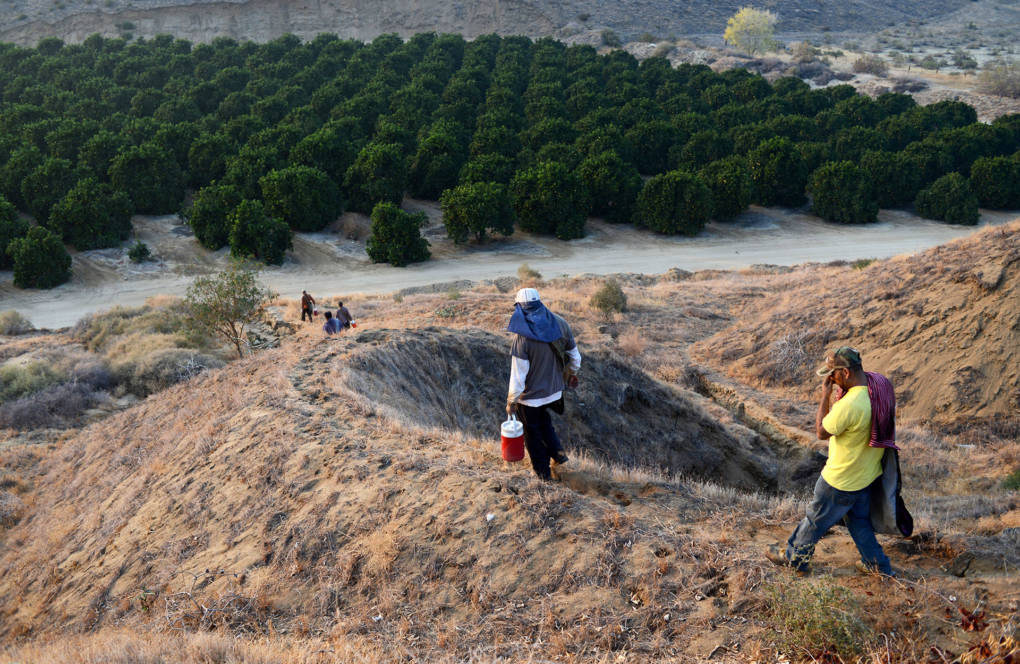
"caption": "Farmworkers head home after a day of picking at a large citrus farm in Edison, near Bakersfield.",
"description": "Farmworkers head home after day of picking at a large citrus farm in Edison, near Bakersfield.",
"title": "farmworkers",
"credit": "Sean Havey/KQED",
"status": "inherit",
"isLoading": false,
"fetchFailed": false
},
"news_11741269": {
"type": "attachments",
"id": "news_11741269",
"meta": {
"index": "attachments_1716263798",
"site": "news",
"id": "11741269",
"found": true
},
"parent": 11741243,
"imgSizes": {
"twentyfourteen-full-width": {
"file": "https://ww2.kqed.org/app/uploads/sites/10/2019/04/Coachella-Trash-Pickup-Farmworkers-1038x576.jpg",
"width": 1038,
"mimeType": "image/jpeg",
"height": 576
},
"thumbnail": {
"file": "https://ww2.kqed.org/app/uploads/sites/10/2019/04/Coachella-Trash-Pickup-Farmworkers-160x107.jpg",
"width": 160,
"mimeType": "image/jpeg",
"height": 107
},
"post-thumbnail": {
"file": "https://ww2.kqed.org/app/uploads/sites/10/2019/04/Coachella-Trash-Pickup-Farmworkers-672x372.jpg",
"width": 672,
"mimeType": "image/jpeg",
"height": 372
},
"kqedFullSize": {
"file": "https://ww2.kqed.org/app/uploads/sites/10/2019/04/Coachella-Trash-Pickup-Farmworkers.jpg",
"width": 1920,
"height": 1280
},
"large": {
"file": "https://ww2.kqed.org/app/uploads/sites/10/2019/04/Coachella-Trash-Pickup-Farmworkers-1020x680.jpg",
"width": 1020,
"mimeType": "image/jpeg",
"height": 680
},
"complete_open_graph": {
"file": "https://ww2.kqed.org/app/uploads/sites/10/2019/04/Coachella-Trash-Pickup-Farmworkers-1200x800.jpg",
"width": 1200,
"mimeType": "image/jpeg",
"height": 800
},
"full-width": {
"file": "https://ww2.kqed.org/app/uploads/sites/10/2019/04/Coachella-Trash-Pickup-Farmworkers-1920x1280.jpg",
"width": 1920,
"mimeType": "image/jpeg",
"height": 1280
},
"medium": {
"file": "https://ww2.kqed.org/app/uploads/sites/10/2019/04/Coachella-Trash-Pickup-Farmworkers-800x533.jpg",
"width": 800,
"mimeType": "image/jpeg",
"height": 533
}
},
"publishDate": 1555617687,
"modified": 1555618014,
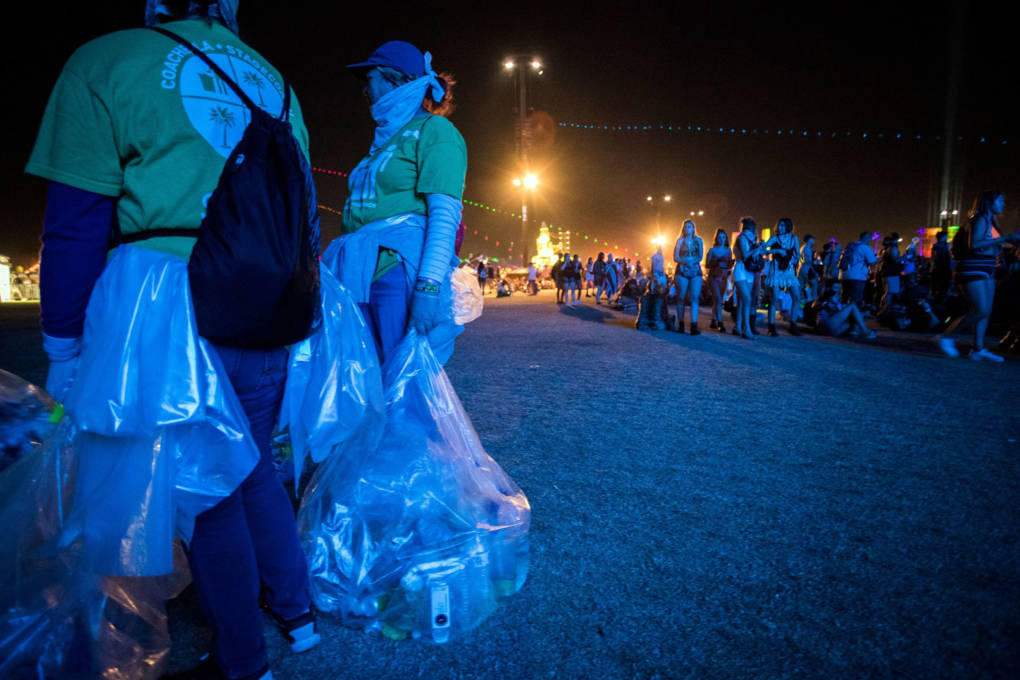
"caption": "Working behind the scenes of the Coachella music festival are Coachella Valley residents who, according to field supervisor Enriqueta Magaña, earn minimum wage to make sure the grounds are pristine for each day's festivities.",
"description": "Working behind the scenes of the Coachella music festival are Coachella Valley residents who, according to field supervisor Enriqueta Magaña, earn minimum wage to make sure the grounds are pristine for each day's festivities.",
"title": "Coachella-Trash-Pickup-Farmworkers",
"credit": "Omar Ornelas/The Desert Sun",
"status": "inherit",
"isLoading": false,
"fetchFailed": false
},
"news_11737877": {
"type": "attachments",
"id": "news_11737877",
"meta": {
"index": "attachments_1716263798",
"site": "news",
"id": "11737877",
"found": true
},
"parent": 11737874,
"imgSizes": {
"post-thumbnail": {
"file": "https://ww2.kqed.org/app/uploads/sites/10/2019/04/RS36321_Antonio-Magaña-qut-672x372.jpg",
"width": 672,
"mimeType": "image/jpeg",
"height": 372
},
"kqedFullSize": {
"file": "https://ww2.kqed.org/app/uploads/sites/10/2019/04/RS36321_Antonio-Magaña-qut.jpg",
"width": 1920,
"height": 1282
},
"guest-author-50": {
"file": "https://ww2.kqed.org/app/uploads/sites/10/2019/04/RS36321_Antonio-Magaña-qut-50x50.jpg",
"width": 50,
"mimeType": "image/jpeg",
"height": 50
},
"guest-author-96": {
"file": "https://ww2.kqed.org/app/uploads/sites/10/2019/04/RS36321_Antonio-Magaña-qut-96x96.jpg",
"width": 96,
"mimeType": "image/jpeg",
"height": 96
},
"apple_news_ca_portrait_12_9": {
"file": "https://ww2.kqed.org/app/uploads/sites/10/2019/04/RS36321_Antonio-Magaña-qut-1122x1282.jpg",
"width": 1122,
"mimeType": "image/jpeg",
"height": 1282
},
"medium": {
"file": "https://ww2.kqed.org/app/uploads/sites/10/2019/04/RS36321_Antonio-Magaña-qut-800x534.jpg",
"width": 800,
"mimeType": "image/jpeg",
"height": 534
},
"guest-author-32": {
"file": "https://ww2.kqed.org/app/uploads/sites/10/2019/04/RS36321_Antonio-Magaña-qut-32x32.jpg",
"width": 32,
"mimeType": "image/jpeg",
"height": 32
},
"apple_news_ca_portrait_9_7": {
"file": "https://ww2.kqed.org/app/uploads/sites/10/2019/04/RS36321_Antonio-Magaña-qut-840x1120.jpg",
"width": 840,
"mimeType": "image/jpeg",
"height": 1120
},
"apple_news_ca_square_9_7": {
"file": "https://ww2.kqed.org/app/uploads/sites/10/2019/04/RS36321_Antonio-Magaña-qut-1104x1104.jpg",
"width": 1104,
"mimeType": "image/jpeg",
"height": 1104
},
"apple_news_ca_portrait_4_7": {
"file": "https://ww2.kqed.org/app/uploads/sites/10/2019/04/RS36321_Antonio-Magaña-qut-414x552.jpg",
"width": 414,
"mimeType": "image/jpeg",
"height": 552
},
"apple_news_ca_square_12_9": {
"file": "https://ww2.kqed.org/app/uploads/sites/10/2019/04/RS36321_Antonio-Magaña-qut-1472x1282.jpg",
"width": 1472,
"mimeType": "image/jpeg",
"height": 1282
},
"apple_news_ca_portrait_5_5": {
"file": "https://ww2.kqed.org/app/uploads/sites/10/2019/04/RS36321_Antonio-Magaña-qut-687x916.jpg",
"width": 687,
"mimeType": "image/jpeg",
"height": 916
},
"apple_news_ca_square_4_7": {
"file": "https://ww2.kqed.org/app/uploads/sites/10/2019/04/RS36321_Antonio-Magaña-qut-550x550.jpg",
"width": 550,
"mimeType": "image/jpeg",
"height": 550
},
"apple_news_ca_square_5_5": {
"file": "https://ww2.kqed.org/app/uploads/sites/10/2019/04/RS36321_Antonio-Magaña-qut-912x912.jpg",
"width": 912,
"mimeType": "image/jpeg",
"height": 912
},
"apple_news_ca_landscape_5_5": {
"file": "https://ww2.kqed.org/app/uploads/sites/10/2019/04/RS36321_Antonio-Magaña-qut-1044x783.jpg",
"width": 1044,
"mimeType": "image/jpeg",
"height": 783
},
"apple_news_ca_square_4_0": {
"file": "https://ww2.kqed.org/app/uploads/sites/10/2019/04/RS36321_Antonio-Magaña-qut-470x470.jpg",
"width": 470,
"mimeType": "image/jpeg",
"height": 470
},
"twentyfourteen-full-width": {
"file": "https://ww2.kqed.org/app/uploads/sites/10/2019/04/RS36321_Antonio-Magaña-qut-1038x576.jpg",
"width": 1038,
"mimeType": "image/jpeg",
"height": 576
},
"thumbnail": {
"file": "https://ww2.kqed.org/app/uploads/sites/10/2019/04/RS36321_Antonio-Magaña-qut-160x107.jpg",
"width": 160,
"mimeType": "image/jpeg",
"height": 107
},
"apple_news_ca_landscape_4_7": {
"file": "https://ww2.kqed.org/app/uploads/sites/10/2019/04/RS36321_Antonio-Magaña-qut-632x474.jpg",
"width": 632,
"mimeType": "image/jpeg",
"height": 474
},
"large": {
"file": "https://ww2.kqed.org/app/uploads/sites/10/2019/04/RS36321_Antonio-Magaña-qut-1020x681.jpg",
"width": 1020,
"mimeType": "image/jpeg",
"height": 681
},
"complete_open_graph": {
"file": "https://ww2.kqed.org/app/uploads/sites/10/2019/04/RS36321_Antonio-Magaña-qut-1200x801.jpg",
"width": 1200,
"mimeType": "image/jpeg",
"height": 801
},
"apple_news_ca_landscape_4_0": {
"file": "https://ww2.kqed.org/app/uploads/sites/10/2019/04/RS36321_Antonio-Magaña-qut-536x402.jpg",
"width": 536,
"mimeType": "image/jpeg",
"height": 402
},
"guest-author-64": {
"file": "https://ww2.kqed.org/app/uploads/sites/10/2019/04/RS36321_Antonio-Magaña-qut-64x64.jpg",
"width": 64,
"mimeType": "image/jpeg",
"height": 64
},
"apple_news_ca_portrait_4_0": {
"file": "https://ww2.kqed.org/app/uploads/sites/10/2019/04/RS36321_Antonio-Magaña-qut-354x472.jpg",
"width": 354,
"mimeType": "image/jpeg",
"height": 472
},
"apple_news_ca_landscape_12_9": {
"file": "https://ww2.kqed.org/app/uploads/sites/10/2019/04/RS36321_Antonio-Magaña-qut-1832x1282.jpg",
"width": 1832,
"mimeType": "image/jpeg",
"height": 1282
},
"full-width": {
"file": "https://ww2.kqed.org/app/uploads/sites/10/2019/04/RS36321_Antonio-Magaña-qut-1920x1282.jpg",
"width": 1920,
"mimeType": "image/jpeg",
"height": 1282
},
"guest-author-128": {
"file": "https://ww2.kqed.org/app/uploads/sites/10/2019/04/RS36321_Antonio-Magaña-qut-128x128.jpg",
"width": 128,
"mimeType": "image/jpeg",
"height": 128
},
"apple_news_ca_landscape_9_7": {
"file": "https://ww2.kqed.org/app/uploads/sites/10/2019/04/RS36321_Antonio-Magaña-qut-1376x1032.jpg",
"width": 1376,
"mimeType": "image/jpeg",
"height": 1032
}
},
"publishDate": 1554407648,
"modified": 1555108136,
"caption": "Photographer, reporter and farmworker Bryan Mendez's coworker in the fields, Antonio Magana, who often offers Mendez advice about life and school.",
"description": "Photographer, reporter and farmworker Bryan Mendez's coworker in the fields, Antonio Magana, who often offers Mendez advice about life and school.",
"title": "RS36321_Antonio Magaña-qut",
"credit": "Courtesy of Bryan Mendez",
"status": "inherit",
"isLoading": false,
"fetchFailed": false
},
"news_11727487": {
"type": "attachments",
"id": "news_11727487",
"meta": {
"index": "attachments_1716263798",
"site": "news",
"id": "11727487",
"found": true
},
"parent": 11727455,
"imgSizes": {
"twentyfourteen-full-width": {
"file": "https://ww2.kqed.org/app/uploads/sites/10/2019/02/Beavers-photo-cropped-1038x576.jpg",
"width": 1038,
"mimeType": "image/jpeg",
"height": 576
},
"thumbnail": {
"file": "https://ww2.kqed.org/app/uploads/sites/10/2019/02/Beavers-photo-cropped-160x91.jpg",
"width": 160,
"mimeType": "image/jpeg",
"height": 91
},
"post-thumbnail": {
"file": "https://ww2.kqed.org/app/uploads/sites/10/2019/02/Beavers-photo-cropped-672x372.jpg",
"width": 672,
"mimeType": "image/jpeg",
"height": 372
},
"kqedFullSize": {
"file": "https://ww2.kqed.org/app/uploads/sites/10/2019/02/Beavers-photo-cropped-e1550869574598.jpg",
"width": 1920,
"height": 1092
},
"large": {
"file": "https://ww2.kqed.org/app/uploads/sites/10/2019/02/Beavers-photo-cropped-1020x580.jpg",
"width": 1020,
"mimeType": "image/jpeg",
"height": 580
},
"complete_open_graph": {
"file": "https://ww2.kqed.org/app/uploads/sites/10/2019/02/Beavers-photo-cropped-1200x683.jpg",
"width": 1200,
"mimeType": "image/jpeg",
"height": 683
},
"guest-author-50": {
"file": "https://ww2.kqed.org/app/uploads/sites/10/2019/02/Beavers-photo-cropped-50x50.jpg",
"width": 50,
"mimeType": "image/jpeg",
"height": 50
},
"guest-author-96": {
"file": "https://ww2.kqed.org/app/uploads/sites/10/2019/02/Beavers-photo-cropped-96x96.jpg",
"width": 96,
"mimeType": "image/jpeg",
"height": 96
},
"medium": {
"file": "https://ww2.kqed.org/app/uploads/sites/10/2019/02/Beavers-photo-cropped-800x455.jpg",
"width": 800,
"mimeType": "image/jpeg",
"height": 455
},
"guest-author-64": {
"file": "https://ww2.kqed.org/app/uploads/sites/10/2019/02/Beavers-photo-cropped-64x64.jpg",
"width": 64,
"mimeType": "image/jpeg",
"height": 64
},
"guest-author-32": {
"file": "https://ww2.kqed.org/app/uploads/sites/10/2019/02/Beavers-photo-cropped-32x32.jpg",
"width": 32,
"mimeType": "image/jpeg",
"height": 32
},
"full-width": {
"file": "https://ww2.kqed.org/app/uploads/sites/10/2019/02/Beavers-photo-cropped-1920x1092.jpg",
"width": 1920,
"mimeType": "image/jpeg",
"height": 1092
},
"detail": {
"file": "https://ww2.kqed.org/app/uploads/sites/10/2019/02/Beavers-photo-cropped-150x150.jpg",
"width": 150,
"mimeType": "image/jpeg",
"height": 150
},
"guest-author-128": {
"file": "https://ww2.kqed.org/app/uploads/sites/10/2019/02/Beavers-photo-cropped-128x128.jpg",
"width": 128,
"mimeType": "image/jpeg",
"height": 128
}
},
"publishDate": 1550690852,
"modified": 1550879793,
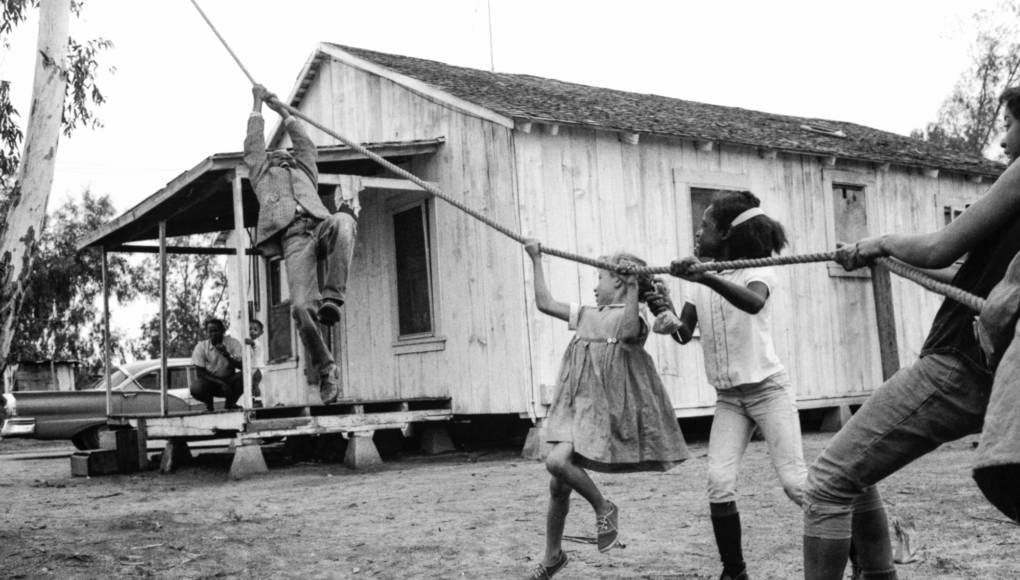
"caption": "Members of the Beavers family play on a homemade rope swing in front of their house in the unincorporated town of Teviston in the San Joaquin Valley. Their father, Benjamin Beavers, watched the children play from the porch. ",
"description": "Members of the Beavers family play on a homemade rope swing in front of their house in the unincorporated town of Teviston in the San Joaquin Valley. Their father, Benjamin Beavers, watched the children play from the porch. ",
"title": "\"We had to make our own playground.\"",
"credit": "\u003ca href=\"http://ernestlowe.com/\">Courtesy Ernest Lowe\u003c/a>",
"status": "inherit",
"isLoading": false,
"fetchFailed": false
},
"news_11718319": {
"type": "attachments",
"id": "news_11718319",
"meta": {
"index": "attachments_1716263798",
"site": "news",
"id": "11718319",
"found": true
},
"parent": 11718308,
"imgSizes": {
"twentyfourteen-full-width": {
"file": "https://ww2.kqed.org/app/uploads/sites/10/2019/01/Photo-of-Arias-Chris-Blanca-and-Marisa-1-1024x576.jpg",
"width": 1024,
"mimeType": "image/jpeg",
"height": 576
},
"thumbnail": {
"file": "https://ww2.kqed.org/app/uploads/sites/10/2019/01/Photo-of-Arias-Chris-Blanca-and-Marisa-1-160x107.jpg",
"width": 160,
"mimeType": "image/jpeg",
"height": 107
},
"post-thumbnail": {
"file": "https://ww2.kqed.org/app/uploads/sites/10/2019/01/Photo-of-Arias-Chris-Blanca-and-Marisa-1-672x372.jpg",
"width": 672,
"mimeType": "image/jpeg",
"height": 372
},
"kqedFullSize": {
"file": "https://ww2.kqed.org/app/uploads/sites/10/2019/01/Photo-of-Arias-Chris-Blanca-and-Marisa-1.jpg",
"width": 1024,
"height": 687
},
"large": {
"file": "https://ww2.kqed.org/app/uploads/sites/10/2019/01/Photo-of-Arias-Chris-Blanca-and-Marisa-1-1020x684.jpg",
"width": 1020,
"mimeType": "image/jpeg",
"height": 684
},
"guest-author-50": {
"file": "https://ww2.kqed.org/app/uploads/sites/10/2019/01/Photo-of-Arias-Chris-Blanca-and-Marisa-1-50x50.jpg",
"width": 50,
"mimeType": "image/jpeg",
"height": 50
},
"guest-author-96": {
"file": "https://ww2.kqed.org/app/uploads/sites/10/2019/01/Photo-of-Arias-Chris-Blanca-and-Marisa-1-96x96.jpg",
"width": 96,
"mimeType": "image/jpeg",
"height": 96
},
"medium": {
"file": "https://ww2.kqed.org/app/uploads/sites/10/2019/01/Photo-of-Arias-Chris-Blanca-and-Marisa-1-800x537.jpg",
"width": 800,
"mimeType": "image/jpeg",
"height": 537
},
"guest-author-64": {
"file": "https://ww2.kqed.org/app/uploads/sites/10/2019/01/Photo-of-Arias-Chris-Blanca-and-Marisa-1-64x64.jpg",
"width": 64,
"mimeType": "image/jpeg",
"height": 64
},
"detail": {
"file": "https://ww2.kqed.org/app/uploads/sites/10/2019/01/Photo-of-Arias-Chris-Blanca-and-Marisa-1-150x150.jpg",
"width": 150,
"mimeType": "image/jpeg",
"height": 150
},
"guest-author-32": {
"file": "https://ww2.kqed.org/app/uploads/sites/10/2019/01/Photo-of-Arias-Chris-Blanca-and-Marisa-1-32x32.jpg",
"width": 32,
"mimeType": "image/jpeg",
"height": 32
},
"guest-author-128": {
"file": "https://ww2.kqed.org/app/uploads/sites/10/2019/01/Photo-of-Arias-Chris-Blanca-and-Marisa-1-128x128.jpg",
"width": 128,
"mimeType": "image/jpeg",
"height": 128
}
},
"publishDate": 1547580606,
"modified": 1547664388,
"caption": "José Arias, second from right, was awarded a $1 million settlement in a case involving workforce retaliation. ",
"description": null,
"title": "Photo of Arias Chris Blanca and Marisa (1)",
"credit": "Courtesy of Legal Aid at Work",
"status": "inherit",
"isLoading": false,
"fetchFailed": false
},
"news_11703751": {
"type": "attachments",
"id": "news_11703751",
"meta": {
"index": "attachments_1716263798",
"site": "news",
"id": "11703751",
"found": true
},
"parent": 11703744,
"imgSizes": {
"twentyfourteen-full-width": {
"file": "https://ww2.kqed.org/app/uploads/sites/10/2018/11/trump1-1038x576.jpeg",
"width": 1038,
"mimeType": "image/jpeg",
"height": 576
},
"thumbnail": {
"file": "https://ww2.kqed.org/app/uploads/sites/10/2018/11/trump1-160x107.jpeg",
"width": 160,
"mimeType": "image/jpeg",
"height": 107
},
"post-thumbnail": {
"file": "https://ww2.kqed.org/app/uploads/sites/10/2018/11/trump1-672x372.jpeg",
"width": 672,
"mimeType": "image/jpeg",
"height": 372
},
"kqedFullSize": {
"file": "https://ww2.kqed.org/app/uploads/sites/10/2018/11/trump1.jpeg",
"width": 1260,
"height": 840
},
"large": {
"file": "https://ww2.kqed.org/app/uploads/sites/10/2018/11/trump1-1020x680.jpeg",
"width": 1020,
"mimeType": "image/jpeg",
"height": 680
},
"complete_open_graph": {
"file": "https://ww2.kqed.org/app/uploads/sites/10/2018/11/trump1-1200x800.jpeg",
"width": 1200,
"mimeType": "image/jpeg",
"height": 800
},
"guest-author-50": {
"file": "https://ww2.kqed.org/app/uploads/sites/10/2018/11/trump1-50x50.jpeg",
"width": 50,
"mimeType": "image/jpeg",
"height": 50
},
"guest-author-96": {
"file": "https://ww2.kqed.org/app/uploads/sites/10/2018/11/trump1-96x96.jpeg",
"width": 96,
"mimeType": "image/jpeg",
"height": 96
},
"medium": {
"file": "https://ww2.kqed.org/app/uploads/sites/10/2018/11/trump1-800x533.jpeg",
"width": 800,
"mimeType": "image/jpeg",
"height": 533
},
"guest-author-64": {
"file": "https://ww2.kqed.org/app/uploads/sites/10/2018/11/trump1-64x64.jpeg",
"width": 64,
"mimeType": "image/jpeg",
"height": 64
},
"guest-author-32": {
"file": "https://ww2.kqed.org/app/uploads/sites/10/2018/11/trump1-32x32.jpeg",
"width": 32,
"mimeType": "image/jpeg",
"height": 32
},
"detail": {
"file": "https://ww2.kqed.org/app/uploads/sites/10/2018/11/trump1-150x150.jpeg",
"width": 150,
"mimeType": "image/jpeg",
"height": 150
},
"guest-author-128": {
"file": "https://ww2.kqed.org/app/uploads/sites/10/2018/11/trump1-128x128.jpeg",
"width": 128,
"mimeType": "image/jpeg",
"height": 128
}
},
"publishDate": 1541448326,
"modified": 1541456603,
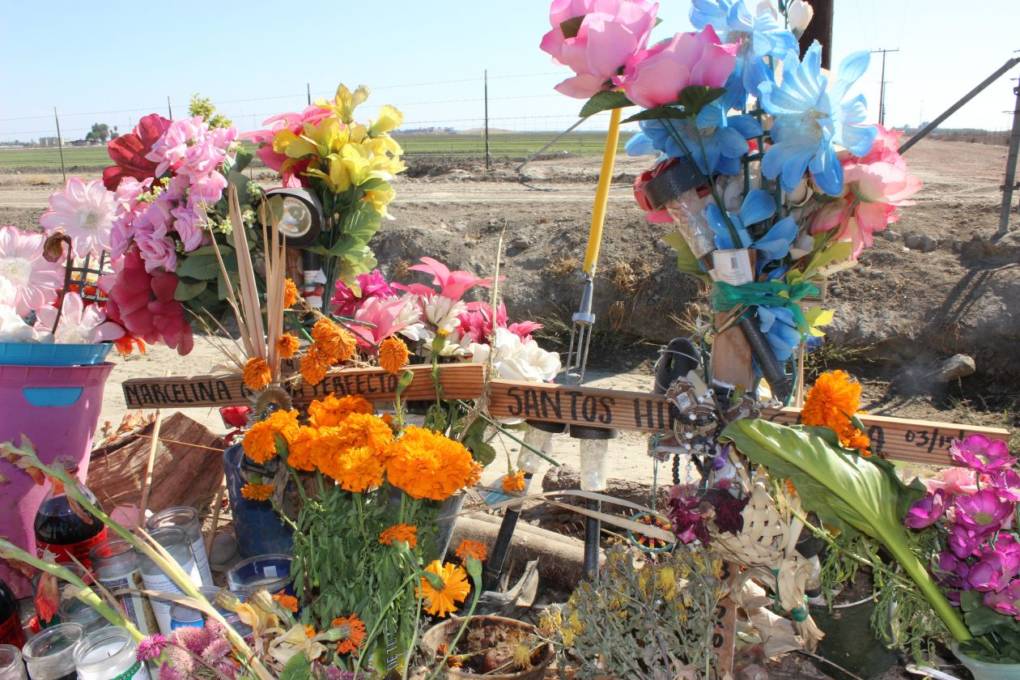
"caption": "A shrine sits next to a Delano road where Marcelina and Santos Garcia died in a car crash while fleeing U.S. Immigration and Customs Enforcement agents.",
"description": "A shrine sits next to a Delano road where Marcelina and Santos Garcia died in a car crash while fleeing U.S. Immigration and Customs Enforcement agents.",
"title": "trump1",
"credit": "Susan Ferriss / Center for Public Integrity",
"status": "inherit",
"isLoading": false,
"fetchFailed": false
},
"news_11691373": {
"type": "attachments",
"id": "news_11691373",
"meta": {
"index": "attachments_1716263798",
"site": "news",
"id": "11691373",
"found": true
},
"parent": 11691371,
"imgSizes": {
"small": {
"file": "https://ww2.kqed.org/app/uploads/sites/10/2018/09/MIGRANT-STUDENTS-photo-1-520x293.png",
"width": 520,
"mimeType": "image/png",
"height": 293
},
"twentyfourteen-full-width": {
"file": "https://ww2.kqed.org/app/uploads/sites/10/2018/09/MIGRANT-STUDENTS-photo-1-1038x576.png",
"width": 1038,
"mimeType": "image/png",
"height": 576
},
"thumbnail": {
"file": "https://ww2.kqed.org/app/uploads/sites/10/2018/09/MIGRANT-STUDENTS-photo-1-160x90.png",
"width": 160,
"mimeType": "image/png",
"height": 90
},
"fd-sm": {
"file": "https://ww2.kqed.org/app/uploads/sites/10/2018/09/MIGRANT-STUDENTS-photo-1-960x540.png",
"width": 960,
"mimeType": "image/png",
"height": 540
},
"post-thumbnail": {
"file": "https://ww2.kqed.org/app/uploads/sites/10/2018/09/MIGRANT-STUDENTS-photo-1-672x372.png",
"width": 672,
"mimeType": "image/png",
"height": 372
},
"xsmall": {
"file": "https://ww2.kqed.org/app/uploads/sites/10/2018/09/MIGRANT-STUDENTS-photo-1-375x211.png",
"width": 375,
"mimeType": "image/png",
"height": 211
},
"kqedFullSize": {
"file": "https://ww2.kqed.org/app/uploads/sites/10/2018/09/MIGRANT-STUDENTS-photo-1.png",
"width": 1920,
"height": 1080
},
"large": {
"file": "https://ww2.kqed.org/app/uploads/sites/10/2018/09/MIGRANT-STUDENTS-photo-1-1020x574.png",
"width": 1020,
"mimeType": "image/png",
"height": 574
},
"xlarge": {
"file": "https://ww2.kqed.org/app/uploads/sites/10/2018/09/MIGRANT-STUDENTS-photo-1-1180x664.png",
"width": 1180,
"mimeType": "image/png",
"height": 664
},
"complete_open_graph": {
"file": "https://ww2.kqed.org/app/uploads/sites/10/2018/09/MIGRANT-STUDENTS-photo-1-1200x675.png",
"width": 1200,
"mimeType": "image/png",
"height": 675
},
"guest-author-50": {
"file": "https://ww2.kqed.org/app/uploads/sites/10/2018/09/MIGRANT-STUDENTS-photo-1-50x50.png",
"width": 50,
"mimeType": "image/png",
"height": 50
},
"guest-author-96": {
"file": "https://ww2.kqed.org/app/uploads/sites/10/2018/09/MIGRANT-STUDENTS-photo-1-96x96.png",
"width": 96,
"mimeType": "image/png",
"height": 96
},
"medium": {
"file": "https://ww2.kqed.org/app/uploads/sites/10/2018/09/MIGRANT-STUDENTS-photo-1-800x450.png",
"width": 800,
"mimeType": "image/png",
"height": 450
},
"guest-author-64": {
"file": "https://ww2.kqed.org/app/uploads/sites/10/2018/09/MIGRANT-STUDENTS-photo-1-64x64.png",
"width": 64,
"mimeType": "image/png",
"height": 64
},
"guest-author-32": {
"file": "https://ww2.kqed.org/app/uploads/sites/10/2018/09/MIGRANT-STUDENTS-photo-1-32x32.png",
"width": 32,
"mimeType": "image/png",
"height": 32
},
"fd-lrg": {
"file": "https://ww2.kqed.org/app/uploads/sites/10/2018/09/MIGRANT-STUDENTS-photo-1-1920x1080.png",
"width": 1920,
"mimeType": "image/png",
"height": 1080
},
"fd-med": {
"file": "https://ww2.kqed.org/app/uploads/sites/10/2018/09/MIGRANT-STUDENTS-photo-1-1180x664.png",
"width": 1180,
"mimeType": "image/png",
"height": 664
},
"full-width": {
"file": "https://ww2.kqed.org/app/uploads/sites/10/2018/09/MIGRANT-STUDENTS-photo-1-1920x1080.png",
"width": 1920,
"mimeType": "image/png",
"height": 1080
},
"detail": {
"file": "https://ww2.kqed.org/app/uploads/sites/10/2018/09/MIGRANT-STUDENTS-photo-1-150x150.png",
"width": 150,
"mimeType": "image/png",
"height": 150
},
"guest-author-128": {
"file": "https://ww2.kqed.org/app/uploads/sites/10/2018/09/MIGRANT-STUDENTS-photo-1-128x128.png",
"width": 128,
"mimeType": "image/png",
"height": 128
},
"xxsmall": {
"file": "https://ww2.kqed.org/app/uploads/sites/10/2018/09/MIGRANT-STUDENTS-photo-1-240x135.png",
"width": 240,
"mimeType": "image/png",
"height": 135
}
},
"publishDate": 1536514171,
"modified": 1536514244,
"caption": "A boy stands next to a clothes line in Watsonville, California, where migrant farmworkers live working the fields.",
"description": "A boy stands next to a clothes line in Watsonville, California, where migrant farmworkers live working the fields.",
"title": "MIGRANT STUDENTS photo 1",
"credit": "Byrhonda Lyons/CALmatters",
"status": "inherit",
"isLoading": false,
"fetchFailed": false
},
"news_11682544": {
"type": "attachments",
"id": "news_11682544",
"meta": {
"index": "attachments_1716263798",
"site": "news",
"id": "11682544",
"found": true
},
"parent": 11681690,
"imgSizes": {
"small": {
"file": "https://ww2.kqed.org/app/uploads/sites/10/2018/07/field_cropped-520x296.jpg",
"width": 520,
"mimeType": "image/jpeg",
"height": 296
},
"twentyfourteen-full-width": {
"file": "https://ww2.kqed.org/app/uploads/sites/10/2018/07/field_cropped-1038x576.jpg",
"width": 1038,
"mimeType": "image/jpeg",
"height": 576
},
"thumbnail": {
"file": "https://ww2.kqed.org/app/uploads/sites/10/2018/07/field_cropped-160x91.jpg",
"width": 160,
"mimeType": "image/jpeg",
"height": 91
},
"fd-sm": {
"file": "https://ww2.kqed.org/app/uploads/sites/10/2018/07/field_cropped-960x547.jpg",
"width": 960,
"mimeType": "image/jpeg",
"height": 547
},
"post-thumbnail": {
"file": "https://ww2.kqed.org/app/uploads/sites/10/2018/07/field_cropped-672x372.jpg",
"width": 672,
"mimeType": "image/jpeg",
"height": 372
},
"xsmall": {
"file": "https://ww2.kqed.org/app/uploads/sites/10/2018/07/field_cropped-375x214.jpg",
"width": 375,
"mimeType": "image/jpeg",
"height": 214
},
"kqedFullSize": {
"file": "https://ww2.kqed.org/app/uploads/sites/10/2018/07/field_cropped-e1533052851889.jpg",
"width": 1920,
"height": 1094
},
"large": {
"file": "https://ww2.kqed.org/app/uploads/sites/10/2018/07/field_cropped-1020x581.jpg",
"width": 1020,
"mimeType": "image/jpeg",
"height": 581
},
"xlarge": {
"file": "https://ww2.kqed.org/app/uploads/sites/10/2018/07/field_cropped-1180x672.jpg",
"width": 1180,
"mimeType": "image/jpeg",
"height": 672
},
"complete_open_graph": {
"file": "https://ww2.kqed.org/app/uploads/sites/10/2018/07/field_cropped-1200x683.jpg",
"width": 1200,
"mimeType": "image/jpeg",
"height": 683
},
"guest-author-50": {
"file": "https://ww2.kqed.org/app/uploads/sites/10/2018/07/field_cropped-50x50.jpg",
"width": 50,
"mimeType": "image/jpeg",
"height": 50
},
"guest-author-96": {
"file": "https://ww2.kqed.org/app/uploads/sites/10/2018/07/field_cropped-96x96.jpg",
"width": 96,
"mimeType": "image/jpeg",
"height": 96
},
"medium": {
"file": "https://ww2.kqed.org/app/uploads/sites/10/2018/07/field_cropped-800x456.jpg",
"width": 800,
"mimeType": "image/jpeg",
"height": 456
},
"guest-author-64": {
"file": "https://ww2.kqed.org/app/uploads/sites/10/2018/07/field_cropped-64x64.jpg",
"width": 64,
"mimeType": "image/jpeg",
"height": 64
},
"guest-author-32": {
"file": "https://ww2.kqed.org/app/uploads/sites/10/2018/07/field_cropped-32x32.jpg",
"width": 32,
"mimeType": "image/jpeg",
"height": 32
},
"fd-lrg": {
"file": "https://ww2.kqed.org/app/uploads/sites/10/2018/07/field_cropped-1920x1094.jpg",
"width": 1920,
"mimeType": "image/jpeg",
"height": 1094
},
"fd-med": {
"file": "https://ww2.kqed.org/app/uploads/sites/10/2018/07/field_cropped-1180x672.jpg",
"width": 1180,
"mimeType": "image/jpeg",
"height": 672
},
"full-width": {
"file": "https://ww2.kqed.org/app/uploads/sites/10/2018/07/field_cropped-1920x1094.jpg",
"width": 1920,
"mimeType": "image/jpeg",
"height": 1094
},
"detail": {
"file": "https://ww2.kqed.org/app/uploads/sites/10/2018/07/field_cropped-150x150.jpg",
"width": 150,
"mimeType": "image/jpeg",
"height": 150
},
"guest-author-128": {
"file": "https://ww2.kqed.org/app/uploads/sites/10/2018/07/field_cropped-128x128.jpg",
"width": 128,
"mimeType": "image/jpeg",
"height": 128
},
"xxsmall": {
"file": "https://ww2.kqed.org/app/uploads/sites/10/2018/07/field_cropped-240x137.jpg",
"width": 240,
"mimeType": "image/jpeg",
"height": 137
}
},
"publishDate": 1532544215,
"modified": 1533073478,
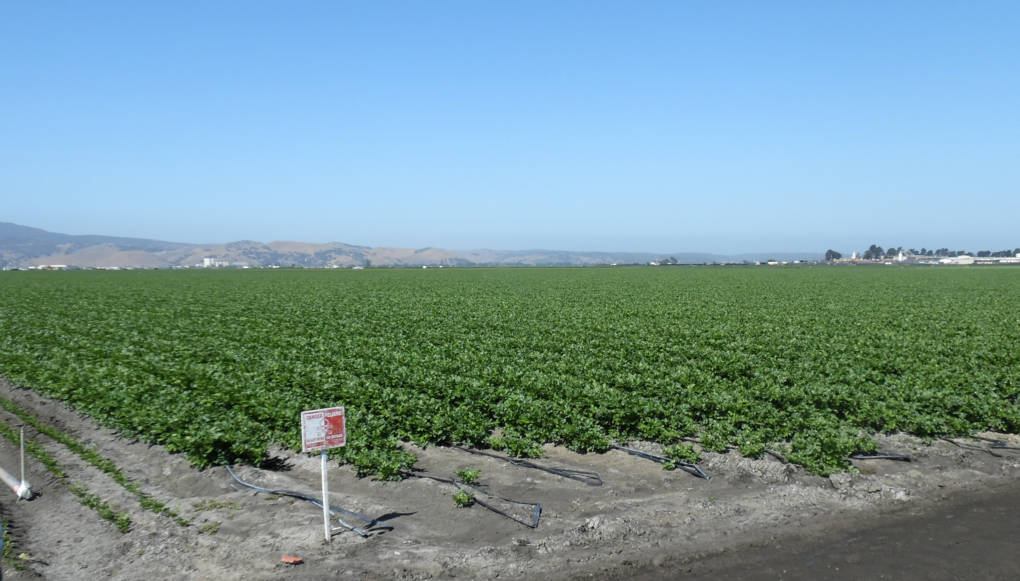
"caption": "A pesticide warning -- the red sign at lower left -- at a field near Salinas that was sprayed with chemicals in June 2017 hours before nearby workers began falling ill.",
"description": "A pesticide warning on Block 6 of Moresco Farms at Harden Ranch in Salinas sprayed with chemicals that sickened workers on June 22,2017",
"title": "field_cropped",
"credit": "Monterey County Agricultural Commissioner's Office",
"status": "inherit",
"isLoading": false,
"fetchFailed": false
},
"news_11675259": {
"type": "attachments",
"id": "news_11675259",
"meta": {
"index": "attachments_1716263798",
"site": "news",
"id": "11675259",
"found": true
},
"parent": 11675165,
"imgSizes": {
"small": {
"file": "https://ww2.kqed.org/app/uploads/sites/10/2018/06/GettyImages-823604062-520x334.jpg",
"width": 520,
"mimeType": "image/jpeg",
"height": 334
},
"twentyfourteen-full-width": {
"file": "https://ww2.kqed.org/app/uploads/sites/10/2018/06/GettyImages-823604062-1038x576.jpg",
"width": 1038,
"mimeType": "image/jpeg",
"height": 576
},
"thumbnail": {
"file": "https://ww2.kqed.org/app/uploads/sites/10/2018/06/GettyImages-823604062-160x103.jpg",
"width": 160,
"mimeType": "image/jpeg",
"height": 103
},
"fd-sm": {
"file": "https://ww2.kqed.org/app/uploads/sites/10/2018/06/GettyImages-823604062-960x617.jpg",
"width": 960,
"mimeType": "image/jpeg",
"height": 617
},
"post-thumbnail": {
"file": "https://ww2.kqed.org/app/uploads/sites/10/2018/06/GettyImages-823604062-672x372.jpg",
"width": 672,
"mimeType": "image/jpeg",
"height": 372
},
"xsmall": {
"file": "https://ww2.kqed.org/app/uploads/sites/10/2018/06/GettyImages-823604062-375x241.jpg",
"width": 375,
"mimeType": "image/jpeg",
"height": 241
},
"kqedFullSize": {
"file": "https://ww2.kqed.org/app/uploads/sites/10/2018/06/GettyImages-823604062-e1529109234155.jpg",
"width": 1920,
"height": 1234
},
"large": {
"file": "https://ww2.kqed.org/app/uploads/sites/10/2018/06/GettyImages-823604062-1020x656.jpg",
"width": 1020,
"mimeType": "image/jpeg",
"height": 656
},
"xlarge": {
"file": "https://ww2.kqed.org/app/uploads/sites/10/2018/06/GettyImages-823604062-1180x758.jpg",
"width": 1180,
"mimeType": "image/jpeg",
"height": 758
},
"complete_open_graph": {
"file": "https://ww2.kqed.org/app/uploads/sites/10/2018/06/GettyImages-823604062-1200x771.jpg",
"width": 1200,
"mimeType": "image/jpeg",
"height": 771
},
"guest-author-50": {
"file": "https://ww2.kqed.org/app/uploads/sites/10/2018/06/GettyImages-823604062-50x50.jpg",
"width": 50,
"mimeType": "image/jpeg",
"height": 50
},
"guest-author-96": {
"file": "https://ww2.kqed.org/app/uploads/sites/10/2018/06/GettyImages-823604062-96x96.jpg",
"width": 96,
"mimeType": "image/jpeg",
"height": 96
},
"medium": {
"file": "https://ww2.kqed.org/app/uploads/sites/10/2018/06/GettyImages-823604062-800x514.jpg",
"width": 800,
"mimeType": "image/jpeg",
"height": 514
},
"guest-author-64": {
"file": "https://ww2.kqed.org/app/uploads/sites/10/2018/06/GettyImages-823604062-64x64.jpg",
"width": 64,
"mimeType": "image/jpeg",
"height": 64
},
"guest-author-32": {
"file": "https://ww2.kqed.org/app/uploads/sites/10/2018/06/GettyImages-823604062-32x32.jpg",
"width": 32,
"mimeType": "image/jpeg",
"height": 32
},
"fd-lrg": {
"file": "https://ww2.kqed.org/app/uploads/sites/10/2018/06/GettyImages-823604062-1920x1234.jpg",
"width": 1920,
"mimeType": "image/jpeg",
"height": 1234
},
"fd-med": {
"file": "https://ww2.kqed.org/app/uploads/sites/10/2018/06/GettyImages-823604062-1180x758.jpg",
"width": 1180,
"mimeType": "image/jpeg",
"height": 758
},
"full-width": {
"file": "https://ww2.kqed.org/app/uploads/sites/10/2018/06/GettyImages-823604062-1920x1234.jpg",
"width": 1920,
"mimeType": "image/jpeg",
"height": 1234
},
"detail": {
"file": "https://ww2.kqed.org/app/uploads/sites/10/2018/06/GettyImages-823604062-150x150.jpg",
"width": 150,
"mimeType": "image/jpeg",
"height": 150
},
"guest-author-128": {
"file": "https://ww2.kqed.org/app/uploads/sites/10/2018/06/GettyImages-823604062-128x128.jpg",
"width": 128,
"mimeType": "image/jpeg",
"height": 128
},
"xxsmall": {
"file": "https://ww2.kqed.org/app/uploads/sites/10/2018/06/GettyImages-823604062-240x154.jpg",
"width": 240,
"mimeType": "image/jpeg",
"height": 154
}
},
"publishDate": 1529109146,
"modified": 1529110172,
"caption": "Fresh raspberries for sale at a farmers market.",
"description": null,
"title": "Raspberries",
"credit": "Paul J. Richards/AFP-Getty Images",
"status": "inherit",
"isLoading": false,
"fetchFailed": false
},
"news_11658706": {
"type": "attachments",
"id": "news_11658706",
"meta": {
"index": "attachments_1716263798",
"site": "news",
"id": "11658706",
"found": true
},
"parent": 11658702,
"imgSizes": {
"small": {
"file": "https://ww2.kqed.org/app/uploads/sites/10/2018/03/FarmworkerMain-520x338.jpg",
"width": 520,
"mimeType": "image/jpeg",
"height": 338
},
"twentyfourteen-full-width": {
"file": "https://ww2.kqed.org/app/uploads/sites/10/2018/03/FarmworkerMain-1038x576.jpg",
"width": 1038,
"mimeType": "image/jpeg",
"height": 576
},
"thumbnail": {
"file": "https://ww2.kqed.org/app/uploads/sites/10/2018/03/FarmworkerMain-160x104.jpg",
"width": 160,
"mimeType": "image/jpeg",
"height": 104
},
"fd-sm": {
"file": "https://ww2.kqed.org/app/uploads/sites/10/2018/03/FarmworkerMain-960x624.jpg",
"width": 960,
"mimeType": "image/jpeg",
"height": 624
},
"post-thumbnail": {
"file": "https://ww2.kqed.org/app/uploads/sites/10/2018/03/FarmworkerMain-672x372.jpg",
"width": 672,
"mimeType": "image/jpeg",
"height": 372
},
"xsmall": {
"file": "https://ww2.kqed.org/app/uploads/sites/10/2018/03/FarmworkerMain-375x244.jpg",
"width": 375,
"mimeType": "image/jpeg",
"height": 244
},
"kqedFullSize": {
"file": "https://ww2.kqed.org/app/uploads/sites/10/2018/03/FarmworkerMain.jpg",
"width": 1920,
"height": 1247
},
"large": {
"file": "https://ww2.kqed.org/app/uploads/sites/10/2018/03/FarmworkerMain-1020x662.jpg",
"width": 1020,
"mimeType": "image/jpeg",
"height": 662
},
"xlarge": {
"file": "https://ww2.kqed.org/app/uploads/sites/10/2018/03/FarmworkerMain-1180x766.jpg",
"width": 1180,
"mimeType": "image/jpeg",
"height": 766
},
"guest-author-50": {
"file": "https://ww2.kqed.org/app/uploads/sites/10/2018/03/FarmworkerMain-50x50.jpg",
"width": 50,
"mimeType": "image/jpeg",
"height": 50
},
"guest-author-96": {
"file": "https://ww2.kqed.org/app/uploads/sites/10/2018/03/FarmworkerMain-96x96.jpg",
"width": 96,
"mimeType": "image/jpeg",
"height": 96
},
"medium": {
"file": "https://ww2.kqed.org/app/uploads/sites/10/2018/03/FarmworkerMain-800x520.jpg",
"width": 800,
"mimeType": "image/jpeg",
"height": 520
},
"guest-author-64": {
"file": "https://ww2.kqed.org/app/uploads/sites/10/2018/03/FarmworkerMain-64x64.jpg",
"width": 64,
"mimeType": "image/jpeg",
"height": 64
},
"guest-author-32": {
"file": "https://ww2.kqed.org/app/uploads/sites/10/2018/03/FarmworkerMain-32x32.jpg",
"width": 32,
"mimeType": "image/jpeg",
"height": 32
},
"fd-lrg": {
"file": "https://ww2.kqed.org/app/uploads/sites/10/2018/03/FarmworkerMain-1920x1247.jpg",
"width": 1920,
"mimeType": "image/jpeg",
"height": 1247
},
"fd-med": {
"file": "https://ww2.kqed.org/app/uploads/sites/10/2018/03/FarmworkerMain-1180x766.jpg",
"width": 1180,
"mimeType": "image/jpeg",
"height": 766
},
"full-width": {
"file": "https://ww2.kqed.org/app/uploads/sites/10/2018/03/FarmworkerMain-1920x1247.jpg",
"width": 1920,
"mimeType": "image/jpeg",
"height": 1247
},
"detail": {
"file": "https://ww2.kqed.org/app/uploads/sites/10/2018/03/FarmworkerMain-150x150.jpg",
"width": 150,
"mimeType": "image/jpeg",
"height": 150
},
"guest-author-128": {
"file": "https://ww2.kqed.org/app/uploads/sites/10/2018/03/FarmworkerMain-128x128.jpg",
"width": 128,
"mimeType": "image/jpeg",
"height": 128
},
"xxsmall": {
"file": "https://ww2.kqed.org/app/uploads/sites/10/2018/03/FarmworkerMain-240x156.jpg",
"width": 240,
"mimeType": "image/jpeg",
"height": 156
}
},
"publishDate": 1522356724,
"modified": 1522369077,
"caption": "Alma in a Fresno vineyard where she has worked in the past. She emigrated from the Mexican state of Oaxaca.",
"description": "Alma in a Fresno vineyard where she’s worked in the past. She emigrated from the Mexican state of Oaxaca.",
"title": "FarmworkerMain",
"credit": "Andrew Nixon/Capital Public Radio",
"status": "inherit",
"isLoading": false,
"fetchFailed": false
},
"news_11663915": {
"type": "attachments",
"id": "news_11663915",
"meta": {
"index": "attachments_1716263798",
"site": "news",
"id": "11663915",
"found": true
},
"parent": 11663440,
"imgSizes": {
"small": {
"file": "https://ww2.kqed.org/app/uploads/sites/10/2018/04/RS30544_GarySoto-1-520x422.jpg",
"width": 520,
"mimeType": "image/jpeg",
"height": 422
},
"twentyfourteen-full-width": {
"file": "https://ww2.kqed.org/app/uploads/sites/10/2018/04/RS30544_GarySoto-1-1038x576.jpg",
"width": 1038,
"mimeType": "image/jpeg",
"height": 576
},
"thumbnail": {
"file": "https://ww2.kqed.org/app/uploads/sites/10/2018/04/RS30544_GarySoto-1-160x130.jpg",
"width": 160,
"mimeType": "image/jpeg",
"height": 130
},
"fd-sm": {
"file": "https://ww2.kqed.org/app/uploads/sites/10/2018/04/RS30544_GarySoto-1-960x779.jpg",
"width": 960,
"mimeType": "image/jpeg",
"height": 779
},
"post-thumbnail": {
"file": "https://ww2.kqed.org/app/uploads/sites/10/2018/04/RS30544_GarySoto-1-672x372.jpg",
"width": 672,
"mimeType": "image/jpeg",
"height": 372
},
"xsmall": {
"file": "https://ww2.kqed.org/app/uploads/sites/10/2018/04/RS30544_GarySoto-1-375x304.jpg",
"width": 375,
"mimeType": "image/jpeg",
"height": 304
},
"kqedFullSize": {
"file": "https://ww2.kqed.org/app/uploads/sites/10/2018/04/RS30544_GarySoto-1.jpg",
"width": 1121,
"height": 910
},
"large": {
"file": "https://ww2.kqed.org/app/uploads/sites/10/2018/04/RS30544_GarySoto-1-1020x828.jpg",
"width": 1020,
"mimeType": "image/jpeg",
"height": 828
},
"guest-author-50": {
"file": "https://ww2.kqed.org/app/uploads/sites/10/2018/04/RS30544_GarySoto-1-50x50.jpg",
"width": 50,
"mimeType": "image/jpeg",
"height": 50
},
"guest-author-96": {
"file": "https://ww2.kqed.org/app/uploads/sites/10/2018/04/RS30544_GarySoto-1-96x96.jpg",
"width": 96,
"mimeType": "image/jpeg",
"height": 96
},
"medium": {
"file": "https://ww2.kqed.org/app/uploads/sites/10/2018/04/RS30544_GarySoto-1-800x649.jpg",
"width": 800,
"mimeType": "image/jpeg",
"height": 649
},
"guest-author-64": {
"file": "https://ww2.kqed.org/app/uploads/sites/10/2018/04/RS30544_GarySoto-1-64x64.jpg",
"width": 64,
"mimeType": "image/jpeg",
"height": 64
},
"guest-author-32": {
"file": "https://ww2.kqed.org/app/uploads/sites/10/2018/04/RS30544_GarySoto-1-32x32.jpg",
"width": 32,
"mimeType": "image/jpeg",
"height": 32
},
"detail": {
"file": "https://ww2.kqed.org/app/uploads/sites/10/2018/04/RS30544_GarySoto-1-150x150.jpg",
"width": 150,
"mimeType": "image/jpeg",
"height": 150
},
"guest-author-128": {
"file": "https://ww2.kqed.org/app/uploads/sites/10/2018/04/RS30544_GarySoto-1-128x128.jpg",
"width": 128,
"mimeType": "image/jpeg",
"height": 128
},
"xxsmall": {
"file": "https://ww2.kqed.org/app/uploads/sites/10/2018/04/RS30544_GarySoto-1-240x195.jpg",
"width": 240,
"mimeType": "image/jpeg",
"height": 195
}
},
"publishDate": 1524342311,
"modified": 1524342346,
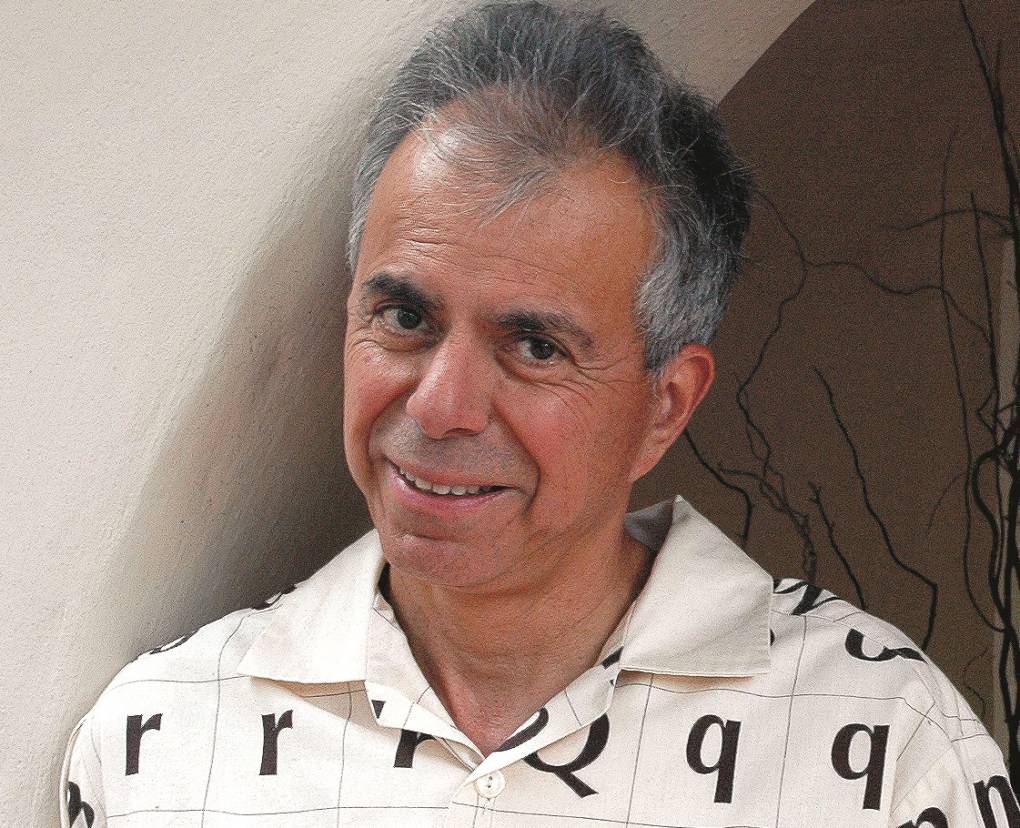
"caption": "Gary Soto is an award-winning poet and author based in Fresno and Berkeley. His poem \"Oranges\" is one of the most anthologized poems in U.S. literature. ",
"description": "Gary Soto is an award-winning poet and author based in Fresno and Berkeley. His poem \"Oranges\" is one of the most anthologized poems in U.S. literature. ",
"title": "RS30544_GarySoto (1)",
"credit": "Courtesy Chronicle Books",
"status": "inherit",
"isLoading": false,
"fetchFailed": false
},
"news_11663646": {
"type": "attachments",
"id": "news_11663646",
"meta": {
"index": "attachments_1716263798",
"site": "news",
"id": "11663646",
"found": true
},
"parent": 11663524,
"imgSizes": {
"small": {
"file": "https://ww2.kqed.org/app/uploads/sites/10/2018/04/KernDA-520x380.jpg",
"width": 520,
"mimeType": "image/jpeg",
"height": 380
},
"twentyfourteen-full-width": {
"file": "https://ww2.kqed.org/app/uploads/sites/10/2018/04/KernDA-1038x576.jpg",
"width": 1038,
"mimeType": "image/jpeg",
"height": 576
},
"thumbnail": {
"file": "https://ww2.kqed.org/app/uploads/sites/10/2018/04/KernDA-160x117.jpg",
"width": 160,
"mimeType": "image/jpeg",
"height": 117
},
"fd-sm": {
"file": "https://ww2.kqed.org/app/uploads/sites/10/2018/04/KernDA-960x701.jpg",
"width": 960,
"mimeType": "image/jpeg",
"height": 701
},
"post-thumbnail": {
"file": "https://ww2.kqed.org/app/uploads/sites/10/2018/04/KernDA-672x372.jpg",
"width": 672,
"mimeType": "image/jpeg",
"height": 372
},
"xsmall": {
"file": "https://ww2.kqed.org/app/uploads/sites/10/2018/04/KernDA-375x274.jpg",
"width": 375,
"mimeType": "image/jpeg",
"height": 274
},
"kqedFullSize": {
"file": "https://ww2.kqed.org/app/uploads/sites/10/2018/04/KernDA.jpg",
"width": 1920,
"height": 1402
},
"large": {
"file": "https://ww2.kqed.org/app/uploads/sites/10/2018/04/KernDA-1020x745.jpg",
"width": 1020,
"mimeType": "image/jpeg",
"height": 745
},
"xlarge": {
"file": "https://ww2.kqed.org/app/uploads/sites/10/2018/04/KernDA-1180x862.jpg",
"width": 1180,
"mimeType": "image/jpeg",
"height": 862
},
"complete_open_graph": {
"file": "https://ww2.kqed.org/app/uploads/sites/10/2018/04/KernDA-1200x876.jpg",
"width": 1200,
"mimeType": "image/jpeg",
"height": 876
},
"guest-author-50": {
"file": "https://ww2.kqed.org/app/uploads/sites/10/2018/04/KernDA-50x50.jpg",
"width": 50,
"mimeType": "image/jpeg",
"height": 50
},
"guest-author-96": {
"file": "https://ww2.kqed.org/app/uploads/sites/10/2018/04/KernDA-96x96.jpg",
"width": 96,
"mimeType": "image/jpeg",
"height": 96
},
"medium": {
"file": "https://ww2.kqed.org/app/uploads/sites/10/2018/04/KernDA-800x584.jpg",
"width": 800,
"mimeType": "image/jpeg",
"height": 584
},
"guest-author-64": {
"file": "https://ww2.kqed.org/app/uploads/sites/10/2018/04/KernDA-64x64.jpg",
"width": 64,
"mimeType": "image/jpeg",
"height": 64
},
"guest-author-32": {
"file": "https://ww2.kqed.org/app/uploads/sites/10/2018/04/KernDA-32x32.jpg",
"width": 32,
"mimeType": "image/jpeg",
"height": 32
},
"fd-lrg": {
"file": "https://ww2.kqed.org/app/uploads/sites/10/2018/04/KernDA-1920x1402.jpg",
"width": 1920,
"mimeType": "image/jpeg",
"height": 1402
},
"fd-med": {
"file": "https://ww2.kqed.org/app/uploads/sites/10/2018/04/KernDA-1180x862.jpg",
"width": 1180,
"mimeType": "image/jpeg",
"height": 862
},
"full-width": {
"file": "https://ww2.kqed.org/app/uploads/sites/10/2018/04/KernDA-1920x1402.jpg",
"width": 1920,
"mimeType": "image/jpeg",
"height": 1402
},
"detail": {
"file": "https://ww2.kqed.org/app/uploads/sites/10/2018/04/KernDA-150x150.jpg",
"width": 150,
"mimeType": "image/jpeg",
"height": 150
},
"guest-author-128": {
"file": "https://ww2.kqed.org/app/uploads/sites/10/2018/04/KernDA-128x128.jpg",
"width": 128,
"mimeType": "image/jpeg",
"height": 128
},
"xxsmall": {
"file": "https://ww2.kqed.org/app/uploads/sites/10/2018/04/KernDA-240x175.jpg",
"width": 240,
"mimeType": "image/jpeg",
"height": 175
}
},
"publishDate": 1524250777,
"modified": 1529348232,
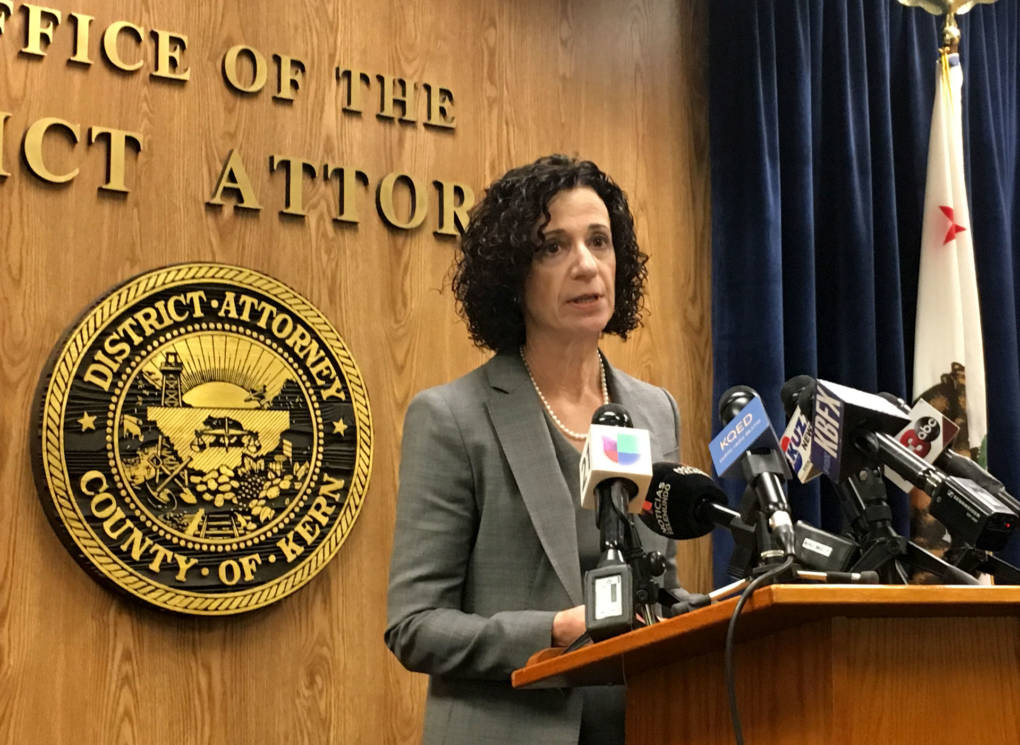
"caption": "Kern County District Attorney Lisa Green speaks at an April 18 press conference. Green announced that her office will not bring charges against two ICE agents for their role in a car crash that resulted in the deaths of two undocumented immigrants in Delano in March.",
"description": "Kern County District Attorney Lisa Green speaks at a press conference on Wednesday. Green announced that her office will not bring charges against two ICE agents for their role in a car crash that resulted in the deaths of two undocumented immigrants in Delano in March.",
"title": "KernDA",
"credit": "Alexandra Hall/KQED",
"status": "inherit",
"isLoading": false,
"fetchFailed": false
}
},
"audioPlayerReducer": {
"postId": "stream_live",
"isPaused": true,
"isPlaying": false,
"pfsActive": false,
"pledgeModalIsOpen": true,
"playerDrawerIsOpen": false,
"liveAudioPlayStartedAt": 0,
"liveAudioPlayContext": ""
},
"authorsReducer": {
"byline_news_11741243": {
"type": "authors",
"id": "byline_news_11741243",
"meta": {
"override": true
},
"slug": "byline_news_11741243",
"name": "\u003cstrong>\u003ca href=\"https://www.desertsun.com/staff/10060714/rebecca-plevin/\">Rebecca Plevin\u003c/a>\u003c/strong>\u003cbr>The Desert Sun",
"isLoading": false
},
"byline_news_11737874": {
"type": "authors",
"id": "byline_news_11737874",
"meta": {
"override": true
},
"slug": "byline_news_11737874",
"name": "Sasha Khokha",
"isLoading": false
},
"byline_news_11703744": {
"type": "authors",
"id": "byline_news_11703744",
"meta": {
"override": true
},
"slug": "byline_news_11703744",
"name": "Susan Ferriss",
"isLoading": false
},
"byline_news_11691371": {
"type": "authors",
"id": "byline_news_11691371",
"meta": {
"override": true
},
"slug": "byline_news_11691371",
"name": "\u003cstrong>\u003ca href=\"https://calmatters.org/articles/author/elizabeth-castillo/\">Elizabeth Castillo\u003c/a>\u003c/strong>\u003c/br>CALmatters",
"isLoading": false
},
"byline_news_11658702": {
"type": "authors",
"id": "byline_news_11658702",
"meta": {
"override": true
},
"slug": "byline_news_11658702",
"name": "Julia Mitric \u003cbr> Capital Public Radio",
"isLoading": false
},
"sasha-khokha": {
"type": "authors",
"id": "254",
"meta": {
"index": "authors_1716337520",
"id": "254",
"found": true
},
"name": "Sasha Khokha",
"firstName": "Sasha",
"lastName": "Khokha",
"slug": "sasha-khokha",
"email": "skhokha@kqed.org",
"display_author_email": true,
"staff_mastheads": [
"news"
],
"title": "Host, The California Report Magazine",
"bio": "Sasha Khokha is the host of \u003cem>The California Report's \u003c/em> weekly magazine program, which takes listeners on sound-rich excursions to meet the people that make the Golden State unique -- through audio documentaries and long-form stories. As \u003cem>The California Report's\u003c/em> Central Valley Bureau Chief based in Fresno for nearly a dozen years, Sasha brought the lives and concerns of rural Californians to listeners around the state. Her reporting helped expose the hidden price immigrant women janitors and farmworkers may pay to keep their jobs: sexual assault at work. It inspired two new California laws to protect them from sexual harassment. She was a key member of the reporting team for the Frontline film \u003cem>Rape on the Night Shift, \u003c/em>which was nominated for two national Emmys. Sasha has also won a national Edward R. Murrow and a national PRNDI award for investigative reporting, as well as multiple prizes from the Society for Professional Journalists. Sasha is a proud alum of the UC Berkeley Graduate School of Journalism and Brown University and a member of the South Asian Journalists Association.",
"avatar": "https://secure.gravatar.com/avatar/e4b5e1541aaeea2aa356aa1fb2a68950?s=600&d=blank&r=g",
"twitter": "KQEDSashaKhokha",
"facebook": null,
"instagram": null,
"linkedin": null,
"sites": [
{
"site": "news",
"roles": [
"editor"
]
},
{
"site": "stateofhealth",
"roles": [
"author"
]
},
{
"site": "science",
"roles": [
"author"
]
},
{
"site": "quest",
"roles": [
"subscriber"
]
}
],
"headData": {
"title": "Sasha Khokha | KQED",
"description": "Host, The California Report Magazine",
"ogImgSrc": "https://secure.gravatar.com/avatar/e4b5e1541aaeea2aa356aa1fb2a68950?s=600&d=blank&r=g",
"twImgSrc": "https://secure.gravatar.com/avatar/e4b5e1541aaeea2aa356aa1fb2a68950?s=600&d=blank&r=g"
},
"isLoading": false,
"link": "/author/sasha-khokha"
},
"tgoldberg": {
"type": "authors",
"id": "258",
"meta": {
"index": "authors_1716337520",
"id": "258",
"found": true
},
"name": "Ted Goldberg",
"firstName": "Ted",
"lastName": "Goldberg",
"slug": "tgoldberg",
"email": "tgoldberg@kqed.org",
"display_author_email": true,
"staff_mastheads": [
"news"
],
"title": "KQED Managing Editor, News and Newscasts",
"bio": "Ted Goldberg is Managing Editor of News and Newscasts at KQED. His main reporting beat is the Bay Area's oil refining industry.\r\n\r\nPrior to joining KQED in 2014, Ted worked at CBS News and WCBS AM in New York and Bay City News and KCBS Radio in San Francisco. He graduated from Oberlin College in Ohio in 1998.",
"avatar": "https://secure.gravatar.com/avatar/30ce2e4fe89135e104f89be2394d16225b9d36c121b5b3cb7651ce642978b96f?s=600&d=blank&r=g",
"twitter": "TedrickG",
"bluesky": null,
"facebook": null,
"instagram": null,
"linkedin": null,
"sites": [
{
"site": "news",
"roles": [
"editor"
]
},
{
"site": "science",
"roles": [
"editor"
]
}
],
"headData": {
"title": "Ted Goldberg | KQED",
"description": "KQED Managing Editor, News and Newscasts",
"ogImgSrc": "https://secure.gravatar.com/avatar/30ce2e4fe89135e104f89be2394d16225b9d36c121b5b3cb7651ce642978b96f?s=600&d=blank&r=g",
"twImgSrc": "https://secure.gravatar.com/avatar/30ce2e4fe89135e104f89be2394d16225b9d36c121b5b3cb7651ce642978b96f?s=600&d=blank&r=g"
},
"isLoading": false,
"link": "/author/tgoldberg"
},
"ahall": {
"type": "authors",
"id": "11490",
"meta": {
"index": "authors_1716337520",
"id": "11490",
"found": true
},
"name": "Alex Hall",
"firstName": "Alex",
"lastName": "Hall",
"slug": "ahall",
"email": "ahall@kqed.org",
"display_author_email": false,
"staff_mastheads": [
"news"
],
"title": "KQED Enterprise & Accountability Reporter",
"bio": "Alex Hall is KQED's Enterprise and Accountability Reporter. She previously covered the Central Valley for five years from KQED's bureau in Fresno. Before joining KQED, Alex was an investigative reporting fellow at Wisconsin Public Radio and the Wisconsin Center for Investigative Journalism. She has also worked as a bilingual producer for NPR's investigative unit and freelance video producer for Reuters TV on the Latin America desk. She got her start in journalism in South America, where she worked as a radio producer and Spanish-English translator for CNN Chile. Her documentary and investigation into the series of deadly COVID-19 outbreaks at Foster Farms won a national Edward R. Murrow award and was named an Investigative Reporters & Editors award finalist. Alex's reporting for Reveal on the Wisconsin dairy industry's reliance on undocumented immigrant labor was made into a film, Los Lecheros, which won a regional Edward R. Murrow award for best news documentary.",
"avatar": "https://secure.gravatar.com/avatar/defcbeb88b0bf591ff9af41f22644051?s=600&d=blank&r=g",
"twitter": "@chalexhall",
"facebook": null,
"instagram": null,
"linkedin": null,
"sites": [
{
"site": "news",
"roles": [
"editor"
]
},
{
"site": "liveblog",
"roles": [
"author"
]
}
],
"headData": {
"title": "Alex Hall | KQED",
"description": "KQED Enterprise & Accountability Reporter",
"ogImgSrc": "https://secure.gravatar.com/avatar/defcbeb88b0bf591ff9af41f22644051?s=600&d=blank&r=g",
"twImgSrc": "https://secure.gravatar.com/avatar/defcbeb88b0bf591ff9af41f22644051?s=600&d=blank&r=g"
},
"isLoading": false,
"link": "/author/ahall"
}
},
"pagesReducer": {
"news_tag_farmworkers": {
"type": "terms",
"id": "news_18269",
"meta": {
"index": "terms_1716263798",
"site": "news",
"id": "18269",
"score": 8.934093
},
"featImg": null,
"name": "farmworkers",
"description": null,
"taxonomy": "tag",
"headData": {
"twImgId": null,
"twTitle": null,
"ogTitle": null,
"ogImgId": null,
"twDescription": null,
"description": null,
"title": "farmworkers Archives | KQED News",
"ogDescription": null
},
"ttid": 18303,
"slug": "farmworkers",
"isLoading": false,
"title": "farmworkers",
"pageMeta": {
"site": "news",
"WpPageTemplate": "page-topic-editorial",
"currentPage": 10
},
"blocks": [
{
"blockName": "kqed/post-list",
"attrs": {
"layout": "cardArticle2",
"query": "posts/news?tag=farmworkers",
"seeMore": false,
"paginated": true,
"page": 10
}
},
{
"blockName": "kqed/ad"
}
]
}
},
"pfsSessionReducer": {},
"postsReducer": {
"stream_live": {
"type": "live",
"id": "stream_live",
"audioUrl": "https://streams.kqed.org/kqedradio",
"title": "Live Stream",
"excerpt": "Live Stream information currently unavailable.",
"link": "/radio",
"featImg": "",
"label": {
"name": "KQED Live",
"link": "/"
}
},
"stream_kqedNewscast": {
"type": "posts",
"id": "stream_kqedNewscast",
"audioUrl": "https://www.kqed.org/.stream/anon/radio/RDnews/newscast.mp3?_=1",
"title": "KQED Newscast",
"featImg": "",
"label": {
"name": "88.5 FM",
"link": "/"
}
},
"news_11757937": {
"type": "posts",
"id": "news_11757937",
"meta": {
"index": "posts_1716263798",
"site": "news",
"id": "11757937",
"score": null,
"sort": [
1561768550000
]
},
"parent": 0,
"labelTerm": {
"site": "news",
"term": 72
},
"blocks": [],
"publishDate": 1561768550,
"format": "standard",
"disqusTitle": "Officials Launch Probes Into Potential Pesticide Drifts That Sickened Dozens of Central Valley Farmworkers",
"title": "Officials Launch Probes Into Potential Pesticide Drifts That Sickened Dozens of Central Valley Farmworkers",
"headTitle": "The California Report | KQED News",
"content": "\u003cp>Agricultural commissioners in two Central Valley counties have launched investigations into two apparent chemical releases that sickened dozens of fieldworkers over the last nine days.\u003c/p>\n\u003caside class=\"pullquote alignright\">'This is something that, unfortunately, happens more often than people know.'\u003ccite>Nayamin Martinez, Central California Environmental Justice Network\u003c/cite>\u003c/aside>\n\u003cp>The latest incident took place in Fresno County on Thursday morning when a group of farmworkers picking nectarines began feeling sick after several pesticides had been sprayed on a nearby field. That came nine days after several other farmworkers in Tulare County reported feeling ill at the end of their shift, possibly because of a chemical drift.\u003c/p>\n\u003cp>At least 32 workers complained of symptoms in the two cases, although scores of others working alongside them may have been exposed to chemicals as well.\u003c/p>\n\u003cp>Investigators are specifically trying to determine if a pesticide sprayed on a nearby field drifted to the field where the workers got sick.\u003c/p>\n\u003cp>The \u003ca href=\"https://www.fresnobee.com/news/local/article232028327.html\" target=\"_blank\" rel=\"noopener\">incident\u003c/a> on Thursday took place in the town of Kerman, west of the city of Fresno. Some 29 workers complained of symptoms that included vomiting, headaches and itchy eyes and throats, according to Stace Leoni, the county's deputy agricultural commissioner. Three of the employees were hospitalized, she added.\u003c/p>\n\u003cp>Leoni said the chemicals that were sprayed in the vicinity of the workers included Nealta miticide, Zylo insecticide and summer oil, a substance that helps the chemicals stick to the leaves of crops.\u003c/p>\n\u003cp>[aside label=\"Related stories\" tag=\"pesticides\"]\u003c/p>\n\u003cp>None of the chemicals are considered \"California restricted materials,\" so the company that applied them was not required to provide county officials with advance notice they would be used, according to both Leoni and Charlotte Fadipe, a spokeswoman for the California Department of Pesticide Regulation.\u003c/p>\n\u003cp>Leoni declined to release the name of the agricultural company that applied the chemicals.\u003c/p>\n\u003cp>The farmworkers in the latest incident are employed by Gerawan Farming, one of the nation's largest growers of peaches, plums and nectarines. The Fresno-based company said it responded quickly once it got word that some of its employees were not feeling well and that its crews were not given a heads-up about pesticides being applied in the area.\u003c/p>\n\u003cp>[ad fullwidth]\u003c/p>\n\u003cp>\"Gerawan had not been given prior notice of the spraying,\" the company said in a statement.\u003c/p>\n\u003cp>The earlier \u003ca href=\"https://www.kqed.org/news/11756064/tulare-county-pesticide-investigation\" target=\"_blank\" rel=\"noopener\">Tulare County incident\u003c/a> took place in a vineyard near Dinuba, southeast of Fresno, on June 18. \u003ca href=\"https://www.fresnobee.com/news/local/article231701243.html\" target=\"_blank\" rel=\"noopener\">Dozens of fieldworkers\u003c/a>, employed by Visalia-based Grapeman Labor, were nearing the end of their shift, amid triple-digit temperatures, when some began feeling ill after detecting a chemical odor, according to Marianna Santos Gentert, a county deputy agricultural commissioner.\u003c/p>\n\u003cp>Workers said they felt dizzy and nauseous, and one of them vomited, she added.\u003c/p>\n\u003cp>Farmworker advocates say these incidents shine a light on something that happens all to often.\u003c/p>\n\u003cp>\"We know this is not an exception,\" said Nayamin Martinez, director of the Central California Environmental Justice Network, which advocates for low-income communities of color in the Central Valley. \"This is something that, unfortunately, happens more often than people know.\"\u003c/p>\n\u003cp>\u003c/p>\n",
"disqusIdentifier": "11757937 https://ww2.kqed.org/news/?p=11757937",
"disqusUrl": "https://ww2.kqed.org/news/2019/06/28/officials-launch-probes-into-potential-pesticide-drifts-that-sickened-dozens-of-central-valley-farmworkers/",
"stats": {
"hasVideo": false,
"hasChartOrMap": false,
"hasAudio": false,
"hasPolis": false,
"wordCount": 509,
"hasGoogleForm": false,
"hasGallery": false,
"hasHearkenModule": false,
"iframeSrcs": [],
"paragraphCount": 17
},
"modified": 1561770946,
"excerpt": "At least 32 farmworkers in Fresno and Tulare County were sickened in the span of nine days. ",
"headData": {
"twImgId": "",
"twTitle": "",
"ogTitle": "",
"ogImgId": "",
"twDescription": "",
"description": "At least 32 farmworkers in Fresno and Tulare County were sickened in the span of nine days. ",
"title": "Officials Launch Probes Into Potential Pesticide Drifts That Sickened Dozens of Central Valley Farmworkers | KQED",
"ogDescription": "",
"schema": {
"@context": "https://schema.org",
"@type": "NewsArticle",
"headline": "Officials Launch Probes Into Potential Pesticide Drifts That Sickened Dozens of Central Valley Farmworkers",
"datePublished": "2019-06-28T17:35:50-07:00",
"dateModified": "2019-06-28T18:15:46-07:00",
"image": "https://cdn.kqed.org/wp-content/uploads/2020/02/KQED-OG-Image@1x.png",
"isAccessibleForFree": "True",
"publisher": {
"@type": "NewsMediaOrganization",
"@id": "https://www.kqed.org/#organization",
"name": "KQED",
"logo": "https://cdn.kqed.org/wp-content/uploads/2020/02/KQED-OG-Image@1x.png",
"url": "https://www.kqed.org",
"sameAs": [
"https://www.facebook.com/KQED",
"https://twitter.com/KQED",
"https://www.instagram.com/kqed/",
"https://www.tiktok.com/@kqedofficial",
"https://www.linkedin.com/company/kqed",
"https://www.youtube.com/channel/UCeC0IOo7i1P_61zVUWbJ4nw"
]
}
}
},
"guestAuthors": [],
"slug": "officials-launch-probes-into-potential-pesticide-drifts-that-sickened-dozens-of-central-valley-farmworkers",
"status": "publish",
"path": "/news/11757937/officials-launch-probes-into-potential-pesticide-drifts-that-sickened-dozens-of-central-valley-farmworkers",
"audioTrackLength": null,
"parsedContent": [
{
"type": "contentString",
"content": "\u003cdiv class=\"post-body\">\u003cp>\u003cp>Agricultural commissioners in two Central Valley counties have launched investigations into two apparent chemical releases that sickened dozens of fieldworkers over the last nine days.\u003c/p>\n\u003caside class=\"pullquote alignright\">'This is something that, unfortunately, happens more often than people know.'\u003ccite>Nayamin Martinez, Central California Environmental Justice Network\u003c/cite>\u003c/aside>\n\u003cp>The latest incident took place in Fresno County on Thursday morning when a group of farmworkers picking nectarines began feeling sick after several pesticides had been sprayed on a nearby field. That came nine days after several other farmworkers in Tulare County reported feeling ill at the end of their shift, possibly because of a chemical drift.\u003c/p>\n\u003cp>At least 32 workers complained of symptoms in the two cases, although scores of others working alongside them may have been exposed to chemicals as well.\u003c/p>\n\u003cp>Investigators are specifically trying to determine if a pesticide sprayed on a nearby field drifted to the field where the workers got sick.\u003c/p>\n\u003cp>The \u003ca href=\"https://www.fresnobee.com/news/local/article232028327.html\" target=\"_blank\" rel=\"noopener\">incident\u003c/a> on Thursday took place in the town of Kerman, west of the city of Fresno. Some 29 workers complained of symptoms that included vomiting, headaches and itchy eyes and throats, according to Stace Leoni, the county's deputy agricultural commissioner. Three of the employees were hospitalized, she added.\u003c/p>\n\u003cp>Leoni said the chemicals that were sprayed in the vicinity of the workers included Nealta miticide, Zylo insecticide and summer oil, a substance that helps the chemicals stick to the leaves of crops.\u003c/p>\n\u003cp>\u003c/p>\u003c/div>",
"attributes": {
"named": {},
"numeric": []
}
},
{
"type": "component",
"content": "",
"name": "aside",
"attributes": {
"named": {
"label": "Related stories ",
"tag": "pesticides"
},
"numeric": []
}
},
{
"type": "contentString",
"content": "\u003cdiv class=\"post-body\">\u003cp>\u003c/p>\n\u003cp>None of the chemicals are considered \"California restricted materials,\" so the company that applied them was not required to provide county officials with advance notice they would be used, according to both Leoni and Charlotte Fadipe, a spokeswoman for the California Department of Pesticide Regulation.\u003c/p>\n\u003cp>Leoni declined to release the name of the agricultural company that applied the chemicals.\u003c/p>\n\u003cp>The farmworkers in the latest incident are employed by Gerawan Farming, one of the nation's largest growers of peaches, plums and nectarines. The Fresno-based company said it responded quickly once it got word that some of its employees were not feeling well and that its crews were not given a heads-up about pesticides being applied in the area.\u003c/p>\n\u003cp>\u003c/p>\u003c/div>",
"attributes": {
"named": {},
"numeric": []
}
},
{
"type": "component",
"content": "",
"name": "ad",
"attributes": {
"named": {
"label": "fullwidth"
},
"numeric": [
"fullwidth"
]
}
},
{
"type": "contentString",
"content": "\u003cdiv class=\"post-body\">\u003cp>\u003c/p>\n\u003cp>\"Gerawan had not been given prior notice of the spraying,\" the company said in a statement.\u003c/p>\n\u003cp>The earlier \u003ca href=\"https://www.kqed.org/news/11756064/tulare-county-pesticide-investigation\" target=\"_blank\" rel=\"noopener\">Tulare County incident\u003c/a> took place in a vineyard near Dinuba, southeast of Fresno, on June 18. \u003ca href=\"https://www.fresnobee.com/news/local/article231701243.html\" target=\"_blank\" rel=\"noopener\">Dozens of fieldworkers\u003c/a>, employed by Visalia-based Grapeman Labor, were nearing the end of their shift, amid triple-digit temperatures, when some began feeling ill after detecting a chemical odor, according to Marianna Santos Gentert, a county deputy agricultural commissioner.\u003c/p>\n\u003cp>Workers said they felt dizzy and nauseous, and one of them vomited, she added.\u003c/p>\n\u003cp>Farmworker advocates say these incidents shine a light on something that happens all to often.\u003c/p>\n\u003cp>\"We know this is not an exception,\" said Nayamin Martinez, director of the Central California Environmental Justice Network, which advocates for low-income communities of color in the Central Valley. \"This is something that, unfortunately, happens more often than people know.\"\u003c/p>\n\u003cp>\u003c/p>\n\u003c/div>\u003c/p>",
"attributes": {
"named": {},
"numeric": []
}
}
],
"link": "/news/11757937/officials-launch-probes-into-potential-pesticide-drifts-that-sickened-dozens-of-central-valley-farmworkers",
"authors": [
"258"
],
"programs": [
"news_72"
],
"categories": [
"news_1758",
"news_19906",
"news_24114",
"news_457",
"news_8",
"news_356"
],
"tags": [
"news_1117",
"news_18269",
"news_22225"
],
"featImg": "news_11256927",
"label": "news_72"
},
"news_11741243": {
"type": "posts",
"id": "news_11741243",
"meta": {
"index": "posts_1716263798",
"site": "news",
"id": "11741243",
"score": null,
"sort": [
1555619885000
]
},
"guestAuthors": [],
"slug": "as-grape-industry-changes-farmworkers-pick-up-extra-shifts-collecting-trash-at-coachella-festival",
"title": "As Grape Industry Changes, Farmworkers Pick Up Extra Shifts Collecting Trash at Coachella Festival",
"publishDate": 1555619885,
"format": "audio",
"headTitle": "As Grape Industry Changes, Farmworkers Pick Up Extra Shifts Collecting Trash at Coachella Festival | KQED",
"labelTerm": {},
"content": "\u003cp>It was still dark in the eastern Coachella Valley when Enriqueta Magaña assembled her crew of about a dozen workers along a row of grapevines and demonstrated the work they’d be doing that day. She used both hands to snap small branches off the vines.\u003c/p>\n\u003cp>[aside postID='news_11737874,news_11737834,news_11737988' label='The Coachella You Might Not Have Heard About']\u003c/p>\n\u003cp>“We’re going to work hard,” Magaña, a field forewoman, told her crew that morning in early April. They all wore an unofficial uniform — pants, long-sleeved shirts, brimmed hats and bandannas — to protect their skin from the sun, which would soon bake the California desert. “It’s for the good of all of us.”\u003c/p>\n\u003cp>For three weekends this month, Magaña is giving similar advice to a crew cleaning up trash after the Coachella and Stagecoach music festivals.\u003c/p>\n\u003cp>Following eight-hour days in the fields, Magaña and many of her farmworkers change into another uniform — latex gloves and colored T-shirts — and head to the Empire Polo Club in Indio.\u003c/p>\n\u003cp>When the last concertgoers stumble out of the festival after midnight, the grounds look like “a garbage dump,” Magaña said.\u003c/p>\n\u003cp>She and her crew work overnight, filling trash bags with soggy plastic cups, grease-stained plates and other objects left behind by attendees. By the time they finish their shift at 3:30 a.m., the grounds are spotless again.\u003c/p>\n\u003cp>Coachella 2017 was the highest-grossing festival in the world, according to the most recent statistics available from Pollstar, a publication focused on the concert industry. Working behind the scenes are area residents who, according to Magaña, earn minimum wage to make sure the grounds are pristine for each day’s festivities.\u003c/p>\n\u003cfigure id=\"attachment_11741277\" class=\"wp-caption aligncenter\" style=\"max-width: 800px\">\u003cimg loading=\"lazy\" decoding=\"async\" class=\"size-medium wp-image-11741277\" src=\"https://ww2.kqed.org/news/wp-content/uploads/sites/10/2019/04/Field-Supervisor-Enriqueta-Magana-800x533.jpg\" alt=\"Field supervisor Enriqueta Magaña has worked in the Coachella Valley's grape vineyards for two decades and at the Coachella festival for 10 years.\" width=\"800\" height=\"533\" srcset=\"https://cdn.kqed.org/wp-content/uploads/sites/10/2019/04/Field-Supervisor-Enriqueta-Magana-800x533.jpg 800w, https://cdn.kqed.org/wp-content/uploads/sites/10/2019/04/Field-Supervisor-Enriqueta-Magana-160x107.jpg 160w, https://cdn.kqed.org/wp-content/uploads/sites/10/2019/04/Field-Supervisor-Enriqueta-Magana-1020x680.jpg 1020w, https://cdn.kqed.org/wp-content/uploads/sites/10/2019/04/Field-Supervisor-Enriqueta-Magana-1200x800.jpg 1200w, https://cdn.kqed.org/wp-content/uploads/sites/10/2019/04/Field-Supervisor-Enriqueta-Magana.jpg 1920w\" sizes=\"(max-width: 800px) 100vw, 800px\">\u003cfigcaption class=\"wp-caption-text\">Field supervisor Enriqueta Magaña has worked in the Coachella Valley’s grape vineyards for two decades and at the Coachella festival for 10 years. \u003ccite>(Omar Ornelas/The Desert Sun)\u003c/cite>\u003c/figcaption>\u003c/figure>\n\u003cp>The festivals coincide with the grape-growing season, so Magaña and her team typically labor all day in the fields, often amid sweltering temperatures, and then all night at the festivals, catching an hour or two of sleep and a cup of coffee in between shifts.\u003c/p>\n\u003cp>But in the Coachella Valley, grape growers planted about 1,000 fewer acres in 2017 than they had in 2013, according to the Riverside County Agricultural Commissioner’s Office.\u003c/p>\n\u003cp>The reduction in grapevines, Magaña said, has resulted in fewer hours of low-wage work in the fields. So residents continue picking up extra shifts at the festival, laboring in the shadows of an event that has made their hometown a household name.\u003c/p>\n\u003ch3>\u003ca href=\"https://www.desertsun.com/story/life/entertainment/music/coachella/2019/04/18/coachella-festival-farmworkers-pick-up-extra-shifts-collecting-trash/3474941002/\" target=\"_blank\" rel=\"noopener\">Read the full story via The Desert Sun\u003c/a>\u003c/h3>\n\u003cp>[ad fullwidth]\u003c/p>\n\u003cp>\u003c/p>\n",
"blocks": [],
"excerpt": "They're laboring in the shadows of an event that has made their town a household name, working in sweltering heat in the fields all day and getting just an hour or two of sleep before picking up garbage all night.",
"status": "publish",
"parent": 0,
"modified": 1721154587,
"stats": {
"hasAudio": false,
"hasVideo": false,
"hasChartOrMap": false,
"iframeSrcs": [],
"hasGoogleForm": false,
"hasGallery": false,
"hasHearkenModule": false,
"hasPolis": false,
"paragraphCount": 13,
"wordCount": 473
},
"headData": {
"title": "As Grape Industry Changes, Farmworkers Pick Up Extra Shifts Collecting Trash at Coachella Festival | KQED",
"description": "They're laboring in the shadows of an event that has made their town a household name, working in sweltering heat in the fields all day and getting just an hour or two of sleep before picking up garbage all night.",
"ogTitle": "",
"ogDescription": "",
"ogImgId": "",
"twTitle": "",
"twDescription": "",
"twImgId": "",
"schema": {
"@context": "https://schema.org",
"@type": "NewsArticle",
"headline": "As Grape Industry Changes, Farmworkers Pick Up Extra Shifts Collecting Trash at Coachella Festival",
"datePublished": "2019-04-18T13:38:05-07:00",
"dateModified": "2024-07-16T11:29:47-07:00",
"image": "https://cdn.kqed.org/wp-content/uploads/2020/02/KQED-OG-Image@1x.png",
"isAccessibleForFree": "True",
"publisher": {
"@type": "NewsMediaOrganization",
"@id": "https://www.kqed.org/#organization",
"name": "KQED",
"logo": "https://cdn.kqed.org/wp-content/uploads/2020/02/KQED-OG-Image@1x.png",
"url": "https://www.kqed.org",
"sameAs": [
"https://www.facebook.com/KQED",
"https://twitter.com/KQED",
"https://www.instagram.com/kqed/",
"https://www.tiktok.com/@kqedofficial",
"https://www.linkedin.com/company/kqed",
"https://www.youtube.com/channel/UCeC0IOo7i1P_61zVUWbJ4nw"
]
}
}
},
"source": "The Desert Sun",
"sourceUrl": "https://www.desertsun.com/story/life/entertainment/music/coachella/2019/04/18/coachella-festival-farmworkers-pick-up-extra-shifts-collecting-trash/3474941002/",
"audioUrl": "https://www.kqed.org/.stream/anon/radio/tcrmag/2019/04/PlevinCoachellaLitter.mp3",
"sticky": false,
"nprByline": "\u003cstrong>\u003ca href=\"https://www.desertsun.com/staff/10060714/rebecca-plevin/\">Rebecca Plevin\u003c/a>\u003c/strong>\u003cbr>The Desert Sun",
"audioTrackLength": 309,
"path": "/news/11741243/as-grape-industry-changes-farmworkers-pick-up-extra-shifts-collecting-trash-at-coachella-festival",
"parsedContent": [
{
"type": "contentString",
"content": "\u003cdiv class=\"post-body\">\u003cp>\u003cp>It was still dark in the eastern Coachella Valley when Enriqueta Magaña assembled her crew of about a dozen workers along a row of grapevines and demonstrated the work they’d be doing that day. She used both hands to snap small branches off the vines.\u003c/p>\n\u003cp>\u003c/p>\u003c/div>",
"attributes": {
"named": {},
"numeric": []
}
},
{
"type": "component",
"content": "",
"name": "aside",
"attributes": {
"named": {
"postid": "news_11737874,news_11737834,news_11737988",
"label": "The Coachella You Might Not Have Heard About "
},
"numeric": []
}
},
{
"type": "contentString",
"content": "\u003cdiv class=\"post-body\">\u003cp>\u003c/p>\n\u003cp>“We’re going to work hard,” Magaña, a field forewoman, told her crew that morning in early April. They all wore an unofficial uniform — pants, long-sleeved shirts, brimmed hats and bandannas — to protect their skin from the sun, which would soon bake the California desert. “It’s for the good of all of us.”\u003c/p>\n\u003cp>For three weekends this month, Magaña is giving similar advice to a crew cleaning up trash after the Coachella and Stagecoach music festivals.\u003c/p>\n\u003cp>Following eight-hour days in the fields, Magaña and many of her farmworkers change into another uniform — latex gloves and colored T-shirts — and head to the Empire Polo Club in Indio.\u003c/p>\n\u003cp>When the last concertgoers stumble out of the festival after midnight, the grounds look like “a garbage dump,” Magaña said.\u003c/p>\n\u003cp>She and her crew work overnight, filling trash bags with soggy plastic cups, grease-stained plates and other objects left behind by attendees. By the time they finish their shift at 3:30 a.m., the grounds are spotless again.\u003c/p>\n\u003cp>Coachella 2017 was the highest-grossing festival in the world, according to the most recent statistics available from Pollstar, a publication focused on the concert industry. Working behind the scenes are area residents who, according to Magaña, earn minimum wage to make sure the grounds are pristine for each day’s festivities.\u003c/p>\n\u003cfigure id=\"attachment_11741277\" class=\"wp-caption aligncenter\" style=\"max-width: 800px\">\u003cimg loading=\"lazy\" decoding=\"async\" class=\"size-medium wp-image-11741277\" src=\"https://ww2.kqed.org/news/wp-content/uploads/sites/10/2019/04/Field-Supervisor-Enriqueta-Magana-800x533.jpg\" alt=\"Field supervisor Enriqueta Magaña has worked in the Coachella Valley's grape vineyards for two decades and at the Coachella festival for 10 years.\" width=\"800\" height=\"533\" srcset=\"https://cdn.kqed.org/wp-content/uploads/sites/10/2019/04/Field-Supervisor-Enriqueta-Magana-800x533.jpg 800w, https://cdn.kqed.org/wp-content/uploads/sites/10/2019/04/Field-Supervisor-Enriqueta-Magana-160x107.jpg 160w, https://cdn.kqed.org/wp-content/uploads/sites/10/2019/04/Field-Supervisor-Enriqueta-Magana-1020x680.jpg 1020w, https://cdn.kqed.org/wp-content/uploads/sites/10/2019/04/Field-Supervisor-Enriqueta-Magana-1200x800.jpg 1200w, https://cdn.kqed.org/wp-content/uploads/sites/10/2019/04/Field-Supervisor-Enriqueta-Magana.jpg 1920w\" sizes=\"(max-width: 800px) 100vw, 800px\">\u003cfigcaption class=\"wp-caption-text\">Field supervisor Enriqueta Magaña has worked in the Coachella Valley’s grape vineyards for two decades and at the Coachella festival for 10 years. \u003ccite>(Omar Ornelas/The Desert Sun)\u003c/cite>\u003c/figcaption>\u003c/figure>\n\u003cp>The festivals coincide with the grape-growing season, so Magaña and her team typically labor all day in the fields, often amid sweltering temperatures, and then all night at the festivals, catching an hour or two of sleep and a cup of coffee in between shifts.\u003c/p>\n\u003cp>But in the Coachella Valley, grape growers planted about 1,000 fewer acres in 2017 than they had in 2013, according to the Riverside County Agricultural Commissioner’s Office.\u003c/p>\n\u003cp>The reduction in grapevines, Magaña said, has resulted in fewer hours of low-wage work in the fields. So residents continue picking up extra shifts at the festival, laboring in the shadows of an event that has made their hometown a household name.\u003c/p>\n\u003ch3>\u003ca href=\"https://www.desertsun.com/story/life/entertainment/music/coachella/2019/04/18/coachella-festival-farmworkers-pick-up-extra-shifts-collecting-trash/3474941002/\" target=\"_blank\" rel=\"noopener\">Read the full story via The Desert Sun\u003c/a>\u003c/h3>\n\u003cp>\u003c/p>\u003c/div>",
"attributes": {
"named": {},
"numeric": []
}
},
{
"type": "component",
"content": "",
"name": "ad",
"attributes": {
"named": {
"label": "fullwidth"
},
"numeric": [
"fullwidth"
]
}
},
{
"type": "contentString",
"content": "\u003cdiv class=\"post-body\">\u003cp>\u003c/p>\n\u003cp>\u003c/p>\n\u003c/div>\u003c/p>",
"attributes": {
"named": {},
"numeric": []
}
}
],
"link": "/news/11741243/as-grape-industry-changes-farmworkers-pick-up-extra-shifts-collecting-trash-at-coachella-festival",
"authors": [
"byline_news_11741243"
],
"programs": [
"news_72"
],
"categories": [
"news_223",
"news_1758",
"news_457",
"news_1169",
"news_8"
],
"tags": [
"news_23000",
"news_20000",
"news_18269",
"news_19904",
"news_1425"
],
"featImg": "news_11741269",
"label": "source_news_11741243"
},
"news_11737874": {
"type": "posts",
"id": "news_11737874",
"meta": {
"index": "posts_1716263798",
"site": "news",
"id": "11737874",
"score": null,
"sort": [
1555111566000
]
},
"guestAuthors": [],
"slug": "this-is-the-coachella-most-dont-see",
"title": "This Is the Coachella Most Californians Don't See",
"publishDate": 1555111566,
"format": "audio",
"headTitle": "This Is the Coachella Most Californians Don’t See | KQED",
"labelTerm": {},
"content": "\u003cp>\u003cem>\u003ca href=\"http://itunes.apple.com/us/podcast/the-california-report-magazine/id1314750545?mt=2\" rel=\"noopener noreferrer\" target=\"_blank\">Listen to this and more in-depth storytelling by subscribing to The California Report Magazine podcast.\u003c/a>\u003c/em>\u003c/p>\n\u003cp>[dropcap]F[/dropcap]or many Californians, their only reference point for the Coachella Valley is the \u003ca href=\"https://coachella.com/\" target=\"_blank\" rel=\"noopener noreferrer\">annual music festival\u003c/a> which kicks off this week, where tens of thousands of concert-goers from around the world gather to see big-name headliners and party in the desert. But there’s another side to Coachella — the one the locals see.\u003c/p>\n\u003cp>Thousands of acres of date palms. Early morning dew on the grape vines. A thriving indigenous community. The backyard concerts where local artists have created their own music scene. \u003c/p>\n\u003cp>And also, high asthma rates. The decaying \u003ca href=\"https://www.kqed.org/news/11737659/theres-so-much-here-thats-still-alive-young-filmmakers-document-a-dying-salton-sea\" target=\"_blank\" rel=\"noopener noreferrer\">Salton Sea\u003c/a>.\u003c/p>\n\u003cp>“I want people to know what it’s really like, and the issues we’re facing. Because it’s something that I face, too,” said 24-year-old Bryan Mendez, a reporter with \u003ca href=\"http://coachellaunincorporated.org/\" target=\"_blank\" rel=\"noopener noreferrer\">Coachella Unincorporated\u003c/a>, where young people write and document the stories of this valley.\u003c/p>\n\u003cfigure id=\"attachment_11739127\" class=\"wp-caption alignnone\" style=\"max-width: 800px\">\u003cimg loading=\"lazy\" decoding=\"async\" class=\"size-medium wp-image-11739127\" src=\"https://ww2.kqed.org/news/wp-content/uploads/sites/10/2019/04/DSCF8204-800x533.jpg\" alt=\"\" width=\"800\" height=\"533\" srcset=\"https://cdn.kqed.org/wp-content/uploads/sites/10/2019/04/DSCF8204-800x533.jpg 800w, https://cdn.kqed.org/wp-content/uploads/sites/10/2019/04/DSCF8204-160x107.jpg 160w, https://cdn.kqed.org/wp-content/uploads/sites/10/2019/04/DSCF8204-1020x680.jpg 1020w, https://cdn.kqed.org/wp-content/uploads/sites/10/2019/04/DSCF8204-1200x800.jpg 1200w, https://cdn.kqed.org/wp-content/uploads/sites/10/2019/04/DSCF8204-1920x1280.jpg 1920w, https://cdn.kqed.org/wp-content/uploads/sites/10/2019/04/DSCF8204.jpg 2048w\" sizes=\"(max-width: 800px) 100vw, 800px\">\u003cfigcaption class=\"wp-caption-text\">Bryan Mendez is a filmmaker and farmworker from the Eastern Coachella Valley. \u003ccite>(Courtesy of Bryan Mendez)\u003c/cite>\u003c/figcaption>\u003c/figure>\n\u003cp>Mendez grew up picking grapes with his parents. He still does farm work and construction to pay the bills. But he’s also a talented photographer and filmmaker.\u003c/p>\n\u003cp>The California Report Magazine’s host Sasha Khokha teamed up with Mendez to take a tour of his Coachella Valley, from the orchard where his mom takes a lift 60 feet up in the air to harvest dates, to the local joint where you can eat homemade ice cream made from Mexican pastries.\u003c/p>\n\u003cp>\u003cem>Take a look at a few of Mendez’s photos:\u003c/em>\u003c/p>\n\u003cfigure id=\"attachment_11739138\" class=\"wp-caption aligncenter\" style=\"max-width: 800px\">\u003cimg loading=\"lazy\" decoding=\"async\" class=\"size-medium wp-image-11739138\" src=\"https://ww2.kqed.org/news/wp-content/uploads/sites/10/2019/04/RS36457_The-trailer-where-I-grew-up-half-of-my-life-qut-800x533.jpg\" alt=\"\" width=\"800\" height=\"533\" srcset=\"https://cdn.kqed.org/wp-content/uploads/sites/10/2019/04/RS36457_The-trailer-where-I-grew-up-half-of-my-life-qut-800x533.jpg 800w, https://cdn.kqed.org/wp-content/uploads/sites/10/2019/04/RS36457_The-trailer-where-I-grew-up-half-of-my-life-qut-160x107.jpg 160w, https://cdn.kqed.org/wp-content/uploads/sites/10/2019/04/RS36457_The-trailer-where-I-grew-up-half-of-my-life-qut-1020x680.jpg 1020w, https://cdn.kqed.org/wp-content/uploads/sites/10/2019/04/RS36457_The-trailer-where-I-grew-up-half-of-my-life-qut-1200x800.jpg 1200w, https://cdn.kqed.org/wp-content/uploads/sites/10/2019/04/RS36457_The-trailer-where-I-grew-up-half-of-my-life-qut.jpg 1776w\" sizes=\"(max-width: 800px) 100vw, 800px\">\u003cfigcaption class=\"wp-caption-text\">The trailer where Mendez grew up in the Eastern Coachella Valley. \u003ccite>(Courtesy of Bryan Mendez)\u003c/cite>\u003c/figcaption>\u003c/figure>\n\u003cfigure id=\"attachment_11737885\" class=\"wp-caption aligncenter\" style=\"max-width: 800px\">\u003cimg loading=\"lazy\" decoding=\"async\" class=\"size-medium wp-image-11737885\" src=\"https://ww2.kqed.org/news/wp-content/uploads/sites/10/2019/04/RS36328_Cruzito-qut-800x534.jpg\" alt=\"\" width=\"800\" height=\"534\" srcset=\"https://cdn.kqed.org/wp-content/uploads/sites/10/2019/04/RS36328_Cruzito-qut-800x534.jpg 800w, https://cdn.kqed.org/wp-content/uploads/sites/10/2019/04/RS36328_Cruzito-qut-160x107.jpg 160w, https://cdn.kqed.org/wp-content/uploads/sites/10/2019/04/RS36328_Cruzito-qut-1020x681.jpg 1020w, https://cdn.kqed.org/wp-content/uploads/sites/10/2019/04/RS36328_Cruzito-qut-1200x801.jpg 1200w, https://cdn.kqed.org/wp-content/uploads/sites/10/2019/04/RS36328_Cruzito-qut.jpg 1920w\" sizes=\"(max-width: 800px) 100vw, 800px\">\u003cfigcaption class=\"wp-caption-text\">Cruzito, a farmworker who works with Mendez in the vines. \u003ccite>(Courtesy of Bryan Mendez)\u003c/cite>\u003c/figcaption>\u003c/figure>\n\u003cfigure id=\"attachment_11737895\" class=\"wp-caption aligncenter\" style=\"max-width: 800px\">\u003cimg loading=\"lazy\" decoding=\"async\" class=\"wp-image-11737895 size-medium\" src=\"https://ww2.kqed.org/news/wp-content/uploads/sites/10/2019/04/RS36339_Jose%CC%81-el-palmero-qut-800x533.jpg\" alt=\"\" width=\"800\" height=\"533\" srcset=\"https://cdn.kqed.org/wp-content/uploads/sites/10/2019/04/RS36339_José-el-palmero-qut-800x533.jpg 800w, https://cdn.kqed.org/wp-content/uploads/sites/10/2019/04/RS36339_José-el-palmero-qut-160x107.jpg 160w, https://cdn.kqed.org/wp-content/uploads/sites/10/2019/04/RS36339_José-el-palmero-qut-1020x680.jpg 1020w, https://cdn.kqed.org/wp-content/uploads/sites/10/2019/04/RS36339_José-el-palmero-qut-1200x800.jpg 1200w, https://cdn.kqed.org/wp-content/uploads/sites/10/2019/04/RS36339_José-el-palmero-qut.jpg 1920w\" sizes=\"(max-width: 800px) 100vw, 800px\">\u003cfigcaption class=\"wp-caption-text\">Before working the palms, Jose was a carpenter in Michoacán. \u003ccite>(Courtesy of Bryan Mendez)\u003c/cite>\u003c/figcaption>\u003c/figure>\n\u003cfigure id=\"attachment_11737897\" class=\"wp-caption aligncenter\" style=\"max-width: 800px\">\u003cimg loading=\"lazy\" decoding=\"async\" class=\"size-medium wp-image-11737897\" src=\"https://ww2.kqed.org/news/wp-content/uploads/sites/10/2019/04/RS36341_Palmero-sin-miedo-qut-800x533.jpg\" alt=\"\" width=\"800\" height=\"533\" srcset=\"https://cdn.kqed.org/wp-content/uploads/sites/10/2019/04/RS36341_Palmero-sin-miedo-qut-800x533.jpg 800w, https://cdn.kqed.org/wp-content/uploads/sites/10/2019/04/RS36341_Palmero-sin-miedo-qut-160x107.jpg 160w, https://cdn.kqed.org/wp-content/uploads/sites/10/2019/04/RS36341_Palmero-sin-miedo-qut-1020x680.jpg 1020w, https://cdn.kqed.org/wp-content/uploads/sites/10/2019/04/RS36341_Palmero-sin-miedo-qut-1200x800.jpg 1200w, https://cdn.kqed.org/wp-content/uploads/sites/10/2019/04/RS36341_Palmero-sin-miedo-qut.jpg 1920w\" sizes=\"(max-width: 800px) 100vw, 800px\">\u003cfigcaption class=\"wp-caption-text\">A family owned and operated farm in the Coachella Valley. \u003ccite>(Courtesy of Bryan Mendez)\u003c/cite>\u003c/figcaption>\u003c/figure>\n\u003cfigure id=\"attachment_11737899\" class=\"wp-caption aligncenter\" style=\"max-width: 800px\">\u003cimg loading=\"lazy\" decoding=\"async\" class=\"wp-image-11737899 size-medium\" src=\"https://ww2.kqed.org/news/wp-content/uploads/sites/10/2019/04/RS36342_Palmeros-en-Oasis-qut-800x533.jpg\" alt=\"\" width=\"800\" height=\"533\" srcset=\"https://cdn.kqed.org/wp-content/uploads/sites/10/2019/04/RS36342_Palmeros-en-Oasis-qut-800x533.jpg 800w, https://cdn.kqed.org/wp-content/uploads/sites/10/2019/04/RS36342_Palmeros-en-Oasis-qut-160x107.jpg 160w, https://cdn.kqed.org/wp-content/uploads/sites/10/2019/04/RS36342_Palmeros-en-Oasis-qut-1020x680.jpg 1020w, https://cdn.kqed.org/wp-content/uploads/sites/10/2019/04/RS36342_Palmeros-en-Oasis-qut-1200x800.jpg 1200w, https://cdn.kqed.org/wp-content/uploads/sites/10/2019/04/RS36342_Palmeros-en-Oasis-qut.jpg 1920w\" sizes=\"(max-width: 800px) 100vw, 800px\">\u003cfigcaption class=\"wp-caption-text\">Palm leaves are lifted with cranes to work the dates. \u003ccite>(Courtesy of Bryan Mendez)\u003c/cite>\u003c/figcaption>\u003c/figure>\n\u003cfigure id=\"attachment_11737878\" class=\"wp-caption aligncenter\" style=\"max-width: 800px\">\u003cimg loading=\"lazy\" decoding=\"async\" class=\"wp-image-11737878 size-medium\" src=\"https://ww2.kqed.org/news/wp-content/uploads/sites/10/2019/04/RS36322_Campesina-en-la-lluvia-qut-800x533.jpg\" alt=\"\" width=\"800\" height=\"533\" srcset=\"https://cdn.kqed.org/wp-content/uploads/sites/10/2019/04/RS36322_Campesina-en-la-lluvia-qut-800x533.jpg 800w, https://cdn.kqed.org/wp-content/uploads/sites/10/2019/04/RS36322_Campesina-en-la-lluvia-qut-160x107.jpg 160w, https://cdn.kqed.org/wp-content/uploads/sites/10/2019/04/RS36322_Campesina-en-la-lluvia-qut-1020x680.jpg 1020w, https://cdn.kqed.org/wp-content/uploads/sites/10/2019/04/RS36322_Campesina-en-la-lluvia-qut-1200x800.jpg 1200w, https://cdn.kqed.org/wp-content/uploads/sites/10/2019/04/RS36322_Campesina-en-la-lluvia-qut.jpg 1920w\" sizes=\"(max-width: 800px) 100vw, 800px\">\u003cfigcaption class=\"wp-caption-text\">Farmers harvesting spinach during the rainy season in Oasis, CA. \u003ccite>(Courtesy of Bryan Mendez)\u003c/cite>\u003c/figcaption>\u003c/figure>\n\u003cfigure id=\"attachment_11737881\" class=\"wp-caption aligncenter\" style=\"max-width: 800px\">\u003cimg loading=\"lazy\" decoding=\"async\" class=\"size-medium wp-image-11737881\" src=\"https://ww2.kqed.org/news/wp-content/uploads/sites/10/2019/04/RS36324_Campesinos-en-la-lluvia-2-qut-800x533.jpg\" alt=\"\" width=\"800\" height=\"533\" srcset=\"https://cdn.kqed.org/wp-content/uploads/sites/10/2019/04/RS36324_Campesinos-en-la-lluvia-2-qut-800x533.jpg 800w, https://cdn.kqed.org/wp-content/uploads/sites/10/2019/04/RS36324_Campesinos-en-la-lluvia-2-qut-160x107.jpg 160w, https://cdn.kqed.org/wp-content/uploads/sites/10/2019/04/RS36324_Campesinos-en-la-lluvia-2-qut-1020x680.jpg 1020w, https://cdn.kqed.org/wp-content/uploads/sites/10/2019/04/RS36324_Campesinos-en-la-lluvia-2-qut-1200x800.jpg 1200w, https://cdn.kqed.org/wp-content/uploads/sites/10/2019/04/RS36324_Campesinos-en-la-lluvia-2-qut.jpg 1920w\" sizes=\"(max-width: 800px) 100vw, 800px\">\u003cfigcaption class=\"wp-caption-text\">Yellow ponchos are known to be uncomfortable for female workers. \u003ccite>(Courtesy of Bryan Mendez)\u003c/cite>\u003c/figcaption>\u003c/figure>\n\u003cfigure id=\"attachment_11737891\" class=\"wp-caption aligncenter\" style=\"max-width: 800px\">\u003cimg loading=\"lazy\" decoding=\"async\" class=\"size-medium wp-image-11737891\" src=\"https://ww2.kqed.org/news/wp-content/uploads/sites/10/2019/04/RS36335_Generaciones-del-valle-qut-800x533.jpg\" alt=\"\" width=\"800\" height=\"533\" srcset=\"https://cdn.kqed.org/wp-content/uploads/sites/10/2019/04/RS36335_Generaciones-del-valle-qut-800x533.jpg 800w, https://cdn.kqed.org/wp-content/uploads/sites/10/2019/04/RS36335_Generaciones-del-valle-qut-160x107.jpg 160w, https://cdn.kqed.org/wp-content/uploads/sites/10/2019/04/RS36335_Generaciones-del-valle-qut-1020x680.jpg 1020w, https://cdn.kqed.org/wp-content/uploads/sites/10/2019/04/RS36335_Generaciones-del-valle-qut-1200x800.jpg 1200w, https://cdn.kqed.org/wp-content/uploads/sites/10/2019/04/RS36335_Generaciones-del-valle-qut.jpg 1920w\" sizes=\"(max-width: 800px) 100vw, 800px\">\u003cfigcaption class=\"wp-caption-text\">Yisel Ibarra plays soccer at Desert Mirage High School, which became the first school in the Coachella Valley to win a state title this year. Before this year the team had hardly won any games. \u003ccite>(Courtesy of Bryan Mendez)\u003c/cite>\u003c/figcaption>\u003c/figure>\n\u003cfigure id=\"attachment_11737892\" class=\"wp-caption aligncenter\" style=\"max-width: 800px\">\u003cimg loading=\"lazy\" decoding=\"async\" class=\"size-medium wp-image-11737892\" src=\"https://ww2.kqed.org/news/wp-content/uploads/sites/10/2019/04/RS36336_Generaciones_-qut-800x533.jpg\" alt=\"\" width=\"800\" height=\"533\" srcset=\"https://cdn.kqed.org/wp-content/uploads/sites/10/2019/04/RS36336_Generaciones_-qut-800x533.jpg 800w, https://cdn.kqed.org/wp-content/uploads/sites/10/2019/04/RS36336_Generaciones_-qut-160x107.jpg 160w, https://cdn.kqed.org/wp-content/uploads/sites/10/2019/04/RS36336_Generaciones_-qut-1020x680.jpg 1020w, https://cdn.kqed.org/wp-content/uploads/sites/10/2019/04/RS36336_Generaciones_-qut-1200x800.jpg 1200w, https://cdn.kqed.org/wp-content/uploads/sites/10/2019/04/RS36336_Generaciones_-qut.jpg 1776w\" sizes=\"(max-width: 800px) 100vw, 800px\">\u003cfigcaption class=\"wp-caption-text\">A young speaker at The Women’s March in Coachella Valley, 2018. \u003ccite>(Courtesy of Bryan Mendez)\u003c/cite>\u003c/figcaption>\u003c/figure>\n\u003cfigure id=\"attachment_11737890\" class=\"wp-caption aligncenter\" style=\"max-width: 800px\">\u003cimg loading=\"lazy\" decoding=\"async\" class=\"size-medium wp-image-11737890\" src=\"https://ww2.kqed.org/news/wp-content/uploads/sites/10/2019/04/RS36334_Flor-en-el-diserto_-qut-800x533.jpg\" alt=\"\" width=\"800\" height=\"533\" srcset=\"https://cdn.kqed.org/wp-content/uploads/sites/10/2019/04/RS36334_Flor-en-el-diserto_-qut-800x533.jpg 800w, https://cdn.kqed.org/wp-content/uploads/sites/10/2019/04/RS36334_Flor-en-el-diserto_-qut-160x107.jpg 160w, https://cdn.kqed.org/wp-content/uploads/sites/10/2019/04/RS36334_Flor-en-el-diserto_-qut-1020x680.jpg 1020w, https://cdn.kqed.org/wp-content/uploads/sites/10/2019/04/RS36334_Flor-en-el-diserto_-qut-1200x800.jpg 1200w, https://cdn.kqed.org/wp-content/uploads/sites/10/2019/04/RS36334_Flor-en-el-diserto_-qut.jpg 1920w\" sizes=\"(max-width: 800px) 100vw, 800px\">\u003cfigcaption class=\"wp-caption-text\">Desert flowers in the Coachella Valley. \u003ccite>(Courtesy of Bryan Mendez)\u003c/cite>\u003c/figcaption>\u003c/figure>\n\u003cfigure id=\"attachment_11739129\" class=\"wp-caption aligncenter\" style=\"max-width: 800px\">\u003cimg loading=\"lazy\" decoding=\"async\" src=\"https://ww2.kqed.org/news/wp-content/uploads/sites/10/2019/04/RS36455_Palmas-qut-800x533.jpg\" alt=\"Palm trees in the Eastern Coachella Valley.\" width=\"800\" height=\"533\" class=\"size-medium wp-image-11739129\" srcset=\"https://cdn.kqed.org/wp-content/uploads/sites/10/2019/04/RS36455_Palmas-qut-800x533.jpg 800w, https://cdn.kqed.org/wp-content/uploads/sites/10/2019/04/RS36455_Palmas-qut-160x107.jpg 160w, https://cdn.kqed.org/wp-content/uploads/sites/10/2019/04/RS36455_Palmas-qut-1020x680.jpg 1020w, https://cdn.kqed.org/wp-content/uploads/sites/10/2019/04/RS36455_Palmas-qut-1200x800.jpg 1200w, https://cdn.kqed.org/wp-content/uploads/sites/10/2019/04/RS36455_Palmas-qut.jpg 1920w\" sizes=\"(max-width: 800px) 100vw, 800px\">\u003cfigcaption class=\"wp-caption-text\">Palm trees in the Eastern Coachella Valley. \u003ccite>(Courtesy of Bryan Mendez)\u003c/cite>\u003c/figcaption>\u003c/figure>\n\u003cfigure id=\"attachment_11737896\" class=\"wp-caption aligncenter\" style=\"max-width: 800px\">\u003cimg loading=\"lazy\" decoding=\"async\" class=\"wp-image-11737896 size-medium\" src=\"https://ww2.kqed.org/news/wp-content/uploads/sites/10/2019/04/RS36340_Palmas-Olvidadas_-qut-800x533.jpg\" alt=\"\" width=\"800\" height=\"533\" srcset=\"https://cdn.kqed.org/wp-content/uploads/sites/10/2019/04/RS36340_Palmas-Olvidadas_-qut-800x533.jpg 800w, https://cdn.kqed.org/wp-content/uploads/sites/10/2019/04/RS36340_Palmas-Olvidadas_-qut-160x107.jpg 160w, https://cdn.kqed.org/wp-content/uploads/sites/10/2019/04/RS36340_Palmas-Olvidadas_-qut-1020x680.jpg 1020w, https://cdn.kqed.org/wp-content/uploads/sites/10/2019/04/RS36340_Palmas-Olvidadas_-qut-1200x800.jpg 1200w, https://cdn.kqed.org/wp-content/uploads/sites/10/2019/04/RS36340_Palmas-Olvidadas_-qut.jpg 1920w\" sizes=\"(max-width: 800px) 100vw, 800px\">\u003cfigcaption class=\"wp-caption-text\">Date palms have become a growing industry for local families. \u003ccite>(Courtesy of Bryan Mendez)\u003c/cite>\u003c/figcaption>\u003c/figure>\n\u003cfigure id=\"attachment_11737901\" class=\"wp-caption aligncenter\" style=\"max-width: 800px\">\u003cimg loading=\"lazy\" decoding=\"async\" class=\"wp-image-11737901 size-medium\" src=\"https://ww2.kqed.org/news/wp-content/uploads/sites/10/2019/04/RS36346_The-Salton-Sea-qut-800x451.jpg\" alt=\"\" width=\"800\" height=\"451\" srcset=\"https://cdn.kqed.org/wp-content/uploads/sites/10/2019/04/RS36346_The-Salton-Sea-qut-800x451.jpg 800w, https://cdn.kqed.org/wp-content/uploads/sites/10/2019/04/RS36346_The-Salton-Sea-qut-160x90.jpg 160w, https://cdn.kqed.org/wp-content/uploads/sites/10/2019/04/RS36346_The-Salton-Sea-qut-1020x575.jpg 1020w, https://cdn.kqed.org/wp-content/uploads/sites/10/2019/04/RS36346_The-Salton-Sea-qut-1200x677.jpg 1200w, https://cdn.kqed.org/wp-content/uploads/sites/10/2019/04/RS36346_The-Salton-Sea-qut.jpg 1920w\" sizes=\"(max-width: 800px) 100vw, 800px\">\u003cfigcaption class=\"wp-caption-text\">The Salton Sea is one of the world’s largest inland seas, but the water is toxic, and might be causing respiratory illnesses throughout the Eastern Coachella Valley community. \u003ccite>(Courtesy of Bryan Mendez)\u003c/cite>\u003c/figcaption>\u003c/figure>\n\u003cfigure id=\"attachment_11737889\" class=\"wp-caption aligncenter\" style=\"max-width: 800px\">\u003cimg loading=\"lazy\" decoding=\"async\" class=\"wp-image-11737889 size-medium\" src=\"https://ww2.kqed.org/news/wp-content/uploads/sites/10/2019/04/RS36333_El-Valle-de-Coachella_-qut-800x533.jpg\" alt=\"\" width=\"800\" height=\"533\" srcset=\"https://cdn.kqed.org/wp-content/uploads/sites/10/2019/04/RS36333_El-Valle-de-Coachella_-qut-800x533.jpg 800w, https://cdn.kqed.org/wp-content/uploads/sites/10/2019/04/RS36333_El-Valle-de-Coachella_-qut-160x107.jpg 160w, https://cdn.kqed.org/wp-content/uploads/sites/10/2019/04/RS36333_El-Valle-de-Coachella_-qut-1020x680.jpg 1020w, https://cdn.kqed.org/wp-content/uploads/sites/10/2019/04/RS36333_El-Valle-de-Coachella_-qut-1200x800.jpg 1200w, https://cdn.kqed.org/wp-content/uploads/sites/10/2019/04/RS36333_El-Valle-de-Coachella_-qut.jpg 1920w\" sizes=\"(max-width: 800px) 100vw, 800px\">\u003cfigcaption class=\"wp-caption-text\">The Coachella Valley at sunset. \u003ccite>(Courtesy of Bryan Mendez)\u003c/cite>\u003c/figcaption>\u003c/figure>\n\u003cp>[ad fullwidth]\u003c/p>\n\u003cp>\u003c/p>\n",
"blocks": [],
"excerpt": "For many Californians, their only reference point for the Coachella Valley is the annual music festival which kicks off this week. But there are other sides to Coachella — the ones locals see.",
"status": "publish",
"parent": 0,
"modified": 1721154606,
"stats": {
"hasAudio": false,
"hasVideo": false,
"hasChartOrMap": false,
"iframeSrcs": [],
"hasGoogleForm": false,
"hasGallery": false,
"hasHearkenModule": false,
"hasPolis": false,
"paragraphCount": 10,
"wordCount": 514
},
"headData": {
"title": "This Is the Coachella Most Californians Don't See | KQED",
"description": "For many Californians, their only reference point for the Coachella Valley is the annual music festival which kicks off this week. But there are other sides to Coachella — the ones locals see.",
"ogTitle": "",
"ogDescription": "",
"ogImgId": "",
"twTitle": "",
"twDescription": "",
"twImgId": "",
"schema": {
"@context": "https://schema.org",
"@type": "NewsArticle",
"headline": "This Is the Coachella Most Californians Don't See",
"datePublished": "2019-04-12T16:26:06-07:00",
"dateModified": "2024-07-16T11:30:06-07:00",
"image": "https://cdn.kqed.org/wp-content/uploads/2020/02/KQED-OG-Image@1x.png",
"isAccessibleForFree": "True",
"publisher": {
"@type": "NewsMediaOrganization",
"@id": "https://www.kqed.org/#organization",
"name": "KQED",
"logo": "https://cdn.kqed.org/wp-content/uploads/2020/02/KQED-OG-Image@1x.png",
"url": "https://www.kqed.org",
"sameAs": [
"https://www.facebook.com/KQED",
"https://twitter.com/KQED",
"https://www.instagram.com/kqed/",
"https://www.tiktok.com/@kqedofficial",
"https://www.linkedin.com/company/kqed",
"https://www.youtube.com/channel/UCeC0IOo7i1P_61zVUWbJ4nw"
]
}
}
},
"source": "The California Report Magazine",
"sourceUrl": "https://www.kqed.org/news/tag/tcrarchive/",
"audioUrl": "https://www.kqed.org/.stream/anon/radio/tcrmag/2019/04/TCRMAG20190412.mp3",
"sticky": false,
"nprByline": "Sasha Khokha",
"audioTrackLength": 1719,
"path": "/news/11737874/this-is-the-coachella-most-dont-see",
"parsedContent": [
{
"type": "contentString",
"content": "\u003cdiv class=\"post-body\">\u003cp>\u003cp>\u003cem>\u003ca href=\"http://itunes.apple.com/us/podcast/the-california-report-magazine/id1314750545?mt=2\" rel=\"noopener noreferrer\" target=\"_blank\">Listen to this and more in-depth storytelling by subscribing to The California Report Magazine podcast.\u003c/a>\u003c/em>\u003c/p>\n\u003cp>\u003c/p>\u003cp>\u003cspan class=\"utils-parseShortcode-shortcodes-__dropcapShortcode__dropcap\">F\u003c/span>\u003c/p>\u003cp>or many Californians, their only reference point for the Coachella Valley is the \u003ca href=\"https://coachella.com/\" target=\"_blank\" rel=\"noopener noreferrer\">annual music festival\u003c/a> which kicks off this week, where tens of thousands of concert-goers from around the world gather to see big-name headliners and party in the desert. But there’s another side to Coachella — the one the locals see.\u003c/p>\n\u003cp>Thousands of acres of date palms. Early morning dew on the grape vines. A thriving indigenous community. The backyard concerts where local artists have created their own music scene. \u003c/p>\n\u003cp>And also, high asthma rates. The decaying \u003ca href=\"https://www.kqed.org/news/11737659/theres-so-much-here-thats-still-alive-young-filmmakers-document-a-dying-salton-sea\" target=\"_blank\" rel=\"noopener noreferrer\">Salton Sea\u003c/a>.\u003c/p>\n\u003cp>“I want people to know what it’s really like, and the issues we’re facing. Because it’s something that I face, too,” said 24-year-old Bryan Mendez, a reporter with \u003ca href=\"http://coachellaunincorporated.org/\" target=\"_blank\" rel=\"noopener noreferrer\">Coachella Unincorporated\u003c/a>, where young people write and document the stories of this valley.\u003c/p>\n\u003cfigure id=\"attachment_11739127\" class=\"wp-caption alignnone\" style=\"max-width: 800px\">\u003cimg loading=\"lazy\" decoding=\"async\" class=\"size-medium wp-image-11739127\" src=\"https://ww2.kqed.org/news/wp-content/uploads/sites/10/2019/04/DSCF8204-800x533.jpg\" alt=\"\" width=\"800\" height=\"533\" srcset=\"https://cdn.kqed.org/wp-content/uploads/sites/10/2019/04/DSCF8204-800x533.jpg 800w, https://cdn.kqed.org/wp-content/uploads/sites/10/2019/04/DSCF8204-160x107.jpg 160w, https://cdn.kqed.org/wp-content/uploads/sites/10/2019/04/DSCF8204-1020x680.jpg 1020w, https://cdn.kqed.org/wp-content/uploads/sites/10/2019/04/DSCF8204-1200x800.jpg 1200w, https://cdn.kqed.org/wp-content/uploads/sites/10/2019/04/DSCF8204-1920x1280.jpg 1920w, https://cdn.kqed.org/wp-content/uploads/sites/10/2019/04/DSCF8204.jpg 2048w\" sizes=\"(max-width: 800px) 100vw, 800px\">\u003cfigcaption class=\"wp-caption-text\">Bryan Mendez is a filmmaker and farmworker from the Eastern Coachella Valley. \u003ccite>(Courtesy of Bryan Mendez)\u003c/cite>\u003c/figcaption>\u003c/figure>\n\u003cp>Mendez grew up picking grapes with his parents. He still does farm work and construction to pay the bills. But he’s also a talented photographer and filmmaker.\u003c/p>\n\u003cp>The California Report Magazine’s host Sasha Khokha teamed up with Mendez to take a tour of his Coachella Valley, from the orchard where his mom takes a lift 60 feet up in the air to harvest dates, to the local joint where you can eat homemade ice cream made from Mexican pastries.\u003c/p>\n\u003cp>\u003cem>Take a look at a few of Mendez’s photos:\u003c/em>\u003c/p>\n\u003cfigure id=\"attachment_11739138\" class=\"wp-caption aligncenter\" style=\"max-width: 800px\">\u003cimg loading=\"lazy\" decoding=\"async\" class=\"size-medium wp-image-11739138\" src=\"https://ww2.kqed.org/news/wp-content/uploads/sites/10/2019/04/RS36457_The-trailer-where-I-grew-up-half-of-my-life-qut-800x533.jpg\" alt=\"\" width=\"800\" height=\"533\" srcset=\"https://cdn.kqed.org/wp-content/uploads/sites/10/2019/04/RS36457_The-trailer-where-I-grew-up-half-of-my-life-qut-800x533.jpg 800w, https://cdn.kqed.org/wp-content/uploads/sites/10/2019/04/RS36457_The-trailer-where-I-grew-up-half-of-my-life-qut-160x107.jpg 160w, https://cdn.kqed.org/wp-content/uploads/sites/10/2019/04/RS36457_The-trailer-where-I-grew-up-half-of-my-life-qut-1020x680.jpg 1020w, https://cdn.kqed.org/wp-content/uploads/sites/10/2019/04/RS36457_The-trailer-where-I-grew-up-half-of-my-life-qut-1200x800.jpg 1200w, https://cdn.kqed.org/wp-content/uploads/sites/10/2019/04/RS36457_The-trailer-where-I-grew-up-half-of-my-life-qut.jpg 1776w\" sizes=\"(max-width: 800px) 100vw, 800px\">\u003cfigcaption class=\"wp-caption-text\">The trailer where Mendez grew up in the Eastern Coachella Valley. \u003ccite>(Courtesy of Bryan Mendez)\u003c/cite>\u003c/figcaption>\u003c/figure>\n\u003cfigure id=\"attachment_11737885\" class=\"wp-caption aligncenter\" style=\"max-width: 800px\">\u003cimg loading=\"lazy\" decoding=\"async\" class=\"size-medium wp-image-11737885\" src=\"https://ww2.kqed.org/news/wp-content/uploads/sites/10/2019/04/RS36328_Cruzito-qut-800x534.jpg\" alt=\"\" width=\"800\" height=\"534\" srcset=\"https://cdn.kqed.org/wp-content/uploads/sites/10/2019/04/RS36328_Cruzito-qut-800x534.jpg 800w, https://cdn.kqed.org/wp-content/uploads/sites/10/2019/04/RS36328_Cruzito-qut-160x107.jpg 160w, https://cdn.kqed.org/wp-content/uploads/sites/10/2019/04/RS36328_Cruzito-qut-1020x681.jpg 1020w, https://cdn.kqed.org/wp-content/uploads/sites/10/2019/04/RS36328_Cruzito-qut-1200x801.jpg 1200w, https://cdn.kqed.org/wp-content/uploads/sites/10/2019/04/RS36328_Cruzito-qut.jpg 1920w\" sizes=\"(max-width: 800px) 100vw, 800px\">\u003cfigcaption class=\"wp-caption-text\">Cruzito, a farmworker who works with Mendez in the vines. \u003ccite>(Courtesy of Bryan Mendez)\u003c/cite>\u003c/figcaption>\u003c/figure>\n\u003cfigure id=\"attachment_11737895\" class=\"wp-caption aligncenter\" style=\"max-width: 800px\">\u003cimg loading=\"lazy\" decoding=\"async\" class=\"wp-image-11737895 size-medium\" src=\"https://ww2.kqed.org/news/wp-content/uploads/sites/10/2019/04/RS36339_Jose%CC%81-el-palmero-qut-800x533.jpg\" alt=\"\" width=\"800\" height=\"533\" srcset=\"https://cdn.kqed.org/wp-content/uploads/sites/10/2019/04/RS36339_José-el-palmero-qut-800x533.jpg 800w, https://cdn.kqed.org/wp-content/uploads/sites/10/2019/04/RS36339_José-el-palmero-qut-160x107.jpg 160w, https://cdn.kqed.org/wp-content/uploads/sites/10/2019/04/RS36339_José-el-palmero-qut-1020x680.jpg 1020w, https://cdn.kqed.org/wp-content/uploads/sites/10/2019/04/RS36339_José-el-palmero-qut-1200x800.jpg 1200w, https://cdn.kqed.org/wp-content/uploads/sites/10/2019/04/RS36339_José-el-palmero-qut.jpg 1920w\" sizes=\"(max-width: 800px) 100vw, 800px\">\u003cfigcaption class=\"wp-caption-text\">Before working the palms, Jose was a carpenter in Michoacán. \u003ccite>(Courtesy of Bryan Mendez)\u003c/cite>\u003c/figcaption>\u003c/figure>\n\u003cfigure id=\"attachment_11737897\" class=\"wp-caption aligncenter\" style=\"max-width: 800px\">\u003cimg loading=\"lazy\" decoding=\"async\" class=\"size-medium wp-image-11737897\" src=\"https://ww2.kqed.org/news/wp-content/uploads/sites/10/2019/04/RS36341_Palmero-sin-miedo-qut-800x533.jpg\" alt=\"\" width=\"800\" height=\"533\" srcset=\"https://cdn.kqed.org/wp-content/uploads/sites/10/2019/04/RS36341_Palmero-sin-miedo-qut-800x533.jpg 800w, https://cdn.kqed.org/wp-content/uploads/sites/10/2019/04/RS36341_Palmero-sin-miedo-qut-160x107.jpg 160w, https://cdn.kqed.org/wp-content/uploads/sites/10/2019/04/RS36341_Palmero-sin-miedo-qut-1020x680.jpg 1020w, https://cdn.kqed.org/wp-content/uploads/sites/10/2019/04/RS36341_Palmero-sin-miedo-qut-1200x800.jpg 1200w, https://cdn.kqed.org/wp-content/uploads/sites/10/2019/04/RS36341_Palmero-sin-miedo-qut.jpg 1920w\" sizes=\"(max-width: 800px) 100vw, 800px\">\u003cfigcaption class=\"wp-caption-text\">A family owned and operated farm in the Coachella Valley. \u003ccite>(Courtesy of Bryan Mendez)\u003c/cite>\u003c/figcaption>\u003c/figure>\n\u003cfigure id=\"attachment_11737899\" class=\"wp-caption aligncenter\" style=\"max-width: 800px\">\u003cimg loading=\"lazy\" decoding=\"async\" class=\"wp-image-11737899 size-medium\" src=\"https://ww2.kqed.org/news/wp-content/uploads/sites/10/2019/04/RS36342_Palmeros-en-Oasis-qut-800x533.jpg\" alt=\"\" width=\"800\" height=\"533\" srcset=\"https://cdn.kqed.org/wp-content/uploads/sites/10/2019/04/RS36342_Palmeros-en-Oasis-qut-800x533.jpg 800w, https://cdn.kqed.org/wp-content/uploads/sites/10/2019/04/RS36342_Palmeros-en-Oasis-qut-160x107.jpg 160w, https://cdn.kqed.org/wp-content/uploads/sites/10/2019/04/RS36342_Palmeros-en-Oasis-qut-1020x680.jpg 1020w, https://cdn.kqed.org/wp-content/uploads/sites/10/2019/04/RS36342_Palmeros-en-Oasis-qut-1200x800.jpg 1200w, https://cdn.kqed.org/wp-content/uploads/sites/10/2019/04/RS36342_Palmeros-en-Oasis-qut.jpg 1920w\" sizes=\"(max-width: 800px) 100vw, 800px\">\u003cfigcaption class=\"wp-caption-text\">Palm leaves are lifted with cranes to work the dates. \u003ccite>(Courtesy of Bryan Mendez)\u003c/cite>\u003c/figcaption>\u003c/figure>\n\u003cfigure id=\"attachment_11737878\" class=\"wp-caption aligncenter\" style=\"max-width: 800px\">\u003cimg loading=\"lazy\" decoding=\"async\" class=\"wp-image-11737878 size-medium\" src=\"https://ww2.kqed.org/news/wp-content/uploads/sites/10/2019/04/RS36322_Campesina-en-la-lluvia-qut-800x533.jpg\" alt=\"\" width=\"800\" height=\"533\" srcset=\"https://cdn.kqed.org/wp-content/uploads/sites/10/2019/04/RS36322_Campesina-en-la-lluvia-qut-800x533.jpg 800w, https://cdn.kqed.org/wp-content/uploads/sites/10/2019/04/RS36322_Campesina-en-la-lluvia-qut-160x107.jpg 160w, https://cdn.kqed.org/wp-content/uploads/sites/10/2019/04/RS36322_Campesina-en-la-lluvia-qut-1020x680.jpg 1020w, https://cdn.kqed.org/wp-content/uploads/sites/10/2019/04/RS36322_Campesina-en-la-lluvia-qut-1200x800.jpg 1200w, https://cdn.kqed.org/wp-content/uploads/sites/10/2019/04/RS36322_Campesina-en-la-lluvia-qut.jpg 1920w\" sizes=\"(max-width: 800px) 100vw, 800px\">\u003cfigcaption class=\"wp-caption-text\">Farmers harvesting spinach during the rainy season in Oasis, CA. \u003ccite>(Courtesy of Bryan Mendez)\u003c/cite>\u003c/figcaption>\u003c/figure>\n\u003cfigure id=\"attachment_11737881\" class=\"wp-caption aligncenter\" style=\"max-width: 800px\">\u003cimg loading=\"lazy\" decoding=\"async\" class=\"size-medium wp-image-11737881\" src=\"https://ww2.kqed.org/news/wp-content/uploads/sites/10/2019/04/RS36324_Campesinos-en-la-lluvia-2-qut-800x533.jpg\" alt=\"\" width=\"800\" height=\"533\" srcset=\"https://cdn.kqed.org/wp-content/uploads/sites/10/2019/04/RS36324_Campesinos-en-la-lluvia-2-qut-800x533.jpg 800w, https://cdn.kqed.org/wp-content/uploads/sites/10/2019/04/RS36324_Campesinos-en-la-lluvia-2-qut-160x107.jpg 160w, https://cdn.kqed.org/wp-content/uploads/sites/10/2019/04/RS36324_Campesinos-en-la-lluvia-2-qut-1020x680.jpg 1020w, https://cdn.kqed.org/wp-content/uploads/sites/10/2019/04/RS36324_Campesinos-en-la-lluvia-2-qut-1200x800.jpg 1200w, https://cdn.kqed.org/wp-content/uploads/sites/10/2019/04/RS36324_Campesinos-en-la-lluvia-2-qut.jpg 1920w\" sizes=\"(max-width: 800px) 100vw, 800px\">\u003cfigcaption class=\"wp-caption-text\">Yellow ponchos are known to be uncomfortable for female workers. \u003ccite>(Courtesy of Bryan Mendez)\u003c/cite>\u003c/figcaption>\u003c/figure>\n\u003cfigure id=\"attachment_11737891\" class=\"wp-caption aligncenter\" style=\"max-width: 800px\">\u003cimg loading=\"lazy\" decoding=\"async\" class=\"size-medium wp-image-11737891\" src=\"https://ww2.kqed.org/news/wp-content/uploads/sites/10/2019/04/RS36335_Generaciones-del-valle-qut-800x533.jpg\" alt=\"\" width=\"800\" height=\"533\" srcset=\"https://cdn.kqed.org/wp-content/uploads/sites/10/2019/04/RS36335_Generaciones-del-valle-qut-800x533.jpg 800w, https://cdn.kqed.org/wp-content/uploads/sites/10/2019/04/RS36335_Generaciones-del-valle-qut-160x107.jpg 160w, https://cdn.kqed.org/wp-content/uploads/sites/10/2019/04/RS36335_Generaciones-del-valle-qut-1020x680.jpg 1020w, https://cdn.kqed.org/wp-content/uploads/sites/10/2019/04/RS36335_Generaciones-del-valle-qut-1200x800.jpg 1200w, https://cdn.kqed.org/wp-content/uploads/sites/10/2019/04/RS36335_Generaciones-del-valle-qut.jpg 1920w\" sizes=\"(max-width: 800px) 100vw, 800px\">\u003cfigcaption class=\"wp-caption-text\">Yisel Ibarra plays soccer at Desert Mirage High School, which became the first school in the Coachella Valley to win a state title this year. Before this year the team had hardly won any games. \u003ccite>(Courtesy of Bryan Mendez)\u003c/cite>\u003c/figcaption>\u003c/figure>\n\u003cfigure id=\"attachment_11737892\" class=\"wp-caption aligncenter\" style=\"max-width: 800px\">\u003cimg loading=\"lazy\" decoding=\"async\" class=\"size-medium wp-image-11737892\" src=\"https://ww2.kqed.org/news/wp-content/uploads/sites/10/2019/04/RS36336_Generaciones_-qut-800x533.jpg\" alt=\"\" width=\"800\" height=\"533\" srcset=\"https://cdn.kqed.org/wp-content/uploads/sites/10/2019/04/RS36336_Generaciones_-qut-800x533.jpg 800w, https://cdn.kqed.org/wp-content/uploads/sites/10/2019/04/RS36336_Generaciones_-qut-160x107.jpg 160w, https://cdn.kqed.org/wp-content/uploads/sites/10/2019/04/RS36336_Generaciones_-qut-1020x680.jpg 1020w, https://cdn.kqed.org/wp-content/uploads/sites/10/2019/04/RS36336_Generaciones_-qut-1200x800.jpg 1200w, https://cdn.kqed.org/wp-content/uploads/sites/10/2019/04/RS36336_Generaciones_-qut.jpg 1776w\" sizes=\"(max-width: 800px) 100vw, 800px\">\u003cfigcaption class=\"wp-caption-text\">A young speaker at The Women’s March in Coachella Valley, 2018. \u003ccite>(Courtesy of Bryan Mendez)\u003c/cite>\u003c/figcaption>\u003c/figure>\n\u003cfigure id=\"attachment_11737890\" class=\"wp-caption aligncenter\" style=\"max-width: 800px\">\u003cimg loading=\"lazy\" decoding=\"async\" class=\"size-medium wp-image-11737890\" src=\"https://ww2.kqed.org/news/wp-content/uploads/sites/10/2019/04/RS36334_Flor-en-el-diserto_-qut-800x533.jpg\" alt=\"\" width=\"800\" height=\"533\" srcset=\"https://cdn.kqed.org/wp-content/uploads/sites/10/2019/04/RS36334_Flor-en-el-diserto_-qut-800x533.jpg 800w, https://cdn.kqed.org/wp-content/uploads/sites/10/2019/04/RS36334_Flor-en-el-diserto_-qut-160x107.jpg 160w, https://cdn.kqed.org/wp-content/uploads/sites/10/2019/04/RS36334_Flor-en-el-diserto_-qut-1020x680.jpg 1020w, https://cdn.kqed.org/wp-content/uploads/sites/10/2019/04/RS36334_Flor-en-el-diserto_-qut-1200x800.jpg 1200w, https://cdn.kqed.org/wp-content/uploads/sites/10/2019/04/RS36334_Flor-en-el-diserto_-qut.jpg 1920w\" sizes=\"(max-width: 800px) 100vw, 800px\">\u003cfigcaption class=\"wp-caption-text\">Desert flowers in the Coachella Valley. \u003ccite>(Courtesy of Bryan Mendez)\u003c/cite>\u003c/figcaption>\u003c/figure>\n\u003cfigure id=\"attachment_11739129\" class=\"wp-caption aligncenter\" style=\"max-width: 800px\">\u003cimg loading=\"lazy\" decoding=\"async\" src=\"https://ww2.kqed.org/news/wp-content/uploads/sites/10/2019/04/RS36455_Palmas-qut-800x533.jpg\" alt=\"Palm trees in the Eastern Coachella Valley.\" width=\"800\" height=\"533\" class=\"size-medium wp-image-11739129\" srcset=\"https://cdn.kqed.org/wp-content/uploads/sites/10/2019/04/RS36455_Palmas-qut-800x533.jpg 800w, https://cdn.kqed.org/wp-content/uploads/sites/10/2019/04/RS36455_Palmas-qut-160x107.jpg 160w, https://cdn.kqed.org/wp-content/uploads/sites/10/2019/04/RS36455_Palmas-qut-1020x680.jpg 1020w, https://cdn.kqed.org/wp-content/uploads/sites/10/2019/04/RS36455_Palmas-qut-1200x800.jpg 1200w, https://cdn.kqed.org/wp-content/uploads/sites/10/2019/04/RS36455_Palmas-qut.jpg 1920w\" sizes=\"(max-width: 800px) 100vw, 800px\">\u003cfigcaption class=\"wp-caption-text\">Palm trees in the Eastern Coachella Valley. \u003ccite>(Courtesy of Bryan Mendez)\u003c/cite>\u003c/figcaption>\u003c/figure>\n\u003cfigure id=\"attachment_11737896\" class=\"wp-caption aligncenter\" style=\"max-width: 800px\">\u003cimg loading=\"lazy\" decoding=\"async\" class=\"wp-image-11737896 size-medium\" src=\"https://ww2.kqed.org/news/wp-content/uploads/sites/10/2019/04/RS36340_Palmas-Olvidadas_-qut-800x533.jpg\" alt=\"\" width=\"800\" height=\"533\" srcset=\"https://cdn.kqed.org/wp-content/uploads/sites/10/2019/04/RS36340_Palmas-Olvidadas_-qut-800x533.jpg 800w, https://cdn.kqed.org/wp-content/uploads/sites/10/2019/04/RS36340_Palmas-Olvidadas_-qut-160x107.jpg 160w, https://cdn.kqed.org/wp-content/uploads/sites/10/2019/04/RS36340_Palmas-Olvidadas_-qut-1020x680.jpg 1020w, https://cdn.kqed.org/wp-content/uploads/sites/10/2019/04/RS36340_Palmas-Olvidadas_-qut-1200x800.jpg 1200w, https://cdn.kqed.org/wp-content/uploads/sites/10/2019/04/RS36340_Palmas-Olvidadas_-qut.jpg 1920w\" sizes=\"(max-width: 800px) 100vw, 800px\">\u003cfigcaption class=\"wp-caption-text\">Date palms have become a growing industry for local families. \u003ccite>(Courtesy of Bryan Mendez)\u003c/cite>\u003c/figcaption>\u003c/figure>\n\u003cfigure id=\"attachment_11737901\" class=\"wp-caption aligncenter\" style=\"max-width: 800px\">\u003cimg loading=\"lazy\" decoding=\"async\" class=\"wp-image-11737901 size-medium\" src=\"https://ww2.kqed.org/news/wp-content/uploads/sites/10/2019/04/RS36346_The-Salton-Sea-qut-800x451.jpg\" alt=\"\" width=\"800\" height=\"451\" srcset=\"https://cdn.kqed.org/wp-content/uploads/sites/10/2019/04/RS36346_The-Salton-Sea-qut-800x451.jpg 800w, https://cdn.kqed.org/wp-content/uploads/sites/10/2019/04/RS36346_The-Salton-Sea-qut-160x90.jpg 160w, https://cdn.kqed.org/wp-content/uploads/sites/10/2019/04/RS36346_The-Salton-Sea-qut-1020x575.jpg 1020w, https://cdn.kqed.org/wp-content/uploads/sites/10/2019/04/RS36346_The-Salton-Sea-qut-1200x677.jpg 1200w, https://cdn.kqed.org/wp-content/uploads/sites/10/2019/04/RS36346_The-Salton-Sea-qut.jpg 1920w\" sizes=\"(max-width: 800px) 100vw, 800px\">\u003cfigcaption class=\"wp-caption-text\">The Salton Sea is one of the world’s largest inland seas, but the water is toxic, and might be causing respiratory illnesses throughout the Eastern Coachella Valley community. \u003ccite>(Courtesy of Bryan Mendez)\u003c/cite>\u003c/figcaption>\u003c/figure>\n\u003cfigure id=\"attachment_11737889\" class=\"wp-caption aligncenter\" style=\"max-width: 800px\">\u003cimg loading=\"lazy\" decoding=\"async\" class=\"wp-image-11737889 size-medium\" src=\"https://ww2.kqed.org/news/wp-content/uploads/sites/10/2019/04/RS36333_El-Valle-de-Coachella_-qut-800x533.jpg\" alt=\"\" width=\"800\" height=\"533\" srcset=\"https://cdn.kqed.org/wp-content/uploads/sites/10/2019/04/RS36333_El-Valle-de-Coachella_-qut-800x533.jpg 800w, https://cdn.kqed.org/wp-content/uploads/sites/10/2019/04/RS36333_El-Valle-de-Coachella_-qut-160x107.jpg 160w, https://cdn.kqed.org/wp-content/uploads/sites/10/2019/04/RS36333_El-Valle-de-Coachella_-qut-1020x680.jpg 1020w, https://cdn.kqed.org/wp-content/uploads/sites/10/2019/04/RS36333_El-Valle-de-Coachella_-qut-1200x800.jpg 1200w, https://cdn.kqed.org/wp-content/uploads/sites/10/2019/04/RS36333_El-Valle-de-Coachella_-qut.jpg 1920w\" sizes=\"(max-width: 800px) 100vw, 800px\">\u003cfigcaption class=\"wp-caption-text\">The Coachella Valley at sunset. \u003ccite>(Courtesy of Bryan Mendez)\u003c/cite>\u003c/figcaption>\u003c/figure>\n\u003cp>\u003c/p>\u003c/div>",
"attributes": {
"named": {},
"numeric": []
}
},
{
"type": "component",
"content": "",
"name": "ad",
"attributes": {
"named": {
"label": "fullwidth"
},
"numeric": [
"fullwidth"
]
}
},
{
"type": "contentString",
"content": "\u003cdiv class=\"post-body\">\u003cp>\u003c/p>\n\u003cp>\u003c/p>\n\u003c/div>\u003c/p>",
"attributes": {
"named": {},
"numeric": []
}
}
],
"link": "/news/11737874/this-is-the-coachella-most-dont-see",
"authors": [
"byline_news_11737874"
],
"programs": [
"news_72"
],
"categories": [
"news_223",
"news_1758",
"news_1169",
"news_8"
],
"tags": [
"news_4092",
"news_23000",
"news_25381",
"news_18269",
"news_1425",
"news_21268",
"news_22018",
"news_28234",
"news_17041"
],
"featImg": "news_11737877",
"label": "source_news_11737874"
},
"news_11727455": {
"type": "posts",
"id": "news_11727455",
"meta": {
"index": "posts_1716263798",
"site": "news",
"id": "11727455",
"score": null,
"sort": [
1550882756000
]
},
"parent": 0,
"labelTerm": {
"site": "news",
"term": 72
},
"blocks": [],
"publishDate": 1550882756,
"format": "image",
"disqusTitle": "Black Farmworkers in the Central Valley: Escaping Jim Crow for a Subtler Kind of Racism",
"title": "Black Farmworkers in the Central Valley: Escaping Jim Crow for a Subtler Kind of Racism",
"headTitle": "The California Report | KQED News",
"content": "\u003cp>\u003cem>\u003ca href=\"http://itunes.apple.com/us/podcast/the-california-report-magazine/id1314750545?mt=2\" target=\"_blank\" rel=\"noopener noreferrer\">Listen to this and more in-depth storytelling by subscribing to The California Report Magazine podcast.\u003c/a>\u003c/em>\u003c/p>\n\u003cp>\u003cem>A special thanks to photographer Ernest Lowe, whose photos taken in the 1960s of African-American farmworkers in the San Joaquin Valley provided inspiration for this story. \u003ca href=\"http://ernestlowe.com/black-migrants/\">Those photos are now on display at UC Merced\u003c/a>. Find more photos of the Marshalls, Beaverses and other families at \u003ca href=\"http://ernestlowe.com/\">ErnestLowe.com\u003c/a>.\u003c/em>\u003c/p>\n\u003cp>[dropcap]D[/dropcap]rops of rain collect in pools around potted plants outside the Marshall home in South Dos Palos, as a storm rolls into the small farming community about 100 miles southeast of San Jose. A wind chime hanging on the front porch provides background music to a family gathering inside in the living room.\u003c/p>\n\u003cp>Joe, Lee, Zella, David and Marilyn Marshall are five of 13 siblings who grew up on this plot of land. Today, they're all in their 60s and 70s.\u003c/p>\n\u003caside class=\"pullquote alignright\">'The difference between here and the South is just that — it's hidden.'\u003ccite>Joe Marshall\u003c/cite>\u003c/aside>\n\u003cp>When the Marshall siblings’ father moved to the Central Valley from Mississippi in 1944 to work for the railroad, his goal was twofold: make enough money to provide for his wife and children, and put distance between his family and the racist laws of the South.\u003c/p>\n\u003cp>But the brothers say they found California had its own racism.\u003c/p>\n\u003cp>\"The people in the South, they let you know right off the top, you not welcome, you not wanted,” Lee Marshall said. “And, 'Hey, don’t get out of place. You say mister to me.' And they demand that you say 'yes sir' and all this kind of stuff to 'em. It was just straight out, they didn’t hide it. That was better for me 'cause I know where you stand.\"\u003c/p>\n\u003cp>\"These down here, there’s a hidden thing that they use on you,\" Lee Marshall said.\u003c/p>\n\u003cfigure id=\"attachment_11728216\" class=\"wp-caption aligncenter\" style=\"max-width: 800px\">\u003cimg class=\"size-medium wp-image-11728216\" src=\"https://ww2.kqed.org/news/wp-content/uploads/sites/10/2019/02/MarshallsBarrow-800x800.jpg\" alt=\"The Marshall brothers, including Joe and Lee, in South Dos Palos, 1960s.\" width=\"800\" height=\"800\" srcset=\"https://ww2.kqed.org/app/uploads/sites/10/2019/02/MarshallsBarrow-800x800.jpg 800w, https://ww2.kqed.org/app/uploads/sites/10/2019/02/MarshallsBarrow-160x160.jpg 160w, https://ww2.kqed.org/app/uploads/sites/10/2019/02/MarshallsBarrow-1020x1020.jpg 1020w, https://ww2.kqed.org/app/uploads/sites/10/2019/02/MarshallsBarrow-32x32.jpg 32w, https://ww2.kqed.org/app/uploads/sites/10/2019/02/MarshallsBarrow-50x50.jpg 50w, https://ww2.kqed.org/app/uploads/sites/10/2019/02/MarshallsBarrow-64x64.jpg 64w, https://ww2.kqed.org/app/uploads/sites/10/2019/02/MarshallsBarrow-96x96.jpg 96w, https://ww2.kqed.org/app/uploads/sites/10/2019/02/MarshallsBarrow-128x128.jpg 128w, https://ww2.kqed.org/app/uploads/sites/10/2019/02/MarshallsBarrow-150x150.jpg 150w, https://ww2.kqed.org/app/uploads/sites/10/2019/02/MarshallsBarrow.jpg 1148w\" sizes=\"(max-width: 800px) 100vw, 800px\">\u003cfigcaption class=\"wp-caption-text\">The Marshall brothers, including Joe and Lee, in South Dos Palos, 1960s. \u003ccite>(\u003ca href=\"http://ernestlowe.com/\">Courtesy Ernest Lowe\u003c/a>)\u003c/cite>\u003c/figcaption>\u003c/figure>\n\u003cp>Lee's brother, Joe Marshall, said it was a more subtle form of racism the brothers faced growing up here.\u003c/p>\n\u003cp>“You know we could go anywhere and eat, it wasn’t a place where you had to go to the back door,” said Joe. “It was nothing like being in the South.”\u003c/p>\n\u003cp>“The difference between here and the South is just that — it’s hidden,” Joe said.\u003c/p>\n\u003cp>And that racism shaped how the Marshalls lived and worked. It also shaped the destiny of their town.\u003c/p>\n\u003cfigure id=\"attachment_11728218\" class=\"wp-caption aligncenter\" style=\"max-width: 800px\">\u003cimg class=\"size-medium wp-image-11728218\" src=\"https://ww2.kqed.org/news/wp-content/uploads/sites/10/2019/02/Marshalls1-800x725.jpg\" alt=\"The Marshall brothers, including Joe and Lee, in South Dos Palos, 1960s.\" width=\"800\" height=\"725\" srcset=\"https://ww2.kqed.org/app/uploads/sites/10/2019/02/Marshalls1-800x725.jpg 800w, https://ww2.kqed.org/app/uploads/sites/10/2019/02/Marshalls1-160x145.jpg 160w, https://ww2.kqed.org/app/uploads/sites/10/2019/02/Marshalls1-1020x924.jpg 1020w, https://ww2.kqed.org/app/uploads/sites/10/2019/02/Marshalls1-1200x1087.jpg 1200w, https://ww2.kqed.org/app/uploads/sites/10/2019/02/Marshalls1.jpg 1920w\" sizes=\"(max-width: 800px) 100vw, 800px\">\u003cfigcaption class=\"wp-caption-text\">The Marshall brothers, including Joe and Lee, in South Dos Palos, 1960s. \u003ccite>(\u003ca href=\"http://ernestlowe.com/\">Courtesy Ernest Lowe\u003c/a>)\u003c/cite>\u003c/figcaption>\u003c/figure>\n\u003cp>In the 1940s and 1950s, the Marshall brothers say South Dos Palos was thriving. The community was a hub of agricultural business and black-owned cafes, stores and service stations.\u003c/p>\n\u003cp>“Everything in South Dos Palos, except for a few places like behind us, was owned by black people,” Joe Marshall said.\u003c/p>\n\u003cp>Mexican and Central American workers make up the \u003ca href=\"https://www.kqed.org/news/11654965/ice-is-auditing-this-central-valley-grower-again-and-he-blames-california-lawmakers\">bulk of farm labor\u003c/a> in California today, but throughout the 1940s, ‘50s and ‘60s, African-Americans and poor white families — many of them migrants who moved to the state during and after the Dust Bowl storms of the 1930s— also worked in the fields.\u003c/p>\n\u003cfigure id=\"attachment_11728225\" class=\"wp-caption aligncenter\" style=\"max-width: 800px\">\u003cimg class=\"size-medium wp-image-11728225\" src=\"https://ww2.kqed.org/news/wp-content/uploads/sites/10/2019/02/MarshallsToday-800x540.jpg\" alt=\"Four of 13 of the Marshall siblings stand in the living room of their family home in South Dos Palos. From left to right: Lee, Zella, Joe and Marilyn Marshall.\" width=\"800\" height=\"540\" srcset=\"https://ww2.kqed.org/app/uploads/sites/10/2019/02/MarshallsToday-800x540.jpg 800w, https://ww2.kqed.org/app/uploads/sites/10/2019/02/MarshallsToday-160x108.jpg 160w, https://ww2.kqed.org/app/uploads/sites/10/2019/02/MarshallsToday-1020x688.jpg 1020w, https://ww2.kqed.org/app/uploads/sites/10/2019/02/MarshallsToday-1200x809.jpg 1200w, https://ww2.kqed.org/app/uploads/sites/10/2019/02/MarshallsToday.jpg 1920w\" sizes=\"(max-width: 800px) 100vw, 800px\">\u003cfigcaption class=\"wp-caption-text\">Four of 13 of the Marshall siblings stand in the living room of their family home in South Dos Palos. From left to right: Lee, Zella, Joe and Marilyn Marshall. \u003ccite>(Alexandra Hall/KQED)\u003c/cite>\u003c/figcaption>\u003c/figure>\n\u003cp>To earn money, the Marshall brothers pruned and harvested crops like almonds, lettuce, grapes and cotton, one of California’s top producing crops at the time. They went to work and came back to a home that didn’t have running water or indoor plumbing. They used to be embarrassed to have to tell their girlfriends to use an outdoor toilet when they would come visit.\u003c/p>\n\u003cp>“I’ll never forget, as long as I live, when the city put in the sewer line,” Joe recalls. “And they say 'but, it’s up to each house to dig to hook up to it.' Man, we were digging out there with a smile on! We were thinkin', man we gonna get indoor bathroom! That was the happiest day of my life!”\u003c/p>\n\u003ch3>A Tale of Two Farm Towns\u003c/h3>\n\u003cp>Just a few miles from South Dos Palos is another community called Dos Palos. During the Marshall siblings’ childhood, Dos Palos was a mostly white community. Many of the homes there had the infrastructure that houses in South Dos Palos lacked.\u003c/p>\n\u003cp>“You go down that way further down,” Lee said, “they had all of this and we didn't have it.”\u003c/p>\n\u003cp>When Joe and Lee grew older and wanted a job outside of working in the fields, Dos Palos is where they went to look for one.\u003c/p>\n\u003cp>“You out there waitin’ for a job interview, and behind closed doors they just cuttin’ you down, you’re not wanted,” Lee said.\u003c/p>\n\u003cp>\"I would take that more so than ever, this hidden prejudice which still goes on today in these little towns like this. It’s a hidden thing that can just tear you down. Because you get your confidence up, thinkin’ that you’re on your way. And you got somebody behind closed doors trying to block your way or stop you from doing certain things.\"\u003c/p>\n\u003cfigure id=\"attachment_11728240\" class=\"wp-caption aligncenter\" style=\"max-width: 800px\">\u003cimg class=\"size-medium wp-image-11728240\" src=\"https://ww2.kqed.org/news/wp-content/uploads/sites/10/2019/02/SouthDosToday-800x514.jpg\" alt=\"South Dos Palos today.\" width=\"800\" height=\"514\" srcset=\"https://ww2.kqed.org/app/uploads/sites/10/2019/02/SouthDosToday-800x514.jpg 800w, https://ww2.kqed.org/app/uploads/sites/10/2019/02/SouthDosToday-160x103.jpg 160w, https://ww2.kqed.org/app/uploads/sites/10/2019/02/SouthDosToday-1020x655.jpg 1020w, https://ww2.kqed.org/app/uploads/sites/10/2019/02/SouthDosToday-1200x771.jpg 1200w, https://ww2.kqed.org/app/uploads/sites/10/2019/02/SouthDosToday.jpg 1920w\" sizes=\"(max-width: 800px) 100vw, 800px\">\u003cfigcaption class=\"wp-caption-text\">South Dos Palos today. \u003ccite>(Alexandra Hall/KQED)\u003c/cite>\u003c/figcaption>\u003c/figure>\n\u003cp>\u003ca href=\"http://www.meissinger.com/index.html\">Michael Eissinger\u003c/a>, an anthropology professor at Fresno State University who studies historically rural African-American settlements in the San Joaquin Valley, said there were many communities in California like South Dos Palos and Dos Palos — a black community and an all-white community just a few miles apart — existing side by side, separate but interdependent.\u003c/p>\n\u003cp>“Racism is not 'I don't like you because of your color.' That's bigotry, prejudice,” Eissinger said. \"Racism is when it is done by the system, by society as a whole, and society is done on the \u003cem>landscape\u003c/em>.”\u003c/p>\n\u003cp>For decades, \u003ca href=\"https://www.kvpr.org/post/diversity-fresno-how-racial-covenants-once-ruled-prestigious-neighborhoods\">racially restrictive covenants\u003c/a>, clauses in deeds to properties that specified who could and could not live there, blocked African-American families, and individuals and families of other races, from buying or renting certain homes, including in California. \u003ca href=\"https://www.kqed.org/lowdown/18486/redlining\">Redlining\u003c/a> created barriers to black families obtaining loans to buy houses in certain neighborhoods.\u003c/p>\n\u003cp>There were also \u003ca href=\"https://www.npr.org/templates/story/story.php?storyId=5633328\">sundown towns\u003c/a>, places that people of color could visit during the day, but had to leave by the time it got dark. You can still \u003ca href=\"https://sundown.tougaloo.edu/sundowntownsshow.php?state=CA\">see the legacy\u003c/a> of this in the Central Valley today, in towns like Clovis, the nearly all-white, affluent suburb of Fresno, and then again in Stockton and Lodi. These are kindred cities walled off by a brief but mandatory drive through farmed landscape.\u003c/p>\n\u003cp>[ad fullwidth]\u003c/p>\n\u003cp>Two hours south on Highway 99 is another unincorporated town called Teviston. Once occupied by black families living and working on the outskirts of the mostly white community of Pixley, today Latino families populate most of the houses.\u003c/p>\n\u003cp>In 1946, Bertha Mae Beavers moved to Teviston from Oklahoma at the age of 15.\u003c/p>\n\u003cp>“I thought they was, you could just come out here and pick money off trees the way they told it. But shoot, I should have stayed in Oklahoma,” the 89-year-old Beavers recalled. “I did the same thing: chopped cotton, picked cotton. I did it all. And it was rough out here, just like in Oklahoma. You had to work hard for your money.”\u003c/p>\n\u003cfigure id=\"attachment_11728250\" class=\"wp-caption aligncenter\" style=\"max-width: 800px\">\u003cimg class=\"size-medium wp-image-11728250\" src=\"https://ww2.kqed.org/news/wp-content/uploads/sites/10/2019/02/BerthaMaeAndBen-800x735.jpg\" alt=\"Bertha Mae and Benjamin Beavers in Oklahoma around 1945.\" width=\"800\" height=\"735\" srcset=\"https://ww2.kqed.org/app/uploads/sites/10/2019/02/BerthaMaeAndBen-800x735.jpg 800w, https://ww2.kqed.org/app/uploads/sites/10/2019/02/BerthaMaeAndBen-160x147.jpg 160w, https://ww2.kqed.org/app/uploads/sites/10/2019/02/BerthaMaeAndBen-1020x937.jpg 1020w, https://ww2.kqed.org/app/uploads/sites/10/2019/02/BerthaMaeAndBen-1200x1102.jpg 1200w, https://ww2.kqed.org/app/uploads/sites/10/2019/02/BerthaMaeAndBen.jpg 1680w\" sizes=\"(max-width: 800px) 100vw, 800px\">\u003cfigcaption class=\"wp-caption-text\">Bertha Mae and Benjamin Beavers in Oklahoma around 1945. \u003ccite>(\u003ca href=\"http://ernestlowe.com/\">Courtesy Ernest Lowe\u003c/a>)\u003c/cite>\u003c/figcaption>\u003c/figure>\n\u003cp>Shortly after she arrived, a white woman was beat up on the railroad tracks near Teviston and Pixley. A rumor circulated that a black man from Teviston had beat the woman. For a while, no black people were allowed in Pixley, Beavers said.\u003c/p>\n\u003cp>“We would go to work, and get off early,” she said. “And come home and the mens would get they guns and set up all night. I was afraid. And it finally, they finally found out who beat the white lady up.”\u003c/p>\n\u003cp>It was the white woman’s husband.\u003c/p>\n\u003cp>“He beat her up and they tried to say the black man down here in Teviston beat 'em,” she said.\u003c/p>\n\u003cp>Beavers was afraid, but she stayed.\u003c/p>\n\u003cp>She eventually married her husband in Teviston, and they had 12 children. The family lived on the outskirts of Pixley and worked in the fields to get by. Like South Dos Palos, homes in Teviston didn’t have running water, gas or indoor plumbing.\u003c/p>\n\u003cfigure id=\"attachment_11728257\" class=\"wp-caption aligncenter\" style=\"max-width: 800px\">\u003cimg class=\"size-medium wp-image-11728257\" src=\"https://ww2.kqed.org/news/wp-content/uploads/sites/10/2019/02/RuthBeavers-800x815.jpg\" alt=\"Ruth Beavers in Teviston, 1960s.\" width=\"800\" height=\"815\" srcset=\"https://ww2.kqed.org/app/uploads/sites/10/2019/02/RuthBeavers-800x815.jpg 800w, https://ww2.kqed.org/app/uploads/sites/10/2019/02/RuthBeavers-160x163.jpg 160w, https://ww2.kqed.org/app/uploads/sites/10/2019/02/RuthBeavers-1020x1039.jpg 1020w, https://ww2.kqed.org/app/uploads/sites/10/2019/02/RuthBeavers-1179x1200.jpg 1179w, https://ww2.kqed.org/app/uploads/sites/10/2019/02/RuthBeavers.jpg 1920w, https://ww2.kqed.org/app/uploads/sites/10/2019/02/RuthBeavers-32x32.jpg 32w, https://ww2.kqed.org/app/uploads/sites/10/2019/02/RuthBeavers-50x50.jpg 50w, https://ww2.kqed.org/app/uploads/sites/10/2019/02/RuthBeavers-64x64.jpg 64w\" sizes=\"(max-width: 800px) 100vw, 800px\">\u003cfigcaption class=\"wp-caption-text\">Ruth Beavers in Teviston, 1960s. \u003ccite>(\u003ca href=\"http://ernestlowe.com/\">Courtesy Ernest Lowe\u003c/a>)\u003c/cite>\u003c/figcaption>\u003c/figure>\n\u003cp>“Just in the house we lived in, we didn’t have a two bedroom, so with all of us 12 kids we slept in one bedroom. And we could lay in the bed at night ... and see the stars. [Through the] cracks,” recalled Bertha Mae's daughter, Ruth Ann Jones, age 70.\u003c/p>\n\u003cp>The ‘60s transformed California.\u003c/p>\n\u003cp>In 1963, a state law — the \u003ca href=\"https://oac.cdlib.org/findaid/ark:/13030/kt0b69q1bw/\">Rumford Act, or California Fair Housing Act\u003c/a> — was passed to end discrimination by property owners who refused to sell or rent to African-Americans. In 1964, the same year the Civil Rights Act was passed, the state ballot initiative Proposition 14 nullified the Rumford Act. The California Supreme Court later ruled Proposition 14 was unconstitutional, and the U.S. Supreme Court \u003ca href=\"https://oac.cdlib.org/view?docId=kt5h4nb0wd;NAAN=13030&doc.view=frames&chunk.id=d0e5393&toc.id=d0e831&brand=oac4\">upheld\u003c/a> that decision. The federal Fair Housing Act of 1968 would eventually outlaw housing discrimination nationwide.\u003c/p>\n\u003cp>Around this time, labor organizer Cesar Chavez and a growing movement of farmworkers fighting for better pay and working conditions was \u003ca href=\"https://ufw.org/research/history/ufw-history/\">gaining momentum in the Central Valley\u003c/a>. While some black workers were involved, the movement was largely Chicano and Filipino.\u003c/p>\n\u003cp>“Where it really started at was in the grapes,” said Ruth Jones’ husband, CL Jones. “They wanted to change things. And they did, you know, make things a lot better for some.”\u003c/p>\n\u003cp>When Latino farmworkers began staying in the San Joaquin Valley in greater numbers, instead of going back and forth to Mexico, it began changing the black-white dynamic of Teviston and Pixley.\u003c/p>\n\u003cfigure id=\"attachment_11728260\" class=\"wp-caption aligncenter\" style=\"max-width: 800px\">\u003cimg class=\"size-medium wp-image-11728260\" src=\"https://ww2.kqed.org/news/wp-content/uploads/sites/10/2019/02/StoveLighting-800x787.jpg\" alt=\"Benny Beavers lights the family's Box King stove.\" width=\"800\" height=\"787\" srcset=\"https://ww2.kqed.org/app/uploads/sites/10/2019/02/StoveLighting-800x787.jpg 800w, https://ww2.kqed.org/app/uploads/sites/10/2019/02/StoveLighting-160x157.jpg 160w, https://ww2.kqed.org/app/uploads/sites/10/2019/02/StoveLighting-1020x1003.jpg 1020w, https://ww2.kqed.org/app/uploads/sites/10/2019/02/StoveLighting-1200x1180.jpg 1200w, https://ww2.kqed.org/app/uploads/sites/10/2019/02/StoveLighting.jpg 1920w, https://ww2.kqed.org/app/uploads/sites/10/2019/02/StoveLighting-32x32.jpg 32w, https://ww2.kqed.org/app/uploads/sites/10/2019/02/StoveLighting-50x50.jpg 50w, https://ww2.kqed.org/app/uploads/sites/10/2019/02/StoveLighting-64x64.jpg 64w\" sizes=\"(max-width: 800px) 100vw, 800px\">\u003cfigcaption class=\"wp-caption-text\">Benny Beavers lights the family's Box King stove. \u003ccite>(\u003ca href=\"http://ernestlowe.com/\">Courtesy Ernest Lowe\u003c/a>)\u003c/cite>\u003c/figcaption>\u003c/figure>\n\u003cp>The Beavers family noticed something in the Latino families moving into the area. Something that was completely unfamiliar: a certain boldness and lack of fear that black families coming from the South felt they couldn’t afford to have.\u003c/p>\n\u003cp>When Teviston’s residents pushed to get a community well and gas in their homes, some African-American families distanced themselves from upgrades.\u003c/p>\n\u003cfigure id=\"attachment_11728263\" class=\"wp-caption aligncenter\" style=\"max-width: 800px\">\u003cimg class=\"size-medium wp-image-11728263\" src=\"https://ww2.kqed.org/news/wp-content/uploads/sites/10/2019/02/BeaversTruck-800x556.jpg\" alt=\"Lula Jenkins, Annie and Goldie Beavers, and Deloris and Joyce Perry ride in the back of a pickup hauling water in Teviston.\" width=\"800\" height=\"556\" srcset=\"https://ww2.kqed.org/app/uploads/sites/10/2019/02/BeaversTruck-800x556.jpg 800w, https://ww2.kqed.org/app/uploads/sites/10/2019/02/BeaversTruck-160x111.jpg 160w, https://ww2.kqed.org/app/uploads/sites/10/2019/02/BeaversTruck-1020x709.jpg 1020w, https://ww2.kqed.org/app/uploads/sites/10/2019/02/BeaversTruck-1200x834.jpg 1200w, https://ww2.kqed.org/app/uploads/sites/10/2019/02/BeaversTruck.jpg 1920w\" sizes=\"(max-width: 800px) 100vw, 800px\">\u003cfigcaption class=\"wp-caption-text\">Lula Jenkins, Annie and Goldie Beavers, and Deloris and Joyce Perry ride in the back of a pickup hauling water in Teviston. \u003ccite>(\u003ca href=\"http://ernestlowe.com/\">Courtesy Ernest Lowe\u003c/a>)\u003c/cite>\u003c/figcaption>\u003c/figure>\n\u003cp>“They were scared the white people could come take their property or take their house so they didn’t really want no gas,” another Beavers daughter, Annie Jo Ellis, age 65, said. “[Because] this is what you grew up with: fear.”\u003c/p>\n\u003cp>Around the 1970s and ‘80s, Bertha Mae’s children were able to get out of farm labor, and find new jobs. A few worked at nearby schools as lunch ladies and at the post office.\u003c/p>\n\u003cp>“We as black people, I don’t think fought as hard as we should have... for what we wanted,” Ruth said.\u003c/p>\n\u003cp>“You know when you come from Oklahoma, you didn’t really have nothin’,” Annie said. “So now you got a little something and they was raised that the white man takes everything. So they just get out here and they still scared of the white man. Let’s tell the truth about it, they were scared ... of white people.”\u003c/p>\n\u003cfigure id=\"attachment_11728265\" class=\"wp-caption aligncenter\" style=\"max-width: 800px\">\u003cimg class=\"size-medium wp-image-11728265\" src=\"https://ww2.kqed.org/news/wp-content/uploads/sites/10/2019/02/BeaversToday-800x532.jpg\" alt=\"The Beavers family stands outside Friendship Baptist Church in Teviston. The church is one of two still standing in the unincorporated community just south of Pixley.\" width=\"800\" height=\"532\" srcset=\"https://ww2.kqed.org/app/uploads/sites/10/2019/02/BeaversToday-800x532.jpg 800w, https://ww2.kqed.org/app/uploads/sites/10/2019/02/BeaversToday-160x106.jpg 160w, https://ww2.kqed.org/app/uploads/sites/10/2019/02/BeaversToday-1020x678.jpg 1020w, https://ww2.kqed.org/app/uploads/sites/10/2019/02/BeaversToday-1200x798.jpg 1200w, https://ww2.kqed.org/app/uploads/sites/10/2019/02/BeaversToday.jpg 1920w\" sizes=\"(max-width: 800px) 100vw, 800px\">\u003cfigcaption class=\"wp-caption-text\">The Beavers family stands outside Friendship Baptist Church in Teviston. The church is one of two still standing in the unincorporated community just south of Pixley. \u003ccite>(Alexandra Hall/KQED)\u003c/cite>\u003c/figcaption>\u003c/figure>\n\u003cp>If you go to Teviston now, you can see homes scattered throughout the town, but it's not much of a town. There are no businesses, just a boarded-up gas station and two churches. The Beavers still have mixed feelings about how their community has evolved.\u003c/p>\n\u003cp>“I’ll tell you what we used to say when we was growin’ up,\" said CL Jones. \"The white people are watchin’ the wrong people. They was keepin us down, and the Hispanics was steady gettin’ ahead.\"\u003c/p>\n\u003cp>In South Dos Palos, as the Marshall siblings grew older and started their own families, they encouraged their children to go to school or work other jobs, anything to stay out of the fields.\u003c/p>\n\u003cp>“There were no jobs that the young blacks wanted to do,” Joe Marshall said. “And then I saw this town kinda dryin’ up. To where, when you come over, you could stop on any corner and holler at somebody and talk for a few minutes. I can come over here now, I might not see nobody! It’s a ghost town. The Mexicans were still working in the fields. And all of a sudden, you started lookin’ up, Mexicans bought this land, build a nice house. Better than some of the houses that’s been here.”\u003c/p>\n\u003cp>But it was OK with Joe, because his kids were getting out and getting ahead.\u003c/p>\n\u003cp>“It was just an opportunity for [Latinos],” he said. “Our misfortune and their fortune, to be able to come in and buy something and build. To this day, there’s still no jobs here. So you can’t expect this town to grow.”\u003c/p>\n\u003cp>Nowadays, South Dos Palos is still a gathering place for the Marshall family.\u003c/p>\n\u003cp>They return here for small gatherings and large family reunions. Every April, hundreds of extended relatives fill the street to celebrate their mother’s birthday. She passed away several years ago.\u003c/p>\n\u003cp>Joe looks at his Latino neighbors and can relate to what they’re going through. He knows no one would work in the fields if they didn't have to.\u003c/p>\n\u003cp>“You don’t see any blacks out there (in the fields) now, you don’t see any whites out there now. It’s all Latinos now. And you want to cry about 'they’re doing our jobs'? No. They didn’t take a job from me. I gave it to them.”\u003c/p>\n\u003cp>\"We paid our dues far as laborin’ hard in the fields,” Lee Marshall said. “And believe me, I don’t wanna do it. Whoever wanna do it, I just pray for 'em.\"\u003c/p>\n\u003cp>[ad floatright]\u003c/p>\n",
"disqusIdentifier": "11727455 https://ww2.kqed.org/news/?p=11727455",
"disqusUrl": "https://ww2.kqed.org/news/2019/02/22/black-farmworkers-in-the-central-valley-escaping-jim-crow-for-a-subtler-kind-of-racism/",
"stats": {
"hasVideo": false,
"hasChartOrMap": false,
"hasAudio": false,
"hasPolis": false,
"wordCount": 2482,
"hasGoogleForm": false,
"hasGallery": false,
"hasHearkenModule": false,
"iframeSrcs": [],
"paragraphCount": 60
},
"modified": 1575488884,
"excerpt": "The Marshall and Beavers families moved to California in the 1940s for better jobs, and to escape the Jim Crow policies of the South. Instead, they found California had its own racism and segregation.",
"headData": {
"twImgId": "",
"twTitle": "",
"ogTitle": "",
"ogImgId": "",
"twDescription": "",
"description": "The Marshall and Beavers families moved to California in the 1940s for better jobs, and to escape the Jim Crow policies of the South. Instead, they found California had its own racism and segregation.",
"title": "Black Farmworkers in the Central Valley: Escaping Jim Crow for a Subtler Kind of Racism | KQED",
"ogDescription": "",
"schema": {
"@context": "https://schema.org",
"@type": "NewsArticle",
"headline": "Black Farmworkers in the Central Valley: Escaping Jim Crow for a Subtler Kind of Racism",
"datePublished": "2019-02-22T16:45:56-08:00",
"dateModified": "2019-12-04T11:48:04-08:00",
"image": "https://cdn.kqed.org/wp-content/uploads/2020/02/KQED-OG-Image@1x.png",
"isAccessibleForFree": "True",
"publisher": {
"@type": "NewsMediaOrganization",
"@id": "https://www.kqed.org/#organization",
"name": "KQED",
"logo": "https://cdn.kqed.org/wp-content/uploads/2020/02/KQED-OG-Image@1x.png",
"url": "https://www.kqed.org",
"sameAs": [
"https://www.facebook.com/KQED",
"https://twitter.com/KQED",
"https://www.instagram.com/kqed/",
"https://www.tiktok.com/@kqedofficial",
"https://www.linkedin.com/company/kqed",
"https://www.youtube.com/channel/UCeC0IOo7i1P_61zVUWbJ4nw"
]
}
}
},
"guestAuthors": [],
"slug": "black-farmworkers-in-the-central-valley-escaping-jim-crow-for-a-subtler-kind-of-racism",
"status": "publish",
"audioUrl": "https://www.kqed.org/.stream/anon/radio/tcrmag/2019/02/HallBlackFarmworkers.mp3",
"audioTrackLength": 1025,
"path": "/news/11727455/black-farmworkers-in-the-central-valley-escaping-jim-crow-for-a-subtler-kind-of-racism",
"audioDuration": 1033000,
"parsedContent": [
{
"type": "contentString",
"content": "\u003cdiv class=\"post-body\">\u003cp>\u003cp>\u003cem>\u003ca href=\"http://itunes.apple.com/us/podcast/the-california-report-magazine/id1314750545?mt=2\" target=\"_blank\" rel=\"noopener noreferrer\">Listen to this and more in-depth storytelling by subscribing to The California Report Magazine podcast.\u003c/a>\u003c/em>\u003c/p>\n\u003cp>\u003cem>A special thanks to photographer Ernest Lowe, whose photos taken in the 1960s of African-American farmworkers in the San Joaquin Valley provided inspiration for this story. \u003ca href=\"http://ernestlowe.com/black-migrants/\">Those photos are now on display at UC Merced\u003c/a>. Find more photos of the Marshalls, Beaverses and other families at \u003ca href=\"http://ernestlowe.com/\">ErnestLowe.com\u003c/a>.\u003c/em>\u003c/p>\n\u003cp>\u003c/p>\u003cp>\u003cspan class=\"utils-parseShortcode-shortcodes-__dropcapShortcode__dropcap\">D\u003c/span>\u003c/p>\u003cp>rops of rain collect in pools around potted plants outside the Marshall home in South Dos Palos, as a storm rolls into the small farming community about 100 miles southeast of San Jose. A wind chime hanging on the front porch provides background music to a family gathering inside in the living room.\u003c/p>\n\u003cp>Joe, Lee, Zella, David and Marilyn Marshall are five of 13 siblings who grew up on this plot of land. Today, they're all in their 60s and 70s.\u003c/p>\n\u003caside class=\"pullquote alignright\">'The difference between here and the South is just that — it's hidden.'\u003ccite>Joe Marshall\u003c/cite>\u003c/aside>\n\u003cp>When the Marshall siblings’ father moved to the Central Valley from Mississippi in 1944 to work for the railroad, his goal was twofold: make enough money to provide for his wife and children, and put distance between his family and the racist laws of the South.\u003c/p>\n\u003cp>But the brothers say they found California had its own racism.\u003c/p>\n\u003cp>\"The people in the South, they let you know right off the top, you not welcome, you not wanted,” Lee Marshall said. “And, 'Hey, don’t get out of place. You say mister to me.' And they demand that you say 'yes sir' and all this kind of stuff to 'em. It was just straight out, they didn’t hide it. That was better for me 'cause I know where you stand.\"\u003c/p>\n\u003cp>\"These down here, there’s a hidden thing that they use on you,\" Lee Marshall said.\u003c/p>\n\u003cfigure id=\"attachment_11728216\" class=\"wp-caption aligncenter\" style=\"max-width: 800px\">\u003cimg class=\"size-medium wp-image-11728216\" src=\"https://ww2.kqed.org/news/wp-content/uploads/sites/10/2019/02/MarshallsBarrow-800x800.jpg\" alt=\"The Marshall brothers, including Joe and Lee, in South Dos Palos, 1960s.\" width=\"800\" height=\"800\" srcset=\"https://ww2.kqed.org/app/uploads/sites/10/2019/02/MarshallsBarrow-800x800.jpg 800w, https://ww2.kqed.org/app/uploads/sites/10/2019/02/MarshallsBarrow-160x160.jpg 160w, https://ww2.kqed.org/app/uploads/sites/10/2019/02/MarshallsBarrow-1020x1020.jpg 1020w, https://ww2.kqed.org/app/uploads/sites/10/2019/02/MarshallsBarrow-32x32.jpg 32w, https://ww2.kqed.org/app/uploads/sites/10/2019/02/MarshallsBarrow-50x50.jpg 50w, https://ww2.kqed.org/app/uploads/sites/10/2019/02/MarshallsBarrow-64x64.jpg 64w, https://ww2.kqed.org/app/uploads/sites/10/2019/02/MarshallsBarrow-96x96.jpg 96w, https://ww2.kqed.org/app/uploads/sites/10/2019/02/MarshallsBarrow-128x128.jpg 128w, https://ww2.kqed.org/app/uploads/sites/10/2019/02/MarshallsBarrow-150x150.jpg 150w, https://ww2.kqed.org/app/uploads/sites/10/2019/02/MarshallsBarrow.jpg 1148w\" sizes=\"(max-width: 800px) 100vw, 800px\">\u003cfigcaption class=\"wp-caption-text\">The Marshall brothers, including Joe and Lee, in South Dos Palos, 1960s. \u003ccite>(\u003ca href=\"http://ernestlowe.com/\">Courtesy Ernest Lowe\u003c/a>)\u003c/cite>\u003c/figcaption>\u003c/figure>\n\u003cp>Lee's brother, Joe Marshall, said it was a more subtle form of racism the brothers faced growing up here.\u003c/p>\n\u003cp>“You know we could go anywhere and eat, it wasn’t a place where you had to go to the back door,” said Joe. “It was nothing like being in the South.”\u003c/p>\n\u003cp>“The difference between here and the South is just that — it’s hidden,” Joe said.\u003c/p>\n\u003cp>And that racism shaped how the Marshalls lived and worked. It also shaped the destiny of their town.\u003c/p>\n\u003cfigure id=\"attachment_11728218\" class=\"wp-caption aligncenter\" style=\"max-width: 800px\">\u003cimg class=\"size-medium wp-image-11728218\" src=\"https://ww2.kqed.org/news/wp-content/uploads/sites/10/2019/02/Marshalls1-800x725.jpg\" alt=\"The Marshall brothers, including Joe and Lee, in South Dos Palos, 1960s.\" width=\"800\" height=\"725\" srcset=\"https://ww2.kqed.org/app/uploads/sites/10/2019/02/Marshalls1-800x725.jpg 800w, https://ww2.kqed.org/app/uploads/sites/10/2019/02/Marshalls1-160x145.jpg 160w, https://ww2.kqed.org/app/uploads/sites/10/2019/02/Marshalls1-1020x924.jpg 1020w, https://ww2.kqed.org/app/uploads/sites/10/2019/02/Marshalls1-1200x1087.jpg 1200w, https://ww2.kqed.org/app/uploads/sites/10/2019/02/Marshalls1.jpg 1920w\" sizes=\"(max-width: 800px) 100vw, 800px\">\u003cfigcaption class=\"wp-caption-text\">The Marshall brothers, including Joe and Lee, in South Dos Palos, 1960s. \u003ccite>(\u003ca href=\"http://ernestlowe.com/\">Courtesy Ernest Lowe\u003c/a>)\u003c/cite>\u003c/figcaption>\u003c/figure>\n\u003cp>In the 1940s and 1950s, the Marshall brothers say South Dos Palos was thriving. The community was a hub of agricultural business and black-owned cafes, stores and service stations.\u003c/p>\n\u003cp>“Everything in South Dos Palos, except for a few places like behind us, was owned by black people,” Joe Marshall said.\u003c/p>\n\u003cp>Mexican and Central American workers make up the \u003ca href=\"https://www.kqed.org/news/11654965/ice-is-auditing-this-central-valley-grower-again-and-he-blames-california-lawmakers\">bulk of farm labor\u003c/a> in California today, but throughout the 1940s, ‘50s and ‘60s, African-Americans and poor white families — many of them migrants who moved to the state during and after the Dust Bowl storms of the 1930s— also worked in the fields.\u003c/p>\n\u003cfigure id=\"attachment_11728225\" class=\"wp-caption aligncenter\" style=\"max-width: 800px\">\u003cimg class=\"size-medium wp-image-11728225\" src=\"https://ww2.kqed.org/news/wp-content/uploads/sites/10/2019/02/MarshallsToday-800x540.jpg\" alt=\"Four of 13 of the Marshall siblings stand in the living room of their family home in South Dos Palos. From left to right: Lee, Zella, Joe and Marilyn Marshall.\" width=\"800\" height=\"540\" srcset=\"https://ww2.kqed.org/app/uploads/sites/10/2019/02/MarshallsToday-800x540.jpg 800w, https://ww2.kqed.org/app/uploads/sites/10/2019/02/MarshallsToday-160x108.jpg 160w, https://ww2.kqed.org/app/uploads/sites/10/2019/02/MarshallsToday-1020x688.jpg 1020w, https://ww2.kqed.org/app/uploads/sites/10/2019/02/MarshallsToday-1200x809.jpg 1200w, https://ww2.kqed.org/app/uploads/sites/10/2019/02/MarshallsToday.jpg 1920w\" sizes=\"(max-width: 800px) 100vw, 800px\">\u003cfigcaption class=\"wp-caption-text\">Four of 13 of the Marshall siblings stand in the living room of their family home in South Dos Palos. From left to right: Lee, Zella, Joe and Marilyn Marshall. \u003ccite>(Alexandra Hall/KQED)\u003c/cite>\u003c/figcaption>\u003c/figure>\n\u003cp>To earn money, the Marshall brothers pruned and harvested crops like almonds, lettuce, grapes and cotton, one of California’s top producing crops at the time. They went to work and came back to a home that didn’t have running water or indoor plumbing. They used to be embarrassed to have to tell their girlfriends to use an outdoor toilet when they would come visit.\u003c/p>\n\u003cp>“I’ll never forget, as long as I live, when the city put in the sewer line,” Joe recalls. “And they say 'but, it’s up to each house to dig to hook up to it.' Man, we were digging out there with a smile on! We were thinkin', man we gonna get indoor bathroom! That was the happiest day of my life!”\u003c/p>\n\u003ch3>A Tale of Two Farm Towns\u003c/h3>\n\u003cp>Just a few miles from South Dos Palos is another community called Dos Palos. During the Marshall siblings’ childhood, Dos Palos was a mostly white community. Many of the homes there had the infrastructure that houses in South Dos Palos lacked.\u003c/p>\n\u003cp>“You go down that way further down,” Lee said, “they had all of this and we didn't have it.”\u003c/p>\n\u003cp>When Joe and Lee grew older and wanted a job outside of working in the fields, Dos Palos is where they went to look for one.\u003c/p>\n\u003cp>“You out there waitin’ for a job interview, and behind closed doors they just cuttin’ you down, you’re not wanted,” Lee said.\u003c/p>\n\u003cp>\"I would take that more so than ever, this hidden prejudice which still goes on today in these little towns like this. It’s a hidden thing that can just tear you down. Because you get your confidence up, thinkin’ that you’re on your way. And you got somebody behind closed doors trying to block your way or stop you from doing certain things.\"\u003c/p>\n\u003cfigure id=\"attachment_11728240\" class=\"wp-caption aligncenter\" style=\"max-width: 800px\">\u003cimg class=\"size-medium wp-image-11728240\" src=\"https://ww2.kqed.org/news/wp-content/uploads/sites/10/2019/02/SouthDosToday-800x514.jpg\" alt=\"South Dos Palos today.\" width=\"800\" height=\"514\" srcset=\"https://ww2.kqed.org/app/uploads/sites/10/2019/02/SouthDosToday-800x514.jpg 800w, https://ww2.kqed.org/app/uploads/sites/10/2019/02/SouthDosToday-160x103.jpg 160w, https://ww2.kqed.org/app/uploads/sites/10/2019/02/SouthDosToday-1020x655.jpg 1020w, https://ww2.kqed.org/app/uploads/sites/10/2019/02/SouthDosToday-1200x771.jpg 1200w, https://ww2.kqed.org/app/uploads/sites/10/2019/02/SouthDosToday.jpg 1920w\" sizes=\"(max-width: 800px) 100vw, 800px\">\u003cfigcaption class=\"wp-caption-text\">South Dos Palos today. \u003ccite>(Alexandra Hall/KQED)\u003c/cite>\u003c/figcaption>\u003c/figure>\n\u003cp>\u003ca href=\"http://www.meissinger.com/index.html\">Michael Eissinger\u003c/a>, an anthropology professor at Fresno State University who studies historically rural African-American settlements in the San Joaquin Valley, said there were many communities in California like South Dos Palos and Dos Palos — a black community and an all-white community just a few miles apart — existing side by side, separate but interdependent.\u003c/p>\n\u003cp>“Racism is not 'I don't like you because of your color.' That's bigotry, prejudice,” Eissinger said. \"Racism is when it is done by the system, by society as a whole, and society is done on the \u003cem>landscape\u003c/em>.”\u003c/p>\n\u003cp>For decades, \u003ca href=\"https://www.kvpr.org/post/diversity-fresno-how-racial-covenants-once-ruled-prestigious-neighborhoods\">racially restrictive covenants\u003c/a>, clauses in deeds to properties that specified who could and could not live there, blocked African-American families, and individuals and families of other races, from buying or renting certain homes, including in California. \u003ca href=\"https://www.kqed.org/lowdown/18486/redlining\">Redlining\u003c/a> created barriers to black families obtaining loans to buy houses in certain neighborhoods.\u003c/p>\n\u003cp>There were also \u003ca href=\"https://www.npr.org/templates/story/story.php?storyId=5633328\">sundown towns\u003c/a>, places that people of color could visit during the day, but had to leave by the time it got dark. You can still \u003ca href=\"https://sundown.tougaloo.edu/sundowntownsshow.php?state=CA\">see the legacy\u003c/a> of this in the Central Valley today, in towns like Clovis, the nearly all-white, affluent suburb of Fresno, and then again in Stockton and Lodi. These are kindred cities walled off by a brief but mandatory drive through farmed landscape.\u003c/p>\n\u003cp>\u003c/p>\u003c/div>",
"attributes": {
"named": {},
"numeric": []
}
},
{
"type": "component",
"content": "",
"name": "ad",
"attributes": {
"named": {
"label": "fullwidth"
},
"numeric": [
"fullwidth"
]
}
},
{
"type": "contentString",
"content": "\u003cdiv class=\"post-body\">\u003cp>\u003c/p>\n\u003cp>Two hours south on Highway 99 is another unincorporated town called Teviston. Once occupied by black families living and working on the outskirts of the mostly white community of Pixley, today Latino families populate most of the houses.\u003c/p>\n\u003cp>In 1946, Bertha Mae Beavers moved to Teviston from Oklahoma at the age of 15.\u003c/p>\n\u003cp>“I thought they was, you could just come out here and pick money off trees the way they told it. But shoot, I should have stayed in Oklahoma,” the 89-year-old Beavers recalled. “I did the same thing: chopped cotton, picked cotton. I did it all. And it was rough out here, just like in Oklahoma. You had to work hard for your money.”\u003c/p>\n\u003cfigure id=\"attachment_11728250\" class=\"wp-caption aligncenter\" style=\"max-width: 800px\">\u003cimg class=\"size-medium wp-image-11728250\" src=\"https://ww2.kqed.org/news/wp-content/uploads/sites/10/2019/02/BerthaMaeAndBen-800x735.jpg\" alt=\"Bertha Mae and Benjamin Beavers in Oklahoma around 1945.\" width=\"800\" height=\"735\" srcset=\"https://ww2.kqed.org/app/uploads/sites/10/2019/02/BerthaMaeAndBen-800x735.jpg 800w, https://ww2.kqed.org/app/uploads/sites/10/2019/02/BerthaMaeAndBen-160x147.jpg 160w, https://ww2.kqed.org/app/uploads/sites/10/2019/02/BerthaMaeAndBen-1020x937.jpg 1020w, https://ww2.kqed.org/app/uploads/sites/10/2019/02/BerthaMaeAndBen-1200x1102.jpg 1200w, https://ww2.kqed.org/app/uploads/sites/10/2019/02/BerthaMaeAndBen.jpg 1680w\" sizes=\"(max-width: 800px) 100vw, 800px\">\u003cfigcaption class=\"wp-caption-text\">Bertha Mae and Benjamin Beavers in Oklahoma around 1945. \u003ccite>(\u003ca href=\"http://ernestlowe.com/\">Courtesy Ernest Lowe\u003c/a>)\u003c/cite>\u003c/figcaption>\u003c/figure>\n\u003cp>Shortly after she arrived, a white woman was beat up on the railroad tracks near Teviston and Pixley. A rumor circulated that a black man from Teviston had beat the woman. For a while, no black people were allowed in Pixley, Beavers said.\u003c/p>\n\u003cp>“We would go to work, and get off early,” she said. “And come home and the mens would get they guns and set up all night. I was afraid. And it finally, they finally found out who beat the white lady up.”\u003c/p>\n\u003cp>It was the white woman’s husband.\u003c/p>\n\u003cp>“He beat her up and they tried to say the black man down here in Teviston beat 'em,” she said.\u003c/p>\n\u003cp>Beavers was afraid, but she stayed.\u003c/p>\n\u003cp>She eventually married her husband in Teviston, and they had 12 children. The family lived on the outskirts of Pixley and worked in the fields to get by. Like South Dos Palos, homes in Teviston didn’t have running water, gas or indoor plumbing.\u003c/p>\n\u003cfigure id=\"attachment_11728257\" class=\"wp-caption aligncenter\" style=\"max-width: 800px\">\u003cimg class=\"size-medium wp-image-11728257\" src=\"https://ww2.kqed.org/news/wp-content/uploads/sites/10/2019/02/RuthBeavers-800x815.jpg\" alt=\"Ruth Beavers in Teviston, 1960s.\" width=\"800\" height=\"815\" srcset=\"https://ww2.kqed.org/app/uploads/sites/10/2019/02/RuthBeavers-800x815.jpg 800w, https://ww2.kqed.org/app/uploads/sites/10/2019/02/RuthBeavers-160x163.jpg 160w, https://ww2.kqed.org/app/uploads/sites/10/2019/02/RuthBeavers-1020x1039.jpg 1020w, https://ww2.kqed.org/app/uploads/sites/10/2019/02/RuthBeavers-1179x1200.jpg 1179w, https://ww2.kqed.org/app/uploads/sites/10/2019/02/RuthBeavers.jpg 1920w, https://ww2.kqed.org/app/uploads/sites/10/2019/02/RuthBeavers-32x32.jpg 32w, https://ww2.kqed.org/app/uploads/sites/10/2019/02/RuthBeavers-50x50.jpg 50w, https://ww2.kqed.org/app/uploads/sites/10/2019/02/RuthBeavers-64x64.jpg 64w\" sizes=\"(max-width: 800px) 100vw, 800px\">\u003cfigcaption class=\"wp-caption-text\">Ruth Beavers in Teviston, 1960s. \u003ccite>(\u003ca href=\"http://ernestlowe.com/\">Courtesy Ernest Lowe\u003c/a>)\u003c/cite>\u003c/figcaption>\u003c/figure>\n\u003cp>“Just in the house we lived in, we didn’t have a two bedroom, so with all of us 12 kids we slept in one bedroom. And we could lay in the bed at night ... and see the stars. [Through the] cracks,” recalled Bertha Mae's daughter, Ruth Ann Jones, age 70.\u003c/p>\n\u003cp>The ‘60s transformed California.\u003c/p>\n\u003cp>In 1963, a state law — the \u003ca href=\"https://oac.cdlib.org/findaid/ark:/13030/kt0b69q1bw/\">Rumford Act, or California Fair Housing Act\u003c/a> — was passed to end discrimination by property owners who refused to sell or rent to African-Americans. In 1964, the same year the Civil Rights Act was passed, the state ballot initiative Proposition 14 nullified the Rumford Act. The California Supreme Court later ruled Proposition 14 was unconstitutional, and the U.S. Supreme Court \u003ca href=\"https://oac.cdlib.org/view?docId=kt5h4nb0wd;NAAN=13030&doc.view=frames&chunk.id=d0e5393&toc.id=d0e831&brand=oac4\">upheld\u003c/a> that decision. The federal Fair Housing Act of 1968 would eventually outlaw housing discrimination nationwide.\u003c/p>\n\u003cp>Around this time, labor organizer Cesar Chavez and a growing movement of farmworkers fighting for better pay and working conditions was \u003ca href=\"https://ufw.org/research/history/ufw-history/\">gaining momentum in the Central Valley\u003c/a>. While some black workers were involved, the movement was largely Chicano and Filipino.\u003c/p>\n\u003cp>“Where it really started at was in the grapes,” said Ruth Jones’ husband, CL Jones. “They wanted to change things. And they did, you know, make things a lot better for some.”\u003c/p>\n\u003cp>When Latino farmworkers began staying in the San Joaquin Valley in greater numbers, instead of going back and forth to Mexico, it began changing the black-white dynamic of Teviston and Pixley.\u003c/p>\n\u003cfigure id=\"attachment_11728260\" class=\"wp-caption aligncenter\" style=\"max-width: 800px\">\u003cimg class=\"size-medium wp-image-11728260\" src=\"https://ww2.kqed.org/news/wp-content/uploads/sites/10/2019/02/StoveLighting-800x787.jpg\" alt=\"Benny Beavers lights the family's Box King stove.\" width=\"800\" height=\"787\" srcset=\"https://ww2.kqed.org/app/uploads/sites/10/2019/02/StoveLighting-800x787.jpg 800w, https://ww2.kqed.org/app/uploads/sites/10/2019/02/StoveLighting-160x157.jpg 160w, https://ww2.kqed.org/app/uploads/sites/10/2019/02/StoveLighting-1020x1003.jpg 1020w, https://ww2.kqed.org/app/uploads/sites/10/2019/02/StoveLighting-1200x1180.jpg 1200w, https://ww2.kqed.org/app/uploads/sites/10/2019/02/StoveLighting.jpg 1920w, https://ww2.kqed.org/app/uploads/sites/10/2019/02/StoveLighting-32x32.jpg 32w, https://ww2.kqed.org/app/uploads/sites/10/2019/02/StoveLighting-50x50.jpg 50w, https://ww2.kqed.org/app/uploads/sites/10/2019/02/StoveLighting-64x64.jpg 64w\" sizes=\"(max-width: 800px) 100vw, 800px\">\u003cfigcaption class=\"wp-caption-text\">Benny Beavers lights the family's Box King stove. \u003ccite>(\u003ca href=\"http://ernestlowe.com/\">Courtesy Ernest Lowe\u003c/a>)\u003c/cite>\u003c/figcaption>\u003c/figure>\n\u003cp>The Beavers family noticed something in the Latino families moving into the area. Something that was completely unfamiliar: a certain boldness and lack of fear that black families coming from the South felt they couldn’t afford to have.\u003c/p>\n\u003cp>When Teviston’s residents pushed to get a community well and gas in their homes, some African-American families distanced themselves from upgrades.\u003c/p>\n\u003cfigure id=\"attachment_11728263\" class=\"wp-caption aligncenter\" style=\"max-width: 800px\">\u003cimg class=\"size-medium wp-image-11728263\" src=\"https://ww2.kqed.org/news/wp-content/uploads/sites/10/2019/02/BeaversTruck-800x556.jpg\" alt=\"Lula Jenkins, Annie and Goldie Beavers, and Deloris and Joyce Perry ride in the back of a pickup hauling water in Teviston.\" width=\"800\" height=\"556\" srcset=\"https://ww2.kqed.org/app/uploads/sites/10/2019/02/BeaversTruck-800x556.jpg 800w, https://ww2.kqed.org/app/uploads/sites/10/2019/02/BeaversTruck-160x111.jpg 160w, https://ww2.kqed.org/app/uploads/sites/10/2019/02/BeaversTruck-1020x709.jpg 1020w, https://ww2.kqed.org/app/uploads/sites/10/2019/02/BeaversTruck-1200x834.jpg 1200w, https://ww2.kqed.org/app/uploads/sites/10/2019/02/BeaversTruck.jpg 1920w\" sizes=\"(max-width: 800px) 100vw, 800px\">\u003cfigcaption class=\"wp-caption-text\">Lula Jenkins, Annie and Goldie Beavers, and Deloris and Joyce Perry ride in the back of a pickup hauling water in Teviston. \u003ccite>(\u003ca href=\"http://ernestlowe.com/\">Courtesy Ernest Lowe\u003c/a>)\u003c/cite>\u003c/figcaption>\u003c/figure>\n\u003cp>“They were scared the white people could come take their property or take their house so they didn’t really want no gas,” another Beavers daughter, Annie Jo Ellis, age 65, said. “[Because] this is what you grew up with: fear.”\u003c/p>\n\u003cp>Around the 1970s and ‘80s, Bertha Mae’s children were able to get out of farm labor, and find new jobs. A few worked at nearby schools as lunch ladies and at the post office.\u003c/p>\n\u003cp>“We as black people, I don’t think fought as hard as we should have... for what we wanted,” Ruth said.\u003c/p>\n\u003cp>“You know when you come from Oklahoma, you didn’t really have nothin’,” Annie said. “So now you got a little something and they was raised that the white man takes everything. So they just get out here and they still scared of the white man. Let’s tell the truth about it, they were scared ... of white people.”\u003c/p>\n\u003cfigure id=\"attachment_11728265\" class=\"wp-caption aligncenter\" style=\"max-width: 800px\">\u003cimg class=\"size-medium wp-image-11728265\" src=\"https://ww2.kqed.org/news/wp-content/uploads/sites/10/2019/02/BeaversToday-800x532.jpg\" alt=\"The Beavers family stands outside Friendship Baptist Church in Teviston. The church is one of two still standing in the unincorporated community just south of Pixley.\" width=\"800\" height=\"532\" srcset=\"https://ww2.kqed.org/app/uploads/sites/10/2019/02/BeaversToday-800x532.jpg 800w, https://ww2.kqed.org/app/uploads/sites/10/2019/02/BeaversToday-160x106.jpg 160w, https://ww2.kqed.org/app/uploads/sites/10/2019/02/BeaversToday-1020x678.jpg 1020w, https://ww2.kqed.org/app/uploads/sites/10/2019/02/BeaversToday-1200x798.jpg 1200w, https://ww2.kqed.org/app/uploads/sites/10/2019/02/BeaversToday.jpg 1920w\" sizes=\"(max-width: 800px) 100vw, 800px\">\u003cfigcaption class=\"wp-caption-text\">The Beavers family stands outside Friendship Baptist Church in Teviston. The church is one of two still standing in the unincorporated community just south of Pixley. \u003ccite>(Alexandra Hall/KQED)\u003c/cite>\u003c/figcaption>\u003c/figure>\n\u003cp>If you go to Teviston now, you can see homes scattered throughout the town, but it's not much of a town. There are no businesses, just a boarded-up gas station and two churches. The Beavers still have mixed feelings about how their community has evolved.\u003c/p>\n\u003cp>“I’ll tell you what we used to say when we was growin’ up,\" said CL Jones. \"The white people are watchin’ the wrong people. They was keepin us down, and the Hispanics was steady gettin’ ahead.\"\u003c/p>\n\u003cp>In South Dos Palos, as the Marshall siblings grew older and started their own families, they encouraged their children to go to school or work other jobs, anything to stay out of the fields.\u003c/p>\n\u003cp>“There were no jobs that the young blacks wanted to do,” Joe Marshall said. “And then I saw this town kinda dryin’ up. To where, when you come over, you could stop on any corner and holler at somebody and talk for a few minutes. I can come over here now, I might not see nobody! It’s a ghost town. The Mexicans were still working in the fields. And all of a sudden, you started lookin’ up, Mexicans bought this land, build a nice house. Better than some of the houses that’s been here.”\u003c/p>\n\u003cp>But it was OK with Joe, because his kids were getting out and getting ahead.\u003c/p>\n\u003cp>“It was just an opportunity for [Latinos],” he said. “Our misfortune and their fortune, to be able to come in and buy something and build. To this day, there’s still no jobs here. So you can’t expect this town to grow.”\u003c/p>\n\u003cp>Nowadays, South Dos Palos is still a gathering place for the Marshall family.\u003c/p>\n\u003cp>They return here for small gatherings and large family reunions. Every April, hundreds of extended relatives fill the street to celebrate their mother’s birthday. She passed away several years ago.\u003c/p>\n\u003cp>Joe looks at his Latino neighbors and can relate to what they’re going through. He knows no one would work in the fields if they didn't have to.\u003c/p>\n\u003cp>“You don’t see any blacks out there (in the fields) now, you don’t see any whites out there now. It’s all Latinos now. And you want to cry about 'they’re doing our jobs'? No. They didn’t take a job from me. I gave it to them.”\u003c/p>\n\u003cp>\"We paid our dues far as laborin’ hard in the fields,” Lee Marshall said. “And believe me, I don’t wanna do it. Whoever wanna do it, I just pray for 'em.\"\u003c/p>\n\u003cp>\u003c/p>\u003c/div>",
"attributes": {
"named": {},
"numeric": []
}
},
{
"type": "component",
"content": "",
"name": "ad",
"attributes": {
"named": {
"label": "floatright"
},
"numeric": [
"floatright"
]
}
},
{
"type": "contentString",
"content": "\u003cdiv class=\"post-body\">\u003cp>\u003c/p>\n\u003c/div>\u003c/p>",
"attributes": {
"named": {},
"numeric": []
}
}
],
"link": "/news/11727455/black-farmworkers-in-the-central-valley-escaping-jim-crow-for-a-subtler-kind-of-racism",
"authors": [
"11490"
],
"programs": [
"news_72"
],
"categories": [
"news_223",
"news_1758",
"news_24114",
"news_6266",
"news_8"
],
"tags": [
"news_6385",
"news_20397",
"news_311",
"news_18269",
"news_19904",
"news_19216",
"news_17041"
],
"featImg": "news_11727487",
"label": "news_72"
},
"news_11718308": {
"type": "posts",
"id": "news_11718308",
"meta": {
"index": "posts_1716263798",
"site": "news",
"id": "11718308",
"score": null,
"sort": [
1547647241000
]
},
"parent": 0,
"labelTerm": {
"site": "news",
"term": 72
},
"blocks": [],
"publishDate": 1547647241,
"format": "audio",
"disqusTitle": "Central Valley Farmworker Wins $1 Million Settlement in Groundbreaking Labor Retaliation Case",
"title": "Central Valley Farmworker Wins $1 Million Settlement in Groundbreaking Labor Retaliation Case",
"headTitle": "The California Report | KQED News",
"content": "\u003cp style=\"text-align: left\">A Central Valley farmworker was recently awarded a $1 million settlement after suing his former employer's attorney for reporting him to immigration authorities as retaliation for a wage complaint.\u003c/p>\n\u003cp>José Arias, a Mexican farmworker working in Fresno County, won the settlement in December, and the U.S. District Court on Monday dismissed the case, ending a roughly 12-year court battle involving two separate lawsuits.\u003c/p>\n\u003cp>Attorneys with two nonprofits, \u003ca href=\"https://www.crla.org/\">California Rural Legal Assistance\u003c/a> (CRLA) and \u003ca href=\"https://legalaidatwork.org/\">Legal Aid at Work,\u003c/a> which represented Arias, say the outcome of the case could have far-reaching impacts for workers nationwide, regardless of immigration status, who refrain from exercising their workplace rights due to fear of retaliation.\u003c/p>\n\u003cp>Arias' troubles with his employer — Angelo Dairy in Acampo, California — began in 1997, when he informed his boss of another job offer.\u003c/p>\n\u003cp>“I told him that they had offered me another job at another farm, and he got really upset,” Arias recently told KQED.\u003c/p>\n\u003cp>[ad fullwidth]\u003c/p>\n\u003cp>Arias said his employer threatened to tell immigration authorities that the other farm was hiring undocumented immigrants if he left to work there. So he stayed at the dairy — for nearly 10 years.\u003c/p>\n\u003cp>Arias then sued his employer in 2006 for failure to provide overtime pay and meal breaks.\u003c/p>\n\u003cp>Ten weeks before the start of the trial, his employer’s Fresno-based lawyer, \u003ca href=\"https://raimondoassociates.com/attorneys/anthony-p-raimondo/\">Anthony Raimondo\u003c/a>, e-mailed Immigration and Customs Enforcement (ICE), inquiring about Arias’ immigration status and offering full cooperation if the agency wanted to apprehend him at an upcoming appointment related to the lawsuit.\u003c/p>\n\u003cp>\u003ca href=\"https://www.documentcloud.org/documents/5684830-Doc-34-3-Exhibit-C-to-1st-Amended.html\">Subsequent court records\u003c/a> show Raimondo e-mailed an ICE official what he believed to be Arias’ driver’s license number.\u003c/p>\n\u003cp>“I hope this helps,\" Raimondo wrote in the email. \"He will be attending a deposition next week. If there is an interest in apprehending him, please let me know so that we can make the necessary arrangements.”\u003c/p>\n\u003cp>Raimondo told KQED his intention was not to report Arias to ICE, but rather to find out his immigration status, and if he was undocumented, to then file a complaint with the \u003ca href=\"https://www.lsc.gov/\">Legal Services Corporation\u003c/a>, a publicly funded group that provides funding to CRLA — the group representing him.\u003c/p>\n\u003cp>\"I would like to prevent these attorneys from providing any further services at the taxpayers’ expense,” Raimondo wrote in the email to the ICE official.\u003c/p>\n\u003cp>“I’m the only person in this case who didn’t break the law,” Raimondo recently told KQED.\u003c/p>\n\u003cp>After learning of Raimondo's contact with ICE, Arias’ attorneys sued Raimondo individually for unlawful retaliation under federal labor law.\u003c/p>\n\u003cp>In its opinion, the appeals court wrote that Raimondo had a \"pattern and practice\" of contacting ICE about workers who asserted their rights against employers.\u003c/p>\n\u003cp>In 2013, Raimondo wrote an email to LSC's Office of Inspector General, in which he stated, \"The times when I have had litigants deported, I have always simply taken action rather than make any threats. The attorneys find out when their clients are already gone.\"\u003c/p>\n\u003cp>In response, Raimondo told KQED: \"All I ever did was tell the truth to law enforcement. Is that illegal?\"\u003c/p>\n\u003cp>The California Legislature also approved \u003ca href=\"https://leginfo.legislature.ca.gov/faces/billTextClient.xhtml?bill_id=201320140SB666\">SB 666\u003c/a> in 2013, which made attorneys in the state subject to suspension, disbarment or other discipline if they reported the immigration status of a witness, a party to a civil action, or his or her family members because the witness or party exercised a right related to employment.\u003c/p>\n\u003cp>\"What I did was 100 percent legal at the time that I did it,” Raimondo said. “If the law changes later, how does that impact what I did?\"\u003c/p>\n\u003cp>The \u003ca href=\"https://www.eeoc.gov/eeoc/interagency/fs_retaliation.cfm\" target=\"_blank\" rel=\"noopener\">Fair Labor Standards Act (FLSA)\u003c/a> prohibits employers from retaliating against workers for making minimum wage or overtime claims.\u003c/p>\n\u003cp>But Raimondo's lawyer argued in federal district court that his client could not be held liable because he was not actually Arias' employer, a position the court supported.\u003c/p>\n\u003cp>Arias' lawyers appealed the decision, and the \u003ca href=\"http://cdn.ca9.uscourts.gov/datastore/opinions/2017/06/22/15-16120.pdf\">9th Circuit reversed the lower court's decision\u003c/a>, ruling that third parties acting on behalf of employers can still be liable for unlawful labor retaliation.\u003c/p>\n\u003cp>\u003cspan style=\"font-weight: 400\">In the case, 9th Circuit Judge Stephen Trott challenged Raimondo's defense: “That’s expanding the definition of employer to make sure that there’s no loophole here, and you can’t just go get the mafia to threaten people.” \u003c/span>\u003c/p>\n\u003cp>Christopher Ho, an attorney at Legal Aid at Work, said the decision marks the first time an appeals court has ever ruled that an employer's attorney can be held personally liable for retaliation against workers.\u003c/p>\n\u003cp>\u003c/p>\n\u003cp>“It makes it not possible for an employer to get around the law [by] just having somebody he or she knows do that dirty work for them,” he said.\u003c/p>\n\n",
"disqusIdentifier": "11718308 https://ww2.kqed.org/news/?p=11718308",
"disqusUrl": "https://ww2.kqed.org/news/2019/01/16/central-valley-farmworker-wins-1-million-settlement-in-groundbreaking-labor-retaliation-case/",
"stats": {
"hasVideo": false,
"hasChartOrMap": false,
"hasAudio": false,
"hasPolis": false,
"wordCount": 815,
"hasGoogleForm": false,
"hasGallery": false,
"hasHearkenModule": false,
"iframeSrcs": [],
"paragraphCount": 26
},
"modified": 1547665198,
"excerpt": "Attorneys say the case is a major win for workers who may be reluctant to bring legal claims against employers who threaten retaliation. ",
"headData": {
"twImgId": "",
"twTitle": "",
"ogTitle": "",
"ogImgId": "",
"twDescription": "",
"description": "Attorneys say the case is a major win for workers who may be reluctant to bring legal claims against employers who threaten retaliation. ",
"title": "Central Valley Farmworker Wins $1 Million Settlement in Groundbreaking Labor Retaliation Case | KQED",
"ogDescription": "",
"schema": {
"@context": "https://schema.org",
"@type": "NewsArticle",
"headline": "Central Valley Farmworker Wins $1 Million Settlement in Groundbreaking Labor Retaliation Case",
"datePublished": "2019-01-16T06:00:41-08:00",
"dateModified": "2019-01-16T10:59:58-08:00",
"image": "https://cdn.kqed.org/wp-content/uploads/2020/02/KQED-OG-Image@1x.png",
"isAccessibleForFree": "True",
"publisher": {
"@type": "NewsMediaOrganization",
"@id": "https://www.kqed.org/#organization",
"name": "KQED",
"logo": "https://cdn.kqed.org/wp-content/uploads/2020/02/KQED-OG-Image@1x.png",
"url": "https://www.kqed.org",
"sameAs": [
"https://www.facebook.com/KQED",
"https://twitter.com/KQED",
"https://www.instagram.com/kqed/",
"https://www.tiktok.com/@kqedofficial",
"https://www.linkedin.com/company/kqed",
"https://www.youtube.com/channel/UCeC0IOo7i1P_61zVUWbJ4nw"
]
}
}
},
"guestAuthors": [],
"slug": "central-valley-farmworker-wins-1-million-settlement-in-groundbreaking-labor-retaliation-case",
"status": "publish",
"audioUrl": "https://www.kqed.org/.stream/anon/radio/tcr/2019/01/HallMillionDollarLawsuitTCRAM.mp3",
"audioTrackLength": 103,
"path": "/news/11718308/central-valley-farmworker-wins-1-million-settlement-in-groundbreaking-labor-retaliation-case",
"audioDuration": 105000,
"parsedContent": [
{
"type": "contentString",
"content": "\u003cdiv class=\"post-body\">\u003cp>\u003cp style=\"text-align: left\">A Central Valley farmworker was recently awarded a $1 million settlement after suing his former employer's attorney for reporting him to immigration authorities as retaliation for a wage complaint.\u003c/p>\n\u003cp>José Arias, a Mexican farmworker working in Fresno County, won the settlement in December, and the U.S. District Court on Monday dismissed the case, ending a roughly 12-year court battle involving two separate lawsuits.\u003c/p>\n\u003cp>Attorneys with two nonprofits, \u003ca href=\"https://www.crla.org/\">California Rural Legal Assistance\u003c/a> (CRLA) and \u003ca href=\"https://legalaidatwork.org/\">Legal Aid at Work,\u003c/a> which represented Arias, say the outcome of the case could have far-reaching impacts for workers nationwide, regardless of immigration status, who refrain from exercising their workplace rights due to fear of retaliation.\u003c/p>\n\u003cp>Arias' troubles with his employer — Angelo Dairy in Acampo, California — began in 1997, when he informed his boss of another job offer.\u003c/p>\n\u003cp>“I told him that they had offered me another job at another farm, and he got really upset,” Arias recently told KQED.\u003c/p>\n\u003cp>\u003c/p>\u003c/div>",
"attributes": {
"named": {},
"numeric": []
}
},
{
"type": "component",
"content": "",
"name": "ad",
"attributes": {
"named": {
"label": "fullwidth"
},
"numeric": [
"fullwidth"
]
}
},
{
"type": "contentString",
"content": "\u003cdiv class=\"post-body\">\u003cp>\u003c/p>\n\u003cp>Arias said his employer threatened to tell immigration authorities that the other farm was hiring undocumented immigrants if he left to work there. So he stayed at the dairy — for nearly 10 years.\u003c/p>\n\u003cp>Arias then sued his employer in 2006 for failure to provide overtime pay and meal breaks.\u003c/p>\n\u003cp>Ten weeks before the start of the trial, his employer’s Fresno-based lawyer, \u003ca href=\"https://raimondoassociates.com/attorneys/anthony-p-raimondo/\">Anthony Raimondo\u003c/a>, e-mailed Immigration and Customs Enforcement (ICE), inquiring about Arias’ immigration status and offering full cooperation if the agency wanted to apprehend him at an upcoming appointment related to the lawsuit.\u003c/p>\n\u003cp>\u003ca href=\"https://www.documentcloud.org/documents/5684830-Doc-34-3-Exhibit-C-to-1st-Amended.html\">Subsequent court records\u003c/a> show Raimondo e-mailed an ICE official what he believed to be Arias’ driver’s license number.\u003c/p>\n\u003cp>“I hope this helps,\" Raimondo wrote in the email. \"He will be attending a deposition next week. If there is an interest in apprehending him, please let me know so that we can make the necessary arrangements.”\u003c/p>\n\u003cp>Raimondo told KQED his intention was not to report Arias to ICE, but rather to find out his immigration status, and if he was undocumented, to then file a complaint with the \u003ca href=\"https://www.lsc.gov/\">Legal Services Corporation\u003c/a>, a publicly funded group that provides funding to CRLA — the group representing him.\u003c/p>\n\u003cp>\"I would like to prevent these attorneys from providing any further services at the taxpayers’ expense,” Raimondo wrote in the email to the ICE official.\u003c/p>\n\u003cp>“I’m the only person in this case who didn’t break the law,” Raimondo recently told KQED.\u003c/p>\n\u003cp>After learning of Raimondo's contact with ICE, Arias’ attorneys sued Raimondo individually for unlawful retaliation under federal labor law.\u003c/p>\n\u003cp>In its opinion, the appeals court wrote that Raimondo had a \"pattern and practice\" of contacting ICE about workers who asserted their rights against employers.\u003c/p>\n\u003cp>In 2013, Raimondo wrote an email to LSC's Office of Inspector General, in which he stated, \"The times when I have had litigants deported, I have always simply taken action rather than make any threats. The attorneys find out when their clients are already gone.\"\u003c/p>\n\u003cp>In response, Raimondo told KQED: \"All I ever did was tell the truth to law enforcement. Is that illegal?\"\u003c/p>\n\u003cp>The California Legislature also approved \u003ca href=\"https://leginfo.legislature.ca.gov/faces/billTextClient.xhtml?bill_id=201320140SB666\">SB 666\u003c/a> in 2013, which made attorneys in the state subject to suspension, disbarment or other discipline if they reported the immigration status of a witness, a party to a civil action, or his or her family members because the witness or party exercised a right related to employment.\u003c/p>\n\u003cp>\"What I did was 100 percent legal at the time that I did it,” Raimondo said. “If the law changes later, how does that impact what I did?\"\u003c/p>\n\u003cp>The \u003ca href=\"https://www.eeoc.gov/eeoc/interagency/fs_retaliation.cfm\" target=\"_blank\" rel=\"noopener\">Fair Labor Standards Act (FLSA)\u003c/a> prohibits employers from retaliating against workers for making minimum wage or overtime claims.\u003c/p>\n\u003cp>But Raimondo's lawyer argued in federal district court that his client could not be held liable because he was not actually Arias' employer, a position the court supported.\u003c/p>\n\u003cp>Arias' lawyers appealed the decision, and the \u003ca href=\"http://cdn.ca9.uscourts.gov/datastore/opinions/2017/06/22/15-16120.pdf\">9th Circuit reversed the lower court's decision\u003c/a>, ruling that third parties acting on behalf of employers can still be liable for unlawful labor retaliation.\u003c/p>\n\u003cp>\u003cspan style=\"font-weight: 400\">In the case, 9th Circuit Judge Stephen Trott challenged Raimondo's defense: “That’s expanding the definition of employer to make sure that there’s no loophole here, and you can’t just go get the mafia to threaten people.” \u003c/span>\u003c/p>\n\u003cp>Christopher Ho, an attorney at Legal Aid at Work, said the decision marks the first time an appeals court has ever ruled that an employer's attorney can be held personally liable for retaliation against workers.\u003c/p>\n\u003cp>\u003c/p>\n\u003cp>“It makes it not possible for an employer to get around the law [by] just having somebody he or she knows do that dirty work for them,” he said.\u003c/p>\n\n\u003c/div>\u003c/p>",
"attributes": {
"named": {},
"numeric": []
}
}
],
"link": "/news/11718308/central-valley-farmworker-wins-1-million-settlement-in-groundbreaking-labor-retaliation-case",
"authors": [
"11490"
],
"programs": [
"news_72"
],
"categories": [
"news_1169",
"news_6188",
"news_8"
],
"tags": [
"news_18269",
"news_19904",
"news_17041"
],
"featImg": "news_11718319",
"label": "news_72"
},
"news_11703744": {
"type": "posts",
"id": "news_11703744",
"meta": {
"index": "posts_1716263798",
"site": "news",
"id": "11703744",
"score": null,
"sort": [
1541460144000
]
},
"guestAuthors": [],
"slug": "tragic-immigrant-deaths-fuel-drive-to-flip-california-gop-congressional-district",
"title": "Tragic Immigrant Deaths Fuel Drive to 'Flip' California GOP Congressional District",
"publishDate": 1541460144,
"format": "image",
"headTitle": "Tragic Immigrant Deaths Fuel Drive to ‘Flip’ California GOP Congressional District | KQED",
"labelTerm": {},
"content": "\u003cp>[dropcap]A[/dropcap] small shrine with fresh marigolds and votive candles marks the spot where immigrants Marcelina and Santos Garcia \u003ca href=\"https://www.kqed.org/news/11659380/after-immigrant-couple-dies-fleeing-ice-farmworkers-describe-new-community-fears\">were killed on March 13.\u003c/a> The couple, of Mixtec Indian origin, had emigrated to California’s Central Valley from a rural region in Mexico where family values are strong.\u003c/p>\n\u003cp>Like so many other immigrants, they built a life in Delano, a city of 53,000 that’s about 140 miles north of Los Angeles. There, they worked in the world’s most productive farm industry, in its vast sea of grape vines, fruit trees and multi-seasonal crops.\u003c/p>\n\u003cp>But early that March morning, as the Garcias drove through town, U.S. Immigration and Customs Enforcement agents closed in on their SUV.\u003c/p>\n\u003cp>Attempting to evade agents, the undocumented couple sped down a country road. The vehicle went out of control and crashed into a pole and rolled over, killing the Garcias, who never knew that ICE was looking for Santos’ brother, not for them.\u003c/p>\n\u003cfigure id=\"attachment_11703752\" class=\"wp-caption aligncenter\" style=\"max-width: 800px\">\u003cimg loading=\"lazy\" decoding=\"async\" class=\"size-medium wp-image-11703752\" src=\"https://ww2.kqed.org/news/wp-content/uploads/sites/10/2018/11/trump2-800x476.jpg\" alt=\"Mourning family bid goodbye to the immigrant couple who died fleeing ICE agents.\" width=\"800\" height=\"476\" srcset=\"https://cdn.kqed.org/wp-content/uploads/sites/10/2018/11/trump2-800x476.jpg 800w, https://cdn.kqed.org/wp-content/uploads/sites/10/2018/11/trump2-160x95.jpg 160w, https://cdn.kqed.org/wp-content/uploads/sites/10/2018/11/trump2.jpg 940w\" sizes=\"(max-width: 800px) 100vw, 800px\">\u003cfigcaption class=\"wp-caption-text\">Mourning family bid goodbye to the immigrant couple who died fleeing ICE agents. \u003ccite>(The Bakersfield Californian)\u003c/cite>\u003c/figcaption>\u003c/figure>\n\u003cp>The Garcias’ deaths left their six children, who are not all U.S. citizens, orphaned. And in Delano — where in 1965 the United Farm Workers first carved their place in history — anger and fear about what happened has added urgency and upped the stakes for the midterm election occurring tomorrow.\u003c/p>\n\u003cp>[ad fullwidth]\u003c/p>\n\u003cp>“This has been huge wake-up call for the Latino community,” said Yazmin Hernandez, 22, a graduate of Fresno State University who helps legal permanent-resident immigrants in Delano apply for citizenship. “As a child of farmworkers,” she said, “I really want to vote.”\u003c/p>\n\u003cp>But do others agree? Hernandez and a lot of young Latinos like her — many motivated, some less so — could be pivotal to what happens in this grape-growing region with a disappointing history of voter turnout. That history explains why get-out-the-vote campaigns hoping to energize thousands of voters have been sweeping through California’s Central Valley in recent weeks, as labor groups and immigrant rights activists aim to send a message to President Donald J. Trump.\u003c/p>\n\u003cp>In the eye of the storm: the district’s congressman, U.S. Rep. David Valadao, a Republican who has defied the odds by being elected three times in a district where Democrats hold a registration advantage and Hillary Clinton was victorious just two years ago.\u003c/p>\n\u003ch3>Youth Get Involved\u003c/h3>\n\u003cp>There’s no escaping Delano’s dramatic past. Not far from the roadside shrine commemorating the Garcias, the United Farm Workers’ original adobe headquarters, “Forty Acres,” is now a national historic landmark — something few would have imagined in the late 1960s here in Kern County. A bronze plaque and other markers explain Delano’s place in a chapter of American history that still rankles some conservatives and divides people here even today.\u003c/p>\n\u003cp>It took a five-year strike and a national boycott campaign for the UFW to obtain its first union contract in 1970 benefiting Mexican-American and Mexican and Filipino immigrant grape laborers. As door-to-door voter turnout campaigns tick up to Election Day, Forty Acres is a reminder that change can take root slowly.\u003c/p>\n\u003cfigure id=\"attachment_11703753\" class=\"wp-caption alignnone\" style=\"max-width: 800px\">\u003cimg loading=\"lazy\" decoding=\"async\" class=\"size-medium wp-image-11703753\" src=\"https://ww2.kqed.org/news/wp-content/uploads/sites/10/2018/11/trump3-800x300.jpg\" alt=\"\" width=\"800\" height=\"300\" srcset=\"https://cdn.kqed.org/wp-content/uploads/sites/10/2018/11/trump3-800x300.jpg 800w, https://cdn.kqed.org/wp-content/uploads/sites/10/2018/11/trump3-160x60.jpg 160w, https://cdn.kqed.org/wp-content/uploads/sites/10/2018/11/trump3-1020x382.jpg 1020w, https://cdn.kqed.org/wp-content/uploads/sites/10/2018/11/trump3-1200x450.jpg 1200w, https://cdn.kqed.org/wp-content/uploads/sites/10/2018/11/trump3-1180x442.jpg 1180w, https://cdn.kqed.org/wp-content/uploads/sites/10/2018/11/trump3-960x360.jpg 960w, https://cdn.kqed.org/wp-content/uploads/sites/10/2018/11/trump3-240x90.jpg 240w, https://cdn.kqed.org/wp-content/uploads/sites/10/2018/11/trump3-375x140.jpg 375w, https://cdn.kqed.org/wp-content/uploads/sites/10/2018/11/trump3-520x195.jpg 520w, https://cdn.kqed.org/wp-content/uploads/sites/10/2018/11/trump3.jpg 1260w\" sizes=\"(max-width: 800px) 100vw, 800px\">\u003cfigcaption class=\"wp-caption-text\">Delano is home to Forty Acres, now a national historic landmark. It’s where Cesar Chavez and farmworkers established a headquarters in the late 1960s to fight for farm labor and civil rights. Chavez fasted in a room at Forty Acres, pictured at left, to demand rights for agricultural workers. (Susan Ferriss / Center for Public Integrity).\u003c/figcaption>\u003c/figure>\n\u003cp>For frustrated Democrats, this is a crucial beachhead. Out of the 53 seats allotted to California in the House of Representatives, only 14 districts are held by Republicans in a state that’s been gradually turning deep blue for years now. Delano, 77 percent Latino, sits in one of the GOP pockets: the sprawling 21st Congressional District. The Almanac of American Politics says Valadao has won here against Democratic candidates “who have consistently under-performed initial expectations.”\u003c/p>\n\u003cp>Stretching more than 150 miles northwest to southeast, the Valley district includes parts of Fresno, Kings, Tulare and Kern counties and a piece of the city of Bakersfield. The district is also home to a smattering of small cities, Naval Air Station Lemoore, a major fighter base, and mile after mile of crops and dairy farms.\u003c/p>\n\u003cp>Interest in midterm elections is usually tepid compared to presidential races. But it’s the age of Trump, and California is a state where Latinos, mostly Mexican-American, are now the single largest demographic.\u003c/p>\n\u003caside class=\"pullquote alignright\">“As a child of farmworkers, I really want to vote.” \u003ccite>Yazmin Hernandez, 22 \u003c/cite>\u003c/aside>\n\u003cp>Against this backdrop, Democrats hope that more door-to-door contact with “low-propensity” voters and “ticket splitters” will channel that anti-Trump sentiment into victories in at least a few GOP-held districts. If that happens, GOP California could shrink more and contribute to “flipping” the Republican-held U.S. House of Representatives to Democrats. But Valadao has not been alone in bucking the tide; neighboring conservative districts are held by House Majority Leader Kevin McCarthy and\u003ca href=\"https://www.kqed.org/news/11702053/the-nations-most-expensive-congressional-race-is-in-the-central-valley\"> rising conservative star Devin Nunes.\u003c/a>\u003c/p>\n\u003cp>Democrats would dearly love to do better here. But even enthusiasts don’t expect turnout miracles.\u003c/p>\n\u003cp>Statewide, Latinos are only 21 percent of those most likely to vote in elections generally, even though 34 percent of those eligible to vote in California are Latino, according to the Public Policy Institute of California.\u003c/p>\n\u003cp>But young people, especially, who are scared for their peers’ or their own undocumented parents, say there’s no choice but to hit the streets and persuade those eligible to cast ballots.\u003c/p>\n\u003cp>“We share a history as the children of immigrant parents. We don’t know if the next ICE pursuit will be for one our families,” said Bryan Osorio, 22, who grew up in Delano. He explained the personal stakes for so many here during a meeting at Delano’s sole Starbucks. The coffee shop wasn’t far from where workers, swaddled in scarfs to fend off dust, were gleaning the last of this area’s gargantuan crop of table grapes to ship back East.\u003c/p>\n\u003cfigure id=\"attachment_11703756\" class=\"wp-caption aligncenter\" style=\"max-width: 800px\">\u003cimg loading=\"lazy\" decoding=\"async\" class=\"size-medium wp-image-11703756\" src=\"https://ww2.kqed.org/news/wp-content/uploads/sites/10/2018/11/trump4-800x534.jpeg\" alt=\"\" width=\"800\" height=\"534\" srcset=\"https://cdn.kqed.org/wp-content/uploads/sites/10/2018/11/trump4-800x534.jpeg 800w, https://cdn.kqed.org/wp-content/uploads/sites/10/2018/11/trump4-160x107.jpeg 160w, https://cdn.kqed.org/wp-content/uploads/sites/10/2018/11/trump4-240x160.jpeg 240w, https://cdn.kqed.org/wp-content/uploads/sites/10/2018/11/trump4-375x250.jpeg 375w, https://cdn.kqed.org/wp-content/uploads/sites/10/2018/11/trump4-520x347.jpeg 520w, https://cdn.kqed.org/wp-content/uploads/sites/10/2018/11/trump4.jpeg 940w\" sizes=\"(max-width: 800px) 100vw, 800px\">\u003cfigcaption class=\"wp-caption-text\">Bryan Osorio, 22, of Delano, talks to an 80-year-old Delano voter. Osorio is a University of California, Berkeley, graduate running for Delano City Council to address drinking water problems and defend immigrant families. (Susan Ferriss / Center for Public Integrity).\u003c/figcaption>\u003c/figure>\n\u003cp>After the Garcias died, Delano police examined video and found that ICE agents had pursued the couple with lights flashing, contrary to what ICE agents told officers investigating circumstances of the chase. Police recommended Kern County prosecutors charge ICE agents for providing false information, but prosecutors disagreed that evidence supported that charge. Osorio and fellow students who were home on spring break marched with Delano high school students denouncing Trump’s aggressive deployment of ICE.\u003c/p>\n\u003cp>Osorio’s immigrant parents aren’t citizens and can’t vote, he said. But he can.\u003c/p>\n\u003cp>Going back years, Republican politicians and agribusiness companies in California have acknowledged that they depend on immigrant workers, many of whom likely don’t have authentic work documents. As producers of more than half the fruits, vegetables and nuts in the country — and as the biggest dairy producers — California agribusiness interests lobbied Washington for years to legalize the labor force.\u003c/p>\n\u003cp>That didn’t happen, and then Trump was elected.\u003c/p>\n\u003cp>Because he’d like a leadership role in vigorously challenging Trump policies, Osorio is now running for Delano City Council. He’s also vowing to address Delano’s poor water quality and stop water rate hikes burdening low-income families here. Armed with research to help him home in on infrequent voters, the recent University of California at Berkeley graduate has been knocking on doors on the West side of Delano, the Latino barrio back when Latinos were a minority and some white-owned establishments barred Mexicans from entry.\u003c/p>\n\u003caside class=\"alignright\">\n\u003ch3>\u003ca href=\"https://www.kqed.org/news/11702053/the-nations-most-expensive-congressional-race-is-in-the-central-valley\">The Nation’s Most Expensive Congressional Race Is in the Central Valley\u003c/a>\u003c/h3>\n\u003cfigure>\u003ca href=\"https://www.kqed.org/news/11702053/the-nations-most-expensive-congressional-race-is-in-the-central-valley\">\u003cimg decoding=\"async\" src=\"https://ww2.kqed.org/news/wp-content/uploads/sites/10/2018/10/GettyImages-1000649560-1180x787.jpg\" alt=\"\">\u003c/a>\u003c/figure>\n\u003c/aside>\n\u003cp>Other college students are backing Osorio, and they split up homes chosen as targets. When he’s not campaigning, Osorio’s working as a fellow at the American Civil Liberties Institute.\u003c/p>\n\u003cp>“I’ve gotten a lot of vulgar comments from older men,” Osorio said of reactions to his campaign. “They said, ‘When I was your age I was chasing girls and partying. But my respect to you.’”\u003c/p>\n\u003cp>During his canvassing rounds, Osorio secured a verbal pledge of support from an 80-year-old citizen relaxing in his rose garden. A younger man in dusty work clothes shook Osorio’s hand and assured him in a mix of Spanish and English that he’d already voted “all Democrats” and for Osorio.\u003c/p>\n\u003cp>“Maybe he did,” Osorio said, as his team discussed follow up visits. Not all voters appreciated the students’ visits. As one of Osorio’s friends approached a house, he was met with: “I don’t vote. Go away.”\u003c/p>\n\u003ch3>Split Ticket Voters\u003c/h3>\n\u003cp>It’s easy to see why it’s frustrating to Delano immigrant activists and Democrats that the 21st congressional district remains Republican.\u003c/p>\n\u003cp>The sunbaked valley has some of the worst air pollution in the country and high rates of health problems like diabetes and asthma. Obamacare was a boon to many low-income residents here.\u003c/p>\n\u003cp>The district chose Democrat Hillary Clinton over Trump by more than 15 points in 2016, making it one of seven GOP-held Congressional districts where the Democrat prevailed. But even though Democrats in the 21st had an estimated 16-point registration advantage over Republicans, voters returned Valadao to Congress.\u003c/p>\n\u003caside class=\"pullquote alignleft\">“We share a history as the children of immigrant parents. We don’t know if the next ICE pursuit will be for one our families.” \u003ccite>Bryan Osorio, 22 who grew up in Delano\u003c/cite>\u003c/aside>\n\u003cp>Like the more nationally recognizable Nunes, Valadao, 41, comes from dairy-farming roots. A bank seized Valadao’s family farm in June due to $8 million in unpaid loans, a crisis Valadao said exemplifies the travails of farmers he serves.\u003c/p>\n\u003cp>A mild-mannered man, he recently posed in Arizona with President Trump, along with Nunes and McCarthy of Bakersfield, who hopes to vault from GOP majority leader to Speaker of the House if the GOP retains control.\u003c/p>\n\u003cp>The photo op on Oct. 19 was all about irrigation water — a massive issue here. It showcased Trump signing a memo accelerating biological reviews of water systems that Central Valley farmers — and workers — hope will divert more water from California rivers bearing endangered species. Trump’s move was met here with strong approval, and there was Valadao by his side.\u003c/p>\n\u003cp>In addition to its tight bond with agribusiness, the valley is also one of California’s most culturally conservative regions. Evangelical churches are prominent, along with conservative talk radio in English and Spanish. Some local Latino activists suggest that Valadao has benefited at the polls because some voters think he is of Mexican heritage. In reality, Valadao is of Portuguese descent, as is Nunes.\u003c/p>\n\u003cp>So, what gives Democrats hope for this election?\u003c/p>\n\u003cp>The president’s lacerating rhetoric about Mexican immigrants has upset a lot of people, so even if they regard Valadao as moderate, Trump has further tarnished the Republican brand in California. About 62 percent of the 21st district’s residents who are eligible to register to vote are Latino.\u003c/p>\n\u003cp>“These immigrants risk their lives to work here,” said Mexican-American Erica Cruz, 48, a self-employed hairdresser whose husband used to be undocumented. “Latinos are getting picked on. This town thrives on Latinos…Trump is putting us in a terrible position and we’re scared.”\u003c/p>\n\u003cp>It’s irksome to Cruz because it’s plain to her that the region’s agribusiness industry — America’s farm powerhouse — has benefited from people who shoulder all the risks that come with undocumented immigration. Workers have assumed the burden of paying smugglers thousands of dollars to get them over the border, so they can take back-breaking jobs they obtain by showing fake documents that employers have no obligation to authenticate.\u003c/p>\n\u003cp>Today, it’s common for there to be no bright line between documented and undocumented in towns like Delano because there are many “mixed status” families, with some members citizens, others legal residents and still others who are undocumented, “sin papales,” without papers.\u003c/p>\n\u003cfigure id=\"attachment_11703757\" class=\"wp-caption alignnone\" style=\"max-width: 800px\">\u003cimg loading=\"lazy\" decoding=\"async\" class=\"size-medium wp-image-11703757\" src=\"https://ww2.kqed.org/news/wp-content/uploads/sites/10/2018/11/trump5-800x534.jpeg\" alt=\"\" width=\"800\" height=\"534\" srcset=\"https://cdn.kqed.org/wp-content/uploads/sites/10/2018/11/trump5-800x534.jpeg 800w, https://cdn.kqed.org/wp-content/uploads/sites/10/2018/11/trump5-160x107.jpeg 160w, https://cdn.kqed.org/wp-content/uploads/sites/10/2018/11/trump5.jpeg 940w\" sizes=\"(max-width: 800px) 100vw, 800px\">\u003cfigcaption class=\"wp-caption-text\">Immigrant workers are the backbone of agribusiness in California’s 21st Congressional District and other GOP-held districts in the Central Valley. (Susan Ferriss / Center for Public Integrity).\u003c/figcaption>\u003c/figure>\n\u003cp>Valadao, whose campaign did not respond to interview requests, has succeeded in part because he’s sensitive to the composition of his district, and he’s tried to walk a difficult line on immigration.\u003c/p>\n\u003cp>On his Spanish-language website, he calls himself as an “hijo de inmigrantes,” a son of immigrants.\u003c/p>\n\u003cp>Valadao’s website also says he supports a path to legal status for undocumented people: “This will allow millions of immigrants to come out of the shadows…and raise their families without the constant fear of deportation.” But none of Valadao’s positions have gone anywhere under GOP leadership.\u003c/p>\n\u003cp>When pressed on immigration, Valadao has pointed out that he signed a petition this year designed to force GOP House leaders to allow lawmakers to vote on a series of complex immigration proposals, among them a path to legal status for Dreamers, undocumented people brought to the United States as children.\u003c/p>\n\u003cp>The petition failed to lead to any reforms passing.\u003c/p>\n\u003cp>In Delano, voters seemed either unaware of the byzantine petition process or dismissed it as window dressing to aid GOP legislators looking for Latino votes.\u003c/p>\n\u003cp>TJ Cox, Valadao’s Democratic rival, told Valadao during a recent debate: “The fact is your party has control of every branch of government … and you can’t pass … an immigration bill.”\u003c/p>\n\u003cp>Cox, 55, is a Fresno engineer and businessman who’s developed dams — he can talk water — and who’s also founded two nut-processing businesses and a series of health centers in lower-income areas. He’s part Chinese and Filipino, which he’s highlighted in this multicultural region.\u003c/p>\n\u003caside class=\"alignright\">\n\u003ch3>\u003ca href=\"https://www.kqed.org/news/11703637/immigrant-candidates-versus-trump-anti-immigrant-rhetoric\">Immigrant Candidates Versus Trump’s Anti-Immigrant Rhetoric\u003c/a>\u003c/h3>\n\u003cfigure>\u003ca href=\"https://www.kqed.org/news/11703637/immigrant-candidates-versus-trump-anti-immigrant-rhetoric\">\u003cimg decoding=\"async\" src=\"https://ww2.kqed.org/news/wp-content/uploads/sites/10/2018/11/valencia_crowd-qut-1180x885.jpg\" alt=\"\">\u003c/a>\u003c/figure>\n\u003c/aside>\n\u003cp>But Valadao has attacked Cox for living a few miles outside the 21st district — which is allowed — and for what Cox says was an “honest mistake” in claiming his Fresno home and an East Coast home as his primary address while his wife was studying in Maryland.\u003c/p>\n\u003cp>The influential Cook Political Report predicts a win for Valadao. It’s moved the 21st district race to “likely Republican,” rather than the more equivocal “lean” or “toss up” designations given to some of California’s other contested districts.\u003c/p>\n\u003cp>Cox’s campaign, though, sees hope in fresh numbers pollsters might not be capturing.\u003c/p>\n\u003cp>Since Trump took office in January 2017, campaign workers point out, more than 30,000 additional people have registered to vote in the 21st district, more than 20,000 of them Latinos.\u003c/p>\n\u003cp>“Latinos know there’s some guy there in the administration that has no respect for them,” Cox told the Center for Public Integrity after his wife, Kathleen Murphy, a pediatric intensive care physician, passed her cell phone over for a chat. On a recent weekend, she was in a Delano park with supporters who fanned out through town as part of a Democratic “blue wave” door-to-door strategy to try to coax voters to come out.\u003c/p>\n\u003cp>Joining Murphy was Cruz, the Delano hairdresser, who said that rather than just casting a ballot this year, she felt compelled to hold home meetings and to canvass along with other bilingual volunteers. She’s hoping Republican hostility to the Affordable Care Act — and Valadao’s votes to oppose and then repeal it — will also animate voters to choose Cox.\u003c/p>\n\u003cp>But, she conceded, many people aren’t aware of Valadao’s votes and she’s left explaining them.\u003c/p>\n\u003cp>“We must fight back,” she said.\u003c/p>\n\u003cp>Veronica Lopez, 36, a medical technician, is just the type of voter Cruz wants to reach.\u003c/p>\n\u003cp>In an interview at Starbucks, where she was scrolling through her phone, Lopez said that she had voted for Hillary Clinton. She has health insurance through her job. What’s weighing on her mind these days is college affordability, which has stymied her son’s plans for a four-year college.\u003c/p>\n\u003cp>She does care about immigration to the extent that she doesn’t want to see families “torn apart.”\u003c/p>\n\u003cp>“I don’t like people deported for no good reason,” she said. Farms have been losing workers because of ICE enforcement and they need workers, she added.\u003c/p>\n\u003cp>And as for Trump, she said with a shake of her head, “I’ve never seen a president who talks so badly about people.” Will she vote? She thinks so but wasn’t certain. She didn’t seem that excited about the kinds of races on the ballot this time around.\u003c/p>\n\u003cp>Political scientist Mark Martinez at California State University at Bakersfield, also in Kern County, said he thinks if TJ Cox were running in a presidential election year, his odds of defeating Valadao would be far greater.\u003c/p>\n\u003caside class=\"pullquote alignleft\">“Latinos know there’s some guy there in the administration that has no respect for them.” — TJ Cox, David Valadao’s Democratic rival\u003c/aside>\n\u003cp>A longtime observer of elections here, Martinez said it’s “Poli Sci 101” why more Central Valley voters don’t come out more at midterms: Just as in other parts of the country, he said, the least advantaged people are the least likely \u003ca href=\"https://www.kqed.org/news/11697624/why-is-it-so-hard-to-engage-latino-voters-theyre-young-and-historically-neglected\">to believe their vote matters\u003c/a>.\u003c/p>\n\u003cp>“We have some of the poorest congressional districts,” he said. Valadao, he added, doesn’t make “any stupid mistakes” in regard to the hot-button issue of immigration.\u003c/p>\n\u003ch3>Sowing Voter Seeds\u003c/h3>\n\u003cp>Another Delano resident, Valerie Gorospe, 40, is a community organizer at Delano’s Center on Race, Poverty and the Environment. She collaborated with a bipartisan voter-registration education campaign this past year called Central Valley Freedom Summer.\u003c/p>\n\u003cp>The campaign sent college students from the University of California’s Santa Cruz and Merced campuses back to their Valley hometowns to talk to kids about voting, and register 18-year-olds along with kids 16 and older, who can pre-register in California.\u003c/p>\n\u003cp>Gorospe grew up in an Earlimart, right across from a giant vineyard in the 21st Congressional District.\u003c/p>\n\u003cp>Gorospe said she can’t understand how agribusiness can continue to vote for politicians who support Trump, who’s portrayed undocumented people as criminals and has pushed for blanket deportation.\u003c/p>\n\u003cp>“It’s like cutting your arms off,” Gorospe said of Trump-supporting politicians whose districts have so eagerly used immigrant laborers.\u003c/p>\n\u003cfigure id=\"attachment_11703758\" class=\"wp-caption alignnone\" style=\"max-width: 800px\">\u003cimg loading=\"lazy\" decoding=\"async\" class=\"size-medium wp-image-11703758\" src=\"https://ww2.kqed.org/news/wp-content/uploads/sites/10/2018/11/trump6-800x534.jpeg\" alt=\"\" width=\"800\" height=\"534\" srcset=\"https://cdn.kqed.org/wp-content/uploads/sites/10/2018/11/trump6-800x534.jpeg 800w, https://cdn.kqed.org/wp-content/uploads/sites/10/2018/11/trump6-160x107.jpeg 160w, https://cdn.kqed.org/wp-content/uploads/sites/10/2018/11/trump6.jpeg 940w\" sizes=\"(max-width: 800px) 100vw, 800px\">\u003cfigcaption class=\"wp-caption-text\">Valerie Gorospe, 40, a Delano community organizer, said more young voters are connecting federal policy under Trump with their families’ lives. (Susan Ferriss / Center for Public Integrity).\u003c/figcaption>\u003c/figure>\n\u003cp>The Kern County Farm Bureau didn’t respond to a request to talk about Trump, ICE enforcement and the election. The group’s Facebook page has multiple posts about labor shortage concerns and educational sessions on how to respond to audits of employment records ICE carries out to identify potential undocumented employees.\u003c/p>\n\u003cp>Local chambers of commerce and the U.S. Chamber of Commerce have endorsed Valadao, because of his connections to “ag, energy and water,” as a press release said.\u003c/p>\n\u003cp>Golespe said she thinks Trump and GOP positions on immigration are going to bring more younger voters to the polls next week.\u003c/p>\n\u003cp>“I’ve never seen curiosity about voting in this age group like I’ve seen this year,” she said. “They’ve really connected federal policies with what’s happening here.”\u003c/p>\n\u003cp>Others are trying to share that optimism. Veronica Terriquez, who is a UC Santa Cruz associate professor of sociology, organized the Freedom Summer project. Research, she said, shows that kids are often “socialized” to vote and learn about candidates and issues within their family. The project is trying to address the absence of that socialization in Central Valley homes because so many kids’ parents aren’t citizens and either can’t vote or vote infrequently.\u003c/p>\n\u003cp>Schools, too, Terriquez said, don’t devote a lot of time encouraging voting. She said some Central Valley school administrators, worried about controversy, were initially hesitant to allow returning college students to talk with younger kids and conduct registration.\u003c/p>\n\u003cp>“One of the high school students asked if there were concerns if she, a citizen, registered, and her parents were undocumented,” Terriquez added.\u003c/p>\n\u003caside class=\"alignright\">\n\u003ch3>\u003ca href=\"https://www.kqed.org/news/11697624/why-is-it-so-hard-to-engage-latino-voters-theyre-young-and-historically-neglected\">Why Is It So Hard to Engage Latino Voters? They’re Young – and Historically Neglected\u003c/a>\u003c/h3>\n\u003cfigure>\u003ca href=\"https://www.kqed.org/news/11697624/why-is-it-so-hard-to-engage-latino-voters-theyre-young-and-historically-neglected\">\u003cimg decoding=\"async\" src=\"https://ww2.kqed.org/news/wp-content/uploads/sites/10/2018/10/MenaCanvassing-1180x752.jpg\" alt=\"\">\u003c/a>\u003c/figure>\n\u003c/aside>\n\u003cp>During the 2014 midterms, turnout among all Californians eligible to vote was a record low of about 31 percent. But for eligible 18- to 24-year-olds, turnout was even worse at about 8 percent. Turnout for the young demographic in the Central Valley was even lower at less than 7 percent, according to research by the California Civic Engagement Project at the University of Southern California’s Sacramento office.\u003c/p>\n\u003cp>Mindy Romero, director of the California Civic Engagement Project, said that beyond registration, cultivating turnout “takes deep, multiple contacts,” along with strategies that include “peer to peer” outreach and time spent in communities off the election cycle.\u003c/p>\n\u003cp>That’s what one nonpartisan group, Faith in the Valley, has been trying to do in five counties, including Kern, where Delano is.\u003c/p>\n\u003cp>“We’re shooting to speak to between 12,000 and 15,000 voters,” said Carmen Medrano, a regional organizer for the Valley group. “We’re not from a political party, we say. We’re here about issues, like affordable housing, fair rents, making sure immigrant families are protected.”\u003c/p>\n\u003cp>The United Farm Workers are also active in the district, though they’re focused more on a state Assembly race. On their rounds, canvassers explain the union’s slate choices, which include Valadao’s opponent, TJ Cox. UFW member Nancy Oropeza, who’s working on the effort, said that canvassers have also left potted flowers with voters to remind them — when you water the flower, think about voting.\u003c/p>\n\u003caside class=\"pullquote alignright\">“I don’t like people deported for no good reason.” — Veronica Lopez, 36, a medical technician\u003c/aside>\n\u003cp>The UFW assignment was to reach a universe in multiple towns of 16,000, face-to-face, who are Latino and infrequent voters.\u003c/p>\n\u003cp>“The first thing we’ve been hearing from people we contact is: Trump, Trump. He attacks us,” Oropeza said. “Once they say, yes, they want to vote, you go back to ensure they’ve received their ballot.”\u003c/p>\n\u003cp>Over at Delano’s Our Lady of Guadalupe Church, another influential institution in town — which has collaborated with the UFW to aid the orphaned Garcia children — Father Miguel Campos said the church doesn’t favor candidates in elections. But the church does believe that elections matter.\u003c/p>\n\u003cp>“We tell people,” he said, “that it’s a civic and Christian duty to vote.” Tomorrow he’ll find out whether they’re listening.\u003c/p>\n\u003cp>[ad floatright]\u003c/p>\n\u003cp>\u003cem>This story was published in partnership with HuffPost.\u003c/em>\u003c/p>\n\n",
"blocks": [],
"excerpt": "In shadow of Cesar Chavez, turnout drive seeks to engage Latinos upset over Trump’s policies.",
"status": "publish",
"parent": 0,
"modified": 1728427709,
"stats": {
"hasAudio": false,
"hasVideo": false,
"hasChartOrMap": false,
"iframeSrcs": [],
"hasGoogleForm": false,
"hasGallery": false,
"hasHearkenModule": false,
"hasPolis": false,
"paragraphCount": 87,
"wordCount": 4048
},
"headData": {
"title": "Tragic Immigrant Deaths Fuel Drive to 'Flip' California GOP Congressional District | KQED",
"description": "In shadow of Cesar Chavez, turnout drive seeks to engage Latinos upset over Trump’s policies.",
"ogTitle": "",
"ogDescription": "",
"ogImgId": "",
"twTitle": "",
"twDescription": "",
"twImgId": "",
"schema": {
"@context": "https://schema.org",
"@type": "NewsArticle",
"headline": "Tragic Immigrant Deaths Fuel Drive to 'Flip' California GOP Congressional District",
"datePublished": "2018-11-05T15:22:24-08:00",
"dateModified": "2024-10-08T15:48:29-07:00",
"image": "https://cdn.kqed.org/wp-content/uploads/2020/02/KQED-OG-Image@1x.png",
"isAccessibleForFree": "True",
"publisher": {
"@type": "NewsMediaOrganization",
"@id": "https://www.kqed.org/#organization",
"name": "KQED",
"logo": "https://cdn.kqed.org/wp-content/uploads/2020/02/KQED-OG-Image@1x.png",
"url": "https://www.kqed.org",
"sameAs": [
"https://www.facebook.com/KQED",
"https://twitter.com/KQED",
"https://www.instagram.com/kqed/",
"https://www.tiktok.com/@kqedofficial",
"https://www.linkedin.com/company/kqed",
"https://www.youtube.com/channel/UCeC0IOo7i1P_61zVUWbJ4nw"
]
}
}
},
"source": "The Center for Public Integrity",
"sourceUrl": "www.publicintegrity.org",
"sticky": false,
"nprByline": "Susan Ferriss",
"path": "/news/11703744/tragic-immigrant-deaths-fuel-drive-to-flip-california-gop-congressional-district",
"audioTrackLength": null,
"parsedContent": [
{
"type": "contentString",
"content": "\u003cdiv class=\"post-body\">\u003cp>\u003cp>\u003c/p>\u003cp>\u003cspan class=\"utils-parseShortcode-shortcodes-__dropcapShortcode__dropcap\">A\u003c/span>\u003c/p>\u003cp> small shrine with fresh marigolds and votive candles marks the spot where immigrants Marcelina and Santos Garcia \u003ca href=\"https://www.kqed.org/news/11659380/after-immigrant-couple-dies-fleeing-ice-farmworkers-describe-new-community-fears\">were killed on March 13.\u003c/a> The couple, of Mixtec Indian origin, had emigrated to California’s Central Valley from a rural region in Mexico where family values are strong.\u003c/p>\n\u003cp>Like so many other immigrants, they built a life in Delano, a city of 53,000 that’s about 140 miles north of Los Angeles. There, they worked in the world’s most productive farm industry, in its vast sea of grape vines, fruit trees and multi-seasonal crops.\u003c/p>\n\u003cp>But early that March morning, as the Garcias drove through town, U.S. Immigration and Customs Enforcement agents closed in on their SUV.\u003c/p>\n\u003cp>Attempting to evade agents, the undocumented couple sped down a country road. The vehicle went out of control and crashed into a pole and rolled over, killing the Garcias, who never knew that ICE was looking for Santos’ brother, not for them.\u003c/p>\n\u003cfigure id=\"attachment_11703752\" class=\"wp-caption aligncenter\" style=\"max-width: 800px\">\u003cimg loading=\"lazy\" decoding=\"async\" class=\"size-medium wp-image-11703752\" src=\"https://ww2.kqed.org/news/wp-content/uploads/sites/10/2018/11/trump2-800x476.jpg\" alt=\"Mourning family bid goodbye to the immigrant couple who died fleeing ICE agents.\" width=\"800\" height=\"476\" srcset=\"https://cdn.kqed.org/wp-content/uploads/sites/10/2018/11/trump2-800x476.jpg 800w, https://cdn.kqed.org/wp-content/uploads/sites/10/2018/11/trump2-160x95.jpg 160w, https://cdn.kqed.org/wp-content/uploads/sites/10/2018/11/trump2.jpg 940w\" sizes=\"(max-width: 800px) 100vw, 800px\">\u003cfigcaption class=\"wp-caption-text\">Mourning family bid goodbye to the immigrant couple who died fleeing ICE agents. \u003ccite>(The Bakersfield Californian)\u003c/cite>\u003c/figcaption>\u003c/figure>\n\u003cp>The Garcias’ deaths left their six children, who are not all U.S. citizens, orphaned. And in Delano — where in 1965 the United Farm Workers first carved their place in history — anger and fear about what happened has added urgency and upped the stakes for the midterm election occurring tomorrow.\u003c/p>\n\u003cp>\u003c/p>\u003c/div>",
"attributes": {
"named": {},
"numeric": []
}
},
{
"type": "component",
"content": "",
"name": "ad",
"attributes": {
"named": {
"label": "fullwidth"
},
"numeric": [
"fullwidth"
]
}
},
{
"type": "contentString",
"content": "\u003cdiv class=\"post-body\">\u003cp>\u003c/p>\n\u003cp>“This has been huge wake-up call for the Latino community,” said Yazmin Hernandez, 22, a graduate of Fresno State University who helps legal permanent-resident immigrants in Delano apply for citizenship. “As a child of farmworkers,” she said, “I really want to vote.”\u003c/p>\n\u003cp>But do others agree? Hernandez and a lot of young Latinos like her — many motivated, some less so — could be pivotal to what happens in this grape-growing region with a disappointing history of voter turnout. That history explains why get-out-the-vote campaigns hoping to energize thousands of voters have been sweeping through California’s Central Valley in recent weeks, as labor groups and immigrant rights activists aim to send a message to President Donald J. Trump.\u003c/p>\n\u003cp>In the eye of the storm: the district’s congressman, U.S. Rep. David Valadao, a Republican who has defied the odds by being elected three times in a district where Democrats hold a registration advantage and Hillary Clinton was victorious just two years ago.\u003c/p>\n\u003ch3>Youth Get Involved\u003c/h3>\n\u003cp>There’s no escaping Delano’s dramatic past. Not far from the roadside shrine commemorating the Garcias, the United Farm Workers’ original adobe headquarters, “Forty Acres,” is now a national historic landmark — something few would have imagined in the late 1960s here in Kern County. A bronze plaque and other markers explain Delano’s place in a chapter of American history that still rankles some conservatives and divides people here even today.\u003c/p>\n\u003cp>It took a five-year strike and a national boycott campaign for the UFW to obtain its first union contract in 1970 benefiting Mexican-American and Mexican and Filipino immigrant grape laborers. As door-to-door voter turnout campaigns tick up to Election Day, Forty Acres is a reminder that change can take root slowly.\u003c/p>\n\u003cfigure id=\"attachment_11703753\" class=\"wp-caption alignnone\" style=\"max-width: 800px\">\u003cimg loading=\"lazy\" decoding=\"async\" class=\"size-medium wp-image-11703753\" src=\"https://ww2.kqed.org/news/wp-content/uploads/sites/10/2018/11/trump3-800x300.jpg\" alt=\"\" width=\"800\" height=\"300\" srcset=\"https://cdn.kqed.org/wp-content/uploads/sites/10/2018/11/trump3-800x300.jpg 800w, https://cdn.kqed.org/wp-content/uploads/sites/10/2018/11/trump3-160x60.jpg 160w, https://cdn.kqed.org/wp-content/uploads/sites/10/2018/11/trump3-1020x382.jpg 1020w, https://cdn.kqed.org/wp-content/uploads/sites/10/2018/11/trump3-1200x450.jpg 1200w, https://cdn.kqed.org/wp-content/uploads/sites/10/2018/11/trump3-1180x442.jpg 1180w, https://cdn.kqed.org/wp-content/uploads/sites/10/2018/11/trump3-960x360.jpg 960w, https://cdn.kqed.org/wp-content/uploads/sites/10/2018/11/trump3-240x90.jpg 240w, https://cdn.kqed.org/wp-content/uploads/sites/10/2018/11/trump3-375x140.jpg 375w, https://cdn.kqed.org/wp-content/uploads/sites/10/2018/11/trump3-520x195.jpg 520w, https://cdn.kqed.org/wp-content/uploads/sites/10/2018/11/trump3.jpg 1260w\" sizes=\"(max-width: 800px) 100vw, 800px\">\u003cfigcaption class=\"wp-caption-text\">Delano is home to Forty Acres, now a national historic landmark. It’s where Cesar Chavez and farmworkers established a headquarters in the late 1960s to fight for farm labor and civil rights. Chavez fasted in a room at Forty Acres, pictured at left, to demand rights for agricultural workers. (Susan Ferriss / Center for Public Integrity).\u003c/figcaption>\u003c/figure>\n\u003cp>For frustrated Democrats, this is a crucial beachhead. Out of the 53 seats allotted to California in the House of Representatives, only 14 districts are held by Republicans in a state that’s been gradually turning deep blue for years now. Delano, 77 percent Latino, sits in one of the GOP pockets: the sprawling 21st Congressional District. The Almanac of American Politics says Valadao has won here against Democratic candidates “who have consistently under-performed initial expectations.”\u003c/p>\n\u003cp>Stretching more than 150 miles northwest to southeast, the Valley district includes parts of Fresno, Kings, Tulare and Kern counties and a piece of the city of Bakersfield. The district is also home to a smattering of small cities, Naval Air Station Lemoore, a major fighter base, and mile after mile of crops and dairy farms.\u003c/p>\n\u003cp>Interest in midterm elections is usually tepid compared to presidential races. But it’s the age of Trump, and California is a state where Latinos, mostly Mexican-American, are now the single largest demographic.\u003c/p>\n\u003caside class=\"pullquote alignright\">“As a child of farmworkers, I really want to vote.” \u003ccite>Yazmin Hernandez, 22 \u003c/cite>\u003c/aside>\n\u003cp>Against this backdrop, Democrats hope that more door-to-door contact with “low-propensity” voters and “ticket splitters” will channel that anti-Trump sentiment into victories in at least a few GOP-held districts. If that happens, GOP California could shrink more and contribute to “flipping” the Republican-held U.S. House of Representatives to Democrats. But Valadao has not been alone in bucking the tide; neighboring conservative districts are held by House Majority Leader Kevin McCarthy and\u003ca href=\"https://www.kqed.org/news/11702053/the-nations-most-expensive-congressional-race-is-in-the-central-valley\"> rising conservative star Devin Nunes.\u003c/a>\u003c/p>\n\u003cp>Democrats would dearly love to do better here. But even enthusiasts don’t expect turnout miracles.\u003c/p>\n\u003cp>Statewide, Latinos are only 21 percent of those most likely to vote in elections generally, even though 34 percent of those eligible to vote in California are Latino, according to the Public Policy Institute of California.\u003c/p>\n\u003cp>But young people, especially, who are scared for their peers’ or their own undocumented parents, say there’s no choice but to hit the streets and persuade those eligible to cast ballots.\u003c/p>\n\u003cp>“We share a history as the children of immigrant parents. We don’t know if the next ICE pursuit will be for one our families,” said Bryan Osorio, 22, who grew up in Delano. He explained the personal stakes for so many here during a meeting at Delano’s sole Starbucks. The coffee shop wasn’t far from where workers, swaddled in scarfs to fend off dust, were gleaning the last of this area’s gargantuan crop of table grapes to ship back East.\u003c/p>\n\u003cfigure id=\"attachment_11703756\" class=\"wp-caption aligncenter\" style=\"max-width: 800px\">\u003cimg loading=\"lazy\" decoding=\"async\" class=\"size-medium wp-image-11703756\" src=\"https://ww2.kqed.org/news/wp-content/uploads/sites/10/2018/11/trump4-800x534.jpeg\" alt=\"\" width=\"800\" height=\"534\" srcset=\"https://cdn.kqed.org/wp-content/uploads/sites/10/2018/11/trump4-800x534.jpeg 800w, https://cdn.kqed.org/wp-content/uploads/sites/10/2018/11/trump4-160x107.jpeg 160w, https://cdn.kqed.org/wp-content/uploads/sites/10/2018/11/trump4-240x160.jpeg 240w, https://cdn.kqed.org/wp-content/uploads/sites/10/2018/11/trump4-375x250.jpeg 375w, https://cdn.kqed.org/wp-content/uploads/sites/10/2018/11/trump4-520x347.jpeg 520w, https://cdn.kqed.org/wp-content/uploads/sites/10/2018/11/trump4.jpeg 940w\" sizes=\"(max-width: 800px) 100vw, 800px\">\u003cfigcaption class=\"wp-caption-text\">Bryan Osorio, 22, of Delano, talks to an 80-year-old Delano voter. Osorio is a University of California, Berkeley, graduate running for Delano City Council to address drinking water problems and defend immigrant families. (Susan Ferriss / Center for Public Integrity).\u003c/figcaption>\u003c/figure>\n\u003cp>After the Garcias died, Delano police examined video and found that ICE agents had pursued the couple with lights flashing, contrary to what ICE agents told officers investigating circumstances of the chase. Police recommended Kern County prosecutors charge ICE agents for providing false information, but prosecutors disagreed that evidence supported that charge. Osorio and fellow students who were home on spring break marched with Delano high school students denouncing Trump’s aggressive deployment of ICE.\u003c/p>\n\u003cp>Osorio’s immigrant parents aren’t citizens and can’t vote, he said. But he can.\u003c/p>\n\u003cp>Going back years, Republican politicians and agribusiness companies in California have acknowledged that they depend on immigrant workers, many of whom likely don’t have authentic work documents. As producers of more than half the fruits, vegetables and nuts in the country — and as the biggest dairy producers — California agribusiness interests lobbied Washington for years to legalize the labor force.\u003c/p>\n\u003cp>That didn’t happen, and then Trump was elected.\u003c/p>\n\u003cp>Because he’d like a leadership role in vigorously challenging Trump policies, Osorio is now running for Delano City Council. He’s also vowing to address Delano’s poor water quality and stop water rate hikes burdening low-income families here. Armed with research to help him home in on infrequent voters, the recent University of California at Berkeley graduate has been knocking on doors on the West side of Delano, the Latino barrio back when Latinos were a minority and some white-owned establishments barred Mexicans from entry.\u003c/p>\n\u003caside class=\"alignright\">\n\u003ch3>\u003ca href=\"https://www.kqed.org/news/11702053/the-nations-most-expensive-congressional-race-is-in-the-central-valley\">The Nation’s Most Expensive Congressional Race Is in the Central Valley\u003c/a>\u003c/h3>\n\u003cfigure>\u003ca href=\"https://www.kqed.org/news/11702053/the-nations-most-expensive-congressional-race-is-in-the-central-valley\">\u003cimg decoding=\"async\" src=\"https://ww2.kqed.org/news/wp-content/uploads/sites/10/2018/10/GettyImages-1000649560-1180x787.jpg\" alt=\"\">\u003c/a>\u003c/figure>\n\u003c/aside>\n\u003cp>Other college students are backing Osorio, and they split up homes chosen as targets. When he’s not campaigning, Osorio’s working as a fellow at the American Civil Liberties Institute.\u003c/p>\n\u003cp>“I’ve gotten a lot of vulgar comments from older men,” Osorio said of reactions to his campaign. “They said, ‘When I was your age I was chasing girls and partying. But my respect to you.’”\u003c/p>\n\u003cp>During his canvassing rounds, Osorio secured a verbal pledge of support from an 80-year-old citizen relaxing in his rose garden. A younger man in dusty work clothes shook Osorio’s hand and assured him in a mix of Spanish and English that he’d already voted “all Democrats” and for Osorio.\u003c/p>\n\u003cp>“Maybe he did,” Osorio said, as his team discussed follow up visits. Not all voters appreciated the students’ visits. As one of Osorio’s friends approached a house, he was met with: “I don’t vote. Go away.”\u003c/p>\n\u003ch3>Split Ticket Voters\u003c/h3>\n\u003cp>It’s easy to see why it’s frustrating to Delano immigrant activists and Democrats that the 21st congressional district remains Republican.\u003c/p>\n\u003cp>The sunbaked valley has some of the worst air pollution in the country and high rates of health problems like diabetes and asthma. Obamacare was a boon to many low-income residents here.\u003c/p>\n\u003cp>The district chose Democrat Hillary Clinton over Trump by more than 15 points in 2016, making it one of seven GOP-held Congressional districts where the Democrat prevailed. But even though Democrats in the 21st had an estimated 16-point registration advantage over Republicans, voters returned Valadao to Congress.\u003c/p>\n\u003caside class=\"pullquote alignleft\">“We share a history as the children of immigrant parents. We don’t know if the next ICE pursuit will be for one our families.” \u003ccite>Bryan Osorio, 22 who grew up in Delano\u003c/cite>\u003c/aside>\n\u003cp>Like the more nationally recognizable Nunes, Valadao, 41, comes from dairy-farming roots. A bank seized Valadao’s family farm in June due to $8 million in unpaid loans, a crisis Valadao said exemplifies the travails of farmers he serves.\u003c/p>\n\u003cp>A mild-mannered man, he recently posed in Arizona with President Trump, along with Nunes and McCarthy of Bakersfield, who hopes to vault from GOP majority leader to Speaker of the House if the GOP retains control.\u003c/p>\n\u003cp>The photo op on Oct. 19 was all about irrigation water — a massive issue here. It showcased Trump signing a memo accelerating biological reviews of water systems that Central Valley farmers — and workers — hope will divert more water from California rivers bearing endangered species. Trump’s move was met here with strong approval, and there was Valadao by his side.\u003c/p>\n\u003cp>In addition to its tight bond with agribusiness, the valley is also one of California’s most culturally conservative regions. Evangelical churches are prominent, along with conservative talk radio in English and Spanish. Some local Latino activists suggest that Valadao has benefited at the polls because some voters think he is of Mexican heritage. In reality, Valadao is of Portuguese descent, as is Nunes.\u003c/p>\n\u003cp>So, what gives Democrats hope for this election?\u003c/p>\n\u003cp>The president’s lacerating rhetoric about Mexican immigrants has upset a lot of people, so even if they regard Valadao as moderate, Trump has further tarnished the Republican brand in California. About 62 percent of the 21st district’s residents who are eligible to register to vote are Latino.\u003c/p>\n\u003cp>“These immigrants risk their lives to work here,” said Mexican-American Erica Cruz, 48, a self-employed hairdresser whose husband used to be undocumented. “Latinos are getting picked on. This town thrives on Latinos…Trump is putting us in a terrible position and we’re scared.”\u003c/p>\n\u003cp>It’s irksome to Cruz because it’s plain to her that the region’s agribusiness industry — America’s farm powerhouse — has benefited from people who shoulder all the risks that come with undocumented immigration. Workers have assumed the burden of paying smugglers thousands of dollars to get them over the border, so they can take back-breaking jobs they obtain by showing fake documents that employers have no obligation to authenticate.\u003c/p>\n\u003cp>Today, it’s common for there to be no bright line between documented and undocumented in towns like Delano because there are many “mixed status” families, with some members citizens, others legal residents and still others who are undocumented, “sin papales,” without papers.\u003c/p>\n\u003cfigure id=\"attachment_11703757\" class=\"wp-caption alignnone\" style=\"max-width: 800px\">\u003cimg loading=\"lazy\" decoding=\"async\" class=\"size-medium wp-image-11703757\" src=\"https://ww2.kqed.org/news/wp-content/uploads/sites/10/2018/11/trump5-800x534.jpeg\" alt=\"\" width=\"800\" height=\"534\" srcset=\"https://cdn.kqed.org/wp-content/uploads/sites/10/2018/11/trump5-800x534.jpeg 800w, https://cdn.kqed.org/wp-content/uploads/sites/10/2018/11/trump5-160x107.jpeg 160w, https://cdn.kqed.org/wp-content/uploads/sites/10/2018/11/trump5.jpeg 940w\" sizes=\"(max-width: 800px) 100vw, 800px\">\u003cfigcaption class=\"wp-caption-text\">Immigrant workers are the backbone of agribusiness in California’s 21st Congressional District and other GOP-held districts in the Central Valley. (Susan Ferriss / Center for Public Integrity).\u003c/figcaption>\u003c/figure>\n\u003cp>Valadao, whose campaign did not respond to interview requests, has succeeded in part because he’s sensitive to the composition of his district, and he’s tried to walk a difficult line on immigration.\u003c/p>\n\u003cp>On his Spanish-language website, he calls himself as an “hijo de inmigrantes,” a son of immigrants.\u003c/p>\n\u003cp>Valadao’s website also says he supports a path to legal status for undocumented people: “This will allow millions of immigrants to come out of the shadows…and raise their families without the constant fear of deportation.” But none of Valadao’s positions have gone anywhere under GOP leadership.\u003c/p>\n\u003cp>When pressed on immigration, Valadao has pointed out that he signed a petition this year designed to force GOP House leaders to allow lawmakers to vote on a series of complex immigration proposals, among them a path to legal status for Dreamers, undocumented people brought to the United States as children.\u003c/p>\n\u003cp>The petition failed to lead to any reforms passing.\u003c/p>\n\u003cp>In Delano, voters seemed either unaware of the byzantine petition process or dismissed it as window dressing to aid GOP legislators looking for Latino votes.\u003c/p>\n\u003cp>TJ Cox, Valadao’s Democratic rival, told Valadao during a recent debate: “The fact is your party has control of every branch of government … and you can’t pass … an immigration bill.”\u003c/p>\n\u003cp>Cox, 55, is a Fresno engineer and businessman who’s developed dams — he can talk water — and who’s also founded two nut-processing businesses and a series of health centers in lower-income areas. He’s part Chinese and Filipino, which he’s highlighted in this multicultural region.\u003c/p>\n\u003caside class=\"alignright\">\n\u003ch3>\u003ca href=\"https://www.kqed.org/news/11703637/immigrant-candidates-versus-trump-anti-immigrant-rhetoric\">Immigrant Candidates Versus Trump’s Anti-Immigrant Rhetoric\u003c/a>\u003c/h3>\n\u003cfigure>\u003ca href=\"https://www.kqed.org/news/11703637/immigrant-candidates-versus-trump-anti-immigrant-rhetoric\">\u003cimg decoding=\"async\" src=\"https://ww2.kqed.org/news/wp-content/uploads/sites/10/2018/11/valencia_crowd-qut-1180x885.jpg\" alt=\"\">\u003c/a>\u003c/figure>\n\u003c/aside>\n\u003cp>But Valadao has attacked Cox for living a few miles outside the 21st district — which is allowed — and for what Cox says was an “honest mistake” in claiming his Fresno home and an East Coast home as his primary address while his wife was studying in Maryland.\u003c/p>\n\u003cp>The influential Cook Political Report predicts a win for Valadao. It’s moved the 21st district race to “likely Republican,” rather than the more equivocal “lean” or “toss up” designations given to some of California’s other contested districts.\u003c/p>\n\u003cp>Cox’s campaign, though, sees hope in fresh numbers pollsters might not be capturing.\u003c/p>\n\u003cp>Since Trump took office in January 2017, campaign workers point out, more than 30,000 additional people have registered to vote in the 21st district, more than 20,000 of them Latinos.\u003c/p>\n\u003cp>“Latinos know there’s some guy there in the administration that has no respect for them,” Cox told the Center for Public Integrity after his wife, Kathleen Murphy, a pediatric intensive care physician, passed her cell phone over for a chat. On a recent weekend, she was in a Delano park with supporters who fanned out through town as part of a Democratic “blue wave” door-to-door strategy to try to coax voters to come out.\u003c/p>\n\u003cp>Joining Murphy was Cruz, the Delano hairdresser, who said that rather than just casting a ballot this year, she felt compelled to hold home meetings and to canvass along with other bilingual volunteers. She’s hoping Republican hostility to the Affordable Care Act — and Valadao’s votes to oppose and then repeal it — will also animate voters to choose Cox.\u003c/p>\n\u003cp>But, she conceded, many people aren’t aware of Valadao’s votes and she’s left explaining them.\u003c/p>\n\u003cp>“We must fight back,” she said.\u003c/p>\n\u003cp>Veronica Lopez, 36, a medical technician, is just the type of voter Cruz wants to reach.\u003c/p>\n\u003cp>In an interview at Starbucks, where she was scrolling through her phone, Lopez said that she had voted for Hillary Clinton. She has health insurance through her job. What’s weighing on her mind these days is college affordability, which has stymied her son’s plans for a four-year college.\u003c/p>\n\u003cp>She does care about immigration to the extent that she doesn’t want to see families “torn apart.”\u003c/p>\n\u003cp>“I don’t like people deported for no good reason,” she said. Farms have been losing workers because of ICE enforcement and they need workers, she added.\u003c/p>\n\u003cp>And as for Trump, she said with a shake of her head, “I’ve never seen a president who talks so badly about people.” Will she vote? She thinks so but wasn’t certain. She didn’t seem that excited about the kinds of races on the ballot this time around.\u003c/p>\n\u003cp>Political scientist Mark Martinez at California State University at Bakersfield, also in Kern County, said he thinks if TJ Cox were running in a presidential election year, his odds of defeating Valadao would be far greater.\u003c/p>\n\u003caside class=\"pullquote alignleft\">“Latinos know there’s some guy there in the administration that has no respect for them.” — TJ Cox, David Valadao’s Democratic rival\u003c/aside>\n\u003cp>A longtime observer of elections here, Martinez said it’s “Poli Sci 101” why more Central Valley voters don’t come out more at midterms: Just as in other parts of the country, he said, the least advantaged people are the least likely \u003ca href=\"https://www.kqed.org/news/11697624/why-is-it-so-hard-to-engage-latino-voters-theyre-young-and-historically-neglected\">to believe their vote matters\u003c/a>.\u003c/p>\n\u003cp>“We have some of the poorest congressional districts,” he said. Valadao, he added, doesn’t make “any stupid mistakes” in regard to the hot-button issue of immigration.\u003c/p>\n\u003ch3>Sowing Voter Seeds\u003c/h3>\n\u003cp>Another Delano resident, Valerie Gorospe, 40, is a community organizer at Delano’s Center on Race, Poverty and the Environment. She collaborated with a bipartisan voter-registration education campaign this past year called Central Valley Freedom Summer.\u003c/p>\n\u003cp>The campaign sent college students from the University of California’s Santa Cruz and Merced campuses back to their Valley hometowns to talk to kids about voting, and register 18-year-olds along with kids 16 and older, who can pre-register in California.\u003c/p>\n\u003cp>Gorospe grew up in an Earlimart, right across from a giant vineyard in the 21st Congressional District.\u003c/p>\n\u003cp>Gorospe said she can’t understand how agribusiness can continue to vote for politicians who support Trump, who’s portrayed undocumented people as criminals and has pushed for blanket deportation.\u003c/p>\n\u003cp>“It’s like cutting your arms off,” Gorospe said of Trump-supporting politicians whose districts have so eagerly used immigrant laborers.\u003c/p>\n\u003cfigure id=\"attachment_11703758\" class=\"wp-caption alignnone\" style=\"max-width: 800px\">\u003cimg loading=\"lazy\" decoding=\"async\" class=\"size-medium wp-image-11703758\" src=\"https://ww2.kqed.org/news/wp-content/uploads/sites/10/2018/11/trump6-800x534.jpeg\" alt=\"\" width=\"800\" height=\"534\" srcset=\"https://cdn.kqed.org/wp-content/uploads/sites/10/2018/11/trump6-800x534.jpeg 800w, https://cdn.kqed.org/wp-content/uploads/sites/10/2018/11/trump6-160x107.jpeg 160w, https://cdn.kqed.org/wp-content/uploads/sites/10/2018/11/trump6.jpeg 940w\" sizes=\"(max-width: 800px) 100vw, 800px\">\u003cfigcaption class=\"wp-caption-text\">Valerie Gorospe, 40, a Delano community organizer, said more young voters are connecting federal policy under Trump with their families’ lives. (Susan Ferriss / Center for Public Integrity).\u003c/figcaption>\u003c/figure>\n\u003cp>The Kern County Farm Bureau didn’t respond to a request to talk about Trump, ICE enforcement and the election. The group’s Facebook page has multiple posts about labor shortage concerns and educational sessions on how to respond to audits of employment records ICE carries out to identify potential undocumented employees.\u003c/p>\n\u003cp>Local chambers of commerce and the U.S. Chamber of Commerce have endorsed Valadao, because of his connections to “ag, energy and water,” as a press release said.\u003c/p>\n\u003cp>Golespe said she thinks Trump and GOP positions on immigration are going to bring more younger voters to the polls next week.\u003c/p>\n\u003cp>“I’ve never seen curiosity about voting in this age group like I’ve seen this year,” she said. “They’ve really connected federal policies with what’s happening here.”\u003c/p>\n\u003cp>Others are trying to share that optimism. Veronica Terriquez, who is a UC Santa Cruz associate professor of sociology, organized the Freedom Summer project. Research, she said, shows that kids are often “socialized” to vote and learn about candidates and issues within their family. The project is trying to address the absence of that socialization in Central Valley homes because so many kids’ parents aren’t citizens and either can’t vote or vote infrequently.\u003c/p>\n\u003cp>Schools, too, Terriquez said, don’t devote a lot of time encouraging voting. She said some Central Valley school administrators, worried about controversy, were initially hesitant to allow returning college students to talk with younger kids and conduct registration.\u003c/p>\n\u003cp>“One of the high school students asked if there were concerns if she, a citizen, registered, and her parents were undocumented,” Terriquez added.\u003c/p>\n\u003caside class=\"alignright\">\n\u003ch3>\u003ca href=\"https://www.kqed.org/news/11697624/why-is-it-so-hard-to-engage-latino-voters-theyre-young-and-historically-neglected\">Why Is It So Hard to Engage Latino Voters? They’re Young – and Historically Neglected\u003c/a>\u003c/h3>\n\u003cfigure>\u003ca href=\"https://www.kqed.org/news/11697624/why-is-it-so-hard-to-engage-latino-voters-theyre-young-and-historically-neglected\">\u003cimg decoding=\"async\" src=\"https://ww2.kqed.org/news/wp-content/uploads/sites/10/2018/10/MenaCanvassing-1180x752.jpg\" alt=\"\">\u003c/a>\u003c/figure>\n\u003c/aside>\n\u003cp>During the 2014 midterms, turnout among all Californians eligible to vote was a record low of about 31 percent. But for eligible 18- to 24-year-olds, turnout was even worse at about 8 percent. Turnout for the young demographic in the Central Valley was even lower at less than 7 percent, according to research by the California Civic Engagement Project at the University of Southern California’s Sacramento office.\u003c/p>\n\u003cp>Mindy Romero, director of the California Civic Engagement Project, said that beyond registration, cultivating turnout “takes deep, multiple contacts,” along with strategies that include “peer to peer” outreach and time spent in communities off the election cycle.\u003c/p>\n\u003cp>That’s what one nonpartisan group, Faith in the Valley, has been trying to do in five counties, including Kern, where Delano is.\u003c/p>\n\u003cp>“We’re shooting to speak to between 12,000 and 15,000 voters,” said Carmen Medrano, a regional organizer for the Valley group. “We’re not from a political party, we say. We’re here about issues, like affordable housing, fair rents, making sure immigrant families are protected.”\u003c/p>\n\u003cp>The United Farm Workers are also active in the district, though they’re focused more on a state Assembly race. On their rounds, canvassers explain the union’s slate choices, which include Valadao’s opponent, TJ Cox. UFW member Nancy Oropeza, who’s working on the effort, said that canvassers have also left potted flowers with voters to remind them — when you water the flower, think about voting.\u003c/p>\n\u003caside class=\"pullquote alignright\">“I don’t like people deported for no good reason.” — Veronica Lopez, 36, a medical technician\u003c/aside>\n\u003cp>The UFW assignment was to reach a universe in multiple towns of 16,000, face-to-face, who are Latino and infrequent voters.\u003c/p>\n\u003cp>“The first thing we’ve been hearing from people we contact is: Trump, Trump. He attacks us,” Oropeza said. “Once they say, yes, they want to vote, you go back to ensure they’ve received their ballot.”\u003c/p>\n\u003cp>Over at Delano’s Our Lady of Guadalupe Church, another influential institution in town — which has collaborated with the UFW to aid the orphaned Garcia children — Father Miguel Campos said the church doesn’t favor candidates in elections. But the church does believe that elections matter.\u003c/p>\n\u003cp>“We tell people,” he said, “that it’s a civic and Christian duty to vote.” Tomorrow he’ll find out whether they’re listening.\u003c/p>\n\u003cp>\u003c/p>\u003c/div>",
"attributes": {
"named": {},
"numeric": []
}
},
{
"type": "component",
"content": "",
"name": "ad",
"attributes": {
"named": {
"label": "floatright"
},
"numeric": [
"floatright"
]
}
},
{
"type": "contentString",
"content": "\u003cdiv class=\"post-body\">\u003cp>\u003c/p>\n\u003cp>\u003cem>This story was published in partnership with HuffPost.\u003c/em>\u003c/p>\n\n\u003c/div>\u003c/p>",
"attributes": {
"named": {},
"numeric": []
}
}
],
"link": "/news/11703744/tragic-immigrant-deaths-fuel-drive-to-flip-california-gop-congressional-district",
"authors": [
"byline_news_11703744"
],
"programs": [
"news_72"
],
"categories": [
"news_1169",
"news_6188",
"news_8",
"news_33520",
"news_13"
],
"tags": [
"news_20717",
"news_5968",
"news_20597",
"news_1323",
"news_20191",
"news_18269",
"news_23228",
"news_20320",
"news_18142",
"news_20529"
],
"affiliates": [
"news_18975"
],
"featImg": "news_11703751",
"label": "source_news_11703744"
},
"news_11691371": {
"type": "posts",
"id": "news_11691371",
"meta": {
"index": "posts_1716263798",
"site": "news",
"id": "11691371",
"score": null,
"sort": [
1536515424000
]
},
"parent": 0,
"labelTerm": {},
"blocks": [],
"publishDate": 1536515424,
"format": "standard",
"disqusTitle": "As School Year Begins, State Ends Practice That Uprooted Migrant Students",
"title": "As School Year Begins, State Ends Practice That Uprooted Migrant Students",
"headTitle": "The California Report | KQED News",
"content": "\u003cp>Oscar Ramos teaches students of migrant farmworkers in his classroom at Sherwood Elementary School in Salinas, California. He sees students disappear because they must follow the crops with their parents, moving from town to town, making a steady education difficult. One year, a 4th grade teacher started the year with 28 students and ended with just three. \u003c/p>\n\u003cp>“When the harvest season is over here in the valley, the Central Coast, a lot of our parents would move to Arizona,” he said. “Everyone, the parents, the children, they would all go. So we would lose a lot of students.”\u003c/p>\n\u003cp>One reason that’s been happening in some California communities: the “\u003ca href=\"http://www.hcd.ca.gov/grants-funding/active-no-funding/docs/OMS_REGULATIONS_2018.pdf#2\" rel=\"noopener\" target=\"_blank\">50-mile regulation\u003c/a>” defining who qualifies to live in one of 24 state-subsidized \u003ca href=\"http://www.hcd.ca.gov/grants-funding/active-no-funding/docs/feb_2015_oms_map.pdf\" rel=\"noopener\" target=\"_blank\">migrant housing centers\u003c/a>. To maintain their housing eligibility, workers have had to move at least 50 miles away for several months out of the year, returning for the next harvest. Some moved across California, or to other states such as Arizona, or even back to Mexico—their children in tow. The regulation originated decades ago, when it impacted mostly single men—but as more families came to use that housing, the rule disrupted their children’s education every year.\u003c/p>\n\u003cp>Until now.\u003c/p>\n\u003cp>As the new school year gets underway, many migrant families will be able to take advantage of a \u003ca href=\"http://leginfo.legislature.ca.gov/faces/billTextClient.xhtml?bill_id=201720180SB850\" rel=\"noopener\" target=\"_blank\">newly enacted exemption\u003c/a>, championed by Democratic Assemblywoman Anna Caballero of Salinas. It allows migrant farmworkers with children to stay put for the duration of the school year. Up to half of subsidized migrant housing may now be allocated to farmworkers with families. \u003c/p>\n\u003cp>[ad fullwidth]\u003c/p>\n\u003cp>While some advocates applaud the new exemption, others worry the change could exacerbate an existing housing crisis for farmworkers without children. \u003c/p>\n\u003cfigure id=\"attachment_11691376\" class=\"wp-caption alignright\" style=\"max-width: 919px\">\u003cimg src=\"https://ww2.kqed.org/news/wp-content/uploads/sites/10/2018/09/MIGRANT-STUDENTS-photo-2.jpg\" alt=\"Children lined up for a backpack giveaway in Watsonville.\" width=\"919\" height=\"1079\" class=\"size-full wp-image-11691376\" srcset=\"https://ww2.kqed.org/app/uploads/sites/10/2018/09/MIGRANT-STUDENTS-photo-2.jpg 919w, https://ww2.kqed.org/app/uploads/sites/10/2018/09/MIGRANT-STUDENTS-photo-2-160x188.jpg 160w, https://ww2.kqed.org/app/uploads/sites/10/2018/09/MIGRANT-STUDENTS-photo-2-800x939.jpg 800w, https://ww2.kqed.org/app/uploads/sites/10/2018/09/MIGRANT-STUDENTS-photo-2-240x282.jpg 240w, https://ww2.kqed.org/app/uploads/sites/10/2018/09/MIGRANT-STUDENTS-photo-2-375x440.jpg 375w, https://ww2.kqed.org/app/uploads/sites/10/2018/09/MIGRANT-STUDENTS-photo-2-520x611.jpg 520w\" sizes=\"(max-width: 919px) 100vw, 919px\">\u003cfigcaption class=\"wp-caption-text\">Children lined up for a backpack giveaway in Watsonville. \u003ccite>(Byrhonda Lyons/CALmatters)\u003c/cite>\u003c/figcaption>\u003c/figure>\n\u003cp>“We should be providing more decent affordable housing for all farm workers,” said Ilene Jacobs, director of litigation, advocacy and training for California Rural Legal Assistance, a nonprofit that provides legal support to farmworkers and other low-income people in rural communities. “We shouldn’t be pitting one group of farmworkers against another group of farmworkers and allowing them to win out in eligibility.” \u003c/p>\n\u003cp>The federal \u003ca href=\"https://www2.ed.gov/about/offices/list/oese/ome/index.html\" rel=\"noopener\" target=\"_blank\">Office of Migrant Education\u003c/a> works to improve the circumstances of migrant students, but even identifying them can be difficult. \u003c/p>\n\u003cp>Ramos said that as children begin to stay with relatives or live with other farm-working families, new challenges arise. These students no longer qualify as migrants but they may live in cramped quarters. \u003c/p>\n\u003cp>“Housing is one of the biggest issues we have in our area,” he said. “It’s huge.” \u003c/p>\n\u003cp>He said that teachers often need to make home visits and prideful families are reluctant to let teachers see where they’re living. “They don’t want us to see where they’re living just because they’re sharing an apartment with three other families where one family is renting one room, and there’s an entire other family renting another room,” Ramos said. \u003c/p>\n\u003cp>https://youtu.be/RLkePt1_Vns\u003c/p>\n\u003cp>Jacobs, who’s helped farmworkers with housing for over 20 years, said she’s seen people living in their trucks and under trees. \u003c/p>\n\u003cp>Still, for those who rely on the migrant housing centers, moving every year adds another barrier to student success.\u003c/p>\n\u003cp>Four out of every five students California classifies as “migrant” graduate high school, according to the \u003ca href=\"https://www.cde.ca.gov/nr/ne/yr18/yr18rel50.asp\" rel=\"noopener\" target=\"_blank\">State Superintendent of Education’s office\u003c/a>. But that includes students who were formerly migrants, even though their circumstances have changed.\u003c/p>\n\u003cp>Caballero pushed for the \u003ca href=\"https://www.cde.ca.gov/nr/ne/yr18/yr18rel50.asp\" rel=\"noopener\" target=\"_blank\">budget trailer bill\u003c/a> creating the exemption because she contends the regulation fueled lower graduation rates for migrant students. She said she discovered the problem in her previous job as the governor’s secretary of business consumer services and housing.\u003c/p>\n\u003cp>\u003c/p>\n\u003cp>“When the bar is so high because you’ve had to move from school to school, it becomes very discouraging,” she said. “It’s my hope that what we’ll see is migrant students doing better in school, and a stability in their educational experience.”\u003c/p>\n\n",
"disqusIdentifier": "11691371 https://ww2.kqed.org/news/?p=11691371",
"disqusUrl": "https://ww2.kqed.org/news/2018/09/09/as-school-year-begins-state-ends-practice-that-uprooted-migrant-students/",
"stats": {
"hasVideo": false,
"hasChartOrMap": false,
"hasAudio": false,
"hasPolis": false,
"wordCount": 709,
"hasGoogleForm": false,
"hasGallery": false,
"hasHearkenModule": false,
"iframeSrcs": [],
"paragraphCount": 18
},
"modified": 1536515424,
"excerpt": "The state gives migrant farmworker families a new exemption from the 50-mile rule, which had required them to move during the school year to keep their housing.",
"headData": {
"twImgId": "",
"twTitle": "",
"ogTitle": "",
"ogImgId": "",
"twDescription": "",
"description": "The state gives migrant farmworker families a new exemption from the 50-mile rule, which had required them to move during the school year to keep their housing.",
"title": "As School Year Begins, State Ends Practice That Uprooted Migrant Students | KQED",
"ogDescription": "",
"schema": {
"@context": "https://schema.org",
"@type": "NewsArticle",
"headline": "As School Year Begins, State Ends Practice That Uprooted Migrant Students",
"datePublished": "2018-09-09T10:50:24-07:00",
"dateModified": "2018-09-09T10:50:24-07:00",
"image": "https://cdn.kqed.org/wp-content/uploads/2020/02/KQED-OG-Image@1x.png",
"isAccessibleForFree": "True",
"publisher": {
"@type": "NewsMediaOrganization",
"@id": "https://www.kqed.org/#organization",
"name": "KQED",
"logo": "https://cdn.kqed.org/wp-content/uploads/2020/02/KQED-OG-Image@1x.png",
"url": "https://www.kqed.org",
"sameAs": [
"https://www.facebook.com/KQED",
"https://twitter.com/KQED",
"https://www.instagram.com/kqed/",
"https://www.tiktok.com/@kqedofficial",
"https://www.linkedin.com/company/kqed",
"https://www.youtube.com/channel/UCeC0IOo7i1P_61zVUWbJ4nw"
]
}
}
},
"guestAuthors": [],
"slug": "as-school-year-begins-state-ends-practice-that-uprooted-migrant-students",
"status": "publish",
"sourceUrl": "https://calmatters.org/",
"nprByline": "\u003cstrong>\u003ca href=\"https://calmatters.org/articles/author/elizabeth-castillo/\">Elizabeth Castillo\u003c/a>\u003c/strong>\u003c/br>CALmatters",
"source": "CALmatters",
"path": "/news/11691371/as-school-year-begins-state-ends-practice-that-uprooted-migrant-students",
"audioTrackLength": null,
"parsedContent": [
{
"type": "contentString",
"content": "\u003cdiv class=\"post-body\">\u003cp>\u003cp>Oscar Ramos teaches students of migrant farmworkers in his classroom at Sherwood Elementary School in Salinas, California. He sees students disappear because they must follow the crops with their parents, moving from town to town, making a steady education difficult. One year, a 4th grade teacher started the year with 28 students and ended with just three. \u003c/p>\n\u003cp>“When the harvest season is over here in the valley, the Central Coast, a lot of our parents would move to Arizona,” he said. “Everyone, the parents, the children, they would all go. So we would lose a lot of students.”\u003c/p>\n\u003cp>One reason that’s been happening in some California communities: the “\u003ca href=\"http://www.hcd.ca.gov/grants-funding/active-no-funding/docs/OMS_REGULATIONS_2018.pdf#2\" rel=\"noopener\" target=\"_blank\">50-mile regulation\u003c/a>” defining who qualifies to live in one of 24 state-subsidized \u003ca href=\"http://www.hcd.ca.gov/grants-funding/active-no-funding/docs/feb_2015_oms_map.pdf\" rel=\"noopener\" target=\"_blank\">migrant housing centers\u003c/a>. To maintain their housing eligibility, workers have had to move at least 50 miles away for several months out of the year, returning for the next harvest. Some moved across California, or to other states such as Arizona, or even back to Mexico—their children in tow. The regulation originated decades ago, when it impacted mostly single men—but as more families came to use that housing, the rule disrupted their children’s education every year.\u003c/p>\n\u003cp>Until now.\u003c/p>\n\u003cp>As the new school year gets underway, many migrant families will be able to take advantage of a \u003ca href=\"http://leginfo.legislature.ca.gov/faces/billTextClient.xhtml?bill_id=201720180SB850\" rel=\"noopener\" target=\"_blank\">newly enacted exemption\u003c/a>, championed by Democratic Assemblywoman Anna Caballero of Salinas. It allows migrant farmworkers with children to stay put for the duration of the school year. Up to half of subsidized migrant housing may now be allocated to farmworkers with families. \u003c/p>\n\u003cp>\u003c/p>\u003c/div>",
"attributes": {
"named": {},
"numeric": []
}
},
{
"type": "component",
"content": "",
"name": "ad",
"attributes": {
"named": {
"label": "fullwidth"
},
"numeric": [
"fullwidth"
]
}
},
{
"type": "contentString",
"content": "\u003cdiv class=\"post-body\">\u003cp>\u003c/p>\n\u003cp>While some advocates applaud the new exemption, others worry the change could exacerbate an existing housing crisis for farmworkers without children. \u003c/p>\n\u003cfigure id=\"attachment_11691376\" class=\"wp-caption alignright\" style=\"max-width: 919px\">\u003cimg src=\"https://ww2.kqed.org/news/wp-content/uploads/sites/10/2018/09/MIGRANT-STUDENTS-photo-2.jpg\" alt=\"Children lined up for a backpack giveaway in Watsonville.\" width=\"919\" height=\"1079\" class=\"size-full wp-image-11691376\" srcset=\"https://ww2.kqed.org/app/uploads/sites/10/2018/09/MIGRANT-STUDENTS-photo-2.jpg 919w, https://ww2.kqed.org/app/uploads/sites/10/2018/09/MIGRANT-STUDENTS-photo-2-160x188.jpg 160w, https://ww2.kqed.org/app/uploads/sites/10/2018/09/MIGRANT-STUDENTS-photo-2-800x939.jpg 800w, https://ww2.kqed.org/app/uploads/sites/10/2018/09/MIGRANT-STUDENTS-photo-2-240x282.jpg 240w, https://ww2.kqed.org/app/uploads/sites/10/2018/09/MIGRANT-STUDENTS-photo-2-375x440.jpg 375w, https://ww2.kqed.org/app/uploads/sites/10/2018/09/MIGRANT-STUDENTS-photo-2-520x611.jpg 520w\" sizes=\"(max-width: 919px) 100vw, 919px\">\u003cfigcaption class=\"wp-caption-text\">Children lined up for a backpack giveaway in Watsonville. \u003ccite>(Byrhonda Lyons/CALmatters)\u003c/cite>\u003c/figcaption>\u003c/figure>\n\u003cp>“We should be providing more decent affordable housing for all farm workers,” said Ilene Jacobs, director of litigation, advocacy and training for California Rural Legal Assistance, a nonprofit that provides legal support to farmworkers and other low-income people in rural communities. “We shouldn’t be pitting one group of farmworkers against another group of farmworkers and allowing them to win out in eligibility.” \u003c/p>\n\u003cp>The federal \u003ca href=\"https://www2.ed.gov/about/offices/list/oese/ome/index.html\" rel=\"noopener\" target=\"_blank\">Office of Migrant Education\u003c/a> works to improve the circumstances of migrant students, but even identifying them can be difficult. \u003c/p>\n\u003cp>Ramos said that as children begin to stay with relatives or live with other farm-working families, new challenges arise. These students no longer qualify as migrants but they may live in cramped quarters. \u003c/p>\n\u003cp>“Housing is one of the biggest issues we have in our area,” he said. “It’s huge.” \u003c/p>\n\u003cp>He said that teachers often need to make home visits and prideful families are reluctant to let teachers see where they’re living. “They don’t want us to see where they’re living just because they’re sharing an apartment with three other families where one family is renting one room, and there’s an entire other family renting another room,” Ramos said. \u003c/p>\u003c/p>\u003cp>\u003cspan class='utils-parseShortcode-shortcodes-__youtubeShortcode__embedYoutube'>\n \u003cspan class='utils-parseShortcode-shortcodes-__youtubeShortcode__embedYoutubeInside'>\n \u003ciframe\n loading='lazy'\n class='utils-parseShortcode-shortcodes-__youtubeShortcode__youtubePlayer'\n type='text/html'\n src='//www.youtube.com/embed/RLkePt1_Vns'\n title='//www.youtube.com/embed/RLkePt1_Vns'\n allowfullscreen='true'\n style='border:0;'>\u003c/iframe>\n \u003c/span>\n \u003c/span>\u003c/p>\u003cp>\u003cp>Jacobs, who’s helped farmworkers with housing for over 20 years, said she’s seen people living in their trucks and under trees. \u003c/p>\n\u003cp>Still, for those who rely on the migrant housing centers, moving every year adds another barrier to student success.\u003c/p>\n\u003cp>Four out of every five students California classifies as “migrant” graduate high school, according to the \u003ca href=\"https://www.cde.ca.gov/nr/ne/yr18/yr18rel50.asp\" rel=\"noopener\" target=\"_blank\">State Superintendent of Education’s office\u003c/a>. But that includes students who were formerly migrants, even though their circumstances have changed.\u003c/p>\n\u003cp>Caballero pushed for the \u003ca href=\"https://www.cde.ca.gov/nr/ne/yr18/yr18rel50.asp\" rel=\"noopener\" target=\"_blank\">budget trailer bill\u003c/a> creating the exemption because she contends the regulation fueled lower graduation rates for migrant students. She said she discovered the problem in her previous job as the governor’s secretary of business consumer services and housing.\u003c/p>\n\u003cp>\u003c/p>\n\u003cp>“When the bar is so high because you’ve had to move from school to school, it becomes very discouraging,” she said. “It’s my hope that what we’ll see is migrant students doing better in school, and a stability in their educational experience.”\u003c/p>\n\n\u003c/div>\u003c/p>",
"attributes": {
"named": {},
"numeric": []
}
}
],
"link": "/news/11691371/as-school-year-begins-state-ends-practice-that-uprooted-migrant-students",
"authors": [
"byline_news_11691371"
],
"programs": [
"news_72"
],
"categories": [
"news_18540",
"news_8"
],
"tags": [
"news_18269",
"news_23978"
],
"affiliates": [
"news_18481"
],
"featImg": "news_11691373",
"label": "source_news_11691371"
},
"news_11681690": {
"type": "posts",
"id": "news_11681690",
"meta": {
"index": "posts_1716263798",
"site": "news",
"id": "11681690",
"score": null,
"sort": [
1533058426000
]
},
"guestAuthors": [],
"slug": "2017-monterey-county-pesticide-drift-incident-near-salinas",
"title": "Company Won’t Pay More Than $5,000 After Pesticide Exposure Sickens 17 Farmworkers",
"publishDate": 1533058426,
"format": "standard",
"headTitle": "Company Won’t Pay More Than $5,000 After Pesticide Exposure Sickens 17 Farmworkers | KQED",
"labelTerm": {
"term": 72,
"site": "news"
},
"content": "\u003cp>The Monterey County agricultural commissioner plans to issue a single fine of up to $5,000 against a Salinas produce company that employed 17 celery workers sickened in a pesticide drift incident last year.\u003c/p>\n\u003cp>The commissioner’s decision has angered farmworker advocates and re-energized their push for stronger pesticide enforcement laws. An effort to increase fines \u003ca href=\"https://www.kqed.org/news/11652279/assembly-rejection-of-pesticide-bill-came-after-farm-industry-campaign-donations\" target=\"_blank\" rel=\"noopener\">failed in the Legislature\u003c/a> earlier this year.\u003c/p>\n\u003cp>“I think it’s atrocious,” said Mark Weller, co-director of the Berkeley-based Californians for Pesticide Reform. “The regulations obviously fall far short.”\u003c/p>\n\u003cp>The company involved in the incident, \u003ca href=\"http://www.taproduce.com/\" target=\"_blank\" rel=\"noopener\">Tanimura and Antle\u003c/a>, disputes claims that pesticides caused the workers’ symptoms.\u003c/p>\n\u003cp>The Monterey County agency’s findings, which KQED obtained through a California Public Records Act request, disclose a range of symptoms reported by fieldworkers who were transplanting celery starts near Salinas when they were overcome early the morning of June 22, 2017.\u003c/p>\n\u003cp>[ad fullwidth]\u003c/p>\n\u003cp>They told investigators they felt dizzy and weak, had stomach pain and headaches, and complained of sore throats, eye irritation and blurred vision.\u003c/p>\n\u003cp>Some of them vomited from the exposure.\u003c/p>\n\u003cp>“I began crying because I couldn’t breathe and my vision was blurred,” one unidentified worker said.\u003c/p>\n\u003cp>“I had a severe headache, nausea, sore throat and numb feet,” another employee said.\u003c/p>\n\u003cp>The workers were all employed by Tanimura and Antle, a produce grower that also owns the contractor that sprayed nine different pesticides on adjacent celery and lettuce fields about six hours before workers started complaining of symptoms.\u003c/p>\n\u003cp>The company took some workers to Salinas Valley Memorial Hospital in Salinas, but didn’t have enough vehicles to transport all of the sickened employees. Several fieldworkers had to get themselves to the hospital.\u003c/p>\n\u003cp>The failure to get prompt medical attention for all of the affected workers is the subject of the one violation the agricultural commissioner’s office plans to issue against Tanimura and Antle.\u003c/p>\n\u003cp>“A hazard was created when those who were experiencing illness symptoms, including dizziness and nausea, were allowed to drive themselves, and others, to (Silicon Valley Memorial Hospital), creating an unsafe condition,” wrote Ronnie Capili, a Monterey County agricultural inspector.\u003c/p>\n\u003cp>The maximum fine the commissioner’s office can levy against the company for that violation is $5,000.\u003c/p>\n\u003cp>Local farmworker advocates say the company should face stronger punishment for allowing so many of its workers to get sick.\u003c/p>\n\u003cp>“I was absolutely shocked,” Weller, with Californians for Pesticide Reform, said in an interview after reading the commissioner’s findings.\u003c/p>\n\u003cp>The county agricultural commissioner plans to issue the fine in August or September, according to Ken Allen, a deputy agricultural commissioner.\u003c/p>\n\u003cp>Despite the extreme nature of the farmworkers’ symptoms and the large number of employees who became sick, the commissioner’s office said it did not find any other violations tied to the case.\u003c/p>\n\u003cp>“There were no issues during the applications, therefore no non-compliances were noted,” wrote Capili.\u003c/p>\n\u003cp>Investigators believe the dense fog the morning of the incident contributed to the chemicals drifting over into the field were the celery employees were working.\u003c/p>\n\u003cp>Anne Katten, director of the California Rural Legal Assistance Foundation’s Pesticide and Worker Safety Project, said that finding shows that pesticides sprayed in foggy conditions can present a heightened danger.\u003c/p>\n\u003cp>“Fieldwork should not be allowed so close to fields just treated with pesticides,” Katten, who also reviewed the findings, said in an email. “This is a problem that needs to be remedied before more workers are placed in harm’s way.”\u003c/p>\n\u003cp>\u003cstrong>Nine Pesticides Were Sprayed\u003c/strong>\u003c/p>\n\u003cp>Tanimura and Antle sprayed six different insecticides, two fungicides and a product used to enhance the effects of the other chemicals on a celery field and lettuce field at Moresco Farms at 10 p.m. on June 21, 2017.\u003c/p>\n\u003cp>A field crew began showing up at 3:30 a.m. the next day to plant celery starts nearby. Several of the workers told investigators they saw a warning sign at one of the fields where the pesticide application took place, but there was little specific information on what chemicals were used.\u003c/p>\n\u003cp>“How can one part of the company know that they’ve applied extremely hazardous pesticide at 10 o’clock one night and then not inform the next morning’s crew?” Weller asked. “That’s asking for this kind of awful accident.”\u003c/p>\n\u003cp>By 4:15 a.m. the workers started getting sick.\u003c/p>\n\u003cp>After they were taken to the hospital, the agricultural commissioner’s office sent clothing from the farmworkers to a California Department of Food and Agricultural lab to test for pesticides.\u003c/p>\n\u003cp>The tests found high levels of permethrin and methomyl as well as traces of two other chemicals, chlorantraniliprole and spirotetramat.\u003c/p>\n\u003cp>Permethrin is the active ingredient in Pounce, an insecticide sprayed on close to 19 acres of celery on the farm’s Block 6, a field next to where the farmworkers parked their vehicles. The chemical is classified by the Environmental Protection Agency as a weak or likely carcinogen.\u003c/p>\n\u003cp>Methomyl is an active ingredient in the insecticide Lannate SP. That pesticide was also sprayed on Block 6, as well as on 11 acres of head lettuce on another field in the area, Block 10.\u003c/p>\n\u003cp>The EPA says methomyl is extremely toxic if ingested or “moderately toxic” if inhaled. In high enough doses the chemical can “overstimulate the nervous system”, leading to nausea, dizziness and confusion, according to the agency. Federal officials say at very high exposures, methomyl can result in respiratory paralysis and death.\u003c/p>\n\u003cp>Farmworker advocates believe it was the exposure to methomyl that got the workers sick.\u003c/p>\n\u003cp>\u003cstrong>Company Cites Changes in Safety Procedures\u003c/strong>\u003c/p>\n\u003cp>Representatives and employees of Tanimura and Antle did not respond to requests for comment.\u003c/p>\n\u003cp>But in an incident report obtained by Monterey County officials, the firm defended its employees’ actions and noted that all but one of the sickened workers returned to work “without issue” the next day.\u003c/p>\n\u003cp>“We cannot find a direct link to any chemical exposure which was the contributing factor to the symptoms felt by our employees,” Javier Medina, a human resources employee with the company, said in the report.\u003c/p>\n\u003cp>The company has, however, made some changes prompted by the incident, Medina wrote.\u003c/p>\n\u003cp>“As a result of this incident, the decision has been made to avoid working near any posted fields whenever possible,” Medina added.\u003c/p>\n\u003cp>The Monterey County agricultural commissioner’s report is the last of four investigations into pesticide drift incidents that sickened a total of 150 agricultural workers in Central California last year. Those included two episodes in Kern County and another in Santa Cruz County.\u003c/p>\n\u003cp>In June, the Santa Cruz County Agricultural Commissioner’s Office issued \u003ca href=\"https://www.kqed.org/news/11675165/santa-cruz-county-penalizes-firms-in-pesticide-incident-that-sickened-15-workers\" target=\"_blank\" rel=\"noopener\">$56,000 in fines\u003c/a> against several companies it found responsible for a chemical drift that sickened 15 raspberry workers in Watsonville last year.\u003c/p>\n\u003cp>Last, December the Kern County agricultural commissioner imposed nearly $50,000 in fines against five companies tied to a pesticide incident that \u003ca href=\"https://www.kqed.org/news/11637296/firms-fined-for-pesticide-incident-that-sickened-92-near-bakersfield\" target=\"_blank\" rel=\"noopener\">sickened 92 farmworkers\u003c/a> harvesting garlic near Bakersfield.\u003c/p>\n\u003cp>[ad floatright]\u003c/p>\n\u003cp>Last August the same agency issued a similar fine against two companies, including Sun Pacific, the produce company behind the popular \u003ca href=\"https://www.kqed.org/news/11610597/produce-company-behind-popular-cuties-fined-over-pesticide-drift\" target=\"_blank\" rel=\"noopener\">Cuties\u003c/a> mandarins and clementines, for violating pesticide rules in an incident that sickened 37 farmworkers in May 2016.\u003c/p>\n\n",
"blocks": [],
"excerpt": "Seventeen workers fell ill after chemicals were applied to fields near Salinas. Company denies 'direct link' between pesticides and workers' symptoms.",
"status": "publish",
"parent": 0,
"modified": 1721108280,
"stats": {
"hasAudio": false,
"hasVideo": false,
"hasChartOrMap": false,
"iframeSrcs": [],
"hasGoogleForm": false,
"hasGallery": false,
"hasHearkenModule": false,
"hasPolis": false,
"paragraphCount": 45,
"wordCount": 1250
},
"headData": {
"title": "Company Won’t Pay More Than $5,000 After Pesticide Exposure Sickens 17 Farmworkers | KQED",
"description": "Seventeen workers fell ill after chemicals were applied to fields near Salinas. Company denies 'direct link' between pesticides and workers' symptoms.",
"ogTitle": "",
"ogDescription": "",
"ogImgId": "",
"twTitle": "",
"twDescription": "",
"twImgId": "",
"schema": {
"@context": "https://schema.org",
"@type": "NewsArticle",
"headline": "Company Won’t Pay More Than $5,000 After Pesticide Exposure Sickens 17 Farmworkers",
"datePublished": "2018-07-31T10:33:46-07:00",
"dateModified": "2024-07-15T22:38:00-07:00",
"image": "https://cdn.kqed.org/wp-content/uploads/2020/02/KQED-OG-Image@1x.png",
"isAccessibleForFree": "True",
"publisher": {
"@type": "NewsMediaOrganization",
"@id": "https://www.kqed.org/#organization",
"name": "KQED",
"logo": "https://cdn.kqed.org/wp-content/uploads/2020/02/KQED-OG-Image@1x.png",
"url": "https://www.kqed.org",
"sameAs": [
"https://www.facebook.com/KQED",
"https://twitter.com/KQED",
"https://www.instagram.com/kqed/",
"https://www.tiktok.com/@kqedofficial",
"https://www.linkedin.com/company/kqed",
"https://www.youtube.com/channel/UCeC0IOo7i1P_61zVUWbJ4nw"
]
}
}
},
"sticky": false,
"path": "/news/11681690/2017-monterey-county-pesticide-drift-incident-near-salinas",
"audioTrackLength": null,
"parsedContent": [
{
"type": "contentString",
"content": "\u003cdiv class=\"post-body\">\u003cp>\u003cp>The Monterey County agricultural commissioner plans to issue a single fine of up to $5,000 against a Salinas produce company that employed 17 celery workers sickened in a pesticide drift incident last year.\u003c/p>\n\u003cp>The commissioner’s decision has angered farmworker advocates and re-energized their push for stronger pesticide enforcement laws. An effort to increase fines \u003ca href=\"https://www.kqed.org/news/11652279/assembly-rejection-of-pesticide-bill-came-after-farm-industry-campaign-donations\" target=\"_blank\" rel=\"noopener\">failed in the Legislature\u003c/a> earlier this year.\u003c/p>\n\u003cp>“I think it’s atrocious,” said Mark Weller, co-director of the Berkeley-based Californians for Pesticide Reform. “The regulations obviously fall far short.”\u003c/p>\n\u003cp>The company involved in the incident, \u003ca href=\"http://www.taproduce.com/\" target=\"_blank\" rel=\"noopener\">Tanimura and Antle\u003c/a>, disputes claims that pesticides caused the workers’ symptoms.\u003c/p>\n\u003cp>The Monterey County agency’s findings, which KQED obtained through a California Public Records Act request, disclose a range of symptoms reported by fieldworkers who were transplanting celery starts near Salinas when they were overcome early the morning of June 22, 2017.\u003c/p>\n\u003cp>\u003c/p>\u003c/div>",
"attributes": {
"named": {},
"numeric": []
}
},
{
"type": "component",
"content": "",
"name": "ad",
"attributes": {
"named": {
"label": "fullwidth"
},
"numeric": [
"fullwidth"
]
}
},
{
"type": "contentString",
"content": "\u003cdiv class=\"post-body\">\u003cp>\u003c/p>\n\u003cp>They told investigators they felt dizzy and weak, had stomach pain and headaches, and complained of sore throats, eye irritation and blurred vision.\u003c/p>\n\u003cp>Some of them vomited from the exposure.\u003c/p>\n\u003cp>“I began crying because I couldn’t breathe and my vision was blurred,” one unidentified worker said.\u003c/p>\n\u003cp>“I had a severe headache, nausea, sore throat and numb feet,” another employee said.\u003c/p>\n\u003cp>The workers were all employed by Tanimura and Antle, a produce grower that also owns the contractor that sprayed nine different pesticides on adjacent celery and lettuce fields about six hours before workers started complaining of symptoms.\u003c/p>\n\u003cp>The company took some workers to Salinas Valley Memorial Hospital in Salinas, but didn’t have enough vehicles to transport all of the sickened employees. Several fieldworkers had to get themselves to the hospital.\u003c/p>\n\u003cp>The failure to get prompt medical attention for all of the affected workers is the subject of the one violation the agricultural commissioner’s office plans to issue against Tanimura and Antle.\u003c/p>\n\u003cp>“A hazard was created when those who were experiencing illness symptoms, including dizziness and nausea, were allowed to drive themselves, and others, to (Silicon Valley Memorial Hospital), creating an unsafe condition,” wrote Ronnie Capili, a Monterey County agricultural inspector.\u003c/p>\n\u003cp>The maximum fine the commissioner’s office can levy against the company for that violation is $5,000.\u003c/p>\n\u003cp>Local farmworker advocates say the company should face stronger punishment for allowing so many of its workers to get sick.\u003c/p>\n\u003cp>“I was absolutely shocked,” Weller, with Californians for Pesticide Reform, said in an interview after reading the commissioner’s findings.\u003c/p>\n\u003cp>The county agricultural commissioner plans to issue the fine in August or September, according to Ken Allen, a deputy agricultural commissioner.\u003c/p>\n\u003cp>Despite the extreme nature of the farmworkers’ symptoms and the large number of employees who became sick, the commissioner’s office said it did not find any other violations tied to the case.\u003c/p>\n\u003cp>“There were no issues during the applications, therefore no non-compliances were noted,” wrote Capili.\u003c/p>\n\u003cp>Investigators believe the dense fog the morning of the incident contributed to the chemicals drifting over into the field were the celery employees were working.\u003c/p>\n\u003cp>Anne Katten, director of the California Rural Legal Assistance Foundation’s Pesticide and Worker Safety Project, said that finding shows that pesticides sprayed in foggy conditions can present a heightened danger.\u003c/p>\n\u003cp>“Fieldwork should not be allowed so close to fields just treated with pesticides,” Katten, who also reviewed the findings, said in an email. “This is a problem that needs to be remedied before more workers are placed in harm’s way.”\u003c/p>\n\u003cp>\u003cstrong>Nine Pesticides Were Sprayed\u003c/strong>\u003c/p>\n\u003cp>Tanimura and Antle sprayed six different insecticides, two fungicides and a product used to enhance the effects of the other chemicals on a celery field and lettuce field at Moresco Farms at 10 p.m. on June 21, 2017.\u003c/p>\n\u003cp>A field crew began showing up at 3:30 a.m. the next day to plant celery starts nearby. Several of the workers told investigators they saw a warning sign at one of the fields where the pesticide application took place, but there was little specific information on what chemicals were used.\u003c/p>\n\u003cp>“How can one part of the company know that they’ve applied extremely hazardous pesticide at 10 o’clock one night and then not inform the next morning’s crew?” Weller asked. “That’s asking for this kind of awful accident.”\u003c/p>\n\u003cp>By 4:15 a.m. the workers started getting sick.\u003c/p>\n\u003cp>After they were taken to the hospital, the agricultural commissioner’s office sent clothing from the farmworkers to a California Department of Food and Agricultural lab to test for pesticides.\u003c/p>\n\u003cp>The tests found high levels of permethrin and methomyl as well as traces of two other chemicals, chlorantraniliprole and spirotetramat.\u003c/p>\n\u003cp>Permethrin is the active ingredient in Pounce, an insecticide sprayed on close to 19 acres of celery on the farm’s Block 6, a field next to where the farmworkers parked their vehicles. The chemical is classified by the Environmental Protection Agency as a weak or likely carcinogen.\u003c/p>\n\u003cp>Methomyl is an active ingredient in the insecticide Lannate SP. That pesticide was also sprayed on Block 6, as well as on 11 acres of head lettuce on another field in the area, Block 10.\u003c/p>\n\u003cp>The EPA says methomyl is extremely toxic if ingested or “moderately toxic” if inhaled. In high enough doses the chemical can “overstimulate the nervous system”, leading to nausea, dizziness and confusion, according to the agency. Federal officials say at very high exposures, methomyl can result in respiratory paralysis and death.\u003c/p>\n\u003cp>Farmworker advocates believe it was the exposure to methomyl that got the workers sick.\u003c/p>\n\u003cp>\u003cstrong>Company Cites Changes in Safety Procedures\u003c/strong>\u003c/p>\n\u003cp>Representatives and employees of Tanimura and Antle did not respond to requests for comment.\u003c/p>\n\u003cp>But in an incident report obtained by Monterey County officials, the firm defended its employees’ actions and noted that all but one of the sickened workers returned to work “without issue” the next day.\u003c/p>\n\u003cp>“We cannot find a direct link to any chemical exposure which was the contributing factor to the symptoms felt by our employees,” Javier Medina, a human resources employee with the company, said in the report.\u003c/p>\n\u003cp>The company has, however, made some changes prompted by the incident, Medina wrote.\u003c/p>\n\u003cp>“As a result of this incident, the decision has been made to avoid working near any posted fields whenever possible,” Medina added.\u003c/p>\n\u003cp>The Monterey County agricultural commissioner’s report is the last of four investigations into pesticide drift incidents that sickened a total of 150 agricultural workers in Central California last year. Those included two episodes in Kern County and another in Santa Cruz County.\u003c/p>\n\u003cp>In June, the Santa Cruz County Agricultural Commissioner’s Office issued \u003ca href=\"https://www.kqed.org/news/11675165/santa-cruz-county-penalizes-firms-in-pesticide-incident-that-sickened-15-workers\" target=\"_blank\" rel=\"noopener\">$56,000 in fines\u003c/a> against several companies it found responsible for a chemical drift that sickened 15 raspberry workers in Watsonville last year.\u003c/p>\n\u003cp>Last, December the Kern County agricultural commissioner imposed nearly $50,000 in fines against five companies tied to a pesticide incident that \u003ca href=\"https://www.kqed.org/news/11637296/firms-fined-for-pesticide-incident-that-sickened-92-near-bakersfield\" target=\"_blank\" rel=\"noopener\">sickened 92 farmworkers\u003c/a> harvesting garlic near Bakersfield.\u003c/p>\n\u003cp>\u003c/p>\u003c/div>",
"attributes": {
"named": {},
"numeric": []
}
},
{
"type": "component",
"content": "",
"name": "ad",
"attributes": {
"named": {
"label": "floatright"
},
"numeric": [
"floatright"
]
}
},
{
"type": "contentString",
"content": "\u003cdiv class=\"post-body\">\u003cp>\u003c/p>\n\u003cp>Last August the same agency issued a similar fine against two companies, including Sun Pacific, the produce company behind the popular \u003ca href=\"https://www.kqed.org/news/11610597/produce-company-behind-popular-cuties-fined-over-pesticide-drift\" target=\"_blank\" rel=\"noopener\">Cuties\u003c/a> mandarins and clementines, for violating pesticide rules in an incident that sickened 37 farmworkers in May 2016.\u003c/p>\n\n\u003c/div>\u003c/p>",
"attributes": {
"named": {},
"numeric": []
}
}
],
"link": "/news/11681690/2017-monterey-county-pesticide-drift-incident-near-salinas",
"authors": [
"258"
],
"programs": [
"news_72"
],
"categories": [
"news_457",
"news_8"
],
"tags": [
"news_18269",
"news_4084",
"news_22225",
"news_4889"
],
"featImg": "news_11682544",
"label": "news_72"
},
"news_11675165": {
"type": "posts",
"id": "news_11675165",
"meta": {
"index": "posts_1716263798",
"site": "news",
"id": "11675165",
"score": null,
"sort": [
1529109555000
]
},
"parent": 0,
"labelTerm": {
"site": "news",
"term": 72
},
"blocks": [],
"publishDate": 1529109555,
"format": "standard",
"disqusTitle": "Santa Cruz County Penalizes Firms in Pesticide Incident That Sickened 15 Workers",
"title": "Santa Cruz County Penalizes Firms in Pesticide Incident That Sickened 15 Workers",
"headTitle": "The California Report | KQED News",
"content": "\u003cp>The Santa Cruz County Agricultural Commissioner issued the agency's largest fine ever on Friday, penalizing two of four companies tied to a chemical drift incident that sickened 15 raspberry workers in Watsonville last June.\u003c/p>\n\u003cp>The commissioner, Juan Hidalgo, is fining Los Amigos Harvesting $56,000 following an investigation that found the firm violated several state agricultural regulations when it released fungicides and insecticides that drifted onto a nearby farm.\u003c/p>\n\u003cp>\"It was really egregious,\" Hidalgo said in an interview. \"The actions that the pesticide applicator took were really negligent.\"\u003c/p>\n\u003cp>His office is fining a second firm, FMG Farm Contractor, $1,250 for failing to seek prompt medical attention for employees exposed to the pesticides.\u003c/p>\n\u003cp>When firefighters arrived on scene, some of the workers were seen vomiting. Several employees were rushed to a hospital, while others said they felt sick later in the day, Hidalgo said.\u003c/p>\n\u003cp>[ad fullwidth]\u003c/p>\n\u003cp>The case was one of several incidents in which pesticides sickened Central Coast and Central Valley agricultural workers last year.\u003c/p>\n\u003cp>Farmworker advocates had hoped the stories of those incidents, which affected about 150 people in all, would prompt lawmakers to increase fines for violating the state's pesticide laws.\u003c/p>\n\u003cp>But a \u003ca href=\"https://www.kqed.org/news/11652279/assembly-rejection-of-pesticide-bill-came-after-farm-industry-campaign-donations\" target=\"_blank\" rel=\"noopener\">bill to do just that failed in the Assembly\u003c/a> earlier this year.\u003c/p>\n\u003cp>The agricultural commissioner says Los Amigos applied pesticides on June 29, 2017, without a license and did not follow instructions associated with the chemicals used, among other violations.\u003c/p>\n\u003cp>The company sprayed four agricultural chemicals: the fungicides Pristine and Rally 40WSP; DiPel DF, an insecticide; and Widespread Max, a substance designed to improve pesticide coverage and penetration.\u003c/p>\n\u003cp>\u003ca href=\"https://www.kqed.org/news/11546072/advocates-concerned-about-chemical-drifts-that-sickened-central-coast-farmworkers\" target=\"_blank\" rel=\"noopener\">Farmworker advocates\u003c/a> say some of those chemicals can interfere with reproductive and endocrine systems and can irritate skin and eyes.\u003c/p>\n\u003cp>Los Amigos Harvesting plans to appeal the fines and emphasized that the workers who became ill recovered quickly.\u003c/p>\n\u003cp>\"We diligently follow all federal and state laws pertaining to the use of pesticides in farming activities,\" the company said in a statement. \"Los Amigos Harvesting will be disputing the findings outlined in the commissioner's report. As part of the investigation process, we are requesting a hearing to review these findings further and present what we believe to be accurate information.\"\u003c/p>\n\u003cp>A representative for FMG Farm Contractor could not be reached for comment.\u003c/p>\n\u003cp>FMG and another company investigated in connection with the drift incident, Coastal Berry North, are tied to the \u003ca href=\"https://www.kqed.org/news/11598859/driscolls-tied-to-central-coast-chemical-incident-that-sickened-farmworkers\" target=\"_blank\" rel=\"noopener\">Dole Food Co.\u003c/a>\u003c/p>\n\u003cp>The employees who became ill were working on a field operated by Coastal Berry North. A Dole spokesman did not respond to a request for comment.\u003c/p>\n\u003cp>Los Amigos was employed by Garrett Farms, which does work for the berry distributor, Driscoll's, and owns the land where the chemicals were sprayed.\u003c/p>\n\u003cp>\"This incident occurred in 2017 on a field of one our independent growers,\" Driscoll's said in a statement. \"At the time of the incident, our priority and deepest concern was the well-being of the workers impacted on the neighboring farm in Watsonville. We are pleased to hear those impacted were able to return to their families and resume normal activities,\"\u003c/p>\n\u003cp>\"We understand that ultimately the accountability for protecting the safety of all workers associated with Driscoll's is ours and we are committed to doing everything we can to ensure this does not happen again. This includes fully holding our independent growers accountable for their actions,\" the statement said. \"We are enhancing the training provided to our independent growers to reinforce our strict safety standards.\"\u003c/p>\n\u003cp>\u003c/p>\n\u003cp>Garrett Farms was not fined. A representative for that company did not respond to a request for comment.\u003c/p>\n\n",
"disqusIdentifier": "11675165 https://ww2.kqed.org/news/?p=11675165",
"disqusUrl": "https://ww2.kqed.org/news/2018/06/15/santa-cruz-county-penalizes-firms-in-pesticide-incident-that-sickened-15-workers/",
"stats": {
"hasVideo": false,
"hasChartOrMap": false,
"hasAudio": false,
"hasPolis": false,
"wordCount": 599,
"hasGoogleForm": false,
"hasGallery": false,
"hasHearkenModule": false,
"iframeSrcs": [],
"paragraphCount": 22
},
"modified": 1529191429,
"excerpt": "The case was one of several pesticide incidents that sickened 150 agricultural employees in the Central Coast and Central Valley last year. ",
"headData": {
"twImgId": "",
"twTitle": "",
"ogTitle": "",
"ogImgId": "",
"twDescription": "",
"description": "The case was one of several pesticide incidents that sickened 150 agricultural employees in the Central Coast and Central Valley last year. ",
"title": "Santa Cruz County Penalizes Firms in Pesticide Incident That Sickened 15 Workers | KQED",
"ogDescription": "",
"schema": {
"@context": "https://schema.org",
"@type": "NewsArticle",
"headline": "Santa Cruz County Penalizes Firms in Pesticide Incident That Sickened 15 Workers",
"datePublished": "2018-06-15T17:39:15-07:00",
"dateModified": "2018-06-16T16:23:49-07:00",
"image": "https://cdn.kqed.org/wp-content/uploads/2020/02/KQED-OG-Image@1x.png",
"isAccessibleForFree": "True",
"publisher": {
"@type": "NewsMediaOrganization",
"@id": "https://www.kqed.org/#organization",
"name": "KQED",
"logo": "https://cdn.kqed.org/wp-content/uploads/2020/02/KQED-OG-Image@1x.png",
"url": "https://www.kqed.org",
"sameAs": [
"https://www.facebook.com/KQED",
"https://twitter.com/KQED",
"https://www.instagram.com/kqed/",
"https://www.tiktok.com/@kqedofficial",
"https://www.linkedin.com/company/kqed",
"https://www.youtube.com/channel/UCeC0IOo7i1P_61zVUWbJ4nw"
]
}
}
},
"guestAuthors": [],
"slug": "santa-cruz-county-penalizes-firms-in-pesticide-incident-that-sickened-15-workers",
"status": "publish",
"path": "/news/11675165/santa-cruz-county-penalizes-firms-in-pesticide-incident-that-sickened-15-workers",
"audioTrackLength": null,
"parsedContent": [
{
"type": "contentString",
"content": "\u003cdiv class=\"post-body\">\u003cp>\u003cp>The Santa Cruz County Agricultural Commissioner issued the agency's largest fine ever on Friday, penalizing two of four companies tied to a chemical drift incident that sickened 15 raspberry workers in Watsonville last June.\u003c/p>\n\u003cp>The commissioner, Juan Hidalgo, is fining Los Amigos Harvesting $56,000 following an investigation that found the firm violated several state agricultural regulations when it released fungicides and insecticides that drifted onto a nearby farm.\u003c/p>\n\u003cp>\"It was really egregious,\" Hidalgo said in an interview. \"The actions that the pesticide applicator took were really negligent.\"\u003c/p>\n\u003cp>His office is fining a second firm, FMG Farm Contractor, $1,250 for failing to seek prompt medical attention for employees exposed to the pesticides.\u003c/p>\n\u003cp>When firefighters arrived on scene, some of the workers were seen vomiting. Several employees were rushed to a hospital, while others said they felt sick later in the day, Hidalgo said.\u003c/p>\n\u003cp>\u003c/p>\u003c/div>",
"attributes": {
"named": {},
"numeric": []
}
},
{
"type": "component",
"content": "",
"name": "ad",
"attributes": {
"named": {
"label": "fullwidth"
},
"numeric": [
"fullwidth"
]
}
},
{
"type": "contentString",
"content": "\u003cdiv class=\"post-body\">\u003cp>\u003c/p>\n\u003cp>The case was one of several incidents in which pesticides sickened Central Coast and Central Valley agricultural workers last year.\u003c/p>\n\u003cp>Farmworker advocates had hoped the stories of those incidents, which affected about 150 people in all, would prompt lawmakers to increase fines for violating the state's pesticide laws.\u003c/p>\n\u003cp>But a \u003ca href=\"https://www.kqed.org/news/11652279/assembly-rejection-of-pesticide-bill-came-after-farm-industry-campaign-donations\" target=\"_blank\" rel=\"noopener\">bill to do just that failed in the Assembly\u003c/a> earlier this year.\u003c/p>\n\u003cp>The agricultural commissioner says Los Amigos applied pesticides on June 29, 2017, without a license and did not follow instructions associated with the chemicals used, among other violations.\u003c/p>\n\u003cp>The company sprayed four agricultural chemicals: the fungicides Pristine and Rally 40WSP; DiPel DF, an insecticide; and Widespread Max, a substance designed to improve pesticide coverage and penetration.\u003c/p>\n\u003cp>\u003ca href=\"https://www.kqed.org/news/11546072/advocates-concerned-about-chemical-drifts-that-sickened-central-coast-farmworkers\" target=\"_blank\" rel=\"noopener\">Farmworker advocates\u003c/a> say some of those chemicals can interfere with reproductive and endocrine systems and can irritate skin and eyes.\u003c/p>\n\u003cp>Los Amigos Harvesting plans to appeal the fines and emphasized that the workers who became ill recovered quickly.\u003c/p>\n\u003cp>\"We diligently follow all federal and state laws pertaining to the use of pesticides in farming activities,\" the company said in a statement. \"Los Amigos Harvesting will be disputing the findings outlined in the commissioner's report. As part of the investigation process, we are requesting a hearing to review these findings further and present what we believe to be accurate information.\"\u003c/p>\n\u003cp>A representative for FMG Farm Contractor could not be reached for comment.\u003c/p>\n\u003cp>FMG and another company investigated in connection with the drift incident, Coastal Berry North, are tied to the \u003ca href=\"https://www.kqed.org/news/11598859/driscolls-tied-to-central-coast-chemical-incident-that-sickened-farmworkers\" target=\"_blank\" rel=\"noopener\">Dole Food Co.\u003c/a>\u003c/p>\n\u003cp>The employees who became ill were working on a field operated by Coastal Berry North. A Dole spokesman did not respond to a request for comment.\u003c/p>\n\u003cp>Los Amigos was employed by Garrett Farms, which does work for the berry distributor, Driscoll's, and owns the land where the chemicals were sprayed.\u003c/p>\n\u003cp>\"This incident occurred in 2017 on a field of one our independent growers,\" Driscoll's said in a statement. \"At the time of the incident, our priority and deepest concern was the well-being of the workers impacted on the neighboring farm in Watsonville. We are pleased to hear those impacted were able to return to their families and resume normal activities,\"\u003c/p>\n\u003cp>\"We understand that ultimately the accountability for protecting the safety of all workers associated with Driscoll's is ours and we are committed to doing everything we can to ensure this does not happen again. This includes fully holding our independent growers accountable for their actions,\" the statement said. \"We are enhancing the training provided to our independent growers to reinforce our strict safety standards.\"\u003c/p>\n\u003cp>\u003c/p>\n\u003cp>Garrett Farms was not fined. A representative for that company did not respond to a request for comment.\u003c/p>\n\n\u003c/div>\u003c/p>",
"attributes": {
"named": {},
"numeric": []
}
}
],
"link": "/news/11675165/santa-cruz-county-penalizes-firms-in-pesticide-incident-that-sickened-15-workers",
"authors": [
"258"
],
"programs": [
"news_72"
],
"categories": [
"news_19906",
"news_8"
],
"tags": [
"news_4092",
"news_18269",
"news_22225",
"news_17041"
],
"featImg": "news_11675259",
"label": "news_72"
},
"news_11658702": {
"type": "posts",
"id": "news_11658702",
"meta": {
"index": "posts_1716263798",
"site": "news",
"id": "11658702",
"score": null,
"sort": [
1524844236000
]
},
"parent": 0,
"labelTerm": {
"site": "news",
"term": 72
},
"blocks": [],
"publishDate": 1524844236,
"format": "audio",
"disqusTitle": "For Many Mexican Immigrants, Farm Work Is Still the Only Way to the California Dream",
"title": "For Many Mexican Immigrants, Farm Work Is Still the Only Way to the California Dream",
"headTitle": "The California Dream | The California Report | KQED News",
"content": "\u003cp>Patricia Carabez stands by a row of black plastic crates piled high with cauliflower, apples and pears in the parking lot of a mobile home park in rural Dunnigan, 40 miles north of Sacramento. As children wander past the parking lot on their way home from school, Carabez calls out to them by name.\u003c/p>\n\u003cp>Speaking Spanish, she tells them to remind their parents to come pick up fresh produce. Carabez knows everybody here because she lived in one of these mobile homes until last year. Carabez says many of her former neighbors are farmworkers, like her.\u003c/p>\n\u003cp>Like generations of immigrants before her, Patricia Carabez saw farm work as a steppingstone to a better life for her children. “My husband and I came here because we had a vision for a better life,” she says. “We originally planned to be in California for two years,” she says with a rueful smile. That was 21 years ago.\u003c/p>\n\u003cp>Carabez works as a vegetable packer, 10-12 hours a day, six days a week. In her off-time, she volunteers at this mobile produce stand run by Yolo Food Bank twice a month. While Carabez instructs parents and children to fill a bag with fruits, veggies and bags of rice, she uses her cellphone to call other folks who haven’t shown up yet.\u003c/p>\n\u003cp>Carabez, 39, emigrated to California with her husband from the Mexican state of Michoacan when she was 18. She started pruning and harvesting in the vineyards. She describes long days, full of physically demanding labor, with more to do on the family front, raising her two children.\u003c/p>\n\u003cp>[ad fullwidth]\u003c/p>\n\u003cp>Carabez gave up a job as a hospital lab tech when she left Michoacan. And, even after two decades in California, she admits her heart still feels “split in two.” Despite the demands of farm labor, Carabez has few regrets about leaving Mexico. And it’s not about her own advancement — it’s for the sake of her children.\u003c/p>\n\u003cp>“It would be very difficult for them in Mexico, because there you can only go to school if you have money,” says Carabez. “Here, my children have a great education and more opportunities than they would back home.”\u003c/p>\n\u003caside class=\"alignright\">\n\u003ch3>\u003ca href=\"https://www.kqed.org/news/11655838/how-california-went-from-anti-illegal-immigration-to-sanctuary-state\">How California Went From Anti-Illegal Immigration to ‘Sanctuary State’\u003c/a>\u003c/h3>\n\u003cfigure>\u003ca href=\"https://www.kqed.org/news/11655838/how-california-went-from-anti-illegal-immigration-to-sanctuary-state\">\u003cimg src=\"https://ww2.kqed.org/news/wp-content/uploads/sites/10/2018/03/94Marchers-1180x744.jpg\" alt=\"\">\u003c/a>\u003c/figure>\n\u003c/aside>\n\u003cp>“I’ve always seen the ‘California Dream’ as coming to the state and finding more opportunity than you had where you came from,” says professor Philip Martin, who studies farm labor at UC Davis. He argues that California still offers lots of opportunities to move up the socioeconomic ladder. “But in the case of farmworkers it may be the upward mobility is going to be more through the children of farmworkers rather than through the farmworkers themselves.”\u003c/p>\n\u003cp>Today, \u003ca href=\"https://migration.ucdavis.edu/rmn/more.php?id=2060\" target=\"_blank\" rel=\"noopener\">90 percent\u003c/a> of California’s farmworkers hail from Mexico and \u003ca href=\"https://bit.ly/2ubQ3YC\" target=\"_blank\" rel=\"noopener\">half that population\u003c/a> lacks documents for legal residence, according to the U.S. Department of Labor’s National Agricultural Workers Survey.\u003c/p>\n\u003cp>Martin explains that the flow of migrants across the border has \u003ca href=\"https://bit.ly/2IP5wB0\" target=\"_blank\" rel=\"noopener\">slowed dramatically in recent years\u003c/a> due to changes in U.S. immigration policy, border security and an improving economy in Mexico.\u003c/p>\n\u003cp>In 2000, \u003ca href=\"http://www.pewhispanic.org/2015/11/19/more-mexicans-leaving-than-coming-to-the-u-s/\" target=\"_blank\" rel=\"noopener\">one-in-four farm laborers\u003c/a> in the U.S. were recent arrivals from Mexico, meaning they had been in the U.S. less than one year, according to a Pew Research Center report. By 2013-14, the number of recently arrived crop workers had \u003ca href=\"https://bit.ly/2IP5wB0\" target=\"_blank\" rel=\"noopener\">fallen to 1-2 percent\u003c/a>.\u003c/p>\n\u003cp>There are still migrants coming from Mexico, says Martin, but those who come can afford to pay between $5,000 and $7,000 to a \"coyote\" (or guide) to evade U.S. Immigration and Customs Enforcement.\u003c/p>\n\u003cp>“These migrants tend to be more educated, more skilled and they’re not going to work in agriculture,” says Martin. The average crop worker in California earns $15,000 a year, according to \u003ca href=\"https://bit.ly/2ubQ3YC\" target=\"_blank\" rel=\"noopener\">data\u003c/a> collected in 2013-14 by the National Agricultural Workers Survey. Martin says recently arrived immigrants are in search of higher wages.\u003c/p>\n\u003cfigure id=\"attachment_11658756\" class=\"wp-caption aligncenter\" style=\"max-width: 800px\">\u003cimg class=\"size-medium wp-image-11658756\" src=\"https://ww2.kqed.org/news/wp-content/uploads/sites/10/2018/03/AlmaCooking-800x525.jpg\" alt=\"Farmworker Alma in the kitchen of the Fresno mobile home she shares with her husband and four children.\" width=\"800\" height=\"525\" srcset=\"https://ww2.kqed.org/app/uploads/sites/10/2018/03/AlmaCooking-800x525.jpg 800w, https://ww2.kqed.org/app/uploads/sites/10/2018/03/AlmaCooking-160x105.jpg 160w, https://ww2.kqed.org/app/uploads/sites/10/2018/03/AlmaCooking-1020x670.jpg 1020w, https://ww2.kqed.org/app/uploads/sites/10/2018/03/AlmaCooking.jpg 1920w, https://ww2.kqed.org/app/uploads/sites/10/2018/03/AlmaCooking-1180x775.jpg 1180w, https://ww2.kqed.org/app/uploads/sites/10/2018/03/AlmaCooking-960x631.jpg 960w, https://ww2.kqed.org/app/uploads/sites/10/2018/03/AlmaCooking-240x158.jpg 240w, https://ww2.kqed.org/app/uploads/sites/10/2018/03/AlmaCooking-375x246.jpg 375w, https://ww2.kqed.org/app/uploads/sites/10/2018/03/AlmaCooking-520x342.jpg 520w\" sizes=\"(max-width: 800px) 100vw, 800px\">\u003cfigcaption class=\"wp-caption-text\">Farmworker Alma in the kitchen of the Fresno mobile home she shares with her husband and four children. \u003ccite>(Andrew Nixon / Capital Public Radio)\u003c/cite>\u003c/figcaption>\u003c/figure>\n\u003cp>At a mobile home park in Fresno, Alma, a seasonal crop worker, explains her simple pursuit of the California Dream. Speaking Spanish through an interpreter, Alma says she does not feel safe being identified by her full name.\u003c/p>\n\u003cp>Alma was raised by her grandparents in a rural town in the Mexican state of Oaxaca. Her grandparents grew corn, beans and squash as subsistence farmers.\u003c/p>\n\u003cp>Alma’s mother left Oaxaca for Mexico City when Alma was a baby so she could find a job to support the family.\u003c/p>\n\u003cp>When Alma was 19, she followed her mother’s example. She and her husband came to Fresno to find seasonal crop work.\u003c/p>\n\u003cp>The work in the Central Valley was harder than she imagined. Other immigrants told her, “You’ll make money. But they didn’t tell us about getting up at 4 o’clock in the morning to go to the fields,” Alma says. “They didn’t tell us about the heat or the cold.”\u003c/p>\n\u003cp>Twenty-four years after Alma and her husband arrived in Fresno, they are still crop workers, finding jobs season by season. Alma has harvested tree fruit and picked berries and harvested garlic. She often works by piece rate, getting paid for each box of produce she fills.\u003c/p>\n\u003cp>Alma says she and her husband work together in the fields so they can keep an eye out for one another. One of her biggest challenges is working for growers who don’t pay wages on time. She says they’ve never asked for help because they don’t know who to turn to.\u003c/p>\n\u003cp>Alma, her husband and four children, ages 16 to 23, cram into a run-down mobile home off Highway 99.\u003c/p>\n\u003cp>“I think it’s safe to say the options for getting ahead in rural California may be low,\" says Martin. “But they’re higher than they would’ve been if they had stayed in rural Mexico.”\u003c/p>\n\u003cfigure id=\"attachment_11658761\" class=\"wp-caption aligncenter\" style=\"max-width: 800px\">\u003cimg class=\"size-medium wp-image-11658761\" src=\"https://ww2.kqed.org/news/wp-content/uploads/sites/10/2018/03/AlmaTrimming-800x533.jpg\" alt=\"Alma demonstrates how she trims grape vines in a Fresno vineyard where she recently worked.\" width=\"800\" height=\"533\" srcset=\"https://ww2.kqed.org/app/uploads/sites/10/2018/03/AlmaTrimming-800x533.jpg 800w, https://ww2.kqed.org/app/uploads/sites/10/2018/03/AlmaTrimming-160x107.jpg 160w, https://ww2.kqed.org/app/uploads/sites/10/2018/03/AlmaTrimming-1020x680.jpg 1020w, https://ww2.kqed.org/app/uploads/sites/10/2018/03/AlmaTrimming.jpg 1920w, https://ww2.kqed.org/app/uploads/sites/10/2018/03/AlmaTrimming-1180x787.jpg 1180w, https://ww2.kqed.org/app/uploads/sites/10/2018/03/AlmaTrimming-960x640.jpg 960w, https://ww2.kqed.org/app/uploads/sites/10/2018/03/AlmaTrimming-240x160.jpg 240w, https://ww2.kqed.org/app/uploads/sites/10/2018/03/AlmaTrimming-375x250.jpg 375w, https://ww2.kqed.org/app/uploads/sites/10/2018/03/AlmaTrimming-520x347.jpg 520w\" sizes=\"(max-width: 800px) 100vw, 800px\">\u003cfigcaption class=\"wp-caption-text\">Alma demonstrates how she trims grapevines in a Fresno vineyard where she recently worked. \u003ccite>(Andrew Nixon/Capital Public Radio)\u003c/cite>\u003c/figcaption>\u003c/figure>\n\u003cp>Alma’s children see the rough conditions of farm work. She says they know how early their parents have to leave in the morning, and how exhausted they are at day’s end. “But field labor is simply a necessity,” explains Alma. “We can’t say we don’t feel like getting up in the morning for work.” And, Alma adds, it’s the only job she knows.\u003c/p>\n\u003cp>Alma’s eldest son graduated from high school in Fresno. Despite having more access to education than his parents did back in Oaxaca, he still works in the fields alongside them. He tells her he’s fine with it. But she says it’s not the life she wants for her children.\u003c/p>\n\u003cp>When people arriving have relatively low levels of education, then the \"California Dream\" is more typically achieved by the children of the immigrant generation that entered the farm workforce, explains Martin, the UC Davis professor. “And that would’ve been true of the Chinese, the Japanese and many other groups that passed through the revolving door of California agriculture.”\u003c/p>\n\u003caside class=\"alignright\">\n\u003ch3>\u003ca href=\"https://www.kqed.org/news/11650094/digging-into-the-data-how-attainable-is-the-california-dream-today\">Digging Into the Data: How Attainable Is the California Dream Today?\u003c/a>\u003c/h3>\n\u003cfigure>\u003ca href=\"https://www.kqed.org/news/11650094/digging-into-the-data-how-attainable-is-the-california-dream-today\">\u003cimg src=\"https://ww2.kqed.org/news/wp-content/uploads/sites/10/2018/02/CADreamBear-672x372.jpg\" alt=\"\">\u003c/a>\u003c/figure>\n\u003c/aside>\n\u003cp>Back in Yolo County, you can see the potential for gradual upward mobility in Carabez’s life. She and her husband have managed to move out of the fields into work that’s less grueling. She works in a vegetable packing house. Instead of picking crops, her husband drives a tractor.\u003c/p>\n\u003cp>Carabez says they are mainly able to make ends meet, although things get tight when her shifts drop off in the winter. She’s hopeful that her 17-year-old son’s good grades will earn him a spot at a state university to study engineering.\u003c/p>\n\u003cp>Alma and Patricia are part of a generation of settled, aging Mexican immigrant farmworkers in California who are no longer migrating around the state to fill farm jobs. They stay in farm work because their language skills and lack of education are a barrier to landing non-farm jobs with higher wages.\u003c/p>\n\u003cp>As with earlier waves of immigrants who toiled in California’s fields because it was the only option open to them, these women want their American-born children to have a shot at education and a better livelihood then they would have had back in Mexico.\u003c/p>\n\u003cp>But the path toward upward mobility can be slow.\u003c/p>\n\u003cp>“When you live in Mexico, you live in poverty,” Alma says. “Here, the work is hard. But you have a little bit more money for food.”\u003c/p>\n\u003cp>\u003cem>\u003ca href=\"https://www.kqed.org/news/series/californiadream/\" target=\"_blank\" rel=\"noopener\">The California Dream series\u003c/a> is a statewide media collaboration of CALmatters, KPBS, KPCC, KQED and Capital Public Radio with support from the Corporation for Public Broadcasting, the James Irvine Foundation and the College Futures Foundation.\u003c/em>\u003c/p>\n\u003cp>[ad floatright]\u003c/p>\n\u003cp>\u003cimg class=\"aligncenter size-medium wp-image-11660142\" src=\"https://ww2.kqed.org/news/wp-content/uploads/sites/10/2018/04/CADreamBanner-800x219.jpg\" alt=\"\" width=\"800\" height=\"219\" srcset=\"https://ww2.kqed.org/app/uploads/sites/10/2018/04/CADreamBanner-800x219.jpg 800w, https://ww2.kqed.org/app/uploads/sites/10/2018/04/CADreamBanner-160x44.jpg 160w, https://ww2.kqed.org/app/uploads/sites/10/2018/04/CADreamBanner-1020x280.jpg 1020w, https://ww2.kqed.org/app/uploads/sites/10/2018/04/CADreamBanner-1180x324.jpg 1180w, https://ww2.kqed.org/app/uploads/sites/10/2018/04/CADreamBanner-960x263.jpg 960w, https://ww2.kqed.org/app/uploads/sites/10/2018/04/CADreamBanner-240x66.jpg 240w, https://ww2.kqed.org/app/uploads/sites/10/2018/04/CADreamBanner-375x103.jpg 375w, https://ww2.kqed.org/app/uploads/sites/10/2018/04/CADreamBanner-520x143.jpg 520w, https://ww2.kqed.org/app/uploads/sites/10/2018/04/CADreamBanner.jpg 1867w\" sizes=\"(max-width: 800px) 100vw, 800px\">\u003c/p>\n\n",
"disqusIdentifier": "11658702 https://ww2.kqed.org/news/?p=11658702",
"disqusUrl": "https://ww2.kqed.org/news/2018/04/27/for-many-mexican-immigrants-farm-work-is-still-the-only-way-to-the-california-dream/",
"stats": {
"hasVideo": false,
"hasChartOrMap": false,
"hasAudio": false,
"hasPolis": false,
"wordCount": 1548,
"hasGoogleForm": false,
"hasGallery": false,
"hasHearkenModule": false,
"iframeSrcs": [],
"paragraphCount": 35
},
"modified": 1524870577,
"excerpt": "California still offers opportunities to move up the socioeconomic ladder. But for migrant farmworkers, that upward mobility tends to come through their children.",
"headData": {
"twImgId": "",
"twTitle": "",
"ogTitle": "",
"ogImgId": "",
"twDescription": "",
"description": "California still offers opportunities to move up the socioeconomic ladder. But for migrant farmworkers, that upward mobility tends to come through their children.",
"title": "For Many Mexican Immigrants, Farm Work Is Still the Only Way to the California Dream | KQED",
"ogDescription": "",
"schema": {
"@context": "https://schema.org",
"@type": "NewsArticle",
"headline": "For Many Mexican Immigrants, Farm Work Is Still the Only Way to the California Dream",
"datePublished": "2018-04-27T08:50:36-07:00",
"dateModified": "2018-04-27T16:09:37-07:00",
"image": "https://cdn.kqed.org/wp-content/uploads/2020/02/KQED-OG-Image@1x.png",
"isAccessibleForFree": "True",
"publisher": {
"@type": "NewsMediaOrganization",
"@id": "https://www.kqed.org/#organization",
"name": "KQED",
"logo": "https://cdn.kqed.org/wp-content/uploads/2020/02/KQED-OG-Image@1x.png",
"url": "https://www.kqed.org",
"sameAs": [
"https://www.facebook.com/KQED",
"https://twitter.com/KQED",
"https://www.instagram.com/kqed/",
"https://www.tiktok.com/@kqedofficial",
"https://www.linkedin.com/company/kqed",
"https://www.youtube.com/channel/UCeC0IOo7i1P_61zVUWbJ4nw"
]
}
}
},
"guestAuthors": [],
"slug": "for-many-mexican-immigrants-farm-work-is-still-the-only-way-to-the-california-dream",
"status": "publish",
"audioUrl": "https://www.kqed.org/.stream/anon/radio/tcr/2018/04/MitricCaliforniaDreamFarmworkers.mp3",
"nprByline": "Julia Mitric \u003cbr> Capital Public Radio",
"path": "/news/11658702/for-many-mexican-immigrants-farm-work-is-still-the-only-way-to-the-california-dream",
"audioDuration": 240000,
"audioTrackLength": null,
"parsedContent": [
{
"type": "contentString",
"content": "\u003cdiv class=\"post-body\">\u003cp>\u003cp>Patricia Carabez stands by a row of black plastic crates piled high with cauliflower, apples and pears in the parking lot of a mobile home park in rural Dunnigan, 40 miles north of Sacramento. As children wander past the parking lot on their way home from school, Carabez calls out to them by name.\u003c/p>\n\u003cp>Speaking Spanish, she tells them to remind their parents to come pick up fresh produce. Carabez knows everybody here because she lived in one of these mobile homes until last year. Carabez says many of her former neighbors are farmworkers, like her.\u003c/p>\n\u003cp>Like generations of immigrants before her, Patricia Carabez saw farm work as a steppingstone to a better life for her children. “My husband and I came here because we had a vision for a better life,” she says. “We originally planned to be in California for two years,” she says with a rueful smile. That was 21 years ago.\u003c/p>\n\u003cp>Carabez works as a vegetable packer, 10-12 hours a day, six days a week. In her off-time, she volunteers at this mobile produce stand run by Yolo Food Bank twice a month. While Carabez instructs parents and children to fill a bag with fruits, veggies and bags of rice, she uses her cellphone to call other folks who haven’t shown up yet.\u003c/p>\n\u003cp>Carabez, 39, emigrated to California with her husband from the Mexican state of Michoacan when she was 18. She started pruning and harvesting in the vineyards. She describes long days, full of physically demanding labor, with more to do on the family front, raising her two children.\u003c/p>\n\u003cp>\u003c/p>\u003c/div>",
"attributes": {
"named": {},
"numeric": []
}
},
{
"type": "component",
"content": "",
"name": "ad",
"attributes": {
"named": {
"label": "fullwidth"
},
"numeric": [
"fullwidth"
]
}
},
{
"type": "contentString",
"content": "\u003cdiv class=\"post-body\">\u003cp>\u003c/p>\n\u003cp>Carabez gave up a job as a hospital lab tech when she left Michoacan. And, even after two decades in California, she admits her heart still feels “split in two.” Despite the demands of farm labor, Carabez has few regrets about leaving Mexico. And it’s not about her own advancement — it’s for the sake of her children.\u003c/p>\n\u003cp>“It would be very difficult for them in Mexico, because there you can only go to school if you have money,” says Carabez. “Here, my children have a great education and more opportunities than they would back home.”\u003c/p>\n\u003caside class=\"alignright\">\n\u003ch3>\u003ca href=\"https://www.kqed.org/news/11655838/how-california-went-from-anti-illegal-immigration-to-sanctuary-state\">How California Went From Anti-Illegal Immigration to ‘Sanctuary State’\u003c/a>\u003c/h3>\n\u003cfigure>\u003ca href=\"https://www.kqed.org/news/11655838/how-california-went-from-anti-illegal-immigration-to-sanctuary-state\">\u003cimg src=\"https://ww2.kqed.org/news/wp-content/uploads/sites/10/2018/03/94Marchers-1180x744.jpg\" alt=\"\">\u003c/a>\u003c/figure>\n\u003c/aside>\n\u003cp>“I’ve always seen the ‘California Dream’ as coming to the state and finding more opportunity than you had where you came from,” says professor Philip Martin, who studies farm labor at UC Davis. He argues that California still offers lots of opportunities to move up the socioeconomic ladder. “But in the case of farmworkers it may be the upward mobility is going to be more through the children of farmworkers rather than through the farmworkers themselves.”\u003c/p>\n\u003cp>Today, \u003ca href=\"https://migration.ucdavis.edu/rmn/more.php?id=2060\" target=\"_blank\" rel=\"noopener\">90 percent\u003c/a> of California’s farmworkers hail from Mexico and \u003ca href=\"https://bit.ly/2ubQ3YC\" target=\"_blank\" rel=\"noopener\">half that population\u003c/a> lacks documents for legal residence, according to the U.S. Department of Labor’s National Agricultural Workers Survey.\u003c/p>\n\u003cp>Martin explains that the flow of migrants across the border has \u003ca href=\"https://bit.ly/2IP5wB0\" target=\"_blank\" rel=\"noopener\">slowed dramatically in recent years\u003c/a> due to changes in U.S. immigration policy, border security and an improving economy in Mexico.\u003c/p>\n\u003cp>In 2000, \u003ca href=\"http://www.pewhispanic.org/2015/11/19/more-mexicans-leaving-than-coming-to-the-u-s/\" target=\"_blank\" rel=\"noopener\">one-in-four farm laborers\u003c/a> in the U.S. were recent arrivals from Mexico, meaning they had been in the U.S. less than one year, according to a Pew Research Center report. By 2013-14, the number of recently arrived crop workers had \u003ca href=\"https://bit.ly/2IP5wB0\" target=\"_blank\" rel=\"noopener\">fallen to 1-2 percent\u003c/a>.\u003c/p>\n\u003cp>There are still migrants coming from Mexico, says Martin, but those who come can afford to pay between $5,000 and $7,000 to a \"coyote\" (or guide) to evade U.S. Immigration and Customs Enforcement.\u003c/p>\n\u003cp>“These migrants tend to be more educated, more skilled and they’re not going to work in agriculture,” says Martin. The average crop worker in California earns $15,000 a year, according to \u003ca href=\"https://bit.ly/2ubQ3YC\" target=\"_blank\" rel=\"noopener\">data\u003c/a> collected in 2013-14 by the National Agricultural Workers Survey. Martin says recently arrived immigrants are in search of higher wages.\u003c/p>\n\u003cfigure id=\"attachment_11658756\" class=\"wp-caption aligncenter\" style=\"max-width: 800px\">\u003cimg class=\"size-medium wp-image-11658756\" src=\"https://ww2.kqed.org/news/wp-content/uploads/sites/10/2018/03/AlmaCooking-800x525.jpg\" alt=\"Farmworker Alma in the kitchen of the Fresno mobile home she shares with her husband and four children.\" width=\"800\" height=\"525\" srcset=\"https://ww2.kqed.org/app/uploads/sites/10/2018/03/AlmaCooking-800x525.jpg 800w, https://ww2.kqed.org/app/uploads/sites/10/2018/03/AlmaCooking-160x105.jpg 160w, https://ww2.kqed.org/app/uploads/sites/10/2018/03/AlmaCooking-1020x670.jpg 1020w, https://ww2.kqed.org/app/uploads/sites/10/2018/03/AlmaCooking.jpg 1920w, https://ww2.kqed.org/app/uploads/sites/10/2018/03/AlmaCooking-1180x775.jpg 1180w, https://ww2.kqed.org/app/uploads/sites/10/2018/03/AlmaCooking-960x631.jpg 960w, https://ww2.kqed.org/app/uploads/sites/10/2018/03/AlmaCooking-240x158.jpg 240w, https://ww2.kqed.org/app/uploads/sites/10/2018/03/AlmaCooking-375x246.jpg 375w, https://ww2.kqed.org/app/uploads/sites/10/2018/03/AlmaCooking-520x342.jpg 520w\" sizes=\"(max-width: 800px) 100vw, 800px\">\u003cfigcaption class=\"wp-caption-text\">Farmworker Alma in the kitchen of the Fresno mobile home she shares with her husband and four children. \u003ccite>(Andrew Nixon / Capital Public Radio)\u003c/cite>\u003c/figcaption>\u003c/figure>\n\u003cp>At a mobile home park in Fresno, Alma, a seasonal crop worker, explains her simple pursuit of the California Dream. Speaking Spanish through an interpreter, Alma says she does not feel safe being identified by her full name.\u003c/p>\n\u003cp>Alma was raised by her grandparents in a rural town in the Mexican state of Oaxaca. Her grandparents grew corn, beans and squash as subsistence farmers.\u003c/p>\n\u003cp>Alma’s mother left Oaxaca for Mexico City when Alma was a baby so she could find a job to support the family.\u003c/p>\n\u003cp>When Alma was 19, she followed her mother’s example. She and her husband came to Fresno to find seasonal crop work.\u003c/p>\n\u003cp>The work in the Central Valley was harder than she imagined. Other immigrants told her, “You’ll make money. But they didn’t tell us about getting up at 4 o’clock in the morning to go to the fields,” Alma says. “They didn’t tell us about the heat or the cold.”\u003c/p>\n\u003cp>Twenty-four years after Alma and her husband arrived in Fresno, they are still crop workers, finding jobs season by season. Alma has harvested tree fruit and picked berries and harvested garlic. She often works by piece rate, getting paid for each box of produce she fills.\u003c/p>\n\u003cp>Alma says she and her husband work together in the fields so they can keep an eye out for one another. One of her biggest challenges is working for growers who don’t pay wages on time. She says they’ve never asked for help because they don’t know who to turn to.\u003c/p>\n\u003cp>Alma, her husband and four children, ages 16 to 23, cram into a run-down mobile home off Highway 99.\u003c/p>\n\u003cp>“I think it’s safe to say the options for getting ahead in rural California may be low,\" says Martin. “But they’re higher than they would’ve been if they had stayed in rural Mexico.”\u003c/p>\n\u003cfigure id=\"attachment_11658761\" class=\"wp-caption aligncenter\" style=\"max-width: 800px\">\u003cimg class=\"size-medium wp-image-11658761\" src=\"https://ww2.kqed.org/news/wp-content/uploads/sites/10/2018/03/AlmaTrimming-800x533.jpg\" alt=\"Alma demonstrates how she trims grape vines in a Fresno vineyard where she recently worked.\" width=\"800\" height=\"533\" srcset=\"https://ww2.kqed.org/app/uploads/sites/10/2018/03/AlmaTrimming-800x533.jpg 800w, https://ww2.kqed.org/app/uploads/sites/10/2018/03/AlmaTrimming-160x107.jpg 160w, https://ww2.kqed.org/app/uploads/sites/10/2018/03/AlmaTrimming-1020x680.jpg 1020w, https://ww2.kqed.org/app/uploads/sites/10/2018/03/AlmaTrimming.jpg 1920w, https://ww2.kqed.org/app/uploads/sites/10/2018/03/AlmaTrimming-1180x787.jpg 1180w, https://ww2.kqed.org/app/uploads/sites/10/2018/03/AlmaTrimming-960x640.jpg 960w, https://ww2.kqed.org/app/uploads/sites/10/2018/03/AlmaTrimming-240x160.jpg 240w, https://ww2.kqed.org/app/uploads/sites/10/2018/03/AlmaTrimming-375x250.jpg 375w, https://ww2.kqed.org/app/uploads/sites/10/2018/03/AlmaTrimming-520x347.jpg 520w\" sizes=\"(max-width: 800px) 100vw, 800px\">\u003cfigcaption class=\"wp-caption-text\">Alma demonstrates how she trims grapevines in a Fresno vineyard where she recently worked. \u003ccite>(Andrew Nixon/Capital Public Radio)\u003c/cite>\u003c/figcaption>\u003c/figure>\n\u003cp>Alma’s children see the rough conditions of farm work. She says they know how early their parents have to leave in the morning, and how exhausted they are at day’s end. “But field labor is simply a necessity,” explains Alma. “We can’t say we don’t feel like getting up in the morning for work.” And, Alma adds, it’s the only job she knows.\u003c/p>\n\u003cp>Alma’s eldest son graduated from high school in Fresno. Despite having more access to education than his parents did back in Oaxaca, he still works in the fields alongside them. He tells her he’s fine with it. But she says it’s not the life she wants for her children.\u003c/p>\n\u003cp>When people arriving have relatively low levels of education, then the \"California Dream\" is more typically achieved by the children of the immigrant generation that entered the farm workforce, explains Martin, the UC Davis professor. “And that would’ve been true of the Chinese, the Japanese and many other groups that passed through the revolving door of California agriculture.”\u003c/p>\n\u003caside class=\"alignright\">\n\u003ch3>\u003ca href=\"https://www.kqed.org/news/11650094/digging-into-the-data-how-attainable-is-the-california-dream-today\">Digging Into the Data: How Attainable Is the California Dream Today?\u003c/a>\u003c/h3>\n\u003cfigure>\u003ca href=\"https://www.kqed.org/news/11650094/digging-into-the-data-how-attainable-is-the-california-dream-today\">\u003cimg src=\"https://ww2.kqed.org/news/wp-content/uploads/sites/10/2018/02/CADreamBear-672x372.jpg\" alt=\"\">\u003c/a>\u003c/figure>\n\u003c/aside>\n\u003cp>Back in Yolo County, you can see the potential for gradual upward mobility in Carabez’s life. She and her husband have managed to move out of the fields into work that’s less grueling. She works in a vegetable packing house. Instead of picking crops, her husband drives a tractor.\u003c/p>\n\u003cp>Carabez says they are mainly able to make ends meet, although things get tight when her shifts drop off in the winter. She’s hopeful that her 17-year-old son’s good grades will earn him a spot at a state university to study engineering.\u003c/p>\n\u003cp>Alma and Patricia are part of a generation of settled, aging Mexican immigrant farmworkers in California who are no longer migrating around the state to fill farm jobs. They stay in farm work because their language skills and lack of education are a barrier to landing non-farm jobs with higher wages.\u003c/p>\n\u003cp>As with earlier waves of immigrants who toiled in California’s fields because it was the only option open to them, these women want their American-born children to have a shot at education and a better livelihood then they would have had back in Mexico.\u003c/p>\n\u003cp>But the path toward upward mobility can be slow.\u003c/p>\n\u003cp>“When you live in Mexico, you live in poverty,” Alma says. “Here, the work is hard. But you have a little bit more money for food.”\u003c/p>\n\u003cp>\u003cem>\u003ca href=\"https://www.kqed.org/news/series/californiadream/\" target=\"_blank\" rel=\"noopener\">The California Dream series\u003c/a> is a statewide media collaboration of CALmatters, KPBS, KPCC, KQED and Capital Public Radio with support from the Corporation for Public Broadcasting, the James Irvine Foundation and the College Futures Foundation.\u003c/em>\u003c/p>\n\u003cp>\u003c/p>\u003c/div>",
"attributes": {
"named": {},
"numeric": []
}
},
{
"type": "component",
"content": "",
"name": "ad",
"attributes": {
"named": {
"label": "floatright"
},
"numeric": [
"floatright"
]
}
},
{
"type": "contentString",
"content": "\u003cdiv class=\"post-body\">\u003cp>\u003c/p>\n\u003cp>\u003cimg class=\"aligncenter size-medium wp-image-11660142\" src=\"https://ww2.kqed.org/news/wp-content/uploads/sites/10/2018/04/CADreamBanner-800x219.jpg\" alt=\"\" width=\"800\" height=\"219\" srcset=\"https://ww2.kqed.org/app/uploads/sites/10/2018/04/CADreamBanner-800x219.jpg 800w, https://ww2.kqed.org/app/uploads/sites/10/2018/04/CADreamBanner-160x44.jpg 160w, https://ww2.kqed.org/app/uploads/sites/10/2018/04/CADreamBanner-1020x280.jpg 1020w, https://ww2.kqed.org/app/uploads/sites/10/2018/04/CADreamBanner-1180x324.jpg 1180w, https://ww2.kqed.org/app/uploads/sites/10/2018/04/CADreamBanner-960x263.jpg 960w, https://ww2.kqed.org/app/uploads/sites/10/2018/04/CADreamBanner-240x66.jpg 240w, https://ww2.kqed.org/app/uploads/sites/10/2018/04/CADreamBanner-375x103.jpg 375w, https://ww2.kqed.org/app/uploads/sites/10/2018/04/CADreamBanner-520x143.jpg 520w, https://ww2.kqed.org/app/uploads/sites/10/2018/04/CADreamBanner.jpg 1867w\" sizes=\"(max-width: 800px) 100vw, 800px\">\u003c/p>\n\n\u003c/div>\u003c/p>",
"attributes": {
"named": {},
"numeric": []
}
}
],
"link": "/news/11658702/for-many-mexican-immigrants-farm-work-is-still-the-only-way-to-the-california-dream",
"authors": [
"byline_news_11658702"
],
"programs": [
"news_72"
],
"series": [
"news_21879"
],
"categories": [
"news_1758",
"news_1169",
"news_8",
"news_13"
],
"tags": [
"news_18269",
"news_19904"
],
"affiliates": [
"news_22688"
],
"featImg": "news_11658706",
"label": "news_72"
},
"news_11663440": {
"type": "posts",
"id": "news_11663440",
"meta": {
"index": "posts_1716263798",
"site": "news",
"id": "11663440",
"score": null,
"sort": [
1524616250000
]
},
"parent": 0,
"labelTerm": {
"site": "news",
"term": 72
},
"blocks": [],
"publishDate": 1524616250,
"format": "audio",
"disqusTitle": "Salt, Dirt and Ants: Gary Soto's Poetry of Farm Work",
"title": "Salt, Dirt and Ants: Gary Soto's Poetry of Farm Work",
"headTitle": "The California Report | KQED News",
"content": "\u003cp>Gary Soto is one of California's most prolific Chicano poets and writers. He's published some 40 books, including children's books, novels and musicals, and has been a finalist for the National Book Award, and a Pulitzer. But his roots are as a poet, writing about his experience in the fields near Fresno.\u003c/p>\n\u003caside class=\"pullquote alignright\">'Gary Soto’s poems are fast, funny, heartening, and achingly believable, like Polaroid love letters, or snatches of music heard out of a passing car; patches of beauty like patches of sunlight; the very pulse of a life.'\u003ccite>Joyce Carol Oates\u003c/cite>\u003c/aside>\n\u003cp>He was just 23 years old when he released his first book, \"The Elements of San Joaquin,\" back in 1977. Some critics have said it changed the course of Chicano literature: making it less rhetorical, more specific. Now, more than 40 years later, Chronicle Books has re-released \"The Elements of San Joaquin,\" with some new poems Soto found in his garage, and some reflections for a 2018 audience.\u003c/p>\n\u003cp>Soto talked to The California Report Magazine's host, Sasha Khokha. This interview was edited for brevity and clarity.\u003c/p>\n\u003cp>\u003cstrong>These poems include such specific images from your childhood, like licking salt or playing with ants, or things your grandmother said. How do you dredge up those memories when you're writing?\u003c/strong>\u003c/p>\n\u003cp>I was trying to provide a portrait of these places that surrounded me and the small things from ants to cans to bottle caps embedded in asphalt. As a poet I thought, 'Well I better show this territory that I live in,' either the neighborhood, playground, the fields, the factories around, the house where we grew up. I really wanted to present that world. For one it meant something to me, and it might mean something to someone else as well.\u003c/p>\n\u003cp>[ad fullwidth]\u003c/p>\n\u003cp>\u003cstrong>Fresno now has this famous poetry scene that really was scratched out of the dirt there, with a groundbreaking writing program at Fresno State that still serves a lot of kids from farmworker families like you. Kids whose parents may be pressuring them to earn money, not become a writer.\u003c/strong>\u003c/p>\n\u003cp>It's true. I think that my parents really had no notion that I would ever go to college. Having graduated from high school with a 1.6 GPA, my mom would tell me, 'As long as you stayed out of jail you'll be okay.' That was a low-level expectation. [When you've got] young people coming from small towns outside of Fresno, agricultural towns, towns that are isolated, there's a lot of self-doubt. And that self-doubt can be cured when you find other people who are doing the same thing [like writing poetry.]\u003c/p>\n\u003cfigure class=\"wp-caption aligncenter\" style=\"max-width: 800px\">\u003cimg class=\"size-medium wp-image-11663762\" src=\"https://ww2.kqed.org/news/wp-content/uploads/sites/10/2018/04/RS30545_9781452170138-qut-800x1201.jpg\" alt=\"\" width=\"800\" height=\"1201\" srcset=\"https://ww2.kqed.org/app/uploads/sites/10/2018/04/RS30545_9781452170138-qut-800x1200.jpg 800w, https://ww2.kqed.org/app/uploads/sites/10/2018/04/RS30545_9781452170138-qut-160x240.jpg 160w, https://ww2.kqed.org/app/uploads/sites/10/2018/04/RS30545_9781452170138-qut-1020x1531.jpg 1020w, https://ww2.kqed.org/app/uploads/sites/10/2018/04/RS30545_9781452170138-qut-1180x1771.jpg 1180w, https://ww2.kqed.org/app/uploads/sites/10/2018/04/RS30545_9781452170138-qut-960x1441.jpg 960w, https://ww2.kqed.org/app/uploads/sites/10/2018/04/RS30545_9781452170138-qut-240x360.jpg 240w, https://ww2.kqed.org/app/uploads/sites/10/2018/04/RS30545_9781452170138-qut-375x563.jpg 375w, https://ww2.kqed.org/app/uploads/sites/10/2018/04/RS30545_9781452170138-qut-520x780.jpg 520w, https://ww2.kqed.org/app/uploads/sites/10/2018/04/RS30545_9781452170138-qut.jpg 1799w\" sizes=\"(max-width: 800px) 100vw, 800px\">\u003cfigcaption class=\"wp-caption-text\">Gary Soto's 1977 book has been credited with changing the course of Chicano poetry. The newly-released edition features new poems he found in his garage.\u003c/figcaption>\u003c/figure>\n\u003cp>\u003cstrong>Having lived in Fresno myself, I love that you write not only about the rural parts of the Central Valley but also about the very urban grittiness of some of its neighborhoods. You grew up on the west side of Fresno. It's always been a very multiracial place. It's grappled with poverty. It's now very industrial.\u003c/strong>\u003c/p>\n\u003cp>People have certain notions about Fresno, and it's a lot richer in people-life and complexities. It's a wonderful place. My wife is from there. I'm from there and I do speak honorably of Fresno at all times.\u003c/p>\n\u003cp>\u003cstrong>What's it like to look back on this work you produced in your early 20s, nearly four decades later?\u003c/strong>\u003c/p>\n\u003cp>I'm surprised. I was awed how serious I was as a young man. I finished the book when I was 22. My attitude was certainly serious. Over the years, my work would lighten and brighten with comedy, and love angles. I looked at this and I thought, this is a very broody young man.\u003c/p>\n\u003cp>\u003cstrong>From the title poem \"Elements of San Joaquin\"\u003c/strong>\u003c/p>\n\u003cp>\u003cem>The wind sprays pale dirt into my mouth\u003cbr>\nThe small, almost invisible scars\u003cbr>\nOn my hands.\u003c/em>\u003c/p>\n\u003cp>The pores in my throat and elbows\u003cbr>\nHave taken in a seed of dirt of their own.\u003c/p>\n\u003cp>After a day in the grape fields near Rolinda\u003cbr>\nA fine silt, washed by sweat,\u003cbr>\nHas settled into the lines\u003cbr>\nOn my wrists and palms.\u003c/p>\n\u003cp>Already I am becoming the valley,\u003cbr>\nA soil that sprouts nothing\u003cbr>\nFor any of us.\u003c/p>\n\u003cp>\u003cstrong>From \"Fresno's Westside Blues\"\u003c/strong>\u003c/p>\n\u003cp>\u003cem>There's the tinkle of a bell on a store door.\u003cbr>\nThere's laughter coming from Suki's Nails and Feet.\u003cbr>\nAnd look at Javier, with glue and paper,\u003cbr>\nMaking \u003cem>pinatas\u003c/em> behind a chain link fence --\u003cbr>\nThe beer-bellied Superman will take a birthday beating.\u003c/em>\u003c/p>\n\u003cp>A breeze twists through the trees,\u003cbr>\nOne jammed meter throws up its expired red flag.\u003cbr>\nWhen the bell at the Mexican Baptist Church sounds,\u003cbr>\nHuge black birds feed on dropped \u003cem>churros\u003c/em>\u003cbr>\nThey bow their heads and cast shadows over feral cats.\u003c/p>\n\u003cp>What is meant by escape?\u003cbr>\nYou could be any dog hugging an ancient building for shade.\u003cbr>\nWhen you turn the corner, the knife-bright sun ruthlessly cuts\u003cbr>\nThe shadow from your already mangy body.\u003c/p>\n\u003cp>\u003c/p>\n\u003cp>\u003cem>\u003ca href=\"http://itunes.apple.com/us/podcast/the-california-report-magazine/id1314750545?mt=2\" rel=\"noopener\" target=\"_blank\">Listen to this and more in-depth storytelling by subscribing to The California Report Magazine podcast.\u003c/a>\u003c/em>\u003c/p>\n\n",
"disqusIdentifier": "11663440 https://ww2.kqed.org/news/?p=11663440",
"disqusUrl": "https://ww2.kqed.org/news/2018/04/24/salt-dirt-and-ants-gary-sotos-poetry-of-farm-work/",
"stats": {
"hasVideo": false,
"hasChartOrMap": false,
"hasAudio": false,
"hasPolis": false,
"wordCount": 885,
"hasGoogleForm": false,
"hasGallery": false,
"hasHearkenModule": false,
"iframeSrcs": [],
"paragraphCount": 23
},
"modified": 1524600689,
"excerpt": "Gary Soto reflects on working the fields as a college student and why his 1977 poems resonate today. ",
"headData": {
"twImgId": "",
"twTitle": "",
"ogTitle": "",
"ogImgId": "",
"twDescription": "",
"description": "Gary Soto reflects on working the fields as a college student and why his 1977 poems resonate today. ",
"title": "Salt, Dirt and Ants: Gary Soto's Poetry of Farm Work | KQED",
"ogDescription": "",
"schema": {
"@context": "https://schema.org",
"@type": "NewsArticle",
"headline": "Salt, Dirt and Ants: Gary Soto's Poetry of Farm Work",
"datePublished": "2018-04-24T17:30:50-07:00",
"dateModified": "2018-04-24T13:11:29-07:00",
"image": "https://cdn.kqed.org/wp-content/uploads/2020/02/KQED-OG-Image@1x.png",
"isAccessibleForFree": "True",
"publisher": {
"@type": "NewsMediaOrganization",
"@id": "https://www.kqed.org/#organization",
"name": "KQED",
"logo": "https://cdn.kqed.org/wp-content/uploads/2020/02/KQED-OG-Image@1x.png",
"url": "https://www.kqed.org",
"sameAs": [
"https://www.facebook.com/KQED",
"https://twitter.com/KQED",
"https://www.instagram.com/kqed/",
"https://www.tiktok.com/@kqedofficial",
"https://www.linkedin.com/company/kqed",
"https://www.youtube.com/channel/UCeC0IOo7i1P_61zVUWbJ4nw"
]
}
}
},
"guestAuthors": [],
"slug": "salt-dirt-and-ants-gary-sotos-poetry-of-farm-work",
"status": "publish",
"audioUrl": "https://www.kqed.org/.stream/anon/radio/tcrmag/2018/04/KhokhaGarySoto.mp3",
"path": "/news/11663440/salt-dirt-and-ants-gary-sotos-poetry-of-farm-work",
"audioDuration": 400000,
"audioTrackLength": null,
"parsedContent": [
{
"type": "contentString",
"content": "\u003cdiv class=\"post-body\">\u003cp>\u003cp>Gary Soto is one of California's most prolific Chicano poets and writers. He's published some 40 books, including children's books, novels and musicals, and has been a finalist for the National Book Award, and a Pulitzer. But his roots are as a poet, writing about his experience in the fields near Fresno.\u003c/p>\n\u003caside class=\"pullquote alignright\">'Gary Soto’s poems are fast, funny, heartening, and achingly believable, like Polaroid love letters, or snatches of music heard out of a passing car; patches of beauty like patches of sunlight; the very pulse of a life.'\u003ccite>Joyce Carol Oates\u003c/cite>\u003c/aside>\n\u003cp>He was just 23 years old when he released his first book, \"The Elements of San Joaquin,\" back in 1977. Some critics have said it changed the course of Chicano literature: making it less rhetorical, more specific. Now, more than 40 years later, Chronicle Books has re-released \"The Elements of San Joaquin,\" with some new poems Soto found in his garage, and some reflections for a 2018 audience.\u003c/p>\n\u003cp>Soto talked to The California Report Magazine's host, Sasha Khokha. This interview was edited for brevity and clarity.\u003c/p>\n\u003cp>\u003cstrong>These poems include such specific images from your childhood, like licking salt or playing with ants, or things your grandmother said. How do you dredge up those memories when you're writing?\u003c/strong>\u003c/p>\n\u003cp>I was trying to provide a portrait of these places that surrounded me and the small things from ants to cans to bottle caps embedded in asphalt. As a poet I thought, 'Well I better show this territory that I live in,' either the neighborhood, playground, the fields, the factories around, the house where we grew up. I really wanted to present that world. For one it meant something to me, and it might mean something to someone else as well.\u003c/p>\n\u003cp>\u003c/p>\u003c/div>",
"attributes": {
"named": {},
"numeric": []
}
},
{
"type": "component",
"content": "",
"name": "ad",
"attributes": {
"named": {
"label": "fullwidth"
},
"numeric": [
"fullwidth"
]
}
},
{
"type": "contentString",
"content": "\u003cdiv class=\"post-body\">\u003cp>\u003c/p>\n\u003cp>\u003cstrong>Fresno now has this famous poetry scene that really was scratched out of the dirt there, with a groundbreaking writing program at Fresno State that still serves a lot of kids from farmworker families like you. Kids whose parents may be pressuring them to earn money, not become a writer.\u003c/strong>\u003c/p>\n\u003cp>It's true. I think that my parents really had no notion that I would ever go to college. Having graduated from high school with a 1.6 GPA, my mom would tell me, 'As long as you stayed out of jail you'll be okay.' That was a low-level expectation. [When you've got] young people coming from small towns outside of Fresno, agricultural towns, towns that are isolated, there's a lot of self-doubt. And that self-doubt can be cured when you find other people who are doing the same thing [like writing poetry.]\u003c/p>\n\u003cfigure class=\"wp-caption aligncenter\" style=\"max-width: 800px\">\u003cimg class=\"size-medium wp-image-11663762\" src=\"https://ww2.kqed.org/news/wp-content/uploads/sites/10/2018/04/RS30545_9781452170138-qut-800x1201.jpg\" alt=\"\" width=\"800\" height=\"1201\" srcset=\"https://ww2.kqed.org/app/uploads/sites/10/2018/04/RS30545_9781452170138-qut-800x1200.jpg 800w, https://ww2.kqed.org/app/uploads/sites/10/2018/04/RS30545_9781452170138-qut-160x240.jpg 160w, https://ww2.kqed.org/app/uploads/sites/10/2018/04/RS30545_9781452170138-qut-1020x1531.jpg 1020w, https://ww2.kqed.org/app/uploads/sites/10/2018/04/RS30545_9781452170138-qut-1180x1771.jpg 1180w, https://ww2.kqed.org/app/uploads/sites/10/2018/04/RS30545_9781452170138-qut-960x1441.jpg 960w, https://ww2.kqed.org/app/uploads/sites/10/2018/04/RS30545_9781452170138-qut-240x360.jpg 240w, https://ww2.kqed.org/app/uploads/sites/10/2018/04/RS30545_9781452170138-qut-375x563.jpg 375w, https://ww2.kqed.org/app/uploads/sites/10/2018/04/RS30545_9781452170138-qut-520x780.jpg 520w, https://ww2.kqed.org/app/uploads/sites/10/2018/04/RS30545_9781452170138-qut.jpg 1799w\" sizes=\"(max-width: 800px) 100vw, 800px\">\u003cfigcaption class=\"wp-caption-text\">Gary Soto's 1977 book has been credited with changing the course of Chicano poetry. The newly-released edition features new poems he found in his garage.\u003c/figcaption>\u003c/figure>\n\u003cp>\u003cstrong>Having lived in Fresno myself, I love that you write not only about the rural parts of the Central Valley but also about the very urban grittiness of some of its neighborhoods. You grew up on the west side of Fresno. It's always been a very multiracial place. It's grappled with poverty. It's now very industrial.\u003c/strong>\u003c/p>\n\u003cp>People have certain notions about Fresno, and it's a lot richer in people-life and complexities. It's a wonderful place. My wife is from there. I'm from there and I do speak honorably of Fresno at all times.\u003c/p>\n\u003cp>\u003cstrong>What's it like to look back on this work you produced in your early 20s, nearly four decades later?\u003c/strong>\u003c/p>\n\u003cp>I'm surprised. I was awed how serious I was as a young man. I finished the book when I was 22. My attitude was certainly serious. Over the years, my work would lighten and brighten with comedy, and love angles. I looked at this and I thought, this is a very broody young man.\u003c/p>\n\u003cp>\u003cstrong>From the title poem \"Elements of San Joaquin\"\u003c/strong>\u003c/p>\n\u003cp>\u003cem>The wind sprays pale dirt into my mouth\u003cbr>\nThe small, almost invisible scars\u003cbr>\nOn my hands.\u003c/em>\u003c/p>\n\u003cp>The pores in my throat and elbows\u003cbr>\nHave taken in a seed of dirt of their own.\u003c/p>\n\u003cp>After a day in the grape fields near Rolinda\u003cbr>\nA fine silt, washed by sweat,\u003cbr>\nHas settled into the lines\u003cbr>\nOn my wrists and palms.\u003c/p>\n\u003cp>Already I am becoming the valley,\u003cbr>\nA soil that sprouts nothing\u003cbr>\nFor any of us.\u003c/p>\n\u003cp>\u003cstrong>From \"Fresno's Westside Blues\"\u003c/strong>\u003c/p>\n\u003cp>\u003cem>There's the tinkle of a bell on a store door.\u003cbr>\nThere's laughter coming from Suki's Nails and Feet.\u003cbr>\nAnd look at Javier, with glue and paper,\u003cbr>\nMaking \u003cem>pinatas\u003c/em> behind a chain link fence --\u003cbr>\nThe beer-bellied Superman will take a birthday beating.\u003c/em>\u003c/p>\n\u003cp>A breeze twists through the trees,\u003cbr>\nOne jammed meter throws up its expired red flag.\u003cbr>\nWhen the bell at the Mexican Baptist Church sounds,\u003cbr>\nHuge black birds feed on dropped \u003cem>churros\u003c/em>\u003cbr>\nThey bow their heads and cast shadows over feral cats.\u003c/p>\n\u003cp>What is meant by escape?\u003cbr>\nYou could be any dog hugging an ancient building for shade.\u003cbr>\nWhen you turn the corner, the knife-bright sun ruthlessly cuts\u003cbr>\nThe shadow from your already mangy body.\u003c/p>\n\u003cp>\u003c/p>\n\u003cp>\u003cem>\u003ca href=\"http://itunes.apple.com/us/podcast/the-california-report-magazine/id1314750545?mt=2\" rel=\"noopener\" target=\"_blank\">Listen to this and more in-depth storytelling by subscribing to The California Report Magazine podcast.\u003c/a>\u003c/em>\u003c/p>\n\n\u003c/div>\u003c/p>",
"attributes": {
"named": {},
"numeric": []
}
}
],
"link": "/news/11663440/salt-dirt-and-ants-gary-sotos-poetry-of-farm-work",
"authors": [
"254"
],
"programs": [
"news_72"
],
"categories": [
"news_223",
"news_1169",
"news_8"
],
"tags": [
"news_20135",
"news_18269",
"news_37",
"news_279",
"news_1222"
],
"featImg": "news_11663915",
"label": "news_72"
},
"news_11663524": {
"type": "posts",
"id": "news_11663524",
"meta": {
"index": "posts_1716263798",
"site": "news",
"id": "11663524",
"score": null,
"sort": [
1524261619000
]
},
"parent": 0,
"labelTerm": {
"site": "news",
"term": 72
},
"blocks": [],
"publishDate": 1524261619,
"format": "audio",
"disqusTitle": "Kern County Won't Charge ICE Agents Over Their Role in Crash That Killed Farmworker Couple",
"title": "Kern County Won't Charge ICE Agents Over Their Role in Crash That Killed Farmworker Couple",
"headTitle": "The California Report | KQED News",
"content": "\u003cp>Kern County District Attorney Lisa Green announced on Wednesday that no charges will be brought against two U.S. Immigration and Customs Enforcement (ICE) agents for their role in a car accident in March that killed two undocumented farmworkers.\u003c/p>\n\u003cp>The Delano Police Department had requested a review of evidence that they believed might have showed the agents lied.\u003c/p>\n\u003cp>Early on the morning of March 13, Santos Hilario Garcia, 35, and Marcelina Garcia Perfecto, 33, were driving in Delano looking for field work when vehicles operated by ICE agents signaled their car to pull over. As soon as they stopped, and ICE agents got out of their vehicles, Hilario sped off, attempting to flee.\u003c/p>\n\u003cp>Moments later, Hilario's truck had hit a telephone pole and flipped over, \u003ca href=\"https://www.kqed.org/news/11659380/after-immigrant-couple-dies-fleeing-ice-farmworkers-describe-new-community-fears\">killing them both\u003c/a>. The couple left behind six children, ages 8 to 18.\u003c/p>\n\u003cp>According to the Delano Police Department’s investigation into the crash, the ICE agents told detectives that once Hilario began to flee, they terminated their attempt to stop the vehicle and were not “in pursuit” with emergency lights.\u003c/p>\n\u003cp>[ad fullwidth]\u003c/p>\n\u003cp>However, according to the Delano Police Department's report, surveillance video collected by police showed the ICE agents' SUVs driving behind the victims’ car with front and/or rear emergency lights activated, contradicting the agents’ statements.\u003c/p>\n\u003cfigure id=\"attachment_11663729\" class=\"wp-caption aligncenter\" style=\"max-width: 800px\">\u003cimg src=\"https://ww2.kqed.org/news/wp-content/uploads/sites/10/2018/04/Santos-800x533.jpg\" alt=\"Santos Hilario Garcia and Marcelina Garcia Perfecto died in Delano on March 13 after flipping their car in an attempt to flee ICE agents. This photo was featured on a GoFundMe webpage to raise funds for the couple's children.\" width=\"800\" height=\"533\" class=\"size-medium wp-image-11663729\" srcset=\"https://ww2.kqed.org/app/uploads/sites/10/2018/04/Santos-800x533.jpg 800w, https://ww2.kqed.org/app/uploads/sites/10/2018/04/Santos-160x107.jpg 160w, https://ww2.kqed.org/app/uploads/sites/10/2018/04/Santos-1020x680.jpg 1020w, https://ww2.kqed.org/app/uploads/sites/10/2018/04/Santos.jpg 1200w, https://ww2.kqed.org/app/uploads/sites/10/2018/04/Santos-1180x787.jpg 1180w, https://ww2.kqed.org/app/uploads/sites/10/2018/04/Santos-960x640.jpg 960w, https://ww2.kqed.org/app/uploads/sites/10/2018/04/Santos-240x160.jpg 240w, https://ww2.kqed.org/app/uploads/sites/10/2018/04/Santos-375x250.jpg 375w, https://ww2.kqed.org/app/uploads/sites/10/2018/04/Santos-520x347.jpg 520w\" sizes=\"(max-width: 800px) 100vw, 800px\">\u003cfigcaption class=\"wp-caption-text\">Santos Hilario Garcia and Marcelina Garcia Perfecto died in Delano on March 13 after flipping their car in an attempt to flee ICE agents. This photo was featured on a GoFundMe webpage to raise funds for the couple's children. \u003ccite>(Courtesy Linda Hinojosa)\u003c/cite>\u003c/figcaption>\u003c/figure>\n\u003cp>The Delano Police Department \u003ca href=\"https://www.facebook.com/delanopolicedepartment/posts/1868699283154182\">referred the case\u003c/a> to the Kern County D.A.’s office, requesting possible charges if it was determined that the agents violated \u003ca href=\"http://leginfo.legislature.ca.gov/faces/codes_displaySection.xhtml?lawCode=VEH§ionNum=31\">Vehicle Code 31\u003c/a>, which states:\u003c/p>\n\u003cblockquote>\u003cp>\nNo person shall give, either orally or in writing, information to a peace officer while in the performance of his duties under the provision of this code when such person knows that the information is false.\n\u003c/p>\u003c/blockquote>\n\u003cp>At a press conference on Wednesday, Green told reporters that her office would not bring criminal charges against the ICE agents, because she did not believe the agents chased the victims' Ford pickup truck, and that there wasn’t a legal basis to pursue the charges under Vehicle Code 31.\u003c/p>\n\u003cp>\"It appears to me, from my review of the surveillance video, that both agents were obeying traffic rules. And in the relevant 10-second clip that was provided to my office, neither agent’s vehicle appeared to be overtaking the Ford,\" Green said.\u003c/p>\n\u003cp>\"Were the agents following the Ford? Yes. Were they speeding to catch up to the Ford? No.\"\u003c/p>\n\u003cp>Green said that video showing ICE officers’ vehicles with emergency lights on was from an earlier period of time, not immediately before the crash, and pointed to statements from three witnesses who indicated that the victims’ car was not being chased just before the accident.\u003c/p>\n\u003cp>In order for there to be a violation of Vehicle Code 31, Green said, any such false statements knowingly made to a police officer must be material to the incident.\u003c/p>\n\u003cp>“These statements were not material. The only way they could be considered material is if the pursuit with lights and sirens was a factor in the cause of the accident,” Green said.\u003c/p>\n\u003cfigure id=\"attachment_11663735\" class=\"wp-caption aligncenter\" style=\"max-width: 800px\">\u003cimg src=\"https://ww2.kqed.org/news/wp-content/uploads/sites/10/2018/04/FarmworkersRemember-800x533.jpg\" alt=\"Farm labor contractor Jasmine Quintanilla (L) and forewoman Rosa Lopez worked with farmworkers Santos Hilario Garcia and Marcelina Garcia Perfecto for several years in Delano.\" width=\"800\" height=\"533\" class=\"size-medium wp-image-11663735\" srcset=\"https://ww2.kqed.org/app/uploads/sites/10/2018/04/FarmworkersRemember-800x533.jpg 800w, https://ww2.kqed.org/app/uploads/sites/10/2018/04/FarmworkersRemember-160x107.jpg 160w, https://ww2.kqed.org/app/uploads/sites/10/2018/04/FarmworkersRemember-1020x679.jpg 1020w, https://ww2.kqed.org/app/uploads/sites/10/2018/04/FarmworkersRemember-1200x799.jpg 1200w, https://ww2.kqed.org/app/uploads/sites/10/2018/04/FarmworkersRemember.jpg 1920w, https://ww2.kqed.org/app/uploads/sites/10/2018/04/FarmworkersRemember-1180x786.jpg 1180w, https://ww2.kqed.org/app/uploads/sites/10/2018/04/FarmworkersRemember-960x640.jpg 960w, https://ww2.kqed.org/app/uploads/sites/10/2018/04/FarmworkersRemember-240x160.jpg 240w, https://ww2.kqed.org/app/uploads/sites/10/2018/04/FarmworkersRemember-375x250.jpg 375w, https://ww2.kqed.org/app/uploads/sites/10/2018/04/FarmworkersRemember-520x346.jpg 520w\" sizes=\"(max-width: 800px) 100vw, 800px\">\u003cfigcaption class=\"wp-caption-text\">Farm labor contractor Jasmine Quintanilla (L) and forewoman Rosa Lopez worked with farmworkers Santos Hilario Garcia and Marcelina Garcia Perfecto for several years in Delano. \u003ccite>(Alexandra Hall/KQED)\u003c/cite>\u003c/figcaption>\u003c/figure>\n\u003cp>Shortly after the announcement on Wednesday, farmworkers who knew the couple that died were out in the fields, trimming leaves from table grape vines on a plot of land in rural Delano.\u003c/p>\n\u003cp>“I don’t think that’s fair, they took two lives away. And they left six children behind,” Farm Labor Contractor Jasmine Quintanilla said.\u003c/p>\n\u003cp>“I imagine for (Hilario’s) brother, for their children, it must be very hard. If they died and there aren’t charges, it’s like you’re saying their lives weren’t worth anything. Because, well, nothing happened,” said Rosa Lopez, a forewoman who worked with Hilario and Garcia for around three years.\u003c/p>\n\u003cp>At least two farmworkers said that Hilario had been pulled over under very similar circumstances a year ago.\u003c/p>\n\u003cp>According to the workers, the couple was pulled over by ICE near their home. Because the couple’s children came outside, agents detained and eventually deported only Hilario -- but they let Garcia stay.\u003c/p>\n\u003cp>The workers believe Hilario attempted to get away this time because he didn’t want to be separated from his family again.\u003c/p>\n\u003cp>A spokesperson for ICE called the crash “isolated and extremely unfortunate,” adding that sanctuary policies have pushed the agency’s officers out of jails and into the community, increasing risks for the public.\u003c/p>\n\u003cp>\u003c/p>\n\u003cp>The Delano Police Department did not respond to the DA's decision.\u003c/p>\n\n",
"disqusIdentifier": "11663524 https://ww2.kqed.org/news/?p=11663524",
"disqusUrl": "https://ww2.kqed.org/news/2018/04/20/kern-county-wont-charge-ice-agents-over-their-role-in-crash-that-killed-farmworker-couple/",
"stats": {
"hasVideo": false,
"hasChartOrMap": false,
"hasAudio": false,
"hasPolis": false,
"wordCount": 825,
"hasGoogleForm": false,
"hasGallery": false,
"hasHearkenModule": false,
"iframeSrcs": [],
"paragraphCount": 24
},
"modified": 1524261619,
"excerpt": "District Attorney Lisa Green said she does not believe ICE agents chased the undocumented couple's vehicle, or caused the crash.",
"headData": {
"twImgId": "",
"twTitle": "",
"ogTitle": "",
"ogImgId": "",
"twDescription": "",
"description": "District Attorney Lisa Green said she does not believe ICE agents chased the undocumented couple's vehicle, or caused the crash.",
"title": "Kern County Won't Charge ICE Agents Over Their Role in Crash That Killed Farmworker Couple | KQED",
"ogDescription": "",
"schema": {
"@context": "https://schema.org",
"@type": "NewsArticle",
"headline": "Kern County Won't Charge ICE Agents Over Their Role in Crash That Killed Farmworker Couple",
"datePublished": "2018-04-20T15:00:19-07:00",
"dateModified": "2018-04-20T15:00:19-07:00",
"image": "https://cdn.kqed.org/wp-content/uploads/2020/02/KQED-OG-Image@1x.png",
"isAccessibleForFree": "True",
"publisher": {
"@type": "NewsMediaOrganization",
"@id": "https://www.kqed.org/#organization",
"name": "KQED",
"logo": "https://cdn.kqed.org/wp-content/uploads/2020/02/KQED-OG-Image@1x.png",
"url": "https://www.kqed.org",
"sameAs": [
"https://www.facebook.com/KQED",
"https://twitter.com/KQED",
"https://www.instagram.com/kqed/",
"https://www.tiktok.com/@kqedofficial",
"https://www.linkedin.com/company/kqed",
"https://www.youtube.com/channel/UCeC0IOo7i1P_61zVUWbJ4nw"
]
}
}
},
"guestAuthors": [],
"slug": "kern-county-wont-charge-ice-agents-over-their-role-in-crash-that-killed-farmworker-couple",
"status": "publish",
"audioUrl": "https://www.kqed.org/.stream/anon/radio/tcr/2018/04/HallKernDAPresserCUT.mp3",
"path": "/news/11663524/kern-county-wont-charge-ice-agents-over-their-role-in-crash-that-killed-farmworker-couple",
"audioDuration": 110000,
"audioTrackLength": null,
"parsedContent": [
{
"type": "contentString",
"content": "\u003cdiv class=\"post-body\">\u003cp>\u003cp>Kern County District Attorney Lisa Green announced on Wednesday that no charges will be brought against two U.S. Immigration and Customs Enforcement (ICE) agents for their role in a car accident in March that killed two undocumented farmworkers.\u003c/p>\n\u003cp>The Delano Police Department had requested a review of evidence that they believed might have showed the agents lied.\u003c/p>\n\u003cp>Early on the morning of March 13, Santos Hilario Garcia, 35, and Marcelina Garcia Perfecto, 33, were driving in Delano looking for field work when vehicles operated by ICE agents signaled their car to pull over. As soon as they stopped, and ICE agents got out of their vehicles, Hilario sped off, attempting to flee.\u003c/p>\n\u003cp>Moments later, Hilario's truck had hit a telephone pole and flipped over, \u003ca href=\"https://www.kqed.org/news/11659380/after-immigrant-couple-dies-fleeing-ice-farmworkers-describe-new-community-fears\">killing them both\u003c/a>. The couple left behind six children, ages 8 to 18.\u003c/p>\n\u003cp>According to the Delano Police Department’s investigation into the crash, the ICE agents told detectives that once Hilario began to flee, they terminated their attempt to stop the vehicle and were not “in pursuit” with emergency lights.\u003c/p>\n\u003cp>\u003c/p>\u003c/div>",
"attributes": {
"named": {},
"numeric": []
}
},
{
"type": "component",
"content": "",
"name": "ad",
"attributes": {
"named": {
"label": "fullwidth"
},
"numeric": [
"fullwidth"
]
}
},
{
"type": "contentString",
"content": "\u003cdiv class=\"post-body\">\u003cp>\u003c/p>\n\u003cp>However, according to the Delano Police Department's report, surveillance video collected by police showed the ICE agents' SUVs driving behind the victims’ car with front and/or rear emergency lights activated, contradicting the agents’ statements.\u003c/p>\n\u003cfigure id=\"attachment_11663729\" class=\"wp-caption aligncenter\" style=\"max-width: 800px\">\u003cimg src=\"https://ww2.kqed.org/news/wp-content/uploads/sites/10/2018/04/Santos-800x533.jpg\" alt=\"Santos Hilario Garcia and Marcelina Garcia Perfecto died in Delano on March 13 after flipping their car in an attempt to flee ICE agents. This photo was featured on a GoFundMe webpage to raise funds for the couple's children.\" width=\"800\" height=\"533\" class=\"size-medium wp-image-11663729\" srcset=\"https://ww2.kqed.org/app/uploads/sites/10/2018/04/Santos-800x533.jpg 800w, https://ww2.kqed.org/app/uploads/sites/10/2018/04/Santos-160x107.jpg 160w, https://ww2.kqed.org/app/uploads/sites/10/2018/04/Santos-1020x680.jpg 1020w, https://ww2.kqed.org/app/uploads/sites/10/2018/04/Santos.jpg 1200w, https://ww2.kqed.org/app/uploads/sites/10/2018/04/Santos-1180x787.jpg 1180w, https://ww2.kqed.org/app/uploads/sites/10/2018/04/Santos-960x640.jpg 960w, https://ww2.kqed.org/app/uploads/sites/10/2018/04/Santos-240x160.jpg 240w, https://ww2.kqed.org/app/uploads/sites/10/2018/04/Santos-375x250.jpg 375w, https://ww2.kqed.org/app/uploads/sites/10/2018/04/Santos-520x347.jpg 520w\" sizes=\"(max-width: 800px) 100vw, 800px\">\u003cfigcaption class=\"wp-caption-text\">Santos Hilario Garcia and Marcelina Garcia Perfecto died in Delano on March 13 after flipping their car in an attempt to flee ICE agents. This photo was featured on a GoFundMe webpage to raise funds for the couple's children. \u003ccite>(Courtesy Linda Hinojosa)\u003c/cite>\u003c/figcaption>\u003c/figure>\n\u003cp>The Delano Police Department \u003ca href=\"https://www.facebook.com/delanopolicedepartment/posts/1868699283154182\">referred the case\u003c/a> to the Kern County D.A.’s office, requesting possible charges if it was determined that the agents violated \u003ca href=\"http://leginfo.legislature.ca.gov/faces/codes_displaySection.xhtml?lawCode=VEH§ionNum=31\">Vehicle Code 31\u003c/a>, which states:\u003c/p>\n\u003cblockquote>\u003cp>\nNo person shall give, either orally or in writing, information to a peace officer while in the performance of his duties under the provision of this code when such person knows that the information is false.\n\u003c/p>\u003c/blockquote>\n\u003cp>At a press conference on Wednesday, Green told reporters that her office would not bring criminal charges against the ICE agents, because she did not believe the agents chased the victims' Ford pickup truck, and that there wasn’t a legal basis to pursue the charges under Vehicle Code 31.\u003c/p>\n\u003cp>\"It appears to me, from my review of the surveillance video, that both agents were obeying traffic rules. And in the relevant 10-second clip that was provided to my office, neither agent’s vehicle appeared to be overtaking the Ford,\" Green said.\u003c/p>\n\u003cp>\"Were the agents following the Ford? Yes. Were they speeding to catch up to the Ford? No.\"\u003c/p>\n\u003cp>Green said that video showing ICE officers’ vehicles with emergency lights on was from an earlier period of time, not immediately before the crash, and pointed to statements from three witnesses who indicated that the victims’ car was not being chased just before the accident.\u003c/p>\n\u003cp>In order for there to be a violation of Vehicle Code 31, Green said, any such false statements knowingly made to a police officer must be material to the incident.\u003c/p>\n\u003cp>“These statements were not material. The only way they could be considered material is if the pursuit with lights and sirens was a factor in the cause of the accident,” Green said.\u003c/p>\n\u003cfigure id=\"attachment_11663735\" class=\"wp-caption aligncenter\" style=\"max-width: 800px\">\u003cimg src=\"https://ww2.kqed.org/news/wp-content/uploads/sites/10/2018/04/FarmworkersRemember-800x533.jpg\" alt=\"Farm labor contractor Jasmine Quintanilla (L) and forewoman Rosa Lopez worked with farmworkers Santos Hilario Garcia and Marcelina Garcia Perfecto for several years in Delano.\" width=\"800\" height=\"533\" class=\"size-medium wp-image-11663735\" srcset=\"https://ww2.kqed.org/app/uploads/sites/10/2018/04/FarmworkersRemember-800x533.jpg 800w, https://ww2.kqed.org/app/uploads/sites/10/2018/04/FarmworkersRemember-160x107.jpg 160w, https://ww2.kqed.org/app/uploads/sites/10/2018/04/FarmworkersRemember-1020x679.jpg 1020w, https://ww2.kqed.org/app/uploads/sites/10/2018/04/FarmworkersRemember-1200x799.jpg 1200w, https://ww2.kqed.org/app/uploads/sites/10/2018/04/FarmworkersRemember.jpg 1920w, https://ww2.kqed.org/app/uploads/sites/10/2018/04/FarmworkersRemember-1180x786.jpg 1180w, https://ww2.kqed.org/app/uploads/sites/10/2018/04/FarmworkersRemember-960x640.jpg 960w, https://ww2.kqed.org/app/uploads/sites/10/2018/04/FarmworkersRemember-240x160.jpg 240w, https://ww2.kqed.org/app/uploads/sites/10/2018/04/FarmworkersRemember-375x250.jpg 375w, https://ww2.kqed.org/app/uploads/sites/10/2018/04/FarmworkersRemember-520x346.jpg 520w\" sizes=\"(max-width: 800px) 100vw, 800px\">\u003cfigcaption class=\"wp-caption-text\">Farm labor contractor Jasmine Quintanilla (L) and forewoman Rosa Lopez worked with farmworkers Santos Hilario Garcia and Marcelina Garcia Perfecto for several years in Delano. \u003ccite>(Alexandra Hall/KQED)\u003c/cite>\u003c/figcaption>\u003c/figure>\n\u003cp>Shortly after the announcement on Wednesday, farmworkers who knew the couple that died were out in the fields, trimming leaves from table grape vines on a plot of land in rural Delano.\u003c/p>\n\u003cp>“I don’t think that’s fair, they took two lives away. And they left six children behind,” Farm Labor Contractor Jasmine Quintanilla said.\u003c/p>\n\u003cp>“I imagine for (Hilario’s) brother, for their children, it must be very hard. If they died and there aren’t charges, it’s like you’re saying their lives weren’t worth anything. Because, well, nothing happened,” said Rosa Lopez, a forewoman who worked with Hilario and Garcia for around three years.\u003c/p>\n\u003cp>At least two farmworkers said that Hilario had been pulled over under very similar circumstances a year ago.\u003c/p>\n\u003cp>According to the workers, the couple was pulled over by ICE near their home. Because the couple’s children came outside, agents detained and eventually deported only Hilario -- but they let Garcia stay.\u003c/p>\n\u003cp>The workers believe Hilario attempted to get away this time because he didn’t want to be separated from his family again.\u003c/p>\n\u003cp>A spokesperson for ICE called the crash “isolated and extremely unfortunate,” adding that sanctuary policies have pushed the agency’s officers out of jails and into the community, increasing risks for the public.\u003c/p>\n\u003cp>\u003c/p>\n\u003cp>The Delano Police Department did not respond to the DA's decision.\u003c/p>\n\n\u003c/div>\u003c/p>",
"attributes": {
"named": {},
"numeric": []
}
}
],
"link": "/news/11663524/kern-county-wont-charge-ice-agents-over-their-role-in-crash-that-killed-farmworker-couple",
"authors": [
"11490"
],
"programs": [
"news_72"
],
"categories": [
"news_1169",
"news_6188",
"news_8",
"news_13"
],
"tags": [
"news_5968",
"news_18269",
"news_21027",
"news_20529",
"news_244"
],
"featImg": "news_11663646",
"label": "news_72"
}
},
"podcastsReducer": {
"isFetching": false,
"fetchFailed": false,
"hasFetched": false,
"podcasts": {}
},
"radioProgramsReducer": {
"isFetching": false,
"fetchFailed": false,
"hasFetched": false,
"radioPrograms": {}
},
"programsReducer": {
"all-things-considered": {
"id": "all-things-considered",
"title": "All Things Considered",
"info": "Every weekday, \u003cem>All Things Considered\u003c/em> hosts Robert Siegel, Audie Cornish, Ari Shapiro, and Kelly McEvers present the program's trademark mix of news, interviews, commentaries, reviews, and offbeat features. Michel Martin hosts on the weekends.",
"airtime": "MON-FRI 1pm-2pm, 4:30pm-6:30pm\u003cbr />SAT-SUN 5pm-6pm",
"imageSrc": "https://cdn.kqed.org/wp-content/uploads/2024/04/All-Things-Considered-Podcast-Tile-360x360-1.jpg",
"officialWebsiteLink": "https://www.npr.org/programs/all-things-considered/",
"meta": {
"site": "news",
"source": "npr"
},
"link": "/radio/program/all-things-considered"
},
"american-suburb-podcast": {
"id": "american-suburb-podcast",
"title": "American Suburb: The Podcast",
"tagline": "The flip side of gentrification, told through one town",
"info": "Gentrification is changing cities across America, forcing people from neighborhoods they have long called home. Call them the displaced. Now those priced out of the Bay Area are looking for a better life in an unlikely place. American Suburb follows this migration to one California town along the Delta, 45 miles from San Francisco. But is this once sleepy suburb ready for them?",
"imageSrc": "https://cdn.kqed.org/wp-content/uploads/2024/04/American-Suburb-Podcast-Tile-703x703-1.jpg",
"officialWebsiteLink": "/news/series/american-suburb-podcast",
"meta": {
"site": "news",
"source": "kqed",
"order": 19
},
"link": "/news/series/american-suburb-podcast/",
"subscribe": {
"npr": "https://rpb3r.app.goo.gl/RBrW",
"apple": "https://itunes.apple.com/WebObjects/MZStore.woa/wa/viewPodcast?mt=2&id=1287748328",
"tuneIn": "https://tunein.com/radio/American-Suburb-p1086805/",
"rss": "https://ww2.kqed.org/news/series/american-suburb-podcast/feed/podcast",
"google": "https://podcasts.google.com/feed/aHR0cHM6Ly9mZWVkcy5tZWdhcGhvbmUuZm0vS1FJTkMzMDExODgxNjA5"
}
},
"baycurious": {
"id": "baycurious",
"title": "Bay Curious",
"tagline": "Exploring the Bay Area, one question at a time",
"info": "KQED’s new podcast, Bay Curious, gets to the bottom of the mysteries — both profound and peculiar — that give the Bay Area its unique identity. And we’ll do it with your help! You ask the questions. You decide what Bay Curious investigates. And you join us on the journey to find the answers.",
"imageSrc": "https://cdn.kqed.org/wp-content/uploads/2024/04/Bay-Curious-Podcast-Tile-703x703-1.jpg",
"imageAlt": "KQED Bay Curious",
"officialWebsiteLink": "/news/series/baycurious",
"meta": {
"site": "news",
"source": "kqed",
"order": 3
},
"link": "/podcasts/baycurious",
"subscribe": {
"apple": "https://podcasts.apple.com/us/podcast/bay-curious/id1172473406",
"npr": "https://www.npr.org/podcasts/500557090/bay-curious",
"rss": "https://ww2.kqed.org/news/category/bay-curious-podcast/feed/podcast",
"amazon": "https://music.amazon.com/podcasts/9a90d476-aa04-455d-9a4c-0871ed6216d4/bay-curious",
"stitcher": "https://www.stitcher.com/podcast/kqed/bay-curious",
"spotify": "https://open.spotify.com/show/6O76IdmhixfijmhTZLIJ8k"
}
},
"bbc-world-service": {
"id": "bbc-world-service",
"title": "BBC World Service",
"info": "The day's top stories from BBC News compiled twice daily in the week, once at weekends.",
"airtime": "MON-FRI 9pm-10pm, TUE-FRI 1am-2am",
"imageSrc": "https://cdn.kqed.org/wp-content/uploads/2024/04/BBC-World-Service-Podcast-Tile-360x360-1.jpg",
"officialWebsiteLink": "https://www.bbc.co.uk/sounds/play/live:bbc_world_service",
"meta": {
"site": "news",
"source": "BBC World Service"
},
"link": "/radio/program/bbc-world-service",
"subscribe": {
"apple": "https://itunes.apple.com/us/podcast/global-news-podcast/id135067274?mt=2",
"tuneIn": "https://tunein.com/radio/BBC-World-Service-p455581/",
"rss": "https://podcasts.files.bbci.co.uk/p02nq0gn.rss"
}
},
"californiareport": {
"id": "californiareport",
"title": "The California Report",
"tagline": "California, day by day",
"info": "KQED’s statewide radio news program providing daily coverage of issues, trends and public policy decisions.",
"imageSrc": "https://cdn.kqed.org/wp-content/uploads/2024/04/The-California-Report-Podcast-Tile-703x703-1.jpg",
"imageAlt": "KQED The California Report",
"officialWebsiteLink": "/californiareport",
"meta": {
"site": "news",
"source": "kqed",
"order": 8
},
"link": "/californiareport",
"subscribe": {
"apple": "https://podcasts.apple.com/us/podcast/kqeds-the-california-report/id79681292",
"amazon": "https://music.amazon.com/podcasts/26099305-72af-4542-9dde-ac1807fe36d5/kqed-s-the-california-report",
"npr": "https://www.npr.org/podcasts/432285393/the-california-report",
"stitcher": "https://www.stitcher.com/podcast/kqedfm-kqeds-the-california-report-podcast-8838",
"rss": "https://ww2.kqed.org/news/tag/tcram/feed/podcast"
}
},
"californiareportmagazine": {
"id": "californiareportmagazine",
"title": "The California Report Magazine",
"tagline": "Your state, your stories",
"info": "Every week, The California Report Magazine takes you on a road trip for the ears: to visit the places and meet the people who make California unique. The in-depth storytelling podcast from the California Report.",
"airtime": "FRI 4:30pm-5pm, 6:30pm-7pm, 11pm-11:30pm",
"imageSrc": "https://cdn.kqed.org/wp-content/uploads/2024/04/The-California-Report-Magazine-Podcast-Tile-703x703-1.jpg",
"imageAlt": "KQED The California Report Magazine",
"officialWebsiteLink": "/californiareportmagazine",
"meta": {
"site": "news",
"source": "kqed",
"order": 10
},
"link": "/californiareportmagazine",
"subscribe": {
"apple": "https://podcasts.apple.com/us/podcast/the-california-report-magazine/id1314750545",
"google": "https://podcasts.google.com/feed/aHR0cHM6Ly9mZWVkcy5tZWdhcGhvbmUuZm0vS1FJTkM3NjkwNjk1OTAz",
"npr": "https://www.npr.org/podcasts/564733126/the-california-report-magazine",
"stitcher": "https://www.stitcher.com/podcast/kqed/the-california-report-magazine",
"rss": "https://ww2.kqed.org/news/tag/tcrmag/feed/podcast"
}
},
"city-arts": {
"id": "city-arts",
"title": "City Arts & Lectures",
"info": "A one-hour radio program to hear celebrated writers, artists and thinkers address contemporary ideas and values, often discussing the creative process. Please note: tapes or transcripts are not available",
"imageSrc": "https://ww2.kqed.org/radio/wp-content/uploads/sites/50/2018/05/cityartsandlecture-300x300.jpg",
"officialWebsiteLink": "https://www.cityarts.net/",
"airtime": "SUN 1pm-2pm, TUE 10pm, WED 1am",
"meta": {
"site": "news",
"source": "City Arts & Lectures"
},
"link": "https://www.cityarts.net",
"subscribe": {
"tuneIn": "https://tunein.com/radio/City-Arts-and-Lectures-p692/",
"rss": "https://www.cityarts.net/feed/"
}
},
"closealltabs": {
"id": "closealltabs",
"title": "Close All Tabs",
"tagline": "Your irreverent guide to the trends redefining our world",
"info": "Close All Tabs breaks down how digital culture shapes our world through thoughtful insights and irreverent humor.",
"imageSrc": "https://cdn.kqed.org/wp-content/uploads/2025/02/CAT_2_Tile-scaled.jpg",
"imageAlt": "KQED Close All Tabs",
"officialWebsiteLink": "/podcasts/closealltabs",
"meta": {
"site": "news",
"source": "kqed",
"order": 1
},
"link": "/podcasts/closealltabs",
"subscribe": {
"apple": "https://podcasts.apple.com/us/podcast/close-all-tabs/id214663465",
"rss": "https://feeds.megaphone.fm/KQINC6993880386",
"amazon": "https://music.amazon.com/podcasts/92d9d4ac-67a3-4eed-b10a-fb45d45b1ef2/close-all-tabs",
"spotify": "https://open.spotify.com/show/6LAJFHnGK1pYXYzv6SIol6?si=deb0cae19813417c"
}
},
"code-switch-life-kit": {
"id": "code-switch-life-kit",
"title": "Code Switch / Life Kit",
"info": "\u003cem>Code Switch\u003c/em>, which listeners will hear in the first part of the hour, has fearless and much-needed conversations about race. Hosted by journalists of color, the show tackles the subject of race head-on, exploring how it impacts every part of society — from politics and pop culture to history, sports and more.\u003cbr />\u003cbr />\u003cem>Life Kit\u003c/em>, which will be in the second part of the hour, guides you through spaces and feelings no one prepares you for — from finances to mental health, from workplace microaggressions to imposter syndrome, from relationships to parenting. The show features experts with real world experience and shares their knowledge. Because everyone needs a little help being human.\u003cbr />\u003cbr />\u003ca href=\"https://www.npr.org/podcasts/510312/codeswitch\">\u003cem>Code Switch\u003c/em> offical site and podcast\u003c/a>\u003cbr />\u003ca href=\"https://www.npr.org/lifekit\">\u003cem>Life Kit\u003c/em> offical site and podcast\u003c/a>\u003cbr />",
"airtime": "SUN 9pm-10pm",
"imageSrc": "https://cdn.kqed.org/wp-content/uploads/2024/04/Code-Switch-Life-Kit-Podcast-Tile-360x360-1.jpg",
"meta": {
"site": "radio",
"source": "npr"
},
"link": "/radio/program/code-switch-life-kit",
"subscribe": {
"apple": "https://podcasts.apple.com/podcast/1112190608?mt=2&at=11l79Y&ct=nprdirectory",
"google": "https://podcasts.google.com/feed/aHR0cHM6Ly93d3cubnByLm9yZy9yc3MvcG9kY2FzdC5waHA_aWQ9NTEwMzEy",
"spotify": "https://open.spotify.com/show/3bExJ9JQpkwNhoHvaIIuyV",
"rss": "https://feeds.npr.org/510312/podcast.xml"
}
},
"commonwealth-club": {
"id": "commonwealth-club",
"title": "Commonwealth Club of California Podcast",
"info": "The Commonwealth Club of California is the nation's oldest and largest public affairs forum. As a non-partisan forum, The Club brings to the public airwaves diverse viewpoints on important topics. The Club's weekly radio broadcast - the oldest in the U.S., dating back to 1924 - is carried across the nation on public radio stations and is now podcasting. Our website archive features audio of our recent programs, as well as selected speeches from our long and distinguished history. This podcast feed is usually updated twice a week and is always un-edited.",
"airtime": "THU 10pm, FRI 1am",
"imageSrc": "https://cdn.kqed.org/wp-content/uploads/2024/04/Commonwealth-Club-Podcast-Tile-360x360-1.jpg",
"officialWebsiteLink": "https://www.commonwealthclub.org/podcasts",
"meta": {
"site": "news",
"source": "Commonwealth Club of California"
},
"link": "/radio/program/commonwealth-club",
"subscribe": {
"apple": "https://itunes.apple.com/us/podcast/commonwealth-club-of-california-podcast/id976334034?mt=2",
"google": "https://podcasts.google.com/feed/aHR0cDovL3d3dy5jb21tb253ZWFsdGhjbHViLm9yZy9hdWRpby9wb2RjYXN0L3dlZWtseS54bWw",
"tuneIn": "https://tunein.com/radio/Commonwealth-Club-of-California-p1060/"
}
},
"forum": {
"id": "forum",
"title": "Forum",
"tagline": "The conversation starts here",
"info": "KQED’s live call-in program discussing local, state, national and international issues, as well as in-depth interviews.",
"airtime": "MON-FRI 9am-11am, 10pm-11pm",
"imageSrc": "https://cdn.kqed.org/wp-content/uploads/2024/04/Forum-Podcast-Tile-703x703-1.jpg",
"imageAlt": "KQED Forum with Mina Kim and Alexis Madrigal",
"officialWebsiteLink": "/forum",
"meta": {
"site": "news",
"source": "kqed",
"order": 9
},
"link": "/forum",
"subscribe": {
"apple": "https://podcasts.apple.com/us/podcast/kqeds-forum/id73329719",
"google": "https://podcasts.google.com/feed/aHR0cHM6Ly9mZWVkcy5tZWdhcGhvbmUuZm0vS1FJTkM5NTU3MzgxNjMz",
"npr": "https://www.npr.org/podcasts/432307980/forum",
"stitcher": "https://www.stitcher.com/podcast/kqedfm-kqeds-forum-podcast",
"rss": "https://feeds.megaphone.fm/KQINC9557381633"
}
},
"freakonomics-radio": {
"id": "freakonomics-radio",
"title": "Freakonomics Radio",
"info": "Freakonomics Radio is a one-hour award-winning podcast and public-radio project hosted by Stephen Dubner, with co-author Steve Levitt as a regular guest. It is produced in partnership with WNYC.",
"imageSrc": "https://ww2.kqed.org/news/wp-content/uploads/sites/10/2018/05/freakonomicsRadio.png",
"officialWebsiteLink": "http://freakonomics.com/",
"airtime": "SUN 1am-2am, SAT 3pm-4pm",
"meta": {
"site": "radio",
"source": "WNYC"
},
"link": "/radio/program/freakonomics-radio",
"subscribe": {
"npr": "https://rpb3r.app.goo.gl/4s8b",
"apple": "https://itunes.apple.com/us/podcast/freakonomics-radio/id354668519",
"tuneIn": "https://tunein.com/podcasts/WNYC-Podcasts/Freakonomics-Radio-p272293/",
"rss": "https://feeds.feedburner.com/freakonomicsradio"
}
},
"fresh-air": {
"id": "fresh-air",
"title": "Fresh Air",
"info": "Hosted by Terry Gross, \u003cem>Fresh Air from WHYY\u003c/em> is the Peabody Award-winning weekday magazine of contemporary arts and issues. One of public radio's most popular programs, Fresh Air features intimate conversations with today's biggest luminaries.",
"airtime": "MON-FRI 7pm-8pm",
"imageSrc": "https://cdn.kqed.org/wp-content/uploads/2024/04/Fresh-Air-Podcast-Tile-360x360-1.jpg",
"officialWebsiteLink": "https://www.npr.org/programs/fresh-air/",
"meta": {
"site": "radio",
"source": "npr"
},
"link": "/radio/program/fresh-air",
"subscribe": {
"npr": "https://rpb3r.app.goo.gl/4s8b",
"apple": "https://itunes.apple.com/WebObjects/MZStore.woa/wa/viewPodcast?s=143441&mt=2&id=214089682&at=11l79Y&ct=nprdirectory",
"tuneIn": "https://tunein.com/radio/Fresh-Air-p17/",
"rss": "https://feeds.npr.org/381444908/podcast.xml"
}
},
"here-and-now": {
"id": "here-and-now",
"title": "Here & Now",
"info": "A live production of NPR and WBUR Boston, in collaboration with stations across the country, Here & Now reflects the fluid world of news as it's happening in the middle of the day, with timely, in-depth news, interviews and conversation. Hosted by Robin Young, Jeremy Hobson and Tonya Mosley.",
"airtime": "MON-THU 11am-12pm",
"imageSrc": "https://cdn.kqed.org/wp-content/uploads/2024/04/Here-And-Now-Podcast-Tile-360x360-1.jpg",
"officialWebsiteLink": "http://www.wbur.org/hereandnow",
"meta": {
"site": "news",
"source": "npr"
},
"link": "/radio/program/here-and-now",
"subsdcribe": {
"apple": "https://itunes.apple.com/WebObjects/MZStore.woa/wa/viewPodcast?mt=2&id=426698661",
"tuneIn": "https://tunein.com/radio/Here--Now-p211/",
"rss": "https://feeds.npr.org/510051/podcast.xml"
}
},
"hidden-brain": {
"id": "hidden-brain",
"title": "Hidden Brain",
"info": "Shankar Vedantam uses science and storytelling to reveal the unconscious patterns that drive human behavior, shape our choices and direct our relationships.",
"imageSrc": "https://ww2.kqed.org/radio/wp-content/uploads/sites/50/2018/05/hiddenbrain.jpg",
"officialWebsiteLink": "https://www.npr.org/series/423302056/hidden-brain",
"airtime": "SUN 7pm-8pm",
"meta": {
"site": "news",
"source": "NPR"
},
"link": "/radio/program/hidden-brain",
"subscribe": {
"apple": "https://itunes.apple.com/us/podcast/hidden-brain/id1028908750?mt=2",
"tuneIn": "https://tunein.com/podcasts/Science-Podcasts/Hidden-Brain-p787503/",
"rss": "https://feeds.npr.org/510308/podcast.xml"
}
},
"how-i-built-this": {
"id": "how-i-built-this",
"title": "How I Built This with Guy Raz",
"info": "Guy Raz dives into the stories behind some of the world's best known companies. How I Built This weaves a narrative journey about innovators, entrepreneurs and idealists—and the movements they built.",
"imageSrc": "https://ww2.kqed.org/news/wp-content/uploads/sites/10/2018/05/howIBuiltThis.png",
"officialWebsiteLink": "https://www.npr.org/podcasts/510313/how-i-built-this",
"airtime": "SUN 7:30pm-8pm",
"meta": {
"site": "news",
"source": "npr"
},
"link": "/radio/program/how-i-built-this",
"subscribe": {
"npr": "https://rpb3r.app.goo.gl/3zxy",
"apple": "https://itunes.apple.com/us/podcast/how-i-built-this-with-guy-raz/id1150510297?mt=2",
"tuneIn": "https://tunein.com/podcasts/Arts--Culture-Podcasts/How-I-Built-This-p910896/",
"rss": "https://feeds.npr.org/510313/podcast.xml"
}
},
"hyphenacion": {
"id": "hyphenacion",
"title": "Hyphenación",
"tagline": "Where conversation and cultura meet",
"info": "What kind of no sabo word is Hyphenación? For us, it’s about living within a hyphenation. Like being a third-gen Mexican-American from the Texas border now living that Bay Area Chicano life. Like Xorje! Each week we bring together a couple of hyphenated Latinos to talk all about personal life choices: family, careers, relationships, belonging … everything is on the table. ",
"imageSrc": "https://cdn.kqed.org/wp-content/uploads/2025/03/Hyphenacion_FinalAssets_PodcastTile.png",
"imageAlt": "KQED Hyphenación",
"officialWebsiteLink": "/podcasts/hyphenacion",
"meta": {
"site": "news",
"source": "kqed",
"order": 15
},
"link": "/podcasts/hyphenacion",
"subscribe": {
"apple": "https://podcasts.apple.com/us/podcast/hyphenaci%C3%B3n/id1191591838",
"spotify": "https://open.spotify.com/show/2p3Fifq96nw9BPcmFdIq0o?si=39209f7b25774f38",
"youtube": "https://www.youtube.com/c/kqedarts",
"amazon": "https://music.amazon.com/podcasts/6c3dd23c-93fb-4aab-97ba-1725fa6315f1/hyphenaci%C3%B3n",
"rss": "https://feeds.megaphone.fm/KQINC2275451163"
}
},
"jerrybrown": {
"id": "jerrybrown",
"title": "The Political Mind of Jerry Brown",
"tagline": "Lessons from a lifetime in politics",
"info": "The Political Mind of Jerry Brown brings listeners the wisdom of the former Governor, Mayor, and presidential candidate. Scott Shafer interviewed Brown for more than 40 hours, covering the former governor's life and half-century in the political game – and Brown has some lessons he'd like to share. ",
"imageSrc": "https://cdn.kqed.org/wp-content/uploads/2024/04/The-Political-Mind-of-Jerry-Brown-Podcast-Tile-703x703-1.jpg",
"imageAlt": "KQED The Political Mind of Jerry Brown",
"officialWebsiteLink": "/podcasts/jerrybrown",
"meta": {
"site": "news",
"source": "kqed",
"order": 18
},
"link": "/podcasts/jerrybrown",
"subscribe": {
"npr": "https://www.npr.org/podcasts/790253322/the-political-mind-of-jerry-brown",
"apple": "https://itunes.apple.com/us/podcast/id1492194549",
"rss": "https://ww2.kqed.org/news/series/jerrybrown/feed/podcast/",
"tuneIn": "http://tun.in/pjGcK",
"stitcher": "https://www.stitcher.com/podcast/kqed/the-political-mind-of-jerry-brown",
"spotify": "https://open.spotify.com/show/54C1dmuyFyKMFttY6X2j6r?si=K8SgRCoISNK6ZbjpXrX5-w",
"amazon": "https://music.amazon.com/podcasts/44420f75-3b0e-4301-ab3b-16da6b09e543/the-political-mind-of-jerry-brown"
}
},
"latino-usa": {
"id": "latino-usa",
"title": "Latino USA",
"airtime": "MON 1am-2am, SUN 6pm-7pm",
"info": "Latino USA, the radio journal of news and culture, is the only national, English-language radio program produced from a Latino perspective.",
"imageSrc": "https://ww2.kqed.org/radio/wp-content/uploads/sites/50/2018/04/latinoUsa.jpg",
"officialWebsiteLink": "http://latinousa.org/",
"meta": {
"site": "news",
"source": "npr"
},
"link": "/radio/program/latino-usa",
"subscribe": {
"npr": "https://rpb3r.app.goo.gl/xtTd",
"apple": "https://itunes.apple.com/WebObjects/MZStore.woa/wa/viewPodcast?s=143441&mt=2&id=79681317&at=11l79Y&ct=nprdirectory",
"tuneIn": "https://tunein.com/radio/Latino-USA-p621/",
"rss": "https://feeds.npr.org/510016/podcast.xml"
}
},
"marketplace": {
"id": "marketplace",
"title": "Marketplace",
"info": "Our flagship program, helmed by Kai Ryssdal, examines what the day in money delivered, through stories, conversations, newsworthy numbers and more. Updated Monday through Friday at about 3:30 p.m. PT.",
"airtime": "MON-FRI 4pm-4:30pm, MON-WED 6:30pm-7pm",
"imageSrc": "https://cdn.kqed.org/wp-content/uploads/2024/04/Marketplace-Podcast-Tile-360x360-1.jpg",
"officialWebsiteLink": "https://www.marketplace.org/",
"meta": {
"site": "news",
"source": "American Public Media"
},
"link": "/radio/program/marketplace",
"subscribe": {
"apple": "https://itunes.apple.com/WebObjects/MZStore.woa/wa/viewPodcast?s=143441&mt=2&id=201853034&at=11l79Y&ct=nprdirectory",
"tuneIn": "https://tunein.com/radio/APM-Marketplace-p88/",
"rss": "https://feeds.publicradio.org/public_feeds/marketplace-pm/rss/rss"
}
},
"masters-of-scale": {
"id": "masters-of-scale",
"title": "Masters of Scale",
"info": "Masters of Scale is an original podcast in which LinkedIn co-founder and Greylock Partner Reid Hoffman sets out to describe and prove theories that explain how great entrepreneurs take their companies from zero to a gazillion in ingenious fashion.",
"airtime": "Every other Wednesday June 12 through October 16 at 8pm (repeats Thursdays at 2am)",
"imageSrc": "https://cdn.kqed.org/wp-content/uploads/2024/04/Masters-of-Scale-Podcast-Tile-360x360-1.jpg",
"officialWebsiteLink": "https://mastersofscale.com/",
"meta": {
"site": "radio",
"source": "WaitWhat"
},
"link": "/radio/program/masters-of-scale",
"subscribe": {
"apple": "http://mastersofscale.app.link/",
"rss": "https://rss.art19.com/masters-of-scale"
}
},
"mindshift": {
"id": "mindshift",
"title": "MindShift",
"tagline": "A podcast about the future of learning and how we raise our kids",
"info": "The MindShift podcast explores the innovations in education that are shaping how kids learn. Hosts Ki Sung and Katrina Schwartz introduce listeners to educators, researchers, parents and students who are developing effective ways to improve how kids learn. We cover topics like how fed-up administrators are developing surprising tactics to deal with classroom disruptions; how listening to podcasts are helping kids develop reading skills; the consequences of overparenting; and why interdisciplinary learning can engage students on all ends of the traditional achievement spectrum. This podcast is part of the MindShift education site, a division of KQED News. KQED is an NPR/PBS member station based in San Francisco. You can also visit the MindShift website for episodes and supplemental blog posts or tweet us \u003ca href=\"https://twitter.com/MindShiftKQED\">@MindShiftKQED\u003c/a> or visit us at \u003ca href=\"/mindshift\">MindShift.KQED.org\u003c/a>",
"imageSrc": "https://cdn.kqed.org/wp-content/uploads/2024/04/Mindshift-Podcast-Tile-703x703-1.jpg",
"imageAlt": "KQED MindShift: How We Will Learn",
"officialWebsiteLink": "/mindshift/",
"meta": {
"site": "news",
"source": "kqed",
"order": 12
},
"link": "/podcasts/mindshift",
"subscribe": {
"apple": "https://podcasts.apple.com/us/podcast/mindshift-podcast/id1078765985",
"google": "https://podcasts.google.com/feed/aHR0cHM6Ly9mZWVkcy5tZWdhcGhvbmUuZm0vS1FJTkM1NzY0NjAwNDI5",
"npr": "https://www.npr.org/podcasts/464615685/mind-shift-podcast",
"stitcher": "https://www.stitcher.com/podcast/kqed/stories-teachers-share",
"spotify": "https://open.spotify.com/show/0MxSpNYZKNprFLCl7eEtyx"
}
},
"morning-edition": {
"id": "morning-edition",
"title": "Morning Edition",
"info": "\u003cem>Morning Edition\u003c/em> takes listeners around the country and the world with multi-faceted stories and commentaries every weekday. Hosts Steve Inskeep, David Greene and Rachel Martin bring you the latest breaking news and features to prepare you for the day.",
"airtime": "MON-FRI 3am-9am",
"imageSrc": "https://cdn.kqed.org/wp-content/uploads/2024/04/Morning-Edition-Podcast-Tile-360x360-1.jpg",
"officialWebsiteLink": "https://www.npr.org/programs/morning-edition/",
"meta": {
"site": "news",
"source": "npr"
},
"link": "/radio/program/morning-edition"
},
"onourwatch": {
"id": "onourwatch",
"title": "On Our Watch",
"tagline": "Deeply-reported investigative journalism",
"info": "For decades, the process for how police police themselves has been inconsistent – if not opaque. In some states, like California, these proceedings were completely hidden. After a new police transparency law unsealed scores of internal affairs files, our reporters set out to examine these cases and the shadow world of police discipline. On Our Watch brings listeners into the rooms where officers are questioned and witnesses are interrogated to find out who this system is really protecting. Is it the officers, or the public they've sworn to serve?",
"imageSrc": "https://cdn.kqed.org/wp-content/uploads/2024/04/On-Our-Watch-Podcast-Tile-703x703-1.jpg",
"imageAlt": "On Our Watch from NPR and KQED",
"officialWebsiteLink": "/podcasts/onourwatch",
"meta": {
"site": "news",
"source": "kqed",
"order": 11
},
"link": "/podcasts/onourwatch",
"subscribe": {
"apple": "https://podcasts.apple.com/podcast/id1567098962",
"google": "https://podcasts.google.com/feed/aHR0cHM6Ly9mZWVkcy5ucHIub3JnLzUxMDM2MC9wb2RjYXN0LnhtbD9zYz1nb29nbGVwb2RjYXN0cw",
"npr": "https://rpb3r.app.goo.gl/onourwatch",
"spotify": "https://open.spotify.com/show/0OLWoyizopu6tY1XiuX70x",
"tuneIn": "https://tunein.com/radio/On-Our-Watch-p1436229/",
"stitcher": "https://www.stitcher.com/show/on-our-watch",
"rss": "https://feeds.npr.org/510360/podcast.xml"
}
},
"on-the-media": {
"id": "on-the-media",
"title": "On The Media",
"info": "Our weekly podcast explores how the media 'sausage' is made, casts an incisive eye on fluctuations in the marketplace of ideas, and examines threats to the freedom of information and expression in America and abroad. For one hour a week, the show tries to lift the veil from the process of \"making media,\" especially news media, because it's through that lens that we see the world and the world sees us",
"airtime": "SUN 2pm-3pm, MON 12am-1am",
"imageSrc": "https://ww2.kqed.org/radio/wp-content/uploads/sites/50/2018/04/onTheMedia.png",
"officialWebsiteLink": "https://www.wnycstudios.org/shows/otm",
"meta": {
"site": "news",
"source": "wnyc"
},
"link": "/radio/program/on-the-media",
"subscribe": {
"apple": "https://itunes.apple.com/us/podcast/on-the-media/id73330715?mt=2",
"tuneIn": "https://tunein.com/radio/On-the-Media-p69/",
"rss": "http://feeds.wnyc.org/onthemedia"
}
},
"pbs-newshour": {
"id": "pbs-newshour",
"title": "PBS NewsHour",
"info": "Analysis, background reports and updates from the PBS NewsHour putting today's news in context.",
"airtime": "MON-FRI 3pm-4pm",
"imageSrc": "https://cdn.kqed.org/wp-content/uploads/2024/04/PBS-News-Hour-Podcast-Tile-360x360-1.jpg",
"officialWebsiteLink": "https://www.pbs.org/newshour/",
"meta": {
"site": "news",
"source": "pbs"
},
"link": "/radio/program/pbs-newshour",
"subscribe": {
"apple": "https://itunes.apple.com/us/podcast/pbs-newshour-full-show/id394432287?mt=2",
"tuneIn": "https://tunein.com/radio/PBS-NewsHour---Full-Show-p425698/",
"rss": "https://www.pbs.org/newshour/feeds/rss/podcasts/show"
}
},
"perspectives": {
"id": "perspectives",
"title": "Perspectives",
"tagline": "KQED's series of daily listener commentaries since 1991",
"info": "KQED's series of daily listener commentaries since 1991.",
"imageSrc": "https://cdn.kqed.org/wp-content/uploads/2025/01/Perspectives_Tile_Final.jpg",
"imageAlt": "KQED Perspectives",
"officialWebsiteLink": "/perspectives/",
"meta": {
"site": "radio",
"source": "kqed",
"order": 14
},
"link": "/perspectives",
"subscribe": {
"apple": "https://podcasts.apple.com/us/podcast/id73801135",
"npr": "https://www.npr.org/podcasts/432309616/perspectives",
"rss": "https://ww2.kqed.org/perspectives/category/perspectives/feed/",
"google": "https://podcasts.google.com/feed/aHR0cHM6Ly93dzIua3FlZC5vcmcvcGVyc3BlY3RpdmVzL2NhdGVnb3J5L3BlcnNwZWN0aXZlcy9mZWVkLw"
}
},
"planet-money": {
"id": "planet-money",
"title": "Planet Money",
"info": "The economy explained. Imagine you could call up a friend and say, Meet me at the bar and tell me what's going on with the economy. Now imagine that's actually a fun evening.",
"airtime": "SUN 3pm-4pm",
"imageSrc": "https://ww2.kqed.org/radio/wp-content/uploads/sites/50/2018/04/planetmoney.jpg",
"officialWebsiteLink": "https://www.npr.org/sections/money/",
"meta": {
"site": "news",
"source": "npr"
},
"link": "/radio/program/planet-money",
"subscribe": {
"npr": "https://rpb3r.app.goo.gl/M4f5",
"apple": "https://itunes.apple.com/us/podcast/planet-money/id290783428?mt=2",
"tuneIn": "https://tunein.com/podcasts/Business--Economics-Podcasts/Planet-Money-p164680/",
"rss": "https://feeds.npr.org/510289/podcast.xml"
}
},
"politicalbreakdown": {
"id": "politicalbreakdown",
"title": "Political Breakdown",
"tagline": "Politics from a personal perspective",
"info": "Political Breakdown is a new series that explores the political intersection of California and the nation. Each week hosts Scott Shafer and Marisa Lagos are joined with a new special guest to unpack politics -- with personality — and offer an insider’s glimpse at how politics happens.",
"airtime": "THU 6:30pm-7pm",
"imageSrc": "https://cdn.kqed.org/wp-content/uploads/2024/04/Political-Breakdown-2024-Podcast-Tile-703x703-1.jpg",
"imageAlt": "KQED Political Breakdown",
"officialWebsiteLink": "/podcasts/politicalbreakdown",
"meta": {
"site": "radio",
"source": "kqed",
"order": 5
},
"link": "/podcasts/politicalbreakdown",
"subscribe": {
"apple": "https://podcasts.apple.com/us/podcast/political-breakdown/id1327641087",
"amazon": "https://music.amazon.com/podcasts/e0c2d153-ad36-4c8d-901d-f1da6a724824/political-breakdown",
"npr": "https://www.npr.org/podcasts/572155894/political-breakdown",
"stitcher": "https://www.stitcher.com/podcast/kqed/political-breakdown",
"spotify": "https://open.spotify.com/show/07RVyIjIdk2WDuVehvBMoN",
"rss": "https://ww2.kqed.org/news/tag/political-breakdown/feed/podcast"
}
},
"possible": {
"id": "possible",
"title": "Possible",
"info": "Possible is hosted by entrepreneur Reid Hoffman and writer Aria Finger. Together in Possible, Hoffman and Finger lead enlightening discussions about building a brighter collective future. The show features interviews with visionary guests like Trevor Noah, Sam Altman and Janette Sadik-Khan. Possible paints an optimistic portrait of the world we can create through science, policy, business, art and our shared humanity. It asks: What if everything goes right for once? How can we get there? Each episode also includes a short fiction story generated by advanced AI GPT-4, serving as a thought-provoking springboard to speculate how humanity could leverage technology for good.",
"airtime": "SUN 2pm",
"imageSrc": "https://cdn.kqed.org/wp-content/uploads/2024/04/Possible-Podcast-Tile-360x360-1.jpg",
"officialWebsiteLink": "https://www.possible.fm/",
"meta": {
"site": "news",
"source": "Possible"
},
"link": "/radio/program/possible",
"subscribe": {
"apple": "https://podcasts.apple.com/us/podcast/possible/id1677184070",
"spotify": "https://open.spotify.com/show/730YpdUSNlMyPQwNnyjp4k"
}
},
"pri-the-world": {
"id": "pri-the-world",
"title": "PRI's The World: Latest Edition",
"info": "Each weekday, host Marco Werman and his team of producers bring you the world's most interesting stories in an hour of radio that reminds us just how small our planet really is.",
"airtime": "MON-FRI 2pm-3pm",
"imageSrc": "https://cdn.kqed.org/wp-content/uploads/2024/04/The-World-Podcast-Tile-360x360-1.jpg",
"officialWebsiteLink": "https://www.pri.org/programs/the-world",
"meta": {
"site": "news",
"source": "PRI"
},
"link": "/radio/program/pri-the-world",
"subscribe": {
"apple": "https://itunes.apple.com/us/podcast/pris-the-world-latest-edition/id278196007?mt=2",
"tuneIn": "https://tunein.com/podcasts/News--Politics-Podcasts/PRIs-The-World-p24/",
"rss": "http://feeds.feedburner.com/pri/theworld"
}
},
"radiolab": {
"id": "radiolab",
"title": "Radiolab",
"info": "A two-time Peabody Award-winner, Radiolab is an investigation told through sounds and stories, and centered around one big idea. In the Radiolab world, information sounds like music and science and culture collide. Hosted by Jad Abumrad and Robert Krulwich, the show is designed for listeners who demand skepticism, but appreciate wonder. WNYC Studios is the producer of other leading podcasts including Freakonomics Radio, Death, Sex & Money, On the Media and many more.",
"airtime": "SUN 12am-1am, SAT 2pm-3pm",
"imageSrc": "https://ww2.kqed.org/radio/wp-content/uploads/sites/50/2018/04/radiolab1400.png",
"officialWebsiteLink": "https://www.wnycstudios.org/shows/radiolab/",
"meta": {
"site": "science",
"source": "WNYC"
},
"link": "/radio/program/radiolab",
"subscribe": {
"apple": "https://itunes.apple.com/us/podcast/radiolab/id152249110?mt=2",
"tuneIn": "https://tunein.com/radio/RadioLab-p68032/",
"rss": "https://feeds.wnyc.org/radiolab"
}
},
"reveal": {
"id": "reveal",
"title": "Reveal",
"info": "Created by The Center for Investigative Reporting and PRX, Reveal is public radios first one-hour weekly radio show and podcast dedicated to investigative reporting. Credible, fact based and without a partisan agenda, Reveal combines the power and artistry of driveway moment storytelling with data-rich reporting on critically important issues. The result is stories that inform and inspire, arming our listeners with information to right injustices, hold the powerful accountable and improve lives.Reveal is hosted by Al Letson and showcases the award-winning work of CIR and newsrooms large and small across the nation. In a radio and podcast market crowded with choices, Reveal focuses on important and often surprising stories that illuminate the world for our listeners.",
"airtime": "SAT 4pm-5pm",
"imageSrc": "https://ww2.kqed.org/radio/wp-content/uploads/sites/50/2018/04/reveal300px.png",
"officialWebsiteLink": "https://www.revealnews.org/episodes/",
"meta": {
"site": "news",
"source": "npr"
},
"link": "/radio/program/reveal",
"subscribe": {
"apple": "https://itunes.apple.com/us/podcast/reveal/id886009669",
"tuneIn": "https://tunein.com/radio/Reveal-p679597/",
"rss": "http://feeds.revealradio.org/revealpodcast"
}
},
"rightnowish": {
"id": "rightnowish",
"title": "Rightnowish",
"tagline": "Art is where you find it",
"info": "Rightnowish digs into life in the Bay Area right now… ish. Journalist Pendarvis Harshaw takes us to galleries painted on the sides of liquor stores in West Oakland. We'll dance in warehouses in the Bayview, make smoothies with kids in South Berkeley, and listen to classical music in a 1984 Cutlass Supreme in Richmond. Every week, Pen talks to movers and shakers about how the Bay Area shapes what they create, and how they shape the place we call home.",
"imageSrc": "https://cdn.kqed.org/wp-content/uploads/2024/04/Rightnowish-Podcast-Tile-500x500-1.jpg",
"imageAlt": "KQED Rightnowish with Pendarvis Harshaw",
"officialWebsiteLink": "/podcasts/rightnowish",
"meta": {
"site": "arts",
"source": "kqed",
"order": 16
},
"link": "/podcasts/rightnowish",
"subscribe": {
"npr": "https://www.npr.org/podcasts/721590300/rightnowish",
"rss": "https://ww2.kqed.org/arts/programs/rightnowish/feed/podcast",
"apple": "https://podcasts.apple.com/us/podcast/rightnowish/id1482187648",
"stitcher": "https://www.stitcher.com/podcast/kqed/rightnowish",
"google": "https://podcasts.google.com/feed/aHR0cHM6Ly9mZWVkcy5tZWdhcGhvbmUuZm0vS1FJTkMxMjU5MTY3NDc4",
"spotify": "https://open.spotify.com/show/7kEJuafTzTVan7B78ttz1I"
}
},
"science-friday": {
"id": "science-friday",
"title": "Science Friday",
"info": "Science Friday is a weekly science talk show, broadcast live over public radio stations nationwide. Each week, the show focuses on science topics that are in the news and tries to bring an educated, balanced discussion to bear on the scientific issues at hand. Panels of expert guests join host Ira Flatow, a veteran science journalist, to discuss science and to take questions from listeners during the call-in portion of the program.",
"airtime": "FRI 11am-1pm",
"imageSrc": "https://cdn.kqed.org/wp-content/uploads/2024/04/Science-Friday-Podcast-Tile-360x360-1.jpg",
"officialWebsiteLink": "https://www.wnycstudios.org/shows/science-friday",
"meta": {
"site": "news",
"source": "npr"
},
"link": "/radio/program/science-friday",
"subscribe": {
"apple": "https://itunes.apple.com/WebObjects/MZStore.woa/wa/viewPodcast?s=143441&mt=2&id=73329284&at=11l79Y&ct=nprdirectory",
"tuneIn": "https://tunein.com/radio/Science-Friday-p394/",
"rss": "http://feeds.wnyc.org/science-friday"
}
},
"snap-judgment": {
"id": "snap-judgment",
"title": "Snap Judgment",
"tagline": "Real stories with killer beats",
"info": "The Snap Judgment radio show and podcast mixes real stories with killer beats to produce cinematic, dramatic radio. Snap's musical brand of storytelling dares listeners to see the world through the eyes of another. This is storytelling... with a BEAT!! Snap first aired on public radio stations nationwide in July 2010. Today, Snap Judgment airs on over 450 public radio stations and is brought to the airwaves by KQED & PRX.",
"airtime": "SAT 1pm-2pm, 9pm-10pm",
"imageSrc": "https://cdn.kqed.org/wp-content/uploads/2024/05/Snap-Judgment-Podcast-Tile-703x703-1.jpg",
"imageAlt": "KQED Snap Judgment",
"officialWebsiteLink": "https://snapjudgment.org",
"meta": {
"site": "arts",
"source": "kqed",
"order": 4
},
"link": "https://snapjudgment.org",
"subscribe": {
"apple": "https://podcasts.apple.com/us/podcast/snap-judgment/id283657561",
"npr": "https://www.npr.org/podcasts/449018144/snap-judgment",
"stitcher": "https://www.pandora.com/podcast/snap-judgment/PC:241?source=stitcher-sunset",
"spotify": "https://open.spotify.com/show/3Cct7ZWmxHNAtLgBTqjC5v",
"rss": "https://snap.feed.snapjudgment.org/"
}
},
"soldout": {
"id": "soldout",
"title": "SOLD OUT: Rethinking Housing in America",
"tagline": "A new future for housing",
"info": "Sold Out: Rethinking Housing in America",
"imageSrc": "https://cdn.kqed.org/wp-content/uploads/2024/04/Sold-Out-Podcast-Tile-703x703-1.jpg",
"imageAlt": "KQED Sold Out: Rethinking Housing in America",
"officialWebsiteLink": "/podcasts/soldout",
"meta": {
"site": "news",
"source": "kqed",
"order": 13
},
"link": "/podcasts/soldout",
"subscribe": {
"npr": "https://www.npr.org/podcasts/911586047/s-o-l-d-o-u-t-a-new-future-for-housing",
"apple": "https://podcasts.apple.com/us/podcast/introducing-sold-out-rethinking-housing-in-america/id1531354937",
"rss": "https://feeds.megaphone.fm/soldout",
"spotify": "https://open.spotify.com/show/38dTBSk2ISFoPiyYNoKn1X",
"stitcher": "https://www.stitcher.com/podcast/kqed/sold-out-rethinking-housing-in-america",
"tunein": "https://tunein.com/radio/SOLD-OUT-Rethinking-Housing-in-America-p1365871/"
}
},
"spooked": {
"id": "spooked",
"title": "Spooked",
"tagline": "True-life supernatural stories",
"info": "",
"imageSrc": "https://cdn.kqed.org/wp-content/uploads/2024/10/Spooked-Podcast-Tile-703x703-1.jpg",
"imageAlt": "KQED Spooked",
"officialWebsiteLink": "https://spookedpodcast.org/",
"meta": {
"site": "news",
"source": "kqed",
"order": 7
},
"link": "https://spookedpodcast.org/",
"subscribe": {
"apple": "https://podcasts.apple.com/us/podcast/spooked/id1279361017",
"npr": "https://www.npr.org/podcasts/549547848/snap-judgment-presents-spooked",
"spotify": "https://open.spotify.com/show/76571Rfl3m7PLJQZKQIGCT",
"rss": "https://feeds.simplecast.com/TBotaapn"
}
},
"tech-nation": {
"id": "tech-nation",
"title": "Tech Nation Radio Podcast",
"info": "Tech Nation is a weekly public radio program, hosted by Dr. Moira Gunn. Founded in 1993, it has grown from a simple interview show to a multi-faceted production, featuring conversations with noted technology and science leaders, and a weekly science and technology-related commentary.",
"airtime": "FRI 10pm",
"imageSrc": "https://cdn.kqed.org/wp-content/uploads/2024/04/Tech-Nation-Radio-Podcast-Tile-360x360-1.jpg",
"officialWebsiteLink": "http://technation.podomatic.com/",
"meta": {
"site": "science",
"source": "Tech Nation Media"
},
"link": "/radio/program/tech-nation",
"subscribe": {
"rss": "https://technation.podomatic.com/rss2.xml"
}
},
"ted-radio-hour": {
"id": "ted-radio-hour",
"title": "TED Radio Hour",
"info": "The TED Radio Hour is a journey through fascinating ideas, astonishing inventions, fresh approaches to old problems, and new ways to think and create.",
"airtime": "SUN 3pm-4pm, SAT 10pm-11pm",
"imageSrc": "https://ww2.kqed.org/radio/wp-content/uploads/sites/50/2018/04/tedRadioHour.jpg",
"officialWebsiteLink": "https://www.npr.org/programs/ted-radio-hour/?showDate=2018-06-22",
"meta": {
"site": "news",
"source": "npr"
},
"link": "/radio/program/ted-radio-hour",
"subscribe": {
"npr": "https://rpb3r.app.goo.gl/8vsS",
"apple": "https://itunes.apple.com/WebObjects/MZStore.woa/wa/viewPodcast?s=143441&mt=2&id=523121474&at=11l79Y&ct=nprdirectory",
"tuneIn": "https://tunein.com/radio/TED-Radio-Hour-p418021/",
"rss": "https://feeds.npr.org/510298/podcast.xml"
}
},
"thebay": {
"id": "thebay",
"title": "The Bay",
"tagline": "Local news to keep you rooted",
"info": "Host Devin Katayama walks you through the biggest story of the day with reporters and newsmakers.",
"imageSrc": "https://cdn.kqed.org/wp-content/uploads/2024/04/The-Bay-Podcast-Tile-703x703-1.jpg",
"imageAlt": "KQED The Bay",
"officialWebsiteLink": "/podcasts/thebay",
"meta": {
"site": "radio",
"source": "kqed",
"order": 2
},
"link": "/podcasts/thebay",
"subscribe": {
"apple": "https://podcasts.apple.com/us/podcast/the-bay/id1350043452",
"amazon": "https://music.amazon.com/podcasts/d800ea4c-7a2c-42f2-b861-edaf78a5db0b/the-bay",
"npr": "https://www.npr.org/podcasts/586725995/the-bay",
"stitcher": "https://www.stitcher.com/podcast/kqed/the-bay",
"spotify": "https://open.spotify.com/show/4BIKBKIujizLHlIlBNaAqQ",
"rss": "https://feeds.megaphone.fm/KQINC8259786327"
}
},
"thelatest": {
"id": "thelatest",
"title": "The Latest",
"tagline": "Trusted local news in real time",
"info": "",
"imageSrc": "https://cdn.kqed.org/wp-content/uploads/2025/05/The-Latest-2025-Podcast-Tile-703x703-1.jpg",
"imageAlt": "KQED The Latest",
"officialWebsiteLink": "/thelatest",
"meta": {
"site": "news",
"source": "kqed",
"order": 6
},
"link": "/thelatest",
"subscribe": {
"apple": "https://podcasts.apple.com/us/podcast/the-latest-from-kqed/id1197721799",
"npr": "https://www.npr.org/podcasts/1257949365/the-latest-from-k-q-e-d",
"spotify": "https://open.spotify.com/show/5KIIXMgM9GTi5AepwOYvIZ?si=bd3053fec7244dba",
"rss": "https://feeds.megaphone.fm/KQINC9137121918"
}
},
"theleap": {
"id": "theleap",
"title": "The Leap",
"tagline": "What if you closed your eyes, and jumped?",
"info": "Stories about people making dramatic, risky changes, told by award-winning public radio reporter Judy Campbell.",
"imageSrc": "https://cdn.kqed.org/wp-content/uploads/2024/04/The-Leap-Podcast-Tile-703x703-1.jpg",
"imageAlt": "KQED The Leap",
"officialWebsiteLink": "/podcasts/theleap",
"meta": {
"site": "news",
"source": "kqed",
"order": 17
},
"link": "/podcasts/theleap",
"subscribe": {
"apple": "https://podcasts.apple.com/us/podcast/the-leap/id1046668171",
"npr": "https://www.npr.org/podcasts/447248267/the-leap",
"stitcher": "https://www.stitcher.com/podcast/kqed/the-leap",
"spotify": "https://open.spotify.com/show/3sSlVHHzU0ytLwuGs1SD1U",
"rss": "https://ww2.kqed.org/news/programs/the-leap/feed/podcast"
}
},
"the-moth-radio-hour": {
"id": "the-moth-radio-hour",
"title": "The Moth Radio Hour",
"info": "Since its launch in 1997, The Moth has presented thousands of true stories, told live and without notes, to standing-room-only crowds worldwide. Moth storytellers stand alone, under a spotlight, with only a microphone and a roomful of strangers. The storyteller and the audience embark on a high-wire act of shared experience which is both terrifying and exhilarating. Since 2008, The Moth podcast has featured many of our favorite stories told live on Moth stages around the country. For information on all of our programs and live events, visit themoth.org.",
"airtime": "SAT 8pm-9pm and SUN 11am-12pm",
"imageSrc": "https://ww2.kqed.org/radio/wp-content/uploads/sites/50/2018/04/theMoth.jpg",
"officialWebsiteLink": "https://themoth.org/",
"meta": {
"site": "arts",
"source": "prx"
},
"link": "/radio/program/the-moth-radio-hour",
"subscribe": {
"apple": "https://itunes.apple.com/us/podcast/the-moth-podcast/id275699983?mt=2",
"tuneIn": "https://tunein.com/radio/The-Moth-p273888/",
"rss": "http://feeds.themoth.org/themothpodcast"
}
},
"the-new-yorker-radio-hour": {
"id": "the-new-yorker-radio-hour",
"title": "The New Yorker Radio Hour",
"info": "The New Yorker Radio Hour is a weekly program presented by the magazine's editor, David Remnick, and produced by WNYC Studios and The New Yorker. Each episode features a diverse mix of interviews, profiles, storytelling, and an occasional burst of humor inspired by the magazine, and shaped by its writers, artists, and editors. This isn't a radio version of a magazine, but something all its own, reflecting the rich possibilities of audio storytelling and conversation. Theme music for the show was composed and performed by Merrill Garbus of tUnE-YArDs.",
"airtime": "SAT 10am-11am",
"imageSrc": "https://cdn.kqed.org/wp-content/uploads/2024/04/The-New-Yorker-Podcast-Tile-360x360-1.jpg",
"officialWebsiteLink": "https://www.wnycstudios.org/shows/tnyradiohour",
"meta": {
"site": "arts",
"source": "WNYC"
},
"link": "/radio/program/the-new-yorker-radio-hour",
"subscribe": {
"apple": "https://itunes.apple.com/us/podcast/id1050430296",
"tuneIn": "https://tunein.com/podcasts/WNYC-Podcasts/New-Yorker-Radio-Hour-p803804/",
"rss": "https://feeds.feedburner.com/newyorkerradiohour"
}
},
"the-sam-sanders-show": {
"id": "the-sam-sanders-show",
"title": "The Sam Sanders Show",
"info": "One of public radio's most dynamic voices, Sam Sanders helped launch The NPR Politics Podcast and hosted NPR's hit show It's Been A Minute. Now, the award-winning host returns with something brand new, The Sam Sanders Show. Every week, Sam Sanders and friends dig into the culture that shapes our lives: what's driving the biggest trends, how artists really think, and even the memes you can't stop scrolling past. Sam is beloved for his way of unpacking the world and bringing you up close to fresh currents and engaging conversations. The Sam Sanders Show is smart, funny and always a good time.",
"airtime": "FRI 12-1pm AND SAT 11am-12pm",
"imageSrc": "https://cdn.kqed.org/wp-content/uploads/2025/11/The-Sam-Sanders-Show-Podcast-Tile-400x400-1.jpg",
"officialWebsiteLink": "https://www.kcrw.com/shows/the-sam-sanders-show/latest",
"meta": {
"site": "arts",
"source": "KCRW"
},
"link": "https://www.kcrw.com/shows/the-sam-sanders-show/latest",
"subscribe": {
"rss": "https://feed.cdnstream1.com/zjb/feed/download/ac/28/59/ac28594c-e1d0-4231-8728-61865cdc80e8.xml"
}
},
"the-splendid-table": {
"id": "the-splendid-table",
"title": "The Splendid Table",
"info": "\u003cem>The Splendid Table\u003c/em> hosts our nation's conversations about cooking, sustainability and food culture.",
"imageSrc": "https://cdn.kqed.org/wp-content/uploads/2024/04/The-Splendid-Table-Podcast-Tile-360x360-1.jpg",
"officialWebsiteLink": "https://www.splendidtable.org/",
"airtime": "SUN 10-11 pm",
"meta": {
"site": "radio",
"source": "npr"
},
"link": "/radio/program/the-splendid-table"
},
"this-american-life": {
"id": "this-american-life",
"title": "This American Life",
"info": "This American Life is a weekly public radio show, heard by 2.2 million people on more than 500 stations. Another 2.5 million people download the weekly podcast. It is hosted by Ira Glass, produced in collaboration with Chicago Public Media, delivered to stations by PRX The Public Radio Exchange, and has won all of the major broadcasting awards.",
"airtime": "SAT 12pm-1pm, 7pm-8pm",
"imageSrc": "https://ww2.kqed.org/radio/wp-content/uploads/sites/50/2018/04/thisAmericanLife.png",
"officialWebsiteLink": "https://www.thisamericanlife.org/",
"meta": {
"site": "news",
"source": "wbez"
},
"link": "/radio/program/this-american-life",
"subscribe": {
"apple": "https://itunes.apple.com/WebObjects/MZStore.woa/wa/viewPodcast?s=143441&mt=2&id=201671138&at=11l79Y&ct=nprdirectory",
"rss": "https://www.thisamericanlife.org/podcast/rss.xml"
}
},
"tinydeskradio": {
"id": "tinydeskradio",
"title": "Tiny Desk Radio",
"info": "We're bringing the best of Tiny Desk to the airwaves, only on public radio.",
"airtime": "SUN 8pm and SAT 9pm",
"imageSrc": "https://cdn.kqed.org/wp-content/uploads/2025/04/300x300-For-Member-Station-Logo-Tiny-Desk-Radio-@2x.png",
"officialWebsiteLink": "https://www.npr.org/series/g-s1-52030/tiny-desk-radio",
"meta": {
"site": "news",
"source": "npr"
},
"link": "/radio/program/tinydeskradio",
"subscribe": {
"rss": "https://feeds.npr.org/g-s1-52030/rss.xml"
}
},
"wait-wait-dont-tell-me": {
"id": "wait-wait-dont-tell-me",
"title": "Wait Wait... Don't Tell Me!",
"info": "Peter Sagal and Bill Kurtis host the weekly NPR News quiz show alongside some of the best and brightest news and entertainment personalities.",
"airtime": "SUN 10am-11am, SAT 11am-12pm, SAT 6pm-7pm",
"imageSrc": "https://cdn.kqed.org/wp-content/uploads/2024/04/Wait-Wait-Podcast-Tile-300x300-1.jpg",
"officialWebsiteLink": "https://www.npr.org/programs/wait-wait-dont-tell-me/",
"meta": {
"site": "news",
"source": "npr"
},
"link": "/radio/program/wait-wait-dont-tell-me",
"subscribe": {
"npr": "https://rpb3r.app.goo.gl/Xogv",
"apple": "https://itunes.apple.com/WebObjects/MZStore.woa/wa/viewPodcast?s=143441&mt=2&id=121493804&at=11l79Y&ct=nprdirectory",
"tuneIn": "https://tunein.com/radio/Wait-Wait-Dont-Tell-Me-p46/",
"rss": "https://feeds.npr.org/344098539/podcast.xml"
}
},
"weekend-edition-saturday": {
"id": "weekend-edition-saturday",
"title": "Weekend Edition Saturday",
"info": "Weekend Edition Saturday wraps up the week's news and offers a mix of analysis and features on a wide range of topics, including arts, sports, entertainment, and human interest stories. The two-hour program is hosted by NPR's Peabody Award-winning Scott Simon.",
"airtime": "SAT 5am-10am",
"imageSrc": "https://cdn.kqed.org/wp-content/uploads/2024/04/Weekend-Edition-Podcast-Tile-360x360-1.jpg",
"officialWebsiteLink": "https://www.npr.org/programs/weekend-edition-saturday/",
"meta": {
"site": "news",
"source": "npr"
},
"link": "/radio/program/weekend-edition-saturday"
},
"weekend-edition-sunday": {
"id": "weekend-edition-sunday",
"title": "Weekend Edition Sunday",
"info": "Weekend Edition Sunday features interviews with newsmakers, artists, scientists, politicians, musicians, writers, theologians and historians. The program has covered news events from Nelson Mandela's 1990 release from a South African prison to the capture of Saddam Hussein.",
"airtime": "SUN 5am-10am",
"imageSrc": "https://cdn.kqed.org/wp-content/uploads/2024/04/Weekend-Edition-Podcast-Tile-360x360-1.jpg",
"officialWebsiteLink": "https://www.npr.org/programs/weekend-edition-sunday/",
"meta": {
"site": "news",
"source": "npr"
},
"link": "/radio/program/weekend-edition-sunday"
}
},
"racesReducer": {},
"racesGenElectionReducer": {},
"racesGenElection2026Reducer": {},
"radioSchedulesReducer": {},
"listsReducer": {
"posts/news?tag=farmworkers": {
"isFetching": false,
"latestQuery": {
"from": 108,
"size": 12
},
"vitalsOnly": false,
"totalRequested": 12,
"isLoading": false,
"isLoadingMore": true,
"total": {
"value": 155,
"relation": "eq"
},
"items": [
"news_11757937",
"news_11741243",
"news_11737874",
"news_11727455",
"news_11718308",
"news_11703744",
"news_11691371",
"news_11681690",
"news_11675165",
"news_11658702",
"news_11663440",
"news_11663524"
],
"complete": true
}
},
"recallGuideReducer": {
"intros": {},
"policy": {},
"candidates": {}
},
"savedArticleReducer": {
"articles": [],
"status": {}
},
"newslettersReducer": {
"isFetching": false,
"fetchFailed": false,
"hasFetched": false,
"newsletters": {},
"isSubscribing": false,
"isUnsubscribing": false,
"subscribedNewsletters": {}
},
"termsReducer": {
"about": {
"name": "About",
"type": "terms",
"id": "about",
"slug": "about",
"link": "/about",
"taxonomy": "site"
},
"arts": {
"name": "Arts & Culture",
"grouping": [
"arts",
"pop",
"trulyca"
],
"description": "KQED Arts provides daily in-depth coverage of the Bay Area's music, art, film, performing arts, literature and arts news, as well as cultural commentary and criticism.",
"type": "terms",
"id": "arts",
"slug": "arts",
"link": "/arts",
"taxonomy": "site"
},
"artschool": {
"name": "Art School",
"parent": "arts",
"type": "terms",
"id": "artschool",
"slug": "artschool",
"link": "/artschool",
"taxonomy": "site"
},
"bayareabites": {
"name": "KQED food",
"grouping": [
"food",
"bayareabites",
"checkplease"
],
"parent": "food",
"type": "terms",
"id": "bayareabites",
"slug": "bayareabites",
"link": "/food",
"taxonomy": "site"
},
"bayareahiphop": {
"name": "Bay Area Hiphop",
"type": "terms",
"id": "bayareahiphop",
"slug": "bayareahiphop",
"link": "/bayareahiphop",
"taxonomy": "site"
},
"campaign21": {
"name": "Campaign 21",
"type": "terms",
"id": "campaign21",
"slug": "campaign21",
"link": "/campaign21",
"taxonomy": "site"
},
"careers": {
"name": "Careers",
"type": "terms",
"id": "careers",
"slug": "careers",
"link": "/careers",
"taxonomy": "site"
},
"checkplease": {
"name": "KQED food",
"grouping": [
"food",
"bayareabites",
"checkplease"
],
"parent": "food",
"type": "terms",
"id": "checkplease",
"slug": "checkplease",
"link": "/food",
"taxonomy": "site"
},
"education": {
"name": "Education",
"grouping": [
"education"
],
"type": "terms",
"id": "education",
"slug": "education",
"link": "/education",
"taxonomy": "site"
},
"elections": {
"name": "Elections",
"type": "terms",
"id": "elections",
"slug": "elections",
"link": "/elections",
"taxonomy": "site"
},
"events": {
"name": "Events",
"type": "terms",
"id": "events",
"slug": "events",
"link": "/events",
"taxonomy": "site"
},
"event": {
"name": "Event",
"alias": "events",
"type": "terms",
"id": "event",
"slug": "event",
"link": "/event",
"taxonomy": "site"
},
"filmschoolshorts": {
"name": "Film School Shorts",
"type": "terms",
"id": "filmschoolshorts",
"slug": "filmschoolshorts",
"link": "/filmschoolshorts",
"taxonomy": "site"
},
"food": {
"name": "KQED food",
"grouping": [
"food",
"bayareabites",
"checkplease"
],
"type": "terms",
"id": "food",
"slug": "food",
"link": "/food",
"taxonomy": "site"
},
"forum": {
"name": "Forum",
"relatedContentQuery": "posts/forum?",
"parent": "news",
"type": "terms",
"id": "forum",
"slug": "forum",
"link": "/forum",
"taxonomy": "site"
},
"futureofyou": {
"name": "Future of You",
"grouping": [
"science",
"futureofyou"
],
"parent": "science",
"type": "terms",
"id": "futureofyou",
"slug": "futureofyou",
"link": "/futureofyou",
"taxonomy": "site"
},
"jpepinheart": {
"name": "KQED food",
"relatedContentQuery": "posts/food,bayareabites,checkplease",
"parent": "food",
"type": "terms",
"id": "jpepinheart",
"slug": "jpepinheart",
"link": "/food",
"taxonomy": "site"
},
"liveblog": {
"name": "Live Blog",
"type": "terms",
"id": "liveblog",
"slug": "liveblog",
"link": "/liveblog",
"taxonomy": "site"
},
"livetv": {
"name": "Live TV",
"parent": "tv",
"type": "terms",
"id": "livetv",
"slug": "livetv",
"link": "/livetv",
"taxonomy": "site"
},
"lowdown": {
"name": "The Lowdown",
"relatedContentQuery": "posts/lowdown?",
"parent": "news",
"type": "terms",
"id": "lowdown",
"slug": "lowdown",
"link": "/lowdown",
"taxonomy": "site"
},
"mindshift": {
"name": "Mindshift",
"parent": "news",
"description": "MindShift explores the future of education by highlighting the innovative – and sometimes counterintuitive – ways educators and parents are helping all children succeed.",
"type": "terms",
"id": "mindshift",
"slug": "mindshift",
"link": "/mindshift",
"taxonomy": "site"
},
"news": {
"name": "News",
"grouping": [
"news",
"forum"
],
"type": "terms",
"id": "news",
"slug": "news",
"link": "/news",
"taxonomy": "site"
},
"newsletters": {
"name": "newsletters",
"type": "terms",
"id": "newsletters",
"slug": "newsletters",
"link": "/newsletters",
"taxonomy": "site"
},
"perspectives": {
"name": "Perspectives",
"parent": "radio",
"type": "terms",
"id": "perspectives",
"slug": "perspectives",
"link": "/perspectives",
"taxonomy": "site"
},
"podcasts": {
"name": "Podcasts",
"type": "terms",
"id": "podcasts",
"slug": "podcasts",
"link": "/podcasts",
"taxonomy": "site"
},
"pop": {
"name": "Pop",
"parent": "arts",
"type": "terms",
"id": "pop",
"slug": "pop",
"link": "/pop",
"taxonomy": "site"
},
"pressroom": {
"name": "Pressroom",
"type": "terms",
"id": "pressroom",
"slug": "pressroom",
"link": "/pressroom",
"taxonomy": "site"
},
"quest": {
"name": "Quest",
"parent": "science",
"type": "terms",
"id": "quest",
"slug": "quest",
"link": "/quest",
"taxonomy": "site"
},
"radio": {
"name": "Radio",
"grouping": [
"forum",
"perspectives"
],
"description": "Listen to KQED Public Radio – home of Forum and The California Report – on 88.5 FM in San Francisco, 89.3 FM in Sacramento, 88.3 FM in Santa Rosa and 88.1 FM in Martinez.",
"type": "terms",
"id": "radio",
"slug": "radio",
"link": "/radio",
"taxonomy": "site"
},
"root": {
"name": "KQED",
"image": "https://ww2.kqed.org/app/uploads/2020/02/KQED-OG-Image@1x.png",
"imageWidth": 1200,
"imageHeight": 630,
"headData": {
"title": "KQED | News, Radio, Podcasts, TV | Public Media for Northern California",
"description": "KQED provides public radio, television, and independent reporting on issues that matter to the Bay Area. We’re the NPR and PBS member station for Northern California."
},
"type": "terms",
"id": "root",
"slug": "root",
"link": "/root",
"taxonomy": "site"
},
"science": {
"name": "Science",
"grouping": [
"science",
"futureofyou"
],
"description": "KQED Science brings you award-winning science and environment coverage from the Bay Area and beyond.",
"type": "terms",
"id": "science",
"slug": "science",
"link": "/science",
"taxonomy": "site"
},
"stateofhealth": {
"name": "State of Health",
"parent": "science",
"type": "terms",
"id": "stateofhealth",
"slug": "stateofhealth",
"link": "/stateofhealth",
"taxonomy": "site"
},
"support": {
"name": "Support",
"type": "terms",
"id": "support",
"slug": "support",
"link": "/support",
"taxonomy": "site"
},
"thedolist": {
"name": "The Do List",
"parent": "arts",
"type": "terms",
"id": "thedolist",
"slug": "thedolist",
"link": "/thedolist",
"taxonomy": "site"
},
"trulyca": {
"name": "Truly CA",
"grouping": [
"arts",
"pop",
"trulyca"
],
"parent": "arts",
"type": "terms",
"id": "trulyca",
"slug": "trulyca",
"link": "/trulyca",
"taxonomy": "site"
},
"tv": {
"name": "TV",
"type": "terms",
"id": "tv",
"slug": "tv",
"link": "/tv",
"taxonomy": "site"
},
"voterguide": {
"name": "Voter Guide",
"parent": "elections",
"alias": "elections",
"type": "terms",
"id": "voterguide",
"slug": "voterguide",
"link": "/voterguide",
"taxonomy": "site"
},
"guiaelectoral": {
"name": "Guia Electoral",
"parent": "elections",
"alias": "elections",
"type": "terms",
"id": "guiaelectoral",
"slug": "guiaelectoral",
"link": "/guiaelectoral",
"taxonomy": "site"
},
"news_tag_farmworkers": {
"isLoading": true
},
"news_18269": {
"type": "terms",
"id": "news_18269",
"meta": {
"index": "terms_1716263798",
"site": "news",
"id": "18269",
"found": true
},
"relationships": {},
"featImg": null,
"name": "farmworkers",
"description": null,
"taxonomy": "tag",
"headData": {
"twImgId": null,
"twTitle": null,
"ogTitle": null,
"ogImgId": null,
"twDescription": null,
"description": null,
"title": "farmworkers Archives | KQED News",
"ogDescription": null
},
"ttid": 18303,
"slug": "farmworkers",
"isLoading": false,
"link": "/news/tag/farmworkers"
},
"source_news_11741243": {
"type": "terms",
"id": "source_news_11741243",
"meta": {
"override": true
},
"name": "The Desert Sun",
"link": "https://www.desertsun.com/story/life/entertainment/music/coachella/2019/04/18/coachella-festival-farmworkers-pick-up-extra-shifts-collecting-trash/3474941002/",
"isLoading": false
},
"source_news_11737874": {
"type": "terms",
"id": "source_news_11737874",
"meta": {
"override": true
},
"name": "The California Report Magazine",
"link": "https://www.kqed.org/news/tag/tcrarchive/",
"isLoading": false
},
"source_news_11703744": {
"type": "terms",
"id": "source_news_11703744",
"meta": {
"override": true
},
"name": "The Center for Public Integrity",
"link": "www.publicintegrity.org",
"isLoading": false
},
"source_news_11691371": {
"type": "terms",
"id": "source_news_11691371",
"meta": {
"override": true
},
"name": "CALmatters",
"link": "https://calmatters.org/",
"isLoading": false
},
"news_72": {
"type": "terms",
"id": "news_72",
"meta": {
"index": "terms_1716263798",
"site": "news",
"id": "72",
"found": true
},
"relationships": {},
"featImg": "https://ww2.kqed.org/app/uploads/sites/10/2014/10/TCR-2-Logo-Web-Banners-03.png",
"name": "The California Report",
"description": null,
"taxonomy": "program",
"headData": {
"twImgId": null,
"twTitle": null,
"ogTitle": null,
"ogImgId": null,
"twDescription": null,
"description": null,
"title": "The California Report Archives | KQED News",
"ogDescription": null
},
"ttid": 6969,
"slug": "the-california-report",
"isLoading": false,
"link": "/news/program/the-california-report"
},
"news_1758": {
"type": "terms",
"id": "news_1758",
"meta": {
"index": "terms_1716263798",
"site": "news",
"id": "1758",
"found": true
},
"relationships": {},
"featImg": null,
"name": "Economy",
"description": null,
"taxonomy": "category",
"headData": {
"twImgId": null,
"twTitle": null,
"ogTitle": null,
"ogImgId": null,
"twDescription": null,
"description": "Full coverage of the economy",
"title": "Economy Archives | KQED News",
"ogDescription": null
},
"ttid": 2648,
"slug": "economy",
"isLoading": false,
"link": "/news/category/economy"
},
"news_19906": {
"type": "terms",
"id": "news_19906",
"meta": {
"index": "terms_1716263798",
"site": "news",
"id": "19906",
"found": true
},
"relationships": {},
"featImg": null,
"name": "Environment",
"description": null,
"taxonomy": "category",
"headData": {
"twImgId": null,
"twTitle": null,
"ogTitle": null,
"ogImgId": null,
"twDescription": null,
"description": null,
"title": "Environment Archives | KQED News",
"ogDescription": null
},
"ttid": 19923,
"slug": "environment",
"isLoading": false,
"link": "/news/category/environment"
},
"news_24114": {
"type": "terms",
"id": "news_24114",
"meta": {
"index": "terms_1716263798",
"site": "news",
"id": "24114",
"found": true
},
"relationships": {},
"featImg": null,
"name": "Food",
"description": null,
"taxonomy": "category",
"headData": {
"twImgId": null,
"twTitle": null,
"ogTitle": null,
"ogImgId": null,
"twDescription": null,
"description": null,
"title": "Food Archives | KQED News",
"ogDescription": null
},
"ttid": 24131,
"slug": "food",
"isLoading": false,
"link": "/news/category/food"
},
"news_457": {
"type": "terms",
"id": "news_457",
"meta": {
"index": "terms_1716263798",
"site": "news",
"id": "457",
"found": true
},
"relationships": {},
"featImg": null,
"name": "Health",
"description": null,
"taxonomy": "category",
"headData": {
"twImgId": null,
"twTitle": null,
"ogTitle": null,
"ogImgId": null,
"twDescription": null,
"description": null,
"title": "Health Archives | KQED News",
"ogDescription": null
},
"ttid": 16998,
"slug": "health",
"isLoading": false,
"link": "/news/category/health"
},
"news_8": {
"type": "terms",
"id": "news_8",
"meta": {
"index": "terms_1716263798",
"site": "news",
"id": "8",
"found": true
},
"relationships": {},
"featImg": null,
"name": "News",
"description": null,
"taxonomy": "category",
"headData": {
"twImgId": null,
"twTitle": null,
"ogTitle": null,
"ogImgId": null,
"twDescription": null,
"description": null,
"title": "News Archives | KQED News",
"ogDescription": null
},
"ttid": 8,
"slug": "news",
"isLoading": false,
"link": "/news/category/news"
},
"news_356": {
"type": "terms",
"id": "news_356",
"meta": {
"index": "terms_1716263798",
"site": "news",
"id": "356",
"found": true
},
"relationships": {},
"featImg": null,
"name": "Science",
"description": null,
"taxonomy": "category",
"headData": {
"twImgId": null,
"twTitle": null,
"ogTitle": null,
"ogImgId": null,
"twDescription": null,
"description": null,
"title": "Science Archives | KQED News",
"ogDescription": null
},
"ttid": 364,
"slug": "science",
"isLoading": false,
"link": "/news/category/science"
},
"news_1117": {
"type": "terms",
"id": "news_1117",
"meta": {
"index": "terms_1716263798",
"site": "news",
"id": "1117",
"found": true
},
"relationships": {},
"featImg": null,
"name": "Department of Pesticide Regulations",
"description": null,
"taxonomy": "tag",
"headData": {
"twImgId": null,
"twTitle": null,
"ogTitle": null,
"ogImgId": null,
"twDescription": null,
"description": null,
"title": "Department of Pesticide Regulations Archives | KQED News",
"ogDescription": null
},
"ttid": 1128,
"slug": "department-of-pesticide-regulations",
"isLoading": false,
"link": "/news/tag/department-of-pesticide-regulations"
},
"news_22225": {
"type": "terms",
"id": "news_22225",
"meta": {
"index": "terms_1716263798",
"site": "news",
"id": "22225",
"found": true
},
"relationships": {},
"featImg": null,
"name": "pesticides",
"description": null,
"taxonomy": "tag",
"headData": {
"twImgId": null,
"twTitle": null,
"ogTitle": null,
"ogImgId": null,
"twDescription": null,
"description": null,
"title": "pesticides Archives | KQED News",
"ogDescription": null
},
"ttid": 22242,
"slug": "pesticides",
"isLoading": false,
"link": "/news/tag/pesticides"
},
"news_223": {
"type": "terms",
"id": "news_223",
"meta": {
"index": "terms_1716263798",
"site": "news",
"id": "223",
"found": true
},
"relationships": {},
"featImg": null,
"name": "Arts and Culture",
"description": null,
"taxonomy": "category",
"headData": {
"twImgId": null,
"twTitle": null,
"ogTitle": null,
"ogImgId": null,
"twDescription": null,
"description": null,
"title": "Arts and Culture Archives | KQED News",
"ogDescription": null
},
"ttid": 231,
"slug": "arts-and-culture",
"isLoading": false,
"link": "/news/category/arts-and-culture"
},
"news_1169": {
"type": "terms",
"id": "news_1169",
"meta": {
"index": "terms_1716263798",
"site": "news",
"id": "1169",
"found": true
},
"relationships": {},
"featImg": null,
"name": "Immigration",
"description": null,
"taxonomy": "category",
"headData": {
"twImgId": null,
"twTitle": null,
"ogTitle": null,
"ogImgId": null,
"twDescription": null,
"description": null,
"title": "Immigration Archives | KQED News",
"ogDescription": null
},
"ttid": 1180,
"slug": "immigration",
"isLoading": false,
"link": "/news/category/immigration"
},
"news_23000": {
"type": "terms",
"id": "news_23000",
"meta": {
"index": "terms_1716263798",
"site": "news",
"id": "23000",
"found": true
},
"relationships": {},
"featImg": null,
"name": "Coachella",
"description": null,
"taxonomy": "tag",
"headData": {
"twImgId": null,
"twTitle": null,
"ogTitle": null,
"ogImgId": null,
"twDescription": null,
"description": null,
"title": "Coachella Archives | KQED News",
"ogDescription": null
},
"ttid": 23017,
"slug": "coachella",
"isLoading": false,
"link": "/news/tag/coachella"
},
"news_20000": {
"type": "terms",
"id": "news_20000",
"meta": {
"index": "terms_1716263798",
"site": "news",
"id": "20000",
"found": true
},
"relationships": {},
"featImg": null,
"name": "coachella valley",
"description": null,
"taxonomy": "tag",
"headData": {
"twImgId": null,
"twTitle": null,
"ogTitle": null,
"ogImgId": null,
"twDescription": null,
"description": null,
"title": "coachella valley Archives | KQED News",
"ogDescription": null
},
"ttid": 20017,
"slug": "coachella-valley",
"isLoading": false,
"link": "/news/tag/coachella-valley"
},
"news_19904": {
"type": "terms",
"id": "news_19904",
"meta": {
"index": "terms_1716263798",
"site": "news",
"id": "19904",
"found": true
},
"relationships": {},
"name": "Labor",
"slug": "labor",
"taxonomy": "tag",
"description": null,
"featImg": null,
"headData": {
"title": "Labor | KQED News",
"description": null,
"ogTitle": null,
"ogDescription": null,
"ogImgId": null,
"twTitle": null,
"twDescription": null,
"twImgId": null
},
"ttid": 19921,
"isLoading": false,
"link": "/news/tag/labor"
},
"news_1425": {
"type": "terms",
"id": "news_1425",
"meta": {
"index": "terms_1716263798",
"site": "news",
"id": "1425",
"found": true
},
"relationships": {},
"featImg": null,
"name": "music",
"description": null,
"taxonomy": "tag",
"headData": {
"twImgId": null,
"twTitle": null,
"ogTitle": null,
"ogImgId": null,
"twDescription": null,
"description": null,
"title": "music Archives | KQED News",
"ogDescription": null
},
"ttid": 1437,
"slug": "music",
"isLoading": false,
"link": "/news/tag/music"
},
"news_4092": {
"type": "terms",
"id": "news_4092",
"meta": {
"index": "terms_1716263798",
"site": "news",
"id": "4092",
"found": true
},
"relationships": {},
"featImg": null,
"name": "agriculture",
"description": null,
"taxonomy": "tag",
"headData": {
"twImgId": null,
"twTitle": null,
"ogTitle": null,
"ogImgId": null,
"twDescription": null,
"description": null,
"title": "agriculture Archives | KQED News",
"ogDescription": null
},
"ttid": 4111,
"slug": "agriculture-2",
"isLoading": false,
"link": "/news/tag/agriculture-2"
},
"news_25381": {
"type": "terms",
"id": "news_25381",
"meta": {
"index": "terms_1716263798",
"site": "news",
"id": "25381",
"found": true
},
"relationships": {},
"name": "Eastern Coachella Valley",
"slug": "eastern-coachella-valley",
"taxonomy": "tag",
"description": null,
"featImg": null,
"headData": {
"title": "Eastern Coachella Valley | KQED News",
"description": null,
"ogTitle": null,
"ogDescription": null,
"ogImgId": null,
"twTitle": null,
"twDescription": null,
"twImgId": null,
"metaRobotsNoIndex": "noindex"
},
"ttid": 25398,
"isLoading": false,
"link": "/news/tag/eastern-coachella-valley"
},
"news_21268": {
"type": "terms",
"id": "news_21268",
"meta": {
"index": "terms_1716263798",
"site": "news",
"id": "21268",
"found": true
},
"relationships": {},
"featImg": null,
"name": "tcrarchive",
"description": null,
"taxonomy": "tag",
"headData": {
"twImgId": null,
"twTitle": null,
"ogTitle": null,
"ogImgId": null,
"twDescription": null,
"description": null,
"title": "tcrarchive Archives | KQED News",
"ogDescription": null
},
"ttid": 21285,
"slug": "tcrarchive",
"isLoading": false,
"link": "/news/tag/tcrarchive"
},
"news_22018": {
"type": "terms",
"id": "news_22018",
"meta": {
"index": "terms_1716263798",
"site": "news",
"id": "22018",
"found": true
},
"relationships": {},
"featImg": null,
"name": "TCRMag",
"description": null,
"taxonomy": "tag",
"headData": {
"twImgId": null,
"twTitle": null,
"ogTitle": null,
"ogImgId": null,
"twDescription": null,
"description": null,
"title": "TCRMag Archives | KQED News",
"ogDescription": null
},
"ttid": 22035,
"slug": "tcrmag",
"isLoading": false,
"link": "/news/tag/tcrmag"
},
"news_28234": {
"type": "terms",
"id": "news_28234",
"meta": {
"index": "terms_1716263798",
"site": "news",
"id": "28234",
"found": true
},
"relationships": {},
"featImg": null,
"name": "tcrmag3",
"description": null,
"taxonomy": "tag",
"headData": {
"twImgId": null,
"twTitle": null,
"ogTitle": null,
"ogImgId": null,
"twDescription": null,
"description": null,
"title": "tcrmag3 Archives | KQED News",
"ogDescription": null
},
"ttid": 28251,
"slug": "tcrmag3",
"isLoading": false,
"link": "/news/tag/tcrmag3"
},
"news_17041": {
"type": "terms",
"id": "news_17041",
"meta": {
"index": "terms_1716263798",
"site": "news",
"id": "17041",
"found": true
},
"relationships": {},
"featImg": null,
"name": "the-california-report-featured",
"description": null,
"taxonomy": "tag",
"headData": {
"twImgId": null,
"twTitle": null,
"ogTitle": null,
"ogImgId": null,
"twDescription": null,
"description": null,
"title": "the-california-report-featured Archives | KQED News",
"ogDescription": null
},
"ttid": 17067,
"slug": "the-california-report-featured",
"isLoading": false,
"link": "/news/tag/the-california-report-featured"
},
"news_6266": {
"type": "terms",
"id": "news_6266",
"meta": {
"index": "terms_1716263798",
"site": "news",
"id": "6266",
"found": true
},
"relationships": {},
"featImg": null,
"name": "Housing",
"description": null,
"taxonomy": "category",
"headData": {
"twImgId": null,
"twTitle": null,
"ogTitle": null,
"ogImgId": null,
"twDescription": null,
"description": null,
"title": "Housing Archives | KQED News",
"ogDescription": null
},
"ttid": 6290,
"slug": "housing",
"isLoading": false,
"link": "/news/category/housing"
},
"news_6385": {
"type": "terms",
"id": "news_6385",
"meta": {
"index": "terms_1716263798",
"site": "news",
"id": "6385",
"found": true
},
"relationships": {},
"featImg": null,
"name": "African Americans",
"description": null,
"taxonomy": "tag",
"headData": {
"twImgId": null,
"twTitle": null,
"ogTitle": null,
"ogImgId": null,
"twDescription": null,
"description": null,
"title": "African Americans Archives | KQED News",
"ogDescription": null
},
"ttid": 6409,
"slug": "african-americans",
"isLoading": false,
"link": "/news/tag/african-americans"
},
"news_20397": {
"type": "terms",
"id": "news_20397",
"meta": {
"index": "terms_1716263798",
"site": "news",
"id": "20397",
"found": true
},
"relationships": {},
"featImg": null,
"name": "California history",
"description": null,
"taxonomy": "tag",
"headData": {
"twImgId": null,
"twTitle": null,
"ogTitle": null,
"ogImgId": null,
"twDescription": null,
"description": null,
"title": "California history Archives | KQED News",
"ogDescription": null
},
"ttid": 20414,
"slug": "california-history",
"isLoading": false,
"link": "/news/tag/california-history"
},
"news_311": {
"type": "terms",
"id": "news_311",
"meta": {
"index": "terms_1716263798",
"site": "news",
"id": "311",
"found": true
},
"relationships": {},
"featImg": null,
"name": "Central Valley",
"description": null,
"taxonomy": "tag",
"headData": {
"twImgId": null,
"twTitle": null,
"ogTitle": null,
"ogImgId": null,
"twDescription": null,
"description": null,
"title": "Central Valley Archives | KQED News",
"ogDescription": null
},
"ttid": 319,
"slug": "central-valley",
"isLoading": false,
"link": "/news/tag/central-valley"
},
"news_19216": {
"type": "terms",
"id": "news_19216",
"meta": {
"index": "terms_1716263798",
"site": "news",
"id": "19216",
"found": true
},
"relationships": {},
"featImg": null,
"name": "racism",
"description": null,
"taxonomy": "tag",
"headData": {
"twImgId": null,
"twTitle": null,
"ogTitle": null,
"ogImgId": null,
"twDescription": null,
"description": null,
"title": "racism Archives | KQED News",
"ogDescription": null
},
"ttid": 19233,
"slug": "racism",
"isLoading": false,
"link": "/news/tag/racism"
},
"news_6188": {
"type": "terms",
"id": "news_6188",
"meta": {
"index": "terms_1716263798",
"site": "news",
"id": "6188",
"found": true
},
"relationships": {},
"featImg": null,
"name": "Law and Justice",
"description": null,
"taxonomy": "category",
"headData": {
"twImgId": null,
"twTitle": null,
"ogTitle": null,
"ogImgId": null,
"twDescription": null,
"description": null,
"title": "Law and Justice Archives | KQED News",
"ogDescription": null
},
"ttid": 6212,
"slug": "law-and-justice",
"isLoading": false,
"link": "/news/category/law-and-justice"
},
"news_33520": {
"type": "terms",
"id": "news_33520",
"meta": {
"index": "terms_1716263798",
"site": "news",
"id": "33520",
"found": true
},
"relationships": {},
"featImg": null,
"name": "Podcast",
"description": null,
"taxonomy": "category",
"headData": {
"twImgId": null,
"twTitle": null,
"ogTitle": null,
"ogImgId": null,
"twDescription": null,
"description": null,
"title": "Podcast Archives | KQED News",
"ogDescription": null
},
"ttid": 33537,
"slug": "podcast",
"isLoading": false,
"link": "/news/category/podcast"
},
"news_13": {
"type": "terms",
"id": "news_13",
"meta": {
"index": "terms_1716263798",
"site": "news",
"id": "13",
"found": true
},
"relationships": {},
"name": "Politics",
"slug": "politics",
"taxonomy": "category",
"description": null,
"featImg": null,
"headData": {
"title": "Politics | KQED News",
"description": null,
"ogTitle": null,
"ogDescription": null,
"ogImgId": null,
"twTitle": null,
"twDescription": null,
"twImgId": null
},
"ttid": 13,
"isLoading": false,
"link": "/news/category/politics"
},
"news_20717": {
"type": "terms",
"id": "news_20717",
"meta": {
"index": "terms_1716263798",
"site": "news",
"id": "20717",
"found": true
},
"relationships": {},
"featImg": null,
"name": "David Valadao",
"description": null,
"taxonomy": "tag",
"headData": {
"twImgId": null,
"twTitle": null,
"ogTitle": null,
"ogImgId": null,
"twDescription": null,
"description": null,
"title": "David Valadao Archives | KQED News",
"ogDescription": null
},
"ttid": 20734,
"slug": "david-valadao",
"isLoading": false,
"link": "/news/tag/david-valadao"
},
"news_5968": {
"type": "terms",
"id": "news_5968",
"meta": {
"index": "terms_1716263798",
"site": "news",
"id": "5968",
"found": true
},
"relationships": {},
"featImg": null,
"name": "Delano",
"description": null,
"taxonomy": "tag",
"headData": {
"twImgId": null,
"twTitle": null,
"ogTitle": null,
"ogImgId": null,
"twDescription": null,
"description": null,
"title": "Delano Archives | KQED News",
"ogDescription": null
},
"ttid": 5992,
"slug": "delano",
"isLoading": false,
"link": "/news/tag/delano"
},
"news_20597": {
"type": "terms",
"id": "news_20597",
"meta": {
"index": "terms_1716263798",
"site": "news",
"id": "20597",
"found": true
},
"relationships": {},
"featImg": null,
"name": "Devin Nunes",
"description": null,
"taxonomy": "tag",
"headData": {
"twImgId": null,
"twTitle": null,
"ogTitle": null,
"ogImgId": null,
"twDescription": null,
"description": null,
"title": "Devin Nunes Archives | KQED News",
"ogDescription": null
},
"ttid": 20614,
"slug": "devin-nunes",
"isLoading": false,
"link": "/news/tag/devin-nunes"
},
"news_1323": {
"type": "terms",
"id": "news_1323",
"meta": {
"index": "terms_1716263798",
"site": "news",
"id": "1323",
"found": true
},
"relationships": {},
"featImg": null,
"name": "Donald Trump",
"description": null,
"taxonomy": "tag",
"headData": {
"twImgId": null,
"twTitle": null,
"ogTitle": null,
"ogImgId": null,
"twDescription": null,
"description": null,
"title": "Donald Trump Archives | KQED News",
"ogDescription": null
},
"ttid": 1335,
"slug": "donald-trump",
"isLoading": false,
"link": "/news/tag/donald-trump"
},
"news_20191": {
"type": "terms",
"id": "news_20191",
"meta": {
"index": "terms_1716263798",
"site": "news",
"id": "20191",
"found": true
},
"relationships": {},
"featImg": null,
"name": "election 2018",
"description": null,
"taxonomy": "tag",
"headData": {
"twImgId": null,
"twTitle": null,
"ogTitle": null,
"ogImgId": null,
"twDescription": null,
"description": null,
"title": "election 2018 Archives | KQED News",
"ogDescription": null
},
"ttid": 20208,
"slug": "election-2018",
"isLoading": false,
"link": "/news/tag/election-2018"
},
"news_23228": {
"type": "terms",
"id": "news_23228",
"meta": {
"index": "terms_1716263798",
"site": "news",
"id": "23228",
"found": true
},
"relationships": {},
"featImg": null,
"name": "House 2018",
"description": null,
"taxonomy": "tag",
"headData": {
"twImgId": null,
"twTitle": null,
"ogTitle": null,
"ogImgId": null,
"twDescription": null,
"description": null,
"title": "House 2018 Archives | KQED News",
"ogDescription": null
},
"ttid": 23245,
"slug": "house-2018",
"isLoading": false,
"link": "/news/tag/house-2018"
},
"news_20320": {
"type": "terms",
"id": "news_20320",
"meta": {
"index": "terms_1716263798",
"site": "news",
"id": "20320",
"found": true
},
"relationships": {},
"featImg": null,
"name": "kern county",
"description": null,
"taxonomy": "tag",
"headData": {
"twImgId": null,
"twTitle": null,
"ogTitle": null,
"ogImgId": null,
"twDescription": null,
"description": null,
"title": "kern county Archives | KQED News",
"ogDescription": null
},
"ttid": 20337,
"slug": "kern-county",
"isLoading": false,
"link": "/news/tag/kern-county"
},
"news_18142": {
"type": "terms",
"id": "news_18142",
"meta": {
"index": "terms_1716263798",
"site": "news",
"id": "18142",
"found": true
},
"relationships": {},
"featImg": null,
"name": "Latinos",
"description": null,
"taxonomy": "tag",
"headData": {
"twImgId": null,
"twTitle": null,
"ogTitle": null,
"ogImgId": null,
"twDescription": null,
"description": null,
"title": "Latinos Archives | KQED News",
"ogDescription": null
},
"ttid": 18176,
"slug": "latinos",
"isLoading": false,
"link": "/news/tag/latinos"
},
"news_20529": {
"type": "terms",
"id": "news_20529",
"meta": {
"index": "terms_1716263798",
"site": "news",
"id": "20529",
"found": true
},
"relationships": {},
"featImg": null,
"name": "U.S. Immigration and Customs Enforcement",
"description": null,
"taxonomy": "tag",
"headData": {
"twImgId": null,
"twTitle": null,
"ogTitle": null,
"ogImgId": null,
"twDescription": null,
"description": null,
"title": "U.S. Immigration and Customs Enforcement Archives | KQED News",
"ogDescription": null
},
"ttid": 20546,
"slug": "u-s-immigration-and-customs-enforcement",
"isLoading": false,
"link": "/news/tag/u-s-immigration-and-customs-enforcement"
},
"news_18975": {
"type": "terms",
"id": "news_18975",
"meta": {
"index": "terms_1716263798",
"site": "news",
"id": "18975",
"found": true
},
"relationships": {},
"featImg": null,
"name": "Center for Public Integrity",
"description": null,
"taxonomy": "affiliate",
"headData": {
"twImgId": null,
"twTitle": null,
"ogTitle": null,
"ogImgId": null,
"twDescription": null,
"description": null,
"title": "Center for Public Integrity Archives | KQED Arts",
"ogDescription": null
},
"ttid": 18992,
"slug": "center-for-public-integrity",
"isLoading": false,
"link": "/news/affiliate/center-for-public-integrity"
},
"news_18540": {
"type": "terms",
"id": "news_18540",
"meta": {
"index": "terms_1716263798",
"site": "news",
"id": "18540",
"found": true
},
"relationships": {},
"featImg": null,
"name": "Education",
"description": null,
"taxonomy": "category",
"headData": {
"twImgId": null,
"twTitle": null,
"ogTitle": null,
"ogImgId": null,
"twDescription": null,
"description": null,
"title": "Education Archives | KQED News",
"ogDescription": null
},
"ttid": 2595,
"slug": "education",
"isLoading": false,
"link": "/news/category/education"
},
"news_23978": {
"type": "terms",
"id": "news_23978",
"meta": {
"index": "terms_1716263798",
"site": "news",
"id": "23978",
"found": true
},
"relationships": {},
"featImg": null,
"name": "migrants",
"description": null,
"taxonomy": "tag",
"headData": {
"twImgId": null,
"twTitle": null,
"ogTitle": null,
"ogImgId": null,
"twDescription": null,
"description": null,
"title": "migrants Archives | KQED News",
"ogDescription": null
},
"ttid": 23995,
"slug": "migrants",
"isLoading": false,
"link": "/news/tag/migrants"
},
"news_18481": {
"type": "terms",
"id": "news_18481",
"meta": {
"index": "terms_1716263798",
"site": "news",
"id": "18481",
"found": true
},
"relationships": {},
"featImg": null,
"name": "CALmatters",
"description": null,
"taxonomy": "affiliate",
"headData": {
"twImgId": null,
"twTitle": null,
"ogTitle": null,
"ogImgId": null,
"twDescription": null,
"description": null,
"title": "CALmatters Archives | KQED Arts",
"ogDescription": null
},
"ttid": 18515,
"slug": "calmatters",
"isLoading": false,
"link": "/news/affiliate/calmatters"
},
"news_4084": {
"type": "terms",
"id": "news_4084",
"meta": {
"index": "terms_1716263798",
"site": "news",
"id": "4084",
"found": true
},
"relationships": {},
"featImg": null,
"name": "Monterey County",
"description": null,
"taxonomy": "tag",
"headData": {
"twImgId": null,
"twTitle": null,
"ogTitle": null,
"ogImgId": null,
"twDescription": null,
"description": null,
"title": "Monterey County Archives | KQED News",
"ogDescription": null
},
"ttid": 4103,
"slug": "monterey-county",
"isLoading": false,
"link": "/news/tag/monterey-county"
},
"news_4889": {
"type": "terms",
"id": "news_4889",
"meta": {
"index": "terms_1716263798",
"site": "news",
"id": "4889",
"found": true
},
"relationships": {},
"featImg": null,
"name": "Salinas",
"description": null,
"taxonomy": "tag",
"headData": {
"twImgId": null,
"twTitle": null,
"ogTitle": null,
"ogImgId": null,
"twDescription": null,
"description": null,
"title": "Salinas Archives | KQED News",
"ogDescription": null
},
"ttid": 4908,
"slug": "salinas",
"isLoading": false,
"link": "/news/tag/salinas"
},
"news_21879": {
"type": "terms",
"id": "news_21879",
"meta": {
"index": "terms_1716263798",
"site": "news",
"id": "21879",
"found": true
},
"relationships": {},
"featImg": "https://ww2.kqed.org/app/uploads/sites/10/2017/10/interstate-1920x1080-tight-crop.jpg",
"name": "The California Dream",
"description": "\u003ch1>The California Dream\u003c/h1>\r\nYou became a Californian because someone in your family believed in a dream. A strong public education. The promise of a job. The weather. (Ahhh, the weather.) In its long history, the California Dream has meant different things to different people. Today, the state’s identity is in marked contrast to the rest of the country. The dream may still be alive, but it’s challenged at every corner.\r\n\r\nWhat does it mean today?\r\n\r\nKQED and mission-driven media organizations around the state will explore the California Dream starting this year. Reporters and producers will tell the personal stories and discuss the ideas that make up the history, future and current state of the California Dream.\r\n\r\nIs the dream still attainable for most people who live here? \u003ca href=\"https://www.kqed.org/news/11671006/what-was-your-familys-california-dream\">\u003cstrong>Tell us your California Dream story\u003c/strong>\u003c/a>.\r\n\r\n\u003ca href=\"https://www.kqed.org/news/11671006/what-was-your-familys-california-dream\">\u003cimg class=\"aligncenter size-medium wp-image-11660152\" src=\"https://ww2.kqed.org/news/wp-content/uploads/sites/10/2018/04/CADreamBanner-1-800x219.jpg\" alt=\"\" width=\"800\" height=\"219\" />\u003c/a>",
"taxonomy": "series",
"headData": {
"twImgId": null,
"twTitle": null,
"ogTitle": null,
"ogImgId": null,
"twDescription": null,
"description": "The California Dream You became a Californian because someone in your family believed in a dream. A strong public education. The promise of a job. The weather. (Ahhh, the weather.) In its long history, the California Dream has meant different things to different people. Today, the state’s identity is in marked contrast to the rest of the country. The dream may still be alive, but it’s challenged at every corner. What does it mean today? KQED and mission-driven media organizations around the state will explore the California Dream starting this year. Reporters and producers will tell the personal stories and discuss the ideas that make up the history, future and current state of the California Dream. Is the dream still attainable for most people who live here? Tell us your California Dream story.",
"title": "The California Dream Archives | KQED News",
"ogDescription": null
},
"ttid": 21896,
"slug": "californiadream",
"isLoading": false,
"link": "/news/series/californiadream"
},
"news_22688": {
"type": "terms",
"id": "news_22688",
"meta": {
"index": "terms_1716263798",
"site": "news",
"id": "22688",
"found": true
},
"relationships": {},
"featImg": null,
"name": "Capital Public Radio",
"description": null,
"taxonomy": "affiliate",
"headData": {
"twImgId": null,
"twTitle": null,
"ogTitle": null,
"ogImgId": null,
"twDescription": null,
"description": null,
"title": "Capital Public Radio Archives | KQED Arts",
"ogDescription": null
},
"ttid": 22705,
"slug": "capital-public-radio",
"isLoading": false,
"link": "/news/affiliate/capital-public-radio"
},
"news_20135": {
"type": "terms",
"id": "news_20135",
"meta": {
"index": "terms_1716263798",
"site": "news",
"id": "20135",
"found": true
},
"relationships": {},
"featImg": null,
"name": "Chicano",
"description": null,
"taxonomy": "tag",
"headData": {
"twImgId": null,
"twTitle": null,
"ogTitle": null,
"ogImgId": null,
"twDescription": null,
"description": null,
"title": "Chicano Archives | KQED News",
"ogDescription": null
},
"ttid": 20152,
"slug": "chicano",
"isLoading": false,
"link": "/news/tag/chicano"
},
"news_37": {
"type": "terms",
"id": "news_37",
"meta": {
"index": "terms_1716263798",
"site": "news",
"id": "37",
"found": true
},
"relationships": {},
"featImg": null,
"name": "Fresno",
"description": null,
"taxonomy": "tag",
"headData": {
"twImgId": null,
"twTitle": null,
"ogTitle": null,
"ogImgId": null,
"twDescription": null,
"description": null,
"title": "Fresno Archives | KQED News",
"ogDescription": null
},
"ttid": 37,
"slug": "fresno",
"isLoading": false,
"link": "/news/tag/fresno"
},
"news_279": {
"type": "terms",
"id": "news_279",
"meta": {
"index": "terms_1716263798",
"site": "news",
"id": "279",
"found": true
},
"relationships": {},
"featImg": null,
"name": "Fresno State",
"description": null,
"taxonomy": "tag",
"headData": {
"twImgId": null,
"twTitle": null,
"ogTitle": null,
"ogImgId": null,
"twDescription": null,
"description": null,
"title": "Fresno State Archives | KQED News",
"ogDescription": null
},
"ttid": 287,
"slug": "fresno-state",
"isLoading": false,
"link": "/news/tag/fresno-state"
},
"news_1222": {
"type": "terms",
"id": "news_1222",
"meta": {
"index": "terms_1716263798",
"site": "news",
"id": "1222",
"found": true
},
"relationships": {},
"featImg": null,
"name": "poetry",
"description": null,
"taxonomy": "tag",
"headData": {
"twImgId": null,
"twTitle": null,
"ogTitle": null,
"ogImgId": null,
"twDescription": null,
"description": null,
"title": "poetry Archives | KQED News",
"ogDescription": null
},
"ttid": 1234,
"slug": "poetry",
"isLoading": false,
"link": "/news/tag/poetry"
},
"news_21027": {
"type": "terms",
"id": "news_21027",
"meta": {
"index": "terms_1716263798",
"site": "news",
"id": "21027",
"found": true
},
"relationships": {},
"featImg": null,
"name": "ICE",
"description": null,
"taxonomy": "tag",
"headData": {
"twImgId": null,
"twTitle": null,
"ogTitle": null,
"ogImgId": null,
"twDescription": null,
"description": null,
"title": "ICE Archives | KQED News",
"ogDescription": null
},
"ttid": 21044,
"slug": "ice",
"isLoading": false,
"link": "/news/tag/ice"
},
"news_244": {
"type": "terms",
"id": "news_244",
"meta": {
"index": "terms_1716263798",
"site": "news",
"id": "244",
"found": true
},
"relationships": {},
"featImg": null,
"name": "undocumented immigrants",
"description": null,
"taxonomy": "tag",
"headData": {
"twImgId": null,
"twTitle": null,
"ogTitle": null,
"ogImgId": null,
"twDescription": null,
"description": null,
"title": "undocumented immigrants Archives | KQED News",
"ogDescription": null
},
"ttid": 252,
"slug": "undocumented-immigrants",
"isLoading": false,
"link": "/news/tag/undocumented-immigrants"
}
},
"userPermissionsReducer": {
"wpLoggedIn": false
},
"eventsReducer": {},
"fssReducer": {},
"tvDailyScheduleReducer": {},
"tvWeeklyScheduleReducer": {},
"tvPrimetimeScheduleReducer": {},
"tvMonthlyScheduleReducer": {},
"userAccountReducer": {
"user": {
"email": null,
"emailStatus": "EMAIL_UNVALIDATED",
"loggedStatus": "LOGGED_OUT",
"loggingChecked": false,
"articles": [],
"firstName": null,
"lastName": null,
"phoneNumber": null,
"fetchingMembership": false,
"membershipError": false,
"memberships": [
{
"id": null,
"startDate": null,
"firstName": null,
"lastName": null,
"familyNumber": null,
"memberNumber": null,
"memberSince": null,
"expirationDate": null,
"pfsEligible": false,
"isSustaining": false,
"membershipLevel": "Prospect",
"membershipStatus": "Non Member",
"lastGiftDate": null,
"renewalDate": null,
"lastDonationAmount": null
}
]
},
"authModal": {
"isOpen": false,
"view": "LANDING_VIEW"
},
"error": null
},
"youthMediaReducer": {},
"checkPleaseReducer": {
"filterData": {
"region": {
"key": "Restaurant Region",
"filters": [
"Any Region"
]
},
"cuisine": {
"key": "Restaurant Cuisine",
"filters": [
"Any Cuisine"
]
}
},
"restaurantDataById": {},
"restaurantIdsSorted": [],
"error": null
},
"userAgentReducer": {
"userAgent": "Mozilla/5.0 AppleWebKit/537.36 (KHTML, like Gecko; compatible; ClaudeBot/1.0; +claudebot@anthropic.com)",
"isBot": true
}
}