window.__IS_SSR__=true
window.__INITIAL_STATE__={
"attachmentsReducer": {
"audio_0": {
"type": "attachments",
"id": "audio_0",
"imgSizes": {
"kqedFullSize": {
"file": "https://ww2.kqed.org/news/wp-content/themes/KQED-unified/img/audio_bgs/background0.jpg"
}
}
},
"audio_1": {
"type": "attachments",
"id": "audio_1",
"imgSizes": {
"kqedFullSize": {
"file": "https://ww2.kqed.org/news/wp-content/themes/KQED-unified/img/audio_bgs/background1.jpg"
}
}
},
"audio_2": {
"type": "attachments",
"id": "audio_2",
"imgSizes": {
"kqedFullSize": {
"file": "https://ww2.kqed.org/news/wp-content/themes/KQED-unified/img/audio_bgs/background2.jpg"
}
}
},
"audio_3": {
"type": "attachments",
"id": "audio_3",
"imgSizes": {
"kqedFullSize": {
"file": "https://ww2.kqed.org/news/wp-content/themes/KQED-unified/img/audio_bgs/background3.jpg"
}
}
},
"audio_4": {
"type": "attachments",
"id": "audio_4",
"imgSizes": {
"kqedFullSize": {
"file": "https://ww2.kqed.org/news/wp-content/themes/KQED-unified/img/audio_bgs/background4.jpg"
}
}
},
"placeholder": {
"type": "attachments",
"id": "placeholder",
"imgSizes": {
"thumbnail": {
"file": "https://cdn.kqed.org/wp-content/uploads/2024/12/KQED-Default-Image-816638274-2000x1333-1-160x107.jpg",
"width": 160,
"height": 107,
"mimeType": "image/jpeg"
},
"medium": {
"file": "https://cdn.kqed.org/wp-content/uploads/2024/12/KQED-Default-Image-816638274-2000x1333-1-800x533.jpg",
"width": 800,
"height": 533,
"mimeType": "image/jpeg"
},
"medium_large": {
"file": "https://cdn.kqed.org/wp-content/uploads/2024/12/KQED-Default-Image-816638274-2000x1333-1-768x512.jpg",
"width": 768,
"height": 512,
"mimeType": "image/jpeg"
},
"large": {
"file": "https://cdn.kqed.org/wp-content/uploads/2024/12/KQED-Default-Image-816638274-2000x1333-1-1020x680.jpg",
"width": 1020,
"height": 680,
"mimeType": "image/jpeg"
},
"1536x1536": {
"file": "https://cdn.kqed.org/wp-content/uploads/2024/12/KQED-Default-Image-816638274-2000x1333-1-1536x1024.jpg",
"width": 1536,
"height": 1024,
"mimeType": "image/jpeg"
},
"fd-lrg": {
"file": "https://cdn.kqed.org/wp-content/uploads/2024/12/KQED-Default-Image-816638274-2000x1333-1-1536x1024.jpg",
"width": 1536,
"height": 1024,
"mimeType": "image/jpeg"
},
"fd-med": {
"file": "https://cdn.kqed.org/wp-content/uploads/2024/12/KQED-Default-Image-816638274-2000x1333-1-1020x680.jpg",
"width": 1020,
"height": 680,
"mimeType": "image/jpeg"
},
"fd-sm": {
"file": "https://cdn.kqed.org/wp-content/uploads/2024/12/KQED-Default-Image-816638274-2000x1333-1-800x533.jpg",
"width": 800,
"height": 533,
"mimeType": "image/jpeg"
},
"post-thumbnail": {
"file": "https://cdn.kqed.org/wp-content/uploads/2024/12/KQED-Default-Image-816638274-2000x1333-1-672x372.jpg",
"width": 672,
"height": 372,
"mimeType": "image/jpeg"
},
"twentyfourteen-full-width": {
"file": "https://cdn.kqed.org/wp-content/uploads/2024/12/KQED-Default-Image-816638274-2000x1333-1-1038x576.jpg",
"width": 1038,
"height": 576,
"mimeType": "image/jpeg"
},
"xxsmall": {
"file": "https://cdn.kqed.org/wp-content/uploads/2024/12/KQED-Default-Image-816638274-2000x1333-1-160x107.jpg",
"width": 160,
"height": 107,
"mimeType": "image/jpeg"
},
"xsmall": {
"file": "https://cdn.kqed.org/wp-content/uploads/2024/12/KQED-Default-Image-816638274-2000x1333-1-672x372.jpg",
"width": 672,
"height": 372,
"mimeType": "image/jpeg"
},
"small": {
"file": "https://cdn.kqed.org/wp-content/uploads/2024/12/KQED-Default-Image-816638274-2000x1333-1-672x372.jpg",
"width": 672,
"height": 372,
"mimeType": "image/jpeg"
},
"xlarge": {
"file": "https://cdn.kqed.org/wp-content/uploads/2024/12/KQED-Default-Image-816638274-2000x1333-1-1020x680.jpg",
"width": 1020,
"height": 680,
"mimeType": "image/jpeg"
},
"full-width": {
"file": "https://cdn.kqed.org/wp-content/uploads/2024/12/KQED-Default-Image-816638274-2000x1333-1-1920x1280.jpg",
"width": 1920,
"height": 1280,
"mimeType": "image/jpeg"
},
"guest-author-32": {
"file": "https://cdn.kqed.org/wp-content/uploads/2025/01/KQED-Default-Image-816638274-1333x1333-1-160x160.jpg",
"width": 32,
"height": 32,
"mimeType": "image/jpeg"
},
"guest-author-50": {
"file": "https://cdn.kqed.org/wp-content/uploads/2025/01/KQED-Default-Image-816638274-1333x1333-1-160x160.jpg",
"width": 50,
"height": 50,
"mimeType": "image/jpeg"
},
"guest-author-64": {
"file": "https://cdn.kqed.org/wp-content/uploads/2025/01/KQED-Default-Image-816638274-1333x1333-1-160x160.jpg",
"width": 64,
"height": 64,
"mimeType": "image/jpeg"
},
"guest-author-96": {
"file": "https://cdn.kqed.org/wp-content/uploads/2025/01/KQED-Default-Image-816638274-1333x1333-1-160x160.jpg",
"width": 96,
"height": 96,
"mimeType": "image/jpeg"
},
"guest-author-128": {
"file": "https://cdn.kqed.org/wp-content/uploads/2025/01/KQED-Default-Image-816638274-1333x1333-1-160x160.jpg",
"width": 128,
"height": 128,
"mimeType": "image/jpeg"
},
"detail": {
"file": "https://cdn.kqed.org/wp-content/uploads/2025/01/KQED-Default-Image-816638274-1333x1333-1-160x160.jpg",
"width": 160,
"height": 160,
"mimeType": "image/jpeg"
},
"kqedFullSize": {
"file": "https://cdn.kqed.org/wp-content/uploads/2024/12/KQED-Default-Image-816638274-2000x1333-1.jpg",
"width": 2000,
"height": 1333
}
}
},
"news_11863744": {
"type": "attachments",
"id": "news_11863744",
"meta": {
"index": "attachments_1716263798",
"site": "news",
"id": "11863744",
"found": true
},
"parent": 11863739,
"imgSizes": {
"apple_news_ca_landscape_5_5": {
"file": "https://ww2.kqed.org/app/uploads/sites/10/2021/03/022821_UFWvaccine_AI_03-1044x783.jpg",
"width": 1044,
"mimeType": "image/jpeg",
"height": 783
},
"apple_news_ca_square_4_0": {
"file": "https://ww2.kqed.org/app/uploads/sites/10/2021/03/022821_UFWvaccine_AI_03-470x470.jpg",
"width": 470,
"mimeType": "image/jpeg",
"height": 470
},
"twentyfourteen-full-width": {
"file": "https://ww2.kqed.org/app/uploads/sites/10/2021/03/022821_UFWvaccine_AI_03-1038x576.jpg",
"width": 1038,
"mimeType": "image/jpeg",
"height": 576
},
"thumbnail": {
"file": "https://ww2.kqed.org/app/uploads/sites/10/2021/03/022821_UFWvaccine_AI_03-160x120.jpg",
"width": 160,
"mimeType": "image/jpeg",
"height": 120
},
"post-thumbnail": {
"file": "https://ww2.kqed.org/app/uploads/sites/10/2021/03/022821_UFWvaccine_AI_03-672x372.jpg",
"width": 672,
"mimeType": "image/jpeg",
"height": 372
},
"kqedFullSize": {
"file": "https://ww2.kqed.org/app/uploads/sites/10/2021/03/022821_UFWvaccine_AI_03-e1615233334285.jpg",
"width": 1920,
"height": 1440
},
"apple_news_ca_landscape_4_7": {
"file": "https://ww2.kqed.org/app/uploads/sites/10/2021/03/022821_UFWvaccine_AI_03-632x474.jpg",
"width": 632,
"mimeType": "image/jpeg",
"height": 474
},
"large": {
"file": "https://ww2.kqed.org/app/uploads/sites/10/2021/03/022821_UFWvaccine_AI_03-1020x765.jpg",
"width": 1020,
"mimeType": "image/jpeg",
"height": 765
},
"apple_news_ca_landscape_4_0": {
"file": "https://ww2.kqed.org/app/uploads/sites/10/2021/03/022821_UFWvaccine_AI_03-536x402.jpg",
"width": 536,
"mimeType": "image/jpeg",
"height": 402
},
"apple_news_ca_portrait_12_9": {
"file": "https://ww2.kqed.org/app/uploads/sites/10/2021/03/022821_UFWvaccine_AI_03-1122x1496.jpg",
"width": 1122,
"mimeType": "image/jpeg",
"height": 1496
},
"medium": {
"file": "https://ww2.kqed.org/app/uploads/sites/10/2021/03/022821_UFWvaccine_AI_03-800x600.jpg",
"width": 800,
"mimeType": "image/jpeg",
"height": 600
},
"apple_news_ca_portrait_4_0": {
"file": "https://ww2.kqed.org/app/uploads/sites/10/2021/03/022821_UFWvaccine_AI_03-354x472.jpg",
"width": 354,
"mimeType": "image/jpeg",
"height": 472
},
"apple_news_ca_portrait_9_7": {
"file": "https://ww2.kqed.org/app/uploads/sites/10/2021/03/022821_UFWvaccine_AI_03-840x1120.jpg",
"width": 840,
"mimeType": "image/jpeg",
"height": 1120
},
"apple_news_ca_landscape_12_9": {
"file": "https://ww2.kqed.org/app/uploads/sites/10/2021/03/022821_UFWvaccine_AI_03-1832x1374.jpg",
"width": 1832,
"mimeType": "image/jpeg",
"height": 1374
},
"apple_news_ca_square_9_7": {
"file": "https://ww2.kqed.org/app/uploads/sites/10/2021/03/022821_UFWvaccine_AI_03-1104x1104.jpg",
"width": 1104,
"mimeType": "image/jpeg",
"height": 1104
},
"1536x1536": {
"file": "https://ww2.kqed.org/app/uploads/sites/10/2021/03/022821_UFWvaccine_AI_03-1536x1152.jpg",
"width": 1536,
"mimeType": "image/jpeg",
"height": 1152
},
"apple_news_ca_portrait_4_7": {
"file": "https://ww2.kqed.org/app/uploads/sites/10/2021/03/022821_UFWvaccine_AI_03-414x552.jpg",
"width": 414,
"mimeType": "image/jpeg",
"height": 552
},
"apple_news_ca_square_12_9": {
"file": "https://ww2.kqed.org/app/uploads/sites/10/2021/03/022821_UFWvaccine_AI_03-1472x1472.jpg",
"width": 1472,
"mimeType": "image/jpeg",
"height": 1472
},
"apple_news_ca_portrait_5_5": {
"file": "https://ww2.kqed.org/app/uploads/sites/10/2021/03/022821_UFWvaccine_AI_03-687x916.jpg",
"width": 687,
"mimeType": "image/jpeg",
"height": 916
},
"full-width": {
"file": "https://ww2.kqed.org/app/uploads/sites/10/2021/03/022821_UFWvaccine_AI_03-1920x1440.jpg",
"width": 1920,
"mimeType": "image/jpeg",
"height": 1440
},
"apple_news_ca_square_4_7": {
"file": "https://ww2.kqed.org/app/uploads/sites/10/2021/03/022821_UFWvaccine_AI_03-550x550.jpg",
"width": 550,
"mimeType": "image/jpeg",
"height": 550
},
"apple_news_ca_landscape_9_7": {
"file": "https://ww2.kqed.org/app/uploads/sites/10/2021/03/022821_UFWvaccine_AI_03-1376x1032.jpg",
"width": 1376,
"mimeType": "image/jpeg",
"height": 1032
},
"apple_news_ca_square_5_5": {
"file": "https://ww2.kqed.org/app/uploads/sites/10/2021/03/022821_UFWvaccine_AI_03-912x912.jpg",
"width": 912,
"mimeType": "image/jpeg",
"height": 912
}
},
"publishDate": 1615233259,
"modified": 1616791266,
"caption": "Mauricio Chavez of Hollister gets a COVID-19 vaccine at Monterey Mushrooms in Morgan Hill on Feb. 28, 2021.",
"description": "Mauricio Chavez of Hollister gets a COVID-19 vaccine at Monterey Mushrooms in Morgan Hill on Feb. 28, 2021. He works at a neighboring mushroom farm. Many California farmworkers still face obstacles getting the vaccine.",
"title": "022821_UFWvaccine_AI_03",
"credit": "Ana Ibarra/CalMatters",
"status": "inherit",
"altTag": "farmworker gets vaccine shot",
"isLoading": false,
"fetchFailed": false
},
"news_11851305": {
"type": "attachments",
"id": "news_11851305",
"meta": {
"index": "attachments_1716263798",
"site": "news",
"id": "11851305",
"found": true
},
"parent": 11851270,
"imgSizes": {
"apple_news_ca_landscape_5_5": {
"file": "https://ww2.kqed.org/app/uploads/sites/10/2020/12/RS46424_GettyImages-1211310309-qut-1044x783.jpg",
"width": 1044,
"mimeType": "image/jpeg",
"height": 783
},
"apple_news_ca_square_4_0": {
"file": "https://ww2.kqed.org/app/uploads/sites/10/2020/12/RS46424_GettyImages-1211310309-qut-470x470.jpg",
"width": 470,
"mimeType": "image/jpeg",
"height": 470
},
"twentyfourteen-full-width": {
"file": "https://ww2.kqed.org/app/uploads/sites/10/2020/12/RS46424_GettyImages-1211310309-qut-1038x576.jpg",
"width": 1038,
"mimeType": "image/jpeg",
"height": 576
},
"thumbnail": {
"file": "https://ww2.kqed.org/app/uploads/sites/10/2020/12/RS46424_GettyImages-1211310309-qut-160x107.jpg",
"width": 160,
"mimeType": "image/jpeg",
"height": 107
},
"post-thumbnail": {
"file": "https://ww2.kqed.org/app/uploads/sites/10/2020/12/RS46424_GettyImages-1211310309-qut-672x372.jpg",
"width": 672,
"mimeType": "image/jpeg",
"height": 372
},
"kqedFullSize": {
"file": "https://ww2.kqed.org/app/uploads/sites/10/2020/12/RS46424_GettyImages-1211310309-qut.jpg",
"width": 1920,
"height": 1280
},
"apple_news_ca_landscape_4_7": {
"file": "https://ww2.kqed.org/app/uploads/sites/10/2020/12/RS46424_GettyImages-1211310309-qut-632x474.jpg",
"width": 632,
"mimeType": "image/jpeg",
"height": 474
},
"large": {
"file": "https://ww2.kqed.org/app/uploads/sites/10/2020/12/RS46424_GettyImages-1211310309-qut-1020x680.jpg",
"width": 1020,
"mimeType": "image/jpeg",
"height": 680
},
"apple_news_ca_landscape_4_0": {
"file": "https://ww2.kqed.org/app/uploads/sites/10/2020/12/RS46424_GettyImages-1211310309-qut-536x402.jpg",
"width": 536,
"mimeType": "image/jpeg",
"height": 402
},
"apple_news_ca_portrait_12_9": {
"file": "https://ww2.kqed.org/app/uploads/sites/10/2020/12/RS46424_GettyImages-1211310309-qut-1122x1280.jpg",
"width": 1122,
"mimeType": "image/jpeg",
"height": 1280
},
"medium": {
"file": "https://ww2.kqed.org/app/uploads/sites/10/2020/12/RS46424_GettyImages-1211310309-qut-800x533.jpg",
"width": 800,
"mimeType": "image/jpeg",
"height": 533
},
"apple_news_ca_portrait_4_0": {
"file": "https://ww2.kqed.org/app/uploads/sites/10/2020/12/RS46424_GettyImages-1211310309-qut-354x472.jpg",
"width": 354,
"mimeType": "image/jpeg",
"height": 472
},
"apple_news_ca_portrait_9_7": {
"file": "https://ww2.kqed.org/app/uploads/sites/10/2020/12/RS46424_GettyImages-1211310309-qut-840x1120.jpg",
"width": 840,
"mimeType": "image/jpeg",
"height": 1120
},
"apple_news_ca_landscape_12_9": {
"file": "https://ww2.kqed.org/app/uploads/sites/10/2020/12/RS46424_GettyImages-1211310309-qut-1832x1280.jpg",
"width": 1832,
"mimeType": "image/jpeg",
"height": 1280
},
"apple_news_ca_square_9_7": {
"file": "https://ww2.kqed.org/app/uploads/sites/10/2020/12/RS46424_GettyImages-1211310309-qut-1104x1104.jpg",
"width": 1104,
"mimeType": "image/jpeg",
"height": 1104
},
"1536x1536": {
"file": "https://ww2.kqed.org/app/uploads/sites/10/2020/12/RS46424_GettyImages-1211310309-qut-1536x1024.jpg",
"width": 1536,
"mimeType": "image/jpeg",
"height": 1024
},
"apple_news_ca_portrait_4_7": {
"file": "https://ww2.kqed.org/app/uploads/sites/10/2020/12/RS46424_GettyImages-1211310309-qut-414x552.jpg",
"width": 414,
"mimeType": "image/jpeg",
"height": 552
},
"apple_news_ca_square_12_9": {
"file": "https://ww2.kqed.org/app/uploads/sites/10/2020/12/RS46424_GettyImages-1211310309-qut-1472x1280.jpg",
"width": 1472,
"mimeType": "image/jpeg",
"height": 1280
},
"apple_news_ca_portrait_5_5": {
"file": "https://ww2.kqed.org/app/uploads/sites/10/2020/12/RS46424_GettyImages-1211310309-qut-687x916.jpg",
"width": 687,
"mimeType": "image/jpeg",
"height": 916
},
"apple_news_ca_square_4_7": {
"file": "https://ww2.kqed.org/app/uploads/sites/10/2020/12/RS46424_GettyImages-1211310309-qut-550x550.jpg",
"width": 550,
"mimeType": "image/jpeg",
"height": 550
},
"apple_news_ca_landscape_9_7": {
"file": "https://ww2.kqed.org/app/uploads/sites/10/2020/12/RS46424_GettyImages-1211310309-qut-1376x1032.jpg",
"width": 1376,
"mimeType": "image/jpeg",
"height": 1032
},
"apple_news_ca_square_5_5": {
"file": "https://ww2.kqed.org/app/uploads/sites/10/2020/12/RS46424_GettyImages-1211310309-qut-912x912.jpg",
"width": 912,
"mimeType": "image/jpeg",
"height": 912
}
},
"publishDate": 1608083968,
"modified": 1608084069,
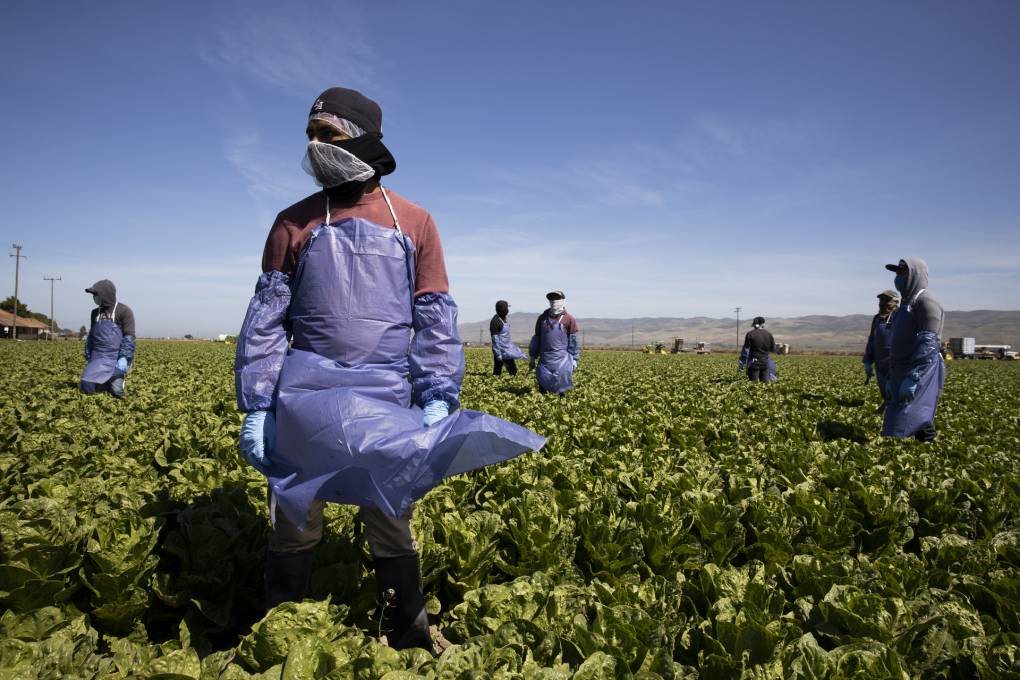
"caption": "Farm laborers from Fresh Harvest working with an H-2A visa maintain a safe distance as a machine is moved on April 27, 2020 in Greenfield, California. ",
"description": "Farm laborers from Fresh Harvest working with an H-2A visa maintain a safe distance as a machine is moved on April 27, 2020 in Greenfield, California. ",
"title": "Immigrant Agricultural Workers Critical To U.S. Food Security Amid COVID-19 Outbreak",
"credit": "Brent Stirton/Getty Images",
"status": "inherit",
"altTag": "\"\"",
"isLoading": false,
"fetchFailed": false
},
"news_11848400": {
"type": "attachments",
"id": "news_11848400",
"meta": {
"index": "attachments_1716263798",
"site": "news",
"id": "11848400",
"found": true
},
"parent": 11848307,
"imgSizes": {
"apple_news_ca_landscape_5_5": {
"file": "https://ww2.kqed.org/app/uploads/sites/10/2020/11/Farmworkers-Harvest-Partitions-COVID-1044x783.jpg",
"width": 1044,
"mimeType": "image/jpeg",
"height": 783
},
"apple_news_ca_square_4_0": {
"file": "https://ww2.kqed.org/app/uploads/sites/10/2020/11/Farmworkers-Harvest-Partitions-COVID-470x470.jpg",
"width": 470,
"mimeType": "image/jpeg",
"height": 470
},
"twentyfourteen-full-width": {
"file": "https://ww2.kqed.org/app/uploads/sites/10/2020/11/Farmworkers-Harvest-Partitions-COVID-1038x576.jpg",
"width": 1038,
"mimeType": "image/jpeg",
"height": 576
},
"thumbnail": {
"file": "https://ww2.kqed.org/app/uploads/sites/10/2020/11/Farmworkers-Harvest-Partitions-COVID-160x105.jpg",
"width": 160,
"mimeType": "image/jpeg",
"height": 105
},
"post-thumbnail": {
"file": "https://ww2.kqed.org/app/uploads/sites/10/2020/11/Farmworkers-Harvest-Partitions-COVID-672x372.jpg",
"width": 672,
"mimeType": "image/jpeg",
"height": 372
},
"kqedFullSize": {
"file": "https://ww2.kqed.org/app/uploads/sites/10/2020/11/Farmworkers-Harvest-Partitions-COVID.jpg",
"width": 1920,
"height": 1263
},
"apple_news_ca_landscape_4_7": {
"file": "https://ww2.kqed.org/app/uploads/sites/10/2020/11/Farmworkers-Harvest-Partitions-COVID-632x474.jpg",
"width": 632,
"mimeType": "image/jpeg",
"height": 474
},
"large": {
"file": "https://ww2.kqed.org/app/uploads/sites/10/2020/11/Farmworkers-Harvest-Partitions-COVID-1020x671.jpg",
"width": 1020,
"mimeType": "image/jpeg",
"height": 671
},
"apple_news_ca_landscape_4_0": {
"file": "https://ww2.kqed.org/app/uploads/sites/10/2020/11/Farmworkers-Harvest-Partitions-COVID-536x402.jpg",
"width": 536,
"mimeType": "image/jpeg",
"height": 402
},
"apple_news_ca_portrait_12_9": {
"file": "https://ww2.kqed.org/app/uploads/sites/10/2020/11/Farmworkers-Harvest-Partitions-COVID-1122x1263.jpg",
"width": 1122,
"mimeType": "image/jpeg",
"height": 1263
},
"medium": {
"file": "https://ww2.kqed.org/app/uploads/sites/10/2020/11/Farmworkers-Harvest-Partitions-COVID-800x526.jpg",
"width": 800,
"mimeType": "image/jpeg",
"height": 526
},
"apple_news_ca_portrait_4_0": {
"file": "https://ww2.kqed.org/app/uploads/sites/10/2020/11/Farmworkers-Harvest-Partitions-COVID-354x472.jpg",
"width": 354,
"mimeType": "image/jpeg",
"height": 472
},
"apple_news_ca_portrait_9_7": {
"file": "https://ww2.kqed.org/app/uploads/sites/10/2020/11/Farmworkers-Harvest-Partitions-COVID-840x1120.jpg",
"width": 840,
"mimeType": "image/jpeg",
"height": 1120
},
"apple_news_ca_landscape_12_9": {
"file": "https://ww2.kqed.org/app/uploads/sites/10/2020/11/Farmworkers-Harvest-Partitions-COVID-1832x1263.jpg",
"width": 1832,
"mimeType": "image/jpeg",
"height": 1263
},
"apple_news_ca_square_9_7": {
"file": "https://ww2.kqed.org/app/uploads/sites/10/2020/11/Farmworkers-Harvest-Partitions-COVID-1104x1104.jpg",
"width": 1104,
"mimeType": "image/jpeg",
"height": 1104
},
"1536x1536": {
"file": "https://ww2.kqed.org/app/uploads/sites/10/2020/11/Farmworkers-Harvest-Partitions-COVID-1536x1010.jpg",
"width": 1536,
"mimeType": "image/jpeg",
"height": 1010
},
"apple_news_ca_portrait_4_7": {
"file": "https://ww2.kqed.org/app/uploads/sites/10/2020/11/Farmworkers-Harvest-Partitions-COVID-414x552.jpg",
"width": 414,
"mimeType": "image/jpeg",
"height": 552
},
"apple_news_ca_square_12_9": {
"file": "https://ww2.kqed.org/app/uploads/sites/10/2020/11/Farmworkers-Harvest-Partitions-COVID-1472x1263.jpg",
"width": 1472,
"mimeType": "image/jpeg",
"height": 1263
},
"apple_news_ca_portrait_5_5": {
"file": "https://ww2.kqed.org/app/uploads/sites/10/2020/11/Farmworkers-Harvest-Partitions-COVID-687x916.jpg",
"width": 687,
"mimeType": "image/jpeg",
"height": 916
},
"apple_news_ca_square_4_7": {
"file": "https://ww2.kqed.org/app/uploads/sites/10/2020/11/Farmworkers-Harvest-Partitions-COVID-550x550.jpg",
"width": 550,
"mimeType": "image/jpeg",
"height": 550
},
"apple_news_ca_landscape_9_7": {
"file": "https://ww2.kqed.org/app/uploads/sites/10/2020/11/Farmworkers-Harvest-Partitions-COVID-1376x1032.jpg",
"width": 1376,
"mimeType": "image/jpeg",
"height": 1032
},
"apple_news_ca_square_5_5": {
"file": "https://ww2.kqed.org/app/uploads/sites/10/2020/11/Farmworkers-Harvest-Partitions-COVID-912x912.jpg",
"width": 912,
"mimeType": "image/jpeg",
"height": 912
}
},
"publishDate": 1605920484,
"modified": 1605920541,
"caption": "Farmworkers harvest lettuce using a machine with heavy plastic dividers that separate workers from each other on April 27, 2020 in Greenfield, California.",
"description": null,
"title": "Farmworkers-Harvest-Partitions-COVID",
"credit": "Brent Stirton/Getty Images",
"status": "inherit",
"isLoading": false,
"fetchFailed": false
},
"news_11841620": {
"type": "attachments",
"id": "news_11841620",
"meta": {
"index": "attachments_1716263798",
"site": "news",
"id": "11841620",
"found": true
},
"parent": 11841618,
"imgSizes": {
"apple_news_ca_landscape_5_5": {
"file": "https://ww2.kqed.org/app/uploads/sites/10/2020/10/RS45254_IMG_2690-qut-1044x783.jpg",
"width": 1044,
"mimeType": "image/jpeg",
"height": 783
},
"apple_news_ca_square_4_0": {
"file": "https://ww2.kqed.org/app/uploads/sites/10/2020/10/RS45254_IMG_2690-qut-470x470.jpg",
"width": 470,
"mimeType": "image/jpeg",
"height": 470
},
"twentyfourteen-full-width": {
"file": "https://ww2.kqed.org/app/uploads/sites/10/2020/10/RS45254_IMG_2690-qut-1038x576.jpg",
"width": 1038,
"mimeType": "image/jpeg",
"height": 576
},
"thumbnail": {
"file": "https://ww2.kqed.org/app/uploads/sites/10/2020/10/RS45254_IMG_2690-qut-160x120.jpg",
"width": 160,
"mimeType": "image/jpeg",
"height": 120
},
"post-thumbnail": {
"file": "https://ww2.kqed.org/app/uploads/sites/10/2020/10/RS45254_IMG_2690-qut-672x372.jpg",
"width": 672,
"mimeType": "image/jpeg",
"height": 372
},
"kqedFullSize": {
"file": "https://ww2.kqed.org/app/uploads/sites/10/2020/10/RS45254_IMG_2690-qut.jpg",
"width": 1920,
"height": 1440
},
"apple_news_ca_landscape_4_7": {
"file": "https://ww2.kqed.org/app/uploads/sites/10/2020/10/RS45254_IMG_2690-qut-632x474.jpg",
"width": 632,
"mimeType": "image/jpeg",
"height": 474
},
"large": {
"file": "https://ww2.kqed.org/app/uploads/sites/10/2020/10/RS45254_IMG_2690-qut-1020x765.jpg",
"width": 1020,
"mimeType": "image/jpeg",
"height": 765
},
"apple_news_ca_landscape_4_0": {
"file": "https://ww2.kqed.org/app/uploads/sites/10/2020/10/RS45254_IMG_2690-qut-536x402.jpg",
"width": 536,
"mimeType": "image/jpeg",
"height": 402
},
"apple_news_ca_portrait_12_9": {
"file": "https://ww2.kqed.org/app/uploads/sites/10/2020/10/RS45254_IMG_2690-qut-1122x1440.jpg",
"width": 1122,
"mimeType": "image/jpeg",
"height": 1440
},
"medium": {
"file": "https://ww2.kqed.org/app/uploads/sites/10/2020/10/RS45254_IMG_2690-qut-800x600.jpg",
"width": 800,
"mimeType": "image/jpeg",
"height": 600
},
"apple_news_ca_portrait_4_0": {
"file": "https://ww2.kqed.org/app/uploads/sites/10/2020/10/RS45254_IMG_2690-qut-354x472.jpg",
"width": 354,
"mimeType": "image/jpeg",
"height": 472
},
"apple_news_ca_portrait_9_7": {
"file": "https://ww2.kqed.org/app/uploads/sites/10/2020/10/RS45254_IMG_2690-qut-840x1120.jpg",
"width": 840,
"mimeType": "image/jpeg",
"height": 1120
},
"apple_news_ca_landscape_12_9": {
"file": "https://ww2.kqed.org/app/uploads/sites/10/2020/10/RS45254_IMG_2690-qut-1832x1374.jpg",
"width": 1832,
"mimeType": "image/jpeg",
"height": 1374
},
"apple_news_ca_square_9_7": {
"file": "https://ww2.kqed.org/app/uploads/sites/10/2020/10/RS45254_IMG_2690-qut-1104x1104.jpg",
"width": 1104,
"mimeType": "image/jpeg",
"height": 1104
},
"1536x1536": {
"file": "https://ww2.kqed.org/app/uploads/sites/10/2020/10/RS45254_IMG_2690-qut-1536x1152.jpg",
"width": 1536,
"mimeType": "image/jpeg",
"height": 1152
},
"apple_news_ca_portrait_4_7": {
"file": "https://ww2.kqed.org/app/uploads/sites/10/2020/10/RS45254_IMG_2690-qut-414x552.jpg",
"width": 414,
"mimeType": "image/jpeg",
"height": 552
},
"apple_news_ca_square_12_9": {
"file": "https://ww2.kqed.org/app/uploads/sites/10/2020/10/RS45254_IMG_2690-qut-1472x1440.jpg",
"width": 1472,
"mimeType": "image/jpeg",
"height": 1440
},
"apple_news_ca_portrait_5_5": {
"file": "https://ww2.kqed.org/app/uploads/sites/10/2020/10/RS45254_IMG_2690-qut-687x916.jpg",
"width": 687,
"mimeType": "image/jpeg",
"height": 916
},
"apple_news_ca_square_4_7": {
"file": "https://ww2.kqed.org/app/uploads/sites/10/2020/10/RS45254_IMG_2690-qut-550x550.jpg",
"width": 550,
"mimeType": "image/jpeg",
"height": 550
},
"apple_news_ca_landscape_9_7": {
"file": "https://ww2.kqed.org/app/uploads/sites/10/2020/10/RS45254_IMG_2690-qut-1376x1032.jpg",
"width": 1376,
"mimeType": "image/jpeg",
"height": 1032
},
"apple_news_ca_square_5_5": {
"file": "https://ww2.kqed.org/app/uploads/sites/10/2020/10/RS45254_IMG_2690-qut-912x912.jpg",
"width": 912,
"mimeType": "image/jpeg",
"height": 912
}
},
"publishDate": 1602203449,
"modified": 1602285641,
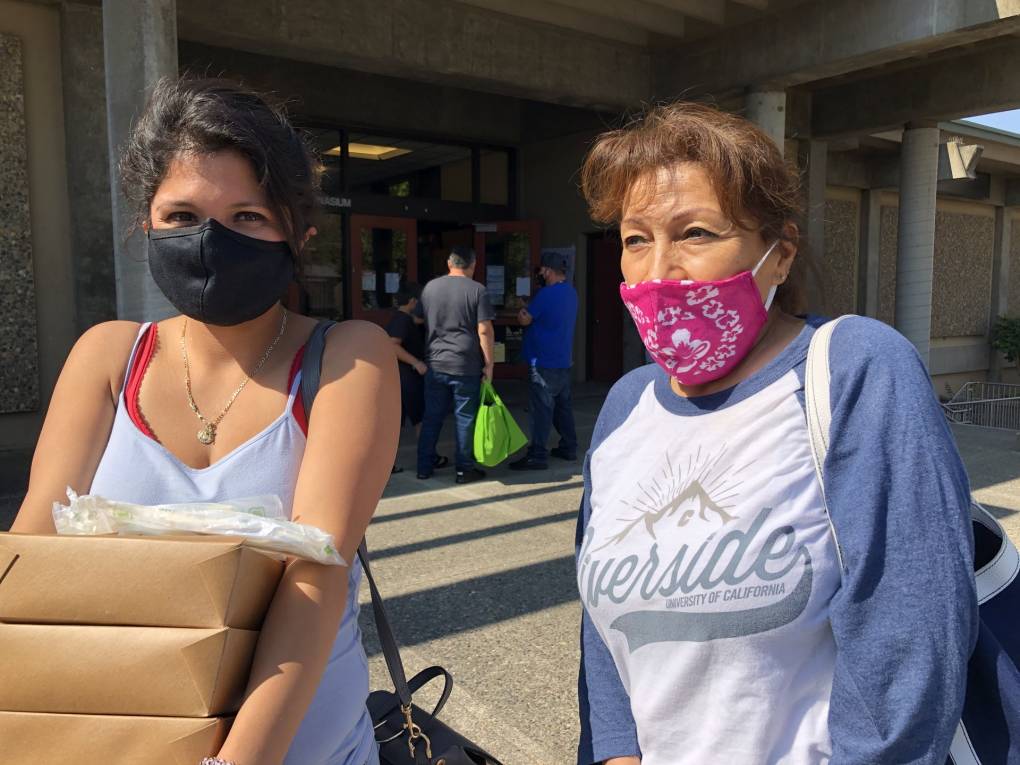
"caption": "Yalitza Garcia (left) and sister-in-law Silvia Arroyo gather boxed lunches at an evacuation center at Napa Valley College on Oct. 5, 2020. Both women said the pandemic and wildfires have meant income losses.",
"description": "Yalitza Garcia (left) and sister-in-law Silvia Arroyo gather boxed lunches at an evacuation center at Napa Valley College on Oct. 5, 2020. Both women said the pandemic and wildfires have meant income losses.",
"title": "RS45254_IMG_2690-qut",
"credit": "Farida Jhabvala Romero/KQED",
"status": "inherit",
"isLoading": false,
"fetchFailed": false
},
"news_11841246": {
"type": "attachments",
"id": "news_11841246",
"meta": {
"index": "attachments_1716263798",
"site": "news",
"id": "11841246",
"found": true
},
"parent": 11841245,
"imgSizes": {
"apple_news_ca_landscape_5_5": {
"file": "https://ww2.kqed.org/app/uploads/sites/10/2020/10/RS45138_012_KQED_Napa_VineyardFarmWorkers_09302020-qut-1044x783.jpg",
"width": 1044,
"mimeType": "image/jpeg",
"height": 783
},
"apple_news_ca_square_4_0": {
"file": "https://ww2.kqed.org/app/uploads/sites/10/2020/10/RS45138_012_KQED_Napa_VineyardFarmWorkers_09302020-qut-470x470.jpg",
"width": 470,
"mimeType": "image/jpeg",
"height": 470
},
"twentyfourteen-full-width": {
"file": "https://ww2.kqed.org/app/uploads/sites/10/2020/10/RS45138_012_KQED_Napa_VineyardFarmWorkers_09302020-qut-1038x576.jpg",
"width": 1038,
"mimeType": "image/jpeg",
"height": 576
},
"thumbnail": {
"file": "https://ww2.kqed.org/app/uploads/sites/10/2020/10/RS45138_012_KQED_Napa_VineyardFarmWorkers_09302020-qut-160x107.jpg",
"width": 160,
"mimeType": "image/jpeg",
"height": 107
},
"post-thumbnail": {
"file": "https://ww2.kqed.org/app/uploads/sites/10/2020/10/RS45138_012_KQED_Napa_VineyardFarmWorkers_09302020-qut-672x372.jpg",
"width": 672,
"mimeType": "image/jpeg",
"height": 372
},
"kqedFullSize": {
"file": "https://ww2.kqed.org/app/uploads/sites/10/2020/10/RS45138_012_KQED_Napa_VineyardFarmWorkers_09302020-qut.jpg",
"width": 1920,
"height": 1280
},
"apple_news_ca_landscape_4_7": {
"file": "https://ww2.kqed.org/app/uploads/sites/10/2020/10/RS45138_012_KQED_Napa_VineyardFarmWorkers_09302020-qut-632x474.jpg",
"width": 632,
"mimeType": "image/jpeg",
"height": 474
},
"large": {
"file": "https://ww2.kqed.org/app/uploads/sites/10/2020/10/RS45138_012_KQED_Napa_VineyardFarmWorkers_09302020-qut-1020x680.jpg",
"width": 1020,
"mimeType": "image/jpeg",
"height": 680
},
"apple_news_ca_landscape_4_0": {
"file": "https://ww2.kqed.org/app/uploads/sites/10/2020/10/RS45138_012_KQED_Napa_VineyardFarmWorkers_09302020-qut-536x402.jpg",
"width": 536,
"mimeType": "image/jpeg",
"height": 402
},
"apple_news_ca_portrait_12_9": {
"file": "https://ww2.kqed.org/app/uploads/sites/10/2020/10/RS45138_012_KQED_Napa_VineyardFarmWorkers_09302020-qut-1122x1280.jpg",
"width": 1122,
"mimeType": "image/jpeg",
"height": 1280
},
"medium": {
"file": "https://ww2.kqed.org/app/uploads/sites/10/2020/10/RS45138_012_KQED_Napa_VineyardFarmWorkers_09302020-qut-800x533.jpg",
"width": 800,
"mimeType": "image/jpeg",
"height": 533
},
"apple_news_ca_portrait_4_0": {
"file": "https://ww2.kqed.org/app/uploads/sites/10/2020/10/RS45138_012_KQED_Napa_VineyardFarmWorkers_09302020-qut-354x472.jpg",
"width": 354,
"mimeType": "image/jpeg",
"height": 472
},
"apple_news_ca_portrait_9_7": {
"file": "https://ww2.kqed.org/app/uploads/sites/10/2020/10/RS45138_012_KQED_Napa_VineyardFarmWorkers_09302020-qut-840x1120.jpg",
"width": 840,
"mimeType": "image/jpeg",
"height": 1120
},
"apple_news_ca_landscape_12_9": {
"file": "https://ww2.kqed.org/app/uploads/sites/10/2020/10/RS45138_012_KQED_Napa_VineyardFarmWorkers_09302020-qut-1832x1280.jpg",
"width": 1832,
"mimeType": "image/jpeg",
"height": 1280
},
"apple_news_ca_square_9_7": {
"file": "https://ww2.kqed.org/app/uploads/sites/10/2020/10/RS45138_012_KQED_Napa_VineyardFarmWorkers_09302020-qut-1104x1104.jpg",
"width": 1104,
"mimeType": "image/jpeg",
"height": 1104
},
"1536x1536": {
"file": "https://ww2.kqed.org/app/uploads/sites/10/2020/10/RS45138_012_KQED_Napa_VineyardFarmWorkers_09302020-qut-1536x1024.jpg",
"width": 1536,
"mimeType": "image/jpeg",
"height": 1024
},
"apple_news_ca_portrait_4_7": {
"file": "https://ww2.kqed.org/app/uploads/sites/10/2020/10/RS45138_012_KQED_Napa_VineyardFarmWorkers_09302020-qut-414x552.jpg",
"width": 414,
"mimeType": "image/jpeg",
"height": 552
},
"apple_news_ca_square_12_9": {
"file": "https://ww2.kqed.org/app/uploads/sites/10/2020/10/RS45138_012_KQED_Napa_VineyardFarmWorkers_09302020-qut-1472x1280.jpg",
"width": 1472,
"mimeType": "image/jpeg",
"height": 1280
},
"apple_news_ca_portrait_5_5": {
"file": "https://ww2.kqed.org/app/uploads/sites/10/2020/10/RS45138_012_KQED_Napa_VineyardFarmWorkers_09302020-qut-687x916.jpg",
"width": 687,
"mimeType": "image/jpeg",
"height": 916
},
"apple_news_ca_square_4_7": {
"file": "https://ww2.kqed.org/app/uploads/sites/10/2020/10/RS45138_012_KQED_Napa_VineyardFarmWorkers_09302020-qut-550x550.jpg",
"width": 550,
"mimeType": "image/jpeg",
"height": 550
},
"apple_news_ca_landscape_9_7": {
"file": "https://ww2.kqed.org/app/uploads/sites/10/2020/10/RS45138_012_KQED_Napa_VineyardFarmWorkers_09302020-qut-1376x1032.jpg",
"width": 1376,
"mimeType": "image/jpeg",
"height": 1032
},
"apple_news_ca_square_5_5": {
"file": "https://ww2.kqed.org/app/uploads/sites/10/2020/10/RS45138_012_KQED_Napa_VineyardFarmWorkers_09302020-qut-912x912.jpg",
"width": 912,
"mimeType": "image/jpeg",
"height": 912
}
},
"publishDate": 1602019271,
"modified": 1602019305,
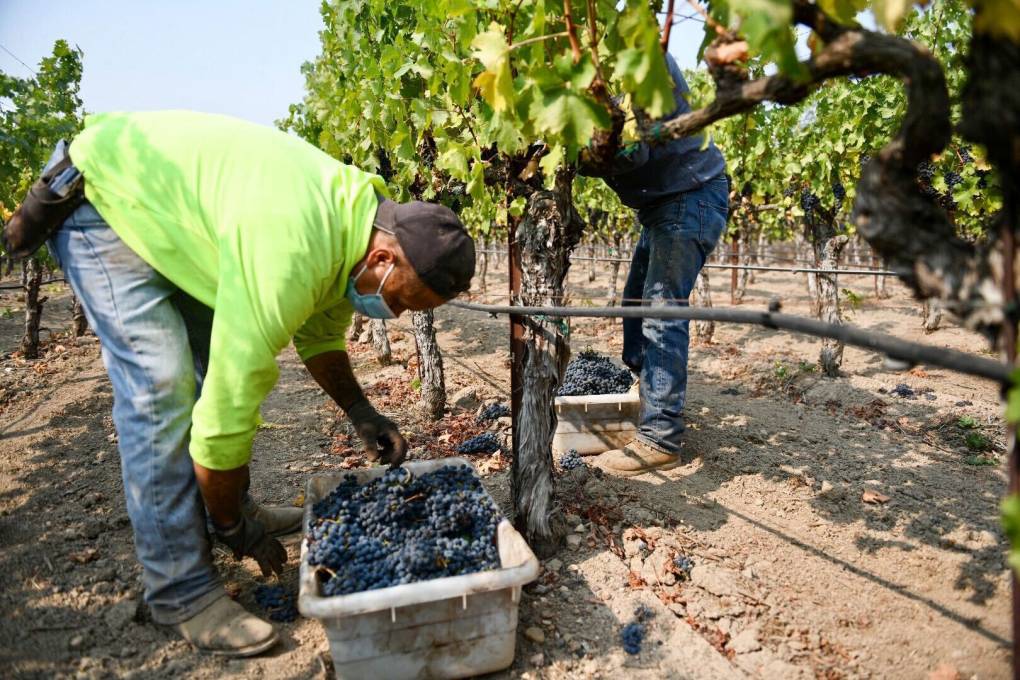
"caption": "Farm workers harvest grapes at Garton Vineyards in Napa on Sept. 30, 2020.",
"description": "Farm workers harvest grapes at Garton Vineyards in Napa on Sept. 30, 2020.",
"title": "Farm workers harvest grapes at Garton Vineyards in Napa on Sept. 30, 2020.",
"credit": "Beth LaBerge/KQED",
"status": "inherit",
"isLoading": false,
"fetchFailed": false
},
"news_11840597": {
"type": "attachments",
"id": "news_11840597",
"meta": {
"index": "attachments_1716263798",
"site": "news",
"id": "11840597",
"found": true
},
"parent": 11840535,
"imgSizes": {
"apple_news_ca_landscape_5_5": {
"file": "https://ww2.kqed.org/app/uploads/sites/10/2020/10/Wine-Grape-Harvest-Farmworkers-Glass-Fire-1044x783.jpg",
"width": 1044,
"mimeType": "image/jpeg",
"height": 783
},
"apple_news_ca_square_4_0": {
"file": "https://ww2.kqed.org/app/uploads/sites/10/2020/10/Wine-Grape-Harvest-Farmworkers-Glass-Fire-470x470.jpg",
"width": 470,
"mimeType": "image/jpeg",
"height": 470
},
"twentyfourteen-full-width": {
"file": "https://ww2.kqed.org/app/uploads/sites/10/2020/10/Wine-Grape-Harvest-Farmworkers-Glass-Fire-1038x576.jpg",
"width": 1038,
"mimeType": "image/jpeg",
"height": 576
},
"thumbnail": {
"file": "https://ww2.kqed.org/app/uploads/sites/10/2020/10/Wine-Grape-Harvest-Farmworkers-Glass-Fire-160x107.jpg",
"width": 160,
"mimeType": "image/jpeg",
"height": 107
},
"post-thumbnail": {
"file": "https://ww2.kqed.org/app/uploads/sites/10/2020/10/Wine-Grape-Harvest-Farmworkers-Glass-Fire-672x372.jpg",
"width": 672,
"mimeType": "image/jpeg",
"height": 372
},
"kqedFullSize": {
"file": "https://ww2.kqed.org/app/uploads/sites/10/2020/10/Wine-Grape-Harvest-Farmworkers-Glass-Fire.jpg",
"width": 1620,
"height": 1080
},
"apple_news_ca_landscape_4_7": {
"file": "https://ww2.kqed.org/app/uploads/sites/10/2020/10/Wine-Grape-Harvest-Farmworkers-Glass-Fire-632x474.jpg",
"width": 632,
"mimeType": "image/jpeg",
"height": 474
},
"large": {
"file": "https://ww2.kqed.org/app/uploads/sites/10/2020/10/Wine-Grape-Harvest-Farmworkers-Glass-Fire-1020x680.jpg",
"width": 1020,
"mimeType": "image/jpeg",
"height": 680
},
"apple_news_ca_landscape_4_0": {
"file": "https://ww2.kqed.org/app/uploads/sites/10/2020/10/Wine-Grape-Harvest-Farmworkers-Glass-Fire-536x402.jpg",
"width": 536,
"mimeType": "image/jpeg",
"height": 402
},
"apple_news_ca_portrait_12_9": {
"file": "https://ww2.kqed.org/app/uploads/sites/10/2020/10/Wine-Grape-Harvest-Farmworkers-Glass-Fire-1122x1080.jpg",
"width": 1122,
"mimeType": "image/jpeg",
"height": 1080
},
"medium": {
"file": "https://ww2.kqed.org/app/uploads/sites/10/2020/10/Wine-Grape-Harvest-Farmworkers-Glass-Fire-800x533.jpg",
"width": 800,
"mimeType": "image/jpeg",
"height": 533
},
"apple_news_ca_portrait_4_0": {
"file": "https://ww2.kqed.org/app/uploads/sites/10/2020/10/Wine-Grape-Harvest-Farmworkers-Glass-Fire-354x472.jpg",
"width": 354,
"mimeType": "image/jpeg",
"height": 472
},
"apple_news_ca_portrait_9_7": {
"file": "https://ww2.kqed.org/app/uploads/sites/10/2020/10/Wine-Grape-Harvest-Farmworkers-Glass-Fire-840x1080.jpg",
"width": 840,
"mimeType": "image/jpeg",
"height": 1080
},
"apple_news_ca_square_9_7": {
"file": "https://ww2.kqed.org/app/uploads/sites/10/2020/10/Wine-Grape-Harvest-Farmworkers-Glass-Fire-1104x1080.jpg",
"width": 1104,
"mimeType": "image/jpeg",
"height": 1080
},
"1536x1536": {
"file": "https://ww2.kqed.org/app/uploads/sites/10/2020/10/Wine-Grape-Harvest-Farmworkers-Glass-Fire-1536x1024.jpg",
"width": 1536,
"mimeType": "image/jpeg",
"height": 1024
},
"apple_news_ca_portrait_4_7": {
"file": "https://ww2.kqed.org/app/uploads/sites/10/2020/10/Wine-Grape-Harvest-Farmworkers-Glass-Fire-414x552.jpg",
"width": 414,
"mimeType": "image/jpeg",
"height": 552
},
"apple_news_ca_square_12_9": {
"file": "https://ww2.kqed.org/app/uploads/sites/10/2020/10/Wine-Grape-Harvest-Farmworkers-Glass-Fire-1472x1080.jpg",
"width": 1472,
"mimeType": "image/jpeg",
"height": 1080
},
"apple_news_ca_portrait_5_5": {
"file": "https://ww2.kqed.org/app/uploads/sites/10/2020/10/Wine-Grape-Harvest-Farmworkers-Glass-Fire-687x916.jpg",
"width": 687,
"mimeType": "image/jpeg",
"height": 916
},
"apple_news_ca_square_4_7": {
"file": "https://ww2.kqed.org/app/uploads/sites/10/2020/10/Wine-Grape-Harvest-Farmworkers-Glass-Fire-550x550.jpg",
"width": 550,
"mimeType": "image/jpeg",
"height": 550
},
"apple_news_ca_landscape_9_7": {
"file": "https://ww2.kqed.org/app/uploads/sites/10/2020/10/Wine-Grape-Harvest-Farmworkers-Glass-Fire-1376x1032.jpg",
"width": 1376,
"mimeType": "image/jpeg",
"height": 1032
},
"apple_news_ca_square_5_5": {
"file": "https://ww2.kqed.org/app/uploads/sites/10/2020/10/Wine-Grape-Harvest-Farmworkers-Glass-Fire-912x912.jpg",
"width": 912,
"mimeType": "image/jpeg",
"height": 912
}
},
"publishDate": 1601584782,
"modified": 1601585825,
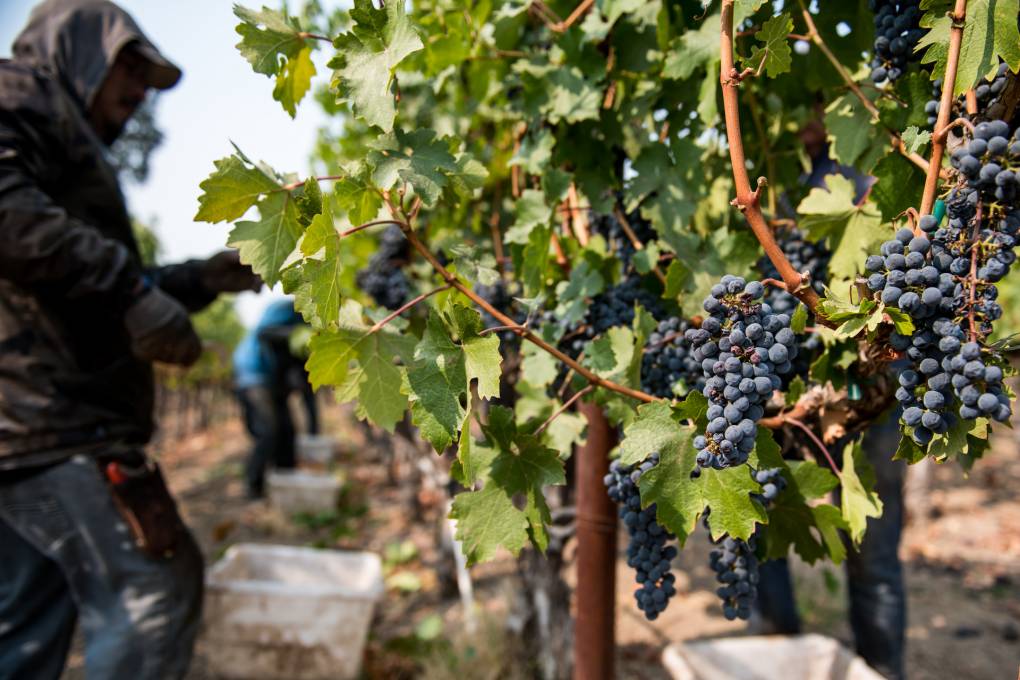
"caption": "Jose Ortiz harvests grapes at Garton Vineyards in Napa on Sept. 30, 2020. As many wineries abandon their smoke-damaged grapes, workers who were counting on income from the grape harvest are being left in the lurch.",
"description": "Jose Ortiz harvests grapes at Garton Vineyards in Napa on Sept. 30, 2020. As many wineries abandon their smoke-damaged grapes, workers who were counting on income from the grape harvest are being left in the lurch.",
"title": "Wine-Grape-Harvest-Farmworkers-Glass-Fire",
"credit": "Beth LaBerge/KQED",
"status": "inherit",
"isLoading": false,
"fetchFailed": false
},
"news_11817292": {
"type": "attachments",
"id": "news_11817292",
"meta": {
"index": "attachments_1716263798",
"site": "news",
"id": "11817292",
"found": true
},
"parent": 11817261,
"imgSizes": {
"apple_news_ca_landscape_5_5": {
"file": "https://ww2.kqed.org/app/uploads/sites/10/2020/05/RS43124_GettyImages-1211310244-qut-1044x783.jpg",
"width": 1044,
"mimeType": "image/jpeg",
"height": 783
},
"apple_news_ca_square_4_0": {
"file": "https://ww2.kqed.org/app/uploads/sites/10/2020/05/RS43124_GettyImages-1211310244-qut-470x470.jpg",
"width": 470,
"mimeType": "image/jpeg",
"height": 470
},
"twentyfourteen-full-width": {
"file": "https://ww2.kqed.org/app/uploads/sites/10/2020/05/RS43124_GettyImages-1211310244-qut-1038x576.jpg",
"width": 1038,
"mimeType": "image/jpeg",
"height": 576
},
"thumbnail": {
"file": "https://ww2.kqed.org/app/uploads/sites/10/2020/05/RS43124_GettyImages-1211310244-qut-160x107.jpg",
"width": 160,
"mimeType": "image/jpeg",
"height": 107
},
"post-thumbnail": {
"file": "https://ww2.kqed.org/app/uploads/sites/10/2020/05/RS43124_GettyImages-1211310244-qut-672x372.jpg",
"width": 672,
"mimeType": "image/jpeg",
"height": 372
},
"kqedFullSize": {
"file": "https://ww2.kqed.org/app/uploads/sites/10/2020/05/RS43124_GettyImages-1211310244-qut.jpg",
"width": 1920,
"height": 1280
},
"apple_news_ca_landscape_4_7": {
"file": "https://ww2.kqed.org/app/uploads/sites/10/2020/05/RS43124_GettyImages-1211310244-qut-632x474.jpg",
"width": 632,
"mimeType": "image/jpeg",
"height": 474
},
"large": {
"file": "https://ww2.kqed.org/app/uploads/sites/10/2020/05/RS43124_GettyImages-1211310244-qut-1020x680.jpg",
"width": 1020,
"mimeType": "image/jpeg",
"height": 680
},
"apple_news_ca_landscape_4_0": {
"file": "https://ww2.kqed.org/app/uploads/sites/10/2020/05/RS43124_GettyImages-1211310244-qut-536x402.jpg",
"width": 536,
"mimeType": "image/jpeg",
"height": 402
},
"apple_news_ca_portrait_12_9": {
"file": "https://ww2.kqed.org/app/uploads/sites/10/2020/05/RS43124_GettyImages-1211310244-qut-1122x1280.jpg",
"width": 1122,
"mimeType": "image/jpeg",
"height": 1280
},
"medium": {
"file": "https://ww2.kqed.org/app/uploads/sites/10/2020/05/RS43124_GettyImages-1211310244-qut-800x533.jpg",
"width": 800,
"mimeType": "image/jpeg",
"height": 533
},
"apple_news_ca_portrait_4_0": {
"file": "https://ww2.kqed.org/app/uploads/sites/10/2020/05/RS43124_GettyImages-1211310244-qut-354x472.jpg",
"width": 354,
"mimeType": "image/jpeg",
"height": 472
},
"apple_news_ca_portrait_9_7": {
"file": "https://ww2.kqed.org/app/uploads/sites/10/2020/05/RS43124_GettyImages-1211310244-qut-840x1120.jpg",
"width": 840,
"mimeType": "image/jpeg",
"height": 1120
},
"apple_news_ca_landscape_12_9": {
"file": "https://ww2.kqed.org/app/uploads/sites/10/2020/05/RS43124_GettyImages-1211310244-qut-1832x1280.jpg",
"width": 1832,
"mimeType": "image/jpeg",
"height": 1280
},
"apple_news_ca_square_9_7": {
"file": "https://ww2.kqed.org/app/uploads/sites/10/2020/05/RS43124_GettyImages-1211310244-qut-1104x1104.jpg",
"width": 1104,
"mimeType": "image/jpeg",
"height": 1104
},
"apple_news_ca_portrait_4_7": {
"file": "https://ww2.kqed.org/app/uploads/sites/10/2020/05/RS43124_GettyImages-1211310244-qut-414x552.jpg",
"width": 414,
"mimeType": "image/jpeg",
"height": 552
},
"apple_news_ca_square_12_9": {
"file": "https://ww2.kqed.org/app/uploads/sites/10/2020/05/RS43124_GettyImages-1211310244-qut-1472x1280.jpg",
"width": 1472,
"mimeType": "image/jpeg",
"height": 1280
},
"apple_news_ca_portrait_5_5": {
"file": "https://ww2.kqed.org/app/uploads/sites/10/2020/05/RS43124_GettyImages-1211310244-qut-687x916.jpg",
"width": 687,
"mimeType": "image/jpeg",
"height": 916
},
"full-width": {
"file": "https://ww2.kqed.org/app/uploads/sites/10/2020/05/RS43124_GettyImages-1211310244-qut-1920x1280.jpg",
"width": 1920,
"mimeType": "image/jpeg",
"height": 1280
},
"apple_news_ca_square_4_7": {
"file": "https://ww2.kqed.org/app/uploads/sites/10/2020/05/RS43124_GettyImages-1211310244-qut-550x550.jpg",
"width": 550,
"mimeType": "image/jpeg",
"height": 550
},
"apple_news_ca_landscape_9_7": {
"file": "https://ww2.kqed.org/app/uploads/sites/10/2020/05/RS43124_GettyImages-1211310244-qut-1376x1032.jpg",
"width": 1376,
"mimeType": "image/jpeg",
"height": 1032
},
"apple_news_ca_square_5_5": {
"file": "https://ww2.kqed.org/app/uploads/sites/10/2020/05/RS43124_GettyImages-1211310244-qut-912x912.jpg",
"width": 912,
"mimeType": "image/jpeg",
"height": 912
}
},
"publishDate": 1588984106,
"modified": 1589235623,
"caption": "Farm laborers from Fresh Harvest working with an H-2A visa harvest romaine lettuce on a machine with heavy plastic dividers that separate workers from each other on April 27, 2020, in Greenfield, California. ",
"description": null,
"title": "Immigrant Agricultural Workers Critical To U.S. Food Security Amid COVID-19 Outbreak",
"credit": "Brent Stirton/Getty Images",
"status": "inherit",
"isLoading": false,
"fetchFailed": false
},
"news_11809702": {
"type": "attachments",
"id": "news_11809702",
"meta": {
"index": "attachments_1716263798",
"site": "news",
"id": "11809702",
"found": true
},
"parent": 11809688,
"imgSizes": {
"apple_news_ca_landscape_5_5": {
"file": "https://ww2.kqed.org/app/uploads/sites/10/2020/03/danger_033020_final-1044x783.png",
"width": 1044,
"mimeType": "image/png",
"height": 783
},
"apple_news_ca_square_4_0": {
"file": "https://ww2.kqed.org/app/uploads/sites/10/2020/03/danger_033020_final-470x470.png",
"width": 470,
"mimeType": "image/png",
"height": 470
},
"twentyfourteen-full-width": {
"file": "https://ww2.kqed.org/app/uploads/sites/10/2020/03/danger_033020_final-1038x576.png",
"width": 1038,
"mimeType": "image/png",
"height": 576
},
"thumbnail": {
"file": "https://ww2.kqed.org/app/uploads/sites/10/2020/03/danger_033020_final-160x114.png",
"width": 160,
"mimeType": "image/png",
"height": 114
},
"post-thumbnail": {
"file": "https://ww2.kqed.org/app/uploads/sites/10/2020/03/danger_033020_final-672x372.png",
"width": 672,
"mimeType": "image/png",
"height": 372
},
"kqedFullSize": {
"file": "https://ww2.kqed.org/app/uploads/sites/10/2020/03/danger_033020_final.png",
"width": 1920,
"height": 1363
},
"apple_news_ca_landscape_4_7": {
"file": "https://ww2.kqed.org/app/uploads/sites/10/2020/03/danger_033020_final-632x474.png",
"width": 632,
"mimeType": "image/png",
"height": 474
},
"large": {
"file": "https://ww2.kqed.org/app/uploads/sites/10/2020/03/danger_033020_final-1020x724.png",
"width": 1020,
"mimeType": "image/png",
"height": 724
},
"apple_news_ca_landscape_4_0": {
"file": "https://ww2.kqed.org/app/uploads/sites/10/2020/03/danger_033020_final-536x402.png",
"width": 536,
"mimeType": "image/png",
"height": 402
},
"apple_news_ca_portrait_12_9": {
"file": "https://ww2.kqed.org/app/uploads/sites/10/2020/03/danger_033020_final-1122x1363.png",
"width": 1122,
"mimeType": "image/png",
"height": 1363
},
"medium": {
"file": "https://ww2.kqed.org/app/uploads/sites/10/2020/03/danger_033020_final-800x568.png",
"width": 800,
"mimeType": "image/png",
"height": 568
},
"apple_news_ca_portrait_4_0": {
"file": "https://ww2.kqed.org/app/uploads/sites/10/2020/03/danger_033020_final-354x472.png",
"width": 354,
"mimeType": "image/png",
"height": 472
},
"apple_news_ca_portrait_9_7": {
"file": "https://ww2.kqed.org/app/uploads/sites/10/2020/03/danger_033020_final-840x1120.png",
"width": 840,
"mimeType": "image/png",
"height": 1120
},
"apple_news_ca_landscape_12_9": {
"file": "https://ww2.kqed.org/app/uploads/sites/10/2020/03/danger_033020_final-1832x1363.png",
"width": 1832,
"mimeType": "image/png",
"height": 1363
},
"apple_news_ca_square_9_7": {
"file": "https://ww2.kqed.org/app/uploads/sites/10/2020/03/danger_033020_final-1104x1104.png",
"width": 1104,
"mimeType": "image/png",
"height": 1104
},
"apple_news_ca_portrait_4_7": {
"file": "https://ww2.kqed.org/app/uploads/sites/10/2020/03/danger_033020_final-414x552.png",
"width": 414,
"mimeType": "image/png",
"height": 552
},
"apple_news_ca_square_12_9": {
"file": "https://ww2.kqed.org/app/uploads/sites/10/2020/03/danger_033020_final-1472x1363.png",
"width": 1472,
"mimeType": "image/png",
"height": 1363
},
"apple_news_ca_portrait_5_5": {
"file": "https://ww2.kqed.org/app/uploads/sites/10/2020/03/danger_033020_final-687x916.png",
"width": 687,
"mimeType": "image/png",
"height": 916
},
"full-width": {
"file": "https://ww2.kqed.org/app/uploads/sites/10/2020/03/danger_033020_final-1920x1363.png",
"width": 1920,
"mimeType": "image/png",
"height": 1363
},
"apple_news_ca_square_4_7": {
"file": "https://ww2.kqed.org/app/uploads/sites/10/2020/03/danger_033020_final-550x550.png",
"width": 550,
"mimeType": "image/png",
"height": 550
},
"apple_news_ca_landscape_9_7": {
"file": "https://ww2.kqed.org/app/uploads/sites/10/2020/03/danger_033020_final-1376x1032.png",
"width": 1376,
"mimeType": "image/png",
"height": 1032
},
"apple_news_ca_square_5_5": {
"file": "https://ww2.kqed.org/app/uploads/sites/10/2020/03/danger_033020_final-912x912.png",
"width": 912,
"mimeType": "image/png",
"height": 912
}
},
"publishDate": 1585612726,
"modified": 1585612762,
"caption": null,
"description": null,
"title": "danger_033020_final",
"credit": null,
"status": "inherit",
"isLoading": false,
"fetchFailed": false
},
"news_11808269": {
"type": "attachments",
"id": "news_11808269",
"meta": {
"index": "attachments_1716263798",
"site": "news",
"id": "11808269",
"found": true
},
"parent": 11808267,
"imgSizes": {
"apple_news_ca_landscape_5_5": {
"file": "https://ww2.kqed.org/app/uploads/sites/10/2020/03/RS42226_Maricruz-qut-1044x783.jpg",
"width": 1044,
"mimeType": "image/jpeg",
"height": 783
},
"apple_news_ca_square_4_0": {
"file": "https://ww2.kqed.org/app/uploads/sites/10/2020/03/RS42226_Maricruz-qut-470x470.jpg",
"width": 470,
"mimeType": "image/jpeg",
"height": 470
},
"twentyfourteen-full-width": {
"file": "https://ww2.kqed.org/app/uploads/sites/10/2020/03/RS42226_Maricruz-qut-1038x576.jpg",
"width": 1038,
"mimeType": "image/jpeg",
"height": 576
},
"thumbnail": {
"file": "https://ww2.kqed.org/app/uploads/sites/10/2020/03/RS42226_Maricruz-qut-160x108.jpg",
"width": 160,
"mimeType": "image/jpeg",
"height": 108
},
"post-thumbnail": {
"file": "https://ww2.kqed.org/app/uploads/sites/10/2020/03/RS42226_Maricruz-qut-672x372.jpg",
"width": 672,
"mimeType": "image/jpeg",
"height": 372
},
"kqedFullSize": {
"file": "https://ww2.kqed.org/app/uploads/sites/10/2020/03/RS42226_Maricruz-qut.jpg",
"width": 1920,
"height": 1290
},
"apple_news_ca_landscape_4_7": {
"file": "https://ww2.kqed.org/app/uploads/sites/10/2020/03/RS42226_Maricruz-qut-632x474.jpg",
"width": 632,
"mimeType": "image/jpeg",
"height": 474
},
"large": {
"file": "https://ww2.kqed.org/app/uploads/sites/10/2020/03/RS42226_Maricruz-qut-1020x685.jpg",
"width": 1020,
"mimeType": "image/jpeg",
"height": 685
},
"apple_news_ca_landscape_4_0": {
"file": "https://ww2.kqed.org/app/uploads/sites/10/2020/03/RS42226_Maricruz-qut-536x402.jpg",
"width": 536,
"mimeType": "image/jpeg",
"height": 402
},
"apple_news_ca_portrait_12_9": {
"file": "https://ww2.kqed.org/app/uploads/sites/10/2020/03/RS42226_Maricruz-qut-1122x1290.jpg",
"width": 1122,
"mimeType": "image/jpeg",
"height": 1290
},
"medium": {
"file": "https://ww2.kqed.org/app/uploads/sites/10/2020/03/RS42226_Maricruz-qut-800x538.jpg",
"width": 800,
"mimeType": "image/jpeg",
"height": 538
},
"apple_news_ca_portrait_4_0": {
"file": "https://ww2.kqed.org/app/uploads/sites/10/2020/03/RS42226_Maricruz-qut-354x472.jpg",
"width": 354,
"mimeType": "image/jpeg",
"height": 472
},
"apple_news_ca_portrait_9_7": {
"file": "https://ww2.kqed.org/app/uploads/sites/10/2020/03/RS42226_Maricruz-qut-840x1120.jpg",
"width": 840,
"mimeType": "image/jpeg",
"height": 1120
},
"apple_news_ca_landscape_12_9": {
"file": "https://ww2.kqed.org/app/uploads/sites/10/2020/03/RS42226_Maricruz-qut-1832x1290.jpg",
"width": 1832,
"mimeType": "image/jpeg",
"height": 1290
},
"apple_news_ca_square_9_7": {
"file": "https://ww2.kqed.org/app/uploads/sites/10/2020/03/RS42226_Maricruz-qut-1104x1104.jpg",
"width": 1104,
"mimeType": "image/jpeg",
"height": 1104
},
"apple_news_ca_portrait_4_7": {
"file": "https://ww2.kqed.org/app/uploads/sites/10/2020/03/RS42226_Maricruz-qut-414x552.jpg",
"width": 414,
"mimeType": "image/jpeg",
"height": 552
},
"apple_news_ca_square_12_9": {
"file": "https://ww2.kqed.org/app/uploads/sites/10/2020/03/RS42226_Maricruz-qut-1472x1290.jpg",
"width": 1472,
"mimeType": "image/jpeg",
"height": 1290
},
"apple_news_ca_portrait_5_5": {
"file": "https://ww2.kqed.org/app/uploads/sites/10/2020/03/RS42226_Maricruz-qut-687x916.jpg",
"width": 687,
"mimeType": "image/jpeg",
"height": 916
},
"full-width": {
"file": "https://ww2.kqed.org/app/uploads/sites/10/2020/03/RS42226_Maricruz-qut-1920x1290.jpg",
"width": 1920,
"mimeType": "image/jpeg",
"height": 1290
},
"apple_news_ca_square_4_7": {
"file": "https://ww2.kqed.org/app/uploads/sites/10/2020/03/RS42226_Maricruz-qut-550x550.jpg",
"width": 550,
"mimeType": "image/jpeg",
"height": 550
},
"apple_news_ca_landscape_9_7": {
"file": "https://ww2.kqed.org/app/uploads/sites/10/2020/03/RS42226_Maricruz-qut-1376x1032.jpg",
"width": 1376,
"mimeType": "image/jpeg",
"height": 1032
},
"apple_news_ca_square_5_5": {
"file": "https://ww2.kqed.org/app/uploads/sites/10/2020/03/RS42226_Maricruz-qut-912x912.jpg",
"width": 912,
"mimeType": "image/jpeg",
"height": 912
}
},
"publishDate": 1584999693,
"modified": 1585026392,
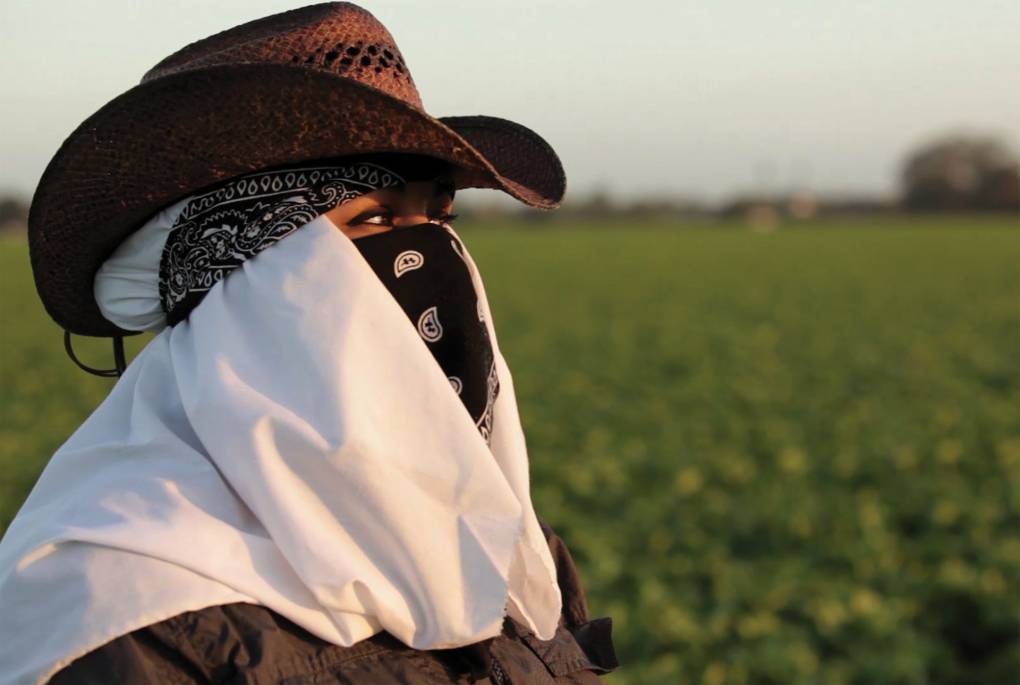
"caption": "Maricruz Ladino in a Salinas lettuce field when she appeared in the Frontline film “Rape in the Fields.” ",
"description": "Maricruz Ladino in a Salinas lettuce field when she appeared in the Frontline film “Rape in the Fields.” ",
"title": "RS42226_Maricruz-qut",
"credit": "Andres Cediel/Frontline",
"status": "inherit",
"isLoading": false,
"fetchFailed": false
},
"news_11782675": {
"type": "attachments",
"id": "news_11782675",
"meta": {
"index": "attachments_1716263798",
"site": "news",
"id": "11782675",
"found": true
},
"parent": 11782672,
"imgSizes": {
"apple_news_ca_landscape_5_5": {
"file": "https://ww2.kqed.org/app/uploads/sites/10/2019/10/RS39799_Image-from-iOS-qut-1044x783.jpg",
"width": 1044,
"mimeType": "image/jpeg",
"height": 783
},
"apple_news_ca_square_4_0": {
"file": "https://ww2.kqed.org/app/uploads/sites/10/2019/10/RS39799_Image-from-iOS-qut-470x470.jpg",
"width": 470,
"mimeType": "image/jpeg",
"height": 470
},
"twentyfourteen-full-width": {
"file": "https://ww2.kqed.org/app/uploads/sites/10/2019/10/RS39799_Image-from-iOS-qut-1038x576.jpg",
"width": 1038,
"mimeType": "image/jpeg",
"height": 576
},
"thumbnail": {
"file": "https://ww2.kqed.org/app/uploads/sites/10/2019/10/RS39799_Image-from-iOS-qut-160x120.jpg",
"width": 160,
"mimeType": "image/jpeg",
"height": 120
},
"post-thumbnail": {
"file": "https://ww2.kqed.org/app/uploads/sites/10/2019/10/RS39799_Image-from-iOS-qut-672x372.jpg",
"width": 672,
"mimeType": "image/jpeg",
"height": 372
},
"kqedFullSize": {
"file": "https://ww2.kqed.org/app/uploads/sites/10/2019/10/RS39799_Image-from-iOS-qut.jpg",
"width": 1920,
"height": 1440
},
"apple_news_ca_landscape_4_7": {
"file": "https://ww2.kqed.org/app/uploads/sites/10/2019/10/RS39799_Image-from-iOS-qut-632x474.jpg",
"width": 632,
"mimeType": "image/jpeg",
"height": 474
},
"large": {
"file": "https://ww2.kqed.org/app/uploads/sites/10/2019/10/RS39799_Image-from-iOS-qut-1020x765.jpg",
"width": 1020,
"mimeType": "image/jpeg",
"height": 765
},
"complete_open_graph": {
"file": "https://ww2.kqed.org/app/uploads/sites/10/2019/10/RS39799_Image-from-iOS-qut-1200x900.jpg",
"width": 1200,
"mimeType": "image/jpeg",
"height": 900
},
"apple_news_ca_landscape_4_0": {
"file": "https://ww2.kqed.org/app/uploads/sites/10/2019/10/RS39799_Image-from-iOS-qut-536x402.jpg",
"width": 536,
"mimeType": "image/jpeg",
"height": 402
},
"apple_news_ca_portrait_12_9": {
"file": "https://ww2.kqed.org/app/uploads/sites/10/2019/10/RS39799_Image-from-iOS-qut-1122x1440.jpg",
"width": 1122,
"mimeType": "image/jpeg",
"height": 1440
},
"medium": {
"file": "https://ww2.kqed.org/app/uploads/sites/10/2019/10/RS39799_Image-from-iOS-qut-800x600.jpg",
"width": 800,
"mimeType": "image/jpeg",
"height": 600
},
"apple_news_ca_portrait_4_0": {
"file": "https://ww2.kqed.org/app/uploads/sites/10/2019/10/RS39799_Image-from-iOS-qut-354x472.jpg",
"width": 354,
"mimeType": "image/jpeg",
"height": 472
},
"apple_news_ca_portrait_9_7": {
"file": "https://ww2.kqed.org/app/uploads/sites/10/2019/10/RS39799_Image-from-iOS-qut-840x1120.jpg",
"width": 840,
"mimeType": "image/jpeg",
"height": 1120
},
"apple_news_ca_landscape_12_9": {
"file": "https://ww2.kqed.org/app/uploads/sites/10/2019/10/RS39799_Image-from-iOS-qut-1832x1374.jpg",
"width": 1832,
"mimeType": "image/jpeg",
"height": 1374
},
"apple_news_ca_square_9_7": {
"file": "https://ww2.kqed.org/app/uploads/sites/10/2019/10/RS39799_Image-from-iOS-qut-1104x1104.jpg",
"width": 1104,
"mimeType": "image/jpeg",
"height": 1104
},
"apple_news_ca_portrait_4_7": {
"file": "https://ww2.kqed.org/app/uploads/sites/10/2019/10/RS39799_Image-from-iOS-qut-414x552.jpg",
"width": 414,
"mimeType": "image/jpeg",
"height": 552
},
"apple_news_ca_square_12_9": {
"file": "https://ww2.kqed.org/app/uploads/sites/10/2019/10/RS39799_Image-from-iOS-qut-1472x1440.jpg",
"width": 1472,
"mimeType": "image/jpeg",
"height": 1440
},
"apple_news_ca_portrait_5_5": {
"file": "https://ww2.kqed.org/app/uploads/sites/10/2019/10/RS39799_Image-from-iOS-qut-687x916.jpg",
"width": 687,
"mimeType": "image/jpeg",
"height": 916
},
"full-width": {
"file": "https://ww2.kqed.org/app/uploads/sites/10/2019/10/RS39799_Image-from-iOS-qut-1920x1440.jpg",
"width": 1920,
"mimeType": "image/jpeg",
"height": 1440
},
"apple_news_ca_square_4_7": {
"file": "https://ww2.kqed.org/app/uploads/sites/10/2019/10/RS39799_Image-from-iOS-qut-550x550.jpg",
"width": 550,
"mimeType": "image/jpeg",
"height": 550
},
"apple_news_ca_landscape_9_7": {
"file": "https://ww2.kqed.org/app/uploads/sites/10/2019/10/RS39799_Image-from-iOS-qut-1376x1032.jpg",
"width": 1376,
"mimeType": "image/jpeg",
"height": 1032
},
"apple_news_ca_square_5_5": {
"file": "https://ww2.kqed.org/app/uploads/sites/10/2019/10/RS39799_Image-from-iOS-qut-912x912.jpg",
"width": 912,
"mimeType": "image/jpeg",
"height": 912
}
},
"publishDate": 1571973014,
"modified": 1571973078,
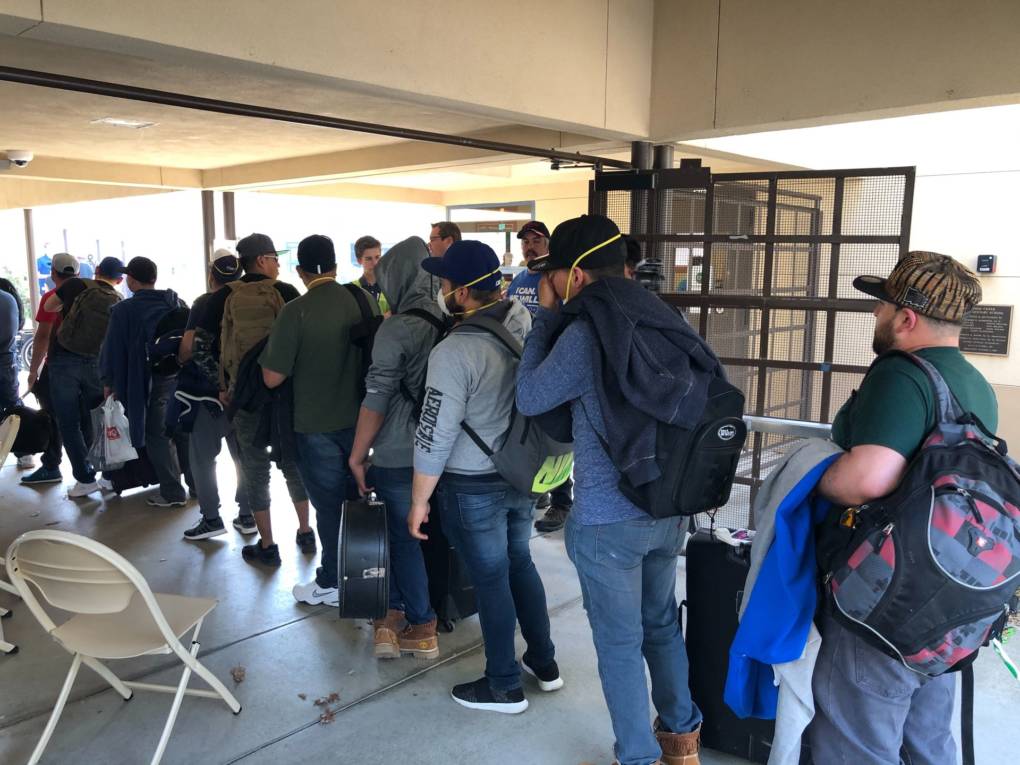
"caption": "Farmworkers line up to register at an evacuation site at the Healdsburg Community Center on Oct. 24, 2019.",
"description": null,
"title": "RS39799_Image from iOS-qut",
"credit": "Tiffany Camhi/KQED",
"status": "inherit",
"isLoading": false,
"fetchFailed": false
},
"news_11781801": {
"type": "attachments",
"id": "news_11781801",
"meta": {
"index": "attachments_1716263798",
"site": "news",
"id": "11781801",
"found": true
},
"parent": 11778033,
"imgSizes": {
"apple_news_ca_landscape_5_5": {
"file": "https://ww2.kqed.org/app/uploads/sites/10/2019/10/IMG_7077-1-1044x783.jpg",
"width": 1044,
"mimeType": "image/jpeg",
"height": 783
},
"apple_news_ca_square_4_0": {
"file": "https://ww2.kqed.org/app/uploads/sites/10/2019/10/IMG_7077-1-470x470.jpg",
"width": 470,
"mimeType": "image/jpeg",
"height": 470
},
"twentyfourteen-full-width": {
"file": "https://ww2.kqed.org/app/uploads/sites/10/2019/10/IMG_7077-1-1038x576.jpg",
"width": 1038,
"mimeType": "image/jpeg",
"height": 576
},
"thumbnail": {
"file": "https://ww2.kqed.org/app/uploads/sites/10/2019/10/IMG_7077-1-160x120.jpg",
"width": 160,
"mimeType": "image/jpeg",
"height": 120
},
"post-thumbnail": {
"file": "https://ww2.kqed.org/app/uploads/sites/10/2019/10/IMG_7077-1-672x372.jpg",
"width": 672,
"mimeType": "image/jpeg",
"height": 372
},
"kqedFullSize": {
"file": "https://ww2.kqed.org/app/uploads/sites/10/2019/10/IMG_7077-1-e1571854504431.jpg",
"width": 1920,
"height": 1440
},
"apple_news_ca_landscape_4_7": {
"file": "https://ww2.kqed.org/app/uploads/sites/10/2019/10/IMG_7077-1-632x474.jpg",
"width": 632,
"mimeType": "image/jpeg",
"height": 474
},
"large": {
"file": "https://ww2.kqed.org/app/uploads/sites/10/2019/10/IMG_7077-1-1020x765.jpg",
"width": 1020,
"mimeType": "image/jpeg",
"height": 765
},
"complete_open_graph": {
"file": "https://ww2.kqed.org/app/uploads/sites/10/2019/10/IMG_7077-1-1200x900.jpg",
"width": 1200,
"mimeType": "image/jpeg",
"height": 900
},
"apple_news_ca_landscape_4_0": {
"file": "https://ww2.kqed.org/app/uploads/sites/10/2019/10/IMG_7077-1-536x402.jpg",
"width": 536,
"mimeType": "image/jpeg",
"height": 402
},
"apple_news_ca_portrait_12_9": {
"file": "https://ww2.kqed.org/app/uploads/sites/10/2019/10/IMG_7077-1-1122x1496.jpg",
"width": 1122,
"mimeType": "image/jpeg",
"height": 1496
},
"medium": {
"file": "https://ww2.kqed.org/app/uploads/sites/10/2019/10/IMG_7077-1-800x600.jpg",
"width": 800,
"mimeType": "image/jpeg",
"height": 600
},
"apple_news_ca_portrait_4_0": {
"file": "https://ww2.kqed.org/app/uploads/sites/10/2019/10/IMG_7077-1-354x472.jpg",
"width": 354,
"mimeType": "image/jpeg",
"height": 472
},
"apple_news_ca_portrait_9_7": {
"file": "https://ww2.kqed.org/app/uploads/sites/10/2019/10/IMG_7077-1-840x1120.jpg",
"width": 840,
"mimeType": "image/jpeg",
"height": 1120
},
"apple_news_ca_landscape_12_9": {
"file": "https://ww2.kqed.org/app/uploads/sites/10/2019/10/IMG_7077-1-1832x1374.jpg",
"width": 1832,
"mimeType": "image/jpeg",
"height": 1374
},
"apple_news_ca_square_9_7": {
"file": "https://ww2.kqed.org/app/uploads/sites/10/2019/10/IMG_7077-1-1104x1104.jpg",
"width": 1104,
"mimeType": "image/jpeg",
"height": 1104
},
"apple_news_ca_portrait_4_7": {
"file": "https://ww2.kqed.org/app/uploads/sites/10/2019/10/IMG_7077-1-414x552.jpg",
"width": 414,
"mimeType": "image/jpeg",
"height": 552
},
"apple_news_ca_square_12_9": {
"file": "https://ww2.kqed.org/app/uploads/sites/10/2019/10/IMG_7077-1-1472x1472.jpg",
"width": 1472,
"mimeType": "image/jpeg",
"height": 1472
},
"apple_news_ca_portrait_5_5": {
"file": "https://ww2.kqed.org/app/uploads/sites/10/2019/10/IMG_7077-1-687x916.jpg",
"width": 687,
"mimeType": "image/jpeg",
"height": 916
},
"full-width": {
"file": "https://ww2.kqed.org/app/uploads/sites/10/2019/10/IMG_7077-1-1920x1440.jpg",
"width": 1920,
"mimeType": "image/jpeg",
"height": 1440
},
"apple_news_ca_square_4_7": {
"file": "https://ww2.kqed.org/app/uploads/sites/10/2019/10/IMG_7077-1-550x550.jpg",
"width": 550,
"mimeType": "image/jpeg",
"height": 550
},
"apple_news_ca_landscape_9_7": {
"file": "https://ww2.kqed.org/app/uploads/sites/10/2019/10/IMG_7077-1-1376x1032.jpg",
"width": 1376,
"mimeType": "image/jpeg",
"height": 1032
},
"apple_news_ca_square_5_5": {
"file": "https://ww2.kqed.org/app/uploads/sites/10/2019/10/IMG_7077-1-912x912.jpg",
"width": 912,
"mimeType": "image/jpeg",
"height": 912
}
},
"publishDate": 1571780843,
"modified": 1571854494,
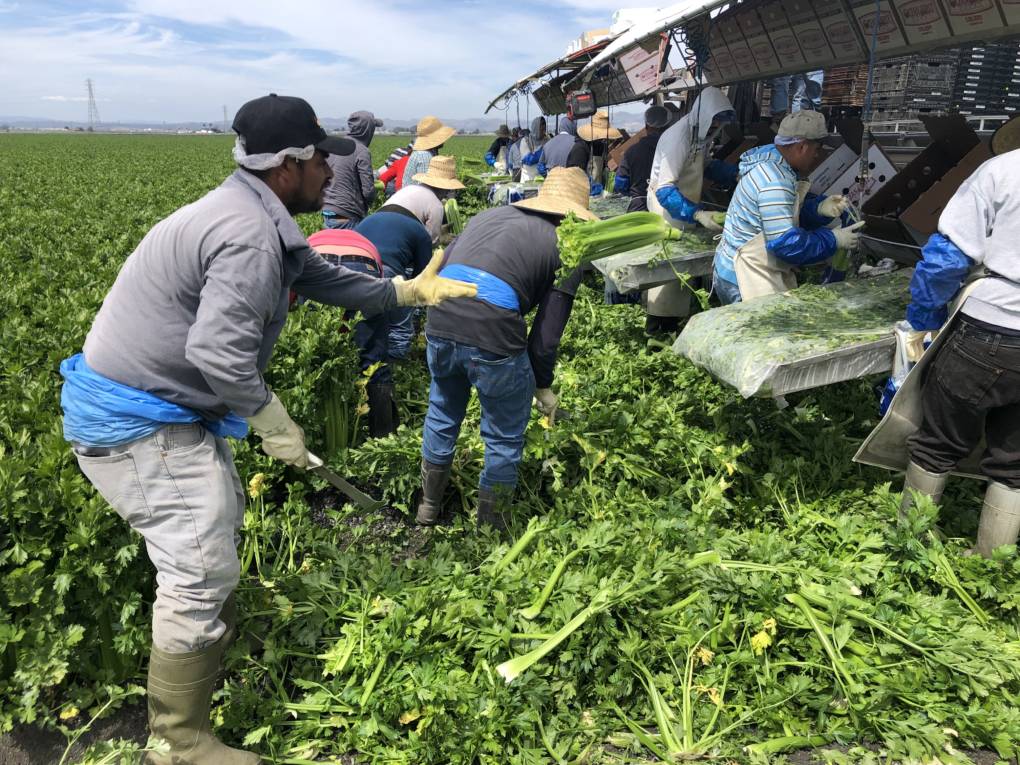
"caption": "A crew of migrant farmworkers harvest celery just outside Salinas. ",
"description": "A crew of migrant farmworkers harvest celery just outside Salinas. ",
"title": "IMG_7077",
"credit": "Alex Hall/KQED",
"status": "inherit",
"isLoading": false,
"fetchFailed": false
},
"news_11780792": {
"type": "attachments",
"id": "news_11780792",
"meta": {
"index": "attachments_1716263798",
"site": "news",
"id": "11780792",
"found": true
},
"parent": 11780752,
"imgSizes": {
"apple_news_ca_landscape_5_5": {
"file": "https://ww2.kqed.org/app/uploads/sites/10/2019/10/RS18893_GettyImages-453973236-1044x783.jpg",
"width": 1044,
"mimeType": "image/jpeg",
"height": 783
},
"apple_news_ca_square_4_0": {
"file": "https://ww2.kqed.org/app/uploads/sites/10/2019/10/RS18893_GettyImages-453973236-470x470.jpg",
"width": 470,
"mimeType": "image/jpeg",
"height": 470
},
"twentyfourteen-full-width": {
"file": "https://ww2.kqed.org/app/uploads/sites/10/2019/10/RS18893_GettyImages-453973236-1038x576.jpg",
"width": 1038,
"mimeType": "image/jpeg",
"height": 576
},
"thumbnail": {
"file": "https://ww2.kqed.org/app/uploads/sites/10/2019/10/RS18893_GettyImages-453973236-160x106.jpg",
"width": 160,
"mimeType": "image/jpeg",
"height": 106
},
"post-thumbnail": {
"file": "https://ww2.kqed.org/app/uploads/sites/10/2019/10/RS18893_GettyImages-453973236-672x372.jpg",
"width": 672,
"mimeType": "image/jpeg",
"height": 372
},
"kqedFullSize": {
"file": "https://ww2.kqed.org/app/uploads/sites/10/2019/10/RS18893_GettyImages-453973236-e1571349162302.jpg",
"width": 1920,
"height": 1274
},
"apple_news_ca_landscape_4_7": {
"file": "https://ww2.kqed.org/app/uploads/sites/10/2019/10/RS18893_GettyImages-453973236-632x474.jpg",
"width": 632,
"mimeType": "image/jpeg",
"height": 474
},
"large": {
"file": "https://ww2.kqed.org/app/uploads/sites/10/2019/10/RS18893_GettyImages-453973236-1020x677.jpg",
"width": 1020,
"mimeType": "image/jpeg",
"height": 677
},
"complete_open_graph": {
"file": "https://ww2.kqed.org/app/uploads/sites/10/2019/10/RS18893_GettyImages-453973236-1200x796.jpg",
"width": 1200,
"mimeType": "image/jpeg",
"height": 796
},
"apple_news_ca_landscape_4_0": {
"file": "https://ww2.kqed.org/app/uploads/sites/10/2019/10/RS18893_GettyImages-453973236-536x402.jpg",
"width": 536,
"mimeType": "image/jpeg",
"height": 402
},
"apple_news_ca_portrait_12_9": {
"file": "https://ww2.kqed.org/app/uploads/sites/10/2019/10/RS18893_GettyImages-453973236-1122x1496.jpg",
"width": 1122,
"mimeType": "image/jpeg",
"height": 1496
},
"medium": {
"file": "https://ww2.kqed.org/app/uploads/sites/10/2019/10/RS18893_GettyImages-453973236-800x531.jpg",
"width": 800,
"mimeType": "image/jpeg",
"height": 531
},
"apple_news_ca_portrait_4_0": {
"file": "https://ww2.kqed.org/app/uploads/sites/10/2019/10/RS18893_GettyImages-453973236-354x472.jpg",
"width": 354,
"mimeType": "image/jpeg",
"height": 472
},
"apple_news_ca_portrait_9_7": {
"file": "https://ww2.kqed.org/app/uploads/sites/10/2019/10/RS18893_GettyImages-453973236-840x1120.jpg",
"width": 840,
"mimeType": "image/jpeg",
"height": 1120
},
"apple_news_ca_landscape_12_9": {
"file": "https://ww2.kqed.org/app/uploads/sites/10/2019/10/RS18893_GettyImages-453973236-1832x1374.jpg",
"width": 1832,
"mimeType": "image/jpeg",
"height": 1374
},
"apple_news_ca_square_9_7": {
"file": "https://ww2.kqed.org/app/uploads/sites/10/2019/10/RS18893_GettyImages-453973236-1104x1104.jpg",
"width": 1104,
"mimeType": "image/jpeg",
"height": 1104
},
"apple_news_ca_portrait_4_7": {
"file": "https://ww2.kqed.org/app/uploads/sites/10/2019/10/RS18893_GettyImages-453973236-414x552.jpg",
"width": 414,
"mimeType": "image/jpeg",
"height": 552
},
"apple_news_ca_square_12_9": {
"file": "https://ww2.kqed.org/app/uploads/sites/10/2019/10/RS18893_GettyImages-453973236-1472x1472.jpg",
"width": 1472,
"mimeType": "image/jpeg",
"height": 1472
},
"apple_news_ca_portrait_5_5": {
"file": "https://ww2.kqed.org/app/uploads/sites/10/2019/10/RS18893_GettyImages-453973236-687x916.jpg",
"width": 687,
"mimeType": "image/jpeg",
"height": 916
},
"full-width": {
"file": "https://ww2.kqed.org/app/uploads/sites/10/2019/10/RS18893_GettyImages-453973236-1920x1274.jpg",
"width": 1920,
"mimeType": "image/jpeg",
"height": 1274
},
"apple_news_ca_square_4_7": {
"file": "https://ww2.kqed.org/app/uploads/sites/10/2019/10/RS18893_GettyImages-453973236-550x550.jpg",
"width": 550,
"mimeType": "image/jpeg",
"height": 550
},
"apple_news_ca_landscape_9_7": {
"file": "https://ww2.kqed.org/app/uploads/sites/10/2019/10/RS18893_GettyImages-453973236-1376x1032.jpg",
"width": 1376,
"mimeType": "image/jpeg",
"height": 1032
},
"apple_news_ca_square_5_5": {
"file": "https://ww2.kqed.org/app/uploads/sites/10/2019/10/RS18893_GettyImages-453973236-912x912.jpg",
"width": 912,
"mimeType": "image/jpeg",
"height": 912
}
},
"publishDate": 1571341488,
"modified": 1585093562,
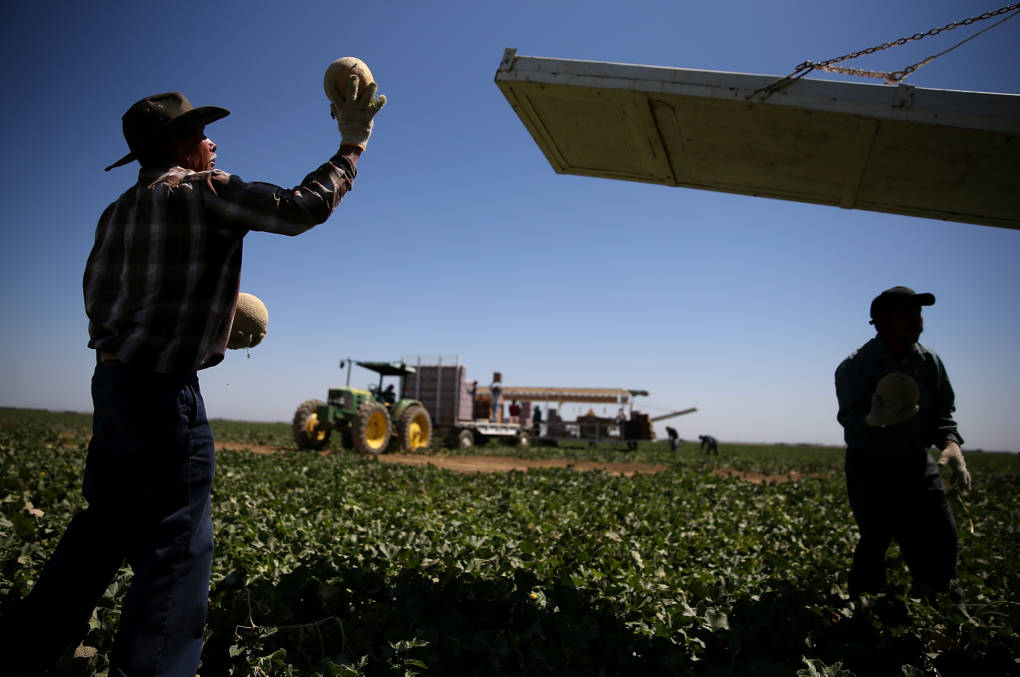
"caption": "A worker harvests cantaloupes on a farm near Firebaugh, California, on August 22, 2014.",
"description": "A worker harvests cantaloupes on a farm near Firebaugh, California, on August 22, 2014.",
"title": "California Central Valley Farming Communities Struggle With Drought",
"credit": "Justin Sullivan/Getty Images",
"status": "inherit",
"isLoading": false,
"fetchFailed": false
}
},
"audioPlayerReducer": {
"postId": "stream_live",
"isPaused": true,
"isPlaying": false,
"pfsActive": false,
"pledgeModalIsOpen": true,
"playerDrawerIsOpen": false,
"liveAudioPlayStartedAt": 0,
"liveAudioPlayContext": ""
},
"authorsReducer": {
"byline_news_11863739": {
"type": "authors",
"id": "byline_news_11863739",
"meta": {
"override": true
},
"slug": "byline_news_11863739",
"name": "\u003ca href=\"https://calmatters.org/author/anaibarra/\">Ana B. Ibarra\u003c/a>",
"isLoading": false
},
"byline_news_11780752": {
"type": "authors",
"id": "byline_news_11780752",
"meta": {
"override": true
},
"slug": "byline_news_11780752",
"name": "\u003cstrong>\u003ca href=\"https://calmatters.org/author/kate-cimini/\">Kate Cimini\u003c/a>\u003cbr />CalMatters\u003c/strong>",
"isLoading": false
},
"sasha-khokha": {
"type": "authors",
"id": "254",
"meta": {
"index": "authors_1716337520",
"id": "254",
"found": true
},
"name": "Sasha Khokha",
"firstName": "Sasha",
"lastName": "Khokha",
"slug": "sasha-khokha",
"email": "skhokha@kqed.org",
"display_author_email": true,
"staff_mastheads": [
"news"
],
"title": "Host, The California Report Magazine",
"bio": "Sasha Khokha is the host of \u003cem>The California Report's \u003c/em> weekly magazine program, which takes listeners on sound-rich excursions to meet the people that make the Golden State unique -- through audio documentaries and long-form stories. As \u003cem>The California Report's\u003c/em> Central Valley Bureau Chief based in Fresno for nearly a dozen years, Sasha brought the lives and concerns of rural Californians to listeners around the state. Her reporting helped expose the hidden price immigrant women janitors and farmworkers may pay to keep their jobs: sexual assault at work. It inspired two new California laws to protect them from sexual harassment. She was a key member of the reporting team for the Frontline film \u003cem>Rape on the Night Shift, \u003c/em>which was nominated for two national Emmys. Sasha has also won a national Edward R. Murrow and a national PRNDI award for investigative reporting, as well as multiple prizes from the Society for Professional Journalists. Sasha is a proud alum of the UC Berkeley Graduate School of Journalism and Brown University and a member of the South Asian Journalists Association.",
"avatar": "https://secure.gravatar.com/avatar/e4b5e1541aaeea2aa356aa1fb2a68950?s=600&d=blank&r=g",
"twitter": "KQEDSashaKhokha",
"facebook": null,
"instagram": null,
"linkedin": null,
"sites": [
{
"site": "news",
"roles": [
"editor"
]
},
{
"site": "stateofhealth",
"roles": [
"author"
]
},
{
"site": "science",
"roles": [
"author"
]
},
{
"site": "quest",
"roles": [
"subscriber"
]
}
],
"headData": {
"title": "Sasha Khokha | KQED",
"description": "Host, The California Report Magazine",
"ogImgSrc": "https://secure.gravatar.com/avatar/e4b5e1541aaeea2aa356aa1fb2a68950?s=600&d=blank&r=g",
"twImgSrc": "https://secure.gravatar.com/avatar/e4b5e1541aaeea2aa356aa1fb2a68950?s=600&d=blank&r=g"
},
"isLoading": false,
"link": "/author/sasha-khokha"
},
"adembosky": {
"type": "authors",
"id": "3205",
"meta": {
"index": "authors_1716337520",
"id": "3205",
"found": true
},
"name": "April Dembosky",
"firstName": "April",
"lastName": "Dembosky",
"slug": "adembosky",
"email": "adembosky@kqed.org",
"display_author_email": false,
"staff_mastheads": [
"news",
"science"
],
"title": "KQED Health Correspondent",
"bio": "April Dembosky is the health correspondent for KQED News and a regular contributor to NPR. She specializes in covering altered states of mind, from postpartum depression to methamphetamine-induced psychosis to the insanity defense. Her investigative series on insurance companies sidestepping mental health laws won multiple awards, including first place in beat reporting from the national Association of Health Care Journalists. She is the recipient of numerous other prizes and fellowships, including a national Edward R. Murrow award for investigative reporting, a Society of Professional Journalists award for long-form storytelling, and a Carter Center Fellowship for Mental Health Journalism.\r\n\r\nDembosky reported and produced \u003cem>Soundtrack of Silence\u003c/em>, an audio documentary about music and memory that is currently being made into a feature film by Paramount Pictures.\r\n\r\nBefore joining KQED in 2013, Dembosky covered technology and Silicon Valley for \u003cem>The Financial Times of London,\u003c/em> and contributed business and arts stories to \u003cem>Marketplace \u003c/em>and \u003cem>The New York Times.\u003c/em> She got her undergraduate degree in philosophy from Smith College and her master's in journalism from the University of California, Berkeley. She is a classically trained violinist and proud alum of the first symphony orchestra at Burning Man.",
"avatar": "https://secure.gravatar.com/avatar/ef92999be4ceb9ea60701e7dc276f813?s=600&d=blank&r=g",
"twitter": "adembosky",
"facebook": null,
"instagram": null,
"linkedin": null,
"sites": [
{
"site": "arts",
"roles": [
"author"
]
},
{
"site": "news",
"roles": [
"editor"
]
},
{
"site": "futureofyou",
"roles": [
"author"
]
},
{
"site": "stateofhealth",
"roles": [
"editor"
]
},
{
"site": "science",
"roles": [
"editor"
]
},
{
"site": "forum",
"roles": [
"editor"
]
}
],
"headData": {
"title": "April Dembosky | KQED",
"description": "KQED Health Correspondent",
"ogImgSrc": "https://secure.gravatar.com/avatar/ef92999be4ceb9ea60701e7dc276f813?s=600&d=blank&r=g",
"twImgSrc": "https://secure.gravatar.com/avatar/ef92999be4ceb9ea60701e7dc276f813?s=600&d=blank&r=g"
},
"isLoading": false,
"link": "/author/adembosky"
},
"markfiore": {
"type": "authors",
"id": "3236",
"meta": {
"index": "authors_1716337520",
"id": "3236",
"found": true
},
"name": "Mark Fiore",
"firstName": "Mark",
"lastName": "Fiore",
"slug": "markfiore",
"email": "mark@markfiore.com",
"display_author_email": false,
"staff_mastheads": [
"news"
],
"title": "KQED News Cartoonist",
"bio": "\u003ca href=\"http://www.MarkFiore.com\">MarkFiore.com\u003c/a> | \u003ca href=\"https://twitter.com/markfiore\">Follow on Twitter\u003c/a> | \u003ca href=\"https://www.facebook.com/pages/Mark-Fiore-Animated-Political-Cartoons/94451707396?ref=bookmarks\">Facebook\u003c/a> | \u003ca href=\"mailto:mark@markfiore.com\">email\u003c/a>\r\n\r\nPulitzer Prize-winner, Mark Fiore, who the Wall Street Journal has called “the undisputed guru of the form,” creates animated political cartoons in San Francisco, where his work has been featured regularly on the San Francisco Chronicle’s web site, SFGate.com. His work has appeared on Newsweek.com, Slate.com, CBSNews.com, MotherJones.com, DailyKos.com and NPR’s web site. Fiore’s political animation has appeared on CNN, Frontline, Bill Moyers Journal, Salon.com and cable and broadcast outlets across the globe.\r\n\r\nBeginning his professional life by drawing traditional political cartoons for newspapers, Fiore’s work appeared in publications ranging from the Washington Post to the Los Angeles Times. In the late 1990s, he began to experiment with animating political cartoons and, after a short stint at the San Jose Mercury News as their staff cartoonist, Fiore devoted all his energies to animation.\r\nGrowing up in California, Fiore also spent a good portion of his life in the backwoods of Idaho. It was this combination that shaped him politically. Mark majored in political science at Colorado College, where, in a perfect send-off for a cartoonist, he received his diploma in 1991 as commencement speaker Dick Cheney smiled approvingly.\r\nMark Fiore was awarded the Pulitzer Prize for political cartooning in 2010, a Robert F. Kennedy Journalism Award in 2004 and has twice received an Online Journalism Award for commentary from the Online News Association (2002, 2008). Fiore has received two awards for his work in new media from the National Cartoonists Society (2001, 2002), and in 2006 received The James Madison Freedom of Information Award from The Society of Professional Journalists.",
"avatar": "https://secure.gravatar.com/avatar/fc4e2a612b15b67bad0c6f0e1db4ca9b?s=600&d=blank&r=g",
"twitter": "MarkFiore",
"facebook": null,
"instagram": "https://www.instagram.com/markfiore/?hl=en",
"linkedin": null,
"sites": [
{
"site": "arts",
"roles": [
"contributor"
]
},
{
"site": "news",
"roles": [
"editor"
]
},
{
"site": "futureofyou",
"roles": [
"editor"
]
},
{
"site": "science",
"roles": [
"editor"
]
}
],
"headData": {
"title": "Mark Fiore | KQED",
"description": "KQED News Cartoonist",
"ogImgSrc": "https://secure.gravatar.com/avatar/fc4e2a612b15b67bad0c6f0e1db4ca9b?s=600&d=blank&r=g",
"twImgSrc": "https://secure.gravatar.com/avatar/fc4e2a612b15b67bad0c6f0e1db4ca9b?s=600&d=blank&r=g"
},
"isLoading": false,
"link": "/author/markfiore"
},
"dkatayama": {
"type": "authors",
"id": "7240",
"meta": {
"index": "authors_1716337520",
"id": "7240",
"found": true
},
"name": "Devin Katayama",
"firstName": "Devin",
"lastName": "Katayama",
"slug": "dkatayama",
"email": "dkatayama@kqed.org",
"display_author_email": true,
"staff_mastheads": [
"news"
],
"title": "Editor of Talent and Development",
"bio": "Devin Katayama is former Editor of Talent and Development for KQED. He supported our internship program and on-call staff by looking for equitable opportunities to improve the newsroom.\r\n\r\nHe previously hosted The Bay and American Suburb podcasts from KQED News. Prior to returning to the Bay Area in 2015, Devin was the education reporter for WFPL in Louisville and worked as a producer with radio stations in Chicago and Portland, OR. His work has appeared on NPR’s \u003cem>Morning Edition, All Things Considered, The Takeaway\u003c/em> and \u003cem>Here and Now.\u003c/em>\r\n\r\nDevin earned his MA in Journalism from Columbia College Chicago, where he was a Follett Fellow and the recipient of the 2011 Studs Terkel Community Media Workshop Scholarship for his story on Chicago's homeless youth. He won WBUR's 2014 Daniel Schorr award and a regional RTNDA Edward R. Murrow Award for his documentary \"At Risk\" that looked at issues facing some of Louisville's students. Devin has also received numerous local awards from the Associated Press and the Society of Professional Journalists.",
"avatar": "https://secure.gravatar.com/avatar/d0d2978a31002fb2de107921a8e18405?s=600&d=blank&r=g",
"twitter": "RadioDevin",
"facebook": null,
"instagram": null,
"linkedin": null,
"sites": [
{
"site": "arts",
"roles": []
},
{
"site": "news",
"roles": [
"author"
]
},
{
"site": "stateofhealth",
"roles": [
"author"
]
},
{
"site": "forum",
"roles": [
"editor"
]
},
{
"site": "perspectives",
"roles": [
"editor"
]
}
],
"headData": {
"title": "Devin Katayama | KQED",
"description": "Editor of Talent and Development",
"ogImgSrc": "https://secure.gravatar.com/avatar/d0d2978a31002fb2de107921a8e18405?s=600&d=blank&r=g",
"twImgSrc": "https://secure.gravatar.com/avatar/d0d2978a31002fb2de107921a8e18405?s=600&d=blank&r=g"
},
"isLoading": false,
"link": "/author/dkatayama"
},
"ecruzguevarra": {
"type": "authors",
"id": "8654",
"meta": {
"index": "authors_1716337520",
"id": "8654",
"found": true
},
"name": "Ericka Cruz Guevarra",
"firstName": "Ericka",
"lastName": "Cruz Guevarra",
"slug": "ecruzguevarra",
"email": "ecruzguevarra@kqed.org",
"display_author_email": true,
"staff_mastheads": [
"news"
],
"title": "Producer, The Bay Podcast",
"bio": "Ericka Cruz Guevarra is host of \u003ca href=\"https://www.kqed.org/podcasts/thebay\">\u003cem>The Bay\u003c/em>\u003c/a> podcast at KQED. Before host, she was the show’s producer. Her work in that capacity includes a three-part reported series on policing in Vallejo, which won a 2020 excellence in journalism award from the Society of Professional Journalists. Ericka has worked as a breaking news reporter at Oregon Public Broadcasting, helped produce the Code Switch podcast, and was KQED’s inaugural Raul Ramirez Diversity Fund intern. She’s also an alumna of NPR’s Next Generation Radio program. Send her an email if you have strong feelings about whether Fairfield and Suisun City are the Bay. Ericka is represented by SAG-AFTRA.",
"avatar": "https://secure.gravatar.com/avatar/25e5ab8d3d53fad2dcc7bb2b5c506b1a?s=600&d=blank&r=g",
"twitter": "NotoriousECG",
"facebook": null,
"instagram": null,
"linkedin": null,
"sites": [
{
"site": "arts",
"roles": [
"subscriber"
]
},
{
"site": "news",
"roles": [
"editor",
"manage_categories"
]
},
{
"site": "futureofyou",
"roles": [
"subscriber"
]
},
{
"site": "stateofhealth",
"roles": [
"subscriber"
]
},
{
"site": "science",
"roles": [
"editor"
]
},
{
"site": "forum",
"roles": [
"subscriber"
]
}
],
"headData": {
"title": "Ericka Cruz Guevarra | KQED",
"description": "Producer, The Bay Podcast",
"ogImgSrc": "https://secure.gravatar.com/avatar/25e5ab8d3d53fad2dcc7bb2b5c506b1a?s=600&d=blank&r=g",
"twImgSrc": "https://secure.gravatar.com/avatar/25e5ab8d3d53fad2dcc7bb2b5c506b1a?s=600&d=blank&r=g"
},
"isLoading": false,
"link": "/author/ecruzguevarra"
},
"fjhabvala": {
"type": "authors",
"id": "8659",
"meta": {
"index": "authors_1716337520",
"id": "8659",
"found": true
},
"name": "Farida Jhabvala Romero",
"firstName": "Farida",
"lastName": "Jhabvala Romero",
"slug": "fjhabvala",
"email": "fjhabvala@kqed.org",
"display_author_email": true,
"staff_mastheads": [
"news"
],
"title": "KQED Contributor",
"bio": "\u003cspan style=\"font-weight: 400;\">Farida Jhabvala Romero is a Labor Correspondent for KQED. She previously covered immigration. Farida was \u003ca href=\"https://www.ccnma.org/2022-most-influential-latina-journalists\">named\u003c/a> one of the 10 Most Influential Latina Journalists in California in 2022 by the California Chicano News Media Association. Her work has won awards from the Society of Professional Journalists (Northern California), as well as a national and regional Edward M. Murrow Award for the collaborative reporting projects “Dangerous Air” and “Graying California.” \u003c/span>\u003cspan style=\"font-weight: 400;\">Before joining KQED, Farida worked as a producer at Radio Bilingüe, a national public radio network. Farida earned her master’s degree in journalism from Stanford University.\u003c/span>",
"avatar": "https://secure.gravatar.com/avatar/c3ab27c5554b67b478f80971e515aa02?s=600&d=blank&r=g",
"twitter": "FaridaJhabvala",
"facebook": null,
"instagram": null,
"linkedin": "https://www.linkedin.com/in/faridajhabvala/",
"sites": [
{
"site": "news",
"roles": [
"editor"
]
},
{
"site": "stateofhealth",
"roles": [
"author"
]
}
],
"headData": {
"title": "Farida Jhabvala Romero | KQED",
"description": "KQED Contributor",
"ogImgSrc": "https://secure.gravatar.com/avatar/c3ab27c5554b67b478f80971e515aa02?s=600&d=blank&r=g",
"twImgSrc": "https://secure.gravatar.com/avatar/c3ab27c5554b67b478f80971e515aa02?s=600&d=blank&r=g"
},
"isLoading": false,
"link": "/author/fjhabvala"
},
"ahall": {
"type": "authors",
"id": "11490",
"meta": {
"index": "authors_1716337520",
"id": "11490",
"found": true
},
"name": "Alex Hall",
"firstName": "Alex",
"lastName": "Hall",
"slug": "ahall",
"email": "ahall@kqed.org",
"display_author_email": false,
"staff_mastheads": [
"news"
],
"title": "KQED Enterprise & Accountability Reporter",
"bio": "Alex Hall is KQED's Enterprise and Accountability Reporter. She previously covered the Central Valley for five years from KQED's bureau in Fresno. Before joining KQED, Alex was an investigative reporting fellow at Wisconsin Public Radio and the Wisconsin Center for Investigative Journalism. She has also worked as a bilingual producer for NPR's investigative unit and freelance video producer for Reuters TV on the Latin America desk. She got her start in journalism in South America, where she worked as a radio producer and Spanish-English translator for CNN Chile. Her documentary and investigation into the series of deadly COVID-19 outbreaks at Foster Farms won a national Edward R. Murrow award and was named an Investigative Reporters & Editors award finalist. Alex's reporting for Reveal on the Wisconsin dairy industry's reliance on undocumented immigrant labor was made into a film, Los Lecheros, which won a regional Edward R. Murrow award for best news documentary.",
"avatar": "https://secure.gravatar.com/avatar/defcbeb88b0bf591ff9af41f22644051?s=600&d=blank&r=g",
"twitter": "@chalexhall",
"facebook": null,
"instagram": null,
"linkedin": null,
"sites": [
{
"site": "news",
"roles": [
"editor"
]
},
{
"site": "liveblog",
"roles": [
"author"
]
}
],
"headData": {
"title": "Alex Hall | KQED",
"description": "KQED Enterprise & Accountability Reporter",
"ogImgSrc": "https://secure.gravatar.com/avatar/defcbeb88b0bf591ff9af41f22644051?s=600&d=blank&r=g",
"twImgSrc": "https://secure.gravatar.com/avatar/defcbeb88b0bf591ff9af41f22644051?s=600&d=blank&r=g"
},
"isLoading": false,
"link": "/author/ahall"
},
"amontecillo": {
"type": "authors",
"id": "11649",
"meta": {
"index": "authors_1716337520",
"id": "11649",
"found": true
},
"name": "Alan Montecillo",
"firstName": "Alan",
"lastName": "Montecillo",
"slug": "amontecillo",
"email": "amontecillo@kqed.org",
"display_author_email": false,
"staff_mastheads": [
"news"
],
"title": "KQED Contributor",
"bio": "Alan Montecillo is the senior editor of \u003cem>\u003ca href=\"http://kqed.org/thebay\">The Bay\u003c/a>, \u003c/em> KQED's local news podcast. Before moving to the Bay Area, he worked as a senior talk show producer for WILL in Champaign-Urbana, Illinois and at Oregon Public Broadcasting in Portland, Oregon. He has won journalism awards from the Society of Professional Journalists Northern California, the Public Media Journalists Association, The Signal Awards, and has also received a regional Edward R. Murrow award. Alan is a Filipino American from Hong Kong and a graduate of Reed College.",
"avatar": "https://secure.gravatar.com/avatar/d5e4e7a76481969ccba76f4e2b5ccabc?s=600&d=blank&r=g",
"twitter": "alanmontecillo",
"facebook": null,
"instagram": null,
"linkedin": null,
"sites": [
{
"site": "",
"roles": [
"editor"
]
},
{
"site": "news",
"roles": [
"editor",
"manage_categories"
]
}
],
"headData": {
"title": "Alan Montecillo | KQED",
"description": "KQED Contributor",
"ogImgSrc": "https://secure.gravatar.com/avatar/d5e4e7a76481969ccba76f4e2b5ccabc?s=600&d=blank&r=g",
"twImgSrc": "https://secure.gravatar.com/avatar/d5e4e7a76481969ccba76f4e2b5ccabc?s=600&d=blank&r=g"
},
"isLoading": false,
"link": "/author/amontecillo"
}
},
"pagesReducer": {
"news_tag_farmworkers": {
"type": "terms",
"id": "news_18269",
"meta": {
"index": "terms_1716263798",
"site": "news",
"id": "18269",
"score": 8.934093
},
"featImg": null,
"name": "farmworkers",
"description": null,
"taxonomy": "tag",
"headData": {
"twImgId": null,
"twTitle": null,
"ogTitle": null,
"ogImgId": null,
"twDescription": null,
"description": null,
"title": "farmworkers Archives | KQED News",
"ogDescription": null
},
"ttid": 18303,
"slug": "farmworkers",
"isLoading": false,
"title": "farmworkers",
"pageMeta": {
"site": "news",
"WpPageTemplate": "page-topic-editorial",
"currentPage": 9
},
"blocks": [
{
"blockName": "kqed/post-list",
"attrs": {
"layout": "cardArticle2",
"query": "posts/news?tag=farmworkers",
"seeMore": false,
"paginated": true,
"page": 9
}
},
{
"blockName": "kqed/ad"
}
]
}
},
"pfsSessionReducer": {},
"postsReducer": {
"stream_live": {
"type": "live",
"id": "stream_live",
"audioUrl": "https://streams.kqed.org/kqedradio",
"title": "Live Stream",
"excerpt": "Live Stream information currently unavailable.",
"link": "/radio",
"featImg": "",
"label": {
"name": "KQED Live",
"link": "/"
}
},
"stream_kqedNewscast": {
"type": "posts",
"id": "stream_kqedNewscast",
"audioUrl": "https://www.kqed.org/.stream/anon/radio/RDnews/newscast.mp3?_=1",
"title": "KQED Newscast",
"featImg": "",
"label": {
"name": "88.5 FM",
"link": "/"
}
},
"news_11863739": {
"type": "posts",
"id": "news_11863739",
"meta": {
"index": "posts_1716263798",
"site": "news",
"id": "11863739",
"score": null,
"sort": [
1615234659000
]
},
"guestAuthors": [],
"slug": "eager-to-be-vaccinated-california-farmworkers-still-face-obstacles",
"title": "Eager to Be Vaccinated, California Farmworkers Still Face Obstacles",
"publishDate": 1615234659,
"format": "standard",
"headTitle": "Eager to Be Vaccinated, California Farmworkers Still Face Obstacles | KQED",
"labelTerm": {},
"content": "\u003cp>There was a day in early December when Maria Cruz thought she might not make it.\u003c/p>\n\u003cp>“One morning my chest was in so much pain, I began to cry because honestly I panicked,” she said, recalling the cough, body aches and shivers during the grueling weeks she spent with COVID-19.\u003c/p>\n\u003cp>So when her employer, Monterey Mushrooms in Morgan Hill, offered its employees vaccines allotted by Santa Clara County, she drowned out anything negative she’d heard about the shots and signed up.\u003c/p>\n\u003cp>The process was easy enough: During a Sunday shift in late February, she walked from her workstation to an outdoor vaccine line. The whole process took less than 30 minutes, including the 15 minutes she sat in observation after her shot.\u003c/p>\n\u003cp>California has more than \u003ca href=\"https://farmworkerfamily.org/information\">half a million farmworkers\u003c/a> – and they appear to be eager to get vaccinated. Counties only recently started offering vaccinations to this hard-hit workforce, but agricultural workers are so far accepting the vaccine at high rates.\u003c/p>\n\u003cp>[pullquote size=\"medium\" align=\"right\" citation=\"Diana Tellefson Torres, executive director, United Farm Workers Foundation\"]‘We want to make sure the process is accessible. Just having something on a website isn’t going to get farmworkers somewhere because there is limited digital literacy and that limitation has been a huge barrier.’[/pullquote]Large employers like Foster Farms, Pom Wonderful and Terranova Ranch reported about a 90% vaccination rate in recent, on-site worker vaccination clinics, according to the Fresno County Department of Public Health.\u003c/p>\n\u003cp>“A big part is seeing how much growers really want it,” said Irene de Barraicua with \u003ca href=\"http://www.liderescampesinas.org/\">Lideres Campesinas\u003c/a>, a nonprofit network of women farmworkers based in Oxnard. “Some (growers) weren’t crazy about getting workers tested or bringing doctors to the fields, but vaccines are different.”\u003c/p>\n\u003cp>Gov. Gavin Newsom has visited farmworker vaccine events in the Central Valley, touting the state’s commitment to the workers who feed America and promising them more vaccines.\u003c/p>\n\u003cp>But workplace vaccination events are still few and far between in California, so farmworkers face many obstacles getting the vaccine, advocates say. The clinics are sometimes only open to workers of certain companies, and they are reliant on how many doses a county sets aside for them.\u003c/p>\n\u003cp>United Farm Workers Foundation Executive Director Diana Tellefson Torres said targeting farmworkers at their work sites is the best way to make the vaccine easy for them to get. But success will take more available doses, and also more coordination and ingenuity to ensure that vaccines are available where the workers are.\u003c/p>\n\u003cp>“We want to make sure the process is accessible. Just having something on a website isn’t going to get farmworkers somewhere because there is limited digital literacy and that limitation has been a huge barrier,” she said.\u003c/p>\n\u003cp>[ad fullwidth]\u003c/p>\n\u003cp>Some counties like Riverside have sent mobile clinics to agricultural worksites. Tulare County has opened its large \u003ca href=\"https://www.internationalagricenter.com/\">International Agri-Center\u003c/a>, well known in its farming community, where growers can send their employees for vaccinations.\u003c/p>\n\u003cp>Farmworkers, like other essential employees, can also get vaccinated at other distribution sites, like pharmacies, but that often requires taking time off work, navigating a county or pharmacy website or the My Turn online form and getting lucky finding an appointment.\u003c/p>\n\u003cp>In a nationwide United Farm Workers Foundation survey of 10,149 farmworkers – the vast majority of them in California – 73% said they would get the vaccine as soon as possible while only 5% said they would not. Twenty-two percent said they were neutral. That’s slightly more pro-vaccine than the 69% of all Americans who say they have been or will be vaccinated and the 30% who say they would not, according to a new \u003ca href=\"https://www.pewresearch.org/science/2021/03/05/growing-share-of-americans-say-they-plan-to-get-a-covid-19-vaccine--or-already-have/\">Pew Research Center survey\u003c/a>.\u003c/p>\n\u003ch3>Higher Infection Rates\u003c/h3>\n\u003cp>About \u003ca href=\"https://ag.purdue.edu/agecon/Pages/FoodandAgVulnerabilityIndex.aspx?_ga=2.152868540.4695762.1607534115-582371292.1607534115\">46,000\u003c/a> agricultural workers in California have been infected with COVID-19, according to estimates from Purdue University researchers. Their infection rates tend to run higher than the general population – 13% of farmworkers recruited for a study in the Salinas Valley tested positive for COVID-19 between July and November, compared to 5% of the general population, according to a \u003ca href=\"https://news.berkeley.edu/2020/12/02/california-farmworkers-hit-hard-by-covid-19-study-finds/\">UC Berkeley study\u003c/a> published in December.\u003c/p>\n\u003cp>Like Cruz, Mauricio Chavez of Hollister got his COVID-19 shot at Monterey Mushrooms. Although he works at a different, neighboring mushroom farm, its workers were invited to the vaccine clinic.\u003c/p>\n\u003cp>“At work they told us this wasn’t mandatory, it was voluntary,” he said. But he didn’t think twice about it. “I haven’t seen my parents in a year, they’re 80 and 82 … that’s a year we don’t get back.” Because his parents were also recently immunized, “this opens up the opportunity for me to see them again soon,” he said.\u003c/p>\n\u003cp>[aside postID=news_11860883 hero='https://ww2.kqed.org/app/uploads/sites/10/2021/02/SanJose_COVIDTesting-1038x576.jpg']Chavez said agricultural workers may be more inclined to get the vaccine because so many have either been infected or know someone who was. He has coworkers who have fallen ill, although not necessarily at work, but likely at home because they live in crowded housing.\u003c/p>\n\u003cp>“You have 10 or 15 people living in one house, and all you need is one person to get infected,” he said.\u003c/p>\n\u003cp>About four in 10 Californians who live with an agricultural or food processing worker live in an overcrowded home – defined as having more people than rooms, according to a CalMatters \u003ca href=\"https://calmatters.org/california-divide/2020/08/guest-worker-covid-outbreak-california/\">analysis\u003c/a> of census data.\u003c/p>\n\u003ch3>Rumors and Misinformation\u003c/h3>\n\u003cp>Despite some concerns about vaccine misinformation and hesitancy among farmworkers, if there is education and access, farmworkers will generally accept the vaccine, de Barraicua said.\u003c/p>\n\u003cp>Still, rumors and misinformation are common. Cruz said she’s heard that the vaccine is a government ploy to track them, or an attempt to make people sick and reduce the population. Cruz brushes the rumors aside, but knows this type of gossip could discourage some of her peers.\u003c/p>\n\u003cp>Other concerns are more technical. Some workers think they can’t be vaccinated because they don’t have health insurance, even though shots are free. According to a second UFW Foundation survey of nearly 15,000 farmworkers, 78% of respondents said they did not have health insurance, and 34% had medical conditions that put them at high risk for severe illness from COVID-19.\u003c/p>\n\u003cp>[aside label='Related Coverage' tag='farmworkers']There is also a fear about sharing any type of personal information because of their immigration status, de Barraicua said.\u003c/p>\n\u003cp>She said she’s attended events where some farmworkers said they didn’t get any advanced notice about the vaccination events, giving them little time to ask questions and ease their doubts.\u003c/p>\n\u003cp>Organizations like the UFW Foundation and Lideres Campesinas have been working with health officials across the state to provide vaccine education to workers in the fields.\u003c/p>\n\u003cp>Most of the worksite vaccination clinics are a partnership between a county and employers. Tulare County Supervisor Pete Vander Poel said he is concerned that switching to the \u003ca href=\"https://calmatters.org/health/coronavirus/2021/02/california-new-covid-vaccine-system/\">new vaccine distribution system\u003c/a>, led by Blue Shield, could limit how many of these events counties can schedule.\u003c/p>\n\u003cp>Tulare County recently started receiving double the doses of previous weeks, increasing from 3,800 doses a week to 7,600 doses per week.\u003c/p>\n\u003cp>But that’s for all eligible residents. \u003c/p>\n\u003cp>“And we have about 42,000 [agricultural] employees ready to be vaccinated,” Vander Poel said. “So that shows you the magnitude we’re dealing with.”\u003c/p>\n\u003cp>[ad floatright]\u003c/p>\n",
"blocks": [],
"excerpt": "About 73% of farmworkers said they would get the COVID-19 vaccine as soon as possible, but vaccination clinics at farm worksites are still infrequent and reliant on scarce supply.",
"status": "publish",
"parent": 0,
"modified": 1740614483,
"stats": {
"hasAudio": false,
"hasVideo": false,
"hasChartOrMap": false,
"iframeSrcs": [],
"hasGoogleForm": false,
"hasGallery": false,
"hasHearkenModule": false,
"hasPolis": false,
"paragraphCount": 32,
"wordCount": 1290
},
"headData": {
"title": "Eager to Be Vaccinated, California Farmworkers Still Face Obstacles | KQED",
"description": "About 73% of farmworkers said they would get the COVID-19 vaccine as soon as possible, but vaccination clinics at farm worksites are still infrequent and reliant on scarce supply.",
"ogTitle": "",
"ogDescription": "",
"ogImgId": "",
"twTitle": "",
"twDescription": "",
"twImgId": "",
"canonicalUrl": "https://calmatters.org/health/coronavirus/2021/03/california-farmworkers-vaccine-obstacles/",
"schema": {
"@context": "https://schema.org",
"@type": "NewsArticle",
"headline": "Eager to Be Vaccinated, California Farmworkers Still Face Obstacles",
"datePublished": "2021-03-08T12:17:39-08:00",
"dateModified": "2025-02-26T16:01:23-08:00",
"image": "https://cdn.kqed.org/wp-content/uploads/2020/02/KQED-OG-Image@1x.png",
"isAccessibleForFree": "True",
"publisher": {
"@type": "NewsMediaOrganization",
"@id": "https://www.kqed.org/#organization",
"name": "KQED",
"logo": "https://cdn.kqed.org/wp-content/uploads/2020/02/KQED-OG-Image@1x.png",
"url": "https://www.kqed.org",
"sameAs": [
"https://www.facebook.com/KQED",
"https://twitter.com/KQED",
"https://www.instagram.com/kqed/",
"https://www.tiktok.com/@kqedofficial",
"https://www.linkedin.com/company/kqed",
"https://www.youtube.com/channel/UCeC0IOo7i1P_61zVUWbJ4nw"
]
}
}
},
"source": "CalMatters",
"sourceUrl": "https://calmatters.org/",
"sticky": false,
"nprByline": "\u003ca href=\"https://calmatters.org/author/anaibarra/\">Ana B. Ibarra\u003c/a>",
"path": "https://calmatters.org/health/coronavirus/2021/03/california-farmworkers-vaccine-obstacles/",
"redirect": {
"type": "external",
"url": "https://calmatters.org/health/coronavirus/2021/03/california-farmworkers-vaccine-obstacles/"
},
"audioTrackLength": null,
"parsedContent": [
{
"type": "contentString",
"content": "\u003cdiv class=\"post-body\">\u003cp>\u003cp>There was a day in early December when Maria Cruz thought she might not make it.\u003c/p>\n\u003cp>“One morning my chest was in so much pain, I began to cry because honestly I panicked,” she said, recalling the cough, body aches and shivers during the grueling weeks she spent with COVID-19.\u003c/p>\n\u003cp>So when her employer, Monterey Mushrooms in Morgan Hill, offered its employees vaccines allotted by Santa Clara County, she drowned out anything negative she’d heard about the shots and signed up.\u003c/p>\n\u003cp>The process was easy enough: During a Sunday shift in late February, she walked from her workstation to an outdoor vaccine line. The whole process took less than 30 minutes, including the 15 minutes she sat in observation after her shot.\u003c/p>\n\u003cp>California has more than \u003ca href=\"https://farmworkerfamily.org/information\">half a million farmworkers\u003c/a> – and they appear to be eager to get vaccinated. Counties only recently started offering vaccinations to this hard-hit workforce, but agricultural workers are so far accepting the vaccine at high rates.\u003c/p>\n\u003cp>\u003c/p>\u003c/div>",
"attributes": {
"named": {},
"numeric": []
}
},
{
"type": "component",
"content": "‘We want to make sure the process is accessible. Just having something on a website isn’t going to get farmworkers somewhere because there is limited digital literacy and that limitation has been a huge barrier.’",
"name": "pullquote",
"attributes": {
"named": {
"size": "medium",
"align": "right",
"citation": "Diana Tellefson Torres, executive director, United Farm Workers Foundation",
"label": ""
},
"numeric": []
}
},
{
"type": "contentString",
"content": "\u003cdiv class=\"post-body\">\u003cp>Large employers like Foster Farms, Pom Wonderful and Terranova Ranch reported about a 90% vaccination rate in recent, on-site worker vaccination clinics, according to the Fresno County Department of Public Health.\u003c/p>\n\u003cp>“A big part is seeing how much growers really want it,” said Irene de Barraicua with \u003ca href=\"http://www.liderescampesinas.org/\">Lideres Campesinas\u003c/a>, a nonprofit network of women farmworkers based in Oxnard. “Some (growers) weren’t crazy about getting workers tested or bringing doctors to the fields, but vaccines are different.”\u003c/p>\n\u003cp>Gov. Gavin Newsom has visited farmworker vaccine events in the Central Valley, touting the state’s commitment to the workers who feed America and promising them more vaccines.\u003c/p>\n\u003cp>But workplace vaccination events are still few and far between in California, so farmworkers face many obstacles getting the vaccine, advocates say. The clinics are sometimes only open to workers of certain companies, and they are reliant on how many doses a county sets aside for them.\u003c/p>\n\u003cp>United Farm Workers Foundation Executive Director Diana Tellefson Torres said targeting farmworkers at their work sites is the best way to make the vaccine easy for them to get. But success will take more available doses, and also more coordination and ingenuity to ensure that vaccines are available where the workers are.\u003c/p>\n\u003cp>“We want to make sure the process is accessible. Just having something on a website isn’t going to get farmworkers somewhere because there is limited digital literacy and that limitation has been a huge barrier,” she said.\u003c/p>\n\u003cp>\u003c/p>\u003c/div>",
"attributes": {
"named": {},
"numeric": []
}
},
{
"type": "component",
"content": "",
"name": "ad",
"attributes": {
"named": {
"label": "fullwidth"
},
"numeric": [
"fullwidth"
]
}
},
{
"type": "contentString",
"content": "\u003cdiv class=\"post-body\">\u003cp>\u003c/p>\n\u003cp>Some counties like Riverside have sent mobile clinics to agricultural worksites. Tulare County has opened its large \u003ca href=\"https://www.internationalagricenter.com/\">International Agri-Center\u003c/a>, well known in its farming community, where growers can send their employees for vaccinations.\u003c/p>\n\u003cp>Farmworkers, like other essential employees, can also get vaccinated at other distribution sites, like pharmacies, but that often requires taking time off work, navigating a county or pharmacy website or the My Turn online form and getting lucky finding an appointment.\u003c/p>\n\u003cp>In a nationwide United Farm Workers Foundation survey of 10,149 farmworkers – the vast majority of them in California – 73% said they would get the vaccine as soon as possible while only 5% said they would not. Twenty-two percent said they were neutral. That’s slightly more pro-vaccine than the 69% of all Americans who say they have been or will be vaccinated and the 30% who say they would not, according to a new \u003ca href=\"https://www.pewresearch.org/science/2021/03/05/growing-share-of-americans-say-they-plan-to-get-a-covid-19-vaccine--or-already-have/\">Pew Research Center survey\u003c/a>.\u003c/p>\n\u003ch3>Higher Infection Rates\u003c/h3>\n\u003cp>About \u003ca href=\"https://ag.purdue.edu/agecon/Pages/FoodandAgVulnerabilityIndex.aspx?_ga=2.152868540.4695762.1607534115-582371292.1607534115\">46,000\u003c/a> agricultural workers in California have been infected with COVID-19, according to estimates from Purdue University researchers. Their infection rates tend to run higher than the general population – 13% of farmworkers recruited for a study in the Salinas Valley tested positive for COVID-19 between July and November, compared to 5% of the general population, according to a \u003ca href=\"https://news.berkeley.edu/2020/12/02/california-farmworkers-hit-hard-by-covid-19-study-finds/\">UC Berkeley study\u003c/a> published in December.\u003c/p>\n\u003cp>Like Cruz, Mauricio Chavez of Hollister got his COVID-19 shot at Monterey Mushrooms. Although he works at a different, neighboring mushroom farm, its workers were invited to the vaccine clinic.\u003c/p>\n\u003cp>“At work they told us this wasn’t mandatory, it was voluntary,” he said. But he didn’t think twice about it. “I haven’t seen my parents in a year, they’re 80 and 82 … that’s a year we don’t get back.” Because his parents were also recently immunized, “this opens up the opportunity for me to see them again soon,” he said.\u003c/p>\n\u003cp>\u003c/p>\u003c/div>",
"attributes": {
"named": {},
"numeric": []
}
},
{
"type": "component",
"content": "",
"name": "aside",
"attributes": {
"named": {
"postid": "news_11860883",
"hero": "https://ww2.kqed.org/app/uploads/sites/10/2021/02/SanJose_COVIDTesting-1038x576.jpg",
"label": ""
},
"numeric": []
}
},
{
"type": "contentString",
"content": "\u003cdiv class=\"post-body\">\u003cp>Chavez said agricultural workers may be more inclined to get the vaccine because so many have either been infected or know someone who was. He has coworkers who have fallen ill, although not necessarily at work, but likely at home because they live in crowded housing.\u003c/p>\n\u003cp>“You have 10 or 15 people living in one house, and all you need is one person to get infected,” he said.\u003c/p>\n\u003cp>About four in 10 Californians who live with an agricultural or food processing worker live in an overcrowded home – defined as having more people than rooms, according to a CalMatters \u003ca href=\"https://calmatters.org/california-divide/2020/08/guest-worker-covid-outbreak-california/\">analysis\u003c/a> of census data.\u003c/p>\n\u003ch3>Rumors and Misinformation\u003c/h3>\n\u003cp>Despite some concerns about vaccine misinformation and hesitancy among farmworkers, if there is education and access, farmworkers will generally accept the vaccine, de Barraicua said.\u003c/p>\n\u003cp>Still, rumors and misinformation are common. Cruz said she’s heard that the vaccine is a government ploy to track them, or an attempt to make people sick and reduce the population. Cruz brushes the rumors aside, but knows this type of gossip could discourage some of her peers.\u003c/p>\n\u003cp>Other concerns are more technical. Some workers think they can’t be vaccinated because they don’t have health insurance, even though shots are free. According to a second UFW Foundation survey of nearly 15,000 farmworkers, 78% of respondents said they did not have health insurance, and 34% had medical conditions that put them at high risk for severe illness from COVID-19.\u003c/p>\n\u003cp>\u003c/p>\u003c/div>",
"attributes": {
"named": {},
"numeric": []
}
},
{
"type": "component",
"content": "",
"name": "aside",
"attributes": {
"named": {
"label": "Related Coverage ",
"tag": "farmworkers"
},
"numeric": []
}
},
{
"type": "contentString",
"content": "\u003cdiv class=\"post-body\">\u003cp>There is also a fear about sharing any type of personal information because of their immigration status, de Barraicua said.\u003c/p>\n\u003cp>She said she’s attended events where some farmworkers said they didn’t get any advanced notice about the vaccination events, giving them little time to ask questions and ease their doubts.\u003c/p>\n\u003cp>Organizations like the UFW Foundation and Lideres Campesinas have been working with health officials across the state to provide vaccine education to workers in the fields.\u003c/p>\n\u003cp>Most of the worksite vaccination clinics are a partnership between a county and employers. Tulare County Supervisor Pete Vander Poel said he is concerned that switching to the \u003ca href=\"https://calmatters.org/health/coronavirus/2021/02/california-new-covid-vaccine-system/\">new vaccine distribution system\u003c/a>, led by Blue Shield, could limit how many of these events counties can schedule.\u003c/p>\n\u003cp>Tulare County recently started receiving double the doses of previous weeks, increasing from 3,800 doses a week to 7,600 doses per week.\u003c/p>\n\u003cp>But that’s for all eligible residents. \u003c/p>\n\u003cp>“And we have about 42,000 [agricultural] employees ready to be vaccinated,” Vander Poel said. “So that shows you the magnitude we’re dealing with.”\u003c/p>\n\u003cp>\u003c/p>\u003c/div>",
"attributes": {
"named": {},
"numeric": []
}
},
{
"type": "component",
"content": "",
"name": "ad",
"attributes": {
"named": {
"label": "floatright"
},
"numeric": [
"floatright"
]
}
},
{
"type": "contentString",
"content": "\u003cdiv class=\"post-body\">\u003cp>\u003c/p>\n\u003c/div>\u003c/p>",
"attributes": {
"named": {},
"numeric": []
}
}
],
"link": "https://calmatters.org/health/coronavirus/2021/03/california-farmworkers-vaccine-obstacles/",
"authors": [
"byline_news_11863739"
],
"categories": [
"news_457",
"news_1169",
"news_34551",
"news_8"
],
"tags": [
"news_18538",
"news_27350",
"news_28801",
"news_27504",
"news_18269",
"news_19904",
"news_17615"
],
"affiliates": [
"news_18481"
],
"featImg": "news_11863744",
"label": "source_news_11863739"
},
"news_11851270": {
"type": "posts",
"id": "news_11851270",
"meta": {
"index": "posts_1716263798",
"site": "news",
"id": "11851270",
"score": null,
"sort": [
1608120103000
]
},
"guestAuthors": [],
"slug": "californias-farmworkers-feed-the-world-should-they-be-next-for-a-vaccine",
"title": "California’s Farmworkers Feed the World. Should They Be Next for a Vaccine?",
"publishDate": 1608120103,
"format": "image",
"headTitle": "California’s Farmworkers Feed the World. Should They Be Next for a Vaccine? | KQED",
"labelTerm": {
"site": "news"
},
"content": "\u003cp>This summer, while many Californians went to work in their pajamas at their kitchen tables, Vicente Reyes went to work in the grape fields of the Central Valley.\u003c/p>\n\u003cp>“Other Americans have been able to shelter in place at home, we still keep working,” he said. “And without our work, there wouldn’t be any food.”\u003c/p>\n\u003cp>California produce, meat and dairy gets shipped all over the country and the world. This is why Reyes believes agricultural workers should be next to get the COVID-19 vaccine.\u003c/p>\n\u003cp>“If there would be a shortage of food, then there would be more chaos,” he said.\u003c/p>\n\u003cfigure id=\"attachment_11851296\" class=\"wp-caption aligncenter\" style=\"max-width: 800px\">\u003cimg loading=\"lazy\" decoding=\"async\" class=\"size-full wp-image-11851296\" src=\"https://ww2.kqed.org/app/uploads/sites/10/2020/12/VicenteReyes.jpg\" alt='\"\"' width=\"800\" height=\"545\" srcset=\"https://cdn.kqed.org/wp-content/uploads/sites/10/2020/12/VicenteReyes.jpg 800w, https://cdn.kqed.org/wp-content/uploads/sites/10/2020/12/VicenteReyes-160x109.jpg 160w\" sizes=\"auto, (max-width: 800px) 100vw, 800px\">\u003cfigcaption class=\"wp-caption-text\">Vicente Reyes worked through the summer harvesting table grapes in the fields of California’s Central Valley. \u003ccite>(Courtesy Vicente Reyes)\u003c/cite>\u003c/figcaption>\u003c/figure>\n\u003cp>While doctors, nurses and other health care workers began to receive the new COVID-19 vaccine this week, the state is still actively debating which essential workers will be next in line. Officials are using a framework of risk, equity and societal impact to decide who should be prioritized — meat packers, teachers, those who manage wastewater or electrical supply — and based on discussions so far, they appear to be giving deep consideration to agricultural workers.\u003c/p>\n\u003cp>\u003ca href=\"https://news.berkeley.edu/2020/12/02/california-farmworkers-hit-hard-by-covid-19-study-finds/\" target=\"_blank\" rel=\"noopener noreferrer\">Studies\u003c/a> \u003ca href=\"https://www.cirsinc.org/phocadownload/userupload/elevated_farmworker_vulnerability_covid-19_infection_research-report_absract_final_villarejo_07-25-2020.pdf\" target=\"_blank\" rel=\"noopener noreferrer\">show\u003c/a> farmworkers are at higher risk of contracting the coronavirus than the average population because they earn lower wages that force them to live in crowded conditions or drive to work sites in crowded trucks. There have been \u003ca href=\"https://www.kqed.org/news/11850332/covid-19-again-sweeps-through-foster-farms-plants-in-central-valley\" target=\"_blank\" rel=\"noopener noreferrer\">multiple outbreaks\u003c/a> at Foster Farms’ poultry processing plants in the state. And when agricultural workers do get sick, Reyes says, they can’t afford to take time off work or go to the doctor.\u003c/p>\n\u003cp>“We try not to, because we would have to pay,” he says. “We just try to walk it out or try to find home remedies to get better.”\u003c/p>\n\u003cp>[pullquote size='medium' align='right' citation='Diana Tellefson Torres, executive director of the United Farm Workers Foundation']‘This is definitely an opportunity to redress a lot of the inequities that farmworkers have experienced, not only for decades, but for centuries.’[/pullquote]\u003c/p>\n\u003cp>\u003ca href=\"https://www.dol.gov/sites/dolgov/files/ETA/naws/pdfs/NAWS_Research_Report_13.pdf\" target=\"_blank\" rel=\"noopener noreferrer\">About 50%\u003c/a> of farmworkers are undocumented, and without legal status they have been systematically left out of U.S. labor protections, like overtime and sick pay. Under the Affordable Care Act, \u003ca href=\"https://www.kqed.org/stateofhealth/142601/farming-industry-chafed-by-obamacare-requirements\" target=\"_blank\" rel=\"noopener noreferrer\">undocumented immigrants\u003c/a> were prohibited from getting health insurance through the state’s Medicaid program or from buying it through the state’s marketplace.\u003c/p>\n\u003cp>Without health coverage, advocates say farmworkers are paying the price with their lives: Latinos are \u003ca href=\"https://www.cdc.gov/coronavirus/2019-ncov/covid-data/investigations-discovery/hospitalization-death-by-race-ethnicity.html\" target=\"_blank\" rel=\"noopener noreferrer\">almost three times\u003c/a> more likely to die from COVID-19 than white people.\u003c/p>\n\u003cp>“We’re seeing these structural inequities that are now being exacerbated because of a pandemic,” says Diana Tellefson Torres, executive director of the United Farm Workers Foundation, adding that all the barriers they face in getting care is another reason farmworkers should be prioritized for the vaccine.\u003c/p>\n\u003cp>“This is definitely an opportunity to redress a lot of the inequities that farmworkers have experienced, not only for decades, but for centuries,” she says. [ad fullwidth]\u003c/p>\n\u003ch3>\u003cstrong>Different Counties, Different Priorities\u003c/strong>\u003c/h3>\n\u003cp>The state has made clear that it’s taking equity considerations like this very seriously in its vaccine plans. But it will be up to individual counties to implement the state plan, balancing equity concerns with the complicated logistics of shipping vaccines that need to be stored at minus 94 degrees Farenheit to rural areas.\u003c/p>\n\u003cp>Some counties already have a plan.\u003c/p>\n\u003cp>“In Riverside County, we have a large farmworker population,” says Kim Saruwatari, director of public health for Riverside County. “So we know that once you take it out of the deep freeze, it’s good for five days. So, take a smaller amount, take it out to those farmworking communities, administer everything we have, get more, and take it out and keep going until we get everybody covered.”\u003c/p>\n\u003cp>[aside tag=\"covid-vaccines\" label=\"more coverage\"]\u003c/p>\n\u003cp>But smaller counties with less money may find this daunting — even impractical. For Eric Sergienko, public health officer for Mariposa County, it doesn’t make sense to vaccinate farmworkers first because the first vaccines endorsed by the Food and Drug Administration — the \u003ca href=\"https://www.kqed.org/coronavirusliveupdates/news/11850939/fda-authorizes-covid-19-vaccine-for-emergency-use-in-u-s\">Pfizer-BioNTech\u003c/a> and \u003ca href=\"https://www.kqed.org/science/1971735/fda-researchers-endorse-moderna-covid-19-vaccine\">Moderna\u003c/a> vaccines — each require two doses: the primary shot followed by a booster.\u003c/p>\n\u003cp>“So if it were just a single shot, I think we would be able to wrangle with logistics fairly easily,” Sergienko says. “But seeing as we have to find that person either 21 days or 28 days later, that adds a layer of complexity.”\u003c/p>\n\u003cp>Farmworkers are mobile, he adds. They could be working or living in a different place one month later. He says the most effective strategy could be to wait.\u003c/p>\n\u003cp>“Don’t let the perfect be the enemy of the good,” he says. “Hold us as closely to those equitable measures as possible, but recognize that it’s not going to be perfect.”\u003c/p>\n\u003cp>Sergienko is concerned about equity, but he needs to use an equation that works for his region. His county has just one hospital and no intensive care unit. If someone gets really sick and needs an ICU bed, they get flown or taken in an ambulance to a tertiary care facility, usually in Fresno or Modesto.\u003c/p>\n\u003cp>[pullquote size='medium' align='right' citation='Eric Sergienko, public health officer for Mariposa County']‘The more people I keep out of the hospital, the better the people that are actually hospitalized will do.’[/pullquote]\u003c/p>\n\u003cp>But hospitals in those regions are running out of beds. The San Joaquin Valley region had less than 2% of its ICU beds available as of Dec. 14, meaning patients have to wait longer, and get care from staff members who are stretched thin. To Sergienko, it makes sense to vaccinate frail, elderly people first because they’re most likely to need critical care.\u003c/p>\n\u003cp>“The more people I keep out of the hospital, the better the people that are actually hospitalized will do,” he says.\u003c/p>\n\u003cp>Inequity cuts across ethnicity, age and geography, Sergienko says. He hopes the state’s final vaccine plan will somehow account for this: Who needs the vaccine most in Mariposa County may be very different from who needs it most in San Diego or San Francisco.\u003c/p>\n\u003cp>[ad floatright]\u003c/p>\n",
"blocks": [],
"excerpt": "Some county officials say the challenges of vaccinating rural farmworkers may be reason to delay the effort",
"status": "publish",
"parent": 0,
"modified": 1740613687,
"stats": {
"hasAudio": false,
"hasVideo": false,
"hasChartOrMap": false,
"iframeSrcs": [],
"hasGoogleForm": false,
"hasGallery": false,
"hasHearkenModule": false,
"hasPolis": false,
"paragraphCount": 26,
"wordCount": 1072
},
"headData": {
"title": "California’s Farmworkers Feed the World. Should They Be Next for a Vaccine? | KQED",
"description": "Some county officials say the challenges of vaccinating rural farmworkers may be reason to delay the effort",
"ogTitle": "",
"ogDescription": "",
"ogImgId": "",
"twTitle": "",
"twDescription": "",
"twImgId": "",
"schema": {
"@context": "https://schema.org",
"@type": "NewsArticle",
"headline": "California’s Farmworkers Feed the World. Should They Be Next for a Vaccine?",
"datePublished": "2020-12-16T04:01:43-08:00",
"dateModified": "2025-02-26T15:48:07-08:00",
"image": "https://cdn.kqed.org/wp-content/uploads/2020/02/KQED-OG-Image@1x.png",
"isAccessibleForFree": "True",
"publisher": {
"@type": "NewsMediaOrganization",
"@id": "https://www.kqed.org/#organization",
"name": "KQED",
"logo": "https://cdn.kqed.org/wp-content/uploads/2020/02/KQED-OG-Image@1x.png",
"url": "https://www.kqed.org",
"sameAs": [
"https://www.facebook.com/KQED",
"https://twitter.com/KQED",
"https://www.instagram.com/kqed/",
"https://www.tiktok.com/@kqedofficial",
"https://www.linkedin.com/company/kqed",
"https://www.youtube.com/channel/UCeC0IOo7i1P_61zVUWbJ4nw"
]
}
}
},
"audioUrl": "https://traffic.omny.fm/d/clips/0af137ef-751e-4b19-a055-aaef00d2d578/ffca7e9f-6831-41c5-bcaf-aaef00f5a073/08344f83-e3ec-4f28-81ae-ac920109ab1a/audio.mp3",
"sticky": false,
"templateType": "standard",
"featuredImageType": "standard",
"excludeFromSiteSearch": "Include",
"articleAge": "0",
"path": "/news/11851270/californias-farmworkers-feed-the-world-should-they-be-next-for-a-vaccine",
"audioTrackLength": null,
"parsedContent": [
{
"type": "contentString",
"content": "\u003cdiv class=\"post-body\">\u003cp>\u003cp>This summer, while many Californians went to work in their pajamas at their kitchen tables, Vicente Reyes went to work in the grape fields of the Central Valley.\u003c/p>\n\u003cp>“Other Americans have been able to shelter in place at home, we still keep working,” he said. “And without our work, there wouldn’t be any food.”\u003c/p>\n\u003cp>California produce, meat and dairy gets shipped all over the country and the world. This is why Reyes believes agricultural workers should be next to get the COVID-19 vaccine.\u003c/p>\n\u003cp>“If there would be a shortage of food, then there would be more chaos,” he said.\u003c/p>\n\u003cfigure id=\"attachment_11851296\" class=\"wp-caption aligncenter\" style=\"max-width: 800px\">\u003cimg loading=\"lazy\" decoding=\"async\" class=\"size-full wp-image-11851296\" src=\"https://ww2.kqed.org/app/uploads/sites/10/2020/12/VicenteReyes.jpg\" alt='\"\"' width=\"800\" height=\"545\" srcset=\"https://cdn.kqed.org/wp-content/uploads/sites/10/2020/12/VicenteReyes.jpg 800w, https://cdn.kqed.org/wp-content/uploads/sites/10/2020/12/VicenteReyes-160x109.jpg 160w\" sizes=\"auto, (max-width: 800px) 100vw, 800px\">\u003cfigcaption class=\"wp-caption-text\">Vicente Reyes worked through the summer harvesting table grapes in the fields of California’s Central Valley. \u003ccite>(Courtesy Vicente Reyes)\u003c/cite>\u003c/figcaption>\u003c/figure>\n\u003cp>While doctors, nurses and other health care workers began to receive the new COVID-19 vaccine this week, the state is still actively debating which essential workers will be next in line. Officials are using a framework of risk, equity and societal impact to decide who should be prioritized — meat packers, teachers, those who manage wastewater or electrical supply — and based on discussions so far, they appear to be giving deep consideration to agricultural workers.\u003c/p>\n\u003cp>\u003ca href=\"https://news.berkeley.edu/2020/12/02/california-farmworkers-hit-hard-by-covid-19-study-finds/\" target=\"_blank\" rel=\"noopener noreferrer\">Studies\u003c/a> \u003ca href=\"https://www.cirsinc.org/phocadownload/userupload/elevated_farmworker_vulnerability_covid-19_infection_research-report_absract_final_villarejo_07-25-2020.pdf\" target=\"_blank\" rel=\"noopener noreferrer\">show\u003c/a> farmworkers are at higher risk of contracting the coronavirus than the average population because they earn lower wages that force them to live in crowded conditions or drive to work sites in crowded trucks. There have been \u003ca href=\"https://www.kqed.org/news/11850332/covid-19-again-sweeps-through-foster-farms-plants-in-central-valley\" target=\"_blank\" rel=\"noopener noreferrer\">multiple outbreaks\u003c/a> at Foster Farms’ poultry processing plants in the state. And when agricultural workers do get sick, Reyes says, they can’t afford to take time off work or go to the doctor.\u003c/p>\n\u003cp>“We try not to, because we would have to pay,” he says. “We just try to walk it out or try to find home remedies to get better.”\u003c/p>\n\u003cp>\u003c/p>\u003c/div>",
"attributes": {
"named": {},
"numeric": []
}
},
{
"type": "component",
"content": "‘This is definitely an opportunity to redress a lot of the inequities that farmworkers have experienced, not only for decades, but for centuries.’",
"name": "pullquote",
"attributes": {
"named": {
"size": "medium",
"align": "right",
"citation": "Diana Tellefson Torres, executive director of the United Farm Workers Foundation",
"label": ""
},
"numeric": []
}
},
{
"type": "contentString",
"content": "\u003cdiv class=\"post-body\">\u003cp>\u003c/p>\n\u003cp>\u003ca href=\"https://www.dol.gov/sites/dolgov/files/ETA/naws/pdfs/NAWS_Research_Report_13.pdf\" target=\"_blank\" rel=\"noopener noreferrer\">About 50%\u003c/a> of farmworkers are undocumented, and without legal status they have been systematically left out of U.S. labor protections, like overtime and sick pay. Under the Affordable Care Act, \u003ca href=\"https://www.kqed.org/stateofhealth/142601/farming-industry-chafed-by-obamacare-requirements\" target=\"_blank\" rel=\"noopener noreferrer\">undocumented immigrants\u003c/a> were prohibited from getting health insurance through the state’s Medicaid program or from buying it through the state’s marketplace.\u003c/p>\n\u003cp>Without health coverage, advocates say farmworkers are paying the price with their lives: Latinos are \u003ca href=\"https://www.cdc.gov/coronavirus/2019-ncov/covid-data/investigations-discovery/hospitalization-death-by-race-ethnicity.html\" target=\"_blank\" rel=\"noopener noreferrer\">almost three times\u003c/a> more likely to die from COVID-19 than white people.\u003c/p>\n\u003cp>“We’re seeing these structural inequities that are now being exacerbated because of a pandemic,” says Diana Tellefson Torres, executive director of the United Farm Workers Foundation, adding that all the barriers they face in getting care is another reason farmworkers should be prioritized for the vaccine.\u003c/p>\n\u003cp>“This is definitely an opportunity to redress a lot of the inequities that farmworkers have experienced, not only for decades, but for centuries,” she says. \u003c/p>\u003c/div>",
"attributes": {
"named": {},
"numeric": []
}
},
{
"type": "component",
"content": "",
"name": "ad",
"attributes": {
"named": {
"label": "fullwidth"
},
"numeric": [
"fullwidth"
]
}
},
{
"type": "contentString",
"content": "\u003cdiv class=\"post-body\">\u003cp>\u003c/p>\n\u003ch3>\u003cstrong>Different Counties, Different Priorities\u003c/strong>\u003c/h3>\n\u003cp>The state has made clear that it’s taking equity considerations like this very seriously in its vaccine plans. But it will be up to individual counties to implement the state plan, balancing equity concerns with the complicated logistics of shipping vaccines that need to be stored at minus 94 degrees Farenheit to rural areas.\u003c/p>\n\u003cp>Some counties already have a plan.\u003c/p>\n\u003cp>“In Riverside County, we have a large farmworker population,” says Kim Saruwatari, director of public health for Riverside County. “So we know that once you take it out of the deep freeze, it’s good for five days. So, take a smaller amount, take it out to those farmworking communities, administer everything we have, get more, and take it out and keep going until we get everybody covered.”\u003c/p>\n\u003cp>\u003c/p>\u003c/div>",
"attributes": {
"named": {},
"numeric": []
}
},
{
"type": "component",
"content": "",
"name": "aside",
"attributes": {
"named": {
"tag": "covid-vaccines",
"label": "more coverage "
},
"numeric": []
}
},
{
"type": "contentString",
"content": "\u003cdiv class=\"post-body\">\u003cp>\u003c/p>\n\u003cp>But smaller counties with less money may find this daunting — even impractical. For Eric Sergienko, public health officer for Mariposa County, it doesn’t make sense to vaccinate farmworkers first because the first vaccines endorsed by the Food and Drug Administration — the \u003ca href=\"https://www.kqed.org/coronavirusliveupdates/news/11850939/fda-authorizes-covid-19-vaccine-for-emergency-use-in-u-s\">Pfizer-BioNTech\u003c/a> and \u003ca href=\"https://www.kqed.org/science/1971735/fda-researchers-endorse-moderna-covid-19-vaccine\">Moderna\u003c/a> vaccines — each require two doses: the primary shot followed by a booster.\u003c/p>\n\u003cp>“So if it were just a single shot, I think we would be able to wrangle with logistics fairly easily,” Sergienko says. “But seeing as we have to find that person either 21 days or 28 days later, that adds a layer of complexity.”\u003c/p>\n\u003cp>Farmworkers are mobile, he adds. They could be working or living in a different place one month later. He says the most effective strategy could be to wait.\u003c/p>\n\u003cp>“Don’t let the perfect be the enemy of the good,” he says. “Hold us as closely to those equitable measures as possible, but recognize that it’s not going to be perfect.”\u003c/p>\n\u003cp>Sergienko is concerned about equity, but he needs to use an equation that works for his region. His county has just one hospital and no intensive care unit. If someone gets really sick and needs an ICU bed, they get flown or taken in an ambulance to a tertiary care facility, usually in Fresno or Modesto.\u003c/p>\n\u003cp>\u003c/p>\u003c/div>",
"attributes": {
"named": {},
"numeric": []
}
},
{
"type": "component",
"content": "‘The more people I keep out of the hospital, the better the people that are actually hospitalized will do.’",
"name": "pullquote",
"attributes": {
"named": {
"size": "medium",
"align": "right",
"citation": "Eric Sergienko, public health officer for Mariposa County",
"label": ""
},
"numeric": []
}
},
{
"type": "contentString",
"content": "\u003cdiv class=\"post-body\">\u003cp>\u003c/p>\n\u003cp>But hospitals in those regions are running out of beds. The San Joaquin Valley region had less than 2% of its ICU beds available as of Dec. 14, meaning patients have to wait longer, and get care from staff members who are stretched thin. To Sergienko, it makes sense to vaccinate frail, elderly people first because they’re most likely to need critical care.\u003c/p>\n\u003cp>“The more people I keep out of the hospital, the better the people that are actually hospitalized will do,” he says.\u003c/p>\n\u003cp>Inequity cuts across ethnicity, age and geography, Sergienko says. He hopes the state’s final vaccine plan will somehow account for this: Who needs the vaccine most in Mariposa County may be very different from who needs it most in San Diego or San Francisco.\u003c/p>\n\u003cp>\u003c/p>\u003c/div>",
"attributes": {
"named": {},
"numeric": []
}
},
{
"type": "component",
"content": "",
"name": "ad",
"attributes": {
"named": {
"label": "floatright"
},
"numeric": [
"floatright"
]
}
},
{
"type": "contentString",
"content": "\u003cdiv class=\"post-body\">\u003cp>\u003c/p>\n\u003c/div>\u003c/p>",
"attributes": {
"named": {},
"numeric": []
}
}
],
"link": "/news/11851270/californias-farmworkers-feed-the-world-should-they-be-next-for-a-vaccine",
"authors": [
"3205"
],
"categories": [
"news_457",
"news_1169",
"news_8"
],
"tags": [
"news_27350",
"news_28801",
"news_21405",
"news_18269",
"news_18543",
"news_17708",
"news_244",
"news_981"
],
"featImg": "news_11851305",
"label": "news"
},
"news_11848307": {
"type": "posts",
"id": "news_11848307",
"meta": {
"index": "posts_1716263798",
"site": "news",
"id": "11848307",
"score": null,
"sort": [
1605923165000
]
},
"parent": 0,
"labelTerm": {
"site": "news",
"term": 72
},
"blocks": [],
"publishDate": 1605923165,
"format": "audio",
"disqusTitle": "California Approves New Emergency COVID-19 Workplace Protections",
"title": "California Approves New Emergency COVID-19 Workplace Protections",
"headTitle": "The California Report | KQED News",
"content": "\u003cp>The board that oversees California’s Division of Occupational Safety and Health, known as Cal/OSHA, voted unanimously late Thursday in favor of new rules that expand how far California employers must go to protect employees from COVID-19 at work.\u003c/p>\n\u003cp>The temporary emergency standard requires employers to create a COVID-19 prevention program, investigate, track and respond to COVID-19 cases in the workplace and provide free testing to workers in cases of outbreaks, among many other requirements. The state's Office of Administrative Law now has 10 working days to review and approve the rules. If approved, the rules would go into effect immediately.\u003c/p>\n\u003cp>Current state workplace safety regulations require employers to keep workers safe from hazards – but they don't specifically mention COVID-19.\u003c/p>\n\u003cp>[pullquote size=\"medium\" align=\"right\" citation=\"David Thomas, Occupational Safety and Health Standards Board chair\"]'We’ve got to lead at some point ... I don’t want to have this on my conscience that we didn’t do something when we actually had the chance to do it.'[/pullquote]\u003c/p>\n\u003cp>Under the new rules, employers would be required to:\u003c/p>\n\u003cul>\n\u003cli>Identify and correct COVID-19 hazards\u003c/li>\n\u003cli>Ensure all employees are separated from others by at least 6 feet, except where not possible\u003c/li>\n\u003cli>Provide face coverings and ensure employees wear them\u003c/li>\n\u003cli>Install partitions to reduce aerosol transmission where distancing isn't possible\u003c/li>\n\u003cli>Investigate and respond to workplace COVID-19 cases\u003c/li>\n\u003cli>Report information about cases to the local health department whenever required by law\u003c/li>\n\u003cli>Ensure workers who become infected don't come to work until certain criteria are met\u003c/li>\n\u003cli>Provide no-cost COVID-19 testing to all employees who may have been exposed, in case of outbreak. In a major outbreak, provide testing every two weeks until there are no new cases for a 14-day period\u003c/li>\n\u003cli>In employer-provided housing, ensure beds are spaced at least 6 feet apart in all directions\u003c/li>\n\u003cli>In employer-provided transportation, ensure vehicle operator and passengers are separated by 3 feet in all directions\u003c/li>\n\u003cli>Provide training and instruction to employees on COVID-19 policies and procedures and information regarding COVID-19-related benefits to which the employee may be entitled\u003c/li>\n\u003c/ul>\n\u003cp>The vote on whether to adopt the standard came after more than seven hours of fervent public comment from supporters and critics on both sides.\u003c/p>\n\u003cp>Members of the seven-person board listened to statements from workers in agriculture, the garment industry, food service and retail, as well as teachers and union organizers who urged the board to approve the rules, which they considered to be long overdue.\u003c/p>\n\u003cp>Employers, attorneys and business representatives also urged the board to reject the standard or delay its approval so employers had more time to prepare.\u003c/p>\n\u003cp>At one point, over 550 attendees were participating in the meeting – four times the usual amount, it was noted – as, one by one, each person waited for their turn to speak.\u003c/p>\n\u003cp>Patrick Kirby, a janitor at the Westin St. Francis Hotel in San Francisco, told the board that some hotel workers were notified they had been exposed to the coronavirus, while others who had worked at the same party were not informed.\u003c/p>\n\u003cp>“I’ve never been formally trained in any of the new cleaning protocols for coronavirus,” Kirby added. “And I really hope that the way I’m using them works.”\u003c/p>\n\u003cp>[aside postID=news_11838543 hero='https://ww2.kqed.org/app/uploads/sites/10/2020/09/GettyImages-1213575009-1020x702.jpg']One Spanish-speaking garment worker told the board that existing unsanitary conditions have only gotten worse with the pandemic.\u003c/p>\n\u003cp>“This is an old factory. They have problems with rats and cockroaches. And now with this virus, with this pandemic, COVID-19, social distancing is nonexistent. There is no soap. There is no distancing,” he said through an interpreter.\u003c/p>\n\u003cp>Comucha King, who said she worked in room service at a five-star hotel, said she sometimes had so many breakfast deliveries to make in the morning that she didn’t have time to sanitize the delivery cart.\u003c/p>\n\u003cp>\"It doesn’t matter how much they clean the guest areas if they don’t clean the worker area,\" she said. \"The virus doesn’t care if you are a guest or a worker.\"\u003c/p>\n\u003cp>King also said she was concerned because guests sometimes open the door to their rooms without wearing a mask.\u003c/p>\n\u003cp>[ad fullwidth]\u003c/p>\n\u003cp>Participants who opposed the standard argued it creates an unrealistic and infeasible burden on California employers. Some said certain elements of the standard go beyond the agency’s authority.\u003c/p>\n\u003cp>“We have outstanding concerns,” Robert Moutrie of the California Chamber of Commerce told the board in reference to one section of the standard that describes how employers must send workers with COVID-19 home, while continuing to pay them.\u003c/p>\n\u003cp>“We do not believe that such wage issues and paid time off issues, frankly, fall under Cal/OSHA’s jurisdiction,” Moutrie said.\u003c/p>\n\u003cp>A \u003ca href=\"https://www.dir.ca.gov/oshsb/documents/COVID-19-Prevention-Emergency-txtbrdconsider.pdf\">draft text\u003c/a> of the rules presented to the board spanned 21 pages, and included mandates that employers provide workers with information about COVID-19 benefits they may be entitled to.\u003c/p>\n\u003cp>After listening to the public comments that started at 10 a.m. and didn’t conclude until after dark, Board Chair David Thomas told fellow board members that delaying a decision on the rules wouldn’t help.\u003c/p>\n\u003cp>“I don’t want to have this on my conscience that we didn’t do something when we actually had the chance to do it,” Thomas said, pointing to a recent uptick in COVID-19 fatalities.\u003c/p>\n\u003cp>“We’re seeing the worst of this right now. It’s not going to get anything but worse. We’ve got to lead at some point,\" he said. \"Nobody else is doing it... We know what we need to do.”\u003c/p>\n\u003ch3>'Simply Not Economically Viable'\u003c/h3>\n\u003cp>Since the pandemic began, Cal/OSHA has issued guidance on how employers can protect workers from COVID-19 in different industries. But some say the agency has been weak on enforcement.\u003c/p>\n\u003cp>Maggie Robbins, occupational and environmental health specialist for Worksafe, the labor group that submitted a petition to Cal/OSHA in May calling for the emergency rules, said specific rules would make it easier for the agency to enforce protections.\u003c/p>\n\u003cp>“It’s much easier for a policeman to say 'You exceeded 30 miles an hour, see that sign that says the speed limit is 30 miles an hour?' It’s a little harder if what the sign says is ‘Go as fast as is safe for this roadway,” Robbins said.\u003c/p>\n\u003cp>“It makes it clearer what the expectations on the employer are,” Robbins said. “And it will therefore make it easier for them to make citations and take less time for them to do that. The other thing is, by having those standards, it does set up more of an expectation on employers, that, ‘Oh, maybe I really need to pay attention to this more than I might have been otherwise because I was distracted by the other realities of keeping my business open during a pandemic.'”\u003c/p>\n\u003cp>But many employers argue they are already following the guidelines while struggling to adjust to a constantly evolving health crisis.\u003c/p>\n\u003cp>“It’s clear many on the labor side have complaints about non-compliant, unsafe workplaces,\" said Guadalupe Sandoval of the California Farm Labor Contractors Association. \"It is also clear the proposed emergency regulation is being rushed through despite several provisions of questionable legality and enforceability. This includes compensation issues for paid sick leave in the proposed rule which are clearly outside the purview of Cal/OSHA. Cal/OSHA should simply enforce the applicable workplace safety regulations, primarily Section 3203, Injury & Illness Prevention Program requirements.”\u003c/p>\n\u003cp>In response to the many comments delivered to the board on Thursday, Sandoval said, “[Cal/OSHA] should start with the workplaces that employ the individuals who were complaining today. There seems to be plenty there to keep Cal OSHA’s inspectors busy for quite a while.”\u003c/p>\n\u003cp>The emergency standard also includes requirements for employer-provided housing and transportation, which would impact farmers and other agricultural employers who bring foreign guest workers to California through the H-2A visa program.\u003c/p>\n\u003cp>Matt Rogers, general manager and co-founder of AgSocio, a farm labor contracting business in the Salinas Valley, said at the meeting that those requirements would threaten his company’s ability to survive and would not meaningfully improve worker protection.\u003c/p>\n\u003cp>“The reality is many of us in agriculture utilize 15-passenger vans,” Rogers said, citing one example. “But the way that the standard is written, 'three feet between all passengers,' you’re talking about a van with a driver and three people in it... which is simply not economically viable.”\u003c/p>\n\u003cp>[ad floatright]\u003c/p>\n",
"disqusIdentifier": "11848307 https://ww2.kqed.org/news/?p=11848307",
"disqusUrl": "https://ww2.kqed.org/news/2020/11/20/california-approves-new-emergency-covid-19-workplace-protections/",
"stats": {
"hasVideo": false,
"hasChartOrMap": false,
"hasAudio": false,
"hasPolis": false,
"wordCount": 1498,
"hasGoogleForm": false,
"hasGallery": false,
"hasHearkenModule": false,
"iframeSrcs": [],
"paragraphCount": 35
},
"modified": 1605925120,
"excerpt": "Protections approved by Cal/OSHA's governing board significantly expand the responsibility of employers to keep workers safe from COVID-19 while at work.",
"headData": {
"twImgId": "",
"twTitle": "",
"ogTitle": "",
"ogImgId": "",
"twDescription": "",
"description": "Protections approved by Cal/OSHA's governing board significantly expand the responsibility of employers to keep workers safe from COVID-19 while at work.",
"title": "California Approves New Emergency COVID-19 Workplace Protections | KQED",
"ogDescription": "",
"schema": {
"@context": "https://schema.org",
"@type": "NewsArticle",
"headline": "California Approves New Emergency COVID-19 Workplace Protections",
"datePublished": "2020-11-20T17:46:05-08:00",
"dateModified": "2020-11-20T18:18:40-08:00",
"image": "https://cdn.kqed.org/wp-content/uploads/2020/02/KQED-OG-Image@1x.png",
"isAccessibleForFree": "True",
"publisher": {
"@type": "NewsMediaOrganization",
"@id": "https://www.kqed.org/#organization",
"name": "KQED",
"logo": "https://cdn.kqed.org/wp-content/uploads/2020/02/KQED-OG-Image@1x.png",
"url": "https://www.kqed.org",
"sameAs": [
"https://www.facebook.com/KQED",
"https://twitter.com/KQED",
"https://www.instagram.com/kqed/",
"https://www.tiktok.com/@kqedofficial",
"https://www.linkedin.com/company/kqed",
"https://www.youtube.com/channel/UCeC0IOo7i1P_61zVUWbJ4nw"
]
}
}
},
"guestAuthors": [],
"slug": "california-approves-new-emergency-covid-19-workplace-protections",
"status": "publish",
"audioUrl": "https://traffic.omny.fm/d/clips/0af137ef-751e-4b19-a055-aaef00d2d578/ffca7e9f-6831-41c5-bcaf-aaef00f5a073/935cad49-bdb5-4e04-a3a3-ac79013cf0f6/audio.mp3",
"path": "/news/11848307/california-approves-new-emergency-covid-19-workplace-protections",
"audioDuration": 112000,
"audioTrackLength": null,
"parsedContent": [
{
"type": "contentString",
"content": "\u003cdiv class=\"post-body\">\u003cp>\u003cp>The board that oversees California’s Division of Occupational Safety and Health, known as Cal/OSHA, voted unanimously late Thursday in favor of new rules that expand how far California employers must go to protect employees from COVID-19 at work.\u003c/p>\n\u003cp>The temporary emergency standard requires employers to create a COVID-19 prevention program, investigate, track and respond to COVID-19 cases in the workplace and provide free testing to workers in cases of outbreaks, among many other requirements. The state's Office of Administrative Law now has 10 working days to review and approve the rules. If approved, the rules would go into effect immediately.\u003c/p>\n\u003cp>Current state workplace safety regulations require employers to keep workers safe from hazards – but they don't specifically mention COVID-19.\u003c/p>\n\u003cp>\u003c/p>\u003c/div>",
"attributes": {
"named": {},
"numeric": []
}
},
{
"type": "component",
"content": "'We’ve got to lead at some point ... I don’t want to have this on my conscience that we didn’t do something when we actually had the chance to do it.'",
"name": "pullquote",
"attributes": {
"named": {
"size": "medium",
"align": "right",
"citation": "David Thomas, Occupational Safety and Health Standards Board chair",
"label": ""
},
"numeric": []
}
},
{
"type": "contentString",
"content": "\u003cdiv class=\"post-body\">\u003cp>\u003c/p>\n\u003cp>Under the new rules, employers would be required to:\u003c/p>\n\u003cul>\n\u003cli>Identify and correct COVID-19 hazards\u003c/li>\n\u003cli>Ensure all employees are separated from others by at least 6 feet, except where not possible\u003c/li>\n\u003cli>Provide face coverings and ensure employees wear them\u003c/li>\n\u003cli>Install partitions to reduce aerosol transmission where distancing isn't possible\u003c/li>\n\u003cli>Investigate and respond to workplace COVID-19 cases\u003c/li>\n\u003cli>Report information about cases to the local health department whenever required by law\u003c/li>\n\u003cli>Ensure workers who become infected don't come to work until certain criteria are met\u003c/li>\n\u003cli>Provide no-cost COVID-19 testing to all employees who may have been exposed, in case of outbreak. In a major outbreak, provide testing every two weeks until there are no new cases for a 14-day period\u003c/li>\n\u003cli>In employer-provided housing, ensure beds are spaced at least 6 feet apart in all directions\u003c/li>\n\u003cli>In employer-provided transportation, ensure vehicle operator and passengers are separated by 3 feet in all directions\u003c/li>\n\u003cli>Provide training and instruction to employees on COVID-19 policies and procedures and information regarding COVID-19-related benefits to which the employee may be entitled\u003c/li>\n\u003c/ul>\n\u003cp>The vote on whether to adopt the standard came after more than seven hours of fervent public comment from supporters and critics on both sides.\u003c/p>\n\u003cp>Members of the seven-person board listened to statements from workers in agriculture, the garment industry, food service and retail, as well as teachers and union organizers who urged the board to approve the rules, which they considered to be long overdue.\u003c/p>\n\u003cp>Employers, attorneys and business representatives also urged the board to reject the standard or delay its approval so employers had more time to prepare.\u003c/p>\n\u003cp>At one point, over 550 attendees were participating in the meeting – four times the usual amount, it was noted – as, one by one, each person waited for their turn to speak.\u003c/p>\n\u003cp>Patrick Kirby, a janitor at the Westin St. Francis Hotel in San Francisco, told the board that some hotel workers were notified they had been exposed to the coronavirus, while others who had worked at the same party were not informed.\u003c/p>\n\u003cp>“I’ve never been formally trained in any of the new cleaning protocols for coronavirus,” Kirby added. “And I really hope that the way I’m using them works.”\u003c/p>\n\u003cp>\u003c/p>\u003c/div>",
"attributes": {
"named": {},
"numeric": []
}
},
{
"type": "component",
"content": "",
"name": "aside",
"attributes": {
"named": {
"postid": "news_11838543",
"hero": "https://ww2.kqed.org/app/uploads/sites/10/2020/09/GettyImages-1213575009-1020x702.jpg",
"label": ""
},
"numeric": []
}
},
{
"type": "contentString",
"content": "\u003cdiv class=\"post-body\">\u003cp>One Spanish-speaking garment worker told the board that existing unsanitary conditions have only gotten worse with the pandemic.\u003c/p>\n\u003cp>“This is an old factory. They have problems with rats and cockroaches. And now with this virus, with this pandemic, COVID-19, social distancing is nonexistent. There is no soap. There is no distancing,” he said through an interpreter.\u003c/p>\n\u003cp>Comucha King, who said she worked in room service at a five-star hotel, said she sometimes had so many breakfast deliveries to make in the morning that she didn’t have time to sanitize the delivery cart.\u003c/p>\n\u003cp>\"It doesn’t matter how much they clean the guest areas if they don’t clean the worker area,\" she said. \"The virus doesn’t care if you are a guest or a worker.\"\u003c/p>\n\u003cp>King also said she was concerned because guests sometimes open the door to their rooms without wearing a mask.\u003c/p>\n\u003cp>\u003c/p>\u003c/div>",
"attributes": {
"named": {},
"numeric": []
}
},
{
"type": "component",
"content": "",
"name": "ad",
"attributes": {
"named": {
"label": "fullwidth"
},
"numeric": [
"fullwidth"
]
}
},
{
"type": "contentString",
"content": "\u003cdiv class=\"post-body\">\u003cp>\u003c/p>\n\u003cp>Participants who opposed the standard argued it creates an unrealistic and infeasible burden on California employers. Some said certain elements of the standard go beyond the agency’s authority.\u003c/p>\n\u003cp>“We have outstanding concerns,” Robert Moutrie of the California Chamber of Commerce told the board in reference to one section of the standard that describes how employers must send workers with COVID-19 home, while continuing to pay them.\u003c/p>\n\u003cp>“We do not believe that such wage issues and paid time off issues, frankly, fall under Cal/OSHA’s jurisdiction,” Moutrie said.\u003c/p>\n\u003cp>A \u003ca href=\"https://www.dir.ca.gov/oshsb/documents/COVID-19-Prevention-Emergency-txtbrdconsider.pdf\">draft text\u003c/a> of the rules presented to the board spanned 21 pages, and included mandates that employers provide workers with information about COVID-19 benefits they may be entitled to.\u003c/p>\n\u003cp>After listening to the public comments that started at 10 a.m. and didn’t conclude until after dark, Board Chair David Thomas told fellow board members that delaying a decision on the rules wouldn’t help.\u003c/p>\n\u003cp>“I don’t want to have this on my conscience that we didn’t do something when we actually had the chance to do it,” Thomas said, pointing to a recent uptick in COVID-19 fatalities.\u003c/p>\n\u003cp>“We’re seeing the worst of this right now. It’s not going to get anything but worse. We’ve got to lead at some point,\" he said. \"Nobody else is doing it... We know what we need to do.”\u003c/p>\n\u003ch3>'Simply Not Economically Viable'\u003c/h3>\n\u003cp>Since the pandemic began, Cal/OSHA has issued guidance on how employers can protect workers from COVID-19 in different industries. But some say the agency has been weak on enforcement.\u003c/p>\n\u003cp>Maggie Robbins, occupational and environmental health specialist for Worksafe, the labor group that submitted a petition to Cal/OSHA in May calling for the emergency rules, said specific rules would make it easier for the agency to enforce protections.\u003c/p>\n\u003cp>“It’s much easier for a policeman to say 'You exceeded 30 miles an hour, see that sign that says the speed limit is 30 miles an hour?' It’s a little harder if what the sign says is ‘Go as fast as is safe for this roadway,” Robbins said.\u003c/p>\n\u003cp>“It makes it clearer what the expectations on the employer are,” Robbins said. “And it will therefore make it easier for them to make citations and take less time for them to do that. The other thing is, by having those standards, it does set up more of an expectation on employers, that, ‘Oh, maybe I really need to pay attention to this more than I might have been otherwise because I was distracted by the other realities of keeping my business open during a pandemic.'”\u003c/p>\n\u003cp>But many employers argue they are already following the guidelines while struggling to adjust to a constantly evolving health crisis.\u003c/p>\n\u003cp>“It’s clear many on the labor side have complaints about non-compliant, unsafe workplaces,\" said Guadalupe Sandoval of the California Farm Labor Contractors Association. \"It is also clear the proposed emergency regulation is being rushed through despite several provisions of questionable legality and enforceability. This includes compensation issues for paid sick leave in the proposed rule which are clearly outside the purview of Cal/OSHA. Cal/OSHA should simply enforce the applicable workplace safety regulations, primarily Section 3203, Injury & Illness Prevention Program requirements.”\u003c/p>\n\u003cp>In response to the many comments delivered to the board on Thursday, Sandoval said, “[Cal/OSHA] should start with the workplaces that employ the individuals who were complaining today. There seems to be plenty there to keep Cal OSHA’s inspectors busy for quite a while.”\u003c/p>\n\u003cp>The emergency standard also includes requirements for employer-provided housing and transportation, which would impact farmers and other agricultural employers who bring foreign guest workers to California through the H-2A visa program.\u003c/p>\n\u003cp>Matt Rogers, general manager and co-founder of AgSocio, a farm labor contracting business in the Salinas Valley, said at the meeting that those requirements would threaten his company’s ability to survive and would not meaningfully improve worker protection.\u003c/p>\n\u003cp>“The reality is many of us in agriculture utilize 15-passenger vans,” Rogers said, citing one example. “But the way that the standard is written, 'three feet between all passengers,' you’re talking about a van with a driver and three people in it... which is simply not economically viable.”\u003c/p>\n\u003cp>\u003c/p>\u003c/div>",
"attributes": {
"named": {},
"numeric": []
}
},
{
"type": "component",
"content": "",
"name": "ad",
"attributes": {
"named": {
"label": "floatright"
},
"numeric": [
"floatright"
]
}
},
{
"type": "contentString",
"content": "\u003cdiv class=\"post-body\">\u003cp>\u003c/p>\n\u003c/div>\u003c/p>",
"attributes": {
"named": {},
"numeric": []
}
}
],
"link": "/news/11848307/california-approves-new-emergency-covid-19-workplace-protections",
"authors": [
"11490"
],
"programs": [
"news_72"
],
"categories": [
"news_457",
"news_8"
],
"tags": [
"news_6145",
"news_5043",
"news_27350",
"news_27504",
"news_18269",
"news_19904"
],
"featImg": "news_11848400",
"label": "news_72"
},
"news_11841618": {
"type": "posts",
"id": "news_11841618",
"meta": {
"index": "posts_1716263798",
"site": "news",
"id": "11841618",
"score": null,
"sort": [
1602272542000
]
},
"parent": 0,
"labelTerm": {
"site": "news"
},
"blocks": [],
"publishDate": 1602272542,
"format": "standard",
"disqusTitle": "Immigrant Workers Power Napa Valley's Economy – But Fires and COVID-19 Are Destroying Jobs",
"title": "Immigrant Workers Power Napa Valley's Economy – But Fires and COVID-19 Are Destroying Jobs",
"headTitle": "KQED News",
"content": "\u003cp>\u003cem>\u003ca href=\"https://www.kqed.org/news/11842308/los-trabajadores-inmigrantes-impulsan-la-economia-del-valle-de-napa-pero-los-incendios-y-el-covid-19-estan-eliminando-esos-trabajos\">Leer en Español\u003c/a>\u003c/em>\u003c/p>\n\u003cp>Carlos Arnulfo Vergara, an evacuee forced to flee from the Glass Fire burning in Napa and Sonoma counties, arrived at an emergency center at Napa Valley College earlier this week with a furrowed brow.\u003c/p>\n\u003cp>Vergara, a farmworker for more than two decades, had planned on working the entire harvest season. But the destruction wrought by recent wildfires in the form of scorched vineyards and smoke-damaged grapes has cut short many local vineyard and winery jobs, he said.\u003c/p>\n\u003cp>“It’s over. The fire came and finished everything,” said Vergara, 59, an immigrant from Mexico who lives at the \u003ca href=\"https://www.countyofnapa.org/467/Housing-Authority\">Calistoga Farmworker Center\u003c/a>. “I’m not going to work the rest of October or November. That’s money that won’t go into my pocket.”\u003c/p>\n\u003cp>[pullquote size=\"medium\" align=\"right\" citation=\"Jenny Ocón, executive director of UpValley Family Centers\"]'It’s just devastating for the community. It’s been one thing after another.'[/pullquote]\u003c/p>\n\u003cp>The immediate danger to thousands of residents of Calistoga, St. Helena and other Napa Valley communities has subsided as firefighters continue to make progress against the \u003ca href=\"https://www.fire.ca.gov/incidents/2020/9/27/glass-fire/\">Glass Fire\u003c/a>, which has charred over 67,000 acres since igniting on Sept. 27 and is now nearly 75% contained.\u003c/p>\n\u003cp>But many of the region’s Latino immigrant workers – who are key to the local economy – say this year’s wildfires have intensified another danger: income and job losses.\u003c/p>\n\u003cp>[ad fullwidth]\u003c/p>\n\u003cp>Since the start of the coronavirus pandemic, many local families have struggled financially as shelter-in-place measures hampered tourism, restaurants and wine businesses, said Jenny Ocón, executive director for UpValley Family Centers.\u003c/p>\n\u003cp>“It’s just devastating for the community. It’s been one thing after another,” she said. “And in particular, the immigrant community is pretty hard-hit because often certain members are not eligible for federal benefits.”\u003c/p>\n\u003cp>Undocumented immigrants are ineligible for unemployment insurance, coronavirus aid or other government benefits — even when they pay taxes. And more than half of California’s farmworkers are undocumented, according to \u003ca href=\"https://www.doleta.gov/naws/research/data-tables/\">estimates\u003c/a> by the U.S. Department of Labor.\u003c/p>\n\u003cp>UpValley and other nonprofits in the Napa Valley Community Organizations Active in Disaster (COAD) network have channeled more than $150,000 in private donations to provide evacuees with emergency gift cards for gas, groceries and other basic needs, said Ocón.\u003c/p>\n\u003cp>But she foresees more long-term help will be needed, including rental assistance for vulnerable residents.\u003c/p>\n\u003cfigure id=\"attachment_11841621\" class=\"wp-caption aligncenter\" style=\"max-width: 1920px\">\u003cimg class=\"size-full wp-image-11841621\" src=\"https://ww2.kqed.org/app/uploads/sites/10/2020/10/RS45256_IMG_2701-qut.jpg\" alt=\"\" width=\"1920\" height=\"1440\" srcset=\"https://ww2.kqed.org/app/uploads/sites/10/2020/10/RS45256_IMG_2701-qut.jpg 1920w, https://ww2.kqed.org/app/uploads/sites/10/2020/10/RS45256_IMG_2701-qut-800x600.jpg 800w, https://ww2.kqed.org/app/uploads/sites/10/2020/10/RS45256_IMG_2701-qut-1020x765.jpg 1020w, https://ww2.kqed.org/app/uploads/sites/10/2020/10/RS45256_IMG_2701-qut-160x120.jpg 160w, https://ww2.kqed.org/app/uploads/sites/10/2020/10/RS45256_IMG_2701-qut-1536x1152.jpg 1536w, https://ww2.kqed.org/app/uploads/sites/10/2020/10/RS45256_IMG_2701-qut-1832x1374.jpg 1832w, https://ww2.kqed.org/app/uploads/sites/10/2020/10/RS45256_IMG_2701-qut-1376x1032.jpg 1376w, https://ww2.kqed.org/app/uploads/sites/10/2020/10/RS45256_IMG_2701-qut-1044x783.jpg 1044w, https://ww2.kqed.org/app/uploads/sites/10/2020/10/RS45256_IMG_2701-qut-632x474.jpg 632w, https://ww2.kqed.org/app/uploads/sites/10/2020/10/RS45256_IMG_2701-qut-536x402.jpg 536w\" sizes=\"(max-width: 1920px) 100vw, 1920px\">\u003cfigcaption class=\"wp-caption-text\">Susana Garcia-Sanchez at UpValley Family Centers holds gift cards for evacuees to purchase food, gas and other basic needs. The nonprofit is part of a network, Napa Valley Community Organizations Active in Disaster, that has distributed more than $150,000 in gift cards to local evacuees. \u003ccite>(Farida Jhabvala Romero/KQED)\u003c/cite>\u003c/figcaption>\u003c/figure>\n\u003cp>Before the Glass Fire destroyed more than 300 homes in Napa County, some low-income families were already struggling to afford rent. This new loss of housing stock could make it even more difficult for them to continue living in the area, Ocón said.\u003c/p>\n\u003cp>“I do think it will displace some families,” she said. “Housing is already really expensive here.”\u003c/p>\n\u003cp>The median rent in the city of Napa is more than $2,400 a month, according to \u003ca href=\"https://napavalleyregister.com/news/local/city-napa-tenants-need-47-an-hour-to-afford-median-rent/article_5967495b-7352-5c54-a895-e56e49ca113f.htm\" target=\"_blank\" rel=\"noopener noreferrer\">city officials\u003c/a>.\u003c/p>\n\u003cp>The displacement of workers could spell trouble for restaurants, hotels, wineries and vineyards that rely on low-wage immigrant workers to be competitive, said Sonoma State University economics professor Robert Eyler.\u003c/p>\n\u003cp>“Once they want to hire workers back in earnest, they might find a labor market that doesn't have as much supply as they used to,” he said.\u003c/p>\n\u003cp>[aside label='Related Coverage' tag='farmworkers']Eyler estimates that more than 80% of Napa County’s economy is connected in some way to tourism or the wine industry.\u003c/p>\n\u003cp>“If people can’t find work here and other states are opening more quickly and have fewer COVID cases, have fewer fires affecting their agriculture and hospitality, people might move on,” said Eyler, who grew up in the area.\u003c/p>\n\u003cp>Low-wage workers facing food insecurity and the inability to pay rent will need more long-term support to hang on in the region, he said, but the pandemic and decreased tax revenues have shrunk local and state budgets.\u003c/p>\n\u003cp>Yalitza Garcia, another evacuee, said she lost her six-year job as a waitress at a restaurant in Yountville during the pandemic.\u003c/p>\n\u003cp>In June, she found another position as a server, but the restaurant — which can only seat up to 25% of its capacity indoors — lost customers as the smoky air meant patrons couldn’t sit outdoors either, she said.\u003c/p>\n\u003cp>“It’s really difficult,” said Garcia, the mother of two young children. “My wages have gone down a lot.”\u003c/p>\n\u003cp>She is one of nearly 2,000 evacuees the county of Napa has helped shelter in hotel rooms during the Glass Fire, according to county officials.\u003c/p>\n\u003cp>Garcia came to the evacuation center with Silvia Arroyo, her sister-in-law, to get boxed lunches for relatives staying at their hotel.\u003c/p>\n\u003cp>Arroyo, a house cleaner, said the fire burnt two houses in St. Helena where she worked. She had already lost clients and income during the pandemic.\u003c/p>\n\u003cp>Both women said they were grateful for the immediate aid of food and hotel rooms to shelter in. But they are also applying for rental assistance from the county, which could keep their families housed until they can make more money, Garcia said.\u003c/p>\n\u003cp>“But we have to wait,” she said. “Because a lot of other people have also applied.”\u003c/p>\n\u003ch3>Resources for Immigrant Workers\u003c/h3>\n\u003cp>These organizations offer cash assistance to undocumented immigrants in wine country:\u003c/p>\n\u003cul>\n\u003cli>\u003ca href=\"https://undocufund.org/\">UndocuFund for Disaster Relief in Sonoma County\u003c/a>\u003c/li>\n\u003cli>\u003ca href=\"http://www.upvalleyfamilycenters.org/\">UpValley Relief Fund (includes Napa and Lake counties)\u003c/a>\u003c/li>\n\u003cli>\u003ca href=\"https://www.onthemovebayarea.org/ncrc\">Down Valley Relief Fund (Napa County)\u003c/a>\u003c/li>\n\u003c/ul>\n\u003cp>Find a full list of organizations providing assistance in Northern California \u003ca href=\"https://www.immigrantfundca.org/northern-california\">here\u003c/a> via the California Immigrant Resilience Fund.\u003c/p>\n\u003cp>Find COVID-19-related resources from the state of California for immigrants in Spanish, Vietnamese and other languages \u003ca href=\"https://covid19.ca.gov/guide-immigrant-californians/\">here\u003c/a>.\u003c/p>\n\u003cp>\u003c/p>\n",
"disqusIdentifier": "11841618 https://ww2.kqed.org/news/?p=11841618",
"disqusUrl": "https://ww2.kqed.org/news/2020/10/09/immigrant-workers-power-napa-valleys-economy-but-fires-and-covid-are-destroying-jobs/",
"stats": {
"hasVideo": false,
"hasChartOrMap": false,
"hasAudio": false,
"hasPolis": false,
"wordCount": 1030,
"hasGoogleForm": false,
"hasGallery": false,
"hasHearkenModule": false,
"iframeSrcs": [],
"paragraphCount": 33
},
"modified": 1603220322,
"excerpt": "Without steady income, low-income Latino families could be displaced, advocates fear. ",
"headData": {
"twImgId": "",
"twTitle": "",
"ogTitle": "",
"ogImgId": "",
"twDescription": "",
"description": "Without steady income, low-income Latino families could be displaced, advocates fear. ",
"title": "Immigrant Workers Power Napa Valley's Economy – But Fires and COVID-19 Are Destroying Jobs | KQED",
"ogDescription": "",
"schema": {
"@context": "https://schema.org",
"@type": "NewsArticle",
"headline": "Immigrant Workers Power Napa Valley's Economy – But Fires and COVID-19 Are Destroying Jobs",
"datePublished": "2020-10-09T12:42:22-07:00",
"dateModified": "2020-10-20T11:58:42-07:00",
"image": "https://cdn.kqed.org/wp-content/uploads/2020/02/KQED-OG-Image@1x.png",
"isAccessibleForFree": "True",
"publisher": {
"@type": "NewsMediaOrganization",
"@id": "https://www.kqed.org/#organization",
"name": "KQED",
"logo": "https://cdn.kqed.org/wp-content/uploads/2020/02/KQED-OG-Image@1x.png",
"url": "https://www.kqed.org",
"sameAs": [
"https://www.facebook.com/KQED",
"https://twitter.com/KQED",
"https://www.instagram.com/kqed/",
"https://www.tiktok.com/@kqedofficial",
"https://www.linkedin.com/company/kqed",
"https://www.youtube.com/channel/UCeC0IOo7i1P_61zVUWbJ4nw"
]
}
}
},
"guestAuthors": [],
"slug": "immigrant-workers-power-napa-valleys-economy-but-fires-and-covid-are-destroying-jobs",
"status": "publish",
"audioUrl": "https://traffic.omny.fm/d/clips/0af137ef-751e-4b19-a055-aaef00d2d578/ffca7e9f-6831-41c5-bcaf-aaef00f5a073/33e61d2e-79a5-46f9-99bb-ac4e012e71a8/audio.mp3",
"path": "/news/11841618/immigrant-workers-power-napa-valleys-economy-but-fires-and-covid-are-destroying-jobs",
"audioTrackLength": null,
"parsedContent": [
{
"type": "contentString",
"content": "\u003cdiv class=\"post-body\">\u003cp>\u003cp>\u003cem>\u003ca href=\"https://www.kqed.org/news/11842308/los-trabajadores-inmigrantes-impulsan-la-economia-del-valle-de-napa-pero-los-incendios-y-el-covid-19-estan-eliminando-esos-trabajos\">Leer en Español\u003c/a>\u003c/em>\u003c/p>\n\u003cp>Carlos Arnulfo Vergara, an evacuee forced to flee from the Glass Fire burning in Napa and Sonoma counties, arrived at an emergency center at Napa Valley College earlier this week with a furrowed brow.\u003c/p>\n\u003cp>Vergara, a farmworker for more than two decades, had planned on working the entire harvest season. But the destruction wrought by recent wildfires in the form of scorched vineyards and smoke-damaged grapes has cut short many local vineyard and winery jobs, he said.\u003c/p>\n\u003cp>“It’s over. The fire came and finished everything,” said Vergara, 59, an immigrant from Mexico who lives at the \u003ca href=\"https://www.countyofnapa.org/467/Housing-Authority\">Calistoga Farmworker Center\u003c/a>. “I’m not going to work the rest of October or November. That’s money that won’t go into my pocket.”\u003c/p>\n\u003cp>\u003c/p>\u003c/div>",
"attributes": {
"named": {},
"numeric": []
}
},
{
"type": "component",
"content": "'It’s just devastating for the community. It’s been one thing after another.'",
"name": "pullquote",
"attributes": {
"named": {
"size": "medium",
"align": "right",
"citation": "Jenny Ocón, executive director of UpValley Family Centers",
"label": ""
},
"numeric": []
}
},
{
"type": "contentString",
"content": "\u003cdiv class=\"post-body\">\u003cp>\u003c/p>\n\u003cp>The immediate danger to thousands of residents of Calistoga, St. Helena and other Napa Valley communities has subsided as firefighters continue to make progress against the \u003ca href=\"https://www.fire.ca.gov/incidents/2020/9/27/glass-fire/\">Glass Fire\u003c/a>, which has charred over 67,000 acres since igniting on Sept. 27 and is now nearly 75% contained.\u003c/p>\n\u003cp>But many of the region’s Latino immigrant workers – who are key to the local economy – say this year’s wildfires have intensified another danger: income and job losses.\u003c/p>\n\u003cp>\u003c/p>\u003c/div>",
"attributes": {
"named": {},
"numeric": []
}
},
{
"type": "component",
"content": "",
"name": "ad",
"attributes": {
"named": {
"label": "fullwidth"
},
"numeric": [
"fullwidth"
]
}
},
{
"type": "contentString",
"content": "\u003cdiv class=\"post-body\">\u003cp>\u003c/p>\n\u003cp>Since the start of the coronavirus pandemic, many local families have struggled financially as shelter-in-place measures hampered tourism, restaurants and wine businesses, said Jenny Ocón, executive director for UpValley Family Centers.\u003c/p>\n\u003cp>“It’s just devastating for the community. It’s been one thing after another,” she said. “And in particular, the immigrant community is pretty hard-hit because often certain members are not eligible for federal benefits.”\u003c/p>\n\u003cp>Undocumented immigrants are ineligible for unemployment insurance, coronavirus aid or other government benefits — even when they pay taxes. And more than half of California’s farmworkers are undocumented, according to \u003ca href=\"https://www.doleta.gov/naws/research/data-tables/\">estimates\u003c/a> by the U.S. Department of Labor.\u003c/p>\n\u003cp>UpValley and other nonprofits in the Napa Valley Community Organizations Active in Disaster (COAD) network have channeled more than $150,000 in private donations to provide evacuees with emergency gift cards for gas, groceries and other basic needs, said Ocón.\u003c/p>\n\u003cp>But she foresees more long-term help will be needed, including rental assistance for vulnerable residents.\u003c/p>\n\u003cfigure id=\"attachment_11841621\" class=\"wp-caption aligncenter\" style=\"max-width: 1920px\">\u003cimg class=\"size-full wp-image-11841621\" src=\"https://ww2.kqed.org/app/uploads/sites/10/2020/10/RS45256_IMG_2701-qut.jpg\" alt=\"\" width=\"1920\" height=\"1440\" srcset=\"https://ww2.kqed.org/app/uploads/sites/10/2020/10/RS45256_IMG_2701-qut.jpg 1920w, https://ww2.kqed.org/app/uploads/sites/10/2020/10/RS45256_IMG_2701-qut-800x600.jpg 800w, https://ww2.kqed.org/app/uploads/sites/10/2020/10/RS45256_IMG_2701-qut-1020x765.jpg 1020w, https://ww2.kqed.org/app/uploads/sites/10/2020/10/RS45256_IMG_2701-qut-160x120.jpg 160w, https://ww2.kqed.org/app/uploads/sites/10/2020/10/RS45256_IMG_2701-qut-1536x1152.jpg 1536w, https://ww2.kqed.org/app/uploads/sites/10/2020/10/RS45256_IMG_2701-qut-1832x1374.jpg 1832w, https://ww2.kqed.org/app/uploads/sites/10/2020/10/RS45256_IMG_2701-qut-1376x1032.jpg 1376w, https://ww2.kqed.org/app/uploads/sites/10/2020/10/RS45256_IMG_2701-qut-1044x783.jpg 1044w, https://ww2.kqed.org/app/uploads/sites/10/2020/10/RS45256_IMG_2701-qut-632x474.jpg 632w, https://ww2.kqed.org/app/uploads/sites/10/2020/10/RS45256_IMG_2701-qut-536x402.jpg 536w\" sizes=\"(max-width: 1920px) 100vw, 1920px\">\u003cfigcaption class=\"wp-caption-text\">Susana Garcia-Sanchez at UpValley Family Centers holds gift cards for evacuees to purchase food, gas and other basic needs. The nonprofit is part of a network, Napa Valley Community Organizations Active in Disaster, that has distributed more than $150,000 in gift cards to local evacuees. \u003ccite>(Farida Jhabvala Romero/KQED)\u003c/cite>\u003c/figcaption>\u003c/figure>\n\u003cp>Before the Glass Fire destroyed more than 300 homes in Napa County, some low-income families were already struggling to afford rent. This new loss of housing stock could make it even more difficult for them to continue living in the area, Ocón said.\u003c/p>\n\u003cp>“I do think it will displace some families,” she said. “Housing is already really expensive here.”\u003c/p>\n\u003cp>The median rent in the city of Napa is more than $2,400 a month, according to \u003ca href=\"https://napavalleyregister.com/news/local/city-napa-tenants-need-47-an-hour-to-afford-median-rent/article_5967495b-7352-5c54-a895-e56e49ca113f.htm\" target=\"_blank\" rel=\"noopener noreferrer\">city officials\u003c/a>.\u003c/p>\n\u003cp>The displacement of workers could spell trouble for restaurants, hotels, wineries and vineyards that rely on low-wage immigrant workers to be competitive, said Sonoma State University economics professor Robert Eyler.\u003c/p>\n\u003cp>“Once they want to hire workers back in earnest, they might find a labor market that doesn't have as much supply as they used to,” he said.\u003c/p>\n\u003cp>\u003c/p>\u003c/div>",
"attributes": {
"named": {},
"numeric": []
}
},
{
"type": "component",
"content": "",
"name": "aside",
"attributes": {
"named": {
"label": "Related Coverage ",
"tag": "farmworkers"
},
"numeric": []
}
},
{
"type": "contentString",
"content": "\u003cdiv class=\"post-body\">\u003cp>Eyler estimates that more than 80% of Napa County’s economy is connected in some way to tourism or the wine industry.\u003c/p>\n\u003cp>“If people can’t find work here and other states are opening more quickly and have fewer COVID cases, have fewer fires affecting their agriculture and hospitality, people might move on,” said Eyler, who grew up in the area.\u003c/p>\n\u003cp>Low-wage workers facing food insecurity and the inability to pay rent will need more long-term support to hang on in the region, he said, but the pandemic and decreased tax revenues have shrunk local and state budgets.\u003c/p>\n\u003cp>Yalitza Garcia, another evacuee, said she lost her six-year job as a waitress at a restaurant in Yountville during the pandemic.\u003c/p>\n\u003cp>In June, she found another position as a server, but the restaurant — which can only seat up to 25% of its capacity indoors — lost customers as the smoky air meant patrons couldn’t sit outdoors either, she said.\u003c/p>\n\u003cp>“It’s really difficult,” said Garcia, the mother of two young children. “My wages have gone down a lot.”\u003c/p>\n\u003cp>She is one of nearly 2,000 evacuees the county of Napa has helped shelter in hotel rooms during the Glass Fire, according to county officials.\u003c/p>\n\u003cp>Garcia came to the evacuation center with Silvia Arroyo, her sister-in-law, to get boxed lunches for relatives staying at their hotel.\u003c/p>\n\u003cp>Arroyo, a house cleaner, said the fire burnt two houses in St. Helena where she worked. She had already lost clients and income during the pandemic.\u003c/p>\n\u003cp>Both women said they were grateful for the immediate aid of food and hotel rooms to shelter in. But they are also applying for rental assistance from the county, which could keep their families housed until they can make more money, Garcia said.\u003c/p>\n\u003cp>“But we have to wait,” she said. “Because a lot of other people have also applied.”\u003c/p>\n\u003ch3>Resources for Immigrant Workers\u003c/h3>\n\u003cp>These organizations offer cash assistance to undocumented immigrants in wine country:\u003c/p>\n\u003cul>\n\u003cli>\u003ca href=\"https://undocufund.org/\">UndocuFund for Disaster Relief in Sonoma County\u003c/a>\u003c/li>\n\u003cli>\u003ca href=\"http://www.upvalleyfamilycenters.org/\">UpValley Relief Fund (includes Napa and Lake counties)\u003c/a>\u003c/li>\n\u003cli>\u003ca href=\"https://www.onthemovebayarea.org/ncrc\">Down Valley Relief Fund (Napa County)\u003c/a>\u003c/li>\n\u003c/ul>\n\u003cp>Find a full list of organizations providing assistance in Northern California \u003ca href=\"https://www.immigrantfundca.org/northern-california\">here\u003c/a> via the California Immigrant Resilience Fund.\u003c/p>\n\u003cp>Find COVID-19-related resources from the state of California for immigrants in Spanish, Vietnamese and other languages \u003ca href=\"https://covid19.ca.gov/guide-immigrant-californians/\">here\u003c/a>.\u003c/p>\n\u003cp>\u003c/p>\n\u003c/div>\u003c/p>",
"attributes": {
"named": {},
"numeric": []
}
}
],
"link": "/news/11841618/immigrant-workers-power-napa-valleys-economy-but-fires-and-covid-are-destroying-jobs",
"authors": [
"8659"
],
"categories": [
"news_24114",
"news_1169",
"news_8"
],
"tags": [
"news_18538",
"news_18269",
"news_27626",
"news_20202",
"news_19904",
"news_20605",
"news_6565",
"news_4981",
"news_4463",
"news_21765",
"news_21991"
],
"featImg": "news_11841620",
"label": "news"
},
"news_11841245": {
"type": "posts",
"id": "news_11841245",
"meta": {
"index": "posts_1716263798",
"site": "news",
"id": "11841245",
"score": null,
"sort": [
1602064815000
]
},
"parent": 0,
"labelTerm": {},
"blocks": [],
"publishDate": 1602064815,
"format": "audio",
"title": "Immigrant Workers Make ‘Wine Country’ Possible. Now Many Have Evacuated.",
"headTitle": "Immigrant Workers Make ‘Wine Country’ Possible. Now Many Have Evacuated. | KQED",
"content": "\u003cp>Latino and immigrant workers keep the economy of “wine country” going. And while many in the Bay Area sheltered in place at the start of the pandemic, farmworkers in Napa and Sonoma counties continued working.\u003c/p>\n\u003cp>Now, the Glass Fire is threatening their livelihoods. Many workers have evacuated, and likely won’t get much support from the government to help stabilize their lives.\u003c/p>\n\u003cp>\u003cstrong>Guest\u003c/strong>: \u003ca href=\"https://twitter.com/faridajhabvala?lang=en\">Farida Jhabvala Romero\u003c/a>, KQED immigration reporter\u003c/p>\n\u003cp>These organizations offer cash assistance to undocumented immigrants in Sonoma, Napa and Lake counties:\u003c/p>\n\u003cul>\n\u003cli>\u003ca href=\"https://undocufund.org/\" target=\"_blank\" rel=\"noopener noreferrer\">UndocuFund for Disaster Relief in Sonoma County\u003c/a>\u003c/li>\n\u003cli>\u003ca href=\"http://www.upvalleyfamilycenters.org/\" target=\"_blank\" rel=\"noopener noreferrer\">UpValley Relief Fund (includes Napa and Lake counties)\u003c/a>\u003c/li>\n\u003cli>\u003ca href=\"https://www.onthemovebayarea.org/ncrc\" target=\"_blank\" rel=\"noopener noreferrer\">Down Valley Relief Fund (Napa County)\u003c/a>\u003c/li>\n\u003c/ul>\n\u003cp>Find a full list of organizations providing assistance in Northern California \u003ca href=\"https://www.immigrantfundca.org/northern-california\" target=\"_blank\" rel=\"noopener noreferrer\">here\u003c/a> via the California Immigrant Resilience Fund.\u003c/p>\n\u003cp>[ad fullwidth]\u003c/p>\n\u003cp>\u003c/p>\n\u003cp>Find COVID-19-related resources from the state of California for immigrants in Spanish, Vietnamese and other languages \u003ca href=\"https://covid19.ca.gov/guide-immigrant-californians/\" target=\"_blank\" rel=\"noopener noreferrer\">here\u003c/a>.\u003c/p>\n\n",
"stats": {
"hasVideo": false,
"hasChartOrMap": false,
"hasAudio": false,
"hasPolis": false,
"wordCount": 146,
"hasGoogleForm": false,
"hasGallery": false,
"hasHearkenModule": false,
"iframeSrcs": [],
"paragraphCount": 8
},
"modified": 1700693862,
"excerpt": null,
"headData": {
"twImgId": "",
"twTitle": "",
"ogTitle": "",
"ogImgId": "",
"twDescription": "",
"description": "Latino and immigrant workers keep the economy of "wine country" going. And while many in the Bay Area sheltered in place at the start of the pandemic, farmworkers in Napa and Sonoma counties continued working. Now, the Glass Fire is threatening their livelihoods. Many workers have evacuated, and likely won't get much support from the",
"title": "Immigrant Workers Make ‘Wine Country’ Possible. Now Many Have Evacuated. | KQED",
"ogDescription": "",
"schema": {
"@context": "https://schema.org",
"@type": "NewsArticle",
"headline": "Immigrant Workers Make ‘Wine Country’ Possible. Now Many Have Evacuated.",
"datePublished": "2020-10-07T03:00:15-07:00",
"dateModified": "2023-11-22T14:57:42-08:00",
"image": "https://cdn.kqed.org/wp-content/uploads/2020/02/KQED-OG-Image@1x.png",
"isAccessibleForFree": "True",
"publisher": {
"@type": "NewsMediaOrganization",
"@id": "https://www.kqed.org/#organization",
"name": "KQED",
"logo": "https://cdn.kqed.org/wp-content/uploads/2020/02/KQED-OG-Image@1x.png",
"url": "https://www.kqed.org",
"sameAs": [
"https://www.facebook.com/KQED",
"https://twitter.com/KQED",
"https://www.instagram.com/kqed/",
"https://www.tiktok.com/@kqedofficial",
"https://www.linkedin.com/company/kqed",
"https://www.youtube.com/channel/UCeC0IOo7i1P_61zVUWbJ4nw"
]
}
}
},
"guestAuthors": [],
"slug": "immigrants-make-wine-country-what-help-do-they-have-now",
"status": "publish",
"sourceUrl": "https://www.kqed.org/podcasts/thebay",
"audioUrl": "https://www.podtrac.com/pts/redirect.mp3/traffic.megaphone.fm/KQINC1778524838.mp3",
"source": "The Bay",
"path": "/news/11841245/immigrants-make-wine-country-what-help-do-they-have-now",
"audioTrackLength": null,
"parsedContent": [
{
"type": "contentString",
"content": "\u003cdiv class=\"post-body\">\u003cp>\u003cp>Latino and immigrant workers keep the economy of “wine country” going. And while many in the Bay Area sheltered in place at the start of the pandemic, farmworkers in Napa and Sonoma counties continued working.\u003c/p>\n\u003cp>Now, the Glass Fire is threatening their livelihoods. Many workers have evacuated, and likely won’t get much support from the government to help stabilize their lives.\u003c/p>\n\u003cp>\u003cstrong>Guest\u003c/strong>: \u003ca href=\"https://twitter.com/faridajhabvala?lang=en\">Farida Jhabvala Romero\u003c/a>, KQED immigration reporter\u003c/p>\n\u003cp>These organizations offer cash assistance to undocumented immigrants in Sonoma, Napa and Lake counties:\u003c/p>\n\u003cul>\n\u003cli>\u003ca href=\"https://undocufund.org/\" target=\"_blank\" rel=\"noopener noreferrer\">UndocuFund for Disaster Relief in Sonoma County\u003c/a>\u003c/li>\n\u003cli>\u003ca href=\"http://www.upvalleyfamilycenters.org/\" target=\"_blank\" rel=\"noopener noreferrer\">UpValley Relief Fund (includes Napa and Lake counties)\u003c/a>\u003c/li>\n\u003cli>\u003ca href=\"https://www.onthemovebayarea.org/ncrc\" target=\"_blank\" rel=\"noopener noreferrer\">Down Valley Relief Fund (Napa County)\u003c/a>\u003c/li>\n\u003c/ul>\n\u003cp>Find a full list of organizations providing assistance in Northern California \u003ca href=\"https://www.immigrantfundca.org/northern-california\" target=\"_blank\" rel=\"noopener noreferrer\">here\u003c/a> via the California Immigrant Resilience Fund.\u003c/p>\n\u003cp>\u003c/p>\u003c/div>",
"attributes": {
"named": {},
"numeric": []
}
},
{
"type": "component",
"content": "",
"name": "ad",
"attributes": {
"named": {
"label": "fullwidth"
},
"numeric": [
"fullwidth"
]
}
},
{
"type": "contentString",
"content": "\u003cdiv class=\"post-body\">\u003cp>\u003c/p>\n\u003cp>\u003c/p>\n\u003cp>Find COVID-19-related resources from the state of California for immigrants in Spanish, Vietnamese and other languages \u003ca href=\"https://covid19.ca.gov/guide-immigrant-californians/\" target=\"_blank\" rel=\"noopener noreferrer\">here\u003c/a>.\u003c/p>\n\n\u003c/div>\u003c/p>",
"attributes": {
"named": {},
"numeric": []
}
}
],
"link": "/news/11841245/immigrants-make-wine-country-what-help-do-they-have-now",
"authors": [
"7240",
"8659",
"8654",
"11649"
],
"programs": [
"news_28779"
],
"categories": [
"news_8",
"news_33520"
],
"tags": [
"news_4092",
"news_18269",
"news_28600",
"news_20202",
"news_19904",
"news_2520",
"news_21766",
"news_22598",
"news_4463",
"news_1275",
"news_4569"
],
"featImg": "news_11841246",
"label": "source_news_11841245"
},
"news_11840535": {
"type": "posts",
"id": "news_11840535",
"meta": {
"index": "posts_1716263798",
"site": "news",
"id": "11840535",
"score": null,
"sort": [
1601590501000
]
},
"guestAuthors": [],
"slug": "wine-country-fires-yet-another-blow-to-farmworkers-reeling-from-covid-19",
"title": "Wine Country Fires Yet Another Blow to Farmworkers Reeling From COVID-19",
"publishDate": 1601590501,
"format": "standard",
"headTitle": "Wine Country Fires Yet Another Blow to Farmworkers Reeling From COVID-19 | KQED",
"labelTerm": {},
"content": "\u003cp>As the \u003ca href=\"https://www.kqed.org/news/11840531/as-winds-pick-up-firefighters-brace-for-tough-24-hours-ahead-in-glass-fire-battle\">Glass Fire\u003c/a> tore through Sonoma and Napa counties uncontained on Tuesday, Guillermo Herrera and five co-workers hauled equipment onto trucks, preparing to pick a batch of grapes from a nearby vineyard.\u003c/p>\n\u003cp>It’s the harvest season in wine country. But Herrera, who manages a crew of up to 100 field workers, said jobs like this are scarce, as this season’s wildfires have drastically cut available work in the vineyards.\u003c/p>\n\u003cp>Since heavy smoke exposure can ruin grapes, many growers are leaving potentially smoke-tainted fruit on the vine. That means harvesters are out of work, Herrera said.\u003c/p>\n\u003cp>“I’m getting calls left and right, day in, day out, of folks looking to work,” said Herrera, who also runs his own wine company, Herencia del Valle. “Five or six of my clients aren’t going to pick any of their fruit this year. Zero.”\u003c/p>\n\u003cp>The Glass Fire is the latest in a series of blows to the area’s farmworkers and other low-wage immigrant workers, who were already struggling with income losses and health impacts from the COVID-19 pandemic.\u003c/p>\n\u003cp>[pullquote size=\"medium\" align=\"right\" citation=\"Ezequiel Guzman, president of Latinos Unidos del Condado de Sonoma\"]‘People need to understand the hidden devastation these fires have brought on farmworkers economically. How are they going to pay rent? How are they going to feed their families?’[/pullquote]\u003c/p>\n\u003cp>Immigrants who are undocumented — including an estimated \u003ca href=\"https://www.kqed.org/news/11817261/poll-most-california-voters-support-farmworker-protections-during-the-pandemic\" target=\"_blank\" rel=\"noopener noreferrer\">56%\u003c/a> of farmworkers statewide — are not eligible for unemployment insurance, coronavirus relief or other government aid.\u003c/p>\n\u003cp>And even though their labor is critical to the local economy, many immigrant workers lack a safety net or savings to weather this series of crises, said Gabriel Machabanski, associate director at the Graton Day Labor Center in Sonoma County.\u003c/p>\n\u003cp>“It’s the compounding impact of fires on top of a pandemic,” Machabanski said. “Day laborers, domestic workers, farmworkers have seen a significant decrease in the amount of employment opportunities they have… their livelihood is precarious from one week to the next.”\u003c/p>\n\u003cfigure id=\"attachment_11840622\" class=\"wp-caption aligncenter\" style=\"max-width: 1620px\">\u003cimg loading=\"lazy\" decoding=\"async\" class=\"size-full wp-image-11840622\" src=\"https://ww2.kqed.org/app/uploads/sites/10/2020/10/Image-from-iOS-20.jpg\" alt=\"Workers harvest grapes at Garton Vineyards in Napa on Sept. 30, 2020.\" width=\"1620\" height=\"1080\" srcset=\"https://cdn.kqed.org/wp-content/uploads/sites/10/2020/10/Image-from-iOS-20.jpg 1620w, https://cdn.kqed.org/wp-content/uploads/sites/10/2020/10/Image-from-iOS-20-800x533.jpg 800w, https://cdn.kqed.org/wp-content/uploads/sites/10/2020/10/Image-from-iOS-20-1020x680.jpg 1020w, https://cdn.kqed.org/wp-content/uploads/sites/10/2020/10/Image-from-iOS-20-160x107.jpg 160w, https://cdn.kqed.org/wp-content/uploads/sites/10/2020/10/Image-from-iOS-20-1536x1024.jpg 1536w\" sizes=\"(max-width: 1620px) 100vw, 1620px\">\u003cfigcaption class=\"wp-caption-text\">Workers harvest grapes at Garton Vineyards in Napa on Sept. 30, 2020. \u003ccite>(Beth LaBerge/KQED)\u003c/cite>\u003c/figcaption>\u003c/figure>\n\u003cp>Agricultural workers in particular depend on what they earn during the two-month harvest to survive through the winter, until jobs in the fields pick up again, said Ezequiel Guzman, president of the nonprofit Latinos Unidos del Condado de Sonoma.\u003c/p>\n\u003cp>He said this week about 350 families in the agricultural town of Cloverdale came to get bags of flour, rice, beans and other staples at an event put on by the Redwood Empire Food Bank, triple the number than in past weeks.\u003c/p>\n\u003cp>[ad fullwidth]\u003c/p>\n\u003cp>“People need to understand the hidden devastation these fires have brought on farmworkers economically,” said Guzman, a longtime advocate for agricultural workers. “How are they going to pay rent? How are they going to feed their families?”\u003c/p>\n\u003cp>Those who are able to land jobs rescuing grapes that have not yet been damaged by smoke or fire, put their health and safety at risk — from both smoke and COVID-19 — because they need to make a living, said Gervacio Peña Lopez, director of Movimiento Cultural de la Unión Indígena, which supports indigenous immigrants from Mexico, many of them undocumented farmworkers.\u003c/p>\n\u003cp>“They take the risk because it’s like they have no other choice,” said Peña Lopez, in Spanish.\u003c/p>\n\u003cfigure id=\"attachment_11840613\" class=\"wp-caption aligncenter\" style=\"max-width: 1620px\">\u003cimg loading=\"lazy\" decoding=\"async\" class=\"size-full wp-image-11840613\" src=\"https://ww2.kqed.org/app/uploads/sites/10/2020/10/Image-from-iOS-23.jpg\" alt=\"Grapes wither on the vine as smoke from the Glass Fire fills the sky at a vineyard near Calistoga on Sept. 30.\" width=\"1620\" height=\"1080\" srcset=\"https://cdn.kqed.org/wp-content/uploads/sites/10/2020/10/Image-from-iOS-23.jpg 1620w, https://cdn.kqed.org/wp-content/uploads/sites/10/2020/10/Image-from-iOS-23-800x533.jpg 800w, https://cdn.kqed.org/wp-content/uploads/sites/10/2020/10/Image-from-iOS-23-1020x680.jpg 1020w, https://cdn.kqed.org/wp-content/uploads/sites/10/2020/10/Image-from-iOS-23-160x107.jpg 160w, https://cdn.kqed.org/wp-content/uploads/sites/10/2020/10/Image-from-iOS-23-1536x1024.jpg 1536w\" sizes=\"(max-width: 1620px) 100vw, 1620px\">\u003cfigcaption class=\"wp-caption-text\">Grapes wither on the vine as smoke from the Glass Fire fills the sky at a vineyard near Calistoga on Sept. 30. \u003ccite>(Beth LaBerge/KQED)\u003c/cite>\u003c/figcaption>\u003c/figure>\n\u003cp>On Tuesday afternoon, Peña Lopez drove to KBBF, a radio station in Santa Rosa, to co-host a show with the latest fire information and emergency resources for local families who speak Triqui, Mixteco and Chatino.\u003c/p>\n\u003cp>“We try to inform them how to protect themselves, and that they need to make sure to wear a mask,” he added. “But sometimes, that may not be enough.”\u003c/p>\n\u003cp>Peña Lopez said since the pandemic began, many farmworkers have contracted COVID-19 while commuting to work in crowded vehicles, or living in overcrowded housing, which many do because of the high cost of rent in the area.\u003c/p>\n\u003cp>[pullquote size=\"medium\" align=\"right\" citation=\"Gervacio Peña Lopez, director of Movimiento Cultural de la Unión Indígena\"]‘They take the risk because it’s like they have no other choice.’[/pullquote]But people may be afraid of getting tested for the coronavirus, because a positive result would mean spending two weeks in quarantine and without work, he said.\u003c/p>\n\u003cp>COVID-19 infected many of the employees at Encanto Vineyards in St. Helena, said Enrique Lopez, owner of the winery. Then his family also became ill in August.\u003c/p>\n\u003cp>“Everybody got COVID,” he said. “My wife, my little one — she was nine months — my mother-in-law who is here visiting.”\u003c/p>\n\u003cfigure id=\"attachment_11840629\" class=\"wp-caption aligncenter\" style=\"max-width: 1620px\">\u003cimg loading=\"lazy\" decoding=\"async\" class=\"size-full wp-image-11840629\" src=\"https://ww2.kqed.org/app/uploads/sites/10/2020/10/Enrique-Lopez-Winery-COVID-Glass-Fire.jpg\" alt=\"Enrique Lopez, of Servin-Lopez Vineyard Management, at Garton Vineyards in Napa on Sept. 30.\" width=\"1620\" height=\"1080\" srcset=\"https://cdn.kqed.org/wp-content/uploads/sites/10/2020/10/Enrique-Lopez-Winery-COVID-Glass-Fire.jpg 1620w, https://cdn.kqed.org/wp-content/uploads/sites/10/2020/10/Enrique-Lopez-Winery-COVID-Glass-Fire-800x533.jpg 800w, https://cdn.kqed.org/wp-content/uploads/sites/10/2020/10/Enrique-Lopez-Winery-COVID-Glass-Fire-1020x680.jpg 1020w, https://cdn.kqed.org/wp-content/uploads/sites/10/2020/10/Enrique-Lopez-Winery-COVID-Glass-Fire-160x107.jpg 160w, https://cdn.kqed.org/wp-content/uploads/sites/10/2020/10/Enrique-Lopez-Winery-COVID-Glass-Fire-1536x1024.jpg 1536w\" sizes=\"(max-width: 1620px) 100vw, 1620px\">\u003cfigcaption class=\"wp-caption-text\">Enrique Lopez, of Servin-Lopez Vineyard Management, at Garton Vineyards in Napa on Sept. 30. \u003ccite>(Beth LaBerge/KQED)\u003c/cite>\u003c/figcaption>\u003c/figure>\n\u003cp>Many low-wage workers in the hospitality and agriculture industries who have seen their income drop during the pandemic are now facing further economic losses — as well as evacuations — due to the fires, said Susana Garcia, with the social equity nonprofit On The Move.\u003c/p>\n\u003cp>“It’s just very unfortunate to see pretty much the same families getting hit after hit after hit, and to be impacted in this way,” said Garcia, who directs \u003ca href=\"https://www.onthemovebayarea.org/ncrc\" target=\"_blank\" rel=\"noopener noreferrer\">a program\u003c/a> that has channeled private donations to hundreds of undocumented residents in Napa since the pandemic began.\u003c/p>\n\u003cp>But advocates Peña Lopez, Guzman and Machabanski worry that a population already vulnerable to the respiratory damage of COVID-19, could face another risk from harmful smoke near fires. They all said some farmworkers have reported that their employers have not given them adequate protective equipment for outdoor work.\u003c/p>\n\u003cp>Under California \u003ca href=\"https://www.dir.ca.gov/dosh/Worker-Health-and-Safety-in-Wildfire-Regions.html/\" target=\"_blank\" rel=\"noopener noreferrer\">regulations\u003c/a>, if the \u003ca href=\"http://www.airnow.gov\" target=\"_blank\" rel=\"noopener noreferrer\">Air Quality Index\u003c/a> is 151 or higher, employers must provide workers laboring outdoors free respirators, such as an N95 mask, and training on how to use them properly.\u003c/p>\n\u003cp>Andrew Smith, Sonoma County’s agriculture commissioner said he was not aware of any violation of the policy.\u003c/p>\n\u003cp>“If this is happening, that’s not good,” Smith said. “But to my knowledge, there is not a documented case of this happening in Sonoma County. At this point, they are allegations.”\u003c/p>\n\u003cfigure id=\"attachment_11840645\" class=\"wp-caption aligncenter\" style=\"max-width: 1620px\">\u003cimg loading=\"lazy\" decoding=\"async\" class=\"size-full wp-image-11840645\" src=\"https://ww2.kqed.org/app/uploads/sites/10/2020/10/Glass-Fire-Smoke-Vineyard.jpg\" alt=\"The Glass Fire burns behind a vineyard on Highway 29 north of Calistoga on Sept. 30.\" width=\"1620\" height=\"1080\" srcset=\"https://cdn.kqed.org/wp-content/uploads/sites/10/2020/10/Glass-Fire-Smoke-Vineyard.jpg 1620w, https://cdn.kqed.org/wp-content/uploads/sites/10/2020/10/Glass-Fire-Smoke-Vineyard-800x533.jpg 800w, https://cdn.kqed.org/wp-content/uploads/sites/10/2020/10/Glass-Fire-Smoke-Vineyard-1020x680.jpg 1020w, https://cdn.kqed.org/wp-content/uploads/sites/10/2020/10/Glass-Fire-Smoke-Vineyard-160x107.jpg 160w, https://cdn.kqed.org/wp-content/uploads/sites/10/2020/10/Glass-Fire-Smoke-Vineyard-1536x1024.jpg 1536w\" sizes=\"(max-width: 1620px) 100vw, 1620px\">\u003cfigcaption class=\"wp-caption-text\">The Glass Fire burns behind a vineyard on Highway 29 north of Calistoga on Sept. 30. \u003ccite>(Beth LaBerge/KQED)\u003c/cite>\u003c/figcaption>\u003c/figure>\n\u003cp>The California Division of Occupational Safety and Health (Cal/OSHA) is in charge of investigating complaints of violations, and individuals \u003ca href=\"https://www.dir.ca.gov/dosh/complaint.htm\" target=\"_blank\" rel=\"noopener noreferrer\">may report\u003c/a> those to the agency, which does not ask about immigration status.\u003c/p>\n\u003cp>Since the Walbridge Fire last month, Smith said his office has helped hundreds of wineries, livestock operators, nurseries and other agricultural businesses to get verified as such, so they can request permission from law enforcement to enter evacuation areas to take care of essential functions such as harvesting grapes or feeding cattle.\u003c/p>\n\u003cp>“If they can’t get the work done, they can’t pay their employees, take crops to the market and their business may not survive,” he said. “Farming and agriculture doesn’t stop because there is a declared emergency.”\u003c/p>\n\u003cp>Smith said the Agriculture Commissioner’s office issued about 300 “access verifications” during the Walbridge Fire, and has received about 30 additional requests during the Glass Fire so far. His office has a supply of N95 masks available to distribute to workers through community based organizations and businesses, he said.\u003c/p>\n\u003ch3>Resources for Immigrant Workers\u003c/h3>\n\u003cp>These organizations offer cash assistance to undocumented immigrants in wine country:\u003c/p>\n\u003cul>\n\u003cli>\u003ca href=\"https://undocufund.org/\">UndocuFund for Disaster Relief in Sonoma County\u003c/a>\u003c/li>\n\u003cli>\u003ca href=\"http://www.upvalleyfamilycenters.org/\">UpValley Relief Fund (includes Napa and Lake counties)\u003c/a>\u003c/li>\n\u003cli>\u003ca href=\"https://www.onthemovebayarea.org/ncrc\">Down Valley Relief Fund (Napa County)\u003c/a>\u003c/li>\n\u003c/ul>\n\u003cp>Find a full list of organizations providing assistance in Northern California \u003ca href=\"https://www.immigrantfundca.org/northern-california\">here\u003c/a> via the California Immigrant Resilience Fund.\u003c/p>\n\u003cp>Find COVID-19-related resources from the state of California for immigrants in Spanish, Vietnamese and other languages \u003ca href=\"https://covid19.ca.gov/guide-immigrant-californians/\">here\u003c/a>.\u003c/p>\n\u003cp>\u003cem>KQED’s Sam Harnett contributed to this report.\u003c/em>\u003c/p>\n\u003cp>[ad floatright]\u003c/p>\n",
"blocks": [],
"excerpt": "Job losses leave immigrant workers in Napa and Sonoma struggling to feed their families, community advocates say.\r\n",
"status": "publish",
"parent": 0,
"modified": 1721126849,
"stats": {
"hasAudio": false,
"hasVideo": false,
"hasChartOrMap": false,
"iframeSrcs": [],
"hasGoogleForm": false,
"hasGallery": false,
"hasHearkenModule": false,
"hasPolis": false,
"paragraphCount": 36,
"wordCount": 1386
},
"headData": {
"title": "Wine Country Fires Yet Another Blow to Farmworkers Reeling From COVID-19 | KQED",
"description": "Job losses leave immigrant workers in Napa and Sonoma struggling to feed their families, community advocates say.\r\n",
"ogTitle": "",
"ogDescription": "",
"ogImgId": "",
"twTitle": "",
"twDescription": "",
"twImgId": "",
"schema": {
"@context": "https://schema.org",
"@type": "NewsArticle",
"headline": "Wine Country Fires Yet Another Blow to Farmworkers Reeling From COVID-19",
"datePublished": "2020-10-01T15:15:01-07:00",
"dateModified": "2024-07-16T03:47:29-07:00",
"image": "https://cdn.kqed.org/wp-content/uploads/2020/02/KQED-OG-Image@1x.png",
"isAccessibleForFree": "True",
"publisher": {
"@type": "NewsMediaOrganization",
"@id": "https://www.kqed.org/#organization",
"name": "KQED",
"logo": "https://cdn.kqed.org/wp-content/uploads/2020/02/KQED-OG-Image@1x.png",
"url": "https://www.kqed.org",
"sameAs": [
"https://www.facebook.com/KQED",
"https://twitter.com/KQED",
"https://www.instagram.com/kqed/",
"https://www.tiktok.com/@kqedofficial",
"https://www.linkedin.com/company/kqed",
"https://www.youtube.com/channel/UCeC0IOo7i1P_61zVUWbJ4nw"
]
}
}
},
"audioUrl": "https://traffic.omny.fm/d/clips/0af137ef-751e-4b19-a055-aaef00d2d578/ffca7e9f-6831-41c5-bcaf-aaef00f5a073/265819b0-aebf-4dcc-aac7-ac46010c4a0e/audio.mp3",
"sticky": false,
"path": "/news/11840535/wine-country-fires-yet-another-blow-to-farmworkers-reeling-from-covid-19",
"audioTrackLength": null,
"parsedContent": [
{
"type": "contentString",
"content": "\u003cdiv class=\"post-body\">\u003cp>\u003cp>As the \u003ca href=\"https://www.kqed.org/news/11840531/as-winds-pick-up-firefighters-brace-for-tough-24-hours-ahead-in-glass-fire-battle\">Glass Fire\u003c/a> tore through Sonoma and Napa counties uncontained on Tuesday, Guillermo Herrera and five co-workers hauled equipment onto trucks, preparing to pick a batch of grapes from a nearby vineyard.\u003c/p>\n\u003cp>It’s the harvest season in wine country. But Herrera, who manages a crew of up to 100 field workers, said jobs like this are scarce, as this season’s wildfires have drastically cut available work in the vineyards.\u003c/p>\n\u003cp>Since heavy smoke exposure can ruin grapes, many growers are leaving potentially smoke-tainted fruit on the vine. That means harvesters are out of work, Herrera said.\u003c/p>\n\u003cp>“I’m getting calls left and right, day in, day out, of folks looking to work,” said Herrera, who also runs his own wine company, Herencia del Valle. “Five or six of my clients aren’t going to pick any of their fruit this year. Zero.”\u003c/p>\n\u003cp>The Glass Fire is the latest in a series of blows to the area’s farmworkers and other low-wage immigrant workers, who were already struggling with income losses and health impacts from the COVID-19 pandemic.\u003c/p>\n\u003cp>\u003c/p>\u003c/div>",
"attributes": {
"named": {},
"numeric": []
}
},
{
"type": "component",
"content": "‘People need to understand the hidden devastation these fires have brought on farmworkers economically. How are they going to pay rent? How are they going to feed their families?’",
"name": "pullquote",
"attributes": {
"named": {
"size": "medium",
"align": "right",
"citation": "Ezequiel Guzman, president of Latinos Unidos del Condado de Sonoma",
"label": ""
},
"numeric": []
}
},
{
"type": "contentString",
"content": "\u003cdiv class=\"post-body\">\u003cp>\u003c/p>\n\u003cp>Immigrants who are undocumented — including an estimated \u003ca href=\"https://www.kqed.org/news/11817261/poll-most-california-voters-support-farmworker-protections-during-the-pandemic\" target=\"_blank\" rel=\"noopener noreferrer\">56%\u003c/a> of farmworkers statewide — are not eligible for unemployment insurance, coronavirus relief or other government aid.\u003c/p>\n\u003cp>And even though their labor is critical to the local economy, many immigrant workers lack a safety net or savings to weather this series of crises, said Gabriel Machabanski, associate director at the Graton Day Labor Center in Sonoma County.\u003c/p>\n\u003cp>“It’s the compounding impact of fires on top of a pandemic,” Machabanski said. “Day laborers, domestic workers, farmworkers have seen a significant decrease in the amount of employment opportunities they have… their livelihood is precarious from one week to the next.”\u003c/p>\n\u003cfigure id=\"attachment_11840622\" class=\"wp-caption aligncenter\" style=\"max-width: 1620px\">\u003cimg loading=\"lazy\" decoding=\"async\" class=\"size-full wp-image-11840622\" src=\"https://ww2.kqed.org/app/uploads/sites/10/2020/10/Image-from-iOS-20.jpg\" alt=\"Workers harvest grapes at Garton Vineyards in Napa on Sept. 30, 2020.\" width=\"1620\" height=\"1080\" srcset=\"https://cdn.kqed.org/wp-content/uploads/sites/10/2020/10/Image-from-iOS-20.jpg 1620w, https://cdn.kqed.org/wp-content/uploads/sites/10/2020/10/Image-from-iOS-20-800x533.jpg 800w, https://cdn.kqed.org/wp-content/uploads/sites/10/2020/10/Image-from-iOS-20-1020x680.jpg 1020w, https://cdn.kqed.org/wp-content/uploads/sites/10/2020/10/Image-from-iOS-20-160x107.jpg 160w, https://cdn.kqed.org/wp-content/uploads/sites/10/2020/10/Image-from-iOS-20-1536x1024.jpg 1536w\" sizes=\"(max-width: 1620px) 100vw, 1620px\">\u003cfigcaption class=\"wp-caption-text\">Workers harvest grapes at Garton Vineyards in Napa on Sept. 30, 2020. \u003ccite>(Beth LaBerge/KQED)\u003c/cite>\u003c/figcaption>\u003c/figure>\n\u003cp>Agricultural workers in particular depend on what they earn during the two-month harvest to survive through the winter, until jobs in the fields pick up again, said Ezequiel Guzman, president of the nonprofit Latinos Unidos del Condado de Sonoma.\u003c/p>\n\u003cp>He said this week about 350 families in the agricultural town of Cloverdale came to get bags of flour, rice, beans and other staples at an event put on by the Redwood Empire Food Bank, triple the number than in past weeks.\u003c/p>\n\u003cp>\u003c/p>\u003c/div>",
"attributes": {
"named": {},
"numeric": []
}
},
{
"type": "component",
"content": "",
"name": "ad",
"attributes": {
"named": {
"label": "fullwidth"
},
"numeric": [
"fullwidth"
]
}
},
{
"type": "contentString",
"content": "\u003cdiv class=\"post-body\">\u003cp>\u003c/p>\n\u003cp>“People need to understand the hidden devastation these fires have brought on farmworkers economically,” said Guzman, a longtime advocate for agricultural workers. “How are they going to pay rent? How are they going to feed their families?”\u003c/p>\n\u003cp>Those who are able to land jobs rescuing grapes that have not yet been damaged by smoke or fire, put their health and safety at risk — from both smoke and COVID-19 — because they need to make a living, said Gervacio Peña Lopez, director of Movimiento Cultural de la Unión Indígena, which supports indigenous immigrants from Mexico, many of them undocumented farmworkers.\u003c/p>\n\u003cp>“They take the risk because it’s like they have no other choice,” said Peña Lopez, in Spanish.\u003c/p>\n\u003cfigure id=\"attachment_11840613\" class=\"wp-caption aligncenter\" style=\"max-width: 1620px\">\u003cimg loading=\"lazy\" decoding=\"async\" class=\"size-full wp-image-11840613\" src=\"https://ww2.kqed.org/app/uploads/sites/10/2020/10/Image-from-iOS-23.jpg\" alt=\"Grapes wither on the vine as smoke from the Glass Fire fills the sky at a vineyard near Calistoga on Sept. 30.\" width=\"1620\" height=\"1080\" srcset=\"https://cdn.kqed.org/wp-content/uploads/sites/10/2020/10/Image-from-iOS-23.jpg 1620w, https://cdn.kqed.org/wp-content/uploads/sites/10/2020/10/Image-from-iOS-23-800x533.jpg 800w, https://cdn.kqed.org/wp-content/uploads/sites/10/2020/10/Image-from-iOS-23-1020x680.jpg 1020w, https://cdn.kqed.org/wp-content/uploads/sites/10/2020/10/Image-from-iOS-23-160x107.jpg 160w, https://cdn.kqed.org/wp-content/uploads/sites/10/2020/10/Image-from-iOS-23-1536x1024.jpg 1536w\" sizes=\"(max-width: 1620px) 100vw, 1620px\">\u003cfigcaption class=\"wp-caption-text\">Grapes wither on the vine as smoke from the Glass Fire fills the sky at a vineyard near Calistoga on Sept. 30. \u003ccite>(Beth LaBerge/KQED)\u003c/cite>\u003c/figcaption>\u003c/figure>\n\u003cp>On Tuesday afternoon, Peña Lopez drove to KBBF, a radio station in Santa Rosa, to co-host a show with the latest fire information and emergency resources for local families who speak Triqui, Mixteco and Chatino.\u003c/p>\n\u003cp>“We try to inform them how to protect themselves, and that they need to make sure to wear a mask,” he added. “But sometimes, that may not be enough.”\u003c/p>\n\u003cp>Peña Lopez said since the pandemic began, many farmworkers have contracted COVID-19 while commuting to work in crowded vehicles, or living in overcrowded housing, which many do because of the high cost of rent in the area.\u003c/p>\n\u003cp>\u003c/p>\u003c/div>",
"attributes": {
"named": {},
"numeric": []
}
},
{
"type": "component",
"content": "‘They take the risk because it’s like they have no other choice.’",
"name": "pullquote",
"attributes": {
"named": {
"size": "medium",
"align": "right",
"citation": "Gervacio Peña Lopez, director of Movimiento Cultural de la Unión Indígena",
"label": ""
},
"numeric": []
}
},
{
"type": "contentString",
"content": "\u003cdiv class=\"post-body\">\u003cp>But people may be afraid of getting tested for the coronavirus, because a positive result would mean spending two weeks in quarantine and without work, he said.\u003c/p>\n\u003cp>COVID-19 infected many of the employees at Encanto Vineyards in St. Helena, said Enrique Lopez, owner of the winery. Then his family also became ill in August.\u003c/p>\n\u003cp>“Everybody got COVID,” he said. “My wife, my little one — she was nine months — my mother-in-law who is here visiting.”\u003c/p>\n\u003cfigure id=\"attachment_11840629\" class=\"wp-caption aligncenter\" style=\"max-width: 1620px\">\u003cimg loading=\"lazy\" decoding=\"async\" class=\"size-full wp-image-11840629\" src=\"https://ww2.kqed.org/app/uploads/sites/10/2020/10/Enrique-Lopez-Winery-COVID-Glass-Fire.jpg\" alt=\"Enrique Lopez, of Servin-Lopez Vineyard Management, at Garton Vineyards in Napa on Sept. 30.\" width=\"1620\" height=\"1080\" srcset=\"https://cdn.kqed.org/wp-content/uploads/sites/10/2020/10/Enrique-Lopez-Winery-COVID-Glass-Fire.jpg 1620w, https://cdn.kqed.org/wp-content/uploads/sites/10/2020/10/Enrique-Lopez-Winery-COVID-Glass-Fire-800x533.jpg 800w, https://cdn.kqed.org/wp-content/uploads/sites/10/2020/10/Enrique-Lopez-Winery-COVID-Glass-Fire-1020x680.jpg 1020w, https://cdn.kqed.org/wp-content/uploads/sites/10/2020/10/Enrique-Lopez-Winery-COVID-Glass-Fire-160x107.jpg 160w, https://cdn.kqed.org/wp-content/uploads/sites/10/2020/10/Enrique-Lopez-Winery-COVID-Glass-Fire-1536x1024.jpg 1536w\" sizes=\"(max-width: 1620px) 100vw, 1620px\">\u003cfigcaption class=\"wp-caption-text\">Enrique Lopez, of Servin-Lopez Vineyard Management, at Garton Vineyards in Napa on Sept. 30. \u003ccite>(Beth LaBerge/KQED)\u003c/cite>\u003c/figcaption>\u003c/figure>\n\u003cp>Many low-wage workers in the hospitality and agriculture industries who have seen their income drop during the pandemic are now facing further economic losses — as well as evacuations — due to the fires, said Susana Garcia, with the social equity nonprofit On The Move.\u003c/p>\n\u003cp>“It’s just very unfortunate to see pretty much the same families getting hit after hit after hit, and to be impacted in this way,” said Garcia, who directs \u003ca href=\"https://www.onthemovebayarea.org/ncrc\" target=\"_blank\" rel=\"noopener noreferrer\">a program\u003c/a> that has channeled private donations to hundreds of undocumented residents in Napa since the pandemic began.\u003c/p>\n\u003cp>But advocates Peña Lopez, Guzman and Machabanski worry that a population already vulnerable to the respiratory damage of COVID-19, could face another risk from harmful smoke near fires. They all said some farmworkers have reported that their employers have not given them adequate protective equipment for outdoor work.\u003c/p>\n\u003cp>Under California \u003ca href=\"https://www.dir.ca.gov/dosh/Worker-Health-and-Safety-in-Wildfire-Regions.html/\" target=\"_blank\" rel=\"noopener noreferrer\">regulations\u003c/a>, if the \u003ca href=\"http://www.airnow.gov\" target=\"_blank\" rel=\"noopener noreferrer\">Air Quality Index\u003c/a> is 151 or higher, employers must provide workers laboring outdoors free respirators, such as an N95 mask, and training on how to use them properly.\u003c/p>\n\u003cp>Andrew Smith, Sonoma County’s agriculture commissioner said he was not aware of any violation of the policy.\u003c/p>\n\u003cp>“If this is happening, that’s not good,” Smith said. “But to my knowledge, there is not a documented case of this happening in Sonoma County. At this point, they are allegations.”\u003c/p>\n\u003cfigure id=\"attachment_11840645\" class=\"wp-caption aligncenter\" style=\"max-width: 1620px\">\u003cimg loading=\"lazy\" decoding=\"async\" class=\"size-full wp-image-11840645\" src=\"https://ww2.kqed.org/app/uploads/sites/10/2020/10/Glass-Fire-Smoke-Vineyard.jpg\" alt=\"The Glass Fire burns behind a vineyard on Highway 29 north of Calistoga on Sept. 30.\" width=\"1620\" height=\"1080\" srcset=\"https://cdn.kqed.org/wp-content/uploads/sites/10/2020/10/Glass-Fire-Smoke-Vineyard.jpg 1620w, https://cdn.kqed.org/wp-content/uploads/sites/10/2020/10/Glass-Fire-Smoke-Vineyard-800x533.jpg 800w, https://cdn.kqed.org/wp-content/uploads/sites/10/2020/10/Glass-Fire-Smoke-Vineyard-1020x680.jpg 1020w, https://cdn.kqed.org/wp-content/uploads/sites/10/2020/10/Glass-Fire-Smoke-Vineyard-160x107.jpg 160w, https://cdn.kqed.org/wp-content/uploads/sites/10/2020/10/Glass-Fire-Smoke-Vineyard-1536x1024.jpg 1536w\" sizes=\"(max-width: 1620px) 100vw, 1620px\">\u003cfigcaption class=\"wp-caption-text\">The Glass Fire burns behind a vineyard on Highway 29 north of Calistoga on Sept. 30. \u003ccite>(Beth LaBerge/KQED)\u003c/cite>\u003c/figcaption>\u003c/figure>\n\u003cp>The California Division of Occupational Safety and Health (Cal/OSHA) is in charge of investigating complaints of violations, and individuals \u003ca href=\"https://www.dir.ca.gov/dosh/complaint.htm\" target=\"_blank\" rel=\"noopener noreferrer\">may report\u003c/a> those to the agency, which does not ask about immigration status.\u003c/p>\n\u003cp>Since the Walbridge Fire last month, Smith said his office has helped hundreds of wineries, livestock operators, nurseries and other agricultural businesses to get verified as such, so they can request permission from law enforcement to enter evacuation areas to take care of essential functions such as harvesting grapes or feeding cattle.\u003c/p>\n\u003cp>“If they can’t get the work done, they can’t pay their employees, take crops to the market and their business may not survive,” he said. “Farming and agriculture doesn’t stop because there is a declared emergency.”\u003c/p>\n\u003cp>Smith said the Agriculture Commissioner’s office issued about 300 “access verifications” during the Walbridge Fire, and has received about 30 additional requests during the Glass Fire so far. His office has a supply of N95 masks available to distribute to workers through community based organizations and businesses, he said.\u003c/p>\n\u003ch3>Resources for Immigrant Workers\u003c/h3>\n\u003cp>These organizations offer cash assistance to undocumented immigrants in wine country:\u003c/p>\n\u003cul>\n\u003cli>\u003ca href=\"https://undocufund.org/\">UndocuFund for Disaster Relief in Sonoma County\u003c/a>\u003c/li>\n\u003cli>\u003ca href=\"http://www.upvalleyfamilycenters.org/\">UpValley Relief Fund (includes Napa and Lake counties)\u003c/a>\u003c/li>\n\u003cli>\u003ca href=\"https://www.onthemovebayarea.org/ncrc\">Down Valley Relief Fund (Napa County)\u003c/a>\u003c/li>\n\u003c/ul>\n\u003cp>Find a full list of organizations providing assistance in Northern California \u003ca href=\"https://www.immigrantfundca.org/northern-california\">here\u003c/a> via the California Immigrant Resilience Fund.\u003c/p>\n\u003cp>Find COVID-19-related resources from the state of California for immigrants in Spanish, Vietnamese and other languages \u003ca href=\"https://covid19.ca.gov/guide-immigrant-californians/\">here\u003c/a>.\u003c/p>\n\u003cp>\u003cem>KQED’s Sam Harnett contributed to this report.\u003c/em>\u003c/p>\n\u003cp>\u003c/p>\u003c/div>",
"attributes": {
"named": {},
"numeric": []
}
},
{
"type": "component",
"content": "",
"name": "ad",
"attributes": {
"named": {
"label": "floatright"
},
"numeric": [
"floatright"
]
}
},
{
"type": "contentString",
"content": "\u003cdiv class=\"post-body\">\u003cp>\u003c/p>\n\u003c/div>\u003c/p>",
"attributes": {
"named": {},
"numeric": []
}
}
],
"link": "/news/11840535/wine-country-fires-yet-another-blow-to-farmworkers-reeling-from-covid-19",
"authors": [
"8659"
],
"programs": [
"news_72"
],
"categories": [
"news_19906",
"news_24114",
"news_1169",
"news_8"
],
"tags": [
"news_18538",
"news_27698",
"news_18269",
"news_787",
"news_333",
"news_20202",
"news_19904",
"news_2520",
"news_21766",
"news_3800",
"news_4463"
],
"featImg": "news_11840597",
"label": "news"
},
"news_11817261": {
"type": "posts",
"id": "news_11817261",
"meta": {
"index": "posts_1716263798",
"site": "news",
"id": "11817261",
"score": null,
"sort": [
1588985129000
]
},
"parent": 0,
"labelTerm": {},
"blocks": [],
"publishDate": 1588985129,
"format": "standard",
"disqusTitle": "Poll: Most California Voters Support Farmworker Protections During the Pandemic",
"title": "Poll: Most California Voters Support Farmworker Protections During the Pandemic",
"headTitle": "KQED News",
"content": "\u003cp>Most voters in California support greater economic protections and health care for farmworkers, as they continue to help feed the country through the coronavirus pandemic, according to a new statewide poll.\u003c/p>\n\u003cp>The \u003ca href=\"https://www.igs.berkeley.edu/research/berkeley-igs-poll\" target=\"_blank\" rel=\"noopener noreferrer\">survey\u003c/a> found that 71% of voters agree that agricultural workers who contract COVID-19 should have medical benefits and paid sick leave, even if they are undocumented immigrants. The poll, released Friday, was conducted by \u003ca href=\"https://igs.berkeley.edu/\" target=\"_blank\" rel=\"noopener noreferrer\">UC Berkeley’s Institute of Governmental Studies\u003c/a> and the California Initiative for Health Equity and Action.\u003c/p>\n\u003cp>While deemed “essential” by the federal government, most field workers lack legal immigration status, and that excludes them from public benefits such as food stamps, unemployment insurance and federal emergency stimulus checks.\u003c/p>\n\u003cp>[pullquote size=\"medium\" align=\"right\" citation=\"Alein Haro, a research fellow with UC Berkeley’s School of Public Health\"]'They are literally putting their lives on the line to keep the food supply running.'[/pullquote]\u003c/p>\n\u003cp>California, which \u003ca href=\"https://www.cdfa.ca.gov/statistics/\" target=\"_blank\" rel=\"noopener noreferrer\">grows\u003c/a> two-thirds of the nation’s fruits and nuts and one-third of its vegetables, has a higher share of unauthorized field workers than other states. The U.S. Department of Labor \u003ca href=\"https://www.doleta.gov/naws/research/data-tables/\" target=\"_blank\" rel=\"noopener noreferrer\">estimates\u003c/a> 56% of the state’s farmworkers are undocumented immigrants, compared to just under half nationwide.\u003c/p>\n\u003cp>Nationwide, more than half of farmworkers lack health insurance, and nearly three in four earn less than $30,000 a year, according to the most recent National Agricultural Workers Survey \u003ca href=\"https://www.doleta.gov/naws/research/docs/NAWS_Research_Report_13.pdf\" target=\"_blank\" rel=\"noopener noreferrer\">report\u003c/a>.\u003c/p>\n\u003cp>Now, these medically and economically vulnerable workers are at higher risk of contracting the virus because they must frequently work in close proximity to others in fields and packing houses, according to the poll’s researchers.\u003c/p>\n\u003cp>“They are literally putting their lives on the line to keep the food supply running,” said Alein Haro, a research fellow with UC Berkeley’s School of Public Health who helped analyze the survey results. “The least that we can do is make sure that these workers, if they do fall sick, can actually have the resources that they need to recuperate.”\u003c/p>\n\u003cp>Among poll respondents, 94% believe employers should allow farmworkers to maintain social distancing at work and provide them with personal protective equipment and hand washing stations. About 80% of voters also agree that employers should continue paying workers who get sick and must stay at home.\u003c/p>\n\u003cp>Poll respondents who disagreed with providing greater protections for farmworkers were more likely to live in rural areas, vote Republican and approve of President Trump’s handling of the pandemic.\u003c/p>\n\u003cp>A worker’s access to paid sick leave benefits usually depends on their employer and the laws of the state they live in. Since 2015, employers in California must provide at least three days of \u003ca href=\"https://www.dir.ca.gov/dlse/2019-Novel-Coronavirus.htm\" target=\"_blank\" rel=\"noopener noreferrer\">paid sick leave\u003c/a> per year to full-time employees.\u003c/p>\n\u003cp>[ad fullwidth]\u003c/p>\n\u003cp>But in March, as the coronavirus pandemic widened, Trump signed the Families First Coronavirus Response Act, which \u003ca href=\"https://www.dol.gov/agencies/whd/pandemic/ffcra-employee-paid-leave\" target=\"_blank\" rel=\"noopener noreferrer\">required\u003c/a> many employers to provide up to two weeks of paid sick leave to employees who contract COVID-19.\u003c/p>\n\u003cp>The protections, which expire at the end of this year, did not cover private companies that employ 500 or more employees, leaving those workers without guaranteed access to the benefit.\u003c/p>\n\u003cp>In California, Gov. Gavin Newsom took steps to close that gap through an executive order that requires large companies to provide two weeks of COVID-19\u003ca href=\"https://www.gov.ca.gov/2020/04/16/governor-newsom-announces-paid-sick-leave-benefits-for-food-sector-workers-impacted-by-covid-19-additional-protections-for-consumers/\" target=\"_blank\" rel=\"noopener noreferrer\"> sick pay to farmworkers\u003c/a>, grocery store workers and other food supply employees.\u003cbr>\n[aside postID=\"news_11808267,news_11813233\" label=\"Related coverage\" hero=\"https://cdn.kqed.org/wp-content/uploads/sites/10/2020/03/RS42226_Maricruz-qut-1020x685.jpg\"]\u003c/p>\n\u003cp>Daniel Costa, who directs immigration law and policy research for the Economic Policy Institute, said he’s optimistic that farmworkers who become sick with COVID-19 will be able to benefit from paid sick leave, even if they are undocumented.\u003c/p>\n\u003cp>“I don't think that employers want sick workers who have coronavirus or might have it showing up to the fields and getting other workers sick,” said Costa, who is based in the Central Valley city of Turlock. “That could shut down their operations. I think there's a real incentive there.”\u003c/p>\n\u003cp>Costa said that as long as employees are on the books, regardless of their immigration status, they should qualify for paid sick days.\u003c/p>\n\u003cp>But many farmworkers may not be aware they are entitled to this right, especially immigrants who speak indigenous languages, said Haro, the UC Berkeley research fellow. Information about benefits is often only available in English and Spanish.\u003c/p>\n\u003cp>“We know that undocumented individuals are really most at risk in terms of having the resources that they need to get through the pandemic,” she said. “And when we think of farmworkers, we know that they had very little protections even before the pandemic.”\u003c/p>\n\u003cp>\u003c/p>\n",
"disqusIdentifier": "11817261 https://ww2.kqed.org/news/?p=11817261",
"disqusUrl": "https://ww2.kqed.org/news/2020/05/08/poll-most-california-voters-support-farmworker-protections-during-the-pandemic/",
"stats": {
"hasVideo": false,
"hasChartOrMap": false,
"hasAudio": false,
"hasPolis": false,
"wordCount": 798,
"hasGoogleForm": false,
"hasGallery": false,
"hasHearkenModule": false,
"iframeSrcs": [],
"paragraphCount": 21
},
"modified": 1589236099,
"excerpt": "The survey found that 71% of voters believe that agricultural workers who contract COVID-19 should have medical benefits and paid sick leave, even if they are undocumented immigrants.",
"headData": {
"twImgId": "",
"twTitle": "",
"ogTitle": "",
"ogImgId": "",
"twDescription": "",
"description": "The survey found that 71% of voters believe that agricultural workers who contract COVID-19 should have medical benefits and paid sick leave, even if they are undocumented immigrants.",
"title": "Poll: Most California Voters Support Farmworker Protections During the Pandemic | KQED",
"ogDescription": "",
"schema": {
"@context": "https://schema.org",
"@type": "NewsArticle",
"headline": "Poll: Most California Voters Support Farmworker Protections During the Pandemic",
"datePublished": "2020-05-08T17:45:29-07:00",
"dateModified": "2020-05-11T15:28:19-07:00",
"image": "https://cdn.kqed.org/wp-content/uploads/2020/02/KQED-OG-Image@1x.png",
"isAccessibleForFree": "True",
"publisher": {
"@type": "NewsMediaOrganization",
"@id": "https://www.kqed.org/#organization",
"name": "KQED",
"logo": "https://cdn.kqed.org/wp-content/uploads/2020/02/KQED-OG-Image@1x.png",
"url": "https://www.kqed.org",
"sameAs": [
"https://www.facebook.com/KQED",
"https://twitter.com/KQED",
"https://www.instagram.com/kqed/",
"https://www.tiktok.com/@kqedofficial",
"https://www.linkedin.com/company/kqed",
"https://www.youtube.com/channel/UCeC0IOo7i1P_61zVUWbJ4nw"
]
}
}
},
"guestAuthors": [],
"slug": "poll-most-california-voters-support-farmworker-protections-during-the-pandemic",
"status": "publish",
"sourceUrl": "https://www.kqed.org/coronavirus",
"source": "Coronavirus",
"path": "/news/11817261/poll-most-california-voters-support-farmworker-protections-during-the-pandemic",
"audioUrl": "https://traffic.omny.fm/d/clips/0af137ef-751e-4b19-a055-aaef00d2d578/ffca7e9f-6831-41c5-bcaf-aaef00f5a073/68511a99-5576-47b7-8d69-abb5010b4265/audio.mp3",
"audioDuration": 104000,
"audioTrackLength": null,
"parsedContent": [
{
"type": "contentString",
"content": "\u003cdiv class=\"post-body\">\u003cp>\u003cp>Most voters in California support greater economic protections and health care for farmworkers, as they continue to help feed the country through the coronavirus pandemic, according to a new statewide poll.\u003c/p>\n\u003cp>The \u003ca href=\"https://www.igs.berkeley.edu/research/berkeley-igs-poll\" target=\"_blank\" rel=\"noopener noreferrer\">survey\u003c/a> found that 71% of voters agree that agricultural workers who contract COVID-19 should have medical benefits and paid sick leave, even if they are undocumented immigrants. The poll, released Friday, was conducted by \u003ca href=\"https://igs.berkeley.edu/\" target=\"_blank\" rel=\"noopener noreferrer\">UC Berkeley’s Institute of Governmental Studies\u003c/a> and the California Initiative for Health Equity and Action.\u003c/p>\n\u003cp>While deemed “essential” by the federal government, most field workers lack legal immigration status, and that excludes them from public benefits such as food stamps, unemployment insurance and federal emergency stimulus checks.\u003c/p>\n\u003cp>\u003c/p>\u003c/div>",
"attributes": {
"named": {},
"numeric": []
}
},
{
"type": "component",
"content": "'They are literally putting their lives on the line to keep the food supply running.'",
"name": "pullquote",
"attributes": {
"named": {
"size": "medium",
"align": "right",
"citation": "Alein Haro, a research fellow with UC Berkeley’s School of Public Health",
"label": ""
},
"numeric": []
}
},
{
"type": "contentString",
"content": "\u003cdiv class=\"post-body\">\u003cp>\u003c/p>\n\u003cp>California, which \u003ca href=\"https://www.cdfa.ca.gov/statistics/\" target=\"_blank\" rel=\"noopener noreferrer\">grows\u003c/a> two-thirds of the nation’s fruits and nuts and one-third of its vegetables, has a higher share of unauthorized field workers than other states. The U.S. Department of Labor \u003ca href=\"https://www.doleta.gov/naws/research/data-tables/\" target=\"_blank\" rel=\"noopener noreferrer\">estimates\u003c/a> 56% of the state’s farmworkers are undocumented immigrants, compared to just under half nationwide.\u003c/p>\n\u003cp>Nationwide, more than half of farmworkers lack health insurance, and nearly three in four earn less than $30,000 a year, according to the most recent National Agricultural Workers Survey \u003ca href=\"https://www.doleta.gov/naws/research/docs/NAWS_Research_Report_13.pdf\" target=\"_blank\" rel=\"noopener noreferrer\">report\u003c/a>.\u003c/p>\n\u003cp>Now, these medically and economically vulnerable workers are at higher risk of contracting the virus because they must frequently work in close proximity to others in fields and packing houses, according to the poll’s researchers.\u003c/p>\n\u003cp>“They are literally putting their lives on the line to keep the food supply running,” said Alein Haro, a research fellow with UC Berkeley’s School of Public Health who helped analyze the survey results. “The least that we can do is make sure that these workers, if they do fall sick, can actually have the resources that they need to recuperate.”\u003c/p>\n\u003cp>Among poll respondents, 94% believe employers should allow farmworkers to maintain social distancing at work and provide them with personal protective equipment and hand washing stations. About 80% of voters also agree that employers should continue paying workers who get sick and must stay at home.\u003c/p>\n\u003cp>Poll respondents who disagreed with providing greater protections for farmworkers were more likely to live in rural areas, vote Republican and approve of President Trump’s handling of the pandemic.\u003c/p>\n\u003cp>A worker’s access to paid sick leave benefits usually depends on their employer and the laws of the state they live in. Since 2015, employers in California must provide at least three days of \u003ca href=\"https://www.dir.ca.gov/dlse/2019-Novel-Coronavirus.htm\" target=\"_blank\" rel=\"noopener noreferrer\">paid sick leave\u003c/a> per year to full-time employees.\u003c/p>\n\u003cp>\u003c/p>\u003c/div>",
"attributes": {
"named": {},
"numeric": []
}
},
{
"type": "component",
"content": "",
"name": "ad",
"attributes": {
"named": {
"label": "fullwidth"
},
"numeric": [
"fullwidth"
]
}
},
{
"type": "contentString",
"content": "\u003cdiv class=\"post-body\">\u003cp>\u003c/p>\n\u003cp>But in March, as the coronavirus pandemic widened, Trump signed the Families First Coronavirus Response Act, which \u003ca href=\"https://www.dol.gov/agencies/whd/pandemic/ffcra-employee-paid-leave\" target=\"_blank\" rel=\"noopener noreferrer\">required\u003c/a> many employers to provide up to two weeks of paid sick leave to employees who contract COVID-19.\u003c/p>\n\u003cp>The protections, which expire at the end of this year, did not cover private companies that employ 500 or more employees, leaving those workers without guaranteed access to the benefit.\u003c/p>\n\u003cp>In California, Gov. Gavin Newsom took steps to close that gap through an executive order that requires large companies to provide two weeks of COVID-19\u003ca href=\"https://www.gov.ca.gov/2020/04/16/governor-newsom-announces-paid-sick-leave-benefits-for-food-sector-workers-impacted-by-covid-19-additional-protections-for-consumers/\" target=\"_blank\" rel=\"noopener noreferrer\"> sick pay to farmworkers\u003c/a>, grocery store workers and other food supply employees.\u003cbr>\n\u003c/p>\u003c/div>",
"attributes": {
"named": {},
"numeric": []
}
},
{
"type": "component",
"content": "",
"name": "aside",
"attributes": {
"named": {
"postid": "news_11808267,news_11813233",
"label": "Related coverage ",
"hero": "https://cdn.kqed.org/wp-content/uploads/sites/10/2020/03/RS42226_Maricruz-qut-1020x685.jpg"
},
"numeric": []
}
},
{
"type": "contentString",
"content": "\u003cdiv class=\"post-body\">\u003cp>\u003c/p>\n\u003cp>Daniel Costa, who directs immigration law and policy research for the Economic Policy Institute, said he’s optimistic that farmworkers who become sick with COVID-19 will be able to benefit from paid sick leave, even if they are undocumented.\u003c/p>\n\u003cp>“I don't think that employers want sick workers who have coronavirus or might have it showing up to the fields and getting other workers sick,” said Costa, who is based in the Central Valley city of Turlock. “That could shut down their operations. I think there's a real incentive there.”\u003c/p>\n\u003cp>Costa said that as long as employees are on the books, regardless of their immigration status, they should qualify for paid sick days.\u003c/p>\n\u003cp>But many farmworkers may not be aware they are entitled to this right, especially immigrants who speak indigenous languages, said Haro, the UC Berkeley research fellow. Information about benefits is often only available in English and Spanish.\u003c/p>\n\u003cp>“We know that undocumented individuals are really most at risk in terms of having the resources that they need to get through the pandemic,” she said. “And when we think of farmworkers, we know that they had very little protections even before the pandemic.”\u003c/p>\n\u003cp>\u003c/p>\n\u003c/div>\u003c/p>",
"attributes": {
"named": {},
"numeric": []
}
}
],
"link": "/news/11817261/poll-most-california-voters-support-farmworker-protections-during-the-pandemic",
"authors": [
"8659"
],
"categories": [
"news_24114",
"news_457",
"news_8",
"news_13"
],
"tags": [
"news_18538",
"news_27350",
"news_27698",
"news_18269",
"news_27626",
"news_244"
],
"featImg": "news_11817292",
"label": "source_news_11817261"
},
"news_11809688": {
"type": "posts",
"id": "news_11809688",
"meta": {
"index": "posts_1716263798",
"site": "news",
"id": "11809688",
"score": null,
"sort": [
1585613077000
]
},
"parent": 0,
"labelTerm": {},
"blocks": [],
"publishDate": 1585613077,
"format": "standard",
"title": "Remember Those Unsung Heroes...",
"headTitle": "Remember Those Unsung Heroes… | KQED",
"content": "\u003cp>While more people are avoiding grocery stores and using delivery services, workers all along the food supply chain are at greater risk of contracting coronavirus.\u003c/p>\n\u003cp>Instacart “shoppers” \u003ca href=\"http://bit.ly/fiorefoodsupply\">went on strike Monday\u003c/a> to demand hazard pay and more protections from the company that is valued around $8 billion.\u003c/p>\n\u003cp>In the public health sense, we’re lucky to be able to limit societal exposure to the virus by shopping online, just remember farmworkers in the fields \u003ca href=\"https://www.kqed.org/news/11808267/farmworkers-cant-pick-crops-remotely-how-can-they-stay-safe\">can’t work from home\u003c/a>.\u003c/p>\n\u003cp>[ad fullwidth]\u003c/p>\n\u003cp>\u003c/p>\n",
"stats": {
"hasVideo": false,
"hasChartOrMap": false,
"hasAudio": false,
"hasPolis": false,
"wordCount": 85,
"hasGoogleForm": false,
"hasGallery": false,
"hasHearkenModule": false,
"iframeSrcs": [],
"paragraphCount": 5
},
"modified": 1701974581,
"excerpt": "While more people are avoiding grocery stores and using delivery services, workers all along the food supply chain are at greater risk of contracting coronavirus.",
"headData": {
"twImgId": "",
"twTitle": "",
"ogTitle": "",
"ogImgId": "",
"twDescription": "",
"description": "While more people are avoiding grocery stores and using delivery services, workers all along the food supply chain are at greater risk of contracting coronavirus.",
"title": "Remember Those Unsung Heroes... | KQED",
"ogDescription": "",
"schema": {
"@context": "https://schema.org",
"@type": "NewsArticle",
"headline": "Remember Those Unsung Heroes...",
"datePublished": "2020-03-30T17:04:37-07:00",
"dateModified": "2023-12-07T10:43:01-08:00",
"image": "https://cdn.kqed.org/wp-content/uploads/2020/02/KQED-OG-Image@1x.png",
"isAccessibleForFree": "True",
"publisher": {
"@type": "NewsMediaOrganization",
"@id": "https://www.kqed.org/#organization",
"name": "KQED",
"logo": "https://cdn.kqed.org/wp-content/uploads/2020/02/KQED-OG-Image@1x.png",
"url": "https://www.kqed.org",
"sameAs": [
"https://www.facebook.com/KQED",
"https://twitter.com/KQED",
"https://www.instagram.com/kqed/",
"https://www.tiktok.com/@kqedofficial",
"https://www.linkedin.com/company/kqed",
"https://www.youtube.com/channel/UCeC0IOo7i1P_61zVUWbJ4nw"
]
}
}
},
"guestAuthors": [],
"slug": "remember-those-unsung-heroes",
"status": "publish",
"sticky": false,
"path": "/news/11809688/remember-those-unsung-heroes",
"audioTrackLength": null,
"parsedContent": [
{
"type": "contentString",
"content": "\u003cdiv class=\"post-body\">\u003cp>\u003cp>While more people are avoiding grocery stores and using delivery services, workers all along the food supply chain are at greater risk of contracting coronavirus.\u003c/p>\n\u003cp>Instacart “shoppers” \u003ca href=\"http://bit.ly/fiorefoodsupply\">went on strike Monday\u003c/a> to demand hazard pay and more protections from the company that is valued around $8 billion.\u003c/p>\n\u003cp>In the public health sense, we’re lucky to be able to limit societal exposure to the virus by shopping online, just remember farmworkers in the fields \u003ca href=\"https://www.kqed.org/news/11808267/farmworkers-cant-pick-crops-remotely-how-can-they-stay-safe\">can’t work from home\u003c/a>.\u003c/p>\n\u003cp>\u003c/p>\u003c/div>",
"attributes": {
"named": {},
"numeric": []
}
},
{
"type": "component",
"content": "",
"name": "ad",
"attributes": {
"named": {
"label": "fullwidth"
},
"numeric": [
"fullwidth"
]
}
},
{
"type": "contentString",
"content": "\u003cdiv class=\"post-body\">\u003cp>\u003c/p>\n\u003cp>\u003c/p>\n\u003c/div>\u003c/p>",
"attributes": {
"named": {},
"numeric": []
}
}
],
"link": "/news/11809688/remember-those-unsung-heroes",
"authors": [
"3236"
],
"series": [
"news_18515"
],
"categories": [
"news_1758",
"news_19906",
"news_24114",
"news_457"
],
"tags": [
"news_4092",
"news_27350",
"news_27504",
"news_18269",
"news_25039",
"news_19904",
"news_20949"
],
"featImg": "news_11809702",
"label": "news"
},
"news_11808267": {
"type": "posts",
"id": "news_11808267",
"meta": {
"index": "posts_1716263798",
"site": "news",
"id": "11808267",
"score": null,
"sort": [
1585143310000
]
},
"guestAuthors": [],
"slug": "farmworkers-cant-pick-crops-remotely-how-can-they-stay-safe",
"title": "Farmworkers Can’t Pick Crops Remotely. How Can They Stay Safe?",
"publishDate": 1585143310,
"format": "audio",
"headTitle": "Farmworkers Can’t Pick Crops Remotely. How Can They Stay Safe? | KQED",
"labelTerm": {},
"content": "\u003cp>Maricruz Ladino spends long nights in a freezing lettuce cooler, inspecting and packaging pre-washed salad mixes. She usually starts her shift around 4 p.m., after the pickers are done in the fields, working until at least 2 or 3 in the morning.\u003c/p>\n\u003cp>“Imagine, what happens if one of us gets sick and we still have to work?” asked Ladino in Spanish. She worries about getting exposed to the coronavirus at the packing plant where she stands on a line only about a foot apart from other workers. They come into even closer contact when passing off packages.\u003c/p>\n\u003cp>Although farming and food production are considered “essential businesses” exempt from California’s statewide shelter-in-place order, agricultural employers are having a hard time navigating guidance from public health officials on how to keep workers safe.\u003c/p>\n\u003cp>Ladino said her boss held a meeting recently to remind workers to wash their hands more frequently. They need to wear gloves and a hair net as usual, but now they’re also wearing masks over their noses and mouths. Ladino said the truck drivers who transport the produce can’t come into the plant directly anymore but must wait outside in their trucks.\u003c/p>\n\u003cp>\u003cstrong>‘If They Get Sick … The Whole Country’s Going to Suffer’\u003c/strong>\u003c/p>\n\u003cp>California’s farm belt pumps out more than a third of the country’s vegetables and two-thirds of its fruits and nuts every year. But during the COVID-19 pandemic, employers who manage the state’s orchards, packing sheds and fields of row crops are faced with a dilemma: continue operating and hope that workers don’t get sick or shutter their doors, forcing workers to file for unemployment and putting the country’s food supply at risk.\u003c/p>\n\u003cp>The \u003ca href=\"https://www.fda.gov/food/food-safety-during-emergencies/food-safety-and-coronavirus-disease-2019-covid-19\">Food and Drug Administration is reassuring\u003c/a> consumers that there’s no evidence of COVID-19 transmission through food or food packaging. Another question, however, is how to keep farmworkers safe from exposure on the job when social distancing is often difficult.\u003c/p>\n\u003cp>[pullquote size=\"medium\" align=\"right\" citation=\"Miguel Arias, Fresno City Council president\"]“My biggest concern with the undocumented residents is that they’re going to be scared to come in and be checked and ask for a test, even though we know that they’re sick.”[/pullquote]\u003cbr>\nLupe Sandoval, managing director of the California Farm Labor Contractor Association, said guidelines released by agencies like the state’s Division of Occupational Safety and Health, the California Department of Public Health and the federal Centers for Disease Control and Prevention so far have been generic and lack the specific guidance agricultural employers need.\u003c/p>\n\u003cp>“How many industries do you see where the employer provides group transportation?” Sandoval said. “Ag is a little different. A lot of workers will get together in vans to drive to the job site. Or an employer will be registered with the federal government to bus workers to the job site. When you have 20-25 workers in a bus, or fewer in a van, it makes it difficult for social distancing and would entail more extensive disinfecting of common surfaces in vehicles before and after rides.”\u003c/p>\n\u003cp>Workers also often share drinking water dispensers in the fields and sometimes work in close proximity to one another, which can make social distancing a challenge.\u003c/p>\n\u003cp>Frank Polizzi, a spokesperson for the California Department of Industrial Relations (DIR), said the agency recently began working on industry-specific guidance for agricultural workers, after receiving questions from employers. DIR plans to publish the guidance in English this week and in Spanish soon after, Polizzi said.\u003c/p>\n\u003cp>Erica Rosasco, an agricultural employment attorney in Roseville, said she has received a flood of calls from employers with questions about how to comply with labor laws during the coronavirus outbreak.\u003c/p>\n\u003cp>“They want to know how to deal with the virus and how to deal with sick employees. I have had some clients whose employees are sick and they believe they do have the virus,” Rosasco said. “So, what are their responsibilities, what are their obligations, what’s best practice?”\u003c/p>\n\u003cfigure id=\"attachment_11808286\" class=\"wp-caption alignnone\" style=\"max-width: 800px\">\u003cimg loading=\"lazy\" decoding=\"async\" class=\"size-medium wp-image-11808286\" src=\"https://ww2.kqed.org/app/uploads/sites/10/2020/03/RS407_farmlabor20120427-800x437.jpg\" alt=\"Farmworkers harvest strawberries at a farm in Carlsbad, California, in April 2006.\" width=\"800\" height=\"437\" srcset=\"https://cdn.kqed.org/wp-content/uploads/sites/10/2020/03/RS407_farmlabor20120427-800x437.jpg 800w, https://cdn.kqed.org/wp-content/uploads/sites/10/2020/03/RS407_farmlabor20120427-160x87.jpg 160w, https://cdn.kqed.org/wp-content/uploads/sites/10/2020/03/RS407_farmlabor20120427-1020x558.jpg 1020w, https://cdn.kqed.org/wp-content/uploads/sites/10/2020/03/RS407_farmlabor20120427-1920x1050.jpg 1920w\" sizes=\"(max-width: 800px) 100vw, 800px\">\u003cfigcaption class=\"wp-caption-text\">Farmworkers harvest strawberries at a farm in Carlsbad, California, in April 2006. \u003ccite>(Sandy Huffaker/Getty Images)\u003c/cite>\u003c/figcaption>\u003c/figure>\n\u003cp>At least workers are unlikely to be laid off, Rosasco said. She said she is advising employers to move forward with agricultural work and give workers assurance they will continue to have a job during the pandemic.\u003c/p>\n\u003cp>“Because [workers are] nervous about the idea of the shelter-in-place orders, what’s going to happen to them? They live paycheck to paycheck. They’re worried about it,” Rosasco said.\u003c/p>\n\u003cp>“It’s part of the supply chain. If our ag workers don’t keep working, we’re not going to have fruits and veggies in the markets,” she added.\u003c/p>\n\u003cp>In fact, Fresno City Council President Miguel Arias said he’s worried about undocumented farmworkers who lack health care coverage and might wait as long as possible before seeking treatment.\u003c/p>\n\u003cp>“My biggest concern with the undocumented residents is that they’re going to be scared to come in and be checked and ask for a test, even though we know that they’re sick,” Arias said. “They’re so used to going to work, irrespective of their health conditions or whether they’re under the weather and running a fever, that once they begin to use our health care system for the coronavirus, our health care system will be overwhelmed.”\u003c/p>\n\u003cp>Last week, Fresno City Councilman Luis Chavez sent a letter to Democratic Fresno congressman Jim Costa requesting additional federal funding for protective gear for health workers and support for rural clinics to help treat a “potential overflow of patients.”\u003c/p>\n\u003cp>“That needs to be a part of this conversation as we’re preparing a response — to have [farmworkers] be prioritized,” Chavez said. “Because if they get sick and they’re not there, the whole country’s going to suffer.”\u003c/p>\n\u003cp>[aside tag=\"coronavirus\" label=\"more coronavirus coverage\"]\u003c/p>\n\u003cp>\u003cstrong>Workplace Benefits\u003c/strong>\u003c/p>\n\u003cp>State labor officials said they are committed to enforcing California law when it comes to protections for low-wage workers, including farmworkers who may be undocumented.\u003c/p>\n\u003cp>“The current public health crisis has really highlighted the differences between those workers who have ‘Cadillac’ operations and have protections and paid benefits, versus the majority of workers in California who do not have those protections or privileges,” said Lilia Garcia-Brower, California’s labor commissioner. Her staff of 700 investigates and adjudicates workplace violations ranging from unpaid wages to retaliation.\u003c/p>\n\u003cp>Garcia-Brower said her office is trying to “ensure that we reach the most vulnerable workers, those workers providing critical services, and that everyone understands that regardless of your immigration status, you do have basic protections for unpaid time, for paid sick leave and \u003ca href=\"https://www.dir.ca.gov/dlse/2019-Novel-Coronavirus.htm\">other protections in the labor code.\u003c/a>”\u003c/p>\n\u003cp>California law mandates three days of sick leave. Beyond that, workers can also apply for \u003ca href=\"https://www.kqed.org/news/11806938/how-to-file-for-unemployment-in-california-during-the-coronavirus-pandemic\">disability and paid family leave\u003c/a>.\u003c/p>\n\u003cp>But undocumented workers cannot collect unemployment. To qualify, workers must show legal work authorization and immigration status, said a spokesperson for California’s Economic Development Department (EDD) in an email. EDD also confirmed that it verifies immigration status with the Department of Homeland Security.\u003c/p>\n\u003cp>A Facebook poll conducted in early March by the United Farm Workers union found over 90% of roughly 270 respondents — the majority from California, Washington and Oregon — said they had not received any information about the coronavirus from their employer.\u003c/p>\n\u003cp>The UFW has \u003ca href=\"https://ufw.org/wp-content/uploads/2020/03/COVID-19-2020-Open-Letter-from-UFW-FINAL.pdf\">called on employers\u003c/a> to extend worker sick pay to 40 hours or more and to eliminate the 90-day waiting period for new employees to be eligible for sick pay, among other changes.\u003c/p>\n\u003cp>https://twitter.com/UFWupdates/status/1241726492717076482?ref_src=twsrc%5Etfw%7Ctwcamp%5Etweetembed&ref_url=https%3A%2F%2Fwww.kqed.org%2Fnews%2F11808267%2F11808267-autosave-v1\u003c/p>\n\u003cp>\u003cstrong>‘I’ll Pay for the Test’\u003c/strong>\u003c/p>\n\u003cp>Whether farmworkers get sick, have to stay home and care for children or can’t get a visa to work in the U.S., the coronavirus could threaten the country’s supply of farm labor.\u003c/p>\n\u003cp>U.S. farms have become \u003ca href=\"https://www.kqed.org/news/11778033/can-a-costly-guest-worker-program-meet-californias-need-for-farm-labor\">increasingly reliant\u003c/a> on the H-2A program over the years, which allows workers to come to the U.S. to plant, prune and harvest crops on a seasonal basis.\u003c/p>\n\u003cp>Last week, U.S. consulates in Mexico \u003ca href=\"https://mx.usembassy.gov/status-of-u-s-consular-operations-in-mexico-in-light-of-covid-19/?fbclid=IwAR2GCu9JbyZaV8Gj2jDnz_ZuXcu44so90R90tKNG1zUU_z5tfPKKpgkH6Rs\">announced\u003c/a> they would scale back their operations to maintain social distancing while prioritizing applications for returning H-2A guest workers who are eligible for an interview waiver.\u003c/p>\n\u003cp>[ad fullwidth]\u003c/p>\n\u003cp>In a statement, a spokesperson for the U.S. Department of Agriculture said the agency is “directly engaged with the State Department and working diligently to ensure minimal disruption in H-2A visa applications,” and that the Trump administration is “doing everything possible” to keep the program going.\u003c/p>\n\u003cp>“We’re all scared to death,” said Ileana Arvizu, a farm labor contractor and president of ISA Contracting Services based in Firebaugh, west of Fresno. “We need those workers.”\u003c/p>\n\u003cp>Arvizu said she would be willing to pay for H-2A workers to be tested for the coronavirus if it meant the workers would arrive in the U.S. in time for the season.\u003c/p>\n\u003cp>“If they decide that they want to make sure that they’re clear and safe, [that] they’re not coming in with the virus, I’ll pay for the test. Whether it’s in Mexico, before they actually depart, or at any point,” Arvizu said.\u003c/p>\n\u003cfigure id=\"attachment_11780792\" class=\"wp-caption alignnone\" style=\"max-width: 800px\">\u003cimg loading=\"lazy\" decoding=\"async\" class=\"size-medium wp-image-11780792\" src=\"https://ww2.kqed.org/app/uploads/sites/10/2019/10/RS18893_GettyImages-453973236-800x531.jpg\" alt=\"A worker harvests cantaloupes on a farm near Firebaugh, California, on August 22, 2014.\" width=\"800\" height=\"531\">\u003cfigcaption class=\"wp-caption-text\">A worker harvests cantaloupes on a farm near Firebaugh, California, on Aug. 22, 2014. \u003ccite>(Justin Sullivan/Getty Images)\u003c/cite>\u003c/figcaption>\u003c/figure>\n\u003cp>The degree of impact a loss of workers will have depends on how long the current restrictions stay in place, said Daniel Costa (no relation to Rep. Jim Costa), director of immigration law and policy research at the Economic Policy Institute, a think tank based in a Washington, D.C.\u003c/p>\n\u003cp>In a \u003ca href=\"https://www.epi.org/publication/coronavirus-and-farmworkers-h-2a/\">report\u003c/a> out Tuesday, Costa and UC Davis professor Philip Martin project that if only returning H-2A workers are processed for the next two months, the impact will likely be minor because farm employment in March and April is typically low.\u003c/p>\n\u003cp>“But if this practice stays in place for six months or more, during which no new applicants for H-2A visas can enter the United States,” Costa and Martin write, “the impact could be significant.”\u003c/p>\n\u003cp>If fewer guest workers are allowed into the U.S. and domestic farm workers get sick or have to stay home to care for children, farms will either have to pay overtime or recruit new workers. That means U.S.-born workers could be recruited to work in agriculture, Daniel Costa said.\u003c/p>\n\u003cp>[pullquote size=\"medium\" align=\"right\" citation=\"Maricruz Ladino, farmworker\"]“This crisis is going to touch all of us. It’s a time for reflecting, re-evaluating what’s important.”[/pullquote]\u003c/p>\n\u003cp>“That’s obviously the big question,” he said. “In California, there’s about to be 1.6 million unemployed workers. Will those workers take those jobs? It’s an experiment that’s about to happen.”\u003c/p>\n\u003cp>But farm labor contractor Jasmine Quintanilla said she thinks that’s unlikely, even if many people are out of a job due to the coronavirus.\u003c/p>\n\u003cp>Quintanilla said she tried hiring U.S.-born workers during past labor shortages, but they quit on their own after just a couple of hours. Workers who are new to agriculture lack experience, which presents a problem for labor contractors under pressure to work quickly and meet the expectations of growers, Quintanilla said.\u003c/p>\n\u003cp>“We can’t really afford new people … inexperienced people,” Quintanilla said. “People that have never worked in the field, they won’t even come out there. They’ll be like, ‘Heck no, this is too hard.’ ”\u003c/p>\n\u003cp>\u003cstrong>Uncertainty in the Fields\u003c/strong>\u003c/p>\n\u003cp>While many farms are scrambling to send more produce to supermarkets these days, farmworker Maricruz Ladino says her shifts at the packing house have become more irregular over the last week. Sometimes, there’s only a few hours of work, or workers are told to stand by to see if there will be shifts at all.\u003c/p>\n\u003cp>“We do see some hiccups … given the restaurant shutdowns across the country. Those orders have suddenly stopped,” said Dave Puglia, president and CEO of \u003ca href=\"https://www.wga.com/\">Western Growers\u003c/a>, representing fresh produce growers in California and Arizona.\u003c/p>\n\u003cp>“You would think that we could simply redirect those fresh produce crops into the retail sector, especially because we have shortages in stores. But it unfortunately isn’t that simple,” Puglia said.\u003c/p>\n\u003cp>That’s because farms have to work out new contracts, Puglia said, and figure out the capacity of shipping companies.\u003c/p>\n\u003cfigure id=\"attachment_11808285\" class=\"wp-caption alignnone\" style=\"max-width: 540px\">\u003cimg loading=\"lazy\" decoding=\"async\" class=\"size-full wp-image-11808285\" src=\"https://ww2.kqed.org/app/uploads/sites/10/2020/03/RS5166_5Maricruz-sfi.jpg\" alt=\"Maricruz Ladino inspecting lettuce at a Salinas packing plant. \" width=\"540\" height=\"360\" srcset=\"https://cdn.kqed.org/wp-content/uploads/sites/10/2020/03/RS5166_5Maricruz-sfi.jpg 540w, https://cdn.kqed.org/wp-content/uploads/sites/10/2020/03/RS5166_5Maricruz-sfi-160x107.jpg 160w\" sizes=\"(max-width: 540px) 100vw, 540px\">\u003cfigcaption class=\"wp-caption-text\">Maricruz Ladino inspecting lettuce at a Salinas packing plant. \u003ccite>(Andres Cediel/KQED)\u003c/cite>\u003c/figcaption>\u003c/figure>\n\u003cp>Ladino earns about $16 an hour as a supervisor in the packing cooler. Her rent on the one-bedroom she shares with her daughter in Salinas is $1,600. Every hour she’s not paid to work, she’s farther from making rent.\u003c/p>\n\u003cp>“It could get really tough. Work is how we feed our families. If things change, it’s so uncertain. How will we ever get ahead?” Ladino said.\u003c/p>\n\u003cp>A formerly undocumented immigrant, Ladino is also worried that the coronavirus will stall immigration reform.\u003c/p>\n\u003cp>“This crisis is going to touch all of us,” Ladino said. “It’s a time for reflecting, re-evaluating what’s important.”\u003c/p>\n\u003cp>\u003cem>KQED’s The California Report first profiled Ladino in 2013 for “Rape in the Fields,” a \u003ca href=\"https://www.pbs.org/wgbh/frontline/film/rape-in-the-fields/\">Frontline film\u003c/a> and \u003ca href=\"https://www.kqed.org/news/10341215/farmworkers-face-rape-and-a-system-that-doesnt-aid-them\">radio series\u003c/a> about farmworkers facing sexual harassment and assault, which was produced in collaboration with the Investigative Reporting Program at UC Berkeley and the Center for Investigative Reporting.\u003c/em>\u003c/p>\n\u003cp>[ad floatright]\u003c/p>\n",
"blocks": [],
"excerpt": "Agriculture is deemed an 'essential business, but farmworkers and employers are worried about the potential impact of the coronavirus on California’s food supply chain.",
"status": "publish",
"parent": 0,
"modified": 1721155244,
"stats": {
"hasAudio": false,
"hasVideo": false,
"hasChartOrMap": false,
"iframeSrcs": [],
"hasGoogleForm": false,
"hasGallery": false,
"hasHearkenModule": false,
"hasPolis": false,
"paragraphCount": 58,
"wordCount": 2381
},
"headData": {
"title": "Farmworkers Can’t Pick Crops Remotely. How Can They Stay Safe? | KQED",
"description": "Agriculture is deemed an 'essential business, but farmworkers and employers are worried about the potential impact of the coronavirus on California’s food supply chain.",
"ogTitle": "",
"ogDescription": "",
"ogImgId": "",
"twTitle": "",
"twDescription": "",
"twImgId": "",
"schema": {
"@context": "https://schema.org",
"@type": "NewsArticle",
"headline": "Farmworkers Can’t Pick Crops Remotely. How Can They Stay Safe?",
"datePublished": "2020-03-25T06:35:10-07:00",
"dateModified": "2024-07-16T11:40:44-07:00",
"image": "https://cdn.kqed.org/wp-content/uploads/2020/02/KQED-OG-Image@1x.png",
"isAccessibleForFree": "True",
"publisher": {
"@type": "NewsMediaOrganization",
"@id": "https://www.kqed.org/#organization",
"name": "KQED",
"logo": "https://cdn.kqed.org/wp-content/uploads/2020/02/KQED-OG-Image@1x.png",
"url": "https://www.kqed.org",
"sameAs": [
"https://www.facebook.com/KQED",
"https://twitter.com/KQED",
"https://www.instagram.com/kqed/",
"https://www.tiktok.com/@kqedofficial",
"https://www.linkedin.com/company/kqed",
"https://www.youtube.com/channel/UCeC0IOo7i1P_61zVUWbJ4nw"
]
}
}
},
"source": "Coronavirus",
"sourceUrl": "https://www.kqed.org/coronavirus",
"audioUrl": "https://www.kqed.org/.stream/anon/radio/tcrmag/2020/03/TCRFarmworkers.mp3",
"sticky": false,
"path": "/news/11808267/farmworkers-cant-pick-crops-remotely-how-can-they-stay-safe",
"audioTrackLength": null,
"parsedContent": [
{
"type": "contentString",
"content": "\u003cdiv class=\"post-body\">\u003cp>\u003cp>Maricruz Ladino spends long nights in a freezing lettuce cooler, inspecting and packaging pre-washed salad mixes. She usually starts her shift around 4 p.m., after the pickers are done in the fields, working until at least 2 or 3 in the morning.\u003c/p>\n\u003cp>“Imagine, what happens if one of us gets sick and we still have to work?” asked Ladino in Spanish. She worries about getting exposed to the coronavirus at the packing plant where she stands on a line only about a foot apart from other workers. They come into even closer contact when passing off packages.\u003c/p>\n\u003cp>Although farming and food production are considered “essential businesses” exempt from California’s statewide shelter-in-place order, agricultural employers are having a hard time navigating guidance from public health officials on how to keep workers safe.\u003c/p>\n\u003cp>Ladino said her boss held a meeting recently to remind workers to wash their hands more frequently. They need to wear gloves and a hair net as usual, but now they’re also wearing masks over their noses and mouths. Ladino said the truck drivers who transport the produce can’t come into the plant directly anymore but must wait outside in their trucks.\u003c/p>\n\u003cp>\u003cstrong>‘If They Get Sick … The Whole Country’s Going to Suffer’\u003c/strong>\u003c/p>\n\u003cp>California’s farm belt pumps out more than a third of the country’s vegetables and two-thirds of its fruits and nuts every year. But during the COVID-19 pandemic, employers who manage the state’s orchards, packing sheds and fields of row crops are faced with a dilemma: continue operating and hope that workers don’t get sick or shutter their doors, forcing workers to file for unemployment and putting the country’s food supply at risk.\u003c/p>\n\u003cp>The \u003ca href=\"https://www.fda.gov/food/food-safety-during-emergencies/food-safety-and-coronavirus-disease-2019-covid-19\">Food and Drug Administration is reassuring\u003c/a> consumers that there’s no evidence of COVID-19 transmission through food or food packaging. Another question, however, is how to keep farmworkers safe from exposure on the job when social distancing is often difficult.\u003c/p>\n\u003cp>\u003c/p>\u003c/div>",
"attributes": {
"named": {},
"numeric": []
}
},
{
"type": "component",
"content": "“My biggest concern with the undocumented residents is that they’re going to be scared to come in and be checked and ask for a test, even though we know that they’re sick.”",
"name": "pullquote",
"attributes": {
"named": {
"size": "medium",
"align": "right",
"citation": "Miguel Arias, Fresno City Council president",
"label": ""
},
"numeric": []
}
},
{
"type": "contentString",
"content": "\u003cdiv class=\"post-body\">\u003cp>\u003cbr>\nLupe Sandoval, managing director of the California Farm Labor Contractor Association, said guidelines released by agencies like the state’s Division of Occupational Safety and Health, the California Department of Public Health and the federal Centers for Disease Control and Prevention so far have been generic and lack the specific guidance agricultural employers need.\u003c/p>\n\u003cp>“How many industries do you see where the employer provides group transportation?” Sandoval said. “Ag is a little different. A lot of workers will get together in vans to drive to the job site. Or an employer will be registered with the federal government to bus workers to the job site. When you have 20-25 workers in a bus, or fewer in a van, it makes it difficult for social distancing and would entail more extensive disinfecting of common surfaces in vehicles before and after rides.”\u003c/p>\n\u003cp>Workers also often share drinking water dispensers in the fields and sometimes work in close proximity to one another, which can make social distancing a challenge.\u003c/p>\n\u003cp>Frank Polizzi, a spokesperson for the California Department of Industrial Relations (DIR), said the agency recently began working on industry-specific guidance for agricultural workers, after receiving questions from employers. DIR plans to publish the guidance in English this week and in Spanish soon after, Polizzi said.\u003c/p>\n\u003cp>Erica Rosasco, an agricultural employment attorney in Roseville, said she has received a flood of calls from employers with questions about how to comply with labor laws during the coronavirus outbreak.\u003c/p>\n\u003cp>“They want to know how to deal with the virus and how to deal with sick employees. I have had some clients whose employees are sick and they believe they do have the virus,” Rosasco said. “So, what are their responsibilities, what are their obligations, what’s best practice?”\u003c/p>\n\u003cfigure id=\"attachment_11808286\" class=\"wp-caption alignnone\" style=\"max-width: 800px\">\u003cimg loading=\"lazy\" decoding=\"async\" class=\"size-medium wp-image-11808286\" src=\"https://ww2.kqed.org/app/uploads/sites/10/2020/03/RS407_farmlabor20120427-800x437.jpg\" alt=\"Farmworkers harvest strawberries at a farm in Carlsbad, California, in April 2006.\" width=\"800\" height=\"437\" srcset=\"https://cdn.kqed.org/wp-content/uploads/sites/10/2020/03/RS407_farmlabor20120427-800x437.jpg 800w, https://cdn.kqed.org/wp-content/uploads/sites/10/2020/03/RS407_farmlabor20120427-160x87.jpg 160w, https://cdn.kqed.org/wp-content/uploads/sites/10/2020/03/RS407_farmlabor20120427-1020x558.jpg 1020w, https://cdn.kqed.org/wp-content/uploads/sites/10/2020/03/RS407_farmlabor20120427-1920x1050.jpg 1920w\" sizes=\"(max-width: 800px) 100vw, 800px\">\u003cfigcaption class=\"wp-caption-text\">Farmworkers harvest strawberries at a farm in Carlsbad, California, in April 2006. \u003ccite>(Sandy Huffaker/Getty Images)\u003c/cite>\u003c/figcaption>\u003c/figure>\n\u003cp>At least workers are unlikely to be laid off, Rosasco said. She said she is advising employers to move forward with agricultural work and give workers assurance they will continue to have a job during the pandemic.\u003c/p>\n\u003cp>“Because [workers are] nervous about the idea of the shelter-in-place orders, what’s going to happen to them? They live paycheck to paycheck. They’re worried about it,” Rosasco said.\u003c/p>\n\u003cp>“It’s part of the supply chain. If our ag workers don’t keep working, we’re not going to have fruits and veggies in the markets,” she added.\u003c/p>\n\u003cp>In fact, Fresno City Council President Miguel Arias said he’s worried about undocumented farmworkers who lack health care coverage and might wait as long as possible before seeking treatment.\u003c/p>\n\u003cp>“My biggest concern with the undocumented residents is that they’re going to be scared to come in and be checked and ask for a test, even though we know that they’re sick,” Arias said. “They’re so used to going to work, irrespective of their health conditions or whether they’re under the weather and running a fever, that once they begin to use our health care system for the coronavirus, our health care system will be overwhelmed.”\u003c/p>\n\u003cp>Last week, Fresno City Councilman Luis Chavez sent a letter to Democratic Fresno congressman Jim Costa requesting additional federal funding for protective gear for health workers and support for rural clinics to help treat a “potential overflow of patients.”\u003c/p>\n\u003cp>“That needs to be a part of this conversation as we’re preparing a response — to have [farmworkers] be prioritized,” Chavez said. “Because if they get sick and they’re not there, the whole country’s going to suffer.”\u003c/p>\n\u003cp>\u003c/p>\u003c/div>",
"attributes": {
"named": {},
"numeric": []
}
},
{
"type": "component",
"content": "",
"name": "aside",
"attributes": {
"named": {
"tag": "coronavirus",
"label": "more coronavirus coverage "
},
"numeric": []
}
},
{
"type": "contentString",
"content": "\u003cdiv class=\"post-body\">\u003cp>\u003c/p>\n\u003cp>\u003cstrong>Workplace Benefits\u003c/strong>\u003c/p>\n\u003cp>State labor officials said they are committed to enforcing California law when it comes to protections for low-wage workers, including farmworkers who may be undocumented.\u003c/p>\n\u003cp>“The current public health crisis has really highlighted the differences between those workers who have ‘Cadillac’ operations and have protections and paid benefits, versus the majority of workers in California who do not have those protections or privileges,” said Lilia Garcia-Brower, California’s labor commissioner. Her staff of 700 investigates and adjudicates workplace violations ranging from unpaid wages to retaliation.\u003c/p>\n\u003cp>Garcia-Brower said her office is trying to “ensure that we reach the most vulnerable workers, those workers providing critical services, and that everyone understands that regardless of your immigration status, you do have basic protections for unpaid time, for paid sick leave and \u003ca href=\"https://www.dir.ca.gov/dlse/2019-Novel-Coronavirus.htm\">other protections in the labor code.\u003c/a>”\u003c/p>\n\u003cp>California law mandates three days of sick leave. Beyond that, workers can also apply for \u003ca href=\"https://www.kqed.org/news/11806938/how-to-file-for-unemployment-in-california-during-the-coronavirus-pandemic\">disability and paid family leave\u003c/a>.\u003c/p>\n\u003cp>But undocumented workers cannot collect unemployment. To qualify, workers must show legal work authorization and immigration status, said a spokesperson for California’s Economic Development Department (EDD) in an email. EDD also confirmed that it verifies immigration status with the Department of Homeland Security.\u003c/p>\n\u003cp>A Facebook poll conducted in early March by the United Farm Workers union found over 90% of roughly 270 respondents — the majority from California, Washington and Oregon — said they had not received any information about the coronavirus from their employer.\u003c/p>\n\u003cp>The UFW has \u003ca href=\"https://ufw.org/wp-content/uploads/2020/03/COVID-19-2020-Open-Letter-from-UFW-FINAL.pdf\">called on employers\u003c/a> to extend worker sick pay to 40 hours or more and to eliminate the 90-day waiting period for new employees to be eligible for sick pay, among other changes.\u003c/p>\u003c/p>\u003c/div>",
"attributes": {
"named": {},
"numeric": []
}
},
{
"type": "component",
"content": "",
"name": "singleTwitterStatus",
"attributes": {
"named": {
"id": "1241726492717076482"
},
"numeric": []
}
},
{
"type": "contentString",
"content": "\u003cdiv class=\"post-body\">\u003cp>\n\u003cp>\u003cstrong>‘I’ll Pay for the Test’\u003c/strong>\u003c/p>\n\u003cp>Whether farmworkers get sick, have to stay home and care for children or can’t get a visa to work in the U.S., the coronavirus could threaten the country’s supply of farm labor.\u003c/p>\n\u003cp>U.S. farms have become \u003ca href=\"https://www.kqed.org/news/11778033/can-a-costly-guest-worker-program-meet-californias-need-for-farm-labor\">increasingly reliant\u003c/a> on the H-2A program over the years, which allows workers to come to the U.S. to plant, prune and harvest crops on a seasonal basis.\u003c/p>\n\u003cp>Last week, U.S. consulates in Mexico \u003ca href=\"https://mx.usembassy.gov/status-of-u-s-consular-operations-in-mexico-in-light-of-covid-19/?fbclid=IwAR2GCu9JbyZaV8Gj2jDnz_ZuXcu44so90R90tKNG1zUU_z5tfPKKpgkH6Rs\">announced\u003c/a> they would scale back their operations to maintain social distancing while prioritizing applications for returning H-2A guest workers who are eligible for an interview waiver.\u003c/p>\n\u003cp>\u003c/p>\u003c/div>",
"attributes": {
"named": {},
"numeric": []
}
},
{
"type": "component",
"content": "",
"name": "ad",
"attributes": {
"named": {
"label": "fullwidth"
},
"numeric": [
"fullwidth"
]
}
},
{
"type": "contentString",
"content": "\u003cdiv class=\"post-body\">\u003cp>\u003c/p>\n\u003cp>In a statement, a spokesperson for the U.S. Department of Agriculture said the agency is “directly engaged with the State Department and working diligently to ensure minimal disruption in H-2A visa applications,” and that the Trump administration is “doing everything possible” to keep the program going.\u003c/p>\n\u003cp>“We’re all scared to death,” said Ileana Arvizu, a farm labor contractor and president of ISA Contracting Services based in Firebaugh, west of Fresno. “We need those workers.”\u003c/p>\n\u003cp>Arvizu said she would be willing to pay for H-2A workers to be tested for the coronavirus if it meant the workers would arrive in the U.S. in time for the season.\u003c/p>\n\u003cp>“If they decide that they want to make sure that they’re clear and safe, [that] they’re not coming in with the virus, I’ll pay for the test. Whether it’s in Mexico, before they actually depart, or at any point,” Arvizu said.\u003c/p>\n\u003cfigure id=\"attachment_11780792\" class=\"wp-caption alignnone\" style=\"max-width: 800px\">\u003cimg loading=\"lazy\" decoding=\"async\" class=\"size-medium wp-image-11780792\" src=\"https://ww2.kqed.org/app/uploads/sites/10/2019/10/RS18893_GettyImages-453973236-800x531.jpg\" alt=\"A worker harvests cantaloupes on a farm near Firebaugh, California, on August 22, 2014.\" width=\"800\" height=\"531\">\u003cfigcaption class=\"wp-caption-text\">A worker harvests cantaloupes on a farm near Firebaugh, California, on Aug. 22, 2014. \u003ccite>(Justin Sullivan/Getty Images)\u003c/cite>\u003c/figcaption>\u003c/figure>\n\u003cp>The degree of impact a loss of workers will have depends on how long the current restrictions stay in place, said Daniel Costa (no relation to Rep. Jim Costa), director of immigration law and policy research at the Economic Policy Institute, a think tank based in a Washington, D.C.\u003c/p>\n\u003cp>In a \u003ca href=\"https://www.epi.org/publication/coronavirus-and-farmworkers-h-2a/\">report\u003c/a> out Tuesday, Costa and UC Davis professor Philip Martin project that if only returning H-2A workers are processed for the next two months, the impact will likely be minor because farm employment in March and April is typically low.\u003c/p>\n\u003cp>“But if this practice stays in place for six months or more, during which no new applicants for H-2A visas can enter the United States,” Costa and Martin write, “the impact could be significant.”\u003c/p>\n\u003cp>If fewer guest workers are allowed into the U.S. and domestic farm workers get sick or have to stay home to care for children, farms will either have to pay overtime or recruit new workers. That means U.S.-born workers could be recruited to work in agriculture, Daniel Costa said.\u003c/p>\n\u003cp>\u003c/p>\u003c/div>",
"attributes": {
"named": {},
"numeric": []
}
},
{
"type": "component",
"content": "“This crisis is going to touch all of us. It’s a time for reflecting, re-evaluating what’s important.”",
"name": "pullquote",
"attributes": {
"named": {
"size": "medium",
"align": "right",
"citation": "Maricruz Ladino, farmworker",
"label": ""
},
"numeric": []
}
},
{
"type": "contentString",
"content": "\u003cdiv class=\"post-body\">\u003cp>\u003c/p>\n\u003cp>“That’s obviously the big question,” he said. “In California, there’s about to be 1.6 million unemployed workers. Will those workers take those jobs? It’s an experiment that’s about to happen.”\u003c/p>\n\u003cp>But farm labor contractor Jasmine Quintanilla said she thinks that’s unlikely, even if many people are out of a job due to the coronavirus.\u003c/p>\n\u003cp>Quintanilla said she tried hiring U.S.-born workers during past labor shortages, but they quit on their own after just a couple of hours. Workers who are new to agriculture lack experience, which presents a problem for labor contractors under pressure to work quickly and meet the expectations of growers, Quintanilla said.\u003c/p>\n\u003cp>“We can’t really afford new people … inexperienced people,” Quintanilla said. “People that have never worked in the field, they won’t even come out there. They’ll be like, ‘Heck no, this is too hard.’ ”\u003c/p>\n\u003cp>\u003cstrong>Uncertainty in the Fields\u003c/strong>\u003c/p>\n\u003cp>While many farms are scrambling to send more produce to supermarkets these days, farmworker Maricruz Ladino says her shifts at the packing house have become more irregular over the last week. Sometimes, there’s only a few hours of work, or workers are told to stand by to see if there will be shifts at all.\u003c/p>\n\u003cp>“We do see some hiccups … given the restaurant shutdowns across the country. Those orders have suddenly stopped,” said Dave Puglia, president and CEO of \u003ca href=\"https://www.wga.com/\">Western Growers\u003c/a>, representing fresh produce growers in California and Arizona.\u003c/p>\n\u003cp>“You would think that we could simply redirect those fresh produce crops into the retail sector, especially because we have shortages in stores. But it unfortunately isn’t that simple,” Puglia said.\u003c/p>\n\u003cp>That’s because farms have to work out new contracts, Puglia said, and figure out the capacity of shipping companies.\u003c/p>\n\u003cfigure id=\"attachment_11808285\" class=\"wp-caption alignnone\" style=\"max-width: 540px\">\u003cimg loading=\"lazy\" decoding=\"async\" class=\"size-full wp-image-11808285\" src=\"https://ww2.kqed.org/app/uploads/sites/10/2020/03/RS5166_5Maricruz-sfi.jpg\" alt=\"Maricruz Ladino inspecting lettuce at a Salinas packing plant. \" width=\"540\" height=\"360\" srcset=\"https://cdn.kqed.org/wp-content/uploads/sites/10/2020/03/RS5166_5Maricruz-sfi.jpg 540w, https://cdn.kqed.org/wp-content/uploads/sites/10/2020/03/RS5166_5Maricruz-sfi-160x107.jpg 160w\" sizes=\"(max-width: 540px) 100vw, 540px\">\u003cfigcaption class=\"wp-caption-text\">Maricruz Ladino inspecting lettuce at a Salinas packing plant. \u003ccite>(Andres Cediel/KQED)\u003c/cite>\u003c/figcaption>\u003c/figure>\n\u003cp>Ladino earns about $16 an hour as a supervisor in the packing cooler. Her rent on the one-bedroom she shares with her daughter in Salinas is $1,600. Every hour she’s not paid to work, she’s farther from making rent.\u003c/p>\n\u003cp>“It could get really tough. Work is how we feed our families. If things change, it’s so uncertain. How will we ever get ahead?” Ladino said.\u003c/p>\n\u003cp>A formerly undocumented immigrant, Ladino is also worried that the coronavirus will stall immigration reform.\u003c/p>\n\u003cp>“This crisis is going to touch all of us,” Ladino said. “It’s a time for reflecting, re-evaluating what’s important.”\u003c/p>\n\u003cp>\u003cem>KQED’s The California Report first profiled Ladino in 2013 for “Rape in the Fields,” a \u003ca href=\"https://www.pbs.org/wgbh/frontline/film/rape-in-the-fields/\">Frontline film\u003c/a> and \u003ca href=\"https://www.kqed.org/news/10341215/farmworkers-face-rape-and-a-system-that-doesnt-aid-them\">radio series\u003c/a> about farmworkers facing sexual harassment and assault, which was produced in collaboration with the Investigative Reporting Program at UC Berkeley and the Center for Investigative Reporting.\u003c/em>\u003c/p>\n\u003cp>\u003c/p>\u003c/div>",
"attributes": {
"named": {},
"numeric": []
}
},
{
"type": "component",
"content": "",
"name": "ad",
"attributes": {
"named": {
"label": "floatright"
},
"numeric": [
"floatright"
]
}
},
{
"type": "contentString",
"content": "\u003cdiv class=\"post-body\">\u003cp>\u003c/p>\n\u003c/div>\u003c/p>",
"attributes": {
"named": {},
"numeric": []
}
}
],
"link": "/news/11808267/farmworkers-cant-pick-crops-remotely-how-can-they-stay-safe",
"authors": [
"254",
"11490"
],
"programs": [
"news_72",
"news_26731"
],
"categories": [
"news_24114",
"news_457",
"news_1169",
"news_8"
],
"tags": [
"news_311",
"news_27350",
"news_27504",
"news_18269",
"news_37",
"news_18543",
"news_27808",
"news_4889"
],
"featImg": "news_11808269",
"label": "source_news_11808267"
},
"news_11782672": {
"type": "posts",
"id": "news_11782672",
"meta": {
"index": "posts_1716263798",
"site": "news",
"id": "11782672",
"score": null,
"sort": [
1572031213000
]
},
"parent": 0,
"labelTerm": {
"site": "news",
"term": 72
},
"blocks": [],
"publishDate": 1572031213,
"format": "standard",
"disqusTitle": "Kincade Fire Displaces Farmworkers, Disrupts Sonoma Grape Harvest",
"title": "Kincade Fire Displaces Farmworkers, Disrupts Sonoma Grape Harvest",
"headTitle": "The California Report | KQED News",
"content": "\u003cp>The \u003ca href=\"https://www.kqed.org/news/11782314/what-you-need-to-know-sonoma-countys-kincade-fire\" target=\"_blank\" rel=\"noopener\">fast-moving Kincade Fire\u003c/a> burning near the town of Geyserville erupted during grape harvesting season, causing havoc for vineyards and farmworkers in an area heavily dependent on the wine industry.\u003c/p>\n\u003cp>Vineyard management company owner Duff Bevill was out with dozens of workers picking grapes at a ranch in the Alexander Valley — an area that later became engulfed by flames — when he saw smoke approaching Wednesday night.\u003c/p>\n\u003cfigure id=\"attachment_11782676\" class=\"wp-caption alignnone\" style=\"max-width: 1920px\">\u003cimg class=\"size-full wp-image-11782676\" src=\"https://ww2.kqed.org/news/wp-content/uploads/sites/10/2019/10/RS39798_IMG_1382-qut.jpg\" alt=\"\" width=\"1920\" height=\"1280\" srcset=\"https://ww2.kqed.org/app/uploads/sites/10/2019/10/RS39798_IMG_1382-qut.jpg 1920w, https://ww2.kqed.org/app/uploads/sites/10/2019/10/RS39798_IMG_1382-qut-160x107.jpg 160w, https://ww2.kqed.org/app/uploads/sites/10/2019/10/RS39798_IMG_1382-qut-800x533.jpg 800w, https://ww2.kqed.org/app/uploads/sites/10/2019/10/RS39798_IMG_1382-qut-1020x680.jpg 1020w, https://ww2.kqed.org/app/uploads/sites/10/2019/10/RS39798_IMG_1382-qut-1200x800.jpg 1200w\" sizes=\"(max-width: 1920px) 100vw, 1920px\">\u003cfigcaption class=\"wp-caption-text\">Heavy smoke envelops vineyards that are partially charred along Highway 128, near Geyserville, on Oct. 24, 2019 \u003ccite>(Danielle Venton/KQED)\u003c/cite>\u003c/figcaption>\u003c/figure>\n\u003cp>His crew had to abandon the job, he said, as sheriff's deputies told them to evacuate. Bevill said they still have two more days of harvest, but whether they can finish it depends on how the fire progresses. He planned to move his crew to other vineyards that have not yet been affected by the fire.\u003c/p>\n\u003cp>“The same range east of Geyserville was burning last night [as] during the Tubbs Fire,” Bevill said Thursday, referring to the inferno that also destroyed parts of the city of Santa Rosa in 2017. “The same hills are burning.”\u003c/p>\n\u003cp>[aside postID=\"news_11782701,news_11782314\" label=\"More on the Kincade Fire\"]\u003c/p>\n\u003cp>He said the current fire had burned a friend’s home, built in the 1920s.\u003c/p>\n\u003cp>“We’ve got friends who’ve already been impacted, just like the Tubbs Fire,” said Bevill, as he hosed down the land surrounding his own home near Geyserville, to try to prevent any embers from lighting up his property. “It‘s very familiar. It’s heartbreaking what’s taking place right now.”\u003c/p>\n\u003cp>While Bevill’s crew is almost done with harvest season, others could still be picking grapes for two more weeks, depending on the grape variety, said Lauren Cartwright, with the Sonoma County Economic Development Board.\u003c/p>\n\u003cp>As sunset, about 90 farmworkers and half a dozen families camped out at the Healdsburg Community Center, which the city had turned into an evacuation center.\u003c/p>\n\u003cfigure id=\"attachment_11782797\" class=\"wp-caption alignright\" style=\"max-width: 1920px\">\u003cimg class=\"wp-image-11782797 size-full\" src=\"https://ww2.kqed.org/news/wp-content/uploads/sites/10/2019/10/Image-from-iOS-2-e1572027433273.jpg\" alt=\"\" width=\"1920\" height=\"1440\">\u003cfigcaption class=\"wp-caption-text\">Farmworkers arrive at the shelter from Ferrari-Carano Vineyards and Winery on Oct. 24, 2019. \u003ccite>(Tiffany Camhi/KQED)\u003c/cite>\u003c/figcaption>\u003c/figure>\n\u003cp>Those agricultural workers were brought or sent to the shelter by employers, because the vineyards where they are usually housed were enveloped in heavy smoke and had to be evacuated, said Leticia Romero, who directs community engagement for the nonprofit Corazon Healdsburg, which has offices at the Healdsburg Community Center.\u003c/p>\n\u003cp>She said the shelter is providing meals, while cots were set up so that people could spend the night there.\u003c/p>\n\u003cp>“The plan is to continue to keep the evacuation center open … depending on the air quality, and the containment of the fire,” said Romero, adding that the shelter was not at capacity at that point.\u003c/p>\n\u003cp>One of those agricultural workers is Adolfo Lopez, of Michoacan, Mexico, who is in the country on an H-2A guest worker visa. His employer at the Ferrari-Carano Vineyards and Winery drove him and other workers Thursday morning to the shelter, where he’s been ever since.\u003c/p>\n\u003cp>Lopez said in Spanish that two out of the three years he has picked grapes in Northern California, he has had to return to Mexico early because of wildfires.\u003c/p>\n\u003cp>“It’s kind of crazy,” said Lopez, who has a ticket to fly home this Sunday. “But if we have to leave early because of safety, I think that’s best.”\u003c/p>\n\u003cfigure id=\"attachment_11782793\" class=\"wp-caption aligncenter\" style=\"max-width: 1920px\">\u003cimg class=\"wp-image-11782793 size-full\" src=\"https://ww2.kqed.org/news/wp-content/uploads/sites/10/2019/10/Image-from-iOS-3-e1572027020828.jpg\" alt=\"\" width=\"1920\" height=\"1440\">\u003cfigcaption class=\"wp-caption-text\">Todd Clow (left), Ferrari-Carano operations manager, helped relocate farmworkers at the winery, including Adolfo Lopez (right), to an evacuation shelter on Oct. 24, 2019. \u003ccite>(Tiffany Camhi/KQED)\u003c/cite>\u003c/figcaption>\u003c/figure>\n\u003cp>Under new California \u003ca href=\"https://www.dir.ca.gov/dosh/wildfire/Worker-Protection-from-Wildfire-Smoke.html\" target=\"_blank\" rel=\"noopener\">regulations\u003c/a>, if outdoor workers are exposed to harmful wildfire smoke, their employer must provide them with free respirators, such as the N95 mask, and training on how to use those masks properly.\u003c/p>\n\u003cp>Alternatively, employers must try to change workers’ jobs to an indoor environment with better air quality.\u003c/p>\n\u003cp>An \u003ca href=\"https://airnow.gov/\" target=\"_blank\" rel=\"noopener\">air quality index\u003c/a> of 151 or greater indicates the harmful levels of particulate matter that can hurt the lungs — often released when fires burn structures, said Frank Polizzi, a spokesman with the California Division of Occupational Safety and Health, known as Cal/OSHA.\u003c/p>\n\u003cp>[aside tag=\"farmworkers\" label=\"Related coverage\"]“The onus in California is on the employer to protect the worker,” Polizzi said. “If workers are concerned, they should mention it to their supervisors.”\u003c/p>\n\u003cp>He added that employees should log complaints with the agency if employers don’t address their concerns.\u003c/p>\n\u003cp>“We never ask about the employee’s immigration status,” he said.\u003c/p>\n\u003cp>The emergency regulation went into effect this summer, after members of the public pushed the agency to adopt stricter rules, due to concerns for worker safety during the 2017 Tubbs Fire, said Polizzi.\u003c/p>\n\u003cp>He added that the agency is currently developing more permanent rules to protect outdoor workers from wildfire smoke.\u003c/p>\n\u003cp>\u003cem>Tiffany Camhi contributed to this report.\u003c/em>\u003c/p>\n\u003cp>[ad fullwidth]\u003c/p>\n\u003cp>\u003c/p>\n",
"disqusIdentifier": "11782672 https://ww2.kqed.org/news/?p=11782672",
"disqusUrl": "https://ww2.kqed.org/news/2019/10/25/kincade-fire-displaces-farmworkers-disrupts-sonoma-grape-harvest/",
"stats": {
"hasVideo": false,
"hasChartOrMap": false,
"hasAudio": false,
"hasPolis": false,
"wordCount": 830,
"hasGoogleForm": false,
"hasGallery": false,
"hasHearkenModule": false,
"iframeSrcs": [],
"paragraphCount": 26
},
"modified": 1572044054,
"excerpt": "The fast-moving Kincade Fire burning near the town of Geyserville erupted during grape harvesting season, causing havoc for vineyards and farmworkers in an area heavily dependent on the wine industry.",
"headData": {
"twImgId": "",
"twTitle": "",
"ogTitle": "",
"ogImgId": "",
"twDescription": "",
"description": "The fast-moving Kincade Fire burning near the town of Geyserville erupted during grape harvesting season, causing havoc for vineyards and farmworkers in an area heavily dependent on the wine industry.",
"title": "Kincade Fire Displaces Farmworkers, Disrupts Sonoma Grape Harvest | KQED",
"ogDescription": "",
"schema": {
"@context": "https://schema.org",
"@type": "NewsArticle",
"headline": "Kincade Fire Displaces Farmworkers, Disrupts Sonoma Grape Harvest",
"datePublished": "2019-10-25T12:20:13-07:00",
"dateModified": "2019-10-25T15:54:14-07:00",
"image": "https://cdn.kqed.org/wp-content/uploads/2020/02/KQED-OG-Image@1x.png",
"isAccessibleForFree": "True",
"publisher": {
"@type": "NewsMediaOrganization",
"@id": "https://www.kqed.org/#organization",
"name": "KQED",
"logo": "https://cdn.kqed.org/wp-content/uploads/2020/02/KQED-OG-Image@1x.png",
"url": "https://www.kqed.org",
"sameAs": [
"https://www.facebook.com/KQED",
"https://twitter.com/KQED",
"https://www.instagram.com/kqed/",
"https://www.tiktok.com/@kqedofficial",
"https://www.linkedin.com/company/kqed",
"https://www.youtube.com/channel/UCeC0IOo7i1P_61zVUWbJ4nw"
]
}
}
},
"guestAuthors": [],
"slug": "kincade-fire-displaces-farmworkers-disrupts-sonoma-grape-harvest",
"status": "publish",
"path": "/news/11782672/kincade-fire-displaces-farmworkers-disrupts-sonoma-grape-harvest",
"audioTrackLength": null,
"parsedContent": [
{
"type": "contentString",
"content": "\u003cdiv class=\"post-body\">\u003cp>\u003cp>The \u003ca href=\"https://www.kqed.org/news/11782314/what-you-need-to-know-sonoma-countys-kincade-fire\" target=\"_blank\" rel=\"noopener\">fast-moving Kincade Fire\u003c/a> burning near the town of Geyserville erupted during grape harvesting season, causing havoc for vineyards and farmworkers in an area heavily dependent on the wine industry.\u003c/p>\n\u003cp>Vineyard management company owner Duff Bevill was out with dozens of workers picking grapes at a ranch in the Alexander Valley — an area that later became engulfed by flames — when he saw smoke approaching Wednesday night.\u003c/p>\n\u003cfigure id=\"attachment_11782676\" class=\"wp-caption alignnone\" style=\"max-width: 1920px\">\u003cimg class=\"size-full wp-image-11782676\" src=\"https://ww2.kqed.org/news/wp-content/uploads/sites/10/2019/10/RS39798_IMG_1382-qut.jpg\" alt=\"\" width=\"1920\" height=\"1280\" srcset=\"https://ww2.kqed.org/app/uploads/sites/10/2019/10/RS39798_IMG_1382-qut.jpg 1920w, https://ww2.kqed.org/app/uploads/sites/10/2019/10/RS39798_IMG_1382-qut-160x107.jpg 160w, https://ww2.kqed.org/app/uploads/sites/10/2019/10/RS39798_IMG_1382-qut-800x533.jpg 800w, https://ww2.kqed.org/app/uploads/sites/10/2019/10/RS39798_IMG_1382-qut-1020x680.jpg 1020w, https://ww2.kqed.org/app/uploads/sites/10/2019/10/RS39798_IMG_1382-qut-1200x800.jpg 1200w\" sizes=\"(max-width: 1920px) 100vw, 1920px\">\u003cfigcaption class=\"wp-caption-text\">Heavy smoke envelops vineyards that are partially charred along Highway 128, near Geyserville, on Oct. 24, 2019 \u003ccite>(Danielle Venton/KQED)\u003c/cite>\u003c/figcaption>\u003c/figure>\n\u003cp>His crew had to abandon the job, he said, as sheriff's deputies told them to evacuate. Bevill said they still have two more days of harvest, but whether they can finish it depends on how the fire progresses. He planned to move his crew to other vineyards that have not yet been affected by the fire.\u003c/p>\n\u003cp>“The same range east of Geyserville was burning last night [as] during the Tubbs Fire,” Bevill said Thursday, referring to the inferno that also destroyed parts of the city of Santa Rosa in 2017. “The same hills are burning.”\u003c/p>\n\u003cp>\u003c/p>\u003c/div>",
"attributes": {
"named": {},
"numeric": []
}
},
{
"type": "component",
"content": "",
"name": "aside",
"attributes": {
"named": {
"postid": "news_11782701,news_11782314",
"label": "More on the Kincade Fire "
},
"numeric": []
}
},
{
"type": "contentString",
"content": "\u003cdiv class=\"post-body\">\u003cp>\u003c/p>\n\u003cp>He said the current fire had burned a friend’s home, built in the 1920s.\u003c/p>\n\u003cp>“We’ve got friends who’ve already been impacted, just like the Tubbs Fire,” said Bevill, as he hosed down the land surrounding his own home near Geyserville, to try to prevent any embers from lighting up his property. “It‘s very familiar. It’s heartbreaking what’s taking place right now.”\u003c/p>\n\u003cp>While Bevill’s crew is almost done with harvest season, others could still be picking grapes for two more weeks, depending on the grape variety, said Lauren Cartwright, with the Sonoma County Economic Development Board.\u003c/p>\n\u003cp>As sunset, about 90 farmworkers and half a dozen families camped out at the Healdsburg Community Center, which the city had turned into an evacuation center.\u003c/p>\n\u003cfigure id=\"attachment_11782797\" class=\"wp-caption alignright\" style=\"max-width: 1920px\">\u003cimg class=\"wp-image-11782797 size-full\" src=\"https://ww2.kqed.org/news/wp-content/uploads/sites/10/2019/10/Image-from-iOS-2-e1572027433273.jpg\" alt=\"\" width=\"1920\" height=\"1440\">\u003cfigcaption class=\"wp-caption-text\">Farmworkers arrive at the shelter from Ferrari-Carano Vineyards and Winery on Oct. 24, 2019. \u003ccite>(Tiffany Camhi/KQED)\u003c/cite>\u003c/figcaption>\u003c/figure>\n\u003cp>Those agricultural workers were brought or sent to the shelter by employers, because the vineyards where they are usually housed were enveloped in heavy smoke and had to be evacuated, said Leticia Romero, who directs community engagement for the nonprofit Corazon Healdsburg, which has offices at the Healdsburg Community Center.\u003c/p>\n\u003cp>She said the shelter is providing meals, while cots were set up so that people could spend the night there.\u003c/p>\n\u003cp>“The plan is to continue to keep the evacuation center open … depending on the air quality, and the containment of the fire,” said Romero, adding that the shelter was not at capacity at that point.\u003c/p>\n\u003cp>One of those agricultural workers is Adolfo Lopez, of Michoacan, Mexico, who is in the country on an H-2A guest worker visa. His employer at the Ferrari-Carano Vineyards and Winery drove him and other workers Thursday morning to the shelter, where he’s been ever since.\u003c/p>\n\u003cp>Lopez said in Spanish that two out of the three years he has picked grapes in Northern California, he has had to return to Mexico early because of wildfires.\u003c/p>\n\u003cp>“It’s kind of crazy,” said Lopez, who has a ticket to fly home this Sunday. “But if we have to leave early because of safety, I think that’s best.”\u003c/p>\n\u003cfigure id=\"attachment_11782793\" class=\"wp-caption aligncenter\" style=\"max-width: 1920px\">\u003cimg class=\"wp-image-11782793 size-full\" src=\"https://ww2.kqed.org/news/wp-content/uploads/sites/10/2019/10/Image-from-iOS-3-e1572027020828.jpg\" alt=\"\" width=\"1920\" height=\"1440\">\u003cfigcaption class=\"wp-caption-text\">Todd Clow (left), Ferrari-Carano operations manager, helped relocate farmworkers at the winery, including Adolfo Lopez (right), to an evacuation shelter on Oct. 24, 2019. \u003ccite>(Tiffany Camhi/KQED)\u003c/cite>\u003c/figcaption>\u003c/figure>\n\u003cp>Under new California \u003ca href=\"https://www.dir.ca.gov/dosh/wildfire/Worker-Protection-from-Wildfire-Smoke.html\" target=\"_blank\" rel=\"noopener\">regulations\u003c/a>, if outdoor workers are exposed to harmful wildfire smoke, their employer must provide them with free respirators, such as the N95 mask, and training on how to use those masks properly.\u003c/p>\n\u003cp>Alternatively, employers must try to change workers’ jobs to an indoor environment with better air quality.\u003c/p>\n\u003cp>An \u003ca href=\"https://airnow.gov/\" target=\"_blank\" rel=\"noopener\">air quality index\u003c/a> of 151 or greater indicates the harmful levels of particulate matter that can hurt the lungs — often released when fires burn structures, said Frank Polizzi, a spokesman with the California Division of Occupational Safety and Health, known as Cal/OSHA.\u003c/p>\n\u003cp>\u003c/p>\u003c/div>",
"attributes": {
"named": {},
"numeric": []
}
},
{
"type": "component",
"content": "",
"name": "aside",
"attributes": {
"named": {
"tag": "farmworkers",
"label": "Related coverage "
},
"numeric": []
}
},
{
"type": "contentString",
"content": "\u003cdiv class=\"post-body\">\u003cp>“The onus in California is on the employer to protect the worker,” Polizzi said. “If workers are concerned, they should mention it to their supervisors.”\u003c/p>\n\u003cp>He added that employees should log complaints with the agency if employers don’t address their concerns.\u003c/p>\n\u003cp>“We never ask about the employee’s immigration status,” he said.\u003c/p>\n\u003cp>The emergency regulation went into effect this summer, after members of the public pushed the agency to adopt stricter rules, due to concerns for worker safety during the 2017 Tubbs Fire, said Polizzi.\u003c/p>\n\u003cp>He added that the agency is currently developing more permanent rules to protect outdoor workers from wildfire smoke.\u003c/p>\n\u003cp>\u003cem>Tiffany Camhi contributed to this report.\u003c/em>\u003c/p>\n\u003cp>\u003c/p>\u003c/div>",
"attributes": {
"named": {},
"numeric": []
}
},
{
"type": "component",
"content": "",
"name": "ad",
"attributes": {
"named": {
"label": "fullwidth"
},
"numeric": [
"fullwidth"
]
}
},
{
"type": "contentString",
"content": "\u003cdiv class=\"post-body\">\u003cp>\u003c/p>\n\u003cp>\u003c/p>\n\u003c/div>\u003c/p>",
"attributes": {
"named": {},
"numeric": []
}
}
],
"link": "/news/11782672/kincade-fire-displaces-farmworkers-disrupts-sonoma-grape-harvest",
"authors": [
"8659"
],
"programs": [
"news_72"
],
"categories": [
"news_19906",
"news_24114",
"news_8"
],
"tags": [
"news_18269",
"news_26914",
"news_19904",
"news_21766",
"news_4981",
"news_17041",
"news_4463",
"news_1275"
],
"featImg": "news_11782675",
"label": "news_72"
},
"news_11778033": {
"type": "posts",
"id": "news_11778033",
"meta": {
"index": "posts_1716263798",
"site": "news",
"id": "11778033",
"score": null,
"sort": [
1571835640000
]
},
"guestAuthors": [],
"slug": "can-a-costly-guest-worker-program-meet-californias-need-for-farm-labor",
"title": "Can a Costly Guest Worker Program Meet California’s Need for Farm Labor?",
"publishDate": 1571835640,
"format": "audio",
"headTitle": "Can a Costly Guest Worker Program Meet California’s Need for Farm Labor? | KQED",
"labelTerm": {
"term": 72,
"site": "news"
},
"content": "\u003cp>Driving up and down the roads just outside downtown Salinas, you’re likely to spot crews of farmworkers in the fields, moving swiftly in an ocean of green.\u003c/p>\n\u003cp>On a recent afternoon, Jesús Alba, a work crew supervisor, was watching over one group of men and women as they harvested celery.\u003c/p>\n\u003cp>[pullquote size='medium' align='right' citation=\"Jesús Alba, farmworker supervisor\"]‘Before, people crossed the border a lot. And now, people can’t cross. For the people who go home to their country, it’s difficult to return. They go, but then they don’t come back.’[/pullquote]\u003c/p>\n\u003cp>“There are a lot of farmers, a lot of crops, that don’t have enough people,” Alba said, as the workers around him bent down to chop celery stalks and toss them onto washing stations. “Before, a lot of people went back and forth across the border. Now, people can’t cross. For the people who go home to their country, it’s difficult to return. They go, but then they don’t come back.”\u003c/p>\n\u003cp>\u003ca href=\"https://www.cdfa.ca.gov/statistics/\" target=\"_blank\" rel=\"noopener\">California grows\u003c/a> over a third of the country’s vegetables and two-thirds of its fruits and nuts, and \u003ca href=\"https://arefiles.ucdavis.edu/uploads/filer_public/0b/1a/0b1a6c3a-b166-4131-b8e9-78ba62754df7/carroll.pdf\" target=\"_blank\" rel=\"noopener\">a majority\u003c/a> of the workers who tend to those crops are undocumented immigrants. But increased enforcement, coupled with an aging population of U.S.-based farmworkers, has diminished the supply of California agricultural labor in recent years.\u003c/p>\n\u003cp>That availability of farm labor was the number one concern growers shared with U.S. Agriculture Secretary Sonny Perdue during his June tour of Northern California farming communities. Purdue’s visit came about a week after President Trump \u003ca href=\"https://www.kqed.org/news/11756670/trump-delays-nationwide-ice-raids-including-san-francisco\">delayed plans\u003c/a> for nationwide deportations of undocumented families. But when asked whether the planned crackdown would exacerbate farm labor issues, Perdue told reporters he didn’t think so.\u003c/p>\n\u003cp>“We’re not talking about immigration when we talk about a legal, reliable workforce,” he said. “We’re talking about people who want to come and provide for their families on a temporary basis, on a seasonal basis, in the H-2A program.”\u003c/p>\n\u003cp>Perdue was referring to a decades-old\u003ca href=\"https://www.uscis.gov/working-united-states/temporary-workers/h-2a-temporary-agricultural-workers\" target=\"_blank\" rel=\"noopener\"> temporary agricultural visa program\u003c/a> that enables farmers to hire laborers from other countries. Soon after Perdue’s visit, the Department of Labor announced \u003ca href=\"https://www.federalregister.gov/documents/2019/07/26/2019-15307/temporary-agricultural-employment-of-h-2a-nonimmigrants-in-the-united-states\">proposed reforms\u003c/a> that the agency said would “modernize” and “improve” the H-2A process. If approved, the changes would allow employers to stagger workers’ start dates on a single application, modify how workers’ wages are determined, require online applications and allow for e-signatures, among other reforms.\u003c/p>\n\u003ch3>\u003cstrong>Slow Growth in California \u003c/strong>\u003c/h3>\n\u003cp>Use of the H-2A visa program has risen steadily in recent years. But the growth in California has been gradual\u003cb>. \u003c/b>This year, over \u003ca href=\"https://www.foreignlaborcert.doleta.gov/pdf/PerformanceData/2019/H-2A_Selected_Statistics_FY2019_Q3.pdf\">19,000\u003c/a> H-2A positions requested by California ranchers, farm labor contractors and other employers have been certified — the highest to date — but that’s a tiny small slice of the \u003ca href=\"https://s.giannini.ucop.edu/uploads/giannini_public/b0/21/b0219b84-4333-4fec-9111-eff182da42a8/v21n5_1.pdf\" target=\"_blank\" rel=\"noopener\">massive migrant worker population\u003c/a> California farmers rely on each year.\u003c/p>\n\u003cp>Because the H-2A program can be costly, time-consuming and cumbersome — the program is managed by three separate federal government agencies — many California growers instead prefer to enlist the help of farm labor contractors to find and hire local farmworkers, most of whom are immigrants without legal status.\u003c/p>\n\u003cp>\u003c!-- iframe plugin v.4.3 wordpress.org/plugins/iframe/ -->\u003cbr>\n\u003ciframe loading=\"lazy\" src=\"https://e.infogram.com/17a74978-c3b6-413b-8d05-84c015c4d7f7?src=embed\" title=\"H2A Visas CA\" width=\"800\" height=\"630\" scrolling=\"no\" frameborder=\"0\" style=\"border:none;\" allowfullscreen=\"allowfullscreen\" class=\"iframe-class\">\u003c/iframe>\u003c/p>\n\u003cp>But traditional hiring methods have also proved challenging of late.\u003c/p>\n\u003cp>A recent\u003ca href=\"https://www.cfbf.com/storage/app/media/documents/LaborScarcity.pdf\" target=\"_blank\" rel=\"noopener\"> California Farm Bureau Federation/UC Davis survey\u003c/a> of more than 1,000 California farmers found that over 70% said they had trouble hiring workers in 2017 and 2018. And 86% of respondents said they had raised wages in an effort to attract and keep workers.\u003c/p>\n\u003cp>“That workforce is getting older, and there are fewer of them than there used to be,” said Bryan Little, CFBF’s employment policy director. “Their kids, by and large, aren’t going into agriculture in much the same way that a lot of farmers’ kids aren’t staying in agriculture.”\u003c/p>\n\u003ch3>\u003cstrong>‘Lengthy’ but ‘Worth it’\u003c/strong>\u003c/h3>\n\u003cp>Central Valley farm labor contractor Ileana Arvizu, who over the last three years has brought workers from southern Mexico to California through the H-2A program, said the process was “lengthy” but “worth it.”\u003c/p>\n\u003cfigure id=\"attachment_11781814\" class=\"wp-caption alignnone\" style=\"max-width: 1920px\">\u003ca href=\"https://ww2.kqed.org/news/2019/10/23/can-a-costly-guest-worker-program-meet-californias-need-for-farm-labor/img_5729-3/\" rel=\"attachment wp-att-11781814\">\u003cimg loading=\"lazy\" decoding=\"async\" class=\"wp-image-11781814 size-full\" src=\"https://ww2.kqed.org/news/wp-content/uploads/sites/10/2019/10/IMG_5729-2.jpg\" alt=\"\" width=\"1920\" height=\"1280\" srcset=\"https://cdn.kqed.org/wp-content/uploads/sites/10/2019/10/IMG_5729-2.jpg 1920w, https://cdn.kqed.org/wp-content/uploads/sites/10/2019/10/IMG_5729-2-160x107.jpg 160w, https://cdn.kqed.org/wp-content/uploads/sites/10/2019/10/IMG_5729-2-800x533.jpg 800w, https://cdn.kqed.org/wp-content/uploads/sites/10/2019/10/IMG_5729-2-1020x680.jpg 1020w, https://cdn.kqed.org/wp-content/uploads/sites/10/2019/10/IMG_5729-2-1200x800.jpg 1200w\" sizes=\"(max-width: 1920px) 100vw, 1920px\">\u003c/a>\u003cfigcaption class=\"wp-caption-text\">Ileana Arvizu, a Central Valley farm labor contractor who uses the H-2A program. \u003ccite>(Alex Hall/KQED)\u003c/cite>\u003c/figcaption>\u003c/figure>\n\u003cp>One requirement of the program is to provide housing for guest workers, a deterrent for many growers in California, where housing is particularly expensive. In order to make the program work for her, Arvizu made an upfront investment that not all employers can, or are willing to, afford: She bought and renovated a hotel in Merced where workers stay while they pick tomatoes on various farms for several months during the year.\u003c/p>\n\u003cp>On a recent warm evening, Arvizu stood in the parking lot of her hotel, where rows of picnic tables were arranged beneath a large tent. The newest group of workers, having just returned from the day’s harvest in the tomato fields, were preparing to sit down for a dinner of chicken mole and red rice.\u003c/p>\n\u003cp>“Once upon a time, being a farm labor contractor was like a no-brainer. Like, labor was no issue,” Arvizu said.\u003c/p>\n\u003cp>This year, she said, a group of workers from Mexico she had hired through the H-2A program ended up arriving in California a month late because the paperwork was still being processed.\u003c/p>\n\u003cp>“I had to tell the growers that I’m still in the process,” she said. “So we just kinda scrambled to grab whoever was willing to come and help us.”\u003c/p>\n\u003cfigure id=\"attachment_11781819\" class=\"wp-caption alignnone\" style=\"max-width: 1920px\">\u003ca href=\"https://ww2.kqed.org/news/2019/10/23/can-a-costly-guest-worker-program-meet-californias-need-for-farm-labor/img_5630-1/\" rel=\"attachment wp-att-11781819\">\u003cimg loading=\"lazy\" decoding=\"async\" class=\"wp-image-11781819 size-full\" src=\"https://ww2.kqed.org/news/wp-content/uploads/sites/10/2019/10/IMG_5630-1.jpg\" alt=\"\" width=\"1920\" height=\"1280\" srcset=\"https://cdn.kqed.org/wp-content/uploads/sites/10/2019/10/IMG_5630-1.jpg 1920w, https://cdn.kqed.org/wp-content/uploads/sites/10/2019/10/IMG_5630-1-160x107.jpg 160w, https://cdn.kqed.org/wp-content/uploads/sites/10/2019/10/IMG_5630-1-800x533.jpg 800w, https://cdn.kqed.org/wp-content/uploads/sites/10/2019/10/IMG_5630-1-1020x680.jpg 1020w, https://cdn.kqed.org/wp-content/uploads/sites/10/2019/10/IMG_5630-1-1200x800.jpg 1200w\" sizes=\"(max-width: 1920px) 100vw, 1920px\">\u003c/a>\u003cfigcaption class=\"wp-caption-text\">A new group of workers, hired by Ileana Arvizu, sit down for a dinner of chicken mole and red rice after a day of harvesting tomatoes. \u003ccite>(Alex Hall/KQED)\u003c/cite>\u003c/figcaption>\u003c/figure>\n\u003ch3>\u003cstrong>Farmworkers With Deep Roots\u003c/strong>\u003c/h3>\n\u003cp>California’s large population of undocumented farmworkers with deep roots in the state is another reason the H-2A program has been slow to catch on here.[aside label=\"related stories\" tag=\"farmworkers\"]\u003c/p>\n\u003cp>“The mayors of communities that I’ve talked to on an annual basis in this valley want to take care of the people of their communities,” said Manuel Cunha Jr., president of the Nisei Farmers League in Fresno.\u003c/p>\n\u003cp>“Why bring in new people and bust the people that are in your community? Go in and raid them? I think it’s immoral,” Cunha said.\u003c/p>\n\u003cp>Most farmers, he added, cannot afford to pay the expenses associated with bringing H-2A workers into the country.\u003c/p>\n\u003cp>The United Farm Workers Foundation and the UFW union submitted over 80,000 individual public comments to the Department of Labor opposing the changes to the visa program.\u003c/p>\n\u003cp>Among the UFW’s concerns: that the proposed changes would result in domestic workers losing jobs to H-2A workers because growers wouldn’t be required to give hiring preference to domestic workers.\u003c/p>\n\u003cp>“The proposed changes to the H-2A program will not only have harmful impacts on the domestic farmworkers who are currently working in America’s fields but also the foreign guest workers who participate in the program,” said National Field Coordinator Marichel Mejia.\u003c/p>\n\u003cp>“We must protect the farmworkers who have been integral members of our communities and who have years of experience as skilled laborers,” Mejia said. “The Trump administration needs to recognize the hard work farmworkers do to feed the country and not implement these changes.”\u003c/p>\n\u003cp>Ryan Jacobsen, CEO of the Fresno County Farm Bureau, said that many farmers and contractors would much rather obtain legal status for their existing workers, as opposed to bringing in new seasonal crews. And because the H-2A visa allows only for seasonal work, the program does not fulfill the need that many producers, like dairy farmers, have for a year-round workforce.\u003c/p>\n\u003cp>“This is a temporary patch that may work better for other states,” Jacobsen said.\u003c/p>\n\u003cp>[ad fullwidth]\u003c/p>\n\u003cp>[ad floatright]\u003c/p>\n",
"blocks": [],
"excerpt": "The Trump administration is cracking down on border enforcement, but says enough farmworkers will still be available through proposed changes to the H-2A temporary agricultural worker visa program. Many California farmers, though, are dubious.",
"status": "publish",
"parent": 0,
"modified": 1721152524,
"stats": {
"hasAudio": false,
"hasVideo": false,
"hasChartOrMap": true,
"iframeSrcs": [
"https://e.infogram.com/17a74978-c3b6-413b-8d05-84c015c4d7f7"
],
"hasGoogleForm": false,
"hasGallery": false,
"hasHearkenModule": false,
"hasPolis": false,
"paragraphCount": 32,
"wordCount": 1376
},
"headData": {
"title": "Can a Costly Guest Worker Program Meet California’s Need for Farm Labor? | KQED",
"description": "The Trump administration is cracking down on border enforcement, but says enough farmworkers will still be available through proposed changes to the H-2A temporary agricultural worker visa program. Many California farmers, though, are dubious.",
"ogTitle": "",
"ogDescription": "",
"ogImgId": "",
"twTitle": "",
"twDescription": "",
"twImgId": "",
"schema": {
"@context": "https://schema.org",
"@type": "NewsArticle",
"headline": "Can a Costly Guest Worker Program Meet California’s Need for Farm Labor?",
"datePublished": "2019-10-23T06:00:40-07:00",
"dateModified": "2024-07-16T10:55:24-07:00",
"image": "https://cdn.kqed.org/wp-content/uploads/2020/02/KQED-OG-Image@1x.png",
"isAccessibleForFree": "True",
"publisher": {
"@type": "NewsMediaOrganization",
"@id": "https://www.kqed.org/#organization",
"name": "KQED",
"logo": "https://cdn.kqed.org/wp-content/uploads/2020/02/KQED-OG-Image@1x.png",
"url": "https://www.kqed.org",
"sameAs": [
"https://www.facebook.com/KQED",
"https://twitter.com/KQED",
"https://www.instagram.com/kqed/",
"https://www.tiktok.com/@kqedofficial",
"https://www.linkedin.com/company/kqed",
"https://www.youtube.com/channel/UCeC0IOo7i1P_61zVUWbJ4nw"
]
}
}
},
"audioUrl": "https://www.kqed.org/.stream/anon/radio/RDnews/2019/10/HallH2AVisas.mp3",
"sticky": false,
"audioTrackLength": 319,
"path": "/news/11778033/can-a-costly-guest-worker-program-meet-californias-need-for-farm-labor",
"audioDuration": 319000,
"parsedContent": [
{
"type": "contentString",
"content": "\u003cdiv class=\"post-body\">\u003cp>\u003cp>Driving up and down the roads just outside downtown Salinas, you’re likely to spot crews of farmworkers in the fields, moving swiftly in an ocean of green.\u003c/p>\n\u003cp>On a recent afternoon, Jesús Alba, a work crew supervisor, was watching over one group of men and women as they harvested celery.\u003c/p>\n\u003cp>\u003c/p>\u003c/div>",
"attributes": {
"named": {},
"numeric": []
}
},
{
"type": "component",
"content": "‘Before, people crossed the border a lot. And now, people can’t cross. For the people who go home to their country, it’s difficult to return. They go, but then they don’t come back.’",
"name": "pullquote",
"attributes": {
"named": {
"size": "medium",
"align": "right",
"citation": "Jesús Alba, farmworker supervisor",
"label": ""
},
"numeric": []
}
},
{
"type": "contentString",
"content": "\u003cdiv class=\"post-body\">\u003cp>\u003c/p>\n\u003cp>“There are a lot of farmers, a lot of crops, that don’t have enough people,” Alba said, as the workers around him bent down to chop celery stalks and toss them onto washing stations. “Before, a lot of people went back and forth across the border. Now, people can’t cross. For the people who go home to their country, it’s difficult to return. They go, but then they don’t come back.”\u003c/p>\n\u003cp>\u003ca href=\"https://www.cdfa.ca.gov/statistics/\" target=\"_blank\" rel=\"noopener\">California grows\u003c/a> over a third of the country’s vegetables and two-thirds of its fruits and nuts, and \u003ca href=\"https://arefiles.ucdavis.edu/uploads/filer_public/0b/1a/0b1a6c3a-b166-4131-b8e9-78ba62754df7/carroll.pdf\" target=\"_blank\" rel=\"noopener\">a majority\u003c/a> of the workers who tend to those crops are undocumented immigrants. But increased enforcement, coupled with an aging population of U.S.-based farmworkers, has diminished the supply of California agricultural labor in recent years.\u003c/p>\n\u003cp>That availability of farm labor was the number one concern growers shared with U.S. Agriculture Secretary Sonny Perdue during his June tour of Northern California farming communities. Purdue’s visit came about a week after President Trump \u003ca href=\"https://www.kqed.org/news/11756670/trump-delays-nationwide-ice-raids-including-san-francisco\">delayed plans\u003c/a> for nationwide deportations of undocumented families. But when asked whether the planned crackdown would exacerbate farm labor issues, Perdue told reporters he didn’t think so.\u003c/p>\n\u003cp>“We’re not talking about immigration when we talk about a legal, reliable workforce,” he said. “We’re talking about people who want to come and provide for their families on a temporary basis, on a seasonal basis, in the H-2A program.”\u003c/p>\n\u003cp>Perdue was referring to a decades-old\u003ca href=\"https://www.uscis.gov/working-united-states/temporary-workers/h-2a-temporary-agricultural-workers\" target=\"_blank\" rel=\"noopener\"> temporary agricultural visa program\u003c/a> that enables farmers to hire laborers from other countries. Soon after Perdue’s visit, the Department of Labor announced \u003ca href=\"https://www.federalregister.gov/documents/2019/07/26/2019-15307/temporary-agricultural-employment-of-h-2a-nonimmigrants-in-the-united-states\">proposed reforms\u003c/a> that the agency said would “modernize” and “improve” the H-2A process. If approved, the changes would allow employers to stagger workers’ start dates on a single application, modify how workers’ wages are determined, require online applications and allow for e-signatures, among other reforms.\u003c/p>\n\u003ch3>\u003cstrong>Slow Growth in California \u003c/strong>\u003c/h3>\n\u003cp>Use of the H-2A visa program has risen steadily in recent years. But the growth in California has been gradual\u003cb>. \u003c/b>This year, over \u003ca href=\"https://www.foreignlaborcert.doleta.gov/pdf/PerformanceData/2019/H-2A_Selected_Statistics_FY2019_Q3.pdf\">19,000\u003c/a> H-2A positions requested by California ranchers, farm labor contractors and other employers have been certified — the highest to date — but that’s a tiny small slice of the \u003ca href=\"https://s.giannini.ucop.edu/uploads/giannini_public/b0/21/b0219b84-4333-4fec-9111-eff182da42a8/v21n5_1.pdf\" target=\"_blank\" rel=\"noopener\">massive migrant worker population\u003c/a> California farmers rely on each year.\u003c/p>\n\u003cp>Because the H-2A program can be costly, time-consuming and cumbersome — the program is managed by three separate federal government agencies — many California growers instead prefer to enlist the help of farm labor contractors to find and hire local farmworkers, most of whom are immigrants without legal status.\u003c/p>\n\u003cp>\u003c!-- iframe plugin v.4.3 wordpress.org/plugins/iframe/ -->\u003cbr>\n\u003ciframe loading=\"lazy\" src=\"https://e.infogram.com/17a74978-c3b6-413b-8d05-84c015c4d7f7?src=embed\" title=\"H2A Visas CA\" width=\"800\" height=\"630\" scrolling=\"no\" frameborder=\"0\" style=\"border:none;\" allowfullscreen=\"allowfullscreen\" class=\"iframe-class\">\u003c/iframe>\u003c/p>\n\u003cp>But traditional hiring methods have also proved challenging of late.\u003c/p>\n\u003cp>A recent\u003ca href=\"https://www.cfbf.com/storage/app/media/documents/LaborScarcity.pdf\" target=\"_blank\" rel=\"noopener\"> California Farm Bureau Federation/UC Davis survey\u003c/a> of more than 1,000 California farmers found that over 70% said they had trouble hiring workers in 2017 and 2018. And 86% of respondents said they had raised wages in an effort to attract and keep workers.\u003c/p>\n\u003cp>“That workforce is getting older, and there are fewer of them than there used to be,” said Bryan Little, CFBF’s employment policy director. “Their kids, by and large, aren’t going into agriculture in much the same way that a lot of farmers’ kids aren’t staying in agriculture.”\u003c/p>\n\u003ch3>\u003cstrong>‘Lengthy’ but ‘Worth it’\u003c/strong>\u003c/h3>\n\u003cp>Central Valley farm labor contractor Ileana Arvizu, who over the last three years has brought workers from southern Mexico to California through the H-2A program, said the process was “lengthy” but “worth it.”\u003c/p>\n\u003cfigure id=\"attachment_11781814\" class=\"wp-caption alignnone\" style=\"max-width: 1920px\">\u003ca href=\"https://ww2.kqed.org/news/2019/10/23/can-a-costly-guest-worker-program-meet-californias-need-for-farm-labor/img_5729-3/\" rel=\"attachment wp-att-11781814\">\u003cimg loading=\"lazy\" decoding=\"async\" class=\"wp-image-11781814 size-full\" src=\"https://ww2.kqed.org/news/wp-content/uploads/sites/10/2019/10/IMG_5729-2.jpg\" alt=\"\" width=\"1920\" height=\"1280\" srcset=\"https://cdn.kqed.org/wp-content/uploads/sites/10/2019/10/IMG_5729-2.jpg 1920w, https://cdn.kqed.org/wp-content/uploads/sites/10/2019/10/IMG_5729-2-160x107.jpg 160w, https://cdn.kqed.org/wp-content/uploads/sites/10/2019/10/IMG_5729-2-800x533.jpg 800w, https://cdn.kqed.org/wp-content/uploads/sites/10/2019/10/IMG_5729-2-1020x680.jpg 1020w, https://cdn.kqed.org/wp-content/uploads/sites/10/2019/10/IMG_5729-2-1200x800.jpg 1200w\" sizes=\"(max-width: 1920px) 100vw, 1920px\">\u003c/a>\u003cfigcaption class=\"wp-caption-text\">Ileana Arvizu, a Central Valley farm labor contractor who uses the H-2A program. \u003ccite>(Alex Hall/KQED)\u003c/cite>\u003c/figcaption>\u003c/figure>\n\u003cp>One requirement of the program is to provide housing for guest workers, a deterrent for many growers in California, where housing is particularly expensive. In order to make the program work for her, Arvizu made an upfront investment that not all employers can, or are willing to, afford: She bought and renovated a hotel in Merced where workers stay while they pick tomatoes on various farms for several months during the year.\u003c/p>\n\u003cp>On a recent warm evening, Arvizu stood in the parking lot of her hotel, where rows of picnic tables were arranged beneath a large tent. The newest group of workers, having just returned from the day’s harvest in the tomato fields, were preparing to sit down for a dinner of chicken mole and red rice.\u003c/p>\n\u003cp>“Once upon a time, being a farm labor contractor was like a no-brainer. Like, labor was no issue,” Arvizu said.\u003c/p>\n\u003cp>This year, she said, a group of workers from Mexico she had hired through the H-2A program ended up arriving in California a month late because the paperwork was still being processed.\u003c/p>\n\u003cp>“I had to tell the growers that I’m still in the process,” she said. “So we just kinda scrambled to grab whoever was willing to come and help us.”\u003c/p>\n\u003cfigure id=\"attachment_11781819\" class=\"wp-caption alignnone\" style=\"max-width: 1920px\">\u003ca href=\"https://ww2.kqed.org/news/2019/10/23/can-a-costly-guest-worker-program-meet-californias-need-for-farm-labor/img_5630-1/\" rel=\"attachment wp-att-11781819\">\u003cimg loading=\"lazy\" decoding=\"async\" class=\"wp-image-11781819 size-full\" src=\"https://ww2.kqed.org/news/wp-content/uploads/sites/10/2019/10/IMG_5630-1.jpg\" alt=\"\" width=\"1920\" height=\"1280\" srcset=\"https://cdn.kqed.org/wp-content/uploads/sites/10/2019/10/IMG_5630-1.jpg 1920w, https://cdn.kqed.org/wp-content/uploads/sites/10/2019/10/IMG_5630-1-160x107.jpg 160w, https://cdn.kqed.org/wp-content/uploads/sites/10/2019/10/IMG_5630-1-800x533.jpg 800w, https://cdn.kqed.org/wp-content/uploads/sites/10/2019/10/IMG_5630-1-1020x680.jpg 1020w, https://cdn.kqed.org/wp-content/uploads/sites/10/2019/10/IMG_5630-1-1200x800.jpg 1200w\" sizes=\"(max-width: 1920px) 100vw, 1920px\">\u003c/a>\u003cfigcaption class=\"wp-caption-text\">A new group of workers, hired by Ileana Arvizu, sit down for a dinner of chicken mole and red rice after a day of harvesting tomatoes. \u003ccite>(Alex Hall/KQED)\u003c/cite>\u003c/figcaption>\u003c/figure>\n\u003ch3>\u003cstrong>Farmworkers With Deep Roots\u003c/strong>\u003c/h3>\n\u003cp>California’s large population of undocumented farmworkers with deep roots in the state is another reason the H-2A program has been slow to catch on here.\u003c/p>\u003c/div>",
"attributes": {
"named": {},
"numeric": []
}
},
{
"type": "component",
"content": "",
"name": "aside",
"attributes": {
"named": {
"label": "related stories ",
"tag": "farmworkers"
},
"numeric": []
}
},
{
"type": "contentString",
"content": "\u003cdiv class=\"post-body\">\u003cp>\u003c/p>\n\u003cp>“The mayors of communities that I’ve talked to on an annual basis in this valley want to take care of the people of their communities,” said Manuel Cunha Jr., president of the Nisei Farmers League in Fresno.\u003c/p>\n\u003cp>“Why bring in new people and bust the people that are in your community? Go in and raid them? I think it’s immoral,” Cunha said.\u003c/p>\n\u003cp>Most farmers, he added, cannot afford to pay the expenses associated with bringing H-2A workers into the country.\u003c/p>\n\u003cp>The United Farm Workers Foundation and the UFW union submitted over 80,000 individual public comments to the Department of Labor opposing the changes to the visa program.\u003c/p>\n\u003cp>Among the UFW’s concerns: that the proposed changes would result in domestic workers losing jobs to H-2A workers because growers wouldn’t be required to give hiring preference to domestic workers.\u003c/p>\n\u003cp>“The proposed changes to the H-2A program will not only have harmful impacts on the domestic farmworkers who are currently working in America’s fields but also the foreign guest workers who participate in the program,” said National Field Coordinator Marichel Mejia.\u003c/p>\n\u003cp>“We must protect the farmworkers who have been integral members of our communities and who have years of experience as skilled laborers,” Mejia said. “The Trump administration needs to recognize the hard work farmworkers do to feed the country and not implement these changes.”\u003c/p>\n\u003cp>Ryan Jacobsen, CEO of the Fresno County Farm Bureau, said that many farmers and contractors would much rather obtain legal status for their existing workers, as opposed to bringing in new seasonal crews. And because the H-2A visa allows only for seasonal work, the program does not fulfill the need that many producers, like dairy farmers, have for a year-round workforce.\u003c/p>\n\u003cp>“This is a temporary patch that may work better for other states,” Jacobsen said.\u003c/p>\n\u003cp>\u003c/p>\u003c/div>",
"attributes": {
"named": {},
"numeric": []
}
},
{
"type": "component",
"content": "",
"name": "ad",
"attributes": {
"named": {
"label": "fullwidth"
},
"numeric": [
"fullwidth"
]
}
},
{
"type": "contentString",
"content": "\u003cdiv class=\"post-body\">\u003cp>\u003c/p>\n\u003cp>\u003c/p>\u003c/div>",
"attributes": {
"named": {},
"numeric": []
}
},
{
"type": "component",
"content": "",
"name": "ad",
"attributes": {
"named": {
"label": "floatright"
},
"numeric": [
"floatright"
]
}
},
{
"type": "contentString",
"content": "\u003cdiv class=\"post-body\">\u003cp>\u003c/p>\n\u003c/div>\u003c/p>",
"attributes": {
"named": {},
"numeric": []
}
}
],
"link": "/news/11778033/can-a-costly-guest-worker-program-meet-californias-need-for-farm-labor",
"authors": [
"11490"
],
"programs": [
"news_72"
],
"categories": [
"news_1758",
"news_1169",
"news_8"
],
"tags": [
"news_4092",
"news_18269",
"news_19904",
"news_26775",
"news_17041"
],
"featImg": "news_11781801",
"label": "news_72"
},
"news_11780752": {
"type": "posts",
"id": "news_11780752",
"meta": {
"index": "posts_1716263798",
"site": "news",
"id": "11780752",
"score": null,
"sort": [
1571352659000
]
},
"parent": 0,
"labelTerm": {},
"blocks": [],
"publishDate": 1571352659,
"format": "standard",
"disqusTitle": "This Trump Rule Change Will Mean Lower Wages for Farmworkers",
"title": "This Trump Rule Change Will Mean Lower Wages for Farmworkers",
"headTitle": "The California Report | KQED News",
"content": "\u003cp>Temporary seasonal farmworkers will see wages decrease if a visa rule change proposed by the Trump administration goes through, and labor advocates worry that it also could lead to pay cuts for other domestic farmworkers.\u003c/p>\n\u003cp>Agriculture industry experts say the decreased costs will provide some much-needed relief for growers. The H-2A program allows agricultural employers to temporarily employ guest workers from other countries if there is a shortage of workers willing to take the jobs they offer. Some H-2A workers said they would still participate in the program even if they saw their wages go down, as they would make far more in six months as H-2A workers than they would doing the same work at home in Mexico.\u003c/p>\n\u003cp>[pullquote size=\"medium\", citation=\"Michael Marsh, president and CEO of the National Council of Agricultural Employers\"]'This will continue to erode domestic farmers' profitability while continuing to press upward domestic workers' wages unsustainably.'[/pullquote]Orlando, who declined to give his last name for fear of losing his job, came to the Salinas Valley on an H-2A visa to pick strawberries. Picking strawberries is particularly difficult as it requires the picker to spend the day bent at the waist, gently twisting ripe strawberries off each bush.\u003c/p>\n\u003cp>Speaking in Spanish, Orlando said he sent the majority of his money home to his family in Michoacán, so his children could afford clothes and books for school. He supported his entire family, he said, and even if the wages in the U.S. dropped, he would still reapply for a job as an H-2A worker. The money was too good to pass up.\u003c/p>\n\u003cp>His roommate, César, who would only his first name for the same reason, agreed with Orlando. “It’s the reason why we come,” he added in Spanish.\u003c/p>\n\u003cp>Announced in July, the Trump administration’s proposed changes to the H-2A visa came shortly after the Adverse Effect Wage Rate (AEWR) increased across the U.S. The changes would alter how the AEWR, which is the minimum hourly wage needed to attract noncitizen, seasonal workers, is calculated, lowering the hourly wage to benefit growers.\u003c/p>\n\u003cp>The Department of Labor calculates the AEWR annually, and each state has a different one that employers must meet. Growers who employ H-2A workers have the option to pay workers whichever is higher: the AEWR, the agreed-upon amount set in a collective bargaining agreement, or the state or federal minimum wage. In some states, that list also includes the prevailing wage, based upon surveys of employees in similar positions within the same field.\u003c/p>\n\u003cfigure id=\"attachment_11780833\" class=\"wp-caption aligncenter\" style=\"max-width: 800px\">\u003cimg src=\"https://ww2.kqed.org/news/wp-content/uploads/sites/10/2019/10/GettyImages-164224998-800x551.jpg\" alt=\"Migrant workers harvest strawberries at a farm March 13, 2013 near Oxnard, California. \" width=\"800\" height=\"551\" class=\"size-medium wp-image-11780833\">\u003cfigcaption class=\"wp-caption-text\">Migrant workers harvest strawberries at a farm March 13, 2013 near Oxnard, California. \u003ccite>(Joe Klamar/Getty Images)\u003c/cite>\u003c/figcaption>\u003c/figure>\n\u003cp>From 2018 to 2019, California saw an increase of 6% in its AEWR, according to the Farm Bureau, driving the hourly wage from $13.18 to $13.92. Other states, such as Colorado, saw their AEWR increase by as much as 23%. Farmer advocates say growers and employers cannot sustain the pace of pay growth, which rarely drops. Between 2009 and 2014, the AEWR increased from $10.16 to just over $11, data from the Department of Labor shows. Today, it stands at just under $14 in California. Other states, including Washington, pay just over $15 an hour.\u003c/p>\n\u003cp>“This will continue to erode domestic farmers’ profitability while continuing to press upward domestic workers’ wages unsustainably,” said President and CEO of the National Council of Agricultural Employers, Michael Marsh. “You’ll see farmers expanding fruit and vegetable production in Canada and Mexico, where the wage rates are significantly lower than they have to pay in the U.S. About half the fresh fruit in the U.S. is produced in a foreign country, and about a third of the vegetables.”\u003c/p>\n\u003cp>[ad fullwidth]\u003c/p>\n\u003cp>And others say the wage rate is not just unsustainable, but unfairly calculated in the first place, and badly in need of a fix.\u003c/p>\n\u003cp>“We believe the AEWR is skewed, because that is based on regions of the United States,” said Sara Neagu-Reed, associate director of Federal Policy for the California Farm Bureau. “So you’re comparing a combine driver in Idaho to a blueberry picker in Salinas Valley. That’s why we think it’s flawed, and it’s better to go with the proposed rule, so you’re looking at calculations by job categories, and individuals who are all in the table grape or berry-picking category.”\u003c/p>\n\u003cp>[aside tag=\"farmworkers\" label=\"Related Content\"]\u003c/p>\n\u003cp>In the “Salad Bowl of the World,” Monterey County Farm Bureau Executive Director Norm Groot argued that revamping the AEWR calculation model, resulting in a lower hourly wage for H-2A workers, would help farmers significantly.\u003c/p>\n\u003cp>“You have temporary workers who are being paid more and domestic workers who technically could be paid less, but they have to be paid the same anyway, and so it has this wage inflation proponent in it,” Groot said. “What we’re trying to do is get that to tied not only to the inflation index, but also to the economy. If the economy goes down, then the adverse wage rate also goes down. Currently, it doesn’t get adjusted down, so you have an economy that’s slumping and you’re still paying those high wages.”\u003c/p>\n\u003cp>However, the proposed H-2A guidelines also fail to take into account year-round agriculture, as takes place in the Salinas Valley, Groot added. He said that problem could be solved by simply increasing the number of green cards with an agriculture or horticultural preference, or adding an at-will provision so H-2A workers are tied to an area, and not one specific grower. That would help growers and farmworkers, Groot said, as growers don’t always have fields that need picking and H-2A workers only get paid for the days they work.\u003c/p>\n\u003cp>If wages lower, it could put added pressure on an already struggling population.\u003c/p>\n\u003cp>Salinas tops the list of places in the U.S. with the highest concentration of farmworkers. According to the Department of Labor, 31,700 people worked as farmworkers in Salinas in 2018. In the Salinas and Pajaro valleys combined, just over 4,000 farmworkers were H-2A workers in 2017. The mean wage drawn by a farmworker in Salinas in 2018 was $28,940, statistics from the Department of Labor showed.\u003c/p>\n\u003cfigure id=\"attachment_11780790\" class=\"wp-caption aligncenter\" style=\"max-width: 800px\">\u003cimg src=\"https://ww2.kqed.org/news/wp-content/uploads/sites/10/2019/10/RS8926_Drought_JoshC-4394-800x450.jpg\" alt=\"Farm fields outside of Los Banos, California.\" width=\"800\" height=\"450\" class=\"size-medium wp-image-11780790\">\u003cfigcaption class=\"wp-caption-text\">Farm fields outside of Los Banos, California. \u003ccite>(Josh Cassidy/KQED)\u003c/cite>\u003c/figcaption>\u003c/figure>\n\u003cp>Salinas is also one of the most expensive places in the U.S. to live, with rent prices sitting at about double the national average.\u003c/p>\n\u003cp>The vast majority of farmworkers are Latino, and a new report from Oakland’s Insight Center for Community Development found 52% of Latino households have trouble paying for basic expenses, such as housing, food or electricity. The number of Latino households struggling increased from 49% in 2014, the report showed.\u003c/p>\n\u003cp>This is due, in part, to Latinos often making a lower wage. The median income for Latino households in 2016 was $56,200, far lower than the statewide average of $78,000.\u003c/p>\n\u003cp>Farmworker advocates worry the Trump administration’s proposal to drop the wages paid to H-2A workers will adversely affect domestic farmworkers.\u003c/p>\n\u003cp>“What the proposed regulation seeks to do is change the formula for how it’s calculated,” said Marichel Mejia, national field coordinator for the United Farm Workers Foundation. “One of the ways that they are adjusting this formula is basing wages based on a survey on farm labor contractors and the wages they pay. Farm labor contractors notoriously pay way less versus farmworkers who are direct hires from the company.”\u003c/p>\n\u003cp>Pay for domestic farmworkers is tied legally to H-2A pay; the hourly wage H-2A workers receive must be higher than the wages domestic workers receive. Some growers compensate domestic workers at the same rate as H-2A workers, or pay domestic workers a piece rate on top of a lower hourly wage that can help them earn higher wages overall.\u003c/p>\n\u003cp>[pullquote size=\"medium\", citation=\"Marichel Mejia, national field coordinator for the United Farm Workers Foundation\"]'Farmworkers are hardworking people who do some of the most difficult jobs in this country and they bring food to all of our tables. It’s hard, difficult work that’s dignified, so they should not have their wages going down.'[/pullquote]Advocates such as the United Farm Workers Foundation worry that when noncitizen workers are paid less under the Trump administration proposal, all farmworkers will likely see their earnings decrease. Growers may hire farm labor contractors, as opposed to hiring workers, directly in order to reduce their paperwork, cut down on worker recruitment efforts, reduce legal liability, avoid unionization or labor management disputes and cut their own costs, a 2010 report out of the California Institute for Rural Studies shows.\u003c/p>\n\u003cp>However, the same report shows abuses have been reported against farm labor contractors since the earliest days of the system in 1928. Those abuses continue to this day as wage and labor violations as well as retaliatory actions, like firing workers for complaining about being sprayed with pesticides. The administration’s proposal also would require employers to pay less for transportation of the H-2A farmworkers from their native country to their place of work as well as decrease annual housing inspections of H-2A housing, carried out by federal inspectors, to once every two years. Employers would also have the option to self-certify that housing meets H-2A standards instead of undergoing a government inspection.\u003c/p>\n\u003cp>This in particular rang alarm bells at the UFW, Mejia said. \u003c/p>\n\u003cp>“Farmworkers are hardworking people who do some of the most difficult jobs in this country and they bring food to all of our tables,” said Mejia. “It’s hard, difficult work that’s dignified, so they should not have their wages going down. There are farmworkers that have been working in this country for decades and their job security should not be threatened by being potentially displaced by H-2A guest workers.\u003c/p>\n\u003cp>“The H-2A worker program is notorious to have a lot of abuse of these guest workers coming in because they don’t have a lot of labor rights. The idea of removing some of their housing safeguards, we are against that.”\u003c/p>\n\u003cp>A decision on the proposal is expected within the next year.\u003c/p>\n\u003cp>\u003cem>Kate Cimini is a multimedia journalist for The Californian. This article is part of the California Divide project, a collaboration among newsrooms examining income inequality and economic survival in California.\u003c/em>\u003c/p>\n\u003cp>[ad floatright]\u003c/p>\n",
"disqusIdentifier": "11780752 https://ww2.kqed.org/news/?p=11780752",
"disqusUrl": "https://ww2.kqed.org/news/2019/10/17/this-trump-rule-change-will-mean-lower-wages-for-farmworkers/",
"stats": {
"hasVideo": false,
"hasChartOrMap": false,
"hasAudio": false,
"hasPolis": false,
"wordCount": 1803,
"hasGoogleForm": false,
"hasGallery": false,
"hasHearkenModule": false,
"iframeSrcs": [],
"paragraphCount": 32
},
"modified": 1571417849,
"excerpt": "The Trump administration's proposal to change the H-2A visa will lower temporary farmworker's wages, decrease their housing security rights and could potentially affect domestic farmworkers as well. ",
"headData": {
"twImgId": "",
"twTitle": "",
"ogTitle": "",
"ogImgId": "",
"twDescription": "",
"description": "The Trump administration's proposal to change the H-2A visa will lower temporary farmworker's wages, decrease their housing security rights and could potentially affect domestic farmworkers as well. ",
"title": "This Trump Rule Change Will Mean Lower Wages for Farmworkers | KQED",
"ogDescription": "",
"schema": {
"@context": "https://schema.org",
"@type": "NewsArticle",
"headline": "This Trump Rule Change Will Mean Lower Wages for Farmworkers",
"datePublished": "2019-10-17T15:50:59-07:00",
"dateModified": "2019-10-18T09:57:29-07:00",
"image": "https://cdn.kqed.org/wp-content/uploads/2020/02/KQED-OG-Image@1x.png",
"isAccessibleForFree": "True",
"publisher": {
"@type": "NewsMediaOrganization",
"@id": "https://www.kqed.org/#organization",
"name": "KQED",
"logo": "https://cdn.kqed.org/wp-content/uploads/2020/02/KQED-OG-Image@1x.png",
"url": "https://www.kqed.org",
"sameAs": [
"https://www.facebook.com/KQED",
"https://twitter.com/KQED",
"https://www.instagram.com/kqed/",
"https://www.tiktok.com/@kqedofficial",
"https://www.linkedin.com/company/kqed",
"https://www.youtube.com/channel/UCeC0IOo7i1P_61zVUWbJ4nw"
]
}
}
},
"guestAuthors": [],
"slug": "this-trump-rule-change-will-mean-lower-wages-for-farmworkers",
"status": "publish",
"sourceUrl": "https://calmatters.org/",
"nprByline": "\u003cstrong>\u003ca href=\"https://calmatters.org/author/kate-cimini/\">Kate Cimini\u003c/a>\u003cbr />CalMatters\u003c/strong>",
"source": "CaLMatters",
"path": "/news/11780752/this-trump-rule-change-will-mean-lower-wages-for-farmworkers",
"audioTrackLength": null,
"parsedContent": [
{
"type": "contentString",
"content": "\u003cdiv class=\"post-body\">\u003cp>\u003cp>Temporary seasonal farmworkers will see wages decrease if a visa rule change proposed by the Trump administration goes through, and labor advocates worry that it also could lead to pay cuts for other domestic farmworkers.\u003c/p>\n\u003cp>Agriculture industry experts say the decreased costs will provide some much-needed relief for growers. The H-2A program allows agricultural employers to temporarily employ guest workers from other countries if there is a shortage of workers willing to take the jobs they offer. Some H-2A workers said they would still participate in the program even if they saw their wages go down, as they would make far more in six months as H-2A workers than they would doing the same work at home in Mexico.\u003c/p>\n\u003cp>\u003c/p>\u003c/div>",
"attributes": {
"named": {},
"numeric": []
}
},
{
"type": "component",
"content": "'This will continue to erode domestic farmers' profitability while continuing to press upward domestic workers' wages unsustainably.'",
"name": "pullquote",
"attributes": {
"named": {
"citation": "Michael Marsh, president and CEO of the National Council of Agricultural Employers",
"label": "size=\"medium\","
},
"numeric": [
"size=\"medium\","
]
}
},
{
"type": "contentString",
"content": "\u003cdiv class=\"post-body\">\u003cp>Orlando, who declined to give his last name for fear of losing his job, came to the Salinas Valley on an H-2A visa to pick strawberries. Picking strawberries is particularly difficult as it requires the picker to spend the day bent at the waist, gently twisting ripe strawberries off each bush.\u003c/p>\n\u003cp>Speaking in Spanish, Orlando said he sent the majority of his money home to his family in Michoacán, so his children could afford clothes and books for school. He supported his entire family, he said, and even if the wages in the U.S. dropped, he would still reapply for a job as an H-2A worker. The money was too good to pass up.\u003c/p>\n\u003cp>His roommate, César, who would only his first name for the same reason, agreed with Orlando. “It’s the reason why we come,” he added in Spanish.\u003c/p>\n\u003cp>Announced in July, the Trump administration’s proposed changes to the H-2A visa came shortly after the Adverse Effect Wage Rate (AEWR) increased across the U.S. The changes would alter how the AEWR, which is the minimum hourly wage needed to attract noncitizen, seasonal workers, is calculated, lowering the hourly wage to benefit growers.\u003c/p>\n\u003cp>The Department of Labor calculates the AEWR annually, and each state has a different one that employers must meet. Growers who employ H-2A workers have the option to pay workers whichever is higher: the AEWR, the agreed-upon amount set in a collective bargaining agreement, or the state or federal minimum wage. In some states, that list also includes the prevailing wage, based upon surveys of employees in similar positions within the same field.\u003c/p>\n\u003cfigure id=\"attachment_11780833\" class=\"wp-caption aligncenter\" style=\"max-width: 800px\">\u003cimg src=\"https://ww2.kqed.org/news/wp-content/uploads/sites/10/2019/10/GettyImages-164224998-800x551.jpg\" alt=\"Migrant workers harvest strawberries at a farm March 13, 2013 near Oxnard, California. \" width=\"800\" height=\"551\" class=\"size-medium wp-image-11780833\">\u003cfigcaption class=\"wp-caption-text\">Migrant workers harvest strawberries at a farm March 13, 2013 near Oxnard, California. \u003ccite>(Joe Klamar/Getty Images)\u003c/cite>\u003c/figcaption>\u003c/figure>\n\u003cp>From 2018 to 2019, California saw an increase of 6% in its AEWR, according to the Farm Bureau, driving the hourly wage from $13.18 to $13.92. Other states, such as Colorado, saw their AEWR increase by as much as 23%. Farmer advocates say growers and employers cannot sustain the pace of pay growth, which rarely drops. Between 2009 and 2014, the AEWR increased from $10.16 to just over $11, data from the Department of Labor shows. Today, it stands at just under $14 in California. Other states, including Washington, pay just over $15 an hour.\u003c/p>\n\u003cp>“This will continue to erode domestic farmers’ profitability while continuing to press upward domestic workers’ wages unsustainably,” said President and CEO of the National Council of Agricultural Employers, Michael Marsh. “You’ll see farmers expanding fruit and vegetable production in Canada and Mexico, where the wage rates are significantly lower than they have to pay in the U.S. About half the fresh fruit in the U.S. is produced in a foreign country, and about a third of the vegetables.”\u003c/p>\n\u003cp>\u003c/p>\u003c/div>",
"attributes": {
"named": {},
"numeric": []
}
},
{
"type": "component",
"content": "",
"name": "ad",
"attributes": {
"named": {
"label": "fullwidth"
},
"numeric": [
"fullwidth"
]
}
},
{
"type": "contentString",
"content": "\u003cdiv class=\"post-body\">\u003cp>\u003c/p>\n\u003cp>And others say the wage rate is not just unsustainable, but unfairly calculated in the first place, and badly in need of a fix.\u003c/p>\n\u003cp>“We believe the AEWR is skewed, because that is based on regions of the United States,” said Sara Neagu-Reed, associate director of Federal Policy for the California Farm Bureau. “So you’re comparing a combine driver in Idaho to a blueberry picker in Salinas Valley. That’s why we think it’s flawed, and it’s better to go with the proposed rule, so you’re looking at calculations by job categories, and individuals who are all in the table grape or berry-picking category.”\u003c/p>\n\u003cp>\u003c/p>\u003c/div>",
"attributes": {
"named": {},
"numeric": []
}
},
{
"type": "component",
"content": "",
"name": "aside",
"attributes": {
"named": {
"tag": "farmworkers",
"label": "Related Content "
},
"numeric": []
}
},
{
"type": "contentString",
"content": "\u003cdiv class=\"post-body\">\u003cp>\u003c/p>\n\u003cp>In the “Salad Bowl of the World,” Monterey County Farm Bureau Executive Director Norm Groot argued that revamping the AEWR calculation model, resulting in a lower hourly wage for H-2A workers, would help farmers significantly.\u003c/p>\n\u003cp>“You have temporary workers who are being paid more and domestic workers who technically could be paid less, but they have to be paid the same anyway, and so it has this wage inflation proponent in it,” Groot said. “What we’re trying to do is get that to tied not only to the inflation index, but also to the economy. If the economy goes down, then the adverse wage rate also goes down. Currently, it doesn’t get adjusted down, so you have an economy that’s slumping and you’re still paying those high wages.”\u003c/p>\n\u003cp>However, the proposed H-2A guidelines also fail to take into account year-round agriculture, as takes place in the Salinas Valley, Groot added. He said that problem could be solved by simply increasing the number of green cards with an agriculture or horticultural preference, or adding an at-will provision so H-2A workers are tied to an area, and not one specific grower. That would help growers and farmworkers, Groot said, as growers don’t always have fields that need picking and H-2A workers only get paid for the days they work.\u003c/p>\n\u003cp>If wages lower, it could put added pressure on an already struggling population.\u003c/p>\n\u003cp>Salinas tops the list of places in the U.S. with the highest concentration of farmworkers. According to the Department of Labor, 31,700 people worked as farmworkers in Salinas in 2018. In the Salinas and Pajaro valleys combined, just over 4,000 farmworkers were H-2A workers in 2017. The mean wage drawn by a farmworker in Salinas in 2018 was $28,940, statistics from the Department of Labor showed.\u003c/p>\n\u003cfigure id=\"attachment_11780790\" class=\"wp-caption aligncenter\" style=\"max-width: 800px\">\u003cimg src=\"https://ww2.kqed.org/news/wp-content/uploads/sites/10/2019/10/RS8926_Drought_JoshC-4394-800x450.jpg\" alt=\"Farm fields outside of Los Banos, California.\" width=\"800\" height=\"450\" class=\"size-medium wp-image-11780790\">\u003cfigcaption class=\"wp-caption-text\">Farm fields outside of Los Banos, California. \u003ccite>(Josh Cassidy/KQED)\u003c/cite>\u003c/figcaption>\u003c/figure>\n\u003cp>Salinas is also one of the most expensive places in the U.S. to live, with rent prices sitting at about double the national average.\u003c/p>\n\u003cp>The vast majority of farmworkers are Latino, and a new report from Oakland’s Insight Center for Community Development found 52% of Latino households have trouble paying for basic expenses, such as housing, food or electricity. The number of Latino households struggling increased from 49% in 2014, the report showed.\u003c/p>\n\u003cp>This is due, in part, to Latinos often making a lower wage. The median income for Latino households in 2016 was $56,200, far lower than the statewide average of $78,000.\u003c/p>\n\u003cp>Farmworker advocates worry the Trump administration’s proposal to drop the wages paid to H-2A workers will adversely affect domestic farmworkers.\u003c/p>\n\u003cp>“What the proposed regulation seeks to do is change the formula for how it’s calculated,” said Marichel Mejia, national field coordinator for the United Farm Workers Foundation. “One of the ways that they are adjusting this formula is basing wages based on a survey on farm labor contractors and the wages they pay. Farm labor contractors notoriously pay way less versus farmworkers who are direct hires from the company.”\u003c/p>\n\u003cp>Pay for domestic farmworkers is tied legally to H-2A pay; the hourly wage H-2A workers receive must be higher than the wages domestic workers receive. Some growers compensate domestic workers at the same rate as H-2A workers, or pay domestic workers a piece rate on top of a lower hourly wage that can help them earn higher wages overall.\u003c/p>\n\u003cp>\u003c/p>\u003c/div>",
"attributes": {
"named": {},
"numeric": []
}
},
{
"type": "component",
"content": "'Farmworkers are hardworking people who do some of the most difficult jobs in this country and they bring food to all of our tables. It’s hard, difficult work that’s dignified, so they should not have their wages going down.'",
"name": "pullquote",
"attributes": {
"named": {
"citation": "Marichel Mejia, national field coordinator for the United Farm Workers Foundation",
"label": "size=\"medium\","
},
"numeric": [
"size=\"medium\","
]
}
},
{
"type": "contentString",
"content": "\u003cdiv class=\"post-body\">\u003cp>Advocates such as the United Farm Workers Foundation worry that when noncitizen workers are paid less under the Trump administration proposal, all farmworkers will likely see their earnings decrease. Growers may hire farm labor contractors, as opposed to hiring workers, directly in order to reduce their paperwork, cut down on worker recruitment efforts, reduce legal liability, avoid unionization or labor management disputes and cut their own costs, a 2010 report out of the California Institute for Rural Studies shows.\u003c/p>\n\u003cp>However, the same report shows abuses have been reported against farm labor contractors since the earliest days of the system in 1928. Those abuses continue to this day as wage and labor violations as well as retaliatory actions, like firing workers for complaining about being sprayed with pesticides. The administration’s proposal also would require employers to pay less for transportation of the H-2A farmworkers from their native country to their place of work as well as decrease annual housing inspections of H-2A housing, carried out by federal inspectors, to once every two years. Employers would also have the option to self-certify that housing meets H-2A standards instead of undergoing a government inspection.\u003c/p>\n\u003cp>This in particular rang alarm bells at the UFW, Mejia said. \u003c/p>\n\u003cp>“Farmworkers are hardworking people who do some of the most difficult jobs in this country and they bring food to all of our tables,” said Mejia. “It’s hard, difficult work that’s dignified, so they should not have their wages going down. There are farmworkers that have been working in this country for decades and their job security should not be threatened by being potentially displaced by H-2A guest workers.\u003c/p>\n\u003cp>“The H-2A worker program is notorious to have a lot of abuse of these guest workers coming in because they don’t have a lot of labor rights. The idea of removing some of their housing safeguards, we are against that.”\u003c/p>\n\u003cp>A decision on the proposal is expected within the next year.\u003c/p>\n\u003cp>\u003cem>Kate Cimini is a multimedia journalist for The Californian. This article is part of the California Divide project, a collaboration among newsrooms examining income inequality and economic survival in California.\u003c/em>\u003c/p>\n\u003cp>\u003c/p>\u003c/div>",
"attributes": {
"named": {},
"numeric": []
}
},
{
"type": "component",
"content": "",
"name": "ad",
"attributes": {
"named": {
"label": "floatright"
},
"numeric": [
"floatright"
]
}
},
{
"type": "contentString",
"content": "\u003cdiv class=\"post-body\">\u003cp>\u003c/p>\n\u003c/div>\u003c/p>",
"attributes": {
"named": {},
"numeric": []
}
}
],
"link": "/news/11780752/this-trump-rule-change-will-mean-lower-wages-for-farmworkers",
"authors": [
"byline_news_11780752"
],
"programs": [
"news_72"
],
"categories": [
"news_24114",
"news_1169",
"news_6188",
"news_8",
"news_13"
],
"tags": [
"news_4092",
"news_18269",
"news_19904",
"news_4889",
"news_17041"
],
"affiliates": [
"news_18481"
],
"featImg": "news_11780792",
"label": "source_news_11780752"
}
},
"podcastsReducer": {
"isFetching": false,
"fetchFailed": false,
"hasFetched": false,
"podcasts": {}
},
"radioProgramsReducer": {
"isFetching": false,
"fetchFailed": false,
"hasFetched": false,
"radioPrograms": {}
},
"programsReducer": {
"all-things-considered": {
"id": "all-things-considered",
"title": "All Things Considered",
"info": "Every weekday, \u003cem>All Things Considered\u003c/em> hosts Robert Siegel, Audie Cornish, Ari Shapiro, and Kelly McEvers present the program's trademark mix of news, interviews, commentaries, reviews, and offbeat features. Michel Martin hosts on the weekends.",
"airtime": "MON-FRI 1pm-2pm, 4:30pm-6:30pm\u003cbr />SAT-SUN 5pm-6pm",
"imageSrc": "https://cdn.kqed.org/wp-content/uploads/2024/04/All-Things-Considered-Podcast-Tile-360x360-1.jpg",
"officialWebsiteLink": "https://www.npr.org/programs/all-things-considered/",
"meta": {
"site": "news",
"source": "npr"
},
"link": "/radio/program/all-things-considered"
},
"american-suburb-podcast": {
"id": "american-suburb-podcast",
"title": "American Suburb: The Podcast",
"tagline": "The flip side of gentrification, told through one town",
"info": "Gentrification is changing cities across America, forcing people from neighborhoods they have long called home. Call them the displaced. Now those priced out of the Bay Area are looking for a better life in an unlikely place. American Suburb follows this migration to one California town along the Delta, 45 miles from San Francisco. But is this once sleepy suburb ready for them?",
"imageSrc": "https://cdn.kqed.org/wp-content/uploads/2024/04/American-Suburb-Podcast-Tile-703x703-1.jpg",
"officialWebsiteLink": "/news/series/american-suburb-podcast",
"meta": {
"site": "news",
"source": "kqed",
"order": 19
},
"link": "/news/series/american-suburb-podcast/",
"subscribe": {
"npr": "https://rpb3r.app.goo.gl/RBrW",
"apple": "https://itunes.apple.com/WebObjects/MZStore.woa/wa/viewPodcast?mt=2&id=1287748328",
"tuneIn": "https://tunein.com/radio/American-Suburb-p1086805/",
"rss": "https://ww2.kqed.org/news/series/american-suburb-podcast/feed/podcast",
"google": "https://podcasts.google.com/feed/aHR0cHM6Ly9mZWVkcy5tZWdhcGhvbmUuZm0vS1FJTkMzMDExODgxNjA5"
}
},
"baycurious": {
"id": "baycurious",
"title": "Bay Curious",
"tagline": "Exploring the Bay Area, one question at a time",
"info": "KQED’s new podcast, Bay Curious, gets to the bottom of the mysteries — both profound and peculiar — that give the Bay Area its unique identity. And we’ll do it with your help! You ask the questions. You decide what Bay Curious investigates. And you join us on the journey to find the answers.",
"imageSrc": "https://cdn.kqed.org/wp-content/uploads/2024/04/Bay-Curious-Podcast-Tile-703x703-1.jpg",
"imageAlt": "KQED Bay Curious",
"officialWebsiteLink": "/news/series/baycurious",
"meta": {
"site": "news",
"source": "kqed",
"order": 3
},
"link": "/podcasts/baycurious",
"subscribe": {
"apple": "https://podcasts.apple.com/us/podcast/bay-curious/id1172473406",
"npr": "https://www.npr.org/podcasts/500557090/bay-curious",
"rss": "https://ww2.kqed.org/news/category/bay-curious-podcast/feed/podcast",
"amazon": "https://music.amazon.com/podcasts/9a90d476-aa04-455d-9a4c-0871ed6216d4/bay-curious",
"stitcher": "https://www.stitcher.com/podcast/kqed/bay-curious",
"spotify": "https://open.spotify.com/show/6O76IdmhixfijmhTZLIJ8k"
}
},
"bbc-world-service": {
"id": "bbc-world-service",
"title": "BBC World Service",
"info": "The day's top stories from BBC News compiled twice daily in the week, once at weekends.",
"airtime": "MON-FRI 9pm-10pm, TUE-FRI 1am-2am",
"imageSrc": "https://cdn.kqed.org/wp-content/uploads/2024/04/BBC-World-Service-Podcast-Tile-360x360-1.jpg",
"officialWebsiteLink": "https://www.bbc.co.uk/sounds/play/live:bbc_world_service",
"meta": {
"site": "news",
"source": "BBC World Service"
},
"link": "/radio/program/bbc-world-service",
"subscribe": {
"apple": "https://itunes.apple.com/us/podcast/global-news-podcast/id135067274?mt=2",
"tuneIn": "https://tunein.com/radio/BBC-World-Service-p455581/",
"rss": "https://podcasts.files.bbci.co.uk/p02nq0gn.rss"
}
},
"californiareport": {
"id": "californiareport",
"title": "The California Report",
"tagline": "California, day by day",
"info": "KQED’s statewide radio news program providing daily coverage of issues, trends and public policy decisions.",
"imageSrc": "https://cdn.kqed.org/wp-content/uploads/2024/04/The-California-Report-Podcast-Tile-703x703-1.jpg",
"imageAlt": "KQED The California Report",
"officialWebsiteLink": "/californiareport",
"meta": {
"site": "news",
"source": "kqed",
"order": 8
},
"link": "/californiareport",
"subscribe": {
"apple": "https://podcasts.apple.com/us/podcast/kqeds-the-california-report/id79681292",
"amazon": "https://music.amazon.com/podcasts/26099305-72af-4542-9dde-ac1807fe36d5/kqed-s-the-california-report",
"npr": "https://www.npr.org/podcasts/432285393/the-california-report",
"stitcher": "https://www.stitcher.com/podcast/kqedfm-kqeds-the-california-report-podcast-8838",
"rss": "https://ww2.kqed.org/news/tag/tcram/feed/podcast"
}
},
"californiareportmagazine": {
"id": "californiareportmagazine",
"title": "The California Report Magazine",
"tagline": "Your state, your stories",
"info": "Every week, The California Report Magazine takes you on a road trip for the ears: to visit the places and meet the people who make California unique. The in-depth storytelling podcast from the California Report.",
"airtime": "FRI 4:30pm-5pm, 6:30pm-7pm, 11pm-11:30pm",
"imageSrc": "https://cdn.kqed.org/wp-content/uploads/2024/04/The-California-Report-Magazine-Podcast-Tile-703x703-1.jpg",
"imageAlt": "KQED The California Report Magazine",
"officialWebsiteLink": "/californiareportmagazine",
"meta": {
"site": "news",
"source": "kqed",
"order": 10
},
"link": "/californiareportmagazine",
"subscribe": {
"apple": "https://podcasts.apple.com/us/podcast/the-california-report-magazine/id1314750545",
"google": "https://podcasts.google.com/feed/aHR0cHM6Ly9mZWVkcy5tZWdhcGhvbmUuZm0vS1FJTkM3NjkwNjk1OTAz",
"npr": "https://www.npr.org/podcasts/564733126/the-california-report-magazine",
"stitcher": "https://www.stitcher.com/podcast/kqed/the-california-report-magazine",
"rss": "https://ww2.kqed.org/news/tag/tcrmag/feed/podcast"
}
},
"city-arts": {
"id": "city-arts",
"title": "City Arts & Lectures",
"info": "A one-hour radio program to hear celebrated writers, artists and thinkers address contemporary ideas and values, often discussing the creative process. Please note: tapes or transcripts are not available",
"imageSrc": "https://ww2.kqed.org/radio/wp-content/uploads/sites/50/2018/05/cityartsandlecture-300x300.jpg",
"officialWebsiteLink": "https://www.cityarts.net/",
"airtime": "SUN 1pm-2pm, TUE 10pm, WED 1am",
"meta": {
"site": "news",
"source": "City Arts & Lectures"
},
"link": "https://www.cityarts.net",
"subscribe": {
"tuneIn": "https://tunein.com/radio/City-Arts-and-Lectures-p692/",
"rss": "https://www.cityarts.net/feed/"
}
},
"closealltabs": {
"id": "closealltabs",
"title": "Close All Tabs",
"tagline": "Your irreverent guide to the trends redefining our world",
"info": "Close All Tabs breaks down how digital culture shapes our world through thoughtful insights and irreverent humor.",
"imageSrc": "https://cdn.kqed.org/wp-content/uploads/2025/02/CAT_2_Tile-scaled.jpg",
"imageAlt": "KQED Close All Tabs",
"officialWebsiteLink": "/podcasts/closealltabs",
"meta": {
"site": "news",
"source": "kqed",
"order": 1
},
"link": "/podcasts/closealltabs",
"subscribe": {
"apple": "https://podcasts.apple.com/us/podcast/close-all-tabs/id214663465",
"rss": "https://feeds.megaphone.fm/KQINC6993880386",
"amazon": "https://music.amazon.com/podcasts/92d9d4ac-67a3-4eed-b10a-fb45d45b1ef2/close-all-tabs",
"spotify": "https://open.spotify.com/show/6LAJFHnGK1pYXYzv6SIol6?si=deb0cae19813417c"
}
},
"code-switch-life-kit": {
"id": "code-switch-life-kit",
"title": "Code Switch / Life Kit",
"info": "\u003cem>Code Switch\u003c/em>, which listeners will hear in the first part of the hour, has fearless and much-needed conversations about race. Hosted by journalists of color, the show tackles the subject of race head-on, exploring how it impacts every part of society — from politics and pop culture to history, sports and more.\u003cbr />\u003cbr />\u003cem>Life Kit\u003c/em>, which will be in the second part of the hour, guides you through spaces and feelings no one prepares you for — from finances to mental health, from workplace microaggressions to imposter syndrome, from relationships to parenting. The show features experts with real world experience and shares their knowledge. Because everyone needs a little help being human.\u003cbr />\u003cbr />\u003ca href=\"https://www.npr.org/podcasts/510312/codeswitch\">\u003cem>Code Switch\u003c/em> offical site and podcast\u003c/a>\u003cbr />\u003ca href=\"https://www.npr.org/lifekit\">\u003cem>Life Kit\u003c/em> offical site and podcast\u003c/a>\u003cbr />",
"airtime": "SUN 9pm-10pm",
"imageSrc": "https://cdn.kqed.org/wp-content/uploads/2024/04/Code-Switch-Life-Kit-Podcast-Tile-360x360-1.jpg",
"meta": {
"site": "radio",
"source": "npr"
},
"link": "/radio/program/code-switch-life-kit",
"subscribe": {
"apple": "https://podcasts.apple.com/podcast/1112190608?mt=2&at=11l79Y&ct=nprdirectory",
"google": "https://podcasts.google.com/feed/aHR0cHM6Ly93d3cubnByLm9yZy9yc3MvcG9kY2FzdC5waHA_aWQ9NTEwMzEy",
"spotify": "https://open.spotify.com/show/3bExJ9JQpkwNhoHvaIIuyV",
"rss": "https://feeds.npr.org/510312/podcast.xml"
}
},
"commonwealth-club": {
"id": "commonwealth-club",
"title": "Commonwealth Club of California Podcast",
"info": "The Commonwealth Club of California is the nation's oldest and largest public affairs forum. As a non-partisan forum, The Club brings to the public airwaves diverse viewpoints on important topics. The Club's weekly radio broadcast - the oldest in the U.S., dating back to 1924 - is carried across the nation on public radio stations and is now podcasting. Our website archive features audio of our recent programs, as well as selected speeches from our long and distinguished history. This podcast feed is usually updated twice a week and is always un-edited.",
"airtime": "THU 10pm, FRI 1am",
"imageSrc": "https://cdn.kqed.org/wp-content/uploads/2024/04/Commonwealth-Club-Podcast-Tile-360x360-1.jpg",
"officialWebsiteLink": "https://www.commonwealthclub.org/podcasts",
"meta": {
"site": "news",
"source": "Commonwealth Club of California"
},
"link": "/radio/program/commonwealth-club",
"subscribe": {
"apple": "https://itunes.apple.com/us/podcast/commonwealth-club-of-california-podcast/id976334034?mt=2",
"google": "https://podcasts.google.com/feed/aHR0cDovL3d3dy5jb21tb253ZWFsdGhjbHViLm9yZy9hdWRpby9wb2RjYXN0L3dlZWtseS54bWw",
"tuneIn": "https://tunein.com/radio/Commonwealth-Club-of-California-p1060/"
}
},
"forum": {
"id": "forum",
"title": "Forum",
"tagline": "The conversation starts here",
"info": "KQED’s live call-in program discussing local, state, national and international issues, as well as in-depth interviews.",
"airtime": "MON-FRI 9am-11am, 10pm-11pm",
"imageSrc": "https://cdn.kqed.org/wp-content/uploads/2024/04/Forum-Podcast-Tile-703x703-1.jpg",
"imageAlt": "KQED Forum with Mina Kim and Alexis Madrigal",
"officialWebsiteLink": "/forum",
"meta": {
"site": "news",
"source": "kqed",
"order": 9
},
"link": "/forum",
"subscribe": {
"apple": "https://podcasts.apple.com/us/podcast/kqeds-forum/id73329719",
"google": "https://podcasts.google.com/feed/aHR0cHM6Ly9mZWVkcy5tZWdhcGhvbmUuZm0vS1FJTkM5NTU3MzgxNjMz",
"npr": "https://www.npr.org/podcasts/432307980/forum",
"stitcher": "https://www.stitcher.com/podcast/kqedfm-kqeds-forum-podcast",
"rss": "https://feeds.megaphone.fm/KQINC9557381633"
}
},
"freakonomics-radio": {
"id": "freakonomics-radio",
"title": "Freakonomics Radio",
"info": "Freakonomics Radio is a one-hour award-winning podcast and public-radio project hosted by Stephen Dubner, with co-author Steve Levitt as a regular guest. It is produced in partnership with WNYC.",
"imageSrc": "https://ww2.kqed.org/news/wp-content/uploads/sites/10/2018/05/freakonomicsRadio.png",
"officialWebsiteLink": "http://freakonomics.com/",
"airtime": "SUN 1am-2am, SAT 3pm-4pm",
"meta": {
"site": "radio",
"source": "WNYC"
},
"link": "/radio/program/freakonomics-radio",
"subscribe": {
"npr": "https://rpb3r.app.goo.gl/4s8b",
"apple": "https://itunes.apple.com/us/podcast/freakonomics-radio/id354668519",
"tuneIn": "https://tunein.com/podcasts/WNYC-Podcasts/Freakonomics-Radio-p272293/",
"rss": "https://feeds.feedburner.com/freakonomicsradio"
}
},
"fresh-air": {
"id": "fresh-air",
"title": "Fresh Air",
"info": "Hosted by Terry Gross, \u003cem>Fresh Air from WHYY\u003c/em> is the Peabody Award-winning weekday magazine of contemporary arts and issues. One of public radio's most popular programs, Fresh Air features intimate conversations with today's biggest luminaries.",
"airtime": "MON-FRI 7pm-8pm",
"imageSrc": "https://cdn.kqed.org/wp-content/uploads/2024/04/Fresh-Air-Podcast-Tile-360x360-1.jpg",
"officialWebsiteLink": "https://www.npr.org/programs/fresh-air/",
"meta": {
"site": "radio",
"source": "npr"
},
"link": "/radio/program/fresh-air",
"subscribe": {
"npr": "https://rpb3r.app.goo.gl/4s8b",
"apple": "https://itunes.apple.com/WebObjects/MZStore.woa/wa/viewPodcast?s=143441&mt=2&id=214089682&at=11l79Y&ct=nprdirectory",
"tuneIn": "https://tunein.com/radio/Fresh-Air-p17/",
"rss": "https://feeds.npr.org/381444908/podcast.xml"
}
},
"here-and-now": {
"id": "here-and-now",
"title": "Here & Now",
"info": "A live production of NPR and WBUR Boston, in collaboration with stations across the country, Here & Now reflects the fluid world of news as it's happening in the middle of the day, with timely, in-depth news, interviews and conversation. Hosted by Robin Young, Jeremy Hobson and Tonya Mosley.",
"airtime": "MON-THU 11am-12pm",
"imageSrc": "https://cdn.kqed.org/wp-content/uploads/2024/04/Here-And-Now-Podcast-Tile-360x360-1.jpg",
"officialWebsiteLink": "http://www.wbur.org/hereandnow",
"meta": {
"site": "news",
"source": "npr"
},
"link": "/radio/program/here-and-now",
"subsdcribe": {
"apple": "https://itunes.apple.com/WebObjects/MZStore.woa/wa/viewPodcast?mt=2&id=426698661",
"tuneIn": "https://tunein.com/radio/Here--Now-p211/",
"rss": "https://feeds.npr.org/510051/podcast.xml"
}
},
"hidden-brain": {
"id": "hidden-brain",
"title": "Hidden Brain",
"info": "Shankar Vedantam uses science and storytelling to reveal the unconscious patterns that drive human behavior, shape our choices and direct our relationships.",
"imageSrc": "https://ww2.kqed.org/radio/wp-content/uploads/sites/50/2018/05/hiddenbrain.jpg",
"officialWebsiteLink": "https://www.npr.org/series/423302056/hidden-brain",
"airtime": "SUN 7pm-8pm",
"meta": {
"site": "news",
"source": "NPR"
},
"link": "/radio/program/hidden-brain",
"subscribe": {
"apple": "https://itunes.apple.com/us/podcast/hidden-brain/id1028908750?mt=2",
"tuneIn": "https://tunein.com/podcasts/Science-Podcasts/Hidden-Brain-p787503/",
"rss": "https://feeds.npr.org/510308/podcast.xml"
}
},
"how-i-built-this": {
"id": "how-i-built-this",
"title": "How I Built This with Guy Raz",
"info": "Guy Raz dives into the stories behind some of the world's best known companies. How I Built This weaves a narrative journey about innovators, entrepreneurs and idealists—and the movements they built.",
"imageSrc": "https://ww2.kqed.org/news/wp-content/uploads/sites/10/2018/05/howIBuiltThis.png",
"officialWebsiteLink": "https://www.npr.org/podcasts/510313/how-i-built-this",
"airtime": "SUN 7:30pm-8pm",
"meta": {
"site": "news",
"source": "npr"
},
"link": "/radio/program/how-i-built-this",
"subscribe": {
"npr": "https://rpb3r.app.goo.gl/3zxy",
"apple": "https://itunes.apple.com/us/podcast/how-i-built-this-with-guy-raz/id1150510297?mt=2",
"tuneIn": "https://tunein.com/podcasts/Arts--Culture-Podcasts/How-I-Built-This-p910896/",
"rss": "https://feeds.npr.org/510313/podcast.xml"
}
},
"hyphenacion": {
"id": "hyphenacion",
"title": "Hyphenación",
"tagline": "Where conversation and cultura meet",
"info": "What kind of no sabo word is Hyphenación? For us, it’s about living within a hyphenation. Like being a third-gen Mexican-American from the Texas border now living that Bay Area Chicano life. Like Xorje! Each week we bring together a couple of hyphenated Latinos to talk all about personal life choices: family, careers, relationships, belonging … everything is on the table. ",
"imageSrc": "https://cdn.kqed.org/wp-content/uploads/2025/03/Hyphenacion_FinalAssets_PodcastTile.png",
"imageAlt": "KQED Hyphenación",
"officialWebsiteLink": "/podcasts/hyphenacion",
"meta": {
"site": "news",
"source": "kqed",
"order": 15
},
"link": "/podcasts/hyphenacion",
"subscribe": {
"apple": "https://podcasts.apple.com/us/podcast/hyphenaci%C3%B3n/id1191591838",
"spotify": "https://open.spotify.com/show/2p3Fifq96nw9BPcmFdIq0o?si=39209f7b25774f38",
"youtube": "https://www.youtube.com/c/kqedarts",
"amazon": "https://music.amazon.com/podcasts/6c3dd23c-93fb-4aab-97ba-1725fa6315f1/hyphenaci%C3%B3n",
"rss": "https://feeds.megaphone.fm/KQINC2275451163"
}
},
"jerrybrown": {
"id": "jerrybrown",
"title": "The Political Mind of Jerry Brown",
"tagline": "Lessons from a lifetime in politics",
"info": "The Political Mind of Jerry Brown brings listeners the wisdom of the former Governor, Mayor, and presidential candidate. Scott Shafer interviewed Brown for more than 40 hours, covering the former governor's life and half-century in the political game – and Brown has some lessons he'd like to share. ",
"imageSrc": "https://cdn.kqed.org/wp-content/uploads/2024/04/The-Political-Mind-of-Jerry-Brown-Podcast-Tile-703x703-1.jpg",
"imageAlt": "KQED The Political Mind of Jerry Brown",
"officialWebsiteLink": "/podcasts/jerrybrown",
"meta": {
"site": "news",
"source": "kqed",
"order": 18
},
"link": "/podcasts/jerrybrown",
"subscribe": {
"npr": "https://www.npr.org/podcasts/790253322/the-political-mind-of-jerry-brown",
"apple": "https://itunes.apple.com/us/podcast/id1492194549",
"rss": "https://ww2.kqed.org/news/series/jerrybrown/feed/podcast/",
"tuneIn": "http://tun.in/pjGcK",
"stitcher": "https://www.stitcher.com/podcast/kqed/the-political-mind-of-jerry-brown",
"spotify": "https://open.spotify.com/show/54C1dmuyFyKMFttY6X2j6r?si=K8SgRCoISNK6ZbjpXrX5-w",
"amazon": "https://music.amazon.com/podcasts/44420f75-3b0e-4301-ab3b-16da6b09e543/the-political-mind-of-jerry-brown"
}
},
"latino-usa": {
"id": "latino-usa",
"title": "Latino USA",
"airtime": "MON 1am-2am, SUN 6pm-7pm",
"info": "Latino USA, the radio journal of news and culture, is the only national, English-language radio program produced from a Latino perspective.",
"imageSrc": "https://ww2.kqed.org/radio/wp-content/uploads/sites/50/2018/04/latinoUsa.jpg",
"officialWebsiteLink": "http://latinousa.org/",
"meta": {
"site": "news",
"source": "npr"
},
"link": "/radio/program/latino-usa",
"subscribe": {
"npr": "https://rpb3r.app.goo.gl/xtTd",
"apple": "https://itunes.apple.com/WebObjects/MZStore.woa/wa/viewPodcast?s=143441&mt=2&id=79681317&at=11l79Y&ct=nprdirectory",
"tuneIn": "https://tunein.com/radio/Latino-USA-p621/",
"rss": "https://feeds.npr.org/510016/podcast.xml"
}
},
"marketplace": {
"id": "marketplace",
"title": "Marketplace",
"info": "Our flagship program, helmed by Kai Ryssdal, examines what the day in money delivered, through stories, conversations, newsworthy numbers and more. Updated Monday through Friday at about 3:30 p.m. PT.",
"airtime": "MON-FRI 4pm-4:30pm, MON-WED 6:30pm-7pm",
"imageSrc": "https://cdn.kqed.org/wp-content/uploads/2024/04/Marketplace-Podcast-Tile-360x360-1.jpg",
"officialWebsiteLink": "https://www.marketplace.org/",
"meta": {
"site": "news",
"source": "American Public Media"
},
"link": "/radio/program/marketplace",
"subscribe": {
"apple": "https://itunes.apple.com/WebObjects/MZStore.woa/wa/viewPodcast?s=143441&mt=2&id=201853034&at=11l79Y&ct=nprdirectory",
"tuneIn": "https://tunein.com/radio/APM-Marketplace-p88/",
"rss": "https://feeds.publicradio.org/public_feeds/marketplace-pm/rss/rss"
}
},
"masters-of-scale": {
"id": "masters-of-scale",
"title": "Masters of Scale",
"info": "Masters of Scale is an original podcast in which LinkedIn co-founder and Greylock Partner Reid Hoffman sets out to describe and prove theories that explain how great entrepreneurs take their companies from zero to a gazillion in ingenious fashion.",
"airtime": "Every other Wednesday June 12 through October 16 at 8pm (repeats Thursdays at 2am)",
"imageSrc": "https://cdn.kqed.org/wp-content/uploads/2024/04/Masters-of-Scale-Podcast-Tile-360x360-1.jpg",
"officialWebsiteLink": "https://mastersofscale.com/",
"meta": {
"site": "radio",
"source": "WaitWhat"
},
"link": "/radio/program/masters-of-scale",
"subscribe": {
"apple": "http://mastersofscale.app.link/",
"rss": "https://rss.art19.com/masters-of-scale"
}
},
"mindshift": {
"id": "mindshift",
"title": "MindShift",
"tagline": "A podcast about the future of learning and how we raise our kids",
"info": "The MindShift podcast explores the innovations in education that are shaping how kids learn. Hosts Ki Sung and Katrina Schwartz introduce listeners to educators, researchers, parents and students who are developing effective ways to improve how kids learn. We cover topics like how fed-up administrators are developing surprising tactics to deal with classroom disruptions; how listening to podcasts are helping kids develop reading skills; the consequences of overparenting; and why interdisciplinary learning can engage students on all ends of the traditional achievement spectrum. This podcast is part of the MindShift education site, a division of KQED News. KQED is an NPR/PBS member station based in San Francisco. You can also visit the MindShift website for episodes and supplemental blog posts or tweet us \u003ca href=\"https://twitter.com/MindShiftKQED\">@MindShiftKQED\u003c/a> or visit us at \u003ca href=\"/mindshift\">MindShift.KQED.org\u003c/a>",
"imageSrc": "https://cdn.kqed.org/wp-content/uploads/2024/04/Mindshift-Podcast-Tile-703x703-1.jpg",
"imageAlt": "KQED MindShift: How We Will Learn",
"officialWebsiteLink": "/mindshift/",
"meta": {
"site": "news",
"source": "kqed",
"order": 12
},
"link": "/podcasts/mindshift",
"subscribe": {
"apple": "https://podcasts.apple.com/us/podcast/mindshift-podcast/id1078765985",
"google": "https://podcasts.google.com/feed/aHR0cHM6Ly9mZWVkcy5tZWdhcGhvbmUuZm0vS1FJTkM1NzY0NjAwNDI5",
"npr": "https://www.npr.org/podcasts/464615685/mind-shift-podcast",
"stitcher": "https://www.stitcher.com/podcast/kqed/stories-teachers-share",
"spotify": "https://open.spotify.com/show/0MxSpNYZKNprFLCl7eEtyx"
}
},
"morning-edition": {
"id": "morning-edition",
"title": "Morning Edition",
"info": "\u003cem>Morning Edition\u003c/em> takes listeners around the country and the world with multi-faceted stories and commentaries every weekday. Hosts Steve Inskeep, David Greene and Rachel Martin bring you the latest breaking news and features to prepare you for the day.",
"airtime": "MON-FRI 3am-9am",
"imageSrc": "https://cdn.kqed.org/wp-content/uploads/2024/04/Morning-Edition-Podcast-Tile-360x360-1.jpg",
"officialWebsiteLink": "https://www.npr.org/programs/morning-edition/",
"meta": {
"site": "news",
"source": "npr"
},
"link": "/radio/program/morning-edition"
},
"onourwatch": {
"id": "onourwatch",
"title": "On Our Watch",
"tagline": "Deeply-reported investigative journalism",
"info": "For decades, the process for how police police themselves has been inconsistent – if not opaque. In some states, like California, these proceedings were completely hidden. After a new police transparency law unsealed scores of internal affairs files, our reporters set out to examine these cases and the shadow world of police discipline. On Our Watch brings listeners into the rooms where officers are questioned and witnesses are interrogated to find out who this system is really protecting. Is it the officers, or the public they've sworn to serve?",
"imageSrc": "https://cdn.kqed.org/wp-content/uploads/2024/04/On-Our-Watch-Podcast-Tile-703x703-1.jpg",
"imageAlt": "On Our Watch from NPR and KQED",
"officialWebsiteLink": "/podcasts/onourwatch",
"meta": {
"site": "news",
"source": "kqed",
"order": 11
},
"link": "/podcasts/onourwatch",
"subscribe": {
"apple": "https://podcasts.apple.com/podcast/id1567098962",
"google": "https://podcasts.google.com/feed/aHR0cHM6Ly9mZWVkcy5ucHIub3JnLzUxMDM2MC9wb2RjYXN0LnhtbD9zYz1nb29nbGVwb2RjYXN0cw",
"npr": "https://rpb3r.app.goo.gl/onourwatch",
"spotify": "https://open.spotify.com/show/0OLWoyizopu6tY1XiuX70x",
"tuneIn": "https://tunein.com/radio/On-Our-Watch-p1436229/",
"stitcher": "https://www.stitcher.com/show/on-our-watch",
"rss": "https://feeds.npr.org/510360/podcast.xml"
}
},
"on-the-media": {
"id": "on-the-media",
"title": "On The Media",
"info": "Our weekly podcast explores how the media 'sausage' is made, casts an incisive eye on fluctuations in the marketplace of ideas, and examines threats to the freedom of information and expression in America and abroad. For one hour a week, the show tries to lift the veil from the process of \"making media,\" especially news media, because it's through that lens that we see the world and the world sees us",
"airtime": "SUN 2pm-3pm, MON 12am-1am",
"imageSrc": "https://ww2.kqed.org/radio/wp-content/uploads/sites/50/2018/04/onTheMedia.png",
"officialWebsiteLink": "https://www.wnycstudios.org/shows/otm",
"meta": {
"site": "news",
"source": "wnyc"
},
"link": "/radio/program/on-the-media",
"subscribe": {
"apple": "https://itunes.apple.com/us/podcast/on-the-media/id73330715?mt=2",
"tuneIn": "https://tunein.com/radio/On-the-Media-p69/",
"rss": "http://feeds.wnyc.org/onthemedia"
}
},
"pbs-newshour": {
"id": "pbs-newshour",
"title": "PBS NewsHour",
"info": "Analysis, background reports and updates from the PBS NewsHour putting today's news in context.",
"airtime": "MON-FRI 3pm-4pm",
"imageSrc": "https://cdn.kqed.org/wp-content/uploads/2024/04/PBS-News-Hour-Podcast-Tile-360x360-1.jpg",
"officialWebsiteLink": "https://www.pbs.org/newshour/",
"meta": {
"site": "news",
"source": "pbs"
},
"link": "/radio/program/pbs-newshour",
"subscribe": {
"apple": "https://itunes.apple.com/us/podcast/pbs-newshour-full-show/id394432287?mt=2",
"tuneIn": "https://tunein.com/radio/PBS-NewsHour---Full-Show-p425698/",
"rss": "https://www.pbs.org/newshour/feeds/rss/podcasts/show"
}
},
"perspectives": {
"id": "perspectives",
"title": "Perspectives",
"tagline": "KQED's series of daily listener commentaries since 1991",
"info": "KQED's series of daily listener commentaries since 1991.",
"imageSrc": "https://cdn.kqed.org/wp-content/uploads/2025/01/Perspectives_Tile_Final.jpg",
"imageAlt": "KQED Perspectives",
"officialWebsiteLink": "/perspectives/",
"meta": {
"site": "radio",
"source": "kqed",
"order": 14
},
"link": "/perspectives",
"subscribe": {
"apple": "https://podcasts.apple.com/us/podcast/id73801135",
"npr": "https://www.npr.org/podcasts/432309616/perspectives",
"rss": "https://ww2.kqed.org/perspectives/category/perspectives/feed/",
"google": "https://podcasts.google.com/feed/aHR0cHM6Ly93dzIua3FlZC5vcmcvcGVyc3BlY3RpdmVzL2NhdGVnb3J5L3BlcnNwZWN0aXZlcy9mZWVkLw"
}
},
"planet-money": {
"id": "planet-money",
"title": "Planet Money",
"info": "The economy explained. Imagine you could call up a friend and say, Meet me at the bar and tell me what's going on with the economy. Now imagine that's actually a fun evening.",
"airtime": "SUN 3pm-4pm",
"imageSrc": "https://ww2.kqed.org/radio/wp-content/uploads/sites/50/2018/04/planetmoney.jpg",
"officialWebsiteLink": "https://www.npr.org/sections/money/",
"meta": {
"site": "news",
"source": "npr"
},
"link": "/radio/program/planet-money",
"subscribe": {
"npr": "https://rpb3r.app.goo.gl/M4f5",
"apple": "https://itunes.apple.com/us/podcast/planet-money/id290783428?mt=2",
"tuneIn": "https://tunein.com/podcasts/Business--Economics-Podcasts/Planet-Money-p164680/",
"rss": "https://feeds.npr.org/510289/podcast.xml"
}
},
"politicalbreakdown": {
"id": "politicalbreakdown",
"title": "Political Breakdown",
"tagline": "Politics from a personal perspective",
"info": "Political Breakdown is a new series that explores the political intersection of California and the nation. Each week hosts Scott Shafer and Marisa Lagos are joined with a new special guest to unpack politics -- with personality — and offer an insider’s glimpse at how politics happens.",
"airtime": "THU 6:30pm-7pm",
"imageSrc": "https://cdn.kqed.org/wp-content/uploads/2024/04/Political-Breakdown-2024-Podcast-Tile-703x703-1.jpg",
"imageAlt": "KQED Political Breakdown",
"officialWebsiteLink": "/podcasts/politicalbreakdown",
"meta": {
"site": "radio",
"source": "kqed",
"order": 5
},
"link": "/podcasts/politicalbreakdown",
"subscribe": {
"apple": "https://podcasts.apple.com/us/podcast/political-breakdown/id1327641087",
"amazon": "https://music.amazon.com/podcasts/e0c2d153-ad36-4c8d-901d-f1da6a724824/political-breakdown",
"npr": "https://www.npr.org/podcasts/572155894/political-breakdown",
"stitcher": "https://www.stitcher.com/podcast/kqed/political-breakdown",
"spotify": "https://open.spotify.com/show/07RVyIjIdk2WDuVehvBMoN",
"rss": "https://ww2.kqed.org/news/tag/political-breakdown/feed/podcast"
}
},
"possible": {
"id": "possible",
"title": "Possible",
"info": "Possible is hosted by entrepreneur Reid Hoffman and writer Aria Finger. Together in Possible, Hoffman and Finger lead enlightening discussions about building a brighter collective future. The show features interviews with visionary guests like Trevor Noah, Sam Altman and Janette Sadik-Khan. Possible paints an optimistic portrait of the world we can create through science, policy, business, art and our shared humanity. It asks: What if everything goes right for once? How can we get there? Each episode also includes a short fiction story generated by advanced AI GPT-4, serving as a thought-provoking springboard to speculate how humanity could leverage technology for good.",
"airtime": "SUN 2pm",
"imageSrc": "https://cdn.kqed.org/wp-content/uploads/2024/04/Possible-Podcast-Tile-360x360-1.jpg",
"officialWebsiteLink": "https://www.possible.fm/",
"meta": {
"site": "news",
"source": "Possible"
},
"link": "/radio/program/possible",
"subscribe": {
"apple": "https://podcasts.apple.com/us/podcast/possible/id1677184070",
"spotify": "https://open.spotify.com/show/730YpdUSNlMyPQwNnyjp4k"
}
},
"pri-the-world": {
"id": "pri-the-world",
"title": "PRI's The World: Latest Edition",
"info": "Each weekday, host Marco Werman and his team of producers bring you the world's most interesting stories in an hour of radio that reminds us just how small our planet really is.",
"airtime": "MON-FRI 2pm-3pm",
"imageSrc": "https://cdn.kqed.org/wp-content/uploads/2024/04/The-World-Podcast-Tile-360x360-1.jpg",
"officialWebsiteLink": "https://www.pri.org/programs/the-world",
"meta": {
"site": "news",
"source": "PRI"
},
"link": "/radio/program/pri-the-world",
"subscribe": {
"apple": "https://itunes.apple.com/us/podcast/pris-the-world-latest-edition/id278196007?mt=2",
"tuneIn": "https://tunein.com/podcasts/News--Politics-Podcasts/PRIs-The-World-p24/",
"rss": "http://feeds.feedburner.com/pri/theworld"
}
},
"radiolab": {
"id": "radiolab",
"title": "Radiolab",
"info": "A two-time Peabody Award-winner, Radiolab is an investigation told through sounds and stories, and centered around one big idea. In the Radiolab world, information sounds like music and science and culture collide. Hosted by Jad Abumrad and Robert Krulwich, the show is designed for listeners who demand skepticism, but appreciate wonder. WNYC Studios is the producer of other leading podcasts including Freakonomics Radio, Death, Sex & Money, On the Media and many more.",
"airtime": "SUN 12am-1am, SAT 2pm-3pm",
"imageSrc": "https://ww2.kqed.org/radio/wp-content/uploads/sites/50/2018/04/radiolab1400.png",
"officialWebsiteLink": "https://www.wnycstudios.org/shows/radiolab/",
"meta": {
"site": "science",
"source": "WNYC"
},
"link": "/radio/program/radiolab",
"subscribe": {
"apple": "https://itunes.apple.com/us/podcast/radiolab/id152249110?mt=2",
"tuneIn": "https://tunein.com/radio/RadioLab-p68032/",
"rss": "https://feeds.wnyc.org/radiolab"
}
},
"reveal": {
"id": "reveal",
"title": "Reveal",
"info": "Created by The Center for Investigative Reporting and PRX, Reveal is public radios first one-hour weekly radio show and podcast dedicated to investigative reporting. Credible, fact based and without a partisan agenda, Reveal combines the power and artistry of driveway moment storytelling with data-rich reporting on critically important issues. The result is stories that inform and inspire, arming our listeners with information to right injustices, hold the powerful accountable and improve lives.Reveal is hosted by Al Letson and showcases the award-winning work of CIR and newsrooms large and small across the nation. In a radio and podcast market crowded with choices, Reveal focuses on important and often surprising stories that illuminate the world for our listeners.",
"airtime": "SAT 4pm-5pm",
"imageSrc": "https://ww2.kqed.org/radio/wp-content/uploads/sites/50/2018/04/reveal300px.png",
"officialWebsiteLink": "https://www.revealnews.org/episodes/",
"meta": {
"site": "news",
"source": "npr"
},
"link": "/radio/program/reveal",
"subscribe": {
"apple": "https://itunes.apple.com/us/podcast/reveal/id886009669",
"tuneIn": "https://tunein.com/radio/Reveal-p679597/",
"rss": "http://feeds.revealradio.org/revealpodcast"
}
},
"rightnowish": {
"id": "rightnowish",
"title": "Rightnowish",
"tagline": "Art is where you find it",
"info": "Rightnowish digs into life in the Bay Area right now… ish. Journalist Pendarvis Harshaw takes us to galleries painted on the sides of liquor stores in West Oakland. We'll dance in warehouses in the Bayview, make smoothies with kids in South Berkeley, and listen to classical music in a 1984 Cutlass Supreme in Richmond. Every week, Pen talks to movers and shakers about how the Bay Area shapes what they create, and how they shape the place we call home.",
"imageSrc": "https://cdn.kqed.org/wp-content/uploads/2024/04/Rightnowish-Podcast-Tile-500x500-1.jpg",
"imageAlt": "KQED Rightnowish with Pendarvis Harshaw",
"officialWebsiteLink": "/podcasts/rightnowish",
"meta": {
"site": "arts",
"source": "kqed",
"order": 16
},
"link": "/podcasts/rightnowish",
"subscribe": {
"npr": "https://www.npr.org/podcasts/721590300/rightnowish",
"rss": "https://ww2.kqed.org/arts/programs/rightnowish/feed/podcast",
"apple": "https://podcasts.apple.com/us/podcast/rightnowish/id1482187648",
"stitcher": "https://www.stitcher.com/podcast/kqed/rightnowish",
"google": "https://podcasts.google.com/feed/aHR0cHM6Ly9mZWVkcy5tZWdhcGhvbmUuZm0vS1FJTkMxMjU5MTY3NDc4",
"spotify": "https://open.spotify.com/show/7kEJuafTzTVan7B78ttz1I"
}
},
"science-friday": {
"id": "science-friday",
"title": "Science Friday",
"info": "Science Friday is a weekly science talk show, broadcast live over public radio stations nationwide. Each week, the show focuses on science topics that are in the news and tries to bring an educated, balanced discussion to bear on the scientific issues at hand. Panels of expert guests join host Ira Flatow, a veteran science journalist, to discuss science and to take questions from listeners during the call-in portion of the program.",
"airtime": "FRI 11am-1pm",
"imageSrc": "https://cdn.kqed.org/wp-content/uploads/2024/04/Science-Friday-Podcast-Tile-360x360-1.jpg",
"officialWebsiteLink": "https://www.wnycstudios.org/shows/science-friday",
"meta": {
"site": "news",
"source": "npr"
},
"link": "/radio/program/science-friday",
"subscribe": {
"apple": "https://itunes.apple.com/WebObjects/MZStore.woa/wa/viewPodcast?s=143441&mt=2&id=73329284&at=11l79Y&ct=nprdirectory",
"tuneIn": "https://tunein.com/radio/Science-Friday-p394/",
"rss": "http://feeds.wnyc.org/science-friday"
}
},
"snap-judgment": {
"id": "snap-judgment",
"title": "Snap Judgment",
"tagline": "Real stories with killer beats",
"info": "The Snap Judgment radio show and podcast mixes real stories with killer beats to produce cinematic, dramatic radio. Snap's musical brand of storytelling dares listeners to see the world through the eyes of another. This is storytelling... with a BEAT!! Snap first aired on public radio stations nationwide in July 2010. Today, Snap Judgment airs on over 450 public radio stations and is brought to the airwaves by KQED & PRX.",
"airtime": "SAT 1pm-2pm, 9pm-10pm",
"imageSrc": "https://cdn.kqed.org/wp-content/uploads/2024/05/Snap-Judgment-Podcast-Tile-703x703-1.jpg",
"imageAlt": "KQED Snap Judgment",
"officialWebsiteLink": "https://snapjudgment.org",
"meta": {
"site": "arts",
"source": "kqed",
"order": 4
},
"link": "https://snapjudgment.org",
"subscribe": {
"apple": "https://podcasts.apple.com/us/podcast/snap-judgment/id283657561",
"npr": "https://www.npr.org/podcasts/449018144/snap-judgment",
"stitcher": "https://www.pandora.com/podcast/snap-judgment/PC:241?source=stitcher-sunset",
"spotify": "https://open.spotify.com/show/3Cct7ZWmxHNAtLgBTqjC5v",
"rss": "https://snap.feed.snapjudgment.org/"
}
},
"soldout": {
"id": "soldout",
"title": "SOLD OUT: Rethinking Housing in America",
"tagline": "A new future for housing",
"info": "Sold Out: Rethinking Housing in America",
"imageSrc": "https://cdn.kqed.org/wp-content/uploads/2024/04/Sold-Out-Podcast-Tile-703x703-1.jpg",
"imageAlt": "KQED Sold Out: Rethinking Housing in America",
"officialWebsiteLink": "/podcasts/soldout",
"meta": {
"site": "news",
"source": "kqed",
"order": 13
},
"link": "/podcasts/soldout",
"subscribe": {
"npr": "https://www.npr.org/podcasts/911586047/s-o-l-d-o-u-t-a-new-future-for-housing",
"apple": "https://podcasts.apple.com/us/podcast/introducing-sold-out-rethinking-housing-in-america/id1531354937",
"rss": "https://feeds.megaphone.fm/soldout",
"spotify": "https://open.spotify.com/show/38dTBSk2ISFoPiyYNoKn1X",
"stitcher": "https://www.stitcher.com/podcast/kqed/sold-out-rethinking-housing-in-america",
"tunein": "https://tunein.com/radio/SOLD-OUT-Rethinking-Housing-in-America-p1365871/"
}
},
"spooked": {
"id": "spooked",
"title": "Spooked",
"tagline": "True-life supernatural stories",
"info": "",
"imageSrc": "https://cdn.kqed.org/wp-content/uploads/2024/10/Spooked-Podcast-Tile-703x703-1.jpg",
"imageAlt": "KQED Spooked",
"officialWebsiteLink": "https://spookedpodcast.org/",
"meta": {
"site": "news",
"source": "kqed",
"order": 7
},
"link": "https://spookedpodcast.org/",
"subscribe": {
"apple": "https://podcasts.apple.com/us/podcast/spooked/id1279361017",
"npr": "https://www.npr.org/podcasts/549547848/snap-judgment-presents-spooked",
"spotify": "https://open.spotify.com/show/76571Rfl3m7PLJQZKQIGCT",
"rss": "https://feeds.simplecast.com/TBotaapn"
}
},
"tech-nation": {
"id": "tech-nation",
"title": "Tech Nation Radio Podcast",
"info": "Tech Nation is a weekly public radio program, hosted by Dr. Moira Gunn. Founded in 1993, it has grown from a simple interview show to a multi-faceted production, featuring conversations with noted technology and science leaders, and a weekly science and technology-related commentary.",
"airtime": "FRI 10pm",
"imageSrc": "https://cdn.kqed.org/wp-content/uploads/2024/04/Tech-Nation-Radio-Podcast-Tile-360x360-1.jpg",
"officialWebsiteLink": "http://technation.podomatic.com/",
"meta": {
"site": "science",
"source": "Tech Nation Media"
},
"link": "/radio/program/tech-nation",
"subscribe": {
"rss": "https://technation.podomatic.com/rss2.xml"
}
},
"ted-radio-hour": {
"id": "ted-radio-hour",
"title": "TED Radio Hour",
"info": "The TED Radio Hour is a journey through fascinating ideas, astonishing inventions, fresh approaches to old problems, and new ways to think and create.",
"airtime": "SUN 3pm-4pm, SAT 10pm-11pm",
"imageSrc": "https://ww2.kqed.org/radio/wp-content/uploads/sites/50/2018/04/tedRadioHour.jpg",
"officialWebsiteLink": "https://www.npr.org/programs/ted-radio-hour/?showDate=2018-06-22",
"meta": {
"site": "news",
"source": "npr"
},
"link": "/radio/program/ted-radio-hour",
"subscribe": {
"npr": "https://rpb3r.app.goo.gl/8vsS",
"apple": "https://itunes.apple.com/WebObjects/MZStore.woa/wa/viewPodcast?s=143441&mt=2&id=523121474&at=11l79Y&ct=nprdirectory",
"tuneIn": "https://tunein.com/radio/TED-Radio-Hour-p418021/",
"rss": "https://feeds.npr.org/510298/podcast.xml"
}
},
"thebay": {
"id": "thebay",
"title": "The Bay",
"tagline": "Local news to keep you rooted",
"info": "Host Devin Katayama walks you through the biggest story of the day with reporters and newsmakers.",
"imageSrc": "https://cdn.kqed.org/wp-content/uploads/2024/04/The-Bay-Podcast-Tile-703x703-1.jpg",
"imageAlt": "KQED The Bay",
"officialWebsiteLink": "/podcasts/thebay",
"meta": {
"site": "radio",
"source": "kqed",
"order": 2
},
"link": "/podcasts/thebay",
"subscribe": {
"apple": "https://podcasts.apple.com/us/podcast/the-bay/id1350043452",
"amazon": "https://music.amazon.com/podcasts/d800ea4c-7a2c-42f2-b861-edaf78a5db0b/the-bay",
"npr": "https://www.npr.org/podcasts/586725995/the-bay",
"stitcher": "https://www.stitcher.com/podcast/kqed/the-bay",
"spotify": "https://open.spotify.com/show/4BIKBKIujizLHlIlBNaAqQ",
"rss": "https://feeds.megaphone.fm/KQINC8259786327"
}
},
"thelatest": {
"id": "thelatest",
"title": "The Latest",
"tagline": "Trusted local news in real time",
"info": "",
"imageSrc": "https://cdn.kqed.org/wp-content/uploads/2025/05/The-Latest-2025-Podcast-Tile-703x703-1.jpg",
"imageAlt": "KQED The Latest",
"officialWebsiteLink": "/thelatest",
"meta": {
"site": "news",
"source": "kqed",
"order": 6
},
"link": "/thelatest",
"subscribe": {
"apple": "https://podcasts.apple.com/us/podcast/the-latest-from-kqed/id1197721799",
"npr": "https://www.npr.org/podcasts/1257949365/the-latest-from-k-q-e-d",
"spotify": "https://open.spotify.com/show/5KIIXMgM9GTi5AepwOYvIZ?si=bd3053fec7244dba",
"rss": "https://feeds.megaphone.fm/KQINC9137121918"
}
},
"theleap": {
"id": "theleap",
"title": "The Leap",
"tagline": "What if you closed your eyes, and jumped?",
"info": "Stories about people making dramatic, risky changes, told by award-winning public radio reporter Judy Campbell.",
"imageSrc": "https://cdn.kqed.org/wp-content/uploads/2024/04/The-Leap-Podcast-Tile-703x703-1.jpg",
"imageAlt": "KQED The Leap",
"officialWebsiteLink": "/podcasts/theleap",
"meta": {
"site": "news",
"source": "kqed",
"order": 17
},
"link": "/podcasts/theleap",
"subscribe": {
"apple": "https://podcasts.apple.com/us/podcast/the-leap/id1046668171",
"npr": "https://www.npr.org/podcasts/447248267/the-leap",
"stitcher": "https://www.stitcher.com/podcast/kqed/the-leap",
"spotify": "https://open.spotify.com/show/3sSlVHHzU0ytLwuGs1SD1U",
"rss": "https://ww2.kqed.org/news/programs/the-leap/feed/podcast"
}
},
"the-moth-radio-hour": {
"id": "the-moth-radio-hour",
"title": "The Moth Radio Hour",
"info": "Since its launch in 1997, The Moth has presented thousands of true stories, told live and without notes, to standing-room-only crowds worldwide. Moth storytellers stand alone, under a spotlight, with only a microphone and a roomful of strangers. The storyteller and the audience embark on a high-wire act of shared experience which is both terrifying and exhilarating. Since 2008, The Moth podcast has featured many of our favorite stories told live on Moth stages around the country. For information on all of our programs and live events, visit themoth.org.",
"airtime": "SAT 8pm-9pm and SUN 11am-12pm",
"imageSrc": "https://ww2.kqed.org/radio/wp-content/uploads/sites/50/2018/04/theMoth.jpg",
"officialWebsiteLink": "https://themoth.org/",
"meta": {
"site": "arts",
"source": "prx"
},
"link": "/radio/program/the-moth-radio-hour",
"subscribe": {
"apple": "https://itunes.apple.com/us/podcast/the-moth-podcast/id275699983?mt=2",
"tuneIn": "https://tunein.com/radio/The-Moth-p273888/",
"rss": "http://feeds.themoth.org/themothpodcast"
}
},
"the-new-yorker-radio-hour": {
"id": "the-new-yorker-radio-hour",
"title": "The New Yorker Radio Hour",
"info": "The New Yorker Radio Hour is a weekly program presented by the magazine's editor, David Remnick, and produced by WNYC Studios and The New Yorker. Each episode features a diverse mix of interviews, profiles, storytelling, and an occasional burst of humor inspired by the magazine, and shaped by its writers, artists, and editors. This isn't a radio version of a magazine, but something all its own, reflecting the rich possibilities of audio storytelling and conversation. Theme music for the show was composed and performed by Merrill Garbus of tUnE-YArDs.",
"airtime": "SAT 10am-11am",
"imageSrc": "https://cdn.kqed.org/wp-content/uploads/2024/04/The-New-Yorker-Podcast-Tile-360x360-1.jpg",
"officialWebsiteLink": "https://www.wnycstudios.org/shows/tnyradiohour",
"meta": {
"site": "arts",
"source": "WNYC"
},
"link": "/radio/program/the-new-yorker-radio-hour",
"subscribe": {
"apple": "https://itunes.apple.com/us/podcast/id1050430296",
"tuneIn": "https://tunein.com/podcasts/WNYC-Podcasts/New-Yorker-Radio-Hour-p803804/",
"rss": "https://feeds.feedburner.com/newyorkerradiohour"
}
},
"the-sam-sanders-show": {
"id": "the-sam-sanders-show",
"title": "The Sam Sanders Show",
"info": "One of public radio's most dynamic voices, Sam Sanders helped launch The NPR Politics Podcast and hosted NPR's hit show It's Been A Minute. Now, the award-winning host returns with something brand new, The Sam Sanders Show. Every week, Sam Sanders and friends dig into the culture that shapes our lives: what's driving the biggest trends, how artists really think, and even the memes you can't stop scrolling past. Sam is beloved for his way of unpacking the world and bringing you up close to fresh currents and engaging conversations. The Sam Sanders Show is smart, funny and always a good time.",
"airtime": "FRI 12-1pm AND SAT 11am-12pm",
"imageSrc": "https://cdn.kqed.org/wp-content/uploads/2025/11/The-Sam-Sanders-Show-Podcast-Tile-400x400-1.jpg",
"officialWebsiteLink": "https://www.kcrw.com/shows/the-sam-sanders-show/latest",
"meta": {
"site": "arts",
"source": "KCRW"
},
"link": "https://www.kcrw.com/shows/the-sam-sanders-show/latest",
"subscribe": {
"rss": "https://feed.cdnstream1.com/zjb/feed/download/ac/28/59/ac28594c-e1d0-4231-8728-61865cdc80e8.xml"
}
},
"the-splendid-table": {
"id": "the-splendid-table",
"title": "The Splendid Table",
"info": "\u003cem>The Splendid Table\u003c/em> hosts our nation's conversations about cooking, sustainability and food culture.",
"imageSrc": "https://cdn.kqed.org/wp-content/uploads/2024/04/The-Splendid-Table-Podcast-Tile-360x360-1.jpg",
"officialWebsiteLink": "https://www.splendidtable.org/",
"airtime": "SUN 10-11 pm",
"meta": {
"site": "radio",
"source": "npr"
},
"link": "/radio/program/the-splendid-table"
},
"this-american-life": {
"id": "this-american-life",
"title": "This American Life",
"info": "This American Life is a weekly public radio show, heard by 2.2 million people on more than 500 stations. Another 2.5 million people download the weekly podcast. It is hosted by Ira Glass, produced in collaboration with Chicago Public Media, delivered to stations by PRX The Public Radio Exchange, and has won all of the major broadcasting awards.",
"airtime": "SAT 12pm-1pm, 7pm-8pm",
"imageSrc": "https://ww2.kqed.org/radio/wp-content/uploads/sites/50/2018/04/thisAmericanLife.png",
"officialWebsiteLink": "https://www.thisamericanlife.org/",
"meta": {
"site": "news",
"source": "wbez"
},
"link": "/radio/program/this-american-life",
"subscribe": {
"apple": "https://itunes.apple.com/WebObjects/MZStore.woa/wa/viewPodcast?s=143441&mt=2&id=201671138&at=11l79Y&ct=nprdirectory",
"rss": "https://www.thisamericanlife.org/podcast/rss.xml"
}
},
"tinydeskradio": {
"id": "tinydeskradio",
"title": "Tiny Desk Radio",
"info": "We're bringing the best of Tiny Desk to the airwaves, only on public radio.",
"airtime": "SUN 8pm and SAT 9pm",
"imageSrc": "https://cdn.kqed.org/wp-content/uploads/2025/04/300x300-For-Member-Station-Logo-Tiny-Desk-Radio-@2x.png",
"officialWebsiteLink": "https://www.npr.org/series/g-s1-52030/tiny-desk-radio",
"meta": {
"site": "news",
"source": "npr"
},
"link": "/radio/program/tinydeskradio",
"subscribe": {
"rss": "https://feeds.npr.org/g-s1-52030/rss.xml"
}
},
"wait-wait-dont-tell-me": {
"id": "wait-wait-dont-tell-me",
"title": "Wait Wait... Don't Tell Me!",
"info": "Peter Sagal and Bill Kurtis host the weekly NPR News quiz show alongside some of the best and brightest news and entertainment personalities.",
"airtime": "SUN 10am-11am, SAT 11am-12pm, SAT 6pm-7pm",
"imageSrc": "https://cdn.kqed.org/wp-content/uploads/2024/04/Wait-Wait-Podcast-Tile-300x300-1.jpg",
"officialWebsiteLink": "https://www.npr.org/programs/wait-wait-dont-tell-me/",
"meta": {
"site": "news",
"source": "npr"
},
"link": "/radio/program/wait-wait-dont-tell-me",
"subscribe": {
"npr": "https://rpb3r.app.goo.gl/Xogv",
"apple": "https://itunes.apple.com/WebObjects/MZStore.woa/wa/viewPodcast?s=143441&mt=2&id=121493804&at=11l79Y&ct=nprdirectory",
"tuneIn": "https://tunein.com/radio/Wait-Wait-Dont-Tell-Me-p46/",
"rss": "https://feeds.npr.org/344098539/podcast.xml"
}
},
"weekend-edition-saturday": {
"id": "weekend-edition-saturday",
"title": "Weekend Edition Saturday",
"info": "Weekend Edition Saturday wraps up the week's news and offers a mix of analysis and features on a wide range of topics, including arts, sports, entertainment, and human interest stories. The two-hour program is hosted by NPR's Peabody Award-winning Scott Simon.",
"airtime": "SAT 5am-10am",
"imageSrc": "https://cdn.kqed.org/wp-content/uploads/2024/04/Weekend-Edition-Podcast-Tile-360x360-1.jpg",
"officialWebsiteLink": "https://www.npr.org/programs/weekend-edition-saturday/",
"meta": {
"site": "news",
"source": "npr"
},
"link": "/radio/program/weekend-edition-saturday"
},
"weekend-edition-sunday": {
"id": "weekend-edition-sunday",
"title": "Weekend Edition Sunday",
"info": "Weekend Edition Sunday features interviews with newsmakers, artists, scientists, politicians, musicians, writers, theologians and historians. The program has covered news events from Nelson Mandela's 1990 release from a South African prison to the capture of Saddam Hussein.",
"airtime": "SUN 5am-10am",
"imageSrc": "https://cdn.kqed.org/wp-content/uploads/2024/04/Weekend-Edition-Podcast-Tile-360x360-1.jpg",
"officialWebsiteLink": "https://www.npr.org/programs/weekend-edition-sunday/",
"meta": {
"site": "news",
"source": "npr"
},
"link": "/radio/program/weekend-edition-sunday"
}
},
"racesReducer": {},
"racesGenElectionReducer": {},
"racesGenElection2026Reducer": {},
"radioSchedulesReducer": {},
"listsReducer": {
"posts/news?tag=farmworkers": {
"isFetching": false,
"latestQuery": {
"from": 96,
"size": 12
},
"vitalsOnly": false,
"totalRequested": 12,
"isLoading": false,
"isLoadingMore": true,
"total": {
"value": 155,
"relation": "eq"
},
"items": [
"news_11863739",
"news_11851270",
"news_11848307",
"news_11841618",
"news_11841245",
"news_11840535",
"news_11817261",
"news_11809688",
"news_11808267",
"news_11782672",
"news_11778033",
"news_11780752"
],
"complete": true
}
},
"recallGuideReducer": {
"intros": {},
"policy": {},
"candidates": {}
},
"savedArticleReducer": {
"articles": [],
"status": {}
},
"newslettersReducer": {
"isFetching": false,
"fetchFailed": false,
"hasFetched": false,
"newsletters": {},
"isSubscribing": false,
"isUnsubscribing": false,
"subscribedNewsletters": {}
},
"termsReducer": {
"about": {
"name": "About",
"type": "terms",
"id": "about",
"slug": "about",
"link": "/about",
"taxonomy": "site"
},
"arts": {
"name": "Arts & Culture",
"grouping": [
"arts",
"pop",
"trulyca"
],
"description": "KQED Arts provides daily in-depth coverage of the Bay Area's music, art, film, performing arts, literature and arts news, as well as cultural commentary and criticism.",
"type": "terms",
"id": "arts",
"slug": "arts",
"link": "/arts",
"taxonomy": "site"
},
"artschool": {
"name": "Art School",
"parent": "arts",
"type": "terms",
"id": "artschool",
"slug": "artschool",
"link": "/artschool",
"taxonomy": "site"
},
"bayareabites": {
"name": "KQED food",
"grouping": [
"food",
"bayareabites",
"checkplease"
],
"parent": "food",
"type": "terms",
"id": "bayareabites",
"slug": "bayareabites",
"link": "/food",
"taxonomy": "site"
},
"bayareahiphop": {
"name": "Bay Area Hiphop",
"type": "terms",
"id": "bayareahiphop",
"slug": "bayareahiphop",
"link": "/bayareahiphop",
"taxonomy": "site"
},
"campaign21": {
"name": "Campaign 21",
"type": "terms",
"id": "campaign21",
"slug": "campaign21",
"link": "/campaign21",
"taxonomy": "site"
},
"careers": {
"name": "Careers",
"type": "terms",
"id": "careers",
"slug": "careers",
"link": "/careers",
"taxonomy": "site"
},
"checkplease": {
"name": "KQED food",
"grouping": [
"food",
"bayareabites",
"checkplease"
],
"parent": "food",
"type": "terms",
"id": "checkplease",
"slug": "checkplease",
"link": "/food",
"taxonomy": "site"
},
"education": {
"name": "Education",
"grouping": [
"education"
],
"type": "terms",
"id": "education",
"slug": "education",
"link": "/education",
"taxonomy": "site"
},
"elections": {
"name": "Elections",
"type": "terms",
"id": "elections",
"slug": "elections",
"link": "/elections",
"taxonomy": "site"
},
"events": {
"name": "Events",
"type": "terms",
"id": "events",
"slug": "events",
"link": "/events",
"taxonomy": "site"
},
"event": {
"name": "Event",
"alias": "events",
"type": "terms",
"id": "event",
"slug": "event",
"link": "/event",
"taxonomy": "site"
},
"filmschoolshorts": {
"name": "Film School Shorts",
"type": "terms",
"id": "filmschoolshorts",
"slug": "filmschoolshorts",
"link": "/filmschoolshorts",
"taxonomy": "site"
},
"food": {
"name": "KQED food",
"grouping": [
"food",
"bayareabites",
"checkplease"
],
"type": "terms",
"id": "food",
"slug": "food",
"link": "/food",
"taxonomy": "site"
},
"forum": {
"name": "Forum",
"relatedContentQuery": "posts/forum?",
"parent": "news",
"type": "terms",
"id": "forum",
"slug": "forum",
"link": "/forum",
"taxonomy": "site"
},
"futureofyou": {
"name": "Future of You",
"grouping": [
"science",
"futureofyou"
],
"parent": "science",
"type": "terms",
"id": "futureofyou",
"slug": "futureofyou",
"link": "/futureofyou",
"taxonomy": "site"
},
"jpepinheart": {
"name": "KQED food",
"relatedContentQuery": "posts/food,bayareabites,checkplease",
"parent": "food",
"type": "terms",
"id": "jpepinheart",
"slug": "jpepinheart",
"link": "/food",
"taxonomy": "site"
},
"liveblog": {
"name": "Live Blog",
"type": "terms",
"id": "liveblog",
"slug": "liveblog",
"link": "/liveblog",
"taxonomy": "site"
},
"livetv": {
"name": "Live TV",
"parent": "tv",
"type": "terms",
"id": "livetv",
"slug": "livetv",
"link": "/livetv",
"taxonomy": "site"
},
"lowdown": {
"name": "The Lowdown",
"relatedContentQuery": "posts/lowdown?",
"parent": "news",
"type": "terms",
"id": "lowdown",
"slug": "lowdown",
"link": "/lowdown",
"taxonomy": "site"
},
"mindshift": {
"name": "Mindshift",
"parent": "news",
"description": "MindShift explores the future of education by highlighting the innovative – and sometimes counterintuitive – ways educators and parents are helping all children succeed.",
"type": "terms",
"id": "mindshift",
"slug": "mindshift",
"link": "/mindshift",
"taxonomy": "site"
},
"news": {
"name": "News",
"grouping": [
"news",
"forum"
],
"type": "terms",
"id": "news",
"slug": "news",
"link": "/news",
"taxonomy": "site"
},
"newsletters": {
"name": "newsletters",
"type": "terms",
"id": "newsletters",
"slug": "newsletters",
"link": "/newsletters",
"taxonomy": "site"
},
"perspectives": {
"name": "Perspectives",
"parent": "radio",
"type": "terms",
"id": "perspectives",
"slug": "perspectives",
"link": "/perspectives",
"taxonomy": "site"
},
"podcasts": {
"name": "Podcasts",
"type": "terms",
"id": "podcasts",
"slug": "podcasts",
"link": "/podcasts",
"taxonomy": "site"
},
"pop": {
"name": "Pop",
"parent": "arts",
"type": "terms",
"id": "pop",
"slug": "pop",
"link": "/pop",
"taxonomy": "site"
},
"pressroom": {
"name": "Pressroom",
"type": "terms",
"id": "pressroom",
"slug": "pressroom",
"link": "/pressroom",
"taxonomy": "site"
},
"quest": {
"name": "Quest",
"parent": "science",
"type": "terms",
"id": "quest",
"slug": "quest",
"link": "/quest",
"taxonomy": "site"
},
"radio": {
"name": "Radio",
"grouping": [
"forum",
"perspectives"
],
"description": "Listen to KQED Public Radio – home of Forum and The California Report – on 88.5 FM in San Francisco, 89.3 FM in Sacramento, 88.3 FM in Santa Rosa and 88.1 FM in Martinez.",
"type": "terms",
"id": "radio",
"slug": "radio",
"link": "/radio",
"taxonomy": "site"
},
"root": {
"name": "KQED",
"image": "https://ww2.kqed.org/app/uploads/2020/02/KQED-OG-Image@1x.png",
"imageWidth": 1200,
"imageHeight": 630,
"headData": {
"title": "KQED | News, Radio, Podcasts, TV | Public Media for Northern California",
"description": "KQED provides public radio, television, and independent reporting on issues that matter to the Bay Area. We’re the NPR and PBS member station for Northern California."
},
"type": "terms",
"id": "root",
"slug": "root",
"link": "/root",
"taxonomy": "site"
},
"science": {
"name": "Science",
"grouping": [
"science",
"futureofyou"
],
"description": "KQED Science brings you award-winning science and environment coverage from the Bay Area and beyond.",
"type": "terms",
"id": "science",
"slug": "science",
"link": "/science",
"taxonomy": "site"
},
"stateofhealth": {
"name": "State of Health",
"parent": "science",
"type": "terms",
"id": "stateofhealth",
"slug": "stateofhealth",
"link": "/stateofhealth",
"taxonomy": "site"
},
"support": {
"name": "Support",
"type": "terms",
"id": "support",
"slug": "support",
"link": "/support",
"taxonomy": "site"
},
"thedolist": {
"name": "The Do List",
"parent": "arts",
"type": "terms",
"id": "thedolist",
"slug": "thedolist",
"link": "/thedolist",
"taxonomy": "site"
},
"trulyca": {
"name": "Truly CA",
"grouping": [
"arts",
"pop",
"trulyca"
],
"parent": "arts",
"type": "terms",
"id": "trulyca",
"slug": "trulyca",
"link": "/trulyca",
"taxonomy": "site"
},
"tv": {
"name": "TV",
"type": "terms",
"id": "tv",
"slug": "tv",
"link": "/tv",
"taxonomy": "site"
},
"voterguide": {
"name": "Voter Guide",
"parent": "elections",
"alias": "elections",
"type": "terms",
"id": "voterguide",
"slug": "voterguide",
"link": "/voterguide",
"taxonomy": "site"
},
"guiaelectoral": {
"name": "Guia Electoral",
"parent": "elections",
"alias": "elections",
"type": "terms",
"id": "guiaelectoral",
"slug": "guiaelectoral",
"link": "/guiaelectoral",
"taxonomy": "site"
},
"news_tag_farmworkers": {
"isLoading": true
},
"news_18269": {
"type": "terms",
"id": "news_18269",
"meta": {
"index": "terms_1716263798",
"site": "news",
"id": "18269",
"found": true
},
"relationships": {},
"featImg": null,
"name": "farmworkers",
"description": null,
"taxonomy": "tag",
"headData": {
"twImgId": null,
"twTitle": null,
"ogTitle": null,
"ogImgId": null,
"twDescription": null,
"description": null,
"title": "farmworkers Archives | KQED News",
"ogDescription": null
},
"ttid": 18303,
"slug": "farmworkers",
"isLoading": false,
"link": "/news/tag/farmworkers"
},
"source_news_11863739": {
"type": "terms",
"id": "source_news_11863739",
"meta": {
"override": true
},
"name": "CalMatters",
"link": "https://calmatters.org/",
"isLoading": false
},
"source_news_11841245": {
"type": "terms",
"id": "source_news_11841245",
"meta": {
"override": true
},
"name": "The Bay",
"link": "https://www.kqed.org/podcasts/thebay",
"isLoading": false
},
"source_news_11817261": {
"type": "terms",
"id": "source_news_11817261",
"meta": {
"override": true
},
"name": "Coronavirus",
"link": "https://www.kqed.org/coronavirus",
"isLoading": false
},
"source_news_11808267": {
"type": "terms",
"id": "source_news_11808267",
"meta": {
"override": true
},
"name": "Coronavirus",
"link": "https://www.kqed.org/coronavirus",
"isLoading": false
},
"source_news_11780752": {
"type": "terms",
"id": "source_news_11780752",
"meta": {
"override": true
},
"name": "CaLMatters",
"link": "https://calmatters.org/",
"isLoading": false
},
"news_457": {
"type": "terms",
"id": "news_457",
"meta": {
"index": "terms_1716263798",
"site": "news",
"id": "457",
"found": true
},
"relationships": {},
"featImg": null,
"name": "Health",
"description": null,
"taxonomy": "category",
"headData": {
"twImgId": null,
"twTitle": null,
"ogTitle": null,
"ogImgId": null,
"twDescription": null,
"description": null,
"title": "Health Archives | KQED News",
"ogDescription": null
},
"ttid": 16998,
"slug": "health",
"isLoading": false,
"link": "/news/category/health"
},
"news_1169": {
"type": "terms",
"id": "news_1169",
"meta": {
"index": "terms_1716263798",
"site": "news",
"id": "1169",
"found": true
},
"relationships": {},
"featImg": null,
"name": "Immigration",
"description": null,
"taxonomy": "category",
"headData": {
"twImgId": null,
"twTitle": null,
"ogTitle": null,
"ogImgId": null,
"twDescription": null,
"description": null,
"title": "Immigration Archives | KQED News",
"ogDescription": null
},
"ttid": 1180,
"slug": "immigration",
"isLoading": false,
"link": "/news/category/immigration"
},
"news_34551": {
"type": "terms",
"id": "news_34551",
"meta": {
"index": "terms_1716263798",
"site": "news",
"id": "34551",
"found": true
},
"relationships": {},
"name": "Labor",
"slug": "labor",
"taxonomy": "category",
"description": "We examine worker safety, workplace regulation, employment trends and union organizing.",
"featImg": null,
"headData": {
"title": "Labor | KQED News",
"description": "We examine worker safety, workplace regulation, employment trends and union organizing.",
"ogTitle": null,
"ogDescription": null,
"ogImgId": null,
"twTitle": null,
"twDescription": null,
"twImgId": null
},
"ttid": 34568,
"isLoading": false,
"link": "/news/category/labor"
},
"news_8": {
"type": "terms",
"id": "news_8",
"meta": {
"index": "terms_1716263798",
"site": "news",
"id": "8",
"found": true
},
"relationships": {},
"featImg": null,
"name": "News",
"description": null,
"taxonomy": "category",
"headData": {
"twImgId": null,
"twTitle": null,
"ogTitle": null,
"ogImgId": null,
"twDescription": null,
"description": null,
"title": "News Archives | KQED News",
"ogDescription": null
},
"ttid": 8,
"slug": "news",
"isLoading": false,
"link": "/news/category/news"
},
"news_18538": {
"type": "terms",
"id": "news_18538",
"meta": {
"index": "terms_1716263798",
"site": "news",
"id": "18538",
"found": true
},
"relationships": {},
"featImg": null,
"name": "California",
"description": null,
"taxonomy": "tag",
"headData": {
"twImgId": null,
"twTitle": null,
"ogTitle": null,
"ogImgId": null,
"twDescription": null,
"description": null,
"title": "California Archives | KQED News",
"ogDescription": null
},
"ttid": 31,
"slug": "california",
"isLoading": false,
"link": "/news/tag/california"
},
"news_27350": {
"type": "terms",
"id": "news_27350",
"meta": {
"index": "terms_1716263798",
"site": "news",
"id": "27350",
"found": true
},
"relationships": {},
"featImg": null,
"name": "coronavirus",
"description": null,
"taxonomy": "tag",
"headData": {
"twImgId": null,
"twTitle": null,
"ogTitle": null,
"ogImgId": null,
"twDescription": null,
"description": null,
"title": "coronavirus Archives | KQED News",
"ogDescription": null
},
"ttid": 27367,
"slug": "coronavirus",
"isLoading": false,
"link": "/news/tag/coronavirus"
},
"news_28801": {
"type": "terms",
"id": "news_28801",
"meta": {
"index": "terms_1716263798",
"site": "news",
"id": "28801",
"found": true
},
"relationships": {},
"name": "COVID vaccines",
"slug": "covid-vaccines",
"taxonomy": "tag",
"description": null,
"featImg": null,
"headData": {
"title": "COVID vaccines | KQED News",
"description": null,
"ogTitle": null,
"ogDescription": null,
"ogImgId": null,
"twTitle": null,
"twDescription": null,
"twImgId": null
},
"ttid": 28818,
"isLoading": false,
"link": "/news/tag/covid-vaccines"
},
"news_27504": {
"type": "terms",
"id": "news_27504",
"meta": {
"index": "terms_1716263798",
"site": "news",
"id": "27504",
"found": true
},
"relationships": {},
"featImg": null,
"name": "covid-19",
"description": null,
"taxonomy": "tag",
"headData": {
"twImgId": null,
"twTitle": null,
"ogTitle": null,
"ogImgId": null,
"twDescription": null,
"description": null,
"title": "covid-19 Archives | KQED News",
"ogDescription": null
},
"ttid": 27521,
"slug": "covid-19",
"isLoading": false,
"link": "/news/tag/covid-19"
},
"news_19904": {
"type": "terms",
"id": "news_19904",
"meta": {
"index": "terms_1716263798",
"site": "news",
"id": "19904",
"found": true
},
"relationships": {},
"name": "Labor",
"slug": "labor",
"taxonomy": "tag",
"description": null,
"featImg": null,
"headData": {
"title": "Labor | KQED News",
"description": null,
"ogTitle": null,
"ogDescription": null,
"ogImgId": null,
"twTitle": null,
"twDescription": null,
"twImgId": null
},
"ttid": 19921,
"isLoading": false,
"link": "/news/tag/labor"
},
"news_17615": {
"type": "terms",
"id": "news_17615",
"meta": {
"index": "terms_1716263798",
"site": "news",
"id": "17615",
"found": true
},
"relationships": {},
"featImg": null,
"name": "vaccinations",
"description": null,
"taxonomy": "tag",
"headData": {
"twImgId": null,
"twTitle": null,
"ogTitle": null,
"ogImgId": null,
"twDescription": null,
"description": null,
"title": "vaccinations Archives | KQED News",
"ogDescription": null
},
"ttid": 17649,
"slug": "vaccinations",
"isLoading": false,
"link": "/news/tag/vaccinations"
},
"news_18481": {
"type": "terms",
"id": "news_18481",
"meta": {
"index": "terms_1716263798",
"site": "news",
"id": "18481",
"found": true
},
"relationships": {},
"featImg": null,
"name": "CALmatters",
"description": null,
"taxonomy": "affiliate",
"headData": {
"twImgId": null,
"twTitle": null,
"ogTitle": null,
"ogImgId": null,
"twDescription": null,
"description": null,
"title": "CALmatters Archives | KQED Arts",
"ogDescription": null
},
"ttid": 18515,
"slug": "calmatters",
"isLoading": false,
"link": "/news/affiliate/calmatters"
},
"news_21405": {
"type": "terms",
"id": "news_21405",
"meta": {
"index": "terms_1716263798",
"site": "news",
"id": "21405",
"found": true
},
"relationships": {},
"featImg": null,
"name": "equity",
"description": null,
"taxonomy": "tag",
"headData": {
"twImgId": null,
"twTitle": null,
"ogTitle": null,
"ogImgId": null,
"twDescription": null,
"description": null,
"title": "equity Archives | KQED News",
"ogDescription": null
},
"ttid": 21422,
"slug": "equity",
"isLoading": false,
"link": "/news/tag/equity"
},
"news_18543": {
"type": "terms",
"id": "news_18543",
"meta": {
"index": "terms_1716263798",
"site": "news",
"id": "18543",
"found": true
},
"relationships": {},
"featImg": null,
"name": "Health",
"description": null,
"taxonomy": "tag",
"headData": {
"twImgId": null,
"twTitle": null,
"ogTitle": null,
"ogImgId": null,
"twDescription": null,
"description": null,
"title": "Health Archives | KQED News",
"ogDescription": null
},
"ttid": 466,
"slug": "health",
"isLoading": false,
"link": "/news/tag/health"
},
"news_17708": {
"type": "terms",
"id": "news_17708",
"meta": {
"index": "terms_1716263798",
"site": "news",
"id": "17708",
"found": true
},
"relationships": {},
"featImg": null,
"name": "immigrants",
"description": null,
"taxonomy": "tag",
"headData": {
"twImgId": null,
"twTitle": null,
"ogTitle": null,
"ogImgId": null,
"twDescription": null,
"description": null,
"title": "immigrants Archives | KQED News",
"ogDescription": null
},
"ttid": 17742,
"slug": "immigrants",
"isLoading": false,
"link": "/news/tag/immigrants"
},
"news_244": {
"type": "terms",
"id": "news_244",
"meta": {
"index": "terms_1716263798",
"site": "news",
"id": "244",
"found": true
},
"relationships": {},
"featImg": null,
"name": "undocumented immigrants",
"description": null,
"taxonomy": "tag",
"headData": {
"twImgId": null,
"twTitle": null,
"ogTitle": null,
"ogImgId": null,
"twDescription": null,
"description": null,
"title": "undocumented immigrants Archives | KQED News",
"ogDescription": null
},
"ttid": 252,
"slug": "undocumented-immigrants",
"isLoading": false,
"link": "/news/tag/undocumented-immigrants"
},
"news_981": {
"type": "terms",
"id": "news_981",
"meta": {
"index": "terms_1716263798",
"site": "news",
"id": "981",
"found": true
},
"relationships": {},
"name": "Vaccines",
"slug": "vaccines",
"taxonomy": "tag",
"description": null,
"featImg": null,
"headData": {
"title": "Vaccines | KQED News",
"description": null,
"ogTitle": null,
"ogDescription": null,
"ogImgId": null,
"twTitle": null,
"twDescription": null,
"twImgId": null
},
"ttid": 991,
"isLoading": false,
"link": "/news/tag/vaccines"
},
"news_72": {
"type": "terms",
"id": "news_72",
"meta": {
"index": "terms_1716263798",
"site": "news",
"id": "72",
"found": true
},
"relationships": {},
"featImg": "https://ww2.kqed.org/app/uploads/sites/10/2014/10/TCR-2-Logo-Web-Banners-03.png",
"name": "The California Report",
"description": null,
"taxonomy": "program",
"headData": {
"twImgId": null,
"twTitle": null,
"ogTitle": null,
"ogImgId": null,
"twDescription": null,
"description": null,
"title": "The California Report Archives | KQED News",
"ogDescription": null
},
"ttid": 6969,
"slug": "the-california-report",
"isLoading": false,
"link": "/news/program/the-california-report"
},
"news_6145": {
"type": "terms",
"id": "news_6145",
"meta": {
"index": "terms_1716263798",
"site": "news",
"id": "6145",
"found": true
},
"relationships": {},
"featImg": null,
"name": "Cal-OSHA",
"description": null,
"taxonomy": "tag",
"headData": {
"twImgId": null,
"twTitle": null,
"ogTitle": null,
"ogImgId": null,
"twDescription": null,
"description": null,
"title": "Cal-OSHA Archives | KQED News",
"ogDescription": null
},
"ttid": 6169,
"slug": "cal-osha",
"isLoading": false,
"link": "/news/tag/cal-osha"
},
"news_5043": {
"type": "terms",
"id": "news_5043",
"meta": {
"index": "terms_1716263798",
"site": "news",
"id": "5043",
"found": true
},
"relationships": {},
"featImg": null,
"name": "CalOSHA",
"description": null,
"taxonomy": "tag",
"headData": {
"twImgId": null,
"twTitle": null,
"ogTitle": null,
"ogImgId": null,
"twDescription": null,
"description": null,
"title": "CalOSHA Archives | KQED News",
"ogDescription": null
},
"ttid": 5063,
"slug": "calosha",
"isLoading": false,
"link": "/news/tag/calosha"
},
"news_24114": {
"type": "terms",
"id": "news_24114",
"meta": {
"index": "terms_1716263798",
"site": "news",
"id": "24114",
"found": true
},
"relationships": {},
"featImg": null,
"name": "Food",
"description": null,
"taxonomy": "category",
"headData": {
"twImgId": null,
"twTitle": null,
"ogTitle": null,
"ogImgId": null,
"twDescription": null,
"description": null,
"title": "Food Archives | KQED News",
"ogDescription": null
},
"ttid": 24131,
"slug": "food",
"isLoading": false,
"link": "/news/category/food"
},
"news_27626": {
"type": "terms",
"id": "news_27626",
"meta": {
"index": "terms_1716263798",
"site": "news",
"id": "27626",
"found": true
},
"relationships": {},
"featImg": null,
"name": "featured-news",
"description": null,
"taxonomy": "tag",
"headData": {
"twImgId": null,
"twTitle": null,
"ogTitle": null,
"ogImgId": null,
"twDescription": null,
"description": null,
"title": "featured-news Archives | KQED News",
"ogDescription": null
},
"ttid": 27643,
"slug": "featured-news",
"isLoading": false,
"link": "/news/tag/featured-news"
},
"news_20202": {
"type": "terms",
"id": "news_20202",
"meta": {
"index": "terms_1716263798",
"site": "news",
"id": "20202",
"found": true
},
"relationships": {},
"featImg": null,
"name": "immigration",
"description": null,
"taxonomy": "tag",
"headData": {
"twImgId": null,
"twTitle": null,
"ogTitle": null,
"ogImgId": null,
"twDescription": null,
"description": null,
"title": "immigration Archives | KQED News",
"ogDescription": null
},
"ttid": 20219,
"slug": "immigration",
"isLoading": false,
"link": "/news/tag/immigration"
},
"news_20605": {
"type": "terms",
"id": "news_20605",
"meta": {
"index": "terms_1716263798",
"site": "news",
"id": "20605",
"found": true
},
"relationships": {},
"featImg": null,
"name": "Latino",
"description": null,
"taxonomy": "tag",
"headData": {
"twImgId": null,
"twTitle": null,
"ogTitle": null,
"ogImgId": null,
"twDescription": null,
"description": null,
"title": "Latino Archives | KQED News",
"ogDescription": null
},
"ttid": 20622,
"slug": "latino",
"isLoading": false,
"link": "/news/tag/latino"
},
"news_6565": {
"type": "terms",
"id": "news_6565",
"meta": {
"index": "terms_1716263798",
"site": "news",
"id": "6565",
"found": true
},
"relationships": {},
"featImg": null,
"name": "Napa County",
"description": null,
"taxonomy": "tag",
"headData": {
"twImgId": null,
"twTitle": null,
"ogTitle": null,
"ogImgId": null,
"twDescription": null,
"description": null,
"title": "Napa County Archives | KQED News",
"ogDescription": null
},
"ttid": 6589,
"slug": "napa-county",
"isLoading": false,
"link": "/news/tag/napa-county"
},
"news_4981": {
"type": "terms",
"id": "news_4981",
"meta": {
"index": "terms_1716263798",
"site": "news",
"id": "4981",
"found": true
},
"relationships": {},
"featImg": null,
"name": "Sonoma County",
"description": null,
"taxonomy": "tag",
"headData": {
"twImgId": null,
"twTitle": null,
"ogTitle": null,
"ogImgId": null,
"twDescription": null,
"description": null,
"title": "Sonoma County Archives | KQED News",
"ogDescription": null
},
"ttid": 5000,
"slug": "sonoma-county",
"isLoading": false,
"link": "/news/tag/sonoma-county"
},
"news_4463": {
"type": "terms",
"id": "news_4463",
"meta": {
"index": "terms_1716263798",
"site": "news",
"id": "4463",
"found": true
},
"relationships": {},
"featImg": null,
"name": "wildfires",
"description": null,
"taxonomy": "tag",
"headData": {
"twImgId": null,
"twTitle": null,
"ogTitle": null,
"ogImgId": null,
"twDescription": null,
"description": null,
"title": "wildfires Archives | KQED News",
"ogDescription": null
},
"ttid": 4482,
"slug": "wildfires",
"isLoading": false,
"link": "/news/tag/wildfires"
},
"news_21765": {
"type": "terms",
"id": "news_21765",
"meta": {
"index": "terms_1716263798",
"site": "news",
"id": "21765",
"found": true
},
"relationships": {},
"featImg": null,
"name": "wine country",
"description": null,
"taxonomy": "tag",
"headData": {
"twImgId": null,
"twTitle": null,
"ogTitle": null,
"ogImgId": null,
"twDescription": null,
"description": null,
"title": "wine country Archives | KQED News",
"ogDescription": null
},
"ttid": 21782,
"slug": "wine-country",
"isLoading": false,
"link": "/news/tag/wine-country"
},
"news_21991": {
"type": "terms",
"id": "news_21991",
"meta": {
"index": "terms_1716263798",
"site": "news",
"id": "21991",
"found": true
},
"relationships": {},
"featImg": null,
"name": "wineries",
"description": null,
"taxonomy": "tag",
"headData": {
"twImgId": null,
"twTitle": null,
"ogTitle": null,
"ogImgId": null,
"twDescription": null,
"description": null,
"title": "wineries Archives | KQED News",
"ogDescription": null
},
"ttid": 22008,
"slug": "wineries",
"isLoading": false,
"link": "/news/tag/wineries"
},
"news_28779": {
"type": "terms",
"id": "news_28779",
"meta": {
"index": "terms_1716263798",
"site": "news",
"id": "28779",
"found": true
},
"relationships": {},
"featImg": null,
"name": "The Bay",
"description": null,
"taxonomy": "program",
"headData": {
"twImgId": null,
"twTitle": null,
"ogTitle": null,
"ogImgId": null,
"twDescription": null,
"description": "The Bay is a daily news and culture program from KQED that covers the latest headlines, trends, and stories that matter to the Bay Area.",
"title": "The Bay Area Archives | KQED",
"ogDescription": null
},
"ttid": 28796,
"slug": "the-bay",
"isLoading": false,
"link": "/news/program/the-bay"
},
"news_33520": {
"type": "terms",
"id": "news_33520",
"meta": {
"index": "terms_1716263798",
"site": "news",
"id": "33520",
"found": true
},
"relationships": {},
"featImg": null,
"name": "Podcast",
"description": null,
"taxonomy": "category",
"headData": {
"twImgId": null,
"twTitle": null,
"ogTitle": null,
"ogImgId": null,
"twDescription": null,
"description": null,
"title": "Podcast Archives | KQED News",
"ogDescription": null
},
"ttid": 33537,
"slug": "podcast",
"isLoading": false,
"link": "/news/category/podcast"
},
"news_4092": {
"type": "terms",
"id": "news_4092",
"meta": {
"index": "terms_1716263798",
"site": "news",
"id": "4092",
"found": true
},
"relationships": {},
"featImg": null,
"name": "agriculture",
"description": null,
"taxonomy": "tag",
"headData": {
"twImgId": null,
"twTitle": null,
"ogTitle": null,
"ogImgId": null,
"twDescription": null,
"description": null,
"title": "agriculture Archives | KQED News",
"ogDescription": null
},
"ttid": 4111,
"slug": "agriculture-2",
"isLoading": false,
"link": "/news/tag/agriculture-2"
},
"news_28600": {
"type": "terms",
"id": "news_28600",
"meta": {
"index": "terms_1716263798",
"site": "news",
"id": "28600",
"found": true
},
"relationships": {},
"featImg": null,
"name": "glass fire",
"description": null,
"taxonomy": "tag",
"headData": {
"twImgId": null,
"twTitle": null,
"ogTitle": null,
"ogImgId": null,
"twDescription": null,
"description": null,
"title": "glass fire Archives | KQED News",
"ogDescription": null
},
"ttid": 28617,
"slug": "glass-fire",
"isLoading": false,
"link": "/news/tag/glass-fire"
},
"news_2520": {
"type": "terms",
"id": "news_2520",
"meta": {
"index": "terms_1716263798",
"site": "news",
"id": "2520",
"found": true
},
"relationships": {},
"featImg": null,
"name": "Napa",
"description": null,
"taxonomy": "tag",
"headData": {
"twImgId": null,
"twTitle": null,
"ogTitle": null,
"ogImgId": null,
"twDescription": null,
"description": null,
"title": "Napa Archives | KQED News",
"ogDescription": null
},
"ttid": 2535,
"slug": "napa",
"isLoading": false,
"link": "/news/tag/napa"
},
"news_21766": {
"type": "terms",
"id": "news_21766",
"meta": {
"index": "terms_1716263798",
"site": "news",
"id": "21766",
"found": true
},
"relationships": {},
"featImg": null,
"name": "Sonoma",
"description": null,
"taxonomy": "tag",
"headData": {
"twImgId": null,
"twTitle": null,
"ogTitle": null,
"ogImgId": null,
"twDescription": null,
"description": null,
"title": "Sonoma Archives | KQED News",
"ogDescription": null
},
"ttid": 21783,
"slug": "sonoma",
"isLoading": false,
"link": "/news/tag/sonoma"
},
"news_22598": {
"type": "terms",
"id": "news_22598",
"meta": {
"index": "terms_1716263798",
"site": "news",
"id": "22598",
"found": true
},
"relationships": {},
"featImg": null,
"name": "The Bay",
"description": "\u003cimg class=\"alignnone size-medium wp-image-11638190\" src=\"https://ww2.kqed.org/news/wp-content/uploads/sites/10/2018/02/TheBay_1200x6301.png\" alt=\"\" />\r\n\u003cbr/>\r\n\r\nEvery good story starts local. So that’s where we start. \u003ci>The Bay\u003c/i> is storytelling for daily news. KQED host Devin Katayama talks with reporters to help us make sense of what’s happening in the Bay Area. One story. One conversation. One idea.\r\n\r\n\u003cstrong>Subscribe to The Bay:\u003c/strong>\r\n\r\n\u003ca href=\"https://itunes.apple.com/us/podcast/the-bay/id1350043452?mt=2\">\u003cimg src=\"https://ww2.kqed.org/news/wp-content/uploads/sites/10/2018/01/Listen_on_Apple_Podcasts_sRGB_US-e1515635079510.png\" />\u003c/a>",
"taxonomy": "tag",
"headData": {
"twImgId": null,
"twTitle": null,
"ogTitle": null,
"ogImgId": null,
"twDescription": null,
"description": "Every good story starts local. So that’s where we start. The Bay is storytelling for daily news. KQED host Devin Katayama talks with reporters to help us make sense of what’s happening in the Bay Area. One story. One conversation. One idea. Subscribe to The Bay:",
"title": "The Bay Archives | KQED News",
"ogDescription": null
},
"ttid": 22615,
"slug": "the-bay",
"isLoading": false,
"link": "/news/tag/the-bay"
},
"news_1275": {
"type": "terms",
"id": "news_1275",
"meta": {
"index": "terms_1716263798",
"site": "news",
"id": "1275",
"found": true
},
"relationships": {},
"featImg": null,
"name": "wine",
"description": null,
"taxonomy": "tag",
"headData": {
"twImgId": null,
"twTitle": null,
"ogTitle": null,
"ogImgId": null,
"twDescription": null,
"description": null,
"title": "wine Archives | KQED News",
"ogDescription": null
},
"ttid": 1287,
"slug": "wine",
"isLoading": false,
"link": "/news/tag/wine"
},
"news_4569": {
"type": "terms",
"id": "news_4569",
"meta": {
"index": "terms_1716263798",
"site": "news",
"id": "4569",
"found": true
},
"relationships": {},
"featImg": null,
"name": "Workers",
"description": null,
"taxonomy": "tag",
"headData": {
"twImgId": null,
"twTitle": null,
"ogTitle": null,
"ogImgId": null,
"twDescription": null,
"description": null,
"title": "Workers Archives | KQED News",
"ogDescription": null
},
"ttid": 4588,
"slug": "workers",
"isLoading": false,
"link": "/news/tag/workers"
},
"news_19906": {
"type": "terms",
"id": "news_19906",
"meta": {
"index": "terms_1716263798",
"site": "news",
"id": "19906",
"found": true
},
"relationships": {},
"featImg": null,
"name": "Environment",
"description": null,
"taxonomy": "category",
"headData": {
"twImgId": null,
"twTitle": null,
"ogTitle": null,
"ogImgId": null,
"twDescription": null,
"description": null,
"title": "Environment Archives | KQED News",
"ogDescription": null
},
"ttid": 19923,
"slug": "environment",
"isLoading": false,
"link": "/news/category/environment"
},
"news_27698": {
"type": "terms",
"id": "news_27698",
"meta": {
"index": "terms_1716263798",
"site": "news",
"id": "27698",
"found": true
},
"relationships": {},
"featImg": null,
"name": "essential workers",
"description": null,
"taxonomy": "tag",
"headData": {
"twImgId": null,
"twTitle": null,
"ogTitle": null,
"ogImgId": null,
"twDescription": null,
"description": null,
"title": "essential workers Archives | KQED News",
"ogDescription": null
},
"ttid": 27715,
"slug": "essential-workers",
"isLoading": false,
"link": "/news/tag/essential-workers"
},
"news_787": {
"type": "terms",
"id": "news_787",
"meta": {
"index": "terms_1716263798",
"site": "news",
"id": "787",
"found": true
},
"relationships": {},
"featImg": null,
"name": "fire",
"description": null,
"taxonomy": "tag",
"headData": {
"twImgId": null,
"twTitle": null,
"ogTitle": null,
"ogImgId": null,
"twDescription": null,
"description": null,
"title": "fire Archives | KQED News",
"ogDescription": null
},
"ttid": 797,
"slug": "fire-2",
"isLoading": false,
"link": "/news/tag/fire-2"
},
"news_333": {
"type": "terms",
"id": "news_333",
"meta": {
"index": "terms_1716263798",
"site": "news",
"id": "333",
"found": true
},
"relationships": {},
"featImg": null,
"name": "Food",
"description": null,
"taxonomy": "tag",
"headData": {
"twImgId": null,
"twTitle": null,
"ogTitle": null,
"ogImgId": null,
"twDescription": null,
"description": null,
"title": "Food Archives | KQED News",
"ogDescription": null
},
"ttid": 341,
"slug": "food",
"isLoading": false,
"link": "/news/tag/food"
},
"news_3800": {
"type": "terms",
"id": "news_3800",
"meta": {
"index": "terms_1716263798",
"site": "news",
"id": "3800",
"found": true
},
"relationships": {},
"featImg": null,
"name": "vineyards",
"description": null,
"taxonomy": "tag",
"headData": {
"twImgId": null,
"twTitle": null,
"ogTitle": null,
"ogImgId": null,
"twDescription": null,
"description": null,
"title": "vineyards Archives | KQED News",
"ogDescription": null
},
"ttid": 3819,
"slug": "vineyards",
"isLoading": false,
"link": "/news/tag/vineyards"
},
"news_13": {
"type": "terms",
"id": "news_13",
"meta": {
"index": "terms_1716263798",
"site": "news",
"id": "13",
"found": true
},
"relationships": {},
"name": "Politics",
"slug": "politics",
"taxonomy": "category",
"description": null,
"featImg": null,
"headData": {
"title": "Politics | KQED News",
"description": null,
"ogTitle": null,
"ogDescription": null,
"ogImgId": null,
"twTitle": null,
"twDescription": null,
"twImgId": null
},
"ttid": 13,
"isLoading": false,
"link": "/news/category/politics"
},
"news_18515": {
"type": "terms",
"id": "news_18515",
"meta": {
"index": "terms_1716263798",
"site": "news",
"id": "18515",
"found": true
},
"relationships": {},
"featImg": "https://ww2.kqed.org/app/uploads/sites/10/2015/09/DrawnBayHeader.jpg",
"name": "Mark Fiore: Drawn to the Bay",
"description": "\"Mark Fiore: Drawn to the Bay\" is a look at the Bay Area through the eyes of a longtime local cartoonist. Sometimes current, sometimes quirky, always interesting and engaging, you can find Drawn to the Bay here and on KQED’s Facebook, Twitter and Instagram feeds Monday through Friday. Mark Fiore is a Pulitzer Prize-winning political animator and cartoonist who hatched in California before the Intertubes were even invented.\r\n",
"taxonomy": "series",
"headData": {
"twImgId": null,
"twTitle": null,
"ogTitle": null,
"ogImgId": null,
"twDescription": null,
"description": "\"Mark Fiore: Drawn to the Bay\" is a look at the Bay Area through the eyes of a longtime local cartoonist. Sometimes current, sometimes quirky, always interesting and engaging, you can find Drawn to the Bay here and on KQED’s Facebook, Twitter and Instagram feeds Monday through Friday. Mark Fiore is a Pulitzer Prize-winning political animator and cartoonist who hatched in California before the Intertubes were even invented.",
"title": "Mark Fiore: Drawn to the Bay Archives | KQED News",
"ogDescription": null
},
"ttid": 18549,
"slug": "mark-fiore-drawn-to-the-bay",
"isLoading": false,
"link": "/news/series/mark-fiore-drawn-to-the-bay"
},
"news_1758": {
"type": "terms",
"id": "news_1758",
"meta": {
"index": "terms_1716263798",
"site": "news",
"id": "1758",
"found": true
},
"relationships": {},
"featImg": null,
"name": "Economy",
"description": null,
"taxonomy": "category",
"headData": {
"twImgId": null,
"twTitle": null,
"ogTitle": null,
"ogImgId": null,
"twDescription": null,
"description": "Full coverage of the economy",
"title": "Economy Archives | KQED News",
"ogDescription": null
},
"ttid": 2648,
"slug": "economy",
"isLoading": false,
"link": "/news/category/economy"
},
"news_25039": {
"type": "terms",
"id": "news_25039",
"meta": {
"index": "terms_1716263798",
"site": "news",
"id": "25039",
"found": true
},
"relationships": {},
"featImg": null,
"name": "Instacart",
"description": null,
"taxonomy": "tag",
"headData": {
"twImgId": null,
"twTitle": null,
"ogTitle": null,
"ogImgId": null,
"twDescription": null,
"description": null,
"title": "Instacart Archives | KQED News",
"ogDescription": null
},
"ttid": 25056,
"slug": "instacart",
"isLoading": false,
"link": "/news/tag/instacart"
},
"news_20949": {
"type": "terms",
"id": "news_20949",
"meta": {
"index": "terms_1716263798",
"site": "news",
"id": "20949",
"found": true
},
"relationships": {},
"featImg": null,
"name": "mark-fiore-drawn-to-the-bay-featured",
"description": null,
"taxonomy": "tag",
"headData": {
"twImgId": null,
"twTitle": null,
"ogTitle": null,
"ogImgId": null,
"twDescription": null,
"description": null,
"title": "mark-fiore-drawn-to-the-bay-featured Archives | KQED News",
"ogDescription": null
},
"ttid": 20966,
"slug": "mark-fiore-drawn-to-the-bay-featured",
"isLoading": false,
"link": "/news/tag/mark-fiore-drawn-to-the-bay-featured"
},
"news_26731": {
"type": "terms",
"id": "news_26731",
"meta": {
"index": "terms_1716263798",
"site": "news",
"id": "26731",
"found": true
},
"relationships": {},
"featImg": null,
"name": "The California Report Magazine",
"description": null,
"taxonomy": "program",
"headData": {
"twImgId": null,
"twTitle": null,
"ogTitle": null,
"ogImgId": null,
"twDescription": null,
"description": null,
"title": "The California Report Magazine Archives | KQED News",
"ogDescription": null
},
"ttid": 26748,
"slug": "the-california-report-magazine",
"isLoading": false,
"link": "/news/program/the-california-report-magazine"
},
"news_311": {
"type": "terms",
"id": "news_311",
"meta": {
"index": "terms_1716263798",
"site": "news",
"id": "311",
"found": true
},
"relationships": {},
"featImg": null,
"name": "Central Valley",
"description": null,
"taxonomy": "tag",
"headData": {
"twImgId": null,
"twTitle": null,
"ogTitle": null,
"ogImgId": null,
"twDescription": null,
"description": null,
"title": "Central Valley Archives | KQED News",
"ogDescription": null
},
"ttid": 319,
"slug": "central-valley",
"isLoading": false,
"link": "/news/tag/central-valley"
},
"news_37": {
"type": "terms",
"id": "news_37",
"meta": {
"index": "terms_1716263798",
"site": "news",
"id": "37",
"found": true
},
"relationships": {},
"featImg": null,
"name": "Fresno",
"description": null,
"taxonomy": "tag",
"headData": {
"twImgId": null,
"twTitle": null,
"ogTitle": null,
"ogImgId": null,
"twDescription": null,
"description": null,
"title": "Fresno Archives | KQED News",
"ogDescription": null
},
"ttid": 37,
"slug": "fresno",
"isLoading": false,
"link": "/news/tag/fresno"
},
"news_27808": {
"type": "terms",
"id": "news_27808",
"meta": {
"index": "terms_1716263798",
"site": "news",
"id": "27808",
"found": true
},
"relationships": {},
"featImg": null,
"name": "resource",
"description": null,
"taxonomy": "tag",
"headData": {
"twImgId": null,
"twTitle": null,
"ogTitle": null,
"ogImgId": null,
"twDescription": null,
"description": null,
"title": "resource Archives | KQED News",
"ogDescription": null
},
"ttid": 27825,
"slug": "resource",
"isLoading": false,
"link": "/news/tag/resource"
},
"news_4889": {
"type": "terms",
"id": "news_4889",
"meta": {
"index": "terms_1716263798",
"site": "news",
"id": "4889",
"found": true
},
"relationships": {},
"featImg": null,
"name": "Salinas",
"description": null,
"taxonomy": "tag",
"headData": {
"twImgId": null,
"twTitle": null,
"ogTitle": null,
"ogImgId": null,
"twDescription": null,
"description": null,
"title": "Salinas Archives | KQED News",
"ogDescription": null
},
"ttid": 4908,
"slug": "salinas",
"isLoading": false,
"link": "/news/tag/salinas"
},
"news_26914": {
"type": "terms",
"id": "news_26914",
"meta": {
"index": "terms_1716263798",
"site": "news",
"id": "26914",
"found": true
},
"relationships": {},
"featImg": null,
"name": "Kincade Fire",
"description": null,
"taxonomy": "tag",
"headData": {
"twImgId": null,
"twTitle": null,
"ogTitle": null,
"ogImgId": null,
"twDescription": null,
"description": null,
"title": "Kincade Fire Archives | KQED News",
"ogDescription": null
},
"ttid": 26931,
"slug": "kincade-fire",
"isLoading": false,
"link": "/news/tag/kincade-fire"
},
"news_17041": {
"type": "terms",
"id": "news_17041",
"meta": {
"index": "terms_1716263798",
"site": "news",
"id": "17041",
"found": true
},
"relationships": {},
"featImg": null,
"name": "the-california-report-featured",
"description": null,
"taxonomy": "tag",
"headData": {
"twImgId": null,
"twTitle": null,
"ogTitle": null,
"ogImgId": null,
"twDescription": null,
"description": null,
"title": "the-california-report-featured Archives | KQED News",
"ogDescription": null
},
"ttid": 17067,
"slug": "the-california-report-featured",
"isLoading": false,
"link": "/news/tag/the-california-report-featured"
},
"news_26775": {
"type": "terms",
"id": "news_26775",
"meta": {
"index": "terms_1716263798",
"site": "news",
"id": "26775",
"found": true
},
"relationships": {},
"featImg": null,
"name": "SEG_TS",
"description": null,
"taxonomy": "tag",
"headData": {
"twImgId": null,
"twTitle": null,
"ogTitle": null,
"ogImgId": null,
"twDescription": null,
"description": null,
"title": "SEG_TS Archives | KQED News",
"ogDescription": null
},
"ttid": 26792,
"slug": "seg_ts",
"isLoading": false,
"link": "/news/tag/seg_ts"
},
"news_6188": {
"type": "terms",
"id": "news_6188",
"meta": {
"index": "terms_1716263798",
"site": "news",
"id": "6188",
"found": true
},
"relationships": {},
"featImg": null,
"name": "Law and Justice",
"description": null,
"taxonomy": "category",
"headData": {
"twImgId": null,
"twTitle": null,
"ogTitle": null,
"ogImgId": null,
"twDescription": null,
"description": null,
"title": "Law and Justice Archives | KQED News",
"ogDescription": null
},
"ttid": 6212,
"slug": "law-and-justice",
"isLoading": false,
"link": "/news/category/law-and-justice"
}
},
"userPermissionsReducer": {
"wpLoggedIn": false
},
"eventsReducer": {},
"fssReducer": {},
"tvDailyScheduleReducer": {},
"tvWeeklyScheduleReducer": {},
"tvPrimetimeScheduleReducer": {},
"tvMonthlyScheduleReducer": {},
"userAccountReducer": {
"user": {
"email": null,
"emailStatus": "EMAIL_UNVALIDATED",
"loggedStatus": "LOGGED_OUT",
"loggingChecked": false,
"articles": [],
"firstName": null,
"lastName": null,
"phoneNumber": null,
"fetchingMembership": false,
"membershipError": false,
"memberships": [
{
"id": null,
"startDate": null,
"firstName": null,
"lastName": null,
"familyNumber": null,
"memberNumber": null,
"memberSince": null,
"expirationDate": null,
"pfsEligible": false,
"isSustaining": false,
"membershipLevel": "Prospect",
"membershipStatus": "Non Member",
"lastGiftDate": null,
"renewalDate": null,
"lastDonationAmount": null
}
]
},
"authModal": {
"isOpen": false,
"view": "LANDING_VIEW"
},
"error": null
},
"youthMediaReducer": {},
"checkPleaseReducer": {
"filterData": {
"region": {
"key": "Restaurant Region",
"filters": [
"Any Region"
]
},
"cuisine": {
"key": "Restaurant Cuisine",
"filters": [
"Any Cuisine"
]
}
},
"restaurantDataById": {},
"restaurantIdsSorted": [],
"error": null
},
"userAgentReducer": {
"userAgent": "Mozilla/5.0 AppleWebKit/537.36 (KHTML, like Gecko; compatible; ClaudeBot/1.0; +claudebot@anthropic.com)",
"isBot": true
}
}