window.__IS_SSR__=true
window.__INITIAL_STATE__={
"attachmentsReducer": {
"audio_0": {
"type": "attachments",
"id": "audio_0",
"imgSizes": {
"kqedFullSize": {
"file": "https://ww2.kqed.org/news/wp-content/themes/KQED-unified/img/audio_bgs/background0.jpg"
}
}
},
"audio_1": {
"type": "attachments",
"id": "audio_1",
"imgSizes": {
"kqedFullSize": {
"file": "https://ww2.kqed.org/news/wp-content/themes/KQED-unified/img/audio_bgs/background1.jpg"
}
}
},
"audio_2": {
"type": "attachments",
"id": "audio_2",
"imgSizes": {
"kqedFullSize": {
"file": "https://ww2.kqed.org/news/wp-content/themes/KQED-unified/img/audio_bgs/background2.jpg"
}
}
},
"audio_3": {
"type": "attachments",
"id": "audio_3",
"imgSizes": {
"kqedFullSize": {
"file": "https://ww2.kqed.org/news/wp-content/themes/KQED-unified/img/audio_bgs/background3.jpg"
}
}
},
"audio_4": {
"type": "attachments",
"id": "audio_4",
"imgSizes": {
"kqedFullSize": {
"file": "https://ww2.kqed.org/news/wp-content/themes/KQED-unified/img/audio_bgs/background4.jpg"
}
}
},
"placeholder": {
"type": "attachments",
"id": "placeholder",
"imgSizes": {
"thumbnail": {
"file": "https://cdn.kqed.org/wp-content/uploads/2024/12/KQED-Default-Image-816638274-2000x1333-1-160x107.jpg",
"width": 160,
"height": 107,
"mimeType": "image/jpeg"
},
"medium": {
"file": "https://cdn.kqed.org/wp-content/uploads/2024/12/KQED-Default-Image-816638274-2000x1333-1-800x533.jpg",
"width": 800,
"height": 533,
"mimeType": "image/jpeg"
},
"medium_large": {
"file": "https://cdn.kqed.org/wp-content/uploads/2024/12/KQED-Default-Image-816638274-2000x1333-1-768x512.jpg",
"width": 768,
"height": 512,
"mimeType": "image/jpeg"
},
"large": {
"file": "https://cdn.kqed.org/wp-content/uploads/2024/12/KQED-Default-Image-816638274-2000x1333-1-1020x680.jpg",
"width": 1020,
"height": 680,
"mimeType": "image/jpeg"
},
"1536x1536": {
"file": "https://cdn.kqed.org/wp-content/uploads/2024/12/KQED-Default-Image-816638274-2000x1333-1-1536x1024.jpg",
"width": 1536,
"height": 1024,
"mimeType": "image/jpeg"
},
"fd-lrg": {
"file": "https://cdn.kqed.org/wp-content/uploads/2024/12/KQED-Default-Image-816638274-2000x1333-1-1536x1024.jpg",
"width": 1536,
"height": 1024,
"mimeType": "image/jpeg"
},
"fd-med": {
"file": "https://cdn.kqed.org/wp-content/uploads/2024/12/KQED-Default-Image-816638274-2000x1333-1-1020x680.jpg",
"width": 1020,
"height": 680,
"mimeType": "image/jpeg"
},
"fd-sm": {
"file": "https://cdn.kqed.org/wp-content/uploads/2024/12/KQED-Default-Image-816638274-2000x1333-1-800x533.jpg",
"width": 800,
"height": 533,
"mimeType": "image/jpeg"
},
"post-thumbnail": {
"file": "https://cdn.kqed.org/wp-content/uploads/2024/12/KQED-Default-Image-816638274-2000x1333-1-672x372.jpg",
"width": 672,
"height": 372,
"mimeType": "image/jpeg"
},
"twentyfourteen-full-width": {
"file": "https://cdn.kqed.org/wp-content/uploads/2024/12/KQED-Default-Image-816638274-2000x1333-1-1038x576.jpg",
"width": 1038,
"height": 576,
"mimeType": "image/jpeg"
},
"xxsmall": {
"file": "https://cdn.kqed.org/wp-content/uploads/2024/12/KQED-Default-Image-816638274-2000x1333-1-160x107.jpg",
"width": 160,
"height": 107,
"mimeType": "image/jpeg"
},
"xsmall": {
"file": "https://cdn.kqed.org/wp-content/uploads/2024/12/KQED-Default-Image-816638274-2000x1333-1-672x372.jpg",
"width": 672,
"height": 372,
"mimeType": "image/jpeg"
},
"small": {
"file": "https://cdn.kqed.org/wp-content/uploads/2024/12/KQED-Default-Image-816638274-2000x1333-1-672x372.jpg",
"width": 672,
"height": 372,
"mimeType": "image/jpeg"
},
"xlarge": {
"file": "https://cdn.kqed.org/wp-content/uploads/2024/12/KQED-Default-Image-816638274-2000x1333-1-1020x680.jpg",
"width": 1020,
"height": 680,
"mimeType": "image/jpeg"
},
"full-width": {
"file": "https://cdn.kqed.org/wp-content/uploads/2024/12/KQED-Default-Image-816638274-2000x1333-1-1920x1280.jpg",
"width": 1920,
"height": 1280,
"mimeType": "image/jpeg"
},
"guest-author-32": {
"file": "https://cdn.kqed.org/wp-content/uploads/2025/01/KQED-Default-Image-816638274-1333x1333-1-160x160.jpg",
"width": 32,
"height": 32,
"mimeType": "image/jpeg"
},
"guest-author-50": {
"file": "https://cdn.kqed.org/wp-content/uploads/2025/01/KQED-Default-Image-816638274-1333x1333-1-160x160.jpg",
"width": 50,
"height": 50,
"mimeType": "image/jpeg"
},
"guest-author-64": {
"file": "https://cdn.kqed.org/wp-content/uploads/2025/01/KQED-Default-Image-816638274-1333x1333-1-160x160.jpg",
"width": 64,
"height": 64,
"mimeType": "image/jpeg"
},
"guest-author-96": {
"file": "https://cdn.kqed.org/wp-content/uploads/2025/01/KQED-Default-Image-816638274-1333x1333-1-160x160.jpg",
"width": 96,
"height": 96,
"mimeType": "image/jpeg"
},
"guest-author-128": {
"file": "https://cdn.kqed.org/wp-content/uploads/2025/01/KQED-Default-Image-816638274-1333x1333-1-160x160.jpg",
"width": 128,
"height": 128,
"mimeType": "image/jpeg"
},
"detail": {
"file": "https://cdn.kqed.org/wp-content/uploads/2025/01/KQED-Default-Image-816638274-1333x1333-1-160x160.jpg",
"width": 160,
"height": 160,
"mimeType": "image/jpeg"
},
"kqedFullSize": {
"file": "https://cdn.kqed.org/wp-content/uploads/2024/12/KQED-Default-Image-816638274-2000x1333-1.jpg",
"width": 2000,
"height": 1333
}
}
},
"news_11874157": {
"type": "attachments",
"id": "news_11874157",
"meta": {
"index": "attachments_1716263798",
"site": "news",
"id": "11874157",
"found": true
},
"parent": 11874128,
"imgSizes": {
"twentyfourteen-full-width": {
"file": "https://ww2.kqed.org/app/uploads/sites/10/2021/05/RS49056_GettyImages-1218880487-qut-1038x576.jpg",
"width": 1038,
"mimeType": "image/jpeg",
"height": 576
},
"thumbnail": {
"file": "https://ww2.kqed.org/app/uploads/sites/10/2021/05/RS49056_GettyImages-1218880487-qut-160x107.jpg",
"width": 160,
"mimeType": "image/jpeg",
"height": 107
},
"post-thumbnail": {
"file": "https://ww2.kqed.org/app/uploads/sites/10/2021/05/RS49056_GettyImages-1218880487-qut-672x372.jpg",
"width": 672,
"mimeType": "image/jpeg",
"height": 372
},
"kqedFullSize": {
"file": "https://ww2.kqed.org/app/uploads/sites/10/2021/05/RS49056_GettyImages-1218880487-qut.jpg",
"width": 1920,
"height": 1280
},
"large": {
"file": "https://ww2.kqed.org/app/uploads/sites/10/2021/05/RS49056_GettyImages-1218880487-qut-1020x680.jpg",
"width": 1020,
"mimeType": "image/jpeg",
"height": 680
},
"1536x1536": {
"file": "https://ww2.kqed.org/app/uploads/sites/10/2021/05/RS49056_GettyImages-1218880487-qut-1536x1024.jpg",
"width": 1536,
"mimeType": "image/jpeg",
"height": 1024
},
"medium": {
"file": "https://ww2.kqed.org/app/uploads/sites/10/2021/05/RS49056_GettyImages-1218880487-qut-800x533.jpg",
"width": 800,
"mimeType": "image/jpeg",
"height": 533
}
},
"publishDate": 1621366871,
"modified": 1621367113,
"caption": "A worker distributes hand sanitizer to customers at a Trader Joe's store. Until June 15, masks will still be required inside stores in California, including national chains like Starbucks, Walmart and Trader Joe's.",
"description": "A worker distributes hand sanitizer to customers at a Trader Joe's store. Until June 15, masks will still be required inside stores in California, including national chains like Starbucks, Walmart and Trader Joe's.",
"title": "Coronavirus Pandemic Causes Climate Of Anxiety And Changing Routines In America",
"credit": "Cliff Hawkins/Getty Images",
"status": "inherit",
"altTag": "A worker distributes hand sanitizer to customers at a Trader Joe's store. Until June 15, masks will still be required inside stores in California, including national chains like Starbucks, Walmart and Trader Joe's.",
"isLoading": false,
"fetchFailed": false
},
"news_11873249": {
"type": "attachments",
"id": "news_11873249",
"meta": {
"index": "attachments_1716263798",
"site": "news",
"id": "11873249",
"found": true
},
"parent": 11873038,
"imgSizes": {
"twentyfourteen-full-width": {
"file": "https://ww2.kqed.org/app/uploads/sites/10/2021/05/RS48979_IMG_1077-qut-1038x576.jpg",
"width": 1038,
"mimeType": "image/jpeg",
"height": 576
},
"thumbnail": {
"file": "https://ww2.kqed.org/app/uploads/sites/10/2021/05/RS48979_IMG_1077-qut-160x92.jpg",
"width": 160,
"mimeType": "image/jpeg",
"height": 92
},
"post-thumbnail": {
"file": "https://ww2.kqed.org/app/uploads/sites/10/2021/05/RS48979_IMG_1077-qut-672x372.jpg",
"width": 672,
"mimeType": "image/jpeg",
"height": 372
},
"kqedFullSize": {
"file": "https://ww2.kqed.org/app/uploads/sites/10/2021/05/RS48979_IMG_1077-qut.jpg",
"width": 1920,
"height": 1107
},
"large": {
"file": "https://ww2.kqed.org/app/uploads/sites/10/2021/05/RS48979_IMG_1077-qut-1020x588.jpg",
"width": 1020,
"mimeType": "image/jpeg",
"height": 588
},
"1536x1536": {
"file": "https://ww2.kqed.org/app/uploads/sites/10/2021/05/RS48979_IMG_1077-qut-1536x886.jpg",
"width": 1536,
"mimeType": "image/jpeg",
"height": 886
},
"medium": {
"file": "https://ww2.kqed.org/app/uploads/sites/10/2021/05/RS48979_IMG_1077-qut-800x461.jpg",
"width": 800,
"mimeType": "image/jpeg",
"height": 461
}
},
"publishDate": 1620780205,
"modified": 1621016746,
"caption": "Karaoke fan Alyse Whitney (seen here holding dog and mic) belts out a song in her Los Angeles apartment with her neighbors during the COVID-19 pandemic. ",
"description": "Karaoke fan Alyse Whitney (seen here holding dog and mic) belts out a song in her Los Angeles apartment with her neighbors during the COVID-19 pandemic. ",
"title": "RS48979_IMG_1077-qut",
"credit": "Photo courtesy of Alyse Whitney",
"status": "inherit",
"altTag": null,
"isLoading": false,
"fetchFailed": false
},
"news_11873530": {
"type": "attachments",
"id": "news_11873530",
"meta": {
"index": "attachments_1716263798",
"site": "news",
"id": "11873530",
"found": true
},
"parent": 11873527,
"imgSizes": {
"twentyfourteen-full-width": {
"file": "https://ww2.kqed.org/app/uploads/sites/10/2021/05/RS42579_004_KQED_SanFrancisco_Masks_04072020-qut-1-1038x576.jpg",
"width": 1038,
"mimeType": "image/jpeg",
"height": 576
},
"thumbnail": {
"file": "https://ww2.kqed.org/app/uploads/sites/10/2021/05/RS42579_004_KQED_SanFrancisco_Masks_04072020-qut-1-160x107.jpg",
"width": 160,
"mimeType": "image/jpeg",
"height": 107
},
"post-thumbnail": {
"file": "https://ww2.kqed.org/app/uploads/sites/10/2021/05/RS42579_004_KQED_SanFrancisco_Masks_04072020-qut-1-672x372.jpg",
"width": 672,
"mimeType": "image/jpeg",
"height": 372
},
"kqedFullSize": {
"file": "https://ww2.kqed.org/app/uploads/sites/10/2021/05/RS42579_004_KQED_SanFrancisco_Masks_04072020-qut-1.jpg",
"width": 1920,
"height": 1280
},
"large": {
"file": "https://ww2.kqed.org/app/uploads/sites/10/2021/05/RS42579_004_KQED_SanFrancisco_Masks_04072020-qut-1-1020x680.jpg",
"width": 1020,
"mimeType": "image/jpeg",
"height": 680
},
"1536x1536": {
"file": "https://ww2.kqed.org/app/uploads/sites/10/2021/05/RS42579_004_KQED_SanFrancisco_Masks_04072020-qut-1-1536x1024.jpg",
"width": 1536,
"mimeType": "image/jpeg",
"height": 1024
},
"medium": {
"file": "https://ww2.kqed.org/app/uploads/sites/10/2021/05/RS42579_004_KQED_SanFrancisco_Masks_04072020-qut-1-800x533.jpg",
"width": 800,
"mimeType": "image/jpeg",
"height": 533
}
},
"publishDate": 1620931530,
"modified": 1620931557,
"caption": "Alicia and Mai Gonzalez wear masks on 24th Street in San Francisco on April 7, 2020. Alicia's mask is from a Halloween store and Mai was given her mask by her physical therapist.",
"description": null,
"title": "cdc-no-masks-guidance",
"credit": "Beth LaBerge/KQED",
"status": "inherit",
"altTag": null,
"isLoading": false,
"fetchFailed": false
},
"news_11873411": {
"type": "attachments",
"id": "news_11873411",
"meta": {
"index": "attachments_1716263798",
"site": "news",
"id": "11873411",
"found": true
},
"parent": 11872941,
"imgSizes": {
"twentyfourteen-full-width": {
"file": "https://ww2.kqed.org/app/uploads/sites/10/2021/05/1920_VAR-Facebook-photo-1038x576.jpg",
"width": 1038,
"mimeType": "image/jpeg",
"height": 576
},
"thumbnail": {
"file": "https://ww2.kqed.org/app/uploads/sites/10/2021/05/1920_VAR-Facebook-photo-160x90.jpg",
"width": 160,
"mimeType": "image/jpeg",
"height": 90
},
"post-thumbnail": {
"file": "https://ww2.kqed.org/app/uploads/sites/10/2021/05/1920_VAR-Facebook-photo-672x372.jpg",
"width": 672,
"mimeType": "image/jpeg",
"height": 372
},
"kqedFullSize": {
"file": "https://ww2.kqed.org/app/uploads/sites/10/2021/05/1920_VAR-Facebook-photo.jpg",
"width": 1416,
"height": 796
},
"large": {
"file": "https://ww2.kqed.org/app/uploads/sites/10/2021/05/1920_VAR-Facebook-photo-1020x573.jpg",
"width": 1020,
"mimeType": "image/jpeg",
"height": 573
},
"medium": {
"file": "https://ww2.kqed.org/app/uploads/sites/10/2021/05/1920_VAR-Facebook-photo-800x450.jpg",
"width": 800,
"mimeType": "image/jpeg",
"height": 450
}
},
"publishDate": 1620855071,
"modified": 1620860772,
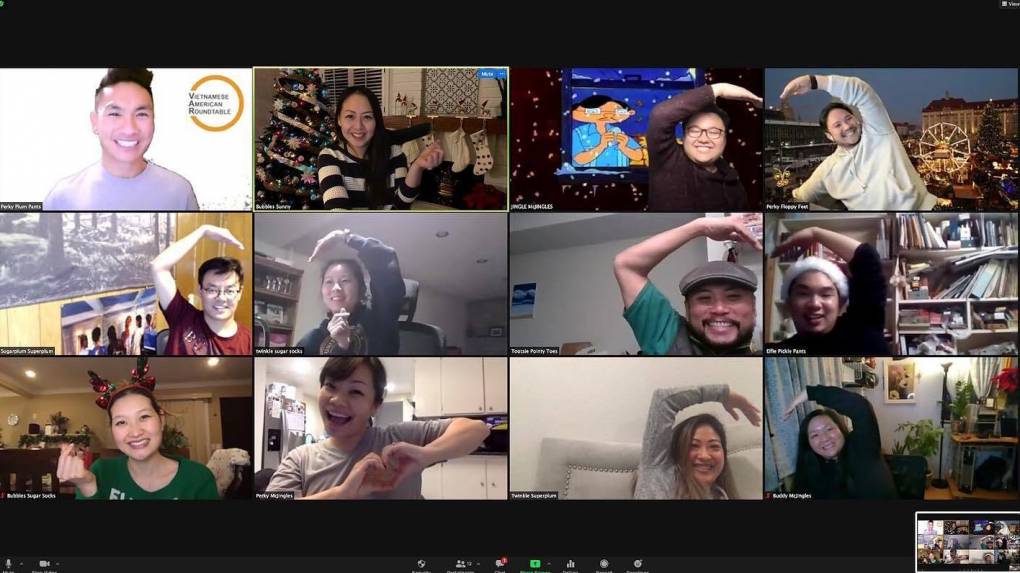
"caption": "The Vietnamese American Roundtable is an organization based in the South Bay, focused on serving the Vietnamese American community in the Bay Area. Since the pandemic started, VAR has been hosting webinars to educate their more than 3,000 followers on how to stay safe from COVID-19.",
"description": null,
"title": "1920_VAR Facebook photo",
"credit": "Photo courtesy of VAR",
"status": "inherit",
"altTag": null,
"isLoading": false,
"fetchFailed": false
},
"news_11873321": {
"type": "attachments",
"id": "news_11873321",
"meta": {
"index": "attachments_1716263798",
"site": "news",
"id": "11873321",
"found": true
},
"parent": 11873313,
"imgSizes": {
"twentyfourteen-full-width": {
"file": "https://ww2.kqed.org/app/uploads/sites/10/2021/05/RS21213_GettyImages-589931494-qut-1038x576.jpeg",
"width": 1038,
"mimeType": "image/jpeg",
"height": 576
},
"thumbnail": {
"file": "https://ww2.kqed.org/app/uploads/sites/10/2021/05/RS21213_GettyImages-589931494-qut-160x109.jpeg",
"width": 160,
"mimeType": "image/jpeg",
"height": 109
},
"post-thumbnail": {
"file": "https://ww2.kqed.org/app/uploads/sites/10/2021/05/RS21213_GettyImages-589931494-qut-672x372.jpeg",
"width": 672,
"mimeType": "image/jpeg",
"height": 372
},
"kqedFullSize": {
"file": "https://ww2.kqed.org/app/uploads/sites/10/2021/05/RS21213_GettyImages-589931494-qut.jpeg",
"width": 1920,
"height": 1305
},
"large": {
"file": "https://ww2.kqed.org/app/uploads/sites/10/2021/05/RS21213_GettyImages-589931494-qut-1020x693.jpeg",
"width": 1020,
"mimeType": "image/jpeg",
"height": 693
},
"1536x1536": {
"file": "https://ww2.kqed.org/app/uploads/sites/10/2021/05/RS21213_GettyImages-589931494-qut-1536x1044.jpeg",
"width": 1536,
"mimeType": "image/jpeg",
"height": 1044
},
"medium": {
"file": "https://ww2.kqed.org/app/uploads/sites/10/2021/05/RS21213_GettyImages-589931494-qut-800x544.jpeg",
"width": 800,
"mimeType": "image/jpeg",
"height": 544
}
},
"publishDate": 1620844690,
"modified": 1632853516,
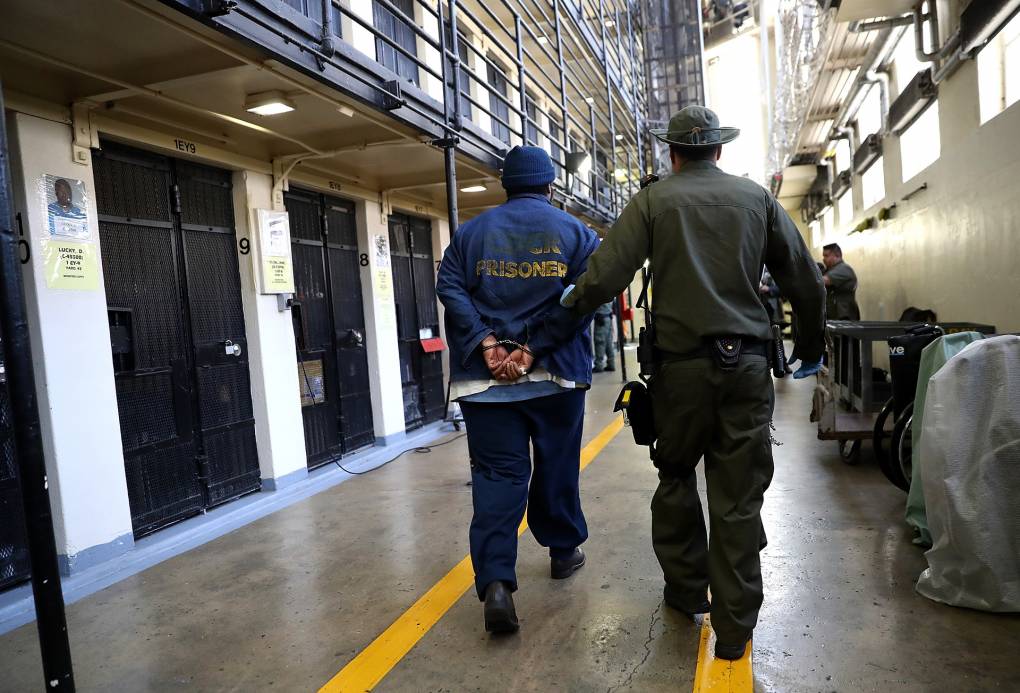
"caption": "An armed California Department of Corrections and Rehabilitation officer escorts an incarcerated person at San Quentin State Prison's death row on Aug. 15, 2016.",
"description": null,
"title": "RS21213_GettyImages-589931494-qut",
"credit": "Justin Sullivan/Getty Images",
"status": "inherit",
"altTag": "A man in a green uniform and hat leads another in a blue jacket with yellow lettering by his hands shackled behind his back.",
"isLoading": false,
"fetchFailed": false
},
"news_11872776": {
"type": "attachments",
"id": "news_11872776",
"meta": {
"index": "attachments_1716263798",
"site": "news",
"id": "11872776",
"found": true
},
"parent": 11872755,
"imgSizes": {
"twentyfourteen-full-width": {
"file": "https://ww2.kqed.org/app/uploads/sites/10/2021/05/1920_GettyImages-1230733110-1038x576.jpg",
"width": 1038,
"mimeType": "image/jpeg",
"height": 576
},
"thumbnail": {
"file": "https://ww2.kqed.org/app/uploads/sites/10/2021/05/1920_GettyImages-1230733110-160x90.jpg",
"width": 160,
"mimeType": "image/jpeg",
"height": 90
},
"post-thumbnail": {
"file": "https://ww2.kqed.org/app/uploads/sites/10/2021/05/1920_GettyImages-1230733110-672x372.jpg",
"width": 672,
"mimeType": "image/jpeg",
"height": 372
},
"kqedFullSize": {
"file": "https://ww2.kqed.org/app/uploads/sites/10/2021/05/1920_GettyImages-1230733110.jpg",
"width": 1920,
"height": 1080
},
"large": {
"file": "https://ww2.kqed.org/app/uploads/sites/10/2021/05/1920_GettyImages-1230733110-1020x574.jpg",
"width": 1020,
"mimeType": "image/jpeg",
"height": 574
},
"1536x1536": {
"file": "https://ww2.kqed.org/app/uploads/sites/10/2021/05/1920_GettyImages-1230733110-1536x864.jpg",
"width": 1536,
"mimeType": "image/jpeg",
"height": 864
},
"medium": {
"file": "https://ww2.kqed.org/app/uploads/sites/10/2021/05/1920_GettyImages-1230733110-800x450.jpg",
"width": 800,
"mimeType": "image/jpeg",
"height": 450
}
},
"publishDate": 1620417759,
"modified": 1620418174,
"caption": "State officials say a declining birth rate, plus reductions in international immigration and an increase in deaths because of the coronavirus, led to the state’s first ever year-over-year population loss. File photo: People arrive in their vehicles to receive COVID-19 vaccines at the Fairplex in Pomona, California on January 22, 2021. ",
"description": null,
"title": "1920_GettyImages-1230733110",
"credit": "Photo by Frederic J. Brown/AFP via Getty Images",
"status": "inherit",
"altTag": null,
"isLoading": false,
"fetchFailed": false
},
"news_11871842": {
"type": "attachments",
"id": "news_11871842",
"meta": {
"index": "attachments_1716263798",
"site": "news",
"id": "11871842",
"found": true
},
"parent": 11871813,
"imgSizes": {
"twentyfourteen-full-width": {
"file": "https://ww2.kqed.org/app/uploads/sites/10/2021/04/1920_GettyImages-1228049811-1038x576.jpg",
"width": 1038,
"mimeType": "image/jpeg",
"height": 576
},
"thumbnail": {
"file": "https://ww2.kqed.org/app/uploads/sites/10/2021/04/1920_GettyImages-1228049811-160x90.jpg",
"width": 160,
"mimeType": "image/jpeg",
"height": 90
},
"post-thumbnail": {
"file": "https://ww2.kqed.org/app/uploads/sites/10/2021/04/1920_GettyImages-1228049811-672x372.jpg",
"width": 672,
"mimeType": "image/jpeg",
"height": 372
},
"kqedFullSize": {
"file": "https://ww2.kqed.org/app/uploads/sites/10/2021/04/1920_GettyImages-1228049811-scaled.jpg",
"width": 2560,
"height": 1440
},
"2048x2048": {
"file": "https://ww2.kqed.org/app/uploads/sites/10/2021/04/1920_GettyImages-1228049811-2048x1152.jpg",
"width": 2048,
"mimeType": "image/jpeg",
"height": 1152
},
"large": {
"file": "https://ww2.kqed.org/app/uploads/sites/10/2021/04/1920_GettyImages-1228049811-1020x574.jpg",
"width": 1020,
"mimeType": "image/jpeg",
"height": 574
},
"1536x1536": {
"file": "https://ww2.kqed.org/app/uploads/sites/10/2021/04/1920_GettyImages-1228049811-1536x864.jpg",
"width": 1536,
"mimeType": "image/jpeg",
"height": 864
},
"full-width": {
"file": "https://ww2.kqed.org/app/uploads/sites/10/2021/04/1920_GettyImages-1228049811-1920x1080.jpg",
"width": 1920,
"mimeType": "image/jpeg",
"height": 1080
},
"medium": {
"file": "https://ww2.kqed.org/app/uploads/sites/10/2021/04/1920_GettyImages-1228049811-800x450.jpg",
"width": 800,
"mimeType": "image/jpeg",
"height": 450
}
},
"publishDate": 1619808751,
"modified": 1619808871,
"caption": "'Most people played Fortnite on their computers or consoles like the PS4 or Xbox, but I played on my phone,' said Jimmy Luong during an interview with KQED's Brian Watt. 'I was a mobile gamer and I happened to be really good. So I had my own thing. I stood out.'",
"description": null,
"title": "US-IT-LIFESTYLE-GAMES-COURT-APPLE-FORTNITE",
"credit": "Chris Delmas/AFP via Getty Images",
"status": "inherit",
"altTag": null,
"isLoading": false,
"fetchFailed": false
},
"news_11871760": {
"type": "attachments",
"id": "news_11871760",
"meta": {
"index": "attachments_1716263798",
"site": "news",
"id": "11871760",
"found": true
},
"parent": 11871688,
"imgSizes": {
"twentyfourteen-full-width": {
"file": "https://ww2.kqed.org/app/uploads/sites/10/2021/04/pexels-samson-katt-5255589-1-1038x576.jpg",
"width": 1038,
"mimeType": "image/jpeg",
"height": 576
},
"thumbnail": {
"file": "https://ww2.kqed.org/app/uploads/sites/10/2021/04/pexels-samson-katt-5255589-1-160x107.jpg",
"width": 160,
"mimeType": "image/jpeg",
"height": 107
},
"post-thumbnail": {
"file": "https://ww2.kqed.org/app/uploads/sites/10/2021/04/pexels-samson-katt-5255589-1-672x372.jpg",
"width": 672,
"mimeType": "image/jpeg",
"height": 372
},
"kqedFullSize": {
"file": "https://ww2.kqed.org/app/uploads/sites/10/2021/04/pexels-samson-katt-5255589-1.jpg",
"width": 1920,
"height": 1280
},
"large": {
"file": "https://ww2.kqed.org/app/uploads/sites/10/2021/04/pexels-samson-katt-5255589-1-1020x680.jpg",
"width": 1020,
"mimeType": "image/jpeg",
"height": 680
},
"1536x1536": {
"file": "https://ww2.kqed.org/app/uploads/sites/10/2021/04/pexels-samson-katt-5255589-1-1536x1024.jpg",
"width": 1536,
"mimeType": "image/jpeg",
"height": 1024
},
"medium": {
"file": "https://ww2.kqed.org/app/uploads/sites/10/2021/04/pexels-samson-katt-5255589-1-800x533.jpg",
"width": 800,
"mimeType": "image/jpeg",
"height": 533
}
},
"publishDate": 1619738378,
"modified": 1619740737,
"caption": "The CDC has updated its guidance on mask-wearing outside.",
"description": null,
"title": "pexels-samson-katt-5255589 (1)",
"credit": "Samson Katt/Pexels",
"status": "inherit",
"altTag": "cdc-masks-outdoors-guidance",
"isLoading": false,
"fetchFailed": false
},
"news_11871124": {
"type": "attachments",
"id": "news_11871124",
"meta": {
"index": "attachments_1716263798",
"site": "news",
"id": "11871124",
"found": true
},
"parent": 11871122,
"imgSizes": {
"twentyfourteen-full-width": {
"file": "https://ww2.kqed.org/app/uploads/sites/10/2021/04/GettyImages-1314176777-1038x576.jpg",
"width": 1038,
"mimeType": "image/jpeg",
"height": 576
},
"thumbnail": {
"file": "https://ww2.kqed.org/app/uploads/sites/10/2021/04/GettyImages-1314176777-160x90.jpg",
"width": 160,
"mimeType": "image/jpeg",
"height": 90
},
"post-thumbnail": {
"file": "https://ww2.kqed.org/app/uploads/sites/10/2021/04/GettyImages-1314176777-672x372.jpg",
"width": 672,
"mimeType": "image/jpeg",
"height": 372
},
"kqedFullSize": {
"file": "https://ww2.kqed.org/app/uploads/sites/10/2021/04/GettyImages-1314176777-scaled.jpg",
"width": 2560,
"height": 1440
},
"2048x2048": {
"file": "https://ww2.kqed.org/app/uploads/sites/10/2021/04/GettyImages-1314176777-2048x1152.jpg",
"width": 2048,
"mimeType": "image/jpeg",
"height": 1152
},
"large": {
"file": "https://ww2.kqed.org/app/uploads/sites/10/2021/04/GettyImages-1314176777-1020x574.jpg",
"width": 1020,
"mimeType": "image/jpeg",
"height": 574
},
"1536x1536": {
"file": "https://ww2.kqed.org/app/uploads/sites/10/2021/04/GettyImages-1314176777-1536x864.jpg",
"width": 1536,
"mimeType": "image/jpeg",
"height": 864
},
"full-width": {
"file": "https://ww2.kqed.org/app/uploads/sites/10/2021/04/GettyImages-1314176777-1920x1080.jpg",
"width": 1920,
"mimeType": "image/jpeg",
"height": 1080
},
"medium": {
"file": "https://ww2.kqed.org/app/uploads/sites/10/2021/04/GettyImages-1314176777-800x450.jpg",
"width": 800,
"mimeType": "image/jpeg",
"height": 450
}
},
"publishDate": 1619406299,
"modified": 1619465946,
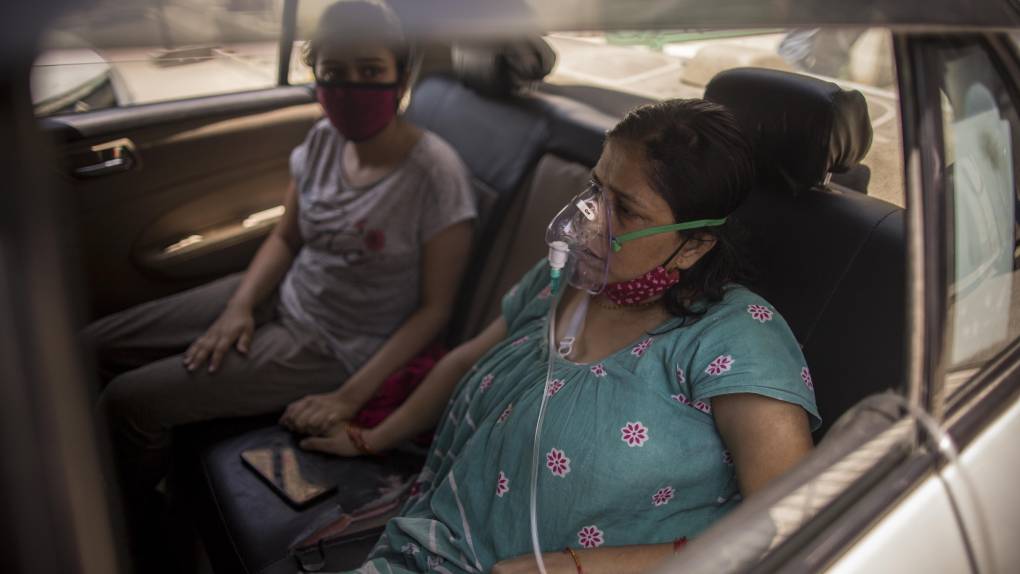
"caption": "Patients infected with COVID-19 can be seen wearing oxygen masks on April 24, 2021 in New Delhi, India. With recorded cases crossing 300,000 a day, India has more than 2 million active cases of COVID-19, the second-highest number in the world after the U.S.",
"description": null,
"title": "India Struggles To Contain Huge Wave Of Covid-19 Infections",
"credit": "Anindito Mukherjee/Getty Images",
"status": "inherit",
"altTag": "Patients infected with COVID-19 can be seen wearing Oxygen masks place amid the rising concerns over lack of Oxygen on April 24, 2021 in New Delhi, India. With recorded cases crossing 300,000 a day, India has more than 2 million active cases of COVID-19, the second-highest number in the world after the U.S. A new wave of the pandemic has totally overwhelmed the country's healthcare services and has caused crematoriums to operate day and night as the number of victims continues to spiral out of control.",
"isLoading": false,
"fetchFailed": false
},
"news_11870974": {
"type": "attachments",
"id": "news_11870974",
"meta": {
"index": "attachments_1716263798",
"site": "news",
"id": "11870974",
"found": true
},
"parent": 11870973,
"imgSizes": {
"twentyfourteen-full-width": {
"file": "https://ww2.kqed.org/app/uploads/sites/10/2021/04/gettyimages-1232291997-e430e6dd75a3ab6676c30979c09e6f3dfddfcdaf-1038x576.jpg",
"width": 1038,
"mimeType": "image/jpeg",
"height": 576
},
"thumbnail": {
"file": "https://ww2.kqed.org/app/uploads/sites/10/2021/04/gettyimages-1232291997-e430e6dd75a3ab6676c30979c09e6f3dfddfcdaf-160x120.jpg",
"width": 160,
"mimeType": "image/jpeg",
"height": 120
},
"post-thumbnail": {
"file": "https://ww2.kqed.org/app/uploads/sites/10/2021/04/gettyimages-1232291997-e430e6dd75a3ab6676c30979c09e6f3dfddfcdaf-672x372.jpg",
"width": 672,
"mimeType": "image/jpeg",
"height": 372
},
"kqedFullSize": {
"file": "https://ww2.kqed.org/app/uploads/sites/10/2021/04/gettyimages-1232291997-e430e6dd75a3ab6676c30979c09e6f3dfddfcdaf-scaled-e1619215792563.jpg",
"width": 1920,
"height": 1440
},
"2048x2048": {
"file": "https://ww2.kqed.org/app/uploads/sites/10/2021/04/gettyimages-1232291997-e430e6dd75a3ab6676c30979c09e6f3dfddfcdaf-2048x1536.jpg",
"width": 2048,
"mimeType": "image/jpeg",
"height": 1536
},
"large": {
"file": "https://ww2.kqed.org/app/uploads/sites/10/2021/04/gettyimages-1232291997-e430e6dd75a3ab6676c30979c09e6f3dfddfcdaf-1020x765.jpg",
"width": 1020,
"mimeType": "image/jpeg",
"height": 765
},
"1536x1536": {
"file": "https://ww2.kqed.org/app/uploads/sites/10/2021/04/gettyimages-1232291997-e430e6dd75a3ab6676c30979c09e6f3dfddfcdaf-1536x1152.jpg",
"width": 1536,
"mimeType": "image/jpeg",
"height": 1152
},
"full-width": {
"file": "https://ww2.kqed.org/app/uploads/sites/10/2021/04/gettyimages-1232291997-e430e6dd75a3ab6676c30979c09e6f3dfddfcdaf-1920x1440.jpg",
"width": 1920,
"mimeType": "image/jpeg",
"height": 1440
},
"medium": {
"file": "https://ww2.kqed.org/app/uploads/sites/10/2021/04/gettyimages-1232291997-e430e6dd75a3ab6676c30979c09e6f3dfddfcdaf-800x600.jpg",
"width": 800,
"mimeType": "image/jpeg",
"height": 600
}
},
"publishDate": 1619214669,
"modified": 1619217902,
"caption": "Bottles of the single-dose Johnson & Johnson COVID-19 vaccine await transfer into syringes for administering last month in Los Angeles before the vaccine's pause. ",
"description": "Bottles of the single-dose Johnson & Johnson Janssen Covid-19 vaccine await transfer into syringes for administering at a vaccine rollout targetting immingrants and the undocumented in Los Angeles, California on March 25, 2021. - The US is calling for a pause on April 13, 2021 on administering the Johnson & Johnson Covid-19 vaccine due to blood clotting concerns. (Photo by Frederic J. BROWN / AFP) (Photo by FREDERIC J. BROWN/AFP via Getty Images)",
"title": "Bottles of the single-dose Johnson & Johnson COVID-19 vaccine await transfer into syringes for administering last month in Los Angeles before the vaccine's pause.",
"credit": "Frederic J. Brown/AFP via Getty Images",
"status": "inherit",
"altTag": null,
"isLoading": false,
"fetchFailed": false
},
"news_11870024": {
"type": "attachments",
"id": "news_11870024",
"meta": {
"index": "attachments_1716263798",
"site": "news",
"id": "11870024",
"found": true
},
"parent": 11869404,
"imgSizes": {
"twentyfourteen-full-width": {
"file": "https://ww2.kqed.org/app/uploads/sites/10/2029/04/covidhighschool-1038x576.jpg",
"width": 1038,
"mimeType": "image/jpeg",
"height": 576
},
"thumbnail": {
"file": "https://ww2.kqed.org/app/uploads/sites/10/2029/04/covidhighschool-160x120.jpg",
"width": 160,
"mimeType": "image/jpeg",
"height": 120
},
"post-thumbnail": {
"file": "https://ww2.kqed.org/app/uploads/sites/10/2029/04/covidhighschool-672x372.jpg",
"width": 672,
"mimeType": "image/jpeg",
"height": 372
},
"kqedFullSize": {
"file": "https://ww2.kqed.org/app/uploads/sites/10/2029/04/covidhighschool-scaled-e1618851959588.jpg",
"width": 1920,
"height": 1440
},
"2048x2048": {
"file": "https://ww2.kqed.org/app/uploads/sites/10/2029/04/covidhighschool-2048x1536.jpg",
"width": 2048,
"mimeType": "image/jpeg",
"height": 1536
},
"large": {
"file": "https://ww2.kqed.org/app/uploads/sites/10/2029/04/covidhighschool-1020x765.jpg",
"width": 1020,
"mimeType": "image/jpeg",
"height": 765
},
"1536x1536": {
"file": "https://ww2.kqed.org/app/uploads/sites/10/2029/04/covidhighschool-1536x1152.jpg",
"width": 1536,
"mimeType": "image/jpeg",
"height": 1152
},
"full-width": {
"file": "https://ww2.kqed.org/app/uploads/sites/10/2029/04/covidhighschool-1920x1440.jpg",
"width": 1920,
"mimeType": "image/jpeg",
"height": 1440
},
"medium": {
"file": "https://ww2.kqed.org/app/uploads/sites/10/2029/04/covidhighschool-800x600.jpg",
"width": 800,
"mimeType": "image/jpeg",
"height": 600
}
},
"publishDate": 1618851913,
"modified": 1618874237,
"caption": null,
"description": null,
"title": "covidhighschool",
"credit": null,
"status": "inherit",
"altTag": null,
"isLoading": false,
"fetchFailed": false
},
"news_11867834": {
"type": "attachments",
"id": "news_11867834",
"meta": {
"index": "attachments_1716263798",
"site": "news",
"id": "11867834",
"found": true
},
"parent": 11866747,
"imgSizes": {
"twentyfourteen-full-width": {
"file": "https://ww2.kqed.org/app/uploads/sites/10/2021/04/RS48338_GettyImages-1310180889-qut-1038x576.jpg",
"width": 1038,
"mimeType": "image/jpeg",
"height": 576
},
"thumbnail": {
"file": "https://ww2.kqed.org/app/uploads/sites/10/2021/04/RS48338_GettyImages-1310180889-qut-160x117.jpg",
"width": 160,
"mimeType": "image/jpeg",
"height": 117
},
"post-thumbnail": {
"file": "https://ww2.kqed.org/app/uploads/sites/10/2021/04/RS48338_GettyImages-1310180889-qut-672x372.jpg",
"width": 672,
"mimeType": "image/jpeg",
"height": 372
},
"kqedFullSize": {
"file": "https://ww2.kqed.org/app/uploads/sites/10/2021/04/RS48338_GettyImages-1310180889-qut.jpg",
"width": 1920,
"height": 1405
},
"large": {
"file": "https://ww2.kqed.org/app/uploads/sites/10/2021/04/RS48338_GettyImages-1310180889-qut-1020x746.jpg",
"width": 1020,
"mimeType": "image/jpeg",
"height": 746
},
"1536x1536": {
"file": "https://ww2.kqed.org/app/uploads/sites/10/2021/04/RS48338_GettyImages-1310180889-qut-1536x1124.jpg",
"width": 1536,
"mimeType": "image/jpeg",
"height": 1124
},
"medium": {
"file": "https://ww2.kqed.org/app/uploads/sites/10/2021/04/RS48338_GettyImages-1310180889-qut-800x585.jpg",
"width": 800,
"mimeType": "image/jpeg",
"height": 585
}
},
"publishDate": 1617391224,
"modified": 1617391277,
"caption": "Concentra registered nurse Deysi Fleix administers a Moderna COVID-19 vaccination to an Amazon employee at an Amazon fulfillment center on March 31, 2021 in North Las Vegas, Nevada.",
"description": null,
"title": "Amazon Employees At Nevada Fulfillment Center Receive COVID-19 Vaccinations",
"credit": "Ethan Miller/Getty Images",
"status": "inherit",
"altTag": "Person receiving a COVID-19 vaccine shot in the arm from a masked nurse",
"isLoading": false,
"fetchFailed": false
}
},
"audioPlayerReducer": {
"postId": "stream_live",
"isPaused": true,
"isPlaying": false,
"pfsActive": false,
"pledgeModalIsOpen": true,
"playerDrawerIsOpen": false,
"liveAudioPlayStartedAt": 0,
"liveAudioPlayContext": ""
},
"authorsReducer": {
"byline_news_11873527": {
"type": "authors",
"id": "byline_news_11873527",
"meta": {
"override": true
},
"slug": "byline_news_11873527",
"name": "Zeke Miller and Michael Balsamo, Associated Press",
"isLoading": false
},
"byline_news_11873313": {
"type": "authors",
"id": "byline_news_11873313",
"meta": {
"override": true
},
"slug": "byline_news_11873313",
"name": "Byrhonda Lyons",
"isLoading": false
},
"byline_news_11872755": {
"type": "authors",
"id": "byline_news_11872755",
"meta": {
"override": true
},
"slug": "byline_news_11872755",
"name": "Adam Beam \u003cbr> Associated Press",
"isLoading": false
},
"byline_news_11871813": {
"type": "authors",
"id": "byline_news_11871813",
"meta": {
"override": true
},
"slug": "byline_news_11871813",
"name": "Teresa Wierzbianska",
"isLoading": false
},
"byline_news_11870973": {
"type": "authors",
"id": "byline_news_11870973",
"meta": {
"override": true
},
"slug": "byline_news_11870973",
"name": "Laurel Wamsley",
"isLoading": false
},
"jmcevoy": {
"type": "authors",
"id": "231",
"meta": {
"index": "authors_1716337520",
"id": "231",
"found": true
},
"name": "Julia McEvoy",
"firstName": "Julia",
"lastName": "McEvoy",
"slug": "jmcevoy",
"email": "jmcevoy@KQED.org",
"display_author_email": true,
"staff_mastheads": [
"news"
],
"title": "KQED Senior Editor",
"bio": "Julia McEvoy is KQED's Senior Editor, Education Equity.\r\n\r\nJulia heads KQED’s education coverage examining inequities students face in Bay Area and California schools, and reports on what it will take to educate the next generation.\r\n\r\nJulia's editorial work has received a Peabody Award, a Casey Medal for Coverage of Children and Families, several Edward R. Murrow awards, as well as awards from the Public Radio News Directors Inc. and the Society for Professional Journalists.",
"avatar": "https://secure.gravatar.com/avatar/aec3ce21abe02b302fd33638abd56a22?s=600&d=blank&r=g",
"twitter": "juliamcevoy1",
"facebook": null,
"instagram": null,
"linkedin": null,
"sites": [
{
"site": "news",
"roles": []
},
{
"site": "stateofhealth",
"roles": [
"author"
]
}
],
"headData": {
"title": "Julia McEvoy | KQED",
"description": "KQED Senior Editor",
"ogImgSrc": "https://secure.gravatar.com/avatar/aec3ce21abe02b302fd33638abd56a22?s=600&d=blank&r=g",
"twImgSrc": "https://secure.gravatar.com/avatar/aec3ce21abe02b302fd33638abd56a22?s=600&d=blank&r=g"
},
"isLoading": false,
"link": "/author/jmcevoy"
},
"carlysevern": {
"type": "authors",
"id": "3243",
"meta": {
"index": "authors_1716337520",
"id": "3243",
"found": true
},
"name": "Carly Severn",
"firstName": "Carly",
"lastName": "Severn",
"slug": "carlysevern",
"email": "csevern@kqed.org",
"display_author_email": false,
"staff_mastheads": [
"news"
],
"title": "Senior Editor, Audience News ",
"bio": "Carly is KQED's Senior Editor of Audience News on the Digital News team, and has reported for the California Report Magazine, Bay Curious and KQED Arts. She's formerly the host of \u003ca href=\"http://ww2.kqed.org/pop/category/the-cooler/\" rel=\"noopener noreferrer\">The Cooler\u003c/a> podcast.",
"avatar": "https://secure.gravatar.com/avatar/54037bf5c128fe678f0ef26cec97a93f2e7f220a22d7285703328f12c42c1b1d?s=600&d=blank&r=g",
"twitter": "teacupinthebay",
"bluesky": null,
"facebook": null,
"instagram": null,
"linkedin": null,
"sites": [
{
"site": "",
"roles": [
"editor"
]
},
{
"site": "arts",
"roles": [
"editor"
]
},
{
"site": "news",
"roles": [
"administrator"
]
},
{
"site": "pop",
"roles": [
"editor"
]
},
{
"site": "futureofyou",
"roles": [
"editor"
]
},
{
"site": "about",
"roles": [
"administrator"
]
},
{
"site": "mindshift",
"roles": [
"editor"
]
},
{
"site": "bayareabites",
"roles": [
"editor"
]
},
{
"site": "stateofhealth",
"roles": [
"editor"
]
},
{
"site": "science",
"roles": [
"editor"
]
},
{
"site": "food",
"roles": [
"contributor"
]
},
{
"site": "forum",
"roles": [
"editor"
]
},
{
"site": "perspectives",
"roles": [
"administrator"
]
},
{
"site": "liveblog",
"roles": [
"editor"
]
}
],
"headData": {
"title": "Carly Severn | KQED",
"description": "Senior Editor, Audience News ",
"ogImgSrc": "https://secure.gravatar.com/avatar/54037bf5c128fe678f0ef26cec97a93f2e7f220a22d7285703328f12c42c1b1d?s=600&d=blank&r=g",
"twImgSrc": "https://secure.gravatar.com/avatar/54037bf5c128fe678f0ef26cec97a93f2e7f220a22d7285703328f12c42c1b1d?s=600&d=blank&r=g"
},
"isLoading": false,
"link": "/author/carlysevern"
},
"cveltman": {
"type": "authors",
"id": "8608",
"meta": {
"index": "authors_1716337520",
"id": "8608",
"found": true
},
"name": "Chloe Veltman",
"firstName": "Chloe",
"lastName": "Veltman",
"slug": "cveltman",
"email": "cveltman@kqed.org",
"display_author_email": true,
"staff_mastheads": [],
"title": "Arts and Culture Reporter",
"bio": "Chloe Veltman is a former arts and culture reporter for KQED. Prior to joining the organization, she launched and led the arts bureau at Colorado Public Radio, served as the Bay Area's culture columnist for the New York Times, and was the founder, host and executive producer of VoiceBox, a national award-winning weekly podcast/radio show and live events series all about the human voice. Chloe is the recipient of numerous prizes, grants and fellowships including a Webby Award for her work on interactive storytelling, both the John S Knight Journalism Fellowship and Humanities Center Fellowship at Stanford University, the Sundance Arts Writing Fellowship and a Library of Congress Research Fellowship. She is the author of the book \"On Acting\" and has appeared as a guest lecturer at Yale University and the San Francisco Conservatory of Music among other institutions. She holds a BA in english literature from King's College, Cambridge, and a Masters in Dramaturgy from the Central School of Speech and Drama/Harvard Institute for Advanced Theater Training.\r\n\u003ca href=\"https://www.chloeveltman.com\">www.chloeveltman.com\u003c/a>",
"avatar": "https://secure.gravatar.com/avatar/55403394b00a1ddab683952c2eb2cf85?s=600&d=blank&r=g",
"twitter": "chloeveltman",
"facebook": null,
"instagram": null,
"linkedin": null,
"sites": [
{
"site": "arts",
"roles": []
},
{
"site": "news",
"roles": [
"author"
]
},
{
"site": "pop",
"roles": [
"editor"
]
},
{
"site": "science",
"roles": []
}
],
"headData": {
"title": "Chloe Veltman | KQED",
"description": "Arts and Culture Reporter",
"ogImgSrc": "https://secure.gravatar.com/avatar/55403394b00a1ddab683952c2eb2cf85?s=600&d=blank&r=g",
"twImgSrc": "https://secure.gravatar.com/avatar/55403394b00a1ddab683952c2eb2cf85?s=600&d=blank&r=g"
},
"isLoading": false,
"link": "/author/cveltman"
},
"lsarah": {
"type": "authors",
"id": "11626",
"meta": {
"index": "authors_1716337520",
"id": "11626",
"found": true
},
"name": "Lakshmi Sarah",
"firstName": "Lakshmi",
"lastName": "Sarah",
"slug": "lsarah",
"email": "lsarah@kqed.org",
"display_author_email": false,
"staff_mastheads": [],
"title": "Digital Producer",
"bio": "Lakshmi Sarah is an educator, author and journalist with a focus on innovative storytelling. She has worked with newspapers, radio and magazines from Ahmedabad, India to Los Angeles, California. She has written and produced for Die Zeit, Global Voices, AJ+, KQED, Fusion Media Group and the New York Times.",
"avatar": "https://secure.gravatar.com/avatar/652dcaecd8b28826fc17a8b2d6bb4e93?s=600&d=blank&r=g",
"twitter": "lakitalki",
"facebook": null,
"instagram": "https://www.instagram.com/laki.talki/",
"linkedin": "https://www.linkedin.com/in/lakisarah/",
"sites": [
{
"site": "arts",
"roles": []
},
{
"site": "news",
"roles": []
},
{
"site": "bayareabites",
"roles": []
},
{
"site": "science",
"roles": []
}
],
"headData": {
"title": "Lakshmi Sarah | KQED",
"description": "Digital Producer",
"ogImgSrc": "https://secure.gravatar.com/avatar/652dcaecd8b28826fc17a8b2d6bb4e93?s=600&d=blank&r=g",
"twImgSrc": "https://secure.gravatar.com/avatar/652dcaecd8b28826fc17a8b2d6bb4e93?s=600&d=blank&r=g"
},
"isLoading": false,
"link": "/author/lsarah"
},
"abandlamudi": {
"type": "authors",
"id": "11672",
"meta": {
"index": "authors_1716337520",
"id": "11672",
"found": true
},
"name": "Adhiti Bandlamudi",
"firstName": "Adhiti",
"lastName": "Bandlamudi",
"slug": "abandlamudi",
"email": "abandlamudi@kqed.org",
"display_author_email": false,
"staff_mastheads": [
"news"
],
"title": "KQED Housing Reporter",
"bio": "Adhiti Bandlamudi reports for KQED's Housing desk. She focuses on how housing gets built across the Bay Area. Before joining KQED in 2020, she reported for WUNC in Durham, North Carolina, WABE in Atlanta, Georgia and Capital Public Radio in Sacramento. In 2017, she was awarded a Kroc Fellowship at NPR where she reported on everything from sprinkles to the Golden State Killer's arrest. When she's not reporting, she's baking new recipes in her kitchen or watching movies with friends and family. She's originally from Georgia and has strong opinions about Great British Bake Off.",
"avatar": "https://secure.gravatar.com/avatar/868129c8b257bb99a3500e2c86a65400?s=600&d=mm&r=g",
"twitter": "oddity_adhiti",
"facebook": null,
"instagram": null,
"linkedin": null,
"sites": [
{
"site": "arts",
"roles": [
"author"
]
},
{
"site": "news",
"roles": [
"editor"
]
},
{
"site": "liveblog",
"roles": [
"author"
]
}
],
"headData": {
"title": "Adhiti Bandlamudi | KQED",
"description": "KQED Housing Reporter",
"ogImgSrc": "https://secure.gravatar.com/avatar/868129c8b257bb99a3500e2c86a65400?s=600&d=mm&r=g",
"twImgSrc": "https://secure.gravatar.com/avatar/868129c8b257bb99a3500e2c86a65400?s=600&d=mm&r=g"
},
"isLoading": false,
"link": "/author/abandlamudi"
}
},
"pagesReducer": {
"news_tag_covid": {
"type": "terms",
"id": "news_27989",
"meta": {
"index": "terms_1716263798",
"site": "news",
"id": "27989",
"score": 9.103885
},
"featImg": null,
"name": "covid",
"description": null,
"taxonomy": "tag",
"headData": {
"twImgId": null,
"twTitle": null,
"ogTitle": null,
"ogImgId": null,
"twDescription": null,
"description": null,
"title": "covid Archives | KQED News",
"ogDescription": null
},
"ttid": 28006,
"slug": "covid",
"isLoading": false,
"title": "covid",
"pageMeta": {
"site": "news",
"WpPageTemplate": "page-topic-editorial",
"currentPage": 14
},
"blocks": [
{
"blockName": "kqed/post-list",
"attrs": {
"layout": "cardArticle2",
"query": "posts/news?tag=covid",
"seeMore": false,
"paginated": true,
"page": 14
}
},
{
"blockName": "kqed/ad"
}
]
}
},
"pfsSessionReducer": {},
"postsReducer": {
"stream_live": {
"type": "live",
"id": "stream_live",
"audioUrl": "https://streams.kqed.org/kqedradio",
"title": "Live Stream",
"excerpt": "Live Stream information currently unavailable.",
"link": "/radio",
"featImg": "",
"label": {
"name": "KQED Live",
"link": "/"
}
},
"stream_kqedNewscast": {
"type": "posts",
"id": "stream_kqedNewscast",
"audioUrl": "https://www.kqed.org/.stream/anon/radio/RDnews/newscast.mp3?_=1",
"title": "KQED Newscast",
"featImg": "",
"label": {
"name": "88.5 FM",
"link": "/"
}
},
"news_11874128": {
"type": "posts",
"id": "news_11874128",
"meta": {
"index": "posts_1716263798",
"site": "news",
"id": "11874128",
"score": null,
"sort": [
1621367413000
]
},
"guestAuthors": [],
"slug": "masks-are-still-required-in-california-until-june-15-what-you-need-to-know",
"title": "Masks Are Still Required in California Until June 15: What You Need to Know",
"publishDate": 1621367413,
"format": "standard",
"headTitle": "Masks Are Still Required in California Until June 15: What You Need to Know | KQED",
"labelTerm": {
"site": "news"
},
"content": "\u003cp>Last week, the Centers for Disease Control and Prevention updated its guidance to say that \u003ca href=\"https://www.kqed.org/news/11873527/cdc-says-no-masks-needed-indoors-for-fully-vaccinated-with-a-few-caveats\">fully vaccinated Americans no longer need to wear masks\u003c/a> in most places, indoors and outdoors.\u003c/p>\n\u003cp>But California officials announced Monday that \u003ca href=\"https://www.kqed.org/news/11874066/when-can-you-stop-wearing-a-mask-in-california-state-says-june-15-2\">the state will not align with the CDC’s guidance\u003c/a> until June 15.\u003c/p>\n\u003cp>Why June 15? And what are the rules on face coverings to know right now? Read on for more.\u003c/p>\n\u003ch3>Q. Why Isn’t California Following the CDC?\u003c/h3>\n\u003cp>A. “It’s in no way saying that the science or the direction by the CDC is wrong or there’s a challenge to it,” said Dr. Mark Ghaly, secretary of the California Health and Human Services Agency at a press briefing about the state’s announcement. It’s more about buying time, he said.\u003c/p>\n\u003cp>“This four-week period will give Californians time to prepare for this change while we continue the relentless focus on delivering vaccines, particularly to underserved communities and those that were hard hit throughout this pandemic,” Ghaly said.\u003c/p>\n\u003ch3>Q. Why Has June 15 Been Chosen?\u003c/h3>\n\u003cp>A. Gov. Gavin Newsom had previously set June 15 as \u003ca href=\"https://www.kqed.org/news/11868240/newsom-announces-plan-to-open-up-business-as-usual-in-california-by-june-15\">the date when California will reopen for “business as usual,”\u003c/a> so long as COVID-19 case numbers and vaccination rates met certain thresholds.\u003c/p>\n\u003cp>Newsom said this opening day would also be “subject to ongoing mask-wearing and ongoing vigilance.”\u003c/p>\n\u003ch3>Q. What Are California’s Current Mask Guidelines For Fully Vaccinated People?\u003c/h3>\n\u003cp>A. In short, if you’re fully vaccinated and you’re outdoors, the only setting in which you still need a mask in California until June 15 is in a large crowd of strangers.\u003c/p>\n\u003cp>In indoor settings outside your home, including on public transit, you still need a mask even if you’re fully vaccinated until June 15 comes.\u003c/p>\n\u003cp>Read more about \u003ca href=\"https://www.kqed.org/news/11864473/what-can-you-do-after-youre-fully-vaccinated-against-covid-19\">what fully vaccinated people can (and can’t) do\u003c/a>, including the guidance for visiting unvaccinated people.\u003c/p>\n\u003ch3>Q. What About Businesses Like Trader Joe’s That Say They Won’t Require Masks?\u003c/h3>\n\u003cp>A. If a business is in California it has to adhere to California guidelines. This includes national chains like Starbucks, Walmart and Trader Joe’s, which have already \u003ca href=\"https://www.cnn.com/2021/05/14/business/trader-joes-mask-guidance/index.html\">announced they will no longer require fully vaccinated customers to don masks in their stores\u003c/a> in places that have adopted the CDC’s new guidelines.\u003c/p>\n\u003cp>Basically, you still need a mask at TJ’s until June 15 is here.\u003c/p>\n\u003cp>[ad fullwidth]\u003c/p>\n\u003ch3>Q. What Will Change Starting June 15?\u003c/h3>\n\u003cp>A. On this “opening day,” California will adopt \u003ca href=\"https://www.kqed.org/news/11873527/cdc-says-no-masks-needed-indoors-for-fully-vaccinated-with-a-few-caveats\">the CDC’s updated guidance\u003c/a> that fully vaccinated people can go maskless in most settings, indoors and outdoors.\u003c/p>\n\u003cp>But after June 15, \u003ca href=\"https://www.kqed.org/coronavirusliveupdates/news/11873943/when-can-you-stop-wearing-a-mask-in-california-state-says-june-15\">California will continue to require mask-wearing in all public schools\u003c/a>, in line with CDC guidelines.\u003c/p>\n\u003cp>Masks will also still be required in some public spaces, including hospitals, on public transit and in congregate housing facilities like nursing homes, homeless shelters and prisons.\u003c/p>\n\u003cp>[aside label='Related Coverage' tag='coronavirus-resources-and-explainers']\u003c/p>\n\u003ch3>Q. Where Should I Go For the Latest California Mask Guidelines?\u003c/h3>\n\u003cp>If you’re looking for online clarity before June 15, you should source your answers from \u003ca href=\"https://covid19.ca.gov/masks-and-ppe/\">the California Department of Public Health’s site\u003c/a> rather than from \u003ca href=\"https://www.cdc.gov/coronavirus/2019-ncov/vaccines/fully-vaccinated-guidance.html\">the CDC’s webpages\u003c/a>, because of this new disconnect between the CDC and California’s rules.\u003c/p>\n\u003cp>When the state and the CDC align on mask-wearing on June 15, this will all — hopefully — become a lot simpler.\u003c/p>\n\u003ch3>Q. I’m Already Worried About Wildfires and Smoke. How Does California’s Mask Guidance Square With Smoke Protection?\u003c/h3>\n\u003cp>“The best mask for protecting oneself from wildfire smoke is an N95. That’s also the best mask for protecting oneself from coronavirus,” said Dr. John Balmes, a UCSF pulmonologist and professor of medicine.\u003c/p>\n\u003cp>N95 masks are \u003ca href=\"https://www.cdc.gov/coronavirus/2019-ncov/hcp/respirators-strategy/index.html\" target=\"_blank\" rel=\"noopener noreferrer\">no longer in short supply\u003c/a> either, as they were in the early part of the pandemic, so you don’t need to worry about taking supplies of these masks away from health care providers.\u003c/p>\n\u003cp>Surgical masks are the next best thing, and Balmes estimated surgical masks can reduce exposure to wildfire smoke by roughly 20%. A cloth mask does \u003cem>not\u003c/em> filter out wildfire smoke.\u003c/p>\n\u003cp>Read more about \u003ca href=\"https://www.kqed.org/news/11834305/masks-for-smoke-and-covid-19-what-kind-is-best\">which mask to wear during the pandemic in the event of wildfire\u003c/a>.\u003c/p>\n\u003cp>\u003c/p>\n",
"blocks": [],
"excerpt": "California isn't adopting the Centers for Disease Control and Prevention's guidance on fully vaccinated people and masks until June 15. Here's what you need to know about wearing a face covering before that date.",
"status": "publish",
"parent": 0,
"modified": 1740614826,
"stats": {
"hasAudio": false,
"hasVideo": false,
"hasChartOrMap": false,
"iframeSrcs": [],
"hasGoogleForm": false,
"hasGallery": false,
"hasHearkenModule": false,
"hasPolis": false,
"paragraphCount": 24,
"wordCount": 741
},
"headData": {
"title": "Masks Are Still Required in California Until June 15: What You Need to Know | KQED",
"description": "California isn't adopting the Centers for Disease Control and Prevention's guidance on fully vaccinated people and masks until June 15. Here's what you need to know about wearing a face covering before that date.",
"ogTitle": "FAQ: Masks Still Required in California Until June 15 (Even in Trader Joe's)",
"ogDescription": "",
"ogImgId": "",
"twTitle": "FAQ: Masks Still Required in California Until June 15 (Even in Trader Joe's)",
"twDescription": "",
"twImgId": "",
"schema": {
"@context": "https://schema.org",
"@type": "NewsArticle",
"headline": "Masks Are Still Required in California Until June 15: What You Need to Know",
"datePublished": "2021-05-18T12:50:13-07:00",
"dateModified": "2025-02-26T16:07:06-08:00",
"image": "https://cdn.kqed.org/wp-content/uploads/2020/02/KQED-OG-Image@1x.png",
"isAccessibleForFree": "True",
"publisher": {
"@type": "NewsMediaOrganization",
"@id": "https://www.kqed.org/#organization",
"name": "KQED",
"logo": "https://cdn.kqed.org/wp-content/uploads/2020/02/KQED-OG-Image@1x.png",
"url": "https://www.kqed.org",
"sameAs": [
"https://www.facebook.com/KQED",
"https://twitter.com/KQED",
"https://www.instagram.com/kqed/",
"https://www.tiktok.com/@kqedofficial",
"https://www.linkedin.com/company/kqed",
"https://www.youtube.com/channel/UCeC0IOo7i1P_61zVUWbJ4nw"
]
}
}
},
"sticky": false,
"path": "/news/11874128/masks-are-still-required-in-california-until-june-15-what-you-need-to-know",
"audioTrackLength": null,
"parsedContent": [
{
"type": "contentString",
"content": "\u003cdiv class=\"post-body\">\u003cp>\u003cp>Last week, the Centers for Disease Control and Prevention updated its guidance to say that \u003ca href=\"https://www.kqed.org/news/11873527/cdc-says-no-masks-needed-indoors-for-fully-vaccinated-with-a-few-caveats\">fully vaccinated Americans no longer need to wear masks\u003c/a> in most places, indoors and outdoors.\u003c/p>\n\u003cp>But California officials announced Monday that \u003ca href=\"https://www.kqed.org/news/11874066/when-can-you-stop-wearing-a-mask-in-california-state-says-june-15-2\">the state will not align with the CDC’s guidance\u003c/a> until June 15.\u003c/p>\n\u003cp>Why June 15? And what are the rules on face coverings to know right now? Read on for more.\u003c/p>\n\u003ch3>Q. Why Isn’t California Following the CDC?\u003c/h3>\n\u003cp>A. “It’s in no way saying that the science or the direction by the CDC is wrong or there’s a challenge to it,” said Dr. Mark Ghaly, secretary of the California Health and Human Services Agency at a press briefing about the state’s announcement. It’s more about buying time, he said.\u003c/p>\n\u003cp>“This four-week period will give Californians time to prepare for this change while we continue the relentless focus on delivering vaccines, particularly to underserved communities and those that were hard hit throughout this pandemic,” Ghaly said.\u003c/p>\n\u003ch3>Q. Why Has June 15 Been Chosen?\u003c/h3>\n\u003cp>A. Gov. Gavin Newsom had previously set June 15 as \u003ca href=\"https://www.kqed.org/news/11868240/newsom-announces-plan-to-open-up-business-as-usual-in-california-by-june-15\">the date when California will reopen for “business as usual,”\u003c/a> so long as COVID-19 case numbers and vaccination rates met certain thresholds.\u003c/p>\n\u003cp>Newsom said this opening day would also be “subject to ongoing mask-wearing and ongoing vigilance.”\u003c/p>\n\u003ch3>Q. What Are California’s Current Mask Guidelines For Fully Vaccinated People?\u003c/h3>\n\u003cp>A. In short, if you’re fully vaccinated and you’re outdoors, the only setting in which you still need a mask in California until June 15 is in a large crowd of strangers.\u003c/p>\n\u003cp>In indoor settings outside your home, including on public transit, you still need a mask even if you’re fully vaccinated until June 15 comes.\u003c/p>\n\u003cp>Read more about \u003ca href=\"https://www.kqed.org/news/11864473/what-can-you-do-after-youre-fully-vaccinated-against-covid-19\">what fully vaccinated people can (and can’t) do\u003c/a>, including the guidance for visiting unvaccinated people.\u003c/p>\n\u003ch3>Q. What About Businesses Like Trader Joe’s That Say They Won’t Require Masks?\u003c/h3>\n\u003cp>A. If a business is in California it has to adhere to California guidelines. This includes national chains like Starbucks, Walmart and Trader Joe’s, which have already \u003ca href=\"https://www.cnn.com/2021/05/14/business/trader-joes-mask-guidance/index.html\">announced they will no longer require fully vaccinated customers to don masks in their stores\u003c/a> in places that have adopted the CDC’s new guidelines.\u003c/p>\n\u003cp>Basically, you still need a mask at TJ’s until June 15 is here.\u003c/p>\n\u003cp>\u003c/p>\u003c/div>",
"attributes": {
"named": {},
"numeric": []
}
},
{
"type": "component",
"content": "",
"name": "ad",
"attributes": {
"named": {
"label": "fullwidth"
},
"numeric": [
"fullwidth"
]
}
},
{
"type": "contentString",
"content": "\u003cdiv class=\"post-body\">\u003cp>\u003c/p>\n\u003ch3>Q. What Will Change Starting June 15?\u003c/h3>\n\u003cp>A. On this “opening day,” California will adopt \u003ca href=\"https://www.kqed.org/news/11873527/cdc-says-no-masks-needed-indoors-for-fully-vaccinated-with-a-few-caveats\">the CDC’s updated guidance\u003c/a> that fully vaccinated people can go maskless in most settings, indoors and outdoors.\u003c/p>\n\u003cp>But after June 15, \u003ca href=\"https://www.kqed.org/coronavirusliveupdates/news/11873943/when-can-you-stop-wearing-a-mask-in-california-state-says-june-15\">California will continue to require mask-wearing in all public schools\u003c/a>, in line with CDC guidelines.\u003c/p>\n\u003cp>Masks will also still be required in some public spaces, including hospitals, on public transit and in congregate housing facilities like nursing homes, homeless shelters and prisons.\u003c/p>\n\u003cp>\u003c/p>\u003c/div>",
"attributes": {
"named": {},
"numeric": []
}
},
{
"type": "component",
"content": "",
"name": "aside",
"attributes": {
"named": {
"label": "Related Coverage ",
"tag": "coronavirus-resources-and-explainers"
},
"numeric": []
}
},
{
"type": "contentString",
"content": "\u003cdiv class=\"post-body\">\u003cp>\u003c/p>\n\u003ch3>Q. Where Should I Go For the Latest California Mask Guidelines?\u003c/h3>\n\u003cp>If you’re looking for online clarity before June 15, you should source your answers from \u003ca href=\"https://covid19.ca.gov/masks-and-ppe/\">the California Department of Public Health’s site\u003c/a> rather than from \u003ca href=\"https://www.cdc.gov/coronavirus/2019-ncov/vaccines/fully-vaccinated-guidance.html\">the CDC’s webpages\u003c/a>, because of this new disconnect between the CDC and California’s rules.\u003c/p>\n\u003cp>When the state and the CDC align on mask-wearing on June 15, this will all — hopefully — become a lot simpler.\u003c/p>\n\u003ch3>Q. I’m Already Worried About Wildfires and Smoke. How Does California’s Mask Guidance Square With Smoke Protection?\u003c/h3>\n\u003cp>“The best mask for protecting oneself from wildfire smoke is an N95. That’s also the best mask for protecting oneself from coronavirus,” said Dr. John Balmes, a UCSF pulmonologist and professor of medicine.\u003c/p>\n\u003cp>N95 masks are \u003ca href=\"https://www.cdc.gov/coronavirus/2019-ncov/hcp/respirators-strategy/index.html\" target=\"_blank\" rel=\"noopener noreferrer\">no longer in short supply\u003c/a> either, as they were in the early part of the pandemic, so you don’t need to worry about taking supplies of these masks away from health care providers.\u003c/p>\n\u003cp>Surgical masks are the next best thing, and Balmes estimated surgical masks can reduce exposure to wildfire smoke by roughly 20%. A cloth mask does \u003cem>not\u003c/em> filter out wildfire smoke.\u003c/p>\n\u003cp>Read more about \u003ca href=\"https://www.kqed.org/news/11834305/masks-for-smoke-and-covid-19-what-kind-is-best\">which mask to wear during the pandemic in the event of wildfire\u003c/a>.\u003c/p>\n\u003cp>\u003c/p>\n\u003c/div>\u003c/p>",
"attributes": {
"named": {},
"numeric": []
}
}
],
"link": "/news/11874128/masks-are-still-required-in-california-until-june-15-what-you-need-to-know",
"authors": [
"3243"
],
"categories": [
"news_457",
"news_8"
],
"tags": [
"news_27350",
"news_29029",
"news_27989",
"news_28801",
"news_27504",
"news_27626"
],
"featImg": "news_11874157",
"label": "news"
},
"news_11873038": {
"type": "posts",
"id": "news_11873038",
"meta": {
"index": "posts_1716263798",
"site": "news",
"id": "11873038",
"score": null,
"sort": [
1621033706000
]
},
"guestAuthors": [],
"slug": "the-year-when-singing-became-dangerous",
"title": "The Year When Singing Became Dangerous",
"publishDate": 1621033706,
"format": "standard",
"headTitle": "The Year When Singing Became Dangerous | KQED",
"labelTerm": {
"term": 26731,
"site": "news"
},
"content": "\u003cp>There’s nothing Alyse Whitney likes to do more than hit a karaoke bar with her friends, have a few drinks and sing her heart out.\u003c/p>\n\u003cp>“Feeling the presence of being kind of a rock star for the night is really fun and makes me realize that, hey, I’m good at something. This is my thing,” the Los Angeles resident told KQED in a recent video interview.\u003c/p>\n\u003cp>The last time Whitney went out karaokeing was right before the pandemic shut down all the bars. She and her friend were the only customers in the place.\u003c/p>\n\u003cp>“We sang almost all of Celine’s [Dion] catalog. We changed the words to Enrique Iglesias’ ‘Escape’ to say, ‘You can run, you can hide, but you can’t escape COVID!’ ” recalled Whitney. “And we didn’t realize it was going to be such a big deal and how impactful that night would have been as a last hurrah.”\u003c/p>\n\u003cfigure id=\"attachment_11873303\" class=\"wp-caption aligncenter\" style=\"max-width: 800px\">\u003cimg loading=\"lazy\" decoding=\"async\" class=\"wp-image-11873303 size-medium\" src=\"https://ww2.kqed.org/app/uploads/sites/10/2021/05/RS48981_IMG_7026-qut-800x1067.jpg\" alt=\"\" width=\"800\" height=\"1067\" srcset=\"https://cdn.kqed.org/wp-content/uploads/sites/10/2021/05/RS48981_IMG_7026-qut-800x1067.jpg 800w, https://cdn.kqed.org/wp-content/uploads/sites/10/2021/05/RS48981_IMG_7026-qut-1020x1360.jpg 1020w, https://cdn.kqed.org/wp-content/uploads/sites/10/2021/05/RS48981_IMG_7026-qut-160x213.jpg 160w, https://cdn.kqed.org/wp-content/uploads/sites/10/2021/05/RS48981_IMG_7026-qut-1152x1536.jpg 1152w, https://cdn.kqed.org/wp-content/uploads/sites/10/2021/05/RS48981_IMG_7026-qut-1536x2048.jpg 1536w, https://cdn.kqed.org/wp-content/uploads/sites/10/2021/05/RS48981_IMG_7026-qut.jpg 1920w\" sizes=\"(max-width: 800px) 100vw, 800px\">\u003cfigcaption class=\"wp-caption-text\">Alyse Whitney enjoying a night out at a karaoke bar. \u003ccite>(Courtesy Alyse Whitney)\u003c/cite>\u003c/figcaption>\u003c/figure>\n\u003cp>Whitney and her friend staggered out of there at four in the morning. They closed the place down — literally, as it turned out.\u003c/p>\n\u003cp>[ad fullwidth]\u003c/p>\n\u003cp>“This was March 6, 2020,” Whitney said. “And my karaoke drought started March 7.”\u003c/p>\n\u003cp>The drought Whitney is talking about didn’t just affect people who like sing in karaoke bars. COVID-19 impacted vocalists across the state — both amateur and professional — in community centers, schools, churches, recording studios, theaters, clubs and concert halls.\u003c/p>\n\u003cp>“Last year was going to be a pretty big year in terms of my singing engagements,” said vocalist, singing teacher and actress \u003ca href=\"https://cjsings.com/\" target=\"_blank\" rel=\"noopener noreferrer\">Candace Johnson\u003c/a>. “So I was really looking forward to the [concert] calendar. And then — BOOM — it was all gone.”\u003c/p>\n\u003cfigure id=\"attachment_11873304\" class=\"wp-caption aligncenter\" style=\"max-width: 800px\">\u003cimg loading=\"lazy\" decoding=\"async\" class=\"wp-image-11873304 size-medium\" src=\"https://ww2.kqed.org/app/uploads/sites/10/2021/05/RS48985_candace-qut-800x441.jpg\" alt=\"\" width=\"800\" height=\"441\" srcset=\"https://cdn.kqed.org/wp-content/uploads/sites/10/2021/05/RS48985_candace-qut-800x441.jpg 800w, https://cdn.kqed.org/wp-content/uploads/sites/10/2021/05/RS48985_candace-qut-1020x563.jpg 1020w, https://cdn.kqed.org/wp-content/uploads/sites/10/2021/05/RS48985_candace-qut-160x88.jpg 160w, https://cdn.kqed.org/wp-content/uploads/sites/10/2021/05/RS48985_candace-qut-1536x847.jpg 1536w, https://cdn.kqed.org/wp-content/uploads/sites/10/2021/05/RS48985_candace-qut.jpg 1914w\" sizes=\"(max-width: 800px) 100vw, 800px\">\u003cfigcaption class=\"wp-caption-text\">Singer and teacher Candace Johnson leading a class on Zoom during the pandemic. \u003ccite>(Zoom screenshot)\u003c/cite>\u003c/figcaption>\u003c/figure>\n\u003cp>The blow to singers across the state wasn’t just financial as their gigs dried up. They also mourned the loss of connection and community. And on top of that, they were forced to confront a devastating truth: This beloved, healthy, everyday activity had become a killer.\u003c/p>\n\u003cp>“We know that COVID-19 is caused by a transmission of the virus primarily through aerosol particles, and about three times as many aerosols are emitted during singing compared to talking,” said \u003cspan style=\"font-weight: 400\">UC Davis \u003c/span>\u003cspan style=\"font-weight: 400\">civil and environmental engineering professor \u003c/span>\u003cspan style=\"font-weight: 400\">\u003ca href=\"https://faculty.engineering.ucdavis.edu/cappa/\" target=\"_blank\" rel=\"noopener noreferrer\">Chris Cappa\u003c/a>, who’s been studying how COVID-19 is spread. “\u003c/span>This means that singing is inherently a riskier activity.”\u003c/p>\n\u003cp>Most singing in public stopped. But it didn’t go away entirely.\u003c/p>\n\u003cp>Throughout this pandemic, KQED has been chronicling the journeys of individuals and singing groups across California. Read on to find out how singing transformed over the past year, and went from almost disappearing entirely, to helping many across the state maintain solidarity, social purpose and a sense of humor through these dark, dark times.\u003c/p>\n\u003ch3>\u003cstrong>March 2020\u003c/strong>\u003c/h3>\n\u003cp>On the morning of March 11, 2020, Americans awoke to the latest in a deluge of coffee-spilling headlines: Despite practicing social distancing, \u003ca href=\"https://www.cnn.com/2020/05/13/us/coronavirus-washington-choir-outbreak-trnd/index.html\" target=\"_blank\" rel=\"noopener noreferrer\">53 members of a community choir in Washington state\u003c/a> tested positive for COVID-19 and started showing symptoms of the coronavirus after attending a rehearsal the previous evening. Two members died.\u003c/p>\n\u003cp>At the time this superspreader event occurred, COVID-19 tests were hard to come by, and health officials didn’t truly know how the virus was spread. In the early days, public messaging focused on things like telling people to avoid shaking hands with others, disinfecting surfaces and keeping their fingers off their faces.\u003c/p>\n\u003cp>Regardless, the wildfire-like spread of the coronavirus over a couple of hours of choral singing inside a Washington church was enough to send shockwaves throughout the singing community in California.\u003c/p>\n\u003cfigure id=\"attachment_11873305\" class=\"wp-caption aligncenter\" style=\"max-width: 800px\">\u003cimg loading=\"lazy\" decoding=\"async\" class=\"size-medium wp-image-11873305\" src=\"https://ww2.kqed.org/app/uploads/sites/10/2021/05/RS48980_001-Sunrise-Jamie-Pham-qut-800x533.jpg\" alt=\"\" width=\"800\" height=\"533\" srcset=\"https://cdn.kqed.org/wp-content/uploads/sites/10/2021/05/RS48980_001-Sunrise-Jamie-Pham-qut-800x533.jpg 800w, https://cdn.kqed.org/wp-content/uploads/sites/10/2021/05/RS48980_001-Sunrise-Jamie-Pham-qut-1020x680.jpg 1020w, https://cdn.kqed.org/wp-content/uploads/sites/10/2021/05/RS48980_001-Sunrise-Jamie-Pham-qut-160x107.jpg 160w, https://cdn.kqed.org/wp-content/uploads/sites/10/2021/05/RS48980_001-Sunrise-Jamie-Pham-qut-1536x1024.jpg 1536w, https://cdn.kqed.org/wp-content/uploads/sites/10/2021/05/RS48980_001-Sunrise-Jamie-Pham-qut.jpg 1920w\" sizes=\"(max-width: 800px) 100vw, 800px\">\u003cfigcaption class=\"wp-caption-text\">The Los Angeles Master Chorale performed its last live concert on Jan. 26, 2020. \u003ccite>(Jamie Pham)\u003c/cite>\u003c/figcaption>\u003c/figure>\n\u003cp>“That was a real warning shot for us,” said \u003ca href=\"https://lamasterchorale.org/jean-davidson\" target=\"_blank\" rel=\"noopener noreferrer\">Jean Davidson\u003c/a>, president and CEO of the \u003ca href=\"https://lamasterchorale.org/\" target=\"_blank\" rel=\"noopener noreferrer\">Los Angeles Master Chorale\u003c/a>, one of the most high-profile classical vocal ensembles in the state. “And we erred on the side of caution and canceled all of our rehearsals and performances.”\u003c/p>\n\u003cp>The chorale’s last live, in-person concert took place on Jan. 26, 2020. Its last rehearsal was March 4, 2020.\u003c/p>\n\u003ch3>\u003cstrong>May 2020\u003c/strong>\u003c/h3>\n\u003cp>In those first desolate and bewildering months of lockdown, singing retreated almost entirely indoors and became mostly a solitary act.\u003c/p>\n\u003cp>But despite the extraordinary circumstances and significant health risks, singers weren’t completely willing to give up on the idea of rehearsing together or even singing in public. [pullquote size=\"medium\" align=\"right\" citation=\"J. T. Williams\"]‘The audience has helped me get through very dark and difficult days.’[/pullquote]\u003c/p>\n\u003cp>Last May, in San Francisco, bass-baritone J. T. Williams started appearing on their balcony most late afternoons to sing opera arias. They soon started streaming the concerts on \u003ca href=\"https://www.facebook.com/OperaFromTheBalcony/\" target=\"_blank\" rel=\"noopener noreferrer\">Facebook\u003c/a>.\u003c/p>\n\u003cp>J. T. said they’d been struggling with suicidal thoughts near the start of the pandemic. They found healing in the smiles, waves and applause of the people who listened from neighboring homes or stopped by while out walking their dogs.\u003c/p>\n\u003cfigure id=\"attachment_11873306\" class=\"wp-caption aligncenter\" style=\"max-width: 552px\">\u003cimg loading=\"lazy\" decoding=\"async\" class=\"wp-image-11873306 size-full\" src=\"https://ww2.kqed.org/app/uploads/sites/10/2021/05/RS48983_J-T-Williams-qut-e1621018557411.jpg\" alt=\"\" width=\"552\" height=\"599\" srcset=\"https://cdn.kqed.org/wp-content/uploads/sites/10/2021/05/RS48983_J-T-Williams-qut-e1621018557411.jpg 552w, https://cdn.kqed.org/wp-content/uploads/sites/10/2021/05/RS48983_J-T-Williams-qut-e1621018557411-160x174.jpg 160w\" sizes=\"(max-width: 552px) 100vw, 552px\">\u003cfigcaption class=\"wp-caption-text\">J. T. Williams started singing opera arias on their balcony soon after the pandemic hit. \u003ccite>(Zoom screenshot)\u003c/cite>\u003c/figcaption>\u003c/figure>\n\u003cp>“The audience has helped me get through very dark and difficult days,” Williams said.\u003c/p>\n\u003cp>Meanwhile, singers were starting to figure out how to make music together online.\u003c/p>\n\u003cp>Many turned to platforms like \u003ca href=\"https://zoom.us/\" target=\"_blank\" rel=\"noopener noreferrer\">Zoom\u003c/a> and \u003ca href=\"https://hangouts.google.com/\" target=\"_blank\" rel=\"noopener noreferrer\">Google Hangouts\u003c/a>. But they were not built for making music. The delays caused by varying data transfer speeds made it almost impossible for people in different locations to sing together in sync.\u003c/p>\n\u003cp>Groups like the \u003ca href=\"https://www.piedmontchoirs.org/\" target=\"_blank\" rel=\"noopener noreferrer\">Piedmont East Bay Children’s Choir\u003c/a> forged ahead with online rehearsals, even though it was slow going.\u003c/p>\n\u003cp>In a practice held via Zoom KQED sat in on in May 2020, the group’s artistic director, \u003ca href=\"https://www.piedmontchoirs.org/staff/eric-tuan\" target=\"_blank\" rel=\"noopener noreferrer\">Eric Tuan\u003c/a>, tried to get the young singers to build a chord from the bottom up. “Actually mute yourselves,” he was forced to admit. “It’s not going to work.”\u003c/p>\n\u003cfigure id=\"attachment_11810148\" class=\"wp-caption aligncenter\" style=\"max-width: 800px\">\u003cimg loading=\"lazy\" decoding=\"async\" class=\"size-medium wp-image-11810148\" src=\"https://ww2.kqed.org/app/uploads/sites/10/2020/04/RS42474_eric-leading-online-rehearsal-qut-800x537.jpg\" alt=\"Piedmont East Bay Children's Choir artistic director Eric Tuan leads a virtual rehearsal via Zoom on March 30, 2020.\" width=\"800\" height=\"537\" srcset=\"https://cdn.kqed.org/wp-content/uploads/sites/10/2020/04/RS42474_eric-leading-online-rehearsal-qut-800x537.jpg 800w, https://cdn.kqed.org/wp-content/uploads/sites/10/2020/04/RS42474_eric-leading-online-rehearsal-qut-160x107.jpg 160w, https://cdn.kqed.org/wp-content/uploads/sites/10/2020/04/RS42474_eric-leading-online-rehearsal-qut-1020x684.jpg 1020w, https://cdn.kqed.org/wp-content/uploads/sites/10/2020/04/RS42474_eric-leading-online-rehearsal-qut.jpg 1920w\" sizes=\"(max-width: 800px) 100vw, 800px\">\u003cfigcaption class=\"wp-caption-text\">Piedmont East Bay Children’s Choir Artistic Director Eric Tuan leads a virtual rehearsal via Zoom. \u003ccite>(Zoom screenshot)\u003c/cite>\u003c/figcaption>\u003c/figure>\n\u003cp>But for others, virtual collaboration wasn’t even an option.\u003c/p>\n\u003cp>Singing teacher \u003ca href=\"http://www.bethwilmurt.com/\" target=\"_blank\" rel=\"noopener noreferrer\">Beth Wilmurt\u003c/a> spent the early months of the COVID-19 stay-at-home orders making short instructional videos for the young members of the \u003ca href=\"https://sfcmc.org/youth/group-classes-and-ensembles/#childrens-chorus\" target=\"_blank\" rel=\"noopener noreferrer\">San Francisco Community Music Center Children’s Chorus\u003c/a> she leads.\u003c/p>\n\u003cp>“Hi everybody. It’s just me and my ukulele,” Wilmurt said at the top of one of her very first videos. “I thought you could sing with me.”\u003c/p>\n\u003cp>\u003ciframe loading=\"lazy\" title=\"CMC Children's Chorus: Warm-up and "Ride This Train" with Beth Wilmurt\" width=\"500\" height=\"281\" src=\"https://www.youtube.com/embed/7B7WCRSwt8I?start=223&feature=oembed\" frameborder=\"0\" allow=\"accelerometer; autoplay; clipboard-write; encrypted-media; gyroscope; picture-in-picture; web-share\" referrerpolicy=\"strict-origin-when-cross-origin\" allowfullscreen>\u003c/iframe>\u003c/p>\n\u003cp>Many of the 8-12 year-olds in Wilmurt’s group come from low-income households. They don’t all have access to internet connections fast enough for online meetups. In the absence of in-person get-togethers for singing, Wilmurt’s videos provided the students with a way to learn songs in their own time from home. [pullquote size=\"medium\" align=\"right\" citation=\"Beth Wilmurt\"]‘It’s palpable, the energy that choirs bring singing together, there’s just nothing like it. And, we can’t do it with the technology yet.’[/pullquote]\u003c/p>\n\u003cp>“Days can really blend one into the other here,” said Yaron Milgrom, the father of three young singers in Wilmurt’s chorus. “Music and singing songs, it’s just part of keeping a sense of normalcy.”\u003c/p>\n\u003cp>Wilmurt has been teaching this children’s choir for over 20 years. She said what keeps her sticking with it is the sense of connection the kids feel when they get to meet up in person to sing.\u003c/p>\n\u003cp>“It’s palpable, the energy that choirs bring singing together, there’s just nothing like it,” Wilmurt said. “And, we can’t do it with the technology yet.”\u003c/p>\n\u003ch3>\u003cstrong>June 2020\u003c/strong>\u003c/h3>\n\u003cp>As the pitiless Spring dragged on, it became increasingly clear that breaking into song around others was one of the most unsafe things a person could do.\u003c/p>\n\u003cp>Even though California was beginning to emerge from the shelter-in-place orders, infections were on the rise. The state’s \u003ca href=\"https://www.cdph.ca.gov/\" target=\"_blank\" rel=\"noopener noreferrer\">Department of Public Health\u003c/a> started \u003ca href=\"https://www.cdph.ca.gov/Programs/CID/DCDC/CDPH%20Document%20Library/COVID-19/Guidance-for-the-Prevention-of-COVID-19-Transmission-for-Gatherings--en.pdf#search=singing\" target=\"_blank\" rel=\"noopener noreferrer\">issuing warnings\u003c/a> against singing in public, and it continued to do this throughout the year.\u003c/p>\n\u003cp>But when Californians took to the streets in protest after George Floyd was murdered by a policeman in Minneapolis, they sang anyway.\u003c/p>\n\u003cp>In the San Francisco Bay Area, people marched to the late Oakland-born rapper Mac Dre’s “Feelin’ Myself.”\u003c/p>\n\u003cp>In L.A., they sang “Alright” by Kendrick Lamar. The song has been embraced at Black Lives Matter rallies around the country in recent years because it speaks to hope in difficult times.\u003c/p>\n\u003cp>\u003ciframe loading=\"lazy\" title=\"LA riots 2020 GOERGE Floyd Los Angeles protest Kendrick Lamar we’re gonna be all right turn up\" width=\"500\" height=\"375\" src=\"https://www.youtube.com/embed/M9sDwLV_eQc?feature=oembed\" frameborder=\"0\" allow=\"accelerometer; autoplay; clipboard-write; encrypted-media; gyroscope; picture-in-picture; web-share\" referrerpolicy=\"strict-origin-when-cross-origin\" allowfullscreen>\u003c/iframe>\u003c/p>\n\u003cp>Also in June, in the wake of Floyd’s death, Vallejo-born R&B artist \u003ca href=\"https://www.instagram.com/hermusicofficial/?hl=en\" target=\"_blank\" rel=\"noopener noreferrer\">H.E.R.\u003c/a> released the song “I Can’t Breathe.” The singer’s gut-wrenching performance won the \u003ca href=\"https://www.grammy.com/grammys/news/her-wins-song-of-the-year-2021-winner\" target=\"_blank\" rel=\"noopener noreferrer\">Song of the Year Award at this year’s Grammys\u003c/a>.\u003c/p>\n\u003cp>Around the same time as many Californians took to the streets, many others stayed indoors.\u003c/p>\n\u003cp>\u003ca href=\"https://www.novajimenez.com/\" target=\"_blank\" rel=\"noopener noreferrer\">Nova Jimenez\u003c/a> was among them. The singer and vocal music teacher said she felt so sad at the start of the pandemic that she just locked herself in her room and sang. “It felt like the end of the world,” she said.\u003c/p>\n\u003cp>One day, Jimenez had an idea.\u003c/p>\n\u003cp>“Here I am singing by myself, and I thought, well, maybe, maybe someone wants to hear me, I don’t know,” she said.\u003c/p>\n\u003cp>As a professional singer, Jimenez realized in that moment maybe she could use her talent to help others overcome their feelings of exhaustion, loneliness and despair. So she placed an online ad offering her services for free to front-line workers, or anyone homebound or isolated due to the pandemic, and in need of a little uplift.\u003c/p>\n\u003cp>The vocalist has performed nearly 100 “\u003ca href=\"https://www.novajimenez.com/news\" target=\"_blank\" rel=\"noopener noreferrer\">Sidewalk Serenades\u003c/a>” through the pandemic for front-line workers and people who are isolated in the Bay Area.\u003c/p>\n\u003cp>One Sunday, KQED caught up with Jimenez as she was serenading elders outside a retirement home called \u003ca href=\"https://channinghouse.org/\" target=\"_blank\" rel=\"noopener noreferrer\">Channing House\u003c/a> in Palo Alto.\u003c/p>\n\u003cfigure id=\"attachment_11873310\" class=\"wp-caption aligncenter\" style=\"max-width: 800px\">\u003cimg loading=\"lazy\" decoding=\"async\" class=\"size-medium wp-image-11873310\" src=\"https://ww2.kqed.org/app/uploads/sites/10/2021/05/RS47195_nova-1-qut-800x600.jpg\" alt=\"\" width=\"800\" height=\"600\" srcset=\"https://cdn.kqed.org/wp-content/uploads/sites/10/2021/05/RS47195_nova-1-qut-800x600.jpg 800w, https://cdn.kqed.org/wp-content/uploads/sites/10/2021/05/RS47195_nova-1-qut-1020x765.jpg 1020w, https://cdn.kqed.org/wp-content/uploads/sites/10/2021/05/RS47195_nova-1-qut-160x120.jpg 160w, https://cdn.kqed.org/wp-content/uploads/sites/10/2021/05/RS47195_nova-1-qut-1536x1152.jpg 1536w, https://cdn.kqed.org/wp-content/uploads/sites/10/2021/05/RS47195_nova-1-qut.jpg 1920w\" sizes=\"(max-width: 800px) 100vw, 800px\">\u003cfigcaption class=\"wp-caption-text\">Nova Jimenez performs a sidewalk serenade outside Channing House in Palo Alto. \u003ccite>(Chloe Veltman/KQED)\u003c/cite>\u003c/figcaption>\u003c/figure>\n\u003cp>“Hello, Channing House!” she said after setting up her microphone, music stand and portable amp on the sidewalk across from the drab concrete building. “Oh, dear friends, I’m so happy to see you!”\u003c/p>\n\u003cp>Dozens of residents appeared on their balconies and in the parking lot to listen. “It’s so exciting to have Nova come and sing for us,” said resident Nancy Fiene.\u003c/p>\n\u003cp>Wearing a dress emblazoned with red peonies and white daisies, Jimenez exuded the spirit of warmth and romance as she sang old-time favorites like “Solamente Una Vez” and “La Vie en Rose.”\u003c/p>\n\u003cp>Life has been far from rosy for the residents of Channing House this past year. They’ve been rocked by two COVID-19 outbreaks and five people have died. It’s been a time of loss and confinement. Fiene said Jimenez’s performances at Channing House have provided a break from all of that.\u003c/p>\n\u003cp>“She’s got a lot of pizzazz,” said Fiene. “It’s a little bit of a breath of fresh air from the outside world,” said Fiene’s husband, Tom. “We’ve been pretty well isolated here for months.”\u003c/p>\n\u003cfigure id=\"attachment_11873311\" class=\"wp-caption aligncenter\" style=\"max-width: 800px\">\u003cimg loading=\"lazy\" decoding=\"async\" class=\"size-medium wp-image-11873311\" src=\"https://ww2.kqed.org/app/uploads/sites/10/2021/05/RS47193_george-nancy-tom-qut-800x600.jpg\" alt=\"\" width=\"800\" height=\"600\" srcset=\"https://cdn.kqed.org/wp-content/uploads/sites/10/2021/05/RS47193_george-nancy-tom-qut-800x600.jpg 800w, https://cdn.kqed.org/wp-content/uploads/sites/10/2021/05/RS47193_george-nancy-tom-qut-1020x765.jpg 1020w, https://cdn.kqed.org/wp-content/uploads/sites/10/2021/05/RS47193_george-nancy-tom-qut-160x120.jpg 160w, https://cdn.kqed.org/wp-content/uploads/sites/10/2021/05/RS47193_george-nancy-tom-qut-1536x1152.jpg 1536w, https://cdn.kqed.org/wp-content/uploads/sites/10/2021/05/RS47193_george-nancy-tom-qut.jpg 1920w\" sizes=\"(max-width: 800px) 100vw, 800px\">\u003cfigcaption class=\"wp-caption-text\">Channing House residents Nancy Fiene, Tom Fiene and George Young. \u003ccite>(Chloe Veltman/KQED)\u003c/cite>\u003c/figcaption>\u003c/figure>\n\u003cp>To add to the sense of community, Jimenez’s concerts often end with singalongs.\u003c/p>\n\u003cp>“I want you to feel like you’re going to just let it out and sing to the heavens!” she said.\u003c/p>\n\u003cp>The singer launched into her rendition of “Brand New Day” from the musical “The Wiz.”\u003c/p>\n\u003cp>Nearly everyone joined in for the choruses. They waved their arms and clapped. Some even danced around in the parking lot.\u003c/p>\n\u003cp>Afterward, the Channing House parking lot erupted in claps, cheers and cries of “Encore! Encore!”\u003c/p>\n\u003cp>“Thank you Channing House. Te amo! Te amo! I love you!” said Jimenez. Then the performer packed up her gear and the residents went back inside, maybe feeling just a bit more hopeful about the future.\u003c/p>\n\u003ch3>\u003cstrong>July 2020\u003c/strong>\u003c/h3>\n\u003cp>In July, state officials put \u003ca href=\"https://files.covid19.ca.gov/pdf/guidance-places-of-worship.pdf\" target=\"_blank\" rel=\"noopener noreferrer\">limitations on places of worship\u003c/a> after they were the site of several superspreader events. Indoor services had to be restricted to a maximum of 25% capacity or 100 people, whichever is lower, and there was a total ban on singing.\u003c/p>\n\u003cp>The new rules incensed \u003ca href=\"https://www.actsfullgospel.org/bishop\" target=\"_blank\" rel=\"noopener noreferrer\">Robert L. Jackson\u003c/a>, senior pastor of \u003ca href=\"https://www.actsfullgospel.org/\" target=\"_blank\" rel=\"noopener noreferrer\">Acts Full Gospel Church\u003c/a> in Oakland.\u003c/p>\n\u003cfigure id=\"attachment_11873727\" class=\"wp-caption alignnone\" style=\"max-width: 800px\">\u003cimg loading=\"lazy\" decoding=\"async\" class=\"size-medium wp-image-11873727\" src=\"https://ww2.kqed.org/app/uploads/sites/10/2021/05/RS48990_bishop-bob-qut-800x534.jpg\" alt=\"\" width=\"800\" height=\"534\" srcset=\"https://cdn.kqed.org/wp-content/uploads/sites/10/2021/05/RS48990_bishop-bob-qut-800x534.jpg 800w, https://cdn.kqed.org/wp-content/uploads/sites/10/2021/05/RS48990_bishop-bob-qut-160x107.jpg 160w, https://cdn.kqed.org/wp-content/uploads/sites/10/2021/05/RS48990_bishop-bob-qut.jpg 1000w\" sizes=\"(max-width: 800px) 100vw, 800px\">\u003cfigcaption class=\"wp-caption-text\">Acts Full Gospel Church senior pastor Robert L. Jackson. \u003ccite>(Courtesy Acts Full Gospel Church)\u003c/cite>\u003c/figcaption>\u003c/figure>\n\u003cp>“It’s like trying to play basketball without a basketball. It’s like playing football without a football,” Jackson said. “You just can’t have a service, a worship service to God, without singing.”\u003c/p>\n\u003cp>Like many other faith leaders, Jackson moved his services online and outdoors. He said singing was a regular part of his Sunday “drive-in” services out in the church parking lot.\u003c/p>\n\u003cp>“People were singing in their cars,” said Jackson. “Most of them had the windows down.”\u003c/p>\n\u003ch3>\u003cstrong>August 2020\u003c/strong>\u003c/h3>\n\u003cp>Live vocal performances continued to be a rarity for the rest of last year.\u003c/p>\n\u003cp>But Californians started to come up with creative ways, often involving technology, to keep singing going as the pandemic restrictions dragged on.\u003c/p>\n\u003cp>\u003ca href=\"https://www.youtube.com/watch?v=j63FFPh-loo\">https://www.youtube.com/watch?v=j63FFPh-loo\u003c/a>\u003c/p>\n\u003cp>Starting last August, \u003ca href=\"https://www.fox.com/\" target=\"_blank\" rel=\"noopener noreferrer\">Fox\u003c/a> managed to tape two seasons of “\u003ca href=\"https://www.fox.com/the-masked-singer/\" target=\"_blank\" rel=\"noopener noreferrer\">The Masked Singer\u003c/a>” in Los Angeles using cleverly edited virtual audiences. The hit reality TV show turned out to be the ultimate entertainment for these pandemic times with its mask-wearing celebrity contestants, like an appearance by Long Beach native and Olympic snowboarder \u003ca href=\"https://www.teamusa.org/us-ski-and-snowboard/athletes/Chloe-Kim\" target=\"_blank\" rel=\"noopener noreferrer\">Chloe Kim\u003c/a>, disguised as a cute, green jellyfish.\u003c/p>\n\u003ch3>\u003cstrong>September 2020\u003c/strong>\u003c/h3>\n\u003cp>In September, the Silicon Valley-based \u003ca href=\"https://ragazzi.org/\" target=\"_blank\" rel=\"noopener noreferrer\">Ragazzi Boys Chorus\u003c/a> went from struggling to sing together during remote rehearsals to being able to sing perfectly in sync online.\u003c/p>\n\u003cp>\u003ciframe loading=\"lazy\" title=\"JackTrip Virtual Studio demo\" width=\"500\" height=\"281\" src=\"https://www.youtube.com/embed/N-tQy_hdJHk?feature=oembed\" frameborder=\"0\" allow=\"accelerometer; autoplay; clipboard-write; encrypted-media; gyroscope; picture-in-picture; web-share\" referrerpolicy=\"strict-origin-when-cross-origin\" allowfullscreen>\u003c/iframe>\u003c/p>\n\u003cp>The transformation happened because a of choir member’s parent. Watching his kid struggle with online rehearsals on Zoom inspired entrepreneur Mike Dickey to develop a new technology called \u003ca href=\"https://www.jacktrip.org/\" target=\"_blank\" rel=\"noopener noreferrer\">JackTrip\u003c/a>. The free, open-source software, created in partnership with \u003ca href=\"https://ccrma.stanford.edu/\" target=\"_blank\" rel=\"noopener noreferrer\">Stanford University\u003c/a>, allows singers to sync their voices online from their homes in real time.\u003c/p>\n\u003cp>Solutions to the latency problem for musicians have existed for years, but they’re complicated and expensive to set up. “The idea with JackTrip is to help make online music performance and education as easy and accessible as possible,” Dickey said.\u003c/p>\n\u003ch3>\u003cstrong>December 2020\u003c/strong>\u003c/h3>\n\u003cp>As the statewide COVID-19 daily case count was hitting an all-time high at the end of the year, a San Francisco theater company decided it would do whatever it took to put on a show. [pullquote size=\"medium\" align=\"right\" citation=\"J. P. Gonzalez, cast member\"]‘I can reach people with my voice. I love singing. I love music. It’s so healing and it’s so powerful. That’s like the ultimate goal for me is to make people feel good.’[/pullquote]\u003c/p>\n\u003cp>In December, \u003ca href=\"https://www.sfplayhouse.org/\" target=\"_blank\" rel=\"noopener noreferrer\">San Francisco Playhouse\u003c/a> became the first professional performing arts company on the west coast (one of only a couple in the entire country) to produce a musical with a full cast in an indoor venue.\u003c/p>\n\u003cp>The company’s production of “\u003ca href=\"https://www.sfplayhouse.org/sfph/2020-2021-season/songs-for-a-new-world/\" target=\"_blank\" rel=\"noopener noreferrer\">Songs for a New World\u003c/a>” was quite an undertaking.\u003c/p>\n\u003cp>\u003ca href=\"https://vimeo.com/491741601\">https://vimeo.com/491741601\u003c/a>\u003c/p>\n\u003cp>“We had to test three times before we even showed up,” said cast member \u003ca href=\"https://www.sfplayhouse.org/sfph/actor/john-paul-gonzalez/\" target=\"_blank\" rel=\"noopener noreferrer\">J. P. Gonzalez\u003c/a>, a native of Lompoc, north of Santa Barbara.\u003c/p>\n\u003cp>They all podded up — actors and stage management in one pod, director and designers in another. “So basically we never mixed,” said Gonzalez.\u003c/p>\n\u003cp>They prerecorded all of the songs. “We couldn’t sing live on stage,” Gonzalez said. “So we had two days to record all the music.”\u003c/p>\n\u003cp>Once on stage, they lip-synched their way through the performance. And the stage was partitioned to further protect cast members from the potential for flying aerosols even while lip-synching.\u003c/p>\n\u003cfigure id=\"attachment_11873316\" class=\"wp-caption aligncenter\" style=\"max-width: 800px\">\u003cimg loading=\"lazy\" decoding=\"async\" class=\"size-medium wp-image-11873316\" src=\"https://ww2.kqed.org/app/uploads/sites/10/2021/05/RS48984_phpto-by-Jessica-Palopoli-qut-800x533.jpg\" alt=\"\" width=\"800\" height=\"533\" srcset=\"https://cdn.kqed.org/wp-content/uploads/sites/10/2021/05/RS48984_phpto-by-Jessica-Palopoli-qut-800x533.jpg 800w, https://cdn.kqed.org/wp-content/uploads/sites/10/2021/05/RS48984_phpto-by-Jessica-Palopoli-qut-1020x680.jpg 1020w, https://cdn.kqed.org/wp-content/uploads/sites/10/2021/05/RS48984_phpto-by-Jessica-Palopoli-qut-160x107.jpg 160w, https://cdn.kqed.org/wp-content/uploads/sites/10/2021/05/RS48984_phpto-by-Jessica-Palopoli-qut-1536x1024.jpg 1536w, https://cdn.kqed.org/wp-content/uploads/sites/10/2021/05/RS48984_phpto-by-Jessica-Palopoli-qut.jpg 1920w\" sizes=\"(max-width: 800px) 100vw, 800px\">\u003cfigcaption class=\"wp-caption-text\">The cast of ‘Songs for a New World’ at SF Playhouse. \u003ccite>(Jessica Palopoli)\u003c/cite>\u003c/figcaption>\u003c/figure>\n\u003cp>“We had plexiglass dividers on stage,” said Gonzalez.\u003c/p>\n\u003cp>Also, they didn’t share dressing rooms and wore masks when not singing or filming. “We were masked completely the entire time,” Gonzalez said.\u003c/p>\n\u003cp>COVID spikes in December meant that there was no live audience in the theater. The entire production was filmed and distributed online.\u003c/p>\n\u003cp>Gonzalez said he was very glad to be part of the production, despite the unorthodox process.\u003c/p>\n\u003cp>“I can reach people with my voice. I love singing. I love music. It’s so healing and it’s so powerful,” said Gonzalez. “That’s like the ultimate goal for me is to make people feel good.”\u003c/p>\n\u003ch3>\u003cstrong>January 2021\u003c/strong>\u003c/h3>\n\u003cp>Before the pandemic, the \u003ca href=\"https://hospiceslo.org/services/threshold-singers\" target=\"_blank\" rel=\"noopener noreferrer\">Threshold Singers\u003c/a> in San Luis Obispo on the central coast (one of many “\u003ca href=\"https://thresholdchoir.org\" target=\"_blank\" rel=\"noopener noreferrer\">threshold choirs\u003c/a>” around the country) sang at the bedsides of terminally ill patients in hospices and homes.\u003c/p>\n\u003cp>In January of this year, even as COVID-19 cases continued to spike in California, and bedside singing had by then been out of the question for many months, the choir members figured out how to meet to sing together in person — from the safety of their own cars.\u003c/p>\n\u003cfigure id=\"attachment_11873317\" class=\"wp-caption aligncenter\" style=\"max-width: 800px\">\u003cimg loading=\"lazy\" decoding=\"async\" class=\"size-medium wp-image-11873317\" src=\"https://ww2.kqed.org/app/uploads/sites/10/2021/05/RS48987_unnamed-qut-800x558.jpg\" alt=\"\" width=\"800\" height=\"558\" srcset=\"https://cdn.kqed.org/wp-content/uploads/sites/10/2021/05/RS48987_unnamed-qut-800x558.jpg 800w, https://cdn.kqed.org/wp-content/uploads/sites/10/2021/05/RS48987_unnamed-qut-1020x712.jpg 1020w, https://cdn.kqed.org/wp-content/uploads/sites/10/2021/05/RS48987_unnamed-qut-160x112.jpg 160w, https://cdn.kqed.org/wp-content/uploads/sites/10/2021/05/RS48987_unnamed-qut.jpg 1280w\" sizes=\"(max-width: 800px) 100vw, 800px\">\u003cfigcaption class=\"wp-caption-text\">The members of the Threshold Singers of San Luis Obispo meet in the parking lot of the local hospice. \u003ccite>(Ruth Baillie)\u003c/cite>\u003c/figcaption>\u003c/figure>\n\u003cp>“This time when we sing it, I really want us to think about who we’re singing for,” said Ruth Baillie, the group’s director, speaking into the microphone from her vehicle parked outside the local hospice during a rehearsal. Half a dozen other cars were parked in a semi-circle opposite hers. “So let’s think about being at the bedside. Can you picture somebody you want us to sing this to?”\u003c/p>\n\u003cp>Then Baillie sounded the starting note of “Rest Easy,” a slow and soothing song by \u003ca href=\"https://gesundheitpublishing.com/about/\" target=\"_blank\" rel=\"noopener noreferrer\">Marilyn Power Scott\u003c/a>, and the singers started to sing in harmony, a cappella, from their cars.\u003c/p>\n\u003cp>\u003ca href=\"https://www.drivewaychoir.org/\" target=\"_blank\" rel=\"noopener noreferrer\">Driveway choirs\u003c/a> like this one have been springing up around the country during the pandemic.\u003c/p>\n\u003cp>Singers connect from their vehicles with the help of a cheap FM transmitter that hooks into a mixer. The participants use microphones and can hear each other when tuned to the same frequency on their car radios. Baillie said the person receiving the song in the hospice can join in, too.\u003c/p>\n\u003cp>“We can hand them a radio and they can listen to the radio,” Baillie said. “And if we give them a microphone, we can talk to them.”\u003c/p>\n\u003ch3>\u003cstrong>February 2021\u003c/strong>\u003c/h3>\n\u003cp>In February, the state health department restrictions on places of worship involving singing came to a head when \u003ca href=\"https://www.supremecourt.gov/opinions/20pdf/20a136_bq7c.pdf\" target=\"_blank\" rel=\"noopener noreferrer\">a case\u003c/a> brought by a \u003ca href=\"https://southbaypentecostal.com/\" target=\"_blank\" rel=\"noopener noreferrer\">San Diego church\u003c/a> reached the Supreme Court.\u003c/p>\n\u003cp>Churches in California had been hitting back against the rules imposed in July 2020 with a string of lawsuits, saying they infringed on their constitutional rights.\u003c/p>\n\u003cfigure id=\"attachment_11873790\" class=\"wp-caption alignnone\" style=\"max-width: 800px\">\u003cimg loading=\"lazy\" decoding=\"async\" class=\"size-medium wp-image-11873790\" src=\"https://ww2.kqed.org/app/uploads/sites/10/2021/05/RS49032_acts-full-gospel-church-choir-qut-800x450.jpg\" alt=\"\" width=\"800\" height=\"450\" srcset=\"https://cdn.kqed.org/wp-content/uploads/sites/10/2021/05/RS49032_acts-full-gospel-church-choir-qut-800x450.jpg 800w, https://cdn.kqed.org/wp-content/uploads/sites/10/2021/05/RS49032_acts-full-gospel-church-choir-qut-1020x574.jpg 1020w, https://cdn.kqed.org/wp-content/uploads/sites/10/2021/05/RS49032_acts-full-gospel-church-choir-qut-160x90.jpg 160w, https://cdn.kqed.org/wp-content/uploads/sites/10/2021/05/RS49032_acts-full-gospel-church-choir-qut-1536x864.jpg 1536w, https://cdn.kqed.org/wp-content/uploads/sites/10/2021/05/RS49032_acts-full-gospel-church-choir-qut.jpg 1600w\" sizes=\"(max-width: 800px) 100vw, 800px\">\u003cfigcaption class=\"wp-caption-text\">Acts Full Gospel Church praise choir singing in pre-pandemic times. \u003ccite>(Courtesy of Acts Full Gospel Church)\u003c/cite>\u003c/figcaption>\u003c/figure>\n\u003cp>The Supreme Court ruled in a 6-to-3 decision that California could no longer restrict indoor church services. But the justices upheld the state’s ban on singing and chanting, which angered faith leaders around the state.\u003c/p>\n\u003cp>“Even though we have all the safety precautions, they still say, ‘OK, you can assemble, according to the Supreme Court. But no singing and no chanting.’ And I’m saying, ‘Hey, we have to be able to sing,’ said Bishop Jackson of Ask Full Gospel Church in Oakland. “So now we’re trying to figure it out — how we can sing and still be in accordance with what the law is asking us to do.”\u003c/p>\n\u003ch3>\u003cstrong>April 2021\u003c/strong>\u003c/h3>\n\u003cp>On April 2, Acts Full Gospel went ahead with its Good Friday service. \u003ca href=\"https://www.facebook.com/watch/live/?v=197116925509640&ref=watch_permalink\" target=\"_blank\" rel=\"noopener noreferrer\">Viewers watching on Facebook\u003c/a> could see it was held indoors, in a masked, socially distanced setting complete with plexiglass barriers — and plenty of singing.\u003c/p>\n\u003cp>California has since reversed its ban on singing and chanting in places of worship. The state is still recommending religious groups don’t do these things though — especially indoors.\u003c/p>\n\u003ch3>\u003cstrong>May 2021\u003c/strong>\u003c/h3>\n\u003cp>At this point, \u003ca href=\"https://covid19.ca.gov/vaccination-progress-data/\" target=\"_blank\" rel=\"noopener noreferrer\">well over half\u003c/a> of California’s residents are now fully or partially vaccinated.\u003c/p>\n\u003cp>But even though California is reopening on many fronts, singing has been slower than most other activities to make a return to the public sphere, though groups like the \u003ca href=\"https://sfopera.com/on-stage/\" target=\"_blank\" rel=\"noopener noreferrer\">San Francisco Opera\u003c/a> have already started experimenting with live performances in socially distanced settings, like the recent drive-in production of “Barber of Seville” and concert series featuring members of the the company’s young artists program, the Adler Fellows.\u003c/p>\n\u003cfigure id=\"attachment_11873319\" class=\"wp-caption aligncenter\" style=\"max-width: 800px\">\u003cimg loading=\"lazy\" decoding=\"async\" class=\"size-medium wp-image-11873319\" src=\"https://ww2.kqed.org/app/uploads/sites/10/2021/05/RS48986_Adler_rehearsal_2_lores-qut-800x534.jpg\" alt=\"\" width=\"800\" height=\"534\" srcset=\"https://cdn.kqed.org/wp-content/uploads/sites/10/2021/05/RS48986_Adler_rehearsal_2_lores-qut-800x534.jpg 800w, https://cdn.kqed.org/wp-content/uploads/sites/10/2021/05/RS48986_Adler_rehearsal_2_lores-qut-1020x681.jpg 1020w, https://cdn.kqed.org/wp-content/uploads/sites/10/2021/05/RS48986_Adler_rehearsal_2_lores-qut-160x107.jpg 160w, https://cdn.kqed.org/wp-content/uploads/sites/10/2021/05/RS48986_Adler_rehearsal_2_lores-qut.jpg 1500w\" sizes=\"(max-width: 800px) 100vw, 800px\">\u003cfigcaption class=\"wp-caption-text\">The San Francisco Opera’s Adler Fellows rehearse for outdoor performances at the Marin Civic Center. \u003ccite>(Kristen Loken)\u003c/cite>\u003c/figcaption>\u003c/figure>\n\u003cp>One person who’s been waiting for a long time for singing to make a comeback is Alyse Whitney — the karaoke queen in L.A.\u003c/p>\n\u003cp>In an interview via Zoom from her apartment, Whitney recalled the day she tried karaoke for the very first time. It was on the east coast where she grew up, on a field trip to New York City for kids like her, who had been adopted from Korea. She was around 11 or 12 at the time.\u003c/p>\n\u003cp>“We went to a buffet of Korean food in Flushing. There was a karaoke private room. And I remember singing ‘N Sync. I believe it was ‘Bye Bye Bye,’ ” Whitney said. “We just had a really fun time and that memory stuck with me.”\u003c/p>\n\u003cp>After that, her adoptive parents bought Whitney a home karaoke machine.\u003c/p>\n\u003cp>“It had a tape deck and it was the hit of every party, every sleepover that I hosted as a kid,” she said.\u003cbr>\n[pullquote size=\"medium\" align=\"right\" citation=\"Alyse Whitney\"]‘Even though this year was really hard, there’s that light at the end of the tunnel … And I think it’s a disco light.’[/pullquote]\u003c/p>\n\u003cp>Whitney said that tape deck is still in her childhood bedroom at her parents’ house. She thought about bringing it with her when she moved to Los Angeles last September to work as managing editor for celebrity and entrepreneur Chrissy Teigen’s \u003ca href=\"https://cravingsbychrissyteigen.com/\" target=\"_blank\" rel=\"noopener noreferrer\">lifestyle and cooking website\u003c/a>. On top of the weirdness of starting a new job in a new city in the middle of the pandemic was the sadness of not being able to karaoke with her friends back east.\u003c/p>\n\u003cp>“I thought about hosting a karaoke virtually,” said Whitney. “I talked to friends about it, but we thought it was weird with the feedback on Zoom and the delays. It wouldn’t have worked.”\u003c/p>\n\u003cp>Since Whitney couldn’t get out and explore the karaoke scene in her new city during the pandemic, her mom treated her to some shiny new gear for her birthday last October.\u003c/p>\n\u003cp>“It’s a big gold karaoke machine that sits under my TV,” she said.\u003c/p>\n\u003cfigure id=\"attachment_11873318\" class=\"wp-caption aligncenter\" style=\"max-width: 800px\">\u003cimg loading=\"lazy\" decoding=\"async\" class=\"size-medium wp-image-11873318\" src=\"https://ww2.kqed.org/app/uploads/sites/10/2021/05/RS48982_IMG_8109-qut-800x600.jpg\" alt=\"\" width=\"800\" height=\"600\" srcset=\"https://cdn.kqed.org/wp-content/uploads/sites/10/2021/05/RS48982_IMG_8109-qut-800x600.jpg 800w, https://cdn.kqed.org/wp-content/uploads/sites/10/2021/05/RS48982_IMG_8109-qut-1020x765.jpg 1020w, https://cdn.kqed.org/wp-content/uploads/sites/10/2021/05/RS48982_IMG_8109-qut-160x120.jpg 160w, https://cdn.kqed.org/wp-content/uploads/sites/10/2021/05/RS48982_IMG_8109-qut-1536x1152.jpg 1536w, https://cdn.kqed.org/wp-content/uploads/sites/10/2021/05/RS48982_IMG_8109-qut.jpg 1920w\" sizes=\"(max-width: 800px) 100vw, 800px\">\u003cfigcaption class=\"wp-caption-text\">Snapshots from Alyse Whitney’s collection depicting many good times doing karaoke with friends. \u003ccite>(Courtesy Alyse Whitney)\u003c/cite>\u003c/figcaption>\u003c/figure>\n\u003cp>And in recent months, she’s been putting that big gold karaoke machine to good use, hosting karaoke parties in her apartment for her neighbors. They live in the same fourplex and included Whitney in their pod after she moved in.\u003c/p>\n\u003cp>“When I moved in my neighbors came over and they said, ‘Welcome to the neighborhood.’ They brought croissants and wine. They were so sweet,” Whitney said.\u003c/p>\n\u003cp>They even formed a band.\u003c/p>\n\u003cp>“We call ourselves D5. And we all have a pose and our position in the band,” said Whitney. “It’s a fun time.” [aside tag=\"singing, choir\" label=\"More Related Stories\"]\u003c/p>\n\u003cp>But she said singing at home isn’t the same.\u003c/p>\n\u003cp>“That’s what I’m looking forward to when I can emerge into the world and go back and do a karaoke room, and celebrate, and remember that even though this year was really hard, there’s that light at the end of the tunnel,” Whitney said. “And I think it’s a disco light.”\u003c/p>\n\u003cp>Earlier this month, Whitney was finally able to visit an L.A. karaoke bar for the first time: \u003ca href=\"https://maxkaraokestudio.com/\" target=\"_blank\" rel=\"noopener noreferrer\">Max Karaoke\u003c/a> in Little Tokyo.\u003c/p>\n\u003cp>The smiley, bespectacled 30-year-old wore her sparkly jumpsuit, did high kicks on the dance floor (which she said she regretted the following day) and sang her signature song — “Mr. Brightside” by The Killers.\u003c/p>\n\u003cp>[ad floatright]\u003c/p>\n\u003cp>“It was exhilarating,” Whitney said. “I can’t wait to go back.”\u003c/p>\n\n",
"blocks": [],
"excerpt": "Throughout the pandemic, KQED has been following what happened to singing across California — from karaoke to choir — and how it went from almost disappearing to helping people maintain solidarity, social purpose and a sense of humor through these dark times.",
"status": "publish",
"parent": 0,
"modified": 1721115758,
"stats": {
"hasAudio": false,
"hasVideo": true,
"hasChartOrMap": false,
"iframeSrcs": [],
"hasGoogleForm": false,
"hasGallery": false,
"hasHearkenModule": false,
"hasPolis": false,
"paragraphCount": 118,
"wordCount": 4315
},
"headData": {
"title": "The Year When Singing Became Dangerous | KQED",
"description": "Throughout the pandemic, KQED has been following what happened to singing across California — from karaoke to choir — and how it went from almost disappearing to helping people maintain solidarity, social purpose and a sense of humor through these dark times.",
"ogTitle": "",
"ogDescription": "",
"ogImgId": "",
"twTitle": "",
"twDescription": "",
"twImgId": "",
"schema": {
"@context": "https://schema.org",
"@type": "NewsArticle",
"headline": "The Year When Singing Became Dangerous",
"datePublished": "2021-05-14T16:08:26-07:00",
"dateModified": "2024-07-16T00:42:38-07:00",
"image": "https://cdn.kqed.org/wp-content/uploads/2020/02/KQED-OG-Image@1x.png",
"isAccessibleForFree": "True",
"publisher": {
"@type": "NewsMediaOrganization",
"@id": "https://www.kqed.org/#organization",
"name": "KQED",
"logo": "https://cdn.kqed.org/wp-content/uploads/2020/02/KQED-OG-Image@1x.png",
"url": "https://www.kqed.org",
"sameAs": [
"https://www.facebook.com/KQED",
"https://twitter.com/KQED",
"https://www.instagram.com/kqed/",
"https://www.tiktok.com/@kqedofficial",
"https://www.linkedin.com/company/kqed",
"https://www.youtube.com/channel/UCeC0IOo7i1P_61zVUWbJ4nw"
]
}
}
},
"audioUrl": "https://www.podtrac.com/pts/redirect.mp3/traffic.megaphone.fm/KQINC7220961002.mp3",
"sticky": false,
"path": "/news/11873038/the-year-when-singing-became-dangerous",
"audioTrackLength": null,
"parsedContent": [
{
"type": "contentString",
"content": "\u003cdiv class=\"post-body\">\u003cp>\u003cp>There’s nothing Alyse Whitney likes to do more than hit a karaoke bar with her friends, have a few drinks and sing her heart out.\u003c/p>\n\u003cp>“Feeling the presence of being kind of a rock star for the night is really fun and makes me realize that, hey, I’m good at something. This is my thing,” the Los Angeles resident told KQED in a recent video interview.\u003c/p>\n\u003cp>The last time Whitney went out karaokeing was right before the pandemic shut down all the bars. She and her friend were the only customers in the place.\u003c/p>\n\u003cp>“We sang almost all of Celine’s [Dion] catalog. We changed the words to Enrique Iglesias’ ‘Escape’ to say, ‘You can run, you can hide, but you can’t escape COVID!’ ” recalled Whitney. “And we didn’t realize it was going to be such a big deal and how impactful that night would have been as a last hurrah.”\u003c/p>\n\u003cfigure id=\"attachment_11873303\" class=\"wp-caption aligncenter\" style=\"max-width: 800px\">\u003cimg loading=\"lazy\" decoding=\"async\" class=\"wp-image-11873303 size-medium\" src=\"https://ww2.kqed.org/app/uploads/sites/10/2021/05/RS48981_IMG_7026-qut-800x1067.jpg\" alt=\"\" width=\"800\" height=\"1067\" srcset=\"https://cdn.kqed.org/wp-content/uploads/sites/10/2021/05/RS48981_IMG_7026-qut-800x1067.jpg 800w, https://cdn.kqed.org/wp-content/uploads/sites/10/2021/05/RS48981_IMG_7026-qut-1020x1360.jpg 1020w, https://cdn.kqed.org/wp-content/uploads/sites/10/2021/05/RS48981_IMG_7026-qut-160x213.jpg 160w, https://cdn.kqed.org/wp-content/uploads/sites/10/2021/05/RS48981_IMG_7026-qut-1152x1536.jpg 1152w, https://cdn.kqed.org/wp-content/uploads/sites/10/2021/05/RS48981_IMG_7026-qut-1536x2048.jpg 1536w, https://cdn.kqed.org/wp-content/uploads/sites/10/2021/05/RS48981_IMG_7026-qut.jpg 1920w\" sizes=\"(max-width: 800px) 100vw, 800px\">\u003cfigcaption class=\"wp-caption-text\">Alyse Whitney enjoying a night out at a karaoke bar. \u003ccite>(Courtesy Alyse Whitney)\u003c/cite>\u003c/figcaption>\u003c/figure>\n\u003cp>Whitney and her friend staggered out of there at four in the morning. They closed the place down — literally, as it turned out.\u003c/p>\n\u003cp>\u003c/p>\u003c/div>",
"attributes": {
"named": {},
"numeric": []
}
},
{
"type": "component",
"content": "",
"name": "ad",
"attributes": {
"named": {
"label": "fullwidth"
},
"numeric": [
"fullwidth"
]
}
},
{
"type": "contentString",
"content": "\u003cdiv class=\"post-body\">\u003cp>\u003c/p>\n\u003cp>“This was March 6, 2020,” Whitney said. “And my karaoke drought started March 7.”\u003c/p>\n\u003cp>The drought Whitney is talking about didn’t just affect people who like sing in karaoke bars. COVID-19 impacted vocalists across the state — both amateur and professional — in community centers, schools, churches, recording studios, theaters, clubs and concert halls.\u003c/p>\n\u003cp>“Last year was going to be a pretty big year in terms of my singing engagements,” said vocalist, singing teacher and actress \u003ca href=\"https://cjsings.com/\" target=\"_blank\" rel=\"noopener noreferrer\">Candace Johnson\u003c/a>. “So I was really looking forward to the [concert] calendar. And then — BOOM — it was all gone.”\u003c/p>\n\u003cfigure id=\"attachment_11873304\" class=\"wp-caption aligncenter\" style=\"max-width: 800px\">\u003cimg loading=\"lazy\" decoding=\"async\" class=\"wp-image-11873304 size-medium\" src=\"https://ww2.kqed.org/app/uploads/sites/10/2021/05/RS48985_candace-qut-800x441.jpg\" alt=\"\" width=\"800\" height=\"441\" srcset=\"https://cdn.kqed.org/wp-content/uploads/sites/10/2021/05/RS48985_candace-qut-800x441.jpg 800w, https://cdn.kqed.org/wp-content/uploads/sites/10/2021/05/RS48985_candace-qut-1020x563.jpg 1020w, https://cdn.kqed.org/wp-content/uploads/sites/10/2021/05/RS48985_candace-qut-160x88.jpg 160w, https://cdn.kqed.org/wp-content/uploads/sites/10/2021/05/RS48985_candace-qut-1536x847.jpg 1536w, https://cdn.kqed.org/wp-content/uploads/sites/10/2021/05/RS48985_candace-qut.jpg 1914w\" sizes=\"(max-width: 800px) 100vw, 800px\">\u003cfigcaption class=\"wp-caption-text\">Singer and teacher Candace Johnson leading a class on Zoom during the pandemic. \u003ccite>(Zoom screenshot)\u003c/cite>\u003c/figcaption>\u003c/figure>\n\u003cp>The blow to singers across the state wasn’t just financial as their gigs dried up. They also mourned the loss of connection and community. And on top of that, they were forced to confront a devastating truth: This beloved, healthy, everyday activity had become a killer.\u003c/p>\n\u003cp>“We know that COVID-19 is caused by a transmission of the virus primarily through aerosol particles, and about three times as many aerosols are emitted during singing compared to talking,” said \u003cspan style=\"font-weight: 400\">UC Davis \u003c/span>\u003cspan style=\"font-weight: 400\">civil and environmental engineering professor \u003c/span>\u003cspan style=\"font-weight: 400\">\u003ca href=\"https://faculty.engineering.ucdavis.edu/cappa/\" target=\"_blank\" rel=\"noopener noreferrer\">Chris Cappa\u003c/a>, who’s been studying how COVID-19 is spread. “\u003c/span>This means that singing is inherently a riskier activity.”\u003c/p>\n\u003cp>Most singing in public stopped. But it didn’t go away entirely.\u003c/p>\n\u003cp>Throughout this pandemic, KQED has been chronicling the journeys of individuals and singing groups across California. Read on to find out how singing transformed over the past year, and went from almost disappearing entirely, to helping many across the state maintain solidarity, social purpose and a sense of humor through these dark, dark times.\u003c/p>\n\u003ch3>\u003cstrong>March 2020\u003c/strong>\u003c/h3>\n\u003cp>On the morning of March 11, 2020, Americans awoke to the latest in a deluge of coffee-spilling headlines: Despite practicing social distancing, \u003ca href=\"https://www.cnn.com/2020/05/13/us/coronavirus-washington-choir-outbreak-trnd/index.html\" target=\"_blank\" rel=\"noopener noreferrer\">53 members of a community choir in Washington state\u003c/a> tested positive for COVID-19 and started showing symptoms of the coronavirus after attending a rehearsal the previous evening. Two members died.\u003c/p>\n\u003cp>At the time this superspreader event occurred, COVID-19 tests were hard to come by, and health officials didn’t truly know how the virus was spread. In the early days, public messaging focused on things like telling people to avoid shaking hands with others, disinfecting surfaces and keeping their fingers off their faces.\u003c/p>\n\u003cp>Regardless, the wildfire-like spread of the coronavirus over a couple of hours of choral singing inside a Washington church was enough to send shockwaves throughout the singing community in California.\u003c/p>\n\u003cfigure id=\"attachment_11873305\" class=\"wp-caption aligncenter\" style=\"max-width: 800px\">\u003cimg loading=\"lazy\" decoding=\"async\" class=\"size-medium wp-image-11873305\" src=\"https://ww2.kqed.org/app/uploads/sites/10/2021/05/RS48980_001-Sunrise-Jamie-Pham-qut-800x533.jpg\" alt=\"\" width=\"800\" height=\"533\" srcset=\"https://cdn.kqed.org/wp-content/uploads/sites/10/2021/05/RS48980_001-Sunrise-Jamie-Pham-qut-800x533.jpg 800w, https://cdn.kqed.org/wp-content/uploads/sites/10/2021/05/RS48980_001-Sunrise-Jamie-Pham-qut-1020x680.jpg 1020w, https://cdn.kqed.org/wp-content/uploads/sites/10/2021/05/RS48980_001-Sunrise-Jamie-Pham-qut-160x107.jpg 160w, https://cdn.kqed.org/wp-content/uploads/sites/10/2021/05/RS48980_001-Sunrise-Jamie-Pham-qut-1536x1024.jpg 1536w, https://cdn.kqed.org/wp-content/uploads/sites/10/2021/05/RS48980_001-Sunrise-Jamie-Pham-qut.jpg 1920w\" sizes=\"(max-width: 800px) 100vw, 800px\">\u003cfigcaption class=\"wp-caption-text\">The Los Angeles Master Chorale performed its last live concert on Jan. 26, 2020. \u003ccite>(Jamie Pham)\u003c/cite>\u003c/figcaption>\u003c/figure>\n\u003cp>“That was a real warning shot for us,” said \u003ca href=\"https://lamasterchorale.org/jean-davidson\" target=\"_blank\" rel=\"noopener noreferrer\">Jean Davidson\u003c/a>, president and CEO of the \u003ca href=\"https://lamasterchorale.org/\" target=\"_blank\" rel=\"noopener noreferrer\">Los Angeles Master Chorale\u003c/a>, one of the most high-profile classical vocal ensembles in the state. “And we erred on the side of caution and canceled all of our rehearsals and performances.”\u003c/p>\n\u003cp>The chorale’s last live, in-person concert took place on Jan. 26, 2020. Its last rehearsal was March 4, 2020.\u003c/p>\n\u003ch3>\u003cstrong>May 2020\u003c/strong>\u003c/h3>\n\u003cp>In those first desolate and bewildering months of lockdown, singing retreated almost entirely indoors and became mostly a solitary act.\u003c/p>\n\u003cp>But despite the extraordinary circumstances and significant health risks, singers weren’t completely willing to give up on the idea of rehearsing together or even singing in public. \u003c/p>\u003c/div>",
"attributes": {
"named": {},
"numeric": []
}
},
{
"type": "component",
"content": "‘The audience has helped me get through very dark and difficult days.’",
"name": "pullquote",
"attributes": {
"named": {
"size": "medium",
"align": "right",
"citation": "J. T. Williams",
"label": ""
},
"numeric": []
}
},
{
"type": "contentString",
"content": "\u003cdiv class=\"post-body\">\u003cp>\u003c/p>\n\u003cp>Last May, in San Francisco, bass-baritone J. T. Williams started appearing on their balcony most late afternoons to sing opera arias. They soon started streaming the concerts on \u003ca href=\"https://www.facebook.com/OperaFromTheBalcony/\" target=\"_blank\" rel=\"noopener noreferrer\">Facebook\u003c/a>.\u003c/p>\n\u003cp>J. T. said they’d been struggling with suicidal thoughts near the start of the pandemic. They found healing in the smiles, waves and applause of the people who listened from neighboring homes or stopped by while out walking their dogs.\u003c/p>\n\u003cfigure id=\"attachment_11873306\" class=\"wp-caption aligncenter\" style=\"max-width: 552px\">\u003cimg loading=\"lazy\" decoding=\"async\" class=\"wp-image-11873306 size-full\" src=\"https://ww2.kqed.org/app/uploads/sites/10/2021/05/RS48983_J-T-Williams-qut-e1621018557411.jpg\" alt=\"\" width=\"552\" height=\"599\" srcset=\"https://cdn.kqed.org/wp-content/uploads/sites/10/2021/05/RS48983_J-T-Williams-qut-e1621018557411.jpg 552w, https://cdn.kqed.org/wp-content/uploads/sites/10/2021/05/RS48983_J-T-Williams-qut-e1621018557411-160x174.jpg 160w\" sizes=\"(max-width: 552px) 100vw, 552px\">\u003cfigcaption class=\"wp-caption-text\">J. T. Williams started singing opera arias on their balcony soon after the pandemic hit. \u003ccite>(Zoom screenshot)\u003c/cite>\u003c/figcaption>\u003c/figure>\n\u003cp>“The audience has helped me get through very dark and difficult days,” Williams said.\u003c/p>\n\u003cp>Meanwhile, singers were starting to figure out how to make music together online.\u003c/p>\n\u003cp>Many turned to platforms like \u003ca href=\"https://zoom.us/\" target=\"_blank\" rel=\"noopener noreferrer\">Zoom\u003c/a> and \u003ca href=\"https://hangouts.google.com/\" target=\"_blank\" rel=\"noopener noreferrer\">Google Hangouts\u003c/a>. But they were not built for making music. The delays caused by varying data transfer speeds made it almost impossible for people in different locations to sing together in sync.\u003c/p>\n\u003cp>Groups like the \u003ca href=\"https://www.piedmontchoirs.org/\" target=\"_blank\" rel=\"noopener noreferrer\">Piedmont East Bay Children’s Choir\u003c/a> forged ahead with online rehearsals, even though it was slow going.\u003c/p>\n\u003cp>In a practice held via Zoom KQED sat in on in May 2020, the group’s artistic director, \u003ca href=\"https://www.piedmontchoirs.org/staff/eric-tuan\" target=\"_blank\" rel=\"noopener noreferrer\">Eric Tuan\u003c/a>, tried to get the young singers to build a chord from the bottom up. “Actually mute yourselves,” he was forced to admit. “It’s not going to work.”\u003c/p>\n\u003cfigure id=\"attachment_11810148\" class=\"wp-caption aligncenter\" style=\"max-width: 800px\">\u003cimg loading=\"lazy\" decoding=\"async\" class=\"size-medium wp-image-11810148\" src=\"https://ww2.kqed.org/app/uploads/sites/10/2020/04/RS42474_eric-leading-online-rehearsal-qut-800x537.jpg\" alt=\"Piedmont East Bay Children's Choir artistic director Eric Tuan leads a virtual rehearsal via Zoom on March 30, 2020.\" width=\"800\" height=\"537\" srcset=\"https://cdn.kqed.org/wp-content/uploads/sites/10/2020/04/RS42474_eric-leading-online-rehearsal-qut-800x537.jpg 800w, https://cdn.kqed.org/wp-content/uploads/sites/10/2020/04/RS42474_eric-leading-online-rehearsal-qut-160x107.jpg 160w, https://cdn.kqed.org/wp-content/uploads/sites/10/2020/04/RS42474_eric-leading-online-rehearsal-qut-1020x684.jpg 1020w, https://cdn.kqed.org/wp-content/uploads/sites/10/2020/04/RS42474_eric-leading-online-rehearsal-qut.jpg 1920w\" sizes=\"(max-width: 800px) 100vw, 800px\">\u003cfigcaption class=\"wp-caption-text\">Piedmont East Bay Children’s Choir Artistic Director Eric Tuan leads a virtual rehearsal via Zoom. \u003ccite>(Zoom screenshot)\u003c/cite>\u003c/figcaption>\u003c/figure>\n\u003cp>But for others, virtual collaboration wasn’t even an option.\u003c/p>\n\u003cp>Singing teacher \u003ca href=\"http://www.bethwilmurt.com/\" target=\"_blank\" rel=\"noopener noreferrer\">Beth Wilmurt\u003c/a> spent the early months of the COVID-19 stay-at-home orders making short instructional videos for the young members of the \u003ca href=\"https://sfcmc.org/youth/group-classes-and-ensembles/#childrens-chorus\" target=\"_blank\" rel=\"noopener noreferrer\">San Francisco Community Music Center Children’s Chorus\u003c/a> she leads.\u003c/p>\n\u003cp>“Hi everybody. It’s just me and my ukulele,” Wilmurt said at the top of one of her very first videos. “I thought you could sing with me.”\u003c/p>\n\u003cp>\u003ciframe loading=\"lazy\" title=\"CMC Children's Chorus: Warm-up and "Ride This Train" with Beth Wilmurt\" width=\"500\" height=\"281\" src=\"https://www.youtube.com/embed/7B7WCRSwt8I?start=223&feature=oembed\" frameborder=\"0\" allow=\"accelerometer; autoplay; clipboard-write; encrypted-media; gyroscope; picture-in-picture; web-share\" referrerpolicy=\"strict-origin-when-cross-origin\" allowfullscreen>\u003c/iframe>\u003c/p>\n\u003cp>Many of the 8-12 year-olds in Wilmurt’s group come from low-income households. They don’t all have access to internet connections fast enough for online meetups. In the absence of in-person get-togethers for singing, Wilmurt’s videos provided the students with a way to learn songs in their own time from home. \u003c/p>\u003c/div>",
"attributes": {
"named": {},
"numeric": []
}
},
{
"type": "component",
"content": "‘It’s palpable, the energy that choirs bring singing together, there’s just nothing like it. And, we can’t do it with the technology yet.’",
"name": "pullquote",
"attributes": {
"named": {
"size": "medium",
"align": "right",
"citation": "Beth Wilmurt",
"label": ""
},
"numeric": []
}
},
{
"type": "contentString",
"content": "\u003cdiv class=\"post-body\">\u003cp>\u003c/p>\n\u003cp>“Days can really blend one into the other here,” said Yaron Milgrom, the father of three young singers in Wilmurt’s chorus. “Music and singing songs, it’s just part of keeping a sense of normalcy.”\u003c/p>\n\u003cp>Wilmurt has been teaching this children’s choir for over 20 years. She said what keeps her sticking with it is the sense of connection the kids feel when they get to meet up in person to sing.\u003c/p>\n\u003cp>“It’s palpable, the energy that choirs bring singing together, there’s just nothing like it,” Wilmurt said. “And, we can’t do it with the technology yet.”\u003c/p>\n\u003ch3>\u003cstrong>June 2020\u003c/strong>\u003c/h3>\n\u003cp>As the pitiless Spring dragged on, it became increasingly clear that breaking into song around others was one of the most unsafe things a person could do.\u003c/p>\n\u003cp>Even though California was beginning to emerge from the shelter-in-place orders, infections were on the rise. The state’s \u003ca href=\"https://www.cdph.ca.gov/\" target=\"_blank\" rel=\"noopener noreferrer\">Department of Public Health\u003c/a> started \u003ca href=\"https://www.cdph.ca.gov/Programs/CID/DCDC/CDPH%20Document%20Library/COVID-19/Guidance-for-the-Prevention-of-COVID-19-Transmission-for-Gatherings--en.pdf#search=singing\" target=\"_blank\" rel=\"noopener noreferrer\">issuing warnings\u003c/a> against singing in public, and it continued to do this throughout the year.\u003c/p>\n\u003cp>But when Californians took to the streets in protest after George Floyd was murdered by a policeman in Minneapolis, they sang anyway.\u003c/p>\n\u003cp>In the San Francisco Bay Area, people marched to the late Oakland-born rapper Mac Dre’s “Feelin’ Myself.”\u003c/p>\n\u003cp>In L.A., they sang “Alright” by Kendrick Lamar. The song has been embraced at Black Lives Matter rallies around the country in recent years because it speaks to hope in difficult times.\u003c/p>\n\u003cp>\u003ciframe loading=\"lazy\" title=\"LA riots 2020 GOERGE Floyd Los Angeles protest Kendrick Lamar we’re gonna be all right turn up\" width=\"500\" height=\"375\" src=\"https://www.youtube.com/embed/M9sDwLV_eQc?feature=oembed\" frameborder=\"0\" allow=\"accelerometer; autoplay; clipboard-write; encrypted-media; gyroscope; picture-in-picture; web-share\" referrerpolicy=\"strict-origin-when-cross-origin\" allowfullscreen>\u003c/iframe>\u003c/p>\n\u003cp>Also in June, in the wake of Floyd’s death, Vallejo-born R&B artist \u003ca href=\"https://www.instagram.com/hermusicofficial/?hl=en\" target=\"_blank\" rel=\"noopener noreferrer\">H.E.R.\u003c/a> released the song “I Can’t Breathe.” The singer’s gut-wrenching performance won the \u003ca href=\"https://www.grammy.com/grammys/news/her-wins-song-of-the-year-2021-winner\" target=\"_blank\" rel=\"noopener noreferrer\">Song of the Year Award at this year’s Grammys\u003c/a>.\u003c/p>\n\u003cp>Around the same time as many Californians took to the streets, many others stayed indoors.\u003c/p>\n\u003cp>\u003ca href=\"https://www.novajimenez.com/\" target=\"_blank\" rel=\"noopener noreferrer\">Nova Jimenez\u003c/a> was among them. The singer and vocal music teacher said she felt so sad at the start of the pandemic that she just locked herself in her room and sang. “It felt like the end of the world,” she said.\u003c/p>\n\u003cp>One day, Jimenez had an idea.\u003c/p>\n\u003cp>“Here I am singing by myself, and I thought, well, maybe, maybe someone wants to hear me, I don’t know,” she said.\u003c/p>\n\u003cp>As a professional singer, Jimenez realized in that moment maybe she could use her talent to help others overcome their feelings of exhaustion, loneliness and despair. So she placed an online ad offering her services for free to front-line workers, or anyone homebound or isolated due to the pandemic, and in need of a little uplift.\u003c/p>\n\u003cp>The vocalist has performed nearly 100 “\u003ca href=\"https://www.novajimenez.com/news\" target=\"_blank\" rel=\"noopener noreferrer\">Sidewalk Serenades\u003c/a>” through the pandemic for front-line workers and people who are isolated in the Bay Area.\u003c/p>\n\u003cp>One Sunday, KQED caught up with Jimenez as she was serenading elders outside a retirement home called \u003ca href=\"https://channinghouse.org/\" target=\"_blank\" rel=\"noopener noreferrer\">Channing House\u003c/a> in Palo Alto.\u003c/p>\n\u003cfigure id=\"attachment_11873310\" class=\"wp-caption aligncenter\" style=\"max-width: 800px\">\u003cimg loading=\"lazy\" decoding=\"async\" class=\"size-medium wp-image-11873310\" src=\"https://ww2.kqed.org/app/uploads/sites/10/2021/05/RS47195_nova-1-qut-800x600.jpg\" alt=\"\" width=\"800\" height=\"600\" srcset=\"https://cdn.kqed.org/wp-content/uploads/sites/10/2021/05/RS47195_nova-1-qut-800x600.jpg 800w, https://cdn.kqed.org/wp-content/uploads/sites/10/2021/05/RS47195_nova-1-qut-1020x765.jpg 1020w, https://cdn.kqed.org/wp-content/uploads/sites/10/2021/05/RS47195_nova-1-qut-160x120.jpg 160w, https://cdn.kqed.org/wp-content/uploads/sites/10/2021/05/RS47195_nova-1-qut-1536x1152.jpg 1536w, https://cdn.kqed.org/wp-content/uploads/sites/10/2021/05/RS47195_nova-1-qut.jpg 1920w\" sizes=\"(max-width: 800px) 100vw, 800px\">\u003cfigcaption class=\"wp-caption-text\">Nova Jimenez performs a sidewalk serenade outside Channing House in Palo Alto. \u003ccite>(Chloe Veltman/KQED)\u003c/cite>\u003c/figcaption>\u003c/figure>\n\u003cp>“Hello, Channing House!” she said after setting up her microphone, music stand and portable amp on the sidewalk across from the drab concrete building. “Oh, dear friends, I’m so happy to see you!”\u003c/p>\n\u003cp>Dozens of residents appeared on their balconies and in the parking lot to listen. “It’s so exciting to have Nova come and sing for us,” said resident Nancy Fiene.\u003c/p>\n\u003cp>Wearing a dress emblazoned with red peonies and white daisies, Jimenez exuded the spirit of warmth and romance as she sang old-time favorites like “Solamente Una Vez” and “La Vie en Rose.”\u003c/p>\n\u003cp>Life has been far from rosy for the residents of Channing House this past year. They’ve been rocked by two COVID-19 outbreaks and five people have died. It’s been a time of loss and confinement. Fiene said Jimenez’s performances at Channing House have provided a break from all of that.\u003c/p>\n\u003cp>“She’s got a lot of pizzazz,” said Fiene. “It’s a little bit of a breath of fresh air from the outside world,” said Fiene’s husband, Tom. “We’ve been pretty well isolated here for months.”\u003c/p>\n\u003cfigure id=\"attachment_11873311\" class=\"wp-caption aligncenter\" style=\"max-width: 800px\">\u003cimg loading=\"lazy\" decoding=\"async\" class=\"size-medium wp-image-11873311\" src=\"https://ww2.kqed.org/app/uploads/sites/10/2021/05/RS47193_george-nancy-tom-qut-800x600.jpg\" alt=\"\" width=\"800\" height=\"600\" srcset=\"https://cdn.kqed.org/wp-content/uploads/sites/10/2021/05/RS47193_george-nancy-tom-qut-800x600.jpg 800w, https://cdn.kqed.org/wp-content/uploads/sites/10/2021/05/RS47193_george-nancy-tom-qut-1020x765.jpg 1020w, https://cdn.kqed.org/wp-content/uploads/sites/10/2021/05/RS47193_george-nancy-tom-qut-160x120.jpg 160w, https://cdn.kqed.org/wp-content/uploads/sites/10/2021/05/RS47193_george-nancy-tom-qut-1536x1152.jpg 1536w, https://cdn.kqed.org/wp-content/uploads/sites/10/2021/05/RS47193_george-nancy-tom-qut.jpg 1920w\" sizes=\"(max-width: 800px) 100vw, 800px\">\u003cfigcaption class=\"wp-caption-text\">Channing House residents Nancy Fiene, Tom Fiene and George Young. \u003ccite>(Chloe Veltman/KQED)\u003c/cite>\u003c/figcaption>\u003c/figure>\n\u003cp>To add to the sense of community, Jimenez’s concerts often end with singalongs.\u003c/p>\n\u003cp>“I want you to feel like you’re going to just let it out and sing to the heavens!” she said.\u003c/p>\n\u003cp>The singer launched into her rendition of “Brand New Day” from the musical “The Wiz.”\u003c/p>\n\u003cp>Nearly everyone joined in for the choruses. They waved their arms and clapped. Some even danced around in the parking lot.\u003c/p>\n\u003cp>Afterward, the Channing House parking lot erupted in claps, cheers and cries of “Encore! Encore!”\u003c/p>\n\u003cp>“Thank you Channing House. Te amo! Te amo! I love you!” said Jimenez. Then the performer packed up her gear and the residents went back inside, maybe feeling just a bit more hopeful about the future.\u003c/p>\n\u003ch3>\u003cstrong>July 2020\u003c/strong>\u003c/h3>\n\u003cp>In July, state officials put \u003ca href=\"https://files.covid19.ca.gov/pdf/guidance-places-of-worship.pdf\" target=\"_blank\" rel=\"noopener noreferrer\">limitations on places of worship\u003c/a> after they were the site of several superspreader events. Indoor services had to be restricted to a maximum of 25% capacity or 100 people, whichever is lower, and there was a total ban on singing.\u003c/p>\n\u003cp>The new rules incensed \u003ca href=\"https://www.actsfullgospel.org/bishop\" target=\"_blank\" rel=\"noopener noreferrer\">Robert L. Jackson\u003c/a>, senior pastor of \u003ca href=\"https://www.actsfullgospel.org/\" target=\"_blank\" rel=\"noopener noreferrer\">Acts Full Gospel Church\u003c/a> in Oakland.\u003c/p>\n\u003cfigure id=\"attachment_11873727\" class=\"wp-caption alignnone\" style=\"max-width: 800px\">\u003cimg loading=\"lazy\" decoding=\"async\" class=\"size-medium wp-image-11873727\" src=\"https://ww2.kqed.org/app/uploads/sites/10/2021/05/RS48990_bishop-bob-qut-800x534.jpg\" alt=\"\" width=\"800\" height=\"534\" srcset=\"https://cdn.kqed.org/wp-content/uploads/sites/10/2021/05/RS48990_bishop-bob-qut-800x534.jpg 800w, https://cdn.kqed.org/wp-content/uploads/sites/10/2021/05/RS48990_bishop-bob-qut-160x107.jpg 160w, https://cdn.kqed.org/wp-content/uploads/sites/10/2021/05/RS48990_bishop-bob-qut.jpg 1000w\" sizes=\"(max-width: 800px) 100vw, 800px\">\u003cfigcaption class=\"wp-caption-text\">Acts Full Gospel Church senior pastor Robert L. Jackson. \u003ccite>(Courtesy Acts Full Gospel Church)\u003c/cite>\u003c/figcaption>\u003c/figure>\n\u003cp>“It’s like trying to play basketball without a basketball. It’s like playing football without a football,” Jackson said. “You just can’t have a service, a worship service to God, without singing.”\u003c/p>\n\u003cp>Like many other faith leaders, Jackson moved his services online and outdoors. He said singing was a regular part of his Sunday “drive-in” services out in the church parking lot.\u003c/p>\n\u003cp>“People were singing in their cars,” said Jackson. “Most of them had the windows down.”\u003c/p>\n\u003ch3>\u003cstrong>August 2020\u003c/strong>\u003c/h3>\n\u003cp>Live vocal performances continued to be a rarity for the rest of last year.\u003c/p>\n\u003cp>But Californians started to come up with creative ways, often involving technology, to keep singing going as the pandemic restrictions dragged on.\u003c/p>\n\u003cp>\u003ca href=\"https://www.youtube.com/watch?v=j63FFPh-loo\">https://www.youtube.com/watch?v=j63FFPh-loo\u003c/a>\u003c/p>\n\u003cp>Starting last August, \u003ca href=\"https://www.fox.com/\" target=\"_blank\" rel=\"noopener noreferrer\">Fox\u003c/a> managed to tape two seasons of “\u003ca href=\"https://www.fox.com/the-masked-singer/\" target=\"_blank\" rel=\"noopener noreferrer\">The Masked Singer\u003c/a>” in Los Angeles using cleverly edited virtual audiences. The hit reality TV show turned out to be the ultimate entertainment for these pandemic times with its mask-wearing celebrity contestants, like an appearance by Long Beach native and Olympic snowboarder \u003ca href=\"https://www.teamusa.org/us-ski-and-snowboard/athletes/Chloe-Kim\" target=\"_blank\" rel=\"noopener noreferrer\">Chloe Kim\u003c/a>, disguised as a cute, green jellyfish.\u003c/p>\n\u003ch3>\u003cstrong>September 2020\u003c/strong>\u003c/h3>\n\u003cp>In September, the Silicon Valley-based \u003ca href=\"https://ragazzi.org/\" target=\"_blank\" rel=\"noopener noreferrer\">Ragazzi Boys Chorus\u003c/a> went from struggling to sing together during remote rehearsals to being able to sing perfectly in sync online.\u003c/p>\n\u003cp>\u003ciframe loading=\"lazy\" title=\"JackTrip Virtual Studio demo\" width=\"500\" height=\"281\" src=\"https://www.youtube.com/embed/N-tQy_hdJHk?feature=oembed\" frameborder=\"0\" allow=\"accelerometer; autoplay; clipboard-write; encrypted-media; gyroscope; picture-in-picture; web-share\" referrerpolicy=\"strict-origin-when-cross-origin\" allowfullscreen>\u003c/iframe>\u003c/p>\n\u003cp>The transformation happened because a of choir member’s parent. Watching his kid struggle with online rehearsals on Zoom inspired entrepreneur Mike Dickey to develop a new technology called \u003ca href=\"https://www.jacktrip.org/\" target=\"_blank\" rel=\"noopener noreferrer\">JackTrip\u003c/a>. The free, open-source software, created in partnership with \u003ca href=\"https://ccrma.stanford.edu/\" target=\"_blank\" rel=\"noopener noreferrer\">Stanford University\u003c/a>, allows singers to sync their voices online from their homes in real time.\u003c/p>\n\u003cp>Solutions to the latency problem for musicians have existed for years, but they’re complicated and expensive to set up. “The idea with JackTrip is to help make online music performance and education as easy and accessible as possible,” Dickey said.\u003c/p>\n\u003ch3>\u003cstrong>December 2020\u003c/strong>\u003c/h3>\n\u003cp>As the statewide COVID-19 daily case count was hitting an all-time high at the end of the year, a San Francisco theater company decided it would do whatever it took to put on a show. \u003c/p>\u003c/div>",
"attributes": {
"named": {},
"numeric": []
}
},
{
"type": "component",
"content": "‘I can reach people with my voice. I love singing. I love music. It’s so healing and it’s so powerful. That’s like the ultimate goal for me is to make people feel good.’",
"name": "pullquote",
"attributes": {
"named": {
"size": "medium",
"align": "right",
"citation": "J. P. Gonzalez, cast member",
"label": ""
},
"numeric": []
}
},
{
"type": "contentString",
"content": "\u003cdiv class=\"post-body\">\u003cp>\u003c/p>\n\u003cp>In December, \u003ca href=\"https://www.sfplayhouse.org/\" target=\"_blank\" rel=\"noopener noreferrer\">San Francisco Playhouse\u003c/a> became the first professional performing arts company on the west coast (one of only a couple in the entire country) to produce a musical with a full cast in an indoor venue.\u003c/p>\n\u003cp>The company’s production of “\u003ca href=\"https://www.sfplayhouse.org/sfph/2020-2021-season/songs-for-a-new-world/\" target=\"_blank\" rel=\"noopener noreferrer\">Songs for a New World\u003c/a>” was quite an undertaking.\u003c/p>\n\u003cp>\u003ca href=\"https://vimeo.com/491741601\">https://vimeo.com/491741601\u003c/a>\u003c/p>\n\u003cp>“We had to test three times before we even showed up,” said cast member \u003ca href=\"https://www.sfplayhouse.org/sfph/actor/john-paul-gonzalez/\" target=\"_blank\" rel=\"noopener noreferrer\">J. P. Gonzalez\u003c/a>, a native of Lompoc, north of Santa Barbara.\u003c/p>\n\u003cp>They all podded up — actors and stage management in one pod, director and designers in another. “So basically we never mixed,” said Gonzalez.\u003c/p>\n\u003cp>They prerecorded all of the songs. “We couldn’t sing live on stage,” Gonzalez said. “So we had two days to record all the music.”\u003c/p>\n\u003cp>Once on stage, they lip-synched their way through the performance. And the stage was partitioned to further protect cast members from the potential for flying aerosols even while lip-synching.\u003c/p>\n\u003cfigure id=\"attachment_11873316\" class=\"wp-caption aligncenter\" style=\"max-width: 800px\">\u003cimg loading=\"lazy\" decoding=\"async\" class=\"size-medium wp-image-11873316\" src=\"https://ww2.kqed.org/app/uploads/sites/10/2021/05/RS48984_phpto-by-Jessica-Palopoli-qut-800x533.jpg\" alt=\"\" width=\"800\" height=\"533\" srcset=\"https://cdn.kqed.org/wp-content/uploads/sites/10/2021/05/RS48984_phpto-by-Jessica-Palopoli-qut-800x533.jpg 800w, https://cdn.kqed.org/wp-content/uploads/sites/10/2021/05/RS48984_phpto-by-Jessica-Palopoli-qut-1020x680.jpg 1020w, https://cdn.kqed.org/wp-content/uploads/sites/10/2021/05/RS48984_phpto-by-Jessica-Palopoli-qut-160x107.jpg 160w, https://cdn.kqed.org/wp-content/uploads/sites/10/2021/05/RS48984_phpto-by-Jessica-Palopoli-qut-1536x1024.jpg 1536w, https://cdn.kqed.org/wp-content/uploads/sites/10/2021/05/RS48984_phpto-by-Jessica-Palopoli-qut.jpg 1920w\" sizes=\"(max-width: 800px) 100vw, 800px\">\u003cfigcaption class=\"wp-caption-text\">The cast of ‘Songs for a New World’ at SF Playhouse. \u003ccite>(Jessica Palopoli)\u003c/cite>\u003c/figcaption>\u003c/figure>\n\u003cp>“We had plexiglass dividers on stage,” said Gonzalez.\u003c/p>\n\u003cp>Also, they didn’t share dressing rooms and wore masks when not singing or filming. “We were masked completely the entire time,” Gonzalez said.\u003c/p>\n\u003cp>COVID spikes in December meant that there was no live audience in the theater. The entire production was filmed and distributed online.\u003c/p>\n\u003cp>Gonzalez said he was very glad to be part of the production, despite the unorthodox process.\u003c/p>\n\u003cp>“I can reach people with my voice. I love singing. I love music. It’s so healing and it’s so powerful,” said Gonzalez. “That’s like the ultimate goal for me is to make people feel good.”\u003c/p>\n\u003ch3>\u003cstrong>January 2021\u003c/strong>\u003c/h3>\n\u003cp>Before the pandemic, the \u003ca href=\"https://hospiceslo.org/services/threshold-singers\" target=\"_blank\" rel=\"noopener noreferrer\">Threshold Singers\u003c/a> in San Luis Obispo on the central coast (one of many “\u003ca href=\"https://thresholdchoir.org\" target=\"_blank\" rel=\"noopener noreferrer\">threshold choirs\u003c/a>” around the country) sang at the bedsides of terminally ill patients in hospices and homes.\u003c/p>\n\u003cp>In January of this year, even as COVID-19 cases continued to spike in California, and bedside singing had by then been out of the question for many months, the choir members figured out how to meet to sing together in person — from the safety of their own cars.\u003c/p>\n\u003cfigure id=\"attachment_11873317\" class=\"wp-caption aligncenter\" style=\"max-width: 800px\">\u003cimg loading=\"lazy\" decoding=\"async\" class=\"size-medium wp-image-11873317\" src=\"https://ww2.kqed.org/app/uploads/sites/10/2021/05/RS48987_unnamed-qut-800x558.jpg\" alt=\"\" width=\"800\" height=\"558\" srcset=\"https://cdn.kqed.org/wp-content/uploads/sites/10/2021/05/RS48987_unnamed-qut-800x558.jpg 800w, https://cdn.kqed.org/wp-content/uploads/sites/10/2021/05/RS48987_unnamed-qut-1020x712.jpg 1020w, https://cdn.kqed.org/wp-content/uploads/sites/10/2021/05/RS48987_unnamed-qut-160x112.jpg 160w, https://cdn.kqed.org/wp-content/uploads/sites/10/2021/05/RS48987_unnamed-qut.jpg 1280w\" sizes=\"(max-width: 800px) 100vw, 800px\">\u003cfigcaption class=\"wp-caption-text\">The members of the Threshold Singers of San Luis Obispo meet in the parking lot of the local hospice. \u003ccite>(Ruth Baillie)\u003c/cite>\u003c/figcaption>\u003c/figure>\n\u003cp>“This time when we sing it, I really want us to think about who we’re singing for,” said Ruth Baillie, the group’s director, speaking into the microphone from her vehicle parked outside the local hospice during a rehearsal. Half a dozen other cars were parked in a semi-circle opposite hers. “So let’s think about being at the bedside. Can you picture somebody you want us to sing this to?”\u003c/p>\n\u003cp>Then Baillie sounded the starting note of “Rest Easy,” a slow and soothing song by \u003ca href=\"https://gesundheitpublishing.com/about/\" target=\"_blank\" rel=\"noopener noreferrer\">Marilyn Power Scott\u003c/a>, and the singers started to sing in harmony, a cappella, from their cars.\u003c/p>\n\u003cp>\u003ca href=\"https://www.drivewaychoir.org/\" target=\"_blank\" rel=\"noopener noreferrer\">Driveway choirs\u003c/a> like this one have been springing up around the country during the pandemic.\u003c/p>\n\u003cp>Singers connect from their vehicles with the help of a cheap FM transmitter that hooks into a mixer. The participants use microphones and can hear each other when tuned to the same frequency on their car radios. Baillie said the person receiving the song in the hospice can join in, too.\u003c/p>\n\u003cp>“We can hand them a radio and they can listen to the radio,” Baillie said. “And if we give them a microphone, we can talk to them.”\u003c/p>\n\u003ch3>\u003cstrong>February 2021\u003c/strong>\u003c/h3>\n\u003cp>In February, the state health department restrictions on places of worship involving singing came to a head when \u003ca href=\"https://www.supremecourt.gov/opinions/20pdf/20a136_bq7c.pdf\" target=\"_blank\" rel=\"noopener noreferrer\">a case\u003c/a> brought by a \u003ca href=\"https://southbaypentecostal.com/\" target=\"_blank\" rel=\"noopener noreferrer\">San Diego church\u003c/a> reached the Supreme Court.\u003c/p>\n\u003cp>Churches in California had been hitting back against the rules imposed in July 2020 with a string of lawsuits, saying they infringed on their constitutional rights.\u003c/p>\n\u003cfigure id=\"attachment_11873790\" class=\"wp-caption alignnone\" style=\"max-width: 800px\">\u003cimg loading=\"lazy\" decoding=\"async\" class=\"size-medium wp-image-11873790\" src=\"https://ww2.kqed.org/app/uploads/sites/10/2021/05/RS49032_acts-full-gospel-church-choir-qut-800x450.jpg\" alt=\"\" width=\"800\" height=\"450\" srcset=\"https://cdn.kqed.org/wp-content/uploads/sites/10/2021/05/RS49032_acts-full-gospel-church-choir-qut-800x450.jpg 800w, https://cdn.kqed.org/wp-content/uploads/sites/10/2021/05/RS49032_acts-full-gospel-church-choir-qut-1020x574.jpg 1020w, https://cdn.kqed.org/wp-content/uploads/sites/10/2021/05/RS49032_acts-full-gospel-church-choir-qut-160x90.jpg 160w, https://cdn.kqed.org/wp-content/uploads/sites/10/2021/05/RS49032_acts-full-gospel-church-choir-qut-1536x864.jpg 1536w, https://cdn.kqed.org/wp-content/uploads/sites/10/2021/05/RS49032_acts-full-gospel-church-choir-qut.jpg 1600w\" sizes=\"(max-width: 800px) 100vw, 800px\">\u003cfigcaption class=\"wp-caption-text\">Acts Full Gospel Church praise choir singing in pre-pandemic times. \u003ccite>(Courtesy of Acts Full Gospel Church)\u003c/cite>\u003c/figcaption>\u003c/figure>\n\u003cp>The Supreme Court ruled in a 6-to-3 decision that California could no longer restrict indoor church services. But the justices upheld the state’s ban on singing and chanting, which angered faith leaders around the state.\u003c/p>\n\u003cp>“Even though we have all the safety precautions, they still say, ‘OK, you can assemble, according to the Supreme Court. But no singing and no chanting.’ And I’m saying, ‘Hey, we have to be able to sing,’ said Bishop Jackson of Ask Full Gospel Church in Oakland. “So now we’re trying to figure it out — how we can sing and still be in accordance with what the law is asking us to do.”\u003c/p>\n\u003ch3>\u003cstrong>April 2021\u003c/strong>\u003c/h3>\n\u003cp>On April 2, Acts Full Gospel went ahead with its Good Friday service. \u003ca href=\"https://www.facebook.com/watch/live/?v=197116925509640&ref=watch_permalink\" target=\"_blank\" rel=\"noopener noreferrer\">Viewers watching on Facebook\u003c/a> could see it was held indoors, in a masked, socially distanced setting complete with plexiglass barriers — and plenty of singing.\u003c/p>\n\u003cp>California has since reversed its ban on singing and chanting in places of worship. The state is still recommending religious groups don’t do these things though — especially indoors.\u003c/p>\n\u003ch3>\u003cstrong>May 2021\u003c/strong>\u003c/h3>\n\u003cp>At this point, \u003ca href=\"https://covid19.ca.gov/vaccination-progress-data/\" target=\"_blank\" rel=\"noopener noreferrer\">well over half\u003c/a> of California’s residents are now fully or partially vaccinated.\u003c/p>\n\u003cp>But even though California is reopening on many fronts, singing has been slower than most other activities to make a return to the public sphere, though groups like the \u003ca href=\"https://sfopera.com/on-stage/\" target=\"_blank\" rel=\"noopener noreferrer\">San Francisco Opera\u003c/a> have already started experimenting with live performances in socially distanced settings, like the recent drive-in production of “Barber of Seville” and concert series featuring members of the the company’s young artists program, the Adler Fellows.\u003c/p>\n\u003cfigure id=\"attachment_11873319\" class=\"wp-caption aligncenter\" style=\"max-width: 800px\">\u003cimg loading=\"lazy\" decoding=\"async\" class=\"size-medium wp-image-11873319\" src=\"https://ww2.kqed.org/app/uploads/sites/10/2021/05/RS48986_Adler_rehearsal_2_lores-qut-800x534.jpg\" alt=\"\" width=\"800\" height=\"534\" srcset=\"https://cdn.kqed.org/wp-content/uploads/sites/10/2021/05/RS48986_Adler_rehearsal_2_lores-qut-800x534.jpg 800w, https://cdn.kqed.org/wp-content/uploads/sites/10/2021/05/RS48986_Adler_rehearsal_2_lores-qut-1020x681.jpg 1020w, https://cdn.kqed.org/wp-content/uploads/sites/10/2021/05/RS48986_Adler_rehearsal_2_lores-qut-160x107.jpg 160w, https://cdn.kqed.org/wp-content/uploads/sites/10/2021/05/RS48986_Adler_rehearsal_2_lores-qut.jpg 1500w\" sizes=\"(max-width: 800px) 100vw, 800px\">\u003cfigcaption class=\"wp-caption-text\">The San Francisco Opera’s Adler Fellows rehearse for outdoor performances at the Marin Civic Center. \u003ccite>(Kristen Loken)\u003c/cite>\u003c/figcaption>\u003c/figure>\n\u003cp>One person who’s been waiting for a long time for singing to make a comeback is Alyse Whitney — the karaoke queen in L.A.\u003c/p>\n\u003cp>In an interview via Zoom from her apartment, Whitney recalled the day she tried karaoke for the very first time. It was on the east coast where she grew up, on a field trip to New York City for kids like her, who had been adopted from Korea. She was around 11 or 12 at the time.\u003c/p>\n\u003cp>“We went to a buffet of Korean food in Flushing. There was a karaoke private room. And I remember singing ‘N Sync. I believe it was ‘Bye Bye Bye,’ ” Whitney said. “We just had a really fun time and that memory stuck with me.”\u003c/p>\n\u003cp>After that, her adoptive parents bought Whitney a home karaoke machine.\u003c/p>\n\u003cp>“It had a tape deck and it was the hit of every party, every sleepover that I hosted as a kid,” she said.\u003cbr>\n\u003c/p>\u003c/div>",
"attributes": {
"named": {},
"numeric": []
}
},
{
"type": "component",
"content": "‘Even though this year was really hard, there’s that light at the end of the tunnel … And I think it’s a disco light.’",
"name": "pullquote",
"attributes": {
"named": {
"size": "medium",
"align": "right",
"citation": "Alyse Whitney",
"label": ""
},
"numeric": []
}
},
{
"type": "contentString",
"content": "\u003cdiv class=\"post-body\">\u003cp>\u003c/p>\n\u003cp>Whitney said that tape deck is still in her childhood bedroom at her parents’ house. She thought about bringing it with her when she moved to Los Angeles last September to work as managing editor for celebrity and entrepreneur Chrissy Teigen’s \u003ca href=\"https://cravingsbychrissyteigen.com/\" target=\"_blank\" rel=\"noopener noreferrer\">lifestyle and cooking website\u003c/a>. On top of the weirdness of starting a new job in a new city in the middle of the pandemic was the sadness of not being able to karaoke with her friends back east.\u003c/p>\n\u003cp>“I thought about hosting a karaoke virtually,” said Whitney. “I talked to friends about it, but we thought it was weird with the feedback on Zoom and the delays. It wouldn’t have worked.”\u003c/p>\n\u003cp>Since Whitney couldn’t get out and explore the karaoke scene in her new city during the pandemic, her mom treated her to some shiny new gear for her birthday last October.\u003c/p>\n\u003cp>“It’s a big gold karaoke machine that sits under my TV,” she said.\u003c/p>\n\u003cfigure id=\"attachment_11873318\" class=\"wp-caption aligncenter\" style=\"max-width: 800px\">\u003cimg loading=\"lazy\" decoding=\"async\" class=\"size-medium wp-image-11873318\" src=\"https://ww2.kqed.org/app/uploads/sites/10/2021/05/RS48982_IMG_8109-qut-800x600.jpg\" alt=\"\" width=\"800\" height=\"600\" srcset=\"https://cdn.kqed.org/wp-content/uploads/sites/10/2021/05/RS48982_IMG_8109-qut-800x600.jpg 800w, https://cdn.kqed.org/wp-content/uploads/sites/10/2021/05/RS48982_IMG_8109-qut-1020x765.jpg 1020w, https://cdn.kqed.org/wp-content/uploads/sites/10/2021/05/RS48982_IMG_8109-qut-160x120.jpg 160w, https://cdn.kqed.org/wp-content/uploads/sites/10/2021/05/RS48982_IMG_8109-qut-1536x1152.jpg 1536w, https://cdn.kqed.org/wp-content/uploads/sites/10/2021/05/RS48982_IMG_8109-qut.jpg 1920w\" sizes=\"(max-width: 800px) 100vw, 800px\">\u003cfigcaption class=\"wp-caption-text\">Snapshots from Alyse Whitney’s collection depicting many good times doing karaoke with friends. \u003ccite>(Courtesy Alyse Whitney)\u003c/cite>\u003c/figcaption>\u003c/figure>\n\u003cp>And in recent months, she’s been putting that big gold karaoke machine to good use, hosting karaoke parties in her apartment for her neighbors. They live in the same fourplex and included Whitney in their pod after she moved in.\u003c/p>\n\u003cp>“When I moved in my neighbors came over and they said, ‘Welcome to the neighborhood.’ They brought croissants and wine. They were so sweet,” Whitney said.\u003c/p>\n\u003cp>They even formed a band.\u003c/p>\n\u003cp>“We call ourselves D5. And we all have a pose and our position in the band,” said Whitney. “It’s a fun time.” \u003c/p>\u003c/div>",
"attributes": {
"named": {},
"numeric": []
}
},
{
"type": "component",
"content": "",
"name": "aside",
"attributes": {
"named": {
"tag": "singing, choir",
"label": "More Related Stories "
},
"numeric": []
}
},
{
"type": "contentString",
"content": "\u003cdiv class=\"post-body\">\u003cp>\u003c/p>\n\u003cp>But she said singing at home isn’t the same.\u003c/p>\n\u003cp>“That’s what I’m looking forward to when I can emerge into the world and go back and do a karaoke room, and celebrate, and remember that even though this year was really hard, there’s that light at the end of the tunnel,” Whitney said. “And I think it’s a disco light.”\u003c/p>\n\u003cp>Earlier this month, Whitney was finally able to visit an L.A. karaoke bar for the first time: \u003ca href=\"https://maxkaraokestudio.com/\" target=\"_blank\" rel=\"noopener noreferrer\">Max Karaoke\u003c/a> in Little Tokyo.\u003c/p>\n\u003cp>The smiley, bespectacled 30-year-old wore her sparkly jumpsuit, did high kicks on the dance floor (which she said she regretted the following day) and sang her signature song — “Mr. Brightside” by The Killers.\u003c/p>\n\u003cp>\u003c/p>\u003c/div>",
"attributes": {
"named": {},
"numeric": []
}
},
{
"type": "component",
"content": "",
"name": "ad",
"attributes": {
"named": {
"label": "floatright"
},
"numeric": [
"floatright"
]
}
},
{
"type": "contentString",
"content": "\u003cdiv class=\"post-body\">\u003cp>\u003c/p>\n\u003cp>“It was exhilarating,” Whitney said. “I can’t wait to go back.”\u003c/p>\n\n\u003c/div>\u003c/p>",
"attributes": {
"named": {},
"numeric": []
}
}
],
"link": "/news/11873038/the-year-when-singing-became-dangerous",
"authors": [
"8608"
],
"programs": [
"news_26731"
],
"categories": [
"news_223",
"news_457",
"news_28250",
"news_8"
],
"tags": [
"news_19133",
"news_28519",
"news_27350",
"news_27989",
"news_27504",
"news_1425",
"news_17286"
],
"featImg": "news_11873249",
"label": "news_26731"
},
"news_11873527": {
"type": "posts",
"id": "news_11873527",
"meta": {
"index": "posts_1716263798",
"site": "news",
"id": "11873527",
"score": null,
"sort": [
1620931624000
]
},
"parent": 0,
"labelTerm": {
"site": "news"
},
"blocks": [],
"publishDate": 1620931624,
"format": "standard",
"disqusTitle": "CDC Says No Masks Needed Indoors for Fully Vaccinated (With a Few Caveats)",
"title": "CDC Says No Masks Needed Indoors for Fully Vaccinated (With a Few Caveats)",
"headTitle": "KQED News",
"content": "\u003cp>\u003cem>Updated May 17, 11:30 a.m.\u003c/em>\u003c/p>\n\u003cp>In a striking move to send the country back toward pre-pandemic life, the Centers for Disease Control and Prevention on May 13 eased indoor mask-wearing guidance for fully vaccinated people, allowing them to safely stop wearing masks inside most places — but the state of California has announced that it will not align with this guidance until June 15.\u003c/p>\n\u003cp>https://twitter.com/KQEDnews/status/1394371052558376962\u003c/p>\n\u003cp>\u003ca href=\"https://www.cdc.gov/coronavirus/2019-ncov/vaccines/fully-vaccinated.html\">The new CDC guidance\u003c/a> still calls for wearing masks in crowded indoor settings like buses, planes, hospitals, prisons and homeless shelters, but will help clear the way for reopening workplaces, schools and other venues — even removing the need for masks or social distancing for those who are fully vaccinated.\u003c/p>\n\u003cp>The CDC will also no longer recommend that fully vaccinated people wear masks outdoors in crowds. The announcement comes as the CDC and the Biden administration have faced pressure to ease restrictions on fully vaccinated people — people who are two weeks past their last required COVID-19 vaccine dose — in part to highlight the benefits of getting the shot.\u003c/p>\n\u003cp>After a delay of several days, California officials on May 17 announced that the state would wait until June 15 to formally align with the CDC's latest guidance. Gov. Gavin Newsom had previously set \u003ca href=\"https://www.kqed.org/news/11868240/newsom-announces-plan-to-open-up-business-as-usual-in-california-by-june-15\">June 15 as the date on which California will reopen for \"business as usual.\"\u003c/a>\u003c/p>\n\u003cp>Waiting until June 15 to adopt the CDC guidelines, says California Health and Human Services Secretary Dr. Mark Ghaly, will give the state time to implement these new guidelines \"with a high degree of integrity.\"\u003c/p>\n\u003cp>Dr. Rochelle Walensky, the director of the CDC, announced the new guidance on Thursday afternoon at a White House briefing, saying the long-awaited change is thanks to millions of people getting vaccinated — and based on the latest science about how well those shots are working.\u003c/p>\n\u003cp>“Anyone who is fully vaccinated can participate in indoor and outdoor activities – large or small — without wearing a mask or physically distancing,” Walensky said. “If you are fully vaccinated, you can start doing the things that you had stopped doing because of the pandemic.”\u003c/p>\n\u003cp>The new guidance comes as the aggressive U.S. vaccination campaign begins to pay off. U.S. virus cases are at their lowest rate since September, deaths are at their lowest point since last April and the test positivity rate is at the lowest point since the pandemic began.\u003c/p>\n\u003cp>To date, about 154 million Americans, more than 46% of the population, have received at least one dose of the COVID-19 vaccines and more than 117 million are fully vaccinated. The rate of new vaccinations has slowed in recent weeks, but with the authorization Wednesday of the Pfizer vaccine for children aged 12-15, a new burst of doses is expected in the coming days.\u003c/p>\n\u003cp>Just two weeks ago, the CDC recommended that fully vaccinated people continue to wear masks indoors in all settings and outdoors in large crowds.\u003c/p>\n\u003cp>During a virtual meeting Tuesday on vaccinations with a bipartisan group of governors, President Biden appeared to acknowledge that his administration had to do more to model the benefits of vaccination.\u003c/p>\n\u003cp>“I would like to say that we have fully vaccinated people; we should start acting like it,” Republican Utah Gov. Spencer Cox told Biden. “And that’s a big motivation, get the unvaccinated to want to to get vaccinated.”\u003c/p>\n\u003cp>“Good point,” Biden responded. He added, “We’re going to be moving on that in the next little bit.”\u003c/p>\n\u003cp>The easing guidance could open the door to confusion, as there is no surefire way for businesses or others to distinguish between those fully vaccinated and those who are not.\u003c/p>\n\u003cp>Walensky said the evidence from the U.S. and Israel shows the vaccines are as strongly protective in real-world use as they were in earlier studies, and that so far they continue to work even though some worrying mutated versions of the virus are spreading.\u003c/p>\n\u003cp>The more people continue to get vaccinated, the faster infections will drop — and the harder it will be for the virus to mutate enough to escape vaccines, she stressed, urging everyone 12 and older who’s not yet vaccinated to sign up.\u003c/p>\n\u003cp>[ad fullwidth]\u003c/p>\n\u003cp>And while some people still get COVID-19 despite vaccination, Walensky said that’s rare and cited evidence that those infections tend to be milder, shorter and harder to spread to others. If someone who’s vaccinated does develop COVID-19 symptoms, they should immediately re-mask and get tested, she said.\u003c/p>\n\u003cp>There are some caveats. Walensky encouraged people who have weak immune systems, such as from organ transplants or cancer treatment, to talk with their doctors before shedding their masks. That’s because of continued uncertainty about whether the vaccines can rev up a weakened immune system as well as they do normal, healthy ones.\u003c/p>\n\u003cp>\u003cem>AP medical writer Lauran Neergaard contributed to this story.\u003c/em>\u003c/p>\n\u003cp>\u003c/p>\n",
"disqusIdentifier": "11873527 https://ww2.kqed.org/news/?p=11873527",
"disqusUrl": "https://ww2.kqed.org/news/2021/05/13/cdc-says-no-masks-needed-indoors-for-fully-vaccinated-with-a-few-caveats/",
"stats": {
"hasVideo": false,
"hasChartOrMap": false,
"hasAudio": false,
"hasPolis": false,
"wordCount": 845,
"hasGoogleForm": false,
"hasGallery": false,
"hasHearkenModule": false,
"iframeSrcs": [],
"paragraphCount": 22
},
"modified": 1621278957,
"excerpt": "The CDC has eased indoor mask-wearing guidance for fully vaccinated people, allowing them to safely stop wearing masks inside in most places.",
"headData": {
"twImgId": "",
"twTitle": "",
"ogTitle": "",
"ogImgId": "",
"twDescription": "",
"description": "The CDC has eased indoor mask-wearing guidance for fully vaccinated people, allowing them to safely stop wearing masks inside in most places.",
"title": "CDC Says No Masks Needed Indoors for Fully Vaccinated (With a Few Caveats) | KQED",
"ogDescription": "",
"schema": {
"@context": "https://schema.org",
"@type": "NewsArticle",
"headline": "CDC Says No Masks Needed Indoors for Fully Vaccinated (With a Few Caveats)",
"datePublished": "2021-05-13T11:47:04-07:00",
"dateModified": "2021-05-17T12:15:57-07:00",
"image": "https://cdn.kqed.org/wp-content/uploads/2020/02/KQED-OG-Image@1x.png",
"isAccessibleForFree": "True",
"publisher": {
"@type": "NewsMediaOrganization",
"@id": "https://www.kqed.org/#organization",
"name": "KQED",
"logo": "https://cdn.kqed.org/wp-content/uploads/2020/02/KQED-OG-Image@1x.png",
"url": "https://www.kqed.org",
"sameAs": [
"https://www.facebook.com/KQED",
"https://twitter.com/KQED",
"https://www.instagram.com/kqed/",
"https://www.tiktok.com/@kqedofficial",
"https://www.linkedin.com/company/kqed",
"https://www.youtube.com/channel/UCeC0IOo7i1P_61zVUWbJ4nw"
]
}
}
},
"guestAuthors": [],
"slug": "cdc-says-no-masks-needed-indoors-for-fully-vaccinated-with-a-few-caveats",
"status": "publish",
"nprByline": "Zeke Miller and Michael Balsamo, Associated Press",
"path": "/news/11873527/cdc-says-no-masks-needed-indoors-for-fully-vaccinated-with-a-few-caveats",
"audioTrackLength": null,
"parsedContent": [
{
"type": "contentString",
"content": "\u003cdiv class=\"post-body\">\u003cp>\u003cp>\u003cem>Updated May 17, 11:30 a.m.\u003c/em>\u003c/p>\n\u003cp>In a striking move to send the country back toward pre-pandemic life, the Centers for Disease Control and Prevention on May 13 eased indoor mask-wearing guidance for fully vaccinated people, allowing them to safely stop wearing masks inside most places — but the state of California has announced that it will not align with this guidance until June 15.\u003c/p>\u003c/p>\u003c/div>",
"attributes": {
"named": {},
"numeric": []
}
},
{
"type": "component",
"content": "",
"name": "singleTwitterStatus",
"attributes": {
"named": {
"id": "1394371052558376962"
},
"numeric": []
}
},
{
"type": "contentString",
"content": "\u003cdiv class=\"post-body\">\u003cp>\n\u003cp>\u003ca href=\"https://www.cdc.gov/coronavirus/2019-ncov/vaccines/fully-vaccinated.html\">The new CDC guidance\u003c/a> still calls for wearing masks in crowded indoor settings like buses, planes, hospitals, prisons and homeless shelters, but will help clear the way for reopening workplaces, schools and other venues — even removing the need for masks or social distancing for those who are fully vaccinated.\u003c/p>\n\u003cp>The CDC will also no longer recommend that fully vaccinated people wear masks outdoors in crowds. The announcement comes as the CDC and the Biden administration have faced pressure to ease restrictions on fully vaccinated people — people who are two weeks past their last required COVID-19 vaccine dose — in part to highlight the benefits of getting the shot.\u003c/p>\n\u003cp>After a delay of several days, California officials on May 17 announced that the state would wait until June 15 to formally align with the CDC's latest guidance. Gov. Gavin Newsom had previously set \u003ca href=\"https://www.kqed.org/news/11868240/newsom-announces-plan-to-open-up-business-as-usual-in-california-by-june-15\">June 15 as the date on which California will reopen for \"business as usual.\"\u003c/a>\u003c/p>\n\u003cp>Waiting until June 15 to adopt the CDC guidelines, says California Health and Human Services Secretary Dr. Mark Ghaly, will give the state time to implement these new guidelines \"with a high degree of integrity.\"\u003c/p>\n\u003cp>Dr. Rochelle Walensky, the director of the CDC, announced the new guidance on Thursday afternoon at a White House briefing, saying the long-awaited change is thanks to millions of people getting vaccinated — and based on the latest science about how well those shots are working.\u003c/p>\n\u003cp>“Anyone who is fully vaccinated can participate in indoor and outdoor activities – large or small — without wearing a mask or physically distancing,” Walensky said. “If you are fully vaccinated, you can start doing the things that you had stopped doing because of the pandemic.”\u003c/p>\n\u003cp>The new guidance comes as the aggressive U.S. vaccination campaign begins to pay off. U.S. virus cases are at their lowest rate since September, deaths are at their lowest point since last April and the test positivity rate is at the lowest point since the pandemic began.\u003c/p>\n\u003cp>To date, about 154 million Americans, more than 46% of the population, have received at least one dose of the COVID-19 vaccines and more than 117 million are fully vaccinated. The rate of new vaccinations has slowed in recent weeks, but with the authorization Wednesday of the Pfizer vaccine for children aged 12-15, a new burst of doses is expected in the coming days.\u003c/p>\n\u003cp>Just two weeks ago, the CDC recommended that fully vaccinated people continue to wear masks indoors in all settings and outdoors in large crowds.\u003c/p>\n\u003cp>During a virtual meeting Tuesday on vaccinations with a bipartisan group of governors, President Biden appeared to acknowledge that his administration had to do more to model the benefits of vaccination.\u003c/p>\n\u003cp>“I would like to say that we have fully vaccinated people; we should start acting like it,” Republican Utah Gov. Spencer Cox told Biden. “And that’s a big motivation, get the unvaccinated to want to to get vaccinated.”\u003c/p>\n\u003cp>“Good point,” Biden responded. He added, “We’re going to be moving on that in the next little bit.”\u003c/p>\n\u003cp>The easing guidance could open the door to confusion, as there is no surefire way for businesses or others to distinguish between those fully vaccinated and those who are not.\u003c/p>\n\u003cp>Walensky said the evidence from the U.S. and Israel shows the vaccines are as strongly protective in real-world use as they were in earlier studies, and that so far they continue to work even though some worrying mutated versions of the virus are spreading.\u003c/p>\n\u003cp>The more people continue to get vaccinated, the faster infections will drop — and the harder it will be for the virus to mutate enough to escape vaccines, she stressed, urging everyone 12 and older who’s not yet vaccinated to sign up.\u003c/p>\n\u003cp>\u003c/p>\u003c/div>",
"attributes": {
"named": {},
"numeric": []
}
},
{
"type": "component",
"content": "",
"name": "ad",
"attributes": {
"named": {
"label": "fullwidth"
},
"numeric": [
"fullwidth"
]
}
},
{
"type": "contentString",
"content": "\u003cdiv class=\"post-body\">\u003cp>\u003c/p>\n\u003cp>And while some people still get COVID-19 despite vaccination, Walensky said that’s rare and cited evidence that those infections tend to be milder, shorter and harder to spread to others. If someone who’s vaccinated does develop COVID-19 symptoms, they should immediately re-mask and get tested, she said.\u003c/p>\n\u003cp>There are some caveats. Walensky encouraged people who have weak immune systems, such as from organ transplants or cancer treatment, to talk with their doctors before shedding their masks. That’s because of continued uncertainty about whether the vaccines can rev up a weakened immune system as well as they do normal, healthy ones.\u003c/p>\n\u003cp>\u003cem>AP medical writer Lauran Neergaard contributed to this story.\u003c/em>\u003c/p>\n\u003cp>\u003c/p>\n\u003c/div>\u003c/p>",
"attributes": {
"named": {},
"numeric": []
}
}
],
"link": "/news/11873527/cdc-says-no-masks-needed-indoors-for-fully-vaccinated-with-a-few-caveats",
"authors": [
"byline_news_11873527"
],
"categories": [
"news_8"
],
"tags": [
"news_22221",
"news_27350",
"news_27989",
"news_27804"
],
"featImg": "news_11873530",
"label": "news"
},
"news_11872941": {
"type": "posts",
"id": "news_11872941",
"meta": {
"index": "posts_1716263798",
"site": "news",
"id": "11872941",
"score": null,
"sort": [
1620858446000
]
},
"guestAuthors": [],
"slug": "cultural-brokers-for-our-families-young-vietnamese-americans-fight-online-misinformation-for-the-community",
"title": "‘Cultural Brokers for Our Families’: Young Vietnamese Americans Fight Online Misinformation for the Community",
"publishDate": 1620858446,
"format": "audio",
"headTitle": "‘Cultural Brokers for Our Families’: Young Vietnamese Americans Fight Online Misinformation for the Community | KQED",
"labelTerm": {
"term": 72,
"site": "news"
},
"content": "\u003cp>Two years ago, Dr. Tung Nguyen launched \u003ca href=\"https://www.pivotnetwork.org/\" target=\"_blank\" rel=\"noopener noreferrer\">PIVOT\u003c/a>, a progressive nonprofit that provides information to Vietnamese readers about everything from politics to American culture. Then came the pandemic, and he noticed family members and people in his community spouting misinformation. [pullquote size=\"medium\" align=\"right\" citation=\"Christina Johnson, Vietnamese American Roundtable secretary\"]‘We’ve grown up being cultural brokers, informational brokers for our families. Now we’re really utilizing that skill and expanding it to do it for our communities.’[/pullquote]\u003c/p>\n\u003cp>“Particularly on YouTube, there are some very high trafficked [sites], and I’m not sure where they are coming from,” said Nguyen, an internal medicine specialist at UCSF. “They seem to have a lot of people listening to what they say, and a lot of what they say is not accurate.”\u003c/p>\n\u003cp>So in December, right before the vaccine became available for distribution, Nguyen launched an offshoot of PIVOT, \u003ca href=\"https://www.vietcovid.org/\" target=\"_blank\" rel=\"noopener noreferrer\">VietCOVID.org\u003c/a>, to share accurate information in Vietnamese about the virus, how it spreads and what people can do to protect themselves.\u003c/p>\n\u003cp>Many younger Vietnamese Americans with a limited grasp of medical vocabulary in Vietnamese, he explains, face a credibility gap speaking to their elders. “The younger people may know the science, but they can’t explain it in a way that actually makes them credible in Vietnamese. Of course, if they do it in English, the older people won’t know or care.”\u003c/p>\n\u003cp>Nguyen says his goal to help younger Vietnamese Americans speak with authority to their elders about the virus and the vaccine. “We create materials in both English and Vietnamese so that the English speaking people can read it and understand what it says and can point the Vietnamese part to their family members,” Nguyen said.\u003c/p>\n\u003cfigure id=\"attachment_11873175\" class=\"wp-caption aligncenter\" style=\"max-width: 800px\">\u003cimg loading=\"lazy\" decoding=\"async\" class=\"size-medium wp-image-11873175\" src=\"https://ww2.kqed.org/app/uploads/sites/10/2021/05/VietCovid-Facebook-Post-800x800.jpeg\" alt=\"VietCOVID.org presents information in both English and Vietnamese so that younger and older Vietnamese readers can understand the virus and the vaccine.\" width=\"800\" height=\"800\" srcset=\"https://cdn.kqed.org/wp-content/uploads/sites/10/2021/05/VietCovid-Facebook-Post-800x800.jpeg 800w, https://cdn.kqed.org/wp-content/uploads/sites/10/2021/05/VietCovid-Facebook-Post-1020x1020.jpeg 1020w, https://cdn.kqed.org/wp-content/uploads/sites/10/2021/05/VietCovid-Facebook-Post-160x160.jpeg 160w, https://cdn.kqed.org/wp-content/uploads/sites/10/2021/05/VietCovid-Facebook-Post.jpeg 1080w\" sizes=\"(max-width: 800px) 100vw, 800px\">\u003cfigcaption class=\"wp-caption-text\">VietCOVID.org presents information in both English and Vietnamese so that younger and older Vietnamese readers can understand the virus and the vaccine.\u003c/figcaption>\u003c/figure>\n\u003cp>San Jose is home to one of the largest Vietnamese American communities in the country, and it’s one of the \u003ca href=\"https://www.latimes.com/california/story/2020-12-31/filipino-vietnamese-americans-coronavirus-silicon-valley\" target=\"_blank\" rel=\"noopener noreferrer\">hardest hit by the COVID-19\u003c/a> pandemic.\u003c/p>\n\u003ch3>Misinformation and YouTube\u003c/h3>\n\u003cp>A YouTube spokeswoman told KQED the social media giant employs more than 20,000 content screeners globally, but declined to specify how many of those focus specifically on Vietnamese content, either in Vietnam or in the United States.\u003c/p>\n\u003cp>[ad fullwidth]\u003c/p>\n\u003cp>It’s not difficult to find YouTube channels spouting misinformation about the pandemic in Vietnamese – misinformation that’s often couched as personal opinion – to tens of thousands of subscribers. And YouTube’s \u003ca href=\"https://support.google.com/youtube/answer/9891785?hl=en&ref_topic=9282436\">community guidelines\u003c/a> don’t always stop certain channels from spreading harmful content.\u003c/p>\n\u003cp>KQED brought one such video in Vietnamese to YouTube’s attention. It was from a channel with more than 96,000 subscribers which has been suspended twice for violating YouTube’s content guidelines. YouTube didn’t remove the video from its website because a spokeswoman said it didn’t violate its guidelines.\u003c/p>\n\u003cp>But Nick Nguyen, a board member with PIVOT and a writer for Viet Fact Check, worries the video still spreads harmful misinformation. He argues YouTube’s promise to combat misinformation takes a back seat to its monetization of popular channels, especially when the channels operate in languages other than English. \u003c/p>\n\u003cp>“If they are responsive to our small community, then they will have to spend time and money on other groups who fairly ask, ‘Why aren’t you taking down this content in Farsi or Spanish?’ ” Nick Nguyen said.\u003c/p>\n\u003ch3>Cultural Brokers in a Pandemic\u003c/h3>\n\u003cp>In the absence of effective misinformation control, a number of young Vietnamese Americans have been taking matters into their own hands.\u003c/p>\n\u003cp>Peter Lai in Connecticut started an Instagram account called \u003ca href=\"https://www.instagram.com/viet.fake.news.buster/\" target=\"_blank\" rel=\"noopener noreferrer\">Viet Fake News Buster\u003c/a>, where he \u003ca href=\"https://www.instagram.com/p/CMdvek4hxtX/?utm_source=ig_web_copy_link\" target=\"_blank\" rel=\"noopener noreferrer\">pinpoints parts of YouTube videos\u003c/a> that spread misinformation and encourages his followers to flag the videos for YouTube to take down. In Southern California, young Vietnamese American volunteers translate news articles from English into Vietnamese for \u003ca href=\"https://www.the-interpreter.org\" target=\"_blank\" rel=\"noopener noreferrer\">The Interpreter\u003c/a>.\u003c/p>\n\u003cfigure id=\"attachment_11873355\" class=\"wp-caption aligncenter\" style=\"max-width: 500px\">\u003cimg loading=\"lazy\" decoding=\"async\" src=\"https://ww2.kqed.org/app/uploads/sites/10/2021/05/christina-johnson-1.jpeg\" alt=\"Christina Johnson, secretary for the Vietnamese American Roundtable, felt resources on the pandemic provided by local health officials weren't understandable to her community. So she created resources herself.\" width=\"500\" height=\"500\" class=\"size-full wp-image-11873355\" srcset=\"https://cdn.kqed.org/wp-content/uploads/sites/10/2021/05/christina-johnson-1.jpeg 500w, https://cdn.kqed.org/wp-content/uploads/sites/10/2021/05/christina-johnson-1-160x160.jpeg 160w\" sizes=\"(max-width: 500px) 100vw, 500px\">\u003cfigcaption class=\"wp-caption-text\">Christina Johnson, secretary for the Vietnamese American Roundtable, thought resources on the pandemic provided by local health officials weren’t understandable to her community. So she and the VAR team created them. \u003ccite>(Courtesy VAR)\u003c/cite>\u003c/figcaption>\u003c/figure>\n\u003cp>In the South Bay, there’s the \u003ca href=\"https://varoundtable.org/\" target=\"_blank\" rel=\"noopener noreferrer\">Vietnamese American Roundtable\u003c/a>, which had organized webinars for local Vietnamese American business owners on shelter-in-place guidelines on \u003ca href=\"https://www.facebook.com/VARoundtable/?ref=page_internal\" target=\"_blank\" rel=\"noopener noreferrer\"> Facebook\u003c/a>, and sent those who sign up for them vaccination alerts in Vietnamese.\u003c/p>\n\u003cp>“This information needs to be out in Vietnamese and there’s no one go-to, or yellow page, or a one-page resource for all our community that is translated into Vietnamese,” said Vietnamese American Roundtable Secretary Christina Johnson.\u003c/p>\n\u003cp>She added that the information needs to be more than accurate, but culturally nuanced, too. For instance, she points to Santa Clara County information about \u003ca href=\"https://covid19.sccgov.org/home-vietnamese\" target=\"_blank\" rel=\"noopener noreferrer\">COVID-19 and sheltering in place in Vietnamese\u003c/a> as technically accurate, but culturally “clumsy.” [aside tag=\"covid, vietnamese\" label=\"More COVID Stories\"]\u003c/p>\n\u003cp>Consider the word “census.” In Vietnamese, too, it means a count of people. \u003c/p>\n\u003cp>“But the word could also be used as investigation,” Johnson said. “When Vietnamese people, like older folks, hear the word ‘investigation,’ it harks back to the communist era. ‘Why are you investigating me? Why do you need to know this information? How is it going to be used?’ ”\u003c/p>\n\u003cp>“We’ve grown up being cultural brokers, informational brokers for our families,” Johnson said. “Now we’re really utilizing that skill and expanding it to do it for our communities.”\u003c/p>\n\u003cp>Regardless of misinformation, she says familiar peer pressure is a strong driver for vaccine skeptics to overcome their doubts and get the jab. \u003c/p>\n\u003cp>“After my husband got it, my grandparents got it, her sister and her brother got it. It was, like, “OK, people around me are getting it so now I’m going to get it,’ ” Johnson said.\u003c/p>\n\u003cp>\u003c/p>\n\u003cp>\u003cem>This story has been updated.\u003c/em>\u003c/p>\n\n",
"blocks": [],
"excerpt": "The internet is riddled with misinformation about COVID-19, in Vietnamese as well as English. Young Vietnamese Americans aren’t waiting for Big Tech to take an interest — they’re taking matters into their own hands. ",
"status": "publish",
"parent": 0,
"modified": 1729027900,
"stats": {
"hasAudio": false,
"hasVideo": false,
"hasChartOrMap": false,
"iframeSrcs": [],
"hasGoogleForm": false,
"hasGallery": false,
"hasHearkenModule": false,
"hasPolis": false,
"paragraphCount": 24,
"wordCount": 1023
},
"headData": {
"title": "‘Cultural Brokers for Our Families’: Young Vietnamese Americans Fight Online Misinformation for the Community | KQED",
"description": "The internet is riddled with misinformation about COVID-19, in Vietnamese as well as English. Young Vietnamese Americans aren’t waiting for Big Tech to take an interest — they’re taking matters into their own hands. ",
"ogTitle": "",
"ogDescription": "",
"ogImgId": "",
"twTitle": "",
"twDescription": "",
"twImgId": "",
"schema": {
"@context": "https://schema.org",
"@type": "NewsArticle",
"headline": "‘Cultural Brokers for Our Families’: Young Vietnamese Americans Fight Online Misinformation for the Community",
"datePublished": "2021-05-12T15:27:26-07:00",
"dateModified": "2024-10-15T14:31:40-07:00",
"image": "https://cdn.kqed.org/wp-content/uploads/2020/02/KQED-OG-Image@1x.png",
"isAccessibleForFree": "True",
"publisher": {
"@type": "NewsMediaOrganization",
"@id": "https://www.kqed.org/#organization",
"name": "KQED",
"logo": "https://cdn.kqed.org/wp-content/uploads/2020/02/KQED-OG-Image@1x.png",
"url": "https://www.kqed.org",
"sameAs": [
"https://www.facebook.com/KQED",
"https://twitter.com/KQED",
"https://www.instagram.com/kqed/",
"https://www.tiktok.com/@kqedofficial",
"https://www.linkedin.com/company/kqed",
"https://www.youtube.com/channel/UCeC0IOo7i1P_61zVUWbJ4nw"
]
}
}
},
"audioUrl": "https://traffic.omny.fm/d/clips/0af137ef-751e-4b19-a055-aaef00d2d578/ffca7e9f-6831-41c5-bcaf-aaef00f5a073/947fda3c-e47d-4a61-9ae9-ad2401099ca2/audio.mp3",
"sticky": false,
"path": "/news/11872941/cultural-brokers-for-our-families-young-vietnamese-americans-fight-online-misinformation-for-the-community",
"audioTrackLength": null,
"parsedContent": [
{
"type": "contentString",
"content": "\u003cdiv class=\"post-body\">\u003cp>\u003cp>Two years ago, Dr. Tung Nguyen launched \u003ca href=\"https://www.pivotnetwork.org/\" target=\"_blank\" rel=\"noopener noreferrer\">PIVOT\u003c/a>, a progressive nonprofit that provides information to Vietnamese readers about everything from politics to American culture. Then came the pandemic, and he noticed family members and people in his community spouting misinformation. \u003c/p>\u003c/div>",
"attributes": {
"named": {},
"numeric": []
}
},
{
"type": "component",
"content": "‘We’ve grown up being cultural brokers, informational brokers for our families. Now we’re really utilizing that skill and expanding it to do it for our communities.’",
"name": "pullquote",
"attributes": {
"named": {
"size": "medium",
"align": "right",
"citation": "Christina Johnson, Vietnamese American Roundtable secretary",
"label": ""
},
"numeric": []
}
},
{
"type": "contentString",
"content": "\u003cdiv class=\"post-body\">\u003cp>\u003c/p>\n\u003cp>“Particularly on YouTube, there are some very high trafficked [sites], and I’m not sure where they are coming from,” said Nguyen, an internal medicine specialist at UCSF. “They seem to have a lot of people listening to what they say, and a lot of what they say is not accurate.”\u003c/p>\n\u003cp>So in December, right before the vaccine became available for distribution, Nguyen launched an offshoot of PIVOT, \u003ca href=\"https://www.vietcovid.org/\" target=\"_blank\" rel=\"noopener noreferrer\">VietCOVID.org\u003c/a>, to share accurate information in Vietnamese about the virus, how it spreads and what people can do to protect themselves.\u003c/p>\n\u003cp>Many younger Vietnamese Americans with a limited grasp of medical vocabulary in Vietnamese, he explains, face a credibility gap speaking to their elders. “The younger people may know the science, but they can’t explain it in a way that actually makes them credible in Vietnamese. Of course, if they do it in English, the older people won’t know or care.”\u003c/p>\n\u003cp>Nguyen says his goal to help younger Vietnamese Americans speak with authority to their elders about the virus and the vaccine. “We create materials in both English and Vietnamese so that the English speaking people can read it and understand what it says and can point the Vietnamese part to their family members,” Nguyen said.\u003c/p>\n\u003cfigure id=\"attachment_11873175\" class=\"wp-caption aligncenter\" style=\"max-width: 800px\">\u003cimg loading=\"lazy\" decoding=\"async\" class=\"size-medium wp-image-11873175\" src=\"https://ww2.kqed.org/app/uploads/sites/10/2021/05/VietCovid-Facebook-Post-800x800.jpeg\" alt=\"VietCOVID.org presents information in both English and Vietnamese so that younger and older Vietnamese readers can understand the virus and the vaccine.\" width=\"800\" height=\"800\" srcset=\"https://cdn.kqed.org/wp-content/uploads/sites/10/2021/05/VietCovid-Facebook-Post-800x800.jpeg 800w, https://cdn.kqed.org/wp-content/uploads/sites/10/2021/05/VietCovid-Facebook-Post-1020x1020.jpeg 1020w, https://cdn.kqed.org/wp-content/uploads/sites/10/2021/05/VietCovid-Facebook-Post-160x160.jpeg 160w, https://cdn.kqed.org/wp-content/uploads/sites/10/2021/05/VietCovid-Facebook-Post.jpeg 1080w\" sizes=\"(max-width: 800px) 100vw, 800px\">\u003cfigcaption class=\"wp-caption-text\">VietCOVID.org presents information in both English and Vietnamese so that younger and older Vietnamese readers can understand the virus and the vaccine.\u003c/figcaption>\u003c/figure>\n\u003cp>San Jose is home to one of the largest Vietnamese American communities in the country, and it’s one of the \u003ca href=\"https://www.latimes.com/california/story/2020-12-31/filipino-vietnamese-americans-coronavirus-silicon-valley\" target=\"_blank\" rel=\"noopener noreferrer\">hardest hit by the COVID-19\u003c/a> pandemic.\u003c/p>\n\u003ch3>Misinformation and YouTube\u003c/h3>\n\u003cp>A YouTube spokeswoman told KQED the social media giant employs more than 20,000 content screeners globally, but declined to specify how many of those focus specifically on Vietnamese content, either in Vietnam or in the United States.\u003c/p>\n\u003cp>\u003c/p>\u003c/div>",
"attributes": {
"named": {},
"numeric": []
}
},
{
"type": "component",
"content": "",
"name": "ad",
"attributes": {
"named": {
"label": "fullwidth"
},
"numeric": [
"fullwidth"
]
}
},
{
"type": "contentString",
"content": "\u003cdiv class=\"post-body\">\u003cp>\u003c/p>\n\u003cp>It’s not difficult to find YouTube channels spouting misinformation about the pandemic in Vietnamese – misinformation that’s often couched as personal opinion – to tens of thousands of subscribers. And YouTube’s \u003ca href=\"https://support.google.com/youtube/answer/9891785?hl=en&ref_topic=9282436\">community guidelines\u003c/a> don’t always stop certain channels from spreading harmful content.\u003c/p>\n\u003cp>KQED brought one such video in Vietnamese to YouTube’s attention. It was from a channel with more than 96,000 subscribers which has been suspended twice for violating YouTube’s content guidelines. YouTube didn’t remove the video from its website because a spokeswoman said it didn’t violate its guidelines.\u003c/p>\n\u003cp>But Nick Nguyen, a board member with PIVOT and a writer for Viet Fact Check, worries the video still spreads harmful misinformation. He argues YouTube’s promise to combat misinformation takes a back seat to its monetization of popular channels, especially when the channels operate in languages other than English. \u003c/p>\n\u003cp>“If they are responsive to our small community, then they will have to spend time and money on other groups who fairly ask, ‘Why aren’t you taking down this content in Farsi or Spanish?’ ” Nick Nguyen said.\u003c/p>\n\u003ch3>Cultural Brokers in a Pandemic\u003c/h3>\n\u003cp>In the absence of effective misinformation control, a number of young Vietnamese Americans have been taking matters into their own hands.\u003c/p>\n\u003cp>Peter Lai in Connecticut started an Instagram account called \u003ca href=\"https://www.instagram.com/viet.fake.news.buster/\" target=\"_blank\" rel=\"noopener noreferrer\">Viet Fake News Buster\u003c/a>, where he \u003ca href=\"https://www.instagram.com/p/CMdvek4hxtX/?utm_source=ig_web_copy_link\" target=\"_blank\" rel=\"noopener noreferrer\">pinpoints parts of YouTube videos\u003c/a> that spread misinformation and encourages his followers to flag the videos for YouTube to take down. In Southern California, young Vietnamese American volunteers translate news articles from English into Vietnamese for \u003ca href=\"https://www.the-interpreter.org\" target=\"_blank\" rel=\"noopener noreferrer\">The Interpreter\u003c/a>.\u003c/p>\n\u003cfigure id=\"attachment_11873355\" class=\"wp-caption aligncenter\" style=\"max-width: 500px\">\u003cimg loading=\"lazy\" decoding=\"async\" src=\"https://ww2.kqed.org/app/uploads/sites/10/2021/05/christina-johnson-1.jpeg\" alt=\"Christina Johnson, secretary for the Vietnamese American Roundtable, felt resources on the pandemic provided by local health officials weren't understandable to her community. So she created resources herself.\" width=\"500\" height=\"500\" class=\"size-full wp-image-11873355\" srcset=\"https://cdn.kqed.org/wp-content/uploads/sites/10/2021/05/christina-johnson-1.jpeg 500w, https://cdn.kqed.org/wp-content/uploads/sites/10/2021/05/christina-johnson-1-160x160.jpeg 160w\" sizes=\"(max-width: 500px) 100vw, 500px\">\u003cfigcaption class=\"wp-caption-text\">Christina Johnson, secretary for the Vietnamese American Roundtable, thought resources on the pandemic provided by local health officials weren’t understandable to her community. So she and the VAR team created them. \u003ccite>(Courtesy VAR)\u003c/cite>\u003c/figcaption>\u003c/figure>\n\u003cp>In the South Bay, there’s the \u003ca href=\"https://varoundtable.org/\" target=\"_blank\" rel=\"noopener noreferrer\">Vietnamese American Roundtable\u003c/a>, which had organized webinars for local Vietnamese American business owners on shelter-in-place guidelines on \u003ca href=\"https://www.facebook.com/VARoundtable/?ref=page_internal\" target=\"_blank\" rel=\"noopener noreferrer\"> Facebook\u003c/a>, and sent those who sign up for them vaccination alerts in Vietnamese.\u003c/p>\n\u003cp>“This information needs to be out in Vietnamese and there’s no one go-to, or yellow page, or a one-page resource for all our community that is translated into Vietnamese,” said Vietnamese American Roundtable Secretary Christina Johnson.\u003c/p>\n\u003cp>She added that the information needs to be more than accurate, but culturally nuanced, too. For instance, she points to Santa Clara County information about \u003ca href=\"https://covid19.sccgov.org/home-vietnamese\" target=\"_blank\" rel=\"noopener noreferrer\">COVID-19 and sheltering in place in Vietnamese\u003c/a> as technically accurate, but culturally “clumsy.” \u003c/p>\u003c/div>",
"attributes": {
"named": {},
"numeric": []
}
},
{
"type": "component",
"content": "",
"name": "aside",
"attributes": {
"named": {
"tag": "covid, vietnamese",
"label": "More COVID Stories "
},
"numeric": []
}
},
{
"type": "contentString",
"content": "\u003cdiv class=\"post-body\">\u003cp>\u003c/p>\n\u003cp>Consider the word “census.” In Vietnamese, too, it means a count of people. \u003c/p>\n\u003cp>“But the word could also be used as investigation,” Johnson said. “When Vietnamese people, like older folks, hear the word ‘investigation,’ it harks back to the communist era. ‘Why are you investigating me? Why do you need to know this information? How is it going to be used?’ ”\u003c/p>\n\u003cp>“We’ve grown up being cultural brokers, informational brokers for our families,” Johnson said. “Now we’re really utilizing that skill and expanding it to do it for our communities.”\u003c/p>\n\u003cp>Regardless of misinformation, she says familiar peer pressure is a strong driver for vaccine skeptics to overcome their doubts and get the jab. \u003c/p>\n\u003cp>“After my husband got it, my grandparents got it, her sister and her brother got it. It was, like, “OK, people around me are getting it so now I’m going to get it,’ ” Johnson said.\u003c/p>\n\u003cp>\u003c/p>\n\u003cp>\u003cem>This story has been updated.\u003c/em>\u003c/p>\n\n\u003c/div>\u003c/p>",
"attributes": {
"named": {},
"numeric": []
}
}
],
"link": "/news/11872941/cultural-brokers-for-our-families-young-vietnamese-americans-fight-online-misinformation-for-the-community",
"authors": [
"11672"
],
"programs": [
"news_72"
],
"categories": [
"news_28250",
"news_8",
"news_33520",
"news_356",
"news_248"
],
"tags": [
"news_27510",
"news_27989",
"news_27504",
"news_26264",
"news_18371",
"news_18541",
"news_1631",
"news_20043",
"news_22585"
],
"featImg": "news_11873411",
"label": "news_72"
},
"news_11873313": {
"type": "posts",
"id": "news_11873313",
"meta": {
"index": "posts_1716263798",
"site": "news",
"id": "11873313",
"score": null,
"sort": [
1620847624000
]
},
"parent": 0,
"labelTerm": {},
"blocks": [],
"publishDate": 1620847624,
"format": "standard",
"disqusTitle": "Most Prison Staff Refuse COVID Vaccine — Should California Let Them?",
"title": "Most Prison Staff Refuse COVID Vaccine — Should California Let Them?",
"headTitle": "KQED News",
"content": "\u003cp>His answer was crystal clear: “No. Never will.” That’s how a prison guard at California Rehabilitation Center in Norco feels about taking the COVID-19 vaccine, and he’s not alone.\u003c/p>\n\u003cp>There’s the Sacramento-area correctional officer with more than 15 years on the job who “doesn’t believe in” vaccinations. A sergeant from Northern California with eight years of experience who “appreciates” prisons offering employees the vaccine, but still doesn’t feel comfortable taking it, and then there's a prison psychologist from Southern California who feels protected because of having had a prior case of COVID.\u003c/p>\n\u003cp>All spoke to CalMatters only on condition of anonymity, and they are among the \u003ca href=\"https://www.cdcr.ca.gov/covid19/population-status-tracking/\" target=\"_blank\" rel=\"noopener noreferrer\">57% of California prison employees skipping free COVID vaccinations\u003c/a> offered on the job as of May 10, according to data from the California Department of Corrections and Rehabilitation. Experts don’t think it’s common that those workers chose to be vaccinated anyplace less convenient.\u003c/p>\n\u003cp>As California \u003ca href=\"https://abc7.com/herd-immunity-sf-san-francisco-covid-19-cases-california/10586281/\" target=\"_blank\" rel=\"noopener noreferrer\">pursues herd immunity\u003c/a> — or something close to it — some 37,000 state prison workers remain unvaccinated. In 30 of 35 institutions, less than half of employees are fully vaccinated. Currently, less than 3% of staff are waiting on their second jab, according to the statewide data.\u003c/p>\n\u003cp>\u003c!-- iframe plugin v.4.3 wordpress.org/plugins/iframe/ -->\u003cbr>\n\u003ciframe src=\"https://flo.uri.sh/visualisation/6109069/embed\" title=\"Interactive or visual content\" frameborder=\"0\" scrolling=\"no\" width=\"100%\" height=\"500\" class=\"iframe-class\">\u003c/iframe>\u003c/p>\n\u003cp>[ad fullwidth]\u003c/p>\n\u003cp>Active COVID cases inside California prisons have slowly declined since peaking in late December 2020, around the time the system rolled out its voluntary vaccination program for inmates and staff. In the past two weeks, state data shows just 14 COVID cases reported among California prisoners — but 108 cases among prison staff.\u003c/p>\n\u003cp>While the state’s prodding may slowly boost the staff vaccination rate, critics say urging isn’t enough.\u003c/p>\n\u003cp>In a recent statement filed in U.S. District Court in Oakland as part of \u003ca href=\"https://www.clearinghouse.net/detail.php?id=589#:~:text=Summary%3A%20On%20August%2020%2C%202001,services%20were%20inadequate%2C%20and%20violated\" target=\"_blank\" rel=\"noopener noreferrer\">a class-action suit that forced California’s prison health care under court control\u003c/a>, attorneys for prisoners \u003ca href=\"https://rbgg.com/wp-content/uploads/Dkt-3579-3579-3-PLATA-Joint-CMC-Statement_04.27.21_0489.OVR_.pdf\" target=\"_blank\" rel=\"noopener noreferrer\">asked that staff vaccinations become mandatory\u003c/a>. “We believe that the time has come for the Receiver and (the corrections department) to protect the interests of the incarcerated population, their employees and the community by requiring that all staff be vaccinated,” wrote plaintiffs’ attorneys from the Prison Law Office.\u003c/p>\n\u003cp>[pullquote size=\"medium\" align=\"right\" citation=\"Corrections officer at California Rehabilitation Center, Norco\"]'A lot of us have already had COVID and recovered, so we don’t see the point in getting the vaccine.'[/pullquote]\u003c/p>\n\u003cp>State attorneys representing the prison’s health care system didn’t directly address the request, instead reiterating educational and marketing efforts to encourage more staff to get vaccinated.\u003c/p>\n\u003cp>In a statement emailed to CalMatters, a spokesperson from California Correctional Health Care Services, which provides health care inside California prisons, said prisons are beefing up their outreach and “providing open vaccine clinics over the next couple weeks to assist our staff in furthering their vaccine efforts.”\u003c/p>\n\u003cp>Advocates say vaccine reluctance among guards and other prison staff jeopardizes the health of fellow workers and people held in prison who have no control over their proximity to others. And they point out a precedent: The University of \u003ca href=\"https://apnews.com/article/us-news-health-education-california-coronavirus-vaccine-28a4729ef178edad794d4362c5f2482a#:~:text=SAN%20FRANCISCO%20(AP)%20%E2%80%94%20Two,State%20University%20campuses%20this%20fall.\" target=\"_blank\" rel=\"noopener noreferrer\">California is requiring all students, faculty and staff on its campuses be vaccinated before returning this fall.\u003c/a>\u003c/p>\n\u003cp>“People in prison and the staff, frankly, are at greater risk than college students and people who work for the university and colleges,” said \u003ca href=\"https://prisonlaw.com/about-us/staff/\" target=\"_blank\" rel=\"noopener noreferrer\">Don Specter, executive director of the Prison Law Office.\u003c/a> “So if they can do it, I don’t see a reason why the prisons can’t do it.”\u003c/p>\n\u003cp>It’s a step the state isn’t prepared to take absent new guidance from the federal Centers for Disease Control and Prevention or court intervention, according to the emailed statement from the prison health services spokesperson.\u003c/p>\n\u003cp>“There’s hesitancy on the part of everybody, including the judge, to instill mandate,” said Hadar Aviram, professor at UC Hastings College of the Law. “There isn’t actually a legal problem to say to people, ‘If you don’t get vaccinated, you have no business working (in state prisons).' ”\u003c/p>\n\u003cp>But for many prison employees, making vaccination a job requirement would be a step too far.\u003c/p>\n\u003cp>“A lot of us have already had COVID and recovered, so we don’t see the point in getting the vaccine,” said a correctional officer who tested positive in December 2020 at Norco, where 38% of employees have had COVID. “I have the natural antibodies. I get sick every year from something at work, so I figured it’d be a matter of time. I was amazed I lasted all the way to December.”\u003c/p>\n\u003cp>Many prison workers, \u003ca href=\"https://calmatters.org/politics/2021/04/california-covid-vaccine-resistance/\" target=\"_blank\" rel=\"noopener noreferrer\">like many Americans\u003c/a>, aren’t sold on being vaccinated against COVID. Some cite fears about the possible side effects of the vaccine, others contend that they are protected by antibodies developed from prior COVID illness, and still others say they simply don’t believe in vaccines.\u003c/p>\n\u003cp>“About half of my unit is vaccinated,” said a correctional officer in Northern California. “The others ... are waiting to see what’s going on and what the long-term effects (of the vaccine) are going to be.\"\u003c/p>\n\u003cp>[pullquote size=\"medium\" align=\"right\" citation=\"Hadar Aviram, professor at UC Hastings College of Law\"]'We ended up reaching herd immunity in some prisons the tragic way — because people just got sick and died.'[/pullquote]\u003c/p>\n\u003cp>Since last summer, the coronavirus has \u003ca href=\"https://calmatters.org/justice/2020/11/california-prisons-covid/\" target=\"_blank\" rel=\"noopener noreferrer\">swept through the state prisons\u003c/a>, leaving at least 222 people dead and infecting more than 50,000 prisoners. Guards were also infected. Throughout the system, more than \u003ca href=\"https://www.cdcr.ca.gov/covid19/cdcr-cchcs-covid-19-status/\" target=\"_blank\" rel=\"noopener noreferrer\">16,000 prison staff have tested positive\u003c/a> for the virus, and 26 employees have died, according to the data. \u003c/p>\n\u003cp>“This is not a whim,” said Aviram, the UC Hastings law professor. “The fact that there’s very few cases in prison now isn’t because we won the battle over the virus. It’s because the virus won. We ended up reaching herd immunity in some prisons the tragic way — because people just got sick and died.” [aside tag=\"san-quentin\" label=\"More Related Coverage\"]\u003c/p>\n\u003cp>With the virus spreading among employees, prison officials have asked union officials to help them get more people vaccinated.\u003c/p>\n\u003cp>Using incentives, education and behavioral science methods, the union launched “an aggressive campaign in partnership with state government, strongly urging all our members to get vaccinated,” said Glen Stailey, California Correctional Peace Officers Association union president. That includes videos showing union board members being vaccinated, and consulting with UC Berkeley’s Goldman School of Public Policy on how to convince more workers to get the vaccine.\u003c/p>\n\u003cp>It’s a push that hasn’t gone unnoticed by staff, who say the fact that fully vaccinated employees can skip weekly COVID tests are influencing some employees to say, “maybe I will ... get the vaccine, whether or not they want it,” said a veteran correctional officer from the Sacramento area who doesn’t believe in vaccinations — and says the union’s marketing has failed to change her mind. “It’s just one of those things where, you know, it makes it a little bit easier for them at work or wherever they are.”\u003c/p>\n\u003cp>Of the more than 26,000 department employees who have opted for full vaccination, many still say they are uncomfortable encouraging their colleagues to do the same.\u003c/p>\n\u003cp>[ad floatright]\u003c/p>\n\u003cp>“I’ve been vaccinated,” said a rehabilitation specialist who works in Southern California. “I don’t have a problem doing that. But I also don’t have a problem with other people not getting it.”\u003c/p>\n\n",
"disqusIdentifier": "11873313 https://ww2.kqed.org/news/?p=11873313",
"disqusUrl": "https://ww2.kqed.org/news/2021/05/12/most-prison-staff-refuse-covid-vaccine-should-california-let-them/",
"stats": {
"hasVideo": false,
"hasChartOrMap": true,
"hasAudio": false,
"hasPolis": false,
"wordCount": 1320,
"hasGoogleForm": false,
"hasGallery": false,
"hasHearkenModule": false,
"iframeSrcs": [
"https://flo.uri.sh/visualisation/6109069/embed"
],
"paragraphCount": 29
},
"modified": 1620853602,
"excerpt": "In 30 of 35 California prisons, less than half of workers are COVID vaccinated. Some advocates are urging the state to mandate staff shots.",
"headData": {
"twImgId": "",
"twTitle": "",
"ogTitle": "",
"ogImgId": "",
"twDescription": "",
"description": "In 30 of 35 California prisons, less than half of workers are COVID vaccinated. Some advocates are urging the state to mandate staff shots.",
"title": "Most Prison Staff Refuse COVID Vaccine — Should California Let Them? | KQED",
"ogDescription": "",
"schema": {
"@context": "https://schema.org",
"@type": "NewsArticle",
"headline": "Most Prison Staff Refuse COVID Vaccine — Should California Let Them?",
"datePublished": "2021-05-12T12:27:04-07:00",
"dateModified": "2021-05-12T14:06:42-07:00",
"image": "https://cdn.kqed.org/wp-content/uploads/2020/02/KQED-OG-Image@1x.png",
"isAccessibleForFree": "True",
"publisher": {
"@type": "NewsMediaOrganization",
"@id": "https://www.kqed.org/#organization",
"name": "KQED",
"logo": "https://cdn.kqed.org/wp-content/uploads/2020/02/KQED-OG-Image@1x.png",
"url": "https://www.kqed.org",
"sameAs": [
"https://www.facebook.com/KQED",
"https://twitter.com/KQED",
"https://www.instagram.com/kqed/",
"https://www.tiktok.com/@kqedofficial",
"https://www.linkedin.com/company/kqed",
"https://www.youtube.com/channel/UCeC0IOo7i1P_61zVUWbJ4nw"
]
}
}
},
"guestAuthors": [],
"slug": "most-prison-staff-refuse-covid-vaccine-should-california-let-them",
"status": "publish",
"sourceUrl": "https://calmatters.org/",
"nprByline": "Byrhonda Lyons",
"source": "CalMatters",
"path": "/news/11873313/most-prison-staff-refuse-covid-vaccine-should-california-let-them",
"audioTrackLength": null,
"parsedContent": [
{
"type": "contentString",
"content": "\u003cdiv class=\"post-body\">\u003cp>\u003cp>His answer was crystal clear: “No. Never will.” That’s how a prison guard at California Rehabilitation Center in Norco feels about taking the COVID-19 vaccine, and he’s not alone.\u003c/p>\n\u003cp>There’s the Sacramento-area correctional officer with more than 15 years on the job who “doesn’t believe in” vaccinations. A sergeant from Northern California with eight years of experience who “appreciates” prisons offering employees the vaccine, but still doesn’t feel comfortable taking it, and then there's a prison psychologist from Southern California who feels protected because of having had a prior case of COVID.\u003c/p>\n\u003cp>All spoke to CalMatters only on condition of anonymity, and they are among the \u003ca href=\"https://www.cdcr.ca.gov/covid19/population-status-tracking/\" target=\"_blank\" rel=\"noopener noreferrer\">57% of California prison employees skipping free COVID vaccinations\u003c/a> offered on the job as of May 10, according to data from the California Department of Corrections and Rehabilitation. Experts don’t think it’s common that those workers chose to be vaccinated anyplace less convenient.\u003c/p>\n\u003cp>As California \u003ca href=\"https://abc7.com/herd-immunity-sf-san-francisco-covid-19-cases-california/10586281/\" target=\"_blank\" rel=\"noopener noreferrer\">pursues herd immunity\u003c/a> — or something close to it — some 37,000 state prison workers remain unvaccinated. In 30 of 35 institutions, less than half of employees are fully vaccinated. Currently, less than 3% of staff are waiting on their second jab, according to the statewide data.\u003c/p>\n\u003cp>\u003c!-- iframe plugin v.4.3 wordpress.org/plugins/iframe/ -->\u003cbr>\n\u003ciframe src=\"https://flo.uri.sh/visualisation/6109069/embed\" title=\"Interactive or visual content\" frameborder=\"0\" scrolling=\"no\" width=\"100%\" height=\"500\" class=\"iframe-class\">\u003c/iframe>\u003c/p>\n\u003cp>\u003c/p>\u003c/div>",
"attributes": {
"named": {},
"numeric": []
}
},
{
"type": "component",
"content": "",
"name": "ad",
"attributes": {
"named": {
"label": "fullwidth"
},
"numeric": [
"fullwidth"
]
}
},
{
"type": "contentString",
"content": "\u003cdiv class=\"post-body\">\u003cp>\u003c/p>\n\u003cp>Active COVID cases inside California prisons have slowly declined since peaking in late December 2020, around the time the system rolled out its voluntary vaccination program for inmates and staff. In the past two weeks, state data shows just 14 COVID cases reported among California prisoners — but 108 cases among prison staff.\u003c/p>\n\u003cp>While the state’s prodding may slowly boost the staff vaccination rate, critics say urging isn’t enough.\u003c/p>\n\u003cp>In a recent statement filed in U.S. District Court in Oakland as part of \u003ca href=\"https://www.clearinghouse.net/detail.php?id=589#:~:text=Summary%3A%20On%20August%2020%2C%202001,services%20were%20inadequate%2C%20and%20violated\" target=\"_blank\" rel=\"noopener noreferrer\">a class-action suit that forced California’s prison health care under court control\u003c/a>, attorneys for prisoners \u003ca href=\"https://rbgg.com/wp-content/uploads/Dkt-3579-3579-3-PLATA-Joint-CMC-Statement_04.27.21_0489.OVR_.pdf\" target=\"_blank\" rel=\"noopener noreferrer\">asked that staff vaccinations become mandatory\u003c/a>. “We believe that the time has come for the Receiver and (the corrections department) to protect the interests of the incarcerated population, their employees and the community by requiring that all staff be vaccinated,” wrote plaintiffs’ attorneys from the Prison Law Office.\u003c/p>\n\u003cp>\u003c/p>\u003c/div>",
"attributes": {
"named": {},
"numeric": []
}
},
{
"type": "component",
"content": "'A lot of us have already had COVID and recovered, so we don’t see the point in getting the vaccine.'",
"name": "pullquote",
"attributes": {
"named": {
"size": "medium",
"align": "right",
"citation": "Corrections officer at California Rehabilitation Center, Norco",
"label": ""
},
"numeric": []
}
},
{
"type": "contentString",
"content": "\u003cdiv class=\"post-body\">\u003cp>\u003c/p>\n\u003cp>State attorneys representing the prison’s health care system didn’t directly address the request, instead reiterating educational and marketing efforts to encourage more staff to get vaccinated.\u003c/p>\n\u003cp>In a statement emailed to CalMatters, a spokesperson from California Correctional Health Care Services, which provides health care inside California prisons, said prisons are beefing up their outreach and “providing open vaccine clinics over the next couple weeks to assist our staff in furthering their vaccine efforts.”\u003c/p>\n\u003cp>Advocates say vaccine reluctance among guards and other prison staff jeopardizes the health of fellow workers and people held in prison who have no control over their proximity to others. And they point out a precedent: The University of \u003ca href=\"https://apnews.com/article/us-news-health-education-california-coronavirus-vaccine-28a4729ef178edad794d4362c5f2482a#:~:text=SAN%20FRANCISCO%20(AP)%20%E2%80%94%20Two,State%20University%20campuses%20this%20fall.\" target=\"_blank\" rel=\"noopener noreferrer\">California is requiring all students, faculty and staff on its campuses be vaccinated before returning this fall.\u003c/a>\u003c/p>\n\u003cp>“People in prison and the staff, frankly, are at greater risk than college students and people who work for the university and colleges,” said \u003ca href=\"https://prisonlaw.com/about-us/staff/\" target=\"_blank\" rel=\"noopener noreferrer\">Don Specter, executive director of the Prison Law Office.\u003c/a> “So if they can do it, I don’t see a reason why the prisons can’t do it.”\u003c/p>\n\u003cp>It’s a step the state isn’t prepared to take absent new guidance from the federal Centers for Disease Control and Prevention or court intervention, according to the emailed statement from the prison health services spokesperson.\u003c/p>\n\u003cp>“There’s hesitancy on the part of everybody, including the judge, to instill mandate,” said Hadar Aviram, professor at UC Hastings College of the Law. “There isn’t actually a legal problem to say to people, ‘If you don’t get vaccinated, you have no business working (in state prisons).' ”\u003c/p>\n\u003cp>But for many prison employees, making vaccination a job requirement would be a step too far.\u003c/p>\n\u003cp>“A lot of us have already had COVID and recovered, so we don’t see the point in getting the vaccine,” said a correctional officer who tested positive in December 2020 at Norco, where 38% of employees have had COVID. “I have the natural antibodies. I get sick every year from something at work, so I figured it’d be a matter of time. I was amazed I lasted all the way to December.”\u003c/p>\n\u003cp>Many prison workers, \u003ca href=\"https://calmatters.org/politics/2021/04/california-covid-vaccine-resistance/\" target=\"_blank\" rel=\"noopener noreferrer\">like many Americans\u003c/a>, aren’t sold on being vaccinated against COVID. Some cite fears about the possible side effects of the vaccine, others contend that they are protected by antibodies developed from prior COVID illness, and still others say they simply don’t believe in vaccines.\u003c/p>\n\u003cp>“About half of my unit is vaccinated,” said a correctional officer in Northern California. “The others ... are waiting to see what’s going on and what the long-term effects (of the vaccine) are going to be.\"\u003c/p>\n\u003cp>\u003c/p>\u003c/div>",
"attributes": {
"named": {},
"numeric": []
}
},
{
"type": "component",
"content": "'We ended up reaching herd immunity in some prisons the tragic way — because people just got sick and died.'",
"name": "pullquote",
"attributes": {
"named": {
"size": "medium",
"align": "right",
"citation": "Hadar Aviram, professor at UC Hastings College of Law",
"label": ""
},
"numeric": []
}
},
{
"type": "contentString",
"content": "\u003cdiv class=\"post-body\">\u003cp>\u003c/p>\n\u003cp>Since last summer, the coronavirus has \u003ca href=\"https://calmatters.org/justice/2020/11/california-prisons-covid/\" target=\"_blank\" rel=\"noopener noreferrer\">swept through the state prisons\u003c/a>, leaving at least 222 people dead and infecting more than 50,000 prisoners. Guards were also infected. Throughout the system, more than \u003ca href=\"https://www.cdcr.ca.gov/covid19/cdcr-cchcs-covid-19-status/\" target=\"_blank\" rel=\"noopener noreferrer\">16,000 prison staff have tested positive\u003c/a> for the virus, and 26 employees have died, according to the data. \u003c/p>\n\u003cp>“This is not a whim,” said Aviram, the UC Hastings law professor. “The fact that there’s very few cases in prison now isn’t because we won the battle over the virus. It’s because the virus won. We ended up reaching herd immunity in some prisons the tragic way — because people just got sick and died.” \u003c/p>\u003c/div>",
"attributes": {
"named": {},
"numeric": []
}
},
{
"type": "component",
"content": "",
"name": "aside",
"attributes": {
"named": {
"tag": "san-quentin",
"label": "More Related Coverage "
},
"numeric": []
}
},
{
"type": "contentString",
"content": "\u003cdiv class=\"post-body\">\u003cp>\u003c/p>\n\u003cp>With the virus spreading among employees, prison officials have asked union officials to help them get more people vaccinated.\u003c/p>\n\u003cp>Using incentives, education and behavioral science methods, the union launched “an aggressive campaign in partnership with state government, strongly urging all our members to get vaccinated,” said Glen Stailey, California Correctional Peace Officers Association union president. That includes videos showing union board members being vaccinated, and consulting with UC Berkeley’s Goldman School of Public Policy on how to convince more workers to get the vaccine.\u003c/p>\n\u003cp>It’s a push that hasn’t gone unnoticed by staff, who say the fact that fully vaccinated employees can skip weekly COVID tests are influencing some employees to say, “maybe I will ... get the vaccine, whether or not they want it,” said a veteran correctional officer from the Sacramento area who doesn’t believe in vaccinations — and says the union’s marketing has failed to change her mind. “It’s just one of those things where, you know, it makes it a little bit easier for them at work or wherever they are.”\u003c/p>\n\u003cp>Of the more than 26,000 department employees who have opted for full vaccination, many still say they are uncomfortable encouraging their colleagues to do the same.\u003c/p>\n\u003cp>\u003c/p>\u003c/div>",
"attributes": {
"named": {},
"numeric": []
}
},
{
"type": "component",
"content": "",
"name": "ad",
"attributes": {
"named": {
"label": "floatright"
},
"numeric": [
"floatright"
]
}
},
{
"type": "contentString",
"content": "\u003cdiv class=\"post-body\">\u003cp>\u003c/p>\n\u003cp>“I’ve been vaccinated,” said a rehabilitation specialist who works in Southern California. “I don’t have a problem doing that. But I also don’t have a problem with other people not getting it.”\u003c/p>\n\n\u003c/div>\u003c/p>",
"attributes": {
"named": {},
"numeric": []
}
}
],
"link": "/news/11873313/most-prison-staff-refuse-covid-vaccine-should-california-let-them",
"authors": [
"byline_news_11873313"
],
"categories": [
"news_457",
"news_6188",
"news_8"
],
"tags": [
"news_27350",
"news_27989",
"news_27504",
"news_486",
"news_23"
],
"featImg": "news_11873321",
"label": "source_news_11873313"
},
"news_11872755": {
"type": "posts",
"id": "news_11872755",
"meta": {
"index": "posts_1716263798",
"site": "news",
"id": "11872755",
"score": null,
"sort": [
1620420672000
]
},
"guestAuthors": [],
"slug": "california-reports-first-ever-yearly-population-decline",
"title": "California Reports First Ever Yearly Population Decline",
"publishDate": 1620420672,
"format": "standard",
"headTitle": "California Reports First Ever Yearly Population Decline | KQED",
"labelTerm": {
"site": "news"
},
"content": "\u003cp>California’s population fell by more than 182,000 people in 2020, marking the first year-over-year loss ever recorded for the nation’s most populous state.\u003c/p>\n\u003cp>State officials announced Friday that California’s population dipped 0.46% to just under 39.5 million people from January 2020 to January 2021.\u003c/p>\n\u003cp>The news comes one week after the U.S. Census Bureau announced a paltry population growth for California, resulting in the state losing a congressional seat for the first time because it grew more slowly than other states over the past decade.\u003c/p>\n\u003cp>But the census numbers reflect the state’s population in April 2020. The new state numbers released Friday reflect the state’s population as of January 2021.\u003c/p>\n\u003cp>California became a state in 1850 on the heels of a gold rush that prompted people to seek their fortune out west. The population soared following World War II with the help of a robust defense and aerospace industry. It boomed again in the 1980s and 1990s as technology companies put Silicon Valley on the map.\u003c/p>\n\u003cp>[ad fullwidth]\u003c/p>\n\u003cp>But the growth slowed after the end of the Cold War in the 1990s when the federal government cut back on defense spending and again in the years before the Great Recession in the late 2000s.\u003c/p>\n\u003cp>State officials say California has seen more people leave than move in from other states for much of the last three decades. However, that had been offset by international immigration and births so that California continued to grow.\u003c/p>\n\u003cp>That changed in 2020. State officials say a declining birth rate, plus reductions in international immigration and an increase in deaths because of the coronavirus, led to the state’s first ever year-over-year population loss.\u003c/p>\n\u003cp>California had a negative international migration in 2020, which state officials say was a direct impact from the Trump administration’s decision to stop issuing new visas for much of that year. Coronavirus restrictions around the world also caused about a 29% decline in international students coming to California, or about 53,000 people. [aside tag=\"census, california\" label=\"More Related Stories\"]\u003c/p>\n\u003cp>Plus, about 51,000 people died from the coronavirus in California last year. That’s a 19% increase above the state’s average death rate for the past three years. In all, 51 of the state’s 58 counties posted death rates above the three-year average — including 12 that had increases of 20% or more.\u003c/p>\n\u003cp>In a news release, the California Department of Finance said it expects the state to return to a “slightly positive annual growth” for the 2021 calendar year. Those numbers will be released next May.\u003c/p>\n\u003cp>The state’s population has become a political issue this year in light of the effort to recall Gov. Gavin Newsom, with Republicans blaming high taxes and the governor’s policies for people fleeing the state. From 2010 to 2020, about 6.1 million people left California for other states compared to about 4.9 million people who moved to California from other states, according to an analysis of census data by the Public Policy Institute of California.\u003c/p>\n\u003cp>\u003c/p>\n\u003cp>The Department of Finances population estimate comes from a number of sources, including birth and death counts, the number of new driver’s licenses and address changes, school enrollments and federal tax returns.\u003c/p>\n\n",
"blocks": [],
"excerpt": "California’s population fell by more than 182,000 people in 2020, marking the first year-over-year loss ever recorded for the nation’s most populous state.",
"status": "publish",
"parent": 0,
"modified": 1721129434,
"stats": {
"hasAudio": false,
"hasVideo": false,
"hasChartOrMap": false,
"iframeSrcs": [],
"hasGoogleForm": false,
"hasGallery": false,
"hasHearkenModule": false,
"hasPolis": false,
"paragraphCount": 15,
"wordCount": 568
},
"headData": {
"title": "California Reports First Ever Yearly Population Decline | KQED",
"description": "California’s population fell by more than 182,000 people in 2020, marking the first year-over-year loss ever recorded for the nation’s most populous state.",
"ogTitle": "",
"ogDescription": "",
"ogImgId": "",
"twTitle": "",
"twDescription": "",
"twImgId": "",
"schema": {
"@context": "https://schema.org",
"@type": "NewsArticle",
"headline": "California Reports First Ever Yearly Population Decline",
"datePublished": "2021-05-07T13:51:12-07:00",
"dateModified": "2024-07-16T04:30:34-07:00",
"image": "https://cdn.kqed.org/wp-content/uploads/2020/02/KQED-OG-Image@1x.png",
"isAccessibleForFree": "True",
"publisher": {
"@type": "NewsMediaOrganization",
"@id": "https://www.kqed.org/#organization",
"name": "KQED",
"logo": "https://cdn.kqed.org/wp-content/uploads/2020/02/KQED-OG-Image@1x.png",
"url": "https://www.kqed.org",
"sameAs": [
"https://www.facebook.com/KQED",
"https://twitter.com/KQED",
"https://www.instagram.com/kqed/",
"https://www.tiktok.com/@kqedofficial",
"https://www.linkedin.com/company/kqed",
"https://www.youtube.com/channel/UCeC0IOo7i1P_61zVUWbJ4nw"
]
}
}
},
"sticky": false,
"nprByline": "Adam Beam \u003cbr> Associated Press",
"path": "/news/11872755/california-reports-first-ever-yearly-population-decline",
"audioTrackLength": null,
"parsedContent": [
{
"type": "contentString",
"content": "\u003cdiv class=\"post-body\">\u003cp>\u003cp>California’s population fell by more than 182,000 people in 2020, marking the first year-over-year loss ever recorded for the nation’s most populous state.\u003c/p>\n\u003cp>State officials announced Friday that California’s population dipped 0.46% to just under 39.5 million people from January 2020 to January 2021.\u003c/p>\n\u003cp>The news comes one week after the U.S. Census Bureau announced a paltry population growth for California, resulting in the state losing a congressional seat for the first time because it grew more slowly than other states over the past decade.\u003c/p>\n\u003cp>But the census numbers reflect the state’s population in April 2020. The new state numbers released Friday reflect the state’s population as of January 2021.\u003c/p>\n\u003cp>California became a state in 1850 on the heels of a gold rush that prompted people to seek their fortune out west. The population soared following World War II with the help of a robust defense and aerospace industry. It boomed again in the 1980s and 1990s as technology companies put Silicon Valley on the map.\u003c/p>\n\u003cp>\u003c/p>\u003c/div>",
"attributes": {
"named": {},
"numeric": []
}
},
{
"type": "component",
"content": "",
"name": "ad",
"attributes": {
"named": {
"label": "fullwidth"
},
"numeric": [
"fullwidth"
]
}
},
{
"type": "contentString",
"content": "\u003cdiv class=\"post-body\">\u003cp>\u003c/p>\n\u003cp>But the growth slowed after the end of the Cold War in the 1990s when the federal government cut back on defense spending and again in the years before the Great Recession in the late 2000s.\u003c/p>\n\u003cp>State officials say California has seen more people leave than move in from other states for much of the last three decades. However, that had been offset by international immigration and births so that California continued to grow.\u003c/p>\n\u003cp>That changed in 2020. State officials say a declining birth rate, plus reductions in international immigration and an increase in deaths because of the coronavirus, led to the state’s first ever year-over-year population loss.\u003c/p>\n\u003cp>California had a negative international migration in 2020, which state officials say was a direct impact from the Trump administration’s decision to stop issuing new visas for much of that year. Coronavirus restrictions around the world also caused about a 29% decline in international students coming to California, or about 53,000 people. \u003c/p>\u003c/div>",
"attributes": {
"named": {},
"numeric": []
}
},
{
"type": "component",
"content": "",
"name": "aside",
"attributes": {
"named": {
"tag": "census, california",
"label": "More Related Stories "
},
"numeric": []
}
},
{
"type": "contentString",
"content": "\u003cdiv class=\"post-body\">\u003cp>\u003c/p>\n\u003cp>Plus, about 51,000 people died from the coronavirus in California last year. That’s a 19% increase above the state’s average death rate for the past three years. In all, 51 of the state’s 58 counties posted death rates above the three-year average — including 12 that had increases of 20% or more.\u003c/p>\n\u003cp>In a news release, the California Department of Finance said it expects the state to return to a “slightly positive annual growth” for the 2021 calendar year. Those numbers will be released next May.\u003c/p>\n\u003cp>The state’s population has become a political issue this year in light of the effort to recall Gov. Gavin Newsom, with Republicans blaming high taxes and the governor’s policies for people fleeing the state. From 2010 to 2020, about 6.1 million people left California for other states compared to about 4.9 million people who moved to California from other states, according to an analysis of census data by the Public Policy Institute of California.\u003c/p>\n\u003cp>\u003c/p>\n\u003cp>The Department of Finances population estimate comes from a number of sources, including birth and death counts, the number of new driver’s licenses and address changes, school enrollments and federal tax returns.\u003c/p>\n\n\u003c/div>\u003c/p>",
"attributes": {
"named": {},
"numeric": []
}
}
],
"link": "/news/11872755/california-reports-first-ever-yearly-population-decline",
"authors": [
"byline_news_11872755"
],
"categories": [
"news_8"
],
"tags": [
"news_18538",
"news_482",
"news_27350",
"news_27989",
"news_17968",
"news_4341"
],
"featImg": "news_11872776",
"label": "news"
},
"news_11871813": {
"type": "posts",
"id": "news_11871813",
"meta": {
"index": "posts_1716263798",
"site": "news",
"id": "11871813",
"score": null,
"sort": [
1619810856000
]
},
"guestAuthors": [],
"slug": "becoming-a-teen-youtuber-in-the-times-of-covid",
"title": "Becoming a Teen YouTuber in the Times of COVID",
"publishDate": 1619810856,
"format": "standard",
"headTitle": "Becoming a Teen YouTuber in the Times of COVID | KQED",
"labelTerm": {
"site": "news"
},
"content": "\u003cp>\u003cem>This article is adapted from an interview between KQED’s Brian Watt and San Francisco high school student Jimmy Luong. It was produced as part of KQED’s \u003ca href=\"https://www.kqed.org/youthtakeover\" target=\"_blank\" rel=\"noopener noreferrer\">Youth Takeover Week.\u003c/a>\u003c/em>\u003c/p>\n\u003cp>Many high school students in the Bay Area have been learning online for over a year. Jimmy Luong, a junior at Abraham Lincoln High School in San Francisco, used the time indoors to revive a passion from his younger days. He’s \u003ca href=\"https://youtube.com/channel/UCk4OuGnGEcY0fVlAA8jEDmw\" target=\"_blank\" rel=\"noopener noreferrer\">making videos\u003c/a> about video games on YouTube.\u003c/p>\n\u003cp>Luong, 17, spent several hours a day running a YouTube channel in ninth grade. At the time, the video game Fortnite was all the rage among young people. Luong said he had a niche that gave him a great idea for a YouTube series.\u003c/p>\n\u003cp>“See, most people played Fortnite on their computers or consoles like the PS4 or Xbox, but I played on my phone,” he said during an interview with KQED’s Brian Watt. “I was a mobile gamer and I happened to be really good. So I had my own thing. I stood out.”\u003c/p>\n\u003cp>Fortnite, a Battle Royale game that has \u003ca href=\"https://www.npr.org/2018/05/05/608164530/the-fortnite-craze-might-be-here-to-stay\" target=\"_blank\" rel=\"noopener noreferrer\">swept\u003c/a> the video game world since its release in 2017, garnered more than \u003ca href=\"https://twitter.com/FortniteGame/status/1258079550321446912\" target=\"_blank\" rel=\"noopener noreferrer\">350 million\u003c/a> registered players as of May 2020, during the early months of the pandemic. In a typical game, about 100 people play in a video game “lobby,” and the last one standing wins.\u003c/p>\n\u003cp>[ad fullwidth]\u003c/p>\n\u003cp>https://twitter.com/FortniteGame/status/1258079550321446912?\u003c/p>\n\u003cp>Luong found a group of followers: people who both wanted to be good at playing Fortnite on their phones and who wanted to excel at it.\u003c/p>\n\u003cp>“The way I played the game, I liked to get as many kills as I could while also landing that victory,” he said. “I’ve tended to get about 20 to 30 kills out of 100. So that’s a big percentage of the lobby. That’s what most of my viewers came to watch.”\u003c/p>\n\u003cp>But staying up past midnight for over 11 months to edit and post YouTube videos proved to be too much time for one single hobby. So Luong decided to stop and focus on school and off-screen hobbies.\u003c/p>\n\u003cp>Then the pandemic hit. Luong found himself again in front of screens — like most Americans in lockdown — this time for hours and hours at a time without alternative activities. He decided to give his video game channel another shot, but this time with a newer game in the Call of Duty franchise.\u003c/p>\n\u003cp>“This time around, I don’t feel as … guilty of gaming for so long, because I do it anyways I’m not forced to go outside because, well — I can’t,” he said. “Since I’m already just gaming, I might as well just record it and edit and upload.” [aside tag=\"youth, youth-takover, education\" label=\"More Related Stories\"]\u003c/p>\n\u003cp>According to a \u003ca href=\"https://www.businessinsider.com/american-kids-youtube-star-astronauts-survey-2019-7\" target=\"_blank\" rel=\"noopener noreferrer\">2019 poll\u003c/a>, YouTuber or vlogger was the most popular dream career among U.S. kids surveyed. Luong, whose channel reached 15,000 subscribers at its peak, aspired toward that career goal.\u003c/p>\n\u003cp>“The reason I think my channel really blew up was because I was super dedicated. I wanted this to be my job,” he said.\u003c/p>\n\u003cp>Luong quickly realized he could easily monetize his channel. But to do that, he would need to provide bank information that he didn’t have and that his parents refused to provide.\u003c/p>\n\u003cp>Lately, he’s considering other career options.\u003c/p>\n\u003cp>\u003c/p>\n\u003cp>“I really want to get into movie acting. I think I like working in the entertainment industry. That’s why I like YouTube so much,” he said.\u003c/p>\n\n",
"blocks": [],
"excerpt": "Many high school students in the Bay Area have been learning online for over a year. Jimmy Luong, a junior at Lincoln High School in San Francisco, used the time indoors to revive a passion from his younger days. He's making videos about video games on YouTube.",
"status": "publish",
"parent": 0,
"modified": 1729027908,
"stats": {
"hasAudio": false,
"hasVideo": false,
"hasChartOrMap": false,
"iframeSrcs": [],
"hasGoogleForm": false,
"hasGallery": false,
"hasHearkenModule": false,
"hasPolis": false,
"paragraphCount": 17,
"wordCount": 633
},
"headData": {
"title": "Becoming a Teen YouTuber in the Times of COVID | KQED",
"description": "Many high school students in the Bay Area have been learning online for over a year. Jimmy Luong, a junior at Lincoln High School in San Francisco, used the time indoors to revive a passion from his younger days. He's making videos about video games on YouTube.",
"ogTitle": "",
"ogDescription": "",
"ogImgId": "",
"twTitle": "",
"twDescription": "",
"twImgId": "",
"schema": {
"@context": "https://schema.org",
"@type": "NewsArticle",
"headline": "Becoming a Teen YouTuber in the Times of COVID",
"datePublished": "2021-04-30T12:27:36-07:00",
"dateModified": "2024-10-15T14:31:48-07:00",
"image": "https://cdn.kqed.org/wp-content/uploads/2020/02/KQED-OG-Image@1x.png",
"isAccessibleForFree": "True",
"publisher": {
"@type": "NewsMediaOrganization",
"@id": "https://www.kqed.org/#organization",
"name": "KQED",
"logo": "https://cdn.kqed.org/wp-content/uploads/2020/02/KQED-OG-Image@1x.png",
"url": "https://www.kqed.org",
"sameAs": [
"https://www.facebook.com/KQED",
"https://twitter.com/KQED",
"https://www.instagram.com/kqed/",
"https://www.tiktok.com/@kqedofficial",
"https://www.linkedin.com/company/kqed",
"https://www.youtube.com/channel/UCeC0IOo7i1P_61zVUWbJ4nw"
]
}
}
},
"audioUrl": "https://traffic.omny.fm/d/clips/0af137ef-751e-4b19-a055-aaef00d2d578/ffca7e9f-6831-41c5-bcaf-aaef00f5a073/5838f035-0047-4104-8e30-ad1a011e28d1/audio.mp3",
"sticky": false,
"nprByline": "Teresa Wierzbianska",
"path": "/news/11871813/becoming-a-teen-youtuber-in-the-times-of-covid",
"audioTrackLength": null,
"parsedContent": [
{
"type": "contentString",
"content": "\u003cdiv class=\"post-body\">\u003cp>\u003cp>\u003cem>This article is adapted from an interview between KQED’s Brian Watt and San Francisco high school student Jimmy Luong. It was produced as part of KQED’s \u003ca href=\"https://www.kqed.org/youthtakeover\" target=\"_blank\" rel=\"noopener noreferrer\">Youth Takeover Week.\u003c/a>\u003c/em>\u003c/p>\n\u003cp>Many high school students in the Bay Area have been learning online for over a year. Jimmy Luong, a junior at Abraham Lincoln High School in San Francisco, used the time indoors to revive a passion from his younger days. He’s \u003ca href=\"https://youtube.com/channel/UCk4OuGnGEcY0fVlAA8jEDmw\" target=\"_blank\" rel=\"noopener noreferrer\">making videos\u003c/a> about video games on YouTube.\u003c/p>\n\u003cp>Luong, 17, spent several hours a day running a YouTube channel in ninth grade. At the time, the video game Fortnite was all the rage among young people. Luong said he had a niche that gave him a great idea for a YouTube series.\u003c/p>\n\u003cp>“See, most people played Fortnite on their computers or consoles like the PS4 or Xbox, but I played on my phone,” he said during an interview with KQED’s Brian Watt. “I was a mobile gamer and I happened to be really good. So I had my own thing. I stood out.”\u003c/p>\n\u003cp>Fortnite, a Battle Royale game that has \u003ca href=\"https://www.npr.org/2018/05/05/608164530/the-fortnite-craze-might-be-here-to-stay\" target=\"_blank\" rel=\"noopener noreferrer\">swept\u003c/a> the video game world since its release in 2017, garnered more than \u003ca href=\"https://twitter.com/FortniteGame/status/1258079550321446912\" target=\"_blank\" rel=\"noopener noreferrer\">350 million\u003c/a> registered players as of May 2020, during the early months of the pandemic. In a typical game, about 100 people play in a video game “lobby,” and the last one standing wins.\u003c/p>\n\u003cp>\u003c/p>\u003c/div>",
"attributes": {
"named": {},
"numeric": []
}
},
{
"type": "component",
"content": "",
"name": "ad",
"attributes": {
"named": {
"label": "fullwidth"
},
"numeric": [
"fullwidth"
]
}
},
{
"type": "contentString",
"content": "\u003cdiv class=\"post-body\">\u003cp>\u003c/p>\u003c/p>\u003c/div>",
"attributes": {
"named": {},
"numeric": []
}
},
{
"type": "component",
"content": "",
"name": "singleTwitterStatus",
"attributes": {
"named": {
"id": "1258079550321446912"
},
"numeric": []
}
},
{
"type": "contentString",
"content": "\u003cdiv class=\"post-body\">\u003cp>\n\u003cp>Luong found a group of followers: people who both wanted to be good at playing Fortnite on their phones and who wanted to excel at it.\u003c/p>\n\u003cp>“The way I played the game, I liked to get as many kills as I could while also landing that victory,” he said. “I’ve tended to get about 20 to 30 kills out of 100. So that’s a big percentage of the lobby. That’s what most of my viewers came to watch.”\u003c/p>\n\u003cp>But staying up past midnight for over 11 months to edit and post YouTube videos proved to be too much time for one single hobby. So Luong decided to stop and focus on school and off-screen hobbies.\u003c/p>\n\u003cp>Then the pandemic hit. Luong found himself again in front of screens — like most Americans in lockdown — this time for hours and hours at a time without alternative activities. He decided to give his video game channel another shot, but this time with a newer game in the Call of Duty franchise.\u003c/p>\n\u003cp>“This time around, I don’t feel as … guilty of gaming for so long, because I do it anyways I’m not forced to go outside because, well — I can’t,” he said. “Since I’m already just gaming, I might as well just record it and edit and upload.” \u003c/p>\u003c/div>",
"attributes": {
"named": {},
"numeric": []
}
},
{
"type": "component",
"content": "",
"name": "aside",
"attributes": {
"named": {
"tag": "youth, youth-takover, education",
"label": "More Related Stories "
},
"numeric": []
}
},
{
"type": "contentString",
"content": "\u003cdiv class=\"post-body\">\u003cp>\u003c/p>\n\u003cp>According to a \u003ca href=\"https://www.businessinsider.com/american-kids-youtube-star-astronauts-survey-2019-7\" target=\"_blank\" rel=\"noopener noreferrer\">2019 poll\u003c/a>, YouTuber or vlogger was the most popular dream career among U.S. kids surveyed. Luong, whose channel reached 15,000 subscribers at its peak, aspired toward that career goal.\u003c/p>\n\u003cp>“The reason I think my channel really blew up was because I was super dedicated. I wanted this to be my job,” he said.\u003c/p>\n\u003cp>Luong quickly realized he could easily monetize his channel. But to do that, he would need to provide bank information that he didn’t have and that his parents refused to provide.\u003c/p>\n\u003cp>Lately, he’s considering other career options.\u003c/p>\n\u003cp>\u003c/p>\n\u003cp>“I really want to get into movie acting. I think I like working in the entertainment industry. That’s why I like YouTube so much,” he said.\u003c/p>\n\n\u003c/div>\u003c/p>",
"attributes": {
"named": {},
"numeric": []
}
}
],
"link": "/news/11871813/becoming-a-teen-youtuber-in-the-times-of-covid",
"authors": [
"byline_news_11871813"
],
"categories": [
"news_28250",
"news_8",
"news_248",
"news_25641"
],
"tags": [
"news_27989",
"news_1631",
"news_5702",
"news_23013",
"news_22585"
],
"featImg": "news_11871842",
"label": "news"
},
"news_11871688": {
"type": "posts",
"id": "news_11871688",
"meta": {
"index": "posts_1716263798",
"site": "news",
"id": "11871688",
"score": null,
"sort": [
1619738617000
]
},
"guestAuthors": [],
"slug": "cdc-masks-outdoors-guidance",
"title": "'Do What's Right By the Science:' Why the CDC Updated Outdoor Mask Guidance (And When You Can Ditch Yours)",
"publishDate": 1619738617,
"format": "standard",
"headTitle": "‘Do What’s Right By the Science:’ Why the CDC Updated Outdoor Mask Guidance (And When You Can Ditch Yours) | KQED",
"labelTerm": {
"site": "news"
},
"content": "\u003cp>This week, \u003ca href=\"https://twitter.com/GavinNewsom/status/1387113391513247744\">Gov. Gavin Newsom announced\u003c/a> California would be moving to align with \u003ca href=\"https://www.cdc.gov/coronavirus/2019-ncov/daily-life-coping/participate-in-activities.html\">new guidelines\u003c/a> issued by the Centers for Disease Control and Prevention, relaxing the mask mandate for people who are fully vaccinated against COVID-19.\u003c/p>\n\u003cp>The \u003ca href=\"https://www.kqed.org/news/11871317/stop-and-smell-the-roses-cdc-says-many-americans-can-now-go-outside-safely-without-a-mask\">new guidance from the CDC\u003c/a> says that fully vaccinated people don’t need to wear a mask outside if they’re walking, running or biking, attending small outdoor gatherings or eating outside at a restaurant. Fully vaccinated people now only need to wear a mask in large crowds of strangers, says the CDC.\u003c/p>\n\u003cp>As for people who aren’t yet fully vaccinated, the CDC says they can also be maskless outside with members of their household, or go maskless at a small, outdoor gathering as long as others in attendance \u003cem>are\u003c/em> fully vaccinated.\u003c/p>\n\u003cp>All nine Bay Area counties have said they plan to adopt the new guidelines once California formally aligns with the CDC’s new recommendations. On KQED Forum, Priya David Clemens spoke with \u003ca href=\"https://cfar.ucsf.edu/people/monica-gandhi\" target=\"_blank\" rel=\"noopener noreferrer\">Dr. Monica Gandhi\u003c/a>, infectious disease expert and professor of medicine at UCSF.\u003cspan style=\"font-weight: 400\">[aside postID=\"news_11864473\"]\u003c/span>\u003c/p>\n\u003cp>\u003cstrong>KQED’s Priya David Clemens: You have been advocating for reducing mask use for some time now. Could you tell us about your thoughts?\u003c/strong>\u003c/p>\n\u003cp>\u003cstrong>Dr. Monica Gandhi:\u003c/strong> I do want to stress that I co-wrote one of the first papers in early April 2020 about universal mask use for the American public. I’m definitely very interested in mask use as a mitigation procedure along with ventilation and distancing. However, when you think about ventilation and you think about this virus, there’s actually incredibly clear studies about how hard it is to get coronavirus outside.\u003c/p>\n\u003cp>https://www.instagram.com/p/COQwPYQhaj5/\u003c/p>\n\u003cp>The most impressive study was published in September from China, where they do very strict contact tracing. And out of 7,324 infections, only one was linked to outdoor transmission. [pullquote size=\"right\" align=\"right\" citation=\"Dr. Monica Gandhi, infectious disease expert and professor of medicine at UCSF\"]‘Don’t be frightened to do what’s right by the science and take off your mask outside. The more of us that do it, it’ll become the new social norm. And we can smile at each other.’[/pullquote]\u003c/p>\n\u003cp>There was \u003ca href=\"https://www.irishtimes.com/news/ireland/irish-news/outdoor-transmission-accounts-for-0-1-of-state-s-covid-19-cases-1.4529036\">an Irish Times article\u003c/a> about a month ago that showed that out of 232,000, one out of a thousand was likely linked to outdoor transmission. And then a very extensive \u003ca href=\"https://www.canterbury.ac.uk/science-engineering-and-social-sciences/spear/docs/EXECUTIVE-SUMMARY-Outdoor-Transmission-of-COVID-19.pdf\">review from the University of Canterbury\u003c/a> was done earlier in the fall and looked at a massive number of studies around the planet and thought that outside transmission was so rare that they couldn’t actually quantify it.\u003c/p>\n\u003cp>And then when the\u003ca href=\"https://www.who.int/emergencies/diseases/novel-coronavirus-2019/advice-for-public/when-and-how-to-use-masks\" target=\"_blank\" rel=\"noopener noreferrer\"> World Health Organization\u003c/a> revised their mask guidance in December — even before vaccines — they said masks are not required outside unless you’re in non-distanced situations. That’s some of the evidence even prior to vaccinations.\u003c/p>\n\u003cfigure id=\"attachment_11871334\" class=\"wp-caption alignnone\" style=\"max-width: 1418px\">\u003cimg loading=\"lazy\" decoding=\"async\" class=\"size-full wp-image-11871334\" src=\"https://ww2.kqed.org/app/uploads/sites/10/2021/03/INDOORS-4-27.png\" alt=\"\" width=\"1418\" height=\"623\" srcset=\"https://cdn.kqed.org/wp-content/uploads/sites/10/2021/03/INDOORS-4-27.png 1418w, https://cdn.kqed.org/wp-content/uploads/sites/10/2021/03/INDOORS-4-27-800x351.png 800w, https://cdn.kqed.org/wp-content/uploads/sites/10/2021/03/INDOORS-4-27-1020x448.png 1020w, https://cdn.kqed.org/wp-content/uploads/sites/10/2021/03/INDOORS-4-27-160x70.png 160w\" sizes=\"(max-width: 1418px) 100vw, 1418px\">\u003cfigcaption class=\"wp-caption-text\">The CDC’s latest guidance for outdoor mask-wearing, for fully vaccinated and vaccinated people. \u003ccite>(CDC)\u003c/cite>\u003c/figcaption>\u003c/figure>\n\u003cp>\u003cstrong>So Dr. Gandhi, what do you do when you’re outside? Do you wear a mask?\u003c/strong>\u003c/p>\n\u003cp>I did until yesterday, because I’m really very polite — and also because of the San Francisco guidelines, which were actually put into place on April 17, 2020, two months before the state put in place their outdoor and indoor mask mandates.\u003c/p>\n\u003cp>However, I actually realized yesterday after \u003ca href=\"https://www.kqed.org/news/11871317/stop-and-smell-the-roses-cdc-says-many-americans-can-now-go-outside-safely-without-a-mask\">the CDC released their guidelines\u003c/a> that as someone who really is trying to follow the data, and has really deeply looked at these outside studies, it’s best for me to model not wearing my mask outside. Yesterday I went without my mask outside, and no one got mad at me.\u003cspan style=\"font-weight: 400\">[aside postID=\"news_11855623\"]\u003c/span>\u003c/p>\n\u003cp>Don’t be frightened to do what’s right by the science and take off your mask outside. The more of us that do it, it’ll become the new social norm. And we can smile at each other.\u003c/p>\n\u003cp>\u003cstrong>What was it like? Did you get some strange looks? Some people may feel you are not being respectful.\u003c/strong>\u003c/p>\n\u003cp>San Francisco has been a city that has very been very compliant with mask wearing. We have used this symbol of mask wearing as respect, and that we follow the science.\u003c/p>\n\u003cp>The issue is that it is following the science to understand how quickly viral particles disperse in the outside air for modeling, and all the epidemiology evidence. [aside tag=\"coronavirus\" label=\"More Related Stories\"] It’s tremendously respectful to science to not wear your mask outside even if you’re not vaccinated. And I’m fully vaccinated. Someone gave me a very wide berth when I was walking up to my clinic since I didn’t have my mask on outside, but still, I thought it was important to do that.\u003c/p>\n\u003cp>\u003cstrong>What about some parts of the city and in various communities outside of San Francisco, where the COVID infection rates have been higher than San Francisco? Are there places you \u003cem>should\u003c/em> still wear a mask outdoors? \u003c/strong>\u003c/p>\n\u003cp>The fascinating thing about the science around mask wearing outside is that it’s actually delinked from the question of your vaccination status and delinked from the question of case prevalence. As the World Health Organization put in their guidelines in December 2020 — it’s about the outside being so much safer.\u003c/p>\n\u003cp>[ad fullwidth]\u003c/p>\n\u003cp>I think we’ve actually focused a little bit too much on closing outside playgrounds. For example, in December, we’ve done things that sometimes can hurt public health when we don’t remember how important and safe the outside is. But the recommendation in my mind should be: Don’t wear a mask outside, unless you’re in packed conditions. And that’s where I chose to wear it.\u003c/p>\n\u003cp>And I would still wear it inside. Not necessarily that you can transmit it after vaccination, but because we’re not \u003cem>all\u003c/em> vaccinated — and I think that’s a sign of respect here.\u003c/p>\n\u003cp>\u003cem>This interview has been edited for length and clarity.\u003c/em>\u003c/p>\n\u003cp>\u003c/p>\n",
"blocks": [],
"excerpt": "Unless you're in a crowd, 'don't be frightened to do what's right by the science and take off your mask outside\" if you're fully vaccinated, urges UCSF's Dr. Monica Gandhi.",
"status": "publish",
"parent": 0,
"modified": 1721128576,
"stats": {
"hasAudio": false,
"hasVideo": false,
"hasChartOrMap": false,
"iframeSrcs": [],
"hasGoogleForm": false,
"hasGallery": false,
"hasHearkenModule": false,
"hasPolis": false,
"paragraphCount": 23,
"wordCount": 1038
},
"headData": {
"title": "'Do What's Right By the Science:' Why the CDC Updated Outdoor Mask Guidance (And When You Can Ditch Yours) | KQED",
"description": "Unless you're in a crowd, 'don't be frightened to do what's right by the science and take off your mask outside" if you're fully vaccinated, urges UCSF's Dr. Monica Gandhi.",
"ogTitle": "",
"ogDescription": "",
"ogImgId": "",
"twTitle": "",
"twDescription": "",
"twImgId": "",
"schema": {
"@context": "https://schema.org",
"@type": "NewsArticle",
"headline": "'Do What's Right By the Science:' Why the CDC Updated Outdoor Mask Guidance (And When You Can Ditch Yours)",
"datePublished": "2021-04-29T16:23:37-07:00",
"dateModified": "2024-07-16T04:16:16-07:00",
"image": "https://cdn.kqed.org/wp-content/uploads/2020/02/KQED-OG-Image@1x.png",
"isAccessibleForFree": "True",
"publisher": {
"@type": "NewsMediaOrganization",
"@id": "https://www.kqed.org/#organization",
"name": "KQED",
"logo": "https://cdn.kqed.org/wp-content/uploads/2020/02/KQED-OG-Image@1x.png",
"url": "https://www.kqed.org",
"sameAs": [
"https://www.facebook.com/KQED",
"https://twitter.com/KQED",
"https://www.instagram.com/kqed/",
"https://www.tiktok.com/@kqedofficial",
"https://www.linkedin.com/company/kqed",
"https://www.youtube.com/channel/UCeC0IOo7i1P_61zVUWbJ4nw"
]
}
}
},
"audioUrl": "https://www.kqed.org/.stream/anon/radio/forum/2021/04/ForumMaskSegment20210429.mp3",
"sticky": false,
"path": "/news/11871688/cdc-masks-outdoors-guidance",
"audioTrackLength": null,
"parsedContent": [
{
"type": "contentString",
"content": "\u003cdiv class=\"post-body\">\u003cp>\u003cp>This week, \u003ca href=\"https://twitter.com/GavinNewsom/status/1387113391513247744\">Gov. Gavin Newsom announced\u003c/a> California would be moving to align with \u003ca href=\"https://www.cdc.gov/coronavirus/2019-ncov/daily-life-coping/participate-in-activities.html\">new guidelines\u003c/a> issued by the Centers for Disease Control and Prevention, relaxing the mask mandate for people who are fully vaccinated against COVID-19.\u003c/p>\n\u003cp>The \u003ca href=\"https://www.kqed.org/news/11871317/stop-and-smell-the-roses-cdc-says-many-americans-can-now-go-outside-safely-without-a-mask\">new guidance from the CDC\u003c/a> says that fully vaccinated people don’t need to wear a mask outside if they’re walking, running or biking, attending small outdoor gatherings or eating outside at a restaurant. Fully vaccinated people now only need to wear a mask in large crowds of strangers, says the CDC.\u003c/p>\n\u003cp>As for people who aren’t yet fully vaccinated, the CDC says they can also be maskless outside with members of their household, or go maskless at a small, outdoor gathering as long as others in attendance \u003cem>are\u003c/em> fully vaccinated.\u003c/p>\n\u003cp>All nine Bay Area counties have said they plan to adopt the new guidelines once California formally aligns with the CDC’s new recommendations. On KQED Forum, Priya David Clemens spoke with \u003ca href=\"https://cfar.ucsf.edu/people/monica-gandhi\" target=\"_blank\" rel=\"noopener noreferrer\">Dr. Monica Gandhi\u003c/a>, infectious disease expert and professor of medicine at UCSF.\u003cspan style=\"font-weight: 400\">\u003c/p>\u003c/div>",
"attributes": {
"named": {},
"numeric": []
}
},
{
"type": "component",
"content": "",
"name": "aside",
"attributes": {
"named": {
"postid": "news_11864473",
"label": ""
},
"numeric": []
}
},
{
"type": "contentString",
"content": "\u003cdiv class=\"post-body\">\u003cp>\u003c/span>\u003c/p>\n\u003cp>\u003cstrong>KQED’s Priya David Clemens: You have been advocating for reducing mask use for some time now. Could you tell us about your thoughts?\u003c/strong>\u003c/p>\n\u003cp>\u003cstrong>Dr. Monica Gandhi:\u003c/strong> I do want to stress that I co-wrote one of the first papers in early April 2020 about universal mask use for the American public. I’m definitely very interested in mask use as a mitigation procedure along with ventilation and distancing. However, when you think about ventilation and you think about this virus, there’s actually incredibly clear studies about how hard it is to get coronavirus outside.\u003c/p>\u003c/p>\u003c/div>",
"attributes": {
"named": {},
"numeric": []
}
},
{
"type": "component",
"content": "",
"name": "instagramLink",
"attributes": {
"named": {
"instagramUrl": "https://www.instagram.com/p/COQwPYQhaj5/"
},
"numeric": []
}
},
{
"type": "contentString",
"content": "\u003cdiv class=\"post-body\">\u003cp>\u003cp>The most impressive study was published in September from China, where they do very strict contact tracing. And out of 7,324 infections, only one was linked to outdoor transmission. \u003c/p>\u003c/div>",
"attributes": {
"named": {},
"numeric": []
}
},
{
"type": "component",
"content": "‘Don’t be frightened to do what’s right by the science and take off your mask outside. The more of us that do it, it’ll become the new social norm. And we can smile at each other.’",
"name": "pullquote",
"attributes": {
"named": {
"size": "right",
"align": "right",
"citation": "Dr. Monica Gandhi, infectious disease expert and professor of medicine at UCSF",
"label": ""
},
"numeric": []
}
},
{
"type": "contentString",
"content": "\u003cdiv class=\"post-body\">\u003cp>\u003c/p>\n\u003cp>There was \u003ca href=\"https://www.irishtimes.com/news/ireland/irish-news/outdoor-transmission-accounts-for-0-1-of-state-s-covid-19-cases-1.4529036\">an Irish Times article\u003c/a> about a month ago that showed that out of 232,000, one out of a thousand was likely linked to outdoor transmission. And then a very extensive \u003ca href=\"https://www.canterbury.ac.uk/science-engineering-and-social-sciences/spear/docs/EXECUTIVE-SUMMARY-Outdoor-Transmission-of-COVID-19.pdf\">review from the University of Canterbury\u003c/a> was done earlier in the fall and looked at a massive number of studies around the planet and thought that outside transmission was so rare that they couldn’t actually quantify it.\u003c/p>\n\u003cp>And then when the\u003ca href=\"https://www.who.int/emergencies/diseases/novel-coronavirus-2019/advice-for-public/when-and-how-to-use-masks\" target=\"_blank\" rel=\"noopener noreferrer\"> World Health Organization\u003c/a> revised their mask guidance in December — even before vaccines — they said masks are not required outside unless you’re in non-distanced situations. That’s some of the evidence even prior to vaccinations.\u003c/p>\n\u003cfigure id=\"attachment_11871334\" class=\"wp-caption alignnone\" style=\"max-width: 1418px\">\u003cimg loading=\"lazy\" decoding=\"async\" class=\"size-full wp-image-11871334\" src=\"https://ww2.kqed.org/app/uploads/sites/10/2021/03/INDOORS-4-27.png\" alt=\"\" width=\"1418\" height=\"623\" srcset=\"https://cdn.kqed.org/wp-content/uploads/sites/10/2021/03/INDOORS-4-27.png 1418w, https://cdn.kqed.org/wp-content/uploads/sites/10/2021/03/INDOORS-4-27-800x351.png 800w, https://cdn.kqed.org/wp-content/uploads/sites/10/2021/03/INDOORS-4-27-1020x448.png 1020w, https://cdn.kqed.org/wp-content/uploads/sites/10/2021/03/INDOORS-4-27-160x70.png 160w\" sizes=\"(max-width: 1418px) 100vw, 1418px\">\u003cfigcaption class=\"wp-caption-text\">The CDC’s latest guidance for outdoor mask-wearing, for fully vaccinated and vaccinated people. \u003ccite>(CDC)\u003c/cite>\u003c/figcaption>\u003c/figure>\n\u003cp>\u003cstrong>So Dr. Gandhi, what do you do when you’re outside? Do you wear a mask?\u003c/strong>\u003c/p>\n\u003cp>I did until yesterday, because I’m really very polite — and also because of the San Francisco guidelines, which were actually put into place on April 17, 2020, two months before the state put in place their outdoor and indoor mask mandates.\u003c/p>\n\u003cp>However, I actually realized yesterday after \u003ca href=\"https://www.kqed.org/news/11871317/stop-and-smell-the-roses-cdc-says-many-americans-can-now-go-outside-safely-without-a-mask\">the CDC released their guidelines\u003c/a> that as someone who really is trying to follow the data, and has really deeply looked at these outside studies, it’s best for me to model not wearing my mask outside. Yesterday I went without my mask outside, and no one got mad at me.\u003cspan style=\"font-weight: 400\">\u003c/p>\u003c/div>",
"attributes": {
"named": {},
"numeric": []
}
},
{
"type": "component",
"content": "",
"name": "aside",
"attributes": {
"named": {
"postid": "news_11855623",
"label": ""
},
"numeric": []
}
},
{
"type": "contentString",
"content": "\u003cdiv class=\"post-body\">\u003cp>\u003c/span>\u003c/p>\n\u003cp>Don’t be frightened to do what’s right by the science and take off your mask outside. The more of us that do it, it’ll become the new social norm. And we can smile at each other.\u003c/p>\n\u003cp>\u003cstrong>What was it like? Did you get some strange looks? Some people may feel you are not being respectful.\u003c/strong>\u003c/p>\n\u003cp>San Francisco has been a city that has very been very compliant with mask wearing. We have used this symbol of mask wearing as respect, and that we follow the science.\u003c/p>\n\u003cp>The issue is that it is following the science to understand how quickly viral particles disperse in the outside air for modeling, and all the epidemiology evidence. \u003c/p>\u003c/div>",
"attributes": {
"named": {},
"numeric": []
}
},
{
"type": "component",
"content": "",
"name": "aside",
"attributes": {
"named": {
"tag": "coronavirus",
"label": "More Related Stories "
},
"numeric": []
}
},
{
"type": "contentString",
"content": "\u003cdiv class=\"post-body\">\u003cp> It’s tremendously respectful to science to not wear your mask outside even if you’re not vaccinated. And I’m fully vaccinated. Someone gave me a very wide berth when I was walking up to my clinic since I didn’t have my mask on outside, but still, I thought it was important to do that.\u003c/p>\n\u003cp>\u003cstrong>What about some parts of the city and in various communities outside of San Francisco, where the COVID infection rates have been higher than San Francisco? Are there places you \u003cem>should\u003c/em> still wear a mask outdoors? \u003c/strong>\u003c/p>\n\u003cp>The fascinating thing about the science around mask wearing outside is that it’s actually delinked from the question of your vaccination status and delinked from the question of case prevalence. As the World Health Organization put in their guidelines in December 2020 — it’s about the outside being so much safer.\u003c/p>\n\u003cp>\u003c/p>\u003c/div>",
"attributes": {
"named": {},
"numeric": []
}
},
{
"type": "component",
"content": "",
"name": "ad",
"attributes": {
"named": {
"label": "fullwidth"
},
"numeric": [
"fullwidth"
]
}
},
{
"type": "contentString",
"content": "\u003cdiv class=\"post-body\">\u003cp>\u003c/p>\n\u003cp>I think we’ve actually focused a little bit too much on closing outside playgrounds. For example, in December, we’ve done things that sometimes can hurt public health when we don’t remember how important and safe the outside is. But the recommendation in my mind should be: Don’t wear a mask outside, unless you’re in packed conditions. And that’s where I chose to wear it.\u003c/p>\n\u003cp>And I would still wear it inside. Not necessarily that you can transmit it after vaccination, but because we’re not \u003cem>all\u003c/em> vaccinated — and I think that’s a sign of respect here.\u003c/p>\n\u003cp>\u003cem>This interview has been edited for length and clarity.\u003c/em>\u003c/p>\n\u003cp>\u003c/p>\n\u003c/div>\u003c/p>",
"attributes": {
"named": {},
"numeric": []
}
}
],
"link": "/news/11871688/cdc-masks-outdoors-guidance",
"authors": [
"11626"
],
"categories": [
"news_457",
"news_8"
],
"tags": [
"news_22221",
"news_27350",
"news_29029",
"news_27989",
"news_27504",
"news_27626",
"news_18543"
],
"featImg": "news_11871760",
"label": "news"
},
"news_11871122": {
"type": "posts",
"id": "news_11871122",
"meta": {
"index": "posts_1716263798",
"site": "news",
"id": "11871122",
"score": null,
"sort": [
1619463414000
]
},
"guestAuthors": [],
"slug": "each-hour-matters-bay-area-couple-fundraises-for-indias-oxygen-crisis",
"title": "'Each Hour Matters': Bay Area Couple Fundraises for India's Oxygen Crisis",
"publishDate": 1619463414,
"format": "standard",
"headTitle": "‘Each Hour Matters’: Bay Area Couple Fundraises for India’s Oxygen Crisis | KQED",
"labelTerm": {
"site": "news"
},
"content": "\u003cp>For the fifth straight day, \u003ca href=\"https://apnews.com/article/health-india-coronavirus-1bda2318594d65be400074da41fa13c6\">India set a global daily record of new coronavirus infections\u003c/a> on Monday.\u003c/p>\n\u003cp>Social media has been filled with desperate pleas from those in India seeking hospital beds and oxygen concentrators. \u003ca href=\"https://www.bloombergquint.com/coronavirus-outbreak/hope-and-heartbreak-on-indian-covid-twitter\">One journalist, Vinay Srivastava, even live-tweeted his declining oxygen levels until he died\u003c/a>. And on Sunday, the National Security Council announced that \u003ca href=\"https://www.npr.org/2021/04/25/990676453/u-s-pledges-medical-aid-to-india-where-covid-19-is-overwhelming-hospitals\">the United States will now make more medical aid available to India\u003c/a> in an effort to fight the spike in COVID-19 cases.\u003c/p>\n\u003cp>For Indians and Indian Americans in the Bay Area, what many are experiencing in daily life — the excitement of getting the vaccine and reopening businesses — contrasts starkly with the reality of family and friends sick and dying in New Delhi and other parts of the country.\u003c/p>\n\u003cp>“Every Indian you speak to will tell you we know somebody who has passed away in the last few days because they weren’t able to find a hospital to take them — or they weren’t able to get access to oxygen,” said Palo Alto resident Kanika Mediratta, who has family and friends in New Delhi. [pullquote size=\"medium\" align=\"right\" citation=\"Kanika Mediratta, started CovidReliefIndia.com\"]‘Every Indian you speak to will tell you we know somebody who has passed away in the last few days because they weren’t able to find a hospital to take them — or they weren’t able to get access to oxygen.’[/pullquote]\u003c/p>\n\u003cp>“Just 10 minutes ago I got a call from one of my very close friends asking if we knew of any supply for a patient [in India] who has oxygen only for the next three hours,” Mediratta said. “Without that, they will die.”\u003c/p>\n\u003cp>Mediratta’s brother-in-law — her husband Rohit’s brother — is a neurosurgeon at Apollo Hospital in New Delhi, and told the Palo Alto couple of his firsthand experiences with the region’s severe oxygen shortage that was being mirrored across India. So the Medirattas decided to take action.\u003c/p>\n\u003cp>They started a \u003ca href=\"https://www.gofundme.com/f/oxygen-concentrators-for-delhi?utm_campaign=p_cp+share-sheet&utm_medium=copy_link_all&utm_source=customer\" target=\"_blank\" rel=\"noopener noreferrer\">GoFundMe\u003c/a> to raise money for the \u003ca href=\"https://savelifefoundation.org/covid19\" target=\"_blank\" rel=\"noopener noreferrer\">Save Life Foundation,\u003c/a> a nonprofit working with the New Delhi government. In about 48 hours they raised enough money to procure 200 units of oxygen. They’ve also created the website \u003ca href=\"http://covidreliefindia.com/\" target=\"_blank\" rel=\"noopener noreferrer\">CovidReliefIndia.com\u003c/a> which explains the severity of India’s need for oxygen and \u003ca href=\"http://covidreliefindia.com/faqs/\">how people can help\u003c/a>.\u003c/p>\n\u003cp>It’s expected that this first shipment of oxygen units will start reaching the people in need in public hospitals “in the next week or so,” said Rohit Mediratta.\u003c/p>\n\u003cp>Their campaign has been amplified by people including Bay Area Congressman Ro Khanna, whose California District 17 encompasses Silicon Valley. Thus far, through their networks, the couple say they’ve seen people donating money from around the world — Australia, UK, the Middle East. “People who know people, who know people, have been contacting us,” Kanika Mediratta said.\u003c/p>\n\u003cp>https://twitter.com/RoKhanna/status/1385794794186813443?s=20\u003c/p>\n\u003cp>In addition to the \u003ca href=\"https://savelifefoundation.org/covid19\" target=\"_blank\" rel=\"noopener noreferrer\">Save Life Foundation,\u003c/a> the Medirattas are also directing donations to the humanitarian nonprofit organization \u003ca href=\"https://www.sewausa.org/Kanikas-Campaign-for-COVID-19-Relief-India\" target=\"_blank\" rel=\"noopener noreferrer\">Sewa International\u003c/a>. For those unsure which place to donate to, Kanika Mediratta gave some guidance: “If you’re looking to donate specifically for the Delhi region, then Save Life Foundation is working with the Delhi government, and is probably the biggest impact that we will have,” she said.\u003c/p>\n\u003cp>But for Bay Area residents wanting their donations to go beyond government agencies, or into other cities and regions in India, Sewa International is a good choice, say the Medirattas. Both organizations are registered nonprofits in the U.S.\u003c/p>\n\u003cp>“Thousands of people are dying every single day” in India, said Gitesh Desai, a Texas-based spokesperson for Sewa International on the COVID-19 crisis. According to Johns Hopkins University data, \u003ca href=\"https://coronavirus.jhu.edu/region/india\">on April 25 alone there were 2,812 deaths\u003c/a>.\u003c/p>\n\u003cp>Desai said Sewa International is buying oxygen concentrators and has already bought 400 that will be given to hospitals in India. With additional funds raised, Desai said they will be providing food and medicine to families as well as other basic needs to orphanages and senior citizen homes.\u003c/p>\n\u003cp>“We all want our money to get used in the best way possible and as quickly as possible, because each hour matters right now,” Kanika Mediratta said.\u003c/p>\n\u003cp>She added that it’s not just hours that count right now — it’s minutes. “We don’t have till Monday morning, or Tuesday morning, for action to be taken. If you have the capacity to contribute, to participate, to volunteer, we need the help and we need it now.”\u003c/p>\n\u003cp>“We don’t have a moment to lose right now,” she said.\u003c/p>\n\u003cp>“Whatever we can do to help, if we can do anything at all, it’s still not enough,” her husband Rohit added.\u003c/p>\n\u003cp>[ad fullwidth]\u003c/p>\n\u003ch3>The Severity of COVID-19 in India\u003c/h3>\n\u003cp>As of April 25, the country had over 16.9 million recorded cases, second behind only the United States. \u003ca href=\"https://apnews.com/article/health-india-religion-coronavirus-c644fc9eb09beb04e16d0215a6693886\">The Health Ministry reported another 2,767 deaths in the past 24 hours\u003c/a>, pushing India’s fatalities to 192,311.\u003c/p>\n\u003cp>Yet experts say this toll could be a huge undercount, as suspected cases are not included, and many COVID-19 deaths are being attributed to underlying conditions. [aside tag=\"india, coronavirus\" label=\"More Related Stories\"]\u003c/p>\n\u003cp>The unfolding crisis is most visceral in India’s overwhelmed graveyards and crematoriums, and in heartbreaking images of gasping patients dying on their way to hospitals due to lack of oxygen.\u003c/p>\n\u003cp>Burial grounds in the capital New Delhi are running out of space. The situation is equally grim at unbearably full hospitals, where desperate people are dying in line — sometimes on the roads outside — waiting to see doctors.\u003c/p>\n\u003cp>Health officials are scrambling to expand critical care units and stock up on dwindling supplies of oxygen. Hospitals and patients alike are struggling to procure scarce medical equipment that’s being sold on the black market at an exponential markup.\u003c/p>\n\u003cp>The drama is in direct contrast with \u003ca href=\"https://apnews.com/article/health-india-religion-coronavirus-c644fc9eb09beb04e16d0215a6693886\">government claims that “nobody in the country was left without oxygen,”\u003c/a> in a statement made Saturday by India’s Solicitor General Tushar Mehta before the Delhi High Court.\u003c/p>\n\u003cp>The breakdown is a stark failure for a country whose prime minister only in January had declared victory over COVID-19, and which boasted of being the “world’s pharmacy” as a global producer of vaccines and a model for other developing nations.\u003c/p>\n\u003cp>\u003cem>This article includes additional reporting from the Associated Press.\u003c/em>\u003c/p>\n\u003cp>[ad floatright]\u003c/p>\n",
"blocks": [],
"excerpt": " 'We don't have a moment to lose right now,' say Palo Alto residents Kanika and Rohit Mediratta of India's devastating COVID crisis.",
"status": "publish",
"parent": 0,
"modified": 1721156479,
"stats": {
"hasAudio": false,
"hasVideo": false,
"hasChartOrMap": false,
"iframeSrcs": [],
"hasGoogleForm": false,
"hasGallery": false,
"hasHearkenModule": false,
"hasPolis": false,
"paragraphCount": 27,
"wordCount": 1125
},
"headData": {
"title": "'Each Hour Matters': Bay Area Couple Fundraises for India's Oxygen Crisis | KQED",
"description": " 'We don't have a moment to lose right now,' say Palo Alto residents Kanika and Rohit Mediratta of India's devastating COVID crisis.",
"ogTitle": "",
"ogDescription": "",
"ogImgId": "",
"twTitle": "",
"twDescription": "",
"twImgId": "",
"schema": {
"@context": "https://schema.org",
"@type": "NewsArticle",
"headline": "'Each Hour Matters': Bay Area Couple Fundraises for India's Oxygen Crisis",
"datePublished": "2021-04-26T11:56:54-07:00",
"dateModified": "2024-07-16T12:01:19-07:00",
"image": "https://cdn.kqed.org/wp-content/uploads/2020/02/KQED-OG-Image@1x.png",
"isAccessibleForFree": "True",
"publisher": {
"@type": "NewsMediaOrganization",
"@id": "https://www.kqed.org/#organization",
"name": "KQED",
"logo": "https://cdn.kqed.org/wp-content/uploads/2020/02/KQED-OG-Image@1x.png",
"url": "https://www.kqed.org",
"sameAs": [
"https://www.facebook.com/KQED",
"https://twitter.com/KQED",
"https://www.instagram.com/kqed/",
"https://www.tiktok.com/@kqedofficial",
"https://www.linkedin.com/company/kqed",
"https://www.youtube.com/channel/UCeC0IOo7i1P_61zVUWbJ4nw"
]
}
}
},
"sticky": false,
"path": "/news/11871122/each-hour-matters-bay-area-couple-fundraises-for-indias-oxygen-crisis",
"audioTrackLength": null,
"parsedContent": [
{
"type": "contentString",
"content": "\u003cdiv class=\"post-body\">\u003cp>\u003cp>For the fifth straight day, \u003ca href=\"https://apnews.com/article/health-india-coronavirus-1bda2318594d65be400074da41fa13c6\">India set a global daily record of new coronavirus infections\u003c/a> on Monday.\u003c/p>\n\u003cp>Social media has been filled with desperate pleas from those in India seeking hospital beds and oxygen concentrators. \u003ca href=\"https://www.bloombergquint.com/coronavirus-outbreak/hope-and-heartbreak-on-indian-covid-twitter\">One journalist, Vinay Srivastava, even live-tweeted his declining oxygen levels until he died\u003c/a>. And on Sunday, the National Security Council announced that \u003ca href=\"https://www.npr.org/2021/04/25/990676453/u-s-pledges-medical-aid-to-india-where-covid-19-is-overwhelming-hospitals\">the United States will now make more medical aid available to India\u003c/a> in an effort to fight the spike in COVID-19 cases.\u003c/p>\n\u003cp>For Indians and Indian Americans in the Bay Area, what many are experiencing in daily life — the excitement of getting the vaccine and reopening businesses — contrasts starkly with the reality of family and friends sick and dying in New Delhi and other parts of the country.\u003c/p>\n\u003cp>“Every Indian you speak to will tell you we know somebody who has passed away in the last few days because they weren’t able to find a hospital to take them — or they weren’t able to get access to oxygen,” said Palo Alto resident Kanika Mediratta, who has family and friends in New Delhi. \u003c/p>\u003c/div>",
"attributes": {
"named": {},
"numeric": []
}
},
{
"type": "component",
"content": "‘Every Indian you speak to will tell you we know somebody who has passed away in the last few days because they weren’t able to find a hospital to take them — or they weren’t able to get access to oxygen.’",
"name": "pullquote",
"attributes": {
"named": {
"size": "medium",
"align": "right",
"citation": "Kanika Mediratta, started CovidReliefIndia.com",
"label": ""
},
"numeric": []
}
},
{
"type": "contentString",
"content": "\u003cdiv class=\"post-body\">\u003cp>\u003c/p>\n\u003cp>“Just 10 minutes ago I got a call from one of my very close friends asking if we knew of any supply for a patient [in India] who has oxygen only for the next three hours,” Mediratta said. “Without that, they will die.”\u003c/p>\n\u003cp>Mediratta’s brother-in-law — her husband Rohit’s brother — is a neurosurgeon at Apollo Hospital in New Delhi, and told the Palo Alto couple of his firsthand experiences with the region’s severe oxygen shortage that was being mirrored across India. So the Medirattas decided to take action.\u003c/p>\n\u003cp>They started a \u003ca href=\"https://www.gofundme.com/f/oxygen-concentrators-for-delhi?utm_campaign=p_cp+share-sheet&utm_medium=copy_link_all&utm_source=customer\" target=\"_blank\" rel=\"noopener noreferrer\">GoFundMe\u003c/a> to raise money for the \u003ca href=\"https://savelifefoundation.org/covid19\" target=\"_blank\" rel=\"noopener noreferrer\">Save Life Foundation,\u003c/a> a nonprofit working with the New Delhi government. In about 48 hours they raised enough money to procure 200 units of oxygen. They’ve also created the website \u003ca href=\"http://covidreliefindia.com/\" target=\"_blank\" rel=\"noopener noreferrer\">CovidReliefIndia.com\u003c/a> which explains the severity of India’s need for oxygen and \u003ca href=\"http://covidreliefindia.com/faqs/\">how people can help\u003c/a>.\u003c/p>\n\u003cp>It’s expected that this first shipment of oxygen units will start reaching the people in need in public hospitals “in the next week or so,” said Rohit Mediratta.\u003c/p>\n\u003cp>Their campaign has been amplified by people including Bay Area Congressman Ro Khanna, whose California District 17 encompasses Silicon Valley. Thus far, through their networks, the couple say they’ve seen people donating money from around the world — Australia, UK, the Middle East. “People who know people, who know people, have been contacting us,” Kanika Mediratta said.\u003c/p>\u003c/p>\u003c/div>",
"attributes": {
"named": {},
"numeric": []
}
},
{
"type": "component",
"content": "",
"name": "singleTwitterStatus",
"attributes": {
"named": {
"id": "1385794794186813443"
},
"numeric": []
}
},
{
"type": "contentString",
"content": "\u003cdiv class=\"post-body\">\u003cp>\n\u003cp>In addition to the \u003ca href=\"https://savelifefoundation.org/covid19\" target=\"_blank\" rel=\"noopener noreferrer\">Save Life Foundation,\u003c/a> the Medirattas are also directing donations to the humanitarian nonprofit organization \u003ca href=\"https://www.sewausa.org/Kanikas-Campaign-for-COVID-19-Relief-India\" target=\"_blank\" rel=\"noopener noreferrer\">Sewa International\u003c/a>. For those unsure which place to donate to, Kanika Mediratta gave some guidance: “If you’re looking to donate specifically for the Delhi region, then Save Life Foundation is working with the Delhi government, and is probably the biggest impact that we will have,” she said.\u003c/p>\n\u003cp>But for Bay Area residents wanting their donations to go beyond government agencies, or into other cities and regions in India, Sewa International is a good choice, say the Medirattas. Both organizations are registered nonprofits in the U.S.\u003c/p>\n\u003cp>“Thousands of people are dying every single day” in India, said Gitesh Desai, a Texas-based spokesperson for Sewa International on the COVID-19 crisis. According to Johns Hopkins University data, \u003ca href=\"https://coronavirus.jhu.edu/region/india\">on April 25 alone there were 2,812 deaths\u003c/a>.\u003c/p>\n\u003cp>Desai said Sewa International is buying oxygen concentrators and has already bought 400 that will be given to hospitals in India. With additional funds raised, Desai said they will be providing food and medicine to families as well as other basic needs to orphanages and senior citizen homes.\u003c/p>\n\u003cp>“We all want our money to get used in the best way possible and as quickly as possible, because each hour matters right now,” Kanika Mediratta said.\u003c/p>\n\u003cp>She added that it’s not just hours that count right now — it’s minutes. “We don’t have till Monday morning, or Tuesday morning, for action to be taken. If you have the capacity to contribute, to participate, to volunteer, we need the help and we need it now.”\u003c/p>\n\u003cp>“We don’t have a moment to lose right now,” she said.\u003c/p>\n\u003cp>“Whatever we can do to help, if we can do anything at all, it’s still not enough,” her husband Rohit added.\u003c/p>\n\u003cp>\u003c/p>\u003c/div>",
"attributes": {
"named": {},
"numeric": []
}
},
{
"type": "component",
"content": "",
"name": "ad",
"attributes": {
"named": {
"label": "fullwidth"
},
"numeric": [
"fullwidth"
]
}
},
{
"type": "contentString",
"content": "\u003cdiv class=\"post-body\">\u003cp>\u003c/p>\n\u003ch3>The Severity of COVID-19 in India\u003c/h3>\n\u003cp>As of April 25, the country had over 16.9 million recorded cases, second behind only the United States. \u003ca href=\"https://apnews.com/article/health-india-religion-coronavirus-c644fc9eb09beb04e16d0215a6693886\">The Health Ministry reported another 2,767 deaths in the past 24 hours\u003c/a>, pushing India’s fatalities to 192,311.\u003c/p>\n\u003cp>Yet experts say this toll could be a huge undercount, as suspected cases are not included, and many COVID-19 deaths are being attributed to underlying conditions. \u003c/p>\u003c/div>",
"attributes": {
"named": {},
"numeric": []
}
},
{
"type": "component",
"content": "",
"name": "aside",
"attributes": {
"named": {
"tag": "india, coronavirus",
"label": "More Related Stories "
},
"numeric": []
}
},
{
"type": "contentString",
"content": "\u003cdiv class=\"post-body\">\u003cp>\u003c/p>\n\u003cp>The unfolding crisis is most visceral in India’s overwhelmed graveyards and crematoriums, and in heartbreaking images of gasping patients dying on their way to hospitals due to lack of oxygen.\u003c/p>\n\u003cp>Burial grounds in the capital New Delhi are running out of space. The situation is equally grim at unbearably full hospitals, where desperate people are dying in line — sometimes on the roads outside — waiting to see doctors.\u003c/p>\n\u003cp>Health officials are scrambling to expand critical care units and stock up on dwindling supplies of oxygen. Hospitals and patients alike are struggling to procure scarce medical equipment that’s being sold on the black market at an exponential markup.\u003c/p>\n\u003cp>The drama is in direct contrast with \u003ca href=\"https://apnews.com/article/health-india-religion-coronavirus-c644fc9eb09beb04e16d0215a6693886\">government claims that “nobody in the country was left without oxygen,”\u003c/a> in a statement made Saturday by India’s Solicitor General Tushar Mehta before the Delhi High Court.\u003c/p>\n\u003cp>The breakdown is a stark failure for a country whose prime minister only in January had declared victory over COVID-19, and which boasted of being the “world’s pharmacy” as a global producer of vaccines and a model for other developing nations.\u003c/p>\n\u003cp>\u003cem>This article includes additional reporting from the Associated Press.\u003c/em>\u003c/p>\n\u003cp>\u003c/p>\u003c/div>",
"attributes": {
"named": {},
"numeric": []
}
},
{
"type": "component",
"content": "",
"name": "ad",
"attributes": {
"named": {
"label": "floatright"
},
"numeric": [
"floatright"
]
}
},
{
"type": "contentString",
"content": "\u003cdiv class=\"post-body\">\u003cp>\u003c/p>\n\u003c/div>\u003c/p>",
"attributes": {
"named": {},
"numeric": []
}
}
],
"link": "/news/11871122/each-hour-matters-bay-area-couple-fundraises-for-indias-oxygen-crisis",
"authors": [
"11626"
],
"categories": [
"news_28250",
"news_8"
],
"tags": [
"news_1386",
"news_27350",
"news_27989",
"news_27504",
"news_18436"
],
"featImg": "news_11871124",
"label": "news"
},
"news_11870973": {
"type": "posts",
"id": "news_11870973",
"meta": {
"index": "posts_1716263798",
"site": "news",
"id": "11870973",
"score": null,
"sort": [
1619201435000
]
},
"guestAuthors": [],
"slug": "cdc-vaccine-committee-votes-to-recommend-jj-vaccine-use-again",
"title": "US Lifts Pause in Use of J&J Vaccine After Vote by Expert Panel",
"publishDate": 1619201435,
"format": "standard",
"headTitle": "US Lifts Pause in Use of J&J Vaccine After Vote by Expert Panel | KQED",
"labelTerm": {},
"content": "\u003cp>\u003cstrong>Updated April 23, 2021 at 7:16 PM ET\u003c/strong>\u003c/p>\n\u003cp>Use of the Johnson & Johnson COVID-19 vaccine is allowed again now that a panel of experts has voted to put it back in distribution despite rare blood clotting problems.\u003c/p>\n\u003cp>The Food and Drug Administration and the Centers for Disease Control and Prevention made the announcement Friday after the panel voted that the vaccine is safe and effective at preventing COVID-19, and its benefits outweigh the known risks.\u003c/p>\n\u003cp>For 10 days the Johnson & Johnson COVID-19 vaccine had been in limbo as U.S. health authorities declared a recommended “pause” on administering the shot. \u003c/p>\n\u003cp>The CDC and the FDA decided to restart administering the single-dose vaccine and to recommend that anyone with concerns should consult their health care provider. The agencies said the chance of the blood clotting disorder is “very low” and has affected mainly women under age 50.\u003c/p>\n\u003cp>[ad fullwidth]\u003c/p>\n\u003cp>The CDC vaccine advisory committee did not recommend an additional warning. Several members expressed concerns that a warning could increase vaccine hesitancy, while others worried about the ramifications of not including a warning. That information will likely be added to the instructions and fact sheets for the Johnson & Johnson vaccine.\u003c/p>\n\u003cp>\u003ca href=\"https://www.npr.org/sections/coronavirus-live-updates/2021/04/13/986709618/u-s-recommends-pausing-use-of-johnson-johnson-vaccine-over-blood-clot-concerns\">The hold\u003c/a> on Johnson & Johnson’s vaccine was prompted by six reported cases of a severe blood clotting disorder called cerebral venous sinus thrombosis, or CVST, among the 7.2 million shots of the one-dose vaccine administered in the United States. A 45-year-old woman died after receiving the vaccine.\u003c/p>\n\u003cp>At Friday’s meeting, the CDC said it had found \u003ca href=\"https://www.cdc.gov/vaccines/acip/meetings/downloads/slides-2021-04-23/03-COVID-Shimabukuro-508.pdf\">a few more cases\u003c/a> of thrombosis with thrombocytopenia syndrome, of which CVST cases are a subset. It has now identified 13 reported cases among women 18 to 49, and two cases among women 50 and older. No cases were found among men.\u003c/p>\n\u003cp>That means the rate of reported cases is 7 per million shots administered among women 18 to 49. The rate is 0.9 per million among women 50 and older.\u003c/p>\n\u003cp>Of the 15 cases of thrombosis with thrombocytopenia syndrome, 12 are of CVST, the rare clotting disorder that originally prompted the CDC’s recommended hold.\u003c/p>\n\u003cp>Three of the 15 women have died, while seven remain hospitalized. \u003c/p>\n\u003cp>An expert advisory committee to the CDC \u003ca href=\"https://www.npr.org/2021/04/14/987383916/u-s-health-officials-continue-pause-of-johnson-johnson-vaccine\">decided \u003c/a>April 14 that it needed more time to assess the data before recommending whether to restart the shots.\u003c/p>\n\u003cp>The European Union’s drug regulator \u003ca href=\"https://www.npr.org/sections/coronavirus-live-updates/2021/04/20/989149900/eu-regulator-possible-link-between-johnson-johnson-vaccine-and-rare-blood-clots\">released its assessment\u003c/a> this week that the shot’s benefits “in preventing COVID-19 outweigh the risks of side effects.” The agency determined that the vaccine can still be used without restrictions and that a warning should be added to its product information.\u003c/p>\n\u003cp>Some had criticized the U.S. pause.\u003c/p>\n\u003cp>Dr. Ashish Jha, dean of Brown University’s School of Public Health, argued that given that most cases of the blood-clotting issue appear in women, the committee last week should have recommended continuing the pause only for women 18 to 49 and resumed it for everyone else.\u003c/p>\n\u003cp>“Keeping vaccine paused for everyone makes little sense,” Jha \u003ca href=\"https://twitter.com/ashishkjha/status/1382536894156836865\">tweeted\u003c/a>, adding that the risk-benefit analysis for keeping the vaccine paused for everyone was “WAY off.”\u003c/p>\n\u003cp>“We’re still allowed to cross a busy street, or eat raw/uncooked fish, or stick our face in a fan. But we can’t get a shot that protects ourselves and others from serious illness and allows a return to normal life — because it *might* have a 1-in-7-million fatal clotting issue,” \u003cem>The Atlantic\u003c/em>‘s Graeme Wood \u003ca href=\"https://twitter.com/gcaw/status/1381943577853403137\">noted\u003c/a> last week.\u003c/p>\n\u003cp>The CDC’s principal deputy director, Dr. Anne Schuchat, \u003ca href=\"https://www.npr.org/sections/health-shots/2021/04/13/986767069/johnson-johnson-vaccine-and-blood-clots-what-you-need-to-know\">said\u003c/a> when the pause was announced, it was intended “to prepare the health care system to recognize and treat patients appropriately.”\u003c/p>\n\u003cp>\u003c/p>\n\u003cp>The White House said the pause would not have a significant impact on its vaccination plan because most of the vaccines used in the U.S. come from Pfizer and Moderna, but the stoppage did lead to \u003ca href=\"https://www.nytimes.com/2021/04/13/us/politics/johnson-johnson-vaccine-pause-states.html\">canceled appointments\u003c/a>. \u003c/p>\n\u003cdiv class=\"fullattribution\">Copyright 2021 NPR. To see more, visit https://www.npr.org.\u003cimg decoding=\"async\" src=\"https://www.google-analytics.com/__utm.gif?utmac=UA-5828686-4&utmdt=U.S.+Lifts+Pause+In+Use+Of+J%26J+Vaccine+After+Vote+By+Expert+Panel&utme=8(APIKey)9(MDAxOTAwOTE4MDEyMTkxMDAzNjczZDljZA004)\">\u003c/div>\n\n",
"blocks": [],
"excerpt": "Federal regulators say they have confidence the vaccine is safe and effective at preventing COVID-19 and the benefits outweigh the risks.",
"status": "publish",
"parent": 0,
"modified": 1740699689,
"stats": {
"hasAudio": false,
"hasVideo": false,
"hasChartOrMap": false,
"iframeSrcs": [],
"hasGoogleForm": false,
"hasGallery": false,
"hasHearkenModule": false,
"hasPolis": false,
"paragraphCount": 21,
"wordCount": 700
},
"headData": {
"title": "US Lifts Pause in Use of J&J Vaccine After Vote by Expert Panel | KQED",
"description": "Federal regulators say they have confidence the vaccine is safe and effective at preventing COVID-19 and the benefits outweigh the risks.",
"ogTitle": "",
"ogDescription": "",
"ogImgId": "",
"twTitle": "",
"twDescription": "",
"twImgId": "",
"schema": {
"@context": "https://schema.org",
"@type": "NewsArticle",
"headline": "US Lifts Pause in Use of J&J Vaccine After Vote by Expert Panel",
"datePublished": "2021-04-23T11:10:35-07:00",
"dateModified": "2025-02-27T15:41:29-08:00",
"image": "https://cdn.kqed.org/wp-content/uploads/2020/02/KQED-OG-Image@1x.png",
"isAccessibleForFree": "True",
"publisher": {
"@type": "NewsMediaOrganization",
"@id": "https://www.kqed.org/#organization",
"name": "KQED",
"logo": "https://cdn.kqed.org/wp-content/uploads/2020/02/KQED-OG-Image@1x.png",
"url": "https://www.kqed.org",
"sameAs": [
"https://www.facebook.com/KQED",
"https://twitter.com/KQED",
"https://www.instagram.com/kqed/",
"https://www.tiktok.com/@kqedofficial",
"https://www.linkedin.com/company/kqed",
"https://www.youtube.com/channel/UCeC0IOo7i1P_61zVUWbJ4nw"
]
}
}
},
"source": "NPR",
"sourceUrl": "https://www.npr.org/",
"sticky": false,
"nprImageCredit": "Frederic J. Brown",
"nprByline": "Laurel Wamsley",
"nprImageAgency": "AFP via Getty Images",
"nprStoryId": "990001856",
"nprApiLink": "http://api.npr.org/query?id=990001856&apiKey=MDAxOTAwOTE4MDEyMTkxMDAzNjczZDljZA004",
"nprHtmlLink": "https://www.npr.org/sections/coronavirus-live-updates/2021/04/23/990001856/whats-next-for-the-j-j-vaccine-u-s-health-authorities-discuss-resuming-shots?ft=nprml&f=990001856",
"nprRetrievedStory": "1",
"nprPubDate": "Fri, 23 Apr 2021 19:37:00 -0400",
"nprStoryDate": "Fri, 23 Apr 2021 11:10:35 -0400",
"nprLastModifiedDate": "Fri, 23 Apr 2021 19:37:12 -0400",
"path": "/news/11870973/cdc-vaccine-committee-votes-to-recommend-jj-vaccine-use-again",
"audioTrackLength": null,
"parsedContent": [
{
"type": "contentString",
"content": "\u003cdiv class=\"post-body\">\u003cp>\u003cp>\u003cstrong>Updated April 23, 2021 at 7:16 PM ET\u003c/strong>\u003c/p>\n\u003cp>Use of the Johnson & Johnson COVID-19 vaccine is allowed again now that a panel of experts has voted to put it back in distribution despite rare blood clotting problems.\u003c/p>\n\u003cp>The Food and Drug Administration and the Centers for Disease Control and Prevention made the announcement Friday after the panel voted that the vaccine is safe and effective at preventing COVID-19, and its benefits outweigh the known risks.\u003c/p>\n\u003cp>For 10 days the Johnson & Johnson COVID-19 vaccine had been in limbo as U.S. health authorities declared a recommended “pause” on administering the shot. \u003c/p>\n\u003cp>The CDC and the FDA decided to restart administering the single-dose vaccine and to recommend that anyone with concerns should consult their health care provider. The agencies said the chance of the blood clotting disorder is “very low” and has affected mainly women under age 50.\u003c/p>\n\u003cp>\u003c/p>\u003c/div>",
"attributes": {
"named": {},
"numeric": []
}
},
{
"type": "component",
"content": "",
"name": "ad",
"attributes": {
"named": {
"label": "fullwidth"
},
"numeric": [
"fullwidth"
]
}
},
{
"type": "contentString",
"content": "\u003cdiv class=\"post-body\">\u003cp>\u003c/p>\n\u003cp>The CDC vaccine advisory committee did not recommend an additional warning. Several members expressed concerns that a warning could increase vaccine hesitancy, while others worried about the ramifications of not including a warning. That information will likely be added to the instructions and fact sheets for the Johnson & Johnson vaccine.\u003c/p>\n\u003cp>\u003ca href=\"https://www.npr.org/sections/coronavirus-live-updates/2021/04/13/986709618/u-s-recommends-pausing-use-of-johnson-johnson-vaccine-over-blood-clot-concerns\">The hold\u003c/a> on Johnson & Johnson’s vaccine was prompted by six reported cases of a severe blood clotting disorder called cerebral venous sinus thrombosis, or CVST, among the 7.2 million shots of the one-dose vaccine administered in the United States. A 45-year-old woman died after receiving the vaccine.\u003c/p>\n\u003cp>At Friday’s meeting, the CDC said it had found \u003ca href=\"https://www.cdc.gov/vaccines/acip/meetings/downloads/slides-2021-04-23/03-COVID-Shimabukuro-508.pdf\">a few more cases\u003c/a> of thrombosis with thrombocytopenia syndrome, of which CVST cases are a subset. It has now identified 13 reported cases among women 18 to 49, and two cases among women 50 and older. No cases were found among men.\u003c/p>\n\u003cp>That means the rate of reported cases is 7 per million shots administered among women 18 to 49. The rate is 0.9 per million among women 50 and older.\u003c/p>\n\u003cp>Of the 15 cases of thrombosis with thrombocytopenia syndrome, 12 are of CVST, the rare clotting disorder that originally prompted the CDC’s recommended hold.\u003c/p>\n\u003cp>Three of the 15 women have died, while seven remain hospitalized. \u003c/p>\n\u003cp>An expert advisory committee to the CDC \u003ca href=\"https://www.npr.org/2021/04/14/987383916/u-s-health-officials-continue-pause-of-johnson-johnson-vaccine\">decided \u003c/a>April 14 that it needed more time to assess the data before recommending whether to restart the shots.\u003c/p>\n\u003cp>The European Union’s drug regulator \u003ca href=\"https://www.npr.org/sections/coronavirus-live-updates/2021/04/20/989149900/eu-regulator-possible-link-between-johnson-johnson-vaccine-and-rare-blood-clots\">released its assessment\u003c/a> this week that the shot’s benefits “in preventing COVID-19 outweigh the risks of side effects.” The agency determined that the vaccine can still be used without restrictions and that a warning should be added to its product information.\u003c/p>\n\u003cp>Some had criticized the U.S. pause.\u003c/p>\n\u003cp>Dr. Ashish Jha, dean of Brown University’s School of Public Health, argued that given that most cases of the blood-clotting issue appear in women, the committee last week should have recommended continuing the pause only for women 18 to 49 and resumed it for everyone else.\u003c/p>\n\u003cp>“Keeping vaccine paused for everyone makes little sense,” Jha \u003ca href=\"https://twitter.com/ashishkjha/status/1382536894156836865\">tweeted\u003c/a>, adding that the risk-benefit analysis for keeping the vaccine paused for everyone was “WAY off.”\u003c/p>\n\u003cp>“We’re still allowed to cross a busy street, or eat raw/uncooked fish, or stick our face in a fan. But we can’t get a shot that protects ourselves and others from serious illness and allows a return to normal life — because it *might* have a 1-in-7-million fatal clotting issue,” \u003cem>The Atlantic\u003c/em>‘s Graeme Wood \u003ca href=\"https://twitter.com/gcaw/status/1381943577853403137\">noted\u003c/a> last week.\u003c/p>\n\u003cp>The CDC’s principal deputy director, Dr. Anne Schuchat, \u003ca href=\"https://www.npr.org/sections/health-shots/2021/04/13/986767069/johnson-johnson-vaccine-and-blood-clots-what-you-need-to-know\">said\u003c/a> when the pause was announced, it was intended “to prepare the health care system to recognize and treat patients appropriately.”\u003c/p>\n\u003cp>\u003c/p>\n\u003cp>The White House said the pause would not have a significant impact on its vaccination plan because most of the vaccines used in the U.S. come from Pfizer and Moderna, but the stoppage did lead to \u003ca href=\"https://www.nytimes.com/2021/04/13/us/politics/johnson-johnson-vaccine-pause-states.html\">canceled appointments\u003c/a>. \u003c/p>\n\u003cdiv class=\"fullattribution\">Copyright 2021 NPR. To see more, visit https://www.npr.org.\u003cimg decoding=\"async\" src=\"https://www.google-analytics.com/__utm.gif?utmac=UA-5828686-4&utmdt=U.S.+Lifts+Pause+In+Use+Of+J%26J+Vaccine+After+Vote+By+Expert+Panel&utme=8(APIKey)9(MDAxOTAwOTE4MDEyMTkxMDAzNjczZDljZA004)\">\u003c/div>\n\n\u003c/div>\u003c/p>",
"attributes": {
"named": {},
"numeric": []
}
}
],
"link": "/news/11870973/cdc-vaccine-committee-votes-to-recommend-jj-vaccine-use-again",
"authors": [
"byline_news_11870973"
],
"categories": [
"news_8"
],
"tags": [
"news_27350",
"news_27989",
"news_28801",
"news_27504",
"news_18543",
"news_29348",
"news_981"
],
"featImg": "news_11870974",
"label": "source_news_11870973"
},
"news_11869404": {
"type": "posts",
"id": "news_11869404",
"meta": {
"index": "posts_1716263798",
"site": "news",
"id": "11869404",
"score": null,
"sort": [
1618938631000
]
},
"parent": 0,
"labelTerm": {
"site": "news"
},
"blocks": [],
"publishDate": 1618938631,
"format": "aside",
"disqusTitle": "Boredom, Anxiety and Hope: Bay Area High School Students on Their Year of COVID",
"title": "Boredom, Anxiety and Hope: Bay Area High School Students on Their Year of COVID",
"headTitle": "KQED News",
"content": "\u003cp>As their younger peers have returned to physical classrooms, high school students in Berkeley, Oakland and San Francisco have mostly remained in distance learning, though some are due to come back next week.\u003c/p>\n\u003cp>KQED spoke with three students at Berkeley High School and one at Oakland's Fremont High School to hear how they have coped with this year of COVID, and what they are looking forward to when they finally \u003ca href=\"https://www.kqed.org/news/11863282/what-students-think-about-reopening-schools-california-newsom\" target=\"_blank\" rel=\"noopener noreferrer\">make it back\u003c/a> inside their schools.\u003cbr>\n\u003cem>\u003cbr>\nEdited for length and clarity.\u003c/em>\u003c/p>\n\u003cp>\u003cstrong>Sascha Amendola, 15, Berkeley High School\u003c/strong>\u003c/p>\n\u003cp>\u003cem>\"I woke up one day and was like, 'Wow, I used to be so much closer to this one person.' \"\u003c/em>\u003c/p>\n\u003cfigure id=\"attachment_11869416\" class=\"wp-caption aligncenter\" style=\"max-width: 800px\">\u003ca href=\"https://ww2.kqed.org/app/uploads/sites/10/2021/04/RS48327_007_Berkeley_HSStudent_03192021-qut.jpg\">\u003cimg class=\"wp-image-11869416 size-medium\" src=\"https://ww2.kqed.org/app/uploads/sites/10/2021/04/RS48327_007_Berkeley_HSStudent_03192021-qut-800x533.jpg\" alt=\"\" width=\"800\" height=\"533\" srcset=\"https://ww2.kqed.org/app/uploads/sites/10/2021/04/RS48327_007_Berkeley_HSStudent_03192021-qut-800x533.jpg 800w, https://ww2.kqed.org/app/uploads/sites/10/2021/04/RS48327_007_Berkeley_HSStudent_03192021-qut-1020x680.jpg 1020w, https://ww2.kqed.org/app/uploads/sites/10/2021/04/RS48327_007_Berkeley_HSStudent_03192021-qut-160x107.jpg 160w, https://ww2.kqed.org/app/uploads/sites/10/2021/04/RS48327_007_Berkeley_HSStudent_03192021-qut-1536x1024.jpg 1536w, https://ww2.kqed.org/app/uploads/sites/10/2021/04/RS48327_007_Berkeley_HSStudent_03192021-qut.jpg 1920w\" sizes=\"(max-width: 800px) 100vw, 800px\">\u003c/a>\u003cfigcaption class=\"wp-caption-text\">Photo by Beth LaBerge/KQED\u003c/figcaption>\u003c/figure>\n\u003cp>I do really want to go back to school, and I feel like I would just learn better, and my grades would probably stay up instead of maybe slowly deteriorating.\u003c/p>\n\u003cp>There are friends like my girlfriend who are like, \"Oh, it's too dangerous.\" She's high risk.\u003c/p>\n\u003cp>I'm not mad about it. I just hate the coronavirus. I want to play basketball and stuff with my friends. A lot of them are going back to in-person school. It's going to be really hard not to give them a high five or something. But I'm definitely keeping myself safe.\u003c/p>\n\u003cp>I feel like quarantine has made everybody a little less social. I woke up one day and was like, \"Wow, I used to be so much closer to this one person.\"\u003c/p>\n\u003cp>When you're with a friend, you can do stuff without Wi-Fi cutting out. Or you walk around, get food and go places. It's just a lot easier to bond with them. You know, FaceTime, all you do is just talk, you don't really do anything else.\u003c/p>\n\u003cp>I don't know anyone that's purposely skipped class, but I know people that didn't turn on their alarms and slept in through the whole school day. And then sometimes people have joined them on video when they're in their beds, and then they're like, \"Turn the camera off.\" One time in the team sports class, someone forgot to turn the camera off and you could see them holding a video game controller, playing a game.\u003c/p>\n\u003cp>Some people, they're so upset and in pain that they don't want to do anything. Someone will be like, \"I should just kill myself,\" in a joking way. Which means they're not OK and they need someone to talk to and comfort them and nurture them.\u003c/p>\n\u003cp>One time I was on FaceTime with someone and they were doing schoolwork, and there was silence for a little while, and then I was like, \"How are you?\" And they're like, \"Not good.\" And then they really got into it and started crying and broke down in front of me. And I thought, \"Damn, I should have seen this; there are always little hints telling you that this person is not well, and you should always pay attention.\"\u003c/p>\n\u003cp>\u003cstrong>Karina Dealba Perez, 17, Fremont High School\u003c/strong>\u003c/p>\n\u003cp>\u003cem>\"Some days I wake up, I have to go to work at nine in the morning, and I have to miss class.\"\u003c/em>\u003c/p>\n\u003cfigure id=\"attachment_11870024\" class=\"wp-caption aligncenter\" style=\"max-width: 800px\">\u003ca href=\"https://ww2.kqed.org/app/uploads/sites/10/2029/04/covidhighschool-scaled-e1618851959588.jpg\">\u003cimg class=\"wp-image-11870024 size-medium\" src=\"https://ww2.kqed.org/app/uploads/sites/10/2029/04/covidhighschool-800x600.jpg\" alt=\"\" width=\"800\" height=\"600\">\u003c/a>\u003cfigcaption class=\"wp-caption-text\">Photo by Julia McEvoy/KQED\u003c/figcaption>\u003c/figure>\n\u003cp>Junior year was my first time on honor roll, with my grades getting much better. Then we got into distance learning and it just went really downhill. I'm a senior, and since the start of online learning, I've been failing.\u003c/p>\n\u003cp>I had been working before, but I only worked weekends. But then since my parents weren't working, I had to put in a lot of hours, usually more than 40. And that's what really didn't allow me to focus on school as well. But I really had no choice. So I was like, you know what? I'm not even going to focus on school right now. And now that the school year is over, it's hitting me that I have to graduate. I don't want to be a dropout.\u003c/p>\n\u003cp>My mom's really worried. She's like, \"I want you [in school],\" but she also understands that we need money coming in, we're not stable. She hadn't been working because my brother had kids, so she has to take care of them while he goes to work.\u003c/p>\n\u003cp>Other students, I understand, don't go through the same thing. They're OK. They're stable. They can get on the computer in the morning and continue on with their days. Some days I wake up, I have to go to work at nine in the morning, and I have to miss class.\u003c/p>\n\u003cp>Before COVID, I was honestly thinking of college. I want to attend because I would be the first of my siblings to go. My parents, they didn't even graduate high school. So, I wanted to show them that I can do more with myself. I definitely still want to focus on school.\u003c/p>\n\u003cp>\u003cstrong>Simone Schubert, 14, Berkeley High School\u003c/strong>\u003c/p>\n\u003cp>\u003cem>\"I've learned not to really get excited about anything because generally something happens with COVID and it doesn't happen.\"\u003c/em>\u003c/p>\n\u003cfigure id=\"attachment_11870326\" class=\"wp-caption aligncenter\" style=\"max-width: 800px\">\u003ca href=\"https://ww2.kqed.org/app/uploads/sites/10/2020/04/BerkeleyHighSchoolStudent.jpg\">\u003cimg class=\"size-medium wp-image-11870326\" src=\"https://ww2.kqed.org/app/uploads/sites/10/2020/04/BerkeleyHighSchoolStudent-800x533.jpg\" alt=\"\" width=\"800\" height=\"533\" srcset=\"https://ww2.kqed.org/app/uploads/sites/10/2020/04/BerkeleyHighSchoolStudent-800x533.jpg 800w, https://ww2.kqed.org/app/uploads/sites/10/2020/04/BerkeleyHighSchoolStudent-1020x680.jpg 1020w, https://ww2.kqed.org/app/uploads/sites/10/2020/04/BerkeleyHighSchoolStudent-160x107.jpg 160w, https://ww2.kqed.org/app/uploads/sites/10/2020/04/BerkeleyHighSchoolStudent-1536x1024.jpg 1536w, https://ww2.kqed.org/app/uploads/sites/10/2020/04/BerkeleyHighSchoolStudent.jpg 1920w\" sizes=\"(max-width: 800px) 100vw, 800px\">\u003c/a>\u003cfigcaption class=\"wp-caption-text\">Photo by Beth LaBerge/KQED\u003c/figcaption>\u003c/figure>\n\u003cp>I'm kind of excited to be actually meeting the people I've been in some classes with for the past few months — my teachers and my classmates. But throughout the past year, I've learned not to really get excited about anything because generally something happens with COVID and it doesn't happen.\u003c/p>\n\u003cp>For me, I'm actually quite fine with doing distance learning, and I've got pretty good grades. I don't really know how I'd be doing at Berkeley High — it would be my first year there.\u003c/p>\n\u003cp>There are a lot of different problems with going back to school. One of the things I was thinking about was going to the bathroom, because during COVID you just don't want to touch anything. You just kind of feel weird if you bump into a bookshelf or a railing or something.\u003c/p>\n\u003cp>There are a lot of different things the adults in charge of the school system have to think about, a lot of moving parts. For students it's kind of simple: We just think about how it would affect our lives. But this would also affect all of our teachers as well. There will always be people who are upset about the way things are, whether or not the way things are is very good or very bad. There always will be hate. What we do about it is what really matters.\u003c/p>\n\u003cp>\u003cstrong>Kai Lim-Moreno, 14, Berkeley High School\u003c/strong>\u003c/p>\n\u003cp>\u003cem>\"I just have to look on the bright side and think ... I haven't lost any family and that I'm still alive.\"\u003c/em>\u003c/p>\n\u003cfigure id=\"attachment_11869450\" class=\"wp-caption aligncenter\" style=\"max-width: 800px\">\u003ca href=\"https://ww2.kqed.org/app/uploads/sites/10/2021/04/RS47839_011_Berkeley_HighSchoolStudentKaiLimMoreno_03122021-qut.jpg\">\u003cimg class=\"wp-image-11869450 size-medium\" src=\"https://ww2.kqed.org/app/uploads/sites/10/2021/04/RS47839_011_Berkeley_HighSchoolStudentKaiLimMoreno_03122021-qut-800x533.jpg\" alt=\"\" width=\"800\" height=\"533\" srcset=\"https://ww2.kqed.org/app/uploads/sites/10/2021/04/RS47839_011_Berkeley_HighSchoolStudentKaiLimMoreno_03122021-qut-800x533.jpg 800w, https://ww2.kqed.org/app/uploads/sites/10/2021/04/RS47839_011_Berkeley_HighSchoolStudentKaiLimMoreno_03122021-qut-1020x680.jpg 1020w, https://ww2.kqed.org/app/uploads/sites/10/2021/04/RS47839_011_Berkeley_HighSchoolStudentKaiLimMoreno_03122021-qut-160x107.jpg 160w, https://ww2.kqed.org/app/uploads/sites/10/2021/04/RS47839_011_Berkeley_HighSchoolStudentKaiLimMoreno_03122021-qut-1536x1024.jpg 1536w, https://ww2.kqed.org/app/uploads/sites/10/2021/04/RS47839_011_Berkeley_HighSchoolStudentKaiLimMoreno_03122021-qut.jpg 1920w\" sizes=\"(max-width: 800px) 100vw, 800px\">\u003c/a>\u003cfigcaption class=\"wp-caption-text\">Photo by Beth LaBerge/KQED\u003c/figcaption>\u003c/figure>\n\u003cp>I'm really excited to get to actually walk around the Berkeley campus and see what it's like, and get to meet people face to face that are in my classes. It has taken a long time, but I feel like we've taken longer because we're looking at different ideas and planning it out so that we don't have to worry about having to shut down again. I know they're not taking this long because they just want to make kids wait longer. They're doing it because they're trying to make it as safe as possible.\u003c/p>\n\u003cp>I feel like it's nobody's fault that teachers don't want to go back. Teachers are trying to protect themselves and their students. At the end of the day, it just comes down to somebody is always going to not be happy.\u003c/p>\n\u003cp>At the beginning of the school year, I was so bored I couldn't think of anything to do anymore. I just kept doing the same things over and over and nothing felt new or interesting. There was no mystery about what's going to happen anymore. That started to really affect me. There's nothing for me to look forward to — I know everything that's going to happen.\u003c/p>\n\u003cp>But I joined the crew team, which really helps because it's in person, four days a week. I get to see my friends and I'm getting exercise. I didn't exercise before, but I started getting out in the fresh air and just enjoying things and talking to friends more. Sometimes I'll have a really great day, and the next day I'll have a hard day when I'll just be thinking about all the things I could be doing. But then I just remind myself that I will get to do it again, that I have to live in the moment, and the more I think about all I could be doing the sadder I'm going to get. I just have to look on the bright side and think of all the positive things I'm getting to do and that I haven't lost any family and that I'm still alive.\u003c/p>\n\u003cp>Surprisingly, I have been able to keep up academically. I'm getting challenged enough that I feel like I'm learning things. I feel like they've found a way to make it work online, and my teachers will have something they add in to make it fun and make sense.\u003c/p>\n\u003cp>I feel that everyone's doing the best we can, and sometimes teachers don't realize that some kids aren't in a position where they can turn their camera on or they're having a harder time turning in homework on time because it's loud at their house and they're sharing a room or they have to go to work with their parents.\u003c/p>\n\u003cp>We are technically obligated to keep our cameras on, and if you can't, you have to email the teacher and tell them. But a lot of kids don't turn their camera on. I think probably kids turn their camera off and walk away from their computer or go back to bed or go on their phone, because I'll be in breakout rooms and there are people in my classes who I've never seen or heard speak. I just will never hear from those people. And so I don't know who they are or if they're actually ever in class. I know people who don't like school will just turn their camera off, and I'll go on Instagram later and they'll have been posting all through class. I don't leave my phone in the living room during school. I don't touch it because it's just another distraction.\u003c/p>\n\u003cp>[ad fullwidth]\u003c/p>\n\u003cp>[ad floatright]\u003c/p>\n",
"disqusIdentifier": "11869404 https://ww2.kqed.org/news/?p=11869404",
"disqusUrl": "https://ww2.kqed.org/news/2021/04/20/boredom-anxiety-and-hope-bay-area-high-school-students-on-their-year-of-covid/",
"stats": {
"hasVideo": false,
"hasChartOrMap": false,
"hasAudio": false,
"hasPolis": false,
"wordCount": 1802,
"hasGoogleForm": false,
"hasGallery": false,
"hasHearkenModule": false,
"iframeSrcs": [],
"paragraphCount": 36
},
"modified": 1618948334,
"excerpt": "High school students in Berkeley, Oakland and San Francisco remain in distance learning, even as their younger peers return to physical classrooms. We talked to four of them to find out what it's been like going to school entirely online.",
"headData": {
"twImgId": "",
"twTitle": "",
"ogTitle": "",
"ogImgId": "",
"twDescription": "",
"description": "0",
"title": "Boredom, Anxiety and Hope: Bay Area High School Students on Their Year of COVID | KQED",
"ogDescription": "",
"schema": {
"@context": "https://schema.org",
"@type": "NewsArticle",
"headline": "Boredom, Anxiety and Hope: Bay Area High School Students on Their Year of COVID",
"datePublished": "2021-04-20T10:10:31-07:00",
"dateModified": "2021-04-20T12:52:14-07:00",
"image": "https://cdn.kqed.org/wp-content/uploads/2020/02/KQED-OG-Image@1x.png",
"isAccessibleForFree": "True",
"publisher": {
"@type": "NewsMediaOrganization",
"@id": "https://www.kqed.org/#organization",
"name": "KQED",
"logo": "https://cdn.kqed.org/wp-content/uploads/2020/02/KQED-OG-Image@1x.png",
"url": "https://www.kqed.org",
"sameAs": [
"https://www.facebook.com/KQED",
"https://twitter.com/KQED",
"https://www.instagram.com/kqed/",
"https://www.tiktok.com/@kqedofficial",
"https://www.linkedin.com/company/kqed",
"https://www.youtube.com/channel/UCeC0IOo7i1P_61zVUWbJ4nw"
]
}
}
},
"guestAuthors": [],
"slug": "boredom-anxiety-and-hope-bay-area-high-school-students-on-their-year-of-covid",
"status": "publish",
"path": "/news/11869404/boredom-anxiety-and-hope-bay-area-high-school-students-on-their-year-of-covid",
"audioTrackLength": null,
"parsedContent": [
{
"type": "contentString",
"content": "\u003cdiv class=\"post-body\">\u003cp>\u003cp>As their younger peers have returned to physical classrooms, high school students in Berkeley, Oakland and San Francisco have mostly remained in distance learning, though some are due to come back next week.\u003c/p>\n\u003cp>KQED spoke with three students at Berkeley High School and one at Oakland's Fremont High School to hear how they have coped with this year of COVID, and what they are looking forward to when they finally \u003ca href=\"https://www.kqed.org/news/11863282/what-students-think-about-reopening-schools-california-newsom\" target=\"_blank\" rel=\"noopener noreferrer\">make it back\u003c/a> inside their schools.\u003cbr>\n\u003cem>\u003cbr>\nEdited for length and clarity.\u003c/em>\u003c/p>\n\u003cp>\u003cstrong>Sascha Amendola, 15, Berkeley High School\u003c/strong>\u003c/p>\n\u003cp>\u003cem>\"I woke up one day and was like, 'Wow, I used to be so much closer to this one person.' \"\u003c/em>\u003c/p>\n\u003cfigure id=\"attachment_11869416\" class=\"wp-caption aligncenter\" style=\"max-width: 800px\">\u003ca href=\"https://ww2.kqed.org/app/uploads/sites/10/2021/04/RS48327_007_Berkeley_HSStudent_03192021-qut.jpg\">\u003cimg class=\"wp-image-11869416 size-medium\" src=\"https://ww2.kqed.org/app/uploads/sites/10/2021/04/RS48327_007_Berkeley_HSStudent_03192021-qut-800x533.jpg\" alt=\"\" width=\"800\" height=\"533\" srcset=\"https://ww2.kqed.org/app/uploads/sites/10/2021/04/RS48327_007_Berkeley_HSStudent_03192021-qut-800x533.jpg 800w, https://ww2.kqed.org/app/uploads/sites/10/2021/04/RS48327_007_Berkeley_HSStudent_03192021-qut-1020x680.jpg 1020w, https://ww2.kqed.org/app/uploads/sites/10/2021/04/RS48327_007_Berkeley_HSStudent_03192021-qut-160x107.jpg 160w, https://ww2.kqed.org/app/uploads/sites/10/2021/04/RS48327_007_Berkeley_HSStudent_03192021-qut-1536x1024.jpg 1536w, https://ww2.kqed.org/app/uploads/sites/10/2021/04/RS48327_007_Berkeley_HSStudent_03192021-qut.jpg 1920w\" sizes=\"(max-width: 800px) 100vw, 800px\">\u003c/a>\u003cfigcaption class=\"wp-caption-text\">Photo by Beth LaBerge/KQED\u003c/figcaption>\u003c/figure>\n\u003cp>I do really want to go back to school, and I feel like I would just learn better, and my grades would probably stay up instead of maybe slowly deteriorating.\u003c/p>\n\u003cp>There are friends like my girlfriend who are like, \"Oh, it's too dangerous.\" She's high risk.\u003c/p>\n\u003cp>I'm not mad about it. I just hate the coronavirus. I want to play basketball and stuff with my friends. A lot of them are going back to in-person school. It's going to be really hard not to give them a high five or something. But I'm definitely keeping myself safe.\u003c/p>\n\u003cp>I feel like quarantine has made everybody a little less social. I woke up one day and was like, \"Wow, I used to be so much closer to this one person.\"\u003c/p>\n\u003cp>When you're with a friend, you can do stuff without Wi-Fi cutting out. Or you walk around, get food and go places. It's just a lot easier to bond with them. You know, FaceTime, all you do is just talk, you don't really do anything else.\u003c/p>\n\u003cp>I don't know anyone that's purposely skipped class, but I know people that didn't turn on their alarms and slept in through the whole school day. And then sometimes people have joined them on video when they're in their beds, and then they're like, \"Turn the camera off.\" One time in the team sports class, someone forgot to turn the camera off and you could see them holding a video game controller, playing a game.\u003c/p>\n\u003cp>Some people, they're so upset and in pain that they don't want to do anything. Someone will be like, \"I should just kill myself,\" in a joking way. Which means they're not OK and they need someone to talk to and comfort them and nurture them.\u003c/p>\n\u003cp>One time I was on FaceTime with someone and they were doing schoolwork, and there was silence for a little while, and then I was like, \"How are you?\" And they're like, \"Not good.\" And then they really got into it and started crying and broke down in front of me. And I thought, \"Damn, I should have seen this; there are always little hints telling you that this person is not well, and you should always pay attention.\"\u003c/p>\n\u003cp>\u003cstrong>Karina Dealba Perez, 17, Fremont High School\u003c/strong>\u003c/p>\n\u003cp>\u003cem>\"Some days I wake up, I have to go to work at nine in the morning, and I have to miss class.\"\u003c/em>\u003c/p>\n\u003cfigure id=\"attachment_11870024\" class=\"wp-caption aligncenter\" style=\"max-width: 800px\">\u003ca href=\"https://ww2.kqed.org/app/uploads/sites/10/2029/04/covidhighschool-scaled-e1618851959588.jpg\">\u003cimg class=\"wp-image-11870024 size-medium\" src=\"https://ww2.kqed.org/app/uploads/sites/10/2029/04/covidhighschool-800x600.jpg\" alt=\"\" width=\"800\" height=\"600\">\u003c/a>\u003cfigcaption class=\"wp-caption-text\">Photo by Julia McEvoy/KQED\u003c/figcaption>\u003c/figure>\n\u003cp>Junior year was my first time on honor roll, with my grades getting much better. Then we got into distance learning and it just went really downhill. I'm a senior, and since the start of online learning, I've been failing.\u003c/p>\n\u003cp>I had been working before, but I only worked weekends. But then since my parents weren't working, I had to put in a lot of hours, usually more than 40. And that's what really didn't allow me to focus on school as well. But I really had no choice. So I was like, you know what? I'm not even going to focus on school right now. And now that the school year is over, it's hitting me that I have to graduate. I don't want to be a dropout.\u003c/p>\n\u003cp>My mom's really worried. She's like, \"I want you [in school],\" but she also understands that we need money coming in, we're not stable. She hadn't been working because my brother had kids, so she has to take care of them while he goes to work.\u003c/p>\n\u003cp>Other students, I understand, don't go through the same thing. They're OK. They're stable. They can get on the computer in the morning and continue on with their days. Some days I wake up, I have to go to work at nine in the morning, and I have to miss class.\u003c/p>\n\u003cp>Before COVID, I was honestly thinking of college. I want to attend because I would be the first of my siblings to go. My parents, they didn't even graduate high school. So, I wanted to show them that I can do more with myself. I definitely still want to focus on school.\u003c/p>\n\u003cp>\u003cstrong>Simone Schubert, 14, Berkeley High School\u003c/strong>\u003c/p>\n\u003cp>\u003cem>\"I've learned not to really get excited about anything because generally something happens with COVID and it doesn't happen.\"\u003c/em>\u003c/p>\n\u003cfigure id=\"attachment_11870326\" class=\"wp-caption aligncenter\" style=\"max-width: 800px\">\u003ca href=\"https://ww2.kqed.org/app/uploads/sites/10/2020/04/BerkeleyHighSchoolStudent.jpg\">\u003cimg class=\"size-medium wp-image-11870326\" src=\"https://ww2.kqed.org/app/uploads/sites/10/2020/04/BerkeleyHighSchoolStudent-800x533.jpg\" alt=\"\" width=\"800\" height=\"533\" srcset=\"https://ww2.kqed.org/app/uploads/sites/10/2020/04/BerkeleyHighSchoolStudent-800x533.jpg 800w, https://ww2.kqed.org/app/uploads/sites/10/2020/04/BerkeleyHighSchoolStudent-1020x680.jpg 1020w, https://ww2.kqed.org/app/uploads/sites/10/2020/04/BerkeleyHighSchoolStudent-160x107.jpg 160w, https://ww2.kqed.org/app/uploads/sites/10/2020/04/BerkeleyHighSchoolStudent-1536x1024.jpg 1536w, https://ww2.kqed.org/app/uploads/sites/10/2020/04/BerkeleyHighSchoolStudent.jpg 1920w\" sizes=\"(max-width: 800px) 100vw, 800px\">\u003c/a>\u003cfigcaption class=\"wp-caption-text\">Photo by Beth LaBerge/KQED\u003c/figcaption>\u003c/figure>\n\u003cp>I'm kind of excited to be actually meeting the people I've been in some classes with for the past few months — my teachers and my classmates. But throughout the past year, I've learned not to really get excited about anything because generally something happens with COVID and it doesn't happen.\u003c/p>\n\u003cp>For me, I'm actually quite fine with doing distance learning, and I've got pretty good grades. I don't really know how I'd be doing at Berkeley High — it would be my first year there.\u003c/p>\n\u003cp>There are a lot of different problems with going back to school. One of the things I was thinking about was going to the bathroom, because during COVID you just don't want to touch anything. You just kind of feel weird if you bump into a bookshelf or a railing or something.\u003c/p>\n\u003cp>There are a lot of different things the adults in charge of the school system have to think about, a lot of moving parts. For students it's kind of simple: We just think about how it would affect our lives. But this would also affect all of our teachers as well. There will always be people who are upset about the way things are, whether or not the way things are is very good or very bad. There always will be hate. What we do about it is what really matters.\u003c/p>\n\u003cp>\u003cstrong>Kai Lim-Moreno, 14, Berkeley High School\u003c/strong>\u003c/p>\n\u003cp>\u003cem>\"I just have to look on the bright side and think ... I haven't lost any family and that I'm still alive.\"\u003c/em>\u003c/p>\n\u003cfigure id=\"attachment_11869450\" class=\"wp-caption aligncenter\" style=\"max-width: 800px\">\u003ca href=\"https://ww2.kqed.org/app/uploads/sites/10/2021/04/RS47839_011_Berkeley_HighSchoolStudentKaiLimMoreno_03122021-qut.jpg\">\u003cimg class=\"wp-image-11869450 size-medium\" src=\"https://ww2.kqed.org/app/uploads/sites/10/2021/04/RS47839_011_Berkeley_HighSchoolStudentKaiLimMoreno_03122021-qut-800x533.jpg\" alt=\"\" width=\"800\" height=\"533\" srcset=\"https://ww2.kqed.org/app/uploads/sites/10/2021/04/RS47839_011_Berkeley_HighSchoolStudentKaiLimMoreno_03122021-qut-800x533.jpg 800w, https://ww2.kqed.org/app/uploads/sites/10/2021/04/RS47839_011_Berkeley_HighSchoolStudentKaiLimMoreno_03122021-qut-1020x680.jpg 1020w, https://ww2.kqed.org/app/uploads/sites/10/2021/04/RS47839_011_Berkeley_HighSchoolStudentKaiLimMoreno_03122021-qut-160x107.jpg 160w, https://ww2.kqed.org/app/uploads/sites/10/2021/04/RS47839_011_Berkeley_HighSchoolStudentKaiLimMoreno_03122021-qut-1536x1024.jpg 1536w, https://ww2.kqed.org/app/uploads/sites/10/2021/04/RS47839_011_Berkeley_HighSchoolStudentKaiLimMoreno_03122021-qut.jpg 1920w\" sizes=\"(max-width: 800px) 100vw, 800px\">\u003c/a>\u003cfigcaption class=\"wp-caption-text\">Photo by Beth LaBerge/KQED\u003c/figcaption>\u003c/figure>\n\u003cp>I'm really excited to get to actually walk around the Berkeley campus and see what it's like, and get to meet people face to face that are in my classes. It has taken a long time, but I feel like we've taken longer because we're looking at different ideas and planning it out so that we don't have to worry about having to shut down again. I know they're not taking this long because they just want to make kids wait longer. They're doing it because they're trying to make it as safe as possible.\u003c/p>\n\u003cp>I feel like it's nobody's fault that teachers don't want to go back. Teachers are trying to protect themselves and their students. At the end of the day, it just comes down to somebody is always going to not be happy.\u003c/p>\n\u003cp>At the beginning of the school year, I was so bored I couldn't think of anything to do anymore. I just kept doing the same things over and over and nothing felt new or interesting. There was no mystery about what's going to happen anymore. That started to really affect me. There's nothing for me to look forward to — I know everything that's going to happen.\u003c/p>\n\u003cp>But I joined the crew team, which really helps because it's in person, four days a week. I get to see my friends and I'm getting exercise. I didn't exercise before, but I started getting out in the fresh air and just enjoying things and talking to friends more. Sometimes I'll have a really great day, and the next day I'll have a hard day when I'll just be thinking about all the things I could be doing. But then I just remind myself that I will get to do it again, that I have to live in the moment, and the more I think about all I could be doing the sadder I'm going to get. I just have to look on the bright side and think of all the positive things I'm getting to do and that I haven't lost any family and that I'm still alive.\u003c/p>\n\u003cp>Surprisingly, I have been able to keep up academically. I'm getting challenged enough that I feel like I'm learning things. I feel like they've found a way to make it work online, and my teachers will have something they add in to make it fun and make sense.\u003c/p>\n\u003cp>I feel that everyone's doing the best we can, and sometimes teachers don't realize that some kids aren't in a position where they can turn their camera on or they're having a harder time turning in homework on time because it's loud at their house and they're sharing a room or they have to go to work with their parents.\u003c/p>\n\u003cp>We are technically obligated to keep our cameras on, and if you can't, you have to email the teacher and tell them. But a lot of kids don't turn their camera on. I think probably kids turn their camera off and walk away from their computer or go back to bed or go on their phone, because I'll be in breakout rooms and there are people in my classes who I've never seen or heard speak. I just will never hear from those people. And so I don't know who they are or if they're actually ever in class. I know people who don't like school will just turn their camera off, and I'll go on Instagram later and they'll have been posting all through class. I don't leave my phone in the living room during school. I don't touch it because it's just another distraction.\u003c/p>\n\u003cp>\u003c/p>\u003c/div>",
"attributes": {
"named": {},
"numeric": []
}
},
{
"type": "component",
"content": "",
"name": "ad",
"attributes": {
"named": {
"label": "fullwidth"
},
"numeric": [
"fullwidth"
]
}
},
{
"type": "contentString",
"content": "\u003cdiv class=\"post-body\">\u003cp>\u003c/p>\n\u003cp>\u003c/p>\u003c/div>",
"attributes": {
"named": {},
"numeric": []
}
},
{
"type": "component",
"content": "",
"name": "ad",
"attributes": {
"named": {
"label": "floatright"
},
"numeric": [
"floatright"
]
}
},
{
"type": "contentString",
"content": "\u003cdiv class=\"post-body\">\u003cp>\u003c/p>\n\u003c/div>\u003c/p>",
"attributes": {
"named": {},
"numeric": []
}
}
],
"link": "/news/11869404/boredom-anxiety-and-hope-bay-area-high-school-students-on-their-year-of-covid",
"authors": [
"231"
],
"categories": [
"news_18540",
"news_8"
],
"tags": [
"news_27350",
"news_27989",
"news_20013"
],
"featImg": "news_11870024",
"label": "news"
},
"news_11866747": {
"type": "posts",
"id": "news_11866747",
"meta": {
"index": "posts_1716263798",
"site": "news",
"id": "11866747",
"score": null,
"sort": [
1617392610000
]
},
"guestAuthors": [],
"slug": "when-covid-vaccine-websites-spring-up-what-and-who-gets-left-out",
"title": "When COVID Vaccine Websites Spring Up, What — and Who — Gets Left Out?",
"publishDate": 1617392610,
"format": "standard",
"headTitle": "When COVID Vaccine Websites Spring Up, What — and Who — Gets Left Out? | KQED",
"labelTerm": {
"site": "news"
},
"content": "\u003cp>Finding a vaccine appointment can be confusing and complicated — especially if you’re not particularly comfortable using the internet.\u003c/p>\n\u003cp>\u003ca href=\"https://www.kqed.org/news/11855623/where-can-i-get-a-covid-19-vaccine-in-the-bay-area-your-questions-answered#county\"> County public health webpages in the Bay Area\u003c/a> \u003cem>have\u003c/em> progressively gotten easier to navigate as vaccine information has become more available. But it wasn’t so easy a few months ago.\u003c/p>\n\u003cp>Zoelle Egner was working in the marketing department for a big tech company, from home in Oakland, and was also frantically trying to find vaccine information. Egner said she saw friends doing exactly the same, “calling 20, 30 locations, trying to understand [if they] were eligible for a vaccine, how they get an appointment — and over and over again, really hitting walls.”\u003c/p>\n\u003cp>So, \u003ca href=\"https://www.kqed.org/news/11856204/californias-clearest-covid-19-vaccine-appointment-dashboard-is-run-by-volunteers\">she and her friends decided to do something about it\u003c/a>. They created \u003ca href=\"https://www.vaccinateca.com/\">VaccinateCA.com\u003c/a>, an aggregator website that compiles data from clinics and pharmacies across the state. After typing in your ZIP code or county name, a list of sites will pop up with vaccination information for eligible people.\u003c/p>\n\u003cp>“If we call the people who can actually give you a vaccine and we write down what they say — do they have a vaccine, who is eligible and how do you get an appointment — then hopefully, hundreds or even thousands of phone calls don’t need to be made [by members of the public,” said Egner.\u003cspan style=\"font-weight: 400;\">[aside postID=\"news_11855623\"]\u003c/span>\u003c/p>\n\u003cp>VaccinateCA swiftly expanded as more volunteers signed up to help maintain the site. But Egner and her team weren’t the only people using technology to address information gaps around vaccination.\u003c/p>\n\u003cp>Adam Freemer created \u003ca href=\"https://www.vaxxmax.com/\">VaxxMax,\u003c/a> a website that fetches data from pharmacy websites, including Walgreens, CVS and Rite Aid, on the status of vaccination slots at each provider.\u003c/p>\n\u003cp>“I quickly became frustrated with the process you have to go through on the pharmacy sites,” Freemer said. “I brainstormed a bit and thought of a mechanism that could help in the process, originally only for my own personal use.” Freemer created a code and built a website that others could use, scraping code for Rite Aid stores. Eventually, the website expanded to other vaccine providers.\u003c/p>\n\u003cp>VaccinateCA and VaxxMax are just two of many sites that promise a clearer answer to the question on everyone’s mind: Where can I find a vaccine?\u003c/p>\n\u003cp>Some, like \u003ca href=\"https://vaccinefinder.org/\">VaccineFinder\u003c/a> and \u003ca href=\"https://www.vaccinespotter.org/CA/\">Vaccine Spotter\u003c/a>, scan available appointments at clinics and pharmacies near your ZIP code — essentially aggregating information that’s already available online.\u003c/p>\n\u003cp>Sign-up sites like \u003ca href=\"https://hidrb.com/\">Dr. B\u003c/a> go further, and will put you on a waitlist for a leftover vaccine that could be available near you at a moment’s notice.\u003c/p>\n\u003ch3>What \u003cstrong>— and Who — \u003c/strong>Gets Left Out?\u003c/h3>\n\u003cp>It’s worth clarifying that these kinds of sites aren’t run by public health departments, or the state itself. As such, their priorities — including speed and convenience — aren’t necessarily those of public health officials.\u003c/p>\n\u003cp>As a result, public health and internet ethics watchdogs have misgivings about some of these kinds of sites.\u003c/p>\n\u003cp>Irina Raicu, director of the \u003ca href=\"https://www.scu.edu/ethics/focus-areas/internet-ethics/\">internet ethics program at Santa Clara University’s Markkula Center,\u003c/a> worries that while these sites are easy to use for many Bay Area residents, they also require internet access and a fair amount of internet literacy.\u003c/p>\n\u003cp>“Anytime something is done through the internet, it means that it’s leaving some people out,” said Raicu.\u003cspan style=\"font-weight: 400;\">[aside postID=\"news_11856204\"]\u003c/span>\u003c/p>\n\u003cp>Her colleague Dr. Charles Binkley, the Markkula Center’s \u003ca href=\"https://www.scu.edu/ethics/focus-areas/bioethics/\">director of bioethics\u003c/a>, feels that the existence of \u003cem>multiple\u003c/em> sites is part of what’s confusing the public around vaccines. He also cautions that it’s impossible for people using these sites to be completely sure of their accuracy, despite the best efforts of those running them.\u003c/p>\n\u003cp>Of VaccinateCA’s method of volunteers calling vaccination sites to aggregate information, Binkley believes that “it’s very unlikely that the person who is answering the phone is going to have this global view of how many doses they have.”\u003c/p>\n\u003cp>“What I’d rather see are these engineers working within the system that’s already in place to make it better, rather than trying to duplicate it outside,” said Binkley.\u003c/p>\n\u003cp>Many of these volunteer or pop-up websites were created months ago, back when public health departments were scrambling to handle an influx of traffic from eager residents looking for vaccine information, all as eligibility shifted frequently.\u003c/p>\n\u003cp>Not only have counties somewhat improved the navigability of their public health websites, but in late January, the California Department of Public Health launched \u003ca href=\"https://myturn.ca.gov/\">My Turn \u003c/a>— a centralized place for Californians to assess their eligibility for a vaccine, and then find an appointment near them as supplies allow. And in light of these developments, Raicu believes privately created sites like VaccinateCA or Dr. B might have outlived their usefulness.\u003c/p>\n\u003cp>“It may be that this kind of site maybe made every ethical sense in the world for a week, while something better wasn’t around,” Raicu said. “And maybe it needs, at some point, to just go away — because it’s interfering with the efforts.”\u003c/p>\n\u003cp>[ad fullwidth]\u003c/p>\n\u003ch3>The Ethics of Hunting Leftover Vaccines\u003c/h3>\n\u003cp>Sites like Dr. B have encouraged people, eager for their vaccine, but not yet eligible, to be on the lookout for a leftover dose. But while some sites \u003cem>will\u003c/em> dole out leftover vaccines to ineligible people at the end of the day, other vaccination sites — especially those operated by the Federal Emergency Management Agency — have strict regulations for where leftover vaccines can go.\u003c/p>\n\u003cp>For example, the \u003ca href=\"https://www.theoaklandarena.com/ring-central\">RingCentral Coliseum\u003c/a> in Oakland is a FEMA-operated site. According to officials from the California Governor’s Office of Emergency Services, site operators will call the Alameda Office of Education, the Sheriff’s Office and the Transportation Commission to give leftover vaccines to vulnerable individuals in high-risk jobs.\u003c/p>\n\u003cp>Other sites, like San Francisco’s \u003ca href=\"https://sf.gov/location/moscone-center-south-covid-19-vaccine-site\">Moscone Center\u003c/a>, operated through Kaiser Permanente, have different guidelines that allow them to be more loose with their leftover vaccines.\u003c/p>\n\u003cp>“Standard practice is that appointments are required at the Moscone vaccination hub,” a spokesperson from San Francisco’s COVID Command Center said — but “occasionally, when small amounts of unused vaccines are left over at the end of the day, vaccines may be made available to a limited number of people who do not have appointments.”\u003c/p>\n\u003cp>But Binkley is skeptical of this standby-line model for vaccine distribution.\u003c/p>\n\u003cp>“Is ‘first-come, first-served’ really a great ethical model? Well, no,” he said. “Typically the ‘first-comers’ are not the most vulnerable, or who need it the most.”\u003c/p>\n\u003cp>Binkley worries that when people wait in line for a leftover vaccine, the people who might need a vaccine, but \u003cem>can’t\u003c/em> wait in line, aren’t able to get that shot. And he worries that sites like Dr. B perpetuate this problem.\u003c/p>\n\u003cp>If Dr. B prioritized people not by who signed up first, but instead based prioritization on a person’s personal information and health circumstances, they could “prioritize you according to the phases and the tiers that have been decided on,” Binkley said.\u003c/p>\n\u003cp>“So, if you have a line forming for leftover doses at the end of the day and you have a healthy 22-year-old at the front of the line and a 89-year-old with diabetes at the end of the line, you would prioritize the 89-year-old over the 22-year-old, just based on phases,” he said.\u003c/p>\n\u003cp>In Binkley’s ideal ethical world, Dr. B would morph into a structure of volunteers who would get the vaccine — but who would also bring along people who don’t have access to transportation, or who are from more vulnerable populations, to get the vaccine \u003cem>with\u003c/em> them.\u003c/p>\n\u003cp>“What I would love to see is people saying, ‘OK, I’m going to get my vaccine, I’m going to reach out to people I know who don’t have transportation and see if they want to go with me,” Binkley said. “So that we not only think about ourselves, and we think about our neighbor.”\u003c/p>\n\u003cp>[ad floatright]\u003c/p>\n",
"blocks": [],
"excerpt": "Getting a vaccine appointment can be difficult and confusing. Some people have created sleek unofficial solutions that are easy to use, but who might they be leaving out? ",
"status": "publish",
"parent": 0,
"modified": 1740699694,
"stats": {
"hasAudio": false,
"hasVideo": false,
"hasChartOrMap": false,
"iframeSrcs": [],
"hasGoogleForm": false,
"hasGallery": false,
"hasHearkenModule": false,
"hasPolis": false,
"paragraphCount": 34,
"wordCount": 1412
},
"headData": {
"title": "When COVID Vaccine Websites Spring Up, What — and Who — Gets Left Out? | KQED",
"description": "Getting a vaccine appointment can be difficult and confusing. Some people have created sleek unofficial solutions that are easy to use, but who might they be leaving out? ",
"ogTitle": "",
"ogDescription": "",
"ogImgId": "",
"twTitle": "",
"twDescription": "",
"twImgId": "",
"schema": {
"@context": "https://schema.org",
"@type": "NewsArticle",
"headline": "When COVID Vaccine Websites Spring Up, What — and Who — Gets Left Out?",
"datePublished": "2021-04-02T12:43:30-07:00",
"dateModified": "2025-02-27T15:41:34-08:00",
"image": "https://cdn.kqed.org/wp-content/uploads/2020/02/KQED-OG-Image@1x.png",
"isAccessibleForFree": "True",
"publisher": {
"@type": "NewsMediaOrganization",
"@id": "https://www.kqed.org/#organization",
"name": "KQED",
"logo": "https://cdn.kqed.org/wp-content/uploads/2020/02/KQED-OG-Image@1x.png",
"url": "https://www.kqed.org",
"sameAs": [
"https://www.facebook.com/KQED",
"https://twitter.com/KQED",
"https://www.instagram.com/kqed/",
"https://www.tiktok.com/@kqedofficial",
"https://www.linkedin.com/company/kqed",
"https://www.youtube.com/channel/UCeC0IOo7i1P_61zVUWbJ4nw"
]
}
}
},
"audioUrl": "https://traffic.omny.fm/d/clips/0af137ef-751e-4b19-a055-aaef00d2d578/ffca7e9f-6831-41c5-bcaf-aaef00f5a073/dc79aeac-ae3a-435f-b6c1-acf40111fef1/audio.mp3",
"sticky": false,
"path": "/news/11866747/when-covid-vaccine-websites-spring-up-what-and-who-gets-left-out",
"audioTrackLength": null,
"parsedContent": [
{
"type": "contentString",
"content": "\u003cdiv class=\"post-body\">\u003cp>\u003cp>Finding a vaccine appointment can be confusing and complicated — especially if you’re not particularly comfortable using the internet.\u003c/p>\n\u003cp>\u003ca href=\"https://www.kqed.org/news/11855623/where-can-i-get-a-covid-19-vaccine-in-the-bay-area-your-questions-answered#county\"> County public health webpages in the Bay Area\u003c/a> \u003cem>have\u003c/em> progressively gotten easier to navigate as vaccine information has become more available. But it wasn’t so easy a few months ago.\u003c/p>\n\u003cp>Zoelle Egner was working in the marketing department for a big tech company, from home in Oakland, and was also frantically trying to find vaccine information. Egner said she saw friends doing exactly the same, “calling 20, 30 locations, trying to understand [if they] were eligible for a vaccine, how they get an appointment — and over and over again, really hitting walls.”\u003c/p>\n\u003cp>So, \u003ca href=\"https://www.kqed.org/news/11856204/californias-clearest-covid-19-vaccine-appointment-dashboard-is-run-by-volunteers\">she and her friends decided to do something about it\u003c/a>. They created \u003ca href=\"https://www.vaccinateca.com/\">VaccinateCA.com\u003c/a>, an aggregator website that compiles data from clinics and pharmacies across the state. After typing in your ZIP code or county name, a list of sites will pop up with vaccination information for eligible people.\u003c/p>\n\u003cp>“If we call the people who can actually give you a vaccine and we write down what they say — do they have a vaccine, who is eligible and how do you get an appointment — then hopefully, hundreds or even thousands of phone calls don’t need to be made [by members of the public,” said Egner.\u003cspan style=\"font-weight: 400;\">\u003c/p>\u003c/div>",
"attributes": {
"named": {},
"numeric": []
}
},
{
"type": "component",
"content": "",
"name": "aside",
"attributes": {
"named": {
"postid": "news_11855623",
"label": ""
},
"numeric": []
}
},
{
"type": "contentString",
"content": "\u003cdiv class=\"post-body\">\u003cp>\u003c/span>\u003c/p>\n\u003cp>VaccinateCA swiftly expanded as more volunteers signed up to help maintain the site. But Egner and her team weren’t the only people using technology to address information gaps around vaccination.\u003c/p>\n\u003cp>Adam Freemer created \u003ca href=\"https://www.vaxxmax.com/\">VaxxMax,\u003c/a> a website that fetches data from pharmacy websites, including Walgreens, CVS and Rite Aid, on the status of vaccination slots at each provider.\u003c/p>\n\u003cp>“I quickly became frustrated with the process you have to go through on the pharmacy sites,” Freemer said. “I brainstormed a bit and thought of a mechanism that could help in the process, originally only for my own personal use.” Freemer created a code and built a website that others could use, scraping code for Rite Aid stores. Eventually, the website expanded to other vaccine providers.\u003c/p>\n\u003cp>VaccinateCA and VaxxMax are just two of many sites that promise a clearer answer to the question on everyone’s mind: Where can I find a vaccine?\u003c/p>\n\u003cp>Some, like \u003ca href=\"https://vaccinefinder.org/\">VaccineFinder\u003c/a> and \u003ca href=\"https://www.vaccinespotter.org/CA/\">Vaccine Spotter\u003c/a>, scan available appointments at clinics and pharmacies near your ZIP code — essentially aggregating information that’s already available online.\u003c/p>\n\u003cp>Sign-up sites like \u003ca href=\"https://hidrb.com/\">Dr. B\u003c/a> go further, and will put you on a waitlist for a leftover vaccine that could be available near you at a moment’s notice.\u003c/p>\n\u003ch3>What \u003cstrong>— and Who — \u003c/strong>Gets Left Out?\u003c/h3>\n\u003cp>It’s worth clarifying that these kinds of sites aren’t run by public health departments, or the state itself. As such, their priorities — including speed and convenience — aren’t necessarily those of public health officials.\u003c/p>\n\u003cp>As a result, public health and internet ethics watchdogs have misgivings about some of these kinds of sites.\u003c/p>\n\u003cp>Irina Raicu, director of the \u003ca href=\"https://www.scu.edu/ethics/focus-areas/internet-ethics/\">internet ethics program at Santa Clara University’s Markkula Center,\u003c/a> worries that while these sites are easy to use for many Bay Area residents, they also require internet access and a fair amount of internet literacy.\u003c/p>\n\u003cp>“Anytime something is done through the internet, it means that it’s leaving some people out,” said Raicu.\u003cspan style=\"font-weight: 400;\">\u003c/p>\u003c/div>",
"attributes": {
"named": {},
"numeric": []
}
},
{
"type": "component",
"content": "",
"name": "aside",
"attributes": {
"named": {
"postid": "news_11856204",
"label": ""
},
"numeric": []
}
},
{
"type": "contentString",
"content": "\u003cdiv class=\"post-body\">\u003cp>\u003c/span>\u003c/p>\n\u003cp>Her colleague Dr. Charles Binkley, the Markkula Center’s \u003ca href=\"https://www.scu.edu/ethics/focus-areas/bioethics/\">director of bioethics\u003c/a>, feels that the existence of \u003cem>multiple\u003c/em> sites is part of what’s confusing the public around vaccines. He also cautions that it’s impossible for people using these sites to be completely sure of their accuracy, despite the best efforts of those running them.\u003c/p>\n\u003cp>Of VaccinateCA’s method of volunteers calling vaccination sites to aggregate information, Binkley believes that “it’s very unlikely that the person who is answering the phone is going to have this global view of how many doses they have.”\u003c/p>\n\u003cp>“What I’d rather see are these engineers working within the system that’s already in place to make it better, rather than trying to duplicate it outside,” said Binkley.\u003c/p>\n\u003cp>Many of these volunteer or pop-up websites were created months ago, back when public health departments were scrambling to handle an influx of traffic from eager residents looking for vaccine information, all as eligibility shifted frequently.\u003c/p>\n\u003cp>Not only have counties somewhat improved the navigability of their public health websites, but in late January, the California Department of Public Health launched \u003ca href=\"https://myturn.ca.gov/\">My Turn \u003c/a>— a centralized place for Californians to assess their eligibility for a vaccine, and then find an appointment near them as supplies allow. And in light of these developments, Raicu believes privately created sites like VaccinateCA or Dr. B might have outlived their usefulness.\u003c/p>\n\u003cp>“It may be that this kind of site maybe made every ethical sense in the world for a week, while something better wasn’t around,” Raicu said. “And maybe it needs, at some point, to just go away — because it’s interfering with the efforts.”\u003c/p>\n\u003cp>\u003c/p>\u003c/div>",
"attributes": {
"named": {},
"numeric": []
}
},
{
"type": "component",
"content": "",
"name": "ad",
"attributes": {
"named": {
"label": "fullwidth"
},
"numeric": [
"fullwidth"
]
}
},
{
"type": "contentString",
"content": "\u003cdiv class=\"post-body\">\u003cp>\u003c/p>\n\u003ch3>The Ethics of Hunting Leftover Vaccines\u003c/h3>\n\u003cp>Sites like Dr. B have encouraged people, eager for their vaccine, but not yet eligible, to be on the lookout for a leftover dose. But while some sites \u003cem>will\u003c/em> dole out leftover vaccines to ineligible people at the end of the day, other vaccination sites — especially those operated by the Federal Emergency Management Agency — have strict regulations for where leftover vaccines can go.\u003c/p>\n\u003cp>For example, the \u003ca href=\"https://www.theoaklandarena.com/ring-central\">RingCentral Coliseum\u003c/a> in Oakland is a FEMA-operated site. According to officials from the California Governor’s Office of Emergency Services, site operators will call the Alameda Office of Education, the Sheriff’s Office and the Transportation Commission to give leftover vaccines to vulnerable individuals in high-risk jobs.\u003c/p>\n\u003cp>Other sites, like San Francisco’s \u003ca href=\"https://sf.gov/location/moscone-center-south-covid-19-vaccine-site\">Moscone Center\u003c/a>, operated through Kaiser Permanente, have different guidelines that allow them to be more loose with their leftover vaccines.\u003c/p>\n\u003cp>“Standard practice is that appointments are required at the Moscone vaccination hub,” a spokesperson from San Francisco’s COVID Command Center said — but “occasionally, when small amounts of unused vaccines are left over at the end of the day, vaccines may be made available to a limited number of people who do not have appointments.”\u003c/p>\n\u003cp>But Binkley is skeptical of this standby-line model for vaccine distribution.\u003c/p>\n\u003cp>“Is ‘first-come, first-served’ really a great ethical model? Well, no,” he said. “Typically the ‘first-comers’ are not the most vulnerable, or who need it the most.”\u003c/p>\n\u003cp>Binkley worries that when people wait in line for a leftover vaccine, the people who might need a vaccine, but \u003cem>can’t\u003c/em> wait in line, aren’t able to get that shot. And he worries that sites like Dr. B perpetuate this problem.\u003c/p>\n\u003cp>If Dr. B prioritized people not by who signed up first, but instead based prioritization on a person’s personal information and health circumstances, they could “prioritize you according to the phases and the tiers that have been decided on,” Binkley said.\u003c/p>\n\u003cp>“So, if you have a line forming for leftover doses at the end of the day and you have a healthy 22-year-old at the front of the line and a 89-year-old with diabetes at the end of the line, you would prioritize the 89-year-old over the 22-year-old, just based on phases,” he said.\u003c/p>\n\u003cp>In Binkley’s ideal ethical world, Dr. B would morph into a structure of volunteers who would get the vaccine — but who would also bring along people who don’t have access to transportation, or who are from more vulnerable populations, to get the vaccine \u003cem>with\u003c/em> them.\u003c/p>\n\u003cp>“What I would love to see is people saying, ‘OK, I’m going to get my vaccine, I’m going to reach out to people I know who don’t have transportation and see if they want to go with me,” Binkley said. “So that we not only think about ourselves, and we think about our neighbor.”\u003c/p>\n\u003cp>\u003c/p>\u003c/div>",
"attributes": {
"named": {},
"numeric": []
}
},
{
"type": "component",
"content": "",
"name": "ad",
"attributes": {
"named": {
"label": "floatright"
},
"numeric": [
"floatright"
]
}
},
{
"type": "contentString",
"content": "\u003cdiv class=\"post-body\">\u003cp>\u003c/p>\n\u003c/div>\u003c/p>",
"attributes": {
"named": {},
"numeric": []
}
}
],
"link": "/news/11866747/when-covid-vaccine-websites-spring-up-what-and-who-gets-left-out",
"authors": [
"11672"
],
"categories": [
"news_8",
"news_248"
],
"tags": [
"news_29216",
"news_27510",
"news_27350",
"news_27989",
"news_28801",
"news_18543",
"news_1631",
"news_981"
],
"featImg": "news_11867834",
"label": "news"
}
},
"podcastsReducer": {
"isFetching": false,
"fetchFailed": false,
"hasFetched": false,
"podcasts": {}
},
"radioProgramsReducer": {
"isFetching": false,
"fetchFailed": false,
"hasFetched": false,
"radioPrograms": {}
},
"radioSearchSegmentsReducer": {},
"programsReducer": {
"all-things-considered": {
"id": "all-things-considered",
"title": "All Things Considered",
"info": "Every weekday, \u003cem>All Things Considered\u003c/em> hosts Robert Siegel, Audie Cornish, Ari Shapiro, and Kelly McEvers present the program's trademark mix of news, interviews, commentaries, reviews, and offbeat features. Michel Martin hosts on the weekends.",
"airtime": "MON-FRI 1pm-2pm, 4:30pm-6:30pm\u003cbr />SAT-SUN 5pm-6pm",
"imageSrc": "https://cdn.kqed.org/wp-content/uploads/2024/04/All-Things-Considered-Podcast-Tile-360x360-1.jpg",
"officialWebsiteLink": "https://www.npr.org/programs/all-things-considered/",
"meta": {
"site": "news",
"source": "npr"
},
"link": "/radio/program/all-things-considered"
},
"american-suburb-podcast": {
"id": "american-suburb-podcast",
"title": "American Suburb: The Podcast",
"tagline": "The flip side of gentrification, told through one town",
"info": "Gentrification is changing cities across America, forcing people from neighborhoods they have long called home. Call them the displaced. Now those priced out of the Bay Area are looking for a better life in an unlikely place. American Suburb follows this migration to one California town along the Delta, 45 miles from San Francisco. But is this once sleepy suburb ready for them?",
"imageSrc": "https://cdn.kqed.org/wp-content/uploads/2024/04/American-Suburb-Podcast-Tile-703x703-1.jpg",
"officialWebsiteLink": "/news/series/american-suburb-podcast",
"meta": {
"site": "news",
"source": "kqed",
"order": 19
},
"link": "/news/series/american-suburb-podcast/",
"subscribe": {
"npr": "https://rpb3r.app.goo.gl/RBrW",
"apple": "https://itunes.apple.com/WebObjects/MZStore.woa/wa/viewPodcast?mt=2&id=1287748328",
"tuneIn": "https://tunein.com/radio/American-Suburb-p1086805/",
"rss": "https://ww2.kqed.org/news/series/american-suburb-podcast/feed/podcast",
"google": "https://podcasts.google.com/feed/aHR0cHM6Ly9mZWVkcy5tZWdhcGhvbmUuZm0vS1FJTkMzMDExODgxNjA5"
}
},
"baycurious": {
"id": "baycurious",
"title": "Bay Curious",
"tagline": "Exploring the Bay Area, one question at a time",
"info": "KQED’s new podcast, Bay Curious, gets to the bottom of the mysteries — both profound and peculiar — that give the Bay Area its unique identity. And we’ll do it with your help! You ask the questions. You decide what Bay Curious investigates. And you join us on the journey to find the answers.",
"imageSrc": "https://cdn.kqed.org/wp-content/uploads/2024/04/Bay-Curious-Podcast-Tile-703x703-1.jpg",
"imageAlt": "KQED Bay Curious",
"officialWebsiteLink": "/news/series/baycurious",
"meta": {
"site": "news",
"source": "kqed",
"order": 3
},
"link": "/podcasts/baycurious",
"subscribe": {
"apple": "https://podcasts.apple.com/us/podcast/bay-curious/id1172473406",
"npr": "https://www.npr.org/podcasts/500557090/bay-curious",
"rss": "https://ww2.kqed.org/news/category/bay-curious-podcast/feed/podcast",
"amazon": "https://music.amazon.com/podcasts/9a90d476-aa04-455d-9a4c-0871ed6216d4/bay-curious",
"stitcher": "https://www.stitcher.com/podcast/kqed/bay-curious",
"spotify": "https://open.spotify.com/show/6O76IdmhixfijmhTZLIJ8k"
}
},
"bbc-world-service": {
"id": "bbc-world-service",
"title": "BBC World Service",
"info": "The day's top stories from BBC News compiled twice daily in the week, once at weekends.",
"airtime": "MON-FRI 9pm-10pm, TUE-FRI 1am-2am",
"imageSrc": "https://cdn.kqed.org/wp-content/uploads/2024/04/BBC-World-Service-Podcast-Tile-360x360-1.jpg",
"officialWebsiteLink": "https://www.bbc.co.uk/sounds/play/live:bbc_world_service",
"meta": {
"site": "news",
"source": "BBC World Service"
},
"link": "/radio/program/bbc-world-service",
"subscribe": {
"apple": "https://itunes.apple.com/us/podcast/global-news-podcast/id135067274?mt=2",
"tuneIn": "https://tunein.com/radio/BBC-World-Service-p455581/",
"rss": "https://podcasts.files.bbci.co.uk/p02nq0gn.rss"
}
},
"californiareport": {
"id": "californiareport",
"title": "The California Report",
"tagline": "California, day by day",
"info": "KQED’s statewide radio news program providing daily coverage of issues, trends and public policy decisions.",
"imageSrc": "https://cdn.kqed.org/wp-content/uploads/2024/04/The-California-Report-Podcast-Tile-703x703-1.jpg",
"imageAlt": "KQED The California Report",
"officialWebsiteLink": "/californiareport",
"meta": {
"site": "news",
"source": "kqed",
"order": 8
},
"link": "/californiareport",
"subscribe": {
"apple": "https://podcasts.apple.com/us/podcast/kqeds-the-california-report/id79681292",
"amazon": "https://music.amazon.com/podcasts/26099305-72af-4542-9dde-ac1807fe36d5/kqed-s-the-california-report",
"npr": "https://www.npr.org/podcasts/432285393/the-california-report",
"stitcher": "https://www.stitcher.com/podcast/kqedfm-kqeds-the-california-report-podcast-8838",
"rss": "https://ww2.kqed.org/news/tag/tcram/feed/podcast"
}
},
"californiareportmagazine": {
"id": "californiareportmagazine",
"title": "The California Report Magazine",
"tagline": "Your state, your stories",
"info": "Every week, The California Report Magazine takes you on a road trip for the ears: to visit the places and meet the people who make California unique. The in-depth storytelling podcast from the California Report.",
"airtime": "FRI 4:30pm-5pm, 6:30pm-7pm, 11pm-11:30pm",
"imageSrc": "https://cdn.kqed.org/wp-content/uploads/2024/04/The-California-Report-Magazine-Podcast-Tile-703x703-1.jpg",
"imageAlt": "KQED The California Report Magazine",
"officialWebsiteLink": "/californiareportmagazine",
"meta": {
"site": "news",
"source": "kqed",
"order": 10
},
"link": "/californiareportmagazine",
"subscribe": {
"apple": "https://podcasts.apple.com/us/podcast/the-california-report-magazine/id1314750545",
"google": "https://podcasts.google.com/feed/aHR0cHM6Ly9mZWVkcy5tZWdhcGhvbmUuZm0vS1FJTkM3NjkwNjk1OTAz",
"npr": "https://www.npr.org/podcasts/564733126/the-california-report-magazine",
"stitcher": "https://www.stitcher.com/podcast/kqed/the-california-report-magazine",
"rss": "https://ww2.kqed.org/news/tag/tcrmag/feed/podcast"
}
},
"city-arts": {
"id": "city-arts",
"title": "City Arts & Lectures",
"info": "A one-hour radio program to hear celebrated writers, artists and thinkers address contemporary ideas and values, often discussing the creative process. Please note: tapes or transcripts are not available",
"imageSrc": "https://ww2.kqed.org/radio/wp-content/uploads/sites/50/2018/05/cityartsandlecture-300x300.jpg",
"officialWebsiteLink": "https://www.cityarts.net/",
"airtime": "SUN 1pm-2pm, TUE 10pm, WED 1am",
"meta": {
"site": "news",
"source": "City Arts & Lectures"
},
"link": "https://www.cityarts.net",
"subscribe": {
"tuneIn": "https://tunein.com/radio/City-Arts-and-Lectures-p692/",
"rss": "https://www.cityarts.net/feed/"
}
},
"closealltabs": {
"id": "closealltabs",
"title": "Close All Tabs",
"tagline": "Your irreverent guide to the trends redefining our world",
"info": "Close All Tabs breaks down how digital culture shapes our world through thoughtful insights and irreverent humor.",
"imageSrc": "https://cdn.kqed.org/wp-content/uploads/2025/02/CAT_2_Tile-scaled.jpg",
"imageAlt": "KQED Close All Tabs",
"officialWebsiteLink": "/podcasts/closealltabs",
"meta": {
"site": "news",
"source": "kqed",
"order": 1
},
"link": "/podcasts/closealltabs",
"subscribe": {
"apple": "https://podcasts.apple.com/us/podcast/close-all-tabs/id214663465",
"rss": "https://feeds.megaphone.fm/KQINC6993880386",
"amazon": "https://music.amazon.com/podcasts/92d9d4ac-67a3-4eed-b10a-fb45d45b1ef2/close-all-tabs",
"spotify": "https://open.spotify.com/show/6LAJFHnGK1pYXYzv6SIol6?si=deb0cae19813417c"
}
},
"code-switch-life-kit": {
"id": "code-switch-life-kit",
"title": "Code Switch / Life Kit",
"info": "\u003cem>Code Switch\u003c/em>, which listeners will hear in the first part of the hour, has fearless and much-needed conversations about race. Hosted by journalists of color, the show tackles the subject of race head-on, exploring how it impacts every part of society — from politics and pop culture to history, sports and more.\u003cbr />\u003cbr />\u003cem>Life Kit\u003c/em>, which will be in the second part of the hour, guides you through spaces and feelings no one prepares you for — from finances to mental health, from workplace microaggressions to imposter syndrome, from relationships to parenting. The show features experts with real world experience and shares their knowledge. Because everyone needs a little help being human.\u003cbr />\u003cbr />\u003ca href=\"https://www.npr.org/podcasts/510312/codeswitch\">\u003cem>Code Switch\u003c/em> offical site and podcast\u003c/a>\u003cbr />\u003ca href=\"https://www.npr.org/lifekit\">\u003cem>Life Kit\u003c/em> offical site and podcast\u003c/a>\u003cbr />",
"airtime": "SUN 9pm-10pm",
"imageSrc": "https://cdn.kqed.org/wp-content/uploads/2024/04/Code-Switch-Life-Kit-Podcast-Tile-360x360-1.jpg",
"meta": {
"site": "radio",
"source": "npr"
},
"link": "/radio/program/code-switch-life-kit",
"subscribe": {
"apple": "https://podcasts.apple.com/podcast/1112190608?mt=2&at=11l79Y&ct=nprdirectory",
"google": "https://podcasts.google.com/feed/aHR0cHM6Ly93d3cubnByLm9yZy9yc3MvcG9kY2FzdC5waHA_aWQ9NTEwMzEy",
"spotify": "https://open.spotify.com/show/3bExJ9JQpkwNhoHvaIIuyV",
"rss": "https://feeds.npr.org/510312/podcast.xml"
}
},
"commonwealth-club": {
"id": "commonwealth-club",
"title": "Commonwealth Club of California Podcast",
"info": "The Commonwealth Club of California is the nation's oldest and largest public affairs forum. As a non-partisan forum, The Club brings to the public airwaves diverse viewpoints on important topics. The Club's weekly radio broadcast - the oldest in the U.S., dating back to 1924 - is carried across the nation on public radio stations and is now podcasting. Our website archive features audio of our recent programs, as well as selected speeches from our long and distinguished history. This podcast feed is usually updated twice a week and is always un-edited.",
"airtime": "THU 10pm, FRI 1am",
"imageSrc": "https://cdn.kqed.org/wp-content/uploads/2024/04/Commonwealth-Club-Podcast-Tile-360x360-1.jpg",
"officialWebsiteLink": "https://www.commonwealthclub.org/podcasts",
"meta": {
"site": "news",
"source": "Commonwealth Club of California"
},
"link": "/radio/program/commonwealth-club",
"subscribe": {
"apple": "https://itunes.apple.com/us/podcast/commonwealth-club-of-california-podcast/id976334034?mt=2",
"google": "https://podcasts.google.com/feed/aHR0cDovL3d3dy5jb21tb253ZWFsdGhjbHViLm9yZy9hdWRpby9wb2RjYXN0L3dlZWtseS54bWw",
"tuneIn": "https://tunein.com/radio/Commonwealth-Club-of-California-p1060/"
}
},
"forum": {
"id": "forum",
"title": "Forum",
"tagline": "The conversation starts here",
"info": "KQED’s live call-in program discussing local, state, national and international issues, as well as in-depth interviews.",
"airtime": "MON-FRI 9am-11am, 10pm-11pm",
"imageSrc": "https://cdn.kqed.org/wp-content/uploads/2024/04/Forum-Podcast-Tile-703x703-1.jpg",
"imageAlt": "KQED Forum with Mina Kim and Alexis Madrigal",
"officialWebsiteLink": "/forum",
"meta": {
"site": "news",
"source": "kqed",
"order": 9
},
"link": "/forum",
"subscribe": {
"apple": "https://podcasts.apple.com/us/podcast/kqeds-forum/id73329719",
"google": "https://podcasts.google.com/feed/aHR0cHM6Ly9mZWVkcy5tZWdhcGhvbmUuZm0vS1FJTkM5NTU3MzgxNjMz",
"npr": "https://www.npr.org/podcasts/432307980/forum",
"stitcher": "https://www.stitcher.com/podcast/kqedfm-kqeds-forum-podcast",
"rss": "https://feeds.megaphone.fm/KQINC9557381633"
}
},
"freakonomics-radio": {
"id": "freakonomics-radio",
"title": "Freakonomics Radio",
"info": "Freakonomics Radio is a one-hour award-winning podcast and public-radio project hosted by Stephen Dubner, with co-author Steve Levitt as a regular guest. It is produced in partnership with WNYC.",
"imageSrc": "https://ww2.kqed.org/news/wp-content/uploads/sites/10/2018/05/freakonomicsRadio.png",
"officialWebsiteLink": "http://freakonomics.com/",
"airtime": "SUN 1am-2am, SAT 3pm-4pm",
"meta": {
"site": "radio",
"source": "WNYC"
},
"link": "/radio/program/freakonomics-radio",
"subscribe": {
"npr": "https://rpb3r.app.goo.gl/4s8b",
"apple": "https://itunes.apple.com/us/podcast/freakonomics-radio/id354668519",
"tuneIn": "https://tunein.com/podcasts/WNYC-Podcasts/Freakonomics-Radio-p272293/",
"rss": "https://feeds.feedburner.com/freakonomicsradio"
}
},
"fresh-air": {
"id": "fresh-air",
"title": "Fresh Air",
"info": "Hosted by Terry Gross, \u003cem>Fresh Air from WHYY\u003c/em> is the Peabody Award-winning weekday magazine of contemporary arts and issues. One of public radio's most popular programs, Fresh Air features intimate conversations with today's biggest luminaries.",
"airtime": "MON-FRI 7pm-8pm",
"imageSrc": "https://cdn.kqed.org/wp-content/uploads/2024/04/Fresh-Air-Podcast-Tile-360x360-1.jpg",
"officialWebsiteLink": "https://www.npr.org/programs/fresh-air/",
"meta": {
"site": "radio",
"source": "npr"
},
"link": "/radio/program/fresh-air",
"subscribe": {
"npr": "https://rpb3r.app.goo.gl/4s8b",
"apple": "https://itunes.apple.com/WebObjects/MZStore.woa/wa/viewPodcast?s=143441&mt=2&id=214089682&at=11l79Y&ct=nprdirectory",
"tuneIn": "https://tunein.com/radio/Fresh-Air-p17/",
"rss": "https://feeds.npr.org/381444908/podcast.xml"
}
},
"here-and-now": {
"id": "here-and-now",
"title": "Here & Now",
"info": "A live production of NPR and WBUR Boston, in collaboration with stations across the country, Here & Now reflects the fluid world of news as it's happening in the middle of the day, with timely, in-depth news, interviews and conversation. Hosted by Robin Young, Jeremy Hobson and Tonya Mosley.",
"airtime": "MON-THU 11am-12pm",
"imageSrc": "https://cdn.kqed.org/wp-content/uploads/2024/04/Here-And-Now-Podcast-Tile-360x360-1.jpg",
"officialWebsiteLink": "http://www.wbur.org/hereandnow",
"meta": {
"site": "news",
"source": "npr"
},
"link": "/radio/program/here-and-now",
"subsdcribe": {
"apple": "https://itunes.apple.com/WebObjects/MZStore.woa/wa/viewPodcast?mt=2&id=426698661",
"tuneIn": "https://tunein.com/radio/Here--Now-p211/",
"rss": "https://feeds.npr.org/510051/podcast.xml"
}
},
"hidden-brain": {
"id": "hidden-brain",
"title": "Hidden Brain",
"info": "Shankar Vedantam uses science and storytelling to reveal the unconscious patterns that drive human behavior, shape our choices and direct our relationships.",
"imageSrc": "https://ww2.kqed.org/radio/wp-content/uploads/sites/50/2018/05/hiddenbrain.jpg",
"officialWebsiteLink": "https://www.npr.org/series/423302056/hidden-brain",
"airtime": "SUN 7pm-8pm",
"meta": {
"site": "news",
"source": "NPR"
},
"link": "/radio/program/hidden-brain",
"subscribe": {
"apple": "https://itunes.apple.com/us/podcast/hidden-brain/id1028908750?mt=2",
"tuneIn": "https://tunein.com/podcasts/Science-Podcasts/Hidden-Brain-p787503/",
"rss": "https://feeds.npr.org/510308/podcast.xml"
}
},
"how-i-built-this": {
"id": "how-i-built-this",
"title": "How I Built This with Guy Raz",
"info": "Guy Raz dives into the stories behind some of the world's best known companies. How I Built This weaves a narrative journey about innovators, entrepreneurs and idealists—and the movements they built.",
"imageSrc": "https://ww2.kqed.org/news/wp-content/uploads/sites/10/2018/05/howIBuiltThis.png",
"officialWebsiteLink": "https://www.npr.org/podcasts/510313/how-i-built-this",
"airtime": "SUN 7:30pm-8pm",
"meta": {
"site": "news",
"source": "npr"
},
"link": "/radio/program/how-i-built-this",
"subscribe": {
"npr": "https://rpb3r.app.goo.gl/3zxy",
"apple": "https://itunes.apple.com/us/podcast/how-i-built-this-with-guy-raz/id1150510297?mt=2",
"tuneIn": "https://tunein.com/podcasts/Arts--Culture-Podcasts/How-I-Built-This-p910896/",
"rss": "https://feeds.npr.org/510313/podcast.xml"
}
},
"hyphenacion": {
"id": "hyphenacion",
"title": "Hyphenación",
"tagline": "Where conversation and cultura meet",
"info": "What kind of no sabo word is Hyphenación? For us, it’s about living within a hyphenation. Like being a third-gen Mexican-American from the Texas border now living that Bay Area Chicano life. Like Xorje! Each week we bring together a couple of hyphenated Latinos to talk all about personal life choices: family, careers, relationships, belonging … everything is on the table. ",
"imageSrc": "https://cdn.kqed.org/wp-content/uploads/2025/03/Hyphenacion_FinalAssets_PodcastTile.png",
"imageAlt": "KQED Hyphenación",
"officialWebsiteLink": "/podcasts/hyphenacion",
"meta": {
"site": "news",
"source": "kqed",
"order": 15
},
"link": "/podcasts/hyphenacion",
"subscribe": {
"apple": "https://podcasts.apple.com/us/podcast/hyphenaci%C3%B3n/id1191591838",
"spotify": "https://open.spotify.com/show/2p3Fifq96nw9BPcmFdIq0o?si=39209f7b25774f38",
"youtube": "https://www.youtube.com/c/kqedarts",
"amazon": "https://music.amazon.com/podcasts/6c3dd23c-93fb-4aab-97ba-1725fa6315f1/hyphenaci%C3%B3n",
"rss": "https://feeds.megaphone.fm/KQINC2275451163"
}
},
"jerrybrown": {
"id": "jerrybrown",
"title": "The Political Mind of Jerry Brown",
"tagline": "Lessons from a lifetime in politics",
"info": "The Political Mind of Jerry Brown brings listeners the wisdom of the former Governor, Mayor, and presidential candidate. Scott Shafer interviewed Brown for more than 40 hours, covering the former governor's life and half-century in the political game – and Brown has some lessons he'd like to share. ",
"imageSrc": "https://cdn.kqed.org/wp-content/uploads/2024/04/The-Political-Mind-of-Jerry-Brown-Podcast-Tile-703x703-1.jpg",
"imageAlt": "KQED The Political Mind of Jerry Brown",
"officialWebsiteLink": "/podcasts/jerrybrown",
"meta": {
"site": "news",
"source": "kqed",
"order": 18
},
"link": "/podcasts/jerrybrown",
"subscribe": {
"npr": "https://www.npr.org/podcasts/790253322/the-political-mind-of-jerry-brown",
"apple": "https://itunes.apple.com/us/podcast/id1492194549",
"rss": "https://ww2.kqed.org/news/series/jerrybrown/feed/podcast/",
"tuneIn": "http://tun.in/pjGcK",
"stitcher": "https://www.stitcher.com/podcast/kqed/the-political-mind-of-jerry-brown",
"spotify": "https://open.spotify.com/show/54C1dmuyFyKMFttY6X2j6r?si=K8SgRCoISNK6ZbjpXrX5-w",
"amazon": "https://music.amazon.com/podcasts/44420f75-3b0e-4301-ab3b-16da6b09e543/the-political-mind-of-jerry-brown"
}
},
"latino-usa": {
"id": "latino-usa",
"title": "Latino USA",
"airtime": "MON 1am-2am, SUN 6pm-7pm",
"info": "Latino USA, the radio journal of news and culture, is the only national, English-language radio program produced from a Latino perspective.",
"imageSrc": "https://ww2.kqed.org/radio/wp-content/uploads/sites/50/2018/04/latinoUsa.jpg",
"officialWebsiteLink": "http://latinousa.org/",
"meta": {
"site": "news",
"source": "npr"
},
"link": "/radio/program/latino-usa",
"subscribe": {
"npr": "https://rpb3r.app.goo.gl/xtTd",
"apple": "https://itunes.apple.com/WebObjects/MZStore.woa/wa/viewPodcast?s=143441&mt=2&id=79681317&at=11l79Y&ct=nprdirectory",
"tuneIn": "https://tunein.com/radio/Latino-USA-p621/",
"rss": "https://feeds.npr.org/510016/podcast.xml"
}
},
"marketplace": {
"id": "marketplace",
"title": "Marketplace",
"info": "Our flagship program, helmed by Kai Ryssdal, examines what the day in money delivered, through stories, conversations, newsworthy numbers and more. Updated Monday through Friday at about 3:30 p.m. PT.",
"airtime": "MON-FRI 4pm-4:30pm, MON-WED 6:30pm-7pm",
"imageSrc": "https://cdn.kqed.org/wp-content/uploads/2024/04/Marketplace-Podcast-Tile-360x360-1.jpg",
"officialWebsiteLink": "https://www.marketplace.org/",
"meta": {
"site": "news",
"source": "American Public Media"
},
"link": "/radio/program/marketplace",
"subscribe": {
"apple": "https://itunes.apple.com/WebObjects/MZStore.woa/wa/viewPodcast?s=143441&mt=2&id=201853034&at=11l79Y&ct=nprdirectory",
"tuneIn": "https://tunein.com/radio/APM-Marketplace-p88/",
"rss": "https://feeds.publicradio.org/public_feeds/marketplace-pm/rss/rss"
}
},
"masters-of-scale": {
"id": "masters-of-scale",
"title": "Masters of Scale",
"info": "Masters of Scale is an original podcast in which LinkedIn co-founder and Greylock Partner Reid Hoffman sets out to describe and prove theories that explain how great entrepreneurs take their companies from zero to a gazillion in ingenious fashion.",
"airtime": "Every other Wednesday June 12 through October 16 at 8pm (repeats Thursdays at 2am)",
"imageSrc": "https://cdn.kqed.org/wp-content/uploads/2024/04/Masters-of-Scale-Podcast-Tile-360x360-1.jpg",
"officialWebsiteLink": "https://mastersofscale.com/",
"meta": {
"site": "radio",
"source": "WaitWhat"
},
"link": "/radio/program/masters-of-scale",
"subscribe": {
"apple": "http://mastersofscale.app.link/",
"rss": "https://rss.art19.com/masters-of-scale"
}
},
"mindshift": {
"id": "mindshift",
"title": "MindShift",
"tagline": "A podcast about the future of learning and how we raise our kids",
"info": "The MindShift podcast explores the innovations in education that are shaping how kids learn. Hosts Ki Sung and Katrina Schwartz introduce listeners to educators, researchers, parents and students who are developing effective ways to improve how kids learn. We cover topics like how fed-up administrators are developing surprising tactics to deal with classroom disruptions; how listening to podcasts are helping kids develop reading skills; the consequences of overparenting; and why interdisciplinary learning can engage students on all ends of the traditional achievement spectrum. This podcast is part of the MindShift education site, a division of KQED News. KQED is an NPR/PBS member station based in San Francisco. You can also visit the MindShift website for episodes and supplemental blog posts or tweet us \u003ca href=\"https://twitter.com/MindShiftKQED\">@MindShiftKQED\u003c/a> or visit us at \u003ca href=\"/mindshift\">MindShift.KQED.org\u003c/a>",
"imageSrc": "https://cdn.kqed.org/wp-content/uploads/2024/04/Mindshift-Podcast-Tile-703x703-1.jpg",
"imageAlt": "KQED MindShift: How We Will Learn",
"officialWebsiteLink": "/mindshift/",
"meta": {
"site": "news",
"source": "kqed",
"order": 12
},
"link": "/podcasts/mindshift",
"subscribe": {
"apple": "https://podcasts.apple.com/us/podcast/mindshift-podcast/id1078765985",
"google": "https://podcasts.google.com/feed/aHR0cHM6Ly9mZWVkcy5tZWdhcGhvbmUuZm0vS1FJTkM1NzY0NjAwNDI5",
"npr": "https://www.npr.org/podcasts/464615685/mind-shift-podcast",
"stitcher": "https://www.stitcher.com/podcast/kqed/stories-teachers-share",
"spotify": "https://open.spotify.com/show/0MxSpNYZKNprFLCl7eEtyx"
}
},
"morning-edition": {
"id": "morning-edition",
"title": "Morning Edition",
"info": "\u003cem>Morning Edition\u003c/em> takes listeners around the country and the world with multi-faceted stories and commentaries every weekday. Hosts Steve Inskeep, David Greene and Rachel Martin bring you the latest breaking news and features to prepare you for the day.",
"airtime": "MON-FRI 3am-9am",
"imageSrc": "https://cdn.kqed.org/wp-content/uploads/2024/04/Morning-Edition-Podcast-Tile-360x360-1.jpg",
"officialWebsiteLink": "https://www.npr.org/programs/morning-edition/",
"meta": {
"site": "news",
"source": "npr"
},
"link": "/radio/program/morning-edition"
},
"onourwatch": {
"id": "onourwatch",
"title": "On Our Watch",
"tagline": "Deeply-reported investigative journalism",
"info": "For decades, the process for how police police themselves has been inconsistent – if not opaque. In some states, like California, these proceedings were completely hidden. After a new police transparency law unsealed scores of internal affairs files, our reporters set out to examine these cases and the shadow world of police discipline. On Our Watch brings listeners into the rooms where officers are questioned and witnesses are interrogated to find out who this system is really protecting. Is it the officers, or the public they've sworn to serve?",
"imageSrc": "https://cdn.kqed.org/wp-content/uploads/2024/04/On-Our-Watch-Podcast-Tile-703x703-1.jpg",
"imageAlt": "On Our Watch from NPR and KQED",
"officialWebsiteLink": "/podcasts/onourwatch",
"meta": {
"site": "news",
"source": "kqed",
"order": 11
},
"link": "/podcasts/onourwatch",
"subscribe": {
"apple": "https://podcasts.apple.com/podcast/id1567098962",
"google": "https://podcasts.google.com/feed/aHR0cHM6Ly9mZWVkcy5ucHIub3JnLzUxMDM2MC9wb2RjYXN0LnhtbD9zYz1nb29nbGVwb2RjYXN0cw",
"npr": "https://rpb3r.app.goo.gl/onourwatch",
"spotify": "https://open.spotify.com/show/0OLWoyizopu6tY1XiuX70x",
"tuneIn": "https://tunein.com/radio/On-Our-Watch-p1436229/",
"stitcher": "https://www.stitcher.com/show/on-our-watch",
"rss": "https://feeds.npr.org/510360/podcast.xml"
}
},
"on-the-media": {
"id": "on-the-media",
"title": "On The Media",
"info": "Our weekly podcast explores how the media 'sausage' is made, casts an incisive eye on fluctuations in the marketplace of ideas, and examines threats to the freedom of information and expression in America and abroad. For one hour a week, the show tries to lift the veil from the process of \"making media,\" especially news media, because it's through that lens that we see the world and the world sees us",
"airtime": "SUN 2pm-3pm, MON 12am-1am",
"imageSrc": "https://ww2.kqed.org/radio/wp-content/uploads/sites/50/2018/04/onTheMedia.png",
"officialWebsiteLink": "https://www.wnycstudios.org/shows/otm",
"meta": {
"site": "news",
"source": "wnyc"
},
"link": "/radio/program/on-the-media",
"subscribe": {
"apple": "https://itunes.apple.com/us/podcast/on-the-media/id73330715?mt=2",
"tuneIn": "https://tunein.com/radio/On-the-Media-p69/",
"rss": "http://feeds.wnyc.org/onthemedia"
}
},
"pbs-newshour": {
"id": "pbs-newshour",
"title": "PBS NewsHour",
"info": "Analysis, background reports and updates from the PBS NewsHour putting today's news in context.",
"airtime": "MON-FRI 3pm-4pm",
"imageSrc": "https://cdn.kqed.org/wp-content/uploads/2024/04/PBS-News-Hour-Podcast-Tile-360x360-1.jpg",
"officialWebsiteLink": "https://www.pbs.org/newshour/",
"meta": {
"site": "news",
"source": "pbs"
},
"link": "/radio/program/pbs-newshour",
"subscribe": {
"apple": "https://itunes.apple.com/us/podcast/pbs-newshour-full-show/id394432287?mt=2",
"tuneIn": "https://tunein.com/radio/PBS-NewsHour---Full-Show-p425698/",
"rss": "https://www.pbs.org/newshour/feeds/rss/podcasts/show"
}
},
"perspectives": {
"id": "perspectives",
"title": "Perspectives",
"tagline": "KQED's series of daily listener commentaries since 1991",
"info": "KQED's series of daily listener commentaries since 1991.",
"imageSrc": "https://cdn.kqed.org/wp-content/uploads/2025/01/Perspectives_Tile_Final.jpg",
"imageAlt": "KQED Perspectives",
"officialWebsiteLink": "/perspectives/",
"meta": {
"site": "radio",
"source": "kqed",
"order": 14
},
"link": "/perspectives",
"subscribe": {
"apple": "https://podcasts.apple.com/us/podcast/id73801135",
"npr": "https://www.npr.org/podcasts/432309616/perspectives",
"rss": "https://ww2.kqed.org/perspectives/category/perspectives/feed/",
"google": "https://podcasts.google.com/feed/aHR0cHM6Ly93dzIua3FlZC5vcmcvcGVyc3BlY3RpdmVzL2NhdGVnb3J5L3BlcnNwZWN0aXZlcy9mZWVkLw"
}
},
"planet-money": {
"id": "planet-money",
"title": "Planet Money",
"info": "The economy explained. Imagine you could call up a friend and say, Meet me at the bar and tell me what's going on with the economy. Now imagine that's actually a fun evening.",
"airtime": "SUN 3pm-4pm",
"imageSrc": "https://ww2.kqed.org/radio/wp-content/uploads/sites/50/2018/04/planetmoney.jpg",
"officialWebsiteLink": "https://www.npr.org/sections/money/",
"meta": {
"site": "news",
"source": "npr"
},
"link": "/radio/program/planet-money",
"subscribe": {
"npr": "https://rpb3r.app.goo.gl/M4f5",
"apple": "https://itunes.apple.com/us/podcast/planet-money/id290783428?mt=2",
"tuneIn": "https://tunein.com/podcasts/Business--Economics-Podcasts/Planet-Money-p164680/",
"rss": "https://feeds.npr.org/510289/podcast.xml"
}
},
"politicalbreakdown": {
"id": "politicalbreakdown",
"title": "Political Breakdown",
"tagline": "Politics from a personal perspective",
"info": "Political Breakdown is a new series that explores the political intersection of California and the nation. Each week hosts Scott Shafer and Marisa Lagos are joined with a new special guest to unpack politics -- with personality — and offer an insider’s glimpse at how politics happens.",
"airtime": "THU 6:30pm-7pm",
"imageSrc": "https://cdn.kqed.org/wp-content/uploads/2024/04/Political-Breakdown-2024-Podcast-Tile-703x703-1.jpg",
"imageAlt": "KQED Political Breakdown",
"officialWebsiteLink": "/podcasts/politicalbreakdown",
"meta": {
"site": "radio",
"source": "kqed",
"order": 5
},
"link": "/podcasts/politicalbreakdown",
"subscribe": {
"apple": "https://podcasts.apple.com/us/podcast/political-breakdown/id1327641087",
"amazon": "https://music.amazon.com/podcasts/e0c2d153-ad36-4c8d-901d-f1da6a724824/political-breakdown",
"npr": "https://www.npr.org/podcasts/572155894/political-breakdown",
"stitcher": "https://www.stitcher.com/podcast/kqed/political-breakdown",
"spotify": "https://open.spotify.com/show/07RVyIjIdk2WDuVehvBMoN",
"rss": "https://ww2.kqed.org/news/tag/political-breakdown/feed/podcast"
}
},
"possible": {
"id": "possible",
"title": "Possible",
"info": "Possible is hosted by entrepreneur Reid Hoffman and writer Aria Finger. Together in Possible, Hoffman and Finger lead enlightening discussions about building a brighter collective future. The show features interviews with visionary guests like Trevor Noah, Sam Altman and Janette Sadik-Khan. Possible paints an optimistic portrait of the world we can create through science, policy, business, art and our shared humanity. It asks: What if everything goes right for once? How can we get there? Each episode also includes a short fiction story generated by advanced AI GPT-4, serving as a thought-provoking springboard to speculate how humanity could leverage technology for good.",
"airtime": "SUN 2pm",
"imageSrc": "https://cdn.kqed.org/wp-content/uploads/2024/04/Possible-Podcast-Tile-360x360-1.jpg",
"officialWebsiteLink": "https://www.possible.fm/",
"meta": {
"site": "news",
"source": "Possible"
},
"link": "/radio/program/possible",
"subscribe": {
"apple": "https://podcasts.apple.com/us/podcast/possible/id1677184070",
"spotify": "https://open.spotify.com/show/730YpdUSNlMyPQwNnyjp4k"
}
},
"pri-the-world": {
"id": "pri-the-world",
"title": "PRI's The World: Latest Edition",
"info": "Each weekday, host Marco Werman and his team of producers bring you the world's most interesting stories in an hour of radio that reminds us just how small our planet really is.",
"airtime": "MON-FRI 2pm-3pm",
"imageSrc": "https://cdn.kqed.org/wp-content/uploads/2024/04/The-World-Podcast-Tile-360x360-1.jpg",
"officialWebsiteLink": "https://www.pri.org/programs/the-world",
"meta": {
"site": "news",
"source": "PRI"
},
"link": "/radio/program/pri-the-world",
"subscribe": {
"apple": "https://itunes.apple.com/us/podcast/pris-the-world-latest-edition/id278196007?mt=2",
"tuneIn": "https://tunein.com/podcasts/News--Politics-Podcasts/PRIs-The-World-p24/",
"rss": "http://feeds.feedburner.com/pri/theworld"
}
},
"radiolab": {
"id": "radiolab",
"title": "Radiolab",
"info": "A two-time Peabody Award-winner, Radiolab is an investigation told through sounds and stories, and centered around one big idea. In the Radiolab world, information sounds like music and science and culture collide. Hosted by Jad Abumrad and Robert Krulwich, the show is designed for listeners who demand skepticism, but appreciate wonder. WNYC Studios is the producer of other leading podcasts including Freakonomics Radio, Death, Sex & Money, On the Media and many more.",
"airtime": "SUN 12am-1am, SAT 2pm-3pm",
"imageSrc": "https://ww2.kqed.org/radio/wp-content/uploads/sites/50/2018/04/radiolab1400.png",
"officialWebsiteLink": "https://www.wnycstudios.org/shows/radiolab/",
"meta": {
"site": "science",
"source": "WNYC"
},
"link": "/radio/program/radiolab",
"subscribe": {
"apple": "https://itunes.apple.com/us/podcast/radiolab/id152249110?mt=2",
"tuneIn": "https://tunein.com/radio/RadioLab-p68032/",
"rss": "https://feeds.wnyc.org/radiolab"
}
},
"reveal": {
"id": "reveal",
"title": "Reveal",
"info": "Created by The Center for Investigative Reporting and PRX, Reveal is public radios first one-hour weekly radio show and podcast dedicated to investigative reporting. Credible, fact based and without a partisan agenda, Reveal combines the power and artistry of driveway moment storytelling with data-rich reporting on critically important issues. The result is stories that inform and inspire, arming our listeners with information to right injustices, hold the powerful accountable and improve lives.Reveal is hosted by Al Letson and showcases the award-winning work of CIR and newsrooms large and small across the nation. In a radio and podcast market crowded with choices, Reveal focuses on important and often surprising stories that illuminate the world for our listeners.",
"airtime": "SAT 4pm-5pm",
"imageSrc": "https://ww2.kqed.org/radio/wp-content/uploads/sites/50/2018/04/reveal300px.png",
"officialWebsiteLink": "https://www.revealnews.org/episodes/",
"meta": {
"site": "news",
"source": "npr"
},
"link": "/radio/program/reveal",
"subscribe": {
"apple": "https://itunes.apple.com/us/podcast/reveal/id886009669",
"tuneIn": "https://tunein.com/radio/Reveal-p679597/",
"rss": "http://feeds.revealradio.org/revealpodcast"
}
},
"rightnowish": {
"id": "rightnowish",
"title": "Rightnowish",
"tagline": "Art is where you find it",
"info": "Rightnowish digs into life in the Bay Area right now… ish. Journalist Pendarvis Harshaw takes us to galleries painted on the sides of liquor stores in West Oakland. We'll dance in warehouses in the Bayview, make smoothies with kids in South Berkeley, and listen to classical music in a 1984 Cutlass Supreme in Richmond. Every week, Pen talks to movers and shakers about how the Bay Area shapes what they create, and how they shape the place we call home.",
"imageSrc": "https://cdn.kqed.org/wp-content/uploads/2024/04/Rightnowish-Podcast-Tile-500x500-1.jpg",
"imageAlt": "KQED Rightnowish with Pendarvis Harshaw",
"officialWebsiteLink": "/podcasts/rightnowish",
"meta": {
"site": "arts",
"source": "kqed",
"order": 16
},
"link": "/podcasts/rightnowish",
"subscribe": {
"npr": "https://www.npr.org/podcasts/721590300/rightnowish",
"rss": "https://ww2.kqed.org/arts/programs/rightnowish/feed/podcast",
"apple": "https://podcasts.apple.com/us/podcast/rightnowish/id1482187648",
"stitcher": "https://www.stitcher.com/podcast/kqed/rightnowish",
"google": "https://podcasts.google.com/feed/aHR0cHM6Ly9mZWVkcy5tZWdhcGhvbmUuZm0vS1FJTkMxMjU5MTY3NDc4",
"spotify": "https://open.spotify.com/show/7kEJuafTzTVan7B78ttz1I"
}
},
"science-friday": {
"id": "science-friday",
"title": "Science Friday",
"info": "Science Friday is a weekly science talk show, broadcast live over public radio stations nationwide. Each week, the show focuses on science topics that are in the news and tries to bring an educated, balanced discussion to bear on the scientific issues at hand. Panels of expert guests join host Ira Flatow, a veteran science journalist, to discuss science and to take questions from listeners during the call-in portion of the program.",
"airtime": "FRI 11am-1pm",
"imageSrc": "https://cdn.kqed.org/wp-content/uploads/2024/04/Science-Friday-Podcast-Tile-360x360-1.jpg",
"officialWebsiteLink": "https://www.wnycstudios.org/shows/science-friday",
"meta": {
"site": "news",
"source": "npr"
},
"link": "/radio/program/science-friday",
"subscribe": {
"apple": "https://itunes.apple.com/WebObjects/MZStore.woa/wa/viewPodcast?s=143441&mt=2&id=73329284&at=11l79Y&ct=nprdirectory",
"tuneIn": "https://tunein.com/radio/Science-Friday-p394/",
"rss": "http://feeds.wnyc.org/science-friday"
}
},
"snap-judgment": {
"id": "snap-judgment",
"title": "Snap Judgment",
"tagline": "Real stories with killer beats",
"info": "The Snap Judgment radio show and podcast mixes real stories with killer beats to produce cinematic, dramatic radio. Snap's musical brand of storytelling dares listeners to see the world through the eyes of another. This is storytelling... with a BEAT!! Snap first aired on public radio stations nationwide in July 2010. Today, Snap Judgment airs on over 450 public radio stations and is brought to the airwaves by KQED & PRX.",
"airtime": "SAT 1pm-2pm, 9pm-10pm",
"imageSrc": "https://cdn.kqed.org/wp-content/uploads/2024/05/Snap-Judgment-Podcast-Tile-703x703-1.jpg",
"imageAlt": "KQED Snap Judgment",
"officialWebsiteLink": "https://snapjudgment.org",
"meta": {
"site": "arts",
"source": "kqed",
"order": 4
},
"link": "https://snapjudgment.org",
"subscribe": {
"apple": "https://podcasts.apple.com/us/podcast/snap-judgment/id283657561",
"npr": "https://www.npr.org/podcasts/449018144/snap-judgment",
"stitcher": "https://www.pandora.com/podcast/snap-judgment/PC:241?source=stitcher-sunset",
"spotify": "https://open.spotify.com/show/3Cct7ZWmxHNAtLgBTqjC5v",
"rss": "https://snap.feed.snapjudgment.org/"
}
},
"soldout": {
"id": "soldout",
"title": "SOLD OUT: Rethinking Housing in America",
"tagline": "A new future for housing",
"info": "Sold Out: Rethinking Housing in America",
"imageSrc": "https://cdn.kqed.org/wp-content/uploads/2024/04/Sold-Out-Podcast-Tile-703x703-1.jpg",
"imageAlt": "KQED Sold Out: Rethinking Housing in America",
"officialWebsiteLink": "/podcasts/soldout",
"meta": {
"site": "news",
"source": "kqed",
"order": 13
},
"link": "/podcasts/soldout",
"subscribe": {
"npr": "https://www.npr.org/podcasts/911586047/s-o-l-d-o-u-t-a-new-future-for-housing",
"apple": "https://podcasts.apple.com/us/podcast/introducing-sold-out-rethinking-housing-in-america/id1531354937",
"rss": "https://feeds.megaphone.fm/soldout",
"spotify": "https://open.spotify.com/show/38dTBSk2ISFoPiyYNoKn1X",
"stitcher": "https://www.stitcher.com/podcast/kqed/sold-out-rethinking-housing-in-america",
"tunein": "https://tunein.com/radio/SOLD-OUT-Rethinking-Housing-in-America-p1365871/"
}
},
"spooked": {
"id": "spooked",
"title": "Spooked",
"tagline": "True-life supernatural stories",
"info": "",
"imageSrc": "https://cdn.kqed.org/wp-content/uploads/2024/10/Spooked-Podcast-Tile-703x703-1.jpg",
"imageAlt": "KQED Spooked",
"officialWebsiteLink": "https://spookedpodcast.org/",
"meta": {
"site": "news",
"source": "kqed",
"order": 7
},
"link": "https://spookedpodcast.org/",
"subscribe": {
"apple": "https://podcasts.apple.com/us/podcast/spooked/id1279361017",
"npr": "https://www.npr.org/podcasts/549547848/snap-judgment-presents-spooked",
"spotify": "https://open.spotify.com/show/76571Rfl3m7PLJQZKQIGCT",
"rss": "https://feeds.simplecast.com/TBotaapn"
}
},
"tech-nation": {
"id": "tech-nation",
"title": "Tech Nation Radio Podcast",
"info": "Tech Nation is a weekly public radio program, hosted by Dr. Moira Gunn. Founded in 1993, it has grown from a simple interview show to a multi-faceted production, featuring conversations with noted technology and science leaders, and a weekly science and technology-related commentary.",
"airtime": "FRI 10pm",
"imageSrc": "https://cdn.kqed.org/wp-content/uploads/2024/04/Tech-Nation-Radio-Podcast-Tile-360x360-1.jpg",
"officialWebsiteLink": "http://technation.podomatic.com/",
"meta": {
"site": "science",
"source": "Tech Nation Media"
},
"link": "/radio/program/tech-nation",
"subscribe": {
"rss": "https://technation.podomatic.com/rss2.xml"
}
},
"ted-radio-hour": {
"id": "ted-radio-hour",
"title": "TED Radio Hour",
"info": "The TED Radio Hour is a journey through fascinating ideas, astonishing inventions, fresh approaches to old problems, and new ways to think and create.",
"airtime": "SUN 3pm-4pm, SAT 10pm-11pm",
"imageSrc": "https://ww2.kqed.org/radio/wp-content/uploads/sites/50/2018/04/tedRadioHour.jpg",
"officialWebsiteLink": "https://www.npr.org/programs/ted-radio-hour/?showDate=2018-06-22",
"meta": {
"site": "news",
"source": "npr"
},
"link": "/radio/program/ted-radio-hour",
"subscribe": {
"npr": "https://rpb3r.app.goo.gl/8vsS",
"apple": "https://itunes.apple.com/WebObjects/MZStore.woa/wa/viewPodcast?s=143441&mt=2&id=523121474&at=11l79Y&ct=nprdirectory",
"tuneIn": "https://tunein.com/radio/TED-Radio-Hour-p418021/",
"rss": "https://feeds.npr.org/510298/podcast.xml"
}
},
"thebay": {
"id": "thebay",
"title": "The Bay",
"tagline": "Local news to keep you rooted",
"info": "Host Devin Katayama walks you through the biggest story of the day with reporters and newsmakers.",
"imageSrc": "https://cdn.kqed.org/wp-content/uploads/2024/04/The-Bay-Podcast-Tile-703x703-1.jpg",
"imageAlt": "KQED The Bay",
"officialWebsiteLink": "/podcasts/thebay",
"meta": {
"site": "radio",
"source": "kqed",
"order": 2
},
"link": "/podcasts/thebay",
"subscribe": {
"apple": "https://podcasts.apple.com/us/podcast/the-bay/id1350043452",
"amazon": "https://music.amazon.com/podcasts/d800ea4c-7a2c-42f2-b861-edaf78a5db0b/the-bay",
"npr": "https://www.npr.org/podcasts/586725995/the-bay",
"stitcher": "https://www.stitcher.com/podcast/kqed/the-bay",
"spotify": "https://open.spotify.com/show/4BIKBKIujizLHlIlBNaAqQ",
"rss": "https://feeds.megaphone.fm/KQINC8259786327"
}
},
"thelatest": {
"id": "thelatest",
"title": "The Latest",
"tagline": "Trusted local news in real time",
"info": "",
"imageSrc": "https://cdn.kqed.org/wp-content/uploads/2025/05/The-Latest-2025-Podcast-Tile-703x703-1.jpg",
"imageAlt": "KQED The Latest",
"officialWebsiteLink": "/thelatest",
"meta": {
"site": "news",
"source": "kqed",
"order": 6
},
"link": "/thelatest",
"subscribe": {
"apple": "https://podcasts.apple.com/us/podcast/the-latest-from-kqed/id1197721799",
"npr": "https://www.npr.org/podcasts/1257949365/the-latest-from-k-q-e-d",
"spotify": "https://open.spotify.com/show/5KIIXMgM9GTi5AepwOYvIZ?si=bd3053fec7244dba",
"rss": "https://feeds.megaphone.fm/KQINC9137121918"
}
},
"theleap": {
"id": "theleap",
"title": "The Leap",
"tagline": "What if you closed your eyes, and jumped?",
"info": "Stories about people making dramatic, risky changes, told by award-winning public radio reporter Judy Campbell.",
"imageSrc": "https://cdn.kqed.org/wp-content/uploads/2024/04/The-Leap-Podcast-Tile-703x703-1.jpg",
"imageAlt": "KQED The Leap",
"officialWebsiteLink": "/podcasts/theleap",
"meta": {
"site": "news",
"source": "kqed",
"order": 17
},
"link": "/podcasts/theleap",
"subscribe": {
"apple": "https://podcasts.apple.com/us/podcast/the-leap/id1046668171",
"npr": "https://www.npr.org/podcasts/447248267/the-leap",
"stitcher": "https://www.stitcher.com/podcast/kqed/the-leap",
"spotify": "https://open.spotify.com/show/3sSlVHHzU0ytLwuGs1SD1U",
"rss": "https://ww2.kqed.org/news/programs/the-leap/feed/podcast"
}
},
"the-moth-radio-hour": {
"id": "the-moth-radio-hour",
"title": "The Moth Radio Hour",
"info": "Since its launch in 1997, The Moth has presented thousands of true stories, told live and without notes, to standing-room-only crowds worldwide. Moth storytellers stand alone, under a spotlight, with only a microphone and a roomful of strangers. The storyteller and the audience embark on a high-wire act of shared experience which is both terrifying and exhilarating. Since 2008, The Moth podcast has featured many of our favorite stories told live on Moth stages around the country. For information on all of our programs and live events, visit themoth.org.",
"airtime": "SAT 8pm-9pm and SUN 11am-12pm",
"imageSrc": "https://ww2.kqed.org/radio/wp-content/uploads/sites/50/2018/04/theMoth.jpg",
"officialWebsiteLink": "https://themoth.org/",
"meta": {
"site": "arts",
"source": "prx"
},
"link": "/radio/program/the-moth-radio-hour",
"subscribe": {
"apple": "https://itunes.apple.com/us/podcast/the-moth-podcast/id275699983?mt=2",
"tuneIn": "https://tunein.com/radio/The-Moth-p273888/",
"rss": "http://feeds.themoth.org/themothpodcast"
}
},
"the-new-yorker-radio-hour": {
"id": "the-new-yorker-radio-hour",
"title": "The New Yorker Radio Hour",
"info": "The New Yorker Radio Hour is a weekly program presented by the magazine's editor, David Remnick, and produced by WNYC Studios and The New Yorker. Each episode features a diverse mix of interviews, profiles, storytelling, and an occasional burst of humor inspired by the magazine, and shaped by its writers, artists, and editors. This isn't a radio version of a magazine, but something all its own, reflecting the rich possibilities of audio storytelling and conversation. Theme music for the show was composed and performed by Merrill Garbus of tUnE-YArDs.",
"airtime": "SAT 10am-11am",
"imageSrc": "https://cdn.kqed.org/wp-content/uploads/2024/04/The-New-Yorker-Podcast-Tile-360x360-1.jpg",
"officialWebsiteLink": "https://www.wnycstudios.org/shows/tnyradiohour",
"meta": {
"site": "arts",
"source": "WNYC"
},
"link": "/radio/program/the-new-yorker-radio-hour",
"subscribe": {
"apple": "https://itunes.apple.com/us/podcast/id1050430296",
"tuneIn": "https://tunein.com/podcasts/WNYC-Podcasts/New-Yorker-Radio-Hour-p803804/",
"rss": "https://feeds.feedburner.com/newyorkerradiohour"
}
},
"the-sam-sanders-show": {
"id": "the-sam-sanders-show",
"title": "The Sam Sanders Show",
"info": "One of public radio's most dynamic voices, Sam Sanders helped launch The NPR Politics Podcast and hosted NPR's hit show It's Been A Minute. Now, the award-winning host returns with something brand new, The Sam Sanders Show. Every week, Sam Sanders and friends dig into the culture that shapes our lives: what's driving the biggest trends, how artists really think, and even the memes you can't stop scrolling past. Sam is beloved for his way of unpacking the world and bringing you up close to fresh currents and engaging conversations. The Sam Sanders Show is smart, funny and always a good time.",
"airtime": "FRI 12-1pm AND SAT 11am-12pm",
"imageSrc": "https://cdn.kqed.org/wp-content/uploads/2025/11/The-Sam-Sanders-Show-Podcast-Tile-400x400-1.jpg",
"officialWebsiteLink": "https://www.kcrw.com/shows/the-sam-sanders-show/latest",
"meta": {
"site": "arts",
"source": "KCRW"
},
"link": "https://www.kcrw.com/shows/the-sam-sanders-show/latest",
"subscribe": {
"rss": "https://feed.cdnstream1.com/zjb/feed/download/ac/28/59/ac28594c-e1d0-4231-8728-61865cdc80e8.xml"
}
},
"the-splendid-table": {
"id": "the-splendid-table",
"title": "The Splendid Table",
"info": "\u003cem>The Splendid Table\u003c/em> hosts our nation's conversations about cooking, sustainability and food culture.",
"imageSrc": "https://cdn.kqed.org/wp-content/uploads/2024/04/The-Splendid-Table-Podcast-Tile-360x360-1.jpg",
"officialWebsiteLink": "https://www.splendidtable.org/",
"airtime": "SUN 10-11 pm",
"meta": {
"site": "radio",
"source": "npr"
},
"link": "/radio/program/the-splendid-table"
},
"this-american-life": {
"id": "this-american-life",
"title": "This American Life",
"info": "This American Life is a weekly public radio show, heard by 2.2 million people on more than 500 stations. Another 2.5 million people download the weekly podcast. It is hosted by Ira Glass, produced in collaboration with Chicago Public Media, delivered to stations by PRX The Public Radio Exchange, and has won all of the major broadcasting awards.",
"airtime": "SAT 12pm-1pm, 7pm-8pm",
"imageSrc": "https://ww2.kqed.org/radio/wp-content/uploads/sites/50/2018/04/thisAmericanLife.png",
"officialWebsiteLink": "https://www.thisamericanlife.org/",
"meta": {
"site": "news",
"source": "wbez"
},
"link": "/radio/program/this-american-life",
"subscribe": {
"apple": "https://itunes.apple.com/WebObjects/MZStore.woa/wa/viewPodcast?s=143441&mt=2&id=201671138&at=11l79Y&ct=nprdirectory",
"rss": "https://www.thisamericanlife.org/podcast/rss.xml"
}
},
"tinydeskradio": {
"id": "tinydeskradio",
"title": "Tiny Desk Radio",
"info": "We're bringing the best of Tiny Desk to the airwaves, only on public radio.",
"airtime": "SUN 8pm and SAT 9pm",
"imageSrc": "https://cdn.kqed.org/wp-content/uploads/2025/04/300x300-For-Member-Station-Logo-Tiny-Desk-Radio-@2x.png",
"officialWebsiteLink": "https://www.npr.org/series/g-s1-52030/tiny-desk-radio",
"meta": {
"site": "news",
"source": "npr"
},
"link": "/radio/program/tinydeskradio",
"subscribe": {
"rss": "https://feeds.npr.org/g-s1-52030/rss.xml"
}
},
"wait-wait-dont-tell-me": {
"id": "wait-wait-dont-tell-me",
"title": "Wait Wait... Don't Tell Me!",
"info": "Peter Sagal and Bill Kurtis host the weekly NPR News quiz show alongside some of the best and brightest news and entertainment personalities.",
"airtime": "SUN 10am-11am, SAT 11am-12pm, SAT 6pm-7pm",
"imageSrc": "https://cdn.kqed.org/wp-content/uploads/2024/04/Wait-Wait-Podcast-Tile-300x300-1.jpg",
"officialWebsiteLink": "https://www.npr.org/programs/wait-wait-dont-tell-me/",
"meta": {
"site": "news",
"source": "npr"
},
"link": "/radio/program/wait-wait-dont-tell-me",
"subscribe": {
"npr": "https://rpb3r.app.goo.gl/Xogv",
"apple": "https://itunes.apple.com/WebObjects/MZStore.woa/wa/viewPodcast?s=143441&mt=2&id=121493804&at=11l79Y&ct=nprdirectory",
"tuneIn": "https://tunein.com/radio/Wait-Wait-Dont-Tell-Me-p46/",
"rss": "https://feeds.npr.org/344098539/podcast.xml"
}
},
"weekend-edition-saturday": {
"id": "weekend-edition-saturday",
"title": "Weekend Edition Saturday",
"info": "Weekend Edition Saturday wraps up the week's news and offers a mix of analysis and features on a wide range of topics, including arts, sports, entertainment, and human interest stories. The two-hour program is hosted by NPR's Peabody Award-winning Scott Simon.",
"airtime": "SAT 5am-10am",
"imageSrc": "https://cdn.kqed.org/wp-content/uploads/2024/04/Weekend-Edition-Podcast-Tile-360x360-1.jpg",
"officialWebsiteLink": "https://www.npr.org/programs/weekend-edition-saturday/",
"meta": {
"site": "news",
"source": "npr"
},
"link": "/radio/program/weekend-edition-saturday"
},
"weekend-edition-sunday": {
"id": "weekend-edition-sunday",
"title": "Weekend Edition Sunday",
"info": "Weekend Edition Sunday features interviews with newsmakers, artists, scientists, politicians, musicians, writers, theologians and historians. The program has covered news events from Nelson Mandela's 1990 release from a South African prison to the capture of Saddam Hussein.",
"airtime": "SUN 5am-10am",
"imageSrc": "https://cdn.kqed.org/wp-content/uploads/2024/04/Weekend-Edition-Podcast-Tile-360x360-1.jpg",
"officialWebsiteLink": "https://www.npr.org/programs/weekend-edition-sunday/",
"meta": {
"site": "news",
"source": "npr"
},
"link": "/radio/program/weekend-edition-sunday"
}
},
"racesReducer": {},
"racesGenElectionReducer": {},
"racesGenElection2026Reducer": {},
"radioSchedulesReducer": {},
"listsReducer": {
"posts/news?tag=covid": {
"isFetching": false,
"latestQuery": {
"from": 156,
"size": 12
},
"vitalsOnly": false,
"totalRequested": 12,
"isLoading": false,
"isLoadingMore": true,
"total": {
"value": 184,
"relation": "eq"
},
"items": [
"news_11874128",
"news_11873038",
"news_11873527",
"news_11872941",
"news_11873313",
"news_11872755",
"news_11871813",
"news_11871688",
"news_11871122",
"news_11870973",
"news_11869404",
"news_11866747"
],
"complete": true
}
},
"recallGuideReducer": {
"intros": {},
"policy": {},
"candidates": {}
},
"savedArticleReducer": {
"articles": [],
"status": {}
},
"newslettersReducer": {
"isFetching": false,
"fetchFailed": false,
"hasFetched": false,
"newsletters": {},
"isSubscribing": false,
"isUnsubscribing": false,
"subscribedNewsletters": {}
},
"termsReducer": {
"about": {
"name": "About",
"type": "terms",
"id": "about",
"slug": "about",
"link": "/about",
"taxonomy": "site"
},
"arts": {
"name": "Arts & Culture",
"grouping": [
"arts",
"pop",
"trulyca"
],
"description": "KQED Arts provides daily in-depth coverage of the Bay Area's music, art, film, performing arts, literature and arts news, as well as cultural commentary and criticism.",
"type": "terms",
"id": "arts",
"slug": "arts",
"link": "/arts",
"taxonomy": "site"
},
"artschool": {
"name": "Art School",
"parent": "arts",
"type": "terms",
"id": "artschool",
"slug": "artschool",
"link": "/artschool",
"taxonomy": "site"
},
"bayareabites": {
"name": "KQED food",
"grouping": [
"food",
"bayareabites",
"checkplease"
],
"parent": "food",
"type": "terms",
"id": "bayareabites",
"slug": "bayareabites",
"link": "/food",
"taxonomy": "site"
},
"bayareahiphop": {
"name": "Bay Area Hiphop",
"type": "terms",
"id": "bayareahiphop",
"slug": "bayareahiphop",
"link": "/bayareahiphop",
"taxonomy": "site"
},
"campaign21": {
"name": "Campaign 21",
"type": "terms",
"id": "campaign21",
"slug": "campaign21",
"link": "/campaign21",
"taxonomy": "site"
},
"careers": {
"name": "Careers",
"type": "terms",
"id": "careers",
"slug": "careers",
"link": "/careers",
"taxonomy": "site"
},
"checkplease": {
"name": "KQED food",
"grouping": [
"food",
"bayareabites",
"checkplease"
],
"parent": "food",
"type": "terms",
"id": "checkplease",
"slug": "checkplease",
"link": "/food",
"taxonomy": "site"
},
"education": {
"name": "Education",
"grouping": [
"education"
],
"type": "terms",
"id": "education",
"slug": "education",
"link": "/education",
"taxonomy": "site"
},
"elections": {
"name": "Elections",
"type": "terms",
"id": "elections",
"slug": "elections",
"link": "/elections",
"taxonomy": "site"
},
"events": {
"name": "Events",
"type": "terms",
"id": "events",
"slug": "events",
"link": "/events",
"taxonomy": "site"
},
"event": {
"name": "Event",
"alias": "events",
"type": "terms",
"id": "event",
"slug": "event",
"link": "/event",
"taxonomy": "site"
},
"filmschoolshorts": {
"name": "Film School Shorts",
"type": "terms",
"id": "filmschoolshorts",
"slug": "filmschoolshorts",
"link": "/filmschoolshorts",
"taxonomy": "site"
},
"food": {
"name": "KQED food",
"grouping": [
"food",
"bayareabites",
"checkplease"
],
"type": "terms",
"id": "food",
"slug": "food",
"link": "/food",
"taxonomy": "site"
},
"forum": {
"name": "Forum",
"relatedContentQuery": "posts/forum?",
"parent": "news",
"type": "terms",
"id": "forum",
"slug": "forum",
"link": "/forum",
"taxonomy": "site"
},
"futureofyou": {
"name": "Future of You",
"grouping": [
"science",
"futureofyou"
],
"parent": "science",
"type": "terms",
"id": "futureofyou",
"slug": "futureofyou",
"link": "/futureofyou",
"taxonomy": "site"
},
"jpepinheart": {
"name": "KQED food",
"relatedContentQuery": "posts/food,bayareabites,checkplease",
"parent": "food",
"type": "terms",
"id": "jpepinheart",
"slug": "jpepinheart",
"link": "/food",
"taxonomy": "site"
},
"liveblog": {
"name": "Live Blog",
"type": "terms",
"id": "liveblog",
"slug": "liveblog",
"link": "/liveblog",
"taxonomy": "site"
},
"livetv": {
"name": "Live TV",
"parent": "tv",
"type": "terms",
"id": "livetv",
"slug": "livetv",
"link": "/livetv",
"taxonomy": "site"
},
"lowdown": {
"name": "The Lowdown",
"relatedContentQuery": "posts/lowdown?",
"parent": "news",
"type": "terms",
"id": "lowdown",
"slug": "lowdown",
"link": "/lowdown",
"taxonomy": "site"
},
"mindshift": {
"name": "Mindshift",
"parent": "news",
"description": "MindShift explores the future of education by highlighting the innovative – and sometimes counterintuitive – ways educators and parents are helping all children succeed.",
"type": "terms",
"id": "mindshift",
"slug": "mindshift",
"link": "/mindshift",
"taxonomy": "site"
},
"news": {
"name": "News",
"grouping": [
"news",
"forum"
],
"type": "terms",
"id": "news",
"slug": "news",
"link": "/news",
"taxonomy": "site"
},
"newsletters": {
"name": "newsletters",
"type": "terms",
"id": "newsletters",
"slug": "newsletters",
"link": "/newsletters",
"taxonomy": "site"
},
"perspectives": {
"name": "Perspectives",
"parent": "radio",
"type": "terms",
"id": "perspectives",
"slug": "perspectives",
"link": "/perspectives",
"taxonomy": "site"
},
"podcasts": {
"name": "Podcasts",
"type": "terms",
"id": "podcasts",
"slug": "podcasts",
"link": "/podcasts",
"taxonomy": "site"
},
"pop": {
"name": "Pop",
"parent": "arts",
"type": "terms",
"id": "pop",
"slug": "pop",
"link": "/pop",
"taxonomy": "site"
},
"pressroom": {
"name": "Pressroom",
"type": "terms",
"id": "pressroom",
"slug": "pressroom",
"link": "/pressroom",
"taxonomy": "site"
},
"quest": {
"name": "Quest",
"parent": "science",
"type": "terms",
"id": "quest",
"slug": "quest",
"link": "/quest",
"taxonomy": "site"
},
"radio": {
"name": "Radio",
"grouping": [
"forum",
"perspectives"
],
"description": "Listen to KQED Public Radio – home of Forum and The California Report – on 88.5 FM in San Francisco, 89.3 FM in Sacramento, 88.3 FM in Santa Rosa and 88.1 FM in Martinez.",
"type": "terms",
"id": "radio",
"slug": "radio",
"link": "/radio",
"taxonomy": "site"
},
"root": {
"name": "KQED",
"image": "https://ww2.kqed.org/app/uploads/2020/02/KQED-OG-Image@1x.png",
"imageWidth": 1200,
"imageHeight": 630,
"headData": {
"title": "KQED | News, Radio, Podcasts, TV | Public Media for Northern California",
"description": "KQED provides public radio, television, and independent reporting on issues that matter to the Bay Area. We’re the NPR and PBS member station for Northern California."
},
"type": "terms",
"id": "root",
"slug": "root",
"link": "/root",
"taxonomy": "site"
},
"science": {
"name": "Science",
"grouping": [
"science",
"futureofyou"
],
"description": "KQED Science brings you award-winning science and environment coverage from the Bay Area and beyond.",
"type": "terms",
"id": "science",
"slug": "science",
"link": "/science",
"taxonomy": "site"
},
"stateofhealth": {
"name": "State of Health",
"parent": "science",
"type": "terms",
"id": "stateofhealth",
"slug": "stateofhealth",
"link": "/stateofhealth",
"taxonomy": "site"
},
"support": {
"name": "Support",
"type": "terms",
"id": "support",
"slug": "support",
"link": "/support",
"taxonomy": "site"
},
"thedolist": {
"name": "The Do List",
"parent": "arts",
"type": "terms",
"id": "thedolist",
"slug": "thedolist",
"link": "/thedolist",
"taxonomy": "site"
},
"trulyca": {
"name": "Truly CA",
"grouping": [
"arts",
"pop",
"trulyca"
],
"parent": "arts",
"type": "terms",
"id": "trulyca",
"slug": "trulyca",
"link": "/trulyca",
"taxonomy": "site"
},
"tv": {
"name": "TV",
"type": "terms",
"id": "tv",
"slug": "tv",
"link": "/tv",
"taxonomy": "site"
},
"voterguide": {
"name": "Voter Guide",
"parent": "elections",
"alias": "elections",
"type": "terms",
"id": "voterguide",
"slug": "voterguide",
"link": "/voterguide",
"taxonomy": "site"
},
"guiaelectoral": {
"name": "Guia Electoral",
"parent": "elections",
"alias": "elections",
"type": "terms",
"id": "guiaelectoral",
"slug": "guiaelectoral",
"link": "/guiaelectoral",
"taxonomy": "site"
},
"news_tag_covid": {
"isLoading": true
},
"news_27989": {
"type": "terms",
"id": "news_27989",
"meta": {
"index": "terms_1716263798",
"site": "news",
"id": "27989",
"found": true
},
"relationships": {},
"featImg": null,
"name": "covid",
"description": null,
"taxonomy": "tag",
"headData": {
"twImgId": null,
"twTitle": null,
"ogTitle": null,
"ogImgId": null,
"twDescription": null,
"description": null,
"title": "covid Archives | KQED News",
"ogDescription": null
},
"ttid": 28006,
"slug": "covid",
"isLoading": false,
"link": "/news/tag/covid"
},
"source_news_11873313": {
"type": "terms",
"id": "source_news_11873313",
"meta": {
"override": true
},
"name": "CalMatters",
"link": "https://calmatters.org/",
"isLoading": false
},
"source_news_11870973": {
"type": "terms",
"id": "source_news_11870973",
"meta": {
"override": true
},
"name": "NPR",
"link": "https://www.npr.org/",
"isLoading": false
},
"news_457": {
"type": "terms",
"id": "news_457",
"meta": {
"index": "terms_1716263798",
"site": "news",
"id": "457",
"found": true
},
"relationships": {},
"featImg": null,
"name": "Health",
"description": null,
"taxonomy": "category",
"headData": {
"twImgId": null,
"twTitle": null,
"ogTitle": null,
"ogImgId": null,
"twDescription": null,
"description": null,
"title": "Health Archives | KQED News",
"ogDescription": null
},
"ttid": 16998,
"slug": "health",
"isLoading": false,
"link": "/news/category/health"
},
"news_8": {
"type": "terms",
"id": "news_8",
"meta": {
"index": "terms_1716263798",
"site": "news",
"id": "8",
"found": true
},
"relationships": {},
"featImg": null,
"name": "News",
"description": null,
"taxonomy": "category",
"headData": {
"twImgId": null,
"twTitle": null,
"ogTitle": null,
"ogImgId": null,
"twDescription": null,
"description": null,
"title": "News Archives | KQED News",
"ogDescription": null
},
"ttid": 8,
"slug": "news",
"isLoading": false,
"link": "/news/category/news"
},
"news_27350": {
"type": "terms",
"id": "news_27350",
"meta": {
"index": "terms_1716263798",
"site": "news",
"id": "27350",
"found": true
},
"relationships": {},
"featImg": null,
"name": "coronavirus",
"description": null,
"taxonomy": "tag",
"headData": {
"twImgId": null,
"twTitle": null,
"ogTitle": null,
"ogImgId": null,
"twDescription": null,
"description": null,
"title": "coronavirus Archives | KQED News",
"ogDescription": null
},
"ttid": 27367,
"slug": "coronavirus",
"isLoading": false,
"link": "/news/tag/coronavirus"
},
"news_29029": {
"type": "terms",
"id": "news_29029",
"meta": {
"index": "terms_1716263798",
"site": "news",
"id": "29029",
"found": true
},
"relationships": {},
"featImg": null,
"name": "Coronavirus Resources and Explainers",
"description": null,
"taxonomy": "tag",
"headData": {
"twImgId": null,
"twTitle": null,
"ogTitle": null,
"ogImgId": null,
"twDescription": null,
"description": null,
"title": "Coronavirus Resources and Explainers Archives | KQED News",
"ogDescription": null
},
"ttid": 29046,
"slug": "coronavirus-resources-and-explainers",
"isLoading": false,
"link": "/news/tag/coronavirus-resources-and-explainers"
},
"news_28801": {
"type": "terms",
"id": "news_28801",
"meta": {
"index": "terms_1716263798",
"site": "news",
"id": "28801",
"found": true
},
"relationships": {},
"name": "COVID vaccines",
"slug": "covid-vaccines",
"taxonomy": "tag",
"description": null,
"featImg": null,
"headData": {
"title": "COVID vaccines | KQED News",
"description": null,
"ogTitle": null,
"ogDescription": null,
"ogImgId": null,
"twTitle": null,
"twDescription": null,
"twImgId": null
},
"ttid": 28818,
"isLoading": false,
"link": "/news/tag/covid-vaccines"
},
"news_27504": {
"type": "terms",
"id": "news_27504",
"meta": {
"index": "terms_1716263798",
"site": "news",
"id": "27504",
"found": true
},
"relationships": {},
"featImg": null,
"name": "covid-19",
"description": null,
"taxonomy": "tag",
"headData": {
"twImgId": null,
"twTitle": null,
"ogTitle": null,
"ogImgId": null,
"twDescription": null,
"description": null,
"title": "covid-19 Archives | KQED News",
"ogDescription": null
},
"ttid": 27521,
"slug": "covid-19",
"isLoading": false,
"link": "/news/tag/covid-19"
},
"news_27626": {
"type": "terms",
"id": "news_27626",
"meta": {
"index": "terms_1716263798",
"site": "news",
"id": "27626",
"found": true
},
"relationships": {},
"featImg": null,
"name": "featured-news",
"description": null,
"taxonomy": "tag",
"headData": {
"twImgId": null,
"twTitle": null,
"ogTitle": null,
"ogImgId": null,
"twDescription": null,
"description": null,
"title": "featured-news Archives | KQED News",
"ogDescription": null
},
"ttid": 27643,
"slug": "featured-news",
"isLoading": false,
"link": "/news/tag/featured-news"
},
"news_26731": {
"type": "terms",
"id": "news_26731",
"meta": {
"index": "terms_1716263798",
"site": "news",
"id": "26731",
"found": true
},
"relationships": {},
"featImg": null,
"name": "The California Report Magazine",
"description": null,
"taxonomy": "program",
"headData": {
"twImgId": null,
"twTitle": null,
"ogTitle": null,
"ogImgId": null,
"twDescription": null,
"description": null,
"title": "The California Report Magazine Archives | KQED News",
"ogDescription": null
},
"ttid": 26748,
"slug": "the-california-report-magazine",
"isLoading": false,
"link": "/news/program/the-california-report-magazine"
},
"news_223": {
"type": "terms",
"id": "news_223",
"meta": {
"index": "terms_1716263798",
"site": "news",
"id": "223",
"found": true
},
"relationships": {},
"featImg": null,
"name": "Arts and Culture",
"description": null,
"taxonomy": "category",
"headData": {
"twImgId": null,
"twTitle": null,
"ogTitle": null,
"ogImgId": null,
"twDescription": null,
"description": null,
"title": "Arts and Culture Archives | KQED News",
"ogDescription": null
},
"ttid": 231,
"slug": "arts-and-culture",
"isLoading": false,
"link": "/news/category/arts-and-culture"
},
"news_28250": {
"type": "terms",
"id": "news_28250",
"meta": {
"index": "terms_1716263798",
"site": "news",
"id": "28250",
"found": true
},
"relationships": {},
"featImg": null,
"name": "Local",
"description": null,
"taxonomy": "category",
"headData": {
"twImgId": null,
"twTitle": null,
"ogTitle": null,
"ogImgId": null,
"twDescription": null,
"description": null,
"title": "Local Archives | KQED News",
"ogDescription": null
},
"ttid": 28267,
"slug": "local",
"isLoading": false,
"link": "/news/category/local"
},
"news_19133": {
"type": "terms",
"id": "news_19133",
"meta": {
"index": "terms_1716263798",
"site": "news",
"id": "19133",
"found": true
},
"relationships": {},
"featImg": null,
"name": "Arts",
"description": null,
"taxonomy": "tag",
"headData": {
"twImgId": null,
"twTitle": null,
"ogTitle": null,
"ogImgId": null,
"twDescription": null,
"description": null,
"title": "Arts Archives | KQED News",
"ogDescription": null
},
"ttid": 19150,
"slug": "arts",
"isLoading": false,
"link": "/news/tag/arts"
},
"news_28519": {
"type": "terms",
"id": "news_28519",
"meta": {
"index": "terms_1716263798",
"site": "news",
"id": "28519",
"found": true
},
"relationships": {},
"featImg": null,
"name": "California Report Magazine",
"description": null,
"taxonomy": "tag",
"headData": {
"twImgId": null,
"twTitle": null,
"ogTitle": null,
"ogImgId": null,
"twDescription": null,
"description": null,
"title": "California Report Magazine Archives | KQED News",
"ogDescription": null
},
"ttid": 28536,
"slug": "california-report-magazine",
"isLoading": false,
"link": "/news/tag/california-report-magazine"
},
"news_1425": {
"type": "terms",
"id": "news_1425",
"meta": {
"index": "terms_1716263798",
"site": "news",
"id": "1425",
"found": true
},
"relationships": {},
"featImg": null,
"name": "music",
"description": null,
"taxonomy": "tag",
"headData": {
"twImgId": null,
"twTitle": null,
"ogTitle": null,
"ogImgId": null,
"twDescription": null,
"description": null,
"title": "music Archives | KQED News",
"ogDescription": null
},
"ttid": 1437,
"slug": "music",
"isLoading": false,
"link": "/news/tag/music"
},
"news_17286": {
"type": "terms",
"id": "news_17286",
"meta": {
"index": "terms_1716263798",
"site": "news",
"id": "17286",
"found": true
},
"relationships": {},
"featImg": null,
"name": "tcr",
"description": null,
"taxonomy": "tag",
"headData": {
"twImgId": null,
"twTitle": null,
"ogTitle": null,
"ogImgId": null,
"twDescription": null,
"description": null,
"title": "tcr Archives | KQED News",
"ogDescription": null
},
"ttid": 17318,
"slug": "tcr",
"isLoading": false,
"link": "/news/tag/tcr"
},
"news_22221": {
"type": "terms",
"id": "news_22221",
"meta": {
"index": "terms_1716263798",
"site": "news",
"id": "22221",
"found": true
},
"relationships": {},
"featImg": null,
"name": "cdc",
"description": null,
"taxonomy": "tag",
"headData": {
"twImgId": null,
"twTitle": null,
"ogTitle": null,
"ogImgId": null,
"twDescription": null,
"description": null,
"title": "cdc Archives | KQED News",
"ogDescription": null
},
"ttid": 22238,
"slug": "cdc",
"isLoading": false,
"link": "/news/tag/cdc"
},
"news_27804": {
"type": "terms",
"id": "news_27804",
"meta": {
"index": "terms_1716263798",
"site": "news",
"id": "27804",
"found": true
},
"relationships": {},
"featImg": null,
"name": "face masks",
"description": null,
"taxonomy": "tag",
"headData": {
"twImgId": null,
"twTitle": null,
"ogTitle": null,
"ogImgId": null,
"twDescription": null,
"description": null,
"title": "face masks Archives | KQED News",
"ogDescription": null
},
"ttid": 27821,
"slug": "face-masks",
"isLoading": false,
"link": "/news/tag/face-masks"
},
"news_72": {
"type": "terms",
"id": "news_72",
"meta": {
"index": "terms_1716263798",
"site": "news",
"id": "72",
"found": true
},
"relationships": {},
"featImg": "https://ww2.kqed.org/app/uploads/sites/10/2014/10/TCR-2-Logo-Web-Banners-03.png",
"name": "The California Report",
"description": null,
"taxonomy": "program",
"headData": {
"twImgId": null,
"twTitle": null,
"ogTitle": null,
"ogImgId": null,
"twDescription": null,
"description": null,
"title": "The California Report Archives | KQED News",
"ogDescription": null
},
"ttid": 6969,
"slug": "the-california-report",
"isLoading": false,
"link": "/news/program/the-california-report"
},
"news_33520": {
"type": "terms",
"id": "news_33520",
"meta": {
"index": "terms_1716263798",
"site": "news",
"id": "33520",
"found": true
},
"relationships": {},
"featImg": null,
"name": "Podcast",
"description": null,
"taxonomy": "category",
"headData": {
"twImgId": null,
"twTitle": null,
"ogTitle": null,
"ogImgId": null,
"twDescription": null,
"description": null,
"title": "Podcast Archives | KQED News",
"ogDescription": null
},
"ttid": 33537,
"slug": "podcast",
"isLoading": false,
"link": "/news/category/podcast"
},
"news_356": {
"type": "terms",
"id": "news_356",
"meta": {
"index": "terms_1716263798",
"site": "news",
"id": "356",
"found": true
},
"relationships": {},
"featImg": null,
"name": "Science",
"description": null,
"taxonomy": "category",
"headData": {
"twImgId": null,
"twTitle": null,
"ogTitle": null,
"ogImgId": null,
"twDescription": null,
"description": null,
"title": "Science Archives | KQED News",
"ogDescription": null
},
"ttid": 364,
"slug": "science",
"isLoading": false,
"link": "/news/category/science"
},
"news_248": {
"type": "terms",
"id": "news_248",
"meta": {
"index": "terms_1716263798",
"site": "news",
"id": "248",
"found": true
},
"relationships": {},
"featImg": null,
"name": "Technology",
"description": null,
"taxonomy": "category",
"headData": {
"twImgId": null,
"twTitle": null,
"ogTitle": null,
"ogImgId": null,
"twDescription": null,
"description": null,
"title": "Technology Archives | KQED News",
"ogDescription": null
},
"ttid": 256,
"slug": "technology",
"isLoading": false,
"link": "/news/category/technology"
},
"news_27510": {
"type": "terms",
"id": "news_27510",
"meta": {
"index": "terms_1716263798",
"site": "news",
"id": "27510",
"found": true
},
"relationships": {},
"featImg": null,
"name": "Adhiti Bandlamudi",
"description": null,
"taxonomy": "tag",
"headData": {
"twImgId": null,
"twTitle": null,
"ogTitle": null,
"ogImgId": null,
"twDescription": null,
"description": null,
"title": "Adhiti Bandlamudi Archives | KQED News",
"ogDescription": null
},
"ttid": 27527,
"slug": "adhiti-bandlamudi",
"isLoading": false,
"link": "/news/tag/adhiti-bandlamudi"
},
"news_26264": {
"type": "terms",
"id": "news_26264",
"meta": {
"index": "terms_1716263798",
"site": "news",
"id": "26264",
"found": true
},
"relationships": {},
"featImg": null,
"name": "misinformation",
"description": null,
"taxonomy": "tag",
"headData": {
"twImgId": null,
"twTitle": null,
"ogTitle": null,
"ogImgId": null,
"twDescription": null,
"description": null,
"title": "misinformation Archives | KQED News",
"ogDescription": null
},
"ttid": 26281,
"slug": "misinformation",
"isLoading": false,
"link": "/news/tag/misinformation"
},
"news_18371": {
"type": "terms",
"id": "news_18371",
"meta": {
"index": "terms_1716263798",
"site": "news",
"id": "18371",
"found": true
},
"relationships": {},
"featImg": null,
"name": "orange county",
"description": null,
"taxonomy": "tag",
"headData": {
"twImgId": null,
"twTitle": null,
"ogTitle": null,
"ogImgId": null,
"twDescription": null,
"description": null,
"title": "orange county Archives | KQED News",
"ogDescription": null
},
"ttid": 18405,
"slug": "orange-county",
"isLoading": false,
"link": "/news/tag/orange-county"
},
"news_18541": {
"type": "terms",
"id": "news_18541",
"meta": {
"index": "terms_1716263798",
"site": "news",
"id": "18541",
"found": true
},
"relationships": {},
"featImg": null,
"name": "San Jose",
"description": null,
"taxonomy": "tag",
"headData": {
"twImgId": null,
"twTitle": null,
"ogTitle": null,
"ogImgId": null,
"twDescription": null,
"description": null,
"title": "San Jose Archives | KQED News",
"ogDescription": null
},
"ttid": 91,
"slug": "san-jose",
"isLoading": false,
"link": "/news/tag/san-jose"
},
"news_1631": {
"type": "terms",
"id": "news_1631",
"meta": {
"index": "terms_1716263798",
"site": "news",
"id": "1631",
"found": true
},
"relationships": {},
"name": "Technology",
"slug": "technology",
"taxonomy": "tag",
"description": null,
"featImg": null,
"headData": {
"title": "Technology | KQED News",
"description": null,
"ogTitle": null,
"ogDescription": null,
"ogImgId": null,
"twTitle": null,
"twDescription": null,
"twImgId": null
},
"ttid": 1643,
"isLoading": false,
"link": "/news/tag/technology"
},
"news_20043": {
"type": "terms",
"id": "news_20043",
"meta": {
"index": "terms_1716263798",
"site": "news",
"id": "20043",
"found": true
},
"relationships": {},
"featImg": null,
"name": "Vietnamese-Americans",
"description": null,
"taxonomy": "tag",
"headData": {
"twImgId": null,
"twTitle": null,
"ogTitle": null,
"ogImgId": null,
"twDescription": null,
"description": null,
"title": "Vietnamese-Americans Archives | KQED News",
"ogDescription": null
},
"ttid": 20060,
"slug": "vietnamese-americans",
"isLoading": false,
"link": "/news/tag/vietnamese-americans"
},
"news_22585": {
"type": "terms",
"id": "news_22585",
"meta": {
"index": "terms_1716263798",
"site": "news",
"id": "22585",
"found": true
},
"relationships": {},
"featImg": null,
"name": "YouTube",
"description": null,
"taxonomy": "tag",
"headData": {
"twImgId": null,
"twTitle": null,
"ogTitle": null,
"ogImgId": null,
"twDescription": null,
"description": null,
"title": "YouTube Archives | KQED News",
"ogDescription": null
},
"ttid": 22602,
"slug": "youtube",
"isLoading": false,
"link": "/news/tag/youtube"
},
"news_6188": {
"type": "terms",
"id": "news_6188",
"meta": {
"index": "terms_1716263798",
"site": "news",
"id": "6188",
"found": true
},
"relationships": {},
"featImg": null,
"name": "Law and Justice",
"description": null,
"taxonomy": "category",
"headData": {
"twImgId": null,
"twTitle": null,
"ogTitle": null,
"ogImgId": null,
"twDescription": null,
"description": null,
"title": "Law and Justice Archives | KQED News",
"ogDescription": null
},
"ttid": 6212,
"slug": "law-and-justice",
"isLoading": false,
"link": "/news/category/law-and-justice"
},
"news_486": {
"type": "terms",
"id": "news_486",
"meta": {
"index": "terms_1716263798",
"site": "news",
"id": "486",
"found": true
},
"relationships": {},
"featImg": null,
"name": "San Quentin",
"description": null,
"taxonomy": "tag",
"headData": {
"twImgId": null,
"twTitle": null,
"ogTitle": null,
"ogImgId": null,
"twDescription": null,
"description": null,
"title": "San Quentin Archives | KQED News",
"ogDescription": null
},
"ttid": 495,
"slug": "san-quentin",
"isLoading": false,
"link": "/news/tag/san-quentin"
},
"news_23": {
"type": "terms",
"id": "news_23",
"meta": {
"index": "terms_1716263798",
"site": "news",
"id": "23",
"found": true
},
"relationships": {},
"featImg": null,
"name": "San Quentin State Prison",
"description": null,
"taxonomy": "tag",
"headData": {
"twImgId": null,
"twTitle": null,
"ogTitle": null,
"ogImgId": null,
"twDescription": null,
"description": null,
"title": "San Quentin State Prison Archives | KQED News",
"ogDescription": null
},
"ttid": 23,
"slug": "san-quentin-state-prison",
"isLoading": false,
"link": "/news/tag/san-quentin-state-prison"
},
"news_18538": {
"type": "terms",
"id": "news_18538",
"meta": {
"index": "terms_1716263798",
"site": "news",
"id": "18538",
"found": true
},
"relationships": {},
"featImg": null,
"name": "California",
"description": null,
"taxonomy": "tag",
"headData": {
"twImgId": null,
"twTitle": null,
"ogTitle": null,
"ogImgId": null,
"twDescription": null,
"description": null,
"title": "California Archives | KQED News",
"ogDescription": null
},
"ttid": 31,
"slug": "california",
"isLoading": false,
"link": "/news/tag/california"
},
"news_482": {
"type": "terms",
"id": "news_482",
"meta": {
"index": "terms_1716263798",
"site": "news",
"id": "482",
"found": true
},
"relationships": {},
"featImg": null,
"name": "census",
"description": null,
"taxonomy": "tag",
"headData": {
"twImgId": null,
"twTitle": null,
"ogTitle": null,
"ogImgId": null,
"twDescription": null,
"description": null,
"title": "census Archives | KQED News",
"ogDescription": null
},
"ttid": 491,
"slug": "census",
"isLoading": false,
"link": "/news/tag/census"
},
"news_17968": {
"type": "terms",
"id": "news_17968",
"meta": {
"index": "terms_1716263798",
"site": "news",
"id": "17968",
"found": true
},
"relationships": {},
"name": "Politics",
"slug": "politics",
"taxonomy": "tag",
"description": null,
"featImg": null,
"headData": {
"title": "Politics | KQED News",
"description": null,
"ogTitle": null,
"ogDescription": null,
"ogImgId": null,
"twTitle": null,
"twDescription": null,
"twImgId": null
},
"ttid": 18002,
"isLoading": false,
"link": "/news/tag/politics"
},
"news_4341": {
"type": "terms",
"id": "news_4341",
"meta": {
"index": "terms_1716263798",
"site": "news",
"id": "4341",
"found": true
},
"relationships": {},
"featImg": null,
"name": "population",
"description": null,
"taxonomy": "tag",
"headData": {
"twImgId": null,
"twTitle": null,
"ogTitle": null,
"ogImgId": null,
"twDescription": null,
"description": null,
"title": "population Archives | KQED News",
"ogDescription": null
},
"ttid": 4360,
"slug": "population",
"isLoading": false,
"link": "/news/tag/population"
},
"news_25641": {
"type": "terms",
"id": "news_25641",
"meta": {
"index": "terms_1716263798",
"site": "news",
"id": "25641",
"found": true
},
"relationships": {},
"featImg": null,
"name": "Youth Takeover",
"description": null,
"taxonomy": "category",
"headData": {
"twImgId": null,
"twTitle": null,
"ogTitle": null,
"ogImgId": null,
"twDescription": null,
"description": null,
"title": "Youth Takeover Archives | KQED News",
"ogDescription": null
},
"ttid": 25658,
"slug": "youth-takeover",
"isLoading": false,
"link": "/news/category/youth-takeover"
},
"news_5702": {
"type": "terms",
"id": "news_5702",
"meta": {
"index": "terms_1716263798",
"site": "news",
"id": "5702",
"found": true
},
"relationships": {},
"featImg": null,
"name": "video games",
"description": null,
"taxonomy": "tag",
"headData": {
"twImgId": null,
"twTitle": null,
"ogTitle": null,
"ogImgId": null,
"twDescription": null,
"description": null,
"title": "video games Archives | KQED News",
"ogDescription": null
},
"ttid": 5726,
"slug": "video-games",
"isLoading": false,
"link": "/news/tag/video-games"
},
"news_23013": {
"type": "terms",
"id": "news_23013",
"meta": {
"index": "terms_1716263798",
"site": "news",
"id": "23013",
"found": true
},
"relationships": {},
"featImg": null,
"name": "Youth Takeover",
"description": null,
"taxonomy": "tag",
"headData": {
"twImgId": null,
"twTitle": null,
"ogTitle": null,
"ogImgId": null,
"twDescription": null,
"description": null,
"title": "Youth Takeover Archives | KQED News",
"ogDescription": null
},
"ttid": 23030,
"slug": "youth-takeover",
"isLoading": false,
"link": "/news/tag/youth-takeover"
},
"news_18543": {
"type": "terms",
"id": "news_18543",
"meta": {
"index": "terms_1716263798",
"site": "news",
"id": "18543",
"found": true
},
"relationships": {},
"featImg": null,
"name": "Health",
"description": null,
"taxonomy": "tag",
"headData": {
"twImgId": null,
"twTitle": null,
"ogTitle": null,
"ogImgId": null,
"twDescription": null,
"description": null,
"title": "Health Archives | KQED News",
"ogDescription": null
},
"ttid": 466,
"slug": "health",
"isLoading": false,
"link": "/news/tag/health"
},
"news_1386": {
"type": "terms",
"id": "news_1386",
"meta": {
"index": "terms_1716263798",
"site": "news",
"id": "1386",
"found": true
},
"relationships": {},
"featImg": null,
"name": "Bay Area",
"description": null,
"taxonomy": "tag",
"headData": {
"twImgId": null,
"twTitle": null,
"ogTitle": null,
"ogImgId": null,
"twDescription": null,
"description": null,
"title": "Bay Area Archives | KQED News",
"ogDescription": null
},
"ttid": 1398,
"slug": "bay-area",
"isLoading": false,
"link": "/news/tag/bay-area"
},
"news_18436": {
"type": "terms",
"id": "news_18436",
"meta": {
"index": "terms_1716263798",
"site": "news",
"id": "18436",
"found": true
},
"relationships": {},
"featImg": null,
"name": "India",
"description": null,
"taxonomy": "tag",
"headData": {
"twImgId": null,
"twTitle": null,
"ogTitle": null,
"ogImgId": null,
"twDescription": null,
"description": null,
"title": "India Archives | KQED News",
"ogDescription": null
},
"ttid": 18470,
"slug": "india",
"isLoading": false,
"link": "/news/tag/india"
},
"news_29348": {
"type": "terms",
"id": "news_29348",
"meta": {
"index": "terms_1716263798",
"site": "news",
"id": "29348",
"found": true
},
"relationships": {},
"featImg": null,
"name": "johnson & johnson",
"description": null,
"taxonomy": "tag",
"headData": {
"twImgId": null,
"twTitle": null,
"ogTitle": null,
"ogImgId": null,
"twDescription": null,
"description": null,
"title": "johnson & johnson Archives | KQED News",
"ogDescription": null
},
"ttid": 29365,
"slug": "johnson-johnson",
"isLoading": false,
"link": "/news/tag/johnson-johnson"
},
"news_981": {
"type": "terms",
"id": "news_981",
"meta": {
"index": "terms_1716263798",
"site": "news",
"id": "981",
"found": true
},
"relationships": {},
"name": "Vaccines",
"slug": "vaccines",
"taxonomy": "tag",
"description": null,
"featImg": null,
"headData": {
"title": "Vaccines | KQED News",
"description": null,
"ogTitle": null,
"ogDescription": null,
"ogImgId": null,
"twTitle": null,
"twDescription": null,
"twImgId": null
},
"ttid": 991,
"isLoading": false,
"link": "/news/tag/vaccines"
},
"news_18540": {
"type": "terms",
"id": "news_18540",
"meta": {
"index": "terms_1716263798",
"site": "news",
"id": "18540",
"found": true
},
"relationships": {},
"featImg": null,
"name": "Education",
"description": null,
"taxonomy": "category",
"headData": {
"twImgId": null,
"twTitle": null,
"ogTitle": null,
"ogImgId": null,
"twDescription": null,
"description": null,
"title": "Education Archives | KQED News",
"ogDescription": null
},
"ttid": 2595,
"slug": "education",
"isLoading": false,
"link": "/news/category/education"
},
"news_20013": {
"type": "terms",
"id": "news_20013",
"meta": {
"index": "terms_1716263798",
"site": "news",
"id": "20013",
"found": true
},
"relationships": {},
"featImg": null,
"name": "education",
"description": null,
"taxonomy": "tag",
"headData": {
"twImgId": null,
"twTitle": null,
"ogTitle": null,
"ogImgId": null,
"twDescription": null,
"description": null,
"title": "education Archives | KQED News",
"ogDescription": null
},
"ttid": 20030,
"slug": "education",
"isLoading": false,
"link": "/news/tag/education"
},
"news_29216": {
"type": "terms",
"id": "news_29216",
"meta": {
"index": "terms_1716263798",
"site": "news",
"id": "29216",
"found": true
},
"relationships": {},
"name": "A Year of COVID",
"slug": "a-year-of-covid",
"taxonomy": "tag",
"description": null,
"featImg": null,
"headData": {
"title": "A Year of COVID | KQED News",
"description": null,
"ogTitle": null,
"ogDescription": null,
"ogImgId": null,
"twTitle": null,
"twDescription": null,
"twImgId": null,
"metaRobotsNoIndex": "noindex"
},
"ttid": 29233,
"isLoading": false,
"link": "/news/tag/a-year-of-covid"
}
},
"userPermissionsReducer": {
"wpLoggedIn": false
},
"eventsReducer": {},
"fssReducer": {},
"tvDailyScheduleReducer": {},
"tvWeeklyScheduleReducer": {},
"tvPrimetimeScheduleReducer": {},
"tvMonthlyScheduleReducer": {},
"userAccountReducer": {
"user": {
"email": null,
"emailStatus": "EMAIL_UNVALIDATED",
"loggedStatus": "LOGGED_OUT",
"loggingChecked": false,
"articles": [],
"firstName": null,
"lastName": null,
"phoneNumber": null,
"fetchingMembership": false,
"membershipError": false,
"memberships": [
{
"id": null,
"startDate": null,
"firstName": null,
"lastName": null,
"familyNumber": null,
"memberNumber": null,
"memberSince": null,
"expirationDate": null,
"pfsEligible": false,
"isSustaining": false,
"membershipLevel": "Prospect",
"membershipStatus": "Non Member",
"lastGiftDate": null,
"renewalDate": null,
"lastDonationAmount": null
}
]
},
"authModal": {
"isOpen": false,
"view": "LANDING_VIEW"
},
"error": null
},
"youthMediaReducer": {},
"checkPleaseReducer": {
"filterData": {
"region": {
"key": "Restaurant Region",
"filters": [
"Any Region"
]
},
"cuisine": {
"key": "Restaurant Cuisine",
"filters": [
"Any Cuisine"
]
}
},
"restaurantDataById": {},
"restaurantIdsSorted": [],
"error": null
},
"userAgentReducer": {
"userAgent": "Mozilla/5.0 AppleWebKit/537.36 (KHTML, like Gecko; compatible; ClaudeBot/1.0; +claudebot@anthropic.com)",
"isBot": true
},
"requestOutcomesReducer": {
"notFound": []
}
}