window.__IS_SSR__=true
window.__INITIAL_STATE__={
"attachmentsReducer": {
"audio_0": {
"type": "attachments",
"id": "audio_0",
"imgSizes": {
"kqedFullSize": {
"file": "https://ww2.kqed.org/news/wp-content/themes/KQED-unified/img/audio_bgs/background0.jpg"
}
}
},
"audio_1": {
"type": "attachments",
"id": "audio_1",
"imgSizes": {
"kqedFullSize": {
"file": "https://ww2.kqed.org/news/wp-content/themes/KQED-unified/img/audio_bgs/background1.jpg"
}
}
},
"audio_2": {
"type": "attachments",
"id": "audio_2",
"imgSizes": {
"kqedFullSize": {
"file": "https://ww2.kqed.org/news/wp-content/themes/KQED-unified/img/audio_bgs/background2.jpg"
}
}
},
"audio_3": {
"type": "attachments",
"id": "audio_3",
"imgSizes": {
"kqedFullSize": {
"file": "https://ww2.kqed.org/news/wp-content/themes/KQED-unified/img/audio_bgs/background3.jpg"
}
}
},
"audio_4": {
"type": "attachments",
"id": "audio_4",
"imgSizes": {
"kqedFullSize": {
"file": "https://ww2.kqed.org/news/wp-content/themes/KQED-unified/img/audio_bgs/background4.jpg"
}
}
},
"placeholder": {
"type": "attachments",
"id": "placeholder",
"imgSizes": {
"thumbnail": {
"file": "https://cdn.kqed.org/wp-content/uploads/2024/12/KQED-Default-Image-816638274-2000x1333-1-160x107.jpg",
"width": 160,
"height": 107,
"mimeType": "image/jpeg"
},
"medium": {
"file": "https://cdn.kqed.org/wp-content/uploads/2024/12/KQED-Default-Image-816638274-2000x1333-1-800x533.jpg",
"width": 800,
"height": 533,
"mimeType": "image/jpeg"
},
"medium_large": {
"file": "https://cdn.kqed.org/wp-content/uploads/2024/12/KQED-Default-Image-816638274-2000x1333-1-768x512.jpg",
"width": 768,
"height": 512,
"mimeType": "image/jpeg"
},
"large": {
"file": "https://cdn.kqed.org/wp-content/uploads/2024/12/KQED-Default-Image-816638274-2000x1333-1-1020x680.jpg",
"width": 1020,
"height": 680,
"mimeType": "image/jpeg"
},
"1536x1536": {
"file": "https://cdn.kqed.org/wp-content/uploads/2024/12/KQED-Default-Image-816638274-2000x1333-1-1536x1024.jpg",
"width": 1536,
"height": 1024,
"mimeType": "image/jpeg"
},
"fd-lrg": {
"file": "https://cdn.kqed.org/wp-content/uploads/2024/12/KQED-Default-Image-816638274-2000x1333-1-1536x1024.jpg",
"width": 1536,
"height": 1024,
"mimeType": "image/jpeg"
},
"fd-med": {
"file": "https://cdn.kqed.org/wp-content/uploads/2024/12/KQED-Default-Image-816638274-2000x1333-1-1020x680.jpg",
"width": 1020,
"height": 680,
"mimeType": "image/jpeg"
},
"fd-sm": {
"file": "https://cdn.kqed.org/wp-content/uploads/2024/12/KQED-Default-Image-816638274-2000x1333-1-800x533.jpg",
"width": 800,
"height": 533,
"mimeType": "image/jpeg"
},
"post-thumbnail": {
"file": "https://cdn.kqed.org/wp-content/uploads/2024/12/KQED-Default-Image-816638274-2000x1333-1-672x372.jpg",
"width": 672,
"height": 372,
"mimeType": "image/jpeg"
},
"twentyfourteen-full-width": {
"file": "https://cdn.kqed.org/wp-content/uploads/2024/12/KQED-Default-Image-816638274-2000x1333-1-1038x576.jpg",
"width": 1038,
"height": 576,
"mimeType": "image/jpeg"
},
"xxsmall": {
"file": "https://cdn.kqed.org/wp-content/uploads/2024/12/KQED-Default-Image-816638274-2000x1333-1-160x107.jpg",
"width": 160,
"height": 107,
"mimeType": "image/jpeg"
},
"xsmall": {
"file": "https://cdn.kqed.org/wp-content/uploads/2024/12/KQED-Default-Image-816638274-2000x1333-1-672x372.jpg",
"width": 672,
"height": 372,
"mimeType": "image/jpeg"
},
"small": {
"file": "https://cdn.kqed.org/wp-content/uploads/2024/12/KQED-Default-Image-816638274-2000x1333-1-672x372.jpg",
"width": 672,
"height": 372,
"mimeType": "image/jpeg"
},
"xlarge": {
"file": "https://cdn.kqed.org/wp-content/uploads/2024/12/KQED-Default-Image-816638274-2000x1333-1-1020x680.jpg",
"width": 1020,
"height": 680,
"mimeType": "image/jpeg"
},
"full-width": {
"file": "https://cdn.kqed.org/wp-content/uploads/2024/12/KQED-Default-Image-816638274-2000x1333-1-1920x1280.jpg",
"width": 1920,
"height": 1280,
"mimeType": "image/jpeg"
},
"guest-author-32": {
"file": "https://cdn.kqed.org/wp-content/uploads/2025/01/KQED-Default-Image-816638274-1333x1333-1-160x160.jpg",
"width": 32,
"height": 32,
"mimeType": "image/jpeg"
},
"guest-author-50": {
"file": "https://cdn.kqed.org/wp-content/uploads/2025/01/KQED-Default-Image-816638274-1333x1333-1-160x160.jpg",
"width": 50,
"height": 50,
"mimeType": "image/jpeg"
},
"guest-author-64": {
"file": "https://cdn.kqed.org/wp-content/uploads/2025/01/KQED-Default-Image-816638274-1333x1333-1-160x160.jpg",
"width": 64,
"height": 64,
"mimeType": "image/jpeg"
},
"guest-author-96": {
"file": "https://cdn.kqed.org/wp-content/uploads/2025/01/KQED-Default-Image-816638274-1333x1333-1-160x160.jpg",
"width": 96,
"height": 96,
"mimeType": "image/jpeg"
},
"guest-author-128": {
"file": "https://cdn.kqed.org/wp-content/uploads/2025/01/KQED-Default-Image-816638274-1333x1333-1-160x160.jpg",
"width": 128,
"height": 128,
"mimeType": "image/jpeg"
},
"detail": {
"file": "https://cdn.kqed.org/wp-content/uploads/2025/01/KQED-Default-Image-816638274-1333x1333-1-160x160.jpg",
"width": 160,
"height": 160,
"mimeType": "image/jpeg"
},
"kqedFullSize": {
"file": "https://cdn.kqed.org/wp-content/uploads/2024/12/KQED-Default-Image-816638274-2000x1333-1.jpg",
"width": 2000,
"height": 1333
}
}
},
"news_11867796": {
"type": "attachments",
"id": "news_11867796",
"meta": {
"index": "attachments_1716263798",
"site": "news",
"id": "11867796",
"found": true
},
"parent": 11867775,
"imgSizes": {
"twentyfourteen-full-width": {
"file": "https://ww2.kqed.org/app/uploads/sites/10/2021/04/RS48337_GettyImages-1292637776-qut-1038x576.jpg",
"width": 1038,
"mimeType": "image/jpeg",
"height": 576
},
"thumbnail": {
"file": "https://ww2.kqed.org/app/uploads/sites/10/2021/04/RS48337_GettyImages-1292637776-qut-160x108.jpg",
"width": 160,
"mimeType": "image/jpeg",
"height": 108
},
"post-thumbnail": {
"file": "https://ww2.kqed.org/app/uploads/sites/10/2021/04/RS48337_GettyImages-1292637776-qut-672x372.jpg",
"width": 672,
"mimeType": "image/jpeg",
"height": 372
},
"kqedFullSize": {
"file": "https://ww2.kqed.org/app/uploads/sites/10/2021/04/RS48337_GettyImages-1292637776-qut.jpg",
"width": 1920,
"height": 1299
},
"large": {
"file": "https://ww2.kqed.org/app/uploads/sites/10/2021/04/RS48337_GettyImages-1292637776-qut-1020x690.jpg",
"width": 1020,
"mimeType": "image/jpeg",
"height": 690
},
"1536x1536": {
"file": "https://ww2.kqed.org/app/uploads/sites/10/2021/04/RS48337_GettyImages-1292637776-qut-1536x1039.jpg",
"width": 1536,
"mimeType": "image/jpeg",
"height": 1039
},
"medium": {
"file": "https://ww2.kqed.org/app/uploads/sites/10/2021/04/RS48337_GettyImages-1292637776-qut-800x541.jpg",
"width": 800,
"mimeType": "image/jpeg",
"height": 541
}
},
"publishDate": 1617383121,
"modified": 1617385467,
"caption": "A traveler is hugged outside the Tom Bradley International Terminal after arriving at Los Angeles International Airport. ",
"description": null,
"title": "Travel Increases Ahead Of Christmas Holiday",
"credit": "Mario Tama/Getty Images",
"status": "inherit",
"altTag": "Two masked people hugging in an airport",
"isLoading": false,
"fetchFailed": false
},
"news_11860632": {
"type": "attachments",
"id": "news_11860632",
"meta": {
"index": "attachments_1716263798",
"site": "news",
"id": "11860632",
"found": true
},
"parent": 11860611,
"imgSizes": {
"apple_news_ca_landscape_5_5": {
"file": "https://ww2.kqed.org/app/uploads/sites/10/2021/02/Covid-mental-health-1044x783.jpg",
"width": 1044,
"mimeType": "image/jpeg",
"height": 783
},
"apple_news_ca_square_4_0": {
"file": "https://ww2.kqed.org/app/uploads/sites/10/2021/02/Covid-mental-health-470x470.jpg",
"width": 470,
"mimeType": "image/jpeg",
"height": 470
},
"twentyfourteen-full-width": {
"file": "https://ww2.kqed.org/app/uploads/sites/10/2021/02/Covid-mental-health-1038x576.jpg",
"width": 1038,
"mimeType": "image/jpeg",
"height": 576
},
"thumbnail": {
"file": "https://ww2.kqed.org/app/uploads/sites/10/2021/02/Covid-mental-health-160x90.jpg",
"width": 160,
"mimeType": "image/jpeg",
"height": 90
},
"post-thumbnail": {
"file": "https://ww2.kqed.org/app/uploads/sites/10/2021/02/Covid-mental-health-672x372.jpg",
"width": 672,
"mimeType": "image/jpeg",
"height": 372
},
"kqedFullSize": {
"file": "https://ww2.kqed.org/app/uploads/sites/10/2021/02/Covid-mental-health.jpg",
"width": 1920,
"height": 1080
},
"large": {
"file": "https://ww2.kqed.org/app/uploads/sites/10/2021/02/Covid-mental-health-1020x574.jpg",
"width": 1020,
"mimeType": "image/jpeg",
"height": 574
},
"apple_news_ca_landscape_4_0": {
"file": "https://ww2.kqed.org/app/uploads/sites/10/2021/02/Covid-mental-health-536x402.jpg",
"width": 536,
"mimeType": "image/jpeg",
"height": 402
},
"apple_news_ca_portrait_12_9": {
"file": "https://ww2.kqed.org/app/uploads/sites/10/2021/02/Covid-mental-health-1122x1080.jpg",
"width": 1122,
"mimeType": "image/jpeg",
"height": 1080
},
"medium": {
"file": "https://ww2.kqed.org/app/uploads/sites/10/2021/02/Covid-mental-health-800x450.jpg",
"width": 800,
"mimeType": "image/jpeg",
"height": 450
},
"apple_news_ca_portrait_4_0": {
"file": "https://ww2.kqed.org/app/uploads/sites/10/2021/02/Covid-mental-health-354x472.jpg",
"width": 354,
"mimeType": "image/jpeg",
"height": 472
},
"apple_news_ca_portrait_9_7": {
"file": "https://ww2.kqed.org/app/uploads/sites/10/2021/02/Covid-mental-health-840x1080.jpg",
"width": 840,
"mimeType": "image/jpeg",
"height": 1080
},
"apple_news_ca_landscape_12_9": {
"file": "https://ww2.kqed.org/app/uploads/sites/10/2021/02/Covid-mental-health-1832x1080.jpg",
"width": 1832,
"mimeType": "image/jpeg",
"height": 1080
},
"apple_news_ca_square_9_7": {
"file": "https://ww2.kqed.org/app/uploads/sites/10/2021/02/Covid-mental-health-1104x1080.jpg",
"width": 1104,
"mimeType": "image/jpeg",
"height": 1080
},
"1536x1536": {
"file": "https://ww2.kqed.org/app/uploads/sites/10/2021/02/Covid-mental-health-1536x864.jpg",
"width": 1536,
"mimeType": "image/jpeg",
"height": 864
},
"apple_news_ca_portrait_4_7": {
"file": "https://ww2.kqed.org/app/uploads/sites/10/2021/02/Covid-mental-health-414x552.jpg",
"width": 414,
"mimeType": "image/jpeg",
"height": 552
},
"apple_news_ca_square_12_9": {
"file": "https://ww2.kqed.org/app/uploads/sites/10/2021/02/Covid-mental-health-1472x1080.jpg",
"width": 1472,
"mimeType": "image/jpeg",
"height": 1080
},
"apple_news_ca_portrait_5_5": {
"file": "https://ww2.kqed.org/app/uploads/sites/10/2021/02/Covid-mental-health-687x916.jpg",
"width": 687,
"mimeType": "image/jpeg",
"height": 916
},
"apple_news_ca_square_4_7": {
"file": "https://ww2.kqed.org/app/uploads/sites/10/2021/02/Covid-mental-health-550x550.jpg",
"width": 550,
"mimeType": "image/jpeg",
"height": 550
},
"apple_news_ca_landscape_9_7": {
"file": "https://ww2.kqed.org/app/uploads/sites/10/2021/02/Covid-mental-health-1376x1032.jpg",
"width": 1376,
"mimeType": "image/jpeg",
"height": 1032
},
"apple_news_ca_square_5_5": {
"file": "https://ww2.kqed.org/app/uploads/sites/10/2021/02/Covid-mental-health-912x912.jpg",
"width": 912,
"mimeType": "image/jpeg",
"height": 912
}
},
"publishDate": 1613523406,
"modified": 1613523668,
"caption": "Mental health experts say the lasting impacts of the COVID-19 pandemic could be felt for some time to come.",
"description": null,
"title": "Covid-mental-health",
"credit": "Ponomariova_Maria/iStock",
"status": "inherit",
"altTag": "Illustration of one woman supporting another who is in distress.",
"isLoading": false,
"fetchFailed": false
},
"news_11863361": {
"type": "attachments",
"id": "news_11863361",
"meta": {
"index": "attachments_1716263798",
"site": "news",
"id": "11863361",
"found": true
},
"parent": 11863348,
"imgSizes": {
"apple_news_ca_landscape_5_5": {
"file": "https://ww2.kqed.org/app/uploads/sites/10/2021/03/Kamau_Bell_Conversation_Campaign_210304_screenshot-1044x698.png",
"width": 1044,
"mimeType": "image/png",
"height": 698
},
"apple_news_ca_square_4_0": {
"file": "https://ww2.kqed.org/app/uploads/sites/10/2021/03/Kamau_Bell_Conversation_Campaign_210304_screenshot-470x470.png",
"width": 470,
"mimeType": "image/png",
"height": 470
},
"twentyfourteen-full-width": {
"file": "https://ww2.kqed.org/app/uploads/sites/10/2021/03/Kamau_Bell_Conversation_Campaign_210304_screenshot-1038x576.png",
"width": 1038,
"mimeType": "image/png",
"height": 576
},
"thumbnail": {
"file": "https://ww2.kqed.org/app/uploads/sites/10/2021/03/Kamau_Bell_Conversation_Campaign_210304_screenshot-160x87.png",
"width": 160,
"mimeType": "image/png",
"height": 87
},
"post-thumbnail": {
"file": "https://ww2.kqed.org/app/uploads/sites/10/2021/03/Kamau_Bell_Conversation_Campaign_210304_screenshot-672x372.png",
"width": 672,
"mimeType": "image/png",
"height": 372
},
"kqedFullSize": {
"file": "https://ww2.kqed.org/app/uploads/sites/10/2021/03/Kamau_Bell_Conversation_Campaign_210304_screenshot.png",
"width": 1280,
"height": 698
},
"apple_news_ca_landscape_4_7": {
"file": "https://ww2.kqed.org/app/uploads/sites/10/2021/03/Kamau_Bell_Conversation_Campaign_210304_screenshot-632x474.png",
"width": 632,
"mimeType": "image/png",
"height": 474
},
"large": {
"file": "https://ww2.kqed.org/app/uploads/sites/10/2021/03/Kamau_Bell_Conversation_Campaign_210304_screenshot-1020x556.png",
"width": 1020,
"mimeType": "image/png",
"height": 556
},
"apple_news_ca_landscape_4_0": {
"file": "https://ww2.kqed.org/app/uploads/sites/10/2021/03/Kamau_Bell_Conversation_Campaign_210304_screenshot-536x402.png",
"width": 536,
"mimeType": "image/png",
"height": 402
},
"apple_news_ca_portrait_12_9": {
"file": "https://ww2.kqed.org/app/uploads/sites/10/2021/03/Kamau_Bell_Conversation_Campaign_210304_screenshot-1122x698.png",
"width": 1122,
"mimeType": "image/png",
"height": 698
},
"medium": {
"file": "https://ww2.kqed.org/app/uploads/sites/10/2021/03/Kamau_Bell_Conversation_Campaign_210304_screenshot-800x436.png",
"width": 800,
"mimeType": "image/png",
"height": 436
},
"apple_news_ca_portrait_4_0": {
"file": "https://ww2.kqed.org/app/uploads/sites/10/2021/03/Kamau_Bell_Conversation_Campaign_210304_screenshot-354x472.png",
"width": 354,
"mimeType": "image/png",
"height": 472
},
"apple_news_ca_portrait_9_7": {
"file": "https://ww2.kqed.org/app/uploads/sites/10/2021/03/Kamau_Bell_Conversation_Campaign_210304_screenshot-840x698.png",
"width": 840,
"mimeType": "image/png",
"height": 698
},
"apple_news_ca_square_9_7": {
"file": "https://ww2.kqed.org/app/uploads/sites/10/2021/03/Kamau_Bell_Conversation_Campaign_210304_screenshot-1104x698.png",
"width": 1104,
"mimeType": "image/png",
"height": 698
},
"apple_news_ca_portrait_4_7": {
"file": "https://ww2.kqed.org/app/uploads/sites/10/2021/03/Kamau_Bell_Conversation_Campaign_210304_screenshot-414x552.png",
"width": 414,
"mimeType": "image/png",
"height": 552
},
"apple_news_ca_portrait_5_5": {
"file": "https://ww2.kqed.org/app/uploads/sites/10/2021/03/Kamau_Bell_Conversation_Campaign_210304_screenshot-687x698.png",
"width": 687,
"mimeType": "image/png",
"height": 698
},
"apple_news_ca_square_4_7": {
"file": "https://ww2.kqed.org/app/uploads/sites/10/2021/03/Kamau_Bell_Conversation_Campaign_210304_screenshot-550x550.png",
"width": 550,
"mimeType": "image/png",
"height": 550
},
"apple_news_ca_square_5_5": {
"file": "https://ww2.kqed.org/app/uploads/sites/10/2021/03/Kamau_Bell_Conversation_Campaign_210304_screenshot-912x698.png",
"width": 912,
"mimeType": "image/png",
"height": 698
}
},
"publishDate": 1614899657,
"modified": 1614899767,
"caption": "W. Kamau Bell, Bay Area comedian and CNN host, says he wants to be part of the solution to make sure Black folks get the COVID-19 vaccine.",
"description": null,
"title": "Kamau_Bell_Conversation_Campaign_210304_screenshot",
"credit": null,
"status": "inherit",
"altTag": null,
"isLoading": false,
"fetchFailed": false
},
"news_11859268": {
"type": "attachments",
"id": "news_11859268",
"meta": {
"index": "attachments_1716263798",
"site": "news",
"id": "11859268",
"found": true
},
"parent": 11858857,
"imgSizes": {
"apple_news_ca_square_4_0": {
"file": "https://ww2.kqed.org/app/uploads/sites/10/2021/02/EEA83CEA-CC03-4629-9BE5-CA5032807CB4-1-470x470.jpeg",
"width": 470,
"mimeType": "image/jpeg",
"height": 470
},
"thumbnail": {
"file": "https://ww2.kqed.org/app/uploads/sites/10/2021/02/EEA83CEA-CC03-4629-9BE5-CA5032807CB4-1-160x135.jpeg",
"width": 160,
"mimeType": "image/jpeg",
"height": 135
},
"post-thumbnail": {
"file": "https://ww2.kqed.org/app/uploads/sites/10/2021/02/EEA83CEA-CC03-4629-9BE5-CA5032807CB4-1-596x372.jpeg",
"width": 596,
"mimeType": "image/jpeg",
"height": 372
},
"kqedFullSize": {
"file": "https://ww2.kqed.org/app/uploads/sites/10/2021/02/EEA83CEA-CC03-4629-9BE5-CA5032807CB4-1.jpeg",
"width": 596,
"height": 503
},
"apple_news_ca_landscape_4_7": {
"file": "https://ww2.kqed.org/app/uploads/sites/10/2021/02/EEA83CEA-CC03-4629-9BE5-CA5032807CB4-1-596x474.jpeg",
"width": 596,
"mimeType": "image/jpeg",
"height": 474
},
"apple_news_ca_portrait_4_7": {
"file": "https://ww2.kqed.org/app/uploads/sites/10/2021/02/EEA83CEA-CC03-4629-9BE5-CA5032807CB4-1-414x503.jpeg",
"width": 414,
"mimeType": "image/jpeg",
"height": 503
},
"apple_news_ca_square_4_7": {
"file": "https://ww2.kqed.org/app/uploads/sites/10/2021/02/EEA83CEA-CC03-4629-9BE5-CA5032807CB4-1-550x503.jpeg",
"width": 550,
"mimeType": "image/jpeg",
"height": 503
},
"apple_news_ca_landscape_4_0": {
"file": "https://ww2.kqed.org/app/uploads/sites/10/2021/02/EEA83CEA-CC03-4629-9BE5-CA5032807CB4-1-536x402.jpeg",
"width": 536,
"mimeType": "image/jpeg",
"height": 402
},
"apple_news_ca_portrait_4_0": {
"file": "https://ww2.kqed.org/app/uploads/sites/10/2021/02/EEA83CEA-CC03-4629-9BE5-CA5032807CB4-1-354x472.jpeg",
"width": 354,
"mimeType": "image/jpeg",
"height": 472
}
},
"publishDate": 1612829667,
"modified": 1612829706,
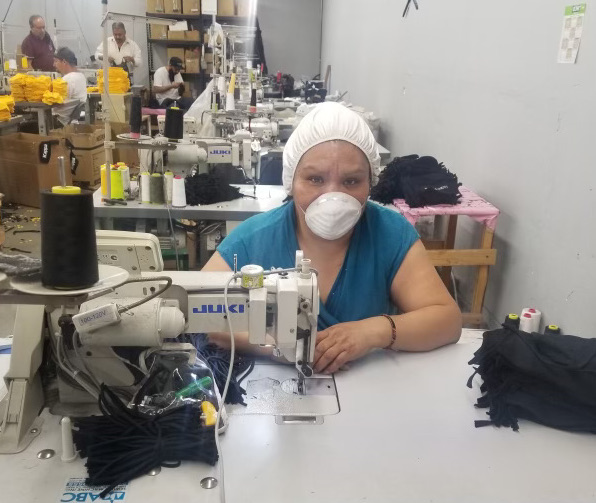
"caption": "Olegaria Ruiz at her job in a Los Angeles garment factory in June 2020.",
"description": null,
"title": "EEA83CEA-CC03-4629-9BE5-CA5032807CB4",
"credit": "Courtesy of Estela Perez, Garment Worker Center",
"status": "inherit",
"altTag": null,
"isLoading": false,
"fetchFailed": false
},
"news_11857764": {
"type": "attachments",
"id": "news_11857764",
"meta": {
"index": "attachments_1716263798",
"site": "news",
"id": "11857764",
"found": true
},
"parent": 11857567,
"imgSizes": {
"apple_news_ca_landscape_5_5": {
"file": "https://ww2.kqed.org/app/uploads/sites/10/2021/01/RS46955_007_SanJose_AdhitiBandlamudi_01292021-qut-1044x783.jpg",
"width": 1044,
"mimeType": "image/jpeg",
"height": 783
},
"apple_news_ca_square_4_0": {
"file": "https://ww2.kqed.org/app/uploads/sites/10/2021/01/RS46955_007_SanJose_AdhitiBandlamudi_01292021-qut-470x470.jpg",
"width": 470,
"mimeType": "image/jpeg",
"height": 470
},
"twentyfourteen-full-width": {
"file": "https://ww2.kqed.org/app/uploads/sites/10/2021/01/RS46955_007_SanJose_AdhitiBandlamudi_01292021-qut-1038x576.jpg",
"width": 1038,
"mimeType": "image/jpeg",
"height": 576
},
"thumbnail": {
"file": "https://ww2.kqed.org/app/uploads/sites/10/2021/01/RS46955_007_SanJose_AdhitiBandlamudi_01292021-qut-160x107.jpg",
"width": 160,
"mimeType": "image/jpeg",
"height": 107
},
"post-thumbnail": {
"file": "https://ww2.kqed.org/app/uploads/sites/10/2021/01/RS46955_007_SanJose_AdhitiBandlamudi_01292021-qut-672x372.jpg",
"width": 672,
"mimeType": "image/jpeg",
"height": 372
},
"kqedFullSize": {
"file": "https://ww2.kqed.org/app/uploads/sites/10/2021/01/RS46955_007_SanJose_AdhitiBandlamudi_01292021-qut.jpg",
"width": 1920,
"height": 1280
},
"apple_news_ca_landscape_4_7": {
"file": "https://ww2.kqed.org/app/uploads/sites/10/2021/01/RS46955_007_SanJose_AdhitiBandlamudi_01292021-qut-632x474.jpg",
"width": 632,
"mimeType": "image/jpeg",
"height": 474
},
"large": {
"file": "https://ww2.kqed.org/app/uploads/sites/10/2021/01/RS46955_007_SanJose_AdhitiBandlamudi_01292021-qut-1020x680.jpg",
"width": 1020,
"mimeType": "image/jpeg",
"height": 680
},
"apple_news_ca_landscape_4_0": {
"file": "https://ww2.kqed.org/app/uploads/sites/10/2021/01/RS46955_007_SanJose_AdhitiBandlamudi_01292021-qut-536x402.jpg",
"width": 536,
"mimeType": "image/jpeg",
"height": 402
},
"apple_news_ca_portrait_12_9": {
"file": "https://ww2.kqed.org/app/uploads/sites/10/2021/01/RS46955_007_SanJose_AdhitiBandlamudi_01292021-qut-1122x1280.jpg",
"width": 1122,
"mimeType": "image/jpeg",
"height": 1280
},
"medium": {
"file": "https://ww2.kqed.org/app/uploads/sites/10/2021/01/RS46955_007_SanJose_AdhitiBandlamudi_01292021-qut-800x533.jpg",
"width": 800,
"mimeType": "image/jpeg",
"height": 533
},
"apple_news_ca_portrait_4_0": {
"file": "https://ww2.kqed.org/app/uploads/sites/10/2021/01/RS46955_007_SanJose_AdhitiBandlamudi_01292021-qut-354x472.jpg",
"width": 354,
"mimeType": "image/jpeg",
"height": 472
},
"apple_news_ca_portrait_9_7": {
"file": "https://ww2.kqed.org/app/uploads/sites/10/2021/01/RS46955_007_SanJose_AdhitiBandlamudi_01292021-qut-840x1120.jpg",
"width": 840,
"mimeType": "image/jpeg",
"height": 1120
},
"apple_news_ca_landscape_12_9": {
"file": "https://ww2.kqed.org/app/uploads/sites/10/2021/01/RS46955_007_SanJose_AdhitiBandlamudi_01292021-qut-1832x1280.jpg",
"width": 1832,
"mimeType": "image/jpeg",
"height": 1280
},
"apple_news_ca_square_9_7": {
"file": "https://ww2.kqed.org/app/uploads/sites/10/2021/01/RS46955_007_SanJose_AdhitiBandlamudi_01292021-qut-1104x1104.jpg",
"width": 1104,
"mimeType": "image/jpeg",
"height": 1104
},
"1536x1536": {
"file": "https://ww2.kqed.org/app/uploads/sites/10/2021/01/RS46955_007_SanJose_AdhitiBandlamudi_01292021-qut-1536x1024.jpg",
"width": 1536,
"mimeType": "image/jpeg",
"height": 1024
},
"apple_news_ca_portrait_4_7": {
"file": "https://ww2.kqed.org/app/uploads/sites/10/2021/01/RS46955_007_SanJose_AdhitiBandlamudi_01292021-qut-414x552.jpg",
"width": 414,
"mimeType": "image/jpeg",
"height": 552
},
"apple_news_ca_square_12_9": {
"file": "https://ww2.kqed.org/app/uploads/sites/10/2021/01/RS46955_007_SanJose_AdhitiBandlamudi_01292021-qut-1472x1280.jpg",
"width": 1472,
"mimeType": "image/jpeg",
"height": 1280
},
"apple_news_ca_portrait_5_5": {
"file": "https://ww2.kqed.org/app/uploads/sites/10/2021/01/RS46955_007_SanJose_AdhitiBandlamudi_01292021-qut-687x916.jpg",
"width": 687,
"mimeType": "image/jpeg",
"height": 916
},
"apple_news_ca_square_4_7": {
"file": "https://ww2.kqed.org/app/uploads/sites/10/2021/01/RS46955_007_SanJose_AdhitiBandlamudi_01292021-qut-550x550.jpg",
"width": 550,
"mimeType": "image/jpeg",
"height": 550
},
"apple_news_ca_landscape_9_7": {
"file": "https://ww2.kqed.org/app/uploads/sites/10/2021/01/RS46955_007_SanJose_AdhitiBandlamudi_01292021-qut-1376x1032.jpg",
"width": 1376,
"mimeType": "image/jpeg",
"height": 1032
},
"apple_news_ca_square_5_5": {
"file": "https://ww2.kqed.org/app/uploads/sites/10/2021/01/RS46955_007_SanJose_AdhitiBandlamudi_01292021-qut-912x912.jpg",
"width": 912,
"mimeType": "image/jpeg",
"height": 912
}
},
"publishDate": 1611960152,
"modified": 1612319603,
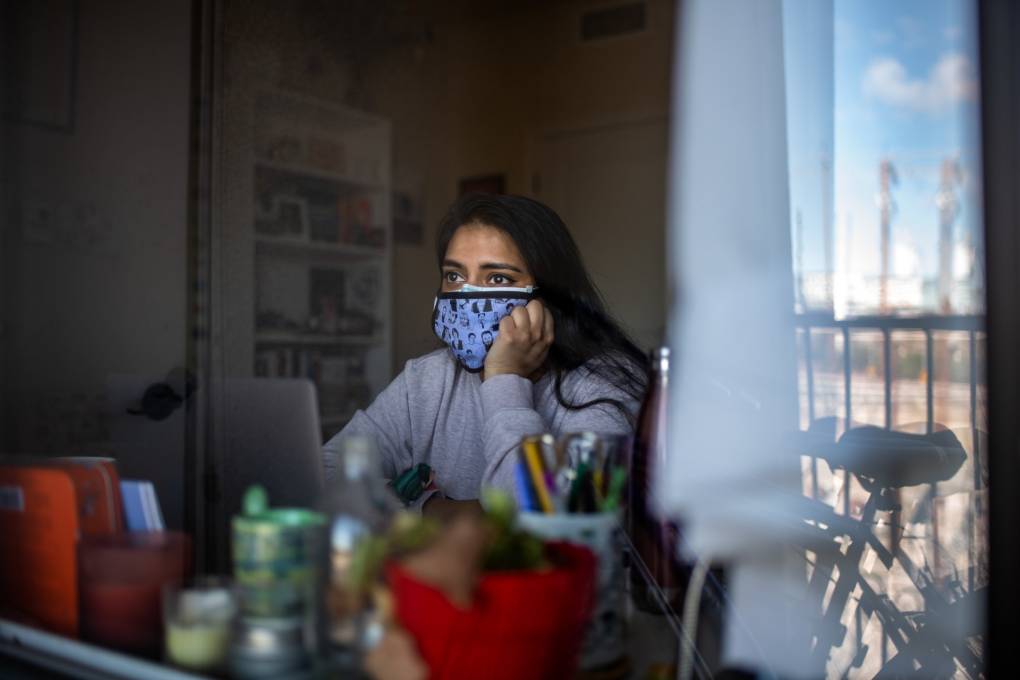
"caption": "Adhiti Bandlamudi looks out of the window from her room on Jan. 29, 2021, in an apartment that she shares with roommates in San Jose.",
"description": "Adhiti Bandlamudi looks out of the window from her room on Jan. 29, 2021, in an apartment that she shares with roommates in San Jose.",
"title": "RS46955_007_SanJose_AdhitiBandlamudi_01292021-qut",
"credit": "Beth LaBerge/KQED",
"status": "inherit",
"altTag": null,
"isLoading": false,
"fetchFailed": false
},
"news_11849588": {
"type": "attachments",
"id": "news_11849588",
"meta": {
"index": "attachments_1716263798",
"site": "news",
"id": "11849588",
"found": true
},
"parent": 11849585,
"imgSizes": {
"apple_news_ca_landscape_5_5": {
"file": "https://ww2.kqed.org/app/uploads/sites/10/2020/12/RS16165_JV0A7516-qut-1044x783.jpg",
"width": 1044,
"mimeType": "image/jpeg",
"height": 783
},
"apple_news_ca_square_4_0": {
"file": "https://ww2.kqed.org/app/uploads/sites/10/2020/12/RS16165_JV0A7516-qut-470x470.jpg",
"width": 470,
"mimeType": "image/jpeg",
"height": 470
},
"twentyfourteen-full-width": {
"file": "https://ww2.kqed.org/app/uploads/sites/10/2020/12/RS16165_JV0A7516-qut-1038x576.jpg",
"width": 1038,
"mimeType": "image/jpeg",
"height": 576
},
"thumbnail": {
"file": "https://ww2.kqed.org/app/uploads/sites/10/2020/12/RS16165_JV0A7516-qut-160x107.jpg",
"width": 160,
"mimeType": "image/jpeg",
"height": 107
},
"post-thumbnail": {
"file": "https://ww2.kqed.org/app/uploads/sites/10/2020/12/RS16165_JV0A7516-qut-672x372.jpg",
"width": 672,
"mimeType": "image/jpeg",
"height": 372
},
"kqedFullSize": {
"file": "https://ww2.kqed.org/app/uploads/sites/10/2020/12/RS16165_JV0A7516-qut.jpg",
"width": 1920,
"height": 1280
},
"apple_news_ca_landscape_4_7": {
"file": "https://ww2.kqed.org/app/uploads/sites/10/2020/12/RS16165_JV0A7516-qut-632x474.jpg",
"width": 632,
"mimeType": "image/jpeg",
"height": 474
},
"large": {
"file": "https://ww2.kqed.org/app/uploads/sites/10/2020/12/RS16165_JV0A7516-qut-1020x680.jpg",
"width": 1020,
"mimeType": "image/jpeg",
"height": 680
},
"apple_news_ca_landscape_4_0": {
"file": "https://ww2.kqed.org/app/uploads/sites/10/2020/12/RS16165_JV0A7516-qut-536x402.jpg",
"width": 536,
"mimeType": "image/jpeg",
"height": 402
},
"apple_news_ca_portrait_12_9": {
"file": "https://ww2.kqed.org/app/uploads/sites/10/2020/12/RS16165_JV0A7516-qut-1122x1280.jpg",
"width": 1122,
"mimeType": "image/jpeg",
"height": 1280
},
"medium": {
"file": "https://ww2.kqed.org/app/uploads/sites/10/2020/12/RS16165_JV0A7516-qut-800x533.jpg",
"width": 800,
"mimeType": "image/jpeg",
"height": 533
},
"apple_news_ca_portrait_4_0": {
"file": "https://ww2.kqed.org/app/uploads/sites/10/2020/12/RS16165_JV0A7516-qut-354x472.jpg",
"width": 354,
"mimeType": "image/jpeg",
"height": 472
},
"apple_news_ca_portrait_9_7": {
"file": "https://ww2.kqed.org/app/uploads/sites/10/2020/12/RS16165_JV0A7516-qut-840x1120.jpg",
"width": 840,
"mimeType": "image/jpeg",
"height": 1120
},
"apple_news_ca_landscape_12_9": {
"file": "https://ww2.kqed.org/app/uploads/sites/10/2020/12/RS16165_JV0A7516-qut-1832x1280.jpg",
"width": 1832,
"mimeType": "image/jpeg",
"height": 1280
},
"apple_news_ca_square_9_7": {
"file": "https://ww2.kqed.org/app/uploads/sites/10/2020/12/RS16165_JV0A7516-qut-1104x1104.jpg",
"width": 1104,
"mimeType": "image/jpeg",
"height": 1104
},
"1536x1536": {
"file": "https://ww2.kqed.org/app/uploads/sites/10/2020/12/RS16165_JV0A7516-qut-1536x1024.jpg",
"width": 1536,
"mimeType": "image/jpeg",
"height": 1024
},
"apple_news_ca_portrait_4_7": {
"file": "https://ww2.kqed.org/app/uploads/sites/10/2020/12/RS16165_JV0A7516-qut-414x552.jpg",
"width": 414,
"mimeType": "image/jpeg",
"height": 552
},
"apple_news_ca_square_12_9": {
"file": "https://ww2.kqed.org/app/uploads/sites/10/2020/12/RS16165_JV0A7516-qut-1472x1280.jpg",
"width": 1472,
"mimeType": "image/jpeg",
"height": 1280
},
"apple_news_ca_portrait_5_5": {
"file": "https://ww2.kqed.org/app/uploads/sites/10/2020/12/RS16165_JV0A7516-qut-687x916.jpg",
"width": 687,
"mimeType": "image/jpeg",
"height": 916
},
"apple_news_ca_square_4_7": {
"file": "https://ww2.kqed.org/app/uploads/sites/10/2020/12/RS16165_JV0A7516-qut-550x550.jpg",
"width": 550,
"mimeType": "image/jpeg",
"height": 550
},
"apple_news_ca_landscape_9_7": {
"file": "https://ww2.kqed.org/app/uploads/sites/10/2020/12/RS16165_JV0A7516-qut-1376x1032.jpg",
"width": 1376,
"mimeType": "image/jpeg",
"height": 1032
},
"apple_news_ca_square_5_5": {
"file": "https://ww2.kqed.org/app/uploads/sites/10/2020/12/RS16165_JV0A7516-qut-912x912.jpg",
"width": 912,
"mimeType": "image/jpeg",
"height": 912
}
},
"publishDate": 1607041970,
"modified": 1626996401,
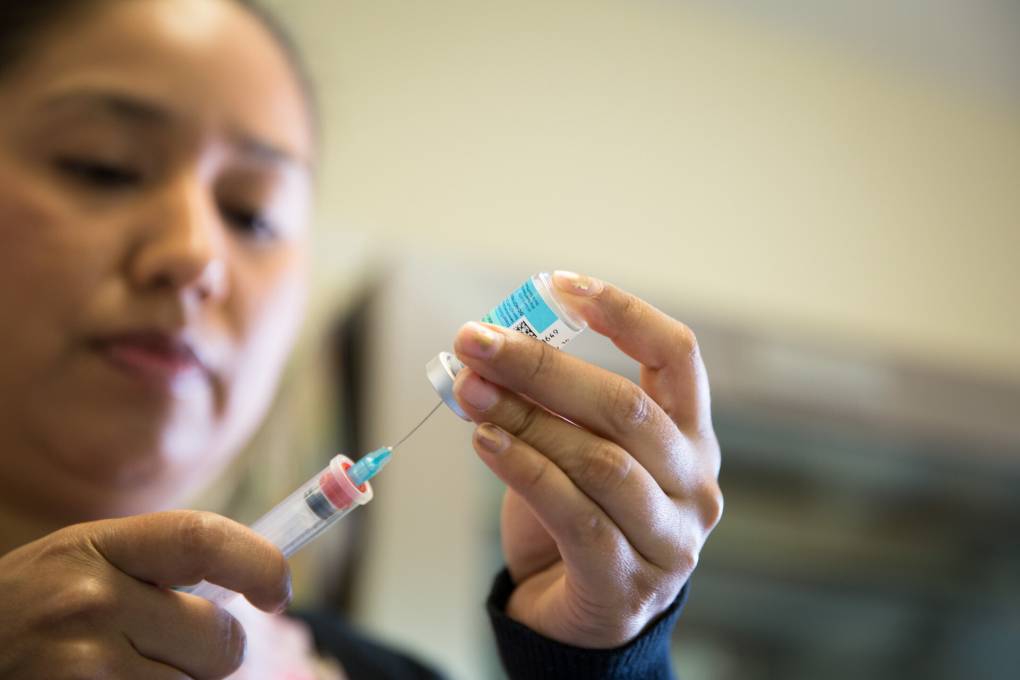
"caption": "Etzel Rubio at Berkeley Pediatrics fills a syringe in preparation to administer a vaccine.",
"description": "Etzel Rubio at Berkeley Pediatrics fills a syringe in preparation to administer a vaccine.",
"title": "RS16165_JV0A7516-qut",
"credit": "Jeremy Raff/KQED",
"status": "inherit",
"altTag": null,
"isLoading": false,
"fetchFailed": false
},
"news_11848580": {
"type": "attachments",
"id": "news_11848580",
"meta": {
"index": "attachments_1716263798",
"site": "news",
"id": "11848580",
"found": true
},
"parent": 11848290,
"imgSizes": {
"apple_news_ca_landscape_5_5": {
"file": "https://ww2.kqed.org/app/uploads/sites/10/2020/11/iStock-1265223254-1044x783.jpg",
"width": 1044,
"mimeType": "image/jpeg",
"height": 783
},
"apple_news_ca_square_4_0": {
"file": "https://ww2.kqed.org/app/uploads/sites/10/2020/11/iStock-1265223254-470x470.jpg",
"width": 470,
"mimeType": "image/jpeg",
"height": 470
},
"twentyfourteen-full-width": {
"file": "https://ww2.kqed.org/app/uploads/sites/10/2020/11/iStock-1265223254-1038x576.jpg",
"width": 1038,
"mimeType": "image/jpeg",
"height": 576
},
"thumbnail": {
"file": "https://ww2.kqed.org/app/uploads/sites/10/2020/11/iStock-1265223254-160x106.jpg",
"width": 160,
"mimeType": "image/jpeg",
"height": 106
},
"post-thumbnail": {
"file": "https://ww2.kqed.org/app/uploads/sites/10/2020/11/iStock-1265223254-672x372.jpg",
"width": 672,
"mimeType": "image/jpeg",
"height": 372
},
"kqedFullSize": {
"file": "https://ww2.kqed.org/app/uploads/sites/10/2020/11/iStock-1265223254.jpg",
"width": 1258,
"height": 833
},
"apple_news_ca_landscape_4_7": {
"file": "https://ww2.kqed.org/app/uploads/sites/10/2020/11/iStock-1265223254-632x474.jpg",
"width": 632,
"mimeType": "image/jpeg",
"height": 474
},
"large": {
"file": "https://ww2.kqed.org/app/uploads/sites/10/2020/11/iStock-1265223254-1020x675.jpg",
"width": 1020,
"mimeType": "image/jpeg",
"height": 675
},
"apple_news_ca_landscape_4_0": {
"file": "https://ww2.kqed.org/app/uploads/sites/10/2020/11/iStock-1265223254-536x402.jpg",
"width": 536,
"mimeType": "image/jpeg",
"height": 402
},
"apple_news_ca_portrait_12_9": {
"file": "https://ww2.kqed.org/app/uploads/sites/10/2020/11/iStock-1265223254-1122x833.jpg",
"width": 1122,
"mimeType": "image/jpeg",
"height": 833
},
"medium": {
"file": "https://ww2.kqed.org/app/uploads/sites/10/2020/11/iStock-1265223254-800x530.jpg",
"width": 800,
"mimeType": "image/jpeg",
"height": 530
},
"apple_news_ca_portrait_4_0": {
"file": "https://ww2.kqed.org/app/uploads/sites/10/2020/11/iStock-1265223254-354x472.jpg",
"width": 354,
"mimeType": "image/jpeg",
"height": 472
},
"apple_news_ca_portrait_9_7": {
"file": "https://ww2.kqed.org/app/uploads/sites/10/2020/11/iStock-1265223254-840x833.jpg",
"width": 840,
"mimeType": "image/jpeg",
"height": 833
},
"apple_news_ca_square_9_7": {
"file": "https://ww2.kqed.org/app/uploads/sites/10/2020/11/iStock-1265223254-1104x833.jpg",
"width": 1104,
"mimeType": "image/jpeg",
"height": 833
},
"apple_news_ca_portrait_4_7": {
"file": "https://ww2.kqed.org/app/uploads/sites/10/2020/11/iStock-1265223254-414x552.jpg",
"width": 414,
"mimeType": "image/jpeg",
"height": 552
},
"apple_news_ca_portrait_5_5": {
"file": "https://ww2.kqed.org/app/uploads/sites/10/2020/11/iStock-1265223254-687x833.jpg",
"width": 687,
"mimeType": "image/jpeg",
"height": 833
},
"apple_news_ca_square_4_7": {
"file": "https://ww2.kqed.org/app/uploads/sites/10/2020/11/iStock-1265223254-550x550.jpg",
"width": 550,
"mimeType": "image/jpeg",
"height": 550
},
"apple_news_ca_square_5_5": {
"file": "https://ww2.kqed.org/app/uploads/sites/10/2020/11/iStock-1265223254-912x833.jpg",
"width": 912,
"mimeType": "image/jpeg",
"height": 833
}
},
"publishDate": 1606176105,
"modified": 1606177423,
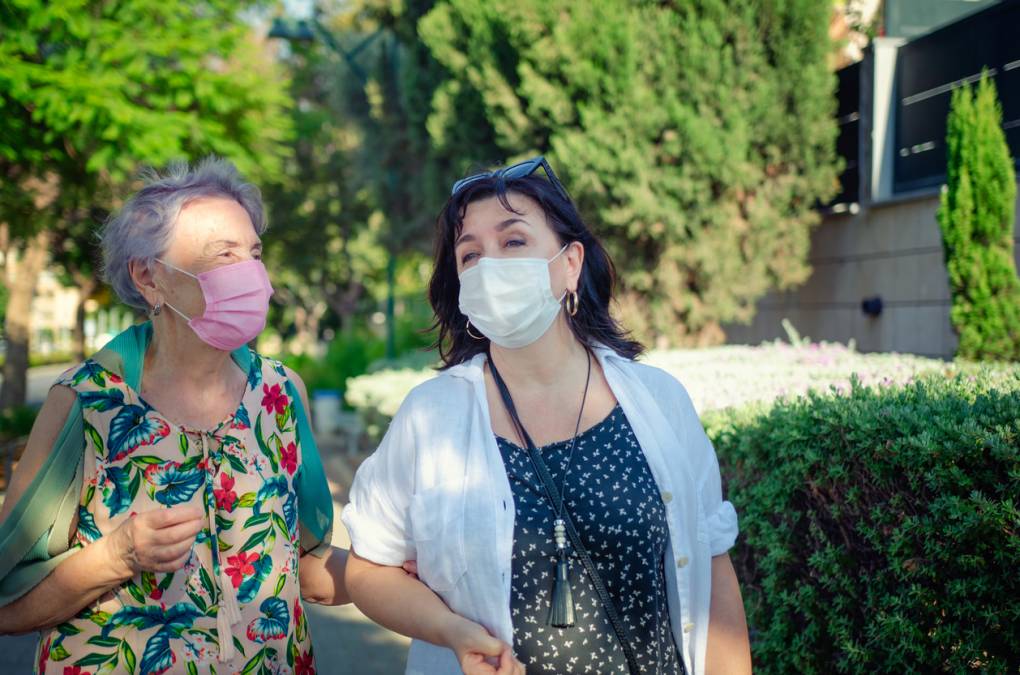
"caption": "Stock photo of a caregiver and her client. More families are exploring in-home care.",
"description": "Caregiver and her client wear face protective masks while strolling during the coronavirus epidemic.",
"title": "iStock-1265223254",
"credit": "verbaska_studio",
"status": "inherit",
"isLoading": false,
"fetchFailed": false
},
"news_11847515": {
"type": "attachments",
"id": "news_11847515",
"meta": {
"index": "attachments_1716263798",
"site": "news",
"id": "11847515",
"found": true
},
"parent": 11847422,
"imgSizes": {
"apple_news_ca_landscape_5_5": {
"file": "https://ww2.kqed.org/app/uploads/sites/10/2020/11/MARQUEE-KOUNALAKIS-807-1044x783.jpg",
"width": 1044,
"mimeType": "image/jpeg",
"height": 783
},
"apple_news_ca_square_4_0": {
"file": "https://ww2.kqed.org/app/uploads/sites/10/2020/11/MARQUEE-KOUNALAKIS-807-470x470.jpg",
"width": 470,
"mimeType": "image/jpeg",
"height": 470
},
"twentyfourteen-full-width": {
"file": "https://ww2.kqed.org/app/uploads/sites/10/2020/11/MARQUEE-KOUNALAKIS-807-1038x576.jpg",
"width": 1038,
"mimeType": "image/jpeg",
"height": 576
},
"thumbnail": {
"file": "https://ww2.kqed.org/app/uploads/sites/10/2020/11/MARQUEE-KOUNALAKIS-807-160x90.jpg",
"width": 160,
"mimeType": "image/jpeg",
"height": 90
},
"post-thumbnail": {
"file": "https://ww2.kqed.org/app/uploads/sites/10/2020/11/MARQUEE-KOUNALAKIS-807-672x372.jpg",
"width": 672,
"mimeType": "image/jpeg",
"height": 372
},
"kqedFullSize": {
"file": "https://ww2.kqed.org/app/uploads/sites/10/2020/11/MARQUEE-KOUNALAKIS-807.jpg",
"width": 1920,
"height": 1080
},
"apple_news_ca_landscape_4_7": {
"file": "https://ww2.kqed.org/app/uploads/sites/10/2020/11/MARQUEE-KOUNALAKIS-807-632x474.jpg",
"width": 632,
"mimeType": "image/jpeg",
"height": 474
},
"large": {
"file": "https://ww2.kqed.org/app/uploads/sites/10/2020/11/MARQUEE-KOUNALAKIS-807-1020x574.jpg",
"width": 1020,
"mimeType": "image/jpeg",
"height": 574
},
"apple_news_ca_landscape_4_0": {
"file": "https://ww2.kqed.org/app/uploads/sites/10/2020/11/MARQUEE-KOUNALAKIS-807-536x402.jpg",
"width": 536,
"mimeType": "image/jpeg",
"height": 402
},
"apple_news_ca_portrait_12_9": {
"file": "https://ww2.kqed.org/app/uploads/sites/10/2020/11/MARQUEE-KOUNALAKIS-807-1122x1080.jpg",
"width": 1122,
"mimeType": "image/jpeg",
"height": 1080
},
"medium": {
"file": "https://ww2.kqed.org/app/uploads/sites/10/2020/11/MARQUEE-KOUNALAKIS-807-800x450.jpg",
"width": 800,
"mimeType": "image/jpeg",
"height": 450
},
"apple_news_ca_portrait_4_0": {
"file": "https://ww2.kqed.org/app/uploads/sites/10/2020/11/MARQUEE-KOUNALAKIS-807-354x472.jpg",
"width": 354,
"mimeType": "image/jpeg",
"height": 472
},
"apple_news_ca_portrait_9_7": {
"file": "https://ww2.kqed.org/app/uploads/sites/10/2020/11/MARQUEE-KOUNALAKIS-807-840x1080.jpg",
"width": 840,
"mimeType": "image/jpeg",
"height": 1080
},
"apple_news_ca_landscape_12_9": {
"file": "https://ww2.kqed.org/app/uploads/sites/10/2020/11/MARQUEE-KOUNALAKIS-807-1832x1080.jpg",
"width": 1832,
"mimeType": "image/jpeg",
"height": 1080
},
"apple_news_ca_square_9_7": {
"file": "https://ww2.kqed.org/app/uploads/sites/10/2020/11/MARQUEE-KOUNALAKIS-807-1104x1080.jpg",
"width": 1104,
"mimeType": "image/jpeg",
"height": 1080
},
"1536x1536": {
"file": "https://ww2.kqed.org/app/uploads/sites/10/2020/11/MARQUEE-KOUNALAKIS-807-1536x864.jpg",
"width": 1536,
"mimeType": "image/jpeg",
"height": 864
},
"apple_news_ca_portrait_4_7": {
"file": "https://ww2.kqed.org/app/uploads/sites/10/2020/11/MARQUEE-KOUNALAKIS-807-414x552.jpg",
"width": 414,
"mimeType": "image/jpeg",
"height": 552
},
"apple_news_ca_square_12_9": {
"file": "https://ww2.kqed.org/app/uploads/sites/10/2020/11/MARQUEE-KOUNALAKIS-807-1472x1080.jpg",
"width": 1472,
"mimeType": "image/jpeg",
"height": 1080
},
"apple_news_ca_portrait_5_5": {
"file": "https://ww2.kqed.org/app/uploads/sites/10/2020/11/MARQUEE-KOUNALAKIS-807-687x916.jpg",
"width": 687,
"mimeType": "image/jpeg",
"height": 916
},
"apple_news_ca_square_4_7": {
"file": "https://ww2.kqed.org/app/uploads/sites/10/2020/11/MARQUEE-KOUNALAKIS-807-550x550.jpg",
"width": 550,
"mimeType": "image/jpeg",
"height": 550
},
"apple_news_ca_landscape_9_7": {
"file": "https://ww2.kqed.org/app/uploads/sites/10/2020/11/MARQUEE-KOUNALAKIS-807-1376x1032.jpg",
"width": 1376,
"mimeType": "image/jpeg",
"height": 1032
},
"apple_news_ca_square_5_5": {
"file": "https://ww2.kqed.org/app/uploads/sites/10/2020/11/MARQUEE-KOUNALAKIS-807-912x912.jpg",
"width": 912,
"mimeType": "image/jpeg",
"height": 912
}
},
"publishDate": 1605314860,
"modified": 1605314860,
"caption": null,
"description": null,
"title": "MARQUEE KOUNALAKIS 807",
"credit": null,
"status": "inherit",
"isLoading": false,
"fetchFailed": false
},
"news_11832494": {
"type": "attachments",
"id": "news_11832494",
"meta": {
"index": "attachments_1716263798",
"site": "news",
"id": "11832494",
"found": true
},
"parent": 11832472,
"imgSizes": {
"apple_news_ca_landscape_5_5": {
"file": "https://ww2.kqed.org/app/uploads/sites/10/2020/08/RS24378_GettyImages-492659108-qut-1044x783.jpg",
"width": 1044,
"mimeType": "image/jpeg",
"height": 783
},
"apple_news_ca_square_4_0": {
"file": "https://ww2.kqed.org/app/uploads/sites/10/2020/08/RS24378_GettyImages-492659108-qut-470x470.jpg",
"width": 470,
"mimeType": "image/jpeg",
"height": 470
},
"twentyfourteen-full-width": {
"file": "https://ww2.kqed.org/app/uploads/sites/10/2020/08/RS24378_GettyImages-492659108-qut-1038x576.jpg",
"width": 1038,
"mimeType": "image/jpeg",
"height": 576
},
"thumbnail": {
"file": "https://ww2.kqed.org/app/uploads/sites/10/2020/08/RS24378_GettyImages-492659108-qut-160x108.jpg",
"width": 160,
"mimeType": "image/jpeg",
"height": 108
},
"post-thumbnail": {
"file": "https://ww2.kqed.org/app/uploads/sites/10/2020/08/RS24378_GettyImages-492659108-qut-672x372.jpg",
"width": 672,
"mimeType": "image/jpeg",
"height": 372
},
"kqedFullSize": {
"file": "https://ww2.kqed.org/app/uploads/sites/10/2020/08/RS24378_GettyImages-492659108-qut.jpg",
"width": 1920,
"height": 1293
},
"apple_news_ca_landscape_4_7": {
"file": "https://ww2.kqed.org/app/uploads/sites/10/2020/08/RS24378_GettyImages-492659108-qut-632x474.jpg",
"width": 632,
"mimeType": "image/jpeg",
"height": 474
},
"large": {
"file": "https://ww2.kqed.org/app/uploads/sites/10/2020/08/RS24378_GettyImages-492659108-qut-1020x687.jpg",
"width": 1020,
"mimeType": "image/jpeg",
"height": 687
},
"apple_news_ca_landscape_4_0": {
"file": "https://ww2.kqed.org/app/uploads/sites/10/2020/08/RS24378_GettyImages-492659108-qut-536x402.jpg",
"width": 536,
"mimeType": "image/jpeg",
"height": 402
},
"apple_news_ca_portrait_12_9": {
"file": "https://ww2.kqed.org/app/uploads/sites/10/2020/08/RS24378_GettyImages-492659108-qut-1122x1293.jpg",
"width": 1122,
"mimeType": "image/jpeg",
"height": 1293
},
"medium": {
"file": "https://ww2.kqed.org/app/uploads/sites/10/2020/08/RS24378_GettyImages-492659108-qut-800x539.jpg",
"width": 800,
"mimeType": "image/jpeg",
"height": 539
},
"apple_news_ca_portrait_4_0": {
"file": "https://ww2.kqed.org/app/uploads/sites/10/2020/08/RS24378_GettyImages-492659108-qut-354x472.jpg",
"width": 354,
"mimeType": "image/jpeg",
"height": 472
},
"apple_news_ca_portrait_9_7": {
"file": "https://ww2.kqed.org/app/uploads/sites/10/2020/08/RS24378_GettyImages-492659108-qut-840x1120.jpg",
"width": 840,
"mimeType": "image/jpeg",
"height": 1120
},
"apple_news_ca_landscape_12_9": {
"file": "https://ww2.kqed.org/app/uploads/sites/10/2020/08/RS24378_GettyImages-492659108-qut-1832x1293.jpg",
"width": 1832,
"mimeType": "image/jpeg",
"height": 1293
},
"apple_news_ca_square_9_7": {
"file": "https://ww2.kqed.org/app/uploads/sites/10/2020/08/RS24378_GettyImages-492659108-qut-1104x1104.jpg",
"width": 1104,
"mimeType": "image/jpeg",
"height": 1104
},
"1536x1536": {
"file": "https://ww2.kqed.org/app/uploads/sites/10/2020/08/RS24378_GettyImages-492659108-qut-1536x1034.jpg",
"width": 1536,
"mimeType": "image/jpeg",
"height": 1034
},
"apple_news_ca_portrait_4_7": {
"file": "https://ww2.kqed.org/app/uploads/sites/10/2020/08/RS24378_GettyImages-492659108-qut-414x552.jpg",
"width": 414,
"mimeType": "image/jpeg",
"height": 552
},
"apple_news_ca_square_12_9": {
"file": "https://ww2.kqed.org/app/uploads/sites/10/2020/08/RS24378_GettyImages-492659108-qut-1472x1293.jpg",
"width": 1472,
"mimeType": "image/jpeg",
"height": 1293
},
"apple_news_ca_portrait_5_5": {
"file": "https://ww2.kqed.org/app/uploads/sites/10/2020/08/RS24378_GettyImages-492659108-qut-687x916.jpg",
"width": 687,
"mimeType": "image/jpeg",
"height": 916
},
"apple_news_ca_square_4_7": {
"file": "https://ww2.kqed.org/app/uploads/sites/10/2020/08/RS24378_GettyImages-492659108-qut-550x550.jpg",
"width": 550,
"mimeType": "image/jpeg",
"height": 550
},
"apple_news_ca_landscape_9_7": {
"file": "https://ww2.kqed.org/app/uploads/sites/10/2020/08/RS24378_GettyImages-492659108-qut-1376x1032.jpg",
"width": 1376,
"mimeType": "image/jpeg",
"height": 1032
},
"apple_news_ca_square_5_5": {
"file": "https://ww2.kqed.org/app/uploads/sites/10/2020/08/RS24378_GettyImages-492659108-qut-912x912.jpg",
"width": 912,
"mimeType": "image/jpeg",
"height": 912
}
},
"publishDate": 1596830219,
"modified": 1596832476,
"caption": "An immigrant walks in chains through a U.S. Immigration and Customs Enforcement (ICE), processing center In Camarillo, California after being detained on October 14, 2015.",
"description": "An immigrant walks in chains through a U.S. Immigration and Customs Enforcement (ICE), processing center In Camarillo, California after being detained on October 14, 2015.",
"title": "RS24378_GettyImages-492659108-qut",
"credit": "John Moore/Getty Images",
"status": "inherit",
"isLoading": false,
"fetchFailed": false
},
"news_11830475": {
"type": "attachments",
"id": "news_11830475",
"meta": {
"index": "attachments_1716263798",
"site": "news",
"id": "11830475",
"found": true
},
"parent": 11830463,
"imgSizes": {
"apple_news_ca_landscape_5_5": {
"file": "https://ww2.kqed.org/app/uploads/sites/10/2020/07/RS44036_GettyImages-1257627413-qut-1044x783.jpg",
"width": 1044,
"mimeType": "image/jpeg",
"height": 783
},
"apple_news_ca_square_4_0": {
"file": "https://ww2.kqed.org/app/uploads/sites/10/2020/07/RS44036_GettyImages-1257627413-qut-470x470.jpg",
"width": 470,
"mimeType": "image/jpeg",
"height": 470
},
"twentyfourteen-full-width": {
"file": "https://ww2.kqed.org/app/uploads/sites/10/2020/07/RS44036_GettyImages-1257627413-qut-1038x576.jpg",
"width": 1038,
"mimeType": "image/jpeg",
"height": 576
},
"thumbnail": {
"file": "https://ww2.kqed.org/app/uploads/sites/10/2020/07/RS44036_GettyImages-1257627413-qut-160x107.jpg",
"width": 160,
"mimeType": "image/jpeg",
"height": 107
},
"post-thumbnail": {
"file": "https://ww2.kqed.org/app/uploads/sites/10/2020/07/RS44036_GettyImages-1257627413-qut-672x372.jpg",
"width": 672,
"mimeType": "image/jpeg",
"height": 372
},
"kqedFullSize": {
"file": "https://ww2.kqed.org/app/uploads/sites/10/2020/07/RS44036_GettyImages-1257627413-qut.jpg",
"width": 1920,
"height": 1280
},
"apple_news_ca_landscape_4_7": {
"file": "https://ww2.kqed.org/app/uploads/sites/10/2020/07/RS44036_GettyImages-1257627413-qut-632x474.jpg",
"width": 632,
"mimeType": "image/jpeg",
"height": 474
},
"large": {
"file": "https://ww2.kqed.org/app/uploads/sites/10/2020/07/RS44036_GettyImages-1257627413-qut-1020x680.jpg",
"width": 1020,
"mimeType": "image/jpeg",
"height": 680
},
"apple_news_ca_landscape_4_0": {
"file": "https://ww2.kqed.org/app/uploads/sites/10/2020/07/RS44036_GettyImages-1257627413-qut-536x402.jpg",
"width": 536,
"mimeType": "image/jpeg",
"height": 402
},
"apple_news_ca_portrait_12_9": {
"file": "https://ww2.kqed.org/app/uploads/sites/10/2020/07/RS44036_GettyImages-1257627413-qut-1122x1280.jpg",
"width": 1122,
"mimeType": "image/jpeg",
"height": 1280
},
"medium": {
"file": "https://ww2.kqed.org/app/uploads/sites/10/2020/07/RS44036_GettyImages-1257627413-qut-800x533.jpg",
"width": 800,
"mimeType": "image/jpeg",
"height": 533
},
"apple_news_ca_portrait_4_0": {
"file": "https://ww2.kqed.org/app/uploads/sites/10/2020/07/RS44036_GettyImages-1257627413-qut-354x472.jpg",
"width": 354,
"mimeType": "image/jpeg",
"height": 472
},
"apple_news_ca_portrait_9_7": {
"file": "https://ww2.kqed.org/app/uploads/sites/10/2020/07/RS44036_GettyImages-1257627413-qut-840x1120.jpg",
"width": 840,
"mimeType": "image/jpeg",
"height": 1120
},
"apple_news_ca_landscape_12_9": {
"file": "https://ww2.kqed.org/app/uploads/sites/10/2020/07/RS44036_GettyImages-1257627413-qut-1832x1280.jpg",
"width": 1832,
"mimeType": "image/jpeg",
"height": 1280
},
"apple_news_ca_square_9_7": {
"file": "https://ww2.kqed.org/app/uploads/sites/10/2020/07/RS44036_GettyImages-1257627413-qut-1104x1104.jpg",
"width": 1104,
"mimeType": "image/jpeg",
"height": 1104
},
"1536x1536": {
"file": "https://ww2.kqed.org/app/uploads/sites/10/2020/07/RS44036_GettyImages-1257627413-qut-1536x1024.jpg",
"width": 1536,
"mimeType": "image/jpeg",
"height": 1024
},
"apple_news_ca_portrait_4_7": {
"file": "https://ww2.kqed.org/app/uploads/sites/10/2020/07/RS44036_GettyImages-1257627413-qut-414x552.jpg",
"width": 414,
"mimeType": "image/jpeg",
"height": 552
},
"apple_news_ca_square_12_9": {
"file": "https://ww2.kqed.org/app/uploads/sites/10/2020/07/RS44036_GettyImages-1257627413-qut-1472x1280.jpg",
"width": 1472,
"mimeType": "image/jpeg",
"height": 1280
},
"apple_news_ca_portrait_5_5": {
"file": "https://ww2.kqed.org/app/uploads/sites/10/2020/07/RS44036_GettyImages-1257627413-qut-687x916.jpg",
"width": 687,
"mimeType": "image/jpeg",
"height": 916
},
"apple_news_ca_square_4_7": {
"file": "https://ww2.kqed.org/app/uploads/sites/10/2020/07/RS44036_GettyImages-1257627413-qut-550x550.jpg",
"width": 550,
"mimeType": "image/jpeg",
"height": 550
},
"apple_news_ca_landscape_9_7": {
"file": "https://ww2.kqed.org/app/uploads/sites/10/2020/07/RS44036_GettyImages-1257627413-qut-1376x1032.jpg",
"width": 1376,
"mimeType": "image/jpeg",
"height": 1032
},
"apple_news_ca_square_5_5": {
"file": "https://ww2.kqed.org/app/uploads/sites/10/2020/07/RS44036_GettyImages-1257627413-qut-912x912.jpg",
"width": 912,
"mimeType": "image/jpeg",
"height": 912
}
},
"publishDate": 1595615371,
"modified": 1595615513,
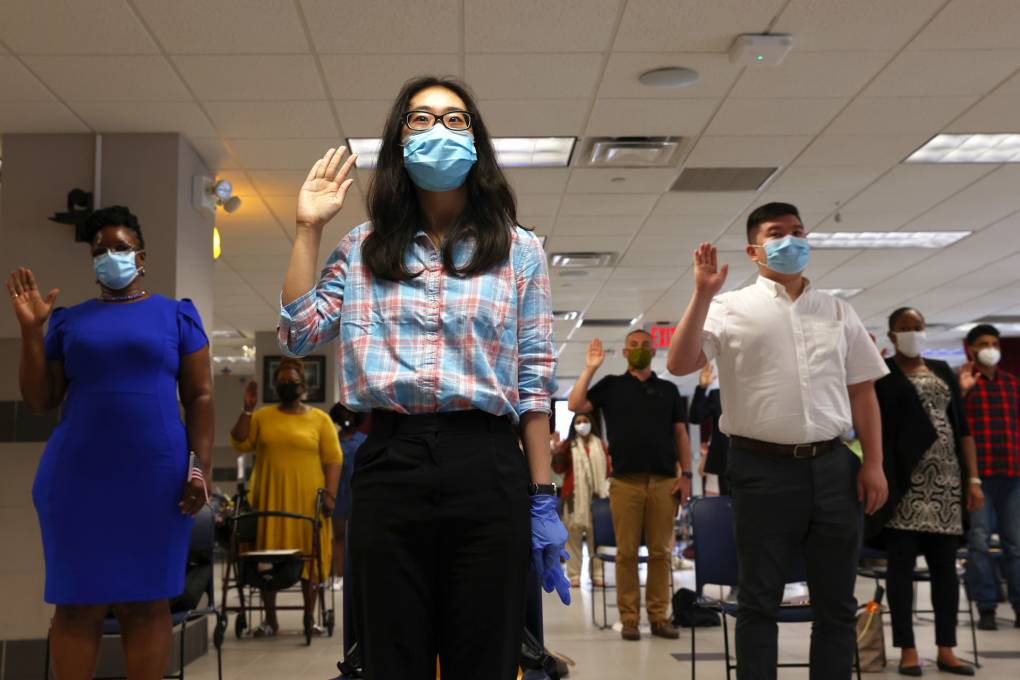
"caption": "People raise their hands to take an oath during a USCIS naturalization ceremony in New York City. Just months before the November election, the agency is struggling through a backlog of hundreds of thousands of immigrants applying to become U.S. citizens, many of whom are hoping to be able to vote for the first time.",
"description": "People raise their hands to take an oath during a USCIS naturalization ceremony in New York City. Just months before the November election, the agency is struggling through a backlog of hundreds of thousands of immigrants applying to become U.S. citizens, many of whom are hoping to be able to vote for the first time.",
"title": "Naturalization Ceremony Held In NYC After Delays Due To Coronavirus",
"credit": "Michael M. Santiago/Getty Images)",
"status": "inherit",
"isLoading": false,
"fetchFailed": false
},
"news_11830057": {
"type": "attachments",
"id": "news_11830057",
"meta": {
"index": "attachments_1716263798",
"site": "news",
"id": "11830057",
"found": true
},
"parent": 11830052,
"imgSizes": {
"apple_news_ca_landscape_5_5": {
"file": "https://ww2.kqed.org/app/uploads/sites/10/2020/07/BolinasCovidtestingm-Spanish-Article-Use-Only-1044x783.jpg",
"width": 1044,
"mimeType": "image/jpeg",
"height": 783
},
"apple_news_ca_square_4_0": {
"file": "https://ww2.kqed.org/app/uploads/sites/10/2020/07/BolinasCovidtestingm-Spanish-Article-Use-Only-470x470.jpg",
"width": 470,
"mimeType": "image/jpeg",
"height": 470
},
"twentyfourteen-full-width": {
"file": "https://ww2.kqed.org/app/uploads/sites/10/2020/07/BolinasCovidtestingm-Spanish-Article-Use-Only-1038x576.jpg",
"width": 1038,
"mimeType": "image/jpeg",
"height": 576
},
"thumbnail": {
"file": "https://ww2.kqed.org/app/uploads/sites/10/2020/07/BolinasCovidtestingm-Spanish-Article-Use-Only-160x109.jpg",
"width": 160,
"mimeType": "image/jpeg",
"height": 109
},
"post-thumbnail": {
"file": "https://ww2.kqed.org/app/uploads/sites/10/2020/07/BolinasCovidtestingm-Spanish-Article-Use-Only-672x372.jpg",
"width": 672,
"mimeType": "image/jpeg",
"height": 372
},
"kqedFullSize": {
"file": "https://ww2.kqed.org/app/uploads/sites/10/2020/07/BolinasCovidtestingm-Spanish-Article-Use-Only.jpg",
"width": 1200,
"height": 818
},
"apple_news_ca_landscape_4_7": {
"file": "https://ww2.kqed.org/app/uploads/sites/10/2020/07/BolinasCovidtestingm-Spanish-Article-Use-Only-632x474.jpg",
"width": 632,
"mimeType": "image/jpeg",
"height": 474
},
"large": {
"file": "https://ww2.kqed.org/app/uploads/sites/10/2020/07/BolinasCovidtestingm-Spanish-Article-Use-Only-1020x695.jpg",
"width": 1020,
"mimeType": "image/jpeg",
"height": 695
},
"apple_news_ca_landscape_4_0": {
"file": "https://ww2.kqed.org/app/uploads/sites/10/2020/07/BolinasCovidtestingm-Spanish-Article-Use-Only-536x402.jpg",
"width": 536,
"mimeType": "image/jpeg",
"height": 402
},
"apple_news_ca_portrait_12_9": {
"file": "https://ww2.kqed.org/app/uploads/sites/10/2020/07/BolinasCovidtestingm-Spanish-Article-Use-Only-1122x818.jpg",
"width": 1122,
"mimeType": "image/jpeg",
"height": 818
},
"medium": {
"file": "https://ww2.kqed.org/app/uploads/sites/10/2020/07/BolinasCovidtestingm-Spanish-Article-Use-Only-800x545.jpg",
"width": 800,
"mimeType": "image/jpeg",
"height": 545
},
"apple_news_ca_portrait_4_0": {
"file": "https://ww2.kqed.org/app/uploads/sites/10/2020/07/BolinasCovidtestingm-Spanish-Article-Use-Only-354x472.jpg",
"width": 354,
"mimeType": "image/jpeg",
"height": 472
},
"apple_news_ca_portrait_9_7": {
"file": "https://ww2.kqed.org/app/uploads/sites/10/2020/07/BolinasCovidtestingm-Spanish-Article-Use-Only-840x818.jpg",
"width": 840,
"mimeType": "image/jpeg",
"height": 818
},
"apple_news_ca_square_9_7": {
"file": "https://ww2.kqed.org/app/uploads/sites/10/2020/07/BolinasCovidtestingm-Spanish-Article-Use-Only-1104x818.jpg",
"width": 1104,
"mimeType": "image/jpeg",
"height": 818
},
"apple_news_ca_portrait_4_7": {
"file": "https://ww2.kqed.org/app/uploads/sites/10/2020/07/BolinasCovidtestingm-Spanish-Article-Use-Only-414x552.jpg",
"width": 414,
"mimeType": "image/jpeg",
"height": 552
},
"apple_news_ca_portrait_5_5": {
"file": "https://ww2.kqed.org/app/uploads/sites/10/2020/07/BolinasCovidtestingm-Spanish-Article-Use-Only-687x818.jpg",
"width": 687,
"mimeType": "image/jpeg",
"height": 818
},
"apple_news_ca_square_4_7": {
"file": "https://ww2.kqed.org/app/uploads/sites/10/2020/07/BolinasCovidtestingm-Spanish-Article-Use-Only-550x550.jpg",
"width": 550,
"mimeType": "image/jpeg",
"height": 550
},
"apple_news_ca_square_5_5": {
"file": "https://ww2.kqed.org/app/uploads/sites/10/2020/07/BolinasCovidtestingm-Spanish-Article-Use-Only-912x818.jpg",
"width": 912,
"mimeType": "image/jpeg",
"height": 818
}
},
"publishDate": 1595372695,
"modified": 1595372765,
"caption": "Un flebotomista toma una muestra de sangre de un pinchazo de dedo un servicio al caro en Bolinas el 22 de abril de 2020. Bolinas está intentando hacer las pruebas en toda la ciudad junto con un estudio de la UCSF, lo cual constituye uno de los primeros esfuerzos de este tipo en California.",
"description": "Un flebotomista toma una muestra de sangre de un pinchazo de dedo un servicio al caro en Bolinas el 22 de abril de 2020. Bolinas está intentando hacer las pruebas en toda la ciudad junto con un estudio de la UCSF, lo cual constituye uno de los primeros esfuerzos de este tipo en California.",
"title": "BolinasCovidtestingm-Spanish-Article-Use-Only",
"credit": "Anne Wernikoff/CalMatters",
"status": "inherit",
"isLoading": false,
"fetchFailed": false
}
},
"audioPlayerReducer": {
"postId": "stream_live",
"isPaused": true,
"isPlaying": false,
"pfsActive": false,
"pledgeModalIsOpen": true,
"playerDrawerIsOpen": false,
"liveAudioPlayStartedAt": 0,
"liveAudioPlayContext": ""
},
"authorsReducer": {
"byline_news_11867775": {
"type": "authors",
"id": "byline_news_11867775",
"meta": {
"override": true
},
"slug": "byline_news_11867775",
"name": "Candice Choi\u003cbr />Associated Press",
"isLoading": false
},
"byline_news_11848290": {
"type": "authors",
"id": "byline_news_11848290",
"meta": {
"override": true
},
"slug": "byline_news_11848290",
"name": "Brett Simpson",
"isLoading": false
},
"byline_news_11830052": {
"type": "authors",
"id": "byline_news_11830052",
"meta": {
"override": true
},
"slug": "byline_news_11830052",
"name": "Ana B. Ibarra, CalMatters",
"isLoading": false
},
"sracho": {
"type": "authors",
"id": "107",
"meta": {
"index": "authors_1716337520",
"id": "107",
"found": true
},
"name": "Suzie Racho",
"firstName": "Suzie",
"lastName": "Racho",
"slug": "sracho",
"email": "SRacho@KQED.org",
"display_author_email": false,
"staff_mastheads": [
"news"
],
"title": "KQED Contributor",
"bio": "Suzie Racho is a correspondent-producer with \u003cem>The California Report Magazine\u003c/em>\u003cem>. S\u003c/em>he has also worked with several other KQED productions, including Bay Curious, Truth Be Told, The Do List and KQED News.\r\n\r\nSuzie came to KQED in 1996 after receiving a BA in journalism from San Francisco State University and spending several years working in the music industry. As part of \u003cem>The California Report\u003c/em> team, her work has been recognized by the Society for Professional Journalists, National Federation of Community Broadcasters and Public Radio News Directors Incorporated, among others. She was recognized with a national Gracie Award in 2019. She spends her free time baking, listening to K-pop and rooting for the Giants and Valkyries.",
"avatar": "https://secure.gravatar.com/avatar/842e457a9830b0f3c1ce3ab70ed3518d616d1e25e315c6292eab8cd611d98601?s=600&d=blank&r=g",
"twitter": null,
"bluesky": null,
"facebook": null,
"instagram": null,
"linkedin": null,
"sites": [
{
"site": "arts",
"roles": [
"editor"
]
},
{
"site": "news",
"roles": [
"editor"
]
}
],
"headData": {
"title": "Suzie Racho | KQED",
"description": "KQED Contributor",
"ogImgSrc": "https://secure.gravatar.com/avatar/842e457a9830b0f3c1ce3ab70ed3518d616d1e25e315c6292eab8cd611d98601?s=600&d=blank&r=g",
"twImgSrc": "https://secure.gravatar.com/avatar/842e457a9830b0f3c1ce3ab70ed3518d616d1e25e315c6292eab8cd611d98601?s=600&d=blank&r=g"
},
"isLoading": false,
"link": "/author/sracho"
},
"kqed": {
"type": "authors",
"id": "236",
"meta": {
"index": "authors_1716337520",
"id": "236",
"found": true
},
"name": "KQED News Staff",
"firstName": "KQED News Staff",
"lastName": null,
"slug": "kqed",
"email": "faq@kqed.org",
"display_author_email": false,
"staff_mastheads": [],
"title": null,
"bio": null,
"avatar": "https://secure.gravatar.com/avatar/ef0e801a68c4c54afa9180db14084167?s=600&d=blank&r=g",
"twitter": null,
"facebook": null,
"instagram": null,
"linkedin": null,
"sites": [
{
"site": "arts",
"roles": [
"contributor"
]
},
{
"site": "news",
"roles": [
"editor"
]
},
{
"site": "futureofyou",
"roles": [
"author"
]
}
],
"headData": {
"title": "KQED News Staff | KQED",
"description": null,
"ogImgSrc": "https://secure.gravatar.com/avatar/ef0e801a68c4c54afa9180db14084167?s=600&d=blank&r=g",
"twImgSrc": "https://secure.gravatar.com/avatar/ef0e801a68c4c54afa9180db14084167?s=600&d=blank&r=g"
},
"isLoading": false,
"link": "/author/kqed"
},
"sasha-khokha": {
"type": "authors",
"id": "254",
"meta": {
"index": "authors_1716337520",
"id": "254",
"found": true
},
"name": "Sasha Khokha",
"firstName": "Sasha",
"lastName": "Khokha",
"slug": "sasha-khokha",
"email": "skhokha@kqed.org",
"display_author_email": true,
"staff_mastheads": [
"news"
],
"title": "Host, The California Report Magazine",
"bio": "Sasha Khokha is the host of \u003cem>The California Report's \u003c/em> weekly magazine program, which takes listeners on sound-rich excursions to meet the people that make the Golden State unique -- through audio documentaries and long-form stories. As \u003cem>The California Report's\u003c/em> Central Valley Bureau Chief based in Fresno for nearly a dozen years, Sasha brought the lives and concerns of rural Californians to listeners around the state. Her reporting helped expose the hidden price immigrant women janitors and farmworkers may pay to keep their jobs: sexual assault at work. It inspired two new California laws to protect them from sexual harassment. She was a key member of the reporting team for the Frontline film \u003cem>Rape on the Night Shift, \u003c/em>which was nominated for two national Emmys. Sasha has also won a national Edward R. Murrow and a national PRNDI award for investigative reporting, as well as multiple prizes from the Society for Professional Journalists. Sasha is a proud alum of the UC Berkeley Graduate School of Journalism and Brown University and a member of the South Asian Journalists Association.",
"avatar": "https://secure.gravatar.com/avatar/e4b5e1541aaeea2aa356aa1fb2a68950?s=600&d=blank&r=g",
"twitter": "KQEDSashaKhokha",
"facebook": null,
"instagram": null,
"linkedin": null,
"sites": [
{
"site": "news",
"roles": [
"editor"
]
},
{
"site": "stateofhealth",
"roles": [
"author"
]
},
{
"site": "science",
"roles": [
"author"
]
},
{
"site": "quest",
"roles": [
"subscriber"
]
}
],
"headData": {
"title": "Sasha Khokha | KQED",
"description": "Host, The California Report Magazine",
"ogImgSrc": "https://secure.gravatar.com/avatar/e4b5e1541aaeea2aa356aa1fb2a68950?s=600&d=blank&r=g",
"twImgSrc": "https://secure.gravatar.com/avatar/e4b5e1541aaeea2aa356aa1fb2a68950?s=600&d=blank&r=g"
},
"isLoading": false,
"link": "/author/sasha-khokha"
},
"adembosky": {
"type": "authors",
"id": "3205",
"meta": {
"index": "authors_1716337520",
"id": "3205",
"found": true
},
"name": "April Dembosky",
"firstName": "April",
"lastName": "Dembosky",
"slug": "adembosky",
"email": "adembosky@kqed.org",
"display_author_email": false,
"staff_mastheads": [
"news",
"science"
],
"title": "KQED Health Correspondent",
"bio": "April Dembosky is the health correspondent for KQED News and a regular contributor to NPR. She specializes in covering altered states of mind, from postpartum depression to methamphetamine-induced psychosis to the insanity defense. Her investigative series on insurance companies sidestepping mental health laws won multiple awards, including first place in beat reporting from the national Association of Health Care Journalists. She is the recipient of numerous other prizes and fellowships, including a national Edward R. Murrow award for investigative reporting, a Society of Professional Journalists award for long-form storytelling, and a Carter Center Fellowship for Mental Health Journalism.\r\n\r\nDembosky reported and produced \u003cem>Soundtrack of Silence\u003c/em>, an audio documentary about music and memory that is currently being made into a feature film by Paramount Pictures.\r\n\r\nBefore joining KQED in 2013, Dembosky covered technology and Silicon Valley for \u003cem>The Financial Times of London,\u003c/em> and contributed business and arts stories to \u003cem>Marketplace \u003c/em>and \u003cem>The New York Times.\u003c/em> She got her undergraduate degree in philosophy from Smith College and her master's in journalism from the University of California, Berkeley. She is a classically trained violinist and proud alum of the first symphony orchestra at Burning Man.",
"avatar": "https://secure.gravatar.com/avatar/ef92999be4ceb9ea60701e7dc276f813?s=600&d=blank&r=g",
"twitter": "adembosky",
"facebook": null,
"instagram": null,
"linkedin": null,
"sites": [
{
"site": "arts",
"roles": [
"author"
]
},
{
"site": "news",
"roles": [
"editor"
]
},
{
"site": "futureofyou",
"roles": [
"author"
]
},
{
"site": "stateofhealth",
"roles": [
"editor"
]
},
{
"site": "science",
"roles": [
"editor"
]
},
{
"site": "forum",
"roles": [
"editor"
]
}
],
"headData": {
"title": "April Dembosky | KQED",
"description": "KQED Health Correspondent",
"ogImgSrc": "https://secure.gravatar.com/avatar/ef92999be4ceb9ea60701e7dc276f813?s=600&d=blank&r=g",
"twImgSrc": "https://secure.gravatar.com/avatar/ef92999be4ceb9ea60701e7dc276f813?s=600&d=blank&r=g"
},
"isLoading": false,
"link": "/author/adembosky"
},
"dkatayama": {
"type": "authors",
"id": "7240",
"meta": {
"index": "authors_1716337520",
"id": "7240",
"found": true
},
"name": "Devin Katayama",
"firstName": "Devin",
"lastName": "Katayama",
"slug": "dkatayama",
"email": "dkatayama@kqed.org",
"display_author_email": true,
"staff_mastheads": [
"news"
],
"title": "Editor of Talent and Development",
"bio": "Devin Katayama is former Editor of Talent and Development for KQED. He supported our internship program and on-call staff by looking for equitable opportunities to improve the newsroom.\r\n\r\nHe previously hosted The Bay and American Suburb podcasts from KQED News. Prior to returning to the Bay Area in 2015, Devin was the education reporter for WFPL in Louisville and worked as a producer with radio stations in Chicago and Portland, OR. His work has appeared on NPR’s \u003cem>Morning Edition, All Things Considered, The Takeaway\u003c/em> and \u003cem>Here and Now.\u003c/em>\r\n\r\nDevin earned his MA in Journalism from Columbia College Chicago, where he was a Follett Fellow and the recipient of the 2011 Studs Terkel Community Media Workshop Scholarship for his story on Chicago's homeless youth. He won WBUR's 2014 Daniel Schorr award and a regional RTNDA Edward R. Murrow Award for his documentary \"At Risk\" that looked at issues facing some of Louisville's students. Devin has also received numerous local awards from the Associated Press and the Society of Professional Journalists.",
"avatar": "https://secure.gravatar.com/avatar/d0d2978a31002fb2de107921a8e18405?s=600&d=blank&r=g",
"twitter": "RadioDevin",
"facebook": null,
"instagram": null,
"linkedin": null,
"sites": [
{
"site": "arts",
"roles": []
},
{
"site": "news",
"roles": [
"author"
]
},
{
"site": "stateofhealth",
"roles": [
"author"
]
},
{
"site": "forum",
"roles": [
"editor"
]
},
{
"site": "perspectives",
"roles": [
"editor"
]
}
],
"headData": {
"title": "Devin Katayama | KQED",
"description": "Editor of Talent and Development",
"ogImgSrc": "https://secure.gravatar.com/avatar/d0d2978a31002fb2de107921a8e18405?s=600&d=blank&r=g",
"twImgSrc": "https://secure.gravatar.com/avatar/d0d2978a31002fb2de107921a8e18405?s=600&d=blank&r=g"
},
"isLoading": false,
"link": "/author/dkatayama"
},
"ecruzguevarra": {
"type": "authors",
"id": "8654",
"meta": {
"index": "authors_1716337520",
"id": "8654",
"found": true
},
"name": "Ericka Cruz Guevarra",
"firstName": "Ericka",
"lastName": "Cruz Guevarra",
"slug": "ecruzguevarra",
"email": "ecruzguevarra@kqed.org",
"display_author_email": true,
"staff_mastheads": [
"news"
],
"title": "Producer, The Bay Podcast",
"bio": "Ericka Cruz Guevarra is host of \u003ca href=\"https://www.kqed.org/podcasts/thebay\">\u003cem>The Bay\u003c/em>\u003c/a> podcast at KQED. Before host, she was the show’s producer. Her work in that capacity includes a three-part reported series on policing in Vallejo, which won a 2020 excellence in journalism award from the Society of Professional Journalists. Ericka has worked as a breaking news reporter at Oregon Public Broadcasting, helped produce the Code Switch podcast, and was KQED’s inaugural Raul Ramirez Diversity Fund intern. She’s also an alumna of NPR’s Next Generation Radio program. Send her an email if you have strong feelings about whether Fairfield and Suisun City are the Bay. Ericka is represented by SAG-AFTRA.",
"avatar": "https://secure.gravatar.com/avatar/accefc1de4bafc7e234b69bcb9b6f6536c130fd84709bc3069ef11a78787e1bb?s=600&d=blank&r=g",
"twitter": "NotoriousECG",
"bluesky": null,
"facebook": null,
"instagram": null,
"linkedin": null,
"sites": [
{
"site": "arts",
"roles": [
"subscriber"
]
},
{
"site": "news",
"roles": [
"editor",
"manage_categories"
]
},
{
"site": "futureofyou",
"roles": [
"subscriber"
]
},
{
"site": "stateofhealth",
"roles": [
"subscriber"
]
},
{
"site": "science",
"roles": [
"editor"
]
},
{
"site": "forum",
"roles": [
"subscriber"
]
}
],
"headData": {
"title": "Ericka Cruz Guevarra | KQED",
"description": "Producer, The Bay Podcast",
"ogImgSrc": "https://secure.gravatar.com/avatar/accefc1de4bafc7e234b69bcb9b6f6536c130fd84709bc3069ef11a78787e1bb?s=600&d=blank&r=g",
"twImgSrc": "https://secure.gravatar.com/avatar/accefc1de4bafc7e234b69bcb9b6f6536c130fd84709bc3069ef11a78787e1bb?s=600&d=blank&r=g"
},
"isLoading": false,
"link": "/author/ecruzguevarra"
},
"fjhabvala": {
"type": "authors",
"id": "8659",
"meta": {
"index": "authors_1716337520",
"id": "8659",
"found": true
},
"name": "Farida Jhabvala Romero",
"firstName": "Farida",
"lastName": "Jhabvala Romero",
"slug": "fjhabvala",
"email": "fjhabvala@kqed.org",
"display_author_email": true,
"staff_mastheads": [
"news"
],
"title": "KQED Contributor",
"bio": "Farida Jhabvala Romero is a Labor Correspondent for KQED. She previously covered immigration. Farida was \u003ca href=\"https://www.ccnma.org/2022-most-influential-latina-journalists\">named\u003c/a> one of the 10 Most Influential Latina Journalists in California in 2022 by the California Chicano News Media Association. Her work has won awards from the Society of Professional Journalists (Northern California), as well as a national and regional Edward M. Murrow Award for the collaborative reporting projects “Dangerous Air” and “Graying California.” Before joining KQED, Farida worked as a producer at Radio Bilingüe, a national public radio network. Farida earned her master’s degree in journalism from Stanford University.",
"avatar": "https://secure.gravatar.com/avatar/f9f022d4e2609741874222a1e9d41f48fea74011aa7c615eef91d9a50c944ebe?s=600&d=blank&r=g",
"twitter": "FaridaJhabvala",
"bluesky": null,
"facebook": null,
"instagram": null,
"linkedin": "https://www.linkedin.com/in/faridajhabvala/",
"sites": [
{
"site": "news",
"roles": [
"editor"
]
},
{
"site": "stateofhealth",
"roles": [
"author"
]
},
{
"site": "liveblog",
"roles": [
"author"
]
}
],
"headData": {
"title": "Farida Jhabvala Romero | KQED",
"description": "KQED Contributor",
"ogImgSrc": "https://secure.gravatar.com/avatar/f9f022d4e2609741874222a1e9d41f48fea74011aa7c615eef91d9a50c944ebe?s=600&d=blank&r=g",
"twImgSrc": "https://secure.gravatar.com/avatar/f9f022d4e2609741874222a1e9d41f48fea74011aa7c615eef91d9a50c944ebe?s=600&d=blank&r=g"
},
"isLoading": false,
"link": "/author/fjhabvala"
},
"bwatt": {
"type": "authors",
"id": "11238",
"meta": {
"index": "authors_1716337520",
"id": "11238",
"found": true
},
"name": "Brian Watt",
"firstName": "Brian",
"lastName": "Watt",
"slug": "bwatt",
"email": "bwatt@KQED.org",
"display_author_email": false,
"staff_mastheads": [
"news"
],
"title": "Morning News Anchor",
"bio": "Brian Watt is KQED's morning radio news anchor. He joined the KQED News team in April of 2016. Prior to that, he worked as a Reporter for KPCC in Los Angeles and a producer at \u003cem>Marketplace.\u003c/em>\r\n\r\nDuring eight years at KPCC, Brian covered business and economics, and his work won several awards. In 2008, he won the Los Angeles Press Club’s first-place award for Business and Financial Reporting, Broadcast. He’s also received honorable mention and been first runner up for the Press Club’s Radio Journalist of the Year. He won two Golden Mike awards from the Radio and TV News Association of Southern California.\r\n\r\nBrian holds degrees in theater from Yale University and the Sorbonne, and has worked as an actor in France, Italy, Brazil, Hungary and . . . Hollywood. He appeared in a few television shows, including \u003cem>The West Wing, Judging Amy\u003c/em> and \u003cem>The District.\u003c/em>\r\n\r\nEmail: bwatt@KQED.org Twitter: @RadioBWatt",
"avatar": "https://secure.gravatar.com/avatar/55393ff57ed34e2be773ba4789dd6a19?s=600&d=blank&r=g",
"twitter": "@RadioBWatt",
"facebook": null,
"instagram": null,
"linkedin": null,
"sites": [
{
"site": "arts",
"roles": [
"contributor"
]
},
{
"site": "news",
"roles": [
"editor"
]
}
],
"headData": {
"title": "Brian Watt | KQED",
"description": "Morning News Anchor",
"ogImgSrc": "https://secure.gravatar.com/avatar/55393ff57ed34e2be773ba4789dd6a19?s=600&d=blank&r=g",
"twImgSrc": "https://secure.gravatar.com/avatar/55393ff57ed34e2be773ba4789dd6a19?s=600&d=blank&r=g"
},
"isLoading": false,
"link": "/author/bwatt"
},
"kmoghadam": {
"type": "authors",
"id": "11637",
"meta": {
"index": "authors_1716337520",
"id": "11637",
"found": true
},
"name": "Kyana Moghadam",
"firstName": "Kyana",
"lastName": "Moghadam",
"slug": "kmoghadam",
"email": "kmoghadam@kqed.org",
"display_author_email": false,
"staff_mastheads": [
"news"
],
"title": "Senior Producer ",
"bio": "Kyana Moghadam is a senior producer at KQED. Prior to joining KQED, she was an audio producer and editor with Al Jazeera, Jetty Studios, VOX Media, Democracy Now!, and Global Press.",
"avatar": "https://secure.gravatar.com/avatar/cdbd6cb0b9e99deaa9eb618abdba56f265d374a2c614710aebeb4e58decbc5f0?s=600&d=blank&r=g",
"twitter": null,
"bluesky": null,
"facebook": null,
"instagram": null,
"linkedin": "https://www.linkedin.com/in/kyanamoghadam/",
"sites": [
{
"site": "",
"roles": [
"editor"
]
},
{
"site": "arts",
"roles": [
"editor"
]
},
{
"site": "news",
"roles": [
"administrator"
]
},
{
"site": "pop",
"roles": [
"editor"
]
},
{
"site": "about",
"roles": [
"editor"
]
},
{
"site": "forum",
"roles": [
"editor"
]
},
{
"site": "perspectives",
"roles": [
"editor"
]
},
{
"site": "podcasts",
"roles": [
"administrator"
]
}
],
"headData": {
"title": "Kyana Moghadam | KQED",
"description": "Senior Producer ",
"ogImgSrc": "https://secure.gravatar.com/avatar/cdbd6cb0b9e99deaa9eb618abdba56f265d374a2c614710aebeb4e58decbc5f0?s=600&d=blank&r=g",
"twImgSrc": "https://secure.gravatar.com/avatar/cdbd6cb0b9e99deaa9eb618abdba56f265d374a2c614710aebeb4e58decbc5f0?s=600&d=blank&r=g"
},
"isLoading": false,
"link": "/author/kmoghadam"
},
"amontecillo": {
"type": "authors",
"id": "11649",
"meta": {
"index": "authors_1716337520",
"id": "11649",
"found": true
},
"name": "Alan Montecillo",
"firstName": "Alan",
"lastName": "Montecillo",
"slug": "amontecillo",
"email": "amontecillo@kqed.org",
"display_author_email": false,
"staff_mastheads": [
"news"
],
"title": "KQED Contributor",
"bio": "Alan Montecillo is the senior editor of \u003cem>\u003ca href=\"http://kqed.org/thebay\">The Bay\u003c/a>, \u003c/em> KQED's local news podcast. Before moving to the Bay Area, he worked as a senior talk show producer for WILL in Champaign-Urbana, Illinois and at Oregon Public Broadcasting in Portland, Oregon. He has won journalism awards from the Society of Professional Journalists Northern California, the Public Media Journalists Association, The Signal Awards, and has also received a regional Edward R. Murrow award. Alan is a Filipino American from Hong Kong and a graduate of Reed College.",
"avatar": "https://secure.gravatar.com/avatar/268f53a2066899ea9efdd8a5900218b17c822d9862cbc9326cccec53ef41d349?s=600&d=blank&r=g",
"twitter": "alanmontecillo",
"bluesky": null,
"facebook": null,
"instagram": null,
"linkedin": null,
"sites": [
{
"site": "",
"roles": [
"editor"
]
},
{
"site": "news",
"roles": [
"editor",
"manage_categories"
]
}
],
"headData": {
"title": "Alan Montecillo | KQED",
"description": "KQED Contributor",
"ogImgSrc": "https://secure.gravatar.com/avatar/268f53a2066899ea9efdd8a5900218b17c822d9862cbc9326cccec53ef41d349?s=600&d=blank&r=g",
"twImgSrc": "https://secure.gravatar.com/avatar/268f53a2066899ea9efdd8a5900218b17c822d9862cbc9326cccec53ef41d349?s=600&d=blank&r=g"
},
"isLoading": false,
"link": "/author/amontecillo"
},
"abandlamudi": {
"type": "authors",
"id": "11672",
"meta": {
"index": "authors_1716337520",
"id": "11672",
"found": true
},
"name": "Adhiti Bandlamudi",
"firstName": "Adhiti",
"lastName": "Bandlamudi",
"slug": "abandlamudi",
"email": "abandlamudi@kqed.org",
"display_author_email": false,
"staff_mastheads": [
"news"
],
"title": "KQED Housing Reporter",
"bio": "Adhiti Bandlamudi reports for KQED's Housing desk. She focuses on how housing gets built across the Bay Area. Before joining KQED in 2020, she reported for WUNC in Durham, North Carolina, WABE in Atlanta, Georgia and Capital Public Radio in Sacramento. In 2017, she was awarded a Kroc Fellowship at NPR where she reported on everything from sprinkles to the Golden State Killer's arrest. When she's not reporting, she's baking new recipes in her kitchen or watching movies with friends and family. She's originally from Georgia and has strong opinions about Great British Bake Off.",
"avatar": "https://secure.gravatar.com/avatar/868129c8b257bb99a3500e2c86a65400?s=600&d=mm&r=g",
"twitter": "oddity_adhiti",
"facebook": null,
"instagram": null,
"linkedin": null,
"sites": [
{
"site": "arts",
"roles": [
"author"
]
},
{
"site": "news",
"roles": [
"editor"
]
},
{
"site": "liveblog",
"roles": [
"author"
]
}
],
"headData": {
"title": "Adhiti Bandlamudi | KQED",
"description": "KQED Housing Reporter",
"ogImgSrc": "https://secure.gravatar.com/avatar/868129c8b257bb99a3500e2c86a65400?s=600&d=mm&r=g",
"twImgSrc": "https://secure.gravatar.com/avatar/868129c8b257bb99a3500e2c86a65400?s=600&d=mm&r=g"
},
"isLoading": false,
"link": "/author/abandlamudi"
},
"agonzalez": {
"type": "authors",
"id": "11724",
"meta": {
"index": "authors_1716337520",
"id": "11724",
"found": true
},
"name": "Alexander Gonzalez",
"firstName": "Alexander",
"lastName": "Gonzalez",
"slug": "agonzalez",
"email": "AlexanderGonzalez@KQED.org",
"display_author_email": false,
"staff_mastheads": [
"news"
],
"title": "KQED Contributor",
"bio": null,
"avatar": "https://secure.gravatar.com/avatar/9e291ed34e154df4c662edf858b641d70b4859939bfe40be478408f9dfd057d2?s=600&d=blank&r=g",
"twitter": null,
"bluesky": null,
"facebook": null,
"instagram": null,
"linkedin": null,
"sites": [
{
"site": "arts",
"roles": [
"editor"
]
},
{
"site": "news",
"roles": [
"editor"
]
},
{
"site": "science",
"roles": [
"editor"
]
}
],
"headData": {
"title": "Alexander Gonzalez | KQED",
"description": "KQED Contributor",
"ogImgSrc": "https://secure.gravatar.com/avatar/9e291ed34e154df4c662edf858b641d70b4859939bfe40be478408f9dfd057d2?s=600&d=blank&r=g",
"twImgSrc": "https://secure.gravatar.com/avatar/9e291ed34e154df4c662edf858b641d70b4859939bfe40be478408f9dfd057d2?s=600&d=blank&r=g"
},
"isLoading": false,
"link": "/author/agonzalez"
},
"harzate": {
"type": "authors",
"id": "11727",
"meta": {
"index": "authors_1716337520",
"id": "11727",
"found": true
},
"name": "Héctor Alejandro Arzate",
"firstName": "Héctor Alejandro",
"lastName": "Arzate",
"slug": "harzate",
"email": "harzate@kqed.org",
"display_author_email": false,
"staff_mastheads": [],
"title": "KQED Contributor",
"bio": null,
"avatar": "https://secure.gravatar.com/avatar/23c72c3afa19f2c6801c5db997a908d8?s=600&d=blank&r=g",
"twitter": null,
"facebook": null,
"instagram": null,
"linkedin": null,
"sites": [
{
"site": "news",
"roles": [
"author"
]
}
],
"headData": {
"title": "Héctor Alejandro Arzate | KQED",
"description": "KQED Contributor",
"ogImgSrc": "https://secure.gravatar.com/avatar/23c72c3afa19f2c6801c5db997a908d8?s=600&d=blank&r=g",
"twImgSrc": "https://secure.gravatar.com/avatar/23c72c3afa19f2c6801c5db997a908d8?s=600&d=blank&r=g"
},
"isLoading": false,
"link": "/author/harzate"
}
},
"pagesReducer": {
"news_tag_covid": {
"type": "terms",
"id": "news_27989",
"meta": {
"index": "terms_1716263798",
"site": "news",
"id": "27989",
"score": 9.103885
},
"featImg": null,
"name": "covid",
"description": null,
"taxonomy": "tag",
"headData": {
"twImgId": null,
"twTitle": null,
"ogTitle": null,
"ogImgId": null,
"twDescription": null,
"description": null,
"title": "covid Archives | KQED News",
"ogDescription": null
},
"ttid": 28006,
"slug": "covid",
"isLoading": false,
"title": "covid",
"pageMeta": {
"site": "news",
"WpPageTemplate": "page-topic-editorial",
"currentPage": 15
},
"blocks": [
{
"blockName": "kqed/post-list",
"attrs": {
"layout": "cardArticle2",
"query": "posts/news?tag=covid",
"seeMore": false,
"paginated": true,
"page": 15
}
},
{
"blockName": "kqed/ad"
}
]
}
},
"pfsSessionReducer": {},
"postsReducer": {
"stream_live": {
"type": "live",
"id": "stream_live",
"audioUrl": "https://streams.kqed.org/kqedradio",
"title": "Live Stream",
"excerpt": "Live Stream information currently unavailable.",
"link": "/radio",
"featImg": "",
"label": {
"name": "KQED Live",
"link": "/"
}
},
"stream_kqedNewscast": {
"type": "posts",
"id": "stream_kqedNewscast",
"audioUrl": "https://www.kqed.org/.stream/anon/radio/RDnews/newscast.mp3?_=1",
"title": "KQED Newscast",
"featImg": "",
"label": {
"name": "88.5 FM",
"link": "/"
}
},
"news_11867775": {
"type": "posts",
"id": "news_11867775",
"meta": {
"index": "posts_1716263798",
"site": "news",
"id": "11867775",
"score": null,
"sort": [
1617380056000
]
},
"guestAuthors": [],
"slug": "fully-vaccinated-you-can-travel-again-says-new-cdc-covid-19-guidance",
"title": "Fully Vaccinated? You Can Travel Again, Says New CDC COVID-19 Guidance",
"publishDate": 1617380056,
"format": "standard",
"headTitle": "Fully Vaccinated? You Can Travel Again, Says New CDC COVID-19 Guidance | KQED",
"labelTerm": {
"site": "news"
},
"content": "\u003cp>Add travel to the activities vaccinated Americans can enjoy again, according to new U.S. guidance issued Friday.\u003c/p>\n\u003cp>The Centers for Disease Control and Prevention updated its guidance to say fully vaccinated people can travel within the U.S. without getting tested for the coronavirus or going into quarantine afterward.\u003c/p>\n\u003cp>Previously, the agency had cautioned against unnecessary travel even for vaccinated people, but noted that it would update its guidance as more people got vaccinated and evidence mounted about the protection the shots provide.\u003c/p>\n\u003cp>”Every day you get more data, and you change your guidance based on the existing data,” said Dr. Ali Khan, dean of the University of Nebraska’s College of Public Health.\u003cspan style=\"font-weight: 400;\">[aside postID=\"news_11855623\"]\u003c/span>\u003c/p>\n\u003cp>Khan said the update reinforces the safety and effectiveness of the vaccines, and is another incentive for people to get vaccinated.\u003c/p>\n\u003cp>According to the CDC, nearly 100 million people in the U.S. — or about 30% of the population — have received at least one dose of a COVID-19 vaccine. A person is considered fully vaccinated two weeks after receiving the last required dose of vaccine.\u003c/p>\n\u003cp>\u003ca href=\"https://www.cdc.gov/coronavirus/2019-ncov/travelers/travel-during-covid19.html\">Unvaccinated people are still advised to avoid unnecessary travel\u003c/a>.\u003c/p>\n\u003cp>The new guidance says:\u003c/p>\n\u003cul>\n\u003cli>Fully vaccinated people can travel within the U.S. without getting tested for the coronavirus or quarantining. People should still wear a mask, socially distance and avoid crowds, the agency says.\u003c/li>\n\u003cli>\u003ca href=\"https://www.cdc.gov/coronavirus/2019-ncov/travelers/travel-during-covid19.html\">For international travel, the agency says vaccinated people do not need to get a COVID-19 test\u003c/a> before leaving, though some destinations may require it.\u003c/li>\n\u003cli>Vaccinated people should still get a negative COVID-19 test before boarding a flight to the U.S., and be tested three to five days after returning. They do not need to quarantine. The agency noted the potential introduction of virus variants and differences in vaccine coverage around the world for the cautious guidance on overseas travel.\u003c/li>\n\u003c/ul>\n\u003cp>The CDC cited recent research on the real-world effects of the vaccines for its updated guidance. Already, the agency had said \u003ca href=\"https://apnews.com/article/cdc-fully-vaccinated-can-gather-without-masks-b9775dcde0254037e012ea9447e49917\">fully vaccinated people could visit with each other indoors without wearing masks or social distancing.\u003c/a> It also said vaccinated people could visit with unvaccinated people from a single household under similar conditions, as long as the unvaccinated individuals were at low risk for severe illness if infected.\u003c/p>\n\u003cp>On April 1, \u003ca href=\"https://www.cdph.ca.gov/Programs/CID/DCDC/Pages/COVID-19/Travel-Advisory.aspx\">the California Department of Public Health released revised COVID-19 travel guidance \u003c/a>for both residents and travelers to the state, removing \u003ca href=\"https://www.latimes.com/california/story/2021-01-07/californians-shouldnt-travel-more-than-120-miles-from-home-state-says\">previous guidelines that asked Californians to travel no further than 120 miles from their homes\u003c/a>. The revised guidelines still urge Californians to “avoid non-essential travel outside of California, to other states or countries.”\u003c/p>\n\u003cp>[ad fullwidth]\u003c/p>\n\u003cp>The U.S. began its vaccine rollout in mid-December. The first vaccines — from Pfizer and Moderna — require two doses taken a few weeks apart. A one-shot vaccine by Johnson & Johnson was given the green light by regulators at the end of February.\u003c/p>\n\u003cp>\u003cem>The Associated Press Health and Science Department receives support from the Howard Hughes Medical Institute’s Department of Science Education. The AP is solely responsible for all content.\u003c/em>\u003c/p>\n\u003cp>\u003c/p>\n",
"blocks": [],
"excerpt": "Fully vaccinated people can travel within the U.S. without getting tested for the coronavirus or going into quarantine afterward, according to updated CDC guidance.",
"status": "publish",
"parent": 0,
"modified": 1740614455,
"stats": {
"hasAudio": false,
"hasVideo": false,
"hasChartOrMap": false,
"iframeSrcs": [],
"hasGoogleForm": false,
"hasGallery": false,
"hasHearkenModule": false,
"hasPolis": false,
"paragraphCount": 14,
"wordCount": 522
},
"headData": {
"title": "Fully Vaccinated? You Can Travel Again, Says New CDC COVID-19 Guidance | KQED",
"description": "Fully vaccinated people can travel within the U.S. without getting tested for the coronavirus or going into quarantine afterward, according to updated CDC guidance.",
"ogTitle": "",
"ogDescription": "",
"ogImgId": "",
"twTitle": "",
"twDescription": "",
"twImgId": "",
"schema": {
"@context": "https://schema.org",
"@type": "NewsArticle",
"headline": "Fully Vaccinated? You Can Travel Again, Says New CDC COVID-19 Guidance",
"datePublished": "2021-04-02T09:14:16-07:00",
"dateModified": "2025-02-26T16:00:55-08:00",
"image": "https://cdn.kqed.org/wp-content/uploads/2020/02/KQED-OG-Image@1x.png",
"isAccessibleForFree": "True",
"publisher": {
"@type": "NewsMediaOrganization",
"@id": "https://www.kqed.org/#organization",
"name": "KQED",
"logo": "https://cdn.kqed.org/wp-content/uploads/2020/02/KQED-OG-Image@1x.png",
"url": "https://www.kqed.org",
"sameAs": [
"https://www.facebook.com/KQED",
"https://twitter.com/KQED",
"https://www.instagram.com/kqed/",
"https://www.tiktok.com/@kqedofficial",
"https://www.linkedin.com/company/kqed",
"https://www.youtube.com/channel/UCeC0IOo7i1P_61zVUWbJ4nw"
]
}
}
},
"sticky": false,
"nprByline": "Candice Choi\u003cbr />Associated Press",
"path": "/news/11867775/fully-vaccinated-you-can-travel-again-says-new-cdc-covid-19-guidance",
"audioTrackLength": null,
"parsedContent": [
{
"type": "contentString",
"content": "\u003cdiv class=\"post-body\">\u003cp>\u003cp>Add travel to the activities vaccinated Americans can enjoy again, according to new U.S. guidance issued Friday.\u003c/p>\n\u003cp>The Centers for Disease Control and Prevention updated its guidance to say fully vaccinated people can travel within the U.S. without getting tested for the coronavirus or going into quarantine afterward.\u003c/p>\n\u003cp>Previously, the agency had cautioned against unnecessary travel even for vaccinated people, but noted that it would update its guidance as more people got vaccinated and evidence mounted about the protection the shots provide.\u003c/p>\n\u003cp>”Every day you get more data, and you change your guidance based on the existing data,” said Dr. Ali Khan, dean of the University of Nebraska’s College of Public Health.\u003cspan style=\"font-weight: 400;\">\u003c/p>\u003c/div>",
"attributes": {
"named": {},
"numeric": []
}
},
{
"type": "component",
"content": "",
"name": "aside",
"attributes": {
"named": {
"postid": "news_11855623",
"label": ""
},
"numeric": []
}
},
{
"type": "contentString",
"content": "\u003cdiv class=\"post-body\">\u003cp>\u003c/span>\u003c/p>\n\u003cp>Khan said the update reinforces the safety and effectiveness of the vaccines, and is another incentive for people to get vaccinated.\u003c/p>\n\u003cp>According to the CDC, nearly 100 million people in the U.S. — or about 30% of the population — have received at least one dose of a COVID-19 vaccine. A person is considered fully vaccinated two weeks after receiving the last required dose of vaccine.\u003c/p>\n\u003cp>\u003ca href=\"https://www.cdc.gov/coronavirus/2019-ncov/travelers/travel-during-covid19.html\">Unvaccinated people are still advised to avoid unnecessary travel\u003c/a>.\u003c/p>\n\u003cp>The new guidance says:\u003c/p>\n\u003cul>\n\u003cli>Fully vaccinated people can travel within the U.S. without getting tested for the coronavirus or quarantining. People should still wear a mask, socially distance and avoid crowds, the agency says.\u003c/li>\n\u003cli>\u003ca href=\"https://www.cdc.gov/coronavirus/2019-ncov/travelers/travel-during-covid19.html\">For international travel, the agency says vaccinated people do not need to get a COVID-19 test\u003c/a> before leaving, though some destinations may require it.\u003c/li>\n\u003cli>Vaccinated people should still get a negative COVID-19 test before boarding a flight to the U.S., and be tested three to five days after returning. They do not need to quarantine. The agency noted the potential introduction of virus variants and differences in vaccine coverage around the world for the cautious guidance on overseas travel.\u003c/li>\n\u003c/ul>\n\u003cp>The CDC cited recent research on the real-world effects of the vaccines for its updated guidance. Already, the agency had said \u003ca href=\"https://apnews.com/article/cdc-fully-vaccinated-can-gather-without-masks-b9775dcde0254037e012ea9447e49917\">fully vaccinated people could visit with each other indoors without wearing masks or social distancing.\u003c/a> It also said vaccinated people could visit with unvaccinated people from a single household under similar conditions, as long as the unvaccinated individuals were at low risk for severe illness if infected.\u003c/p>\n\u003cp>On April 1, \u003ca href=\"https://www.cdph.ca.gov/Programs/CID/DCDC/Pages/COVID-19/Travel-Advisory.aspx\">the California Department of Public Health released revised COVID-19 travel guidance \u003c/a>for both residents and travelers to the state, removing \u003ca href=\"https://www.latimes.com/california/story/2021-01-07/californians-shouldnt-travel-more-than-120-miles-from-home-state-says\">previous guidelines that asked Californians to travel no further than 120 miles from their homes\u003c/a>. The revised guidelines still urge Californians to “avoid non-essential travel outside of California, to other states or countries.”\u003c/p>\n\u003cp>\u003c/p>\u003c/div>",
"attributes": {
"named": {},
"numeric": []
}
},
{
"type": "component",
"content": "",
"name": "ad",
"attributes": {
"named": {
"label": "fullwidth"
},
"numeric": [
"fullwidth"
]
}
},
{
"type": "contentString",
"content": "\u003cdiv class=\"post-body\">\u003cp>\u003c/p>\n\u003cp>The U.S. began its vaccine rollout in mid-December. The first vaccines — from Pfizer and Moderna — require two doses taken a few weeks apart. A one-shot vaccine by Johnson & Johnson was given the green light by regulators at the end of February.\u003c/p>\n\u003cp>\u003cem>The Associated Press Health and Science Department receives support from the Howard Hughes Medical Institute’s Department of Science Education. The AP is solely responsible for all content.\u003c/em>\u003c/p>\n\u003cp>\u003c/p>\n\u003c/div>\u003c/p>",
"attributes": {
"named": {},
"numeric": []
}
}
],
"link": "/news/11867775/fully-vaccinated-you-can-travel-again-says-new-cdc-covid-19-guidance",
"authors": [
"byline_news_11867775"
],
"categories": [
"news_8"
],
"tags": [
"news_27350",
"news_27989",
"news_28801",
"news_27504"
],
"featImg": "news_11867796",
"label": "news"
},
"news_11865034": {
"type": "posts",
"id": "news_11865034",
"meta": {
"index": "posts_1716263798",
"site": "news",
"id": "11865034",
"score": null,
"sort": [
1616618902000
]
},
"guestAuthors": [],
"slug": "memorializing-those-lost-to-covid",
"title": "If You Lost Someone to COVID-19, We'd Like to Give You Space to Tell Their Story",
"publishDate": 1616618902,
"format": "aside",
"headTitle": "If You Lost Someone to COVID-19, We’d Like to Give You Space to Tell Their Story | KQED",
"labelTerm": {
"term": 26731,
"site": "news"
},
"content": "\u003cp>The pandemic has claimed more than 80,000 lives in California. But these people weren’t numbers.\u003c/p>\n\u003cp>They were our community. They were our family, our elders and our neighbors. The were essential workers on the front lines of the pandemic. And disproportionately, they were members of communities already faced with the impacts of systemic inequality.\u003c/p>\n\u003cp>If you’ve lost someone dear to COVID-19, we’d like to offer you space on KQED Public Radio and \u003ca href=\"https://www.kqed.org/californiareportmagazine\">The California Report Magazine\u003c/a> to honor them — in your own voice.\u003c/p>\n\u003cp>We’d like to work with you to record a few minutes of you talking about the person you lost. Don’t worry about the tech or taping side — we’ll help you on that front.\u003c/p>\n\u003cp>Your words could then be aired on KQED Public Radio or The California Report Magazine. They might also appear on KQED’s website in print form.\u003c/p>\n\u003cp>If this sounds like something you would like to do, \u003cstrong>please use the box below to give us your contact details and tell us a little about the person you lost — and what you’d most want to say about them on the radio.\u003c/strong> We’d then like to get in touch with you, to talk about getting your words on air.\u003c/p>\n\u003cp>Because of timing, we’re sorry that we won’t be able to offer everyone who contacts us the opportunity to have their recordings aired. But we commit to reading and listening to every one of your submissions.\u003c/p>\n\u003cp>And in the meantime, if you’ve experienced a loss this year from COVID-19, we hope you’ll find our \u003ca href=\"https://www.kqed.org/news/11859088\">guide to navigating grief during the pandemic\u003c/a> to be of some help.\u003c/p>\n\u003cp>https://docs.google.com/forms/d/e/1FAIpQLSckOJOhLOFX1NkhVutxIrCJeo1LxJejpCRt4cyNWdgzeQRk1A/viewform?embedded=true\u003c/p>\n\u003cp>[ad fullwidth]\u003c/p>\n\u003cp>\u003c/p>\n",
"blocks": [],
"excerpt": "If you've lost someone to COVID-19 who was an essential worker or older member of a vulnerable community, we'd like to offer you space to honor them — in your own voice.",
"status": "publish",
"parent": 0,
"modified": 1721156589,
"stats": {
"hasAudio": false,
"hasVideo": false,
"hasChartOrMap": false,
"iframeSrcs": [],
"hasGoogleForm": true,
"hasGallery": false,
"hasHearkenModule": false,
"hasPolis": false,
"paragraphCount": 10,
"wordCount": 313
},
"headData": {
"title": "If You Lost Someone to COVID-19, We'd Like to Give You Space to Tell Their Story | KQED",
"description": "If you've lost someone to COVID-19 who was an essential worker or older member of a vulnerable community, we'd like to offer you space to honor them — in your own voice.",
"ogTitle": "",
"ogDescription": "",
"ogImgId": "",
"twTitle": "",
"twDescription": "",
"twImgId": "",
"schema": {
"@context": "https://schema.org",
"@type": "NewsArticle",
"headline": "If You Lost Someone to COVID-19, We'd Like to Give You Space to Tell Their Story",
"datePublished": "2021-03-24T13:48:22-07:00",
"dateModified": "2024-07-16T12:03:09-07:00",
"image": "https://cdn.kqed.org/wp-content/uploads/2020/02/KQED-OG-Image@1x.png",
"isAccessibleForFree": "True",
"publisher": {
"@type": "NewsMediaOrganization",
"@id": "https://www.kqed.org/#organization",
"name": "KQED",
"logo": "https://cdn.kqed.org/wp-content/uploads/2020/02/KQED-OG-Image@1x.png",
"url": "https://www.kqed.org",
"sameAs": [
"https://www.facebook.com/KQED",
"https://twitter.com/KQED",
"https://www.instagram.com/kqed/",
"https://www.tiktok.com/@kqedofficial",
"https://www.linkedin.com/company/kqed",
"https://www.youtube.com/channel/UCeC0IOo7i1P_61zVUWbJ4nw"
]
}
}
},
"sticky": false,
"excludeFromSiteSearch": "Include",
"path": "/news/11865034/memorializing-those-lost-to-covid",
"audioTrackLength": null,
"parsedContent": [
{
"type": "contentString",
"content": "\u003cdiv class=\"post-body\">\u003cp>\u003cp>The pandemic has claimed more than 80,000 lives in California. But these people weren’t numbers.\u003c/p>\n\u003cp>They were our community. They were our family, our elders and our neighbors. The were essential workers on the front lines of the pandemic. And disproportionately, they were members of communities already faced with the impacts of systemic inequality.\u003c/p>\n\u003cp>If you’ve lost someone dear to COVID-19, we’d like to offer you space on KQED Public Radio and \u003ca href=\"https://www.kqed.org/californiareportmagazine\">The California Report Magazine\u003c/a> to honor them — in your own voice.\u003c/p>\n\u003cp>We’d like to work with you to record a few minutes of you talking about the person you lost. Don’t worry about the tech or taping side — we’ll help you on that front.\u003c/p>\n\u003cp>Your words could then be aired on KQED Public Radio or The California Report Magazine. They might also appear on KQED’s website in print form.\u003c/p>\n\u003cp>If this sounds like something you would like to do, \u003cstrong>please use the box below to give us your contact details and tell us a little about the person you lost — and what you’d most want to say about them on the radio.\u003c/strong> We’d then like to get in touch with you, to talk about getting your words on air.\u003c/p>\n\u003cp>Because of timing, we’re sorry that we won’t be able to offer everyone who contacts us the opportunity to have their recordings aired. But we commit to reading and listening to every one of your submissions.\u003c/p>\n\u003cp>And in the meantime, if you’ve experienced a loss this year from COVID-19, we hope you’ll find our \u003ca href=\"https://www.kqed.org/news/11859088\">guide to navigating grief during the pandemic\u003c/a> to be of some help.\u003c/p>\u003c/p>\u003cp>\u003cdiv class='utils-parseShortcode-shortcodes-__shortcodes__shortcodeWrapper'>\n \u003ciframe\n src='https://docs.google.com/forms/d/e/1FAIpQLSckOJOhLOFX1NkhVutxIrCJeo1LxJejpCRt4cyNWdgzeQRk1A/viewform?embedded=true?embedded=true'\n title='https://docs.google.com/forms/d/e/1FAIpQLSckOJOhLOFX1NkhVutxIrCJeo1LxJejpCRt4cyNWdgzeQRk1A/viewform?embedded=true'\n width='760' height='500'\n frameborder='0'\n marginheight='0' marginwidth='0'>\u003c/iframe>\u003c/div>\u003c/p>\u003cp>\u003cp>\u003c/p>\u003c/div>",
"attributes": {
"named": {},
"numeric": []
}
},
{
"type": "component",
"content": "",
"name": "ad",
"attributes": {
"named": {
"label": "fullwidth"
},
"numeric": [
"fullwidth"
]
}
},
{
"type": "contentString",
"content": "\u003cdiv class=\"post-body\">\u003cp>\u003c/p>\n\u003cp>\u003c/p>\n\u003c/div>\u003c/p>",
"attributes": {
"named": {},
"numeric": []
}
}
],
"link": "/news/11865034/memorializing-those-lost-to-covid",
"authors": [
"254"
],
"programs": [
"news_72",
"news_26731"
],
"categories": [
"news_8"
],
"tags": [
"news_29216",
"news_27350",
"news_27989"
],
"featImg": "news_11860632",
"label": "news_26731"
},
"news_11863348": {
"type": "posts",
"id": "news_11863348",
"meta": {
"index": "posts_1716263798",
"site": "news",
"id": "11863348",
"score": null,
"sort": [
1614976261000
]
},
"parent": 0,
"labelTerm": {
"site": "news"
},
"blocks": [],
"publishDate": 1614976261,
"format": "standard",
"disqusTitle": "W. Kamau Bell on Combatting COVID-19 Vaccine Worries Among Black People — in a Country That's 'Earned Our Distrust'",
"title": "W. Kamau Bell on Combatting COVID-19 Vaccine Worries Among Black People — in a Country That's 'Earned Our Distrust'",
"headTitle": "KQED News",
"content": "\u003cp>“It makes sense that a lot of Black people of all shapes, sizes, shades would be distrustful\" of the COVID-19 vaccine, says W. Kamau Bell. \"This country has earned our distrust.”\u003c/p>\n\u003cp>The Bay Area comedian and host of “United Shades of America\" on CNN is part of a new campaign that's aiming to dispel misinformation about the COVID-19 vaccine in Black communities.\u003c/p>\n\u003cp>Bell has partnered with a coalition of Black health care professionals — including several based in the Bay Area — to create \"\u003ca href=\"http://betweenusaboutus.org/\">The Conversation: Between Us, About Us.\"\u003c/a> It’s a comprehensive video series that addresses vaccine safety, effectiveness and other frequently asked questions.\u003c/p>\n\u003cp>\u003ciframe title=\"Hello Black America! with W. Kamau Bell & Black Health Care Workers (4:58)\" width=\"640\" height=\"360\" src=\"https://www.youtube.com/embed/qp6S4C6zG_M?feature=oembed\" frameborder=\"0\" allow=\"accelerometer; autoplay; clipboard-write; encrypted-media; gyroscope; picture-in-picture\" allowfullscreen>\u003c/iframe>\u003c/p>\n\u003cp>KQED’s Brian Watt spoke with W. Kamau Bell about the campaign on \u003ca href=\"https://www.kqed.org/radio\">KQED Radio\u003c/a>. Read on for the highlights:\u003c/p>\n\u003ch3>\u003cstrong>'At the Blunt End'\u003c/strong>\u003c/h3>\n\u003cp>Surveys show that Black Americans, who have disproportionately suffered from COVID-19, are more hesitant than white Americans to get the vaccine. According to a recent \u003ca href=\"https://www.kqed.org/news/11861810/no-the-tuskegee-study-is-not-the-top-reason-some-black-americans-question-the-covid-19-vaccine\">KQED report,\u003c/a> that hesitancy is often based on \u003cem>current\u003c/em> health disparities — rather than historical references like the Tuskegee syphilis experiment.\u003c/p>\n\u003cp>“You have to take in the history of the medical industry in this country — the history of the government and how Black folks have felt like we've been at the blunt end of that,” Bell said.\u003c/p>\n\u003cp>Bell says the the campaign's approach reflects the importance of trust. He says this crucial issue couldn’t be addressed with just one person, in one short video.\u003c/p>\n\u003cp>\u003ciframe title=\"Do the COVID vaccines protect against illness? Noha Aboelata, MD (0:44)\" width=\"640\" height=\"360\" src=\"https://www.youtube.com/embed/nwAEEg9nSk8?feature=oembed\" frameborder=\"0\" allow=\"accelerometer; autoplay; clipboard-write; encrypted-media; gyroscope; picture-in-picture\" allowfullscreen>\u003c/iframe>\u003c/p>\n\u003cp>Rather, in one sequence, the doctors say they have either gotten the vaccine or are anxiously awaiting to get it. “For me, it’s the fact that it’s not just \u003cem>one\u003c/em> doctor,” Bell said.\u003c/p>\n\u003cp>“They could have very easily gotten the leading Black doctor to talk about this, or the lead Black scientist. But the fact that it’s many, many, many Black faces, you get the feeling that this is something the community is telling you.\"\u003c/p>\n\u003ch3>\u003cstrong>'The Biggest Information Gap'\u003c/strong>\u003c/h3>\n\u003cp>Health experts say communication about \u003cem>getting\u003c/em> the vaccine is just as crucial as supply and access, as the rollout continues in California and across the country.\u003c/p>\n\u003cp>Part of the challenge is that the COVID-19 pandemic has coincided with an increasing erosion of trust regarding information sources — and the coronavirus has spread during a heightened era of disinformation. With \"The Conversation: Between Us, About Us,\" Bell and his collaborators want to combat this information gap that ultimately affects everyone.\u003c/p>\n\u003cp>[ad fullwidth]\u003c/p>\n\u003cp>“It’s not just Black folks who are dealing with the fact that there's an information gap,” Bell said. “We live in maybe the biggest information gap since the Middle Age[s]. \"\u003c/p>\n\u003cp>\"So I think it is important for those of us who are in positions of privilege, who \u003ca href=\"https://twitter.com/wkamaubell?ref_src=twsrc%5Egoogle%7Ctwcamp%5Eserp%7Ctwgr%5Eauthor\">have that blue check mark on Twitter\u003c/a> to really pass the mic to people — that we say 'these are the vetted sources. These are the people who you should really be listening to.' ”\u003c/p>\n\u003cp>As scientists prepare for the next pandemic, the lesson from this COVID-19 crisis might be that the right information could save many lives.\u003c/p>\n\u003cp>And if that next pandemic arrives? “Maybe we'll handle it better — \u003cem>because\u003c/em> we have relationships with these doctors and nurses and researchers,” Bell said.\u003c/p>\n\u003cp>\u003cstrong>Find more information at \u003ca href=\"http://betweenusaboutus.org/\">BetweenUsAboutUs.org\u003c/a>\u003c/strong>\u003c/p>\n\u003cp>\u003c/p>\n",
"disqusIdentifier": "11863348 https://ww2.kqed.org/news/?p=11863348",
"disqusUrl": "https://ww2.kqed.org/news/2021/03/05/w-kamau-bell-on-combatting-covid-19-vaccine-worries-among-black-people-in-a-country-thats-earned-our-distrust/",
"stats": {
"hasVideo": true,
"hasChartOrMap": false,
"hasAudio": false,
"hasPolis": false,
"wordCount": 572,
"hasGoogleForm": false,
"hasGallery": false,
"hasHearkenModule": false,
"iframeSrcs": [],
"paragraphCount": 20
},
"modified": 1614989326,
"excerpt": "Bay Area comedian W. Kamau Bell says the approach of 'The Conversation: Between Us, About Us' reflects the importance of trust around the COVID-19 vaccine.",
"headData": {
"twImgId": "",
"twTitle": "",
"ogTitle": "",
"ogImgId": "",
"twDescription": "",
"description": "Bay Area comedian W. Kamau Bell says the approach of 'The Conversation: Between Us, About Us' reflects the importance of trust around the COVID-19 vaccine.",
"title": "W. Kamau Bell on Combatting COVID-19 Vaccine Worries Among Black People — in a Country That's 'Earned Our Distrust' | KQED",
"ogDescription": "",
"schema": {
"@context": "https://schema.org",
"@type": "NewsArticle",
"headline": "W. Kamau Bell on Combatting COVID-19 Vaccine Worries Among Black People — in a Country That's 'Earned Our Distrust'",
"datePublished": "2021-03-05T12:31:01-08:00",
"dateModified": "2021-03-05T16:08:46-08:00",
"image": "https://cdn.kqed.org/wp-content/uploads/2020/02/KQED-OG-Image@1x.png",
"isAccessibleForFree": "True",
"publisher": {
"@type": "NewsMediaOrganization",
"@id": "https://www.kqed.org/#organization",
"name": "KQED",
"logo": "https://cdn.kqed.org/wp-content/uploads/2020/02/KQED-OG-Image@1x.png",
"url": "https://www.kqed.org",
"sameAs": [
"https://www.facebook.com/KQED",
"https://twitter.com/KQED",
"https://www.instagram.com/kqed/",
"https://www.tiktok.com/@kqedofficial",
"https://www.linkedin.com/company/kqed",
"https://www.youtube.com/channel/UCeC0IOo7i1P_61zVUWbJ4nw"
]
}
}
},
"guestAuthors": [],
"slug": "w-kamau-bell-on-combatting-covid-19-vaccine-worries-among-black-people-in-a-country-thats-earned-our-distrust",
"status": "publish",
"audioUrl": "https://traffic.omny.fm/d/clips/0af137ef-751e-4b19-a055-aaef00d2d578/ffca7e9f-6831-41c5-bcaf-aaef00f5a073/cf336890-dd51-49ab-9c23-ace1013277a1/audio.mp3",
"path": "/news/11863348/w-kamau-bell-on-combatting-covid-19-vaccine-worries-among-black-people-in-a-country-thats-earned-our-distrust",
"audioTrackLength": null,
"parsedContent": [
{
"type": "contentString",
"content": "\u003cdiv class=\"post-body\">\u003cp>\u003cp>“It makes sense that a lot of Black people of all shapes, sizes, shades would be distrustful\" of the COVID-19 vaccine, says W. Kamau Bell. \"This country has earned our distrust.”\u003c/p>\n\u003cp>The Bay Area comedian and host of “United Shades of America\" on CNN is part of a new campaign that's aiming to dispel misinformation about the COVID-19 vaccine in Black communities.\u003c/p>\n\u003cp>Bell has partnered with a coalition of Black health care professionals — including several based in the Bay Area — to create \"\u003ca href=\"http://betweenusaboutus.org/\">The Conversation: Between Us, About Us.\"\u003c/a> It’s a comprehensive video series that addresses vaccine safety, effectiveness and other frequently asked questions.\u003c/p>\n\u003cp>\u003ciframe title=\"Hello Black America! with W. Kamau Bell & Black Health Care Workers (4:58)\" width=\"640\" height=\"360\" src=\"https://www.youtube.com/embed/qp6S4C6zG_M?feature=oembed\" frameborder=\"0\" allow=\"accelerometer; autoplay; clipboard-write; encrypted-media; gyroscope; picture-in-picture\" allowfullscreen>\u003c/iframe>\u003c/p>\n\u003cp>KQED’s Brian Watt spoke with W. Kamau Bell about the campaign on \u003ca href=\"https://www.kqed.org/radio\">KQED Radio\u003c/a>. Read on for the highlights:\u003c/p>\n\u003ch3>\u003cstrong>'At the Blunt End'\u003c/strong>\u003c/h3>\n\u003cp>Surveys show that Black Americans, who have disproportionately suffered from COVID-19, are more hesitant than white Americans to get the vaccine. According to a recent \u003ca href=\"https://www.kqed.org/news/11861810/no-the-tuskegee-study-is-not-the-top-reason-some-black-americans-question-the-covid-19-vaccine\">KQED report,\u003c/a> that hesitancy is often based on \u003cem>current\u003c/em> health disparities — rather than historical references like the Tuskegee syphilis experiment.\u003c/p>\n\u003cp>“You have to take in the history of the medical industry in this country — the history of the government and how Black folks have felt like we've been at the blunt end of that,” Bell said.\u003c/p>\n\u003cp>Bell says the the campaign's approach reflects the importance of trust. He says this crucial issue couldn’t be addressed with just one person, in one short video.\u003c/p>\n\u003cp>\u003ciframe title=\"Do the COVID vaccines protect against illness? Noha Aboelata, MD (0:44)\" width=\"640\" height=\"360\" src=\"https://www.youtube.com/embed/nwAEEg9nSk8?feature=oembed\" frameborder=\"0\" allow=\"accelerometer; autoplay; clipboard-write; encrypted-media; gyroscope; picture-in-picture\" allowfullscreen>\u003c/iframe>\u003c/p>\n\u003cp>Rather, in one sequence, the doctors say they have either gotten the vaccine or are anxiously awaiting to get it. “For me, it’s the fact that it’s not just \u003cem>one\u003c/em> doctor,” Bell said.\u003c/p>\n\u003cp>“They could have very easily gotten the leading Black doctor to talk about this, or the lead Black scientist. But the fact that it’s many, many, many Black faces, you get the feeling that this is something the community is telling you.\"\u003c/p>\n\u003ch3>\u003cstrong>'The Biggest Information Gap'\u003c/strong>\u003c/h3>\n\u003cp>Health experts say communication about \u003cem>getting\u003c/em> the vaccine is just as crucial as supply and access, as the rollout continues in California and across the country.\u003c/p>\n\u003cp>Part of the challenge is that the COVID-19 pandemic has coincided with an increasing erosion of trust regarding information sources — and the coronavirus has spread during a heightened era of disinformation. With \"The Conversation: Between Us, About Us,\" Bell and his collaborators want to combat this information gap that ultimately affects everyone.\u003c/p>\n\u003cp>\u003c/p>\u003c/div>",
"attributes": {
"named": {},
"numeric": []
}
},
{
"type": "component",
"content": "",
"name": "ad",
"attributes": {
"named": {
"label": "fullwidth"
},
"numeric": [
"fullwidth"
]
}
},
{
"type": "contentString",
"content": "\u003cdiv class=\"post-body\">\u003cp>\u003c/p>\n\u003cp>“It’s not just Black folks who are dealing with the fact that there's an information gap,” Bell said. “We live in maybe the biggest information gap since the Middle Age[s]. \"\u003c/p>\n\u003cp>\"So I think it is important for those of us who are in positions of privilege, who \u003ca href=\"https://twitter.com/wkamaubell?ref_src=twsrc%5Egoogle%7Ctwcamp%5Eserp%7Ctwgr%5Eauthor\">have that blue check mark on Twitter\u003c/a> to really pass the mic to people — that we say 'these are the vetted sources. These are the people who you should really be listening to.' ”\u003c/p>\n\u003cp>As scientists prepare for the next pandemic, the lesson from this COVID-19 crisis might be that the right information could save many lives.\u003c/p>\n\u003cp>And if that next pandemic arrives? “Maybe we'll handle it better — \u003cem>because\u003c/em> we have relationships with these doctors and nurses and researchers,” Bell said.\u003c/p>\n\u003cp>\u003cstrong>Find more information at \u003ca href=\"http://betweenusaboutus.org/\">BetweenUsAboutUs.org\u003c/a>\u003c/strong>\u003c/p>\n\u003cp>\u003c/p>\n\u003c/div>\u003c/p>",
"attributes": {
"named": {},
"numeric": []
}
}
],
"link": "/news/11863348/w-kamau-bell-on-combatting-covid-19-vaccine-worries-among-black-people-in-a-country-thats-earned-our-distrust",
"authors": [
"11724",
"11238"
],
"categories": [
"news_223",
"news_8"
],
"tags": [
"news_27350",
"news_27989",
"news_28801",
"news_27504",
"news_27626",
"news_981"
],
"featImg": "news_11863361",
"label": "news"
},
"news_11860611": {
"type": "posts",
"id": "news_11860611",
"meta": {
"index": "posts_1716263798",
"site": "news",
"id": "11860611",
"score": null,
"sort": [
1613593499000
]
},
"guestAuthors": [],
"slug": "covid-could-impact-mental-health-for-years-to-come-heres-how-to-cope",
"title": "COVID Could Impact Mental Health for Years to Come. Here's How to Cope",
"publishDate": 1613593499,
"format": "standard",
"headTitle": "COVID Could Impact Mental Health for Years to Come. Here’s How to Cope | KQED",
"labelTerm": {},
"content": "\u003cp>There’s hope that the coronavirus pandemic will end soon as the pace of COVID-19 vaccinations picks up in California. But we’re not out of the woods yet. The past year has already \u003ca href=\"https://www.kqed.org/news/11808968/coronavirus-is-impacting-the-bay-areas-mental-health-where-can-you-find-help\">taken a toll on mental health\u003c/a>, and it’s going to take fortitude to get through the rest of the year. Here are some tips from mental health experts on how to keep us grounded and healthy into a post-coronavirus future.\u003c/p>\n\u003ch3>Anxious? Break It Down\u003c/h3>\n\u003cp>At \u003ca href=\"https://www.crisissupport.org/\">Crisis Support Services of Alameda County\u003c/a>, the staff answers over 40,000 calls a year to their 24-hour hotline. One helpful strategy for folks feeling overwhelmed, says Executive Director Narges Zohoury Dillon, is to identify what is — and isn’t — within their control.\u003c/p>\n\u003cp>The key is to break down the amount of time you’re looking ahead. If worrying about what might happen a month from now is giving you a sense of looming doom, try focusing instead on the next few minutes or hours. Dillon says zooming in to a smaller amount of time helps us with that “sense of overwhelm that comes with what’s going to happen.”\u003c/p>\n\u003ch3>Keep Up Your Self-Care Routine\u003c/h3>\n\u003cp>At the start of the COVID-19 pandemic and the first shelter-in-place order, the \u003ca href=\"https://www.kqed.org/news/11807751/a-coronavirus-care-package-care-for-yourself-others-and-still-have-fun\">internet was full of creative ways people were taking care of themselves\u003c/a>. Livestream concerts, Zoom workouts and other self-care tips abounded.\u003c/p>\n\u003cp>Whatever worked to help you relax and take care of yourself then — whether it was yoga, adopting a pet or giving yourself a manicure — stick to that routine, says \u003ca href=\"https://profiles.stanford.edu/allison-thompson\">Allison Thompson\u003c/a>, a psychologist and a clinical associate professor at the Stanford University School of Medicine. Thompson understands it can be hard to stay resilient over the long term, but a consistent routine helps, she says.\u003c/p>\n\u003cp>[baycuriouspodcastinfo]\u003c/p>\n\u003cp>“I am a firm believer in self-care. For me, it’s making sure that I exercise and that I cook,” she added. But she stresses that self-care looks different for each of us, so do whatever makes you feel nourished and comforted. That might include setting boundaries in your work day, staying connected to the important people in your life and asking for support from friends and family when you need it.\u003c/p>\n\u003ch3>Don’t Avoid Things, Do What Feels Safe\u003c/h3>\n\u003cp>Maybe like me, you’ve avoided supermarkets during the pandemic and the idea of entering one still feels a little scary. Thompson, who specializes in treating post-traumatic stress disorder, says in a post-pandemic world we can learn from research-based treatments that work for trauma.\u003c/p>\n\u003cp>She says that people tend to deal with their anxiety by avoiding. “Avoidance is a wonderful short-term strategy, but an awful long-term strategy.”\u003c/p>\n\u003cp>Thompson tells her patients to make a list of the things they’ve been avoiding because of trauma. Then she has them go out and do those things mindfully.\u003c/p>\n\u003cp>[aside postID=\"news_11837358,arts_13881725\"]\u003c/p>\n\u003cp>“If someone says, ‘Oh, gosh, I used to love to go for hikes, but now I’m really afraid,’ take the precautions you need to,” she says. “Wear a mask, be socially distant from people who you don’t know. But you’ll probably find, ‘I feel better doing this than I feel staying inside of my home and avoiding this thing that I know that I really enjoy.’ ”\u003c/p>\n\u003ch3>Limit Your COVID Information to Trusted Sources\u003c/h3>\n\u003cp>If you find yourself getting confused about the changes in the vaccine rollout or feeling fearful about new variants of the disease, sticking to a few trusted sources for coronavirus information can ease the added stress of information overload. Look to guidance from your health care provider, local county health department, California Department of Public Health or Centers for Disease Control and Prevention, says Dillon.\u003c/p>\n\u003cp>“Conflicting information results in confusion,” she says. “And that’s a place where anxiety thrives.”\u003c/p>\n\u003cp>Even with these coping strategies, both Dillon and Thompson say there will be lingering mental health effects from this year, even after vaccinations become more accessible. Some people will be slow to return to public forums or crowded events, while others may feel heightened threat from even minor illness.\u003c/p>\n\u003cp>[ad fullwidth]\u003c/p>\n\u003cp>And while there might be relief in getting to see friends and family in person again, even that could come with some anxiety, Thompson says. We’ve all had to navigate difficult conversations about exposure and risk over the past year — tensions that may persist into the future.\u003c/p>\n\u003cp>Ultimately, the lasting impact of the pandemic on mental health is a picture still coming into focus, especially because the economic repercussions \u003ca href=\"https://www.kqed.org/news/11840071/mental-health-and-racial-justice-why-advocates-want-to-get-police-out-of-crisis-responses\">could be felt for a long time to come\u003c/a>. Dillon says that data on the emotional and relationship challenges after a pandemic don’t exist yet. So researchers are learning what they can from other “community-wide trauma” events like natural disasters or the 2008 recession.\u003c/p>\n\u003cp>One thing we know: \u003ca href=\"https://www.apa.org/topics/covid-19/domestic-violence-child-abuse\">Incidents of violence increase\u003c/a> when families are under financial stress. “So that’s something that we worry about, depending on how long the economic recovery takes,” says Dillon.\u003c/p>\n\u003cp>There is one positive mental health outcome that both Dillon and Thompson agree on: \u003ca href=\"https://www.kqed.org/science/1963133/telehealth-is-having-a-huge-moment-during-coronavirus-crisis\">Telehealth is here to stay\u003c/a>. Thompson says that while the technology has existed for years, the pandemic forced mental health providers online fast. Though this may open the door for more patient access, some people might be left out.\u003c/p>\n\u003cp>“Not every patient has a smartphone to do a video visit or has a computer and internet to do a video visit,” Thompson says. “A lot of people, particularly those of color, might live in households with multiple generations and they have no privacy.”\u003c/p>\n\u003cp>But telehealth also helps with overcoming other barriers to access, like transportation, mobility and time, Dillon says. A one-hour appointment could turn into a three-hour commitment if you don’t have a car and take public transportation.\u003c/p>\n\u003cp>Both mental health providers say it’s important to recognize that even though life might feel more limited and boring in some ways right now, that could still be a mental health strain. We all need to be gentle with ourselves, look out for our loved ones and show empathy even after the “emergency” is over.\u003c/p>\n\u003ch3>More Resources\u003c/h3>\n\u003cp>\u003ca href=\"https://www.crisissupport.org/\">Crisis Support Services of Alameda County\u003c/a>\u003cbr>\n1-800-273-8255\u003c/p>\n\u003cp>\u003ca href=\"https://suicidepreventionlifeline.org/\">National Suicide Prevention Lifeline\u003c/a>\u003cbr>\n800-273-8255\u003c/p>\n\u003cp>\u003ca href=\"https://www.samhsa.gov/find-help/national-helpline\">Substance Abuse and Mental Health Services Administration Hotline\u003c/a>\u003cbr>\n800-662-4357\u003c/p>\n\u003cp>\u003ca href=\"https://safeandsound.org/for-parents/\">Safe & Sound’s Parental Stress TALK Line\u003c/a>\u003cbr>\n415-441-5437\u003c/p>\n\u003cp>\u003ca href=\"https://www.cuav.org/\">CUAV (Community Unite Against Violence) LGBTQ+ Support\u003c/a>\u003cbr>\n415-333-4357\u003c/p>\n\u003cp>\u003ca href=\"https://www.cpedv.org/member-service/family-violence-law-center-0\">Family Violence Law Center\u003c/a>\u003cbr>\n510-208-0220\u003c/p>\n\u003cp>[baycuriousquestion]\u003c/p>\n\u003cp>[ad floatright]\u003c/p>\n",
"blocks": [],
"excerpt": "Mental health experts say the effects of the coronavirus pandemic on well-being could be felt even after vaccinations are more accessible. Here are some tips to take care of yourself.",
"status": "publish",
"parent": 0,
"modified": 1721127997,
"stats": {
"hasAudio": false,
"hasVideo": false,
"hasChartOrMap": false,
"iframeSrcs": [],
"hasGoogleForm": false,
"hasGallery": false,
"hasHearkenModule": true,
"hasPolis": false,
"paragraphCount": 31,
"wordCount": 1151
},
"headData": {
"title": "COVID Could Impact Mental Health for Years to Come. Here's How to Cope | KQED",
"description": "Mental health experts say the effects of the coronavirus pandemic on well-being could be felt even after vaccinations are more accessible. Here are some tips to take care of yourself.",
"ogTitle": "",
"ogDescription": "",
"ogImgId": "",
"twTitle": "",
"twDescription": "",
"twImgId": "",
"schema": {
"@context": "https://schema.org",
"@type": "NewsArticle",
"headline": "COVID Could Impact Mental Health for Years to Come. Here's How to Cope",
"datePublished": "2021-02-17T12:24:59-08:00",
"dateModified": "2024-07-16T04:06:37-07:00",
"image": "https://cdn.kqed.org/wp-content/uploads/2020/02/KQED-OG-Image@1x.png",
"isAccessibleForFree": "True",
"publisher": {
"@type": "NewsMediaOrganization",
"@id": "https://www.kqed.org/#organization",
"name": "KQED",
"logo": "https://cdn.kqed.org/wp-content/uploads/2020/02/KQED-OG-Image@1x.png",
"url": "https://www.kqed.org",
"sameAs": [
"https://www.facebook.com/KQED",
"https://twitter.com/KQED",
"https://www.instagram.com/kqed/",
"https://www.tiktok.com/@kqedofficial",
"https://www.linkedin.com/company/kqed",
"https://www.youtube.com/channel/UCeC0IOo7i1P_61zVUWbJ4nw"
]
}
}
},
"source": "Bay Curious",
"sourceUrl": "https://www.kqed.org/podcasts/baycurious",
"audioUrl": "https://www.podtrac.com/pts/redirect.mp3/traffic.megaphone.fm/KQINC3754423400.mp3?updated=1612999833",
"sticky": false,
"templateType": "standard",
"featuredImageType": "standard",
"path": "/news/11860611/covid-could-impact-mental-health-for-years-to-come-heres-how-to-cope",
"audioTrackLength": null,
"parsedContent": [
{
"type": "contentString",
"content": "\u003cdiv class=\"post-body\">\u003cp>\u003cp>There’s hope that the coronavirus pandemic will end soon as the pace of COVID-19 vaccinations picks up in California. But we’re not out of the woods yet. The past year has already \u003ca href=\"https://www.kqed.org/news/11808968/coronavirus-is-impacting-the-bay-areas-mental-health-where-can-you-find-help\">taken a toll on mental health\u003c/a>, and it’s going to take fortitude to get through the rest of the year. Here are some tips from mental health experts on how to keep us grounded and healthy into a post-coronavirus future.\u003c/p>\n\u003ch3>Anxious? Break It Down\u003c/h3>\n\u003cp>At \u003ca href=\"https://www.crisissupport.org/\">Crisis Support Services of Alameda County\u003c/a>, the staff answers over 40,000 calls a year to their 24-hour hotline. One helpful strategy for folks feeling overwhelmed, says Executive Director Narges Zohoury Dillon, is to identify what is — and isn’t — within their control.\u003c/p>\n\u003cp>The key is to break down the amount of time you’re looking ahead. If worrying about what might happen a month from now is giving you a sense of looming doom, try focusing instead on the next few minutes or hours. Dillon says zooming in to a smaller amount of time helps us with that “sense of overwhelm that comes with what’s going to happen.”\u003c/p>\n\u003ch3>Keep Up Your Self-Care Routine\u003c/h3>\n\u003cp>At the start of the COVID-19 pandemic and the first shelter-in-place order, the \u003ca href=\"https://www.kqed.org/news/11807751/a-coronavirus-care-package-care-for-yourself-others-and-still-have-fun\">internet was full of creative ways people were taking care of themselves\u003c/a>. Livestream concerts, Zoom workouts and other self-care tips abounded.\u003c/p>\n\u003cp>Whatever worked to help you relax and take care of yourself then — whether it was yoga, adopting a pet or giving yourself a manicure — stick to that routine, says \u003ca href=\"https://profiles.stanford.edu/allison-thompson\">Allison Thompson\u003c/a>, a psychologist and a clinical associate professor at the Stanford University School of Medicine. Thompson understands it can be hard to stay resilient over the long term, but a consistent routine helps, she says.\u003c/p>\n\u003cp>\u003c/p>\u003cp>\u003caside class=\"alignleft utils-parseShortcode-shortcodes-__bayCuriousPodcastShortcode__bayCurious\">\u003cimg src=https://cdn.kqed.org/wp-content/uploads/2023/02/bayCuriousLogo.png alt=\"Bay Curious Podcast\" loading=\"lazy\" />\n \u003ca href=\"/news/series/baycurious\">Bay Curious\u003c/a> is a podcast that answers your questions about the Bay Area.\n Subscribe on \u003ca href=\"https://itunes.apple.com/us/podcast/bay-curious/id1172473406\" target=\"_blank\" rel=\"noopener noreferrer\">Apple Podcasts\u003c/a>,\n \u003ca href=\"http://www.npr.org/podcasts/500557090/bay-curious\" target=\"_blank\" rel=\"noopener noreferrer\">NPR One\u003c/a> or your favorite podcast platform.\u003c/aside>\u003c/p>\u003cp>\u003c/p>\n\u003cp>“I am a firm believer in self-care. For me, it’s making sure that I exercise and that I cook,” she added. But she stresses that self-care looks different for each of us, so do whatever makes you feel nourished and comforted. That might include setting boundaries in your work day, staying connected to the important people in your life and asking for support from friends and family when you need it.\u003c/p>\n\u003ch3>Don’t Avoid Things, Do What Feels Safe\u003c/h3>\n\u003cp>Maybe like me, you’ve avoided supermarkets during the pandemic and the idea of entering one still feels a little scary. Thompson, who specializes in treating post-traumatic stress disorder, says in a post-pandemic world we can learn from research-based treatments that work for trauma.\u003c/p>\n\u003cp>She says that people tend to deal with their anxiety by avoiding. “Avoidance is a wonderful short-term strategy, but an awful long-term strategy.”\u003c/p>\n\u003cp>Thompson tells her patients to make a list of the things they’ve been avoiding because of trauma. Then she has them go out and do those things mindfully.\u003c/p>\n\u003cp>\u003c/p>\u003c/div>",
"attributes": {
"named": {},
"numeric": []
}
},
{
"type": "component",
"content": "",
"name": "aside",
"attributes": {
"named": {
"postid": "news_11837358,arts_13881725",
"label": ""
},
"numeric": []
}
},
{
"type": "contentString",
"content": "\u003cdiv class=\"post-body\">\u003cp>\u003c/p>\n\u003cp>“If someone says, ‘Oh, gosh, I used to love to go for hikes, but now I’m really afraid,’ take the precautions you need to,” she says. “Wear a mask, be socially distant from people who you don’t know. But you’ll probably find, ‘I feel better doing this than I feel staying inside of my home and avoiding this thing that I know that I really enjoy.’ ”\u003c/p>\n\u003ch3>Limit Your COVID Information to Trusted Sources\u003c/h3>\n\u003cp>If you find yourself getting confused about the changes in the vaccine rollout or feeling fearful about new variants of the disease, sticking to a few trusted sources for coronavirus information can ease the added stress of information overload. Look to guidance from your health care provider, local county health department, California Department of Public Health or Centers for Disease Control and Prevention, says Dillon.\u003c/p>\n\u003cp>“Conflicting information results in confusion,” she says. “And that’s a place where anxiety thrives.”\u003c/p>\n\u003cp>Even with these coping strategies, both Dillon and Thompson say there will be lingering mental health effects from this year, even after vaccinations become more accessible. Some people will be slow to return to public forums or crowded events, while others may feel heightened threat from even minor illness.\u003c/p>\n\u003cp>\u003c/p>\u003c/div>",
"attributes": {
"named": {},
"numeric": []
}
},
{
"type": "component",
"content": "",
"name": "ad",
"attributes": {
"named": {
"label": "fullwidth"
},
"numeric": [
"fullwidth"
]
}
},
{
"type": "contentString",
"content": "\u003cdiv class=\"post-body\">\u003cp>\u003c/p>\n\u003cp>And while there might be relief in getting to see friends and family in person again, even that could come with some anxiety, Thompson says. We’ve all had to navigate difficult conversations about exposure and risk over the past year — tensions that may persist into the future.\u003c/p>\n\u003cp>Ultimately, the lasting impact of the pandemic on mental health is a picture still coming into focus, especially because the economic repercussions \u003ca href=\"https://www.kqed.org/news/11840071/mental-health-and-racial-justice-why-advocates-want-to-get-police-out-of-crisis-responses\">could be felt for a long time to come\u003c/a>. Dillon says that data on the emotional and relationship challenges after a pandemic don’t exist yet. So researchers are learning what they can from other “community-wide trauma” events like natural disasters or the 2008 recession.\u003c/p>\n\u003cp>One thing we know: \u003ca href=\"https://www.apa.org/topics/covid-19/domestic-violence-child-abuse\">Incidents of violence increase\u003c/a> when families are under financial stress. “So that’s something that we worry about, depending on how long the economic recovery takes,” says Dillon.\u003c/p>\n\u003cp>There is one positive mental health outcome that both Dillon and Thompson agree on: \u003ca href=\"https://www.kqed.org/science/1963133/telehealth-is-having-a-huge-moment-during-coronavirus-crisis\">Telehealth is here to stay\u003c/a>. Thompson says that while the technology has existed for years, the pandemic forced mental health providers online fast. Though this may open the door for more patient access, some people might be left out.\u003c/p>\n\u003cp>“Not every patient has a smartphone to do a video visit or has a computer and internet to do a video visit,” Thompson says. “A lot of people, particularly those of color, might live in households with multiple generations and they have no privacy.”\u003c/p>\n\u003cp>But telehealth also helps with overcoming other barriers to access, like transportation, mobility and time, Dillon says. A one-hour appointment could turn into a three-hour commitment if you don’t have a car and take public transportation.\u003c/p>\n\u003cp>Both mental health providers say it’s important to recognize that even though life might feel more limited and boring in some ways right now, that could still be a mental health strain. We all need to be gentle with ourselves, look out for our loved ones and show empathy even after the “emergency” is over.\u003c/p>\n\u003ch3>More Resources\u003c/h3>\n\u003cp>\u003ca href=\"https://www.crisissupport.org/\">Crisis Support Services of Alameda County\u003c/a>\u003cbr>\n1-800-273-8255\u003c/p>\n\u003cp>\u003ca href=\"https://suicidepreventionlifeline.org/\">National Suicide Prevention Lifeline\u003c/a>\u003cbr>\n800-273-8255\u003c/p>\n\u003cp>\u003ca href=\"https://www.samhsa.gov/find-help/national-helpline\">Substance Abuse and Mental Health Services Administration Hotline\u003c/a>\u003cbr>\n800-662-4357\u003c/p>\n\u003cp>\u003ca href=\"https://safeandsound.org/for-parents/\">Safe & Sound’s Parental Stress TALK Line\u003c/a>\u003cbr>\n415-441-5437\u003c/p>\n\u003cp>\u003ca href=\"https://www.cuav.org/\">CUAV (Community Unite Against Violence) LGBTQ+ Support\u003c/a>\u003cbr>\n415-333-4357\u003c/p>\n\u003cp>\u003ca href=\"https://www.cpedv.org/member-service/family-violence-law-center-0\">Family Violence Law Center\u003c/a>\u003cbr>\n510-208-0220\u003c/p>\n\u003cp>\u003c/p>\u003c/div>",
"attributes": {
"named": {},
"numeric": []
}
},
{
"type": "component",
"content": "",
"name": "baycuriousquestion",
"attributes": {
"named": {
"label": ""
},
"numeric": []
}
},
{
"type": "contentString",
"content": "\u003cdiv class=\"post-body\">\u003cp>\u003c/p>\n\u003cp>\u003c/p>\u003c/div>",
"attributes": {
"named": {},
"numeric": []
}
},
{
"type": "component",
"content": "",
"name": "ad",
"attributes": {
"named": {
"label": "floatright"
},
"numeric": [
"floatright"
]
}
},
{
"type": "contentString",
"content": "\u003cdiv class=\"post-body\">\u003cp>\u003c/p>\n\u003c/div>\u003c/p>",
"attributes": {
"named": {},
"numeric": []
}
}
],
"link": "/news/11860611/covid-could-impact-mental-health-for-years-to-come-heres-how-to-cope",
"authors": [
"107"
],
"programs": [
"news_33523"
],
"series": [
"news_17986"
],
"categories": [
"news_8",
"news_33520"
],
"tags": [
"news_27350",
"news_27989",
"news_18543",
"news_2109"
],
"featImg": "news_11860632",
"label": "source_news_11860611"
},
"news_11858857": {
"type": "posts",
"id": "news_11858857",
"meta": {
"index": "posts_1716263798",
"site": "news",
"id": "11858857",
"score": null,
"sort": [
1612829972000
]
},
"guestAuthors": [],
"slug": "without-vaccines-las-garment-workers-are-hanging-by-a-thread",
"title": "Without COVID-19 Vaccine, LA's Garment Workers Are Hanging by a Thread",
"publishDate": 1612829972,
"format": "standard",
"headTitle": "Without COVID-19 Vaccine, LA’s Garment Workers Are Hanging by a Thread | KQED",
"labelTerm": {
"term": 26731,
"site": "news"
},
"content": "\u003cp>Olegaria Ruiz is among scores of undocumented front-line workers who feel left out of California’s new age-based COVID-19 vaccination plan.\u003c/p>\n\u003cp>[pullquote size=\"medium\" align=\"right\" citation=\"Alex Sanchez, Garment Worker Center\" ]‘It might be funny to say, but maybe I needed to walk in somebody else’s shoes in order to understand what they’re going through.’[/pullquote]“More than anything, we need the government to help us get the vaccine, too,” said Ruiz, 46, who’s worked in the garment industry in Los Angeles for 27 years.\u003c/p>\n\u003cp>Ruiz says she doesn’t know of any co-workers, including those over 65, who have gotten the vaccine yet. A lot of them, she says, lack internet access and don’t know how to navigate the state’s complicated sign-up system.\u003c/p>\n\u003cp>Throughout the pandemic, Ruiz has worked 12-hour shifts, seven days a week to sew masks, hospital gowns and surgical hair nets for doctors and nurses, she says.\u003c/p>\n\u003cp>But she says she’s not always paid for all the hours she works and sometimes earns less than minimum wage.\u003c/p>\n\u003cfigure id=\"attachment_11858873\" class=\"wp-caption aligncenter\" style=\"max-width: 600px\">\u003ca href=\"https://ww2.kqed.org/app/uploads/sites/10/2021/02/94B2E043-0339-4F3B-8C38-A5A3EACDEB12.jpeg\">\u003cimg loading=\"lazy\" decoding=\"async\" class=\"wp-image-11858873 size-full\" src=\"https://ww2.kqed.org/app/uploads/sites/10/2021/02/94B2E043-0339-4F3B-8C38-A5A3EACDEB12.jpeg\" alt=\"\" width=\"600\" height=\"600\" srcset=\"https://cdn.kqed.org/wp-content/uploads/sites/10/2021/02/94B2E043-0339-4F3B-8C38-A5A3EACDEB12.jpeg 600w, https://cdn.kqed.org/wp-content/uploads/sites/10/2021/02/94B2E043-0339-4F3B-8C38-A5A3EACDEB12-160x160.jpeg 160w, https://cdn.kqed.org/wp-content/uploads/sites/10/2021/02/94B2E043-0339-4F3B-8C38-A5A3EACDEB12-550x550.jpeg 550w, https://cdn.kqed.org/wp-content/uploads/sites/10/2021/02/94B2E043-0339-4F3B-8C38-A5A3EACDEB12-470x470.jpeg 470w\" sizes=\"auto, (max-width: 600px) 100vw, 600px\">\u003c/a>\u003cfigcaption class=\"wp-caption-text\">Ruiz sews face masks at her station in a garment factory. \u003ccite>(Courtesy of Estela Perez, a member of the Garment Workers Center.)\u003c/cite>\u003c/figcaption>\u003c/figure>\n\u003cp>At the same time, it’s difficult to socially distance in sweatshop factories, where upward of 50 seamstresses can often be sewing in one room. To make matters worse, Ruiz says many of her co-workers workers aren’t being provided face masks by their employers.\u003c/p>\n\u003cp>[ad fullwidth]\u003c/p>\n\u003cp>[aside label=\"related coverage\" tag=\"essential-workers\"]“There’s no social distancing, and people don’t use masks,” Ruiz said. “[Some of my co-workers] sometimes can’t afford to buy masks because we aren’t being paid what we’re supposed to — a minimum salary.”\u003c/p>\n\u003cp>Ruiz worries about getting sick, but feels like she has no choice but to show up to work. As an undocumented worker, she doesn’t qualify for unemployment benefits or government stimulus payments. For now, she has to focus on keeping a roof over her family’s head.\u003c/p>\n\u003cp>“We’re afraid to work, but we have to do it,” said Ruiz. “How are we going to pay rent? How are we going to pay bills? We can’t force our children to live on the street.”\u003c/p>\n\u003cp>It’s hard to know how bad COVID-19 outbreaks have been in sweatshop factories because many of them operate in the shadows, and workers like Ruiz frequently move between jobs.\u003c/p>\n\u003cp>“I don’t believe the ICU numbers tell the whole story as far as how many people are going to live and die because of reopening [California’s economy],” said Alex Sanchez, a field organizer with the \u003ca href=\"https://garmentworkercenter.org/\">Garment Worker Center\u003c/a>, which advocates for the estimated 45,000 garment workers in Los Angeles. “I think it’s way too soon. And I don’t believe we are going to be able to flatten the curve if we still have people out there at high risk not having access to a vaccine.”\u003c/p>\n\u003cp>Sanchez, 44, contracted COVID-19 in late December, likely from his son, who works at an Amazon warehouse where there have been several outbreaks. He had no preexisting conditions, but was hospitalized in the ICU for nearly two weeks. He’s now home, recovering with the help of an oxygen machine.\u003c/p>\n\u003cblockquote class=\"twitter-tweet\">\n\u003cp dir=\"ltr\" lang=\"en\">I’ve been sick battling Covid and pneumonia since 12/27. I was hospitalized for two weeks. Even if anything reopens, please protect yourself. I am 44 years old with no pre-existing conditions and almost died. Please be safe. I’m now home on oxygen \u003ca href=\"https://t.co/BZ3lLryZNq\">pic.twitter.com/BZ3lLryZNq\u003c/a>\u003c/p>\n\u003cp>— Alex Sanchez (@LALiving213) \u003ca href=\"https://twitter.com/LALiving213/status/1353598378874085376?ref_src=twsrc%5Etfw\">January 25, 2021\u003c/a>\u003c/p>\u003c/blockquote>\n\u003cp>From his living room, he’s been trying to help older garment workers who meet the age requirements to secure vaccine appointments online.\u003c/p>\n\u003cp>In between doing hourly exercises to expand his lung capacity, Sanchez has also been advocating for all garment workers — and other low-wage essential workers who have to perform their jobs inside — to get the vaccine as soon as possible.\u003c/p>\n\u003cfigure id=\"attachment_11858875\" class=\"wp-caption aligncenter\" style=\"max-width: 640px\">\u003ca href=\"https://ww2.kqed.org/app/uploads/sites/10/2021/02/IMG_20210117_222540_6901.jpg\">\u003cimg loading=\"lazy\" decoding=\"async\" class=\"wp-image-11858875 size-large\" src=\"https://ww2.kqed.org/app/uploads/sites/10/2021/02/IMG_20210117_222540_6901-1020x1020.jpg\" alt=\"\" width=\"640\" height=\"640\" srcset=\"https://cdn.kqed.org/wp-content/uploads/sites/10/2021/02/IMG_20210117_222540_6901-1020x1020.jpg 1020w, https://cdn.kqed.org/wp-content/uploads/sites/10/2021/02/IMG_20210117_222540_6901-800x800.jpg 800w, https://cdn.kqed.org/wp-content/uploads/sites/10/2021/02/IMG_20210117_222540_6901-160x160.jpg 160w, https://cdn.kqed.org/wp-content/uploads/sites/10/2021/02/IMG_20210117_222540_6901-1472x1472.jpg 1472w, https://cdn.kqed.org/wp-content/uploads/sites/10/2021/02/IMG_20210117_222540_6901-1104x1104.jpg 1104w, https://cdn.kqed.org/wp-content/uploads/sites/10/2021/02/IMG_20210117_222540_6901-912x912.jpg 912w, https://cdn.kqed.org/wp-content/uploads/sites/10/2021/02/IMG_20210117_222540_6901-550x550.jpg 550w, https://cdn.kqed.org/wp-content/uploads/sites/10/2021/02/IMG_20210117_222540_6901-470x470.jpg 470w, https://cdn.kqed.org/wp-content/uploads/sites/10/2021/02/IMG_20210117_222540_6901.jpg 1498w\" sizes=\"auto, (max-width: 640px) 100vw, 640px\">\u003c/a>\u003cfigcaption class=\"wp-caption-text\">Alex Sanchez, field organizer for the Garment Worker Center, who is recovering from COVID-19, holds his two children while breathing oxygen. \u003ccite>(Courtesy of Alex Sanchez.)\u003c/cite>\u003c/figcaption>\u003c/figure>\n\u003cp>“Those are the people that should be focused on first,” Sanchez said. “But it just seems like they don’t have a voice or big lobbying power, that they’re being excluded from the vaccine delivery, even though they are producing masks and gowns for the health care community.”\u003c/p>\n\u003cp>\u003c/p>\n\u003cp>“I had the privilege of having health care to go to the doctor, but most folks don’t,” Sanchez added. “It might be funny to say, but maybe I needed to walk in somebody else’s shoes in order to understand what they’re going through. So maybe I had to live it in order for me to be able to preach it. So I’m glad I’m here. I’m just trying to do whatever I can to keep everybody safe.”\u003c/p>\n\n",
"blocks": [],
"excerpt": "Many garment workers have been working in sweatshops to produce masks and other kinds of PPE, often without being protected themselves. ",
"status": "publish",
"parent": 0,
"modified": 1740613653,
"stats": {
"hasAudio": false,
"hasVideo": false,
"hasChartOrMap": false,
"iframeSrcs": [],
"hasGoogleForm": false,
"hasGallery": false,
"hasHearkenModule": false,
"hasPolis": false,
"paragraphCount": 19,
"wordCount": 899
},
"headData": {
"title": "Without COVID-19 Vaccine, LA's Garment Workers Are Hanging by a Thread | KQED",
"description": "Many garment workers have been working in sweatshops to produce masks and other kinds of PPE, often without being protected themselves. ",
"ogTitle": "",
"ogDescription": "",
"ogImgId": "",
"twTitle": "",
"twDescription": "",
"twImgId": "",
"schema": {
"@context": "https://schema.org",
"@type": "NewsArticle",
"headline": "Without COVID-19 Vaccine, LA's Garment Workers Are Hanging by a Thread",
"datePublished": "2021-02-08T16:19:32-08:00",
"dateModified": "2025-02-26T15:47:33-08:00",
"image": "https://cdn.kqed.org/wp-content/uploads/2020/02/KQED-OG-Image@1x.png",
"isAccessibleForFree": "True",
"publisher": {
"@type": "NewsMediaOrganization",
"@id": "https://www.kqed.org/#organization",
"name": "KQED",
"logo": "https://cdn.kqed.org/wp-content/uploads/2020/02/KQED-OG-Image@1x.png",
"url": "https://www.kqed.org",
"sameAs": [
"https://www.facebook.com/KQED",
"https://twitter.com/KQED",
"https://www.instagram.com/kqed/",
"https://www.tiktok.com/@kqedofficial",
"https://www.linkedin.com/company/kqed",
"https://www.youtube.com/channel/UCeC0IOo7i1P_61zVUWbJ4nw"
]
}
}
},
"audioUrl": "https://traffic.omny.fm/d/clips/0af137ef-751e-4b19-a055-aaef00d2d578/ffca7e9f-6831-41c5-bcaf-aaef00f5a073/c198923f-9316-4273-856d-acc901516533/audio.mp3",
"sticky": false,
"path": "/news/11858857/without-vaccines-las-garment-workers-are-hanging-by-a-thread",
"audioTrackLength": null,
"parsedContent": [
{
"type": "contentString",
"content": "\u003cdiv class=\"post-body\">\u003cp>\u003cp>Olegaria Ruiz is among scores of undocumented front-line workers who feel left out of California’s new age-based COVID-19 vaccination plan.\u003c/p>\n\u003cp>\u003c/p>\u003c/div>",
"attributes": {
"named": {},
"numeric": []
}
},
{
"type": "component",
"content": "‘It might be funny to say, but maybe I needed to walk in somebody else’s shoes in order to understand what they’re going through.’",
"name": "pullquote",
"attributes": {
"named": {
"size": "medium",
"align": "right",
"citation": "Alex Sanchez, Garment Worker Center",
"label": ""
},
"numeric": []
}
},
{
"type": "contentString",
"content": "\u003cdiv class=\"post-body\">\u003cp>“More than anything, we need the government to help us get the vaccine, too,” said Ruiz, 46, who’s worked in the garment industry in Los Angeles for 27 years.\u003c/p>\n\u003cp>Ruiz says she doesn’t know of any co-workers, including those over 65, who have gotten the vaccine yet. A lot of them, she says, lack internet access and don’t know how to navigate the state’s complicated sign-up system.\u003c/p>\n\u003cp>Throughout the pandemic, Ruiz has worked 12-hour shifts, seven days a week to sew masks, hospital gowns and surgical hair nets for doctors and nurses, she says.\u003c/p>\n\u003cp>But she says she’s not always paid for all the hours she works and sometimes earns less than minimum wage.\u003c/p>\n\u003cfigure id=\"attachment_11858873\" class=\"wp-caption aligncenter\" style=\"max-width: 600px\">\u003ca href=\"https://ww2.kqed.org/app/uploads/sites/10/2021/02/94B2E043-0339-4F3B-8C38-A5A3EACDEB12.jpeg\">\u003cimg loading=\"lazy\" decoding=\"async\" class=\"wp-image-11858873 size-full\" src=\"https://ww2.kqed.org/app/uploads/sites/10/2021/02/94B2E043-0339-4F3B-8C38-A5A3EACDEB12.jpeg\" alt=\"\" width=\"600\" height=\"600\" srcset=\"https://cdn.kqed.org/wp-content/uploads/sites/10/2021/02/94B2E043-0339-4F3B-8C38-A5A3EACDEB12.jpeg 600w, https://cdn.kqed.org/wp-content/uploads/sites/10/2021/02/94B2E043-0339-4F3B-8C38-A5A3EACDEB12-160x160.jpeg 160w, https://cdn.kqed.org/wp-content/uploads/sites/10/2021/02/94B2E043-0339-4F3B-8C38-A5A3EACDEB12-550x550.jpeg 550w, https://cdn.kqed.org/wp-content/uploads/sites/10/2021/02/94B2E043-0339-4F3B-8C38-A5A3EACDEB12-470x470.jpeg 470w\" sizes=\"auto, (max-width: 600px) 100vw, 600px\">\u003c/a>\u003cfigcaption class=\"wp-caption-text\">Ruiz sews face masks at her station in a garment factory. \u003ccite>(Courtesy of Estela Perez, a member of the Garment Workers Center.)\u003c/cite>\u003c/figcaption>\u003c/figure>\n\u003cp>At the same time, it’s difficult to socially distance in sweatshop factories, where upward of 50 seamstresses can often be sewing in one room. To make matters worse, Ruiz says many of her co-workers workers aren’t being provided face masks by their employers.\u003c/p>\n\u003cp>\u003c/p>\u003c/div>",
"attributes": {
"named": {},
"numeric": []
}
},
{
"type": "component",
"content": "",
"name": "ad",
"attributes": {
"named": {
"label": "fullwidth"
},
"numeric": [
"fullwidth"
]
}
},
{
"type": "contentString",
"content": "\u003cdiv class=\"post-body\">\u003cp>\u003c/p>\n\u003cp>\u003c/p>\u003c/div>",
"attributes": {
"named": {},
"numeric": []
}
},
{
"type": "component",
"content": "",
"name": "aside",
"attributes": {
"named": {
"label": "related coverage ",
"tag": "essential-workers"
},
"numeric": []
}
},
{
"type": "contentString",
"content": "\u003cdiv class=\"post-body\">\u003cp>“There’s no social distancing, and people don’t use masks,” Ruiz said. “[Some of my co-workers] sometimes can’t afford to buy masks because we aren’t being paid what we’re supposed to — a minimum salary.”\u003c/p>\n\u003cp>Ruiz worries about getting sick, but feels like she has no choice but to show up to work. As an undocumented worker, she doesn’t qualify for unemployment benefits or government stimulus payments. For now, she has to focus on keeping a roof over her family’s head.\u003c/p>\n\u003cp>“We’re afraid to work, but we have to do it,” said Ruiz. “How are we going to pay rent? How are we going to pay bills? We can’t force our children to live on the street.”\u003c/p>\n\u003cp>It’s hard to know how bad COVID-19 outbreaks have been in sweatshop factories because many of them operate in the shadows, and workers like Ruiz frequently move between jobs.\u003c/p>\n\u003cp>“I don’t believe the ICU numbers tell the whole story as far as how many people are going to live and die because of reopening [California’s economy],” said Alex Sanchez, a field organizer with the \u003ca href=\"https://garmentworkercenter.org/\">Garment Worker Center\u003c/a>, which advocates for the estimated 45,000 garment workers in Los Angeles. “I think it’s way too soon. And I don’t believe we are going to be able to flatten the curve if we still have people out there at high risk not having access to a vaccine.”\u003c/p>\n\u003cp>Sanchez, 44, contracted COVID-19 in late December, likely from his son, who works at an Amazon warehouse where there have been several outbreaks. He had no preexisting conditions, but was hospitalized in the ICU for nearly two weeks. He’s now home, recovering with the help of an oxygen machine.\u003c/p>\n\u003cblockquote class=\"twitter-tweet\">\n\u003cp dir=\"ltr\" lang=\"en\">I’ve been sick battling Covid and pneumonia since 12/27. I was hospitalized for two weeks. Even if anything reopens, please protect yourself. I am 44 years old with no pre-existing conditions and almost died. Please be safe. I’m now home on oxygen \u003ca href=\"https://t.co/BZ3lLryZNq\">pic.twitter.com/BZ3lLryZNq\u003c/a>\u003c/p>\n\u003cp>— Alex Sanchez (@LALiving213) \u003ca href=\"https://twitter.com/LALiving213/status/1353598378874085376?ref_src=twsrc%5Etfw\">January 25, 2021\u003c/a>\u003c/p>\u003c/blockquote>\n\u003cp>From his living room, he’s been trying to help older garment workers who meet the age requirements to secure vaccine appointments online.\u003c/p>\n\u003cp>In between doing hourly exercises to expand his lung capacity, Sanchez has also been advocating for all garment workers — and other low-wage essential workers who have to perform their jobs inside — to get the vaccine as soon as possible.\u003c/p>\n\u003cfigure id=\"attachment_11858875\" class=\"wp-caption aligncenter\" style=\"max-width: 640px\">\u003ca href=\"https://ww2.kqed.org/app/uploads/sites/10/2021/02/IMG_20210117_222540_6901.jpg\">\u003cimg loading=\"lazy\" decoding=\"async\" class=\"wp-image-11858875 size-large\" src=\"https://ww2.kqed.org/app/uploads/sites/10/2021/02/IMG_20210117_222540_6901-1020x1020.jpg\" alt=\"\" width=\"640\" height=\"640\" srcset=\"https://cdn.kqed.org/wp-content/uploads/sites/10/2021/02/IMG_20210117_222540_6901-1020x1020.jpg 1020w, https://cdn.kqed.org/wp-content/uploads/sites/10/2021/02/IMG_20210117_222540_6901-800x800.jpg 800w, https://cdn.kqed.org/wp-content/uploads/sites/10/2021/02/IMG_20210117_222540_6901-160x160.jpg 160w, https://cdn.kqed.org/wp-content/uploads/sites/10/2021/02/IMG_20210117_222540_6901-1472x1472.jpg 1472w, https://cdn.kqed.org/wp-content/uploads/sites/10/2021/02/IMG_20210117_222540_6901-1104x1104.jpg 1104w, https://cdn.kqed.org/wp-content/uploads/sites/10/2021/02/IMG_20210117_222540_6901-912x912.jpg 912w, https://cdn.kqed.org/wp-content/uploads/sites/10/2021/02/IMG_20210117_222540_6901-550x550.jpg 550w, https://cdn.kqed.org/wp-content/uploads/sites/10/2021/02/IMG_20210117_222540_6901-470x470.jpg 470w, https://cdn.kqed.org/wp-content/uploads/sites/10/2021/02/IMG_20210117_222540_6901.jpg 1498w\" sizes=\"auto, (max-width: 640px) 100vw, 640px\">\u003c/a>\u003cfigcaption class=\"wp-caption-text\">Alex Sanchez, field organizer for the Garment Worker Center, who is recovering from COVID-19, holds his two children while breathing oxygen. \u003ccite>(Courtesy of Alex Sanchez.)\u003c/cite>\u003c/figcaption>\u003c/figure>\n\u003cp>“Those are the people that should be focused on first,” Sanchez said. “But it just seems like they don’t have a voice or big lobbying power, that they’re being excluded from the vaccine delivery, even though they are producing masks and gowns for the health care community.”\u003c/p>\n\u003cp>\u003c/p>\n\u003cp>“I had the privilege of having health care to go to the doctor, but most folks don’t,” Sanchez added. “It might be funny to say, but maybe I needed to walk in somebody else’s shoes in order to understand what they’re going through. So maybe I had to live it in order for me to be able to preach it. So I’m glad I’m here. I’m just trying to do whatever I can to keep everybody safe.”\u003c/p>\n\n\u003c/div>\u003c/p>",
"attributes": {
"named": {},
"numeric": []
}
}
],
"link": "/news/11858857/without-vaccines-las-garment-workers-are-hanging-by-a-thread",
"authors": [
"11727"
],
"programs": [
"news_72",
"news_26731"
],
"categories": [
"news_1758",
"news_457",
"news_1169",
"news_8",
"news_33520"
],
"tags": [
"news_27989",
"news_27698",
"news_18543",
"news_17708",
"news_4",
"news_27684",
"news_244",
"news_981"
],
"featImg": "news_11859268",
"label": "news_26731"
},
"news_11857567": {
"type": "posts",
"id": "news_11857567",
"meta": {
"index": "posts_1716263798",
"site": "news",
"id": "11857567",
"score": null,
"sort": [
1612308433000
]
},
"guestAuthors": [],
"slug": "how-to-talk-to-your-roommates-about-covid-19-when-theyre-still-hosting-parties",
"title": "How to Talk to Your Roommates About COVID-19 — When They're Still Hosting Parties",
"publishDate": 1612308433,
"format": "standard",
"headTitle": "How to Talk to Your Roommates About COVID-19 — When They’re Still Hosting Parties | KQED",
"labelTerm": {
"term": 26731,
"site": "news"
},
"content": "\u003cul>\n\u003cli>\u003cstrong>\u003ca href=\"#tips\">Skip to: Tips for hard conversations with roommates\u003c/a>\u003c/strong>\u003c/li>\n\u003c/ul>\n\u003cp>Living with roommates isn’t always ideal. Especially since you’re usually choosing your roommates out of necessity and not desire.\u003c/p>\n\u003cp>But even if you didn’t get along with roommates, at least before COVID-19 you’d have a place to \u003cem>go\u003c/em> to get away from them, like work or a coffee shop.\u003c/p>\n\u003cp>During the pandemic, those escape routes don’t exist anymore. You’re stuck with people you would have never expected — or even wanted — to get stuck with.\u003c/p>\n\u003cp>This describes my living situation perfectly.\u003c/p>\n\u003cp>My two roommates and I usually get along fine. When shelter-in-place started back in March 2020, one roommate’s boyfriend moved in indefinitely (and he’s still here) but we made it work. We created a more comprehensive cleaning schedule. And while we would occasionally share a meal, we generally kept to ourselves.\u003c/p>\n\u003cp>But when the holiday season hit, one roommate wanted to socialize.\u003c/p>\n\u003ch3>When the Party Doesn’t Stop During COVID-19\u003c/h3>\n\u003cp>Spanning about four days at the end of December, there were a series of parties in our small apartment of seven to eight unmasked guests each night playing board games and drinking cocktails late into the night. My other roommate and I would stay in our respective rooms until the guests left and it felt safe to come out, but I was starting to get nervous.\u003c/p>\n\u003cp>I confronted my roommate about the partying and asked her to stop hosting guests. Begrudgingly, she agreed to stop throwing parties.\u003c/p>\n\u003cp>But the partying \u003cem>didn’t\u003c/em> stop. The very next night, I heard unfamiliar voices in our apartment. It was another party with about five people, throwing darts and drinking cocktails — all unmasked.\u003c/p>\n\u003cp>I confronted my roommate again, but by then it was too late. A few days later, I tested positive for COVID-19. Then my roommate’s boyfriend tested positive. And then my roommate herself.\u003c/p>\n\u003ch3>\u003ca id=\"tips\">\u003c/a>How to Talk to Roommates About COVID-19\u003c/h3>\n\u003cp>Karen Lipney, a mediator at the San Francisco-based conflict resolution center\u003ca href=\"https://communityboards.org/\"> Community Boards\u003c/a>, has been hearing stories like this from tenants and landlords since the pandemic began.\u003c/p>\n\u003cp>“Some of [the disagreements] are about security deposits and things, but most of them are about situations just like you’re describing,” Lipney said.\u003cspan style=\"font-weight: 400\">[aside postID=\"news_11825738\"]\u003c/span>\u003c/p>\n\u003cp>So if you find yourself in a similar situation to me, what can you do? Here’s Lipney’s advice.\u003c/p>\n\u003cp>\u003cb>Get Communicating — and Sharing Your Goals\u003c/b>\u003c/p>\n\u003cp>Even with the COVID-19 vaccine here, it seems likely that many of us will still be inside for several more months in 2021. And in that time, Lipney believes roommates should be sitting down with each other and making ground rules.\u003c/p>\n\u003cp>“What kind of ground rules would we like to establish for bringing people into the house?” Lipney suggested considering. “What is everyone’s goal?”\u003c/p>\n\u003cp>Sure, everyone’s goal could be to “stay safe,” but maybe the goals could be even more specific. For example, \u003cem>my\u003c/em> goal would be to keep my almost-90-year-old grandfather safe during the pandemic.\u003c/p>\n\u003cp>He lives in the Bay Area and I want to be available to take care of him. If I make that goal clear to my roommates, we can all work towards solutions that benefit that goal.\u003c/p>\n\u003cp>[ad fullwidth]\u003c/p>\n\u003cp>\u003cstrong>Set Some Ground Rules With a House Meeting\u003c/strong>\u003c/p>\n\u003cp>Lipney says a house meeting is the most constructive thing roommates can do.\u003c/p>\n\u003cp>“We’re going to be civil; we’re not going to interrupt each other,” Lipney said. “If we get escalated, we’ll take a breath and we’ll stop.”\u003cspan style=\"font-weight: 400\">[aside postID=\"news_11826988\"]\u003c/span>\u003c/p>\n\u003cp>“If we come to agreements, we’ll write them down and we’ll make sure we agree with them,” she said. “And if we need third-party assistance, we all agree that we’re going to find some third-party help.”\u003c/p>\n\u003cp>\u003cstrong>…and Remember How You Express Yourself Matters\u003c/strong>\u003c/p>\n\u003cp>When discussing ground rules, Lipney says a few things are important to keep in mind when phrasing concerns:\u003c/p>\n\u003cul>\n\u003cli>Use “I” statements, focusing on your emotions and concerns without asserting responsibility or blame to one individual. \u003cem>Example: “I feel really uncomfortable when there are unmasked guests in the apartment, because I fear I will not be able to take care of my aging grandfather if I am exposed to COVID-19.”\u003c/em>\u003c/li>\n\u003cli>Introduce a safe word that people can use if things get too heated and they need to step away from the discussion. \u003cem>Example: if I say the word “peanut,” I’m getting tense and heated and I need to step away from the conversation to gather myself.\u003c/em>\u003c/li>\n\u003cli>Before having a discussion with roommates, make sure everyone is in a place to talk about their concerns. \u003cem>Example: “You’re giving the person permission to say ‘I hear what this is a problem, I’m not in a place to talk about it right now. Can we talk about it at another time?'” Lipney said. Then you should follow up with suggestions for when a good time might be to have that discussion.\u003c/em>\u003c/li>\n\u003cli>Ask open-ended questions that elicit a narrative. \u003cem>Example: Instead of saying “You look like you’re getting angry” say “How are you feeling?” or “What’s going on for you right now?” That way the person can talk about their emotions, and you can possibly build empathy.\u003c/em>\u003c/li>\n\u003c/ul>\n\u003cp>\u003cstrong>If the Worst Happens, \u003c/strong>\u003cstrong>Avoid the Blame Game \u003c/strong>\u003c/p>\n\u003cp>Why is it important to avoid blame? Because it doesn’t really \u003cem>solve\u003c/em> anything, Lipney says.\u003c/p>\n\u003cp>In my case, yes: I could blame my roommate for partying and exposing me to COVID-19. But the truth is that I’ll never truly know how I got the coronavirus. And while I’m fairly certain it was from her parties, I don’t have any proof.\u003c/p>\n\u003cp>It also doesn’t help me fix the problem, other than to provide me with a sense of control in a situation where I have none.\u003c/p>\n\u003cp>As for me and my situation? A few weeks after my roommates and I recovered from COVID-19, my partying roommate decided to throw a birthday party for herself in our apartment — with the same unmasked guests from the holidays. I confronted my roommate with the concerns beforehand, but the party still happened.\u003c/p>\n\u003cp>I can only control \u003cem>my\u003c/em> actions. So I booked a vacation rental for that weekend, and was able to stay safe and isolated.\u003c/p>\n\u003cp>And for what it’s worth… my roommate offered to pay for the rental.\u003c/p>\n\u003cp>[ad floatright]\u003c/p>\n",
"blocks": [],
"excerpt": "What happens when you and the people you live with have different ideas of what it means to be safe during the pandemic? We have tips.",
"status": "publish",
"parent": 0,
"modified": 1726873008,
"stats": {
"hasAudio": false,
"hasVideo": false,
"hasChartOrMap": false,
"iframeSrcs": [],
"hasGoogleForm": false,
"hasGallery": false,
"hasHearkenModule": false,
"hasPolis": false,
"paragraphCount": 33,
"wordCount": 1158
},
"headData": {
"title": "How to Talk to Your Roommates About COVID-19 — When They're Still Hosting Parties | KQED",
"description": "What happens when you and the people you live with have different ideas of what it means to be safe during the pandemic? We have tips.",
"ogTitle": "",
"ogDescription": "",
"ogImgId": "",
"twTitle": "",
"twDescription": "",
"twImgId": "",
"schema": {
"@context": "https://schema.org",
"@type": "NewsArticle",
"headline": "How to Talk to Your Roommates About COVID-19 — When They're Still Hosting Parties",
"datePublished": "2021-02-02T15:27:13-08:00",
"dateModified": "2024-09-20T15:56:48-07:00",
"image": "https://cdn.kqed.org/wp-content/uploads/2020/02/KQED-OG-Image@1x.png",
"isAccessibleForFree": "True",
"publisher": {
"@type": "NewsMediaOrganization",
"@id": "https://www.kqed.org/#organization",
"name": "KQED",
"logo": "https://cdn.kqed.org/wp-content/uploads/2020/02/KQED-OG-Image@1x.png",
"url": "https://www.kqed.org",
"sameAs": [
"https://www.facebook.com/KQED",
"https://twitter.com/KQED",
"https://www.instagram.com/kqed/",
"https://www.tiktok.com/@kqedofficial",
"https://www.linkedin.com/company/kqed",
"https://www.youtube.com/channel/UCeC0IOo7i1P_61zVUWbJ4nw"
]
}
}
},
"audioUrl": "https://traffic.omny.fm/d/clips/0af137ef-751e-4b19-a055-aaef00d2d578/ffca7e9f-6831-41c5-bcaf-aaef00f5a073/f5b4e07f-2c90-45a5-8cee-acc000211a4f/audio.mp3",
"sticky": false,
"path": "/news/11857567/how-to-talk-to-your-roommates-about-covid-19-when-theyre-still-hosting-parties",
"audioTrackLength": null,
"parsedContent": [
{
"type": "contentString",
"content": "\u003cdiv class=\"post-body\">\u003cp>\u003cul>\n\u003cli>\u003cstrong>\u003ca href=\"#tips\">Skip to: Tips for hard conversations with roommates\u003c/a>\u003c/strong>\u003c/li>\n\u003c/ul>\n\u003cp>Living with roommates isn’t always ideal. Especially since you’re usually choosing your roommates out of necessity and not desire.\u003c/p>\n\u003cp>But even if you didn’t get along with roommates, at least before COVID-19 you’d have a place to \u003cem>go\u003c/em> to get away from them, like work or a coffee shop.\u003c/p>\n\u003cp>During the pandemic, those escape routes don’t exist anymore. You’re stuck with people you would have never expected — or even wanted — to get stuck with.\u003c/p>\n\u003cp>This describes my living situation perfectly.\u003c/p>\n\u003cp>My two roommates and I usually get along fine. When shelter-in-place started back in March 2020, one roommate’s boyfriend moved in indefinitely (and he’s still here) but we made it work. We created a more comprehensive cleaning schedule. And while we would occasionally share a meal, we generally kept to ourselves.\u003c/p>\n\u003cp>But when the holiday season hit, one roommate wanted to socialize.\u003c/p>\n\u003ch3>When the Party Doesn’t Stop During COVID-19\u003c/h3>\n\u003cp>Spanning about four days at the end of December, there were a series of parties in our small apartment of seven to eight unmasked guests each night playing board games and drinking cocktails late into the night. My other roommate and I would stay in our respective rooms until the guests left and it felt safe to come out, but I was starting to get nervous.\u003c/p>\n\u003cp>I confronted my roommate about the partying and asked her to stop hosting guests. Begrudgingly, she agreed to stop throwing parties.\u003c/p>\n\u003cp>But the partying \u003cem>didn’t\u003c/em> stop. The very next night, I heard unfamiliar voices in our apartment. It was another party with about five people, throwing darts and drinking cocktails — all unmasked.\u003c/p>\n\u003cp>I confronted my roommate again, but by then it was too late. A few days later, I tested positive for COVID-19. Then my roommate’s boyfriend tested positive. And then my roommate herself.\u003c/p>\n\u003ch3>\u003ca id=\"tips\">\u003c/a>How to Talk to Roommates About COVID-19\u003c/h3>\n\u003cp>Karen Lipney, a mediator at the San Francisco-based conflict resolution center\u003ca href=\"https://communityboards.org/\"> Community Boards\u003c/a>, has been hearing stories like this from tenants and landlords since the pandemic began.\u003c/p>\n\u003cp>“Some of [the disagreements] are about security deposits and things, but most of them are about situations just like you’re describing,” Lipney said.\u003cspan style=\"font-weight: 400\">\u003c/p>\u003c/div>",
"attributes": {
"named": {},
"numeric": []
}
},
{
"type": "component",
"content": "",
"name": "aside",
"attributes": {
"named": {
"postid": "news_11825738",
"label": ""
},
"numeric": []
}
},
{
"type": "contentString",
"content": "\u003cdiv class=\"post-body\">\u003cp>\u003c/span>\u003c/p>\n\u003cp>So if you find yourself in a similar situation to me, what can you do? Here’s Lipney’s advice.\u003c/p>\n\u003cp>\u003cb>Get Communicating — and Sharing Your Goals\u003c/b>\u003c/p>\n\u003cp>Even with the COVID-19 vaccine here, it seems likely that many of us will still be inside for several more months in 2021. And in that time, Lipney believes roommates should be sitting down with each other and making ground rules.\u003c/p>\n\u003cp>“What kind of ground rules would we like to establish for bringing people into the house?” Lipney suggested considering. “What is everyone’s goal?”\u003c/p>\n\u003cp>Sure, everyone’s goal could be to “stay safe,” but maybe the goals could be even more specific. For example, \u003cem>my\u003c/em> goal would be to keep my almost-90-year-old grandfather safe during the pandemic.\u003c/p>\n\u003cp>He lives in the Bay Area and I want to be available to take care of him. If I make that goal clear to my roommates, we can all work towards solutions that benefit that goal.\u003c/p>\n\u003cp>\u003c/p>\u003c/div>",
"attributes": {
"named": {},
"numeric": []
}
},
{
"type": "component",
"content": "",
"name": "ad",
"attributes": {
"named": {
"label": "fullwidth"
},
"numeric": [
"fullwidth"
]
}
},
{
"type": "contentString",
"content": "\u003cdiv class=\"post-body\">\u003cp>\u003c/p>\n\u003cp>\u003cstrong>Set Some Ground Rules With a House Meeting\u003c/strong>\u003c/p>\n\u003cp>Lipney says a house meeting is the most constructive thing roommates can do.\u003c/p>\n\u003cp>“We’re going to be civil; we’re not going to interrupt each other,” Lipney said. “If we get escalated, we’ll take a breath and we’ll stop.”\u003cspan style=\"font-weight: 400\">\u003c/p>\u003c/div>",
"attributes": {
"named": {},
"numeric": []
}
},
{
"type": "component",
"content": "",
"name": "aside",
"attributes": {
"named": {
"postid": "news_11826988",
"label": ""
},
"numeric": []
}
},
{
"type": "contentString",
"content": "\u003cdiv class=\"post-body\">\u003cp>\u003c/span>\u003c/p>\n\u003cp>“If we come to agreements, we’ll write them down and we’ll make sure we agree with them,” she said. “And if we need third-party assistance, we all agree that we’re going to find some third-party help.”\u003c/p>\n\u003cp>\u003cstrong>…and Remember How You Express Yourself Matters\u003c/strong>\u003c/p>\n\u003cp>When discussing ground rules, Lipney says a few things are important to keep in mind when phrasing concerns:\u003c/p>\n\u003cul>\n\u003cli>Use “I” statements, focusing on your emotions and concerns without asserting responsibility or blame to one individual. \u003cem>Example: “I feel really uncomfortable when there are unmasked guests in the apartment, because I fear I will not be able to take care of my aging grandfather if I am exposed to COVID-19.”\u003c/em>\u003c/li>\n\u003cli>Introduce a safe word that people can use if things get too heated and they need to step away from the discussion. \u003cem>Example: if I say the word “peanut,” I’m getting tense and heated and I need to step away from the conversation to gather myself.\u003c/em>\u003c/li>\n\u003cli>Before having a discussion with roommates, make sure everyone is in a place to talk about their concerns. \u003cem>Example: “You’re giving the person permission to say ‘I hear what this is a problem, I’m not in a place to talk about it right now. Can we talk about it at another time?'” Lipney said. Then you should follow up with suggestions for when a good time might be to have that discussion.\u003c/em>\u003c/li>\n\u003cli>Ask open-ended questions that elicit a narrative. \u003cem>Example: Instead of saying “You look like you’re getting angry” say “How are you feeling?” or “What’s going on for you right now?” That way the person can talk about their emotions, and you can possibly build empathy.\u003c/em>\u003c/li>\n\u003c/ul>\n\u003cp>\u003cstrong>If the Worst Happens, \u003c/strong>\u003cstrong>Avoid the Blame Game \u003c/strong>\u003c/p>\n\u003cp>Why is it important to avoid blame? Because it doesn’t really \u003cem>solve\u003c/em> anything, Lipney says.\u003c/p>\n\u003cp>In my case, yes: I could blame my roommate for partying and exposing me to COVID-19. But the truth is that I’ll never truly know how I got the coronavirus. And while I’m fairly certain it was from her parties, I don’t have any proof.\u003c/p>\n\u003cp>It also doesn’t help me fix the problem, other than to provide me with a sense of control in a situation where I have none.\u003c/p>\n\u003cp>As for me and my situation? A few weeks after my roommates and I recovered from COVID-19, my partying roommate decided to throw a birthday party for herself in our apartment — with the same unmasked guests from the holidays. I confronted my roommate with the concerns beforehand, but the party still happened.\u003c/p>\n\u003cp>I can only control \u003cem>my\u003c/em> actions. So I booked a vacation rental for that weekend, and was able to stay safe and isolated.\u003c/p>\n\u003cp>And for what it’s worth… my roommate offered to pay for the rental.\u003c/p>\n\u003cp>\u003c/p>\u003c/div>",
"attributes": {
"named": {},
"numeric": []
}
},
{
"type": "component",
"content": "",
"name": "ad",
"attributes": {
"named": {
"label": "floatright"
},
"numeric": [
"floatright"
]
}
},
{
"type": "contentString",
"content": "\u003cdiv class=\"post-body\">\u003cp>\u003c/p>\n\u003c/div>\u003c/p>",
"attributes": {
"named": {},
"numeric": []
}
}
],
"link": "/news/11857567/how-to-talk-to-your-roommates-about-covid-19-when-theyre-still-hosting-parties",
"authors": [
"11672"
],
"programs": [
"news_26731"
],
"categories": [
"news_457",
"news_6266",
"news_8",
"news_34166"
],
"tags": [
"news_27510",
"news_29029",
"news_27989",
"news_27504",
"news_27626",
"news_1775",
"news_20967",
"news_38",
"news_1631"
],
"featImg": "news_11857764",
"label": "news_26731"
},
"news_11849585": {
"type": "posts",
"id": "news_11849585",
"meta": {
"index": "posts_1716263798",
"site": "news",
"id": "11849585",
"score": null,
"sort": [
1607079630000
]
},
"guestAuthors": [],
"slug": "why-california-is-factoring-in-historical-social-injustice-in-the-vaccine-rollout",
"title": "Why California Is Factoring in Historical Social Injustice in the Vaccine Rollout",
"publishDate": 1607079630,
"format": "audio",
"headTitle": "Why California Is Factoring in Historical Social Injustice in the Vaccine Rollout | KQED",
"labelTerm": {},
"content": "\u003cp>California is planning its rollout of a coronavirus vaccine. Healthcare workers have already been prioritized, but figuring out who comes next and how that decision will be made is now in the hands of an advisory committee made up of health and community leaders. One factor they’ll use to decide who gets the vaccine next? A look at the nation’s history of social injustice, and which groups have been overlooked, and wronged, in the past.\u003c/p>\n\u003cp>Guest: \u003ca href=\"https://www.kqed.org/author/adembosky\" target=\"_blank\" rel=\"noopener noreferrer\">April Dembosky\u003c/a>, Health Correspondent for KQED\u003c/p>\n\u003cp>\u003c!-- iframe plugin v.4.3 wordpress.org/plugins/iframe/ -->\u003cbr>\n\u003ciframe loading=\"lazy\" frameborder=\"0\" height=\"200\" scrolling=\"no\" src=\"https://playlist.megaphone.fm?e=KQINC3390746488&light=true\" width=\"100%\" class=\"iframe-class\">\u003c/iframe>\u003c/p>\n\u003cp>Read the transcript \u003ca href=\"https://bit.ly/3lCZRQT\" target=\"_blank\" rel=\"noopener noreferrer\">here\u003c/a>.\u003c/p>\n\u003cp>\u003ca href=\"https://www.kqed.org/thebaynewsletter\" target=\"_blank\" rel=\"noopener noreferrer\">\u003cem>Sign up for our weekly newsletter! \u003c/em>\u003c/a>\u003c/p>\n\u003cp>[ad fullwidth]\u003c/p>\u003cp>\u003c/p>\n",
"blocks": [],
"excerpt": null,
"status": "publish",
"parent": 0,
"modified": 1740613706,
"stats": {
"hasAudio": true,
"hasVideo": false,
"hasChartOrMap": false,
"iframeSrcs": [],
"hasGoogleForm": false,
"hasGallery": false,
"hasHearkenModule": false,
"hasPolis": false,
"paragraphCount": 7,
"wordCount": 100
},
"headData": {
"title": "Why California Is Factoring in Historical Social Injustice in the Vaccine Rollout | KQED",
"description": "California is planning its rollout of a coronavirus vaccine. Healthcare workers have already been prioritized, but figuring out who comes next and how that decision will be made is now in the hands of an advisory committee made up of health and community leaders. One factor they’ll use to decide who gets the vaccine next? A look at the nation’s history of social injustice, and which groups have been overlooked, and wronged, in the past. Guest: April Dembosky, Health Correspondent for KQED Read the transcript here. Sign up for our weekly newsletter! ",
"ogTitle": "",
"ogDescription": "",
"ogImgId": "",
"twTitle": "",
"twDescription": "",
"twImgId": "",
"schema": {
"@context": "https://schema.org",
"@type": "NewsArticle",
"headline": "Why California Is Factoring in Historical Social Injustice in the Vaccine Rollout",
"datePublished": "2020-12-04T03:00:30-08:00",
"dateModified": "2025-02-26T15:48:26-08:00",
"image": "https://cdn.kqed.org/wp-content/uploads/2020/02/KQED-OG-Image@1x.png",
"isAccessibleForFree": "True",
"publisher": {
"@type": "NewsMediaOrganization",
"@id": "https://www.kqed.org/#organization",
"name": "KQED",
"logo": "https://cdn.kqed.org/wp-content/uploads/2020/02/KQED-OG-Image@1x.png",
"url": "https://www.kqed.org",
"sameAs": [
"https://www.facebook.com/KQED",
"https://twitter.com/KQED",
"https://www.instagram.com/kqed/",
"https://www.tiktok.com/@kqedofficial",
"https://www.linkedin.com/company/kqed",
"https://www.youtube.com/channel/UCeC0IOo7i1P_61zVUWbJ4nw"
]
}
}
},
"source": "The Bay",
"sourceUrl": "https://www.kqed.org/podcasts/thebay",
"audioUrl": "https://www.podtrac.com/pts/redirect.mp3/traffic.megaphone.fm/KQINC3390746488.mp3",
"sticky": false,
"path": "/news/11849585/why-california-is-factoring-in-historical-social-injustice-in-the-vaccine-rollout",
"audioTrackLength": null,
"parsedContent": [
{
"type": "contentString",
"content": "\u003cdiv class=\"post-body\">\u003cp>\u003cp>California is planning its rollout of a coronavirus vaccine. Healthcare workers have already been prioritized, but figuring out who comes next and how that decision will be made is now in the hands of an advisory committee made up of health and community leaders. One factor they’ll use to decide who gets the vaccine next? A look at the nation’s history of social injustice, and which groups have been overlooked, and wronged, in the past.\u003c/p>\n\u003cp>Guest: \u003ca href=\"https://www.kqed.org/author/adembosky\" target=\"_blank\" rel=\"noopener noreferrer\">April Dembosky\u003c/a>, Health Correspondent for KQED\u003c/p>\n\u003cp>\u003c!-- iframe plugin v.4.3 wordpress.org/plugins/iframe/ -->\u003cbr>\n\u003ciframe loading=\"lazy\" frameborder=\"0\" height=\"200\" scrolling=\"no\" src=\"https://playlist.megaphone.fm?e=KQINC3390746488&light=true\" width=\"100%\" class=\"iframe-class\">\u003c/iframe>\u003c/p>\n\u003cp>Read the transcript \u003ca href=\"https://bit.ly/3lCZRQT\" target=\"_blank\" rel=\"noopener noreferrer\">here\u003c/a>.\u003c/p>\n\u003cp>\u003ca href=\"https://www.kqed.org/thebaynewsletter\" target=\"_blank\" rel=\"noopener noreferrer\">\u003cem>Sign up for our weekly newsletter! \u003c/em>\u003c/a>\u003c/p>\n\u003cp>\u003c/p>\u003c/div>",
"attributes": {
"named": {},
"numeric": []
}
},
{
"type": "component",
"content": "",
"name": "ad",
"attributes": {
"named": {
"label": "fullwidth"
},
"numeric": [
"fullwidth"
]
}
},
{
"type": "contentString",
"content": "\u003cdiv class=\"post-body\">\u003cp>\u003c/p>\u003cp>\u003c/p>\n\u003c/div>\u003c/p>",
"attributes": {
"named": {},
"numeric": []
}
}
],
"link": "/news/11849585/why-california-is-factoring-in-historical-social-injustice-in-the-vaccine-rollout",
"authors": [
"11637",
"7240",
"8654",
"11649",
"3205"
],
"programs": [
"news_28779"
],
"categories": [
"news_457",
"news_33520"
],
"tags": [
"news_18538",
"news_27350",
"news_27989",
"news_27504",
"news_21405",
"news_27966",
"news_9",
"news_21512",
"news_28426",
"news_16988",
"news_22598",
"news_981"
],
"featImg": "news_11849588",
"label": "source_news_11849585"
},
"news_11848290": {
"type": "posts",
"id": "news_11848290",
"meta": {
"index": "posts_1716263798",
"site": "news",
"id": "11848290",
"score": null,
"sort": [
1606244797000
]
},
"guestAuthors": [],
"slug": "with-covid-19-concerns-anxious-families-eye-in-home-senior-care",
"title": "With COVID-19 Concerns, Anxious Families Eye In-Home Senior Care",
"publishDate": 1606244797,
"format": "audio",
"headTitle": "With COVID-19 Concerns, Anxious Families Eye In-Home Senior Care | KQED",
"labelTerm": {
"term": 26731,
"site": "news"
},
"content": "\u003cp>\u003cem>Note: To respect the privacy of the family in this story, and because of sensitivity around their work visa, we are not using their full names.\u003c/em>\u003c/p>\n\u003cp>One evening in August, Johnny was at home with his family in Europe when his phone rang. It was the director of his mother’s assisted living facility in Oakland, with news he had dreaded for months: His mother tested positive for the coronavirus. The director said his mother was asymptomatic. But she hadn’t eaten in days.\u003c/p>\n\u003cp>Johnny was halfway across the world from his mother. He had a newborn daughter to care for, and his visa application process was in limbo. Once he left Europe, he didn’t know when he’d be allowed back. But something told him his mother’s life might be at risk.\u003c/p>\n\u003cp>“I lost all trust in the information they were giving me,” Johnny said in a recent phone interview. “I had to come back.”\u003c/p>\n\u003cp>Since the onset of the pandemic, Johnny’s experience has become all too typical. Residents in assisted living facilities and nursing homes have accounted \u003ca href=\"https://www.latimes.com/projects/california-coronavirus-cases-tracking-outbreak/nursing-homes/\">for more than a third of coronavirus deaths statewide\u003c/a>. But until recently, California care home populations were reaching record highs. From 2012 to 2019 alone, assisted living populations statewide \u003ca href=\"https://www.mcknightsseniorliving.com/home/news/california-sees-double-digit-growth-in-assisted-living-with-need-expected-to-increase-report/\">grew by 30%\u003c/a>. For thousands of families like Johnny’s, these facilities once seemed safer than leaving an aging parent at home. Now, some of these families are grappling with what to do next.\u003c/p>\n\u003cp>[aside postID=\"news_11844521,science_1965009,science_1964008\" label=\"Care Facilities and COVID-19\"]The flight to Oakland took 12 grueling hours. Thirty minutes after landing, he was at his mother’s bedside. He found her covered in bedsores, dehydrated and malnourished. Her doctors warned that her kidneys weren’t working properly, and she would need immediate hospitalization to stay alive.\u003c/p>\n\u003cp>Johnny rode with her in the ambulance on the way to the hospital. When she went in alone, he wasn’t sure he’d ever see his mother again.\u003c/p>\n\u003cp>“She could have very easily died all by herself,” he said. “I felt a lot of guilt.”\u003c/p>\n\u003cp>That guilt Johnny felt stems from the fact that he was responsible for putting his mother in the facility in the first place.\u003c/p>\n\u003cp>Before April 2019, Johnny’s parents had lived together in their Oakland apartment for decades. But they’re both in their 80s, and his mother has advanced dementia. By early last year, she could no longer walk, and it was clear to Johnny that his father couldn’t care for her on his own. So Johnny suggested moving her to a home, but his dad resisted.\u003c/p>\n\u003cp>“He wasn’t physically able to provide the care for her,” Johnny said. “Emotionally, he wasn’t ready to be separated from her.”\u003c/p>\n\u003cp>Johnny insisted. He found a memory care home nearby designed for dementia patients. His mom would be living an active, social life and getting round-the-clock care. Johnny felt confident in his choice. Still, the day they dropped her off, his father was distraught.\u003c/p>\n\u003cp>“It was heartbreaking,” Johnny said. “To him, it was as if my mom was dying.”\u003cbr>\n[ad fullwidth]\u003c/p>\n\u003cp>Johnny’s debate with his father isn’t unique. For decades, families with aging parents have faced a similar decision: to keep an aging parent home or move them out for better care. Today, as the pandemic rages in senior care homes across the state, the stakes of that debate are higher than ever.\u003c/p>\n\u003cp>Since the onset of the pandemic, assisted living facilities have become virus hot spots — with nearly \u003ca href=\"https://www.latimes.com/projects/california-coronavirus-cases-tracking-outbreak/nursing-homes/\">450 outbreaks statewide\u003c/a> so far, according to the California Department of Social Services. The Centers for Disease Control and Prevention estimates that more than \u003ca href=\"https://www.assistedlivingcare.com/california/#:~:text=In%20California%2C%20there%20are%20120%2C000,to%20www.cdc.gov.\">100,000\u003c/a> aging Californians currently live in care homes. For their families, an already tough decision could turn deadly.\u003c/p>\n\u003cp>But there’s another option.\u003c/p>\n\u003cp>At a tiny downtown Oakland office, Leah Bloom runs Homewatch CareGivers of Oakland, which connects Bay Area seniors to caregivers who come directly to their homes. Bloom has run the agency with her husband, Ben, since 2014. Homewatch is one of thousands of licensed home care agencies in the state, according to the state’s \u003ca href=\"https://www.cdss.ca.gov/inforesources/community-care/home-care-services\">Home Care Services Bureau\u003c/a>.\u003c/p>\n\u003cp>[pullquote align=\"right\" citation=\"Leah Bloom\"]‘It’s really dangerous to be an elder yourself, caring for elders.’[/pullquote]Bloom said she sees aging couples like Johnny’s parents all the time. And she says being a caregiver when you’re 80 just doesn’t work.\u003c/p>\n\u003cp>“It’s really dangerous to be an elder yourself, caring for elders,” Bloom said.\u003c/p>\n\u003cp>But to Bloom, “assisted living” doesn’t require a facility. Her caregivers help with everything from moving around and eating, to driving and companionship.\u003c/p>\n\u003cp>Once, Bloom says, home care was a niche industry.\u003c/p>\n\u003cp>“I used to be in the business of convincing people that there was a need for home care,” Bloom said. “Now the industry is really booming.”\u003c/p>\n\u003cp>Even before COVID-19, there weren’t enough home care aids to meet the increase in demand, according to an \u003ca href=\"https://bhw.hrsa.gov/sites/default/files/bhw/nchwa/projections/directcareworkersfactsheet.pdf\" target=\"_blank\" rel=\"noopener noreferrer\">analysis\u003c/a> from the U.S. Bureau of Health Workforce. And, though the state has not yet collected data on the home care industry this year, \u003ca href=\"https://theconversation.com/how-coronavirus-could-forever-change-home-health-care-leaving-vulnerable-older-adults-without-care-and-overburdening-caregivers-137220\" target=\"_blank\" rel=\"noopener noreferrer\">long-term care researchers have warned\u003c/a> that the coronavirus will only accelerate this demand.\u003c/p>\n\u003cp>But, like assisted living, home care is expensive. Most of Bloom’s clients have long-term care insurance, or can afford to pay out of pocket.\u003c/p>\n\u003cp>“Home care is still not considered a medical necessity,” Bloom said. “Even though there is study after study that shows that after a hospital discharge, you’re much less likely to return to the hospital again if you have the proper home care.”\u003c/p>\n\u003cp>Back in the hospital, Johnny’s mother was one of the lucky ones: She began to recover. As she regained strength, Johnny and his father felt they could never send her back to the assisted living facility. Then, a social worker told Johnny about Homewatch CareGiver. Today, caregivers from the agency work with his mother around the clock, in the apartment she shares with his dad.\u003c/p>\n\u003cp>“To come back from where she was, the day that I got back, I never would have guessed,” Johnny said. “It’s nothing short of a blessing.”\u003c/p>\n\u003cp>And, now that Johnny’s father doesn’t have to worry about taking care of his wife’s medical needs around the clock, Johnny says he can instead focus on the moments he has left with her.\u003c/p>\n\u003cp>“It’s been him reconnecting with her,” Johnny said. “It’s kind of like getting reacquainted.”\u003c/p>\n\u003cp>Johnny’s still waiting to fly back to Europe to see his own family again.\u003c/p>\n\u003cp>[ad floatright]\u003c/p>\n",
"blocks": [],
"excerpt": "Moving a parent to a senior home for better care is a fraught decision. And as the pandemic rages in care homes across California, the stakes are higher than ever.",
"status": "publish",
"parent": 0,
"modified": 1721107706,
"stats": {
"hasAudio": false,
"hasVideo": false,
"hasChartOrMap": false,
"iframeSrcs": [],
"hasGoogleForm": false,
"hasGallery": false,
"hasHearkenModule": false,
"hasPolis": false,
"paragraphCount": 31,
"wordCount": 1190
},
"headData": {
"title": "With COVID-19 Concerns, Anxious Families Eye In-Home Senior Care | KQED",
"description": "Moving a parent to a senior home for better care is a fraught decision. And as the pandemic rages in care homes across California, the stakes are higher than ever.",
"ogTitle": "",
"ogDescription": "",
"ogImgId": "",
"twTitle": "",
"twDescription": "",
"twImgId": "",
"socialDescription": "Moving a parent to a senior home for better care is a fraught decision. And as the pandemic rages in care homes across California, the stakes are higher than ever.",
"schema": {
"@context": "https://schema.org",
"@type": "NewsArticle",
"headline": "With COVID-19 Concerns, Anxious Families Eye In-Home Senior Care",
"datePublished": "2020-11-24T11:06:37-08:00",
"dateModified": "2024-07-15T22:28:26-07:00",
"image": "https://cdn.kqed.org/wp-content/uploads/2020/02/KQED-OG-Image@1x.png",
"isAccessibleForFree": "True",
"publisher": {
"@type": "NewsMediaOrganization",
"@id": "https://www.kqed.org/#organization",
"name": "KQED",
"logo": "https://cdn.kqed.org/wp-content/uploads/2020/02/KQED-OG-Image@1x.png",
"url": "https://www.kqed.org",
"sameAs": [
"https://www.facebook.com/KQED",
"https://twitter.com/KQED",
"https://www.instagram.com/kqed/",
"https://www.tiktok.com/@kqedofficial",
"https://www.linkedin.com/company/kqed",
"https://www.youtube.com/channel/UCeC0IOo7i1P_61zVUWbJ4nw"
]
}
}
},
"audioUrl": "https://www.kqed.org/.stream/anon/radio/tcrmag/2020/11/SimpsonCareHome2HomeCare.mp3",
"sticky": false,
"nprByline": "Brett Simpson",
"path": "/news/11848290/with-covid-19-concerns-anxious-families-eye-in-home-senior-care",
"audioDuration": 380000,
"audioTrackLength": null,
"parsedContent": [
{
"type": "contentString",
"content": "\u003cdiv class=\"post-body\">\u003cp>\u003cp>\u003cem>Note: To respect the privacy of the family in this story, and because of sensitivity around their work visa, we are not using their full names.\u003c/em>\u003c/p>\n\u003cp>One evening in August, Johnny was at home with his family in Europe when his phone rang. It was the director of his mother’s assisted living facility in Oakland, with news he had dreaded for months: His mother tested positive for the coronavirus. The director said his mother was asymptomatic. But she hadn’t eaten in days.\u003c/p>\n\u003cp>Johnny was halfway across the world from his mother. He had a newborn daughter to care for, and his visa application process was in limbo. Once he left Europe, he didn’t know when he’d be allowed back. But something told him his mother’s life might be at risk.\u003c/p>\n\u003cp>“I lost all trust in the information they were giving me,” Johnny said in a recent phone interview. “I had to come back.”\u003c/p>\n\u003cp>Since the onset of the pandemic, Johnny’s experience has become all too typical. Residents in assisted living facilities and nursing homes have accounted \u003ca href=\"https://www.latimes.com/projects/california-coronavirus-cases-tracking-outbreak/nursing-homes/\">for more than a third of coronavirus deaths statewide\u003c/a>. But until recently, California care home populations were reaching record highs. From 2012 to 2019 alone, assisted living populations statewide \u003ca href=\"https://www.mcknightsseniorliving.com/home/news/california-sees-double-digit-growth-in-assisted-living-with-need-expected-to-increase-report/\">grew by 30%\u003c/a>. For thousands of families like Johnny’s, these facilities once seemed safer than leaving an aging parent at home. Now, some of these families are grappling with what to do next.\u003c/p>\n\u003cp>\u003c/p>\u003c/div>",
"attributes": {
"named": {},
"numeric": []
}
},
{
"type": "component",
"content": "",
"name": "aside",
"attributes": {
"named": {
"postid": "news_11844521,science_1965009,science_1964008",
"label": "Care Facilities and COVID-19 "
},
"numeric": []
}
},
{
"type": "contentString",
"content": "\u003cdiv class=\"post-body\">\u003cp>The flight to Oakland took 12 grueling hours. Thirty minutes after landing, he was at his mother’s bedside. He found her covered in bedsores, dehydrated and malnourished. Her doctors warned that her kidneys weren’t working properly, and she would need immediate hospitalization to stay alive.\u003c/p>\n\u003cp>Johnny rode with her in the ambulance on the way to the hospital. When she went in alone, he wasn’t sure he’d ever see his mother again.\u003c/p>\n\u003cp>“She could have very easily died all by herself,” he said. “I felt a lot of guilt.”\u003c/p>\n\u003cp>That guilt Johnny felt stems from the fact that he was responsible for putting his mother in the facility in the first place.\u003c/p>\n\u003cp>Before April 2019, Johnny’s parents had lived together in their Oakland apartment for decades. But they’re both in their 80s, and his mother has advanced dementia. By early last year, she could no longer walk, and it was clear to Johnny that his father couldn’t care for her on his own. So Johnny suggested moving her to a home, but his dad resisted.\u003c/p>\n\u003cp>“He wasn’t physically able to provide the care for her,” Johnny said. “Emotionally, he wasn’t ready to be separated from her.”\u003c/p>\n\u003cp>Johnny insisted. He found a memory care home nearby designed for dementia patients. His mom would be living an active, social life and getting round-the-clock care. Johnny felt confident in his choice. Still, the day they dropped her off, his father was distraught.\u003c/p>\n\u003cp>“It was heartbreaking,” Johnny said. “To him, it was as if my mom was dying.”\u003cbr>\n\u003c/p>\u003c/div>",
"attributes": {
"named": {},
"numeric": []
}
},
{
"type": "component",
"content": "",
"name": "ad",
"attributes": {
"named": {
"label": "fullwidth"
},
"numeric": [
"fullwidth"
]
}
},
{
"type": "contentString",
"content": "\u003cdiv class=\"post-body\">\u003cp>\u003c/p>\n\u003cp>Johnny’s debate with his father isn’t unique. For decades, families with aging parents have faced a similar decision: to keep an aging parent home or move them out for better care. Today, as the pandemic rages in senior care homes across the state, the stakes of that debate are higher than ever.\u003c/p>\n\u003cp>Since the onset of the pandemic, assisted living facilities have become virus hot spots — with nearly \u003ca href=\"https://www.latimes.com/projects/california-coronavirus-cases-tracking-outbreak/nursing-homes/\">450 outbreaks statewide\u003c/a> so far, according to the California Department of Social Services. The Centers for Disease Control and Prevention estimates that more than \u003ca href=\"https://www.assistedlivingcare.com/california/#:~:text=In%20California%2C%20there%20are%20120%2C000,to%20www.cdc.gov.\">100,000\u003c/a> aging Californians currently live in care homes. For their families, an already tough decision could turn deadly.\u003c/p>\n\u003cp>But there’s another option.\u003c/p>\n\u003cp>At a tiny downtown Oakland office, Leah Bloom runs Homewatch CareGivers of Oakland, which connects Bay Area seniors to caregivers who come directly to their homes. Bloom has run the agency with her husband, Ben, since 2014. Homewatch is one of thousands of licensed home care agencies in the state, according to the state’s \u003ca href=\"https://www.cdss.ca.gov/inforesources/community-care/home-care-services\">Home Care Services Bureau\u003c/a>.\u003c/p>\n\u003cp>\u003c/p>\u003c/div>",
"attributes": {
"named": {},
"numeric": []
}
},
{
"type": "component",
"content": "‘It’s really dangerous to be an elder yourself, caring for elders.’",
"name": "pullquote",
"attributes": {
"named": {
"align": "right",
"citation": "Leah Bloom",
"label": ""
},
"numeric": []
}
},
{
"type": "contentString",
"content": "\u003cdiv class=\"post-body\">\u003cp>Bloom said she sees aging couples like Johnny’s parents all the time. And she says being a caregiver when you’re 80 just doesn’t work.\u003c/p>\n\u003cp>“It’s really dangerous to be an elder yourself, caring for elders,” Bloom said.\u003c/p>\n\u003cp>But to Bloom, “assisted living” doesn’t require a facility. Her caregivers help with everything from moving around and eating, to driving and companionship.\u003c/p>\n\u003cp>Once, Bloom says, home care was a niche industry.\u003c/p>\n\u003cp>“I used to be in the business of convincing people that there was a need for home care,” Bloom said. “Now the industry is really booming.”\u003c/p>\n\u003cp>Even before COVID-19, there weren’t enough home care aids to meet the increase in demand, according to an \u003ca href=\"https://bhw.hrsa.gov/sites/default/files/bhw/nchwa/projections/directcareworkersfactsheet.pdf\" target=\"_blank\" rel=\"noopener noreferrer\">analysis\u003c/a> from the U.S. Bureau of Health Workforce. And, though the state has not yet collected data on the home care industry this year, \u003ca href=\"https://theconversation.com/how-coronavirus-could-forever-change-home-health-care-leaving-vulnerable-older-adults-without-care-and-overburdening-caregivers-137220\" target=\"_blank\" rel=\"noopener noreferrer\">long-term care researchers have warned\u003c/a> that the coronavirus will only accelerate this demand.\u003c/p>\n\u003cp>But, like assisted living, home care is expensive. Most of Bloom’s clients have long-term care insurance, or can afford to pay out of pocket.\u003c/p>\n\u003cp>“Home care is still not considered a medical necessity,” Bloom said. “Even though there is study after study that shows that after a hospital discharge, you’re much less likely to return to the hospital again if you have the proper home care.”\u003c/p>\n\u003cp>Back in the hospital, Johnny’s mother was one of the lucky ones: She began to recover. As she regained strength, Johnny and his father felt they could never send her back to the assisted living facility. Then, a social worker told Johnny about Homewatch CareGiver. Today, caregivers from the agency work with his mother around the clock, in the apartment she shares with his dad.\u003c/p>\n\u003cp>“To come back from where she was, the day that I got back, I never would have guessed,” Johnny said. “It’s nothing short of a blessing.”\u003c/p>\n\u003cp>And, now that Johnny’s father doesn’t have to worry about taking care of his wife’s medical needs around the clock, Johnny says he can instead focus on the moments he has left with her.\u003c/p>\n\u003cp>“It’s been him reconnecting with her,” Johnny said. “It’s kind of like getting reacquainted.”\u003c/p>\n\u003cp>Johnny’s still waiting to fly back to Europe to see his own family again.\u003c/p>\n\u003cp>\u003c/p>\u003c/div>",
"attributes": {
"named": {},
"numeric": []
}
},
{
"type": "component",
"content": "",
"name": "ad",
"attributes": {
"named": {
"label": "floatright"
},
"numeric": [
"floatright"
]
}
},
{
"type": "contentString",
"content": "\u003cdiv class=\"post-body\">\u003cp>\u003c/p>\n\u003c/div>\u003c/p>",
"attributes": {
"named": {},
"numeric": []
}
}
],
"link": "/news/11848290/with-covid-19-concerns-anxious-families-eye-in-home-senior-care",
"authors": [
"byline_news_11848290"
],
"programs": [
"news_26731"
],
"categories": [
"news_457",
"news_8"
],
"tags": [
"news_18538",
"news_27350",
"news_27989",
"news_27504",
"news_22072",
"news_2081"
],
"featImg": "news_11848580",
"label": "news_26731"
},
"news_11847422": {
"type": "posts",
"id": "news_11847422",
"meta": {
"index": "posts_1716263798",
"site": "news",
"id": "11847422",
"score": null,
"sort": [
1605318464000
]
},
"guestAuthors": [],
"slug": "lt-gov-eleni-kounalakis-covid-19-spike-and-vaccine-hopes",
"title": "Lt. Gov. Eleni Kounalakis, COVID-19 Spike and Vaccine Hopes",
"publishDate": 1605318464,
"format": "video",
"headTitle": "Lt. Gov. Eleni Kounalakis, COVID-19 Spike and Vaccine Hopes | KQED",
"labelTerm": {
"term": 7052,
"site": "news"
},
"content": "\u003cp>\u003cb>California Lt. Gov. Eleni Kounalakis\u003cbr>\n\u003c/b>\u003cspan style=\"font-weight: 400\">Lt. Gov. Eleni Kounalakis’ name has been floated as a candidate for filling the U.S. Senate seat that Vice President-elect Kamala Harris will vacate when she is sworn in in January 2021. Kounalakis became California’s first female lieutenant governor when she was elected in 2018 — in her first run for political office — and one of her earliest endorsements came from Harris. Kounalakis reflects on her political career and discusses what’s at the top of her agenda as the state grapples with the COVID-19 pandemic.\u003c/span>\u003c/p>\n\u003cp>\u003cspan style=\"font-weight: 400\"> \u003c/span>\u003cb>Guest:\u003c/b>\u003c/p>\n\u003cul>\n\u003cli style=\"font-weight: 400\">\u003cspan style=\"font-weight: 400\">Eleni Kounalakis, Lieutenant Governor of California (D)\u003c/span>\u003c/li>\n\u003c/ul>\n\u003cp>\u003cb>Hopes Grow for COVID-19 Vaccine as Cases Surge\u003cbr>\n\u003c/b>\u003cspan style=\"font-weight: 400\">The winter surge of coronavirus cases predicted by medical experts is here. The U.S. hit a daily record on Thursday with more than 160,000 people testing positive for the virus. In California, 11 counties are returning to more restrictive measures to try to control the virus’ spread as the statewide tally of cases reached a total of 1 million. \u003c/span>\u003c/p>\n\u003cp>\u003cspan style=\"font-weight: 400\">Meanwhile, hope is growing for a vaccine following a promising announcement this week from pharmaceutical giant Pfizer that its COVID-19 vaccine was more than 90% effective in preventing infection among trial volunteers.\u003c/span>\u003c/p>\n\u003cp>\u003cspan style=\"font-weight: 400\">And as part of President-elect Joe Biden’s transition plans, three UCSF doctors were appointed to a new national coronavirus task force.\u003c/span>\u003c/p>\n\u003cp>[ad fullwidth]\u003c/p>\n\u003cp>\u003cb>Guest:\u003c/b>\u003c/p>\n\u003cul>\n\u003cli style=\"font-weight: 400\">\u003cspan style=\"font-weight: 400\">Dr. Peter Chin-Hong, professor and infectious disease specialist, UCSF\u003c/span>\u003c/li>\n\u003c/ul>\n\u003cp>\u003c/p>\n\u003cp>\u003cb>Something Beautiful: The Art of David Park\u003cbr>\n\u003c/b>\u003cspan style=\"font-weight: 400\">We end the show this week with a visit to SFMOMA and a major retrospective of painter David Park’s career. The pioneering Bay Area artist, who died in 1960, is known for expressionistic portraits and scenes captured from everyday life, from a music rehearsal to bathers by the water. \u003c/span>\u003c/p>\n\n",
"blocks": [],
"excerpt": null,
"status": "publish",
"parent": 0,
"modified": 1726006847,
"stats": {
"hasAudio": false,
"hasVideo": false,
"hasChartOrMap": false,
"iframeSrcs": [],
"hasGoogleForm": false,
"hasGallery": false,
"hasHearkenModule": false,
"hasPolis": false,
"paragraphCount": 8,
"wordCount": 308
},
"headData": {
"title": "Lt. Gov. Eleni Kounalakis, COVID-19 Spike and Vaccine Hopes | KQED",
"description": "California Lt. Gov. Eleni Kounalakis Lt. Gov. Eleni Kounalakis’ name has been floated as a candidate for filling the U.S. Senate seat that Vice President-elect Kamala Harris will vacate when she is sworn in in January 2021. Kounalakis became California’s first female lieutenant governor when she was elected in 2018 — in her first run for political office — and one of her earliest endorsements came from Harris. Kounalakis reflects on her political career and discusses what’s at the top of her agenda as the state grapples with the COVID-19 pandemic. Guest: Eleni Kounalakis, Lieutenant Governor of California (D) Hopes",
"ogTitle": "",
"ogDescription": "",
"ogImgId": "",
"twTitle": "",
"twDescription": "",
"twImgId": "",
"schema": {
"@context": "https://schema.org",
"@type": "NewsArticle",
"headline": "Lt. Gov. Eleni Kounalakis, COVID-19 Spike and Vaccine Hopes",
"datePublished": "2020-11-13T17:47:44-08:00",
"dateModified": "2024-09-10T15:20:47-07:00",
"image": "https://cdn.kqed.org/wp-content/uploads/2020/02/KQED-OG-Image@1x.png",
"isAccessibleForFree": "True",
"publisher": {
"@type": "NewsMediaOrganization",
"@id": "https://www.kqed.org/#organization",
"name": "KQED",
"logo": "https://cdn.kqed.org/wp-content/uploads/2020/02/KQED-OG-Image@1x.png",
"url": "https://www.kqed.org",
"sameAs": [
"https://www.facebook.com/KQED",
"https://twitter.com/KQED",
"https://www.instagram.com/kqed/",
"https://www.tiktok.com/@kqedofficial",
"https://www.linkedin.com/company/kqed",
"https://www.youtube.com/channel/UCeC0IOo7i1P_61zVUWbJ4nw"
]
}
}
},
"videoEmbed": "https://youtu.be/ULhvnRsnqSM ",
"sticky": false,
"path": "/news/11847422/lt-gov-eleni-kounalakis-covid-19-spike-and-vaccine-hopes",
"audioTrackLength": null,
"parsedContent": [
{
"type": "contentString",
"content": "\u003cdiv class=\"post-body\">\u003cp>\u003cp>\u003cb>California Lt. Gov. Eleni Kounalakis\u003cbr>\n\u003c/b>\u003cspan style=\"font-weight: 400\">Lt. Gov. Eleni Kounalakis’ name has been floated as a candidate for filling the U.S. Senate seat that Vice President-elect Kamala Harris will vacate when she is sworn in in January 2021. Kounalakis became California’s first female lieutenant governor when she was elected in 2018 — in her first run for political office — and one of her earliest endorsements came from Harris. Kounalakis reflects on her political career and discusses what’s at the top of her agenda as the state grapples with the COVID-19 pandemic.\u003c/span>\u003c/p>\n\u003cp>\u003cspan style=\"font-weight: 400\"> \u003c/span>\u003cb>Guest:\u003c/b>\u003c/p>\n\u003cul>\n\u003cli style=\"font-weight: 400\">\u003cspan style=\"font-weight: 400\">Eleni Kounalakis, Lieutenant Governor of California (D)\u003c/span>\u003c/li>\n\u003c/ul>\n\u003cp>\u003cb>Hopes Grow for COVID-19 Vaccine as Cases Surge\u003cbr>\n\u003c/b>\u003cspan style=\"font-weight: 400\">The winter surge of coronavirus cases predicted by medical experts is here. The U.S. hit a daily record on Thursday with more than 160,000 people testing positive for the virus. In California, 11 counties are returning to more restrictive measures to try to control the virus’ spread as the statewide tally of cases reached a total of 1 million. \u003c/span>\u003c/p>\n\u003cp>\u003cspan style=\"font-weight: 400\">Meanwhile, hope is growing for a vaccine following a promising announcement this week from pharmaceutical giant Pfizer that its COVID-19 vaccine was more than 90% effective in preventing infection among trial volunteers.\u003c/span>\u003c/p>\n\u003cp>\u003cspan style=\"font-weight: 400\">And as part of President-elect Joe Biden’s transition plans, three UCSF doctors were appointed to a new national coronavirus task force.\u003c/span>\u003c/p>\n\u003cp>\u003c/p>\u003c/div>",
"attributes": {
"named": {},
"numeric": []
}
},
{
"type": "component",
"content": "",
"name": "ad",
"attributes": {
"named": {
"label": "fullwidth"
},
"numeric": [
"fullwidth"
]
}
},
{
"type": "contentString",
"content": "\u003cdiv class=\"post-body\">\u003cp>\u003c/p>\n\u003cp>\u003cb>Guest:\u003c/b>\u003c/p>\n\u003cul>\n\u003cli style=\"font-weight: 400\">\u003cspan style=\"font-weight: 400\">Dr. Peter Chin-Hong, professor and infectious disease specialist, UCSF\u003c/span>\u003c/li>\n\u003c/ul>\n\u003cp>\u003c/p>\n\u003cp>\u003cb>Something Beautiful: The Art of David Park\u003cbr>\n\u003c/b>\u003cspan style=\"font-weight: 400\">We end the show this week with a visit to SFMOMA and a major retrospective of painter David Park’s career. The pioneering Bay Area artist, who died in 1960, is known for expressionistic portraits and scenes captured from everyday life, from a music rehearsal to bathers by the water. \u003c/span>\u003c/p>\n\n\u003c/div>\u003c/p>",
"attributes": {
"named": {},
"numeric": []
}
}
],
"link": "/news/11847422/lt-gov-eleni-kounalakis-covid-19-spike-and-vaccine-hopes",
"authors": [
"236"
],
"programs": [
"news_7052"
],
"categories": [
"news_223",
"news_457",
"news_28250",
"news_8",
"news_13"
],
"tags": [
"news_27989",
"news_28801",
"news_22683",
"news_18543",
"news_20297",
"news_19177",
"news_19131",
"news_922"
],
"featImg": "news_11847515",
"label": "news_7052"
},
"news_11832472": {
"type": "posts",
"id": "news_11832472",
"meta": {
"index": "posts_1716263798",
"site": "news",
"id": "11832472",
"score": null,
"sort": [
1596831376000
]
},
"parent": 0,
"labelTerm": {
"site": "news",
"term": 72
},
"blocks": [],
"publishDate": 1596831376,
"format": "standard",
"disqusTitle": "'People Are Terrified': SF Judge Orders COVID-19 Testing at ICE Facility",
"title": "'People Are Terrified': SF Judge Orders COVID-19 Testing at ICE Facility",
"headTitle": "The California Report | KQED News",
"content": "\u003cp>A federal judge in San Francisco ordered immigration authorities Thursday to stop admitting new detainees at a privately run facility in Bakersfield with a growing COVID-19 outbreak, and to administer weekly coronavirus tests to all those held there.\u003c/p>\n\u003cp>District Judge Vince Chhabria said U.S. Immigration and Customs Enforcement and GEO Group Inc., which owns and operates the Mesa Verde detention center, had responded to the coronavirus health crisis “in such a cavalier fashion,” that they couldn’t be trusted to act on their own.\u003c/p>\n\u003cp>[pullquote size='medium' align='right' citation='District Judge Vince Chhabria']'This conduct by the defendants has put the detainees at serious risk of irreparable harm.'[/pullquote]\u003c/p>\n\u003cp>“This conduct by the defendants has put the detainees at serious risk of irreparable harm,” Chhabria wrote in his \u003ca href=\"https://lccrsf.org/wp-content/uploads/500.pdf\" target=\"_blank\" rel=\"noopener noreferrer\">order\u003c/a>. “The defendants have also jeopardized the safety of their own employees. And they have endangered the community at large.”\u003c/p>\n\u003cp>The judge intervened after immigrants held at Mesa Verde and another detention center north of Sacramento, \u003ca href=\"https://www.aclunc.org/our-work/legal-docket/zepeda-rivas-v-jennings-immigration-detention\" target=\"_blank\" rel=\"noopener noreferrer\">sued\u003c/a> in April to force ICE to release detainees on bond or parole to allow for social distancing at the jail-like facilities, and to implement other changes to protect people who remained in their custody.\u003c/p>\n\u003cp>\u003ca href=\"https://lccrsf.org/wp-content/uploads/Binder1.pdf\">Emails\u003c/a> between ICE and GEO — recently unearthed during litigation — showed immigration officials avoided widespread testing among detainees and staffers, Chhabria said, out of fear that “positive test results would require them to implement safety measures they apparently felt were not worth the trouble.”\u003c/p>\n\u003cp>ICE spokesman Jonathan Moore said the agency could not comment due to pending litigation, and referred KQED to more information in ICE’s coronavirus \u003ca href=\"https://www.ice.gov/coronavirus\" target=\"_blank\" rel=\"noopener noreferrer\">webpage\u003c/a>. A spokesperson for GEO responded similarly.\u003c/p>\n\u003cp>At least nine detainees at Mesa Verde have been diagnosed with COVID-19, including two who were transferred in recent weeks from California state prisons, according to attorneys representing immigrants held at the facility. [ad fullwidth]\u003c/p>\n\u003cp>During the pandemic, ICE has continued to bring people from state prisons and local jails with severe COVID-19 outbreaks into Mesa Verde and other facilities, said immigrant advocates and detainees. Most of those transferred were about to be released to the community after serving their sentences when ICE arrested them.\u003c/p>\n\u003cp>Judge Chhabria’s order halting new intakes at Mesa Verde comes as dozens of state lawmakers and elected officials \u003ca href=\"https://www.kqed.org/news/11827617/state-lawmakers-urge-newsom-to-stop-transferring-people-in-prison-to-ice-in-pandemic\" target=\"_blank\" rel=\"noopener noreferrer\">have called\u003c/a> on Gov. Gavin Newsom to stop transfers from state prisons into ICE custody during the pandemic.\u003c/p>\n\u003cp>Newsom has refused to do so, and his office did not returned a request for comment.\u003c/p>\n\u003cp>“I hope the governor takes note,” said Susan Beaty, an attorney at Centro Legal de la Raza, who has spoken with dozens of detainees at Mesa Verde in recent weeks. “I hope that he sees that there's a federal judge saying (stopping intakes) is a necessary measure to protect the health of people in Mesa Verde.”\u003c/p>\n\u003cp>Beaty said that as recently as last week, a man moved to the detention center from Avenal State Prison, which has more than 380 active \u003ca href=\"https://www.cdcr.ca.gov/covid19/population-status-tracking/\" target=\"_blank\" rel=\"noopener noreferrer\">COVID-19 cases\u003c/a>, was not quarantined or tested for the virus before he was placed in a dorm with several of other detainees.\u003c/p>\n\u003cp>Mesa Verde officials gave the recently arrived detainee a paper mask “with a hole right in front of where his mouth is,” she said, which would not protect him or others.\u003c/p>\n\u003cp>[aside tag=\"immigration,ICE\" label=\"more coverage\"]\u003c/p>\n\u003cp>For months, the coronavirus has spread rapidly at California state prisons and immigration detention facilities. As of Friday, more than 8,600 people in prisons had been diagnosed with COVID-19, with nearly a thousand detected in the last 14 days, according to the California Department of Corrections and Rehabilitation. In addition, nearly 2,000 prison employees had tested positive.\u003c/p>\n\u003cp>ICE \u003ca href=\"https://www.ice.gov/coronavirus\" target=\"_blank\" rel=\"noopener noreferrer\">reported\u003c/a> close to 4,200 detainees and 45 employees have been confirmed with COVID-19 at detention centers nationwide. Several more workers at privately run detention facilities may also have had the coronavirus, but the agency does not include them in their tally of employees with positive COVID-19 cases.\u003c/p>\n\u003cp>At Mesa Verde, 14 workers at the for-profit GEO Group have tested positive, said Emi MacLean, a plaintiff attorney with the San Francisco Public Defender’s Office in the case being considered by Chhabria, Zepeda Rivas v. Jennings. GEO did not return a request for confirmation.\u003c/p>\n\u003cp>MacLean said Chhabria’s most recent order was, while very important, a “stopgap measure” because social distancing remains impossible for detainees sleeping in dorms with dozens others.\u003c/p>\n\u003cp>“There are still people in the facility who are in a highly risky condition and who should be released,” MacLean said. “People are terrified. There are individuals who have called crying, saying, ‘I am afraid that the only way out of Mesa Verde is going to be in a body bag.’ ”\u003c/p>\n\u003cp>MacLean said the facility held nearly 300 people back in April, when detainees sued ICE and GEO Group. Since then, Chhabria has ordered the release of about 130 individuals, while ICE let out dozens more at high risk of severe illness.\u003c/p>\n\u003cp>[pullquote size='medium' align='right' citation='Mesa Verde detainees in a written statement']'It takes days to see a doctor, and even then, they often just give us Tylenol and send us back to our dorms. We had to fight hard to get tested for COVID-19, and most of us still do not know our status.'[/pullquote]\u003c/p>\n\u003cp>As part of its response to the pandemic, ICE has tested nearly 21,100 detainees and released more than 900 people nationwide after reviewing their immigration history, criminal record and other factors, according to the agency. \u003c/p>\n\u003cp>About 120 people remain at Mesa Verde. Just hours after Chhabria’s directive, detainees said two of those confirmed with COVID-19 had been hospitalized — including an elderly disabled man who was still in the ER and another man who they said was brought back to the facility and left gravely ill for hours in solitary confinement.\u003c/p>\n\u003cp>“Dozens of people in our dorms are showing symptoms of COVID-19, and are desperate for care,” said the detainees in a written \u003ca href=\"https://www.centrolegal.org/wp-content/uploads/2020/08/MV-COVID-19-Outbreak-Statement.pdf\" target=\"_blank\" rel=\"noopener noreferrer\">statement\u003c/a>. “It takes days to see a doctor, and even then, they often just give us Tylenol and send us back to our dorms. We had to fight hard to get tested for COVID-19, and most of us still do not know our status.”\u003c/p>\n\u003cp>In March, ICE \u003ca href=\"https://www.kqed.org/news/11806574/aclu-to-ice-release-immigrant-detainees-vulnerable-to-coronavirus\" target=\"_blank\" rel=\"noopener noreferrer\">told KQED\u003c/a> it was ready to handle potential COVID-19 outbreaks at immigration detention facilities, including by isolating those who showed symptoms or were confirmed with the virus.\u003c/p>\n\u003cp>But in an email from May 27, the ICE field office director in San Francisco, David Jennings, seemed to oppose a plan for widespread testing at Mesa Verde because it would cause logistical problems.\u003c/p>\n\u003cp>“We have some concerns about being a test place,” Jennings wrote to ICE official Russell Hott in Washington, D.C. “In short, we have no place to cohort anyone who refuses, is positive, etc.”\u003c/p>\n\u003cp>[ad floatright]\u003c/p>\n",
"disqusIdentifier": "11832472 https://ww2.kqed.org/news/?p=11832472",
"disqusUrl": "https://ww2.kqed.org/news/2020/08/07/people-are-terrified-sf-judge-orders-covid-19-testing-at-ice-facility/",
"stats": {
"hasVideo": false,
"hasChartOrMap": false,
"hasAudio": false,
"hasPolis": false,
"wordCount": 1196,
"hasGoogleForm": false,
"hasGallery": false,
"hasHearkenModule": false,
"iframeSrcs": [],
"paragraphCount": 29
},
"modified": 1596843319,
"excerpt": "U.S. District Judge Vince Chhabria ordered immigration authorities Thursday to stop new intakes at a privately-run detention center in Bakersfield, and to administer weekly coronavirus tests to all those held there.",
"headData": {
"twImgId": "",
"twTitle": "",
"ogTitle": "",
"ogImgId": "",
"twDescription": "",
"description": "U.S. District Judge Vince Chhabria ordered immigration authorities Thursday to stop new intakes at a privately-run detention center in Bakersfield, and to administer weekly coronavirus tests to all those held there.",
"title": "'People Are Terrified': SF Judge Orders COVID-19 Testing at ICE Facility | KQED",
"ogDescription": "",
"schema": {
"@context": "https://schema.org",
"@type": "NewsArticle",
"headline": "'People Are Terrified': SF Judge Orders COVID-19 Testing at ICE Facility",
"datePublished": "2020-08-07T13:16:16-07:00",
"dateModified": "2020-08-07T16:35:19-07:00",
"image": "https://cdn.kqed.org/wp-content/uploads/2020/02/KQED-OG-Image@1x.png",
"isAccessibleForFree": "True",
"publisher": {
"@type": "NewsMediaOrganization",
"@id": "https://www.kqed.org/#organization",
"name": "KQED",
"logo": "https://cdn.kqed.org/wp-content/uploads/2020/02/KQED-OG-Image@1x.png",
"url": "https://www.kqed.org",
"sameAs": [
"https://www.facebook.com/KQED",
"https://twitter.com/KQED",
"https://www.instagram.com/kqed/",
"https://www.tiktok.com/@kqedofficial",
"https://www.linkedin.com/company/kqed",
"https://www.youtube.com/channel/UCeC0IOo7i1P_61zVUWbJ4nw"
]
}
}
},
"guestAuthors": [],
"slug": "people-are-terrified-sf-judge-orders-covid-19-testing-at-ice-facility",
"status": "publish",
"path": "/news/11832472/people-are-terrified-sf-judge-orders-covid-19-testing-at-ice-facility",
"audioTrackLength": null,
"parsedContent": [
{
"type": "contentString",
"content": "\u003cdiv class=\"post-body\">\u003cp>\u003cp>A federal judge in San Francisco ordered immigration authorities Thursday to stop admitting new detainees at a privately run facility in Bakersfield with a growing COVID-19 outbreak, and to administer weekly coronavirus tests to all those held there.\u003c/p>\n\u003cp>District Judge Vince Chhabria said U.S. Immigration and Customs Enforcement and GEO Group Inc., which owns and operates the Mesa Verde detention center, had responded to the coronavirus health crisis “in such a cavalier fashion,” that they couldn’t be trusted to act on their own.\u003c/p>\n\u003cp>\u003c/p>\u003c/div>",
"attributes": {
"named": {},
"numeric": []
}
},
{
"type": "component",
"content": "'This conduct by the defendants has put the detainees at serious risk of irreparable harm.'",
"name": "pullquote",
"attributes": {
"named": {
"size": "medium",
"align": "right",
"citation": "District Judge Vince Chhabria",
"label": ""
},
"numeric": []
}
},
{
"type": "contentString",
"content": "\u003cdiv class=\"post-body\">\u003cp>\u003c/p>\n\u003cp>“This conduct by the defendants has put the detainees at serious risk of irreparable harm,” Chhabria wrote in his \u003ca href=\"https://lccrsf.org/wp-content/uploads/500.pdf\" target=\"_blank\" rel=\"noopener noreferrer\">order\u003c/a>. “The defendants have also jeopardized the safety of their own employees. And they have endangered the community at large.”\u003c/p>\n\u003cp>The judge intervened after immigrants held at Mesa Verde and another detention center north of Sacramento, \u003ca href=\"https://www.aclunc.org/our-work/legal-docket/zepeda-rivas-v-jennings-immigration-detention\" target=\"_blank\" rel=\"noopener noreferrer\">sued\u003c/a> in April to force ICE to release detainees on bond or parole to allow for social distancing at the jail-like facilities, and to implement other changes to protect people who remained in their custody.\u003c/p>\n\u003cp>\u003ca href=\"https://lccrsf.org/wp-content/uploads/Binder1.pdf\">Emails\u003c/a> between ICE and GEO — recently unearthed during litigation — showed immigration officials avoided widespread testing among detainees and staffers, Chhabria said, out of fear that “positive test results would require them to implement safety measures they apparently felt were not worth the trouble.”\u003c/p>\n\u003cp>ICE spokesman Jonathan Moore said the agency could not comment due to pending litigation, and referred KQED to more information in ICE’s coronavirus \u003ca href=\"https://www.ice.gov/coronavirus\" target=\"_blank\" rel=\"noopener noreferrer\">webpage\u003c/a>. A spokesperson for GEO responded similarly.\u003c/p>\n\u003cp>At least nine detainees at Mesa Verde have been diagnosed with COVID-19, including two who were transferred in recent weeks from California state prisons, according to attorneys representing immigrants held at the facility. \u003c/p>\u003c/div>",
"attributes": {
"named": {},
"numeric": []
}
},
{
"type": "component",
"content": "",
"name": "ad",
"attributes": {
"named": {
"label": "fullwidth"
},
"numeric": [
"fullwidth"
]
}
},
{
"type": "contentString",
"content": "\u003cdiv class=\"post-body\">\u003cp>\u003c/p>\n\u003cp>During the pandemic, ICE has continued to bring people from state prisons and local jails with severe COVID-19 outbreaks into Mesa Verde and other facilities, said immigrant advocates and detainees. Most of those transferred were about to be released to the community after serving their sentences when ICE arrested them.\u003c/p>\n\u003cp>Judge Chhabria’s order halting new intakes at Mesa Verde comes as dozens of state lawmakers and elected officials \u003ca href=\"https://www.kqed.org/news/11827617/state-lawmakers-urge-newsom-to-stop-transferring-people-in-prison-to-ice-in-pandemic\" target=\"_blank\" rel=\"noopener noreferrer\">have called\u003c/a> on Gov. Gavin Newsom to stop transfers from state prisons into ICE custody during the pandemic.\u003c/p>\n\u003cp>Newsom has refused to do so, and his office did not returned a request for comment.\u003c/p>\n\u003cp>“I hope the governor takes note,” said Susan Beaty, an attorney at Centro Legal de la Raza, who has spoken with dozens of detainees at Mesa Verde in recent weeks. “I hope that he sees that there's a federal judge saying (stopping intakes) is a necessary measure to protect the health of people in Mesa Verde.”\u003c/p>\n\u003cp>Beaty said that as recently as last week, a man moved to the detention center from Avenal State Prison, which has more than 380 active \u003ca href=\"https://www.cdcr.ca.gov/covid19/population-status-tracking/\" target=\"_blank\" rel=\"noopener noreferrer\">COVID-19 cases\u003c/a>, was not quarantined or tested for the virus before he was placed in a dorm with several of other detainees.\u003c/p>\n\u003cp>Mesa Verde officials gave the recently arrived detainee a paper mask “with a hole right in front of where his mouth is,” she said, which would not protect him or others.\u003c/p>\n\u003cp>\u003c/p>\u003c/div>",
"attributes": {
"named": {},
"numeric": []
}
},
{
"type": "component",
"content": "",
"name": "aside",
"attributes": {
"named": {
"tag": "immigration,ICE",
"label": "more coverage "
},
"numeric": []
}
},
{
"type": "contentString",
"content": "\u003cdiv class=\"post-body\">\u003cp>\u003c/p>\n\u003cp>For months, the coronavirus has spread rapidly at California state prisons and immigration detention facilities. As of Friday, more than 8,600 people in prisons had been diagnosed with COVID-19, with nearly a thousand detected in the last 14 days, according to the California Department of Corrections and Rehabilitation. In addition, nearly 2,000 prison employees had tested positive.\u003c/p>\n\u003cp>ICE \u003ca href=\"https://www.ice.gov/coronavirus\" target=\"_blank\" rel=\"noopener noreferrer\">reported\u003c/a> close to 4,200 detainees and 45 employees have been confirmed with COVID-19 at detention centers nationwide. Several more workers at privately run detention facilities may also have had the coronavirus, but the agency does not include them in their tally of employees with positive COVID-19 cases.\u003c/p>\n\u003cp>At Mesa Verde, 14 workers at the for-profit GEO Group have tested positive, said Emi MacLean, a plaintiff attorney with the San Francisco Public Defender’s Office in the case being considered by Chhabria, Zepeda Rivas v. Jennings. GEO did not return a request for confirmation.\u003c/p>\n\u003cp>MacLean said Chhabria’s most recent order was, while very important, a “stopgap measure” because social distancing remains impossible for detainees sleeping in dorms with dozens others.\u003c/p>\n\u003cp>“There are still people in the facility who are in a highly risky condition and who should be released,” MacLean said. “People are terrified. There are individuals who have called crying, saying, ‘I am afraid that the only way out of Mesa Verde is going to be in a body bag.’ ”\u003c/p>\n\u003cp>MacLean said the facility held nearly 300 people back in April, when detainees sued ICE and GEO Group. Since then, Chhabria has ordered the release of about 130 individuals, while ICE let out dozens more at high risk of severe illness.\u003c/p>\n\u003cp>\u003c/p>\u003c/div>",
"attributes": {
"named": {},
"numeric": []
}
},
{
"type": "component",
"content": "'It takes days to see a doctor, and even then, they often just give us Tylenol and send us back to our dorms. We had to fight hard to get tested for COVID-19, and most of us still do not know our status.'",
"name": "pullquote",
"attributes": {
"named": {
"size": "medium",
"align": "right",
"citation": "Mesa Verde detainees in a written statement",
"label": ""
},
"numeric": []
}
},
{
"type": "contentString",
"content": "\u003cdiv class=\"post-body\">\u003cp>\u003c/p>\n\u003cp>As part of its response to the pandemic, ICE has tested nearly 21,100 detainees and released more than 900 people nationwide after reviewing their immigration history, criminal record and other factors, according to the agency. \u003c/p>\n\u003cp>About 120 people remain at Mesa Verde. Just hours after Chhabria’s directive, detainees said two of those confirmed with COVID-19 had been hospitalized — including an elderly disabled man who was still in the ER and another man who they said was brought back to the facility and left gravely ill for hours in solitary confinement.\u003c/p>\n\u003cp>“Dozens of people in our dorms are showing symptoms of COVID-19, and are desperate for care,” said the detainees in a written \u003ca href=\"https://www.centrolegal.org/wp-content/uploads/2020/08/MV-COVID-19-Outbreak-Statement.pdf\" target=\"_blank\" rel=\"noopener noreferrer\">statement\u003c/a>. “It takes days to see a doctor, and even then, they often just give us Tylenol and send us back to our dorms. We had to fight hard to get tested for COVID-19, and most of us still do not know our status.”\u003c/p>\n\u003cp>In March, ICE \u003ca href=\"https://www.kqed.org/news/11806574/aclu-to-ice-release-immigrant-detainees-vulnerable-to-coronavirus\" target=\"_blank\" rel=\"noopener noreferrer\">told KQED\u003c/a> it was ready to handle potential COVID-19 outbreaks at immigration detention facilities, including by isolating those who showed symptoms or were confirmed with the virus.\u003c/p>\n\u003cp>But in an email from May 27, the ICE field office director in San Francisco, David Jennings, seemed to oppose a plan for widespread testing at Mesa Verde because it would cause logistical problems.\u003c/p>\n\u003cp>“We have some concerns about being a test place,” Jennings wrote to ICE official Russell Hott in Washington, D.C. “In short, we have no place to cohort anyone who refuses, is positive, etc.”\u003c/p>\n\u003cp>\u003c/p>\u003c/div>",
"attributes": {
"named": {},
"numeric": []
}
},
{
"type": "component",
"content": "",
"name": "ad",
"attributes": {
"named": {
"label": "floatright"
},
"numeric": [
"floatright"
]
}
},
{
"type": "contentString",
"content": "\u003cdiv class=\"post-body\">\u003cp>\u003c/p>\n\u003c/div>\u003c/p>",
"attributes": {
"named": {},
"numeric": []
}
}
],
"link": "/news/11832472/people-are-terrified-sf-judge-orders-covid-19-testing-at-ice-facility",
"authors": [
"8659"
],
"programs": [
"news_72"
],
"categories": [
"news_1169",
"news_6188",
"news_8"
],
"tags": [
"news_27350",
"news_27989",
"news_27504",
"news_21027",
"news_6884",
"news_23687",
"news_27797"
],
"featImg": "news_11832494",
"label": "news_72"
},
"news_11830463": {
"type": "posts",
"id": "news_11830463",
"meta": {
"index": "posts_1716263798",
"site": "news",
"id": "11830463",
"score": null,
"sort": [
1595615768000
]
},
"parent": 0,
"labelTerm": {
"site": "news"
},
"blocks": [],
"publishDate": 1595615768,
"format": "standard",
"disqusTitle": "Federal Citizenship Agency Delays Furloughs for Two-Thirds of Its Staff",
"title": "Federal Citizenship Agency Delays Furloughs for Two-Thirds of Its Staff",
"headTitle": "KQED News",
"content": "\u003cp>U.S. Citizenship and Immigration Services is delaying its planned furlough of 13,400 employees nationwide, including 2,300 in California, through Aug. 30, the agency confirmed Friday morning.\u003c/p>\n\u003cp>USCIS spokeswoman Jessica Collins attributed the change in plans to an uptick in application fees and “assurances from Congress” that they’ll procure a financial bailout for the struggling agency.\u003c/p>\n\u003cp>“This delay is intended to allow Congress enough time to act and provide USCIS with the funding needed in order to avert the administrative furlough all together,” Collins said in a statement.\u003c/p>\n\u003cp>U.S. Sen. Patrick Leahy, D-Vermont, Senate Appropriations Committee vice chairman, said he got an assurance by phone from Joseph Edlow, USCIS deputy director for policy, that the furloughs, which were scheduled to go into effect Aug. 3, would be postponed. [aside tag=\"uscis\" label=\"more coverage\"]\u003c/p>\n\u003cp>“Furloughing thousands of public servants in the middle of a pandemic and at record unemployment would have upended the lives of the dedicated women and men working at USCIS and impacted thousands who rely on their services,” Leahy said in a \u003ca href=\"https://www.appropriations.senate.gov/news/minority/leahy-announces-that-uscis-is-postponing-furloughs-of-13000-public-servants\">statement\u003c/a>. “After new revenue estimates showed the agency ending the fiscal year with a surplus it was completely unjustifiable.”\u003c/p>\n\u003cp>Unlike other federal agencies, USCIS depends on application fees to fund the vast majority of its operations.\u003c/p>\n\u003cp>On May 15, the agency notified Congress that the COVID-19 pandemic had decimated its budget and that it needed $1.2 billion to \u003ca href=\"https://www.kqed.org/news/11829870/thousands-in-california-to-face-delays-if-feds-furlough-immigration-workers\">avoid furloughing more than two-thirds\u003c/a> of its staff. All operations would be impacted, the agency said.\u003c/p>\n\u003cp>Earlier this month, USCIS revised its fiscal outlook to reflect more revenue. But Collins said a bailout is still needed to keep the agency running.\u003c/p>\n\u003cp>“USCIS’ funding request of $1.2 billion remains unchanged, and the agency is depending on Congress to provide emergency funding to ensure agency operations continue uninterrupted,” she said. [ad fullwidth]\u003c/p>\n\u003cp>Democratic lawmakers have been working to include funds for USCIS in the next COVID-19 stimulus package, but the two parties must resolve several disagreements before approving that bill. With less than two weeks before the furloughs were set to kick in, observers doubted the relief would come in time.\u003c/p>\n\u003cp>Hundreds of thousands of immigrants in California, as well as their American employers and relatives, rely on USCIS for naturalization, green cards, work permits and other benefits.\u003c/p>\n\u003cp>Just months before the November election, the agency is struggling through a backlog of hundreds of thousands of immigrants applying to become U.S. citizens, many of whom are hoping to be able to vote for the first time.\u003c/p>\n\u003cp>\u003c/p>\n",
"disqusIdentifier": "11830463 https://ww2.kqed.org/news/?p=11830463",
"disqusUrl": "https://ww2.kqed.org/news/2020/07/24/federal-citizenship-agency-delays-furloughs-for-two-thirds-of-its-staff/",
"stats": {
"hasVideo": false,
"hasChartOrMap": false,
"hasAudio": false,
"hasPolis": false,
"wordCount": 440,
"hasGoogleForm": false,
"hasGallery": false,
"hasHearkenModule": false,
"iframeSrcs": [],
"paragraphCount": 13
},
"modified": 1595629445,
"excerpt": "U.S. Citizenship and Immigration Services is delaying its planned furlough of 13,400 employees nationwide, including 2,300 in California, through Aug. 30, the agency confirmed Friday morning.",
"headData": {
"twImgId": "",
"twTitle": "",
"ogTitle": "",
"ogImgId": "",
"twDescription": "",
"description": "U.S. Citizenship and Immigration Services is delaying its planned furlough of 13,400 employees nationwide, including 2,300 in California, through Aug. 30, the agency confirmed Friday morning.",
"title": "Federal Citizenship Agency Delays Furloughs for Two-Thirds of Its Staff | KQED",
"ogDescription": "",
"schema": {
"@context": "https://schema.org",
"@type": "NewsArticle",
"headline": "Federal Citizenship Agency Delays Furloughs for Two-Thirds of Its Staff",
"datePublished": "2020-07-24T11:36:08-07:00",
"dateModified": "2020-07-24T15:24:05-07:00",
"image": "https://cdn.kqed.org/wp-content/uploads/2020/02/KQED-OG-Image@1x.png",
"isAccessibleForFree": "True",
"publisher": {
"@type": "NewsMediaOrganization",
"@id": "https://www.kqed.org/#organization",
"name": "KQED",
"logo": "https://cdn.kqed.org/wp-content/uploads/2020/02/KQED-OG-Image@1x.png",
"url": "https://www.kqed.org",
"sameAs": [
"https://www.facebook.com/KQED",
"https://twitter.com/KQED",
"https://www.instagram.com/kqed/",
"https://www.tiktok.com/@kqedofficial",
"https://www.linkedin.com/company/kqed",
"https://www.youtube.com/channel/UCeC0IOo7i1P_61zVUWbJ4nw"
]
}
}
},
"guestAuthors": [],
"slug": "federal-citizenship-agency-delays-furloughs-for-two-thirds-of-its-staff",
"status": "publish",
"path": "/news/11830463/federal-citizenship-agency-delays-furloughs-for-two-thirds-of-its-staff",
"audioTrackLength": null,
"parsedContent": [
{
"type": "contentString",
"content": "\u003cdiv class=\"post-body\">\u003cp>\u003cp>U.S. Citizenship and Immigration Services is delaying its planned furlough of 13,400 employees nationwide, including 2,300 in California, through Aug. 30, the agency confirmed Friday morning.\u003c/p>\n\u003cp>USCIS spokeswoman Jessica Collins attributed the change in plans to an uptick in application fees and “assurances from Congress” that they’ll procure a financial bailout for the struggling agency.\u003c/p>\n\u003cp>“This delay is intended to allow Congress enough time to act and provide USCIS with the funding needed in order to avert the administrative furlough all together,” Collins said in a statement.\u003c/p>\n\u003cp>U.S. Sen. Patrick Leahy, D-Vermont, Senate Appropriations Committee vice chairman, said he got an assurance by phone from Joseph Edlow, USCIS deputy director for policy, that the furloughs, which were scheduled to go into effect Aug. 3, would be postponed. \u003c/p>\u003c/div>",
"attributes": {
"named": {},
"numeric": []
}
},
{
"type": "component",
"content": "",
"name": "aside",
"attributes": {
"named": {
"tag": "uscis",
"label": "more coverage "
},
"numeric": []
}
},
{
"type": "contentString",
"content": "\u003cdiv class=\"post-body\">\u003cp>\u003c/p>\n\u003cp>“Furloughing thousands of public servants in the middle of a pandemic and at record unemployment would have upended the lives of the dedicated women and men working at USCIS and impacted thousands who rely on their services,” Leahy said in a \u003ca href=\"https://www.appropriations.senate.gov/news/minority/leahy-announces-that-uscis-is-postponing-furloughs-of-13000-public-servants\">statement\u003c/a>. “After new revenue estimates showed the agency ending the fiscal year with a surplus it was completely unjustifiable.”\u003c/p>\n\u003cp>Unlike other federal agencies, USCIS depends on application fees to fund the vast majority of its operations.\u003c/p>\n\u003cp>On May 15, the agency notified Congress that the COVID-19 pandemic had decimated its budget and that it needed $1.2 billion to \u003ca href=\"https://www.kqed.org/news/11829870/thousands-in-california-to-face-delays-if-feds-furlough-immigration-workers\">avoid furloughing more than two-thirds\u003c/a> of its staff. All operations would be impacted, the agency said.\u003c/p>\n\u003cp>Earlier this month, USCIS revised its fiscal outlook to reflect more revenue. But Collins said a bailout is still needed to keep the agency running.\u003c/p>\n\u003cp>“USCIS’ funding request of $1.2 billion remains unchanged, and the agency is depending on Congress to provide emergency funding to ensure agency operations continue uninterrupted,” she said. \u003c/p>\u003c/div>",
"attributes": {
"named": {},
"numeric": []
}
},
{
"type": "component",
"content": "",
"name": "ad",
"attributes": {
"named": {
"label": "fullwidth"
},
"numeric": [
"fullwidth"
]
}
},
{
"type": "contentString",
"content": "\u003cdiv class=\"post-body\">\u003cp>\u003c/p>\n\u003cp>Democratic lawmakers have been working to include funds for USCIS in the next COVID-19 stimulus package, but the two parties must resolve several disagreements before approving that bill. With less than two weeks before the furloughs were set to kick in, observers doubted the relief would come in time.\u003c/p>\n\u003cp>Hundreds of thousands of immigrants in California, as well as their American employers and relatives, rely on USCIS for naturalization, green cards, work permits and other benefits.\u003c/p>\n\u003cp>Just months before the November election, the agency is struggling through a backlog of hundreds of thousands of immigrants applying to become U.S. citizens, many of whom are hoping to be able to vote for the first time.\u003c/p>\n\u003cp>\u003c/p>\n\u003c/div>\u003c/p>",
"attributes": {
"named": {},
"numeric": []
}
}
],
"link": "/news/11830463/federal-citizenship-agency-delays-furloughs-for-two-thirds-of-its-staff",
"authors": [
"8659"
],
"categories": [
"news_1169",
"news_8"
],
"tags": [
"news_27989",
"news_27504",
"news_488",
"news_20202",
"news_26537"
],
"featImg": "news_11830475",
"label": "news"
},
"news_11830052": {
"type": "posts",
"id": "news_11830052",
"meta": {
"index": "posts_1716263798",
"site": "news",
"id": "11830052",
"score": null,
"sort": [
1595462968000
]
},
"parent": 0,
"labelTerm": {
"site": "news",
"term": 18481
},
"blocks": [],
"publishDate": 1595462968,
"format": "standard",
"disqusTitle": "Éxito o fracaso: Los californianos describen experiencias muy diferentes con las pruebas de covid-19",
"title": "Éxito o fracaso: Los californianos describen experiencias muy diferentes con las pruebas de covid-19",
"headTitle": "CALmatters | KQED News",
"content": "\u003cp>\u003cem>\u003ca href=\"https://www.kqed.org/news/11828737/hit-or-miss-californians-describe-vastly-different-covid-19-testing-experiences\" target=\"_blank\" rel=\"noopener noreferrer\">Read in English. \u003c/a>\u003c/em>\u003c/p>\n\u003cp>Este es el nuevo iniciador de la conversación: ¿Le han realizado la prueba?\u003c/p>\n\u003cp>¿Ha sido difícil programar una cita? ¿Qué tan pronto obtuvo los resultados?\u003c/p>\n\u003cp>Mientras los californianos se apresuran a hacerse la prueba para asegurarse a sí mismos y a sus familias de que no son portadores del virus, muchos han manifestado frustraciones:\u003c/p>\n\u003cp>Citas a semanas de distancia. Pruebas rechazadas. Retrasos cada vez mayores para los resultados, y pruebas perdidas. Confusión acerca de qué seguro las cubrirá y qué seguro no las cubrirá.\u003c/p>\n\u003cp>Otros han tenido una experiencia prácticamente sin problemas—llegada y salida de un centro de pruebas en menos de 30 minutos y los resultados en un día o dos. Algunos incluso han optado por pagar más para una “prueba rápida” y obtuvieron resultados en una hora.\u003c/p>\n\u003cp>En una encuesta de CalMatters, 170 encuestados, desde los condados de Humboldt hasta San Diego, compartieron una gran cantidad de experiencias de pruebas de éxito o fracaso donde expresaban desde “¡es super fácil!” hasta “es un circo.”\u003c/p>\n\u003cp>La prueba del coronavirus en California ha sido un desafío desde el primer día. Desde el comienzo de la pandemia, la escasez de suministros permitió realizar pruebas muy limitadas y el estado estableció un objetivo modesto de 8,000 pruebas a fines de marzo. Desde entonces, las pruebas se expandieron, con un total mayor a 100,000 por día en el estado. Sin embargo, la demanda está presionando a la cadena de suministros, forzando al estado a volver a pensar en su estrategia.\u003c/p>\n\u003cp>Se espera que el Gob. Gavin Newsom anuncie un nuevo plan de pruebas el lunes.\u003c/p>\n\u003cp>“No hay suficientes máquinas ni equipamiento para satisfacer la actual necesidad nacional y mundial para las pruebas de diagnóstico,” dijo el Dr. David Witt, líder nacional de enfermedades infecciosas de Kaiser Permanente. “Dado el actual aumento de casos en curso, es altamente probable que las pruebas continúen siendo un desafío, el cual probablemente empeorará antes de mejorar”.\u003c/p>\n\u003cp>Mientras los suministros varían y los casos aumentan en las distintas comunidades, las prioridades de prueba pueden cambiar, dijo Witt.\u003c/p>\n\u003cp>Entre los encuestados en la encuesta de CalMatters, algunos informaron problemas técnicos que los forzaron a volver a un sitio en dos o más oportunidades antes de ser realmente testeados. Dos compañeros de cuarto de Fresno que pidieron al mismo tiempo realizarse una prueba en el mismo lugar obtuvieron citas con casi una semana de diferencia.\u003c/p>\n\u003cp>Carson Blaker de Los Ángeles estuvo sentado en su automóvil con las ventanillas levantadas durante una hora con 90 grados de calor, algo que le hubiera gustado haber sabido porque no tiene aire acondicionado. Los que no tienen automóvil dijeron que las pruebas llegando a pie pueden ser más difíciles de conseguir.\u003c/p>\n\u003cp>Miles Campbell de Woodland se enteró el 25 de junio que un compañero en el almacén del\u003c/p>\n\u003cp>supermercado en el que trabaja ha dado positivo para coronavirus. Él decidió hacerse la prueba porque vive con sus padres y no quiere exponerlos.\u003c/p>\n\u003cp>Aunque había escuchado que la prueba era gratuita, llamó a su seguro para cerciorarse de que no lo sorprendería una factura. Dijo que el representante le informó que únicamente le cubrirían el costo si la prueba fuera ordenada por su médico de cabecera.\u003c/p>\n\u003cp>[pullquote size='large' align='right' citation='Miles Campbell de Woodland']'Definitivamente no creo que haya valido la pena. Voy a ir mañana a trabajar, mis 14 días han terminado, y todavía no tengo los resultados.'[/pullquote]\u003c/p>\n\u003cp>Campbell, 23, no tiene médico de cabecera y no tenía síntomas; por lo tanto, encontrar un proveedor de atención médica que haga una receta para la prueba era un desafío.\u003c/p>\n\u003cp>Cuando le hicieron la prueba el 4 de julio, ya estaba hacía más de una semana en su período de cuarentena—todavía sin ir a trabajar y posiblemente exponiendo a sus padres.\u003c/p>\n\u003cp>“Definitivamente no creo que haya valido la pena. Voy a ir mañana a trabajar, mis 14 días han terminado, y todavía no tengo los resultados,” dijo el jueves pasado.\u003c/p>\n\u003cp>La historia de Campbell es también la de un “trabajador esencial,” que incluye a los empleados de la producción de alimentos y de las tiendas de comestibles. Aun así, no fue fácil para él acceder a una prueba. Los trabajadores esenciales, tengan o no síntomas, están en el “Nivel 1” de las \u003ca href=\"https://www.cdph.ca.gov/Programs/CID/DCDC/Pages/COVID-19/Expanding-Access-to-Testing-Updated-Interim-Guidance-on-Prioritization-for-COVID-19-Laboratory-Testing-0501.aspx\" target=\"_blank\" rel=\"noopener noreferrer\">pautas de prueba\u003c/a> (en inglés\u003cem>)\u003c/em> actuales del estado; eso significa que deberían tener prioridad.\u003c/p>\n\u003cp>Sherrie Totoki, 33, se hizo la prueba en San Francisco Community College. Le dijeron que tendría los resultados en dos o tres días, así que hizo planes para visitar a su hermana que recién había tenido un bebé en Los Ángeles. Luego de una semana sin tener resultados, le dijeron que el laboratorio nunca había recibido su prueba.\u003c/p>\n\u003cp>Ella dijo que cuando llegó a Los Ángeles se mantuvo alejada de su familia hasta que encontró un centro de atención urgente en Pasadena que ofrecía un nuevo tipo de prueba de diagnóstico, conocida como prueba de antígenos, diseñada para la detección rápida del virus.\u003c/p>\n\u003cp>Luego de una hora y de $125, obtuvo el resultado negativo. Ese mismo día más tarde, recibió un segundo mensaje con respecto a su prueba gratuita original en San Francisco donde le notificaban que habían encontrado su prueba. El resultado: negativo.\u003c/p>\n\u003cp>“Valió la pena porque quería conocer a mi sobrino, pero perdí mucho tiempo intentando que me hagan la prueba,” dijo Totoki.\u003c/p>\n\u003cp>Para Andy Lagomarsino de Stockton de 74 años, esperar los resultados no fue el problema— el problema fue la confusión en cuanto a cómo iniciar la prueba. Dijo que manejó hasta Sutter Gould Medical Foundation a fines de junio. Le indicaron que condujera hasta un estacionamiento y que llamara al número del puesto de estacionamiento para recibir más instrucciones. No se requería una cita; parecía bastante fácil, dijo.\u003c/p>\n\u003cp>Según Lagomarsino, estuvo más de una hora llamando por teléfono, pero nunca logró que nadie responda. Se fue y volvió el segundo día. Luego el tercero. “Eventualmente me hicieron la prueba, pero tuve que armar un gran escándalo,” dijo. “Procurar que me hagan la prueba fue el circo más grande”.\u003c/p>\n\u003cp>Sus resultados estuvieron al día siguiente.\u003c/p>\n\u003cp>Con el propósito de mejorar las pruebas, California ha establecido un sistema de más de 1,000 sitios de pruebas públicos y privados. El estado también puso en funcionamiento un sitio Web de información sobre las pruebas, donde la gente puede encontrar los lugares de realización de pruebas más cercanos. Muchos residentes aprovecharon la oportunidad, aunque solamente fuera para estar tranquilos. En la encuesta de CalMatters, el 84% de los encuestados dijeron que buscaban hacerse las pruebas a pesar de que no tenían síntomas.\u003c/p>\n\u003cp>California, junto con el resto del país, nuevamente está experimentando una escasez de los suministros necesarios para las pruebas, en consecuencia se producen la cancelación de citas, el cierre de sitios de pruebas y esperas más largas para los resultados.\u003c/p>\n\u003cp>El 4 de julio, los funcionarios de salud pública les pidieron a los laboratorios e California que prioricen a los pacientes con síntomas y a aquellos que están en los hospitales, hogares para adultos mayores o prisiones.\u003c/p>\n\u003cp>“Este es un momento interesante,” dijo Newsom durante una conferencia de prensa la semana pasada. “Hay algunos problemas con la cadena de suministros y, al mismo tiempo, estamos haciendo una cantidad récord de pruebas”.\u003c/p>\n\u003cp>En un adelanto de su próximo anuncio, Newsom dijo que el estado está buscando aumentar las pruebas en los hospitales y laboratorios locales.\u003c/p>\n\u003cp>Pero algunos de esos sistemas también han expresado preocupaciones. En UC Davis Health dijeron que no tienen suficientes kits para ayudar con las pruebas fuera de este sistema. Las pruebas para sus propios pacientes y sus empleados continuarán de la misma manera. En Sutter Health en el norte de California dijeron que también están buscando suministros de varios proveedores.\u003c/p>\n\u003cp>En Kaiser Permanente dijeron que están trabajando por una meta de 20,000 pruebas por día. “Sin embargo, seguimos preocupados por la disponibilidad de los suministros necesarios para las pruebas en las próximas semanas y en los próximos meses,” dijo Witt.\u003c/p>\n\u003cp>Newsom declaró que no quiere que la escasez y los retrasos disuadan a la gente de buscar hacerse las pruebas.\u003c/p>\n\u003cp>“Mire, si tiene síntomas, si está en una categoría de alto riesgo…le alentamos a que se haga la prueba, no se desanime en algunos casos por algunas de estas demoras,” dijo. “Sepa que tenemos un equipo trabajando horas extra para esto”.\u003c/p>\n\u003cp>La cobertura de atención médica de CalMatters está apoyada por una subvención por parte de la Fundación Blue Shield de California.\u003c/p>\n\u003cp>Este es el nuevo iniciador de la conversación: ¿Le han realizado la prueba?\u003c/p>\n\u003cp>¿Ha sido difícil programar una cita? ¿Qué tan pronto obtuvo los resultados?\u003c/p>\n\u003cp>Mientras los californianos se apresuran a hacerse la prueba para asegurarse a sí mismos y a sus familias de que no son portadores del virus, muchos han manifestado frustraciones:\u003c/p>\n\u003cp>Citas a semanas de distancia. Pruebas rechazadas. Retrasos cada vez mayores para los resultados, y pruebas perdidas. Confusión acerca de qué seguro las cubrirá y qué seguro no las cubrirá.\u003c/p>\n\u003cp>Otros han tenido una experiencia prácticamente sin problemas—llegada y salida de un centro de pruebas en menos de 30 minutos y los resultados en un día o dos. Algunos incluso han optado por pagar más para una “prueba rápida” y obtuvieron resultados en una hora.\u003c/p>\n\u003cp>En una encuesta de CalMatters, 170 encuestados, desde los condados de Humboldt hasta San Diego, compartieron una gran cantidad de experiencias de pruebas de éxito o fracaso donde expresaban desde “¡es super fácil!” hasta “es un circo.”\u003c/p>\n\u003cp>La prueba del coronavirus en California ha sido un desafío desde el primer día. Desde el comienzo de la pandemia, la escasez de suministros permitió realizar pruebas muy limitadas y el estado estableció un objetivo modesto de 8,000 pruebas a fines de marzo. Desde entonces, las pruebas se expandieron, con un total mayor a 100,000 por día en el estado. Sin embargo, la demanda está presionando a la cadena de suministros, forzando al estado a volver a pensar en su estrategia.\u003c/p>\n\u003cp>Se espera que el Gob. Gavin Newsom anuncie un nuevo plan de pruebas el lunes.\u003c/p>\n\u003cp>“No hay suficientes máquinas ni equipamiento para satisfacer la actual necesidad nacional y mundial para las pruebas de diagnóstico,” dijo el Dr. David Witt, líder nacional de enfermedades infecciosas de Kaiser Permanente. “Dado el actual aumento de casos en curso, es altamente probable que las pruebas continúen siendo un desafío, el cual probablemente empeorará antes de mejorar”.\u003c/p>\n\u003cp>Mientras los suministros varían y los casos aumentan en las distintas comunidades, las prioridades de prueba pueden cambiar, dijo Witt.\u003c/p>\n\u003cp>Entre los encuestados en la encuesta de CalMatters, algunos informaron problemas técnicos que los forzaron a volver a un sitio en dos o más oportunidades antes de ser realmente testeados. Dos compañeros de cuarto de Fresno que pidieron al mismo tiempo realizarse una prueba en el mismo lugar obtuvieron citas con casi una semana de diferencia.\u003c/p>\n\u003cp>Carson Blaker de Los Ángeles estuvo sentado en su automóvil con las ventanillas levantadas durante una hora con 90 grados de calor, algo que le hubiera gustado haber sabido porque no tiene aire acondicionado. Los que no tienen automóvil dijeron que las pruebas llegando a pie pueden ser más difíciles de conseguir.\u003c/p>\n\u003cp>Miles Campbell de Woodland se enteró el 25 de junio que un compañero en el almacén del\u003c/p>\n\u003cp>supermercado en el que trabaja ha dado positivo para coronavirus. Él decidió hacerse la prueba porque vive con sus padres y no quiere exponerlos.\u003c/p>\n\u003cp>Aunque había escuchado que la prueba era gratuita, llamó a su seguro para cerciorarse de que no lo sorprendería una factura. Dijo que el representante le informó que únicamente le cubrirían el costo si la prueba fuera ordenada por su médico de cabecera.\u003c/p>\n\u003cp>Campbell, 23, no tiene médico de cabecera y no tenía síntomas; por lo tanto, encontrar un proveedor de atención médica que haga una receta para la prueba era un desafío.\u003c/p>\n\u003cp>Cuando le hicieron la prueba el 4 de julio, ya estaba hacía más de una semana en su período de cuarentena—todavía sin ir a trabajar y posiblemente exponiendo a sus padres.\u003c/p>\n\u003cp>“Definitivamente no creo que haya valido la pena. Voy a ir mañana a trabajar, mis 14 días han terminado, y todavía no tengo los resultados,” dijo el jueves pasado.\u003c/p>\n\u003cp>La historia de Campbell es también la de un “trabajador esencial,” que incluye a los empleados de la producción de alimentos y de las tiendas de comestibles. Aun así, no fue fácil para él acceder a una prueba. Los trabajadores esenciales, tengan o no síntomas, están en el “Nivel 1” de las pautas de prueba actuales del estado; eso significa que deberían tener prioridad.\u003c/p>\n\u003cp>Sherrie Totoki, 33, se hizo la prueba en San Francisco Community College. Le dijeron que tendría los resultados en dos o tres días, así que hizo planes para visitar a su hermana que recién había tenido un bebé en Los Ángeles. Luego de una semana sin tener resultados, le dijeron que el laboratorio nunca había recibido su prueba.\u003c/p>\n\u003cp>[aside tag='elcoronavirus' label='Leer KQED en Español']\u003c/p>\n\u003cp>Ella dijo que cuando llegó a Los Ángeles se mantuvo alejada de su familia hasta que encontró un centro de atención urgente en Pasadena que ofrecía un nuevo tipo de prueba de diagnóstico, conocida como prueba de \u003ca href=\"https://www.mayoclinic.org/es-es/diseases-conditions/coronavirus/expert-answers/covid-antibody-tests/faq-20484429\" target=\"_blank\" rel=\"noopener noreferrer\">antígenos\u003c/a>, diseñada para la detección rápida del virus.\u003c/p>\n\u003cp>Luego de una hora y de $125, obtuvo el resultado negativo. Ese mismo día más tarde, recibió un segundo mensaje con respecto a su prueba gratuita original en San Francisco donde le notificaban que habían encontrado su prueba. El resultado: negativo.\u003c/p>\n\u003cp>“Valió la pena porque quería conocer a mi sobrino, pero perdí mucho tiempo intentando que me hagan la prueba,” dijo Totoki.\u003c/p>\n\u003cp>Para Andy Lagomarsino de Stockton de 74 años, esperar los resultados no fue el problema— el problema fue la confusión en cuanto a cómo iniciar la prueba. Dijo que manejó hasta Sutter Gould Medical Foundation a fines de junio. Le indicaron que condujera hasta un estacionamiento y que llamara al número del puesto de estacionamiento para recibir más instrucciones. No se requería una cita; parecía bastante fácil, dijo.\u003c/p>\n\u003cp>Según Lagomarsino, estuvo más de una hora llamando por teléfono, pero nunca logró que nadie responda. Se fue y volvió el segundo día. Luego el tercero. “Eventualmente me hicieron la prueba, pero tuve que armar un gran escándalo,” dijo. “Procurar que me hagan la prueba fue el circo más grande”.\u003c/p>\n\u003cp>Sus resultados estuvieron al día siguiente.\u003c/p>\n\u003cp>Con el propósito de mejorar las pruebas, California ha establecido un sistema de más de 1,000 sitios de pruebas públicos y privados. El estado también puso en funcionamiento \u003ca href=\"https://www.arcgis.com/apps/Nearby/index.html?appid=43118dc0d5d348d8ab20a81967a15401\" target=\"_blank\" rel=\"noopener noreferrer\">un sitio Web de información sobre las pruebas\u003c/a> (o \u003ca href=\"https://www.kqed.org/news/11822824/donde-me-puedo-hacer-la-prueba-de-covid-19-gratuita-en-el-area-de-la-bahia\" target=\"_blank\" rel=\"noopener noreferrer\">este mapa de KQED\u003c/a>), donde la gente puede encontrar los lugares de realización de pruebas más cercanos. Muchos residentes aprovecharon la oportunidad, aunque solamente fuera para estar tranquilos. En la encuesta de CalMatters, el 84% de los encuestados dijeron que buscaban hacerse las pruebas a pesar de que no tenían síntomas.\u003c/p>\n\u003cp>California, junto con el resto del país, nuevamente está experimentando una escasez de los suministros necesarios para las pruebas, en consecuencia se producen la cancelación de citas, el \u003ca href=\"https://www.sacbee.com/news/coronavirus/article244041392.html\" target=\"_blank\" rel=\"noopener noreferrer\">cierre de sitios de pruebas\u003c/a> (en inglés) y esperas más largas para los resultados.\u003c/p>\n\u003cp>El 4 de julio, los funcionarios de salud pública les pidieron a los laboratorios e California que prioricen a los pacientes con síntomas y a aquellos que están en los hospitales, hogares para adultos mayores o prisiones.\u003c/p>\n\u003cp>“Este es un momento interesante,” dijo Newsom durante una conferencia de prensa la semana pasada. “Hay algunos problemas con la cadena de suministros y, al mismo tiempo, estamos haciendo una cantidad récord de pruebas”.\u003c/p>\n\u003cp>En un adelanto de su próximo anuncio, Newsom dijo que el estado está buscando aumentar las pruebas en los hospitales y laboratorios locales.\u003c/p>\n\u003cp>Pero algunos de esos sistemas también han expresado preocupaciones. En UC Davis Health dijeron que no tienen suficientes kits para ayudar con las pruebas fuera de este sistema. Las pruebas para sus propios pacientes y sus empleados continuarán de la misma manera. En Sutter Health en el norte de California dijeron que también están buscando suministros de varios proveedores.\u003c/p>\n\u003cp>En Kaiser Permanente dijeron que están trabajando por una meta de 20,000 pruebas por día. “Sin embargo, seguimos preocupados por la disponibilidad de los suministros necesarios para las pruebas en las próximas semanas y en los próximos meses,” dijo Witt.\u003c/p>\n\u003cp>Newsom declaró que no quiere que la escasez y los retrasos disuadan a la gente de buscar hacerse las pruebas.\u003c/p>\n\u003cp>“Mire, si tiene síntomas, si está en una categoría de alto riesgo…le alentamos a que se haga la prueba, no se desanime en algunos casos por algunas de estas demoras,” dijo. “Sepa que tenemos un equipo trabajando horas extra para esto”.\u003c/p>\n\u003cp>La cobertura de atención médica de CalMatters está apoyada por una subvención por parte de la Fundación Blue Shield de California.\u003c/p>\n\u003chr>\n\u003cp>\u003cem>\u003ca href=\"https://www.kqed.org/elcoronavirus\" target=\"_blank\" rel=\"noopener noreferrer\">Leer más reportes de KQED en Español. \u003c/a>\u003c/em>\u003c/p>\n\u003cp>\u003cem>Síga CalMatters en Twitter y Facebook. Siga su canal RSS para artículos en español.\u003c/em>\u003c/p>\n\u003cp>\u003cem>CalMatters.org es una organización de medios de comunicación sin fines de lucro, no partidista, que explica las políticas públicas y los temas políticos de California.\u003c/em>\u003c/p>\n\u003cp>[ad fullwidth]\u003c/p>\n\u003cp>[ad floatright]\u003c/p>\n",
"disqusIdentifier": "11830052 https://ww2.kqed.org/news/?p=11830052",
"disqusUrl": "https://ww2.kqed.org/news/2020/07/22/exito-o-fracaso-los-californianos-describen-experiencias-muy-diferentes-con-las-pruebas-de-covid-19/",
"stats": {
"hasVideo": false,
"hasChartOrMap": false,
"hasAudio": false,
"hasPolis": false,
"wordCount": 3497,
"hasGoogleForm": false,
"hasGallery": false,
"hasHearkenModule": false,
"iframeSrcs": [],
"paragraphCount": 80
},
"modified": 1595462968,
"excerpt": "Las pruebas del coronavirus en California han sido un desafío desde el primer día, y se espera que el Gob. Gavin Newsom anuncie una nueva estrategia para las pruebas pronto.",
"headData": {
"twImgId": "",
"twTitle": "",
"ogTitle": "",
"ogImgId": "",
"twDescription": "",
"description": "Las pruebas del coronavirus en California han sido un desafío desde el primer día, y se espera que el Gob. Gavin Newsom anuncie una nueva estrategia para las pruebas pronto.",
"title": "Éxito o fracaso: Los californianos describen experiencias muy diferentes con las pruebas de covid-19 | KQED",
"ogDescription": "",
"schema": {
"@context": "https://schema.org",
"@type": "NewsArticle",
"headline": "Éxito o fracaso: Los californianos describen experiencias muy diferentes con las pruebas de covid-19",
"datePublished": "2020-07-22T17:09:28-07:00",
"dateModified": "2020-07-22T17:09:28-07:00",
"image": "https://cdn.kqed.org/wp-content/uploads/2020/02/KQED-OG-Image@1x.png",
"isAccessibleForFree": "True",
"publisher": {
"@type": "NewsMediaOrganization",
"@id": "https://www.kqed.org/#organization",
"name": "KQED",
"logo": "https://cdn.kqed.org/wp-content/uploads/2020/02/KQED-OG-Image@1x.png",
"url": "https://www.kqed.org",
"sameAs": [
"https://www.facebook.com/KQED",
"https://twitter.com/KQED",
"https://www.instagram.com/kqed/",
"https://www.tiktok.com/@kqedofficial",
"https://www.linkedin.com/company/kqed",
"https://www.youtube.com/channel/UCeC0IOo7i1P_61zVUWbJ4nw"
]
}
}
},
"guestAuthors": [],
"slug": "exito-o-fracaso-los-californianos-describen-experiencias-muy-diferentes-con-las-pruebas-de-covid-19",
"status": "publish",
"nprByline": "Ana B. Ibarra, CalMatters",
"path": "/news/11830052/exito-o-fracaso-los-californianos-describen-experiencias-muy-diferentes-con-las-pruebas-de-covid-19",
"audioTrackLength": null,
"parsedContent": [
{
"type": "contentString",
"content": "\u003cdiv class=\"post-body\">\u003cp>\u003cp>\u003cem>\u003ca href=\"https://www.kqed.org/news/11828737/hit-or-miss-californians-describe-vastly-different-covid-19-testing-experiences\" target=\"_blank\" rel=\"noopener noreferrer\">Read in English. \u003c/a>\u003c/em>\u003c/p>\n\u003cp>Este es el nuevo iniciador de la conversación: ¿Le han realizado la prueba?\u003c/p>\n\u003cp>¿Ha sido difícil programar una cita? ¿Qué tan pronto obtuvo los resultados?\u003c/p>\n\u003cp>Mientras los californianos se apresuran a hacerse la prueba para asegurarse a sí mismos y a sus familias de que no son portadores del virus, muchos han manifestado frustraciones:\u003c/p>\n\u003cp>Citas a semanas de distancia. Pruebas rechazadas. Retrasos cada vez mayores para los resultados, y pruebas perdidas. Confusión acerca de qué seguro las cubrirá y qué seguro no las cubrirá.\u003c/p>\n\u003cp>Otros han tenido una experiencia prácticamente sin problemas—llegada y salida de un centro de pruebas en menos de 30 minutos y los resultados en un día o dos. Algunos incluso han optado por pagar más para una “prueba rápida” y obtuvieron resultados en una hora.\u003c/p>\n\u003cp>En una encuesta de CalMatters, 170 encuestados, desde los condados de Humboldt hasta San Diego, compartieron una gran cantidad de experiencias de pruebas de éxito o fracaso donde expresaban desde “¡es super fácil!” hasta “es un circo.”\u003c/p>\n\u003cp>La prueba del coronavirus en California ha sido un desafío desde el primer día. Desde el comienzo de la pandemia, la escasez de suministros permitió realizar pruebas muy limitadas y el estado estableció un objetivo modesto de 8,000 pruebas a fines de marzo. Desde entonces, las pruebas se expandieron, con un total mayor a 100,000 por día en el estado. Sin embargo, la demanda está presionando a la cadena de suministros, forzando al estado a volver a pensar en su estrategia.\u003c/p>\n\u003cp>Se espera que el Gob. Gavin Newsom anuncie un nuevo plan de pruebas el lunes.\u003c/p>\n\u003cp>“No hay suficientes máquinas ni equipamiento para satisfacer la actual necesidad nacional y mundial para las pruebas de diagnóstico,” dijo el Dr. David Witt, líder nacional de enfermedades infecciosas de Kaiser Permanente. “Dado el actual aumento de casos en curso, es altamente probable que las pruebas continúen siendo un desafío, el cual probablemente empeorará antes de mejorar”.\u003c/p>\n\u003cp>Mientras los suministros varían y los casos aumentan en las distintas comunidades, las prioridades de prueba pueden cambiar, dijo Witt.\u003c/p>\n\u003cp>Entre los encuestados en la encuesta de CalMatters, algunos informaron problemas técnicos que los forzaron a volver a un sitio en dos o más oportunidades antes de ser realmente testeados. Dos compañeros de cuarto de Fresno que pidieron al mismo tiempo realizarse una prueba en el mismo lugar obtuvieron citas con casi una semana de diferencia.\u003c/p>\n\u003cp>Carson Blaker de Los Ángeles estuvo sentado en su automóvil con las ventanillas levantadas durante una hora con 90 grados de calor, algo que le hubiera gustado haber sabido porque no tiene aire acondicionado. Los que no tienen automóvil dijeron que las pruebas llegando a pie pueden ser más difíciles de conseguir.\u003c/p>\n\u003cp>Miles Campbell de Woodland se enteró el 25 de junio que un compañero en el almacén del\u003c/p>\n\u003cp>supermercado en el que trabaja ha dado positivo para coronavirus. Él decidió hacerse la prueba porque vive con sus padres y no quiere exponerlos.\u003c/p>\n\u003cp>Aunque había escuchado que la prueba era gratuita, llamó a su seguro para cerciorarse de que no lo sorprendería una factura. Dijo que el representante le informó que únicamente le cubrirían el costo si la prueba fuera ordenada por su médico de cabecera.\u003c/p>\n\u003cp>\u003c/p>\u003c/div>",
"attributes": {
"named": {},
"numeric": []
}
},
{
"type": "component",
"content": "'Definitivamente no creo que haya valido la pena. Voy a ir mañana a trabajar, mis 14 días han terminado, y todavía no tengo los resultados.'",
"name": "pullquote",
"attributes": {
"named": {
"size": "large",
"align": "right",
"citation": "Miles Campbell de Woodland",
"label": ""
},
"numeric": []
}
},
{
"type": "contentString",
"content": "\u003cdiv class=\"post-body\">\u003cp>\u003c/p>\n\u003cp>Campbell, 23, no tiene médico de cabecera y no tenía síntomas; por lo tanto, encontrar un proveedor de atención médica que haga una receta para la prueba era un desafío.\u003c/p>\n\u003cp>Cuando le hicieron la prueba el 4 de julio, ya estaba hacía más de una semana en su período de cuarentena—todavía sin ir a trabajar y posiblemente exponiendo a sus padres.\u003c/p>\n\u003cp>“Definitivamente no creo que haya valido la pena. Voy a ir mañana a trabajar, mis 14 días han terminado, y todavía no tengo los resultados,” dijo el jueves pasado.\u003c/p>\n\u003cp>La historia de Campbell es también la de un “trabajador esencial,” que incluye a los empleados de la producción de alimentos y de las tiendas de comestibles. Aun así, no fue fácil para él acceder a una prueba. Los trabajadores esenciales, tengan o no síntomas, están en el “Nivel 1” de las \u003ca href=\"https://www.cdph.ca.gov/Programs/CID/DCDC/Pages/COVID-19/Expanding-Access-to-Testing-Updated-Interim-Guidance-on-Prioritization-for-COVID-19-Laboratory-Testing-0501.aspx\" target=\"_blank\" rel=\"noopener noreferrer\">pautas de prueba\u003c/a> (en inglés\u003cem>)\u003c/em> actuales del estado; eso significa que deberían tener prioridad.\u003c/p>\n\u003cp>Sherrie Totoki, 33, se hizo la prueba en San Francisco Community College. Le dijeron que tendría los resultados en dos o tres días, así que hizo planes para visitar a su hermana que recién había tenido un bebé en Los Ángeles. Luego de una semana sin tener resultados, le dijeron que el laboratorio nunca había recibido su prueba.\u003c/p>\n\u003cp>Ella dijo que cuando llegó a Los Ángeles se mantuvo alejada de su familia hasta que encontró un centro de atención urgente en Pasadena que ofrecía un nuevo tipo de prueba de diagnóstico, conocida como prueba de antígenos, diseñada para la detección rápida del virus.\u003c/p>\n\u003cp>Luego de una hora y de $125, obtuvo el resultado negativo. Ese mismo día más tarde, recibió un segundo mensaje con respecto a su prueba gratuita original en San Francisco donde le notificaban que habían encontrado su prueba. El resultado: negativo.\u003c/p>\n\u003cp>“Valió la pena porque quería conocer a mi sobrino, pero perdí mucho tiempo intentando que me hagan la prueba,” dijo Totoki.\u003c/p>\n\u003cp>Para Andy Lagomarsino de Stockton de 74 años, esperar los resultados no fue el problema— el problema fue la confusión en cuanto a cómo iniciar la prueba. Dijo que manejó hasta Sutter Gould Medical Foundation a fines de junio. Le indicaron que condujera hasta un estacionamiento y que llamara al número del puesto de estacionamiento para recibir más instrucciones. No se requería una cita; parecía bastante fácil, dijo.\u003c/p>\n\u003cp>Según Lagomarsino, estuvo más de una hora llamando por teléfono, pero nunca logró que nadie responda. Se fue y volvió el segundo día. Luego el tercero. “Eventualmente me hicieron la prueba, pero tuve que armar un gran escándalo,” dijo. “Procurar que me hagan la prueba fue el circo más grande”.\u003c/p>\n\u003cp>Sus resultados estuvieron al día siguiente.\u003c/p>\n\u003cp>Con el propósito de mejorar las pruebas, California ha establecido un sistema de más de 1,000 sitios de pruebas públicos y privados. El estado también puso en funcionamiento un sitio Web de información sobre las pruebas, donde la gente puede encontrar los lugares de realización de pruebas más cercanos. Muchos residentes aprovecharon la oportunidad, aunque solamente fuera para estar tranquilos. En la encuesta de CalMatters, el 84% de los encuestados dijeron que buscaban hacerse las pruebas a pesar de que no tenían síntomas.\u003c/p>\n\u003cp>California, junto con el resto del país, nuevamente está experimentando una escasez de los suministros necesarios para las pruebas, en consecuencia se producen la cancelación de citas, el cierre de sitios de pruebas y esperas más largas para los resultados.\u003c/p>\n\u003cp>El 4 de julio, los funcionarios de salud pública les pidieron a los laboratorios e California que prioricen a los pacientes con síntomas y a aquellos que están en los hospitales, hogares para adultos mayores o prisiones.\u003c/p>\n\u003cp>“Este es un momento interesante,” dijo Newsom durante una conferencia de prensa la semana pasada. “Hay algunos problemas con la cadena de suministros y, al mismo tiempo, estamos haciendo una cantidad récord de pruebas”.\u003c/p>\n\u003cp>En un adelanto de su próximo anuncio, Newsom dijo que el estado está buscando aumentar las pruebas en los hospitales y laboratorios locales.\u003c/p>\n\u003cp>Pero algunos de esos sistemas también han expresado preocupaciones. En UC Davis Health dijeron que no tienen suficientes kits para ayudar con las pruebas fuera de este sistema. Las pruebas para sus propios pacientes y sus empleados continuarán de la misma manera. En Sutter Health en el norte de California dijeron que también están buscando suministros de varios proveedores.\u003c/p>\n\u003cp>En Kaiser Permanente dijeron que están trabajando por una meta de 20,000 pruebas por día. “Sin embargo, seguimos preocupados por la disponibilidad de los suministros necesarios para las pruebas en las próximas semanas y en los próximos meses,” dijo Witt.\u003c/p>\n\u003cp>Newsom declaró que no quiere que la escasez y los retrasos disuadan a la gente de buscar hacerse las pruebas.\u003c/p>\n\u003cp>“Mire, si tiene síntomas, si está en una categoría de alto riesgo…le alentamos a que se haga la prueba, no se desanime en algunos casos por algunas de estas demoras,” dijo. “Sepa que tenemos un equipo trabajando horas extra para esto”.\u003c/p>\n\u003cp>La cobertura de atención médica de CalMatters está apoyada por una subvención por parte de la Fundación Blue Shield de California.\u003c/p>\n\u003cp>Este es el nuevo iniciador de la conversación: ¿Le han realizado la prueba?\u003c/p>\n\u003cp>¿Ha sido difícil programar una cita? ¿Qué tan pronto obtuvo los resultados?\u003c/p>\n\u003cp>Mientras los californianos se apresuran a hacerse la prueba para asegurarse a sí mismos y a sus familias de que no son portadores del virus, muchos han manifestado frustraciones:\u003c/p>\n\u003cp>Citas a semanas de distancia. Pruebas rechazadas. Retrasos cada vez mayores para los resultados, y pruebas perdidas. Confusión acerca de qué seguro las cubrirá y qué seguro no las cubrirá.\u003c/p>\n\u003cp>Otros han tenido una experiencia prácticamente sin problemas—llegada y salida de un centro de pruebas en menos de 30 minutos y los resultados en un día o dos. Algunos incluso han optado por pagar más para una “prueba rápida” y obtuvieron resultados en una hora.\u003c/p>\n\u003cp>En una encuesta de CalMatters, 170 encuestados, desde los condados de Humboldt hasta San Diego, compartieron una gran cantidad de experiencias de pruebas de éxito o fracaso donde expresaban desde “¡es super fácil!” hasta “es un circo.”\u003c/p>\n\u003cp>La prueba del coronavirus en California ha sido un desafío desde el primer día. Desde el comienzo de la pandemia, la escasez de suministros permitió realizar pruebas muy limitadas y el estado estableció un objetivo modesto de 8,000 pruebas a fines de marzo. Desde entonces, las pruebas se expandieron, con un total mayor a 100,000 por día en el estado. Sin embargo, la demanda está presionando a la cadena de suministros, forzando al estado a volver a pensar en su estrategia.\u003c/p>\n\u003cp>Se espera que el Gob. Gavin Newsom anuncie un nuevo plan de pruebas el lunes.\u003c/p>\n\u003cp>“No hay suficientes máquinas ni equipamiento para satisfacer la actual necesidad nacional y mundial para las pruebas de diagnóstico,” dijo el Dr. David Witt, líder nacional de enfermedades infecciosas de Kaiser Permanente. “Dado el actual aumento de casos en curso, es altamente probable que las pruebas continúen siendo un desafío, el cual probablemente empeorará antes de mejorar”.\u003c/p>\n\u003cp>Mientras los suministros varían y los casos aumentan en las distintas comunidades, las prioridades de prueba pueden cambiar, dijo Witt.\u003c/p>\n\u003cp>Entre los encuestados en la encuesta de CalMatters, algunos informaron problemas técnicos que los forzaron a volver a un sitio en dos o más oportunidades antes de ser realmente testeados. Dos compañeros de cuarto de Fresno que pidieron al mismo tiempo realizarse una prueba en el mismo lugar obtuvieron citas con casi una semana de diferencia.\u003c/p>\n\u003cp>Carson Blaker de Los Ángeles estuvo sentado en su automóvil con las ventanillas levantadas durante una hora con 90 grados de calor, algo que le hubiera gustado haber sabido porque no tiene aire acondicionado. Los que no tienen automóvil dijeron que las pruebas llegando a pie pueden ser más difíciles de conseguir.\u003c/p>\n\u003cp>Miles Campbell de Woodland se enteró el 25 de junio que un compañero en el almacén del\u003c/p>\n\u003cp>supermercado en el que trabaja ha dado positivo para coronavirus. Él decidió hacerse la prueba porque vive con sus padres y no quiere exponerlos.\u003c/p>\n\u003cp>Aunque había escuchado que la prueba era gratuita, llamó a su seguro para cerciorarse de que no lo sorprendería una factura. Dijo que el representante le informó que únicamente le cubrirían el costo si la prueba fuera ordenada por su médico de cabecera.\u003c/p>\n\u003cp>Campbell, 23, no tiene médico de cabecera y no tenía síntomas; por lo tanto, encontrar un proveedor de atención médica que haga una receta para la prueba era un desafío.\u003c/p>\n\u003cp>Cuando le hicieron la prueba el 4 de julio, ya estaba hacía más de una semana en su período de cuarentena—todavía sin ir a trabajar y posiblemente exponiendo a sus padres.\u003c/p>\n\u003cp>“Definitivamente no creo que haya valido la pena. Voy a ir mañana a trabajar, mis 14 días han terminado, y todavía no tengo los resultados,” dijo el jueves pasado.\u003c/p>\n\u003cp>La historia de Campbell es también la de un “trabajador esencial,” que incluye a los empleados de la producción de alimentos y de las tiendas de comestibles. Aun así, no fue fácil para él acceder a una prueba. Los trabajadores esenciales, tengan o no síntomas, están en el “Nivel 1” de las pautas de prueba actuales del estado; eso significa que deberían tener prioridad.\u003c/p>\n\u003cp>Sherrie Totoki, 33, se hizo la prueba en San Francisco Community College. Le dijeron que tendría los resultados en dos o tres días, así que hizo planes para visitar a su hermana que recién había tenido un bebé en Los Ángeles. Luego de una semana sin tener resultados, le dijeron que el laboratorio nunca había recibido su prueba.\u003c/p>\n\u003cp>\u003c/p>\u003c/div>",
"attributes": {
"named": {},
"numeric": []
}
},
{
"type": "component",
"content": "",
"name": "aside",
"attributes": {
"named": {
"tag": "elcoronavirus",
"label": "Leer KQED en Español "
},
"numeric": []
}
},
{
"type": "contentString",
"content": "\u003cdiv class=\"post-body\">\u003cp>\u003c/p>\n\u003cp>Ella dijo que cuando llegó a Los Ángeles se mantuvo alejada de su familia hasta que encontró un centro de atención urgente en Pasadena que ofrecía un nuevo tipo de prueba de diagnóstico, conocida como prueba de \u003ca href=\"https://www.mayoclinic.org/es-es/diseases-conditions/coronavirus/expert-answers/covid-antibody-tests/faq-20484429\" target=\"_blank\" rel=\"noopener noreferrer\">antígenos\u003c/a>, diseñada para la detección rápida del virus.\u003c/p>\n\u003cp>Luego de una hora y de $125, obtuvo el resultado negativo. Ese mismo día más tarde, recibió un segundo mensaje con respecto a su prueba gratuita original en San Francisco donde le notificaban que habían encontrado su prueba. El resultado: negativo.\u003c/p>\n\u003cp>“Valió la pena porque quería conocer a mi sobrino, pero perdí mucho tiempo intentando que me hagan la prueba,” dijo Totoki.\u003c/p>\n\u003cp>Para Andy Lagomarsino de Stockton de 74 años, esperar los resultados no fue el problema— el problema fue la confusión en cuanto a cómo iniciar la prueba. Dijo que manejó hasta Sutter Gould Medical Foundation a fines de junio. Le indicaron que condujera hasta un estacionamiento y que llamara al número del puesto de estacionamiento para recibir más instrucciones. No se requería una cita; parecía bastante fácil, dijo.\u003c/p>\n\u003cp>Según Lagomarsino, estuvo más de una hora llamando por teléfono, pero nunca logró que nadie responda. Se fue y volvió el segundo día. Luego el tercero. “Eventualmente me hicieron la prueba, pero tuve que armar un gran escándalo,” dijo. “Procurar que me hagan la prueba fue el circo más grande”.\u003c/p>\n\u003cp>Sus resultados estuvieron al día siguiente.\u003c/p>\n\u003cp>Con el propósito de mejorar las pruebas, California ha establecido un sistema de más de 1,000 sitios de pruebas públicos y privados. El estado también puso en funcionamiento \u003ca href=\"https://www.arcgis.com/apps/Nearby/index.html?appid=43118dc0d5d348d8ab20a81967a15401\" target=\"_blank\" rel=\"noopener noreferrer\">un sitio Web de información sobre las pruebas\u003c/a> (o \u003ca href=\"https://www.kqed.org/news/11822824/donde-me-puedo-hacer-la-prueba-de-covid-19-gratuita-en-el-area-de-la-bahia\" target=\"_blank\" rel=\"noopener noreferrer\">este mapa de KQED\u003c/a>), donde la gente puede encontrar los lugares de realización de pruebas más cercanos. Muchos residentes aprovecharon la oportunidad, aunque solamente fuera para estar tranquilos. En la encuesta de CalMatters, el 84% de los encuestados dijeron que buscaban hacerse las pruebas a pesar de que no tenían síntomas.\u003c/p>\n\u003cp>California, junto con el resto del país, nuevamente está experimentando una escasez de los suministros necesarios para las pruebas, en consecuencia se producen la cancelación de citas, el \u003ca href=\"https://www.sacbee.com/news/coronavirus/article244041392.html\" target=\"_blank\" rel=\"noopener noreferrer\">cierre de sitios de pruebas\u003c/a> (en inglés) y esperas más largas para los resultados.\u003c/p>\n\u003cp>El 4 de julio, los funcionarios de salud pública les pidieron a los laboratorios e California que prioricen a los pacientes con síntomas y a aquellos que están en los hospitales, hogares para adultos mayores o prisiones.\u003c/p>\n\u003cp>“Este es un momento interesante,” dijo Newsom durante una conferencia de prensa la semana pasada. “Hay algunos problemas con la cadena de suministros y, al mismo tiempo, estamos haciendo una cantidad récord de pruebas”.\u003c/p>\n\u003cp>En un adelanto de su próximo anuncio, Newsom dijo que el estado está buscando aumentar las pruebas en los hospitales y laboratorios locales.\u003c/p>\n\u003cp>Pero algunos de esos sistemas también han expresado preocupaciones. En UC Davis Health dijeron que no tienen suficientes kits para ayudar con las pruebas fuera de este sistema. Las pruebas para sus propios pacientes y sus empleados continuarán de la misma manera. En Sutter Health en el norte de California dijeron que también están buscando suministros de varios proveedores.\u003c/p>\n\u003cp>En Kaiser Permanente dijeron que están trabajando por una meta de 20,000 pruebas por día. “Sin embargo, seguimos preocupados por la disponibilidad de los suministros necesarios para las pruebas en las próximas semanas y en los próximos meses,” dijo Witt.\u003c/p>\n\u003cp>Newsom declaró que no quiere que la escasez y los retrasos disuadan a la gente de buscar hacerse las pruebas.\u003c/p>\n\u003cp>“Mire, si tiene síntomas, si está en una categoría de alto riesgo…le alentamos a que se haga la prueba, no se desanime en algunos casos por algunas de estas demoras,” dijo. “Sepa que tenemos un equipo trabajando horas extra para esto”.\u003c/p>\n\u003cp>La cobertura de atención médica de CalMatters está apoyada por una subvención por parte de la Fundación Blue Shield de California.\u003c/p>\n\u003chr>\n\u003cp>\u003cem>\u003ca href=\"https://www.kqed.org/elcoronavirus\" target=\"_blank\" rel=\"noopener noreferrer\">Leer más reportes de KQED en Español. \u003c/a>\u003c/em>\u003c/p>\n\u003cp>\u003cem>Síga CalMatters en Twitter y Facebook. Siga su canal RSS para artículos en español.\u003c/em>\u003c/p>\n\u003cp>\u003cem>CalMatters.org es una organización de medios de comunicación sin fines de lucro, no partidista, que explica las políticas públicas y los temas políticos de California.\u003c/em>\u003c/p>\n\u003cp>\u003c/p>\u003c/div>",
"attributes": {
"named": {},
"numeric": []
}
},
{
"type": "component",
"content": "",
"name": "ad",
"attributes": {
"named": {
"label": "fullwidth"
},
"numeric": [
"fullwidth"
]
}
},
{
"type": "contentString",
"content": "\u003cdiv class=\"post-body\">\u003cp>\u003c/p>\n\u003cp>\u003c/p>\u003c/div>",
"attributes": {
"named": {},
"numeric": []
}
},
{
"type": "component",
"content": "",
"name": "ad",
"attributes": {
"named": {
"label": "floatright"
},
"numeric": [
"floatright"
]
}
},
{
"type": "contentString",
"content": "\u003cdiv class=\"post-body\">\u003cp>\u003c/p>\n\u003c/div>\u003c/p>",
"attributes": {
"named": {},
"numeric": []
}
}
],
"link": "/news/11830052/exito-o-fracaso-los-californianos-describen-experiencias-muy-diferentes-con-las-pruebas-de-covid-19",
"authors": [
"byline_news_11830052"
],
"categories": [
"news_8"
],
"tags": [
"news_22772",
"news_27989",
"news_27737",
"news_27735",
"news_27775"
],
"affiliates": [
"news_18481"
],
"featImg": "news_11830057",
"label": "news_18481"
}
},
"podcastsReducer": {
"isFetching": false,
"fetchFailed": false,
"hasFetched": false,
"podcasts": {}
},
"radioProgramsReducer": {
"isFetching": false,
"fetchFailed": false,
"hasFetched": false,
"radioPrograms": {}
},
"radioSearchSegmentsReducer": {},
"programsReducer": {
"all-things-considered": {
"id": "all-things-considered",
"title": "All Things Considered",
"info": "Every weekday, \u003cem>All Things Considered\u003c/em> hosts Robert Siegel, Audie Cornish, Ari Shapiro, and Kelly McEvers present the program's trademark mix of news, interviews, commentaries, reviews, and offbeat features. Michel Martin hosts on the weekends.",
"airtime": "MON-FRI 1pm-2pm, 4:30pm-6:30pm\u003cbr />SAT-SUN 5pm-6pm",
"imageSrc": "https://cdn.kqed.org/wp-content/uploads/2024/04/All-Things-Considered-Podcast-Tile-360x360-1.jpg",
"officialWebsiteLink": "https://www.npr.org/programs/all-things-considered/",
"meta": {
"site": "news",
"source": "npr"
},
"link": "/radio/program/all-things-considered"
},
"american-suburb-podcast": {
"id": "american-suburb-podcast",
"title": "American Suburb: The Podcast",
"tagline": "The flip side of gentrification, told through one town",
"info": "Gentrification is changing cities across America, forcing people from neighborhoods they have long called home. Call them the displaced. Now those priced out of the Bay Area are looking for a better life in an unlikely place. American Suburb follows this migration to one California town along the Delta, 45 miles from San Francisco. But is this once sleepy suburb ready for them?",
"imageSrc": "https://cdn.kqed.org/wp-content/uploads/2024/04/American-Suburb-Podcast-Tile-703x703-1.jpg",
"officialWebsiteLink": "/news/series/american-suburb-podcast",
"meta": {
"site": "news",
"source": "kqed",
"order": 19
},
"link": "/news/series/american-suburb-podcast/",
"subscribe": {
"npr": "https://rpb3r.app.goo.gl/RBrW",
"apple": "https://itunes.apple.com/WebObjects/MZStore.woa/wa/viewPodcast?mt=2&id=1287748328",
"tuneIn": "https://tunein.com/radio/American-Suburb-p1086805/",
"rss": "https://ww2.kqed.org/news/series/american-suburb-podcast/feed/podcast",
"google": "https://podcasts.google.com/feed/aHR0cHM6Ly9mZWVkcy5tZWdhcGhvbmUuZm0vS1FJTkMzMDExODgxNjA5"
}
},
"baycurious": {
"id": "baycurious",
"title": "Bay Curious",
"tagline": "Exploring the Bay Area, one question at a time",
"info": "KQED’s new podcast, Bay Curious, gets to the bottom of the mysteries — both profound and peculiar — that give the Bay Area its unique identity. And we’ll do it with your help! You ask the questions. You decide what Bay Curious investigates. And you join us on the journey to find the answers.",
"imageSrc": "https://cdn.kqed.org/wp-content/uploads/2024/04/Bay-Curious-Podcast-Tile-703x703-1.jpg",
"imageAlt": "KQED Bay Curious",
"officialWebsiteLink": "/news/series/baycurious",
"meta": {
"site": "news",
"source": "kqed",
"order": 3
},
"link": "/podcasts/baycurious",
"subscribe": {
"apple": "https://podcasts.apple.com/us/podcast/bay-curious/id1172473406",
"npr": "https://www.npr.org/podcasts/500557090/bay-curious",
"rss": "https://ww2.kqed.org/news/category/bay-curious-podcast/feed/podcast",
"amazon": "https://music.amazon.com/podcasts/9a90d476-aa04-455d-9a4c-0871ed6216d4/bay-curious",
"stitcher": "https://www.stitcher.com/podcast/kqed/bay-curious",
"spotify": "https://open.spotify.com/show/6O76IdmhixfijmhTZLIJ8k"
}
},
"bbc-world-service": {
"id": "bbc-world-service",
"title": "BBC World Service",
"info": "The day's top stories from BBC News compiled twice daily in the week, once at weekends.",
"airtime": "MON-FRI 9pm-10pm, TUE-FRI 1am-2am",
"imageSrc": "https://cdn.kqed.org/wp-content/uploads/2024/04/BBC-World-Service-Podcast-Tile-360x360-1.jpg",
"officialWebsiteLink": "https://www.bbc.co.uk/sounds/play/live:bbc_world_service",
"meta": {
"site": "news",
"source": "BBC World Service"
},
"link": "/radio/program/bbc-world-service",
"subscribe": {
"apple": "https://itunes.apple.com/us/podcast/global-news-podcast/id135067274?mt=2",
"tuneIn": "https://tunein.com/radio/BBC-World-Service-p455581/",
"rss": "https://podcasts.files.bbci.co.uk/p02nq0gn.rss"
}
},
"californiareport": {
"id": "californiareport",
"title": "The California Report",
"tagline": "California, day by day",
"info": "KQED’s statewide radio news program providing daily coverage of issues, trends and public policy decisions.",
"imageSrc": "https://cdn.kqed.org/wp-content/uploads/2024/04/The-California-Report-Podcast-Tile-703x703-1.jpg",
"imageAlt": "KQED The California Report",
"officialWebsiteLink": "/californiareport",
"meta": {
"site": "news",
"source": "kqed",
"order": 8
},
"link": "/californiareport",
"subscribe": {
"apple": "https://podcasts.apple.com/us/podcast/kqeds-the-california-report/id79681292",
"amazon": "https://music.amazon.com/podcasts/26099305-72af-4542-9dde-ac1807fe36d5/kqed-s-the-california-report",
"npr": "https://www.npr.org/podcasts/432285393/the-california-report",
"stitcher": "https://www.stitcher.com/podcast/kqedfm-kqeds-the-california-report-podcast-8838",
"rss": "https://ww2.kqed.org/news/tag/tcram/feed/podcast"
}
},
"californiareportmagazine": {
"id": "californiareportmagazine",
"title": "The California Report Magazine",
"tagline": "Your state, your stories",
"info": "Every week, The California Report Magazine takes you on a road trip for the ears: to visit the places and meet the people who make California unique. The in-depth storytelling podcast from the California Report.",
"airtime": "FRI 4:30pm-5pm, 6:30pm-7pm, 11pm-11:30pm",
"imageSrc": "https://cdn.kqed.org/wp-content/uploads/2024/04/The-California-Report-Magazine-Podcast-Tile-703x703-1.jpg",
"imageAlt": "KQED The California Report Magazine",
"officialWebsiteLink": "/californiareportmagazine",
"meta": {
"site": "news",
"source": "kqed",
"order": 10
},
"link": "/californiareportmagazine",
"subscribe": {
"apple": "https://podcasts.apple.com/us/podcast/the-california-report-magazine/id1314750545",
"google": "https://podcasts.google.com/feed/aHR0cHM6Ly9mZWVkcy5tZWdhcGhvbmUuZm0vS1FJTkM3NjkwNjk1OTAz",
"npr": "https://www.npr.org/podcasts/564733126/the-california-report-magazine",
"stitcher": "https://www.stitcher.com/podcast/kqed/the-california-report-magazine",
"rss": "https://ww2.kqed.org/news/tag/tcrmag/feed/podcast"
}
},
"city-arts": {
"id": "city-arts",
"title": "City Arts & Lectures",
"info": "A one-hour radio program to hear celebrated writers, artists and thinkers address contemporary ideas and values, often discussing the creative process. Please note: tapes or transcripts are not available",
"imageSrc": "https://ww2.kqed.org/radio/wp-content/uploads/sites/50/2018/05/cityartsandlecture-300x300.jpg",
"officialWebsiteLink": "https://www.cityarts.net/",
"airtime": "SUN 1pm-2pm, TUE 10pm, WED 1am",
"meta": {
"site": "news",
"source": "City Arts & Lectures"
},
"link": "https://www.cityarts.net",
"subscribe": {
"tuneIn": "https://tunein.com/radio/City-Arts-and-Lectures-p692/",
"rss": "https://www.cityarts.net/feed/"
}
},
"closealltabs": {
"id": "closealltabs",
"title": "Close All Tabs",
"tagline": "Your irreverent guide to the trends redefining our world",
"info": "Close All Tabs breaks down how digital culture shapes our world through thoughtful insights and irreverent humor.",
"imageSrc": "https://cdn.kqed.org/wp-content/uploads/2025/02/CAT_2_Tile-scaled.jpg",
"imageAlt": "KQED Close All Tabs",
"officialWebsiteLink": "/podcasts/closealltabs",
"meta": {
"site": "news",
"source": "kqed",
"order": 1
},
"link": "/podcasts/closealltabs",
"subscribe": {
"apple": "https://podcasts.apple.com/us/podcast/close-all-tabs/id214663465",
"rss": "https://feeds.megaphone.fm/KQINC6993880386",
"amazon": "https://music.amazon.com/podcasts/92d9d4ac-67a3-4eed-b10a-fb45d45b1ef2/close-all-tabs",
"spotify": "https://open.spotify.com/show/6LAJFHnGK1pYXYzv6SIol6?si=deb0cae19813417c"
}
},
"code-switch-life-kit": {
"id": "code-switch-life-kit",
"title": "Code Switch / Life Kit",
"info": "\u003cem>Code Switch\u003c/em>, which listeners will hear in the first part of the hour, has fearless and much-needed conversations about race. Hosted by journalists of color, the show tackles the subject of race head-on, exploring how it impacts every part of society — from politics and pop culture to history, sports and more.\u003cbr />\u003cbr />\u003cem>Life Kit\u003c/em>, which will be in the second part of the hour, guides you through spaces and feelings no one prepares you for — from finances to mental health, from workplace microaggressions to imposter syndrome, from relationships to parenting. The show features experts with real world experience and shares their knowledge. Because everyone needs a little help being human.\u003cbr />\u003cbr />\u003ca href=\"https://www.npr.org/podcasts/510312/codeswitch\">\u003cem>Code Switch\u003c/em> offical site and podcast\u003c/a>\u003cbr />\u003ca href=\"https://www.npr.org/lifekit\">\u003cem>Life Kit\u003c/em> offical site and podcast\u003c/a>\u003cbr />",
"airtime": "SUN 9pm-10pm",
"imageSrc": "https://cdn.kqed.org/wp-content/uploads/2024/04/Code-Switch-Life-Kit-Podcast-Tile-360x360-1.jpg",
"meta": {
"site": "radio",
"source": "npr"
},
"link": "/radio/program/code-switch-life-kit",
"subscribe": {
"apple": "https://podcasts.apple.com/podcast/1112190608?mt=2&at=11l79Y&ct=nprdirectory",
"google": "https://podcasts.google.com/feed/aHR0cHM6Ly93d3cubnByLm9yZy9yc3MvcG9kY2FzdC5waHA_aWQ9NTEwMzEy",
"spotify": "https://open.spotify.com/show/3bExJ9JQpkwNhoHvaIIuyV",
"rss": "https://feeds.npr.org/510312/podcast.xml"
}
},
"commonwealth-club": {
"id": "commonwealth-club",
"title": "Commonwealth Club of California Podcast",
"info": "The Commonwealth Club of California is the nation's oldest and largest public affairs forum. As a non-partisan forum, The Club brings to the public airwaves diverse viewpoints on important topics. The Club's weekly radio broadcast - the oldest in the U.S., dating back to 1924 - is carried across the nation on public radio stations and is now podcasting. Our website archive features audio of our recent programs, as well as selected speeches from our long and distinguished history. This podcast feed is usually updated twice a week and is always un-edited.",
"airtime": "THU 10pm, FRI 1am",
"imageSrc": "https://cdn.kqed.org/wp-content/uploads/2024/04/Commonwealth-Club-Podcast-Tile-360x360-1.jpg",
"officialWebsiteLink": "https://www.commonwealthclub.org/podcasts",
"meta": {
"site": "news",
"source": "Commonwealth Club of California"
},
"link": "/radio/program/commonwealth-club",
"subscribe": {
"apple": "https://itunes.apple.com/us/podcast/commonwealth-club-of-california-podcast/id976334034?mt=2",
"google": "https://podcasts.google.com/feed/aHR0cDovL3d3dy5jb21tb253ZWFsdGhjbHViLm9yZy9hdWRpby9wb2RjYXN0L3dlZWtseS54bWw",
"tuneIn": "https://tunein.com/radio/Commonwealth-Club-of-California-p1060/"
}
},
"forum": {
"id": "forum",
"title": "Forum",
"tagline": "The conversation starts here",
"info": "KQED’s live call-in program discussing local, state, national and international issues, as well as in-depth interviews.",
"airtime": "MON-FRI 9am-11am, 10pm-11pm",
"imageSrc": "https://cdn.kqed.org/wp-content/uploads/2024/04/Forum-Podcast-Tile-703x703-1.jpg",
"imageAlt": "KQED Forum with Mina Kim and Alexis Madrigal",
"officialWebsiteLink": "/forum",
"meta": {
"site": "news",
"source": "kqed",
"order": 9
},
"link": "/forum",
"subscribe": {
"apple": "https://podcasts.apple.com/us/podcast/kqeds-forum/id73329719",
"google": "https://podcasts.google.com/feed/aHR0cHM6Ly9mZWVkcy5tZWdhcGhvbmUuZm0vS1FJTkM5NTU3MzgxNjMz",
"npr": "https://www.npr.org/podcasts/432307980/forum",
"stitcher": "https://www.stitcher.com/podcast/kqedfm-kqeds-forum-podcast",
"rss": "https://feeds.megaphone.fm/KQINC9557381633"
}
},
"freakonomics-radio": {
"id": "freakonomics-radio",
"title": "Freakonomics Radio",
"info": "Freakonomics Radio is a one-hour award-winning podcast and public-radio project hosted by Stephen Dubner, with co-author Steve Levitt as a regular guest. It is produced in partnership with WNYC.",
"imageSrc": "https://ww2.kqed.org/news/wp-content/uploads/sites/10/2018/05/freakonomicsRadio.png",
"officialWebsiteLink": "http://freakonomics.com/",
"airtime": "SUN 1am-2am, SAT 3pm-4pm",
"meta": {
"site": "radio",
"source": "WNYC"
},
"link": "/radio/program/freakonomics-radio",
"subscribe": {
"npr": "https://rpb3r.app.goo.gl/4s8b",
"apple": "https://itunes.apple.com/us/podcast/freakonomics-radio/id354668519",
"tuneIn": "https://tunein.com/podcasts/WNYC-Podcasts/Freakonomics-Radio-p272293/",
"rss": "https://feeds.feedburner.com/freakonomicsradio"
}
},
"fresh-air": {
"id": "fresh-air",
"title": "Fresh Air",
"info": "Hosted by Terry Gross, \u003cem>Fresh Air from WHYY\u003c/em> is the Peabody Award-winning weekday magazine of contemporary arts and issues. One of public radio's most popular programs, Fresh Air features intimate conversations with today's biggest luminaries.",
"airtime": "MON-FRI 7pm-8pm",
"imageSrc": "https://cdn.kqed.org/wp-content/uploads/2024/04/Fresh-Air-Podcast-Tile-360x360-1.jpg",
"officialWebsiteLink": "https://www.npr.org/programs/fresh-air/",
"meta": {
"site": "radio",
"source": "npr"
},
"link": "/radio/program/fresh-air",
"subscribe": {
"npr": "https://rpb3r.app.goo.gl/4s8b",
"apple": "https://itunes.apple.com/WebObjects/MZStore.woa/wa/viewPodcast?s=143441&mt=2&id=214089682&at=11l79Y&ct=nprdirectory",
"tuneIn": "https://tunein.com/radio/Fresh-Air-p17/",
"rss": "https://feeds.npr.org/381444908/podcast.xml"
}
},
"here-and-now": {
"id": "here-and-now",
"title": "Here & Now",
"info": "A live production of NPR and WBUR Boston, in collaboration with stations across the country, Here & Now reflects the fluid world of news as it's happening in the middle of the day, with timely, in-depth news, interviews and conversation. Hosted by Robin Young, Jeremy Hobson and Tonya Mosley.",
"airtime": "MON-THU 11am-12pm",
"imageSrc": "https://cdn.kqed.org/wp-content/uploads/2024/04/Here-And-Now-Podcast-Tile-360x360-1.jpg",
"officialWebsiteLink": "http://www.wbur.org/hereandnow",
"meta": {
"site": "news",
"source": "npr"
},
"link": "/radio/program/here-and-now",
"subsdcribe": {
"apple": "https://itunes.apple.com/WebObjects/MZStore.woa/wa/viewPodcast?mt=2&id=426698661",
"tuneIn": "https://tunein.com/radio/Here--Now-p211/",
"rss": "https://feeds.npr.org/510051/podcast.xml"
}
},
"hidden-brain": {
"id": "hidden-brain",
"title": "Hidden Brain",
"info": "Shankar Vedantam uses science and storytelling to reveal the unconscious patterns that drive human behavior, shape our choices and direct our relationships.",
"imageSrc": "https://ww2.kqed.org/radio/wp-content/uploads/sites/50/2018/05/hiddenbrain.jpg",
"officialWebsiteLink": "https://www.npr.org/series/423302056/hidden-brain",
"airtime": "SUN 7pm-8pm",
"meta": {
"site": "news",
"source": "NPR"
},
"link": "/radio/program/hidden-brain",
"subscribe": {
"apple": "https://itunes.apple.com/us/podcast/hidden-brain/id1028908750?mt=2",
"tuneIn": "https://tunein.com/podcasts/Science-Podcasts/Hidden-Brain-p787503/",
"rss": "https://feeds.npr.org/510308/podcast.xml"
}
},
"how-i-built-this": {
"id": "how-i-built-this",
"title": "How I Built This with Guy Raz",
"info": "Guy Raz dives into the stories behind some of the world's best known companies. How I Built This weaves a narrative journey about innovators, entrepreneurs and idealists—and the movements they built.",
"imageSrc": "https://ww2.kqed.org/news/wp-content/uploads/sites/10/2018/05/howIBuiltThis.png",
"officialWebsiteLink": "https://www.npr.org/podcasts/510313/how-i-built-this",
"airtime": "SUN 7:30pm-8pm",
"meta": {
"site": "news",
"source": "npr"
},
"link": "/radio/program/how-i-built-this",
"subscribe": {
"npr": "https://rpb3r.app.goo.gl/3zxy",
"apple": "https://itunes.apple.com/us/podcast/how-i-built-this-with-guy-raz/id1150510297?mt=2",
"tuneIn": "https://tunein.com/podcasts/Arts--Culture-Podcasts/How-I-Built-This-p910896/",
"rss": "https://feeds.npr.org/510313/podcast.xml"
}
},
"hyphenacion": {
"id": "hyphenacion",
"title": "Hyphenación",
"tagline": "Where conversation and cultura meet",
"info": "What kind of no sabo word is Hyphenación? For us, it’s about living within a hyphenation. Like being a third-gen Mexican-American from the Texas border now living that Bay Area Chicano life. Like Xorje! Each week we bring together a couple of hyphenated Latinos to talk all about personal life choices: family, careers, relationships, belonging … everything is on the table. ",
"imageSrc": "https://cdn.kqed.org/wp-content/uploads/2025/03/Hyphenacion_FinalAssets_PodcastTile.png",
"imageAlt": "KQED Hyphenación",
"officialWebsiteLink": "/podcasts/hyphenacion",
"meta": {
"site": "news",
"source": "kqed",
"order": 15
},
"link": "/podcasts/hyphenacion",
"subscribe": {
"apple": "https://podcasts.apple.com/us/podcast/hyphenaci%C3%B3n/id1191591838",
"spotify": "https://open.spotify.com/show/2p3Fifq96nw9BPcmFdIq0o?si=39209f7b25774f38",
"youtube": "https://www.youtube.com/c/kqedarts",
"amazon": "https://music.amazon.com/podcasts/6c3dd23c-93fb-4aab-97ba-1725fa6315f1/hyphenaci%C3%B3n",
"rss": "https://feeds.megaphone.fm/KQINC2275451163"
}
},
"jerrybrown": {
"id": "jerrybrown",
"title": "The Political Mind of Jerry Brown",
"tagline": "Lessons from a lifetime in politics",
"info": "The Political Mind of Jerry Brown brings listeners the wisdom of the former Governor, Mayor, and presidential candidate. Scott Shafer interviewed Brown for more than 40 hours, covering the former governor's life and half-century in the political game – and Brown has some lessons he'd like to share. ",
"imageSrc": "https://cdn.kqed.org/wp-content/uploads/2024/04/The-Political-Mind-of-Jerry-Brown-Podcast-Tile-703x703-1.jpg",
"imageAlt": "KQED The Political Mind of Jerry Brown",
"officialWebsiteLink": "/podcasts/jerrybrown",
"meta": {
"site": "news",
"source": "kqed",
"order": 18
},
"link": "/podcasts/jerrybrown",
"subscribe": {
"npr": "https://www.npr.org/podcasts/790253322/the-political-mind-of-jerry-brown",
"apple": "https://itunes.apple.com/us/podcast/id1492194549",
"rss": "https://ww2.kqed.org/news/series/jerrybrown/feed/podcast/",
"tuneIn": "http://tun.in/pjGcK",
"stitcher": "https://www.stitcher.com/podcast/kqed/the-political-mind-of-jerry-brown",
"spotify": "https://open.spotify.com/show/54C1dmuyFyKMFttY6X2j6r?si=K8SgRCoISNK6ZbjpXrX5-w",
"amazon": "https://music.amazon.com/podcasts/44420f75-3b0e-4301-ab3b-16da6b09e543/the-political-mind-of-jerry-brown"
}
},
"latino-usa": {
"id": "latino-usa",
"title": "Latino USA",
"airtime": "MON 1am-2am, SUN 6pm-7pm",
"info": "Latino USA, the radio journal of news and culture, is the only national, English-language radio program produced from a Latino perspective.",
"imageSrc": "https://ww2.kqed.org/radio/wp-content/uploads/sites/50/2018/04/latinoUsa.jpg",
"officialWebsiteLink": "http://latinousa.org/",
"meta": {
"site": "news",
"source": "npr"
},
"link": "/radio/program/latino-usa",
"subscribe": {
"npr": "https://rpb3r.app.goo.gl/xtTd",
"apple": "https://itunes.apple.com/WebObjects/MZStore.woa/wa/viewPodcast?s=143441&mt=2&id=79681317&at=11l79Y&ct=nprdirectory",
"tuneIn": "https://tunein.com/radio/Latino-USA-p621/",
"rss": "https://feeds.npr.org/510016/podcast.xml"
}
},
"marketplace": {
"id": "marketplace",
"title": "Marketplace",
"info": "Our flagship program, helmed by Kai Ryssdal, examines what the day in money delivered, through stories, conversations, newsworthy numbers and more. Updated Monday through Friday at about 3:30 p.m. PT.",
"airtime": "MON-FRI 4pm-4:30pm, MON-WED 6:30pm-7pm",
"imageSrc": "https://cdn.kqed.org/wp-content/uploads/2024/04/Marketplace-Podcast-Tile-360x360-1.jpg",
"officialWebsiteLink": "https://www.marketplace.org/",
"meta": {
"site": "news",
"source": "American Public Media"
},
"link": "/radio/program/marketplace",
"subscribe": {
"apple": "https://itunes.apple.com/WebObjects/MZStore.woa/wa/viewPodcast?s=143441&mt=2&id=201853034&at=11l79Y&ct=nprdirectory",
"tuneIn": "https://tunein.com/radio/APM-Marketplace-p88/",
"rss": "https://feeds.publicradio.org/public_feeds/marketplace-pm/rss/rss"
}
},
"masters-of-scale": {
"id": "masters-of-scale",
"title": "Masters of Scale",
"info": "Masters of Scale is an original podcast in which LinkedIn co-founder and Greylock Partner Reid Hoffman sets out to describe and prove theories that explain how great entrepreneurs take their companies from zero to a gazillion in ingenious fashion.",
"airtime": "Every other Wednesday June 12 through October 16 at 8pm (repeats Thursdays at 2am)",
"imageSrc": "https://cdn.kqed.org/wp-content/uploads/2024/04/Masters-of-Scale-Podcast-Tile-360x360-1.jpg",
"officialWebsiteLink": "https://mastersofscale.com/",
"meta": {
"site": "radio",
"source": "WaitWhat"
},
"link": "/radio/program/masters-of-scale",
"subscribe": {
"apple": "http://mastersofscale.app.link/",
"rss": "https://rss.art19.com/masters-of-scale"
}
},
"mindshift": {
"id": "mindshift",
"title": "MindShift",
"tagline": "A podcast about the future of learning and how we raise our kids",
"info": "The MindShift podcast explores the innovations in education that are shaping how kids learn. Hosts Ki Sung and Katrina Schwartz introduce listeners to educators, researchers, parents and students who are developing effective ways to improve how kids learn. We cover topics like how fed-up administrators are developing surprising tactics to deal with classroom disruptions; how listening to podcasts are helping kids develop reading skills; the consequences of overparenting; and why interdisciplinary learning can engage students on all ends of the traditional achievement spectrum. This podcast is part of the MindShift education site, a division of KQED News. KQED is an NPR/PBS member station based in San Francisco. You can also visit the MindShift website for episodes and supplemental blog posts or tweet us \u003ca href=\"https://twitter.com/MindShiftKQED\">@MindShiftKQED\u003c/a> or visit us at \u003ca href=\"/mindshift\">MindShift.KQED.org\u003c/a>",
"imageSrc": "https://cdn.kqed.org/wp-content/uploads/2024/04/Mindshift-Podcast-Tile-703x703-1.jpg",
"imageAlt": "KQED MindShift: How We Will Learn",
"officialWebsiteLink": "/mindshift/",
"meta": {
"site": "news",
"source": "kqed",
"order": 12
},
"link": "/podcasts/mindshift",
"subscribe": {
"apple": "https://podcasts.apple.com/us/podcast/mindshift-podcast/id1078765985",
"google": "https://podcasts.google.com/feed/aHR0cHM6Ly9mZWVkcy5tZWdhcGhvbmUuZm0vS1FJTkM1NzY0NjAwNDI5",
"npr": "https://www.npr.org/podcasts/464615685/mind-shift-podcast",
"stitcher": "https://www.stitcher.com/podcast/kqed/stories-teachers-share",
"spotify": "https://open.spotify.com/show/0MxSpNYZKNprFLCl7eEtyx"
}
},
"morning-edition": {
"id": "morning-edition",
"title": "Morning Edition",
"info": "\u003cem>Morning Edition\u003c/em> takes listeners around the country and the world with multi-faceted stories and commentaries every weekday. Hosts Steve Inskeep, David Greene and Rachel Martin bring you the latest breaking news and features to prepare you for the day.",
"airtime": "MON-FRI 3am-9am",
"imageSrc": "https://cdn.kqed.org/wp-content/uploads/2024/04/Morning-Edition-Podcast-Tile-360x360-1.jpg",
"officialWebsiteLink": "https://www.npr.org/programs/morning-edition/",
"meta": {
"site": "news",
"source": "npr"
},
"link": "/radio/program/morning-edition"
},
"onourwatch": {
"id": "onourwatch",
"title": "On Our Watch",
"tagline": "Deeply-reported investigative journalism",
"info": "For decades, the process for how police police themselves has been inconsistent – if not opaque. In some states, like California, these proceedings were completely hidden. After a new police transparency law unsealed scores of internal affairs files, our reporters set out to examine these cases and the shadow world of police discipline. On Our Watch brings listeners into the rooms where officers are questioned and witnesses are interrogated to find out who this system is really protecting. Is it the officers, or the public they've sworn to serve?",
"imageSrc": "https://cdn.kqed.org/wp-content/uploads/2024/04/On-Our-Watch-Podcast-Tile-703x703-1.jpg",
"imageAlt": "On Our Watch from NPR and KQED",
"officialWebsiteLink": "/podcasts/onourwatch",
"meta": {
"site": "news",
"source": "kqed",
"order": 11
},
"link": "/podcasts/onourwatch",
"subscribe": {
"apple": "https://podcasts.apple.com/podcast/id1567098962",
"google": "https://podcasts.google.com/feed/aHR0cHM6Ly9mZWVkcy5ucHIub3JnLzUxMDM2MC9wb2RjYXN0LnhtbD9zYz1nb29nbGVwb2RjYXN0cw",
"npr": "https://rpb3r.app.goo.gl/onourwatch",
"spotify": "https://open.spotify.com/show/0OLWoyizopu6tY1XiuX70x",
"tuneIn": "https://tunein.com/radio/On-Our-Watch-p1436229/",
"stitcher": "https://www.stitcher.com/show/on-our-watch",
"rss": "https://feeds.npr.org/510360/podcast.xml"
}
},
"on-the-media": {
"id": "on-the-media",
"title": "On The Media",
"info": "Our weekly podcast explores how the media 'sausage' is made, casts an incisive eye on fluctuations in the marketplace of ideas, and examines threats to the freedom of information and expression in America and abroad. For one hour a week, the show tries to lift the veil from the process of \"making media,\" especially news media, because it's through that lens that we see the world and the world sees us",
"airtime": "SUN 2pm-3pm, MON 12am-1am",
"imageSrc": "https://ww2.kqed.org/radio/wp-content/uploads/sites/50/2018/04/onTheMedia.png",
"officialWebsiteLink": "https://www.wnycstudios.org/shows/otm",
"meta": {
"site": "news",
"source": "wnyc"
},
"link": "/radio/program/on-the-media",
"subscribe": {
"apple": "https://itunes.apple.com/us/podcast/on-the-media/id73330715?mt=2",
"tuneIn": "https://tunein.com/radio/On-the-Media-p69/",
"rss": "http://feeds.wnyc.org/onthemedia"
}
},
"pbs-newshour": {
"id": "pbs-newshour",
"title": "PBS NewsHour",
"info": "Analysis, background reports and updates from the PBS NewsHour putting today's news in context.",
"airtime": "MON-FRI 3pm-4pm",
"imageSrc": "https://cdn.kqed.org/wp-content/uploads/2024/04/PBS-News-Hour-Podcast-Tile-360x360-1.jpg",
"officialWebsiteLink": "https://www.pbs.org/newshour/",
"meta": {
"site": "news",
"source": "pbs"
},
"link": "/radio/program/pbs-newshour",
"subscribe": {
"apple": "https://itunes.apple.com/us/podcast/pbs-newshour-full-show/id394432287?mt=2",
"tuneIn": "https://tunein.com/radio/PBS-NewsHour---Full-Show-p425698/",
"rss": "https://www.pbs.org/newshour/feeds/rss/podcasts/show"
}
},
"perspectives": {
"id": "perspectives",
"title": "Perspectives",
"tagline": "KQED's series of daily listener commentaries since 1991",
"info": "KQED's series of daily listener commentaries since 1991.",
"imageSrc": "https://cdn.kqed.org/wp-content/uploads/2025/01/Perspectives_Tile_Final.jpg",
"imageAlt": "KQED Perspectives",
"officialWebsiteLink": "/perspectives/",
"meta": {
"site": "radio",
"source": "kqed",
"order": 14
},
"link": "/perspectives",
"subscribe": {
"apple": "https://podcasts.apple.com/us/podcast/id73801135",
"npr": "https://www.npr.org/podcasts/432309616/perspectives",
"rss": "https://ww2.kqed.org/perspectives/category/perspectives/feed/",
"google": "https://podcasts.google.com/feed/aHR0cHM6Ly93dzIua3FlZC5vcmcvcGVyc3BlY3RpdmVzL2NhdGVnb3J5L3BlcnNwZWN0aXZlcy9mZWVkLw"
}
},
"planet-money": {
"id": "planet-money",
"title": "Planet Money",
"info": "The economy explained. Imagine you could call up a friend and say, Meet me at the bar and tell me what's going on with the economy. Now imagine that's actually a fun evening.",
"airtime": "SUN 3pm-4pm",
"imageSrc": "https://ww2.kqed.org/radio/wp-content/uploads/sites/50/2018/04/planetmoney.jpg",
"officialWebsiteLink": "https://www.npr.org/sections/money/",
"meta": {
"site": "news",
"source": "npr"
},
"link": "/radio/program/planet-money",
"subscribe": {
"npr": "https://rpb3r.app.goo.gl/M4f5",
"apple": "https://itunes.apple.com/us/podcast/planet-money/id290783428?mt=2",
"tuneIn": "https://tunein.com/podcasts/Business--Economics-Podcasts/Planet-Money-p164680/",
"rss": "https://feeds.npr.org/510289/podcast.xml"
}
},
"politicalbreakdown": {
"id": "politicalbreakdown",
"title": "Political Breakdown",
"tagline": "Politics from a personal perspective",
"info": "Political Breakdown is a new series that explores the political intersection of California and the nation. Each week hosts Scott Shafer and Marisa Lagos are joined with a new special guest to unpack politics -- with personality — and offer an insider’s glimpse at how politics happens.",
"airtime": "THU 6:30pm-7pm",
"imageSrc": "https://cdn.kqed.org/wp-content/uploads/2024/04/Political-Breakdown-2024-Podcast-Tile-703x703-1.jpg",
"imageAlt": "KQED Political Breakdown",
"officialWebsiteLink": "/podcasts/politicalbreakdown",
"meta": {
"site": "radio",
"source": "kqed",
"order": 5
},
"link": "/podcasts/politicalbreakdown",
"subscribe": {
"apple": "https://podcasts.apple.com/us/podcast/political-breakdown/id1327641087",
"amazon": "https://music.amazon.com/podcasts/e0c2d153-ad36-4c8d-901d-f1da6a724824/political-breakdown",
"npr": "https://www.npr.org/podcasts/572155894/political-breakdown",
"stitcher": "https://www.stitcher.com/podcast/kqed/political-breakdown",
"spotify": "https://open.spotify.com/show/07RVyIjIdk2WDuVehvBMoN",
"rss": "https://ww2.kqed.org/news/tag/political-breakdown/feed/podcast"
}
},
"possible": {
"id": "possible",
"title": "Possible",
"info": "Possible is hosted by entrepreneur Reid Hoffman and writer Aria Finger. Together in Possible, Hoffman and Finger lead enlightening discussions about building a brighter collective future. The show features interviews with visionary guests like Trevor Noah, Sam Altman and Janette Sadik-Khan. Possible paints an optimistic portrait of the world we can create through science, policy, business, art and our shared humanity. It asks: What if everything goes right for once? How can we get there? Each episode also includes a short fiction story generated by advanced AI GPT-4, serving as a thought-provoking springboard to speculate how humanity could leverage technology for good.",
"airtime": "SUN 2pm",
"imageSrc": "https://cdn.kqed.org/wp-content/uploads/2024/04/Possible-Podcast-Tile-360x360-1.jpg",
"officialWebsiteLink": "https://www.possible.fm/",
"meta": {
"site": "news",
"source": "Possible"
},
"link": "/radio/program/possible",
"subscribe": {
"apple": "https://podcasts.apple.com/us/podcast/possible/id1677184070",
"spotify": "https://open.spotify.com/show/730YpdUSNlMyPQwNnyjp4k"
}
},
"pri-the-world": {
"id": "pri-the-world",
"title": "PRI's The World: Latest Edition",
"info": "Each weekday, host Marco Werman and his team of producers bring you the world's most interesting stories in an hour of radio that reminds us just how small our planet really is.",
"airtime": "MON-FRI 2pm-3pm",
"imageSrc": "https://cdn.kqed.org/wp-content/uploads/2024/04/The-World-Podcast-Tile-360x360-1.jpg",
"officialWebsiteLink": "https://www.pri.org/programs/the-world",
"meta": {
"site": "news",
"source": "PRI"
},
"link": "/radio/program/pri-the-world",
"subscribe": {
"apple": "https://itunes.apple.com/us/podcast/pris-the-world-latest-edition/id278196007?mt=2",
"tuneIn": "https://tunein.com/podcasts/News--Politics-Podcasts/PRIs-The-World-p24/",
"rss": "http://feeds.feedburner.com/pri/theworld"
}
},
"radiolab": {
"id": "radiolab",
"title": "Radiolab",
"info": "A two-time Peabody Award-winner, Radiolab is an investigation told through sounds and stories, and centered around one big idea. In the Radiolab world, information sounds like music and science and culture collide. Hosted by Jad Abumrad and Robert Krulwich, the show is designed for listeners who demand skepticism, but appreciate wonder. WNYC Studios is the producer of other leading podcasts including Freakonomics Radio, Death, Sex & Money, On the Media and many more.",
"airtime": "SUN 12am-1am, SAT 2pm-3pm",
"imageSrc": "https://ww2.kqed.org/radio/wp-content/uploads/sites/50/2018/04/radiolab1400.png",
"officialWebsiteLink": "https://www.wnycstudios.org/shows/radiolab/",
"meta": {
"site": "science",
"source": "WNYC"
},
"link": "/radio/program/radiolab",
"subscribe": {
"apple": "https://itunes.apple.com/us/podcast/radiolab/id152249110?mt=2",
"tuneIn": "https://tunein.com/radio/RadioLab-p68032/",
"rss": "https://feeds.wnyc.org/radiolab"
}
},
"reveal": {
"id": "reveal",
"title": "Reveal",
"info": "Created by The Center for Investigative Reporting and PRX, Reveal is public radios first one-hour weekly radio show and podcast dedicated to investigative reporting. Credible, fact based and without a partisan agenda, Reveal combines the power and artistry of driveway moment storytelling with data-rich reporting on critically important issues. The result is stories that inform and inspire, arming our listeners with information to right injustices, hold the powerful accountable and improve lives.Reveal is hosted by Al Letson and showcases the award-winning work of CIR and newsrooms large and small across the nation. In a radio and podcast market crowded with choices, Reveal focuses on important and often surprising stories that illuminate the world for our listeners.",
"airtime": "SAT 4pm-5pm",
"imageSrc": "https://ww2.kqed.org/radio/wp-content/uploads/sites/50/2018/04/reveal300px.png",
"officialWebsiteLink": "https://www.revealnews.org/episodes/",
"meta": {
"site": "news",
"source": "npr"
},
"link": "/radio/program/reveal",
"subscribe": {
"apple": "https://itunes.apple.com/us/podcast/reveal/id886009669",
"tuneIn": "https://tunein.com/radio/Reveal-p679597/",
"rss": "http://feeds.revealradio.org/revealpodcast"
}
},
"rightnowish": {
"id": "rightnowish",
"title": "Rightnowish",
"tagline": "Art is where you find it",
"info": "Rightnowish digs into life in the Bay Area right now… ish. Journalist Pendarvis Harshaw takes us to galleries painted on the sides of liquor stores in West Oakland. We'll dance in warehouses in the Bayview, make smoothies with kids in South Berkeley, and listen to classical music in a 1984 Cutlass Supreme in Richmond. Every week, Pen talks to movers and shakers about how the Bay Area shapes what they create, and how they shape the place we call home.",
"imageSrc": "https://cdn.kqed.org/wp-content/uploads/2024/04/Rightnowish-Podcast-Tile-500x500-1.jpg",
"imageAlt": "KQED Rightnowish with Pendarvis Harshaw",
"officialWebsiteLink": "/podcasts/rightnowish",
"meta": {
"site": "arts",
"source": "kqed",
"order": 16
},
"link": "/podcasts/rightnowish",
"subscribe": {
"npr": "https://www.npr.org/podcasts/721590300/rightnowish",
"rss": "https://ww2.kqed.org/arts/programs/rightnowish/feed/podcast",
"apple": "https://podcasts.apple.com/us/podcast/rightnowish/id1482187648",
"stitcher": "https://www.stitcher.com/podcast/kqed/rightnowish",
"google": "https://podcasts.google.com/feed/aHR0cHM6Ly9mZWVkcy5tZWdhcGhvbmUuZm0vS1FJTkMxMjU5MTY3NDc4",
"spotify": "https://open.spotify.com/show/7kEJuafTzTVan7B78ttz1I"
}
},
"science-friday": {
"id": "science-friday",
"title": "Science Friday",
"info": "Science Friday is a weekly science talk show, broadcast live over public radio stations nationwide. Each week, the show focuses on science topics that are in the news and tries to bring an educated, balanced discussion to bear on the scientific issues at hand. Panels of expert guests join host Ira Flatow, a veteran science journalist, to discuss science and to take questions from listeners during the call-in portion of the program.",
"airtime": "FRI 11am-1pm",
"imageSrc": "https://cdn.kqed.org/wp-content/uploads/2024/04/Science-Friday-Podcast-Tile-360x360-1.jpg",
"officialWebsiteLink": "https://www.wnycstudios.org/shows/science-friday",
"meta": {
"site": "news",
"source": "npr"
},
"link": "/radio/program/science-friday",
"subscribe": {
"apple": "https://itunes.apple.com/WebObjects/MZStore.woa/wa/viewPodcast?s=143441&mt=2&id=73329284&at=11l79Y&ct=nprdirectory",
"tuneIn": "https://tunein.com/radio/Science-Friday-p394/",
"rss": "http://feeds.wnyc.org/science-friday"
}
},
"snap-judgment": {
"id": "snap-judgment",
"title": "Snap Judgment",
"tagline": "Real stories with killer beats",
"info": "The Snap Judgment radio show and podcast mixes real stories with killer beats to produce cinematic, dramatic radio. Snap's musical brand of storytelling dares listeners to see the world through the eyes of another. This is storytelling... with a BEAT!! Snap first aired on public radio stations nationwide in July 2010. Today, Snap Judgment airs on over 450 public radio stations and is brought to the airwaves by KQED & PRX.",
"airtime": "SAT 1pm-2pm, 9pm-10pm",
"imageSrc": "https://cdn.kqed.org/wp-content/uploads/2024/05/Snap-Judgment-Podcast-Tile-703x703-1.jpg",
"imageAlt": "KQED Snap Judgment",
"officialWebsiteLink": "https://snapjudgment.org",
"meta": {
"site": "arts",
"source": "kqed",
"order": 4
},
"link": "https://snapjudgment.org",
"subscribe": {
"apple": "https://podcasts.apple.com/us/podcast/snap-judgment/id283657561",
"npr": "https://www.npr.org/podcasts/449018144/snap-judgment",
"stitcher": "https://www.pandora.com/podcast/snap-judgment/PC:241?source=stitcher-sunset",
"spotify": "https://open.spotify.com/show/3Cct7ZWmxHNAtLgBTqjC5v",
"rss": "https://snap.feed.snapjudgment.org/"
}
},
"soldout": {
"id": "soldout",
"title": "SOLD OUT: Rethinking Housing in America",
"tagline": "A new future for housing",
"info": "Sold Out: Rethinking Housing in America",
"imageSrc": "https://cdn.kqed.org/wp-content/uploads/2024/04/Sold-Out-Podcast-Tile-703x703-1.jpg",
"imageAlt": "KQED Sold Out: Rethinking Housing in America",
"officialWebsiteLink": "/podcasts/soldout",
"meta": {
"site": "news",
"source": "kqed",
"order": 13
},
"link": "/podcasts/soldout",
"subscribe": {
"npr": "https://www.npr.org/podcasts/911586047/s-o-l-d-o-u-t-a-new-future-for-housing",
"apple": "https://podcasts.apple.com/us/podcast/introducing-sold-out-rethinking-housing-in-america/id1531354937",
"rss": "https://feeds.megaphone.fm/soldout",
"spotify": "https://open.spotify.com/show/38dTBSk2ISFoPiyYNoKn1X",
"stitcher": "https://www.stitcher.com/podcast/kqed/sold-out-rethinking-housing-in-america",
"tunein": "https://tunein.com/radio/SOLD-OUT-Rethinking-Housing-in-America-p1365871/"
}
},
"spooked": {
"id": "spooked",
"title": "Spooked",
"tagline": "True-life supernatural stories",
"info": "",
"imageSrc": "https://cdn.kqed.org/wp-content/uploads/2024/10/Spooked-Podcast-Tile-703x703-1.jpg",
"imageAlt": "KQED Spooked",
"officialWebsiteLink": "https://spookedpodcast.org/",
"meta": {
"site": "news",
"source": "kqed",
"order": 7
},
"link": "https://spookedpodcast.org/",
"subscribe": {
"apple": "https://podcasts.apple.com/us/podcast/spooked/id1279361017",
"npr": "https://www.npr.org/podcasts/549547848/snap-judgment-presents-spooked",
"spotify": "https://open.spotify.com/show/76571Rfl3m7PLJQZKQIGCT",
"rss": "https://feeds.simplecast.com/TBotaapn"
}
},
"tech-nation": {
"id": "tech-nation",
"title": "Tech Nation Radio Podcast",
"info": "Tech Nation is a weekly public radio program, hosted by Dr. Moira Gunn. Founded in 1993, it has grown from a simple interview show to a multi-faceted production, featuring conversations with noted technology and science leaders, and a weekly science and technology-related commentary.",
"airtime": "FRI 10pm",
"imageSrc": "https://cdn.kqed.org/wp-content/uploads/2024/04/Tech-Nation-Radio-Podcast-Tile-360x360-1.jpg",
"officialWebsiteLink": "http://technation.podomatic.com/",
"meta": {
"site": "science",
"source": "Tech Nation Media"
},
"link": "/radio/program/tech-nation",
"subscribe": {
"rss": "https://technation.podomatic.com/rss2.xml"
}
},
"ted-radio-hour": {
"id": "ted-radio-hour",
"title": "TED Radio Hour",
"info": "The TED Radio Hour is a journey through fascinating ideas, astonishing inventions, fresh approaches to old problems, and new ways to think and create.",
"airtime": "SUN 3pm-4pm, SAT 10pm-11pm",
"imageSrc": "https://ww2.kqed.org/radio/wp-content/uploads/sites/50/2018/04/tedRadioHour.jpg",
"officialWebsiteLink": "https://www.npr.org/programs/ted-radio-hour/?showDate=2018-06-22",
"meta": {
"site": "news",
"source": "npr"
},
"link": "/radio/program/ted-radio-hour",
"subscribe": {
"npr": "https://rpb3r.app.goo.gl/8vsS",
"apple": "https://itunes.apple.com/WebObjects/MZStore.woa/wa/viewPodcast?s=143441&mt=2&id=523121474&at=11l79Y&ct=nprdirectory",
"tuneIn": "https://tunein.com/radio/TED-Radio-Hour-p418021/",
"rss": "https://feeds.npr.org/510298/podcast.xml"
}
},
"thebay": {
"id": "thebay",
"title": "The Bay",
"tagline": "Local news to keep you rooted",
"info": "Host Devin Katayama walks you through the biggest story of the day with reporters and newsmakers.",
"imageSrc": "https://cdn.kqed.org/wp-content/uploads/2024/04/The-Bay-Podcast-Tile-703x703-1.jpg",
"imageAlt": "KQED The Bay",
"officialWebsiteLink": "/podcasts/thebay",
"meta": {
"site": "radio",
"source": "kqed",
"order": 2
},
"link": "/podcasts/thebay",
"subscribe": {
"apple": "https://podcasts.apple.com/us/podcast/the-bay/id1350043452",
"amazon": "https://music.amazon.com/podcasts/d800ea4c-7a2c-42f2-b861-edaf78a5db0b/the-bay",
"npr": "https://www.npr.org/podcasts/586725995/the-bay",
"stitcher": "https://www.stitcher.com/podcast/kqed/the-bay",
"spotify": "https://open.spotify.com/show/4BIKBKIujizLHlIlBNaAqQ",
"rss": "https://feeds.megaphone.fm/KQINC8259786327"
}
},
"thelatest": {
"id": "thelatest",
"title": "The Latest",
"tagline": "Trusted local news in real time",
"info": "",
"imageSrc": "https://cdn.kqed.org/wp-content/uploads/2025/05/The-Latest-2025-Podcast-Tile-703x703-1.jpg",
"imageAlt": "KQED The Latest",
"officialWebsiteLink": "/thelatest",
"meta": {
"site": "news",
"source": "kqed",
"order": 6
},
"link": "/thelatest",
"subscribe": {
"apple": "https://podcasts.apple.com/us/podcast/the-latest-from-kqed/id1197721799",
"npr": "https://www.npr.org/podcasts/1257949365/the-latest-from-k-q-e-d",
"spotify": "https://open.spotify.com/show/5KIIXMgM9GTi5AepwOYvIZ?si=bd3053fec7244dba",
"rss": "https://feeds.megaphone.fm/KQINC9137121918"
}
},
"theleap": {
"id": "theleap",
"title": "The Leap",
"tagline": "What if you closed your eyes, and jumped?",
"info": "Stories about people making dramatic, risky changes, told by award-winning public radio reporter Judy Campbell.",
"imageSrc": "https://cdn.kqed.org/wp-content/uploads/2024/04/The-Leap-Podcast-Tile-703x703-1.jpg",
"imageAlt": "KQED The Leap",
"officialWebsiteLink": "/podcasts/theleap",
"meta": {
"site": "news",
"source": "kqed",
"order": 17
},
"link": "/podcasts/theleap",
"subscribe": {
"apple": "https://podcasts.apple.com/us/podcast/the-leap/id1046668171",
"npr": "https://www.npr.org/podcasts/447248267/the-leap",
"stitcher": "https://www.stitcher.com/podcast/kqed/the-leap",
"spotify": "https://open.spotify.com/show/3sSlVHHzU0ytLwuGs1SD1U",
"rss": "https://ww2.kqed.org/news/programs/the-leap/feed/podcast"
}
},
"the-moth-radio-hour": {
"id": "the-moth-radio-hour",
"title": "The Moth Radio Hour",
"info": "Since its launch in 1997, The Moth has presented thousands of true stories, told live and without notes, to standing-room-only crowds worldwide. Moth storytellers stand alone, under a spotlight, with only a microphone and a roomful of strangers. The storyteller and the audience embark on a high-wire act of shared experience which is both terrifying and exhilarating. Since 2008, The Moth podcast has featured many of our favorite stories told live on Moth stages around the country. For information on all of our programs and live events, visit themoth.org.",
"airtime": "SAT 8pm-9pm and SUN 11am-12pm",
"imageSrc": "https://ww2.kqed.org/radio/wp-content/uploads/sites/50/2018/04/theMoth.jpg",
"officialWebsiteLink": "https://themoth.org/",
"meta": {
"site": "arts",
"source": "prx"
},
"link": "/radio/program/the-moth-radio-hour",
"subscribe": {
"apple": "https://itunes.apple.com/us/podcast/the-moth-podcast/id275699983?mt=2",
"tuneIn": "https://tunein.com/radio/The-Moth-p273888/",
"rss": "http://feeds.themoth.org/themothpodcast"
}
},
"the-new-yorker-radio-hour": {
"id": "the-new-yorker-radio-hour",
"title": "The New Yorker Radio Hour",
"info": "The New Yorker Radio Hour is a weekly program presented by the magazine's editor, David Remnick, and produced by WNYC Studios and The New Yorker. Each episode features a diverse mix of interviews, profiles, storytelling, and an occasional burst of humor inspired by the magazine, and shaped by its writers, artists, and editors. This isn't a radio version of a magazine, but something all its own, reflecting the rich possibilities of audio storytelling and conversation. Theme music for the show was composed and performed by Merrill Garbus of tUnE-YArDs.",
"airtime": "SAT 10am-11am",
"imageSrc": "https://cdn.kqed.org/wp-content/uploads/2024/04/The-New-Yorker-Podcast-Tile-360x360-1.jpg",
"officialWebsiteLink": "https://www.wnycstudios.org/shows/tnyradiohour",
"meta": {
"site": "arts",
"source": "WNYC"
},
"link": "/radio/program/the-new-yorker-radio-hour",
"subscribe": {
"apple": "https://itunes.apple.com/us/podcast/id1050430296",
"tuneIn": "https://tunein.com/podcasts/WNYC-Podcasts/New-Yorker-Radio-Hour-p803804/",
"rss": "https://feeds.feedburner.com/newyorkerradiohour"
}
},
"the-sam-sanders-show": {
"id": "the-sam-sanders-show",
"title": "The Sam Sanders Show",
"info": "One of public radio's most dynamic voices, Sam Sanders helped launch The NPR Politics Podcast and hosted NPR's hit show It's Been A Minute. Now, the award-winning host returns with something brand new, The Sam Sanders Show. Every week, Sam Sanders and friends dig into the culture that shapes our lives: what's driving the biggest trends, how artists really think, and even the memes you can't stop scrolling past. Sam is beloved for his way of unpacking the world and bringing you up close to fresh currents and engaging conversations. The Sam Sanders Show is smart, funny and always a good time.",
"airtime": "FRI 12-1pm AND SAT 11am-12pm",
"imageSrc": "https://cdn.kqed.org/wp-content/uploads/2025/11/The-Sam-Sanders-Show-Podcast-Tile-400x400-1.jpg",
"officialWebsiteLink": "https://www.kcrw.com/shows/the-sam-sanders-show/latest",
"meta": {
"site": "arts",
"source": "KCRW"
},
"link": "https://www.kcrw.com/shows/the-sam-sanders-show/latest",
"subscribe": {
"rss": "https://feed.cdnstream1.com/zjb/feed/download/ac/28/59/ac28594c-e1d0-4231-8728-61865cdc80e8.xml"
}
},
"the-splendid-table": {
"id": "the-splendid-table",
"title": "The Splendid Table",
"info": "\u003cem>The Splendid Table\u003c/em> hosts our nation's conversations about cooking, sustainability and food culture.",
"imageSrc": "https://cdn.kqed.org/wp-content/uploads/2024/04/The-Splendid-Table-Podcast-Tile-360x360-1.jpg",
"officialWebsiteLink": "https://www.splendidtable.org/",
"airtime": "SUN 10-11 pm",
"meta": {
"site": "radio",
"source": "npr"
},
"link": "/radio/program/the-splendid-table"
},
"this-american-life": {
"id": "this-american-life",
"title": "This American Life",
"info": "This American Life is a weekly public radio show, heard by 2.2 million people on more than 500 stations. Another 2.5 million people download the weekly podcast. It is hosted by Ira Glass, produced in collaboration with Chicago Public Media, delivered to stations by PRX The Public Radio Exchange, and has won all of the major broadcasting awards.",
"airtime": "SAT 12pm-1pm, 7pm-8pm",
"imageSrc": "https://ww2.kqed.org/radio/wp-content/uploads/sites/50/2018/04/thisAmericanLife.png",
"officialWebsiteLink": "https://www.thisamericanlife.org/",
"meta": {
"site": "news",
"source": "wbez"
},
"link": "/radio/program/this-american-life",
"subscribe": {
"apple": "https://itunes.apple.com/WebObjects/MZStore.woa/wa/viewPodcast?s=143441&mt=2&id=201671138&at=11l79Y&ct=nprdirectory",
"rss": "https://www.thisamericanlife.org/podcast/rss.xml"
}
},
"tinydeskradio": {
"id": "tinydeskradio",
"title": "Tiny Desk Radio",
"info": "We're bringing the best of Tiny Desk to the airwaves, only on public radio.",
"airtime": "SUN 8pm and SAT 9pm",
"imageSrc": "https://cdn.kqed.org/wp-content/uploads/2025/04/300x300-For-Member-Station-Logo-Tiny-Desk-Radio-@2x.png",
"officialWebsiteLink": "https://www.npr.org/series/g-s1-52030/tiny-desk-radio",
"meta": {
"site": "news",
"source": "npr"
},
"link": "/radio/program/tinydeskradio",
"subscribe": {
"rss": "https://feeds.npr.org/g-s1-52030/rss.xml"
}
},
"wait-wait-dont-tell-me": {
"id": "wait-wait-dont-tell-me",
"title": "Wait Wait... Don't Tell Me!",
"info": "Peter Sagal and Bill Kurtis host the weekly NPR News quiz show alongside some of the best and brightest news and entertainment personalities.",
"airtime": "SUN 10am-11am, SAT 11am-12pm, SAT 6pm-7pm",
"imageSrc": "https://cdn.kqed.org/wp-content/uploads/2024/04/Wait-Wait-Podcast-Tile-300x300-1.jpg",
"officialWebsiteLink": "https://www.npr.org/programs/wait-wait-dont-tell-me/",
"meta": {
"site": "news",
"source": "npr"
},
"link": "/radio/program/wait-wait-dont-tell-me",
"subscribe": {
"npr": "https://rpb3r.app.goo.gl/Xogv",
"apple": "https://itunes.apple.com/WebObjects/MZStore.woa/wa/viewPodcast?s=143441&mt=2&id=121493804&at=11l79Y&ct=nprdirectory",
"tuneIn": "https://tunein.com/radio/Wait-Wait-Dont-Tell-Me-p46/",
"rss": "https://feeds.npr.org/344098539/podcast.xml"
}
},
"weekend-edition-saturday": {
"id": "weekend-edition-saturday",
"title": "Weekend Edition Saturday",
"info": "Weekend Edition Saturday wraps up the week's news and offers a mix of analysis and features on a wide range of topics, including arts, sports, entertainment, and human interest stories. The two-hour program is hosted by NPR's Peabody Award-winning Scott Simon.",
"airtime": "SAT 5am-10am",
"imageSrc": "https://cdn.kqed.org/wp-content/uploads/2024/04/Weekend-Edition-Podcast-Tile-360x360-1.jpg",
"officialWebsiteLink": "https://www.npr.org/programs/weekend-edition-saturday/",
"meta": {
"site": "news",
"source": "npr"
},
"link": "/radio/program/weekend-edition-saturday"
},
"weekend-edition-sunday": {
"id": "weekend-edition-sunday",
"title": "Weekend Edition Sunday",
"info": "Weekend Edition Sunday features interviews with newsmakers, artists, scientists, politicians, musicians, writers, theologians and historians. The program has covered news events from Nelson Mandela's 1990 release from a South African prison to the capture of Saddam Hussein.",
"airtime": "SUN 5am-10am",
"imageSrc": "https://cdn.kqed.org/wp-content/uploads/2024/04/Weekend-Edition-Podcast-Tile-360x360-1.jpg",
"officialWebsiteLink": "https://www.npr.org/programs/weekend-edition-sunday/",
"meta": {
"site": "news",
"source": "npr"
},
"link": "/radio/program/weekend-edition-sunday"
}
},
"racesReducer": {},
"racesGenElectionReducer": {},
"racesGenElection2026Reducer": {},
"radioSchedulesReducer": {},
"listsReducer": {
"posts/news?tag=covid": {
"isFetching": false,
"latestQuery": {
"from": 168,
"size": 12
},
"vitalsOnly": false,
"totalRequested": 12,
"isLoading": false,
"isLoadingMore": true,
"total": {
"value": 184,
"relation": "eq"
},
"items": [
"news_11867775",
"news_11865034",
"news_11863348",
"news_11860611",
"news_11858857",
"news_11857567",
"news_11849585",
"news_11848290",
"news_11847422",
"news_11832472",
"news_11830463",
"news_11830052"
],
"complete": true
}
},
"recallGuideReducer": {
"intros": {},
"policy": {},
"candidates": {}
},
"savedArticleReducer": {
"articles": [],
"status": {}
},
"newslettersReducer": {
"isFetching": false,
"fetchFailed": false,
"hasFetched": false,
"newsletters": {},
"isSubscribing": false,
"isUnsubscribing": false,
"subscribedNewsletters": {}
},
"termsReducer": {
"about": {
"name": "About",
"type": "terms",
"id": "about",
"slug": "about",
"link": "/about",
"taxonomy": "site"
},
"arts": {
"name": "Arts & Culture",
"grouping": [
"arts",
"pop",
"trulyca"
],
"description": "KQED Arts provides daily in-depth coverage of the Bay Area's music, art, film, performing arts, literature and arts news, as well as cultural commentary and criticism.",
"type": "terms",
"id": "arts",
"slug": "arts",
"link": "/arts",
"taxonomy": "site"
},
"artschool": {
"name": "Art School",
"parent": "arts",
"type": "terms",
"id": "artschool",
"slug": "artschool",
"link": "/artschool",
"taxonomy": "site"
},
"bayareabites": {
"name": "KQED food",
"grouping": [
"food",
"bayareabites",
"checkplease"
],
"parent": "food",
"type": "terms",
"id": "bayareabites",
"slug": "bayareabites",
"link": "/food",
"taxonomy": "site"
},
"bayareahiphop": {
"name": "Bay Area Hiphop",
"type": "terms",
"id": "bayareahiphop",
"slug": "bayareahiphop",
"link": "/bayareahiphop",
"taxonomy": "site"
},
"campaign21": {
"name": "Campaign 21",
"type": "terms",
"id": "campaign21",
"slug": "campaign21",
"link": "/campaign21",
"taxonomy": "site"
},
"careers": {
"name": "Careers",
"type": "terms",
"id": "careers",
"slug": "careers",
"link": "/careers",
"taxonomy": "site"
},
"checkplease": {
"name": "KQED food",
"grouping": [
"food",
"bayareabites",
"checkplease"
],
"parent": "food",
"type": "terms",
"id": "checkplease",
"slug": "checkplease",
"link": "/food",
"taxonomy": "site"
},
"education": {
"name": "Education",
"grouping": [
"education"
],
"type": "terms",
"id": "education",
"slug": "education",
"link": "/education",
"taxonomy": "site"
},
"elections": {
"name": "Elections",
"type": "terms",
"id": "elections",
"slug": "elections",
"link": "/elections",
"taxonomy": "site"
},
"events": {
"name": "Events",
"type": "terms",
"id": "events",
"slug": "events",
"link": "/events",
"taxonomy": "site"
},
"event": {
"name": "Event",
"alias": "events",
"type": "terms",
"id": "event",
"slug": "event",
"link": "/event",
"taxonomy": "site"
},
"filmschoolshorts": {
"name": "Film School Shorts",
"type": "terms",
"id": "filmschoolshorts",
"slug": "filmschoolshorts",
"link": "/filmschoolshorts",
"taxonomy": "site"
},
"food": {
"name": "KQED food",
"grouping": [
"food",
"bayareabites",
"checkplease"
],
"type": "terms",
"id": "food",
"slug": "food",
"link": "/food",
"taxonomy": "site"
},
"forum": {
"name": "Forum",
"relatedContentQuery": "posts/forum?",
"parent": "news",
"type": "terms",
"id": "forum",
"slug": "forum",
"link": "/forum",
"taxonomy": "site"
},
"futureofyou": {
"name": "Future of You",
"grouping": [
"science",
"futureofyou"
],
"parent": "science",
"type": "terms",
"id": "futureofyou",
"slug": "futureofyou",
"link": "/futureofyou",
"taxonomy": "site"
},
"jpepinheart": {
"name": "KQED food",
"relatedContentQuery": "posts/food,bayareabites,checkplease",
"parent": "food",
"type": "terms",
"id": "jpepinheart",
"slug": "jpepinheart",
"link": "/food",
"taxonomy": "site"
},
"liveblog": {
"name": "Live Blog",
"type": "terms",
"id": "liveblog",
"slug": "liveblog",
"link": "/liveblog",
"taxonomy": "site"
},
"livetv": {
"name": "Live TV",
"parent": "tv",
"type": "terms",
"id": "livetv",
"slug": "livetv",
"link": "/livetv",
"taxonomy": "site"
},
"lowdown": {
"name": "The Lowdown",
"relatedContentQuery": "posts/lowdown?",
"parent": "news",
"type": "terms",
"id": "lowdown",
"slug": "lowdown",
"link": "/lowdown",
"taxonomy": "site"
},
"mindshift": {
"name": "Mindshift",
"parent": "news",
"description": "MindShift explores the future of education by highlighting the innovative – and sometimes counterintuitive – ways educators and parents are helping all children succeed.",
"type": "terms",
"id": "mindshift",
"slug": "mindshift",
"link": "/mindshift",
"taxonomy": "site"
},
"news": {
"name": "News",
"grouping": [
"news",
"forum"
],
"type": "terms",
"id": "news",
"slug": "news",
"link": "/news",
"taxonomy": "site"
},
"newsletters": {
"name": "newsletters",
"type": "terms",
"id": "newsletters",
"slug": "newsletters",
"link": "/newsletters",
"taxonomy": "site"
},
"perspectives": {
"name": "Perspectives",
"parent": "radio",
"type": "terms",
"id": "perspectives",
"slug": "perspectives",
"link": "/perspectives",
"taxonomy": "site"
},
"podcasts": {
"name": "Podcasts",
"type": "terms",
"id": "podcasts",
"slug": "podcasts",
"link": "/podcasts",
"taxonomy": "site"
},
"pop": {
"name": "Pop",
"parent": "arts",
"type": "terms",
"id": "pop",
"slug": "pop",
"link": "/pop",
"taxonomy": "site"
},
"pressroom": {
"name": "Pressroom",
"type": "terms",
"id": "pressroom",
"slug": "pressroom",
"link": "/pressroom",
"taxonomy": "site"
},
"quest": {
"name": "Quest",
"parent": "science",
"type": "terms",
"id": "quest",
"slug": "quest",
"link": "/quest",
"taxonomy": "site"
},
"radio": {
"name": "Radio",
"grouping": [
"forum",
"perspectives"
],
"description": "Listen to KQED Public Radio – home of Forum and The California Report – on 88.5 FM in San Francisco, 89.3 FM in Sacramento, 88.3 FM in Santa Rosa and 88.1 FM in Martinez.",
"type": "terms",
"id": "radio",
"slug": "radio",
"link": "/radio",
"taxonomy": "site"
},
"root": {
"name": "KQED",
"image": "https://ww2.kqed.org/app/uploads/2020/02/KQED-OG-Image@1x.png",
"imageWidth": 1200,
"imageHeight": 630,
"headData": {
"title": "KQED | News, Radio, Podcasts, TV | Public Media for Northern California",
"description": "KQED provides public radio, television, and independent reporting on issues that matter to the Bay Area. We’re the NPR and PBS member station for Northern California."
},
"type": "terms",
"id": "root",
"slug": "root",
"link": "/root",
"taxonomy": "site"
},
"science": {
"name": "Science",
"grouping": [
"science",
"futureofyou"
],
"description": "KQED Science brings you award-winning science and environment coverage from the Bay Area and beyond.",
"type": "terms",
"id": "science",
"slug": "science",
"link": "/science",
"taxonomy": "site"
},
"stateofhealth": {
"name": "State of Health",
"parent": "science",
"type": "terms",
"id": "stateofhealth",
"slug": "stateofhealth",
"link": "/stateofhealth",
"taxonomy": "site"
},
"support": {
"name": "Support",
"type": "terms",
"id": "support",
"slug": "support",
"link": "/support",
"taxonomy": "site"
},
"thedolist": {
"name": "The Do List",
"parent": "arts",
"type": "terms",
"id": "thedolist",
"slug": "thedolist",
"link": "/thedolist",
"taxonomy": "site"
},
"trulyca": {
"name": "Truly CA",
"grouping": [
"arts",
"pop",
"trulyca"
],
"parent": "arts",
"type": "terms",
"id": "trulyca",
"slug": "trulyca",
"link": "/trulyca",
"taxonomy": "site"
},
"tv": {
"name": "TV",
"type": "terms",
"id": "tv",
"slug": "tv",
"link": "/tv",
"taxonomy": "site"
},
"voterguide": {
"name": "Voter Guide",
"parent": "elections",
"alias": "elections",
"type": "terms",
"id": "voterguide",
"slug": "voterguide",
"link": "/voterguide",
"taxonomy": "site"
},
"guiaelectoral": {
"name": "Guia Electoral",
"parent": "elections",
"alias": "elections",
"type": "terms",
"id": "guiaelectoral",
"slug": "guiaelectoral",
"link": "/guiaelectoral",
"taxonomy": "site"
},
"news_tag_covid": {
"isLoading": true
},
"news_27989": {
"type": "terms",
"id": "news_27989",
"meta": {
"index": "terms_1716263798",
"site": "news",
"id": "27989",
"found": true
},
"relationships": {},
"featImg": null,
"name": "covid",
"description": null,
"taxonomy": "tag",
"headData": {
"twImgId": null,
"twTitle": null,
"ogTitle": null,
"ogImgId": null,
"twDescription": null,
"description": null,
"title": "covid Archives | KQED News",
"ogDescription": null
},
"ttid": 28006,
"slug": "covid",
"isLoading": false,
"link": "/news/tag/covid"
},
"source_news_11860611": {
"type": "terms",
"id": "source_news_11860611",
"meta": {
"override": true
},
"name": "Bay Curious",
"link": "https://www.kqed.org/podcasts/baycurious",
"isLoading": false
},
"source_news_11849585": {
"type": "terms",
"id": "source_news_11849585",
"meta": {
"override": true
},
"name": "The Bay",
"link": "https://www.kqed.org/podcasts/thebay",
"isLoading": false
},
"news_8": {
"type": "terms",
"id": "news_8",
"meta": {
"index": "terms_1716263798",
"site": "news",
"id": "8",
"found": true
},
"relationships": {},
"featImg": null,
"name": "News",
"description": null,
"taxonomy": "category",
"headData": {
"twImgId": null,
"twTitle": null,
"ogTitle": null,
"ogImgId": null,
"twDescription": null,
"description": null,
"title": "News Archives | KQED News",
"ogDescription": null
},
"ttid": 8,
"slug": "news",
"isLoading": false,
"link": "/news/category/news"
},
"news_27350": {
"type": "terms",
"id": "news_27350",
"meta": {
"index": "terms_1716263798",
"site": "news",
"id": "27350",
"found": true
},
"relationships": {},
"featImg": null,
"name": "coronavirus",
"description": null,
"taxonomy": "tag",
"headData": {
"twImgId": null,
"twTitle": null,
"ogTitle": null,
"ogImgId": null,
"twDescription": null,
"description": null,
"title": "coronavirus Archives | KQED News",
"ogDescription": null
},
"ttid": 27367,
"slug": "coronavirus",
"isLoading": false,
"link": "/news/tag/coronavirus"
},
"news_28801": {
"type": "terms",
"id": "news_28801",
"meta": {
"index": "terms_1716263798",
"site": "news",
"id": "28801",
"found": true
},
"relationships": {},
"name": "COVID vaccines",
"slug": "covid-vaccines",
"taxonomy": "tag",
"description": null,
"featImg": null,
"headData": {
"title": "COVID vaccines | KQED News",
"description": null,
"ogTitle": null,
"ogDescription": null,
"ogImgId": null,
"twTitle": null,
"twDescription": null,
"twImgId": null
},
"ttid": 28818,
"isLoading": false,
"link": "/news/tag/covid-vaccines"
},
"news_27504": {
"type": "terms",
"id": "news_27504",
"meta": {
"index": "terms_1716263798",
"site": "news",
"id": "27504",
"found": true
},
"relationships": {},
"featImg": null,
"name": "covid-19",
"description": null,
"taxonomy": "tag",
"headData": {
"twImgId": null,
"twTitle": null,
"ogTitle": null,
"ogImgId": null,
"twDescription": null,
"description": null,
"title": "covid-19 Archives | KQED News",
"ogDescription": null
},
"ttid": 27521,
"slug": "covid-19",
"isLoading": false,
"link": "/news/tag/covid-19"
},
"news_72": {
"type": "terms",
"id": "news_72",
"meta": {
"index": "terms_1716263798",
"site": "news",
"id": "72",
"found": true
},
"relationships": {},
"featImg": "https://ww2.kqed.org/app/uploads/sites/10/2014/10/TCR-2-Logo-Web-Banners-03.png",
"name": "The California Report",
"description": null,
"taxonomy": "program",
"headData": {
"twImgId": null,
"twTitle": null,
"ogTitle": null,
"ogImgId": null,
"twDescription": null,
"description": null,
"title": "The California Report Archives | KQED News",
"ogDescription": null
},
"ttid": 6969,
"slug": "the-california-report",
"isLoading": false,
"link": "/news/program/the-california-report"
},
"news_26731": {
"type": "terms",
"id": "news_26731",
"meta": {
"index": "terms_1716263798",
"site": "news",
"id": "26731",
"found": true
},
"relationships": {},
"featImg": null,
"name": "The California Report Magazine",
"description": null,
"taxonomy": "program",
"headData": {
"twImgId": null,
"twTitle": null,
"ogTitle": null,
"ogImgId": null,
"twDescription": null,
"description": null,
"title": "The California Report Magazine Archives | KQED News",
"ogDescription": null
},
"ttid": 26748,
"slug": "the-california-report-magazine",
"isLoading": false,
"link": "/news/program/the-california-report-magazine"
},
"news_29216": {
"type": "terms",
"id": "news_29216",
"meta": {
"index": "terms_1716263798",
"site": "news",
"id": "29216",
"found": true
},
"relationships": {},
"name": "A Year of COVID",
"slug": "a-year-of-covid",
"taxonomy": "tag",
"description": null,
"featImg": null,
"headData": {
"title": "A Year of COVID | KQED News",
"description": null,
"ogTitle": null,
"ogDescription": null,
"ogImgId": null,
"twTitle": null,
"twDescription": null,
"twImgId": null,
"metaRobotsNoIndex": "noindex"
},
"ttid": 29233,
"isLoading": false,
"link": "/news/tag/a-year-of-covid"
},
"news_223": {
"type": "terms",
"id": "news_223",
"meta": {
"index": "terms_1716263798",
"site": "news",
"id": "223",
"found": true
},
"relationships": {},
"featImg": null,
"name": "Arts and Culture",
"description": null,
"taxonomy": "category",
"headData": {
"twImgId": null,
"twTitle": null,
"ogTitle": null,
"ogImgId": null,
"twDescription": null,
"description": null,
"title": "Arts and Culture Archives | KQED News",
"ogDescription": null
},
"ttid": 231,
"slug": "arts-and-culture",
"isLoading": false,
"link": "/news/category/arts-and-culture"
},
"news_27626": {
"type": "terms",
"id": "news_27626",
"meta": {
"index": "terms_1716263798",
"site": "news",
"id": "27626",
"found": true
},
"relationships": {},
"featImg": null,
"name": "featured-news",
"description": null,
"taxonomy": "tag",
"headData": {
"twImgId": null,
"twTitle": null,
"ogTitle": null,
"ogImgId": null,
"twDescription": null,
"description": null,
"title": "featured-news Archives | KQED News",
"ogDescription": null
},
"ttid": 27643,
"slug": "featured-news",
"isLoading": false,
"link": "/news/tag/featured-news"
},
"news_981": {
"type": "terms",
"id": "news_981",
"meta": {
"index": "terms_1716263798",
"site": "news",
"id": "981",
"found": true
},
"relationships": {},
"name": "Vaccines",
"slug": "vaccines",
"taxonomy": "tag",
"description": null,
"featImg": null,
"headData": {
"title": "Vaccines | KQED News",
"description": null,
"ogTitle": null,
"ogDescription": null,
"ogImgId": null,
"twTitle": null,
"twDescription": null,
"twImgId": null
},
"ttid": 991,
"isLoading": false,
"link": "/news/tag/vaccines"
},
"news_33523": {
"type": "terms",
"id": "news_33523",
"meta": {
"index": "terms_1716263798",
"site": "news",
"id": "33523",
"found": true
},
"relationships": {},
"featImg": null,
"name": "Bay Curious",
"description": null,
"taxonomy": "program",
"headData": {
"twImgId": null,
"twTitle": null,
"ogTitle": null,
"ogImgId": null,
"twDescription": null,
"description": null,
"title": "Bay Curious Archives | KQED News",
"ogDescription": null
},
"ttid": 33540,
"slug": "bay-curious",
"isLoading": false,
"link": "/news/program/bay-curious"
},
"news_17986": {
"type": "terms",
"id": "news_17986",
"meta": {
"index": "terms_1716263798",
"site": "news",
"id": "17986",
"found": true
},
"relationships": {},
"featImg": "https://ww2.kqed.org/app/uploads/sites/10/2016/11/BayCuriousLogoFinal01-e1493662037229.png",
"name": "Bay Curious",
"description": "\u003ch2>A podcast exploring the Bay Area one question at a time\u003c/h2>\r\n\r\n\u003caside>\r\n\u003cdiv style=\"width: 100%; padding-right: 20px;\">\r\n\r\nKQED’s \u003cstrong>Bay Curious\u003c/strong> gets to the bottom of the mysteries — both profound and peculiar — that give the Bay Area its unique identity. And we’ll do it with your help! You ask the questions. You decide what Bay Curious investigates. And you join us on the journey to find the answers.\r\n\u003cbr />\r\n\u003cspan class=\"alignleft\">\u003ca href=\"https://itunes.apple.com/us/podcast/id1172473406\">\u003cimg width=\"75px\" src=\"https://ww2.kqed.org/news/wp-content/uploads/sites/10/2016/11/DownloadOniTunes_100x100.png\">\u003c/a> \u003ca href=\"https://goo.gl/app/playmusic?ibi=com.google.PlayMusic&isi=691797987&ius=googleplaymusic&link=https://play.google.com/music/m/Ipi2mc5aqfen4nr2daayiziiyuy?t%3DBay_Curious\">\u003cimg width=\"75px\" src=\"https://ww2.kqed.org/news/wp-content/uploads/sites/10/2016/11/Google_Play_100x100.png\">\u003c/a>\u003c/span>\u003c/div>\r\n\u003c/aside> \r\n\u003ch2>What's your question?\u003c/h2>\r\n\u003cdiv id=\"huxq6\" class=\"curiosity-module\" data-pym-src=\"//modules.wearehearken.com/kqed/curiosity_modules/133\">\u003c/div>\r\n\u003cscript src=\"//assets.wearehearken.com/production/thirdparty/p.m.js\">\u003c/script>\r\n\u003ch2>Bay Curious monthly newsletter\u003c/h2>\r\nWe're launching it soon! \u003ca href=\"https://docs.google.com/forms/d/e/1FAIpQLSdEtzbyNbSQkRHCCAkKhoGiAl3Bd0zWxhk0ZseJ1KH_o_ZDjQ/viewform\" target=\"_blank\">Sign up\u003c/a> so you don't miss it when it drops.\r\n",
"taxonomy": "series",
"headData": {
"twImgId": null,
"twTitle": null,
"ogTitle": null,
"ogImgId": null,
"twDescription": null,
"description": "A podcast exploring the Bay Area one question at a time KQED’s Bay Curious gets to the bottom of the mysteries — both profound and peculiar — that give the Bay Area its unique identity. And we’ll do it with your help! You ask the questions. You decide what Bay Curious investigates. And you join us on the journey to find the answers. What's your question? Bay Curious monthly newsletter We're launching it soon! Sign up so you don't miss it when it drops.",
"title": "Bay Curious Archives | KQED News",
"ogDescription": null
},
"ttid": 18020,
"slug": "baycurious",
"isLoading": false,
"link": "/news/series/baycurious"
},
"news_33520": {
"type": "terms",
"id": "news_33520",
"meta": {
"index": "terms_1716263798",
"site": "news",
"id": "33520",
"found": true
},
"relationships": {},
"featImg": null,
"name": "Podcast",
"description": null,
"taxonomy": "category",
"headData": {
"twImgId": null,
"twTitle": null,
"ogTitle": null,
"ogImgId": null,
"twDescription": null,
"description": null,
"title": "Podcast Archives | KQED News",
"ogDescription": null
},
"ttid": 33537,
"slug": "podcast",
"isLoading": false,
"link": "/news/category/podcast"
},
"news_18543": {
"type": "terms",
"id": "news_18543",
"meta": {
"index": "terms_1716263798",
"site": "news",
"id": "18543",
"found": true
},
"relationships": {},
"featImg": null,
"name": "Health",
"description": null,
"taxonomy": "tag",
"headData": {
"twImgId": null,
"twTitle": null,
"ogTitle": null,
"ogImgId": null,
"twDescription": null,
"description": null,
"title": "Health Archives | KQED News",
"ogDescription": null
},
"ttid": 466,
"slug": "health",
"isLoading": false,
"link": "/news/tag/health"
},
"news_2109": {
"type": "terms",
"id": "news_2109",
"meta": {
"index": "terms_1716263798",
"site": "news",
"id": "2109",
"found": true
},
"relationships": {},
"featImg": null,
"name": "mental health",
"description": null,
"taxonomy": "tag",
"headData": {
"twImgId": null,
"twTitle": null,
"ogTitle": null,
"ogImgId": null,
"twDescription": null,
"description": null,
"title": "mental health Archives | KQED News",
"ogDescription": null
},
"ttid": 2124,
"slug": "mental-health",
"isLoading": false,
"link": "/news/tag/mental-health"
},
"news_1758": {
"type": "terms",
"id": "news_1758",
"meta": {
"index": "terms_1716263798",
"site": "news",
"id": "1758",
"found": true
},
"relationships": {},
"featImg": null,
"name": "Economy",
"description": null,
"taxonomy": "category",
"headData": {
"twImgId": null,
"twTitle": null,
"ogTitle": null,
"ogImgId": null,
"twDescription": null,
"description": "Full coverage of the economy",
"title": "Economy Archives | KQED News",
"ogDescription": null
},
"ttid": 2648,
"slug": "economy",
"isLoading": false,
"link": "/news/category/economy"
},
"news_457": {
"type": "terms",
"id": "news_457",
"meta": {
"index": "terms_1716263798",
"site": "news",
"id": "457",
"found": true
},
"relationships": {},
"featImg": null,
"name": "Health",
"description": null,
"taxonomy": "category",
"headData": {
"twImgId": null,
"twTitle": null,
"ogTitle": null,
"ogImgId": null,
"twDescription": null,
"description": null,
"title": "Health Archives | KQED News",
"ogDescription": null
},
"ttid": 16998,
"slug": "health",
"isLoading": false,
"link": "/news/category/health"
},
"news_1169": {
"type": "terms",
"id": "news_1169",
"meta": {
"index": "terms_1716263798",
"site": "news",
"id": "1169",
"found": true
},
"relationships": {},
"featImg": null,
"name": "Immigration",
"description": null,
"taxonomy": "category",
"headData": {
"twImgId": null,
"twTitle": null,
"ogTitle": null,
"ogImgId": null,
"twDescription": null,
"description": null,
"title": "Immigration Archives | KQED News",
"ogDescription": null
},
"ttid": 1180,
"slug": "immigration",
"isLoading": false,
"link": "/news/category/immigration"
},
"news_27698": {
"type": "terms",
"id": "news_27698",
"meta": {
"index": "terms_1716263798",
"site": "news",
"id": "27698",
"found": true
},
"relationships": {},
"featImg": null,
"name": "essential workers",
"description": null,
"taxonomy": "tag",
"headData": {
"twImgId": null,
"twTitle": null,
"ogTitle": null,
"ogImgId": null,
"twDescription": null,
"description": null,
"title": "essential workers Archives | KQED News",
"ogDescription": null
},
"ttid": 27715,
"slug": "essential-workers",
"isLoading": false,
"link": "/news/tag/essential-workers"
},
"news_17708": {
"type": "terms",
"id": "news_17708",
"meta": {
"index": "terms_1716263798",
"site": "news",
"id": "17708",
"found": true
},
"relationships": {},
"featImg": null,
"name": "immigrants",
"description": null,
"taxonomy": "tag",
"headData": {
"twImgId": null,
"twTitle": null,
"ogTitle": null,
"ogImgId": null,
"twDescription": null,
"description": null,
"title": "immigrants Archives | KQED News",
"ogDescription": null
},
"ttid": 17742,
"slug": "immigrants",
"isLoading": false,
"link": "/news/tag/immigrants"
},
"news_4": {
"type": "terms",
"id": "news_4",
"meta": {
"index": "terms_1716263798",
"site": "news",
"id": "4",
"found": true
},
"relationships": {},
"featImg": null,
"name": "los angeles",
"description": null,
"taxonomy": "tag",
"headData": {
"twImgId": null,
"twTitle": null,
"ogTitle": null,
"ogImgId": null,
"twDescription": null,
"description": null,
"title": "los angeles Archives | KQED News",
"ogDescription": null
},
"ttid": 4,
"slug": "los-angeles",
"isLoading": false,
"link": "/news/tag/los-angeles"
},
"news_27684": {
"type": "terms",
"id": "news_27684",
"meta": {
"index": "terms_1716263798",
"site": "news",
"id": "27684",
"found": true
},
"relationships": {},
"featImg": null,
"name": "ppe",
"description": null,
"taxonomy": "tag",
"headData": {
"twImgId": null,
"twTitle": null,
"ogTitle": null,
"ogImgId": null,
"twDescription": null,
"description": null,
"title": "ppe Archives | KQED News",
"ogDescription": null
},
"ttid": 27701,
"slug": "ppe",
"isLoading": false,
"link": "/news/tag/ppe"
},
"news_244": {
"type": "terms",
"id": "news_244",
"meta": {
"index": "terms_1716263798",
"site": "news",
"id": "244",
"found": true
},
"relationships": {},
"featImg": null,
"name": "undocumented immigrants",
"description": null,
"taxonomy": "tag",
"headData": {
"twImgId": null,
"twTitle": null,
"ogTitle": null,
"ogImgId": null,
"twDescription": null,
"description": null,
"title": "undocumented immigrants Archives | KQED News",
"ogDescription": null
},
"ttid": 252,
"slug": "undocumented-immigrants",
"isLoading": false,
"link": "/news/tag/undocumented-immigrants"
},
"news_6266": {
"type": "terms",
"id": "news_6266",
"meta": {
"index": "terms_1716263798",
"site": "news",
"id": "6266",
"found": true
},
"relationships": {},
"featImg": null,
"name": "Housing",
"description": null,
"taxonomy": "category",
"headData": {
"twImgId": null,
"twTitle": null,
"ogTitle": null,
"ogImgId": null,
"twDescription": null,
"description": null,
"title": "Housing Archives | KQED News",
"ogDescription": null
},
"ttid": 6290,
"slug": "housing",
"isLoading": false,
"link": "/news/category/housing"
},
"news_27510": {
"type": "terms",
"id": "news_27510",
"meta": {
"index": "terms_1716263798",
"site": "news",
"id": "27510",
"found": true
},
"relationships": {},
"featImg": null,
"name": "Adhiti Bandlamudi",
"description": null,
"taxonomy": "tag",
"headData": {
"twImgId": null,
"twTitle": null,
"ogTitle": null,
"ogImgId": null,
"twDescription": null,
"description": null,
"title": "Adhiti Bandlamudi Archives | KQED News",
"ogDescription": null
},
"ttid": 27527,
"slug": "adhiti-bandlamudi",
"isLoading": false,
"link": "/news/tag/adhiti-bandlamudi"
},
"news_29029": {
"type": "terms",
"id": "news_29029",
"meta": {
"index": "terms_1716263798",
"site": "news",
"id": "29029",
"found": true
},
"relationships": {},
"featImg": null,
"name": "Coronavirus Resources and Explainers",
"description": null,
"taxonomy": "tag",
"headData": {
"twImgId": null,
"twTitle": null,
"ogTitle": null,
"ogImgId": null,
"twDescription": null,
"description": null,
"title": "Coronavirus Resources and Explainers Archives | KQED News",
"ogDescription": null
},
"ttid": 29046,
"slug": "coronavirus-resources-and-explainers",
"isLoading": false,
"link": "/news/tag/coronavirus-resources-and-explainers"
},
"news_1775": {
"type": "terms",
"id": "news_1775",
"meta": {
"index": "terms_1716263798",
"site": "news",
"id": "1775",
"found": true
},
"relationships": {},
"featImg": null,
"name": "housing",
"description": null,
"taxonomy": "tag",
"headData": {
"twImgId": null,
"twTitle": null,
"ogTitle": null,
"ogImgId": null,
"twDescription": null,
"description": null,
"title": "housing Archives | KQED News",
"ogDescription": null
},
"ttid": 1790,
"slug": "housing",
"isLoading": false,
"link": "/news/tag/housing"
},
"news_20967": {
"type": "terms",
"id": "news_20967",
"meta": {
"index": "terms_1716263798",
"site": "news",
"id": "20967",
"found": true
},
"relationships": {},
"featImg": null,
"name": "Rent",
"description": null,
"taxonomy": "tag",
"headData": {
"twImgId": null,
"twTitle": null,
"ogTitle": null,
"ogImgId": null,
"twDescription": null,
"description": null,
"title": "Rent Archives | KQED News",
"ogDescription": null
},
"ttid": 20984,
"slug": "rent",
"isLoading": false,
"link": "/news/tag/rent"
},
"news_38": {
"type": "terms",
"id": "news_38",
"meta": {
"index": "terms_1716263798",
"site": "news",
"id": "38",
"found": true
},
"relationships": {},
"featImg": null,
"name": "San Francisco",
"description": null,
"taxonomy": "tag",
"headData": {
"twImgId": null,
"twTitle": null,
"ogTitle": null,
"ogImgId": null,
"twDescription": null,
"description": null,
"title": "San Francisco Archives | KQED News",
"ogDescription": null
},
"ttid": 58,
"slug": "san-francisco",
"isLoading": false,
"link": "/news/tag/san-francisco"
},
"news_1631": {
"type": "terms",
"id": "news_1631",
"meta": {
"index": "terms_1716263798",
"site": "news",
"id": "1631",
"found": true
},
"relationships": {},
"name": "Technology",
"slug": "technology",
"taxonomy": "tag",
"description": null,
"featImg": null,
"headData": {
"title": "Technology | KQED News",
"description": null,
"ogTitle": null,
"ogDescription": null,
"ogImgId": null,
"twTitle": null,
"twDescription": null,
"twImgId": null
},
"ttid": 1643,
"isLoading": false,
"link": "/news/tag/technology"
},
"news_28779": {
"type": "terms",
"id": "news_28779",
"meta": {
"index": "terms_1716263798",
"site": "news",
"id": "28779",
"found": true
},
"relationships": {},
"featImg": null,
"name": "The Bay",
"description": null,
"taxonomy": "program",
"headData": {
"twImgId": null,
"twTitle": null,
"ogTitle": null,
"ogImgId": null,
"twDescription": null,
"description": "The Bay is a daily news and culture program from KQED that covers the latest headlines, trends, and stories that matter to the Bay Area.",
"title": "The Bay Area Archives | KQED",
"ogDescription": null
},
"ttid": 28796,
"slug": "the-bay",
"isLoading": false,
"link": "/news/program/the-bay"
},
"news_18538": {
"type": "terms",
"id": "news_18538",
"meta": {
"index": "terms_1716263798",
"site": "news",
"id": "18538",
"found": true
},
"relationships": {},
"featImg": null,
"name": "California",
"description": null,
"taxonomy": "tag",
"headData": {
"twImgId": null,
"twTitle": null,
"ogTitle": null,
"ogImgId": null,
"twDescription": null,
"description": null,
"title": "California Archives | KQED News",
"ogDescription": null
},
"ttid": 31,
"slug": "california",
"isLoading": false,
"link": "/news/tag/california"
},
"news_21405": {
"type": "terms",
"id": "news_21405",
"meta": {
"index": "terms_1716263798",
"site": "news",
"id": "21405",
"found": true
},
"relationships": {},
"featImg": null,
"name": "equity",
"description": null,
"taxonomy": "tag",
"headData": {
"twImgId": null,
"twTitle": null,
"ogTitle": null,
"ogImgId": null,
"twDescription": null,
"description": null,
"title": "equity Archives | KQED News",
"ogDescription": null
},
"ttid": 21422,
"slug": "equity",
"isLoading": false,
"link": "/news/tag/equity"
},
"news_27966": {
"type": "terms",
"id": "news_27966",
"meta": {
"index": "terms_1716263798",
"site": "news",
"id": "27966",
"found": true
},
"relationships": {},
"featImg": null,
"name": "indigenous",
"description": null,
"taxonomy": "tag",
"headData": {
"twImgId": null,
"twTitle": null,
"ogTitle": null,
"ogImgId": null,
"twDescription": null,
"description": null,
"title": "indigenous Archives | KQED News",
"ogDescription": null
},
"ttid": 27983,
"slug": "indigenous",
"isLoading": false,
"link": "/news/tag/indigenous"
},
"news_9": {
"type": "terms",
"id": "news_9",
"meta": {
"index": "terms_1716263798",
"site": "news",
"id": "9",
"found": true
},
"relationships": {},
"featImg": null,
"name": "KQED",
"description": null,
"taxonomy": "tag",
"headData": {
"twImgId": null,
"twTitle": null,
"ogTitle": null,
"ogImgId": null,
"twDescription": null,
"description": null,
"title": "KQED Archives | KQED News",
"ogDescription": null
},
"ttid": 150,
"slug": "kqed",
"isLoading": false,
"link": "/news/tag/kqed"
},
"news_21512": {
"type": "terms",
"id": "news_21512",
"meta": {
"index": "terms_1716263798",
"site": "news",
"id": "21512",
"found": true
},
"relationships": {},
"featImg": null,
"name": "Native American",
"description": null,
"taxonomy": "tag",
"headData": {
"twImgId": null,
"twTitle": null,
"ogTitle": null,
"ogImgId": null,
"twDescription": null,
"description": null,
"title": "Native American Archives | KQED News",
"ogDescription": null
},
"ttid": 21529,
"slug": "native-american",
"isLoading": false,
"link": "/news/tag/native-american"
},
"news_28426": {
"type": "terms",
"id": "news_28426",
"meta": {
"index": "terms_1716263798",
"site": "news",
"id": "28426",
"found": true
},
"relationships": {},
"featImg": null,
"name": "podcast",
"description": null,
"taxonomy": "tag",
"headData": {
"twImgId": null,
"twTitle": null,
"ogTitle": null,
"ogImgId": null,
"twDescription": null,
"description": null,
"title": "podcast Archives | KQED News",
"ogDescription": null
},
"ttid": 28443,
"slug": "podcast",
"isLoading": false,
"link": "/news/tag/podcast"
},
"news_16988": {
"type": "terms",
"id": "news_16988",
"meta": {
"index": "terms_1716263798",
"site": "news",
"id": "16988",
"found": true
},
"relationships": {},
"featImg": null,
"name": "social justice",
"description": null,
"taxonomy": "tag",
"headData": {
"twImgId": null,
"twTitle": null,
"ogTitle": null,
"ogImgId": null,
"twDescription": null,
"description": null,
"title": "social justice Archives | KQED News",
"ogDescription": null
},
"ttid": 17014,
"slug": "social-justice",
"isLoading": false,
"link": "/news/tag/social-justice"
},
"news_22598": {
"type": "terms",
"id": "news_22598",
"meta": {
"index": "terms_1716263798",
"site": "news",
"id": "22598",
"found": true
},
"relationships": {},
"featImg": null,
"name": "The Bay",
"description": "\u003cimg class=\"alignnone size-medium wp-image-11638190\" src=\"https://ww2.kqed.org/news/wp-content/uploads/sites/10/2018/02/TheBay_1200x6301.png\" alt=\"\" />\r\n\u003cbr/>\r\n\r\nEvery good story starts local. So that’s where we start. \u003ci>The Bay\u003c/i> is storytelling for daily news. KQED host Devin Katayama talks with reporters to help us make sense of what’s happening in the Bay Area. One story. One conversation. One idea.\r\n\r\n\u003cstrong>Subscribe to The Bay:\u003c/strong>\r\n\r\n\u003ca href=\"https://itunes.apple.com/us/podcast/the-bay/id1350043452?mt=2\">\u003cimg src=\"https://ww2.kqed.org/news/wp-content/uploads/sites/10/2018/01/Listen_on_Apple_Podcasts_sRGB_US-e1515635079510.png\" />\u003c/a>",
"taxonomy": "tag",
"headData": {
"twImgId": null,
"twTitle": null,
"ogTitle": null,
"ogImgId": null,
"twDescription": null,
"description": "Every good story starts local. So that’s where we start. The Bay is storytelling for daily news. KQED host Devin Katayama talks with reporters to help us make sense of what’s happening in the Bay Area. One story. One conversation. One idea. Subscribe to The Bay:",
"title": "The Bay Archives | KQED News",
"ogDescription": null
},
"ttid": 22615,
"slug": "the-bay",
"isLoading": false,
"link": "/news/tag/the-bay"
},
"news_22072": {
"type": "terms",
"id": "news_22072",
"meta": {
"index": "terms_1716263798",
"site": "news",
"id": "22072",
"found": true
},
"relationships": {},
"featImg": null,
"name": "elderly",
"description": null,
"taxonomy": "tag",
"headData": {
"twImgId": null,
"twTitle": null,
"ogTitle": null,
"ogImgId": null,
"twDescription": null,
"description": null,
"title": "elderly Archives | KQED News",
"ogDescription": null
},
"ttid": 22089,
"slug": "elderly",
"isLoading": false,
"link": "/news/tag/elderly"
},
"news_2081": {
"type": "terms",
"id": "news_2081",
"meta": {
"index": "terms_1716263798",
"site": "news",
"id": "2081",
"found": true
},
"relationships": {},
"featImg": null,
"name": "Seniors",
"description": null,
"taxonomy": "tag",
"headData": {
"twImgId": null,
"twTitle": null,
"ogTitle": null,
"ogImgId": null,
"twDescription": null,
"description": null,
"title": "Seniors Archives | KQED News",
"ogDescription": null
},
"ttid": 2096,
"slug": "seniors",
"isLoading": false,
"link": "/news/tag/seniors"
},
"news_7052": {
"type": "terms",
"id": "news_7052",
"meta": {
"index": "terms_1716263798",
"site": "news",
"id": "7052",
"found": true
},
"relationships": {
"ogImgId": {
"data": {
"type": "attachments",
"id": "news_117396"
}
}
},
"featImg": "https://ww2.kqed.org/app/uploads/sites/10/2014/10/KQED-Newsroom-Logo-Web-Banners-051.png",
"name": "KQED Newsroom",
"description": null,
"taxonomy": "program",
"headData": {
"twImgId": null,
"twTitle": null,
"ogTitle": "KQED Newsroom",
"ogImgId": "news_117396",
"twDescription": null,
"description": "KQED Newsroom airs every Friday on KQED-9",
"title": "KQED Newsroom | KQED Arts",
"ogDescription": "KQED Newsroom is our weekly show highlighting the issues that matter most to the people of Northern California."
},
"ttid": 7078,
"slug": "kqed-newsroom",
"isLoading": false,
"link": "/news/program/kqed-newsroom"
},
"news_28250": {
"type": "terms",
"id": "news_28250",
"meta": {
"index": "terms_1716263798",
"site": "news",
"id": "28250",
"found": true
},
"relationships": {},
"featImg": null,
"name": "Local",
"description": null,
"taxonomy": "category",
"headData": {
"twImgId": null,
"twTitle": null,
"ogTitle": null,
"ogImgId": null,
"twDescription": null,
"description": null,
"title": "Local Archives | KQED News",
"ogDescription": null
},
"ttid": 28267,
"slug": "local",
"isLoading": false,
"link": "/news/category/local"
},
"news_13": {
"type": "terms",
"id": "news_13",
"meta": {
"index": "terms_1716263798",
"site": "news",
"id": "13",
"found": true
},
"relationships": {},
"name": "Politics",
"slug": "politics",
"taxonomy": "category",
"description": null,
"featImg": null,
"headData": {
"title": "Politics | KQED News",
"description": null,
"ogTitle": null,
"ogDescription": null,
"ogImgId": null,
"twTitle": null,
"twDescription": null,
"twImgId": null
},
"ttid": 13,
"isLoading": false,
"link": "/news/category/politics"
},
"news_22683": {
"type": "terms",
"id": "news_22683",
"meta": {
"index": "terms_1716263798",
"site": "news",
"id": "22683",
"found": true
},
"relationships": {},
"featImg": null,
"name": "Eleni Kounalakis",
"description": null,
"taxonomy": "tag",
"headData": {
"twImgId": null,
"twTitle": null,
"ogTitle": null,
"ogImgId": null,
"twDescription": null,
"description": null,
"title": "Eleni Kounalakis Archives | KQED News",
"ogDescription": null
},
"ttid": 22700,
"slug": "eleni-kounalakis",
"isLoading": false,
"link": "/news/tag/eleni-kounalakis"
},
"news_20297": {
"type": "terms",
"id": "news_20297",
"meta": {
"index": "terms_1716263798",
"site": "news",
"id": "20297",
"found": true
},
"relationships": {},
"featImg": "https://ww2.kqed.org/app/uploads/sites/10/2014/10/KQED-Newsroom-Logo-Web-Banners-051.png",
"name": "KQED Newsroom Full Episodes",
"description": null,
"taxonomy": "tag",
"headData": {
"twImgId": null,
"twTitle": null,
"ogTitle": null,
"ogImgId": null,
"twDescription": null,
"description": null,
"title": "KQED Newsroom Full Episodes Archives | KQED News",
"ogDescription": null
},
"ttid": 20314,
"slug": "kqed-newsroom-episode",
"isLoading": false,
"link": "/news/tag/kqed-newsroom-episode"
},
"news_19177": {
"type": "terms",
"id": "news_19177",
"meta": {
"index": "terms_1716263798",
"site": "news",
"id": "19177",
"found": true
},
"relationships": {},
"featImg": null,
"name": "kqed-newsroom-featured",
"description": null,
"taxonomy": "tag",
"headData": {
"twImgId": null,
"twTitle": null,
"ogTitle": null,
"ogImgId": null,
"twDescription": null,
"description": null,
"title": "kqed-newsroom-featured Archives | KQED News",
"ogDescription": null
},
"ttid": 19194,
"slug": "kqed-newsroom-featured",
"isLoading": false,
"link": "/news/tag/kqed-newsroom-featured"
},
"news_19131": {
"type": "terms",
"id": "news_19131",
"meta": {
"index": "terms_1716263798",
"site": "news",
"id": "19131",
"found": true
},
"relationships": {},
"featImg": null,
"name": "SFMOMA",
"description": null,
"taxonomy": "tag",
"headData": {
"twImgId": null,
"twTitle": null,
"ogTitle": null,
"ogImgId": null,
"twDescription": null,
"description": null,
"title": "SFMOMA Archives | KQED News",
"ogDescription": null
},
"ttid": 19148,
"slug": "sfmoma",
"isLoading": false,
"link": "/news/tag/sfmoma"
},
"news_922": {
"type": "terms",
"id": "news_922",
"meta": {
"index": "terms_1716263798",
"site": "news",
"id": "922",
"found": true
},
"relationships": {},
"featImg": null,
"name": "ucsf",
"description": null,
"taxonomy": "tag",
"headData": {
"twImgId": null,
"twTitle": null,
"ogTitle": null,
"ogImgId": null,
"twDescription": null,
"description": null,
"title": "ucsf Archives | KQED News",
"ogDescription": null
},
"ttid": 932,
"slug": "ucsf",
"isLoading": false,
"link": "/news/tag/ucsf"
},
"news_6188": {
"type": "terms",
"id": "news_6188",
"meta": {
"index": "terms_1716263798",
"site": "news",
"id": "6188",
"found": true
},
"relationships": {},
"featImg": null,
"name": "Law and Justice",
"description": null,
"taxonomy": "category",
"headData": {
"twImgId": null,
"twTitle": null,
"ogTitle": null,
"ogImgId": null,
"twDescription": null,
"description": null,
"title": "Law and Justice Archives | KQED News",
"ogDescription": null
},
"ttid": 6212,
"slug": "law-and-justice",
"isLoading": false,
"link": "/news/category/law-and-justice"
},
"news_21027": {
"type": "terms",
"id": "news_21027",
"meta": {
"index": "terms_1716263798",
"site": "news",
"id": "21027",
"found": true
},
"relationships": {},
"featImg": null,
"name": "ICE",
"description": null,
"taxonomy": "tag",
"headData": {
"twImgId": null,
"twTitle": null,
"ogTitle": null,
"ogImgId": null,
"twDescription": null,
"description": null,
"title": "ICE Archives | KQED News",
"ogDescription": null
},
"ttid": 21044,
"slug": "ice",
"isLoading": false,
"link": "/news/tag/ice"
},
"news_6884": {
"type": "terms",
"id": "news_6884",
"meta": {
"index": "terms_1716263798",
"site": "news",
"id": "6884",
"found": true
},
"relationships": {},
"featImg": null,
"name": "ICE detention",
"description": null,
"taxonomy": "tag",
"headData": {
"twImgId": null,
"twTitle": null,
"ogTitle": null,
"ogImgId": null,
"twDescription": null,
"description": null,
"title": "ICE detention Archives | KQED News",
"ogDescription": null
},
"ttid": 6908,
"slug": "ice-detention",
"isLoading": false,
"link": "/news/tag/ice-detention"
},
"news_23687": {
"type": "terms",
"id": "news_23687",
"meta": {
"index": "terms_1716263798",
"site": "news",
"id": "23687",
"found": true
},
"relationships": {},
"featImg": null,
"name": "immigrant detention",
"description": null,
"taxonomy": "tag",
"headData": {
"twImgId": null,
"twTitle": null,
"ogTitle": null,
"ogImgId": null,
"twDescription": null,
"description": null,
"title": "immigrant detention Archives | KQED News",
"ogDescription": null
},
"ttid": 23704,
"slug": "immigrant-detention",
"isLoading": false,
"link": "/news/tag/immigrant-detention"
},
"news_27797": {
"type": "terms",
"id": "news_27797",
"meta": {
"index": "terms_1716263798",
"site": "news",
"id": "27797",
"found": true
},
"relationships": {},
"featImg": null,
"name": "Mesa Verde",
"description": null,
"taxonomy": "tag",
"headData": {
"twImgId": null,
"twTitle": null,
"ogTitle": null,
"ogImgId": null,
"twDescription": null,
"description": null,
"title": "Mesa Verde Archives | KQED News",
"ogDescription": null
},
"ttid": 27814,
"slug": "mesa-verde",
"isLoading": false,
"link": "/news/tag/mesa-verde"
},
"news_488": {
"type": "terms",
"id": "news_488",
"meta": {
"index": "terms_1716263798",
"site": "news",
"id": "488",
"found": true
},
"relationships": {},
"name": "furloughs",
"slug": "furloughs",
"taxonomy": "tag",
"description": null,
"featImg": null,
"headData": {
"title": "furloughs | KQED News",
"description": null,
"ogTitle": null,
"ogDescription": null,
"ogImgId": null,
"twTitle": null,
"twDescription": null,
"twImgId": null,
"metaRobotsNoIndex": "noindex"
},
"ttid": 497,
"isLoading": false,
"link": "/news/tag/furloughs"
},
"news_20202": {
"type": "terms",
"id": "news_20202",
"meta": {
"index": "terms_1716263798",
"site": "news",
"id": "20202",
"found": true
},
"relationships": {},
"featImg": null,
"name": "immigration",
"description": null,
"taxonomy": "tag",
"headData": {
"twImgId": null,
"twTitle": null,
"ogTitle": null,
"ogImgId": null,
"twDescription": null,
"description": null,
"title": "immigration Archives | KQED News",
"ogDescription": null
},
"ttid": 20219,
"slug": "immigration",
"isLoading": false,
"link": "/news/tag/immigration"
},
"news_26537": {
"type": "terms",
"id": "news_26537",
"meta": {
"index": "terms_1716263798",
"site": "news",
"id": "26537",
"found": true
},
"relationships": {},
"featImg": null,
"name": "USCIS",
"description": null,
"taxonomy": "tag",
"headData": {
"twImgId": null,
"twTitle": null,
"ogTitle": null,
"ogImgId": null,
"twDescription": null,
"description": null,
"title": "USCIS Archives | KQED News",
"ogDescription": null
},
"ttid": 26554,
"slug": "uscis",
"isLoading": false,
"link": "/news/tag/uscis"
},
"news_22772": {
"type": "terms",
"id": "news_22772",
"meta": {
"index": "terms_1716263798",
"site": "news",
"id": "22772",
"found": true
},
"relationships": {},
"featImg": null,
"name": "CALmatters",
"description": null,
"taxonomy": "tag",
"headData": {
"twImgId": null,
"twTitle": null,
"ogTitle": null,
"ogImgId": null,
"twDescription": null,
"description": null,
"title": "CALmatters Archives | KQED News",
"ogDescription": null
},
"ttid": 22789,
"slug": "calmatters",
"isLoading": false,
"link": "/news/tag/calmatters"
},
"news_27737": {
"type": "terms",
"id": "news_27737",
"meta": {
"index": "terms_1716263798",
"site": "news",
"id": "27737",
"found": true
},
"relationships": {},
"featImg": null,
"name": "elcorona",
"description": null,
"taxonomy": "tag",
"headData": {
"twImgId": null,
"twTitle": null,
"ogTitle": null,
"ogImgId": null,
"twDescription": null,
"description": null,
"title": "elcorona Archives | KQED News",
"ogDescription": null
},
"ttid": 27754,
"slug": "elcorona",
"isLoading": false,
"link": "/news/tag/elcorona"
},
"news_27735": {
"type": "terms",
"id": "news_27735",
"meta": {
"index": "terms_1716263798",
"site": "news",
"id": "27735",
"found": true
},
"relationships": {},
"featImg": null,
"name": "elcoronavirus",
"description": null,
"taxonomy": "tag",
"headData": {
"twImgId": null,
"twTitle": null,
"ogTitle": null,
"ogImgId": null,
"twDescription": null,
"description": null,
"title": "elcoronavirus Archives | KQED News",
"ogDescription": null
},
"ttid": 27752,
"slug": "elcoronavirus",
"isLoading": false,
"link": "/news/tag/elcoronavirus"
},
"news_27775": {
"type": "terms",
"id": "news_27775",
"meta": {
"index": "terms_1716263798",
"site": "news",
"id": "27775",
"found": true
},
"relationships": {},
"featImg": null,
"name": "kqed en español",
"description": null,
"taxonomy": "tag",
"headData": {
"twImgId": null,
"twTitle": null,
"ogTitle": null,
"ogImgId": null,
"twDescription": null,
"description": null,
"title": "kqed en español Archives | KQED News",
"ogDescription": null
},
"ttid": 27792,
"slug": "kqed-en-espanol",
"isLoading": false,
"link": "/news/tag/kqed-en-espanol"
},
"news_18481": {
"type": "terms",
"id": "news_18481",
"meta": {
"index": "terms_1716263798",
"site": "news",
"id": "18481",
"found": true
},
"relationships": {},
"featImg": null,
"name": "CALmatters",
"description": null,
"taxonomy": "affiliate",
"headData": {
"twImgId": null,
"twTitle": null,
"ogTitle": null,
"ogImgId": null,
"twDescription": null,
"description": null,
"title": "CALmatters Archives | KQED Arts",
"ogDescription": null
},
"ttid": 18515,
"slug": "calmatters",
"isLoading": false,
"link": "/news/affiliate/calmatters"
}
},
"userPermissionsReducer": {
"wpLoggedIn": false
},
"eventsReducer": {},
"fssReducer": {},
"tvDailyScheduleReducer": {},
"tvWeeklyScheduleReducer": {},
"tvPrimetimeScheduleReducer": {},
"tvMonthlyScheduleReducer": {},
"userAccountReducer": {
"user": {
"email": null,
"emailStatus": "EMAIL_UNVALIDATED",
"loggedStatus": "LOGGED_OUT",
"loggingChecked": false,
"articles": [],
"firstName": null,
"lastName": null,
"phoneNumber": null,
"fetchingMembership": false,
"membershipError": false,
"memberships": [
{
"id": null,
"startDate": null,
"firstName": null,
"lastName": null,
"familyNumber": null,
"memberNumber": null,
"memberSince": null,
"expirationDate": null,
"pfsEligible": false,
"isSustaining": false,
"membershipLevel": "Prospect",
"membershipStatus": "Non Member",
"lastGiftDate": null,
"renewalDate": null,
"lastDonationAmount": null
}
]
},
"authModal": {
"isOpen": false,
"view": "LANDING_VIEW"
},
"error": null
},
"youthMediaReducer": {},
"checkPleaseReducer": {
"filterData": {
"region": {
"key": "Restaurant Region",
"filters": [
"Any Region"
]
},
"cuisine": {
"key": "Restaurant Cuisine",
"filters": [
"Any Cuisine"
]
}
},
"restaurantDataById": {},
"restaurantIdsSorted": [],
"error": null
},
"userAgentReducer": {
"userAgent": "Mozilla/5.0 AppleWebKit/537.36 (KHTML, like Gecko; compatible; ClaudeBot/1.0; +claudebot@anthropic.com)",
"isBot": true
},
"requestOutcomesReducer": {
"notFound": []
}
}