window.__IS_SSR__=true
window.__INITIAL_STATE__={
"attachmentsReducer": {
"audio_0": {
"type": "attachments",
"id": "audio_0",
"imgSizes": {
"kqedFullSize": {
"file": "https://ww2.kqed.org/news/wp-content/themes/KQED-unified/img/audio_bgs/background0.jpg"
}
}
},
"audio_1": {
"type": "attachments",
"id": "audio_1",
"imgSizes": {
"kqedFullSize": {
"file": "https://ww2.kqed.org/news/wp-content/themes/KQED-unified/img/audio_bgs/background1.jpg"
}
}
},
"audio_2": {
"type": "attachments",
"id": "audio_2",
"imgSizes": {
"kqedFullSize": {
"file": "https://ww2.kqed.org/news/wp-content/themes/KQED-unified/img/audio_bgs/background2.jpg"
}
}
},
"audio_3": {
"type": "attachments",
"id": "audio_3",
"imgSizes": {
"kqedFullSize": {
"file": "https://ww2.kqed.org/news/wp-content/themes/KQED-unified/img/audio_bgs/background3.jpg"
}
}
},
"audio_4": {
"type": "attachments",
"id": "audio_4",
"imgSizes": {
"kqedFullSize": {
"file": "https://ww2.kqed.org/news/wp-content/themes/KQED-unified/img/audio_bgs/background4.jpg"
}
}
},
"placeholder": {
"type": "attachments",
"id": "placeholder",
"imgSizes": {
"thumbnail": {
"file": "https://cdn.kqed.org/wp-content/uploads/2024/12/KQED-Default-Image-816638274-2000x1333-1-160x107.jpg",
"width": 160,
"height": 107,
"mimeType": "image/jpeg"
},
"medium": {
"file": "https://cdn.kqed.org/wp-content/uploads/2024/12/KQED-Default-Image-816638274-2000x1333-1-800x533.jpg",
"width": 800,
"height": 533,
"mimeType": "image/jpeg"
},
"medium_large": {
"file": "https://cdn.kqed.org/wp-content/uploads/2024/12/KQED-Default-Image-816638274-2000x1333-1-768x512.jpg",
"width": 768,
"height": 512,
"mimeType": "image/jpeg"
},
"large": {
"file": "https://cdn.kqed.org/wp-content/uploads/2024/12/KQED-Default-Image-816638274-2000x1333-1-1020x680.jpg",
"width": 1020,
"height": 680,
"mimeType": "image/jpeg"
},
"1536x1536": {
"file": "https://cdn.kqed.org/wp-content/uploads/2024/12/KQED-Default-Image-816638274-2000x1333-1-1536x1024.jpg",
"width": 1536,
"height": 1024,
"mimeType": "image/jpeg"
},
"fd-lrg": {
"file": "https://cdn.kqed.org/wp-content/uploads/2024/12/KQED-Default-Image-816638274-2000x1333-1-1536x1024.jpg",
"width": 1536,
"height": 1024,
"mimeType": "image/jpeg"
},
"fd-med": {
"file": "https://cdn.kqed.org/wp-content/uploads/2024/12/KQED-Default-Image-816638274-2000x1333-1-1020x680.jpg",
"width": 1020,
"height": 680,
"mimeType": "image/jpeg"
},
"fd-sm": {
"file": "https://cdn.kqed.org/wp-content/uploads/2024/12/KQED-Default-Image-816638274-2000x1333-1-800x533.jpg",
"width": 800,
"height": 533,
"mimeType": "image/jpeg"
},
"post-thumbnail": {
"file": "https://cdn.kqed.org/wp-content/uploads/2024/12/KQED-Default-Image-816638274-2000x1333-1-672x372.jpg",
"width": 672,
"height": 372,
"mimeType": "image/jpeg"
},
"twentyfourteen-full-width": {
"file": "https://cdn.kqed.org/wp-content/uploads/2024/12/KQED-Default-Image-816638274-2000x1333-1-1038x576.jpg",
"width": 1038,
"height": 576,
"mimeType": "image/jpeg"
},
"xxsmall": {
"file": "https://cdn.kqed.org/wp-content/uploads/2024/12/KQED-Default-Image-816638274-2000x1333-1-160x107.jpg",
"width": 160,
"height": 107,
"mimeType": "image/jpeg"
},
"xsmall": {
"file": "https://cdn.kqed.org/wp-content/uploads/2024/12/KQED-Default-Image-816638274-2000x1333-1-672x372.jpg",
"width": 672,
"height": 372,
"mimeType": "image/jpeg"
},
"small": {
"file": "https://cdn.kqed.org/wp-content/uploads/2024/12/KQED-Default-Image-816638274-2000x1333-1-672x372.jpg",
"width": 672,
"height": 372,
"mimeType": "image/jpeg"
},
"xlarge": {
"file": "https://cdn.kqed.org/wp-content/uploads/2024/12/KQED-Default-Image-816638274-2000x1333-1-1020x680.jpg",
"width": 1020,
"height": 680,
"mimeType": "image/jpeg"
},
"full-width": {
"file": "https://cdn.kqed.org/wp-content/uploads/2024/12/KQED-Default-Image-816638274-2000x1333-1-1920x1280.jpg",
"width": 1920,
"height": 1280,
"mimeType": "image/jpeg"
},
"guest-author-32": {
"file": "https://cdn.kqed.org/wp-content/uploads/2025/01/KQED-Default-Image-816638274-1333x1333-1-160x160.jpg",
"width": 32,
"height": 32,
"mimeType": "image/jpeg"
},
"guest-author-50": {
"file": "https://cdn.kqed.org/wp-content/uploads/2025/01/KQED-Default-Image-816638274-1333x1333-1-160x160.jpg",
"width": 50,
"height": 50,
"mimeType": "image/jpeg"
},
"guest-author-64": {
"file": "https://cdn.kqed.org/wp-content/uploads/2025/01/KQED-Default-Image-816638274-1333x1333-1-160x160.jpg",
"width": 64,
"height": 64,
"mimeType": "image/jpeg"
},
"guest-author-96": {
"file": "https://cdn.kqed.org/wp-content/uploads/2025/01/KQED-Default-Image-816638274-1333x1333-1-160x160.jpg",
"width": 96,
"height": 96,
"mimeType": "image/jpeg"
},
"guest-author-128": {
"file": "https://cdn.kqed.org/wp-content/uploads/2025/01/KQED-Default-Image-816638274-1333x1333-1-160x160.jpg",
"width": 128,
"height": 128,
"mimeType": "image/jpeg"
},
"detail": {
"file": "https://cdn.kqed.org/wp-content/uploads/2025/01/KQED-Default-Image-816638274-1333x1333-1-160x160.jpg",
"width": 160,
"height": 160,
"mimeType": "image/jpeg"
},
"kqedFullSize": {
"file": "https://cdn.kqed.org/wp-content/uploads/2024/12/KQED-Default-Image-816638274-2000x1333-1.jpg",
"width": 2000,
"height": 1333
}
}
},
"news_11829876": {
"type": "attachments",
"id": "news_11829876",
"meta": {
"index": "attachments_1716263798",
"site": "news",
"id": "11829876",
"found": true
},
"parent": 11829870,
"imgSizes": {
"apple_news_ca_landscape_5_5": {
"file": "https://ww2.kqed.org/app/uploads/sites/10/2020/07/RS30423_IMG_1497-qut-1044x783.jpg",
"width": 1044,
"mimeType": "image/jpeg",
"height": 783
},
"apple_news_ca_square_4_0": {
"file": "https://ww2.kqed.org/app/uploads/sites/10/2020/07/RS30423_IMG_1497-qut-470x470.jpg",
"width": 470,
"mimeType": "image/jpeg",
"height": 470
},
"twentyfourteen-full-width": {
"file": "https://ww2.kqed.org/app/uploads/sites/10/2020/07/RS30423_IMG_1497-qut-1038x576.jpg",
"width": 1038,
"mimeType": "image/jpeg",
"height": 576
},
"thumbnail": {
"file": "https://ww2.kqed.org/app/uploads/sites/10/2020/07/RS30423_IMG_1497-qut-160x107.jpg",
"width": 160,
"mimeType": "image/jpeg",
"height": 107
},
"post-thumbnail": {
"file": "https://ww2.kqed.org/app/uploads/sites/10/2020/07/RS30423_IMG_1497-qut-672x372.jpg",
"width": 672,
"mimeType": "image/jpeg",
"height": 372
},
"kqedFullSize": {
"file": "https://ww2.kqed.org/app/uploads/sites/10/2020/07/RS30423_IMG_1497-qut.jpg",
"width": 1920,
"height": 1280
},
"apple_news_ca_landscape_4_7": {
"file": "https://ww2.kqed.org/app/uploads/sites/10/2020/07/RS30423_IMG_1497-qut-632x474.jpg",
"width": 632,
"mimeType": "image/jpeg",
"height": 474
},
"large": {
"file": "https://ww2.kqed.org/app/uploads/sites/10/2020/07/RS30423_IMG_1497-qut-1020x680.jpg",
"width": 1020,
"mimeType": "image/jpeg",
"height": 680
},
"apple_news_ca_landscape_4_0": {
"file": "https://ww2.kqed.org/app/uploads/sites/10/2020/07/RS30423_IMG_1497-qut-536x402.jpg",
"width": 536,
"mimeType": "image/jpeg",
"height": 402
},
"apple_news_ca_portrait_12_9": {
"file": "https://ww2.kqed.org/app/uploads/sites/10/2020/07/RS30423_IMG_1497-qut-1122x1280.jpg",
"width": 1122,
"mimeType": "image/jpeg",
"height": 1280
},
"medium": {
"file": "https://ww2.kqed.org/app/uploads/sites/10/2020/07/RS30423_IMG_1497-qut-800x533.jpg",
"width": 800,
"mimeType": "image/jpeg",
"height": 533
},
"apple_news_ca_portrait_4_0": {
"file": "https://ww2.kqed.org/app/uploads/sites/10/2020/07/RS30423_IMG_1497-qut-354x472.jpg",
"width": 354,
"mimeType": "image/jpeg",
"height": 472
},
"apple_news_ca_portrait_9_7": {
"file": "https://ww2.kqed.org/app/uploads/sites/10/2020/07/RS30423_IMG_1497-qut-840x1120.jpg",
"width": 840,
"mimeType": "image/jpeg",
"height": 1120
},
"apple_news_ca_landscape_12_9": {
"file": "https://ww2.kqed.org/app/uploads/sites/10/2020/07/RS30423_IMG_1497-qut-1832x1280.jpg",
"width": 1832,
"mimeType": "image/jpeg",
"height": 1280
},
"apple_news_ca_square_9_7": {
"file": "https://ww2.kqed.org/app/uploads/sites/10/2020/07/RS30423_IMG_1497-qut-1104x1104.jpg",
"width": 1104,
"mimeType": "image/jpeg",
"height": 1104
},
"1536x1536": {
"file": "https://ww2.kqed.org/app/uploads/sites/10/2020/07/RS30423_IMG_1497-qut-1536x1024.jpg",
"width": 1536,
"mimeType": "image/jpeg",
"height": 1024
},
"apple_news_ca_portrait_4_7": {
"file": "https://ww2.kqed.org/app/uploads/sites/10/2020/07/RS30423_IMG_1497-qut-414x552.jpg",
"width": 414,
"mimeType": "image/jpeg",
"height": 552
},
"apple_news_ca_square_12_9": {
"file": "https://ww2.kqed.org/app/uploads/sites/10/2020/07/RS30423_IMG_1497-qut-1472x1280.jpg",
"width": 1472,
"mimeType": "image/jpeg",
"height": 1280
},
"apple_news_ca_portrait_5_5": {
"file": "https://ww2.kqed.org/app/uploads/sites/10/2020/07/RS30423_IMG_1497-qut-687x916.jpg",
"width": 687,
"mimeType": "image/jpeg",
"height": 916
},
"apple_news_ca_square_4_7": {
"file": "https://ww2.kqed.org/app/uploads/sites/10/2020/07/RS30423_IMG_1497-qut-550x550.jpg",
"width": 550,
"mimeType": "image/jpeg",
"height": 550
},
"apple_news_ca_landscape_9_7": {
"file": "https://ww2.kqed.org/app/uploads/sites/10/2020/07/RS30423_IMG_1497-qut-1376x1032.jpg",
"width": 1376,
"mimeType": "image/jpeg",
"height": 1032
},
"apple_news_ca_square_5_5": {
"file": "https://ww2.kqed.org/app/uploads/sites/10/2020/07/RS30423_IMG_1497-qut-912x912.jpg",
"width": 912,
"mimeType": "image/jpeg",
"height": 912
}
},
"publishDate": 1595293081,
"modified": 1595297505,
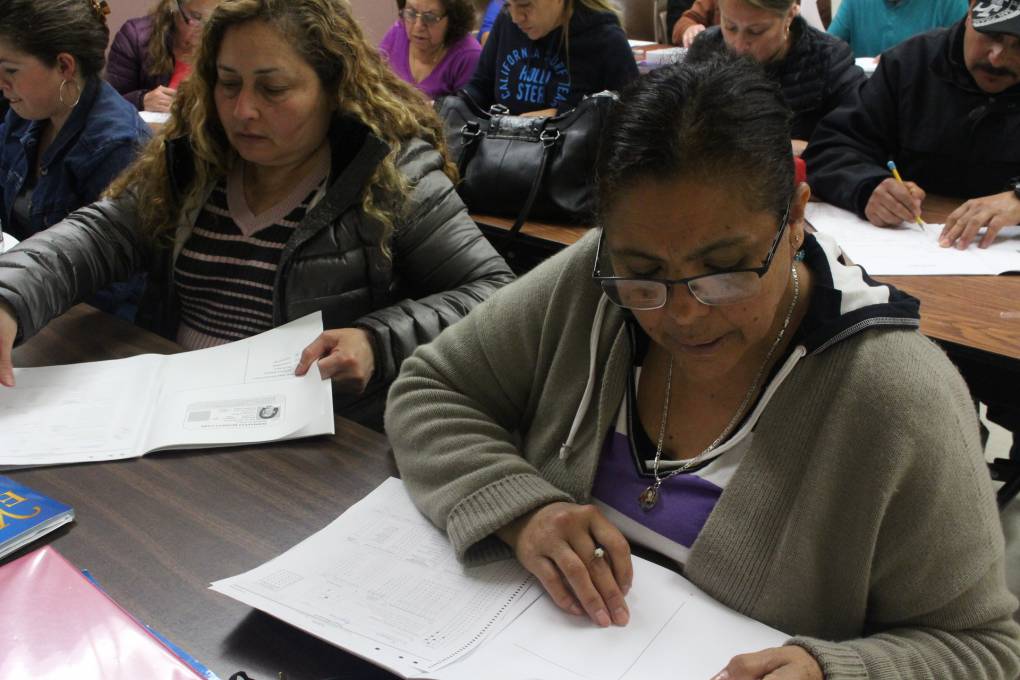
"caption": "Students prepare for their U.S. citizenship test at a class at the Fair Oaks Community Center in Redwood City, Calif. on March 22, 2018.",
"description": "Students prepare for their U.S. citizenship test at a class at the Fair Oaks Community Center in Redwood City, Calif. on March 22, 2018.",
"title": "RS30423_IMG_1497-qut",
"credit": "Farida Jhabvala Romero/KQED",
"status": "inherit",
"isLoading": false,
"fetchFailed": false
},
"news_11829275": {
"type": "attachments",
"id": "news_11829275",
"meta": {
"index": "attachments_1716263798",
"site": "news",
"id": "11829275",
"found": true
},
"parent": 11829180,
"imgSizes": {
"apple_news_ca_landscape_5_5": {
"file": "https://ww2.kqed.org/app/uploads/sites/10/2020/07/RS43909_001_KQED_Oakland_REACH_07092020-qut-1044x783.jpg",
"width": 1044,
"mimeType": "image/jpeg",
"height": 783
},
"apple_news_ca_square_4_0": {
"file": "https://ww2.kqed.org/app/uploads/sites/10/2020/07/RS43909_001_KQED_Oakland_REACH_07092020-qut-470x470.jpg",
"width": 470,
"mimeType": "image/jpeg",
"height": 470
},
"twentyfourteen-full-width": {
"file": "https://ww2.kqed.org/app/uploads/sites/10/2020/07/RS43909_001_KQED_Oakland_REACH_07092020-qut-1038x576.jpg",
"width": 1038,
"mimeType": "image/jpeg",
"height": 576
},
"thumbnail": {
"file": "https://ww2.kqed.org/app/uploads/sites/10/2020/07/RS43909_001_KQED_Oakland_REACH_07092020-qut-160x107.jpg",
"width": 160,
"mimeType": "image/jpeg",
"height": 107
},
"post-thumbnail": {
"file": "https://ww2.kqed.org/app/uploads/sites/10/2020/07/RS43909_001_KQED_Oakland_REACH_07092020-qut-672x372.jpg",
"width": 672,
"mimeType": "image/jpeg",
"height": 372
},
"kqedFullSize": {
"file": "https://ww2.kqed.org/app/uploads/sites/10/2020/07/RS43909_001_KQED_Oakland_REACH_07092020-qut.jpg",
"width": 1920,
"height": 1280
},
"apple_news_ca_landscape_4_7": {
"file": "https://ww2.kqed.org/app/uploads/sites/10/2020/07/RS43909_001_KQED_Oakland_REACH_07092020-qut-632x474.jpg",
"width": 632,
"mimeType": "image/jpeg",
"height": 474
},
"large": {
"file": "https://ww2.kqed.org/app/uploads/sites/10/2020/07/RS43909_001_KQED_Oakland_REACH_07092020-qut-1020x680.jpg",
"width": 1020,
"mimeType": "image/jpeg",
"height": 680
},
"apple_news_ca_landscape_4_0": {
"file": "https://ww2.kqed.org/app/uploads/sites/10/2020/07/RS43909_001_KQED_Oakland_REACH_07092020-qut-536x402.jpg",
"width": 536,
"mimeType": "image/jpeg",
"height": 402
},
"apple_news_ca_portrait_12_9": {
"file": "https://ww2.kqed.org/app/uploads/sites/10/2020/07/RS43909_001_KQED_Oakland_REACH_07092020-qut-1122x1280.jpg",
"width": 1122,
"mimeType": "image/jpeg",
"height": 1280
},
"medium": {
"file": "https://ww2.kqed.org/app/uploads/sites/10/2020/07/RS43909_001_KQED_Oakland_REACH_07092020-qut-800x533.jpg",
"width": 800,
"mimeType": "image/jpeg",
"height": 533
},
"apple_news_ca_portrait_4_0": {
"file": "https://ww2.kqed.org/app/uploads/sites/10/2020/07/RS43909_001_KQED_Oakland_REACH_07092020-qut-354x472.jpg",
"width": 354,
"mimeType": "image/jpeg",
"height": 472
},
"apple_news_ca_portrait_9_7": {
"file": "https://ww2.kqed.org/app/uploads/sites/10/2020/07/RS43909_001_KQED_Oakland_REACH_07092020-qut-840x1120.jpg",
"width": 840,
"mimeType": "image/jpeg",
"height": 1120
},
"apple_news_ca_landscape_12_9": {
"file": "https://ww2.kqed.org/app/uploads/sites/10/2020/07/RS43909_001_KQED_Oakland_REACH_07092020-qut-1832x1280.jpg",
"width": 1832,
"mimeType": "image/jpeg",
"height": 1280
},
"apple_news_ca_square_9_7": {
"file": "https://ww2.kqed.org/app/uploads/sites/10/2020/07/RS43909_001_KQED_Oakland_REACH_07092020-qut-1104x1104.jpg",
"width": 1104,
"mimeType": "image/jpeg",
"height": 1104
},
"1536x1536": {
"file": "https://ww2.kqed.org/app/uploads/sites/10/2020/07/RS43909_001_KQED_Oakland_REACH_07092020-qut-1536x1024.jpg",
"width": 1536,
"mimeType": "image/jpeg",
"height": 1024
},
"apple_news_ca_portrait_4_7": {
"file": "https://ww2.kqed.org/app/uploads/sites/10/2020/07/RS43909_001_KQED_Oakland_REACH_07092020-qut-414x552.jpg",
"width": 414,
"mimeType": "image/jpeg",
"height": 552
},
"apple_news_ca_square_12_9": {
"file": "https://ww2.kqed.org/app/uploads/sites/10/2020/07/RS43909_001_KQED_Oakland_REACH_07092020-qut-1472x1280.jpg",
"width": 1472,
"mimeType": "image/jpeg",
"height": 1280
},
"apple_news_ca_portrait_5_5": {
"file": "https://ww2.kqed.org/app/uploads/sites/10/2020/07/RS43909_001_KQED_Oakland_REACH_07092020-qut-687x916.jpg",
"width": 687,
"mimeType": "image/jpeg",
"height": 916
},
"apple_news_ca_square_4_7": {
"file": "https://ww2.kqed.org/app/uploads/sites/10/2020/07/RS43909_001_KQED_Oakland_REACH_07092020-qut-550x550.jpg",
"width": 550,
"mimeType": "image/jpeg",
"height": 550
},
"apple_news_ca_landscape_9_7": {
"file": "https://ww2.kqed.org/app/uploads/sites/10/2020/07/RS43909_001_KQED_Oakland_REACH_07092020-qut-1376x1032.jpg",
"width": 1376,
"mimeType": "image/jpeg",
"height": 1032
},
"apple_news_ca_square_5_5": {
"file": "https://ww2.kqed.org/app/uploads/sites/10/2020/07/RS43909_001_KQED_Oakland_REACH_07092020-qut-912x912.jpg",
"width": 912,
"mimeType": "image/jpeg",
"height": 912
}
},
"publishDate": 1594935590,
"modified": 1594935682,
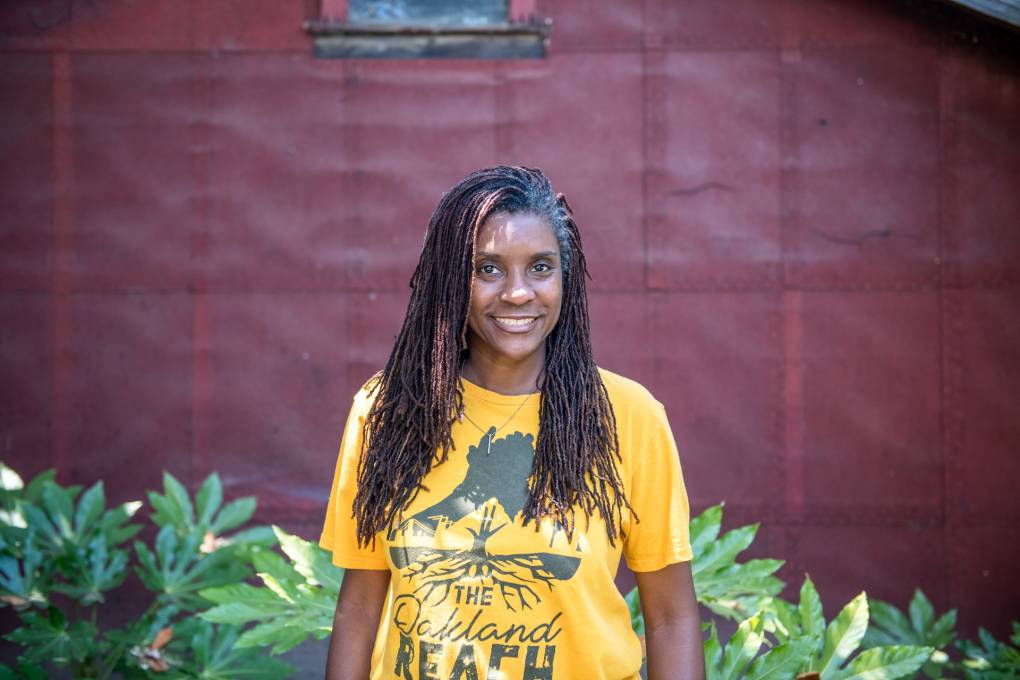
"caption": "Lakisha Young, co-founder and executive director Oakland REACH, on July 9, 2020.",
"description": null,
"title": "RS43909_001_KQED_Oakland_REACH_07092020-qut",
"credit": "Beth LaBerge/KQED",
"status": "inherit",
"isLoading": false,
"fetchFailed": false
},
"news_11820767": {
"type": "attachments",
"id": "news_11820767",
"meta": {
"index": "attachments_1716263798",
"site": "news",
"id": "11820767",
"found": true
},
"parent": 11820290,
"imgSizes": {
"apple_news_ca_landscape_5_5": {
"file": "https://ww2.kqed.org/app/uploads/sites/10/2020/05/RS42903_018_KQED_SanFrancisco_Mission_04232020-qut-1044x783.jpg",
"width": 1044,
"mimeType": "image/jpeg",
"height": 783
},
"apple_news_ca_square_4_0": {
"file": "https://ww2.kqed.org/app/uploads/sites/10/2020/05/RS42903_018_KQED_SanFrancisco_Mission_04232020-qut-470x470.jpg",
"width": 470,
"mimeType": "image/jpeg",
"height": 470
},
"twentyfourteen-full-width": {
"file": "https://ww2.kqed.org/app/uploads/sites/10/2020/05/RS42903_018_KQED_SanFrancisco_Mission_04232020-qut-1038x576.jpg",
"width": 1038,
"mimeType": "image/jpeg",
"height": 576
},
"thumbnail": {
"file": "https://ww2.kqed.org/app/uploads/sites/10/2020/05/RS42903_018_KQED_SanFrancisco_Mission_04232020-qut-160x107.jpg",
"width": 160,
"mimeType": "image/jpeg",
"height": 107
},
"post-thumbnail": {
"file": "https://ww2.kqed.org/app/uploads/sites/10/2020/05/RS42903_018_KQED_SanFrancisco_Mission_04232020-qut-672x372.jpg",
"width": 672,
"mimeType": "image/jpeg",
"height": 372
},
"kqedFullSize": {
"file": "https://ww2.kqed.org/app/uploads/sites/10/2020/05/RS42903_018_KQED_SanFrancisco_Mission_04232020-qut.jpg",
"width": 1920,
"height": 1280
},
"apple_news_ca_landscape_4_7": {
"file": "https://ww2.kqed.org/app/uploads/sites/10/2020/05/RS42903_018_KQED_SanFrancisco_Mission_04232020-qut-632x474.jpg",
"width": 632,
"mimeType": "image/jpeg",
"height": 474
},
"large": {
"file": "https://ww2.kqed.org/app/uploads/sites/10/2020/05/RS42903_018_KQED_SanFrancisco_Mission_04232020-qut-1020x680.jpg",
"width": 1020,
"mimeType": "image/jpeg",
"height": 680
},
"apple_news_ca_landscape_4_0": {
"file": "https://ww2.kqed.org/app/uploads/sites/10/2020/05/RS42903_018_KQED_SanFrancisco_Mission_04232020-qut-536x402.jpg",
"width": 536,
"mimeType": "image/jpeg",
"height": 402
},
"apple_news_ca_portrait_12_9": {
"file": "https://ww2.kqed.org/app/uploads/sites/10/2020/05/RS42903_018_KQED_SanFrancisco_Mission_04232020-qut-1122x1280.jpg",
"width": 1122,
"mimeType": "image/jpeg",
"height": 1280
},
"medium": {
"file": "https://ww2.kqed.org/app/uploads/sites/10/2020/05/RS42903_018_KQED_SanFrancisco_Mission_04232020-qut-800x533.jpg",
"width": 800,
"mimeType": "image/jpeg",
"height": 533
},
"apple_news_ca_portrait_4_0": {
"file": "https://ww2.kqed.org/app/uploads/sites/10/2020/05/RS42903_018_KQED_SanFrancisco_Mission_04232020-qut-354x472.jpg",
"width": 354,
"mimeType": "image/jpeg",
"height": 472
},
"apple_news_ca_portrait_9_7": {
"file": "https://ww2.kqed.org/app/uploads/sites/10/2020/05/RS42903_018_KQED_SanFrancisco_Mission_04232020-qut-840x1120.jpg",
"width": 840,
"mimeType": "image/jpeg",
"height": 1120
},
"apple_news_ca_landscape_12_9": {
"file": "https://ww2.kqed.org/app/uploads/sites/10/2020/05/RS42903_018_KQED_SanFrancisco_Mission_04232020-qut-1832x1280.jpg",
"width": 1832,
"mimeType": "image/jpeg",
"height": 1280
},
"apple_news_ca_square_9_7": {
"file": "https://ww2.kqed.org/app/uploads/sites/10/2020/05/RS42903_018_KQED_SanFrancisco_Mission_04232020-qut-1104x1104.jpg",
"width": 1104,
"mimeType": "image/jpeg",
"height": 1104
},
"apple_news_ca_portrait_4_7": {
"file": "https://ww2.kqed.org/app/uploads/sites/10/2020/05/RS42903_018_KQED_SanFrancisco_Mission_04232020-qut-414x552.jpg",
"width": 414,
"mimeType": "image/jpeg",
"height": 552
},
"apple_news_ca_square_12_9": {
"file": "https://ww2.kqed.org/app/uploads/sites/10/2020/05/RS42903_018_KQED_SanFrancisco_Mission_04232020-qut-1472x1280.jpg",
"width": 1472,
"mimeType": "image/jpeg",
"height": 1280
},
"apple_news_ca_portrait_5_5": {
"file": "https://ww2.kqed.org/app/uploads/sites/10/2020/05/RS42903_018_KQED_SanFrancisco_Mission_04232020-qut-687x916.jpg",
"width": 687,
"mimeType": "image/jpeg",
"height": 916
},
"full-width": {
"file": "https://ww2.kqed.org/app/uploads/sites/10/2020/05/RS42903_018_KQED_SanFrancisco_Mission_04232020-qut-1920x1280.jpg",
"width": 1920,
"mimeType": "image/jpeg",
"height": 1280
},
"apple_news_ca_square_4_7": {
"file": "https://ww2.kqed.org/app/uploads/sites/10/2020/05/RS42903_018_KQED_SanFrancisco_Mission_04232020-qut-550x550.jpg",
"width": 550,
"mimeType": "image/jpeg",
"height": 550
},
"apple_news_ca_landscape_9_7": {
"file": "https://ww2.kqed.org/app/uploads/sites/10/2020/05/RS42903_018_KQED_SanFrancisco_Mission_04232020-qut-1376x1032.jpg",
"width": 1376,
"mimeType": "image/jpeg",
"height": 1032
},
"apple_news_ca_square_5_5": {
"file": "https://ww2.kqed.org/app/uploads/sites/10/2020/05/RS42903_018_KQED_SanFrancisco_Mission_04232020-qut-912x912.jpg",
"width": 912,
"mimeType": "image/jpeg",
"height": 912
}
},
"publishDate": 1590525085,
"modified": 1590534804,
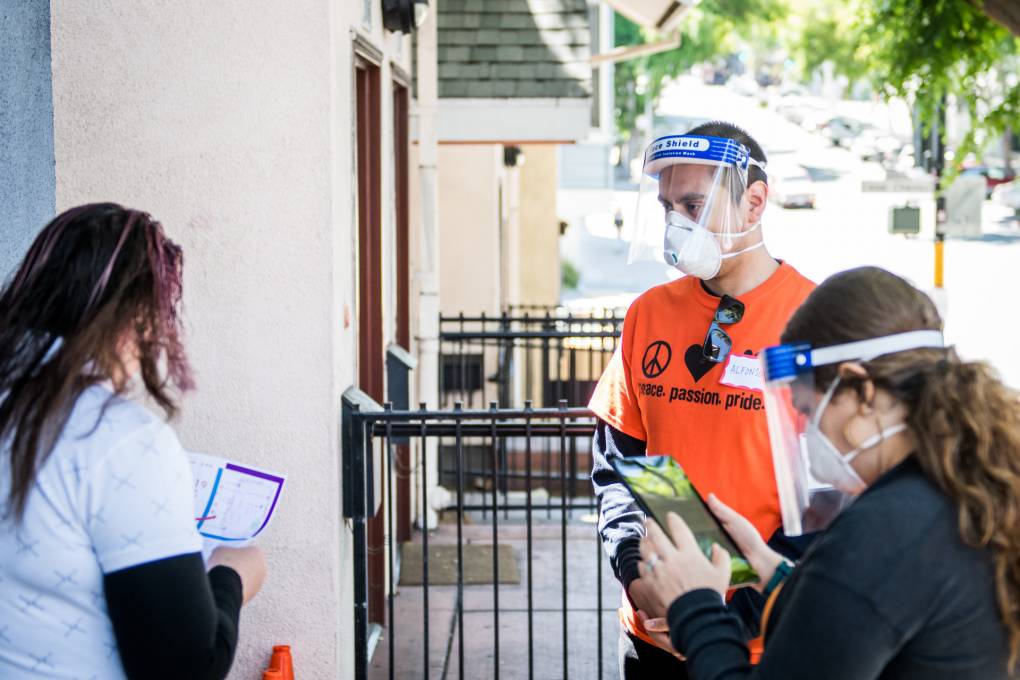
"caption": "Aliza Zenilman (right) and Alfonso Buenas, volunteers with United In Health, speak with a San Francisco Mission resident about getting tested for COVID-19 during a community testing study taking place April 25 - 28 supported by UCSF Labs. Latinos represent more than half of all confirmed coronavirus cases in California.",
"description": null,
"title": "RS42903_018_KQED_SanFrancisco_Mission_04232020-qut",
"credit": "Beth LaBerge/KQED",
"status": "inherit",
"isLoading": false,
"fetchFailed": false
},
"news_11819862": {
"type": "attachments",
"id": "news_11819862",
"meta": {
"index": "attachments_1716263798",
"site": "news",
"id": "11819862",
"found": true
},
"parent": 11819858,
"imgSizes": {
"apple_news_ca_landscape_5_5": {
"file": "https://ww2.kqed.org/app/uploads/sites/10/2020/05/RS43264_GettyImages-1210404266-qut-1044x783.jpg",
"width": 1044,
"mimeType": "image/jpeg",
"height": 783
},
"apple_news_ca_square_4_0": {
"file": "https://ww2.kqed.org/app/uploads/sites/10/2020/05/RS43264_GettyImages-1210404266-qut-470x470.jpg",
"width": 470,
"mimeType": "image/jpeg",
"height": 470
},
"twentyfourteen-full-width": {
"file": "https://ww2.kqed.org/app/uploads/sites/10/2020/05/RS43264_GettyImages-1210404266-qut-1038x576.jpg",
"width": 1038,
"mimeType": "image/jpeg",
"height": 576
},
"thumbnail": {
"file": "https://ww2.kqed.org/app/uploads/sites/10/2020/05/RS43264_GettyImages-1210404266-qut-160x107.jpg",
"width": 160,
"mimeType": "image/jpeg",
"height": 107
},
"post-thumbnail": {
"file": "https://ww2.kqed.org/app/uploads/sites/10/2020/05/RS43264_GettyImages-1210404266-qut-672x372.jpg",
"width": 672,
"mimeType": "image/jpeg",
"height": 372
},
"kqedFullSize": {
"file": "https://ww2.kqed.org/app/uploads/sites/10/2020/05/RS43264_GettyImages-1210404266-qut.jpg",
"width": 1920,
"height": 1280
},
"apple_news_ca_landscape_4_7": {
"file": "https://ww2.kqed.org/app/uploads/sites/10/2020/05/RS43264_GettyImages-1210404266-qut-632x474.jpg",
"width": 632,
"mimeType": "image/jpeg",
"height": 474
},
"large": {
"file": "https://ww2.kqed.org/app/uploads/sites/10/2020/05/RS43264_GettyImages-1210404266-qut-1020x680.jpg",
"width": 1020,
"mimeType": "image/jpeg",
"height": 680
},
"apple_news_ca_landscape_4_0": {
"file": "https://ww2.kqed.org/app/uploads/sites/10/2020/05/RS43264_GettyImages-1210404266-qut-536x402.jpg",
"width": 536,
"mimeType": "image/jpeg",
"height": 402
},
"apple_news_ca_portrait_12_9": {
"file": "https://ww2.kqed.org/app/uploads/sites/10/2020/05/RS43264_GettyImages-1210404266-qut-1122x1280.jpg",
"width": 1122,
"mimeType": "image/jpeg",
"height": 1280
},
"medium": {
"file": "https://ww2.kqed.org/app/uploads/sites/10/2020/05/RS43264_GettyImages-1210404266-qut-800x533.jpg",
"width": 800,
"mimeType": "image/jpeg",
"height": 533
},
"apple_news_ca_portrait_4_0": {
"file": "https://ww2.kqed.org/app/uploads/sites/10/2020/05/RS43264_GettyImages-1210404266-qut-354x472.jpg",
"width": 354,
"mimeType": "image/jpeg",
"height": 472
},
"apple_news_ca_portrait_9_7": {
"file": "https://ww2.kqed.org/app/uploads/sites/10/2020/05/RS43264_GettyImages-1210404266-qut-840x1120.jpg",
"width": 840,
"mimeType": "image/jpeg",
"height": 1120
},
"apple_news_ca_landscape_12_9": {
"file": "https://ww2.kqed.org/app/uploads/sites/10/2020/05/RS43264_GettyImages-1210404266-qut-1832x1280.jpg",
"width": 1832,
"mimeType": "image/jpeg",
"height": 1280
},
"apple_news_ca_square_9_7": {
"file": "https://ww2.kqed.org/app/uploads/sites/10/2020/05/RS43264_GettyImages-1210404266-qut-1104x1104.jpg",
"width": 1104,
"mimeType": "image/jpeg",
"height": 1104
},
"apple_news_ca_portrait_4_7": {
"file": "https://ww2.kqed.org/app/uploads/sites/10/2020/05/RS43264_GettyImages-1210404266-qut-414x552.jpg",
"width": 414,
"mimeType": "image/jpeg",
"height": 552
},
"apple_news_ca_square_12_9": {
"file": "https://ww2.kqed.org/app/uploads/sites/10/2020/05/RS43264_GettyImages-1210404266-qut-1472x1280.jpg",
"width": 1472,
"mimeType": "image/jpeg",
"height": 1280
},
"apple_news_ca_portrait_5_5": {
"file": "https://ww2.kqed.org/app/uploads/sites/10/2020/05/RS43264_GettyImages-1210404266-qut-687x916.jpg",
"width": 687,
"mimeType": "image/jpeg",
"height": 916
},
"full-width": {
"file": "https://ww2.kqed.org/app/uploads/sites/10/2020/05/RS43264_GettyImages-1210404266-qut-1920x1280.jpg",
"width": 1920,
"mimeType": "image/jpeg",
"height": 1280
},
"apple_news_ca_square_4_7": {
"file": "https://ww2.kqed.org/app/uploads/sites/10/2020/05/RS43264_GettyImages-1210404266-qut-550x550.jpg",
"width": 550,
"mimeType": "image/jpeg",
"height": 550
},
"apple_news_ca_landscape_9_7": {
"file": "https://ww2.kqed.org/app/uploads/sites/10/2020/05/RS43264_GettyImages-1210404266-qut-1376x1032.jpg",
"width": 1376,
"mimeType": "image/jpeg",
"height": 1032
},
"apple_news_ca_square_5_5": {
"file": "https://ww2.kqed.org/app/uploads/sites/10/2020/05/RS43264_GettyImages-1210404266-qut-912x912.jpg",
"width": 912,
"mimeType": "image/jpeg",
"height": 912
}
},
"publishDate": 1590034065,
"modified": 1590034612,
"caption": "Simon Cooper offers prayers to people who attended an on line Sunday Service inside their cars at the Christian '412 Church Murrieta' parking lot on April 19, 2020 in Murrieta, California. The pastor was threatening to sue Riverside County over prohibitions against religious gatherings under the coronavirus-related public health crisis. The number of deaths from the new coronavirus in the United States topped 40,000, according to a running tally by Johns Hopkins University.",
"description": null,
"title": "US-HEALTH-VIRUS-RELIGION",
"credit": "Apu Gomes/AFP",
"status": "inherit",
"isLoading": false,
"fetchFailed": false
}
},
"audioPlayerReducer": {
"postId": "stream_live",
"isPaused": true,
"isPlaying": false,
"pfsActive": false,
"pledgeModalIsOpen": true,
"playerDrawerIsOpen": false,
"liveAudioPlayStartedAt": 0,
"liveAudioPlayContext": ""
},
"authorsReducer": {
"byline_news_11819858": {
"type": "authors",
"id": "byline_news_11819858",
"meta": {
"override": true
},
"slug": "byline_news_11819858",
"name": "Adam Beam \u003cbr> Associated Press",
"isLoading": false
},
"fjhabvala": {
"type": "authors",
"id": "8659",
"meta": {
"index": "authors_1716337520",
"id": "8659",
"found": true
},
"name": "Farida Jhabvala Romero",
"firstName": "Farida",
"lastName": "Jhabvala Romero",
"slug": "fjhabvala",
"email": "fjhabvala@kqed.org",
"display_author_email": true,
"staff_mastheads": [
"news"
],
"title": "KQED Contributor",
"bio": "Farida Jhabvala Romero is a Labor Correspondent for KQED. She previously covered immigration. Farida was \u003ca href=\"https://www.ccnma.org/2022-most-influential-latina-journalists\">named\u003c/a> one of the 10 Most Influential Latina Journalists in California in 2022 by the California Chicano News Media Association. Her work has won awards from the Society of Professional Journalists (Northern California), as well as a national and regional Edward M. Murrow Award for the collaborative reporting projects “Dangerous Air” and “Graying California.” Before joining KQED, Farida worked as a producer at Radio Bilingüe, a national public radio network. Farida earned her master’s degree in journalism from Stanford University.",
"avatar": "https://secure.gravatar.com/avatar/f9f022d4e2609741874222a1e9d41f48fea74011aa7c615eef91d9a50c944ebe?s=600&d=blank&r=g",
"twitter": "FaridaJhabvala",
"bluesky": null,
"facebook": null,
"instagram": null,
"linkedin": "https://www.linkedin.com/in/faridajhabvala/",
"sites": [
{
"site": "news",
"roles": [
"editor"
]
},
{
"site": "stateofhealth",
"roles": [
"author"
]
},
{
"site": "liveblog",
"roles": [
"author"
]
}
],
"headData": {
"title": "Farida Jhabvala Romero | KQED",
"description": "KQED Contributor",
"ogImgSrc": "https://secure.gravatar.com/avatar/f9f022d4e2609741874222a1e9d41f48fea74011aa7c615eef91d9a50c944ebe?s=600&d=blank&r=g",
"twImgSrc": "https://secure.gravatar.com/avatar/f9f022d4e2609741874222a1e9d41f48fea74011aa7c615eef91d9a50c944ebe?s=600&d=blank&r=g"
},
"isLoading": false,
"link": "/author/fjhabvala"
},
"vrancano": {
"type": "authors",
"id": "11276",
"meta": {
"index": "authors_1716337520",
"id": "11276",
"found": true
},
"name": "Vanessa Rancaño",
"firstName": "Vanessa",
"lastName": "Rancaño",
"slug": "vrancano",
"email": "vrancano@kqed.org",
"display_author_email": false,
"staff_mastheads": [
"news"
],
"title": "Reporter",
"bio": "Vanessa Rancaño is a features reporter for KQED. She’s also covered homelessness and education for the station and reported from the Central Valley. Her work has aired across public radio, from flagship national news shows to longform narrative podcasts. Before taking up a mic, she worked as a freelance print journalist. She’s been recognized with a number of national and regional awards. Vanessa grew up in California's Central Valley. She's a former NPR Kroc Fellow, and a graduate of the UC Berkeley Graduate School of Journalism.",
"avatar": "https://secure.gravatar.com/avatar/b3a383dfb0e7ee1c17568f2cf067904ab654d6e3de9743fc661f3c788ade1bed?s=600&d=blank&r=g",
"twitter": "vanessarancano",
"bluesky": null,
"facebook": null,
"instagram": null,
"linkedin": null,
"sites": [
{
"site": "arts",
"roles": [
"editor"
]
},
{
"site": "news",
"roles": [
"editor"
]
},
{
"site": "liveblog",
"roles": [
"contributor"
]
}
],
"headData": {
"title": "Vanessa Rancaño | KQED",
"description": "Reporter",
"ogImgSrc": "https://secure.gravatar.com/avatar/b3a383dfb0e7ee1c17568f2cf067904ab654d6e3de9743fc661f3c788ade1bed?s=600&d=blank&r=g",
"twImgSrc": "https://secure.gravatar.com/avatar/b3a383dfb0e7ee1c17568f2cf067904ab654d6e3de9743fc661f3c788ade1bed?s=600&d=blank&r=g"
},
"isLoading": false,
"link": "/author/vrancano"
}
},
"pagesReducer": {
"news_tag_covid": {
"type": "terms",
"id": "news_27989",
"meta": {
"index": "terms_1716263798",
"site": "news",
"id": "27989",
"score": 9.103905
},
"featImg": null,
"name": "covid",
"description": null,
"taxonomy": "tag",
"headData": {
"twImgId": null,
"twTitle": null,
"ogTitle": null,
"ogImgId": null,
"twDescription": null,
"description": null,
"title": "covid Archives | KQED News",
"ogDescription": null
},
"ttid": 28006,
"slug": "covid",
"isLoading": false,
"title": "covid",
"pageMeta": {
"site": "news",
"WpPageTemplate": "page-topic-editorial",
"currentPage": 16
},
"blocks": [
{
"blockName": "kqed/post-list",
"attrs": {
"layout": "cardArticle2",
"query": "posts/news?tag=covid",
"seeMore": false,
"paginated": true,
"page": 16
}
},
{
"blockName": "kqed/ad"
}
]
}
},
"pfsSessionReducer": {},
"postsReducer": {
"stream_live": {
"type": "live",
"id": "stream_live",
"audioUrl": "https://streams.kqed.org/kqedradio",
"title": "Live Stream",
"excerpt": "Live Stream information currently unavailable.",
"link": "/radio",
"featImg": "",
"label": {
"name": "KQED Live",
"link": "/"
}
},
"stream_kqedNewscast": {
"type": "posts",
"id": "stream_kqedNewscast",
"audioUrl": "https://www.kqed.org/.stream/anon/radio/RDnews/newscast.mp3?_=1",
"title": "KQED Newscast",
"featImg": "",
"label": {
"name": "88.5 FM",
"link": "/"
}
},
"news_11829870": {
"type": "posts",
"id": "news_11829870",
"meta": {
"index": "posts_1716263798",
"site": "news",
"id": "11829870",
"score": null,
"sort": [
1595336425000
]
},
"guestAuthors": [],
"slug": "thousands-in-california-to-face-delays-if-feds-furlough-immigration-workers",
"title": "Thousands in California to Face Delays If Feds Furlough Immigration Workers",
"publishDate": 1595336425,
"format": "standard",
"headTitle": "Thousands in California to Face Delays If Feds Furlough Immigration Workers | KQED",
"labelTerm": {
"term": 72,
"site": "news"
},
"content": "\u003cp>\u003cem>\u003cstrong>Updated 2:00 p.m:\u003c/strong>\u003c/em>\u003c/p>\n\u003cp>U.S. Citizenship and Immigration Services (USCIS) should postpone plans to furlough about 13,400 employees, now that the agency has projected it will end this fiscal year with a budget surplus instead of the $571 million deficit it forecast earlier this year, said Vermont Sen. Patrick Leahy and Montana Sen. Jon Tester, both Democrats who sit on the Senate Appropriations Committee.\u003c/p>\n\u003cp>“We ask that you take immediate action to save USCIS employees from unnecessary furloughs,” wrote Leahy and Tester in a \u003ca href=\"https://www.appropriations.senate.gov/imo/media/doc/USCIS%20Final%20Letter%207%2021%2020.pdf\" target=\"_blank\" rel=\"noopener noreferrer\">letter\u003c/a> to Department of Homeland Security (DHS) Acting Secretary Chad Wolf and USCIS Deputy Director for Policy Joseph Edlow. “You must not sit by as thousands of American jobs are on the line, particularly during a time of unprecedented unemployment.”\u003c/p>\n\u003cp>In the letter, Leahy and Tester said that even though USCIS’ fiscal outlook had reversed, the agency had “perplexingly chosen” to proceed with the furloughs, which would go into effect on Aug. 3 for at least a month.\u003c/p>\n\u003cp>Jessica Collins, a spokeswoman with USCIS, said the agency still requires $1.2 billion from Congress because its financial outlook had not improved enough to sustain operations next fiscal year.\u003c/p>\n\u003cp>“In order to delay a furlough, we would need a commitment from Congress to fund USCIS, either through passing legislation or indicating that legislation is forthcoming which would meet our ultimate goal of canceling the furlough once we receive funding,” Collins said in a statement.\u003c/p>\n\u003cp>DHS, the parent agency of USCIS, and the White House Office of Management and Budget did not immediately return requests for comment.\u003c/p>\n\u003cp>\u003cem>\u003cstrong>Original Story:\u003c/strong>\u003c/em>\u003c/p>\n\u003cp>Less than two weeks before massive furloughs are set to strike the federal agency that processes immigration applications, it’s unclear whether Congress will reach a bailout deal in time to spare more than 13,000 employees and millions of immigrants awaiting key services.\u003c/p>\n\u003cp>The stakes are high in California, where hundreds of thousands of immigrants — as well as their American employers and relatives — depend on U.S. Citizenship and Immigration Services for work permits, green cards, naturalization and other benefits.\u003c/p>\n\u003cp>USCIS plans to furlough more than two-thirds of its employees, including 2,300 in California, because revenue has dropped dramatically during the COVID-19 pandemic, according to the agency.\u003c/p>\n\u003cp>In May, USCIS officials told Congress they would need $1.2 billion to avoid the furloughs, which are set to start Aug. 3. [pullquote size='medium' align='right' citation='Congresswoman Zoe Lofgren']‘If the administration decides to run this agency off a cliff, which it looks like they’re planning to do, I think it would be really a shameful thing.’[/pullquote]\u003c/p>\n\u003cp>California representatives Lucille Roybal-Allard (D-Los Angeles) and Zoe Lofgren (D-San Jose) said they are working to include emergency funds for the agency in the contentious COVID-19 recovery bill that Congress is debating.\u003c/p>\n\u003cp>But Roybal-Allard and Lofgren, who chair subcommittees negotiating relief for the agency, said the White House has only provided a one-page letter with scant details on the financial shortfall at USCIS or proposed solutions. They said a lack of cooperation from the administration has slowed progress.\u003c/p>\n\u003cp>“If the administration decides to run this agency off a cliff, which it looks like they’re planning to do, I think it would be really a shameful thing,” Lofgren said, chair of the House Judiciary Subcommittee on Immigration.\u003c/p>\n\u003cp>A spokesman with the White House Office of Management and Budget defended the administration’s response, and said Congress has enough information to avoid the furloughs, which are expected to last between one and three months. [aside tag=\"immigration\" label=\"more coverage\"]\u003c/p>\n\u003cp>“The Administration has formally requested the resources necessary to keep USCIS running,” said the OMB spokesman in a statement. “Our hope is that Congressional Democrats accept our proposal to keep the lights on in a responsible manner.”\u003c/p>\n\u003cp>USCIS has proposed to pay back to the U.S. Treasury the $1.2 billion it seeks by adding a 10% surcharge to applications paid by U.S. employers, U.S. citizens and immigrants. A \u003ca href=\"https://www.afge.org/article/bipartisan-bill-introduced-to-fund-uscis-to-avoid-furloughs/\">bill\u003c/a> introduced by Rep. Emanuel Cleaver (D-Mo) this month would do that. But Lofgren and other Democrats have been lukewarm to the idea of raising fees.\u003c/p>\n\u003cp>Unlike most federal agencies, USCIS \u003ca href=\"https://www.uscis.gov/news/news-releases/uscis-proposes-to-adjust-fees-to-meet-operational-needs\">funds\u003c/a> its operations with immigrant application fees. After the agency halted in-person services due to the pandemic and the worldwide travel shutdown, its earnings collapsed by half, starting in March, according to officials. Offices began to \u003ca href=\"https://www.uscis.gov/about-us/uscis-office-closings\">reopen\u003c/a> last month, but revenues are still lagging.\u003c/p>\n\u003cp>“This dramatic drop in revenue has made it impossible for our agency to operate at full capacity,” said a USCIS spokesperson. “Without additional funding from Congress before August 3, USCIS has no choice but to administratively furlough a substantial portion of our workforce.”\u003c/p>\n\u003cp>But critics say that the agency was already on shaky financial ground well before the coronavirus tore through the country. And they blame the Trump administration’s management of the agency.\u003c/p>\n\u003cp>USCIS had at least $790 million in cash reserves in 2017, then went into a budget deficit the following year, according to agency figures analyzed by researchers at the nonpartisan \u003ca href=\"https://www.migrationpolicy.org/news/uscis-severe-budget-shortfall\">Migration Policy Institute\u003c/a>.\u003c/p>\n\u003cp>Ur Jaddou, former chief counsel at USCIS, said President Trump’s restrictive immigration policies have cost the agency significant losses in revenue by excluding many immigrants from work permits and other benefits.\u003c/p>\n\u003cp>For example, Jaddou estimates that since the Trump administration took steps to end the humanitarian protections called \u003ca href=\"https://www.kqed.org/news/11824078/essential-workers-with-temporary-protected-status-could-be-at-risk-of-deportation\">Temporary Protected Status\u003c/a> for more than 400,000 immigrants, USCIS has lost nearly $200 million in TPS renewal fees every 18 months. [ad fullwidth]\u003c/p>\n\u003cp>If the furloughs go into effect and fewer employees are at work to process petitions, more immigrants could be locked out of benefits for which they’re eligible — including becoming naturalized U.S. citizens, just months before the presidential election, Jaddou said.\u003c/p>\n\u003cp>“This is an insidious, bureaucratic way of achieving many of the policies that this administration has implemented since the beginning,” Jaddou said, who now directs \u003ca href=\"https://americasvoice.org/uncategorized/about-us-dhs-watch/\">DHS Watch\u003c/a> at the pro-immigration group America’s Voice.\u003c/p>\n\u003cp>In the first three months of this year, USCIS received more than \u003ca href=\"https://www.uscis.gov/sites/default/files/USCIS/Resources/Reports%20and%20Studies/Immigration%20Forms%20Data/Naturalization%20Data/N400_performancedata_fy2020_qtr2.pdf\">40,000\u003c/a> naturalization petitions at its offices in California, about 17% of the total requests for U.S. citizenship nationwide.\u003c/p>\n\u003cp>In 2018, USCIS naturalized more than 750,000 people, and processed more than 630,000 green card petitions, which allow immigrants to live and work permanently in the U.S., according to an agency \u003ca href=\"https://www.uscis.gov/sites/default/files/document/reports/2018_USCIS_Statistical_Annual_Report_Final_-_OPQ_5.28.19_EXA.pdf\" target=\"_blank\" rel=\"noopener noreferrer\">report\u003c/a>. [pullquote size='medium' align='right' citation='Ur Jaddou']‘This is an insidious, bureaucratic way of achieving many of the policies that this administration has implemented since the beginning’[/pullquote]\u003c/p>\n\u003cp>In a \u003ca href=\"https://www.ilrc.org/sites/default/files/resources/senate_letter_uscis_appropriations.pdf\" target=\"_blank\" rel=\"noopener noreferrer\">letter\u003c/a> to Congress last month, DHS Watch and 100 other immigrant and human rights organizations wrote that USCIS has “squandered millions of dollars” as the Trump administration transformed the historically customer-service focused agency into an immigration enforcement arm.\u003c/p>\n\u003cp>The advocates want any Congressional bailout to be conditioned on changes at the agency, including prohibiting immigration enforcement arrests at USCIS offices and suspending proposed \u003ca href=\"https://www.kqed.org/news/11745013/free-immigration-applications-may-become-harder-to-get-under-federal-proposal\" target=\"_blank\" rel=\"noopener noreferrer\">fee increases\u003c/a> that would double the price of naturalization.\u003c/p>\n\u003cp>Oakland-based immigration attorney Jesse Lloyd said many of his clients are already experiencing delays in getting their work permits, due to the agency’s financial problems.\u003c/p>\n\u003cp>Furloughs that further delay work permits would mean that many Bay Area immigrants could lose their ability to work legally, and that could cost them their jobs, he said.\u003c/p>\n\u003cp>“These are households with U.S. citizen spouses. These are often households with U.S. citizen children,” Lloyd said. “And all of these citizens are relying on the spouse to be able to be employed.”\u003c/p>\n\u003cp>[ad floatright]\u003c/p>\n",
"blocks": [],
"excerpt": "U.S. Citizenship and Immigration Services plans to furlough two thirds of its staff, unless Congress provides it with emergency funds. In California, hundreds of thousands of immigrants depend on the agency for work permits, green cards, naturalization and other benefits.",
"status": "publish",
"parent": 0,
"modified": 1721123531,
"stats": {
"hasAudio": false,
"hasVideo": false,
"hasChartOrMap": false,
"iframeSrcs": [],
"hasGoogleForm": false,
"hasGallery": false,
"hasHearkenModule": false,
"hasPolis": false,
"paragraphCount": 34,
"wordCount": 1315
},
"headData": {
"title": "Thousands in California to Face Delays If Feds Furlough Immigration Workers | KQED",
"description": "U.S. Citizenship and Immigration Services plans to furlough two thirds of its staff, unless Congress provides it with emergency funds. In California, hundreds of thousands of immigrants depend on the agency for work permits, green cards, naturalization and other benefits.",
"ogTitle": "",
"ogDescription": "",
"ogImgId": "",
"twTitle": "",
"twDescription": "",
"twImgId": "",
"schema": {
"@context": "https://schema.org",
"@type": "NewsArticle",
"headline": "Thousands in California to Face Delays If Feds Furlough Immigration Workers",
"datePublished": "2020-07-21T06:00:25-07:00",
"dateModified": "2024-07-16T02:52:11-07:00",
"image": "https://cdn.kqed.org/wp-content/uploads/2020/02/KQED-OG-Image@1x.png",
"isAccessibleForFree": "True",
"publisher": {
"@type": "NewsMediaOrganization",
"@id": "https://www.kqed.org/#organization",
"name": "KQED",
"logo": "https://cdn.kqed.org/wp-content/uploads/2020/02/KQED-OG-Image@1x.png",
"url": "https://www.kqed.org",
"sameAs": [
"https://www.facebook.com/KQED",
"https://twitter.com/KQED",
"https://www.instagram.com/kqed/",
"https://www.tiktok.com/@kqedofficial",
"https://www.linkedin.com/company/kqed",
"https://www.youtube.com/channel/UCeC0IOo7i1P_61zVUWbJ4nw"
]
}
}
},
"audioUrl": "https://traffic.omny.fm/d/clips/0af137ef-751e-4b19-a055-aaef00d2d578/ffca7e9f-6831-41c5-bcaf-aaef00f5a073/99a9fb5b-e8e8-48fb-b874-abfe010dd5ef/audio.mp3",
"sticky": false,
"path": "/news/11829870/thousands-in-california-to-face-delays-if-feds-furlough-immigration-workers",
"audioTrackLength": null,
"parsedContent": [
{
"type": "contentString",
"content": "\u003cdiv class=\"post-body\">\u003cp>\u003cp>\u003cem>\u003cstrong>Updated 2:00 p.m:\u003c/strong>\u003c/em>\u003c/p>\n\u003cp>U.S. Citizenship and Immigration Services (USCIS) should postpone plans to furlough about 13,400 employees, now that the agency has projected it will end this fiscal year with a budget surplus instead of the $571 million deficit it forecast earlier this year, said Vermont Sen. Patrick Leahy and Montana Sen. Jon Tester, both Democrats who sit on the Senate Appropriations Committee.\u003c/p>\n\u003cp>“We ask that you take immediate action to save USCIS employees from unnecessary furloughs,” wrote Leahy and Tester in a \u003ca href=\"https://www.appropriations.senate.gov/imo/media/doc/USCIS%20Final%20Letter%207%2021%2020.pdf\" target=\"_blank\" rel=\"noopener noreferrer\">letter\u003c/a> to Department of Homeland Security (DHS) Acting Secretary Chad Wolf and USCIS Deputy Director for Policy Joseph Edlow. “You must not sit by as thousands of American jobs are on the line, particularly during a time of unprecedented unemployment.”\u003c/p>\n\u003cp>In the letter, Leahy and Tester said that even though USCIS’ fiscal outlook had reversed, the agency had “perplexingly chosen” to proceed with the furloughs, which would go into effect on Aug. 3 for at least a month.\u003c/p>\n\u003cp>Jessica Collins, a spokeswoman with USCIS, said the agency still requires $1.2 billion from Congress because its financial outlook had not improved enough to sustain operations next fiscal year.\u003c/p>\n\u003cp>“In order to delay a furlough, we would need a commitment from Congress to fund USCIS, either through passing legislation or indicating that legislation is forthcoming which would meet our ultimate goal of canceling the furlough once we receive funding,” Collins said in a statement.\u003c/p>\n\u003cp>DHS, the parent agency of USCIS, and the White House Office of Management and Budget did not immediately return requests for comment.\u003c/p>\n\u003cp>\u003cem>\u003cstrong>Original Story:\u003c/strong>\u003c/em>\u003c/p>\n\u003cp>Less than two weeks before massive furloughs are set to strike the federal agency that processes immigration applications, it’s unclear whether Congress will reach a bailout deal in time to spare more than 13,000 employees and millions of immigrants awaiting key services.\u003c/p>\n\u003cp>The stakes are high in California, where hundreds of thousands of immigrants — as well as their American employers and relatives — depend on U.S. Citizenship and Immigration Services for work permits, green cards, naturalization and other benefits.\u003c/p>\n\u003cp>USCIS plans to furlough more than two-thirds of its employees, including 2,300 in California, because revenue has dropped dramatically during the COVID-19 pandemic, according to the agency.\u003c/p>\n\u003cp>In May, USCIS officials told Congress they would need $1.2 billion to avoid the furloughs, which are set to start Aug. 3. \u003c/p>\u003c/div>",
"attributes": {
"named": {},
"numeric": []
}
},
{
"type": "component",
"content": "‘If the administration decides to run this agency off a cliff, which it looks like they’re planning to do, I think it would be really a shameful thing.’",
"name": "pullquote",
"attributes": {
"named": {
"size": "medium",
"align": "right",
"citation": "Congresswoman Zoe Lofgren",
"label": ""
},
"numeric": []
}
},
{
"type": "contentString",
"content": "\u003cdiv class=\"post-body\">\u003cp>\u003c/p>\n\u003cp>California representatives Lucille Roybal-Allard (D-Los Angeles) and Zoe Lofgren (D-San Jose) said they are working to include emergency funds for the agency in the contentious COVID-19 recovery bill that Congress is debating.\u003c/p>\n\u003cp>But Roybal-Allard and Lofgren, who chair subcommittees negotiating relief for the agency, said the White House has only provided a one-page letter with scant details on the financial shortfall at USCIS or proposed solutions. They said a lack of cooperation from the administration has slowed progress.\u003c/p>\n\u003cp>“If the administration decides to run this agency off a cliff, which it looks like they’re planning to do, I think it would be really a shameful thing,” Lofgren said, chair of the House Judiciary Subcommittee on Immigration.\u003c/p>\n\u003cp>A spokesman with the White House Office of Management and Budget defended the administration’s response, and said Congress has enough information to avoid the furloughs, which are expected to last between one and three months. \u003c/p>\u003c/div>",
"attributes": {
"named": {},
"numeric": []
}
},
{
"type": "component",
"content": "",
"name": "aside",
"attributes": {
"named": {
"tag": "immigration",
"label": "more coverage "
},
"numeric": []
}
},
{
"type": "contentString",
"content": "\u003cdiv class=\"post-body\">\u003cp>\u003c/p>\n\u003cp>“The Administration has formally requested the resources necessary to keep USCIS running,” said the OMB spokesman in a statement. “Our hope is that Congressional Democrats accept our proposal to keep the lights on in a responsible manner.”\u003c/p>\n\u003cp>USCIS has proposed to pay back to the U.S. Treasury the $1.2 billion it seeks by adding a 10% surcharge to applications paid by U.S. employers, U.S. citizens and immigrants. A \u003ca href=\"https://www.afge.org/article/bipartisan-bill-introduced-to-fund-uscis-to-avoid-furloughs/\">bill\u003c/a> introduced by Rep. Emanuel Cleaver (D-Mo) this month would do that. But Lofgren and other Democrats have been lukewarm to the idea of raising fees.\u003c/p>\n\u003cp>Unlike most federal agencies, USCIS \u003ca href=\"https://www.uscis.gov/news/news-releases/uscis-proposes-to-adjust-fees-to-meet-operational-needs\">funds\u003c/a> its operations with immigrant application fees. After the agency halted in-person services due to the pandemic and the worldwide travel shutdown, its earnings collapsed by half, starting in March, according to officials. Offices began to \u003ca href=\"https://www.uscis.gov/about-us/uscis-office-closings\">reopen\u003c/a> last month, but revenues are still lagging.\u003c/p>\n\u003cp>“This dramatic drop in revenue has made it impossible for our agency to operate at full capacity,” said a USCIS spokesperson. “Without additional funding from Congress before August 3, USCIS has no choice but to administratively furlough a substantial portion of our workforce.”\u003c/p>\n\u003cp>But critics say that the agency was already on shaky financial ground well before the coronavirus tore through the country. And they blame the Trump administration’s management of the agency.\u003c/p>\n\u003cp>USCIS had at least $790 million in cash reserves in 2017, then went into a budget deficit the following year, according to agency figures analyzed by researchers at the nonpartisan \u003ca href=\"https://www.migrationpolicy.org/news/uscis-severe-budget-shortfall\">Migration Policy Institute\u003c/a>.\u003c/p>\n\u003cp>Ur Jaddou, former chief counsel at USCIS, said President Trump’s restrictive immigration policies have cost the agency significant losses in revenue by excluding many immigrants from work permits and other benefits.\u003c/p>\n\u003cp>For example, Jaddou estimates that since the Trump administration took steps to end the humanitarian protections called \u003ca href=\"https://www.kqed.org/news/11824078/essential-workers-with-temporary-protected-status-could-be-at-risk-of-deportation\">Temporary Protected Status\u003c/a> for more than 400,000 immigrants, USCIS has lost nearly $200 million in TPS renewal fees every 18 months. \u003c/p>\u003c/div>",
"attributes": {
"named": {},
"numeric": []
}
},
{
"type": "component",
"content": "",
"name": "ad",
"attributes": {
"named": {
"label": "fullwidth"
},
"numeric": [
"fullwidth"
]
}
},
{
"type": "contentString",
"content": "\u003cdiv class=\"post-body\">\u003cp>\u003c/p>\n\u003cp>If the furloughs go into effect and fewer employees are at work to process petitions, more immigrants could be locked out of benefits for which they’re eligible — including becoming naturalized U.S. citizens, just months before the presidential election, Jaddou said.\u003c/p>\n\u003cp>“This is an insidious, bureaucratic way of achieving many of the policies that this administration has implemented since the beginning,” Jaddou said, who now directs \u003ca href=\"https://americasvoice.org/uncategorized/about-us-dhs-watch/\">DHS Watch\u003c/a> at the pro-immigration group America’s Voice.\u003c/p>\n\u003cp>In the first three months of this year, USCIS received more than \u003ca href=\"https://www.uscis.gov/sites/default/files/USCIS/Resources/Reports%20and%20Studies/Immigration%20Forms%20Data/Naturalization%20Data/N400_performancedata_fy2020_qtr2.pdf\">40,000\u003c/a> naturalization petitions at its offices in California, about 17% of the total requests for U.S. citizenship nationwide.\u003c/p>\n\u003cp>In 2018, USCIS naturalized more than 750,000 people, and processed more than 630,000 green card petitions, which allow immigrants to live and work permanently in the U.S., according to an agency \u003ca href=\"https://www.uscis.gov/sites/default/files/document/reports/2018_USCIS_Statistical_Annual_Report_Final_-_OPQ_5.28.19_EXA.pdf\" target=\"_blank\" rel=\"noopener noreferrer\">report\u003c/a>. \u003c/p>\u003c/div>",
"attributes": {
"named": {},
"numeric": []
}
},
{
"type": "component",
"content": "‘This is an insidious, bureaucratic way of achieving many of the policies that this administration has implemented since the beginning’",
"name": "pullquote",
"attributes": {
"named": {
"size": "medium",
"align": "right",
"citation": "Ur Jaddou",
"label": ""
},
"numeric": []
}
},
{
"type": "contentString",
"content": "\u003cdiv class=\"post-body\">\u003cp>\u003c/p>\n\u003cp>In a \u003ca href=\"https://www.ilrc.org/sites/default/files/resources/senate_letter_uscis_appropriations.pdf\" target=\"_blank\" rel=\"noopener noreferrer\">letter\u003c/a> to Congress last month, DHS Watch and 100 other immigrant and human rights organizations wrote that USCIS has “squandered millions of dollars” as the Trump administration transformed the historically customer-service focused agency into an immigration enforcement arm.\u003c/p>\n\u003cp>The advocates want any Congressional bailout to be conditioned on changes at the agency, including prohibiting immigration enforcement arrests at USCIS offices and suspending proposed \u003ca href=\"https://www.kqed.org/news/11745013/free-immigration-applications-may-become-harder-to-get-under-federal-proposal\" target=\"_blank\" rel=\"noopener noreferrer\">fee increases\u003c/a> that would double the price of naturalization.\u003c/p>\n\u003cp>Oakland-based immigration attorney Jesse Lloyd said many of his clients are already experiencing delays in getting their work permits, due to the agency’s financial problems.\u003c/p>\n\u003cp>Furloughs that further delay work permits would mean that many Bay Area immigrants could lose their ability to work legally, and that could cost them their jobs, he said.\u003c/p>\n\u003cp>“These are households with U.S. citizen spouses. These are often households with U.S. citizen children,” Lloyd said. “And all of these citizens are relying on the spouse to be able to be employed.”\u003c/p>\n\u003cp>\u003c/p>\u003c/div>",
"attributes": {
"named": {},
"numeric": []
}
},
{
"type": "component",
"content": "",
"name": "ad",
"attributes": {
"named": {
"label": "floatright"
},
"numeric": [
"floatright"
]
}
},
{
"type": "contentString",
"content": "\u003cdiv class=\"post-body\">\u003cp>\u003c/p>\n\u003c/div>\u003c/p>",
"attributes": {
"named": {},
"numeric": []
}
}
],
"link": "/news/11829870/thousands-in-california-to-face-delays-if-feds-furlough-immigration-workers",
"authors": [
"8659"
],
"programs": [
"news_72"
],
"categories": [
"news_1169",
"news_8"
],
"tags": [
"news_27350",
"news_27989",
"news_27504",
"news_488",
"news_20202",
"news_26537"
],
"featImg": "news_11829876",
"label": "news_72"
},
"news_11829180": {
"type": "posts",
"id": "news_11829180",
"meta": {
"index": "posts_1716263798",
"site": "news",
"id": "11829180",
"score": null,
"sort": [
1594942649000
]
},
"guestAuthors": [],
"slug": "how-an-oakland-parent-advocate-group-is-making-distance-learning-possible-this-summer",
"title": "How an Oakland Parent Advocate Group Is Making Distance Learning Possible This Summer",
"publishDate": 1594942649,
"format": "standard",
"headTitle": "How an Oakland Parent Advocate Group Is Making Distance Learning Possible This Summer | KQED",
"labelTerm": {
"site": "news"
},
"content": "\u003cp>When the COVID-19 pandemic forced schools to close this spring, and about half of Oakland Unified students didn’t have the tools they needed for online learning, computer shop owner Yakpasua Zazaboi’s phone started ringing off the hook.\u003c/p>\n\u003cp>[pullquote align=\"right\" size=\"medium\" citation=\"Lakisha Young, Oakland REACH\"]‘We didn’t set out to start a summer school, but a summer school is what’s needed.’[/pullquote]\u003c/p>\n\u003cp>“Our voicemail is still full of people trying to get a hold of computers,” says Zazaboi, the owner of \u003ca href=\"https://www.facebook.com/SydewayzCafe/\">Sydewayz Cafe \u003c/a>in East Oakland, an internet cafe and tech repair shop that has been closed since shelter-in-place orders in March. “They’re waiting for somebody to say we have the solution. But as we’ve seen, it’s been months. That hasn’t happened.”\u003c/p>\n\u003cp>Despite an \u003ca href=\"https://www.eastbaytimes.com/2020/05/14/ousd-oakland-announce-12-5-million-campaign-to-make-computers-internet-available-to-all-students/\">OUSD campaign\u003c/a> this spring that had raised $13 million for devices and WiFi hotspots, about 5,000 students still lacked the basic technology they needed for distance learning as the end of the school year approached.\u003c/p>\n\u003cp>That prompted Zazaboi and a group of Oakland parents to take matters into their own hands. They have since launched a summer school program in an effort to help provide those students with the necessary technology and make up for lost learning since schools closed.\u003c/p>\n\u003cfigure id=\"attachment_11829276\" class=\"wp-caption alignnone\" style=\"max-width: 1920px\">\u003cimg loading=\"lazy\" decoding=\"async\" class=\"size-full wp-image-11829276\" src=\"https://ww2.kqed.org/app/uploads/sites/10/2020/07/RS43911_004_KQED_Oakland_REACH_07092020-qut.jpg\" alt=\"\" width=\"1920\" height=\"1280\" srcset=\"https://cdn.kqed.org/wp-content/uploads/sites/10/2020/07/RS43911_004_KQED_Oakland_REACH_07092020-qut.jpg 1920w, https://cdn.kqed.org/wp-content/uploads/sites/10/2020/07/RS43911_004_KQED_Oakland_REACH_07092020-qut-800x533.jpg 800w, https://cdn.kqed.org/wp-content/uploads/sites/10/2020/07/RS43911_004_KQED_Oakland_REACH_07092020-qut-1020x680.jpg 1020w, https://cdn.kqed.org/wp-content/uploads/sites/10/2020/07/RS43911_004_KQED_Oakland_REACH_07092020-qut-160x107.jpg 160w, https://cdn.kqed.org/wp-content/uploads/sites/10/2020/07/RS43911_004_KQED_Oakland_REACH_07092020-qut-1536x1024.jpg 1536w\" sizes=\"(max-width: 1920px) 100vw, 1920px\">\u003cfigcaption class=\"wp-caption-text\">Yakpasua Zazaboi, owner of Sydewayz Cafe, a computer repair shop and internet cafe, answers tech support calls on July 9, 2020. The shop has been closed since shelter-in-place orders went into effect in March, but Zazaboi now works with Oakland REACH to help make remote learning more accessible for students and their families. \u003ccite>(Beth LaBerge/KQED)\u003c/cite>\u003c/figcaption>\u003c/figure>\n\u003cp>“We didn’t set out to start a summer school, but a summer school is what’s needed,” says Lakisha Young, who runs The Oakland REACH, the parent advocacy group leading the effort.\u003c/p>\n\u003cp>In the wake of the pandemic, Young says, the organization raised more than $300,000 from foundations and individual donations, and distributed small grants of up to $550 to students’ families for basic needs like food and rent\u003cb>. \u003c/b>\u003c/p>\n\u003cp>In the process, Young heard how worried parents were about their kids falling behind in school.\u003c/p>\n\u003cp>“Immediately, when COVID hit, you heard so many people saying like, ‘Oh my God, it’s just going to get worse for Black and brown kids,’” she says. “Well, then what are you going to do about it?”\u003c/p>\n\u003cp>Young recruited 14 Oakland teachers from district and charter schools to run summer school classes for K-8 students, beginning in June, using curriculum and mentorship resources available through the National Summer School Initiative to help guide the project. Supplies were distributed from Zazaboi’s storefront and he will be on hand throughout the summer to provide tech support to families as they learn to navigate distance learning.\u003c/p>\n\u003cp>To help run the summer school program, Young hired Omar Wandera, who until recently worked as director of African American Student Achievement at the West Contra Costa Unified School District.\u003c/p>\n\u003cfigure id=\"attachment_11829281\" class=\"wp-caption alignnone\" style=\"max-width: 1920px\">\u003cimg loading=\"lazy\" decoding=\"async\" class=\"wp-image-11829281 size-full\" src=\"https://ww2.kqed.org/app/uploads/sites/10/2020/07/RS43885_IMG_2893-qut.jpg\" alt=\"\" width=\"1920\" height=\"1440\" srcset=\"https://cdn.kqed.org/wp-content/uploads/sites/10/2020/07/RS43885_IMG_2893-qut.jpg 1920w, https://cdn.kqed.org/wp-content/uploads/sites/10/2020/07/RS43885_IMG_2893-qut-800x600.jpg 800w, https://cdn.kqed.org/wp-content/uploads/sites/10/2020/07/RS43885_IMG_2893-qut-1020x765.jpg 1020w, https://cdn.kqed.org/wp-content/uploads/sites/10/2020/07/RS43885_IMG_2893-qut-160x120.jpg 160w, https://cdn.kqed.org/wp-content/uploads/sites/10/2020/07/RS43885_IMG_2893-qut-1536x1152.jpg 1536w, https://cdn.kqed.org/wp-content/uploads/sites/10/2020/07/RS43885_IMG_2893-qut-1832x1374.jpg 1832w, https://cdn.kqed.org/wp-content/uploads/sites/10/2020/07/RS43885_IMG_2893-qut-1376x1032.jpg 1376w, https://cdn.kqed.org/wp-content/uploads/sites/10/2020/07/RS43885_IMG_2893-qut-1044x783.jpg 1044w, https://cdn.kqed.org/wp-content/uploads/sites/10/2020/07/RS43885_IMG_2893-qut-632x474.jpg 632w, https://cdn.kqed.org/wp-content/uploads/sites/10/2020/07/RS43885_IMG_2893-qut-536x402.jpg 536w\" sizes=\"(max-width: 1920px) 100vw, 1920px\">\u003cfigcaption class=\"wp-caption-text\">Oakland REACH founder Lakisha Young outside Sydewayz Cafe in East Oakland, greeting parents arriving to pick up computers and other summer school supplies. \u003ccite>(Vanessa Rancaño/KQED)\u003c/cite>\u003c/figcaption>\u003c/figure>\n\u003cp>For Wandera, the effort was an opportunity to experiment with an educational model that puts parents center stage. “A lot of schools across the country have tried to figure out ways to bring parents in,” he says. “This is a unique opportunity for parents to really take control of their own students’ lives and their own students’ education.”\u003c/p>\n\u003cp>As Wandera describes it, his job this summer is to work with teachers to ensure kids get high quality English and math instruction — “Something that they haven’t gotten in many, many months,” he says — to help make up for any losses that occurred during distance learning at the end of the school year.\u003c/p>\n\u003cp>[aside label=\"more education coverage\" tag=\"education\"]“This is one of those things that could be a positive reaction to a very negative situation,” he says. “It could be a huge opportunity. We might learn a lot about how to do distance learning really well.”\u003c/p>\n\u003cp>Deprece Bonilla’s second- and fourth-grade children are among the 200 OUSD students signed up for Oakland REACH’s summer school program. “The challenge with my family was that we did not have internet at all,” she says, noting that was an intentional choice because she wanted her kids playing outside, not glued to screens.\u003c/p>\n\u003cp>“I wanted to do something for them for summer,” Bonilla adds. But both she and her husband were out of work, and money for a summer program was tight. “So when I heard about this, I was like, ‘Perfect.’”\u003c/p>\n\u003cp>Before the pandemic, Bonilla’s kids were on track in school and she doesn’t want them to fall behind. She says having to adjust to unfamiliar digital devices, and navigate platforms like Zoom and Google Classroom, has made the transition to distance learning rough.\u003c/p>\n\u003cp>Bonilla’s family received two laptops through the program, which they will get to keep, so her kids won’t have to continue taking turns using the single tablet borrowed from the school district.\u003c/p>\n\u003cfigure id=\"attachment_11829280\" class=\"wp-caption alignnone\" style=\"max-width: 1920px\">\u003cimg loading=\"lazy\" decoding=\"async\" class=\"wp-image-11829280 size-full\" src=\"https://ww2.kqed.org/app/uploads/sites/10/2020/07/RS43884_IMG_2889-qut.jpg\" alt=\"\" width=\"1920\" height=\"1440\" srcset=\"https://cdn.kqed.org/wp-content/uploads/sites/10/2020/07/RS43884_IMG_2889-qut.jpg 1920w, https://cdn.kqed.org/wp-content/uploads/sites/10/2020/07/RS43884_IMG_2889-qut-800x600.jpg 800w, https://cdn.kqed.org/wp-content/uploads/sites/10/2020/07/RS43884_IMG_2889-qut-1020x765.jpg 1020w, https://cdn.kqed.org/wp-content/uploads/sites/10/2020/07/RS43884_IMG_2889-qut-160x120.jpg 160w, https://cdn.kqed.org/wp-content/uploads/sites/10/2020/07/RS43884_IMG_2889-qut-1536x1152.jpg 1536w, https://cdn.kqed.org/wp-content/uploads/sites/10/2020/07/RS43884_IMG_2889-qut-1832x1374.jpg 1832w, https://cdn.kqed.org/wp-content/uploads/sites/10/2020/07/RS43884_IMG_2889-qut-1376x1032.jpg 1376w, https://cdn.kqed.org/wp-content/uploads/sites/10/2020/07/RS43884_IMG_2889-qut-1044x783.jpg 1044w, https://cdn.kqed.org/wp-content/uploads/sites/10/2020/07/RS43884_IMG_2889-qut-632x474.jpg 632w, https://cdn.kqed.org/wp-content/uploads/sites/10/2020/07/RS43884_IMG_2889-qut-536x402.jpg 536w\" sizes=\"(max-width: 1920px) 100vw, 1920px\">\u003cfigcaption class=\"wp-caption-text\">Oakland REACH organizers in East Oakland last month handing out laptops and other summer school supplies to the families of Oakland students. \u003ccite>(Vanessa Rancaño/KQED)\u003c/cite>\u003c/figcaption>\u003c/figure>\n\u003cp>The summer school program is part of Oakland REACH’s broader \u003ca href=\"https://oaklandreach.org/the-oakland-reach-city-wide-virtual-hub/\">City-Wide Virtual Hub initiative,\u003c/a> which pairs families with liaisons to help them navigate the educational supports and “create a culture of distance learning” at home, Young says.\u003c/p>\n\u003cp>The liaisons are also trained to help connect parents to housing and employment services. “Our families are sometimes stressed with two critical pieces of life — disrupting intergenerational poverty and the school-to-prison pipeline for their children and trying to just survive,” Young says. “This solution has to integrate both.”\u003c/p>\n\u003cp>[ad fullwidth]\u003c/p>\n\u003cp>Parents will also receive $250 to $500 stipends for participating.\u003c/p>\n\u003cp>Young says she hopes to expand the hub initiative in the fall to continue supporting families as kids return to distance learning through their schools.\u003c/p>\n\u003cp>“These issues are not new issues,” Young says, “but we have a new opportunity to do something.”\u003c/p>\n\u003cp>\u003cem>This story has been updated to reflect that Omar Wandera left his role with WCCUSD since the piece was reported. \u003c/em>\u003c/p>\n\u003cp>[ad floatright]\u003c/p>\n",
"blocks": [],
"excerpt": "An Oakland parent advocacy group is leading an effort to equip about 200 students and their families with the technology and support they need for distance learning. ",
"status": "publish",
"parent": 0,
"modified": 1721125682,
"stats": {
"hasAudio": false,
"hasVideo": false,
"hasChartOrMap": false,
"iframeSrcs": [],
"hasGoogleForm": false,
"hasGallery": false,
"hasHearkenModule": false,
"hasPolis": false,
"paragraphCount": 26,
"wordCount": 1120
},
"headData": {
"title": "How an Oakland Parent Advocate Group Is Making Distance Learning Possible This Summer | KQED",
"description": "An Oakland parent advocacy group is leading an effort to equip about 200 students and their families with the technology and support they need for distance learning. ",
"ogTitle": "",
"ogDescription": "",
"ogImgId": "",
"twTitle": "",
"twDescription": "",
"twImgId": "",
"schema": {
"@context": "https://schema.org",
"@type": "NewsArticle",
"headline": "How an Oakland Parent Advocate Group Is Making Distance Learning Possible This Summer",
"datePublished": "2020-07-16T16:37:29-07:00",
"dateModified": "2024-07-16T03:28:02-07:00",
"image": "https://cdn.kqed.org/wp-content/uploads/2020/02/KQED-OG-Image@1x.png",
"isAccessibleForFree": "True",
"publisher": {
"@type": "NewsMediaOrganization",
"@id": "https://www.kqed.org/#organization",
"name": "KQED",
"logo": "https://cdn.kqed.org/wp-content/uploads/2020/02/KQED-OG-Image@1x.png",
"url": "https://www.kqed.org",
"sameAs": [
"https://www.facebook.com/KQED",
"https://twitter.com/KQED",
"https://www.instagram.com/kqed/",
"https://www.tiktok.com/@kqedofficial",
"https://www.linkedin.com/company/kqed",
"https://www.youtube.com/channel/UCeC0IOo7i1P_61zVUWbJ4nw"
]
}
}
},
"audioUrl": "https://traffic.omny.fm/d/clips/0af137ef-751e-4b19-a055-aaef00d2d578/ffca7e9f-6831-41c5-bcaf-aaef00f5a073/1b2d3242-3de5-4b04-b7c0-abf80121c0ed/audio.mp3",
"sticky": false,
"WpOldSlug": "homespun-tech-how-an-oakland-parent-advocate-group-is-making-distance-learning-possible-this-summer",
"path": "/news/11829180/how-an-oakland-parent-advocate-group-is-making-distance-learning-possible-this-summer",
"audioTrackLength": null,
"parsedContent": [
{
"type": "contentString",
"content": "\u003cdiv class=\"post-body\">\u003cp>\u003cp>When the COVID-19 pandemic forced schools to close this spring, and about half of Oakland Unified students didn’t have the tools they needed for online learning, computer shop owner Yakpasua Zazaboi’s phone started ringing off the hook.\u003c/p>\n\u003cp>\u003c/p>\u003c/div>",
"attributes": {
"named": {},
"numeric": []
}
},
{
"type": "component",
"content": "‘We didn’t set out to start a summer school, but a summer school is what’s needed.’",
"name": "pullquote",
"attributes": {
"named": {
"align": "right",
"size": "medium",
"citation": "Lakisha Young, Oakland REACH",
"label": ""
},
"numeric": []
}
},
{
"type": "contentString",
"content": "\u003cdiv class=\"post-body\">\u003cp>\u003c/p>\n\u003cp>“Our voicemail is still full of people trying to get a hold of computers,” says Zazaboi, the owner of \u003ca href=\"https://www.facebook.com/SydewayzCafe/\">Sydewayz Cafe \u003c/a>in East Oakland, an internet cafe and tech repair shop that has been closed since shelter-in-place orders in March. “They’re waiting for somebody to say we have the solution. But as we’ve seen, it’s been months. That hasn’t happened.”\u003c/p>\n\u003cp>Despite an \u003ca href=\"https://www.eastbaytimes.com/2020/05/14/ousd-oakland-announce-12-5-million-campaign-to-make-computers-internet-available-to-all-students/\">OUSD campaign\u003c/a> this spring that had raised $13 million for devices and WiFi hotspots, about 5,000 students still lacked the basic technology they needed for distance learning as the end of the school year approached.\u003c/p>\n\u003cp>That prompted Zazaboi and a group of Oakland parents to take matters into their own hands. They have since launched a summer school program in an effort to help provide those students with the necessary technology and make up for lost learning since schools closed.\u003c/p>\n\u003cfigure id=\"attachment_11829276\" class=\"wp-caption alignnone\" style=\"max-width: 1920px\">\u003cimg loading=\"lazy\" decoding=\"async\" class=\"size-full wp-image-11829276\" src=\"https://ww2.kqed.org/app/uploads/sites/10/2020/07/RS43911_004_KQED_Oakland_REACH_07092020-qut.jpg\" alt=\"\" width=\"1920\" height=\"1280\" srcset=\"https://cdn.kqed.org/wp-content/uploads/sites/10/2020/07/RS43911_004_KQED_Oakland_REACH_07092020-qut.jpg 1920w, https://cdn.kqed.org/wp-content/uploads/sites/10/2020/07/RS43911_004_KQED_Oakland_REACH_07092020-qut-800x533.jpg 800w, https://cdn.kqed.org/wp-content/uploads/sites/10/2020/07/RS43911_004_KQED_Oakland_REACH_07092020-qut-1020x680.jpg 1020w, https://cdn.kqed.org/wp-content/uploads/sites/10/2020/07/RS43911_004_KQED_Oakland_REACH_07092020-qut-160x107.jpg 160w, https://cdn.kqed.org/wp-content/uploads/sites/10/2020/07/RS43911_004_KQED_Oakland_REACH_07092020-qut-1536x1024.jpg 1536w\" sizes=\"(max-width: 1920px) 100vw, 1920px\">\u003cfigcaption class=\"wp-caption-text\">Yakpasua Zazaboi, owner of Sydewayz Cafe, a computer repair shop and internet cafe, answers tech support calls on July 9, 2020. The shop has been closed since shelter-in-place orders went into effect in March, but Zazaboi now works with Oakland REACH to help make remote learning more accessible for students and their families. \u003ccite>(Beth LaBerge/KQED)\u003c/cite>\u003c/figcaption>\u003c/figure>\n\u003cp>“We didn’t set out to start a summer school, but a summer school is what’s needed,” says Lakisha Young, who runs The Oakland REACH, the parent advocacy group leading the effort.\u003c/p>\n\u003cp>In the wake of the pandemic, Young says, the organization raised more than $300,000 from foundations and individual donations, and distributed small grants of up to $550 to students’ families for basic needs like food and rent\u003cb>. \u003c/b>\u003c/p>\n\u003cp>In the process, Young heard how worried parents were about their kids falling behind in school.\u003c/p>\n\u003cp>“Immediately, when COVID hit, you heard so many people saying like, ‘Oh my God, it’s just going to get worse for Black and brown kids,’” she says. “Well, then what are you going to do about it?”\u003c/p>\n\u003cp>Young recruited 14 Oakland teachers from district and charter schools to run summer school classes for K-8 students, beginning in June, using curriculum and mentorship resources available through the National Summer School Initiative to help guide the project. Supplies were distributed from Zazaboi’s storefront and he will be on hand throughout the summer to provide tech support to families as they learn to navigate distance learning.\u003c/p>\n\u003cp>To help run the summer school program, Young hired Omar Wandera, who until recently worked as director of African American Student Achievement at the West Contra Costa Unified School District.\u003c/p>\n\u003cfigure id=\"attachment_11829281\" class=\"wp-caption alignnone\" style=\"max-width: 1920px\">\u003cimg loading=\"lazy\" decoding=\"async\" class=\"wp-image-11829281 size-full\" src=\"https://ww2.kqed.org/app/uploads/sites/10/2020/07/RS43885_IMG_2893-qut.jpg\" alt=\"\" width=\"1920\" height=\"1440\" srcset=\"https://cdn.kqed.org/wp-content/uploads/sites/10/2020/07/RS43885_IMG_2893-qut.jpg 1920w, https://cdn.kqed.org/wp-content/uploads/sites/10/2020/07/RS43885_IMG_2893-qut-800x600.jpg 800w, https://cdn.kqed.org/wp-content/uploads/sites/10/2020/07/RS43885_IMG_2893-qut-1020x765.jpg 1020w, https://cdn.kqed.org/wp-content/uploads/sites/10/2020/07/RS43885_IMG_2893-qut-160x120.jpg 160w, https://cdn.kqed.org/wp-content/uploads/sites/10/2020/07/RS43885_IMG_2893-qut-1536x1152.jpg 1536w, https://cdn.kqed.org/wp-content/uploads/sites/10/2020/07/RS43885_IMG_2893-qut-1832x1374.jpg 1832w, https://cdn.kqed.org/wp-content/uploads/sites/10/2020/07/RS43885_IMG_2893-qut-1376x1032.jpg 1376w, https://cdn.kqed.org/wp-content/uploads/sites/10/2020/07/RS43885_IMG_2893-qut-1044x783.jpg 1044w, https://cdn.kqed.org/wp-content/uploads/sites/10/2020/07/RS43885_IMG_2893-qut-632x474.jpg 632w, https://cdn.kqed.org/wp-content/uploads/sites/10/2020/07/RS43885_IMG_2893-qut-536x402.jpg 536w\" sizes=\"(max-width: 1920px) 100vw, 1920px\">\u003cfigcaption class=\"wp-caption-text\">Oakland REACH founder Lakisha Young outside Sydewayz Cafe in East Oakland, greeting parents arriving to pick up computers and other summer school supplies. \u003ccite>(Vanessa Rancaño/KQED)\u003c/cite>\u003c/figcaption>\u003c/figure>\n\u003cp>For Wandera, the effort was an opportunity to experiment with an educational model that puts parents center stage. “A lot of schools across the country have tried to figure out ways to bring parents in,” he says. “This is a unique opportunity for parents to really take control of their own students’ lives and their own students’ education.”\u003c/p>\n\u003cp>As Wandera describes it, his job this summer is to work with teachers to ensure kids get high quality English and math instruction — “Something that they haven’t gotten in many, many months,” he says — to help make up for any losses that occurred during distance learning at the end of the school year.\u003c/p>\n\u003cp>\u003c/p>\u003c/div>",
"attributes": {
"named": {},
"numeric": []
}
},
{
"type": "component",
"content": "",
"name": "aside",
"attributes": {
"named": {
"label": "more education coverage ",
"tag": "education"
},
"numeric": []
}
},
{
"type": "contentString",
"content": "\u003cdiv class=\"post-body\">\u003cp>“This is one of those things that could be a positive reaction to a very negative situation,” he says. “It could be a huge opportunity. We might learn a lot about how to do distance learning really well.”\u003c/p>\n\u003cp>Deprece Bonilla’s second- and fourth-grade children are among the 200 OUSD students signed up for Oakland REACH’s summer school program. “The challenge with my family was that we did not have internet at all,” she says, noting that was an intentional choice because she wanted her kids playing outside, not glued to screens.\u003c/p>\n\u003cp>“I wanted to do something for them for summer,” Bonilla adds. But both she and her husband were out of work, and money for a summer program was tight. “So when I heard about this, I was like, ‘Perfect.’”\u003c/p>\n\u003cp>Before the pandemic, Bonilla’s kids were on track in school and she doesn’t want them to fall behind. She says having to adjust to unfamiliar digital devices, and navigate platforms like Zoom and Google Classroom, has made the transition to distance learning rough.\u003c/p>\n\u003cp>Bonilla’s family received two laptops through the program, which they will get to keep, so her kids won’t have to continue taking turns using the single tablet borrowed from the school district.\u003c/p>\n\u003cfigure id=\"attachment_11829280\" class=\"wp-caption alignnone\" style=\"max-width: 1920px\">\u003cimg loading=\"lazy\" decoding=\"async\" class=\"wp-image-11829280 size-full\" src=\"https://ww2.kqed.org/app/uploads/sites/10/2020/07/RS43884_IMG_2889-qut.jpg\" alt=\"\" width=\"1920\" height=\"1440\" srcset=\"https://cdn.kqed.org/wp-content/uploads/sites/10/2020/07/RS43884_IMG_2889-qut.jpg 1920w, https://cdn.kqed.org/wp-content/uploads/sites/10/2020/07/RS43884_IMG_2889-qut-800x600.jpg 800w, https://cdn.kqed.org/wp-content/uploads/sites/10/2020/07/RS43884_IMG_2889-qut-1020x765.jpg 1020w, https://cdn.kqed.org/wp-content/uploads/sites/10/2020/07/RS43884_IMG_2889-qut-160x120.jpg 160w, https://cdn.kqed.org/wp-content/uploads/sites/10/2020/07/RS43884_IMG_2889-qut-1536x1152.jpg 1536w, https://cdn.kqed.org/wp-content/uploads/sites/10/2020/07/RS43884_IMG_2889-qut-1832x1374.jpg 1832w, https://cdn.kqed.org/wp-content/uploads/sites/10/2020/07/RS43884_IMG_2889-qut-1376x1032.jpg 1376w, https://cdn.kqed.org/wp-content/uploads/sites/10/2020/07/RS43884_IMG_2889-qut-1044x783.jpg 1044w, https://cdn.kqed.org/wp-content/uploads/sites/10/2020/07/RS43884_IMG_2889-qut-632x474.jpg 632w, https://cdn.kqed.org/wp-content/uploads/sites/10/2020/07/RS43884_IMG_2889-qut-536x402.jpg 536w\" sizes=\"(max-width: 1920px) 100vw, 1920px\">\u003cfigcaption class=\"wp-caption-text\">Oakland REACH organizers in East Oakland last month handing out laptops and other summer school supplies to the families of Oakland students. \u003ccite>(Vanessa Rancaño/KQED)\u003c/cite>\u003c/figcaption>\u003c/figure>\n\u003cp>The summer school program is part of Oakland REACH’s broader \u003ca href=\"https://oaklandreach.org/the-oakland-reach-city-wide-virtual-hub/\">City-Wide Virtual Hub initiative,\u003c/a> which pairs families with liaisons to help them navigate the educational supports and “create a culture of distance learning” at home, Young says.\u003c/p>\n\u003cp>The liaisons are also trained to help connect parents to housing and employment services. “Our families are sometimes stressed with two critical pieces of life — disrupting intergenerational poverty and the school-to-prison pipeline for their children and trying to just survive,” Young says. “This solution has to integrate both.”\u003c/p>\n\u003cp>\u003c/p>\u003c/div>",
"attributes": {
"named": {},
"numeric": []
}
},
{
"type": "component",
"content": "",
"name": "ad",
"attributes": {
"named": {
"label": "fullwidth"
},
"numeric": [
"fullwidth"
]
}
},
{
"type": "contentString",
"content": "\u003cdiv class=\"post-body\">\u003cp>\u003c/p>\n\u003cp>Parents will also receive $250 to $500 stipends for participating.\u003c/p>\n\u003cp>Young says she hopes to expand the hub initiative in the fall to continue supporting families as kids return to distance learning through their schools.\u003c/p>\n\u003cp>“These issues are not new issues,” Young says, “but we have a new opportunity to do something.”\u003c/p>\n\u003cp>\u003cem>This story has been updated to reflect that Omar Wandera left his role with WCCUSD since the piece was reported. \u003c/em>\u003c/p>\n\u003cp>\u003c/p>\u003c/div>",
"attributes": {
"named": {},
"numeric": []
}
},
{
"type": "component",
"content": "",
"name": "ad",
"attributes": {
"named": {
"label": "floatright"
},
"numeric": [
"floatright"
]
}
},
{
"type": "contentString",
"content": "\u003cdiv class=\"post-body\">\u003cp>\u003c/p>\n\u003c/div>\u003c/p>",
"attributes": {
"named": {},
"numeric": []
}
}
],
"link": "/news/11829180/how-an-oakland-parent-advocate-group-is-making-distance-learning-possible-this-summer",
"authors": [
"11276"
],
"categories": [
"news_18540",
"news_8"
],
"tags": [
"news_27989",
"news_27504",
"news_20013",
"news_24471",
"news_1826",
"news_3366"
],
"featImg": "news_11829275",
"label": "news"
},
"news_11820290": {
"type": "posts",
"id": "news_11820290",
"meta": {
"index": "posts_1716263798",
"site": "news",
"id": "11820290",
"score": null,
"sort": [
1590529514000
]
},
"parent": 0,
"labelTerm": {},
"blocks": [],
"publishDate": 1590529514,
"format": "standard",
"disqusTitle": "'It Was Hell': When Both Parents Get COVID-19",
"title": "'It Was Hell': When Both Parents Get COVID-19",
"headTitle": "KQED News",
"content": "\u003cp>In early April, as coronavirus outbreaks spread rapidly across the San Francisco Bay Area, Lorena found herself trapped in her apartment obsessively disinfecting surfaces, wearing gloves to cook meals and abstaining from holding her own two children.\u003c/p>\n\u003cp>Both Lorena and her husband, Jorge, had tested positive for COVID-19.\u003c/p>\n\u003cp>“It was hell, to be honest with you,” said Lorena, 30, who works as a receptionist at a doctor’s office.\u003c/p>\n\u003cp>KQED is only using Lorena's first name because she worries her daughter will be bullied if classmates learn both of her parents were diagnosed with the disease.\u003c/p>\n\u003cp>Lorena was terrified of transmitting the coronavirus to their 1-year-old son, who wheezes and needs an inhaler if he gets sick with a simple cold.\u003c/p>\n\u003cp>[ad fullwidth]\u003c/p>\n\u003cp>But a doctor told Lorena and Jorge that their baby and 8-year-old daughter had likely already been exposed to the virus and they must quarantine together. The normally active family who loves spending weekends at parks suddenly found themselves confined to their three-bedroom apartment in Richmond.\u003c/p>\n\u003cp>The pandemic’s toll has disproportionately impacted Latinos statewide, who comprise more than half of all confirmed COVID-19 cases, according to the \u003ca href=\"https://www.cdph.ca.gov/Programs/CID/DCDC/Pages/COVID-19/Race-Ethnicity.aspx\" target=\"_blank\" rel=\"noopener noreferrer\">California Department of Public Health\u003c/a>. Lorena’s story is one family’s nightmarish experience with recovering from the disease. But it also points to vulnerabilities many Latinos and others face as they get sick with the coronavirus.\u003c/p>\n\u003cp>\u003cstrong>The Ordeal Begins\u003c/strong>\u003c/p>\n\u003cp>On March 21, Jorge came down with a bad cough, high fever and intense headaches. His sweat soaked through the bed sheets at night. Lorena's worry for her husband grew. [pullquote size=\"medium\" align=\"right\" citation=\"Lorena\"]\"It was hell, to be honest with you.\"[/pullquote]\u003c/p>\n\u003cp>Doctors at Kaiser Permanente initially declined to test Jorge, 34, for COVID-19. At the time only a limited number of test kits were available in the Bay Area, and Contra Costa County public health officials \u003ca href=\"https://cchealth.org/coronavirus/pdf/Health-Alert-Coronavirus-2020-0320.pdf\" target=\"_blank\" rel=\"noopener noreferrer\">recommended\u003c/a> tests be prioritized for the most vulnerable symptomatic patients, including those who were hospitalized.\u003c/p>\n\u003cp>Six days later, Jorge’s symptoms worsened. He landed in the emergency room at the Kaiser Permanente Richmond Medical Center. He was tested and confirmed positive for COVID-19. But doctors believed Jorge would recover on his own and sent him home.\u003c/p>\n\u003cp>“I did worry a lot because he had to sleep almost sitting down, he couldn't breathe when he would lay on his back,” said Lorena, a legal permanent resident originally from Mexico. “He'd cough so much that his chest wouldn't stop hurting all day.”\u003c/p>\n\u003cp>Lorena’s symptoms were relatively mild compared to her husband’s: light headaches, exhaustion and a loss of sense of smell and taste. She was able to cook and keep an eye on her kids at home. And she avoided hospitalization, as well as a potentially costly health care bill down the road.\u003c/p>\n\u003cp>Unlike her husband, Lorena doesn’t have health insurance. Her employer, a workers' compensation doctor, doesn’t offer the benefit to her 12 employees, Lorena said. Under the Affordable Care Act, only businesses with 50 or more full-time employees may be \u003ca href=\"https://www.coveredca.com/forsmallbusiness/mandate/\" target=\"_blank\" rel=\"noopener noreferrer\">financially penalized\u003c/a> if they don’t offer health coverage.[aside tag=\"coronavirus,covid-19\" label=\"More coronavirus coverage\"]\u003c/p>\n\u003cp>While Jorge has insurance through his maintenance job at a seniors apartment complex in San Francisco, Lorena is not on his plan because the premiums are too expensive, she said.\u003c/p>\n\u003cp>But her family’s income, about $60,000 per year, means Lorena earns too much to qualify for Medi-Cal, the state’s coverage for low-income people.\u003c/p>\n\u003cp>\u003cstrong>Latinos Have Highest Uninsured Rates\u003c/strong>\u003c/p>\n\u003cp>Lorena's story is not uncommon. Latinos are more than twice as likely to be uninsured than other racial or ethnic groups in the state, according to a \u003ca href=\"https://healthpolicy.ucla.edu/publications/Documents/PDF/2019/LatinoInsurance-policybrief-aug2019.pdf\" target=\"_blank\" rel=\"noopener noreferrer\">study\u003c/a> by the UCLA Center for Health Policy Research. That’s in part because only about a third of Latinos get their health coverage through an employer, the lowest job-based coverage of all racial or ethnic groups.\u003c/p>\n\u003cp>As the pandemic continues, the state has committed to covering the cost of COVID-19 testing and treatment for uninsured Californians who need it. The demand for that safety net may increase as the pandemic ravages the economy, and millions of Californians lose their jobs and health coverage for themselves, their \u003ca href=\"http://laborcenter.berkeley.edu/health-coverage-ca-workers-at-risk-of-job-loss-covid-19/\" target=\"_blank\" rel=\"noopener noreferrer\">spouses and their children\u003c/a>.\u003c/p>\n\u003cp>Still, it’s unclear how much medical treatment related to COVID-19 the state would ultimately pay for those who lack full coverage, said Anthony Wright, executive director of the consumer advocacy coalition \u003ca href=\"https://health-access.org/\" target=\"_blank\" rel=\"noopener noreferrer\">Health Access California\u003c/a>.\u003c/p>\n\u003cp>“Frankly, if you end up in the ICU on a ventilator for a week, it may not cover the follow-up care afterwards,” Wright said.\u003c/p>\n\u003cp>Lorena said she used to be covered by Medi-Cal in the past. She has received medical care for years at the Lifelong Brookside \u003ca href=\"https://www.lifelongmedical.org/locations/our-locations/brookside-san-pablo-health-center.html\" target=\"_blank\" rel=\"noopener noreferrer\">San Pablo Health Center\u003c/a>. Now that she’s uninsured, she pays for medical visits at the community clinic on a sliding scale. That's where she, and eventually her children, were tested for COVID-19 free of charge.\u003c/p>\n\u003cp>In retrospect, Lorena said the risks of being uninsured weren’t top of mind while she was sick with the coronavirus, as her symptoms didn’t deteriorate.\u003c/p>\n\u003cp>During the nearly three weeks it took for Lorena and Jorge to recover, they tried to stay away from their kids at home to avoid getting them infected. Their 8-year-old girl took on more responsibilities, helping to feed the baby, change his diapers and carry him.\u003c/p>\n\u003cp>“Having to do things that she shouldn't be doing ‘cause she's a kid,” Lorena said.\u003c/p>\n\u003cp>Lorena said she was overcome with sadness as the baby would stare out of the window and then come towards her and ask to be picked up, holding his little arms up. She told herself, as emotionally hurtful as it may be, she would not touch or hold her children, even when they were afraid, sad or worried.[pullquote size=\"medium\" align=\"right\" citation=\"Anthony Wright, executive director of Health Access California\"]\"Frankly, if you end up in the ICU on a ventilator for a week, it may not cover the follow-up care afterwards.\"[/pullquote]\u003c/p>\n\u003cp>“My daughter was scared when she heard that I was positive, too. And of course, she needed a hug,” she said. As she spoke, Lorena started to cry, and said, “We couldn’t give it to her. Not being able to hold the baby, it was just ... bad.”\u003c/p>\n\u003cp>The family got by with Jorge’s paid leave from work. Lorena filed for disability. Her parents, both diabetics in their 50s, left bags of groceries at her door. While grateful for the help, she worried her mom and dad would contract the virus while at grocery stores or streets.\u003c/p>\n\u003cp>“This whole experience drains you mentally,” she said.\u003c/p>\n\u003cp>\u003cstrong>Recovered and Relieved\u003c/strong>\u003c/p>\n\u003cp>Lorena and Jorge are back at work. Both kids tested negative for COVID-19, Lorena said with relief.\u003c/p>\n\u003cp>But in some ways, the family is still dealing with the trauma of their experience. When Lorena and Jorge were finally able to touch their children without fear of getting them sick, their son wouldn’t let his parents hug him.\u003c/p>\n\u003cp>“I don’t know if the baby was mad, but he wouldn't want to come to us,” Lorena said. “I felt so bad. Like, ‘Hey, it wasn’t our fault.' \"\u003c/p>\n\u003cp>Their daughter is recovering emotionally from her fear her dad wasn’t going to make it. She recently told Lorena that she’d stay up at night, hearing her father’s labored breathing and coughing fits.\u003c/p>\n\u003cp>[ad floatright]\u003c/p>\n\u003cp>“I'm so happy my dad got better because I was really scared,” Lorena's daughter said.\u003c/p>\n\n",
"disqusIdentifier": "11820290 https://ww2.kqed.org/news/?p=11820290",
"disqusUrl": "https://ww2.kqed.org/news/2020/05/26/it-was-hell-when-both-parents-get-covid-19/",
"stats": {
"hasVideo": false,
"hasChartOrMap": false,
"hasAudio": false,
"hasPolis": false,
"wordCount": 1337,
"hasGoogleForm": false,
"hasGallery": false,
"hasHearkenModule": false,
"iframeSrcs": [],
"paragraphCount": 37
},
"modified": 1590771787,
"excerpt": "Latinos represent more than half of California's confirmed COVID-19 cases. One family shares their nightmarish experience recovering from the disease.\r\n",
"headData": {
"twImgId": "",
"twTitle": "",
"ogTitle": "",
"ogImgId": "",
"twDescription": "",
"description": "Latinos represent more than half of California's confirmed COVID-19 cases. One family shares their nightmarish experience recovering from the disease.\r\n",
"title": "'It Was Hell': When Both Parents Get COVID-19 | KQED",
"ogDescription": "",
"schema": {
"@context": "https://schema.org",
"@type": "NewsArticle",
"headline": "'It Was Hell': When Both Parents Get COVID-19",
"datePublished": "2020-05-26T14:45:14-07:00",
"dateModified": "2020-05-29T10:03:07-07:00",
"image": "https://cdn.kqed.org/wp-content/uploads/2020/02/KQED-OG-Image@1x.png",
"isAccessibleForFree": "True",
"publisher": {
"@type": "NewsMediaOrganization",
"@id": "https://www.kqed.org/#organization",
"name": "KQED",
"logo": "https://cdn.kqed.org/wp-content/uploads/2020/02/KQED-OG-Image@1x.png",
"url": "https://www.kqed.org",
"sameAs": [
"https://www.facebook.com/KQED",
"https://twitter.com/KQED",
"https://www.instagram.com/kqed/",
"https://www.tiktok.com/@kqedofficial",
"https://www.linkedin.com/company/kqed",
"https://www.youtube.com/channel/UCeC0IOo7i1P_61zVUWbJ4nw"
]
}
}
},
"guestAuthors": [],
"slug": "it-was-hell-when-both-parents-get-covid-19",
"status": "publish",
"templateType": "standard",
"audioUrl": "https://traffic.omny.fm/d/clips/0af137ef-751e-4b19-a055-aaef00d2d578/ffca7e9f-6831-41c5-bcaf-aaef00f5a073/720c3136-2581-4431-bfbb-abc701265828/audio.mp3",
"featuredImageType": "standard",
"source": "Coronavirus",
"path": "/news/11820290/it-was-hell-when-both-parents-get-covid-19",
"audioTrackLength": null,
"parsedContent": [
{
"type": "contentString",
"content": "\u003cdiv class=\"post-body\">\u003cp>\u003cp>In early April, as coronavirus outbreaks spread rapidly across the San Francisco Bay Area, Lorena found herself trapped in her apartment obsessively disinfecting surfaces, wearing gloves to cook meals and abstaining from holding her own two children.\u003c/p>\n\u003cp>Both Lorena and her husband, Jorge, had tested positive for COVID-19.\u003c/p>\n\u003cp>“It was hell, to be honest with you,” said Lorena, 30, who works as a receptionist at a doctor’s office.\u003c/p>\n\u003cp>KQED is only using Lorena's first name because she worries her daughter will be bullied if classmates learn both of her parents were diagnosed with the disease.\u003c/p>\n\u003cp>Lorena was terrified of transmitting the coronavirus to their 1-year-old son, who wheezes and needs an inhaler if he gets sick with a simple cold.\u003c/p>\n\u003cp>\u003c/p>\u003c/div>",
"attributes": {
"named": {},
"numeric": []
}
},
{
"type": "component",
"content": "",
"name": "ad",
"attributes": {
"named": {
"label": "fullwidth"
},
"numeric": [
"fullwidth"
]
}
},
{
"type": "contentString",
"content": "\u003cdiv class=\"post-body\">\u003cp>\u003c/p>\n\u003cp>But a doctor told Lorena and Jorge that their baby and 8-year-old daughter had likely already been exposed to the virus and they must quarantine together. The normally active family who loves spending weekends at parks suddenly found themselves confined to their three-bedroom apartment in Richmond.\u003c/p>\n\u003cp>The pandemic’s toll has disproportionately impacted Latinos statewide, who comprise more than half of all confirmed COVID-19 cases, according to the \u003ca href=\"https://www.cdph.ca.gov/Programs/CID/DCDC/Pages/COVID-19/Race-Ethnicity.aspx\" target=\"_blank\" rel=\"noopener noreferrer\">California Department of Public Health\u003c/a>. Lorena’s story is one family’s nightmarish experience with recovering from the disease. But it also points to vulnerabilities many Latinos and others face as they get sick with the coronavirus.\u003c/p>\n\u003cp>\u003cstrong>The Ordeal Begins\u003c/strong>\u003c/p>\n\u003cp>On March 21, Jorge came down with a bad cough, high fever and intense headaches. His sweat soaked through the bed sheets at night. Lorena's worry for her husband grew. \u003c/p>\u003c/div>",
"attributes": {
"named": {},
"numeric": []
}
},
{
"type": "component",
"content": "\"It was hell, to be honest with you.\"",
"name": "pullquote",
"attributes": {
"named": {
"size": "medium",
"align": "right",
"citation": "Lorena",
"label": ""
},
"numeric": []
}
},
{
"type": "contentString",
"content": "\u003cdiv class=\"post-body\">\u003cp>\u003c/p>\n\u003cp>Doctors at Kaiser Permanente initially declined to test Jorge, 34, for COVID-19. At the time only a limited number of test kits were available in the Bay Area, and Contra Costa County public health officials \u003ca href=\"https://cchealth.org/coronavirus/pdf/Health-Alert-Coronavirus-2020-0320.pdf\" target=\"_blank\" rel=\"noopener noreferrer\">recommended\u003c/a> tests be prioritized for the most vulnerable symptomatic patients, including those who were hospitalized.\u003c/p>\n\u003cp>Six days later, Jorge’s symptoms worsened. He landed in the emergency room at the Kaiser Permanente Richmond Medical Center. He was tested and confirmed positive for COVID-19. But doctors believed Jorge would recover on his own and sent him home.\u003c/p>\n\u003cp>“I did worry a lot because he had to sleep almost sitting down, he couldn't breathe when he would lay on his back,” said Lorena, a legal permanent resident originally from Mexico. “He'd cough so much that his chest wouldn't stop hurting all day.”\u003c/p>\n\u003cp>Lorena’s symptoms were relatively mild compared to her husband’s: light headaches, exhaustion and a loss of sense of smell and taste. She was able to cook and keep an eye on her kids at home. And she avoided hospitalization, as well as a potentially costly health care bill down the road.\u003c/p>\n\u003cp>Unlike her husband, Lorena doesn’t have health insurance. Her employer, a workers' compensation doctor, doesn’t offer the benefit to her 12 employees, Lorena said. Under the Affordable Care Act, only businesses with 50 or more full-time employees may be \u003ca href=\"https://www.coveredca.com/forsmallbusiness/mandate/\" target=\"_blank\" rel=\"noopener noreferrer\">financially penalized\u003c/a> if they don’t offer health coverage.\u003c/p>\u003c/div>",
"attributes": {
"named": {},
"numeric": []
}
},
{
"type": "component",
"content": "",
"name": "aside",
"attributes": {
"named": {
"tag": "coronavirus,covid-19",
"label": "More coronavirus coverage "
},
"numeric": []
}
},
{
"type": "contentString",
"content": "\u003cdiv class=\"post-body\">\u003cp>\u003c/p>\n\u003cp>While Jorge has insurance through his maintenance job at a seniors apartment complex in San Francisco, Lorena is not on his plan because the premiums are too expensive, she said.\u003c/p>\n\u003cp>But her family’s income, about $60,000 per year, means Lorena earns too much to qualify for Medi-Cal, the state’s coverage for low-income people.\u003c/p>\n\u003cp>\u003cstrong>Latinos Have Highest Uninsured Rates\u003c/strong>\u003c/p>\n\u003cp>Lorena's story is not uncommon. Latinos are more than twice as likely to be uninsured than other racial or ethnic groups in the state, according to a \u003ca href=\"https://healthpolicy.ucla.edu/publications/Documents/PDF/2019/LatinoInsurance-policybrief-aug2019.pdf\" target=\"_blank\" rel=\"noopener noreferrer\">study\u003c/a> by the UCLA Center for Health Policy Research. That’s in part because only about a third of Latinos get their health coverage through an employer, the lowest job-based coverage of all racial or ethnic groups.\u003c/p>\n\u003cp>As the pandemic continues, the state has committed to covering the cost of COVID-19 testing and treatment for uninsured Californians who need it. The demand for that safety net may increase as the pandemic ravages the economy, and millions of Californians lose their jobs and health coverage for themselves, their \u003ca href=\"http://laborcenter.berkeley.edu/health-coverage-ca-workers-at-risk-of-job-loss-covid-19/\" target=\"_blank\" rel=\"noopener noreferrer\">spouses and their children\u003c/a>.\u003c/p>\n\u003cp>Still, it’s unclear how much medical treatment related to COVID-19 the state would ultimately pay for those who lack full coverage, said Anthony Wright, executive director of the consumer advocacy coalition \u003ca href=\"https://health-access.org/\" target=\"_blank\" rel=\"noopener noreferrer\">Health Access California\u003c/a>.\u003c/p>\n\u003cp>“Frankly, if you end up in the ICU on a ventilator for a week, it may not cover the follow-up care afterwards,” Wright said.\u003c/p>\n\u003cp>Lorena said she used to be covered by Medi-Cal in the past. She has received medical care for years at the Lifelong Brookside \u003ca href=\"https://www.lifelongmedical.org/locations/our-locations/brookside-san-pablo-health-center.html\" target=\"_blank\" rel=\"noopener noreferrer\">San Pablo Health Center\u003c/a>. Now that she’s uninsured, she pays for medical visits at the community clinic on a sliding scale. That's where she, and eventually her children, were tested for COVID-19 free of charge.\u003c/p>\n\u003cp>In retrospect, Lorena said the risks of being uninsured weren’t top of mind while she was sick with the coronavirus, as her symptoms didn’t deteriorate.\u003c/p>\n\u003cp>During the nearly three weeks it took for Lorena and Jorge to recover, they tried to stay away from their kids at home to avoid getting them infected. Their 8-year-old girl took on more responsibilities, helping to feed the baby, change his diapers and carry him.\u003c/p>\n\u003cp>“Having to do things that she shouldn't be doing ‘cause she's a kid,” Lorena said.\u003c/p>\n\u003cp>Lorena said she was overcome with sadness as the baby would stare out of the window and then come towards her and ask to be picked up, holding his little arms up. She told herself, as emotionally hurtful as it may be, she would not touch or hold her children, even when they were afraid, sad or worried.\u003c/p>\u003c/div>",
"attributes": {
"named": {},
"numeric": []
}
},
{
"type": "component",
"content": "\"Frankly, if you end up in the ICU on a ventilator for a week, it may not cover the follow-up care afterwards.\"",
"name": "pullquote",
"attributes": {
"named": {
"size": "medium",
"align": "right",
"citation": "Anthony Wright, executive director of Health Access California",
"label": ""
},
"numeric": []
}
},
{
"type": "contentString",
"content": "\u003cdiv class=\"post-body\">\u003cp>\u003c/p>\n\u003cp>“My daughter was scared when she heard that I was positive, too. And of course, she needed a hug,” she said. As she spoke, Lorena started to cry, and said, “We couldn’t give it to her. Not being able to hold the baby, it was just ... bad.”\u003c/p>\n\u003cp>The family got by with Jorge’s paid leave from work. Lorena filed for disability. Her parents, both diabetics in their 50s, left bags of groceries at her door. While grateful for the help, she worried her mom and dad would contract the virus while at grocery stores or streets.\u003c/p>\n\u003cp>“This whole experience drains you mentally,” she said.\u003c/p>\n\u003cp>\u003cstrong>Recovered and Relieved\u003c/strong>\u003c/p>\n\u003cp>Lorena and Jorge are back at work. Both kids tested negative for COVID-19, Lorena said with relief.\u003c/p>\n\u003cp>But in some ways, the family is still dealing with the trauma of their experience. When Lorena and Jorge were finally able to touch their children without fear of getting them sick, their son wouldn’t let his parents hug him.\u003c/p>\n\u003cp>“I don’t know if the baby was mad, but he wouldn't want to come to us,” Lorena said. “I felt so bad. Like, ‘Hey, it wasn’t our fault.' \"\u003c/p>\n\u003cp>Their daughter is recovering emotionally from her fear her dad wasn’t going to make it. She recently told Lorena that she’d stay up at night, hearing her father’s labored breathing and coughing fits.\u003c/p>\n\u003cp>\u003c/p>\u003c/div>",
"attributes": {
"named": {},
"numeric": []
}
},
{
"type": "component",
"content": "",
"name": "ad",
"attributes": {
"named": {
"label": "floatright"
},
"numeric": [
"floatright"
]
}
},
{
"type": "contentString",
"content": "\u003cdiv class=\"post-body\">\u003cp>\u003c/p>\n\u003cp>“I'm so happy my dad got better because I was really scared,” Lorena's daughter said.\u003c/p>\n\n\u003c/div>\u003c/p>",
"attributes": {
"named": {},
"numeric": []
}
}
],
"link": "/news/11820290/it-was-hell-when-both-parents-get-covid-19",
"authors": [
"8659"
],
"categories": [
"news_457",
"news_8"
],
"tags": [
"news_27350",
"news_27989",
"news_27504",
"news_18143",
"news_20605",
"news_2109"
],
"featImg": "news_11820767",
"label": "source_news_11820290"
},
"news_11819858": {
"type": "posts",
"id": "news_11819858",
"meta": {
"index": "posts_1716263798",
"site": "news",
"id": "11819858",
"score": null,
"sort": [
1590034934000
]
},
"guestAuthors": [],
"slug": "1200-california-pastors-say-they-will-reopen-may-31",
"title": "Attorney: 1,200 California Pastors Agree to Resume In-Person Services May 31",
"publishDate": 1590034934,
"format": "standard",
"headTitle": "Attorney: 1,200 California Pastors Agree to Resume In-Person Services May 31 | KQED",
"labelTerm": {},
"content": "\u003cp>More than 1,200 California pastors say they will resume in-person services on May 31 in defiance of Gov. Gavin Newsom’s stay-at-home order to slow the spread of the coronavirus.\u003c/p>\n\u003cp>Newsom has gradually allowed some businesses to reopen as the state’s number of virus-related hospitalizations has flattened. But churches are still banned, along with hair salons and sporting events. Newsom said Monday churches could reopen in weeks, not months.\u003c/p>\n\u003cp>But many churches are tired of waiting. Wednesday, a lawyer representing a church in Lodi that has sued Newsom said more than 1,200 pastors have signed a “declaration of essentiality” that announces their plan to reopen on May 31 while observing physical distancing and other precautions.\u003c/p>\n\u003cp>Attorney Robert Tyler said some pastors represent multiple churches. He expects as many as 3,000 churches across California could have in-person services on May 31.\u003c/p>\n\u003cp>“This letter was not sent for the purposes of asking for permission,” he said.\u003c/p>\n\u003cp>[ad fullwidth]\u003c/p>\n\u003cp>The letter comes one day after the head of the U.S. Justice Department’s Civil Rights Division told Newsom in a letter that his stay-at-home order discriminates against churches and places an “unfair burden” on them.\u003c/p>\n\u003cp>Representatives from Newsom’s office and the California Department of Public Health did not respond to a request for comment.\u003c/p>\n\u003cp>California has more than 85,700 coronavirus cases and more than 3,400 deaths, according to data complied by Johns Hopkins University. The number of people infected is likely higher because of a lack of testing.\u003c/p>\n\u003cp>California was the first state to issue a mandatory stay-at-home order to slow the spread of the coronavirus. Nearly all of the state’s churches complied with the order, with most holding services online for people to worship in their homes.\u003c/p>\n\u003cp>But that’s been a problem for Temple Ner Simcha in Westlake Village. Rabbi Michael Barclay has been streaming his services, but he says some of his congregants are orthodox Jews and cannot use electricity on the Sabbath.\u003c/p>\n\u003cp>“It’s been extremely difficult to stay in contact with people, especially to deal with people and their psychological, emotional and spiritual needs,” said Barclay, who signed the letter and plans to resume services on May 31. “It really has hurt the psyche and the spirit of people.”\u003c/p>\n\u003cp>Barclay said his 300-seat sanctuary has enough room for about 40 families to practice physical distancing “without a problem.” [aside tag=\"coronavirus, religion\" label=\"More Coronavirus Coverage\"]\u003c/p>\n\u003cp>The Cross Culture Christian Center in Lodi was one of the few churches that tried to keep meeting despite the stay-at-home order. Local police entered the church during a service in March to tell them they were violating the governor’s order. The church’s landlord later changed the locks, and police threatened to cite anyone who entered the property.\u003c/p>\n\u003cp>The church sued. A federal judge earlier this month sided with Newsom, saying he had the right to ban church services in the interest of public health. Tyler said the church has appealed the ruling.\u003c/p>\n\u003cp>\u003c/p>\n\u003cp>Earlier this month, a federal judge in Kentucky ruled overturned Gov. Andy Beshear’s temporary ban of religious services, saying he did not give a “compelling reason” to limit people’s right to freely practice religion.\u003c/p>\n\n",
"blocks": [],
"excerpt": null,
"status": "publish",
"parent": 0,
"modified": 1721125045,
"stats": {
"hasAudio": false,
"hasVideo": false,
"hasChartOrMap": false,
"iframeSrcs": [],
"hasGoogleForm": false,
"hasGallery": false,
"hasHearkenModule": false,
"hasPolis": false,
"paragraphCount": 17,
"wordCount": 575
},
"headData": {
"title": "Attorney: 1,200 California Pastors Agree to Resume In-Person Services May 31 | KQED",
"description": "More than 1,200 California pastors say they will resume in-person services on May 31 in defiance of Gov. Gavin Newsom’s stay-at-home order to slow the spread of the coronavirus. Newsom has gradually allowed some businesses to reopen as the state’s number of virus-related hospitalizations has flattened. But churches are still banned, along with hair salons",
"ogTitle": "",
"ogDescription": "",
"ogImgId": "",
"twTitle": "",
"twDescription": "",
"twImgId": "",
"schema": {
"@context": "https://schema.org",
"@type": "NewsArticle",
"headline": "Attorney: 1,200 California Pastors Agree to Resume In-Person Services May 31",
"datePublished": "2020-05-20T21:22:14-07:00",
"dateModified": "2024-07-16T03:17:25-07:00",
"image": "https://cdn.kqed.org/wp-content/uploads/2020/02/KQED-OG-Image@1x.png",
"isAccessibleForFree": "True",
"publisher": {
"@type": "NewsMediaOrganization",
"@id": "https://www.kqed.org/#organization",
"name": "KQED",
"logo": "https://cdn.kqed.org/wp-content/uploads/2020/02/KQED-OG-Image@1x.png",
"url": "https://www.kqed.org",
"sameAs": [
"https://www.facebook.com/KQED",
"https://twitter.com/KQED",
"https://www.instagram.com/kqed/",
"https://www.tiktok.com/@kqedofficial",
"https://www.linkedin.com/company/kqed",
"https://www.youtube.com/channel/UCeC0IOo7i1P_61zVUWbJ4nw"
]
}
}
},
"source": "Coronavirus",
"sourceUrl": "https://www.kqed.org/coronavirus",
"sticky": false,
"nprByline": "Adam Beam \u003cbr> Associated Press",
"path": "/news/11819858/1200-california-pastors-say-they-will-reopen-may-31",
"audioTrackLength": null,
"parsedContent": [
{
"type": "contentString",
"content": "\u003cdiv class=\"post-body\">\u003cp>\u003cp>More than 1,200 California pastors say they will resume in-person services on May 31 in defiance of Gov. Gavin Newsom’s stay-at-home order to slow the spread of the coronavirus.\u003c/p>\n\u003cp>Newsom has gradually allowed some businesses to reopen as the state’s number of virus-related hospitalizations has flattened. But churches are still banned, along with hair salons and sporting events. Newsom said Monday churches could reopen in weeks, not months.\u003c/p>\n\u003cp>But many churches are tired of waiting. Wednesday, a lawyer representing a church in Lodi that has sued Newsom said more than 1,200 pastors have signed a “declaration of essentiality” that announces their plan to reopen on May 31 while observing physical distancing and other precautions.\u003c/p>\n\u003cp>Attorney Robert Tyler said some pastors represent multiple churches. He expects as many as 3,000 churches across California could have in-person services on May 31.\u003c/p>\n\u003cp>“This letter was not sent for the purposes of asking for permission,” he said.\u003c/p>\n\u003cp>\u003c/p>\u003c/div>",
"attributes": {
"named": {},
"numeric": []
}
},
{
"type": "component",
"content": "",
"name": "ad",
"attributes": {
"named": {
"label": "fullwidth"
},
"numeric": [
"fullwidth"
]
}
},
{
"type": "contentString",
"content": "\u003cdiv class=\"post-body\">\u003cp>\u003c/p>\n\u003cp>The letter comes one day after the head of the U.S. Justice Department’s Civil Rights Division told Newsom in a letter that his stay-at-home order discriminates against churches and places an “unfair burden” on them.\u003c/p>\n\u003cp>Representatives from Newsom’s office and the California Department of Public Health did not respond to a request for comment.\u003c/p>\n\u003cp>California has more than 85,700 coronavirus cases and more than 3,400 deaths, according to data complied by Johns Hopkins University. The number of people infected is likely higher because of a lack of testing.\u003c/p>\n\u003cp>California was the first state to issue a mandatory stay-at-home order to slow the spread of the coronavirus. Nearly all of the state’s churches complied with the order, with most holding services online for people to worship in their homes.\u003c/p>\n\u003cp>But that’s been a problem for Temple Ner Simcha in Westlake Village. Rabbi Michael Barclay has been streaming his services, but he says some of his congregants are orthodox Jews and cannot use electricity on the Sabbath.\u003c/p>\n\u003cp>“It’s been extremely difficult to stay in contact with people, especially to deal with people and their psychological, emotional and spiritual needs,” said Barclay, who signed the letter and plans to resume services on May 31. “It really has hurt the psyche and the spirit of people.”\u003c/p>\n\u003cp>Barclay said his 300-seat sanctuary has enough room for about 40 families to practice physical distancing “without a problem.” \u003c/p>\u003c/div>",
"attributes": {
"named": {},
"numeric": []
}
},
{
"type": "component",
"content": "",
"name": "aside",
"attributes": {
"named": {
"tag": "coronavirus, religion",
"label": "More Coronavirus Coverage "
},
"numeric": []
}
},
{
"type": "contentString",
"content": "\u003cdiv class=\"post-body\">\u003cp>\u003c/p>\n\u003cp>The Cross Culture Christian Center in Lodi was one of the few churches that tried to keep meeting despite the stay-at-home order. Local police entered the church during a service in March to tell them they were violating the governor’s order. The church’s landlord later changed the locks, and police threatened to cite anyone who entered the property.\u003c/p>\n\u003cp>The church sued. A federal judge earlier this month sided with Newsom, saying he had the right to ban church services in the interest of public health. Tyler said the church has appealed the ruling.\u003c/p>\n\u003cp>\u003c/p>\n\u003cp>Earlier this month, a federal judge in Kentucky ruled overturned Gov. Andy Beshear’s temporary ban of religious services, saying he did not give a “compelling reason” to limit people’s right to freely practice religion.\u003c/p>\n\n\u003c/div>\u003c/p>",
"attributes": {
"named": {},
"numeric": []
}
}
],
"link": "/news/11819858/1200-california-pastors-say-they-will-reopen-may-31",
"authors": [
"byline_news_11819858"
],
"categories": [
"news_8"
],
"tags": [
"news_18538",
"news_27350",
"news_27989",
"news_27504",
"news_856",
"news_27879"
],
"featImg": "news_11819862",
"label": "source_news_11819858"
}
},
"podcastsReducer": {
"isFetching": false,
"fetchFailed": false,
"hasFetched": false,
"podcasts": {}
},
"radioProgramsReducer": {
"isFetching": false,
"fetchFailed": false,
"hasFetched": false,
"radioPrograms": {}
},
"radioSearchSegmentsReducer": {},
"programsReducer": {
"all-things-considered": {
"id": "all-things-considered",
"title": "All Things Considered",
"info": "Every weekday, \u003cem>All Things Considered\u003c/em> hosts Robert Siegel, Audie Cornish, Ari Shapiro, and Kelly McEvers present the program's trademark mix of news, interviews, commentaries, reviews, and offbeat features. Michel Martin hosts on the weekends.",
"airtime": "MON-FRI 1pm-2pm, 4:30pm-6:30pm\u003cbr />SAT-SUN 5pm-6pm",
"imageSrc": "https://cdn.kqed.org/wp-content/uploads/2024/04/All-Things-Considered-Podcast-Tile-360x360-1.jpg",
"officialWebsiteLink": "https://www.npr.org/programs/all-things-considered/",
"meta": {
"site": "news",
"source": "npr"
},
"link": "/radio/program/all-things-considered"
},
"american-suburb-podcast": {
"id": "american-suburb-podcast",
"title": "American Suburb: The Podcast",
"tagline": "The flip side of gentrification, told through one town",
"info": "Gentrification is changing cities across America, forcing people from neighborhoods they have long called home. Call them the displaced. Now those priced out of the Bay Area are looking for a better life in an unlikely place. American Suburb follows this migration to one California town along the Delta, 45 miles from San Francisco. But is this once sleepy suburb ready for them?",
"imageSrc": "https://cdn.kqed.org/wp-content/uploads/2024/04/American-Suburb-Podcast-Tile-703x703-1.jpg",
"officialWebsiteLink": "/news/series/american-suburb-podcast",
"meta": {
"site": "news",
"source": "kqed",
"order": 19
},
"link": "/news/series/american-suburb-podcast/",
"subscribe": {
"npr": "https://rpb3r.app.goo.gl/RBrW",
"apple": "https://itunes.apple.com/WebObjects/MZStore.woa/wa/viewPodcast?mt=2&id=1287748328",
"tuneIn": "https://tunein.com/radio/American-Suburb-p1086805/",
"rss": "https://ww2.kqed.org/news/series/american-suburb-podcast/feed/podcast",
"google": "https://podcasts.google.com/feed/aHR0cHM6Ly9mZWVkcy5tZWdhcGhvbmUuZm0vS1FJTkMzMDExODgxNjA5"
}
},
"baycurious": {
"id": "baycurious",
"title": "Bay Curious",
"tagline": "Exploring the Bay Area, one question at a time",
"info": "KQED’s new podcast, Bay Curious, gets to the bottom of the mysteries — both profound and peculiar — that give the Bay Area its unique identity. And we’ll do it with your help! You ask the questions. You decide what Bay Curious investigates. And you join us on the journey to find the answers.",
"imageSrc": "https://cdn.kqed.org/wp-content/uploads/2024/04/Bay-Curious-Podcast-Tile-703x703-1.jpg",
"imageAlt": "KQED Bay Curious",
"officialWebsiteLink": "/news/series/baycurious",
"meta": {
"site": "news",
"source": "kqed",
"order": 3
},
"link": "/podcasts/baycurious",
"subscribe": {
"apple": "https://podcasts.apple.com/us/podcast/bay-curious/id1172473406",
"npr": "https://www.npr.org/podcasts/500557090/bay-curious",
"rss": "https://ww2.kqed.org/news/category/bay-curious-podcast/feed/podcast",
"amazon": "https://music.amazon.com/podcasts/9a90d476-aa04-455d-9a4c-0871ed6216d4/bay-curious",
"stitcher": "https://www.stitcher.com/podcast/kqed/bay-curious",
"spotify": "https://open.spotify.com/show/6O76IdmhixfijmhTZLIJ8k"
}
},
"bbc-world-service": {
"id": "bbc-world-service",
"title": "BBC World Service",
"info": "The day's top stories from BBC News compiled twice daily in the week, once at weekends.",
"airtime": "MON-FRI 9pm-10pm, TUE-FRI 1am-2am",
"imageSrc": "https://cdn.kqed.org/wp-content/uploads/2024/04/BBC-World-Service-Podcast-Tile-360x360-1.jpg",
"officialWebsiteLink": "https://www.bbc.co.uk/sounds/play/live:bbc_world_service",
"meta": {
"site": "news",
"source": "BBC World Service"
},
"link": "/radio/program/bbc-world-service",
"subscribe": {
"apple": "https://itunes.apple.com/us/podcast/global-news-podcast/id135067274?mt=2",
"tuneIn": "https://tunein.com/radio/BBC-World-Service-p455581/",
"rss": "https://podcasts.files.bbci.co.uk/p02nq0gn.rss"
}
},
"californiareport": {
"id": "californiareport",
"title": "The California Report",
"tagline": "California, day by day",
"info": "KQED’s statewide radio news program providing daily coverage of issues, trends and public policy decisions.",
"imageSrc": "https://cdn.kqed.org/wp-content/uploads/2024/04/The-California-Report-Podcast-Tile-703x703-1.jpg",
"imageAlt": "KQED The California Report",
"officialWebsiteLink": "/californiareport",
"meta": {
"site": "news",
"source": "kqed",
"order": 8
},
"link": "/californiareport",
"subscribe": {
"apple": "https://podcasts.apple.com/us/podcast/kqeds-the-california-report/id79681292",
"amazon": "https://music.amazon.com/podcasts/26099305-72af-4542-9dde-ac1807fe36d5/kqed-s-the-california-report",
"npr": "https://www.npr.org/podcasts/432285393/the-california-report",
"stitcher": "https://www.stitcher.com/podcast/kqedfm-kqeds-the-california-report-podcast-8838",
"rss": "https://ww2.kqed.org/news/tag/tcram/feed/podcast"
}
},
"californiareportmagazine": {
"id": "californiareportmagazine",
"title": "The California Report Magazine",
"tagline": "Your state, your stories",
"info": "Every week, The California Report Magazine takes you on a road trip for the ears: to visit the places and meet the people who make California unique. The in-depth storytelling podcast from the California Report.",
"airtime": "FRI 4:30pm-5pm, 6:30pm-7pm, 11pm-11:30pm",
"imageSrc": "https://cdn.kqed.org/wp-content/uploads/2024/04/The-California-Report-Magazine-Podcast-Tile-703x703-1.jpg",
"imageAlt": "KQED The California Report Magazine",
"officialWebsiteLink": "/californiareportmagazine",
"meta": {
"site": "news",
"source": "kqed",
"order": 10
},
"link": "/californiareportmagazine",
"subscribe": {
"apple": "https://podcasts.apple.com/us/podcast/the-california-report-magazine/id1314750545",
"google": "https://podcasts.google.com/feed/aHR0cHM6Ly9mZWVkcy5tZWdhcGhvbmUuZm0vS1FJTkM3NjkwNjk1OTAz",
"npr": "https://www.npr.org/podcasts/564733126/the-california-report-magazine",
"stitcher": "https://www.stitcher.com/podcast/kqed/the-california-report-magazine",
"rss": "https://ww2.kqed.org/news/tag/tcrmag/feed/podcast"
}
},
"city-arts": {
"id": "city-arts",
"title": "City Arts & Lectures",
"info": "A one-hour radio program to hear celebrated writers, artists and thinkers address contemporary ideas and values, often discussing the creative process. Please note: tapes or transcripts are not available",
"imageSrc": "https://ww2.kqed.org/radio/wp-content/uploads/sites/50/2018/05/cityartsandlecture-300x300.jpg",
"officialWebsiteLink": "https://www.cityarts.net/",
"airtime": "SUN 1pm-2pm, TUE 10pm, WED 1am",
"meta": {
"site": "news",
"source": "City Arts & Lectures"
},
"link": "https://www.cityarts.net",
"subscribe": {
"tuneIn": "https://tunein.com/radio/City-Arts-and-Lectures-p692/",
"rss": "https://www.cityarts.net/feed/"
}
},
"closealltabs": {
"id": "closealltabs",
"title": "Close All Tabs",
"tagline": "Your irreverent guide to the trends redefining our world",
"info": "Close All Tabs breaks down how digital culture shapes our world through thoughtful insights and irreverent humor.",
"imageSrc": "https://cdn.kqed.org/wp-content/uploads/2025/02/CAT_2_Tile-scaled.jpg",
"imageAlt": "KQED Close All Tabs",
"officialWebsiteLink": "/podcasts/closealltabs",
"meta": {
"site": "news",
"source": "kqed",
"order": 1
},
"link": "/podcasts/closealltabs",
"subscribe": {
"apple": "https://podcasts.apple.com/us/podcast/close-all-tabs/id214663465",
"rss": "https://feeds.megaphone.fm/KQINC6993880386",
"amazon": "https://music.amazon.com/podcasts/92d9d4ac-67a3-4eed-b10a-fb45d45b1ef2/close-all-tabs",
"spotify": "https://open.spotify.com/show/6LAJFHnGK1pYXYzv6SIol6?si=deb0cae19813417c"
}
},
"code-switch-life-kit": {
"id": "code-switch-life-kit",
"title": "Code Switch / Life Kit",
"info": "\u003cem>Code Switch\u003c/em>, which listeners will hear in the first part of the hour, has fearless and much-needed conversations about race. Hosted by journalists of color, the show tackles the subject of race head-on, exploring how it impacts every part of society — from politics and pop culture to history, sports and more.\u003cbr />\u003cbr />\u003cem>Life Kit\u003c/em>, which will be in the second part of the hour, guides you through spaces and feelings no one prepares you for — from finances to mental health, from workplace microaggressions to imposter syndrome, from relationships to parenting. The show features experts with real world experience and shares their knowledge. Because everyone needs a little help being human.\u003cbr />\u003cbr />\u003ca href=\"https://www.npr.org/podcasts/510312/codeswitch\">\u003cem>Code Switch\u003c/em> offical site and podcast\u003c/a>\u003cbr />\u003ca href=\"https://www.npr.org/lifekit\">\u003cem>Life Kit\u003c/em> offical site and podcast\u003c/a>\u003cbr />",
"airtime": "SUN 9pm-10pm",
"imageSrc": "https://cdn.kqed.org/wp-content/uploads/2024/04/Code-Switch-Life-Kit-Podcast-Tile-360x360-1.jpg",
"meta": {
"site": "radio",
"source": "npr"
},
"link": "/radio/program/code-switch-life-kit",
"subscribe": {
"apple": "https://podcasts.apple.com/podcast/1112190608?mt=2&at=11l79Y&ct=nprdirectory",
"google": "https://podcasts.google.com/feed/aHR0cHM6Ly93d3cubnByLm9yZy9yc3MvcG9kY2FzdC5waHA_aWQ9NTEwMzEy",
"spotify": "https://open.spotify.com/show/3bExJ9JQpkwNhoHvaIIuyV",
"rss": "https://feeds.npr.org/510312/podcast.xml"
}
},
"commonwealth-club": {
"id": "commonwealth-club",
"title": "Commonwealth Club of California Podcast",
"info": "The Commonwealth Club of California is the nation's oldest and largest public affairs forum. As a non-partisan forum, The Club brings to the public airwaves diverse viewpoints on important topics. The Club's weekly radio broadcast - the oldest in the U.S., dating back to 1924 - is carried across the nation on public radio stations and is now podcasting. Our website archive features audio of our recent programs, as well as selected speeches from our long and distinguished history. This podcast feed is usually updated twice a week and is always un-edited.",
"airtime": "THU 10pm, FRI 1am",
"imageSrc": "https://cdn.kqed.org/wp-content/uploads/2024/04/Commonwealth-Club-Podcast-Tile-360x360-1.jpg",
"officialWebsiteLink": "https://www.commonwealthclub.org/podcasts",
"meta": {
"site": "news",
"source": "Commonwealth Club of California"
},
"link": "/radio/program/commonwealth-club",
"subscribe": {
"apple": "https://itunes.apple.com/us/podcast/commonwealth-club-of-california-podcast/id976334034?mt=2",
"google": "https://podcasts.google.com/feed/aHR0cDovL3d3dy5jb21tb253ZWFsdGhjbHViLm9yZy9hdWRpby9wb2RjYXN0L3dlZWtseS54bWw",
"tuneIn": "https://tunein.com/radio/Commonwealth-Club-of-California-p1060/"
}
},
"forum": {
"id": "forum",
"title": "Forum",
"tagline": "The conversation starts here",
"info": "KQED’s live call-in program discussing local, state, national and international issues, as well as in-depth interviews.",
"airtime": "MON-FRI 9am-11am, 10pm-11pm",
"imageSrc": "https://cdn.kqed.org/wp-content/uploads/2024/04/Forum-Podcast-Tile-703x703-1.jpg",
"imageAlt": "KQED Forum with Mina Kim and Alexis Madrigal",
"officialWebsiteLink": "/forum",
"meta": {
"site": "news",
"source": "kqed",
"order": 9
},
"link": "/forum",
"subscribe": {
"apple": "https://podcasts.apple.com/us/podcast/kqeds-forum/id73329719",
"google": "https://podcasts.google.com/feed/aHR0cHM6Ly9mZWVkcy5tZWdhcGhvbmUuZm0vS1FJTkM5NTU3MzgxNjMz",
"npr": "https://www.npr.org/podcasts/432307980/forum",
"stitcher": "https://www.stitcher.com/podcast/kqedfm-kqeds-forum-podcast",
"rss": "https://feeds.megaphone.fm/KQINC9557381633"
}
},
"freakonomics-radio": {
"id": "freakonomics-radio",
"title": "Freakonomics Radio",
"info": "Freakonomics Radio is a one-hour award-winning podcast and public-radio project hosted by Stephen Dubner, with co-author Steve Levitt as a regular guest. It is produced in partnership with WNYC.",
"imageSrc": "https://ww2.kqed.org/news/wp-content/uploads/sites/10/2018/05/freakonomicsRadio.png",
"officialWebsiteLink": "http://freakonomics.com/",
"airtime": "SUN 1am-2am, SAT 3pm-4pm",
"meta": {
"site": "radio",
"source": "WNYC"
},
"link": "/radio/program/freakonomics-radio",
"subscribe": {
"npr": "https://rpb3r.app.goo.gl/4s8b",
"apple": "https://itunes.apple.com/us/podcast/freakonomics-radio/id354668519",
"tuneIn": "https://tunein.com/podcasts/WNYC-Podcasts/Freakonomics-Radio-p272293/",
"rss": "https://feeds.feedburner.com/freakonomicsradio"
}
},
"fresh-air": {
"id": "fresh-air",
"title": "Fresh Air",
"info": "Hosted by Terry Gross, \u003cem>Fresh Air from WHYY\u003c/em> is the Peabody Award-winning weekday magazine of contemporary arts and issues. One of public radio's most popular programs, Fresh Air features intimate conversations with today's biggest luminaries.",
"airtime": "MON-FRI 7pm-8pm",
"imageSrc": "https://cdn.kqed.org/wp-content/uploads/2024/04/Fresh-Air-Podcast-Tile-360x360-1.jpg",
"officialWebsiteLink": "https://www.npr.org/programs/fresh-air/",
"meta": {
"site": "radio",
"source": "npr"
},
"link": "/radio/program/fresh-air",
"subscribe": {
"npr": "https://rpb3r.app.goo.gl/4s8b",
"apple": "https://itunes.apple.com/WebObjects/MZStore.woa/wa/viewPodcast?s=143441&mt=2&id=214089682&at=11l79Y&ct=nprdirectory",
"tuneIn": "https://tunein.com/radio/Fresh-Air-p17/",
"rss": "https://feeds.npr.org/381444908/podcast.xml"
}
},
"here-and-now": {
"id": "here-and-now",
"title": "Here & Now",
"info": "A live production of NPR and WBUR Boston, in collaboration with stations across the country, Here & Now reflects the fluid world of news as it's happening in the middle of the day, with timely, in-depth news, interviews and conversation. Hosted by Robin Young, Jeremy Hobson and Tonya Mosley.",
"airtime": "MON-THU 11am-12pm",
"imageSrc": "https://cdn.kqed.org/wp-content/uploads/2024/04/Here-And-Now-Podcast-Tile-360x360-1.jpg",
"officialWebsiteLink": "http://www.wbur.org/hereandnow",
"meta": {
"site": "news",
"source": "npr"
},
"link": "/radio/program/here-and-now",
"subsdcribe": {
"apple": "https://itunes.apple.com/WebObjects/MZStore.woa/wa/viewPodcast?mt=2&id=426698661",
"tuneIn": "https://tunein.com/radio/Here--Now-p211/",
"rss": "https://feeds.npr.org/510051/podcast.xml"
}
},
"hidden-brain": {
"id": "hidden-brain",
"title": "Hidden Brain",
"info": "Shankar Vedantam uses science and storytelling to reveal the unconscious patterns that drive human behavior, shape our choices and direct our relationships.",
"imageSrc": "https://ww2.kqed.org/radio/wp-content/uploads/sites/50/2018/05/hiddenbrain.jpg",
"officialWebsiteLink": "https://www.npr.org/series/423302056/hidden-brain",
"airtime": "SUN 7pm-8pm",
"meta": {
"site": "news",
"source": "NPR"
},
"link": "/radio/program/hidden-brain",
"subscribe": {
"apple": "https://itunes.apple.com/us/podcast/hidden-brain/id1028908750?mt=2",
"tuneIn": "https://tunein.com/podcasts/Science-Podcasts/Hidden-Brain-p787503/",
"rss": "https://feeds.npr.org/510308/podcast.xml"
}
},
"how-i-built-this": {
"id": "how-i-built-this",
"title": "How I Built This with Guy Raz",
"info": "Guy Raz dives into the stories behind some of the world's best known companies. How I Built This weaves a narrative journey about innovators, entrepreneurs and idealists—and the movements they built.",
"imageSrc": "https://ww2.kqed.org/news/wp-content/uploads/sites/10/2018/05/howIBuiltThis.png",
"officialWebsiteLink": "https://www.npr.org/podcasts/510313/how-i-built-this",
"airtime": "SUN 7:30pm-8pm",
"meta": {
"site": "news",
"source": "npr"
},
"link": "/radio/program/how-i-built-this",
"subscribe": {
"npr": "https://rpb3r.app.goo.gl/3zxy",
"apple": "https://itunes.apple.com/us/podcast/how-i-built-this-with-guy-raz/id1150510297?mt=2",
"tuneIn": "https://tunein.com/podcasts/Arts--Culture-Podcasts/How-I-Built-This-p910896/",
"rss": "https://feeds.npr.org/510313/podcast.xml"
}
},
"hyphenacion": {
"id": "hyphenacion",
"title": "Hyphenación",
"tagline": "Where conversation and cultura meet",
"info": "What kind of no sabo word is Hyphenación? For us, it’s about living within a hyphenation. Like being a third-gen Mexican-American from the Texas border now living that Bay Area Chicano life. Like Xorje! Each week we bring together a couple of hyphenated Latinos to talk all about personal life choices: family, careers, relationships, belonging … everything is on the table. ",
"imageSrc": "https://cdn.kqed.org/wp-content/uploads/2025/03/Hyphenacion_FinalAssets_PodcastTile.png",
"imageAlt": "KQED Hyphenación",
"officialWebsiteLink": "/podcasts/hyphenacion",
"meta": {
"site": "news",
"source": "kqed",
"order": 15
},
"link": "/podcasts/hyphenacion",
"subscribe": {
"apple": "https://podcasts.apple.com/us/podcast/hyphenaci%C3%B3n/id1191591838",
"spotify": "https://open.spotify.com/show/2p3Fifq96nw9BPcmFdIq0o?si=39209f7b25774f38",
"youtube": "https://www.youtube.com/c/kqedarts",
"amazon": "https://music.amazon.com/podcasts/6c3dd23c-93fb-4aab-97ba-1725fa6315f1/hyphenaci%C3%B3n",
"rss": "https://feeds.megaphone.fm/KQINC2275451163"
}
},
"jerrybrown": {
"id": "jerrybrown",
"title": "The Political Mind of Jerry Brown",
"tagline": "Lessons from a lifetime in politics",
"info": "The Political Mind of Jerry Brown brings listeners the wisdom of the former Governor, Mayor, and presidential candidate. Scott Shafer interviewed Brown for more than 40 hours, covering the former governor's life and half-century in the political game – and Brown has some lessons he'd like to share. ",
"imageSrc": "https://cdn.kqed.org/wp-content/uploads/2024/04/The-Political-Mind-of-Jerry-Brown-Podcast-Tile-703x703-1.jpg",
"imageAlt": "KQED The Political Mind of Jerry Brown",
"officialWebsiteLink": "/podcasts/jerrybrown",
"meta": {
"site": "news",
"source": "kqed",
"order": 18
},
"link": "/podcasts/jerrybrown",
"subscribe": {
"npr": "https://www.npr.org/podcasts/790253322/the-political-mind-of-jerry-brown",
"apple": "https://itunes.apple.com/us/podcast/id1492194549",
"rss": "https://ww2.kqed.org/news/series/jerrybrown/feed/podcast/",
"tuneIn": "http://tun.in/pjGcK",
"stitcher": "https://www.stitcher.com/podcast/kqed/the-political-mind-of-jerry-brown",
"spotify": "https://open.spotify.com/show/54C1dmuyFyKMFttY6X2j6r?si=K8SgRCoISNK6ZbjpXrX5-w",
"amazon": "https://music.amazon.com/podcasts/44420f75-3b0e-4301-ab3b-16da6b09e543/the-political-mind-of-jerry-brown"
}
},
"latino-usa": {
"id": "latino-usa",
"title": "Latino USA",
"airtime": "MON 1am-2am, SUN 6pm-7pm",
"info": "Latino USA, the radio journal of news and culture, is the only national, English-language radio program produced from a Latino perspective.",
"imageSrc": "https://ww2.kqed.org/radio/wp-content/uploads/sites/50/2018/04/latinoUsa.jpg",
"officialWebsiteLink": "http://latinousa.org/",
"meta": {
"site": "news",
"source": "npr"
},
"link": "/radio/program/latino-usa",
"subscribe": {
"npr": "https://rpb3r.app.goo.gl/xtTd",
"apple": "https://itunes.apple.com/WebObjects/MZStore.woa/wa/viewPodcast?s=143441&mt=2&id=79681317&at=11l79Y&ct=nprdirectory",
"tuneIn": "https://tunein.com/radio/Latino-USA-p621/",
"rss": "https://feeds.npr.org/510016/podcast.xml"
}
},
"marketplace": {
"id": "marketplace",
"title": "Marketplace",
"info": "Our flagship program, helmed by Kai Ryssdal, examines what the day in money delivered, through stories, conversations, newsworthy numbers and more. Updated Monday through Friday at about 3:30 p.m. PT.",
"airtime": "MON-FRI 4pm-4:30pm, MON-WED 6:30pm-7pm",
"imageSrc": "https://cdn.kqed.org/wp-content/uploads/2024/04/Marketplace-Podcast-Tile-360x360-1.jpg",
"officialWebsiteLink": "https://www.marketplace.org/",
"meta": {
"site": "news",
"source": "American Public Media"
},
"link": "/radio/program/marketplace",
"subscribe": {
"apple": "https://itunes.apple.com/WebObjects/MZStore.woa/wa/viewPodcast?s=143441&mt=2&id=201853034&at=11l79Y&ct=nprdirectory",
"tuneIn": "https://tunein.com/radio/APM-Marketplace-p88/",
"rss": "https://feeds.publicradio.org/public_feeds/marketplace-pm/rss/rss"
}
},
"masters-of-scale": {
"id": "masters-of-scale",
"title": "Masters of Scale",
"info": "Masters of Scale is an original podcast in which LinkedIn co-founder and Greylock Partner Reid Hoffman sets out to describe and prove theories that explain how great entrepreneurs take their companies from zero to a gazillion in ingenious fashion.",
"airtime": "Every other Wednesday June 12 through October 16 at 8pm (repeats Thursdays at 2am)",
"imageSrc": "https://cdn.kqed.org/wp-content/uploads/2024/04/Masters-of-Scale-Podcast-Tile-360x360-1.jpg",
"officialWebsiteLink": "https://mastersofscale.com/",
"meta": {
"site": "radio",
"source": "WaitWhat"
},
"link": "/radio/program/masters-of-scale",
"subscribe": {
"apple": "http://mastersofscale.app.link/",
"rss": "https://rss.art19.com/masters-of-scale"
}
},
"mindshift": {
"id": "mindshift",
"title": "MindShift",
"tagline": "A podcast about the future of learning and how we raise our kids",
"info": "The MindShift podcast explores the innovations in education that are shaping how kids learn. Hosts Ki Sung and Katrina Schwartz introduce listeners to educators, researchers, parents and students who are developing effective ways to improve how kids learn. We cover topics like how fed-up administrators are developing surprising tactics to deal with classroom disruptions; how listening to podcasts are helping kids develop reading skills; the consequences of overparenting; and why interdisciplinary learning can engage students on all ends of the traditional achievement spectrum. This podcast is part of the MindShift education site, a division of KQED News. KQED is an NPR/PBS member station based in San Francisco. You can also visit the MindShift website for episodes and supplemental blog posts or tweet us \u003ca href=\"https://twitter.com/MindShiftKQED\">@MindShiftKQED\u003c/a> or visit us at \u003ca href=\"/mindshift\">MindShift.KQED.org\u003c/a>",
"imageSrc": "https://cdn.kqed.org/wp-content/uploads/2024/04/Mindshift-Podcast-Tile-703x703-1.jpg",
"imageAlt": "KQED MindShift: How We Will Learn",
"officialWebsiteLink": "/mindshift/",
"meta": {
"site": "news",
"source": "kqed",
"order": 12
},
"link": "/podcasts/mindshift",
"subscribe": {
"apple": "https://podcasts.apple.com/us/podcast/mindshift-podcast/id1078765985",
"google": "https://podcasts.google.com/feed/aHR0cHM6Ly9mZWVkcy5tZWdhcGhvbmUuZm0vS1FJTkM1NzY0NjAwNDI5",
"npr": "https://www.npr.org/podcasts/464615685/mind-shift-podcast",
"stitcher": "https://www.stitcher.com/podcast/kqed/stories-teachers-share",
"spotify": "https://open.spotify.com/show/0MxSpNYZKNprFLCl7eEtyx"
}
},
"morning-edition": {
"id": "morning-edition",
"title": "Morning Edition",
"info": "\u003cem>Morning Edition\u003c/em> takes listeners around the country and the world with multi-faceted stories and commentaries every weekday. Hosts Steve Inskeep, David Greene and Rachel Martin bring you the latest breaking news and features to prepare you for the day.",
"airtime": "MON-FRI 3am-9am",
"imageSrc": "https://cdn.kqed.org/wp-content/uploads/2024/04/Morning-Edition-Podcast-Tile-360x360-1.jpg",
"officialWebsiteLink": "https://www.npr.org/programs/morning-edition/",
"meta": {
"site": "news",
"source": "npr"
},
"link": "/radio/program/morning-edition"
},
"onourwatch": {
"id": "onourwatch",
"title": "On Our Watch",
"tagline": "Deeply-reported investigative journalism",
"info": "For decades, the process for how police police themselves has been inconsistent – if not opaque. In some states, like California, these proceedings were completely hidden. After a new police transparency law unsealed scores of internal affairs files, our reporters set out to examine these cases and the shadow world of police discipline. On Our Watch brings listeners into the rooms where officers are questioned and witnesses are interrogated to find out who this system is really protecting. Is it the officers, or the public they've sworn to serve?",
"imageSrc": "https://cdn.kqed.org/wp-content/uploads/2024/04/On-Our-Watch-Podcast-Tile-703x703-1.jpg",
"imageAlt": "On Our Watch from NPR and KQED",
"officialWebsiteLink": "/podcasts/onourwatch",
"meta": {
"site": "news",
"source": "kqed",
"order": 11
},
"link": "/podcasts/onourwatch",
"subscribe": {
"apple": "https://podcasts.apple.com/podcast/id1567098962",
"google": "https://podcasts.google.com/feed/aHR0cHM6Ly9mZWVkcy5ucHIub3JnLzUxMDM2MC9wb2RjYXN0LnhtbD9zYz1nb29nbGVwb2RjYXN0cw",
"npr": "https://rpb3r.app.goo.gl/onourwatch",
"spotify": "https://open.spotify.com/show/0OLWoyizopu6tY1XiuX70x",
"tuneIn": "https://tunein.com/radio/On-Our-Watch-p1436229/",
"stitcher": "https://www.stitcher.com/show/on-our-watch",
"rss": "https://feeds.npr.org/510360/podcast.xml"
}
},
"on-the-media": {
"id": "on-the-media",
"title": "On The Media",
"info": "Our weekly podcast explores how the media 'sausage' is made, casts an incisive eye on fluctuations in the marketplace of ideas, and examines threats to the freedom of information and expression in America and abroad. For one hour a week, the show tries to lift the veil from the process of \"making media,\" especially news media, because it's through that lens that we see the world and the world sees us",
"airtime": "SUN 2pm-3pm, MON 12am-1am",
"imageSrc": "https://ww2.kqed.org/radio/wp-content/uploads/sites/50/2018/04/onTheMedia.png",
"officialWebsiteLink": "https://www.wnycstudios.org/shows/otm",
"meta": {
"site": "news",
"source": "wnyc"
},
"link": "/radio/program/on-the-media",
"subscribe": {
"apple": "https://itunes.apple.com/us/podcast/on-the-media/id73330715?mt=2",
"tuneIn": "https://tunein.com/radio/On-the-Media-p69/",
"rss": "http://feeds.wnyc.org/onthemedia"
}
},
"pbs-newshour": {
"id": "pbs-newshour",
"title": "PBS NewsHour",
"info": "Analysis, background reports and updates from the PBS NewsHour putting today's news in context.",
"airtime": "MON-FRI 3pm-4pm",
"imageSrc": "https://cdn.kqed.org/wp-content/uploads/2024/04/PBS-News-Hour-Podcast-Tile-360x360-1.jpg",
"officialWebsiteLink": "https://www.pbs.org/newshour/",
"meta": {
"site": "news",
"source": "pbs"
},
"link": "/radio/program/pbs-newshour",
"subscribe": {
"apple": "https://itunes.apple.com/us/podcast/pbs-newshour-full-show/id394432287?mt=2",
"tuneIn": "https://tunein.com/radio/PBS-NewsHour---Full-Show-p425698/",
"rss": "https://www.pbs.org/newshour/feeds/rss/podcasts/show"
}
},
"perspectives": {
"id": "perspectives",
"title": "Perspectives",
"tagline": "KQED's series of daily listener commentaries since 1991",
"info": "KQED's series of daily listener commentaries since 1991.",
"imageSrc": "https://cdn.kqed.org/wp-content/uploads/2025/01/Perspectives_Tile_Final.jpg",
"imageAlt": "KQED Perspectives",
"officialWebsiteLink": "/perspectives/",
"meta": {
"site": "radio",
"source": "kqed",
"order": 14
},
"link": "/perspectives",
"subscribe": {
"apple": "https://podcasts.apple.com/us/podcast/id73801135",
"npr": "https://www.npr.org/podcasts/432309616/perspectives",
"rss": "https://ww2.kqed.org/perspectives/category/perspectives/feed/",
"google": "https://podcasts.google.com/feed/aHR0cHM6Ly93dzIua3FlZC5vcmcvcGVyc3BlY3RpdmVzL2NhdGVnb3J5L3BlcnNwZWN0aXZlcy9mZWVkLw"
}
},
"planet-money": {
"id": "planet-money",
"title": "Planet Money",
"info": "The economy explained. Imagine you could call up a friend and say, Meet me at the bar and tell me what's going on with the economy. Now imagine that's actually a fun evening.",
"airtime": "SUN 3pm-4pm",
"imageSrc": "https://ww2.kqed.org/radio/wp-content/uploads/sites/50/2018/04/planetmoney.jpg",
"officialWebsiteLink": "https://www.npr.org/sections/money/",
"meta": {
"site": "news",
"source": "npr"
},
"link": "/radio/program/planet-money",
"subscribe": {
"npr": "https://rpb3r.app.goo.gl/M4f5",
"apple": "https://itunes.apple.com/us/podcast/planet-money/id290783428?mt=2",
"tuneIn": "https://tunein.com/podcasts/Business--Economics-Podcasts/Planet-Money-p164680/",
"rss": "https://feeds.npr.org/510289/podcast.xml"
}
},
"politicalbreakdown": {
"id": "politicalbreakdown",
"title": "Political Breakdown",
"tagline": "Politics from a personal perspective",
"info": "Political Breakdown is a new series that explores the political intersection of California and the nation. Each week hosts Scott Shafer and Marisa Lagos are joined with a new special guest to unpack politics -- with personality — and offer an insider’s glimpse at how politics happens.",
"airtime": "THU 6:30pm-7pm",
"imageSrc": "https://cdn.kqed.org/wp-content/uploads/2024/04/Political-Breakdown-2024-Podcast-Tile-703x703-1.jpg",
"imageAlt": "KQED Political Breakdown",
"officialWebsiteLink": "/podcasts/politicalbreakdown",
"meta": {
"site": "radio",
"source": "kqed",
"order": 5
},
"link": "/podcasts/politicalbreakdown",
"subscribe": {
"apple": "https://podcasts.apple.com/us/podcast/political-breakdown/id1327641087",
"amazon": "https://music.amazon.com/podcasts/e0c2d153-ad36-4c8d-901d-f1da6a724824/political-breakdown",
"npr": "https://www.npr.org/podcasts/572155894/political-breakdown",
"stitcher": "https://www.stitcher.com/podcast/kqed/political-breakdown",
"spotify": "https://open.spotify.com/show/07RVyIjIdk2WDuVehvBMoN",
"rss": "https://ww2.kqed.org/news/tag/political-breakdown/feed/podcast"
}
},
"possible": {
"id": "possible",
"title": "Possible",
"info": "Possible is hosted by entrepreneur Reid Hoffman and writer Aria Finger. Together in Possible, Hoffman and Finger lead enlightening discussions about building a brighter collective future. The show features interviews with visionary guests like Trevor Noah, Sam Altman and Janette Sadik-Khan. Possible paints an optimistic portrait of the world we can create through science, policy, business, art and our shared humanity. It asks: What if everything goes right for once? How can we get there? Each episode also includes a short fiction story generated by advanced AI GPT-4, serving as a thought-provoking springboard to speculate how humanity could leverage technology for good.",
"airtime": "SUN 2pm",
"imageSrc": "https://cdn.kqed.org/wp-content/uploads/2024/04/Possible-Podcast-Tile-360x360-1.jpg",
"officialWebsiteLink": "https://www.possible.fm/",
"meta": {
"site": "news",
"source": "Possible"
},
"link": "/radio/program/possible",
"subscribe": {
"apple": "https://podcasts.apple.com/us/podcast/possible/id1677184070",
"spotify": "https://open.spotify.com/show/730YpdUSNlMyPQwNnyjp4k"
}
},
"pri-the-world": {
"id": "pri-the-world",
"title": "PRI's The World: Latest Edition",
"info": "Each weekday, host Marco Werman and his team of producers bring you the world's most interesting stories in an hour of radio that reminds us just how small our planet really is.",
"airtime": "MON-FRI 2pm-3pm",
"imageSrc": "https://cdn.kqed.org/wp-content/uploads/2024/04/The-World-Podcast-Tile-360x360-1.jpg",
"officialWebsiteLink": "https://www.pri.org/programs/the-world",
"meta": {
"site": "news",
"source": "PRI"
},
"link": "/radio/program/pri-the-world",
"subscribe": {
"apple": "https://itunes.apple.com/us/podcast/pris-the-world-latest-edition/id278196007?mt=2",
"tuneIn": "https://tunein.com/podcasts/News--Politics-Podcasts/PRIs-The-World-p24/",
"rss": "http://feeds.feedburner.com/pri/theworld"
}
},
"radiolab": {
"id": "radiolab",
"title": "Radiolab",
"info": "A two-time Peabody Award-winner, Radiolab is an investigation told through sounds and stories, and centered around one big idea. In the Radiolab world, information sounds like music and science and culture collide. Hosted by Jad Abumrad and Robert Krulwich, the show is designed for listeners who demand skepticism, but appreciate wonder. WNYC Studios is the producer of other leading podcasts including Freakonomics Radio, Death, Sex & Money, On the Media and many more.",
"airtime": "SUN 12am-1am, SAT 2pm-3pm",
"imageSrc": "https://ww2.kqed.org/radio/wp-content/uploads/sites/50/2018/04/radiolab1400.png",
"officialWebsiteLink": "https://www.wnycstudios.org/shows/radiolab/",
"meta": {
"site": "science",
"source": "WNYC"
},
"link": "/radio/program/radiolab",
"subscribe": {
"apple": "https://itunes.apple.com/us/podcast/radiolab/id152249110?mt=2",
"tuneIn": "https://tunein.com/radio/RadioLab-p68032/",
"rss": "https://feeds.wnyc.org/radiolab"
}
},
"reveal": {
"id": "reveal",
"title": "Reveal",
"info": "Created by The Center for Investigative Reporting and PRX, Reveal is public radios first one-hour weekly radio show and podcast dedicated to investigative reporting. Credible, fact based and without a partisan agenda, Reveal combines the power and artistry of driveway moment storytelling with data-rich reporting on critically important issues. The result is stories that inform and inspire, arming our listeners with information to right injustices, hold the powerful accountable and improve lives.Reveal is hosted by Al Letson and showcases the award-winning work of CIR and newsrooms large and small across the nation. In a radio and podcast market crowded with choices, Reveal focuses on important and often surprising stories that illuminate the world for our listeners.",
"airtime": "SAT 4pm-5pm",
"imageSrc": "https://ww2.kqed.org/radio/wp-content/uploads/sites/50/2018/04/reveal300px.png",
"officialWebsiteLink": "https://www.revealnews.org/episodes/",
"meta": {
"site": "news",
"source": "npr"
},
"link": "/radio/program/reveal",
"subscribe": {
"apple": "https://itunes.apple.com/us/podcast/reveal/id886009669",
"tuneIn": "https://tunein.com/radio/Reveal-p679597/",
"rss": "http://feeds.revealradio.org/revealpodcast"
}
},
"rightnowish": {
"id": "rightnowish",
"title": "Rightnowish",
"tagline": "Art is where you find it",
"info": "Rightnowish digs into life in the Bay Area right now… ish. Journalist Pendarvis Harshaw takes us to galleries painted on the sides of liquor stores in West Oakland. We'll dance in warehouses in the Bayview, make smoothies with kids in South Berkeley, and listen to classical music in a 1984 Cutlass Supreme in Richmond. Every week, Pen talks to movers and shakers about how the Bay Area shapes what they create, and how they shape the place we call home.",
"imageSrc": "https://cdn.kqed.org/wp-content/uploads/2024/04/Rightnowish-Podcast-Tile-500x500-1.jpg",
"imageAlt": "KQED Rightnowish with Pendarvis Harshaw",
"officialWebsiteLink": "/podcasts/rightnowish",
"meta": {
"site": "arts",
"source": "kqed",
"order": 16
},
"link": "/podcasts/rightnowish",
"subscribe": {
"npr": "https://www.npr.org/podcasts/721590300/rightnowish",
"rss": "https://ww2.kqed.org/arts/programs/rightnowish/feed/podcast",
"apple": "https://podcasts.apple.com/us/podcast/rightnowish/id1482187648",
"stitcher": "https://www.stitcher.com/podcast/kqed/rightnowish",
"google": "https://podcasts.google.com/feed/aHR0cHM6Ly9mZWVkcy5tZWdhcGhvbmUuZm0vS1FJTkMxMjU5MTY3NDc4",
"spotify": "https://open.spotify.com/show/7kEJuafTzTVan7B78ttz1I"
}
},
"science-friday": {
"id": "science-friday",
"title": "Science Friday",
"info": "Science Friday is a weekly science talk show, broadcast live over public radio stations nationwide. Each week, the show focuses on science topics that are in the news and tries to bring an educated, balanced discussion to bear on the scientific issues at hand. Panels of expert guests join host Ira Flatow, a veteran science journalist, to discuss science and to take questions from listeners during the call-in portion of the program.",
"airtime": "FRI 11am-1pm",
"imageSrc": "https://cdn.kqed.org/wp-content/uploads/2024/04/Science-Friday-Podcast-Tile-360x360-1.jpg",
"officialWebsiteLink": "https://www.wnycstudios.org/shows/science-friday",
"meta": {
"site": "news",
"source": "npr"
},
"link": "/radio/program/science-friday",
"subscribe": {
"apple": "https://itunes.apple.com/WebObjects/MZStore.woa/wa/viewPodcast?s=143441&mt=2&id=73329284&at=11l79Y&ct=nprdirectory",
"tuneIn": "https://tunein.com/radio/Science-Friday-p394/",
"rss": "http://feeds.wnyc.org/science-friday"
}
},
"snap-judgment": {
"id": "snap-judgment",
"title": "Snap Judgment",
"tagline": "Real stories with killer beats",
"info": "The Snap Judgment radio show and podcast mixes real stories with killer beats to produce cinematic, dramatic radio. Snap's musical brand of storytelling dares listeners to see the world through the eyes of another. This is storytelling... with a BEAT!! Snap first aired on public radio stations nationwide in July 2010. Today, Snap Judgment airs on over 450 public radio stations and is brought to the airwaves by KQED & PRX.",
"airtime": "SAT 1pm-2pm, 9pm-10pm",
"imageSrc": "https://cdn.kqed.org/wp-content/uploads/2024/05/Snap-Judgment-Podcast-Tile-703x703-1.jpg",
"imageAlt": "KQED Snap Judgment",
"officialWebsiteLink": "https://snapjudgment.org",
"meta": {
"site": "arts",
"source": "kqed",
"order": 4
},
"link": "https://snapjudgment.org",
"subscribe": {
"apple": "https://podcasts.apple.com/us/podcast/snap-judgment/id283657561",
"npr": "https://www.npr.org/podcasts/449018144/snap-judgment",
"stitcher": "https://www.pandora.com/podcast/snap-judgment/PC:241?source=stitcher-sunset",
"spotify": "https://open.spotify.com/show/3Cct7ZWmxHNAtLgBTqjC5v",
"rss": "https://snap.feed.snapjudgment.org/"
}
},
"soldout": {
"id": "soldout",
"title": "SOLD OUT: Rethinking Housing in America",
"tagline": "A new future for housing",
"info": "Sold Out: Rethinking Housing in America",
"imageSrc": "https://cdn.kqed.org/wp-content/uploads/2024/04/Sold-Out-Podcast-Tile-703x703-1.jpg",
"imageAlt": "KQED Sold Out: Rethinking Housing in America",
"officialWebsiteLink": "/podcasts/soldout",
"meta": {
"site": "news",
"source": "kqed",
"order": 13
},
"link": "/podcasts/soldout",
"subscribe": {
"npr": "https://www.npr.org/podcasts/911586047/s-o-l-d-o-u-t-a-new-future-for-housing",
"apple": "https://podcasts.apple.com/us/podcast/introducing-sold-out-rethinking-housing-in-america/id1531354937",
"rss": "https://feeds.megaphone.fm/soldout",
"spotify": "https://open.spotify.com/show/38dTBSk2ISFoPiyYNoKn1X",
"stitcher": "https://www.stitcher.com/podcast/kqed/sold-out-rethinking-housing-in-america",
"tunein": "https://tunein.com/radio/SOLD-OUT-Rethinking-Housing-in-America-p1365871/"
}
},
"spooked": {
"id": "spooked",
"title": "Spooked",
"tagline": "True-life supernatural stories",
"info": "",
"imageSrc": "https://cdn.kqed.org/wp-content/uploads/2024/10/Spooked-Podcast-Tile-703x703-1.jpg",
"imageAlt": "KQED Spooked",
"officialWebsiteLink": "https://spookedpodcast.org/",
"meta": {
"site": "news",
"source": "kqed",
"order": 7
},
"link": "https://spookedpodcast.org/",
"subscribe": {
"apple": "https://podcasts.apple.com/us/podcast/spooked/id1279361017",
"npr": "https://www.npr.org/podcasts/549547848/snap-judgment-presents-spooked",
"spotify": "https://open.spotify.com/show/76571Rfl3m7PLJQZKQIGCT",
"rss": "https://feeds.simplecast.com/TBotaapn"
}
},
"tech-nation": {
"id": "tech-nation",
"title": "Tech Nation Radio Podcast",
"info": "Tech Nation is a weekly public radio program, hosted by Dr. Moira Gunn. Founded in 1993, it has grown from a simple interview show to a multi-faceted production, featuring conversations with noted technology and science leaders, and a weekly science and technology-related commentary.",
"airtime": "FRI 10pm",
"imageSrc": "https://cdn.kqed.org/wp-content/uploads/2024/04/Tech-Nation-Radio-Podcast-Tile-360x360-1.jpg",
"officialWebsiteLink": "http://technation.podomatic.com/",
"meta": {
"site": "science",
"source": "Tech Nation Media"
},
"link": "/radio/program/tech-nation",
"subscribe": {
"rss": "https://technation.podomatic.com/rss2.xml"
}
},
"ted-radio-hour": {
"id": "ted-radio-hour",
"title": "TED Radio Hour",
"info": "The TED Radio Hour is a journey through fascinating ideas, astonishing inventions, fresh approaches to old problems, and new ways to think and create.",
"airtime": "SUN 3pm-4pm, SAT 10pm-11pm",
"imageSrc": "https://ww2.kqed.org/radio/wp-content/uploads/sites/50/2018/04/tedRadioHour.jpg",
"officialWebsiteLink": "https://www.npr.org/programs/ted-radio-hour/?showDate=2018-06-22",
"meta": {
"site": "news",
"source": "npr"
},
"link": "/radio/program/ted-radio-hour",
"subscribe": {
"npr": "https://rpb3r.app.goo.gl/8vsS",
"apple": "https://itunes.apple.com/WebObjects/MZStore.woa/wa/viewPodcast?s=143441&mt=2&id=523121474&at=11l79Y&ct=nprdirectory",
"tuneIn": "https://tunein.com/radio/TED-Radio-Hour-p418021/",
"rss": "https://feeds.npr.org/510298/podcast.xml"
}
},
"thebay": {
"id": "thebay",
"title": "The Bay",
"tagline": "Local news to keep you rooted",
"info": "Host Devin Katayama walks you through the biggest story of the day with reporters and newsmakers.",
"imageSrc": "https://cdn.kqed.org/wp-content/uploads/2024/04/The-Bay-Podcast-Tile-703x703-1.jpg",
"imageAlt": "KQED The Bay",
"officialWebsiteLink": "/podcasts/thebay",
"meta": {
"site": "radio",
"source": "kqed",
"order": 2
},
"link": "/podcasts/thebay",
"subscribe": {
"apple": "https://podcasts.apple.com/us/podcast/the-bay/id1350043452",
"amazon": "https://music.amazon.com/podcasts/d800ea4c-7a2c-42f2-b861-edaf78a5db0b/the-bay",
"npr": "https://www.npr.org/podcasts/586725995/the-bay",
"stitcher": "https://www.stitcher.com/podcast/kqed/the-bay",
"spotify": "https://open.spotify.com/show/4BIKBKIujizLHlIlBNaAqQ",
"rss": "https://feeds.megaphone.fm/KQINC8259786327"
}
},
"thelatest": {
"id": "thelatest",
"title": "The Latest",
"tagline": "Trusted local news in real time",
"info": "",
"imageSrc": "https://cdn.kqed.org/wp-content/uploads/2025/05/The-Latest-2025-Podcast-Tile-703x703-1.jpg",
"imageAlt": "KQED The Latest",
"officialWebsiteLink": "/thelatest",
"meta": {
"site": "news",
"source": "kqed",
"order": 6
},
"link": "/thelatest",
"subscribe": {
"apple": "https://podcasts.apple.com/us/podcast/the-latest-from-kqed/id1197721799",
"npr": "https://www.npr.org/podcasts/1257949365/the-latest-from-k-q-e-d",
"spotify": "https://open.spotify.com/show/5KIIXMgM9GTi5AepwOYvIZ?si=bd3053fec7244dba",
"rss": "https://feeds.megaphone.fm/KQINC9137121918"
}
},
"theleap": {
"id": "theleap",
"title": "The Leap",
"tagline": "What if you closed your eyes, and jumped?",
"info": "Stories about people making dramatic, risky changes, told by award-winning public radio reporter Judy Campbell.",
"imageSrc": "https://cdn.kqed.org/wp-content/uploads/2024/04/The-Leap-Podcast-Tile-703x703-1.jpg",
"imageAlt": "KQED The Leap",
"officialWebsiteLink": "/podcasts/theleap",
"meta": {
"site": "news",
"source": "kqed",
"order": 17
},
"link": "/podcasts/theleap",
"subscribe": {
"apple": "https://podcasts.apple.com/us/podcast/the-leap/id1046668171",
"npr": "https://www.npr.org/podcasts/447248267/the-leap",
"stitcher": "https://www.stitcher.com/podcast/kqed/the-leap",
"spotify": "https://open.spotify.com/show/3sSlVHHzU0ytLwuGs1SD1U",
"rss": "https://ww2.kqed.org/news/programs/the-leap/feed/podcast"
}
},
"the-moth-radio-hour": {
"id": "the-moth-radio-hour",
"title": "The Moth Radio Hour",
"info": "Since its launch in 1997, The Moth has presented thousands of true stories, told live and without notes, to standing-room-only crowds worldwide. Moth storytellers stand alone, under a spotlight, with only a microphone and a roomful of strangers. The storyteller and the audience embark on a high-wire act of shared experience which is both terrifying and exhilarating. Since 2008, The Moth podcast has featured many of our favorite stories told live on Moth stages around the country. For information on all of our programs and live events, visit themoth.org.",
"airtime": "SAT 8pm-9pm and SUN 11am-12pm",
"imageSrc": "https://ww2.kqed.org/radio/wp-content/uploads/sites/50/2018/04/theMoth.jpg",
"officialWebsiteLink": "https://themoth.org/",
"meta": {
"site": "arts",
"source": "prx"
},
"link": "/radio/program/the-moth-radio-hour",
"subscribe": {
"apple": "https://itunes.apple.com/us/podcast/the-moth-podcast/id275699983?mt=2",
"tuneIn": "https://tunein.com/radio/The-Moth-p273888/",
"rss": "http://feeds.themoth.org/themothpodcast"
}
},
"the-new-yorker-radio-hour": {
"id": "the-new-yorker-radio-hour",
"title": "The New Yorker Radio Hour",
"info": "The New Yorker Radio Hour is a weekly program presented by the magazine's editor, David Remnick, and produced by WNYC Studios and The New Yorker. Each episode features a diverse mix of interviews, profiles, storytelling, and an occasional burst of humor inspired by the magazine, and shaped by its writers, artists, and editors. This isn't a radio version of a magazine, but something all its own, reflecting the rich possibilities of audio storytelling and conversation. Theme music for the show was composed and performed by Merrill Garbus of tUnE-YArDs.",
"airtime": "SAT 10am-11am",
"imageSrc": "https://cdn.kqed.org/wp-content/uploads/2024/04/The-New-Yorker-Podcast-Tile-360x360-1.jpg",
"officialWebsiteLink": "https://www.wnycstudios.org/shows/tnyradiohour",
"meta": {
"site": "arts",
"source": "WNYC"
},
"link": "/radio/program/the-new-yorker-radio-hour",
"subscribe": {
"apple": "https://itunes.apple.com/us/podcast/id1050430296",
"tuneIn": "https://tunein.com/podcasts/WNYC-Podcasts/New-Yorker-Radio-Hour-p803804/",
"rss": "https://feeds.feedburner.com/newyorkerradiohour"
}
},
"the-sam-sanders-show": {
"id": "the-sam-sanders-show",
"title": "The Sam Sanders Show",
"info": "One of public radio's most dynamic voices, Sam Sanders helped launch The NPR Politics Podcast and hosted NPR's hit show It's Been A Minute. Now, the award-winning host returns with something brand new, The Sam Sanders Show. Every week, Sam Sanders and friends dig into the culture that shapes our lives: what's driving the biggest trends, how artists really think, and even the memes you can't stop scrolling past. Sam is beloved for his way of unpacking the world and bringing you up close to fresh currents and engaging conversations. The Sam Sanders Show is smart, funny and always a good time.",
"airtime": "FRI 12-1pm AND SAT 11am-12pm",
"imageSrc": "https://cdn.kqed.org/wp-content/uploads/2025/11/The-Sam-Sanders-Show-Podcast-Tile-400x400-1.jpg",
"officialWebsiteLink": "https://www.kcrw.com/shows/the-sam-sanders-show/latest",
"meta": {
"site": "arts",
"source": "KCRW"
},
"link": "https://www.kcrw.com/shows/the-sam-sanders-show/latest",
"subscribe": {
"rss": "https://feed.cdnstream1.com/zjb/feed/download/ac/28/59/ac28594c-e1d0-4231-8728-61865cdc80e8.xml"
}
},
"the-splendid-table": {
"id": "the-splendid-table",
"title": "The Splendid Table",
"info": "\u003cem>The Splendid Table\u003c/em> hosts our nation's conversations about cooking, sustainability and food culture.",
"imageSrc": "https://cdn.kqed.org/wp-content/uploads/2024/04/The-Splendid-Table-Podcast-Tile-360x360-1.jpg",
"officialWebsiteLink": "https://www.splendidtable.org/",
"airtime": "SUN 10-11 pm",
"meta": {
"site": "radio",
"source": "npr"
},
"link": "/radio/program/the-splendid-table"
},
"this-american-life": {
"id": "this-american-life",
"title": "This American Life",
"info": "This American Life is a weekly public radio show, heard by 2.2 million people on more than 500 stations. Another 2.5 million people download the weekly podcast. It is hosted by Ira Glass, produced in collaboration with Chicago Public Media, delivered to stations by PRX The Public Radio Exchange, and has won all of the major broadcasting awards.",
"airtime": "SAT 12pm-1pm, 7pm-8pm",
"imageSrc": "https://ww2.kqed.org/radio/wp-content/uploads/sites/50/2018/04/thisAmericanLife.png",
"officialWebsiteLink": "https://www.thisamericanlife.org/",
"meta": {
"site": "news",
"source": "wbez"
},
"link": "/radio/program/this-american-life",
"subscribe": {
"apple": "https://itunes.apple.com/WebObjects/MZStore.woa/wa/viewPodcast?s=143441&mt=2&id=201671138&at=11l79Y&ct=nprdirectory",
"rss": "https://www.thisamericanlife.org/podcast/rss.xml"
}
},
"tinydeskradio": {
"id": "tinydeskradio",
"title": "Tiny Desk Radio",
"info": "We're bringing the best of Tiny Desk to the airwaves, only on public radio.",
"airtime": "SUN 8pm and SAT 9pm",
"imageSrc": "https://cdn.kqed.org/wp-content/uploads/2025/04/300x300-For-Member-Station-Logo-Tiny-Desk-Radio-@2x.png",
"officialWebsiteLink": "https://www.npr.org/series/g-s1-52030/tiny-desk-radio",
"meta": {
"site": "news",
"source": "npr"
},
"link": "/radio/program/tinydeskradio",
"subscribe": {
"rss": "https://feeds.npr.org/g-s1-52030/rss.xml"
}
},
"wait-wait-dont-tell-me": {
"id": "wait-wait-dont-tell-me",
"title": "Wait Wait... Don't Tell Me!",
"info": "Peter Sagal and Bill Kurtis host the weekly NPR News quiz show alongside some of the best and brightest news and entertainment personalities.",
"airtime": "SUN 10am-11am, SAT 11am-12pm, SAT 6pm-7pm",
"imageSrc": "https://cdn.kqed.org/wp-content/uploads/2024/04/Wait-Wait-Podcast-Tile-300x300-1.jpg",
"officialWebsiteLink": "https://www.npr.org/programs/wait-wait-dont-tell-me/",
"meta": {
"site": "news",
"source": "npr"
},
"link": "/radio/program/wait-wait-dont-tell-me",
"subscribe": {
"npr": "https://rpb3r.app.goo.gl/Xogv",
"apple": "https://itunes.apple.com/WebObjects/MZStore.woa/wa/viewPodcast?s=143441&mt=2&id=121493804&at=11l79Y&ct=nprdirectory",
"tuneIn": "https://tunein.com/radio/Wait-Wait-Dont-Tell-Me-p46/",
"rss": "https://feeds.npr.org/344098539/podcast.xml"
}
},
"weekend-edition-saturday": {
"id": "weekend-edition-saturday",
"title": "Weekend Edition Saturday",
"info": "Weekend Edition Saturday wraps up the week's news and offers a mix of analysis and features on a wide range of topics, including arts, sports, entertainment, and human interest stories. The two-hour program is hosted by NPR's Peabody Award-winning Scott Simon.",
"airtime": "SAT 5am-10am",
"imageSrc": "https://cdn.kqed.org/wp-content/uploads/2024/04/Weekend-Edition-Podcast-Tile-360x360-1.jpg",
"officialWebsiteLink": "https://www.npr.org/programs/weekend-edition-saturday/",
"meta": {
"site": "news",
"source": "npr"
},
"link": "/radio/program/weekend-edition-saturday"
},
"weekend-edition-sunday": {
"id": "weekend-edition-sunday",
"title": "Weekend Edition Sunday",
"info": "Weekend Edition Sunday features interviews with newsmakers, artists, scientists, politicians, musicians, writers, theologians and historians. The program has covered news events from Nelson Mandela's 1990 release from a South African prison to the capture of Saddam Hussein.",
"airtime": "SUN 5am-10am",
"imageSrc": "https://cdn.kqed.org/wp-content/uploads/2024/04/Weekend-Edition-Podcast-Tile-360x360-1.jpg",
"officialWebsiteLink": "https://www.npr.org/programs/weekend-edition-sunday/",
"meta": {
"site": "news",
"source": "npr"
},
"link": "/radio/program/weekend-edition-sunday"
}
},
"racesReducer": {},
"racesGenElectionReducer": {},
"racesGenElection2026Reducer": {},
"radioSchedulesReducer": {},
"listsReducer": {
"posts/news?tag=covid": {
"isFetching": false,
"latestQuery": {
"from": 180,
"size": 12
},
"vitalsOnly": false,
"totalRequested": 4,
"isLoading": false,
"isLoadingMore": true,
"total": {
"value": 184,
"relation": "eq"
},
"items": [
"news_11829870",
"news_11829180",
"news_11820290",
"news_11819858"
],
"complete": true
}
},
"recallGuideReducer": {
"intros": {},
"policy": {},
"candidates": {}
},
"savedArticleReducer": {
"articles": [],
"status": {}
},
"newslettersReducer": {
"isFetching": false,
"fetchFailed": false,
"hasFetched": false,
"newsletters": {},
"isSubscribing": false,
"isUnsubscribing": false,
"subscribedNewsletters": {}
},
"termsReducer": {
"about": {
"name": "About",
"type": "terms",
"id": "about",
"slug": "about",
"link": "/about",
"taxonomy": "site"
},
"arts": {
"name": "Arts & Culture",
"grouping": [
"arts",
"pop",
"trulyca"
],
"description": "KQED Arts provides daily in-depth coverage of the Bay Area's music, art, film, performing arts, literature and arts news, as well as cultural commentary and criticism.",
"type": "terms",
"id": "arts",
"slug": "arts",
"link": "/arts",
"taxonomy": "site"
},
"artschool": {
"name": "Art School",
"parent": "arts",
"type": "terms",
"id": "artschool",
"slug": "artschool",
"link": "/artschool",
"taxonomy": "site"
},
"bayareabites": {
"name": "KQED food",
"grouping": [
"food",
"bayareabites",
"checkplease"
],
"parent": "food",
"type": "terms",
"id": "bayareabites",
"slug": "bayareabites",
"link": "/food",
"taxonomy": "site"
},
"bayareahiphop": {
"name": "Bay Area Hiphop",
"type": "terms",
"id": "bayareahiphop",
"slug": "bayareahiphop",
"link": "/bayareahiphop",
"taxonomy": "site"
},
"campaign21": {
"name": "Campaign 21",
"type": "terms",
"id": "campaign21",
"slug": "campaign21",
"link": "/campaign21",
"taxonomy": "site"
},
"careers": {
"name": "Careers",
"type": "terms",
"id": "careers",
"slug": "careers",
"link": "/careers",
"taxonomy": "site"
},
"checkplease": {
"name": "KQED food",
"grouping": [
"food",
"bayareabites",
"checkplease"
],
"parent": "food",
"type": "terms",
"id": "checkplease",
"slug": "checkplease",
"link": "/food",
"taxonomy": "site"
},
"education": {
"name": "Education",
"grouping": [
"education"
],
"type": "terms",
"id": "education",
"slug": "education",
"link": "/education",
"taxonomy": "site"
},
"elections": {
"name": "Elections",
"type": "terms",
"id": "elections",
"slug": "elections",
"link": "/elections",
"taxonomy": "site"
},
"events": {
"name": "Events",
"type": "terms",
"id": "events",
"slug": "events",
"link": "/events",
"taxonomy": "site"
},
"event": {
"name": "Event",
"alias": "events",
"type": "terms",
"id": "event",
"slug": "event",
"link": "/event",
"taxonomy": "site"
},
"filmschoolshorts": {
"name": "Film School Shorts",
"type": "terms",
"id": "filmschoolshorts",
"slug": "filmschoolshorts",
"link": "/filmschoolshorts",
"taxonomy": "site"
},
"food": {
"name": "KQED food",
"grouping": [
"food",
"bayareabites",
"checkplease"
],
"type": "terms",
"id": "food",
"slug": "food",
"link": "/food",
"taxonomy": "site"
},
"forum": {
"name": "Forum",
"relatedContentQuery": "posts/forum?",
"parent": "news",
"type": "terms",
"id": "forum",
"slug": "forum",
"link": "/forum",
"taxonomy": "site"
},
"futureofyou": {
"name": "Future of You",
"grouping": [
"science",
"futureofyou"
],
"parent": "science",
"type": "terms",
"id": "futureofyou",
"slug": "futureofyou",
"link": "/futureofyou",
"taxonomy": "site"
},
"jpepinheart": {
"name": "KQED food",
"relatedContentQuery": "posts/food,bayareabites,checkplease",
"parent": "food",
"type": "terms",
"id": "jpepinheart",
"slug": "jpepinheart",
"link": "/food",
"taxonomy": "site"
},
"liveblog": {
"name": "Live Blog",
"type": "terms",
"id": "liveblog",
"slug": "liveblog",
"link": "/liveblog",
"taxonomy": "site"
},
"livetv": {
"name": "Live TV",
"parent": "tv",
"type": "terms",
"id": "livetv",
"slug": "livetv",
"link": "/livetv",
"taxonomy": "site"
},
"lowdown": {
"name": "The Lowdown",
"relatedContentQuery": "posts/lowdown?",
"parent": "news",
"type": "terms",
"id": "lowdown",
"slug": "lowdown",
"link": "/lowdown",
"taxonomy": "site"
},
"mindshift": {
"name": "Mindshift",
"parent": "news",
"description": "MindShift explores the future of education by highlighting the innovative – and sometimes counterintuitive – ways educators and parents are helping all children succeed.",
"type": "terms",
"id": "mindshift",
"slug": "mindshift",
"link": "/mindshift",
"taxonomy": "site"
},
"news": {
"name": "News",
"grouping": [
"news",
"forum"
],
"type": "terms",
"id": "news",
"slug": "news",
"link": "/news",
"taxonomy": "site"
},
"newsletters": {
"name": "newsletters",
"type": "terms",
"id": "newsletters",
"slug": "newsletters",
"link": "/newsletters",
"taxonomy": "site"
},
"perspectives": {
"name": "Perspectives",
"parent": "radio",
"type": "terms",
"id": "perspectives",
"slug": "perspectives",
"link": "/perspectives",
"taxonomy": "site"
},
"podcasts": {
"name": "Podcasts",
"type": "terms",
"id": "podcasts",
"slug": "podcasts",
"link": "/podcasts",
"taxonomy": "site"
},
"pop": {
"name": "Pop",
"parent": "arts",
"type": "terms",
"id": "pop",
"slug": "pop",
"link": "/pop",
"taxonomy": "site"
},
"pressroom": {
"name": "Pressroom",
"type": "terms",
"id": "pressroom",
"slug": "pressroom",
"link": "/pressroom",
"taxonomy": "site"
},
"quest": {
"name": "Quest",
"parent": "science",
"type": "terms",
"id": "quest",
"slug": "quest",
"link": "/quest",
"taxonomy": "site"
},
"radio": {
"name": "Radio",
"grouping": [
"forum",
"perspectives"
],
"description": "Listen to KQED Public Radio – home of Forum and The California Report – on 88.5 FM in San Francisco, 89.3 FM in Sacramento, 88.3 FM in Santa Rosa and 88.1 FM in Martinez.",
"type": "terms",
"id": "radio",
"slug": "radio",
"link": "/radio",
"taxonomy": "site"
},
"root": {
"name": "KQED",
"image": "https://ww2.kqed.org/app/uploads/2020/02/KQED-OG-Image@1x.png",
"imageWidth": 1200,
"imageHeight": 630,
"headData": {
"title": "KQED | News, Radio, Podcasts, TV | Public Media for Northern California",
"description": "KQED provides public radio, television, and independent reporting on issues that matter to the Bay Area. We’re the NPR and PBS member station for Northern California."
},
"type": "terms",
"id": "root",
"slug": "root",
"link": "/root",
"taxonomy": "site"
},
"science": {
"name": "Science",
"grouping": [
"science",
"futureofyou"
],
"description": "KQED Science brings you award-winning science and environment coverage from the Bay Area and beyond.",
"type": "terms",
"id": "science",
"slug": "science",
"link": "/science",
"taxonomy": "site"
},
"stateofhealth": {
"name": "State of Health",
"parent": "science",
"type": "terms",
"id": "stateofhealth",
"slug": "stateofhealth",
"link": "/stateofhealth",
"taxonomy": "site"
},
"support": {
"name": "Support",
"type": "terms",
"id": "support",
"slug": "support",
"link": "/support",
"taxonomy": "site"
},
"thedolist": {
"name": "The Do List",
"parent": "arts",
"type": "terms",
"id": "thedolist",
"slug": "thedolist",
"link": "/thedolist",
"taxonomy": "site"
},
"trulyca": {
"name": "Truly CA",
"grouping": [
"arts",
"pop",
"trulyca"
],
"parent": "arts",
"type": "terms",
"id": "trulyca",
"slug": "trulyca",
"link": "/trulyca",
"taxonomy": "site"
},
"tv": {
"name": "TV",
"type": "terms",
"id": "tv",
"slug": "tv",
"link": "/tv",
"taxonomy": "site"
},
"voterguide": {
"name": "Voter Guide",
"parent": "elections",
"alias": "elections",
"type": "terms",
"id": "voterguide",
"slug": "voterguide",
"link": "/voterguide",
"taxonomy": "site"
},
"guiaelectoral": {
"name": "Guia Electoral",
"parent": "elections",
"alias": "elections",
"type": "terms",
"id": "guiaelectoral",
"slug": "guiaelectoral",
"link": "/guiaelectoral",
"taxonomy": "site"
},
"news_tag_covid": {
"isLoading": true
},
"news_27989": {
"type": "terms",
"id": "news_27989",
"meta": {
"index": "terms_1716263798",
"site": "news",
"id": "27989",
"found": true
},
"relationships": {},
"featImg": null,
"name": "covid",
"description": null,
"taxonomy": "tag",
"headData": {
"twImgId": null,
"twTitle": null,
"ogTitle": null,
"ogImgId": null,
"twDescription": null,
"description": null,
"title": "covid Archives | KQED News",
"ogDescription": null
},
"ttid": 28006,
"slug": "covid",
"isLoading": false,
"link": "/news/tag/covid"
},
"source_news_11820290": {
"type": "terms",
"id": "source_news_11820290",
"meta": {
"override": true
},
"name": "Coronavirus",
"isLoading": false
},
"source_news_11819858": {
"type": "terms",
"id": "source_news_11819858",
"meta": {
"override": true
},
"name": "Coronavirus",
"link": "https://www.kqed.org/coronavirus",
"isLoading": false
},
"news_72": {
"type": "terms",
"id": "news_72",
"meta": {
"index": "terms_1716263798",
"site": "news",
"id": "72",
"found": true
},
"relationships": {},
"featImg": "https://ww2.kqed.org/app/uploads/sites/10/2014/10/TCR-2-Logo-Web-Banners-03.png",
"name": "The California Report",
"description": null,
"taxonomy": "program",
"headData": {
"twImgId": null,
"twTitle": null,
"ogTitle": null,
"ogImgId": null,
"twDescription": null,
"description": null,
"title": "The California Report Archives | KQED News",
"ogDescription": null
},
"ttid": 6969,
"slug": "the-california-report",
"isLoading": false,
"link": "/news/program/the-california-report"
},
"news_1169": {
"type": "terms",
"id": "news_1169",
"meta": {
"index": "terms_1716263798",
"site": "news",
"id": "1169",
"found": true
},
"relationships": {},
"featImg": null,
"name": "Immigration",
"description": null,
"taxonomy": "category",
"headData": {
"twImgId": null,
"twTitle": null,
"ogTitle": null,
"ogImgId": null,
"twDescription": null,
"description": null,
"title": "Immigration Archives | KQED News",
"ogDescription": null
},
"ttid": 1180,
"slug": "immigration",
"isLoading": false,
"link": "/news/category/immigration"
},
"news_8": {
"type": "terms",
"id": "news_8",
"meta": {
"index": "terms_1716263798",
"site": "news",
"id": "8",
"found": true
},
"relationships": {},
"featImg": null,
"name": "News",
"description": null,
"taxonomy": "category",
"headData": {
"twImgId": null,
"twTitle": null,
"ogTitle": null,
"ogImgId": null,
"twDescription": null,
"description": null,
"title": "News Archives | KQED News",
"ogDescription": null
},
"ttid": 8,
"slug": "news",
"isLoading": false,
"link": "/news/category/news"
},
"news_27350": {
"type": "terms",
"id": "news_27350",
"meta": {
"index": "terms_1716263798",
"site": "news",
"id": "27350",
"found": true
},
"relationships": {},
"featImg": null,
"name": "coronavirus",
"description": null,
"taxonomy": "tag",
"headData": {
"twImgId": null,
"twTitle": null,
"ogTitle": null,
"ogImgId": null,
"twDescription": null,
"description": null,
"title": "coronavirus Archives | KQED News",
"ogDescription": null
},
"ttid": 27367,
"slug": "coronavirus",
"isLoading": false,
"link": "/news/tag/coronavirus"
},
"news_27504": {
"type": "terms",
"id": "news_27504",
"meta": {
"index": "terms_1716263798",
"site": "news",
"id": "27504",
"found": true
},
"relationships": {},
"featImg": null,
"name": "covid-19",
"description": null,
"taxonomy": "tag",
"headData": {
"twImgId": null,
"twTitle": null,
"ogTitle": null,
"ogImgId": null,
"twDescription": null,
"description": null,
"title": "covid-19 Archives | KQED News",
"ogDescription": null
},
"ttid": 27521,
"slug": "covid-19",
"isLoading": false,
"link": "/news/tag/covid-19"
},
"news_488": {
"type": "terms",
"id": "news_488",
"meta": {
"index": "terms_1716263798",
"site": "news",
"id": "488",
"found": true
},
"relationships": {},
"name": "furloughs",
"slug": "furloughs",
"taxonomy": "tag",
"description": null,
"featImg": null,
"headData": {
"title": "furloughs | KQED News",
"description": null,
"ogTitle": null,
"ogDescription": null,
"ogImgId": null,
"twTitle": null,
"twDescription": null,
"twImgId": null,
"metaRobotsNoIndex": "noindex"
},
"ttid": 497,
"isLoading": false,
"link": "/news/tag/furloughs"
},
"news_20202": {
"type": "terms",
"id": "news_20202",
"meta": {
"index": "terms_1716263798",
"site": "news",
"id": "20202",
"found": true
},
"relationships": {},
"featImg": null,
"name": "immigration",
"description": null,
"taxonomy": "tag",
"headData": {
"twImgId": null,
"twTitle": null,
"ogTitle": null,
"ogImgId": null,
"twDescription": null,
"description": null,
"title": "immigration Archives | KQED News",
"ogDescription": null
},
"ttid": 20219,
"slug": "immigration",
"isLoading": false,
"link": "/news/tag/immigration"
},
"news_26537": {
"type": "terms",
"id": "news_26537",
"meta": {
"index": "terms_1716263798",
"site": "news",
"id": "26537",
"found": true
},
"relationships": {},
"featImg": null,
"name": "USCIS",
"description": null,
"taxonomy": "tag",
"headData": {
"twImgId": null,
"twTitle": null,
"ogTitle": null,
"ogImgId": null,
"twDescription": null,
"description": null,
"title": "USCIS Archives | KQED News",
"ogDescription": null
},
"ttid": 26554,
"slug": "uscis",
"isLoading": false,
"link": "/news/tag/uscis"
},
"news_18540": {
"type": "terms",
"id": "news_18540",
"meta": {
"index": "terms_1716263798",
"site": "news",
"id": "18540",
"found": true
},
"relationships": {},
"featImg": null,
"name": "Education",
"description": null,
"taxonomy": "category",
"headData": {
"twImgId": null,
"twTitle": null,
"ogTitle": null,
"ogImgId": null,
"twDescription": null,
"description": null,
"title": "Education Archives | KQED News",
"ogDescription": null
},
"ttid": 2595,
"slug": "education",
"isLoading": false,
"link": "/news/category/education"
},
"news_20013": {
"type": "terms",
"id": "news_20013",
"meta": {
"index": "terms_1716263798",
"site": "news",
"id": "20013",
"found": true
},
"relationships": {},
"featImg": null,
"name": "education",
"description": null,
"taxonomy": "tag",
"headData": {
"twImgId": null,
"twTitle": null,
"ogTitle": null,
"ogImgId": null,
"twDescription": null,
"description": null,
"title": "education Archives | KQED News",
"ogDescription": null
},
"ttid": 20030,
"slug": "education",
"isLoading": false,
"link": "/news/tag/education"
},
"news_24471": {
"type": "terms",
"id": "news_24471",
"meta": {
"index": "terms_1716263798",
"site": "news",
"id": "24471",
"found": true
},
"relationships": {},
"featImg": null,
"name": "Oakland Reach",
"description": null,
"taxonomy": "tag",
"headData": {
"twImgId": null,
"twTitle": null,
"ogTitle": null,
"ogImgId": null,
"twDescription": null,
"description": null,
"title": "Oakland Reach Archives | KQED News",
"ogDescription": null
},
"ttid": 24488,
"slug": "oakland-reach",
"isLoading": false,
"link": "/news/tag/oakland-reach"
},
"news_1826": {
"type": "terms",
"id": "news_1826",
"meta": {
"index": "terms_1716263798",
"site": "news",
"id": "1826",
"found": true
},
"relationships": {},
"featImg": null,
"name": "Oakland Unified School District",
"description": null,
"taxonomy": "tag",
"headData": {
"twImgId": null,
"twTitle": null,
"ogTitle": null,
"ogImgId": null,
"twDescription": null,
"description": null,
"title": "Oakland Unified School District Archives | KQED News",
"ogDescription": null
},
"ttid": 1841,
"slug": "oakland-unified-school-district",
"isLoading": false,
"link": "/news/tag/oakland-unified-school-district"
},
"news_3366": {
"type": "terms",
"id": "news_3366",
"meta": {
"index": "terms_1716263798",
"site": "news",
"id": "3366",
"found": true
},
"relationships": {},
"featImg": null,
"name": "OUSD",
"description": null,
"taxonomy": "tag",
"headData": {
"twImgId": null,
"twTitle": null,
"ogTitle": null,
"ogImgId": null,
"twDescription": null,
"description": null,
"title": "OUSD Archives | KQED News",
"ogDescription": null
},
"ttid": 3384,
"slug": "ousd",
"isLoading": false,
"link": "/news/tag/ousd"
},
"news_457": {
"type": "terms",
"id": "news_457",
"meta": {
"index": "terms_1716263798",
"site": "news",
"id": "457",
"found": true
},
"relationships": {},
"featImg": null,
"name": "Health",
"description": null,
"taxonomy": "category",
"headData": {
"twImgId": null,
"twTitle": null,
"ogTitle": null,
"ogImgId": null,
"twDescription": null,
"description": null,
"title": "Health Archives | KQED News",
"ogDescription": null
},
"ttid": 16998,
"slug": "health",
"isLoading": false,
"link": "/news/category/health"
},
"news_18143": {
"type": "terms",
"id": "news_18143",
"meta": {
"index": "terms_1716263798",
"site": "news",
"id": "18143",
"found": true
},
"relationships": {},
"featImg": null,
"name": "family",
"description": null,
"taxonomy": "tag",
"headData": {
"twImgId": null,
"twTitle": null,
"ogTitle": null,
"ogImgId": null,
"twDescription": null,
"description": null,
"title": "family Archives | KQED News",
"ogDescription": null
},
"ttid": 18177,
"slug": "family",
"isLoading": false,
"link": "/news/tag/family"
},
"news_20605": {
"type": "terms",
"id": "news_20605",
"meta": {
"index": "terms_1716263798",
"site": "news",
"id": "20605",
"found": true
},
"relationships": {},
"featImg": null,
"name": "Latino",
"description": null,
"taxonomy": "tag",
"headData": {
"twImgId": null,
"twTitle": null,
"ogTitle": null,
"ogImgId": null,
"twDescription": null,
"description": null,
"title": "Latino Archives | KQED News",
"ogDescription": null
},
"ttid": 20622,
"slug": "latino",
"isLoading": false,
"link": "/news/tag/latino"
},
"news_2109": {
"type": "terms",
"id": "news_2109",
"meta": {
"index": "terms_1716263798",
"site": "news",
"id": "2109",
"found": true
},
"relationships": {},
"featImg": null,
"name": "mental health",
"description": null,
"taxonomy": "tag",
"headData": {
"twImgId": null,
"twTitle": null,
"ogTitle": null,
"ogImgId": null,
"twDescription": null,
"description": null,
"title": "mental health Archives | KQED News",
"ogDescription": null
},
"ttid": 2124,
"slug": "mental-health",
"isLoading": false,
"link": "/news/tag/mental-health"
},
"news_18538": {
"type": "terms",
"id": "news_18538",
"meta": {
"index": "terms_1716263798",
"site": "news",
"id": "18538",
"found": true
},
"relationships": {},
"featImg": null,
"name": "California",
"description": null,
"taxonomy": "tag",
"headData": {
"twImgId": null,
"twTitle": null,
"ogTitle": null,
"ogImgId": null,
"twDescription": null,
"description": null,
"title": "California Archives | KQED News",
"ogDescription": null
},
"ttid": 31,
"slug": "california",
"isLoading": false,
"link": "/news/tag/california"
},
"news_856": {
"type": "terms",
"id": "news_856",
"meta": {
"index": "terms_1716263798",
"site": "news",
"id": "856",
"found": true
},
"relationships": {},
"featImg": null,
"name": "Religion",
"description": null,
"taxonomy": "tag",
"headData": {
"twImgId": null,
"twTitle": null,
"ogTitle": null,
"ogImgId": null,
"twDescription": null,
"description": null,
"title": "Religion Archives | KQED News",
"ogDescription": null
},
"ttid": 866,
"slug": "religion",
"isLoading": false,
"link": "/news/tag/religion"
},
"news_27879": {
"type": "terms",
"id": "news_27879",
"meta": {
"index": "terms_1716263798",
"site": "news",
"id": "27879",
"found": true
},
"relationships": {},
"featImg": null,
"name": "stay-at-home",
"description": null,
"taxonomy": "tag",
"headData": {
"twImgId": null,
"twTitle": null,
"ogTitle": null,
"ogImgId": null,
"twDescription": null,
"description": null,
"title": "stay-at-home Archives | KQED News",
"ogDescription": null
},
"ttid": 27896,
"slug": "stay-at-home",
"isLoading": false,
"link": "/news/tag/stay-at-home"
}
},
"userPermissionsReducer": {
"wpLoggedIn": false
},
"eventsReducer": {},
"fssReducer": {},
"tvDailyScheduleReducer": {},
"tvWeeklyScheduleReducer": {},
"tvPrimetimeScheduleReducer": {},
"tvMonthlyScheduleReducer": {},
"userAccountReducer": {
"user": {
"email": null,
"emailStatus": "EMAIL_UNVALIDATED",
"loggedStatus": "LOGGED_OUT",
"loggingChecked": false,
"articles": [],
"firstName": null,
"lastName": null,
"phoneNumber": null,
"fetchingMembership": false,
"membershipError": false,
"memberships": [
{
"id": null,
"startDate": null,
"firstName": null,
"lastName": null,
"familyNumber": null,
"memberNumber": null,
"memberSince": null,
"expirationDate": null,
"pfsEligible": false,
"isSustaining": false,
"membershipLevel": "Prospect",
"membershipStatus": "Non Member",
"lastGiftDate": null,
"renewalDate": null,
"lastDonationAmount": null
}
]
},
"authModal": {
"isOpen": false,
"view": "LANDING_VIEW"
},
"error": null
},
"youthMediaReducer": {},
"checkPleaseReducer": {
"filterData": {
"region": {
"key": "Restaurant Region",
"filters": [
"Any Region"
]
},
"cuisine": {
"key": "Restaurant Cuisine",
"filters": [
"Any Cuisine"
]
}
},
"restaurantDataById": {},
"restaurantIdsSorted": [],
"error": null
},
"userAgentReducer": {
"userAgent": "Mozilla/5.0 AppleWebKit/537.36 (KHTML, like Gecko; compatible; ClaudeBot/1.0; +claudebot@anthropic.com)",
"isBot": true
},
"requestOutcomesReducer": {
"notFound": []
}
}