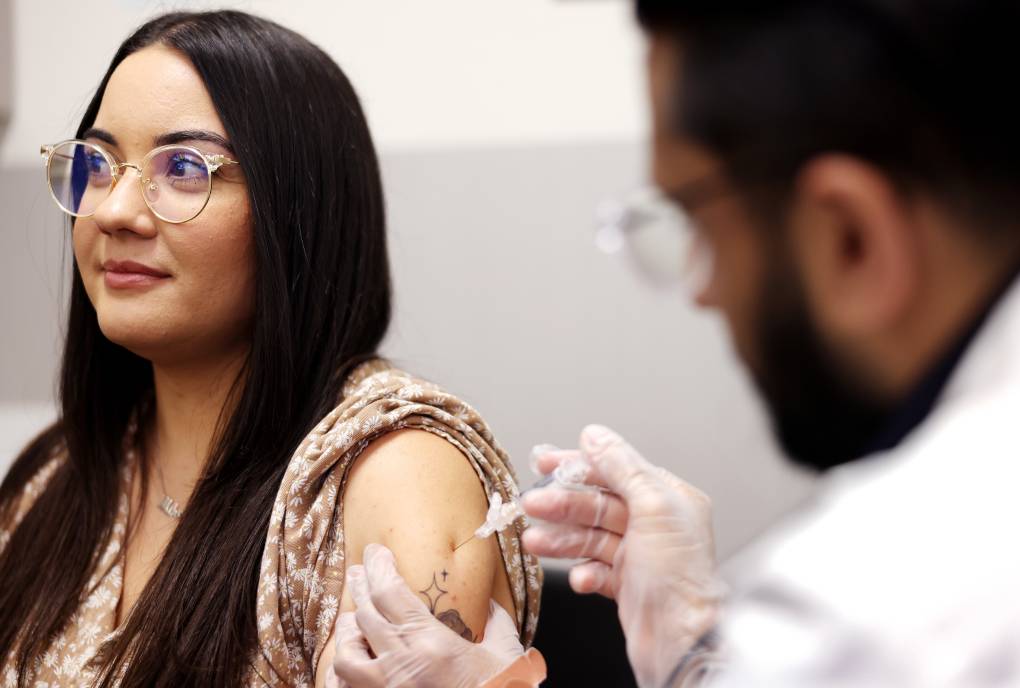
window.__IS_SSR__=true
window.__INITIAL_STATE__={
"attachmentsReducer": {
"audio_0": {
"type": "attachments",
"id": "audio_0",
"imgSizes": {
"kqedFullSize": {
"file": "https://ww2.kqed.org/news/wp-content/themes/KQED-unified/img/audio_bgs/background0.jpg"
}
}
},
"audio_1": {
"type": "attachments",
"id": "audio_1",
"imgSizes": {
"kqedFullSize": {
"file": "https://ww2.kqed.org/news/wp-content/themes/KQED-unified/img/audio_bgs/background1.jpg"
}
}
},
"audio_2": {
"type": "attachments",
"id": "audio_2",
"imgSizes": {
"kqedFullSize": {
"file": "https://ww2.kqed.org/news/wp-content/themes/KQED-unified/img/audio_bgs/background2.jpg"
}
}
},
"audio_3": {
"type": "attachments",
"id": "audio_3",
"imgSizes": {
"kqedFullSize": {
"file": "https://ww2.kqed.org/news/wp-content/themes/KQED-unified/img/audio_bgs/background3.jpg"
}
}
},
"audio_4": {
"type": "attachments",
"id": "audio_4",
"imgSizes": {
"kqedFullSize": {
"file": "https://ww2.kqed.org/news/wp-content/themes/KQED-unified/img/audio_bgs/background4.jpg"
}
}
},
"placeholder": {
"type": "attachments",
"id": "placeholder",
"imgSizes": {
"thumbnail": {
"file": "https://cdn.kqed.org/wp-content/uploads/2024/12/KQED-Default-Image-816638274-2000x1333-1-160x107.jpg",
"width": 160,
"height": 107,
"mimeType": "image/jpeg"
},
"medium": {
"file": "https://cdn.kqed.org/wp-content/uploads/2024/12/KQED-Default-Image-816638274-2000x1333-1-800x533.jpg",
"width": 800,
"height": 533,
"mimeType": "image/jpeg"
},
"medium_large": {
"file": "https://cdn.kqed.org/wp-content/uploads/2024/12/KQED-Default-Image-816638274-2000x1333-1-768x512.jpg",
"width": 768,
"height": 512,
"mimeType": "image/jpeg"
},
"large": {
"file": "https://cdn.kqed.org/wp-content/uploads/2024/12/KQED-Default-Image-816638274-2000x1333-1-1020x680.jpg",
"width": 1020,
"height": 680,
"mimeType": "image/jpeg"
},
"1536x1536": {
"file": "https://cdn.kqed.org/wp-content/uploads/2024/12/KQED-Default-Image-816638274-2000x1333-1-1536x1024.jpg",
"width": 1536,
"height": 1024,
"mimeType": "image/jpeg"
},
"fd-lrg": {
"file": "https://cdn.kqed.org/wp-content/uploads/2024/12/KQED-Default-Image-816638274-2000x1333-1-1536x1024.jpg",
"width": 1536,
"height": 1024,
"mimeType": "image/jpeg"
},
"fd-med": {
"file": "https://cdn.kqed.org/wp-content/uploads/2024/12/KQED-Default-Image-816638274-2000x1333-1-1020x680.jpg",
"width": 1020,
"height": 680,
"mimeType": "image/jpeg"
},
"fd-sm": {
"file": "https://cdn.kqed.org/wp-content/uploads/2024/12/KQED-Default-Image-816638274-2000x1333-1-800x533.jpg",
"width": 800,
"height": 533,
"mimeType": "image/jpeg"
},
"post-thumbnail": {
"file": "https://cdn.kqed.org/wp-content/uploads/2024/12/KQED-Default-Image-816638274-2000x1333-1-672x372.jpg",
"width": 672,
"height": 372,
"mimeType": "image/jpeg"
},
"twentyfourteen-full-width": {
"file": "https://cdn.kqed.org/wp-content/uploads/2024/12/KQED-Default-Image-816638274-2000x1333-1-1038x576.jpg",
"width": 1038,
"height": 576,
"mimeType": "image/jpeg"
},
"xxsmall": {
"file": "https://cdn.kqed.org/wp-content/uploads/2024/12/KQED-Default-Image-816638274-2000x1333-1-160x107.jpg",
"width": 160,
"height": 107,
"mimeType": "image/jpeg"
},
"xsmall": {
"file": "https://cdn.kqed.org/wp-content/uploads/2024/12/KQED-Default-Image-816638274-2000x1333-1-672x372.jpg",
"width": 672,
"height": 372,
"mimeType": "image/jpeg"
},
"small": {
"file": "https://cdn.kqed.org/wp-content/uploads/2024/12/KQED-Default-Image-816638274-2000x1333-1-672x372.jpg",
"width": 672,
"height": 372,
"mimeType": "image/jpeg"
},
"xlarge": {
"file": "https://cdn.kqed.org/wp-content/uploads/2024/12/KQED-Default-Image-816638274-2000x1333-1-1020x680.jpg",
"width": 1020,
"height": 680,
"mimeType": "image/jpeg"
},
"full-width": {
"file": "https://cdn.kqed.org/wp-content/uploads/2024/12/KQED-Default-Image-816638274-2000x1333-1-1920x1280.jpg",
"width": 1920,
"height": 1280,
"mimeType": "image/jpeg"
},
"guest-author-32": {
"file": "https://cdn.kqed.org/wp-content/uploads/2025/01/KQED-Default-Image-816638274-1333x1333-1-160x160.jpg",
"width": 32,
"height": 32,
"mimeType": "image/jpeg"
},
"guest-author-50": {
"file": "https://cdn.kqed.org/wp-content/uploads/2025/01/KQED-Default-Image-816638274-1333x1333-1-160x160.jpg",
"width": 50,
"height": 50,
"mimeType": "image/jpeg"
},
"guest-author-64": {
"file": "https://cdn.kqed.org/wp-content/uploads/2025/01/KQED-Default-Image-816638274-1333x1333-1-160x160.jpg",
"width": 64,
"height": 64,
"mimeType": "image/jpeg"
},
"guest-author-96": {
"file": "https://cdn.kqed.org/wp-content/uploads/2025/01/KQED-Default-Image-816638274-1333x1333-1-160x160.jpg",
"width": 96,
"height": 96,
"mimeType": "image/jpeg"
},
"guest-author-128": {
"file": "https://cdn.kqed.org/wp-content/uploads/2025/01/KQED-Default-Image-816638274-1333x1333-1-160x160.jpg",
"width": 128,
"height": 128,
"mimeType": "image/jpeg"
},
"detail": {
"file": "https://cdn.kqed.org/wp-content/uploads/2025/01/KQED-Default-Image-816638274-1333x1333-1-160x160.jpg",
"width": 160,
"height": 160,
"mimeType": "image/jpeg"
},
"kqedFullSize": {
"file": "https://cdn.kqed.org/wp-content/uploads/2024/12/KQED-Default-Image-816638274-2000x1333-1.jpg",
"width": 2000,
"height": 1333
}
}
},
"news_12098934": {
"type": "attachments",
"id": "news_12098934",
"meta": {
"index": "attachments_1716263798",
"site": "news",
"id": "12098934",
"found": true
},
"title": "CovidVaccinesGetty",
"publishDate": 1789057710,
"status": "inherit",
"parent": 12098931,
"modified": 1789057750,
"caption": "A sign for COVID-19 vaccines is posted in front of a CVS store on Oct. 29, 2025, in San Francisco, California. ",
"credit": "Justin Sullivan/Getty Images",
"altTag": null,
"description": null,
"imgSizes": {
"thumbnail": {
"file": "https://cdn.kqed.org/wp-content/uploads/sites/10/2026/09/CovidVaccinesGetty-160x104.jpg",
"width": 160,
"height": 104,
"mimeType": "image/jpeg"
},
"1536x1536": {
"file": "https://cdn.kqed.org/wp-content/uploads/sites/10/2026/09/CovidVaccinesGetty-1536x1000.jpg",
"width": 1536,
"height": 1000,
"mimeType": "image/jpeg"
},
"post-thumbnail": {
"file": "https://cdn.kqed.org/wp-content/uploads/sites/10/2026/09/CovidVaccinesGetty-672x372.jpg",
"width": 672,
"height": 372,
"mimeType": "image/jpeg"
},
"twentyfourteen-full-width": {
"file": "https://cdn.kqed.org/wp-content/uploads/sites/10/2026/09/CovidVaccinesGetty-1038x576.jpg",
"width": 1038,
"height": 576,
"mimeType": "image/jpeg"
},
"npr-cds-wide": {
"file": "https://cdn.kqed.org/wp-content/uploads/sites/10/2026/09/CovidVaccinesGetty-1200x675.jpg",
"width": 1200,
"height": 675,
"mimeType": "image/jpeg"
},
"npr-cds-square": {
"file": "https://cdn.kqed.org/wp-content/uploads/sites/10/2026/09/CovidVaccinesGetty-600x600.jpg",
"width": 600,
"height": 600,
"mimeType": "image/jpeg"
},
"kqedFullSize": {
"file": "https://cdn.kqed.org/wp-content/uploads/sites/10/2026/09/CovidVaccinesGetty.jpg",
"width": 2000,
"height": 1302
}
},
"isLoading": false,
"fetchFailed": false
},
"news_12053911": {
"type": "attachments",
"id": "news_12053911",
"meta": {
"index": "attachments_1716263798",
"site": "news",
"id": "12053911",
"found": true
},
"title": "Pfizer-BioNTech COVID-19 vaccine doses",
"publishDate": 1756325255,
"status": "inherit",
"parent": 12053906,
"modified": 1785871732,
"caption": "Pfizer-BioNTech COVID-19 vaccine (Comirnaty) doses being prepared by a gloved medical worker with a syringe.",
"credit": "Matt Hunt/Getty Images",
"altTag": null,
"description": null,
"imgSizes": {
"thumbnail": {
"file": "https://cdn.kqed.org/wp-content/uploads/sites/10/2025/08/COVIDGetty2-160x107.jpg",
"width": 160,
"height": 107,
"mimeType": "image/jpeg"
},
"1536x1536": {
"file": "https://cdn.kqed.org/wp-content/uploads/sites/10/2025/08/COVIDGetty2-1536x1024.jpg",
"width": 1536,
"height": 1024,
"mimeType": "image/jpeg"
},
"post-thumbnail": {
"file": "https://cdn.kqed.org/wp-content/uploads/sites/10/2025/08/COVIDGetty2-672x372.jpg",
"width": 672,
"height": 372,
"mimeType": "image/jpeg"
},
"twentyfourteen-full-width": {
"file": "https://cdn.kqed.org/wp-content/uploads/sites/10/2025/08/COVIDGetty2-1038x576.jpg",
"width": 1038,
"height": 576,
"mimeType": "image/jpeg"
},
"kqedFullSize": {
"file": "https://cdn.kqed.org/wp-content/uploads/sites/10/2025/08/COVIDGetty2.jpg",
"width": 2000,
"height": 1333
}
},
"isLoading": false,
"fetchFailed": false
},
"news_12092554": {
"type": "attachments",
"id": "news_12092554",
"meta": {
"index": "attachments_1716263798",
"site": "news",
"id": "12092554",
"found": true
},
"title": "010820-US-Ninth-Circuit-Court-AP-CM",
"publishDate": 1784920764,
"status": "inherit",
"parent": 12092551,
"modified": 1784920785,
"caption": "The James R. Browning United States Courthouse building, a courthouse for the 9th U.S. Circuit Court of Appeals, in San Francisco on Jan. 8, 2020. ",
"credit": "Jeff Chiu/AP Photo",
"altTag": null,
"description": null,
"imgSizes": {
"thumbnail": {
"file": "https://cdn.kqed.org/wp-content/uploads/sites/10/2026/07/010820-US-Ninth-Circuit-Court-AP-CM-160x107.jpeg",
"width": 160,
"height": 107,
"mimeType": "image/jpeg"
},
"1536x1536": {
"file": "https://cdn.kqed.org/wp-content/uploads/sites/10/2026/07/010820-US-Ninth-Circuit-Court-AP-CM-1536x1024.jpeg",
"width": 1536,
"height": 1024,
"mimeType": "image/jpeg"
},
"post-thumbnail": {
"file": "https://cdn.kqed.org/wp-content/uploads/sites/10/2026/07/010820-US-Ninth-Circuit-Court-AP-CM-672x372.jpeg",
"width": 672,
"height": 372,
"mimeType": "image/jpeg"
},
"twentyfourteen-full-width": {
"file": "https://cdn.kqed.org/wp-content/uploads/sites/10/2026/07/010820-US-Ninth-Circuit-Court-AP-CM-1038x576.jpeg",
"width": 1038,
"height": 576,
"mimeType": "image/jpeg"
},
"npr-cds-wide": {
"file": "https://cdn.kqed.org/wp-content/uploads/sites/10/2026/07/010820-US-Ninth-Circuit-Court-AP-CM-1200x675.jpeg",
"width": 1200,
"height": 675,
"mimeType": "image/jpeg"
},
"npr-cds-square": {
"file": "https://cdn.kqed.org/wp-content/uploads/sites/10/2026/07/010820-US-Ninth-Circuit-Court-AP-CM-600x600.jpeg",
"width": 600,
"height": 600,
"mimeType": "image/jpeg"
},
"kqedFullSize": {
"file": "https://cdn.kqed.org/wp-content/uploads/sites/10/2026/07/010820-US-Ninth-Circuit-Court-AP-CM.jpeg",
"width": 2000,
"height": 1333
}
},
"isLoading": false,
"fetchFailed": false
},
"news_11968052": {
"type": "attachments",
"id": "news_11968052",
"meta": {
"index": "attachments_1716263798",
"site": "news",
"id": "11968052",
"found": true
},
"parent": 11967946,
"imgSizes": {
"twentyfourteen-full-width": {
"file": "https://cdn.kqed.org/wp-content/uploads/sites/10/2023/11/IMG_0507-1038x576.jpg",
"width": 1038,
"mimeType": "image/jpeg",
"height": 576
},
"thumbnail": {
"file": "https://cdn.kqed.org/wp-content/uploads/sites/10/2023/11/IMG_0507-160x103.jpg",
"width": 160,
"mimeType": "image/jpeg",
"height": 103
},
"post-thumbnail": {
"file": "https://cdn.kqed.org/wp-content/uploads/sites/10/2023/11/IMG_0507-672x372.jpg",
"width": 672,
"mimeType": "image/jpeg",
"height": 372
},
"kqedFullSize": {
"file": "https://cdn.kqed.org/wp-content/uploads/sites/10/2023/11/IMG_0507.jpg",
"width": 1920,
"height": 1240
},
"large": {
"file": "https://cdn.kqed.org/wp-content/uploads/sites/10/2023/11/IMG_0507-1020x659.jpg",
"width": 1020,
"mimeType": "image/jpeg",
"height": 659
},
"1536x1536": {
"file": "https://cdn.kqed.org/wp-content/uploads/sites/10/2023/11/IMG_0507-1536x992.jpg",
"width": 1536,
"mimeType": "image/jpeg",
"height": 992
},
"medium": {
"file": "https://cdn.kqed.org/wp-content/uploads/sites/10/2023/11/IMG_0507-800x517.jpg",
"width": 800,
"mimeType": "image/jpeg",
"height": 517
}
},
"publishDate": 1700586318,
"modified": 1703013952,
"caption": "Any time you're traveling, gathering and crowding into indoor spaces can bring heightened COVID-19 risks.",
"description": null,
"title": "holidays-covid-risks-ventilation",
"credit": "Anna Vignet/KQED",
"status": "inherit",
"altTag": "An illustration shows a pair of hands holding a plate with silverware over a table. Wind rushes in and out of two open windows, and bright pink COVID symbols waft in the wind.",
"isLoading": false,
"fetchFailed": false
},
"news_11894985": {
"type": "attachments",
"id": "news_11894985",
"meta": {
"index": "attachments_1716263798",
"site": "news",
"id": "11894985",
"found": true
},
"parent": 11894983,
"imgSizes": {
"twentyfourteen-full-width": {
"file": "https://ww2.kqed.org/app/uploads/sites/10/2021/11/2021_11_03_kidsvaccines-4_enl-7bd33b028df4a92b33352e537059aad79f7dad93-1038x576.jpg",
"width": 1038,
"mimeType": "image/jpeg",
"height": 576
},
"thumbnail": {
"file": "https://ww2.kqed.org/app/uploads/sites/10/2021/11/2021_11_03_kidsvaccines-4_enl-7bd33b028df4a92b33352e537059aad79f7dad93-160x106.jpg",
"width": 160,
"mimeType": "image/jpeg",
"height": 106
},
"post-thumbnail": {
"file": "https://ww2.kqed.org/app/uploads/sites/10/2021/11/2021_11_03_kidsvaccines-4_enl-7bd33b028df4a92b33352e537059aad79f7dad93-672x372.jpg",
"width": 672,
"mimeType": "image/jpeg",
"height": 372
},
"kqedFullSize": {
"file": "https://ww2.kqed.org/app/uploads/sites/10/2021/11/2021_11_03_kidsvaccines-4_enl-7bd33b028df4a92b33352e537059aad79f7dad93.jpg",
"width": 2000,
"height": 1331
},
"large": {
"file": "https://ww2.kqed.org/app/uploads/sites/10/2021/11/2021_11_03_kidsvaccines-4_enl-7bd33b028df4a92b33352e537059aad79f7dad93-1020x679.jpg",
"width": 1020,
"mimeType": "image/jpeg",
"height": 679
},
"1536x1536": {
"file": "https://ww2.kqed.org/app/uploads/sites/10/2021/11/2021_11_03_kidsvaccines-4_enl-7bd33b028df4a92b33352e537059aad79f7dad93-1536x1022.jpg",
"width": 1536,
"mimeType": "image/jpeg",
"height": 1022
},
"full-width": {
"file": "https://ww2.kqed.org/app/uploads/sites/10/2021/11/2021_11_03_kidsvaccines-4_enl-7bd33b028df4a92b33352e537059aad79f7dad93-1920x1278.jpg",
"width": 1920,
"mimeType": "image/jpeg",
"height": 1278
},
"medium": {
"file": "https://ww2.kqed.org/app/uploads/sites/10/2021/11/2021_11_03_kidsvaccines-4_enl-7bd33b028df4a92b33352e537059aad79f7dad93-800x532.jpg",
"width": 800,
"mimeType": "image/jpeg",
"height": 532
}
},
"publishDate": 1635973836,
"modified": 1636069669,
"caption": "A 10-year-old child receives the Pfizer-BioNTech COVID-19 vaccine for 5- to 11-year-olds, at Hartford Hospital in Hartford, Conn., on Nov. 2, 2021.",
"description": "A ten year old child receives the Pfizer-BioNTech Covid-19 Vaccine for 5-11 year old kids at Hartford Hospital in Hartford, Connecticut on November 2, 2021. - An expert panel unanimously recommended Pfizer-BioNTech's Covid vaccine for five- to 11-year-olds on November 2, the penultimate step in the process that will allow injections in young children to begin this week in the United States. The Centers for Disease Control and Prevention (CDC), the top US public health agency, was expected to endorse that recommendation later in the day. ",
"title": "A 10-year-old child receives the Pfizer-BioNTech Covid-19 Vaccine for 5- to 11-year-old kids at Hartford Hospital in Hartford, Connecticut on November 2, 2021.",
"credit": "Joseph Prezioso/AFP via Getty Images",
"status": "inherit",
"altTag": "A nurse wearing gloves pushes a needle into a preteen's arm.",
"isLoading": false,
"fetchFailed": false
},
"news_12053910": {
"type": "attachments",
"id": "news_12053910",
"meta": {
"index": "attachments_1716263798",
"site": "news",
"id": "12053910",
"found": true
},
"title": "Female doctor hands putting band-aid on woman arm after giving vaccine",
"publishDate": 1756325159,
"status": "inherit",
"parent": 12053906,
"modified": 1756328764,
"caption": "The FDA has announced who is approved to get their COVID-19 vaccine in 2025.",
"credit": "Luis Alvarez/Getty Images",
"altTag": null,
"description": null,
"imgSizes": {
"thumbnail": {
"file": "https://cdn.kqed.org/wp-content/uploads/sites/10/2025/08/COVIDGetty-160x107.jpg",
"width": 160,
"height": 107,
"mimeType": "image/jpeg"
},
"1536x1536": {
"file": "https://cdn.kqed.org/wp-content/uploads/sites/10/2025/08/COVIDGetty-1536x1024.jpg",
"width": 1536,
"height": 1024,
"mimeType": "image/jpeg"
},
"post-thumbnail": {
"file": "https://cdn.kqed.org/wp-content/uploads/sites/10/2025/08/COVIDGetty-672x372.jpg",
"width": 672,
"height": 372,
"mimeType": "image/jpeg"
},
"twentyfourteen-full-width": {
"file": "https://cdn.kqed.org/wp-content/uploads/sites/10/2025/08/COVIDGetty-1038x576.jpg",
"width": 1038,
"height": 576,
"mimeType": "image/jpeg"
},
"kqedFullSize": {
"file": "https://cdn.kqed.org/wp-content/uploads/sites/10/2025/08/COVIDGetty.jpg",
"width": 2000,
"height": 1333
}
},
"isLoading": false,
"fetchFailed": false
},
"news_11950446": {
"type": "attachments",
"id": "news_11950446",
"meta": {
"index": "attachments_1716263798",
"site": "news",
"id": "11950446",
"found": true
},
"title": "antigen-testing-2025",
"publishDate": 1684804155,
"status": "inherit",
"parent": 11950386,
"modified": 1754669457,
"caption": "What to know about COVID symptoms, testing and incubation in 2025. ",
"credit": "Tang Ming Tung/Getty Images",
"altTag": "A man squeezes the sample liquid on a test strip while carrying out a COVID-19 rapid self test at home.",
"description": null,
"imgSizes": {
"medium": {
"file": "https://cdn.kqed.org/wp-content/uploads/sites/10/2023/05/GettyImages-1369841386-800x533.jpg",
"width": 800,
"height": 533,
"mimeType": "image/jpeg"
},
"large": {
"file": "https://cdn.kqed.org/wp-content/uploads/sites/10/2023/05/GettyImages-1369841386-1020x680.jpg",
"width": 1020,
"height": 680,
"mimeType": "image/jpeg"
},
"thumbnail": {
"file": "https://cdn.kqed.org/wp-content/uploads/sites/10/2023/05/GettyImages-1369841386-160x107.jpg",
"width": 160,
"height": 107,
"mimeType": "image/jpeg"
},
"1536x1536": {
"file": "https://cdn.kqed.org/wp-content/uploads/sites/10/2023/05/GettyImages-1369841386-1536x1024.jpg",
"width": 1536,
"height": 1024,
"mimeType": "image/jpeg"
},
"2048x2048": {
"file": "https://cdn.kqed.org/wp-content/uploads/sites/10/2023/05/GettyImages-1369841386-2048x1365.jpg",
"width": 2048,
"height": 1365,
"mimeType": "image/jpeg"
},
"post-thumbnail": {
"file": "https://cdn.kqed.org/wp-content/uploads/sites/10/2023/05/GettyImages-1369841386-672x372.jpg",
"width": 672,
"height": 372,
"mimeType": "image/jpeg"
},
"twentyfourteen-full-width": {
"file": "https://cdn.kqed.org/wp-content/uploads/sites/10/2023/05/GettyImages-1369841386-1038x576.jpg",
"width": 1038,
"height": 576,
"mimeType": "image/jpeg"
},
"full-width": {
"file": "https://cdn.kqed.org/wp-content/uploads/sites/10/2023/05/GettyImages-1369841386-1920x1280.jpg",
"width": 1920,
"height": 1280,
"mimeType": "image/jpeg"
},
"kqedFullSize": {
"file": "https://cdn.kqed.org/wp-content/uploads/sites/10/2023/05/GettyImages-1369841386-scaled.jpg",
"width": 2560,
"height": 1707
}
},
"isLoading": false,
"fetchFailed": false
},
"news_11758331": {
"type": "attachments",
"id": "news_11758331",
"meta": {
"index": "attachments_1716263798",
"site": "news",
"id": "11758331",
"found": true
},
"parent": 11758327,
"imgSizes": {
"apple_news_ca_landscape_5_5": {
"file": "https://ww2.kqed.org/app/uploads/sites/10/2019/06/RS37938__M6A1275-qut-1044x783.jpg",
"width": 1044,
"mimeType": "image/jpeg",
"height": 783
},
"apple_news_ca_square_4_0": {
"file": "https://ww2.kqed.org/app/uploads/sites/10/2019/06/RS37938__M6A1275-qut-470x470.jpg",
"width": 470,
"mimeType": "image/jpeg",
"height": 470
},
"twentyfourteen-full-width": {
"file": "https://ww2.kqed.org/app/uploads/sites/10/2019/06/RS37938__M6A1275-qut-1038x576.jpg",
"width": 1038,
"mimeType": "image/jpeg",
"height": 576
},
"thumbnail": {
"file": "https://ww2.kqed.org/app/uploads/sites/10/2019/06/RS37938__M6A1275-qut-160x96.jpg",
"width": 160,
"mimeType": "image/jpeg",
"height": 96
},
"post-thumbnail": {
"file": "https://ww2.kqed.org/app/uploads/sites/10/2019/06/RS37938__M6A1275-qut-672x372.jpg",
"width": 672,
"mimeType": "image/jpeg",
"height": 372
},
"kqedFullSize": {
"file": "https://ww2.kqed.org/app/uploads/sites/10/2019/06/RS37938__M6A1275-qut.jpg",
"width": 1920,
"height": 1150
},
"apple_news_ca_landscape_4_7": {
"file": "https://ww2.kqed.org/app/uploads/sites/10/2019/06/RS37938__M6A1275-qut-632x474.jpg",
"width": 632,
"mimeType": "image/jpeg",
"height": 474
},
"large": {
"file": "https://ww2.kqed.org/app/uploads/sites/10/2019/06/RS37938__M6A1275-qut-1020x611.jpg",
"width": 1020,
"mimeType": "image/jpeg",
"height": 611
},
"complete_open_graph": {
"file": "https://ww2.kqed.org/app/uploads/sites/10/2019/06/RS37938__M6A1275-qut-1200x719.jpg",
"width": 1200,
"mimeType": "image/jpeg",
"height": 719
},
"apple_news_ca_landscape_4_0": {
"file": "https://ww2.kqed.org/app/uploads/sites/10/2019/06/RS37938__M6A1275-qut-536x402.jpg",
"width": 536,
"mimeType": "image/jpeg",
"height": 402
},
"apple_news_ca_portrait_12_9": {
"file": "https://ww2.kqed.org/app/uploads/sites/10/2019/06/RS37938__M6A1275-qut-1122x1150.jpg",
"width": 1122,
"mimeType": "image/jpeg",
"height": 1150
},
"medium": {
"file": "https://ww2.kqed.org/app/uploads/sites/10/2019/06/RS37938__M6A1275-qut-800x479.jpg",
"width": 800,
"mimeType": "image/jpeg",
"height": 479
},
"apple_news_ca_portrait_4_0": {
"file": "https://ww2.kqed.org/app/uploads/sites/10/2019/06/RS37938__M6A1275-qut-354x472.jpg",
"width": 354,
"mimeType": "image/jpeg",
"height": 472
},
"apple_news_ca_portrait_9_7": {
"file": "https://ww2.kqed.org/app/uploads/sites/10/2019/06/RS37938__M6A1275-qut-840x1120.jpg",
"width": 840,
"mimeType": "image/jpeg",
"height": 1120
},
"apple_news_ca_landscape_12_9": {
"file": "https://ww2.kqed.org/app/uploads/sites/10/2019/06/RS37938__M6A1275-qut-1832x1150.jpg",
"width": 1832,
"mimeType": "image/jpeg",
"height": 1150
},
"apple_news_ca_square_9_7": {
"file": "https://ww2.kqed.org/app/uploads/sites/10/2019/06/RS37938__M6A1275-qut-1104x1104.jpg",
"width": 1104,
"mimeType": "image/jpeg",
"height": 1104
},
"apple_news_ca_portrait_4_7": {
"file": "https://ww2.kqed.org/app/uploads/sites/10/2019/06/RS37938__M6A1275-qut-414x552.jpg",
"width": 414,
"mimeType": "image/jpeg",
"height": 552
},
"apple_news_ca_square_12_9": {
"file": "https://ww2.kqed.org/app/uploads/sites/10/2019/06/RS37938__M6A1275-qut-1472x1150.jpg",
"width": 1472,
"mimeType": "image/jpeg",
"height": 1150
},
"apple_news_ca_portrait_5_5": {
"file": "https://ww2.kqed.org/app/uploads/sites/10/2019/06/RS37938__M6A1275-qut-687x916.jpg",
"width": 687,
"mimeType": "image/jpeg",
"height": 916
},
"full-width": {
"file": "https://ww2.kqed.org/app/uploads/sites/10/2019/06/RS37938__M6A1275-qut-1920x1150.jpg",
"width": 1920,
"mimeType": "image/jpeg",
"height": 1150
},
"apple_news_ca_square_4_7": {
"file": "https://ww2.kqed.org/app/uploads/sites/10/2019/06/RS37938__M6A1275-qut-550x550.jpg",
"width": 550,
"mimeType": "image/jpeg",
"height": 550
},
"apple_news_ca_landscape_9_7": {
"file": "https://ww2.kqed.org/app/uploads/sites/10/2019/06/RS37938__M6A1275-qut-1376x1032.jpg",
"width": 1376,
"mimeType": "image/jpeg",
"height": 1032
},
"apple_news_ca_square_5_5": {
"file": "https://ww2.kqed.org/app/uploads/sites/10/2019/06/RS37938__M6A1275-qut-912x912.jpg",
"width": 912,
"mimeType": "image/jpeg",
"height": 912
}
},
"publishDate": 1561920348,
"modified": 1561920412,
"caption": "Thousands of people gather at Dolores Park to celebrate San Francisco Pride and the Dyke March on June 29, 2019.",
"description": null,
"title": "RS37938__M6A1275-qut",
"credit": "Sruti Mamidanna/KQED",
"status": "inherit",
"isLoading": false,
"fetchFailed": false
},
"news_11827707": {
"type": "attachments",
"id": "news_11827707",
"meta": {
"index": "attachments_1716263798",
"site": "news",
"id": "11827707",
"found": true
},
"title": "RS24072_RS6733_2504549-qut",
"publishDate": 1594091852,
"status": "inherit",
"parent": 11827706,
"modified": 1738611581,
"caption": "The United States Court of Appeals for the Ninth Circuit building is seen Feb. 6, 2017 in San Francisco, California.",
"credit": "Justin Sullivan/Getty Images",
"altTag": null,
"description": "The United States Court of Appeals for the Ninth Circuit building is seen February 6, 2017 in San Francisco, California.",
"imgSizes": {
"medium": {
"file": "https://cdn.kqed.org/wp-content/uploads/sites/10/2020/07/RS24072_RS6733_2504549-qut-800x552.jpg",
"width": 800,
"height": 552,
"mimeType": "image/jpeg"
},
"large": {
"file": "https://cdn.kqed.org/wp-content/uploads/sites/10/2020/07/RS24072_RS6733_2504549-qut-1020x703.jpg",
"width": 1020,
"height": 703,
"mimeType": "image/jpeg"
},
"thumbnail": {
"file": "https://cdn.kqed.org/wp-content/uploads/sites/10/2020/07/RS24072_RS6733_2504549-qut-160x110.jpg",
"width": 160,
"height": 110,
"mimeType": "image/jpeg"
},
"1536x1536": {
"file": "https://cdn.kqed.org/wp-content/uploads/sites/10/2020/07/RS24072_RS6733_2504549-qut-1536x1059.jpg",
"width": 1536,
"height": 1059,
"mimeType": "image/jpeg"
},
"post-thumbnail": {
"file": "https://cdn.kqed.org/wp-content/uploads/sites/10/2020/07/RS24072_RS6733_2504549-qut-672x372.jpg",
"width": 672,
"height": 372,
"mimeType": "image/jpeg"
},
"twentyfourteen-full-width": {
"file": "https://cdn.kqed.org/wp-content/uploads/sites/10/2020/07/RS24072_RS6733_2504549-qut-1038x576.jpg",
"width": 1038,
"height": 576,
"mimeType": "image/jpeg"
},
"apple_news_ca_landscape_12_9": {
"file": "https://cdn.kqed.org/wp-content/uploads/sites/10/2020/07/RS24072_RS6733_2504549-qut-1832x1324.jpg",
"width": 1832,
"height": 1324,
"mimeType": "image/jpeg"
},
"apple_news_ca_landscape_9_7": {
"file": "https://cdn.kqed.org/wp-content/uploads/sites/10/2020/07/RS24072_RS6733_2504549-qut-1376x1032.jpg",
"width": 1376,
"height": 1032,
"mimeType": "image/jpeg"
},
"apple_news_ca_landscape_5_5": {
"file": "https://cdn.kqed.org/wp-content/uploads/sites/10/2020/07/RS24072_RS6733_2504549-qut-1044x783.jpg",
"width": 1044,
"height": 783,
"mimeType": "image/jpeg"
},
"apple_news_ca_landscape_4_7": {
"file": "https://cdn.kqed.org/wp-content/uploads/sites/10/2020/07/RS24072_RS6733_2504549-qut-632x474.jpg",
"width": 632,
"height": 474,
"mimeType": "image/jpeg"
},
"apple_news_ca_landscape_4_0": {
"file": "https://cdn.kqed.org/wp-content/uploads/sites/10/2020/07/RS24072_RS6733_2504549-qut-536x402.jpg",
"width": 536,
"height": 402,
"mimeType": "image/jpeg"
},
"apple_news_ca_portrait_12_9": {
"file": "https://cdn.kqed.org/wp-content/uploads/sites/10/2020/07/RS24072_RS6733_2504549-qut-1122x1324.jpg",
"width": 1122,
"height": 1324,
"mimeType": "image/jpeg"
},
"apple_news_ca_portrait_9_7": {
"file": "https://cdn.kqed.org/wp-content/uploads/sites/10/2020/07/RS24072_RS6733_2504549-qut-840x1120.jpg",
"width": 840,
"height": 1120,
"mimeType": "image/jpeg"
},
"apple_news_ca_portrait_5_5": {
"file": "https://cdn.kqed.org/wp-content/uploads/sites/10/2020/07/RS24072_RS6733_2504549-qut-687x916.jpg",
"width": 687,
"height": 916,
"mimeType": "image/jpeg"
},
"apple_news_ca_portrait_4_7": {
"file": "https://cdn.kqed.org/wp-content/uploads/sites/10/2020/07/RS24072_RS6733_2504549-qut-414x552.jpg",
"width": 414,
"height": 552,
"mimeType": "image/jpeg"
},
"apple_news_ca_portrait_4_0": {
"file": "https://cdn.kqed.org/wp-content/uploads/sites/10/2020/07/RS24072_RS6733_2504549-qut-354x472.jpg",
"width": 354,
"height": 472,
"mimeType": "image/jpeg"
},
"apple_news_ca_square_12_9": {
"file": "https://cdn.kqed.org/wp-content/uploads/sites/10/2020/07/RS24072_RS6733_2504549-qut-1472x1324.jpg",
"width": 1472,
"height": 1324,
"mimeType": "image/jpeg"
},
"apple_news_ca_square_9_7": {
"file": "https://cdn.kqed.org/wp-content/uploads/sites/10/2020/07/RS24072_RS6733_2504549-qut-1104x1104.jpg",
"width": 1104,
"height": 1104,
"mimeType": "image/jpeg"
},
"apple_news_ca_square_5_5": {
"file": "https://cdn.kqed.org/wp-content/uploads/sites/10/2020/07/RS24072_RS6733_2504549-qut-912x912.jpg",
"width": 912,
"height": 912,
"mimeType": "image/jpeg"
},
"apple_news_ca_square_4_7": {
"file": "https://cdn.kqed.org/wp-content/uploads/sites/10/2020/07/RS24072_RS6733_2504549-qut-550x550.jpg",
"width": 550,
"height": 550,
"mimeType": "image/jpeg"
},
"apple_news_ca_square_4_0": {
"file": "https://cdn.kqed.org/wp-content/uploads/sites/10/2020/07/RS24072_RS6733_2504549-qut-470x470.jpg",
"width": 470,
"height": 470,
"mimeType": "image/jpeg"
},
"kqedFullSize": {
"file": "https://cdn.kqed.org/wp-content/uploads/sites/10/2020/07/RS24072_RS6733_2504549-qut.jpg",
"width": 1920,
"height": 1324
}
},
"isLoading": false,
"fetchFailed": false
},
"news_12016201": {
"type": "attachments",
"id": "news_12016201",
"meta": {
"index": "attachments_1716263798",
"site": "news",
"id": "12016201",
"found": true
},
"title": "House Freedom Caucus COVID Roundtable",
"publishDate": 1732770134,
"status": "inherit",
"parent": 12016188,
"modified": 1732770214,
"caption": "Dr. Jay Bhattacharya speaks during a roundtable discussion with members of the House Freedom Caucus on the COVID-19 pandemic at The Heritage Foundation on Nov. 10, 2022. ",
"credit": "Tom Williams/CQ-Roll Call, Inc via Getty Images",
"altTag": null,
"description": null,
"imgSizes": {
"medium": {
"file": "https://cdn.kqed.org/wp-content/uploads/sites/10/2024/11/GettyImages-1244694054_qed-800x533.jpg",
"width": 800,
"height": 533,
"mimeType": "image/jpeg"
},
"large": {
"file": "https://cdn.kqed.org/wp-content/uploads/sites/10/2024/11/GettyImages-1244694054_qed-1020x680.jpg",
"width": 1020,
"height": 680,
"mimeType": "image/jpeg"
},
"thumbnail": {
"file": "https://cdn.kqed.org/wp-content/uploads/sites/10/2024/11/GettyImages-1244694054_qed-160x107.jpg",
"width": 160,
"height": 107,
"mimeType": "image/jpeg"
},
"1536x1536": {
"file": "https://cdn.kqed.org/wp-content/uploads/sites/10/2024/11/GettyImages-1244694054_qed-1536x1024.jpg",
"width": 1536,
"height": 1024,
"mimeType": "image/jpeg"
},
"post-thumbnail": {
"file": "https://cdn.kqed.org/wp-content/uploads/sites/10/2024/11/GettyImages-1244694054_qed-672x372.jpg",
"width": 672,
"height": 372,
"mimeType": "image/jpeg"
},
"twentyfourteen-full-width": {
"file": "https://cdn.kqed.org/wp-content/uploads/sites/10/2024/11/GettyImages-1244694054_qed-1038x576.jpg",
"width": 1038,
"height": 576,
"mimeType": "image/jpeg"
},
"full-width": {
"file": "https://cdn.kqed.org/wp-content/uploads/sites/10/2024/11/GettyImages-1244694054_qed-1920x1280.jpg",
"width": 1920,
"height": 1280,
"mimeType": "image/jpeg"
},
"kqedFullSize": {
"file": "https://cdn.kqed.org/wp-content/uploads/sites/10/2024/11/GettyImages-1244694054_qed.jpg",
"width": 1999,
"height": 1333
}
},
"isLoading": false,
"fetchFailed": false
},
"news_12009853": {
"type": "attachments",
"id": "news_12009853",
"meta": {
"index": "attachments_1716263798",
"site": "news",
"id": "12009853",
"found": true
},
"title": "vaccines, CVS, Huntington Park, pharmacy, covid-19, flu, vaccinations.",
"publishDate": 1729194401,
"status": "inherit",
"parent": 12009804,
"modified": 1729194481,
"caption": "A woman receives a flu vaccine from a CVS pharmacist in August.",
"credit": "Christina House / Los Angeles Times via Getty Images",
"altTag": null,
"description": null,
"imgSizes": {
"medium": {
"file": "https://cdn.kqed.org/wp-content/uploads/sites/10/2024/10/GettyImages-2168146948-800x539.jpg",
"width": 800,
"height": 539,
"mimeType": "image/jpeg"
},
"large": {
"file": "https://cdn.kqed.org/wp-content/uploads/sites/10/2024/10/GettyImages-2168146948-1020x688.jpg",
"width": 1020,
"height": 688,
"mimeType": "image/jpeg"
},
"thumbnail": {
"file": "https://cdn.kqed.org/wp-content/uploads/sites/10/2024/10/GettyImages-2168146948-160x108.jpg",
"width": 160,
"height": 108,
"mimeType": "image/jpeg"
},
"1536x1536": {
"file": "https://cdn.kqed.org/wp-content/uploads/sites/10/2024/10/GettyImages-2168146948-1536x1035.jpg",
"width": 1536,
"height": 1035,
"mimeType": "image/jpeg"
},
"2048x2048": {
"file": "https://cdn.kqed.org/wp-content/uploads/sites/10/2024/10/GettyImages-2168146948-2048x1381.jpg",
"width": 2048,
"height": 1381,
"mimeType": "image/jpeg"
},
"post-thumbnail": {
"file": "https://cdn.kqed.org/wp-content/uploads/sites/10/2024/10/GettyImages-2168146948-672x372.jpg",
"width": 672,
"height": 372,
"mimeType": "image/jpeg"
},
"twentyfourteen-full-width": {
"file": "https://cdn.kqed.org/wp-content/uploads/sites/10/2024/10/GettyImages-2168146948-1038x576.jpg",
"width": 1038,
"height": 576,
"mimeType": "image/jpeg"
},
"full-width": {
"file": "https://cdn.kqed.org/wp-content/uploads/sites/10/2024/10/GettyImages-2168146948-1920x1294.jpg",
"width": 1920,
"height": 1294,
"mimeType": "image/jpeg"
},
"kqedFullSize": {
"file": "https://cdn.kqed.org/wp-content/uploads/sites/10/2024/10/GettyImages-2168146948-scaled.jpg",
"width": 2560,
"height": 1726
}
},
"isLoading": false,
"fetchFailed": false
}
},
"audioPlayerReducer": {
"postId": "stream_live",
"isPaused": true,
"isPlaying": false,
"pfsActive": false,
"pledgeModalIsOpen": true,
"playerDrawerIsOpen": false,
"liveAudioPlayStartedAt": 0,
"liveAudioPlayContext": ""
},
"authorsReducer": {
"byline_news_12092551": {
"type": "authors",
"id": "byline_news_12092551",
"meta": {
"override": true
},
"slug": "byline_news_12092551",
"name": "Adam Ashton, CalMatters",
"isLoading": false
},
"carlysevern": {
"type": "authors",
"id": "3243",
"meta": {
"index": "authors_1716337520",
"id": "3243",
"found": true
},
"name": "Carly Severn",
"firstName": "Carly",
"lastName": "Severn",
"slug": "carlysevern",
"email": "csevern@kqed.org",
"display_author_email": false,
"staff_mastheads": [
"news"
],
"title": "Senior Editor, Audience News ",
"bio": "Carly is KQED's Senior Editor of Audience News on the Digital News team, and has reported for the California Report Magazine, Bay Curious and KQED Arts. She's formerly the host of \u003ca href=\"http://ww2.kqed.org/pop/category/the-cooler/\" rel=\"noopener noreferrer\">The Cooler\u003c/a> podcast.",
"avatar": "https://secure.gravatar.com/avatar/54037bf5c128fe678f0ef26cec97a93f2e7f220a22d7285703328f12c42c1b1d?s=600&d=blank&r=g",
"twitter": "teacupinthebay",
"bluesky": null,
"facebook": null,
"instagram": null,
"linkedin": null,
"sites": [
{
"site": "",
"roles": [
"editor"
]
},
{
"site": "arts",
"roles": [
"editor"
]
},
{
"site": "news",
"roles": [
"administrator"
]
},
{
"site": "pop",
"roles": [
"editor"
]
},
{
"site": "futureofyou",
"roles": [
"editor"
]
},
{
"site": "about",
"roles": [
"administrator"
]
},
{
"site": "mindshift",
"roles": [
"editor"
]
},
{
"site": "bayareabites",
"roles": [
"editor"
]
},
{
"site": "stateofhealth",
"roles": [
"editor"
]
},
{
"site": "science",
"roles": [
"editor"
]
},
{
"site": "food",
"roles": [
"contributor"
]
},
{
"site": "forum",
"roles": [
"editor"
]
},
{
"site": "perspectives",
"roles": [
"administrator"
]
},
{
"site": "liveblog",
"roles": [
"editor"
]
}
],
"headData": {
"title": "Carly Severn | KQED",
"description": "Senior Editor, Audience News ",
"ogImgSrc": "https://secure.gravatar.com/avatar/54037bf5c128fe678f0ef26cec97a93f2e7f220a22d7285703328f12c42c1b1d?s=600&d=blank&r=g",
"twImgSrc": "https://secure.gravatar.com/avatar/54037bf5c128fe678f0ef26cec97a93f2e7f220a22d7285703328f12c42c1b1d?s=600&d=blank&r=g"
},
"isLoading": false,
"link": "/author/carlysevern"
},
"jservantez": {
"type": "authors",
"id": "11909",
"meta": {
"index": "authors_1716337520",
"id": "11909",
"found": true
},
"name": "Jared Servantez",
"firstName": "Jared",
"lastName": "Servantez",
"slug": "jservantez",
"email": "jservantez@kqed.org",
"display_author_email": true,
"staff_mastheads": [
"news"
],
"title": "KQED Contributor",
"bio": "Jared Servantez is the editor of KQED's Express Desk, leading the newsroom's online breaking news operation. He most recently worked for the Los Angeles Times, where he served as a breaking news editor, the Metro Desk's night editor, and a copy editor. Jared is a graduate of the USC Annenberg School for Communication and Journalism.",
"avatar": "https://secure.gravatar.com/avatar/f0e317c67bb498c3f077f033d1cc79e62f3bc1303fa20a14e8880d31fbe7e01e?s=600&d=blank&r=g",
"twitter": "jservantez",
"bluesky": null,
"facebook": null,
"instagram": null,
"linkedin": null,
"sites": [
{
"site": "news",
"roles": [
"editor"
]
},
{
"site": "science",
"roles": [
"editor",
"author"
]
},
{
"site": "liveblog",
"roles": [
"editor"
]
}
],
"headData": {
"title": "Jared Servantez | KQED",
"description": "KQED Contributor",
"ogImgSrc": "https://secure.gravatar.com/avatar/f0e317c67bb498c3f077f033d1cc79e62f3bc1303fa20a14e8880d31fbe7e01e?s=600&d=blank&r=g",
"twImgSrc": "https://secure.gravatar.com/avatar/f0e317c67bb498c3f077f033d1cc79e62f3bc1303fa20a14e8880d31fbe7e01e?s=600&d=blank&r=g"
},
"isLoading": false,
"link": "/author/jservantez"
},
"kdebenedetti": {
"type": "authors",
"id": "11913",
"meta": {
"index": "authors_1716337520",
"id": "11913",
"found": true
},
"name": "Katie DeBenedetti",
"firstName": "Katie",
"lastName": "DeBenedetti",
"slug": "kdebenedetti",
"email": "kdebenedetti@kqed.org",
"display_author_email": false,
"staff_mastheads": [
"news",
"science"
],
"title": "KQED Contributor",
"bio": "Katie DeBenedetti is a digital reporter covering daily news for the Express Desk. Prior to joining KQED as a culture reporting intern in January 2024, she covered education and city government for the Napa Valley Register.",
"avatar": "https://secure.gravatar.com/avatar/6e31073cb8f7e4214ab03f42771d0f45?s=600&d=blank&r=g",
"twitter": null,
"facebook": null,
"instagram": null,
"linkedin": null,
"sites": [
{
"site": "news",
"roles": [
"author"
]
},
{
"site": "science",
"roles": [
"author"
]
},
{
"site": "liveblog",
"roles": [
"author"
]
}
],
"headData": {
"title": "Katie DeBenedetti | KQED",
"description": "KQED Contributor",
"ogImgSrc": "https://secure.gravatar.com/avatar/6e31073cb8f7e4214ab03f42771d0f45?s=600&d=blank&r=g",
"twImgSrc": "https://secure.gravatar.com/avatar/6e31073cb8f7e4214ab03f42771d0f45?s=600&d=blank&r=g"
},
"isLoading": false,
"link": "/author/kdebenedetti"
},
"bkrans": {
"type": "authors",
"id": "11923",
"meta": {
"index": "authors_1716337520",
"id": "11923",
"found": true
},
"name": "Brian Krans",
"firstName": "Brian",
"lastName": "Krans",
"slug": "bkrans",
"email": "bkrans@kqed.org",
"display_author_email": false,
"staff_mastheads": [
"news"
],
"title": "KQED Contributing Reporter",
"bio": "Brian Krans is an award-winning local news and investigative reporter who has been proudly working as a general assignment reporter for KQED since August 2023. He lives in Richmond, where he also reports on air pollution for Richmondside. He is also a founding member of the Vallejo Sun.",
"avatar": "https://secure.gravatar.com/avatar/71fa91f931774612559f7640390b53d9c2840ff72b20f195a25239aab2d9fbb9?s=600&d=blank&r=g",
"twitter": "citizenkrans",
"bluesky": null,
"facebook": null,
"instagram": null,
"linkedin": null,
"sites": [
{
"site": "news",
"roles": [
"editor"
]
}
],
"headData": {
"title": "Brian Krans | KQED",
"description": "KQED Contributing Reporter",
"ogImgSrc": "https://secure.gravatar.com/avatar/71fa91f931774612559f7640390b53d9c2840ff72b20f195a25239aab2d9fbb9?s=600&d=blank&r=g",
"twImgSrc": "https://secure.gravatar.com/avatar/71fa91f931774612559f7640390b53d9c2840ff72b20f195a25239aab2d9fbb9?s=600&d=blank&r=g"
},
"isLoading": false,
"link": "/author/bkrans"
}
},
"pagesReducer": {
"news_tag_covid": {
"type": "terms",
"id": "news_27989",
"meta": {
"index": "terms_1716263798",
"site": "news",
"id": "27989",
"score": 9.105345
},
"featImg": null,
"name": "covid",
"description": null,
"taxonomy": "tag",
"headData": {
"twImgId": null,
"twTitle": null,
"ogTitle": null,
"ogImgId": null,
"twDescription": null,
"description": null,
"title": "covid Archives | KQED News",
"ogDescription": null
},
"ttid": 28006,
"slug": "covid",
"isLoading": false,
"title": "covid",
"pageMeta": {
"site": "news",
"WpPageTemplate": "page-topic-editorial",
"currentPage": 1
},
"blocks": [
{
"blockName": "kqed/post-list",
"attrs": {
"layout": "cardArticle2",
"query": "posts/news?tag=covid",
"seeMore": false,
"paginated": true,
"page": 1
}
},
{
"blockName": "kqed/ad"
}
]
}
},
"pfsSessionReducer": {},
"postsReducer": {
"stream_live": {
"type": "live",
"id": "stream_live",
"audioUrl": "https://streams.kqed.org/kqedradio",
"title": "Live Stream",
"excerpt": "Live Stream information currently unavailable.",
"link": "/radio",
"featImg": "",
"label": {
"name": "KQED Live",
"link": "/"
}
},
"stream_kqedNewscast": {
"type": "posts",
"id": "stream_kqedNewscast",
"audioUrl": "https://www.kqed.org/.stream/anon/radio/RDnews/newscast.mp3?_=1",
"title": "KQED Newscast",
"featImg": "",
"label": {
"name": "88.5 FM",
"link": "/"
}
},
"news_12098931": {
"type": "posts",
"id": "news_12098931",
"meta": {
"index": "posts_1716263798",
"site": "news",
"id": "12098931",
"score": null,
"sort": [
1789058323000
]
},
"guestAuthors": [],
"slug": "where-can-i-find-new-updated-2026-27-covid-vaccine-near-me-moderna-pfizer-cvs-walgreens-safeway-vaccinations-health-insurance-cost",
"title": "A New COVID Vaccine Is Here (Without Much Fanfare). When Should You Get It?",
"publishDate": 1789058323,
"format": "standard",
"headTitle": "A New COVID Vaccine Is Here (Without Much Fanfare). When Should You Get It? | KQED",
"labelTerm": {
"site": "news"
},
"content": "\n\u003cp>The new 2026-27 \u003ca href=\"https://www.kqed.org/news/tag/covid-19\">COVID-19\u003c/a> vaccine is here — although unlike in previous years, there’s a chance you might not even have heard about it yet.\u003c/p>\n\n\n\n\u003cp>The U.S. Food and Drug Administration approved the updated shots last week. But this year, there’s been \u003ca href=\"https://www.npr.org/2026/09/02/nx-s1-5947884/covid-flu-rsv-vaccine-recommendations\">no formal guidance\u003c/a> from the Centers for Disease Control and Prevention about who should actually get it.\u003c/p>\n\n\n\n\u003cp>In the absence of any federal guidelines, the California Department of Public Health issued \u003ca href=\"https://www.cdph.ca.gov/Programs/CID/DCDC/CDPH%20Document%20Library/Immunization/IMM-1481.pdf#msdynmkt_trackingcontext=42181725-f337-476b-805b-39989c120200\">its own recommendations \u003c/a>on Friday about who should absolutely seek out the new COVID-19 shot. State health officials’ strongest recommendations are for everyone age 65 and older, those with risk factors that increase their chances of getting severe COVID-19, pregnant people, children age 6 to 23 months and healthcare workers. \u003c/p>\n\n\n\n\u003cfigure class=\"wp-block-image size-full\">\u003cimg loading=\"lazy\" decoding=\"async\" width=\"2000\" height=\"1333\" src=\"https://cdn.kqed.org/wp-content/uploads/sites/10/2025/08/COVIDGetty.jpg\" alt=\"\" class=\"wp-image-12053910\" srcset=\"https://cdn.kqed.org/wp-content/uploads/sites/10/2025/08/COVIDGetty.jpg 2000w, https://cdn.kqed.org/wp-content/uploads/sites/10/2025/08/COVIDGetty-160x107.jpg 160w, https://cdn.kqed.org/wp-content/uploads/sites/10/2025/08/COVIDGetty-1536x1024.jpg 1536w\" sizes=\"auto, (max-width: 2000px) 100vw, 2000px\" />\u003cfigcaption class=\"wp-element-caption\">A new COVID-19 vaccine is now available. (Luis Alvarez/Getty Images)\u003c/figcaption>\u003c/figure>\n\n\n\n\u003cp>But the state also said that basically everyone else — or in their words, “all who choose to reduce risk of severe illness” — can get the 2026-27 COVID-19 shot, too, and that it’ll be covered by health insurance.\u003c/p>\n\n\n\n\u003cp>Six years out from the onset of the pandemic, the language around COVID-19 vaccine recommendations has definitely changed. \u003c/p>\n\n\n\n\u003cp>Keep reading for how to understand the latest guidelines, why you’re not hearing anything from the CDC this year and when you should consider getting your own vaccine to lower your chances of getting a nasty bout of COVID-19 this fall and winter.\u003c/p>\n\n\n\n\u003ch2 class=\"wp-block-heading\">First off, are appointments for the new 2026-27 COVID vaccines already available?\u003c/h2>\n\n\n\n\u003cp>Yes: The new shots have already rolled out at pharmacies like CVS and Walgreens around the state. \u003c/p>\n\n\n\n\u003cp>Pharmacies are the first place that COVID vaccine supplies become available each fall right after the FDA and CDC sign off, because they take their orders from the federal government rather than the state. \u003c/p>\n\n\n\n\n\n\u003cp>In the coming weeks, the updated 2026-27 COVID vaccine will soon become available at doctors’ offices, clinics and health systems like Kaiser Permanente.\u003c/p>\n\n\n\n\u003cp>If you’re a parent wanting to vaccinate your kid sooner rather than later, however, remember: The state says that pharmacies \u003cem>aren’t\u003c/em> authorized to vaccinate children age two and under. \u003c/p>\n\n\n\n\u003cp>This means that unless your child is age three or older, you won’t be able to get their COVID shot at a pharmacy, and you should talk to your child’s pediatrician about how best to get their shot. \u003c/p>\n\n\n\n\u003cp>The exception to this is CVS’s MinuteClinics, which are staffed by providers who are permitted to administer a COVID vaccine to kids age 18 months and older.\u003c/p>\n\n\n\n\u003ch2 class=\"wp-block-heading\">Will my fall COVID shot still be covered by health insurance?\u003c/h2>\n\n\n\n\u003cp>Yes: “All vaccines recommended by the California Department of Public Health continue to be covered by health insurance regulated in California,” CDPH said in its Friday statement announcing its recommendations around the 2026-27 COVID-19 vaccines.\u003c/p>\n\n\n\n\u003cp>One wrinkle to remember if you get your healthcare through a system like Kaiser Permanente: If you’re considering getting your COVID-19 vaccine at a pharmacy for convenience, rather than from your own provider, you usually \u003cem>can’t\u003c/em> get vaccines fully covered by your insurance. But, according to Kaiser, “you may be able to get up to \u003ca href=\"https://healthy.kaiserpermanente.org/northern-california/health-wellness/coronavirus-information/vaccine-appointments\">half of the cost \u003c/a>reimbursed.” \u003c/p>\n\n\n\n\u003cp>If you’re going the reimbursement route, bear in mind that \u003ca href=\"https://www.cvs.com/immunizations/covid-19-vaccine\">the out-of-pocket cost of getting your COVID-19 vaccine\u003c/a> at CVS this year is now $278.99 — up 40% from $198.99 last year.\u003c/p>\n\n\n\n\u003ch2 class=\"wp-block-heading\">\u003cem>When \u003c/em>should I get my 2026-27 COVID shot?\u003c/h2>\n\n\n\n\u003ch3 class=\"wp-block-heading\">Higher-risk groups\u003c/h3>\n\n\n\n\u003cp>The 2026-27 COVID-19 vaccine is available to patients age 6 months and older, but California health officials are strongly recommending the updated vaccine for the following higher-risk groups:\u003c/p>\n\n\n\n\u003cp>Children:\u003c/p>\n\n\n\n\u003cul class=\"wp-block-list\">\n\u003cli>All children age 6-23 months\u003c/li>\n\n\n\n\u003cli>All children age 2-18 years with \u003ca href=\"https://www.cdph.ca.gov/Programs/CID/DCDC/CDPH%20Document%20Library/Immunization/populations-at-risk-covid.pdf\">risk factors\u003c/a> or who’ve never been vaccinated against COVID-19\u003c/li>\n\n\n\n\u003cli>All children who are in close contact with others with risk factors\u003c/li>\n\u003c/ul>\n\n\n\n\u003cp>Adults:\u003c/p>\n\n\n\n\u003cul class=\"wp-block-list\">\n\u003cli>All age 65 years and older\u003c/li>\n\n\n\n\u003cli>Anyone who’s pregnant, planning to become pregnant or is postpartum\u003c/li>\n\n\n\n\u003cli>Anyone age 9-64 years with \u003ca href=\"https://www.cdph.ca.gov/Programs/CID/DCDC/CDPH%20Document%20Library/Immunization/populations-at-risk-covid.pdf\">risk factors\u003c/a>\u003c/li>\n\n\n\n\u003cli>All who are in close contact with others with risk factors\u003c/li>\n\n\n\n\u003cli>All healthcare workers\u003c/li>\n\u003c/ul>\n\n\n\n\u003cfigure class=\"wp-block-image size-full\">\u003cimg loading=\"lazy\" decoding=\"async\" width=\"1999\" height=\"1333\" src=\"https://cdn.kqed.org/wp-content/uploads/sites/10/2025/03/GettyImages-1231697879_qed.jpg\" alt=\"\" class=\"wp-image-12033385\" srcset=\"https://cdn.kqed.org/wp-content/uploads/sites/10/2025/03/GettyImages-1231697879_qed.jpg 1999w, https://cdn.kqed.org/wp-content/uploads/sites/10/2025/03/GettyImages-1231697879_qed-800x533.jpg 800w, https://cdn.kqed.org/wp-content/uploads/sites/10/2025/03/GettyImages-1231697879_qed-1020x680.jpg 1020w, https://cdn.kqed.org/wp-content/uploads/sites/10/2025/03/GettyImages-1231697879_qed-160x107.jpg 160w, https://cdn.kqed.org/wp-content/uploads/sites/10/2025/03/GettyImages-1231697879_qed-1536x1024.jpg 1536w, https://cdn.kqed.org/wp-content/uploads/sites/10/2025/03/GettyImages-1231697879_qed-1920x1280.jpg 1920w\" sizes=\"auto, (max-width: 1999px) 100vw, 1999px\" />\u003cfigcaption class=\"wp-element-caption\">A syringe is filled with a dose of the Johnson & Johnson Janssen COVID-19 vaccine at a vaccination site inside Reuther Hall at Forty Acres on March 13, 2021, in Delano, California. (Patrick T. Fallon/AFP via Getty Images)\u003c/figcaption>\u003c/figure>\n\n\n\n\u003cp>If you’re in one of the above groups — meaning you’re either at higher risk of severe illness from COVID-19 yourself or at higher risk of spreading COVID-19 to others — it’s a good idea to seek out your updated vaccine soon, said Dr. Peter Chin-Hong, an infectious disease expert at UCSF.\u003c/p>\n\n\n\n\u003cp>“There are some populations who I just don’t want there to be any doubt about, because they’re very important,” Chin-Hong said. “I’m on the highest alert around them, because those are the people who are still coming into the hospital [with COVID-19], either inpatient or going to the emergency room.”\u003c/p>\n\n\n\n\u003cp>In a nutshell: If you’re one of the people in the list above, or your kid is, seek out your new COVID-19 shot as soon as you can.\u003c/p>\n\n\n\n\u003cp>See the full list of CDPH’s \u003ca href=\"https://www.cdph.ca.gov/Programs/CID/DCDC/Pages/publichealth4all/vaccines.aspx#table\">recommendations for respiratory vaccines\u003c/a> this year.\u003c/p>\n\n\n\n\u003ch3 class=\"wp-block-heading\">People who aren’t at higher risk\u003c/h3>\n\n\n\n\u003cp>If you or your child isn’t listed in those higher-risk groups above, you fall into CDPH’s recommendation that “all who choose to reduce risk of severe illness” can still get the updated 2026-27 COVID-19 shot.\u003c/p>\n\n\n\n\u003cp>But what does that mean practically? \u003c/p>\n\n\n\n\u003cp>One thing to know: The Bay Area is still in a summer COVID wave, as shown by \u003ca href=\"https://data.wastewaterscan.org/tracker/?charts=CoYBEAA4AUgAUgY1NzlkYTNSBjM3NDMwYVIGZTllODdlUgYwN2NlZDdSBjhhOWI0YlIGYzhkMzU3UgYyNTQ4MTlSBmRkMzZmYlIGZmEyZDYzUgZiNzIzYWVSBmJjNzlmOVIGODRkNDg5UgZkZGU4OGZaBk4gR2VuZXifAYoBBmQyY2RlNrgBiwg%3D&selectedChartId=d2cde6\">levels of coronavirus in the region’s wastewater\u003c/a> (aka human sewage). And “based on current patterns, we still have plenty of the current wave ahead of us,” said Dr. Matt Willis, the state’s correspondent for \u003ca href=\"https://yourlocalepidemiologistca.substack.com/\">Your Local Epidemiologist California, who was formerly Marin County’s public health officer at the height of the pandemic. “\u003c/a>It still hasn’t peaked, and then there’s a few weeks on the downslope to expect.”\u003c/p>\n\n\n\n\u003cp>With that in mind, Willis told KQED by email that “if you want to be protected even if you’re not high risk, I would still go ahead and get the vaccine now.”\u003c/p>\n\n\n\n\u003cp>In California, he said, “We haven’t really seen COVID-19 activity in the winter, at least judging from the past two years. So the likelihood of being infected with COVID-19 is likely higher for the next couple months than it may be for the rest of the year, until next summer.”\u003c/p>\n\n\n\n\u003cp>Of course, there are people — like Kaiser patients, or people who prefer to get their COVID vaccine at their own doctor’s office — who’ll be waiting to get their shot until supplies of the new vaccine become available beyond pharmacies. And Chin-Hong said there are other reasons some people might consider waiting a little, too.\u003c/p>\n\n\n\n\u003cp>As a physician, “I put an exclamation point next to the people who I \u003cem>really \u003c/em>want to get it,” Chin-Hong said. But “for everyone else, it could be used strategically,” he said.\u003c/p>\n\n\n\n\u003cp>Getting the new vaccine will give you “a buffer for infection for about three months or so,” Chin-Hong said — and it’ll take around two weeks after getting your shot for your body to develop the fullest immunity. So you might consider strategically timing your updated COVID-19 shot to coincide with any travel you have coming up this fall, he said — or to have good protection for around the holidays.\u003c/p>\n\n\n\n\u003cfigure class=\"wp-block-image size-full\">\u003cimg loading=\"lazy\" decoding=\"async\" width=\"1920\" height=\"1280\" src=\"https://cdn.kqed.org/wp-content/uploads/sites/10/2023/09/005_SanFrancisco_UnitedinHealthKidsCOVIDVaccination_11092021-qut.jpg\" alt=\"A boy with a tuxedo T-shirt and a face mask holds his mother's hand as he receives a shot in the arm by a nurse.\" class=\"wp-image-11961112\" srcset=\"https://cdn.kqed.org/wp-content/uploads/sites/10/2023/09/005_SanFrancisco_UnitedinHealthKidsCOVIDVaccination_11092021-qut.jpg 1920w, https://cdn.kqed.org/wp-content/uploads/sites/10/2023/09/005_SanFrancisco_UnitedinHealthKidsCOVIDVaccination_11092021-qut-800x533.jpg 800w, https://cdn.kqed.org/wp-content/uploads/sites/10/2023/09/005_SanFrancisco_UnitedinHealthKidsCOVIDVaccination_11092021-qut-1020x680.jpg 1020w, https://cdn.kqed.org/wp-content/uploads/sites/10/2023/09/005_SanFrancisco_UnitedinHealthKidsCOVIDVaccination_11092021-qut-160x107.jpg 160w, https://cdn.kqed.org/wp-content/uploads/sites/10/2023/09/005_SanFrancisco_UnitedinHealthKidsCOVIDVaccination_11092021-qut-1536x1024.jpg 1536w\" sizes=\"auto, (max-width: 1920px) 100vw, 1920px\" />\u003cfigcaption class=\"wp-element-caption\">A child receives a COVID-19 vaccine on Sept. 12, 2023. (Beth LaBerge/KQED)\u003c/figcaption>\u003c/figure>\n\n\n\n\u003cp>If just getting out to \u003cem>get \u003c/em>your vaccines is difficult, you could also opt to conveniently get your COVID shot and your flu shot during the same appointment in October, said Chin-Hong. As for that specific timing, it’s best to get your flu shot sometime before Halloween, he said, and you don’t want to get it \u003cem>too \u003c/em>early ahead of flu season, which might arrive a little later this year if Australia’s flu season — \u003ca href=\"https://www.today.com/health/cold-flu/flu-guide-2026-season-severity-symptoms-treatment-mrna-vaccine-rcna595714\">traditionally used as a barometer of what the U.S. can expect\u003c/a> — is any indicator.\u003c/p>\n\n\n\n\u003cp>However, if you’re the kind of person whose calendar and obligations get packed in the fall and you’re concerned you’ll forget to get your shots altogether, release yourself from the burden of overstrategizing and just go get your vaccine when you can.\u003c/p>\n\n\n\n\u003cp>And remember: If you were one of the many folks in the Bay Area who got taken down by COVID-19 during \u003ca href=\"https://www.kqed.org/news/12091325/summer-covid-test-2026-wastewater-variants-isolation-contagious-xfg-san-francisco-bay-area-california\">this summer’s ongoing wave\u003c/a>, your infection has given you around three months’ natural immunity — so you should wait until that “expires” before seeking out your latest COVID-19 vaccine.\u003c/p>\n\n\n\n\u003ch2 class=\"wp-block-heading\">Will the new 2026-27 COVID shot protect me from the latest strains out there right now?\u003c/h2>\n\n\n\n\u003cp>Yes, Chin-Hong said — each year the COVID-19 vaccine is updated for maximum efficacy, to target the variants that are most likely to try to take you down this year.\u003c/p>\n\n\n\n\u003cp>The 2026-27 shot actually only targets one strain, XFG, “which is the number one strain right now circulating,” Chin-Hong said. \u003c/p>\n\n\n\n\u003cp>People infected with XFG have often reported a scratchy, hoarse throat that’s easily mistaken for allergies, along with the kind of primarily respiratory symptoms we’ve come to expect from COVID-19.\u003c/p>\n\n\n\n\u003ch2 class=\"wp-block-heading\">Where can I find the new COVID vaccine — other than a pharmacy?\u003c/h2>\n\n\n\n\u003ch3 class=\"wp-block-heading\">Through your healthcare provider, when available\u003c/h3>\n\n\n\n\u003cp>If you have health insurance, check with your healthcare provider to see whether they can offer you an updated COVID-19 vaccine, and when.\u003c/p>\n\n\n\n\u003cp>If you don’t have health insurance but get medical care through a city- or county-run provider, you should check with that location to see whether they can offer you the new COVID-19 vaccine.\u003c/p>\n\n\n\n\u003cfigure class=\"wp-block-image size-full\">\u003cimg loading=\"lazy\" decoding=\"async\" width=\"2000\" height=\"1405\" src=\"https://cdn.kqed.org/wp-content/uploads/sites/10/2025/02/FluGetty.jpg\" alt=\"\" class=\"wp-image-12028314\" srcset=\"https://cdn.kqed.org/wp-content/uploads/sites/10/2025/02/FluGetty.jpg 2000w, https://cdn.kqed.org/wp-content/uploads/sites/10/2025/02/FluGetty-800x562.jpg 800w, https://cdn.kqed.org/wp-content/uploads/sites/10/2025/02/FluGetty-1020x717.jpg 1020w, https://cdn.kqed.org/wp-content/uploads/sites/10/2025/02/FluGetty-160x112.jpg 160w, https://cdn.kqed.org/wp-content/uploads/sites/10/2025/02/FluGetty-1536x1079.jpg 1536w, https://cdn.kqed.org/wp-content/uploads/sites/10/2025/02/FluGetty-1920x1349.jpg 1920w\" sizes=\"auto, (max-width: 2000px) 100vw, 2000px\" />\u003cfigcaption class=\"wp-element-caption\">A CVS in Huntington Park on Aug. 28, 2024. (Christina House/Los Angeles Times via Getty Images)\u003c/figcaption>\u003c/figure>\n\n\n\n\u003cp>In addition to talking with your healthcare provider directly, check the website of your provider to see whether it offers the ability to make appointments and sign up for their vaccine notifications if that’s an option.\u003c/p>\n\n\n\n\u003ch3 class=\"wp-block-heading\">Through My Turn, when available\u003c/h3>\n\n\n\n\u003cp>Throughout the pandemic, \u003ca href=\"https://myturn.ca.gov/\">My Turn has been the state’s site\u003c/a> for Californians to schedule vaccination appointments or find walk-in locations, regardless of health insurance status.\u003c/p>\n\n\n\n\u003ch3 class=\"wp-block-heading\">Through your county, when available\u003c/h3>\n\n\n\n\u003cp>Check your county’s public health website to see if the updated COVID-19 vaccine will soon be available to residents, especially those who are uninsured or underinsured.\u003c/p>\n\n\n\n\u003ch2 class=\"wp-block-heading\">I heard the FDA and CDC tried to restrict eligibility for COVID vaccines last year. Can I still get my shot?\u003c/h2>\n\n\n\n\u003cp>Yes — because California’s own recommendations overrule the federal government when it comes to you accessing this vaccine.\u003c/p>\n\n\n\n\u003cp>To understand the backstory: In August 2025, \u003ca href=\"https://www.kqed.org/news/12053906/covid-vaccines-booster-2025-fda-cdc-who-can-get-updated-vaccine-novavax-pfizer-moderna-where-find\">the FDA under President Donald Trump’s second administration announced\u003c/a> that the agency would be limiting eligibility for the updated shots for the first time — and that the 2025-26 vaccines would be available only to people age 65 and over and to anyone with a health condition that puts them at higher risk from COVID-19. \u003c/p>\n\n\n\n\u003cp>At first, the shots rolled out across California pharmacies only for these groups. But shortly after, California Gov. Gavin Newsom announced that the state would join Oregon and Washington in \u003ca href=\"https://www.kqed.org/news/12054491/in-rebuke-of-rfk-jr-the-west-coast-unites-on-vaccine-policy\">launching a new “West Coast Health Alliance,”\u003c/a> a coalition that now issues its own state-specific vaccine recommendations — effectively overriding the FDA and CDC’s attempts to limit eligibility for your COVID-19 vaccine in California.\u003c/p>\n\n\n\n\u003cfigure class=\"wp-block-image size-full\">\u003cimg loading=\"lazy\" decoding=\"async\" width=\"2000\" height=\"1337\" src=\"https://cdn.kqed.org/wp-content/uploads/sites/10/2026/06/GavinJenniferNewsomGetty.jpg\" alt=\"\" class=\"wp-image-12087658\" srcset=\"https://cdn.kqed.org/wp-content/uploads/sites/10/2026/06/GavinJenniferNewsomGetty.jpg 2000w, https://cdn.kqed.org/wp-content/uploads/sites/10/2026/06/GavinJenniferNewsomGetty-160x107.jpg 160w, https://cdn.kqed.org/wp-content/uploads/sites/10/2026/06/GavinJenniferNewsomGetty-1536x1027.jpg 1536w\" sizes=\"auto, (max-width: 2000px) 100vw, 2000px\" />\u003cfigcaption class=\"wp-element-caption\">Gov. Gavin Newsom speaks as his wife, Jennifer Siebel Newsom (left), looks on during an election night gathering at California Democratic headquarters in Sacramento, California, on Nov. 4, 2025. (Justin Sullivan/Getty Images)\u003c/figcaption>\u003c/figure>\n\n\n\n\u003cp>In a joint statement, \u003ca href=\"https://www.kqed.org/news/12054491/in-rebuke-of-rfk-jr-the-west-coast-unites-on-vaccine-policy\">the governors said the CDC had “become a political tool\u003c/a> that increasingly peddles ideology instead of science, ideology that will lead to severe health consequences,” adding that “California, Oregon and Washington will not allow the people of our states to be put at risk.”\u003c/p>\n\n\n\n\u003cp>\u003ca href=\"https://www.kqed.org/news/12056289/california-law-sets-states-own-vaccine-schedules-deepening-rift-with-cdc\">Newsom has also signed a law\u003c/a> which now allows the state to act independently from the CDC when it comes to vaccine recommendations, “empowering California to chart its own path and reject corrupted federal guidelines,” according to a statement from the governor’s office. As for how California is able to expand beyond the FDA’s eligibility restrictions, that FDA decision affects what’s called the vaccine’s “label” — and California is now making the shot available to people outside of the FDA’s limitations “off-label.”\u003c/p>\n\n\n\n\u003cp>And what about the CDC, which has issued annual recommendations for who should get these vaccines since they were first released in 2021? In summer 2025, Health Secretary Robert F. Kennedy Jr. dissolved the CDC’s Advisory Committee on Immunization Practices panel and \u003ca href=\"https://www.reuters.com/business/healthcare-pharmaceuticals/us-health-chief-kennedy-names-new-members-vaccine-advisory-committee-2025-06-11/\">replaced its members with a number of doctors and researchers\u003c/a> who have repeatedly questioned the safety of commonly used vaccines and ingredients.\u003c/p>\n\n\n\n\u003cp>But after a lawsuit earlier this year that blocked \u003ca href=\"https://www.npr.org/2026/03/16/nx-s1-5749530/judge-blocks-rfk-jr-vaccine-changes\">the Trump administration’s efforts \u003c/a>to reduce routine vaccines for children, the CDC’s process for issuing annual vaccine guidelines — including COVID-19 — remains in limbo, and for the first time since 2021, the agency has released no formal guidelines for the COVID-19 shot. \u003c/p>\n\n\n\n\u003cp>The CDC’s recommendations used to be what insurance companies based their coverage on when it comes to vaccines. But the state has confirmed that all vaccines recommended by CDPH — which includes COVID-19 vaccines for anyone who wants them — “continue to be covered by health insurance regulated in California.”\u003c/p>\n\n\n\n\u003cp>\u003c/p>\n",
"blocks": [
{
"blockName": "core/paragraph",
"attrs": {
"dropCap": false
},
"innerHTML": "\n\u003cp>The new 2026-27 \u003ca href=\"https://www.kqed.org/news/tag/covid-19\">COVID-19\u003c/a> vaccine is here — although unlike in previous years, there’s a chance you might not even have heard about it yet.\u003c/p>\n",
"innerContent": [
"\n\u003cp>The new 2026-27 \u003ca href=\"https://www.kqed.org/news/tag/covid-19\">COVID-19\u003c/a> vaccine is here — although unlike in previous years, there’s a chance you might not even have heard about it yet.\u003c/p>\n"
],
"innerBlocks": []
},
{
"blockName": "core/paragraph",
"attrs": {
"dropCap": false
},
"innerHTML": "\n\u003cp>The U.S. Food and Drug Administration approved the updated shots last week. But this year, there’s been \u003ca href=\"https://www.npr.org/2026/09/02/nx-s1-5947884/covid-flu-rsv-vaccine-recommendations\">no formal guidance\u003c/a> from the Centers for Disease Control and Prevention about who should actually get it.\u003c/p>\n",
"innerContent": [
"\n\u003cp>The U.S. Food and Drug Administration approved the updated shots last week. But this year, there’s been \u003ca href=\"https://www.npr.org/2026/09/02/nx-s1-5947884/covid-flu-rsv-vaccine-recommendations\">no formal guidance\u003c/a> from the Centers for Disease Control and Prevention about who should actually get it.\u003c/p>\n"
],
"innerBlocks": []
},
{
"blockName": "core/paragraph",
"attrs": {
"dropCap": false
},
"innerHTML": "\n\u003cp>In the absence of any federal guidelines, the California Department of Public Health issued \u003ca href=\"https://www.cdph.ca.gov/Programs/CID/DCDC/CDPH%20Document%20Library/Immunization/IMM-1481.pdf#msdynmkt_trackingcontext=42181725-f337-476b-805b-39989c120200\">its own recommendations \u003c/a>on Friday about who should absolutely seek out the new COVID-19 shot. State health officials’ strongest recommendations are for everyone age 65 and older, those with risk factors that increase their chances of getting severe COVID-19, pregnant people, children age 6 to 23 months and healthcare workers. \u003c/p>\n",
"innerContent": [
"\n\u003cp>In the absence of any federal guidelines, the California Department of Public Health issued \u003ca href=\"https://www.cdph.ca.gov/Programs/CID/DCDC/CDPH%20Document%20Library/Immunization/IMM-1481.pdf#msdynmkt_trackingcontext=42181725-f337-476b-805b-39989c120200\">its own recommendations \u003c/a>on Friday about who should absolutely seek out the new COVID-19 shot. State health officials’ strongest recommendations are for everyone age 65 and older, those with risk factors that increase their chances of getting severe COVID-19, pregnant people, children age 6 to 23 months and healthcare workers. \u003c/p>\n"
],
"innerBlocks": []
},
{
"blockName": "core/image",
"attrs": {
"id": 12053910,
"sizeSlug": "full",
"linkDestination": "none",
"alt": "",
"srcset": "https://cdn.kqed.org/wp-content/uploads/sites/10/2025/08/COVIDGetty.jpg 2000w, https://cdn.kqed.org/wp-content/uploads/sites/10/2025/08/COVIDGetty-160x107.jpg 160w, https://cdn.kqed.org/wp-content/uploads/sites/10/2025/08/COVIDGetty-1536x1024.jpg 1536w",
"sizes": "(min-width: 992px) min(100vw, 1536px), (min-width: 768px) min(100vw, 1280px), min(100vw, 1020px)"
},
"innerHTML": "\n\u003cfigure class=\"wp-block-image size-full\">\u003cimg src=\"https://cdn.kqed.org/wp-content/uploads/sites/10/2025/08/COVIDGetty.jpg\" alt=\"\" class=\"wp-image-12053910\" srcset=\"https://cdn.kqed.org/wp-content/uploads/sites/10/2025/08/COVIDGetty.jpg 2000w, https://cdn.kqed.org/wp-content/uploads/sites/10/2025/08/COVIDGetty-160x107.jpg 160w, https://cdn.kqed.org/wp-content/uploads/sites/10/2025/08/COVIDGetty-1536x1024.jpg 1536w\" sizes=\"(min-width: 992px) min(100vw, 1536px), (min-width: 768px) min(100vw, 1280px), min(100vw, 1020px)\" />\u003cfigcaption class=\"wp-element-caption\">A new COVID-19 vaccine is now available.\u003ccite class=\"wp-inline-image-credit\"> (Luis Alvarez/Getty Images)\u003c/cite>\u003c/figcaption>\u003c/figure>\n",
"innerContent": [
"\n\u003cfigure class=\"wp-block-image size-full\">\u003cimg src=\"https://cdn.kqed.org/wp-content/uploads/sites/10/2025/08/COVIDGetty.jpg\" alt=\"\" class=\"wp-image-12053910\" />\u003cfigcaption class=\"wp-element-caption\">A new COVID-19 vaccine is now available.\u003ccite class=\"wp-inline-image-credit\"> (Luis Alvarez/Getty Images)\u003c/cite>\u003c/figcaption>\u003c/figure>\n"
],
"innerBlocks": []
},
{
"blockName": "core/paragraph",
"attrs": {
"dropCap": false
},
"innerHTML": "\n\u003cp>But the state also said that basically everyone else — or in their words, “all who choose to reduce risk of severe illness” — can get the 2026-27 COVID-19 shot, too, and that it’ll be covered by health insurance.\u003c/p>\n",
"innerContent": [
"\n\u003cp>But the state also said that basically everyone else — or in their words, “all who choose to reduce risk of severe illness” — can get the 2026-27 COVID-19 shot, too, and that it’ll be covered by health insurance.\u003c/p>\n"
],
"innerBlocks": []
},
{
"blockName": "core/paragraph",
"attrs": {
"dropCap": false
},
"innerHTML": "\n\u003cp>Six years out from the onset of the pandemic, the language around COVID-19 vaccine recommendations has definitely changed. \u003c/p>\n",
"innerContent": [
"\n\u003cp>Six years out from the onset of the pandemic, the language around COVID-19 vaccine recommendations has definitely changed. \u003c/p>\n"
],
"innerBlocks": []
},
{
"blockName": "core/paragraph",
"attrs": {
"dropCap": false
},
"innerHTML": "\n\u003cp>Keep reading for how to understand the latest guidelines, why you’re not hearing anything from the CDC this year and when you should consider getting your own vaccine to lower your chances of getting a nasty bout of COVID-19 this fall and winter.\u003c/p>\n",
"innerContent": [
"\n\u003cp>Keep reading for how to understand the latest guidelines, why you’re not hearing anything from the CDC this year and when you should consider getting your own vaccine to lower your chances of getting a nasty bout of COVID-19 this fall and winter.\u003c/p>\n"
],
"innerBlocks": []
},
{
"blockName": "core/heading",
"attrs": {
"text": "First off, are appointments for the new 2026-27 COVID vaccines already available?",
"level": 2
},
"innerHTML": "\n\u003ch2 class=\"wp-block-heading\">First off, are appointments for the new 2026-27 COVID vaccines already available?\u003c/h2>\n",
"innerContent": [
"\n\u003ch2 class=\"wp-block-heading\">First off, are appointments for the new 2026-27 COVID vaccines already available?\u003c/h2>\n"
],
"innerBlocks": []
},
{
"blockName": "core/paragraph",
"attrs": {
"dropCap": false
},
"innerHTML": "\n\u003cp>Yes: The new shots have already rolled out at pharmacies like CVS and Walgreens around the state. \u003c/p>\n",
"innerContent": [
"\n\u003cp>Yes: The new shots have already rolled out at pharmacies like CVS and Walgreens around the state. \u003c/p>\n"
],
"innerBlocks": []
},
{
"blockName": "core/paragraph",
"attrs": {
"dropCap": false
},
"innerHTML": "\n\u003cp>Pharmacies are the first place that COVID vaccine supplies become available each fall right after the FDA and CDC sign off, because they take their orders from the federal government rather than the state. \u003c/p>\n",
"innerContent": [
"\n\u003cp>Pharmacies are the first place that COVID vaccine supplies become available each fall right after the FDA and CDC sign off, because they take their orders from the federal government rather than the state. \u003c/p>\n"
],
"innerBlocks": []
},
{
"blockName": "kqed-v2/related-articles",
"attrs": {
"postIds": [
"news_12091325"
],
"label": "Related Articles",
"maxPosts": 1,
"showImages": false,
"heroImage": "https://cdn.kqed.org/wp-content/uploads/sites/10/2025/08/COVIDGetty2.jpg",
"query": "",
"labelWasCleared": false,
"heroImageAlt": "",
"heroImageLink": "",
"labelLink": "",
"alignment": "right",
"target": "_self",
"manualLinks": [],
"posts": []
},
"innerHTML": "",
"innerContent": [],
"innerBlocks": []
},
{
"blockName": "core/paragraph",
"attrs": {
"dropCap": false
},
"innerHTML": "\n\u003cp>In the coming weeks, the updated 2026-27 COVID vaccine will soon become available at doctors’ offices, clinics and health systems like Kaiser Permanente.\u003c/p>\n",
"innerContent": [
"\n\u003cp>In the coming weeks, the updated 2026-27 COVID vaccine will soon become available at doctors’ offices, clinics and health systems like Kaiser Permanente.\u003c/p>\n"
],
"innerBlocks": []
},
{
"blockName": "core/paragraph",
"attrs": {
"dropCap": false
},
"innerHTML": "\n\u003cp>If you’re a parent wanting to vaccinate your kid sooner rather than later, however, remember: The state says that pharmacies \u003cem>aren’t\u003c/em> authorized to vaccinate children age two and under. \u003c/p>\n",
"innerContent": [
"\n\u003cp>If you’re a parent wanting to vaccinate your kid sooner rather than later, however, remember: The state says that pharmacies \u003cem>aren’t\u003c/em> authorized to vaccinate children age two and under. \u003c/p>\n"
],
"innerBlocks": []
},
{
"blockName": "core/paragraph",
"attrs": {
"dropCap": false
},
"innerHTML": "\n\u003cp>This means that unless your child is age three or older, you won’t be able to get their COVID shot at a pharmacy, and you should talk to your child’s pediatrician about how best to get their shot. \u003c/p>\n",
"innerContent": [
"\n\u003cp>This means that unless your child is age three or older, you won’t be able to get their COVID shot at a pharmacy, and you should talk to your child’s pediatrician about how best to get their shot. \u003c/p>\n"
],
"innerBlocks": []
},
{
"blockName": "core/paragraph",
"attrs": {
"dropCap": false
},
"innerHTML": "\n\u003cp>The exception to this is CVS’s MinuteClinics, which are staffed by providers who are permitted to administer a COVID vaccine to kids age 18 months and older.\u003c/p>\n",
"innerContent": [
"\n\u003cp>The exception to this is CVS’s MinuteClinics, which are staffed by providers who are permitted to administer a COVID vaccine to kids age 18 months and older.\u003c/p>\n"
],
"innerBlocks": []
},
{
"blockName": "core/heading",
"attrs": {
"text": "Will my fall COVID shot still be covered by health insurance?",
"level": 2
},
"innerHTML": "\n\u003ch2 class=\"wp-block-heading\">Will my fall COVID shot still be covered by health insurance?\u003c/h2>\n",
"innerContent": [
"\n\u003ch2 class=\"wp-block-heading\">Will my fall COVID shot still be covered by health insurance?\u003c/h2>\n"
],
"innerBlocks": []
},
{
"blockName": "core/paragraph",
"attrs": {
"dropCap": false
},
"innerHTML": "\n\u003cp>Yes: “All vaccines recommended by the California Department of Public Health continue to be covered by health insurance regulated in California,” CDPH said in its Friday statement announcing its recommendations around the 2026-27 COVID-19 vaccines.\u003c/p>\n",
"innerContent": [
"\n\u003cp>Yes: “All vaccines recommended by the California Department of Public Health continue to be covered by health insurance regulated in California,” CDPH said in its Friday statement announcing its recommendations around the 2026-27 COVID-19 vaccines.\u003c/p>\n"
],
"innerBlocks": []
},
{
"blockName": "core/paragraph",
"attrs": {
"dropCap": false
},
"innerHTML": "\n\u003cp>One wrinkle to remember if you get your healthcare through a system like Kaiser Permanente: If you’re considering getting your COVID-19 vaccine at a pharmacy for convenience, rather than from your own provider, you usually \u003cem>can’t\u003c/em> get vaccines fully covered by your insurance. But, according to Kaiser, “you may be able to get up to \u003ca href=\"https://healthy.kaiserpermanente.org/northern-california/health-wellness/coronavirus-information/vaccine-appointments\">half of the cost \u003c/a>reimbursed.” \u003c/p>\n",
"innerContent": [
"\n\u003cp>One wrinkle to remember if you get your healthcare through a system like Kaiser Permanente: If you’re considering getting your COVID-19 vaccine at a pharmacy for convenience, rather than from your own provider, you usually \u003cem>can’t\u003c/em> get vaccines fully covered by your insurance. But, according to Kaiser, “you may be able to get up to \u003ca href=\"https://healthy.kaiserpermanente.org/northern-california/health-wellness/coronavirus-information/vaccine-appointments\">half of the cost \u003c/a>reimbursed.” \u003c/p>\n"
],
"innerBlocks": []
},
{
"blockName": "core/paragraph",
"attrs": {
"dropCap": false
},
"innerHTML": "\n\u003cp>If you’re going the reimbursement route, bear in mind that \u003ca href=\"https://www.cvs.com/immunizations/covid-19-vaccine\">the out-of-pocket cost of getting your COVID-19 vaccine\u003c/a> at CVS this year is now $278.99 — up 40% from $198.99 last year.\u003c/p>\n",
"innerContent": [
"\n\u003cp>If you’re going the reimbursement route, bear in mind that \u003ca href=\"https://www.cvs.com/immunizations/covid-19-vaccine\">the out-of-pocket cost of getting your COVID-19 vaccine\u003c/a> at CVS this year is now $278.99 — up 40% from $198.99 last year.\u003c/p>\n"
],
"innerBlocks": []
},
{
"blockName": "core/heading",
"attrs": {
"text": "When should I get my 2026-27 COVID shot?",
"level": 2
},
"innerHTML": "\n\u003ch2 class=\"wp-block-heading\">\u003cem>When \u003c/em>should I get my 2026-27 COVID shot?\u003c/h2>\n",
"innerContent": [
"\n\u003ch2 class=\"wp-block-heading\">\u003cem>When \u003c/em>should I get my 2026-27 COVID shot?\u003c/h2>\n"
],
"innerBlocks": []
},
{
"blockName": "core/heading",
"attrs": {
"level": 3,
"text": "Higher-risk groups"
},
"innerHTML": "\n\u003ch3 class=\"wp-block-heading\">Higher-risk groups\u003c/h3>\n",
"innerContent": [
"\n\u003ch3 class=\"wp-block-heading\">Higher-risk groups\u003c/h3>\n"
],
"innerBlocks": []
},
{
"blockName": "core/paragraph",
"attrs": {
"dropCap": false
},
"innerHTML": "\n\u003cp>The 2026-27 COVID-19 vaccine is available to patients age 6 months and older, but California health officials are strongly recommending the updated vaccine for the following higher-risk groups:\u003c/p>\n",
"innerContent": [
"\n\u003cp>The 2026-27 COVID-19 vaccine is available to patients age 6 months and older, but California health officials are strongly recommending the updated vaccine for the following higher-risk groups:\u003c/p>\n"
],
"innerBlocks": []
},
{
"blockName": "core/paragraph",
"attrs": {
"dropCap": false
},
"innerHTML": "\n\u003cp>Children:\u003c/p>\n",
"innerContent": [
"\n\u003cp>Children:\u003c/p>\n"
],
"innerBlocks": []
},
{
"blockName": "core/list",
"attrs": {
"items": [
"All children age 6-23 months",
"All children age 2-18 years with risk factors or who’ve never been vaccinated against COVID-19",
"All children who are in close contact with others with risk factors"
],
"ordered": false,
"values": ""
},
"innerHTML": "\n\u003cul class=\"wp-block-list\">\n\n\n\n\u003c/ul>\n",
"innerContent": [
"\n\u003cul class=\"wp-block-list\">",
null,
"\n\n",
null,
"\n\n",
null,
"\u003c/ul>\n"
],
"innerBlocks": [
{
"blockName": "core/list-item",
"attrs": [],
"innerBlocks": [],
"innerHTML": "\n\u003cli>All children age 6-23 months\u003c/li>\n",
"innerContent": [
"\n\u003cli>All children age 6-23 months\u003c/li>\n"
]
},
{
"blockName": "core/list-item",
"attrs": [],
"innerBlocks": [],
"innerHTML": "\n\u003cli>All children age 2-18 years with \u003ca href=\"https://www.cdph.ca.gov/Programs/CID/DCDC/CDPH%20Document%20Library/Immunization/populations-at-risk-covid.pdf\">risk factors\u003c/a> or who’ve never been vaccinated against COVID-19\u003c/li>\n",
"innerContent": [
"\n\u003cli>All children age 2-18 years with \u003ca href=\"https://www.cdph.ca.gov/Programs/CID/DCDC/CDPH%20Document%20Library/Immunization/populations-at-risk-covid.pdf\">risk factors\u003c/a> or who’ve never been vaccinated against COVID-19\u003c/li>\n"
]
},
{
"blockName": "core/list-item",
"attrs": [],
"innerBlocks": [],
"innerHTML": "\n\u003cli>All children who are in close contact with others with risk factors\u003c/li>\n",
"innerContent": [
"\n\u003cli>All children who are in close contact with others with risk factors\u003c/li>\n"
]
}
]
},
{
"blockName": "core/paragraph",
"attrs": {
"dropCap": false
},
"innerHTML": "\n\u003cp>Adults:\u003c/p>\n",
"innerContent": [
"\n\u003cp>Adults:\u003c/p>\n"
],
"innerBlocks": []
},
{
"blockName": "core/list",
"attrs": {
"items": [
"All age 65 years and older",
"Anyone who’s pregnant, planning to become pregnant or is postpartum",
"Anyone age 9-64 years with risk factors",
"All who are in close contact with others with risk factors",
"All healthcare workers"
],
"ordered": false,
"values": ""
},
"innerHTML": "\n\u003cul class=\"wp-block-list\">\n\n\n\n\n\n\n\n\u003c/ul>\n",
"innerContent": [
"\n\u003cul class=\"wp-block-list\">",
null,
"\n\n",
null,
"\n\n",
null,
"\n\n",
null,
"\n\n",
null,
"\u003c/ul>\n"
],
"innerBlocks": [
{
"blockName": "core/list-item",
"attrs": [],
"innerBlocks": [],
"innerHTML": "\n\u003cli>All age 65 years and older\u003c/li>\n",
"innerContent": [
"\n\u003cli>All age 65 years and older\u003c/li>\n"
]
},
{
"blockName": "core/list-item",
"attrs": [],
"innerBlocks": [],
"innerHTML": "\n\u003cli>Anyone who’s pregnant, planning to become pregnant or is postpartum\u003c/li>\n",
"innerContent": [
"\n\u003cli>Anyone who’s pregnant, planning to become pregnant or is postpartum\u003c/li>\n"
]
},
{
"blockName": "core/list-item",
"attrs": [],
"innerBlocks": [],
"innerHTML": "\n\u003cli>Anyone age 9-64 years with \u003ca href=\"https://www.cdph.ca.gov/Programs/CID/DCDC/CDPH%20Document%20Library/Immunization/populations-at-risk-covid.pdf\">risk factors\u003c/a>\u003c/li>\n",
"innerContent": [
"\n\u003cli>Anyone age 9-64 years with \u003ca href=\"https://www.cdph.ca.gov/Programs/CID/DCDC/CDPH%20Document%20Library/Immunization/populations-at-risk-covid.pdf\">risk factors\u003c/a>\u003c/li>\n"
]
},
{
"blockName": "core/list-item",
"attrs": [],
"innerBlocks": [],
"innerHTML": "\n\u003cli>All who are in close contact with others with risk factors\u003c/li>\n",
"innerContent": [
"\n\u003cli>All who are in close contact with others with risk factors\u003c/li>\n"
]
},
{
"blockName": "core/list-item",
"attrs": [],
"innerBlocks": [],
"innerHTML": "\n\u003cli>All healthcare workers\u003c/li>\n",
"innerContent": [
"\n\u003cli>All healthcare workers\u003c/li>\n"
]
}
]
},
{
"blockName": "core/image",
"attrs": {
"id": 12033385,
"sizeSlug": "full",
"linkDestination": "none",
"alt": "",
"srcset": "https://cdn.kqed.org/wp-content/uploads/sites/10/2025/03/GettyImages-1231697879_qed.jpg 1999w, https://cdn.kqed.org/wp-content/uploads/sites/10/2025/03/GettyImages-1231697879_qed-800x533.jpg 800w, https://cdn.kqed.org/wp-content/uploads/sites/10/2025/03/GettyImages-1231697879_qed-1020x680.jpg 1020w, https://cdn.kqed.org/wp-content/uploads/sites/10/2025/03/GettyImages-1231697879_qed-160x107.jpg 160w, https://cdn.kqed.org/wp-content/uploads/sites/10/2025/03/GettyImages-1231697879_qed-1536x1024.jpg 1536w, https://cdn.kqed.org/wp-content/uploads/sites/10/2025/03/GettyImages-1231697879_qed-1920x1280.jpg 1920w",
"sizes": "(min-width: 992px) min(100vw, 1536px), (min-width: 768px) min(100vw, 1280px), min(100vw, 1020px)"
},
"innerHTML": "\n\u003cfigure class=\"wp-block-image size-full\">\u003cimg src=\"https://cdn.kqed.org/wp-content/uploads/sites/10/2025/03/GettyImages-1231697879_qed.jpg\" alt=\"\" class=\"wp-image-12033385\" srcset=\"https://cdn.kqed.org/wp-content/uploads/sites/10/2025/03/GettyImages-1231697879_qed.jpg 1999w, https://cdn.kqed.org/wp-content/uploads/sites/10/2025/03/GettyImages-1231697879_qed-800x533.jpg 800w, https://cdn.kqed.org/wp-content/uploads/sites/10/2025/03/GettyImages-1231697879_qed-1020x680.jpg 1020w, https://cdn.kqed.org/wp-content/uploads/sites/10/2025/03/GettyImages-1231697879_qed-160x107.jpg 160w, https://cdn.kqed.org/wp-content/uploads/sites/10/2025/03/GettyImages-1231697879_qed-1536x1024.jpg 1536w, https://cdn.kqed.org/wp-content/uploads/sites/10/2025/03/GettyImages-1231697879_qed-1920x1280.jpg 1920w\" sizes=\"(min-width: 992px) min(100vw, 1536px), (min-width: 768px) min(100vw, 1280px), min(100vw, 1020px)\" />\u003cfigcaption class=\"wp-element-caption\">A syringe is filled with a dose of the Johnson & Johnson Janssen COVID-19 vaccine at a vaccination site inside Reuther Hall at Forty Acres on March 13, 2021, in Delano, California. \u003ccite class=\"wp-inline-image-credit\"> (Patrick T. Fallon/AFP via Getty Images)\u003c/cite>\u003c/figcaption>\u003c/figure>\n",
"innerContent": [
"\n\u003cfigure class=\"wp-block-image size-full\">\u003cimg src=\"https://cdn.kqed.org/wp-content/uploads/sites/10/2025/03/GettyImages-1231697879_qed.jpg\" alt=\"\" class=\"wp-image-12033385\" />\u003cfigcaption class=\"wp-element-caption\">A syringe is filled with a dose of the Johnson & Johnson Janssen COVID-19 vaccine at a vaccination site inside Reuther Hall at Forty Acres on March 13, 2021, in Delano, California. \u003ccite class=\"wp-inline-image-credit\"> (Patrick T. Fallon/AFP via Getty Images)\u003c/cite>\u003c/figcaption>\u003c/figure>\n"
],
"innerBlocks": []
},
{
"blockName": "core/paragraph",
"attrs": {
"dropCap": false
},
"innerHTML": "\n\u003cp>If you’re in one of the above groups — meaning you’re either at higher risk of severe illness from COVID-19 yourself or at higher risk of spreading COVID-19 to others — it’s a good idea to seek out your updated vaccine soon, said Dr. Peter Chin-Hong, an infectious disease expert at UCSF.\u003c/p>\n",
"innerContent": [
"\n\u003cp>If you’re in one of the above groups — meaning you’re either at higher risk of severe illness from COVID-19 yourself or at higher risk of spreading COVID-19 to others — it’s a good idea to seek out your updated vaccine soon, said Dr. Peter Chin-Hong, an infectious disease expert at UCSF.\u003c/p>\n"
],
"innerBlocks": []
},
{
"blockName": "core/paragraph",
"attrs": {
"dropCap": false
},
"innerHTML": "\n\u003cp>“There are some populations who I just don’t want there to be any doubt about, because they’re very important,” Chin-Hong said. “I’m on the highest alert around them, because those are the people who are still coming into the hospital [with COVID-19], either inpatient or going to the emergency room.”\u003c/p>\n",
"innerContent": [
"\n\u003cp>“There are some populations who I just don’t want there to be any doubt about, because they’re very important,” Chin-Hong said. “I’m on the highest alert around them, because those are the people who are still coming into the hospital [with COVID-19], either inpatient or going to the emergency room.”\u003c/p>\n"
],
"innerBlocks": []
},
{
"blockName": "core/paragraph",
"attrs": {
"dropCap": false
},
"innerHTML": "\n\u003cp>In a nutshell: If you’re one of the people in the list above, or your kid is, seek out your new COVID-19 shot as soon as you can.\u003c/p>\n",
"innerContent": [
"\n\u003cp>In a nutshell: If you’re one of the people in the list above, or your kid is, seek out your new COVID-19 shot as soon as you can.\u003c/p>\n"
],
"innerBlocks": []
},
{
"blockName": "core/paragraph",
"attrs": {
"dropCap": false
},
"innerHTML": "\n\u003cp>See the full list of CDPH’s \u003ca href=\"https://www.cdph.ca.gov/Programs/CID/DCDC/Pages/publichealth4all/vaccines.aspx#table\">recommendations for respiratory vaccines\u003c/a> this year.\u003c/p>\n",
"innerContent": [
"\n\u003cp>See the full list of CDPH’s \u003ca href=\"https://www.cdph.ca.gov/Programs/CID/DCDC/Pages/publichealth4all/vaccines.aspx#table\">recommendations for respiratory vaccines\u003c/a> this year.\u003c/p>\n"
],
"innerBlocks": []
},
{
"blockName": "core/heading",
"attrs": {
"level": 3,
"text": "People who aren’t at higher risk"
},
"innerHTML": "\n\u003ch3 class=\"wp-block-heading\">People who aren’t at higher risk\u003c/h3>\n",
"innerContent": [
"\n\u003ch3 class=\"wp-block-heading\">People who aren’t at higher risk\u003c/h3>\n"
],
"innerBlocks": []
},
{
"blockName": "core/paragraph",
"attrs": {
"dropCap": false
},
"innerHTML": "\n\u003cp>If you or your child isn’t listed in those higher-risk groups above, you fall into CDPH’s recommendation that “all who choose to reduce risk of severe illness” can still get the updated 2026-27 COVID-19 shot.\u003c/p>\n",
"innerContent": [
"\n\u003cp>If you or your child isn’t listed in those higher-risk groups above, you fall into CDPH’s recommendation that “all who choose to reduce risk of severe illness” can still get the updated 2026-27 COVID-19 shot.\u003c/p>\n"
],
"innerBlocks": []
},
{
"blockName": "core/paragraph",
"attrs": {
"dropCap": false
},
"innerHTML": "\n\u003cp>But what does that mean practically? \u003c/p>\n",
"innerContent": [
"\n\u003cp>But what does that mean practically? \u003c/p>\n"
],
"innerBlocks": []
},
{
"blockName": "core/paragraph",
"attrs": {
"dropCap": false
},
"innerHTML": "\n\u003cp>One thing to know: The Bay Area is still in a summer COVID wave, as shown by \u003ca href=\"https://data.wastewaterscan.org/tracker/?charts=CoYBEAA4AUgAUgY1NzlkYTNSBjM3NDMwYVIGZTllODdlUgYwN2NlZDdSBjhhOWI0YlIGYzhkMzU3UgYyNTQ4MTlSBmRkMzZmYlIGZmEyZDYzUgZiNzIzYWVSBmJjNzlmOVIGODRkNDg5UgZkZGU4OGZaBk4gR2VuZXifAYoBBmQyY2RlNrgBiwg%3D&selectedChartId=d2cde6\">levels of coronavirus in the region’s wastewater\u003c/a> (aka human sewage). And “based on current patterns, we still have plenty of the current wave ahead of us,” said Dr. Matt Willis, the state’s correspondent for \u003ca href=\"https://yourlocalepidemiologistca.substack.com/\">Your Local Epidemiologist California, who was formerly Marin County’s public health officer at the height of the pandemic. “\u003c/a>It still hasn’t peaked, and then there’s a few weeks on the downslope to expect.”\u003c/p>\n",
"innerContent": [
"\n\u003cp>One thing to know: The Bay Area is still in a summer COVID wave, as shown by \u003ca href=\"https://data.wastewaterscan.org/tracker/?charts=CoYBEAA4AUgAUgY1NzlkYTNSBjM3NDMwYVIGZTllODdlUgYwN2NlZDdSBjhhOWI0YlIGYzhkMzU3UgYyNTQ4MTlSBmRkMzZmYlIGZmEyZDYzUgZiNzIzYWVSBmJjNzlmOVIGODRkNDg5UgZkZGU4OGZaBk4gR2VuZXifAYoBBmQyY2RlNrgBiwg%3D&selectedChartId=d2cde6\">levels of coronavirus in the region’s wastewater\u003c/a> (aka human sewage). And “based on current patterns, we still have plenty of the current wave ahead of us,” said Dr. Matt Willis, the state’s correspondent for \u003ca href=\"https://yourlocalepidemiologistca.substack.com/\">Your Local Epidemiologist California, who was formerly Marin County’s public health officer at the height of the pandemic. “\u003c/a>It still hasn’t peaked, and then there’s a few weeks on the downslope to expect.”\u003c/p>\n"
],
"innerBlocks": []
},
{
"blockName": "core/paragraph",
"attrs": {
"dropCap": false
},
"innerHTML": "\n\u003cp>With that in mind, Willis told KQED by email that “if you want to be protected even if you’re not high risk, I would still go ahead and get the vaccine now.”\u003c/p>\n",
"innerContent": [
"\n\u003cp>With that in mind, Willis told KQED by email that “if you want to be protected even if you’re not high risk, I would still go ahead and get the vaccine now.”\u003c/p>\n"
],
"innerBlocks": []
},
{
"blockName": "core/paragraph",
"attrs": {
"dropCap": false
},
"innerHTML": "\n\u003cp>In California, he said, “We haven’t really seen COVID-19 activity in the winter, at least judging from the past two years. So the likelihood of being infected with COVID-19 is likely higher for the next couple months than it may be for the rest of the year, until next summer.”\u003c/p>\n",
"innerContent": [
"\n\u003cp>In California, he said, “We haven’t really seen COVID-19 activity in the winter, at least judging from the past two years. So the likelihood of being infected with COVID-19 is likely higher for the next couple months than it may be for the rest of the year, until next summer.”\u003c/p>\n"
],
"innerBlocks": []
},
{
"blockName": "core/paragraph",
"attrs": {
"dropCap": false
},
"innerHTML": "\n\u003cp>Of course, there are people — like Kaiser patients, or people who prefer to get their COVID vaccine at their own doctor’s office — who’ll be waiting to get their shot until supplies of the new vaccine become available beyond pharmacies. And Chin-Hong said there are other reasons some people might consider waiting a little, too.\u003c/p>\n",
"innerContent": [
"\n\u003cp>Of course, there are people — like Kaiser patients, or people who prefer to get their COVID vaccine at their own doctor’s office — who’ll be waiting to get their shot until supplies of the new vaccine become available beyond pharmacies. And Chin-Hong said there are other reasons some people might consider waiting a little, too.\u003c/p>\n"
],
"innerBlocks": []
},
{
"blockName": "core/paragraph",
"attrs": {
"dropCap": false
},
"innerHTML": "\n\u003cp>As a physician, “I put an exclamation point next to the people who I \u003cem>really \u003c/em>want to get it,” Chin-Hong said. But “for everyone else, it could be used strategically,” he said.\u003c/p>\n",
"innerContent": [
"\n\u003cp>As a physician, “I put an exclamation point next to the people who I \u003cem>really \u003c/em>want to get it,” Chin-Hong said. But “for everyone else, it could be used strategically,” he said.\u003c/p>\n"
],
"innerBlocks": []
},
{
"blockName": "core/paragraph",
"attrs": {
"dropCap": false
},
"innerHTML": "\n\u003cp>Getting the new vaccine will give you “a buffer for infection for about three months or so,” Chin-Hong said — and it’ll take around two weeks after getting your shot for your body to develop the fullest immunity. So you might consider strategically timing your updated COVID-19 shot to coincide with any travel you have coming up this fall, he said — or to have good protection for around the holidays.\u003c/p>\n",
"innerContent": [
"\n\u003cp>Getting the new vaccine will give you “a buffer for infection for about three months or so,” Chin-Hong said — and it’ll take around two weeks after getting your shot for your body to develop the fullest immunity. So you might consider strategically timing your updated COVID-19 shot to coincide with any travel you have coming up this fall, he said — or to have good protection for around the holidays.\u003c/p>\n"
],
"innerBlocks": []
},
{
"blockName": "core/image",
"attrs": {
"id": 11961112,
"sizeSlug": "full",
"linkDestination": "none",
"alt": "A boy with a tuxedo T-shirt and a face mask holds his mother's hand as he receives a shot in the arm by a nurse.",
"srcset": "https://cdn.kqed.org/wp-content/uploads/sites/10/2023/09/005_SanFrancisco_UnitedinHealthKidsCOVIDVaccination_11092021-qut.jpg 1920w, https://cdn.kqed.org/wp-content/uploads/sites/10/2023/09/005_SanFrancisco_UnitedinHealthKidsCOVIDVaccination_11092021-qut-800x533.jpg 800w, https://cdn.kqed.org/wp-content/uploads/sites/10/2023/09/005_SanFrancisco_UnitedinHealthKidsCOVIDVaccination_11092021-qut-1020x680.jpg 1020w, https://cdn.kqed.org/wp-content/uploads/sites/10/2023/09/005_SanFrancisco_UnitedinHealthKidsCOVIDVaccination_11092021-qut-160x107.jpg 160w, https://cdn.kqed.org/wp-content/uploads/sites/10/2023/09/005_SanFrancisco_UnitedinHealthKidsCOVIDVaccination_11092021-qut-1536x1024.jpg 1536w",
"sizes": "(min-width: 992px) min(100vw, 1536px), (min-width: 768px) min(100vw, 1280px), min(100vw, 1020px)"
},
"innerHTML": "\n\u003cfigure class=\"wp-block-image size-full\">\u003cimg src=\"https://cdn.kqed.org/wp-content/uploads/sites/10/2023/09/005_SanFrancisco_UnitedinHealthKidsCOVIDVaccination_11092021-qut.jpg\" alt=\"A boy with a tuxedo T-shirt and a face mask holds his mother's hand as he receives a shot in the arm by a nurse.\" class=\"wp-image-11961112\" srcset=\"https://cdn.kqed.org/wp-content/uploads/sites/10/2023/09/005_SanFrancisco_UnitedinHealthKidsCOVIDVaccination_11092021-qut.jpg 1920w, https://cdn.kqed.org/wp-content/uploads/sites/10/2023/09/005_SanFrancisco_UnitedinHealthKidsCOVIDVaccination_11092021-qut-800x533.jpg 800w, https://cdn.kqed.org/wp-content/uploads/sites/10/2023/09/005_SanFrancisco_UnitedinHealthKidsCOVIDVaccination_11092021-qut-1020x680.jpg 1020w, https://cdn.kqed.org/wp-content/uploads/sites/10/2023/09/005_SanFrancisco_UnitedinHealthKidsCOVIDVaccination_11092021-qut-160x107.jpg 160w, https://cdn.kqed.org/wp-content/uploads/sites/10/2023/09/005_SanFrancisco_UnitedinHealthKidsCOVIDVaccination_11092021-qut-1536x1024.jpg 1536w\" sizes=\"(min-width: 992px) min(100vw, 1536px), (min-width: 768px) min(100vw, 1280px), min(100vw, 1020px)\" />\u003cfigcaption class=\"wp-element-caption\">A child receives a COVID-19 vaccine on Sept. 12, 2023. \u003ccite class=\"wp-inline-image-credit\"> (Beth LaBerge/KQED)\u003c/cite>\u003c/figcaption>\u003c/figure>\n",
"innerContent": [
"\n\u003cfigure class=\"wp-block-image size-full\">\u003cimg src=\"https://cdn.kqed.org/wp-content/uploads/sites/10/2023/09/005_SanFrancisco_UnitedinHealthKidsCOVIDVaccination_11092021-qut.jpg\" alt=\"A boy with a tuxedo T-shirt and a face mask holds his mother's hand as he receives a shot in the arm by a nurse.\" class=\"wp-image-11961112\" />\u003cfigcaption class=\"wp-element-caption\">A child receives a COVID-19 vaccine on Sept. 12, 2023. \u003ccite class=\"wp-inline-image-credit\"> (Beth LaBerge/KQED)\u003c/cite>\u003c/figcaption>\u003c/figure>\n"
],
"innerBlocks": []
},
{
"blockName": "core/paragraph",
"attrs": {
"dropCap": false
},
"innerHTML": "\n\u003cp>If just getting out to \u003cem>get \u003c/em>your vaccines is difficult, you could also opt to conveniently get your COVID shot and your flu shot during the same appointment in October, said Chin-Hong. As for that specific timing, it’s best to get your flu shot sometime before Halloween, he said, and you don’t want to get it \u003cem>too \u003c/em>early ahead of flu season, which might arrive a little later this year if Australia’s flu season — \u003ca href=\"https://www.today.com/health/cold-flu/flu-guide-2026-season-severity-symptoms-treatment-mrna-vaccine-rcna595714\">traditionally used as a barometer of what the U.S. can expect\u003c/a> — is any indicator.\u003c/p>\n",
"innerContent": [
"\n\u003cp>If just getting out to \u003cem>get \u003c/em>your vaccines is difficult, you could also opt to conveniently get your COVID shot and your flu shot during the same appointment in October, said Chin-Hong. As for that specific timing, it’s best to get your flu shot sometime before Halloween, he said, and you don’t want to get it \u003cem>too \u003c/em>early ahead of flu season, which might arrive a little later this year if Australia’s flu season — \u003ca href=\"https://www.today.com/health/cold-flu/flu-guide-2026-season-severity-symptoms-treatment-mrna-vaccine-rcna595714\">traditionally used as a barometer of what the U.S. can expect\u003c/a> — is any indicator.\u003c/p>\n"
],
"innerBlocks": []
},
{
"blockName": "core/paragraph",
"attrs": {
"dropCap": false
},
"innerHTML": "\n\u003cp>However, if you’re the kind of person whose calendar and obligations get packed in the fall and you’re concerned you’ll forget to get your shots altogether, release yourself from the burden of overstrategizing and just go get your vaccine when you can.\u003c/p>\n",
"innerContent": [
"\n\u003cp>However, if you’re the kind of person whose calendar and obligations get packed in the fall and you’re concerned you’ll forget to get your shots altogether, release yourself from the burden of overstrategizing and just go get your vaccine when you can.\u003c/p>\n"
],
"innerBlocks": []
},
{
"blockName": "core/paragraph",
"attrs": {
"dropCap": false
},
"innerHTML": "\n\u003cp>And remember: If you were one of the many folks in the Bay Area who got taken down by COVID-19 during \u003ca href=\"https://www.kqed.org/news/12091325/summer-covid-test-2026-wastewater-variants-isolation-contagious-xfg-san-francisco-bay-area-california\">this summer’s ongoing wave\u003c/a>, your infection has given you around three months’ natural immunity — so you should wait until that “expires” before seeking out your latest COVID-19 vaccine.\u003c/p>\n",
"innerContent": [
"\n\u003cp>And remember: If you were one of the many folks in the Bay Area who got taken down by COVID-19 during \u003ca href=\"https://www.kqed.org/news/12091325/summer-covid-test-2026-wastewater-variants-isolation-contagious-xfg-san-francisco-bay-area-california\">this summer’s ongoing wave\u003c/a>, your infection has given you around three months’ natural immunity — so you should wait until that “expires” before seeking out your latest COVID-19 vaccine.\u003c/p>\n"
],
"innerBlocks": []
},
{
"blockName": "core/heading",
"attrs": {
"text": "Will the new 2026-27 COVID shot protect me from the latest strains out there right now?",
"level": 2
},
"innerHTML": "\n\u003ch2 class=\"wp-block-heading\">Will the new 2026-27 COVID shot protect me from the latest strains out there right now?\u003c/h2>\n",
"innerContent": [
"\n\u003ch2 class=\"wp-block-heading\">Will the new 2026-27 COVID shot protect me from the latest strains out there right now?\u003c/h2>\n"
],
"innerBlocks": []
},
{
"blockName": "core/paragraph",
"attrs": {
"dropCap": false
},
"innerHTML": "\n\u003cp>Yes, Chin-Hong said — each year the COVID-19 vaccine is updated for maximum efficacy, to target the variants that are most likely to try to take you down this year.\u003c/p>\n",
"innerContent": [
"\n\u003cp>Yes, Chin-Hong said — each year the COVID-19 vaccine is updated for maximum efficacy, to target the variants that are most likely to try to take you down this year.\u003c/p>\n"
],
"innerBlocks": []
},
{
"blockName": "core/paragraph",
"attrs": {
"dropCap": false
},
"innerHTML": "\n\u003cp>The 2026-27 shot actually only targets one strain, XFG, “which is the number one strain right now circulating,” Chin-Hong said. \u003c/p>\n",
"innerContent": [
"\n\u003cp>The 2026-27 shot actually only targets one strain, XFG, “which is the number one strain right now circulating,” Chin-Hong said. \u003c/p>\n"
],
"innerBlocks": []
},
{
"blockName": "core/paragraph",
"attrs": {
"dropCap": false
},
"innerHTML": "\n\u003cp>People infected with XFG have often reported a scratchy, hoarse throat that’s easily mistaken for allergies, along with the kind of primarily respiratory symptoms we’ve come to expect from COVID-19.\u003c/p>\n",
"innerContent": [
"\n\u003cp>People infected with XFG have often reported a scratchy, hoarse throat that’s easily mistaken for allergies, along with the kind of primarily respiratory symptoms we’ve come to expect from COVID-19.\u003c/p>\n"
],
"innerBlocks": []
},
{
"blockName": "core/heading",
"attrs": {
"text": "Where can I find the new COVID vaccine — other than a pharmacy?",
"level": 2
},
"innerHTML": "\n\u003ch2 class=\"wp-block-heading\">Where can I find the new COVID vaccine — other than a pharmacy?\u003c/h2>\n",
"innerContent": [
"\n\u003ch2 class=\"wp-block-heading\">Where can I find the new COVID vaccine — other than a pharmacy?\u003c/h2>\n"
],
"innerBlocks": []
},
{
"blockName": "core/heading",
"attrs": {
"level": 3,
"text": "Through your healthcare provider, when available"
},
"innerHTML": "\n\u003ch3 class=\"wp-block-heading\">Through your healthcare provider, when available\u003c/h3>\n",
"innerContent": [
"\n\u003ch3 class=\"wp-block-heading\">Through your healthcare provider, when available\u003c/h3>\n"
],
"innerBlocks": []
},
{
"blockName": "core/paragraph",
"attrs": {
"dropCap": false
},
"innerHTML": "\n\u003cp>If you have health insurance, check with your healthcare provider to see whether they can offer you an updated COVID-19 vaccine, and when.\u003c/p>\n",
"innerContent": [
"\n\u003cp>If you have health insurance, check with your healthcare provider to see whether they can offer you an updated COVID-19 vaccine, and when.\u003c/p>\n"
],
"innerBlocks": []
},
{
"blockName": "core/paragraph",
"attrs": {
"dropCap": false
},
"innerHTML": "\n\u003cp>If you don’t have health insurance but get medical care through a city- or county-run provider, you should check with that location to see whether they can offer you the new COVID-19 vaccine.\u003c/p>\n",
"innerContent": [
"\n\u003cp>If you don’t have health insurance but get medical care through a city- or county-run provider, you should check with that location to see whether they can offer you the new COVID-19 vaccine.\u003c/p>\n"
],
"innerBlocks": []
},
{
"blockName": "core/image",
"attrs": {
"id": 12028314,
"sizeSlug": "full",
"linkDestination": "none",
"alt": "",
"srcset": "https://cdn.kqed.org/wp-content/uploads/sites/10/2025/02/FluGetty.jpg 2000w, https://cdn.kqed.org/wp-content/uploads/sites/10/2025/02/FluGetty-800x562.jpg 800w, https://cdn.kqed.org/wp-content/uploads/sites/10/2025/02/FluGetty-1020x717.jpg 1020w, https://cdn.kqed.org/wp-content/uploads/sites/10/2025/02/FluGetty-160x112.jpg 160w, https://cdn.kqed.org/wp-content/uploads/sites/10/2025/02/FluGetty-1536x1079.jpg 1536w, https://cdn.kqed.org/wp-content/uploads/sites/10/2025/02/FluGetty-1920x1349.jpg 1920w",
"sizes": "(min-width: 992px) min(100vw, 1536px), (min-width: 768px) min(100vw, 1280px), min(100vw, 1020px)"
},
"innerHTML": "\n\u003cfigure class=\"wp-block-image size-full\">\u003cimg src=\"https://cdn.kqed.org/wp-content/uploads/sites/10/2025/02/FluGetty.jpg\" alt=\"\" class=\"wp-image-12028314\" srcset=\"https://cdn.kqed.org/wp-content/uploads/sites/10/2025/02/FluGetty.jpg 2000w, https://cdn.kqed.org/wp-content/uploads/sites/10/2025/02/FluGetty-800x562.jpg 800w, https://cdn.kqed.org/wp-content/uploads/sites/10/2025/02/FluGetty-1020x717.jpg 1020w, https://cdn.kqed.org/wp-content/uploads/sites/10/2025/02/FluGetty-160x112.jpg 160w, https://cdn.kqed.org/wp-content/uploads/sites/10/2025/02/FluGetty-1536x1079.jpg 1536w, https://cdn.kqed.org/wp-content/uploads/sites/10/2025/02/FluGetty-1920x1349.jpg 1920w\" sizes=\"(min-width: 992px) min(100vw, 1536px), (min-width: 768px) min(100vw, 1280px), min(100vw, 1020px)\" />\u003cfigcaption class=\"wp-element-caption\">A CVS in Huntington Park on Aug. 28, 2024. \u003ccite class=\"wp-inline-image-credit\"> (Christina House/Los Angeles Times via Getty Images)\u003c/cite>\u003c/figcaption>\u003c/figure>\n",
"innerContent": [
"\n\u003cfigure class=\"wp-block-image size-full\">\u003cimg src=\"https://cdn.kqed.org/wp-content/uploads/sites/10/2025/02/FluGetty.jpg\" alt=\"\" class=\"wp-image-12028314\" />\u003cfigcaption class=\"wp-element-caption\">A CVS in Huntington Park on Aug. 28, 2024. \u003ccite class=\"wp-inline-image-credit\"> (Christina House/Los Angeles Times via Getty Images)\u003c/cite>\u003c/figcaption>\u003c/figure>\n"
],
"innerBlocks": []
},
{
"blockName": "core/paragraph",
"attrs": {
"dropCap": false
},
"innerHTML": "\n\u003cp>In addition to talking with your healthcare provider directly, check the website of your provider to see whether it offers the ability to make appointments and sign up for their vaccine notifications if that’s an option.\u003c/p>\n",
"innerContent": [
"\n\u003cp>In addition to talking with your healthcare provider directly, check the website of your provider to see whether it offers the ability to make appointments and sign up for their vaccine notifications if that’s an option.\u003c/p>\n"
],
"innerBlocks": []
},
{
"blockName": "core/heading",
"attrs": {
"level": 3,
"text": "Through My Turn, when available"
},
"innerHTML": "\n\u003ch3 class=\"wp-block-heading\">Through My Turn, when available\u003c/h3>\n",
"innerContent": [
"\n\u003ch3 class=\"wp-block-heading\">Through My Turn, when available\u003c/h3>\n"
],
"innerBlocks": []
},
{
"blockName": "core/paragraph",
"attrs": {
"dropCap": false
},
"innerHTML": "\n\u003cp>Throughout the pandemic, \u003ca href=\"https://myturn.ca.gov/\">My Turn has been the state’s site\u003c/a> for Californians to schedule vaccination appointments or find walk-in locations, regardless of health insurance status.\u003c/p>\n",
"innerContent": [
"\n\u003cp>Throughout the pandemic, \u003ca href=\"https://myturn.ca.gov/\">My Turn has been the state’s site\u003c/a> for Californians to schedule vaccination appointments or find walk-in locations, regardless of health insurance status.\u003c/p>\n"
],
"innerBlocks": []
},
{
"blockName": "core/heading",
"attrs": {
"level": 3,
"text": "Through your county, when available"
},
"innerHTML": "\n\u003ch3 class=\"wp-block-heading\">Through your county, when available\u003c/h3>\n",
"innerContent": [
"\n\u003ch3 class=\"wp-block-heading\">Through your county, when available\u003c/h3>\n"
],
"innerBlocks": []
},
{
"blockName": "core/paragraph",
"attrs": {
"dropCap": false
},
"innerHTML": "\n\u003cp>Check your county’s public health website to see if the updated COVID-19 vaccine will soon be available to residents, especially those who are uninsured or underinsured.\u003c/p>\n",
"innerContent": [
"\n\u003cp>Check your county’s public health website to see if the updated COVID-19 vaccine will soon be available to residents, especially those who are uninsured or underinsured.\u003c/p>\n"
],
"innerBlocks": []
},
{
"blockName": "core/heading",
"attrs": {
"text": "I heard the FDA and CDC tried to restrict eligibility for COVID vaccines last year. Can I still get my shot?",
"level": 2
},
"innerHTML": "\n\u003ch2 class=\"wp-block-heading\">I heard the FDA and CDC tried to restrict eligibility for COVID vaccines last year. Can I still get my shot?\u003c/h2>\n",
"innerContent": [
"\n\u003ch2 class=\"wp-block-heading\">I heard the FDA and CDC tried to restrict eligibility for COVID vaccines last year. Can I still get my shot?\u003c/h2>\n"
],
"innerBlocks": []
},
{
"blockName": "core/paragraph",
"attrs": {
"dropCap": false
},
"innerHTML": "\n\u003cp>Yes — because California’s own recommendations overrule the federal government when it comes to you accessing this vaccine.\u003c/p>\n",
"innerContent": [
"\n\u003cp>Yes — because California’s own recommendations overrule the federal government when it comes to you accessing this vaccine.\u003c/p>\n"
],
"innerBlocks": []
},
{
"blockName": "core/paragraph",
"attrs": {
"dropCap": false
},
"innerHTML": "\n\u003cp>To understand the backstory: In August 2025, \u003ca href=\"https://www.kqed.org/news/12053906/covid-vaccines-booster-2025-fda-cdc-who-can-get-updated-vaccine-novavax-pfizer-moderna-where-find\">the FDA under President Donald Trump’s second administration announced\u003c/a> that the agency would be limiting eligibility for the updated shots for the first time — and that the 2025-26 vaccines would be available only to people age 65 and over and to anyone with a health condition that puts them at higher risk from COVID-19. \u003c/p>\n",
"innerContent": [
"\n\u003cp>To understand the backstory: In August 2025, \u003ca href=\"https://www.kqed.org/news/12053906/covid-vaccines-booster-2025-fda-cdc-who-can-get-updated-vaccine-novavax-pfizer-moderna-where-find\">the FDA under President Donald Trump’s second administration announced\u003c/a> that the agency would be limiting eligibility for the updated shots for the first time — and that the 2025-26 vaccines would be available only to people age 65 and over and to anyone with a health condition that puts them at higher risk from COVID-19. \u003c/p>\n"
],
"innerBlocks": []
},
{
"blockName": "core/paragraph",
"attrs": {
"dropCap": false
},
"innerHTML": "\n\u003cp>At first, the shots rolled out across California pharmacies only for these groups. But shortly after, California Gov. Gavin Newsom announced that the state would join Oregon and Washington in \u003ca href=\"https://www.kqed.org/news/12054491/in-rebuke-of-rfk-jr-the-west-coast-unites-on-vaccine-policy\">launching a new “West Coast Health Alliance,”\u003c/a> a coalition that now issues its own state-specific vaccine recommendations — effectively overriding the FDA and CDC’s attempts to limit eligibility for your COVID-19 vaccine in California.\u003c/p>\n",
"innerContent": [
"\n\u003cp>At first, the shots rolled out across California pharmacies only for these groups. But shortly after, California Gov. Gavin Newsom announced that the state would join Oregon and Washington in \u003ca href=\"https://www.kqed.org/news/12054491/in-rebuke-of-rfk-jr-the-west-coast-unites-on-vaccine-policy\">launching a new “West Coast Health Alliance,”\u003c/a> a coalition that now issues its own state-specific vaccine recommendations — effectively overriding the FDA and CDC’s attempts to limit eligibility for your COVID-19 vaccine in California.\u003c/p>\n"
],
"innerBlocks": []
},
{
"blockName": "core/image",
"attrs": {
"id": 12087658,
"sizeSlug": "full",
"linkDestination": "none",
"alt": "",
"srcset": "https://cdn.kqed.org/wp-content/uploads/sites/10/2026/06/GavinJenniferNewsomGetty.jpg 2000w, https://cdn.kqed.org/wp-content/uploads/sites/10/2026/06/GavinJenniferNewsomGetty-160x107.jpg 160w, https://cdn.kqed.org/wp-content/uploads/sites/10/2026/06/GavinJenniferNewsomGetty-1536x1027.jpg 1536w",
"sizes": "(min-width: 992px) min(100vw, 1536px), (min-width: 768px) min(100vw, 1280px), min(100vw, 1020px)"
},
"innerHTML": "\n\u003cfigure class=\"wp-block-image size-full\">\u003cimg src=\"https://cdn.kqed.org/wp-content/uploads/sites/10/2026/06/GavinJenniferNewsomGetty.jpg\" alt=\"\" class=\"wp-image-12087658\" srcset=\"https://cdn.kqed.org/wp-content/uploads/sites/10/2026/06/GavinJenniferNewsomGetty.jpg 2000w, https://cdn.kqed.org/wp-content/uploads/sites/10/2026/06/GavinJenniferNewsomGetty-160x107.jpg 160w, https://cdn.kqed.org/wp-content/uploads/sites/10/2026/06/GavinJenniferNewsomGetty-1536x1027.jpg 1536w\" sizes=\"(min-width: 992px) min(100vw, 1536px), (min-width: 768px) min(100vw, 1280px), min(100vw, 1020px)\" />\u003cfigcaption class=\"wp-element-caption\">Gov. Gavin Newsom speaks as his wife, Jennifer Siebel Newsom (left), looks on during an election night gathering at California Democratic headquarters in Sacramento, California, on Nov. 4, 2025.\u003ccite class=\"wp-inline-image-credit\"> (Justin Sullivan/Getty Images)\u003c/cite>\u003c/figcaption>\u003c/figure>\n",
"innerContent": [
"\n\u003cfigure class=\"wp-block-image size-full\">\u003cimg src=\"https://cdn.kqed.org/wp-content/uploads/sites/10/2026/06/GavinJenniferNewsomGetty.jpg\" alt=\"\" class=\"wp-image-12087658\" />\u003cfigcaption class=\"wp-element-caption\">Gov. Gavin Newsom speaks as his wife, Jennifer Siebel Newsom (left), looks on during an election night gathering at California Democratic headquarters in Sacramento, California, on Nov. 4, 2025.\u003ccite class=\"wp-inline-image-credit\"> (Justin Sullivan/Getty Images)\u003c/cite>\u003c/figcaption>\u003c/figure>\n"
],
"innerBlocks": []
},
{
"blockName": "core/paragraph",
"attrs": {
"dropCap": false
},
"innerHTML": "\n\u003cp>In a joint statement, \u003ca href=\"https://www.kqed.org/news/12054491/in-rebuke-of-rfk-jr-the-west-coast-unites-on-vaccine-policy\">the governors said the CDC had “become a political tool\u003c/a> that increasingly peddles ideology instead of science, ideology that will lead to severe health consequences,” adding that “California, Oregon and Washington will not allow the people of our states to be put at risk.”\u003c/p>\n",
"innerContent": [
"\n\u003cp>In a joint statement, \u003ca href=\"https://www.kqed.org/news/12054491/in-rebuke-of-rfk-jr-the-west-coast-unites-on-vaccine-policy\">the governors said the CDC had “become a political tool\u003c/a> that increasingly peddles ideology instead of science, ideology that will lead to severe health consequences,” adding that “California, Oregon and Washington will not allow the people of our states to be put at risk.”\u003c/p>\n"
],
"innerBlocks": []
},
{
"blockName": "core/paragraph",
"attrs": {
"dropCap": false
},
"innerHTML": "\n\u003cp>\u003ca href=\"https://www.kqed.org/news/12056289/california-law-sets-states-own-vaccine-schedules-deepening-rift-with-cdc\">Newsom has also signed a law\u003c/a> which now allows the state to act independently from the CDC when it comes to vaccine recommendations, “empowering California to chart its own path and reject corrupted federal guidelines,” according to a statement from the governor’s office. As for how California is able to expand beyond the FDA’s eligibility restrictions, that FDA decision affects what’s called the vaccine’s “label” — and California is now making the shot available to people outside of the FDA’s limitations “off-label.”\u003c/p>\n",
"innerContent": [
"\n\u003cp>\u003ca href=\"https://www.kqed.org/news/12056289/california-law-sets-states-own-vaccine-schedules-deepening-rift-with-cdc\">Newsom has also signed a law\u003c/a> which now allows the state to act independently from the CDC when it comes to vaccine recommendations, “empowering California to chart its own path and reject corrupted federal guidelines,” according to a statement from the governor’s office. As for how California is able to expand beyond the FDA’s eligibility restrictions, that FDA decision affects what’s called the vaccine’s “label” — and California is now making the shot available to people outside of the FDA’s limitations “off-label.”\u003c/p>\n"
],
"innerBlocks": []
},
{
"blockName": "core/paragraph",
"attrs": {
"dropCap": false
},
"innerHTML": "\n\u003cp>And what about the CDC, which has issued annual recommendations for who should get these vaccines since they were first released in 2021? In summer 2025, Health Secretary Robert F. Kennedy Jr. dissolved the CDC’s Advisory Committee on Immunization Practices panel and \u003ca href=\"https://www.reuters.com/business/healthcare-pharmaceuticals/us-health-chief-kennedy-names-new-members-vaccine-advisory-committee-2025-06-11/\">replaced its members with a number of doctors and researchers\u003c/a> who have repeatedly questioned the safety of commonly used vaccines and ingredients.\u003c/p>\n",
"innerContent": [
"\n\u003cp>And what about the CDC, which has issued annual recommendations for who should get these vaccines since they were first released in 2021? In summer 2025, Health Secretary Robert F. Kennedy Jr. dissolved the CDC’s Advisory Committee on Immunization Practices panel and \u003ca href=\"https://www.reuters.com/business/healthcare-pharmaceuticals/us-health-chief-kennedy-names-new-members-vaccine-advisory-committee-2025-06-11/\">replaced its members with a number of doctors and researchers\u003c/a> who have repeatedly questioned the safety of commonly used vaccines and ingredients.\u003c/p>\n"
],
"innerBlocks": []
},
{
"blockName": "core/paragraph",
"attrs": {
"dropCap": false
},
"innerHTML": "\n\u003cp>But after a lawsuit earlier this year that blocked \u003ca href=\"https://www.npr.org/2026/03/16/nx-s1-5749530/judge-blocks-rfk-jr-vaccine-changes\">the Trump administration’s efforts \u003c/a>to reduce routine vaccines for children, the CDC’s process for issuing annual vaccine guidelines — including COVID-19 — remains in limbo, and for the first time since 2021, the agency has released no formal guidelines for the COVID-19 shot. \u003c/p>\n",
"innerContent": [
"\n\u003cp>But after a lawsuit earlier this year that blocked \u003ca href=\"https://www.npr.org/2026/03/16/nx-s1-5749530/judge-blocks-rfk-jr-vaccine-changes\">the Trump administration’s efforts \u003c/a>to reduce routine vaccines for children, the CDC’s process for issuing annual vaccine guidelines — including COVID-19 — remains in limbo, and for the first time since 2021, the agency has released no formal guidelines for the COVID-19 shot. \u003c/p>\n"
],
"innerBlocks": []
},
{
"blockName": "core/paragraph",
"attrs": {
"dropCap": false
},
"innerHTML": "\n\u003cp>The CDC’s recommendations used to be what insurance companies based their coverage on when it comes to vaccines. But the state has confirmed that all vaccines recommended by CDPH — which includes COVID-19 vaccines for anyone who wants them — “continue to be covered by health insurance regulated in California.”\u003c/p>\n",
"innerContent": [
"\n\u003cp>The CDC’s recommendations used to be what insurance companies based their coverage on when it comes to vaccines. But the state has confirmed that all vaccines recommended by CDPH — which includes COVID-19 vaccines for anyone who wants them — “continue to be covered by health insurance regulated in California.”\u003c/p>\n"
],
"innerBlocks": []
},
{
"blockName": "core/paragraph",
"attrs": {
"dropCap": false
},
"innerHTML": "\n\u003cp>\u003c/p>\n",
"innerContent": [
"\n\u003cp>\u003c/p>\n"
],
"innerBlocks": []
}
],
"excerpt": "The updated 2026-27 COVID-19 vaccine is now rolling out across California. What to know about where to get yours — and what’s covered by insurance.",
"status": "publish",
"parent": 0,
"modified": 1789489887,
"stats": {
"hasAudio": false,
"hasVideo": false,
"hasChartOrMap": false,
"iframeSrcs": [],
"hasGoogleForm": false,
"hasGallery": false,
"hasHearkenModule": false,
"hasPolis": false,
"paragraphCount": 50,
"wordCount": 2305
},
"headData": {
"title": "A New COVID Vaccine Is Here (Without Much Fanfare). When Should You Get It? | KQED",
"description": "The updated 2026-27 COVID-19 vaccine is now rolling out across California. What to know about where to get yours — and what’s covered by insurance.",
"ogTitle": "",
"ogDescription": "",
"ogImgId": "",
"twTitle": "",
"twDescription": "",
"twImgId": "",
"schema": {
"@context": "https://schema.org",
"@type": "NewsArticle",
"headline": "A New COVID Vaccine Is Here (Without Much Fanfare). When Should You Get It?",
"datePublished": "2026-09-10T09:38:43-07:00",
"dateModified": "2026-09-15T09:31:27-07:00",
"image": "https://cdn.kqed.org/wp-content/uploads/2020/02/KQED-OG-Image@1x.png",
"isAccessibleForFree": "True",
"publisher": {
"@type": "NewsMediaOrganization",
"@id": "https://www.kqed.org/#organization",
"name": "KQED",
"logo": "https://cdn.kqed.org/wp-content/uploads/2020/02/KQED-OG-Image@1x.png",
"url": "https://www.kqed.org",
"sameAs": [
"https://www.facebook.com/KQED",
"https://twitter.com/KQED",
"https://www.instagram.com/kqed/",
"https://www.tiktok.com/@kqedofficial",
"https://www.linkedin.com/company/kqed",
"https://www.youtube.com/channel/UCeC0IOo7i1P_61zVUWbJ4nw"
]
}
}
},
"primaryCategory": {
"termId": 34168,
"slug": "guides-and-explainers",
"name": "Guides and Explainers"
},
"sticky": false,
"nprStoryId": "kqed-12098931",
"templateType": "standard",
"featuredImageType": "standard",
"excludeFromSiteSearch": "Include",
"articleAge": "0",
"path": "/news/12098931/where-can-i-find-new-updated-2026-27-covid-vaccine-near-me-moderna-pfizer-cvs-walgreens-safeway-vaccinations-health-insurance-cost",
"audioTrackLength": null,
"parsedContent": [
{
"type": "contentString",
"content": "\u003cdiv class=\"post-body\">\u003cp>\n\u003cp>The new 2026-27 \u003ca href=\"https://www.kqed.org/news/tag/covid-19\">COVID-19\u003c/a> vaccine is here — although unlike in previous years, there’s a chance you might not even have heard about it yet.\u003c/p>\n\n\n\n\u003cp>The U.S. Food and Drug Administration approved the updated shots last week. But this year, there’s been \u003ca href=\"https://www.npr.org/2026/09/02/nx-s1-5947884/covid-flu-rsv-vaccine-recommendations\">no formal guidance\u003c/a> from the Centers for Disease Control and Prevention about who should actually get it.\u003c/p>\n\n\n\n\u003cp>In the absence of any federal guidelines, the California Department of Public Health issued \u003ca href=\"https://www.cdph.ca.gov/Programs/CID/DCDC/CDPH%20Document%20Library/Immunization/IMM-1481.pdf#msdynmkt_trackingcontext=42181725-f337-476b-805b-39989c120200\">its own recommendations \u003c/a>on Friday about who should absolutely seek out the new COVID-19 shot. State health officials’ strongest recommendations are for everyone age 65 and older, those with risk factors that increase their chances of getting severe COVID-19, pregnant people, children age 6 to 23 months and healthcare workers. \u003c/p>\n\n\n\n\u003cfigure class=\"wp-block-image size-full\">\u003cimg loading=\"lazy\" decoding=\"async\" width=\"2000\" height=\"1333\" src=\"https://cdn.kqed.org/wp-content/uploads/sites/10/2025/08/COVIDGetty.jpg\" alt=\"\" class=\"wp-image-12053910\" srcset=\"https://cdn.kqed.org/wp-content/uploads/sites/10/2025/08/COVIDGetty.jpg 2000w, https://cdn.kqed.org/wp-content/uploads/sites/10/2025/08/COVIDGetty-160x107.jpg 160w, https://cdn.kqed.org/wp-content/uploads/sites/10/2025/08/COVIDGetty-1536x1024.jpg 1536w\" sizes=\"auto, (max-width: 2000px) 100vw, 2000px\" />\u003cfigcaption class=\"wp-element-caption\">A new COVID-19 vaccine is now available. (Luis Alvarez/Getty Images)\u003c/figcaption>\u003c/figure>\n\n\n\n\u003cp>But the state also said that basically everyone else — or in their words, “all who choose to reduce risk of severe illness” — can get the 2026-27 COVID-19 shot, too, and that it’ll be covered by health insurance.\u003c/p>\n\n\n\n\u003cp>Six years out from the onset of the pandemic, the language around COVID-19 vaccine recommendations has definitely changed. \u003c/p>\n\n\n\n\u003cp>Keep reading for how to understand the latest guidelines, why you’re not hearing anything from the CDC this year and when you should consider getting your own vaccine to lower your chances of getting a nasty bout of COVID-19 this fall and winter.\u003c/p>\n\n\n\n\u003ch2 class=\"wp-block-heading\">First off, are appointments for the new 2026-27 COVID vaccines already available?\u003c/h2>\n\n\n\n\u003cp>Yes: The new shots have already rolled out at pharmacies like CVS and Walgreens around the state. \u003c/p>\n\n\n\n\u003cp>Pharmacies are the first place that COVID vaccine supplies become available each fall right after the FDA and CDC sign off, because they take their orders from the federal government rather than the state. \u003c/p>\n\n\n\n\n\n\u003cp>In the coming weeks, the updated 2026-27 COVID vaccine will soon become available at doctors’ offices, clinics and health systems like Kaiser Permanente.\u003c/p>\n\n\n\n\u003cp>If you’re a parent wanting to vaccinate your kid sooner rather than later, however, remember: The state says that pharmacies \u003cem>aren’t\u003c/em> authorized to vaccinate children age two and under. \u003c/p>\n\n\n\n\u003cp>This means that unless your child is age three or older, you won’t be able to get their COVID shot at a pharmacy, and you should talk to your child’s pediatrician about how best to get their shot. \u003c/p>\n\n\n\n\u003cp>The exception to this is CVS’s MinuteClinics, which are staffed by providers who are permitted to administer a COVID vaccine to kids age 18 months and older.\u003c/p>\n\n\n\n\u003ch2 class=\"wp-block-heading\">Will my fall COVID shot still be covered by health insurance?\u003c/h2>\n\n\n\n\u003cp>Yes: “All vaccines recommended by the California Department of Public Health continue to be covered by health insurance regulated in California,” CDPH said in its Friday statement announcing its recommendations around the 2026-27 COVID-19 vaccines.\u003c/p>\n\n\n\n\u003cp>One wrinkle to remember if you get your healthcare through a system like Kaiser Permanente: If you’re considering getting your COVID-19 vaccine at a pharmacy for convenience, rather than from your own provider, you usually \u003cem>can’t\u003c/em> get vaccines fully covered by your insurance. But, according to Kaiser, “you may be able to get up to \u003ca href=\"https://healthy.kaiserpermanente.org/northern-california/health-wellness/coronavirus-information/vaccine-appointments\">half of the cost \u003c/a>reimbursed.” \u003c/p>\n\n\n\n\u003cp>If you’re going the reimbursement route, bear in mind that \u003ca href=\"https://www.cvs.com/immunizations/covid-19-vaccine\">the out-of-pocket cost of getting your COVID-19 vaccine\u003c/a> at CVS this year is now $278.99 — up 40% from $198.99 last year.\u003c/p>\n\n\n\n\u003ch2 class=\"wp-block-heading\">\u003cem>When \u003c/em>should I get my 2026-27 COVID shot?\u003c/h2>\n\n\n\n\u003ch3 class=\"wp-block-heading\">Higher-risk groups\u003c/h3>\n\n\n\n\u003cp>The 2026-27 COVID-19 vaccine is available to patients age 6 months and older, but California health officials are strongly recommending the updated vaccine for the following higher-risk groups:\u003c/p>\n\n\n\n\u003cp>Children:\u003c/p>\n\n\n\n\u003cul class=\"wp-block-list\">\n\u003cli>All children age 6-23 months\u003c/li>\n\n\n\n\u003cli>All children age 2-18 years with \u003ca href=\"https://www.cdph.ca.gov/Programs/CID/DCDC/CDPH%20Document%20Library/Immunization/populations-at-risk-covid.pdf\">risk factors\u003c/a> or who’ve never been vaccinated against COVID-19\u003c/li>\n\n\n\n\u003cli>All children who are in close contact with others with risk factors\u003c/li>\n\u003c/ul>\n\n\n\n\u003cp>Adults:\u003c/p>\n\n\n\n\u003cul class=\"wp-block-list\">\n\u003cli>All age 65 years and older\u003c/li>\n\n\n\n\u003cli>Anyone who’s pregnant, planning to become pregnant or is postpartum\u003c/li>\n\n\n\n\u003cli>Anyone age 9-64 years with \u003ca href=\"https://www.cdph.ca.gov/Programs/CID/DCDC/CDPH%20Document%20Library/Immunization/populations-at-risk-covid.pdf\">risk factors\u003c/a>\u003c/li>\n\n\n\n\u003cli>All who are in close contact with others with risk factors\u003c/li>\n\n\n\n\u003cli>All healthcare workers\u003c/li>\n\u003c/ul>\n\n\n\n\u003cfigure class=\"wp-block-image size-full\">\u003cimg loading=\"lazy\" decoding=\"async\" width=\"1999\" height=\"1333\" src=\"https://cdn.kqed.org/wp-content/uploads/sites/10/2025/03/GettyImages-1231697879_qed.jpg\" alt=\"\" class=\"wp-image-12033385\" srcset=\"https://cdn.kqed.org/wp-content/uploads/sites/10/2025/03/GettyImages-1231697879_qed.jpg 1999w, https://cdn.kqed.org/wp-content/uploads/sites/10/2025/03/GettyImages-1231697879_qed-800x533.jpg 800w, https://cdn.kqed.org/wp-content/uploads/sites/10/2025/03/GettyImages-1231697879_qed-1020x680.jpg 1020w, https://cdn.kqed.org/wp-content/uploads/sites/10/2025/03/GettyImages-1231697879_qed-160x107.jpg 160w, https://cdn.kqed.org/wp-content/uploads/sites/10/2025/03/GettyImages-1231697879_qed-1536x1024.jpg 1536w, https://cdn.kqed.org/wp-content/uploads/sites/10/2025/03/GettyImages-1231697879_qed-1920x1280.jpg 1920w\" sizes=\"auto, (max-width: 1999px) 100vw, 1999px\" />\u003cfigcaption class=\"wp-element-caption\">A syringe is filled with a dose of the Johnson & Johnson Janssen COVID-19 vaccine at a vaccination site inside Reuther Hall at Forty Acres on March 13, 2021, in Delano, California. (Patrick T. Fallon/AFP via Getty Images)\u003c/figcaption>\u003c/figure>\n\n\n\n\u003cp>If you’re in one of the above groups — meaning you’re either at higher risk of severe illness from COVID-19 yourself or at higher risk of spreading COVID-19 to others — it’s a good idea to seek out your updated vaccine soon, said Dr. Peter Chin-Hong, an infectious disease expert at UCSF.\u003c/p>\n\n\n\n\u003cp>“There are some populations who I just don’t want there to be any doubt about, because they’re very important,” Chin-Hong said. “I’m on the highest alert around them, because those are the people who are still coming into the hospital [with COVID-19], either inpatient or going to the emergency room.”\u003c/p>\n\n\n\n\u003cp>In a nutshell: If you’re one of the people in the list above, or your kid is, seek out your new COVID-19 shot as soon as you can.\u003c/p>\n\n\n\n\u003cp>See the full list of CDPH’s \u003ca href=\"https://www.cdph.ca.gov/Programs/CID/DCDC/Pages/publichealth4all/vaccines.aspx#table\">recommendations for respiratory vaccines\u003c/a> this year.\u003c/p>\n\n\n\n\u003ch3 class=\"wp-block-heading\">People who aren’t at higher risk\u003c/h3>\n\n\n\n\u003cp>If you or your child isn’t listed in those higher-risk groups above, you fall into CDPH’s recommendation that “all who choose to reduce risk of severe illness” can still get the updated 2026-27 COVID-19 shot.\u003c/p>\n\n\n\n\u003cp>But what does that mean practically? \u003c/p>\n\n\n\n\u003cp>One thing to know: The Bay Area is still in a summer COVID wave, as shown by \u003ca href=\"https://data.wastewaterscan.org/tracker/?charts=CoYBEAA4AUgAUgY1NzlkYTNSBjM3NDMwYVIGZTllODdlUgYwN2NlZDdSBjhhOWI0YlIGYzhkMzU3UgYyNTQ4MTlSBmRkMzZmYlIGZmEyZDYzUgZiNzIzYWVSBmJjNzlmOVIGODRkNDg5UgZkZGU4OGZaBk4gR2VuZXifAYoBBmQyY2RlNrgBiwg%3D&selectedChartId=d2cde6\">levels of coronavirus in the region’s wastewater\u003c/a> (aka human sewage). And “based on current patterns, we still have plenty of the current wave ahead of us,” said Dr. Matt Willis, the state’s correspondent for \u003ca href=\"https://yourlocalepidemiologistca.substack.com/\">Your Local Epidemiologist California, who was formerly Marin County’s public health officer at the height of the pandemic. “\u003c/a>It still hasn’t peaked, and then there’s a few weeks on the downslope to expect.”\u003c/p>\n\n\n\n\u003cp>With that in mind, Willis told KQED by email that “if you want to be protected even if you’re not high risk, I would still go ahead and get the vaccine now.”\u003c/p>\n\n\n\n\u003cp>In California, he said, “We haven’t really seen COVID-19 activity in the winter, at least judging from the past two years. So the likelihood of being infected with COVID-19 is likely higher for the next couple months than it may be for the rest of the year, until next summer.”\u003c/p>\n\n\n\n\u003cp>Of course, there are people — like Kaiser patients, or people who prefer to get their COVID vaccine at their own doctor’s office — who’ll be waiting to get their shot until supplies of the new vaccine become available beyond pharmacies. And Chin-Hong said there are other reasons some people might consider waiting a little, too.\u003c/p>\n\n\n\n\u003cp>As a physician, “I put an exclamation point next to the people who I \u003cem>really \u003c/em>want to get it,” Chin-Hong said. But “for everyone else, it could be used strategically,” he said.\u003c/p>\n\n\n\n\u003cp>Getting the new vaccine will give you “a buffer for infection for about three months or so,” Chin-Hong said — and it’ll take around two weeks after getting your shot for your body to develop the fullest immunity. So you might consider strategically timing your updated COVID-19 shot to coincide with any travel you have coming up this fall, he said — or to have good protection for around the holidays.\u003c/p>\n\n\n\n\u003cfigure class=\"wp-block-image size-full\">\u003cimg loading=\"lazy\" decoding=\"async\" width=\"1920\" height=\"1280\" src=\"https://cdn.kqed.org/wp-content/uploads/sites/10/2023/09/005_SanFrancisco_UnitedinHealthKidsCOVIDVaccination_11092021-qut.jpg\" alt=\"A boy with a tuxedo T-shirt and a face mask holds his mother's hand as he receives a shot in the arm by a nurse.\" class=\"wp-image-11961112\" srcset=\"https://cdn.kqed.org/wp-content/uploads/sites/10/2023/09/005_SanFrancisco_UnitedinHealthKidsCOVIDVaccination_11092021-qut.jpg 1920w, https://cdn.kqed.org/wp-content/uploads/sites/10/2023/09/005_SanFrancisco_UnitedinHealthKidsCOVIDVaccination_11092021-qut-800x533.jpg 800w, https://cdn.kqed.org/wp-content/uploads/sites/10/2023/09/005_SanFrancisco_UnitedinHealthKidsCOVIDVaccination_11092021-qut-1020x680.jpg 1020w, https://cdn.kqed.org/wp-content/uploads/sites/10/2023/09/005_SanFrancisco_UnitedinHealthKidsCOVIDVaccination_11092021-qut-160x107.jpg 160w, https://cdn.kqed.org/wp-content/uploads/sites/10/2023/09/005_SanFrancisco_UnitedinHealthKidsCOVIDVaccination_11092021-qut-1536x1024.jpg 1536w\" sizes=\"auto, (max-width: 1920px) 100vw, 1920px\" />\u003cfigcaption class=\"wp-element-caption\">A child receives a COVID-19 vaccine on Sept. 12, 2023. (Beth LaBerge/KQED)\u003c/figcaption>\u003c/figure>\n\n\n\n\u003cp>If just getting out to \u003cem>get \u003c/em>your vaccines is difficult, you could also opt to conveniently get your COVID shot and your flu shot during the same appointment in October, said Chin-Hong. As for that specific timing, it’s best to get your flu shot sometime before Halloween, he said, and you don’t want to get it \u003cem>too \u003c/em>early ahead of flu season, which might arrive a little later this year if Australia’s flu season — \u003ca href=\"https://www.today.com/health/cold-flu/flu-guide-2026-season-severity-symptoms-treatment-mrna-vaccine-rcna595714\">traditionally used as a barometer of what the U.S. can expect\u003c/a> — is any indicator.\u003c/p>\n\n\n\n\u003cp>However, if you’re the kind of person whose calendar and obligations get packed in the fall and you’re concerned you’ll forget to get your shots altogether, release yourself from the burden of overstrategizing and just go get your vaccine when you can.\u003c/p>\n\n\n\n\u003cp>And remember: If you were one of the many folks in the Bay Area who got taken down by COVID-19 during \u003ca href=\"https://www.kqed.org/news/12091325/summer-covid-test-2026-wastewater-variants-isolation-contagious-xfg-san-francisco-bay-area-california\">this summer’s ongoing wave\u003c/a>, your infection has given you around three months’ natural immunity — so you should wait until that “expires” before seeking out your latest COVID-19 vaccine.\u003c/p>\n\n\n\n\u003ch2 class=\"wp-block-heading\">Will the new 2026-27 COVID shot protect me from the latest strains out there right now?\u003c/h2>\n\n\n\n\u003cp>Yes, Chin-Hong said — each year the COVID-19 vaccine is updated for maximum efficacy, to target the variants that are most likely to try to take you down this year.\u003c/p>\n\n\n\n\u003cp>The 2026-27 shot actually only targets one strain, XFG, “which is the number one strain right now circulating,” Chin-Hong said. \u003c/p>\n\n\n\n\u003cp>People infected with XFG have often reported a scratchy, hoarse throat that’s easily mistaken for allergies, along with the kind of primarily respiratory symptoms we’ve come to expect from COVID-19.\u003c/p>\n\n\n\n\u003ch2 class=\"wp-block-heading\">Where can I find the new COVID vaccine — other than a pharmacy?\u003c/h2>\n\n\n\n\u003ch3 class=\"wp-block-heading\">Through your healthcare provider, when available\u003c/h3>\n\n\n\n\u003cp>If you have health insurance, check with your healthcare provider to see whether they can offer you an updated COVID-19 vaccine, and when.\u003c/p>\n\n\n\n\u003cp>If you don’t have health insurance but get medical care through a city- or county-run provider, you should check with that location to see whether they can offer you the new COVID-19 vaccine.\u003c/p>\n\n\n\n\u003cfigure class=\"wp-block-image size-full\">\u003cimg loading=\"lazy\" decoding=\"async\" width=\"2000\" height=\"1405\" src=\"https://cdn.kqed.org/wp-content/uploads/sites/10/2025/02/FluGetty.jpg\" alt=\"\" class=\"wp-image-12028314\" srcset=\"https://cdn.kqed.org/wp-content/uploads/sites/10/2025/02/FluGetty.jpg 2000w, https://cdn.kqed.org/wp-content/uploads/sites/10/2025/02/FluGetty-800x562.jpg 800w, https://cdn.kqed.org/wp-content/uploads/sites/10/2025/02/FluGetty-1020x717.jpg 1020w, https://cdn.kqed.org/wp-content/uploads/sites/10/2025/02/FluGetty-160x112.jpg 160w, https://cdn.kqed.org/wp-content/uploads/sites/10/2025/02/FluGetty-1536x1079.jpg 1536w, https://cdn.kqed.org/wp-content/uploads/sites/10/2025/02/FluGetty-1920x1349.jpg 1920w\" sizes=\"auto, (max-width: 2000px) 100vw, 2000px\" />\u003cfigcaption class=\"wp-element-caption\">A CVS in Huntington Park on Aug. 28, 2024. (Christina House/Los Angeles Times via Getty Images)\u003c/figcaption>\u003c/figure>\n\n\n\n\u003cp>In addition to talking with your healthcare provider directly, check the website of your provider to see whether it offers the ability to make appointments and sign up for their vaccine notifications if that’s an option.\u003c/p>\n\n\n\n\u003ch3 class=\"wp-block-heading\">Through My Turn, when available\u003c/h3>\n\n\n\n\u003cp>Throughout the pandemic, \u003ca href=\"https://myturn.ca.gov/\">My Turn has been the state’s site\u003c/a> for Californians to schedule vaccination appointments or find walk-in locations, regardless of health insurance status.\u003c/p>\n\n\n\n\u003ch3 class=\"wp-block-heading\">Through your county, when available\u003c/h3>\n\n\n\n\u003cp>Check your county’s public health website to see if the updated COVID-19 vaccine will soon be available to residents, especially those who are uninsured or underinsured.\u003c/p>\n\n\n\n\u003ch2 class=\"wp-block-heading\">I heard the FDA and CDC tried to restrict eligibility for COVID vaccines last year. Can I still get my shot?\u003c/h2>\n\n\n\n\u003cp>Yes — because California’s own recommendations overrule the federal government when it comes to you accessing this vaccine.\u003c/p>\n\n\n\n\u003cp>To understand the backstory: In August 2025, \u003ca href=\"https://www.kqed.org/news/12053906/covid-vaccines-booster-2025-fda-cdc-who-can-get-updated-vaccine-novavax-pfizer-moderna-where-find\">the FDA under President Donald Trump’s second administration announced\u003c/a> that the agency would be limiting eligibility for the updated shots for the first time — and that the 2025-26 vaccines would be available only to people age 65 and over and to anyone with a health condition that puts them at higher risk from COVID-19. \u003c/p>\n\n\n\n\u003cp>At first, the shots rolled out across California pharmacies only for these groups. But shortly after, California Gov. Gavin Newsom announced that the state would join Oregon and Washington in \u003ca href=\"https://www.kqed.org/news/12054491/in-rebuke-of-rfk-jr-the-west-coast-unites-on-vaccine-policy\">launching a new “West Coast Health Alliance,”\u003c/a> a coalition that now issues its own state-specific vaccine recommendations — effectively overriding the FDA and CDC’s attempts to limit eligibility for your COVID-19 vaccine in California.\u003c/p>\n\n\n\n\u003cfigure class=\"wp-block-image size-full\">\u003cimg loading=\"lazy\" decoding=\"async\" width=\"2000\" height=\"1337\" src=\"https://cdn.kqed.org/wp-content/uploads/sites/10/2026/06/GavinJenniferNewsomGetty.jpg\" alt=\"\" class=\"wp-image-12087658\" srcset=\"https://cdn.kqed.org/wp-content/uploads/sites/10/2026/06/GavinJenniferNewsomGetty.jpg 2000w, https://cdn.kqed.org/wp-content/uploads/sites/10/2026/06/GavinJenniferNewsomGetty-160x107.jpg 160w, https://cdn.kqed.org/wp-content/uploads/sites/10/2026/06/GavinJenniferNewsomGetty-1536x1027.jpg 1536w\" sizes=\"auto, (max-width: 2000px) 100vw, 2000px\" />\u003cfigcaption class=\"wp-element-caption\">Gov. Gavin Newsom speaks as his wife, Jennifer Siebel Newsom (left), looks on during an election night gathering at California Democratic headquarters in Sacramento, California, on Nov. 4, 2025. (Justin Sullivan/Getty Images)\u003c/figcaption>\u003c/figure>\n\n\n\n\u003cp>In a joint statement, \u003ca href=\"https://www.kqed.org/news/12054491/in-rebuke-of-rfk-jr-the-west-coast-unites-on-vaccine-policy\">the governors said the CDC had “become a political tool\u003c/a> that increasingly peddles ideology instead of science, ideology that will lead to severe health consequences,” adding that “California, Oregon and Washington will not allow the people of our states to be put at risk.”\u003c/p>\n\n\n\n\u003cp>\u003ca href=\"https://www.kqed.org/news/12056289/california-law-sets-states-own-vaccine-schedules-deepening-rift-with-cdc\">Newsom has also signed a law\u003c/a> which now allows the state to act independently from the CDC when it comes to vaccine recommendations, “empowering California to chart its own path and reject corrupted federal guidelines,” according to a statement from the governor’s office. As for how California is able to expand beyond the FDA’s eligibility restrictions, that FDA decision affects what’s called the vaccine’s “label” — and California is now making the shot available to people outside of the FDA’s limitations “off-label.”\u003c/p>\n\n\n\n\u003cp>And what about the CDC, which has issued annual recommendations for who should get these vaccines since they were first released in 2021? In summer 2025, Health Secretary Robert F. Kennedy Jr. dissolved the CDC’s Advisory Committee on Immunization Practices panel and \u003ca href=\"https://www.reuters.com/business/healthcare-pharmaceuticals/us-health-chief-kennedy-names-new-members-vaccine-advisory-committee-2025-06-11/\">replaced its members with a number of doctors and researchers\u003c/a> who have repeatedly questioned the safety of commonly used vaccines and ingredients.\u003c/p>\n\n\n\n\u003cp>But after a lawsuit earlier this year that blocked \u003ca href=\"https://www.npr.org/2026/03/16/nx-s1-5749530/judge-blocks-rfk-jr-vaccine-changes\">the Trump administration’s efforts \u003c/a>to reduce routine vaccines for children, the CDC’s process for issuing annual vaccine guidelines — including COVID-19 — remains in limbo, and for the first time since 2021, the agency has released no formal guidelines for the COVID-19 shot. \u003c/p>\n\n\n\n\u003cp>The CDC’s recommendations used to be what insurance companies based their coverage on when it comes to vaccines. But the state has confirmed that all vaccines recommended by CDPH — which includes COVID-19 vaccines for anyone who wants them — “continue to be covered by health insurance regulated in California.”\u003c/p>\n\n\n\n\u003cp>\u003c/p>\n\u003c/div>\u003c/p>",
"attributes": {
"named": {},
"numeric": []
}
}
],
"link": "/news/12098931/where-can-i-find-new-updated-2026-27-covid-vaccine-near-me-moderna-pfizer-cvs-walgreens-safeway-vaccinations-health-insurance-cost",
"authors": [
"3243"
],
"categories": [
"news_31795",
"news_34168",
"news_457",
"news_28250",
"news_8"
],
"tags": [
"news_32707",
"news_1386",
"news_18538",
"news_27989",
"news_34438",
"news_34491",
"news_28801",
"news_35888",
"news_27626",
"news_18543",
"news_981"
],
"featImg": "news_12098934",
"label": "news"
},
"news_12091325": {
"type": "posts",
"id": "news_12091325",
"meta": {
"index": "posts_1716263798",
"site": "news",
"id": "12091325",
"score": null,
"sort": [
1785870083000
]
},
"guestAuthors": [],
"slug": "summer-covid-test-2026-wastewater-variants-isolation-contagious-xfg-san-francisco-bay-area-california",
"title": "Yes, That ‘Summer Cold’ Really Might Be COVID (Again). What to Know About Bay Area Viral Levels",
"publishDate": 1785870083,
"format": "standard",
"headTitle": "Yes, That ‘Summer Cold’ Really Might Be COVID (Again). What to Know About Bay Area Viral Levels | KQED",
"labelTerm": {
"site": "news"
},
"content": "\u003cp>As if you needed another health concern to worry about — beyond the \u003ca href=\"https://www.kqed.org/news/12090791/cyclosporiasis-symptoms-california-parasite-explosive-diarrhea-foodborne-cyclospora-michigan-outbreak-fruits-vegetables-incubation-antibiotics\">“explosive diarrhea” stomach parasite\u003c/a> causing a surge of sicknesses around the United States — the COVID-19 virus has made a reappearance in the Bay Area this summer. \u003c/p>\n\n\n\n\u003cp>To put it another way: Any “summer cold” you hear people complaining about over the coming weeks could once again be COVID-19.\u003c/p>\n\n\n\n\u003cp>According to Stanford University’s WastewaterSCAN team, which monitors coronavirus presence in human sewage, concentrations of the pathogen across the Bay Area sites they monitor were up 136% in July, compared to their June levels — and as of Tuesday, median levels of the virus are even higher than they were during the winter peak.\u003c/p>\n\n\n\n\u003cfigure class=\"wp-block-image size-full\">\u003cimg loading=\"lazy\" decoding=\"async\" width=\"2000\" height=\"1324\" src=\"https://cdn.kqed.org/wp-content/uploads/sites/10/2026/07/COVID-levels-Aug-4.jpg\" alt=\"\" class=\"wp-image-12093831\" srcset=\"https://cdn.kqed.org/wp-content/uploads/sites/10/2026/07/COVID-levels-Aug-4.jpg 2000w, https://cdn.kqed.org/wp-content/uploads/sites/10/2026/07/COVID-levels-Aug-4-160x106.jpg 160w, https://cdn.kqed.org/wp-content/uploads/sites/10/2026/07/COVID-levels-Aug-4-1536x1017.jpg 1536w\" sizes=\"auto, (max-width: 2000px) 100vw, 2000px\">\u003cfigcaption class=\"wp-element-caption\">WastewaterSCAN’s summary of recent COVID-19 concentrations in the Bay Area, as of Aug. 4. (Courtesy of WastewaterSCAN)\u003c/figcaption>\u003c/figure>\n\n\n\n\u003cp>Stanford typically sees a COVID-19 summer wastewater wave start to happen in late May or June, WastewaterSCAN’s Amanda Bidwell said, and the Bay Area saw “a slower start” this year.\u003c/p>\n\n\n\n\u003cp>But now, COVID concentrations in wastewater are “continuing to rise at sites across the Bay Area,” said Bidwell. Some 64% of the sites monitored by WastewaterSCAN are now in the “Medium” category for COVID — although for context, current levels are still far below the heights of \u003ca href=\"https://data.wastewaterscan.org/tracker/?charts=CoYBEAA4AUgAUgY1NzlkYTNSBjM3NDMwYVIGZTllODdlUgYwN2NlZDdSBjhhOWI0YlIGYzhkMzU3UgYyNTQ4MTlSBmRkMzZmYlIGZmEyZDYzUgZiNzIzYWVSBmJjNzlmOVIGODRkNDg5UgZkZGU4OGZaBk4gR2VuZXj8A4oBBjcwNzIxM7gBiwg%3D&selectedChartId=707213\">last year’s summer swell\u003c/a>. \u003c/p>\n\n\n\n\u003cp>[ad fullwidth]\u003c/p>\n\u003cp>If it’s been a while since you or your family weathered an infection, a refresher might be handy as we enter a period of potentially higher risk. Here’s what we know about COVID-19 in the Bay Area for summer 2026.\u003c/p>\n\n\n\n\u003ch2 class=\"wp-block-heading\">Is there a new COVID-19 variant out there for summer 2026 I should be worried about?\u003c/h2>\n\n\n\n\u003cp>WastewaterSCAN’s Bidwell noted that although current COVID levels “still appear low” compared to \u003ca href=\"https://data.wastewaterscan.org/tracker/?charts=CtYBCkxTQVJT4oCTQ29W4oCTMiBXYXN0ZXdhdGVyIENvbmNlbnRyYXRpb25zOiBHcmVhdGVyIFNhbiBGcmFuY2lzY28gQmF5IEFyZWEsIENBEAA4AUABSABSBjU3OWRhM1IGMzc0MzBhUgZlOWU4N2VSBjA3Y2VkN1IGOGE5YjRiUgZjOGQzNTdSBjI1NDgxOVIGZGQzNmZiUgZmYTJkNjNSBmI3MjNhZVIGYmM3OWY5UgY4NGQ0ODlSBmRkZTg4ZloGTiBHZW5leIINigEGMWI1NzQzuAGlBg%3D%3D&selectedChartId=1b5743\">historic data and past infection waves\u003c/a>, her team has observed a mixture of variants in local circulation rather than one dominant variant, “like we have seen in the past” — something that’s also \u003ca href=\"https://data.wastewaterscan.org/tracker/?charts=ClwKNFNBUlPigJNDb1bigJMyIFNlcXVlbmNpbmc6IFdXU0NBTiBOYXRpb25hbCBBZ2dyZWdhdGUQA0ABSABSBnNlcXVlbloGTiBHZW5leLwBigEGY2JhODQ4uAGlBg%3D%3D&selectedChartId=cba848\">mirrored nationally\u003c/a>. \u003c/p>\n\n\n\n\u003cp>But when it comes to the question of if there’s a major new strain out there about to cause chaos, the short answer is : No, said Dr. Abraar Karan, an infectious disease expert at Stanford University. \u003c/p>\n\n\n\n\u003cp>The COVID variant he’s been seeing in the Bay Area in these last weeks is still XFG, also known as “Stratus,” in the omicron lineage. \u003c/p>\n\n\n\n\u003cfigure class=\"wp-block-image size-full\">\u003cimg loading=\"lazy\" decoding=\"async\" width=\"1999\" height=\"1333\" src=\"https://cdn.kqed.org/wp-content/uploads/sites/10/2025/03/GettyImages-1231697879_qed.jpg\" alt=\"\" class=\"wp-image-12033385\" srcset=\"https://cdn.kqed.org/wp-content/uploads/sites/10/2025/03/GettyImages-1231697879_qed.jpg 1999w, https://cdn.kqed.org/wp-content/uploads/sites/10/2025/03/GettyImages-1231697879_qed-800x533.jpg 800w, https://cdn.kqed.org/wp-content/uploads/sites/10/2025/03/GettyImages-1231697879_qed-1020x680.jpg 1020w, https://cdn.kqed.org/wp-content/uploads/sites/10/2025/03/GettyImages-1231697879_qed-160x107.jpg 160w, https://cdn.kqed.org/wp-content/uploads/sites/10/2025/03/GettyImages-1231697879_qed-1536x1024.jpg 1536w, https://cdn.kqed.org/wp-content/uploads/sites/10/2025/03/GettyImages-1231697879_qed-1920x1280.jpg 1920w\" sizes=\"auto, (max-width: 1999px) 100vw, 1999px\">\u003cfigcaption class=\"wp-element-caption\">A syringe is filled with a dose of the Johnson & Johnson Janssen COVID-19 vaccine at a vaccination site inside Reuther Hall at Forty Acres on March 13, 2021, in Delano, California. (Patrick T. Fallon/AFP via Getty Images)\u003c/figcaption>\u003c/figure>\n\n\n\n\u003cp>People infected with XFG have often reported a scratchy, hoarse throat that’s easily mistaken for allergies, along with the kind of primarily respiratory symptoms we’ve come to expect from COVID, said Karan: “Sore throat, cough, congestion, fatigue, fever, that kind of thing.” Also still in circulation, unfortunately, is NB.1.8.1 or “Nimbus”: the strain that’s also nicknamed \u003ca href=\"https://www.kqed.org/news/12045979/xfg-stratus-nimbus-nb181-covid-variant-symptoms-razor-blade-throat-incubation-period-testing\">“razor blade throat”\u003c/a> for the intense sore throat it gives many people.\u003c/p>\n\n\n\n\u003cp>“The good news is that there’s nothing — at least genomically — that’s telling us we’re dealing with something very different, or something that should cause major concern or that will give us an increase in hospitalizations,” he said.\u003c/p>\n\n\n\n\u003cp>What about other newer strains you might have heard about, like BA.3.2, dubbed \u003ca href=\"https://www.ajmc.com/view/cicada-covid-19-variant-faqs-symptoms-risk-and-prevention\">“Cicada”\u003c/a>? While any news of new COVID-19 variants might bring flashbacks to the game-changing emergence of \u003ca href=\"https://archive.cdc.gov/www_cdc_gov/media/releases/2021/s1201-omicron-variant.html\">omicron\u003c/a> in 2021, or delta after it, “the vast majority” of these latest strains aren’t giving medical professionals sleepless nights in 2026, Karan said. \u003c/p>\n\n\n\n\u003cp>“Nothing has shown a severe increase in severe disease or hospitalizations, or that they will be resistant to antivirals, or that they will render diagnostics invalid,” he said. “Those are the main things we worry about, but I’ve not seen that with any of the variants.”\u003c/p>\n\n\n\n\u003ch2 class=\"wp-block-heading\">How will my most recent COVID vaccine hold up against a 2026 summer wave?\u003c/h2>\n\n\n\n\u003cp>The 2025-26 \u003ca href=\"https://www.mayoclinic.org/diseases-conditions/coronavirus/in-depth/coronavirus-vaccine/art-20484859\">COVID-19 vaccine\u003c/a> that rolled out in fall 2025 was formulated to target descendants of omicron and include XFG, the dominant variant now.\u003c/p>\n\n\n\n\u003cp>But if you got your shot as soon as you were able to last year, despite \u003ca href=\"https://www.kqed.org/news/12055165/where-can-i-find-new-updated-2025-covid-vaccine-near-me-moderna-pfizer-cvs-walgreens-safeway-vaccinations-health-insurance-cost\">the Food and Drug Administration’s efforts\u003c/a> to limit eligibility to the vaccine, that also means it’s been longer since you had that immunity boost. \u003c/p>\n\n\n\n\u003cp>“Broadly speaking, the longer it’s been since you got vaccinated, the lower your immune response is going to be,” Karan said. “As time goes on, the more variants there are since [the one] which the vaccine was based on, the more chance that you’ll have stronger symptoms or more likely to be infected.” \u003c/p>\n\n\n\n\u003cfigure class=\"wp-block-image size-full\">\u003cimg loading=\"lazy\" decoding=\"async\" width=\"2560\" height=\"1709\" src=\"https://cdn.kqed.org/wp-content/uploads/sites/10/2024/08/ap23323639771611-scaled.jpeg\" alt=\"A closeup image of two COVID-19 antigen test results.\" class=\"wp-image-12002056\" srcset=\"https://cdn.kqed.org/wp-content/uploads/sites/10/2024/08/ap23323639771611-scaled.jpeg 2560w, https://cdn.kqed.org/wp-content/uploads/sites/10/2024/08/ap23323639771611-800x534.jpeg 800w, https://cdn.kqed.org/wp-content/uploads/sites/10/2024/08/ap23323639771611-1020x681.jpeg 1020w, https://cdn.kqed.org/wp-content/uploads/sites/10/2024/08/ap23323639771611-160x107.jpeg 160w, https://cdn.kqed.org/wp-content/uploads/sites/10/2024/08/ap23323639771611-1536x1025.jpeg 1536w, https://cdn.kqed.org/wp-content/uploads/sites/10/2024/08/ap23323639771611-2048x1367.jpeg 2048w, https://cdn.kqed.org/wp-content/uploads/sites/10/2024/08/ap23323639771611-1920x1281.jpeg 1920w\" sizes=\"auto, (max-width: 2560px) 100vw, 2560px\">\u003cfigcaption class=\"wp-element-caption\">COVID-19 antigen home tests indicating a positive result photographed in New York on April 5, 2023. (AP Photo/Patrick Sison)\u003c/figcaption>\u003c/figure>\n\n\n\n\u003cp>But nothing researchers are seeing suggests that the vaccine is completely ineffective — or that it will no longer have benefits, Karan said. \u003c/p>\n\n\n\n\u003cp>“So you’re somewhere in the middle,” he said. \u003c/p>\n\n\n\n\u003cp>And while “the goal of the vaccines is to prevent you from getting very sick,” they can’t prevent you from being infected in the first place. \u003c/p>\n\n\n\n\u003cp>In a nutshell: Don’t assume your fall 2025 vaccine will necessarily mean any infection you get in summer 2026 will be short or mild, so it’s worth considering your risks and taking precautions if necessary. Speaking of which …\u003c/p>\n\n\n\n\u003ch2 class=\"wp-block-heading\">So should I be wearing a mask again on BART or in the grocery store?\u003c/h2>\n\n\n\n\u003cp>“I think it depends on how high the levels get,” Karan said — who recommended you keep an eye on the COVID-19 levels in your own county’s wastewater, according to WastewaterSCAN’s monitoring:\u003c/p>\n\n\n\n\u003cp>\u003ca href=\"https://data.wastewaterscan.org/tracker/?charts=Ci0QACABSABSBmU5ZTg3ZVIGMzc0MzBhWgZOIEdlbmV41AGKAQZiNDYyMGHAAQE%3D&selectedChartId=b4620a\">San Francisco \u003c/a>| \u003ca href=\"https://data.wastewaterscan.org/tracker/?charts=CkUQACABSABSBjVhYTY5OVIGMDJkMjQyUgZkZDM2ZmJSBjY3YzJlYlIGMjkzYjI1WgZOIEdlbmV40gGKAQY1OTRlYzPAAQE%3D&selectedChartId=594ec3\">Alameda\u003c/a> | \u003ca href=\"https://data.wastewaterscan.org/tracker/?charts=Cj0QACABSABSBjA3Y2VkN1IGN2NhOTA1UgY3NGIzOWFSBmM5NWU2NFoGTiBHZW5leNIBigEGMjc3MmU4wAEB&selectedChartId=2772e8\">San Mateo\u003c/a> | \u003ca href=\"https://data.wastewaterscan.org/tracker/?charts=Cj0QACABSABSBjI1NDgxOVIGOGE5YjRiUgY1NzlkYTNSBmM4ZDM1N1oGTiBHZW5leNIBigEGZDVjZjMzwAEB&selectedChartId=d5cf33\">Santa Clara\u003c/a> | \u003ca href=\"https://data.wastewaterscan.org/tracker/?charts=Ci0QACABSABSBjc0ZDAyNlIGNTc1NzM4WgZOIEdlbmV40gGKAQY1MDg4Y2XAAQE%3D&selectedChartId=5088ce\">Contra Costa\u003c/a> | \u003ca href=\"https://data.wastewaterscan.org/tracker/?charts=Ci0QACABSABSBmZhMmQ2M1IGMGM4MDkxWgZOIEdlbmV40gGKAQYwMzU3N2bAAQE%3D&selectedChartId=03577f\">Solano\u003c/a> | \u003ca href=\"https://data.wastewaterscan.org/tracker/?charts=CkQQACABSABSBjI0ZDAzMFIGNjQ3M2MwUgZiOTI1ZTdSBmRkZTg4ZlIGODRkNDg5WgZOIEdlbmV4dYoBBmZhZGM0ZsABAQ%3D%3D&selectedChartId=fadc4f\">Marin\u003c/a> | \u003ca href=\"https://data.wastewaterscan.org/tracker/?charts=CjIQACABSABSBjMwMzJjOFIGNzFhMmY0UgZiYzc5ZjlaBk4gR2VuZXjSAYoBBmQ1NjA5Yw%3D%3D&selectedChartId=d5609c\">Sonoma\u003c/a> | \u003ca href=\"https://data.wastewaterscan.org/tracker/?charts=CiUQACABSABSBmI3MjNhZVoGTiBHZW5leNIBigEGZDU1MTZkwAEB&selectedChartId=d5516d\">Napa\u003c/a>\u003c/p>\n\n\n\n\u003cp>Wearing a well-fitting N95 or KN95 mask in crowded places, especially if you observe people with possible COVID-19 symptoms around you, “can reduce the risk that you get infected — and I think for most people, that’s the goal at this point … to prevent infection that would knock them out for a couple of days,” Karan said. \u003c/p>\n\n\n\n\u003cp>And if the thought of losing a week to infection and isolation isn’t enough, remember the risks of contracting \u003ca href=\"https://www.kqed.org/news/tag/long-covid\">long COVID\u003c/a>. Karan said that in 2026, he still sees long COVID-19 patients regularly. \u003c/p>\n\n\n\n\u003cfigure class=\"wp-block-image size-full\">\u003cimg loading=\"lazy\" decoding=\"async\" width=\"2000\" height=\"1333\" src=\"https://cdn.kqed.org/wp-content/uploads/sites/10/2024/12/20241203_SewageLeak_GC-8.jpg\" alt=\"\" class=\"wp-image-12016585\" srcset=\"https://cdn.kqed.org/wp-content/uploads/sites/10/2024/12/20241203_SewageLeak_GC-8.jpg 2000w, https://cdn.kqed.org/wp-content/uploads/sites/10/2024/12/20241203_SewageLeak_GC-8-800x533.jpg 800w, https://cdn.kqed.org/wp-content/uploads/sites/10/2024/12/20241203_SewageLeak_GC-8-1020x680.jpg 1020w, https://cdn.kqed.org/wp-content/uploads/sites/10/2024/12/20241203_SewageLeak_GC-8-160x107.jpg 160w, https://cdn.kqed.org/wp-content/uploads/sites/10/2024/12/20241203_SewageLeak_GC-8-1536x1024.jpg 1536w, https://cdn.kqed.org/wp-content/uploads/sites/10/2024/12/20241203_SewageLeak_GC-8-1920x1280.jpg 1920w\" sizes=\"auto, (max-width: 2000px) 100vw, 2000px\">\u003cfigcaption class=\"wp-element-caption\">An estimated 20 million gallons of wastewater have spilled into the Suisun Marsh in Contra Costa County. That will expose animals to chemicals that are carried in our sewage system. (Gina Castro/KQED)\u003c/figcaption>\u003c/figure>\n\n\n\n\u003cp>“Even this week, I’ve seen people that came in with post-COVID infection, with longer-term brain fog and symptoms that are just disruptive and making them feel not great,” the scientist said.\u003c/p>\n\n\n\n\u003cp>These risks are another reason to commit to isolating from other people as much as you can when you have COVID-19, Karan said — or to ensuring that anyone infected in your home isolates from the rest of the household as much as they can, despite the inconveniences that brings.\u003c/p>\n\n\n\n\u003ch2 class=\"wp-block-heading\">I think I was exposed or have symptoms. When should I take a COVID test?\u003c/h2>\n\n\n\n\u003cp>\u003cstrong>Step 1: Know about updated incubation times \u003c/strong>\u003c/p>\n\n\n\n\u003cp>If the average incubation times of five to seven days from back in 2020 are still burned into your brain, you should know: Incubation times for COVID-19 — that is, the amount of time between getting exposed to and testing positive — have gotten shorter over the years. \u003c/p>\n\n\n\n\u003cp>People are testing positive more quickly than they were in 2020, when the average incubation period was five to seven days, because it has changed with each new variant, Dr. Peter Chin-Hong, a UC San Francisco infectious disease expert, told KQED in 2025.\u003c/p>\n\n\n\n\u003cp>Three days has become a common period of time between exposure and getting sick, Chin-Hong said. So given this trend, it makes sense to take a COVID-19 test as early as two days after exposure if you’re already having symptoms.\u003c/p>\n\n\n\n\u003cp>\u003cstrong>Step 2: Don’t trust a negative early COVID test\u003c/strong>\u003c/p>\n\n\n\n\u003cp>If your first test is negative, you should absolutely test again the next day if symptoms persist — and again after that if you’re still negative.\u003c/p>\n\n\n\n\u003cp>Here’s why you can’t necessarily trust a negative at-home COVID-19 test in 2026: While incubation times have gotten shorter, doctors are seeing people take longer to get a positive test, Chin-Hong said. And that’s probably more to do with how much quicker someone with COVID-19 might develop symptoms in 2026 than they would have done in 2020.\u003c/p>\n\n\n\n\u003cp>As a reminder, those symptoms are the sign that your body’s immune system is mounting a response to an invading virus. Back at the start of the pandemic, by the time you developed COVID-19 symptoms and took a test, it would probably already be positive.\u003c/p>\n\n\n\n\u003cfigure class=\"wp-block-image size-full\">\u003cimg loading=\"lazy\" decoding=\"async\" width=\"1920\" height=\"1280\" src=\"https://cdn.kqed.org/wp-content/uploads/sites/10/2024/06/008_StockPhoto_AtHomeCOVIDTest_02022022_qut.jpg\" alt=\"\" class=\"wp-image-11989966\" srcset=\"https://cdn.kqed.org/wp-content/uploads/sites/10/2024/06/008_StockPhoto_AtHomeCOVIDTest_02022022_qut.jpg 1920w, https://cdn.kqed.org/wp-content/uploads/sites/10/2024/06/008_StockPhoto_AtHomeCOVIDTest_02022022_qut-800x533.jpg 800w, https://cdn.kqed.org/wp-content/uploads/sites/10/2024/06/008_StockPhoto_AtHomeCOVIDTest_02022022_qut-1020x680.jpg 1020w, https://cdn.kqed.org/wp-content/uploads/sites/10/2024/06/008_StockPhoto_AtHomeCOVIDTest_02022022_qut-160x107.jpg 160w, https://cdn.kqed.org/wp-content/uploads/sites/10/2024/06/008_StockPhoto_AtHomeCOVIDTest_02022022_qut-1536x1024.jpg 1536w\" sizes=\"auto, (max-width: 1920px) 100vw, 1920px\">\u003cfigcaption class=\"wp-element-caption\">As COVID-19 levels continue to rise in Bay Area wastewater for summer 2026, what do you need to know? (Beth La Berge/KQED)\u003c/figcaption>\u003c/figure>\n\n\n\n\u003cp>But at this stage of the pandemic, “we likely have more immune cells circulating that can recognize the enemy, so it ‘sounds the alarm’ quicker [and] people might feel something faster than in the old days,” Chin-Hong said.\u003c/p>\n\n\n\n\u003cp>And because many of us take a COVID-19 test when we start to feel sick, we might actually be testing way too early for an at-home antigen kit to successfully detect enough virus inside us.\u003c/p>\n\n\n\n\u003cp>The bottom line: If you’re testing because you’ve started feeling unwell, don’t assume a negative result means you don’t actually have COVID-19. Play it safe, stay home as much as you can and wear a well-fitted mask if you can’t. Take another antigen test 48 hours later, Chin-Hong said.\u003c/p>\n\n\n\n\u003cp>\u003cstrong>Step 3: Make sure your COVID test hasn’t expired\u003c/strong>\u003c/p>\n\n\n\n\u003cp>Those COVID-19 tests you might have in a drawer may be approaching their expiration date if they haven’t already passed it. And an expired test could give you an unreliable result.\u003c/p>\n\n\n\n\u003cp>You can check the \u003ca href=\"https://www.fda.gov/medical-devices/coronavirus-covid-19-and-medical-devices/home-otc-covid-19-diagnostic-tests#list\">FDA’s list\u003c/a> of antigen test types to see whether the box you’re holding has had its \u003ca href=\"https://www.fda.gov/medical-devices/coronavirus-covid-19-and-medical-devices/home-otc-covid-19-diagnostic-tests#list\">shelf life extended\u003c/a> by the manufacturer. \u003c/p>\n\n\n\n\u003cfigure class=\"wp-block-image size-full\">\u003cimg loading=\"lazy\" decoding=\"async\" width=\"1920\" height=\"1280\" src=\"https://cdn.kqed.org/wp-content/uploads/sites/10/2023/05/RS46094_002_KQED_SanFrancisco_COVIDTesting_11302020-qut.jpg\" alt=\"A close-up shot of a health care professional in black gloves holding a COVID-19 rapid test, which is pictured as a thick, white paper test with holes for a cotton swab to rest inside.\" class=\"wp-image-11948954\" srcset=\"https://cdn.kqed.org/wp-content/uploads/sites/10/2023/05/RS46094_002_KQED_SanFrancisco_COVIDTesting_11302020-qut.jpg 1920w, https://cdn.kqed.org/wp-content/uploads/sites/10/2023/05/RS46094_002_KQED_SanFrancisco_COVIDTesting_11302020-qut-800x533.jpg 800w, https://cdn.kqed.org/wp-content/uploads/sites/10/2023/05/RS46094_002_KQED_SanFrancisco_COVIDTesting_11302020-qut-1020x680.jpg 1020w, https://cdn.kqed.org/wp-content/uploads/sites/10/2023/05/RS46094_002_KQED_SanFrancisco_COVIDTesting_11302020-qut-160x107.jpg 160w, https://cdn.kqed.org/wp-content/uploads/sites/10/2023/05/RS46094_002_KQED_SanFrancisco_COVIDTesting_11302020-qut-1536x1024.jpg 1536w\" sizes=\"auto, (max-width: 1920px) 100vw, 1920px\">\u003cfigcaption class=\"wp-element-caption\">A rapid COVID-19 test held by a health care professional at a Unidos En Salud testing site, a collaboration by UCSF and the Latino Task Force, during a post-holiday COVID-19 outreach event on 24th and Mission Streets in San Francisco on Nov. 30, 2020. (Beth LaBerge/KQED)\u003c/figcaption>\u003c/figure>\n\n\n\n\u003cp>The FDA said that if a test’s shelf life has been extended, it’s because the manufacturer has given the agency enough “data showing that the shelf-life is longer than was known when the test was first authorized.” (In other words, it’s still OK to use that test.)\u003c/p>\n\n\n\n\u003cp>Another tip from Chin-Hong: “A quick-and-dirty way” to know if you’re using a functional COVID-19 test is to make sure the control line turns positive. If that doesn’t happen, “that means the test is probably not working,” he said.\u003c/p>\n\n\n\n\u003ch2 class=\"wp-block-heading\">If I test positive, how long do I have to isolate with COVID in 2026?\u003c/h2>\n\n\n\n\u003cp>In March 2024, the CDC officially revised its national COVID-19 isolation guidance, saying that COVID-positive people could now \u003ca href=\"https://www.cdc.gov/media/releases/2024/p0301-respiratory-virus.html\">return to work\u003c/a> or regular activities once “symptoms are improving overall” and they’ve been fever-free for at least\u003ca href=\"https://www.cdc.gov/respiratory-viruses/prevention/precautions-when-sick.html\">24 hours\u003c/a> without use of a fever-reducing medication.\u003c/p>\n\n\n\n\u003cp>Read more about \u003ca href=\"https://www.kqed.org/news/11973108/how-long-to-isolate-with-covid-in-2024-california-now-says-that-depends-on-symptoms\">current isolation guidance\u003c/a> for COVID-19.\u003c/p>\n\n\n\n\u003cp>If you’ve been infected, consider asking your health provider for the COVID-19 medication \u003ca href=\"https://www.kqed.org/news/11914514/if-you-get-covid-should-you-try-to-get-paxlovid-heres-how-with-or-without-health-insurance\">Paxlovid, an antiviral treatment\u003c/a> in pill form that is still available free by prescription in California. \u003c/p>\n\n\n\n\u003ch2 class=\"wp-block-heading\">Where can I still find a free COVID test?\u003c/h2>\n\n\n\n\u003cp>Good question.\u003c/p>\n\n\n\n\u003cp>Finding a quick, free COVID-19 test — whether an at-home antigen test or a PCR test — has gotten progressively harder at this stage of the pandemic as more sites and services have been shuttered.\u003c/p>\n\n\n\n\u003cp>And visiting \u003ca href=\"https://www.whitehouse.gov/lab-leak-true-origins-of-covid-19/\">the White House site\u003c/a> that once offered you free at-home COVID-19 tests through USPS will now greet you with an image of President Donald Trump superimposed over the headline “LAB LEAK: The True Origins of COVID,” as well as a page dedicated to the theory \u003ca href=\"https://www.npr.org/sections/shots-health-news/2025/04/18/g-s1-61324/lab-leak-white-house-covid-origins\">disputed\u003c/a> by many scientists that the pandemic was caused by the coronavirus leaking from a government laboratory in Wuhan, China.\u003c/p>\n\n\n\n\n\n\u003cp>So, what do you do now if you don’t already have a supply of antigen tests for COVID-19 at home right now?\u003c/p>\n\n\n\n\u003cp>Now that the network of PCR testing options as we knew them has essentially gone, your best option is to purchase a COVID-19 at-home antigen test at a pharmacy. These at-home test kits are usually around $20 for a pack of two.\u003c/p>\n\n\n\n\u003cp>Ideally, ask someone to purchase one for you so you don’t potentially expose other people at the pharmacy, and if you really have to go yourself, wear a well-fitted N95 mask to help lower the risk you pose to others.\u003c/p>\n\n\n\n\u003cp>If you have health insurance, you can \u003ca href=\"https://www.kqed.org/news/11969300/how-to-get-reimbursed-for-at-home-covid-tests-in-2023\">request reimbursement from your health insurer\u003c/a> for the cost of up to eight at-home tests per month, so don’t throw away your receipts.\u003c/p>\n\n\n\n\u003cp>[ad floatright]\u003c/p>\n\u003cp>If you’re insured through major Bay Area providers like Kaiser Permanente or Sutter Health, you may also be able to ask for a PCR test through your provider.\u003c/p>\n\n",
"blocks": [
{
"blockName": "core/paragraph",
"attrs": [],
"innerHTML": "\n\u003cp>As if you needed another health concern to worry about — beyond the \u003ca href=\"https://www.kqed.org/news/12090791/cyclosporiasis-symptoms-california-parasite-explosive-diarrhea-foodborne-cyclospora-michigan-outbreak-fruits-vegetables-incubation-antibiotics\">“explosive diarrhea” stomach parasite\u003c/a> causing a surge of sicknesses around the United States — the COVID-19 virus has made a reappearance in the Bay Area this summer. \u003c/p>\n",
"innerContent": [
"\n\u003cp>As if you needed another health concern to worry about — beyond the \u003ca href=\"https://www.kqed.org/news/12090791/cyclosporiasis-symptoms-california-parasite-explosive-diarrhea-foodborne-cyclospora-michigan-outbreak-fruits-vegetables-incubation-antibiotics\">“explosive diarrhea” stomach parasite\u003c/a> causing a surge of sicknesses around the United States — the COVID-19 virus has made a reappearance in the Bay Area this summer. \u003c/p>\n"
],
"innerBlocks": []
},
{
"blockName": "core/paragraph",
"attrs": [],
"innerHTML": "\n\u003cp>To put it another way: Any “summer cold” you hear people complaining about over the coming weeks could once again be COVID-19.\u003c/p>\n",
"innerContent": [
"\n\u003cp>To put it another way: Any “summer cold” you hear people complaining about over the coming weeks could once again be COVID-19.\u003c/p>\n"
],
"innerBlocks": []
},
{
"blockName": "core/paragraph",
"attrs": [],
"innerHTML": "\n\u003cp>According to Stanford University’s WastewaterSCAN team, which monitors coronavirus presence in human sewage, concentrations of the pathogen across the Bay Area sites they monitor were up 136% in July, compared to their June levels — and as of Tuesday, median levels of the virus are even higher than they were during the winter peak.\u003c/p>\n",
"innerContent": [
"\n\u003cp>According to Stanford University’s WastewaterSCAN team, which monitors coronavirus presence in human sewage, concentrations of the pathogen across the Bay Area sites they monitor were up 136% in July, compared to their June levels — and as of Tuesday, median levels of the virus are even higher than they were during the winter peak.\u003c/p>\n"
],
"innerBlocks": []
},
{
"blockName": "core/image",
"attrs": {
"id": 12093831,
"sizeSlug": "full",
"linkDestination": "none",
"imageCredit": "Courtesy of WastewaterSCAN",
"srcset": "https://cdn.kqed.org/wp-content/uploads/sites/10/2026/07/COVID-levels-Aug-4.jpg 2000w, https://cdn.kqed.org/wp-content/uploads/sites/10/2026/07/COVID-levels-Aug-4-160x106.jpg 160w, https://cdn.kqed.org/wp-content/uploads/sites/10/2026/07/COVID-levels-Aug-4-1536x1017.jpg 1536w",
"sizes": "(min-width: 992px) min(100vw, 1536px), (min-width: 768px) min(100vw, 1280px), min(100vw, 1020px)"
},
"innerHTML": "\n\u003cfigure class=\"wp-block-image size-full\">\u003cimg src=\"https://cdn.kqed.org/wp-content/uploads/sites/10/2026/07/COVID-levels-Aug-4.jpg\" alt=\"\" class=\"wp-image-12093831\" srcset=\"https://cdn.kqed.org/wp-content/uploads/sites/10/2026/07/COVID-levels-Aug-4.jpg 2000w, https://cdn.kqed.org/wp-content/uploads/sites/10/2026/07/COVID-levels-Aug-4-160x106.jpg 160w, https://cdn.kqed.org/wp-content/uploads/sites/10/2026/07/COVID-levels-Aug-4-1536x1017.jpg 1536w\" sizes=\"(min-width: 992px) min(100vw, 1536px), (min-width: 768px) min(100vw, 1280px), min(100vw, 1020px)\"/>\u003cfigcaption class=\"wp-element-caption\">WastewaterSCAN’s summary of recent COVID-19 concentrations in the Bay Area, as of Aug. 4.\u003c/figcaption>\u003c/figure>\n",
"innerContent": [
"\n\u003cfigure class=\"wp-block-image size-full\">\u003cimg src=\"https://cdn.kqed.org/wp-content/uploads/sites/10/2026/07/COVID-levels-Aug-4.jpg\" alt=\"\" class=\"wp-image-12093831\"/>\u003cfigcaption class=\"wp-element-caption\">WastewaterSCAN’s summary of recent COVID-19 concentrations in the Bay Area, as of Aug. 4.\u003c/figcaption>\u003c/figure>\n"
],
"innerBlocks": []
},
{
"blockName": "core/paragraph",
"attrs": [],
"innerHTML": "\n\u003cp>Stanford typically sees a COVID-19 summer wastewater wave start to happen in late May or June, WastewaterSCAN’s Amanda Bidwell said, and the Bay Area saw “a slower start” this year.\u003c/p>\n",
"innerContent": [
"\n\u003cp>Stanford typically sees a COVID-19 summer wastewater wave start to happen in late May or June, WastewaterSCAN’s Amanda Bidwell said, and the Bay Area saw “a slower start” this year.\u003c/p>\n"
],
"innerBlocks": []
},
{
"blockName": "core/paragraph",
"attrs": [],
"innerHTML": "\n\u003cp>But now, COVID concentrations in wastewater are “continuing to rise at sites across the Bay Area,” said Bidwell. Some 64% of the sites monitored by WastewaterSCAN are now in the “Medium” category for COVID — although for context, current levels are still far below the heights of \u003ca href=\"https://data.wastewaterscan.org/tracker/?charts=CoYBEAA4AUgAUgY1NzlkYTNSBjM3NDMwYVIGZTllODdlUgYwN2NlZDdSBjhhOWI0YlIGYzhkMzU3UgYyNTQ4MTlSBmRkMzZmYlIGZmEyZDYzUgZiNzIzYWVSBmJjNzlmOVIGODRkNDg5UgZkZGU4OGZaBk4gR2VuZXj8A4oBBjcwNzIxM7gBiwg%3D&selectedChartId=707213\">last year’s summer swell\u003c/a>. \u003c/p>\n",
"innerContent": [
"\n\u003cp>But now, COVID concentrations in wastewater are “continuing to rise at sites across the Bay Area,” said Bidwell. Some 64% of the sites monitored by WastewaterSCAN are now in the “Medium” category for COVID — although for context, current levels are still far below the heights of \u003ca href=\"https://data.wastewaterscan.org/tracker/?charts=CoYBEAA4AUgAUgY1NzlkYTNSBjM3NDMwYVIGZTllODdlUgYwN2NlZDdSBjhhOWI0YlIGYzhkMzU3UgYyNTQ4MTlSBmRkMzZmYlIGZmEyZDYzUgZiNzIzYWVSBmJjNzlmOVIGODRkNDg5UgZkZGU4OGZaBk4gR2VuZXj8A4oBBjcwNzIxM7gBiwg%3D&selectedChartId=707213\">last year’s summer swell\u003c/a>. \u003c/p>\n"
],
"innerBlocks": []
},
{
"blockName": "kqed/ad",
"attrs": {
"format": "fullwidth"
},
"innerBlocks": [],
"innerHTML": "",
"innerContent": []
},
{
"blockName": "core/paragraph",
"attrs": [],
"innerHTML": "\n\u003cp>If it’s been a while since you or your family weathered an infection, a refresher might be handy as we enter a period of potentially higher risk. Here’s what we know about COVID-19 in the Bay Area for summer 2026.\u003c/p>\n",
"innerContent": [
"\n\u003cp>If it’s been a while since you or your family weathered an infection, a refresher might be handy as we enter a period of potentially higher risk. Here’s what we know about COVID-19 in the Bay Area for summer 2026.\u003c/p>\n"
],
"innerBlocks": []
},
{
"blockName": "core/heading",
"attrs": {
"text": "Is there a new COVID-19 variant out there for summer 2026 I should be worried about?",
"level": 2
},
"innerHTML": "\n\u003ch2 class=\"wp-block-heading\">Is there a new COVID-19 variant out there for summer 2026 I should be worried about?\u003c/h2>\n",
"innerContent": [
"\n\u003ch2 class=\"wp-block-heading\">Is there a new COVID-19 variant out there for summer 2026 I should be worried about?\u003c/h2>\n"
],
"innerBlocks": []
},
{
"blockName": "core/paragraph",
"attrs": [],
"innerHTML": "\n\u003cp>WastewaterSCAN’s Bidwell noted that although current COVID levels “still appear low” compared to \u003ca href=\"https://data.wastewaterscan.org/tracker/?charts=CtYBCkxTQVJT4oCTQ29W4oCTMiBXYXN0ZXdhdGVyIENvbmNlbnRyYXRpb25zOiBHcmVhdGVyIFNhbiBGcmFuY2lzY28gQmF5IEFyZWEsIENBEAA4AUABSABSBjU3OWRhM1IGMzc0MzBhUgZlOWU4N2VSBjA3Y2VkN1IGOGE5YjRiUgZjOGQzNTdSBjI1NDgxOVIGZGQzNmZiUgZmYTJkNjNSBmI3MjNhZVIGYmM3OWY5UgY4NGQ0ODlSBmRkZTg4ZloGTiBHZW5leIINigEGMWI1NzQzuAGlBg%3D%3D&selectedChartId=1b5743\">historic data and past infection waves\u003c/a>, her team has observed a mixture of variants in local circulation rather than one dominant variant, “like we have seen in the past” — something that’s also \u003ca href=\"https://data.wastewaterscan.org/tracker/?charts=ClwKNFNBUlPigJNDb1bigJMyIFNlcXVlbmNpbmc6IFdXU0NBTiBOYXRpb25hbCBBZ2dyZWdhdGUQA0ABSABSBnNlcXVlbloGTiBHZW5leLwBigEGY2JhODQ4uAGlBg%3D%3D&selectedChartId=cba848\">mirrored nationally\u003c/a>. \u003c/p>\n",
"innerContent": [
"\n\u003cp>WastewaterSCAN’s Bidwell noted that although current COVID levels “still appear low” compared to \u003ca href=\"https://data.wastewaterscan.org/tracker/?charts=CtYBCkxTQVJT4oCTQ29W4oCTMiBXYXN0ZXdhdGVyIENvbmNlbnRyYXRpb25zOiBHcmVhdGVyIFNhbiBGcmFuY2lzY28gQmF5IEFyZWEsIENBEAA4AUABSABSBjU3OWRhM1IGMzc0MzBhUgZlOWU4N2VSBjA3Y2VkN1IGOGE5YjRiUgZjOGQzNTdSBjI1NDgxOVIGZGQzNmZiUgZmYTJkNjNSBmI3MjNhZVIGYmM3OWY5UgY4NGQ0ODlSBmRkZTg4ZloGTiBHZW5leIINigEGMWI1NzQzuAGlBg%3D%3D&selectedChartId=1b5743\">historic data and past infection waves\u003c/a>, her team has observed a mixture of variants in local circulation rather than one dominant variant, “like we have seen in the past” — something that’s also \u003ca href=\"https://data.wastewaterscan.org/tracker/?charts=ClwKNFNBUlPigJNDb1bigJMyIFNlcXVlbmNpbmc6IFdXU0NBTiBOYXRpb25hbCBBZ2dyZWdhdGUQA0ABSABSBnNlcXVlbloGTiBHZW5leLwBigEGY2JhODQ4uAGlBg%3D%3D&selectedChartId=cba848\">mirrored nationally\u003c/a>. \u003c/p>\n"
],
"innerBlocks": []
},
{
"blockName": "core/paragraph",
"attrs": [],
"innerHTML": "\n\u003cp>But when it comes to the question of if there’s a major new strain out there about to cause chaos, the short answer is : No, said Dr. Abraar Karan, an infectious disease expert at Stanford University. \u003c/p>\n",
"innerContent": [
"\n\u003cp>But when it comes to the question of if there’s a major new strain out there about to cause chaos, the short answer is : No, said Dr. Abraar Karan, an infectious disease expert at Stanford University. \u003c/p>\n"
],
"innerBlocks": []
},
{
"blockName": "core/paragraph",
"attrs": [],
"innerHTML": "\n\u003cp>The COVID variant he’s been seeing in the Bay Area in these last weeks is still XFG, also known as “Stratus,” in the omicron lineage. \u003c/p>\n",
"innerContent": [
"\n\u003cp>The COVID variant he’s been seeing in the Bay Area in these last weeks is still XFG, also known as “Stratus,” in the omicron lineage. \u003c/p>\n"
],
"innerBlocks": []
},
{
"blockName": "core/image",
"attrs": {
"id": 12033385,
"sizeSlug": "full",
"linkDestination": "none",
"imageCredit": "Patrick T. Fallon/AFP via Getty Images",
"srcset": "https://cdn.kqed.org/wp-content/uploads/sites/10/2025/03/GettyImages-1231697879_qed.jpg 1999w, https://cdn.kqed.org/wp-content/uploads/sites/10/2025/03/GettyImages-1231697879_qed-800x533.jpg 800w, https://cdn.kqed.org/wp-content/uploads/sites/10/2025/03/GettyImages-1231697879_qed-1020x680.jpg 1020w, https://cdn.kqed.org/wp-content/uploads/sites/10/2025/03/GettyImages-1231697879_qed-160x107.jpg 160w, https://cdn.kqed.org/wp-content/uploads/sites/10/2025/03/GettyImages-1231697879_qed-1536x1024.jpg 1536w, https://cdn.kqed.org/wp-content/uploads/sites/10/2025/03/GettyImages-1231697879_qed-1920x1280.jpg 1920w",
"sizes": "(min-width: 992px) min(100vw, 1536px), (min-width: 768px) min(100vw, 1280px), min(100vw, 1020px)"
},
"innerHTML": "\n\u003cfigure class=\"wp-block-image size-full\">\u003cimg src=\"https://cdn.kqed.org/wp-content/uploads/sites/10/2025/03/GettyImages-1231697879_qed.jpg\" alt=\"\" class=\"wp-image-12033385\" srcset=\"https://cdn.kqed.org/wp-content/uploads/sites/10/2025/03/GettyImages-1231697879_qed.jpg 1999w, https://cdn.kqed.org/wp-content/uploads/sites/10/2025/03/GettyImages-1231697879_qed-800x533.jpg 800w, https://cdn.kqed.org/wp-content/uploads/sites/10/2025/03/GettyImages-1231697879_qed-1020x680.jpg 1020w, https://cdn.kqed.org/wp-content/uploads/sites/10/2025/03/GettyImages-1231697879_qed-160x107.jpg 160w, https://cdn.kqed.org/wp-content/uploads/sites/10/2025/03/GettyImages-1231697879_qed-1536x1024.jpg 1536w, https://cdn.kqed.org/wp-content/uploads/sites/10/2025/03/GettyImages-1231697879_qed-1920x1280.jpg 1920w\" sizes=\"(min-width: 992px) min(100vw, 1536px), (min-width: 768px) min(100vw, 1280px), min(100vw, 1020px)\"/>\u003cfigcaption class=\"wp-element-caption\">A syringe is filled with a dose of the Johnson & Johnson Janssen COVID-19 vaccine at a vaccination site inside Reuther Hall at Forty Acres on March 13, 2021, in Delano, California.\u003c/figcaption>\u003c/figure>\n",
"innerContent": [
"\n\u003cfigure class=\"wp-block-image size-full\">\u003cimg src=\"https://cdn.kqed.org/wp-content/uploads/sites/10/2025/03/GettyImages-1231697879_qed.jpg\" alt=\"\" class=\"wp-image-12033385\"/>\u003cfigcaption class=\"wp-element-caption\">A syringe is filled with a dose of the Johnson & Johnson Janssen COVID-19 vaccine at a vaccination site inside Reuther Hall at Forty Acres on March 13, 2021, in Delano, California.\u003c/figcaption>\u003c/figure>\n"
],
"innerBlocks": []
},
{
"blockName": "core/paragraph",
"attrs": [],
"innerHTML": "\n\u003cp>People infected with XFG have often reported a scratchy, hoarse throat that’s easily mistaken for allergies, along with the kind of primarily respiratory symptoms we’ve come to expect from COVID, said Karan: “Sore throat, cough, congestion, fatigue, fever, that kind of thing.” Also still in circulation, unfortunately, is NB.1.8.1 or “Nimbus”: the strain that’s also nicknamed \u003ca href=\"https://www.kqed.org/news/12045979/xfg-stratus-nimbus-nb181-covid-variant-symptoms-razor-blade-throat-incubation-period-testing\">“razor blade throat”\u003c/a> for the intense sore throat it gives many people.\u003c/p>\n",
"innerContent": [
"\n\u003cp>People infected with XFG have often reported a scratchy, hoarse throat that’s easily mistaken for allergies, along with the kind of primarily respiratory symptoms we’ve come to expect from COVID, said Karan: “Sore throat, cough, congestion, fatigue, fever, that kind of thing.” Also still in circulation, unfortunately, is NB.1.8.1 or “Nimbus”: the strain that’s also nicknamed \u003ca href=\"https://www.kqed.org/news/12045979/xfg-stratus-nimbus-nb181-covid-variant-symptoms-razor-blade-throat-incubation-period-testing\">“razor blade throat”\u003c/a> for the intense sore throat it gives many people.\u003c/p>\n"
],
"innerBlocks": []
},
{
"blockName": "core/paragraph",
"attrs": [],
"innerHTML": "\n\u003cp>“The good news is that there’s nothing — at least genomically — that’s telling us we’re dealing with something very different, or something that should cause major concern or that will give us an increase in hospitalizations,” he said.\u003c/p>\n",
"innerContent": [
"\n\u003cp>“The good news is that there’s nothing — at least genomically — that’s telling us we’re dealing with something very different, or something that should cause major concern or that will give us an increase in hospitalizations,” he said.\u003c/p>\n"
],
"innerBlocks": []
},
{
"blockName": "core/paragraph",
"attrs": [],
"innerHTML": "\n\u003cp>What about other newer strains you might have heard about, like BA.3.2, dubbed \u003ca href=\"https://www.ajmc.com/view/cicada-covid-19-variant-faqs-symptoms-risk-and-prevention\">“Cicada”\u003c/a>? While any news of new COVID-19 variants might bring flashbacks to the game-changing emergence of \u003ca href=\"https://archive.cdc.gov/www_cdc_gov/media/releases/2021/s1201-omicron-variant.html\">omicron\u003c/a> in 2021, or delta after it, “the vast majority” of these latest strains aren’t giving medical professionals sleepless nights in 2026, Karan said. \u003c/p>\n",
"innerContent": [
"\n\u003cp>What about other newer strains you might have heard about, like BA.3.2, dubbed \u003ca href=\"https://www.ajmc.com/view/cicada-covid-19-variant-faqs-symptoms-risk-and-prevention\">“Cicada”\u003c/a>? While any news of new COVID-19 variants might bring flashbacks to the game-changing emergence of \u003ca href=\"https://archive.cdc.gov/www_cdc_gov/media/releases/2021/s1201-omicron-variant.html\">omicron\u003c/a> in 2021, or delta after it, “the vast majority” of these latest strains aren’t giving medical professionals sleepless nights in 2026, Karan said. \u003c/p>\n"
],
"innerBlocks": []
},
{
"blockName": "core/paragraph",
"attrs": [],
"innerHTML": "\n\u003cp>“Nothing has shown a severe increase in severe disease or hospitalizations, or that they will be resistant to antivirals, or that they will render diagnostics invalid,” he said. “Those are the main things we worry about, but I’ve not seen that with any of the variants.”\u003c/p>\n",
"innerContent": [
"\n\u003cp>“Nothing has shown a severe increase in severe disease or hospitalizations, or that they will be resistant to antivirals, or that they will render diagnostics invalid,” he said. “Those are the main things we worry about, but I’ve not seen that with any of the variants.”\u003c/p>\n"
],
"innerBlocks": []
},
{
"blockName": "core/heading",
"attrs": {
"text": "How will my most recent COVID vaccine hold up against a 2026 summer wave?",
"level": 2
},
"innerHTML": "\n\u003ch2 class=\"wp-block-heading\">How will my most recent COVID vaccine hold up against a 2026 summer wave?\u003c/h2>\n",
"innerContent": [
"\n\u003ch2 class=\"wp-block-heading\">How will my most recent COVID vaccine hold up against a 2026 summer wave?\u003c/h2>\n"
],
"innerBlocks": []
},
{
"blockName": "core/paragraph",
"attrs": [],
"innerHTML": "\n\u003cp>The 2025-26 \u003ca href=\"https://www.mayoclinic.org/diseases-conditions/coronavirus/in-depth/coronavirus-vaccine/art-20484859\">COVID-19 vaccine\u003c/a> that rolled out in fall 2025 was formulated to target descendants of omicron and include XFG, the dominant variant now.\u003c/p>\n",
"innerContent": [
"\n\u003cp>The 2025-26 \u003ca href=\"https://www.mayoclinic.org/diseases-conditions/coronavirus/in-depth/coronavirus-vaccine/art-20484859\">COVID-19 vaccine\u003c/a> that rolled out in fall 2025 was formulated to target descendants of omicron and include XFG, the dominant variant now.\u003c/p>\n"
],
"innerBlocks": []
},
{
"blockName": "core/paragraph",
"attrs": [],
"innerHTML": "\n\u003cp>But if you got your shot as soon as you were able to last year, despite \u003ca href=\"https://www.kqed.org/news/12055165/where-can-i-find-new-updated-2025-covid-vaccine-near-me-moderna-pfizer-cvs-walgreens-safeway-vaccinations-health-insurance-cost\">the Food and Drug Administration’s efforts\u003c/a> to limit eligibility to the vaccine, that also means it’s been longer since you had that immunity boost. \u003c/p>\n",
"innerContent": [
"\n\u003cp>But if you got your shot as soon as you were able to last year, despite \u003ca href=\"https://www.kqed.org/news/12055165/where-can-i-find-new-updated-2025-covid-vaccine-near-me-moderna-pfizer-cvs-walgreens-safeway-vaccinations-health-insurance-cost\">the Food and Drug Administration’s efforts\u003c/a> to limit eligibility to the vaccine, that also means it’s been longer since you had that immunity boost. \u003c/p>\n"
],
"innerBlocks": []
},
{
"blockName": "core/paragraph",
"attrs": [],
"innerHTML": "\n\u003cp>“Broadly speaking, the longer it’s been since you got vaccinated, the lower your immune response is going to be,” Karan said. “As time goes on, the more variants there are since [the one] which the vaccine was based on, the more chance that you’ll have stronger symptoms or more likely to be infected.” \u003c/p>\n",
"innerContent": [
"\n\u003cp>“Broadly speaking, the longer it’s been since you got vaccinated, the lower your immune response is going to be,” Karan said. “As time goes on, the more variants there are since [the one] which the vaccine was based on, the more chance that you’ll have stronger symptoms or more likely to be infected.” \u003c/p>\n"
],
"innerBlocks": []
},
{
"blockName": "core/image",
"attrs": {
"id": 12002056,
"sizeSlug": "full",
"linkDestination": "none",
"imageCredit": " AP Photo/Patrick Sison",
"srcset": "https://cdn.kqed.org/wp-content/uploads/sites/10/2024/08/ap23323639771611-scaled.jpeg 2560w, https://cdn.kqed.org/wp-content/uploads/sites/10/2024/08/ap23323639771611-800x534.jpeg 800w, https://cdn.kqed.org/wp-content/uploads/sites/10/2024/08/ap23323639771611-1020x681.jpeg 1020w, https://cdn.kqed.org/wp-content/uploads/sites/10/2024/08/ap23323639771611-160x107.jpeg 160w, https://cdn.kqed.org/wp-content/uploads/sites/10/2024/08/ap23323639771611-1536x1025.jpeg 1536w, https://cdn.kqed.org/wp-content/uploads/sites/10/2024/08/ap23323639771611-2048x1367.jpeg 2048w, https://cdn.kqed.org/wp-content/uploads/sites/10/2024/08/ap23323639771611-1920x1281.jpeg 1920w",
"sizes": "(min-width: 992px) min(100vw, 1536px), (min-width: 768px) min(100vw, 1280px), min(100vw, 1020px)"
},
"innerHTML": "\n\u003cfigure class=\"wp-block-image size-full\">\u003cimg src=\"https://cdn.kqed.org/wp-content/uploads/sites/10/2024/08/ap23323639771611-scaled.jpeg\" alt=\"A closeup image of two COVID-19 antigen test results.\" class=\"wp-image-12002056\" srcset=\"https://cdn.kqed.org/wp-content/uploads/sites/10/2024/08/ap23323639771611-scaled.jpeg 2560w, https://cdn.kqed.org/wp-content/uploads/sites/10/2024/08/ap23323639771611-800x534.jpeg 800w, https://cdn.kqed.org/wp-content/uploads/sites/10/2024/08/ap23323639771611-1020x681.jpeg 1020w, https://cdn.kqed.org/wp-content/uploads/sites/10/2024/08/ap23323639771611-160x107.jpeg 160w, https://cdn.kqed.org/wp-content/uploads/sites/10/2024/08/ap23323639771611-1536x1025.jpeg 1536w, https://cdn.kqed.org/wp-content/uploads/sites/10/2024/08/ap23323639771611-2048x1367.jpeg 2048w, https://cdn.kqed.org/wp-content/uploads/sites/10/2024/08/ap23323639771611-1920x1281.jpeg 1920w\" sizes=\"(min-width: 992px) min(100vw, 1536px), (min-width: 768px) min(100vw, 1280px), min(100vw, 1020px)\"/>\u003cfigcaption class=\"wp-element-caption\">COVID-19 antigen home tests indicating a positive result photographed in New York on April 5, 2023. \u003c/figcaption>\u003c/figure>\n",
"innerContent": [
"\n\u003cfigure class=\"wp-block-image size-full\">\u003cimg src=\"https://cdn.kqed.org/wp-content/uploads/sites/10/2024/08/ap23323639771611-scaled.jpeg\" alt=\"A closeup image of two COVID-19 antigen test results.\" class=\"wp-image-12002056\"/>\u003cfigcaption class=\"wp-element-caption\">COVID-19 antigen home tests indicating a positive result photographed in New York on April 5, 2023. \u003c/figcaption>\u003c/figure>\n"
],
"innerBlocks": []
},
{
"blockName": "core/paragraph",
"attrs": [],
"innerHTML": "\n\u003cp>But nothing researchers are seeing suggests that the vaccine is completely ineffective — or that it will no longer have benefits, Karan said. \u003c/p>\n",
"innerContent": [
"\n\u003cp>But nothing researchers are seeing suggests that the vaccine is completely ineffective — or that it will no longer have benefits, Karan said. \u003c/p>\n"
],
"innerBlocks": []
},
{
"blockName": "core/paragraph",
"attrs": [],
"innerHTML": "\n\u003cp>“So you’re somewhere in the middle,” he said. \u003c/p>\n",
"innerContent": [
"\n\u003cp>“So you’re somewhere in the middle,” he said. \u003c/p>\n"
],
"innerBlocks": []
},
{
"blockName": "core/paragraph",
"attrs": [],
"innerHTML": "\n\u003cp>And while “the goal of the vaccines is to prevent you from getting very sick,” they can’t prevent you from being infected in the first place. \u003c/p>\n",
"innerContent": [
"\n\u003cp>And while “the goal of the vaccines is to prevent you from getting very sick,” they can’t prevent you from being infected in the first place. \u003c/p>\n"
],
"innerBlocks": []
},
{
"blockName": "core/paragraph",
"attrs": [],
"innerHTML": "\n\u003cp>In a nutshell: Don’t assume your fall 2025 vaccine will necessarily mean any infection you get in summer 2026 will be short or mild, so it’s worth considering your risks and taking precautions if necessary. Speaking of which …\u003c/p>\n",
"innerContent": [
"\n\u003cp>In a nutshell: Don’t assume your fall 2025 vaccine will necessarily mean any infection you get in summer 2026 will be short or mild, so it’s worth considering your risks and taking precautions if necessary. Speaking of which …\u003c/p>\n"
],
"innerBlocks": []
},
{
"blockName": "core/heading",
"attrs": {
"text": "So should I be wearing a mask again on BART or in the grocery store?",
"level": 2
},
"innerHTML": "\n\u003ch2 class=\"wp-block-heading\">So should I be wearing a mask again on BART or in the grocery store?\u003c/h2>\n",
"innerContent": [
"\n\u003ch2 class=\"wp-block-heading\">So should I be wearing a mask again on BART or in the grocery store?\u003c/h2>\n"
],
"innerBlocks": []
},
{
"blockName": "core/paragraph",
"attrs": [],
"innerHTML": "\n\u003cp>“I think it depends on how high the levels get,” Karan said — who recommended you keep an eye on the COVID-19 levels in your own county’s wastewater, according to WastewaterSCAN’s monitoring:\u003c/p>\n",
"innerContent": [
"\n\u003cp>“I think it depends on how high the levels get,” Karan said — who recommended you keep an eye on the COVID-19 levels in your own county’s wastewater, according to WastewaterSCAN’s monitoring:\u003c/p>\n"
],
"innerBlocks": []
},
{
"blockName": "core/paragraph",
"attrs": [],
"innerHTML": "\n\u003cp>\u003ca href=\"https://data.wastewaterscan.org/tracker/?charts=Ci0QACABSABSBmU5ZTg3ZVIGMzc0MzBhWgZOIEdlbmV41AGKAQZiNDYyMGHAAQE%3D&selectedChartId=b4620a\">San Francisco \u003c/a>| \u003ca href=\"https://data.wastewaterscan.org/tracker/?charts=CkUQACABSABSBjVhYTY5OVIGMDJkMjQyUgZkZDM2ZmJSBjY3YzJlYlIGMjkzYjI1WgZOIEdlbmV40gGKAQY1OTRlYzPAAQE%3D&selectedChartId=594ec3\">Alameda\u003c/a> | \u003ca href=\"https://data.wastewaterscan.org/tracker/?charts=Cj0QACABSABSBjA3Y2VkN1IGN2NhOTA1UgY3NGIzOWFSBmM5NWU2NFoGTiBHZW5leNIBigEGMjc3MmU4wAEB&selectedChartId=2772e8\">San Mateo\u003c/a> | \u003ca href=\"https://data.wastewaterscan.org/tracker/?charts=Cj0QACABSABSBjI1NDgxOVIGOGE5YjRiUgY1NzlkYTNSBmM4ZDM1N1oGTiBHZW5leNIBigEGZDVjZjMzwAEB&selectedChartId=d5cf33\">Santa Clara\u003c/a> | \u003ca href=\"https://data.wastewaterscan.org/tracker/?charts=Ci0QACABSABSBjc0ZDAyNlIGNTc1NzM4WgZOIEdlbmV40gGKAQY1MDg4Y2XAAQE%3D&selectedChartId=5088ce\">Contra Costa\u003c/a> | \u003ca href=\"https://data.wastewaterscan.org/tracker/?charts=Ci0QACABSABSBmZhMmQ2M1IGMGM4MDkxWgZOIEdlbmV40gGKAQYwMzU3N2bAAQE%3D&selectedChartId=03577f\">Solano\u003c/a> | \u003ca href=\"https://data.wastewaterscan.org/tracker/?charts=CkQQACABSABSBjI0ZDAzMFIGNjQ3M2MwUgZiOTI1ZTdSBmRkZTg4ZlIGODRkNDg5WgZOIEdlbmV4dYoBBmZhZGM0ZsABAQ%3D%3D&selectedChartId=fadc4f\">Marin\u003c/a> | \u003ca href=\"https://data.wastewaterscan.org/tracker/?charts=CjIQACABSABSBjMwMzJjOFIGNzFhMmY0UgZiYzc5ZjlaBk4gR2VuZXjSAYoBBmQ1NjA5Yw%3D%3D&selectedChartId=d5609c\">Sonoma\u003c/a> | \u003ca href=\"https://data.wastewaterscan.org/tracker/?charts=CiUQACABSABSBmI3MjNhZVoGTiBHZW5leNIBigEGZDU1MTZkwAEB&selectedChartId=d5516d\">Napa\u003c/a>\u003c/p>\n",
"innerContent": [
"\n\u003cp>\u003ca href=\"https://data.wastewaterscan.org/tracker/?charts=Ci0QACABSABSBmU5ZTg3ZVIGMzc0MzBhWgZOIEdlbmV41AGKAQZiNDYyMGHAAQE%3D&selectedChartId=b4620a\">San Francisco \u003c/a>| \u003ca href=\"https://data.wastewaterscan.org/tracker/?charts=CkUQACABSABSBjVhYTY5OVIGMDJkMjQyUgZkZDM2ZmJSBjY3YzJlYlIGMjkzYjI1WgZOIEdlbmV40gGKAQY1OTRlYzPAAQE%3D&selectedChartId=594ec3\">Alameda\u003c/a> | \u003ca href=\"https://data.wastewaterscan.org/tracker/?charts=Cj0QACABSABSBjA3Y2VkN1IGN2NhOTA1UgY3NGIzOWFSBmM5NWU2NFoGTiBHZW5leNIBigEGMjc3MmU4wAEB&selectedChartId=2772e8\">San Mateo\u003c/a> | \u003ca href=\"https://data.wastewaterscan.org/tracker/?charts=Cj0QACABSABSBjI1NDgxOVIGOGE5YjRiUgY1NzlkYTNSBmM4ZDM1N1oGTiBHZW5leNIBigEGZDVjZjMzwAEB&selectedChartId=d5cf33\">Santa Clara\u003c/a> | \u003ca href=\"https://data.wastewaterscan.org/tracker/?charts=Ci0QACABSABSBjc0ZDAyNlIGNTc1NzM4WgZOIEdlbmV40gGKAQY1MDg4Y2XAAQE%3D&selectedChartId=5088ce\">Contra Costa\u003c/a> | \u003ca href=\"https://data.wastewaterscan.org/tracker/?charts=Ci0QACABSABSBmZhMmQ2M1IGMGM4MDkxWgZOIEdlbmV40gGKAQYwMzU3N2bAAQE%3D&selectedChartId=03577f\">Solano\u003c/a> | \u003ca href=\"https://data.wastewaterscan.org/tracker/?charts=CkQQACABSABSBjI0ZDAzMFIGNjQ3M2MwUgZiOTI1ZTdSBmRkZTg4ZlIGODRkNDg5WgZOIEdlbmV4dYoBBmZhZGM0ZsABAQ%3D%3D&selectedChartId=fadc4f\">Marin\u003c/a> | \u003ca href=\"https://data.wastewaterscan.org/tracker/?charts=CjIQACABSABSBjMwMzJjOFIGNzFhMmY0UgZiYzc5ZjlaBk4gR2VuZXjSAYoBBmQ1NjA5Yw%3D%3D&selectedChartId=d5609c\">Sonoma\u003c/a> | \u003ca href=\"https://data.wastewaterscan.org/tracker/?charts=CiUQACABSABSBmI3MjNhZVoGTiBHZW5leNIBigEGZDU1MTZkwAEB&selectedChartId=d5516d\">Napa\u003c/a>\u003c/p>\n"
],
"innerBlocks": []
},
{
"blockName": "core/paragraph",
"attrs": [],
"innerHTML": "\n\u003cp>Wearing a well-fitting N95 or KN95 mask in crowded places, especially if you observe people with possible COVID-19 symptoms around you, “can reduce the risk that you get infected — and I think for most people, that’s the goal at this point … to prevent infection that would knock them out for a couple of days,” Karan said. \u003c/p>\n",
"innerContent": [
"\n\u003cp>Wearing a well-fitting N95 or KN95 mask in crowded places, especially if you observe people with possible COVID-19 symptoms around you, “can reduce the risk that you get infected — and I think for most people, that’s the goal at this point … to prevent infection that would knock them out for a couple of days,” Karan said. \u003c/p>\n"
],
"innerBlocks": []
},
{
"blockName": "core/paragraph",
"attrs": [],
"innerHTML": "\n\u003cp>And if the thought of losing a week to infection and isolation isn’t enough, remember the risks of contracting \u003ca href=\"https://www.kqed.org/news/tag/long-covid\">long COVID\u003c/a>. Karan said that in 2026, he still sees long COVID-19 patients regularly. \u003c/p>\n",
"innerContent": [
"\n\u003cp>And if the thought of losing a week to infection and isolation isn’t enough, remember the risks of contracting \u003ca href=\"https://www.kqed.org/news/tag/long-covid\">long COVID\u003c/a>. Karan said that in 2026, he still sees long COVID-19 patients regularly. \u003c/p>\n"
],
"innerBlocks": []
},
{
"blockName": "core/image",
"attrs": {
"id": 12016585,
"sizeSlug": "full",
"linkDestination": "none",
"imageCredit": "Gina Castro/KQED",
"srcset": "https://cdn.kqed.org/wp-content/uploads/sites/10/2024/12/20241203_SewageLeak_GC-8.jpg 2000w, https://cdn.kqed.org/wp-content/uploads/sites/10/2024/12/20241203_SewageLeak_GC-8-800x533.jpg 800w, https://cdn.kqed.org/wp-content/uploads/sites/10/2024/12/20241203_SewageLeak_GC-8-1020x680.jpg 1020w, https://cdn.kqed.org/wp-content/uploads/sites/10/2024/12/20241203_SewageLeak_GC-8-160x107.jpg 160w, https://cdn.kqed.org/wp-content/uploads/sites/10/2024/12/20241203_SewageLeak_GC-8-1536x1024.jpg 1536w, https://cdn.kqed.org/wp-content/uploads/sites/10/2024/12/20241203_SewageLeak_GC-8-1920x1280.jpg 1920w",
"sizes": "(min-width: 992px) min(100vw, 1536px), (min-width: 768px) min(100vw, 1280px), min(100vw, 1020px)"
},
"innerHTML": "\n\u003cfigure class=\"wp-block-image size-full\">\u003cimg src=\"https://cdn.kqed.org/wp-content/uploads/sites/10/2024/12/20241203_SewageLeak_GC-8.jpg\" alt=\"\" class=\"wp-image-12016585\" srcset=\"https://cdn.kqed.org/wp-content/uploads/sites/10/2024/12/20241203_SewageLeak_GC-8.jpg 2000w, https://cdn.kqed.org/wp-content/uploads/sites/10/2024/12/20241203_SewageLeak_GC-8-800x533.jpg 800w, https://cdn.kqed.org/wp-content/uploads/sites/10/2024/12/20241203_SewageLeak_GC-8-1020x680.jpg 1020w, https://cdn.kqed.org/wp-content/uploads/sites/10/2024/12/20241203_SewageLeak_GC-8-160x107.jpg 160w, https://cdn.kqed.org/wp-content/uploads/sites/10/2024/12/20241203_SewageLeak_GC-8-1536x1024.jpg 1536w, https://cdn.kqed.org/wp-content/uploads/sites/10/2024/12/20241203_SewageLeak_GC-8-1920x1280.jpg 1920w\" sizes=\"(min-width: 992px) min(100vw, 1536px), (min-width: 768px) min(100vw, 1280px), min(100vw, 1020px)\"/>\u003cfigcaption class=\"wp-element-caption\">An estimated 20 million gallons of wastewater have spilled into the Suisun Marsh in Contra Costa County. That will expose animals to chemicals that are carried in our sewage system.\u003c/figcaption>\u003c/figure>\n",
"innerContent": [
"\n\u003cfigure class=\"wp-block-image size-full\">\u003cimg src=\"https://cdn.kqed.org/wp-content/uploads/sites/10/2024/12/20241203_SewageLeak_GC-8.jpg\" alt=\"\" class=\"wp-image-12016585\"/>\u003cfigcaption class=\"wp-element-caption\">An estimated 20 million gallons of wastewater have spilled into the Suisun Marsh in Contra Costa County. That will expose animals to chemicals that are carried in our sewage system.\u003c/figcaption>\u003c/figure>\n"
],
"innerBlocks": []
},
{
"blockName": "core/paragraph",
"attrs": [],
"innerHTML": "\n\u003cp>“Even this week, I’ve seen people that came in with post-COVID infection, with longer-term brain fog and symptoms that are just disruptive and making them feel not great,” the scientist said.\u003c/p>\n",
"innerContent": [
"\n\u003cp>“Even this week, I’ve seen people that came in with post-COVID infection, with longer-term brain fog and symptoms that are just disruptive and making them feel not great,” the scientist said.\u003c/p>\n"
],
"innerBlocks": []
},
{
"blockName": "core/paragraph",
"attrs": [],
"innerHTML": "\n\u003cp>These risks are another reason to commit to isolating from other people as much as you can when you have COVID-19, Karan said — or to ensuring that anyone infected in your home isolates from the rest of the household as much as they can, despite the inconveniences that brings.\u003c/p>\n",
"innerContent": [
"\n\u003cp>These risks are another reason to commit to isolating from other people as much as you can when you have COVID-19, Karan said — or to ensuring that anyone infected in your home isolates from the rest of the household as much as they can, despite the inconveniences that brings.\u003c/p>\n"
],
"innerBlocks": []
},
{
"blockName": "core/heading",
"attrs": {
"text": "I think I was exposed or have symptoms. When should I take a COVID test?",
"level": 2
},
"innerHTML": "\n\u003ch2 class=\"wp-block-heading\">I think I was exposed or have symptoms. When should I take a COVID test?\u003c/h2>\n",
"innerContent": [
"\n\u003ch2 class=\"wp-block-heading\">I think I was exposed or have symptoms. When should I take a COVID test?\u003c/h2>\n"
],
"innerBlocks": []
},
{
"blockName": "core/paragraph",
"attrs": [],
"innerHTML": "\n\u003cp>\u003cstrong>Step 1: Know about updated incubation times \u003c/strong>\u003c/p>\n",
"innerContent": [
"\n\u003cp>\u003cstrong>Step 1: Know about updated incubation times \u003c/strong>\u003c/p>\n"
],
"innerBlocks": []
},
{
"blockName": "core/paragraph",
"attrs": [],
"innerHTML": "\n\u003cp>If the average incubation times of five to seven days from back in 2020 are still burned into your brain, you should know: Incubation times for COVID-19 — that is, the amount of time between getting exposed to and testing positive — have gotten shorter over the years. \u003c/p>\n",
"innerContent": [
"\n\u003cp>If the average incubation times of five to seven days from back in 2020 are still burned into your brain, you should know: Incubation times for COVID-19 — that is, the amount of time between getting exposed to and testing positive — have gotten shorter over the years. \u003c/p>\n"
],
"innerBlocks": []
},
{
"blockName": "core/paragraph",
"attrs": [],
"innerHTML": "\n\u003cp>People are testing positive more quickly than they were in 2020, when the average incubation period was five to seven days, because it has changed with each new variant, Dr. Peter Chin-Hong, a UC San Francisco infectious disease expert, told KQED in 2025.\u003c/p>\n",
"innerContent": [
"\n\u003cp>People are testing positive more quickly than they were in 2020, when the average incubation period was five to seven days, because it has changed with each new variant, Dr. Peter Chin-Hong, a UC San Francisco infectious disease expert, told KQED in 2025.\u003c/p>\n"
],
"innerBlocks": []
},
{
"blockName": "core/paragraph",
"attrs": [],
"innerHTML": "\n\u003cp>Three days has become a common period of time between exposure and getting sick, Chin-Hong said. So given this trend, it makes sense to take a COVID-19 test as early as two days after exposure if you’re already having symptoms.\u003c/p>\n",
"innerContent": [
"\n\u003cp>Three days has become a common period of time between exposure and getting sick, Chin-Hong said. So given this trend, it makes sense to take a COVID-19 test as early as two days after exposure if you’re already having symptoms.\u003c/p>\n"
],
"innerBlocks": []
},
{
"blockName": "core/paragraph",
"attrs": [],
"innerHTML": "\n\u003cp>\u003cstrong>Step 2: Don’t trust a negative early COVID test\u003c/strong>\u003c/p>\n",
"innerContent": [
"\n\u003cp>\u003cstrong>Step 2: Don’t trust a negative early COVID test\u003c/strong>\u003c/p>\n"
],
"innerBlocks": []
},
{
"blockName": "core/paragraph",
"attrs": [],
"innerHTML": "\n\u003cp>If your first test is negative, you should absolutely test again the next day if symptoms persist — and again after that if you’re still negative.\u003c/p>\n",
"innerContent": [
"\n\u003cp>If your first test is negative, you should absolutely test again the next day if symptoms persist — and again after that if you’re still negative.\u003c/p>\n"
],
"innerBlocks": []
},
{
"blockName": "core/paragraph",
"attrs": [],
"innerHTML": "\n\u003cp>Here’s why you can’t necessarily trust a negative at-home COVID-19 test in 2026: While incubation times have gotten shorter, doctors are seeing people take longer to get a positive test, Chin-Hong said. And that’s probably more to do with how much quicker someone with COVID-19 might develop symptoms in 2026 than they would have done in 2020.\u003c/p>\n",
"innerContent": [
"\n\u003cp>Here’s why you can’t necessarily trust a negative at-home COVID-19 test in 2026: While incubation times have gotten shorter, doctors are seeing people take longer to get a positive test, Chin-Hong said. And that’s probably more to do with how much quicker someone with COVID-19 might develop symptoms in 2026 than they would have done in 2020.\u003c/p>\n"
],
"innerBlocks": []
},
{
"blockName": "core/paragraph",
"attrs": [],
"innerHTML": "\n\u003cp>As a reminder, those symptoms are the sign that your body’s immune system is mounting a response to an invading virus. Back at the start of the pandemic, by the time you developed COVID-19 symptoms and took a test, it would probably already be positive.\u003c/p>\n",
"innerContent": [
"\n\u003cp>As a reminder, those symptoms are the sign that your body’s immune system is mounting a response to an invading virus. Back at the start of the pandemic, by the time you developed COVID-19 symptoms and took a test, it would probably already be positive.\u003c/p>\n"
],
"innerBlocks": []
},
{
"blockName": "core/image",
"attrs": {
"id": 11989966,
"sizeSlug": "full",
"linkDestination": "none",
"imageCredit": "Beth La Berge/KQED",
"srcset": "https://cdn.kqed.org/wp-content/uploads/sites/10/2024/06/008_StockPhoto_AtHomeCOVIDTest_02022022_qut.jpg 1920w, https://cdn.kqed.org/wp-content/uploads/sites/10/2024/06/008_StockPhoto_AtHomeCOVIDTest_02022022_qut-800x533.jpg 800w, https://cdn.kqed.org/wp-content/uploads/sites/10/2024/06/008_StockPhoto_AtHomeCOVIDTest_02022022_qut-1020x680.jpg 1020w, https://cdn.kqed.org/wp-content/uploads/sites/10/2024/06/008_StockPhoto_AtHomeCOVIDTest_02022022_qut-160x107.jpg 160w, https://cdn.kqed.org/wp-content/uploads/sites/10/2024/06/008_StockPhoto_AtHomeCOVIDTest_02022022_qut-1536x1024.jpg 1536w",
"sizes": "(min-width: 992px) min(100vw, 1536px), (min-width: 768px) min(100vw, 1280px), min(100vw, 1020px)"
},
"innerHTML": "\n\u003cfigure class=\"wp-block-image size-full\">\u003cimg src=\"https://cdn.kqed.org/wp-content/uploads/sites/10/2024/06/008_StockPhoto_AtHomeCOVIDTest_02022022_qut.jpg\" alt=\"\" class=\"wp-image-11989966\" srcset=\"https://cdn.kqed.org/wp-content/uploads/sites/10/2024/06/008_StockPhoto_AtHomeCOVIDTest_02022022_qut.jpg 1920w, https://cdn.kqed.org/wp-content/uploads/sites/10/2024/06/008_StockPhoto_AtHomeCOVIDTest_02022022_qut-800x533.jpg 800w, https://cdn.kqed.org/wp-content/uploads/sites/10/2024/06/008_StockPhoto_AtHomeCOVIDTest_02022022_qut-1020x680.jpg 1020w, https://cdn.kqed.org/wp-content/uploads/sites/10/2024/06/008_StockPhoto_AtHomeCOVIDTest_02022022_qut-160x107.jpg 160w, https://cdn.kqed.org/wp-content/uploads/sites/10/2024/06/008_StockPhoto_AtHomeCOVIDTest_02022022_qut-1536x1024.jpg 1536w\" sizes=\"(min-width: 992px) min(100vw, 1536px), (min-width: 768px) min(100vw, 1280px), min(100vw, 1020px)\"/>\u003cfigcaption class=\"wp-element-caption\">As COVID-19 levels continue to rise in Bay Area wastewater for summer 2026, what do you need to know?\u003c/figcaption>\u003c/figure>\n",
"innerContent": [
"\n\u003cfigure class=\"wp-block-image size-full\">\u003cimg src=\"https://cdn.kqed.org/wp-content/uploads/sites/10/2024/06/008_StockPhoto_AtHomeCOVIDTest_02022022_qut.jpg\" alt=\"\" class=\"wp-image-11989966\"/>\u003cfigcaption class=\"wp-element-caption\">As COVID-19 levels continue to rise in Bay Area wastewater for summer 2026, what do you need to know?\u003c/figcaption>\u003c/figure>\n"
],
"innerBlocks": []
},
{
"blockName": "core/paragraph",
"attrs": [],
"innerHTML": "\n\u003cp>But at this stage of the pandemic, “we likely have more immune cells circulating that can recognize the enemy, so it ‘sounds the alarm’ quicker [and] people might feel something faster than in the old days,” Chin-Hong said.\u003c/p>\n",
"innerContent": [
"\n\u003cp>But at this stage of the pandemic, “we likely have more immune cells circulating that can recognize the enemy, so it ‘sounds the alarm’ quicker [and] people might feel something faster than in the old days,” Chin-Hong said.\u003c/p>\n"
],
"innerBlocks": []
},
{
"blockName": "core/paragraph",
"attrs": [],
"innerHTML": "\n\u003cp>And because many of us take a COVID-19 test when we start to feel sick, we might actually be testing way too early for an at-home antigen kit to successfully detect enough virus inside us.\u003c/p>\n",
"innerContent": [
"\n\u003cp>And because many of us take a COVID-19 test when we start to feel sick, we might actually be testing way too early for an at-home antigen kit to successfully detect enough virus inside us.\u003c/p>\n"
],
"innerBlocks": []
},
{
"blockName": "core/paragraph",
"attrs": [],
"innerHTML": "\n\u003cp>The bottom line: If you’re testing because you’ve started feeling unwell, don’t assume a negative result means you don’t actually have COVID-19. Play it safe, stay home as much as you can and wear a well-fitted mask if you can’t. Take another antigen test 48 hours later, Chin-Hong said.\u003c/p>\n",
"innerContent": [
"\n\u003cp>The bottom line: If you’re testing because you’ve started feeling unwell, don’t assume a negative result means you don’t actually have COVID-19. Play it safe, stay home as much as you can and wear a well-fitted mask if you can’t. Take another antigen test 48 hours later, Chin-Hong said.\u003c/p>\n"
],
"innerBlocks": []
},
{
"blockName": "core/paragraph",
"attrs": [],
"innerHTML": "\n\u003cp>\u003cstrong>Step 3: Make sure your COVID test hasn’t expired\u003c/strong>\u003c/p>\n",
"innerContent": [
"\n\u003cp>\u003cstrong>Step 3: Make sure your COVID test hasn’t expired\u003c/strong>\u003c/p>\n"
],
"innerBlocks": []
},
{
"blockName": "core/paragraph",
"attrs": [],
"innerHTML": "\n\u003cp>Those COVID-19 tests you might have in a drawer may be approaching their expiration date if they haven’t already passed it. And an expired test could give you an unreliable result.\u003c/p>\n",
"innerContent": [
"\n\u003cp>Those COVID-19 tests you might have in a drawer may be approaching their expiration date if they haven’t already passed it. And an expired test could give you an unreliable result.\u003c/p>\n"
],
"innerBlocks": []
},
{
"blockName": "core/paragraph",
"attrs": [],
"innerHTML": "\n\u003cp>You can check the \u003ca href=\"https://www.fda.gov/medical-devices/coronavirus-covid-19-and-medical-devices/home-otc-covid-19-diagnostic-tests#list\">FDA’s list\u003c/a> of antigen test types to see whether the box you’re holding has had its \u003ca href=\"https://www.fda.gov/medical-devices/coronavirus-covid-19-and-medical-devices/home-otc-covid-19-diagnostic-tests#list\">shelf life extended\u003c/a> by the manufacturer. \u003c/p>\n",
"innerContent": [
"\n\u003cp>You can check the \u003ca href=\"https://www.fda.gov/medical-devices/coronavirus-covid-19-and-medical-devices/home-otc-covid-19-diagnostic-tests#list\">FDA’s list\u003c/a> of antigen test types to see whether the box you’re holding has had its \u003ca href=\"https://www.fda.gov/medical-devices/coronavirus-covid-19-and-medical-devices/home-otc-covid-19-diagnostic-tests#list\">shelf life extended\u003c/a> by the manufacturer. \u003c/p>\n"
],
"innerBlocks": []
},
{
"blockName": "core/image",
"attrs": {
"id": 11948954,
"sizeSlug": "full",
"linkDestination": "none",
"imageCredit": "Beth LaBerge/KQED",
"srcset": "https://cdn.kqed.org/wp-content/uploads/sites/10/2023/05/RS46094_002_KQED_SanFrancisco_COVIDTesting_11302020-qut.jpg 1920w, https://cdn.kqed.org/wp-content/uploads/sites/10/2023/05/RS46094_002_KQED_SanFrancisco_COVIDTesting_11302020-qut-800x533.jpg 800w, https://cdn.kqed.org/wp-content/uploads/sites/10/2023/05/RS46094_002_KQED_SanFrancisco_COVIDTesting_11302020-qut-1020x680.jpg 1020w, https://cdn.kqed.org/wp-content/uploads/sites/10/2023/05/RS46094_002_KQED_SanFrancisco_COVIDTesting_11302020-qut-160x107.jpg 160w, https://cdn.kqed.org/wp-content/uploads/sites/10/2023/05/RS46094_002_KQED_SanFrancisco_COVIDTesting_11302020-qut-1536x1024.jpg 1536w",
"sizes": "(min-width: 992px) min(100vw, 1536px), (min-width: 768px) min(100vw, 1280px), min(100vw, 1020px)"
},
"innerHTML": "\n\u003cfigure class=\"wp-block-image size-full\">\u003cimg src=\"https://cdn.kqed.org/wp-content/uploads/sites/10/2023/05/RS46094_002_KQED_SanFrancisco_COVIDTesting_11302020-qut.jpg\" alt=\"A close-up shot of a health care professional in black gloves holding a COVID-19 rapid test, which is pictured as a thick, white paper test with holes for a cotton swab to rest inside.\" class=\"wp-image-11948954\" srcset=\"https://cdn.kqed.org/wp-content/uploads/sites/10/2023/05/RS46094_002_KQED_SanFrancisco_COVIDTesting_11302020-qut.jpg 1920w, https://cdn.kqed.org/wp-content/uploads/sites/10/2023/05/RS46094_002_KQED_SanFrancisco_COVIDTesting_11302020-qut-800x533.jpg 800w, https://cdn.kqed.org/wp-content/uploads/sites/10/2023/05/RS46094_002_KQED_SanFrancisco_COVIDTesting_11302020-qut-1020x680.jpg 1020w, https://cdn.kqed.org/wp-content/uploads/sites/10/2023/05/RS46094_002_KQED_SanFrancisco_COVIDTesting_11302020-qut-160x107.jpg 160w, https://cdn.kqed.org/wp-content/uploads/sites/10/2023/05/RS46094_002_KQED_SanFrancisco_COVIDTesting_11302020-qut-1536x1024.jpg 1536w\" sizes=\"(min-width: 992px) min(100vw, 1536px), (min-width: 768px) min(100vw, 1280px), min(100vw, 1020px)\"/>\u003cfigcaption class=\"wp-element-caption\">A rapid COVID-19 test held by a health care professional at a Unidos En Salud testing site, a collaboration by UCSF and the Latino Task Force, during a post-holiday COVID-19 outreach event on 24th and Mission Streets in San Francisco on Nov. 30, 2020.\u003c/figcaption>\u003c/figure>\n",
"innerContent": [
"\n\u003cfigure class=\"wp-block-image size-full\">\u003cimg src=\"https://cdn.kqed.org/wp-content/uploads/sites/10/2023/05/RS46094_002_KQED_SanFrancisco_COVIDTesting_11302020-qut.jpg\" alt=\"A close-up shot of a health care professional in black gloves holding a COVID-19 rapid test, which is pictured as a thick, white paper test with holes for a cotton swab to rest inside.\" class=\"wp-image-11948954\"/>\u003cfigcaption class=\"wp-element-caption\">A rapid COVID-19 test held by a health care professional at a Unidos En Salud testing site, a collaboration by UCSF and the Latino Task Force, during a post-holiday COVID-19 outreach event on 24th and Mission Streets in San Francisco on Nov. 30, 2020.\u003c/figcaption>\u003c/figure>\n"
],
"innerBlocks": []
},
{
"blockName": "core/paragraph",
"attrs": [],
"innerHTML": "\n\u003cp>The FDA said that if a test’s shelf life has been extended, it’s because the manufacturer has given the agency enough “data showing that the shelf-life is longer than was known when the test was first authorized.” (In other words, it’s still OK to use that test.)\u003c/p>\n",
"innerContent": [
"\n\u003cp>The FDA said that if a test’s shelf life has been extended, it’s because the manufacturer has given the agency enough “data showing that the shelf-life is longer than was known when the test was first authorized.” (In other words, it’s still OK to use that test.)\u003c/p>\n"
],
"innerBlocks": []
},
{
"blockName": "core/paragraph",
"attrs": [],
"innerHTML": "\n\u003cp>Another tip from Chin-Hong: “A quick-and-dirty way” to know if you’re using a functional COVID-19 test is to make sure the control line turns positive. If that doesn’t happen, “that means the test is probably not working,” he said.\u003c/p>\n",
"innerContent": [
"\n\u003cp>Another tip from Chin-Hong: “A quick-and-dirty way” to know if you’re using a functional COVID-19 test is to make sure the control line turns positive. If that doesn’t happen, “that means the test is probably not working,” he said.\u003c/p>\n"
],
"innerBlocks": []
},
{
"blockName": "core/heading",
"attrs": {
"text": "If I test positive, how long do I have to isolate with COVID in 2026?",
"level": 2
},
"innerHTML": "\n\u003ch2 class=\"wp-block-heading\">If I test positive, how long do I have to isolate with COVID in 2026?\u003c/h2>\n",
"innerContent": [
"\n\u003ch2 class=\"wp-block-heading\">If I test positive, how long do I have to isolate with COVID in 2026?\u003c/h2>\n"
],
"innerBlocks": []
},
{
"blockName": "core/paragraph",
"attrs": [],
"innerHTML": "\n\u003cp>In March 2024, the CDC officially revised its national COVID-19 isolation guidance, saying that COVID-positive people could now \u003ca href=\"https://www.cdc.gov/media/releases/2024/p0301-respiratory-virus.html\">return to work\u003c/a> or regular activities once “symptoms are improving overall” and they’ve been fever-free for at least\u003ca href=\"https://www.cdc.gov/respiratory-viruses/prevention/precautions-when-sick.html\">24 hours\u003c/a> without use of a fever-reducing medication.\u003c/p>\n",
"innerContent": [
"\n\u003cp>In March 2024, the CDC officially revised its national COVID-19 isolation guidance, saying that COVID-positive people could now \u003ca href=\"https://www.cdc.gov/media/releases/2024/p0301-respiratory-virus.html\">return to work\u003c/a> or regular activities once “symptoms are improving overall” and they’ve been fever-free for at least\u003ca href=\"https://www.cdc.gov/respiratory-viruses/prevention/precautions-when-sick.html\">24 hours\u003c/a> without use of a fever-reducing medication.\u003c/p>\n"
],
"innerBlocks": []
},
{
"blockName": "core/paragraph",
"attrs": [],
"innerHTML": "\n\u003cp>Read more about \u003ca href=\"https://www.kqed.org/news/11973108/how-long-to-isolate-with-covid-in-2024-california-now-says-that-depends-on-symptoms\">current isolation guidance\u003c/a> for COVID-19.\u003c/p>\n",
"innerContent": [
"\n\u003cp>Read more about \u003ca href=\"https://www.kqed.org/news/11973108/how-long-to-isolate-with-covid-in-2024-california-now-says-that-depends-on-symptoms\">current isolation guidance\u003c/a> for COVID-19.\u003c/p>\n"
],
"innerBlocks": []
},
{
"blockName": "core/paragraph",
"attrs": [],
"innerHTML": "\n\u003cp>If you’ve been infected, consider asking your health provider for the COVID-19 medication \u003ca href=\"https://www.kqed.org/news/11914514/if-you-get-covid-should-you-try-to-get-paxlovid-heres-how-with-or-without-health-insurance\">Paxlovid, an antiviral treatment\u003c/a> in pill form that is still available free by prescription in California. \u003c/p>\n",
"innerContent": [
"\n\u003cp>If you’ve been infected, consider asking your health provider for the COVID-19 medication \u003ca href=\"https://www.kqed.org/news/11914514/if-you-get-covid-should-you-try-to-get-paxlovid-heres-how-with-or-without-health-insurance\">Paxlovid, an antiviral treatment\u003c/a> in pill form that is still available free by prescription in California. \u003c/p>\n"
],
"innerBlocks": []
},
{
"blockName": "core/heading",
"attrs": {
"text": "Where can I still find a free COVID test?",
"level": 2
},
"innerHTML": "\n\u003ch2 class=\"wp-block-heading\">Where can I still find a free COVID test?\u003c/h2>\n",
"innerContent": [
"\n\u003ch2 class=\"wp-block-heading\">Where can I still find a free COVID test?\u003c/h2>\n"
],
"innerBlocks": []
},
{
"blockName": "core/paragraph",
"attrs": [],
"innerHTML": "\n\u003cp>Good question.\u003c/p>\n",
"innerContent": [
"\n\u003cp>Good question.\u003c/p>\n"
],
"innerBlocks": []
},
{
"blockName": "core/paragraph",
"attrs": [],
"innerHTML": "\n\u003cp>Finding a quick, free COVID-19 test — whether an at-home antigen test or a PCR test — has gotten progressively harder at this stage of the pandemic as more sites and services have been shuttered.\u003c/p>\n",
"innerContent": [
"\n\u003cp>Finding a quick, free COVID-19 test — whether an at-home antigen test or a PCR test — has gotten progressively harder at this stage of the pandemic as more sites and services have been shuttered.\u003c/p>\n"
],
"innerBlocks": []
},
{
"blockName": "core/paragraph",
"attrs": [],
"innerHTML": "\n\u003cp>And visiting \u003ca href=\"https://www.whitehouse.gov/lab-leak-true-origins-of-covid-19/\">the White House site\u003c/a> that once offered you free at-home COVID-19 tests through USPS will now greet you with an image of President Donald Trump superimposed over the headline “LAB LEAK: The True Origins of COVID,” as well as a page dedicated to the theory \u003ca href=\"https://www.npr.org/sections/shots-health-news/2025/04/18/g-s1-61324/lab-leak-white-house-covid-origins\">disputed\u003c/a> by many scientists that the pandemic was caused by the coronavirus leaking from a government laboratory in Wuhan, China.\u003c/p>\n",
"innerContent": [
"\n\u003cp>And visiting \u003ca href=\"https://www.whitehouse.gov/lab-leak-true-origins-of-covid-19/\">the White House site\u003c/a> that once offered you free at-home COVID-19 tests through USPS will now greet you with an image of President Donald Trump superimposed over the headline “LAB LEAK: The True Origins of COVID,” as well as a page dedicated to the theory \u003ca href=\"https://www.npr.org/sections/shots-health-news/2025/04/18/g-s1-61324/lab-leak-white-house-covid-origins\">disputed\u003c/a> by many scientists that the pandemic was caused by the coronavirus leaking from a government laboratory in Wuhan, China.\u003c/p>\n"
],
"innerBlocks": []
},
{
"blockName": "kqed-v2/related-articles",
"attrs": {
"postIds": [
"science_2001450"
],
"label": "Related Articles",
"maxPosts": 1,
"showImages": false,
"heroImage": "https://cdn.kqed.org/wp-content/uploads/sites/35/2026/07/260701-NATIVE-OYSTER-RESTORATION-MD-14-KQED-1.jpg"
},
"innerHTML": "",
"innerContent": [],
"innerBlocks": []
},
{
"blockName": "core/paragraph",
"attrs": [],
"innerHTML": "\n\u003cp>So, what do you do now if you don’t already have a supply of antigen tests for COVID-19 at home right now?\u003c/p>\n",
"innerContent": [
"\n\u003cp>So, what do you do now if you don’t already have a supply of antigen tests for COVID-19 at home right now?\u003c/p>\n"
],
"innerBlocks": []
},
{
"blockName": "core/paragraph",
"attrs": [],
"innerHTML": "\n\u003cp>Now that the network of PCR testing options as we knew them has essentially gone, your best option is to purchase a COVID-19 at-home antigen test at a pharmacy. These at-home test kits are usually around $20 for a pack of two.\u003c/p>\n",
"innerContent": [
"\n\u003cp>Now that the network of PCR testing options as we knew them has essentially gone, your best option is to purchase a COVID-19 at-home antigen test at a pharmacy. These at-home test kits are usually around $20 for a pack of two.\u003c/p>\n"
],
"innerBlocks": []
},
{
"blockName": "core/paragraph",
"attrs": [],
"innerHTML": "\n\u003cp>Ideally, ask someone to purchase one for you so you don’t potentially expose other people at the pharmacy, and if you really have to go yourself, wear a well-fitted N95 mask to help lower the risk you pose to others.\u003c/p>\n",
"innerContent": [
"\n\u003cp>Ideally, ask someone to purchase one for you so you don’t potentially expose other people at the pharmacy, and if you really have to go yourself, wear a well-fitted N95 mask to help lower the risk you pose to others.\u003c/p>\n"
],
"innerBlocks": []
},
{
"blockName": "core/paragraph",
"attrs": [],
"innerHTML": "\n\u003cp>If you have health insurance, you can \u003ca href=\"https://www.kqed.org/news/11969300/how-to-get-reimbursed-for-at-home-covid-tests-in-2023\">request reimbursement from your health insurer\u003c/a> for the cost of up to eight at-home tests per month, so don’t throw away your receipts.\u003c/p>\n",
"innerContent": [
"\n\u003cp>If you have health insurance, you can \u003ca href=\"https://www.kqed.org/news/11969300/how-to-get-reimbursed-for-at-home-covid-tests-in-2023\">request reimbursement from your health insurer\u003c/a> for the cost of up to eight at-home tests per month, so don’t throw away your receipts.\u003c/p>\n"
],
"innerBlocks": []
},
{
"blockName": "kqed/ad",
"attrs": {
"format": "floatright"
},
"innerBlocks": [],
"innerHTML": "",
"innerContent": []
},
{
"blockName": "core/paragraph",
"attrs": [],
"innerHTML": "\n\u003cp>If you’re insured through major Bay Area providers like Kaiser Permanente or Sutter Health, you may also be able to ask for a PCR test through your provider.\u003c/p>\n",
"innerContent": [
"\n\u003cp>If you’re insured through major Bay Area providers like Kaiser Permanente or Sutter Health, you may also be able to ask for a PCR test through your provider.\u003c/p>\n"
],
"innerBlocks": []
}
],
"excerpt": "COVID-19 levels in Bay Area wastewater are up again this summer — as if you needed another thing to worry about. Here’s what to know about your risk.",
"status": "publish",
"parent": 0,
"modified": 1785879746,
"stats": {
"hasAudio": false,
"hasVideo": false,
"hasChartOrMap": false,
"iframeSrcs": [],
"hasGoogleForm": false,
"hasGallery": false,
"hasHearkenModule": false,
"hasPolis": false,
"paragraphCount": 55,
"wordCount": 2404
},
"headData": {
"title": "Yes, That ‘Summer Cold’ Really Might Be COVID (Again). What to Know About Bay Area Viral Levels | KQED",
"description": "COVID-19 levels in Bay Area wastewater are up again this summer — as if you needed another thing to worry about. Here’s what to know about your risk.",
"ogTitle": "",
"ogDescription": "",
"ogImgId": "",
"twTitle": "",
"twDescription": "",
"twImgId": "",
"schema": {
"@context": "https://schema.org",
"@type": "NewsArticle",
"headline": "Yes, That ‘Summer Cold’ Really Might Be COVID (Again). What to Know About Bay Area Viral Levels",
"datePublished": "2026-08-04T12:01:23-07:00",
"dateModified": "2026-08-04T14:42:26-07:00",
"image": "https://cdn.kqed.org/wp-content/uploads/2020/02/KQED-OG-Image@1x.png",
"isAccessibleForFree": "True",
"publisher": {
"@type": "NewsMediaOrganization",
"@id": "https://www.kqed.org/#organization",
"name": "KQED",
"logo": "https://cdn.kqed.org/wp-content/uploads/2020/02/KQED-OG-Image@1x.png",
"url": "https://www.kqed.org",
"sameAs": [
"https://www.facebook.com/KQED",
"https://twitter.com/KQED",
"https://www.instagram.com/kqed/",
"https://www.tiktok.com/@kqedofficial",
"https://www.linkedin.com/company/kqed",
"https://www.youtube.com/channel/UCeC0IOo7i1P_61zVUWbJ4nw"
]
}
}
},
"primaryCategory": {
"termId": 34168,
"slug": "guides-and-explainers",
"name": "Guides and Explainers"
},
"sticky": false,
"nprStoryId": "kqed-12091325",
"templateType": "standard",
"featuredImageType": "standard",
"excludeFromSiteSearch": "Include",
"articleAge": "0",
"path": "/news/12091325/summer-covid-test-2026-wastewater-variants-isolation-contagious-xfg-san-francisco-bay-area-california",
"audioTrackLength": null,
"parsedContent": [
{
"type": "contentString",
"content": "\u003cdiv class=\"post-body\">\u003cp>\u003cp>As if you needed another health concern to worry about — beyond the \u003ca href=\"https://www.kqed.org/news/12090791/cyclosporiasis-symptoms-california-parasite-explosive-diarrhea-foodborne-cyclospora-michigan-outbreak-fruits-vegetables-incubation-antibiotics\">“explosive diarrhea” stomach parasite\u003c/a> causing a surge of sicknesses around the United States — the COVID-19 virus has made a reappearance in the Bay Area this summer. \u003c/p>\n\n\n\n\u003cp>To put it another way: Any “summer cold” you hear people complaining about over the coming weeks could once again be COVID-19.\u003c/p>\n\n\n\n\u003cp>According to Stanford University’s WastewaterSCAN team, which monitors coronavirus presence in human sewage, concentrations of the pathogen across the Bay Area sites they monitor were up 136% in July, compared to their June levels — and as of Tuesday, median levels of the virus are even higher than they were during the winter peak.\u003c/p>\n\n\n\n\u003cfigure class=\"wp-block-image size-full\">\u003cimg loading=\"lazy\" decoding=\"async\" width=\"2000\" height=\"1324\" src=\"https://cdn.kqed.org/wp-content/uploads/sites/10/2026/07/COVID-levels-Aug-4.jpg\" alt=\"\" class=\"wp-image-12093831\" srcset=\"https://cdn.kqed.org/wp-content/uploads/sites/10/2026/07/COVID-levels-Aug-4.jpg 2000w, https://cdn.kqed.org/wp-content/uploads/sites/10/2026/07/COVID-levels-Aug-4-160x106.jpg 160w, https://cdn.kqed.org/wp-content/uploads/sites/10/2026/07/COVID-levels-Aug-4-1536x1017.jpg 1536w\" sizes=\"auto, (max-width: 2000px) 100vw, 2000px\">\u003cfigcaption class=\"wp-element-caption\">WastewaterSCAN’s summary of recent COVID-19 concentrations in the Bay Area, as of Aug. 4. (Courtesy of WastewaterSCAN)\u003c/figcaption>\u003c/figure>\n\n\n\n\u003cp>Stanford typically sees a COVID-19 summer wastewater wave start to happen in late May or June, WastewaterSCAN’s Amanda Bidwell said, and the Bay Area saw “a slower start” this year.\u003c/p>\n\n\n\n\u003cp>But now, COVID concentrations in wastewater are “continuing to rise at sites across the Bay Area,” said Bidwell. Some 64% of the sites monitored by WastewaterSCAN are now in the “Medium” category for COVID — although for context, current levels are still far below the heights of \u003ca href=\"https://data.wastewaterscan.org/tracker/?charts=CoYBEAA4AUgAUgY1NzlkYTNSBjM3NDMwYVIGZTllODdlUgYwN2NlZDdSBjhhOWI0YlIGYzhkMzU3UgYyNTQ4MTlSBmRkMzZmYlIGZmEyZDYzUgZiNzIzYWVSBmJjNzlmOVIGODRkNDg5UgZkZGU4OGZaBk4gR2VuZXj8A4oBBjcwNzIxM7gBiwg%3D&selectedChartId=707213\">last year’s summer swell\u003c/a>. \u003c/p>\n\n\n\n\u003cp>\u003c/p>\u003c/div>",
"attributes": {
"named": {},
"numeric": []
}
},
{
"type": "component",
"content": "",
"name": "ad",
"attributes": {
"named": {
"label": "fullwidth"
},
"numeric": [
"fullwidth"
]
}
},
{
"type": "contentString",
"content": "\u003cdiv class=\"post-body\">\u003cp>\u003c/p>\n\u003cp>If it’s been a while since you or your family weathered an infection, a refresher might be handy as we enter a period of potentially higher risk. Here’s what we know about COVID-19 in the Bay Area for summer 2026.\u003c/p>\n\n\n\n\u003ch2 class=\"wp-block-heading\">Is there a new COVID-19 variant out there for summer 2026 I should be worried about?\u003c/h2>\n\n\n\n\u003cp>WastewaterSCAN’s Bidwell noted that although current COVID levels “still appear low” compared to \u003ca href=\"https://data.wastewaterscan.org/tracker/?charts=CtYBCkxTQVJT4oCTQ29W4oCTMiBXYXN0ZXdhdGVyIENvbmNlbnRyYXRpb25zOiBHcmVhdGVyIFNhbiBGcmFuY2lzY28gQmF5IEFyZWEsIENBEAA4AUABSABSBjU3OWRhM1IGMzc0MzBhUgZlOWU4N2VSBjA3Y2VkN1IGOGE5YjRiUgZjOGQzNTdSBjI1NDgxOVIGZGQzNmZiUgZmYTJkNjNSBmI3MjNhZVIGYmM3OWY5UgY4NGQ0ODlSBmRkZTg4ZloGTiBHZW5leIINigEGMWI1NzQzuAGlBg%3D%3D&selectedChartId=1b5743\">historic data and past infection waves\u003c/a>, her team has observed a mixture of variants in local circulation rather than one dominant variant, “like we have seen in the past” — something that’s also \u003ca href=\"https://data.wastewaterscan.org/tracker/?charts=ClwKNFNBUlPigJNDb1bigJMyIFNlcXVlbmNpbmc6IFdXU0NBTiBOYXRpb25hbCBBZ2dyZWdhdGUQA0ABSABSBnNlcXVlbloGTiBHZW5leLwBigEGY2JhODQ4uAGlBg%3D%3D&selectedChartId=cba848\">mirrored nationally\u003c/a>. \u003c/p>\n\n\n\n\u003cp>But when it comes to the question of if there’s a major new strain out there about to cause chaos, the short answer is : No, said Dr. Abraar Karan, an infectious disease expert at Stanford University. \u003c/p>\n\n\n\n\u003cp>The COVID variant he’s been seeing in the Bay Area in these last weeks is still XFG, also known as “Stratus,” in the omicron lineage. \u003c/p>\n\n\n\n\u003cfigure class=\"wp-block-image size-full\">\u003cimg loading=\"lazy\" decoding=\"async\" width=\"1999\" height=\"1333\" src=\"https://cdn.kqed.org/wp-content/uploads/sites/10/2025/03/GettyImages-1231697879_qed.jpg\" alt=\"\" class=\"wp-image-12033385\" srcset=\"https://cdn.kqed.org/wp-content/uploads/sites/10/2025/03/GettyImages-1231697879_qed.jpg 1999w, https://cdn.kqed.org/wp-content/uploads/sites/10/2025/03/GettyImages-1231697879_qed-800x533.jpg 800w, https://cdn.kqed.org/wp-content/uploads/sites/10/2025/03/GettyImages-1231697879_qed-1020x680.jpg 1020w, https://cdn.kqed.org/wp-content/uploads/sites/10/2025/03/GettyImages-1231697879_qed-160x107.jpg 160w, https://cdn.kqed.org/wp-content/uploads/sites/10/2025/03/GettyImages-1231697879_qed-1536x1024.jpg 1536w, https://cdn.kqed.org/wp-content/uploads/sites/10/2025/03/GettyImages-1231697879_qed-1920x1280.jpg 1920w\" sizes=\"auto, (max-width: 1999px) 100vw, 1999px\">\u003cfigcaption class=\"wp-element-caption\">A syringe is filled with a dose of the Johnson & Johnson Janssen COVID-19 vaccine at a vaccination site inside Reuther Hall at Forty Acres on March 13, 2021, in Delano, California. (Patrick T. Fallon/AFP via Getty Images)\u003c/figcaption>\u003c/figure>\n\n\n\n\u003cp>People infected with XFG have often reported a scratchy, hoarse throat that’s easily mistaken for allergies, along with the kind of primarily respiratory symptoms we’ve come to expect from COVID, said Karan: “Sore throat, cough, congestion, fatigue, fever, that kind of thing.” Also still in circulation, unfortunately, is NB.1.8.1 or “Nimbus”: the strain that’s also nicknamed \u003ca href=\"https://www.kqed.org/news/12045979/xfg-stratus-nimbus-nb181-covid-variant-symptoms-razor-blade-throat-incubation-period-testing\">“razor blade throat”\u003c/a> for the intense sore throat it gives many people.\u003c/p>\n\n\n\n\u003cp>“The good news is that there’s nothing — at least genomically — that’s telling us we’re dealing with something very different, or something that should cause major concern or that will give us an increase in hospitalizations,” he said.\u003c/p>\n\n\n\n\u003cp>What about other newer strains you might have heard about, like BA.3.2, dubbed \u003ca href=\"https://www.ajmc.com/view/cicada-covid-19-variant-faqs-symptoms-risk-and-prevention\">“Cicada”\u003c/a>? While any news of new COVID-19 variants might bring flashbacks to the game-changing emergence of \u003ca href=\"https://archive.cdc.gov/www_cdc_gov/media/releases/2021/s1201-omicron-variant.html\">omicron\u003c/a> in 2021, or delta after it, “the vast majority” of these latest strains aren’t giving medical professionals sleepless nights in 2026, Karan said. \u003c/p>\n\n\n\n\u003cp>“Nothing has shown a severe increase in severe disease or hospitalizations, or that they will be resistant to antivirals, or that they will render diagnostics invalid,” he said. “Those are the main things we worry about, but I’ve not seen that with any of the variants.”\u003c/p>\n\n\n\n\u003ch2 class=\"wp-block-heading\">How will my most recent COVID vaccine hold up against a 2026 summer wave?\u003c/h2>\n\n\n\n\u003cp>The 2025-26 \u003ca href=\"https://www.mayoclinic.org/diseases-conditions/coronavirus/in-depth/coronavirus-vaccine/art-20484859\">COVID-19 vaccine\u003c/a> that rolled out in fall 2025 was formulated to target descendants of omicron and include XFG, the dominant variant now.\u003c/p>\n\n\n\n\u003cp>But if you got your shot as soon as you were able to last year, despite \u003ca href=\"https://www.kqed.org/news/12055165/where-can-i-find-new-updated-2025-covid-vaccine-near-me-moderna-pfizer-cvs-walgreens-safeway-vaccinations-health-insurance-cost\">the Food and Drug Administration’s efforts\u003c/a> to limit eligibility to the vaccine, that also means it’s been longer since you had that immunity boost. \u003c/p>\n\n\n\n\u003cp>“Broadly speaking, the longer it’s been since you got vaccinated, the lower your immune response is going to be,” Karan said. “As time goes on, the more variants there are since [the one] which the vaccine was based on, the more chance that you’ll have stronger symptoms or more likely to be infected.” \u003c/p>\n\n\n\n\u003cfigure class=\"wp-block-image size-full\">\u003cimg loading=\"lazy\" decoding=\"async\" width=\"2560\" height=\"1709\" src=\"https://cdn.kqed.org/wp-content/uploads/sites/10/2024/08/ap23323639771611-scaled.jpeg\" alt=\"A closeup image of two COVID-19 antigen test results.\" class=\"wp-image-12002056\" srcset=\"https://cdn.kqed.org/wp-content/uploads/sites/10/2024/08/ap23323639771611-scaled.jpeg 2560w, https://cdn.kqed.org/wp-content/uploads/sites/10/2024/08/ap23323639771611-800x534.jpeg 800w, https://cdn.kqed.org/wp-content/uploads/sites/10/2024/08/ap23323639771611-1020x681.jpeg 1020w, https://cdn.kqed.org/wp-content/uploads/sites/10/2024/08/ap23323639771611-160x107.jpeg 160w, https://cdn.kqed.org/wp-content/uploads/sites/10/2024/08/ap23323639771611-1536x1025.jpeg 1536w, https://cdn.kqed.org/wp-content/uploads/sites/10/2024/08/ap23323639771611-2048x1367.jpeg 2048w, https://cdn.kqed.org/wp-content/uploads/sites/10/2024/08/ap23323639771611-1920x1281.jpeg 1920w\" sizes=\"auto, (max-width: 2560px) 100vw, 2560px\">\u003cfigcaption class=\"wp-element-caption\">COVID-19 antigen home tests indicating a positive result photographed in New York on April 5, 2023. (AP Photo/Patrick Sison)\u003c/figcaption>\u003c/figure>\n\n\n\n\u003cp>But nothing researchers are seeing suggests that the vaccine is completely ineffective — or that it will no longer have benefits, Karan said. \u003c/p>\n\n\n\n\u003cp>“So you’re somewhere in the middle,” he said. \u003c/p>\n\n\n\n\u003cp>And while “the goal of the vaccines is to prevent you from getting very sick,” they can’t prevent you from being infected in the first place. \u003c/p>\n\n\n\n\u003cp>In a nutshell: Don’t assume your fall 2025 vaccine will necessarily mean any infection you get in summer 2026 will be short or mild, so it’s worth considering your risks and taking precautions if necessary. Speaking of which …\u003c/p>\n\n\n\n\u003ch2 class=\"wp-block-heading\">So should I be wearing a mask again on BART or in the grocery store?\u003c/h2>\n\n\n\n\u003cp>“I think it depends on how high the levels get,” Karan said — who recommended you keep an eye on the COVID-19 levels in your own county’s wastewater, according to WastewaterSCAN’s monitoring:\u003c/p>\n\n\n\n\u003cp>\u003ca href=\"https://data.wastewaterscan.org/tracker/?charts=Ci0QACABSABSBmU5ZTg3ZVIGMzc0MzBhWgZOIEdlbmV41AGKAQZiNDYyMGHAAQE%3D&selectedChartId=b4620a\">San Francisco \u003c/a>| \u003ca href=\"https://data.wastewaterscan.org/tracker/?charts=CkUQACABSABSBjVhYTY5OVIGMDJkMjQyUgZkZDM2ZmJSBjY3YzJlYlIGMjkzYjI1WgZOIEdlbmV40gGKAQY1OTRlYzPAAQE%3D&selectedChartId=594ec3\">Alameda\u003c/a> | \u003ca href=\"https://data.wastewaterscan.org/tracker/?charts=Cj0QACABSABSBjA3Y2VkN1IGN2NhOTA1UgY3NGIzOWFSBmM5NWU2NFoGTiBHZW5leNIBigEGMjc3MmU4wAEB&selectedChartId=2772e8\">San Mateo\u003c/a> | \u003ca href=\"https://data.wastewaterscan.org/tracker/?charts=Cj0QACABSABSBjI1NDgxOVIGOGE5YjRiUgY1NzlkYTNSBmM4ZDM1N1oGTiBHZW5leNIBigEGZDVjZjMzwAEB&selectedChartId=d5cf33\">Santa Clara\u003c/a> | \u003ca href=\"https://data.wastewaterscan.org/tracker/?charts=Ci0QACABSABSBjc0ZDAyNlIGNTc1NzM4WgZOIEdlbmV40gGKAQY1MDg4Y2XAAQE%3D&selectedChartId=5088ce\">Contra Costa\u003c/a> | \u003ca href=\"https://data.wastewaterscan.org/tracker/?charts=Ci0QACABSABSBmZhMmQ2M1IGMGM4MDkxWgZOIEdlbmV40gGKAQYwMzU3N2bAAQE%3D&selectedChartId=03577f\">Solano\u003c/a> | \u003ca href=\"https://data.wastewaterscan.org/tracker/?charts=CkQQACABSABSBjI0ZDAzMFIGNjQ3M2MwUgZiOTI1ZTdSBmRkZTg4ZlIGODRkNDg5WgZOIEdlbmV4dYoBBmZhZGM0ZsABAQ%3D%3D&selectedChartId=fadc4f\">Marin\u003c/a> | \u003ca href=\"https://data.wastewaterscan.org/tracker/?charts=CjIQACABSABSBjMwMzJjOFIGNzFhMmY0UgZiYzc5ZjlaBk4gR2VuZXjSAYoBBmQ1NjA5Yw%3D%3D&selectedChartId=d5609c\">Sonoma\u003c/a> | \u003ca href=\"https://data.wastewaterscan.org/tracker/?charts=CiUQACABSABSBmI3MjNhZVoGTiBHZW5leNIBigEGZDU1MTZkwAEB&selectedChartId=d5516d\">Napa\u003c/a>\u003c/p>\n\n\n\n\u003cp>Wearing a well-fitting N95 or KN95 mask in crowded places, especially if you observe people with possible COVID-19 symptoms around you, “can reduce the risk that you get infected — and I think for most people, that’s the goal at this point … to prevent infection that would knock them out for a couple of days,” Karan said. \u003c/p>\n\n\n\n\u003cp>And if the thought of losing a week to infection and isolation isn’t enough, remember the risks of contracting \u003ca href=\"https://www.kqed.org/news/tag/long-covid\">long COVID\u003c/a>. Karan said that in 2026, he still sees long COVID-19 patients regularly. \u003c/p>\n\n\n\n\u003cfigure class=\"wp-block-image size-full\">\u003cimg loading=\"lazy\" decoding=\"async\" width=\"2000\" height=\"1333\" src=\"https://cdn.kqed.org/wp-content/uploads/sites/10/2024/12/20241203_SewageLeak_GC-8.jpg\" alt=\"\" class=\"wp-image-12016585\" srcset=\"https://cdn.kqed.org/wp-content/uploads/sites/10/2024/12/20241203_SewageLeak_GC-8.jpg 2000w, https://cdn.kqed.org/wp-content/uploads/sites/10/2024/12/20241203_SewageLeak_GC-8-800x533.jpg 800w, https://cdn.kqed.org/wp-content/uploads/sites/10/2024/12/20241203_SewageLeak_GC-8-1020x680.jpg 1020w, https://cdn.kqed.org/wp-content/uploads/sites/10/2024/12/20241203_SewageLeak_GC-8-160x107.jpg 160w, https://cdn.kqed.org/wp-content/uploads/sites/10/2024/12/20241203_SewageLeak_GC-8-1536x1024.jpg 1536w, https://cdn.kqed.org/wp-content/uploads/sites/10/2024/12/20241203_SewageLeak_GC-8-1920x1280.jpg 1920w\" sizes=\"auto, (max-width: 2000px) 100vw, 2000px\">\u003cfigcaption class=\"wp-element-caption\">An estimated 20 million gallons of wastewater have spilled into the Suisun Marsh in Contra Costa County. That will expose animals to chemicals that are carried in our sewage system. (Gina Castro/KQED)\u003c/figcaption>\u003c/figure>\n\n\n\n\u003cp>“Even this week, I’ve seen people that came in with post-COVID infection, with longer-term brain fog and symptoms that are just disruptive and making them feel not great,” the scientist said.\u003c/p>\n\n\n\n\u003cp>These risks are another reason to commit to isolating from other people as much as you can when you have COVID-19, Karan said — or to ensuring that anyone infected in your home isolates from the rest of the household as much as they can, despite the inconveniences that brings.\u003c/p>\n\n\n\n\u003ch2 class=\"wp-block-heading\">I think I was exposed or have symptoms. When should I take a COVID test?\u003c/h2>\n\n\n\n\u003cp>\u003cstrong>Step 1: Know about updated incubation times \u003c/strong>\u003c/p>\n\n\n\n\u003cp>If the average incubation times of five to seven days from back in 2020 are still burned into your brain, you should know: Incubation times for COVID-19 — that is, the amount of time between getting exposed to and testing positive — have gotten shorter over the years. \u003c/p>\n\n\n\n\u003cp>People are testing positive more quickly than they were in 2020, when the average incubation period was five to seven days, because it has changed with each new variant, Dr. Peter Chin-Hong, a UC San Francisco infectious disease expert, told KQED in 2025.\u003c/p>\n\n\n\n\u003cp>Three days has become a common period of time between exposure and getting sick, Chin-Hong said. So given this trend, it makes sense to take a COVID-19 test as early as two days after exposure if you’re already having symptoms.\u003c/p>\n\n\n\n\u003cp>\u003cstrong>Step 2: Don’t trust a negative early COVID test\u003c/strong>\u003c/p>\n\n\n\n\u003cp>If your first test is negative, you should absolutely test again the next day if symptoms persist — and again after that if you’re still negative.\u003c/p>\n\n\n\n\u003cp>Here’s why you can’t necessarily trust a negative at-home COVID-19 test in 2026: While incubation times have gotten shorter, doctors are seeing people take longer to get a positive test, Chin-Hong said. And that’s probably more to do with how much quicker someone with COVID-19 might develop symptoms in 2026 than they would have done in 2020.\u003c/p>\n\n\n\n\u003cp>As a reminder, those symptoms are the sign that your body’s immune system is mounting a response to an invading virus. Back at the start of the pandemic, by the time you developed COVID-19 symptoms and took a test, it would probably already be positive.\u003c/p>\n\n\n\n\u003cfigure class=\"wp-block-image size-full\">\u003cimg loading=\"lazy\" decoding=\"async\" width=\"1920\" height=\"1280\" src=\"https://cdn.kqed.org/wp-content/uploads/sites/10/2024/06/008_StockPhoto_AtHomeCOVIDTest_02022022_qut.jpg\" alt=\"\" class=\"wp-image-11989966\" srcset=\"https://cdn.kqed.org/wp-content/uploads/sites/10/2024/06/008_StockPhoto_AtHomeCOVIDTest_02022022_qut.jpg 1920w, https://cdn.kqed.org/wp-content/uploads/sites/10/2024/06/008_StockPhoto_AtHomeCOVIDTest_02022022_qut-800x533.jpg 800w, https://cdn.kqed.org/wp-content/uploads/sites/10/2024/06/008_StockPhoto_AtHomeCOVIDTest_02022022_qut-1020x680.jpg 1020w, https://cdn.kqed.org/wp-content/uploads/sites/10/2024/06/008_StockPhoto_AtHomeCOVIDTest_02022022_qut-160x107.jpg 160w, https://cdn.kqed.org/wp-content/uploads/sites/10/2024/06/008_StockPhoto_AtHomeCOVIDTest_02022022_qut-1536x1024.jpg 1536w\" sizes=\"auto, (max-width: 1920px) 100vw, 1920px\">\u003cfigcaption class=\"wp-element-caption\">As COVID-19 levels continue to rise in Bay Area wastewater for summer 2026, what do you need to know? (Beth La Berge/KQED)\u003c/figcaption>\u003c/figure>\n\n\n\n\u003cp>But at this stage of the pandemic, “we likely have more immune cells circulating that can recognize the enemy, so it ‘sounds the alarm’ quicker [and] people might feel something faster than in the old days,” Chin-Hong said.\u003c/p>\n\n\n\n\u003cp>And because many of us take a COVID-19 test when we start to feel sick, we might actually be testing way too early for an at-home antigen kit to successfully detect enough virus inside us.\u003c/p>\n\n\n\n\u003cp>The bottom line: If you’re testing because you’ve started feeling unwell, don’t assume a negative result means you don’t actually have COVID-19. Play it safe, stay home as much as you can and wear a well-fitted mask if you can’t. Take another antigen test 48 hours later, Chin-Hong said.\u003c/p>\n\n\n\n\u003cp>\u003cstrong>Step 3: Make sure your COVID test hasn’t expired\u003c/strong>\u003c/p>\n\n\n\n\u003cp>Those COVID-19 tests you might have in a drawer may be approaching their expiration date if they haven’t already passed it. And an expired test could give you an unreliable result.\u003c/p>\n\n\n\n\u003cp>You can check the \u003ca href=\"https://www.fda.gov/medical-devices/coronavirus-covid-19-and-medical-devices/home-otc-covid-19-diagnostic-tests#list\">FDA’s list\u003c/a> of antigen test types to see whether the box you’re holding has had its \u003ca href=\"https://www.fda.gov/medical-devices/coronavirus-covid-19-and-medical-devices/home-otc-covid-19-diagnostic-tests#list\">shelf life extended\u003c/a> by the manufacturer. \u003c/p>\n\n\n\n\u003cfigure class=\"wp-block-image size-full\">\u003cimg loading=\"lazy\" decoding=\"async\" width=\"1920\" height=\"1280\" src=\"https://cdn.kqed.org/wp-content/uploads/sites/10/2023/05/RS46094_002_KQED_SanFrancisco_COVIDTesting_11302020-qut.jpg\" alt=\"A close-up shot of a health care professional in black gloves holding a COVID-19 rapid test, which is pictured as a thick, white paper test with holes for a cotton swab to rest inside.\" class=\"wp-image-11948954\" srcset=\"https://cdn.kqed.org/wp-content/uploads/sites/10/2023/05/RS46094_002_KQED_SanFrancisco_COVIDTesting_11302020-qut.jpg 1920w, https://cdn.kqed.org/wp-content/uploads/sites/10/2023/05/RS46094_002_KQED_SanFrancisco_COVIDTesting_11302020-qut-800x533.jpg 800w, https://cdn.kqed.org/wp-content/uploads/sites/10/2023/05/RS46094_002_KQED_SanFrancisco_COVIDTesting_11302020-qut-1020x680.jpg 1020w, https://cdn.kqed.org/wp-content/uploads/sites/10/2023/05/RS46094_002_KQED_SanFrancisco_COVIDTesting_11302020-qut-160x107.jpg 160w, https://cdn.kqed.org/wp-content/uploads/sites/10/2023/05/RS46094_002_KQED_SanFrancisco_COVIDTesting_11302020-qut-1536x1024.jpg 1536w\" sizes=\"auto, (max-width: 1920px) 100vw, 1920px\">\u003cfigcaption class=\"wp-element-caption\">A rapid COVID-19 test held by a health care professional at a Unidos En Salud testing site, a collaboration by UCSF and the Latino Task Force, during a post-holiday COVID-19 outreach event on 24th and Mission Streets in San Francisco on Nov. 30, 2020. (Beth LaBerge/KQED)\u003c/figcaption>\u003c/figure>\n\n\n\n\u003cp>The FDA said that if a test’s shelf life has been extended, it’s because the manufacturer has given the agency enough “data showing that the shelf-life is longer than was known when the test was first authorized.” (In other words, it’s still OK to use that test.)\u003c/p>\n\n\n\n\u003cp>Another tip from Chin-Hong: “A quick-and-dirty way” to know if you’re using a functional COVID-19 test is to make sure the control line turns positive. If that doesn’t happen, “that means the test is probably not working,” he said.\u003c/p>\n\n\n\n\u003ch2 class=\"wp-block-heading\">If I test positive, how long do I have to isolate with COVID in 2026?\u003c/h2>\n\n\n\n\u003cp>In March 2024, the CDC officially revised its national COVID-19 isolation guidance, saying that COVID-positive people could now \u003ca href=\"https://www.cdc.gov/media/releases/2024/p0301-respiratory-virus.html\">return to work\u003c/a> or regular activities once “symptoms are improving overall” and they’ve been fever-free for at least\u003ca href=\"https://www.cdc.gov/respiratory-viruses/prevention/precautions-when-sick.html\">24 hours\u003c/a> without use of a fever-reducing medication.\u003c/p>\n\n\n\n\u003cp>Read more about \u003ca href=\"https://www.kqed.org/news/11973108/how-long-to-isolate-with-covid-in-2024-california-now-says-that-depends-on-symptoms\">current isolation guidance\u003c/a> for COVID-19.\u003c/p>\n\n\n\n\u003cp>If you’ve been infected, consider asking your health provider for the COVID-19 medication \u003ca href=\"https://www.kqed.org/news/11914514/if-you-get-covid-should-you-try-to-get-paxlovid-heres-how-with-or-without-health-insurance\">Paxlovid, an antiviral treatment\u003c/a> in pill form that is still available free by prescription in California. \u003c/p>\n\n\n\n\u003ch2 class=\"wp-block-heading\">Where can I still find a free COVID test?\u003c/h2>\n\n\n\n\u003cp>Good question.\u003c/p>\n\n\n\n\u003cp>Finding a quick, free COVID-19 test — whether an at-home antigen test or a PCR test — has gotten progressively harder at this stage of the pandemic as more sites and services have been shuttered.\u003c/p>\n\n\n\n\u003cp>And visiting \u003ca href=\"https://www.whitehouse.gov/lab-leak-true-origins-of-covid-19/\">the White House site\u003c/a> that once offered you free at-home COVID-19 tests through USPS will now greet you with an image of President Donald Trump superimposed over the headline “LAB LEAK: The True Origins of COVID,” as well as a page dedicated to the theory \u003ca href=\"https://www.npr.org/sections/shots-health-news/2025/04/18/g-s1-61324/lab-leak-white-house-covid-origins\">disputed\u003c/a> by many scientists that the pandemic was caused by the coronavirus leaking from a government laboratory in Wuhan, China.\u003c/p>\n\n\n\n\n\n\u003cp>So, what do you do now if you don’t already have a supply of antigen tests for COVID-19 at home right now?\u003c/p>\n\n\n\n\u003cp>Now that the network of PCR testing options as we knew them has essentially gone, your best option is to purchase a COVID-19 at-home antigen test at a pharmacy. These at-home test kits are usually around $20 for a pack of two.\u003c/p>\n\n\n\n\u003cp>Ideally, ask someone to purchase one for you so you don’t potentially expose other people at the pharmacy, and if you really have to go yourself, wear a well-fitted N95 mask to help lower the risk you pose to others.\u003c/p>\n\n\n\n\u003cp>If you have health insurance, you can \u003ca href=\"https://www.kqed.org/news/11969300/how-to-get-reimbursed-for-at-home-covid-tests-in-2023\">request reimbursement from your health insurer\u003c/a> for the cost of up to eight at-home tests per month, so don’t throw away your receipts.\u003c/p>\n\n\n\n\u003cp>\u003c/p>\u003c/div>",
"attributes": {
"named": {},
"numeric": []
}
},
{
"type": "component",
"content": "",
"name": "ad",
"attributes": {
"named": {
"label": "floatright"
},
"numeric": [
"floatright"
]
}
},
{
"type": "contentString",
"content": "\u003cdiv class=\"post-body\">\u003cp>\u003c/p>\n\u003cp>If you’re insured through major Bay Area providers like Kaiser Permanente or Sutter Health, you may also be able to ask for a PCR test through your provider.\u003c/p>\n\n\u003c/div>\u003c/p>",
"attributes": {
"named": {},
"numeric": []
}
}
],
"link": "/news/12091325/summer-covid-test-2026-wastewater-variants-isolation-contagious-xfg-san-francisco-bay-area-california",
"authors": [
"3243"
],
"categories": [
"news_34168",
"news_457",
"news_8"
],
"tags": [
"news_32707",
"news_27989",
"news_35888",
"news_27626",
"news_18543",
"news_20287"
],
"featImg": "news_12053911",
"label": "news"
},
"news_12092551": {
"type": "posts",
"id": "news_12092551",
"meta": {
"index": "posts_1716263798",
"site": "news",
"id": "12092551",
"score": null,
"sort": [
1785002426000
]
},
"guestAuthors": [],
"slug": "conviction-tossed-in-1-million-bay-area-covid-fraud-case-over-juror-bias",
"title": "Conviction Tossed in $1 Million Bay Area COVID Fraud Case Over Juror Bias",
"publishDate": 1785002426,
"format": "standard",
"headTitle": "Conviction Tossed in $1 Million Bay Area COVID Fraud Case Over Juror Bias | KQED",
"labelTerm": {},
"content": "\u003cp>\u003c!-- Creative Commons Attribution-NonCommercial-NoDerivatives https://creativecommons.org/licenses/by-nc-nd/4.0/ -->\u003c/p>\n\u003cp>\u003cem>This story was originally published by \u003ca href=\"https://calmatters.org/\">CalMatters\u003c/a>. \u003ca href=\"https://calmatters.org/subscribe-to-calmatters/\">Sign up\u003c/a> for their newsletters.\u003c/em>\u003c/p>\n\u003cp>Three years ago a federal jury threw the book at a man who allegedly carried out a $1 million \u003ca href=\"https://www.kqed.org/news/tag/covid\">COVID\u003c/a> fraud scheme while running a rehab home for parolees under a state program.\u003c/p>\n\u003cp>He was sentenced to 17 years in prison.\u003c/p>\n\u003cp>Attila Colar’s conviction fell apart this week when the 9th Circuit Court of Appeals found the judge in the case allowed \u003ca href=\"https://cdn.ca9.uscourts.gov/datastore/opinions/2026/07/21/24-396.pdf\">a juror with a disqualifying bias\u003c/a> to participate in the trial.\u003c/p>\n\u003cp>[ad fullwidth]\u003c/p>\n\u003cp>CalMatters \u003ca href=\"https://calmatters.org/justice/2023/09/california-rehab-covid-fraud-conviction/\">exposed Colar’s Bay Area operation\u003c/a>, called All Hands on Deck, in a 2023 investigation into parolee rehabilitation programs. The investigation showed California had spent \u003ca href=\"https://calmatters.org/justice/2023/07/california-prisoner-rehabilitation-centers/\">hundreds of millions of dollars\u003c/a> on the programs, but couldn’t say whether they helped anyone find a job or stay away from crime.\u003c/p>\n\u003cp>Colar was \u003ca href=\"https://www.justice.gov/usao-ndca/pr/ceo-company-providing-homes-parolees-and-probationers-sentenced-17-years-prison-bank\">convicted on 44 felony counts\u003c/a> of defrauding the Paycheck Protection Program and attempting to obstruct a federal investigation.\u003c/p>\n\u003cp>Colar, who is Black and Muslim, represented himself during parts of his trial. He asked jurors if they believed “law enforcement has a history of persecuting Black religious organizations,” according to the 9th Circuit. Colar also made statements to prospective jurors suggesting he believed he was unfairly targeted by law enforcement.\u003c/p>\n\u003cfigure id=\"attachment_12092556\" class=\"wp-caption aligncenter\" style=\"max-width: 2000px\">\u003cimg loading=\"lazy\" decoding=\"async\" class=\"size-full wp-image-12092556\" src=\"https://cdn.kqed.org/wp-content/uploads/sites/10/2026/07/081623-Colar-AHOD-AH-CM-01.jpeg\" alt=\"\" width=\"2000\" height=\"1333\" srcset=\"https://cdn.kqed.org/wp-content/uploads/sites/10/2026/07/081623-Colar-AHOD-AH-CM-01.jpeg 2000w, https://cdn.kqed.org/wp-content/uploads/sites/10/2026/07/081623-Colar-AHOD-AH-CM-01-160x107.jpeg 160w, https://cdn.kqed.org/wp-content/uploads/sites/10/2026/07/081623-Colar-AHOD-AH-CM-01-1536x1024.jpeg 1536w\" sizes=\"auto, (max-width: 2000px) 100vw, 2000px\">\u003cfigcaption class=\"wp-caption-text\">The California Department of Corrections and Rehabilitation paid Attila Colar, 51, to house and rehabilitate parolees through his Bay Area nonprofit, All Hands on Deck. A federal jury later found that Colar submitted fraudulent documents to win the contract, and that he used the identities of his tenants in a COVID benefits scheme that netted $1 million. \u003ccite>(Adriana Heldiz/CalMatters via iStock)\u003c/cite>\u003c/figcaption>\u003c/figure>\n\u003cp>One juror reacted negatively to those statements, saying when Colar spoke, “all that came out was discrimination, conspiracy theories, and police corruption.” The juror told the judge he could be impartial and had his own personal experiences with discrimination, but expressed strong skepticism to Colar’s claims of police bias and corruption.\u003c/p>\n\u003cp>Colar contested the juror’s participation, but the judge allowed him to stay. Three weeks later, the jury handed up its guilty verdict.\u003c/p>\n\u003cp>The 9th Circuit found the juror who reacted to Colar’s discrimination claim should have been removed. The appeals court noted the man’s views “were rooted in his personal experience and emotion, and he told the court in plain terms that he would not be able to set them aside.”\u003c/p>\n\u003cp>The 9th Circuit order allows for prosecutors to put Colar on trial again. The U.S. Attorney’s Office for Northern California has not yet responded to a request for comment about the decision.\u003c/p>\n\u003cp>\u003cem>This article was \u003ca href=\"https://calmatters.org/justice/2026/07/covid-fraud-conviction-overturned/\">originally published on CalMatters\u003c/a> and was republished under the \u003ca href=\"https://creativecommons.org/licenses/by-nc-nd/4.0/\">Creative Commons Attribution-NonCommercial-NoDerivatives\u003c/a> license.\u003c/em>\u003c/p>\n\u003cp>\u003c/p>\n",
"blocks": [],
"excerpt": "Atilla Colar in 2023 was convicted on 44 felony charges related to an alleged COVID benefit fraud scheme at a Bay Area parolee rehabilitation program.",
"status": "publish",
"parent": 0,
"modified": 1785003289,
"stats": {
"hasAudio": false,
"hasVideo": false,
"hasChartOrMap": false,
"iframeSrcs": [],
"hasGoogleForm": false,
"hasGallery": false,
"hasHearkenModule": false,
"hasPolis": false,
"paragraphCount": 15,
"wordCount": 463
},
"headData": {
"title": "Conviction Tossed in $1 Million Bay Area COVID Fraud Case Over Juror Bias | KQED",
"description": "Atilla Colar in 2023 was convicted on 44 felony charges related to an alleged COVID benefit fraud scheme at a Bay Area parolee rehabilitation program.",
"ogTitle": "",
"ogDescription": "",
"ogImgId": "",
"twTitle": "",
"twDescription": "",
"twImgId": "",
"schema": {
"@context": "https://schema.org",
"@type": "NewsArticle",
"headline": "Conviction Tossed in $1 Million Bay Area COVID Fraud Case Over Juror Bias",
"datePublished": "2026-07-25T11:00:26-07:00",
"dateModified": "2026-07-25T11:14:49-07:00",
"image": "https://cdn.kqed.org/wp-content/uploads/2020/02/KQED-OG-Image@1x.png",
"isAccessibleForFree": "True",
"publisher": {
"@type": "NewsMediaOrganization",
"@id": "https://www.kqed.org/#organization",
"name": "KQED",
"logo": "https://cdn.kqed.org/wp-content/uploads/2020/02/KQED-OG-Image@1x.png",
"url": "https://www.kqed.org",
"sameAs": [
"https://www.facebook.com/KQED",
"https://twitter.com/KQED",
"https://www.instagram.com/kqed/",
"https://www.tiktok.com/@kqedofficial",
"https://www.linkedin.com/company/kqed",
"https://www.youtube.com/channel/UCeC0IOo7i1P_61zVUWbJ4nw"
]
}
}
},
"primaryCategory": {
"termId": 6188,
"slug": "law-and-justice",
"name": "Law and Justice"
},
"source": "CalMatters",
"sourceUrl": "https://calmatters.org/",
"sticky": false,
"nprByline": "Adam Ashton, CalMatters",
"nprStoryId": "kqed-12092551",
"templateType": "standard",
"featuredImageType": "standard",
"excludeFromSiteSearch": "Include",
"showOnAuthorArchivePages": "No",
"articleAge": "0",
"path": "/news/12092551/conviction-tossed-in-1-million-bay-area-covid-fraud-case-over-juror-bias",
"audioTrackLength": null,
"parsedContent": [
{
"type": "contentString",
"content": "\u003cdiv class=\"post-body\">\u003cp>\u003cp>\u003c!-- Creative Commons Attribution-NonCommercial-NoDerivatives https://creativecommons.org/licenses/by-nc-nd/4.0/ -->\u003c/p>\n\u003cp>\u003cem>This story was originally published by \u003ca href=\"https://calmatters.org/\">CalMatters\u003c/a>. \u003ca href=\"https://calmatters.org/subscribe-to-calmatters/\">Sign up\u003c/a> for their newsletters.\u003c/em>\u003c/p>\n\u003cp>Three years ago a federal jury threw the book at a man who allegedly carried out a $1 million \u003ca href=\"https://www.kqed.org/news/tag/covid\">COVID\u003c/a> fraud scheme while running a rehab home for parolees under a state program.\u003c/p>\n\u003cp>He was sentenced to 17 years in prison.\u003c/p>\n\u003cp>Attila Colar’s conviction fell apart this week when the 9th Circuit Court of Appeals found the judge in the case allowed \u003ca href=\"https://cdn.ca9.uscourts.gov/datastore/opinions/2026/07/21/24-396.pdf\">a juror with a disqualifying bias\u003c/a> to participate in the trial.\u003c/p>\n\u003cp>\u003c/p>\u003c/div>",
"attributes": {
"named": {},
"numeric": []
}
},
{
"type": "component",
"content": "",
"name": "ad",
"attributes": {
"named": {
"label": "fullwidth"
},
"numeric": [
"fullwidth"
]
}
},
{
"type": "contentString",
"content": "\u003cdiv class=\"post-body\">\u003cp>\u003c/p>\n\u003cp>CalMatters \u003ca href=\"https://calmatters.org/justice/2023/09/california-rehab-covid-fraud-conviction/\">exposed Colar’s Bay Area operation\u003c/a>, called All Hands on Deck, in a 2023 investigation into parolee rehabilitation programs. The investigation showed California had spent \u003ca href=\"https://calmatters.org/justice/2023/07/california-prisoner-rehabilitation-centers/\">hundreds of millions of dollars\u003c/a> on the programs, but couldn’t say whether they helped anyone find a job or stay away from crime.\u003c/p>\n\u003cp>Colar was \u003ca href=\"https://www.justice.gov/usao-ndca/pr/ceo-company-providing-homes-parolees-and-probationers-sentenced-17-years-prison-bank\">convicted on 44 felony counts\u003c/a> of defrauding the Paycheck Protection Program and attempting to obstruct a federal investigation.\u003c/p>\n\u003cp>Colar, who is Black and Muslim, represented himself during parts of his trial. He asked jurors if they believed “law enforcement has a history of persecuting Black religious organizations,” according to the 9th Circuit. Colar also made statements to prospective jurors suggesting he believed he was unfairly targeted by law enforcement.\u003c/p>\n\u003cfigure id=\"attachment_12092556\" class=\"wp-caption aligncenter\" style=\"max-width: 2000px\">\u003cimg loading=\"lazy\" decoding=\"async\" class=\"size-full wp-image-12092556\" src=\"https://cdn.kqed.org/wp-content/uploads/sites/10/2026/07/081623-Colar-AHOD-AH-CM-01.jpeg\" alt=\"\" width=\"2000\" height=\"1333\" srcset=\"https://cdn.kqed.org/wp-content/uploads/sites/10/2026/07/081623-Colar-AHOD-AH-CM-01.jpeg 2000w, https://cdn.kqed.org/wp-content/uploads/sites/10/2026/07/081623-Colar-AHOD-AH-CM-01-160x107.jpeg 160w, https://cdn.kqed.org/wp-content/uploads/sites/10/2026/07/081623-Colar-AHOD-AH-CM-01-1536x1024.jpeg 1536w\" sizes=\"auto, (max-width: 2000px) 100vw, 2000px\">\u003cfigcaption class=\"wp-caption-text\">The California Department of Corrections and Rehabilitation paid Attila Colar, 51, to house and rehabilitate parolees through his Bay Area nonprofit, All Hands on Deck. A federal jury later found that Colar submitted fraudulent documents to win the contract, and that he used the identities of his tenants in a COVID benefits scheme that netted $1 million. \u003ccite>(Adriana Heldiz/CalMatters via iStock)\u003c/cite>\u003c/figcaption>\u003c/figure>\n\u003cp>One juror reacted negatively to those statements, saying when Colar spoke, “all that came out was discrimination, conspiracy theories, and police corruption.” The juror told the judge he could be impartial and had his own personal experiences with discrimination, but expressed strong skepticism to Colar’s claims of police bias and corruption.\u003c/p>\n\u003cp>Colar contested the juror’s participation, but the judge allowed him to stay. Three weeks later, the jury handed up its guilty verdict.\u003c/p>\n\u003cp>The 9th Circuit found the juror who reacted to Colar’s discrimination claim should have been removed. The appeals court noted the man’s views “were rooted in his personal experience and emotion, and he told the court in plain terms that he would not be able to set them aside.”\u003c/p>\n\u003cp>The 9th Circuit order allows for prosecutors to put Colar on trial again. The U.S. Attorney’s Office for Northern California has not yet responded to a request for comment about the decision.\u003c/p>\n\u003cp>\u003cem>This article was \u003ca href=\"https://calmatters.org/justice/2026/07/covid-fraud-conviction-overturned/\">originally published on CalMatters\u003c/a> and was republished under the \u003ca href=\"https://creativecommons.org/licenses/by-nc-nd/4.0/\">Creative Commons Attribution-NonCommercial-NoDerivatives\u003c/a> license.\u003c/em>\u003c/p>\n\u003cp>\u003c/p>\n\u003c/div>\u003c/p>",
"attributes": {
"named": {},
"numeric": []
}
}
],
"link": "/news/12092551/conviction-tossed-in-1-million-bay-area-covid-fraud-case-over-juror-bias",
"authors": [
"byline_news_12092551"
],
"categories": [
"news_31795",
"news_6188",
"news_8"
],
"tags": [
"news_1386",
"news_27989",
"news_23052",
"news_17835"
],
"affiliates": [
"news_18481"
],
"featImg": "news_12092554",
"label": "source_news_12092551"
},
"news_11967946": {
"type": "posts",
"id": "news_11967946",
"meta": {
"index": "posts_1716263798",
"site": "news",
"id": "11967946",
"score": null,
"sort": [
1764183349000
]
},
"guestAuthors": [],
"slug": "covid-ventilation-guide-indoors-windows",
"title": "How to Improve Indoor Airflow at Your Holiday Gathering",
"publishDate": 1764183349,
"format": "standard",
"headTitle": "How to Improve Indoor Airflow at Your Holiday Gathering | KQED",
"labelTerm": {
"site": "news"
},
"content": "\u003cp>Back in 2020, \u003ca href=\"https://www.kqed.org/news/11846759/saying-no-to-a-covid-thanksgiving-holidays-how-to-break-it-to-family-or-friends\">a huge number of people chose to say no to gathering for the holidays \u003c/a>because of the dangers posed by COVID-19 pre-vaccines, especially to older or immunocompromised family members.\u003c/p>\n\u003cp>Five years on, many folks now feel much safer when it comes to fears of getting sick from a holiday gathering — especially if they’ve recently \u003ca href=\"https://www.kqed.org/news/12055165/where-can-i-find-new-updated-2025-covid-vaccine-near-me-moderna-pfizer-cvs-walgreens-safeway-vaccinations-health-insurance-cost\">received an updated COVID-19 vaccine\u003c/a> and flu shot.\u003c/p>\n\u003cp>[ad fullwidth]\u003c/p>\n\u003cp>But the fact remains that at times like Thanksgiving, you’re gathering a large amount of people in the same room. And in crowded indoor spaces, the risk of transmitting respiratory viruses like COVID-19, flu and RSV increases if someone in that room has the virus, whether they know it or not.\u003c/p>\n\u003cul>\n\u003cli>\u003cb>Jump straight to: \u003ca href=\"#openwindows\">The best way to open your windows to help reduce respiratory virus risks\u003c/a>\u003c/b>\u003c/li>\n\u003c/ul>\n\u003cp>While \u003ca href=\"https://data.wastewaterscan.org/tracker/?charts=Ci0QACABSABSBmU5ZTg3ZVIGMzc0MzBhWgZOIEdlbmV41AGKAQZjNjg1ZjfAAQE%3D&selectedChartId=c685f7\">rates of COVID-19 in Bay Area wastewater\u003c/a> are low heading into Thanksgiving 2025, levels of flu and RSV are beginning to tick up, according to Stanford University’s WastewaterSCAN team, who monitor virus presence in human sewage.[aside postID='news_12064296,news_11967137,news_11970450' label='More Holiday Guides']\u003c/p>\n\u003cp>And one way to help reduce the risks of respiratory virus transmission in an indoor space is to ensure that an indoor space has clean air — because particles of COVID-19, flu and RSV can hang in the air of places that aren’t ventilated properly.\u003c/p>\n\u003cp>But other than cracking a window, what \u003ci>does \u003c/i>“ventilating your space” really mean in practice for your own holiday dinner, especially if you’re hosting friends and family who may be more vulnerable to sickness? Keep reading for practical tips about filtering and ventilating your home for your holiday dinner to reduce the risks of your loved ones catching a respiratory virus like flu, RSV or COVID-19.\u003c/p>\n\u003ch2>Filtering the air for the holidays\u003c/h2>\n\u003cp>Clean air makes it harder for the particles that cause respiratory viruses to hang around and infect you — and it can be achieved by filtering those particles from the air with a filtration device or by ventilating the space with fresh air. (This principle of fresh, ventilated air is also why being outdoors makes your risk of viral transmission drop significantly.)\u003c/p>\n\u003cp>\u003ca href=\"https://www.npr.org/sections/goatsandsoda/2022/06/29/1106822268/coronavirus-faq-got-any-tips-on-improving-indoor-air-flow-to-reduce-infection-ri\">“If people could see COVID in the air\u003c/a>, it would make a lot more sense that what you need to do is clean the air in your house,” Abraar Karan, an infectious disease physician at Stanford University, told NPR in 2022. The basic idea: “Exchange the air out, get fresh air in, improve ventilation so that you don’t have a lot of air hanging around where other people can breathe it in and get infected,” Karan said.\u003c/p>\n\u003cp>Some ways to filter in the air inside your home:\u003c/p>\n\u003cp>\u003cb>Use an air purifier\u003c/b>\u003c/p>\n\u003cp>In 2023 Catherine Gorle, associate professor of civil and environmental engineering at Stanford, told KQED that if you have a filtration device in your home — perhaps an air purifier you purchased in the past to combat wildfire smoke — then that is probably the best way to improve air quality.\u003c/p>\n\u003cp>Gorle said this comes with two caveats, though. First, “you need to make sure that you replace the filter frequently enough that the system can work optimally,” she said. \u003ca href=\"https://www.vox.com/even-better/23299793/clean-your-filters-hepa-water\">The recommended time limit for filter use may depend on the specific appliance\u003c/a>, but it’s probably time if you can’t remember when you last replaced it.\u003c/p>\n\u003cp>Second, make sure that “the capacity is rated for the room [size] that you have,” Gorle said. That is, don’t rely on a tiny filtering device intended for a small space to clean the air inside a really big room — because it just won’t do the job. \u003ca href=\"https://www.epa.gov/indoor-air-quality-iaq/air-cleaners-and-air-filters-home\">Read more from the Environmental Protection Agency (EPA) about effectively using an indoor air purifying unit.\u003c/a>\u003c/p>\n\u003cp>\u003cb>Use your air conditioning (if you have it)\u003c/b>\u003c/p>\n\u003cp>You may hear the filtration systems built \u003ci>into \u003c/i>homes called HVAC systems, an acronym for heating, ventilation and air conditioning.\u003c/p>\n\u003cp>In our usually temperate climate, Bay Area homes typically don’t have air conditioning, so this tip may not apply to many locals. But if your home does have AC, those systems can have “really high-grade filters as well,” Gorle said — “HEPA filters that will filter out particles, just the way that you do it with any indoor air filtering system.”\u003c/p>\n\u003cp>If you’re conscious of your energy use (and your bills), Gorle notes that your AC “will consume a bit more energy because at the same time they’re conditioning the air [to be] cooling it.”\u003c/p>\n\u003cfigure id=\"attachment_11932984\" class=\"wp-caption alignnone\" style=\"max-width: 1920px\">\u003cimg loading=\"lazy\" decoding=\"async\" class=\"wp-image-11932984 size-full\" src=\"https://ww2.kqed.org/app/uploads/sites/10/2022/11/pexels-fauxels-3184183.jpg\" alt=\"A shot taken from above of a group of people around a table, eating dinner and raising their glasses in a toast.\" width=\"1920\" height=\"1281\" srcset=\"https://cdn.kqed.org/wp-content/uploads/sites/10/2022/11/pexels-fauxels-3184183.jpg 1920w, https://cdn.kqed.org/wp-content/uploads/sites/10/2022/11/pexels-fauxels-3184183-800x534.jpg 800w, https://cdn.kqed.org/wp-content/uploads/sites/10/2022/11/pexels-fauxels-3184183-1020x681.jpg 1020w, https://cdn.kqed.org/wp-content/uploads/sites/10/2022/11/pexels-fauxels-3184183-160x107.jpg 160w, https://cdn.kqed.org/wp-content/uploads/sites/10/2022/11/pexels-fauxels-3184183-1536x1025.jpg 1536w\" sizes=\"auto, (max-width: 1920px) 100vw, 1920px\">\u003cfigcaption class=\"wp-caption-text\">As the holiday season arrives, there are things you can do to help reduce your risk of exposure to indoor COVID-19. \u003ccite>(fauxels via Pexels)\u003c/cite>\u003c/figcaption>\u003c/figure>\n\u003cp>\u003cstrong>No air purifier? Try making your own\u003c/strong>\u003c/p>\n\u003cp>If you have access to a box fan, \u003ca href=\"https://www.epa.gov/indoor-air-quality-iaq/what-merv-rating\">a MERV filter\u003c/a> and some duct tape, you can make your own DIY air filter device. Find our instructions — first published for wildfire smoke — in \u003ca href=\"https://www.kqed.org/science/1976551/how-to-get-or-make-a-free-low-cost-air-purifier-for-your-home#air\">this KQED guide, “How to make your own air purifier.”\u003c/a>\u003c/p>\n\u003cp>NPR also has another \u003ca href=\"https://www.npr.org/sections/goatsandsoda/2022/06/29/1106822268/coronavirus-faq-got-any-tips-on-improving-indoor-air-flow-to-reduce-infection-ri\">guide to making your own DIY air filter using a box fan\u003c/a>, or you can consult this \u003ca href=\"https://www.nytimes.com/wirecutter/blog/how-to-diy-an-air-purifier/\">“How to DIY an Air Purifier” explainer \u003c/a>from the \u003cem>New York Times\u003c/em> Wirecutter blog.\u003c/p>\n\u003ch2>\u003ca id=\"openwindows\">\u003c/a>How to open your windows to create maximum airflow\u003c/h2>\n\u003cp>If you don’t have a filtration device or AC, it’s time to open your windows, Gorle said.\u003c/p>\n\u003cp>Basically, you’re going to focus on “how you can maximize that airflow” through your space, she said. But it’s not just a case of cracking a solitary window open. Gorle’s expert advice is as follows:\u003c/p>\n\u003cp>\u003cb>Try to open more than one window around a room\u003c/b>\u003c/p>\n\u003cp>“The more windows you can open, the more ventilation you are going to get,” Gorle said — because it’s not enough to bring fresh air into your space. Ideally, you want to then help get that air out through \u003ci>another \u003c/i>window — and “the more windows, the better.”\u003c/p>\n\u003cp>Opening windows on the opposite sides of a room is particularly effective for creating cross-ventilation, Gorle said. In other words, opening two windows that are side-by-side will be less useful at this.\u003c/p>\n\u003cp>What if you can’t — or don’t want to — open your windows all the way? In this instance, even just cracking windows a bit is still a good idea, Virginia Tech professor of civil and environmental engineering Linsey Marr told NPR. \u003ca href=\"https://www.npr.org/sections/goatsandsoda/2022/06/29/1106822268/coronavirus-faq-got-any-tips-on-improving-indoor-air-flow-to-reduce-infection-ri\">Your windows “don’t have to be wide open,” Marr said.\u003c/a>\u003c/p>\n\u003cp>\u003cb>…but think carefully about where you seat your guests\u003c/b>\u003c/p>\n\u003cp>Consider the airflow direction in and out of your space when you have two or more windows open. “Because if you’re sitting at the window where the air is coming in, you’re getting all that clean air,” Gorle said. “But you’re sitting at the window where the air is going \u003ci>out\u003c/i>, you’re actually getting all the air that people have been breathing.”\u003c/p>\n\u003cp>Try to seat your guests as close as possible to the fresh air coming in — and don’t park them all by the window where airflow is going out. Because if respiratory virus particles are in that airflow, that “air out” area will be heavy.\u003c/p>\n\u003cfigure id=\"attachment_11967991\" class=\"wp-caption alignnone\" style=\"max-width: 1920px\">\u003cimg loading=\"lazy\" decoding=\"async\" class=\"size-full wp-image-11967991\" src=\"https://ww2.kqed.org/app/uploads/sites/10/2023/11/pexels-carlos-caamal-can-910458.jpg\" alt=\"An image of a window with short grey curtains set into brown walls. There is soft yellow light coming through.\" width=\"1920\" height=\"1280\" srcset=\"https://cdn.kqed.org/wp-content/uploads/sites/10/2023/11/pexels-carlos-caamal-can-910458.jpg 1920w, https://cdn.kqed.org/wp-content/uploads/sites/10/2023/11/pexels-carlos-caamal-can-910458-800x533.jpg 800w, https://cdn.kqed.org/wp-content/uploads/sites/10/2023/11/pexels-carlos-caamal-can-910458-1020x680.jpg 1020w, https://cdn.kqed.org/wp-content/uploads/sites/10/2023/11/pexels-carlos-caamal-can-910458-160x107.jpg 160w, https://cdn.kqed.org/wp-content/uploads/sites/10/2023/11/pexels-carlos-caamal-can-910458-1536x1024.jpg 1536w\" sizes=\"auto, (max-width: 1920px) 100vw, 1920px\">\u003cfigcaption class=\"wp-caption-text\">If you’re hosting guests this holiday season, opening your windows can help reduce the risk of indoor transmission of COVID-19. \u003ccite>(Carlos Caamal Can/Pexels)\u003c/cite>\u003c/figcaption>\u003c/figure>\n\u003cp>\u003cb>Run a test to see how air is coming in — or out\u003c/b>\u003c/p>\n\u003cp>How do you know which is the “air in” window and which is the “air out” one? Gorle has a few tricks up her sleeve for this. The simplest is to stand in front of the open window and hold up a small piece of string, ribbon, or anything similar in front of it, letting it hang down. This way, “you can kind of see which way the stream moves and then understand if the air is coming in or going out,” Gorle said.\u003c/p>\n\u003cp>You could also use a candle for this — although, of course, be careful with the lit flame (especially if you and your guests have already begun the holiday celebrations with a drink or two.)\u003c/p>\n\u003cp>Once you’ve established how air is coming in and out of your space through the windows, you know where best to seat your guests closest to that fresh incoming air and furthest from the outflow — especially those at higher risk for severe disease or hospitalization from viruses like COVID-19, flu and RSV. “That’s what I’ve done with my mom, who was at risk as well,” Gorle said.\u003c/p>\n\u003cp>\u003cb>Only got one window? Still open that\u003c/b>\u003c/p>\n\u003cp>Don’t panic if you only have one window to open, Gorle said — you’ll still “get some air exchanged depending on where the wind is coming from.” And some fresh air in your space is better than none.\u003c/p>\n\u003cp>If you get lucky, “you might have enough pressure differences between indoor and outdoor that you do actually get some ventilation with just one window open, she said — “so it is always better to open your window than to keep it closed.”\u003c/p>\n\u003cp>\u003cb>Use portable fans to help that existing airflow move\u003c/b>\u003c/p>\n\u003cp>Once you’ve worked out how air is coming in and out of your open windows, you could try using portable fans — like a box fan — to help push the existing airflow along, Gorle said.\u003c/p>\n\u003cp>You’ll be “using the fan to help the airflow in that same direction because you don’t want to start counteracting the natural driving force,” Gorle said.\u003c/p>\n\u003cfigure id=\"attachment_11967994\" class=\"wp-caption alignnone\" style=\"max-width: 1920px\">\u003cimg loading=\"lazy\" decoding=\"async\" class=\"size-full wp-image-11967994\" src=\"https://ww2.kqed.org/app/uploads/sites/10/2023/11/pexels-rdne-stock-project-5847615.jpg\" alt=\"A hand holds a bottle of olive oil, drizzling the oil over a raw turkey against the backdrop of a kitchen\" width=\"1920\" height=\"1280\" srcset=\"https://cdn.kqed.org/wp-content/uploads/sites/10/2023/11/pexels-rdne-stock-project-5847615.jpg 1920w, https://cdn.kqed.org/wp-content/uploads/sites/10/2023/11/pexels-rdne-stock-project-5847615-800x533.jpg 800w, https://cdn.kqed.org/wp-content/uploads/sites/10/2023/11/pexels-rdne-stock-project-5847615-1020x680.jpg 1020w, https://cdn.kqed.org/wp-content/uploads/sites/10/2023/11/pexels-rdne-stock-project-5847615-160x107.jpg 160w, https://cdn.kqed.org/wp-content/uploads/sites/10/2023/11/pexels-rdne-stock-project-5847615-1536x1024.jpg 1536w\" sizes=\"auto, (max-width: 1920px) 100vw, 1920px\">\u003cfigcaption class=\"wp-caption-text\">Improving ventilation in your indoor space over the holidays can help reduce COVID-19 risks. \u003ccite>(RDNE Stock project/Pexels)\u003c/cite>\u003c/figcaption>\u003c/figure>\n\u003cp>\u003cb>Got a skylight? Check if it opens\u003c/b>\u003c/p>\n\u003cp>If you have a skylight with a manual or remote-controlled way of opening it, do it. Opening an overhead window like a skylight will create airflow really easily, Gorle said — “because of temperature differences between indoors and outdoors, the air will move vertically as well.”\u003c/p>\n\u003cp>So, in addition to windows on your walls, “you can actually use buoyancy effects to try and create that airflow through openings that are at different heights,” she said.\u003c/p>\n\u003cp>\u003cb>Use your bathroom fan\u003c/b>\u003c/p>\n\u003cp>This tip is particularly good for smaller homes, or if you don’t have many windows, you can open them: Keep all the doors in your home open, and run any bathroom fan that’s extracting air.\u003c/p>\n\u003cp>“That is going to help bring air in through any windows that you can open as well,” and then push the air out, Gorle said.\u003c/p>\n\u003cp>\u003cb>Getting chilly inside? Don’t be afraid of using a heater\u003c/b>\u003c/p>\n\u003cp>If your family or friends complain about the cold indoors from all your open windows, rest assured that it’s okay to turn on your space heater — you won’t be undoing all your good ventilation work.\u003c/p>\n\u003cp>“It might be that you’re actually increasing the airflow if you heat up the indoors a little bit better,” Gorle said. “Bigger temperature differences usually cause more airflow” — unless you’ve got unlucky, and the air buoyancy (that is, the upward force) and the wind are fighting each other. But ultimately, it’s worth turning on a heater just to be able to \u003ci>keep \u003c/i>those windows open.\u003c/p>\n\u003cp>\u003ca href=\"https://www.epa.gov/coronavirus/indoor-air-homes-and-coronavirus-covid-19\">Read even more about ways to ventilate and filter the air inside your home from the EPA\u003c/a>.\u003c/p>\n\u003cp>\u003cem>This story was originally published on November 21, 2023.\u003c/em>\u003c/p>\n\u003cp>[ad floatright]\u003c/p>\n",
"blocks": [],
"excerpt": "If you’re getting together with family and friends this holiday season, the risk of COVID-19 transmission in crowded indoor spaces increases if someone in that room has the virus, whether they know it or not.",
"status": "publish",
"parent": 0,
"modified": 1764965694,
"stats": {
"hasAudio": false,
"hasVideo": false,
"hasChartOrMap": false,
"iframeSrcs": [],
"hasGoogleForm": false,
"hasGallery": false,
"hasHearkenModule": false,
"hasPolis": false,
"paragraphCount": 52,
"wordCount": 2029
},
"headData": {
"title": "Ventilate Your Home to Reduce COVID Risk Indoors | KQED",
"description": "Improve indoor air quality to lower COVID-19 transmission risk. Learn effective ventilation and filtration strategies for safer gatherings.",
"ogTitle": "",
"ogDescription": "",
"ogImgId": "",
"twTitle": "",
"twDescription": "",
"twImgId": "",
"socialTitle": "Ventilate Your Home to Reduce COVID Risk Indoors | KQED",
"socialDescription": "Improve indoor air quality to lower COVID-19 transmission risk. Learn effective ventilation and filtration strategies for safer gatherings.",
"schema": {
"@context": "https://schema.org",
"@type": "NewsArticle",
"headline": "How to Improve Indoor Airflow at Your Holiday Gathering",
"datePublished": "2025-11-26T10:55:49-08:00",
"dateModified": "2025-12-05T12:14:54-08:00",
"image": "https://cdn.kqed.org/wp-content/uploads/2020/02/KQED-OG-Image@1x.png",
"isAccessibleForFree": "True",
"publisher": {
"@type": "NewsMediaOrganization",
"@id": "https://www.kqed.org/#organization",
"name": "KQED",
"logo": "https://cdn.kqed.org/wp-content/uploads/2020/02/KQED-OG-Image@1x.png",
"url": "https://www.kqed.org",
"sameAs": [
"https://www.facebook.com/KQED",
"https://twitter.com/KQED",
"https://www.instagram.com/kqed/",
"https://www.tiktok.com/@kqedofficial",
"https://www.linkedin.com/company/kqed",
"https://www.youtube.com/channel/UCeC0IOo7i1P_61zVUWbJ4nw"
]
}
}
},
"primaryCategory": {
"termId": 8,
"slug": "news",
"name": "News"
},
"sticky": false,
"templateType": "standard",
"featuredImageType": "standard",
"excludeFromSiteSearch": "Include",
"articleAge": "0",
"path": "/news/11967946/covid-ventilation-guide-indoors-windows",
"audioTrackLength": null,
"parsedContent": [
{
"type": "contentString",
"content": "\u003cdiv class=\"post-body\">\u003cp>\u003cp>Back in 2020, \u003ca href=\"https://www.kqed.org/news/11846759/saying-no-to-a-covid-thanksgiving-holidays-how-to-break-it-to-family-or-friends\">a huge number of people chose to say no to gathering for the holidays \u003c/a>because of the dangers posed by COVID-19 pre-vaccines, especially to older or immunocompromised family members.\u003c/p>\n\u003cp>Five years on, many folks now feel much safer when it comes to fears of getting sick from a holiday gathering — especially if they’ve recently \u003ca href=\"https://www.kqed.org/news/12055165/where-can-i-find-new-updated-2025-covid-vaccine-near-me-moderna-pfizer-cvs-walgreens-safeway-vaccinations-health-insurance-cost\">received an updated COVID-19 vaccine\u003c/a> and flu shot.\u003c/p>\n\u003cp>\u003c/p>\u003c/div>",
"attributes": {
"named": {},
"numeric": []
}
},
{
"type": "component",
"content": "",
"name": "ad",
"attributes": {
"named": {
"label": "fullwidth"
},
"numeric": [
"fullwidth"
]
}
},
{
"type": "contentString",
"content": "\u003cdiv class=\"post-body\">\u003cp>\u003c/p>\n\u003cp>But the fact remains that at times like Thanksgiving, you’re gathering a large amount of people in the same room. And in crowded indoor spaces, the risk of transmitting respiratory viruses like COVID-19, flu and RSV increases if someone in that room has the virus, whether they know it or not.\u003c/p>\n\u003cul>\n\u003cli>\u003cb>Jump straight to: \u003ca href=\"#openwindows\">The best way to open your windows to help reduce respiratory virus risks\u003c/a>\u003c/b>\u003c/li>\n\u003c/ul>\n\u003cp>While \u003ca href=\"https://data.wastewaterscan.org/tracker/?charts=Ci0QACABSABSBmU5ZTg3ZVIGMzc0MzBhWgZOIEdlbmV41AGKAQZjNjg1ZjfAAQE%3D&selectedChartId=c685f7\">rates of COVID-19 in Bay Area wastewater\u003c/a> are low heading into Thanksgiving 2025, levels of flu and RSV are beginning to tick up, according to Stanford University’s WastewaterSCAN team, who monitor virus presence in human sewage.\u003c/p>\u003c/div>",
"attributes": {
"named": {},
"numeric": []
}
},
{
"type": "component",
"content": "",
"name": "aside",
"attributes": {
"named": {
"postid": "news_12064296,news_11967137,news_11970450",
"label": "More Holiday Guides "
},
"numeric": []
}
},
{
"type": "contentString",
"content": "\u003cdiv class=\"post-body\">\u003cp>\u003c/p>\n\u003cp>And one way to help reduce the risks of respiratory virus transmission in an indoor space is to ensure that an indoor space has clean air — because particles of COVID-19, flu and RSV can hang in the air of places that aren’t ventilated properly.\u003c/p>\n\u003cp>But other than cracking a window, what \u003ci>does \u003c/i>“ventilating your space” really mean in practice for your own holiday dinner, especially if you’re hosting friends and family who may be more vulnerable to sickness? Keep reading for practical tips about filtering and ventilating your home for your holiday dinner to reduce the risks of your loved ones catching a respiratory virus like flu, RSV or COVID-19.\u003c/p>\n\u003ch2>Filtering the air for the holidays\u003c/h2>\n\u003cp>Clean air makes it harder for the particles that cause respiratory viruses to hang around and infect you — and it can be achieved by filtering those particles from the air with a filtration device or by ventilating the space with fresh air. (This principle of fresh, ventilated air is also why being outdoors makes your risk of viral transmission drop significantly.)\u003c/p>\n\u003cp>\u003ca href=\"https://www.npr.org/sections/goatsandsoda/2022/06/29/1106822268/coronavirus-faq-got-any-tips-on-improving-indoor-air-flow-to-reduce-infection-ri\">“If people could see COVID in the air\u003c/a>, it would make a lot more sense that what you need to do is clean the air in your house,” Abraar Karan, an infectious disease physician at Stanford University, told NPR in 2022. The basic idea: “Exchange the air out, get fresh air in, improve ventilation so that you don’t have a lot of air hanging around where other people can breathe it in and get infected,” Karan said.\u003c/p>\n\u003cp>Some ways to filter in the air inside your home:\u003c/p>\n\u003cp>\u003cb>Use an air purifier\u003c/b>\u003c/p>\n\u003cp>In 2023 Catherine Gorle, associate professor of civil and environmental engineering at Stanford, told KQED that if you have a filtration device in your home — perhaps an air purifier you purchased in the past to combat wildfire smoke — then that is probably the best way to improve air quality.\u003c/p>\n\u003cp>Gorle said this comes with two caveats, though. First, “you need to make sure that you replace the filter frequently enough that the system can work optimally,” she said. \u003ca href=\"https://www.vox.com/even-better/23299793/clean-your-filters-hepa-water\">The recommended time limit for filter use may depend on the specific appliance\u003c/a>, but it’s probably time if you can’t remember when you last replaced it.\u003c/p>\n\u003cp>Second, make sure that “the capacity is rated for the room [size] that you have,” Gorle said. That is, don’t rely on a tiny filtering device intended for a small space to clean the air inside a really big room — because it just won’t do the job. \u003ca href=\"https://www.epa.gov/indoor-air-quality-iaq/air-cleaners-and-air-filters-home\">Read more from the Environmental Protection Agency (EPA) about effectively using an indoor air purifying unit.\u003c/a>\u003c/p>\n\u003cp>\u003cb>Use your air conditioning (if you have it)\u003c/b>\u003c/p>\n\u003cp>You may hear the filtration systems built \u003ci>into \u003c/i>homes called HVAC systems, an acronym for heating, ventilation and air conditioning.\u003c/p>\n\u003cp>In our usually temperate climate, Bay Area homes typically don’t have air conditioning, so this tip may not apply to many locals. But if your home does have AC, those systems can have “really high-grade filters as well,” Gorle said — “HEPA filters that will filter out particles, just the way that you do it with any indoor air filtering system.”\u003c/p>\n\u003cp>If you’re conscious of your energy use (and your bills), Gorle notes that your AC “will consume a bit more energy because at the same time they’re conditioning the air [to be] cooling it.”\u003c/p>\n\u003cfigure id=\"attachment_11932984\" class=\"wp-caption alignnone\" style=\"max-width: 1920px\">\u003cimg loading=\"lazy\" decoding=\"async\" class=\"wp-image-11932984 size-full\" src=\"https://ww2.kqed.org/app/uploads/sites/10/2022/11/pexels-fauxels-3184183.jpg\" alt=\"A shot taken from above of a group of people around a table, eating dinner and raising their glasses in a toast.\" width=\"1920\" height=\"1281\" srcset=\"https://cdn.kqed.org/wp-content/uploads/sites/10/2022/11/pexels-fauxels-3184183.jpg 1920w, https://cdn.kqed.org/wp-content/uploads/sites/10/2022/11/pexels-fauxels-3184183-800x534.jpg 800w, https://cdn.kqed.org/wp-content/uploads/sites/10/2022/11/pexels-fauxels-3184183-1020x681.jpg 1020w, https://cdn.kqed.org/wp-content/uploads/sites/10/2022/11/pexels-fauxels-3184183-160x107.jpg 160w, https://cdn.kqed.org/wp-content/uploads/sites/10/2022/11/pexels-fauxels-3184183-1536x1025.jpg 1536w\" sizes=\"auto, (max-width: 1920px) 100vw, 1920px\">\u003cfigcaption class=\"wp-caption-text\">As the holiday season arrives, there are things you can do to help reduce your risk of exposure to indoor COVID-19. \u003ccite>(fauxels via Pexels)\u003c/cite>\u003c/figcaption>\u003c/figure>\n\u003cp>\u003cstrong>No air purifier? Try making your own\u003c/strong>\u003c/p>\n\u003cp>If you have access to a box fan, \u003ca href=\"https://www.epa.gov/indoor-air-quality-iaq/what-merv-rating\">a MERV filter\u003c/a> and some duct tape, you can make your own DIY air filter device. Find our instructions — first published for wildfire smoke — in \u003ca href=\"https://www.kqed.org/science/1976551/how-to-get-or-make-a-free-low-cost-air-purifier-for-your-home#air\">this KQED guide, “How to make your own air purifier.”\u003c/a>\u003c/p>\n\u003cp>NPR also has another \u003ca href=\"https://www.npr.org/sections/goatsandsoda/2022/06/29/1106822268/coronavirus-faq-got-any-tips-on-improving-indoor-air-flow-to-reduce-infection-ri\">guide to making your own DIY air filter using a box fan\u003c/a>, or you can consult this \u003ca href=\"https://www.nytimes.com/wirecutter/blog/how-to-diy-an-air-purifier/\">“How to DIY an Air Purifier” explainer \u003c/a>from the \u003cem>New York Times\u003c/em> Wirecutter blog.\u003c/p>\n\u003ch2>\u003ca id=\"openwindows\">\u003c/a>How to open your windows to create maximum airflow\u003c/h2>\n\u003cp>If you don’t have a filtration device or AC, it’s time to open your windows, Gorle said.\u003c/p>\n\u003cp>Basically, you’re going to focus on “how you can maximize that airflow” through your space, she said. But it’s not just a case of cracking a solitary window open. Gorle’s expert advice is as follows:\u003c/p>\n\u003cp>\u003cb>Try to open more than one window around a room\u003c/b>\u003c/p>\n\u003cp>“The more windows you can open, the more ventilation you are going to get,” Gorle said — because it’s not enough to bring fresh air into your space. Ideally, you want to then help get that air out through \u003ci>another \u003c/i>window — and “the more windows, the better.”\u003c/p>\n\u003cp>Opening windows on the opposite sides of a room is particularly effective for creating cross-ventilation, Gorle said. In other words, opening two windows that are side-by-side will be less useful at this.\u003c/p>\n\u003cp>What if you can’t — or don’t want to — open your windows all the way? In this instance, even just cracking windows a bit is still a good idea, Virginia Tech professor of civil and environmental engineering Linsey Marr told NPR. \u003ca href=\"https://www.npr.org/sections/goatsandsoda/2022/06/29/1106822268/coronavirus-faq-got-any-tips-on-improving-indoor-air-flow-to-reduce-infection-ri\">Your windows “don’t have to be wide open,” Marr said.\u003c/a>\u003c/p>\n\u003cp>\u003cb>…but think carefully about where you seat your guests\u003c/b>\u003c/p>\n\u003cp>Consider the airflow direction in and out of your space when you have two or more windows open. “Because if you’re sitting at the window where the air is coming in, you’re getting all that clean air,” Gorle said. “But you’re sitting at the window where the air is going \u003ci>out\u003c/i>, you’re actually getting all the air that people have been breathing.”\u003c/p>\n\u003cp>Try to seat your guests as close as possible to the fresh air coming in — and don’t park them all by the window where airflow is going out. Because if respiratory virus particles are in that airflow, that “air out” area will be heavy.\u003c/p>\n\u003cfigure id=\"attachment_11967991\" class=\"wp-caption alignnone\" style=\"max-width: 1920px\">\u003cimg loading=\"lazy\" decoding=\"async\" class=\"size-full wp-image-11967991\" src=\"https://ww2.kqed.org/app/uploads/sites/10/2023/11/pexels-carlos-caamal-can-910458.jpg\" alt=\"An image of a window with short grey curtains set into brown walls. There is soft yellow light coming through.\" width=\"1920\" height=\"1280\" srcset=\"https://cdn.kqed.org/wp-content/uploads/sites/10/2023/11/pexels-carlos-caamal-can-910458.jpg 1920w, https://cdn.kqed.org/wp-content/uploads/sites/10/2023/11/pexels-carlos-caamal-can-910458-800x533.jpg 800w, https://cdn.kqed.org/wp-content/uploads/sites/10/2023/11/pexels-carlos-caamal-can-910458-1020x680.jpg 1020w, https://cdn.kqed.org/wp-content/uploads/sites/10/2023/11/pexels-carlos-caamal-can-910458-160x107.jpg 160w, https://cdn.kqed.org/wp-content/uploads/sites/10/2023/11/pexels-carlos-caamal-can-910458-1536x1024.jpg 1536w\" sizes=\"auto, (max-width: 1920px) 100vw, 1920px\">\u003cfigcaption class=\"wp-caption-text\">If you’re hosting guests this holiday season, opening your windows can help reduce the risk of indoor transmission of COVID-19. \u003ccite>(Carlos Caamal Can/Pexels)\u003c/cite>\u003c/figcaption>\u003c/figure>\n\u003cp>\u003cb>Run a test to see how air is coming in — or out\u003c/b>\u003c/p>\n\u003cp>How do you know which is the “air in” window and which is the “air out” one? Gorle has a few tricks up her sleeve for this. The simplest is to stand in front of the open window and hold up a small piece of string, ribbon, or anything similar in front of it, letting it hang down. This way, “you can kind of see which way the stream moves and then understand if the air is coming in or going out,” Gorle said.\u003c/p>\n\u003cp>You could also use a candle for this — although, of course, be careful with the lit flame (especially if you and your guests have already begun the holiday celebrations with a drink or two.)\u003c/p>\n\u003cp>Once you’ve established how air is coming in and out of your space through the windows, you know where best to seat your guests closest to that fresh incoming air and furthest from the outflow — especially those at higher risk for severe disease or hospitalization from viruses like COVID-19, flu and RSV. “That’s what I’ve done with my mom, who was at risk as well,” Gorle said.\u003c/p>\n\u003cp>\u003cb>Only got one window? Still open that\u003c/b>\u003c/p>\n\u003cp>Don’t panic if you only have one window to open, Gorle said — you’ll still “get some air exchanged depending on where the wind is coming from.” And some fresh air in your space is better than none.\u003c/p>\n\u003cp>If you get lucky, “you might have enough pressure differences between indoor and outdoor that you do actually get some ventilation with just one window open, she said — “so it is always better to open your window than to keep it closed.”\u003c/p>\n\u003cp>\u003cb>Use portable fans to help that existing airflow move\u003c/b>\u003c/p>\n\u003cp>Once you’ve worked out how air is coming in and out of your open windows, you could try using portable fans — like a box fan — to help push the existing airflow along, Gorle said.\u003c/p>\n\u003cp>You’ll be “using the fan to help the airflow in that same direction because you don’t want to start counteracting the natural driving force,” Gorle said.\u003c/p>\n\u003cfigure id=\"attachment_11967994\" class=\"wp-caption alignnone\" style=\"max-width: 1920px\">\u003cimg loading=\"lazy\" decoding=\"async\" class=\"size-full wp-image-11967994\" src=\"https://ww2.kqed.org/app/uploads/sites/10/2023/11/pexels-rdne-stock-project-5847615.jpg\" alt=\"A hand holds a bottle of olive oil, drizzling the oil over a raw turkey against the backdrop of a kitchen\" width=\"1920\" height=\"1280\" srcset=\"https://cdn.kqed.org/wp-content/uploads/sites/10/2023/11/pexels-rdne-stock-project-5847615.jpg 1920w, https://cdn.kqed.org/wp-content/uploads/sites/10/2023/11/pexels-rdne-stock-project-5847615-800x533.jpg 800w, https://cdn.kqed.org/wp-content/uploads/sites/10/2023/11/pexels-rdne-stock-project-5847615-1020x680.jpg 1020w, https://cdn.kqed.org/wp-content/uploads/sites/10/2023/11/pexels-rdne-stock-project-5847615-160x107.jpg 160w, https://cdn.kqed.org/wp-content/uploads/sites/10/2023/11/pexels-rdne-stock-project-5847615-1536x1024.jpg 1536w\" sizes=\"auto, (max-width: 1920px) 100vw, 1920px\">\u003cfigcaption class=\"wp-caption-text\">Improving ventilation in your indoor space over the holidays can help reduce COVID-19 risks. \u003ccite>(RDNE Stock project/Pexels)\u003c/cite>\u003c/figcaption>\u003c/figure>\n\u003cp>\u003cb>Got a skylight? Check if it opens\u003c/b>\u003c/p>\n\u003cp>If you have a skylight with a manual or remote-controlled way of opening it, do it. Opening an overhead window like a skylight will create airflow really easily, Gorle said — “because of temperature differences between indoors and outdoors, the air will move vertically as well.”\u003c/p>\n\u003cp>So, in addition to windows on your walls, “you can actually use buoyancy effects to try and create that airflow through openings that are at different heights,” she said.\u003c/p>\n\u003cp>\u003cb>Use your bathroom fan\u003c/b>\u003c/p>\n\u003cp>This tip is particularly good for smaller homes, or if you don’t have many windows, you can open them: Keep all the doors in your home open, and run any bathroom fan that’s extracting air.\u003c/p>\n\u003cp>“That is going to help bring air in through any windows that you can open as well,” and then push the air out, Gorle said.\u003c/p>\n\u003cp>\u003cb>Getting chilly inside? Don’t be afraid of using a heater\u003c/b>\u003c/p>\n\u003cp>If your family or friends complain about the cold indoors from all your open windows, rest assured that it’s okay to turn on your space heater — you won’t be undoing all your good ventilation work.\u003c/p>\n\u003cp>“It might be that you’re actually increasing the airflow if you heat up the indoors a little bit better,” Gorle said. “Bigger temperature differences usually cause more airflow” — unless you’ve got unlucky, and the air buoyancy (that is, the upward force) and the wind are fighting each other. But ultimately, it’s worth turning on a heater just to be able to \u003ci>keep \u003c/i>those windows open.\u003c/p>\n\u003cp>\u003ca href=\"https://www.epa.gov/coronavirus/indoor-air-homes-and-coronavirus-covid-19\">Read even more about ways to ventilate and filter the air inside your home from the EPA\u003c/a>.\u003c/p>\n\u003cp>\u003cem>This story was originally published on November 21, 2023.\u003c/em>\u003c/p>\n\u003cp>\u003c/p>\u003c/div>",
"attributes": {
"named": {},
"numeric": []
}
},
{
"type": "component",
"content": "",
"name": "ad",
"attributes": {
"named": {
"label": "floatright"
},
"numeric": [
"floatright"
]
}
},
{
"type": "contentString",
"content": "\u003cdiv class=\"post-body\">\u003cp>\u003c/p>\n\u003c/div>\u003c/p>",
"attributes": {
"named": {},
"numeric": []
}
}
],
"link": "/news/11967946/covid-ventilation-guide-indoors-windows",
"authors": [
"3243"
],
"categories": [
"news_8"
],
"tags": [
"news_29789",
"news_32707",
"news_29029",
"news_27989",
"news_18543",
"news_20138",
"news_22456",
"news_293"
],
"featImg": "news_11968052",
"label": "news"
},
"news_12055482": {
"type": "posts",
"id": "news_12055482",
"meta": {
"index": "posts_1716263798",
"site": "news",
"id": "12055482",
"score": null,
"sort": [
1757541082000
]
},
"guestAuthors": [],
"slug": "california-breaks-with-cdc-cosigns-covid-vaccine-guidelines-from-medical-groups",
"title": "California Breaks With CDC, Cosigns COVID Vaccine Guidelines From Medical Groups",
"publishDate": 1757541082,
"format": "standard",
"headTitle": "California Breaks With CDC, Cosigns COVID Vaccine Guidelines From Medical Groups | KQED",
"labelTerm": {
"site": "news"
},
"content": "\u003cp>Breaking with national public health policy, California officials are recommending that children 6 months to 2 years old, as well as people who are pregnant and lactating, should get vaccinated against COVID-19, following guidance from reputable medical groups.\u003c/p>\n\u003cp>In a statement to KQED, the California Department of Public Health said Wednesday that it endorses recent recommendations from the American Academy of Pediatrics and the American College of Obstetricians and Gynecologists for COVID-19, influenza and RSV vaccines.\u003c/p>\n\u003cp>The guidance, released last month, was in line with the U.S. Centers for Disease Control and Prevention’s recommendations under the Biden Administration.\u003c/p>\n\u003cp>[ad fullwidth]\u003c/p>\n\u003cp>“As a part of our efforts, along with our West Coast state partners and other states around the country, to provide a unified science-based approach to protecting the health of our communities, California is carefully considering guidance from various trusted national medical professional and scientifically based organizations,” the CDPH said.\u003c/p>\n\u003cp>Typically, the CDC sets vaccine recommendations based on the available data, which insurers use to set reimbursement guidelines. But under the direction of Health and Human Services Secretary Robert F. Kennedy Jr. — who has espoused virulent anti-vaccine rhetoric for decades — the CDC now only \u003ca href=\"https://www.cdc.gov/covid/vaccines/stay-up-to-date.html\">recommends\u003c/a> COVID vaccines for “most adults ages 18 years and older.”\u003c/p>\n\u003cfigure id=\"attachment_12054283\" class=\"wp-caption aligncenter\" style=\"max-width: 2560px\">\u003ca href=\"https://cdn.kqed.org/wp-content/uploads/sites/10/2025/08/ap25240773010054-scaled.jpeg\">\u003cimg loading=\"lazy\" decoding=\"async\" class=\"size-full wp-image-12054283\" src=\"https://cdn.kqed.org/wp-content/uploads/sites/10/2025/08/ap25240773010054-scaled.jpeg\" alt=\"In this photo provided by the Department of Health and Human Secretary, Robert F. Kennedy Jr., right, conducts the swearing-in ceremony of Jim O'Neill as the department's deputy secretary, June 9, 2025, in Washington, D.C.\" width=\"2560\" height=\"1709\" srcset=\"https://cdn.kqed.org/wp-content/uploads/sites/10/2025/08/ap25240773010054-scaled.jpeg 2560w, https://cdn.kqed.org/wp-content/uploads/sites/10/2025/08/ap25240773010054-2000x1335.jpeg 2000w, https://cdn.kqed.org/wp-content/uploads/sites/10/2025/08/ap25240773010054-160x107.jpeg 160w, https://cdn.kqed.org/wp-content/uploads/sites/10/2025/08/ap25240773010054-1536x1025.jpeg 1536w, https://cdn.kqed.org/wp-content/uploads/sites/10/2025/08/ap25240773010054-2048x1367.jpeg 2048w\" sizes=\"auto, (max-width: 2560px) 100vw, 2560px\">\u003c/a>\u003cfigcaption class=\"wp-caption-text\">Jim O’Neill is the new acting director of the CDC. Here, HHS Secretary Robert F. Kennedy Jr. swears him in as deputy secretary of HHS on June 9. O’Neill will serve in both roles. \u003ccite>(Amy Rossetti/Department of Health and Human Services via AP)\u003c/cite>\u003c/figcaption>\u003c/figure>\n\u003cp>That left many in the medical community concerned that confusing and inconsistent messaging would cause vaccine rates to drop, and even make vaccines unaffordable for lower-income families whose insurance providers may no longer cover them.\u003c/p>\n\u003cp>\u003ca href=\"https://profiles.stanford.edu/abraar-karan\">Dr. Abraar Karan\u003c/a>, an infectious disease physician at Stanford University, said the state is making a “wise” choice because data show that vaccines help minimize COVID-19 infections in typically healthier populations like children older than six months and young adults, and reduce the risk of urgent care and emergency room visits for COVID-19 patients “by 33%.”\u003c/p>\n\u003cp>“That’s pretty significant, and sort of mirrors what you see with flu vaccines as well. Functionally, that is what we are hoping for, for the general population, is to make you get less sick, fewer days of [missed] work [and] less utilization of the health care system,” Karan said.\u003c/p>\n\u003cp>“COVID spreads in waves. We have multiple waves per year, and they do require a large usage of our health care system. So if we have a safe, effective vaccine to reduce that healthcare usage in that healthier group, that’s important.”\u003c/p>\n\u003cp>Karan said that because California is following the guidance of leading medical groups, it’s likely insurance companies will cover the shots.[aside postID=news_12053906 hero='https://cdn.kqed.org/wp-content/uploads/sites/10/2025/08/COVIDGetty.jpg']More importantly, he said, those states are adhering to the evidence.\u003c/p>\n\u003cp>“Whereas what is happening at HHS is … a lot of opinions, particularly from RFK Jr. himself, on unproven therapeutics, on risks that are not borne out by the data. And then he’s sort of just hand-waving and doing whatever he wants,” Karan said.\u003c/p>\n\u003cp>In June, Kennedy \u003ca href=\"https://www.npr.org/sections/shots-health-news/2025/06/09/nx-s1-5428533/rfk-jr-vaccine-advisory-committee-acip\">removed\u003c/a> all 17 members of an advisory committee that helps the CDC form its vaccine policies to begin to “\u003ca href=\"https://www.hhs.gov/press-room/wsj-kennedy-op-ed-restore-public-trust-in-vaccines.html\">restore public trust in vaccines\u003c/a>.”\u003c/p>\n\u003cp>\u003ca href=\"https://publichealth.berkeley.edu/people/john-swartzberg\">Dr. John Swartzberg\u003c/a>, professor emeritus of infectious diseases and vaccinology at UC Berkeley’s School of Public Health, said that by following the advice of leading medical groups, California and the other states of the West Coast Alliance are making it easier for families to get their children vaccinated against COVID-19.\u003c/p>\n\u003cp>“When you look at the data for very young children in terms of hospitalization and death, the rates are pretty comparable to older Americans,” Swartzberg said. “This is a vulnerable population where protection is terribly important. So I think that the California Department of Public Health, in following the advice of the American Academy of Pediatrics, is spot on.”\u003c/p>\n\u003cp>Swartzberg said it is interesting to note that President Donald Trump even pushed back on Kennedy’s anti-vax stance in the last few days. Trump even \u003ca href=\"https://www.statnews.com/2025/09/08/vaccine-policy-cracks-showing-between-trump-kennedy/\">expressed some skepticism\u003c/a> about Florida’s push to phase out all childhood vaccine mandates.\u003c/p>\n\u003cp>“I think there are people in the administration who recognize that this is a hot button item, and all the Republicans are not really on board with where Kennedy is, so that might translate into the administration not trying to make a political football out of this with California,” he said. “We are very fortunate here in California. We have a department of health that is science-based and really solid.”\u003c/p>\n\u003ch2>Who can get a new COVID vaccine right now?\u003c/h2>\n\u003cp>The updated 2025–26 COVID-19 vaccines are currently available at \u003ca href=\"https://www.cvs.com/scheduling/patient-lookup?lob=rximz&flow=vaccine&icid=global-nav\">CVS\u003c/a>, \u003ca href=\"https://www.walgreens.com/topic/promotion/covid-vaccine.jsp?ban=immhub_covidinfo\">Walgreens\u003c/a> and \u003ca href=\"https://www.safeway.com/pharmacy/covid-19.html\">Safeway \u003c/a>pharmacies in California.\u003c/p>\n\u003cp>(Pharmacies take their cue from the federal government, not the states, so they’ve always been the first places that COVID-19 vaccines roll out — before shots become more widely available through providers and public health authorities.)\u003c/p>\n\u003cp>These pharmacy appointments are only available to people who, during the online booking process, say they are either:\u003c/p>\n\u003cul>\n\u003cli>Age 65 and older\u003c/li>\n\u003cli>Have a health condition that could make someone at higher risk from COVID-19.\u003c/li>\n\u003c/ul>\n\u003cp>But what counts as “high risk”? To find out if you or a family member might qualify, you can consult \u003ca href=\"https://www.cdc.gov/covid/risk-factors/index.html\">the CDC’s current list of health conditions\u003c/a> that potentially put you at higher risk of severe illness, hospitalization or death from COVID-19, which includes cancer, chronic lung, kidney and liver disease and certain disabilities. However, it also encompasses other factors like mental health conditions — including depression — obesity and being a current or former smoker.\u003c/p>\n\u003cp>When listing some of these conditions, CVS’s online appointment also suggests “any other conditions or situations that place you at higher risk of severe illness from COVID-19 (consult your pharmacist or medical provider if you need help).”\u003c/p>\n\u003cul>\n\u003cli>\u003ca href=\"https://www.cvs.com/immunizations/get-vaccinated\">Make a 2025 COVID-19 vaccine appointment at CVS\u003c/a>\u003c/li>\n\u003cli>\u003ca href=\"https://www.walgreens.com/topic/promotion/covid-vaccine.jsp?ban=immhub_covidinfo\">Make a 2025 COVID-19 vaccine appointment at Walgreens \u003c/a>\u003c/li>\n\u003cli>\u003ca href=\"https://www.safeway.com/pharmacy/covid-19.html\">Make a 2025 COVID-19 vaccine appointment at Safeway\u003c/a>\u003c/li>\n\u003c/ul>\n\u003cp>\u003cstrong>\u003cem>Confused about where to get a COVID-19 vaccine? Read KQED’s recent explainer: \u003c/em>\u003ca href=\"https://www.kqed.org/news/12055165/where-can-i-find-new-updated-2025-covid-vaccine-near-me-moderna-pfizer-cvs-walgreens-safeway-vaccinations-health-insurance-cost#not-eligible-covid-vaccine\">\u003cem>Where Can I Find the New 2025–26 COVID Vaccine Near Me? And What if I’m Not Eligible?\u003c/em>\u003c/a>\u003c/strong>\u003c/p>\n\u003cp>[ad floatright]\u003c/p>\n",
"blocks": [],
"excerpt": "The California Department of Public Health endorsed recent public health recommendations that say children under 2 and people who are pregnant should get vaccinated against COVID-19. ",
"status": "publish",
"parent": 0,
"modified": 1757548752,
"stats": {
"hasAudio": false,
"hasVideo": false,
"hasChartOrMap": false,
"iframeSrcs": [],
"hasGoogleForm": false,
"hasGallery": false,
"hasHearkenModule": false,
"hasPolis": false,
"paragraphCount": 24,
"wordCount": 1117
},
"headData": {
"title": "California Breaks With CDC, Cosigns COVID Vaccine Guidelines From Medical Groups | KQED",
"description": "The California Department of Public Health endorsed recent public health recommendations that say children under 2 and people who are pregnant should get vaccinated against COVID-19. ",
"ogTitle": "",
"ogDescription": "",
"ogImgId": "",
"twTitle": "",
"twDescription": "",
"twImgId": "",
"schema": {
"@context": "https://schema.org",
"@type": "NewsArticle",
"headline": "California Breaks With CDC, Cosigns COVID Vaccine Guidelines From Medical Groups",
"datePublished": "2025-09-10T14:51:22-07:00",
"dateModified": "2025-09-10T16:59:12-07:00",
"image": "https://cdn.kqed.org/wp-content/uploads/2020/02/KQED-OG-Image@1x.png",
"isAccessibleForFree": "True",
"publisher": {
"@type": "NewsMediaOrganization",
"@id": "https://www.kqed.org/#organization",
"name": "KQED",
"logo": "https://cdn.kqed.org/wp-content/uploads/2020/02/KQED-OG-Image@1x.png",
"url": "https://www.kqed.org",
"sameAs": [
"https://www.facebook.com/KQED",
"https://twitter.com/KQED",
"https://www.instagram.com/kqed/",
"https://www.tiktok.com/@kqedofficial",
"https://www.linkedin.com/company/kqed",
"https://www.youtube.com/channel/UCeC0IOo7i1P_61zVUWbJ4nw"
]
}
}
},
"primaryCategory": {
"termId": 457,
"slug": "health",
"name": "Health"
},
"sticky": false,
"nprStoryId": "kqed-12055482",
"templateType": "standard",
"featuredImageType": "standard",
"excludeFromSiteSearch": "Include",
"articleAge": "0",
"path": "/news/12055482/california-breaks-with-cdc-cosigns-covid-vaccine-guidelines-from-medical-groups",
"audioTrackLength": null,
"parsedContent": [
{
"type": "contentString",
"content": "\u003cdiv class=\"post-body\">\u003cp>\u003cp>Breaking with national public health policy, California officials are recommending that children 6 months to 2 years old, as well as people who are pregnant and lactating, should get vaccinated against COVID-19, following guidance from reputable medical groups.\u003c/p>\n\u003cp>In a statement to KQED, the California Department of Public Health said Wednesday that it endorses recent recommendations from the American Academy of Pediatrics and the American College of Obstetricians and Gynecologists for COVID-19, influenza and RSV vaccines.\u003c/p>\n\u003cp>The guidance, released last month, was in line with the U.S. Centers for Disease Control and Prevention’s recommendations under the Biden Administration.\u003c/p>\n\u003cp>\u003c/p>\u003c/div>",
"attributes": {
"named": {},
"numeric": []
}
},
{
"type": "component",
"content": "",
"name": "ad",
"attributes": {
"named": {
"label": "fullwidth"
},
"numeric": [
"fullwidth"
]
}
},
{
"type": "contentString",
"content": "\u003cdiv class=\"post-body\">\u003cp>\u003c/p>\n\u003cp>“As a part of our efforts, along with our West Coast state partners and other states around the country, to provide a unified science-based approach to protecting the health of our communities, California is carefully considering guidance from various trusted national medical professional and scientifically based organizations,” the CDPH said.\u003c/p>\n\u003cp>Typically, the CDC sets vaccine recommendations based on the available data, which insurers use to set reimbursement guidelines. But under the direction of Health and Human Services Secretary Robert F. Kennedy Jr. — who has espoused virulent anti-vaccine rhetoric for decades — the CDC now only \u003ca href=\"https://www.cdc.gov/covid/vaccines/stay-up-to-date.html\">recommends\u003c/a> COVID vaccines for “most adults ages 18 years and older.”\u003c/p>\n\u003cfigure id=\"attachment_12054283\" class=\"wp-caption aligncenter\" style=\"max-width: 2560px\">\u003ca href=\"https://cdn.kqed.org/wp-content/uploads/sites/10/2025/08/ap25240773010054-scaled.jpeg\">\u003cimg loading=\"lazy\" decoding=\"async\" class=\"size-full wp-image-12054283\" src=\"https://cdn.kqed.org/wp-content/uploads/sites/10/2025/08/ap25240773010054-scaled.jpeg\" alt=\"In this photo provided by the Department of Health and Human Secretary, Robert F. Kennedy Jr., right, conducts the swearing-in ceremony of Jim O'Neill as the department's deputy secretary, June 9, 2025, in Washington, D.C.\" width=\"2560\" height=\"1709\" srcset=\"https://cdn.kqed.org/wp-content/uploads/sites/10/2025/08/ap25240773010054-scaled.jpeg 2560w, https://cdn.kqed.org/wp-content/uploads/sites/10/2025/08/ap25240773010054-2000x1335.jpeg 2000w, https://cdn.kqed.org/wp-content/uploads/sites/10/2025/08/ap25240773010054-160x107.jpeg 160w, https://cdn.kqed.org/wp-content/uploads/sites/10/2025/08/ap25240773010054-1536x1025.jpeg 1536w, https://cdn.kqed.org/wp-content/uploads/sites/10/2025/08/ap25240773010054-2048x1367.jpeg 2048w\" sizes=\"auto, (max-width: 2560px) 100vw, 2560px\">\u003c/a>\u003cfigcaption class=\"wp-caption-text\">Jim O’Neill is the new acting director of the CDC. Here, HHS Secretary Robert F. Kennedy Jr. swears him in as deputy secretary of HHS on June 9. O’Neill will serve in both roles. \u003ccite>(Amy Rossetti/Department of Health and Human Services via AP)\u003c/cite>\u003c/figcaption>\u003c/figure>\n\u003cp>That left many in the medical community concerned that confusing and inconsistent messaging would cause vaccine rates to drop, and even make vaccines unaffordable for lower-income families whose insurance providers may no longer cover them.\u003c/p>\n\u003cp>\u003ca href=\"https://profiles.stanford.edu/abraar-karan\">Dr. Abraar Karan\u003c/a>, an infectious disease physician at Stanford University, said the state is making a “wise” choice because data show that vaccines help minimize COVID-19 infections in typically healthier populations like children older than six months and young adults, and reduce the risk of urgent care and emergency room visits for COVID-19 patients “by 33%.”\u003c/p>\n\u003cp>“That’s pretty significant, and sort of mirrors what you see with flu vaccines as well. Functionally, that is what we are hoping for, for the general population, is to make you get less sick, fewer days of [missed] work [and] less utilization of the health care system,” Karan said.\u003c/p>\n\u003cp>“COVID spreads in waves. We have multiple waves per year, and they do require a large usage of our health care system. So if we have a safe, effective vaccine to reduce that healthcare usage in that healthier group, that’s important.”\u003c/p>\n\u003cp>Karan said that because California is following the guidance of leading medical groups, it’s likely insurance companies will cover the shots.\u003c/p>\u003c/div>",
"attributes": {
"named": {},
"numeric": []
}
},
{
"type": "component",
"content": "",
"name": "aside",
"attributes": {
"named": {
"postid": "news_12053906",
"hero": "https://cdn.kqed.org/wp-content/uploads/sites/10/2025/08/COVIDGetty.jpg",
"label": ""
},
"numeric": []
}
},
{
"type": "contentString",
"content": "\u003cdiv class=\"post-body\">\u003cp>More importantly, he said, those states are adhering to the evidence.\u003c/p>\n\u003cp>“Whereas what is happening at HHS is … a lot of opinions, particularly from RFK Jr. himself, on unproven therapeutics, on risks that are not borne out by the data. And then he’s sort of just hand-waving and doing whatever he wants,” Karan said.\u003c/p>\n\u003cp>In June, Kennedy \u003ca href=\"https://www.npr.org/sections/shots-health-news/2025/06/09/nx-s1-5428533/rfk-jr-vaccine-advisory-committee-acip\">removed\u003c/a> all 17 members of an advisory committee that helps the CDC form its vaccine policies to begin to “\u003ca href=\"https://www.hhs.gov/press-room/wsj-kennedy-op-ed-restore-public-trust-in-vaccines.html\">restore public trust in vaccines\u003c/a>.”\u003c/p>\n\u003cp>\u003ca href=\"https://publichealth.berkeley.edu/people/john-swartzberg\">Dr. John Swartzberg\u003c/a>, professor emeritus of infectious diseases and vaccinology at UC Berkeley’s School of Public Health, said that by following the advice of leading medical groups, California and the other states of the West Coast Alliance are making it easier for families to get their children vaccinated against COVID-19.\u003c/p>\n\u003cp>“When you look at the data for very young children in terms of hospitalization and death, the rates are pretty comparable to older Americans,” Swartzberg said. “This is a vulnerable population where protection is terribly important. So I think that the California Department of Public Health, in following the advice of the American Academy of Pediatrics, is spot on.”\u003c/p>\n\u003cp>Swartzberg said it is interesting to note that President Donald Trump even pushed back on Kennedy’s anti-vax stance in the last few days. Trump even \u003ca href=\"https://www.statnews.com/2025/09/08/vaccine-policy-cracks-showing-between-trump-kennedy/\">expressed some skepticism\u003c/a> about Florida’s push to phase out all childhood vaccine mandates.\u003c/p>\n\u003cp>“I think there are people in the administration who recognize that this is a hot button item, and all the Republicans are not really on board with where Kennedy is, so that might translate into the administration not trying to make a political football out of this with California,” he said. “We are very fortunate here in California. We have a department of health that is science-based and really solid.”\u003c/p>\n\u003ch2>Who can get a new COVID vaccine right now?\u003c/h2>\n\u003cp>The updated 2025–26 COVID-19 vaccines are currently available at \u003ca href=\"https://www.cvs.com/scheduling/patient-lookup?lob=rximz&flow=vaccine&icid=global-nav\">CVS\u003c/a>, \u003ca href=\"https://www.walgreens.com/topic/promotion/covid-vaccine.jsp?ban=immhub_covidinfo\">Walgreens\u003c/a> and \u003ca href=\"https://www.safeway.com/pharmacy/covid-19.html\">Safeway \u003c/a>pharmacies in California.\u003c/p>\n\u003cp>(Pharmacies take their cue from the federal government, not the states, so they’ve always been the first places that COVID-19 vaccines roll out — before shots become more widely available through providers and public health authorities.)\u003c/p>\n\u003cp>These pharmacy appointments are only available to people who, during the online booking process, say they are either:\u003c/p>\n\u003cul>\n\u003cli>Age 65 and older\u003c/li>\n\u003cli>Have a health condition that could make someone at higher risk from COVID-19.\u003c/li>\n\u003c/ul>\n\u003cp>But what counts as “high risk”? To find out if you or a family member might qualify, you can consult \u003ca href=\"https://www.cdc.gov/covid/risk-factors/index.html\">the CDC’s current list of health conditions\u003c/a> that potentially put you at higher risk of severe illness, hospitalization or death from COVID-19, which includes cancer, chronic lung, kidney and liver disease and certain disabilities. However, it also encompasses other factors like mental health conditions — including depression — obesity and being a current or former smoker.\u003c/p>\n\u003cp>When listing some of these conditions, CVS’s online appointment also suggests “any other conditions or situations that place you at higher risk of severe illness from COVID-19 (consult your pharmacist or medical provider if you need help).”\u003c/p>\n\u003cul>\n\u003cli>\u003ca href=\"https://www.cvs.com/immunizations/get-vaccinated\">Make a 2025 COVID-19 vaccine appointment at CVS\u003c/a>\u003c/li>\n\u003cli>\u003ca href=\"https://www.walgreens.com/topic/promotion/covid-vaccine.jsp?ban=immhub_covidinfo\">Make a 2025 COVID-19 vaccine appointment at Walgreens \u003c/a>\u003c/li>\n\u003cli>\u003ca href=\"https://www.safeway.com/pharmacy/covid-19.html\">Make a 2025 COVID-19 vaccine appointment at Safeway\u003c/a>\u003c/li>\n\u003c/ul>\n\u003cp>\u003cstrong>\u003cem>Confused about where to get a COVID-19 vaccine? Read KQED’s recent explainer: \u003c/em>\u003ca href=\"https://www.kqed.org/news/12055165/where-can-i-find-new-updated-2025-covid-vaccine-near-me-moderna-pfizer-cvs-walgreens-safeway-vaccinations-health-insurance-cost#not-eligible-covid-vaccine\">\u003cem>Where Can I Find the New 2025–26 COVID Vaccine Near Me? And What if I’m Not Eligible?\u003c/em>\u003c/a>\u003c/strong>\u003c/p>\n\u003cp>\u003c/p>\u003c/div>",
"attributes": {
"named": {},
"numeric": []
}
},
{
"type": "component",
"content": "",
"name": "ad",
"attributes": {
"named": {
"label": "floatright"
},
"numeric": [
"floatright"
]
}
},
{
"type": "contentString",
"content": "\u003cdiv class=\"post-body\">\u003cp>\u003c/p>\n\u003c/div>\u003c/p>",
"attributes": {
"named": {},
"numeric": []
}
}
],
"link": "/news/12055482/california-breaks-with-cdc-cosigns-covid-vaccine-guidelines-from-medical-groups",
"authors": [
"11923"
],
"categories": [
"news_31795",
"news_457",
"news_8",
"news_13"
],
"tags": [
"news_18538",
"news_23099",
"news_27989",
"news_34491",
"news_34462",
"news_28801",
"news_1323",
"news_27626",
"news_18543",
"news_35118",
"news_19960",
"news_33927"
],
"featImg": "news_11894985",
"label": "news"
},
"news_12055165": {
"type": "posts",
"id": "news_12055165",
"meta": {
"index": "posts_1716263798",
"site": "news",
"id": "12055165",
"score": null,
"sort": [
1757444456000
]
},
"guestAuthors": [],
"slug": "where-can-i-find-new-updated-2025-covid-vaccine-near-me-moderna-pfizer-cvs-walgreens-safeway-vaccinations-health-insurance-cost",
"title": "Where Can I Find the New 2025–26 COVID Vaccine Near Me, Now California Has Expanded Access to Everyone?",
"publishDate": 1757444456,
"format": "standard",
"headTitle": "Where Can I Find the New 2025–26 COVID Vaccine Near Me, Now California Has Expanded Access to Everyone? | KQED",
"labelTerm": {
"site": "news"
},
"content": "\u003cp>You’re not imagining it: The rollout of COVID-19 vaccines in 2025 has \u003cem>not\u003c/em> been like previous years.\u003c/p>\n\u003cp>But the big thing to know is that despite initial restrictions, \u003ca href=\"https://www.kqed.org/news/12056289/california-law-sets-states-own-vaccine-schedules-deepening-rift-with-cdc\">California has now opened up access to the new vaccines\u003c/a> for everyone age 6 months and older.\u003c/p>\n\u003cp>How we got here: In late August, \u003ca href=\"https://www.kqed.org/news/12053906/covid-vaccines-booster-2025-fda-cdc-who-can-get-updated-vaccine-novavax-pfizer-moderna-where-find\">the U.S. Food and Drug Administration announced\u003c/a> that the agency would be limiting eligibility for the updated shots for the first time. The FDA said this year’s newly approved vaccines from Pfizer, Moderna and Novavax will be available only to people age 65 and over and to anyone with a health condition that puts them at higher risk from COVID-19.\u003c/p>\n\u003cp>[ad fullwidth]\u003c/p>\n\u003cp>At first, the shots rolled out across California pharmacies only for these groups. On Sept. 15, Kaiser Permanente became the first provider in California to break with the FDA’s restrictions, making \u003ca href=\"https://healthy.kaiserpermanente.org/northern-california/health-wellness/coronavirus-information/vaccine-appointments\">the new COVID-19 shot available to all their members\u003c/a> age 6 months and older with no limitations.\u003c/p>\n\u003cp>On Sept. 17, \u003ca href=\"https://www.kqed.org/news/12056289/california-law-sets-states-own-vaccine-schedules-deepening-rift-with-cdc\">California officials released \u003cem>their\u003c/em> own recommendations\u003c/a> for \u003ca href=\"https://www.cdph.ca.gov/Pages/public-health-for-all/publichealthforall.aspx#1\">who can get the new COVID-19 vaccine\u003c/a>, breaking with the FDA’s eligibility limits and opening up vaccines for everyone in the state age 6 months and up.\u003c/p>\n\u003cp>\u003cstrong>Jump straight to: \u003c/strong>\u003c/p>\n\u003cul>\n\u003cli>\u003cstrong>\u003ca href=\"#new-california-eligibility-covid-vaccine\">Who is now eligible for a COVID-19 vaccine under California’s new rules? \u003c/a>\u003c/strong>\u003c/li>\n\u003cli>\u003cstrong>\u003ca href=\"#covid-vaccine-near-me\">Where will I be able to now find a COVID-19 vaccine if I wasn’t previously eligible?\u003c/a>\u003c/strong>\u003c/li>\n\u003cli>\u003cstrong>\u003ca href=\"#covid-vaccine-pharmacy-near-me-walgreens-cvs-safeway\">Where can I find a COVID-19 vaccine at a pharmacy like Walgreens or CVS?\u003c/a>\u003c/strong>\u003c/li>\n\u003cli>\u003cstrong>\u003ca href=\"#kaiser-permanente-covid-vaccines\">How can Kaiser members get their COVID-19 vaccine right now?\u003c/a>\u003c/strong>\u003c/li>\n\u003c/ul>\n\u003cp>Amid these developments, if you’re confused about how to get your updated COVID-19 shot this year, rest assured you’re not alone. Keep reading for where to find the new shots, how access in California has been opened up and how insurance coverage works this year.\u003c/p>\n\u003cfigure id=\"attachment_12027284\" class=\"wp-caption alignnone\" style=\"max-width: 2560px\">\u003cimg loading=\"lazy\" decoding=\"async\" class=\"size-full wp-image-12027284\" src=\"https://cdn.kqed.org/wp-content/uploads/sites/10/2025/02/GettyImages-1720991107-scaled.jpg\" alt=\"\" width=\"2560\" height=\"1707\" srcset=\"https://cdn.kqed.org/wp-content/uploads/sites/10/2025/02/GettyImages-1720991107-scaled.jpg 2560w, https://cdn.kqed.org/wp-content/uploads/sites/10/2025/02/GettyImages-1720991107-800x533.jpg 800w, https://cdn.kqed.org/wp-content/uploads/sites/10/2025/02/GettyImages-1720991107-1020x680.jpg 1020w, https://cdn.kqed.org/wp-content/uploads/sites/10/2025/02/GettyImages-1720991107-160x107.jpg 160w, https://cdn.kqed.org/wp-content/uploads/sites/10/2025/02/GettyImages-1720991107-1536x1024.jpg 1536w, https://cdn.kqed.org/wp-content/uploads/sites/10/2025/02/GettyImages-1720991107-2048x1365.jpg 2048w, https://cdn.kqed.org/wp-content/uploads/sites/10/2025/02/GettyImages-1720991107-1920x1280.jpg 1920w\" sizes=\"auto, (max-width: 2560px) 100vw, 2560px\">\u003cfigcaption class=\"wp-caption-text\">Tracy Gage, LVN, prepares a syringe at a flu and COVID-19 vaccination clinic at Kaiser Permanente in Pasadena on Oct. 12, 2023. \u003ccite>(Francine Orr / Los Angeles Times via Getty Images)\u003c/cite>\u003c/figcaption>\u003c/figure>\n\u003ch2>\u003ca id=\"new-california-eligibility-covid-vaccine\">\u003c/a>Who can now get the new COVID-19 vaccine in California?\u003c/h2>\n\u003cp>According to new recommendations by California public health officials around \u003ca href=\"https://www.cdph.ca.gov/Pages/public-health-for-all/publichealthforall.aspx#1\">who can get the new COVID-19 vaccine\u003c/a>, everyone age 6 months and up can get the updated shot.\u003c/p>\n\u003cp>\u003ca href=\"https://www.kqed.org/news/12056289/california-law-sets-states-own-vaccine-schedules-deepening-rift-with-cdc\">The state is breaking with the FDA’s eligibility limits\u003c/a> and opening up vaccines for “all who choose protection,” while also specifying certain groups among children and adults who’ll particularly benefit from getting the COVID-19 shot. These include:\u003c/p>\n\u003cul>\n\u003cli>All children 2-18 years with risk factors or who have never vaccinated against COVID-19\u003c/li>\n\u003cli>All children and adults with close contact with others with risk factors\u003c/li>\n\u003cli>All adults ages 18-64 years with risk factors\u003c/li>\n\u003cli>Everyone who is either planning a pregnancy, pregnant, postpartum, or lactating.\u003c/li>\n\u003c/ul>\n\u003cp>The California Department of Public Health says that\u003ca href=\"https://www.cdph.ca.gov/Programs/OPA/Pages/NR25-011.aspx\"> these recommended vaccines will “be covered by health care insurers\u003c/a> regulated by the State of California and can be received at your local pharmacy, from your health care provider, or through other authorized vaccine providers at no cost.”\u003c/p>\n\u003cp>The shots might take a little while to roll out across providers, but you can jump straight to our information on:\u003c/p>\n\u003cul>\n\u003cli>\u003cstrong>\u003ca href=\"#covid-vaccine-pharmacy-near-me-walgreens-cvs-safeway\">How to get your new shot at a pharmacy like Walgreens or CVS\u003c/a>\u003c/strong>\u003c/li>\n\u003cli>\u003cstrong>\u003ca href=\"#covid-vaccine-near-me\">Where else you might be able to find your COVID-19 vaccine soon.\u003c/a>\u003c/strong>\u003c/li>\n\u003c/ul>\n\u003cp>If you’ve seen headlines that \u003ca href=\"https://www.kqed.org/news/12056934/rfk-jr-s-vaccine-panel-backs-away-from-plan-to-require-an-rx-for-a-covid-shot\">the Centers for Disease Control and Prevention’s vaccine advisory panel ACIP voted on Sept. 19 to change access to COVID-19 vaccines \u003c/a>— by calling for patients to speak with a clinician about the risks and benefits before getting vaccinated — you should know: a CDPH spokesperson confirmed to KQED that the panel’s guidance “would not impact the recommendations, guidance, or access to COVID vaccine[s] in California.”\u003c/p>\n\u003cp>“As always, we encourage individuals to check with their health plan or health insurer with specific questions,” said CDPH.\u003c/p>\n\u003cp>\u003cstrong>How did California wind up breaking with the federal government on COVID-19 vaccines?\u003c/strong>\u003c/p>\n\u003cp>Earlier in September, California Gov. Gavin Newsom announced that the state would be join Oregon and Washington to \u003ca href=\"https://www.kqed.org/news/12054491/in-rebuke-of-rfk-jr-the-west-coast-unites-on-vaccine-policy\">launch a new “West Coast Health Alliance,”\u003c/a> a coalition that has now issued its own state-specific vaccine recommendations.\u003c/p>\n\u003cp>In a joint statement, \u003ca href=\"https://www.kqed.org/news/12054491/in-rebuke-of-rfk-jr-the-west-coast-unites-on-vaccine-policy\">the governors said the CDC had “become a political tool\u003c/a> that increasingly peddles ideology instead of science, ideology that will lead to severe health consequences,” adding that “California, Oregon, and Washington will not allow the people of our states to be put at risk.”\u003c/p>\n\u003cp>In June, Health Secretary Robert F. Kennedy Jr. dissolved the CDC’s Advisory Committee on Immunization Practices and \u003ca href=\"https://www.reuters.com/business/healthcare-pharmaceuticals/us-health-chief-kennedy-names-new-members-vaccine-advisory-committee-2025-06-11/\">replaced its members with a number of doctors and researchers \u003c/a>who have repeatedly questioned the safety of commonly used vaccines and ingredients. \u003ca href=\"https://www.cdc.gov/acip/meetings/index.html\">The new panel didn’t meet until Sept. 18,\u003c/a> and voted to \u003ca href=\"https://www.kqed.org/news/12056934/rfk-jr-s-vaccine-panel-backs-away-from-plan-to-require-an-rx-for-a-covid-shot\">change access to COVID-19 vaccines on Sept. 19\u003c/a> by calling for patients to speak with a clinician about the risks and benefits before getting vaccinated. CDPH confirms this decision still doesn’t affect access to vaccines in California.\u003c/p>\n\u003cp>\u003ca href=\"https://www.kqed.org/news/12056289/california-law-sets-states-own-vaccine-schedules-deepening-rift-with-cdc\">Newsom has also signed a law\u003c/a> which allows the state to act independently from the CDC when it comes to vaccine recommendation, “empowering California to chart its own path and reject corrupted federal guidelines” according to a statement from the governor’s office.\u003c/p>\n\u003cp>As for how California is able to expand beyond the FDA’s eligibility restrictions, that FDA decision affects what’s called the vaccine’s “label.” Essentially, California is now making the shot available to people outside of the FDA’s limitations “off-label.”\u003c/p>\n\u003cp>“It’s absolutely OK for us as doctors, clinicians, providers to use vaccines and medicines” off-label this way, said Dr. Brad Hare, an infectious disease expert at Kaiser Permanente San Francisco. “It’s something that’s very commonly done, it’s very safe to do.”\u003c/p>\n\u003ch2>\u003ca id=\"covid-vaccine-pharmacy-near-me-walgreens-cvs-safeway\">\u003c/a>Can I get my new COVID-19 vaccine at a pharmacy right now?\u003c/h2>\n\u003cp>Before Sept. 17, appointments for the updated 2025–26 COVID-19 vaccines were already available at pharmacies like \u003ca href=\"https://www.cvs.com/scheduling/patient-lookup?lob=rximz&flow=vaccine&icid=global-nav\">CVS\u003c/a>, \u003ca href=\"https://www.walgreens.com/topic/promotion/covid-vaccine.jsp?ban=immhub_covidinfo\">Walgreens\u003c/a> and \u003ca href=\"https://www.safeway.com/pharmacy/covid-19.html\">Safeway \u003c/a>in California — but only for people who, during the online booking process, said they were either age 65 and older or have a health condition that could make them at higher risk from COVID-19. (Pharmacies take their cue from the federal government, not the states, so they’ve always been the first places that COVID-19 vaccines roll out — before shots become more widely available through providers and public health authorities.)\u003c/p>\n\u003cp>But now, state health officials say \u003ca href=\"https://www.cdph.ca.gov/Programs/OPA/Pages/NR25-011.aspx\">everyone age 6 months and up can find a COVID-19 shot at their local pharmacy\u003c/a>, and it’ll be covered by your insurance.\u003c/p>\n\u003cfigure id=\"attachment_12028314\" class=\"wp-caption aligncenter\" style=\"max-width: 2000px\">\u003ca href=\"https://cdn.kqed.org/wp-content/uploads/sites/10/2025/02/FluGetty.jpg\">\u003cimg loading=\"lazy\" decoding=\"async\" class=\"size-full wp-image-12028314\" src=\"https://cdn.kqed.org/wp-content/uploads/sites/10/2025/02/FluGetty.jpg\" alt=\"\" width=\"2000\" height=\"1405\" srcset=\"https://cdn.kqed.org/wp-content/uploads/sites/10/2025/02/FluGetty.jpg 2000w, https://cdn.kqed.org/wp-content/uploads/sites/10/2025/02/FluGetty-800x562.jpg 800w, https://cdn.kqed.org/wp-content/uploads/sites/10/2025/02/FluGetty-1020x717.jpg 1020w, https://cdn.kqed.org/wp-content/uploads/sites/10/2025/02/FluGetty-160x112.jpg 160w, https://cdn.kqed.org/wp-content/uploads/sites/10/2025/02/FluGetty-1536x1079.jpg 1536w, https://cdn.kqed.org/wp-content/uploads/sites/10/2025/02/FluGetty-1920x1349.jpg 1920w\" sizes=\"auto, (max-width: 2000px) 100vw, 2000px\">\u003c/a>\u003cfigcaption class=\"wp-caption-text\">A CVS in Huntington Park on Aug. 28, 2024. \u003ccite>(Christina House/Los Angeles Times via Getty Images)\u003c/cite>\u003c/figcaption>\u003c/figure>\n\u003cp>On the online scheduling tools for COVID-19 vaccination appointments at \u003ca href=\"https://www.cvs.com/immunizations/get-vaccinated\">CVS\u003c/a> and \u003ca href=\"https://www.walgreens.com/topic/promotion/covid-vaccine.jsp?ban=immhub_covidinfo\">Walgreens\u003c/a>, previous messaging asking patients to confirm they were either age 65+ or had \u003ca href=\"https://www.cdc.gov/covid/risk-factors/index.html\">high-risk health conditions\u003c/a> — per the FDA’s eligibility restrictions — has been removed.\u003c/p>\n\u003cp>Instead, patients are only asked if they want the COVID-19 vaccine and if they’re “eligible.” While online pharmacy booking pages generally still link to the CDC’s list of \u003ca href=\"https://www.cdc.gov/covid/risk-factors/index.html\">conditions that can make a person at higher risk from COVID-19\u003c/a>, no actual criteria for eligibility is specified and Walgreens has confirmed that “eligible” in California means that a patient wants the vaccine and is age 6 months or older.\u003c/p>\n\u003cul>\n\u003cli>\u003cstrong>\u003ca href=\"https://www.cvs.com/immunizations/get-vaccinated\">Make a COVID-19 vaccine appointment at CVS\u003c/a>\u003c/strong>\u003c/li>\n\u003cli>\u003cstrong>\u003ca href=\"https://www.walgreens.com/topic/promotion/covid-vaccine.jsp?ban=immhub_covidinfo\">Make a COVID-19 vaccine appointment at Walgreens \u003c/a>\u003c/strong>\u003c/li>\n\u003cli>\u003cstrong>\u003ca href=\"https://www.safeway.com/pharmacy/covid-19.html\">Make a COVID-19 vaccine appointment at Safeway\u003c/a>\u003c/strong>\u003c/li>\n\u003cli>\u003cstrong>\u003ca href=\"https://www.costco.com/pharmacy/adult-immunization-program.html\">Make a COVID-19 vaccine appointment at Costco\u003c/a>\u003c/strong>\u003c/li>\n\u003cli>\u003cstrong>\u003ca href=\"https://www.albertsons.com/pharmacy/covid-19.html\">Make a COVID-19 vaccine appointment at Albertsons \u003c/a>\u003c/strong>\u003c/li>\n\u003cli>\u003cstrong>\u003ca href=\"https://www.walmart.com/cp/covid-19-vaccine/4289766?povid=OMNISRV_D_Cp_HW_AllVaccines_1228302_HW_4289766_TileCardsService_Covid-19Vaccines_LearnMore_1332399668\">Make a COVID-19 vaccine appointment at Walmart\u003c/a>\u003c/strong>\u003c/li>\n\u003cli>\u003cstrong>\u003ca href=\"https://www.ralphs.com/health/schedule-appointment\">Make a COVID-19 vaccine appointment at Ralph’s \u003c/a>\u003c/strong>\u003c/li>\n\u003c/ul>\n\u003cp>\u003cstrong>Who still \u003cem>can’t\u003c/em> get the COVID-19 vaccine at a pharmacy?\u003c/strong>\u003c/p>\n\u003cp>\u003ca href=\"https://www.kqed.org/news/12001396/where-can-i-get-new-covid-vaccine-near-me-2024#kaisernewcovidvaccine\">If you get your health care through a health system like Kaiser Permanente or Sutter Health\u003c/a>, you usually can’t get the new COVID-19 vaccine fully covered by your insurance at a pharmacy, and have to seek it out from your provider direct. \u003cstrong>Jump straight to \u003ca href=\"#kaiser-permanente-covid-vaccines\">how Kaiser members can get their COVID-19 vaccine.\u003c/a>\u003c/strong>\u003c/p>\n\u003cp>The state also says that pharmacies aren’t authorized to vaccinate children age 2 and under. This means that unless your child is age 3 or older, you won’t be able to get their COVID-19 shot at a pharmacy, and should talk to you child’s pediatrician about how best to get their shot. The exception to this is CVS’s MinuteClinics, which are staffed by providers who are permitted to administer a COVID-19 vaccine to kids age 18 months and older.\u003c/p>\n\u003cp>\u003cb>Remind me: What previously counted as “high risk” to be able to make a COVID-19 vaccine pharmacy appointment? \u003c/b>\u003c/p>\n\u003cp>\u003ca href=\"https://www.cdc.gov/covid/risk-factors/index.html\">The CDC’s current list of health conditions\u003c/a> that make increase the risk of severe illness, hospitalization or death from COVID-19 includes cancer, chronic lung, kidney and liver disease, as well as certain disabilities. It also includes factors such as mental health conditions — including depression — obesity and being a current or former smoker.\u003c/p>\n\u003cp>When making an online appointment, patients were asked only to “self-attest” about any health condition that put them at higher risk and therefore makes them eligible for the shot — meaning they \u003cem>weren’t \u003c/em>asked for supporting evidence. Proof of any condition was not required at a pharmacy vaccination appointment either, which is still true.\u003c/p>\n\u003cfigure id=\"attachment_12053910\" class=\"wp-caption alignnone\" style=\"max-width: 2000px\">\u003cimg loading=\"lazy\" decoding=\"async\" class=\"size-full wp-image-12053910\" src=\"https://cdn.kqed.org/wp-content/uploads/sites/10/2025/08/COVIDGetty.jpg\" alt=\"\" width=\"2000\" height=\"1333\" srcset=\"https://cdn.kqed.org/wp-content/uploads/sites/10/2025/08/COVIDGetty.jpg 2000w, https://cdn.kqed.org/wp-content/uploads/sites/10/2025/08/COVIDGetty-160x107.jpg 160w, https://cdn.kqed.org/wp-content/uploads/sites/10/2025/08/COVIDGetty-1536x1024.jpg 1536w\" sizes=\"auto, (max-width: 2000px) 100vw, 2000px\">\u003cfigcaption class=\"wp-caption-text\">The FDA has announced who is approved to get their COVID-19 vaccine in 2025. \u003ccite>(Luis Alvarez/Getty Images)\u003c/cite>\u003c/figcaption>\u003c/figure>\n\u003ch2 style=\"text-align: left;\">\u003ca id=\"covid-vaccine-near-me\">\u003c/a>So where can I get my COVID-19 vaccine now that California has expanded eligibility?\u003c/h2>\n\u003cp style=\"text-align: left;\">While everyone age 6 months and up in California can now \u003ca href=\"#covid-vaccine-pharmacy-near-me-walgreens-cvs-safeway\">find a COVID-19 vaccine at a pharmacy like Walgreens or CVS\u003c/a>, it may take a little while for vaccination appointments with providers and clinics to roll out across the state.\u003c/p>\n\u003cp style=\"text-align: left;\">Some other places you may be able to find your COVID-19 vaccine soon, in addition to pharmacies:\u003c/p>\n\u003cp style=\"text-align: left;\">\u003cstrong>Through your health care provider, when available\u003c/strong>\u003c/p>\n\u003cp style=\"text-align: left;\">If you have health insurance, check with your health care provider to see whether they can offer you an updated COVID-19 vaccine, and when.\u003c/p>\n\u003cp style=\"text-align: left;\">If you don’t have health insurance but get medical care through a city- or county-run provider, you should check with that location to see whether they can offer you the new COVID-19 vaccine.\u003c/p>\n\u003cp style=\"text-align: left;\">In addition to trying to talk with your health care provider directly, check the website of your provider to see whether it offers the ability to make appointments and sign up for their vaccine notifications if that’s an option.\u003c/p>\n\u003cp style=\"text-align: left;\">\u003cstrong>Through My Turn, when available\u003c/strong>\u003c/p>\n\u003cp style=\"text-align: left;\">Throughout the pandemic, \u003ca href=\"https://myturn.ca.gov/\">My Turn has been the state’s site\u003c/a> for Californians to schedule vaccination appointments or find walk-in locations, regardless of health insurance status.\u003c/p>\n\u003cp style=\"text-align: left;\">\u003ca href=\"https://myturn.ca.gov/\">If you visit the My Turn page\u003c/a>, select “Make an Appointment.” My Turn will ask for your information and the ZIP code or location you’d like to use to search for vaccine appointments. You can give your home location or input other locations to see which sites might be available farther away.\u003c/p>\n\u003cp style=\"text-align: left;\">My Turn will ask you to provide a cellphone number and an email address. The state says this is so you can use two-factor authentication to confirm your identity and make your appointment and to prevent bots from automatically scooping up available appointments online.\u003c/p>\n\u003cp style=\"text-align: left;\">If you don’t have an email address or a cellphone number, or you have questions, you can call the California COVID-19 hotline at 833-422-4255 (Monday–Friday 8 a.m.–8 p.m., Saturday and Sunday 8 a.m.–5 p.m.) and sign up over the phone. Both English-speaking and Spanish-speaking operators are available. Callers needing information in other languages will be connected to a translation service that offers assistance in over 250 languages.\u003c/p>\n\u003cp style=\"text-align: left;\">\u003cstrong>Through your county, when available\u003c/strong>\u003c/p>\n\u003cp style=\"text-align: left;\">Check your county’s public health website to see if the updated COVID-19 vaccine will soon be available to residents, especially those who are uninsured or underinsured.\u003c/p>\n\u003cp style=\"text-align: left;\">\u003ca href=\"https://www.kqed.org/news/11855623/where-can-i-get-a-covid-19-vaccine-in-the-bay-area-your-questions-answered#county\">Find your Bay Area county in our list.\u003c/a>\u003c/p>\n\u003ch2>\u003ca id=\"kaiser-permanente-covid-vaccines\">\u003c/a>How can Kaiser members get their COVID-19 vaccine?\u003c/h2>\n\u003cp>On Sept. 15, Kaiser Permanente made\u003ca href=\"https://healthy.kaiserpermanente.org/northern-california/health-wellness/coronavirus-information/vaccine-appointments\"> the updated COVID-19 shot available to all members\u003c/a>, breaking with the FDA’s restrictions before the state did.\u003c/p>\n\u003cp>A Kaiser spokesperson said the health system was making the vaccines available “at no cost” to its members “based on the latest scientific evidence and clinical guidance from our physician experts and many other sources, including leading medical societies.”\u003c/p>\n\u003cp>If you’re a Kaiser member, you can \u003ca href=\"https://mydoctor.kaiserpermanente.org/ncal/flu-and-covid-19-vaccine-locations/\">look up locations offering the COVID-19 vaccine near you\u003c/a> either by appointment or on a walk-in basis.\u003c/p>\n\u003cp>And if you considering getting your COVID-19 vaccine at a pharmacy for convenience, keep in mind that if your health care is through a system like Kaiser, you usually \u003cem>can’t\u003c/em> get vaccines fully covered by your insurance. But, according to Kaiser, \u003ca href=\"https://healthy.kaiserpermanente.org/northern-california/health-wellness/coronavirus-information/vaccine-appointments\">“you may be able to get up to half of the cost reimbursed.” \u003c/a>\u003c/p>\n\u003cp>Bear in mind that right now at CVS \u003ca href=\"https://www.cvs.com/immunizations/covid-19-vaccine\">the cost of a COVID-19 vaccine is $198.99.\u003c/a>\u003c/p>\n\u003cp>[ad floatright]\u003c/p>\n",
"blocks": [],
"excerpt": "Now that California has broken with the FDA's eligibility limits and made the 2025–26 COVID-19 vaccines available to everyone age 6 months and older, where can you find your Moderna, Pfizer or Novavax shot?",
"status": "publish",
"parent": 0,
"modified": 1758815844,
"stats": {
"hasAudio": false,
"hasVideo": false,
"hasChartOrMap": false,
"iframeSrcs": [],
"hasGoogleForm": false,
"hasGallery": false,
"hasHearkenModule": false,
"hasPolis": false,
"paragraphCount": 37,
"wordCount": 2328
},
"headData": {
"title": "Where Can I Find the New 2025–26 COVID Vaccine Near Me, Now California Has Expanded Access to Everyone? | KQED",
"description": "Now that California has broken with the FDA's eligibility limits and made the 2025–26 COVID-19 vaccines available to everyone age 6 months and older, where can you find your Moderna, Pfizer or Novavax shot?",
"ogTitle": "",
"ogDescription": "",
"ogImgId": "",
"twTitle": "",
"twDescription": "",
"twImgId": "",
"schema": {
"@context": "https://schema.org",
"@type": "NewsArticle",
"headline": "Where Can I Find the New 2025–26 COVID Vaccine Near Me, Now California Has Expanded Access to Everyone?",
"datePublished": "2025-09-09T12:00:56-07:00",
"dateModified": "2025-09-25T08:57:24-07:00",
"image": "https://cdn.kqed.org/wp-content/uploads/2020/02/KQED-OG-Image@1x.png",
"isAccessibleForFree": "True",
"publisher": {
"@type": "NewsMediaOrganization",
"@id": "https://www.kqed.org/#organization",
"name": "KQED",
"logo": "https://cdn.kqed.org/wp-content/uploads/2020/02/KQED-OG-Image@1x.png",
"url": "https://www.kqed.org",
"sameAs": [
"https://www.facebook.com/KQED",
"https://twitter.com/KQED",
"https://www.instagram.com/kqed/",
"https://www.tiktok.com/@kqedofficial",
"https://www.linkedin.com/company/kqed",
"https://www.youtube.com/channel/UCeC0IOo7i1P_61zVUWbJ4nw"
]
}
}
},
"primaryCategory": {
"termId": 457,
"slug": "health",
"name": "Health"
},
"sticky": false,
"nprStoryId": "kqed-12055165",
"templateType": "standard",
"featuredImageType": "standard",
"excludeFromSiteSearch": "Include",
"articleAge": "0",
"path": "/news/12055165/where-can-i-find-new-updated-2025-covid-vaccine-near-me-moderna-pfizer-cvs-walgreens-safeway-vaccinations-health-insurance-cost",
"audioTrackLength": null,
"parsedContent": [
{
"type": "contentString",
"content": "\u003cdiv class=\"post-body\">\u003cp>\u003cp>You’re not imagining it: The rollout of COVID-19 vaccines in 2025 has \u003cem>not\u003c/em> been like previous years.\u003c/p>\n\u003cp>But the big thing to know is that despite initial restrictions, \u003ca href=\"https://www.kqed.org/news/12056289/california-law-sets-states-own-vaccine-schedules-deepening-rift-with-cdc\">California has now opened up access to the new vaccines\u003c/a> for everyone age 6 months and older.\u003c/p>\n\u003cp>How we got here: In late August, \u003ca href=\"https://www.kqed.org/news/12053906/covid-vaccines-booster-2025-fda-cdc-who-can-get-updated-vaccine-novavax-pfizer-moderna-where-find\">the U.S. Food and Drug Administration announced\u003c/a> that the agency would be limiting eligibility for the updated shots for the first time. The FDA said this year’s newly approved vaccines from Pfizer, Moderna and Novavax will be available only to people age 65 and over and to anyone with a health condition that puts them at higher risk from COVID-19.\u003c/p>\n\u003cp>\u003c/p>\u003c/div>",
"attributes": {
"named": {},
"numeric": []
}
},
{
"type": "component",
"content": "",
"name": "ad",
"attributes": {
"named": {
"label": "fullwidth"
},
"numeric": [
"fullwidth"
]
}
},
{
"type": "contentString",
"content": "\u003cdiv class=\"post-body\">\u003cp>\u003c/p>\n\u003cp>At first, the shots rolled out across California pharmacies only for these groups. On Sept. 15, Kaiser Permanente became the first provider in California to break with the FDA’s restrictions, making \u003ca href=\"https://healthy.kaiserpermanente.org/northern-california/health-wellness/coronavirus-information/vaccine-appointments\">the new COVID-19 shot available to all their members\u003c/a> age 6 months and older with no limitations.\u003c/p>\n\u003cp>On Sept. 17, \u003ca href=\"https://www.kqed.org/news/12056289/california-law-sets-states-own-vaccine-schedules-deepening-rift-with-cdc\">California officials released \u003cem>their\u003c/em> own recommendations\u003c/a> for \u003ca href=\"https://www.cdph.ca.gov/Pages/public-health-for-all/publichealthforall.aspx#1\">who can get the new COVID-19 vaccine\u003c/a>, breaking with the FDA’s eligibility limits and opening up vaccines for everyone in the state age 6 months and up.\u003c/p>\n\u003cp>\u003cstrong>Jump straight to: \u003c/strong>\u003c/p>\n\u003cul>\n\u003cli>\u003cstrong>\u003ca href=\"#new-california-eligibility-covid-vaccine\">Who is now eligible for a COVID-19 vaccine under California’s new rules? \u003c/a>\u003c/strong>\u003c/li>\n\u003cli>\u003cstrong>\u003ca href=\"#covid-vaccine-near-me\">Where will I be able to now find a COVID-19 vaccine if I wasn’t previously eligible?\u003c/a>\u003c/strong>\u003c/li>\n\u003cli>\u003cstrong>\u003ca href=\"#covid-vaccine-pharmacy-near-me-walgreens-cvs-safeway\">Where can I find a COVID-19 vaccine at a pharmacy like Walgreens or CVS?\u003c/a>\u003c/strong>\u003c/li>\n\u003cli>\u003cstrong>\u003ca href=\"#kaiser-permanente-covid-vaccines\">How can Kaiser members get their COVID-19 vaccine right now?\u003c/a>\u003c/strong>\u003c/li>\n\u003c/ul>\n\u003cp>Amid these developments, if you’re confused about how to get your updated COVID-19 shot this year, rest assured you’re not alone. Keep reading for where to find the new shots, how access in California has been opened up and how insurance coverage works this year.\u003c/p>\n\u003cfigure id=\"attachment_12027284\" class=\"wp-caption alignnone\" style=\"max-width: 2560px\">\u003cimg loading=\"lazy\" decoding=\"async\" class=\"size-full wp-image-12027284\" src=\"https://cdn.kqed.org/wp-content/uploads/sites/10/2025/02/GettyImages-1720991107-scaled.jpg\" alt=\"\" width=\"2560\" height=\"1707\" srcset=\"https://cdn.kqed.org/wp-content/uploads/sites/10/2025/02/GettyImages-1720991107-scaled.jpg 2560w, https://cdn.kqed.org/wp-content/uploads/sites/10/2025/02/GettyImages-1720991107-800x533.jpg 800w, https://cdn.kqed.org/wp-content/uploads/sites/10/2025/02/GettyImages-1720991107-1020x680.jpg 1020w, https://cdn.kqed.org/wp-content/uploads/sites/10/2025/02/GettyImages-1720991107-160x107.jpg 160w, https://cdn.kqed.org/wp-content/uploads/sites/10/2025/02/GettyImages-1720991107-1536x1024.jpg 1536w, https://cdn.kqed.org/wp-content/uploads/sites/10/2025/02/GettyImages-1720991107-2048x1365.jpg 2048w, https://cdn.kqed.org/wp-content/uploads/sites/10/2025/02/GettyImages-1720991107-1920x1280.jpg 1920w\" sizes=\"auto, (max-width: 2560px) 100vw, 2560px\">\u003cfigcaption class=\"wp-caption-text\">Tracy Gage, LVN, prepares a syringe at a flu and COVID-19 vaccination clinic at Kaiser Permanente in Pasadena on Oct. 12, 2023. \u003ccite>(Francine Orr / Los Angeles Times via Getty Images)\u003c/cite>\u003c/figcaption>\u003c/figure>\n\u003ch2>\u003ca id=\"new-california-eligibility-covid-vaccine\">\u003c/a>Who can now get the new COVID-19 vaccine in California?\u003c/h2>\n\u003cp>According to new recommendations by California public health officials around \u003ca href=\"https://www.cdph.ca.gov/Pages/public-health-for-all/publichealthforall.aspx#1\">who can get the new COVID-19 vaccine\u003c/a>, everyone age 6 months and up can get the updated shot.\u003c/p>\n\u003cp>\u003ca href=\"https://www.kqed.org/news/12056289/california-law-sets-states-own-vaccine-schedules-deepening-rift-with-cdc\">The state is breaking with the FDA’s eligibility limits\u003c/a> and opening up vaccines for “all who choose protection,” while also specifying certain groups among children and adults who’ll particularly benefit from getting the COVID-19 shot. These include:\u003c/p>\n\u003cul>\n\u003cli>All children 2-18 years with risk factors or who have never vaccinated against COVID-19\u003c/li>\n\u003cli>All children and adults with close contact with others with risk factors\u003c/li>\n\u003cli>All adults ages 18-64 years with risk factors\u003c/li>\n\u003cli>Everyone who is either planning a pregnancy, pregnant, postpartum, or lactating.\u003c/li>\n\u003c/ul>\n\u003cp>The California Department of Public Health says that\u003ca href=\"https://www.cdph.ca.gov/Programs/OPA/Pages/NR25-011.aspx\"> these recommended vaccines will “be covered by health care insurers\u003c/a> regulated by the State of California and can be received at your local pharmacy, from your health care provider, or through other authorized vaccine providers at no cost.”\u003c/p>\n\u003cp>The shots might take a little while to roll out across providers, but you can jump straight to our information on:\u003c/p>\n\u003cul>\n\u003cli>\u003cstrong>\u003ca href=\"#covid-vaccine-pharmacy-near-me-walgreens-cvs-safeway\">How to get your new shot at a pharmacy like Walgreens or CVS\u003c/a>\u003c/strong>\u003c/li>\n\u003cli>\u003cstrong>\u003ca href=\"#covid-vaccine-near-me\">Where else you might be able to find your COVID-19 vaccine soon.\u003c/a>\u003c/strong>\u003c/li>\n\u003c/ul>\n\u003cp>If you’ve seen headlines that \u003ca href=\"https://www.kqed.org/news/12056934/rfk-jr-s-vaccine-panel-backs-away-from-plan-to-require-an-rx-for-a-covid-shot\">the Centers for Disease Control and Prevention’s vaccine advisory panel ACIP voted on Sept. 19 to change access to COVID-19 vaccines \u003c/a>— by calling for patients to speak with a clinician about the risks and benefits before getting vaccinated — you should know: a CDPH spokesperson confirmed to KQED that the panel’s guidance “would not impact the recommendations, guidance, or access to COVID vaccine[s] in California.”\u003c/p>\n\u003cp>“As always, we encourage individuals to check with their health plan or health insurer with specific questions,” said CDPH.\u003c/p>\n\u003cp>\u003cstrong>How did California wind up breaking with the federal government on COVID-19 vaccines?\u003c/strong>\u003c/p>\n\u003cp>Earlier in September, California Gov. Gavin Newsom announced that the state would be join Oregon and Washington to \u003ca href=\"https://www.kqed.org/news/12054491/in-rebuke-of-rfk-jr-the-west-coast-unites-on-vaccine-policy\">launch a new “West Coast Health Alliance,”\u003c/a> a coalition that has now issued its own state-specific vaccine recommendations.\u003c/p>\n\u003cp>In a joint statement, \u003ca href=\"https://www.kqed.org/news/12054491/in-rebuke-of-rfk-jr-the-west-coast-unites-on-vaccine-policy\">the governors said the CDC had “become a political tool\u003c/a> that increasingly peddles ideology instead of science, ideology that will lead to severe health consequences,” adding that “California, Oregon, and Washington will not allow the people of our states to be put at risk.”\u003c/p>\n\u003cp>In June, Health Secretary Robert F. Kennedy Jr. dissolved the CDC’s Advisory Committee on Immunization Practices and \u003ca href=\"https://www.reuters.com/business/healthcare-pharmaceuticals/us-health-chief-kennedy-names-new-members-vaccine-advisory-committee-2025-06-11/\">replaced its members with a number of doctors and researchers \u003c/a>who have repeatedly questioned the safety of commonly used vaccines and ingredients. \u003ca href=\"https://www.cdc.gov/acip/meetings/index.html\">The new panel didn’t meet until Sept. 18,\u003c/a> and voted to \u003ca href=\"https://www.kqed.org/news/12056934/rfk-jr-s-vaccine-panel-backs-away-from-plan-to-require-an-rx-for-a-covid-shot\">change access to COVID-19 vaccines on Sept. 19\u003c/a> by calling for patients to speak with a clinician about the risks and benefits before getting vaccinated. CDPH confirms this decision still doesn’t affect access to vaccines in California.\u003c/p>\n\u003cp>\u003ca href=\"https://www.kqed.org/news/12056289/california-law-sets-states-own-vaccine-schedules-deepening-rift-with-cdc\">Newsom has also signed a law\u003c/a> which allows the state to act independently from the CDC when it comes to vaccine recommendation, “empowering California to chart its own path and reject corrupted federal guidelines” according to a statement from the governor’s office.\u003c/p>\n\u003cp>As for how California is able to expand beyond the FDA’s eligibility restrictions, that FDA decision affects what’s called the vaccine’s “label.” Essentially, California is now making the shot available to people outside of the FDA’s limitations “off-label.”\u003c/p>\n\u003cp>“It’s absolutely OK for us as doctors, clinicians, providers to use vaccines and medicines” off-label this way, said Dr. Brad Hare, an infectious disease expert at Kaiser Permanente San Francisco. “It’s something that’s very commonly done, it’s very safe to do.”\u003c/p>\n\u003ch2>\u003ca id=\"covid-vaccine-pharmacy-near-me-walgreens-cvs-safeway\">\u003c/a>Can I get my new COVID-19 vaccine at a pharmacy right now?\u003c/h2>\n\u003cp>Before Sept. 17, appointments for the updated 2025–26 COVID-19 vaccines were already available at pharmacies like \u003ca href=\"https://www.cvs.com/scheduling/patient-lookup?lob=rximz&flow=vaccine&icid=global-nav\">CVS\u003c/a>, \u003ca href=\"https://www.walgreens.com/topic/promotion/covid-vaccine.jsp?ban=immhub_covidinfo\">Walgreens\u003c/a> and \u003ca href=\"https://www.safeway.com/pharmacy/covid-19.html\">Safeway \u003c/a>in California — but only for people who, during the online booking process, said they were either age 65 and older or have a health condition that could make them at higher risk from COVID-19. (Pharmacies take their cue from the federal government, not the states, so they’ve always been the first places that COVID-19 vaccines roll out — before shots become more widely available through providers and public health authorities.)\u003c/p>\n\u003cp>But now, state health officials say \u003ca href=\"https://www.cdph.ca.gov/Programs/OPA/Pages/NR25-011.aspx\">everyone age 6 months and up can find a COVID-19 shot at their local pharmacy\u003c/a>, and it’ll be covered by your insurance.\u003c/p>\n\u003cfigure id=\"attachment_12028314\" class=\"wp-caption aligncenter\" style=\"max-width: 2000px\">\u003ca href=\"https://cdn.kqed.org/wp-content/uploads/sites/10/2025/02/FluGetty.jpg\">\u003cimg loading=\"lazy\" decoding=\"async\" class=\"size-full wp-image-12028314\" src=\"https://cdn.kqed.org/wp-content/uploads/sites/10/2025/02/FluGetty.jpg\" alt=\"\" width=\"2000\" height=\"1405\" srcset=\"https://cdn.kqed.org/wp-content/uploads/sites/10/2025/02/FluGetty.jpg 2000w, https://cdn.kqed.org/wp-content/uploads/sites/10/2025/02/FluGetty-800x562.jpg 800w, https://cdn.kqed.org/wp-content/uploads/sites/10/2025/02/FluGetty-1020x717.jpg 1020w, https://cdn.kqed.org/wp-content/uploads/sites/10/2025/02/FluGetty-160x112.jpg 160w, https://cdn.kqed.org/wp-content/uploads/sites/10/2025/02/FluGetty-1536x1079.jpg 1536w, https://cdn.kqed.org/wp-content/uploads/sites/10/2025/02/FluGetty-1920x1349.jpg 1920w\" sizes=\"auto, (max-width: 2000px) 100vw, 2000px\">\u003c/a>\u003cfigcaption class=\"wp-caption-text\">A CVS in Huntington Park on Aug. 28, 2024. \u003ccite>(Christina House/Los Angeles Times via Getty Images)\u003c/cite>\u003c/figcaption>\u003c/figure>\n\u003cp>On the online scheduling tools for COVID-19 vaccination appointments at \u003ca href=\"https://www.cvs.com/immunizations/get-vaccinated\">CVS\u003c/a> and \u003ca href=\"https://www.walgreens.com/topic/promotion/covid-vaccine.jsp?ban=immhub_covidinfo\">Walgreens\u003c/a>, previous messaging asking patients to confirm they were either age 65+ or had \u003ca href=\"https://www.cdc.gov/covid/risk-factors/index.html\">high-risk health conditions\u003c/a> — per the FDA’s eligibility restrictions — has been removed.\u003c/p>\n\u003cp>Instead, patients are only asked if they want the COVID-19 vaccine and if they’re “eligible.” While online pharmacy booking pages generally still link to the CDC’s list of \u003ca href=\"https://www.cdc.gov/covid/risk-factors/index.html\">conditions that can make a person at higher risk from COVID-19\u003c/a>, no actual criteria for eligibility is specified and Walgreens has confirmed that “eligible” in California means that a patient wants the vaccine and is age 6 months or older.\u003c/p>\n\u003cul>\n\u003cli>\u003cstrong>\u003ca href=\"https://www.cvs.com/immunizations/get-vaccinated\">Make a COVID-19 vaccine appointment at CVS\u003c/a>\u003c/strong>\u003c/li>\n\u003cli>\u003cstrong>\u003ca href=\"https://www.walgreens.com/topic/promotion/covid-vaccine.jsp?ban=immhub_covidinfo\">Make a COVID-19 vaccine appointment at Walgreens \u003c/a>\u003c/strong>\u003c/li>\n\u003cli>\u003cstrong>\u003ca href=\"https://www.safeway.com/pharmacy/covid-19.html\">Make a COVID-19 vaccine appointment at Safeway\u003c/a>\u003c/strong>\u003c/li>\n\u003cli>\u003cstrong>\u003ca href=\"https://www.costco.com/pharmacy/adult-immunization-program.html\">Make a COVID-19 vaccine appointment at Costco\u003c/a>\u003c/strong>\u003c/li>\n\u003cli>\u003cstrong>\u003ca href=\"https://www.albertsons.com/pharmacy/covid-19.html\">Make a COVID-19 vaccine appointment at Albertsons \u003c/a>\u003c/strong>\u003c/li>\n\u003cli>\u003cstrong>\u003ca href=\"https://www.walmart.com/cp/covid-19-vaccine/4289766?povid=OMNISRV_D_Cp_HW_AllVaccines_1228302_HW_4289766_TileCardsService_Covid-19Vaccines_LearnMore_1332399668\">Make a COVID-19 vaccine appointment at Walmart\u003c/a>\u003c/strong>\u003c/li>\n\u003cli>\u003cstrong>\u003ca href=\"https://www.ralphs.com/health/schedule-appointment\">Make a COVID-19 vaccine appointment at Ralph’s \u003c/a>\u003c/strong>\u003c/li>\n\u003c/ul>\n\u003cp>\u003cstrong>Who still \u003cem>can’t\u003c/em> get the COVID-19 vaccine at a pharmacy?\u003c/strong>\u003c/p>\n\u003cp>\u003ca href=\"https://www.kqed.org/news/12001396/where-can-i-get-new-covid-vaccine-near-me-2024#kaisernewcovidvaccine\">If you get your health care through a health system like Kaiser Permanente or Sutter Health\u003c/a>, you usually can’t get the new COVID-19 vaccine fully covered by your insurance at a pharmacy, and have to seek it out from your provider direct. \u003cstrong>Jump straight to \u003ca href=\"#kaiser-permanente-covid-vaccines\">how Kaiser members can get their COVID-19 vaccine.\u003c/a>\u003c/strong>\u003c/p>\n\u003cp>The state also says that pharmacies aren’t authorized to vaccinate children age 2 and under. This means that unless your child is age 3 or older, you won’t be able to get their COVID-19 shot at a pharmacy, and should talk to you child’s pediatrician about how best to get their shot. The exception to this is CVS’s MinuteClinics, which are staffed by providers who are permitted to administer a COVID-19 vaccine to kids age 18 months and older.\u003c/p>\n\u003cp>\u003cb>Remind me: What previously counted as “high risk” to be able to make a COVID-19 vaccine pharmacy appointment? \u003c/b>\u003c/p>\n\u003cp>\u003ca href=\"https://www.cdc.gov/covid/risk-factors/index.html\">The CDC’s current list of health conditions\u003c/a> that make increase the risk of severe illness, hospitalization or death from COVID-19 includes cancer, chronic lung, kidney and liver disease, as well as certain disabilities. It also includes factors such as mental health conditions — including depression — obesity and being a current or former smoker.\u003c/p>\n\u003cp>When making an online appointment, patients were asked only to “self-attest” about any health condition that put them at higher risk and therefore makes them eligible for the shot — meaning they \u003cem>weren’t \u003c/em>asked for supporting evidence. Proof of any condition was not required at a pharmacy vaccination appointment either, which is still true.\u003c/p>\n\u003cfigure id=\"attachment_12053910\" class=\"wp-caption alignnone\" style=\"max-width: 2000px\">\u003cimg loading=\"lazy\" decoding=\"async\" class=\"size-full wp-image-12053910\" src=\"https://cdn.kqed.org/wp-content/uploads/sites/10/2025/08/COVIDGetty.jpg\" alt=\"\" width=\"2000\" height=\"1333\" srcset=\"https://cdn.kqed.org/wp-content/uploads/sites/10/2025/08/COVIDGetty.jpg 2000w, https://cdn.kqed.org/wp-content/uploads/sites/10/2025/08/COVIDGetty-160x107.jpg 160w, https://cdn.kqed.org/wp-content/uploads/sites/10/2025/08/COVIDGetty-1536x1024.jpg 1536w\" sizes=\"auto, (max-width: 2000px) 100vw, 2000px\">\u003cfigcaption class=\"wp-caption-text\">The FDA has announced who is approved to get their COVID-19 vaccine in 2025. \u003ccite>(Luis Alvarez/Getty Images)\u003c/cite>\u003c/figcaption>\u003c/figure>\n\u003ch2 style=\"text-align: left;\">\u003ca id=\"covid-vaccine-near-me\">\u003c/a>So where can I get my COVID-19 vaccine now that California has expanded eligibility?\u003c/h2>\n\u003cp style=\"text-align: left;\">While everyone age 6 months and up in California can now \u003ca href=\"#covid-vaccine-pharmacy-near-me-walgreens-cvs-safeway\">find a COVID-19 vaccine at a pharmacy like Walgreens or CVS\u003c/a>, it may take a little while for vaccination appointments with providers and clinics to roll out across the state.\u003c/p>\n\u003cp style=\"text-align: left;\">Some other places you may be able to find your COVID-19 vaccine soon, in addition to pharmacies:\u003c/p>\n\u003cp style=\"text-align: left;\">\u003cstrong>Through your health care provider, when available\u003c/strong>\u003c/p>\n\u003cp style=\"text-align: left;\">If you have health insurance, check with your health care provider to see whether they can offer you an updated COVID-19 vaccine, and when.\u003c/p>\n\u003cp style=\"text-align: left;\">If you don’t have health insurance but get medical care through a city- or county-run provider, you should check with that location to see whether they can offer you the new COVID-19 vaccine.\u003c/p>\n\u003cp style=\"text-align: left;\">In addition to trying to talk with your health care provider directly, check the website of your provider to see whether it offers the ability to make appointments and sign up for their vaccine notifications if that’s an option.\u003c/p>\n\u003cp style=\"text-align: left;\">\u003cstrong>Through My Turn, when available\u003c/strong>\u003c/p>\n\u003cp style=\"text-align: left;\">Throughout the pandemic, \u003ca href=\"https://myturn.ca.gov/\">My Turn has been the state’s site\u003c/a> for Californians to schedule vaccination appointments or find walk-in locations, regardless of health insurance status.\u003c/p>\n\u003cp style=\"text-align: left;\">\u003ca href=\"https://myturn.ca.gov/\">If you visit the My Turn page\u003c/a>, select “Make an Appointment.” My Turn will ask for your information and the ZIP code or location you’d like to use to search for vaccine appointments. You can give your home location or input other locations to see which sites might be available farther away.\u003c/p>\n\u003cp style=\"text-align: left;\">My Turn will ask you to provide a cellphone number and an email address. The state says this is so you can use two-factor authentication to confirm your identity and make your appointment and to prevent bots from automatically scooping up available appointments online.\u003c/p>\n\u003cp style=\"text-align: left;\">If you don’t have an email address or a cellphone number, or you have questions, you can call the California COVID-19 hotline at 833-422-4255 (Monday–Friday 8 a.m.–8 p.m., Saturday and Sunday 8 a.m.–5 p.m.) and sign up over the phone. Both English-speaking and Spanish-speaking operators are available. Callers needing information in other languages will be connected to a translation service that offers assistance in over 250 languages.\u003c/p>\n\u003cp style=\"text-align: left;\">\u003cstrong>Through your county, when available\u003c/strong>\u003c/p>\n\u003cp style=\"text-align: left;\">Check your county’s public health website to see if the updated COVID-19 vaccine will soon be available to residents, especially those who are uninsured or underinsured.\u003c/p>\n\u003cp style=\"text-align: left;\">\u003ca href=\"https://www.kqed.org/news/11855623/where-can-i-get-a-covid-19-vaccine-in-the-bay-area-your-questions-answered#county\">Find your Bay Area county in our list.\u003c/a>\u003c/p>\n\u003ch2>\u003ca id=\"kaiser-permanente-covid-vaccines\">\u003c/a>How can Kaiser members get their COVID-19 vaccine?\u003c/h2>\n\u003cp>On Sept. 15, Kaiser Permanente made\u003ca href=\"https://healthy.kaiserpermanente.org/northern-california/health-wellness/coronavirus-information/vaccine-appointments\"> the updated COVID-19 shot available to all members\u003c/a>, breaking with the FDA’s restrictions before the state did.\u003c/p>\n\u003cp>A Kaiser spokesperson said the health system was making the vaccines available “at no cost” to its members “based on the latest scientific evidence and clinical guidance from our physician experts and many other sources, including leading medical societies.”\u003c/p>\n\u003cp>If you’re a Kaiser member, you can \u003ca href=\"https://mydoctor.kaiserpermanente.org/ncal/flu-and-covid-19-vaccine-locations/\">look up locations offering the COVID-19 vaccine near you\u003c/a> either by appointment or on a walk-in basis.\u003c/p>\n\u003cp>And if you considering getting your COVID-19 vaccine at a pharmacy for convenience, keep in mind that if your health care is through a system like Kaiser, you usually \u003cem>can’t\u003c/em> get vaccines fully covered by your insurance. But, according to Kaiser, \u003ca href=\"https://healthy.kaiserpermanente.org/northern-california/health-wellness/coronavirus-information/vaccine-appointments\">“you may be able to get up to half of the cost reimbursed.” \u003c/a>\u003c/p>\n\u003cp>Bear in mind that right now at CVS \u003ca href=\"https://www.cvs.com/immunizations/covid-19-vaccine\">the cost of a COVID-19 vaccine is $198.99.\u003c/a>\u003c/p>\n\u003cp>\u003c/p>\u003c/div>",
"attributes": {
"named": {},
"numeric": []
}
},
{
"type": "component",
"content": "",
"name": "ad",
"attributes": {
"named": {
"label": "floatright"
},
"numeric": [
"floatright"
]
}
},
{
"type": "contentString",
"content": "\u003cdiv class=\"post-body\">\u003cp>\u003c/p>\n\u003c/div>\u003c/p>",
"attributes": {
"named": {},
"numeric": []
}
}
],
"link": "/news/12055165/where-can-i-find-new-updated-2025-covid-vaccine-near-me-moderna-pfizer-cvs-walgreens-safeway-vaccinations-health-insurance-cost",
"authors": [
"3243"
],
"categories": [
"news_34168",
"news_457",
"news_8"
],
"tags": [
"news_32707",
"news_27989",
"news_28801",
"news_18543",
"news_3187"
],
"featImg": "news_12053911",
"label": "news"
},
"news_12053906": {
"type": "posts",
"id": "news_12053906",
"meta": {
"index": "posts_1716263798",
"site": "news",
"id": "12053906",
"score": null,
"sort": [
1756327808000
]
},
"guestAuthors": [],
"slug": "covid-vaccines-booster-2025-fda-cdc-who-can-get-updated-vaccine-novavax-pfizer-moderna-where-find",
"title": "The FDA Has Limited Approvals For COVID Vaccines This Year. With Pharmacy Appointments Already Available, Who Can Even Get a Shot?",
"publishDate": 1756327808,
"format": "standard",
"headTitle": "The FDA Has Limited Approvals For COVID Vaccines This Year. With Pharmacy Appointments Already Available, Who Can Even Get a Shot? | KQED",
"labelTerm": {
"site": "news"
},
"content": "\u003cp>If you’ve been wondering, “When will the 2025 COVID vaccine be widely available?” you’re not alone.\u003c/p>\n\u003cp>By this time last year, the \u003ca href=\"https://www.kqed.org/news/12001396/where-can-i-get-new-covid-vaccine-near-me-2024\">2024-25 COVID-19 vaccines had already been approved\u003c/a> by the Food and Drug Administration, recommended by the Centers for Disease Control and Prevention for everyone age 6 months and older and rolled out across the country for several weeks.[aside postID=news_12055165 hero='https://cdn.kqed.org/wp-content/uploads/sites/10/2025/08/COVIDGetty2.jpg']\u003c/p>\n\u003cp>The FDA approved updated COVID-19 shots on Aug. 27, but for the first time has limited their use for many Americans, recommending them only for people 65 and older or those younger with a health condition that puts them at higher risk.\u003c/p>\n\u003cp>The FDA also removed one of the two vaccines available for young children.\u003c/p>\n\u003cp>Pharmacies including \u003ca href=\"https://www.cvs.com/scheduling/patient-lookup?lob=rximz&flow=vaccine&icid=global-nav\">CVS\u003c/a>, \u003ca href=\"https://www.walgreens.com/topic/promotion/covid-vaccine.jsp?ban=immhub_covidinfo\">Walgreens\u003c/a> and \u003ca href=\"https://www.safeway.com/pharmacy/covid-19.html\">Safeway\u003c/a> have already begun \u003ca href=\"https://www.kqed.org/news/12055165/where-can-i-find-new-updated-2025-covid-vaccine-near-me-moderna-pfizer-cvs-walgreens-safeway-vaccinations-health-insurance-cost\">offering appointments online for eligible people\u003c/a>, despite the fact that the CDC’s vaccine advisory panel recommendation — which is usually what health insurers base their decisions on around which vaccines they’ll cover for patients — still isn’t here.\u003c/p>\n\u003cul>\n\u003cli>\u003cstrong>Jump straight to: \u003ca href=\"#whocanmakeanonlineCOVIDvaccineappointmentatCVS\">Who can make an online COVID vaccine appointment at a pharmacy already\u003c/a>\u003c/strong>\u003c/li>\n\u003c/ul>\n\u003cp>Something else to know: On Sept. 3, Governor Gavin Newsom announced he was joining the governors of Oregon and Washington in \u003ca href=\"https://www.gov.ca.gov/2025/09/03/california-oregon-and-washington-to-launch-new-west-coast-health-alliance-to-uphold-scientific-integrity-in-public-health-as-trump-destroys-cdcs-credibility/\">launching a new “West Coast Health Alliance”\u003c/a> that would form its own recommendations in the coming weeks around who should get the updated COVID-19 vaccine in California this year — in the light of what the officials called “the Trump Administration’s destruction of the U.S. CDC’s credibility and scientific integrity.”\u003c/p>\n\u003cp>So as \u003ca href=\"https://www.kqed.org/news/12045979\">COVID-19 cases keep rising in the Bay Area\u003c/a>, who \u003cem>can\u003c/em> even get a vaccine right now? How can you make an appointment, and how could California’s upcoming decisions on vaccines change eligibility?\u003c/p>\n\u003cp>[ad fullwidth]\u003c/p>\n\u003cp>Keep reading for what we know about the FDA’s decision to limit COVID-19 vaccines this year, how it affects children, whether people who aren’t considered “high risk” might still be able to get a COVID-19 shot and how it could change health insurance covering these vaccines.\u003c/p>\n\u003cp>\u003cstrong>Jump straight to: \u003c/strong>\u003c/p>\n\u003cul>\n\u003cli>\u003cstrong>\u003ca href=\"#can-i-still-get-covid-vaccine-fda-2025\">If I’m not on the FDA’s approvals list, can I still get a COVID shot this year?\u003c/a>\u003c/strong>\u003c/li>\n\u003cli>\u003cstrong>\u003ca href=\"#updated-new-covid-vaccine-insurance-coverage-like-kaiser-blue-shield\">Will my insurance cover the updated COVID vaccine “off-label”?\u003c/a>\u003c/strong>\u003c/li>\n\u003c/ul>\n\u003ch2>Who can get an updated COVID shot this year, according to the FDA?\u003c/h2>\n\u003cp>Previously, the federal government recommended that \u003ca href=\"https://www.fda.gov/emergency-preparedness-and-response/coronavirus-disease-2019-covid-19/covid-19-vaccines-2024-2025\">everyone age 6 months and older should get a COVID-19 shot.\u003c/a>\u003c/p>\n\u003cp>But on Aug. 27, the FDA said that the updated COVID-19 shots from Pfizer, Moderna and Novavax are approved for people at higher risk from the disease, which is:\u003c/p>\n\u003cul>\n\u003cli>Everyone age 65 and older\u003c/li>\n\u003cli>Younger adults and children with at least one high-risk health condition (also called “comorbidities”), such as asthma or obesity.\u003c/li>\n\u003c/ul>\n\u003cp>Novavax’s shot is only open to people 12 or older, under the same risk-based restrictions now in place for the Moderna and Pfizer options. It’s the nation’s only protein-based COVID-19 vaccine.\u003c/p>\n\u003cp>Dr. Peter Chin-Hong, an infectious disease expert at UCSF, said the FDA’s decision was “regrettable in the way that it sidelines some others who also have a disproportionate risk for getting serious disease, such as pregnant people, even if they have no comorbidities, and children under two in particular.”\u003c/p>\n\u003cp>Dr. Abraar Karan, an infectious disease physician and researcher at Stanford University, also stressed the benefits of COVID-19 vaccination for otherwise healthy people that he sees every day when working urgent care shifts.\u003c/p>\n\u003cp>“I will say that being able to basically be protected enough [to reduce] the chance that you have to miss work, where you have come in and be seen here to be evaluated? It is a big benefit,” he said.\u003c/p>\n\u003cp>Karan also flagged the ongoing risks of longer-term impacts from a COVID-19 infection. Even if a person doesn’t develop long COVID, he said, many still experience “several days or weeks of weakness, fatigue, mental fog,” he said — for days or even weeks after their infection.\u003c/p>\n\u003ch2>So what counts as ‘high risk’ from COVID?\u003c/h2>\n\u003cp>While we still don’t know if this criteria will be changed, \u003ca href=\"https://www.cdc.gov/covid/risk-factors/index.html\">the CDC’s current list of health conditions \u003c/a>that make a person at higher risk of severe illness, hospitalization or death from COVID-19 includes:\u003c/p>\n\u003cul>\n\u003cli>Cancer\u003c/li>\n\u003cli>Chronic lung, kidney and liver disease\u003c/li>\n\u003cli>Heart conditions\u003c/li>\n\u003cli>Certain disabilities\u003c/li>\n\u003cli>HIV infection\u003c/li>\n\u003cli>Mental health conditions, including depression\u003c/li>\n\u003cli>Obesity\u003c/li>\n\u003cli>Being a current or former smoker.\u003c/li>\n\u003c/ul>\n\u003cp>\u003ca href=\"https://www.cdc.gov/covid/risk-factors/index.html\">See the full list of who the CDC currently deems high risk.\u003c/a>\u003c/p>\n\u003ch2>What has the FDA said about COVID vaccines for kids?\u003c/h2>\n\u003cp>The FDA’s approval said that anyone under 65 — including children — must have an underlying health condition that puts them at higher risk from COVID-19.\u003c/p>\n\u003cp>Previously, \u003ca href=\"https://www.cdc.gov/covid/communication/vaccines-children-teens.html\">all children aged 6 months and over were recommended \u003c/a>to get vaccinated against COVID-19.\u003c/p>\n\u003cfigure id=\"attachment_12053911\" class=\"wp-caption aligncenter\" style=\"max-width: 2000px\">\u003cimg loading=\"lazy\" decoding=\"async\" class=\"wp-image-12053911 size-full\" src=\"https://cdn.kqed.org/wp-content/uploads/sites/10/2025/08/COVIDGetty2.jpg\" alt=\"\" width=\"2000\" height=\"1333\" srcset=\"https://cdn.kqed.org/wp-content/uploads/sites/10/2025/08/COVIDGetty2.jpg 2000w, https://cdn.kqed.org/wp-content/uploads/sites/10/2025/08/COVIDGetty2-160x107.jpg 160w, https://cdn.kqed.org/wp-content/uploads/sites/10/2025/08/COVIDGetty2-1536x1024.jpg 1536w\" sizes=\"auto, (max-width: 2000px) 100vw, 2000px\">\u003cfigcaption class=\"wp-caption-text\">What do we know about who can get a COVID-19 vaccine in 2025? \u003ccite>(Matt Hunt/Getty Images)\u003c/cite>\u003c/figcaption>\u003c/figure>\n\u003cp>Additionally, Pfizer’s vaccine will no longer be available for any child under 5, even if they have an underlying health condition, because the FDA has revoked the shot’s emergency authorization for that age group.\u003c/p>\n\u003cp>Parents and caregivers will still be able to seek out shots from rival Moderna, the other drugmaker of mRNA vaccines, which has full FDA approval for children as young as 6 months. But the company’s Spikevax vaccine is only approved for children with at least one serious health problem.\u003c/p>\n\u003cp>Novavax’s shot is only open to people 12 or older, under the same risk-based restrictions as are now in place for the Moderna and Pfizer options.\u003c/p>\n\u003cp>That said, in May, the CDC removed the COVID-19 vaccine for healthy children from their recommended immunization schedule, but then updated the guidelines to allow for \u003ca href=\"https://publications.aap.org/aapnews/news/32332/CDC-to-allow-COVID-vaccination-for-children-after\">parents and caregivers to obtain the vaccine for their children only after consulting with their doctor, \u003c/a>known as “shared clinical decision-making.”\u003c/p>\n\u003cp>Last week, the American Academy of Pediatrics offered its own recommendations for kids, saying \u003ca href=\"https://www.cnn.com/2025/08/19/health/covid-vaccine-recommendation-aap\">annual shots are strongly recommended for children ages 6 months to 2 years\u003c/a> and advised for older children. The AAP acknowledged that their recommendation “differs from recent recommendations of the Advisory Committee on Immunization Practices of the CDC, which was overhauled this year and replaced with individuals who have a history of spreading vaccine misinformation.”\u003c/p>\n\u003ch2>So what happens next with COVID vaccines?\u003c/h2>\n\u003cp>In June, Health Secretary Robert F. Kennedy Jr. dissolved the CDC’s Advisory Committee on Immunization Practices and \u003ca href=\"https://www.reuters.com/business/healthcare-pharmaceuticals/us-health-chief-kennedy-names-new-members-vaccine-advisory-committee-2025-06-11/\">replaced its members with a number of doctors and researchers \u003c/a>who have repeatedly questioned the safety of commonly used vaccines and ingredients.\u003c/p>\n\u003cp>That’s the panel that in previous years has met to offer annual recommendations for who should get that year’s updated COVID-19 shot, following the FDA approval — recommendations that health insurers then use to determine whose vaccines they’ll cover. After the CDC recommendations, in previous years, COVID-19 vaccines have typically been rolled out widely within days.\u003c/p>\n\u003cp>This year,\u003ca href=\"https://www.cdc.gov/acip/meetings/index.html\"> the new ACIP panel is expected to meet on Sept. 18 and 19.\u003c/a>\u003c/p>\n\u003ch2>How will California’s new vaccine alliance impact who can get the new COVID shot this year?\u003c/h2>\n\u003cp>On Sept. 3, Governor Gavin Newsom announced he was joining Oregon Governor Tina Kotek and Washington Governor Bob Ferguson in \u003ca href=\"https://www.kqed.org/news/12054491/in-rebuke-of-rfk-jr-the-west-coast-unites-on-vaccine-policy\">launching a new “West Coast Health Alliance”\u003c/a> that would form its own recommendations “in the coming weeks” around who should get the updated COVID-19 vaccine in California this year.\u003c/p>\n\u003cp>The joint governors’ statement said that these states were forming the alliance in the light of \u003ca href=\"https://www.gov.ca.gov/2025/09/03/california-oregon-and-washington-to-launch-new-west-coast-health-alliance-to-uphold-scientific-integrity-in-public-health-as-trump-destroys-cdcs-credibility/\">“the Trump Administration’s destruction of the U.S. CDC’s credibility and scientific integrity,” \u003c/a>pointing particularly to Kennedy’s purge of the CDC’s vaccine panel in May.\u003c/p>\n\u003cp>It’s not yet clear when exactly these localized recommendations will roll out, how they’ll expand on the FDA’s eligibility criteria and how any such expansion would impact how \u003ca href=\"#updated-new-covid-vaccine-insurance-coverage-like-kaiser-blue-shield\">insurers might cover the updated COVID vaccines.\u003c/a>\u003c/p>\n\u003ch2>\u003ca id=\"whocanmakeanonlineCOVIDvaccineappointmentatCVS\">\u003c/a>Why are online appointments already available at pharmacies for the new COVID-19 shots?\u003c/h2>\n\u003cp>\u003ca href=\"https://www.cvs.com/scheduling/patient-lookup?lob=rximz&flow=vaccine&icid=global-nav\">CVS\u003c/a>, \u003ca href=\"https://www.walgreens.com/topic/promotion/covid-vaccine.jsp?ban=immhub_covidinfo\">Walgreens\u003c/a> and \u003ca href=\"https://www.safeway.com/pharmacy/covid-19.html\">Safeway\u003c/a> are already offering appointments online in California for eligible people to get the updated COVID-19 shot starting this week, despite the lack of the CDC recommendation.\u003c/p>\n\u003cp>You can only make an appointment to get vaccinated at these pharmacies if you’re age 65 or older, or check the box saying you have a health condition that puts you at higher risk from COVID-19 (i.e., that you meet the requirements of the latest FDA approval.)\u003c/p>\n\u003cp>In previous years, vaccine appointments at pharmacies have only rolled out once the CDC has weighed in. California is one of the 34 states in which pharmacies like \u003ca href=\"https://archive.ph/Bloz0#SQ5KO4JY7RCZXDI6Y74FUN63RA-30\">CVS are permitted to offer the COVID-19 vaccine without a prescription\u003c/a> from a provider.\u003c/p>\n\u003cp>\u003ca href=\"https://www.kqed.org/news/12055165/where-can-i-find-new-updated-2025-covid-vaccine-near-me-moderna-pfizer-cvs-walgreens-safeway-vaccinations-health-insurance-cost\">Read our full guide to finding a COVID-19 vaccine at a pharmacy near you.\u003c/a>\u003c/p>\n\u003cp>Will your vaccine at a pharmacy even be covered by health insurance if the CDC recommendation \u003cem>hasn’t\u003c/em> been issued by Sept. 4? In a statement last week, CVS said that “Our understanding is that the COVID-19 vaccine is covered by most insurance plans at no cost for eligible patients,” but that patients should still “check with their insurer to determine whether the updated COVID-19 vaccine is covered by their individual health plan.”\u003c/p>\n\u003cp>Blue Shield and United Healthcare did not respond to KQED’s request for confirmation that they will indeed cover the shots for eligible patients before the CDC’s recommendation is released.\u003c/p>\n\u003cp>Remember, \u003ca href=\"https://www.kqed.org/news/12001396/where-can-i-get-new-covid-vaccine-near-me-2024#kaisernewcovidvaccine\">if you get your health care through a health system like Kaiser Permanente or Sutter Health\u003c/a>, even if you’re eligible for the new COVID-19 shot according to the FDA you almost certainly \u003cem>won’t\u003c/em> be able to get the vaccine covered by insurance at a pharmacy (the way you can’t get your flu shot covered by Kaiser at a pharmacy either.) Instead, you’ll have to wait until the vaccine is offered by Kaiser itself.\u003c/p>\n\u003cp>Jump to more about \u003ca href=\"#updated-new-covid-vaccine-insurance-coverage-like-kaiser-blue-shield\">what we know about health insurance covering the new COVID-19 vaccines this year. \u003c/a>\u003c/p>\n\u003cp>\u003cstrong>Will I need to provide the pharmacy proof of any health conditions?\u003c/strong>\u003c/p>\n\u003cp>CVS confirmed Friday that if someone has self-attested in the CVS appointment scheduling process that they have a health condition that puts them at higher risk from COVID-19, they \u003cem>won’t\u003c/em> be asked for documentation or proof of that condition by the pharmacist at their appointment in order to get their vaccine.\u003c/p>\n\u003ch2>\u003ca id=\"can-i-still-get-covid-vaccine-fda-2025\">\u003c/a>So if I don’t fall under the FDA’s new limits, can I still get an updated COVID vaccine this year?\u003c/h2>\n\u003cp>We just don’t know yet.\u003c/p>\n\u003cp>On social media platform X, \u003ca href=\"https://x.com/SecKennedy/status/1960742897201872969\">Kennedy claimed that COVID-19 vaccines “are available for all patients who choose them after consulting with their doctors.”\u003c/a> While the updated COVID-19 vaccines — which target a newer version of the continuously evolving virus — were set to ship immediately after the FDA approval, access will still depend on decisions by federal health advisers, private health insurers, pharmacies and state authorities.\u003c/p>\n\u003cp>This all means it could be days or weeks before many Americans know for sure if they’ll be able to get a COVID-19 shot this year.\u003c/p>\n\u003cp>“I just worry that having targeted recommendations will make it harder for the people who even are \u003cem>part\u003c/em> of the recommendations to get the vaccine,” said UCSF’s Chin-Hong. “Because of confusion and uncertainty amongst insurance companies and pharmacists, and professional bodies that represent clinicians.\u003ci>“\u003c/i>\u003c/p>\n\u003cp>“At the end of the day, what’s going to happen is that the people who need it the most are going to suffer the most,” he said.\u003c/p>\n\u003cp>\u003cstrong>What about getting the shot “off label”?\u003c/strong>\u003c/p>\n\u003cp>The FDA’s decision on Wednesday affects what’s called the vaccine’s “label.” It’s possible that someone who isn’t on the FDA’s list of groups approved for the COVID-19 shot could find a doctor or other health professional willing to give the shot “off label,” i.e., outside the use listed on the FDA label.\u003c/p>\n\u003cp>Doctors \u003cem>can\u003c/em> write these off-label prescriptions “as long as you go over the risks and benefits with the patients,” said Chin-Hong — but there are still issues inherent in this approach, he said. Not only would a patient need to have access to a doctor they feel comfortable talking to about this, but it also relies on the provider themselves feeling comfortable to actually write the prescription.\u003c/p>\n\u003cp>There’s also the big question of whether your insurance will cover your vaccination if it’s off-label — i.e., if you’re not included in the FDA’s list of who can get the updated COVID-19 shot this year. For an insurer, it could be “low-hanging fruit for someone not to get covered, if it’s not officially authorized,” Chin-Hong said.\u003c/p>\n\u003cp>\u003cstrong>What about getting the shot at a pharmacy?\u003c/strong>\u003c/p>\n\u003cp>Depending on the CDC panel’s advice, Americans under 65 \u003cem>could\u003c/em> be required to provide documentation of a serious medical condition before they can get the shot.\u003c/p>\n\u003cp>But pharmacists, who administer most COVID-19 vaccines in the U.S., typically aren’t expected to collect that kind of documentation. Case in point: If you \u003ca href=\"#cvs-appointments-updated-%20covid-vaccine\">make an appointment to get the new COVID-19 vaccine at CVS right now\u003c/a>, you’ll only be asked to self-attest that you have a health condition that puts you at high risk from COVID-19, and CVS has confirmed the pharmacist won’t ask you for proof at your appointment.\u003c/p>\n\u003cp>Laws governing\u003ca href=\"https://archive.ph/Bloz0#SQ5KO4JY7RCZXDI6Y74FUN63RA-30\"> pharmacists’ ability to administer routine vaccinations vary by state\u003c/a>, where pharmacists are licensed. And most relevantly here, not only may pharmacists be reluctant to give vaccines off-label, but many states actually limit vaccinations by pharmacists to those recommended by the CDC panel.\u003c/p>\n\u003cfigure id=\"attachment_11945640\" class=\"wp-caption alignnone\" style=\"max-width: 1920px\">\u003cimg loading=\"lazy\" decoding=\"async\" class=\"wp-image-11945640 size-full\" src=\"https://cdn.kqed.org/wp-content/uploads/sites/10/2023/04/RS52115_GettyImages-1344323369-qut.jpg\" alt=\"A woman with long blond hair, wearing a white face mask, fills a syringe from a small, clear vile that contains a Pfizer booster.\" width=\"1920\" height=\"1311\" srcset=\"https://cdn.kqed.org/wp-content/uploads/sites/10/2023/04/RS52115_GettyImages-1344323369-qut.jpg 1920w, https://cdn.kqed.org/wp-content/uploads/sites/10/2023/04/RS52115_GettyImages-1344323369-qut-800x546.jpg 800w, https://cdn.kqed.org/wp-content/uploads/sites/10/2023/04/RS52115_GettyImages-1344323369-qut-1020x696.jpg 1020w, https://cdn.kqed.org/wp-content/uploads/sites/10/2023/04/RS52115_GettyImages-1344323369-qut-160x109.jpg 160w, https://cdn.kqed.org/wp-content/uploads/sites/10/2023/04/RS52115_GettyImages-1344323369-qut-1536x1049.jpg 1536w\" sizes=\"auto, (max-width: 1920px) 100vw, 1920px\">\u003cfigcaption class=\"wp-caption-text\">Previously, the federal government recommended COVID-19 vaccines for everyone age 6 months and older. That’s just changed. \u003ccite>(Justin Sullivan/Getty Images)\u003c/cite>\u003c/figcaption>\u003c/figure>\n\u003ch2>\u003ca id=\"updated-new-covid-vaccine-insurance-coverage-like-kaiser-blue-shield\">\u003c/a>If I can get an updated COVID shot, will it be covered by health insurance if I don’t fall under the FDA’s approval list?\u003c/h2>\n\u003cp>COVID-19 shots can cost $150 or more out of pocket if not covered by insurance. Right now \u003ca href=\"https://www.cvs.com/immunizations/covid-19-vaccine\">at CVS, the cost of a COVID-19 vaccine is $198.99.\u003c/a>\u003c/p>\n\u003cp>Insurers typically base their vaccine coverage decisions on the recommendations of the CDC’s panel of advisers. But some say they will also look to medical professional groups, including the American Medical Association — potentially leaving the door open for insurers to cover vaccinations for more groups than are included in the FDA’s narrow approvals list.\u003c/p>\n\u003cp>In a statement Friday, a spokesperson for Kaiser Permanente told KQED that their clinical experts were “reviewing the details of the FDA’s approval of the 2025-26 COVID vaccine, and while they’d also be reviewing the CDC’s recommendations when they’re released, Kaiser would also be “evaluat[ing] other sources of clinical recommendations, including relevant medical societies, to ensure safe and effective administration of the COVID vaccine.”\u003c/p>\n\u003cp>“Kaiser Permanente is committed to making the 2025-26 COVID vaccine available at no cost to children and adults for protection from severe illness from COVID,” said the spokesperson — who did not give a timeframe on when Kaiser members could expect the shot to roll out within the health system. (Remember, \u003ca href=\"https://www.kqed.org/news/12001396/where-can-i-get-new-covid-vaccine-near-me-2024#kaisernewcovidvaccine\">if you get your health care through a health system like Kaiser Permanente or Sutter Health\u003c/a>, you almost certainly won’t be able to get the new COVID-19 vaccine for free — i.e., covered by insurance — at a pharmacy like CVS or Walgreens, the way you can’t get your flu shot covered by Kaiser at a pharmacy either.)\u003c/p>\n\u003cp>KQED has reached out to other major California insurers about their plans to cover COVID-19 vaccination this year, but has not yet received a response.\u003c/p>\n\u003cp>Epidemiologist Dr. Michael Osterholm, leader of the Vaccine Integrity Project and director of the Center for Infectious Disease Research and Policy at the University of Minnesota, told KQED Forum on Aug. 21 that \u003ca href=\"https://www.kqed.org/forum/2010101910992/leading-pediatric-group-splits-with-cdc-over-vaccine-recommendations\">his group had also been in discussions with health insurers \u003c/a>about the issue of who will get their COVID-19 vaccinations covered in 2025.\u003c/p>\n\u003cp>Insurers, Osterholm said, “are looking at ways that they can cover more than what has been recommended by the CDC — think of that as kind of the basement to their recommendations.”\u003c/p>\n\u003cp>“When they look at the ceiling, it may be that they will be able to justify paying for all of these vaccines as they did before,” he said.\u003c/p>\n\u003ch2>Why is access to COVID vaccines changing?\u003c/h2>\n\u003cp>The approach reflects the vaccine skepticism of President Donald Trump’s second administration. Kennedy and FDA Commissioner Marty Makary have both been outspoken critics of wide-scale vaccinations.\u003c/p>\n\u003cp>Earlier this month, when his Department of Health and Human Services canceled nearly half a billion dollars in contracts for \u003ca href=\"https://www.kqed.org/news/11933882/beyond-vaccines-biotech-is-booming-in-the-bay-area-despite-a-cooling-economy\">mRNA vaccine development\u003c/a>, Kennedy falsely claimed that the vaccines “don’t perform well against viruses that affect the upper respiratory tract,” like COVID-19.\u003c/p>\n\u003cp>Back in May, Kennedy said he “couldn’t be more pleased” to announce that the CDC had removed the COVID-19 vaccine for healthy children and healthy pregnant women from their recommended immunization schedule. \u003ca href=\"https://www.npr.org/sections/shots-health-news/2025/05/27/nx-s1-5413179/covid-vaccine-children-pregnant-rfk-cdc\">This decision makes it much harder for these groups to get the COVID-19 shot\u003c/a> because insurance companies would not be required to pay for them.\u003c/p>\n\u003cp>“It’s hard not to look at this [FDA] announcement within the framing of RFK Jnr.’s hesitancy, or pushback, against vaccines,” said Stanford’s Karan. “A lot of claims being made against mRNA vaccines that are sort of \u003ca href=\"https://www.kqed.org/news/12051152/health-experts-alarmed-by-rfk-jr-s-frightening-cuts-to-mrna-vaccine-funding\">framing them in a light that is overly-critical or unjustified\u003c/a>.”\u003c/p>\n\u003cp>“And so it’s hard not to think that this is also part of why these restrictions have been put in place,” said Karan.\u003c/p>\n\u003cp>Karan also flagged the point that despite his claims that mRNA COVID-19 “don’t perform well” against the virus, Kennedy has nonetheless overseen the FDA approving them, in his own words, \u003ca href=\"https://x.com/SecKennedy/status/1960742897201872969\">“for those at higher risk” from COVID-19.\u003c/a>\u003c/p>\n\u003cp>\u003cb>“\u003c/b>You’re saying they’re not effective? But you’re actually saying ‘They are effective, we are approving them — we’re just going to nitpick on who gets them and who doesn’t get them,'” said Karan.\u003c/p>\n\u003cp>“They’re all over the place.\u003ci>“\u003c/i>\u003c/p>\n\u003ch2>Why \u003cem>is \u003c/em>there a new version of the COVID vaccine?\u003c/h2>\n\u003cp>COVID-19 vaccines do a good job preventing severe disease, hospitalization and death, which remain a bigger risk for seniors and people with underlying health factors, including heart disease, lung disease and cancer.\u003c/p>\n\u003cp>Preliminary data from the CDC estimates 47,500 Americans died from COVID-related causes last year. In at least two-thirds of those cases, COVID-19 was listed as the underlying cause of death. For the rest, COVID-19 was a contributing factor.[aside postID=news_12045979 hero='https://cdn.kqed.org/wp-content/uploads/sites/10/2023/05/GettyImages-1369841386-1020x680.jpg']The updated shots from Pfizer, Moderna and Novavax target a coronavirus subtype named LP. 8.1, a recently dominant version of the virus that is closely related to some newly emerging cousins.\u003c/p>\n\u003cp>All three shots were initially made available under the FDA’s emergency use authorization, an expedited process to quickly review vaccines and other countermeasures during the pandemic. Pfizer had not yet sought full approval for its doses designed for children under 5, which is the reason that Moderna will be the only provider of shots for the youngest children this year.\u003c/p>\n\u003cp>In addition to revoking emergency use of Pfizer’s vaccine in young children, Kennedy said Wednesday the government also pulled remaining authorizations for all other COVID-19 vaccines and convalescent plasma, a therapy used during the pandemic to treat hospitalized patients before the first antiviral drugs became available.\u003c/p>\n\u003cp>\u003cem>This story contains reporting from The Associated Press.\u003c/em>\u003c/p>\n\u003cp>[ad floatright]\u003c/p>\n",
"blocks": [],
"excerpt": "The FDA approved updated COVID-19 shots on Wednesday, but limited their use for many Americans. What happens now, what will health insurance cover and who can still get their shot this year?",
"status": "publish",
"parent": 0,
"modified": 1757521430,
"stats": {
"hasAudio": false,
"hasVideo": false,
"hasChartOrMap": false,
"iframeSrcs": [],
"hasGoogleForm": false,
"hasGallery": false,
"hasHearkenModule": false,
"hasPolis": false,
"paragraphCount": 77,
"wordCount": 3534
},
"headData": {
"title": "The FDA Has Limited Approvals For COVID Vaccines This Year. With Pharmacy Appointments Already Available, Who Can Even Get a Shot? | KQED",
"description": "The FDA approved updated COVID-19 shots on Wednesday, but limited their use for many Americans. What happens now, what will health insurance cover and who can still get their shot this year?",
"ogTitle": "",
"ogDescription": "",
"ogImgId": "",
"twTitle": "",
"twDescription": "",
"twImgId": "",
"schema": {
"@context": "https://schema.org",
"@type": "NewsArticle",
"headline": "The FDA Has Limited Approvals For COVID Vaccines This Year. With Pharmacy Appointments Already Available, Who Can Even Get a Shot?",
"datePublished": "2025-08-27T13:50:08-07:00",
"dateModified": "2025-09-10T09:23:50-07:00",
"image": "https://cdn.kqed.org/wp-content/uploads/2020/02/KQED-OG-Image@1x.png",
"isAccessibleForFree": "True",
"publisher": {
"@type": "NewsMediaOrganization",
"@id": "https://www.kqed.org/#organization",
"name": "KQED",
"logo": "https://cdn.kqed.org/wp-content/uploads/2020/02/KQED-OG-Image@1x.png",
"url": "https://www.kqed.org",
"sameAs": [
"https://www.facebook.com/KQED",
"https://twitter.com/KQED",
"https://www.instagram.com/kqed/",
"https://www.tiktok.com/@kqedofficial",
"https://www.linkedin.com/company/kqed",
"https://www.youtube.com/channel/UCeC0IOo7i1P_61zVUWbJ4nw"
]
}
}
},
"primaryCategory": {
"termId": 8,
"slug": "news",
"name": "News"
},
"audioUrl": "https://traffic.omny.fm/d/clips/0af137ef-751e-4b19-a055-aaef00d2d578/ffca7e9f-6831-41c5-bcaf-aaef00f5a073/e6f6819c-9c82-448a-9b85-b34e011b75d6/audio.mp3",
"sticky": false,
"nprStoryId": "kqed-12053906",
"templateType": "standard",
"featuredImageType": "standard",
"excludeFromSiteSearch": "Include",
"showOnAuthorArchivePages": "No",
"articleAge": "0",
"path": "/news/12053906/covid-vaccines-booster-2025-fda-cdc-who-can-get-updated-vaccine-novavax-pfizer-moderna-where-find",
"audioTrackLength": null,
"parsedContent": [
{
"type": "contentString",
"content": "\u003cdiv class=\"post-body\">\u003cp>\u003cp>If you’ve been wondering, “When will the 2025 COVID vaccine be widely available?” you’re not alone.\u003c/p>\n\u003cp>By this time last year, the \u003ca href=\"https://www.kqed.org/news/12001396/where-can-i-get-new-covid-vaccine-near-me-2024\">2024-25 COVID-19 vaccines had already been approved\u003c/a> by the Food and Drug Administration, recommended by the Centers for Disease Control and Prevention for everyone age 6 months and older and rolled out across the country for several weeks.\u003c/p>\u003c/div>",
"attributes": {
"named": {},
"numeric": []
}
},
{
"type": "component",
"content": "",
"name": "aside",
"attributes": {
"named": {
"postid": "news_12055165",
"hero": "https://cdn.kqed.org/wp-content/uploads/sites/10/2025/08/COVIDGetty2.jpg",
"label": ""
},
"numeric": []
}
},
{
"type": "contentString",
"content": "\u003cdiv class=\"post-body\">\u003cp>\u003c/p>\n\u003cp>The FDA approved updated COVID-19 shots on Aug. 27, but for the first time has limited their use for many Americans, recommending them only for people 65 and older or those younger with a health condition that puts them at higher risk.\u003c/p>\n\u003cp>The FDA also removed one of the two vaccines available for young children.\u003c/p>\n\u003cp>Pharmacies including \u003ca href=\"https://www.cvs.com/scheduling/patient-lookup?lob=rximz&flow=vaccine&icid=global-nav\">CVS\u003c/a>, \u003ca href=\"https://www.walgreens.com/topic/promotion/covid-vaccine.jsp?ban=immhub_covidinfo\">Walgreens\u003c/a> and \u003ca href=\"https://www.safeway.com/pharmacy/covid-19.html\">Safeway\u003c/a> have already begun \u003ca href=\"https://www.kqed.org/news/12055165/where-can-i-find-new-updated-2025-covid-vaccine-near-me-moderna-pfizer-cvs-walgreens-safeway-vaccinations-health-insurance-cost\">offering appointments online for eligible people\u003c/a>, despite the fact that the CDC’s vaccine advisory panel recommendation — which is usually what health insurers base their decisions on around which vaccines they’ll cover for patients — still isn’t here.\u003c/p>\n\u003cul>\n\u003cli>\u003cstrong>Jump straight to: \u003ca href=\"#whocanmakeanonlineCOVIDvaccineappointmentatCVS\">Who can make an online COVID vaccine appointment at a pharmacy already\u003c/a>\u003c/strong>\u003c/li>\n\u003c/ul>\n\u003cp>Something else to know: On Sept. 3, Governor Gavin Newsom announced he was joining the governors of Oregon and Washington in \u003ca href=\"https://www.gov.ca.gov/2025/09/03/california-oregon-and-washington-to-launch-new-west-coast-health-alliance-to-uphold-scientific-integrity-in-public-health-as-trump-destroys-cdcs-credibility/\">launching a new “West Coast Health Alliance”\u003c/a> that would form its own recommendations in the coming weeks around who should get the updated COVID-19 vaccine in California this year — in the light of what the officials called “the Trump Administration’s destruction of the U.S. CDC’s credibility and scientific integrity.”\u003c/p>\n\u003cp>So as \u003ca href=\"https://www.kqed.org/news/12045979\">COVID-19 cases keep rising in the Bay Area\u003c/a>, who \u003cem>can\u003c/em> even get a vaccine right now? How can you make an appointment, and how could California’s upcoming decisions on vaccines change eligibility?\u003c/p>\n\u003cp>\u003c/p>\u003c/div>",
"attributes": {
"named": {},
"numeric": []
}
},
{
"type": "component",
"content": "",
"name": "ad",
"attributes": {
"named": {
"label": "fullwidth"
},
"numeric": [
"fullwidth"
]
}
},
{
"type": "contentString",
"content": "\u003cdiv class=\"post-body\">\u003cp>\u003c/p>\n\u003cp>Keep reading for what we know about the FDA’s decision to limit COVID-19 vaccines this year, how it affects children, whether people who aren’t considered “high risk” might still be able to get a COVID-19 shot and how it could change health insurance covering these vaccines.\u003c/p>\n\u003cp>\u003cstrong>Jump straight to: \u003c/strong>\u003c/p>\n\u003cul>\n\u003cli>\u003cstrong>\u003ca href=\"#can-i-still-get-covid-vaccine-fda-2025\">If I’m not on the FDA’s approvals list, can I still get a COVID shot this year?\u003c/a>\u003c/strong>\u003c/li>\n\u003cli>\u003cstrong>\u003ca href=\"#updated-new-covid-vaccine-insurance-coverage-like-kaiser-blue-shield\">Will my insurance cover the updated COVID vaccine “off-label”?\u003c/a>\u003c/strong>\u003c/li>\n\u003c/ul>\n\u003ch2>Who can get an updated COVID shot this year, according to the FDA?\u003c/h2>\n\u003cp>Previously, the federal government recommended that \u003ca href=\"https://www.fda.gov/emergency-preparedness-and-response/coronavirus-disease-2019-covid-19/covid-19-vaccines-2024-2025\">everyone age 6 months and older should get a COVID-19 shot.\u003c/a>\u003c/p>\n\u003cp>But on Aug. 27, the FDA said that the updated COVID-19 shots from Pfizer, Moderna and Novavax are approved for people at higher risk from the disease, which is:\u003c/p>\n\u003cul>\n\u003cli>Everyone age 65 and older\u003c/li>\n\u003cli>Younger adults and children with at least one high-risk health condition (also called “comorbidities”), such as asthma or obesity.\u003c/li>\n\u003c/ul>\n\u003cp>Novavax’s shot is only open to people 12 or older, under the same risk-based restrictions now in place for the Moderna and Pfizer options. It’s the nation’s only protein-based COVID-19 vaccine.\u003c/p>\n\u003cp>Dr. Peter Chin-Hong, an infectious disease expert at UCSF, said the FDA’s decision was “regrettable in the way that it sidelines some others who also have a disproportionate risk for getting serious disease, such as pregnant people, even if they have no comorbidities, and children under two in particular.”\u003c/p>\n\u003cp>Dr. Abraar Karan, an infectious disease physician and researcher at Stanford University, also stressed the benefits of COVID-19 vaccination for otherwise healthy people that he sees every day when working urgent care shifts.\u003c/p>\n\u003cp>“I will say that being able to basically be protected enough [to reduce] the chance that you have to miss work, where you have come in and be seen here to be evaluated? It is a big benefit,” he said.\u003c/p>\n\u003cp>Karan also flagged the ongoing risks of longer-term impacts from a COVID-19 infection. Even if a person doesn’t develop long COVID, he said, many still experience “several days or weeks of weakness, fatigue, mental fog,” he said — for days or even weeks after their infection.\u003c/p>\n\u003ch2>So what counts as ‘high risk’ from COVID?\u003c/h2>\n\u003cp>While we still don’t know if this criteria will be changed, \u003ca href=\"https://www.cdc.gov/covid/risk-factors/index.html\">the CDC’s current list of health conditions \u003c/a>that make a person at higher risk of severe illness, hospitalization or death from COVID-19 includes:\u003c/p>\n\u003cul>\n\u003cli>Cancer\u003c/li>\n\u003cli>Chronic lung, kidney and liver disease\u003c/li>\n\u003cli>Heart conditions\u003c/li>\n\u003cli>Certain disabilities\u003c/li>\n\u003cli>HIV infection\u003c/li>\n\u003cli>Mental health conditions, including depression\u003c/li>\n\u003cli>Obesity\u003c/li>\n\u003cli>Being a current or former smoker.\u003c/li>\n\u003c/ul>\n\u003cp>\u003ca href=\"https://www.cdc.gov/covid/risk-factors/index.html\">See the full list of who the CDC currently deems high risk.\u003c/a>\u003c/p>\n\u003ch2>What has the FDA said about COVID vaccines for kids?\u003c/h2>\n\u003cp>The FDA’s approval said that anyone under 65 — including children — must have an underlying health condition that puts them at higher risk from COVID-19.\u003c/p>\n\u003cp>Previously, \u003ca href=\"https://www.cdc.gov/covid/communication/vaccines-children-teens.html\">all children aged 6 months and over were recommended \u003c/a>to get vaccinated against COVID-19.\u003c/p>\n\u003cfigure id=\"attachment_12053911\" class=\"wp-caption aligncenter\" style=\"max-width: 2000px\">\u003cimg loading=\"lazy\" decoding=\"async\" class=\"wp-image-12053911 size-full\" src=\"https://cdn.kqed.org/wp-content/uploads/sites/10/2025/08/COVIDGetty2.jpg\" alt=\"\" width=\"2000\" height=\"1333\" srcset=\"https://cdn.kqed.org/wp-content/uploads/sites/10/2025/08/COVIDGetty2.jpg 2000w, https://cdn.kqed.org/wp-content/uploads/sites/10/2025/08/COVIDGetty2-160x107.jpg 160w, https://cdn.kqed.org/wp-content/uploads/sites/10/2025/08/COVIDGetty2-1536x1024.jpg 1536w\" sizes=\"auto, (max-width: 2000px) 100vw, 2000px\">\u003cfigcaption class=\"wp-caption-text\">What do we know about who can get a COVID-19 vaccine in 2025? \u003ccite>(Matt Hunt/Getty Images)\u003c/cite>\u003c/figcaption>\u003c/figure>\n\u003cp>Additionally, Pfizer’s vaccine will no longer be available for any child under 5, even if they have an underlying health condition, because the FDA has revoked the shot’s emergency authorization for that age group.\u003c/p>\n\u003cp>Parents and caregivers will still be able to seek out shots from rival Moderna, the other drugmaker of mRNA vaccines, which has full FDA approval for children as young as 6 months. But the company’s Spikevax vaccine is only approved for children with at least one serious health problem.\u003c/p>\n\u003cp>Novavax’s shot is only open to people 12 or older, under the same risk-based restrictions as are now in place for the Moderna and Pfizer options.\u003c/p>\n\u003cp>That said, in May, the CDC removed the COVID-19 vaccine for healthy children from their recommended immunization schedule, but then updated the guidelines to allow for \u003ca href=\"https://publications.aap.org/aapnews/news/32332/CDC-to-allow-COVID-vaccination-for-children-after\">parents and caregivers to obtain the vaccine for their children only after consulting with their doctor, \u003c/a>known as “shared clinical decision-making.”\u003c/p>\n\u003cp>Last week, the American Academy of Pediatrics offered its own recommendations for kids, saying \u003ca href=\"https://www.cnn.com/2025/08/19/health/covid-vaccine-recommendation-aap\">annual shots are strongly recommended for children ages 6 months to 2 years\u003c/a> and advised for older children. The AAP acknowledged that their recommendation “differs from recent recommendations of the Advisory Committee on Immunization Practices of the CDC, which was overhauled this year and replaced with individuals who have a history of spreading vaccine misinformation.”\u003c/p>\n\u003ch2>So what happens next with COVID vaccines?\u003c/h2>\n\u003cp>In June, Health Secretary Robert F. Kennedy Jr. dissolved the CDC’s Advisory Committee on Immunization Practices and \u003ca href=\"https://www.reuters.com/business/healthcare-pharmaceuticals/us-health-chief-kennedy-names-new-members-vaccine-advisory-committee-2025-06-11/\">replaced its members with a number of doctors and researchers \u003c/a>who have repeatedly questioned the safety of commonly used vaccines and ingredients.\u003c/p>\n\u003cp>That’s the panel that in previous years has met to offer annual recommendations for who should get that year’s updated COVID-19 shot, following the FDA approval — recommendations that health insurers then use to determine whose vaccines they’ll cover. After the CDC recommendations, in previous years, COVID-19 vaccines have typically been rolled out widely within days.\u003c/p>\n\u003cp>This year,\u003ca href=\"https://www.cdc.gov/acip/meetings/index.html\"> the new ACIP panel is expected to meet on Sept. 18 and 19.\u003c/a>\u003c/p>\n\u003ch2>How will California’s new vaccine alliance impact who can get the new COVID shot this year?\u003c/h2>\n\u003cp>On Sept. 3, Governor Gavin Newsom announced he was joining Oregon Governor Tina Kotek and Washington Governor Bob Ferguson in \u003ca href=\"https://www.kqed.org/news/12054491/in-rebuke-of-rfk-jr-the-west-coast-unites-on-vaccine-policy\">launching a new “West Coast Health Alliance”\u003c/a> that would form its own recommendations “in the coming weeks” around who should get the updated COVID-19 vaccine in California this year.\u003c/p>\n\u003cp>The joint governors’ statement said that these states were forming the alliance in the light of \u003ca href=\"https://www.gov.ca.gov/2025/09/03/california-oregon-and-washington-to-launch-new-west-coast-health-alliance-to-uphold-scientific-integrity-in-public-health-as-trump-destroys-cdcs-credibility/\">“the Trump Administration’s destruction of the U.S. CDC’s credibility and scientific integrity,” \u003c/a>pointing particularly to Kennedy’s purge of the CDC’s vaccine panel in May.\u003c/p>\n\u003cp>It’s not yet clear when exactly these localized recommendations will roll out, how they’ll expand on the FDA’s eligibility criteria and how any such expansion would impact how \u003ca href=\"#updated-new-covid-vaccine-insurance-coverage-like-kaiser-blue-shield\">insurers might cover the updated COVID vaccines.\u003c/a>\u003c/p>\n\u003ch2>\u003ca id=\"whocanmakeanonlineCOVIDvaccineappointmentatCVS\">\u003c/a>Why are online appointments already available at pharmacies for the new COVID-19 shots?\u003c/h2>\n\u003cp>\u003ca href=\"https://www.cvs.com/scheduling/patient-lookup?lob=rximz&flow=vaccine&icid=global-nav\">CVS\u003c/a>, \u003ca href=\"https://www.walgreens.com/topic/promotion/covid-vaccine.jsp?ban=immhub_covidinfo\">Walgreens\u003c/a> and \u003ca href=\"https://www.safeway.com/pharmacy/covid-19.html\">Safeway\u003c/a> are already offering appointments online in California for eligible people to get the updated COVID-19 shot starting this week, despite the lack of the CDC recommendation.\u003c/p>\n\u003cp>You can only make an appointment to get vaccinated at these pharmacies if you’re age 65 or older, or check the box saying you have a health condition that puts you at higher risk from COVID-19 (i.e., that you meet the requirements of the latest FDA approval.)\u003c/p>\n\u003cp>In previous years, vaccine appointments at pharmacies have only rolled out once the CDC has weighed in. California is one of the 34 states in which pharmacies like \u003ca href=\"https://archive.ph/Bloz0#SQ5KO4JY7RCZXDI6Y74FUN63RA-30\">CVS are permitted to offer the COVID-19 vaccine without a prescription\u003c/a> from a provider.\u003c/p>\n\u003cp>\u003ca href=\"https://www.kqed.org/news/12055165/where-can-i-find-new-updated-2025-covid-vaccine-near-me-moderna-pfizer-cvs-walgreens-safeway-vaccinations-health-insurance-cost\">Read our full guide to finding a COVID-19 vaccine at a pharmacy near you.\u003c/a>\u003c/p>\n\u003cp>Will your vaccine at a pharmacy even be covered by health insurance if the CDC recommendation \u003cem>hasn’t\u003c/em> been issued by Sept. 4? In a statement last week, CVS said that “Our understanding is that the COVID-19 vaccine is covered by most insurance plans at no cost for eligible patients,” but that patients should still “check with their insurer to determine whether the updated COVID-19 vaccine is covered by their individual health plan.”\u003c/p>\n\u003cp>Blue Shield and United Healthcare did not respond to KQED’s request for confirmation that they will indeed cover the shots for eligible patients before the CDC’s recommendation is released.\u003c/p>\n\u003cp>Remember, \u003ca href=\"https://www.kqed.org/news/12001396/where-can-i-get-new-covid-vaccine-near-me-2024#kaisernewcovidvaccine\">if you get your health care through a health system like Kaiser Permanente or Sutter Health\u003c/a>, even if you’re eligible for the new COVID-19 shot according to the FDA you almost certainly \u003cem>won’t\u003c/em> be able to get the vaccine covered by insurance at a pharmacy (the way you can’t get your flu shot covered by Kaiser at a pharmacy either.) Instead, you’ll have to wait until the vaccine is offered by Kaiser itself.\u003c/p>\n\u003cp>Jump to more about \u003ca href=\"#updated-new-covid-vaccine-insurance-coverage-like-kaiser-blue-shield\">what we know about health insurance covering the new COVID-19 vaccines this year. \u003c/a>\u003c/p>\n\u003cp>\u003cstrong>Will I need to provide the pharmacy proof of any health conditions?\u003c/strong>\u003c/p>\n\u003cp>CVS confirmed Friday that if someone has self-attested in the CVS appointment scheduling process that they have a health condition that puts them at higher risk from COVID-19, they \u003cem>won’t\u003c/em> be asked for documentation or proof of that condition by the pharmacist at their appointment in order to get their vaccine.\u003c/p>\n\u003ch2>\u003ca id=\"can-i-still-get-covid-vaccine-fda-2025\">\u003c/a>So if I don’t fall under the FDA’s new limits, can I still get an updated COVID vaccine this year?\u003c/h2>\n\u003cp>We just don’t know yet.\u003c/p>\n\u003cp>On social media platform X, \u003ca href=\"https://x.com/SecKennedy/status/1960742897201872969\">Kennedy claimed that COVID-19 vaccines “are available for all patients who choose them after consulting with their doctors.”\u003c/a> While the updated COVID-19 vaccines — which target a newer version of the continuously evolving virus — were set to ship immediately after the FDA approval, access will still depend on decisions by federal health advisers, private health insurers, pharmacies and state authorities.\u003c/p>\n\u003cp>This all means it could be days or weeks before many Americans know for sure if they’ll be able to get a COVID-19 shot this year.\u003c/p>\n\u003cp>“I just worry that having targeted recommendations will make it harder for the people who even are \u003cem>part\u003c/em> of the recommendations to get the vaccine,” said UCSF’s Chin-Hong. “Because of confusion and uncertainty amongst insurance companies and pharmacists, and professional bodies that represent clinicians.\u003ci>“\u003c/i>\u003c/p>\n\u003cp>“At the end of the day, what’s going to happen is that the people who need it the most are going to suffer the most,” he said.\u003c/p>\n\u003cp>\u003cstrong>What about getting the shot “off label”?\u003c/strong>\u003c/p>\n\u003cp>The FDA’s decision on Wednesday affects what’s called the vaccine’s “label.” It’s possible that someone who isn’t on the FDA’s list of groups approved for the COVID-19 shot could find a doctor or other health professional willing to give the shot “off label,” i.e., outside the use listed on the FDA label.\u003c/p>\n\u003cp>Doctors \u003cem>can\u003c/em> write these off-label prescriptions “as long as you go over the risks and benefits with the patients,” said Chin-Hong — but there are still issues inherent in this approach, he said. Not only would a patient need to have access to a doctor they feel comfortable talking to about this, but it also relies on the provider themselves feeling comfortable to actually write the prescription.\u003c/p>\n\u003cp>There’s also the big question of whether your insurance will cover your vaccination if it’s off-label — i.e., if you’re not included in the FDA’s list of who can get the updated COVID-19 shot this year. For an insurer, it could be “low-hanging fruit for someone not to get covered, if it’s not officially authorized,” Chin-Hong said.\u003c/p>\n\u003cp>\u003cstrong>What about getting the shot at a pharmacy?\u003c/strong>\u003c/p>\n\u003cp>Depending on the CDC panel’s advice, Americans under 65 \u003cem>could\u003c/em> be required to provide documentation of a serious medical condition before they can get the shot.\u003c/p>\n\u003cp>But pharmacists, who administer most COVID-19 vaccines in the U.S., typically aren’t expected to collect that kind of documentation. Case in point: If you \u003ca href=\"#cvs-appointments-updated-%20covid-vaccine\">make an appointment to get the new COVID-19 vaccine at CVS right now\u003c/a>, you’ll only be asked to self-attest that you have a health condition that puts you at high risk from COVID-19, and CVS has confirmed the pharmacist won’t ask you for proof at your appointment.\u003c/p>\n\u003cp>Laws governing\u003ca href=\"https://archive.ph/Bloz0#SQ5KO4JY7RCZXDI6Y74FUN63RA-30\"> pharmacists’ ability to administer routine vaccinations vary by state\u003c/a>, where pharmacists are licensed. And most relevantly here, not only may pharmacists be reluctant to give vaccines off-label, but many states actually limit vaccinations by pharmacists to those recommended by the CDC panel.\u003c/p>\n\u003cfigure id=\"attachment_11945640\" class=\"wp-caption alignnone\" style=\"max-width: 1920px\">\u003cimg loading=\"lazy\" decoding=\"async\" class=\"wp-image-11945640 size-full\" src=\"https://cdn.kqed.org/wp-content/uploads/sites/10/2023/04/RS52115_GettyImages-1344323369-qut.jpg\" alt=\"A woman with long blond hair, wearing a white face mask, fills a syringe from a small, clear vile that contains a Pfizer booster.\" width=\"1920\" height=\"1311\" srcset=\"https://cdn.kqed.org/wp-content/uploads/sites/10/2023/04/RS52115_GettyImages-1344323369-qut.jpg 1920w, https://cdn.kqed.org/wp-content/uploads/sites/10/2023/04/RS52115_GettyImages-1344323369-qut-800x546.jpg 800w, https://cdn.kqed.org/wp-content/uploads/sites/10/2023/04/RS52115_GettyImages-1344323369-qut-1020x696.jpg 1020w, https://cdn.kqed.org/wp-content/uploads/sites/10/2023/04/RS52115_GettyImages-1344323369-qut-160x109.jpg 160w, https://cdn.kqed.org/wp-content/uploads/sites/10/2023/04/RS52115_GettyImages-1344323369-qut-1536x1049.jpg 1536w\" sizes=\"auto, (max-width: 1920px) 100vw, 1920px\">\u003cfigcaption class=\"wp-caption-text\">Previously, the federal government recommended COVID-19 vaccines for everyone age 6 months and older. That’s just changed. \u003ccite>(Justin Sullivan/Getty Images)\u003c/cite>\u003c/figcaption>\u003c/figure>\n\u003ch2>\u003ca id=\"updated-new-covid-vaccine-insurance-coverage-like-kaiser-blue-shield\">\u003c/a>If I can get an updated COVID shot, will it be covered by health insurance if I don’t fall under the FDA’s approval list?\u003c/h2>\n\u003cp>COVID-19 shots can cost $150 or more out of pocket if not covered by insurance. Right now \u003ca href=\"https://www.cvs.com/immunizations/covid-19-vaccine\">at CVS, the cost of a COVID-19 vaccine is $198.99.\u003c/a>\u003c/p>\n\u003cp>Insurers typically base their vaccine coverage decisions on the recommendations of the CDC’s panel of advisers. But some say they will also look to medical professional groups, including the American Medical Association — potentially leaving the door open for insurers to cover vaccinations for more groups than are included in the FDA’s narrow approvals list.\u003c/p>\n\u003cp>In a statement Friday, a spokesperson for Kaiser Permanente told KQED that their clinical experts were “reviewing the details of the FDA’s approval of the 2025-26 COVID vaccine, and while they’d also be reviewing the CDC’s recommendations when they’re released, Kaiser would also be “evaluat[ing] other sources of clinical recommendations, including relevant medical societies, to ensure safe and effective administration of the COVID vaccine.”\u003c/p>\n\u003cp>“Kaiser Permanente is committed to making the 2025-26 COVID vaccine available at no cost to children and adults for protection from severe illness from COVID,” said the spokesperson — who did not give a timeframe on when Kaiser members could expect the shot to roll out within the health system. (Remember, \u003ca href=\"https://www.kqed.org/news/12001396/where-can-i-get-new-covid-vaccine-near-me-2024#kaisernewcovidvaccine\">if you get your health care through a health system like Kaiser Permanente or Sutter Health\u003c/a>, you almost certainly won’t be able to get the new COVID-19 vaccine for free — i.e., covered by insurance — at a pharmacy like CVS or Walgreens, the way you can’t get your flu shot covered by Kaiser at a pharmacy either.)\u003c/p>\n\u003cp>KQED has reached out to other major California insurers about their plans to cover COVID-19 vaccination this year, but has not yet received a response.\u003c/p>\n\u003cp>Epidemiologist Dr. Michael Osterholm, leader of the Vaccine Integrity Project and director of the Center for Infectious Disease Research and Policy at the University of Minnesota, told KQED Forum on Aug. 21 that \u003ca href=\"https://www.kqed.org/forum/2010101910992/leading-pediatric-group-splits-with-cdc-over-vaccine-recommendations\">his group had also been in discussions with health insurers \u003c/a>about the issue of who will get their COVID-19 vaccinations covered in 2025.\u003c/p>\n\u003cp>Insurers, Osterholm said, “are looking at ways that they can cover more than what has been recommended by the CDC — think of that as kind of the basement to their recommendations.”\u003c/p>\n\u003cp>“When they look at the ceiling, it may be that they will be able to justify paying for all of these vaccines as they did before,” he said.\u003c/p>\n\u003ch2>Why is access to COVID vaccines changing?\u003c/h2>\n\u003cp>The approach reflects the vaccine skepticism of President Donald Trump’s second administration. Kennedy and FDA Commissioner Marty Makary have both been outspoken critics of wide-scale vaccinations.\u003c/p>\n\u003cp>Earlier this month, when his Department of Health and Human Services canceled nearly half a billion dollars in contracts for \u003ca href=\"https://www.kqed.org/news/11933882/beyond-vaccines-biotech-is-booming-in-the-bay-area-despite-a-cooling-economy\">mRNA vaccine development\u003c/a>, Kennedy falsely claimed that the vaccines “don’t perform well against viruses that affect the upper respiratory tract,” like COVID-19.\u003c/p>\n\u003cp>Back in May, Kennedy said he “couldn’t be more pleased” to announce that the CDC had removed the COVID-19 vaccine for healthy children and healthy pregnant women from their recommended immunization schedule. \u003ca href=\"https://www.npr.org/sections/shots-health-news/2025/05/27/nx-s1-5413179/covid-vaccine-children-pregnant-rfk-cdc\">This decision makes it much harder for these groups to get the COVID-19 shot\u003c/a> because insurance companies would not be required to pay for them.\u003c/p>\n\u003cp>“It’s hard not to look at this [FDA] announcement within the framing of RFK Jnr.’s hesitancy, or pushback, against vaccines,” said Stanford’s Karan. “A lot of claims being made against mRNA vaccines that are sort of \u003ca href=\"https://www.kqed.org/news/12051152/health-experts-alarmed-by-rfk-jr-s-frightening-cuts-to-mrna-vaccine-funding\">framing them in a light that is overly-critical or unjustified\u003c/a>.”\u003c/p>\n\u003cp>“And so it’s hard not to think that this is also part of why these restrictions have been put in place,” said Karan.\u003c/p>\n\u003cp>Karan also flagged the point that despite his claims that mRNA COVID-19 “don’t perform well” against the virus, Kennedy has nonetheless overseen the FDA approving them, in his own words, \u003ca href=\"https://x.com/SecKennedy/status/1960742897201872969\">“for those at higher risk” from COVID-19.\u003c/a>\u003c/p>\n\u003cp>\u003cb>“\u003c/b>You’re saying they’re not effective? But you’re actually saying ‘They are effective, we are approving them — we’re just going to nitpick on who gets them and who doesn’t get them,'” said Karan.\u003c/p>\n\u003cp>“They’re all over the place.\u003ci>“\u003c/i>\u003c/p>\n\u003ch2>Why \u003cem>is \u003c/em>there a new version of the COVID vaccine?\u003c/h2>\n\u003cp>COVID-19 vaccines do a good job preventing severe disease, hospitalization and death, which remain a bigger risk for seniors and people with underlying health factors, including heart disease, lung disease and cancer.\u003c/p>\n\u003cp>Preliminary data from the CDC estimates 47,500 Americans died from COVID-related causes last year. In at least two-thirds of those cases, COVID-19 was listed as the underlying cause of death. For the rest, COVID-19 was a contributing factor.\u003c/p>\u003c/div>",
"attributes": {
"named": {},
"numeric": []
}
},
{
"type": "component",
"content": "",
"name": "aside",
"attributes": {
"named": {
"postid": "news_12045979",
"hero": "https://cdn.kqed.org/wp-content/uploads/sites/10/2023/05/GettyImages-1369841386-1020x680.jpg",
"label": ""
},
"numeric": []
}
},
{
"type": "contentString",
"content": "\u003cdiv class=\"post-body\">\u003cp>The updated shots from Pfizer, Moderna and Novavax target a coronavirus subtype named LP. 8.1, a recently dominant version of the virus that is closely related to some newly emerging cousins.\u003c/p>\n\u003cp>All three shots were initially made available under the FDA’s emergency use authorization, an expedited process to quickly review vaccines and other countermeasures during the pandemic. Pfizer had not yet sought full approval for its doses designed for children under 5, which is the reason that Moderna will be the only provider of shots for the youngest children this year.\u003c/p>\n\u003cp>In addition to revoking emergency use of Pfizer’s vaccine in young children, Kennedy said Wednesday the government also pulled remaining authorizations for all other COVID-19 vaccines and convalescent plasma, a therapy used during the pandemic to treat hospitalized patients before the first antiviral drugs became available.\u003c/p>\n\u003cp>\u003cem>This story contains reporting from The Associated Press.\u003c/em>\u003c/p>\n\u003cp>\u003c/p>\u003c/div>",
"attributes": {
"named": {},
"numeric": []
}
},
{
"type": "component",
"content": "",
"name": "ad",
"attributes": {
"named": {
"label": "floatright"
},
"numeric": [
"floatright"
]
}
},
{
"type": "contentString",
"content": "\u003cdiv class=\"post-body\">\u003cp>\u003c/p>\n\u003c/div>\u003c/p>",
"attributes": {
"named": {},
"numeric": []
}
}
],
"link": "/news/12053906/covid-vaccines-booster-2025-fda-cdc-who-can-get-updated-vaccine-novavax-pfizer-moderna-where-find",
"authors": [
"3243"
],
"categories": [
"news_31795",
"news_34168",
"news_457",
"news_8"
],
"tags": [
"news_32707",
"news_1386",
"news_18538",
"news_27989",
"news_34438",
"news_34491",
"news_28801",
"news_30304",
"news_18543",
"news_19960",
"news_981"
],
"featImg": "news_12053910",
"label": "news"
},
"news_12045979": {
"type": "posts",
"id": "news_12045979",
"meta": {
"index": "posts_1716263798",
"site": "news",
"id": "12045979",
"score": null,
"sort": [
1754679339000
]
},
"guestAuthors": [],
"slug": "xfg-stratus-nimbus-nb181-covid-variant-symptoms-razor-blade-throat-incubation-period-testing",
"title": "COVID is Everywhere (Again) in the Bay Area. What to Know About the Latest XFG 'Stratus' Variant",
"publishDate": 1754679339,
"format": "standard",
"headTitle": "COVID is Everywhere (Again) in the Bay Area. What to Know About the Latest XFG ‘Stratus’ Variant | KQED",
"labelTerm": {
"site": "news"
},
"content": "\u003cp>\u003cem>\u003cstrong>Looking for information about \u003ca href=\"https://www.kqed.org/news/12053906/covid-vaccines-booster-2025-fda-cdc-who-can-get-updated-vaccine-novavax-pfizer-moderna-where-find\">the FDA’s limited approval of 2025-26 COVID vaccines?\u003c/a> Read what we know about \u003ca href=\"https://www.kqed.org/news/12053906/covid-vaccines-booster-2025-fda-cdc-who-can-get-updated-vaccine-novavax-pfizer-moderna-where-find\">who can get an updated COVID shot this year.\u003c/a>\u003c/strong>\u003c/em>\u003c/p>\n\u003cp>\u003cem>Updated Aug. 27\u003c/em>\u003c/p>\n\u003cp>If it feels like several people you know are complaining of \u003ca href=\"https://www.kqed.org/news/11954507/covid-symptoms-after-pride-how-to-find-test\">feeling sick with what they assume is an “awful summer cold” — perhaps with an especially sore throat — \u003c/a>there’s a good chance it could be COVID-19.\u003c/p>\n\u003cp>Again.\u003c/p>\n\u003cp>COVID-19 levels in Bay Area wastewater have gone up 50% in August compared to the month before, and are still far exceeding the winter peak, according to Stanford’s WastewaterSCAN team, which monitors coronavirus presence in human sewage. And according to \u003ca href=\"https://skylab.cdph.ca.gov/calwws/\">the California Department of Public Health’s own wastewater tracking\u003c/a>, infections statewide numbers also surpassed winter highs back in July.\u003c/p>\n\u003cp>There’s also a new top variant out there, XFG or “Stratus.” This now makes up 82% of variants detected in Bay Area wastewater, according to Stanford. People infected with Stratus often report a scratchy, hoarse throat that’s easily mistaken for allergies.\u003c/p>\n\u003cp>The previous top variant, NB.1.8.1 or “Nimbus” — known for a particularly nasty sore throat that earned it the nickname “razor blade throat” — now only makes up 5.2% of variants in local wastewater, according to Stanford. So if you suspect you’ve got COVID-19, right now it’s more likely to be the XFG strain.\u003c/p>\n\u003cp>[ad fullwidth]\u003c/p>\n\u003cp>So, what do you need to know about the symptoms of XFG? What’s the COVID-19 incubation period in 2025, how long should you isolate and where can you still find a free COVID-19 test? And if you’re unfortunate enough to suffer painful throat symptoms, what can you do to ease your symptoms?\u003c/p>\n\u003cp>Keep reading for everything you need to know about the new Stratus variant or jump straight to:\u003c/p>\n\u003cul>\n\u003cli>\u003cstrong>\u003ca href=\"#xfg-stratus-nimbus-covid-symptoms-sore-throat\">What are the symptoms of XFG (Stratus)?\u003c/a>\u003c/strong>\u003c/li>\n\u003cli>\u003cstrong>\u003ca href=\"#covid-incubationperiod-2025\">If I’m exposed, how long before I get sick with COVID in 2025?\u003c/a>\u003c/strong>\u003c/li>\n\u003cli>\u003cstrong>\u003ca href=\"#stratus-nimbus-variants-vaccines-work\">Do the latest COVID-19 vaccines work against the new variant, and should I get another shot?\u003c/a>\u003c/strong>\u003c/li>\n\u003cli>\u003cstrong>\u003ca href=\"#freecovidtests\">Where can I still find free COVID-19 tests?\u003c/a>\u003c/strong>\u003c/li>\n\u003c/ul>\n\u003cp>And if you’re reading this because you suspect you \u003cem>have\u003c/em> COVID-19:\u003c/p>\n\u003cul>\n\u003cli>\u003cstrong>\u003ca href=\"#covid-isolation-guidance-cdc-2025\">How long should I isolate with COVID-19 in 2025?\u003c/a>\u003c/strong>\u003c/li>\n\u003cli>\u003cstrong>\u003ca href=\"#covid-incubation-period\">I tested negative. Can I trust my antigen kit?\u003c/a>\u003c/strong>\u003c/li>\n\u003cli>\u003cstrong>\u003ca href=\"#nimbus-razor-blade-throat-medicine-remedy\">How can I soothe my painful sore throat if I’m infected?\u003c/a>\u003c/strong>\u003c/li>\n\u003c/ul>\n\u003ch2>What is XFG, and is it worse than previous variants?\u003c/h2>\n\u003cp>XFG or Stratus is currently the most prevalent COVID-19 subvariant in the Bay Area at 82%, according to WastewaterSCAN.\u003c/p>\n\u003cp>(Unfortunately, you won’t be able to use \u003ca href=\"https://covid.cdc.gov/covid-data-tracker/#variant-proportions\">the Centers for Disease Control and Prevention’s own\u003c/a>\u003ca href=\"https://covid.cdc.gov/covid-data-tracker/#variant-proportions\"> \u003c/a>\u003ca href=\"https://covid.cdc.gov/covid-data-tracker/#variant-proportions\">variant tracker\u003c/a> to see the top variants nationwide, as it was last updated in June.)\u003c/p>\n\u003cp>Like Nimbus before it, Stratus is absolutely more transmissible — that is, more contagious and more easily caught — than previous variants, said Dr. Peter Chin-Hong, an infectious disease expert at UCSF. That’s how a new variant ends up beating its siblings and “rising to the top of the charts,” he said.\u003c/p>\n\u003cp>XFG’s particular “superpower,” said Chin-Hong, “is that it has four mutations in the spike protein, which make it just a little bit more transmissible than the previous variants.”\u003c/p>\n\u003cp>But there’s no evidence that Stratus causes more serious disease, Chin-Hong said, echoing \u003ca href=\"https://www.who.int/docs/default-source/coronaviruse/25062025_xfg_ire.pdf\">the World Health Organization’s June briefing designating it a “variant under monitoring.” \u003c/a>\u003c/p>\n\u003cp>Despite this, new variants like Stratus \u003cem>will\u003c/em> still cause more people to go to the hospital with COVID-19, he said, “because if it’s fueling more people getting it, some of those people are going to be more vulnerable.”\u003c/p>\n\u003ch2>\u003ca id=\"xfg-stratus-nimbus-covid-symptoms-sore-throat\">\u003c/a>What are the symptoms of the new XFG Stratus COVID-19 variant?\u003c/h2>\n\u003cp>Chin-Hong confirmed that no surprising wild card symptoms have yet been reported for XFG — they’re the same COVID-19 symptoms you’re used to hearing about from previous variants.\u003c/p>\n\u003cp>That said, Chin-Hong noted that doctors are hearing that people infected with Stratus report suffering from scratchy, hoarse throats that resemble allergy symptoms. And previously with Nimbus, patients particularly complained about the very painful throat symptom that \u003ca href=\"https://apnews.com/article/covid19-sore-throat-razor-blade-vaccine-4688df53917022cb61204e08b41d5952\">earned NB.1.8.1 the unfortunate nickname of “razor blade throat.”\u003c/a>[aside postID=science_1997707 hero='https://cdn.kqed.org/wp-content/uploads/sites/35/2025/07/MediCalGetty.jpg']\u003cb>\u003c/b>\u003c/p>\n\u003cp>Why is Stratus — and Nimbus before it — causing such throat symptoms? They’re descendants of the omicron variant that first emerged in 2021, and “I think omicron in general prioritizes the upper respiratory tract instead of the getting into the lungs as much,” Chin-Hong said.\u003c/p>\n\u003cp>\u003ca href=\"https://pmc.ncbi.nlm.nih.gov/articles/PMC8989396/\">One 2022 study from the United Kingdom\u003c/a> found that a higher proportion of patients — up to 70% of those studied — reported sore throats when infected with the omicron variant compared with earlier variants. Or as Chin-Hong put it, “a lot of the action is at the throat level.”\u003c/p>\n\u003cp>As with previous variants to reach the Bay Area, Chin-Hong noted that more people also now appear to experience more non-respiratory symptoms like diarrhea, nausea and vomiting when they get COVID-19 — gastrointestinal symptoms that folks can often initially dismiss as being unrelated to the virus.\u003c/p>\n\u003cp>According to the CDC, \u003ca href=\"https://www.cdc.gov/covid/signs-symptoms/\">this is the full list of the possible symptoms of COVID-19\u003c/a>:\u003c/p>\n\u003cul>\n\u003cli>Fever or chills\u003c/li>\n\u003cli>Cough\u003c/li>\n\u003cli>Shortness of breath or difficulty breathing\u003c/li>\n\u003cli>Fatigue\u003c/li>\n\u003cli>Muscle or body aches\u003c/li>\n\u003cli>Headache\u003c/li>\n\u003cli>New loss of taste or smell\u003c/li>\n\u003cli>Sore throat\u003c/li>\n\u003cli>Congestion or runny nose\u003c/li>\n\u003cli>Nausea or vomiting\u003c/li>\n\u003cli>Diarrhea.\u003c/li>\n\u003c/ul>\n\u003cp>Remember, you might have a combination of these symptoms or just one. They might be mild or feel more severe. But if you’re experiencing any of these, take a COVID-19 test (more on this below).\u003c/p>\n\u003ch2>\u003ca id=\"nimbus-razor-blade-throat-medicine-remedy\">\u003c/a>OK, so how can I soothe my sore throat if I’m infected?\u003c/h2>\n\u003cp>For any kind of sore throat, it might be tempting to focus on topical medicine for your throat itself. But in general, systemic therapies — treatments which enter through your bloodstream like Advil and affect your whole body — “are better than topical ones,” Chin-Hong said. His recommendations:\u003c/p>\n\u003cp>\u003cstrong>Ibuprofen and acetaminophen\u003c/strong>\u003c/p>\n\u003cp>Ibuprofen (like Advil) is better than acetaminophen (like Tylenol) in this case, he said, although you should check with your health provider if you have other medical conditions which might make taking ibuprofen unsafe. If your throat hurts too much to swallow a pill, you can consider liquid versions of these drugs, but make sure you use the right dose depending on age, Chin-Hong said. And if you’re using a combination cold remedy like Nyquil, be aware it might already contain ibuprofen or acetaminophen — and be careful not to accidentally double-dose.\u003c/p>\n\u003cp>\u003cstrong>Topic remedies\u003c/strong>\u003c/p>\n\u003cp>You could try warm remedies like chicken soup, broth, lemon tea, honey or cold ones like popsicles, ice cream or ice chips. The upside of these treatments is the immediate relief they can bring, but they might also not last as long. You could also try gargling salt water, “which may loosen mucus” Chin-Hong said, or sucking lozenges with menthol or a mild anesthetic like benzocaine.\u003c/p>\n\u003cp>\u003cstrong>Environmental treatments to try \u003c/strong>\u003c/p>\n\u003cp>Chin-Hong also recommends:\u003c/p>\n\u003cul>\n\u003cli>Stay hydrated\u003c/li>\n\u003cli>Get your rest\u003c/li>\n\u003cli>Don’t smoke or expose yourself to smoke\u003c/li>\n\u003cli>Consider a humidifier, as dryness may make your symptoms worse.\u003c/li>\n\u003c/ul>\n\u003cp>And you should consider seeking medical attention if your symptoms last longer than a week, if your sore throat is very severe, and if you begin drooling or become unable to eat or drink, Chin-Hong said.\u003c/p>\n\u003ch2>\u003ca id=\"covidcasesbayarea\">\u003c/a>What are the current COVID-19 cases in the Bay Area right now?\u003c/h2>\n\u003cp>Actual “COVID cases” — that is positive test results — are no longer tracked as closely by local and state public health bodies. In the absence of widespread up-to-date data on positive test results, monitoring the presence of the coronavirus in human sewage has become an increasingly important way to gauge the levels of COVID-19 spread in a particular area. This is because if you have COVID-19, \u003ca href=\"https://www.kqed.org/science/1963120/one-way-to-monitor-a-communitys-coronavirus-infections-raw-sewage\">the virus will show up in your feces \u003c/a>soon after you’re infected.\u003c/p>\n\u003cfigure id=\"attachment_12053957\" class=\"wp-caption alignnone\" style=\"max-width: 1920px\">\u003cimg loading=\"lazy\" decoding=\"async\" class=\"size-full wp-image-12053957\" src=\"https://cdn.kqed.org/wp-content/uploads/sites/10/2025/08/WWSCAN_SARSCoV2_wastewater_concentrations_SF_Bay_Area_last_24_months_20250826.png\" alt=\"\" width=\"1920\" height=\"763\" srcset=\"https://cdn.kqed.org/wp-content/uploads/sites/10/2025/08/WWSCAN_SARSCoV2_wastewater_concentrations_SF_Bay_Area_last_24_months_20250826.png 1920w, https://cdn.kqed.org/wp-content/uploads/sites/10/2025/08/WWSCAN_SARSCoV2_wastewater_concentrations_SF_Bay_Area_last_24_months_20250826-160x64.png 160w, https://cdn.kqed.org/wp-content/uploads/sites/10/2025/08/WWSCAN_SARSCoV2_wastewater_concentrations_SF_Bay_Area_last_24_months_20250826-1536x610.png 1536w\" sizes=\"auto, (max-width: 1920px) 100vw, 1920px\">\u003cfigcaption class=\"wp-caption-text\">Concentrations of COVID-19 in Bay Area wastewater, as of Aug. 26, 2025. \u003ccite>(Stanford/WastewaterSCAN)\u003c/cite>\u003c/figcaption>\u003c/figure>\n\u003cp>Despite recent increases in COVID-19 levels in the Bay Area’s wastewater, Amanda Bidwell from Stanford’s WastewaterSCAN team said that average concentrations are still lower than this time last year when \u003ca href=\"https://www.kqed.org/news/11987343/covid-bay-area-wastewater-variant-symptoms-isolation-guidance\">the Bay Area experienced a summer surge\u003c/a>. However, the Bay Area’s wastewater sites monitored by Stanford are currently in the “high” category, and have kept rising over the last three weeks.\u003c/p>\n\u003cp>You can check the COVID-19 levels in your own county’s wastewater according to WastewaterSCAN’s monitoring:\u003c/p>\n\u003cp>\u003ca href=\"https://data.wastewaterscan.org/tracker/?charts=Ci0QACABSABSBmU5ZTg3ZVIGMzc0MzBhWgZOIEdlbmV41AGKAQZiNDYyMGHAAQE%3D&selectedChartId=b4620a\">San Francisco \u003c/a>| \u003ca href=\"https://data.wastewaterscan.org/tracker/?charts=CkUQACABSABSBjVhYTY5OVIGMDJkMjQyUgZkZDM2ZmJSBjY3YzJlYlIGMjkzYjI1WgZOIEdlbmV40gGKAQY1OTRlYzPAAQE%3D&selectedChartId=594ec3\">Alameda\u003c/a> | \u003ca href=\"https://data.wastewaterscan.org/tracker/?charts=Cj0QACABSABSBjA3Y2VkN1IGN2NhOTA1UgY3NGIzOWFSBmM5NWU2NFoGTiBHZW5leNIBigEGMjc3MmU4wAEB&selectedChartId=2772e8\">San Mateo\u003c/a> | \u003ca href=\"https://data.wastewaterscan.org/tracker/?charts=Cj0QACABSABSBjI1NDgxOVIGOGE5YjRiUgY1NzlkYTNSBmM4ZDM1N1oGTiBHZW5leNIBigEGZDVjZjMzwAEB&selectedChartId=d5cf33\">Santa Clara\u003c/a> | \u003ca href=\"https://data.wastewaterscan.org/tracker/?charts=Ci0QACABSABSBjc0ZDAyNlIGNTc1NzM4WgZOIEdlbmV40gGKAQY1MDg4Y2XAAQE%3D&selectedChartId=5088ce\">Contra Costa\u003c/a> | \u003ca href=\"https://data.wastewaterscan.org/tracker/?charts=Ci0QACABSABSBmZhMmQ2M1IGMGM4MDkxWgZOIEdlbmV40gGKAQYwMzU3N2bAAQE%3D&selectedChartId=03577f\">Solano\u003c/a> | \u003ca href=\"https://data.wastewaterscan.org/tracker/?charts=CkQQACABSABSBjI0ZDAzMFIGNjQ3M2MwUgZiOTI1ZTdSBmRkZTg4ZlIGODRkNDg5WgZOIEdlbmV4dYoBBmZhZGM0ZsABAQ%3D%3D&selectedChartId=fadc4f\">Marin\u003c/a> | \u003ca href=\"https://data.wastewaterscan.org/tracker/?charts=CjIQACABSABSBjMwMzJjOFIGNzFhMmY0UgZiYzc5ZjlaBk4gR2VuZXjSAYoBBmQ1NjA5Yw%3D%3D&selectedChartId=d5609c\">Sonoma\u003c/a> | \u003ca href=\"https://data.wastewaterscan.org/tracker/?charts=CiUQACABSABSBmI3MjNhZVoGTiBHZW5leNIBigEGZDU1MTZkwAEB&selectedChartId=d5516d\">Napa\u003c/a>\u003c/p>\n\u003cfigure id=\"attachment_11948962\" class=\"wp-caption alignnone\" style=\"max-width: 1920px\">\u003cimg loading=\"lazy\" decoding=\"async\" class=\"size-full wp-image-11948962\" src=\"https://ww2.kqed.org/app/uploads/sites/10/2023/05/RS62644_GettyImages-1237599780-qut.jpg\" alt=\"In this photo illustration, a COVID-19 self-test package is seen on a dark table.\" width=\"1920\" height=\"1280\" srcset=\"https://cdn.kqed.org/wp-content/uploads/sites/10/2023/05/RS62644_GettyImages-1237599780-qut.jpg 1920w, https://cdn.kqed.org/wp-content/uploads/sites/10/2023/05/RS62644_GettyImages-1237599780-qut-800x533.jpg 800w, https://cdn.kqed.org/wp-content/uploads/sites/10/2023/05/RS62644_GettyImages-1237599780-qut-1020x680.jpg 1020w, https://cdn.kqed.org/wp-content/uploads/sites/10/2023/05/RS62644_GettyImages-1237599780-qut-160x107.jpg 160w, https://cdn.kqed.org/wp-content/uploads/sites/10/2023/05/RS62644_GettyImages-1237599780-qut-1536x1024.jpg 1536w\" sizes=\"auto, (max-width: 1920px) 100vw, 1920px\">\u003cfigcaption class=\"wp-caption-text\">When COVID-19 cases rise, strongly consider rising up — and testing if you feel symptoms. \u003ccite>(Photo Illustration by Michael Ho Wai Lee/SOPA Images/LightRocket via Getty Images)\u003c/cite>\u003c/figcaption>\u003c/figure>\n\u003ch2>\u003ca id=\"stratus-nimbus-variants-vaccines-work\">\u003c/a>Is the latest COVID-19 vaccine still effective against the new variants?\u003c/h2>\n\u003cp>Yes: \u003ca href=\"https://www.kqed.org/news/12001396/where-can-i-get-new-covid-vaccine-near-me-2024\">The COVID-19 vaccine that rolled out in August 2024 \u003c/a>is effective against XFG, or Stratus, Chin-Hong said, because like Nimbus it’s a descendant of JN.1, which last year’s vaccines were based on.\u003c/p>\n\u003cp>If you didn’t \u003ca href=\"https://www.kqed.org/news/12001396/where-can-i-get-new-covid-vaccine-near-me-2024\">get your COVID-19 shot in the fall, Chin-Hong has a message\u003c/a>: Go get one now, particularly if you plan to travel this summer.\u003c/p>\n\u003cp>Not only will your protection last roughly a year, he said, “getting it now if it’s being paid for would help that person navigate through what we might see in the summer, but also later on in the year if rules change” — referring to the widespread uncertainty about \u003ca href=\"https://apnews.com/article/vaccines-fda-kennedy-covid-shots-rfk-trump-bb4de15b6ff955d6cd0b406aaec3cdc5\">how President Donald Trump’s administration might further change the U.S.’s vaccine policies\u003c/a>.\u003c/p>\n\u003cp>\u003ca href=\"https://www.cdc.gov/covid/vaccines/stay-up-to-date.html\">Currently, the CDC recommends the COVID-19 vaccine for most adults 18 and older\u003c/a>, which means that most health insurance companies should cover the costs for people with insurance.\u003c/p>\n\u003ch2>\u003ca id=\"covid-incubationperiod-2025\">\u003c/a>I think I was exposed or have symptoms. When should I take a COVID-19 test?\u003c/h2>\n\u003cp>\u003cstrong>Step 1: Know about updated incubation times \u003c/strong>\u003c/p>\n\u003cp>If you’ve heard that incubation times for the virus are getting shorter — that is, the amount of time between getting exposed to COVID-19 and testing positive — it’s true. People are testing positive more quickly than they were in 2020, when the average incubation period was five to seven days, because it has changed with each new variant, Chin-Hong said.\u003c/p>\n\u003cp>Three days is a common period of time between exposure and getting sick, Chin-Hong said, and given this trend, it makes sense to take a COVID-19 test as early as two days after exposure if you’re already having symptoms.\u003c/p>\n\u003cp>\u003ca id=\"covid-incubation-period\">\u003c/a>\u003cstrong>Step 2: Don’t trust a negative early COVID-19 test\u003c/strong>\u003c/p>\n\u003cp>If your first test is negative, you should absolutely test again the next day if symptoms persist — and again after that if you’re still negative.\u003c/p>\n\u003cp>Here’s why you can’t necessarily trust a negative at-home COVID-19 test in 2025: While incubation times have gotten shorter, doctors are seeing people take longer to get a positive test, Chin-Hong said, and that’s probably more to do with how much quicker someone with COVID-19 might develop \u003cem>symptoms\u003c/em> in 2025 than they would have done in 2020.\u003c/p>\n\u003cp>As a reminder, those symptoms are the sign that your body’s immune system is mounting a response to an invading virus. Back at the start of the pandemic, by the time you developed COVID-19 symptoms and took a test, it would probably already be positive.\u003c/p>\n\u003cp>But at this stage of the pandemic, “we likely have more immune cells circulating that can recognize the enemy, so it ‘sounds the alarm’ quicker [and] people might feel something faster than in the old days,” Chin-Hong said.\u003c/p>\n\u003cp>Dr. Abraar Karan, an infectious disease physician and researcher at Stanford University, also put it this way for NPR in 2024: “With our immune systems primed, \u003ca href=\"https://www.npr.org/sections/goatsandsoda/2024/01/07/1222847727/coronavirus-faq-my-partner-roommate-kid-got-covid-and-i-didnt-how-come\">the body’s response [now] comes much more quickly than it would have back in 2020\u003c/a> when SARS-CoV-2 was a novel pathogen.”\u003c/p>\n\u003cp>And because many of us take a COVID-19 test when we \u003cem>start\u003c/em> to feel sick, we might actually be testing way too early for an at-home antigen kit to successfully detect enough virus inside us.\u003c/p>\n\u003cp>The bottom line: If you’re testing because you’ve started feeling unwell, don’t assume a negative result means you don’t actually have COVID-19. Play it safe, stay home as much as you can and wear a well-fitted mask if you can’t. Take another antigen test 48 hours later, Chin-Hong said. You can also seek out a PCR test, which is more sensitive.\u003c/p>\n\u003cp>\u003cstrong>Step 3: Make sure your COVID-19 test hasn’t expired\u003c/strong>\u003c/p>\n\u003cp>Those COVID-19 tests you might have in a drawer may be approaching their expiration date if they haven’t already passed it. And an expired test could give you an unreliable result.\u003c/p>\n\u003cp>\u003ca href=\"https://www.fda.gov/medical-devices/coronavirus-covid-19-and-medical-devices/home-otc-covid-19-diagnostic-tests#list\">You can check the FDA’s list of antigen test types \u003c/a>to see \u003ca href=\"https://www.fda.gov/medical-devices/coronavirus-covid-19-and-medical-devices/home-otc-covid-19-diagnostic-tests#list\">whether the box you’re holding has had its shelf life extended\u003c/a> by the manufacturer. The FDA said that if a test’s shelf life has been extended, it’s because the manufacturer has given the agency enough “data showing that the shelf-life is longer than was known when the test was first authorized.” (In other words, it’s still OK to use that test.)\u003c/p>\n\u003cp>Another tip from Chin-Hong: “A quick and dirty way” to know if you’re using a functional COVID-19 test is to make sure the control line turns positive. If that doesn’t happen, “that means the test is probably not working,” he warned.\u003c/p>\n\u003ch2>\u003ca id=\"covid-isolation-guidance-cdc-2025\">\u003c/a>If I test positive, how long do I have do isolate with COVID-19 in 2025?\u003c/h2>\n\u003cp>In March 2024, the CDC officially revised their national COVID-19 isolation guidance, saying that \u003ca href=\"https://www.cdc.gov/media/releases/2024/p0301-respiratory-virus.html\">COVID-positive people could now return to work or regular activities\u003c/a> once “symptoms are improving overall” and \u003ca href=\"https://www.cdc.gov/respiratory-viruses/prevention/precautions-when-sick.html\">they’ve been fever-free for at least 24 hours\u003c/a> without use of a fever-reducing medication.\u003c/p>\n\u003cp>\u003ca href=\"https://www.kqed.org/news/11973108/how-long-to-isolate-with-covid-in-2024-california-now-says-that-depends-on-symptoms\">Read more about current isolation guidance for COVID-19.\u003c/a>\u003c/p>\n\u003cp>If you’ve been infected, consider asking your health provider for the COVID-19 medication \u003ca href=\"https://www.kqed.org/news/11914514/if-you-get-covid-should-you-try-to-get-paxlovid-heres-how-with-or-without-health-insurance\">Paxlovid, an antiviral treatment in pill form that is still available free by prescription in California. \u003c/a>Read more on \u003ca href=\"https://www.kqed.org/news/11914514/if-you-get-covid-should-you-try-to-get-paxlovid-heres-how-with-or-without-health-insurance\">requesting a prescription for Paxlovid, with or without health insurance.\u003c/a>\u003c/p>\n\u003ch2>\u003ca id=\"freecovidtests\">\u003c/a>Where can I \u003cem>still\u003c/em> find a free COVID-19 test?\u003c/h2>\n\u003cp>Good question.\u003c/p>\n\u003cp>Finding a quick, free COVID-19 test — whether an at-home antigen test or a PCR test — has gotten progressively harder at this stage of the pandemic as more sites and services have been shuttered.\u003c/p>\n\u003cp>And visiting \u003ca href=\"https://www.whitehouse.gov/lab-leak-true-origins-of-covid-19/\">the White House site that once offered you free at-home COVID-tests\u003c/a> through USPS will now greet you with an image of Trump superimposed over the headline “LAB LEAK: The True Origins of COVID-19,” as well as \u003ca href=\"https://www.npr.org/sections/shots-health-news/2025/04/18/g-s1-61324/lab-leak-white-house-covid-origins\">a page dedicated to the theory disputed by many scientists\u003c/a> that the pandemic was caused by the coronavirus leaking from a government laboratory in Wuhan, China.\u003c/p>\n\u003cfigure id=\"attachment_11957645\" class=\"wp-caption alignnone\" style=\"max-width: 2000px\">\u003cimg loading=\"lazy\" decoding=\"async\" class=\"size-full wp-image-11957645\" src=\"https://cdn.kqed.org/wp-content/uploads/sites/10/2023/08/RS47065_033_SanJose_COVIDTesting_02032021-KQED.jpg\" alt=\"A person with long hair inserts a long cottonswab in her nostril while standing in the doorway of her home.\" width=\"2000\" height=\"1333\" srcset=\"https://cdn.kqed.org/wp-content/uploads/sites/10/2023/08/RS47065_033_SanJose_COVIDTesting_02032021-KQED.jpg 2000w, https://cdn.kqed.org/wp-content/uploads/sites/10/2023/08/RS47065_033_SanJose_COVIDTesting_02032021-KQED-800x533.jpg 800w, https://cdn.kqed.org/wp-content/uploads/sites/10/2023/08/RS47065_033_SanJose_COVIDTesting_02032021-KQED-1020x680.jpg 1020w, https://cdn.kqed.org/wp-content/uploads/sites/10/2023/08/RS47065_033_SanJose_COVIDTesting_02032021-KQED-160x107.jpg 160w, https://cdn.kqed.org/wp-content/uploads/sites/10/2023/08/RS47065_033_SanJose_COVIDTesting_02032021-KQED-1536x1024.jpg 1536w, https://cdn.kqed.org/wp-content/uploads/sites/10/2023/08/RS47065_033_SanJose_COVIDTesting_02032021-KQED-1920x1280.jpg 1920w\" sizes=\"auto, (max-width: 2000px) 100vw, 2000px\">\u003cfigcaption class=\"wp-caption-text\">Janet Franco-Orona swabs her nose for a COVID-19 test at her home in San José on Feb. 3, 2021. \u003ccite>(Beth LaBerge/KQED)\u003c/cite>\u003c/figcaption>\u003c/figure>\n\u003cp>So, what do you do now if you don’t already have a supply of antigen tests for COVID-19 at home right now? Try the following:\u003c/p>\n\u003ch4>Purchase a COVID-19 at-home antigen test at a pharmacy near you\u003c/h4>\n\u003cp>The quickest option will also be one of the most expensive up-front: Purchasing an at-home antigen test at a nearby pharmacy. (Ideally, ask someone to purchase one for you so you don’t potentially expose other people at the pharmacy, and if you really have to go yourself, wear a well-fitted N95 mask to help lower the risk you pose to others.) These at-home test kits are usually around $20 for a pack of two.\u003c/p>\n\u003cp>If you have health insurance, you can \u003ca href=\"https://www.kqed.org/news/11969300/how-to-get-reimbursed-for-at-home-covid-tests-in-2023\">request reimbursement from your health insurer for the cost of up to eight at-home tests per month\u003c/a>, so don’t throw away your receipts.\u003c/p>\n\u003ch4>Find a COVID-19 PCR testing site near you\u003c/h4>\n\u003cp>PCR testing is more accurate than an antigen test. It’s more sensitive at picking up traces of the coronavirus in your body, but it may take longer to get your results than with an at-home test.\u003c/p>\n\u003cp>Currently, there are still some sites offering free COVID-19 testing around the state. Try visiting \u003ca href=\"https://myturn.ca.gov/testing.html\">MyTurn.ca.gov/testing\u003c/a> and applying the “Free Sites” filter from the drop-down menu. You can also find\u003ca href=\"https://findahealthcenter.hrsa.gov/\"> a health center near you \u003c/a>and ask if they offer COVID-19 testing.\u003c/p>\n\u003cp>\u003ca href=\"https://testinglocator.cdc.gov/Search\">The CDC’s COVID-19 test locator\u003c/a> is no longer operational.\u003c/p>\n\u003cp>If you have health insurance, you may be able to get a PCR test ordered by your health care provider with the costs covered. Having a test ordered by a provider is — usually — the only way to get your testing costs covered if you have Medicare, too.\u003c/p>\n\u003ch4>If you have health insurance, contact your provider\u003c/h4>\n\u003cp>If you’re insured through major Bay Area providers like Kaiser Permanente or Sutter Health, the easiest way to get a COVID-19 test may be to make an appointment through your provider.\u003c/p>\n\u003cp>Most providers offer sign-ups online through a member login and appointments can also be made by phone.\u003c/p>\n\u003cp>\u003cem>An earlier version of this story was originally published on June 26. KQED’s Lesley McClurg, Alexander Gonzalez and Brian Watt contributed reporting to this story.\u003c/em>\u003c/p>\n\u003cp>[ad floatright]\u003c/p>\n",
"blocks": [],
"excerpt": "A new COVID variant called XFG, or \"Stratus\" is spreading. Here's what you need to know about the incubation period, symptoms (including particular throat symptoms) and when to take a test.",
"status": "publish",
"parent": 0,
"modified": 1756332222,
"stats": {
"hasAudio": false,
"hasVideo": false,
"hasChartOrMap": false,
"iframeSrcs": [],
"hasGoogleForm": false,
"hasGallery": false,
"hasHearkenModule": false,
"hasPolis": false,
"paragraphCount": 72,
"wordCount": 3112
},
"headData": {
"title": "COVID is Everywhere (Again) in the Bay Area. What to Know About the Latest XFG 'Stratus' Variant | KQED",
"description": "A new COVID variant called XFG, or "Stratus" is spreading. Here's what you need to know about the incubation period, symptoms (including particular throat symptoms) and when to take a test.",
"ogTitle": "",
"ogDescription": "",
"ogImgId": "",
"twTitle": "",
"twDescription": "",
"twImgId": "",
"schema": {
"@context": "https://schema.org",
"@type": "NewsArticle",
"headline": "COVID is Everywhere (Again) in the Bay Area. What to Know About the Latest XFG 'Stratus' Variant",
"datePublished": "2025-08-08T11:55:39-07:00",
"dateModified": "2025-08-27T15:03:42-07:00",
"image": "https://cdn.kqed.org/wp-content/uploads/2020/02/KQED-OG-Image@1x.png",
"isAccessibleForFree": "True",
"publisher": {
"@type": "NewsMediaOrganization",
"@id": "https://www.kqed.org/#organization",
"name": "KQED",
"logo": "https://cdn.kqed.org/wp-content/uploads/2020/02/KQED-OG-Image@1x.png",
"url": "https://www.kqed.org",
"sameAs": [
"https://www.facebook.com/KQED",
"https://twitter.com/KQED",
"https://www.instagram.com/kqed/",
"https://www.tiktok.com/@kqedofficial",
"https://www.linkedin.com/company/kqed",
"https://www.youtube.com/channel/UCeC0IOo7i1P_61zVUWbJ4nw"
]
}
}
},
"primaryCategory": {
"termId": 8,
"slug": "news",
"name": "News"
},
"sticky": false,
"WpOldSlug": "nimbus-nb181-covid-variant-symptoms-razor-blade-throat-incubation-period-testing",
"templateType": "standard",
"featuredImageType": "standard",
"excludeFromSiteSearch": "Include",
"articleAge": "0",
"path": "/news/12045979/xfg-stratus-nimbus-nb181-covid-variant-symptoms-razor-blade-throat-incubation-period-testing",
"audioTrackLength": null,
"parsedContent": [
{
"type": "contentString",
"content": "\u003cdiv class=\"post-body\">\u003cp>\u003cp>\u003cem>\u003cstrong>Looking for information about \u003ca href=\"https://www.kqed.org/news/12053906/covid-vaccines-booster-2025-fda-cdc-who-can-get-updated-vaccine-novavax-pfizer-moderna-where-find\">the FDA’s limited approval of 2025-26 COVID vaccines?\u003c/a> Read what we know about \u003ca href=\"https://www.kqed.org/news/12053906/covid-vaccines-booster-2025-fda-cdc-who-can-get-updated-vaccine-novavax-pfizer-moderna-where-find\">who can get an updated COVID shot this year.\u003c/a>\u003c/strong>\u003c/em>\u003c/p>\n\u003cp>\u003cem>Updated Aug. 27\u003c/em>\u003c/p>\n\u003cp>If it feels like several people you know are complaining of \u003ca href=\"https://www.kqed.org/news/11954507/covid-symptoms-after-pride-how-to-find-test\">feeling sick with what they assume is an “awful summer cold” — perhaps with an especially sore throat — \u003c/a>there’s a good chance it could be COVID-19.\u003c/p>\n\u003cp>Again.\u003c/p>\n\u003cp>COVID-19 levels in Bay Area wastewater have gone up 50% in August compared to the month before, and are still far exceeding the winter peak, according to Stanford’s WastewaterSCAN team, which monitors coronavirus presence in human sewage. And according to \u003ca href=\"https://skylab.cdph.ca.gov/calwws/\">the California Department of Public Health’s own wastewater tracking\u003c/a>, infections statewide numbers also surpassed winter highs back in July.\u003c/p>\n\u003cp>There’s also a new top variant out there, XFG or “Stratus.” This now makes up 82% of variants detected in Bay Area wastewater, according to Stanford. People infected with Stratus often report a scratchy, hoarse throat that’s easily mistaken for allergies.\u003c/p>\n\u003cp>The previous top variant, NB.1.8.1 or “Nimbus” — known for a particularly nasty sore throat that earned it the nickname “razor blade throat” — now only makes up 5.2% of variants in local wastewater, according to Stanford. So if you suspect you’ve got COVID-19, right now it’s more likely to be the XFG strain.\u003c/p>\n\u003cp>\u003c/p>\u003c/div>",
"attributes": {
"named": {},
"numeric": []
}
},
{
"type": "component",
"content": "",
"name": "ad",
"attributes": {
"named": {
"label": "fullwidth"
},
"numeric": [
"fullwidth"
]
}
},
{
"type": "contentString",
"content": "\u003cdiv class=\"post-body\">\u003cp>\u003c/p>\n\u003cp>So, what do you need to know about the symptoms of XFG? What’s the COVID-19 incubation period in 2025, how long should you isolate and where can you still find a free COVID-19 test? And if you’re unfortunate enough to suffer painful throat symptoms, what can you do to ease your symptoms?\u003c/p>\n\u003cp>Keep reading for everything you need to know about the new Stratus variant or jump straight to:\u003c/p>\n\u003cul>\n\u003cli>\u003cstrong>\u003ca href=\"#xfg-stratus-nimbus-covid-symptoms-sore-throat\">What are the symptoms of XFG (Stratus)?\u003c/a>\u003c/strong>\u003c/li>\n\u003cli>\u003cstrong>\u003ca href=\"#covid-incubationperiod-2025\">If I’m exposed, how long before I get sick with COVID in 2025?\u003c/a>\u003c/strong>\u003c/li>\n\u003cli>\u003cstrong>\u003ca href=\"#stratus-nimbus-variants-vaccines-work\">Do the latest COVID-19 vaccines work against the new variant, and should I get another shot?\u003c/a>\u003c/strong>\u003c/li>\n\u003cli>\u003cstrong>\u003ca href=\"#freecovidtests\">Where can I still find free COVID-19 tests?\u003c/a>\u003c/strong>\u003c/li>\n\u003c/ul>\n\u003cp>And if you’re reading this because you suspect you \u003cem>have\u003c/em> COVID-19:\u003c/p>\n\u003cul>\n\u003cli>\u003cstrong>\u003ca href=\"#covid-isolation-guidance-cdc-2025\">How long should I isolate with COVID-19 in 2025?\u003c/a>\u003c/strong>\u003c/li>\n\u003cli>\u003cstrong>\u003ca href=\"#covid-incubation-period\">I tested negative. Can I trust my antigen kit?\u003c/a>\u003c/strong>\u003c/li>\n\u003cli>\u003cstrong>\u003ca href=\"#nimbus-razor-blade-throat-medicine-remedy\">How can I soothe my painful sore throat if I’m infected?\u003c/a>\u003c/strong>\u003c/li>\n\u003c/ul>\n\u003ch2>What is XFG, and is it worse than previous variants?\u003c/h2>\n\u003cp>XFG or Stratus is currently the most prevalent COVID-19 subvariant in the Bay Area at 82%, according to WastewaterSCAN.\u003c/p>\n\u003cp>(Unfortunately, you won’t be able to use \u003ca href=\"https://covid.cdc.gov/covid-data-tracker/#variant-proportions\">the Centers for Disease Control and Prevention’s own\u003c/a>\u003ca href=\"https://covid.cdc.gov/covid-data-tracker/#variant-proportions\"> \u003c/a>\u003ca href=\"https://covid.cdc.gov/covid-data-tracker/#variant-proportions\">variant tracker\u003c/a> to see the top variants nationwide, as it was last updated in June.)\u003c/p>\n\u003cp>Like Nimbus before it, Stratus is absolutely more transmissible — that is, more contagious and more easily caught — than previous variants, said Dr. Peter Chin-Hong, an infectious disease expert at UCSF. That’s how a new variant ends up beating its siblings and “rising to the top of the charts,” he said.\u003c/p>\n\u003cp>XFG’s particular “superpower,” said Chin-Hong, “is that it has four mutations in the spike protein, which make it just a little bit more transmissible than the previous variants.”\u003c/p>\n\u003cp>But there’s no evidence that Stratus causes more serious disease, Chin-Hong said, echoing \u003ca href=\"https://www.who.int/docs/default-source/coronaviruse/25062025_xfg_ire.pdf\">the World Health Organization’s June briefing designating it a “variant under monitoring.” \u003c/a>\u003c/p>\n\u003cp>Despite this, new variants like Stratus \u003cem>will\u003c/em> still cause more people to go to the hospital with COVID-19, he said, “because if it’s fueling more people getting it, some of those people are going to be more vulnerable.”\u003c/p>\n\u003ch2>\u003ca id=\"xfg-stratus-nimbus-covid-symptoms-sore-throat\">\u003c/a>What are the symptoms of the new XFG Stratus COVID-19 variant?\u003c/h2>\n\u003cp>Chin-Hong confirmed that no surprising wild card symptoms have yet been reported for XFG — they’re the same COVID-19 symptoms you’re used to hearing about from previous variants.\u003c/p>\n\u003cp>That said, Chin-Hong noted that doctors are hearing that people infected with Stratus report suffering from scratchy, hoarse throats that resemble allergy symptoms. And previously with Nimbus, patients particularly complained about the very painful throat symptom that \u003ca href=\"https://apnews.com/article/covid19-sore-throat-razor-blade-vaccine-4688df53917022cb61204e08b41d5952\">earned NB.1.8.1 the unfortunate nickname of “razor blade throat.”\u003c/a>\u003c/p>\u003c/div>",
"attributes": {
"named": {},
"numeric": []
}
},
{
"type": "component",
"content": "",
"name": "aside",
"attributes": {
"named": {
"postid": "science_1997707",
"hero": "https://cdn.kqed.org/wp-content/uploads/sites/35/2025/07/MediCalGetty.jpg",
"label": ""
},
"numeric": []
}
},
{
"type": "contentString",
"content": "\u003cdiv class=\"post-body\">\u003cp>\u003cb>\u003c/b>\u003c/p>\n\u003cp>Why is Stratus — and Nimbus before it — causing such throat symptoms? They’re descendants of the omicron variant that first emerged in 2021, and “I think omicron in general prioritizes the upper respiratory tract instead of the getting into the lungs as much,” Chin-Hong said.\u003c/p>\n\u003cp>\u003ca href=\"https://pmc.ncbi.nlm.nih.gov/articles/PMC8989396/\">One 2022 study from the United Kingdom\u003c/a> found that a higher proportion of patients — up to 70% of those studied — reported sore throats when infected with the omicron variant compared with earlier variants. Or as Chin-Hong put it, “a lot of the action is at the throat level.”\u003c/p>\n\u003cp>As with previous variants to reach the Bay Area, Chin-Hong noted that more people also now appear to experience more non-respiratory symptoms like diarrhea, nausea and vomiting when they get COVID-19 — gastrointestinal symptoms that folks can often initially dismiss as being unrelated to the virus.\u003c/p>\n\u003cp>According to the CDC, \u003ca href=\"https://www.cdc.gov/covid/signs-symptoms/\">this is the full list of the possible symptoms of COVID-19\u003c/a>:\u003c/p>\n\u003cul>\n\u003cli>Fever or chills\u003c/li>\n\u003cli>Cough\u003c/li>\n\u003cli>Shortness of breath or difficulty breathing\u003c/li>\n\u003cli>Fatigue\u003c/li>\n\u003cli>Muscle or body aches\u003c/li>\n\u003cli>Headache\u003c/li>\n\u003cli>New loss of taste or smell\u003c/li>\n\u003cli>Sore throat\u003c/li>\n\u003cli>Congestion or runny nose\u003c/li>\n\u003cli>Nausea or vomiting\u003c/li>\n\u003cli>Diarrhea.\u003c/li>\n\u003c/ul>\n\u003cp>Remember, you might have a combination of these symptoms or just one. They might be mild or feel more severe. But if you’re experiencing any of these, take a COVID-19 test (more on this below).\u003c/p>\n\u003ch2>\u003ca id=\"nimbus-razor-blade-throat-medicine-remedy\">\u003c/a>OK, so how can I soothe my sore throat if I’m infected?\u003c/h2>\n\u003cp>For any kind of sore throat, it might be tempting to focus on topical medicine for your throat itself. But in general, systemic therapies — treatments which enter through your bloodstream like Advil and affect your whole body — “are better than topical ones,” Chin-Hong said. His recommendations:\u003c/p>\n\u003cp>\u003cstrong>Ibuprofen and acetaminophen\u003c/strong>\u003c/p>\n\u003cp>Ibuprofen (like Advil) is better than acetaminophen (like Tylenol) in this case, he said, although you should check with your health provider if you have other medical conditions which might make taking ibuprofen unsafe. If your throat hurts too much to swallow a pill, you can consider liquid versions of these drugs, but make sure you use the right dose depending on age, Chin-Hong said. And if you’re using a combination cold remedy like Nyquil, be aware it might already contain ibuprofen or acetaminophen — and be careful not to accidentally double-dose.\u003c/p>\n\u003cp>\u003cstrong>Topic remedies\u003c/strong>\u003c/p>\n\u003cp>You could try warm remedies like chicken soup, broth, lemon tea, honey or cold ones like popsicles, ice cream or ice chips. The upside of these treatments is the immediate relief they can bring, but they might also not last as long. You could also try gargling salt water, “which may loosen mucus” Chin-Hong said, or sucking lozenges with menthol or a mild anesthetic like benzocaine.\u003c/p>\n\u003cp>\u003cstrong>Environmental treatments to try \u003c/strong>\u003c/p>\n\u003cp>Chin-Hong also recommends:\u003c/p>\n\u003cul>\n\u003cli>Stay hydrated\u003c/li>\n\u003cli>Get your rest\u003c/li>\n\u003cli>Don’t smoke or expose yourself to smoke\u003c/li>\n\u003cli>Consider a humidifier, as dryness may make your symptoms worse.\u003c/li>\n\u003c/ul>\n\u003cp>And you should consider seeking medical attention if your symptoms last longer than a week, if your sore throat is very severe, and if you begin drooling or become unable to eat or drink, Chin-Hong said.\u003c/p>\n\u003ch2>\u003ca id=\"covidcasesbayarea\">\u003c/a>What are the current COVID-19 cases in the Bay Area right now?\u003c/h2>\n\u003cp>Actual “COVID cases” — that is positive test results — are no longer tracked as closely by local and state public health bodies. In the absence of widespread up-to-date data on positive test results, monitoring the presence of the coronavirus in human sewage has become an increasingly important way to gauge the levels of COVID-19 spread in a particular area. This is because if you have COVID-19, \u003ca href=\"https://www.kqed.org/science/1963120/one-way-to-monitor-a-communitys-coronavirus-infections-raw-sewage\">the virus will show up in your feces \u003c/a>soon after you’re infected.\u003c/p>\n\u003cfigure id=\"attachment_12053957\" class=\"wp-caption alignnone\" style=\"max-width: 1920px\">\u003cimg loading=\"lazy\" decoding=\"async\" class=\"size-full wp-image-12053957\" src=\"https://cdn.kqed.org/wp-content/uploads/sites/10/2025/08/WWSCAN_SARSCoV2_wastewater_concentrations_SF_Bay_Area_last_24_months_20250826.png\" alt=\"\" width=\"1920\" height=\"763\" srcset=\"https://cdn.kqed.org/wp-content/uploads/sites/10/2025/08/WWSCAN_SARSCoV2_wastewater_concentrations_SF_Bay_Area_last_24_months_20250826.png 1920w, https://cdn.kqed.org/wp-content/uploads/sites/10/2025/08/WWSCAN_SARSCoV2_wastewater_concentrations_SF_Bay_Area_last_24_months_20250826-160x64.png 160w, https://cdn.kqed.org/wp-content/uploads/sites/10/2025/08/WWSCAN_SARSCoV2_wastewater_concentrations_SF_Bay_Area_last_24_months_20250826-1536x610.png 1536w\" sizes=\"auto, (max-width: 1920px) 100vw, 1920px\">\u003cfigcaption class=\"wp-caption-text\">Concentrations of COVID-19 in Bay Area wastewater, as of Aug. 26, 2025. \u003ccite>(Stanford/WastewaterSCAN)\u003c/cite>\u003c/figcaption>\u003c/figure>\n\u003cp>Despite recent increases in COVID-19 levels in the Bay Area’s wastewater, Amanda Bidwell from Stanford’s WastewaterSCAN team said that average concentrations are still lower than this time last year when \u003ca href=\"https://www.kqed.org/news/11987343/covid-bay-area-wastewater-variant-symptoms-isolation-guidance\">the Bay Area experienced a summer surge\u003c/a>. However, the Bay Area’s wastewater sites monitored by Stanford are currently in the “high” category, and have kept rising over the last three weeks.\u003c/p>\n\u003cp>You can check the COVID-19 levels in your own county’s wastewater according to WastewaterSCAN’s monitoring:\u003c/p>\n\u003cp>\u003ca href=\"https://data.wastewaterscan.org/tracker/?charts=Ci0QACABSABSBmU5ZTg3ZVIGMzc0MzBhWgZOIEdlbmV41AGKAQZiNDYyMGHAAQE%3D&selectedChartId=b4620a\">San Francisco \u003c/a>| \u003ca href=\"https://data.wastewaterscan.org/tracker/?charts=CkUQACABSABSBjVhYTY5OVIGMDJkMjQyUgZkZDM2ZmJSBjY3YzJlYlIGMjkzYjI1WgZOIEdlbmV40gGKAQY1OTRlYzPAAQE%3D&selectedChartId=594ec3\">Alameda\u003c/a> | \u003ca href=\"https://data.wastewaterscan.org/tracker/?charts=Cj0QACABSABSBjA3Y2VkN1IGN2NhOTA1UgY3NGIzOWFSBmM5NWU2NFoGTiBHZW5leNIBigEGMjc3MmU4wAEB&selectedChartId=2772e8\">San Mateo\u003c/a> | \u003ca href=\"https://data.wastewaterscan.org/tracker/?charts=Cj0QACABSABSBjI1NDgxOVIGOGE5YjRiUgY1NzlkYTNSBmM4ZDM1N1oGTiBHZW5leNIBigEGZDVjZjMzwAEB&selectedChartId=d5cf33\">Santa Clara\u003c/a> | \u003ca href=\"https://data.wastewaterscan.org/tracker/?charts=Ci0QACABSABSBjc0ZDAyNlIGNTc1NzM4WgZOIEdlbmV40gGKAQY1MDg4Y2XAAQE%3D&selectedChartId=5088ce\">Contra Costa\u003c/a> | \u003ca href=\"https://data.wastewaterscan.org/tracker/?charts=Ci0QACABSABSBmZhMmQ2M1IGMGM4MDkxWgZOIEdlbmV40gGKAQYwMzU3N2bAAQE%3D&selectedChartId=03577f\">Solano\u003c/a> | \u003ca href=\"https://data.wastewaterscan.org/tracker/?charts=CkQQACABSABSBjI0ZDAzMFIGNjQ3M2MwUgZiOTI1ZTdSBmRkZTg4ZlIGODRkNDg5WgZOIEdlbmV4dYoBBmZhZGM0ZsABAQ%3D%3D&selectedChartId=fadc4f\">Marin\u003c/a> | \u003ca href=\"https://data.wastewaterscan.org/tracker/?charts=CjIQACABSABSBjMwMzJjOFIGNzFhMmY0UgZiYzc5ZjlaBk4gR2VuZXjSAYoBBmQ1NjA5Yw%3D%3D&selectedChartId=d5609c\">Sonoma\u003c/a> | \u003ca href=\"https://data.wastewaterscan.org/tracker/?charts=CiUQACABSABSBmI3MjNhZVoGTiBHZW5leNIBigEGZDU1MTZkwAEB&selectedChartId=d5516d\">Napa\u003c/a>\u003c/p>\n\u003cfigure id=\"attachment_11948962\" class=\"wp-caption alignnone\" style=\"max-width: 1920px\">\u003cimg loading=\"lazy\" decoding=\"async\" class=\"size-full wp-image-11948962\" src=\"https://ww2.kqed.org/app/uploads/sites/10/2023/05/RS62644_GettyImages-1237599780-qut.jpg\" alt=\"In this photo illustration, a COVID-19 self-test package is seen on a dark table.\" width=\"1920\" height=\"1280\" srcset=\"https://cdn.kqed.org/wp-content/uploads/sites/10/2023/05/RS62644_GettyImages-1237599780-qut.jpg 1920w, https://cdn.kqed.org/wp-content/uploads/sites/10/2023/05/RS62644_GettyImages-1237599780-qut-800x533.jpg 800w, https://cdn.kqed.org/wp-content/uploads/sites/10/2023/05/RS62644_GettyImages-1237599780-qut-1020x680.jpg 1020w, https://cdn.kqed.org/wp-content/uploads/sites/10/2023/05/RS62644_GettyImages-1237599780-qut-160x107.jpg 160w, https://cdn.kqed.org/wp-content/uploads/sites/10/2023/05/RS62644_GettyImages-1237599780-qut-1536x1024.jpg 1536w\" sizes=\"auto, (max-width: 1920px) 100vw, 1920px\">\u003cfigcaption class=\"wp-caption-text\">When COVID-19 cases rise, strongly consider rising up — and testing if you feel symptoms. \u003ccite>(Photo Illustration by Michael Ho Wai Lee/SOPA Images/LightRocket via Getty Images)\u003c/cite>\u003c/figcaption>\u003c/figure>\n\u003ch2>\u003ca id=\"stratus-nimbus-variants-vaccines-work\">\u003c/a>Is the latest COVID-19 vaccine still effective against the new variants?\u003c/h2>\n\u003cp>Yes: \u003ca href=\"https://www.kqed.org/news/12001396/where-can-i-get-new-covid-vaccine-near-me-2024\">The COVID-19 vaccine that rolled out in August 2024 \u003c/a>is effective against XFG, or Stratus, Chin-Hong said, because like Nimbus it’s a descendant of JN.1, which last year’s vaccines were based on.\u003c/p>\n\u003cp>If you didn’t \u003ca href=\"https://www.kqed.org/news/12001396/where-can-i-get-new-covid-vaccine-near-me-2024\">get your COVID-19 shot in the fall, Chin-Hong has a message\u003c/a>: Go get one now, particularly if you plan to travel this summer.\u003c/p>\n\u003cp>Not only will your protection last roughly a year, he said, “getting it now if it’s being paid for would help that person navigate through what we might see in the summer, but also later on in the year if rules change” — referring to the widespread uncertainty about \u003ca href=\"https://apnews.com/article/vaccines-fda-kennedy-covid-shots-rfk-trump-bb4de15b6ff955d6cd0b406aaec3cdc5\">how President Donald Trump’s administration might further change the U.S.’s vaccine policies\u003c/a>.\u003c/p>\n\u003cp>\u003ca href=\"https://www.cdc.gov/covid/vaccines/stay-up-to-date.html\">Currently, the CDC recommends the COVID-19 vaccine for most adults 18 and older\u003c/a>, which means that most health insurance companies should cover the costs for people with insurance.\u003c/p>\n\u003ch2>\u003ca id=\"covid-incubationperiod-2025\">\u003c/a>I think I was exposed or have symptoms. When should I take a COVID-19 test?\u003c/h2>\n\u003cp>\u003cstrong>Step 1: Know about updated incubation times \u003c/strong>\u003c/p>\n\u003cp>If you’ve heard that incubation times for the virus are getting shorter — that is, the amount of time between getting exposed to COVID-19 and testing positive — it’s true. People are testing positive more quickly than they were in 2020, when the average incubation period was five to seven days, because it has changed with each new variant, Chin-Hong said.\u003c/p>\n\u003cp>Three days is a common period of time between exposure and getting sick, Chin-Hong said, and given this trend, it makes sense to take a COVID-19 test as early as two days after exposure if you’re already having symptoms.\u003c/p>\n\u003cp>\u003ca id=\"covid-incubation-period\">\u003c/a>\u003cstrong>Step 2: Don’t trust a negative early COVID-19 test\u003c/strong>\u003c/p>\n\u003cp>If your first test is negative, you should absolutely test again the next day if symptoms persist — and again after that if you’re still negative.\u003c/p>\n\u003cp>Here’s why you can’t necessarily trust a negative at-home COVID-19 test in 2025: While incubation times have gotten shorter, doctors are seeing people take longer to get a positive test, Chin-Hong said, and that’s probably more to do with how much quicker someone with COVID-19 might develop \u003cem>symptoms\u003c/em> in 2025 than they would have done in 2020.\u003c/p>\n\u003cp>As a reminder, those symptoms are the sign that your body’s immune system is mounting a response to an invading virus. Back at the start of the pandemic, by the time you developed COVID-19 symptoms and took a test, it would probably already be positive.\u003c/p>\n\u003cp>But at this stage of the pandemic, “we likely have more immune cells circulating that can recognize the enemy, so it ‘sounds the alarm’ quicker [and] people might feel something faster than in the old days,” Chin-Hong said.\u003c/p>\n\u003cp>Dr. Abraar Karan, an infectious disease physician and researcher at Stanford University, also put it this way for NPR in 2024: “With our immune systems primed, \u003ca href=\"https://www.npr.org/sections/goatsandsoda/2024/01/07/1222847727/coronavirus-faq-my-partner-roommate-kid-got-covid-and-i-didnt-how-come\">the body’s response [now] comes much more quickly than it would have back in 2020\u003c/a> when SARS-CoV-2 was a novel pathogen.”\u003c/p>\n\u003cp>And because many of us take a COVID-19 test when we \u003cem>start\u003c/em> to feel sick, we might actually be testing way too early for an at-home antigen kit to successfully detect enough virus inside us.\u003c/p>\n\u003cp>The bottom line: If you’re testing because you’ve started feeling unwell, don’t assume a negative result means you don’t actually have COVID-19. Play it safe, stay home as much as you can and wear a well-fitted mask if you can’t. Take another antigen test 48 hours later, Chin-Hong said. You can also seek out a PCR test, which is more sensitive.\u003c/p>\n\u003cp>\u003cstrong>Step 3: Make sure your COVID-19 test hasn’t expired\u003c/strong>\u003c/p>\n\u003cp>Those COVID-19 tests you might have in a drawer may be approaching their expiration date if they haven’t already passed it. And an expired test could give you an unreliable result.\u003c/p>\n\u003cp>\u003ca href=\"https://www.fda.gov/medical-devices/coronavirus-covid-19-and-medical-devices/home-otc-covid-19-diagnostic-tests#list\">You can check the FDA’s list of antigen test types \u003c/a>to see \u003ca href=\"https://www.fda.gov/medical-devices/coronavirus-covid-19-and-medical-devices/home-otc-covid-19-diagnostic-tests#list\">whether the box you’re holding has had its shelf life extended\u003c/a> by the manufacturer. The FDA said that if a test’s shelf life has been extended, it’s because the manufacturer has given the agency enough “data showing that the shelf-life is longer than was known when the test was first authorized.” (In other words, it’s still OK to use that test.)\u003c/p>\n\u003cp>Another tip from Chin-Hong: “A quick and dirty way” to know if you’re using a functional COVID-19 test is to make sure the control line turns positive. If that doesn’t happen, “that means the test is probably not working,” he warned.\u003c/p>\n\u003ch2>\u003ca id=\"covid-isolation-guidance-cdc-2025\">\u003c/a>If I test positive, how long do I have do isolate with COVID-19 in 2025?\u003c/h2>\n\u003cp>In March 2024, the CDC officially revised their national COVID-19 isolation guidance, saying that \u003ca href=\"https://www.cdc.gov/media/releases/2024/p0301-respiratory-virus.html\">COVID-positive people could now return to work or regular activities\u003c/a> once “symptoms are improving overall” and \u003ca href=\"https://www.cdc.gov/respiratory-viruses/prevention/precautions-when-sick.html\">they’ve been fever-free for at least 24 hours\u003c/a> without use of a fever-reducing medication.\u003c/p>\n\u003cp>\u003ca href=\"https://www.kqed.org/news/11973108/how-long-to-isolate-with-covid-in-2024-california-now-says-that-depends-on-symptoms\">Read more about current isolation guidance for COVID-19.\u003c/a>\u003c/p>\n\u003cp>If you’ve been infected, consider asking your health provider for the COVID-19 medication \u003ca href=\"https://www.kqed.org/news/11914514/if-you-get-covid-should-you-try-to-get-paxlovid-heres-how-with-or-without-health-insurance\">Paxlovid, an antiviral treatment in pill form that is still available free by prescription in California. \u003c/a>Read more on \u003ca href=\"https://www.kqed.org/news/11914514/if-you-get-covid-should-you-try-to-get-paxlovid-heres-how-with-or-without-health-insurance\">requesting a prescription for Paxlovid, with or without health insurance.\u003c/a>\u003c/p>\n\u003ch2>\u003ca id=\"freecovidtests\">\u003c/a>Where can I \u003cem>still\u003c/em> find a free COVID-19 test?\u003c/h2>\n\u003cp>Good question.\u003c/p>\n\u003cp>Finding a quick, free COVID-19 test — whether an at-home antigen test or a PCR test — has gotten progressively harder at this stage of the pandemic as more sites and services have been shuttered.\u003c/p>\n\u003cp>And visiting \u003ca href=\"https://www.whitehouse.gov/lab-leak-true-origins-of-covid-19/\">the White House site that once offered you free at-home COVID-tests\u003c/a> through USPS will now greet you with an image of Trump superimposed over the headline “LAB LEAK: The True Origins of COVID-19,” as well as \u003ca href=\"https://www.npr.org/sections/shots-health-news/2025/04/18/g-s1-61324/lab-leak-white-house-covid-origins\">a page dedicated to the theory disputed by many scientists\u003c/a> that the pandemic was caused by the coronavirus leaking from a government laboratory in Wuhan, China.\u003c/p>\n\u003cfigure id=\"attachment_11957645\" class=\"wp-caption alignnone\" style=\"max-width: 2000px\">\u003cimg loading=\"lazy\" decoding=\"async\" class=\"size-full wp-image-11957645\" src=\"https://cdn.kqed.org/wp-content/uploads/sites/10/2023/08/RS47065_033_SanJose_COVIDTesting_02032021-KQED.jpg\" alt=\"A person with long hair inserts a long cottonswab in her nostril while standing in the doorway of her home.\" width=\"2000\" height=\"1333\" srcset=\"https://cdn.kqed.org/wp-content/uploads/sites/10/2023/08/RS47065_033_SanJose_COVIDTesting_02032021-KQED.jpg 2000w, https://cdn.kqed.org/wp-content/uploads/sites/10/2023/08/RS47065_033_SanJose_COVIDTesting_02032021-KQED-800x533.jpg 800w, https://cdn.kqed.org/wp-content/uploads/sites/10/2023/08/RS47065_033_SanJose_COVIDTesting_02032021-KQED-1020x680.jpg 1020w, https://cdn.kqed.org/wp-content/uploads/sites/10/2023/08/RS47065_033_SanJose_COVIDTesting_02032021-KQED-160x107.jpg 160w, https://cdn.kqed.org/wp-content/uploads/sites/10/2023/08/RS47065_033_SanJose_COVIDTesting_02032021-KQED-1536x1024.jpg 1536w, https://cdn.kqed.org/wp-content/uploads/sites/10/2023/08/RS47065_033_SanJose_COVIDTesting_02032021-KQED-1920x1280.jpg 1920w\" sizes=\"auto, (max-width: 2000px) 100vw, 2000px\">\u003cfigcaption class=\"wp-caption-text\">Janet Franco-Orona swabs her nose for a COVID-19 test at her home in San José on Feb. 3, 2021. \u003ccite>(Beth LaBerge/KQED)\u003c/cite>\u003c/figcaption>\u003c/figure>\n\u003cp>So, what do you do now if you don’t already have a supply of antigen tests for COVID-19 at home right now? Try the following:\u003c/p>\n\u003ch4>Purchase a COVID-19 at-home antigen test at a pharmacy near you\u003c/h4>\n\u003cp>The quickest option will also be one of the most expensive up-front: Purchasing an at-home antigen test at a nearby pharmacy. (Ideally, ask someone to purchase one for you so you don’t potentially expose other people at the pharmacy, and if you really have to go yourself, wear a well-fitted N95 mask to help lower the risk you pose to others.) These at-home test kits are usually around $20 for a pack of two.\u003c/p>\n\u003cp>If you have health insurance, you can \u003ca href=\"https://www.kqed.org/news/11969300/how-to-get-reimbursed-for-at-home-covid-tests-in-2023\">request reimbursement from your health insurer for the cost of up to eight at-home tests per month\u003c/a>, so don’t throw away your receipts.\u003c/p>\n\u003ch4>Find a COVID-19 PCR testing site near you\u003c/h4>\n\u003cp>PCR testing is more accurate than an antigen test. It’s more sensitive at picking up traces of the coronavirus in your body, but it may take longer to get your results than with an at-home test.\u003c/p>\n\u003cp>Currently, there are still some sites offering free COVID-19 testing around the state. Try visiting \u003ca href=\"https://myturn.ca.gov/testing.html\">MyTurn.ca.gov/testing\u003c/a> and applying the “Free Sites” filter from the drop-down menu. You can also find\u003ca href=\"https://findahealthcenter.hrsa.gov/\"> a health center near you \u003c/a>and ask if they offer COVID-19 testing.\u003c/p>\n\u003cp>\u003ca href=\"https://testinglocator.cdc.gov/Search\">The CDC’s COVID-19 test locator\u003c/a> is no longer operational.\u003c/p>\n\u003cp>If you have health insurance, you may be able to get a PCR test ordered by your health care provider with the costs covered. Having a test ordered by a provider is — usually — the only way to get your testing costs covered if you have Medicare, too.\u003c/p>\n\u003ch4>If you have health insurance, contact your provider\u003c/h4>\n\u003cp>If you’re insured through major Bay Area providers like Kaiser Permanente or Sutter Health, the easiest way to get a COVID-19 test may be to make an appointment through your provider.\u003c/p>\n\u003cp>Most providers offer sign-ups online through a member login and appointments can also be made by phone.\u003c/p>\n\u003cp>\u003cem>An earlier version of this story was originally published on June 26. KQED’s Lesley McClurg, Alexander Gonzalez and Brian Watt contributed reporting to this story.\u003c/em>\u003c/p>\n\u003cp>\u003c/p>\u003c/div>",
"attributes": {
"named": {},
"numeric": []
}
},
{
"type": "component",
"content": "",
"name": "ad",
"attributes": {
"named": {
"label": "floatright"
},
"numeric": [
"floatright"
]
}
},
{
"type": "contentString",
"content": "\u003cdiv class=\"post-body\">\u003cp>\u003c/p>\n\u003c/div>\u003c/p>",
"attributes": {
"named": {},
"numeric": []
}
}
],
"link": "/news/12045979/xfg-stratus-nimbus-nb181-covid-variant-symptoms-razor-blade-throat-incubation-period-testing",
"authors": [
"3243"
],
"categories": [
"news_457",
"news_8",
"news_356"
],
"tags": [
"news_32707",
"news_27350",
"news_29029",
"news_27989",
"news_29546"
],
"featImg": "news_11950446",
"label": "news"
},
"news_11954507": {
"type": "posts",
"id": "news_11954507",
"meta": {
"index": "posts_1716263798",
"site": "news",
"id": "11954507",
"score": null,
"sort": [
1751367657000
]
},
"guestAuthors": [],
"slug": "covid-symptoms-after-pride-how-to-find-test",
"title": "Worried About COVID Symptoms After Pride? What to Do Now",
"publishDate": 1751367657,
"format": "standard",
"headTitle": "Worried About COVID Symptoms After Pride? What to Do Now | KQED",
"labelTerm": {
"site": "news"
},
"content": "\u003cp>“Is my sore throat, slight cough or runny nose COVID-19?”\u003c/p>\n\u003cp>It’s a concern that’s still, alas, familiar to many of us in 2025. You go out, perhaps in a crowded space — or\u003ca href=\"https://www.kqed.org/news/11967946/covid-ventilation-guide-indoors-windows\"> gather with friends and family inside for the holidays\u003c/a> — and a few days later, you start to feel … a little off. (Or maybe you just start to feel \u003cem>immediately\u003c/em> sick and gross.)\u003c/p>\n\u003cp>Since \u003ca href=\"https://www.kqed.org/news/12046464/55th-annual-sf-pride-parade-focuses-on-queer-joy-as-resistance\">many folks in the Bay Area gathered this past weekend to celebrate San Francisco Pride\u003c/a>, perhaps you’re one of those people waking up this morning wondering if you have COVID symptoms.[aside postID=news_12045979 hero='https://cdn.kqed.org/wp-content/uploads/sites/10/2024/05/005_StockPhoto_AtHomeCOVIDTest_02022022_qut-1020x680.jpg']\u003c/p>\n\u003cp>COVID-19 levels in Bay Area wastewater may be lower than they were this time last year, but they’re slowly increasing, according to Stanford’s WastewaterSCAN team, which monitors coronavirus presence in human sewage. And this is fueled in part by a new subvariant called NB.1.8.1, dubbed “Nimbus” — reported to bring with it a particularly nasty sore throat among its symptoms.\u003c/p>\n\u003cp>If that’s you, keep calm and keep reading for what to know about COVID symptoms with the new NB.1.8.1 “Nimbus” variant and where to find a free COVID test. You can also jump to:\u003c/p>\n\u003cul>\n\u003cli>\u003cstrong>\u003ca href=\"#covidincubation\">What’s the incubation period for COVID in 2025?\u003c/a>\u003c/strong>\u003c/li>\n\u003cli>\u003cstrong>\u003ca href=\"#covidtestnearme\">How to find a free or low-cost COVID test\u003c/a>\u003c/strong>\u003c/li>\n\u003c/ul>\n\u003ch2>What are the COVID symptoms to look for in 2025?\u003c/h2>\n\u003cp>Dr. Peter Chin-Hong, an infectious disease expert at UCSF, confirmed that no surprising wild card symptoms have yet been reported for NB.1.8.1 — they’re the same COVID-19 symptoms you’re used to hearing about from previous variants.\u003c/p>\n\u003cp>That said, the one symptom that doctors are hearing about from patients is the very painful throat that’s \u003ca href=\"https://apnews.com/article/covid19-sore-throat-razor-blade-vaccine-4688df53917022cb61204e08b41d5952\">earned the unfortunate nickname “razor blade throat.”\u003c/a> Or \u003ca href=\"https://www.reddit.com/r/Coronavirus/comments/1ldvned/new_razor_blade_throat_covid_subvariant_quickly/\">as Reddit commenters have described it\u003c/a>, “like being burned by acid whenever I ate or drank something” and “like my throat was coated in broken glass.”\u003c/p>\n\u003cp>As with previous variants to reach the Bay Area, Chin-Hong noted that more people also now appear to experience non-respiratory symptoms like diarrhea, nausea and vomiting when they get COVID-19 — gastrointestinal symptoms that folks can often initially dismiss as being unrelated to the virus. So if you’re feeling symptoms that feel more like food poisoning, don’t rule out COVID-19 straightaway.\u003c/p>\n\u003cp>According to the CDC, \u003ca href=\"https://www.cdc.gov/covid/signs-symptoms/\">this is the full list of the possible symptoms of COVID-19\u003c/a>:\u003c/p>\n\u003cul>\n\u003cli>Fever or chills\u003c/li>\n\u003cli>Cough\u003c/li>\n\u003cli>Shortness of breath or difficulty breathing\u003c/li>\n\u003cli>Fatigue\u003c/li>\n\u003cli>Muscle or body aches\u003c/li>\n\u003cli>Headache\u003c/li>\n\u003cli>New loss of taste or smell\u003c/li>\n\u003cli>Sore throat\u003c/li>\n\u003cli>Congestion or runny nose\u003c/li>\n\u003cli>Nausea or vomiting\u003c/li>\n\u003cli>Diarrhea.\u003c/li>\n\u003c/ul>\n\u003cp>Remember, you might have a combination of these symptoms or just one. They might be mild or feel more severe. But if you’re experiencing any of these, take a COVID-19 test (more on this below).\u003c/p>\n\u003cp>\u003ca href=\"https://www.kqed.org/news/12045979/nimbus-nb181-covid-variant-symptoms-razor-blade-throat-incubation-period-testing\">Read more about the new NB.1.8.1. variant.\u003c/a>\u003c/p>\n\u003cp>\u003cimg loading=\"lazy\" decoding=\"async\" class=\"size-full wp-image-11901091\" src=\"https://ww2.kqed.org/app/uploads/sites/10/2022/01/GettyImages-1237588762-scaled.jpg\" alt='Several small boxes are stacked next to each other on a counter, each one has the same design and label, which read, \"COVID-19 Antigen Home Test.\"' width=\"2560\" height=\"1706\" srcset=\"https://cdn.kqed.org/wp-content/uploads/sites/10/2022/01/GettyImages-1237588762-scaled.jpg 2560w, https://cdn.kqed.org/wp-content/uploads/sites/10/2022/01/GettyImages-1237588762-800x533.jpg 800w, https://cdn.kqed.org/wp-content/uploads/sites/10/2022/01/GettyImages-1237588762-1020x680.jpg 1020w, https://cdn.kqed.org/wp-content/uploads/sites/10/2022/01/GettyImages-1237588762-160x107.jpg 160w, https://cdn.kqed.org/wp-content/uploads/sites/10/2022/01/GettyImages-1237588762-1536x1024.jpg 1536w, https://cdn.kqed.org/wp-content/uploads/sites/10/2022/01/GettyImages-1237588762-2048x1365.jpg 2048w, https://cdn.kqed.org/wp-content/uploads/sites/10/2022/01/GettyImages-1237588762-1920x1280.jpg 1920w\" sizes=\"auto, (max-width: 2560px) 100vw, 2560px\">\u003c/p>\n\u003ch2>\u003ca id=\"covidincubation\">\u003c/a>How soon after exposure can I get COVID?\u003c/h2>\n\u003cp>If you’ve heard that incubation times for the virus are getting shorter — that is, the amount of time between getting exposed to COVID-19 and testing positive — it’s true. People are testing positive more quickly than they were in 2020, when the average incubation period was five to seven days, because it has changed with each new variant, Chin-Hong said.[aside label='More Guides from KQED' tag='audience-news']\u003c/p>\n\u003cp>Three days is a common period of time between exposure and getting sick, Chin-Hong said. And given this trend, it makes sense to take a COVID-19 test as early as two days after exposure if you’re already having symptoms.\u003c/p>\n\u003cp>So if you were out partying for Pride starting Saturday and started feeling a little sick on Monday? Don’t wait to test.\u003c/p>\n\u003ch2>\u003cstrong>Don’t trust a negative early COVID-19 test …\u003c/strong>\u003c/h2>\n\u003cp>If your first test is negative, you should absolutely test again the next day if symptoms persist — and again after that if you’re still negative.\u003c/p>\n\u003cp>Here’s why you can’t necessarily trust a negative at-home COVID-19 test in 2025: While incubation times have gotten shorter, doctors are seeing people take longer to get a positive test, Chin-Hong said, and that’s probably more to do with how much quicker someone with COVID-19 might develop \u003cem>symptoms\u003c/em> in 2025 than they would have done in 2020.\u003c/p>\n\u003cp>[ad fullwidth]\u003c/p>\n\u003cp>As a reminder, those symptoms are the sign that your body’s immune system is mounting a response to an invading virus. Back at the start of the pandemic, by the time you developed COVID-19 symptoms and took a test, it would probably already be positive.\u003c/p>\n\u003cp>But at this stage of the pandemic, “we likely have more immune cells circulating that can recognize the enemy, so it ‘sounds the alarm’ quicker [and] people might feel something faster than in the old days,” Chin-Hong said.\u003c/p>\n\u003cp>The bottom line: If you’re testing because you’ve started feeling unwell, don’t assume a negative result means you don’t actually have COVID-19. Play it safe, stay home as much as you can and wear a well-fitted mask if you can’t. Take another antigen test 48 hours later, Chin-Hong said. You can also seek out a PCR test, which is more sensitive.\u003c/p>\n\u003ch2>\u003cstrong>… and make sure your COVID-19 test hasn’t expired\u003c/strong>\u003c/h2>\n\u003cp>Those COVID-19 tests you might have in a drawer may be approaching their expiration date if they haven’t already passed it. And an expired test could give you an unreliable result.\u003c/p>\n\u003cp>\u003ca href=\"https://www.fda.gov/medical-devices/coronavirus-covid-19-and-medical-devices/home-otc-covid-19-diagnostic-tests#list\">You can check the FDA’s list of antigen test types \u003c/a>to see \u003ca href=\"https://www.fda.gov/medical-devices/coronavirus-covid-19-and-medical-devices/home-otc-covid-19-diagnostic-tests#list\">whether the box you’re holding has had its shelf life extended\u003c/a> by the manufacturer. The FDA said that if a test’s shelf life has been extended, it’s because the manufacturer has given the agency enough “data showing that the shelf-life is longer than was known when the test was first authorized.” (In other words, it’s still OK to use that test.)\u003c/p>\n\u003cp>Another tip from Chin-Hong: “A quick and dirty way” to know if you’re using a functional COVID-19 test is to make sure the control line turns positive. If that doesn’t happen, “that means the test is probably not working,” he warned.\u003c/p>\n\u003ch2>\u003ca id=\"covidtestnearme\">\u003c/a>How to find a COVID test (with or without insurance)\u003c/h2>\n\u003cp>There’s no way to sugarcoat this: Finding a quick, free COVID test — whether an at-home antigen test or a PCR test — has gotten progressively harder at this stage of the pandemic, as more sites and services have been shuttered for good.\u003c/p>\n\u003cp>So, what do you do now if you don’t already have a supply of antigen tests for COVID-19 at home right now? Try the following:\u003c/p>\n\u003cp>\u003cstrong>Purchase a COVID-19 at-home antigen test at a pharmacy near you\u003c/strong>\u003c/p>\n\u003cp>If you have health insurance, you can \u003ca href=\"https://www.kqed.org/news/11969300/how-to-get-reimbursed-for-at-home-covid-tests-in-2023\">request reimbursement from your health insurer for the cost of up to eight at-home tests per month\u003c/a>, so don’t throw away your receipts.\u003c/p>\n\u003cp>\u003cstrong>Find a COVID-19 PCR testing site near you\u003c/strong>\u003c/p>\n\u003cp>Currently, there are still some sites offering free COVID-19 testing around the state. Try visiting \u003ca href=\"https://myturn.ca.gov/testing.html\">MyTurn.ca.gov/testing\u003c/a> and applying the “Free Sites” filter from the drop-down menu. You can also find\u003ca href=\"https://findahealthcenter.hrsa.gov/\"> a health center near you \u003c/a>and ask if they offer COVID-19 testing.\u003c/p>\n\u003cp>\u003cstrong>If you have health insurance, contact your provider\u003c/strong>\u003c/p>\n\u003cp>If you’re insured through major Bay Area providers like Kaiser Permanente or Sutter Health, the easiest way to get a COVID-19 test may be to make an appointment through your provider.\u003c/p>\n\u003cp>Most providers offer sign-ups online through a member login and appointments can also be made by phone.\u003c/p>\n\u003cp>\u003ca href=\"https://www.kqed.org/news/12045979/nimbus-nb181-covid-variant-symptoms-razor-blade-throat-incubation-period-testing#freecovidtests\">Read more about where to find a free or low-cost COVID-19 test in 2025.\u003c/a>\u003c/p>\n\u003ch2>Negative for COVID? Keep testing and stay home\u003c/h2>\n\u003cp>If your first initial COVID test is negative, remember that because incubation periods can vary, it can take a little while longer to get a positive COVID test — even if you have symptoms already. Follow Dr. Chin-Hong’s advice above to “rinse and repeat” your tests, to be sure.\u003c/p>\n\u003cp>What if you’re still feeling sick and it’s \u003cem>not\u003c/em> COVID? Whether you’re suffering from a bad cold instead, it’s still a very good idea to stay home as much as you possibly can, to avoid infecting other people.\u003c/p>\n\u003ch2>\u003ca id=\"tellus\">\u003c/a>Tell us: What else do you need information about?\u003c/h2>\n\u003cp>At KQED News, we know that it can sometimes be hard to track down the answers to navigate life in the Bay Area in 2025. We’ve published \u003ca href=\"https://www.kqed.org/news/tag/coronavirus-resources-and-explainers\">clear, helpful explainers and guides about issues like COVID\u003c/a>, \u003ca href=\"https://www.kqed.org/news/11936674/how-to-prepare-for-this-weeks-atmospheric-river-storm-sandbags-emergency-kits-and-more\">how to cope with intense winter weather\u003c/a> and \u003ca href=\"https://www.kqed.org/news/11821950/how-to-safely-attend-a-protest-in-the-bay-area\">how to exercise your right to protest safely\u003c/a>.\u003c/p>\n\u003cp>So tell us: What do you need to know more about? Let us know and you could see your question answered online or on social media. What you submit will make our reporting stronger, and help us decide what to cover here on our site and on KQED Public Radio, too.\u003c/p>\n\u003cp>[hearken id=\"10483\" src=\"https://modules.wearehearken.com/kqed/embed/10483.js\"]\u003c/p>\n\u003cp>\u003cem>An earlier version of this story was published on Oct. 31, 2023.\u003c/em>\u003c/p>\n\u003cp>[ad floatright]\u003c/p>\n",
"blocks": [],
"excerpt": "If you're experiencing COVID symptoms after Pride celebrations this weekend, here's what you need to know about current incubation periods, symptoms to watch for, and how to find a free COVID test.",
"status": "publish",
"parent": 0,
"modified": 1751322159,
"stats": {
"hasAudio": false,
"hasVideo": false,
"hasChartOrMap": false,
"iframeSrcs": [],
"hasGoogleForm": false,
"hasGallery": false,
"hasHearkenModule": true,
"hasPolis": false,
"paragraphCount": 41,
"wordCount": 1671
},
"headData": {
"title": "Worried About COVID Symptoms After Pride? What to Do Now | KQED",
"description": "If you're experiencing COVID symptoms after Pride celebrations this weekend, here's what you need to know about current incubation periods, symptoms to watch for, and how to find a free COVID test.",
"ogTitle": "",
"ogDescription": "",
"ogImgId": "",
"twTitle": "",
"twDescription": "",
"twImgId": "",
"schema": {
"@context": "https://schema.org",
"@type": "NewsArticle",
"headline": "Worried About COVID Symptoms After Pride? What to Do Now",
"datePublished": "2025-07-01T04:00:57-07:00",
"dateModified": "2025-06-30T15:22:39-07:00",
"image": "https://cdn.kqed.org/wp-content/uploads/2020/02/KQED-OG-Image@1x.png",
"isAccessibleForFree": "True",
"publisher": {
"@type": "NewsMediaOrganization",
"@id": "https://www.kqed.org/#organization",
"name": "KQED",
"logo": "https://cdn.kqed.org/wp-content/uploads/2020/02/KQED-OG-Image@1x.png",
"url": "https://www.kqed.org",
"sameAs": [
"https://www.facebook.com/KQED",
"https://twitter.com/KQED",
"https://www.instagram.com/kqed/",
"https://www.tiktok.com/@kqedofficial",
"https://www.linkedin.com/company/kqed",
"https://www.youtube.com/channel/UCeC0IOo7i1P_61zVUWbJ4nw"
]
}
}
},
"sticky": false,
"templateType": "standard",
"featuredImageType": "standard",
"excludeFromSiteSearch": "Include",
"articleAge": "0",
"path": "/news/11954507/covid-symptoms-after-pride-how-to-find-test",
"audioTrackLength": null,
"parsedContent": [
{
"type": "contentString",
"content": "\u003cdiv class=\"post-body\">\u003cp>\u003cp>“Is my sore throat, slight cough or runny nose COVID-19?”\u003c/p>\n\u003cp>It’s a concern that’s still, alas, familiar to many of us in 2025. You go out, perhaps in a crowded space — or\u003ca href=\"https://www.kqed.org/news/11967946/covid-ventilation-guide-indoors-windows\"> gather with friends and family inside for the holidays\u003c/a> — and a few days later, you start to feel … a little off. (Or maybe you just start to feel \u003cem>immediately\u003c/em> sick and gross.)\u003c/p>\n\u003cp>Since \u003ca href=\"https://www.kqed.org/news/12046464/55th-annual-sf-pride-parade-focuses-on-queer-joy-as-resistance\">many folks in the Bay Area gathered this past weekend to celebrate San Francisco Pride\u003c/a>, perhaps you’re one of those people waking up this morning wondering if you have COVID symptoms.\u003c/p>\u003c/div>",
"attributes": {
"named": {},
"numeric": []
}
},
{
"type": "component",
"content": "",
"name": "aside",
"attributes": {
"named": {
"postid": "news_12045979",
"hero": "https://cdn.kqed.org/wp-content/uploads/sites/10/2024/05/005_StockPhoto_AtHomeCOVIDTest_02022022_qut-1020x680.jpg",
"label": ""
},
"numeric": []
}
},
{
"type": "contentString",
"content": "\u003cdiv class=\"post-body\">\u003cp>\u003c/p>\n\u003cp>COVID-19 levels in Bay Area wastewater may be lower than they were this time last year, but they’re slowly increasing, according to Stanford’s WastewaterSCAN team, which monitors coronavirus presence in human sewage. And this is fueled in part by a new subvariant called NB.1.8.1, dubbed “Nimbus” — reported to bring with it a particularly nasty sore throat among its symptoms.\u003c/p>\n\u003cp>If that’s you, keep calm and keep reading for what to know about COVID symptoms with the new NB.1.8.1 “Nimbus” variant and where to find a free COVID test. You can also jump to:\u003c/p>\n\u003cul>\n\u003cli>\u003cstrong>\u003ca href=\"#covidincubation\">What’s the incubation period for COVID in 2025?\u003c/a>\u003c/strong>\u003c/li>\n\u003cli>\u003cstrong>\u003ca href=\"#covidtestnearme\">How to find a free or low-cost COVID test\u003c/a>\u003c/strong>\u003c/li>\n\u003c/ul>\n\u003ch2>What are the COVID symptoms to look for in 2025?\u003c/h2>\n\u003cp>Dr. Peter Chin-Hong, an infectious disease expert at UCSF, confirmed that no surprising wild card symptoms have yet been reported for NB.1.8.1 — they’re the same COVID-19 symptoms you’re used to hearing about from previous variants.\u003c/p>\n\u003cp>That said, the one symptom that doctors are hearing about from patients is the very painful throat that’s \u003ca href=\"https://apnews.com/article/covid19-sore-throat-razor-blade-vaccine-4688df53917022cb61204e08b41d5952\">earned the unfortunate nickname “razor blade throat.”\u003c/a> Or \u003ca href=\"https://www.reddit.com/r/Coronavirus/comments/1ldvned/new_razor_blade_throat_covid_subvariant_quickly/\">as Reddit commenters have described it\u003c/a>, “like being burned by acid whenever I ate or drank something” and “like my throat was coated in broken glass.”\u003c/p>\n\u003cp>As with previous variants to reach the Bay Area, Chin-Hong noted that more people also now appear to experience non-respiratory symptoms like diarrhea, nausea and vomiting when they get COVID-19 — gastrointestinal symptoms that folks can often initially dismiss as being unrelated to the virus. So if you’re feeling symptoms that feel more like food poisoning, don’t rule out COVID-19 straightaway.\u003c/p>\n\u003cp>According to the CDC, \u003ca href=\"https://www.cdc.gov/covid/signs-symptoms/\">this is the full list of the possible symptoms of COVID-19\u003c/a>:\u003c/p>\n\u003cul>\n\u003cli>Fever or chills\u003c/li>\n\u003cli>Cough\u003c/li>\n\u003cli>Shortness of breath or difficulty breathing\u003c/li>\n\u003cli>Fatigue\u003c/li>\n\u003cli>Muscle or body aches\u003c/li>\n\u003cli>Headache\u003c/li>\n\u003cli>New loss of taste or smell\u003c/li>\n\u003cli>Sore throat\u003c/li>\n\u003cli>Congestion or runny nose\u003c/li>\n\u003cli>Nausea or vomiting\u003c/li>\n\u003cli>Diarrhea.\u003c/li>\n\u003c/ul>\n\u003cp>Remember, you might have a combination of these symptoms or just one. They might be mild or feel more severe. But if you’re experiencing any of these, take a COVID-19 test (more on this below).\u003c/p>\n\u003cp>\u003ca href=\"https://www.kqed.org/news/12045979/nimbus-nb181-covid-variant-symptoms-razor-blade-throat-incubation-period-testing\">Read more about the new NB.1.8.1. variant.\u003c/a>\u003c/p>\n\u003cp>\u003cimg loading=\"lazy\" decoding=\"async\" class=\"size-full wp-image-11901091\" src=\"https://ww2.kqed.org/app/uploads/sites/10/2022/01/GettyImages-1237588762-scaled.jpg\" alt='Several small boxes are stacked next to each other on a counter, each one has the same design and label, which read, \"COVID-19 Antigen Home Test.\"' width=\"2560\" height=\"1706\" srcset=\"https://cdn.kqed.org/wp-content/uploads/sites/10/2022/01/GettyImages-1237588762-scaled.jpg 2560w, https://cdn.kqed.org/wp-content/uploads/sites/10/2022/01/GettyImages-1237588762-800x533.jpg 800w, https://cdn.kqed.org/wp-content/uploads/sites/10/2022/01/GettyImages-1237588762-1020x680.jpg 1020w, https://cdn.kqed.org/wp-content/uploads/sites/10/2022/01/GettyImages-1237588762-160x107.jpg 160w, https://cdn.kqed.org/wp-content/uploads/sites/10/2022/01/GettyImages-1237588762-1536x1024.jpg 1536w, https://cdn.kqed.org/wp-content/uploads/sites/10/2022/01/GettyImages-1237588762-2048x1365.jpg 2048w, https://cdn.kqed.org/wp-content/uploads/sites/10/2022/01/GettyImages-1237588762-1920x1280.jpg 1920w\" sizes=\"auto, (max-width: 2560px) 100vw, 2560px\">\u003c/p>\n\u003ch2>\u003ca id=\"covidincubation\">\u003c/a>How soon after exposure can I get COVID?\u003c/h2>\n\u003cp>If you’ve heard that incubation times for the virus are getting shorter — that is, the amount of time between getting exposed to COVID-19 and testing positive — it’s true. People are testing positive more quickly than they were in 2020, when the average incubation period was five to seven days, because it has changed with each new variant, Chin-Hong said.\u003c/p>\u003c/div>",
"attributes": {
"named": {},
"numeric": []
}
},
{
"type": "component",
"content": "",
"name": "aside",
"attributes": {
"named": {
"label": "More Guides from KQED ",
"tag": "audience-news"
},
"numeric": []
}
},
{
"type": "contentString",
"content": "\u003cdiv class=\"post-body\">\u003cp>\u003c/p>\n\u003cp>Three days is a common period of time between exposure and getting sick, Chin-Hong said. And given this trend, it makes sense to take a COVID-19 test as early as two days after exposure if you’re already having symptoms.\u003c/p>\n\u003cp>So if you were out partying for Pride starting Saturday and started feeling a little sick on Monday? Don’t wait to test.\u003c/p>\n\u003ch2>\u003cstrong>Don’t trust a negative early COVID-19 test …\u003c/strong>\u003c/h2>\n\u003cp>If your first test is negative, you should absolutely test again the next day if symptoms persist — and again after that if you’re still negative.\u003c/p>\n\u003cp>Here’s why you can’t necessarily trust a negative at-home COVID-19 test in 2025: While incubation times have gotten shorter, doctors are seeing people take longer to get a positive test, Chin-Hong said, and that’s probably more to do with how much quicker someone with COVID-19 might develop \u003cem>symptoms\u003c/em> in 2025 than they would have done in 2020.\u003c/p>\n\u003cp>\u003c/p>\u003c/div>",
"attributes": {
"named": {},
"numeric": []
}
},
{
"type": "component",
"content": "",
"name": "ad",
"attributes": {
"named": {
"label": "fullwidth"
},
"numeric": [
"fullwidth"
]
}
},
{
"type": "contentString",
"content": "\u003cdiv class=\"post-body\">\u003cp>\u003c/p>\n\u003cp>As a reminder, those symptoms are the sign that your body’s immune system is mounting a response to an invading virus. Back at the start of the pandemic, by the time you developed COVID-19 symptoms and took a test, it would probably already be positive.\u003c/p>\n\u003cp>But at this stage of the pandemic, “we likely have more immune cells circulating that can recognize the enemy, so it ‘sounds the alarm’ quicker [and] people might feel something faster than in the old days,” Chin-Hong said.\u003c/p>\n\u003cp>The bottom line: If you’re testing because you’ve started feeling unwell, don’t assume a negative result means you don’t actually have COVID-19. Play it safe, stay home as much as you can and wear a well-fitted mask if you can’t. Take another antigen test 48 hours later, Chin-Hong said. You can also seek out a PCR test, which is more sensitive.\u003c/p>\n\u003ch2>\u003cstrong>… and make sure your COVID-19 test hasn’t expired\u003c/strong>\u003c/h2>\n\u003cp>Those COVID-19 tests you might have in a drawer may be approaching their expiration date if they haven’t already passed it. And an expired test could give you an unreliable result.\u003c/p>\n\u003cp>\u003ca href=\"https://www.fda.gov/medical-devices/coronavirus-covid-19-and-medical-devices/home-otc-covid-19-diagnostic-tests#list\">You can check the FDA’s list of antigen test types \u003c/a>to see \u003ca href=\"https://www.fda.gov/medical-devices/coronavirus-covid-19-and-medical-devices/home-otc-covid-19-diagnostic-tests#list\">whether the box you’re holding has had its shelf life extended\u003c/a> by the manufacturer. The FDA said that if a test’s shelf life has been extended, it’s because the manufacturer has given the agency enough “data showing that the shelf-life is longer than was known when the test was first authorized.” (In other words, it’s still OK to use that test.)\u003c/p>\n\u003cp>Another tip from Chin-Hong: “A quick and dirty way” to know if you’re using a functional COVID-19 test is to make sure the control line turns positive. If that doesn’t happen, “that means the test is probably not working,” he warned.\u003c/p>\n\u003ch2>\u003ca id=\"covidtestnearme\">\u003c/a>How to find a COVID test (with or without insurance)\u003c/h2>\n\u003cp>There’s no way to sugarcoat this: Finding a quick, free COVID test — whether an at-home antigen test or a PCR test — has gotten progressively harder at this stage of the pandemic, as more sites and services have been shuttered for good.\u003c/p>\n\u003cp>So, what do you do now if you don’t already have a supply of antigen tests for COVID-19 at home right now? Try the following:\u003c/p>\n\u003cp>\u003cstrong>Purchase a COVID-19 at-home antigen test at a pharmacy near you\u003c/strong>\u003c/p>\n\u003cp>If you have health insurance, you can \u003ca href=\"https://www.kqed.org/news/11969300/how-to-get-reimbursed-for-at-home-covid-tests-in-2023\">request reimbursement from your health insurer for the cost of up to eight at-home tests per month\u003c/a>, so don’t throw away your receipts.\u003c/p>\n\u003cp>\u003cstrong>Find a COVID-19 PCR testing site near you\u003c/strong>\u003c/p>\n\u003cp>Currently, there are still some sites offering free COVID-19 testing around the state. Try visiting \u003ca href=\"https://myturn.ca.gov/testing.html\">MyTurn.ca.gov/testing\u003c/a> and applying the “Free Sites” filter from the drop-down menu. You can also find\u003ca href=\"https://findahealthcenter.hrsa.gov/\"> a health center near you \u003c/a>and ask if they offer COVID-19 testing.\u003c/p>\n\u003cp>\u003cstrong>If you have health insurance, contact your provider\u003c/strong>\u003c/p>\n\u003cp>If you’re insured through major Bay Area providers like Kaiser Permanente or Sutter Health, the easiest way to get a COVID-19 test may be to make an appointment through your provider.\u003c/p>\n\u003cp>Most providers offer sign-ups online through a member login and appointments can also be made by phone.\u003c/p>\n\u003cp>\u003ca href=\"https://www.kqed.org/news/12045979/nimbus-nb181-covid-variant-symptoms-razor-blade-throat-incubation-period-testing#freecovidtests\">Read more about where to find a free or low-cost COVID-19 test in 2025.\u003c/a>\u003c/p>\n\u003ch2>Negative for COVID? Keep testing and stay home\u003c/h2>\n\u003cp>If your first initial COVID test is negative, remember that because incubation periods can vary, it can take a little while longer to get a positive COVID test — even if you have symptoms already. Follow Dr. Chin-Hong’s advice above to “rinse and repeat” your tests, to be sure.\u003c/p>\n\u003cp>What if you’re still feeling sick and it’s \u003cem>not\u003c/em> COVID? Whether you’re suffering from a bad cold instead, it’s still a very good idea to stay home as much as you possibly can, to avoid infecting other people.\u003c/p>\n\u003ch2>\u003ca id=\"tellus\">\u003c/a>Tell us: What else do you need information about?\u003c/h2>\n\u003cp>At KQED News, we know that it can sometimes be hard to track down the answers to navigate life in the Bay Area in 2025. We’ve published \u003ca href=\"https://www.kqed.org/news/tag/coronavirus-resources-and-explainers\">clear, helpful explainers and guides about issues like COVID\u003c/a>, \u003ca href=\"https://www.kqed.org/news/11936674/how-to-prepare-for-this-weeks-atmospheric-river-storm-sandbags-emergency-kits-and-more\">how to cope with intense winter weather\u003c/a> and \u003ca href=\"https://www.kqed.org/news/11821950/how-to-safely-attend-a-protest-in-the-bay-area\">how to exercise your right to protest safely\u003c/a>.\u003c/p>\n\u003cp>So tell us: What do you need to know more about? Let us know and you could see your question answered online or on social media. What you submit will make our reporting stronger, and help us decide what to cover here on our site and on KQED Public Radio, too.\u003c/p>\n\u003cp>\u003c/p>\u003c/div>",
"attributes": {
"named": {},
"numeric": []
}
},
{
"type": "component",
"content": "",
"name": "hearken",
"attributes": {
"named": {
"id": "10483",
"src": "https://modules.wearehearken.com/kqed/embed/10483.js",
"label": ""
},
"numeric": []
}
},
{
"type": "contentString",
"content": "\u003cdiv class=\"post-body\">\u003cp>\u003c/p>\n\u003cp>\u003cem>An earlier version of this story was published on Oct. 31, 2023.\u003c/em>\u003c/p>\n\u003cp>\u003c/p>\u003c/div>",
"attributes": {
"named": {},
"numeric": []
}
},
{
"type": "component",
"content": "",
"name": "ad",
"attributes": {
"named": {
"label": "floatright"
},
"numeric": [
"floatright"
]
}
},
{
"type": "contentString",
"content": "\u003cdiv class=\"post-body\">\u003cp>\u003c/p>\n\u003c/div>\u003c/p>",
"attributes": {
"named": {},
"numeric": []
}
}
],
"link": "/news/11954507/covid-symptoms-after-pride-how-to-find-test",
"authors": [
"3243"
],
"categories": [
"news_8"
],
"tags": [
"news_32707",
"news_29029",
"news_27989"
],
"featImg": "news_11758331",
"label": "news"
},
"news_12025185": {
"type": "posts",
"id": "news_12025185",
"meta": {
"index": "posts_1716263798",
"site": "news",
"id": "12025185",
"score": null,
"sort": [
1738587647000
]
},
"guestAuthors": [],
"slug": "court-orders-san-francisco-to-rehire-employees-who-refused-covid-19-vaccine",
"title": "Court Orders San Francisco to Rehire Employees Who Refused COVID-19 Vaccine",
"publishDate": 1738587647,
"format": "standard",
"headTitle": "Court Orders San Francisco to Rehire Employees Who Refused COVID-19 Vaccine | KQED",
"labelTerm": {
"site": "news"
},
"content": "\u003cp>After an appeals court ruled that \u003ca href=\"https://www.kqed.org/news/tag/san-francisco\">San Francisco\u003c/a> must rehire two employees who left their jobs after refusing the COVID-19 vaccine, one law professor says the decision reflects a “concerning” increase in the burden on employers to deny exception requests.\u003c/p>\n\u003cp>A three-judge panel of the 9th U.S. Circuit Court of Appeals decided last week that Selina Keene and Melody Fountila, two former employees in the human resources department who retired after being denied religious exemptions to the city’s vaccination policy, should be rehired. The decision reversed a ruling by U.S. District Judge Jeffrey White of Oakland, who had dismissed the women’s lawsuit.\u003c/p>\n\u003cp>The judges said the city forced the women to “choose between their religious beliefs and their careers,” which made them feel “distraught” and “depressed,” according to the decision.\u003c/p>\n\u003cp>Dorit Reiss, a \u003ca href=\"https://www.kqed.org/news/11982354/student-workers-file-to-unionize-at-uc-law-san-francisco\">UC Law San Francisco\u003c/a> professor, said the panel’s decision will make it harder for employers to remove workers if they choose to fight their termination in court.\u003c/p>\n\u003cp>“Pretty much every employee that’s dismissed for violating a workplace rule is going to be distraught,” she told KQED. “In saying that that’s irreparable harm, you’re going to make it really hard for employers to dismiss employees where litigation is going on.”\u003c/p>\n\u003cp>[ad fullwidth]\u003c/p>\n\u003cp>Reiss said that the move follows other legal decisions since 2020 that have strengthened religious freedom for workers. Since the COVID-19 pandemic broke out, she said some courts had required employers to accept what she called more “problematic” religious objections to vaccines and, in some cases, testing and masking.\u003c/p>\n\u003cp>In 2023, the Supreme Court also raised the bar for employers to deny employees religious exemption requests, deciding that employees must be accommodated unless doing so “would result in substantial increased costs.”\u003c/p>\n\u003cp>“It used to be thought that if you have even minimal costs, you don’t have to give religious exemptions,” Reiss said. “Now it’s harder not to give accommodations.”\u003c/p>\n\u003cp>Based on that case, \u003cem>Groff v. DeJoy\u003c/em>, 9th Circuit Judges Consuelo Callahan and Patrick Bumatay, along with U.S. District Judge Susan Bolton, wrote that San Francisco failed to demonstrate that allowing Keene and Fountila to work remotely or in person with proper protective equipment would significantly burden the city. The women had requested medical exemptions because they claimed the COVID vaccines “were derived from stem cells from aborted fetuses,” which was in contradiction to their Christian faith.\u003c/p>\n\u003cp>While human fetal cell lines were used by drug manufacturers to develop and test vaccine safety, \u003ca href=\"https://www.uclahealth.org/treatment-options/covid-19-info/covid-19-vaccine-addressing-concerns\">scientists have said the vaccines do not contain fetal cells\u003c/a>.\u003c/p>\n\u003cp>“The record does not reflect that [San Francisco] seriously considered any religious accommodation,” the decision reads. The city “has failed to show these proposed measures imposed an ‘undue hardship’ given their minimal cost and considering that during the relevant time period, [Keene and Fountila’s] worksite hosted thousands of appointments with members of the public, regardless of their vaccination status.”\u003c/p>\n\u003cfigure id=\"attachment_12009848\" class=\"wp-caption aligncenter\" style=\"max-width: 2560px\">\u003cimg loading=\"lazy\" decoding=\"async\" class=\"size-full wp-image-12009848\" src=\"https://cdn.kqed.org/wp-content/uploads/sites/10/2024/10/GettyImages-2168147137-scaled.jpg\" alt=\"\" width=\"2560\" height=\"1740\" srcset=\"https://cdn.kqed.org/wp-content/uploads/sites/10/2024/10/GettyImages-2168147137-scaled.jpg 2560w, https://cdn.kqed.org/wp-content/uploads/sites/10/2024/10/GettyImages-2168147137-800x544.jpg 800w, https://cdn.kqed.org/wp-content/uploads/sites/10/2024/10/GettyImages-2168147137-1020x693.jpg 1020w, https://cdn.kqed.org/wp-content/uploads/sites/10/2024/10/GettyImages-2168147137-160x109.jpg 160w, https://cdn.kqed.org/wp-content/uploads/sites/10/2024/10/GettyImages-2168147137-1536x1044.jpg 1536w, https://cdn.kqed.org/wp-content/uploads/sites/10/2024/10/GettyImages-2168147137-2048x1392.jpg 2048w, https://cdn.kqed.org/wp-content/uploads/sites/10/2024/10/GettyImages-2168147137-1920x1305.jpg 1920w\" sizes=\"auto, (max-width: 2560px) 100vw, 2560px\">\u003cfigcaption class=\"wp-caption-text\">A man receives both a flu and COVID-19 vaccine at a CVS in August 2024. \u003ccite>(Christina House / Los Angeles Times via Getty Images)\u003c/cite>\u003c/figcaption>\u003c/figure>\n\u003cp>The city attorney’s office said it was disappointed by the ruling and would be “evaluating any potential next steps” in a statement.\u003c/p>\n\u003cp>Reiss said that the city has three options: to let the decision stand and continue litigation, hoping to win the case on its merits; request a full 9th Circuit review; or appeal to the Supreme Court.\u003c/p>\n\u003cp>Appealing to the Supreme Court seems unlikely, given its shift to place more of a burden on employers to deny religious exemptions.\u003c/p>\n\u003cp>The case could also be made more difficult because the city repealed its vaccine mandate in August 2023. The panel of judges said that without any requirement in place, Keene and Fountila’s decision not to be vaccinated poses no burden if they return to work.\u003c/p>\n\u003cp>[aside postID=news_11950643 hero='https://cdn.kqed.org/wp-content/uploads/sites/10/2023/12/013_KQED_LongCOVIDCharlieMcCone_05182023-qut.jpg']\u003c/p>\n\u003cp>Reiss also said that looking at the pandemic after the fact offers a perspective to the judges that San Francisco didn’t have when making its decision to not grant vaccine exceptions to hundreds of city employees in 2021.\u003c/p>\n\u003cp>“Both federal law and California law protect the religious freedom of workers and the right to get accommodation if they have religious objection to a workplace rule, but it’s always a balancing act,” Reiss said.\u003c/p>\n\u003cp>“This is being done in hindsight,” she continued. “The City of San Francisco had to make the decision in the middle of a pandemic, and I think the court didn’t give a lot of weight to the fact that during the pandemic, the weight of allowing unvaccinated employees to continue working was pretty high.”\u003c/p>\n\u003cp>\u003c/p>\n\u003cp>\u003cem>KQED’s \u003ca href=\"https://www.kqed.org/author/skennedy\">Samantha Kennedy\u003c/a> contributed to this report\u003c/em>.\u003c/p>\n\n",
"blocks": [],
"excerpt": null,
"status": "publish",
"parent": 0,
"modified": 1738612362,
"stats": {
"hasAudio": false,
"hasVideo": false,
"hasChartOrMap": false,
"iframeSrcs": [],
"hasGoogleForm": false,
"hasGallery": false,
"hasHearkenModule": false,
"hasPolis": false,
"paragraphCount": 22,
"wordCount": 848
},
"headData": {
"title": "Court Orders San Francisco to Rehire Employees Who Refused COVID-19 Vaccine | KQED",
"description": "After an appeals court ruled that San Francisco must rehire two employees who left their jobs after refusing the COVID-19 vaccine, one law professor says the decision reflects a “concerning” increase in the burden on employers to deny exception requests. A three-judge panel of the 9th U.S. Circuit Court of Appeals decided last week that Selina Keene and Melody Fountila, two former employees in the human resources department who retired after being denied religious exemptions to the city’s vaccination policy, should be rehired. The decision reversed a ruling by U.S. District Judge Jeffrey White of Oakland, who had dismissed the",
"ogTitle": "",
"ogDescription": "",
"ogImgId": "",
"twTitle": "",
"twDescription": "",
"twImgId": "",
"schema": {
"@context": "https://schema.org",
"@type": "NewsArticle",
"headline": "Court Orders San Francisco to Rehire Employees Who Refused COVID-19 Vaccine",
"datePublished": "2025-02-03T05:00:47-08:00",
"dateModified": "2025-02-03T11:52:42-08:00",
"image": "https://cdn.kqed.org/wp-content/uploads/2020/02/KQED-OG-Image@1x.png",
"isAccessibleForFree": "True",
"publisher": {
"@type": "NewsMediaOrganization",
"@id": "https://www.kqed.org/#organization",
"name": "KQED",
"logo": "https://cdn.kqed.org/wp-content/uploads/2020/02/KQED-OG-Image@1x.png",
"url": "https://www.kqed.org",
"sameAs": [
"https://www.facebook.com/KQED",
"https://twitter.com/KQED",
"https://www.instagram.com/kqed/",
"https://www.tiktok.com/@kqedofficial",
"https://www.linkedin.com/company/kqed",
"https://www.youtube.com/channel/UCeC0IOo7i1P_61zVUWbJ4nw"
]
}
}
},
"sticky": false,
"nprStoryId": "kqed-12025185",
"excludeFromSiteSearch": "Include",
"articleAge": "0",
"path": "/news/12025185/court-orders-san-francisco-to-rehire-employees-who-refused-covid-19-vaccine",
"audioTrackLength": null,
"parsedContent": [
{
"type": "contentString",
"content": "\u003cdiv class=\"post-body\">\u003cp>\u003cp>After an appeals court ruled that \u003ca href=\"https://www.kqed.org/news/tag/san-francisco\">San Francisco\u003c/a> must rehire two employees who left their jobs after refusing the COVID-19 vaccine, one law professor says the decision reflects a “concerning” increase in the burden on employers to deny exception requests.\u003c/p>\n\u003cp>A three-judge panel of the 9th U.S. Circuit Court of Appeals decided last week that Selina Keene and Melody Fountila, two former employees in the human resources department who retired after being denied religious exemptions to the city’s vaccination policy, should be rehired. The decision reversed a ruling by U.S. District Judge Jeffrey White of Oakland, who had dismissed the women’s lawsuit.\u003c/p>\n\u003cp>The judges said the city forced the women to “choose between their religious beliefs and their careers,” which made them feel “distraught” and “depressed,” according to the decision.\u003c/p>\n\u003cp>Dorit Reiss, a \u003ca href=\"https://www.kqed.org/news/11982354/student-workers-file-to-unionize-at-uc-law-san-francisco\">UC Law San Francisco\u003c/a> professor, said the panel’s decision will make it harder for employers to remove workers if they choose to fight their termination in court.\u003c/p>\n\u003cp>“Pretty much every employee that’s dismissed for violating a workplace rule is going to be distraught,” she told KQED. “In saying that that’s irreparable harm, you’re going to make it really hard for employers to dismiss employees where litigation is going on.”\u003c/p>\n\u003cp>\u003c/p>\u003c/div>",
"attributes": {
"named": {},
"numeric": []
}
},
{
"type": "component",
"content": "",
"name": "ad",
"attributes": {
"named": {
"label": "fullwidth"
},
"numeric": [
"fullwidth"
]
}
},
{
"type": "contentString",
"content": "\u003cdiv class=\"post-body\">\u003cp>\u003c/p>\n\u003cp>Reiss said that the move follows other legal decisions since 2020 that have strengthened religious freedom for workers. Since the COVID-19 pandemic broke out, she said some courts had required employers to accept what she called more “problematic” religious objections to vaccines and, in some cases, testing and masking.\u003c/p>\n\u003cp>In 2023, the Supreme Court also raised the bar for employers to deny employees religious exemption requests, deciding that employees must be accommodated unless doing so “would result in substantial increased costs.”\u003c/p>\n\u003cp>“It used to be thought that if you have even minimal costs, you don’t have to give religious exemptions,” Reiss said. “Now it’s harder not to give accommodations.”\u003c/p>\n\u003cp>Based on that case, \u003cem>Groff v. DeJoy\u003c/em>, 9th Circuit Judges Consuelo Callahan and Patrick Bumatay, along with U.S. District Judge Susan Bolton, wrote that San Francisco failed to demonstrate that allowing Keene and Fountila to work remotely or in person with proper protective equipment would significantly burden the city. The women had requested medical exemptions because they claimed the COVID vaccines “were derived from stem cells from aborted fetuses,” which was in contradiction to their Christian faith.\u003c/p>\n\u003cp>While human fetal cell lines were used by drug manufacturers to develop and test vaccine safety, \u003ca href=\"https://www.uclahealth.org/treatment-options/covid-19-info/covid-19-vaccine-addressing-concerns\">scientists have said the vaccines do not contain fetal cells\u003c/a>.\u003c/p>\n\u003cp>“The record does not reflect that [San Francisco] seriously considered any religious accommodation,” the decision reads. The city “has failed to show these proposed measures imposed an ‘undue hardship’ given their minimal cost and considering that during the relevant time period, [Keene and Fountila’s] worksite hosted thousands of appointments with members of the public, regardless of their vaccination status.”\u003c/p>\n\u003cfigure id=\"attachment_12009848\" class=\"wp-caption aligncenter\" style=\"max-width: 2560px\">\u003cimg loading=\"lazy\" decoding=\"async\" class=\"size-full wp-image-12009848\" src=\"https://cdn.kqed.org/wp-content/uploads/sites/10/2024/10/GettyImages-2168147137-scaled.jpg\" alt=\"\" width=\"2560\" height=\"1740\" srcset=\"https://cdn.kqed.org/wp-content/uploads/sites/10/2024/10/GettyImages-2168147137-scaled.jpg 2560w, https://cdn.kqed.org/wp-content/uploads/sites/10/2024/10/GettyImages-2168147137-800x544.jpg 800w, https://cdn.kqed.org/wp-content/uploads/sites/10/2024/10/GettyImages-2168147137-1020x693.jpg 1020w, https://cdn.kqed.org/wp-content/uploads/sites/10/2024/10/GettyImages-2168147137-160x109.jpg 160w, https://cdn.kqed.org/wp-content/uploads/sites/10/2024/10/GettyImages-2168147137-1536x1044.jpg 1536w, https://cdn.kqed.org/wp-content/uploads/sites/10/2024/10/GettyImages-2168147137-2048x1392.jpg 2048w, https://cdn.kqed.org/wp-content/uploads/sites/10/2024/10/GettyImages-2168147137-1920x1305.jpg 1920w\" sizes=\"auto, (max-width: 2560px) 100vw, 2560px\">\u003cfigcaption class=\"wp-caption-text\">A man receives both a flu and COVID-19 vaccine at a CVS in August 2024. \u003ccite>(Christina House / Los Angeles Times via Getty Images)\u003c/cite>\u003c/figcaption>\u003c/figure>\n\u003cp>The city attorney’s office said it was disappointed by the ruling and would be “evaluating any potential next steps” in a statement.\u003c/p>\n\u003cp>Reiss said that the city has three options: to let the decision stand and continue litigation, hoping to win the case on its merits; request a full 9th Circuit review; or appeal to the Supreme Court.\u003c/p>\n\u003cp>Appealing to the Supreme Court seems unlikely, given its shift to place more of a burden on employers to deny religious exemptions.\u003c/p>\n\u003cp>The case could also be made more difficult because the city repealed its vaccine mandate in August 2023. The panel of judges said that without any requirement in place, Keene and Fountila’s decision not to be vaccinated poses no burden if they return to work.\u003c/p>\n\u003cp>\u003c/p>\u003c/div>",
"attributes": {
"named": {},
"numeric": []
}
},
{
"type": "component",
"content": "",
"name": "aside",
"attributes": {
"named": {
"postid": "news_11950643",
"hero": "https://cdn.kqed.org/wp-content/uploads/sites/10/2023/12/013_KQED_LongCOVIDCharlieMcCone_05182023-qut.jpg",
"label": ""
},
"numeric": []
}
},
{
"type": "contentString",
"content": "\u003cdiv class=\"post-body\">\u003cp>\u003c/p>\n\u003cp>Reiss also said that looking at the pandemic after the fact offers a perspective to the judges that San Francisco didn’t have when making its decision to not grant vaccine exceptions to hundreds of city employees in 2021.\u003c/p>\n\u003cp>“Both federal law and California law protect the religious freedom of workers and the right to get accommodation if they have religious objection to a workplace rule, but it’s always a balancing act,” Reiss said.\u003c/p>\n\u003cp>“This is being done in hindsight,” she continued. “The City of San Francisco had to make the decision in the middle of a pandemic, and I think the court didn’t give a lot of weight to the fact that during the pandemic, the weight of allowing unvaccinated employees to continue working was pretty high.”\u003c/p>\n\u003cp>\u003c/p>\n\u003cp>\u003cem>KQED’s \u003ca href=\"https://www.kqed.org/author/skennedy\">Samantha Kennedy\u003c/a> contributed to this report\u003c/em>.\u003c/p>\n\n\u003c/div>\u003c/p>",
"attributes": {
"named": {},
"numeric": []
}
}
],
"link": "/news/12025185/court-orders-san-francisco-to-rehire-employees-who-refused-covid-19-vaccine",
"authors": [
"11913"
],
"categories": [
"news_31795",
"news_34551",
"news_8"
],
"tags": [
"news_27989",
"news_28801",
"news_38"
],
"featImg": "news_11827707",
"label": "news"
},
"news_12016188": {
"type": "posts",
"id": "news_12016188",
"meta": {
"index": "posts_1716263798",
"site": "news",
"id": "12016188",
"score": null,
"sort": [
1732807808000
]
},
"guestAuthors": [],
"slug": "stanford-doctor-tapped-for-key-post-by-trump-advocated-for-letting-covid-spread",
"title": "Stanford Doctor Tapped for Key Post by Trump Advocated for Letting COVID Spread",
"publishDate": 1732807808,
"format": "standard",
"headTitle": "Stanford Doctor Tapped for Key Post by Trump Advocated for Letting COVID Spread | KQED",
"labelTerm": {
"site": "news"
},
"content": "\u003cp>President-elect \u003ca href=\"https://www.kqed.org/news/tag/donald-trump\">Donald Trump’s\u003c/a> choice this week to lead the National Institutes of Health is a controversial Stanford researcher who was highly critical of the COVID-19 pandemic response, drawing pushback from the medical community and some still suffering from the long-term effects of the disease.\u003c/p>\n\u003cp>Dr. Jay Bhattacharya, a professor of health policy and senior fellow at the Stanford Institute for Economic Policy Research, was one of three co-authors of a 2020 letter that challenged policies like lockdowns and mask mandates and called for speeding up herd immunity.\u003c/p>\n\u003cp>The so-called Great Barrington Declaration, which was written before the widespread availability of a vaccine, argued that measures should be taken to protect those who were most vulnerable to dying of COVID-19 but that others “should immediately be allowed to resume life as normal.” Allowing the virus to spread among younger, healthier people would help drive up natural immunity and “minimize mortality and social harm,” it said.\u003c/p>\n\u003cp>The strategy was brought to the attention of then-President Trump by his pandemic adviser, Dr. Scott Atlas — a Stanford colleague of Bhattacharya and Hoover Institution fellow — but the scientific community swiftly excoriated it. Dr. Anthony Fauci, director of the National Institute of Allergy and Infectious Diseases, dismissed it as “\u003ca href=\"https://www.pbs.org/newshour/health/dr-fauci-criticizes-concept-of-herd-immunity\">total nonsense\u003c/a>,” and many physicians, scientists and other experts said the “fringe” approach was unethical and would endanger millions of people.\u003c/p>\n\u003cp>“Hearing from researchers who were pushing ideas for how a health department should be responding, when they themselves were not responding or seeing patients — to me, I was like, you guys have major gaps in what expertise you’re bringing to the kind of things you’re putting forward,” said Dr. Abraar Karaan, a Stanford infectious-diseases physician who helped lead Massachusetts’ COVID-19 response.\u003c/p>\n\u003cp>[ad fullwidth]\u003c/p>\n\u003cp>Bhattacharya is not a practicing physician. \u003ca href=\"https://profiles.stanford.edu/jay-bhattacharya\">According to Stanford\u003c/a>, his research “focuses on the economics of health care around the world with a particular emphasis on the health and well-being of vulnerable populations.”\u003c/p>\n\u003cp>“Dr. Bhattacharya, who is a researcher but doesn’t see patients, was not on the front lines the way many of us as clinicians were,” Karaan said.\u003c/p>\n\u003cp>Karaan did point out Bhattacharya’s impressive track record as a researcher, including receiving the highest level of grants from the NIH.\u003c/p>\n\u003cp>The NIH conducts and funds major biomedical and public health research for the United States. If confirmed by the Senate, Bhattacharya would lead the sprawling agency — with a budget pushing $50 billion.\u003c/p>\n\u003cp>Many have concerns over where that research and funding will be directed under the next Trump administration. His choice to lead the NIH’s parent agency, the Department of Health and Human Services, is Robert F. Kennedy Jr., a vaccine skeptic and conspiracy theorist who has also called for turning the government’s public health focus away from infectious disease.\u003c/p>\n\u003cp>“I agree that chronic disease is a big problem; I totally agree with that,” Karaan said. “But we don’t get to decide where the spotlight goes when you have actual health emergencies happening. We don’t get to decide when infectious diseases are no longer something we care about.”\u003c/p>\n\u003cp>For some \u003ca href=\"https://www.kqed.org/news/11950643/screaming-into-a-void-long-covid-patients-have-waited-in-vain-for-years-for-treatments\">Bay Area patients with long COVID\u003c/a> and their advocates, Bhattacharya’s nomination is especially concerning. Millions of Americans are estimated to have had the increasingly widespread chronic condition, whose symptoms often include brain fog and fatigue.[aside postID=news_11950643 hero='https://cdn.kqed.org/wp-content/uploads/sites/10/2023/05/RS65622_005_KQED_LongCOVIDCharlieMcCone_05182023-qut.jpg']\u003c/p>\n\u003cp>Much is still unknown about long COVID, including what makes people susceptible to it. Many of those still suffering from its debilitating effects were otherwise young and healthy — the same population that Bhattacharya and his Great Barrington Declaration co-authors proposed allowing to contract and spread COVID-19 during the height of the pandemic.\u003c/p>\n\u003cp>Charlie McCone, 34, has had long COVID since March 2020. The San Francisco resident said many in the long COVID community were already frustrated with how the NIH was prioritizing funding and research, though they had seen recent signs of progress.\u003c/p>\n\u003cp>“Zero diseases in the history of the world have been solved with a one-time investment of funds,” he told KQED. “We have to be serious about having substantial funds on an annual basis to actually get somewhere with this condition.”\u003c/p>\n\u003cp>McCone praised the direction of the NIH’s approach under Dr. Jeanne Marrazzo, who was named director of the National Institute of Allergy and Infectious Diseases last year. However, he noted that advocates are still pushing for annual \u003ca href=\"https://www.kqed.org/news/12006894/bay-areas-long-covid-community-celebrates-moonshot-bill-for-10-billion-in-funding\">funding for long COVID research\u003c/a> and to give it a permanent home in the NIH.\u003c/p>\n\u003cp>“If we had allocated a one-time fund to the NIH for HIV in the mid-’80s … and decided we were going to just stop giving funds because we didn’t see a return on investment, that would have been deemed as completely irrational and completely nonsensical,” McCone said. “And so I think anybody who’s taking that perspective now, I think the same applies.”\u003c/p>\n\u003cp>\u003c/p>\n\u003cp>\u003cem>KQED’s Keith Mizuguchi contributed to this report.\u003c/em>\u003c/p>\n\n",
"blocks": [],
"excerpt": "Dr. Jay Bhattacharya was picked to lead the National Institutes of Health, drawing pushback from the medical community over his COVID-19 lockdown skepticism.",
"status": "publish",
"parent": 0,
"modified": 1733165760,
"stats": {
"hasAudio": false,
"hasVideo": false,
"hasChartOrMap": false,
"iframeSrcs": [],
"hasGoogleForm": false,
"hasGallery": false,
"hasHearkenModule": false,
"hasPolis": false,
"paragraphCount": 20,
"wordCount": 890
},
"headData": {
"title": "Stanford Doctor Tapped for Key Post by Trump Advocated for Letting COVID Spread | KQED",
"description": "Dr. Jay Bhattacharya was picked to lead the National Institutes of Health, drawing pushback from the medical community over his COVID-19 lockdown skepticism.",
"ogTitle": "",
"ogDescription": "",
"ogImgId": "",
"twTitle": "",
"twDescription": "",
"twImgId": "",
"schema": {
"@context": "https://schema.org",
"@type": "NewsArticle",
"headline": "Stanford Doctor Tapped for Key Post by Trump Advocated for Letting COVID Spread",
"datePublished": "2024-11-28T07:30:08-08:00",
"dateModified": "2024-12-02T10:56:00-08:00",
"image": "https://cdn.kqed.org/wp-content/uploads/2020/02/KQED-OG-Image@1x.png",
"isAccessibleForFree": "True",
"publisher": {
"@type": "NewsMediaOrganization",
"@id": "https://www.kqed.org/#organization",
"name": "KQED",
"logo": "https://cdn.kqed.org/wp-content/uploads/2020/02/KQED-OG-Image@1x.png",
"url": "https://www.kqed.org",
"sameAs": [
"https://www.facebook.com/KQED",
"https://twitter.com/KQED",
"https://www.instagram.com/kqed/",
"https://www.tiktok.com/@kqedofficial",
"https://www.linkedin.com/company/kqed",
"https://www.youtube.com/channel/UCeC0IOo7i1P_61zVUWbJ4nw"
]
}
}
},
"sticky": false,
"nprStoryId": "kqed-12016188",
"excludeFromSiteSearch": "Include",
"articleAge": "0",
"path": "/news/12016188/stanford-doctor-tapped-for-key-post-by-trump-advocated-for-letting-covid-spread",
"audioTrackLength": null,
"parsedContent": [
{
"type": "contentString",
"content": "\u003cdiv class=\"post-body\">\u003cp>\u003cp>President-elect \u003ca href=\"https://www.kqed.org/news/tag/donald-trump\">Donald Trump’s\u003c/a> choice this week to lead the National Institutes of Health is a controversial Stanford researcher who was highly critical of the COVID-19 pandemic response, drawing pushback from the medical community and some still suffering from the long-term effects of the disease.\u003c/p>\n\u003cp>Dr. Jay Bhattacharya, a professor of health policy and senior fellow at the Stanford Institute for Economic Policy Research, was one of three co-authors of a 2020 letter that challenged policies like lockdowns and mask mandates and called for speeding up herd immunity.\u003c/p>\n\u003cp>The so-called Great Barrington Declaration, which was written before the widespread availability of a vaccine, argued that measures should be taken to protect those who were most vulnerable to dying of COVID-19 but that others “should immediately be allowed to resume life as normal.” Allowing the virus to spread among younger, healthier people would help drive up natural immunity and “minimize mortality and social harm,” it said.\u003c/p>\n\u003cp>The strategy was brought to the attention of then-President Trump by his pandemic adviser, Dr. Scott Atlas — a Stanford colleague of Bhattacharya and Hoover Institution fellow — but the scientific community swiftly excoriated it. Dr. Anthony Fauci, director of the National Institute of Allergy and Infectious Diseases, dismissed it as “\u003ca href=\"https://www.pbs.org/newshour/health/dr-fauci-criticizes-concept-of-herd-immunity\">total nonsense\u003c/a>,” and many physicians, scientists and other experts said the “fringe” approach was unethical and would endanger millions of people.\u003c/p>\n\u003cp>“Hearing from researchers who were pushing ideas for how a health department should be responding, when they themselves were not responding or seeing patients — to me, I was like, you guys have major gaps in what expertise you’re bringing to the kind of things you’re putting forward,” said Dr. Abraar Karaan, a Stanford infectious-diseases physician who helped lead Massachusetts’ COVID-19 response.\u003c/p>\n\u003cp>\u003c/p>\u003c/div>",
"attributes": {
"named": {},
"numeric": []
}
},
{
"type": "component",
"content": "",
"name": "ad",
"attributes": {
"named": {
"label": "fullwidth"
},
"numeric": [
"fullwidth"
]
}
},
{
"type": "contentString",
"content": "\u003cdiv class=\"post-body\">\u003cp>\u003c/p>\n\u003cp>Bhattacharya is not a practicing physician. \u003ca href=\"https://profiles.stanford.edu/jay-bhattacharya\">According to Stanford\u003c/a>, his research “focuses on the economics of health care around the world with a particular emphasis on the health and well-being of vulnerable populations.”\u003c/p>\n\u003cp>“Dr. Bhattacharya, who is a researcher but doesn’t see patients, was not on the front lines the way many of us as clinicians were,” Karaan said.\u003c/p>\n\u003cp>Karaan did point out Bhattacharya’s impressive track record as a researcher, including receiving the highest level of grants from the NIH.\u003c/p>\n\u003cp>The NIH conducts and funds major biomedical and public health research for the United States. If confirmed by the Senate, Bhattacharya would lead the sprawling agency — with a budget pushing $50 billion.\u003c/p>\n\u003cp>Many have concerns over where that research and funding will be directed under the next Trump administration. His choice to lead the NIH’s parent agency, the Department of Health and Human Services, is Robert F. Kennedy Jr., a vaccine skeptic and conspiracy theorist who has also called for turning the government’s public health focus away from infectious disease.\u003c/p>\n\u003cp>“I agree that chronic disease is a big problem; I totally agree with that,” Karaan said. “But we don’t get to decide where the spotlight goes when you have actual health emergencies happening. We don’t get to decide when infectious diseases are no longer something we care about.”\u003c/p>\n\u003cp>For some \u003ca href=\"https://www.kqed.org/news/11950643/screaming-into-a-void-long-covid-patients-have-waited-in-vain-for-years-for-treatments\">Bay Area patients with long COVID\u003c/a> and their advocates, Bhattacharya’s nomination is especially concerning. Millions of Americans are estimated to have had the increasingly widespread chronic condition, whose symptoms often include brain fog and fatigue.\u003c/p>\u003c/div>",
"attributes": {
"named": {},
"numeric": []
}
},
{
"type": "component",
"content": "",
"name": "aside",
"attributes": {
"named": {
"postid": "news_11950643",
"hero": "https://cdn.kqed.org/wp-content/uploads/sites/10/2023/05/RS65622_005_KQED_LongCOVIDCharlieMcCone_05182023-qut.jpg",
"label": ""
},
"numeric": []
}
},
{
"type": "contentString",
"content": "\u003cdiv class=\"post-body\">\u003cp>\u003c/p>\n\u003cp>Much is still unknown about long COVID, including what makes people susceptible to it. Many of those still suffering from its debilitating effects were otherwise young and healthy — the same population that Bhattacharya and his Great Barrington Declaration co-authors proposed allowing to contract and spread COVID-19 during the height of the pandemic.\u003c/p>\n\u003cp>Charlie McCone, 34, has had long COVID since March 2020. The San Francisco resident said many in the long COVID community were already frustrated with how the NIH was prioritizing funding and research, though they had seen recent signs of progress.\u003c/p>\n\u003cp>“Zero diseases in the history of the world have been solved with a one-time investment of funds,” he told KQED. “We have to be serious about having substantial funds on an annual basis to actually get somewhere with this condition.”\u003c/p>\n\u003cp>McCone praised the direction of the NIH’s approach under Dr. Jeanne Marrazzo, who was named director of the National Institute of Allergy and Infectious Diseases last year. However, he noted that advocates are still pushing for annual \u003ca href=\"https://www.kqed.org/news/12006894/bay-areas-long-covid-community-celebrates-moonshot-bill-for-10-billion-in-funding\">funding for long COVID research\u003c/a> and to give it a permanent home in the NIH.\u003c/p>\n\u003cp>“If we had allocated a one-time fund to the NIH for HIV in the mid-’80s … and decided we were going to just stop giving funds because we didn’t see a return on investment, that would have been deemed as completely irrational and completely nonsensical,” McCone said. “And so I think anybody who’s taking that perspective now, I think the same applies.”\u003c/p>\n\u003cp>\u003c/p>\n\u003cp>\u003cem>KQED’s Keith Mizuguchi contributed to this report.\u003c/em>\u003c/p>\n\n\u003c/div>\u003c/p>",
"attributes": {
"named": {},
"numeric": []
}
}
],
"link": "/news/12016188/stanford-doctor-tapped-for-key-post-by-trump-advocated-for-letting-covid-spread",
"authors": [
"11909"
],
"categories": [
"news_457",
"news_28250",
"news_8"
],
"tags": [
"news_27989",
"news_1323",
"news_27626",
"news_30415",
"news_19960",
"news_178"
],
"featImg": "news_12016201",
"label": "news"
},
"news_12009804": {
"type": "posts",
"id": "news_12009804",
"meta": {
"index": "posts_1716263798",
"site": "news",
"id": "12009804",
"score": null,
"sort": [
1729198808000
]
},
"guestAuthors": [],
"slug": "why-getting-your-2024-covid-and-flu-shots-before-halloween-is-a-good-idea",
"title": "Why Getting Your 2024 COVID and Flu Shots Before Halloween Is a Good Idea",
"publishDate": 1729198808,
"format": "standard",
"headTitle": "Why Getting Your 2024 COVID and Flu Shots Before Halloween Is a Good Idea | KQED",
"labelTerm": {
"site": "news"
},
"content": "\u003cp>If you haven’t yet sought out your updated COVID-19 vaccine — or your flu shot — now might be a good time.\u003c/p>\n\u003cp>That’s because, after a lengthy COVID-19 surge this summer that lasted twice as long as 2023’s summer swell, the Bay Area is now about to enter the winter respiratory virus season.\u003c/p>\n\u003cp>In August, \u003ca href=\"https://www.kqed.org/news/12001396/where-can-i-get-new-covid-vaccine-near-me-2024\">the updated 2024 COVID-19 vaccine was made available to everyone age 6 months and over\u003c/a>, with shots from manufacturers Pfizer, Moderna and most recently, Novavax. These COVID-19 vaccines are now provided as annual fall vaccines, alongside the yearly flu shot, updated to target the latest strains and timed in order to offer maximum protection against the predicted winter surge of these viruses.\u003c/p>\n\u003cp>[ad fullwidth]\u003c/p>\n\u003cp>All of which means if you haven’t gotten either your COVID-19 or flu shot yet at this stage in the fall, seeking them out in the next few weeks is a good idea. Keep reading for what you need to know about fall vaccines, including the best time to get them, what to do if you got COVID-19 this summer and more.\u003c/p>\n\u003cul>\n\u003cli>\u003cstrong>Jump straight to: \u003ca href=\"#covidbayarea\">If I got COVID this summer, when should I get my vaccine?\u003c/a>\u003c/strong>\u003c/li>\n\u003c/ul>\n\u003ch2>When is the best time to get my COVID and flu shot?\u003c/h2>\n\u003cp>The recommendations medical professionals make about when to get a COVID-19 or flu shot are based on:\u003c/p>\n\u003cul>\n\u003cli>The fact that it takes about two weeks after you get vaccinated for antibodies to develop and provide protection against the virus\u003c/li>\n\u003cli>When levels of the virus are predicted to rise that year\u003c/li>\n\u003c/ul>\n\u003cp>\u003cstrong>Getting your COVID shot\u003c/strong>\u003c/p>\n\u003cp>Last year, the Bay Area’s fall and winter COVID-19 surge began in late October, according to Stanford University’s WastewaterSCAN team, which monitors levels of the virus in local sewage. And when it comes to the timing of your COVID-19 shot, you want to aim for what UCSF infectious disease expert Dr. Peter Chin-Hong called “the Goldilocks moment.”\u003c/p>\n\u003cp>“You don’t want to get it too soon because your antibodies might wane just when you need it the most,” Chin-Hong said. “And you don’t want to get it too late because you want to prevent infection. So generally, by Halloween or mid to late October is when most people say the right time is.”\u003c/p>\n\u003cp>[aside postID=news_12001396]\u003c/p>\n\u003cp>The reason for this, explained Chin-Hong, is to ensure you get your full immunity ahead of the busy holiday season, from trick-or-treating at Halloween to holiday travel, Thanksgiving and beyond.\u003c/p>\n\u003cp>With your vaccine, “you not only get protection against serious disease, hospitalization and death, but you get a little bit of a buffer against infection itself,” Chin-Hong said. “So that if you want to have peace of mind while doing all of these things, it’s probably a good idea to peak your antibodies just when people are getting together again.”\u003c/p>\n\u003cp>\u003cstrong>Getting your flu shot\u003c/strong>\u003c/p>\n\u003cp>The Centers for Disease Control and Prevention estimates that last year’s flu season caused between 17,000 and 100,000 deaths and up to 900,000 hospitalizations. Typically, flu season starts in November and peaks around January or February, Chin-Hong said.\u003c/p>\n\u003cp>The CDC recommends that \u003ca href=\"https://www.cdc.gov/flu/prevention/index.html\">everyone 6 months and older get an annual flu vaccine “ideally by the end of October.”\u003c/a> Chin-Hong told KQED that his “optimal sweet point” for getting this shot is “sometime before Halloween” — but that if you see flu cases start to rise earlier, you should hustle to seek out your flu shot even sooner.\u003c/p>\n\u003ch2>Can I get my COVID and my flu shot at the same time?\u003c/h2>\n\u003cp>Yes — it’s totally fine and safe to get your flu shot at the same time as your new COVID-19 vaccine, and you’ll find many pharmacies offer appointments where you can get multiple vaccines at the same time.\u003c/p>\n\u003cp>A caveat: if you’re trying to schedule vaccinations for a child, the CDC advised in 2023 that you first talk to your pediatrician about the best schedule for the COVID-19 and flu vaccines (and now the RSV — respiratory syncytial virus — preventive treatment, too).\u003c/p>\n\u003ch2>\u003ca id=\"covidbayarea\">\u003c/a>I got COVID over the summer. Do I still need a COVID shot?\u003c/h2>\n\u003cp>Yes, Chin-Hong said — although make sure you’re not getting a shot too soon after having COVID-19.\u003c/p>\n\u003cp>That’s because “after getting infected with COVID, in general, you have a force field for around three months,” Chin-Hong said, meaning your infection will give you a good level of immunity against getting COVID-19 again during that period.\u003c/p>\n\u003cp>That said, this immunity will wane, Chin-Hong said, so having “a little bit of a buffer” is something to consider. This means getting your COVID-19 shot even after two months “won’t be a bad idea if it coincides with the time when we expect COVID to come back.”\u003c/p>\n\u003ch2>Where can I get my COVID and flu shot?\u003c/h2>\n\u003cp>For full information on \u003ca href=\"https://www.kqed.org/news/12001396/where-can-i-get-new-covid-vaccine-near-me-2024\">how to find an updated 2024 COVID-19 shot, read our guide\u003c/a>. If you have health insurance, the cost of your COVID-19 vaccine should be fully covered.\u003c/p>\n\u003cp>[aside postID=news_12006600]\u003c/p>\n\u003cp>To learn more about where to find a flu shot with or without insurance, \u003ca href=\"https://www.kqed.org/news/11961649/when-should-i-get-2023-flu-shot-safe-with-new-covid-vaccine-rsv#flushotnearme\">read our 2023 guide to locations offering flu vaccination around the Bay Area\u003c/a>.\u003c/p>\n\u003cp>Remember that many locations — including pharmacies — will offer appointments where you can get both vaccines at the same time.\u003c/p>\n\u003ch2>What about RSV? Should I get a vaccine for that?\u003c/h2>\n\u003cp>The CDC said that while RSV “does not usually cause severe illness in healthy adults and children,” older adults and infants younger than six months of age are especially at risk of becoming “very sick and may need to be hospitalized.”\u003c/p>\n\u003cp>The \u003ca href=\"https://www.cdc.gov/vaccines/vpd/rsv/index.html\">vaccine against RSV is accordingly recommended by the CDC for infants, young children and adults ages 60 and older\u003c/a>, as well as for pregnant people.\u003c/p>\n\u003cp>The virus spreads in the fall and winter like other respiratory viruses and “usually peaks in December and January,” according to the agency, which recommends that \u003ca href=\"https://www.cdc.gov/rsv/hcp/vaccine-clinical-guidance/older-adults.html?CDC_AA_refVal=https%3A%2F%2Fwww.cdc.gov%2Fvaccines%2Fvpd%2Frsv%2Fhcp%2Folder-adults-faqs.html\">vaccination against RSV “will have the most benefit if administered in late summer or early fall\u003c/a> [August through October], just before the RSV season.”\u003c/p>\n\u003cp>Speak to your health care provider about getting the RSV vaccine, when might be the best time for you and whether to get it alongside other vaccines. And as ever, if you’re trying to schedule your kid’s vaccinations, \u003ca href=\"https://www.npr.org/sections/health-shots/2023/09/13/1198803134/covid-boosters-updated-vaccines-fda-cdc\">the CDC advises that you first talk to your pediatrician\u003c/a> about the best schedule for the COVID-19, flu and RSV vaccines.\u003c/p>\n\u003cp>[ad floatright]\u003c/p>\n",
"blocks": [],
"excerpt": "After a lengthy COVID-19 surge this summer, the Bay Area is about to enter the winter respiratory virus season. Explore our guide on what you need to know about fall vaccines.",
"status": "publish",
"parent": 0,
"modified": 1740615296,
"stats": {
"hasAudio": false,
"hasVideo": false,
"hasChartOrMap": false,
"iframeSrcs": [],
"hasGoogleForm": false,
"hasGallery": false,
"hasHearkenModule": false,
"hasPolis": false,
"paragraphCount": 29,
"wordCount": 1155
},
"headData": {
"title": "Why Getting Your 2024 COVID and Flu Shots Before Halloween Is a Good Idea | KQED",
"description": "After a lengthy COVID-19 surge this summer, the Bay Area is about to enter the winter respiratory virus season. Explore our guide on what you need to know about fall vaccines.",
"ogTitle": "",
"ogDescription": "",
"ogImgId": "",
"twTitle": "",
"twDescription": "",
"twImgId": "",
"schema": {
"@context": "https://schema.org",
"@type": "NewsArticle",
"headline": "Why Getting Your 2024 COVID and Flu Shots Before Halloween Is a Good Idea",
"datePublished": "2024-10-17T14:00:08-07:00",
"dateModified": "2025-02-26T16:14:56-08:00",
"image": "https://cdn.kqed.org/wp-content/uploads/2020/02/KQED-OG-Image@1x.png",
"isAccessibleForFree": "True",
"publisher": {
"@type": "NewsMediaOrganization",
"@id": "https://www.kqed.org/#organization",
"name": "KQED",
"logo": "https://cdn.kqed.org/wp-content/uploads/2020/02/KQED-OG-Image@1x.png",
"url": "https://www.kqed.org",
"sameAs": [
"https://www.facebook.com/KQED",
"https://twitter.com/KQED",
"https://www.instagram.com/kqed/",
"https://www.tiktok.com/@kqedofficial",
"https://www.linkedin.com/company/kqed",
"https://www.youtube.com/channel/UCeC0IOo7i1P_61zVUWbJ4nw"
]
}
}
},
"audioUrl": "https://traffic.omny.fm/d/clips/0af137ef-751e-4b19-a055-aaef00d2d578/ffca7e9f-6831-41c5-bcaf-aaef00f5a073/2982bdcc-b654-48c5-8ceb-b1ff0109b02a/audio.mp3",
"sticky": false,
"nprStoryId": "kqed-12009804",
"excludeFromSiteSearch": "Include",
"articleAge": "0",
"path": "/news/12009804/why-getting-your-2024-covid-and-flu-shots-before-halloween-is-a-good-idea",
"audioTrackLength": null,
"parsedContent": [
{
"type": "contentString",
"content": "\u003cdiv class=\"post-body\">\u003cp>\u003cp>If you haven’t yet sought out your updated COVID-19 vaccine — or your flu shot — now might be a good time.\u003c/p>\n\u003cp>That’s because, after a lengthy COVID-19 surge this summer that lasted twice as long as 2023’s summer swell, the Bay Area is now about to enter the winter respiratory virus season.\u003c/p>\n\u003cp>In August, \u003ca href=\"https://www.kqed.org/news/12001396/where-can-i-get-new-covid-vaccine-near-me-2024\">the updated 2024 COVID-19 vaccine was made available to everyone age 6 months and over\u003c/a>, with shots from manufacturers Pfizer, Moderna and most recently, Novavax. These COVID-19 vaccines are now provided as annual fall vaccines, alongside the yearly flu shot, updated to target the latest strains and timed in order to offer maximum protection against the predicted winter surge of these viruses.\u003c/p>\n\u003cp>\u003c/p>\u003c/div>",
"attributes": {
"named": {},
"numeric": []
}
},
{
"type": "component",
"content": "",
"name": "ad",
"attributes": {
"named": {
"label": "fullwidth"
},
"numeric": [
"fullwidth"
]
}
},
{
"type": "contentString",
"content": "\u003cdiv class=\"post-body\">\u003cp>\u003c/p>\n\u003cp>All of which means if you haven’t gotten either your COVID-19 or flu shot yet at this stage in the fall, seeking them out in the next few weeks is a good idea. Keep reading for what you need to know about fall vaccines, including the best time to get them, what to do if you got COVID-19 this summer and more.\u003c/p>\n\u003cul>\n\u003cli>\u003cstrong>Jump straight to: \u003ca href=\"#covidbayarea\">If I got COVID this summer, when should I get my vaccine?\u003c/a>\u003c/strong>\u003c/li>\n\u003c/ul>\n\u003ch2>When is the best time to get my COVID and flu shot?\u003c/h2>\n\u003cp>The recommendations medical professionals make about when to get a COVID-19 or flu shot are based on:\u003c/p>\n\u003cul>\n\u003cli>The fact that it takes about two weeks after you get vaccinated for antibodies to develop and provide protection against the virus\u003c/li>\n\u003cli>When levels of the virus are predicted to rise that year\u003c/li>\n\u003c/ul>\n\u003cp>\u003cstrong>Getting your COVID shot\u003c/strong>\u003c/p>\n\u003cp>Last year, the Bay Area’s fall and winter COVID-19 surge began in late October, according to Stanford University’s WastewaterSCAN team, which monitors levels of the virus in local sewage. And when it comes to the timing of your COVID-19 shot, you want to aim for what UCSF infectious disease expert Dr. Peter Chin-Hong called “the Goldilocks moment.”\u003c/p>\n\u003cp>“You don’t want to get it too soon because your antibodies might wane just when you need it the most,” Chin-Hong said. “And you don’t want to get it too late because you want to prevent infection. So generally, by Halloween or mid to late October is when most people say the right time is.”\u003c/p>\n\u003cp>\u003c/p>\u003c/div>",
"attributes": {
"named": {},
"numeric": []
}
},
{
"type": "component",
"content": "",
"name": "aside",
"attributes": {
"named": {
"postid": "news_12001396",
"label": ""
},
"numeric": []
}
},
{
"type": "contentString",
"content": "\u003cdiv class=\"post-body\">\u003cp>\u003c/p>\n\u003cp>The reason for this, explained Chin-Hong, is to ensure you get your full immunity ahead of the busy holiday season, from trick-or-treating at Halloween to holiday travel, Thanksgiving and beyond.\u003c/p>\n\u003cp>With your vaccine, “you not only get protection against serious disease, hospitalization and death, but you get a little bit of a buffer against infection itself,” Chin-Hong said. “So that if you want to have peace of mind while doing all of these things, it’s probably a good idea to peak your antibodies just when people are getting together again.”\u003c/p>\n\u003cp>\u003cstrong>Getting your flu shot\u003c/strong>\u003c/p>\n\u003cp>The Centers for Disease Control and Prevention estimates that last year’s flu season caused between 17,000 and 100,000 deaths and up to 900,000 hospitalizations. Typically, flu season starts in November and peaks around January or February, Chin-Hong said.\u003c/p>\n\u003cp>The CDC recommends that \u003ca href=\"https://www.cdc.gov/flu/prevention/index.html\">everyone 6 months and older get an annual flu vaccine “ideally by the end of October.”\u003c/a> Chin-Hong told KQED that his “optimal sweet point” for getting this shot is “sometime before Halloween” — but that if you see flu cases start to rise earlier, you should hustle to seek out your flu shot even sooner.\u003c/p>\n\u003ch2>Can I get my COVID and my flu shot at the same time?\u003c/h2>\n\u003cp>Yes — it’s totally fine and safe to get your flu shot at the same time as your new COVID-19 vaccine, and you’ll find many pharmacies offer appointments where you can get multiple vaccines at the same time.\u003c/p>\n\u003cp>A caveat: if you’re trying to schedule vaccinations for a child, the CDC advised in 2023 that you first talk to your pediatrician about the best schedule for the COVID-19 and flu vaccines (and now the RSV — respiratory syncytial virus — preventive treatment, too).\u003c/p>\n\u003ch2>\u003ca id=\"covidbayarea\">\u003c/a>I got COVID over the summer. Do I still need a COVID shot?\u003c/h2>\n\u003cp>Yes, Chin-Hong said — although make sure you’re not getting a shot too soon after having COVID-19.\u003c/p>\n\u003cp>That’s because “after getting infected with COVID, in general, you have a force field for around three months,” Chin-Hong said, meaning your infection will give you a good level of immunity against getting COVID-19 again during that period.\u003c/p>\n\u003cp>That said, this immunity will wane, Chin-Hong said, so having “a little bit of a buffer” is something to consider. This means getting your COVID-19 shot even after two months “won’t be a bad idea if it coincides with the time when we expect COVID to come back.”\u003c/p>\n\u003ch2>Where can I get my COVID and flu shot?\u003c/h2>\n\u003cp>For full information on \u003ca href=\"https://www.kqed.org/news/12001396/where-can-i-get-new-covid-vaccine-near-me-2024\">how to find an updated 2024 COVID-19 shot, read our guide\u003c/a>. If you have health insurance, the cost of your COVID-19 vaccine should be fully covered.\u003c/p>\n\u003cp>\u003c/p>\u003c/div>",
"attributes": {
"named": {},
"numeric": []
}
},
{
"type": "component",
"content": "",
"name": "aside",
"attributes": {
"named": {
"postid": "news_12006600",
"label": ""
},
"numeric": []
}
},
{
"type": "contentString",
"content": "\u003cdiv class=\"post-body\">\u003cp>\u003c/p>\n\u003cp>To learn more about where to find a flu shot with or without insurance, \u003ca href=\"https://www.kqed.org/news/11961649/when-should-i-get-2023-flu-shot-safe-with-new-covid-vaccine-rsv#flushotnearme\">read our 2023 guide to locations offering flu vaccination around the Bay Area\u003c/a>.\u003c/p>\n\u003cp>Remember that many locations — including pharmacies — will offer appointments where you can get both vaccines at the same time.\u003c/p>\n\u003ch2>What about RSV? Should I get a vaccine for that?\u003c/h2>\n\u003cp>The CDC said that while RSV “does not usually cause severe illness in healthy adults and children,” older adults and infants younger than six months of age are especially at risk of becoming “very sick and may need to be hospitalized.”\u003c/p>\n\u003cp>The \u003ca href=\"https://www.cdc.gov/vaccines/vpd/rsv/index.html\">vaccine against RSV is accordingly recommended by the CDC for infants, young children and adults ages 60 and older\u003c/a>, as well as for pregnant people.\u003c/p>\n\u003cp>The virus spreads in the fall and winter like other respiratory viruses and “usually peaks in December and January,” according to the agency, which recommends that \u003ca href=\"https://www.cdc.gov/rsv/hcp/vaccine-clinical-guidance/older-adults.html?CDC_AA_refVal=https%3A%2F%2Fwww.cdc.gov%2Fvaccines%2Fvpd%2Frsv%2Fhcp%2Folder-adults-faqs.html\">vaccination against RSV “will have the most benefit if administered in late summer or early fall\u003c/a> [August through October], just before the RSV season.”\u003c/p>\n\u003cp>Speak to your health care provider about getting the RSV vaccine, when might be the best time for you and whether to get it alongside other vaccines. And as ever, if you’re trying to schedule your kid’s vaccinations, \u003ca href=\"https://www.npr.org/sections/health-shots/2023/09/13/1198803134/covid-boosters-updated-vaccines-fda-cdc\">the CDC advises that you first talk to your pediatrician\u003c/a> about the best schedule for the COVID-19, flu and RSV vaccines.\u003c/p>\n\u003cp>\u003c/p>\u003c/div>",
"attributes": {
"named": {},
"numeric": []
}
},
{
"type": "component",
"content": "",
"name": "ad",
"attributes": {
"named": {
"label": "floatright"
},
"numeric": [
"floatright"
]
}
},
{
"type": "contentString",
"content": "\u003cdiv class=\"post-body\">\u003cp>\u003c/p>\n\u003c/div>\u003c/p>",
"attributes": {
"named": {},
"numeric": []
}
}
],
"link": "/news/12009804/why-getting-your-2024-covid-and-flu-shots-before-halloween-is-a-good-idea",
"authors": [
"3243"
],
"categories": [
"news_457",
"news_8"
],
"tags": [
"news_32707",
"news_27989",
"news_28801",
"news_27504",
"news_22326",
"news_18543",
"news_22327",
"news_981"
],
"featImg": "news_12009853",
"label": "news"
}
},
"podcastsReducer": {
"isFetching": false,
"fetchFailed": false,
"hasFetched": false,
"podcasts": {}
},
"radioProgramsReducer": {
"isFetching": false,
"fetchFailed": false,
"hasFetched": false,
"radioPrograms": {}
},
"radioSearchSegmentsReducer": {},
"programsReducer": {
"all-things-considered": {
"id": "all-things-considered",
"title": "All Things Considered",
"info": "Every weekday, \u003cem>All Things Considered\u003c/em> hosts Robert Siegel, Audie Cornish, Ari Shapiro, and Kelly McEvers present the program's trademark mix of news, interviews, commentaries, reviews, and offbeat features. Michel Martin hosts on the weekends.",
"airtime": "MON-FRI 1pm-2pm, 4:30pm-6:30pm\u003cbr />SAT-SUN 5pm-6pm",
"imageSrc": "https://cdn.kqed.org/wp-content/uploads/2024/04/All-Things-Considered-Podcast-Tile-360x360-1.jpg",
"officialWebsiteLink": "https://www.npr.org/programs/all-things-considered/",
"meta": {
"site": "news",
"source": "npr"
},
"link": "/radio/program/all-things-considered"
},
"american-suburb-podcast": {
"id": "american-suburb-podcast",
"title": "American Suburb: The Podcast",
"tagline": "The flip side of gentrification, told through one town",
"info": "Gentrification is changing cities across America, forcing people from neighborhoods they have long called home. Call them the displaced. Now those priced out of the Bay Area are looking for a better life in an unlikely place. American Suburb follows this migration to one California town along the Delta, 45 miles from San Francisco. But is this once sleepy suburb ready for them?",
"imageSrc": "https://cdn.kqed.org/wp-content/uploads/2024/04/American-Suburb-Podcast-Tile-703x703-1.jpg",
"officialWebsiteLink": "/news/series/american-suburb-podcast",
"meta": {
"site": "news",
"source": "kqed",
"order": 19
},
"link": "/news/series/american-suburb-podcast/",
"subscribe": {
"npr": "https://rpb3r.app.goo.gl/RBrW",
"apple": "https://itunes.apple.com/WebObjects/MZStore.woa/wa/viewPodcast?mt=2&id=1287748328",
"tuneIn": "https://tunein.com/radio/American-Suburb-p1086805/",
"rss": "https://ww2.kqed.org/news/series/american-suburb-podcast/feed/podcast",
"google": "https://podcasts.google.com/feed/aHR0cHM6Ly9mZWVkcy5tZWdhcGhvbmUuZm0vS1FJTkMzMDExODgxNjA5"
}
},
"baycurious": {
"id": "baycurious",
"title": "Bay Curious",
"tagline": "Exploring the Bay Area, one question at a time",
"info": "KQED’s new podcast, Bay Curious, gets to the bottom of the mysteries — both profound and peculiar — that give the Bay Area its unique identity. And we’ll do it with your help! You ask the questions. You decide what Bay Curious investigates. And you join us on the journey to find the answers.",
"imageSrc": "https://cdn.kqed.org/wp-content/uploads/2024/04/Bay-Curious-Podcast-Tile-703x703-1.jpg",
"imageAlt": "KQED Bay Curious",
"officialWebsiteLink": "/news/series/baycurious",
"meta": {
"site": "news",
"source": "kqed",
"order": 3
},
"link": "/podcasts/baycurious",
"subscribe": {
"apple": "https://podcasts.apple.com/us/podcast/bay-curious/id1172473406",
"npr": "https://www.npr.org/podcasts/500557090/bay-curious",
"rss": "https://ww2.kqed.org/news/category/bay-curious-podcast/feed/podcast",
"amazon": "https://music.amazon.com/podcasts/9a90d476-aa04-455d-9a4c-0871ed6216d4/bay-curious",
"stitcher": "https://www.stitcher.com/podcast/kqed/bay-curious",
"spotify": "https://open.spotify.com/show/6O76IdmhixfijmhTZLIJ8k"
}
},
"bbc-world-service": {
"id": "bbc-world-service",
"title": "BBC World Service",
"info": "The day's top stories from BBC News compiled twice daily in the week, once at weekends.",
"airtime": "MON-FRI 9pm-10pm, TUE-FRI 1am-2am",
"imageSrc": "https://cdn.kqed.org/wp-content/uploads/2024/04/BBC-World-Service-Podcast-Tile-360x360-1.jpg",
"officialWebsiteLink": "https://www.bbc.co.uk/sounds/play/live:bbc_world_service",
"meta": {
"site": "news",
"source": "BBC World Service"
},
"link": "/radio/program/bbc-world-service",
"subscribe": {
"apple": "https://itunes.apple.com/us/podcast/global-news-podcast/id135067274?mt=2",
"tuneIn": "https://tunein.com/radio/BBC-World-Service-p455581/",
"rss": "https://podcasts.files.bbci.co.uk/p02nq0gn.rss"
}
},
"californiareport": {
"id": "californiareport",
"title": "The California Report",
"tagline": "California, day by day",
"info": "KQED’s statewide radio news program providing daily coverage of issues, trends and public policy decisions.",
"imageSrc": "https://cdn.kqed.org/wp-content/uploads/2024/04/The-California-Report-Podcast-Tile-703x703-1.jpg",
"imageAlt": "KQED The California Report",
"officialWebsiteLink": "/californiareport",
"meta": {
"site": "news",
"source": "kqed",
"order": 8
},
"link": "/californiareport",
"subscribe": {
"apple": "https://podcasts.apple.com/us/podcast/kqeds-the-california-report/id79681292",
"amazon": "https://music.amazon.com/podcasts/26099305-72af-4542-9dde-ac1807fe36d5/kqed-s-the-california-report",
"npr": "https://www.npr.org/podcasts/432285393/the-california-report",
"stitcher": "https://www.stitcher.com/podcast/kqedfm-kqeds-the-california-report-podcast-8838",
"rss": "https://ww2.kqed.org/news/tag/tcram/feed/podcast"
}
},
"californiareportmagazine": {
"id": "californiareportmagazine",
"title": "The California Report Magazine",
"tagline": "Your state, your stories",
"info": "Every week, The California Report Magazine takes you on a road trip for the ears: to visit the places and meet the people who make California unique. The in-depth storytelling podcast from the California Report.",
"airtime": "FRI 4:30pm-5pm, 6:30pm-7pm, 11pm-11:30pm",
"imageSrc": "https://cdn.kqed.org/wp-content/uploads/2024/04/The-California-Report-Magazine-Podcast-Tile-703x703-1.jpg",
"imageAlt": "KQED The California Report Magazine",
"officialWebsiteLink": "/californiareportmagazine",
"meta": {
"site": "news",
"source": "kqed",
"order": 10
},
"link": "/californiareportmagazine",
"subscribe": {
"apple": "https://podcasts.apple.com/us/podcast/the-california-report-magazine/id1314750545",
"google": "https://podcasts.google.com/feed/aHR0cHM6Ly9mZWVkcy5tZWdhcGhvbmUuZm0vS1FJTkM3NjkwNjk1OTAz",
"npr": "https://www.npr.org/podcasts/564733126/the-california-report-magazine",
"stitcher": "https://www.stitcher.com/podcast/kqed/the-california-report-magazine",
"rss": "https://ww2.kqed.org/news/tag/tcrmag/feed/podcast"
}
},
"city-arts": {
"id": "city-arts",
"title": "City Arts & Lectures",
"info": "A one-hour radio program to hear celebrated writers, artists and thinkers address contemporary ideas and values, often discussing the creative process. Please note: tapes or transcripts are not available",
"imageSrc": "https://ww2.kqed.org/radio/wp-content/uploads/sites/50/2018/05/cityartsandlecture-300x300.jpg",
"officialWebsiteLink": "https://www.cityarts.net/",
"airtime": "SUN 1pm-2pm, TUE 10pm, WED 1am",
"meta": {
"site": "news",
"source": "City Arts & Lectures"
},
"link": "https://www.cityarts.net",
"subscribe": {
"tuneIn": "https://tunein.com/radio/City-Arts-and-Lectures-p692/",
"rss": "https://www.cityarts.net/feed/"
}
},
"closealltabs": {
"id": "closealltabs",
"title": "Close All Tabs",
"tagline": "Your irreverent guide to the trends redefining our world",
"info": "Close All Tabs breaks down how digital culture shapes our world through thoughtful insights and irreverent humor.",
"imageSrc": "https://cdn.kqed.org/wp-content/uploads/2025/02/CAT_2_Tile-scaled.jpg",
"imageAlt": "KQED Close All Tabs",
"officialWebsiteLink": "/podcasts/closealltabs",
"meta": {
"site": "news",
"source": "kqed",
"order": 1
},
"link": "/podcasts/closealltabs",
"subscribe": {
"apple": "https://podcasts.apple.com/us/podcast/close-all-tabs/id214663465",
"rss": "https://feeds.megaphone.fm/KQINC6993880386",
"amazon": "https://music.amazon.com/podcasts/92d9d4ac-67a3-4eed-b10a-fb45d45b1ef2/close-all-tabs",
"spotify": "https://open.spotify.com/show/6LAJFHnGK1pYXYzv6SIol6?si=deb0cae19813417c"
}
},
"code-switch-life-kit": {
"id": "code-switch-life-kit",
"title": "Code Switch / Life Kit",
"info": "\u003cem>Code Switch\u003c/em>, which listeners will hear in the first part of the hour, has fearless and much-needed conversations about race. Hosted by journalists of color, the show tackles the subject of race head-on, exploring how it impacts every part of society — from politics and pop culture to history, sports and more.\u003cbr />\u003cbr />\u003cem>Life Kit\u003c/em>, which will be in the second part of the hour, guides you through spaces and feelings no one prepares you for — from finances to mental health, from workplace microaggressions to imposter syndrome, from relationships to parenting. The show features experts with real world experience and shares their knowledge. Because everyone needs a little help being human.\u003cbr />\u003cbr />\u003ca href=\"https://www.npr.org/podcasts/510312/codeswitch\">\u003cem>Code Switch\u003c/em> offical site and podcast\u003c/a>\u003cbr />\u003ca href=\"https://www.npr.org/lifekit\">\u003cem>Life Kit\u003c/em> offical site and podcast\u003c/a>\u003cbr />",
"airtime": "SUN 9pm-10pm",
"imageSrc": "https://cdn.kqed.org/wp-content/uploads/2024/04/Code-Switch-Life-Kit-Podcast-Tile-360x360-1.jpg",
"meta": {
"site": "radio",
"source": "npr"
},
"link": "/radio/program/code-switch-life-kit",
"subscribe": {
"apple": "https://podcasts.apple.com/podcast/1112190608?mt=2&at=11l79Y&ct=nprdirectory",
"google": "https://podcasts.google.com/feed/aHR0cHM6Ly93d3cubnByLm9yZy9yc3MvcG9kY2FzdC5waHA_aWQ9NTEwMzEy",
"spotify": "https://open.spotify.com/show/3bExJ9JQpkwNhoHvaIIuyV",
"rss": "https://feeds.npr.org/510312/podcast.xml"
}
},
"commonwealth-club": {
"id": "commonwealth-club",
"title": "Commonwealth Club of California Podcast",
"info": "The Commonwealth Club of California is the nation's oldest and largest public affairs forum. As a non-partisan forum, The Club brings to the public airwaves diverse viewpoints on important topics. The Club's weekly radio broadcast - the oldest in the U.S., dating back to 1924 - is carried across the nation on public radio stations and is now podcasting. Our website archive features audio of our recent programs, as well as selected speeches from our long and distinguished history. This podcast feed is usually updated twice a week and is always un-edited.",
"airtime": "THU 10pm, FRI 1am",
"imageSrc": "https://cdn.kqed.org/wp-content/uploads/2024/04/Commonwealth-Club-Podcast-Tile-360x360-1.jpg",
"officialWebsiteLink": "https://www.commonwealthclub.org/podcasts",
"meta": {
"site": "news",
"source": "Commonwealth Club of California"
},
"link": "/radio/program/commonwealth-club",
"subscribe": {
"apple": "https://itunes.apple.com/us/podcast/commonwealth-club-of-california-podcast/id976334034?mt=2",
"google": "https://podcasts.google.com/feed/aHR0cDovL3d3dy5jb21tb253ZWFsdGhjbHViLm9yZy9hdWRpby9wb2RjYXN0L3dlZWtseS54bWw",
"tuneIn": "https://tunein.com/radio/Commonwealth-Club-of-California-p1060/"
}
},
"forum": {
"id": "forum",
"title": "Forum",
"tagline": "The conversation starts here",
"info": "KQED’s live call-in program discussing local, state, national and international issues, as well as in-depth interviews.",
"airtime": "MON-FRI 9am-11am, 10pm-11pm",
"imageSrc": "https://cdn.kqed.org/wp-content/uploads/2024/04/Forum-Podcast-Tile-703x703-1.jpg",
"imageAlt": "KQED Forum with Mina Kim and Alexis Madrigal",
"officialWebsiteLink": "/forum",
"meta": {
"site": "news",
"source": "kqed",
"order": 9
},
"link": "/forum",
"subscribe": {
"apple": "https://podcasts.apple.com/us/podcast/kqeds-forum/id73329719",
"google": "https://podcasts.google.com/feed/aHR0cHM6Ly9mZWVkcy5tZWdhcGhvbmUuZm0vS1FJTkM5NTU3MzgxNjMz",
"npr": "https://www.npr.org/podcasts/432307980/forum",
"stitcher": "https://www.stitcher.com/podcast/kqedfm-kqeds-forum-podcast",
"rss": "https://feeds.megaphone.fm/KQINC9557381633"
}
},
"freakonomics-radio": {
"id": "freakonomics-radio",
"title": "Freakonomics Radio",
"info": "Freakonomics Radio is a one-hour award-winning podcast and public-radio project hosted by Stephen Dubner, with co-author Steve Levitt as a regular guest. It is produced in partnership with WNYC.",
"imageSrc": "https://ww2.kqed.org/news/wp-content/uploads/sites/10/2018/05/freakonomicsRadio.png",
"officialWebsiteLink": "http://freakonomics.com/",
"airtime": "SUN 1am-2am, SAT 3pm-4pm",
"meta": {
"site": "radio",
"source": "WNYC"
},
"link": "/radio/program/freakonomics-radio",
"subscribe": {
"npr": "https://rpb3r.app.goo.gl/4s8b",
"apple": "https://itunes.apple.com/us/podcast/freakonomics-radio/id354668519",
"tuneIn": "https://tunein.com/podcasts/WNYC-Podcasts/Freakonomics-Radio-p272293/",
"rss": "https://feeds.feedburner.com/freakonomicsradio"
}
},
"fresh-air": {
"id": "fresh-air",
"title": "Fresh Air",
"info": "Hosted by Terry Gross, \u003cem>Fresh Air from WHYY\u003c/em> is the Peabody Award-winning weekday magazine of contemporary arts and issues. One of public radio's most popular programs, Fresh Air features intimate conversations with today's biggest luminaries.",
"airtime": "MON-FRI 7pm-8pm",
"imageSrc": "https://cdn.kqed.org/wp-content/uploads/2024/04/Fresh-Air-Podcast-Tile-360x360-1.jpg",
"officialWebsiteLink": "https://www.npr.org/programs/fresh-air/",
"meta": {
"site": "radio",
"source": "npr"
},
"link": "/radio/program/fresh-air",
"subscribe": {
"npr": "https://rpb3r.app.goo.gl/4s8b",
"apple": "https://itunes.apple.com/WebObjects/MZStore.woa/wa/viewPodcast?s=143441&mt=2&id=214089682&at=11l79Y&ct=nprdirectory",
"tuneIn": "https://tunein.com/radio/Fresh-Air-p17/",
"rss": "https://feeds.npr.org/381444908/podcast.xml"
}
},
"here-and-now": {
"id": "here-and-now",
"title": "Here & Now",
"info": "A live production of NPR and WBUR Boston, in collaboration with stations across the country, Here & Now reflects the fluid world of news as it's happening in the middle of the day, with timely, in-depth news, interviews and conversation. Hosted by Robin Young, Jeremy Hobson and Tonya Mosley.",
"airtime": "MON-THU 11am-12pm",
"imageSrc": "https://cdn.kqed.org/wp-content/uploads/2024/04/Here-And-Now-Podcast-Tile-360x360-1.jpg",
"officialWebsiteLink": "http://www.wbur.org/hereandnow",
"meta": {
"site": "news",
"source": "npr"
},
"link": "/radio/program/here-and-now",
"subsdcribe": {
"apple": "https://itunes.apple.com/WebObjects/MZStore.woa/wa/viewPodcast?mt=2&id=426698661",
"tuneIn": "https://tunein.com/radio/Here--Now-p211/",
"rss": "https://feeds.npr.org/510051/podcast.xml"
}
},
"hidden-brain": {
"id": "hidden-brain",
"title": "Hidden Brain",
"info": "Shankar Vedantam uses science and storytelling to reveal the unconscious patterns that drive human behavior, shape our choices and direct our relationships.",
"imageSrc": "https://ww2.kqed.org/radio/wp-content/uploads/sites/50/2018/05/hiddenbrain.jpg",
"officialWebsiteLink": "https://www.npr.org/series/423302056/hidden-brain",
"airtime": "SUN 7pm-8pm",
"meta": {
"site": "news",
"source": "NPR"
},
"link": "/radio/program/hidden-brain",
"subscribe": {
"apple": "https://itunes.apple.com/us/podcast/hidden-brain/id1028908750?mt=2",
"tuneIn": "https://tunein.com/podcasts/Science-Podcasts/Hidden-Brain-p787503/",
"rss": "https://feeds.npr.org/510308/podcast.xml"
}
},
"how-i-built-this": {
"id": "how-i-built-this",
"title": "How I Built This with Guy Raz",
"info": "Guy Raz dives into the stories behind some of the world's best known companies. How I Built This weaves a narrative journey about innovators, entrepreneurs and idealists—and the movements they built.",
"imageSrc": "https://ww2.kqed.org/news/wp-content/uploads/sites/10/2018/05/howIBuiltThis.png",
"officialWebsiteLink": "https://www.npr.org/podcasts/510313/how-i-built-this",
"airtime": "SUN 7:30pm-8pm",
"meta": {
"site": "news",
"source": "npr"
},
"link": "/radio/program/how-i-built-this",
"subscribe": {
"npr": "https://rpb3r.app.goo.gl/3zxy",
"apple": "https://itunes.apple.com/us/podcast/how-i-built-this-with-guy-raz/id1150510297?mt=2",
"tuneIn": "https://tunein.com/podcasts/Arts--Culture-Podcasts/How-I-Built-This-p910896/",
"rss": "https://feeds.npr.org/510313/podcast.xml"
}
},
"hyphenacion": {
"id": "hyphenacion",
"title": "Hyphenación",
"tagline": "Where conversation and cultura meet",
"info": "What kind of no sabo word is Hyphenación? For us, it’s about living within a hyphenation. Like being a third-gen Mexican-American from the Texas border now living that Bay Area Chicano life. Like Xorje! Each week we bring together a couple of hyphenated Latinos to talk all about personal life choices: family, careers, relationships, belonging … everything is on the table. ",
"imageSrc": "https://cdn.kqed.org/wp-content/uploads/2025/03/Hyphenacion_FinalAssets_PodcastTile.png",
"imageAlt": "KQED Hyphenación",
"officialWebsiteLink": "/podcasts/hyphenacion",
"meta": {
"site": "news",
"source": "kqed",
"order": 15
},
"link": "/podcasts/hyphenacion",
"subscribe": {
"apple": "https://podcasts.apple.com/us/podcast/hyphenaci%C3%B3n/id1191591838",
"spotify": "https://open.spotify.com/show/2p3Fifq96nw9BPcmFdIq0o?si=39209f7b25774f38",
"youtube": "https://www.youtube.com/c/kqedarts",
"amazon": "https://music.amazon.com/podcasts/6c3dd23c-93fb-4aab-97ba-1725fa6315f1/hyphenaci%C3%B3n",
"rss": "https://feeds.megaphone.fm/KQINC2275451163"
}
},
"jerrybrown": {
"id": "jerrybrown",
"title": "The Political Mind of Jerry Brown",
"tagline": "Lessons from a lifetime in politics",
"info": "The Political Mind of Jerry Brown brings listeners the wisdom of the former Governor, Mayor, and presidential candidate. Scott Shafer interviewed Brown for more than 40 hours, covering the former governor's life and half-century in the political game – and Brown has some lessons he'd like to share. ",
"imageSrc": "https://cdn.kqed.org/wp-content/uploads/2024/04/The-Political-Mind-of-Jerry-Brown-Podcast-Tile-703x703-1.jpg",
"imageAlt": "KQED The Political Mind of Jerry Brown",
"officialWebsiteLink": "/podcasts/jerrybrown",
"meta": {
"site": "news",
"source": "kqed",
"order": 18
},
"link": "/podcasts/jerrybrown",
"subscribe": {
"npr": "https://www.npr.org/podcasts/790253322/the-political-mind-of-jerry-brown",
"apple": "https://itunes.apple.com/us/podcast/id1492194549",
"rss": "https://ww2.kqed.org/news/series/jerrybrown/feed/podcast/",
"tuneIn": "http://tun.in/pjGcK",
"stitcher": "https://www.stitcher.com/podcast/kqed/the-political-mind-of-jerry-brown",
"spotify": "https://open.spotify.com/show/54C1dmuyFyKMFttY6X2j6r?si=K8SgRCoISNK6ZbjpXrX5-w",
"amazon": "https://music.amazon.com/podcasts/44420f75-3b0e-4301-ab3b-16da6b09e543/the-political-mind-of-jerry-brown"
}
},
"latino-usa": {
"id": "latino-usa",
"title": "Latino USA",
"airtime": "MON 1am-2am, SUN 6pm-7pm",
"info": "Latino USA, the radio journal of news and culture, is the only national, English-language radio program produced from a Latino perspective.",
"imageSrc": "https://ww2.kqed.org/radio/wp-content/uploads/sites/50/2018/04/latinoUsa.jpg",
"officialWebsiteLink": "http://latinousa.org/",
"meta": {
"site": "news",
"source": "npr"
},
"link": "/radio/program/latino-usa",
"subscribe": {
"npr": "https://rpb3r.app.goo.gl/xtTd",
"apple": "https://itunes.apple.com/WebObjects/MZStore.woa/wa/viewPodcast?s=143441&mt=2&id=79681317&at=11l79Y&ct=nprdirectory",
"tuneIn": "https://tunein.com/radio/Latino-USA-p621/",
"rss": "https://feeds.npr.org/510016/podcast.xml"
}
},
"marketplace": {
"id": "marketplace",
"title": "Marketplace",
"info": "Our flagship program, helmed by Kai Ryssdal, examines what the day in money delivered, through stories, conversations, newsworthy numbers and more. Updated Monday through Friday at about 3:30 p.m. PT.",
"airtime": "MON-FRI 4pm-4:30pm, MON-WED 6:30pm-7pm",
"imageSrc": "https://cdn.kqed.org/wp-content/uploads/2024/04/Marketplace-Podcast-Tile-360x360-1.jpg",
"officialWebsiteLink": "https://www.marketplace.org/",
"meta": {
"site": "news",
"source": "American Public Media"
},
"link": "/radio/program/marketplace",
"subscribe": {
"apple": "https://itunes.apple.com/WebObjects/MZStore.woa/wa/viewPodcast?s=143441&mt=2&id=201853034&at=11l79Y&ct=nprdirectory",
"tuneIn": "https://tunein.com/radio/APM-Marketplace-p88/",
"rss": "https://feeds.publicradio.org/public_feeds/marketplace-pm/rss/rss"
}
},
"masters-of-scale": {
"id": "masters-of-scale",
"title": "Masters of Scale",
"info": "Masters of Scale is an original podcast in which LinkedIn co-founder and Greylock Partner Reid Hoffman sets out to describe and prove theories that explain how great entrepreneurs take their companies from zero to a gazillion in ingenious fashion.",
"airtime": "Every other Wednesday June 12 through October 16 at 8pm (repeats Thursdays at 2am)",
"imageSrc": "https://cdn.kqed.org/wp-content/uploads/2024/04/Masters-of-Scale-Podcast-Tile-360x360-1.jpg",
"officialWebsiteLink": "https://mastersofscale.com/",
"meta": {
"site": "radio",
"source": "WaitWhat"
},
"link": "/radio/program/masters-of-scale",
"subscribe": {
"apple": "http://mastersofscale.app.link/",
"rss": "https://rss.art19.com/masters-of-scale"
}
},
"mindshift": {
"id": "mindshift",
"title": "MindShift",
"tagline": "A podcast about the future of learning and how we raise our kids",
"info": "The MindShift podcast explores the innovations in education that are shaping how kids learn. Hosts Ki Sung and Katrina Schwartz introduce listeners to educators, researchers, parents and students who are developing effective ways to improve how kids learn. We cover topics like how fed-up administrators are developing surprising tactics to deal with classroom disruptions; how listening to podcasts are helping kids develop reading skills; the consequences of overparenting; and why interdisciplinary learning can engage students on all ends of the traditional achievement spectrum. This podcast is part of the MindShift education site, a division of KQED News. KQED is an NPR/PBS member station based in San Francisco. You can also visit the MindShift website for episodes and supplemental blog posts or tweet us \u003ca href=\"https://twitter.com/MindShiftKQED\">@MindShiftKQED\u003c/a> or visit us at \u003ca href=\"/mindshift\">MindShift.KQED.org\u003c/a>",
"imageSrc": "https://cdn.kqed.org/wp-content/uploads/2024/04/Mindshift-Podcast-Tile-703x703-1.jpg",
"imageAlt": "KQED MindShift: How We Will Learn",
"officialWebsiteLink": "/mindshift/",
"meta": {
"site": "news",
"source": "kqed",
"order": 12
},
"link": "/podcasts/mindshift",
"subscribe": {
"apple": "https://podcasts.apple.com/us/podcast/mindshift-podcast/id1078765985",
"google": "https://podcasts.google.com/feed/aHR0cHM6Ly9mZWVkcy5tZWdhcGhvbmUuZm0vS1FJTkM1NzY0NjAwNDI5",
"npr": "https://www.npr.org/podcasts/464615685/mind-shift-podcast",
"stitcher": "https://www.stitcher.com/podcast/kqed/stories-teachers-share",
"spotify": "https://open.spotify.com/show/0MxSpNYZKNprFLCl7eEtyx"
}
},
"morning-edition": {
"id": "morning-edition",
"title": "Morning Edition",
"info": "\u003cem>Morning Edition\u003c/em> takes listeners around the country and the world with multi-faceted stories and commentaries every weekday. Hosts Steve Inskeep, David Greene and Rachel Martin bring you the latest breaking news and features to prepare you for the day.",
"airtime": "MON-FRI 3am-9am",
"imageSrc": "https://cdn.kqed.org/wp-content/uploads/2024/04/Morning-Edition-Podcast-Tile-360x360-1.jpg",
"officialWebsiteLink": "https://www.npr.org/programs/morning-edition/",
"meta": {
"site": "news",
"source": "npr"
},
"link": "/radio/program/morning-edition"
},
"onourwatch": {
"id": "onourwatch",
"title": "On Our Watch",
"tagline": "Deeply-reported investigative journalism",
"info": "For decades, the process for how police police themselves has been inconsistent – if not opaque. In some states, like California, these proceedings were completely hidden. After a new police transparency law unsealed scores of internal affairs files, our reporters set out to examine these cases and the shadow world of police discipline. On Our Watch brings listeners into the rooms where officers are questioned and witnesses are interrogated to find out who this system is really protecting. Is it the officers, or the public they've sworn to serve?",
"imageSrc": "https://cdn.kqed.org/wp-content/uploads/2024/04/On-Our-Watch-Podcast-Tile-703x703-1.jpg",
"imageAlt": "On Our Watch from NPR and KQED",
"officialWebsiteLink": "/podcasts/onourwatch",
"meta": {
"site": "news",
"source": "kqed",
"order": 11
},
"link": "/podcasts/onourwatch",
"subscribe": {
"apple": "https://podcasts.apple.com/podcast/id1567098962",
"google": "https://podcasts.google.com/feed/aHR0cHM6Ly9mZWVkcy5ucHIub3JnLzUxMDM2MC9wb2RjYXN0LnhtbD9zYz1nb29nbGVwb2RjYXN0cw",
"npr": "https://rpb3r.app.goo.gl/onourwatch",
"spotify": "https://open.spotify.com/show/0OLWoyizopu6tY1XiuX70x",
"tuneIn": "https://tunein.com/radio/On-Our-Watch-p1436229/",
"stitcher": "https://www.stitcher.com/show/on-our-watch",
"rss": "https://feeds.npr.org/510360/podcast.xml"
}
},
"on-the-media": {
"id": "on-the-media",
"title": "On The Media",
"info": "Our weekly podcast explores how the media 'sausage' is made, casts an incisive eye on fluctuations in the marketplace of ideas, and examines threats to the freedom of information and expression in America and abroad. For one hour a week, the show tries to lift the veil from the process of \"making media,\" especially news media, because it's through that lens that we see the world and the world sees us",
"airtime": "SUN 2pm-3pm, MON 12am-1am",
"imageSrc": "https://ww2.kqed.org/radio/wp-content/uploads/sites/50/2018/04/onTheMedia.png",
"officialWebsiteLink": "https://www.wnycstudios.org/shows/otm",
"meta": {
"site": "news",
"source": "wnyc"
},
"link": "/radio/program/on-the-media",
"subscribe": {
"apple": "https://itunes.apple.com/us/podcast/on-the-media/id73330715?mt=2",
"tuneIn": "https://tunein.com/radio/On-the-Media-p69/",
"rss": "http://feeds.wnyc.org/onthemedia"
}
},
"pbs-newshour": {
"id": "pbs-newshour",
"title": "PBS NewsHour",
"info": "Analysis, background reports and updates from the PBS NewsHour putting today's news in context.",
"airtime": "MON-FRI 3pm-4pm",
"imageSrc": "https://cdn.kqed.org/wp-content/uploads/2024/04/PBS-News-Hour-Podcast-Tile-360x360-1.jpg",
"officialWebsiteLink": "https://www.pbs.org/newshour/",
"meta": {
"site": "news",
"source": "pbs"
},
"link": "/radio/program/pbs-newshour",
"subscribe": {
"apple": "https://itunes.apple.com/us/podcast/pbs-newshour-full-show/id394432287?mt=2",
"tuneIn": "https://tunein.com/radio/PBS-NewsHour---Full-Show-p425698/",
"rss": "https://www.pbs.org/newshour/feeds/rss/podcasts/show"
}
},
"perspectives": {
"id": "perspectives",
"title": "Perspectives",
"tagline": "KQED's series of daily listener commentaries since 1991",
"info": "KQED's series of daily listener commentaries since 1991.",
"imageSrc": "https://cdn.kqed.org/wp-content/uploads/2025/01/Perspectives_Tile_Final.jpg",
"imageAlt": "KQED Perspectives",
"officialWebsiteLink": "/perspectives/",
"meta": {
"site": "radio",
"source": "kqed",
"order": 14
},
"link": "/perspectives",
"subscribe": {
"apple": "https://podcasts.apple.com/us/podcast/id73801135",
"npr": "https://www.npr.org/podcasts/432309616/perspectives",
"rss": "https://ww2.kqed.org/perspectives/category/perspectives/feed/",
"google": "https://podcasts.google.com/feed/aHR0cHM6Ly93dzIua3FlZC5vcmcvcGVyc3BlY3RpdmVzL2NhdGVnb3J5L3BlcnNwZWN0aXZlcy9mZWVkLw"
}
},
"planet-money": {
"id": "planet-money",
"title": "Planet Money",
"info": "The economy explained. Imagine you could call up a friend and say, Meet me at the bar and tell me what's going on with the economy. Now imagine that's actually a fun evening.",
"airtime": "SUN 3pm-4pm",
"imageSrc": "https://ww2.kqed.org/radio/wp-content/uploads/sites/50/2018/04/planetmoney.jpg",
"officialWebsiteLink": "https://www.npr.org/sections/money/",
"meta": {
"site": "news",
"source": "npr"
},
"link": "/radio/program/planet-money",
"subscribe": {
"npr": "https://rpb3r.app.goo.gl/M4f5",
"apple": "https://itunes.apple.com/us/podcast/planet-money/id290783428?mt=2",
"tuneIn": "https://tunein.com/podcasts/Business--Economics-Podcasts/Planet-Money-p164680/",
"rss": "https://feeds.npr.org/510289/podcast.xml"
}
},
"politicalbreakdown": {
"id": "politicalbreakdown",
"title": "Political Breakdown",
"tagline": "Politics from a personal perspective",
"info": "Political Breakdown is a new series that explores the political intersection of California and the nation. Each week hosts Scott Shafer and Marisa Lagos are joined with a new special guest to unpack politics -- with personality — and offer an insider’s glimpse at how politics happens.",
"airtime": "THU 6:30pm-7pm",
"imageSrc": "https://cdn.kqed.org/wp-content/uploads/2024/04/Political-Breakdown-2024-Podcast-Tile-703x703-1.jpg",
"imageAlt": "KQED Political Breakdown",
"officialWebsiteLink": "/podcasts/politicalbreakdown",
"meta": {
"site": "radio",
"source": "kqed",
"order": 5
},
"link": "/podcasts/politicalbreakdown",
"subscribe": {
"apple": "https://podcasts.apple.com/us/podcast/political-breakdown/id1327641087",
"amazon": "https://music.amazon.com/podcasts/e0c2d153-ad36-4c8d-901d-f1da6a724824/political-breakdown",
"npr": "https://www.npr.org/podcasts/572155894/political-breakdown",
"stitcher": "https://www.stitcher.com/podcast/kqed/political-breakdown",
"spotify": "https://open.spotify.com/show/07RVyIjIdk2WDuVehvBMoN",
"rss": "https://ww2.kqed.org/news/tag/political-breakdown/feed/podcast"
}
},
"possible": {
"id": "possible",
"title": "Possible",
"info": "Possible is hosted by entrepreneur Reid Hoffman and writer Aria Finger. Together in Possible, Hoffman and Finger lead enlightening discussions about building a brighter collective future. The show features interviews with visionary guests like Trevor Noah, Sam Altman and Janette Sadik-Khan. Possible paints an optimistic portrait of the world we can create through science, policy, business, art and our shared humanity. It asks: What if everything goes right for once? How can we get there? Each episode also includes a short fiction story generated by advanced AI GPT-4, serving as a thought-provoking springboard to speculate how humanity could leverage technology for good.",
"airtime": "SUN 2pm",
"imageSrc": "https://cdn.kqed.org/wp-content/uploads/2024/04/Possible-Podcast-Tile-360x360-1.jpg",
"officialWebsiteLink": "https://www.possible.fm/",
"meta": {
"site": "news",
"source": "Possible"
},
"link": "/radio/program/possible",
"subscribe": {
"apple": "https://podcasts.apple.com/us/podcast/possible/id1677184070",
"spotify": "https://open.spotify.com/show/730YpdUSNlMyPQwNnyjp4k"
}
},
"pri-the-world": {
"id": "pri-the-world",
"title": "PRI's The World: Latest Edition",
"info": "Each weekday, host Marco Werman and his team of producers bring you the world's most interesting stories in an hour of radio that reminds us just how small our planet really is.",
"airtime": "MON-FRI 2pm-3pm",
"imageSrc": "https://cdn.kqed.org/wp-content/uploads/2024/04/The-World-Podcast-Tile-360x360-1.jpg",
"officialWebsiteLink": "https://www.pri.org/programs/the-world",
"meta": {
"site": "news",
"source": "PRI"
},
"link": "/radio/program/pri-the-world",
"subscribe": {
"apple": "https://itunes.apple.com/us/podcast/pris-the-world-latest-edition/id278196007?mt=2",
"tuneIn": "https://tunein.com/podcasts/News--Politics-Podcasts/PRIs-The-World-p24/",
"rss": "http://feeds.feedburner.com/pri/theworld"
}
},
"radiolab": {
"id": "radiolab",
"title": "Radiolab",
"info": "A two-time Peabody Award-winner, Radiolab is an investigation told through sounds and stories, and centered around one big idea. In the Radiolab world, information sounds like music and science and culture collide. Hosted by Jad Abumrad and Robert Krulwich, the show is designed for listeners who demand skepticism, but appreciate wonder. WNYC Studios is the producer of other leading podcasts including Freakonomics Radio, Death, Sex & Money, On the Media and many more.",
"airtime": "SUN 12am-1am, SAT 2pm-3pm",
"imageSrc": "https://ww2.kqed.org/radio/wp-content/uploads/sites/50/2018/04/radiolab1400.png",
"officialWebsiteLink": "https://www.wnycstudios.org/shows/radiolab/",
"meta": {
"site": "science",
"source": "WNYC"
},
"link": "/radio/program/radiolab",
"subscribe": {
"apple": "https://itunes.apple.com/us/podcast/radiolab/id152249110?mt=2",
"tuneIn": "https://tunein.com/radio/RadioLab-p68032/",
"rss": "https://feeds.wnyc.org/radiolab"
}
},
"reveal": {
"id": "reveal",
"title": "Reveal",
"info": "Created by The Center for Investigative Reporting and PRX, Reveal is public radios first one-hour weekly radio show and podcast dedicated to investigative reporting. Credible, fact based and without a partisan agenda, Reveal combines the power and artistry of driveway moment storytelling with data-rich reporting on critically important issues. The result is stories that inform and inspire, arming our listeners with information to right injustices, hold the powerful accountable and improve lives.Reveal is hosted by Al Letson and showcases the award-winning work of CIR and newsrooms large and small across the nation. In a radio and podcast market crowded with choices, Reveal focuses on important and often surprising stories that illuminate the world for our listeners.",
"airtime": "SAT 4pm-5pm",
"imageSrc": "https://ww2.kqed.org/radio/wp-content/uploads/sites/50/2018/04/reveal300px.png",
"officialWebsiteLink": "https://www.revealnews.org/episodes/",
"meta": {
"site": "news",
"source": "npr"
},
"link": "/radio/program/reveal",
"subscribe": {
"apple": "https://itunes.apple.com/us/podcast/reveal/id886009669",
"tuneIn": "https://tunein.com/radio/Reveal-p679597/",
"rss": "http://feeds.revealradio.org/revealpodcast"
}
},
"rightnowish": {
"id": "rightnowish",
"title": "Rightnowish",
"tagline": "Art is where you find it",
"info": "Rightnowish digs into life in the Bay Area right now… ish. Journalist Pendarvis Harshaw takes us to galleries painted on the sides of liquor stores in West Oakland. We'll dance in warehouses in the Bayview, make smoothies with kids in South Berkeley, and listen to classical music in a 1984 Cutlass Supreme in Richmond. Every week, Pen talks to movers and shakers about how the Bay Area shapes what they create, and how they shape the place we call home.",
"imageSrc": "https://cdn.kqed.org/wp-content/uploads/2024/04/Rightnowish-Podcast-Tile-500x500-1.jpg",
"imageAlt": "KQED Rightnowish with Pendarvis Harshaw",
"officialWebsiteLink": "/podcasts/rightnowish",
"meta": {
"site": "arts",
"source": "kqed",
"order": 16
},
"link": "/podcasts/rightnowish",
"subscribe": {
"npr": "https://www.npr.org/podcasts/721590300/rightnowish",
"rss": "https://ww2.kqed.org/arts/programs/rightnowish/feed/podcast",
"apple": "https://podcasts.apple.com/us/podcast/rightnowish/id1482187648",
"stitcher": "https://www.stitcher.com/podcast/kqed/rightnowish",
"google": "https://podcasts.google.com/feed/aHR0cHM6Ly9mZWVkcy5tZWdhcGhvbmUuZm0vS1FJTkMxMjU5MTY3NDc4",
"spotify": "https://open.spotify.com/show/7kEJuafTzTVan7B78ttz1I"
}
},
"science-friday": {
"id": "science-friday",
"title": "Science Friday",
"info": "Science Friday is a weekly science talk show, broadcast live over public radio stations nationwide. Each week, the show focuses on science topics that are in the news and tries to bring an educated, balanced discussion to bear on the scientific issues at hand. Panels of expert guests join host Ira Flatow, a veteran science journalist, to discuss science and to take questions from listeners during the call-in portion of the program.",
"airtime": "FRI 11am-1pm",
"imageSrc": "https://cdn.kqed.org/wp-content/uploads/2024/04/Science-Friday-Podcast-Tile-360x360-1.jpg",
"officialWebsiteLink": "https://www.wnycstudios.org/shows/science-friday",
"meta": {
"site": "news",
"source": "npr"
},
"link": "/radio/program/science-friday",
"subscribe": {
"apple": "https://itunes.apple.com/WebObjects/MZStore.woa/wa/viewPodcast?s=143441&mt=2&id=73329284&at=11l79Y&ct=nprdirectory",
"tuneIn": "https://tunein.com/radio/Science-Friday-p394/",
"rss": "http://feeds.wnyc.org/science-friday"
}
},
"snap-judgment": {
"id": "snap-judgment",
"title": "Snap Judgment",
"tagline": "Real stories with killer beats",
"info": "The Snap Judgment radio show and podcast mixes real stories with killer beats to produce cinematic, dramatic radio. Snap's musical brand of storytelling dares listeners to see the world through the eyes of another. This is storytelling... with a BEAT!! Snap first aired on public radio stations nationwide in July 2010. Today, Snap Judgment airs on over 450 public radio stations and is brought to the airwaves by KQED & PRX.",
"airtime": "SAT 1pm-2pm, 9pm-10pm",
"imageSrc": "https://cdn.kqed.org/wp-content/uploads/2024/05/Snap-Judgment-Podcast-Tile-703x703-1.jpg",
"imageAlt": "KQED Snap Judgment",
"officialWebsiteLink": "https://snapjudgment.org",
"meta": {
"site": "arts",
"source": "kqed",
"order": 4
},
"link": "https://snapjudgment.org",
"subscribe": {
"apple": "https://podcasts.apple.com/us/podcast/snap-judgment/id283657561",
"npr": "https://www.npr.org/podcasts/449018144/snap-judgment",
"stitcher": "https://www.pandora.com/podcast/snap-judgment/PC:241?source=stitcher-sunset",
"spotify": "https://open.spotify.com/show/3Cct7ZWmxHNAtLgBTqjC5v",
"rss": "https://snap.feed.snapjudgment.org/"
}
},
"soldout": {
"id": "soldout",
"title": "SOLD OUT: Rethinking Housing in America",
"tagline": "A new future for housing",
"info": "Sold Out: Rethinking Housing in America",
"imageSrc": "https://cdn.kqed.org/wp-content/uploads/2024/04/Sold-Out-Podcast-Tile-703x703-1.jpg",
"imageAlt": "KQED Sold Out: Rethinking Housing in America",
"officialWebsiteLink": "/podcasts/soldout",
"meta": {
"site": "news",
"source": "kqed",
"order": 13
},
"link": "/podcasts/soldout",
"subscribe": {
"npr": "https://www.npr.org/podcasts/911586047/s-o-l-d-o-u-t-a-new-future-for-housing",
"apple": "https://podcasts.apple.com/us/podcast/introducing-sold-out-rethinking-housing-in-america/id1531354937",
"rss": "https://feeds.megaphone.fm/soldout",
"spotify": "https://open.spotify.com/show/38dTBSk2ISFoPiyYNoKn1X",
"stitcher": "https://www.stitcher.com/podcast/kqed/sold-out-rethinking-housing-in-america",
"tunein": "https://tunein.com/radio/SOLD-OUT-Rethinking-Housing-in-America-p1365871/"
}
},
"spooked": {
"id": "spooked",
"title": "Spooked",
"tagline": "True-life supernatural stories",
"info": "",
"imageSrc": "https://cdn.kqed.org/wp-content/uploads/2024/10/Spooked-Podcast-Tile-703x703-1.jpg",
"imageAlt": "KQED Spooked",
"officialWebsiteLink": "https://spookedpodcast.org/",
"meta": {
"site": "news",
"source": "kqed",
"order": 7
},
"link": "https://spookedpodcast.org/",
"subscribe": {
"apple": "https://podcasts.apple.com/us/podcast/spooked/id1279361017",
"npr": "https://www.npr.org/podcasts/549547848/snap-judgment-presents-spooked",
"spotify": "https://open.spotify.com/show/76571Rfl3m7PLJQZKQIGCT",
"rss": "https://feeds.simplecast.com/TBotaapn"
}
},
"tech-nation": {
"id": "tech-nation",
"title": "Tech Nation Radio Podcast",
"info": "Tech Nation is a weekly public radio program, hosted by Dr. Moira Gunn. Founded in 1993, it has grown from a simple interview show to a multi-faceted production, featuring conversations with noted technology and science leaders, and a weekly science and technology-related commentary.",
"airtime": "FRI 10pm",
"imageSrc": "https://cdn.kqed.org/wp-content/uploads/2024/04/Tech-Nation-Radio-Podcast-Tile-360x360-1.jpg",
"officialWebsiteLink": "http://technation.podomatic.com/",
"meta": {
"site": "science",
"source": "Tech Nation Media"
},
"link": "/radio/program/tech-nation",
"subscribe": {
"rss": "https://technation.podomatic.com/rss2.xml"
}
},
"ted-radio-hour": {
"id": "ted-radio-hour",
"title": "TED Radio Hour",
"info": "The TED Radio Hour is a journey through fascinating ideas, astonishing inventions, fresh approaches to old problems, and new ways to think and create.",
"airtime": "SUN 3pm-4pm, SAT 10pm-11pm",
"imageSrc": "https://ww2.kqed.org/radio/wp-content/uploads/sites/50/2018/04/tedRadioHour.jpg",
"officialWebsiteLink": "https://www.npr.org/programs/ted-radio-hour/?showDate=2018-06-22",
"meta": {
"site": "news",
"source": "npr"
},
"link": "/radio/program/ted-radio-hour",
"subscribe": {
"npr": "https://rpb3r.app.goo.gl/8vsS",
"apple": "https://itunes.apple.com/WebObjects/MZStore.woa/wa/viewPodcast?s=143441&mt=2&id=523121474&at=11l79Y&ct=nprdirectory",
"tuneIn": "https://tunein.com/radio/TED-Radio-Hour-p418021/",
"rss": "https://feeds.npr.org/510298/podcast.xml"
}
},
"thebay": {
"id": "thebay",
"title": "The Bay",
"tagline": "Local news to keep you rooted",
"info": "Host Devin Katayama walks you through the biggest story of the day with reporters and newsmakers.",
"imageSrc": "https://cdn.kqed.org/wp-content/uploads/2024/04/The-Bay-Podcast-Tile-703x703-1.jpg",
"imageAlt": "KQED The Bay",
"officialWebsiteLink": "/podcasts/thebay",
"meta": {
"site": "radio",
"source": "kqed",
"order": 2
},
"link": "/podcasts/thebay",
"subscribe": {
"apple": "https://podcasts.apple.com/us/podcast/the-bay/id1350043452",
"amazon": "https://music.amazon.com/podcasts/d800ea4c-7a2c-42f2-b861-edaf78a5db0b/the-bay",
"npr": "https://www.npr.org/podcasts/586725995/the-bay",
"stitcher": "https://www.stitcher.com/podcast/kqed/the-bay",
"spotify": "https://open.spotify.com/show/4BIKBKIujizLHlIlBNaAqQ",
"rss": "https://feeds.megaphone.fm/KQINC8259786327"
}
},
"thelatest": {
"id": "thelatest",
"title": "The Latest",
"tagline": "Trusted local news in real time",
"info": "",
"imageSrc": "https://cdn.kqed.org/wp-content/uploads/2025/05/The-Latest-2025-Podcast-Tile-703x703-1.jpg",
"imageAlt": "KQED The Latest",
"officialWebsiteLink": "/thelatest",
"meta": {
"site": "news",
"source": "kqed",
"order": 6
},
"link": "/thelatest",
"subscribe": {
"apple": "https://podcasts.apple.com/us/podcast/the-latest-from-kqed/id1197721799",
"npr": "https://www.npr.org/podcasts/1257949365/the-latest-from-k-q-e-d",
"spotify": "https://open.spotify.com/show/5KIIXMgM9GTi5AepwOYvIZ?si=bd3053fec7244dba",
"rss": "https://feeds.megaphone.fm/KQINC9137121918"
}
},
"theleap": {
"id": "theleap",
"title": "The Leap",
"tagline": "What if you closed your eyes, and jumped?",
"info": "Stories about people making dramatic, risky changes, told by award-winning public radio reporter Judy Campbell.",
"imageSrc": "https://cdn.kqed.org/wp-content/uploads/2024/04/The-Leap-Podcast-Tile-703x703-1.jpg",
"imageAlt": "KQED The Leap",
"officialWebsiteLink": "/podcasts/theleap",
"meta": {
"site": "news",
"source": "kqed",
"order": 17
},
"link": "/podcasts/theleap",
"subscribe": {
"apple": "https://podcasts.apple.com/us/podcast/the-leap/id1046668171",
"npr": "https://www.npr.org/podcasts/447248267/the-leap",
"stitcher": "https://www.stitcher.com/podcast/kqed/the-leap",
"spotify": "https://open.spotify.com/show/3sSlVHHzU0ytLwuGs1SD1U",
"rss": "https://ww2.kqed.org/news/programs/the-leap/feed/podcast"
}
},
"the-moth-radio-hour": {
"id": "the-moth-radio-hour",
"title": "The Moth Radio Hour",
"info": "Since its launch in 1997, The Moth has presented thousands of true stories, told live and without notes, to standing-room-only crowds worldwide. Moth storytellers stand alone, under a spotlight, with only a microphone and a roomful of strangers. The storyteller and the audience embark on a high-wire act of shared experience which is both terrifying and exhilarating. Since 2008, The Moth podcast has featured many of our favorite stories told live on Moth stages around the country. For information on all of our programs and live events, visit themoth.org.",
"airtime": "SAT 8pm-9pm and SUN 11am-12pm",
"imageSrc": "https://ww2.kqed.org/radio/wp-content/uploads/sites/50/2018/04/theMoth.jpg",
"officialWebsiteLink": "https://themoth.org/",
"meta": {
"site": "arts",
"source": "prx"
},
"link": "/radio/program/the-moth-radio-hour",
"subscribe": {
"apple": "https://itunes.apple.com/us/podcast/the-moth-podcast/id275699983?mt=2",
"tuneIn": "https://tunein.com/radio/The-Moth-p273888/",
"rss": "http://feeds.themoth.org/themothpodcast"
}
},
"the-new-yorker-radio-hour": {
"id": "the-new-yorker-radio-hour",
"title": "The New Yorker Radio Hour",
"info": "The New Yorker Radio Hour is a weekly program presented by the magazine's editor, David Remnick, and produced by WNYC Studios and The New Yorker. Each episode features a diverse mix of interviews, profiles, storytelling, and an occasional burst of humor inspired by the magazine, and shaped by its writers, artists, and editors. This isn't a radio version of a magazine, but something all its own, reflecting the rich possibilities of audio storytelling and conversation. Theme music for the show was composed and performed by Merrill Garbus of tUnE-YArDs.",
"airtime": "SAT 10am-11am",
"imageSrc": "https://cdn.kqed.org/wp-content/uploads/2024/04/The-New-Yorker-Podcast-Tile-360x360-1.jpg",
"officialWebsiteLink": "https://www.wnycstudios.org/shows/tnyradiohour",
"meta": {
"site": "arts",
"source": "WNYC"
},
"link": "/radio/program/the-new-yorker-radio-hour",
"subscribe": {
"apple": "https://itunes.apple.com/us/podcast/id1050430296",
"tuneIn": "https://tunein.com/podcasts/WNYC-Podcasts/New-Yorker-Radio-Hour-p803804/",
"rss": "https://feeds.feedburner.com/newyorkerradiohour"
}
},
"the-sam-sanders-show": {
"id": "the-sam-sanders-show",
"title": "The Sam Sanders Show",
"info": "One of public radio's most dynamic voices, Sam Sanders helped launch The NPR Politics Podcast and hosted NPR's hit show It's Been A Minute. Now, the award-winning host returns with something brand new, The Sam Sanders Show. Every week, Sam Sanders and friends dig into the culture that shapes our lives: what's driving the biggest trends, how artists really think, and even the memes you can't stop scrolling past. Sam is beloved for his way of unpacking the world and bringing you up close to fresh currents and engaging conversations. The Sam Sanders Show is smart, funny and always a good time.",
"airtime": "FRI 12-1pm AND SAT 11am-12pm",
"imageSrc": "https://cdn.kqed.org/wp-content/uploads/2025/11/The-Sam-Sanders-Show-Podcast-Tile-400x400-1.jpg",
"officialWebsiteLink": "https://www.kcrw.com/shows/the-sam-sanders-show/latest",
"meta": {
"site": "arts",
"source": "KCRW"
},
"link": "https://www.kcrw.com/shows/the-sam-sanders-show/latest",
"subscribe": {
"rss": "https://feed.cdnstream1.com/zjb/feed/download/ac/28/59/ac28594c-e1d0-4231-8728-61865cdc80e8.xml"
}
},
"the-splendid-table": {
"id": "the-splendid-table",
"title": "The Splendid Table",
"info": "\u003cem>The Splendid Table\u003c/em> hosts our nation's conversations about cooking, sustainability and food culture.",
"imageSrc": "https://cdn.kqed.org/wp-content/uploads/2024/04/The-Splendid-Table-Podcast-Tile-360x360-1.jpg",
"officialWebsiteLink": "https://www.splendidtable.org/",
"airtime": "SUN 10-11 pm",
"meta": {
"site": "radio",
"source": "npr"
},
"link": "/radio/program/the-splendid-table"
},
"this-american-life": {
"id": "this-american-life",
"title": "This American Life",
"info": "This American Life is a weekly public radio show, heard by 2.2 million people on more than 500 stations. Another 2.5 million people download the weekly podcast. It is hosted by Ira Glass, produced in collaboration with Chicago Public Media, delivered to stations by PRX The Public Radio Exchange, and has won all of the major broadcasting awards.",
"airtime": "SAT 12pm-1pm, 7pm-8pm",
"imageSrc": "https://ww2.kqed.org/radio/wp-content/uploads/sites/50/2018/04/thisAmericanLife.png",
"officialWebsiteLink": "https://www.thisamericanlife.org/",
"meta": {
"site": "news",
"source": "wbez"
},
"link": "/radio/program/this-american-life",
"subscribe": {
"apple": "https://itunes.apple.com/WebObjects/MZStore.woa/wa/viewPodcast?s=143441&mt=2&id=201671138&at=11l79Y&ct=nprdirectory",
"rss": "https://www.thisamericanlife.org/podcast/rss.xml"
}
},
"tinydeskradio": {
"id": "tinydeskradio",
"title": "Tiny Desk Radio",
"info": "We're bringing the best of Tiny Desk to the airwaves, only on public radio.",
"airtime": "SUN 8pm and SAT 9pm",
"imageSrc": "https://cdn.kqed.org/wp-content/uploads/2025/04/300x300-For-Member-Station-Logo-Tiny-Desk-Radio-@2x.png",
"officialWebsiteLink": "https://www.npr.org/series/g-s1-52030/tiny-desk-radio",
"meta": {
"site": "news",
"source": "npr"
},
"link": "/radio/program/tinydeskradio",
"subscribe": {
"rss": "https://feeds.npr.org/g-s1-52030/rss.xml"
}
},
"wait-wait-dont-tell-me": {
"id": "wait-wait-dont-tell-me",
"title": "Wait Wait... Don't Tell Me!",
"info": "Peter Sagal and Bill Kurtis host the weekly NPR News quiz show alongside some of the best and brightest news and entertainment personalities.",
"airtime": "SUN 10am-11am, SAT 11am-12pm, SAT 6pm-7pm",
"imageSrc": "https://cdn.kqed.org/wp-content/uploads/2024/04/Wait-Wait-Podcast-Tile-300x300-1.jpg",
"officialWebsiteLink": "https://www.npr.org/programs/wait-wait-dont-tell-me/",
"meta": {
"site": "news",
"source": "npr"
},
"link": "/radio/program/wait-wait-dont-tell-me",
"subscribe": {
"npr": "https://rpb3r.app.goo.gl/Xogv",
"apple": "https://itunes.apple.com/WebObjects/MZStore.woa/wa/viewPodcast?s=143441&mt=2&id=121493804&at=11l79Y&ct=nprdirectory",
"tuneIn": "https://tunein.com/radio/Wait-Wait-Dont-Tell-Me-p46/",
"rss": "https://feeds.npr.org/344098539/podcast.xml"
}
},
"weekend-edition-saturday": {
"id": "weekend-edition-saturday",
"title": "Weekend Edition Saturday",
"info": "Weekend Edition Saturday wraps up the week's news and offers a mix of analysis and features on a wide range of topics, including arts, sports, entertainment, and human interest stories. The two-hour program is hosted by NPR's Peabody Award-winning Scott Simon.",
"airtime": "SAT 5am-10am",
"imageSrc": "https://cdn.kqed.org/wp-content/uploads/2024/04/Weekend-Edition-Podcast-Tile-360x360-1.jpg",
"officialWebsiteLink": "https://www.npr.org/programs/weekend-edition-saturday/",
"meta": {
"site": "news",
"source": "npr"
},
"link": "/radio/program/weekend-edition-saturday"
},
"weekend-edition-sunday": {
"id": "weekend-edition-sunday",
"title": "Weekend Edition Sunday",
"info": "Weekend Edition Sunday features interviews with newsmakers, artists, scientists, politicians, musicians, writers, theologians and historians. The program has covered news events from Nelson Mandela's 1990 release from a South African prison to the capture of Saddam Hussein.",
"airtime": "SUN 5am-10am",
"imageSrc": "https://cdn.kqed.org/wp-content/uploads/2024/04/Weekend-Edition-Podcast-Tile-360x360-1.jpg",
"officialWebsiteLink": "https://www.npr.org/programs/weekend-edition-sunday/",
"meta": {
"site": "news",
"source": "npr"
},
"link": "/radio/program/weekend-edition-sunday"
}
},
"racesReducer": {},
"racesGenElectionReducer": {},
"racesGenElection2026Reducer": {},
"racesGenElection2026PresidentialReducer": {},
"radioSchedulesReducer": {},
"listsReducer": {
"posts/news?tag=covid": {
"isFetching": false,
"latestQuery": {
"from": 0,
"size": 12
},
"vitalsOnly": false,
"totalRequested": 12,
"isLoading": false,
"isLoadingMore": true,
"total": {
"value": 184,
"relation": "eq"
},
"items": [
"news_12098931",
"news_12091325",
"news_12092551",
"news_11967946",
"news_12055482",
"news_12055165",
"news_12053906",
"news_12045979",
"news_11954507",
"news_12025185",
"news_12016188",
"news_12009804"
],
"complete": true
}
},
"recallGuideReducer": {
"intros": {},
"policy": {},
"candidates": {}
},
"savedArticleReducer": {
"articles": [],
"status": {}
},
"newslettersReducer": {
"isFetching": false,
"fetchFailed": false,
"hasFetched": false,
"newsletters": {},
"isSubscribing": false,
"isUnsubscribing": false,
"subscribedNewsletters": {}
},
"termsReducer": {
"about": {
"name": "About",
"type": "terms",
"id": "about",
"slug": "about",
"link": "/about",
"taxonomy": "site"
},
"arts": {
"name": "Arts & Culture",
"grouping": [
"arts",
"pop",
"trulyca"
],
"description": "KQED Arts provides daily in-depth coverage of the Bay Area's music, art, film, performing arts, literature and arts news, as well as cultural commentary and criticism.",
"type": "terms",
"id": "arts",
"slug": "arts",
"link": "/arts",
"taxonomy": "site"
},
"artschool": {
"name": "Art School",
"parent": "arts",
"type": "terms",
"id": "artschool",
"slug": "artschool",
"link": "/artschool",
"taxonomy": "site"
},
"bayareabites": {
"name": "KQED food",
"grouping": [
"food",
"bayareabites",
"checkplease"
],
"parent": "food",
"type": "terms",
"id": "bayareabites",
"slug": "bayareabites",
"link": "/food",
"taxonomy": "site"
},
"bayareahiphop": {
"name": "Bay Area Hiphop",
"type": "terms",
"id": "bayareahiphop",
"slug": "bayareahiphop",
"link": "/bayareahiphop",
"taxonomy": "site"
},
"campaign21": {
"name": "Campaign 21",
"type": "terms",
"id": "campaign21",
"slug": "campaign21",
"link": "/campaign21",
"taxonomy": "site"
},
"careers": {
"name": "Careers",
"type": "terms",
"id": "careers",
"slug": "careers",
"link": "/careers",
"taxonomy": "site"
},
"checkplease": {
"name": "KQED food",
"grouping": [
"food",
"bayareabites",
"checkplease"
],
"parent": "food",
"type": "terms",
"id": "checkplease",
"slug": "checkplease",
"link": "/food",
"taxonomy": "site"
},
"education": {
"name": "Education",
"grouping": [
"education"
],
"type": "terms",
"id": "education",
"slug": "education",
"link": "/education",
"taxonomy": "site"
},
"elections": {
"name": "Elections",
"type": "terms",
"id": "elections",
"slug": "elections",
"link": "/elections",
"taxonomy": "site"
},
"events": {
"name": "Events",
"type": "terms",
"id": "events",
"slug": "events",
"link": "/events",
"taxonomy": "site"
},
"event": {
"name": "Event",
"alias": "events",
"type": "terms",
"id": "event",
"slug": "event",
"link": "/event",
"taxonomy": "site"
},
"filmschoolshorts": {
"name": "Film School Shorts",
"type": "terms",
"id": "filmschoolshorts",
"slug": "filmschoolshorts",
"link": "/filmschoolshorts",
"taxonomy": "site"
},
"food": {
"name": "KQED food",
"grouping": [
"food",
"bayareabites",
"checkplease"
],
"type": "terms",
"id": "food",
"slug": "food",
"link": "/food",
"taxonomy": "site"
},
"forum": {
"name": "Forum",
"relatedContentQuery": "posts/forum?",
"parent": "news",
"type": "terms",
"id": "forum",
"slug": "forum",
"link": "/forum",
"taxonomy": "site"
},
"futureofyou": {
"name": "Future of You",
"grouping": [
"science",
"futureofyou"
],
"parent": "science",
"type": "terms",
"id": "futureofyou",
"slug": "futureofyou",
"link": "/futureofyou",
"taxonomy": "site"
},
"jpepinheart": {
"name": "KQED food",
"relatedContentQuery": "posts/food,bayareabites,checkplease",
"parent": "food",
"type": "terms",
"id": "jpepinheart",
"slug": "jpepinheart",
"link": "/food",
"taxonomy": "site"
},
"liveblog": {
"name": "Live Blog",
"type": "terms",
"id": "liveblog",
"slug": "liveblog",
"link": "/liveblog",
"taxonomy": "site"
},
"livetv": {
"name": "Live TV",
"parent": "tv",
"type": "terms",
"id": "livetv",
"slug": "livetv",
"link": "/livetv",
"taxonomy": "site"
},
"lowdown": {
"name": "The Lowdown",
"relatedContentQuery": "posts/lowdown?",
"parent": "news",
"type": "terms",
"id": "lowdown",
"slug": "lowdown",
"link": "/lowdown",
"taxonomy": "site"
},
"mindshift": {
"name": "Mindshift",
"parent": "news",
"description": "MindShift explores the future of education by highlighting the innovative – and sometimes counterintuitive – ways educators and parents are helping all children succeed.",
"type": "terms",
"id": "mindshift",
"slug": "mindshift",
"link": "/mindshift",
"taxonomy": "site"
},
"news": {
"name": "News",
"grouping": [
"news",
"forum"
],
"type": "terms",
"id": "news",
"slug": "news",
"link": "/news",
"taxonomy": "site"
},
"newsletters": {
"name": "newsletters",
"type": "terms",
"id": "newsletters",
"slug": "newsletters",
"link": "/newsletters",
"taxonomy": "site"
},
"perspectives": {
"name": "Perspectives",
"parent": "radio",
"type": "terms",
"id": "perspectives",
"slug": "perspectives",
"link": "/perspectives",
"taxonomy": "site"
},
"podcasts": {
"name": "Podcasts",
"type": "terms",
"id": "podcasts",
"slug": "podcasts",
"link": "/podcasts",
"taxonomy": "site"
},
"pop": {
"name": "Pop",
"parent": "arts",
"type": "terms",
"id": "pop",
"slug": "pop",
"link": "/pop",
"taxonomy": "site"
},
"pressroom": {
"name": "Pressroom",
"type": "terms",
"id": "pressroom",
"slug": "pressroom",
"link": "/pressroom",
"taxonomy": "site"
},
"quest": {
"name": "Quest",
"parent": "science",
"type": "terms",
"id": "quest",
"slug": "quest",
"link": "/quest",
"taxonomy": "site"
},
"radio": {
"name": "Radio",
"grouping": [
"forum",
"perspectives"
],
"description": "Listen to KQED Public Radio – home of Forum and The California Report – on 88.5 FM in San Francisco, 89.3 FM in Sacramento, 88.3 FM in Santa Rosa and 88.1 FM in Martinez.",
"type": "terms",
"id": "radio",
"slug": "radio",
"link": "/radio",
"taxonomy": "site"
},
"root": {
"name": "KQED",
"image": "https://ww2.kqed.org/app/uploads/2020/02/KQED-OG-Image@1x.png",
"imageWidth": 1200,
"imageHeight": 630,
"headData": {
"title": "KQED | News, Radio, Podcasts, TV | Public Media for Northern California",
"description": "KQED provides public radio, television, and independent reporting on issues that matter to the Bay Area. We’re the NPR and PBS member station for Northern California."
},
"type": "terms",
"id": "root",
"slug": "root",
"link": "/root",
"taxonomy": "site"
},
"science": {
"name": "Science",
"grouping": [
"science",
"futureofyou"
],
"description": "KQED Science brings you award-winning science and environment coverage from the Bay Area and beyond.",
"type": "terms",
"id": "science",
"slug": "science",
"link": "/science",
"taxonomy": "site"
},
"stateofhealth": {
"name": "State of Health",
"parent": "science",
"type": "terms",
"id": "stateofhealth",
"slug": "stateofhealth",
"link": "/stateofhealth",
"taxonomy": "site"
},
"support": {
"name": "Support",
"type": "terms",
"id": "support",
"slug": "support",
"link": "/support",
"taxonomy": "site"
},
"thedolist": {
"name": "The Do List",
"parent": "arts",
"type": "terms",
"id": "thedolist",
"slug": "thedolist",
"link": "/thedolist",
"taxonomy": "site"
},
"trulyca": {
"name": "Truly CA",
"grouping": [
"arts",
"pop",
"trulyca"
],
"parent": "arts",
"type": "terms",
"id": "trulyca",
"slug": "trulyca",
"link": "/trulyca",
"taxonomy": "site"
},
"tv": {
"name": "TV",
"type": "terms",
"id": "tv",
"slug": "tv",
"link": "/tv",
"taxonomy": "site"
},
"voterguide": {
"name": "Voter Guide",
"parent": "elections",
"alias": "elections",
"type": "terms",
"id": "voterguide",
"slug": "voterguide",
"link": "/voterguide",
"taxonomy": "site"
},
"guiaelectoral": {
"name": "Guia Electoral",
"parent": "elections",
"alias": "elections",
"type": "terms",
"id": "guiaelectoral",
"slug": "guiaelectoral",
"link": "/guiaelectoral",
"taxonomy": "site"
},
"news_tag_covid": {
"isLoading": true
},
"news_27989": {
"type": "terms",
"id": "news_27989",
"meta": {
"index": "terms_1716263798",
"site": "news",
"id": "27989",
"found": true
},
"relationships": {},
"featImg": null,
"name": "covid",
"description": null,
"taxonomy": "tag",
"headData": {
"twImgId": null,
"twTitle": null,
"ogTitle": null,
"ogImgId": null,
"twDescription": null,
"description": null,
"title": "covid Archives | KQED News",
"ogDescription": null
},
"ttid": 28006,
"slug": "covid",
"isLoading": false,
"link": "/news/tag/covid"
},
"source_news_12092551": {
"type": "terms",
"id": "source_news_12092551",
"meta": {
"override": true
},
"name": "CalMatters",
"link": "https://calmatters.org/",
"isLoading": false
},
"news_31795": {
"type": "terms",
"id": "news_31795",
"meta": {
"index": "terms_1716263798",
"site": "news",
"id": "31795",
"found": true
},
"relationships": {},
"featImg": null,
"name": "California",
"description": null,
"taxonomy": "category",
"headData": {
"twImgId": null,
"twTitle": null,
"ogTitle": null,
"ogImgId": null,
"twDescription": null,
"description": null,
"title": "California Archives | KQED News",
"ogDescription": null
},
"ttid": 31812,
"slug": "california",
"isLoading": false,
"link": "/news/category/california"
},
"news_34168": {
"type": "terms",
"id": "news_34168",
"meta": {
"index": "terms_1716263798",
"site": "news",
"id": "34168",
"found": true
},
"relationships": {},
"name": "Guides and Explainers",
"slug": "guides-and-explainers",
"taxonomy": "category",
"description": null,
"featImg": null,
"headData": {
"title": "Guides and Explainers Archives | KQED News",
"description": null,
"ogTitle": null,
"ogDescription": null,
"ogImgId": null,
"twTitle": null,
"twDescription": null,
"twImgId": null
},
"ttid": 34185,
"isLoading": false,
"link": "/news/category/guides-and-explainers"
},
"news_457": {
"type": "terms",
"id": "news_457",
"meta": {
"index": "terms_1716263798",
"site": "news",
"id": "457",
"found": true
},
"relationships": {},
"featImg": null,
"name": "Health",
"description": null,
"taxonomy": "category",
"headData": {
"twImgId": null,
"twTitle": null,
"ogTitle": null,
"ogImgId": null,
"twDescription": null,
"description": null,
"title": "Health Archives | KQED News",
"ogDescription": null
},
"ttid": 16998,
"slug": "health",
"isLoading": false,
"link": "/news/category/health"
},
"news_28250": {
"type": "terms",
"id": "news_28250",
"meta": {
"index": "terms_1716263798",
"site": "news",
"id": "28250",
"found": true
},
"relationships": {},
"featImg": null,
"name": "Local",
"description": null,
"taxonomy": "category",
"headData": {
"twImgId": null,
"twTitle": null,
"ogTitle": null,
"ogImgId": null,
"twDescription": null,
"description": null,
"title": "Local Archives | KQED News",
"ogDescription": null
},
"ttid": 28267,
"slug": "local",
"isLoading": false,
"link": "/news/category/local"
},
"news_8": {
"type": "terms",
"id": "news_8",
"meta": {
"index": "terms_1716263798",
"site": "news",
"id": "8",
"found": true
},
"relationships": {},
"featImg": null,
"name": "News",
"description": null,
"taxonomy": "category",
"headData": {
"twImgId": null,
"twTitle": null,
"ogTitle": null,
"ogImgId": null,
"twDescription": null,
"description": null,
"title": "News Archives | KQED News",
"ogDescription": null
},
"ttid": 8,
"slug": "news",
"isLoading": false,
"link": "/news/category/news"
},
"news_32707": {
"type": "terms",
"id": "news_32707",
"meta": {
"index": "terms_1716263798",
"site": "news",
"id": "32707",
"found": true
},
"relationships": {},
"featImg": null,
"name": "audience-news",
"description": null,
"taxonomy": "tag",
"headData": {
"twImgId": null,
"twTitle": null,
"ogTitle": null,
"ogImgId": null,
"twDescription": null,
"description": null,
"title": "audience-news Archives | KQED News",
"ogDescription": null
},
"ttid": 32724,
"slug": "audience-news",
"isLoading": false,
"link": "/news/tag/audience-news"
},
"news_1386": {
"type": "terms",
"id": "news_1386",
"meta": {
"index": "terms_1716263798",
"site": "news",
"id": "1386",
"found": true
},
"relationships": {},
"featImg": null,
"name": "Bay Area",
"description": null,
"taxonomy": "tag",
"headData": {
"twImgId": null,
"twTitle": null,
"ogTitle": null,
"ogImgId": null,
"twDescription": null,
"description": null,
"title": "Bay Area Archives | KQED News",
"ogDescription": null
},
"ttid": 1398,
"slug": "bay-area",
"isLoading": false,
"link": "/news/tag/bay-area"
},
"news_18538": {
"type": "terms",
"id": "news_18538",
"meta": {
"index": "terms_1716263798",
"site": "news",
"id": "18538",
"found": true
},
"relationships": {},
"featImg": null,
"name": "California",
"description": null,
"taxonomy": "tag",
"headData": {
"twImgId": null,
"twTitle": null,
"ogTitle": null,
"ogImgId": null,
"twDescription": null,
"description": null,
"title": "California Archives | KQED News",
"ogDescription": null
},
"ttid": 31,
"slug": "california",
"isLoading": false,
"link": "/news/tag/california"
},
"news_34438": {
"type": "terms",
"id": "news_34438",
"meta": {
"index": "terms_1716263798",
"site": "news",
"id": "34438",
"found": true
},
"relationships": {},
"name": "COVID boosters",
"slug": "covid-boosters",
"taxonomy": "tag",
"description": null,
"featImg": null,
"headData": {
"title": "COVID boosters | KQED News",
"description": null,
"ogTitle": null,
"ogDescription": null,
"ogImgId": null,
"twTitle": null,
"twDescription": null,
"twImgId": null,
"metaRobotsNoIndex": "noindex"
},
"ttid": 34455,
"isLoading": false,
"link": "/news/tag/covid-boosters"
},
"news_34491": {
"type": "terms",
"id": "news_34491",
"meta": {
"index": "terms_1716263798",
"site": "news",
"id": "34491",
"found": true
},
"relationships": {},
"name": "COVID shots",
"slug": "covid-shots",
"taxonomy": "tag",
"description": null,
"featImg": null,
"headData": {
"title": "COVID shots | KQED News",
"description": null,
"ogTitle": null,
"ogDescription": null,
"ogImgId": null,
"twTitle": null,
"twDescription": null,
"twImgId": null,
"metaRobotsNoIndex": "noindex"
},
"ttid": 34508,
"isLoading": false,
"link": "/news/tag/covid-shots"
},
"news_28801": {
"type": "terms",
"id": "news_28801",
"meta": {
"index": "terms_1716263798",
"site": "news",
"id": "28801",
"found": true
},
"relationships": {},
"name": "COVID vaccines",
"slug": "covid-vaccines",
"taxonomy": "tag",
"description": null,
"featImg": null,
"headData": {
"title": "COVID vaccines | KQED News",
"description": null,
"ogTitle": null,
"ogDescription": null,
"ogImgId": null,
"twTitle": null,
"twDescription": null,
"twImgId": null
},
"ttid": 28818,
"isLoading": false,
"link": "/news/tag/covid-vaccines"
},
"news_35888": {
"type": "terms",
"id": "news_35888",
"meta": {
"index": "terms_1716263798",
"site": "news",
"id": "35888",
"found": true
},
"relationships": {},
"name": "featured-audience-news",
"slug": "featured-audience-news",
"taxonomy": "tag",
"description": null,
"featImg": null,
"headData": {
"title": "featured-audience-news | KQED News",
"description": null,
"ogTitle": null,
"ogDescription": null,
"ogImgId": null,
"twTitle": null,
"twDescription": null,
"twImgId": null
},
"ttid": 35905,
"isLoading": false,
"link": "/news/tag/featured-audience-news"
},
"news_27626": {
"type": "terms",
"id": "news_27626",
"meta": {
"index": "terms_1716263798",
"site": "news",
"id": "27626",
"found": true
},
"relationships": {},
"featImg": null,
"name": "featured-news",
"description": null,
"taxonomy": "tag",
"headData": {
"twImgId": null,
"twTitle": null,
"ogTitle": null,
"ogImgId": null,
"twDescription": null,
"description": null,
"title": "featured-news Archives | KQED News",
"ogDescription": null
},
"ttid": 27643,
"slug": "featured-news",
"isLoading": false,
"link": "/news/tag/featured-news"
},
"news_18543": {
"type": "terms",
"id": "news_18543",
"meta": {
"index": "terms_1716263798",
"site": "news",
"id": "18543",
"found": true
},
"relationships": {},
"featImg": null,
"name": "Health",
"description": null,
"taxonomy": "tag",
"headData": {
"twImgId": null,
"twTitle": null,
"ogTitle": null,
"ogImgId": null,
"twDescription": null,
"description": null,
"title": "Health Archives | KQED News",
"ogDescription": null
},
"ttid": 466,
"slug": "health",
"isLoading": false,
"link": "/news/tag/health"
},
"news_981": {
"type": "terms",
"id": "news_981",
"meta": {
"index": "terms_1716263798",
"site": "news",
"id": "981",
"found": true
},
"relationships": {},
"name": "Vaccines",
"slug": "vaccines",
"taxonomy": "tag",
"description": null,
"featImg": null,
"headData": {
"title": "Vaccines | KQED News",
"description": null,
"ogTitle": null,
"ogDescription": null,
"ogImgId": null,
"twTitle": null,
"twDescription": null,
"twImgId": null
},
"ttid": 991,
"isLoading": false,
"link": "/news/tag/vaccines"
},
"news_33747": {
"type": "terms",
"id": "news_33747",
"meta": {
"index": "terms_1716263798",
"site": "news",
"id": "33747",
"found": true
},
"relationships": {},
"featImg": null,
"name": "Health",
"description": null,
"taxonomy": "interest",
"headData": {
"twImgId": null,
"twTitle": null,
"ogTitle": null,
"ogImgId": null,
"twDescription": null,
"description": null,
"title": "Health Archives | KQED News",
"ogDescription": null
},
"ttid": 33764,
"slug": "health",
"isLoading": false,
"link": "/news/interest/health"
},
"news_33733": {
"type": "terms",
"id": "news_33733",
"meta": {
"index": "terms_1716263798",
"site": "news",
"id": "33733",
"found": true
},
"relationships": {},
"featImg": null,
"name": "News",
"description": null,
"taxonomy": "interest",
"headData": {
"twImgId": null,
"twTitle": null,
"ogTitle": null,
"ogImgId": null,
"twDescription": null,
"description": null,
"title": "News Archives | KQED News",
"ogDescription": null
},
"ttid": 33750,
"slug": "news",
"isLoading": false,
"link": "/news/interest/news"
},
"news_20287": {
"type": "terms",
"id": "news_20287",
"meta": {
"index": "terms_1716263798",
"site": "news",
"id": "20287",
"found": true
},
"relationships": {},
"featImg": null,
"name": "wastewater",
"description": null,
"taxonomy": "tag",
"headData": {
"twImgId": null,
"twTitle": null,
"ogTitle": null,
"ogImgId": null,
"twDescription": null,
"description": null,
"title": "wastewater Archives | KQED News",
"ogDescription": null
},
"ttid": 20304,
"slug": "wastewater",
"isLoading": false,
"link": "/news/tag/wastewater"
},
"news_33738": {
"type": "terms",
"id": "news_33738",
"meta": {
"index": "terms_1716263798",
"site": "news",
"id": "33738",
"found": true
},
"relationships": {},
"featImg": null,
"name": "California",
"description": null,
"taxonomy": "interest",
"headData": {
"twImgId": null,
"twTitle": null,
"ogTitle": null,
"ogImgId": null,
"twDescription": null,
"description": null,
"title": "California Archives | KQED News",
"ogDescription": null
},
"ttid": 33755,
"slug": "california",
"isLoading": false,
"link": "/news/interest/california"
},
"news_6188": {
"type": "terms",
"id": "news_6188",
"meta": {
"index": "terms_1716263798",
"site": "news",
"id": "6188",
"found": true
},
"relationships": {},
"featImg": null,
"name": "Law and Justice",
"description": null,
"taxonomy": "category",
"headData": {
"twImgId": null,
"twTitle": null,
"ogTitle": null,
"ogImgId": null,
"twDescription": null,
"description": null,
"title": "Law and Justice Archives | KQED News",
"ogDescription": null
},
"ttid": 6212,
"slug": "law-and-justice",
"isLoading": false,
"link": "/news/category/law-and-justice"
},
"news_23052": {
"type": "terms",
"id": "news_23052",
"meta": {
"index": "terms_1716263798",
"site": "news",
"id": "23052",
"found": true
},
"relationships": {},
"featImg": null,
"name": "fraud",
"description": null,
"taxonomy": "tag",
"headData": {
"twImgId": null,
"twTitle": null,
"ogTitle": null,
"ogImgId": null,
"twDescription": null,
"description": null,
"title": "fraud Archives | KQED News",
"ogDescription": null
},
"ttid": 23069,
"slug": "fraud",
"isLoading": false,
"link": "/news/tag/fraud"
},
"news_17835": {
"type": "terms",
"id": "news_17835",
"meta": {
"index": "terms_1716263798",
"site": "news",
"id": "17835",
"found": true
},
"relationships": {},
"featImg": null,
"name": "parole",
"description": null,
"taxonomy": "tag",
"headData": {
"twImgId": null,
"twTitle": null,
"ogTitle": null,
"ogImgId": null,
"twDescription": null,
"description": null,
"title": "parole Archives | KQED News",
"ogDescription": null
},
"ttid": 17869,
"slug": "parole",
"isLoading": false,
"link": "/news/tag/parole"
},
"news_18481": {
"type": "terms",
"id": "news_18481",
"meta": {
"index": "terms_1716263798",
"site": "news",
"id": "18481",
"found": true
},
"relationships": {},
"featImg": null,
"name": "CALmatters",
"description": null,
"taxonomy": "affiliate",
"headData": {
"twImgId": null,
"twTitle": null,
"ogTitle": null,
"ogImgId": null,
"twDescription": null,
"description": null,
"title": "CALmatters Archives | KQED Arts",
"ogDescription": null
},
"ttid": 18515,
"slug": "calmatters",
"isLoading": false,
"link": "/news/affiliate/calmatters"
},
"news_33745": {
"type": "terms",
"id": "news_33745",
"meta": {
"index": "terms_1716263798",
"site": "news",
"id": "33745",
"found": true
},
"relationships": {},
"featImg": null,
"name": "Criminal Justice",
"description": null,
"taxonomy": "interest",
"headData": {
"twImgId": null,
"twTitle": null,
"ogTitle": null,
"ogImgId": null,
"twDescription": null,
"description": null,
"title": "Criminal Justice Archives | KQED News",
"ogDescription": null
},
"ttid": 33762,
"slug": "criminal-justice",
"isLoading": false,
"link": "/news/interest/criminal-justice"
},
"news_29789": {
"type": "terms",
"id": "news_29789",
"meta": {
"index": "terms_1716263798",
"site": "news",
"id": "29789",
"found": true
},
"relationships": {},
"name": "Air filter",
"slug": "air-filter",
"taxonomy": "tag",
"description": null,
"featImg": null,
"headData": {
"title": "Air filter | KQED News",
"description": null,
"ogTitle": null,
"ogDescription": null,
"ogImgId": null,
"twTitle": null,
"twDescription": null,
"twImgId": null,
"metaRobotsNoIndex": "noindex"
},
"ttid": 29806,
"isLoading": false,
"link": "/news/tag/air-filter"
},
"news_29029": {
"type": "terms",
"id": "news_29029",
"meta": {
"index": "terms_1716263798",
"site": "news",
"id": "29029",
"found": true
},
"relationships": {},
"featImg": null,
"name": "Coronavirus Resources and Explainers",
"description": null,
"taxonomy": "tag",
"headData": {
"twImgId": null,
"twTitle": null,
"ogTitle": null,
"ogImgId": null,
"twDescription": null,
"description": null,
"title": "Coronavirus Resources and Explainers Archives | KQED News",
"ogDescription": null
},
"ttid": 29046,
"slug": "coronavirus-resources-and-explainers",
"isLoading": false,
"link": "/news/tag/coronavirus-resources-and-explainers"
},
"news_20138": {
"type": "terms",
"id": "news_20138",
"meta": {
"index": "terms_1716263798",
"site": "news",
"id": "20138",
"found": true
},
"relationships": {},
"featImg": null,
"name": "holidays",
"description": null,
"taxonomy": "tag",
"headData": {
"twImgId": null,
"twTitle": null,
"ogTitle": null,
"ogImgId": null,
"twDescription": null,
"description": null,
"title": "holidays Archives | KQED News",
"ogDescription": null
},
"ttid": 20155,
"slug": "holidays",
"isLoading": false,
"link": "/news/tag/holidays"
},
"news_22456": {
"type": "terms",
"id": "news_22456",
"meta": {
"index": "terms_1716263798",
"site": "news",
"id": "22456",
"found": true
},
"relationships": {},
"featImg": null,
"name": "public safety",
"description": null,
"taxonomy": "tag",
"headData": {
"twImgId": null,
"twTitle": null,
"ogTitle": null,
"ogImgId": null,
"twDescription": null,
"description": null,
"title": "public safety Archives | KQED News",
"ogDescription": null
},
"ttid": 22473,
"slug": "public-safety",
"isLoading": false,
"link": "/news/tag/public-safety"
},
"news_293": {
"type": "terms",
"id": "news_293",
"meta": {
"index": "terms_1716263798",
"site": "news",
"id": "293",
"found": true
},
"relationships": {},
"featImg": null,
"name": "Thanksgiving",
"description": null,
"taxonomy": "tag",
"headData": {
"twImgId": null,
"twTitle": null,
"ogTitle": null,
"ogImgId": null,
"twDescription": null,
"description": null,
"title": "Thanksgiving Archives | KQED News",
"ogDescription": null
},
"ttid": 301,
"slug": "thanksgiving",
"isLoading": false,
"link": "/news/tag/thanksgiving"
},
"news_13": {
"type": "terms",
"id": "news_13",
"meta": {
"index": "terms_1716263798",
"site": "news",
"id": "13",
"found": true
},
"relationships": {},
"name": "Politics",
"slug": "politics",
"taxonomy": "category",
"description": null,
"featImg": null,
"headData": {
"title": "Politics | KQED News",
"description": null,
"ogTitle": null,
"ogDescription": null,
"ogImgId": null,
"twTitle": null,
"twDescription": null,
"twImgId": null
},
"ttid": 13,
"isLoading": false,
"link": "/news/category/politics"
},
"news_23099": {
"type": "terms",
"id": "news_23099",
"meta": {
"index": "terms_1716263798",
"site": "news",
"id": "23099",
"found": true
},
"relationships": {},
"featImg": null,
"name": "Centers for Disease Control and Prevention",
"description": null,
"taxonomy": "tag",
"headData": {
"twImgId": null,
"twTitle": null,
"ogTitle": null,
"ogImgId": null,
"twDescription": null,
"description": null,
"title": "Centers for Disease Control and Prevention Archives | KQED News",
"ogDescription": null
},
"ttid": 23116,
"slug": "centers-for-disease-control-and-prevention",
"isLoading": false,
"link": "/news/tag/centers-for-disease-control-and-prevention"
},
"news_34462": {
"type": "terms",
"id": "news_34462",
"meta": {
"index": "terms_1716263798",
"site": "news",
"id": "34462",
"found": true
},
"relationships": {},
"name": "COVID tests",
"slug": "covid-tests",
"taxonomy": "tag",
"description": null,
"featImg": null,
"headData": {
"title": "COVID tests | KQED News",
"description": null,
"ogTitle": null,
"ogDescription": null,
"ogImgId": null,
"twTitle": null,
"twDescription": null,
"twImgId": null,
"metaRobotsNoIndex": "noindex"
},
"ttid": 34479,
"isLoading": false,
"link": "/news/tag/covid-tests"
},
"news_1323": {
"type": "terms",
"id": "news_1323",
"meta": {
"index": "terms_1716263798",
"site": "news",
"id": "1323",
"found": true
},
"relationships": {},
"featImg": null,
"name": "Donald Trump",
"description": null,
"taxonomy": "tag",
"headData": {
"twImgId": null,
"twTitle": null,
"ogTitle": null,
"ogImgId": null,
"twDescription": null,
"description": null,
"title": "Donald Trump Archives | KQED News",
"ogDescription": null
},
"ttid": 1335,
"slug": "donald-trump",
"isLoading": false,
"link": "/news/tag/donald-trump"
},
"news_35118": {
"type": "terms",
"id": "news_35118",
"meta": {
"index": "terms_1716263798",
"site": "news",
"id": "35118",
"found": true
},
"relationships": {},
"name": "health care",
"slug": "health-care",
"taxonomy": "tag",
"description": null,
"featImg": null,
"headData": {
"title": "health care | KQED News",
"description": null,
"ogTitle": null,
"ogDescription": null,
"ogImgId": null,
"twTitle": null,
"twDescription": null,
"twImgId": null
},
"ttid": 35135,
"isLoading": false,
"link": "/news/tag/health-care"
},
"news_19960": {
"type": "terms",
"id": "news_19960",
"meta": {
"index": "terms_1716263798",
"site": "news",
"id": "19960",
"found": true
},
"relationships": {},
"featImg": null,
"name": "public health",
"description": null,
"taxonomy": "tag",
"headData": {
"twImgId": null,
"twTitle": null,
"ogTitle": null,
"ogImgId": null,
"twDescription": null,
"description": null,
"title": "public health Archives | KQED News",
"ogDescription": null
},
"ttid": 19977,
"slug": "public-health",
"isLoading": false,
"link": "/news/tag/public-health"
},
"news_33927": {
"type": "terms",
"id": "news_33927",
"meta": {
"index": "terms_1716263798",
"site": "news",
"id": "33927",
"found": true
},
"relationships": {},
"featImg": null,
"name": "RFK Jr.",
"description": null,
"taxonomy": "tag",
"headData": {
"twImgId": null,
"twTitle": null,
"ogTitle": null,
"ogImgId": null,
"twDescription": null,
"description": null,
"title": "RFK Jr. Archives | KQED News",
"ogDescription": null
},
"ttid": 33944,
"slug": "rfk-jr",
"isLoading": false,
"link": "/news/tag/rfk-jr"
},
"news_3187": {
"type": "terms",
"id": "news_3187",
"meta": {
"index": "terms_1716263798",
"site": "news",
"id": "3187",
"found": true
},
"relationships": {},
"featImg": null,
"name": "science",
"description": null,
"taxonomy": "tag",
"headData": {
"twImgId": null,
"twTitle": null,
"ogTitle": null,
"ogImgId": null,
"twDescription": null,
"description": null,
"title": "science Archives | KQED News",
"ogDescription": null
},
"ttid": 3205,
"slug": "science-2",
"isLoading": false,
"link": "/news/tag/science-2"
},
"news_30304": {
"type": "terms",
"id": "news_30304",
"meta": {
"index": "terms_1716263798",
"site": "news",
"id": "30304",
"found": true
},
"relationships": {},
"featImg": null,
"name": "covid variants",
"description": null,
"taxonomy": "tag",
"headData": {
"twImgId": null,
"twTitle": null,
"ogTitle": null,
"ogImgId": null,
"twDescription": null,
"description": null,
"title": "covid variants Archives | KQED News",
"ogDescription": null
},
"ttid": 30321,
"slug": "covid-variants",
"isLoading": false,
"link": "/news/tag/covid-variants"
},
"news_356": {
"type": "terms",
"id": "news_356",
"meta": {
"index": "terms_1716263798",
"site": "news",
"id": "356",
"found": true
},
"relationships": {},
"featImg": null,
"name": "Science",
"description": null,
"taxonomy": "category",
"headData": {
"twImgId": null,
"twTitle": null,
"ogTitle": null,
"ogImgId": null,
"twDescription": null,
"description": null,
"title": "Science Archives | KQED News",
"ogDescription": null
},
"ttid": 364,
"slug": "science",
"isLoading": false,
"link": "/news/category/science"
},
"news_27350": {
"type": "terms",
"id": "news_27350",
"meta": {
"index": "terms_1716263798",
"site": "news",
"id": "27350",
"found": true
},
"relationships": {},
"featImg": null,
"name": "coronavirus",
"description": null,
"taxonomy": "tag",
"headData": {
"twImgId": null,
"twTitle": null,
"ogTitle": null,
"ogImgId": null,
"twDescription": null,
"description": null,
"title": "coronavirus Archives | KQED News",
"ogDescription": null
},
"ttid": 27367,
"slug": "coronavirus",
"isLoading": false,
"link": "/news/tag/coronavirus"
},
"news_29546": {
"type": "terms",
"id": "news_29546",
"meta": {
"index": "terms_1716263798",
"site": "news",
"id": "29546",
"found": true
},
"relationships": {},
"featImg": null,
"name": "Covid 19 Pandemic",
"description": null,
"taxonomy": "tag",
"headData": {
"twImgId": null,
"twTitle": null,
"ogTitle": null,
"ogImgId": null,
"twDescription": null,
"description": null,
"title": "Covid 19 Pandemic Archives | KQED News",
"ogDescription": null
},
"ttid": 29563,
"slug": "covid-19-pandemic",
"isLoading": false,
"link": "/news/tag/covid-19-pandemic"
},
"news_34551": {
"type": "terms",
"id": "news_34551",
"meta": {
"index": "terms_1716263798",
"site": "news",
"id": "34551",
"found": true
},
"relationships": {},
"name": "Labor",
"slug": "labor",
"taxonomy": "category",
"description": "We examine worker safety, workplace regulation, employment trends and union organizing.",
"featImg": null,
"headData": {
"title": "Labor | KQED News",
"description": "We examine worker safety, workplace regulation, employment trends and union organizing.",
"ogTitle": null,
"ogDescription": null,
"ogImgId": null,
"twTitle": null,
"twDescription": null,
"twImgId": null
},
"ttid": 34568,
"isLoading": false,
"link": "/news/category/labor"
},
"news_38": {
"type": "terms",
"id": "news_38",
"meta": {
"index": "terms_1716263798",
"site": "news",
"id": "38",
"found": true
},
"relationships": {},
"featImg": null,
"name": "San Francisco",
"description": null,
"taxonomy": "tag",
"headData": {
"twImgId": null,
"twTitle": null,
"ogTitle": null,
"ogImgId": null,
"twDescription": null,
"description": null,
"title": "San Francisco Archives | KQED News",
"ogDescription": null
},
"ttid": 58,
"slug": "san-francisco",
"isLoading": false,
"link": "/news/tag/san-francisco"
},
"news_33729": {
"type": "terms",
"id": "news_33729",
"meta": {
"index": "terms_1716263798",
"site": "news",
"id": "33729",
"found": true
},
"relationships": {},
"featImg": null,
"name": "San Francisco",
"description": null,
"taxonomy": "interest",
"headData": {
"twImgId": null,
"twTitle": null,
"ogTitle": null,
"ogImgId": null,
"twDescription": null,
"description": null,
"title": "San Francisco Archives | KQED News",
"ogDescription": null
},
"ttid": 33746,
"slug": "san-francisco",
"isLoading": false,
"link": "/news/interest/san-francisco"
},
"news_30415": {
"type": "terms",
"id": "news_30415",
"meta": {
"index": "terms_1716263798",
"site": "news",
"id": "30415",
"found": true
},
"relationships": {},
"featImg": null,
"name": "long covid",
"description": null,
"taxonomy": "tag",
"headData": {
"twImgId": null,
"twTitle": null,
"ogTitle": null,
"ogImgId": null,
"twDescription": null,
"description": null,
"title": "long covid Archives | KQED News",
"ogDescription": null
},
"ttid": 30432,
"slug": "long-covid",
"isLoading": false,
"link": "/news/tag/long-covid"
},
"news_178": {
"type": "terms",
"id": "news_178",
"meta": {
"index": "terms_1716263798",
"site": "news",
"id": "178",
"found": true
},
"relationships": {},
"featImg": null,
"name": "Stanford",
"description": null,
"taxonomy": "tag",
"headData": {
"twImgId": null,
"twTitle": null,
"ogTitle": null,
"ogImgId": null,
"twDescription": null,
"description": null,
"title": "Stanford Archives | KQED News",
"ogDescription": null
},
"ttid": 185,
"slug": "stanford",
"isLoading": false,
"link": "/news/tag/stanford"
},
"news_33737": {
"type": "terms",
"id": "news_33737",
"meta": {
"index": "terms_1716263798",
"site": "news",
"id": "33737",
"found": true
},
"relationships": {},
"featImg": null,
"name": "Science",
"description": null,
"taxonomy": "interest",
"headData": {
"twImgId": null,
"twTitle": null,
"ogTitle": null,
"ogImgId": null,
"twDescription": null,
"description": null,
"title": "Science Archives | KQED News",
"ogDescription": null
},
"ttid": 33754,
"slug": "science",
"isLoading": false,
"link": "/news/interest/science"
},
"news_33731": {
"type": "terms",
"id": "news_33731",
"meta": {
"index": "terms_1716263798",
"site": "news",
"id": "33731",
"found": true
},
"relationships": {},
"featImg": null,
"name": "South Bay",
"description": null,
"taxonomy": "interest",
"headData": {
"twImgId": null,
"twTitle": null,
"ogTitle": null,
"ogImgId": null,
"twDescription": null,
"description": null,
"title": "South Bay Archives | KQED News",
"ogDescription": null
},
"ttid": 33748,
"slug": "south-bay",
"isLoading": false,
"link": "/news/interest/south-bay"
},
"news_27504": {
"type": "terms",
"id": "news_27504",
"meta": {
"index": "terms_1716263798",
"site": "news",
"id": "27504",
"found": true
},
"relationships": {},
"featImg": null,
"name": "covid-19",
"description": null,
"taxonomy": "tag",
"headData": {
"twImgId": null,
"twTitle": null,
"ogTitle": null,
"ogImgId": null,
"twDescription": null,
"description": null,
"title": "covid-19 Archives | KQED News",
"ogDescription": null
},
"ttid": 27521,
"slug": "covid-19",
"isLoading": false,
"link": "/news/tag/covid-19"
},
"news_22326": {
"type": "terms",
"id": "news_22326",
"meta": {
"index": "terms_1716263798",
"site": "news",
"id": "22326",
"found": true
},
"relationships": {},
"featImg": null,
"name": "flu",
"description": null,
"taxonomy": "tag",
"headData": {
"twImgId": null,
"twTitle": null,
"ogTitle": null,
"ogImgId": null,
"twDescription": null,
"description": null,
"title": "flu Archives | KQED News",
"ogDescription": null
},
"ttid": 22343,
"slug": "flu",
"isLoading": false,
"link": "/news/tag/flu"
},
"news_22327": {
"type": "terms",
"id": "news_22327",
"meta": {
"index": "terms_1716263798",
"site": "news",
"id": "22327",
"found": true
},
"relationships": {},
"featImg": null,
"name": "influenza",
"description": null,
"taxonomy": "tag",
"headData": {
"twImgId": null,
"twTitle": null,
"ogTitle": null,
"ogImgId": null,
"twDescription": null,
"description": null,
"title": "influenza Archives | KQED News",
"ogDescription": null
},
"ttid": 22344,
"slug": "influenza",
"isLoading": false,
"link": "/news/tag/influenza"
}
},
"userPermissionsReducer": {
"wpLoggedIn": false
},
"eventsReducer": {},
"fssReducer": {},
"tvDailyScheduleReducer": {},
"tvWeeklyScheduleReducer": {},
"tvPrimetimeScheduleReducer": {},
"tvMonthlyScheduleReducer": {},
"userAccountReducer": {
"user": {
"email": null,
"emailStatus": "EMAIL_UNVALIDATED",
"loggedStatus": "LOGGED_OUT",
"loggingChecked": false,
"articles": [],
"firstName": null,
"lastName": null,
"phoneNumber": null,
"fetchingMembership": false,
"membershipError": false,
"memberships": [
{
"id": null,
"startDate": null,
"firstName": null,
"lastName": null,
"familyNumber": null,
"memberNumber": null,
"memberSince": null,
"expirationDate": null,
"pfsEligible": false,
"isSustaining": false,
"membershipLevel": "Prospect",
"membershipStatus": "Non Member",
"lastGiftDate": null,
"renewalDate": null,
"lastDonationAmount": null
}
]
},
"authModal": {
"isOpen": false,
"view": "LANDING_VIEW"
},
"error": null
},
"youthMediaReducer": {},
"checkPleaseReducer": {
"filterData": {
"region": {
"key": "Restaurant Region",
"filters": [
"Any Region"
]
},
"cuisine": {
"key": "Restaurant Cuisine",
"filters": [
"Any Cuisine"
]
}
},
"restaurantDataById": {},
"restaurantIdsSorted": [],
"error": null
},
"userAgentReducer": {
"userAgent": "Mozilla/5.0 AppleWebKit/537.36 (KHTML, like Gecko; compatible; ClaudeBot/1.0; +claudebot@anthropic.com)",
"isBot": true
},
"requestOutcomesReducer": {
"notFound": []
}
}