A New COVID Vaccine Is Here (Without Much Fanfare). When Should You Get It?
The new 2026-27 COVID-19 vaccine is here — although unlike in previous years, there’s a chance you might not even have heard about it yet.
The U.S. Food and Drug Administration approved the updated shots last week. But this year, there’s been no formal guidance from the Centers for Disease Control and Prevention about who should actually get it.
In the absence of any federal guidelines, the California Department of Public Health issued its own recommendations on Friday about who should absolutely seek out the new COVID-19 shot. State health officials’ strongest recommendations are for everyone age 65 and older, those with risk factors that increase their chances of getting severe COVID-19, pregnant people, children age 6 to 23 months and healthcare workers.
But the state also said that basically everyone else — or in their words, “all who choose to reduce risk of severe illness” — can get the 2026-27 COVID-19 shot, too, and that it’ll be covered by health insurance.
Six years out from the onset of the pandemic, the language around COVID-19 vaccine recommendations has definitely changed.
Keep reading for how to understand the latest guidelines, why you’re not hearing anything from the CDC this year and when you should consider getting your own vaccine to lower your chances of getting a nasty bout of COVID-19 this fall and winter.
First off, are appointments for the new 2026-27 COVID vaccines already available?
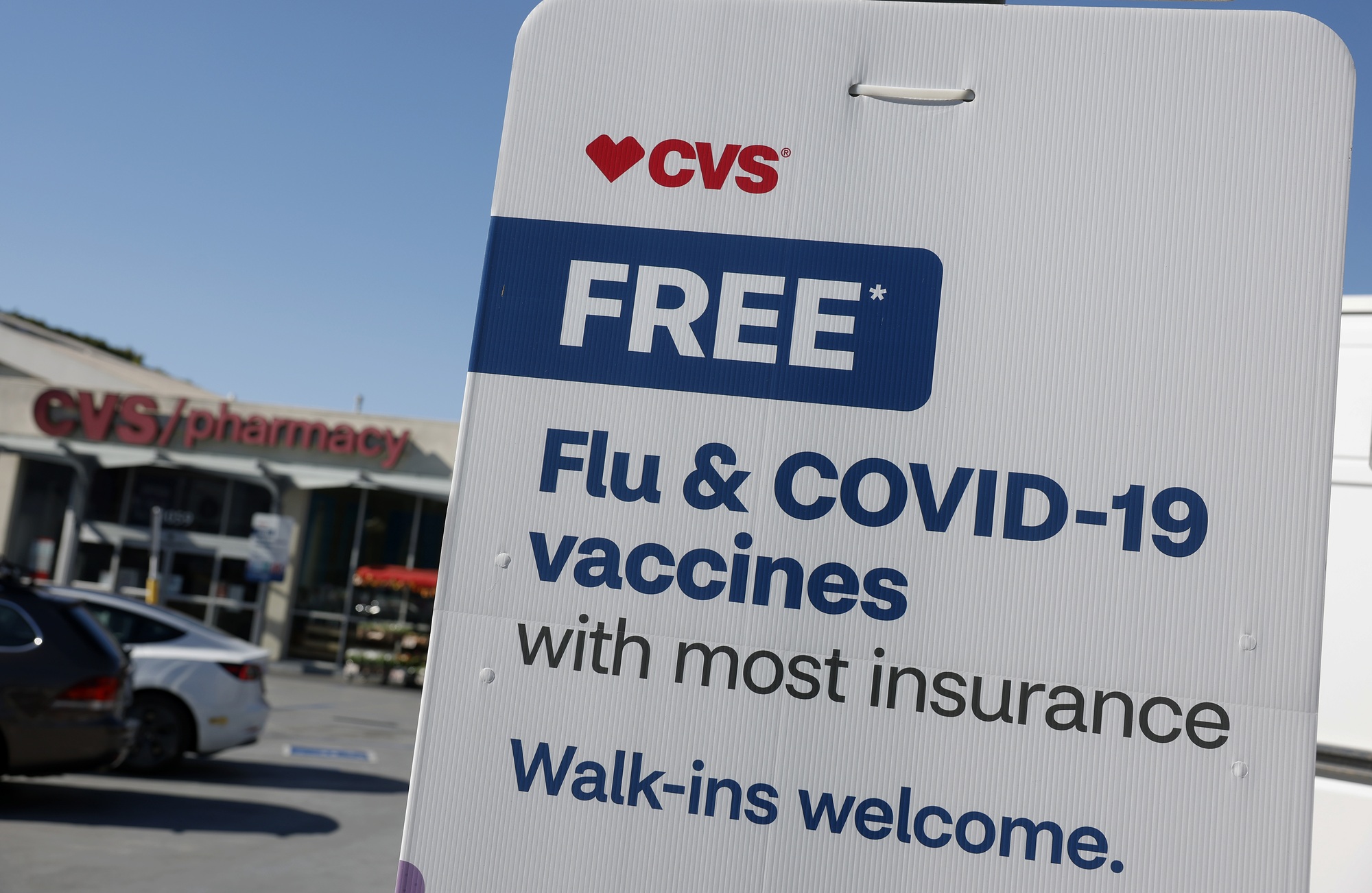
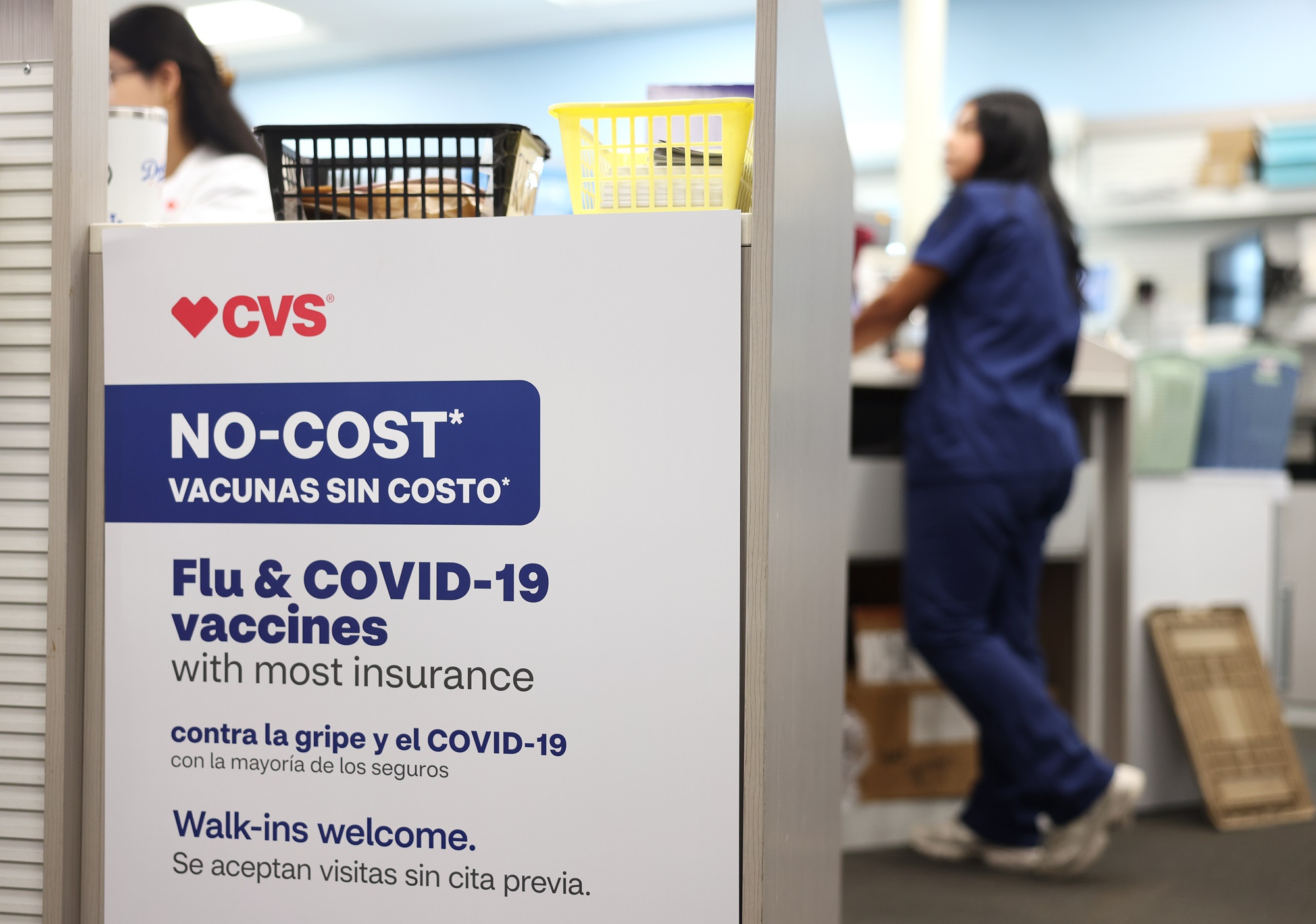
Yes: The new shots have already rolled out at pharmacies like CVS and Walgreens around the state.
Pharmacies are the first place that COVID vaccine supplies become available each fall right after the FDA and CDC sign off, because they take their orders from the federal government rather than the state.
In the coming weeks, the updated 2026-27 COVID vaccine will soon become available at doctors’ offices, clinics and health systems like Kaiser Permanente.
If you’re a parent wanting to vaccinate your kid sooner rather than later, however, remember: The state says that pharmacies aren’t authorized to vaccinate children age two and under.
This means that unless your child is age three or older, you won’t be able to get their COVID shot at a pharmacy, and you should talk to your child’s pediatrician about how best to get their shot.
The exception to this is CVS’s MinuteClinics, which are staffed by providers who are permitted to administer a COVID vaccine to kids age 18 months and older.
Will my fall COVID shot still be covered by health insurance?
Yes: “All vaccines recommended by the California Department of Public Health continue to be covered by health insurance regulated in California,” CDPH said in its Friday statement announcing its recommendations around the 2026-27 COVID-19 vaccines.
One wrinkle to remember if you get your healthcare through a system like Kaiser Permanente: If you’re considering getting your COVID-19 vaccine at a pharmacy for convenience, rather than from your own provider, you usually can’t get vaccines fully covered by your insurance. But, according to Kaiser, “you may be able to get up to half of the cost reimbursed.”
If you’re going the reimbursement route, bear in mind that the out-of-pocket cost of getting your COVID-19 vaccine at CVS this year is now $278.99 — up 40% from $198.99 last year.
When should I get my 2026-27 COVID shot?
Higher-risk groups
The 2026-27 COVID-19 vaccine is available to patients age 6 months and older, but California health officials are strongly recommending the updated vaccine for the following higher-risk groups:
Children:
- All children age 6-23 months
- All children age 2-18 years with risk factors or who’ve never been vaccinated against COVID-19
- All children who are in close contact with others with risk factors
Adults:
- All age 65 years and older
- Anyone who’s pregnant, planning to become pregnant or is postpartum
- Anyone age 9-64 years with risk factors
- All who are in close contact with others with risk factors
- All healthcare workers
If you’re in one of the above groups — meaning you’re either at higher risk of severe illness from COVID-19 yourself or at higher risk of spreading COVID-19 to others — it’s a good idea to seek out your updated vaccine soon, said Dr. Peter Chin-Hong, an infectious disease expert at UCSF.
“There are some populations who I just don’t want there to be any doubt about, because they’re very important,” Chin-Hong said. “I’m on the highest alert around them, because those are the people who are still coming into the hospital [with COVID-19], either inpatient or going to the emergency room.”
In a nutshell: If you’re one of the people in the list above, or your kid is, seek out your new COVID-19 shot as soon as you can.
See the full list of CDPH’s recommendations for respiratory vaccines this year.
People who aren’t at higher risk
If you or your child isn’t listed in those higher-risk groups above, you fall into CDPH’s recommendation that “all who choose to reduce risk of severe illness” can still get the updated 2026-27 COVID-19 shot.
But what does that mean practically?
One thing to know: The Bay Area is still in a summer COVID wave, as shown by levels of coronavirus in the region’s wastewater (aka human sewage). And “based on current patterns, we still have plenty of the current wave ahead of us,” said Dr. Matt Willis, the state’s correspondent for Your Local Epidemiologist California, who was formerly Marin County’s public health officer at the height of the pandemic. “It still hasn’t peaked, and then there’s a few weeks on the downslope to expect.”
With that in mind, Willis told KQED by email that “if you want to be protected even if you’re not high risk, I would still go ahead and get the vaccine now.”
In California, he said, “We haven’t really seen COVID-19 activity in the winter, at least judging from the past two years. So the likelihood of being infected with COVID-19 is likely higher for the next couple months than it may be for the rest of the year, until next summer.”
Of course, there are people — like Kaiser patients, or people who prefer to get their COVID vaccine at their own doctor’s office — who’ll be waiting to get their shot until supplies of the new vaccine become available beyond pharmacies. And Chin-Hong said there are other reasons some people might consider waiting a little, too.
As a physician, “I put an exclamation point next to the people who I really want to get it,” Chin-Hong said. But “for everyone else, it could be used strategically,” he said.
Getting the new vaccine will give you “a buffer for infection for about three months or so,” Chin-Hong said — and it’ll take around two weeks after getting your shot for your body to develop the fullest immunity. So you might consider strategically timing your updated COVID-19 shot to coincide with any travel you have coming up this fall, he said — or to have good protection for around the holidays.
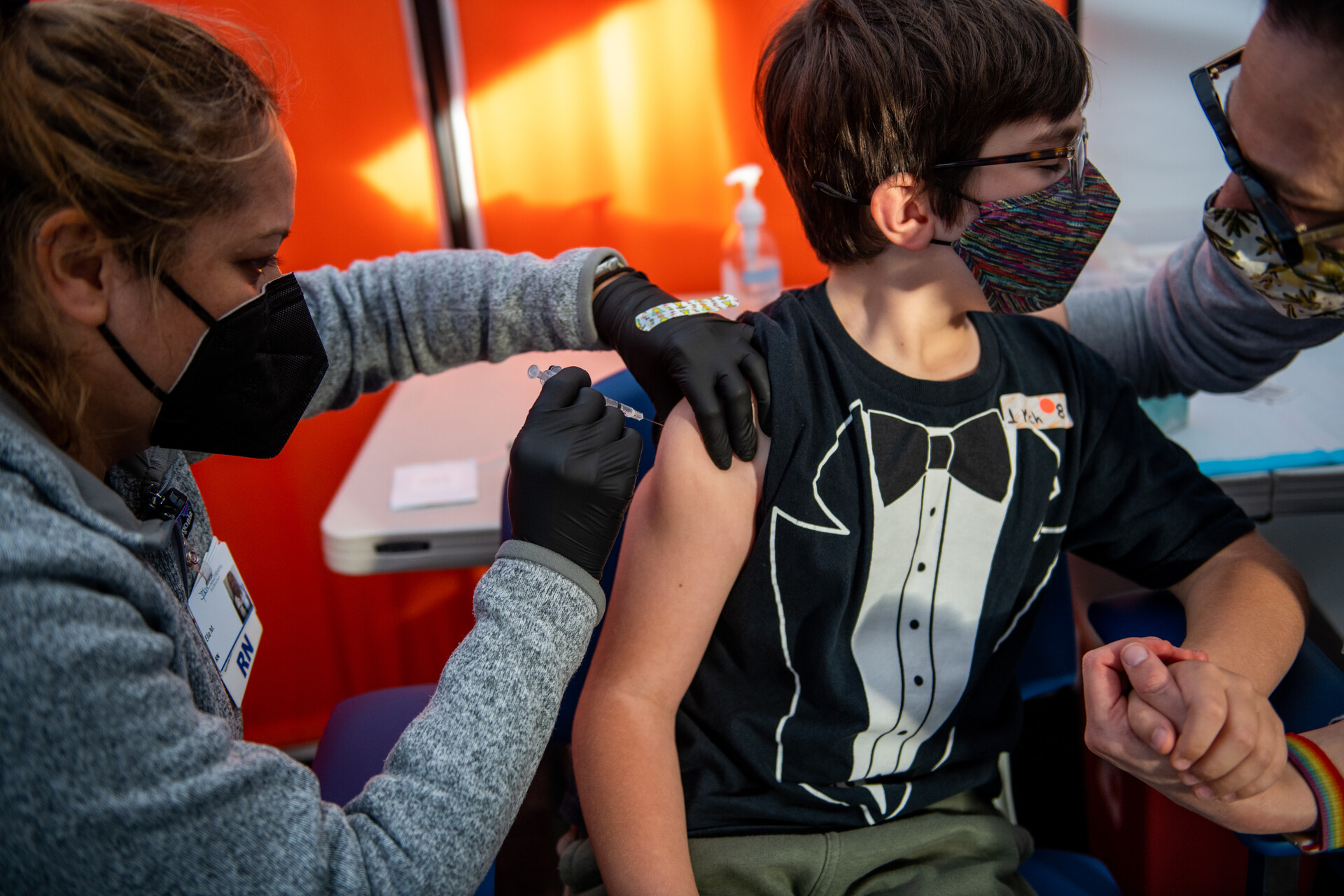
If just getting out to get your vaccines is difficult, you could also opt to conveniently get your COVID shot and your flu shot during the same appointment in October, said Chin-Hong. As for that specific timing, it’s best to get your flu shot sometime before Halloween, he said, and you don’t want to get it too early ahead of flu season, which might arrive a little later this year if Australia’s flu season — traditionally used as a barometer of what the U.S. can expect — is any indicator.
However, if you’re the kind of person whose calendar and obligations get packed in the fall and you’re concerned you’ll forget to get your shots altogether, release yourself from the burden of overstrategizing and just go get your vaccine when you can.
And remember: If you were one of the many folks in the Bay Area who got taken down by COVID-19 during this summer’s ongoing wave, your infection has given you around three months’ natural immunity — so you should wait until that “expires” before seeking out your latest COVID-19 vaccine.
Will the new 2026-27 COVID shot protect me from the latest strains out there right now?
Yes, Chin-Hong said — each year the COVID-19 vaccine is updated for maximum efficacy, to target the variants that are most likely to try to take you down this year.
The 2026-27 shot actually only targets one strain, XFG, “which is the number one strain right now circulating,” Chin-Hong said.
People infected with XFG have often reported a scratchy, hoarse throat that’s easily mistaken for allergies, along with the kind of primarily respiratory symptoms we’ve come to expect from COVID-19.
Where can I find the new COVID vaccine — other than a pharmacy?
Through your healthcare provider, when available
If you have health insurance, check with your healthcare provider to see whether they can offer you an updated COVID-19 vaccine, and when.
If you don’t have health insurance but get medical care through a city- or county-run provider, you should check with that location to see whether they can offer you the new COVID-19 vaccine.
In addition to talking with your healthcare provider directly, check the website of your provider to see whether it offers the ability to make appointments and sign up for their vaccine notifications if that’s an option.
Through My Turn, when available
Throughout the pandemic, My Turn has been the state’s site for Californians to schedule vaccination appointments or find walk-in locations, regardless of health insurance status.
Through your county, when available
Check your county’s public health website to see if the updated COVID-19 vaccine will soon be available to residents, especially those who are uninsured or underinsured.
I heard the FDA and CDC tried to restrict eligibility for COVID vaccines last year. Can I still get my shot?
Yes — because California’s own recommendations overrule the federal government when it comes to you accessing this vaccine.
To understand the backstory: In August 2025, the FDA under President Donald Trump’s second administration announced that the agency would be limiting eligibility for the updated shots for the first time — and that the 2025-26 vaccines would be available only to people age 65 and over and to anyone with a health condition that puts them at higher risk from COVID-19.
At first, the shots rolled out across California pharmacies only for these groups. But shortly after, California Gov. Gavin Newsom announced that the state would join Oregon and Washington in launching a new “West Coast Health Alliance,” a coalition that now issues its own state-specific vaccine recommendations — effectively overriding the FDA and CDC’s attempts to limit eligibility for your COVID-19 vaccine in California.

In a joint statement, the governors said the CDC had “become a political tool that increasingly peddles ideology instead of science, ideology that will lead to severe health consequences,” adding that “California, Oregon and Washington will not allow the people of our states to be put at risk.”
Newsom has also signed a law which now allows the state to act independently from the CDC when it comes to vaccine recommendations, “empowering California to chart its own path and reject corrupted federal guidelines,” according to a statement from the governor’s office. As for how California is able to expand beyond the FDA’s eligibility restrictions, that FDA decision affects what’s called the vaccine’s “label” — and California is now making the shot available to people outside of the FDA’s limitations “off-label.”
And what about the CDC, which has issued annual recommendations for who should get these vaccines since they were first released in 2021? In summer 2025, Health Secretary Robert F. Kennedy Jr. dissolved the CDC’s Advisory Committee on Immunization Practices panel and replaced its members with a number of doctors and researchers who have repeatedly questioned the safety of commonly used vaccines and ingredients.
But after a lawsuit earlier this year that blocked the Trump administration’s efforts to reduce routine vaccines for children, the CDC’s process for issuing annual vaccine guidelines — including COVID-19 — remains in limbo, and for the first time since 2021, the agency has released no formal guidelines for the COVID-19 shot.
The CDC’s recommendations used to be what insurance companies based their coverage on when it comes to vaccines. But the state has confirmed that all vaccines recommended by CDPH — which includes COVID-19 vaccines for anyone who wants them — “continue to be covered by health insurance regulated in California.”