window.__IS_SSR__=true
window.__INITIAL_STATE__={
"attachmentsReducer": {
"audio_0": {
"type": "attachments",
"id": "audio_0",
"imgSizes": {
"kqedFullSize": {
"file": "https://ww2.kqed.org/news/wp-content/themes/KQED-unified/img/audio_bgs/background0.jpg"
}
}
},
"audio_1": {
"type": "attachments",
"id": "audio_1",
"imgSizes": {
"kqedFullSize": {
"file": "https://ww2.kqed.org/news/wp-content/themes/KQED-unified/img/audio_bgs/background1.jpg"
}
}
},
"audio_2": {
"type": "attachments",
"id": "audio_2",
"imgSizes": {
"kqedFullSize": {
"file": "https://ww2.kqed.org/news/wp-content/themes/KQED-unified/img/audio_bgs/background2.jpg"
}
}
},
"audio_3": {
"type": "attachments",
"id": "audio_3",
"imgSizes": {
"kqedFullSize": {
"file": "https://ww2.kqed.org/news/wp-content/themes/KQED-unified/img/audio_bgs/background3.jpg"
}
}
},
"audio_4": {
"type": "attachments",
"id": "audio_4",
"imgSizes": {
"kqedFullSize": {
"file": "https://ww2.kqed.org/news/wp-content/themes/KQED-unified/img/audio_bgs/background4.jpg"
}
}
},
"placeholder": {
"type": "attachments",
"id": "placeholder",
"imgSizes": {
"thumbnail": {
"file": "https://cdn.kqed.org/wp-content/uploads/2024/12/KQED-Default-Image-816638274-2000x1333-1-160x107.jpg",
"width": 160,
"height": 107,
"mimeType": "image/jpeg"
},
"medium": {
"file": "https://cdn.kqed.org/wp-content/uploads/2024/12/KQED-Default-Image-816638274-2000x1333-1-800x533.jpg",
"width": 800,
"height": 533,
"mimeType": "image/jpeg"
},
"medium_large": {
"file": "https://cdn.kqed.org/wp-content/uploads/2024/12/KQED-Default-Image-816638274-2000x1333-1-768x512.jpg",
"width": 768,
"height": 512,
"mimeType": "image/jpeg"
},
"large": {
"file": "https://cdn.kqed.org/wp-content/uploads/2024/12/KQED-Default-Image-816638274-2000x1333-1-1020x680.jpg",
"width": 1020,
"height": 680,
"mimeType": "image/jpeg"
},
"1536x1536": {
"file": "https://cdn.kqed.org/wp-content/uploads/2024/12/KQED-Default-Image-816638274-2000x1333-1-1536x1024.jpg",
"width": 1536,
"height": 1024,
"mimeType": "image/jpeg"
},
"fd-lrg": {
"file": "https://cdn.kqed.org/wp-content/uploads/2024/12/KQED-Default-Image-816638274-2000x1333-1-1536x1024.jpg",
"width": 1536,
"height": 1024,
"mimeType": "image/jpeg"
},
"fd-med": {
"file": "https://cdn.kqed.org/wp-content/uploads/2024/12/KQED-Default-Image-816638274-2000x1333-1-1020x680.jpg",
"width": 1020,
"height": 680,
"mimeType": "image/jpeg"
},
"fd-sm": {
"file": "https://cdn.kqed.org/wp-content/uploads/2024/12/KQED-Default-Image-816638274-2000x1333-1-800x533.jpg",
"width": 800,
"height": 533,
"mimeType": "image/jpeg"
},
"post-thumbnail": {
"file": "https://cdn.kqed.org/wp-content/uploads/2024/12/KQED-Default-Image-816638274-2000x1333-1-672x372.jpg",
"width": 672,
"height": 372,
"mimeType": "image/jpeg"
},
"twentyfourteen-full-width": {
"file": "https://cdn.kqed.org/wp-content/uploads/2024/12/KQED-Default-Image-816638274-2000x1333-1-1038x576.jpg",
"width": 1038,
"height": 576,
"mimeType": "image/jpeg"
},
"xxsmall": {
"file": "https://cdn.kqed.org/wp-content/uploads/2024/12/KQED-Default-Image-816638274-2000x1333-1-160x107.jpg",
"width": 160,
"height": 107,
"mimeType": "image/jpeg"
},
"xsmall": {
"file": "https://cdn.kqed.org/wp-content/uploads/2024/12/KQED-Default-Image-816638274-2000x1333-1-672x372.jpg",
"width": 672,
"height": 372,
"mimeType": "image/jpeg"
},
"small": {
"file": "https://cdn.kqed.org/wp-content/uploads/2024/12/KQED-Default-Image-816638274-2000x1333-1-672x372.jpg",
"width": 672,
"height": 372,
"mimeType": "image/jpeg"
},
"xlarge": {
"file": "https://cdn.kqed.org/wp-content/uploads/2024/12/KQED-Default-Image-816638274-2000x1333-1-1020x680.jpg",
"width": 1020,
"height": 680,
"mimeType": "image/jpeg"
},
"full-width": {
"file": "https://cdn.kqed.org/wp-content/uploads/2024/12/KQED-Default-Image-816638274-2000x1333-1-1920x1280.jpg",
"width": 1920,
"height": 1280,
"mimeType": "image/jpeg"
},
"guest-author-32": {
"file": "https://cdn.kqed.org/wp-content/uploads/2025/01/KQED-Default-Image-816638274-1333x1333-1-160x160.jpg",
"width": 32,
"height": 32,
"mimeType": "image/jpeg"
},
"guest-author-50": {
"file": "https://cdn.kqed.org/wp-content/uploads/2025/01/KQED-Default-Image-816638274-1333x1333-1-160x160.jpg",
"width": 50,
"height": 50,
"mimeType": "image/jpeg"
},
"guest-author-64": {
"file": "https://cdn.kqed.org/wp-content/uploads/2025/01/KQED-Default-Image-816638274-1333x1333-1-160x160.jpg",
"width": 64,
"height": 64,
"mimeType": "image/jpeg"
},
"guest-author-96": {
"file": "https://cdn.kqed.org/wp-content/uploads/2025/01/KQED-Default-Image-816638274-1333x1333-1-160x160.jpg",
"width": 96,
"height": 96,
"mimeType": "image/jpeg"
},
"guest-author-128": {
"file": "https://cdn.kqed.org/wp-content/uploads/2025/01/KQED-Default-Image-816638274-1333x1333-1-160x160.jpg",
"width": 128,
"height": 128,
"mimeType": "image/jpeg"
},
"detail": {
"file": "https://cdn.kqed.org/wp-content/uploads/2025/01/KQED-Default-Image-816638274-1333x1333-1-160x160.jpg",
"width": 160,
"height": 160,
"mimeType": "image/jpeg"
},
"kqedFullSize": {
"file": "https://cdn.kqed.org/wp-content/uploads/2024/12/KQED-Default-Image-816638274-2000x1333-1.jpg",
"width": 2000,
"height": 1333
}
}
},
"news_11104718": {
"type": "attachments",
"id": "news_11104718",
"meta": {
"index": "attachments_1716263798",
"site": "news",
"id": "11104718",
"found": true
},
"title": "Thumbnail for 11104717",
"publishDate": 1474916712,
"status": "inherit",
"parent": 11104717,
"modified": 1784047427,
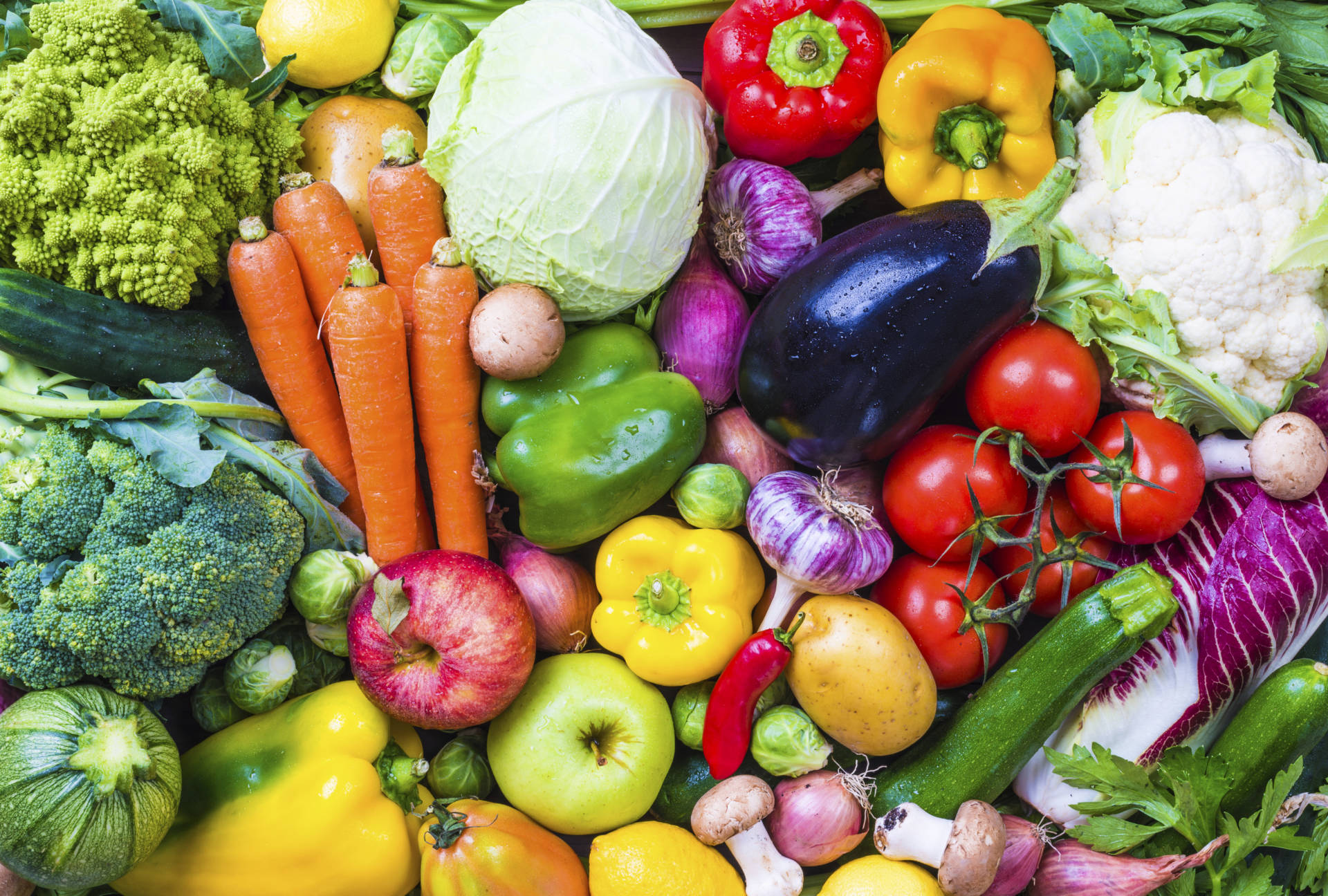
"caption": "The CalFresh Fruit and Vegetable EBT Program provides CalFresh recipients with up to $60 a month of free produce each month.",
"credit": "Getty Images",
"altTag": null,
"description": "Vegetables and fruits.",
"imgSizes": {
"thumbnail": {
"file": "https://cdn.kqed.org/wp-content/uploads/sites/10/2016/09/11104717-thumb-400x270.jpg",
"width": 400,
"height": 270,
"mimeType": "image/jpeg"
},
"medium": {
"file": "https://cdn.kqed.org/wp-content/uploads/sites/10/2016/09/11104717-thumb-800x540.jpg",
"width": 800,
"height": 540,
"mimeType": "image/jpeg"
},
"large": {
"file": "https://cdn.kqed.org/wp-content/uploads/sites/10/2016/09/11104717-thumb-1920x1296.jpg",
"width": 1920,
"height": 1296,
"mimeType": "image/jpeg"
},
"fd-lrg": {
"file": "https://cdn.kqed.org/wp-content/uploads/sites/10/2016/09/11104717-thumb-1920x1296.jpg",
"width": 1920,
"height": 1296,
"mimeType": "image/jpeg"
},
"fd-med": {
"file": "https://cdn.kqed.org/wp-content/uploads/sites/10/2016/09/11104717-thumb-1180x797.jpg",
"width": 1180,
"height": 797,
"mimeType": "image/jpeg"
},
"fd-sm": {
"file": "https://cdn.kqed.org/wp-content/uploads/sites/10/2016/09/11104717-thumb-960x648.jpg",
"width": 960,
"height": 648,
"mimeType": "image/jpeg"
},
"post-thumbnail": {
"file": "https://cdn.kqed.org/wp-content/uploads/sites/10/2016/09/11104717-thumb-672x372.jpg",
"width": 672,
"height": 372,
"mimeType": "image/jpeg"
},
"twentyfourteen-full-width": {
"file": "https://cdn.kqed.org/wp-content/uploads/sites/10/2016/09/11104717-thumb-1038x576.jpg",
"width": 1038,
"height": 576,
"mimeType": "image/jpeg"
},
"guest-author-32": {
"file": "https://cdn.kqed.org/wp-content/uploads/sites/10/2016/09/11104717-thumb-32x32.jpg",
"width": 32,
"height": 32,
"mimeType": "image/jpeg"
},
"guest-author-50": {
"file": "https://cdn.kqed.org/wp-content/uploads/sites/10/2016/09/11104717-thumb-50x50.jpg",
"width": 50,
"height": 50,
"mimeType": "image/jpeg"
},
"guest-author-64": {
"file": "https://cdn.kqed.org/wp-content/uploads/sites/10/2016/09/11104717-thumb-64x64.jpg",
"width": 64,
"height": 64,
"mimeType": "image/jpeg"
},
"guest-author-96": {
"file": "https://cdn.kqed.org/wp-content/uploads/sites/10/2016/09/11104717-thumb-96x96.jpg",
"width": 96,
"height": 96,
"mimeType": "image/jpeg"
},
"guest-author-128": {
"file": "https://cdn.kqed.org/wp-content/uploads/sites/10/2016/09/11104717-thumb-128x128.jpg",
"width": 128,
"height": 128,
"mimeType": "image/jpeg"
},
"detail": {
"file": "https://cdn.kqed.org/wp-content/uploads/sites/10/2016/09/11104717-thumb-150x150.jpg",
"width": 150,
"height": 150,
"mimeType": "image/jpeg"
},
"jmtc-small-thumb": {
"file": "https://cdn.kqed.org/wp-content/uploads/sites/10/2016/09/11104717-thumb-280x150.jpg",
"width": 280,
"height": 150,
"mimeType": "image/jpeg"
},
"kqedFullSize": {
"file": "https://cdn.kqed.org/wp-content/uploads/sites/10/2016/09/11104717-thumb-e1764880797557.jpg",
"width": 2000,
"height": 1350
}
},
"isLoading": false,
"fetchFailed": false
},
"news_12078113": {
"type": "attachments",
"id": "news_12078113",
"meta": {
"index": "attachments_1716263798",
"site": "news",
"id": "12078113",
"found": true
},
"title": "260327-MUIRWOODSNIGHTTOUR-57-BL-KQED",
"publishDate": 1774909329,
"status": "inherit",
"parent": 12081094,
"modified": 1776964130,
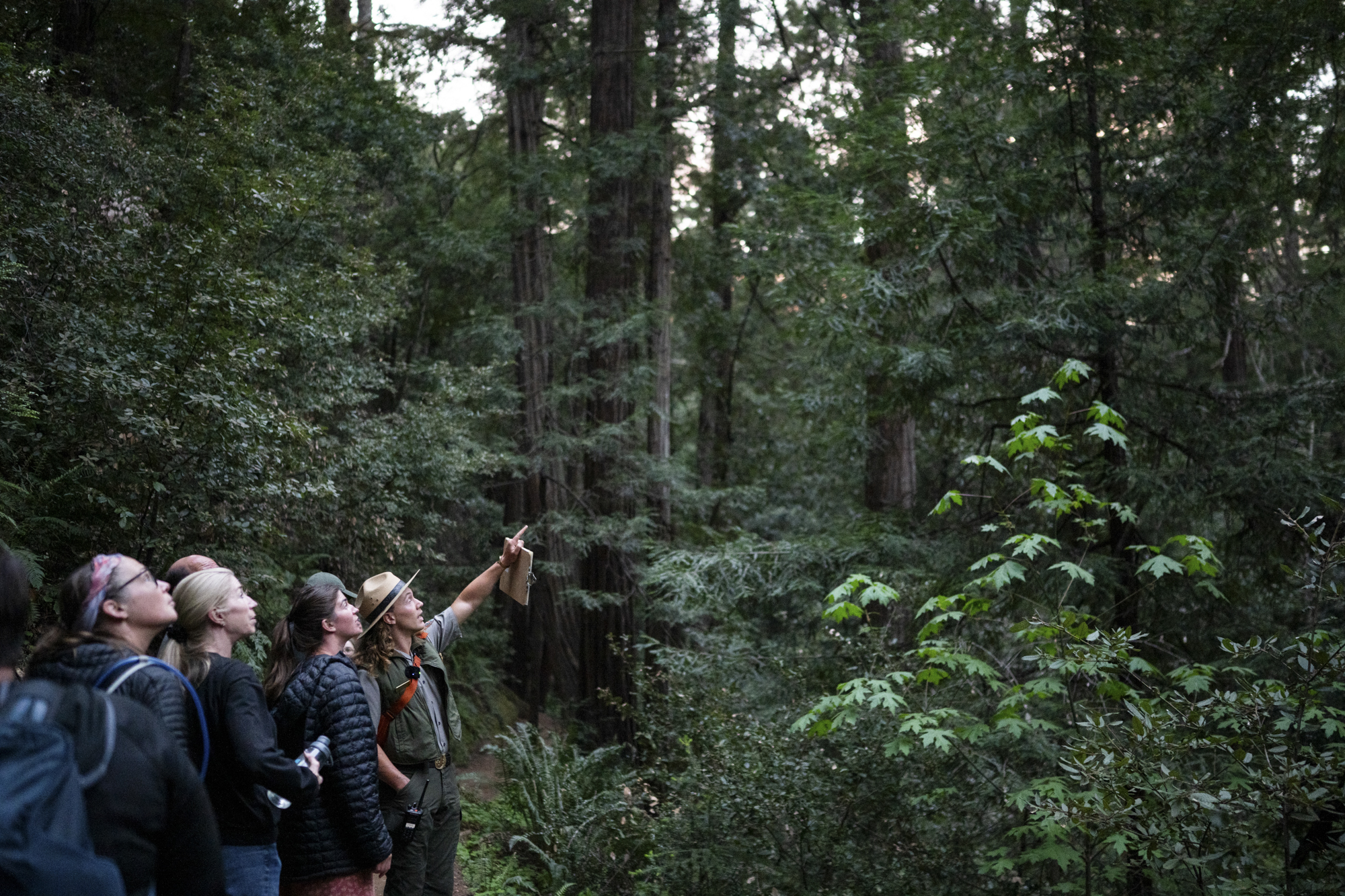
"caption": "Ranger Jace Ritchey leads a night walking tour through Muir Woods National Monument on March 27, 2026. The guided hike takes visitors through the redwood forest after hours, focusing on nocturnal wildlife and the ecosystem at night.",
"credit": "Beth LaBerge/KQED",
"altTag": null,
"description": null,
"imgSizes": {
"thumbnail": {
"file": "https://cdn.kqed.org/wp-content/uploads/sites/10/2026/03/260327-MUIRWOODSNIGHTTOUR-57-BL-KQED-160x107.jpg",
"width": 160,
"height": 107,
"mimeType": "image/jpeg"
},
"1536x1536": {
"file": "https://cdn.kqed.org/wp-content/uploads/sites/10/2026/03/260327-MUIRWOODSNIGHTTOUR-57-BL-KQED-1536x1024.jpg",
"width": 1536,
"height": 1024,
"mimeType": "image/jpeg"
},
"post-thumbnail": {
"file": "https://cdn.kqed.org/wp-content/uploads/sites/10/2026/03/260327-MUIRWOODSNIGHTTOUR-57-BL-KQED-672x372.jpg",
"width": 672,
"height": 372,
"mimeType": "image/jpeg"
},
"twentyfourteen-full-width": {
"file": "https://cdn.kqed.org/wp-content/uploads/sites/10/2026/03/260327-MUIRWOODSNIGHTTOUR-57-BL-KQED-1038x576.jpg",
"width": 1038,
"height": 576,
"mimeType": "image/jpeg"
},
"npr-cds-wide": {
"file": "https://cdn.kqed.org/wp-content/uploads/sites/10/2026/03/260327-MUIRWOODSNIGHTTOUR-57-BL-KQED-1200x675.jpg",
"width": 1200,
"height": 675,
"mimeType": "image/jpeg"
},
"npr-cds-square": {
"file": "https://cdn.kqed.org/wp-content/uploads/sites/10/2026/03/260327-MUIRWOODSNIGHTTOUR-57-BL-KQED-600x600.jpg",
"width": 600,
"height": 600,
"mimeType": "image/jpeg"
},
"kqedFullSize": {
"file": "https://cdn.kqed.org/wp-content/uploads/sites/10/2026/03/260327-MUIRWOODSNIGHTTOUR-57-BL-KQED.jpg",
"width": 2000,
"height": 1333
}
},
"isLoading": false,
"fetchFailed": false
},
"news_12046768": {
"type": "attachments",
"id": "news_12046768",
"meta": {
"index": "attachments_1716263798",
"site": "news",
"id": "12046768",
"found": true
},
"title": "Colombian Police Capture 52 Allegedly Involved In Drug Trafficking Financing",
"publishDate": 1751412537,
"status": "inherit",
"parent": 12046733,
"modified": 1751412576,
"caption": null,
"credit": "Sebastian Barros/Nur Photo via Getty Images",
"altTag": null,
"description": null,
"imgSizes": {
"thumbnail": {
"file": "https://cdn.kqed.org/wp-content/uploads/sites/10/2025/07/FBIJacketGetty1-160x106.jpg",
"width": 160,
"height": 106,
"mimeType": "image/jpeg"
},
"1536x1536": {
"file": "https://cdn.kqed.org/wp-content/uploads/sites/10/2025/07/FBIJacketGetty1-1536x1021.jpg",
"width": 1536,
"height": 1021,
"mimeType": "image/jpeg"
},
"post-thumbnail": {
"file": "https://cdn.kqed.org/wp-content/uploads/sites/10/2025/07/FBIJacketGetty1-672x372.jpg",
"width": 672,
"height": 372,
"mimeType": "image/jpeg"
},
"twentyfourteen-full-width": {
"file": "https://cdn.kqed.org/wp-content/uploads/sites/10/2025/07/FBIJacketGetty1-1038x576.jpg",
"width": 1038,
"height": 576,
"mimeType": "image/jpeg"
},
"kqedFullSize": {
"file": "https://cdn.kqed.org/wp-content/uploads/sites/10/2025/07/FBIJacketGetty1.jpg",
"width": 2000,
"height": 1330
}
},
"isLoading": false,
"fetchFailed": false
},
"news_12086749": {
"type": "attachments",
"id": "news_12086749",
"meta": {
"index": "attachments_1716263798",
"site": "news",
"id": "12086749",
"found": true
},
"title": "060926Paraguay SJSU_GH_003",
"publishDate": 1781038621,
"status": "inherit",
"parent": 0,
"modified": 1781039524,
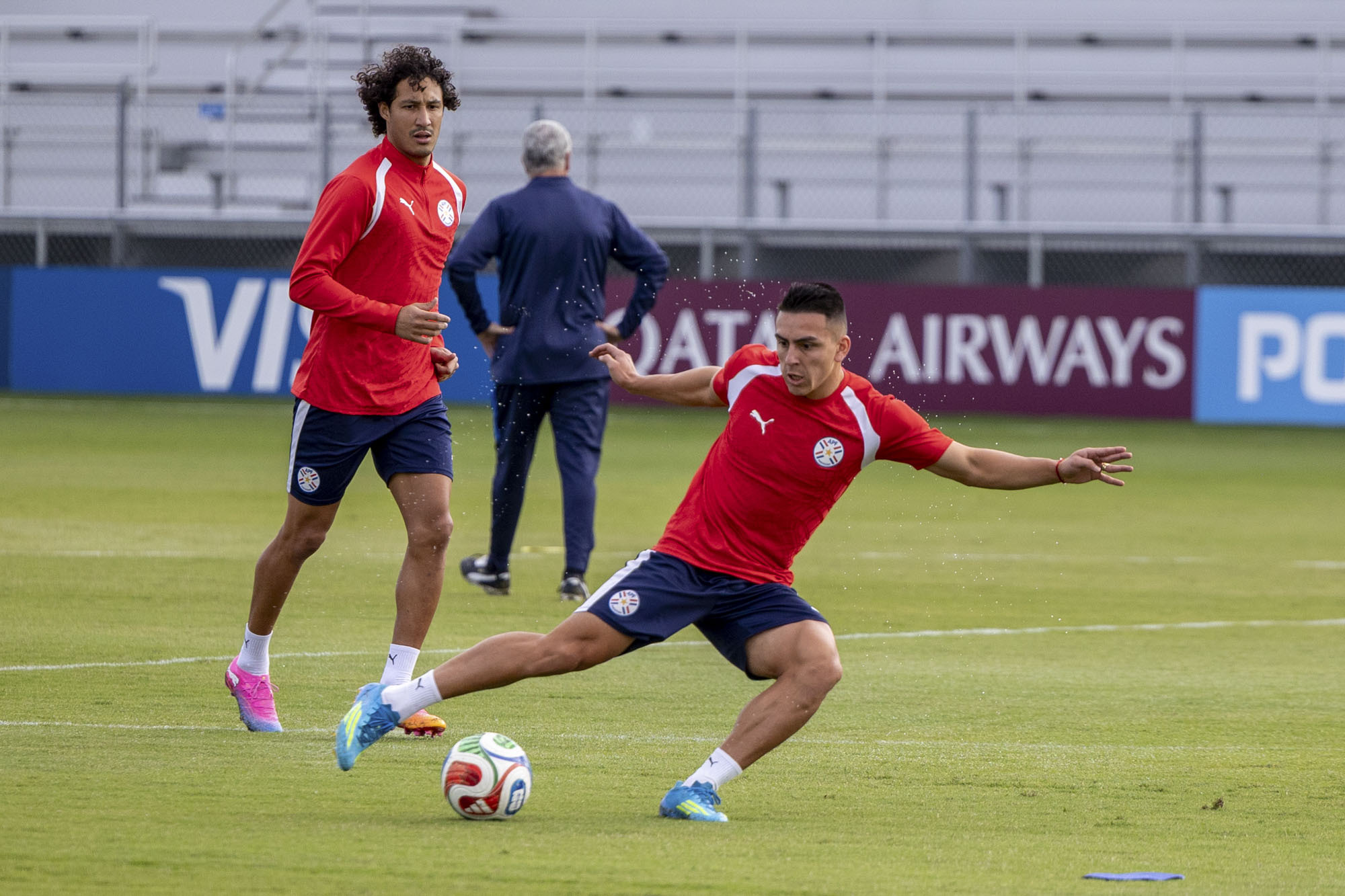
"caption": "Paraguay midfielder Braian Óscar Ojeda Rodríguez strikes the ball during an open training session at CEFCU Stadium in San José on June 8, 2026.",
"credit": "Gustavo Hernandez/KQED",
"altTag": null,
"description": null,
"imgSizes": {
"thumbnail": {
"file": "https://cdn.kqed.org/wp-content/uploads/sites/10/2026/06/060926Paraguay-SJSU_GH_003-160x107.jpg",
"width": 160,
"height": 107,
"mimeType": "image/jpeg"
},
"1536x1536": {
"file": "https://cdn.kqed.org/wp-content/uploads/sites/10/2026/06/060926Paraguay-SJSU_GH_003-1536x1024.jpg",
"width": 1536,
"height": 1024,
"mimeType": "image/jpeg"
},
"post-thumbnail": {
"file": "https://cdn.kqed.org/wp-content/uploads/sites/10/2026/06/060926Paraguay-SJSU_GH_003-672x372.jpg",
"width": 672,
"height": 372,
"mimeType": "image/jpeg"
},
"twentyfourteen-full-width": {
"file": "https://cdn.kqed.org/wp-content/uploads/sites/10/2026/06/060926Paraguay-SJSU_GH_003-1038x576.jpg",
"width": 1038,
"height": 576,
"mimeType": "image/jpeg"
},
"npr-cds-wide": {
"file": "https://cdn.kqed.org/wp-content/uploads/sites/10/2026/06/060926Paraguay-SJSU_GH_003-1200x675.jpg",
"width": 1200,
"height": 675,
"mimeType": "image/jpeg"
},
"npr-cds-square": {
"file": "https://cdn.kqed.org/wp-content/uploads/sites/10/2026/06/060926Paraguay-SJSU_GH_003-600x600.jpg",
"width": 600,
"height": 600,
"mimeType": "image/jpeg"
},
"kqedFullSize": {
"file": "https://cdn.kqed.org/wp-content/uploads/sites/10/2026/06/060926Paraguay-SJSU_GH_003.jpg",
"width": 2000,
"height": 1333
}
},
"isLoading": false,
"fetchFailed": false
},
"news_12086641": {
"type": "attachments",
"id": "news_12086641",
"meta": {
"index": "attachments_1716263798",
"site": "news",
"id": "12086641",
"found": true
},
"title": "Takoma Park Middle school students eating cafeteria lunch.",
"publishDate": 1780960751,
"status": "inherit",
"parent": 12086417,
"modified": 1780964693,
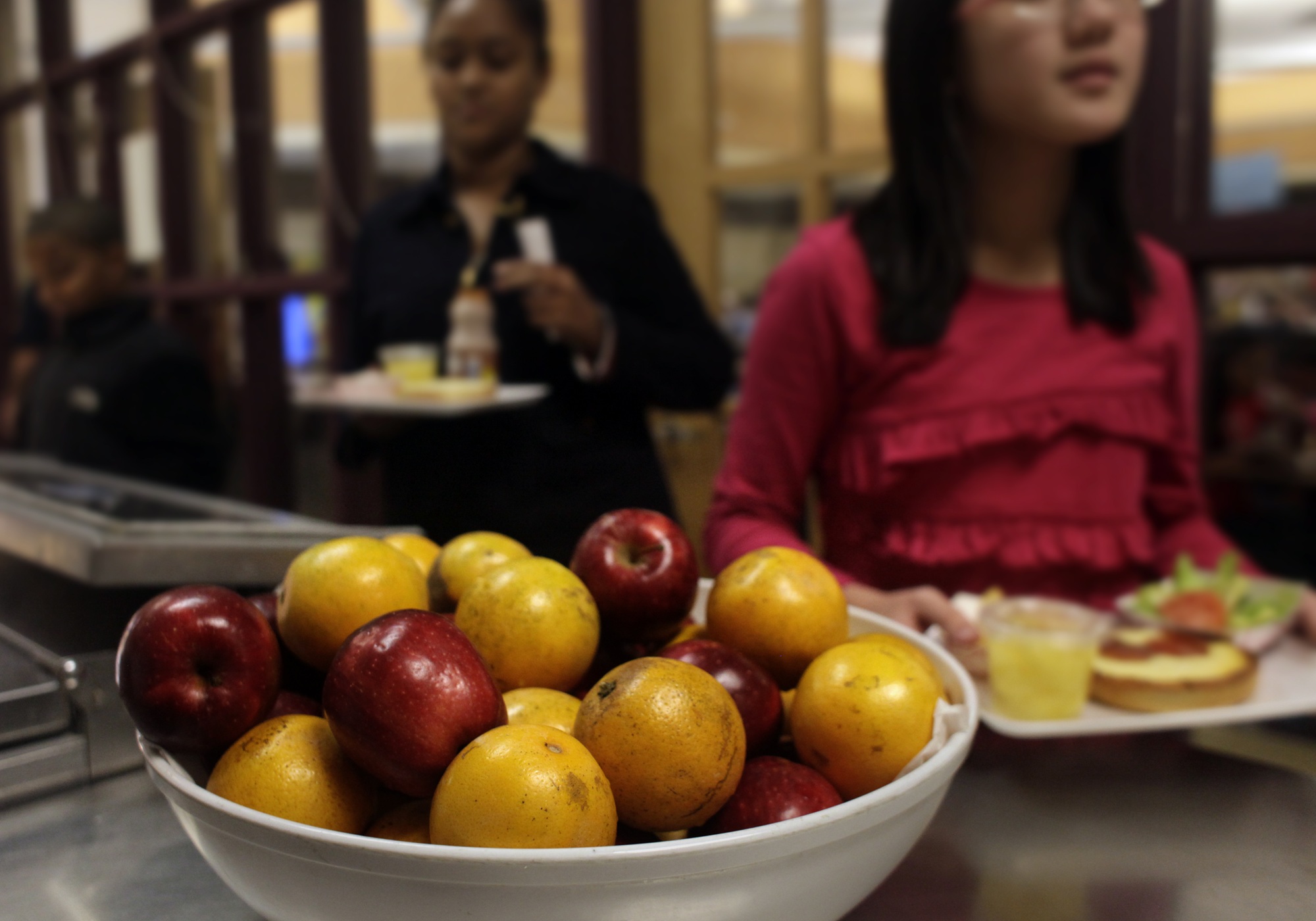
"caption": "Takoma Park Middle School students have the option of eating a regular hot lunch or buying chips or other snacks on the side. Students eating cafeteria lunch at Takoma Park Middle School in Takoma Park, Maryland, on Jan. 31, 2013. Schools in Montgomery County still serve snack foods to students during lunch.",
"credit": "Juana Arias for the Washington Post via Getty Images",
"altTag": null,
"description": null,
"imgSizes": {
"thumbnail": {
"file": "https://cdn.kqed.org/wp-content/uploads/sites/10/2026/06/SummerMealsGetty-160x112.jpg",
"width": 160,
"height": 112,
"mimeType": "image/jpeg"
},
"1536x1536": {
"file": "https://cdn.kqed.org/wp-content/uploads/sites/10/2026/06/SummerMealsGetty-1536x1075.jpg",
"width": 1536,
"height": 1075,
"mimeType": "image/jpeg"
},
"post-thumbnail": {
"file": "https://cdn.kqed.org/wp-content/uploads/sites/10/2026/06/SummerMealsGetty-672x372.jpg",
"width": 672,
"height": 372,
"mimeType": "image/jpeg"
},
"twentyfourteen-full-width": {
"file": "https://cdn.kqed.org/wp-content/uploads/sites/10/2026/06/SummerMealsGetty-1038x576.jpg",
"width": 1038,
"height": 576,
"mimeType": "image/jpeg"
},
"npr-cds-wide": {
"file": "https://cdn.kqed.org/wp-content/uploads/sites/10/2026/06/SummerMealsGetty-1200x675.jpg",
"width": 1200,
"height": 675,
"mimeType": "image/jpeg"
},
"npr-cds-square": {
"file": "https://cdn.kqed.org/wp-content/uploads/sites/10/2026/06/SummerMealsGetty-600x600.jpg",
"width": 600,
"height": 600,
"mimeType": "image/jpeg"
},
"kqedFullSize": {
"file": "https://cdn.kqed.org/wp-content/uploads/sites/10/2026/06/SummerMealsGetty.jpg",
"width": 2000,
"height": 1400
}
},
"isLoading": false,
"fetchFailed": false
},
"news_12076408": {
"type": "attachments",
"id": "news_12076408",
"meta": {
"index": "attachments_1716263798",
"site": "news",
"id": "12076408",
"found": true
},
"title": "SFChronicleClimateChange",
"publishDate": 1773419954,
"status": "inherit",
"parent": 12076391,
"modified": 1773869901,
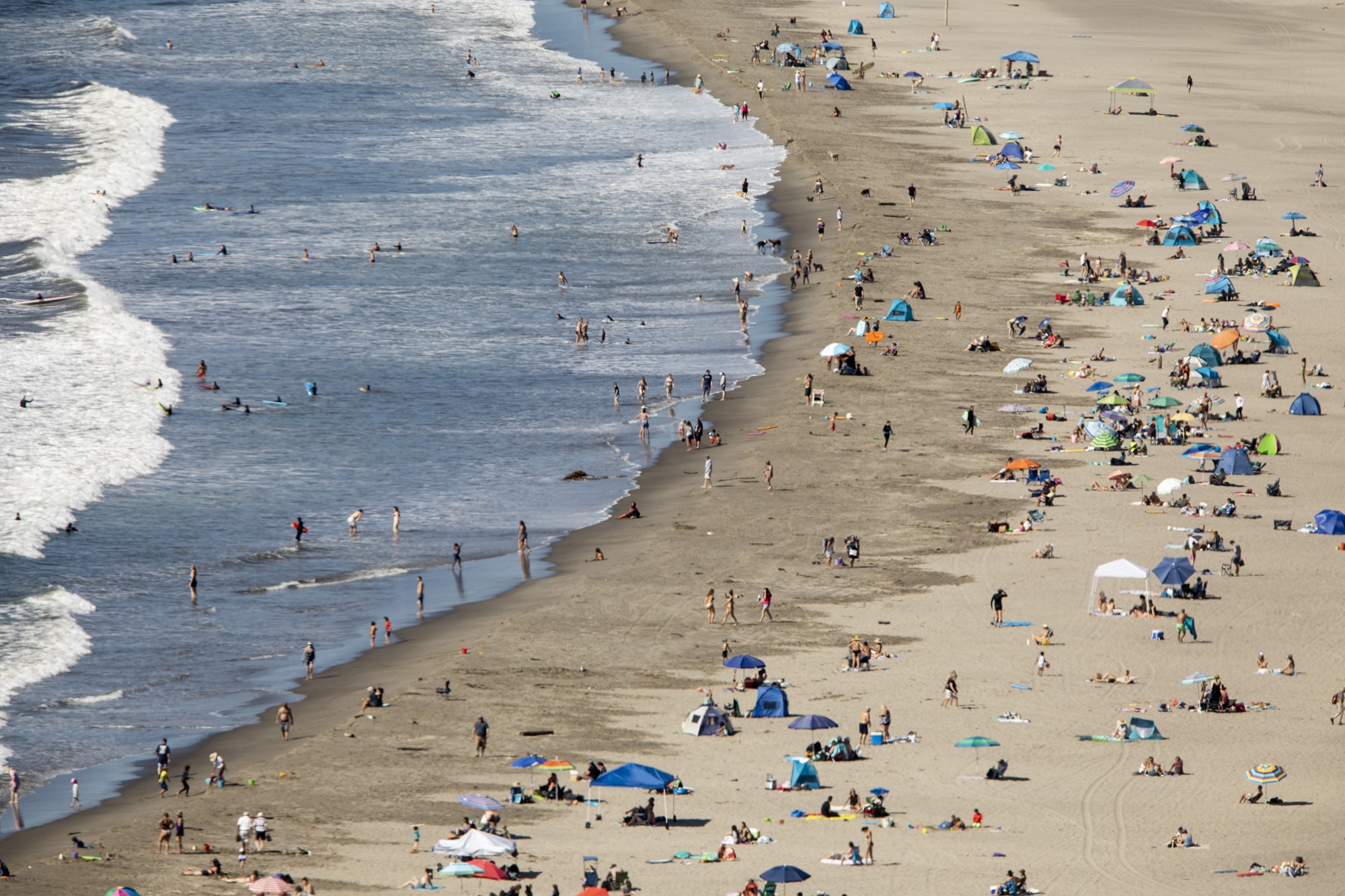
"caption": "Crowds gather to enjoy the warm weather and ocean waves at Stinson Beach in Stinson Beach, California, on Oct. 16, 2020. Temperatures across the Bay Area reached record highs this week, drawing inland residents to the coasts to beat the heat. ",
"credit": "Jessica Christian/The San Francisco Chronicle via Getty Images",
"altTag": null,
"description": null,
"imgSizes": {
"thumbnail": {
"file": "https://cdn.kqed.org/wp-content/uploads/sites/10/2026/03/SFBeachesGetty-160x107.jpg",
"width": 160,
"height": 107,
"mimeType": "image/jpeg"
},
"1536x1536": {
"file": "https://cdn.kqed.org/wp-content/uploads/sites/10/2026/03/SFBeachesGetty-1536x1024.jpg",
"width": 1536,
"height": 1024,
"mimeType": "image/jpeg"
},
"post-thumbnail": {
"file": "https://cdn.kqed.org/wp-content/uploads/sites/10/2026/03/SFBeachesGetty-672x372.jpg",
"width": 672,
"height": 372,
"mimeType": "image/jpeg"
},
"twentyfourteen-full-width": {
"file": "https://cdn.kqed.org/wp-content/uploads/sites/10/2026/03/SFBeachesGetty-1038x576.jpg",
"width": 1038,
"height": 576,
"mimeType": "image/jpeg"
},
"npr-cds-wide": {
"file": "https://cdn.kqed.org/wp-content/uploads/sites/10/2026/03/SFBeachesGetty-1200x675.jpg",
"width": 1200,
"height": 675,
"mimeType": "image/jpeg"
},
"kqedFullSize": {
"file": "https://cdn.kqed.org/wp-content/uploads/sites/10/2026/03/SFBeachesGetty.jpg",
"width": 2000,
"height": 1333
}
},
"isLoading": false,
"fetchFailed": false
},
"news_12086546": {
"type": "attachments",
"id": "news_12086546",
"meta": {
"index": "attachments_1716263798",
"site": "news",
"id": "12086546",
"found": true
},
"title": "Parking meters line Bryant Street in San Francisco on Nov. 21, 2023.",
"publishDate": 1780941207,
"status": "inherit",
"parent": 12086537,
"modified": 1780941223,
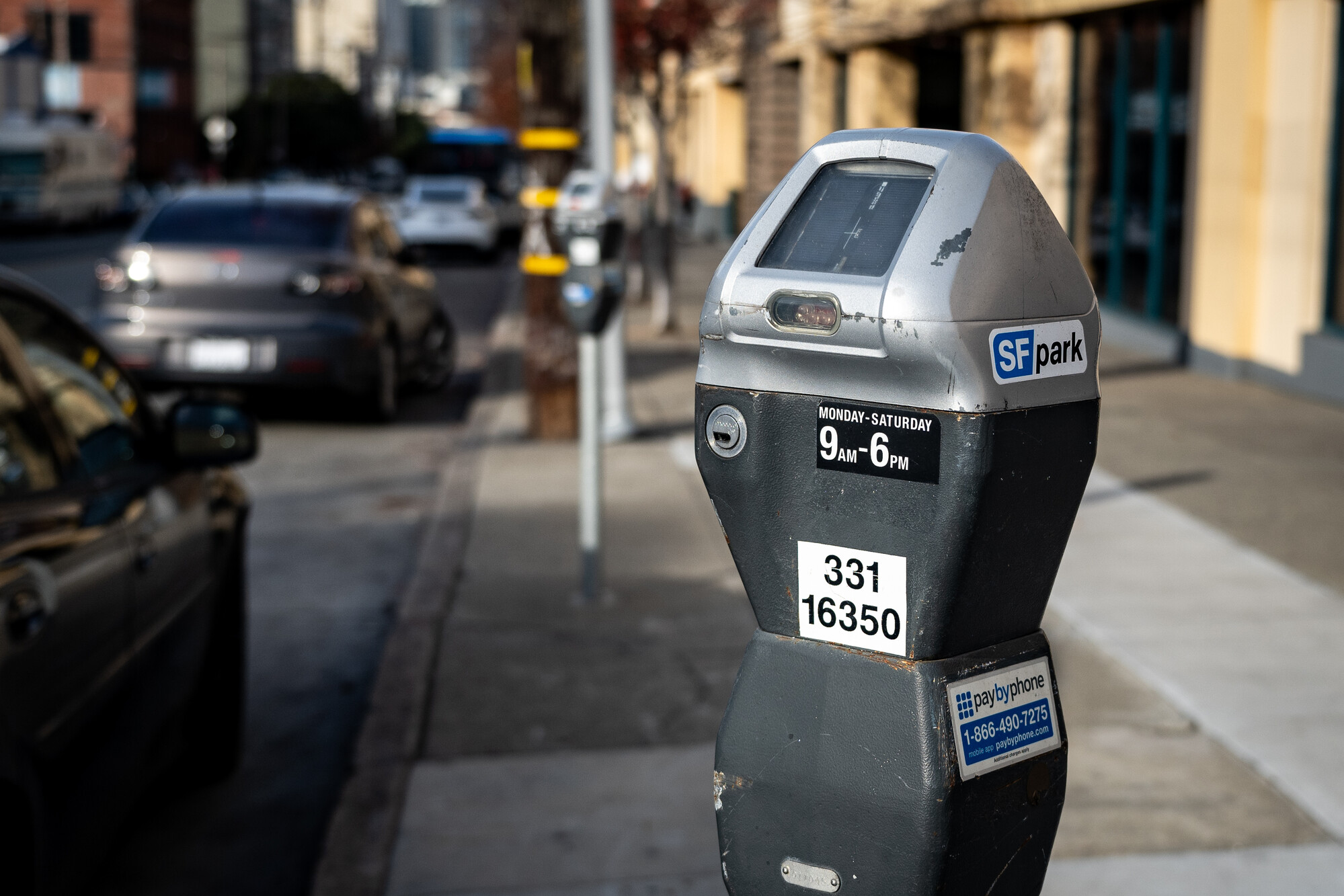
"caption": "Parking meters line Bryant Street in San Francisco on Nov. 21, 2023.",
"credit": "Beth LaBerge/KQED",
"altTag": null,
"description": null,
"imgSizes": {
"thumbnail": {
"file": "https://cdn.kqed.org/wp-content/uploads/sites/10/2026/06/231121-ParkingMeters-06-BL_qed-160x107.jpg",
"width": 160,
"height": 107,
"mimeType": "image/jpeg"
},
"1536x1536": {
"file": "https://cdn.kqed.org/wp-content/uploads/sites/10/2026/06/231121-ParkingMeters-06-BL_qed-1536x1024.jpg",
"width": 1536,
"height": 1024,
"mimeType": "image/jpeg"
},
"post-thumbnail": {
"file": "https://cdn.kqed.org/wp-content/uploads/sites/10/2026/06/231121-ParkingMeters-06-BL_qed-672x372.jpg",
"width": 672,
"height": 372,
"mimeType": "image/jpeg"
},
"twentyfourteen-full-width": {
"file": "https://cdn.kqed.org/wp-content/uploads/sites/10/2026/06/231121-ParkingMeters-06-BL_qed-1038x576.jpg",
"width": 1038,
"height": 576,
"mimeType": "image/jpeg"
},
"npr-cds-wide": {
"file": "https://cdn.kqed.org/wp-content/uploads/sites/10/2026/06/231121-ParkingMeters-06-BL_qed-1200x675.jpg",
"width": 1200,
"height": 675,
"mimeType": "image/jpeg"
},
"npr-cds-square": {
"file": "https://cdn.kqed.org/wp-content/uploads/sites/10/2026/06/231121-ParkingMeters-06-BL_qed-600x600.jpg",
"width": 600,
"height": 600,
"mimeType": "image/jpeg"
},
"kqedFullSize": {
"file": "https://cdn.kqed.org/wp-content/uploads/sites/10/2026/06/231121-ParkingMeters-06-BL_qed.jpg",
"width": 1999,
"height": 1333
}
},
"isLoading": false,
"fetchFailed": false
},
"news_12086598": {
"type": "attachments",
"id": "news_12086598",
"meta": {
"index": "attachments_1716263798",
"site": "news",
"id": "12086598",
"found": true
},
"title": "Folsom Lake SR for lede image",
"publishDate": 1780951331,
"status": "inherit",
"parent": 12086562,
"modified": 1780951354,
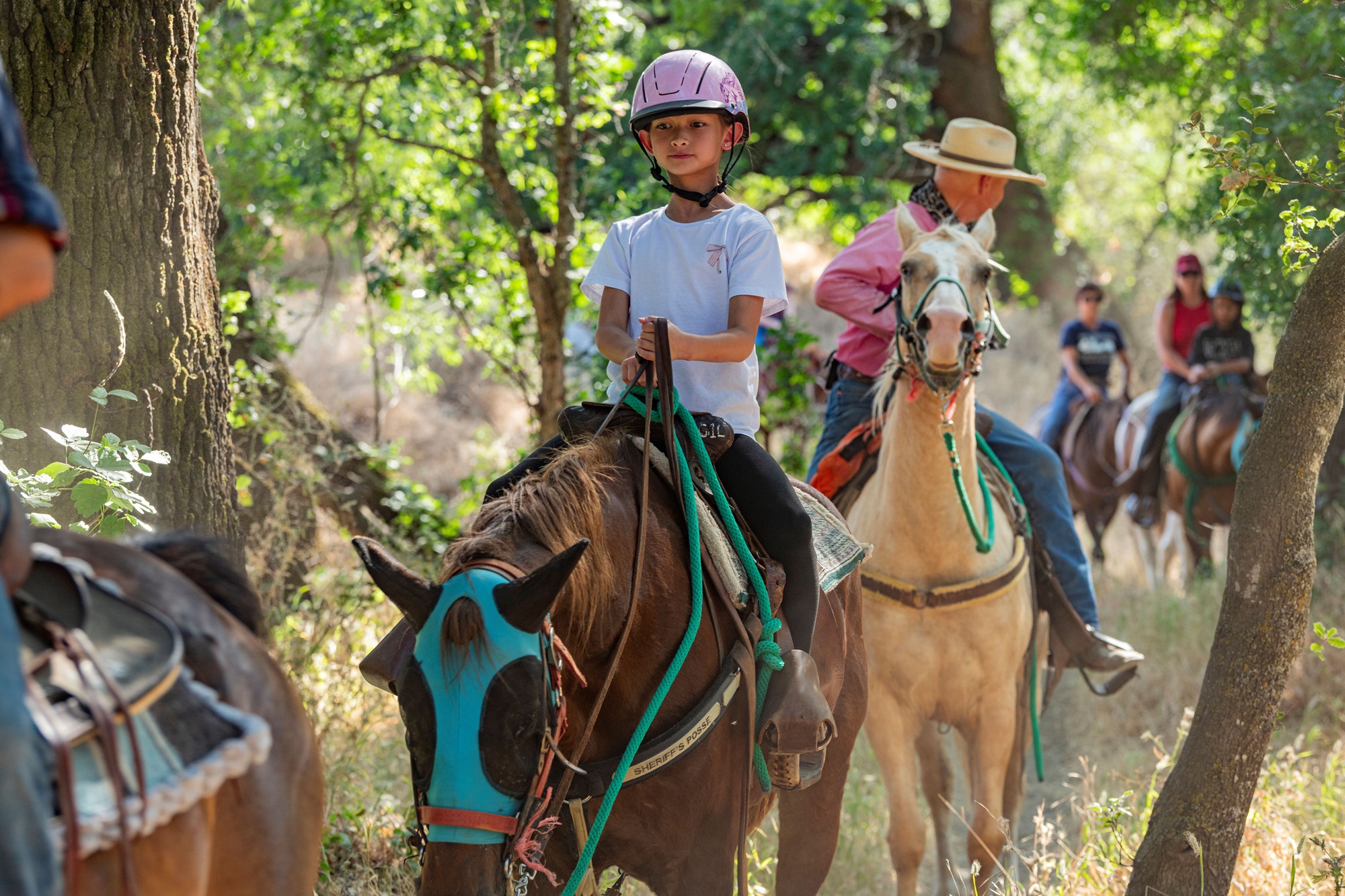
"caption": "Families participate in free horseback riding events at Folsom Lake State Recreation Area as part of California State Parks Week in 2025.",
"credit": "Courtesy of California State Parks Week",
"altTag": null,
"description": null,
"imgSizes": {
"thumbnail": {
"file": "https://cdn.kqed.org/wp-content/uploads/sites/10/2026/06/Folsom-Lake-SR-for-lede-image-160x107.jpg",
"width": 160,
"height": 107,
"mimeType": "image/jpeg"
},
"1536x1536": {
"file": "https://cdn.kqed.org/wp-content/uploads/sites/10/2026/06/Folsom-Lake-SR-for-lede-image-1536x1024.jpg",
"width": 1536,
"height": 1024,
"mimeType": "image/jpeg"
},
"post-thumbnail": {
"file": "https://cdn.kqed.org/wp-content/uploads/sites/10/2026/06/Folsom-Lake-SR-for-lede-image-672x372.jpg",
"width": 672,
"height": 372,
"mimeType": "image/jpeg"
},
"twentyfourteen-full-width": {
"file": "https://cdn.kqed.org/wp-content/uploads/sites/10/2026/06/Folsom-Lake-SR-for-lede-image-1038x576.jpg",
"width": 1038,
"height": 576,
"mimeType": "image/jpeg"
},
"npr-cds-wide": {
"file": "https://cdn.kqed.org/wp-content/uploads/sites/10/2026/06/Folsom-Lake-SR-for-lede-image-1200x675.jpg",
"width": 1200,
"height": 675,
"mimeType": "image/jpeg"
},
"npr-cds-square": {
"file": "https://cdn.kqed.org/wp-content/uploads/sites/10/2026/06/Folsom-Lake-SR-for-lede-image-600x600.jpg",
"width": 600,
"height": 600,
"mimeType": "image/jpeg"
},
"kqedFullSize": {
"file": "https://cdn.kqed.org/wp-content/uploads/sites/10/2026/06/Folsom-Lake-SR-for-lede-image.jpg",
"width": 2000,
"height": 1333
}
},
"isLoading": false,
"fetchFailed": false
},
"news_12086554": {
"type": "attachments",
"id": "news_12086554",
"meta": {
"index": "attachments_1716263798",
"site": "news",
"id": "12086554",
"found": true
},
"title": "Planned Parenthood Facade",
"publishDate": 1780942234,
"status": "inherit",
"parent": 12086530,
"modified": 1780942279,
"caption": "A Planned Parenthood Northern California health center in San Francisco, California, on Sept. 30, 2025. ",
"credit": "Smith Collection/Gado via Getty Images",
"altTag": null,
"description": null,
"imgSizes": {
"thumbnail": {
"file": "https://cdn.kqed.org/wp-content/uploads/sites/10/2026/06/PlannedParenthoodSF-160x107.jpg",
"width": 160,
"height": 107,
"mimeType": "image/jpeg"
},
"1536x1536": {
"file": "https://cdn.kqed.org/wp-content/uploads/sites/10/2026/06/PlannedParenthoodSF-1536x1024.jpg",
"width": 1536,
"height": 1024,
"mimeType": "image/jpeg"
},
"post-thumbnail": {
"file": "https://cdn.kqed.org/wp-content/uploads/sites/10/2026/06/PlannedParenthoodSF-672x372.jpg",
"width": 672,
"height": 372,
"mimeType": "image/jpeg"
},
"twentyfourteen-full-width": {
"file": "https://cdn.kqed.org/wp-content/uploads/sites/10/2026/06/PlannedParenthoodSF-1038x576.jpg",
"width": 1038,
"height": 576,
"mimeType": "image/jpeg"
},
"npr-cds-wide": {
"file": "https://cdn.kqed.org/wp-content/uploads/sites/10/2026/06/PlannedParenthoodSF-1200x675.jpg",
"width": 1200,
"height": 675,
"mimeType": "image/jpeg"
},
"npr-cds-square": {
"file": "https://cdn.kqed.org/wp-content/uploads/sites/10/2026/06/PlannedParenthoodSF-600x600.jpg",
"width": 600,
"height": 600,
"mimeType": "image/jpeg"
},
"kqedFullSize": {
"file": "https://cdn.kqed.org/wp-content/uploads/sites/10/2026/06/PlannedParenthoodSF.jpg",
"width": 2000,
"height": 1333
}
},
"isLoading": false,
"fetchFailed": false
},
"news_12086378": {
"type": "attachments",
"id": "news_12086378",
"meta": {
"index": "attachments_1716263798",
"site": "news",
"id": "12086378",
"found": true
},
"title": "MBC profile view with driver",
"publishDate": 1780679425,
"status": "inherit",
"parent": 12086370,
"modified": 1780679463,
"caption": "The Mobile Benefits Center from San Francisco’s Human Services Agency, which will be driven to different neighborhoods around the city.",
"credit": "Courtesy of SFHSA",
"altTag": null,
"description": null,
"imgSizes": {
"thumbnail": {
"file": "https://cdn.kqed.org/wp-content/uploads/sites/10/2026/06/MBC-profile-view-with-driver-160x120.jpg",
"width": 160,
"height": 120,
"mimeType": "image/jpeg"
},
"1536x1536": {
"file": "https://cdn.kqed.org/wp-content/uploads/sites/10/2026/06/MBC-profile-view-with-driver-1536x1152.jpg",
"width": 1536,
"height": 1152,
"mimeType": "image/jpeg"
},
"post-thumbnail": {
"file": "https://cdn.kqed.org/wp-content/uploads/sites/10/2026/06/MBC-profile-view-with-driver-672x372.jpg",
"width": 672,
"height": 372,
"mimeType": "image/jpeg"
},
"twentyfourteen-full-width": {
"file": "https://cdn.kqed.org/wp-content/uploads/sites/10/2026/06/MBC-profile-view-with-driver-1038x576.jpg",
"width": 1038,
"height": 576,
"mimeType": "image/jpeg"
},
"npr-cds-wide": {
"file": "https://cdn.kqed.org/wp-content/uploads/sites/10/2026/06/MBC-profile-view-with-driver-1200x675.jpg",
"width": 1200,
"height": 675,
"mimeType": "image/jpeg"
},
"npr-cds-square": {
"file": "https://cdn.kqed.org/wp-content/uploads/sites/10/2026/06/MBC-profile-view-with-driver-600x600.jpg",
"width": 600,
"height": 600,
"mimeType": "image/jpeg"
},
"kqedFullSize": {
"file": "https://cdn.kqed.org/wp-content/uploads/sites/10/2026/06/MBC-profile-view-with-driver.jpg",
"width": 2000,
"height": 1500
}
},
"isLoading": false,
"fetchFailed": false
},
"news_12085866": {
"type": "attachments",
"id": "news_12085866",
"meta": {
"index": "attachments_1716263798",
"site": "news",
"id": "12085866",
"found": true
},
"title": "FBL-WC-2026-STADIUM-SAN FRANCISCO BAY AREA",
"publishDate": 1780442512,
"status": "inherit",
"parent": 12084960,
"modified": 1780442548,
"caption": "San Francisco Bay Area Stadium (temporarily renamed from Levi's Stadium for the 2026 FIFA World Cup) in Santa Clara, California, on May 19, 2026. Levi's Stadium will host six matches during the 2026 FIFA World Cup, including five group stage matches throughout June 2026. ",
"credit": "Josh Edelson/AFP via Getty Images",
"altTag": null,
"description": null,
"imgSizes": {
"thumbnail": {
"file": "https://cdn.kqed.org/wp-content/uploads/sites/10/2026/06/FIFAWorldCupLevisStadiumGetty-160x99.jpg",
"width": 160,
"height": 99,
"mimeType": "image/jpeg"
},
"1536x1536": {
"file": "https://cdn.kqed.org/wp-content/uploads/sites/10/2026/06/FIFAWorldCupLevisStadiumGetty-1536x948.jpg",
"width": 1536,
"height": 948,
"mimeType": "image/jpeg"
},
"post-thumbnail": {
"file": "https://cdn.kqed.org/wp-content/uploads/sites/10/2026/06/FIFAWorldCupLevisStadiumGetty-672x372.jpg",
"width": 672,
"height": 372,
"mimeType": "image/jpeg"
},
"twentyfourteen-full-width": {
"file": "https://cdn.kqed.org/wp-content/uploads/sites/10/2026/06/FIFAWorldCupLevisStadiumGetty-1038x576.jpg",
"width": 1038,
"height": 576,
"mimeType": "image/jpeg"
},
"npr-cds-wide": {
"file": "https://cdn.kqed.org/wp-content/uploads/sites/10/2026/06/FIFAWorldCupLevisStadiumGetty-1200x675.jpg",
"width": 1200,
"height": 675,
"mimeType": "image/jpeg"
},
"npr-cds-square": {
"file": "https://cdn.kqed.org/wp-content/uploads/sites/10/2026/06/FIFAWorldCupLevisStadiumGetty-600x600.jpg",
"width": 600,
"height": 600,
"mimeType": "image/jpeg"
},
"kqedFullSize": {
"file": "https://cdn.kqed.org/wp-content/uploads/sites/10/2026/06/FIFAWorldCupLevisStadiumGetty.jpg",
"width": 2000,
"height": 1235
}
},
"isLoading": false,
"fetchFailed": false
},
"news_12086297": {
"type": "attachments",
"id": "news_12086297",
"meta": {
"index": "attachments_1716263798",
"site": "news",
"id": "12086297",
"found": true
},
"title": "260604-GGBTRIALCLOSING-01-BL-KQED",
"publishDate": 1780608288,
"status": "inherit",
"parent": 0,
"modified": 1780609475,
"caption": "Manan Kocher speaks during a rally across from the San Francisco Superior Courthouse on June 4, 2026, to support the \"Golden Gate 26\" ahead of closing arguments in their trial. The defendants are accused of blocking traffic on the Golden Gate Bridge during a 2024 protest against the war in Gaza.",
"credit": "Beth LaBerge/KQED",
"altTag": null,
"description": null,
"imgSizes": {
"thumbnail": {
"file": "https://cdn.kqed.org/wp-content/uploads/sites/10/2026/06/260604-GGBTRIALCLOSING-01-BL-KQED-160x107.jpg",
"width": 160,
"height": 107,
"mimeType": "image/jpeg"
},
"1536x1536": {
"file": "https://cdn.kqed.org/wp-content/uploads/sites/10/2026/06/260604-GGBTRIALCLOSING-01-BL-KQED-1536x1024.jpg",
"width": 1536,
"height": 1024,
"mimeType": "image/jpeg"
},
"post-thumbnail": {
"file": "https://cdn.kqed.org/wp-content/uploads/sites/10/2026/06/260604-GGBTRIALCLOSING-01-BL-KQED-672x372.jpg",
"width": 672,
"height": 372,
"mimeType": "image/jpeg"
},
"twentyfourteen-full-width": {
"file": "https://cdn.kqed.org/wp-content/uploads/sites/10/2026/06/260604-GGBTRIALCLOSING-01-BL-KQED-1038x576.jpg",
"width": 1038,
"height": 576,
"mimeType": "image/jpeg"
},
"npr-cds-wide": {
"file": "https://cdn.kqed.org/wp-content/uploads/sites/10/2026/06/260604-GGBTRIALCLOSING-01-BL-KQED-1200x675.jpg",
"width": 1200,
"height": 675,
"mimeType": "image/jpeg"
},
"npr-cds-square": {
"file": "https://cdn.kqed.org/wp-content/uploads/sites/10/2026/06/260604-GGBTRIALCLOSING-01-BL-KQED-600x600.jpg",
"width": 600,
"height": 600,
"mimeType": "image/jpeg"
},
"kqedFullSize": {
"file": "https://cdn.kqed.org/wp-content/uploads/sites/10/2026/06/260604-GGBTRIALCLOSING-01-BL-KQED.jpg",
"width": 2000,
"height": 1333
}
},
"isLoading": false,
"fetchFailed": false
}
},
"audioPlayerReducer": {
"postId": "stream_live",
"isPaused": true,
"isPlaying": false,
"pfsActive": false,
"pledgeModalIsOpen": true,
"playerDrawerIsOpen": false,
"liveAudioPlayStartedAt": 0,
"liveAudioPlayContext": ""
},
"authorsReducer": {
"ccabreralomeli": {
"type": "authors",
"id": "11708",
"meta": {
"index": "authors_1716337520",
"id": "11708",
"found": true
},
"name": "Carlos Cabrera-Lomelí",
"firstName": "Carlos",
"lastName": "Cabrera-Lomelí",
"slug": "ccabreralomeli",
"email": "ccabreralomeli@KQED.org",
"display_author_email": true,
"staff_mastheads": [
"news"
],
"title": "Community Reporter",
"bio": "Carlos Cabrera-Lomelí is a community reporter with KQED's digital engagement team. He also reports and co-produces for KQED's bilingual news hub KQED en Español. He grew up in San Francisco's Mission District and has previously worked with Univision, 48 Hills and REFORMA in Mexico City.",
"avatar": "https://secure.gravatar.com/avatar/c309be9665e484f887b818c89e273ecc673004f426f36b24d00a4d813a2e0518?s=600&d=blank&r=g",
"twitter": "@LomeliCabrera",
"bluesky": null,
"facebook": null,
"instagram": null,
"linkedin": null,
"sites": [
{
"site": "arts",
"roles": [
"editor"
]
},
{
"site": "news",
"roles": [
"editor"
]
},
{
"site": "about",
"roles": [
"editor"
]
},
{
"site": "science",
"roles": [
"editor"
]
},
{
"site": "perspectives",
"roles": [
"editor"
]
},
{
"site": "elections",
"roles": [
"editor"
]
},
{
"site": "liveblog",
"roles": [
"contributor"
]
}
],
"headData": {
"title": "Carlos Cabrera-Lomelí | KQED",
"description": "Community Reporter",
"ogImgSrc": "https://secure.gravatar.com/avatar/c309be9665e484f887b818c89e273ecc673004f426f36b24d00a4d813a2e0518?s=600&d=blank&r=g",
"twImgSrc": "https://secure.gravatar.com/avatar/c309be9665e484f887b818c89e273ecc673004f426f36b24d00a4d813a2e0518?s=600&d=blank&r=g"
},
"isLoading": false,
"link": "/author/ccabreralomeli"
},
"eromero": {
"type": "authors",
"id": "11746",
"meta": {
"index": "authors_1716337520",
"id": "11746",
"found": true
},
"name": "Ezra David Romero",
"firstName": "Ezra David",
"lastName": "Romero",
"slug": "eromero",
"email": "eromero@kqed.org",
"display_author_email": true,
"staff_mastheads": [
"news",
"science"
],
"title": "Climate Reporter",
"bio": "Ezra David Romero is a climate reporter for KQED News. He covers the absence and excess of water in the Bay Area — think sea level rise, flooding and drought. For nearly a decade he’s covered how warming temperatures are altering the lives of Californians. He’s reported on farmers worried their pistachio trees aren’t getting enough sleep, families desperate for water, scientists studying dying giant sequoias, and alongside firefighters containing wildfires. His work has appeared on local stations across California and nationally on public radio shows like Morning Edition, Here and Now, All Things Considered and Science Friday. ",
"avatar": "https://secure.gravatar.com/avatar/c76404d287c10ed40224227551ac36e24352c7306f106632caf6fead76f8801f?s=600&d=blank&r=g",
"twitter": "ezraromero",
"bluesky": null,
"facebook": null,
"instagram": null,
"linkedin": null,
"sites": [
{
"site": "arts",
"roles": [
"editor"
]
},
{
"site": "news",
"roles": [
"editor"
]
},
{
"site": "science",
"roles": [
"editor"
]
},
{
"site": "liveblog",
"roles": [
"author"
]
}
],
"headData": {
"title": "Ezra David Romero | KQED",
"description": "Climate Reporter",
"ogImgSrc": "https://secure.gravatar.com/avatar/c76404d287c10ed40224227551ac36e24352c7306f106632caf6fead76f8801f?s=600&d=blank&r=g",
"twImgSrc": "https://secure.gravatar.com/avatar/c76404d287c10ed40224227551ac36e24352c7306f106632caf6fead76f8801f?s=600&d=blank&r=g"
},
"isLoading": false,
"link": "/author/eromero"
},
"jlara": {
"type": "authors",
"id": "11761",
"meta": {
"index": "authors_1716337520",
"id": "11761",
"found": true
},
"name": "Juan Carlos Lara",
"firstName": "Juan Carlos",
"lastName": "Lara",
"slug": "jlara",
"email": "jlara@kqed.org",
"display_author_email": false,
"staff_mastheads": [],
"title": "KQED Contributor",
"bio": null,
"avatar": "https://secure.gravatar.com/avatar/19e2052b9b05657c5ff2af2121846e9c?s=600&d=blank&r=g",
"twitter": null,
"facebook": null,
"instagram": null,
"linkedin": null,
"sites": [
{
"site": "arts",
"roles": [
"editor"
]
},
{
"site": "news",
"roles": [
"editor"
]
},
{
"site": "forum",
"roles": [
"editor"
]
},
{
"site": "liveblog",
"roles": [
"contributor"
]
}
],
"headData": {
"title": "Juan Carlos Lara | KQED",
"description": "KQED Contributor",
"ogImgSrc": "https://secure.gravatar.com/avatar/19e2052b9b05657c5ff2af2121846e9c?s=600&d=blank&r=g",
"twImgSrc": "https://secure.gravatar.com/avatar/19e2052b9b05657c5ff2af2121846e9c?s=600&d=blank&r=g"
},
"isLoading": false,
"link": "/author/jlara"
},
"adahlstromeckman": {
"type": "authors",
"id": "11785",
"meta": {
"index": "authors_1716337520",
"id": "11785",
"found": true
},
"name": "Azul Dahlstrom-Eckman",
"firstName": "Azul",
"lastName": "Dahlstrom-Eckman",
"slug": "adahlstromeckman",
"email": "adahlstrom-eckman@kqed.org",
"display_author_email": true,
"staff_mastheads": [],
"title": "Reporter",
"bio": "Azul is a reporter for KQED focusing on transportation and features. He joined KQED in 2021 as an alumna of KALW's Audio Academy radio journalism training program.",
"avatar": "https://secure.gravatar.com/avatar/9cb750298435add7815a777f55bf1f46845c1386bb8452555c60a7b820b5aba3?s=600&d=blank&r=g",
"twitter": "@zuliemann",
"bluesky": "@azul415.bsky.social",
"facebook": null,
"instagram": null,
"linkedin": null,
"sites": [
{
"site": "arts",
"roles": [
"editor"
]
},
{
"site": "news",
"roles": [
"editor"
]
},
{
"site": "science",
"roles": [
"editor"
]
},
{
"site": "liveblog",
"roles": [
"author"
]
}
],
"headData": {
"title": "Azul Dahlstrom-Eckman | KQED",
"description": "Reporter",
"ogImgSrc": "https://secure.gravatar.com/avatar/9cb750298435add7815a777f55bf1f46845c1386bb8452555c60a7b820b5aba3?s=600&d=blank&r=g",
"twImgSrc": "https://secure.gravatar.com/avatar/9cb750298435add7815a777f55bf1f46845c1386bb8452555c60a7b820b5aba3?s=600&d=blank&r=g"
},
"isLoading": false,
"link": "/author/adahlstromeckman"
},
"nkhan": {
"type": "authors",
"id": "11867",
"meta": {
"index": "authors_1716337520",
"id": "11867",
"found": true
},
"name": "Nisa Khan",
"firstName": "Nisa",
"lastName": "Khan",
"slug": "nkhan",
"email": "nkhan@kqed.org",
"display_author_email": false,
"staff_mastheads": [],
"title": "KQED Contributor",
"bio": "Nisa Khan is a reporter for KQED's Audience News Desk. She was formerly a data reporter at Michigan Radio. She earned a Bachelor of Science in Information from the University of Michigan and a Master of Arts in Communication from Stanford University.",
"avatar": "https://secure.gravatar.com/avatar/8720459eef081ff64582b3506b124d58523e80e120704a0cbd9892533c914991?s=600&d=blank&r=g",
"twitter": "mnisakhan",
"bluesky": null,
"facebook": null,
"instagram": null,
"linkedin": null,
"sites": [
{
"site": "arts",
"roles": [
"editor"
]
},
{
"site": "news",
"roles": [
"editor"
]
},
{
"site": "science",
"roles": [
"editor",
"author"
]
},
{
"site": "forum",
"roles": [
"editor"
]
},
{
"site": "liveblog",
"roles": [
"contributor"
]
}
],
"headData": {
"title": "Nisa Khan | KQED",
"description": "KQED Contributor",
"ogImgSrc": "https://secure.gravatar.com/avatar/8720459eef081ff64582b3506b124d58523e80e120704a0cbd9892533c914991?s=600&d=blank&r=g",
"twImgSrc": "https://secure.gravatar.com/avatar/8720459eef081ff64582b3506b124d58523e80e120704a0cbd9892533c914991?s=600&d=blank&r=g"
},
"isLoading": false,
"link": "/author/nkhan"
},
"kdebenedetti": {
"type": "authors",
"id": "11913",
"meta": {
"index": "authors_1716337520",
"id": "11913",
"found": true
},
"name": "Katie DeBenedetti",
"firstName": "Katie",
"lastName": "DeBenedetti",
"slug": "kdebenedetti",
"email": "kdebenedetti@kqed.org",
"display_author_email": false,
"staff_mastheads": [
"news",
"science"
],
"title": "KQED Contributor",
"bio": "Katie DeBenedetti is a digital reporter covering daily news for the Express Desk. Prior to joining KQED as a culture reporting intern in January 2024, she covered education and city government for the Napa Valley Register.",
"avatar": "https://secure.gravatar.com/avatar/6e31073cb8f7e4214ab03f42771d0f45?s=600&d=blank&r=g",
"twitter": null,
"facebook": null,
"instagram": null,
"linkedin": null,
"sites": [
{
"site": "news",
"roles": [
"author"
]
},
{
"site": "science",
"roles": [
"author"
]
},
{
"site": "liveblog",
"roles": [
"author"
]
}
],
"headData": {
"title": "Katie DeBenedetti | KQED",
"description": "KQED Contributor",
"ogImgSrc": "https://secure.gravatar.com/avatar/6e31073cb8f7e4214ab03f42771d0f45?s=600&d=blank&r=g",
"twImgSrc": "https://secure.gravatar.com/avatar/6e31073cb8f7e4214ab03f42771d0f45?s=600&d=blank&r=g"
},
"isLoading": false,
"link": "/author/kdebenedetti"
},
"sarahwright": {
"type": "authors",
"id": "11956",
"meta": {
"index": "authors_1716337520",
"id": "11956",
"found": true
},
"name": "Sarah Wright",
"firstName": "Sarah",
"lastName": "Wright",
"slug": "sarahwright",
"email": "swright@kqed.org",
"display_author_email": true,
"staff_mastheads": [],
"title": "Outdoors Engagement Reporter",
"bio": "Sarah Wright is KQED's Outdoors Engagement Reporter. Originally from Lake Tahoe, she completed a thru-hike of the Pacific Crest Trail in 2019 and was a U.S. Fulbright Program grantee to Argentina in 2023. Her journalism has appeared in The Guardian, The San Francisco Standard, The Palo Alto Weekly and the Half Moon Bay Review.",
"avatar": "https://secure.gravatar.com/avatar/c161a3d6441865cba25e6db4fa561099ad665799e9432e34da2b84d7e371524c?s=600&d=blank&r=g",
"twitter": null,
"bluesky": null,
"facebook": null,
"instagram": null,
"linkedin": null,
"sites": [
{
"site": "arts",
"roles": [
"editor"
]
},
{
"site": "news",
"roles": [
"editor"
]
},
{
"site": "science",
"roles": [
"contributor",
"author"
]
},
{
"site": "forum",
"roles": [
"editor"
]
}
],
"headData": {
"title": "Sarah Wright | KQED",
"description": "Outdoors Engagement Reporter",
"ogImgSrc": "https://secure.gravatar.com/avatar/c161a3d6441865cba25e6db4fa561099ad665799e9432e34da2b84d7e371524c?s=600&d=blank&r=g",
"twImgSrc": "https://secure.gravatar.com/avatar/c161a3d6441865cba25e6db4fa561099ad665799e9432e34da2b84d7e371524c?s=600&d=blank&r=g"
},
"isLoading": false,
"link": "/author/sarahwright"
},
"aaliahmad": {
"type": "authors",
"id": "11986",
"meta": {
"index": "authors_1716337520",
"id": "11986",
"found": true
},
"name": "Ayah Ali-Ahmad",
"firstName": "Ayah",
"lastName": "Ali-Ahmad",
"slug": "aaliahmad",
"email": "aaliahmad@KQED.org",
"display_author_email": false,
"staff_mastheads": [],
"title": "KQED Contributor",
"bio": null,
"avatar": "https://secure.gravatar.com/avatar/1cf54f187a5e1064b2cfef3f3d2f1e4f93e453395d56912aca6382a6071ec3ed?s=600&d=blank&r=g",
"twitter": "ayahaliahmad",
"bluesky": null,
"facebook": null,
"instagram": null,
"linkedin": null,
"sites": [
{
"site": "news",
"roles": [
"subscriber"
]
}
],
"headData": {
"title": "Ayah Ali-Ahmad | KQED",
"description": "KQED Contributor",
"ogImgSrc": "https://secure.gravatar.com/avatar/1cf54f187a5e1064b2cfef3f3d2f1e4f93e453395d56912aca6382a6071ec3ed?s=600&d=blank&r=g",
"twImgSrc": "https://secure.gravatar.com/avatar/1cf54f187a5e1064b2cfef3f3d2f1e4f93e453395d56912aca6382a6071ec3ed?s=600&d=blank&r=g"
},
"isLoading": false,
"link": "/author/aaliahmad"
}
},
"pagesReducer": {
"news_tag_bay-area": {
"type": "terms",
"id": "news_1386",
"meta": {
"index": "terms_1716263798",
"site": "news",
"id": "1386",
"score": 7.788453
},
"featImg": null,
"name": "Bay Area",
"description": null,
"taxonomy": "tag",
"headData": {
"twImgId": null,
"twTitle": null,
"ogTitle": null,
"ogImgId": null,
"twDescription": null,
"description": null,
"title": "Bay Area Archives | KQED News",
"ogDescription": null
},
"ttid": 1398,
"slug": "bay-area",
"isLoading": false,
"title": "Bay Area",
"pageMeta": {
"site": "news",
"WpPageTemplate": "page-topic-editorial",
"currentPage": 19
},
"blocks": [
{
"blockName": "kqed/post-list",
"attrs": {
"layout": "cardArticle2",
"query": "posts/news?tag=bay-area",
"seeMore": false,
"paginated": true,
"page": 19
}
},
{
"blockName": "kqed/ad"
}
]
}
},
"pfsSessionReducer": {},
"postsReducer": {
"stream_live": {
"type": "live",
"id": "stream_live",
"audioUrl": "https://streams.kqed.org/kqedradio",
"title": "Live Stream",
"excerpt": "Live Stream information currently unavailable.",
"link": "/radio",
"featImg": "",
"label": {
"name": "KQED Live",
"link": "/"
}
},
"stream_kqedNewscast": {
"type": "posts",
"id": "stream_kqedNewscast",
"audioUrl": "https://www.kqed.org/.stream/anon/radio/RDnews/newscast.mp3?_=1",
"title": "KQED Newscast",
"featImg": "",
"label": {
"name": "88.5 FM",
"link": "/"
}
},
"news_12086730": {
"type": "posts",
"id": "news_12086730",
"meta": {
"index": "posts_1716263798",
"site": "news",
"id": "12086730",
"score": null,
"sort": [
1781133354000
]
},
"guestAuthors": [],
"slug": "a-california-program-providing-fruits-and-veggies-to-low-income-families-is-running-out",
"title": "A California Program Providing Fruits and Veggies to Low-Income Families Is Running Out",
"publishDate": 1781133354,
"format": "standard",
"headTitle": "A California Program Providing Fruits and Veggies to Low-Income Families Is Running Out | KQED",
"labelTerm": {
"site": "news"
},
"content": "\u003cp>A program dedicated to providing low-income California residents with \u003ca href=\"https://www.kqed.org/news/12066120/calfresh-snap-benefits-free-food-stamps-fruit-vegetables-ebt-program\">extra money for fruits and vegetables\u003c/a> is likely to go under this summer if additional funds are not allocated in this year’s state budget, according to \u003ca href=\"https://act.nourishca.org/action/2026-fruit-veggie-petition\">concerned food justice advocates\u003c/a>.\u003c/p>\n\u003cp>The \u003ca href=\"https://www.kqed.org/news/12066120/calfresh-snap-benefits-free-food-stamps-fruit-vegetables-ebt-program\">CalFresh Fruit and Vegetable EBT Program\u003c/a> provides CalFresh recipients with up to $60 a month of free produce each month, in addition to their benefits. In May alone, the program disbursed over $5 million and “served 95,520 California households,” said Grecia Marquez-Nieblas, senior manager at food policy nonprofit Fullwell, which has \u003ca href=\"https://www.fullwell.us/fruit-vegetable-supplemental-benefits\">backed\u003c/a> the program.\u003c/p>\n\u003cp>“Overwhelmingly, folks have been telling us that they want it to continue, that it’s made a really positive impact on them,” Marquez-Nieblas said. “Their diabetes is better managed; their high blood pressure is better managed.”\u003c/p>\n\u003cp>[ad fullwidth]\u003c/p>\n\u003cp>Those people are now at risk of losing access to that support as funds whittle down. The state budget is set to be finalized on June 15, and “as far as we know, there is no continued funding that has been proposed,” Marquez-Nieblas said.\u003c/p>\n\u003cp>“When this program ends, we’ll have less money to spend, [at] a time when groceries are incredibly more expensive. Gas is more expensive. Everything is more expensive,” she said. “It’s just, unfortunately, a compounding effect. There’s lots of stuff that’s impacting the same people.”\u003c/p>\n\u003cp>The program is simple to use: When customers purchase food at \u003ca href=\"https://www.cdss.ca.gov/inforesources/ebt/california-fruit-vegetable-ebt-pilot-project\">participating markets\u003c/a>, like Arteaga’s Food Center in San José, they just swipe their EBT (electronic benefit transfer) card.\u003c/p>\n\u003cfigure id=\"attachment_12066124\" class=\"wp-caption aligncenter\" style=\"max-width: 2000px\">\u003cimg loading=\"lazy\" decoding=\"async\" class=\"size-full wp-image-12066124\" src=\"https://cdn.kqed.org/wp-content/uploads/sites/10/2025/12/CalFreshGetty.jpg\" alt=\"\" width=\"2000\" height=\"1333\" srcset=\"https://cdn.kqed.org/wp-content/uploads/sites/10/2025/12/CalFreshGetty.jpg 2000w, https://cdn.kqed.org/wp-content/uploads/sites/10/2025/12/CalFreshGetty-160x107.jpg 160w, https://cdn.kqed.org/wp-content/uploads/sites/10/2025/12/CalFreshGetty-1536x1024.jpg 1536w\" sizes=\"auto, (max-width: 2000px) 100vw, 2000px\">\u003cfigcaption class=\"wp-caption-text\">A cropped photo of a female hand carrying a shopping basket while choosing vegetables at a supermarket. Grocery shopping concept. \u003ccite>(Oscar Wong/Getty Images)\u003c/cite>\u003c/figcaption>\u003c/figure>\n\u003cp>For every purchase of fresh fruits and vegetables with that card, customers receive an instant rebate each month, applied to their card. The rebate money can be spent on any food or goods covered by CalFresh, like meat, eggs and dairy — it is not limited to fruits and vegetables.\u003c/p>\n\u003cp>Marquez-Nieblas explained that the pilot program has been implemented in three phases — the latest of which received a limited, one-time allocation of $36 million from the state budget. That seems like a large number, “until we realize that there are hundreds of thousands of individuals across the state using the program.”\u003c/p>\n\u003cp>“It’s been proven many times that CalFresh — and programs like this that support people having more money for food — are incredibly impactful for lifting children out of poverty, for supporting seniors with limited incomes, for anybody,” Marquez-Nieblas said. “Foundationally, these programs are good. They’re good for public health.”\u003c/p>\n\u003cp>Food policy advocates said they are hoping for $100 million for the program to continue to operate year-round. Instead, it was reappropriated around $4.8 million — the remaining funds from last year’s budget cycle, in Gov. Gavin Newsom’s “May Revise” proposal, according to H.D. Palmer, spokesperson for the California Department of Finance.[aside postID=news_12086417 hero='https://cdn.kqed.org/wp-content/uploads/sites/10/2026/06/SummerMealsGetty.jpg']“The program will operate until funds are fully utilized,” Palmer said in an email to KQED.\u003c/p>\n\u003cp>The program’s end would come at a particularly stressful time for CalFresh recipients. This month, for the first time since the COVID-19 pandemic began, California has begun enforcing \u003ca href=\"https://www.kqed.org/news/12083922/calfresh-snap-new-work-requirements-rules-2026-hr1-eligibility-who-is-exempt-food-stamps\">new and expanded federal guidelines \u003c/a>that require some CalFresh recipients to work 20 hours a week, or an average of 80 hours a month — with a stark reduction in food benefits for those who don’t.\u003c/p>\n\u003cp>The changes were \u003ca href=\"https://www.kqed.org/news/12086417/as-calfresh-guidelines-expand-where-can-students-who-rely-on-school-meals-go\">prompted by the passing of President Donald Trump’s H.R.1\u003c/a> last year.\u003c/p>\n\u003cp>“Not only does it add in the onerous work requirement — a lot of people who are already receiving CalFresh are working — but now they have this bureaucratic paperwork to provide,” said Kathy Saile, California director of national nonprofit No Kid Hungry. “There’s some real concern that people could lose benefits just because they couldn’t figure out the paperwork.”\u003c/p>\n\u003cp>H.R. 1’s impact, which also cuts food benefits for \u003ca href=\"https://www.kqed.org/news/12078168/april-1-snap-food-stamps-cal-fresh-eligibility-change-2026-immigrants-refugees-asylum-seekers-recertify-where-to-find-food-bank\">some refugees and asylum seekers\u003c/a>, is apparent, according to federal data analyzed by the nonpartisan research group Center on Budget and Policy Priorities.\u003c/p>\n\u003cp>The center estimated that nationwide, \u003ca href=\"https://www.cbpp.org/research/food-assistance/snap-tracker-people-are-losing-food-assistance-as-the-republican-megabill\">SNAP participation fell by almost 9%\u003c/a> — more than 3.5 million people — between H.R.1’s start in July 2025 and February 2026.\u003c/p>\n\u003cp>Palmer said the state was taking proactive steps to maintain residents’ enrollment in the program.\u003c/p>\n\u003cp>“This includes leveraging existing data to determine possible exemptions from the new SNAP work requirements, implementing automation, and conducting client outreach,” he said.\u003c/p>\n\u003cfigure id=\"attachment_11731844\" class=\"wp-caption aligncenter\" style=\"max-width: 1920px\">\u003cimg loading=\"lazy\" decoding=\"async\" class=\"wp-image-11731844 size-full\" src=\"https://cdn.kqed.org/wp-content/uploads/sites/10/2019/03/RS35734_IMG_0580-qut.jpg\" alt=\"Veronica Aguilar, 36, and son Vladimir, 15, shop for groceries in Pinole. Vladimir spent two months at a shelter for unaccompanied youth in Florida before being released to his mother, who is also seeking asylum.\" width=\"1920\" height=\"1440\" srcset=\"https://cdn.kqed.org/wp-content/uploads/sites/10/2019/03/RS35734_IMG_0580-qut.jpg 1920w, https://cdn.kqed.org/wp-content/uploads/sites/10/2019/03/RS35734_IMG_0580-qut-160x120.jpg 160w, https://cdn.kqed.org/wp-content/uploads/sites/10/2019/03/RS35734_IMG_0580-qut-800x600.jpg 800w, https://cdn.kqed.org/wp-content/uploads/sites/10/2019/03/RS35734_IMG_0580-qut-1020x765.jpg 1020w, https://cdn.kqed.org/wp-content/uploads/sites/10/2019/03/RS35734_IMG_0580-qut-1200x900.jpg 1200w\" sizes=\"auto, (max-width: 1920px) 100vw, 1920px\">\u003cfigcaption class=\"wp-caption-text\">A family shops for groceries in Pinole, California. \u003ccite>(Farida Jhabvala Romero/KQED)\u003c/cite>\u003c/figcaption>\u003c/figure>\n\u003cp>He added that the latest budget revision has “a total of $38 million for the CalFood program — which funds food banks for the purchase, storage, and transportation of food grown and/or produced in California.”\u003c/p>\n\u003cp>In a time of rising bureaucratic barriers implemented by H.R. 1, Marquez-Nieblas said the CalFresh Fruit and Vegetable EBT Program is part of the state’s food safety net.\u003c/p>\n\u003cp>“This is not just about backfill,” she said. “It’s not just about responding to the impacts (of H.R. 1), which are incredibly awful. It’s also about setting ourselves up for success in the future, knowing we have to invest proactively.”\u003c/p>\n\u003cp>Marquez-Nieblas said CalFresh recipients should keep their eyes on the California Department of Social Services\u003ca href=\"https://www.cdss.ca.gov/\"> website\u003c/a> for any possible updates and changes in the future.\u003c/p>\n\u003cp>\u003c/p>\n",
"blocks": [],
"excerpt": "Food justice advocates said that in May alone, the program served 95,520 California households.",
"status": "publish",
"parent": 0,
"modified": 1781136504,
"stats": {
"hasAudio": false,
"hasVideo": false,
"hasChartOrMap": false,
"iframeSrcs": [],
"hasGoogleForm": false,
"hasGallery": false,
"hasHearkenModule": false,
"hasPolis": false,
"paragraphCount": 23,
"wordCount": 985
},
"headData": {
"title": "A California Program Providing Fruits and Veggies to Low-Income Families Is Running Out | KQED",
"description": "Food justice advocates said that in May alone, the program served 95,520 California households.",
"ogTitle": "",
"ogDescription": "",
"ogImgId": "",
"twTitle": "",
"twDescription": "",
"twImgId": "",
"schema": {
"@context": "https://schema.org",
"@type": "NewsArticle",
"headline": "A California Program Providing Fruits and Veggies to Low-Income Families Is Running Out",
"datePublished": "2026-06-10T16:15:54-07:00",
"dateModified": "2026-06-10T17:08:24-07:00",
"image": "https://cdn.kqed.org/wp-content/uploads/2020/02/KQED-OG-Image@1x.png",
"isAccessibleForFree": "True",
"publisher": {
"@type": "NewsMediaOrganization",
"@id": "https://www.kqed.org/#organization",
"name": "KQED",
"logo": "https://cdn.kqed.org/wp-content/uploads/2020/02/KQED-OG-Image@1x.png",
"url": "https://www.kqed.org",
"sameAs": [
"https://www.facebook.com/KQED",
"https://twitter.com/KQED",
"https://www.instagram.com/kqed/",
"https://www.tiktok.com/@kqedofficial",
"https://www.linkedin.com/company/kqed",
"https://www.youtube.com/channel/UCeC0IOo7i1P_61zVUWbJ4nw"
]
}
}
},
"primaryCategory": {
"termId": 28250,
"slug": "local",
"name": "Local"
},
"sticky": false,
"nprStoryId": "kqed-12086730",
"templateType": "standard",
"featuredImageType": "standard",
"excludeFromSiteSearch": "Include",
"articleAge": "0",
"path": "/news/12086730/a-california-program-providing-fruits-and-veggies-to-low-income-families-is-running-out",
"audioTrackLength": null,
"parsedContent": [
{
"type": "contentString",
"content": "\u003cdiv class=\"post-body\">\u003cp>\u003cp>A program dedicated to providing low-income California residents with \u003ca href=\"https://www.kqed.org/news/12066120/calfresh-snap-benefits-free-food-stamps-fruit-vegetables-ebt-program\">extra money for fruits and vegetables\u003c/a> is likely to go under this summer if additional funds are not allocated in this year’s state budget, according to \u003ca href=\"https://act.nourishca.org/action/2026-fruit-veggie-petition\">concerned food justice advocates\u003c/a>.\u003c/p>\n\u003cp>The \u003ca href=\"https://www.kqed.org/news/12066120/calfresh-snap-benefits-free-food-stamps-fruit-vegetables-ebt-program\">CalFresh Fruit and Vegetable EBT Program\u003c/a> provides CalFresh recipients with up to $60 a month of free produce each month, in addition to their benefits. In May alone, the program disbursed over $5 million and “served 95,520 California households,” said Grecia Marquez-Nieblas, senior manager at food policy nonprofit Fullwell, which has \u003ca href=\"https://www.fullwell.us/fruit-vegetable-supplemental-benefits\">backed\u003c/a> the program.\u003c/p>\n\u003cp>“Overwhelmingly, folks have been telling us that they want it to continue, that it’s made a really positive impact on them,” Marquez-Nieblas said. “Their diabetes is better managed; their high blood pressure is better managed.”\u003c/p>\n\u003cp>\u003c/p>\u003c/div>",
"attributes": {
"named": {},
"numeric": []
}
},
{
"type": "component",
"content": "",
"name": "ad",
"attributes": {
"named": {
"label": "fullwidth"
},
"numeric": [
"fullwidth"
]
}
},
{
"type": "contentString",
"content": "\u003cdiv class=\"post-body\">\u003cp>\u003c/p>\n\u003cp>Those people are now at risk of losing access to that support as funds whittle down. The state budget is set to be finalized on June 15, and “as far as we know, there is no continued funding that has been proposed,” Marquez-Nieblas said.\u003c/p>\n\u003cp>“When this program ends, we’ll have less money to spend, [at] a time when groceries are incredibly more expensive. Gas is more expensive. Everything is more expensive,” she said. “It’s just, unfortunately, a compounding effect. There’s lots of stuff that’s impacting the same people.”\u003c/p>\n\u003cp>The program is simple to use: When customers purchase food at \u003ca href=\"https://www.cdss.ca.gov/inforesources/ebt/california-fruit-vegetable-ebt-pilot-project\">participating markets\u003c/a>, like Arteaga’s Food Center in San José, they just swipe their EBT (electronic benefit transfer) card.\u003c/p>\n\u003cfigure id=\"attachment_12066124\" class=\"wp-caption aligncenter\" style=\"max-width: 2000px\">\u003cimg loading=\"lazy\" decoding=\"async\" class=\"size-full wp-image-12066124\" src=\"https://cdn.kqed.org/wp-content/uploads/sites/10/2025/12/CalFreshGetty.jpg\" alt=\"\" width=\"2000\" height=\"1333\" srcset=\"https://cdn.kqed.org/wp-content/uploads/sites/10/2025/12/CalFreshGetty.jpg 2000w, https://cdn.kqed.org/wp-content/uploads/sites/10/2025/12/CalFreshGetty-160x107.jpg 160w, https://cdn.kqed.org/wp-content/uploads/sites/10/2025/12/CalFreshGetty-1536x1024.jpg 1536w\" sizes=\"auto, (max-width: 2000px) 100vw, 2000px\">\u003cfigcaption class=\"wp-caption-text\">A cropped photo of a female hand carrying a shopping basket while choosing vegetables at a supermarket. Grocery shopping concept. \u003ccite>(Oscar Wong/Getty Images)\u003c/cite>\u003c/figcaption>\u003c/figure>\n\u003cp>For every purchase of fresh fruits and vegetables with that card, customers receive an instant rebate each month, applied to their card. The rebate money can be spent on any food or goods covered by CalFresh, like meat, eggs and dairy — it is not limited to fruits and vegetables.\u003c/p>\n\u003cp>Marquez-Nieblas explained that the pilot program has been implemented in three phases — the latest of which received a limited, one-time allocation of $36 million from the state budget. That seems like a large number, “until we realize that there are hundreds of thousands of individuals across the state using the program.”\u003c/p>\n\u003cp>“It’s been proven many times that CalFresh — and programs like this that support people having more money for food — are incredibly impactful for lifting children out of poverty, for supporting seniors with limited incomes, for anybody,” Marquez-Nieblas said. “Foundationally, these programs are good. They’re good for public health.”\u003c/p>\n\u003cp>Food policy advocates said they are hoping for $100 million for the program to continue to operate year-round. Instead, it was reappropriated around $4.8 million — the remaining funds from last year’s budget cycle, in Gov. Gavin Newsom’s “May Revise” proposal, according to H.D. Palmer, spokesperson for the California Department of Finance.\u003c/p>\u003c/div>",
"attributes": {
"named": {},
"numeric": []
}
},
{
"type": "component",
"content": "",
"name": "aside",
"attributes": {
"named": {
"postid": "news_12086417",
"hero": "https://cdn.kqed.org/wp-content/uploads/sites/10/2026/06/SummerMealsGetty.jpg",
"label": ""
},
"numeric": []
}
},
{
"type": "contentString",
"content": "\u003cdiv class=\"post-body\">\u003cp>“The program will operate until funds are fully utilized,” Palmer said in an email to KQED.\u003c/p>\n\u003cp>The program’s end would come at a particularly stressful time for CalFresh recipients. This month, for the first time since the COVID-19 pandemic began, California has begun enforcing \u003ca href=\"https://www.kqed.org/news/12083922/calfresh-snap-new-work-requirements-rules-2026-hr1-eligibility-who-is-exempt-food-stamps\">new and expanded federal guidelines \u003c/a>that require some CalFresh recipients to work 20 hours a week, or an average of 80 hours a month — with a stark reduction in food benefits for those who don’t.\u003c/p>\n\u003cp>The changes were \u003ca href=\"https://www.kqed.org/news/12086417/as-calfresh-guidelines-expand-where-can-students-who-rely-on-school-meals-go\">prompted by the passing of President Donald Trump’s H.R.1\u003c/a> last year.\u003c/p>\n\u003cp>“Not only does it add in the onerous work requirement — a lot of people who are already receiving CalFresh are working — but now they have this bureaucratic paperwork to provide,” said Kathy Saile, California director of national nonprofit No Kid Hungry. “There’s some real concern that people could lose benefits just because they couldn’t figure out the paperwork.”\u003c/p>\n\u003cp>H.R. 1’s impact, which also cuts food benefits for \u003ca href=\"https://www.kqed.org/news/12078168/april-1-snap-food-stamps-cal-fresh-eligibility-change-2026-immigrants-refugees-asylum-seekers-recertify-where-to-find-food-bank\">some refugees and asylum seekers\u003c/a>, is apparent, according to federal data analyzed by the nonpartisan research group Center on Budget and Policy Priorities.\u003c/p>\n\u003cp>The center estimated that nationwide, \u003ca href=\"https://www.cbpp.org/research/food-assistance/snap-tracker-people-are-losing-food-assistance-as-the-republican-megabill\">SNAP participation fell by almost 9%\u003c/a> — more than 3.5 million people — between H.R.1’s start in July 2025 and February 2026.\u003c/p>\n\u003cp>Palmer said the state was taking proactive steps to maintain residents’ enrollment in the program.\u003c/p>\n\u003cp>“This includes leveraging existing data to determine possible exemptions from the new SNAP work requirements, implementing automation, and conducting client outreach,” he said.\u003c/p>\n\u003cfigure id=\"attachment_11731844\" class=\"wp-caption aligncenter\" style=\"max-width: 1920px\">\u003cimg loading=\"lazy\" decoding=\"async\" class=\"wp-image-11731844 size-full\" src=\"https://cdn.kqed.org/wp-content/uploads/sites/10/2019/03/RS35734_IMG_0580-qut.jpg\" alt=\"Veronica Aguilar, 36, and son Vladimir, 15, shop for groceries in Pinole. Vladimir spent two months at a shelter for unaccompanied youth in Florida before being released to his mother, who is also seeking asylum.\" width=\"1920\" height=\"1440\" srcset=\"https://cdn.kqed.org/wp-content/uploads/sites/10/2019/03/RS35734_IMG_0580-qut.jpg 1920w, https://cdn.kqed.org/wp-content/uploads/sites/10/2019/03/RS35734_IMG_0580-qut-160x120.jpg 160w, https://cdn.kqed.org/wp-content/uploads/sites/10/2019/03/RS35734_IMG_0580-qut-800x600.jpg 800w, https://cdn.kqed.org/wp-content/uploads/sites/10/2019/03/RS35734_IMG_0580-qut-1020x765.jpg 1020w, https://cdn.kqed.org/wp-content/uploads/sites/10/2019/03/RS35734_IMG_0580-qut-1200x900.jpg 1200w\" sizes=\"auto, (max-width: 1920px) 100vw, 1920px\">\u003cfigcaption class=\"wp-caption-text\">A family shops for groceries in Pinole, California. \u003ccite>(Farida Jhabvala Romero/KQED)\u003c/cite>\u003c/figcaption>\u003c/figure>\n\u003cp>He added that the latest budget revision has “a total of $38 million for the CalFood program — which funds food banks for the purchase, storage, and transportation of food grown and/or produced in California.”\u003c/p>\n\u003cp>In a time of rising bureaucratic barriers implemented by H.R. 1, Marquez-Nieblas said the CalFresh Fruit and Vegetable EBT Program is part of the state’s food safety net.\u003c/p>\n\u003cp>“This is not just about backfill,” she said. “It’s not just about responding to the impacts (of H.R. 1), which are incredibly awful. It’s also about setting ourselves up for success in the future, knowing we have to invest proactively.”\u003c/p>\n\u003cp>Marquez-Nieblas said CalFresh recipients should keep their eyes on the California Department of Social Services\u003ca href=\"https://www.cdss.ca.gov/\"> website\u003c/a> for any possible updates and changes in the future.\u003c/p>\n\u003cp>\u003c/p>\n\u003c/div>\u003c/p>",
"attributes": {
"named": {},
"numeric": []
}
}
],
"link": "/news/12086730/a-california-program-providing-fruits-and-veggies-to-low-income-families-is-running-out",
"authors": [
"11867"
],
"categories": [
"news_457",
"news_28250",
"news_8"
],
"tags": [
"news_1386",
"news_22578",
"news_18538",
"news_29806",
"news_23122",
"news_21602",
"news_18543",
"news_22992",
"news_36039"
],
"featImg": "news_11104718",
"label": "news"
},
"news_12081094": {
"type": "posts",
"id": "news_12081094",
"meta": {
"index": "posts_1716263798",
"site": "news",
"id": "12081094",
"score": null,
"sort": [
1781109225000
]
},
"guestAuthors": [],
"slug": "muir-woods-night-tour-tickets-reservations-behind-the-scenes",
"title": "How to Explore Muir Woods After Dark (If You Can Get a Ticket)",
"publishDate": 1781109225,
"format": "standard",
"headTitle": "How to Explore Muir Woods After Dark (If You Can Get a Ticket) | KQED",
"labelTerm": {
"site": "news"
},
"content": "\u003cp>“Breathe in deeply through your nose and slowly exhale through your mouth. You are a part of the life cycle of this forest.”\u003c/p>\n\u003cp>It’s just after 6 p.m. in \u003ca href=\"https://www.kqed.org/news/tag/muir-woods\">Muir Woods\u003c/a> National Monument, and below a thick canopy of redwoods, Ranger Jace Ritchey is speaking to a large group of people gathered on the boardwalk.\u003c/p>\n\u003cp>But instead of walking these wooden boards, as thousands of tourists do every day at this national park, these people are lying down on them — gazing up at the forest from below as Ritchey leads them through a guided meditation.\u003c/p>\n\u003cp>[ad fullwidth]\u003c/p>\n\u003cp>At this time of day, birds are chirping all around as dusk falls and the gurgle of a creek can be heard far off. The usually bustling park is nearly empty, apart from the lucky group lying on the ground.\u003c/p>\n\u003cp>This is not your typical walk through these famous trees. This is the \u003ca href=\"https://www.parksconservancy.org/events/mount-tamalpais-muir-woods-national-monument/muir-woods-night-tour\">Muir Woods night tour\u003c/a>, a monthly event on the last Friday of each month, between January and October.\u003c/p>\n\u003cfigure id=\"attachment_12078106\" class=\"wp-caption aligncenter\" style=\"max-width: 2000px\">\u003cimg loading=\"lazy\" decoding=\"async\" class=\"wp-image-12078106 size-full\" src=\"https://cdn.kqed.org/wp-content/uploads/sites/10/2026/03/260327-MUIRWOODSNIGHTTOUR-21-BL-KQED.jpg\" alt=\"\" width=\"2000\" height=\"1333\" srcset=\"https://cdn.kqed.org/wp-content/uploads/sites/10/2026/03/260327-MUIRWOODSNIGHTTOUR-21-BL-KQED.jpg 2000w, https://cdn.kqed.org/wp-content/uploads/sites/10/2026/03/260327-MUIRWOODSNIGHTTOUR-21-BL-KQED-160x107.jpg 160w, https://cdn.kqed.org/wp-content/uploads/sites/10/2026/03/260327-MUIRWOODSNIGHTTOUR-21-BL-KQED-1536x1024.jpg 1536w\" sizes=\"auto, (max-width: 2000px) 100vw, 2000px\">\u003cfigcaption class=\"wp-caption-text\">Muir Woods National Monument on March 27, 2026, during a ranger-led night walking tour. \u003ccite>(Beth LaBerge/KQED)\u003c/cite>\u003c/figcaption>\u003c/figure>\n\u003cp>But getting tickets to this in-demand ranger program is no easy feat. They go on sale two weeks before the tour and sell out almost immediately, Ritchey said.\u003c/p>\n\u003cp>Tickets for the May tour were all snapped up within 30 seconds, with a waitlist of 200 people. And the next tour on June 26 — for which tickets become available this week, at 8 a.m. on Friday — looks to be no less competitive.\u003c/p>\n\u003cul>\n\u003cli>\u003cstrong>Jump to: \u003ca href=\"#muir-woods-night-tour-tickets\">How to get tickets for the Muir Woods night tour\u003c/a>\u003c/strong>\u003c/li>\n\u003c/ul>\n\u003ch2>Behind the scenes on the night tour\u003c/h2>\n\u003cp>The tour itself is a two-mile walk, hitting all the famous landmarks in the central part of the park, meandering along the Redwood Grove Trail and Hillside Trail to pass landmarks like Founders Grove and Cathedral Grove.\u003c/p>\n\u003cp>At the entrance to the park, Ritchey explains to the assembled night tourers that, unlike so many other places where old-growth redwood trees were logged or destroyed, this forest was protected, preserving its biodiversity.\u003c/p>\n\u003cp>The theme of this April tour, Ritchey tells the group on the boardwalk, is “community and perspective.”\u003c/p>\n\u003cfigure id=\"attachment_12078111\" class=\"wp-caption aligncenter\" style=\"max-width: 2000px\">\u003cimg loading=\"lazy\" decoding=\"async\" class=\"size-full wp-image-12078111\" src=\"https://cdn.kqed.org/wp-content/uploads/sites/10/2026/03/260327-MUIRWOODSNIGHTTOUR-48-BL-KQED.jpg\" alt=\"\" width=\"2000\" height=\"1333\" srcset=\"https://cdn.kqed.org/wp-content/uploads/sites/10/2026/03/260327-MUIRWOODSNIGHTTOUR-48-BL-KQED.jpg 2000w, https://cdn.kqed.org/wp-content/uploads/sites/10/2026/03/260327-MUIRWOODSNIGHTTOUR-48-BL-KQED-160x107.jpg 160w, https://cdn.kqed.org/wp-content/uploads/sites/10/2026/03/260327-MUIRWOODSNIGHTTOUR-48-BL-KQED-1536x1024.jpg 1536w\" sizes=\"auto, (max-width: 2000px) 100vw, 2000px\">\u003cfigcaption class=\"wp-caption-text\">Visitors walk through Muir Woods National Monument on March 27, 2026, during a ranger-led night walking tour. \u003ccite>(Beth LaBerge/KQED)\u003c/cite>\u003c/figcaption>\u003c/figure>\n\u003cp>“So as we walk into this old-growth ecosystem, I invite you to connect and reflect on what community means to you,” they said, leading the group into the forest just as the sun was setting.\u003c/p>\n\u003cp>One of them, Oakland resident Oren Finard, who’s attending with his in-laws tonight, is actually visiting Muir Woods for the first time.\u003c/p>\n\u003cp>“I can’t think of a prettier way to see this place than at twilight and with nobody else in the park,” he said. “That is pretty special.”\u003c/p>\n\u003cp>In Founders Grove, Muir Woods intern Ellie Hennessy asks the group to share a place where they’ve felt a sense of awe in nature. For Kenny Coy, visiting from Novato with his wife, that’s the Gualala River in Sonoma County.[aside postID=news_12050823 hero='https://cdn.kqed.org/wp-content/uploads/sites/10/2025/08/Armstrong-Redwoods-1.png']“The river will get super calm and glassy,” Coy said. “It’s really awesome.”\u003c/p>\n\u003cp>When the group lies down on the boardwalk for their meditation, they find that the sounds of the forest become amplified. A woodpecker can be heard, the signature “tuck tuck tuck” of its beak pounding into a nearby tree.\u003c/p>\n\u003cp>“The evening especially is one of those moments where the forest quiets for the visitors, but the forest comes alive for the wildlife,” Ritchey said.\u003c/p>\n\u003cp>Ritchey shows photos of other animals that call this park home at night, like bats, deer and even mountain lions, but promises the latter shouldn’t make an appearance tonight.\u003c/p>\n\u003cp>At Redwood Creek, Ritchey points out the handiwork of the \u003ca href=\"https://www.nps.gov/articles/000/civilian-conservation-corps.htm\">Civilian Conservation Corps\u003c/a>, which, back in the ’30s and ’40s, built stone walls along the creek to control erosion and prevent flooding. Today, they explain, the park takes a more modern approach, allowing debris to build up in the creek naturally to support coho salmon habitat.\u003c/p>\n\u003cp>Cori Castro, who lives in San Rafael, said she tried for months to get a Muir Woods night tour ticket. Then, this month, her friend came to the rescue with an extra.\u003c/p>\n\u003cp>Her serendipitous luck even continued on the tour, Castro said, when she glanced up during the meditation and realized she recognized a specific tree from an earlier encounter decades ago.\u003c/p>\n\u003cfigure id=\"attachment_12078109\" class=\"wp-caption aligncenter\" style=\"max-width: 2000px\">\u003cimg loading=\"lazy\" decoding=\"async\" class=\"wp-image-12078109 size-full\" src=\"https://cdn.kqed.org/wp-content/uploads/sites/10/2026/03/260327-MUIRWOODSNIGHTTOUR-37-BL-KQED.jpg\" alt=\"\" width=\"2000\" height=\"1333\" srcset=\"https://cdn.kqed.org/wp-content/uploads/sites/10/2026/03/260327-MUIRWOODSNIGHTTOUR-37-BL-KQED.jpg 2000w, https://cdn.kqed.org/wp-content/uploads/sites/10/2026/03/260327-MUIRWOODSNIGHTTOUR-37-BL-KQED-160x107.jpg 160w, https://cdn.kqed.org/wp-content/uploads/sites/10/2026/03/260327-MUIRWOODSNIGHTTOUR-37-BL-KQED-1536x1024.jpg 1536w\" sizes=\"auto, (max-width: 2000px) 100vw, 2000px\">\u003cfigcaption class=\"wp-caption-text\">Ranger Jace Ritchey leads a night walking tour through Muir Woods National Monument on March 27, 2026. \u003ccite>(Beth LaBerge/KQED)\u003c/cite>\u003c/figcaption>\u003c/figure>\n\u003cp>“I looked over, and I was like, ‘That tree looks really familiar,’” she said. “I remember it’s from a picture that I took of my kids.”\u003c/p>\n\u003cp>That tree from the photograph “looks exactly the same,” she said. “And my kids are 30 and 28 now.”\u003c/p>\n\u003cp>Castro said she’s been feeling weighed down by politics, the news and the general state of the world.\u003c/p>\n\u003cp>“But you come here, and you’re like — all that goes away,” she said. “That’s what this reminds me of: how insignificant I am, and we are. It gives me hope.”\u003c/p>\n\u003ch2>‘Be one, benevolent’\u003c/h2>\n\u003cp>The night hikers follow a trail that climbs up above the trees, bringing them eye-to-eye with the canopy. Darkness is closing in, and they’re watching their step carefully while using their flashlights and the light of the moon high in the sky, a bright beacon above.\u003c/p>\n\u003cp>The group stops for a history lesson. It starts with all the usual players — the white men who fought to protect this place from logging and destruction, and who named this park after naturalist John Muir.\u003c/p>\n\u003cp>But Ritchey said there’s more to the story, telling the assembled hikers about the stewardship of the Coast Miwok and the contributions of \u003ca href=\"https://www.nps.gov/articles/how-women-saved-muir-woods.htm\">a group of women \u003c/a>who fought for park conservation in the early 1900s. And Ritchey calls out the founders’ belief in eugenics, “who I kid you not saw in redwood trees a metaphor for the greatness of white people,” they said.\u003c/p>\n\u003cfigure id=\"attachment_12078114\" class=\"wp-caption aligncenter\" style=\"max-width: 2000px\">\u003cimg loading=\"lazy\" decoding=\"async\" class=\"size-full wp-image-12078114\" src=\"https://cdn.kqed.org/wp-content/uploads/sites/10/2026/03/260327-MUIRWOODSNIGHTTOUR-59-BL-KQED.jpg\" alt=\"\" width=\"2000\" height=\"1333\" srcset=\"https://cdn.kqed.org/wp-content/uploads/sites/10/2026/03/260327-MUIRWOODSNIGHTTOUR-59-BL-KQED.jpg 2000w, https://cdn.kqed.org/wp-content/uploads/sites/10/2026/03/260327-MUIRWOODSNIGHTTOUR-59-BL-KQED-160x107.jpg 160w, https://cdn.kqed.org/wp-content/uploads/sites/10/2026/03/260327-MUIRWOODSNIGHTTOUR-59-BL-KQED-1536x1024.jpg 1536w\" sizes=\"auto, (max-width: 2000px) 100vw, 2000px\">\u003cfigcaption class=\"wp-caption-text\">Ranger Jace Ritchey leads a night walking tour through Muir Woods National Monument on March 27, 2026. \u003ccite>(Beth LaBerge/KQED)\u003c/cite>\u003c/figcaption>\u003c/figure>\n\u003cp>In keeping with tonight’s theme of community and perspective, Ritchey draws a lesson for the group.\u003c/p>\n\u003cp>“Just like the trees are connected to their ecosystem, people connected, shared their resources, and said, ‘We want to protect a place we love. We will take action to do so,’” Ritchey said.\u003c/p>\n\u003cp>“As darkness falls upon this place — and only feet away from you, you cannot see the faces of each other — know you are surrounded by people who care.”\u003c/p>\n\u003cp>It’s the end of the tour, and time to pass back through Cathedral Grove — a federally designated “quiet area.” In the 1940s, \u003ca href=\"https://www.nps.gov/articles/the-united-nations-memorial-service-at-muir-woods.htm\">delegates from the United Nations came\u003c/a> to this spot during the organization’s founding to remind them what peace feels like.\u003c/p>\n\u003cfigure id=\"attachment_12078107\" class=\"wp-caption aligncenter\" style=\"max-width: 2000px\">\u003cimg loading=\"lazy\" decoding=\"async\" class=\"wp-image-12078107 size-full\" src=\"https://cdn.kqed.org/wp-content/uploads/sites/10/2026/03/260327-MUIRWOODSNIGHTTOUR-31-BL-KQED.jpg\" alt=\"\" width=\"2000\" height=\"1333\" srcset=\"https://cdn.kqed.org/wp-content/uploads/sites/10/2026/03/260327-MUIRWOODSNIGHTTOUR-31-BL-KQED.jpg 2000w, https://cdn.kqed.org/wp-content/uploads/sites/10/2026/03/260327-MUIRWOODSNIGHTTOUR-31-BL-KQED-160x107.jpg 160w, https://cdn.kqed.org/wp-content/uploads/sites/10/2026/03/260327-MUIRWOODSNIGHTTOUR-31-BL-KQED-1536x1024.jpg 1536w\" sizes=\"auto, (max-width: 2000px) 100vw, 2000px\">\u003cfigcaption class=\"wp-caption-text\">Oren Finard (left) and Rye Jupiter Seekins take part in a forest-bathing exercise, lying down and listening to the surrounding forest, during a night walking tour through Muir Woods National Monument on March 27, 2026. \u003ccite>(Beth LaBerge/KQED)\u003c/cite>\u003c/figcaption>\u003c/figure>\n\u003cp>Ritchey asks the group to turn off their lights and “bask in moonglow.”\u003c/p>\n\u003cp>And to end, Ritchey’s favorite part of the tour: When the hikers make a single file line and wait for the person ahead of them to disappear into the silent darkness before they follow. Even though they’re all just a few paces behind each other, it feels like they’re out here alone in the forest.\u003c/p>\n\u003cp>“I hope to inspire people to be one, benevolent, like so many presences in this forest are,” Ritchey said. “But ultimately, we have that choice to make. So make a good one.”\u003c/p>\n\u003cp>“Happy trails and good night.”\u003c/p>\n\u003ch2>\u003ca id=\"muir-woods-night-tour-tickets\">\u003c/a>How to get Muir Woods night tickets or sign up for other ranger tours\u003c/h2>\n\u003cp>\u003ca href=\"https://www.nps.gov/muwo/planyourvisit/calendar.htm\">Tickets for the free Muir Woods night tour\u003c/a> are released on \u003ca href=\"https://www.nps.gov/muwo/planyourvisit/calendar.htm\">nps.gov\u003c/a> two weeks ahead of the program at 8 a.m., and you can reserve tickets for a maximum of 4 people (was previously 6 people). You won’t be able to go through the ticket reservation process until that “two weeks before” date.\u003c/p>\n\u003cp>If you’re unsuccessful at grabbing a ticket, the form will ask you if you’d like to join the waitlist. Stay hopeful but realistic: Ritchey said more than 200 people signed up for May’s waitlist, with only about five of those people ultimately getting a ticket.\u003c/p>\n\u003cp>\u003ca href=\"https://www.kqed.org/news/12050823/muir-woods-reservation-parking-redwood-forests-bay-area-alternative\">Muir Woods parking reservations\u003c/a> are not required for this tour if you arrive after 6 p.m.\u003c/p>\n\u003cfigure id=\"attachment_12078108\" class=\"wp-caption aligncenter\" style=\"max-width: 2000px\">\u003cimg loading=\"lazy\" decoding=\"async\" class=\"wp-image-12078108 size-full\" src=\"https://cdn.kqed.org/wp-content/uploads/sites/10/2026/03/260327-MUIRWOODSNIGHTTOUR-36-BL-KQED.jpg\" alt=\"\" width=\"2000\" height=\"1333\" srcset=\"https://cdn.kqed.org/wp-content/uploads/sites/10/2026/03/260327-MUIRWOODSNIGHTTOUR-36-BL-KQED.jpg 2000w, https://cdn.kqed.org/wp-content/uploads/sites/10/2026/03/260327-MUIRWOODSNIGHTTOUR-36-BL-KQED-160x107.jpg 160w, https://cdn.kqed.org/wp-content/uploads/sites/10/2026/03/260327-MUIRWOODSNIGHTTOUR-36-BL-KQED-1536x1024.jpg 1536w\" sizes=\"auto, (max-width: 2000px) 100vw, 2000px\">\u003cfigcaption class=\"wp-caption-text\">Muir Woods National Monument on March 27, 2026, during a ranger-led night walking tour. \u003ccite>(Beth LaBerge/KQED)\u003c/cite>\u003c/figcaption>\u003c/figure>\n\u003cp>The \u003ca href=\"https://www.nps.gov/muwo/planyourvisit/calendar.htm\">2026 Muir Woods night tours\u003c/a> take place on the following Fridays:\u003c/p>\n\u003cul>\n\u003cli>June 26 (opens June 12)\u003c/li>\n\u003cli>July 31 (opens July 17)\u003c/li>\n\u003cli>Aug. 28 (opens Aug. 14)\u003c/li>\n\u003cli>Sept. 25 (opens Sept. 11)\u003c/li>\n\u003cli>Oct. 30 (opens Oct. 16)\u003c/li>\n\u003c/ul>\n\u003cp>You could also check out the more strenuous 3-mile \u003ca href=\"https://www.instagram.com/p/DUqnJu2D8tp/\">“Owl Prowl”\u003c/a> guided hike at dusk in Muir Woods. Reservations are also required for this tour, which takes place on:\u003c/p>\n\u003cul>\n\u003cli>Aug 15 (reservations open Aug. 1)\u003c/li>\n\u003cli>Nov 7 (reservations open Oct. 24)\u003c/li>\n\u003c/ul>\n\u003cfigure id=\"attachment_12078118\" class=\"wp-caption aligncenter\" style=\"max-width: 2000px\">\u003cimg loading=\"lazy\" decoding=\"async\" class=\"size-full wp-image-12078118\" src=\"https://cdn.kqed.org/wp-content/uploads/sites/10/2026/03/260327-MUIRWOODSNIGHTTOUR-66-BL-KQED.jpg\" alt=\"\" width=\"2000\" height=\"1333\" srcset=\"https://cdn.kqed.org/wp-content/uploads/sites/10/2026/03/260327-MUIRWOODSNIGHTTOUR-66-BL-KQED.jpg 2000w, https://cdn.kqed.org/wp-content/uploads/sites/10/2026/03/260327-MUIRWOODSNIGHTTOUR-66-BL-KQED-160x107.jpg 160w, https://cdn.kqed.org/wp-content/uploads/sites/10/2026/03/260327-MUIRWOODSNIGHTTOUR-66-BL-KQED-1536x1024.jpg 1536w\" sizes=\"auto, (max-width: 2000px) 100vw, 2000px\">\u003cfigcaption class=\"wp-caption-text\">Visitors walk through Muir Woods National Monument on March 27, 2026, during a ranger-led night walking tour. \u003ccite>(Beth LaBerge/KQED)\u003c/cite>\u003c/figcaption>\u003c/figure>\n\u003cp>While night tour tickets are tough to snag, if you miss out, there are other free Muir Woods tours open to the public that don’t require signups, including:\u003c/p>\n\u003cul>\n\u003cli>“Welcome to The Woods” 15-minute talks: Offered daily at 10:15 a.m. and 1:15 p.m. (and at 3:15 p.m. starting in May)\u003c/li>\n\u003cli>One-hour ranger tours: Offered Friday, Saturday, Sunday, and Monday at 11 a.m.\u003c/li>\n\u003cli>Occasional Muir Woods \u003ca href=\"https://www.nps.gov/planyourvisit/event-details.htm?id=18475460-98D8-FFE0-AD0BA5EC3E0972AB\">Junior Ranger Days\u003c/a> with activities for all ages. Entry fee is waived for this event, but parking reservations are still required.\u003c/li>\n\u003c/ul>\n\u003cp>[ad floatright]\u003c/p>\n",
"blocks": [],
"excerpt": "A free in-demand night tour offers a new take on exploring the old-growth redwood forest — and an unforgettable evening in nature.",
"status": "publish",
"parent": 0,
"modified": 1781109192,
"stats": {
"hasAudio": false,
"hasVideo": false,
"hasChartOrMap": false,
"iframeSrcs": [],
"hasGoogleForm": false,
"hasGallery": false,
"hasHearkenModule": false,
"hasPolis": false,
"paragraphCount": 43,
"wordCount": 1768
},
"headData": {
"title": "How to Explore Muir Woods After Dark (If You Can Get a Ticket) | KQED",
"description": "A free in-demand night tour offers a new take on exploring the old-growth redwood forest — and an unforgettable evening in nature.",
"ogTitle": "",
"ogDescription": "",
"ogImgId": "",
"twTitle": "",
"twDescription": "",
"twImgId": "",
"schema": {
"@context": "https://schema.org",
"@type": "NewsArticle",
"headline": "How to Explore Muir Woods After Dark (If You Can Get a Ticket)",
"datePublished": "2026-06-10T09:33:45-07:00",
"dateModified": "2026-06-10T09:33:12-07:00",
"image": "https://cdn.kqed.org/wp-content/uploads/2020/02/KQED-OG-Image@1x.png",
"isAccessibleForFree": "True",
"publisher": {
"@type": "NewsMediaOrganization",
"@id": "https://www.kqed.org/#organization",
"name": "KQED",
"logo": "https://cdn.kqed.org/wp-content/uploads/2020/02/KQED-OG-Image@1x.png",
"url": "https://www.kqed.org",
"sameAs": [
"https://www.facebook.com/KQED",
"https://twitter.com/KQED",
"https://www.instagram.com/kqed/",
"https://www.tiktok.com/@kqedofficial",
"https://www.linkedin.com/company/kqed",
"https://www.youtube.com/channel/UCeC0IOo7i1P_61zVUWbJ4nw"
]
}
}
},
"primaryCategory": {
"termId": 34168,
"slug": "guides-and-explainers",
"name": "Guides and Explainers"
},
"audioUrl": "https://traffic.omny.fm/d/clips/0af137ef-751e-4b19-a055-aaef00d2d578/ffca7e9f-6831-41c5-bcaf-aaef00f5a073/24f11210-e7cd-439b-9497-b434011a196e/audio.mp3",
"sticky": false,
"nprStoryId": "kqed-12081094",
"templateType": "standard",
"featuredImageType": "standard",
"excludeFromSiteSearch": "Include",
"articleAge": "0",
"path": "/news/12081094/muir-woods-night-tour-tickets-reservations-behind-the-scenes",
"audioTrackLength": null,
"parsedContent": [
{
"type": "contentString",
"content": "\u003cdiv class=\"post-body\">\u003cp>\u003cp>“Breathe in deeply through your nose and slowly exhale through your mouth. You are a part of the life cycle of this forest.”\u003c/p>\n\u003cp>It’s just after 6 p.m. in \u003ca href=\"https://www.kqed.org/news/tag/muir-woods\">Muir Woods\u003c/a> National Monument, and below a thick canopy of redwoods, Ranger Jace Ritchey is speaking to a large group of people gathered on the boardwalk.\u003c/p>\n\u003cp>But instead of walking these wooden boards, as thousands of tourists do every day at this national park, these people are lying down on them — gazing up at the forest from below as Ritchey leads them through a guided meditation.\u003c/p>\n\u003cp>\u003c/p>\u003c/div>",
"attributes": {
"named": {},
"numeric": []
}
},
{
"type": "component",
"content": "",
"name": "ad",
"attributes": {
"named": {
"label": "fullwidth"
},
"numeric": [
"fullwidth"
]
}
},
{
"type": "contentString",
"content": "\u003cdiv class=\"post-body\">\u003cp>\u003c/p>\n\u003cp>At this time of day, birds are chirping all around as dusk falls and the gurgle of a creek can be heard far off. The usually bustling park is nearly empty, apart from the lucky group lying on the ground.\u003c/p>\n\u003cp>This is not your typical walk through these famous trees. This is the \u003ca href=\"https://www.parksconservancy.org/events/mount-tamalpais-muir-woods-national-monument/muir-woods-night-tour\">Muir Woods night tour\u003c/a>, a monthly event on the last Friday of each month, between January and October.\u003c/p>\n\u003cfigure id=\"attachment_12078106\" class=\"wp-caption aligncenter\" style=\"max-width: 2000px\">\u003cimg loading=\"lazy\" decoding=\"async\" class=\"wp-image-12078106 size-full\" src=\"https://cdn.kqed.org/wp-content/uploads/sites/10/2026/03/260327-MUIRWOODSNIGHTTOUR-21-BL-KQED.jpg\" alt=\"\" width=\"2000\" height=\"1333\" srcset=\"https://cdn.kqed.org/wp-content/uploads/sites/10/2026/03/260327-MUIRWOODSNIGHTTOUR-21-BL-KQED.jpg 2000w, https://cdn.kqed.org/wp-content/uploads/sites/10/2026/03/260327-MUIRWOODSNIGHTTOUR-21-BL-KQED-160x107.jpg 160w, https://cdn.kqed.org/wp-content/uploads/sites/10/2026/03/260327-MUIRWOODSNIGHTTOUR-21-BL-KQED-1536x1024.jpg 1536w\" sizes=\"auto, (max-width: 2000px) 100vw, 2000px\">\u003cfigcaption class=\"wp-caption-text\">Muir Woods National Monument on March 27, 2026, during a ranger-led night walking tour. \u003ccite>(Beth LaBerge/KQED)\u003c/cite>\u003c/figcaption>\u003c/figure>\n\u003cp>But getting tickets to this in-demand ranger program is no easy feat. They go on sale two weeks before the tour and sell out almost immediately, Ritchey said.\u003c/p>\n\u003cp>Tickets for the May tour were all snapped up within 30 seconds, with a waitlist of 200 people. And the next tour on June 26 — for which tickets become available this week, at 8 a.m. on Friday — looks to be no less competitive.\u003c/p>\n\u003cul>\n\u003cli>\u003cstrong>Jump to: \u003ca href=\"#muir-woods-night-tour-tickets\">How to get tickets for the Muir Woods night tour\u003c/a>\u003c/strong>\u003c/li>\n\u003c/ul>\n\u003ch2>Behind the scenes on the night tour\u003c/h2>\n\u003cp>The tour itself is a two-mile walk, hitting all the famous landmarks in the central part of the park, meandering along the Redwood Grove Trail and Hillside Trail to pass landmarks like Founders Grove and Cathedral Grove.\u003c/p>\n\u003cp>At the entrance to the park, Ritchey explains to the assembled night tourers that, unlike so many other places where old-growth redwood trees were logged or destroyed, this forest was protected, preserving its biodiversity.\u003c/p>\n\u003cp>The theme of this April tour, Ritchey tells the group on the boardwalk, is “community and perspective.”\u003c/p>\n\u003cfigure id=\"attachment_12078111\" class=\"wp-caption aligncenter\" style=\"max-width: 2000px\">\u003cimg loading=\"lazy\" decoding=\"async\" class=\"size-full wp-image-12078111\" src=\"https://cdn.kqed.org/wp-content/uploads/sites/10/2026/03/260327-MUIRWOODSNIGHTTOUR-48-BL-KQED.jpg\" alt=\"\" width=\"2000\" height=\"1333\" srcset=\"https://cdn.kqed.org/wp-content/uploads/sites/10/2026/03/260327-MUIRWOODSNIGHTTOUR-48-BL-KQED.jpg 2000w, https://cdn.kqed.org/wp-content/uploads/sites/10/2026/03/260327-MUIRWOODSNIGHTTOUR-48-BL-KQED-160x107.jpg 160w, https://cdn.kqed.org/wp-content/uploads/sites/10/2026/03/260327-MUIRWOODSNIGHTTOUR-48-BL-KQED-1536x1024.jpg 1536w\" sizes=\"auto, (max-width: 2000px) 100vw, 2000px\">\u003cfigcaption class=\"wp-caption-text\">Visitors walk through Muir Woods National Monument on March 27, 2026, during a ranger-led night walking tour. \u003ccite>(Beth LaBerge/KQED)\u003c/cite>\u003c/figcaption>\u003c/figure>\n\u003cp>“So as we walk into this old-growth ecosystem, I invite you to connect and reflect on what community means to you,” they said, leading the group into the forest just as the sun was setting.\u003c/p>\n\u003cp>One of them, Oakland resident Oren Finard, who’s attending with his in-laws tonight, is actually visiting Muir Woods for the first time.\u003c/p>\n\u003cp>“I can’t think of a prettier way to see this place than at twilight and with nobody else in the park,” he said. “That is pretty special.”\u003c/p>\n\u003cp>In Founders Grove, Muir Woods intern Ellie Hennessy asks the group to share a place where they’ve felt a sense of awe in nature. For Kenny Coy, visiting from Novato with his wife, that’s the Gualala River in Sonoma County.\u003c/p>\u003c/div>",
"attributes": {
"named": {},
"numeric": []
}
},
{
"type": "component",
"content": "",
"name": "aside",
"attributes": {
"named": {
"postid": "news_12050823",
"hero": "https://cdn.kqed.org/wp-content/uploads/sites/10/2025/08/Armstrong-Redwoods-1.png",
"label": ""
},
"numeric": []
}
},
{
"type": "contentString",
"content": "\u003cdiv class=\"post-body\">\u003cp>“The river will get super calm and glassy,” Coy said. “It’s really awesome.”\u003c/p>\n\u003cp>When the group lies down on the boardwalk for their meditation, they find that the sounds of the forest become amplified. A woodpecker can be heard, the signature “tuck tuck tuck” of its beak pounding into a nearby tree.\u003c/p>\n\u003cp>“The evening especially is one of those moments where the forest quiets for the visitors, but the forest comes alive for the wildlife,” Ritchey said.\u003c/p>\n\u003cp>Ritchey shows photos of other animals that call this park home at night, like bats, deer and even mountain lions, but promises the latter shouldn’t make an appearance tonight.\u003c/p>\n\u003cp>At Redwood Creek, Ritchey points out the handiwork of the \u003ca href=\"https://www.nps.gov/articles/000/civilian-conservation-corps.htm\">Civilian Conservation Corps\u003c/a>, which, back in the ’30s and ’40s, built stone walls along the creek to control erosion and prevent flooding. Today, they explain, the park takes a more modern approach, allowing debris to build up in the creek naturally to support coho salmon habitat.\u003c/p>\n\u003cp>Cori Castro, who lives in San Rafael, said she tried for months to get a Muir Woods night tour ticket. Then, this month, her friend came to the rescue with an extra.\u003c/p>\n\u003cp>Her serendipitous luck even continued on the tour, Castro said, when she glanced up during the meditation and realized she recognized a specific tree from an earlier encounter decades ago.\u003c/p>\n\u003cfigure id=\"attachment_12078109\" class=\"wp-caption aligncenter\" style=\"max-width: 2000px\">\u003cimg loading=\"lazy\" decoding=\"async\" class=\"wp-image-12078109 size-full\" src=\"https://cdn.kqed.org/wp-content/uploads/sites/10/2026/03/260327-MUIRWOODSNIGHTTOUR-37-BL-KQED.jpg\" alt=\"\" width=\"2000\" height=\"1333\" srcset=\"https://cdn.kqed.org/wp-content/uploads/sites/10/2026/03/260327-MUIRWOODSNIGHTTOUR-37-BL-KQED.jpg 2000w, https://cdn.kqed.org/wp-content/uploads/sites/10/2026/03/260327-MUIRWOODSNIGHTTOUR-37-BL-KQED-160x107.jpg 160w, https://cdn.kqed.org/wp-content/uploads/sites/10/2026/03/260327-MUIRWOODSNIGHTTOUR-37-BL-KQED-1536x1024.jpg 1536w\" sizes=\"auto, (max-width: 2000px) 100vw, 2000px\">\u003cfigcaption class=\"wp-caption-text\">Ranger Jace Ritchey leads a night walking tour through Muir Woods National Monument on March 27, 2026. \u003ccite>(Beth LaBerge/KQED)\u003c/cite>\u003c/figcaption>\u003c/figure>\n\u003cp>“I looked over, and I was like, ‘That tree looks really familiar,’” she said. “I remember it’s from a picture that I took of my kids.”\u003c/p>\n\u003cp>That tree from the photograph “looks exactly the same,” she said. “And my kids are 30 and 28 now.”\u003c/p>\n\u003cp>Castro said she’s been feeling weighed down by politics, the news and the general state of the world.\u003c/p>\n\u003cp>“But you come here, and you’re like — all that goes away,” she said. “That’s what this reminds me of: how insignificant I am, and we are. It gives me hope.”\u003c/p>\n\u003ch2>‘Be one, benevolent’\u003c/h2>\n\u003cp>The night hikers follow a trail that climbs up above the trees, bringing them eye-to-eye with the canopy. Darkness is closing in, and they’re watching their step carefully while using their flashlights and the light of the moon high in the sky, a bright beacon above.\u003c/p>\n\u003cp>The group stops for a history lesson. It starts with all the usual players — the white men who fought to protect this place from logging and destruction, and who named this park after naturalist John Muir.\u003c/p>\n\u003cp>But Ritchey said there’s more to the story, telling the assembled hikers about the stewardship of the Coast Miwok and the contributions of \u003ca href=\"https://www.nps.gov/articles/how-women-saved-muir-woods.htm\">a group of women \u003c/a>who fought for park conservation in the early 1900s. And Ritchey calls out the founders’ belief in eugenics, “who I kid you not saw in redwood trees a metaphor for the greatness of white people,” they said.\u003c/p>\n\u003cfigure id=\"attachment_12078114\" class=\"wp-caption aligncenter\" style=\"max-width: 2000px\">\u003cimg loading=\"lazy\" decoding=\"async\" class=\"size-full wp-image-12078114\" src=\"https://cdn.kqed.org/wp-content/uploads/sites/10/2026/03/260327-MUIRWOODSNIGHTTOUR-59-BL-KQED.jpg\" alt=\"\" width=\"2000\" height=\"1333\" srcset=\"https://cdn.kqed.org/wp-content/uploads/sites/10/2026/03/260327-MUIRWOODSNIGHTTOUR-59-BL-KQED.jpg 2000w, https://cdn.kqed.org/wp-content/uploads/sites/10/2026/03/260327-MUIRWOODSNIGHTTOUR-59-BL-KQED-160x107.jpg 160w, https://cdn.kqed.org/wp-content/uploads/sites/10/2026/03/260327-MUIRWOODSNIGHTTOUR-59-BL-KQED-1536x1024.jpg 1536w\" sizes=\"auto, (max-width: 2000px) 100vw, 2000px\">\u003cfigcaption class=\"wp-caption-text\">Ranger Jace Ritchey leads a night walking tour through Muir Woods National Monument on March 27, 2026. \u003ccite>(Beth LaBerge/KQED)\u003c/cite>\u003c/figcaption>\u003c/figure>\n\u003cp>In keeping with tonight’s theme of community and perspective, Ritchey draws a lesson for the group.\u003c/p>\n\u003cp>“Just like the trees are connected to their ecosystem, people connected, shared their resources, and said, ‘We want to protect a place we love. We will take action to do so,’” Ritchey said.\u003c/p>\n\u003cp>“As darkness falls upon this place — and only feet away from you, you cannot see the faces of each other — know you are surrounded by people who care.”\u003c/p>\n\u003cp>It’s the end of the tour, and time to pass back through Cathedral Grove — a federally designated “quiet area.” In the 1940s, \u003ca href=\"https://www.nps.gov/articles/the-united-nations-memorial-service-at-muir-woods.htm\">delegates from the United Nations came\u003c/a> to this spot during the organization’s founding to remind them what peace feels like.\u003c/p>\n\u003cfigure id=\"attachment_12078107\" class=\"wp-caption aligncenter\" style=\"max-width: 2000px\">\u003cimg loading=\"lazy\" decoding=\"async\" class=\"wp-image-12078107 size-full\" src=\"https://cdn.kqed.org/wp-content/uploads/sites/10/2026/03/260327-MUIRWOODSNIGHTTOUR-31-BL-KQED.jpg\" alt=\"\" width=\"2000\" height=\"1333\" srcset=\"https://cdn.kqed.org/wp-content/uploads/sites/10/2026/03/260327-MUIRWOODSNIGHTTOUR-31-BL-KQED.jpg 2000w, https://cdn.kqed.org/wp-content/uploads/sites/10/2026/03/260327-MUIRWOODSNIGHTTOUR-31-BL-KQED-160x107.jpg 160w, https://cdn.kqed.org/wp-content/uploads/sites/10/2026/03/260327-MUIRWOODSNIGHTTOUR-31-BL-KQED-1536x1024.jpg 1536w\" sizes=\"auto, (max-width: 2000px) 100vw, 2000px\">\u003cfigcaption class=\"wp-caption-text\">Oren Finard (left) and Rye Jupiter Seekins take part in a forest-bathing exercise, lying down and listening to the surrounding forest, during a night walking tour through Muir Woods National Monument on March 27, 2026. \u003ccite>(Beth LaBerge/KQED)\u003c/cite>\u003c/figcaption>\u003c/figure>\n\u003cp>Ritchey asks the group to turn off their lights and “bask in moonglow.”\u003c/p>\n\u003cp>And to end, Ritchey’s favorite part of the tour: When the hikers make a single file line and wait for the person ahead of them to disappear into the silent darkness before they follow. Even though they’re all just a few paces behind each other, it feels like they’re out here alone in the forest.\u003c/p>\n\u003cp>“I hope to inspire people to be one, benevolent, like so many presences in this forest are,” Ritchey said. “But ultimately, we have that choice to make. So make a good one.”\u003c/p>\n\u003cp>“Happy trails and good night.”\u003c/p>\n\u003ch2>\u003ca id=\"muir-woods-night-tour-tickets\">\u003c/a>How to get Muir Woods night tickets or sign up for other ranger tours\u003c/h2>\n\u003cp>\u003ca href=\"https://www.nps.gov/muwo/planyourvisit/calendar.htm\">Tickets for the free Muir Woods night tour\u003c/a> are released on \u003ca href=\"https://www.nps.gov/muwo/planyourvisit/calendar.htm\">nps.gov\u003c/a> two weeks ahead of the program at 8 a.m., and you can reserve tickets for a maximum of 4 people (was previously 6 people). You won’t be able to go through the ticket reservation process until that “two weeks before” date.\u003c/p>\n\u003cp>If you’re unsuccessful at grabbing a ticket, the form will ask you if you’d like to join the waitlist. Stay hopeful but realistic: Ritchey said more than 200 people signed up for May’s waitlist, with only about five of those people ultimately getting a ticket.\u003c/p>\n\u003cp>\u003ca href=\"https://www.kqed.org/news/12050823/muir-woods-reservation-parking-redwood-forests-bay-area-alternative\">Muir Woods parking reservations\u003c/a> are not required for this tour if you arrive after 6 p.m.\u003c/p>\n\u003cfigure id=\"attachment_12078108\" class=\"wp-caption aligncenter\" style=\"max-width: 2000px\">\u003cimg loading=\"lazy\" decoding=\"async\" class=\"wp-image-12078108 size-full\" src=\"https://cdn.kqed.org/wp-content/uploads/sites/10/2026/03/260327-MUIRWOODSNIGHTTOUR-36-BL-KQED.jpg\" alt=\"\" width=\"2000\" height=\"1333\" srcset=\"https://cdn.kqed.org/wp-content/uploads/sites/10/2026/03/260327-MUIRWOODSNIGHTTOUR-36-BL-KQED.jpg 2000w, https://cdn.kqed.org/wp-content/uploads/sites/10/2026/03/260327-MUIRWOODSNIGHTTOUR-36-BL-KQED-160x107.jpg 160w, https://cdn.kqed.org/wp-content/uploads/sites/10/2026/03/260327-MUIRWOODSNIGHTTOUR-36-BL-KQED-1536x1024.jpg 1536w\" sizes=\"auto, (max-width: 2000px) 100vw, 2000px\">\u003cfigcaption class=\"wp-caption-text\">Muir Woods National Monument on March 27, 2026, during a ranger-led night walking tour. \u003ccite>(Beth LaBerge/KQED)\u003c/cite>\u003c/figcaption>\u003c/figure>\n\u003cp>The \u003ca href=\"https://www.nps.gov/muwo/planyourvisit/calendar.htm\">2026 Muir Woods night tours\u003c/a> take place on the following Fridays:\u003c/p>\n\u003cul>\n\u003cli>June 26 (opens June 12)\u003c/li>\n\u003cli>July 31 (opens July 17)\u003c/li>\n\u003cli>Aug. 28 (opens Aug. 14)\u003c/li>\n\u003cli>Sept. 25 (opens Sept. 11)\u003c/li>\n\u003cli>Oct. 30 (opens Oct. 16)\u003c/li>\n\u003c/ul>\n\u003cp>You could also check out the more strenuous 3-mile \u003ca href=\"https://www.instagram.com/p/DUqnJu2D8tp/\">“Owl Prowl”\u003c/a> guided hike at dusk in Muir Woods. Reservations are also required for this tour, which takes place on:\u003c/p>\n\u003cul>\n\u003cli>Aug 15 (reservations open Aug. 1)\u003c/li>\n\u003cli>Nov 7 (reservations open Oct. 24)\u003c/li>\n\u003c/ul>\n\u003cfigure id=\"attachment_12078118\" class=\"wp-caption aligncenter\" style=\"max-width: 2000px\">\u003cimg loading=\"lazy\" decoding=\"async\" class=\"size-full wp-image-12078118\" src=\"https://cdn.kqed.org/wp-content/uploads/sites/10/2026/03/260327-MUIRWOODSNIGHTTOUR-66-BL-KQED.jpg\" alt=\"\" width=\"2000\" height=\"1333\" srcset=\"https://cdn.kqed.org/wp-content/uploads/sites/10/2026/03/260327-MUIRWOODSNIGHTTOUR-66-BL-KQED.jpg 2000w, https://cdn.kqed.org/wp-content/uploads/sites/10/2026/03/260327-MUIRWOODSNIGHTTOUR-66-BL-KQED-160x107.jpg 160w, https://cdn.kqed.org/wp-content/uploads/sites/10/2026/03/260327-MUIRWOODSNIGHTTOUR-66-BL-KQED-1536x1024.jpg 1536w\" sizes=\"auto, (max-width: 2000px) 100vw, 2000px\">\u003cfigcaption class=\"wp-caption-text\">Visitors walk through Muir Woods National Monument on March 27, 2026, during a ranger-led night walking tour. \u003ccite>(Beth LaBerge/KQED)\u003c/cite>\u003c/figcaption>\u003c/figure>\n\u003cp>While night tour tickets are tough to snag, if you miss out, there are other free Muir Woods tours open to the public that don’t require signups, including:\u003c/p>\n\u003cul>\n\u003cli>“Welcome to The Woods” 15-minute talks: Offered daily at 10:15 a.m. and 1:15 p.m. (and at 3:15 p.m. starting in May)\u003c/li>\n\u003cli>One-hour ranger tours: Offered Friday, Saturday, Sunday, and Monday at 11 a.m.\u003c/li>\n\u003cli>Occasional Muir Woods \u003ca href=\"https://www.nps.gov/planyourvisit/event-details.htm?id=18475460-98D8-FFE0-AD0BA5EC3E0972AB\">Junior Ranger Days\u003c/a> with activities for all ages. Entry fee is waived for this event, but parking reservations are still required.\u003c/li>\n\u003c/ul>\n\u003cp>\u003c/p>\u003c/div>",
"attributes": {
"named": {},
"numeric": []
}
},
{
"type": "component",
"content": "",
"name": "ad",
"attributes": {
"named": {
"label": "floatright"
},
"numeric": [
"floatright"
]
}
},
{
"type": "contentString",
"content": "\u003cdiv class=\"post-body\">\u003cp>\u003c/p>\n\u003c/div>\u003c/p>",
"attributes": {
"named": {},
"numeric": []
}
}
],
"link": "/news/12081094/muir-woods-night-tour-tickets-reservations-behind-the-scenes",
"authors": [
"11956"
],
"categories": [
"news_31795",
"news_34168",
"news_8"
],
"tags": [
"news_32707",
"news_1386",
"news_24345",
"news_35888",
"news_29828",
"news_17925",
"news_3971",
"news_35725",
"news_36379",
"news_2905",
"news_1419",
"news_1855"
],
"featImg": "news_12078113",
"label": "news"
},
"news_12086725": {
"type": "posts",
"id": "news_12086725",
"meta": {
"index": "posts_1716263798",
"site": "news",
"id": "12086725",
"score": null,
"sort": [
1781044634000
]
},
"guestAuthors": [],
"slug": "fbi-raids-contra-costa-county-tax-officials-homes-and-office",
"title": "FBI Raids Contra Costa County Tax Officials’ Homes and Office",
"publishDate": 1781044634,
"format": "standard",
"headTitle": "FBI Raids Contra Costa County Tax Officials’ Homes and Office | KQED",
"labelTerm": {
"site": "news"
},
"content": "\u003cp>The FBI served three federal search warrants in \u003ca href=\"https://www.kqed.org/news/tag/contra-costa-county\">Contra Costa County\u003c/a> on Tuesday morning, including the county assessor’s office, as part of an “ongoing investigation,” according to FBI spokesperson Cameron Polan.\u003c/p>\n\u003cp>The bureau also searched a residence on Arnold Drive in the city of Martinez and a residence on Temple Drive in the nearby town of Pacheco, Polan said in an email to KQED.\u003c/p>\n\u003cp>Polan said the bureau could not provide additional information about what alleged crimes motivated the search, as the investigation is ongoing.\u003c/p>\n\u003cp>[ad fullwidth]\u003c/p>\n\u003cp>\u003cem>The Mercury News\u003c/em> \u003ca href=\"https://www.mercurynews.com/2026/06/09/fbi-raids-homes-of-outgoing-and-incoming-contra-costa-tax-assessors/?campaign=sjmnbreakingnews&utm_email=D5F454987415544E7414152211&active=no&lctg=D5F454987415544E7414152211&utm_source=listrak&utm_medium=email&utm_term=https%3a%2f%2fwww.mercurynews.com%2f2026%2f06%2f09%2ffbi-raids-homes-of-outgoing-and-incoming-contra-costa-tax-assessors%2f&utm_campaign=bang-the_mercury_news-breaking_news_alerts-nl&utm_content=alert\">first reported\u003c/a> the raid, adding that the Martinez residence is the home of outgoing County Assessor Gus Kramer, and the Pacheco residence is the home of Assistant County Assessor Vince Robb, who won an election last week to succeed Kramer. According to a search warrant obtained by \u003cem>The Mercury News\u003c/em>, the FBI is searching for evidence of wire fraud and “other offenses.”\u003c/p>\n\u003cp>Kristi Jourdan, a spokesperson for Contra Costa County, said the county’s Board of Supervisors is aware of the investigation and that the county is cooperating.\u003c/p>\n\u003cp>“While there are certain limitations on the Board’s authority because the Assessor is an elected official, the Board is focused on ensuring the integrity of the assessment process and will explore all available options for its continued operation and delivery of services,” Jourdan told KQED in an email Wednesday.\u003c/p>\n\u003cp>The assessor’s office determines the taxable value for all real estate and property in the county.\u003c/p>\n\u003cp>\u003cem>The Mercury News\u003c/em> Editorial Board said Robb was Kramer’s “right-hand man” in a \u003ca href=\"https://www.mercurynews.com/2026/05/26/endorsement-vince-robb-is-only-qualified-candidate-for-contra-costa-county-assessor/\">story endorsing him\u003c/a> for the job last month, although it noted Kramer’s 32-year tenure as county assessor had been “marred by scandals,” including allegations of “retaliation, sexual harassment and improper land dealings.”\u003c/p>\n\u003cp>\u003c/p>\n",
"blocks": [],
"excerpt": "The FBI said the raids were part of an ongoing investigation. ",
"status": "publish",
"parent": 0,
"modified": 1781120008,
"stats": {
"hasAudio": false,
"hasVideo": false,
"hasChartOrMap": false,
"iframeSrcs": [],
"hasGoogleForm": false,
"hasGallery": false,
"hasHearkenModule": false,
"hasPolis": false,
"paragraphCount": 10,
"wordCount": 313
},
"headData": {
"title": "FBI Raids Contra Costa County Tax Officials’ Homes and Office | KQED",
"description": "The FBI said the raids were part of an ongoing investigation. ",
"ogTitle": "",
"ogDescription": "",
"ogImgId": "",
"twTitle": "",
"twDescription": "",
"twImgId": "",
"schema": {
"@context": "https://schema.org",
"@type": "NewsArticle",
"headline": "FBI Raids Contra Costa County Tax Officials’ Homes and Office",
"datePublished": "2026-06-09T15:37:14-07:00",
"dateModified": "2026-06-10T12:33:28-07:00",
"image": "https://cdn.kqed.org/wp-content/uploads/2020/02/KQED-OG-Image@1x.png",
"isAccessibleForFree": "True",
"publisher": {
"@type": "NewsMediaOrganization",
"@id": "https://www.kqed.org/#organization",
"name": "KQED",
"logo": "https://cdn.kqed.org/wp-content/uploads/2020/02/KQED-OG-Image@1x.png",
"url": "https://www.kqed.org",
"sameAs": [
"https://www.facebook.com/KQED",
"https://twitter.com/KQED",
"https://www.instagram.com/kqed/",
"https://www.tiktok.com/@kqedofficial",
"https://www.linkedin.com/company/kqed",
"https://www.youtube.com/channel/UCeC0IOo7i1P_61zVUWbJ4nw"
]
}
}
},
"primaryCategory": {
"termId": 34167,
"slug": "criminal-justice",
"name": "Criminal Justice"
},
"sticky": false,
"nprStoryId": "kqed-12086725",
"templateType": "standard",
"featuredImageType": "standard",
"excludeFromSiteSearch": "Include",
"articleAge": "0",
"path": "/news/12086725/fbi-raids-contra-costa-county-tax-officials-homes-and-office",
"audioTrackLength": null,
"parsedContent": [
{
"type": "contentString",
"content": "\u003cdiv class=\"post-body\">\u003cp>\u003cp>The FBI served three federal search warrants in \u003ca href=\"https://www.kqed.org/news/tag/contra-costa-county\">Contra Costa County\u003c/a> on Tuesday morning, including the county assessor’s office, as part of an “ongoing investigation,” according to FBI spokesperson Cameron Polan.\u003c/p>\n\u003cp>The bureau also searched a residence on Arnold Drive in the city of Martinez and a residence on Temple Drive in the nearby town of Pacheco, Polan said in an email to KQED.\u003c/p>\n\u003cp>Polan said the bureau could not provide additional information about what alleged crimes motivated the search, as the investigation is ongoing.\u003c/p>\n\u003cp>\u003c/p>\u003c/div>",
"attributes": {
"named": {},
"numeric": []
}
},
{
"type": "component",
"content": "",
"name": "ad",
"attributes": {
"named": {
"label": "fullwidth"
},
"numeric": [
"fullwidth"
]
}
},
{
"type": "contentString",
"content": "\u003cdiv class=\"post-body\">\u003cp>\u003c/p>\n\u003cp>\u003cem>The Mercury News\u003c/em> \u003ca href=\"https://www.mercurynews.com/2026/06/09/fbi-raids-homes-of-outgoing-and-incoming-contra-costa-tax-assessors/?campaign=sjmnbreakingnews&utm_email=D5F454987415544E7414152211&active=no&lctg=D5F454987415544E7414152211&utm_source=listrak&utm_medium=email&utm_term=https%3a%2f%2fwww.mercurynews.com%2f2026%2f06%2f09%2ffbi-raids-homes-of-outgoing-and-incoming-contra-costa-tax-assessors%2f&utm_campaign=bang-the_mercury_news-breaking_news_alerts-nl&utm_content=alert\">first reported\u003c/a> the raid, adding that the Martinez residence is the home of outgoing County Assessor Gus Kramer, and the Pacheco residence is the home of Assistant County Assessor Vince Robb, who won an election last week to succeed Kramer. According to a search warrant obtained by \u003cem>The Mercury News\u003c/em>, the FBI is searching for evidence of wire fraud and “other offenses.”\u003c/p>\n\u003cp>Kristi Jourdan, a spokesperson for Contra Costa County, said the county’s Board of Supervisors is aware of the investigation and that the county is cooperating.\u003c/p>\n\u003cp>“While there are certain limitations on the Board’s authority because the Assessor is an elected official, the Board is focused on ensuring the integrity of the assessment process and will explore all available options for its continued operation and delivery of services,” Jourdan told KQED in an email Wednesday.\u003c/p>\n\u003cp>The assessor’s office determines the taxable value for all real estate and property in the county.\u003c/p>\n\u003cp>\u003cem>The Mercury News\u003c/em> Editorial Board said Robb was Kramer’s “right-hand man” in a \u003ca href=\"https://www.mercurynews.com/2026/05/26/endorsement-vince-robb-is-only-qualified-candidate-for-contra-costa-county-assessor/\">story endorsing him\u003c/a> for the job last month, although it noted Kramer’s 32-year tenure as county assessor had been “marred by scandals,” including allegations of “retaliation, sexual harassment and improper land dealings.”\u003c/p>\n\u003cp>\u003c/p>\n\u003c/div>\u003c/p>",
"attributes": {
"named": {},
"numeric": []
}
}
],
"link": "/news/12086725/fbi-raids-contra-costa-county-tax-officials-homes-and-office",
"authors": [
"11785"
],
"categories": [
"news_34167",
"news_8"
],
"tags": [
"news_1386",
"news_1467",
"news_17725",
"news_18352",
"news_425",
"news_36570"
],
"featImg": "news_12046768",
"label": "news"
},
"news_12086567": {
"type": "posts",
"id": "news_12086567",
"meta": {
"index": "posts_1716263798",
"site": "news",
"id": "12086567",
"score": null,
"sort": [
1781039659000
]
},
"guestAuthors": [],
"slug": "team-paraguay-arrives-in-san-jose-ahead-of-world-cup-games-at-levis",
"title": "Team Paraguay Arrives in San José Ahead of World Cup Games at Levi’s",
"publishDate": 1781039659,
"format": "standard",
"headTitle": "Team Paraguay Arrives in San José Ahead of World Cup Games at Levi’s | KQED",
"labelTerm": {
"site": "news"
},
"content": "\u003cp>On a warm Monday evening at \u003ca href=\"https://www.kqed.org/news/tag/san-jose-state-university\">San José State University\u003c/a>, roughly 500 fans pressed against the chain-link fence surrounding the Spartan Soccer Complex, straining for a glimpse of Paraguay’s national soccer team running drills on the field below.\u003c/p>\n\u003cp>Children clutched autograph books. Parents held up phones. A few fans wore the team’s red and white stripes — La Albirroja, as the squad is known — even though most had never followed Paraguayan soccer a day in their lives.\u003c/p>\n\u003cp>“The whole campus is excited about having Team Paraguay here,” said Jeff Konya, athletics director at San José State. “They’re having two games up here in the Bay, so they’re kind of our adopted team locally.”\u003c/p>\n\u003cp>[ad fullwidth]\u003c/p>\n\u003cp>As the FIFA World Cup 2026 kicks off Thursday in Mexico City — the largest edition of the tournament in history, with 48 nations competing — San José has positioned itself as one of its central hubs. Paraguay’s base camp is at SJSU.\u003c/p>\n\u003cp>Both team hotels for the tournament are in San José. The venue-specific training site is at PayPal Park. And starting June 11, downtown San Pedro Square Market will host watch parties for all 104 matches over 39 days, free to the public; the largest and longest viewing party series in the Bay Area.\u003c/p>\n\u003cfigure id=\"attachment_12086752\" class=\"wp-caption aligncenter\" style=\"max-width: 2000px\">\u003cimg loading=\"lazy\" decoding=\"async\" class=\"size-full wp-image-12086752\" src=\"https://cdn.kqed.org/wp-content/uploads/sites/10/2026/06/060926Paraguay-SJSU_GH_016.jpg\" alt=\"\" width=\"2000\" height=\"1359\" srcset=\"https://cdn.kqed.org/wp-content/uploads/sites/10/2026/06/060926Paraguay-SJSU_GH_016.jpg 2000w, https://cdn.kqed.org/wp-content/uploads/sites/10/2026/06/060926Paraguay-SJSU_GH_016-160x109.jpg 160w, https://cdn.kqed.org/wp-content/uploads/sites/10/2026/06/060926Paraguay-SJSU_GH_016-1536x1044.jpg 1536w\" sizes=\"auto, (max-width: 2000px) 100vw, 2000px\">\u003cfigcaption class=\"wp-caption-text\">Paraguay forward Ramón Sosa takes a selfie with a fan following an open training session at CEFCU Stadium in San José on June 8, 2026. \u003ccite>(Gustavo Hernandez/KQED)\u003c/cite>\u003c/figcaption>\u003c/figure>\n\u003cp>Paraguay, ranked 40th in the world and making their ninth World Cup appearance, will face the United States in Los Angeles on Friday, June 12, before returning to the Bay Area for matches against Australia and Turkey at Levi’s Stadium — temporarily renamed the San Francisco Bay Area Stadium — in Santa Clara. The team’s base camp remains at SJSU through the group stage.\u003c/p>\n\u003cp>At Monday’s open practice, fans from across the region watched as coaches barked instructions and players moved around the field practicing drills. Kai Burgess, who drove over from the East Bay with his father, Evan, said the experience had made him an instant convert.\u003c/p>\n\u003cp>“My favorite part was seeing how the intensity is always high and never drops, even when they’re just training,” the young fan said. Walking out, he clutched a FIFA autograph book he had gotten signed.[aside postID=news_12084960 hero='https://cdn.kqed.org/wp-content/uploads/sites/10/2026/06/FIFAWorldCupLevisStadiumGetty.jpg']Konya said the moment carried particular meaning for the university, which last hosted a World Cup base camp during the 1994 tournament that was also held in the United States, with games played up the Peninsula at Stanford University.\u003c/p>\n\u003cp>“We were back in ’94 and now again here in ’26,” he said. “We couldn’t be more thrilled.”\u003c/p>\n\u003cp>The World Cup’s economic footprint is expected to be significant. At a press conference earlier Monday at San Pedro Square Market, Mayor Matt Mahan said the regional economic impact is projected to land somewhere between $480 and $630 million, with the bulk of it concentrated in the South Bay.\u003c/p>\n\u003cp>“Every single event that comes into the Bay, the first city that calls me is San José,” Bay Area Host Committee CEO Zaileen Janmohamed said. “They say: how do we get involved, how do we make it the biggest thing possible? You have leadership in this city that cares.”\u003c/p>\n\u003cp>The San José Earthquakes team is organizing the Soccer Celebration watch parties at San Pedro Square, like the city previously \u003ca href=\"https://www.kqed.org/news/12072657/san-joses-downtown-has-had-a-strong-recovery-is-it-ready-for-the-super-bowl-surge\">did for Super Bowl fans\u003c/a>. San José Earthquakes President Jared Shawlee said the goal is to make the tournament feel accessible to everyone, including those who cannot afford match tickets, some of which are running thousands of dollars, at Levi’s Stadium.\u003c/p>\n\u003cp>“For 39 days, this will be the home of the World Cup in San José,” Shawlee said. “Families, friends, soccer fans and visitors from around the world will have a place to come together and experience the biggest sporting event on the planet.”\u003c/p>\n\u003cfigure id=\"attachment_12086750\" class=\"wp-caption aligncenter\" style=\"max-width: 1724px\">\u003cimg loading=\"lazy\" decoding=\"async\" class=\"size-full wp-image-12086750\" src=\"https://cdn.kqed.org/wp-content/uploads/sites/10/2026/06/060926Paraguay-SJSU_GH_009.jpg\" alt=\"\" width=\"1724\" height=\"1149\" srcset=\"https://cdn.kqed.org/wp-content/uploads/sites/10/2026/06/060926Paraguay-SJSU_GH_009.jpg 1724w, https://cdn.kqed.org/wp-content/uploads/sites/10/2026/06/060926Paraguay-SJSU_GH_009-160x107.jpg 160w, https://cdn.kqed.org/wp-content/uploads/sites/10/2026/06/060926Paraguay-SJSU_GH_009-1536x1024.jpg 1536w\" sizes=\"auto, (max-width: 1724px) 100vw, 1724px\">\u003cfigcaption class=\"wp-caption-text\">Paraguay goalkeeper Gastón Olveira reacts to a shot during a training scrimmage at CEFCU Stadium in San José on June 8, 2026. \u003ccite>(Gustavo Hernandez/KQED)\u003c/cite>\u003c/figcaption>\u003c/figure>\n\u003cp>The watch parties will feature multiple large screens, the biggest nearly 500 square feet, along with food vendors offering World Cup-themed menus, youth zones and an outdoor entertainment zone where fans can purchase and carry to-go alcoholic beverages. Admission is free with an RSVP. The celebration runs through the tournament’s final match on July 19.\u003c/p>\n\u003cp>Mahan, a former youth soccer coach, said the city is also working to extend the World Cup energy beyond downtown — with programming planned at Mexican Heritage Plaza and commercial districts across all 10 council districts.\u003c/p>\n\u003cp>“There’s nowhere better than San José to welcome the world,” Mahan said. “The world already lives in San José; over 40% of our residents were born in another country. So we are ready to host anyone and everyone from around the world and make them feel at home.”\u003c/p>\n\u003cp>\u003c/p>\n",
"blocks": [],
"excerpt": "Many of the Bay Area’s World Cup events will be anchored in the South Bay city.",
"status": "publish",
"parent": 0,
"modified": 1781638546,
"stats": {
"hasAudio": false,
"hasVideo": false,
"hasChartOrMap": false,
"iframeSrcs": [],
"hasGoogleForm": false,
"hasGallery": false,
"hasHearkenModule": false,
"hasPolis": false,
"paragraphCount": 18,
"wordCount": 895
},
"headData": {
"title": "Team Paraguay Arrives in San José Ahead of World Cup Games at Levi’s | KQED",
"description": "Many of the Bay Area’s World Cup events will be anchored in the South Bay city.",
"ogTitle": "",
"ogDescription": "",
"ogImgId": "",
"twTitle": "",
"twDescription": "",
"twImgId": "",
"schema": {
"@context": "https://schema.org",
"@type": "NewsArticle",
"headline": "Team Paraguay Arrives in San José Ahead of World Cup Games at Levi’s",
"datePublished": "2026-06-09T14:14:19-07:00",
"dateModified": "2026-06-16T12:35:46-07:00",
"image": "https://cdn.kqed.org/wp-content/uploads/2020/02/KQED-OG-Image@1x.png",
"isAccessibleForFree": "True",
"publisher": {
"@type": "NewsMediaOrganization",
"@id": "https://www.kqed.org/#organization",
"name": "KQED",
"logo": "https://cdn.kqed.org/wp-content/uploads/2020/02/KQED-OG-Image@1x.png",
"url": "https://www.kqed.org",
"sameAs": [
"https://www.facebook.com/KQED",
"https://twitter.com/KQED",
"https://www.instagram.com/kqed/",
"https://www.tiktok.com/@kqedofficial",
"https://www.linkedin.com/company/kqed",
"https://www.youtube.com/channel/UCeC0IOo7i1P_61zVUWbJ4nw"
]
}
}
},
"primaryCategory": {
"termId": 10,
"slug": "sports",
"name": "Sports"
},
"sticky": false,
"nprStoryId": "kqed-12086567",
"templateType": "standard",
"featuredImageType": "standard",
"excludeFromSiteSearch": "Include",
"articleAge": "0",
"path": "/news/12086567/team-paraguay-arrives-in-san-jose-ahead-of-world-cup-games-at-levis",
"audioTrackLength": null,
"parsedContent": [
{
"type": "contentString",
"content": "\u003cdiv class=\"post-body\">\u003cp>\u003cp>On a warm Monday evening at \u003ca href=\"https://www.kqed.org/news/tag/san-jose-state-university\">San José State University\u003c/a>, roughly 500 fans pressed against the chain-link fence surrounding the Spartan Soccer Complex, straining for a glimpse of Paraguay’s national soccer team running drills on the field below.\u003c/p>\n\u003cp>Children clutched autograph books. Parents held up phones. A few fans wore the team’s red and white stripes — La Albirroja, as the squad is known — even though most had never followed Paraguayan soccer a day in their lives.\u003c/p>\n\u003cp>“The whole campus is excited about having Team Paraguay here,” said Jeff Konya, athletics director at San José State. “They’re having two games up here in the Bay, so they’re kind of our adopted team locally.”\u003c/p>\n\u003cp>\u003c/p>\u003c/div>",
"attributes": {
"named": {},
"numeric": []
}
},
{
"type": "component",
"content": "",
"name": "ad",
"attributes": {
"named": {
"label": "fullwidth"
},
"numeric": [
"fullwidth"
]
}
},
{
"type": "contentString",
"content": "\u003cdiv class=\"post-body\">\u003cp>\u003c/p>\n\u003cp>As the FIFA World Cup 2026 kicks off Thursday in Mexico City — the largest edition of the tournament in history, with 48 nations competing — San José has positioned itself as one of its central hubs. Paraguay’s base camp is at SJSU.\u003c/p>\n\u003cp>Both team hotels for the tournament are in San José. The venue-specific training site is at PayPal Park. And starting June 11, downtown San Pedro Square Market will host watch parties for all 104 matches over 39 days, free to the public; the largest and longest viewing party series in the Bay Area.\u003c/p>\n\u003cfigure id=\"attachment_12086752\" class=\"wp-caption aligncenter\" style=\"max-width: 2000px\">\u003cimg loading=\"lazy\" decoding=\"async\" class=\"size-full wp-image-12086752\" src=\"https://cdn.kqed.org/wp-content/uploads/sites/10/2026/06/060926Paraguay-SJSU_GH_016.jpg\" alt=\"\" width=\"2000\" height=\"1359\" srcset=\"https://cdn.kqed.org/wp-content/uploads/sites/10/2026/06/060926Paraguay-SJSU_GH_016.jpg 2000w, https://cdn.kqed.org/wp-content/uploads/sites/10/2026/06/060926Paraguay-SJSU_GH_016-160x109.jpg 160w, https://cdn.kqed.org/wp-content/uploads/sites/10/2026/06/060926Paraguay-SJSU_GH_016-1536x1044.jpg 1536w\" sizes=\"auto, (max-width: 2000px) 100vw, 2000px\">\u003cfigcaption class=\"wp-caption-text\">Paraguay forward Ramón Sosa takes a selfie with a fan following an open training session at CEFCU Stadium in San José on June 8, 2026. \u003ccite>(Gustavo Hernandez/KQED)\u003c/cite>\u003c/figcaption>\u003c/figure>\n\u003cp>Paraguay, ranked 40th in the world and making their ninth World Cup appearance, will face the United States in Los Angeles on Friday, June 12, before returning to the Bay Area for matches against Australia and Turkey at Levi’s Stadium — temporarily renamed the San Francisco Bay Area Stadium — in Santa Clara. The team’s base camp remains at SJSU through the group stage.\u003c/p>\n\u003cp>At Monday’s open practice, fans from across the region watched as coaches barked instructions and players moved around the field practicing drills. Kai Burgess, who drove over from the East Bay with his father, Evan, said the experience had made him an instant convert.\u003c/p>\n\u003cp>“My favorite part was seeing how the intensity is always high and never drops, even when they’re just training,” the young fan said. Walking out, he clutched a FIFA autograph book he had gotten signed.\u003c/p>\u003c/div>",
"attributes": {
"named": {},
"numeric": []
}
},
{
"type": "component",
"content": "",
"name": "aside",
"attributes": {
"named": {
"postid": "news_12084960",
"hero": "https://cdn.kqed.org/wp-content/uploads/sites/10/2026/06/FIFAWorldCupLevisStadiumGetty.jpg",
"label": ""
},
"numeric": []
}
},
{
"type": "contentString",
"content": "\u003cdiv class=\"post-body\">\u003cp>Konya said the moment carried particular meaning for the university, which last hosted a World Cup base camp during the 1994 tournament that was also held in the United States, with games played up the Peninsula at Stanford University.\u003c/p>\n\u003cp>“We were back in ’94 and now again here in ’26,” he said. “We couldn’t be more thrilled.”\u003c/p>\n\u003cp>The World Cup’s economic footprint is expected to be significant. At a press conference earlier Monday at San Pedro Square Market, Mayor Matt Mahan said the regional economic impact is projected to land somewhere between $480 and $630 million, with the bulk of it concentrated in the South Bay.\u003c/p>\n\u003cp>“Every single event that comes into the Bay, the first city that calls me is San José,” Bay Area Host Committee CEO Zaileen Janmohamed said. “They say: how do we get involved, how do we make it the biggest thing possible? You have leadership in this city that cares.”\u003c/p>\n\u003cp>The San José Earthquakes team is organizing the Soccer Celebration watch parties at San Pedro Square, like the city previously \u003ca href=\"https://www.kqed.org/news/12072657/san-joses-downtown-has-had-a-strong-recovery-is-it-ready-for-the-super-bowl-surge\">did for Super Bowl fans\u003c/a>. San José Earthquakes President Jared Shawlee said the goal is to make the tournament feel accessible to everyone, including those who cannot afford match tickets, some of which are running thousands of dollars, at Levi’s Stadium.\u003c/p>\n\u003cp>“For 39 days, this will be the home of the World Cup in San José,” Shawlee said. “Families, friends, soccer fans and visitors from around the world will have a place to come together and experience the biggest sporting event on the planet.”\u003c/p>\n\u003cfigure id=\"attachment_12086750\" class=\"wp-caption aligncenter\" style=\"max-width: 1724px\">\u003cimg loading=\"lazy\" decoding=\"async\" class=\"size-full wp-image-12086750\" src=\"https://cdn.kqed.org/wp-content/uploads/sites/10/2026/06/060926Paraguay-SJSU_GH_009.jpg\" alt=\"\" width=\"1724\" height=\"1149\" srcset=\"https://cdn.kqed.org/wp-content/uploads/sites/10/2026/06/060926Paraguay-SJSU_GH_009.jpg 1724w, https://cdn.kqed.org/wp-content/uploads/sites/10/2026/06/060926Paraguay-SJSU_GH_009-160x107.jpg 160w, https://cdn.kqed.org/wp-content/uploads/sites/10/2026/06/060926Paraguay-SJSU_GH_009-1536x1024.jpg 1536w\" sizes=\"auto, (max-width: 1724px) 100vw, 1724px\">\u003cfigcaption class=\"wp-caption-text\">Paraguay goalkeeper Gastón Olveira reacts to a shot during a training scrimmage at CEFCU Stadium in San José on June 8, 2026. \u003ccite>(Gustavo Hernandez/KQED)\u003c/cite>\u003c/figcaption>\u003c/figure>\n\u003cp>The watch parties will feature multiple large screens, the biggest nearly 500 square feet, along with food vendors offering World Cup-themed menus, youth zones and an outdoor entertainment zone where fans can purchase and carry to-go alcoholic beverages. Admission is free with an RSVP. The celebration runs through the tournament’s final match on July 19.\u003c/p>\n\u003cp>Mahan, a former youth soccer coach, said the city is also working to extend the World Cup energy beyond downtown — with programming planned at Mexican Heritage Plaza and commercial districts across all 10 council districts.\u003c/p>\n\u003cp>“There’s nowhere better than San José to welcome the world,” Mahan said. “The world already lives in San José; over 40% of our residents were born in another country. So we are ready to host anyone and everyone from around the world and make them feel at home.”\u003c/p>\n\u003cp>\u003c/p>\n\u003c/div>\u003c/p>",
"attributes": {
"named": {},
"numeric": []
}
}
],
"link": "/news/12086567/team-paraguay-arrives-in-san-jose-ahead-of-world-cup-games-at-levis",
"authors": [
"11986"
],
"categories": [
"news_28250",
"news_8",
"news_10"
],
"tags": [
"news_1386",
"news_34081",
"news_27626",
"news_5379",
"news_18541",
"news_1405",
"news_5711",
"news_1489",
"news_21285",
"news_34078",
"news_6464"
],
"featImg": "news_12086749",
"label": "news"
},
"news_12086417": {
"type": "posts",
"id": "news_12086417",
"meta": {
"index": "posts_1716263798",
"site": "news",
"id": "12086417",
"score": null,
"sort": [
1781031600000
]
},
"guestAuthors": [],
"slug": "as-calfresh-guidelines-expand-where-can-students-who-rely-on-school-meals-go",
"title": "As CalFresh Guidelines Expand, Where Can Students Who Rely on School Meals Go?",
"publishDate": 1781031600,
"format": "standard",
"headTitle": "As CalFresh Guidelines Expand, Where Can Students Who Rely on School Meals Go? | KQED",
"labelTerm": {
"site": "news"
},
"content": "\u003cp>This June, California started enforcing\u003ca href=\"https://www.kqed.org/news/12083922/calfresh-snap-new-work-requirements-rules-2026-hr1-eligibility-who-is-exempt-food-stamps\"> new and expanded federal guidelines\u003c/a> that will now impact the CalFresh eligibility of households with a child 14 and older, right as the school year ends.\u003c/p>\n\u003cp>The timing has prompted food advocates to remind parents and caregivers that there \u003cem>are \u003c/em>meal options for students throughout summer break.\u003c/p>\n\u003cp>Since the pandemic, California has been under a statewide waiver that exempted residents from completing a certain number of work hours to be eligible for the Supplemental Nutrition Assistance Program — known as SNAP nationwide and CalFresh in the state.\u003c/p>\n\u003cp>[ad fullwidth]\u003c/p>\n\u003cp>Now — because of H.R. 1, \u003ca href=\"https://www.kqed.org/news/12083922/calfresh-snap-new-work-requirements-rules-2026-hr1-eligibility-who-is-exempt-food-stamps\">President Donald Trump’s so-called “One Big Beautiful Bill”\u003c/a> — the state must bring back the requirement that some CalFresh recipients must work \u003cem>and \u003c/em>show proof that they are working 20 hours a week, or an average of 80 hours a month. For those who don’t fulfill the requirements, a stark reduction in food benefits will ensue.\u003c/p>\n\u003cp>“Not only does it add in the onerous work requirement — a lot of people who are already receiving CalFresh are working — but now they have this bureaucratic paperwork to provide,” said Kathy Saile, the state director of California’s branch of the national nonprofit No Kid Hungry. “There’s some real concern that people could lose benefits just because they couldn’t figure out the paperwork.”\u003c/p>\n\u003cul>\n\u003cli>\u003cstrong>Jump to: \u003ca href=\"#WherecanteenagersandyoungpeoplefindmealsintheBayAreathissummer\">Where can teenagers and young people find meals in the Bay Area this summer?\u003c/a>\u003c/strong>\u003c/li>\n\u003c/ul>\n\u003cp>H.R.1’s impact, which also takes away food benefits for \u003ca href=\"https://www.kqed.org/news/12078168/april-1-snap-food-stamps-cal-fresh-eligibility-change-2026-immigrants-refugees-asylum-seekers-recertify-where-to-find-food-bank\">some humanitarian immigrants\u003c/a>, is apparent, according to \u003ca href=\"https://www.cbpp.org/research/food-assistance/snap-tracker-people-are-losing-food-assistance-as-the-republican-megabill\">federal data analyzed\u003c/a> by the nonpartisan research group Center on Budget and Policy Priorities.\u003c/p>\n\u003cp>The center estimated that nationwide, SNAP participation fell by almost 9% — more than 3.5 million people — between H.R.1’s start in July 2025 and February 2026.\u003c/p>\n\u003cp>Along with being stricter about implementing the work hours, the bill expands the age range. Now, barring exemptions, CalFresh recipients between the ages of 18 and 64 who do not live with a child under the age of 14 are required to fulfill the hours.\u003c/p>\n\u003cfigure id=\"attachment_12039841\" class=\"wp-caption aligncenter\" style=\"max-width: 2000px\">\u003cimg loading=\"lazy\" decoding=\"async\" class=\"size-full wp-image-12039841\" src=\"https://cdn.kqed.org/wp-content/uploads/sites/10/2025/05/OaklandSchoolChildren.jpg\" alt=\"\" width=\"2000\" height=\"1364\" srcset=\"https://cdn.kqed.org/wp-content/uploads/sites/10/2025/05/OaklandSchoolChildren.jpg 2000w, https://cdn.kqed.org/wp-content/uploads/sites/10/2025/05/OaklandSchoolChildren-800x546.jpg 800w, https://cdn.kqed.org/wp-content/uploads/sites/10/2025/05/OaklandSchoolChildren-1020x696.jpg 1020w, https://cdn.kqed.org/wp-content/uploads/sites/10/2025/05/OaklandSchoolChildren-160x109.jpg 160w, https://cdn.kqed.org/wp-content/uploads/sites/10/2025/05/OaklandSchoolChildren-1536x1048.jpg 1536w, https://cdn.kqed.org/wp-content/uploads/sites/10/2025/05/OaklandSchoolChildren-1920x1309.jpg 1920w\" sizes=\"auto, (max-width: 2000px) 100vw, 2000px\">\u003cfigcaption class=\"wp-caption-text\">First-grade students grab lunch in the cafeteria at Franklin Elementary School on Sept. 7, 2018, in Oakland, California. \u003ccite>(Liz Hafalia/The San Francisco Chronicle via Getty Images)\u003c/cite>\u003c/figcaption>\u003c/figure>\n\u003cp>Previously, the age range was between 18 and \u003cem>55\u003c/em>. Also notable is that, in the past, parents or caregivers with a child aged 17 or younger were also exempt.\u003c/p>\n\u003cp>The new guidelines do not kick in right away for all 5.5 million CalFresh recipients; they apply to new applicants and people who need to recertify their eligibility.\u003c/p>\n\u003cp>The rule changes \u003cem>also \u003c/em>do not mean that if a parent loses their benefits, their children will too.\u003c/p>\n\u003cfigure id=\"attachment_12078496\" class=\"wp-caption aligncenter\" style=\"max-width: 2000px\">\u003cimg loading=\"lazy\" decoding=\"async\" class=\"size-full wp-image-12078496\" src=\"https://cdn.kqed.org/wp-content/uploads/sites/10/2026/04/GroceriesAP.jpg\" alt=\"\" width=\"2000\" height=\"1333\" srcset=\"https://cdn.kqed.org/wp-content/uploads/sites/10/2026/04/GroceriesAP.jpg 2000w, https://cdn.kqed.org/wp-content/uploads/sites/10/2026/04/GroceriesAP-160x107.jpg 160w, https://cdn.kqed.org/wp-content/uploads/sites/10/2026/04/GroceriesAP-1536x1024.jpg 1536w\" sizes=\"auto, (max-width: 2000px) 100vw, 2000px\">\u003cfigcaption class=\"wp-caption-text\">A California’s SNAP benefits shopper pushes a cart through a supermarket in Bellflower, California, on Feb. 13, 2023. \u003ccite>(Allison Dinner/AP Photo)\u003c/cite>\u003c/figcaption>\u003c/figure>\n\u003cp>However, “what we’re concerned about is that the parent or caregiver may not understand that the whole household is not losing benefits, or may not be able to get the paperwork and the continued recertification for their children,” Saile said.\u003c/p>\n\u003cp>This potential loss for the child may come during the summer, which she said “can be the hungriest time of the year, because they don’t have access to school meals.”\u003c/p>\n\u003cp>Read more for summertime food options for kids and teens in the Bay Area. Keep in mind that this guide focuses on students 18 and under; there is \u003ca href=\"https://www.sfhsa.org/services/jobs/keep-benefits\">a work hour exemption for eligible college students\u003c/a> who are enrolled at least half-time.\u003c/p>\n\u003ch2>\u003ca id=\"WherecanteenagersandyoungpeoplefindmealsintheBayAreathissummer\">\u003c/a>Where can teenagers and young people go for meals?\u003c/h2>\n\u003cp>\u003cstrong>Make sure your kid is still on CalFresh\u003c/strong>\u003c/p>\n\u003cp>If someone is a parent who has been impacted by the new work hour guidelines, Saile recommended that they “make sure that they’re staying in close contact with their caseworker.”[aside postID=news_12083922 hero='https://cdn.kqed.org/wp-content/uploads/sites/10/2025/12/CalFreshGetty.jpg']“Going online and making sure they’re not missing any deadlines or recertification appointments, and just paying attention to those details,” she added.\u003c/p>\n\u003cp>Saile pointed to recent research from the Center on Budget and Policy Priorities, which found that among 12 states with available data, \u003ca href=\"https://www.cbpp.org/blog/sharp-drop-in-number-of-children-receiving-snap-food-assistance-under-new-federal-law\">“the number of children receiving SNAP food assistance has fallen by more than 700,000”\u003c/a> since H.R.1 in July 2025. The states include Texas, Ohio, Michigan and Massachusetts.\u003c/p>\n\u003cp>“Even though kids weren’t the stated target of H R.1, it’s certainly resulting in loss of food assistance for children,” she said.\u003c/p>\n\u003cp>There is “also the chilling effect,” she said. “There are a lot of families who are afraid to participate in programs right now.”\u003c/p>\n\u003cp>\u003cstrong>Receive your SUN Bucks card\u003c/strong>\u003c/p>\n\u003cp>Saile said children on CalFresh are automatically enrolled in other programs like \u003ca href=\"https://cdss.ca.gov/sun-bucks\">SUN Bucks\u003c/a>, where a child can get $120 to buy food during the summer.\u003c/p>\n\u003cp>The card can be used at places like \u003ca href=\"https://www.cdss.ca.gov/sun-bucks/faq\">grocery stores, farmers’ markets, Walmart and Amazon\u003c/a>. According to an FAQ from the state, people can use the card to buy food like fruits, vegetables, dairy and meat. However, the card — \u003ca href=\"https://www.fns.usda.gov/snap/eligible-food-items\">like most EBT cards\u003c/a> — cannot be used to buy things like \u003ca href=\"https://www.cdss.ca.gov/sun-bucks/faq\">“hot foods, pet foods, cleaning or household supplies, personal hygiene items, or medicine.”\u003c/a>\u003c/p>\n\u003cp>If the child is on CalFresh, the card “will just come automatically in the mail,” Saile said. “The parent or caregiver just creates a PIN for the card and then can use the card throughout the summer.”\u003c/p>\n\u003cfigure id=\"attachment_12086650\" class=\"wp-caption alignleft\" style=\"max-width: 1209px\">\u003cimg loading=\"lazy\" decoding=\"async\" class=\"size-full wp-image-12086650\" src=\"https://cdn.kqed.org/wp-content/uploads/sites/10/2026/06/SUN-BUCKS.jpg\" alt=\"\" width=\"1209\" height=\"385\" srcset=\"https://cdn.kqed.org/wp-content/uploads/sites/10/2026/06/SUN-BUCKS.jpg 1209w, https://cdn.kqed.org/wp-content/uploads/sites/10/2026/06/SUN-BUCKS-160x51.jpg 160w\" sizes=\"auto, (max-width: 1209px) 100vw, 1209px\">\u003cfigcaption class=\"wp-caption-text\">A Sun Bucks card.\u003c/figcaption>\u003c/figure>\n\u003cp>If a child is not enrolled in CalFresh but is income-eligible (\u003ca href=\"https://www.summerebt.org/faq\">in households at or under 185% of federal poverty guidelines\u003c/a>; \u003ca href=\"https://www.cde.ca.gov/ls/nu/rs/scales2526.asp\">see California’s breakdown on its website\u003c/a>), Saile said the parent or caregiver should contact their school and ask for \u003ca href=\"https://www.cde.ca.gov/ls/nu/sunbucks.asp#:~:text=What%20is%20the%20Universal%20Benefits,for%202025%20SUN%20Bucks%20eligibility.\">a universal benefit application form\u003c/a>. The form must be \u003ca href=\"https://www.cdss.ca.gov/sun-bucks/faq\">submitted back to the school\u003c/a>.\u003c/p>\n\u003cp>Parents can do that anytime during the summer before Aug. 31, Saile said.\u003c/p>\n\u003cp>When the card arrives, it may show up in a plain white envelope “for security reasons,” she said. “And people don’t know what it is. They think it might be a scam.”\u003c/p>\n\u003cp>To recognize it, look for the card’s logo: blocky capitalized letters in orange, yellow and teal that say SUN Bucks. There is a little image of a sun with a knife and fork in the corner.\u003c/p>\n\u003cp>For more information, people can call the SUN Bucks hotline at (877) 328-9677, which also has assistance in different languages.\u003c/p>\n\u003cp>\u003cstrong>Find nearby Summer Meals programs (also known as SUN Meals)\u003c/strong>\u003c/p>\n\u003cp>\u003ca href=\"https://state.nokidhungry.org/california/ca-summer-food-resources/\">SUN Meals\u003c/a> are \u003cem>free \u003c/em>meals available to kids 18 and under at places like schools, libraries and parks throughout the summer.\u003c/p>\n\u003cp>Depending on the location, kids are \u003ca href=\"https://state.nokidhungry.org/program-toolkit/#5\">required\u003c/a> to either eat on-site or take a meal home with them. Some locations will not allow kids to take the meals home with them or have a parent pick up their meal.\u003c/p>\n\u003cp>According to \u003ca href=\"https://state.nokidhungry.org/program-toolkit/#5\">the No Kid Hungry campaign\u003c/a>, no application is required, and no proof of income, residency or citizenship will be requested.\u003c/p>\n\u003cp>\u003c!-- iframe plugin v.4.3 wordpress.org/plugins/iframe/ -->\u003cbr>\n\u003ciframe loading=\"lazy\" width=\"900\" height=\"600\" frameborder=\"0\" src=\"https://arcg.is/1Han113\" scrolling=\"yes\" class=\"iframe-class\">\u003c/iframe>\u003c/p>\n\u003cp>The United States Department of Agriculture has \u003ca href=\"https://experience.arcgis.com/experience/bded45358b994a8fa009e1f88133eb03?org=USDA-FNS\">a comprehensive and regularly updated map of locations\u003c/a> that young people can visit for SUN Meals.\u003c/p>\n\u003cp>According to the USDA website, \u003ca href=\"https://www.fns.usda.gov/sfsp/faqs\">“at most sites, children receive either one or two reimbursable meals each day.”\u003c/a> Meals tend to follow USDA nutrition guidelines, including milk, vegetables, fruit and grain. An example of a meal could be a \u003ca href=\"https://state.nokidhungry.org/program-toolkit/#5\">turkey sandwich on wheat bread with an apple and salad\u003c/a>.\u003c/p>\n\u003cp>The No Kid Hungry California campaign suggests \u003ca href=\"https://state.nokidhungry.org/california/ca-summer-food-resources/\">on its website\u003c/a> that families double-check the hours of the meal site before heading out to make sure the information is up to date. Families can also call \u003ca href=\"https://www.fns.usda.gov/national-hunger-hotline\">the National Hunger Hotline at 1-866-348-6479\u003c/a> to find a location closest to them.\u003c/p>\n\u003cp>You can also download the state’s mobile app, \u003ca href=\"https://www.cde.ca.gov/re/mo/cameals.asp\">CA Meals for Kids\u003c/a>.\u003c/p>\n\u003cp>\u003cstrong>Get familiar with Bay Area food banks \u003c/strong>\u003c/p>\n\u003cp>KQED has a thorough guide on using food banks or food pantries near you in both \u003ca href=\"https://www.kqed.org/news/12061440/calfresh-snap-ebt-shutdown-find-food-banks-near-me-san-francisco-bay-area-alameda-oakland-contra-costa-newsom-national-guard\">English\u003c/a> and \u003ca href=\"https://www.kqed.org/news/12062427/como-encontrar-un-banco-de-alimentos-o-despensa-cerca-de-usted-en-el-area-de-la-bahia\">Spanish\u003c/a>. The big takeaways:\u003c/p>\n\u003cp>Major food banks, like the \u003ca href=\"https://www.sfmfoodbank.org/workplace-giving/?ea.tracking.id=DigAd2526-PMG&utm_source=google&utm_medium=pmax&utm_campaign=evergreen&utm_content=workplacegiving&ea.tracking.id=DigAd2526-PMG&utm_source=google&utm_medium=pmax&utm_campaign=evergreen&gad_source=1&gad_campaignid=22903428179&gbraid=0AAAAACKCveNd07Igg9N0gD73ISiw1-uWD&gclid=CjwKCAjwpOfHBhAxEiwAm1SwErwV4xaFN_FEK7A9GBHjFfCEezDoE97Ft7G8ZkERCFXMNDrJVQO7YhoCKBsQAvD_BwE\">SF-Marin Food Bank\u003c/a>, the \u003ca href=\"https://www.cafoodbanks.org/our-members/\">California Association of Food Banks\u003c/a> or the \u003ca href=\"https://www.foodbankccs.org/find-food/foodbycity/?_gl=1*3ajdlo*_up*MQ..*_ga*MjA5ODkyMDQ5NS4xNzYxMjQ2NjU0*_ga_8BLR9BK6YN*czE3NjEyNDY2NTMkbzEkZzAkdDE3NjEyNDY2NTMkajYwJGwwJGgw\">Alameda County Community Food Bank\u003c/a>, will likely have \u003ca href=\"https://foodlocator.sfmfoodbank.org/?_gl=1*1lbew87*_gcl_au*MTkzNzUwMDUyLjE3NjEyNDUwMzE.&_ga=2.54192875.2143041145.1761245031-1508876033.1761245031\">a tool online that can help you locate food resources\u003c/a> near you. These maps or search engines can list locations ranging from large operations to small community fridges.\u003c/p>\n\u003cp>You can also call \u003ca href=\"https://211ca.org/\">the 211 state hotline \u003c/a>for more information.\u003c/p>\n\u003cfigure id=\"attachment_12064446\" class=\"wp-caption aligncenter\" style=\"max-width: 2000px\">\u003cimg loading=\"lazy\" decoding=\"async\" class=\"size-full wp-image-12064446\" src=\"https://cdn.kqed.org/wp-content/uploads/sites/10/2025/11/251113-SNAPDELAYSFEATURE00936_TV-KQED.jpg\" alt=\"\" width=\"2000\" height=\"1333\" srcset=\"https://cdn.kqed.org/wp-content/uploads/sites/10/2025/11/251113-SNAPDELAYSFEATURE00936_TV-KQED.jpg 2000w, https://cdn.kqed.org/wp-content/uploads/sites/10/2025/11/251113-SNAPDELAYSFEATURE00936_TV-KQED-160x107.jpg 160w, https://cdn.kqed.org/wp-content/uploads/sites/10/2025/11/251113-SNAPDELAYSFEATURE00936_TV-KQED-1536x1024.jpg 1536w\" sizes=\"auto, (max-width: 2000px) 100vw, 2000px\">\u003cfigcaption class=\"wp-caption-text\">Shopping carts are parked around the Alameda Food Bank on Nov. 14, 2025. \u003ccite>(Tâm Vũ/KQED)\u003c/cite>\u003c/figcaption>\u003c/figure>\n\u003cp>Once you find a spot, be sure to check out the food bank or pantry online before heading out. Note what hours they are open, and for how long. Some locations are open to anyone and to walk-ins, but some may require people to register for a spot beforehand or live in a specific zip code.\u003c/p>\n\u003cp>Many food banks serve people regardless of immigration status. For example, the \u003ca href=\"https://www.sfmfoodbank.org/find-food/\">SF-Marin Food Bank states on its website\u003c/a> that it “is committed to serving residents regardless of their immigration status or identity” and, as a non-government agency, does “not collect the immigration status of participants.”\u003c/p>\n\u003cp>But food advocates suggest double-checking by calling the food bank and seeing if it has reporting requirements.\u003c/p>\n\u003cp>[ad floatright]\u003c/p>\n",
"blocks": [],
"excerpt": "With summer break on the way and CalFresh’s new, expanded federal guidelines in place, advocates say there are resources available to support students during what some call “the hungriest time of the year.”",
"status": "publish",
"parent": 0,
"modified": 1781029745,
"stats": {
"hasAudio": false,
"hasVideo": false,
"hasChartOrMap": true,
"iframeSrcs": [
"https://arcg.is/1Han113"
],
"hasGoogleForm": false,
"hasGallery": false,
"hasHearkenModule": false,
"hasPolis": false,
"paragraphCount": 46,
"wordCount": 1605
},
"headData": {
"title": "As CalFresh Guidelines Expand, Where Can Students Who Rely on School Meals Go? | KQED",
"description": "With summer break on the way and CalFresh’s new, expanded federal guidelines in place, advocates say there are resources available to support students during what some call “the hungriest time of the year.”",
"ogTitle": "",
"ogDescription": "",
"ogImgId": "",
"twTitle": "",
"twDescription": "",
"twImgId": "",
"schema": {
"@context": "https://schema.org",
"@type": "NewsArticle",
"headline": "As CalFresh Guidelines Expand, Where Can Students Who Rely on School Meals Go?",
"datePublished": "2026-06-09T12:00:00-07:00",
"dateModified": "2026-06-09T11:29:05-07:00",
"image": "https://cdn.kqed.org/wp-content/uploads/2020/02/KQED-OG-Image@1x.png",
"isAccessibleForFree": "True",
"publisher": {
"@type": "NewsMediaOrganization",
"@id": "https://www.kqed.org/#organization",
"name": "KQED",
"logo": "https://cdn.kqed.org/wp-content/uploads/2020/02/KQED-OG-Image@1x.png",
"url": "https://www.kqed.org",
"sameAs": [
"https://www.facebook.com/KQED",
"https://twitter.com/KQED",
"https://www.instagram.com/kqed/",
"https://www.tiktok.com/@kqedofficial",
"https://www.linkedin.com/company/kqed",
"https://www.youtube.com/channel/UCeC0IOo7i1P_61zVUWbJ4nw"
]
}
}
},
"primaryCategory": {
"termId": 34168,
"slug": "guides-and-explainers",
"name": "Guides and Explainers"
},
"sticky": false,
"templateType": "standard",
"featuredImageType": "standard",
"excludeFromSiteSearch": "Include",
"articleAge": "0",
"path": "/news/12086417/as-calfresh-guidelines-expand-where-can-students-who-rely-on-school-meals-go",
"audioTrackLength": null,
"parsedContent": [
{
"type": "contentString",
"content": "\u003cdiv class=\"post-body\">\u003cp>\u003cp>This June, California started enforcing\u003ca href=\"https://www.kqed.org/news/12083922/calfresh-snap-new-work-requirements-rules-2026-hr1-eligibility-who-is-exempt-food-stamps\"> new and expanded federal guidelines\u003c/a> that will now impact the CalFresh eligibility of households with a child 14 and older, right as the school year ends.\u003c/p>\n\u003cp>The timing has prompted food advocates to remind parents and caregivers that there \u003cem>are \u003c/em>meal options for students throughout summer break.\u003c/p>\n\u003cp>Since the pandemic, California has been under a statewide waiver that exempted residents from completing a certain number of work hours to be eligible for the Supplemental Nutrition Assistance Program — known as SNAP nationwide and CalFresh in the state.\u003c/p>\n\u003cp>\u003c/p>\u003c/div>",
"attributes": {
"named": {},
"numeric": []
}
},
{
"type": "component",
"content": "",
"name": "ad",
"attributes": {
"named": {
"label": "fullwidth"
},
"numeric": [
"fullwidth"
]
}
},
{
"type": "contentString",
"content": "\u003cdiv class=\"post-body\">\u003cp>\u003c/p>\n\u003cp>Now — because of H.R. 1, \u003ca href=\"https://www.kqed.org/news/12083922/calfresh-snap-new-work-requirements-rules-2026-hr1-eligibility-who-is-exempt-food-stamps\">President Donald Trump’s so-called “One Big Beautiful Bill”\u003c/a> — the state must bring back the requirement that some CalFresh recipients must work \u003cem>and \u003c/em>show proof that they are working 20 hours a week, or an average of 80 hours a month. For those who don’t fulfill the requirements, a stark reduction in food benefits will ensue.\u003c/p>\n\u003cp>“Not only does it add in the onerous work requirement — a lot of people who are already receiving CalFresh are working — but now they have this bureaucratic paperwork to provide,” said Kathy Saile, the state director of California’s branch of the national nonprofit No Kid Hungry. “There’s some real concern that people could lose benefits just because they couldn’t figure out the paperwork.”\u003c/p>\n\u003cul>\n\u003cli>\u003cstrong>Jump to: \u003ca href=\"#WherecanteenagersandyoungpeoplefindmealsintheBayAreathissummer\">Where can teenagers and young people find meals in the Bay Area this summer?\u003c/a>\u003c/strong>\u003c/li>\n\u003c/ul>\n\u003cp>H.R.1’s impact, which also takes away food benefits for \u003ca href=\"https://www.kqed.org/news/12078168/april-1-snap-food-stamps-cal-fresh-eligibility-change-2026-immigrants-refugees-asylum-seekers-recertify-where-to-find-food-bank\">some humanitarian immigrants\u003c/a>, is apparent, according to \u003ca href=\"https://www.cbpp.org/research/food-assistance/snap-tracker-people-are-losing-food-assistance-as-the-republican-megabill\">federal data analyzed\u003c/a> by the nonpartisan research group Center on Budget and Policy Priorities.\u003c/p>\n\u003cp>The center estimated that nationwide, SNAP participation fell by almost 9% — more than 3.5 million people — between H.R.1’s start in July 2025 and February 2026.\u003c/p>\n\u003cp>Along with being stricter about implementing the work hours, the bill expands the age range. Now, barring exemptions, CalFresh recipients between the ages of 18 and 64 who do not live with a child under the age of 14 are required to fulfill the hours.\u003c/p>\n\u003cfigure id=\"attachment_12039841\" class=\"wp-caption aligncenter\" style=\"max-width: 2000px\">\u003cimg loading=\"lazy\" decoding=\"async\" class=\"size-full wp-image-12039841\" src=\"https://cdn.kqed.org/wp-content/uploads/sites/10/2025/05/OaklandSchoolChildren.jpg\" alt=\"\" width=\"2000\" height=\"1364\" srcset=\"https://cdn.kqed.org/wp-content/uploads/sites/10/2025/05/OaklandSchoolChildren.jpg 2000w, https://cdn.kqed.org/wp-content/uploads/sites/10/2025/05/OaklandSchoolChildren-800x546.jpg 800w, https://cdn.kqed.org/wp-content/uploads/sites/10/2025/05/OaklandSchoolChildren-1020x696.jpg 1020w, https://cdn.kqed.org/wp-content/uploads/sites/10/2025/05/OaklandSchoolChildren-160x109.jpg 160w, https://cdn.kqed.org/wp-content/uploads/sites/10/2025/05/OaklandSchoolChildren-1536x1048.jpg 1536w, https://cdn.kqed.org/wp-content/uploads/sites/10/2025/05/OaklandSchoolChildren-1920x1309.jpg 1920w\" sizes=\"auto, (max-width: 2000px) 100vw, 2000px\">\u003cfigcaption class=\"wp-caption-text\">First-grade students grab lunch in the cafeteria at Franklin Elementary School on Sept. 7, 2018, in Oakland, California. \u003ccite>(Liz Hafalia/The San Francisco Chronicle via Getty Images)\u003c/cite>\u003c/figcaption>\u003c/figure>\n\u003cp>Previously, the age range was between 18 and \u003cem>55\u003c/em>. Also notable is that, in the past, parents or caregivers with a child aged 17 or younger were also exempt.\u003c/p>\n\u003cp>The new guidelines do not kick in right away for all 5.5 million CalFresh recipients; they apply to new applicants and people who need to recertify their eligibility.\u003c/p>\n\u003cp>The rule changes \u003cem>also \u003c/em>do not mean that if a parent loses their benefits, their children will too.\u003c/p>\n\u003cfigure id=\"attachment_12078496\" class=\"wp-caption aligncenter\" style=\"max-width: 2000px\">\u003cimg loading=\"lazy\" decoding=\"async\" class=\"size-full wp-image-12078496\" src=\"https://cdn.kqed.org/wp-content/uploads/sites/10/2026/04/GroceriesAP.jpg\" alt=\"\" width=\"2000\" height=\"1333\" srcset=\"https://cdn.kqed.org/wp-content/uploads/sites/10/2026/04/GroceriesAP.jpg 2000w, https://cdn.kqed.org/wp-content/uploads/sites/10/2026/04/GroceriesAP-160x107.jpg 160w, https://cdn.kqed.org/wp-content/uploads/sites/10/2026/04/GroceriesAP-1536x1024.jpg 1536w\" sizes=\"auto, (max-width: 2000px) 100vw, 2000px\">\u003cfigcaption class=\"wp-caption-text\">A California’s SNAP benefits shopper pushes a cart through a supermarket in Bellflower, California, on Feb. 13, 2023. \u003ccite>(Allison Dinner/AP Photo)\u003c/cite>\u003c/figcaption>\u003c/figure>\n\u003cp>However, “what we’re concerned about is that the parent or caregiver may not understand that the whole household is not losing benefits, or may not be able to get the paperwork and the continued recertification for their children,” Saile said.\u003c/p>\n\u003cp>This potential loss for the child may come during the summer, which she said “can be the hungriest time of the year, because they don’t have access to school meals.”\u003c/p>\n\u003cp>Read more for summertime food options for kids and teens in the Bay Area. Keep in mind that this guide focuses on students 18 and under; there is \u003ca href=\"https://www.sfhsa.org/services/jobs/keep-benefits\">a work hour exemption for eligible college students\u003c/a> who are enrolled at least half-time.\u003c/p>\n\u003ch2>\u003ca id=\"WherecanteenagersandyoungpeoplefindmealsintheBayAreathissummer\">\u003c/a>Where can teenagers and young people go for meals?\u003c/h2>\n\u003cp>\u003cstrong>Make sure your kid is still on CalFresh\u003c/strong>\u003c/p>\n\u003cp>If someone is a parent who has been impacted by the new work hour guidelines, Saile recommended that they “make sure that they’re staying in close contact with their caseworker.”\u003c/p>\u003c/div>",
"attributes": {
"named": {},
"numeric": []
}
},
{
"type": "component",
"content": "",
"name": "aside",
"attributes": {
"named": {
"postid": "news_12083922",
"hero": "https://cdn.kqed.org/wp-content/uploads/sites/10/2025/12/CalFreshGetty.jpg",
"label": ""
},
"numeric": []
}
},
{
"type": "contentString",
"content": "\u003cdiv class=\"post-body\">\u003cp>“Going online and making sure they’re not missing any deadlines or recertification appointments, and just paying attention to those details,” she added.\u003c/p>\n\u003cp>Saile pointed to recent research from the Center on Budget and Policy Priorities, which found that among 12 states with available data, \u003ca href=\"https://www.cbpp.org/blog/sharp-drop-in-number-of-children-receiving-snap-food-assistance-under-new-federal-law\">“the number of children receiving SNAP food assistance has fallen by more than 700,000”\u003c/a> since H.R.1 in July 2025. The states include Texas, Ohio, Michigan and Massachusetts.\u003c/p>\n\u003cp>“Even though kids weren’t the stated target of H R.1, it’s certainly resulting in loss of food assistance for children,” she said.\u003c/p>\n\u003cp>There is “also the chilling effect,” she said. “There are a lot of families who are afraid to participate in programs right now.”\u003c/p>\n\u003cp>\u003cstrong>Receive your SUN Bucks card\u003c/strong>\u003c/p>\n\u003cp>Saile said children on CalFresh are automatically enrolled in other programs like \u003ca href=\"https://cdss.ca.gov/sun-bucks\">SUN Bucks\u003c/a>, where a child can get $120 to buy food during the summer.\u003c/p>\n\u003cp>The card can be used at places like \u003ca href=\"https://www.cdss.ca.gov/sun-bucks/faq\">grocery stores, farmers’ markets, Walmart and Amazon\u003c/a>. According to an FAQ from the state, people can use the card to buy food like fruits, vegetables, dairy and meat. However, the card — \u003ca href=\"https://www.fns.usda.gov/snap/eligible-food-items\">like most EBT cards\u003c/a> — cannot be used to buy things like \u003ca href=\"https://www.cdss.ca.gov/sun-bucks/faq\">“hot foods, pet foods, cleaning or household supplies, personal hygiene items, or medicine.”\u003c/a>\u003c/p>\n\u003cp>If the child is on CalFresh, the card “will just come automatically in the mail,” Saile said. “The parent or caregiver just creates a PIN for the card and then can use the card throughout the summer.”\u003c/p>\n\u003cfigure id=\"attachment_12086650\" class=\"wp-caption alignleft\" style=\"max-width: 1209px\">\u003cimg loading=\"lazy\" decoding=\"async\" class=\"size-full wp-image-12086650\" src=\"https://cdn.kqed.org/wp-content/uploads/sites/10/2026/06/SUN-BUCKS.jpg\" alt=\"\" width=\"1209\" height=\"385\" srcset=\"https://cdn.kqed.org/wp-content/uploads/sites/10/2026/06/SUN-BUCKS.jpg 1209w, https://cdn.kqed.org/wp-content/uploads/sites/10/2026/06/SUN-BUCKS-160x51.jpg 160w\" sizes=\"auto, (max-width: 1209px) 100vw, 1209px\">\u003cfigcaption class=\"wp-caption-text\">A Sun Bucks card.\u003c/figcaption>\u003c/figure>\n\u003cp>If a child is not enrolled in CalFresh but is income-eligible (\u003ca href=\"https://www.summerebt.org/faq\">in households at or under 185% of federal poverty guidelines\u003c/a>; \u003ca href=\"https://www.cde.ca.gov/ls/nu/rs/scales2526.asp\">see California’s breakdown on its website\u003c/a>), Saile said the parent or caregiver should contact their school and ask for \u003ca href=\"https://www.cde.ca.gov/ls/nu/sunbucks.asp#:~:text=What%20is%20the%20Universal%20Benefits,for%202025%20SUN%20Bucks%20eligibility.\">a universal benefit application form\u003c/a>. The form must be \u003ca href=\"https://www.cdss.ca.gov/sun-bucks/faq\">submitted back to the school\u003c/a>.\u003c/p>\n\u003cp>Parents can do that anytime during the summer before Aug. 31, Saile said.\u003c/p>\n\u003cp>When the card arrives, it may show up in a plain white envelope “for security reasons,” she said. “And people don’t know what it is. They think it might be a scam.”\u003c/p>\n\u003cp>To recognize it, look for the card’s logo: blocky capitalized letters in orange, yellow and teal that say SUN Bucks. There is a little image of a sun with a knife and fork in the corner.\u003c/p>\n\u003cp>For more information, people can call the SUN Bucks hotline at (877) 328-9677, which also has assistance in different languages.\u003c/p>\n\u003cp>\u003cstrong>Find nearby Summer Meals programs (also known as SUN Meals)\u003c/strong>\u003c/p>\n\u003cp>\u003ca href=\"https://state.nokidhungry.org/california/ca-summer-food-resources/\">SUN Meals\u003c/a> are \u003cem>free \u003c/em>meals available to kids 18 and under at places like schools, libraries and parks throughout the summer.\u003c/p>\n\u003cp>Depending on the location, kids are \u003ca href=\"https://state.nokidhungry.org/program-toolkit/#5\">required\u003c/a> to either eat on-site or take a meal home with them. Some locations will not allow kids to take the meals home with them or have a parent pick up their meal.\u003c/p>\n\u003cp>According to \u003ca href=\"https://state.nokidhungry.org/program-toolkit/#5\">the No Kid Hungry campaign\u003c/a>, no application is required, and no proof of income, residency or citizenship will be requested.\u003c/p>\n\u003cp>\u003c!-- iframe plugin v.4.3 wordpress.org/plugins/iframe/ -->\u003cbr>\n\u003ciframe loading=\"lazy\" width=\"900\" height=\"600\" frameborder=\"0\" src=\"https://arcg.is/1Han113\" scrolling=\"yes\" class=\"iframe-class\">\u003c/iframe>\u003c/p>\n\u003cp>The United States Department of Agriculture has \u003ca href=\"https://experience.arcgis.com/experience/bded45358b994a8fa009e1f88133eb03?org=USDA-FNS\">a comprehensive and regularly updated map of locations\u003c/a> that young people can visit for SUN Meals.\u003c/p>\n\u003cp>According to the USDA website, \u003ca href=\"https://www.fns.usda.gov/sfsp/faqs\">“at most sites, children receive either one or two reimbursable meals each day.”\u003c/a> Meals tend to follow USDA nutrition guidelines, including milk, vegetables, fruit and grain. An example of a meal could be a \u003ca href=\"https://state.nokidhungry.org/program-toolkit/#5\">turkey sandwich on wheat bread with an apple and salad\u003c/a>.\u003c/p>\n\u003cp>The No Kid Hungry California campaign suggests \u003ca href=\"https://state.nokidhungry.org/california/ca-summer-food-resources/\">on its website\u003c/a> that families double-check the hours of the meal site before heading out to make sure the information is up to date. Families can also call \u003ca href=\"https://www.fns.usda.gov/national-hunger-hotline\">the National Hunger Hotline at 1-866-348-6479\u003c/a> to find a location closest to them.\u003c/p>\n\u003cp>You can also download the state’s mobile app, \u003ca href=\"https://www.cde.ca.gov/re/mo/cameals.asp\">CA Meals for Kids\u003c/a>.\u003c/p>\n\u003cp>\u003cstrong>Get familiar with Bay Area food banks \u003c/strong>\u003c/p>\n\u003cp>KQED has a thorough guide on using food banks or food pantries near you in both \u003ca href=\"https://www.kqed.org/news/12061440/calfresh-snap-ebt-shutdown-find-food-banks-near-me-san-francisco-bay-area-alameda-oakland-contra-costa-newsom-national-guard\">English\u003c/a> and \u003ca href=\"https://www.kqed.org/news/12062427/como-encontrar-un-banco-de-alimentos-o-despensa-cerca-de-usted-en-el-area-de-la-bahia\">Spanish\u003c/a>. The big takeaways:\u003c/p>\n\u003cp>Major food banks, like the \u003ca href=\"https://www.sfmfoodbank.org/workplace-giving/?ea.tracking.id=DigAd2526-PMG&utm_source=google&utm_medium=pmax&utm_campaign=evergreen&utm_content=workplacegiving&ea.tracking.id=DigAd2526-PMG&utm_source=google&utm_medium=pmax&utm_campaign=evergreen&gad_source=1&gad_campaignid=22903428179&gbraid=0AAAAACKCveNd07Igg9N0gD73ISiw1-uWD&gclid=CjwKCAjwpOfHBhAxEiwAm1SwErwV4xaFN_FEK7A9GBHjFfCEezDoE97Ft7G8ZkERCFXMNDrJVQO7YhoCKBsQAvD_BwE\">SF-Marin Food Bank\u003c/a>, the \u003ca href=\"https://www.cafoodbanks.org/our-members/\">California Association of Food Banks\u003c/a> or the \u003ca href=\"https://www.foodbankccs.org/find-food/foodbycity/?_gl=1*3ajdlo*_up*MQ..*_ga*MjA5ODkyMDQ5NS4xNzYxMjQ2NjU0*_ga_8BLR9BK6YN*czE3NjEyNDY2NTMkbzEkZzAkdDE3NjEyNDY2NTMkajYwJGwwJGgw\">Alameda County Community Food Bank\u003c/a>, will likely have \u003ca href=\"https://foodlocator.sfmfoodbank.org/?_gl=1*1lbew87*_gcl_au*MTkzNzUwMDUyLjE3NjEyNDUwMzE.&_ga=2.54192875.2143041145.1761245031-1508876033.1761245031\">a tool online that can help you locate food resources\u003c/a> near you. These maps or search engines can list locations ranging from large operations to small community fridges.\u003c/p>\n\u003cp>You can also call \u003ca href=\"https://211ca.org/\">the 211 state hotline \u003c/a>for more information.\u003c/p>\n\u003cfigure id=\"attachment_12064446\" class=\"wp-caption aligncenter\" style=\"max-width: 2000px\">\u003cimg loading=\"lazy\" decoding=\"async\" class=\"size-full wp-image-12064446\" src=\"https://cdn.kqed.org/wp-content/uploads/sites/10/2025/11/251113-SNAPDELAYSFEATURE00936_TV-KQED.jpg\" alt=\"\" width=\"2000\" height=\"1333\" srcset=\"https://cdn.kqed.org/wp-content/uploads/sites/10/2025/11/251113-SNAPDELAYSFEATURE00936_TV-KQED.jpg 2000w, https://cdn.kqed.org/wp-content/uploads/sites/10/2025/11/251113-SNAPDELAYSFEATURE00936_TV-KQED-160x107.jpg 160w, https://cdn.kqed.org/wp-content/uploads/sites/10/2025/11/251113-SNAPDELAYSFEATURE00936_TV-KQED-1536x1024.jpg 1536w\" sizes=\"auto, (max-width: 2000px) 100vw, 2000px\">\u003cfigcaption class=\"wp-caption-text\">Shopping carts are parked around the Alameda Food Bank on Nov. 14, 2025. \u003ccite>(Tâm Vũ/KQED)\u003c/cite>\u003c/figcaption>\u003c/figure>\n\u003cp>Once you find a spot, be sure to check out the food bank or pantry online before heading out. Note what hours they are open, and for how long. Some locations are open to anyone and to walk-ins, but some may require people to register for a spot beforehand or live in a specific zip code.\u003c/p>\n\u003cp>Many food banks serve people regardless of immigration status. For example, the \u003ca href=\"https://www.sfmfoodbank.org/find-food/\">SF-Marin Food Bank states on its website\u003c/a> that it “is committed to serving residents regardless of their immigration status or identity” and, as a non-government agency, does “not collect the immigration status of participants.”\u003c/p>\n\u003cp>But food advocates suggest double-checking by calling the food bank and seeing if it has reporting requirements.\u003c/p>\n\u003cp>\u003c/p>\u003c/div>",
"attributes": {
"named": {},
"numeric": []
}
},
{
"type": "component",
"content": "",
"name": "ad",
"attributes": {
"named": {
"label": "floatright"
},
"numeric": [
"floatright"
]
}
},
{
"type": "contentString",
"content": "\u003cdiv class=\"post-body\">\u003cp>\u003c/p>\n\u003c/div>\u003c/p>",
"attributes": {
"named": {},
"numeric": []
}
}
],
"link": "/news/12086417/as-calfresh-guidelines-expand-where-can-students-who-rely-on-school-meals-go",
"authors": [
"11867"
],
"categories": [
"news_18540",
"news_24114",
"news_34168",
"news_28250",
"news_8"
],
"tags": [
"news_32707",
"news_1386",
"news_22578",
"news_29886",
"news_20013",
"news_35888",
"news_27626",
"news_333",
"news_20337",
"news_21602",
"news_3365",
"news_22992"
],
"featImg": "news_12086641",
"label": "news"
},
"news_12076391": {
"type": "posts",
"id": "news_12076391",
"meta": {
"index": "posts_1716263798",
"site": "news",
"id": "12076391",
"score": null,
"sort": [
1781023260000
]
},
"guestAuthors": [],
"slug": "best-beaches-near-san-francisco-bay-area-weather-heat-wave-how-to-check-tides-wind",
"title": "Which Bay Area Beach Is Best to Beat This Week’s Heat?",
"publishDate": 1781023260,
"format": "standard",
"headTitle": "Which Bay Area Beach Is Best to Beat This Week’s Heat? | KQED",
"labelTerm": {
"site": "news"
},
"content": "\u003cp>It’s about to get hot, \u003ca href=\"https://www.kqed.org/news/tag/bay-area\">Bay Area\u003c/a>.\u003c/p>\n\u003cp>Starting Tuesday, temperatures will start to climb and rise “dramatically” on Wednesday as a ridge of high pressure builds over the region, Bay Area National Weather Service meteorologists wrote in their\u003ca href=\"https://forecast.weather.gov/product.php?format=ci&glossary=1&issuedby=mtr&product=afd&site=mtr&version=1\"> daily forecast discussion\u003c/a>.\u003c/p>\n\u003cp>“Thursday is our hottest day of the week,” said Karleisa Rogacheski, a lead meteorologist with the weather service’s Bay Area office. “We may have a couple of 100-degree spots sitting up in the North Bay and East Bay areas.”\u003c/p>\n\u003cp>[ad fullwidth]\u003c/p>\n\u003cp>These are the kinds of temperatures that will have many looking to hopefully find some chill in \u003ca href=\"https://www.kqed.org/news/12076459/best-san-francisco-bay-area-weather-hikes-forests-redwoods-coast-heat-wave-forecast\">the Bay Area’s cool and shaded spots\u003c/a> — or at the \u003ca href=\"https://www.kqed.org/arts/13976437/best-swimming-spots-public-pools-rivers-lakes-beaches-holes-bay-area\">beach\u003c/a>. And if you’re one of those hoping to sneakily call out of work next week for some sunshine and sand, you likely won’t be the only one.\u003c/p>\n\u003cp>“When it’s warm, San Francisco becomes this magical place where everyone is outside and enjoying it, and it’s really nice to go to the beach those days,” said Nina Atkind, manager of the San Francisco chapter of the Surfrider Foundation.\u003c/p>\n\u003cfigure id=\"attachment_12047560\" class=\"wp-caption aligncenter\" style=\"max-width: 2000px\">\u003cimg loading=\"lazy\" decoding=\"async\" class=\"size-full wp-image-12047560\" src=\"https://cdn.kqed.org/wp-content/uploads/sites/10/2025/07/Heat-Wave-SF-Getty.jpg\" alt=\"\" width=\"2000\" height=\"1358\" srcset=\"https://cdn.kqed.org/wp-content/uploads/sites/10/2025/07/Heat-Wave-SF-Getty.jpg 2000w, https://cdn.kqed.org/wp-content/uploads/sites/10/2025/07/Heat-Wave-SF-Getty-160x109.jpg 160w, https://cdn.kqed.org/wp-content/uploads/sites/10/2025/07/Heat-Wave-SF-Getty-1536x1043.jpg 1536w\" sizes=\"auto, (max-width: 2000px) 100vw, 2000px\">\u003cfigcaption class=\"wp-caption-text\">People enjoying the sun at the Palace of Fine Arts as a heat wave rolls through San Francisco on July 11, 2024. \u003ccite>(Tayfun Coskun/Anadolu via Getty Images)\u003c/cite>\u003c/figcaption>\u003c/figure>\n\u003cp>And crowds aren’t your only beach day challenge. As San Franciscans know, it’s not always sunny or warm on the city’s west side when inland neighborhoods are sweltering.\u003c/p>\n\u003cp>San Francisco’s multiple microclimates mean that while the Mission District and Dolores Park might be steamy, the Sunset or Richmond Neighborhoods could be inundated with \u003ca href=\"https://www.kqed.org/news/11682057/how-the-bay-areas-fog-came-to-be-named-karl\">Karl the Fog\u003c/a>, our beloved marine layer.\u003c/p>\n\u003cul>\n\u003cli>\u003cstrong>Jump straight to: \u003ca href=\"#GreatBayAreabeachesaccessiblebypublictransit\">Great Bay Area beaches accessible by public transit\u003c/a>\u003c/strong>\u003c/li>\n\u003c/ul>\n\u003cp>If you’re among those who are eager for a beach day, we’ve got you covered. Read on for our expert-approved tips as we let you in on our decision-making process when we want to sink our feet into the sand.\u003c/p>\n\u003ch2>1. Decide which beach you want to visit\u003c/h2>\n\u003cp>If you’re hoping to soak up some sun during the heat wave, deciding \u003cem>which \u003c/em>beach location to go to is the hardest decision you will have to make.\u003c/p>\n\u003cp>Firstly, consider: What kind of experience do you want, and what vibe are you looking for? The Bay Area offers it all — family-friendly parks by the sea, dog-friendly spaces, sprawling cliff-lined swaths of sand and even nude beaches.\u003c/p>\n\u003cp>In the North Bay, check out spots like Stinson Beach, China Beach, Rodeo Beach or even Heart’s Desire on Tomales Bay.\u003c/p>\n\u003cfigure id=\"attachment_12076411\" class=\"wp-caption aligncenter\" style=\"max-width: 2000px\">\u003cimg loading=\"lazy\" decoding=\"async\" class=\"size-full wp-image-12076411\" src=\"https://cdn.kqed.org/wp-content/uploads/sites/10/2026/03/BayAreaHeatWaveGetty.jpg\" alt=\"\" width=\"2000\" height=\"1333\" srcset=\"https://cdn.kqed.org/wp-content/uploads/sites/10/2026/03/BayAreaHeatWaveGetty.jpg 2000w, https://cdn.kqed.org/wp-content/uploads/sites/10/2026/03/BayAreaHeatWaveGetty-160x107.jpg 160w, https://cdn.kqed.org/wp-content/uploads/sites/10/2026/03/BayAreaHeatWaveGetty-1536x1024.jpg 1536w\" sizes=\"auto, (max-width: 2000px) 100vw, 2000px\">\u003cfigcaption class=\"wp-caption-text\">People enjoy the beach at Crissy Field as a heat wave warning was issued in San Francisco, California, on July 11, 2024. \u003ccite>(Tayfun Coskun/Anadolu via Getty Images)\u003c/cite>\u003c/figcaption>\u003c/figure>\n\u003cp>And don’t forget about the Peninsula, with its abundance of options up and down the coastline from San Francisco’s Ocean Beach to Fort Funston, Pacifica, Montara, Half Moon Bay and beyond.\u003c/p>\n\u003cp>But Scott Havard, a lifeguard at Angel Island who created a \u003ca href=\"https://www.sfbayswim.info/\">website\u003c/a> on safe swimming data in the San Francisco Bay, said you don’t have to go all the way to the coast to get a great beach experience. In fact, he recommends spending a day soaking up the sun at any of the East Bay’s shorelines like Keller Beach Park in Richmond, Crown Beach in Alameda, the Berkeley Marina — or even his “home” beaches on Angel Island, \u003ca href=\"https://www.kqed.org/news/12065289/this-thanksgiving-weekend-why-not-hop-on-a-ferry\">accessible by ferry\u003c/a>.\u003c/p>\n\u003cp>“If they don’t want to have to cross the bridge and they’re in the East Bay, just try to try out some of the regional shorelines and the Bay because they’re really gorgeous,” Havard said.\u003c/p>\n\u003cp>And don’t be deterred from swimming in the San Francisco Bay itself, he said. Havard’s site pulls water quality information from sources all around the Bay Area, including the \u003ca href=\"https://webapps.sfpuc.org/sapps/beachesandbay.html\">San Francisco Public Utilities Commission’s Beach Water Quality Survey\u003c/a>, where you can check the daily status of the area you’re headed to.\u003c/p>\n\u003cp>“A lot of the Bay Area communities do a really, really good job of making sure that the Bay stays clean,” he said. “And the rule of thumb for 90% of the time, maybe even 99% of time, is: ‘just don’t swim after a big rain’” — for risk you’ll be swimming with sewage.\u003c/p>\n\u003ch2>2: Research the weather forecast (and change course on decision 1 if need be)\u003c/h2>\n\u003cp>After you’ve got your beach in mind, your next step is the weather forecast. This is as easy as typing “weather” and the “beach name” into a search engine like Google, or your phone’s weather app or visiting the \u003ca href=\"https://www.weather.gov/mtr/\">National Weather Service Bay Area office’s website\u003c/a> for a more detailed breakdown of the regional weather. If you want to get really nerdy, read the \u003ca href=\"https://forecast.weather.gov/product.php?site=mtr&issuedby=MTR&product=AFD\">Forecast Discussion\u003c/a> that Bay Area meteorologists update several times a day.\u003c/p>\n\u003cp>But you’ll need to go beyond basic temperatures and also look into factors like wind, the marine layer and when those temperatures may turn cooler during the day.\u003c/p>\n\u003cp>Online tools like \u003ca href=\"https://www.windy.com/?37.751,-122.412,5\">Windy\u003c/a> can help you understand wind strength at beaches, which is helpful for traditional beachgoers as well as for surfers, kitesurfers, sailors and other extreme sportspeople.\u003c/p>\n\u003cfigure id=\"attachment_12033006\" class=\"wp-caption aligncenter\" style=\"max-width: 2000px\">\u003cimg loading=\"lazy\" decoding=\"async\" class=\"size-full wp-image-12033006\" src=\"https://cdn.kqed.org/wp-content/uploads/sites/10/2025/03/250325-APARTMENTSONWESTSIDE-10-BL-KQED.jpg\" alt=\"\" width=\"2000\" height=\"1333\" srcset=\"https://cdn.kqed.org/wp-content/uploads/sites/10/2025/03/250325-APARTMENTSONWESTSIDE-10-BL-KQED.jpg 2000w, https://cdn.kqed.org/wp-content/uploads/sites/10/2025/03/250325-APARTMENTSONWESTSIDE-10-BL-KQED-800x533.jpg 800w, https://cdn.kqed.org/wp-content/uploads/sites/10/2025/03/250325-APARTMENTSONWESTSIDE-10-BL-KQED-1020x680.jpg 1020w, https://cdn.kqed.org/wp-content/uploads/sites/10/2025/03/250325-APARTMENTSONWESTSIDE-10-BL-KQED-160x107.jpg 160w, https://cdn.kqed.org/wp-content/uploads/sites/10/2025/03/250325-APARTMENTSONWESTSIDE-10-BL-KQED-1536x1024.jpg 1536w, https://cdn.kqed.org/wp-content/uploads/sites/10/2025/03/250325-APARTMENTSONWESTSIDE-10-BL-KQED-1920x1280.jpg 1920w\" sizes=\"auto, (max-width: 2000px) 100vw, 2000px\">\u003cfigcaption class=\"wp-caption-text\">A view of the Sunset District and Ocean Beach in San Francisco on March 25, 2025. \u003ccite>(Beth LaBerge/KQED)\u003c/cite>\u003c/figcaption>\u003c/figure>\n\u003cp>Sylvia Lacock, co-owner of \u003ca href=\"https://www.pacificswim.co/about-pacific-open-water/\">Pacific Open Water Swim Company\u003c/a> in San Francisco, said she uses \u003ca href=\"https://www.windfinder.com/#3/39.5000/-98.3500/spot\">Windfinder\u003c/a> to learn how strong the wind will be before she swims in the ocean — or hangs out at the beach.\u003c/p>\n\u003cp>Lacock’s own yardstick: A wind speed forecast of 5 miles per hour or less usually means “it’s going to be a pretty nice day,” she said.\u003c/p>\n\u003cp>Atkind said surfers like her use two sources to figure out whether to surf out at Ocean Beach, near her home in the Outer Sunset neighborhood: \u003ca href=\"https://www.ventusky.com/\">Ventuksy\u003c/a> for wind conditions and \u003ca href=\"https://www.surfline.com/\">Surfline\u003c/a> for wave conditions.\u003c/p>\n\u003cp>The number one thing Atkind is paying attention to is the fog, noting that shifting winds can quickly change the temperature.\u003c/p>\n\u003cp>“It can be really hot one second, and then five minutes later, a 20-degree drop,” Atkind said. “I often bring a pair of socks, a beanie, a sweater, and maybe a jacket too. It feels crazy in the moment when it’s hot, and then every time — I always need it.”\u003c/p>\n\u003cp>If anything in the forecast is a major deterrent, then go back to step 1 and look up another beach or a different part of the Bay Area to visit.\u003c/p>\n\u003ch2>3. Scout your chosen beach using webcams\u003c/h2>\n\u003cp>Many of us have had the experience of getting stoked to visit the beach, picking up an artisanal sandwich and some drinks … and then, upon arrival, the shoreline instead proves cold and windy, and the waves look scary.\u003c/p>\n\u003cp>That’s why truthing the weather with a live webcam of the exact beach or area you want to visit is an important step in deciding what beach to lounge at.\u003c/p>\n\u003cp>Atkind uses \u003ca href=\"https://www.surfline.com/\">Surfline\u003c/a>’s webcams to help her decide if she should head to the beach, but it comes at a pretty penny, requiring a subscription. She said that often friends split the subscription fee.\u003c/p>\n\u003cfigure id=\"attachment_12007456\" class=\"wp-caption aligncenter\" style=\"max-width: 2000px\">\u003cimg loading=\"lazy\" decoding=\"async\" class=\"size-full wp-image-12007456\" src=\"https://cdn.kqed.org/wp-content/uploads/sites/10/2024/09/GettyImages-2175344883-scaled-e1773420511511.jpg\" alt=\"\" width=\"2000\" height=\"1334\">\u003cfigcaption class=\"wp-caption-text\">Douglas Williams leads his son, DJ, 2, through a pool of water at Crissy Field in San Francisco on Tuesday, October 1, 2024. \u003ccite>(Scott Strazzante/San Francisco Chronicle via Getty Images)\u003c/cite>\u003c/figcaption>\u003c/figure>\n\u003cp>“I use it to see if it’s foggy or sunny or what 75-degree day I’m missing at the beach,” Atkind said.\u003c/p>\n\u003cp>The Golden Gate National Parks Conservancy website lists \u003ca href=\"https://www.parksconservancy.org/parks/park-web-cams\">webcams across San Francisco\u003c/a>. They are particularly helpful in determining whether the fog bank is moving toward the Golden Gate Bridge.\u003c/p>\n\u003cp>\u003ca href=\"https://alertcalifornia.org/\">ALERTCalifornia\u003c/a>, a camera network operated by UC San Diego, also offers webcams across the state, including many in the Bay Area, to better understand natural disasters and inform management decisions.\u003c/p>\n\u003cp>One particularly compelling view is from \u003ca href=\"https://ops.alertcalifornia.org/cam-console/2192\">Mt. Tamalpais\u003c/a>, where you can see the Pacific Ocean, San Francisco and all the way down to Pacifica. There’s also a view from \u003ca href=\"https://ops.alertcalifornia.org/cam-console/2429\">Sutro Tower\u003c/a> that offers a birds-eye view of San Francisco.\u003c/p>\n\u003cp>What about webcams pointed at beaches themselves? Luckily, cameras are installed across the state at many beaches, including \u003ca href=\"https://www.skylinewebcams.com/en/webcam/united-states/california/pacifica/pacifica-sharp-park-beach.html\">Pacifica\u003c/a> and a slew of others listed \u003ca href=\"https://sfcam.live/\">publicly online\u003c/a>.\u003c/p>\n\u003cp>And just like the steps above, if something you see in a webcam looks like a reason not to go to a particular beach, go back to step one and find another option.\u003c/p>\n\u003ch2>4. Look up the tides\u003c/h2>\n\u003cp>Checking out the tides is especially important if you’re going to visit a place that’s remote, rocky, or where high tides can cut off access, like \u003ca href=\"https://presidio.gov/explore/attractions/marshalls-beach\">San Francisco’s Marshall’s Beach\u003c/a>. They’re also essential for understanding if you plan to swim.\u003c/p>\n\u003cp>As a surfer, Atkind uses Surfline to understand how tides will affect the waves, and she often looks at \u003ca href=\"https://tidealert.app/\">Tide Alert\u003c/a>, a free app that uses a “really cool visual graphic” of the phase of the moon and when high and low tides will occur, as well as wind and temperature data and swell size.\u003c/p>\n\u003cp>When you get to the beach, Atkind’s last step is to look at the water and follow your gut once you’ve looked into everything above.\u003c/p>\n\u003cfigure id=\"attachment_12055163\" class=\"wp-caption aligncenter\" style=\"max-width: 2000px\">\u003cimg loading=\"lazy\" decoding=\"async\" class=\"size-full wp-image-12055163\" src=\"https://cdn.kqed.org/wp-content/uploads/sites/10/2025/09/AngelIslandGGBridgeGetty.jpg\" alt=\"\" width=\"2000\" height=\"1333\" srcset=\"https://cdn.kqed.org/wp-content/uploads/sites/10/2025/09/AngelIslandGGBridgeGetty.jpg 2000w, https://cdn.kqed.org/wp-content/uploads/sites/10/2025/09/AngelIslandGGBridgeGetty-160x107.jpg 160w, https://cdn.kqed.org/wp-content/uploads/sites/10/2025/09/AngelIslandGGBridgeGetty-1536x1024.jpg 1536w\" sizes=\"auto, (max-width: 2000px) 100vw, 2000px\">\u003cfigcaption class=\"wp-caption-text\">The Golden Gate Bridge as seen from Angel Island, California, on March 8, 2019. \u003ccite>(Sundry Photography/Getty Images)\u003c/cite>\u003c/figcaption>\u003c/figure>\n\u003cp>And if the tides feel like they are too high or too low for you to visit a specific beach, Lacock suggests people who are nervous about entering the Pacific Ocean or San Francisco Bay visit places like Aquatic Park in San Francisco, Alameda Beach or Crown Beach in the City of Alameda because they offer a more controlled environment.\u003c/p>\n\u003cp>Also, while temperatures will spike during the heat wave, the Pacific Ocean \u003cem>will \u003c/em>remain frigid, warned Lacock.\u003c/p>\n\u003cp>She recommended taking measures to stay warm to avoid hypothermia.\u003c/p>\n\u003cp>“People don’t realize until it’s too late to get out of the water and someone might have mild \u003ca href=\"https://pacificswimco.substack.com/p/hypothermia-what-every-open-water\">hypothermia\u003c/a>,” Lacock said. “Even when it’s warm outside, when you get out of the water, get warmed up quickly and put warm layers on.”\u003c/p>\n\u003cp>And remember: as well as being cold, the ocean can be highly unpredictable. “Don’t treat the Pacific Ocean like a lake,” Lacock said, especially if you visit spots like Ocean Beach, where \u003ca href=\"https://www.kqed.org/science/1978061/after-their-son-was-swept-into-the-ocean-this-fremont-family-turned-their-grief-into-advocacy\">rip currents or sneaker waves \u003c/a>can catch a person by surprise and tow you out into the sea.\u003c/p>\n\u003ch2>\u003ca id=\"GreatBayAreabeachesaccessiblebypublictransit\">\u003c/a>5. Think about the best mode of transportation (knowing parking can suck)\u003c/h2>\n\u003cp>What’s more posh than taking the bus to the beach? But seriously, there’s nothing worse than packing your tote and donning your sunnies only to arrive at a \u003cem>very \u003c/em>full parking lot.\u003c/p>\n\u003cp>Not only can that extra 15-20 minutes spent looking for parking completely kill your carefree mood, but you run the risk of not being able to find parking at all.\u003c/p>\n\u003cp>Luckily, the Bay Area has more than its fair share of transit-accessible beaches — some of which the ride is nearly as pleasant as the destination itself. We’ve got a few suggestions below:\u003c/p>\n\u003cp>\u003cstrong>Take the ferry to Angel Island’s Ayala Cove\u003c/strong>\u003c/p>\n\u003cp>Not only is Ayala Cove one of the Bay Area’s \u003ca href=\"https://www.kqed.org/arts/13976437/best-swimming-spots-public-pools-rivers-lakes-beaches-holes-bay-area#bay-area-beaches-to-swim\">best beaches to swim at\u003c/a>, but it’s also just a short walk from the ferry terminal at Angel Island, serviced by both San Francisco and Tiburon. The ferry ride itself is a complete joy, and your Clipper card — \u003ca href=\"https://www.kqed.org/news/12065714/clipper-card-new-bart-caltrain-login-next-generation-discounts\">or even a credit/debit card \u003c/a>— works, so you don’t have to worry about buying a ticket in advance.\u003c/p>\n\u003cp>The beach is in a small cove of the island, where the bay currents aren’t as strong. There are also bathrooms, tables, barbecues and a cafe if you forgot your picnic.\u003c/p>\n\u003cp>And if you’re seeking some extra adventure and a slightly quieter beach, Havard recommends strolling a couple of miles to \u003ca href=\"https://www.parks.ca.gov/?page_id=1313\">Quarry Beach\u003c/a>.[aside postID=arts_13976437 hero='https://cdn.kqed.org/wp-content/uploads/sites/2/2025/05/GettyImages-1298780633-1020x736.jpg']“For those that are willing to put in the effort, Quarry Beach is one of the best beaches in the Bay,” he said. “It’s a nice white sand beach facing away from the wind, which is kind of hard to find.”\u003c/p>\n\u003cp>\u003cstrong>Take the N Judah to San Francisco’s Ocean Beach\u003c/strong>\u003c/p>\n\u003cp>There’s almost nothing better than a sunny day spent in San Francisco’s Sunset District, and the N Judah gets you there without a hitch. Hop off early to grab lunch or do some browsing at the boutiques around 45th Avenue before walking to the new \u003ca href=\"https://www.kqed.org/news/tag/sunset-dunes\">Sunset Dunes park\u003c/a> and finding a spot along the vast beach below.\u003c/p>\n\u003cp>Just be warned: Ocean Beach may be great for lying out, walking and all sorts of beach sports and activities, but \u003ca href=\"https://www.parksconservancy.org/park-e-ventures-article/hidden-dangers-ocean-beach\">swimming typically isn’t one of them\u003c/a> — as the currents there, especially in the winter, can be dangerous.\u003c/p>\n\u003cp>“Any swell can take people off guard, especially at Ocean Beach,” Havard said.\u003c/p>\n\u003cp>\u003cstrong>Take SamTrans to Pacifica State Beach\u003c/strong>\u003c/p>\n\u003cp>Want to go to a real surfer’s beach, but without the headache of waiting in traffic on Highway 1? The \u003ca href=\"https://www.samtrans.com/media/21404\">110 SamTrans bus\u003c/a> is that girl.\u003c/p>\n\u003cp>Take BART to Daly City and switch to the 110, which will take you all the way to Linda Mar and Pacifica State Beach. Hit the beachfront Taco Bell Cantina, Humble Sea Brewing, or any of the local restaurants, shops and cafes before relaxing on the beach.\u003c/p>\n\u003cp>Taking the bus will not only remove the stress of navigating traffic; it also means you don’t have to pay the $9 parking fee at the beach.\u003c/p>\n\u003cp>https://docs.google.com/forms/d/e/1FAIpQLSeeeKhyuk-_odJH80iw5eAlpLBF-YWJnOi_Yqs4BEN9fY1YJA/viewform?usp=publish-editor\u003c/p>\n\u003cp>[ad floatright]\u003c/p>\n",
"blocks": [],
"excerpt": "How to use webcams, forecasts and tide charts to pick the perfect Bay Area beach for your day out — to ensure toasty temperatures and no fog.",
"status": "publish",
"parent": 0,
"modified": 1781023285,
"stats": {
"hasAudio": false,
"hasVideo": false,
"hasChartOrMap": false,
"iframeSrcs": [],
"hasGoogleForm": true,
"hasGallery": false,
"hasHearkenModule": false,
"hasPolis": false,
"paragraphCount": 59,
"wordCount": 2428
},
"headData": {
"title": "Which Bay Area Beach Is Best to Beat This Week’s Heat? | KQED",
"description": "How to use webcams, forecasts and tide charts to pick the perfect Bay Area beach for your day out — to ensure toasty temperatures and no fog.",
"ogTitle": "",
"ogDescription": "",
"ogImgId": "",
"twTitle": "",
"twDescription": "",
"twImgId": "",
"schema": {
"@context": "https://schema.org",
"@type": "NewsArticle",
"headline": "Which Bay Area Beach Is Best to Beat This Week’s Heat?",
"datePublished": "2026-06-09T09:41:00-07:00",
"dateModified": "2026-06-09T09:41:25-07:00",
"image": "https://cdn.kqed.org/wp-content/uploads/2020/02/KQED-OG-Image@1x.png",
"isAccessibleForFree": "True",
"publisher": {
"@type": "NewsMediaOrganization",
"@id": "https://www.kqed.org/#organization",
"name": "KQED",
"logo": "https://cdn.kqed.org/wp-content/uploads/2020/02/KQED-OG-Image@1x.png",
"url": "https://www.kqed.org",
"sameAs": [
"https://www.facebook.com/KQED",
"https://twitter.com/KQED",
"https://www.instagram.com/kqed/",
"https://www.tiktok.com/@kqedofficial",
"https://www.linkedin.com/company/kqed",
"https://www.youtube.com/channel/UCeC0IOo7i1P_61zVUWbJ4nw"
]
}
}
},
"primaryCategory": {
"termId": 34168,
"slug": "guides-and-explainers",
"name": "Guides and Explainers"
},
"sticky": false,
"nprStoryId": "kqed-12076391",
"templateType": "standard",
"featuredImageType": "standard",
"excludeFromSiteSearch": "Include",
"articleAge": "0",
"path": "/news/12076391/best-beaches-near-san-francisco-bay-area-weather-heat-wave-how-to-check-tides-wind",
"audioTrackLength": null,
"parsedContent": [
{
"type": "contentString",
"content": "\u003cdiv class=\"post-body\">\u003cp>\u003cp>It’s about to get hot, \u003ca href=\"https://www.kqed.org/news/tag/bay-area\">Bay Area\u003c/a>.\u003c/p>\n\u003cp>Starting Tuesday, temperatures will start to climb and rise “dramatically” on Wednesday as a ridge of high pressure builds over the region, Bay Area National Weather Service meteorologists wrote in their\u003ca href=\"https://forecast.weather.gov/product.php?format=ci&glossary=1&issuedby=mtr&product=afd&site=mtr&version=1\"> daily forecast discussion\u003c/a>.\u003c/p>\n\u003cp>“Thursday is our hottest day of the week,” said Karleisa Rogacheski, a lead meteorologist with the weather service’s Bay Area office. “We may have a couple of 100-degree spots sitting up in the North Bay and East Bay areas.”\u003c/p>\n\u003cp>\u003c/p>\u003c/div>",
"attributes": {
"named": {},
"numeric": []
}
},
{
"type": "component",
"content": "",
"name": "ad",
"attributes": {
"named": {
"label": "fullwidth"
},
"numeric": [
"fullwidth"
]
}
},
{
"type": "contentString",
"content": "\u003cdiv class=\"post-body\">\u003cp>\u003c/p>\n\u003cp>These are the kinds of temperatures that will have many looking to hopefully find some chill in \u003ca href=\"https://www.kqed.org/news/12076459/best-san-francisco-bay-area-weather-hikes-forests-redwoods-coast-heat-wave-forecast\">the Bay Area’s cool and shaded spots\u003c/a> — or at the \u003ca href=\"https://www.kqed.org/arts/13976437/best-swimming-spots-public-pools-rivers-lakes-beaches-holes-bay-area\">beach\u003c/a>. And if you’re one of those hoping to sneakily call out of work next week for some sunshine and sand, you likely won’t be the only one.\u003c/p>\n\u003cp>“When it’s warm, San Francisco becomes this magical place where everyone is outside and enjoying it, and it’s really nice to go to the beach those days,” said Nina Atkind, manager of the San Francisco chapter of the Surfrider Foundation.\u003c/p>\n\u003cfigure id=\"attachment_12047560\" class=\"wp-caption aligncenter\" style=\"max-width: 2000px\">\u003cimg loading=\"lazy\" decoding=\"async\" class=\"size-full wp-image-12047560\" src=\"https://cdn.kqed.org/wp-content/uploads/sites/10/2025/07/Heat-Wave-SF-Getty.jpg\" alt=\"\" width=\"2000\" height=\"1358\" srcset=\"https://cdn.kqed.org/wp-content/uploads/sites/10/2025/07/Heat-Wave-SF-Getty.jpg 2000w, https://cdn.kqed.org/wp-content/uploads/sites/10/2025/07/Heat-Wave-SF-Getty-160x109.jpg 160w, https://cdn.kqed.org/wp-content/uploads/sites/10/2025/07/Heat-Wave-SF-Getty-1536x1043.jpg 1536w\" sizes=\"auto, (max-width: 2000px) 100vw, 2000px\">\u003cfigcaption class=\"wp-caption-text\">People enjoying the sun at the Palace of Fine Arts as a heat wave rolls through San Francisco on July 11, 2024. \u003ccite>(Tayfun Coskun/Anadolu via Getty Images)\u003c/cite>\u003c/figcaption>\u003c/figure>\n\u003cp>And crowds aren’t your only beach day challenge. As San Franciscans know, it’s not always sunny or warm on the city’s west side when inland neighborhoods are sweltering.\u003c/p>\n\u003cp>San Francisco’s multiple microclimates mean that while the Mission District and Dolores Park might be steamy, the Sunset or Richmond Neighborhoods could be inundated with \u003ca href=\"https://www.kqed.org/news/11682057/how-the-bay-areas-fog-came-to-be-named-karl\">Karl the Fog\u003c/a>, our beloved marine layer.\u003c/p>\n\u003cul>\n\u003cli>\u003cstrong>Jump straight to: \u003ca href=\"#GreatBayAreabeachesaccessiblebypublictransit\">Great Bay Area beaches accessible by public transit\u003c/a>\u003c/strong>\u003c/li>\n\u003c/ul>\n\u003cp>If you’re among those who are eager for a beach day, we’ve got you covered. Read on for our expert-approved tips as we let you in on our decision-making process when we want to sink our feet into the sand.\u003c/p>\n\u003ch2>1. Decide which beach you want to visit\u003c/h2>\n\u003cp>If you’re hoping to soak up some sun during the heat wave, deciding \u003cem>which \u003c/em>beach location to go to is the hardest decision you will have to make.\u003c/p>\n\u003cp>Firstly, consider: What kind of experience do you want, and what vibe are you looking for? The Bay Area offers it all — family-friendly parks by the sea, dog-friendly spaces, sprawling cliff-lined swaths of sand and even nude beaches.\u003c/p>\n\u003cp>In the North Bay, check out spots like Stinson Beach, China Beach, Rodeo Beach or even Heart’s Desire on Tomales Bay.\u003c/p>\n\u003cfigure id=\"attachment_12076411\" class=\"wp-caption aligncenter\" style=\"max-width: 2000px\">\u003cimg loading=\"lazy\" decoding=\"async\" class=\"size-full wp-image-12076411\" src=\"https://cdn.kqed.org/wp-content/uploads/sites/10/2026/03/BayAreaHeatWaveGetty.jpg\" alt=\"\" width=\"2000\" height=\"1333\" srcset=\"https://cdn.kqed.org/wp-content/uploads/sites/10/2026/03/BayAreaHeatWaveGetty.jpg 2000w, https://cdn.kqed.org/wp-content/uploads/sites/10/2026/03/BayAreaHeatWaveGetty-160x107.jpg 160w, https://cdn.kqed.org/wp-content/uploads/sites/10/2026/03/BayAreaHeatWaveGetty-1536x1024.jpg 1536w\" sizes=\"auto, (max-width: 2000px) 100vw, 2000px\">\u003cfigcaption class=\"wp-caption-text\">People enjoy the beach at Crissy Field as a heat wave warning was issued in San Francisco, California, on July 11, 2024. \u003ccite>(Tayfun Coskun/Anadolu via Getty Images)\u003c/cite>\u003c/figcaption>\u003c/figure>\n\u003cp>And don’t forget about the Peninsula, with its abundance of options up and down the coastline from San Francisco’s Ocean Beach to Fort Funston, Pacifica, Montara, Half Moon Bay and beyond.\u003c/p>\n\u003cp>But Scott Havard, a lifeguard at Angel Island who created a \u003ca href=\"https://www.sfbayswim.info/\">website\u003c/a> on safe swimming data in the San Francisco Bay, said you don’t have to go all the way to the coast to get a great beach experience. In fact, he recommends spending a day soaking up the sun at any of the East Bay’s shorelines like Keller Beach Park in Richmond, Crown Beach in Alameda, the Berkeley Marina — or even his “home” beaches on Angel Island, \u003ca href=\"https://www.kqed.org/news/12065289/this-thanksgiving-weekend-why-not-hop-on-a-ferry\">accessible by ferry\u003c/a>.\u003c/p>\n\u003cp>“If they don’t want to have to cross the bridge and they’re in the East Bay, just try to try out some of the regional shorelines and the Bay because they’re really gorgeous,” Havard said.\u003c/p>\n\u003cp>And don’t be deterred from swimming in the San Francisco Bay itself, he said. Havard’s site pulls water quality information from sources all around the Bay Area, including the \u003ca href=\"https://webapps.sfpuc.org/sapps/beachesandbay.html\">San Francisco Public Utilities Commission’s Beach Water Quality Survey\u003c/a>, where you can check the daily status of the area you’re headed to.\u003c/p>\n\u003cp>“A lot of the Bay Area communities do a really, really good job of making sure that the Bay stays clean,” he said. “And the rule of thumb for 90% of the time, maybe even 99% of time, is: ‘just don’t swim after a big rain’” — for risk you’ll be swimming with sewage.\u003c/p>\n\u003ch2>2: Research the weather forecast (and change course on decision 1 if need be)\u003c/h2>\n\u003cp>After you’ve got your beach in mind, your next step is the weather forecast. This is as easy as typing “weather” and the “beach name” into a search engine like Google, or your phone’s weather app or visiting the \u003ca href=\"https://www.weather.gov/mtr/\">National Weather Service Bay Area office’s website\u003c/a> for a more detailed breakdown of the regional weather. If you want to get really nerdy, read the \u003ca href=\"https://forecast.weather.gov/product.php?site=mtr&issuedby=MTR&product=AFD\">Forecast Discussion\u003c/a> that Bay Area meteorologists update several times a day.\u003c/p>\n\u003cp>But you’ll need to go beyond basic temperatures and also look into factors like wind, the marine layer and when those temperatures may turn cooler during the day.\u003c/p>\n\u003cp>Online tools like \u003ca href=\"https://www.windy.com/?37.751,-122.412,5\">Windy\u003c/a> can help you understand wind strength at beaches, which is helpful for traditional beachgoers as well as for surfers, kitesurfers, sailors and other extreme sportspeople.\u003c/p>\n\u003cfigure id=\"attachment_12033006\" class=\"wp-caption aligncenter\" style=\"max-width: 2000px\">\u003cimg loading=\"lazy\" decoding=\"async\" class=\"size-full wp-image-12033006\" src=\"https://cdn.kqed.org/wp-content/uploads/sites/10/2025/03/250325-APARTMENTSONWESTSIDE-10-BL-KQED.jpg\" alt=\"\" width=\"2000\" height=\"1333\" srcset=\"https://cdn.kqed.org/wp-content/uploads/sites/10/2025/03/250325-APARTMENTSONWESTSIDE-10-BL-KQED.jpg 2000w, https://cdn.kqed.org/wp-content/uploads/sites/10/2025/03/250325-APARTMENTSONWESTSIDE-10-BL-KQED-800x533.jpg 800w, https://cdn.kqed.org/wp-content/uploads/sites/10/2025/03/250325-APARTMENTSONWESTSIDE-10-BL-KQED-1020x680.jpg 1020w, https://cdn.kqed.org/wp-content/uploads/sites/10/2025/03/250325-APARTMENTSONWESTSIDE-10-BL-KQED-160x107.jpg 160w, https://cdn.kqed.org/wp-content/uploads/sites/10/2025/03/250325-APARTMENTSONWESTSIDE-10-BL-KQED-1536x1024.jpg 1536w, https://cdn.kqed.org/wp-content/uploads/sites/10/2025/03/250325-APARTMENTSONWESTSIDE-10-BL-KQED-1920x1280.jpg 1920w\" sizes=\"auto, (max-width: 2000px) 100vw, 2000px\">\u003cfigcaption class=\"wp-caption-text\">A view of the Sunset District and Ocean Beach in San Francisco on March 25, 2025. \u003ccite>(Beth LaBerge/KQED)\u003c/cite>\u003c/figcaption>\u003c/figure>\n\u003cp>Sylvia Lacock, co-owner of \u003ca href=\"https://www.pacificswim.co/about-pacific-open-water/\">Pacific Open Water Swim Company\u003c/a> in San Francisco, said she uses \u003ca href=\"https://www.windfinder.com/#3/39.5000/-98.3500/spot\">Windfinder\u003c/a> to learn how strong the wind will be before she swims in the ocean — or hangs out at the beach.\u003c/p>\n\u003cp>Lacock’s own yardstick: A wind speed forecast of 5 miles per hour or less usually means “it’s going to be a pretty nice day,” she said.\u003c/p>\n\u003cp>Atkind said surfers like her use two sources to figure out whether to surf out at Ocean Beach, near her home in the Outer Sunset neighborhood: \u003ca href=\"https://www.ventusky.com/\">Ventuksy\u003c/a> for wind conditions and \u003ca href=\"https://www.surfline.com/\">Surfline\u003c/a> for wave conditions.\u003c/p>\n\u003cp>The number one thing Atkind is paying attention to is the fog, noting that shifting winds can quickly change the temperature.\u003c/p>\n\u003cp>“It can be really hot one second, and then five minutes later, a 20-degree drop,” Atkind said. “I often bring a pair of socks, a beanie, a sweater, and maybe a jacket too. It feels crazy in the moment when it’s hot, and then every time — I always need it.”\u003c/p>\n\u003cp>If anything in the forecast is a major deterrent, then go back to step 1 and look up another beach or a different part of the Bay Area to visit.\u003c/p>\n\u003ch2>3. Scout your chosen beach using webcams\u003c/h2>\n\u003cp>Many of us have had the experience of getting stoked to visit the beach, picking up an artisanal sandwich and some drinks … and then, upon arrival, the shoreline instead proves cold and windy, and the waves look scary.\u003c/p>\n\u003cp>That’s why truthing the weather with a live webcam of the exact beach or area you want to visit is an important step in deciding what beach to lounge at.\u003c/p>\n\u003cp>Atkind uses \u003ca href=\"https://www.surfline.com/\">Surfline\u003c/a>’s webcams to help her decide if she should head to the beach, but it comes at a pretty penny, requiring a subscription. She said that often friends split the subscription fee.\u003c/p>\n\u003cfigure id=\"attachment_12007456\" class=\"wp-caption aligncenter\" style=\"max-width: 2000px\">\u003cimg loading=\"lazy\" decoding=\"async\" class=\"size-full wp-image-12007456\" src=\"https://cdn.kqed.org/wp-content/uploads/sites/10/2024/09/GettyImages-2175344883-scaled-e1773420511511.jpg\" alt=\"\" width=\"2000\" height=\"1334\">\u003cfigcaption class=\"wp-caption-text\">Douglas Williams leads his son, DJ, 2, through a pool of water at Crissy Field in San Francisco on Tuesday, October 1, 2024. \u003ccite>(Scott Strazzante/San Francisco Chronicle via Getty Images)\u003c/cite>\u003c/figcaption>\u003c/figure>\n\u003cp>“I use it to see if it’s foggy or sunny or what 75-degree day I’m missing at the beach,” Atkind said.\u003c/p>\n\u003cp>The Golden Gate National Parks Conservancy website lists \u003ca href=\"https://www.parksconservancy.org/parks/park-web-cams\">webcams across San Francisco\u003c/a>. They are particularly helpful in determining whether the fog bank is moving toward the Golden Gate Bridge.\u003c/p>\n\u003cp>\u003ca href=\"https://alertcalifornia.org/\">ALERTCalifornia\u003c/a>, a camera network operated by UC San Diego, also offers webcams across the state, including many in the Bay Area, to better understand natural disasters and inform management decisions.\u003c/p>\n\u003cp>One particularly compelling view is from \u003ca href=\"https://ops.alertcalifornia.org/cam-console/2192\">Mt. Tamalpais\u003c/a>, where you can see the Pacific Ocean, San Francisco and all the way down to Pacifica. There’s also a view from \u003ca href=\"https://ops.alertcalifornia.org/cam-console/2429\">Sutro Tower\u003c/a> that offers a birds-eye view of San Francisco.\u003c/p>\n\u003cp>What about webcams pointed at beaches themselves? Luckily, cameras are installed across the state at many beaches, including \u003ca href=\"https://www.skylinewebcams.com/en/webcam/united-states/california/pacifica/pacifica-sharp-park-beach.html\">Pacifica\u003c/a> and a slew of others listed \u003ca href=\"https://sfcam.live/\">publicly online\u003c/a>.\u003c/p>\n\u003cp>And just like the steps above, if something you see in a webcam looks like a reason not to go to a particular beach, go back to step one and find another option.\u003c/p>\n\u003ch2>4. Look up the tides\u003c/h2>\n\u003cp>Checking out the tides is especially important if you’re going to visit a place that’s remote, rocky, or where high tides can cut off access, like \u003ca href=\"https://presidio.gov/explore/attractions/marshalls-beach\">San Francisco’s Marshall’s Beach\u003c/a>. They’re also essential for understanding if you plan to swim.\u003c/p>\n\u003cp>As a surfer, Atkind uses Surfline to understand how tides will affect the waves, and she often looks at \u003ca href=\"https://tidealert.app/\">Tide Alert\u003c/a>, a free app that uses a “really cool visual graphic” of the phase of the moon and when high and low tides will occur, as well as wind and temperature data and swell size.\u003c/p>\n\u003cp>When you get to the beach, Atkind’s last step is to look at the water and follow your gut once you’ve looked into everything above.\u003c/p>\n\u003cfigure id=\"attachment_12055163\" class=\"wp-caption aligncenter\" style=\"max-width: 2000px\">\u003cimg loading=\"lazy\" decoding=\"async\" class=\"size-full wp-image-12055163\" src=\"https://cdn.kqed.org/wp-content/uploads/sites/10/2025/09/AngelIslandGGBridgeGetty.jpg\" alt=\"\" width=\"2000\" height=\"1333\" srcset=\"https://cdn.kqed.org/wp-content/uploads/sites/10/2025/09/AngelIslandGGBridgeGetty.jpg 2000w, https://cdn.kqed.org/wp-content/uploads/sites/10/2025/09/AngelIslandGGBridgeGetty-160x107.jpg 160w, https://cdn.kqed.org/wp-content/uploads/sites/10/2025/09/AngelIslandGGBridgeGetty-1536x1024.jpg 1536w\" sizes=\"auto, (max-width: 2000px) 100vw, 2000px\">\u003cfigcaption class=\"wp-caption-text\">The Golden Gate Bridge as seen from Angel Island, California, on March 8, 2019. \u003ccite>(Sundry Photography/Getty Images)\u003c/cite>\u003c/figcaption>\u003c/figure>\n\u003cp>And if the tides feel like they are too high or too low for you to visit a specific beach, Lacock suggests people who are nervous about entering the Pacific Ocean or San Francisco Bay visit places like Aquatic Park in San Francisco, Alameda Beach or Crown Beach in the City of Alameda because they offer a more controlled environment.\u003c/p>\n\u003cp>Also, while temperatures will spike during the heat wave, the Pacific Ocean \u003cem>will \u003c/em>remain frigid, warned Lacock.\u003c/p>\n\u003cp>She recommended taking measures to stay warm to avoid hypothermia.\u003c/p>\n\u003cp>“People don’t realize until it’s too late to get out of the water and someone might have mild \u003ca href=\"https://pacificswimco.substack.com/p/hypothermia-what-every-open-water\">hypothermia\u003c/a>,” Lacock said. “Even when it’s warm outside, when you get out of the water, get warmed up quickly and put warm layers on.”\u003c/p>\n\u003cp>And remember: as well as being cold, the ocean can be highly unpredictable. “Don’t treat the Pacific Ocean like a lake,” Lacock said, especially if you visit spots like Ocean Beach, where \u003ca href=\"https://www.kqed.org/science/1978061/after-their-son-was-swept-into-the-ocean-this-fremont-family-turned-their-grief-into-advocacy\">rip currents or sneaker waves \u003c/a>can catch a person by surprise and tow you out into the sea.\u003c/p>\n\u003ch2>\u003ca id=\"GreatBayAreabeachesaccessiblebypublictransit\">\u003c/a>5. Think about the best mode of transportation (knowing parking can suck)\u003c/h2>\n\u003cp>What’s more posh than taking the bus to the beach? But seriously, there’s nothing worse than packing your tote and donning your sunnies only to arrive at a \u003cem>very \u003c/em>full parking lot.\u003c/p>\n\u003cp>Not only can that extra 15-20 minutes spent looking for parking completely kill your carefree mood, but you run the risk of not being able to find parking at all.\u003c/p>\n\u003cp>Luckily, the Bay Area has more than its fair share of transit-accessible beaches — some of which the ride is nearly as pleasant as the destination itself. We’ve got a few suggestions below:\u003c/p>\n\u003cp>\u003cstrong>Take the ferry to Angel Island’s Ayala Cove\u003c/strong>\u003c/p>\n\u003cp>Not only is Ayala Cove one of the Bay Area’s \u003ca href=\"https://www.kqed.org/arts/13976437/best-swimming-spots-public-pools-rivers-lakes-beaches-holes-bay-area#bay-area-beaches-to-swim\">best beaches to swim at\u003c/a>, but it’s also just a short walk from the ferry terminal at Angel Island, serviced by both San Francisco and Tiburon. The ferry ride itself is a complete joy, and your Clipper card — \u003ca href=\"https://www.kqed.org/news/12065714/clipper-card-new-bart-caltrain-login-next-generation-discounts\">or even a credit/debit card \u003c/a>— works, so you don’t have to worry about buying a ticket in advance.\u003c/p>\n\u003cp>The beach is in a small cove of the island, where the bay currents aren’t as strong. There are also bathrooms, tables, barbecues and a cafe if you forgot your picnic.\u003c/p>\n\u003cp>And if you’re seeking some extra adventure and a slightly quieter beach, Havard recommends strolling a couple of miles to \u003ca href=\"https://www.parks.ca.gov/?page_id=1313\">Quarry Beach\u003c/a>.\u003c/p>\u003c/div>",
"attributes": {
"named": {},
"numeric": []
}
},
{
"type": "component",
"content": "",
"name": "aside",
"attributes": {
"named": {
"postid": "arts_13976437",
"hero": "https://cdn.kqed.org/wp-content/uploads/sites/2/2025/05/GettyImages-1298780633-1020x736.jpg",
"label": ""
},
"numeric": []
}
},
{
"type": "contentString",
"content": "\u003cdiv class=\"post-body\">\u003cp>“For those that are willing to put in the effort, Quarry Beach is one of the best beaches in the Bay,” he said. “It’s a nice white sand beach facing away from the wind, which is kind of hard to find.”\u003c/p>\n\u003cp>\u003cstrong>Take the N Judah to San Francisco’s Ocean Beach\u003c/strong>\u003c/p>\n\u003cp>There’s almost nothing better than a sunny day spent in San Francisco’s Sunset District, and the N Judah gets you there without a hitch. Hop off early to grab lunch or do some browsing at the boutiques around 45th Avenue before walking to the new \u003ca href=\"https://www.kqed.org/news/tag/sunset-dunes\">Sunset Dunes park\u003c/a> and finding a spot along the vast beach below.\u003c/p>\n\u003cp>Just be warned: Ocean Beach may be great for lying out, walking and all sorts of beach sports and activities, but \u003ca href=\"https://www.parksconservancy.org/park-e-ventures-article/hidden-dangers-ocean-beach\">swimming typically isn’t one of them\u003c/a> — as the currents there, especially in the winter, can be dangerous.\u003c/p>\n\u003cp>“Any swell can take people off guard, especially at Ocean Beach,” Havard said.\u003c/p>\n\u003cp>\u003cstrong>Take SamTrans to Pacifica State Beach\u003c/strong>\u003c/p>\n\u003cp>Want to go to a real surfer’s beach, but without the headache of waiting in traffic on Highway 1? The \u003ca href=\"https://www.samtrans.com/media/21404\">110 SamTrans bus\u003c/a> is that girl.\u003c/p>\n\u003cp>Take BART to Daly City and switch to the 110, which will take you all the way to Linda Mar and Pacifica State Beach. Hit the beachfront Taco Bell Cantina, Humble Sea Brewing, or any of the local restaurants, shops and cafes before relaxing on the beach.\u003c/p>\n\u003cp>Taking the bus will not only remove the stress of navigating traffic; it also means you don’t have to pay the $9 parking fee at the beach.\u003c/p>\u003c/p>\u003cp>\u003cdiv class='utils-parseShortcode-shortcodes-__shortcodes__shortcodeWrapper'>\n \u003ciframe\n src='https://docs.google.com/forms/d/e/1FAIpQLSeeeKhyuk-_odJH80iw5eAlpLBF-YWJnOi_Yqs4BEN9fY1YJA/viewform?usp=publish-editor?embedded=true'\n title='https://docs.google.com/forms/d/e/1FAIpQLSeeeKhyuk-_odJH80iw5eAlpLBF-YWJnOi_Yqs4BEN9fY1YJA/viewform?usp=publish-editor'\n width='760' height='500'\n frameborder='0'\n marginheight='0' marginwidth='0'>\u003c/iframe>\u003c/div>\u003c/p>\u003cp>\u003cp>\u003c/p>\u003c/div>",
"attributes": {
"named": {},
"numeric": []
}
},
{
"type": "component",
"content": "",
"name": "ad",
"attributes": {
"named": {
"label": "floatright"
},
"numeric": [
"floatright"
]
}
},
{
"type": "contentString",
"content": "\u003cdiv class=\"post-body\">\u003cp>\u003c/p>\n\u003c/div>\u003c/p>",
"attributes": {
"named": {},
"numeric": []
}
}
],
"link": "/news/12076391/best-beaches-near-san-francisco-bay-area-weather-heat-wave-how-to-check-tides-wind",
"authors": [
"11746",
"11956"
],
"categories": [
"news_34165",
"news_34168",
"news_28250",
"news_8"
],
"tags": [
"news_32707",
"news_1386",
"news_34945",
"news_3242",
"news_19204",
"news_35888",
"news_2929",
"news_18578",
"news_34507",
"news_38",
"news_1855"
],
"featImg": "news_12076408",
"label": "news"
},
"news_12086537": {
"type": "posts",
"id": "news_12086537",
"meta": {
"index": "posts_1716263798",
"site": "news",
"id": "12086537",
"score": null,
"sort": [
1781002825000
]
},
"guestAuthors": [],
"slug": "paying-for-parking-in-san-francisco-make-sure-youre-using-the-right-apps",
"title": "Paying for Parking in San Francisco? Make Sure You’re Using the Right Apps",
"publishDate": 1781002825,
"format": "standard",
"headTitle": "Paying for Parking in San Francisco? Make Sure You’re Using the Right Apps | KQED",
"labelTerm": {
"site": "news"
},
"content": "\u003cp>Driving in \u003ca href=\"https://www.kqed.org/news/tag/san-francisco\">San Francisco\u003c/a> is tough enough — hills, cyclists, Muni buses — but finding \u003cem>parking\u003c/em> in the city can be its own competitive sport.\u003c/p>\n\u003cp>And if you finally snag a parking spot and it’s one you need to pay for, get your phone ready. As of June, there are two new official apps available to pay for parking in San Francisco: \u003ca href=\"https://apps.apple.com/us/app/parkmobile-park-pay-go/id365399299\">ParkMobile\u003c/a> and \u003ca href=\"https://apps.apple.com/ca/app/hotspot-parking/id723185236\">HotSpot Parking\u003c/a>.\u003c/p>\n\u003cp>Both of these apps have now replaced PayByPhone, the app San Francisco drivers have used to pay meters and extend parking time since 2011. (While PayByPhone is still available for download in the App Store and Google Play Store, as of June 1, you can no longer buy parking time in San Francisco using this app.)\u003c/p>\n\u003cp>[ad fullwidth]\u003c/p>\n\u003cp>San Francisco Municipal Transportation Agency officials said the agency wants the two new apps to ultimately make driving and parking in the city a lot more convenient. “I’m not trying to give you a ticket — that’s not what I’m about,” said Viktoriya Wise, director of streets for SFMTA.\u003c/p>\n\u003cp>“We’re trying to make sure that you basically know when you have to pay, that you pay, that you keep your time limits and that it’s easy for you to do so,” she said.\u003c/p>\n\u003cul>\n\u003cli>\u003cstrong>Jump straight to: \u003ca href=\"#DoIhavetousetheseappstopayformyparkinginSanFrancisco\">Do I \u003cem>have\u003c/em> to use these apps to pay for my parking in San Francisco?\u003c/a>\u003c/strong>\u003c/li>\n\u003c/ul>\n\u003ch2>How to pay for parking in San Francisco on your phone\u003c/h2>\n\u003cp>ParkMobile’s interface comes in green. HotSpot comes in red. And besides a few other small differences, each app does the exact same thing: process your payment for parking time in San Francisco.\u003c/p>\n\u003cp>You do \u003cem>not \u003c/em>need to download both apps, Wise said. But having two apps available gives drivers more options, she said. “It’s really up to the customer which app they prefer and which interface they prefer.”\u003c/p>\n\u003cfigure id=\"attachment_12086548\" class=\"wp-caption aligncenter\" style=\"max-width: 2000px\">\u003cimg loading=\"lazy\" decoding=\"async\" class=\"wp-image-12086548 size-full\" src=\"https://cdn.kqed.org/wp-content/uploads/sites/10/2026/06/ParkMobileAppGetty.jpg\" alt=\"\" width=\"2000\" height=\"1333\" srcset=\"https://cdn.kqed.org/wp-content/uploads/sites/10/2026/06/ParkMobileAppGetty.jpg 2000w, https://cdn.kqed.org/wp-content/uploads/sites/10/2026/06/ParkMobileAppGetty-160x107.jpg 160w, https://cdn.kqed.org/wp-content/uploads/sites/10/2026/06/ParkMobileAppGetty-1536x1024.jpg 1536w\" sizes=\"auto, (max-width: 2000px) 100vw, 2000px\">\u003cfigcaption class=\"wp-caption-text\">A parking meter displays stickers for the ParkMobile app QR code and pay-by-phone mobile payment application on Aug. 28, 2024, in Redondo Beach, California. \u003ccite>(Patrick T. Fallon/AFP via Getty Images)\u003c/cite>\u003c/figcaption>\u003c/figure>\n\u003cp>One way you can decide which app to download: Which other cities in California do you regularly drive and park in, or are you planning to visit soon? ParkMobile is already used by \u003ca href=\"https://parkmobile.io/parking/locations\">dozens of cities\u003c/a> in California, including Oakland, Berkeley, Sacramento and Los Angeles. Hotspot Parking is not used as extensively within the state, but it is much more popular among Canadian cities like Vancouver.\u003c/p>\n\u003cp>Once you’ve downloaded one of the two apps, you’ll enter your license plate along with your credit or debit card information. Payments made through these apps are subject to industry data security standards, Wise said.\u003c/p>\n\u003cp>“Credit card information is protected in the app, which is not something that SFMTA sees,” she said.\u003c/p>\n\u003cp>If you’re trying to buy parking time but you see that the app isn’t processing your payment, “please call the app and work it out with the app,” Wise said. You can contact the following phone numbers:\u003c/p>\n\u003cul>\n\u003cli>ParkMobile’s \u003ca href=\"https://parkmobile.io/businesses/contact-sales\">customer service line\u003c/a>: 877-727-5457\u003c/li>\n\u003cli>Hotspot Parking’s \u003ca href=\"https://www.htsp.ca/contact\">customer service line\u003c/a>: 1-855-712-5888\u003c/li>\n\u003c/ul>\n\u003ch2>I paid for my SF parking on the app. Now what?\u003c/h2>\n\u003cp>Once you’ve made the payment for your parking, from there, “you do not have to worry,” Wise said. “Everything is sent over to our parking control officers so they know that you have paid for your meter.”[aside postID=news_12084960 hero='https://cdn.kqed.org/wp-content/uploads/sites/10/2026/06/FIFAWorldCupLevisStadiumGetty.jpg']SFMTA officers will be checking the license plates of cars they see parked in paid spots and cross-referencing them to the list they have of vehicles that have purchased parking time on HotSpot or ParkMobile.\u003c/p>\n\u003cp>That’s why it’s important to make sure that the license plate you have listed on your app belongs to the car you’re paying for (so if you’re using your friend’s car, make sure that you actually aren’t paying for your own car with a different license plate).\u003c/p>\n\u003cp>When there’s less than 15 minutes left on your car’s parking meter, you will receive a notification on your phone letting you know. If you need to extend your parking time, you can add more time directly on the app without having to physically return to your car — but be mindful that some spots have certain time limits, even if you’re paying.\u003c/p>\n\u003cp>And if you’re visiting San Francisco for a concert or a special event, remember that many parking spots operate with \u003ca href=\"https://www.sfmta.com/demand-responsive-parking-pricing\">“demand-responsive pricing,”\u003c/a> which means that how much you pay for an hour of parking can change based on how busy the streets are that day. This includes most blocks in the city’s Financial District, but also popular commercial corridors like Valencia Street in the Mission District and Geary Boulevard in the Richmond District.\u003c/p>\n\u003ch2>\u003ca id=\"DoIhavetousetheseappstopayformyparkinginSanFrancisco\">\u003c/a>Do I have to now use these apps for all paid parking in San Francisco?\u003c/h2>\n\u003cp>No. SFMTA is still keeping physical meter machines available throughout the city, where you can use debit or credit cards.\u003c/p>\n\u003cp>On some streets, you can also pay using a digital kiosk that manages multiple spots at the same time.\u003c/p>\n\u003ch2>I paid with the app, but I still got a ticket. What can I do?\u003c/h2>\n\u003cp>According to SFTMA’s Wise, it is very unlikely that you would get a ticket if you paid for enough time on your phone using one of these apps. But \u003cem>if\u003c/em> that were to happen, she said, “Do not pay it.”\u003c/p>\n\u003cp>“You can absolutely contest it and just provide the receipt that you’ve paid for that vehicle and for that space,” she said.\u003c/p>\n\u003cfigure id=\"attachment_11968149\" class=\"wp-caption aligncenter\" style=\"max-width: 1920px\">\u003cimg loading=\"lazy\" decoding=\"async\" class=\"size-full wp-image-11968149\" src=\"https://cdn.kqed.org/wp-content/uploads/sites/10/2023/11/231121-ParkingMeters-04-BL.jpg\" alt=\"A diamond shaped metal parking meter with a digital face on a city street with a sticker that says, 'Monday - Saturday 9am-10pm.'\" width=\"1920\" height=\"1280\" srcset=\"https://cdn.kqed.org/wp-content/uploads/sites/10/2023/11/231121-ParkingMeters-04-BL.jpg 1920w, https://cdn.kqed.org/wp-content/uploads/sites/10/2023/11/231121-ParkingMeters-04-BL-800x533.jpg 800w, https://cdn.kqed.org/wp-content/uploads/sites/10/2023/11/231121-ParkingMeters-04-BL-1020x680.jpg 1020w, https://cdn.kqed.org/wp-content/uploads/sites/10/2023/11/231121-ParkingMeters-04-BL-160x107.jpg 160w, https://cdn.kqed.org/wp-content/uploads/sites/10/2023/11/231121-ParkingMeters-04-BL-1536x1024.jpg 1536w\" sizes=\"auto, (max-width: 1920px) 100vw, 1920px\">\u003cfigcaption class=\"wp-caption-text\">A parking meter on 18th Street in San Francisco’s Potrero Hill neighborhood on Nov. 21, 2023. \u003ccite>(Beth LaBerge/KQED)\u003c/cite>\u003c/figcaption>\u003c/figure>\n\u003cp>The back of your ticket will have instructions on how to contest the citation. You can \u003ca href=\"https://prdwmq.etimspayments.com/pbw/include/sanfrancisco/dispute_request.jsp\">fill out a form online\u003c/a> and also \u003ca href=\"https://wmq.etimspayments.com/pbw/include/sanfrancisco/input.jsp\">check the status\u003c/a> of your protest claim as SFMTA processes it. When you fill out the form, you can include screenshots from the app that show your payment.\u003c/p>\n\u003cp>“The app has all the receipts for your payment and when you paid, how you paid — so you can pull that up,” Wise said.\u003c/p>\n\u003cp>[ad floatright]\u003c/p>\n",
"blocks": [],
"excerpt": "As of June, there are two new apps available for drivers in San Francisco to pay for their parking. Here’s how they work.",
"status": "publish",
"parent": 0,
"modified": 1780943868,
"stats": {
"hasAudio": false,
"hasVideo": false,
"hasChartOrMap": false,
"iframeSrcs": [],
"hasGoogleForm": false,
"hasGallery": false,
"hasHearkenModule": false,
"hasPolis": false,
"paragraphCount": 23,
"wordCount": 1101
},
"headData": {
"title": "Paying for Parking in San Francisco? Make Sure You’re Using the Right Apps | KQED",
"description": "As of June, there are two new apps available for drivers in San Francisco to pay for their parking. Here’s how they work.",
"ogTitle": "",
"ogDescription": "",
"ogImgId": "",
"twTitle": "",
"twDescription": "",
"twImgId": "",
"schema": {
"@context": "https://schema.org",
"@type": "NewsArticle",
"headline": "Paying for Parking in San Francisco? Make Sure You’re Using the Right Apps",
"datePublished": "2026-06-09T04:00:25-07:00",
"dateModified": "2026-06-08T11:37:48-07:00",
"image": "https://cdn.kqed.org/wp-content/uploads/2020/02/KQED-OG-Image@1x.png",
"isAccessibleForFree": "True",
"publisher": {
"@type": "NewsMediaOrganization",
"@id": "https://www.kqed.org/#organization",
"name": "KQED",
"logo": "https://cdn.kqed.org/wp-content/uploads/2020/02/KQED-OG-Image@1x.png",
"url": "https://www.kqed.org",
"sameAs": [
"https://www.facebook.com/KQED",
"https://twitter.com/KQED",
"https://www.instagram.com/kqed/",
"https://www.tiktok.com/@kqedofficial",
"https://www.linkedin.com/company/kqed",
"https://www.youtube.com/channel/UCeC0IOo7i1P_61zVUWbJ4nw"
]
}
}
},
"primaryCategory": {
"termId": 28250,
"slug": "local",
"name": "Local"
},
"sticky": false,
"templateType": "standard",
"featuredImageType": "standard",
"excludeFromSiteSearch": "Include",
"articleAge": "0",
"path": "/news/12086537/paying-for-parking-in-san-francisco-make-sure-youre-using-the-right-apps",
"audioTrackLength": null,
"parsedContent": [
{
"type": "contentString",
"content": "\u003cdiv class=\"post-body\">\u003cp>\u003cp>Driving in \u003ca href=\"https://www.kqed.org/news/tag/san-francisco\">San Francisco\u003c/a> is tough enough — hills, cyclists, Muni buses — but finding \u003cem>parking\u003c/em> in the city can be its own competitive sport.\u003c/p>\n\u003cp>And if you finally snag a parking spot and it’s one you need to pay for, get your phone ready. As of June, there are two new official apps available to pay for parking in San Francisco: \u003ca href=\"https://apps.apple.com/us/app/parkmobile-park-pay-go/id365399299\">ParkMobile\u003c/a> and \u003ca href=\"https://apps.apple.com/ca/app/hotspot-parking/id723185236\">HotSpot Parking\u003c/a>.\u003c/p>\n\u003cp>Both of these apps have now replaced PayByPhone, the app San Francisco drivers have used to pay meters and extend parking time since 2011. (While PayByPhone is still available for download in the App Store and Google Play Store, as of June 1, you can no longer buy parking time in San Francisco using this app.)\u003c/p>\n\u003cp>\u003c/p>\u003c/div>",
"attributes": {
"named": {},
"numeric": []
}
},
{
"type": "component",
"content": "",
"name": "ad",
"attributes": {
"named": {
"label": "fullwidth"
},
"numeric": [
"fullwidth"
]
}
},
{
"type": "contentString",
"content": "\u003cdiv class=\"post-body\">\u003cp>\u003c/p>\n\u003cp>San Francisco Municipal Transportation Agency officials said the agency wants the two new apps to ultimately make driving and parking in the city a lot more convenient. “I’m not trying to give you a ticket — that’s not what I’m about,” said Viktoriya Wise, director of streets for SFMTA.\u003c/p>\n\u003cp>“We’re trying to make sure that you basically know when you have to pay, that you pay, that you keep your time limits and that it’s easy for you to do so,” she said.\u003c/p>\n\u003cul>\n\u003cli>\u003cstrong>Jump straight to: \u003ca href=\"#DoIhavetousetheseappstopayformyparkinginSanFrancisco\">Do I \u003cem>have\u003c/em> to use these apps to pay for my parking in San Francisco?\u003c/a>\u003c/strong>\u003c/li>\n\u003c/ul>\n\u003ch2>How to pay for parking in San Francisco on your phone\u003c/h2>\n\u003cp>ParkMobile’s interface comes in green. HotSpot comes in red. And besides a few other small differences, each app does the exact same thing: process your payment for parking time in San Francisco.\u003c/p>\n\u003cp>You do \u003cem>not \u003c/em>need to download both apps, Wise said. But having two apps available gives drivers more options, she said. “It’s really up to the customer which app they prefer and which interface they prefer.”\u003c/p>\n\u003cfigure id=\"attachment_12086548\" class=\"wp-caption aligncenter\" style=\"max-width: 2000px\">\u003cimg loading=\"lazy\" decoding=\"async\" class=\"wp-image-12086548 size-full\" src=\"https://cdn.kqed.org/wp-content/uploads/sites/10/2026/06/ParkMobileAppGetty.jpg\" alt=\"\" width=\"2000\" height=\"1333\" srcset=\"https://cdn.kqed.org/wp-content/uploads/sites/10/2026/06/ParkMobileAppGetty.jpg 2000w, https://cdn.kqed.org/wp-content/uploads/sites/10/2026/06/ParkMobileAppGetty-160x107.jpg 160w, https://cdn.kqed.org/wp-content/uploads/sites/10/2026/06/ParkMobileAppGetty-1536x1024.jpg 1536w\" sizes=\"auto, (max-width: 2000px) 100vw, 2000px\">\u003cfigcaption class=\"wp-caption-text\">A parking meter displays stickers for the ParkMobile app QR code and pay-by-phone mobile payment application on Aug. 28, 2024, in Redondo Beach, California. \u003ccite>(Patrick T. Fallon/AFP via Getty Images)\u003c/cite>\u003c/figcaption>\u003c/figure>\n\u003cp>One way you can decide which app to download: Which other cities in California do you regularly drive and park in, or are you planning to visit soon? ParkMobile is already used by \u003ca href=\"https://parkmobile.io/parking/locations\">dozens of cities\u003c/a> in California, including Oakland, Berkeley, Sacramento and Los Angeles. Hotspot Parking is not used as extensively within the state, but it is much more popular among Canadian cities like Vancouver.\u003c/p>\n\u003cp>Once you’ve downloaded one of the two apps, you’ll enter your license plate along with your credit or debit card information. Payments made through these apps are subject to industry data security standards, Wise said.\u003c/p>\n\u003cp>“Credit card information is protected in the app, which is not something that SFMTA sees,” she said.\u003c/p>\n\u003cp>If you’re trying to buy parking time but you see that the app isn’t processing your payment, “please call the app and work it out with the app,” Wise said. You can contact the following phone numbers:\u003c/p>\n\u003cul>\n\u003cli>ParkMobile’s \u003ca href=\"https://parkmobile.io/businesses/contact-sales\">customer service line\u003c/a>: 877-727-5457\u003c/li>\n\u003cli>Hotspot Parking’s \u003ca href=\"https://www.htsp.ca/contact\">customer service line\u003c/a>: 1-855-712-5888\u003c/li>\n\u003c/ul>\n\u003ch2>I paid for my SF parking on the app. Now what?\u003c/h2>\n\u003cp>Once you’ve made the payment for your parking, from there, “you do not have to worry,” Wise said. “Everything is sent over to our parking control officers so they know that you have paid for your meter.”\u003c/p>\u003c/div>",
"attributes": {
"named": {},
"numeric": []
}
},
{
"type": "component",
"content": "",
"name": "aside",
"attributes": {
"named": {
"postid": "news_12084960",
"hero": "https://cdn.kqed.org/wp-content/uploads/sites/10/2026/06/FIFAWorldCupLevisStadiumGetty.jpg",
"label": ""
},
"numeric": []
}
},
{
"type": "contentString",
"content": "\u003cdiv class=\"post-body\">\u003cp>SFMTA officers will be checking the license plates of cars they see parked in paid spots and cross-referencing them to the list they have of vehicles that have purchased parking time on HotSpot or ParkMobile.\u003c/p>\n\u003cp>That’s why it’s important to make sure that the license plate you have listed on your app belongs to the car you’re paying for (so if you’re using your friend’s car, make sure that you actually aren’t paying for your own car with a different license plate).\u003c/p>\n\u003cp>When there’s less than 15 minutes left on your car’s parking meter, you will receive a notification on your phone letting you know. If you need to extend your parking time, you can add more time directly on the app without having to physically return to your car — but be mindful that some spots have certain time limits, even if you’re paying.\u003c/p>\n\u003cp>And if you’re visiting San Francisco for a concert or a special event, remember that many parking spots operate with \u003ca href=\"https://www.sfmta.com/demand-responsive-parking-pricing\">“demand-responsive pricing,”\u003c/a> which means that how much you pay for an hour of parking can change based on how busy the streets are that day. This includes most blocks in the city’s Financial District, but also popular commercial corridors like Valencia Street in the Mission District and Geary Boulevard in the Richmond District.\u003c/p>\n\u003ch2>\u003ca id=\"DoIhavetousetheseappstopayformyparkinginSanFrancisco\">\u003c/a>Do I have to now use these apps for all paid parking in San Francisco?\u003c/h2>\n\u003cp>No. SFMTA is still keeping physical meter machines available throughout the city, where you can use debit or credit cards.\u003c/p>\n\u003cp>On some streets, you can also pay using a digital kiosk that manages multiple spots at the same time.\u003c/p>\n\u003ch2>I paid with the app, but I still got a ticket. What can I do?\u003c/h2>\n\u003cp>According to SFTMA’s Wise, it is very unlikely that you would get a ticket if you paid for enough time on your phone using one of these apps. But \u003cem>if\u003c/em> that were to happen, she said, “Do not pay it.”\u003c/p>\n\u003cp>“You can absolutely contest it and just provide the receipt that you’ve paid for that vehicle and for that space,” she said.\u003c/p>\n\u003cfigure id=\"attachment_11968149\" class=\"wp-caption aligncenter\" style=\"max-width: 1920px\">\u003cimg loading=\"lazy\" decoding=\"async\" class=\"size-full wp-image-11968149\" src=\"https://cdn.kqed.org/wp-content/uploads/sites/10/2023/11/231121-ParkingMeters-04-BL.jpg\" alt=\"A diamond shaped metal parking meter with a digital face on a city street with a sticker that says, 'Monday - Saturday 9am-10pm.'\" width=\"1920\" height=\"1280\" srcset=\"https://cdn.kqed.org/wp-content/uploads/sites/10/2023/11/231121-ParkingMeters-04-BL.jpg 1920w, https://cdn.kqed.org/wp-content/uploads/sites/10/2023/11/231121-ParkingMeters-04-BL-800x533.jpg 800w, https://cdn.kqed.org/wp-content/uploads/sites/10/2023/11/231121-ParkingMeters-04-BL-1020x680.jpg 1020w, https://cdn.kqed.org/wp-content/uploads/sites/10/2023/11/231121-ParkingMeters-04-BL-160x107.jpg 160w, https://cdn.kqed.org/wp-content/uploads/sites/10/2023/11/231121-ParkingMeters-04-BL-1536x1024.jpg 1536w\" sizes=\"auto, (max-width: 1920px) 100vw, 1920px\">\u003cfigcaption class=\"wp-caption-text\">A parking meter on 18th Street in San Francisco’s Potrero Hill neighborhood on Nov. 21, 2023. \u003ccite>(Beth LaBerge/KQED)\u003c/cite>\u003c/figcaption>\u003c/figure>\n\u003cp>The back of your ticket will have instructions on how to contest the citation. You can \u003ca href=\"https://prdwmq.etimspayments.com/pbw/include/sanfrancisco/dispute_request.jsp\">fill out a form online\u003c/a> and also \u003ca href=\"https://wmq.etimspayments.com/pbw/include/sanfrancisco/input.jsp\">check the status\u003c/a> of your protest claim as SFMTA processes it. When you fill out the form, you can include screenshots from the app that show your payment.\u003c/p>\n\u003cp>“The app has all the receipts for your payment and when you paid, how you paid — so you can pull that up,” Wise said.\u003c/p>\n\u003cp>\u003c/p>\u003c/div>",
"attributes": {
"named": {},
"numeric": []
}
},
{
"type": "component",
"content": "",
"name": "ad",
"attributes": {
"named": {
"label": "floatright"
},
"numeric": [
"floatright"
]
}
},
{
"type": "contentString",
"content": "\u003cdiv class=\"post-body\">\u003cp>\u003c/p>\n\u003c/div>\u003c/p>",
"attributes": {
"named": {},
"numeric": []
}
}
],
"link": "/news/12086537/paying-for-parking-in-san-francisco-make-sure-youre-using-the-right-apps",
"authors": [
"11708"
],
"categories": [
"news_28250",
"news_8",
"news_1397"
],
"tags": [
"news_32707",
"news_1386",
"news_36371",
"news_35888",
"news_27626",
"news_1159",
"news_38",
"news_1631",
"news_20517"
],
"featImg": "news_12086546",
"label": "news"
},
"news_12086562": {
"type": "posts",
"id": "news_12086562",
"meta": {
"index": "posts_1716263798",
"site": "news",
"id": "12086562",
"score": null,
"sort": [
1780953140000
]
},
"guestAuthors": [],
"slug": "free-events-families-california-state-parks-week-2026-horseback-riding-kayak-things-to-do-with-kids-bay-area",
"title": "All the Free Nature Events at California State Parks Near You This Week",
"publishDate": 1780953140,
"format": "standard",
"headTitle": "All the Free Nature Events at California State Parks Near You This Week | KQED",
"labelTerm": {
"site": "news"
},
"content": "\u003cp>From watercolor classes, musical performances and yoga to guided birding, fishing demonstrations and scavenger hunts, dozens of events are on offer this week at \u003ca href=\"https://www.kqed.org/news/tag/california-state-parks\">California state parks\u003c/a> — and they’re all free.\u003c/p>\n\u003cp>They’re all part of the fifth annual \u003ca href=\"https://castateparksweek.org/\">California State Parks Week \u003c/a>(June 10-14), when these events — designed for all ability levels — will be held at parks around the state, including several around the Bay Area.\u003c/p>\n\u003cul>\n\u003cli>\u003cstrong>Jump straight to: \u003ca href=\"#FreeeventsatstateparksneartheBayArea\">Free events at state parks near the Bay Area\u003c/a>\u003c/strong>\u003c/li>\n\u003c/ul>\n\u003cp>But with such a range of events available, you might appreciate a little help navigating the list. Christen Beckert, interpretive manager for state parks’ Bay Area District, said \u003cem>she \u003c/em>is particularly excited about the events that “help us slow down,” like the \u003ca href=\"https://castateparksweek.org/event-details/#wild-words-nature-journaling-in-miwok-meadows-at-china-camp-state-park-7698\">nature journaling program at China Camp\u003c/a> on Saturday and the Sunday \u003ca href=\"https://castateparksweek.org/event-details/#park-rx-forest-bathing-walk-at-sugarloaf-7184\">forest bathing class at Sugarloaf Ridge.\u003c/a>\u003c/p>\n\u003cp>[ad fullwidth]\u003c/p>\n\u003cp>And if you’re especially looking for more child-friendly events, this year’s family days at \u003ca href=\"https://castateparksweek.org/event-details/#inspired-by-the-land-art-at-bothe-napa-valley-state-park\">Bothe-Napa Valley State Park\u003c/a> and on \u003ca href=\"https://castateparksweek.org/event-details/#family-day-at-angel-island-state-park\">Angel Island\u003c/a> will have music, dancing, storytelling, arts and crafts and hiking opportunities for all ages.\u003c/p>\n\u003cp>“I love seeing events that multiple people can be part of, that you can bring your kids out to” – particularly when they’re on the weekend, Beckert said.\u003c/p>\n\u003cfigure id=\"attachment_12086604\" class=\"wp-caption aligncenter\" style=\"max-width: 2000px\">\u003cimg loading=\"lazy\" decoding=\"async\" class=\"size-full wp-image-12086604\" src=\"https://cdn.kqed.org/wp-content/uploads/sites/10/2026/06/Kayak-photo-for-body-of-lede.jpg\" alt=\"\" width=\"2000\" height=\"1500\" srcset=\"https://cdn.kqed.org/wp-content/uploads/sites/10/2026/06/Kayak-photo-for-body-of-lede.jpg 2000w, https://cdn.kqed.org/wp-content/uploads/sites/10/2026/06/Kayak-photo-for-body-of-lede-160x120.jpg 160w, https://cdn.kqed.org/wp-content/uploads/sites/10/2026/06/Kayak-photo-for-body-of-lede-1536x1152.jpg 1536w\" sizes=\"auto, (max-width: 2000px) 100vw, 2000px\">\u003cfigcaption class=\"wp-caption-text\">Kayakers enjoy an event as part of California State Parks Week in 2024. \u003ccite>(Courtesy of California State Parks Week)\u003c/cite>\u003c/figcaption>\u003c/figure>\n\u003cp>Beckert said this year, rather than designate different days to celebrate \u003ca href=\"https://castateparksweek.org/\">each of the week’s five themes\u003c/a> — centered on exploring new experiences, nourishing your health and well-being, supporting climate resilience, celebrating community and culture and caring for our shared lands — state park leaders have encouraged the parks to be more flexible and schedule their tours for when they might be able to get the most sign-ups, like on weekends.\u003c/p>\n\u003cp>But this increased accessibility also means that some tours may fill up — so if you’re interested in an event, be sure to \u003ca href=\"https://castateparksweek.org/event-finder/\">sign up right away\u003c/a>, she said.[aside postID=news_12086272 hero='https://cdn.kqed.org/wp-content/uploads/sites/10/2026/06/GettyImages-2276243121.jpg']If you’re not sure about what to bring or how to prepare for the event, check the event’s registration page, where all the information you’ll need is listed, Beckert said. One major bonus of this week of events is that many of their more involved excursions, like kayaking and bike tours, also include the equipment rentals for free.\u003c/p>\n\u003cp>“Our goal is to have it fully accessible for anybody,” she said. “We try and supply everything that we can to make it easier for everybody. We don’t want people to have to spend money.”\u003c/p>\n\u003cp>One note for your wallet: While the programs themselves are free, be aware that you’re likely to have to \u003ca href=\"https://www.parks.ca.gov/pages/737/files/Current_web_day%20use.pdf\">pay for parking or entrance fees\u003c/a> at certain state parks.\u003c/p>\n\u003cp>Keep reading for some standout events happening this week as part of 2026 California State Parks Week, or browse the full slate of offerings yourself on the \u003ca href=\"https://castateparksweek.org/event-finder/\">state parks website:\u003c/a>\u003c/p>\n\u003ch2>\u003ca id=\"FreeeventsatstateparksneartheBayArea\">\u003c/a>Free events for families\u003c/h2>\n\u003cp>\u003ca href=\"https://castateparksweek.org/event-details/#inspired-by-the-land-art-at-bothe-napa-valley-state-park\">\u003cstrong>Art at Bothe-Napa Valley State Park\u003c/strong>\u003c/a>\u003c/p>\n\u003cp>When: Saturday, June 13, 12 p.m. to 4 p.m.\u003c/p>\n\u003cp>What: Artists’ booths, live demonstrations, local food, craft workshops, art hikes\u003c/p>\n\u003cp>Registration: Required\u003c/p>\n\u003cfigure id=\"attachment_12055163\" class=\"wp-caption aligncenter\" style=\"max-width: 2000px\">\u003cimg loading=\"lazy\" decoding=\"async\" class=\"size-full wp-image-12055163\" src=\"https://cdn.kqed.org/wp-content/uploads/sites/10/2025/09/AngelIslandGGBridgeGetty.jpg\" alt=\"\" width=\"2000\" height=\"1333\" srcset=\"https://cdn.kqed.org/wp-content/uploads/sites/10/2025/09/AngelIslandGGBridgeGetty.jpg 2000w, https://cdn.kqed.org/wp-content/uploads/sites/10/2025/09/AngelIslandGGBridgeGetty-160x107.jpg 160w, https://cdn.kqed.org/wp-content/uploads/sites/10/2025/09/AngelIslandGGBridgeGetty-1536x1024.jpg 1536w\" sizes=\"auto, (max-width: 2000px) 100vw, 2000px\">\u003cfigcaption class=\"wp-caption-text\">The Golden Gate Bridge as seen from Angel Island, California, on March 8, 2019. \u003ccite>(Sundry Photography/Getty Images)\u003c/cite>\u003c/figcaption>\u003c/figure>\n\u003cp>\u003ca href=\"https://castateparksweek.org/event-details/#family-day-at-angel-island-state-park\">\u003cstrong>Family Day at Angel Island State Park\u003c/strong>\u003c/a>\u003c/p>\n\u003cp>When: Saturday, June 13, 11 a.m. to 4 p.m.\u003c/p>\n\u003cp>What: Music, dance, history, storytelling for the whole family\u003c/p>\n\u003cp>Provided: Discounted ferry tickets, shuttle and museum entrance\u003c/p>\n\u003cp>Registration: Required\u003c/p>\n\u003ch2>Free events for budding artists\u003c/h2>\n\u003cp>\u003ca href=\"https://castateparksweek.org/event-details/#plant-tunes-7956\">\u003cstrong>Plant Tunes at Half Moon Bay State Beach\u003c/strong>\u003c/a>\u003c/p>\n\u003cp>When: Wednesday, June 10, 1 p.m. to 3 p.m.\u003c/p>\n\u003cp>What: Walk and listen to music made by plants (yes, really) and create your own artwork\u003c/p>\n\u003cp>Provided: Art supplies\u003c/p>\n\u003cp>Registration: Required\u003c/p>\n\u003cfigure id=\"attachment_12071710\" class=\"wp-caption aligncenter\" style=\"max-width: 2000px\">\u003cimg loading=\"lazy\" decoding=\"async\" class=\"size-full wp-image-12071710\" src=\"https://cdn.kqed.org/wp-content/uploads/sites/10/2026/01/Mount-Tam.png\" alt=\"\" width=\"2000\" height=\"1347\" srcset=\"https://cdn.kqed.org/wp-content/uploads/sites/10/2026/01/Mount-Tam.png 2000w, https://cdn.kqed.org/wp-content/uploads/sites/10/2026/01/Mount-Tam-160x108.png 160w, https://cdn.kqed.org/wp-content/uploads/sites/10/2026/01/Mount-Tam-1536x1034.png 1536w\" sizes=\"auto, (max-width: 2000px) 100vw, 2000px\">\u003cfigcaption class=\"wp-caption-text\">Hikers enjoy sunset at Trojan Point, on the western spur of Mount Tamalpais, on Nov. 21, 2025. \u003ccite>(Sarah Wright/KQED)\u003c/cite>\u003c/figcaption>\u003c/figure>\n\u003cp>\u003ca href=\"https://castateparksweek.org/event-details/#mount-tamalpais-watercolor-walk-1879\">\u003cstrong>Watercolor Walk at Mount Tamalpais State Park\u003c/strong>\u003c/a>\u003c/p>\n\u003cp>When: Thursday, June 11, 1 p.m. to 4 p.m.\u003c/p>\n\u003cp>What: 1-mile round-trip nature walk with watercolor painting\u003c/p>\n\u003cp>Provided: Art supplies\u003c/p>\n\u003cp>To bring: Sun protection, water, snacks\u003c/p>\n\u003cp>Registration: Required\u003c/p>\n\u003ch2>Free events for adventure seekers\u003c/h2>\n\u003cp>\u003ca href=\"https://castateparksweek.org/event-details/#explore-lake-natoma-by-kayak-from-the-aquatic-center-12-00-pm-\">\u003cstrong>Kayak Tour at Lake Natoma\u003c/strong>\u003c/a>\u003c/p>\n\u003cp>When: Wednesday, June 10, 12 p.m., 3 p.m., 6 p.m. and 6:30 p.m.\u003c/p>\n\u003cp>What: 2-hour guided kayak or stand-up paddle tour\u003c/p>\n\u003cp>Provided: Watercraft and equipment\u003c/p>\n\u003cp>To bring: Sun protection, snack, water (expect to get wet)\u003c/p>\n\u003cp>Registration: Required, ages 7+ only\u003c/p>\n\u003cp>\u003ca href=\"https://castateparksweek.org/event-details/#catching-memories-fishing-101-at-delta-meadows-park-property\">\u003cstrong>Fishing 101 at Delta Meadows Park Property\u003c/strong>\u003c/a>\u003c/p>\n\u003cp>When: Wednesday, June 10, 9 a.m. to 10 a.m.\u003c/p>\n\u003cp>What: Learn to fish responsibly, tie knots and more\u003c/p>\n\u003cp>Provided: All equipment\u003c/p>\n\u003cp>To bring: Ages 16 and older need \u003ca href=\"https://www.licenses.wildlife.ca.gov/internetsales/\">a CDFW fishing license\u003c/a> to attend \u003ca href=\"https://www.freedomboatclub.com/learning-center/how-to-get-a-fishing-license-in-california\">(more info on how to get one and what type to get here\u003c/a>). There are no bathrooms on-site\u003c/p>\n\u003cp>Registration: Required\u003c/p>\n\u003cp>\u003ca href=\"https://castateparksweek.org/event-details/#bike-in-the-bay-at-angel-island-sp\">\u003cstrong>Bike at Angel Island State Park\u003c/strong>\u003c/a>\u003c/p>\n\u003cp>When: Wednesday, June 10, 10:30 a.m. to 1 p.m.\u003c/p>\n\u003cp>What: Bike tour around the perimeter of the island\u003c/p>\n\u003cp>To bring: A bike or rent one on the island; closed-toed shoes, layers, water, sunscreen. Food available for purchase\u003c/p>\n\u003cp>Registration: Required\u003c/p>\n\u003cfigure id=\"attachment_10524511\" class=\"wp-caption aligncenter\" style=\"max-width: 1920px\">\u003cimg loading=\"lazy\" decoding=\"async\" class=\"size-full wp-image-10524511\" src=\"https://cdn.kqed.org/wp-content/uploads/sites/10/2015/05/11771406834_b636cdef77_o-e1431555319971.jpg\" alt=\"\" width=\"1920\" height=\"1280\">\u003cfigcaption class=\"wp-caption-text\">Folsom Lake, near its recent low point, in January 2014. \u003ccite>(Dan Brekke/KQED )\u003c/cite>\u003c/figcaption>\u003c/figure>\n\u003cp>\u003ca href=\"https://castateparksweek.org/event-details/#explore-folsom-lake-sra-on-horseback-9-00-am-\">\u003cstrong>Horseback Ride at Folsom Lake State Recreation Area\u003c/strong>\u003c/a>\u003c/p>\n\u003cp>When: Friday, June 12, all day\u003c/p>\n\u003cp>What: Free hour-long horseback rides\u003c/p>\n\u003cp>To bring: Sun protection, sturdy shoes, water and snacks\u003c/p>\n\u003cp>Registration: Call Shadow Glen Stables directly to schedule at 916-989-1826\u003c/p>\n\u003ch2>Free events for relaxers\u003c/h2>\n\u003cp>\u003ca href=\"https://castateparksweek.org/event-details/#wild-words-nature-journaling-in-miwok-meadows-at-china-camp-state-park-7698\">\u003cstrong>Nature Journaling at China Camp State Park\u003c/strong>\u003c/a>\u003c/p>\n\u003cp>When: Saturday, June 13, from 10 a.m. to 1 p.m.\u003c/p>\n\u003cp>What: A short walk and guided journaling session\u003c/p>\n\u003cp>Provided: journals, writing utensils, light refreshments\u003c/p>\n\u003cp>Registration: Required\u003c/p>\n\u003cfigure id=\"attachment_12086605\" class=\"wp-caption aligncenter\" style=\"max-width: 2000px\">\u003cimg loading=\"lazy\" decoding=\"async\" class=\"wp-image-12086605 size-full\" src=\"https://cdn.kqed.org/wp-content/uploads/sites/10/2026/06/Sugarloaf-Ridge-State-Park-Getty.jpg\" alt=\"\" width=\"2000\" height=\"1333\" srcset=\"https://cdn.kqed.org/wp-content/uploads/sites/10/2026/06/Sugarloaf-Ridge-State-Park-Getty.jpg 2000w, https://cdn.kqed.org/wp-content/uploads/sites/10/2026/06/Sugarloaf-Ridge-State-Park-Getty-160x107.jpg 160w, https://cdn.kqed.org/wp-content/uploads/sites/10/2026/06/Sugarloaf-Ridge-State-Park-Getty-1536x1024.jpg 1536w\" sizes=\"auto, (max-width: 2000px) 100vw, 2000px\">\u003cfigcaption class=\"wp-caption-text\">Sugarloaf Ridge State Park in California. \u003ccite>(Sundry Photography/Getty Images)\u003c/cite>\u003c/figcaption>\u003c/figure>\n\u003cp>\u003ca href=\"https://castateparksweek.org/event-details/#park-rx-forest-bathing-walk-at-sugarloaf-7184\">\u003cstrong>Forest Bathing at Sugarloaf Ridge\u003c/strong>\u003c/a>\u003c/p>\n\u003cp>When: Sunday, June 14, 10 a.m. to 1 p.m.\u003c/p>\n\u003cp>What: Guided forest meditation\u003c/p>\n\u003cp>To bring: Layers, comfortable footwear, water, sun protection, snacks\u003c/p>\n\u003cp>Registration: Required\u003c/p>\n\u003ch2>Free events for people who want to volunteer\u003c/h2>\n\u003cp>\u003ca href=\"https://castateparksweek.org/event-details/#coastal-scrub-restoration-workday\">\u003cstrong>Coastal Scrub Restoration Workday at Año Nuevo State Park\u003c/strong>\u003c/a>\u003c/p>\n\u003cp>When: Thursday, June 11, 9:30 a.m. to 12 p.m.\u003c/p>\n\u003cp>What: You’ll help with brush cutting, sheet mulching and invasive plant removal\u003c/p>\n\u003cp>To bring: Sunscreen, closed-toed shoes, long pants\u003c/p>\n\u003cp>Provided: Gloves, tools, training, snacks, water\u003c/p>\n\u003cp>Registration: Required\u003c/p>\n\u003cfigure id=\"attachment_12086606\" class=\"wp-caption aligncenter\" style=\"max-width: 2000px\">\u003cimg loading=\"lazy\" decoding=\"async\" class=\"size-full wp-image-12086606\" src=\"https://cdn.kqed.org/wp-content/uploads/sites/10/2026/06/HalfMoonBayBeachGetty.jpg\" alt=\"\" width=\"2000\" height=\"1500\" srcset=\"https://cdn.kqed.org/wp-content/uploads/sites/10/2026/06/HalfMoonBayBeachGetty.jpg 2000w, https://cdn.kqed.org/wp-content/uploads/sites/10/2026/06/HalfMoonBayBeachGetty-160x120.jpg 160w, https://cdn.kqed.org/wp-content/uploads/sites/10/2026/06/HalfMoonBayBeachGetty-1536x1152.jpg 1536w\" sizes=\"auto, (max-width: 2000px) 100vw, 2000px\">\u003cfigcaption class=\"wp-caption-text\">People relax outdoors on a sunny day at Half Moon Bay State Beach in Half Moon Bay, California, on May 12, 2019. \u003ccite>(Gado Images/Getty Images)\u003c/cite>\u003c/figcaption>\u003c/figure>\n\u003cp>\u003ca href=\"https://castateparksweek.org/event-details/#coastal-dune-and-bluff-restoration-workday\">\u003cstrong>Coastal Dune and Bluff Restoration at Half Moon Bay State Beach\u003c/strong>\u003c/a>\u003c/p>\n\u003cp>When: Sunday, June 14, 9 a.m. to 12 p.m.\u003c/p>\n\u003cp>What: You’ll remove invasives and prepare restored areas for future native plantings:\u003c/p>\n\u003cp>To bring: Water bottle, closed-toed shoes, sun protection, layered clothing\u003c/p>\n\u003cp>Provided: Gloves\u003c/p>\n\u003cp>Registration: Required\u003c/p>\n\u003ch2>Free events for wildlife enthusiasts\u003c/h2>\n\u003cp>\u003ca href=\"https://castateparksweek.org/event-details/#jack-london-state-historic-park-presents-the-secret-lives-of-mountain-lions\">\u003cstrong>The Secret Lives of Mountain Lions at Jack London State Historic Park\u003c/strong>\u003c/a>\u003c/p>\n\u003cp>When: Thursday, June 11, from 6 p.m. to 8 p.m.\u003c/p>\n\u003cp>What: 3-mile hike with stops to discuss mountain lion ecology and conservation\u003c/p>\n\u003cp>Bring: Water, sturdy shoes, weather-appropriate clothing\u003c/p>\n\u003cp>Registration: Required\u003c/p>\n\u003cfigure id=\"attachment_12086607\" class=\"wp-caption aligncenter\" style=\"max-width: 2000px\">\u003cimg loading=\"lazy\" decoding=\"async\" class=\"size-full wp-image-12086607\" src=\"https://cdn.kqed.org/wp-content/uploads/sites/10/2026/06/Jack-London-State-Historic-Park-Getty.jpg\" alt=\"\" width=\"2000\" height=\"1324\" srcset=\"https://cdn.kqed.org/wp-content/uploads/sites/10/2026/06/Jack-London-State-Historic-Park-Getty.jpg 2000w, https://cdn.kqed.org/wp-content/uploads/sites/10/2026/06/Jack-London-State-Historic-Park-Getty-160x106.jpg 160w, https://cdn.kqed.org/wp-content/uploads/sites/10/2026/06/Jack-London-State-Historic-Park-Getty-1536x1017.jpg 1536w\" sizes=\"auto, (max-width: 2000px) 100vw, 2000px\">\u003cfigcaption class=\"wp-caption-text\">Glen Ellen: Jack London State Historic Park in Napa Valley, California. \u003ccite>(Ablokhin/Getty Images)\u003c/cite>\u003c/figcaption>\u003c/figure>\n\u003cp>\u003ca href=\"https://castateparksweek.org/event-details/#birding-at-black-miners-bar-5881\">\u003cstrong>Birding at Folsom State Recreation Area\u003c/strong>\u003c/a>\u003c/p>\n\u003cp>When: Wednesday, June 10, 8:30 a.m. to 10:30 a.m.\u003c/p>\n\u003cp>What: Explore Black Miners Bar in search of Bald Eagles, Western Kingbirds and more\u003c/p>\n\u003cp>Provided: Binoculars\u003c/p>\n\u003cp>Registration: Required\u003c/p>\n\u003ch2>Free events for science lovers\u003c/h2>\n\u003cp>\u003ca href=\"https://castateparksweek.org/event-details/#biodiverse-biomes-of-tomales-bay-state-park\">\u003cstrong>Biodiverse Biomes at Tomales Bay State Park\u003c/strong>\u003c/a>\u003c/p>\n\u003cp>When: Friday, June 12, 10 a.m. to 12 p.m.\u003c/p>\n\u003cp>What: A 1.7- mile moderate hike and tour of local biodiversity\u003c/p>\n\u003cfigure id=\"attachment_12049654\" class=\"wp-caption aligncenter\" style=\"max-width: 2000px\">\u003cimg loading=\"lazy\" decoding=\"async\" class=\"size-full wp-image-12049654\" src=\"https://cdn.kqed.org/wp-content/uploads/sites/10/2025/07/20240820_BishopPines_GC-26_qed.jpg\" alt=\"\" width=\"2000\" height=\"1333\" srcset=\"https://cdn.kqed.org/wp-content/uploads/sites/10/2025/07/20240820_BishopPines_GC-26_qed.jpg 2000w, https://cdn.kqed.org/wp-content/uploads/sites/10/2025/07/20240820_BishopPines_GC-26_qed-160x107.jpg 160w, https://cdn.kqed.org/wp-content/uploads/sites/10/2025/07/20240820_BishopPines_GC-26_qed-1536x1024.jpg 1536w\" sizes=\"auto, (max-width: 2000px) 100vw, 2000px\">\u003cfigcaption class=\"wp-caption-text\">A Bishop Pine at Jepson Memorial Grove, along the Johnstone Trail, at Tomales Bay State Park on Aug. 20, 2024. \u003ccite>(Gina Castro/KQED)\u003c/cite>\u003c/figcaption>\u003c/figure>\n\u003cp>To bring: Weather-appropriate layers, sturdy shoes, snacks and/or lunch, sunscreen, water\u003c/p>\n\u003cp>Registration: Required\u003c/p>\n\u003ch2>Free events for history lovers\u003c/h2>\n\u003cp>\u003ca href=\"https://castateparksweek.org/event-details/#california-state-symbol-scavenger-hunt-at-california-state-railroad-museum-6-10-\">\u003cstrong>California State Symbols Scavenger Hunt\u003c/strong>\u003c/a>\u003c/p>\n\u003cp>When: Wednesday, June 10, all day\u003c/p>\n\u003cp>What: Explore the California State Railroad Museum and search for symbols\u003c/p>\n\u003cp>Registration: Required\u003c/p>\n\u003cp>[ad floatright]\u003c/p>\n",
"blocks": [],
"excerpt": "Head to your favorite state park — or check out a new one — for California State Parks Week.",
"status": "publish",
"parent": 0,
"modified": 1780955273,
"stats": {
"hasAudio": false,
"hasVideo": false,
"hasChartOrMap": false,
"iframeSrcs": [],
"hasGoogleForm": false,
"hasGallery": false,
"hasHearkenModule": false,
"hasPolis": false,
"paragraphCount": 95,
"wordCount": 1377
},
"headData": {
"title": "All the Free Nature Events at California State Parks Near You This Week | KQED",
"description": "Head to your favorite state park — or check out a new one — for California State Parks Week.",
"ogTitle": "",
"ogDescription": "",
"ogImgId": "",
"twTitle": "",
"twDescription": "",
"twImgId": "",
"schema": {
"@context": "https://schema.org",
"@type": "NewsArticle",
"headline": "All the Free Nature Events at California State Parks Near You This Week",
"datePublished": "2026-06-08T14:12:20-07:00",
"dateModified": "2026-06-08T14:47:53-07:00",
"image": "https://cdn.kqed.org/wp-content/uploads/2020/02/KQED-OG-Image@1x.png",
"isAccessibleForFree": "True",
"publisher": {
"@type": "NewsMediaOrganization",
"@id": "https://www.kqed.org/#organization",
"name": "KQED",
"logo": "https://cdn.kqed.org/wp-content/uploads/2020/02/KQED-OG-Image@1x.png",
"url": "https://www.kqed.org",
"sameAs": [
"https://www.facebook.com/KQED",
"https://twitter.com/KQED",
"https://www.instagram.com/kqed/",
"https://www.tiktok.com/@kqedofficial",
"https://www.linkedin.com/company/kqed",
"https://www.youtube.com/channel/UCeC0IOo7i1P_61zVUWbJ4nw"
]
}
}
},
"primaryCategory": {
"termId": 34168,
"slug": "guides-and-explainers",
"name": "Guides and Explainers"
},
"sticky": false,
"nprStoryId": "kqed-12086562",
"templateType": "standard",
"featuredImageType": "standard",
"excludeFromSiteSearch": "Include",
"articleAge": "0",
"path": "/news/12086562/free-events-families-california-state-parks-week-2026-horseback-riding-kayak-things-to-do-with-kids-bay-area",
"audioTrackLength": null,
"parsedContent": [
{
"type": "contentString",
"content": "\u003cdiv class=\"post-body\">\u003cp>\u003cp>From watercolor classes, musical performances and yoga to guided birding, fishing demonstrations and scavenger hunts, dozens of events are on offer this week at \u003ca href=\"https://www.kqed.org/news/tag/california-state-parks\">California state parks\u003c/a> — and they’re all free.\u003c/p>\n\u003cp>They’re all part of the fifth annual \u003ca href=\"https://castateparksweek.org/\">California State Parks Week \u003c/a>(June 10-14), when these events — designed for all ability levels — will be held at parks around the state, including several around the Bay Area.\u003c/p>\n\u003cul>\n\u003cli>\u003cstrong>Jump straight to: \u003ca href=\"#FreeeventsatstateparksneartheBayArea\">Free events at state parks near the Bay Area\u003c/a>\u003c/strong>\u003c/li>\n\u003c/ul>\n\u003cp>But with such a range of events available, you might appreciate a little help navigating the list. Christen Beckert, interpretive manager for state parks’ Bay Area District, said \u003cem>she \u003c/em>is particularly excited about the events that “help us slow down,” like the \u003ca href=\"https://castateparksweek.org/event-details/#wild-words-nature-journaling-in-miwok-meadows-at-china-camp-state-park-7698\">nature journaling program at China Camp\u003c/a> on Saturday and the Sunday \u003ca href=\"https://castateparksweek.org/event-details/#park-rx-forest-bathing-walk-at-sugarloaf-7184\">forest bathing class at Sugarloaf Ridge.\u003c/a>\u003c/p>\n\u003cp>\u003c/p>\u003c/div>",
"attributes": {
"named": {},
"numeric": []
}
},
{
"type": "component",
"content": "",
"name": "ad",
"attributes": {
"named": {
"label": "fullwidth"
},
"numeric": [
"fullwidth"
]
}
},
{
"type": "contentString",
"content": "\u003cdiv class=\"post-body\">\u003cp>\u003c/p>\n\u003cp>And if you’re especially looking for more child-friendly events, this year’s family days at \u003ca href=\"https://castateparksweek.org/event-details/#inspired-by-the-land-art-at-bothe-napa-valley-state-park\">Bothe-Napa Valley State Park\u003c/a> and on \u003ca href=\"https://castateparksweek.org/event-details/#family-day-at-angel-island-state-park\">Angel Island\u003c/a> will have music, dancing, storytelling, arts and crafts and hiking opportunities for all ages.\u003c/p>\n\u003cp>“I love seeing events that multiple people can be part of, that you can bring your kids out to” – particularly when they’re on the weekend, Beckert said.\u003c/p>\n\u003cfigure id=\"attachment_12086604\" class=\"wp-caption aligncenter\" style=\"max-width: 2000px\">\u003cimg loading=\"lazy\" decoding=\"async\" class=\"size-full wp-image-12086604\" src=\"https://cdn.kqed.org/wp-content/uploads/sites/10/2026/06/Kayak-photo-for-body-of-lede.jpg\" alt=\"\" width=\"2000\" height=\"1500\" srcset=\"https://cdn.kqed.org/wp-content/uploads/sites/10/2026/06/Kayak-photo-for-body-of-lede.jpg 2000w, https://cdn.kqed.org/wp-content/uploads/sites/10/2026/06/Kayak-photo-for-body-of-lede-160x120.jpg 160w, https://cdn.kqed.org/wp-content/uploads/sites/10/2026/06/Kayak-photo-for-body-of-lede-1536x1152.jpg 1536w\" sizes=\"auto, (max-width: 2000px) 100vw, 2000px\">\u003cfigcaption class=\"wp-caption-text\">Kayakers enjoy an event as part of California State Parks Week in 2024. \u003ccite>(Courtesy of California State Parks Week)\u003c/cite>\u003c/figcaption>\u003c/figure>\n\u003cp>Beckert said this year, rather than designate different days to celebrate \u003ca href=\"https://castateparksweek.org/\">each of the week’s five themes\u003c/a> — centered on exploring new experiences, nourishing your health and well-being, supporting climate resilience, celebrating community and culture and caring for our shared lands — state park leaders have encouraged the parks to be more flexible and schedule their tours for when they might be able to get the most sign-ups, like on weekends.\u003c/p>\n\u003cp>But this increased accessibility also means that some tours may fill up — so if you’re interested in an event, be sure to \u003ca href=\"https://castateparksweek.org/event-finder/\">sign up right away\u003c/a>, she said.\u003c/p>\u003c/div>",
"attributes": {
"named": {},
"numeric": []
}
},
{
"type": "component",
"content": "",
"name": "aside",
"attributes": {
"named": {
"postid": "news_12086272",
"hero": "https://cdn.kqed.org/wp-content/uploads/sites/10/2026/06/GettyImages-2276243121.jpg",
"label": ""
},
"numeric": []
}
},
{
"type": "contentString",
"content": "\u003cdiv class=\"post-body\">\u003cp>If you’re not sure about what to bring or how to prepare for the event, check the event’s registration page, where all the information you’ll need is listed, Beckert said. One major bonus of this week of events is that many of their more involved excursions, like kayaking and bike tours, also include the equipment rentals for free.\u003c/p>\n\u003cp>“Our goal is to have it fully accessible for anybody,” she said. “We try and supply everything that we can to make it easier for everybody. We don’t want people to have to spend money.”\u003c/p>\n\u003cp>One note for your wallet: While the programs themselves are free, be aware that you’re likely to have to \u003ca href=\"https://www.parks.ca.gov/pages/737/files/Current_web_day%20use.pdf\">pay for parking or entrance fees\u003c/a> at certain state parks.\u003c/p>\n\u003cp>Keep reading for some standout events happening this week as part of 2026 California State Parks Week, or browse the full slate of offerings yourself on the \u003ca href=\"https://castateparksweek.org/event-finder/\">state parks website:\u003c/a>\u003c/p>\n\u003ch2>\u003ca id=\"FreeeventsatstateparksneartheBayArea\">\u003c/a>Free events for families\u003c/h2>\n\u003cp>\u003ca href=\"https://castateparksweek.org/event-details/#inspired-by-the-land-art-at-bothe-napa-valley-state-park\">\u003cstrong>Art at Bothe-Napa Valley State Park\u003c/strong>\u003c/a>\u003c/p>\n\u003cp>When: Saturday, June 13, 12 p.m. to 4 p.m.\u003c/p>\n\u003cp>What: Artists’ booths, live demonstrations, local food, craft workshops, art hikes\u003c/p>\n\u003cp>Registration: Required\u003c/p>\n\u003cfigure id=\"attachment_12055163\" class=\"wp-caption aligncenter\" style=\"max-width: 2000px\">\u003cimg loading=\"lazy\" decoding=\"async\" class=\"size-full wp-image-12055163\" src=\"https://cdn.kqed.org/wp-content/uploads/sites/10/2025/09/AngelIslandGGBridgeGetty.jpg\" alt=\"\" width=\"2000\" height=\"1333\" srcset=\"https://cdn.kqed.org/wp-content/uploads/sites/10/2025/09/AngelIslandGGBridgeGetty.jpg 2000w, https://cdn.kqed.org/wp-content/uploads/sites/10/2025/09/AngelIslandGGBridgeGetty-160x107.jpg 160w, https://cdn.kqed.org/wp-content/uploads/sites/10/2025/09/AngelIslandGGBridgeGetty-1536x1024.jpg 1536w\" sizes=\"auto, (max-width: 2000px) 100vw, 2000px\">\u003cfigcaption class=\"wp-caption-text\">The Golden Gate Bridge as seen from Angel Island, California, on March 8, 2019. \u003ccite>(Sundry Photography/Getty Images)\u003c/cite>\u003c/figcaption>\u003c/figure>\n\u003cp>\u003ca href=\"https://castateparksweek.org/event-details/#family-day-at-angel-island-state-park\">\u003cstrong>Family Day at Angel Island State Park\u003c/strong>\u003c/a>\u003c/p>\n\u003cp>When: Saturday, June 13, 11 a.m. to 4 p.m.\u003c/p>\n\u003cp>What: Music, dance, history, storytelling for the whole family\u003c/p>\n\u003cp>Provided: Discounted ferry tickets, shuttle and museum entrance\u003c/p>\n\u003cp>Registration: Required\u003c/p>\n\u003ch2>Free events for budding artists\u003c/h2>\n\u003cp>\u003ca href=\"https://castateparksweek.org/event-details/#plant-tunes-7956\">\u003cstrong>Plant Tunes at Half Moon Bay State Beach\u003c/strong>\u003c/a>\u003c/p>\n\u003cp>When: Wednesday, June 10, 1 p.m. to 3 p.m.\u003c/p>\n\u003cp>What: Walk and listen to music made by plants (yes, really) and create your own artwork\u003c/p>\n\u003cp>Provided: Art supplies\u003c/p>\n\u003cp>Registration: Required\u003c/p>\n\u003cfigure id=\"attachment_12071710\" class=\"wp-caption aligncenter\" style=\"max-width: 2000px\">\u003cimg loading=\"lazy\" decoding=\"async\" class=\"size-full wp-image-12071710\" src=\"https://cdn.kqed.org/wp-content/uploads/sites/10/2026/01/Mount-Tam.png\" alt=\"\" width=\"2000\" height=\"1347\" srcset=\"https://cdn.kqed.org/wp-content/uploads/sites/10/2026/01/Mount-Tam.png 2000w, https://cdn.kqed.org/wp-content/uploads/sites/10/2026/01/Mount-Tam-160x108.png 160w, https://cdn.kqed.org/wp-content/uploads/sites/10/2026/01/Mount-Tam-1536x1034.png 1536w\" sizes=\"auto, (max-width: 2000px) 100vw, 2000px\">\u003cfigcaption class=\"wp-caption-text\">Hikers enjoy sunset at Trojan Point, on the western spur of Mount Tamalpais, on Nov. 21, 2025. \u003ccite>(Sarah Wright/KQED)\u003c/cite>\u003c/figcaption>\u003c/figure>\n\u003cp>\u003ca href=\"https://castateparksweek.org/event-details/#mount-tamalpais-watercolor-walk-1879\">\u003cstrong>Watercolor Walk at Mount Tamalpais State Park\u003c/strong>\u003c/a>\u003c/p>\n\u003cp>When: Thursday, June 11, 1 p.m. to 4 p.m.\u003c/p>\n\u003cp>What: 1-mile round-trip nature walk with watercolor painting\u003c/p>\n\u003cp>Provided: Art supplies\u003c/p>\n\u003cp>To bring: Sun protection, water, snacks\u003c/p>\n\u003cp>Registration: Required\u003c/p>\n\u003ch2>Free events for adventure seekers\u003c/h2>\n\u003cp>\u003ca href=\"https://castateparksweek.org/event-details/#explore-lake-natoma-by-kayak-from-the-aquatic-center-12-00-pm-\">\u003cstrong>Kayak Tour at Lake Natoma\u003c/strong>\u003c/a>\u003c/p>\n\u003cp>When: Wednesday, June 10, 12 p.m., 3 p.m., 6 p.m. and 6:30 p.m.\u003c/p>\n\u003cp>What: 2-hour guided kayak or stand-up paddle tour\u003c/p>\n\u003cp>Provided: Watercraft and equipment\u003c/p>\n\u003cp>To bring: Sun protection, snack, water (expect to get wet)\u003c/p>\n\u003cp>Registration: Required, ages 7+ only\u003c/p>\n\u003cp>\u003ca href=\"https://castateparksweek.org/event-details/#catching-memories-fishing-101-at-delta-meadows-park-property\">\u003cstrong>Fishing 101 at Delta Meadows Park Property\u003c/strong>\u003c/a>\u003c/p>\n\u003cp>When: Wednesday, June 10, 9 a.m. to 10 a.m.\u003c/p>\n\u003cp>What: Learn to fish responsibly, tie knots and more\u003c/p>\n\u003cp>Provided: All equipment\u003c/p>\n\u003cp>To bring: Ages 16 and older need \u003ca href=\"https://www.licenses.wildlife.ca.gov/internetsales/\">a CDFW fishing license\u003c/a> to attend \u003ca href=\"https://www.freedomboatclub.com/learning-center/how-to-get-a-fishing-license-in-california\">(more info on how to get one and what type to get here\u003c/a>). There are no bathrooms on-site\u003c/p>\n\u003cp>Registration: Required\u003c/p>\n\u003cp>\u003ca href=\"https://castateparksweek.org/event-details/#bike-in-the-bay-at-angel-island-sp\">\u003cstrong>Bike at Angel Island State Park\u003c/strong>\u003c/a>\u003c/p>\n\u003cp>When: Wednesday, June 10, 10:30 a.m. to 1 p.m.\u003c/p>\n\u003cp>What: Bike tour around the perimeter of the island\u003c/p>\n\u003cp>To bring: A bike or rent one on the island; closed-toed shoes, layers, water, sunscreen. Food available for purchase\u003c/p>\n\u003cp>Registration: Required\u003c/p>\n\u003cfigure id=\"attachment_10524511\" class=\"wp-caption aligncenter\" style=\"max-width: 1920px\">\u003cimg loading=\"lazy\" decoding=\"async\" class=\"size-full wp-image-10524511\" src=\"https://cdn.kqed.org/wp-content/uploads/sites/10/2015/05/11771406834_b636cdef77_o-e1431555319971.jpg\" alt=\"\" width=\"1920\" height=\"1280\">\u003cfigcaption class=\"wp-caption-text\">Folsom Lake, near its recent low point, in January 2014. \u003ccite>(Dan Brekke/KQED )\u003c/cite>\u003c/figcaption>\u003c/figure>\n\u003cp>\u003ca href=\"https://castateparksweek.org/event-details/#explore-folsom-lake-sra-on-horseback-9-00-am-\">\u003cstrong>Horseback Ride at Folsom Lake State Recreation Area\u003c/strong>\u003c/a>\u003c/p>\n\u003cp>When: Friday, June 12, all day\u003c/p>\n\u003cp>What: Free hour-long horseback rides\u003c/p>\n\u003cp>To bring: Sun protection, sturdy shoes, water and snacks\u003c/p>\n\u003cp>Registration: Call Shadow Glen Stables directly to schedule at 916-989-1826\u003c/p>\n\u003ch2>Free events for relaxers\u003c/h2>\n\u003cp>\u003ca href=\"https://castateparksweek.org/event-details/#wild-words-nature-journaling-in-miwok-meadows-at-china-camp-state-park-7698\">\u003cstrong>Nature Journaling at China Camp State Park\u003c/strong>\u003c/a>\u003c/p>\n\u003cp>When: Saturday, June 13, from 10 a.m. to 1 p.m.\u003c/p>\n\u003cp>What: A short walk and guided journaling session\u003c/p>\n\u003cp>Provided: journals, writing utensils, light refreshments\u003c/p>\n\u003cp>Registration: Required\u003c/p>\n\u003cfigure id=\"attachment_12086605\" class=\"wp-caption aligncenter\" style=\"max-width: 2000px\">\u003cimg loading=\"lazy\" decoding=\"async\" class=\"wp-image-12086605 size-full\" src=\"https://cdn.kqed.org/wp-content/uploads/sites/10/2026/06/Sugarloaf-Ridge-State-Park-Getty.jpg\" alt=\"\" width=\"2000\" height=\"1333\" srcset=\"https://cdn.kqed.org/wp-content/uploads/sites/10/2026/06/Sugarloaf-Ridge-State-Park-Getty.jpg 2000w, https://cdn.kqed.org/wp-content/uploads/sites/10/2026/06/Sugarloaf-Ridge-State-Park-Getty-160x107.jpg 160w, https://cdn.kqed.org/wp-content/uploads/sites/10/2026/06/Sugarloaf-Ridge-State-Park-Getty-1536x1024.jpg 1536w\" sizes=\"auto, (max-width: 2000px) 100vw, 2000px\">\u003cfigcaption class=\"wp-caption-text\">Sugarloaf Ridge State Park in California. \u003ccite>(Sundry Photography/Getty Images)\u003c/cite>\u003c/figcaption>\u003c/figure>\n\u003cp>\u003ca href=\"https://castateparksweek.org/event-details/#park-rx-forest-bathing-walk-at-sugarloaf-7184\">\u003cstrong>Forest Bathing at Sugarloaf Ridge\u003c/strong>\u003c/a>\u003c/p>\n\u003cp>When: Sunday, June 14, 10 a.m. to 1 p.m.\u003c/p>\n\u003cp>What: Guided forest meditation\u003c/p>\n\u003cp>To bring: Layers, comfortable footwear, water, sun protection, snacks\u003c/p>\n\u003cp>Registration: Required\u003c/p>\n\u003ch2>Free events for people who want to volunteer\u003c/h2>\n\u003cp>\u003ca href=\"https://castateparksweek.org/event-details/#coastal-scrub-restoration-workday\">\u003cstrong>Coastal Scrub Restoration Workday at Año Nuevo State Park\u003c/strong>\u003c/a>\u003c/p>\n\u003cp>When: Thursday, June 11, 9:30 a.m. to 12 p.m.\u003c/p>\n\u003cp>What: You’ll help with brush cutting, sheet mulching and invasive plant removal\u003c/p>\n\u003cp>To bring: Sunscreen, closed-toed shoes, long pants\u003c/p>\n\u003cp>Provided: Gloves, tools, training, snacks, water\u003c/p>\n\u003cp>Registration: Required\u003c/p>\n\u003cfigure id=\"attachment_12086606\" class=\"wp-caption aligncenter\" style=\"max-width: 2000px\">\u003cimg loading=\"lazy\" decoding=\"async\" class=\"size-full wp-image-12086606\" src=\"https://cdn.kqed.org/wp-content/uploads/sites/10/2026/06/HalfMoonBayBeachGetty.jpg\" alt=\"\" width=\"2000\" height=\"1500\" srcset=\"https://cdn.kqed.org/wp-content/uploads/sites/10/2026/06/HalfMoonBayBeachGetty.jpg 2000w, https://cdn.kqed.org/wp-content/uploads/sites/10/2026/06/HalfMoonBayBeachGetty-160x120.jpg 160w, https://cdn.kqed.org/wp-content/uploads/sites/10/2026/06/HalfMoonBayBeachGetty-1536x1152.jpg 1536w\" sizes=\"auto, (max-width: 2000px) 100vw, 2000px\">\u003cfigcaption class=\"wp-caption-text\">People relax outdoors on a sunny day at Half Moon Bay State Beach in Half Moon Bay, California, on May 12, 2019. \u003ccite>(Gado Images/Getty Images)\u003c/cite>\u003c/figcaption>\u003c/figure>\n\u003cp>\u003ca href=\"https://castateparksweek.org/event-details/#coastal-dune-and-bluff-restoration-workday\">\u003cstrong>Coastal Dune and Bluff Restoration at Half Moon Bay State Beach\u003c/strong>\u003c/a>\u003c/p>\n\u003cp>When: Sunday, June 14, 9 a.m. to 12 p.m.\u003c/p>\n\u003cp>What: You’ll remove invasives and prepare restored areas for future native plantings:\u003c/p>\n\u003cp>To bring: Water bottle, closed-toed shoes, sun protection, layered clothing\u003c/p>\n\u003cp>Provided: Gloves\u003c/p>\n\u003cp>Registration: Required\u003c/p>\n\u003ch2>Free events for wildlife enthusiasts\u003c/h2>\n\u003cp>\u003ca href=\"https://castateparksweek.org/event-details/#jack-london-state-historic-park-presents-the-secret-lives-of-mountain-lions\">\u003cstrong>The Secret Lives of Mountain Lions at Jack London State Historic Park\u003c/strong>\u003c/a>\u003c/p>\n\u003cp>When: Thursday, June 11, from 6 p.m. to 8 p.m.\u003c/p>\n\u003cp>What: 3-mile hike with stops to discuss mountain lion ecology and conservation\u003c/p>\n\u003cp>Bring: Water, sturdy shoes, weather-appropriate clothing\u003c/p>\n\u003cp>Registration: Required\u003c/p>\n\u003cfigure id=\"attachment_12086607\" class=\"wp-caption aligncenter\" style=\"max-width: 2000px\">\u003cimg loading=\"lazy\" decoding=\"async\" class=\"size-full wp-image-12086607\" src=\"https://cdn.kqed.org/wp-content/uploads/sites/10/2026/06/Jack-London-State-Historic-Park-Getty.jpg\" alt=\"\" width=\"2000\" height=\"1324\" srcset=\"https://cdn.kqed.org/wp-content/uploads/sites/10/2026/06/Jack-London-State-Historic-Park-Getty.jpg 2000w, https://cdn.kqed.org/wp-content/uploads/sites/10/2026/06/Jack-London-State-Historic-Park-Getty-160x106.jpg 160w, https://cdn.kqed.org/wp-content/uploads/sites/10/2026/06/Jack-London-State-Historic-Park-Getty-1536x1017.jpg 1536w\" sizes=\"auto, (max-width: 2000px) 100vw, 2000px\">\u003cfigcaption class=\"wp-caption-text\">Glen Ellen: Jack London State Historic Park in Napa Valley, California. \u003ccite>(Ablokhin/Getty Images)\u003c/cite>\u003c/figcaption>\u003c/figure>\n\u003cp>\u003ca href=\"https://castateparksweek.org/event-details/#birding-at-black-miners-bar-5881\">\u003cstrong>Birding at Folsom State Recreation Area\u003c/strong>\u003c/a>\u003c/p>\n\u003cp>When: Wednesday, June 10, 8:30 a.m. to 10:30 a.m.\u003c/p>\n\u003cp>What: Explore Black Miners Bar in search of Bald Eagles, Western Kingbirds and more\u003c/p>\n\u003cp>Provided: Binoculars\u003c/p>\n\u003cp>Registration: Required\u003c/p>\n\u003ch2>Free events for science lovers\u003c/h2>\n\u003cp>\u003ca href=\"https://castateparksweek.org/event-details/#biodiverse-biomes-of-tomales-bay-state-park\">\u003cstrong>Biodiverse Biomes at Tomales Bay State Park\u003c/strong>\u003c/a>\u003c/p>\n\u003cp>When: Friday, June 12, 10 a.m. to 12 p.m.\u003c/p>\n\u003cp>What: A 1.7- mile moderate hike and tour of local biodiversity\u003c/p>\n\u003cfigure id=\"attachment_12049654\" class=\"wp-caption aligncenter\" style=\"max-width: 2000px\">\u003cimg loading=\"lazy\" decoding=\"async\" class=\"size-full wp-image-12049654\" src=\"https://cdn.kqed.org/wp-content/uploads/sites/10/2025/07/20240820_BishopPines_GC-26_qed.jpg\" alt=\"\" width=\"2000\" height=\"1333\" srcset=\"https://cdn.kqed.org/wp-content/uploads/sites/10/2025/07/20240820_BishopPines_GC-26_qed.jpg 2000w, https://cdn.kqed.org/wp-content/uploads/sites/10/2025/07/20240820_BishopPines_GC-26_qed-160x107.jpg 160w, https://cdn.kqed.org/wp-content/uploads/sites/10/2025/07/20240820_BishopPines_GC-26_qed-1536x1024.jpg 1536w\" sizes=\"auto, (max-width: 2000px) 100vw, 2000px\">\u003cfigcaption class=\"wp-caption-text\">A Bishop Pine at Jepson Memorial Grove, along the Johnstone Trail, at Tomales Bay State Park on Aug. 20, 2024. \u003ccite>(Gina Castro/KQED)\u003c/cite>\u003c/figcaption>\u003c/figure>\n\u003cp>To bring: Weather-appropriate layers, sturdy shoes, snacks and/or lunch, sunscreen, water\u003c/p>\n\u003cp>Registration: Required\u003c/p>\n\u003ch2>Free events for history lovers\u003c/h2>\n\u003cp>\u003ca href=\"https://castateparksweek.org/event-details/#california-state-symbol-scavenger-hunt-at-california-state-railroad-museum-6-10-\">\u003cstrong>California State Symbols Scavenger Hunt\u003c/strong>\u003c/a>\u003c/p>\n\u003cp>When: Wednesday, June 10, all day\u003c/p>\n\u003cp>What: Explore the California State Railroad Museum and search for symbols\u003c/p>\n\u003cp>Registration: Required\u003c/p>\n\u003cp>\u003c/p>\u003c/div>",
"attributes": {
"named": {},
"numeric": []
}
},
{
"type": "component",
"content": "",
"name": "ad",
"attributes": {
"named": {
"label": "floatright"
},
"numeric": [
"floatright"
]
}
},
{
"type": "contentString",
"content": "\u003cdiv class=\"post-body\">\u003cp>\u003c/p>\n\u003c/div>\u003c/p>",
"attributes": {
"named": {},
"numeric": []
}
}
],
"link": "/news/12086562/free-events-families-california-state-parks-week-2026-horseback-riding-kayak-things-to-do-with-kids-bay-area",
"authors": [
"11956"
],
"categories": [
"news_31795",
"news_34168",
"news_8"
],
"tags": [
"news_32707",
"news_1386",
"news_18538",
"news_24345",
"news_35888",
"news_27626",
"news_2715",
"news_36379",
"news_2905",
"news_1419"
],
"featImg": "news_12086598",
"label": "news"
},
"news_12086530": {
"type": "posts",
"id": "news_12086530",
"meta": {
"index": "posts_1716263798",
"site": "news",
"id": "12086530",
"score": null,
"sort": [
1780950395000
]
},
"guestAuthors": [],
"slug": "san-francisco-takes-anti-abortion-activist-back-to-court-after-meme-mistrial",
"title": "San Francisco Takes Anti-Abortion Activist Back to Court After Meme Mistrial",
"publishDate": 1780950395,
"format": "standard",
"headTitle": "San Francisco Takes Anti-Abortion Activist Back to Court After Meme Mistrial | KQED",
"labelTerm": {
"site": "news"
},
"content": "\u003cp>After a mistrial last week, a \u003ca href=\"https://www.kqed.org/news/tag/san-francisco\">San Francisco\u003c/a> judge has set a new trial date for an \u003ca href=\"https://www.kqed.org/news/12053319/how-the-anti-abortion-movement-is-impacting-california\">anti-abortion\u003c/a> activist who posted a video on social media allegedly threatening a Planned Parenthood clinic escort, raising questions about the limits of political speech online.\u003c/p>\n\u003cp>Anastasia Rogers, a member of the anti-abortion group \u003ca href=\"https://thesurvivors.us/\">The Survivors\u003c/a>, was charged with violating California’s version of the federal Freedom of Access to Clinic Entrances Act, which prohibits videotaping and distributing videos of reproductive health patients, employees or volunteers for the purpose of intimidating them from becoming or remaining in that role.\u003c/p>\n\u003cp>The district attorney’s office alleges that a video Rogers posted on social media, which features the words “Unalive them” over a clip of a San Francisco Planned Parenthood clinic escort, violated the FACES Act by threatening the person pictured. But Rogers’ attorneys argued in court that the clip was taken out of context, and her behavior was protected political speech.\u003c/p>\n\u003cp>[ad fullwidth]\u003c/p>\n\u003cp>Rogers’ criminal proceedings ended in a mistrial last week, after a jury failed to come to a unanimous decision. According to Rogers’ counsel, Michael Millen, the majority of jurors found her not guilty on both counts, citing a lack of evidence that her intention was to intimidate the volunteer.\u003c/p>\n\u003cp>He filed a motion asking the judge to dismiss the case on Monday. A pre-trial conference to discuss that motion is set for June 29, ahead of a new trial slated to begin June 30.\u003c/p>\n\u003cp>Millen said he believes under normal circumstances, the DA’s office would drop a case with such a seemingly low chance of success based on the initial jury’s leanings, but that this particular instance hasn’t been because of “political overtones.”\u003c/p>\n\u003cp>“If this was a robbery case, a carjacking case, and nine or 10 jurors said ‘not guilty,’ I assure you they would never retry the case,” he said.[aside postID=news_12071206 hero='https://cdn.kqed.org/wp-content/uploads/sites/10/2026/01/260122-STEVE-HILTON-ON-PB-MD-04-KQED-1.jpg']The case centers around a \u003ca href=\"https://www.instagram.com/reels/DND93rcPFRI/\">14-second video\u003c/a> Rogers posted on Instagram in August, mimicking an internet trend set to a Pinkpantheress song, that juxtaposed clinic volunteers and pro-life protesters’ methods of “help[ing] women entering Planned Parenthood.” The video features a clip of Rogers with the text “Unalive them with kindness,” followed by a clip of a volunteer in a ‘clinic escort’ vest with the text “Unalive them.”\u003c/p>\n\u003cp>“Unalive” is internet slang often used instead of “kill” to skirt some social media apps’ content guidelines.\u003c/p>\n\u003cp>The suit alleges that the post threatened the life of the escort pictured, but Millen said Rogers was referring to what happens to fetuses during an abortion.\u003c/p>\n\u003cp>“ What she was trying to communicate was what the escorts do is ‘unalive’ their children, and given complications that can result from abortions gone wrong, actually injure or sometimes even kill the women who are going in,” he told KQED.\u003c/p>\n\u003cp>The video has garnered nearly 400,000 views.\u003c/p>\n\u003cp>Rogers was arrested outside of the same clinic in December on a warrant tied to the video. She said at the time that she was arrested for “sidewalk counseling,” or handing out pregnancy resource pamphlets.\u003c/p>\n\u003cp>The district attorney’s office did not respond to a request for comment on the charges.\u003c/p>\n\u003cp>\u003cem>KQED’s Desmond Meagley contributed to this report. \u003c/em>\u003c/p>\n\u003cp>\u003c/p>\n",
"blocks": [],
"excerpt": "Anastasia Rogers faces criminal charges after using the words “Unalive them” in a video recorded outside a San Francisco Planned Parenthood. Her attorney said the phrase was taken out of context.",
"status": "publish",
"parent": 0,
"modified": 1780952088,
"stats": {
"hasAudio": false,
"hasVideo": false,
"hasChartOrMap": false,
"iframeSrcs": [],
"hasGoogleForm": false,
"hasGallery": false,
"hasHearkenModule": false,
"hasPolis": false,
"paragraphCount": 16,
"wordCount": 600
},
"headData": {
"title": "San Francisco Takes Anti-Abortion Activist Back to Court After Meme Mistrial | KQED",
"description": "Anastasia Rogers faces criminal charges after using the words “Unalive them” in a video recorded outside a San Francisco Planned Parenthood. Her attorney said the phrase was taken out of context.",
"ogTitle": "",
"ogDescription": "",
"ogImgId": "",
"twTitle": "",
"twDescription": "",
"twImgId": "",
"schema": {
"@context": "https://schema.org",
"@type": "NewsArticle",
"headline": "San Francisco Takes Anti-Abortion Activist Back to Court After Meme Mistrial",
"datePublished": "2026-06-08T13:26:35-07:00",
"dateModified": "2026-06-08T13:54:48-07:00",
"image": "https://cdn.kqed.org/wp-content/uploads/2020/02/KQED-OG-Image@1x.png",
"isAccessibleForFree": "True",
"publisher": {
"@type": "NewsMediaOrganization",
"@id": "https://www.kqed.org/#organization",
"name": "KQED",
"logo": "https://cdn.kqed.org/wp-content/uploads/2020/02/KQED-OG-Image@1x.png",
"url": "https://www.kqed.org",
"sameAs": [
"https://www.facebook.com/KQED",
"https://twitter.com/KQED",
"https://www.instagram.com/kqed/",
"https://www.tiktok.com/@kqedofficial",
"https://www.linkedin.com/company/kqed",
"https://www.youtube.com/channel/UCeC0IOo7i1P_61zVUWbJ4nw"
]
}
}
},
"primaryCategory": {
"termId": 28250,
"slug": "local",
"name": "Local"
},
"sticky": false,
"nprStoryId": "kqed-12086530",
"templateType": "standard",
"featuredImageType": "standard",
"excludeFromSiteSearch": "Include",
"articleAge": "0",
"path": "/news/12086530/san-francisco-takes-anti-abortion-activist-back-to-court-after-meme-mistrial",
"audioTrackLength": null,
"parsedContent": [
{
"type": "contentString",
"content": "\u003cdiv class=\"post-body\">\u003cp>\u003cp>After a mistrial last week, a \u003ca href=\"https://www.kqed.org/news/tag/san-francisco\">San Francisco\u003c/a> judge has set a new trial date for an \u003ca href=\"https://www.kqed.org/news/12053319/how-the-anti-abortion-movement-is-impacting-california\">anti-abortion\u003c/a> activist who posted a video on social media allegedly threatening a Planned Parenthood clinic escort, raising questions about the limits of political speech online.\u003c/p>\n\u003cp>Anastasia Rogers, a member of the anti-abortion group \u003ca href=\"https://thesurvivors.us/\">The Survivors\u003c/a>, was charged with violating California’s version of the federal Freedom of Access to Clinic Entrances Act, which prohibits videotaping and distributing videos of reproductive health patients, employees or volunteers for the purpose of intimidating them from becoming or remaining in that role.\u003c/p>\n\u003cp>The district attorney’s office alleges that a video Rogers posted on social media, which features the words “Unalive them” over a clip of a San Francisco Planned Parenthood clinic escort, violated the FACES Act by threatening the person pictured. But Rogers’ attorneys argued in court that the clip was taken out of context, and her behavior was protected political speech.\u003c/p>\n\u003cp>\u003c/p>\u003c/div>",
"attributes": {
"named": {},
"numeric": []
}
},
{
"type": "component",
"content": "",
"name": "ad",
"attributes": {
"named": {
"label": "fullwidth"
},
"numeric": [
"fullwidth"
]
}
},
{
"type": "contentString",
"content": "\u003cdiv class=\"post-body\">\u003cp>\u003c/p>\n\u003cp>Rogers’ criminal proceedings ended in a mistrial last week, after a jury failed to come to a unanimous decision. According to Rogers’ counsel, Michael Millen, the majority of jurors found her not guilty on both counts, citing a lack of evidence that her intention was to intimidate the volunteer.\u003c/p>\n\u003cp>He filed a motion asking the judge to dismiss the case on Monday. A pre-trial conference to discuss that motion is set for June 29, ahead of a new trial slated to begin June 30.\u003c/p>\n\u003cp>Millen said he believes under normal circumstances, the DA’s office would drop a case with such a seemingly low chance of success based on the initial jury’s leanings, but that this particular instance hasn’t been because of “political overtones.”\u003c/p>\n\u003cp>“If this was a robbery case, a carjacking case, and nine or 10 jurors said ‘not guilty,’ I assure you they would never retry the case,” he said.\u003c/p>\u003c/div>",
"attributes": {
"named": {},
"numeric": []
}
},
{
"type": "component",
"content": "",
"name": "aside",
"attributes": {
"named": {
"postid": "news_12071206",
"hero": "https://cdn.kqed.org/wp-content/uploads/sites/10/2026/01/260122-STEVE-HILTON-ON-PB-MD-04-KQED-1.jpg",
"label": ""
},
"numeric": []
}
},
{
"type": "contentString",
"content": "\u003cdiv class=\"post-body\">\u003cp>The case centers around a \u003ca href=\"https://www.instagram.com/reels/DND93rcPFRI/\">14-second video\u003c/a> Rogers posted on Instagram in August, mimicking an internet trend set to a Pinkpantheress song, that juxtaposed clinic volunteers and pro-life protesters’ methods of “help[ing] women entering Planned Parenthood.” The video features a clip of Rogers with the text “Unalive them with kindness,” followed by a clip of a volunteer in a ‘clinic escort’ vest with the text “Unalive them.”\u003c/p>\n\u003cp>“Unalive” is internet slang often used instead of “kill” to skirt some social media apps’ content guidelines.\u003c/p>\n\u003cp>The suit alleges that the post threatened the life of the escort pictured, but Millen said Rogers was referring to what happens to fetuses during an abortion.\u003c/p>\n\u003cp>“ What she was trying to communicate was what the escorts do is ‘unalive’ their children, and given complications that can result from abortions gone wrong, actually injure or sometimes even kill the women who are going in,” he told KQED.\u003c/p>\n\u003cp>The video has garnered nearly 400,000 views.\u003c/p>\n\u003cp>Rogers was arrested outside of the same clinic in December on a warrant tied to the video. She said at the time that she was arrested for “sidewalk counseling,” or handing out pregnancy resource pamphlets.\u003c/p>\n\u003cp>The district attorney’s office did not respond to a request for comment on the charges.\u003c/p>\n\u003cp>\u003cem>KQED’s Desmond Meagley contributed to this report. \u003c/em>\u003c/p>\n\u003cp>\u003c/p>\n\u003c/div>\u003c/p>",
"attributes": {
"named": {},
"numeric": []
}
}
],
"link": "/news/12086530/san-francisco-takes-anti-abortion-activist-back-to-court-after-meme-mistrial",
"authors": [
"11913"
],
"categories": [
"news_34167",
"news_6188",
"news_28250",
"news_8",
"news_13"
],
"tags": [
"news_22880",
"news_34389",
"news_1386",
"news_31298",
"news_30275",
"news_17725",
"news_18543",
"news_20296",
"news_17968",
"news_745",
"news_38",
"news_559",
"news_18077",
"news_1917"
],
"featImg": "news_12086554",
"label": "news"
},
"news_12086370": {
"type": "posts",
"id": "news_12086370",
"meta": {
"index": "posts_1716263798",
"site": "news",
"id": "12086370",
"score": null,
"sort": [
1780916426000
]
},
"guestAuthors": [],
"slug": "need-to-apply-for-benefits-like-calfresh-in-sf-you-can-do-it-on-this-truck",
"title": "Need to Apply for Benefits Like CalFresh? In SF, You Can Do It on This Truck",
"publishDate": 1780916426,
"format": "standard",
"headTitle": "Need to Apply for Benefits Like CalFresh? In SF, You Can Do It on This Truck | KQED",
"labelTerm": {
"site": "news"
},
"content": "\u003cp>Navigating an application for benefits like \u003ca href=\"https://www.kqed.org/news/tag/calfresh\">CalFresh\u003c/a> can be complicated — especially when you’re doing it without support.\u003c/p>\n\u003cp>This month, San Francisco is attempting to address some of these bureaucratic barriers by launching a new \u003ca href=\"https://www.sfhsa.org/services/mobile-benefits-center\">Mobile Benefits Center\u003c/a>, the first of its kind in the city.\u003c/p>\n\u003cp>The San Francisco Human Services Agency’s Mobile Benefits Center — think of a city office on wheels — will be driven to neighborhoods throughout the city by SFHSA staff who can help city residents apply for benefits without having to physically visit a government office or service center.\u003c/p>\n\u003cp>[ad fullwidth]\u003c/p>\n\u003cp>At an event to announce the service truck in late April, city officials noted that San Francisco’s southern and south-eastern neighborhoods — where many low-income residents live — \u003ca href=\"https://www.sfhsa.org/about/announcements/san-francisco-human-services-agency-launches-mobile-benefits-center\">do not have a dedicated service center,\u003c/a> making it difficult for people to make time to travel, apply for or renew benefits. This especially impacts residents who may have mobility issues or do not have the financial means to travel.\u003c/p>\n\u003cp>The Mobile Benefits Center also aims to support older adults and immigrants who may prefer to \u003ca href=\"https://www.sfhsa.org/sites/default/files/media/document/2026-04/external_program_guide_hsa_mobile_benefits_center_4.20.26.pdf\">have in-person support when navigating bureaucratic procedures like this.\u003c/a>\u003c/p>\n\u003cfigure id=\"attachment_12086392\" class=\"wp-caption aligncenter\" style=\"max-width: 2000px\">\u003cimg loading=\"lazy\" decoding=\"async\" class=\"size-full wp-image-12086392\" src=\"https://cdn.kqed.org/wp-content/uploads/sites/10/2026/06/MBC-group.jpg\" alt=\"\" width=\"2000\" height=\"1500\" srcset=\"https://cdn.kqed.org/wp-content/uploads/sites/10/2026/06/MBC-group.jpg 2000w, https://cdn.kqed.org/wp-content/uploads/sites/10/2026/06/MBC-group-160x120.jpg 160w, https://cdn.kqed.org/wp-content/uploads/sites/10/2026/06/MBC-group-1536x1152.jpg 1536w\" sizes=\"auto, (max-width: 2000px) 100vw, 2000px\">\u003cfigcaption class=\"wp-caption-text\">The Mobile Benefits Center from San Francisco’s Human Services Agency, which will be driven to different neighborhoods around the city. \u003ccite>(Courtesy of SFHSA)\u003c/cite>\u003c/figcaption>\u003c/figure>\n\u003cp>Starting in June, the truck will be visiting the parking lots or spaces of partnering community-based organizations in different neighborhoods, SFHSA program specialist Kyle Lei said.\u003c/p>\n\u003cp>“Hopefully, the travel time — and also the financial aspect — is decreased” for residents who need to apply for benefits, Lei said.\u003c/p>\n\u003cp>The Mobile Benefits Center “allows services and benefits to come to where communities are,” said Mariela Donis, associate director with the No Kid Hungry campaign in California.\u003c/p>\n\u003cul>\n\u003cli>\u003cstrong>Jump straight to: \u003ca href=\"#WhencanIvisittheMobileBenefitsCenter\">When can I visit the Mobile Benefits Center?\u003c/a>\u003c/strong>\u003c/li>\n\u003c/ul>\n\u003cp>“This type of vehicle is a lot less intimidating, especially to immigrant communities,” Donis said. “We’re hopeful that through partnerships with other trusted community organizations, including school districts, this truck would allow for more access to benefits.”[aside postID=news_12083922 hero='https://cdn.kqed.org/wp-content/uploads/sites/10/2025/12/CalFreshGetty.jpg']The Mobile Benefits Center will come at a time when access to benefits like CalFresh has gotten more complicated and riddled with paperwork.\u003c/p>\n\u003cp>Due to the passing of H.R. 1 or the so-called \u003ca href=\"https://www.kqed.org/forum/2010101910533/what-the-big-beautiful-bill-means-for-california\">“One Big Beautiful Bill\u003c/a>,” California began \u003ca href=\"https://www.kqed.org/news/12083922/calfresh-snap-new-work-requirements-rules-2026-hr1-eligibility-who-is-exempt-food-stamps\">enforcing new and expanded federal guidelines\u003c/a> this month that require some CalFresh recipients to work 20 hours a week, or an average of 80 hours a month — with a stark reduction in food benefits for those who don’t fulfill the requirements.\u003c/p>\n\u003cp>“We’re seeing in other states’ data just devastating drops in the SNAP caseload,” Andrew Cheyne, managing director at the County Welfare Directors Association, said to KQED last month. “Not because people are ineligible. Not because they are getting good jobs with good wages. But because of the inability to navigate the red tape that Congress enacted in H.R. 1.”\u003c/p>\n\u003cp>Keep reading to learn more about what you can expect from San Francisco’s Mobile Benefits Center — including where to actually find it.\u003c/p>\n\u003ch2>What services can I access at the Mobile Benefits Center?\u003c/h2>\n\u003cp>The center will support applications and renewals for services like CalFresh, Medi-Cal, County Adult Assistance Programs (CAAP) and CalWORKs, Lei said\u003c/p>\n\u003cp>According to \u003ca href=\"https://www.sfhsa.org/services/mobile-benefits-center\">the city’s website\u003c/a>, the Mobile Benefits Center will also focus on submitting documents on behalf of residents and verifying eligibility, \u003ca href=\"https://www.sfhsa.org/sites/default/files/media/document/2026-04/external_program_guide_hsa_mobile_benefits_center_4.20.26.pdf\">troubleshooting\u003c/a> applications and connecting with resources like childcare, employment support and referral services.\u003c/p>\n\u003cp>Eligible residents can also have their Electronic Benefits (EBT) card immediately printed inside the vehicle and handed to them, so that they can start receiving funds onto it.\u003c/p>\n\u003ch2>What will visiting the Mobile Benefits Center in person be like?\u003c/h2>\n\u003cp>The Mobile Benefits Center is shaped like a compact food truck, or even an ice cream truck. The vehicle can fit around five to six people at most — including employees — so you might not be able to enter straightaway.\u003c/p>\n\u003cfigure id=\"attachment_12086394\" class=\"wp-caption aligncenter\" style=\"max-width: 2000px\">\u003cimg loading=\"lazy\" decoding=\"async\" class=\"size-full wp-image-12086394\" src=\"https://cdn.kqed.org/wp-content/uploads/sites/10/2026/06/MBC-cube-stations.jpg\" alt=\"\" width=\"2000\" height=\"1500\" srcset=\"https://cdn.kqed.org/wp-content/uploads/sites/10/2026/06/MBC-cube-stations.jpg 2000w, https://cdn.kqed.org/wp-content/uploads/sites/10/2026/06/MBC-cube-stations-160x120.jpg 160w, https://cdn.kqed.org/wp-content/uploads/sites/10/2026/06/MBC-cube-stations-1536x1152.jpg 1536w\" sizes=\"auto, (max-width: 2000px) 100vw, 2000px\">\u003cfigcaption class=\"wp-caption-text\">Human Services Agency staff in the Mobile Benefits Center will be able to help city residents apply in person for different benefits. \u003ccite>(Courtesy of SFHSA)\u003c/cite>\u003c/figcaption>\u003c/figure>\n\u003cp>While each event may look different, according to \u003ca href=\"https://www.sfhsa.org/sites/default/files/media/document/2026-04/external_program_guide_hsa_mobile_benefits_center_4.20.26.pdf\">materials for prospective organizations\u003c/a>, residents will be asked to stay in a \u003ca href=\"https://www.sfhsa.org/sites/default/files/media/document/2026-04/external_program_guide_hsa_mobile_benefits_center_4.20.26.pdf\">“comfortable waiting area that includes easy access to a restroom”\u003c/a> and then enter the truck once their turn is up, for privacy.\u003c/p>\n\u003cp>There is also a window where employees can speak through to residents standing outside the truck.\u003c/p>\n\u003ch2>\u003ca id=\"WhencanIvisittheMobileBenefitsCenter\">\u003c/a>When can I visit the Mobile Benefits Center?\u003c/h2>\n\u003cp>The first Mobile Benefits Center stop will focus on applying for CalFresh and will be on Wednesday, June 10, at \u003ca href=\"https://campusrec.sfsu.edu/MWC\">SFSU’s Mashouf Wellness Center\u003c/a> from 9 a.m. to 4 p.m.\u003c/p>\n\u003cp>The next stop will be on Saturday, July 11, at the \u003ca href=\"https://www.instagram.com/disabilityculturalcenter/\">San Francisco Disability Cultural Center\u003c/a> from 10:30 a.m. to noon.\u003c/p>\n\u003cp>Residents can keep track of the next stop on the city’s website \u003ca href=\"https://www.sfhsa.org/services/mobile-benefits-center\">under MBC Events\u003c/a>.\u003c/p>\n\u003cp>Additionally, community organizations, local groups and schools can request a visit from the Mobile Benefits Center \u003ca href=\"https://forms.office.com/g/DbEvxBRSfj\">using the city’s online form.\u003c/a>\u003c/p>\n\u003cp>\u003c/p>\n",
"blocks": [],
"excerpt": "San Francisco’s Mobile Benefits Center will be on the road starting this June, in the hopes of making the benefits application process more accessible.",
"status": "publish",
"parent": 0,
"modified": 1781108994,
"stats": {
"hasAudio": false,
"hasVideo": false,
"hasChartOrMap": false,
"iframeSrcs": [],
"hasGoogleForm": false,
"hasGallery": false,
"hasHearkenModule": false,
"hasPolis": false,
"paragraphCount": 24,
"wordCount": 893
},
"headData": {
"title": "Need to Apply for Benefits Like CalFresh? In SF, You Can Do It on This Truck | KQED",
"description": "San Francisco’s Mobile Benefits Center will be on the road starting this June, in the hopes of making the benefits application process more accessible.",
"ogTitle": "",
"ogDescription": "",
"ogImgId": "",
"twTitle": "",
"twDescription": "",
"twImgId": "",
"schema": {
"@context": "https://schema.org",
"@type": "NewsArticle",
"headline": "Need to Apply for Benefits Like CalFresh? In SF, You Can Do It on This Truck",
"datePublished": "2026-06-08T04:00:26-07:00",
"dateModified": "2026-06-10T09:29:54-07:00",
"image": "https://cdn.kqed.org/wp-content/uploads/2020/02/KQED-OG-Image@1x.png",
"isAccessibleForFree": "True",
"publisher": {
"@type": "NewsMediaOrganization",
"@id": "https://www.kqed.org/#organization",
"name": "KQED",
"logo": "https://cdn.kqed.org/wp-content/uploads/2020/02/KQED-OG-Image@1x.png",
"url": "https://www.kqed.org",
"sameAs": [
"https://www.facebook.com/KQED",
"https://twitter.com/KQED",
"https://www.instagram.com/kqed/",
"https://www.tiktok.com/@kqedofficial",
"https://www.linkedin.com/company/kqed",
"https://www.youtube.com/channel/UCeC0IOo7i1P_61zVUWbJ4nw"
]
}
}
},
"primaryCategory": {
"termId": 34168,
"slug": "guides-and-explainers",
"name": "Guides and Explainers"
},
"audioUrl": "https://traffic.omny.fm/d/clips/0af137ef-751e-4b19-a055-aaef00d2d578/87fdd794-f90e-4280-920f-ab89016e8062/62e18e4c-0d1e-426e-a99d-b4640158df7f/audio.mp3",
"sticky": false,
"nprStoryId": "kqed-12086370",
"templateType": "standard",
"featuredImageType": "standard",
"excludeFromSiteSearch": "Include",
"articleAge": "0",
"path": "/news/12086370/need-to-apply-for-benefits-like-calfresh-in-sf-you-can-do-it-on-this-truck",
"audioTrackLength": null,
"parsedContent": [
{
"type": "contentString",
"content": "\u003cdiv class=\"post-body\">\u003cp>\u003cp>Navigating an application for benefits like \u003ca href=\"https://www.kqed.org/news/tag/calfresh\">CalFresh\u003c/a> can be complicated — especially when you’re doing it without support.\u003c/p>\n\u003cp>This month, San Francisco is attempting to address some of these bureaucratic barriers by launching a new \u003ca href=\"https://www.sfhsa.org/services/mobile-benefits-center\">Mobile Benefits Center\u003c/a>, the first of its kind in the city.\u003c/p>\n\u003cp>The San Francisco Human Services Agency’s Mobile Benefits Center — think of a city office on wheels — will be driven to neighborhoods throughout the city by SFHSA staff who can help city residents apply for benefits without having to physically visit a government office or service center.\u003c/p>\n\u003cp>\u003c/p>\u003c/div>",
"attributes": {
"named": {},
"numeric": []
}
},
{
"type": "component",
"content": "",
"name": "ad",
"attributes": {
"named": {
"label": "fullwidth"
},
"numeric": [
"fullwidth"
]
}
},
{
"type": "contentString",
"content": "\u003cdiv class=\"post-body\">\u003cp>\u003c/p>\n\u003cp>At an event to announce the service truck in late April, city officials noted that San Francisco’s southern and south-eastern neighborhoods — where many low-income residents live — \u003ca href=\"https://www.sfhsa.org/about/announcements/san-francisco-human-services-agency-launches-mobile-benefits-center\">do not have a dedicated service center,\u003c/a> making it difficult for people to make time to travel, apply for or renew benefits. This especially impacts residents who may have mobility issues or do not have the financial means to travel.\u003c/p>\n\u003cp>The Mobile Benefits Center also aims to support older adults and immigrants who may prefer to \u003ca href=\"https://www.sfhsa.org/sites/default/files/media/document/2026-04/external_program_guide_hsa_mobile_benefits_center_4.20.26.pdf\">have in-person support when navigating bureaucratic procedures like this.\u003c/a>\u003c/p>\n\u003cfigure id=\"attachment_12086392\" class=\"wp-caption aligncenter\" style=\"max-width: 2000px\">\u003cimg loading=\"lazy\" decoding=\"async\" class=\"size-full wp-image-12086392\" src=\"https://cdn.kqed.org/wp-content/uploads/sites/10/2026/06/MBC-group.jpg\" alt=\"\" width=\"2000\" height=\"1500\" srcset=\"https://cdn.kqed.org/wp-content/uploads/sites/10/2026/06/MBC-group.jpg 2000w, https://cdn.kqed.org/wp-content/uploads/sites/10/2026/06/MBC-group-160x120.jpg 160w, https://cdn.kqed.org/wp-content/uploads/sites/10/2026/06/MBC-group-1536x1152.jpg 1536w\" sizes=\"auto, (max-width: 2000px) 100vw, 2000px\">\u003cfigcaption class=\"wp-caption-text\">The Mobile Benefits Center from San Francisco’s Human Services Agency, which will be driven to different neighborhoods around the city. \u003ccite>(Courtesy of SFHSA)\u003c/cite>\u003c/figcaption>\u003c/figure>\n\u003cp>Starting in June, the truck will be visiting the parking lots or spaces of partnering community-based organizations in different neighborhoods, SFHSA program specialist Kyle Lei said.\u003c/p>\n\u003cp>“Hopefully, the travel time — and also the financial aspect — is decreased” for residents who need to apply for benefits, Lei said.\u003c/p>\n\u003cp>The Mobile Benefits Center “allows services and benefits to come to where communities are,” said Mariela Donis, associate director with the No Kid Hungry campaign in California.\u003c/p>\n\u003cul>\n\u003cli>\u003cstrong>Jump straight to: \u003ca href=\"#WhencanIvisittheMobileBenefitsCenter\">When can I visit the Mobile Benefits Center?\u003c/a>\u003c/strong>\u003c/li>\n\u003c/ul>\n\u003cp>“This type of vehicle is a lot less intimidating, especially to immigrant communities,” Donis said. “We’re hopeful that through partnerships with other trusted community organizations, including school districts, this truck would allow for more access to benefits.”\u003c/p>\u003c/div>",
"attributes": {
"named": {},
"numeric": []
}
},
{
"type": "component",
"content": "",
"name": "aside",
"attributes": {
"named": {
"postid": "news_12083922",
"hero": "https://cdn.kqed.org/wp-content/uploads/sites/10/2025/12/CalFreshGetty.jpg",
"label": ""
},
"numeric": []
}
},
{
"type": "contentString",
"content": "\u003cdiv class=\"post-body\">\u003cp>The Mobile Benefits Center will come at a time when access to benefits like CalFresh has gotten more complicated and riddled with paperwork.\u003c/p>\n\u003cp>Due to the passing of H.R. 1 or the so-called \u003ca href=\"https://www.kqed.org/forum/2010101910533/what-the-big-beautiful-bill-means-for-california\">“One Big Beautiful Bill\u003c/a>,” California began \u003ca href=\"https://www.kqed.org/news/12083922/calfresh-snap-new-work-requirements-rules-2026-hr1-eligibility-who-is-exempt-food-stamps\">enforcing new and expanded federal guidelines\u003c/a> this month that require some CalFresh recipients to work 20 hours a week, or an average of 80 hours a month — with a stark reduction in food benefits for those who don’t fulfill the requirements.\u003c/p>\n\u003cp>“We’re seeing in other states’ data just devastating drops in the SNAP caseload,” Andrew Cheyne, managing director at the County Welfare Directors Association, said to KQED last month. “Not because people are ineligible. Not because they are getting good jobs with good wages. But because of the inability to navigate the red tape that Congress enacted in H.R. 1.”\u003c/p>\n\u003cp>Keep reading to learn more about what you can expect from San Francisco’s Mobile Benefits Center — including where to actually find it.\u003c/p>\n\u003ch2>What services can I access at the Mobile Benefits Center?\u003c/h2>\n\u003cp>The center will support applications and renewals for services like CalFresh, Medi-Cal, County Adult Assistance Programs (CAAP) and CalWORKs, Lei said\u003c/p>\n\u003cp>According to \u003ca href=\"https://www.sfhsa.org/services/mobile-benefits-center\">the city’s website\u003c/a>, the Mobile Benefits Center will also focus on submitting documents on behalf of residents and verifying eligibility, \u003ca href=\"https://www.sfhsa.org/sites/default/files/media/document/2026-04/external_program_guide_hsa_mobile_benefits_center_4.20.26.pdf\">troubleshooting\u003c/a> applications and connecting with resources like childcare, employment support and referral services.\u003c/p>\n\u003cp>Eligible residents can also have their Electronic Benefits (EBT) card immediately printed inside the vehicle and handed to them, so that they can start receiving funds onto it.\u003c/p>\n\u003ch2>What will visiting the Mobile Benefits Center in person be like?\u003c/h2>\n\u003cp>The Mobile Benefits Center is shaped like a compact food truck, or even an ice cream truck. The vehicle can fit around five to six people at most — including employees — so you might not be able to enter straightaway.\u003c/p>\n\u003cfigure id=\"attachment_12086394\" class=\"wp-caption aligncenter\" style=\"max-width: 2000px\">\u003cimg loading=\"lazy\" decoding=\"async\" class=\"size-full wp-image-12086394\" src=\"https://cdn.kqed.org/wp-content/uploads/sites/10/2026/06/MBC-cube-stations.jpg\" alt=\"\" width=\"2000\" height=\"1500\" srcset=\"https://cdn.kqed.org/wp-content/uploads/sites/10/2026/06/MBC-cube-stations.jpg 2000w, https://cdn.kqed.org/wp-content/uploads/sites/10/2026/06/MBC-cube-stations-160x120.jpg 160w, https://cdn.kqed.org/wp-content/uploads/sites/10/2026/06/MBC-cube-stations-1536x1152.jpg 1536w\" sizes=\"auto, (max-width: 2000px) 100vw, 2000px\">\u003cfigcaption class=\"wp-caption-text\">Human Services Agency staff in the Mobile Benefits Center will be able to help city residents apply in person for different benefits. \u003ccite>(Courtesy of SFHSA)\u003c/cite>\u003c/figcaption>\u003c/figure>\n\u003cp>While each event may look different, according to \u003ca href=\"https://www.sfhsa.org/sites/default/files/media/document/2026-04/external_program_guide_hsa_mobile_benefits_center_4.20.26.pdf\">materials for prospective organizations\u003c/a>, residents will be asked to stay in a \u003ca href=\"https://www.sfhsa.org/sites/default/files/media/document/2026-04/external_program_guide_hsa_mobile_benefits_center_4.20.26.pdf\">“comfortable waiting area that includes easy access to a restroom”\u003c/a> and then enter the truck once their turn is up, for privacy.\u003c/p>\n\u003cp>There is also a window where employees can speak through to residents standing outside the truck.\u003c/p>\n\u003ch2>\u003ca id=\"WhencanIvisittheMobileBenefitsCenter\">\u003c/a>When can I visit the Mobile Benefits Center?\u003c/h2>\n\u003cp>The first Mobile Benefits Center stop will focus on applying for CalFresh and will be on Wednesday, June 10, at \u003ca href=\"https://campusrec.sfsu.edu/MWC\">SFSU’s Mashouf Wellness Center\u003c/a> from 9 a.m. to 4 p.m.\u003c/p>\n\u003cp>The next stop will be on Saturday, July 11, at the \u003ca href=\"https://www.instagram.com/disabilityculturalcenter/\">San Francisco Disability Cultural Center\u003c/a> from 10:30 a.m. to noon.\u003c/p>\n\u003cp>Residents can keep track of the next stop on the city’s website \u003ca href=\"https://www.sfhsa.org/services/mobile-benefits-center\">under MBC Events\u003c/a>.\u003c/p>\n\u003cp>Additionally, community organizations, local groups and schools can request a visit from the Mobile Benefits Center \u003ca href=\"https://forms.office.com/g/DbEvxBRSfj\">using the city’s online form.\u003c/a>\u003c/p>\n\u003cp>\u003c/p>\n\u003c/div>\u003c/p>",
"attributes": {
"named": {},
"numeric": []
}
}
],
"link": "/news/12086370/need-to-apply-for-benefits-like-calfresh-in-sf-you-can-do-it-on-this-truck",
"authors": [
"11867"
],
"categories": [
"news_34168",
"news_457",
"news_28250",
"news_8"
],
"tags": [
"news_32707",
"news_1386",
"news_31080",
"news_22578",
"news_18538",
"news_35888",
"news_23122",
"news_18543",
"news_38",
"news_22992",
"news_36039"
],
"featImg": "news_12086378",
"label": "news"
},
"news_12084960": {
"type": "posts",
"id": "news_12084960",
"meta": {
"index": "posts_1716263798",
"site": "news",
"id": "12084960",
"score": null,
"sort": [
1780690614000
]
},
"guestAuthors": [],
"slug": "world-cup-tickets-levis-stadium-santa-clara-parking-bart-vta-capitol-corridor",
"title": "Got World Cup Tickets? What to Know About Getting to a Match in Santa Clara",
"publishDate": 1780690614,
"format": "standard",
"headTitle": "Got World Cup Tickets? What to Know About Getting to a Match in Santa Clara | KQED",
"labelTerm": {
"site": "news"
},
"content": "\u003cp>This month, the World Cup is coming to \u003ca href=\"https://www.kqed.org/news/tag/levis-stadium\">Levi’s Stadium\u003c/a> in Santa Clara.\u003c/p>\n\u003cp>Over two weeks beginning on June 13, the stadium — also known as “San Francisco Bay Area Stadium” for the purposes of the World Cup — will host six matches, including one elimination match, as part of a worldwide celebration of soccer that happens once every four years.\u003c/p>\n\u003cp>With events at Levi’s Stadium already \u003ca href=\"https://www.sfgate.com/49ers/article/49ers-cowboys-game-traffic-jam-17734652.php\">infamous\u003c/a> for causing hourslong traffic jams, local leaders are encouraging the tens of thousands of fans expected to attend each match to take public transportation instead of driving.\u003c/p>\n\u003cp>[ad fullwidth]\u003c/p>\n\u003cp>The Bay Area’s public transit agencies are rolling out extended schedules to accommodate night games that are likely to end around midnight, discounted multi-day fare passes and increased service to make sure fans are able to get to and from games.\u003c/p>\n\u003cp>So whether you’re a Bay Area local who’s snagged World Cup tickets or you’re visiting our region from out of town, consider leaving your car — and definitely that \u003ca href=\"https://theworld.org/stories/2016/07/30/world-cups-official-instrument-now-banned-world-cup\">vuvuzela \u003c/a>— at home and keep reading for how to get to and from Levi’s Stadium on public transit. (And if you’re \u003cem>really \u003c/em>determined to drive there, we’ve got information on where to find parking at Levi’s Stadium, too.)\u003c/p>\n\u003cp>\u003cstrong>Jump straight to:\u003c/strong>\u003c/p>\n\u003cul>\n\u003cli>\u003cstrong>\u003ca href=\"#CanIstillgetticketstoWorldCupmatchesinSantaClara\">Can I still get tickets to World Cup matches in Santa Clara?\u003c/a>\u003c/strong>\u003c/li>\n\u003cli>\u003cstrong>\u003ca href=\"#HowcanIgethomefromWorldCupnightgamesonpublictransit\">How can I get home from World Cup night games on public transit?\u003c/a> \u003c/strong>\u003c/li>\n\u003cli>\u003cstrong>\u003ca href=\"#WhatstheparkingsituationatLevisStadium\">What’s the parking situation at Levi’s Stadium?\u003c/a>\u003c/strong>\u003c/li>\n\u003c/ul>\n\u003ch2>What matches are being played at San Francisco Bay Area Stadium (Levi’s Stadium)\u003c/h2>\n\u003cp>There are\u003ca href=\"https://www.kqed.org/news/12083101/world-cup-2026-bay-area-games-where-is-fifa-world-cup-santa-clara-levis-stadium-tickets-fan-zone-watch-parties\"> six World Cup matches at Levi’s Stadium\u003c/a>: five “group stage matches and one “Round of 32” match.\u003c/p>\n\u003cp>\u003cstrong>Group B: Qatar vs. Switzerland\u003c/strong>\u003c/p>\n\u003cp>Saturday, June 13 at 12 p.m.\u003c/p>\n\u003cp>\u003cstrong>Group J: Austria vs. Jordan\u003c/strong>\u003c/p>\n\u003cp>Tuesday, June 16 at 9 p.m.\u003c/p>\n\u003cp>\u003cstrong>Group D: Türkiye vs. Paraguay\u003c/strong>\u003c/p>\n\u003cp>Friday, June 19 at 8 p.m.\u003c/p>\n\u003cfigure id=\"attachment_12085857\" class=\"wp-caption aligncenter\" style=\"max-width: 2000px\">\u003cimg loading=\"lazy\" decoding=\"async\" class=\"size-full wp-image-12085857\" src=\"https://cdn.kqed.org/wp-content/uploads/sites/10/2026/06/Turkiye-vs.-Paraguay-Getty.jpg\" alt=\"\" width=\"2000\" height=\"1372\" srcset=\"https://cdn.kqed.org/wp-content/uploads/sites/10/2026/06/Turkiye-vs.-Paraguay-Getty.jpg 2000w, https://cdn.kqed.org/wp-content/uploads/sites/10/2026/06/Turkiye-vs.-Paraguay-Getty-160x110.jpg 160w, https://cdn.kqed.org/wp-content/uploads/sites/10/2026/06/Turkiye-vs.-Paraguay-Getty-1536x1054.jpg 1536w\" sizes=\"auto, (max-width: 2000px) 100vw, 2000px\">\u003cfigcaption class=\"wp-caption-text\">Turkey’s player Kerem Kesgin (8) duels for the ball against Paraguay’s Luis Zarate (15) during the FIFA U-17 World Cup match between Turkey and Paraguay in Mumbai, India, on Oct. 12, 2017. \u003ccite>(Imtiyaz Shaikh/Anadolu Agency via Getty Images)\u003c/cite>\u003c/figcaption>\u003c/figure>\n\u003cp>\u003cstrong>Group J: Jordan vs. Algeria\u003c/strong>\u003c/p>\n\u003cp>Monday, June 22 at 8 p.m.\u003c/p>\n\u003cp>\u003cstrong>Group D: Paraguay vs. Australia\u003c/strong>\u003c/p>\n\u003cp>Thursday, June 25 at 7 p.m.\u003c/p>\n\u003cp>Levi’s Stadium will then host one knockout match:\u003c/p>\n\u003cp>\u003cstrong>Top-scoring team from Group D vs. the third-best team from either Group B, E, F, I or J\u003c/strong>\u003c/p>\n\u003cp>Wednesday, July 1 at 5 p.m.\u003c/p>\n\u003ch2>\u003ca id=\"CanIstillgetticketstoWorldCupmatchesinSantaClara\">\u003c/a>Can I still get World Cup tickets for the Santa Clara matches this month?\u003c/h2>\n\u003cp>Yes, at the time of publication, some tickets were still available — but that might change. Check out \u003ca href=\"https://www.fifa.com/en/tournaments/mens/worldcup/canadamexicousa2026/tickets\">FIFA’s ticket portal\u003c/a>, which includes last-minute sales and verified resales. You can also look for tickets on a verified resale website, such as \u003ca href=\"https://www.ticketmaster.com/soccer\">Ticketmaster \u003c/a>or \u003ca href=\"https://www.stubhub.com/world-cup-tickets/grouping/45410\">StubHub\u003c/a>.\u003c/p>\n\u003cp>We recommend reading \u003ca href=\"https://www.kqed.org/news/12084228/dont-fall-for-world-cup-ticket-scams-in-california\">our guide on how to avoid World Cup resale ticket scams\u003c/a> first, though.\u003c/p>\n\u003ch2>How many people are expected to come to the Bay Area for the World Cup?\u003c/h2>\n\u003cp>The Bay Area Host Committee, which plans for major events like Super Bowl LX and the upcoming 2028 Summer Olympics, is expecting 260,000 visitors from outside the Bay Area over the course of the region’s World Cup matches — according to Zaileen Janmohamed, the host committee’s CEO and president.\u003c/p>\n\u003cp>Compared to \u003ca href=\"https://www.kqed.org/news/12070878/watch-super-bowl-lx-santa-clara-2026-levis-stadium-nfl-tickets-parking-bag-policy\">Super Bowl LX\u003c/a>, which Levi’s Stadium hosted in February, the World Cup’s Bay Area engagements are longer and more spread out, with \u003ca href=\"https://www.kqed.org/news/12083101/world-cup-2026-bay-area-games-where-is-fifa-world-cup-santa-clara-levis-stadium-tickets-fan-zone-watch-parties\">fan-related activities and experiences \u003c/a>spanning multiple locations and weeks.\u003c/p>\n\u003cfigure id=\"attachment_12076519\" class=\"wp-caption aligncenter\" style=\"max-width: 1980px\">\u003cimg loading=\"lazy\" decoding=\"async\" class=\"size-full wp-image-12076519\" src=\"https://cdn.kqed.org/wp-content/uploads/sites/10/2026/03/GettyImages-2259411504.jpg\" alt=\"\" width=\"1980\" height=\"1321\" srcset=\"https://cdn.kqed.org/wp-content/uploads/sites/10/2026/03/GettyImages-2259411504.jpg 1980w, https://cdn.kqed.org/wp-content/uploads/sites/10/2026/03/GettyImages-2259411504-160x107.jpg 160w, https://cdn.kqed.org/wp-content/uploads/sites/10/2026/03/GettyImages-2259411504-1536x1025.jpg 1536w\" sizes=\"auto, (max-width: 1980px) 100vw, 1980px\">\u003cfigcaption class=\"wp-caption-text\">An Adidas FIFA World Cup soccer ball is seen on a FIFA x NFL chair in the Media Center ahead of Super Bowl LX on Feb. 4, 2026, at the Moscone Center in San Francisco, California. \u003ccite>(Matthew Huang/Getty Images)\u003c/cite>\u003c/figcaption>\u003c/figure>\n\u003cp>“From a transit perspective, that means planning for repeated waves of movement across counties, venues, hotels and neighborhoods,” Janmohamed said — “for both local fans and a higher percentage of global visitors navigating the Bay Area for the first time.”\u003c/p>\n\u003cp>This is the first time one region has hosted both the Super Bowl and the World Cup in the same year, Janmohamed said.\u003c/p>\n\u003ch2>\u003ca id=\"HowcanIgethomefromWorldCupnightgamesonpublictransit\">\u003c/a>How do I get to Levi’s Stadium using public transportation?\u003c/h2>\n\u003cp>There are three transit agencies that will get you to the front door of Levi’s Stadium: Capitol Corridor, ACE Rail and the Santa Clara Valley Transportation Authority or VTA. And if you aren’t close to one of their stops, there are multiple ways to transfer to them from other transit agencies.\u003c/p>\n\u003cp>Here are the agencies that are changing their service schedules to accommodate World Cup fans.\u003c/p>\n\u003cp>\u003cstrong>VTA\u003c/strong>\u003c/p>\n\u003cp>The Santa Clara Valley Transportation Authority provides bus, light rail and paratransit services in Santa Clara County.\u003c/p>\n\u003cp>Great America and Lick Mill are the VTA stations closest to Levi’s Stadium.\u003c/p>\n\u003cfigure id=\"attachment_12072787\" class=\"wp-caption aligncenter\" style=\"max-width: 2000px\">\u003cimg loading=\"lazy\" decoding=\"async\" class=\"wp-image-12072787 size-full\" src=\"https://cdn.kqed.org/wp-content/uploads/sites/10/2026/02/260208-SUPERBOWLSUNDAY00166_TV-KQED-KQED.jpg\" alt=\"\" width=\"2000\" height=\"1334\" srcset=\"https://cdn.kqed.org/wp-content/uploads/sites/10/2026/02/260208-SUPERBOWLSUNDAY00166_TV-KQED-KQED.jpg 2000w, https://cdn.kqed.org/wp-content/uploads/sites/10/2026/02/260208-SUPERBOWLSUNDAY00166_TV-KQED-KQED-160x107.jpg 160w, https://cdn.kqed.org/wp-content/uploads/sites/10/2026/02/260208-SUPERBOWLSUNDAY00166_TV-KQED-KQED-1536x1025.jpg 1536w\" sizes=\"auto, (max-width: 2000px) 100vw, 2000px\">\u003cfigcaption class=\"wp-caption-text\">Super Bowl attendees ride VTA to Levi’s Stadium for Super Bowl LX in Santa Clara on Feb. 8, 2026. \u003ccite>(Tâm Vũ/KQED)\u003c/cite>\u003c/figcaption>\u003c/figure>\n\u003cp>For information on fares, inter-agency transfers and where to park at VTA stations, check out the agency’s \u003ca href=\"https://worldcup.vta.org/fares\">World Cup page\u003c/a>.\u003c/p>\n\u003cp>VTA is expecting to carry as many as 15,000 people in and out of each match at Levi’s Stadium, according to Stacey Hendler Ross, the agency’s public information officer.\u003c/p>\n\u003cp>Hendler Ross said the agency will be adjusting routes to accommodate an expected increase in local riders heading to the stadium. For instance, the blue line will serve Levi’s Stadium for World Cup matches, instead of traveling straight to its scheduled stop in Bay Point.\u003c/p>\n\u003cp>“ We’ll be running additional light rail service before and after matches, with trains serving the stadium every 10 minutes from Mountain View Transit Center, which connects to Caltrain — and every twenty minutes from the Milpitas Transit Center in downtown San José, which connects with BART,” Hendler Ross said.\u003c/p>\n\u003cp>The agency says it’ll let riders know more information by email, SMS and VTA’s \u003ca href=\"https://x.com/vtaservice\">service updates on X\u003c/a>. \u003ca href=\"https://worldcup.vta.org/updates\">Sign up for route change updates for each match here.\u003c/a>\u003c/p>\n\u003cp>“We are hoping to put out a lot of messaging about that so that people know that the service plan is going to be a little bit different than it is for every day,” Hendler Ross said.\u003c/p>\n\u003cp>For late-night games, Hendler Ross said VTA will guarantee service for up to about two hours after the end of each match.\u003c/p>\n\u003cp>“ If there are still hundreds of people on the platform two hours after the game, obviously we’re going to continue our service to get people where they need to go,” Hendler Ross said.\u003c/p>\n\u003cp>Hendler Ross also recommends using the \u003ca href=\"https://transitapp.com/\">Transit app\u003c/a> for trip planning.\u003c/p>\n\u003cp>Learn more about \u003ca href=\"https://www.vta.org/go/fares\">paying for VTA rides\u003c/a>.\u003c/p>\n\u003cp>\u003cstrong>ACE Rail\u003c/strong>\u003c/p>\n\u003cp>ACE Rail connects Central Valley communities with the East and South Bay Area.\u003c/p>\n\u003cp>The agency is planning additional services for three World Cup matches. Take a look at the \u003ca href=\"https://acerail.com/event-train/\">ACE Rail schedule. \u003c/a>\u003c/p>\n\u003cp>Learn more about \u003ca href=\"https://acerail.com/tickets/\">paying for ACE Rail here\u003c/a>.\u003c/p>\n\u003cp>\u003cstrong>Capitol Corridor\u003c/strong>\u003c/p>\n\u003cp>The Capitol Corridor connects the Sacramento area with the Bay Area by train, taking passengers from as far away as Rocklin and Auburn directly to Levi’s Stadium. The railway also provides easy transfers to BART and VTA.\u003c/p>\n\u003cp>Capitol Corridor is planning special match day service for five of the latest matches at Levi’s. The agency has a \u003ca href=\"https://www.capitolcorridor.org/fwc26-sfbayarea/\">World Cup page \u003c/a>including \u003ca href=\"https://www.capitolcorridor.org/trainschedule/FIFA-Train-Schedule_2026.pdf?v=28052026\">service adjustments\u003c/a>.\u003c/p>\n\u003cp>For evening and night games, Capitol Corridor will time its final departure from Levi’s Stadium to 15 minutes after the match is expected to end, according to Rob Padgette, the managing director of Capitol Corridor.\u003c/p>\n\u003cp>That means if you are taking Capitol Corridor to the game, you’ll want to leave the stadium \u003cem>right \u003c/em>after the match ends to ensure you catch your train home.\u003c/p>\n\u003cfigure id=\"attachment_11932707\" class=\"wp-caption aligncenter\" style=\"max-width: 2000px\">\u003cimg loading=\"lazy\" decoding=\"async\" class=\"wp-image-11932707 size-full\" src=\"https://cdn.kqed.org/wp-content/uploads/sites/10/2022/11/Capitol-Corridor-Alviso.jpeg\" alt=\"A passenger train reflected in a trackside puddle at sunset.\" width=\"2000\" height=\"1333\" srcset=\"https://cdn.kqed.org/wp-content/uploads/sites/10/2022/11/Capitol-Corridor-Alviso.jpeg 2000w, https://cdn.kqed.org/wp-content/uploads/sites/10/2022/11/Capitol-Corridor-Alviso-800x533.jpeg 800w, https://cdn.kqed.org/wp-content/uploads/sites/10/2022/11/Capitol-Corridor-Alviso-1020x680.jpeg 1020w, https://cdn.kqed.org/wp-content/uploads/sites/10/2022/11/Capitol-Corridor-Alviso-160x107.jpeg 160w, https://cdn.kqed.org/wp-content/uploads/sites/10/2022/11/Capitol-Corridor-Alviso-1536x1024.jpeg 1536w, https://cdn.kqed.org/wp-content/uploads/sites/10/2022/11/Capitol-Corridor-Alviso-1920x1280.jpeg 1920w\" sizes=\"auto, (max-width: 2000px) 100vw, 2000px\">\u003cfigcaption class=\"wp-caption-text\">Amtrak California’s Capitol Corridor at Alviso on the south end of San Francisco Bay. \u003ccite>(Max Camden/Link21-BART)\u003c/cite>\u003c/figcaption>\u003c/figure>\n\u003cp>Padgette also suggests riders \u003ca href=\"https://www.capitolcorridor.org/\">buy their ticket\u003c/a> in advance to make sure they get a seat. “ Because we expect a lot of fans to ride, we’re going to cap the number of sales on the train,” Padgette said.\u003c/p>\n\u003cp>Learn more about \u003ca href=\"https://www.capitolcorridor.org/tickets/\">paying for Capitol Corridor rides here\u003c/a>.\u003c/p>\n\u003cp>\u003cstrong>Caltrain\u003c/strong>\u003c/p>\n\u003cp>Caltrain connects Santa Clara County to San Francisco by rail, passing through Silicon Valley, Stanford and San Mateo County on the way.\u003c/p>\n\u003cp>If you plan to take Caltrain to Levi’s Stadium, get off at the \u003ca href=\"https://www.caltrain.com/station/mountainview\">Mountain View station\u003c/a> and transfer to \u003ca href=\"https://www.vta.org/go/routes/orange-line\">VTA’s Orange Line\u003c/a> and ride towards Alum Rock station and get off at Great America station. VTA recommends entering and exiting the stadium through \u003ca href=\"https://www.google.com/maps/place/4900+Centennial+Blvd+Intel+Gate+A,+Santa+Clara,+CA+95054/@37.4027987,-121.9717298,431m/data=!3m1!1e3!4m14!1m7!3m6!1s0x808fc9c827c5f0df:0x11455a372e1f7d18!2sLevi's+Stadium!8m2!3d37.4033165!4d-121.9693774!16s%2Fm%2F0269w0y!3m5!1s0x808fc9b7fe7b6d4b:0x40de625050fafeb7!8m2!3d37.4037655!4d-121.9712125!16s%2Fg%2F11f48k_zld?entry=ttu&g_ep=EgoyMDI2MDUyNi4wIKXMDSoASAFQAw%3D%3D\">Gate A\u003c/a> to get back to the Orange Line.\u003c/p>\n\u003cp>The agency is planning its regular \u003ca href=\"https://www.caltrain.com/worldcup26?active_tab=route_explorer_tab&destination=7021\">half-hourly service\u003c/a> for World Cup matches, with additional trains on top of that, Caltrain public information officer Dan Lieberman said.\u003c/p>\n\u003cp>“We’re going to have one or two scheduled additional post-game trains for each match, while also keeping an additional train on standby if crowds necessitate it,” Lieberman said.\u003c/p>\n\u003cp>Lieberman said Caltrain will publish specific \u003ca href=\"https://www.caltrain.com/about-caltrain/caltrain-news\">service plans for each match online soon\u003c/a>.\u003c/p>\n\u003cp>Learn more about paying for \u003ca href=\"https://www.caltrain.com/fares\">Caltrain fares\u003c/a>.\u003c/p>\n\u003cp>\u003cstrong>BART\u003c/strong>\u003c/p>\n\u003cp>Bay Area Rapid Transit serves five Bay Area counties, connecting a wide swath of the East Bay with San Francisco and the South Bay.\u003c/p>\n\u003cp>To get to Levi’s Stadium, BART recommends riders take its Green or Orange Line (labeled “Berryessa” or “OAK/Berryessa”) to Milpitas Station and use the pedestrian bridge to transfer to VTA’s Orange Line and then get off at Lick Mill Station. To get back to VTA after the match, follow “Gate F” signs while exiting the stadium.\u003c/p>\n\u003cfigure id=\"attachment_12080719\" class=\"wp-caption aligncenter\" style=\"max-width: 2000px\">\u003cimg loading=\"lazy\" decoding=\"async\" class=\"wp-image-12080719 size-full\" src=\"https://cdn.kqed.org/wp-content/uploads/sites/10/2026/04/BARTSFGetty.jpg\" alt=\"\" width=\"2000\" height=\"1391\" srcset=\"https://cdn.kqed.org/wp-content/uploads/sites/10/2026/04/BARTSFGetty.jpg 2000w, https://cdn.kqed.org/wp-content/uploads/sites/10/2026/04/BARTSFGetty-160x111.jpg 160w, https://cdn.kqed.org/wp-content/uploads/sites/10/2026/04/BARTSFGetty-1536x1068.jpg 1536w\" sizes=\"auto, (max-width: 2000px) 100vw, 2000px\">\u003cfigcaption class=\"wp-caption-text\">A commuter looks for a less crowded section of a westbound BART train at the West Oakland station in Oakland, California, on Friday, Feb. 16, 2018. \u003ccite>(Paul Chinn/The San Francisco Chronicle via Getty Images)\u003c/cite>\u003c/figcaption>\u003c/figure>\n\u003cp>The last scheduled BART train that stops at all stations systemwide leaves Milpitas at 11:53 p.m., heading towards the East Bay and San Francisco. But the agency is adding special limited-express service after midnight for matches that start at 8 p.m. and 9 p.m.\u003c/p>\n\u003cp>Those trains will generally depart Milpitas every 30 minutes between 12:30 a.m. and 1:40 a.m., depending on how long it takes to clear the stadium and timed transfers with VTA.\u003c/p>\n\u003cp>Riders taking these special limited-express service trains should note that the trains will \u003cem>not \u003c/em>stop at all BART stations. Instead, they’ll l only serve the following BART stations:\u003c/p>\n\u003cul>\n\u003cli>Bay Fair\u003c/li>\n\u003cli>Dublin\u003c/li>\n\u003cli>MacArthur\u003c/li>\n\u003cli>El Cerrito del Norte\u003c/li>\n\u003cli>Pleasant Hill\u003c/li>\n\u003cli>Powell Street\u003c/li>\n\u003c/ul>\n\u003cp>\u003cimg loading=\"lazy\" decoding=\"async\" class=\"aligncenter size-full wp-image-11935689\" src=\"https://cdn.kqed.org/wp-content/uploads/sites/10/2022/12/gettyimages-1448202231-01daa7c0eabc9dfe5eff17bfe429ac097ee645ce-scaled-e1780442735101.jpg\" alt=\"\" width=\"2000\" height=\"1500\">So if you plan to drive to a BART station and park your car, make sure you park at one of those stations to avoid getting stranded carless.\u003c/p>\n\u003cp>Find more details about special service on \u003ca href=\"https://www.bart.gov/news/fun/fifaworldcup\">BART’s World Cup page\u003c/a>.\u003c/p>\n\u003cp>Learn more about \u003ca href=\"https://www.bart.gov/tickets\">BART fares\u003c/a> here.\u003c/p>\n\u003cp>\u003cstrong>Muni \u003c/strong>\u003c/p>\n\u003cp>Muni is the public transit agency serving the city of San Francisco.\u003c/p>\n\u003cp>To get to Levi’s Stadium, riders can take Muni routes like the \u003ca href=\"https://www.sfmta.com/routes/30-stockton\">30 Stockton\u003c/a> bus, \u003ca href=\"https://www.sfmta.com/routes/45-unionstockton\">45 Union/Stockton\u003c/a> bus and the \u003ca href=\"https://www.sfmta.com/routes/t-third-street\">T Third Street\u003c/a> train and transfer to either BART or Caltrain and then transfer to VTA.\u003c/p>\n\u003cp>The agency is planning \u003ca href=\"https://www.sfmta.com/travel-updates/fifa-world-cup-26%E2%84%A2-sf-bay-area\">additional bus shuttle service\u003c/a> for nighttime World Cup matches.\u003c/p>\n\u003cp>The shuttle will operate between Union Square, the SoMa neighborhood, the Powell Street BART station and Caltrain’s Fourth and King Station, using the 45 Union/Stockton route. The shuttle will operate as late as 3:15 a.m., depending on the day. \u003ca href=\"https://www.sfmta.com/travel-updates/fifa-world-cup-26%E2%84%A2-sf-bay-area\">Check here for specific shuttle times.\u003c/a>\u003c/p>\n\u003cp>Learn more about \u003ca href=\"https://www.sfmta.com/getting-around/muni/fares\">Muni fares\u003c/a>.\u003c/p>\n\u003ch2>How do I pay for public transit to get to World Cup matches at Levi’s Stadium?\u003c/h2>\n\u003cp>There are a number of different ways to pay your fare.\u003c/p>\n\u003cp>\u003cstrong>Tap to pay with a chip-enabled credit or debit card\u003c/strong>\u003c/p>\n\u003cp>Most transit agencies that will get you to Levi’s Stadium accept chip-enabled credit or debit cards as a form of payment. Just tap your card on the card reader as you enter a station or board a vehicle, and in some cases, tap when you exit.\u003c/p>\n\u003cp>Two exceptions to know: Capitol Corridor accepts tap to pay, \u003ca href=\"https://www.capitolcorridor.org/tap2ride/\">but it requires registration ahead of time. \u003c/a>ACE Rail does not accept tap to pay.\u003c/p>\n\u003cfigure id=\"attachment_12040954\" class=\"wp-caption aligncenter\" style=\"max-width: 1999px\">\u003cimg loading=\"lazy\" decoding=\"async\" class=\"size-full wp-image-12040954\" src=\"https://cdn.kqed.org/wp-content/uploads/sites/10/2025/05/20241204-BART-JY-028_qed.jpg\" alt=\"\" width=\"1999\" height=\"1333\" srcset=\"https://cdn.kqed.org/wp-content/uploads/sites/10/2025/05/20241204-BART-JY-028_qed.jpg 1999w, https://cdn.kqed.org/wp-content/uploads/sites/10/2025/05/20241204-BART-JY-028_qed-800x533.jpg 800w, https://cdn.kqed.org/wp-content/uploads/sites/10/2025/05/20241204-BART-JY-028_qed-1020x680.jpg 1020w, https://cdn.kqed.org/wp-content/uploads/sites/10/2025/05/20241204-BART-JY-028_qed-160x107.jpg 160w, https://cdn.kqed.org/wp-content/uploads/sites/10/2025/05/20241204-BART-JY-028_qed-1536x1024.jpg 1536w, https://cdn.kqed.org/wp-content/uploads/sites/10/2025/05/20241204-BART-JY-028_qed-1920x1280.jpg 1920w\" sizes=\"auto, (max-width: 1999px) 100vw, 1999px\">\u003cfigcaption class=\"wp-caption-text\">A passenger tags their Clipper card at Montgomery BART Station in San Francisco on Dec. 4, 2024. \u003ccite>(Juliana Yamada/KQED)\u003c/cite>\u003c/figcaption>\u003c/figure>\n\u003cp>\u003cstrong>Clipper\u003c/strong>\u003c/p>\n\u003cp>Most Bay Area transit agencies accept \u003ca href=\"https://www.clippercard.com/\">Clipper\u003c/a>, a fare payment platform for public transit. You can use Clipper by either purchasing a physical card for $3 at a ticket vending machine (located at many BART, Muni and Caltrain stations) and pre-loading money onto it, or by \u003ca href=\"https://www.clippercard.com/clipper-app\">downloading the app\u003c/a> and pre-loading money that way — through which you can also tap using your phone by transferring your Clipper card to your Apple or Google Wallet.\u003c/p>\n\u003cp>Look up \u003ca href=\"https://www.clippercard.com/locations\">Clipper card sales and service locations\u003c/a>.\u003c/p>\n\u003cp>ACE Rail and Capitol Corridor trains do not accept Clipper as a form of payment.\u003c/p>\n\u003cp>\u003cstrong>Token Transit\u003c/strong>\u003c/p>\n\u003cp>VTA is offering one-day, three-day, five-day and seven-day adult passes via the \u003ca href=\"https://tokentransit.com/app\">Token Transit app\u003c/a>. The agency is also offering a joint VTA/Caltrain Adult one-day pass that includes unlimited transfers within VTA, valid for World Cup match days only.\u003c/p>\n\u003cp>\u003ca href=\"https://worldcup.vta.org/fares\">Read more about paying for VTA\u003c/a>.\u003c/p>\n\u003cp>\u003cstrong>Cash\u003c/strong>\u003c/p>\n\u003cp>VTA buses only accept exact fare, while light rail ticket machines accept cash or card.\u003c/p>\n\u003cp>Cash fareboxes are located at the front of each Muni bus or train. Use exact change and keep your transfer as proof of payment.\u003c/p>\n\u003cfigure id=\"attachment_11254007\" class=\"wp-caption aligncenter\" style=\"max-width: 1920px\">\u003cimg loading=\"lazy\" decoding=\"async\" class=\"size-full wp-image-11254007\" src=\"https://cdn.kqed.org/wp-content/uploads/sites/10/2017/01/31909760916_d88814d339_o-e1483581327477.jpg\" alt=\"The side of a Caltrain train as it enters a station.\" width=\"1920\" height=\"1440\">\u003cfigcaption class=\"wp-caption-text\">Caltrain cars at San José’s Diridon Station, December 2016. \u003ccite>(Dan Brekke/KQED)\u003c/cite>\u003c/figcaption>\u003c/figure>\n\u003cp>BART trains don’t accept cash, but you can pay with cash on BART by using the add value machines located inside every station to purchase or reload a plastic Clipper Card.\u003c/p>\n\u003cp>Caltrain has ticket vending machines at every station that accept coins and bills.\u003c/p>\n\u003cp>Capitol Corridor riders can use cash to pay for a ticket directly from a conductor on board a train.\u003c/p>\n\u003cp>ACE Rail accepts cash for ticket purchases at staffed locations.\u003c/p>\n\u003ch2>Can I ride my bike to Levi’s Stadium?\u003c/h2>\n\u003cp>Yes — and the Silicon Valley Bicycle Coalition is offering secure, free bike valet for all World Cup matches at Levi’s Stadium.\u003c/p>\n\u003cp>The SVBC describes bike valet as a “secure, monitored coat check for your bicycle.” Check out their page on \u003ca href=\"https://bikesiliconvalley.org/learn-ride/levis-stadium\">how to use the bike valet\u003c/a> for World Cup matches.\u003c/p>\n\u003cp>The bike valet opens three hours before kick-off and closes exactly one hour after the end of the match. It will be located at Gate C only (Green Lot 1).\u003c/p>\n\u003cp>The bike valet won’t accept shared fleet rentals like Lime, Bird or Spin, gas-powered bikes and bikes that aren’t owned by the rider.\u003c/p>\n\u003cp>As for how to get to Levi’s by bike, it’s worth noting that the San Tomas Aquino Creek Trail adjacent to the stadium is closed during match days. Check out the \u003ca href=\"https://bikesiliconvalley.org/learn-ride/levis-stadium\">recommended detour\u003c/a> to access the bike valet if you are coming from the south.\u003c/p>\n\u003cp>Here’s a list of all \u003ca href=\"https://www.sfbayareafwc26.com/road-closures-fifa-world-cup\">match-day road closures\u003c/a> and World Cup-related changes to Levi’s from FIFA.\u003c/p>\n\u003ch2>\u003ca id=\"WhatstheparkingsituationatLevisStadium\">\u003c/a>What if I want to drive and park my car at Levi’s Stadium?\u003c/h2>\n\u003cp>Parking at Levi’s Stadium must be purchased in advance, and only one parking pass may be purchased per World Cup match ticket. \u003ca href=\"https://www.justpark.com/us/event-parking/fifa-world-cup-2026/fifa-worldcup-2026-san-francisco/\">Check out FIFA’s official parking page. \u003c/a>\u003c/p>\n\u003cp>You can also park at a \u003ca href=\"https://www.vta.org/go/stations\">VTA station,\u003c/a> a \u003ca href=\"https://www.caltrain.com/rider-information/parking\">Caltrain station\u003c/a> or a \u003ca href=\"https://www.bart.gov/guide/parking\">BART station\u003c/a> and ride public transit to Levi’s Stadium from there.\u003c/p>\n\u003cp>Remember: If you are taking BART to a night game, make sure you park at one of the stations that will be available by BART’s \u003ca href=\"https://www.bart.gov/news/fun/fifaworldcup\">limited express service\u003c/a> (Bay Fair, Dublin, MacArthur, El Cerrito del Norte, Pleasant Hill and Powell Street stations).\u003c/p>\n\u003ch2>Can I get to Levi’s Stadium using a ride-hailing app like Uber, Lyft or Waymo?\u003c/h2>\n\u003cp>Yes, but according to the FIFA website, there will be “geofenced” rideshare stops for pickup starting one hour after kick-off — that is, you’ll have to meet your rideshare at a designated location at Levi’s Stadium.\u003c/p>\n\u003cp>Rideshare North (Red Lot 7) covers northbound rides to San Francisco and Rideshare South (Freedom Circle) covers southbound rides to San José.\u003c/p>\n\u003cfigure id=\"attachment_12063808\" class=\"wp-caption aligncenter\" style=\"max-width: 2000px\">\u003cimg loading=\"lazy\" decoding=\"async\" class=\"size-full wp-image-12063808\" src=\"https://cdn.kqed.org/wp-content/uploads/sites/10/2025/11/WaymoSFGetty.jpg\" alt=\"\" width=\"2000\" height=\"1333\" srcset=\"https://cdn.kqed.org/wp-content/uploads/sites/10/2025/11/WaymoSFGetty.jpg 2000w, https://cdn.kqed.org/wp-content/uploads/sites/10/2025/11/WaymoSFGetty-160x107.jpg 160w, https://cdn.kqed.org/wp-content/uploads/sites/10/2025/11/WaymoSFGetty-1536x1024.jpg 1536w\" sizes=\"auto, (max-width: 2000px) 100vw, 2000px\">\u003cfigcaption class=\"wp-caption-text\">A self-driving Waymo car with rooftop lidar and a bird-themed mural on the Embarcadero with the San Francisco-Oakland Bay Bridge in the background, in San Francisco, California, on Aug. 14, 2025. \u003ccite>(Smith Collection/Gado via Getty Images)\u003c/cite>\u003c/figcaption>\u003c/figure>\n\u003cp>FIFA advises that World Cup guests leaving from Gates A, E and F will be directed to Rideshare North Red Lot 7. Guests leaving from Gates B or C will be directed to Rideshare South on Freedom Circle.\u003c/p>\n\u003cp>Autonomous vehicles like Waymo are not allowed into the rideshare lots at Levi’s Stadium.\u003c/p>\n\u003ch2>What about people with mobility needs?\u003c/h2>\n\u003cp>FIFA said accessible pickup and drop-off points for fans are located on Patrick Henry Drive.\u003c/p>\n\u003cp>Accessible parking is also offered to fans via the Official FIFA World Cup 2026 \u003ca href=\"https://www.justpark.com/us/event-parking/fifa-world-cup-2026/\">Parking Page\u003c/a>.\u003c/p>\n\u003cp>The association said guests with mobility needs who use rideshare should use the Rideshare North lot and be shuttled to the Stadium Plaza drop-off.\u003c/p>\n\u003cp>Check out FIFA’s \u003ca href=\"https://www.fifa.com/en/tournaments/mens/worldcup/canadamexicousa2026/stadiums/san-francisco-bay-area/accessibility\">accessibility page\u003c/a> here.\u003c/p>\n\u003cp>[ad floatright]\u003c/p>\n",
"blocks": [],
"excerpt": "Bay Area public transit agencies are offering extended schedules, increased frequency and discounted fare passes for soccer fans to get to World Cup matches at Levi’s Stadium.",
"status": "publish",
"parent": 0,
"modified": 1781210507,
"stats": {
"hasAudio": false,
"hasVideo": false,
"hasChartOrMap": false,
"iframeSrcs": [],
"hasGoogleForm": false,
"hasGallery": false,
"hasHearkenModule": false,
"hasPolis": false,
"paragraphCount": 111,
"wordCount": 3007
},
"headData": {
"title": "Got World Cup Tickets? What to Know About Getting to a Match in Santa Clara | KQED",
"description": "Bay Area public transit agencies are offering extended schedules, increased frequency and discounted fare passes for soccer fans to get to World Cup matches at Levi’s Stadium.",
"ogTitle": "",
"ogDescription": "",
"ogImgId": "",
"twTitle": "",
"twDescription": "",
"twImgId": "",
"schema": {
"@context": "https://schema.org",
"@type": "NewsArticle",
"headline": "Got World Cup Tickets? What to Know About Getting to a Match in Santa Clara",
"datePublished": "2026-06-05T13:16:54-07:00",
"dateModified": "2026-06-11T13:41:47-07:00",
"image": "https://cdn.kqed.org/wp-content/uploads/2020/02/KQED-OG-Image@1x.png",
"isAccessibleForFree": "True",
"publisher": {
"@type": "NewsMediaOrganization",
"@id": "https://www.kqed.org/#organization",
"name": "KQED",
"logo": "https://cdn.kqed.org/wp-content/uploads/2020/02/KQED-OG-Image@1x.png",
"url": "https://www.kqed.org",
"sameAs": [
"https://www.facebook.com/KQED",
"https://twitter.com/KQED",
"https://www.instagram.com/kqed/",
"https://www.tiktok.com/@kqedofficial",
"https://www.linkedin.com/company/kqed",
"https://www.youtube.com/channel/UCeC0IOo7i1P_61zVUWbJ4nw"
]
}
}
},
"primaryCategory": {
"termId": 34168,
"slug": "guides-and-explainers",
"name": "Guides and Explainers"
},
"sticky": false,
"nprStoryId": "kqed-12084960",
"templateType": "standard",
"featuredImageType": "standard",
"excludeFromSiteSearch": "Include",
"articleAge": "0",
"path": "/news/12084960/world-cup-tickets-levis-stadium-santa-clara-parking-bart-vta-capitol-corridor",
"audioTrackLength": null,
"parsedContent": [
{
"type": "contentString",
"content": "\u003cdiv class=\"post-body\">\u003cp>\u003cp>This month, the World Cup is coming to \u003ca href=\"https://www.kqed.org/news/tag/levis-stadium\">Levi’s Stadium\u003c/a> in Santa Clara.\u003c/p>\n\u003cp>Over two weeks beginning on June 13, the stadium — also known as “San Francisco Bay Area Stadium” for the purposes of the World Cup — will host six matches, including one elimination match, as part of a worldwide celebration of soccer that happens once every four years.\u003c/p>\n\u003cp>With events at Levi’s Stadium already \u003ca href=\"https://www.sfgate.com/49ers/article/49ers-cowboys-game-traffic-jam-17734652.php\">infamous\u003c/a> for causing hourslong traffic jams, local leaders are encouraging the tens of thousands of fans expected to attend each match to take public transportation instead of driving.\u003c/p>\n\u003cp>\u003c/p>\u003c/div>",
"attributes": {
"named": {},
"numeric": []
}
},
{
"type": "component",
"content": "",
"name": "ad",
"attributes": {
"named": {
"label": "fullwidth"
},
"numeric": [
"fullwidth"
]
}
},
{
"type": "contentString",
"content": "\u003cdiv class=\"post-body\">\u003cp>\u003c/p>\n\u003cp>The Bay Area’s public transit agencies are rolling out extended schedules to accommodate night games that are likely to end around midnight, discounted multi-day fare passes and increased service to make sure fans are able to get to and from games.\u003c/p>\n\u003cp>So whether you’re a Bay Area local who’s snagged World Cup tickets or you’re visiting our region from out of town, consider leaving your car — and definitely that \u003ca href=\"https://theworld.org/stories/2016/07/30/world-cups-official-instrument-now-banned-world-cup\">vuvuzela \u003c/a>— at home and keep reading for how to get to and from Levi’s Stadium on public transit. (And if you’re \u003cem>really \u003c/em>determined to drive there, we’ve got information on where to find parking at Levi’s Stadium, too.)\u003c/p>\n\u003cp>\u003cstrong>Jump straight to:\u003c/strong>\u003c/p>\n\u003cul>\n\u003cli>\u003cstrong>\u003ca href=\"#CanIstillgetticketstoWorldCupmatchesinSantaClara\">Can I still get tickets to World Cup matches in Santa Clara?\u003c/a>\u003c/strong>\u003c/li>\n\u003cli>\u003cstrong>\u003ca href=\"#HowcanIgethomefromWorldCupnightgamesonpublictransit\">How can I get home from World Cup night games on public transit?\u003c/a> \u003c/strong>\u003c/li>\n\u003cli>\u003cstrong>\u003ca href=\"#WhatstheparkingsituationatLevisStadium\">What’s the parking situation at Levi’s Stadium?\u003c/a>\u003c/strong>\u003c/li>\n\u003c/ul>\n\u003ch2>What matches are being played at San Francisco Bay Area Stadium (Levi’s Stadium)\u003c/h2>\n\u003cp>There are\u003ca href=\"https://www.kqed.org/news/12083101/world-cup-2026-bay-area-games-where-is-fifa-world-cup-santa-clara-levis-stadium-tickets-fan-zone-watch-parties\"> six World Cup matches at Levi’s Stadium\u003c/a>: five “group stage matches and one “Round of 32” match.\u003c/p>\n\u003cp>\u003cstrong>Group B: Qatar vs. Switzerland\u003c/strong>\u003c/p>\n\u003cp>Saturday, June 13 at 12 p.m.\u003c/p>\n\u003cp>\u003cstrong>Group J: Austria vs. Jordan\u003c/strong>\u003c/p>\n\u003cp>Tuesday, June 16 at 9 p.m.\u003c/p>\n\u003cp>\u003cstrong>Group D: Türkiye vs. Paraguay\u003c/strong>\u003c/p>\n\u003cp>Friday, June 19 at 8 p.m.\u003c/p>\n\u003cfigure id=\"attachment_12085857\" class=\"wp-caption aligncenter\" style=\"max-width: 2000px\">\u003cimg loading=\"lazy\" decoding=\"async\" class=\"size-full wp-image-12085857\" src=\"https://cdn.kqed.org/wp-content/uploads/sites/10/2026/06/Turkiye-vs.-Paraguay-Getty.jpg\" alt=\"\" width=\"2000\" height=\"1372\" srcset=\"https://cdn.kqed.org/wp-content/uploads/sites/10/2026/06/Turkiye-vs.-Paraguay-Getty.jpg 2000w, https://cdn.kqed.org/wp-content/uploads/sites/10/2026/06/Turkiye-vs.-Paraguay-Getty-160x110.jpg 160w, https://cdn.kqed.org/wp-content/uploads/sites/10/2026/06/Turkiye-vs.-Paraguay-Getty-1536x1054.jpg 1536w\" sizes=\"auto, (max-width: 2000px) 100vw, 2000px\">\u003cfigcaption class=\"wp-caption-text\">Turkey’s player Kerem Kesgin (8) duels for the ball against Paraguay’s Luis Zarate (15) during the FIFA U-17 World Cup match between Turkey and Paraguay in Mumbai, India, on Oct. 12, 2017. \u003ccite>(Imtiyaz Shaikh/Anadolu Agency via Getty Images)\u003c/cite>\u003c/figcaption>\u003c/figure>\n\u003cp>\u003cstrong>Group J: Jordan vs. Algeria\u003c/strong>\u003c/p>\n\u003cp>Monday, June 22 at 8 p.m.\u003c/p>\n\u003cp>\u003cstrong>Group D: Paraguay vs. Australia\u003c/strong>\u003c/p>\n\u003cp>Thursday, June 25 at 7 p.m.\u003c/p>\n\u003cp>Levi’s Stadium will then host one knockout match:\u003c/p>\n\u003cp>\u003cstrong>Top-scoring team from Group D vs. the third-best team from either Group B, E, F, I or J\u003c/strong>\u003c/p>\n\u003cp>Wednesday, July 1 at 5 p.m.\u003c/p>\n\u003ch2>\u003ca id=\"CanIstillgetticketstoWorldCupmatchesinSantaClara\">\u003c/a>Can I still get World Cup tickets for the Santa Clara matches this month?\u003c/h2>\n\u003cp>Yes, at the time of publication, some tickets were still available — but that might change. Check out \u003ca href=\"https://www.fifa.com/en/tournaments/mens/worldcup/canadamexicousa2026/tickets\">FIFA’s ticket portal\u003c/a>, which includes last-minute sales and verified resales. You can also look for tickets on a verified resale website, such as \u003ca href=\"https://www.ticketmaster.com/soccer\">Ticketmaster \u003c/a>or \u003ca href=\"https://www.stubhub.com/world-cup-tickets/grouping/45410\">StubHub\u003c/a>.\u003c/p>\n\u003cp>We recommend reading \u003ca href=\"https://www.kqed.org/news/12084228/dont-fall-for-world-cup-ticket-scams-in-california\">our guide on how to avoid World Cup resale ticket scams\u003c/a> first, though.\u003c/p>\n\u003ch2>How many people are expected to come to the Bay Area for the World Cup?\u003c/h2>\n\u003cp>The Bay Area Host Committee, which plans for major events like Super Bowl LX and the upcoming 2028 Summer Olympics, is expecting 260,000 visitors from outside the Bay Area over the course of the region’s World Cup matches — according to Zaileen Janmohamed, the host committee’s CEO and president.\u003c/p>\n\u003cp>Compared to \u003ca href=\"https://www.kqed.org/news/12070878/watch-super-bowl-lx-santa-clara-2026-levis-stadium-nfl-tickets-parking-bag-policy\">Super Bowl LX\u003c/a>, which Levi’s Stadium hosted in February, the World Cup’s Bay Area engagements are longer and more spread out, with \u003ca href=\"https://www.kqed.org/news/12083101/world-cup-2026-bay-area-games-where-is-fifa-world-cup-santa-clara-levis-stadium-tickets-fan-zone-watch-parties\">fan-related activities and experiences \u003c/a>spanning multiple locations and weeks.\u003c/p>\n\u003cfigure id=\"attachment_12076519\" class=\"wp-caption aligncenter\" style=\"max-width: 1980px\">\u003cimg loading=\"lazy\" decoding=\"async\" class=\"size-full wp-image-12076519\" src=\"https://cdn.kqed.org/wp-content/uploads/sites/10/2026/03/GettyImages-2259411504.jpg\" alt=\"\" width=\"1980\" height=\"1321\" srcset=\"https://cdn.kqed.org/wp-content/uploads/sites/10/2026/03/GettyImages-2259411504.jpg 1980w, https://cdn.kqed.org/wp-content/uploads/sites/10/2026/03/GettyImages-2259411504-160x107.jpg 160w, https://cdn.kqed.org/wp-content/uploads/sites/10/2026/03/GettyImages-2259411504-1536x1025.jpg 1536w\" sizes=\"auto, (max-width: 1980px) 100vw, 1980px\">\u003cfigcaption class=\"wp-caption-text\">An Adidas FIFA World Cup soccer ball is seen on a FIFA x NFL chair in the Media Center ahead of Super Bowl LX on Feb. 4, 2026, at the Moscone Center in San Francisco, California. \u003ccite>(Matthew Huang/Getty Images)\u003c/cite>\u003c/figcaption>\u003c/figure>\n\u003cp>“From a transit perspective, that means planning for repeated waves of movement across counties, venues, hotels and neighborhoods,” Janmohamed said — “for both local fans and a higher percentage of global visitors navigating the Bay Area for the first time.”\u003c/p>\n\u003cp>This is the first time one region has hosted both the Super Bowl and the World Cup in the same year, Janmohamed said.\u003c/p>\n\u003ch2>\u003ca id=\"HowcanIgethomefromWorldCupnightgamesonpublictransit\">\u003c/a>How do I get to Levi’s Stadium using public transportation?\u003c/h2>\n\u003cp>There are three transit agencies that will get you to the front door of Levi’s Stadium: Capitol Corridor, ACE Rail and the Santa Clara Valley Transportation Authority or VTA. And if you aren’t close to one of their stops, there are multiple ways to transfer to them from other transit agencies.\u003c/p>\n\u003cp>Here are the agencies that are changing their service schedules to accommodate World Cup fans.\u003c/p>\n\u003cp>\u003cstrong>VTA\u003c/strong>\u003c/p>\n\u003cp>The Santa Clara Valley Transportation Authority provides bus, light rail and paratransit services in Santa Clara County.\u003c/p>\n\u003cp>Great America and Lick Mill are the VTA stations closest to Levi’s Stadium.\u003c/p>\n\u003cfigure id=\"attachment_12072787\" class=\"wp-caption aligncenter\" style=\"max-width: 2000px\">\u003cimg loading=\"lazy\" decoding=\"async\" class=\"wp-image-12072787 size-full\" src=\"https://cdn.kqed.org/wp-content/uploads/sites/10/2026/02/260208-SUPERBOWLSUNDAY00166_TV-KQED-KQED.jpg\" alt=\"\" width=\"2000\" height=\"1334\" srcset=\"https://cdn.kqed.org/wp-content/uploads/sites/10/2026/02/260208-SUPERBOWLSUNDAY00166_TV-KQED-KQED.jpg 2000w, https://cdn.kqed.org/wp-content/uploads/sites/10/2026/02/260208-SUPERBOWLSUNDAY00166_TV-KQED-KQED-160x107.jpg 160w, https://cdn.kqed.org/wp-content/uploads/sites/10/2026/02/260208-SUPERBOWLSUNDAY00166_TV-KQED-KQED-1536x1025.jpg 1536w\" sizes=\"auto, (max-width: 2000px) 100vw, 2000px\">\u003cfigcaption class=\"wp-caption-text\">Super Bowl attendees ride VTA to Levi’s Stadium for Super Bowl LX in Santa Clara on Feb. 8, 2026. \u003ccite>(Tâm Vũ/KQED)\u003c/cite>\u003c/figcaption>\u003c/figure>\n\u003cp>For information on fares, inter-agency transfers and where to park at VTA stations, check out the agency’s \u003ca href=\"https://worldcup.vta.org/fares\">World Cup page\u003c/a>.\u003c/p>\n\u003cp>VTA is expecting to carry as many as 15,000 people in and out of each match at Levi’s Stadium, according to Stacey Hendler Ross, the agency’s public information officer.\u003c/p>\n\u003cp>Hendler Ross said the agency will be adjusting routes to accommodate an expected increase in local riders heading to the stadium. For instance, the blue line will serve Levi’s Stadium for World Cup matches, instead of traveling straight to its scheduled stop in Bay Point.\u003c/p>\n\u003cp>“ We’ll be running additional light rail service before and after matches, with trains serving the stadium every 10 minutes from Mountain View Transit Center, which connects to Caltrain — and every twenty minutes from the Milpitas Transit Center in downtown San José, which connects with BART,” Hendler Ross said.\u003c/p>\n\u003cp>The agency says it’ll let riders know more information by email, SMS and VTA’s \u003ca href=\"https://x.com/vtaservice\">service updates on X\u003c/a>. \u003ca href=\"https://worldcup.vta.org/updates\">Sign up for route change updates for each match here.\u003c/a>\u003c/p>\n\u003cp>“We are hoping to put out a lot of messaging about that so that people know that the service plan is going to be a little bit different than it is for every day,” Hendler Ross said.\u003c/p>\n\u003cp>For late-night games, Hendler Ross said VTA will guarantee service for up to about two hours after the end of each match.\u003c/p>\n\u003cp>“ If there are still hundreds of people on the platform two hours after the game, obviously we’re going to continue our service to get people where they need to go,” Hendler Ross said.\u003c/p>\n\u003cp>Hendler Ross also recommends using the \u003ca href=\"https://transitapp.com/\">Transit app\u003c/a> for trip planning.\u003c/p>\n\u003cp>Learn more about \u003ca href=\"https://www.vta.org/go/fares\">paying for VTA rides\u003c/a>.\u003c/p>\n\u003cp>\u003cstrong>ACE Rail\u003c/strong>\u003c/p>\n\u003cp>ACE Rail connects Central Valley communities with the East and South Bay Area.\u003c/p>\n\u003cp>The agency is planning additional services for three World Cup matches. Take a look at the \u003ca href=\"https://acerail.com/event-train/\">ACE Rail schedule. \u003c/a>\u003c/p>\n\u003cp>Learn more about \u003ca href=\"https://acerail.com/tickets/\">paying for ACE Rail here\u003c/a>.\u003c/p>\n\u003cp>\u003cstrong>Capitol Corridor\u003c/strong>\u003c/p>\n\u003cp>The Capitol Corridor connects the Sacramento area with the Bay Area by train, taking passengers from as far away as Rocklin and Auburn directly to Levi’s Stadium. The railway also provides easy transfers to BART and VTA.\u003c/p>\n\u003cp>Capitol Corridor is planning special match day service for five of the latest matches at Levi’s. The agency has a \u003ca href=\"https://www.capitolcorridor.org/fwc26-sfbayarea/\">World Cup page \u003c/a>including \u003ca href=\"https://www.capitolcorridor.org/trainschedule/FIFA-Train-Schedule_2026.pdf?v=28052026\">service adjustments\u003c/a>.\u003c/p>\n\u003cp>For evening and night games, Capitol Corridor will time its final departure from Levi’s Stadium to 15 minutes after the match is expected to end, according to Rob Padgette, the managing director of Capitol Corridor.\u003c/p>\n\u003cp>That means if you are taking Capitol Corridor to the game, you’ll want to leave the stadium \u003cem>right \u003c/em>after the match ends to ensure you catch your train home.\u003c/p>\n\u003cfigure id=\"attachment_11932707\" class=\"wp-caption aligncenter\" style=\"max-width: 2000px\">\u003cimg loading=\"lazy\" decoding=\"async\" class=\"wp-image-11932707 size-full\" src=\"https://cdn.kqed.org/wp-content/uploads/sites/10/2022/11/Capitol-Corridor-Alviso.jpeg\" alt=\"A passenger train reflected in a trackside puddle at sunset.\" width=\"2000\" height=\"1333\" srcset=\"https://cdn.kqed.org/wp-content/uploads/sites/10/2022/11/Capitol-Corridor-Alviso.jpeg 2000w, https://cdn.kqed.org/wp-content/uploads/sites/10/2022/11/Capitol-Corridor-Alviso-800x533.jpeg 800w, https://cdn.kqed.org/wp-content/uploads/sites/10/2022/11/Capitol-Corridor-Alviso-1020x680.jpeg 1020w, https://cdn.kqed.org/wp-content/uploads/sites/10/2022/11/Capitol-Corridor-Alviso-160x107.jpeg 160w, https://cdn.kqed.org/wp-content/uploads/sites/10/2022/11/Capitol-Corridor-Alviso-1536x1024.jpeg 1536w, https://cdn.kqed.org/wp-content/uploads/sites/10/2022/11/Capitol-Corridor-Alviso-1920x1280.jpeg 1920w\" sizes=\"auto, (max-width: 2000px) 100vw, 2000px\">\u003cfigcaption class=\"wp-caption-text\">Amtrak California’s Capitol Corridor at Alviso on the south end of San Francisco Bay. \u003ccite>(Max Camden/Link21-BART)\u003c/cite>\u003c/figcaption>\u003c/figure>\n\u003cp>Padgette also suggests riders \u003ca href=\"https://www.capitolcorridor.org/\">buy their ticket\u003c/a> in advance to make sure they get a seat. “ Because we expect a lot of fans to ride, we’re going to cap the number of sales on the train,” Padgette said.\u003c/p>\n\u003cp>Learn more about \u003ca href=\"https://www.capitolcorridor.org/tickets/\">paying for Capitol Corridor rides here\u003c/a>.\u003c/p>\n\u003cp>\u003cstrong>Caltrain\u003c/strong>\u003c/p>\n\u003cp>Caltrain connects Santa Clara County to San Francisco by rail, passing through Silicon Valley, Stanford and San Mateo County on the way.\u003c/p>\n\u003cp>If you plan to take Caltrain to Levi’s Stadium, get off at the \u003ca href=\"https://www.caltrain.com/station/mountainview\">Mountain View station\u003c/a> and transfer to \u003ca href=\"https://www.vta.org/go/routes/orange-line\">VTA’s Orange Line\u003c/a> and ride towards Alum Rock station and get off at Great America station. VTA recommends entering and exiting the stadium through \u003ca href=\"https://www.google.com/maps/place/4900+Centennial+Blvd+Intel+Gate+A,+Santa+Clara,+CA+95054/@37.4027987,-121.9717298,431m/data=!3m1!1e3!4m14!1m7!3m6!1s0x808fc9c827c5f0df:0x11455a372e1f7d18!2sLevi's+Stadium!8m2!3d37.4033165!4d-121.9693774!16s%2Fm%2F0269w0y!3m5!1s0x808fc9b7fe7b6d4b:0x40de625050fafeb7!8m2!3d37.4037655!4d-121.9712125!16s%2Fg%2F11f48k_zld?entry=ttu&g_ep=EgoyMDI2MDUyNi4wIKXMDSoASAFQAw%3D%3D\">Gate A\u003c/a> to get back to the Orange Line.\u003c/p>\n\u003cp>The agency is planning its regular \u003ca href=\"https://www.caltrain.com/worldcup26?active_tab=route_explorer_tab&destination=7021\">half-hourly service\u003c/a> for World Cup matches, with additional trains on top of that, Caltrain public information officer Dan Lieberman said.\u003c/p>\n\u003cp>“We’re going to have one or two scheduled additional post-game trains for each match, while also keeping an additional train on standby if crowds necessitate it,” Lieberman said.\u003c/p>\n\u003cp>Lieberman said Caltrain will publish specific \u003ca href=\"https://www.caltrain.com/about-caltrain/caltrain-news\">service plans for each match online soon\u003c/a>.\u003c/p>\n\u003cp>Learn more about paying for \u003ca href=\"https://www.caltrain.com/fares\">Caltrain fares\u003c/a>.\u003c/p>\n\u003cp>\u003cstrong>BART\u003c/strong>\u003c/p>\n\u003cp>Bay Area Rapid Transit serves five Bay Area counties, connecting a wide swath of the East Bay with San Francisco and the South Bay.\u003c/p>\n\u003cp>To get to Levi’s Stadium, BART recommends riders take its Green or Orange Line (labeled “Berryessa” or “OAK/Berryessa”) to Milpitas Station and use the pedestrian bridge to transfer to VTA’s Orange Line and then get off at Lick Mill Station. To get back to VTA after the match, follow “Gate F” signs while exiting the stadium.\u003c/p>\n\u003cfigure id=\"attachment_12080719\" class=\"wp-caption aligncenter\" style=\"max-width: 2000px\">\u003cimg loading=\"lazy\" decoding=\"async\" class=\"wp-image-12080719 size-full\" src=\"https://cdn.kqed.org/wp-content/uploads/sites/10/2026/04/BARTSFGetty.jpg\" alt=\"\" width=\"2000\" height=\"1391\" srcset=\"https://cdn.kqed.org/wp-content/uploads/sites/10/2026/04/BARTSFGetty.jpg 2000w, https://cdn.kqed.org/wp-content/uploads/sites/10/2026/04/BARTSFGetty-160x111.jpg 160w, https://cdn.kqed.org/wp-content/uploads/sites/10/2026/04/BARTSFGetty-1536x1068.jpg 1536w\" sizes=\"auto, (max-width: 2000px) 100vw, 2000px\">\u003cfigcaption class=\"wp-caption-text\">A commuter looks for a less crowded section of a westbound BART train at the West Oakland station in Oakland, California, on Friday, Feb. 16, 2018. \u003ccite>(Paul Chinn/The San Francisco Chronicle via Getty Images)\u003c/cite>\u003c/figcaption>\u003c/figure>\n\u003cp>The last scheduled BART train that stops at all stations systemwide leaves Milpitas at 11:53 p.m., heading towards the East Bay and San Francisco. But the agency is adding special limited-express service after midnight for matches that start at 8 p.m. and 9 p.m.\u003c/p>\n\u003cp>Those trains will generally depart Milpitas every 30 minutes between 12:30 a.m. and 1:40 a.m., depending on how long it takes to clear the stadium and timed transfers with VTA.\u003c/p>\n\u003cp>Riders taking these special limited-express service trains should note that the trains will \u003cem>not \u003c/em>stop at all BART stations. Instead, they’ll l only serve the following BART stations:\u003c/p>\n\u003cul>\n\u003cli>Bay Fair\u003c/li>\n\u003cli>Dublin\u003c/li>\n\u003cli>MacArthur\u003c/li>\n\u003cli>El Cerrito del Norte\u003c/li>\n\u003cli>Pleasant Hill\u003c/li>\n\u003cli>Powell Street\u003c/li>\n\u003c/ul>\n\u003cp>\u003cimg loading=\"lazy\" decoding=\"async\" class=\"aligncenter size-full wp-image-11935689\" src=\"https://cdn.kqed.org/wp-content/uploads/sites/10/2022/12/gettyimages-1448202231-01daa7c0eabc9dfe5eff17bfe429ac097ee645ce-scaled-e1780442735101.jpg\" alt=\"\" width=\"2000\" height=\"1500\">So if you plan to drive to a BART station and park your car, make sure you park at one of those stations to avoid getting stranded carless.\u003c/p>\n\u003cp>Find more details about special service on \u003ca href=\"https://www.bart.gov/news/fun/fifaworldcup\">BART’s World Cup page\u003c/a>.\u003c/p>\n\u003cp>Learn more about \u003ca href=\"https://www.bart.gov/tickets\">BART fares\u003c/a> here.\u003c/p>\n\u003cp>\u003cstrong>Muni \u003c/strong>\u003c/p>\n\u003cp>Muni is the public transit agency serving the city of San Francisco.\u003c/p>\n\u003cp>To get to Levi’s Stadium, riders can take Muni routes like the \u003ca href=\"https://www.sfmta.com/routes/30-stockton\">30 Stockton\u003c/a> bus, \u003ca href=\"https://www.sfmta.com/routes/45-unionstockton\">45 Union/Stockton\u003c/a> bus and the \u003ca href=\"https://www.sfmta.com/routes/t-third-street\">T Third Street\u003c/a> train and transfer to either BART or Caltrain and then transfer to VTA.\u003c/p>\n\u003cp>The agency is planning \u003ca href=\"https://www.sfmta.com/travel-updates/fifa-world-cup-26%E2%84%A2-sf-bay-area\">additional bus shuttle service\u003c/a> for nighttime World Cup matches.\u003c/p>\n\u003cp>The shuttle will operate between Union Square, the SoMa neighborhood, the Powell Street BART station and Caltrain’s Fourth and King Station, using the 45 Union/Stockton route. The shuttle will operate as late as 3:15 a.m., depending on the day. \u003ca href=\"https://www.sfmta.com/travel-updates/fifa-world-cup-26%E2%84%A2-sf-bay-area\">Check here for specific shuttle times.\u003c/a>\u003c/p>\n\u003cp>Learn more about \u003ca href=\"https://www.sfmta.com/getting-around/muni/fares\">Muni fares\u003c/a>.\u003c/p>\n\u003ch2>How do I pay for public transit to get to World Cup matches at Levi’s Stadium?\u003c/h2>\n\u003cp>There are a number of different ways to pay your fare.\u003c/p>\n\u003cp>\u003cstrong>Tap to pay with a chip-enabled credit or debit card\u003c/strong>\u003c/p>\n\u003cp>Most transit agencies that will get you to Levi’s Stadium accept chip-enabled credit or debit cards as a form of payment. Just tap your card on the card reader as you enter a station or board a vehicle, and in some cases, tap when you exit.\u003c/p>\n\u003cp>Two exceptions to know: Capitol Corridor accepts tap to pay, \u003ca href=\"https://www.capitolcorridor.org/tap2ride/\">but it requires registration ahead of time. \u003c/a>ACE Rail does not accept tap to pay.\u003c/p>\n\u003cfigure id=\"attachment_12040954\" class=\"wp-caption aligncenter\" style=\"max-width: 1999px\">\u003cimg loading=\"lazy\" decoding=\"async\" class=\"size-full wp-image-12040954\" src=\"https://cdn.kqed.org/wp-content/uploads/sites/10/2025/05/20241204-BART-JY-028_qed.jpg\" alt=\"\" width=\"1999\" height=\"1333\" srcset=\"https://cdn.kqed.org/wp-content/uploads/sites/10/2025/05/20241204-BART-JY-028_qed.jpg 1999w, https://cdn.kqed.org/wp-content/uploads/sites/10/2025/05/20241204-BART-JY-028_qed-800x533.jpg 800w, https://cdn.kqed.org/wp-content/uploads/sites/10/2025/05/20241204-BART-JY-028_qed-1020x680.jpg 1020w, https://cdn.kqed.org/wp-content/uploads/sites/10/2025/05/20241204-BART-JY-028_qed-160x107.jpg 160w, https://cdn.kqed.org/wp-content/uploads/sites/10/2025/05/20241204-BART-JY-028_qed-1536x1024.jpg 1536w, https://cdn.kqed.org/wp-content/uploads/sites/10/2025/05/20241204-BART-JY-028_qed-1920x1280.jpg 1920w\" sizes=\"auto, (max-width: 1999px) 100vw, 1999px\">\u003cfigcaption class=\"wp-caption-text\">A passenger tags their Clipper card at Montgomery BART Station in San Francisco on Dec. 4, 2024. \u003ccite>(Juliana Yamada/KQED)\u003c/cite>\u003c/figcaption>\u003c/figure>\n\u003cp>\u003cstrong>Clipper\u003c/strong>\u003c/p>\n\u003cp>Most Bay Area transit agencies accept \u003ca href=\"https://www.clippercard.com/\">Clipper\u003c/a>, a fare payment platform for public transit. You can use Clipper by either purchasing a physical card for $3 at a ticket vending machine (located at many BART, Muni and Caltrain stations) and pre-loading money onto it, or by \u003ca href=\"https://www.clippercard.com/clipper-app\">downloading the app\u003c/a> and pre-loading money that way — through which you can also tap using your phone by transferring your Clipper card to your Apple or Google Wallet.\u003c/p>\n\u003cp>Look up \u003ca href=\"https://www.clippercard.com/locations\">Clipper card sales and service locations\u003c/a>.\u003c/p>\n\u003cp>ACE Rail and Capitol Corridor trains do not accept Clipper as a form of payment.\u003c/p>\n\u003cp>\u003cstrong>Token Transit\u003c/strong>\u003c/p>\n\u003cp>VTA is offering one-day, three-day, five-day and seven-day adult passes via the \u003ca href=\"https://tokentransit.com/app\">Token Transit app\u003c/a>. The agency is also offering a joint VTA/Caltrain Adult one-day pass that includes unlimited transfers within VTA, valid for World Cup match days only.\u003c/p>\n\u003cp>\u003ca href=\"https://worldcup.vta.org/fares\">Read more about paying for VTA\u003c/a>.\u003c/p>\n\u003cp>\u003cstrong>Cash\u003c/strong>\u003c/p>\n\u003cp>VTA buses only accept exact fare, while light rail ticket machines accept cash or card.\u003c/p>\n\u003cp>Cash fareboxes are located at the front of each Muni bus or train. Use exact change and keep your transfer as proof of payment.\u003c/p>\n\u003cfigure id=\"attachment_11254007\" class=\"wp-caption aligncenter\" style=\"max-width: 1920px\">\u003cimg loading=\"lazy\" decoding=\"async\" class=\"size-full wp-image-11254007\" src=\"https://cdn.kqed.org/wp-content/uploads/sites/10/2017/01/31909760916_d88814d339_o-e1483581327477.jpg\" alt=\"The side of a Caltrain train as it enters a station.\" width=\"1920\" height=\"1440\">\u003cfigcaption class=\"wp-caption-text\">Caltrain cars at San José’s Diridon Station, December 2016. \u003ccite>(Dan Brekke/KQED)\u003c/cite>\u003c/figcaption>\u003c/figure>\n\u003cp>BART trains don’t accept cash, but you can pay with cash on BART by using the add value machines located inside every station to purchase or reload a plastic Clipper Card.\u003c/p>\n\u003cp>Caltrain has ticket vending machines at every station that accept coins and bills.\u003c/p>\n\u003cp>Capitol Corridor riders can use cash to pay for a ticket directly from a conductor on board a train.\u003c/p>\n\u003cp>ACE Rail accepts cash for ticket purchases at staffed locations.\u003c/p>\n\u003ch2>Can I ride my bike to Levi’s Stadium?\u003c/h2>\n\u003cp>Yes — and the Silicon Valley Bicycle Coalition is offering secure, free bike valet for all World Cup matches at Levi’s Stadium.\u003c/p>\n\u003cp>The SVBC describes bike valet as a “secure, monitored coat check for your bicycle.” Check out their page on \u003ca href=\"https://bikesiliconvalley.org/learn-ride/levis-stadium\">how to use the bike valet\u003c/a> for World Cup matches.\u003c/p>\n\u003cp>The bike valet opens three hours before kick-off and closes exactly one hour after the end of the match. It will be located at Gate C only (Green Lot 1).\u003c/p>\n\u003cp>The bike valet won’t accept shared fleet rentals like Lime, Bird or Spin, gas-powered bikes and bikes that aren’t owned by the rider.\u003c/p>\n\u003cp>As for how to get to Levi’s by bike, it’s worth noting that the San Tomas Aquino Creek Trail adjacent to the stadium is closed during match days. Check out the \u003ca href=\"https://bikesiliconvalley.org/learn-ride/levis-stadium\">recommended detour\u003c/a> to access the bike valet if you are coming from the south.\u003c/p>\n\u003cp>Here’s a list of all \u003ca href=\"https://www.sfbayareafwc26.com/road-closures-fifa-world-cup\">match-day road closures\u003c/a> and World Cup-related changes to Levi’s from FIFA.\u003c/p>\n\u003ch2>\u003ca id=\"WhatstheparkingsituationatLevisStadium\">\u003c/a>What if I want to drive and park my car at Levi’s Stadium?\u003c/h2>\n\u003cp>Parking at Levi’s Stadium must be purchased in advance, and only one parking pass may be purchased per World Cup match ticket. \u003ca href=\"https://www.justpark.com/us/event-parking/fifa-world-cup-2026/fifa-worldcup-2026-san-francisco/\">Check out FIFA’s official parking page. \u003c/a>\u003c/p>\n\u003cp>You can also park at a \u003ca href=\"https://www.vta.org/go/stations\">VTA station,\u003c/a> a \u003ca href=\"https://www.caltrain.com/rider-information/parking\">Caltrain station\u003c/a> or a \u003ca href=\"https://www.bart.gov/guide/parking\">BART station\u003c/a> and ride public transit to Levi’s Stadium from there.\u003c/p>\n\u003cp>Remember: If you are taking BART to a night game, make sure you park at one of the stations that will be available by BART’s \u003ca href=\"https://www.bart.gov/news/fun/fifaworldcup\">limited express service\u003c/a> (Bay Fair, Dublin, MacArthur, El Cerrito del Norte, Pleasant Hill and Powell Street stations).\u003c/p>\n\u003ch2>Can I get to Levi’s Stadium using a ride-hailing app like Uber, Lyft or Waymo?\u003c/h2>\n\u003cp>Yes, but according to the FIFA website, there will be “geofenced” rideshare stops for pickup starting one hour after kick-off — that is, you’ll have to meet your rideshare at a designated location at Levi’s Stadium.\u003c/p>\n\u003cp>Rideshare North (Red Lot 7) covers northbound rides to San Francisco and Rideshare South (Freedom Circle) covers southbound rides to San José.\u003c/p>\n\u003cfigure id=\"attachment_12063808\" class=\"wp-caption aligncenter\" style=\"max-width: 2000px\">\u003cimg loading=\"lazy\" decoding=\"async\" class=\"size-full wp-image-12063808\" src=\"https://cdn.kqed.org/wp-content/uploads/sites/10/2025/11/WaymoSFGetty.jpg\" alt=\"\" width=\"2000\" height=\"1333\" srcset=\"https://cdn.kqed.org/wp-content/uploads/sites/10/2025/11/WaymoSFGetty.jpg 2000w, https://cdn.kqed.org/wp-content/uploads/sites/10/2025/11/WaymoSFGetty-160x107.jpg 160w, https://cdn.kqed.org/wp-content/uploads/sites/10/2025/11/WaymoSFGetty-1536x1024.jpg 1536w\" sizes=\"auto, (max-width: 2000px) 100vw, 2000px\">\u003cfigcaption class=\"wp-caption-text\">A self-driving Waymo car with rooftop lidar and a bird-themed mural on the Embarcadero with the San Francisco-Oakland Bay Bridge in the background, in San Francisco, California, on Aug. 14, 2025. \u003ccite>(Smith Collection/Gado via Getty Images)\u003c/cite>\u003c/figcaption>\u003c/figure>\n\u003cp>FIFA advises that World Cup guests leaving from Gates A, E and F will be directed to Rideshare North Red Lot 7. Guests leaving from Gates B or C will be directed to Rideshare South on Freedom Circle.\u003c/p>\n\u003cp>Autonomous vehicles like Waymo are not allowed into the rideshare lots at Levi’s Stadium.\u003c/p>\n\u003ch2>What about people with mobility needs?\u003c/h2>\n\u003cp>FIFA said accessible pickup and drop-off points for fans are located on Patrick Henry Drive.\u003c/p>\n\u003cp>Accessible parking is also offered to fans via the Official FIFA World Cup 2026 \u003ca href=\"https://www.justpark.com/us/event-parking/fifa-world-cup-2026/\">Parking Page\u003c/a>.\u003c/p>\n\u003cp>The association said guests with mobility needs who use rideshare should use the Rideshare North lot and be shuttled to the Stadium Plaza drop-off.\u003c/p>\n\u003cp>Check out FIFA’s \u003ca href=\"https://www.fifa.com/en/tournaments/mens/worldcup/canadamexicousa2026/stadiums/san-francisco-bay-area/accessibility\">accessibility page\u003c/a> here.\u003c/p>\n\u003cp>\u003c/p>\u003c/div>",
"attributes": {
"named": {},
"numeric": []
}
},
{
"type": "component",
"content": "",
"name": "ad",
"attributes": {
"named": {
"label": "floatright"
},
"numeric": [
"floatright"
]
}
},
{
"type": "contentString",
"content": "\u003cdiv class=\"post-body\">\u003cp>\u003c/p>\n\u003c/div>\u003c/p>",
"attributes": {
"named": {},
"numeric": []
}
}
],
"link": "/news/12084960/world-cup-tickets-levis-stadium-santa-clara-parking-bart-vta-capitol-corridor",
"authors": [
"11785"
],
"categories": [
"news_34168",
"news_28250",
"news_8",
"news_10",
"news_1397"
],
"tags": [
"news_32707",
"news_1386",
"news_35888",
"news_5379",
"news_20008",
"news_34054",
"news_38",
"news_18188",
"news_1489",
"news_21285",
"news_34078",
"news_20517",
"news_6464"
],
"featImg": "news_12085866",
"label": "news"
},
"news_12086262": {
"type": "posts",
"id": "news_12086262",
"meta": {
"index": "posts_1716263798",
"site": "news",
"id": "12086262",
"score": null,
"sort": [
1780678653000
]
},
"guestAuthors": [],
"slug": "san-franciscos-case-against-pro-palestinian-activists-who-blocked-bridge-heads-to-jury",
"title": "San Francisco’s Case Against Pro-Palestinian Activists Who Blocked Bridge Heads to Jury",
"publishDate": 1780678653,
"format": "standard",
"headTitle": "San Francisco’s Case Against Pro-Palestinian Activists Who Blocked Bridge Heads to Jury | KQED",
"labelTerm": {
"site": "news"
},
"content": "\u003cp>A \u003ca href=\"https://www.kqed.org/news/tag/san-francisco\">San Francisco\u003c/a> jury will decide whether seven pro-Palestinian protesters who halted traffic on the Golden Gate Bridge for hours in 2024 should each spend more than a decade in jail.\u003c/p>\n\u003cp>Attorneys for the activists began closing arguments on Thursday, arguing that their clients believed their actions were necessary \u003ca href=\"https://www.kqed.org/news/12082743/activists-defend-golden-gate-bridge-shutdown-in-gaza-war-protest-trial\">to save the lives of Palestinians\u003c/a> amid Israel’s military strikes on Gaza.\u003c/p>\n\u003cp>“Necessary, urgent, lifesaving,” defense attorney Shaffy Moeel said during the trial. “Bhavika Anandpura showed up on the Golden Gate Bridge because she believed it was necessary. She showed up on that bridge because she believed it was urgent. She showed up on that bridge because she believed that it would help save lives.”\u003c/p>\n\u003cp>[ad fullwidth]\u003c/p>\n\u003cp>The seven Bay Area residents — Anandpura, River Allen, Sara Cantor, Rocky Chau, Conrad de Jesus, Sarah Ferrell and Em Tillotson — are charged with felony conspiracy and a slew of misdemeanors, including false imprisonment, for blocking the span of the bridge by chaining themselves to parked cars and each other in its southbound lanes on April 15, 2024.\u003c/p>\n\u003cp>The Tax Day demonstration was part of an international movement — activists also shut down traffic on Interstate-880 in Oakland, and staged similar protests in San Diego, Seattle, Philadelphia, San Antonio, Chicago and across Mexico, Vietnam and Australia.\u003c/p>\n\u003cfigure id=\"attachment_12086298\" class=\"wp-caption aligncenter\" style=\"max-width: 2000px\">\u003cimg loading=\"lazy\" decoding=\"async\" class=\"size-full wp-image-12086298\" src=\"https://cdn.kqed.org/wp-content/uploads/sites/10/2026/06/260604-GGBTRIALCLOSING-06-BL-KQED.jpg\" alt=\"\" width=\"2000\" height=\"1333\" srcset=\"https://cdn.kqed.org/wp-content/uploads/sites/10/2026/06/260604-GGBTRIALCLOSING-06-BL-KQED.jpg 2000w, https://cdn.kqed.org/wp-content/uploads/sites/10/2026/06/260604-GGBTRIALCLOSING-06-BL-KQED-160x107.jpg 160w, https://cdn.kqed.org/wp-content/uploads/sites/10/2026/06/260604-GGBTRIALCLOSING-06-BL-KQED-1536x1024.jpg 1536w\" sizes=\"auto, (max-width: 2000px) 100vw, 2000px\">\u003cfigcaption class=\"wp-caption-text\">River Allen holds a Palestinian flag during a rally across from the San Francisco Superior Courthouse on June 4, 2026, to support the “Golden Gate 26” ahead of closing arguments in their trial. The defendants are accused of blocking traffic on the Golden Gate Bridge during a 2024 protest against the war in Gaza. \u003ccite>(Beth LaBerge/KQED)\u003c/cite>\u003c/figcaption>\u003c/figure>\n\u003cp>In her final statement, Assistant District Attorney Angela Roze quoted a person who was stuck on the Golden Gate Bridge that day: “We all have a right to protest, but I should have had a right to leave,” she said. “In this case, the defendants unilaterally decided to take that right away from everyone on the road.”\u003c/p>\n\u003cp>She said between 8 a.m. and noon, no cars passed through the bridge’s toll plaza, which usually records 5,000 vehicles in that time.\u003c/p>\n\u003cp>“The evidence in this case is clear. These seven individuals broke the law, regardless of their message or beliefs,” she said.\u003c/p>\n\u003cp>Roze spent much of her closing focused on proving conspiracy — the most serious of the charges that carries the longest sentence.[aside postID=news_12082743 hero='https://cdn.kqed.org/wp-content/uploads/sites/10/2026/05/260529-GGBTRIALTESTIMONY00089_TV-KQED.jpg']She said that the night before the protest, six of the defendants met in Berkeley and devised the plan to block a thoroughfare.\u003c/p>\n\u003cp>“That’s when they became guilty of conspiracy to commit false imprisonment,” Roze said, adding that the seventh defendant received a call the same night telling him to meet at a BART station for the protest.\u003c/p>\n\u003cp>The defendants’ lawyers have focused throughout the trial on setting up a so called “necessity defense” — which requires attorneys to show that the protesters believed they were facing a real, specific and immediate threat to themselves or others; had no reasonable alternative to the action they took; did not create greater danger than the danger they avoided; and did not contribute to or cause the threat.\u003c/p>\n\u003cp>The attorneys said the protesters had tried expressing their concern through less disruptive means, like calling their local representatives and participating in marches. At the time, as Israel was weighing whether to invade Rafah, a city along Gaza’s southern border where 1 million displaced Palestinians were seeking refuge, they believed the escalation was necessary to save lives.\u003c/p>\n\u003cp>“When their words were ignored, they had to get louder. And when the invasion of Rafah was imminent, they had to get loudest of all,” defense attorney John Viola said. “They weren’t there to break the law; they were there to enforce the law.”\u003c/p>\n\u003cp>But ahead of closing arguments, Judge Teresa Caffese declined to give jurors special instructions to consider necessity in their deliberation.\u003c/p>\n\u003cfigure id=\"attachment_12086300\" class=\"wp-caption aligncenter\" style=\"max-width: 2000px\">\u003cimg loading=\"lazy\" decoding=\"async\" class=\"size-full wp-image-12086300\" src=\"https://cdn.kqed.org/wp-content/uploads/sites/10/2026/06/260604-GGBTRIALCLOSING-14-BL-KQED.jpg\" alt=\"\" width=\"2000\" height=\"1333\" srcset=\"https://cdn.kqed.org/wp-content/uploads/sites/10/2026/06/260604-GGBTRIALCLOSING-14-BL-KQED.jpg 2000w, https://cdn.kqed.org/wp-content/uploads/sites/10/2026/06/260604-GGBTRIALCLOSING-14-BL-KQED-160x107.jpg 160w, https://cdn.kqed.org/wp-content/uploads/sites/10/2026/06/260604-GGBTRIALCLOSING-14-BL-KQED-1536x1024.jpg 1536w\" sizes=\"auto, (max-width: 2000px) 100vw, 2000px\">\u003cfigcaption class=\"wp-caption-text\">Violette Mansour, with Palestinian Youth Movement, speaks during a rally across from the San Francisco Superior Courthouse on June 4, 2026, to support the “Golden Gate 26” ahead of closing arguments in their trial. The defendants are accused of blocking traffic on the Golden Gate Bridge during a 2024 protest against the war in Gaza. \u003ccite>(Beth LaBerge/KQED)\u003c/cite>\u003c/figcaption>\u003c/figure>\n\u003cp>Still, attorneys told the jury that because their clients believed they were protected by the legal justification — which has been used in the past to fight charges against animal activists involved in “open rescues” of animals from factory farms — and therefore should not be found guilty of conspiracy, which requires willfully breaking the law.\u003c/p>\n\u003cp>The felony conspiracy carries the longest sentence and is one of the harshest filed against activists in comparable cases. Six of the protesters could face 14 years in prison. Cantor could face 15.\u003c/p>\n\u003cp>“A reasonable doubt does not need to be substantial; it just needs to be reasonable, and if it exists, it means Ms. Tillotson and the rest are not guilty,” public defender Anthony Gedeon said during his closing statement on Thursday.\u003c/p>\n\u003cp>Closing arguments in the case are expected to wrap up Friday, and the jury could decide on the case as soon as the afternoon.\u003c/p>\n\u003cp>\u003c/p>\n",
"blocks": [],
"excerpt": "The seven Bay Area residents who shut down the Golden Gate Bridge on Tax Day in 2024 could each face 14 or more years behind bars for their role in the protest. ",
"status": "publish",
"parent": 0,
"modified": 1780680827,
"stats": {
"hasAudio": false,
"hasVideo": false,
"hasChartOrMap": false,
"iframeSrcs": [],
"hasGoogleForm": false,
"hasGallery": false,
"hasHearkenModule": false,
"hasPolis": false,
"paragraphCount": 20,
"wordCount": 910
},
"headData": {
"title": "San Francisco’s Case Against Pro-Palestinian Activists Who Blocked Bridge Heads to Jury | KQED",
"description": "The seven Bay Area residents who shut down the Golden Gate Bridge on Tax Day in 2024 could each face 14 or more years behind bars for their role in the protest. ",
"ogTitle": "",
"ogDescription": "",
"ogImgId": "",
"twTitle": "",
"twDescription": "",
"twImgId": "",
"schema": {
"@context": "https://schema.org",
"@type": "NewsArticle",
"headline": "San Francisco’s Case Against Pro-Palestinian Activists Who Blocked Bridge Heads to Jury",
"datePublished": "2026-06-05T09:57:33-07:00",
"dateModified": "2026-06-05T10:33:47-07:00",
"image": "https://cdn.kqed.org/wp-content/uploads/2020/02/KQED-OG-Image@1x.png",
"isAccessibleForFree": "True",
"publisher": {
"@type": "NewsMediaOrganization",
"@id": "https://www.kqed.org/#organization",
"name": "KQED",
"logo": "https://cdn.kqed.org/wp-content/uploads/2020/02/KQED-OG-Image@1x.png",
"url": "https://www.kqed.org",
"sameAs": [
"https://www.facebook.com/KQED",
"https://twitter.com/KQED",
"https://www.instagram.com/kqed/",
"https://www.tiktok.com/@kqedofficial",
"https://www.linkedin.com/company/kqed",
"https://www.youtube.com/channel/UCeC0IOo7i1P_61zVUWbJ4nw"
]
}
}
},
"primaryCategory": {
"termId": 28250,
"slug": "local",
"name": "Local"
},
"sticky": false,
"nprStoryId": "kqed-12086262",
"templateType": "standard",
"featuredImageType": "standard",
"excludeFromSiteSearch": "Include",
"articleAge": "0",
"path": "/news/12086262/san-franciscos-case-against-pro-palestinian-activists-who-blocked-bridge-heads-to-jury",
"audioTrackLength": null,
"parsedContent": [
{
"type": "contentString",
"content": "\u003cdiv class=\"post-body\">\u003cp>\u003cp>A \u003ca href=\"https://www.kqed.org/news/tag/san-francisco\">San Francisco\u003c/a> jury will decide whether seven pro-Palestinian protesters who halted traffic on the Golden Gate Bridge for hours in 2024 should each spend more than a decade in jail.\u003c/p>\n\u003cp>Attorneys for the activists began closing arguments on Thursday, arguing that their clients believed their actions were necessary \u003ca href=\"https://www.kqed.org/news/12082743/activists-defend-golden-gate-bridge-shutdown-in-gaza-war-protest-trial\">to save the lives of Palestinians\u003c/a> amid Israel’s military strikes on Gaza.\u003c/p>\n\u003cp>“Necessary, urgent, lifesaving,” defense attorney Shaffy Moeel said during the trial. “Bhavika Anandpura showed up on the Golden Gate Bridge because she believed it was necessary. She showed up on that bridge because she believed it was urgent. She showed up on that bridge because she believed that it would help save lives.”\u003c/p>\n\u003cp>\u003c/p>\u003c/div>",
"attributes": {
"named": {},
"numeric": []
}
},
{
"type": "component",
"content": "",
"name": "ad",
"attributes": {
"named": {
"label": "fullwidth"
},
"numeric": [
"fullwidth"
]
}
},
{
"type": "contentString",
"content": "\u003cdiv class=\"post-body\">\u003cp>\u003c/p>\n\u003cp>The seven Bay Area residents — Anandpura, River Allen, Sara Cantor, Rocky Chau, Conrad de Jesus, Sarah Ferrell and Em Tillotson — are charged with felony conspiracy and a slew of misdemeanors, including false imprisonment, for blocking the span of the bridge by chaining themselves to parked cars and each other in its southbound lanes on April 15, 2024.\u003c/p>\n\u003cp>The Tax Day demonstration was part of an international movement — activists also shut down traffic on Interstate-880 in Oakland, and staged similar protests in San Diego, Seattle, Philadelphia, San Antonio, Chicago and across Mexico, Vietnam and Australia.\u003c/p>\n\u003cfigure id=\"attachment_12086298\" class=\"wp-caption aligncenter\" style=\"max-width: 2000px\">\u003cimg loading=\"lazy\" decoding=\"async\" class=\"size-full wp-image-12086298\" src=\"https://cdn.kqed.org/wp-content/uploads/sites/10/2026/06/260604-GGBTRIALCLOSING-06-BL-KQED.jpg\" alt=\"\" width=\"2000\" height=\"1333\" srcset=\"https://cdn.kqed.org/wp-content/uploads/sites/10/2026/06/260604-GGBTRIALCLOSING-06-BL-KQED.jpg 2000w, https://cdn.kqed.org/wp-content/uploads/sites/10/2026/06/260604-GGBTRIALCLOSING-06-BL-KQED-160x107.jpg 160w, https://cdn.kqed.org/wp-content/uploads/sites/10/2026/06/260604-GGBTRIALCLOSING-06-BL-KQED-1536x1024.jpg 1536w\" sizes=\"auto, (max-width: 2000px) 100vw, 2000px\">\u003cfigcaption class=\"wp-caption-text\">River Allen holds a Palestinian flag during a rally across from the San Francisco Superior Courthouse on June 4, 2026, to support the “Golden Gate 26” ahead of closing arguments in their trial. The defendants are accused of blocking traffic on the Golden Gate Bridge during a 2024 protest against the war in Gaza. \u003ccite>(Beth LaBerge/KQED)\u003c/cite>\u003c/figcaption>\u003c/figure>\n\u003cp>In her final statement, Assistant District Attorney Angela Roze quoted a person who was stuck on the Golden Gate Bridge that day: “We all have a right to protest, but I should have had a right to leave,” she said. “In this case, the defendants unilaterally decided to take that right away from everyone on the road.”\u003c/p>\n\u003cp>She said between 8 a.m. and noon, no cars passed through the bridge’s toll plaza, which usually records 5,000 vehicles in that time.\u003c/p>\n\u003cp>“The evidence in this case is clear. These seven individuals broke the law, regardless of their message or beliefs,” she said.\u003c/p>\n\u003cp>Roze spent much of her closing focused on proving conspiracy — the most serious of the charges that carries the longest sentence.\u003c/p>\u003c/div>",
"attributes": {
"named": {},
"numeric": []
}
},
{
"type": "component",
"content": "",
"name": "aside",
"attributes": {
"named": {
"postid": "news_12082743",
"hero": "https://cdn.kqed.org/wp-content/uploads/sites/10/2026/05/260529-GGBTRIALTESTIMONY00089_TV-KQED.jpg",
"label": ""
},
"numeric": []
}
},
{
"type": "contentString",
"content": "\u003cdiv class=\"post-body\">\u003cp>She said that the night before the protest, six of the defendants met in Berkeley and devised the plan to block a thoroughfare.\u003c/p>\n\u003cp>“That’s when they became guilty of conspiracy to commit false imprisonment,” Roze said, adding that the seventh defendant received a call the same night telling him to meet at a BART station for the protest.\u003c/p>\n\u003cp>The defendants’ lawyers have focused throughout the trial on setting up a so called “necessity defense” — which requires attorneys to show that the protesters believed they were facing a real, specific and immediate threat to themselves or others; had no reasonable alternative to the action they took; did not create greater danger than the danger they avoided; and did not contribute to or cause the threat.\u003c/p>\n\u003cp>The attorneys said the protesters had tried expressing their concern through less disruptive means, like calling their local representatives and participating in marches. At the time, as Israel was weighing whether to invade Rafah, a city along Gaza’s southern border where 1 million displaced Palestinians were seeking refuge, they believed the escalation was necessary to save lives.\u003c/p>\n\u003cp>“When their words were ignored, they had to get louder. And when the invasion of Rafah was imminent, they had to get loudest of all,” defense attorney John Viola said. “They weren’t there to break the law; they were there to enforce the law.”\u003c/p>\n\u003cp>But ahead of closing arguments, Judge Teresa Caffese declined to give jurors special instructions to consider necessity in their deliberation.\u003c/p>\n\u003cfigure id=\"attachment_12086300\" class=\"wp-caption aligncenter\" style=\"max-width: 2000px\">\u003cimg loading=\"lazy\" decoding=\"async\" class=\"size-full wp-image-12086300\" src=\"https://cdn.kqed.org/wp-content/uploads/sites/10/2026/06/260604-GGBTRIALCLOSING-14-BL-KQED.jpg\" alt=\"\" width=\"2000\" height=\"1333\" srcset=\"https://cdn.kqed.org/wp-content/uploads/sites/10/2026/06/260604-GGBTRIALCLOSING-14-BL-KQED.jpg 2000w, https://cdn.kqed.org/wp-content/uploads/sites/10/2026/06/260604-GGBTRIALCLOSING-14-BL-KQED-160x107.jpg 160w, https://cdn.kqed.org/wp-content/uploads/sites/10/2026/06/260604-GGBTRIALCLOSING-14-BL-KQED-1536x1024.jpg 1536w\" sizes=\"auto, (max-width: 2000px) 100vw, 2000px\">\u003cfigcaption class=\"wp-caption-text\">Violette Mansour, with Palestinian Youth Movement, speaks during a rally across from the San Francisco Superior Courthouse on June 4, 2026, to support the “Golden Gate 26” ahead of closing arguments in their trial. The defendants are accused of blocking traffic on the Golden Gate Bridge during a 2024 protest against the war in Gaza. \u003ccite>(Beth LaBerge/KQED)\u003c/cite>\u003c/figcaption>\u003c/figure>\n\u003cp>Still, attorneys told the jury that because their clients believed they were protected by the legal justification — which has been used in the past to fight charges against animal activists involved in “open rescues” of animals from factory farms — and therefore should not be found guilty of conspiracy, which requires willfully breaking the law.\u003c/p>\n\u003cp>The felony conspiracy carries the longest sentence and is one of the harshest filed against activists in comparable cases. Six of the protesters could face 14 years in prison. Cantor could face 15.\u003c/p>\n\u003cp>“A reasonable doubt does not need to be substantial; it just needs to be reasonable, and if it exists, it means Ms. Tillotson and the rest are not guilty,” public defender Anthony Gedeon said during his closing statement on Thursday.\u003c/p>\n\u003cp>Closing arguments in the case are expected to wrap up Friday, and the jury could decide on the case as soon as the afternoon.\u003c/p>\n\u003cp>\u003c/p>\n\u003c/div>\u003c/p>",
"attributes": {
"named": {},
"numeric": []
}
}
],
"link": "/news/12086262/san-franciscos-case-against-pro-palestinian-activists-who-blocked-bridge-heads-to-jury",
"authors": [
"11913",
"11761"
],
"categories": [
"news_34167",
"news_6188",
"news_28250",
"news_8",
"news_13"
],
"tags": [
"news_1386",
"news_17725",
"news_27626",
"news_6631",
"news_1276",
"news_1741",
"news_33333",
"news_19954",
"news_29475",
"news_33440",
"news_17968",
"news_33647",
"news_745",
"news_38"
],
"featImg": "news_12086297",
"label": "news"
}
},
"podcastsReducer": {
"isFetching": false,
"fetchFailed": false,
"hasFetched": false,
"podcasts": {}
},
"radioProgramsReducer": {
"isFetching": false,
"fetchFailed": false,
"hasFetched": false,
"radioPrograms": {}
},
"radioSearchSegmentsReducer": {},
"programsReducer": {
"all-things-considered": {
"id": "all-things-considered",
"title": "All Things Considered",
"info": "Every weekday, \u003cem>All Things Considered\u003c/em> hosts Robert Siegel, Audie Cornish, Ari Shapiro, and Kelly McEvers present the program's trademark mix of news, interviews, commentaries, reviews, and offbeat features. Michel Martin hosts on the weekends.",
"airtime": "MON-FRI 1pm-2pm, 4:30pm-6:30pm\u003cbr />SAT-SUN 5pm-6pm",
"imageSrc": "https://cdn.kqed.org/wp-content/uploads/2024/04/All-Things-Considered-Podcast-Tile-360x360-1.jpg",
"officialWebsiteLink": "https://www.npr.org/programs/all-things-considered/",
"meta": {
"site": "news",
"source": "npr"
},
"link": "/radio/program/all-things-considered"
},
"american-suburb-podcast": {
"id": "american-suburb-podcast",
"title": "American Suburb: The Podcast",
"tagline": "The flip side of gentrification, told through one town",
"info": "Gentrification is changing cities across America, forcing people from neighborhoods they have long called home. Call them the displaced. Now those priced out of the Bay Area are looking for a better life in an unlikely place. American Suburb follows this migration to one California town along the Delta, 45 miles from San Francisco. But is this once sleepy suburb ready for them?",
"imageSrc": "https://cdn.kqed.org/wp-content/uploads/2024/04/American-Suburb-Podcast-Tile-703x703-1.jpg",
"officialWebsiteLink": "/news/series/american-suburb-podcast",
"meta": {
"site": "news",
"source": "kqed",
"order": 19
},
"link": "/news/series/american-suburb-podcast/",
"subscribe": {
"npr": "https://rpb3r.app.goo.gl/RBrW",
"apple": "https://itunes.apple.com/WebObjects/MZStore.woa/wa/viewPodcast?mt=2&id=1287748328",
"tuneIn": "https://tunein.com/radio/American-Suburb-p1086805/",
"rss": "https://ww2.kqed.org/news/series/american-suburb-podcast/feed/podcast",
"google": "https://podcasts.google.com/feed/aHR0cHM6Ly9mZWVkcy5tZWdhcGhvbmUuZm0vS1FJTkMzMDExODgxNjA5"
}
},
"baycurious": {
"id": "baycurious",
"title": "Bay Curious",
"tagline": "Exploring the Bay Area, one question at a time",
"info": "KQED’s new podcast, Bay Curious, gets to the bottom of the mysteries — both profound and peculiar — that give the Bay Area its unique identity. And we’ll do it with your help! You ask the questions. You decide what Bay Curious investigates. And you join us on the journey to find the answers.",
"imageSrc": "https://cdn.kqed.org/wp-content/uploads/2024/04/Bay-Curious-Podcast-Tile-703x703-1.jpg",
"imageAlt": "KQED Bay Curious",
"officialWebsiteLink": "/news/series/baycurious",
"meta": {
"site": "news",
"source": "kqed",
"order": 3
},
"link": "/podcasts/baycurious",
"subscribe": {
"apple": "https://podcasts.apple.com/us/podcast/bay-curious/id1172473406",
"npr": "https://www.npr.org/podcasts/500557090/bay-curious",
"rss": "https://ww2.kqed.org/news/category/bay-curious-podcast/feed/podcast",
"amazon": "https://music.amazon.com/podcasts/9a90d476-aa04-455d-9a4c-0871ed6216d4/bay-curious",
"stitcher": "https://www.stitcher.com/podcast/kqed/bay-curious",
"spotify": "https://open.spotify.com/show/6O76IdmhixfijmhTZLIJ8k"
}
},
"bbc-world-service": {
"id": "bbc-world-service",
"title": "BBC World Service",
"info": "The day's top stories from BBC News compiled twice daily in the week, once at weekends.",
"airtime": "MON-FRI 9pm-10pm, TUE-FRI 1am-2am",
"imageSrc": "https://cdn.kqed.org/wp-content/uploads/2024/04/BBC-World-Service-Podcast-Tile-360x360-1.jpg",
"officialWebsiteLink": "https://www.bbc.co.uk/sounds/play/live:bbc_world_service",
"meta": {
"site": "news",
"source": "BBC World Service"
},
"link": "/radio/program/bbc-world-service",
"subscribe": {
"apple": "https://itunes.apple.com/us/podcast/global-news-podcast/id135067274?mt=2",
"tuneIn": "https://tunein.com/radio/BBC-World-Service-p455581/",
"rss": "https://podcasts.files.bbci.co.uk/p02nq0gn.rss"
}
},
"californiareport": {
"id": "californiareport",
"title": "The California Report",
"tagline": "California, day by day",
"info": "KQED’s statewide radio news program providing daily coverage of issues, trends and public policy decisions.",
"imageSrc": "https://cdn.kqed.org/wp-content/uploads/2024/04/The-California-Report-Podcast-Tile-703x703-1.jpg",
"imageAlt": "KQED The California Report",
"officialWebsiteLink": "/californiareport",
"meta": {
"site": "news",
"source": "kqed",
"order": 8
},
"link": "/californiareport",
"subscribe": {
"apple": "https://podcasts.apple.com/us/podcast/kqeds-the-california-report/id79681292",
"amazon": "https://music.amazon.com/podcasts/26099305-72af-4542-9dde-ac1807fe36d5/kqed-s-the-california-report",
"npr": "https://www.npr.org/podcasts/432285393/the-california-report",
"stitcher": "https://www.stitcher.com/podcast/kqedfm-kqeds-the-california-report-podcast-8838",
"rss": "https://ww2.kqed.org/news/tag/tcram/feed/podcast"
}
},
"californiareportmagazine": {
"id": "californiareportmagazine",
"title": "The California Report Magazine",
"tagline": "Your state, your stories",
"info": "Every week, The California Report Magazine takes you on a road trip for the ears: to visit the places and meet the people who make California unique. The in-depth storytelling podcast from the California Report.",
"airtime": "FRI 4:30pm-5pm, 6:30pm-7pm, 11pm-11:30pm",
"imageSrc": "https://cdn.kqed.org/wp-content/uploads/2024/04/The-California-Report-Magazine-Podcast-Tile-703x703-1.jpg",
"imageAlt": "KQED The California Report Magazine",
"officialWebsiteLink": "/californiareportmagazine",
"meta": {
"site": "news",
"source": "kqed",
"order": 10
},
"link": "/californiareportmagazine",
"subscribe": {
"apple": "https://podcasts.apple.com/us/podcast/the-california-report-magazine/id1314750545",
"google": "https://podcasts.google.com/feed/aHR0cHM6Ly9mZWVkcy5tZWdhcGhvbmUuZm0vS1FJTkM3NjkwNjk1OTAz",
"npr": "https://www.npr.org/podcasts/564733126/the-california-report-magazine",
"stitcher": "https://www.stitcher.com/podcast/kqed/the-california-report-magazine",
"rss": "https://ww2.kqed.org/news/tag/tcrmag/feed/podcast"
}
},
"city-arts": {
"id": "city-arts",
"title": "City Arts & Lectures",
"info": "A one-hour radio program to hear celebrated writers, artists and thinkers address contemporary ideas and values, often discussing the creative process. Please note: tapes or transcripts are not available",
"imageSrc": "https://ww2.kqed.org/radio/wp-content/uploads/sites/50/2018/05/cityartsandlecture-300x300.jpg",
"officialWebsiteLink": "https://www.cityarts.net/",
"airtime": "SUN 1pm-2pm, TUE 10pm, WED 1am",
"meta": {
"site": "news",
"source": "City Arts & Lectures"
},
"link": "https://www.cityarts.net",
"subscribe": {
"tuneIn": "https://tunein.com/radio/City-Arts-and-Lectures-p692/",
"rss": "https://www.cityarts.net/feed/"
}
},
"closealltabs": {
"id": "closealltabs",
"title": "Close All Tabs",
"tagline": "Your irreverent guide to the trends redefining our world",
"info": "Close All Tabs breaks down how digital culture shapes our world through thoughtful insights and irreverent humor.",
"imageSrc": "https://cdn.kqed.org/wp-content/uploads/2025/02/CAT_2_Tile-scaled.jpg",
"imageAlt": "KQED Close All Tabs",
"officialWebsiteLink": "/podcasts/closealltabs",
"meta": {
"site": "news",
"source": "kqed",
"order": 1
},
"link": "/podcasts/closealltabs",
"subscribe": {
"apple": "https://podcasts.apple.com/us/podcast/close-all-tabs/id214663465",
"rss": "https://feeds.megaphone.fm/KQINC6993880386",
"amazon": "https://music.amazon.com/podcasts/92d9d4ac-67a3-4eed-b10a-fb45d45b1ef2/close-all-tabs",
"spotify": "https://open.spotify.com/show/6LAJFHnGK1pYXYzv6SIol6?si=deb0cae19813417c"
}
},
"code-switch-life-kit": {
"id": "code-switch-life-kit",
"title": "Code Switch / Life Kit",
"info": "\u003cem>Code Switch\u003c/em>, which listeners will hear in the first part of the hour, has fearless and much-needed conversations about race. Hosted by journalists of color, the show tackles the subject of race head-on, exploring how it impacts every part of society — from politics and pop culture to history, sports and more.\u003cbr />\u003cbr />\u003cem>Life Kit\u003c/em>, which will be in the second part of the hour, guides you through spaces and feelings no one prepares you for — from finances to mental health, from workplace microaggressions to imposter syndrome, from relationships to parenting. The show features experts with real world experience and shares their knowledge. Because everyone needs a little help being human.\u003cbr />\u003cbr />\u003ca href=\"https://www.npr.org/podcasts/510312/codeswitch\">\u003cem>Code Switch\u003c/em> offical site and podcast\u003c/a>\u003cbr />\u003ca href=\"https://www.npr.org/lifekit\">\u003cem>Life Kit\u003c/em> offical site and podcast\u003c/a>\u003cbr />",
"airtime": "SUN 9pm-10pm",
"imageSrc": "https://cdn.kqed.org/wp-content/uploads/2024/04/Code-Switch-Life-Kit-Podcast-Tile-360x360-1.jpg",
"meta": {
"site": "radio",
"source": "npr"
},
"link": "/radio/program/code-switch-life-kit",
"subscribe": {
"apple": "https://podcasts.apple.com/podcast/1112190608?mt=2&at=11l79Y&ct=nprdirectory",
"google": "https://podcasts.google.com/feed/aHR0cHM6Ly93d3cubnByLm9yZy9yc3MvcG9kY2FzdC5waHA_aWQ9NTEwMzEy",
"spotify": "https://open.spotify.com/show/3bExJ9JQpkwNhoHvaIIuyV",
"rss": "https://feeds.npr.org/510312/podcast.xml"
}
},
"commonwealth-club": {
"id": "commonwealth-club",
"title": "Commonwealth Club of California Podcast",
"info": "The Commonwealth Club of California is the nation's oldest and largest public affairs forum. As a non-partisan forum, The Club brings to the public airwaves diverse viewpoints on important topics. The Club's weekly radio broadcast - the oldest in the U.S., dating back to 1924 - is carried across the nation on public radio stations and is now podcasting. Our website archive features audio of our recent programs, as well as selected speeches from our long and distinguished history. This podcast feed is usually updated twice a week and is always un-edited.",
"airtime": "THU 10pm, FRI 1am",
"imageSrc": "https://cdn.kqed.org/wp-content/uploads/2024/04/Commonwealth-Club-Podcast-Tile-360x360-1.jpg",
"officialWebsiteLink": "https://www.commonwealthclub.org/podcasts",
"meta": {
"site": "news",
"source": "Commonwealth Club of California"
},
"link": "/radio/program/commonwealth-club",
"subscribe": {
"apple": "https://itunes.apple.com/us/podcast/commonwealth-club-of-california-podcast/id976334034?mt=2",
"google": "https://podcasts.google.com/feed/aHR0cDovL3d3dy5jb21tb253ZWFsdGhjbHViLm9yZy9hdWRpby9wb2RjYXN0L3dlZWtseS54bWw",
"tuneIn": "https://tunein.com/radio/Commonwealth-Club-of-California-p1060/"
}
},
"forum": {
"id": "forum",
"title": "Forum",
"tagline": "The conversation starts here",
"info": "KQED’s live call-in program discussing local, state, national and international issues, as well as in-depth interviews.",
"airtime": "MON-FRI 9am-11am, 10pm-11pm",
"imageSrc": "https://cdn.kqed.org/wp-content/uploads/2024/04/Forum-Podcast-Tile-703x703-1.jpg",
"imageAlt": "KQED Forum with Mina Kim and Alexis Madrigal",
"officialWebsiteLink": "/forum",
"meta": {
"site": "news",
"source": "kqed",
"order": 9
},
"link": "/forum",
"subscribe": {
"apple": "https://podcasts.apple.com/us/podcast/kqeds-forum/id73329719",
"google": "https://podcasts.google.com/feed/aHR0cHM6Ly9mZWVkcy5tZWdhcGhvbmUuZm0vS1FJTkM5NTU3MzgxNjMz",
"npr": "https://www.npr.org/podcasts/432307980/forum",
"stitcher": "https://www.stitcher.com/podcast/kqedfm-kqeds-forum-podcast",
"rss": "https://feeds.megaphone.fm/KQINC9557381633"
}
},
"freakonomics-radio": {
"id": "freakonomics-radio",
"title": "Freakonomics Radio",
"info": "Freakonomics Radio is a one-hour award-winning podcast and public-radio project hosted by Stephen Dubner, with co-author Steve Levitt as a regular guest. It is produced in partnership with WNYC.",
"imageSrc": "https://ww2.kqed.org/news/wp-content/uploads/sites/10/2018/05/freakonomicsRadio.png",
"officialWebsiteLink": "http://freakonomics.com/",
"airtime": "SUN 1am-2am, SAT 3pm-4pm",
"meta": {
"site": "radio",
"source": "WNYC"
},
"link": "/radio/program/freakonomics-radio",
"subscribe": {
"npr": "https://rpb3r.app.goo.gl/4s8b",
"apple": "https://itunes.apple.com/us/podcast/freakonomics-radio/id354668519",
"tuneIn": "https://tunein.com/podcasts/WNYC-Podcasts/Freakonomics-Radio-p272293/",
"rss": "https://feeds.feedburner.com/freakonomicsradio"
}
},
"fresh-air": {
"id": "fresh-air",
"title": "Fresh Air",
"info": "Hosted by Terry Gross, \u003cem>Fresh Air from WHYY\u003c/em> is the Peabody Award-winning weekday magazine of contemporary arts and issues. One of public radio's most popular programs, Fresh Air features intimate conversations with today's biggest luminaries.",
"airtime": "MON-FRI 7pm-8pm",
"imageSrc": "https://cdn.kqed.org/wp-content/uploads/2024/04/Fresh-Air-Podcast-Tile-360x360-1.jpg",
"officialWebsiteLink": "https://www.npr.org/programs/fresh-air/",
"meta": {
"site": "radio",
"source": "npr"
},
"link": "/radio/program/fresh-air",
"subscribe": {
"npr": "https://rpb3r.app.goo.gl/4s8b",
"apple": "https://itunes.apple.com/WebObjects/MZStore.woa/wa/viewPodcast?s=143441&mt=2&id=214089682&at=11l79Y&ct=nprdirectory",
"tuneIn": "https://tunein.com/radio/Fresh-Air-p17/",
"rss": "https://feeds.npr.org/381444908/podcast.xml"
}
},
"here-and-now": {
"id": "here-and-now",
"title": "Here & Now",
"info": "A live production of NPR and WBUR Boston, in collaboration with stations across the country, Here & Now reflects the fluid world of news as it's happening in the middle of the day, with timely, in-depth news, interviews and conversation. Hosted by Robin Young, Jeremy Hobson and Tonya Mosley.",
"airtime": "MON-THU 11am-12pm",
"imageSrc": "https://cdn.kqed.org/wp-content/uploads/2024/04/Here-And-Now-Podcast-Tile-360x360-1.jpg",
"officialWebsiteLink": "http://www.wbur.org/hereandnow",
"meta": {
"site": "news",
"source": "npr"
},
"link": "/radio/program/here-and-now",
"subsdcribe": {
"apple": "https://itunes.apple.com/WebObjects/MZStore.woa/wa/viewPodcast?mt=2&id=426698661",
"tuneIn": "https://tunein.com/radio/Here--Now-p211/",
"rss": "https://feeds.npr.org/510051/podcast.xml"
}
},
"hidden-brain": {
"id": "hidden-brain",
"title": "Hidden Brain",
"info": "Shankar Vedantam uses science and storytelling to reveal the unconscious patterns that drive human behavior, shape our choices and direct our relationships.",
"imageSrc": "https://ww2.kqed.org/radio/wp-content/uploads/sites/50/2018/05/hiddenbrain.jpg",
"officialWebsiteLink": "https://www.npr.org/series/423302056/hidden-brain",
"airtime": "SUN 7pm-8pm",
"meta": {
"site": "news",
"source": "NPR"
},
"link": "/radio/program/hidden-brain",
"subscribe": {
"apple": "https://itunes.apple.com/us/podcast/hidden-brain/id1028908750?mt=2",
"tuneIn": "https://tunein.com/podcasts/Science-Podcasts/Hidden-Brain-p787503/",
"rss": "https://feeds.npr.org/510308/podcast.xml"
}
},
"how-i-built-this": {
"id": "how-i-built-this",
"title": "How I Built This with Guy Raz",
"info": "Guy Raz dives into the stories behind some of the world's best known companies. How I Built This weaves a narrative journey about innovators, entrepreneurs and idealists—and the movements they built.",
"imageSrc": "https://ww2.kqed.org/news/wp-content/uploads/sites/10/2018/05/howIBuiltThis.png",
"officialWebsiteLink": "https://www.npr.org/podcasts/510313/how-i-built-this",
"airtime": "SUN 7:30pm-8pm",
"meta": {
"site": "news",
"source": "npr"
},
"link": "/radio/program/how-i-built-this",
"subscribe": {
"npr": "https://rpb3r.app.goo.gl/3zxy",
"apple": "https://itunes.apple.com/us/podcast/how-i-built-this-with-guy-raz/id1150510297?mt=2",
"tuneIn": "https://tunein.com/podcasts/Arts--Culture-Podcasts/How-I-Built-This-p910896/",
"rss": "https://feeds.npr.org/510313/podcast.xml"
}
},
"hyphenacion": {
"id": "hyphenacion",
"title": "Hyphenación",
"tagline": "Where conversation and cultura meet",
"info": "What kind of no sabo word is Hyphenación? For us, it’s about living within a hyphenation. Like being a third-gen Mexican-American from the Texas border now living that Bay Area Chicano life. Like Xorje! Each week we bring together a couple of hyphenated Latinos to talk all about personal life choices: family, careers, relationships, belonging … everything is on the table. ",
"imageSrc": "https://cdn.kqed.org/wp-content/uploads/2025/03/Hyphenacion_FinalAssets_PodcastTile.png",
"imageAlt": "KQED Hyphenación",
"officialWebsiteLink": "/podcasts/hyphenacion",
"meta": {
"site": "news",
"source": "kqed",
"order": 15
},
"link": "/podcasts/hyphenacion",
"subscribe": {
"apple": "https://podcasts.apple.com/us/podcast/hyphenaci%C3%B3n/id1191591838",
"spotify": "https://open.spotify.com/show/2p3Fifq96nw9BPcmFdIq0o?si=39209f7b25774f38",
"youtube": "https://www.youtube.com/c/kqedarts",
"amazon": "https://music.amazon.com/podcasts/6c3dd23c-93fb-4aab-97ba-1725fa6315f1/hyphenaci%C3%B3n",
"rss": "https://feeds.megaphone.fm/KQINC2275451163"
}
},
"jerrybrown": {
"id": "jerrybrown",
"title": "The Political Mind of Jerry Brown",
"tagline": "Lessons from a lifetime in politics",
"info": "The Political Mind of Jerry Brown brings listeners the wisdom of the former Governor, Mayor, and presidential candidate. Scott Shafer interviewed Brown for more than 40 hours, covering the former governor's life and half-century in the political game – and Brown has some lessons he'd like to share. ",
"imageSrc": "https://cdn.kqed.org/wp-content/uploads/2024/04/The-Political-Mind-of-Jerry-Brown-Podcast-Tile-703x703-1.jpg",
"imageAlt": "KQED The Political Mind of Jerry Brown",
"officialWebsiteLink": "/podcasts/jerrybrown",
"meta": {
"site": "news",
"source": "kqed",
"order": 18
},
"link": "/podcasts/jerrybrown",
"subscribe": {
"npr": "https://www.npr.org/podcasts/790253322/the-political-mind-of-jerry-brown",
"apple": "https://itunes.apple.com/us/podcast/id1492194549",
"rss": "https://ww2.kqed.org/news/series/jerrybrown/feed/podcast/",
"tuneIn": "http://tun.in/pjGcK",
"stitcher": "https://www.stitcher.com/podcast/kqed/the-political-mind-of-jerry-brown",
"spotify": "https://open.spotify.com/show/54C1dmuyFyKMFttY6X2j6r?si=K8SgRCoISNK6ZbjpXrX5-w",
"amazon": "https://music.amazon.com/podcasts/44420f75-3b0e-4301-ab3b-16da6b09e543/the-political-mind-of-jerry-brown"
}
},
"latino-usa": {
"id": "latino-usa",
"title": "Latino USA",
"airtime": "MON 1am-2am, SUN 6pm-7pm",
"info": "Latino USA, the radio journal of news and culture, is the only national, English-language radio program produced from a Latino perspective.",
"imageSrc": "https://ww2.kqed.org/radio/wp-content/uploads/sites/50/2018/04/latinoUsa.jpg",
"officialWebsiteLink": "http://latinousa.org/",
"meta": {
"site": "news",
"source": "npr"
},
"link": "/radio/program/latino-usa",
"subscribe": {
"npr": "https://rpb3r.app.goo.gl/xtTd",
"apple": "https://itunes.apple.com/WebObjects/MZStore.woa/wa/viewPodcast?s=143441&mt=2&id=79681317&at=11l79Y&ct=nprdirectory",
"tuneIn": "https://tunein.com/radio/Latino-USA-p621/",
"rss": "https://feeds.npr.org/510016/podcast.xml"
}
},
"marketplace": {
"id": "marketplace",
"title": "Marketplace",
"info": "Our flagship program, helmed by Kai Ryssdal, examines what the day in money delivered, through stories, conversations, newsworthy numbers and more. Updated Monday through Friday at about 3:30 p.m. PT.",
"airtime": "MON-FRI 4pm-4:30pm, MON-WED 6:30pm-7pm",
"imageSrc": "https://cdn.kqed.org/wp-content/uploads/2024/04/Marketplace-Podcast-Tile-360x360-1.jpg",
"officialWebsiteLink": "https://www.marketplace.org/",
"meta": {
"site": "news",
"source": "American Public Media"
},
"link": "/radio/program/marketplace",
"subscribe": {
"apple": "https://itunes.apple.com/WebObjects/MZStore.woa/wa/viewPodcast?s=143441&mt=2&id=201853034&at=11l79Y&ct=nprdirectory",
"tuneIn": "https://tunein.com/radio/APM-Marketplace-p88/",
"rss": "https://feeds.publicradio.org/public_feeds/marketplace-pm/rss/rss"
}
},
"masters-of-scale": {
"id": "masters-of-scale",
"title": "Masters of Scale",
"info": "Masters of Scale is an original podcast in which LinkedIn co-founder and Greylock Partner Reid Hoffman sets out to describe and prove theories that explain how great entrepreneurs take their companies from zero to a gazillion in ingenious fashion.",
"airtime": "Every other Wednesday June 12 through October 16 at 8pm (repeats Thursdays at 2am)",
"imageSrc": "https://cdn.kqed.org/wp-content/uploads/2024/04/Masters-of-Scale-Podcast-Tile-360x360-1.jpg",
"officialWebsiteLink": "https://mastersofscale.com/",
"meta": {
"site": "radio",
"source": "WaitWhat"
},
"link": "/radio/program/masters-of-scale",
"subscribe": {
"apple": "http://mastersofscale.app.link/",
"rss": "https://rss.art19.com/masters-of-scale"
}
},
"mindshift": {
"id": "mindshift",
"title": "MindShift",
"tagline": "A podcast about the future of learning and how we raise our kids",
"info": "The MindShift podcast explores the innovations in education that are shaping how kids learn. Hosts Ki Sung and Katrina Schwartz introduce listeners to educators, researchers, parents and students who are developing effective ways to improve how kids learn. We cover topics like how fed-up administrators are developing surprising tactics to deal with classroom disruptions; how listening to podcasts are helping kids develop reading skills; the consequences of overparenting; and why interdisciplinary learning can engage students on all ends of the traditional achievement spectrum. This podcast is part of the MindShift education site, a division of KQED News. KQED is an NPR/PBS member station based in San Francisco. You can also visit the MindShift website for episodes and supplemental blog posts or tweet us \u003ca href=\"https://twitter.com/MindShiftKQED\">@MindShiftKQED\u003c/a> or visit us at \u003ca href=\"/mindshift\">MindShift.KQED.org\u003c/a>",
"imageSrc": "https://cdn.kqed.org/wp-content/uploads/2024/04/Mindshift-Podcast-Tile-703x703-1.jpg",
"imageAlt": "KQED MindShift: How We Will Learn",
"officialWebsiteLink": "/mindshift/",
"meta": {
"site": "news",
"source": "kqed",
"order": 12
},
"link": "/podcasts/mindshift",
"subscribe": {
"apple": "https://podcasts.apple.com/us/podcast/mindshift-podcast/id1078765985",
"google": "https://podcasts.google.com/feed/aHR0cHM6Ly9mZWVkcy5tZWdhcGhvbmUuZm0vS1FJTkM1NzY0NjAwNDI5",
"npr": "https://www.npr.org/podcasts/464615685/mind-shift-podcast",
"stitcher": "https://www.stitcher.com/podcast/kqed/stories-teachers-share",
"spotify": "https://open.spotify.com/show/0MxSpNYZKNprFLCl7eEtyx"
}
},
"morning-edition": {
"id": "morning-edition",
"title": "Morning Edition",
"info": "\u003cem>Morning Edition\u003c/em> takes listeners around the country and the world with multi-faceted stories and commentaries every weekday. Hosts Steve Inskeep, David Greene and Rachel Martin bring you the latest breaking news and features to prepare you for the day.",
"airtime": "MON-FRI 3am-9am",
"imageSrc": "https://cdn.kqed.org/wp-content/uploads/2024/04/Morning-Edition-Podcast-Tile-360x360-1.jpg",
"officialWebsiteLink": "https://www.npr.org/programs/morning-edition/",
"meta": {
"site": "news",
"source": "npr"
},
"link": "/radio/program/morning-edition"
},
"onourwatch": {
"id": "onourwatch",
"title": "On Our Watch",
"tagline": "Deeply-reported investigative journalism",
"info": "For decades, the process for how police police themselves has been inconsistent – if not opaque. In some states, like California, these proceedings were completely hidden. After a new police transparency law unsealed scores of internal affairs files, our reporters set out to examine these cases and the shadow world of police discipline. On Our Watch brings listeners into the rooms where officers are questioned and witnesses are interrogated to find out who this system is really protecting. Is it the officers, or the public they've sworn to serve?",
"imageSrc": "https://cdn.kqed.org/wp-content/uploads/2024/04/On-Our-Watch-Podcast-Tile-703x703-1.jpg",
"imageAlt": "On Our Watch from NPR and KQED",
"officialWebsiteLink": "/podcasts/onourwatch",
"meta": {
"site": "news",
"source": "kqed",
"order": 11
},
"link": "/podcasts/onourwatch",
"subscribe": {
"apple": "https://podcasts.apple.com/podcast/id1567098962",
"google": "https://podcasts.google.com/feed/aHR0cHM6Ly9mZWVkcy5ucHIub3JnLzUxMDM2MC9wb2RjYXN0LnhtbD9zYz1nb29nbGVwb2RjYXN0cw",
"npr": "https://rpb3r.app.goo.gl/onourwatch",
"spotify": "https://open.spotify.com/show/0OLWoyizopu6tY1XiuX70x",
"tuneIn": "https://tunein.com/radio/On-Our-Watch-p1436229/",
"stitcher": "https://www.stitcher.com/show/on-our-watch",
"rss": "https://feeds.npr.org/510360/podcast.xml"
}
},
"on-the-media": {
"id": "on-the-media",
"title": "On The Media",
"info": "Our weekly podcast explores how the media 'sausage' is made, casts an incisive eye on fluctuations in the marketplace of ideas, and examines threats to the freedom of information and expression in America and abroad. For one hour a week, the show tries to lift the veil from the process of \"making media,\" especially news media, because it's through that lens that we see the world and the world sees us",
"airtime": "SUN 2pm-3pm, MON 12am-1am",
"imageSrc": "https://ww2.kqed.org/radio/wp-content/uploads/sites/50/2018/04/onTheMedia.png",
"officialWebsiteLink": "https://www.wnycstudios.org/shows/otm",
"meta": {
"site": "news",
"source": "wnyc"
},
"link": "/radio/program/on-the-media",
"subscribe": {
"apple": "https://itunes.apple.com/us/podcast/on-the-media/id73330715?mt=2",
"tuneIn": "https://tunein.com/radio/On-the-Media-p69/",
"rss": "http://feeds.wnyc.org/onthemedia"
}
},
"pbs-newshour": {
"id": "pbs-newshour",
"title": "PBS NewsHour",
"info": "Analysis, background reports and updates from the PBS NewsHour putting today's news in context.",
"airtime": "MON-FRI 3pm-4pm",
"imageSrc": "https://cdn.kqed.org/wp-content/uploads/2024/04/PBS-News-Hour-Podcast-Tile-360x360-1.jpg",
"officialWebsiteLink": "https://www.pbs.org/newshour/",
"meta": {
"site": "news",
"source": "pbs"
},
"link": "/radio/program/pbs-newshour",
"subscribe": {
"apple": "https://itunes.apple.com/us/podcast/pbs-newshour-full-show/id394432287?mt=2",
"tuneIn": "https://tunein.com/radio/PBS-NewsHour---Full-Show-p425698/",
"rss": "https://www.pbs.org/newshour/feeds/rss/podcasts/show"
}
},
"perspectives": {
"id": "perspectives",
"title": "Perspectives",
"tagline": "KQED's series of daily listener commentaries since 1991",
"info": "KQED's series of daily listener commentaries since 1991.",
"imageSrc": "https://cdn.kqed.org/wp-content/uploads/2025/01/Perspectives_Tile_Final.jpg",
"imageAlt": "KQED Perspectives",
"officialWebsiteLink": "/perspectives/",
"meta": {
"site": "radio",
"source": "kqed",
"order": 14
},
"link": "/perspectives",
"subscribe": {
"apple": "https://podcasts.apple.com/us/podcast/id73801135",
"npr": "https://www.npr.org/podcasts/432309616/perspectives",
"rss": "https://ww2.kqed.org/perspectives/category/perspectives/feed/",
"google": "https://podcasts.google.com/feed/aHR0cHM6Ly93dzIua3FlZC5vcmcvcGVyc3BlY3RpdmVzL2NhdGVnb3J5L3BlcnNwZWN0aXZlcy9mZWVkLw"
}
},
"planet-money": {
"id": "planet-money",
"title": "Planet Money",
"info": "The economy explained. Imagine you could call up a friend and say, Meet me at the bar and tell me what's going on with the economy. Now imagine that's actually a fun evening.",
"airtime": "SUN 3pm-4pm",
"imageSrc": "https://ww2.kqed.org/radio/wp-content/uploads/sites/50/2018/04/planetmoney.jpg",
"officialWebsiteLink": "https://www.npr.org/sections/money/",
"meta": {
"site": "news",
"source": "npr"
},
"link": "/radio/program/planet-money",
"subscribe": {
"npr": "https://rpb3r.app.goo.gl/M4f5",
"apple": "https://itunes.apple.com/us/podcast/planet-money/id290783428?mt=2",
"tuneIn": "https://tunein.com/podcasts/Business--Economics-Podcasts/Planet-Money-p164680/",
"rss": "https://feeds.npr.org/510289/podcast.xml"
}
},
"politicalbreakdown": {
"id": "politicalbreakdown",
"title": "Political Breakdown",
"tagline": "Politics from a personal perspective",
"info": "Political Breakdown is a new series that explores the political intersection of California and the nation. Each week hosts Scott Shafer and Marisa Lagos are joined with a new special guest to unpack politics -- with personality — and offer an insider’s glimpse at how politics happens.",
"airtime": "THU 6:30pm-7pm",
"imageSrc": "https://cdn.kqed.org/wp-content/uploads/2024/04/Political-Breakdown-2024-Podcast-Tile-703x703-1.jpg",
"imageAlt": "KQED Political Breakdown",
"officialWebsiteLink": "/podcasts/politicalbreakdown",
"meta": {
"site": "radio",
"source": "kqed",
"order": 5
},
"link": "/podcasts/politicalbreakdown",
"subscribe": {
"apple": "https://podcasts.apple.com/us/podcast/political-breakdown/id1327641087",
"amazon": "https://music.amazon.com/podcasts/e0c2d153-ad36-4c8d-901d-f1da6a724824/political-breakdown",
"npr": "https://www.npr.org/podcasts/572155894/political-breakdown",
"stitcher": "https://www.stitcher.com/podcast/kqed/political-breakdown",
"spotify": "https://open.spotify.com/show/07RVyIjIdk2WDuVehvBMoN",
"rss": "https://ww2.kqed.org/news/tag/political-breakdown/feed/podcast"
}
},
"possible": {
"id": "possible",
"title": "Possible",
"info": "Possible is hosted by entrepreneur Reid Hoffman and writer Aria Finger. Together in Possible, Hoffman and Finger lead enlightening discussions about building a brighter collective future. The show features interviews with visionary guests like Trevor Noah, Sam Altman and Janette Sadik-Khan. Possible paints an optimistic portrait of the world we can create through science, policy, business, art and our shared humanity. It asks: What if everything goes right for once? How can we get there? Each episode also includes a short fiction story generated by advanced AI GPT-4, serving as a thought-provoking springboard to speculate how humanity could leverage technology for good.",
"airtime": "SUN 2pm",
"imageSrc": "https://cdn.kqed.org/wp-content/uploads/2024/04/Possible-Podcast-Tile-360x360-1.jpg",
"officialWebsiteLink": "https://www.possible.fm/",
"meta": {
"site": "news",
"source": "Possible"
},
"link": "/radio/program/possible",
"subscribe": {
"apple": "https://podcasts.apple.com/us/podcast/possible/id1677184070",
"spotify": "https://open.spotify.com/show/730YpdUSNlMyPQwNnyjp4k"
}
},
"pri-the-world": {
"id": "pri-the-world",
"title": "PRI's The World: Latest Edition",
"info": "Each weekday, host Marco Werman and his team of producers bring you the world's most interesting stories in an hour of radio that reminds us just how small our planet really is.",
"airtime": "MON-FRI 2pm-3pm",
"imageSrc": "https://cdn.kqed.org/wp-content/uploads/2024/04/The-World-Podcast-Tile-360x360-1.jpg",
"officialWebsiteLink": "https://www.pri.org/programs/the-world",
"meta": {
"site": "news",
"source": "PRI"
},
"link": "/radio/program/pri-the-world",
"subscribe": {
"apple": "https://itunes.apple.com/us/podcast/pris-the-world-latest-edition/id278196007?mt=2",
"tuneIn": "https://tunein.com/podcasts/News--Politics-Podcasts/PRIs-The-World-p24/",
"rss": "http://feeds.feedburner.com/pri/theworld"
}
},
"radiolab": {
"id": "radiolab",
"title": "Radiolab",
"info": "A two-time Peabody Award-winner, Radiolab is an investigation told through sounds and stories, and centered around one big idea. In the Radiolab world, information sounds like music and science and culture collide. Hosted by Jad Abumrad and Robert Krulwich, the show is designed for listeners who demand skepticism, but appreciate wonder. WNYC Studios is the producer of other leading podcasts including Freakonomics Radio, Death, Sex & Money, On the Media and many more.",
"airtime": "SUN 12am-1am, SAT 2pm-3pm",
"imageSrc": "https://ww2.kqed.org/radio/wp-content/uploads/sites/50/2018/04/radiolab1400.png",
"officialWebsiteLink": "https://www.wnycstudios.org/shows/radiolab/",
"meta": {
"site": "science",
"source": "WNYC"
},
"link": "/radio/program/radiolab",
"subscribe": {
"apple": "https://itunes.apple.com/us/podcast/radiolab/id152249110?mt=2",
"tuneIn": "https://tunein.com/radio/RadioLab-p68032/",
"rss": "https://feeds.wnyc.org/radiolab"
}
},
"reveal": {
"id": "reveal",
"title": "Reveal",
"info": "Created by The Center for Investigative Reporting and PRX, Reveal is public radios first one-hour weekly radio show and podcast dedicated to investigative reporting. Credible, fact based and without a partisan agenda, Reveal combines the power and artistry of driveway moment storytelling with data-rich reporting on critically important issues. The result is stories that inform and inspire, arming our listeners with information to right injustices, hold the powerful accountable and improve lives.Reveal is hosted by Al Letson and showcases the award-winning work of CIR and newsrooms large and small across the nation. In a radio and podcast market crowded with choices, Reveal focuses on important and often surprising stories that illuminate the world for our listeners.",
"airtime": "SAT 4pm-5pm",
"imageSrc": "https://ww2.kqed.org/radio/wp-content/uploads/sites/50/2018/04/reveal300px.png",
"officialWebsiteLink": "https://www.revealnews.org/episodes/",
"meta": {
"site": "news",
"source": "npr"
},
"link": "/radio/program/reveal",
"subscribe": {
"apple": "https://itunes.apple.com/us/podcast/reveal/id886009669",
"tuneIn": "https://tunein.com/radio/Reveal-p679597/",
"rss": "http://feeds.revealradio.org/revealpodcast"
}
},
"rightnowish": {
"id": "rightnowish",
"title": "Rightnowish",
"tagline": "Art is where you find it",
"info": "Rightnowish digs into life in the Bay Area right now… ish. Journalist Pendarvis Harshaw takes us to galleries painted on the sides of liquor stores in West Oakland. We'll dance in warehouses in the Bayview, make smoothies with kids in South Berkeley, and listen to classical music in a 1984 Cutlass Supreme in Richmond. Every week, Pen talks to movers and shakers about how the Bay Area shapes what they create, and how they shape the place we call home.",
"imageSrc": "https://cdn.kqed.org/wp-content/uploads/2024/04/Rightnowish-Podcast-Tile-500x500-1.jpg",
"imageAlt": "KQED Rightnowish with Pendarvis Harshaw",
"officialWebsiteLink": "/podcasts/rightnowish",
"meta": {
"site": "arts",
"source": "kqed",
"order": 16
},
"link": "/podcasts/rightnowish",
"subscribe": {
"npr": "https://www.npr.org/podcasts/721590300/rightnowish",
"rss": "https://ww2.kqed.org/arts/programs/rightnowish/feed/podcast",
"apple": "https://podcasts.apple.com/us/podcast/rightnowish/id1482187648",
"stitcher": "https://www.stitcher.com/podcast/kqed/rightnowish",
"google": "https://podcasts.google.com/feed/aHR0cHM6Ly9mZWVkcy5tZWdhcGhvbmUuZm0vS1FJTkMxMjU5MTY3NDc4",
"spotify": "https://open.spotify.com/show/7kEJuafTzTVan7B78ttz1I"
}
},
"science-friday": {
"id": "science-friday",
"title": "Science Friday",
"info": "Science Friday is a weekly science talk show, broadcast live over public radio stations nationwide. Each week, the show focuses on science topics that are in the news and tries to bring an educated, balanced discussion to bear on the scientific issues at hand. Panels of expert guests join host Ira Flatow, a veteran science journalist, to discuss science and to take questions from listeners during the call-in portion of the program.",
"airtime": "FRI 11am-1pm",
"imageSrc": "https://cdn.kqed.org/wp-content/uploads/2024/04/Science-Friday-Podcast-Tile-360x360-1.jpg",
"officialWebsiteLink": "https://www.wnycstudios.org/shows/science-friday",
"meta": {
"site": "news",
"source": "npr"
},
"link": "/radio/program/science-friday",
"subscribe": {
"apple": "https://itunes.apple.com/WebObjects/MZStore.woa/wa/viewPodcast?s=143441&mt=2&id=73329284&at=11l79Y&ct=nprdirectory",
"tuneIn": "https://tunein.com/radio/Science-Friday-p394/",
"rss": "http://feeds.wnyc.org/science-friday"
}
},
"snap-judgment": {
"id": "snap-judgment",
"title": "Snap Judgment",
"tagline": "Real stories with killer beats",
"info": "The Snap Judgment radio show and podcast mixes real stories with killer beats to produce cinematic, dramatic radio. Snap's musical brand of storytelling dares listeners to see the world through the eyes of another. This is storytelling... with a BEAT!! Snap first aired on public radio stations nationwide in July 2010. Today, Snap Judgment airs on over 450 public radio stations and is brought to the airwaves by KQED & PRX.",
"airtime": "SAT 1pm-2pm, 9pm-10pm",
"imageSrc": "https://cdn.kqed.org/wp-content/uploads/2024/05/Snap-Judgment-Podcast-Tile-703x703-1.jpg",
"imageAlt": "KQED Snap Judgment",
"officialWebsiteLink": "https://snapjudgment.org",
"meta": {
"site": "arts",
"source": "kqed",
"order": 4
},
"link": "https://snapjudgment.org",
"subscribe": {
"apple": "https://podcasts.apple.com/us/podcast/snap-judgment/id283657561",
"npr": "https://www.npr.org/podcasts/449018144/snap-judgment",
"stitcher": "https://www.pandora.com/podcast/snap-judgment/PC:241?source=stitcher-sunset",
"spotify": "https://open.spotify.com/show/3Cct7ZWmxHNAtLgBTqjC5v",
"rss": "https://snap.feed.snapjudgment.org/"
}
},
"soldout": {
"id": "soldout",
"title": "SOLD OUT: Rethinking Housing in America",
"tagline": "A new future for housing",
"info": "Sold Out: Rethinking Housing in America",
"imageSrc": "https://cdn.kqed.org/wp-content/uploads/2024/04/Sold-Out-Podcast-Tile-703x703-1.jpg",
"imageAlt": "KQED Sold Out: Rethinking Housing in America",
"officialWebsiteLink": "/podcasts/soldout",
"meta": {
"site": "news",
"source": "kqed",
"order": 13
},
"link": "/podcasts/soldout",
"subscribe": {
"npr": "https://www.npr.org/podcasts/911586047/s-o-l-d-o-u-t-a-new-future-for-housing",
"apple": "https://podcasts.apple.com/us/podcast/introducing-sold-out-rethinking-housing-in-america/id1531354937",
"rss": "https://feeds.megaphone.fm/soldout",
"spotify": "https://open.spotify.com/show/38dTBSk2ISFoPiyYNoKn1X",
"stitcher": "https://www.stitcher.com/podcast/kqed/sold-out-rethinking-housing-in-america",
"tunein": "https://tunein.com/radio/SOLD-OUT-Rethinking-Housing-in-America-p1365871/"
}
},
"spooked": {
"id": "spooked",
"title": "Spooked",
"tagline": "True-life supernatural stories",
"info": "",
"imageSrc": "https://cdn.kqed.org/wp-content/uploads/2024/10/Spooked-Podcast-Tile-703x703-1.jpg",
"imageAlt": "KQED Spooked",
"officialWebsiteLink": "https://spookedpodcast.org/",
"meta": {
"site": "news",
"source": "kqed",
"order": 7
},
"link": "https://spookedpodcast.org/",
"subscribe": {
"apple": "https://podcasts.apple.com/us/podcast/spooked/id1279361017",
"npr": "https://www.npr.org/podcasts/549547848/snap-judgment-presents-spooked",
"spotify": "https://open.spotify.com/show/76571Rfl3m7PLJQZKQIGCT",
"rss": "https://feeds.simplecast.com/TBotaapn"
}
},
"tech-nation": {
"id": "tech-nation",
"title": "Tech Nation Radio Podcast",
"info": "Tech Nation is a weekly public radio program, hosted by Dr. Moira Gunn. Founded in 1993, it has grown from a simple interview show to a multi-faceted production, featuring conversations with noted technology and science leaders, and a weekly science and technology-related commentary.",
"airtime": "FRI 10pm",
"imageSrc": "https://cdn.kqed.org/wp-content/uploads/2024/04/Tech-Nation-Radio-Podcast-Tile-360x360-1.jpg",
"officialWebsiteLink": "http://technation.podomatic.com/",
"meta": {
"site": "science",
"source": "Tech Nation Media"
},
"link": "/radio/program/tech-nation",
"subscribe": {
"rss": "https://technation.podomatic.com/rss2.xml"
}
},
"ted-radio-hour": {
"id": "ted-radio-hour",
"title": "TED Radio Hour",
"info": "The TED Radio Hour is a journey through fascinating ideas, astonishing inventions, fresh approaches to old problems, and new ways to think and create.",
"airtime": "SUN 3pm-4pm, SAT 10pm-11pm",
"imageSrc": "https://ww2.kqed.org/radio/wp-content/uploads/sites/50/2018/04/tedRadioHour.jpg",
"officialWebsiteLink": "https://www.npr.org/programs/ted-radio-hour/?showDate=2018-06-22",
"meta": {
"site": "news",
"source": "npr"
},
"link": "/radio/program/ted-radio-hour",
"subscribe": {
"npr": "https://rpb3r.app.goo.gl/8vsS",
"apple": "https://itunes.apple.com/WebObjects/MZStore.woa/wa/viewPodcast?s=143441&mt=2&id=523121474&at=11l79Y&ct=nprdirectory",
"tuneIn": "https://tunein.com/radio/TED-Radio-Hour-p418021/",
"rss": "https://feeds.npr.org/510298/podcast.xml"
}
},
"thebay": {
"id": "thebay",
"title": "The Bay",
"tagline": "Local news to keep you rooted",
"info": "Host Devin Katayama walks you through the biggest story of the day with reporters and newsmakers.",
"imageSrc": "https://cdn.kqed.org/wp-content/uploads/2024/04/The-Bay-Podcast-Tile-703x703-1.jpg",
"imageAlt": "KQED The Bay",
"officialWebsiteLink": "/podcasts/thebay",
"meta": {
"site": "radio",
"source": "kqed",
"order": 2
},
"link": "/podcasts/thebay",
"subscribe": {
"apple": "https://podcasts.apple.com/us/podcast/the-bay/id1350043452",
"amazon": "https://music.amazon.com/podcasts/d800ea4c-7a2c-42f2-b861-edaf78a5db0b/the-bay",
"npr": "https://www.npr.org/podcasts/586725995/the-bay",
"stitcher": "https://www.stitcher.com/podcast/kqed/the-bay",
"spotify": "https://open.spotify.com/show/4BIKBKIujizLHlIlBNaAqQ",
"rss": "https://feeds.megaphone.fm/KQINC8259786327"
}
},
"thelatest": {
"id": "thelatest",
"title": "The Latest",
"tagline": "Trusted local news in real time",
"info": "",
"imageSrc": "https://cdn.kqed.org/wp-content/uploads/2025/05/The-Latest-2025-Podcast-Tile-703x703-1.jpg",
"imageAlt": "KQED The Latest",
"officialWebsiteLink": "/thelatest",
"meta": {
"site": "news",
"source": "kqed",
"order": 6
},
"link": "/thelatest",
"subscribe": {
"apple": "https://podcasts.apple.com/us/podcast/the-latest-from-kqed/id1197721799",
"npr": "https://www.npr.org/podcasts/1257949365/the-latest-from-k-q-e-d",
"spotify": "https://open.spotify.com/show/5KIIXMgM9GTi5AepwOYvIZ?si=bd3053fec7244dba",
"rss": "https://feeds.megaphone.fm/KQINC9137121918"
}
},
"theleap": {
"id": "theleap",
"title": "The Leap",
"tagline": "What if you closed your eyes, and jumped?",
"info": "Stories about people making dramatic, risky changes, told by award-winning public radio reporter Judy Campbell.",
"imageSrc": "https://cdn.kqed.org/wp-content/uploads/2024/04/The-Leap-Podcast-Tile-703x703-1.jpg",
"imageAlt": "KQED The Leap",
"officialWebsiteLink": "/podcasts/theleap",
"meta": {
"site": "news",
"source": "kqed",
"order": 17
},
"link": "/podcasts/theleap",
"subscribe": {
"apple": "https://podcasts.apple.com/us/podcast/the-leap/id1046668171",
"npr": "https://www.npr.org/podcasts/447248267/the-leap",
"stitcher": "https://www.stitcher.com/podcast/kqed/the-leap",
"spotify": "https://open.spotify.com/show/3sSlVHHzU0ytLwuGs1SD1U",
"rss": "https://ww2.kqed.org/news/programs/the-leap/feed/podcast"
}
},
"the-moth-radio-hour": {
"id": "the-moth-radio-hour",
"title": "The Moth Radio Hour",
"info": "Since its launch in 1997, The Moth has presented thousands of true stories, told live and without notes, to standing-room-only crowds worldwide. Moth storytellers stand alone, under a spotlight, with only a microphone and a roomful of strangers. The storyteller and the audience embark on a high-wire act of shared experience which is both terrifying and exhilarating. Since 2008, The Moth podcast has featured many of our favorite stories told live on Moth stages around the country. For information on all of our programs and live events, visit themoth.org.",
"airtime": "SAT 8pm-9pm and SUN 11am-12pm",
"imageSrc": "https://ww2.kqed.org/radio/wp-content/uploads/sites/50/2018/04/theMoth.jpg",
"officialWebsiteLink": "https://themoth.org/",
"meta": {
"site": "arts",
"source": "prx"
},
"link": "/radio/program/the-moth-radio-hour",
"subscribe": {
"apple": "https://itunes.apple.com/us/podcast/the-moth-podcast/id275699983?mt=2",
"tuneIn": "https://tunein.com/radio/The-Moth-p273888/",
"rss": "http://feeds.themoth.org/themothpodcast"
}
},
"the-new-yorker-radio-hour": {
"id": "the-new-yorker-radio-hour",
"title": "The New Yorker Radio Hour",
"info": "The New Yorker Radio Hour is a weekly program presented by the magazine's editor, David Remnick, and produced by WNYC Studios and The New Yorker. Each episode features a diverse mix of interviews, profiles, storytelling, and an occasional burst of humor inspired by the magazine, and shaped by its writers, artists, and editors. This isn't a radio version of a magazine, but something all its own, reflecting the rich possibilities of audio storytelling and conversation. Theme music for the show was composed and performed by Merrill Garbus of tUnE-YArDs.",
"airtime": "SAT 10am-11am",
"imageSrc": "https://cdn.kqed.org/wp-content/uploads/2024/04/The-New-Yorker-Podcast-Tile-360x360-1.jpg",
"officialWebsiteLink": "https://www.wnycstudios.org/shows/tnyradiohour",
"meta": {
"site": "arts",
"source": "WNYC"
},
"link": "/radio/program/the-new-yorker-radio-hour",
"subscribe": {
"apple": "https://itunes.apple.com/us/podcast/id1050430296",
"tuneIn": "https://tunein.com/podcasts/WNYC-Podcasts/New-Yorker-Radio-Hour-p803804/",
"rss": "https://feeds.feedburner.com/newyorkerradiohour"
}
},
"the-sam-sanders-show": {
"id": "the-sam-sanders-show",
"title": "The Sam Sanders Show",
"info": "One of public radio's most dynamic voices, Sam Sanders helped launch The NPR Politics Podcast and hosted NPR's hit show It's Been A Minute. Now, the award-winning host returns with something brand new, The Sam Sanders Show. Every week, Sam Sanders and friends dig into the culture that shapes our lives: what's driving the biggest trends, how artists really think, and even the memes you can't stop scrolling past. Sam is beloved for his way of unpacking the world and bringing you up close to fresh currents and engaging conversations. The Sam Sanders Show is smart, funny and always a good time.",
"airtime": "FRI 12-1pm AND SAT 11am-12pm",
"imageSrc": "https://cdn.kqed.org/wp-content/uploads/2025/11/The-Sam-Sanders-Show-Podcast-Tile-400x400-1.jpg",
"officialWebsiteLink": "https://www.kcrw.com/shows/the-sam-sanders-show/latest",
"meta": {
"site": "arts",
"source": "KCRW"
},
"link": "https://www.kcrw.com/shows/the-sam-sanders-show/latest",
"subscribe": {
"rss": "https://feed.cdnstream1.com/zjb/feed/download/ac/28/59/ac28594c-e1d0-4231-8728-61865cdc80e8.xml"
}
},
"the-splendid-table": {
"id": "the-splendid-table",
"title": "The Splendid Table",
"info": "\u003cem>The Splendid Table\u003c/em> hosts our nation's conversations about cooking, sustainability and food culture.",
"imageSrc": "https://cdn.kqed.org/wp-content/uploads/2024/04/The-Splendid-Table-Podcast-Tile-360x360-1.jpg",
"officialWebsiteLink": "https://www.splendidtable.org/",
"airtime": "SUN 10-11 pm",
"meta": {
"site": "radio",
"source": "npr"
},
"link": "/radio/program/the-splendid-table"
},
"this-american-life": {
"id": "this-american-life",
"title": "This American Life",
"info": "This American Life is a weekly public radio show, heard by 2.2 million people on more than 500 stations. Another 2.5 million people download the weekly podcast. It is hosted by Ira Glass, produced in collaboration with Chicago Public Media, delivered to stations by PRX The Public Radio Exchange, and has won all of the major broadcasting awards.",
"airtime": "SAT 12pm-1pm, 7pm-8pm",
"imageSrc": "https://ww2.kqed.org/radio/wp-content/uploads/sites/50/2018/04/thisAmericanLife.png",
"officialWebsiteLink": "https://www.thisamericanlife.org/",
"meta": {
"site": "news",
"source": "wbez"
},
"link": "/radio/program/this-american-life",
"subscribe": {
"apple": "https://itunes.apple.com/WebObjects/MZStore.woa/wa/viewPodcast?s=143441&mt=2&id=201671138&at=11l79Y&ct=nprdirectory",
"rss": "https://www.thisamericanlife.org/podcast/rss.xml"
}
},
"tinydeskradio": {
"id": "tinydeskradio",
"title": "Tiny Desk Radio",
"info": "We're bringing the best of Tiny Desk to the airwaves, only on public radio.",
"airtime": "SUN 8pm and SAT 9pm",
"imageSrc": "https://cdn.kqed.org/wp-content/uploads/2025/04/300x300-For-Member-Station-Logo-Tiny-Desk-Radio-@2x.png",
"officialWebsiteLink": "https://www.npr.org/series/g-s1-52030/tiny-desk-radio",
"meta": {
"site": "news",
"source": "npr"
},
"link": "/radio/program/tinydeskradio",
"subscribe": {
"rss": "https://feeds.npr.org/g-s1-52030/rss.xml"
}
},
"wait-wait-dont-tell-me": {
"id": "wait-wait-dont-tell-me",
"title": "Wait Wait... Don't Tell Me!",
"info": "Peter Sagal and Bill Kurtis host the weekly NPR News quiz show alongside some of the best and brightest news and entertainment personalities.",
"airtime": "SUN 10am-11am, SAT 11am-12pm, SAT 6pm-7pm",
"imageSrc": "https://cdn.kqed.org/wp-content/uploads/2024/04/Wait-Wait-Podcast-Tile-300x300-1.jpg",
"officialWebsiteLink": "https://www.npr.org/programs/wait-wait-dont-tell-me/",
"meta": {
"site": "news",
"source": "npr"
},
"link": "/radio/program/wait-wait-dont-tell-me",
"subscribe": {
"npr": "https://rpb3r.app.goo.gl/Xogv",
"apple": "https://itunes.apple.com/WebObjects/MZStore.woa/wa/viewPodcast?s=143441&mt=2&id=121493804&at=11l79Y&ct=nprdirectory",
"tuneIn": "https://tunein.com/radio/Wait-Wait-Dont-Tell-Me-p46/",
"rss": "https://feeds.npr.org/344098539/podcast.xml"
}
},
"weekend-edition-saturday": {
"id": "weekend-edition-saturday",
"title": "Weekend Edition Saturday",
"info": "Weekend Edition Saturday wraps up the week's news and offers a mix of analysis and features on a wide range of topics, including arts, sports, entertainment, and human interest stories. The two-hour program is hosted by NPR's Peabody Award-winning Scott Simon.",
"airtime": "SAT 5am-10am",
"imageSrc": "https://cdn.kqed.org/wp-content/uploads/2024/04/Weekend-Edition-Podcast-Tile-360x360-1.jpg",
"officialWebsiteLink": "https://www.npr.org/programs/weekend-edition-saturday/",
"meta": {
"site": "news",
"source": "npr"
},
"link": "/radio/program/weekend-edition-saturday"
},
"weekend-edition-sunday": {
"id": "weekend-edition-sunday",
"title": "Weekend Edition Sunday",
"info": "Weekend Edition Sunday features interviews with newsmakers, artists, scientists, politicians, musicians, writers, theologians and historians. The program has covered news events from Nelson Mandela's 1990 release from a South African prison to the capture of Saddam Hussein.",
"airtime": "SUN 5am-10am",
"imageSrc": "https://cdn.kqed.org/wp-content/uploads/2024/04/Weekend-Edition-Podcast-Tile-360x360-1.jpg",
"officialWebsiteLink": "https://www.npr.org/programs/weekend-edition-sunday/",
"meta": {
"site": "news",
"source": "npr"
},
"link": "/radio/program/weekend-edition-sunday"
}
},
"racesReducer": {},
"racesGenElectionReducer": {},
"racesGenElection2026Reducer": {},
"radioSchedulesReducer": {},
"listsReducer": {
"posts/news?tag=bay-area": {
"isFetching": false,
"latestQuery": {
"from": 216,
"size": 12
},
"vitalsOnly": false,
"totalRequested": 12,
"isLoading": false,
"isLoadingMore": true,
"total": {
"value": 1215,
"relation": "eq"
},
"items": [
"news_12086730",
"news_12081094",
"news_12086725",
"news_12086567",
"news_12086417",
"news_12076391",
"news_12086537",
"news_12086562",
"news_12086530",
"news_12086370",
"news_12084960",
"news_12086262"
],
"complete": true
}
},
"recallGuideReducer": {
"intros": {},
"policy": {},
"candidates": {}
},
"savedArticleReducer": {
"articles": [],
"status": {}
},
"newslettersReducer": {
"isFetching": false,
"fetchFailed": false,
"hasFetched": false,
"newsletters": {},
"isSubscribing": false,
"isUnsubscribing": false,
"subscribedNewsletters": {}
},
"termsReducer": {
"about": {
"name": "About",
"type": "terms",
"id": "about",
"slug": "about",
"link": "/about",
"taxonomy": "site"
},
"arts": {
"name": "Arts & Culture",
"grouping": [
"arts",
"pop",
"trulyca"
],
"description": "KQED Arts provides daily in-depth coverage of the Bay Area's music, art, film, performing arts, literature and arts news, as well as cultural commentary and criticism.",
"type": "terms",
"id": "arts",
"slug": "arts",
"link": "/arts",
"taxonomy": "site"
},
"artschool": {
"name": "Art School",
"parent": "arts",
"type": "terms",
"id": "artschool",
"slug": "artschool",
"link": "/artschool",
"taxonomy": "site"
},
"bayareabites": {
"name": "KQED food",
"grouping": [
"food",
"bayareabites",
"checkplease"
],
"parent": "food",
"type": "terms",
"id": "bayareabites",
"slug": "bayareabites",
"link": "/food",
"taxonomy": "site"
},
"bayareahiphop": {
"name": "Bay Area Hiphop",
"type": "terms",
"id": "bayareahiphop",
"slug": "bayareahiphop",
"link": "/bayareahiphop",
"taxonomy": "site"
},
"campaign21": {
"name": "Campaign 21",
"type": "terms",
"id": "campaign21",
"slug": "campaign21",
"link": "/campaign21",
"taxonomy": "site"
},
"careers": {
"name": "Careers",
"type": "terms",
"id": "careers",
"slug": "careers",
"link": "/careers",
"taxonomy": "site"
},
"checkplease": {
"name": "KQED food",
"grouping": [
"food",
"bayareabites",
"checkplease"
],
"parent": "food",
"type": "terms",
"id": "checkplease",
"slug": "checkplease",
"link": "/food",
"taxonomy": "site"
},
"education": {
"name": "Education",
"grouping": [
"education"
],
"type": "terms",
"id": "education",
"slug": "education",
"link": "/education",
"taxonomy": "site"
},
"elections": {
"name": "Elections",
"type": "terms",
"id": "elections",
"slug": "elections",
"link": "/elections",
"taxonomy": "site"
},
"events": {
"name": "Events",
"type": "terms",
"id": "events",
"slug": "events",
"link": "/events",
"taxonomy": "site"
},
"event": {
"name": "Event",
"alias": "events",
"type": "terms",
"id": "event",
"slug": "event",
"link": "/event",
"taxonomy": "site"
},
"filmschoolshorts": {
"name": "Film School Shorts",
"type": "terms",
"id": "filmschoolshorts",
"slug": "filmschoolshorts",
"link": "/filmschoolshorts",
"taxonomy": "site"
},
"food": {
"name": "KQED food",
"grouping": [
"food",
"bayareabites",
"checkplease"
],
"type": "terms",
"id": "food",
"slug": "food",
"link": "/food",
"taxonomy": "site"
},
"forum": {
"name": "Forum",
"relatedContentQuery": "posts/forum?",
"parent": "news",
"type": "terms",
"id": "forum",
"slug": "forum",
"link": "/forum",
"taxonomy": "site"
},
"futureofyou": {
"name": "Future of You",
"grouping": [
"science",
"futureofyou"
],
"parent": "science",
"type": "terms",
"id": "futureofyou",
"slug": "futureofyou",
"link": "/futureofyou",
"taxonomy": "site"
},
"jpepinheart": {
"name": "KQED food",
"relatedContentQuery": "posts/food,bayareabites,checkplease",
"parent": "food",
"type": "terms",
"id": "jpepinheart",
"slug": "jpepinheart",
"link": "/food",
"taxonomy": "site"
},
"liveblog": {
"name": "Live Blog",
"type": "terms",
"id": "liveblog",
"slug": "liveblog",
"link": "/liveblog",
"taxonomy": "site"
},
"livetv": {
"name": "Live TV",
"parent": "tv",
"type": "terms",
"id": "livetv",
"slug": "livetv",
"link": "/livetv",
"taxonomy": "site"
},
"lowdown": {
"name": "The Lowdown",
"relatedContentQuery": "posts/lowdown?",
"parent": "news",
"type": "terms",
"id": "lowdown",
"slug": "lowdown",
"link": "/lowdown",
"taxonomy": "site"
},
"mindshift": {
"name": "Mindshift",
"parent": "news",
"description": "MindShift explores the future of education by highlighting the innovative – and sometimes counterintuitive – ways educators and parents are helping all children succeed.",
"type": "terms",
"id": "mindshift",
"slug": "mindshift",
"link": "/mindshift",
"taxonomy": "site"
},
"news": {
"name": "News",
"grouping": [
"news",
"forum"
],
"type": "terms",
"id": "news",
"slug": "news",
"link": "/news",
"taxonomy": "site"
},
"newsletters": {
"name": "newsletters",
"type": "terms",
"id": "newsletters",
"slug": "newsletters",
"link": "/newsletters",
"taxonomy": "site"
},
"perspectives": {
"name": "Perspectives",
"parent": "radio",
"type": "terms",
"id": "perspectives",
"slug": "perspectives",
"link": "/perspectives",
"taxonomy": "site"
},
"podcasts": {
"name": "Podcasts",
"type": "terms",
"id": "podcasts",
"slug": "podcasts",
"link": "/podcasts",
"taxonomy": "site"
},
"pop": {
"name": "Pop",
"parent": "arts",
"type": "terms",
"id": "pop",
"slug": "pop",
"link": "/pop",
"taxonomy": "site"
},
"pressroom": {
"name": "Pressroom",
"type": "terms",
"id": "pressroom",
"slug": "pressroom",
"link": "/pressroom",
"taxonomy": "site"
},
"quest": {
"name": "Quest",
"parent": "science",
"type": "terms",
"id": "quest",
"slug": "quest",
"link": "/quest",
"taxonomy": "site"
},
"radio": {
"name": "Radio",
"grouping": [
"forum",
"perspectives"
],
"description": "Listen to KQED Public Radio – home of Forum and The California Report – on 88.5 FM in San Francisco, 89.3 FM in Sacramento, 88.3 FM in Santa Rosa and 88.1 FM in Martinez.",
"type": "terms",
"id": "radio",
"slug": "radio",
"link": "/radio",
"taxonomy": "site"
},
"root": {
"name": "KQED",
"image": "https://ww2.kqed.org/app/uploads/2020/02/KQED-OG-Image@1x.png",
"imageWidth": 1200,
"imageHeight": 630,
"headData": {
"title": "KQED | News, Radio, Podcasts, TV | Public Media for Northern California",
"description": "KQED provides public radio, television, and independent reporting on issues that matter to the Bay Area. We’re the NPR and PBS member station for Northern California."
},
"type": "terms",
"id": "root",
"slug": "root",
"link": "/root",
"taxonomy": "site"
},
"science": {
"name": "Science",
"grouping": [
"science",
"futureofyou"
],
"description": "KQED Science brings you award-winning science and environment coverage from the Bay Area and beyond.",
"type": "terms",
"id": "science",
"slug": "science",
"link": "/science",
"taxonomy": "site"
},
"stateofhealth": {
"name": "State of Health",
"parent": "science",
"type": "terms",
"id": "stateofhealth",
"slug": "stateofhealth",
"link": "/stateofhealth",
"taxonomy": "site"
},
"support": {
"name": "Support",
"type": "terms",
"id": "support",
"slug": "support",
"link": "/support",
"taxonomy": "site"
},
"thedolist": {
"name": "The Do List",
"parent": "arts",
"type": "terms",
"id": "thedolist",
"slug": "thedolist",
"link": "/thedolist",
"taxonomy": "site"
},
"trulyca": {
"name": "Truly CA",
"grouping": [
"arts",
"pop",
"trulyca"
],
"parent": "arts",
"type": "terms",
"id": "trulyca",
"slug": "trulyca",
"link": "/trulyca",
"taxonomy": "site"
},
"tv": {
"name": "TV",
"type": "terms",
"id": "tv",
"slug": "tv",
"link": "/tv",
"taxonomy": "site"
},
"voterguide": {
"name": "Voter Guide",
"parent": "elections",
"alias": "elections",
"type": "terms",
"id": "voterguide",
"slug": "voterguide",
"link": "/voterguide",
"taxonomy": "site"
},
"guiaelectoral": {
"name": "Guia Electoral",
"parent": "elections",
"alias": "elections",
"type": "terms",
"id": "guiaelectoral",
"slug": "guiaelectoral",
"link": "/guiaelectoral",
"taxonomy": "site"
},
"news_tag_bay-area": {
"isLoading": true
},
"news_1386": {
"type": "terms",
"id": "news_1386",
"meta": {
"index": "terms_1716263798",
"site": "news",
"id": "1386",
"found": true
},
"relationships": {},
"featImg": null,
"name": "Bay Area",
"description": null,
"taxonomy": "tag",
"headData": {
"twImgId": null,
"twTitle": null,
"ogTitle": null,
"ogImgId": null,
"twDescription": null,
"description": null,
"title": "Bay Area Archives | KQED News",
"ogDescription": null
},
"ttid": 1398,
"slug": "bay-area",
"isLoading": false,
"link": "/news/tag/bay-area"
},
"news_457": {
"type": "terms",
"id": "news_457",
"meta": {
"index": "terms_1716263798",
"site": "news",
"id": "457",
"found": true
},
"relationships": {},
"featImg": null,
"name": "Health",
"description": null,
"taxonomy": "category",
"headData": {
"twImgId": null,
"twTitle": null,
"ogTitle": null,
"ogImgId": null,
"twDescription": null,
"description": null,
"title": "Health Archives | KQED News",
"ogDescription": null
},
"ttid": 16998,
"slug": "health",
"isLoading": false,
"link": "/news/category/health"
},
"news_28250": {
"type": "terms",
"id": "news_28250",
"meta": {
"index": "terms_1716263798",
"site": "news",
"id": "28250",
"found": true
},
"relationships": {},
"featImg": null,
"name": "Local",
"description": null,
"taxonomy": "category",
"headData": {
"twImgId": null,
"twTitle": null,
"ogTitle": null,
"ogImgId": null,
"twDescription": null,
"description": null,
"title": "Local Archives | KQED News",
"ogDescription": null
},
"ttid": 28267,
"slug": "local",
"isLoading": false,
"link": "/news/category/local"
},
"news_8": {
"type": "terms",
"id": "news_8",
"meta": {
"index": "terms_1716263798",
"site": "news",
"id": "8",
"found": true
},
"relationships": {},
"featImg": null,
"name": "News",
"description": null,
"taxonomy": "category",
"headData": {
"twImgId": null,
"twTitle": null,
"ogTitle": null,
"ogImgId": null,
"twDescription": null,
"description": null,
"title": "News Archives | KQED News",
"ogDescription": null
},
"ttid": 8,
"slug": "news",
"isLoading": false,
"link": "/news/category/news"
},
"news_22578": {
"type": "terms",
"id": "news_22578",
"meta": {
"index": "terms_1716263798",
"site": "news",
"id": "22578",
"found": true
},
"relationships": {},
"featImg": null,
"name": "CalFresh",
"description": null,
"taxonomy": "tag",
"headData": {
"twImgId": null,
"twTitle": null,
"ogTitle": null,
"ogImgId": null,
"twDescription": null,
"description": null,
"title": "CalFresh Archives | KQED News",
"ogDescription": null
},
"ttid": 22595,
"slug": "calfresh",
"isLoading": false,
"link": "/news/tag/calfresh"
},
"news_18538": {
"type": "terms",
"id": "news_18538",
"meta": {
"index": "terms_1716263798",
"site": "news",
"id": "18538",
"found": true
},
"relationships": {},
"featImg": null,
"name": "California",
"description": null,
"taxonomy": "tag",
"headData": {
"twImgId": null,
"twTitle": null,
"ogTitle": null,
"ogImgId": null,
"twDescription": null,
"description": null,
"title": "California Archives | KQED News",
"ogDescription": null
},
"ttid": 31,
"slug": "california",
"isLoading": false,
"link": "/news/tag/california"
},
"news_29806": {
"type": "terms",
"id": "news_29806",
"meta": {
"index": "terms_1716263798",
"site": "news",
"id": "29806",
"found": true
},
"relationships": {},
"name": "EBT",
"slug": "ebt",
"taxonomy": "tag",
"description": null,
"featImg": null,
"headData": {
"title": "EBT | KQED News",
"description": null,
"ogTitle": null,
"ogDescription": null,
"ogImgId": null,
"twTitle": null,
"twDescription": null,
"twImgId": null,
"metaRobotsNoIndex": "noindex"
},
"ttid": 29823,
"isLoading": false,
"link": "/news/tag/ebt"
},
"news_23122": {
"type": "terms",
"id": "news_23122",
"meta": {
"index": "terms_1716263798",
"site": "news",
"id": "23122",
"found": true
},
"relationships": {},
"featImg": null,
"name": "food assistance",
"description": null,
"taxonomy": "tag",
"headData": {
"twImgId": null,
"twTitle": null,
"ogTitle": null,
"ogImgId": null,
"twDescription": null,
"description": null,
"title": "food assistance Archives | KQED News",
"ogDescription": null
},
"ttid": 23139,
"slug": "food-assistance",
"isLoading": false,
"link": "/news/tag/food-assistance"
},
"news_21602": {
"type": "terms",
"id": "news_21602",
"meta": {
"index": "terms_1716263798",
"site": "news",
"id": "21602",
"found": true
},
"relationships": {},
"featImg": null,
"name": "food insecurity",
"description": null,
"taxonomy": "tag",
"headData": {
"twImgId": null,
"twTitle": null,
"ogTitle": null,
"ogImgId": null,
"twDescription": null,
"description": null,
"title": "food insecurity Archives | KQED News",
"ogDescription": null
},
"ttid": 21619,
"slug": "food-insecurity",
"isLoading": false,
"link": "/news/tag/food-insecurity"
},
"news_18543": {
"type": "terms",
"id": "news_18543",
"meta": {
"index": "terms_1716263798",
"site": "news",
"id": "18543",
"found": true
},
"relationships": {},
"featImg": null,
"name": "Health",
"description": null,
"taxonomy": "tag",
"headData": {
"twImgId": null,
"twTitle": null,
"ogTitle": null,
"ogImgId": null,
"twDescription": null,
"description": null,
"title": "Health Archives | KQED News",
"ogDescription": null
},
"ttid": 466,
"slug": "health",
"isLoading": false,
"link": "/news/tag/health"
},
"news_22992": {
"type": "terms",
"id": "news_22992",
"meta": {
"index": "terms_1716263798",
"site": "news",
"id": "22992",
"found": true
},
"relationships": {},
"featImg": null,
"name": "snap",
"description": null,
"taxonomy": "tag",
"headData": {
"twImgId": null,
"twTitle": null,
"ogTitle": null,
"ogImgId": null,
"twDescription": null,
"description": null,
"title": "snap Archives | KQED News",
"ogDescription": null
},
"ttid": 23009,
"slug": "snap",
"isLoading": false,
"link": "/news/tag/snap"
},
"news_36039": {
"type": "terms",
"id": "news_36039",
"meta": {
"index": "terms_1716263798",
"site": "news",
"id": "36039",
"found": true
},
"relationships": {},
"name": "Supplemental Nutrition Assistance Program",
"slug": "supplemental-nutrition-assistance-program",
"taxonomy": "tag",
"description": null,
"featImg": null,
"headData": {
"title": "Supplemental Nutrition Assistance Program | KQED News",
"description": null,
"ogTitle": null,
"ogDescription": null,
"ogImgId": null,
"twTitle": null,
"twDescription": null,
"twImgId": null
},
"ttid": 36056,
"isLoading": false,
"link": "/news/tag/supplemental-nutrition-assistance-program"
},
"news_33738": {
"type": "terms",
"id": "news_33738",
"meta": {
"index": "terms_1716263798",
"site": "news",
"id": "33738",
"found": true
},
"relationships": {},
"featImg": null,
"name": "California",
"description": null,
"taxonomy": "interest",
"headData": {
"twImgId": null,
"twTitle": null,
"ogTitle": null,
"ogImgId": null,
"twDescription": null,
"description": null,
"title": "California Archives | KQED News",
"ogDescription": null
},
"ttid": 33755,
"slug": "california",
"isLoading": false,
"link": "/news/interest/california"
},
"news_33747": {
"type": "terms",
"id": "news_33747",
"meta": {
"index": "terms_1716263798",
"site": "news",
"id": "33747",
"found": true
},
"relationships": {},
"featImg": null,
"name": "Health",
"description": null,
"taxonomy": "interest",
"headData": {
"twImgId": null,
"twTitle": null,
"ogTitle": null,
"ogImgId": null,
"twDescription": null,
"description": null,
"title": "Health Archives | KQED News",
"ogDescription": null
},
"ttid": 33764,
"slug": "health",
"isLoading": false,
"link": "/news/interest/health"
},
"news_33733": {
"type": "terms",
"id": "news_33733",
"meta": {
"index": "terms_1716263798",
"site": "news",
"id": "33733",
"found": true
},
"relationships": {},
"featImg": null,
"name": "News",
"description": null,
"taxonomy": "interest",
"headData": {
"twImgId": null,
"twTitle": null,
"ogTitle": null,
"ogImgId": null,
"twDescription": null,
"description": null,
"title": "News Archives | KQED News",
"ogDescription": null
},
"ttid": 33750,
"slug": "news",
"isLoading": false,
"link": "/news/interest/news"
},
"news_31795": {
"type": "terms",
"id": "news_31795",
"meta": {
"index": "terms_1716263798",
"site": "news",
"id": "31795",
"found": true
},
"relationships": {},
"featImg": null,
"name": "California",
"description": null,
"taxonomy": "category",
"headData": {
"twImgId": null,
"twTitle": null,
"ogTitle": null,
"ogImgId": null,
"twDescription": null,
"description": null,
"title": "California Archives | KQED News",
"ogDescription": null
},
"ttid": 31812,
"slug": "california",
"isLoading": false,
"link": "/news/category/california"
},
"news_34168": {
"type": "terms",
"id": "news_34168",
"meta": {
"index": "terms_1716263798",
"site": "news",
"id": "34168",
"found": true
},
"relationships": {},
"name": "Guides and Explainers",
"slug": "guides-and-explainers",
"taxonomy": "category",
"description": null,
"featImg": null,
"headData": {
"title": "Guides and Explainers Archives | KQED News",
"description": null,
"ogTitle": null,
"ogDescription": null,
"ogImgId": null,
"twTitle": null,
"twDescription": null,
"twImgId": null
},
"ttid": 34185,
"isLoading": false,
"link": "/news/category/guides-and-explainers"
},
"news_32707": {
"type": "terms",
"id": "news_32707",
"meta": {
"index": "terms_1716263798",
"site": "news",
"id": "32707",
"found": true
},
"relationships": {},
"featImg": null,
"name": "audience-news",
"description": null,
"taxonomy": "tag",
"headData": {
"twImgId": null,
"twTitle": null,
"ogTitle": null,
"ogImgId": null,
"twDescription": null,
"description": null,
"title": "audience-news Archives | KQED News",
"ogDescription": null
},
"ttid": 32724,
"slug": "audience-news",
"isLoading": false,
"link": "/news/tag/audience-news"
},
"news_24345": {
"type": "terms",
"id": "news_24345",
"meta": {
"index": "terms_1716263798",
"site": "news",
"id": "24345",
"found": true
},
"relationships": {},
"featImg": null,
"name": "California State Parks",
"description": null,
"taxonomy": "tag",
"headData": {
"twImgId": null,
"twTitle": null,
"ogTitle": null,
"ogImgId": null,
"twDescription": null,
"description": null,
"title": "California State Parks Archives | KQED News",
"ogDescription": null
},
"ttid": 24362,
"slug": "california-state-parks",
"isLoading": false,
"link": "/news/tag/california-state-parks"
},
"news_35888": {
"type": "terms",
"id": "news_35888",
"meta": {
"index": "terms_1716263798",
"site": "news",
"id": "35888",
"found": true
},
"relationships": {},
"name": "featured-audience-news",
"slug": "featured-audience-news",
"taxonomy": "tag",
"description": null,
"featImg": null,
"headData": {
"title": "featured-audience-news | KQED News",
"description": null,
"ogTitle": null,
"ogDescription": null,
"ogImgId": null,
"twTitle": null,
"twDescription": null,
"twImgId": null
},
"ttid": 35905,
"isLoading": false,
"link": "/news/tag/featured-audience-news"
},
"news_29828": {
"type": "terms",
"id": "news_29828",
"meta": {
"index": "terms_1716263798",
"site": "news",
"id": "29828",
"found": true
},
"relationships": {},
"featImg": null,
"name": "hikes",
"description": null,
"taxonomy": "tag",
"headData": {
"twImgId": null,
"twTitle": null,
"ogTitle": null,
"ogImgId": null,
"twDescription": null,
"description": null,
"title": "hikes Archives | KQED News",
"ogDescription": null
},
"ttid": 29845,
"slug": "hikes",
"isLoading": false,
"link": "/news/tag/hikes"
},
"news_17925": {
"type": "terms",
"id": "news_17925",
"meta": {
"index": "terms_1716263798",
"site": "news",
"id": "17925",
"found": true
},
"relationships": {},
"featImg": null,
"name": "hiking",
"description": null,
"taxonomy": "tag",
"headData": {
"twImgId": null,
"twTitle": null,
"ogTitle": null,
"ogImgId": null,
"twDescription": null,
"description": null,
"title": "hiking Archives | KQED News",
"ogDescription": null
},
"ttid": 17959,
"slug": "hiking",
"isLoading": false,
"link": "/news/tag/hiking"
},
"news_3971": {
"type": "terms",
"id": "news_3971",
"meta": {
"index": "terms_1716263798",
"site": "news",
"id": "3971",
"found": true
},
"relationships": {},
"featImg": null,
"name": "muir woods",
"description": null,
"taxonomy": "tag",
"headData": {
"twImgId": null,
"twTitle": null,
"ogTitle": null,
"ogImgId": null,
"twDescription": null,
"description": null,
"title": "muir woods Archives | KQED News",
"ogDescription": null
},
"ttid": 3990,
"slug": "muir-woods",
"isLoading": false,
"link": "/news/tag/muir-woods"
},
"news_35725": {
"type": "terms",
"id": "news_35725",
"meta": {
"index": "terms_1716263798",
"site": "news",
"id": "35725",
"found": true
},
"relationships": {},
"name": "National Parks Service",
"slug": "national-parks-service",
"taxonomy": "tag",
"description": null,
"featImg": null,
"headData": {
"title": "National Parks Service | KQED News",
"description": null,
"ogTitle": null,
"ogDescription": null,
"ogImgId": null,
"twTitle": null,
"twDescription": null,
"twImgId": null
},
"ttid": 35742,
"isLoading": false,
"link": "/news/tag/national-parks-service"
},
"news_36379": {
"type": "terms",
"id": "news_36379",
"meta": {
"index": "terms_1716263798",
"site": "news",
"id": "36379",
"found": true
},
"relationships": {},
"name": "outdoors",
"slug": "outdoors",
"taxonomy": "tag",
"description": null,
"featImg": null,
"headData": {
"title": "outdoors | KQED News",
"description": null,
"ogTitle": null,
"ogDescription": null,
"ogImgId": null,
"twTitle": null,
"twDescription": null,
"twImgId": null
},
"ttid": 36396,
"isLoading": false,
"link": "/news/tag/outdoors"
},
"news_2905": {
"type": "terms",
"id": "news_2905",
"meta": {
"index": "terms_1716263798",
"site": "news",
"id": "2905",
"found": true
},
"relationships": {},
"featImg": null,
"name": "parks",
"description": null,
"taxonomy": "tag",
"headData": {
"twImgId": null,
"twTitle": null,
"ogTitle": null,
"ogImgId": null,
"twDescription": null,
"description": null,
"title": "parks Archives | KQED News",
"ogDescription": null
},
"ttid": 2923,
"slug": "parks",
"isLoading": false,
"link": "/news/tag/parks"
},
"news_1419": {
"type": "terms",
"id": "news_1419",
"meta": {
"index": "terms_1716263798",
"site": "news",
"id": "1419",
"found": true
},
"relationships": {},
"featImg": null,
"name": "state parks",
"description": null,
"taxonomy": "tag",
"headData": {
"twImgId": null,
"twTitle": null,
"ogTitle": null,
"ogImgId": null,
"twDescription": null,
"description": null,
"title": "state parks Archives | KQED News",
"ogDescription": null
},
"ttid": 1431,
"slug": "state-parks",
"isLoading": false,
"link": "/news/tag/state-parks"
},
"news_1855": {
"type": "terms",
"id": "news_1855",
"meta": {
"index": "terms_1716263798",
"site": "news",
"id": "1855",
"found": true
},
"relationships": {},
"featImg": null,
"name": "travel",
"description": null,
"taxonomy": "tag",
"headData": {
"twImgId": null,
"twTitle": null,
"ogTitle": null,
"ogImgId": null,
"twDescription": null,
"description": null,
"title": "travel Archives | KQED News",
"ogDescription": null
},
"ttid": 1870,
"slug": "travel",
"isLoading": false,
"link": "/news/tag/travel"
},
"news_33740": {
"type": "terms",
"id": "news_33740",
"meta": {
"index": "terms_1716263798",
"site": "news",
"id": "33740",
"found": true
},
"relationships": {},
"featImg": null,
"name": "Events",
"description": null,
"taxonomy": "interest",
"headData": {
"twImgId": null,
"twTitle": null,
"ogTitle": null,
"ogImgId": null,
"twDescription": null,
"description": null,
"title": "Events Archives | KQED News",
"ogDescription": null
},
"ttid": 33757,
"slug": "events",
"isLoading": false,
"link": "/news/interest/events"
},
"news_34167": {
"type": "terms",
"id": "news_34167",
"meta": {
"index": "terms_1716263798",
"site": "news",
"id": "34167",
"found": true
},
"relationships": {},
"name": "Criminal Justice",
"slug": "criminal-justice",
"taxonomy": "category",
"description": null,
"featImg": null,
"headData": {
"title": "Criminal Justice Archives | KQED News",
"description": null,
"ogTitle": null,
"ogDescription": null,
"ogImgId": null,
"twTitle": null,
"twDescription": null,
"twImgId": null
},
"ttid": 34184,
"isLoading": false,
"link": "/news/category/criminal-justice"
},
"news_1467": {
"type": "terms",
"id": "news_1467",
"meta": {
"index": "terms_1716263798",
"site": "news",
"id": "1467",
"found": true
},
"relationships": {},
"featImg": null,
"name": "Contra Costa County",
"description": null,
"taxonomy": "tag",
"headData": {
"twImgId": null,
"twTitle": null,
"ogTitle": null,
"ogImgId": null,
"twDescription": null,
"description": null,
"title": "Contra Costa County Archives | KQED News",
"ogDescription": null
},
"ttid": 1479,
"slug": "contra-costa-county",
"isLoading": false,
"link": "/news/tag/contra-costa-county"
},
"news_17725": {
"type": "terms",
"id": "news_17725",
"meta": {
"index": "terms_1716263798",
"site": "news",
"id": "17725",
"found": true
},
"relationships": {},
"featImg": null,
"name": "criminal justice",
"description": null,
"taxonomy": "tag",
"headData": {
"twImgId": null,
"twTitle": null,
"ogTitle": null,
"ogImgId": null,
"twDescription": null,
"description": null,
"title": "criminal justice Archives | KQED News",
"ogDescription": null
},
"ttid": 17759,
"slug": "criminal-justice",
"isLoading": false,
"link": "/news/tag/criminal-justice"
},
"news_18352": {
"type": "terms",
"id": "news_18352",
"meta": {
"index": "terms_1716263798",
"site": "news",
"id": "18352",
"found": true
},
"relationships": {},
"featImg": null,
"name": "East Bay",
"description": null,
"taxonomy": "tag",
"headData": {
"twImgId": null,
"twTitle": null,
"ogTitle": null,
"ogImgId": null,
"twDescription": null,
"description": null,
"title": "East Bay Archives | KQED News",
"ogDescription": null
},
"ttid": 18386,
"slug": "east-bay",
"isLoading": false,
"link": "/news/tag/east-bay"
},
"news_425": {
"type": "terms",
"id": "news_425",
"meta": {
"index": "terms_1716263798",
"site": "news",
"id": "425",
"found": true
},
"relationships": {},
"featImg": null,
"name": "FBI",
"description": null,
"taxonomy": "tag",
"headData": {
"twImgId": null,
"twTitle": null,
"ogTitle": null,
"ogImgId": null,
"twDescription": null,
"description": null,
"title": "FBI Archives | KQED News",
"ogDescription": null
},
"ttid": 434,
"slug": "fbi",
"isLoading": false,
"link": "/news/tag/fbi"
},
"news_36570": {
"type": "terms",
"id": "news_36570",
"meta": {
"index": "terms_1716263798",
"site": "news",
"id": "36570",
"found": true
},
"relationships": {},
"name": "FBI raids",
"slug": "fbi-raids",
"taxonomy": "tag",
"description": null,
"featImg": null,
"headData": {
"title": "FBI raids | KQED News",
"description": null,
"ogTitle": null,
"ogDescription": null,
"ogImgId": null,
"twTitle": null,
"twDescription": null,
"twImgId": null
},
"ttid": 36587,
"isLoading": false,
"link": "/news/tag/fbi-raids"
},
"news_33745": {
"type": "terms",
"id": "news_33745",
"meta": {
"index": "terms_1716263798",
"site": "news",
"id": "33745",
"found": true
},
"relationships": {},
"featImg": null,
"name": "Criminal Justice",
"description": null,
"taxonomy": "interest",
"headData": {
"twImgId": null,
"twTitle": null,
"ogTitle": null,
"ogImgId": null,
"twDescription": null,
"description": null,
"title": "Criminal Justice Archives | KQED News",
"ogDescription": null
},
"ttid": 33762,
"slug": "criminal-justice",
"isLoading": false,
"link": "/news/interest/criminal-justice"
},
"news_33741": {
"type": "terms",
"id": "news_33741",
"meta": {
"index": "terms_1716263798",
"site": "news",
"id": "33741",
"found": true
},
"relationships": {},
"featImg": null,
"name": "East Bay",
"description": null,
"taxonomy": "interest",
"headData": {
"twImgId": null,
"twTitle": null,
"ogTitle": null,
"ogImgId": null,
"twDescription": null,
"description": null,
"title": "East Bay Archives | KQED News",
"ogDescription": null
},
"ttid": 33758,
"slug": "east-bay",
"isLoading": false,
"link": "/news/interest/east-bay"
},
"news_10": {
"type": "terms",
"id": "news_10",
"meta": {
"index": "terms_1716263798",
"site": "news",
"id": "10",
"found": true
},
"relationships": {},
"featImg": null,
"name": "Sports",
"description": null,
"taxonomy": "category",
"headData": {
"twImgId": null,
"twTitle": null,
"ogTitle": null,
"ogImgId": null,
"twDescription": null,
"description": null,
"title": "Sports Archives | KQED News",
"ogDescription": null
},
"ttid": 10,
"slug": "sports",
"isLoading": false,
"link": "/news/category/sports"
},
"news_34081": {
"type": "terms",
"id": "news_34081",
"meta": {
"index": "terms_1716263798",
"site": "news",
"id": "34081",
"found": true
},
"relationships": {},
"featImg": null,
"name": "events",
"description": null,
"taxonomy": "tag",
"headData": {
"twImgId": null,
"twTitle": null,
"ogTitle": null,
"ogImgId": null,
"twDescription": null,
"description": null,
"title": "events Archives | KQED News",
"ogDescription": null
},
"ttid": 34098,
"slug": "events",
"isLoading": false,
"link": "/news/tag/events"
},
"news_27626": {
"type": "terms",
"id": "news_27626",
"meta": {
"index": "terms_1716263798",
"site": "news",
"id": "27626",
"found": true
},
"relationships": {},
"featImg": null,
"name": "featured-news",
"description": null,
"taxonomy": "tag",
"headData": {
"twImgId": null,
"twTitle": null,
"ogTitle": null,
"ogImgId": null,
"twDescription": null,
"description": null,
"title": "featured-news Archives | KQED News",
"ogDescription": null
},
"ttid": 27643,
"slug": "featured-news",
"isLoading": false,
"link": "/news/tag/featured-news"
},
"news_5379": {
"type": "terms",
"id": "news_5379",
"meta": {
"index": "terms_1716263798",
"site": "news",
"id": "5379",
"found": true
},
"relationships": {},
"featImg": null,
"name": "Levi's Stadium",
"description": null,
"taxonomy": "tag",
"headData": {
"twImgId": null,
"twTitle": null,
"ogTitle": null,
"ogImgId": null,
"twDescription": null,
"description": null,
"title": "Levi's Stadium Archives | KQED News",
"ogDescription": null
},
"ttid": 5402,
"slug": "levis-stadium",
"isLoading": false,
"link": "/news/tag/levis-stadium"
},
"news_18541": {
"type": "terms",
"id": "news_18541",
"meta": {
"index": "terms_1716263798",
"site": "news",
"id": "18541",
"found": true
},
"relationships": {},
"featImg": null,
"name": "San Jose",
"description": null,
"taxonomy": "tag",
"headData": {
"twImgId": null,
"twTitle": null,
"ogTitle": null,
"ogImgId": null,
"twDescription": null,
"description": null,
"title": "San Jose Archives | KQED News",
"ogDescription": null
},
"ttid": 91,
"slug": "san-jose",
"isLoading": false,
"link": "/news/tag/san-jose"
},
"news_1405": {
"type": "terms",
"id": "news_1405",
"meta": {
"index": "terms_1716263798",
"site": "news",
"id": "1405",
"found": true
},
"relationships": {},
"featImg": null,
"name": "San Jose State",
"description": null,
"taxonomy": "tag",
"headData": {
"twImgId": null,
"twTitle": null,
"ogTitle": null,
"ogImgId": null,
"twDescription": null,
"description": null,
"title": "San Jose State Archives | KQED News",
"ogDescription": null
},
"ttid": 1417,
"slug": "san-jose-state",
"isLoading": false,
"link": "/news/tag/san-jose-state"
},
"news_5711": {
"type": "terms",
"id": "news_5711",
"meta": {
"index": "terms_1716263798",
"site": "news",
"id": "5711",
"found": true
},
"relationships": {},
"featImg": null,
"name": "San Jose State University",
"description": null,
"taxonomy": "tag",
"headData": {
"twImgId": null,
"twTitle": null,
"ogTitle": null,
"ogImgId": null,
"twDescription": null,
"description": null,
"title": "San Jose State University Archives | KQED News",
"ogDescription": null
},
"ttid": 5735,
"slug": "san-jose-state-university",
"isLoading": false,
"link": "/news/tag/san-jose-state-university"
},
"news_1489": {
"type": "terms",
"id": "news_1489",
"meta": {
"index": "terms_1716263798",
"site": "news",
"id": "1489",
"found": true
},
"relationships": {},
"featImg": null,
"name": "soccer",
"description": null,
"taxonomy": "tag",
"headData": {
"twImgId": null,
"twTitle": null,
"ogTitle": null,
"ogImgId": null,
"twDescription": null,
"description": null,
"title": "soccer Archives | KQED News",
"ogDescription": null
},
"ttid": 1501,
"slug": "soccer",
"isLoading": false,
"link": "/news/tag/soccer"
},
"news_21285": {
"type": "terms",
"id": "news_21285",
"meta": {
"index": "terms_1716263798",
"site": "news",
"id": "21285",
"found": true
},
"relationships": {},
"featImg": null,
"name": "South Bay",
"description": null,
"taxonomy": "tag",
"headData": {
"twImgId": null,
"twTitle": null,
"ogTitle": null,
"ogImgId": null,
"twDescription": null,
"description": null,
"title": "South Bay Archives | KQED News",
"ogDescription": null
},
"ttid": 21302,
"slug": "south-bay",
"isLoading": false,
"link": "/news/tag/south-bay"
},
"news_34078": {
"type": "terms",
"id": "news_34078",
"meta": {
"index": "terms_1716263798",
"site": "news",
"id": "34078",
"found": true
},
"relationships": {},
"featImg": null,
"name": "sports",
"description": null,
"taxonomy": "tag",
"headData": {
"twImgId": null,
"twTitle": null,
"ogTitle": null,
"ogImgId": null,
"twDescription": null,
"description": null,
"title": "sports Archives | KQED News",
"ogDescription": null
},
"ttid": 34095,
"slug": "sports",
"isLoading": false,
"link": "/news/tag/sports"
},
"news_6464": {
"type": "terms",
"id": "news_6464",
"meta": {
"index": "terms_1716263798",
"site": "news",
"id": "6464",
"found": true
},
"relationships": {},
"featImg": null,
"name": "World Cup",
"description": null,
"taxonomy": "tag",
"headData": {
"twImgId": null,
"twTitle": null,
"ogTitle": null,
"ogImgId": null,
"twDescription": null,
"description": null,
"title": "World Cup Archives | KQED News",
"ogDescription": null
},
"ttid": 6488,
"slug": "world-cup",
"isLoading": false,
"link": "/news/tag/world-cup"
},
"news_33749": {
"type": "terms",
"id": "news_33749",
"meta": {
"index": "terms_1716263798",
"site": "news",
"id": "33749",
"found": true
},
"relationships": {},
"featImg": null,
"name": "Entertainment",
"description": null,
"taxonomy": "interest",
"headData": {
"twImgId": null,
"twTitle": null,
"ogTitle": null,
"ogImgId": null,
"twDescription": null,
"description": null,
"title": "Entertainment Archives | KQED News",
"ogDescription": null
},
"ttid": 33766,
"slug": "entertainment",
"isLoading": false,
"link": "/news/interest/entertainment"
},
"news_18540": {
"type": "terms",
"id": "news_18540",
"meta": {
"index": "terms_1716263798",
"site": "news",
"id": "18540",
"found": true
},
"relationships": {},
"featImg": null,
"name": "Education",
"description": null,
"taxonomy": "category",
"headData": {
"twImgId": null,
"twTitle": null,
"ogTitle": null,
"ogImgId": null,
"twDescription": null,
"description": null,
"title": "Education Archives | KQED News",
"ogDescription": null
},
"ttid": 2595,
"slug": "education",
"isLoading": false,
"link": "/news/category/education"
},
"news_24114": {
"type": "terms",
"id": "news_24114",
"meta": {
"index": "terms_1716263798",
"site": "news",
"id": "24114",
"found": true
},
"relationships": {},
"featImg": null,
"name": "Food",
"description": null,
"taxonomy": "category",
"headData": {
"twImgId": null,
"twTitle": null,
"ogTitle": null,
"ogImgId": null,
"twDescription": null,
"description": null,
"title": "Food Archives | KQED News",
"ogDescription": null
},
"ttid": 24131,
"slug": "food",
"isLoading": false,
"link": "/news/category/food"
},
"news_29886": {
"type": "terms",
"id": "news_29886",
"meta": {
"index": "terms_1716263798",
"site": "news",
"id": "29886",
"found": true
},
"relationships": {},
"featImg": null,
"name": "children's health",
"description": null,
"taxonomy": "tag",
"headData": {
"twImgId": null,
"twTitle": null,
"ogTitle": null,
"ogImgId": null,
"twDescription": null,
"description": null,
"title": "children's health Archives | KQED News",
"ogDescription": null
},
"ttid": 29903,
"slug": "childrens-health",
"isLoading": false,
"link": "/news/tag/childrens-health"
},
"news_20013": {
"type": "terms",
"id": "news_20013",
"meta": {
"index": "terms_1716263798",
"site": "news",
"id": "20013",
"found": true
},
"relationships": {},
"featImg": null,
"name": "education",
"description": null,
"taxonomy": "tag",
"headData": {
"twImgId": null,
"twTitle": null,
"ogTitle": null,
"ogImgId": null,
"twDescription": null,
"description": null,
"title": "education Archives | KQED News",
"ogDescription": null
},
"ttid": 20030,
"slug": "education",
"isLoading": false,
"link": "/news/tag/education"
},
"news_333": {
"type": "terms",
"id": "news_333",
"meta": {
"index": "terms_1716263798",
"site": "news",
"id": "333",
"found": true
},
"relationships": {},
"featImg": null,
"name": "Food",
"description": null,
"taxonomy": "tag",
"headData": {
"twImgId": null,
"twTitle": null,
"ogTitle": null,
"ogImgId": null,
"twDescription": null,
"description": null,
"title": "Food Archives | KQED News",
"ogDescription": null
},
"ttid": 341,
"slug": "food",
"isLoading": false,
"link": "/news/tag/food"
},
"news_20337": {
"type": "terms",
"id": "news_20337",
"meta": {
"index": "terms_1716263798",
"site": "news",
"id": "20337",
"found": true
},
"relationships": {},
"featImg": null,
"name": "food banks",
"description": null,
"taxonomy": "tag",
"headData": {
"twImgId": null,
"twTitle": null,
"ogTitle": null,
"ogImgId": null,
"twDescription": null,
"description": null,
"title": "food banks Archives | KQED News",
"ogDescription": null
},
"ttid": 20354,
"slug": "food-banks",
"isLoading": false,
"link": "/news/tag/food-banks"
},
"news_3365": {
"type": "terms",
"id": "news_3365",
"meta": {
"index": "terms_1716263798",
"site": "news",
"id": "3365",
"found": true
},
"relationships": {},
"featImg": null,
"name": "school lunch",
"description": null,
"taxonomy": "tag",
"headData": {
"twImgId": null,
"twTitle": null,
"ogTitle": null,
"ogImgId": null,
"twDescription": null,
"description": null,
"title": "school lunch Archives | KQED News",
"ogDescription": null
},
"ttid": 3383,
"slug": "school-lunch",
"isLoading": false,
"link": "/news/tag/school-lunch"
},
"news_33746": {
"type": "terms",
"id": "news_33746",
"meta": {
"index": "terms_1716263798",
"site": "news",
"id": "33746",
"found": true
},
"relationships": {},
"featImg": null,
"name": "Education",
"description": null,
"taxonomy": "interest",
"headData": {
"twImgId": null,
"twTitle": null,
"ogTitle": null,
"ogImgId": null,
"twDescription": null,
"description": null,
"title": "Education Archives | KQED News",
"ogDescription": null
},
"ttid": 33763,
"slug": "education",
"isLoading": false,
"link": "/news/interest/education"
},
"news_34165": {
"type": "terms",
"id": "news_34165",
"meta": {
"index": "terms_1716263798",
"site": "news",
"id": "34165",
"found": true
},
"relationships": {},
"name": "Climate",
"slug": "climate",
"taxonomy": "category",
"description": null,
"featImg": null,
"headData": {
"title": "Climate Archives | KQED News",
"description": null,
"ogTitle": null,
"ogDescription": null,
"ogImgId": null,
"twTitle": null,
"twDescription": null,
"twImgId": null
},
"ttid": 34182,
"isLoading": false,
"link": "/news/category/climate"
},
"news_34945": {
"type": "terms",
"id": "news_34945",
"meta": {
"index": "terms_1716263798",
"site": "news",
"id": "34945",
"found": true
},
"relationships": {},
"name": "bay area weather",
"slug": "bay-area-weather",
"taxonomy": "tag",
"description": null,
"featImg": null,
"headData": {
"title": "bay area weather | KQED News",
"description": null,
"ogTitle": null,
"ogDescription": null,
"ogImgId": null,
"twTitle": null,
"twDescription": null,
"twImgId": null
},
"ttid": 34962,
"isLoading": false,
"link": "/news/tag/bay-area-weather"
},
"news_3242": {
"type": "terms",
"id": "news_3242",
"meta": {
"index": "terms_1716263798",
"site": "news",
"id": "3242",
"found": true
},
"relationships": {},
"featImg": null,
"name": "beaches",
"description": null,
"taxonomy": "tag",
"headData": {
"twImgId": null,
"twTitle": null,
"ogTitle": null,
"ogImgId": null,
"twDescription": null,
"description": null,
"title": "beaches Archives | KQED News",
"ogDescription": null
},
"ttid": 3260,
"slug": "beaches",
"isLoading": false,
"link": "/news/tag/beaches"
},
"news_19204": {
"type": "terms",
"id": "news_19204",
"meta": {
"index": "terms_1716263798",
"site": "news",
"id": "19204",
"found": true
},
"relationships": {},
"featImg": null,
"name": "climate",
"description": null,
"taxonomy": "tag",
"headData": {
"twImgId": null,
"twTitle": null,
"ogTitle": null,
"ogImgId": null,
"twDescription": null,
"description": null,
"title": "climate Archives | KQED News",
"ogDescription": null
},
"ttid": 19221,
"slug": "climate",
"isLoading": false,
"link": "/news/tag/climate"
},
"news_2929": {
"type": "terms",
"id": "news_2929",
"meta": {
"index": "terms_1716263798",
"site": "news",
"id": "2929",
"found": true
},
"relationships": {},
"featImg": null,
"name": "heat",
"description": null,
"taxonomy": "tag",
"headData": {
"twImgId": null,
"twTitle": null,
"ogTitle": null,
"ogImgId": null,
"twDescription": null,
"description": null,
"title": "heat Archives | KQED News",
"ogDescription": null
},
"ttid": 2947,
"slug": "heat",
"isLoading": false,
"link": "/news/tag/heat"
},
"news_18578": {
"type": "terms",
"id": "news_18578",
"meta": {
"index": "terms_1716263798",
"site": "news",
"id": "18578",
"found": true
},
"relationships": {},
"featImg": null,
"name": "heat wave",
"description": null,
"taxonomy": "tag",
"headData": {
"twImgId": null,
"twTitle": null,
"ogTitle": null,
"ogImgId": null,
"twDescription": null,
"description": null,
"title": "heat wave Archives | KQED News",
"ogDescription": null
},
"ttid": 18595,
"slug": "heat-wave",
"isLoading": false,
"link": "/news/tag/heat-wave"
},
"news_34507": {
"type": "terms",
"id": "news_34507",
"meta": {
"index": "terms_1716263798",
"site": "news",
"id": "34507",
"found": true
},
"relationships": {},
"name": "hot weather",
"slug": "hot-weather",
"taxonomy": "tag",
"description": null,
"featImg": null,
"headData": {
"title": "hot weather | KQED News",
"description": null,
"ogTitle": null,
"ogDescription": null,
"ogImgId": null,
"twTitle": null,
"twDescription": null,
"twImgId": null
},
"ttid": 34524,
"isLoading": false,
"link": "/news/tag/hot-weather"
},
"news_38": {
"type": "terms",
"id": "news_38",
"meta": {
"index": "terms_1716263798",
"site": "news",
"id": "38",
"found": true
},
"relationships": {},
"featImg": null,
"name": "San Francisco",
"description": null,
"taxonomy": "tag",
"headData": {
"twImgId": null,
"twTitle": null,
"ogTitle": null,
"ogImgId": null,
"twDescription": null,
"description": null,
"title": "San Francisco Archives | KQED News",
"ogDescription": null
},
"ttid": 58,
"slug": "san-francisco",
"isLoading": false,
"link": "/news/tag/san-francisco"
},
"news_33750": {
"type": "terms",
"id": "news_33750",
"meta": {
"index": "terms_1716263798",
"site": "news",
"id": "33750",
"found": true
},
"relationships": {},
"featImg": null,
"name": "Climate",
"description": null,
"taxonomy": "interest",
"headData": {
"twImgId": null,
"twTitle": null,
"ogTitle": null,
"ogImgId": null,
"twDescription": null,
"description": null,
"title": "Climate Archives | KQED News",
"ogDescription": null
},
"ttid": 33767,
"slug": "climate",
"isLoading": false,
"link": "/news/interest/climate"
},
"news_33729": {
"type": "terms",
"id": "news_33729",
"meta": {
"index": "terms_1716263798",
"site": "news",
"id": "33729",
"found": true
},
"relationships": {},
"featImg": null,
"name": "San Francisco",
"description": null,
"taxonomy": "interest",
"headData": {
"twImgId": null,
"twTitle": null,
"ogTitle": null,
"ogImgId": null,
"twDescription": null,
"description": null,
"title": "San Francisco Archives | KQED News",
"ogDescription": null
},
"ttid": 33746,
"slug": "san-francisco",
"isLoading": false,
"link": "/news/interest/san-francisco"
},
"news_1397": {
"type": "terms",
"id": "news_1397",
"meta": {
"index": "terms_1716263798",
"site": "news",
"id": "1397",
"found": true
},
"relationships": {},
"featImg": null,
"name": "Transportation",
"description": null,
"taxonomy": "category",
"headData": {
"twImgId": null,
"twTitle": null,
"ogTitle": null,
"ogImgId": null,
"twDescription": null,
"description": null,
"title": "Transportation Archives | KQED News",
"ogDescription": null
},
"ttid": 1409,
"slug": "transportation",
"isLoading": false,
"link": "/news/category/transportation"
},
"news_36371": {
"type": "terms",
"id": "news_36371",
"meta": {
"index": "terms_1716263798",
"site": "news",
"id": "36371",
"found": true
},
"relationships": {},
"name": "drivers",
"slug": "drivers",
"taxonomy": "tag",
"description": null,
"featImg": null,
"headData": {
"title": "drivers | KQED News",
"description": null,
"ogTitle": null,
"ogDescription": null,
"ogImgId": null,
"twTitle": null,
"twDescription": null,
"twImgId": null
},
"ttid": 36388,
"isLoading": false,
"link": "/news/tag/drivers"
},
"news_1159": {
"type": "terms",
"id": "news_1159",
"meta": {
"index": "terms_1716263798",
"site": "news",
"id": "1159",
"found": true
},
"relationships": {},
"featImg": null,
"name": "Parking",
"description": null,
"taxonomy": "tag",
"headData": {
"twImgId": null,
"twTitle": null,
"ogTitle": null,
"ogImgId": null,
"twDescription": null,
"description": null,
"title": "Parking Archives | KQED News",
"ogDescription": null
},
"ttid": 1170,
"slug": "parking",
"isLoading": false,
"link": "/news/tag/parking"
},
"news_1631": {
"type": "terms",
"id": "news_1631",
"meta": {
"index": "terms_1716263798",
"site": "news",
"id": "1631",
"found": true
},
"relationships": {},
"name": "Technology",
"slug": "technology",
"taxonomy": "tag",
"description": null,
"featImg": null,
"headData": {
"title": "Technology | KQED News",
"description": null,
"ogTitle": null,
"ogDescription": null,
"ogImgId": null,
"twTitle": null,
"twDescription": null,
"twImgId": null
},
"ttid": 1643,
"isLoading": false,
"link": "/news/tag/technology"
},
"news_20517": {
"type": "terms",
"id": "news_20517",
"meta": {
"index": "terms_1716263798",
"site": "news",
"id": "20517",
"found": true
},
"relationships": {},
"featImg": null,
"name": "transportation",
"description": null,
"taxonomy": "tag",
"headData": {
"twImgId": null,
"twTitle": null,
"ogTitle": null,
"ogImgId": null,
"twDescription": null,
"description": null,
"title": "transportation Archives | KQED News",
"ogDescription": null
},
"ttid": 20534,
"slug": "transportation",
"isLoading": false,
"link": "/news/tag/transportation"
},
"news_33732": {
"type": "terms",
"id": "news_33732",
"meta": {
"index": "terms_1716263798",
"site": "news",
"id": "33732",
"found": true
},
"relationships": {},
"featImg": null,
"name": "Technology",
"description": null,
"taxonomy": "interest",
"headData": {
"twImgId": null,
"twTitle": null,
"ogTitle": null,
"ogImgId": null,
"twDescription": null,
"description": null,
"title": "Technology Archives | KQED News",
"ogDescription": null
},
"ttid": 33749,
"slug": "technology",
"isLoading": false,
"link": "/news/interest/technology"
},
"news_2715": {
"type": "terms",
"id": "news_2715",
"meta": {
"index": "terms_1716263798",
"site": "news",
"id": "2715",
"found": true
},
"relationships": {},
"featImg": null,
"name": "national parks",
"description": null,
"taxonomy": "tag",
"headData": {
"twImgId": null,
"twTitle": null,
"ogTitle": null,
"ogImgId": null,
"twDescription": null,
"description": null,
"title": "national parks Archives | KQED News",
"ogDescription": null
},
"ttid": 2733,
"slug": "national-parks",
"isLoading": false,
"link": "/news/tag/national-parks"
},
"news_6188": {
"type": "terms",
"id": "news_6188",
"meta": {
"index": "terms_1716263798",
"site": "news",
"id": "6188",
"found": true
},
"relationships": {},
"featImg": null,
"name": "Law and Justice",
"description": null,
"taxonomy": "category",
"headData": {
"twImgId": null,
"twTitle": null,
"ogTitle": null,
"ogImgId": null,
"twDescription": null,
"description": null,
"title": "Law and Justice Archives | KQED News",
"ogDescription": null
},
"ttid": 6212,
"slug": "law-and-justice",
"isLoading": false,
"link": "/news/category/law-and-justice"
},
"news_13": {
"type": "terms",
"id": "news_13",
"meta": {
"index": "terms_1716263798",
"site": "news",
"id": "13",
"found": true
},
"relationships": {},
"name": "Politics",
"slug": "politics",
"taxonomy": "category",
"description": null,
"featImg": null,
"headData": {
"title": "Politics | KQED News",
"description": null,
"ogTitle": null,
"ogDescription": null,
"ogImgId": null,
"twTitle": null,
"twDescription": null,
"twImgId": null
},
"ttid": 13,
"isLoading": false,
"link": "/news/category/politics"
},
"news_22880": {
"type": "terms",
"id": "news_22880",
"meta": {
"index": "terms_1716263798",
"site": "news",
"id": "22880",
"found": true
},
"relationships": {},
"featImg": null,
"name": "abortion rights",
"description": null,
"taxonomy": "tag",
"headData": {
"twImgId": null,
"twTitle": null,
"ogTitle": null,
"ogImgId": null,
"twDescription": null,
"description": null,
"title": "abortion rights Archives | KQED News",
"ogDescription": null
},
"ttid": 22897,
"slug": "abortion-rights",
"isLoading": false,
"link": "/news/tag/abortion-rights"
},
"news_34389": {
"type": "terms",
"id": "news_34389",
"meta": {
"index": "terms_1716263798",
"site": "news",
"id": "34389",
"found": true
},
"relationships": {},
"name": "abortions",
"slug": "abortions",
"taxonomy": "tag",
"description": null,
"featImg": null,
"headData": {
"title": "abortions | KQED News",
"description": null,
"ogTitle": null,
"ogDescription": null,
"ogImgId": null,
"twTitle": null,
"twDescription": null,
"twImgId": null,
"metaRobotsNoIndex": "noindex"
},
"ttid": 34406,
"isLoading": false,
"link": "/news/tag/abortions"
},
"news_31298": {
"type": "terms",
"id": "news_31298",
"meta": {
"index": "terms_1716263798",
"site": "news",
"id": "31298",
"found": true
},
"relationships": {},
"name": "Brooke Jenkins",
"slug": "brooke-jenkins",
"taxonomy": "tag",
"description": null,
"featImg": null,
"headData": {
"title": "Brooke Jenkins | KQED News",
"description": null,
"ogTitle": null,
"ogDescription": null,
"ogImgId": null,
"twTitle": null,
"twDescription": null,
"twImgId": null,
"metaRobotsNoIndex": "index"
},
"ttid": 31315,
"isLoading": false,
"link": "/news/tag/brooke-jenkins"
},
"news_30275": {
"type": "terms",
"id": "news_30275",
"meta": {
"index": "terms_1716263798",
"site": "news",
"id": "30275",
"found": true
},
"relationships": {},
"featImg": null,
"name": "California abortion laws",
"description": null,
"taxonomy": "tag",
"headData": {
"twImgId": null,
"twTitle": null,
"ogTitle": null,
"ogImgId": null,
"twDescription": null,
"description": null,
"title": "California abortion laws Archives | KQED News",
"ogDescription": null
},
"ttid": 30292,
"slug": "california-abortion-laws",
"isLoading": false,
"link": "/news/tag/california-abortion-laws"
},
"news_20296": {
"type": "terms",
"id": "news_20296",
"meta": {
"index": "terms_1716263798",
"site": "news",
"id": "20296",
"found": true
},
"relationships": {},
"featImg": null,
"name": "planned parenthood",
"description": null,
"taxonomy": "tag",
"headData": {
"twImgId": null,
"twTitle": null,
"ogTitle": null,
"ogImgId": null,
"twDescription": null,
"description": null,
"title": "planned parenthood Archives | KQED News",
"ogDescription": null
},
"ttid": 20313,
"slug": "planned-parenthood",
"isLoading": false,
"link": "/news/tag/planned-parenthood"
},
"news_17968": {
"type": "terms",
"id": "news_17968",
"meta": {
"index": "terms_1716263798",
"site": "news",
"id": "17968",
"found": true
},
"relationships": {},
"name": "Politics",
"slug": "politics",
"taxonomy": "tag",
"description": null,
"featImg": null,
"headData": {
"title": "Politics | KQED News",
"description": null,
"ogTitle": null,
"ogDescription": null,
"ogImgId": null,
"twTitle": null,
"twDescription": null,
"twImgId": null
},
"ttid": 18002,
"isLoading": false,
"link": "/news/tag/politics"
},
"news_745": {
"type": "terms",
"id": "news_745",
"meta": {
"index": "terms_1716263798",
"site": "news",
"id": "745",
"found": true
},
"relationships": {},
"featImg": null,
"name": "protests",
"description": null,
"taxonomy": "tag",
"headData": {
"twImgId": null,
"twTitle": null,
"ogTitle": null,
"ogImgId": null,
"twDescription": null,
"description": null,
"title": "protests Archives | KQED News",
"ogDescription": null
},
"ttid": 754,
"slug": "protests",
"isLoading": false,
"link": "/news/tag/protests"
},
"news_559": {
"type": "terms",
"id": "news_559",
"meta": {
"index": "terms_1716263798",
"site": "news",
"id": "559",
"found": true
},
"relationships": {},
"featImg": null,
"name": "San Francisco District Attorney",
"description": null,
"taxonomy": "tag",
"headData": {
"twImgId": null,
"twTitle": null,
"ogTitle": null,
"ogImgId": null,
"twDescription": null,
"description": null,
"title": "San Francisco District Attorney Archives | KQED News",
"ogDescription": null
},
"ttid": 568,
"slug": "san-francisco-district-attorney",
"isLoading": false,
"link": "/news/tag/san-francisco-district-attorney"
},
"news_18077": {
"type": "terms",
"id": "news_18077",
"meta": {
"index": "terms_1716263798",
"site": "news",
"id": "18077",
"found": true
},
"relationships": {},
"featImg": null,
"name": "Women's Health",
"description": null,
"taxonomy": "tag",
"headData": {
"twImgId": null,
"twTitle": null,
"ogTitle": null,
"ogImgId": null,
"twDescription": null,
"description": null,
"title": "Women's Health Archives | KQED News",
"ogDescription": null
},
"ttid": 18111,
"slug": "womens-health",
"isLoading": false,
"link": "/news/tag/womens-health"
},
"news_1917": {
"type": "terms",
"id": "news_1917",
"meta": {
"index": "terms_1716263798",
"site": "news",
"id": "1917",
"found": true
},
"relationships": {},
"featImg": null,
"name": "women's rights",
"description": null,
"taxonomy": "tag",
"headData": {
"twImgId": null,
"twTitle": null,
"ogTitle": null,
"ogImgId": null,
"twDescription": null,
"description": null,
"title": "women's rights Archives | KQED News",
"ogDescription": null
},
"ttid": 1932,
"slug": "womens-rights",
"isLoading": false,
"link": "/news/tag/womens-rights"
},
"news_31080": {
"type": "terms",
"id": "news_31080",
"meta": {
"index": "terms_1716263798",
"site": "news",
"id": "31080",
"found": true
},
"relationships": {},
"featImg": null,
"name": "benefits",
"description": null,
"taxonomy": "tag",
"headData": {
"twImgId": null,
"twTitle": null,
"ogTitle": null,
"ogImgId": null,
"twDescription": null,
"description": null,
"title": "benefits Archives | KQED News",
"ogDescription": null
},
"ttid": 31097,
"slug": "benefits",
"isLoading": false,
"link": "/news/tag/benefits"
},
"news_20008": {
"type": "terms",
"id": "news_20008",
"meta": {
"index": "terms_1716263798",
"site": "news",
"id": "20008",
"found": true
},
"relationships": {},
"featImg": null,
"name": "Metropolitan Transportation Commission",
"description": null,
"taxonomy": "tag",
"headData": {
"twImgId": null,
"twTitle": null,
"ogTitle": null,
"ogImgId": null,
"twDescription": null,
"description": null,
"title": "Metropolitan Transportation Commission Archives | KQED News",
"ogDescription": null
},
"ttid": 20025,
"slug": "metropolitan-transportation-commission",
"isLoading": false,
"link": "/news/tag/metropolitan-transportation-commission"
},
"news_34054": {
"type": "terms",
"id": "news_34054",
"meta": {
"index": "terms_1716263798",
"site": "news",
"id": "34054",
"found": true
},
"relationships": {},
"featImg": null,
"name": "oakland",
"description": null,
"taxonomy": "tag",
"headData": {
"twImgId": null,
"twTitle": null,
"ogTitle": null,
"ogImgId": null,
"twDescription": null,
"description": null,
"title": "oakland Archives | KQED News",
"ogDescription": null
},
"ttid": 34071,
"slug": "oakland",
"isLoading": false,
"link": "/news/tag/oakland"
},
"news_18188": {
"type": "terms",
"id": "news_18188",
"meta": {
"index": "terms_1716263798",
"site": "news",
"id": "18188",
"found": true
},
"relationships": {},
"featImg": null,
"name": "Santa Clara County",
"description": null,
"taxonomy": "tag",
"headData": {
"twImgId": null,
"twTitle": null,
"ogTitle": null,
"ogImgId": null,
"twDescription": null,
"description": null,
"title": "Santa Clara County Archives | KQED News",
"ogDescription": null
},
"ttid": 18222,
"slug": "santa-clara-county",
"isLoading": false,
"link": "/news/tag/santa-clara-county"
},
"news_33731": {
"type": "terms",
"id": "news_33731",
"meta": {
"index": "terms_1716263798",
"site": "news",
"id": "33731",
"found": true
},
"relationships": {},
"featImg": null,
"name": "South Bay",
"description": null,
"taxonomy": "interest",
"headData": {
"twImgId": null,
"twTitle": null,
"ogTitle": null,
"ogImgId": null,
"twDescription": null,
"description": null,
"title": "South Bay Archives | KQED News",
"ogDescription": null
},
"ttid": 33748,
"slug": "south-bay",
"isLoading": false,
"link": "/news/interest/south-bay"
},
"news_6631": {
"type": "terms",
"id": "news_6631",
"meta": {
"index": "terms_1716263798",
"site": "news",
"id": "6631",
"found": true
},
"relationships": {},
"featImg": null,
"name": "Gaza",
"description": null,
"taxonomy": "tag",
"headData": {
"twImgId": null,
"twTitle": null,
"ogTitle": null,
"ogImgId": null,
"twDescription": null,
"description": null,
"title": "Gaza Archives | KQED News",
"ogDescription": null
},
"ttid": 6655,
"slug": "gaza",
"isLoading": false,
"link": "/news/tag/gaza"
},
"news_1276": {
"type": "terms",
"id": "news_1276",
"meta": {
"index": "terms_1716263798",
"site": "news",
"id": "1276",
"found": true
},
"relationships": {},
"featImg": null,
"name": "Golden Gate Bridge",
"description": null,
"taxonomy": "tag",
"headData": {
"twImgId": null,
"twTitle": null,
"ogTitle": null,
"ogImgId": null,
"twDescription": null,
"description": null,
"title": "Golden Gate Bridge Archives | KQED News",
"ogDescription": null
},
"ttid": 1288,
"slug": "golden-gate-bridge",
"isLoading": false,
"link": "/news/tag/golden-gate-bridge"
},
"news_1741": {
"type": "terms",
"id": "news_1741",
"meta": {
"index": "terms_1716263798",
"site": "news",
"id": "1741",
"found": true
},
"relationships": {},
"featImg": null,
"name": "Israel",
"description": null,
"taxonomy": "tag",
"headData": {
"twImgId": null,
"twTitle": null,
"ogTitle": null,
"ogImgId": null,
"twDescription": null,
"description": null,
"title": "Israel Archives | KQED News",
"ogDescription": null
},
"ttid": 1753,
"slug": "israel",
"isLoading": false,
"link": "/news/tag/israel"
},
"news_33333": {
"type": "terms",
"id": "news_33333",
"meta": {
"index": "terms_1716263798",
"site": "news",
"id": "33333",
"found": true
},
"relationships": {},
"featImg": null,
"name": "Israel-Hamas War",
"description": null,
"taxonomy": "tag",
"headData": {
"twImgId": null,
"twTitle": null,
"ogTitle": null,
"ogImgId": null,
"twDescription": null,
"description": null,
"title": "Israel-Hamas War Archives | KQED News",
"ogDescription": null
},
"ttid": 33350,
"slug": "israel-hamas-war",
"isLoading": false,
"link": "/news/tag/israel-hamas-war"
},
"news_19954": {
"type": "terms",
"id": "news_19954",
"meta": {
"index": "terms_1716263798",
"site": "news",
"id": "19954",
"found": true
},
"relationships": {},
"featImg": null,
"name": "Law and Justice",
"description": null,
"taxonomy": "tag",
"headData": {
"twImgId": null,
"twTitle": null,
"ogTitle": null,
"ogImgId": null,
"twDescription": null,
"description": null,
"title": "Law and Justice Archives | KQED News",
"ogDescription": null
},
"ttid": 19971,
"slug": "law-and-justice",
"isLoading": false,
"link": "/news/tag/law-and-justice"
},
"news_29475": {
"type": "terms",
"id": "news_29475",
"meta": {
"index": "terms_1716263798",
"site": "news",
"id": "29475",
"found": true
},
"relationships": {},
"featImg": null,
"name": "palestine",
"description": null,
"taxonomy": "tag",
"headData": {
"twImgId": null,
"twTitle": null,
"ogTitle": null,
"ogImgId": null,
"twDescription": null,
"description": null,
"title": "palestine Archives | KQED News",
"ogDescription": null
},
"ttid": 29492,
"slug": "palestine",
"isLoading": false,
"link": "/news/tag/palestine"
},
"news_33440": {
"type": "terms",
"id": "news_33440",
"meta": {
"index": "terms_1716263798",
"site": "news",
"id": "33440",
"found": true
},
"relationships": {},
"featImg": null,
"name": "Palestinians",
"description": null,
"taxonomy": "tag",
"headData": {
"twImgId": null,
"twTitle": null,
"ogTitle": null,
"ogImgId": null,
"twDescription": null,
"description": null,
"title": "Palestinians Archives | KQED News",
"ogDescription": null
},
"ttid": 33457,
"slug": "palestinians",
"isLoading": false,
"link": "/news/tag/palestinians"
},
"news_33647": {
"type": "terms",
"id": "news_33647",
"meta": {
"index": "terms_1716263798",
"site": "news",
"id": "33647",
"found": true
},
"relationships": {},
"featImg": null,
"name": "pro-palestinian protest",
"description": null,
"taxonomy": "tag",
"headData": {
"twImgId": null,
"twTitle": null,
"ogTitle": null,
"ogImgId": null,
"twDescription": null,
"description": null,
"title": "pro-palestinian protest Archives | KQED News",
"ogDescription": null
},
"ttid": 33664,
"slug": "pro-palestinian-protest",
"isLoading": false,
"link": "/news/tag/pro-palestinian-protest"
},
"news_33734": {
"type": "terms",
"id": "news_33734",
"meta": {
"index": "terms_1716263798",
"site": "news",
"id": "33734",
"found": true
},
"relationships": {},
"featImg": null,
"name": "Local Politics",
"description": null,
"taxonomy": "interest",
"headData": {
"twImgId": null,
"twTitle": null,
"ogTitle": null,
"ogImgId": null,
"twDescription": null,
"description": null,
"title": "Local Politics Archives | KQED News",
"ogDescription": null
},
"ttid": 33751,
"slug": "local-politics",
"isLoading": false,
"link": "/news/interest/local-politics"
}
},
"userPermissionsReducer": {
"wpLoggedIn": false
},
"eventsReducer": {},
"fssReducer": {},
"tvDailyScheduleReducer": {},
"tvWeeklyScheduleReducer": {},
"tvPrimetimeScheduleReducer": {},
"tvMonthlyScheduleReducer": {},
"userAccountReducer": {
"user": {
"email": null,
"emailStatus": "EMAIL_UNVALIDATED",
"loggedStatus": "LOGGED_OUT",
"loggingChecked": false,
"articles": [],
"firstName": null,
"lastName": null,
"phoneNumber": null,
"fetchingMembership": false,
"membershipError": false,
"memberships": [
{
"id": null,
"startDate": null,
"firstName": null,
"lastName": null,
"familyNumber": null,
"memberNumber": null,
"memberSince": null,
"expirationDate": null,
"pfsEligible": false,
"isSustaining": false,
"membershipLevel": "Prospect",
"membershipStatus": "Non Member",
"lastGiftDate": null,
"renewalDate": null,
"lastDonationAmount": null
}
]
},
"authModal": {
"isOpen": false,
"view": "LANDING_VIEW"
},
"error": null
},
"youthMediaReducer": {},
"checkPleaseReducer": {
"filterData": {
"region": {
"key": "Restaurant Region",
"filters": [
"Any Region"
]
},
"cuisine": {
"key": "Restaurant Cuisine",
"filters": [
"Any Cuisine"
]
}
},
"restaurantDataById": {},
"restaurantIdsSorted": [],
"error": null
},
"userAgentReducer": {
"userAgent": "Mozilla/5.0 AppleWebKit/537.36 (KHTML, like Gecko; compatible; ClaudeBot/1.0; +claudebot@anthropic.com)",
"isBot": true
},
"requestOutcomesReducer": {
"notFound": []
}
}