window.__IS_SSR__=true
window.__INITIAL_STATE__={
"attachmentsReducer": {
"audio_0": {
"type": "attachments",
"id": "audio_0",
"imgSizes": {
"kqedFullSize": {
"file": "https://ww2.kqed.org/news/wp-content/themes/KQED-unified/img/audio_bgs/background0.jpg"
}
}
},
"audio_1": {
"type": "attachments",
"id": "audio_1",
"imgSizes": {
"kqedFullSize": {
"file": "https://ww2.kqed.org/news/wp-content/themes/KQED-unified/img/audio_bgs/background1.jpg"
}
}
},
"audio_2": {
"type": "attachments",
"id": "audio_2",
"imgSizes": {
"kqedFullSize": {
"file": "https://ww2.kqed.org/news/wp-content/themes/KQED-unified/img/audio_bgs/background2.jpg"
}
}
},
"audio_3": {
"type": "attachments",
"id": "audio_3",
"imgSizes": {
"kqedFullSize": {
"file": "https://ww2.kqed.org/news/wp-content/themes/KQED-unified/img/audio_bgs/background3.jpg"
}
}
},
"audio_4": {
"type": "attachments",
"id": "audio_4",
"imgSizes": {
"kqedFullSize": {
"file": "https://ww2.kqed.org/news/wp-content/themes/KQED-unified/img/audio_bgs/background4.jpg"
}
}
},
"placeholder": {
"type": "attachments",
"id": "placeholder",
"imgSizes": {
"thumbnail": {
"file": "https://cdn.kqed.org/wp-content/uploads/2024/12/KQED-Default-Image-816638274-2000x1333-1-160x107.jpg",
"width": 160,
"height": 107,
"mimeType": "image/jpeg"
},
"medium": {
"file": "https://cdn.kqed.org/wp-content/uploads/2024/12/KQED-Default-Image-816638274-2000x1333-1-800x533.jpg",
"width": 800,
"height": 533,
"mimeType": "image/jpeg"
},
"medium_large": {
"file": "https://cdn.kqed.org/wp-content/uploads/2024/12/KQED-Default-Image-816638274-2000x1333-1-768x512.jpg",
"width": 768,
"height": 512,
"mimeType": "image/jpeg"
},
"large": {
"file": "https://cdn.kqed.org/wp-content/uploads/2024/12/KQED-Default-Image-816638274-2000x1333-1-1020x680.jpg",
"width": 1020,
"height": 680,
"mimeType": "image/jpeg"
},
"1536x1536": {
"file": "https://cdn.kqed.org/wp-content/uploads/2024/12/KQED-Default-Image-816638274-2000x1333-1-1536x1024.jpg",
"width": 1536,
"height": 1024,
"mimeType": "image/jpeg"
},
"fd-lrg": {
"file": "https://cdn.kqed.org/wp-content/uploads/2024/12/KQED-Default-Image-816638274-2000x1333-1-1536x1024.jpg",
"width": 1536,
"height": 1024,
"mimeType": "image/jpeg"
},
"fd-med": {
"file": "https://cdn.kqed.org/wp-content/uploads/2024/12/KQED-Default-Image-816638274-2000x1333-1-1020x680.jpg",
"width": 1020,
"height": 680,
"mimeType": "image/jpeg"
},
"fd-sm": {
"file": "https://cdn.kqed.org/wp-content/uploads/2024/12/KQED-Default-Image-816638274-2000x1333-1-800x533.jpg",
"width": 800,
"height": 533,
"mimeType": "image/jpeg"
},
"post-thumbnail": {
"file": "https://cdn.kqed.org/wp-content/uploads/2024/12/KQED-Default-Image-816638274-2000x1333-1-672x372.jpg",
"width": 672,
"height": 372,
"mimeType": "image/jpeg"
},
"twentyfourteen-full-width": {
"file": "https://cdn.kqed.org/wp-content/uploads/2024/12/KQED-Default-Image-816638274-2000x1333-1-1038x576.jpg",
"width": 1038,
"height": 576,
"mimeType": "image/jpeg"
},
"xxsmall": {
"file": "https://cdn.kqed.org/wp-content/uploads/2024/12/KQED-Default-Image-816638274-2000x1333-1-160x107.jpg",
"width": 160,
"height": 107,
"mimeType": "image/jpeg"
},
"xsmall": {
"file": "https://cdn.kqed.org/wp-content/uploads/2024/12/KQED-Default-Image-816638274-2000x1333-1-672x372.jpg",
"width": 672,
"height": 372,
"mimeType": "image/jpeg"
},
"small": {
"file": "https://cdn.kqed.org/wp-content/uploads/2024/12/KQED-Default-Image-816638274-2000x1333-1-672x372.jpg",
"width": 672,
"height": 372,
"mimeType": "image/jpeg"
},
"xlarge": {
"file": "https://cdn.kqed.org/wp-content/uploads/2024/12/KQED-Default-Image-816638274-2000x1333-1-1020x680.jpg",
"width": 1020,
"height": 680,
"mimeType": "image/jpeg"
},
"full-width": {
"file": "https://cdn.kqed.org/wp-content/uploads/2024/12/KQED-Default-Image-816638274-2000x1333-1-1920x1280.jpg",
"width": 1920,
"height": 1280,
"mimeType": "image/jpeg"
},
"guest-author-32": {
"file": "https://cdn.kqed.org/wp-content/uploads/2025/01/KQED-Default-Image-816638274-1333x1333-1-160x160.jpg",
"width": 32,
"height": 32,
"mimeType": "image/jpeg"
},
"guest-author-50": {
"file": "https://cdn.kqed.org/wp-content/uploads/2025/01/KQED-Default-Image-816638274-1333x1333-1-160x160.jpg",
"width": 50,
"height": 50,
"mimeType": "image/jpeg"
},
"guest-author-64": {
"file": "https://cdn.kqed.org/wp-content/uploads/2025/01/KQED-Default-Image-816638274-1333x1333-1-160x160.jpg",
"width": 64,
"height": 64,
"mimeType": "image/jpeg"
},
"guest-author-96": {
"file": "https://cdn.kqed.org/wp-content/uploads/2025/01/KQED-Default-Image-816638274-1333x1333-1-160x160.jpg",
"width": 96,
"height": 96,
"mimeType": "image/jpeg"
},
"guest-author-128": {
"file": "https://cdn.kqed.org/wp-content/uploads/2025/01/KQED-Default-Image-816638274-1333x1333-1-160x160.jpg",
"width": 128,
"height": 128,
"mimeType": "image/jpeg"
},
"detail": {
"file": "https://cdn.kqed.org/wp-content/uploads/2025/01/KQED-Default-Image-816638274-1333x1333-1-160x160.jpg",
"width": 160,
"height": 160,
"mimeType": "image/jpeg"
},
"kqedFullSize": {
"file": "https://cdn.kqed.org/wp-content/uploads/2024/12/KQED-Default-Image-816638274-2000x1333-1.jpg",
"width": 2000,
"height": 1333
}
}
},
"news_12086260": {
"type": "attachments",
"id": "news_12086260",
"meta": {
"index": "attachments_1716263798",
"site": "news",
"id": "12086260",
"found": true
},
"title": "IMG_5218_qed",
"publishDate": 1780593963,
"status": "inherit",
"parent": 12086256,
"modified": 1780593997,
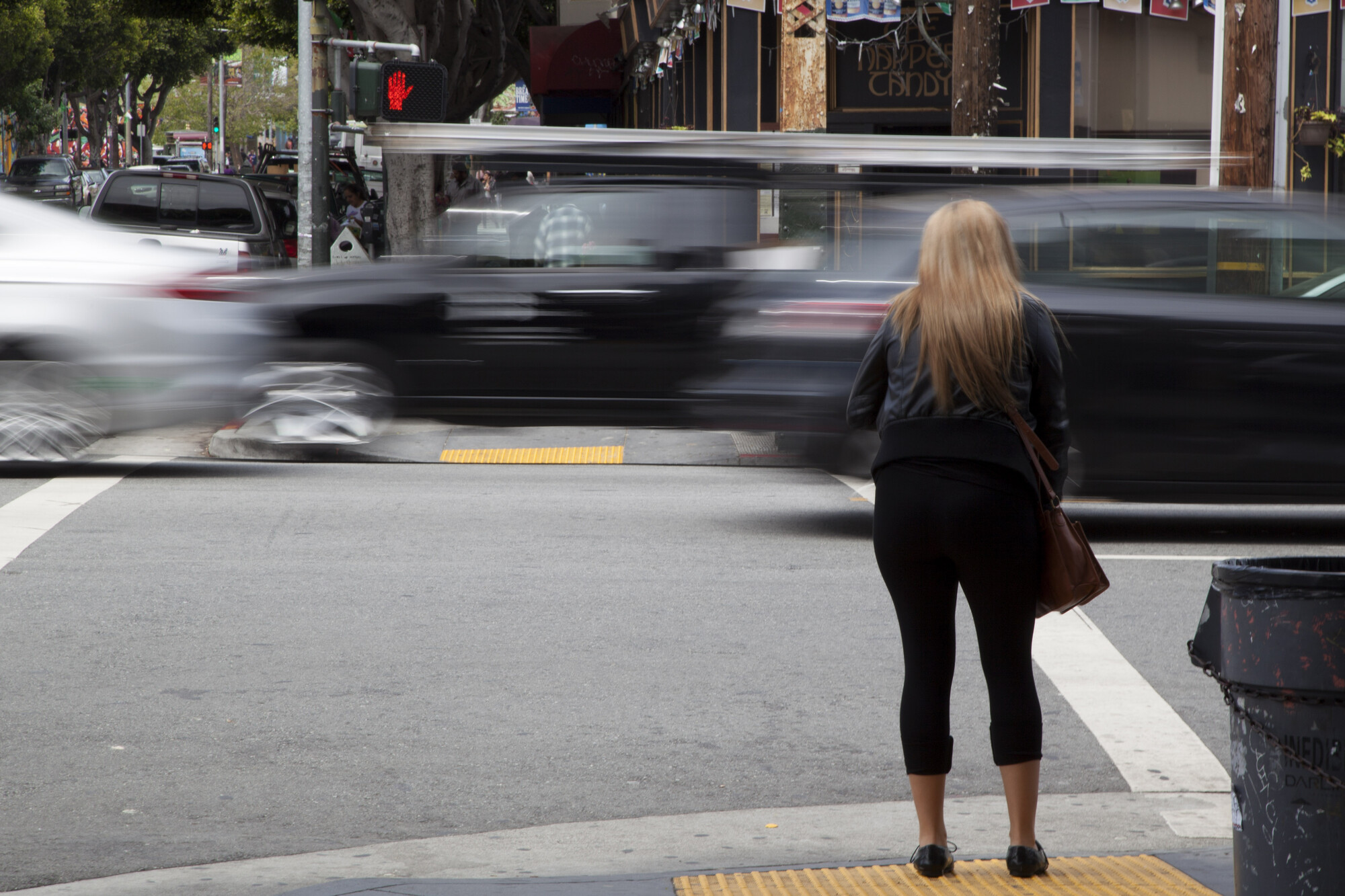
"caption": "A pedestrian waits to cross South Van Ness Avenue at 24th Street in the Mission. The incidents mark the 10th and 11th pedestrian deaths of 2026.",
"credit": "Mark Andrew Boyer/KQED",
"altTag": null,
"description": null,
"imgSizes": {
"thumbnail": {
"file": "https://cdn.kqed.org/wp-content/uploads/sites/10/2026/06/IMG_5218_qed-160x107.jpg",
"width": 160,
"height": 107,
"mimeType": "image/jpeg"
},
"1536x1536": {
"file": "https://cdn.kqed.org/wp-content/uploads/sites/10/2026/06/IMG_5218_qed-1536x1024.jpg",
"width": 1536,
"height": 1024,
"mimeType": "image/jpeg"
},
"post-thumbnail": {
"file": "https://cdn.kqed.org/wp-content/uploads/sites/10/2026/06/IMG_5218_qed-672x372.jpg",
"width": 672,
"height": 372,
"mimeType": "image/jpeg"
},
"twentyfourteen-full-width": {
"file": "https://cdn.kqed.org/wp-content/uploads/sites/10/2026/06/IMG_5218_qed-1038x576.jpg",
"width": 1038,
"height": 576,
"mimeType": "image/jpeg"
},
"npr-cds-wide": {
"file": "https://cdn.kqed.org/wp-content/uploads/sites/10/2026/06/IMG_5218_qed-1200x675.jpg",
"width": 1200,
"height": 675,
"mimeType": "image/jpeg"
},
"npr-cds-square": {
"file": "https://cdn.kqed.org/wp-content/uploads/sites/10/2026/06/IMG_5218_qed-600x600.jpg",
"width": 600,
"height": 600,
"mimeType": "image/jpeg"
},
"kqedFullSize": {
"file": "https://cdn.kqed.org/wp-content/uploads/sites/10/2026/06/IMG_5218_qed.jpg",
"width": 2000,
"height": 1333
}
},
"isLoading": false,
"fetchFailed": false
},
"news_12086301": {
"type": "attachments",
"id": "news_12086301",
"meta": {
"index": "attachments_1716263798",
"site": "news",
"id": "12086301",
"found": true
},
"title": "Trump",
"publishDate": 1780608459,
"status": "inherit",
"parent": 12086295,
"modified": 1780608503,
"caption": "President Donald Trump speaks as Wyoming Gov. Mark Gordon, from left, West Virginia Gov. Patrick Morrisey, Energy Secretary Chris Wright, Interior Secretary Doug Burgum, Environmental Protection Agency administrator Lee Zeldin and Rep. Derrick Van Orden, R-Wisconsin, listen at an event about coal, on Thursday, June 4, 2026, in the Oval Office of the White House in Washington. ",
"credit": "Julia Demaree Nikhinson/AP Photo",
"altTag": null,
"description": null,
"imgSizes": {
"thumbnail": {
"file": "https://cdn.kqed.org/wp-content/uploads/sites/10/2026/06/TrumpCoalAP-160x107.jpg",
"width": 160,
"height": 107,
"mimeType": "image/jpeg"
},
"1536x1536": {
"file": "https://cdn.kqed.org/wp-content/uploads/sites/10/2026/06/TrumpCoalAP-1536x1024.jpg",
"width": 1536,
"height": 1024,
"mimeType": "image/jpeg"
},
"post-thumbnail": {
"file": "https://cdn.kqed.org/wp-content/uploads/sites/10/2026/06/TrumpCoalAP-672x372.jpg",
"width": 672,
"height": 372,
"mimeType": "image/jpeg"
},
"twentyfourteen-full-width": {
"file": "https://cdn.kqed.org/wp-content/uploads/sites/10/2026/06/TrumpCoalAP-1038x576.jpg",
"width": 1038,
"height": 576,
"mimeType": "image/jpeg"
},
"npr-cds-wide": {
"file": "https://cdn.kqed.org/wp-content/uploads/sites/10/2026/06/TrumpCoalAP-1200x675.jpg",
"width": 1200,
"height": 675,
"mimeType": "image/jpeg"
},
"npr-cds-square": {
"file": "https://cdn.kqed.org/wp-content/uploads/sites/10/2026/06/TrumpCoalAP-600x600.jpg",
"width": 600,
"height": 600,
"mimeType": "image/jpeg"
},
"kqedFullSize": {
"file": "https://cdn.kqed.org/wp-content/uploads/sites/10/2026/06/TrumpCoalAP.jpg",
"width": 2000,
"height": 1333
}
},
"isLoading": false,
"fetchFailed": false
},
"news_12086169": {
"type": "attachments",
"id": "news_12086169",
"meta": {
"index": "attachments_1716263798",
"site": "news",
"id": "12086169",
"found": true
},
"title": "260531-CALIFORNIABUDGETCHILDCARE00510_TV-KQED",
"publishDate": 1780521737,
"status": "inherit",
"parent": 0,
"modified": 1780521762,
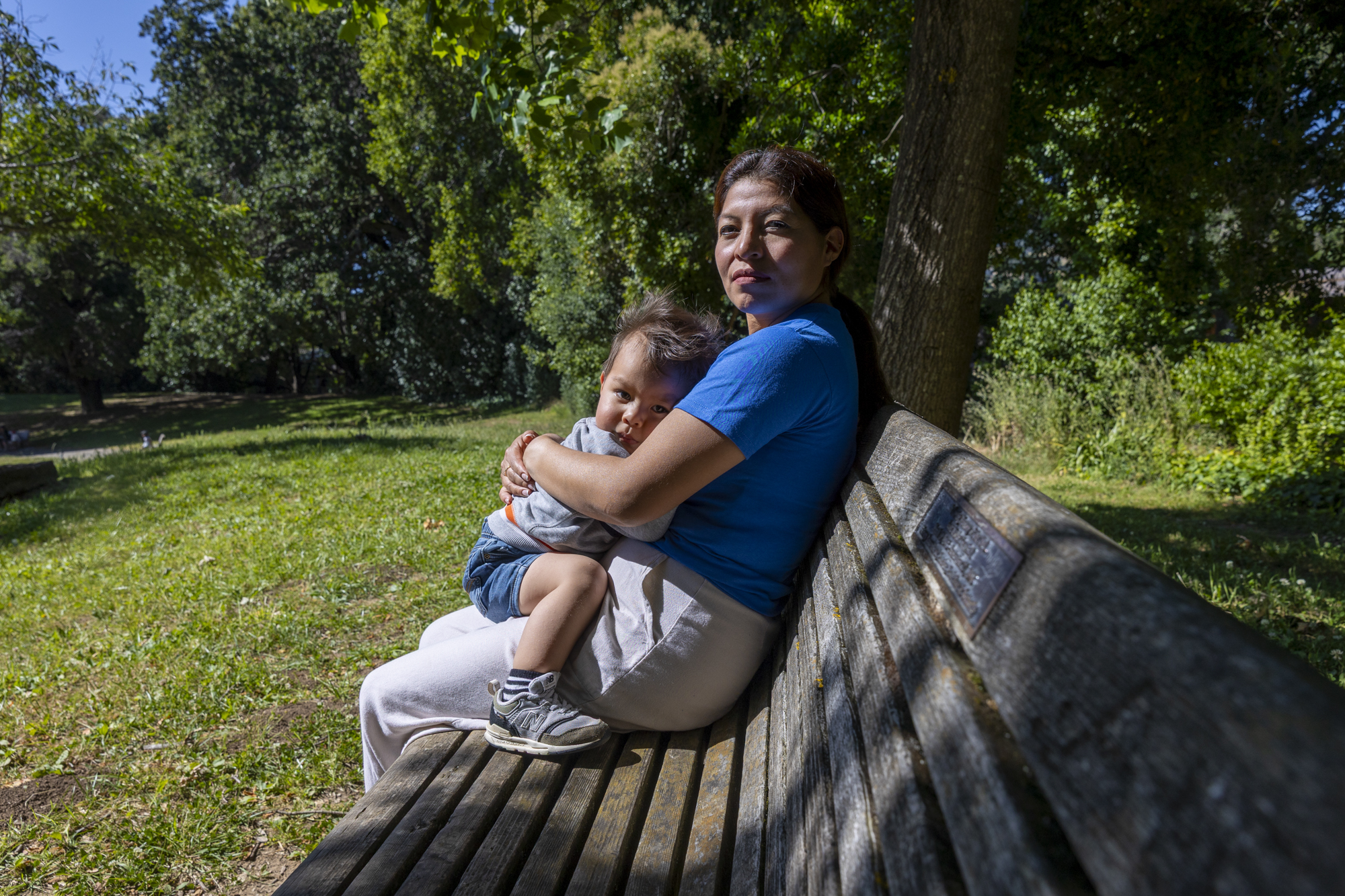
"caption": "Carmen Perez, a mother of four who has been waiting for more than year for an open subsidized child care slot for her 18-month-old son, poses for a portrait with her son at Pioneer Park in Novato on May 31, 2026.",
"credit": "Tâm Vũ/KQED",
"altTag": null,
"description": null,
"imgSizes": {
"thumbnail": {
"file": "https://cdn.kqed.org/wp-content/uploads/sites/10/2026/06/260531-CALIFORNIABUDGETCHILDCARE00510_TV-KQED-160x107.jpg",
"width": 160,
"height": 107,
"mimeType": "image/jpeg"
},
"1536x1536": {
"file": "https://cdn.kqed.org/wp-content/uploads/sites/10/2026/06/260531-CALIFORNIABUDGETCHILDCARE00510_TV-KQED-1536x1024.jpg",
"width": 1536,
"height": 1024,
"mimeType": "image/jpeg"
},
"post-thumbnail": {
"file": "https://cdn.kqed.org/wp-content/uploads/sites/10/2026/06/260531-CALIFORNIABUDGETCHILDCARE00510_TV-KQED-672x372.jpg",
"width": 672,
"height": 372,
"mimeType": "image/jpeg"
},
"twentyfourteen-full-width": {
"file": "https://cdn.kqed.org/wp-content/uploads/sites/10/2026/06/260531-CALIFORNIABUDGETCHILDCARE00510_TV-KQED-1038x576.jpg",
"width": 1038,
"height": 576,
"mimeType": "image/jpeg"
},
"npr-cds-wide": {
"file": "https://cdn.kqed.org/wp-content/uploads/sites/10/2026/06/260531-CALIFORNIABUDGETCHILDCARE00510_TV-KQED-1200x675.jpg",
"width": 1200,
"height": 675,
"mimeType": "image/jpeg"
},
"npr-cds-square": {
"file": "https://cdn.kqed.org/wp-content/uploads/sites/10/2026/06/260531-CALIFORNIABUDGETCHILDCARE00510_TV-KQED-600x600.jpg",
"width": 600,
"height": 600,
"mimeType": "image/jpeg"
},
"kqedFullSize": {
"file": "https://cdn.kqed.org/wp-content/uploads/sites/10/2026/06/260531-CALIFORNIABUDGETCHILDCARE00510_TV-KQED.jpg",
"width": 2000,
"height": 1333
}
},
"isLoading": false,
"fetchFailed": false
},
"news_12085823": {
"type": "attachments",
"id": "news_12085823",
"meta": {
"index": "attachments_1716263798",
"site": "news",
"id": "12085823",
"found": true
},
"title": "260602-PRIMARYVOTERVOX-21-BL-KQED",
"publishDate": 1780423692,
"status": "inherit",
"parent": 0,
"modified": 1780423731,
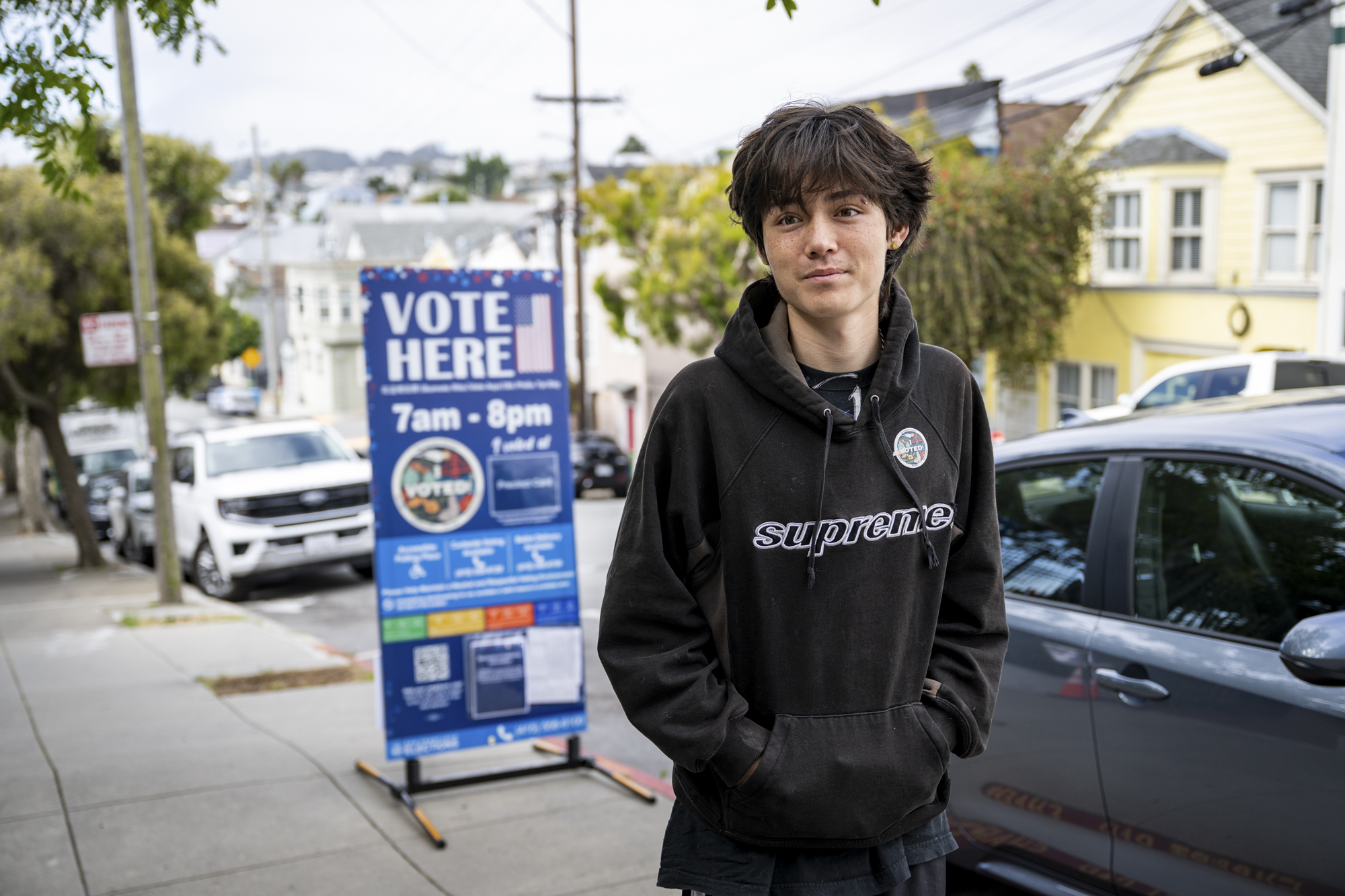
"caption": "Kaz Shireman leaves the Bernal Heights Library polling place in San Francisco after casting a ballot on June 2, 2026.",
"credit": "Beth LaBerge/KQED",
"altTag": null,
"description": null,
"imgSizes": {
"thumbnail": {
"file": "https://cdn.kqed.org/wp-content/uploads/sites/10/2026/06/260602-PRIMARYVOTERVOX-21-BL-KQED-160x107.jpg",
"width": 160,
"height": 107,
"mimeType": "image/jpeg"
},
"1536x1536": {
"file": "https://cdn.kqed.org/wp-content/uploads/sites/10/2026/06/260602-PRIMARYVOTERVOX-21-BL-KQED-1536x1024.jpg",
"width": 1536,
"height": 1024,
"mimeType": "image/jpeg"
},
"post-thumbnail": {
"file": "https://cdn.kqed.org/wp-content/uploads/sites/10/2026/06/260602-PRIMARYVOTERVOX-21-BL-KQED-672x372.jpg",
"width": 672,
"height": 372,
"mimeType": "image/jpeg"
},
"twentyfourteen-full-width": {
"file": "https://cdn.kqed.org/wp-content/uploads/sites/10/2026/06/260602-PRIMARYVOTERVOX-21-BL-KQED-1038x576.jpg",
"width": 1038,
"height": 576,
"mimeType": "image/jpeg"
},
"npr-cds-wide": {
"file": "https://cdn.kqed.org/wp-content/uploads/sites/10/2026/06/260602-PRIMARYVOTERVOX-21-BL-KQED-1200x675.jpg",
"width": 1200,
"height": 675,
"mimeType": "image/jpeg"
},
"npr-cds-square": {
"file": "https://cdn.kqed.org/wp-content/uploads/sites/10/2026/06/260602-PRIMARYVOTERVOX-21-BL-KQED-600x600.jpg",
"width": 600,
"height": 600,
"mimeType": "image/jpeg"
},
"kqedFullSize": {
"file": "https://cdn.kqed.org/wp-content/uploads/sites/10/2026/06/260602-PRIMARYVOTERVOX-21-BL-KQED.jpg",
"width": 2000,
"height": 1333
}
},
"isLoading": false,
"fetchFailed": false
},
"news_12085820": {
"type": "attachments",
"id": "news_12085820",
"meta": {
"index": "attachments_1716263798",
"site": "news",
"id": "12085820",
"found": true
},
"title": "260602-PRIMARYVOTERVOX-14-BL-KQED",
"publishDate": 1780423676,
"status": "inherit",
"parent": 0,
"modified": 1780423738,
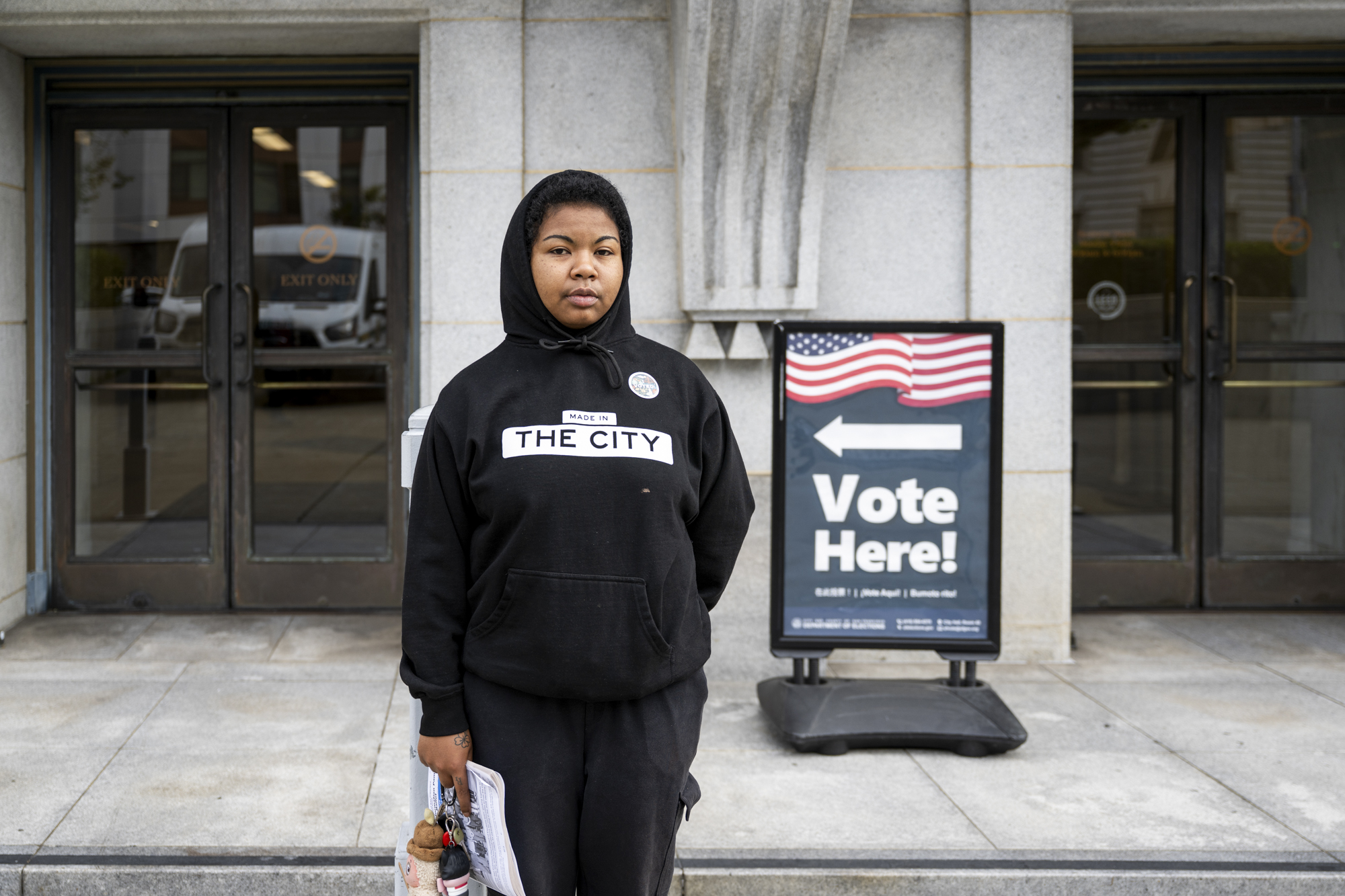
"caption": "Widya Batin leaves the City Hall Voting Center in San Francisco after casting their ballot on June 2, 2026.",
"credit": "Beth LaBerge/KQED",
"altTag": null,
"description": null,
"imgSizes": {
"thumbnail": {
"file": "https://cdn.kqed.org/wp-content/uploads/sites/10/2026/06/260602-PRIMARYVOTERVOX-14-BL-KQED-160x107.jpg",
"width": 160,
"height": 107,
"mimeType": "image/jpeg"
},
"1536x1536": {
"file": "https://cdn.kqed.org/wp-content/uploads/sites/10/2026/06/260602-PRIMARYVOTERVOX-14-BL-KQED-1536x1024.jpg",
"width": 1536,
"height": 1024,
"mimeType": "image/jpeg"
},
"post-thumbnail": {
"file": "https://cdn.kqed.org/wp-content/uploads/sites/10/2026/06/260602-PRIMARYVOTERVOX-14-BL-KQED-672x372.jpg",
"width": 672,
"height": 372,
"mimeType": "image/jpeg"
},
"twentyfourteen-full-width": {
"file": "https://cdn.kqed.org/wp-content/uploads/sites/10/2026/06/260602-PRIMARYVOTERVOX-14-BL-KQED-1038x576.jpg",
"width": 1038,
"height": 576,
"mimeType": "image/jpeg"
},
"npr-cds-wide": {
"file": "https://cdn.kqed.org/wp-content/uploads/sites/10/2026/06/260602-PRIMARYVOTERVOX-14-BL-KQED-1200x675.jpg",
"width": 1200,
"height": 675,
"mimeType": "image/jpeg"
},
"npr-cds-square": {
"file": "https://cdn.kqed.org/wp-content/uploads/sites/10/2026/06/260602-PRIMARYVOTERVOX-14-BL-KQED-600x600.jpg",
"width": 600,
"height": 600,
"mimeType": "image/jpeg"
},
"kqedFullSize": {
"file": "https://cdn.kqed.org/wp-content/uploads/sites/10/2026/06/260602-PRIMARYVOTERVOX-14-BL-KQED.jpg",
"width": 2000,
"height": 1333
}
},
"isLoading": false,
"fetchFailed": false
},
"news_12082335": {
"type": "attachments",
"id": "news_12082335",
"meta": {
"index": "attachments_1716263798",
"site": "news",
"id": "12082335",
"found": true
},
"title": "20260423_ XAVIERBECERRA_EG_012-KQED",
"publishDate": 1777935062,
"status": "inherit",
"parent": 0,
"modified": 1780436511,
"caption": "Dozens of people listen as Xavier Becerra speaks at Mount Diablo High School in Concord on Thursday, April 23, 2026. Becerra, an attorney and politician who formerly served as the United States secretary of health and human services, is among the several candidates running in the 2026 California gubernatorial election to succeed term-limited Governor Gavin Newsom.",
"credit": null,
"altTag": null,
"description": null,
"imgSizes": {
"thumbnail": {
"file": "https://cdn.kqed.org/wp-content/uploads/sites/10/2026/05/20260423_-XAVIERBECERRA_EG_012-KQED-160x107.jpg",
"width": 160,
"height": 107,
"mimeType": "image/jpeg"
},
"1536x1536": {
"file": "https://cdn.kqed.org/wp-content/uploads/sites/10/2026/05/20260423_-XAVIERBECERRA_EG_012-KQED-1536x1024.jpg",
"width": 1536,
"height": 1024,
"mimeType": "image/jpeg"
},
"post-thumbnail": {
"file": "https://cdn.kqed.org/wp-content/uploads/sites/10/2026/05/20260423_-XAVIERBECERRA_EG_012-KQED-672x372.jpg",
"width": 672,
"height": 372,
"mimeType": "image/jpeg"
},
"twentyfourteen-full-width": {
"file": "https://cdn.kqed.org/wp-content/uploads/sites/10/2026/05/20260423_-XAVIERBECERRA_EG_012-KQED-1038x576.jpg",
"width": 1038,
"height": 576,
"mimeType": "image/jpeg"
},
"npr-cds-wide": {
"file": "https://cdn.kqed.org/wp-content/uploads/sites/10/2026/05/20260423_-XAVIERBECERRA_EG_012-KQED-1200x675.jpg",
"width": 1200,
"height": 675,
"mimeType": "image/jpeg"
},
"npr-cds-square": {
"file": "https://cdn.kqed.org/wp-content/uploads/sites/10/2026/05/20260423_-XAVIERBECERRA_EG_012-KQED-600x600.jpg",
"width": 600,
"height": 600,
"mimeType": "image/jpeg"
},
"kqedFullSize": {
"file": "https://cdn.kqed.org/wp-content/uploads/sites/10/2026/05/20260423_-XAVIERBECERRA_EG_012-KQED.jpg",
"width": 2000,
"height": 1333
}
},
"isLoading": false,
"fetchFailed": false
},
"news_12085702": {
"type": "attachments",
"id": "news_12085702",
"meta": {
"index": "attachments_1716263798",
"site": "news",
"id": "12085702",
"found": true
},
"title": "BART Clipper Card Usage",
"publishDate": 1780334022,
"status": "inherit",
"parent": 12085683,
"modified": 1780334098,
"caption": "A passenger scans their digital Clipper transit card in San Francisco, California, on Aug. 19, 2025.",
"credit": "Smith Collection/Gado via Getty Images",
"altTag": null,
"description": null,
"imgSizes": {
"thumbnail": {
"file": "https://cdn.kqed.org/wp-content/uploads/sites/10/2026/06/ClipperGetty-160x107.jpg",
"width": 160,
"height": 107,
"mimeType": "image/jpeg"
},
"1536x1536": {
"file": "https://cdn.kqed.org/wp-content/uploads/sites/10/2026/06/ClipperGetty-1536x1023.jpg",
"width": 1536,
"height": 1023,
"mimeType": "image/jpeg"
},
"post-thumbnail": {
"file": "https://cdn.kqed.org/wp-content/uploads/sites/10/2026/06/ClipperGetty-672x372.jpg",
"width": 672,
"height": 372,
"mimeType": "image/jpeg"
},
"twentyfourteen-full-width": {
"file": "https://cdn.kqed.org/wp-content/uploads/sites/10/2026/06/ClipperGetty-1038x576.jpg",
"width": 1038,
"height": 576,
"mimeType": "image/jpeg"
},
"npr-cds-wide": {
"file": "https://cdn.kqed.org/wp-content/uploads/sites/10/2026/06/ClipperGetty-1200x675.jpg",
"width": 1200,
"height": 675,
"mimeType": "image/jpeg"
},
"npr-cds-square": {
"file": "https://cdn.kqed.org/wp-content/uploads/sites/10/2026/06/ClipperGetty-600x600.jpg",
"width": 600,
"height": 600,
"mimeType": "image/jpeg"
},
"kqedFullSize": {
"file": "https://cdn.kqed.org/wp-content/uploads/sites/10/2026/06/ClipperGetty.jpg",
"width": 2000,
"height": 1332
}
},
"isLoading": false,
"fetchFailed": false
},
"news_12085531": {
"type": "attachments",
"id": "news_12085531",
"meta": {
"index": "attachments_1716263798",
"site": "news",
"id": "12085531",
"found": true
},
"title": "San Francisco Ballot Box",
"publishDate": 1780077355,
"status": "inherit",
"parent": 12085528,
"modified": 1780077374,
"caption": "Ballot drop box with bilingual sign promoting June 2, 2026 election and opening date, on residential street, San Francisco, California, May 20, 2026. ",
"credit": "Smith Collection/Gado/Getty Images",
"altTag": null,
"description": null,
"imgSizes": {
"thumbnail": {
"file": "https://cdn.kqed.org/wp-content/uploads/sites/10/2026/05/GettyImages-2277984200-160x107.jpg",
"width": 160,
"height": 107,
"mimeType": "image/jpeg"
},
"1536x1536": {
"file": "https://cdn.kqed.org/wp-content/uploads/sites/10/2026/05/GettyImages-2277984200-1536x1024.jpg",
"width": 1536,
"height": 1024,
"mimeType": "image/jpeg"
},
"post-thumbnail": {
"file": "https://cdn.kqed.org/wp-content/uploads/sites/10/2026/05/GettyImages-2277984200-672x372.jpg",
"width": 672,
"height": 372,
"mimeType": "image/jpeg"
},
"twentyfourteen-full-width": {
"file": "https://cdn.kqed.org/wp-content/uploads/sites/10/2026/05/GettyImages-2277984200-1038x576.jpg",
"width": 1038,
"height": 576,
"mimeType": "image/jpeg"
},
"npr-cds-wide": {
"file": "https://cdn.kqed.org/wp-content/uploads/sites/10/2026/05/GettyImages-2277984200-1200x675.jpg",
"width": 1200,
"height": 675,
"mimeType": "image/jpeg"
},
"npr-cds-square": {
"file": "https://cdn.kqed.org/wp-content/uploads/sites/10/2026/05/GettyImages-2277984200-600x600.jpg",
"width": 600,
"height": 600,
"mimeType": "image/jpeg"
},
"kqedFullSize": {
"file": "https://cdn.kqed.org/wp-content/uploads/sites/10/2026/05/GettyImages-2277984200.jpg",
"width": 1980,
"height": 1320
}
},
"isLoading": false,
"fetchFailed": false
},
"news_12085747": {
"type": "attachments",
"id": "news_12085747",
"meta": {
"index": "attachments_1716263798",
"site": "news",
"id": "12085747",
"found": true
},
"title": "060126FAIRFIELD HIGH CLAIM_GH_003-KQED",
"publishDate": 1780347623,
"status": "inherit",
"parent": 0,
"modified": 1780347829,
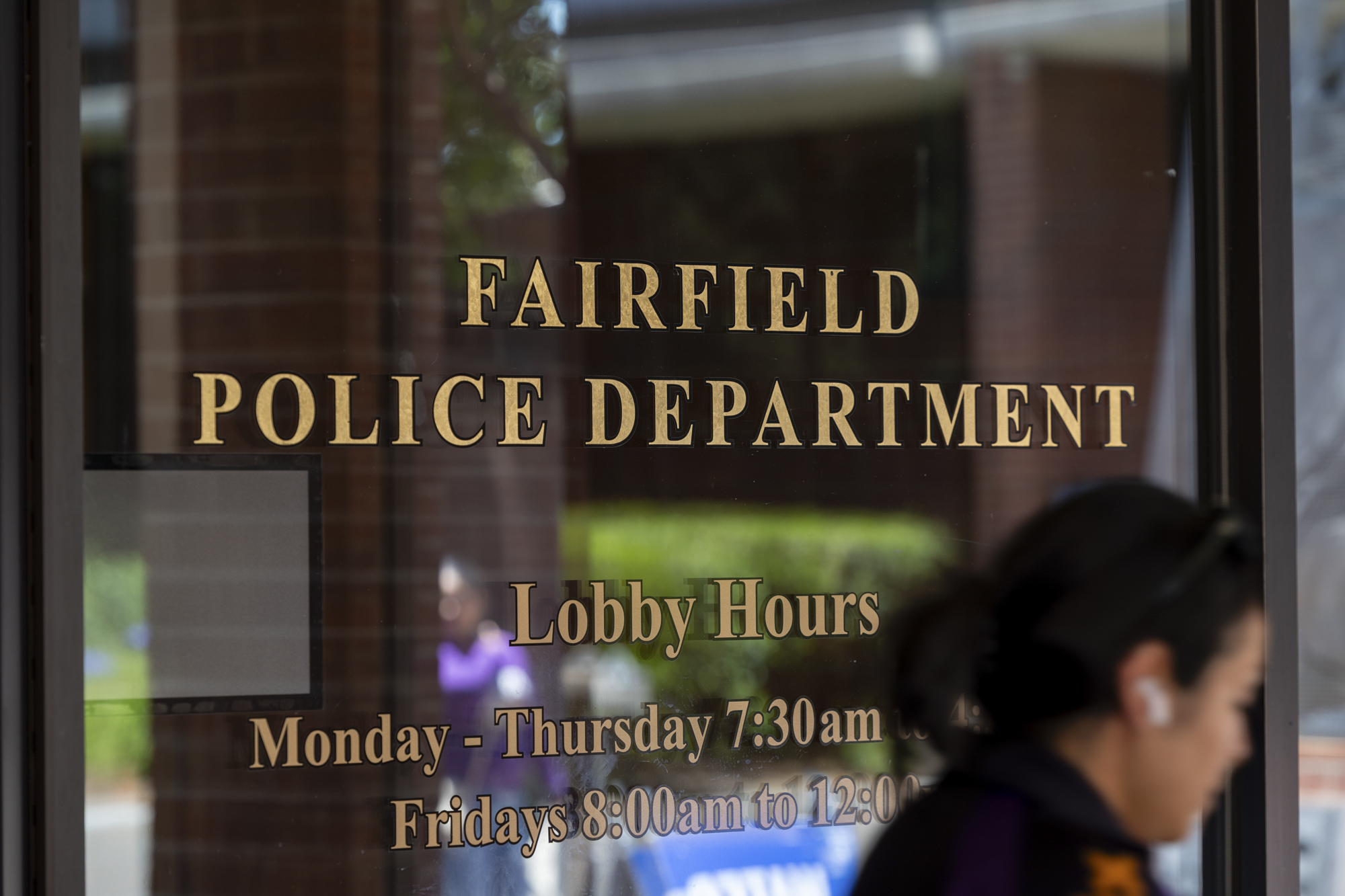
"caption": "A person walks past the entrance to the Fairfield Police Department on June 1, 2026, in Fairfield.",
"credit": "Gustavo Hernandez/KQED",
"altTag": null,
"description": null,
"imgSizes": {
"thumbnail": {
"file": "https://cdn.kqed.org/wp-content/uploads/sites/10/2026/06/060126FAIRFIELD-HIGH-CLAIM_GH_003-KQED-160x107.jpg",
"width": 160,
"height": 107,
"mimeType": "image/jpeg"
},
"1536x1536": {
"file": "https://cdn.kqed.org/wp-content/uploads/sites/10/2026/06/060126FAIRFIELD-HIGH-CLAIM_GH_003-KQED-1536x1024.jpg",
"width": 1536,
"height": 1024,
"mimeType": "image/jpeg"
},
"post-thumbnail": {
"file": "https://cdn.kqed.org/wp-content/uploads/sites/10/2026/06/060126FAIRFIELD-HIGH-CLAIM_GH_003-KQED-672x372.jpg",
"width": 672,
"height": 372,
"mimeType": "image/jpeg"
},
"twentyfourteen-full-width": {
"file": "https://cdn.kqed.org/wp-content/uploads/sites/10/2026/06/060126FAIRFIELD-HIGH-CLAIM_GH_003-KQED-1038x576.jpg",
"width": 1038,
"height": 576,
"mimeType": "image/jpeg"
},
"npr-cds-wide": {
"file": "https://cdn.kqed.org/wp-content/uploads/sites/10/2026/06/060126FAIRFIELD-HIGH-CLAIM_GH_003-KQED-1200x675.jpg",
"width": 1200,
"height": 675,
"mimeType": "image/jpeg"
},
"npr-cds-square": {
"file": "https://cdn.kqed.org/wp-content/uploads/sites/10/2026/06/060126FAIRFIELD-HIGH-CLAIM_GH_003-KQED-600x600.jpg",
"width": 600,
"height": 600,
"mimeType": "image/jpeg"
},
"kqedFullSize": {
"file": "https://cdn.kqed.org/wp-content/uploads/sites/10/2026/06/060126FAIRFIELD-HIGH-CLAIM_GH_003-KQED.jpg",
"width": 2000,
"height": 1333
}
},
"isLoading": false,
"fetchFailed": false
},
"news_12085722": {
"type": "attachments",
"id": "news_12085722",
"meta": {
"index": "attachments_1716263798",
"site": "news",
"id": "12085722",
"found": true
},
"title": "Prediction Markets Face Increased Scrutiny Over Insider Trading Allegations",
"publishDate": 1780339914,
"status": "inherit",
"parent": 12084937,
"modified": 1780340315,
"caption": "In this photo illustration, prediction market sites are shown on electronic devices on Feb. 25, 2026, in Chicago, Illinois. ",
"credit": "Scott Olson/Getty Images",
"altTag": null,
"description": null,
"imgSizes": {
"thumbnail": {
"file": "https://cdn.kqed.org/wp-content/uploads/sites/10/2026/06/KalshiPolymarketGetty-160x106.jpg",
"width": 160,
"height": 106,
"mimeType": "image/jpeg"
},
"1536x1536": {
"file": "https://cdn.kqed.org/wp-content/uploads/sites/10/2026/06/KalshiPolymarketGetty-1536x1022.jpg",
"width": 1536,
"height": 1022,
"mimeType": "image/jpeg"
},
"post-thumbnail": {
"file": "https://cdn.kqed.org/wp-content/uploads/sites/10/2026/06/KalshiPolymarketGetty-672x372.jpg",
"width": 672,
"height": 372,
"mimeType": "image/jpeg"
},
"twentyfourteen-full-width": {
"file": "https://cdn.kqed.org/wp-content/uploads/sites/10/2026/06/KalshiPolymarketGetty-1038x576.jpg",
"width": 1038,
"height": 576,
"mimeType": "image/jpeg"
},
"npr-cds-wide": {
"file": "https://cdn.kqed.org/wp-content/uploads/sites/10/2026/06/KalshiPolymarketGetty-1200x675.jpg",
"width": 1200,
"height": 675,
"mimeType": "image/jpeg"
},
"npr-cds-square": {
"file": "https://cdn.kqed.org/wp-content/uploads/sites/10/2026/06/KalshiPolymarketGetty-600x600.jpg",
"width": 600,
"height": 600,
"mimeType": "image/jpeg"
},
"kqedFullSize": {
"file": "https://cdn.kqed.org/wp-content/uploads/sites/10/2026/06/KalshiPolymarketGetty.jpg",
"width": 2000,
"height": 1331
}
},
"isLoading": false,
"fetchFailed": false
},
"news_12084721": {
"type": "attachments",
"id": "news_12084721",
"meta": {
"index": "attachments_1716263798",
"site": "news",
"id": "12084721",
"found": true
},
"title": "260507-IMMIGRATIONCOURTVOLUNTEERS-02-BL-KQED",
"publishDate": 1779393694,
"status": "inherit",
"parent": 0,
"modified": 1780178250,
"caption": "Sergio Jaime Lopez, community defense program manager for the SAFE Center, outside the Concord immigration court on May 7, 2026. Jaime helps people in deportation proceedings navigate the court and connect with resources and legal representation.",
"credit": "Beth LaBerge/KQED",
"altTag": null,
"description": null,
"imgSizes": {
"thumbnail": {
"file": "https://cdn.kqed.org/wp-content/uploads/sites/10/2026/05/260507-IMMIGRATIONCOURTVOLUNTEERS-02-BL-KQED-160x107.jpg",
"width": 160,
"height": 107,
"mimeType": "image/jpeg"
},
"1536x1536": {
"file": "https://cdn.kqed.org/wp-content/uploads/sites/10/2026/05/260507-IMMIGRATIONCOURTVOLUNTEERS-02-BL-KQED-1536x1024.jpg",
"width": 1536,
"height": 1024,
"mimeType": "image/jpeg"
},
"post-thumbnail": {
"file": "https://cdn.kqed.org/wp-content/uploads/sites/10/2026/05/260507-IMMIGRATIONCOURTVOLUNTEERS-02-BL-KQED-672x372.jpg",
"width": 672,
"height": 372,
"mimeType": "image/jpeg"
},
"twentyfourteen-full-width": {
"file": "https://cdn.kqed.org/wp-content/uploads/sites/10/2026/05/260507-IMMIGRATIONCOURTVOLUNTEERS-02-BL-KQED-1038x576.jpg",
"width": 1038,
"height": 576,
"mimeType": "image/jpeg"
},
"npr-cds-wide": {
"file": "https://cdn.kqed.org/wp-content/uploads/sites/10/2026/05/260507-IMMIGRATIONCOURTVOLUNTEERS-02-BL-KQED-1200x675.jpg",
"width": 1200,
"height": 675,
"mimeType": "image/jpeg"
},
"npr-cds-square": {
"file": "https://cdn.kqed.org/wp-content/uploads/sites/10/2026/05/260507-IMMIGRATIONCOURTVOLUNTEERS-02-BL-KQED-600x600.jpg",
"width": 600,
"height": 600,
"mimeType": "image/jpeg"
},
"kqedFullSize": {
"file": "https://cdn.kqed.org/wp-content/uploads/sites/10/2026/05/260507-IMMIGRATIONCOURTVOLUNTEERS-02-BL-KQED.jpg",
"width": 2000,
"height": 1333
}
},
"isLoading": false,
"fetchFailed": false
},
"news_12085284": {
"type": "attachments",
"id": "news_12085284",
"meta": {
"index": "attachments_1716263798",
"site": "news",
"id": "12085284",
"found": true
},
"title": "Dangerous deer tick and small child legs in summer shoes on grass. Ixodes ricinus",
"publishDate": 1779907341,
"status": "inherit",
"parent": 12085282,
"modified": 1779907445,
"caption": "A blacklegged tick is shown. The Western blacklegged tick is the primary carrier of Lyme disease in California. ",
"credit": "Courtesy of the Bay Area Lyme Foundation",
"altTag": null,
"description": null,
"imgSizes": {
"thumbnail": {
"file": "https://cdn.kqed.org/wp-content/uploads/sites/10/2026/05/Blacklegged-tick-2_442608915-160x107.jpeg",
"width": 160,
"height": 107,
"mimeType": "image/jpeg"
},
"1536x1536": {
"file": "https://cdn.kqed.org/wp-content/uploads/sites/10/2026/05/Blacklegged-tick-2_442608915-1536x1024.jpeg",
"width": 1536,
"height": 1024,
"mimeType": "image/jpeg"
},
"post-thumbnail": {
"file": "https://cdn.kqed.org/wp-content/uploads/sites/10/2026/05/Blacklegged-tick-2_442608915-672x372.jpeg",
"width": 672,
"height": 372,
"mimeType": "image/jpeg"
},
"twentyfourteen-full-width": {
"file": "https://cdn.kqed.org/wp-content/uploads/sites/10/2026/05/Blacklegged-tick-2_442608915-1038x576.jpeg",
"width": 1038,
"height": 576,
"mimeType": "image/jpeg"
},
"npr-cds-wide": {
"file": "https://cdn.kqed.org/wp-content/uploads/sites/10/2026/05/Blacklegged-tick-2_442608915-1200x675.jpeg",
"width": 1200,
"height": 675,
"mimeType": "image/jpeg"
},
"npr-cds-square": {
"file": "https://cdn.kqed.org/wp-content/uploads/sites/10/2026/05/Blacklegged-tick-2_442608915-600x600.jpeg",
"width": 600,
"height": 600,
"mimeType": "image/jpeg"
},
"kqedFullSize": {
"file": "https://cdn.kqed.org/wp-content/uploads/sites/10/2026/05/Blacklegged-tick-2_442608915.jpeg",
"width": 1980,
"height": 1320
}
},
"isLoading": false,
"fetchFailed": false
}
},
"audioPlayerReducer": {
"postId": "stream_live",
"isPaused": true,
"isPlaying": false,
"pfsActive": false,
"pledgeModalIsOpen": true,
"playerDrawerIsOpen": false,
"liveAudioPlayStartedAt": 0,
"liveAudioPlayContext": ""
},
"authorsReducer": {
"byline_news_12086295": {
"type": "authors",
"id": "byline_news_12086295",
"meta": {
"override": true
},
"slug": "byline_news_12086295",
"name": "Matthew Daly, The Associated Press",
"isLoading": false
},
"byline_news_12085504": {
"type": "authors",
"id": "byline_news_12085504",
"meta": {
"override": true
},
"slug": "byline_news_12085504",
"name": "Ella Jackson",
"isLoading": false
},
"gmarzorati": {
"type": "authors",
"id": "227",
"meta": {
"index": "authors_1716337520",
"id": "227",
"found": true
},
"name": "Guy Marzorati",
"firstName": "Guy",
"lastName": "Marzorati",
"slug": "gmarzorati",
"email": "gmarzorati@KQED.org",
"display_author_email": true,
"staff_mastheads": [
"news"
],
"title": "Correspondent",
"bio": "Guy Marzorati is a correspondent on KQED's California Politics and Government Desk, based in San Jose. A graduate of Santa Clara University, Guy joined KQED in 2013. He reports on state and local politics and produces KQED's digital voter guide.",
"avatar": "https://secure.gravatar.com/avatar/e7038b8dbfd55b104369b76b1cd0b9de?s=600&d=blank&r=g",
"twitter": "guymarzorati",
"facebook": null,
"instagram": null,
"linkedin": null,
"sites": [
{
"site": "",
"roles": [
"editor"
]
},
{
"site": "news",
"roles": [
"editor"
]
},
{
"site": "science",
"roles": [
"editor"
]
},
{
"site": "forum",
"roles": [
"editor"
]
},
{
"site": "elections",
"roles": [
"editor"
]
},
{
"site": "liveblog",
"roles": [
"editor"
]
}
],
"headData": {
"title": "Guy Marzorati | KQED",
"description": "Correspondent",
"ogImgSrc": "https://secure.gravatar.com/avatar/e7038b8dbfd55b104369b76b1cd0b9de?s=600&d=blank&r=g",
"twImgSrc": "https://secure.gravatar.com/avatar/e7038b8dbfd55b104369b76b1cd0b9de?s=600&d=blank&r=g"
},
"isLoading": false,
"link": "/author/gmarzorati"
},
"mlagos": {
"type": "authors",
"id": "3239",
"meta": {
"index": "authors_1716337520",
"id": "3239",
"found": true
},
"name": "Marisa Lagos",
"firstName": "Marisa",
"lastName": "Lagos",
"slug": "mlagos",
"email": "mlagos@kqed.org",
"display_author_email": false,
"staff_mastheads": [
"news"
],
"title": "KQED Contributor",
"bio": "Marisa Lagos is a correspondent for KQED’s California Politics and Government Desk and co-hosts the award-winning show and podcast, Political Breakdown. At KQED, Lagos also conducts reporting, analysis and investigations into state, local and national politics for radio, TV, online and onstage. In 2022, she and co-host, Scott Shafer, moderated the only gubernatorial debate in California. In 2020, the \u003ci>Washington Post\u003c/i> named her one of the top political journalists in California; she was nominated for a Peabody and won several other awards for her work investigating the 2017 California wildfires. She has worked at the \u003ci>San Francisco Chronicle\u003c/i>, \u003ci>San Francisco Examiner\u003c/i> and \u003ci>Los Angeles Times\u003c/i>. A UC Santa Barbara graduate, she lives in San Francisco with her two sons and husband.",
"avatar": "https://secure.gravatar.com/avatar/a261a0d3696fc066871ef96b85b5e7d2?s=600&d=blank&r=g",
"twitter": "@mlagos",
"facebook": null,
"instagram": null,
"linkedin": null,
"sites": [
{
"site": "arts",
"roles": [
"author"
]
},
{
"site": "news",
"roles": [
"editor"
]
},
{
"site": "science",
"roles": [
"editor"
]
},
{
"site": "forum",
"roles": [
"author"
]
},
{
"site": "liveblog",
"roles": [
"author"
]
}
],
"headData": {
"title": "Marisa Lagos | KQED",
"description": "KQED Contributor",
"ogImgSrc": "https://secure.gravatar.com/avatar/a261a0d3696fc066871ef96b85b5e7d2?s=600&d=blank&r=g",
"twImgSrc": "https://secure.gravatar.com/avatar/a261a0d3696fc066871ef96b85b5e7d2?s=600&d=blank&r=g"
},
"isLoading": false,
"link": "/author/mlagos"
},
"carlysevern": {
"type": "authors",
"id": "3243",
"meta": {
"index": "authors_1716337520",
"id": "3243",
"found": true
},
"name": "Carly Severn",
"firstName": "Carly",
"lastName": "Severn",
"slug": "carlysevern",
"email": "csevern@kqed.org",
"display_author_email": false,
"staff_mastheads": [
"news"
],
"title": "Senior Editor, Audience News ",
"bio": "Carly is KQED's Senior Editor of Audience News on the Digital News team, and has reported for the California Report Magazine, Bay Curious and KQED Arts. She's formerly the host of \u003ca href=\"http://ww2.kqed.org/pop/category/the-cooler/\" rel=\"noopener noreferrer\">The Cooler\u003c/a> podcast.",
"avatar": "https://secure.gravatar.com/avatar/54037bf5c128fe678f0ef26cec97a93f2e7f220a22d7285703328f12c42c1b1d?s=600&d=blank&r=g",
"twitter": "teacupinthebay",
"bluesky": null,
"facebook": null,
"instagram": null,
"linkedin": null,
"sites": [
{
"site": "",
"roles": [
"editor"
]
},
{
"site": "arts",
"roles": [
"editor"
]
},
{
"site": "news",
"roles": [
"administrator"
]
},
{
"site": "pop",
"roles": [
"editor"
]
},
{
"site": "futureofyou",
"roles": [
"editor"
]
},
{
"site": "about",
"roles": [
"administrator"
]
},
{
"site": "mindshift",
"roles": [
"editor"
]
},
{
"site": "bayareabites",
"roles": [
"editor"
]
},
{
"site": "stateofhealth",
"roles": [
"editor"
]
},
{
"site": "science",
"roles": [
"editor"
]
},
{
"site": "food",
"roles": [
"contributor"
]
},
{
"site": "forum",
"roles": [
"editor"
]
},
{
"site": "perspectives",
"roles": [
"administrator"
]
},
{
"site": "liveblog",
"roles": [
"editor"
]
}
],
"headData": {
"title": "Carly Severn | KQED",
"description": "Senior Editor, Audience News ",
"ogImgSrc": "https://secure.gravatar.com/avatar/54037bf5c128fe678f0ef26cec97a93f2e7f220a22d7285703328f12c42c1b1d?s=600&d=blank&r=g",
"twImgSrc": "https://secure.gravatar.com/avatar/54037bf5c128fe678f0ef26cec97a93f2e7f220a22d7285703328f12c42c1b1d?s=600&d=blank&r=g"
},
"isLoading": false,
"link": "/author/carlysevern"
},
"vrancano": {
"type": "authors",
"id": "11276",
"meta": {
"index": "authors_1716337520",
"id": "11276",
"found": true
},
"name": "Vanessa Rancaño",
"firstName": "Vanessa",
"lastName": "Rancaño",
"slug": "vrancano",
"email": "vrancano@kqed.org",
"display_author_email": false,
"staff_mastheads": [
"news"
],
"title": "Reporter",
"bio": "Vanessa Rancaño is a features reporter for KQED. She’s also covered homelessness and education for the station and reported from the Central Valley. Her work has aired across public radio, from flagship national news shows to longform narrative podcasts. Before taking up a mic, she worked as a freelance print journalist. She’s been recognized with a number of national and regional awards. Vanessa grew up in California's Central Valley. She's a former NPR Kroc Fellow, and a graduate of the UC Berkeley Graduate School of Journalism.",
"avatar": "https://secure.gravatar.com/avatar/b3a383dfb0e7ee1c17568f2cf067904ab654d6e3de9743fc661f3c788ade1bed?s=600&d=blank&r=g",
"twitter": "vanessarancano",
"bluesky": null,
"facebook": null,
"instagram": null,
"linkedin": null,
"sites": [
{
"site": "arts",
"roles": [
"editor"
]
},
{
"site": "news",
"roles": [
"editor"
]
},
{
"site": "liveblog",
"roles": [
"contributor"
]
}
],
"headData": {
"title": "Vanessa Rancaño | KQED",
"description": "Reporter",
"ogImgSrc": "https://secure.gravatar.com/avatar/b3a383dfb0e7ee1c17568f2cf067904ab654d6e3de9743fc661f3c788ade1bed?s=600&d=blank&r=g",
"twImgSrc": "https://secure.gravatar.com/avatar/b3a383dfb0e7ee1c17568f2cf067904ab654d6e3de9743fc661f3c788ade1bed?s=600&d=blank&r=g"
},
"isLoading": false,
"link": "/author/vrancano"
},
"ccabreralomeli": {
"type": "authors",
"id": "11708",
"meta": {
"index": "authors_1716337520",
"id": "11708",
"found": true
},
"name": "Carlos Cabrera-Lomelí",
"firstName": "Carlos",
"lastName": "Cabrera-Lomelí",
"slug": "ccabreralomeli",
"email": "ccabreralomeli@KQED.org",
"display_author_email": true,
"staff_mastheads": [
"news"
],
"title": "Community Reporter",
"bio": "Carlos Cabrera-Lomelí is a community reporter with KQED's digital engagement team. He also reports and co-produces for KQED's bilingual news hub KQED en Español. He grew up in San Francisco's Mission District and has previously worked with Univision, 48 Hills and REFORMA in Mexico City.",
"avatar": "https://secure.gravatar.com/avatar/c309be9665e484f887b818c89e273ecc673004f426f36b24d00a4d813a2e0518?s=600&d=blank&r=g",
"twitter": "@LomeliCabrera",
"bluesky": null,
"facebook": null,
"instagram": null,
"linkedin": null,
"sites": [
{
"site": "arts",
"roles": [
"editor"
]
},
{
"site": "news",
"roles": [
"editor"
]
},
{
"site": "about",
"roles": [
"editor"
]
},
{
"site": "science",
"roles": [
"editor"
]
},
{
"site": "perspectives",
"roles": [
"editor"
]
},
{
"site": "elections",
"roles": [
"editor"
]
},
{
"site": "liveblog",
"roles": [
"contributor"
]
}
],
"headData": {
"title": "Carlos Cabrera-Lomelí | KQED",
"description": "Community Reporter",
"ogImgSrc": "https://secure.gravatar.com/avatar/c309be9665e484f887b818c89e273ecc673004f426f36b24d00a4d813a2e0518?s=600&d=blank&r=g",
"twImgSrc": "https://secure.gravatar.com/avatar/c309be9665e484f887b818c89e273ecc673004f426f36b24d00a4d813a2e0518?s=600&d=blank&r=g"
},
"isLoading": false,
"link": "/author/ccabreralomeli"
},
"adahlstromeckman": {
"type": "authors",
"id": "11785",
"meta": {
"index": "authors_1716337520",
"id": "11785",
"found": true
},
"name": "Azul Dahlstrom-Eckman",
"firstName": "Azul",
"lastName": "Dahlstrom-Eckman",
"slug": "adahlstromeckman",
"email": "adahlstrom-eckman@kqed.org",
"display_author_email": true,
"staff_mastheads": [],
"title": "Reporter",
"bio": "Azul is a reporter for KQED focusing on transportation and features. He joined KQED in 2021 as an alumna of KALW's Audio Academy radio journalism training program.",
"avatar": "https://secure.gravatar.com/avatar/9cb750298435add7815a777f55bf1f46845c1386bb8452555c60a7b820b5aba3?s=600&d=blank&r=g",
"twitter": "@zuliemann",
"bluesky": "@azul415.bsky.social",
"facebook": null,
"instagram": null,
"linkedin": null,
"sites": [
{
"site": "arts",
"roles": [
"editor"
]
},
{
"site": "news",
"roles": [
"editor"
]
},
{
"site": "science",
"roles": [
"editor"
]
},
{
"site": "liveblog",
"roles": [
"author"
]
}
],
"headData": {
"title": "Azul Dahlstrom-Eckman | KQED",
"description": "Reporter",
"ogImgSrc": "https://secure.gravatar.com/avatar/9cb750298435add7815a777f55bf1f46845c1386bb8452555c60a7b820b5aba3?s=600&d=blank&r=g",
"twImgSrc": "https://secure.gravatar.com/avatar/9cb750298435add7815a777f55bf1f46845c1386bb8452555c60a7b820b5aba3?s=600&d=blank&r=g"
},
"isLoading": false,
"link": "/author/adahlstromeckman"
},
"daisynguyen": {
"type": "authors",
"id": "11829",
"meta": {
"index": "authors_1716337520",
"id": "11829",
"found": true
},
"name": "Daisy Nguyen",
"firstName": "Daisy",
"lastName": "Nguyen",
"slug": "daisynguyen",
"email": "daisynguyen@kqed.org",
"display_author_email": true,
"staff_mastheads": [
"news"
],
"title": "KQED Contributor",
"bio": "I have covered early childhood education and child care for KQED since 2022. I focus on policies aimed at increasing access to early care and education and how they shape individual lives. I've been a journalist for more than two decades, with most of that time devoted to covering breaking news throughout California for The Associated Press. I grew up in San Francisco and studied at UC Davis and Columbia University's Graduate School of Journalism. I live in Oakland with my husband and two kids.",
"avatar": "https://secure.gravatar.com/avatar/2da2127c27f7143b53ebd419800fd55f?s=600&d=blank&r=g",
"twitter": null,
"facebook": null,
"instagram": null,
"linkedin": "https://www.linkedin.com/in/daisynguyen/",
"sites": [
{
"site": "news",
"roles": [
"author"
]
},
{
"site": "liveblog",
"roles": [
"author"
]
}
],
"headData": {
"title": "Daisy Nguyen | KQED",
"description": "KQED Contributor",
"ogImgSrc": "https://secure.gravatar.com/avatar/2da2127c27f7143b53ebd419800fd55f?s=600&d=blank&r=g",
"twImgSrc": "https://secure.gravatar.com/avatar/2da2127c27f7143b53ebd419800fd55f?s=600&d=blank&r=g"
},
"isLoading": false,
"link": "/author/daisynguyen"
},
"kdebenedetti": {
"type": "authors",
"id": "11913",
"meta": {
"index": "authors_1716337520",
"id": "11913",
"found": true
},
"name": "Katie DeBenedetti",
"firstName": "Katie",
"lastName": "DeBenedetti",
"slug": "kdebenedetti",
"email": "kdebenedetti@kqed.org",
"display_author_email": false,
"staff_mastheads": [
"news",
"science"
],
"title": "KQED Contributor",
"bio": "Katie DeBenedetti is a digital reporter covering daily news for the Express Desk. Prior to joining KQED as a culture reporting intern in January 2024, she covered education and city government for the Napa Valley Register.",
"avatar": "https://secure.gravatar.com/avatar/6e31073cb8f7e4214ab03f42771d0f45?s=600&d=blank&r=g",
"twitter": null,
"facebook": null,
"instagram": null,
"linkedin": null,
"sites": [
{
"site": "news",
"roles": [
"author"
]
},
{
"site": "science",
"roles": [
"author"
]
},
{
"site": "liveblog",
"roles": [
"author"
]
}
],
"headData": {
"title": "Katie DeBenedetti | KQED",
"description": "KQED Contributor",
"ogImgSrc": "https://secure.gravatar.com/avatar/6e31073cb8f7e4214ab03f42771d0f45?s=600&d=blank&r=g",
"twImgSrc": "https://secure.gravatar.com/avatar/6e31073cb8f7e4214ab03f42771d0f45?s=600&d=blank&r=g"
},
"isLoading": false,
"link": "/author/kdebenedetti"
},
"sarahwright": {
"type": "authors",
"id": "11956",
"meta": {
"index": "authors_1716337520",
"id": "11956",
"found": true
},
"name": "Sarah Wright",
"firstName": "Sarah",
"lastName": "Wright",
"slug": "sarahwright",
"email": "swright@kqed.org",
"display_author_email": true,
"staff_mastheads": [],
"title": "Outdoors Engagement Reporter",
"bio": "Sarah Wright is KQED's Outdoors Engagement Reporter. Originally from Lake Tahoe, she completed a thru-hike of the Pacific Crest Trail in 2019 and was a U.S. Fulbright Program grantee to Argentina in 2023. Her journalism has appeared in The Guardian, The San Francisco Standard, The Palo Alto Weekly and the Half Moon Bay Review.",
"avatar": "https://secure.gravatar.com/avatar/c161a3d6441865cba25e6db4fa561099ad665799e9432e34da2b84d7e371524c?s=600&d=blank&r=g",
"twitter": null,
"bluesky": null,
"facebook": null,
"instagram": null,
"linkedin": null,
"sites": [
{
"site": "arts",
"roles": [
"editor"
]
},
{
"site": "news",
"roles": [
"editor"
]
},
{
"site": "science",
"roles": [
"contributor",
"author"
]
},
{
"site": "forum",
"roles": [
"editor"
]
}
],
"headData": {
"title": "Sarah Wright | KQED",
"description": "Outdoors Engagement Reporter",
"ogImgSrc": "https://secure.gravatar.com/avatar/c161a3d6441865cba25e6db4fa561099ad665799e9432e34da2b84d7e371524c?s=600&d=blank&r=g",
"twImgSrc": "https://secure.gravatar.com/avatar/c161a3d6441865cba25e6db4fa561099ad665799e9432e34da2b84d7e371524c?s=600&d=blank&r=g"
},
"isLoading": false,
"link": "/author/sarahwright"
}
},
"pagesReducer": {
"news_tag_bay-area": {
"type": "terms",
"id": "news_1386",
"meta": {
"index": "terms_1716263798",
"site": "news",
"id": "1386",
"score": 7.788453
},
"featImg": null,
"name": "Bay Area",
"description": null,
"taxonomy": "tag",
"headData": {
"twImgId": null,
"twTitle": null,
"ogTitle": null,
"ogImgId": null,
"twDescription": null,
"description": null,
"title": "Bay Area Archives | KQED News",
"ogDescription": null
},
"ttid": 1398,
"slug": "bay-area",
"isLoading": false,
"title": "Bay Area",
"pageMeta": {
"site": "news",
"WpPageTemplate": "page-topic-editorial",
"currentPage": 20
},
"blocks": [
{
"blockName": "kqed/post-list",
"attrs": {
"layout": "cardArticle2",
"query": "posts/news?tag=bay-area",
"seeMore": false,
"paginated": true,
"page": 20
}
},
{
"blockName": "kqed/ad"
}
]
}
},
"pfsSessionReducer": {},
"postsReducer": {
"stream_live": {
"type": "live",
"id": "stream_live",
"audioUrl": "https://streams.kqed.org/kqedradio",
"title": "Live Stream",
"excerpt": "Live Stream information currently unavailable.",
"link": "/radio",
"featImg": "",
"label": {
"name": "KQED Live",
"link": "/"
}
},
"stream_kqedNewscast": {
"type": "posts",
"id": "stream_kqedNewscast",
"audioUrl": "https://www.kqed.org/.stream/anon/radio/RDnews/newscast.mp3?_=1",
"title": "KQED Newscast",
"featImg": "",
"label": {
"name": "88.5 FM",
"link": "/"
}
},
"news_12086256": {
"type": "posts",
"id": "news_12086256",
"meta": {
"index": "posts_1716263798",
"site": "news",
"id": "12086256",
"score": null,
"sort": [
1780610808000
]
},
"guestAuthors": [],
"slug": "two-fatalities-in-one-day-bring-san-franciscos-pedestrian-death-count-to-double-digits",
"title": "Two Fatalities in One Day Bring San Francisco’s Pedestrian Death Count to Double Digits",
"publishDate": 1780610808,
"format": "standard",
"headTitle": "Two Fatalities in One Day Bring San Francisco’s Pedestrian Death Count to Double Digits | KQED",
"labelTerm": {
"site": "news"
},
"content": "\u003cp>Two pedestrians were killed in separate incidents Wednesday, bringing the city’s total \u003ca href=\"https://www.kqed.org/news/tag/pedestrian-safety\">pedestrian\u003c/a> fatalities this year to 11.\u003c/p>\n\u003cp>Around 5:30 a.m. on Wednesday, the San Francisco Police Department responded to Brannan and 7th streets in the South of Market neighborhood, where a pedestrian had been struck by a vehicle. They located the victim lying on the ground and rendered aid, but the person died on the scene.\u003c/p>\n\u003cp>According to police, the driver is cooperating with an investigation, and drugs and alcohol do not appear to have been involved.\u003c/p>\n\u003cp>[ad fullwidth]\u003c/p>\n\u003cp>Less than an hour later, a second incident occurred on Geneva Avenue in the Excelsior, which Walk SF, a pedestrian safety group, alleged was a hit-and-run. SFPD officers met paramedics on the scene, reporting a deceased person located in the street. Police have not yet determined an official cause of death.\u003c/p>\n\u003cp>The incidents mark the 10th and 11th pedestrian deaths of 2026.\u003c/p>\n\u003cp>“People are dying simply walking in our city,” said Jodie Medeiros, Walk SF’s executive director. “We should be able to get around San Francisco safely as pedestrians.”\u003c/p>\n\u003cfigure id=\"attachment_11997137\" class=\"wp-caption aligncenter\" style=\"max-width: 2000px\">\u003cimg loading=\"lazy\" decoding=\"async\" class=\"size-full wp-image-11997137\" src=\"https://cdn.kqed.org/wp-content/uploads/sites/10/2024/07/SFPDTenderloinStation.jpg\" alt=\"\" width=\"2000\" height=\"1315\" srcset=\"https://cdn.kqed.org/wp-content/uploads/sites/10/2024/07/SFPDTenderloinStation.jpg 2000w, https://cdn.kqed.org/wp-content/uploads/sites/10/2024/07/SFPDTenderloinStation-800x526.jpg 800w, https://cdn.kqed.org/wp-content/uploads/sites/10/2024/07/SFPDTenderloinStation-1020x671.jpg 1020w, https://cdn.kqed.org/wp-content/uploads/sites/10/2024/07/SFPDTenderloinStation-160x105.jpg 160w, https://cdn.kqed.org/wp-content/uploads/sites/10/2024/07/SFPDTenderloinStation-1536x1010.jpg 1536w, https://cdn.kqed.org/wp-content/uploads/sites/10/2024/07/SFPDTenderloinStation-1920x1262.jpg 1920w\" sizes=\"auto, (max-width: 2000px) 100vw, 2000px\">\u003cfigcaption class=\"wp-caption-text\">The Tenderloin Police station along Eddy Street, on May 30, 2012, in San Francisco. \u003ccite>(Michael Macor/The San Francisco Chronicle via Getty Images)\u003c/cite>\u003c/figcaption>\u003c/figure>\n\u003cp>“We look to our leaders and everyone driving on our streets to make human life the priority in their decisions,” she continued.\u003c/p>\n\u003cp>This year’s first eight fatalities, which include a \u003ca href=\"https://www.kqed.org/news/12075110/2-young-children-in-the-last-3-years-have-been-killed-crossing-this-sf-street\">two-year-old\u003c/a> and 74-year-old \u003ca href=\"https://www.kqed.org/news/12080923/woman-killed-in-alleged-hit-and-run-was-a-kind-soul-not-a-threat-friends-say\">Dannielle Spillman\u003c/a>, whose case is being investigated as a murder, occurred in quick succession between February and April, reinvigorating concerns about traffic safety in the city.\u003c/p>\n\u003cp>“It’s a lot to process and it just starts to feel like this is just happening so often,” said Marta Lindsey, Walk SF’s communications director.\u003c/p>\n\u003cp>San Francisco has tried to address the issue for more than a decade. In 2014 it launched “Vision Zero,” a policy aimed at completely eliminating traffic fatalities over the course of a decade. But 2024, when the plan expired, was the deadliest year for pedestrians since its launch.[aside postID=news_12080923 hero='https://cdn.kqed.org/wp-content/uploads/sites/10/2026/04/042026DANNIELLE-SPILLMAN-VIGIL-_GH_006-KQED.jpg']In December, Mayor Daniel Lurie signed a \u003ca href=\"https://www.kqed.org/news/12067175/after-vision-zero-san-francisco-overhauls-approach-to-tackling-traffic-violence\">new street safety strategy\u003c/a>, the “Street Safety Act,” which creates specific goals for various city agencies, including the police, public health and public works departments, and requires them to work together to ensure traffic safety.\u003c/p>\n\u003cp>Lindsey said Walk SF will be looking at the mayor’s six-month check in, scheduled for mid-June, to see progress on the initiatives’ promises.\u003c/p>\n\u003cp>Within six months, the Street Safety Act committed to: launching a public dashboard to track progress, developing a process to add safety improvements to roads being repaved, establishing design standards and setting time limits on traffic calming projects.\u003c/p>\n\u003cp>It also promised to release a Traffic Enforcement Safety Strategy report that identifies crash-causing behaviors and enforcement solutions, among other initiatives.\u003c/p>\n\u003cp>“Our leaders have said and legislated good things that can improve street safety, but now these agencies have to deliver them and our leaders have to hold them to that,” Lindsey said.\u003c/p>\n\u003cp>“It’s too soon to say, but obviously the fact that we have had 11 pedestrians die already this year is not a great indicator,” she added.\u003c/p>\n\u003cp>\u003c/p>\n",
"blocks": [],
"excerpt": "The incidents, which occurred less than an hour apart from one another, are causing safety advocates to question if the city is doing enough to ensure traffic safety.",
"status": "publish",
"parent": 0,
"modified": 1780614364,
"stats": {
"hasAudio": false,
"hasVideo": false,
"hasChartOrMap": false,
"iframeSrcs": [],
"hasGoogleForm": false,
"hasGallery": false,
"hasHearkenModule": false,
"hasPolis": false,
"paragraphCount": 17,
"wordCount": 579
},
"headData": {
"title": "Two Fatalities in One Day Bring San Francisco’s Pedestrian Death Count to Double Digits | KQED",
"description": "The incidents, which occurred less than an hour apart from one another, are causing safety advocates to question if the city is doing enough to ensure traffic safety.",
"ogTitle": "",
"ogDescription": "",
"ogImgId": "",
"twTitle": "",
"twDescription": "",
"twImgId": "",
"schema": {
"@context": "https://schema.org",
"@type": "NewsArticle",
"headline": "Two Fatalities in One Day Bring San Francisco’s Pedestrian Death Count to Double Digits",
"datePublished": "2026-06-04T15:06:48-07:00",
"dateModified": "2026-06-04T16:06:04-07:00",
"image": "https://cdn.kqed.org/wp-content/uploads/2020/02/KQED-OG-Image@1x.png",
"isAccessibleForFree": "True",
"publisher": {
"@type": "NewsMediaOrganization",
"@id": "https://www.kqed.org/#organization",
"name": "KQED",
"logo": "https://cdn.kqed.org/wp-content/uploads/2020/02/KQED-OG-Image@1x.png",
"url": "https://www.kqed.org",
"sameAs": [
"https://www.facebook.com/KQED",
"https://twitter.com/KQED",
"https://www.instagram.com/kqed/",
"https://www.tiktok.com/@kqedofficial",
"https://www.linkedin.com/company/kqed",
"https://www.youtube.com/channel/UCeC0IOo7i1P_61zVUWbJ4nw"
]
}
}
},
"primaryCategory": {
"termId": 28250,
"slug": "local",
"name": "Local"
},
"sticky": false,
"nprStoryId": "kqed-12086256",
"templateType": "standard",
"featuredImageType": "standard",
"excludeFromSiteSearch": "Include",
"articleAge": "0",
"path": "/news/12086256/two-fatalities-in-one-day-bring-san-franciscos-pedestrian-death-count-to-double-digits",
"audioTrackLength": null,
"parsedContent": [
{
"type": "contentString",
"content": "\u003cdiv class=\"post-body\">\u003cp>\u003cp>Two pedestrians were killed in separate incidents Wednesday, bringing the city’s total \u003ca href=\"https://www.kqed.org/news/tag/pedestrian-safety\">pedestrian\u003c/a> fatalities this year to 11.\u003c/p>\n\u003cp>Around 5:30 a.m. on Wednesday, the San Francisco Police Department responded to Brannan and 7th streets in the South of Market neighborhood, where a pedestrian had been struck by a vehicle. They located the victim lying on the ground and rendered aid, but the person died on the scene.\u003c/p>\n\u003cp>According to police, the driver is cooperating with an investigation, and drugs and alcohol do not appear to have been involved.\u003c/p>\n\u003cp>\u003c/p>\u003c/div>",
"attributes": {
"named": {},
"numeric": []
}
},
{
"type": "component",
"content": "",
"name": "ad",
"attributes": {
"named": {
"label": "fullwidth"
},
"numeric": [
"fullwidth"
]
}
},
{
"type": "contentString",
"content": "\u003cdiv class=\"post-body\">\u003cp>\u003c/p>\n\u003cp>Less than an hour later, a second incident occurred on Geneva Avenue in the Excelsior, which Walk SF, a pedestrian safety group, alleged was a hit-and-run. SFPD officers met paramedics on the scene, reporting a deceased person located in the street. Police have not yet determined an official cause of death.\u003c/p>\n\u003cp>The incidents mark the 10th and 11th pedestrian deaths of 2026.\u003c/p>\n\u003cp>“People are dying simply walking in our city,” said Jodie Medeiros, Walk SF’s executive director. “We should be able to get around San Francisco safely as pedestrians.”\u003c/p>\n\u003cfigure id=\"attachment_11997137\" class=\"wp-caption aligncenter\" style=\"max-width: 2000px\">\u003cimg loading=\"lazy\" decoding=\"async\" class=\"size-full wp-image-11997137\" src=\"https://cdn.kqed.org/wp-content/uploads/sites/10/2024/07/SFPDTenderloinStation.jpg\" alt=\"\" width=\"2000\" height=\"1315\" srcset=\"https://cdn.kqed.org/wp-content/uploads/sites/10/2024/07/SFPDTenderloinStation.jpg 2000w, https://cdn.kqed.org/wp-content/uploads/sites/10/2024/07/SFPDTenderloinStation-800x526.jpg 800w, https://cdn.kqed.org/wp-content/uploads/sites/10/2024/07/SFPDTenderloinStation-1020x671.jpg 1020w, https://cdn.kqed.org/wp-content/uploads/sites/10/2024/07/SFPDTenderloinStation-160x105.jpg 160w, https://cdn.kqed.org/wp-content/uploads/sites/10/2024/07/SFPDTenderloinStation-1536x1010.jpg 1536w, https://cdn.kqed.org/wp-content/uploads/sites/10/2024/07/SFPDTenderloinStation-1920x1262.jpg 1920w\" sizes=\"auto, (max-width: 2000px) 100vw, 2000px\">\u003cfigcaption class=\"wp-caption-text\">The Tenderloin Police station along Eddy Street, on May 30, 2012, in San Francisco. \u003ccite>(Michael Macor/The San Francisco Chronicle via Getty Images)\u003c/cite>\u003c/figcaption>\u003c/figure>\n\u003cp>“We look to our leaders and everyone driving on our streets to make human life the priority in their decisions,” she continued.\u003c/p>\n\u003cp>This year’s first eight fatalities, which include a \u003ca href=\"https://www.kqed.org/news/12075110/2-young-children-in-the-last-3-years-have-been-killed-crossing-this-sf-street\">two-year-old\u003c/a> and 74-year-old \u003ca href=\"https://www.kqed.org/news/12080923/woman-killed-in-alleged-hit-and-run-was-a-kind-soul-not-a-threat-friends-say\">Dannielle Spillman\u003c/a>, whose case is being investigated as a murder, occurred in quick succession between February and April, reinvigorating concerns about traffic safety in the city.\u003c/p>\n\u003cp>“It’s a lot to process and it just starts to feel like this is just happening so often,” said Marta Lindsey, Walk SF’s communications director.\u003c/p>\n\u003cp>San Francisco has tried to address the issue for more than a decade. In 2014 it launched “Vision Zero,” a policy aimed at completely eliminating traffic fatalities over the course of a decade. But 2024, when the plan expired, was the deadliest year for pedestrians since its launch.\u003c/p>\u003c/div>",
"attributes": {
"named": {},
"numeric": []
}
},
{
"type": "component",
"content": "",
"name": "aside",
"attributes": {
"named": {
"postid": "news_12080923",
"hero": "https://cdn.kqed.org/wp-content/uploads/sites/10/2026/04/042026DANNIELLE-SPILLMAN-VIGIL-_GH_006-KQED.jpg",
"label": ""
},
"numeric": []
}
},
{
"type": "contentString",
"content": "\u003cdiv class=\"post-body\">\u003cp>In December, Mayor Daniel Lurie signed a \u003ca href=\"https://www.kqed.org/news/12067175/after-vision-zero-san-francisco-overhauls-approach-to-tackling-traffic-violence\">new street safety strategy\u003c/a>, the “Street Safety Act,” which creates specific goals for various city agencies, including the police, public health and public works departments, and requires them to work together to ensure traffic safety.\u003c/p>\n\u003cp>Lindsey said Walk SF will be looking at the mayor’s six-month check in, scheduled for mid-June, to see progress on the initiatives’ promises.\u003c/p>\n\u003cp>Within six months, the Street Safety Act committed to: launching a public dashboard to track progress, developing a process to add safety improvements to roads being repaved, establishing design standards and setting time limits on traffic calming projects.\u003c/p>\n\u003cp>It also promised to release a Traffic Enforcement Safety Strategy report that identifies crash-causing behaviors and enforcement solutions, among other initiatives.\u003c/p>\n\u003cp>“Our leaders have said and legislated good things that can improve street safety, but now these agencies have to deliver them and our leaders have to hold them to that,” Lindsey said.\u003c/p>\n\u003cp>“It’s too soon to say, but obviously the fact that we have had 11 pedestrians die already this year is not a great indicator,” she added.\u003c/p>\n\u003cp>\u003c/p>\n\u003c/div>\u003c/p>",
"attributes": {
"named": {},
"numeric": []
}
}
],
"link": "/news/12086256/two-fatalities-in-one-day-bring-san-franciscos-pedestrian-death-count-to-double-digits",
"authors": [
"11913"
],
"categories": [
"news_28250",
"news_8",
"news_1397"
],
"tags": [
"news_1386",
"news_22434",
"news_5535",
"news_38",
"news_20517"
],
"featImg": "news_12086260",
"label": "news"
},
"news_12086295": {
"type": "posts",
"id": "news_12086295",
"meta": {
"index": "posts_1716263798",
"site": "news",
"id": "12086295",
"score": null,
"sort": [
1780609324000
]
},
"guestAuthors": [],
"slug": "trump-announces-700-million-in-new-support-for-struggling-coal-industry",
"title": "Trump Announces $700 Million Investment in Coal, Including New Export Terminal in Oakland",
"publishDate": 1780609324,
"format": "standard",
"headTitle": "Trump Announces $700 Million Investment in Coal, Including New Export Terminal in Oakland | KQED",
"labelTerm": {
"site": "news"
},
"content": "\u003cp>President Donald Trump is again seeking to boost the struggling \u003ca href=\"https://apnews.com/article/trump-climate-coal-revival-9440fa44ad8f0cce0ef50b22e00cad8e\">U.S. coal industry\u003c/a>, announcing a plan Thursday to spend nearly $700 million to support coal-fired power plants and coal exports.\u003c/p>\n\u003cp>Trump said the administration will use authority under a Cold War-era national defense law to support 13 coal plants across the country and help build coal plants in Alaska and West Virginia — the first new U.S. coal plants since 2013.\u003c/p>\n\u003cp>The money will also help restart a shuttered coal-fired power plant in Maryland and support construction of a long-delayed coal export terminal in Oakland.\u003c/p>\n\u003cp>[ad fullwidth]\u003c/p>\n\u003cp>Together, the announcements will support or create more than 14,000 jobs in coal, construction, rail and maritime industries, a White House official said.\u003c/p>\n\u003cp>At a White House ceremony, Trump called coal “a great business,” adding: “It’s real power. In terms of power, there’s really nothing like it.”\u003c/p>\n\u003ch2>Trump seeks to reverse long-term decline in U.S. coal\u003c/h2>\n\u003cp>The announcement is the latest step by Trump to try to reverse the years-long decline in the U.S. coal industry. The administration said last fall it would \u003ca href=\"https://apnews.com/article/trump-coal-mining-power-climate-burgum-electricity-eebec80c6060f37890de8dc18a1732ec\">open 13 million acres of federal lands\u003c/a> for coal mining and provide $625 million to \u003ca href=\"https://www.energy.gov/articles/energy-department-announces-625-million-investment-reinvigorate-and-expand-americas-coal\">recommission or modernize coal-fired power plants\u003c/a>.\u003c/p>\n\u003cp>Trump issued \u003ca href=\"https://apnews.com/article/trump-coal-ai-data-centers-energy-dominance-693e2604785c07ff790d9afd2e06d543\">executive orders\u003c/a> soon after retaking office to try to revive coal, a reliable but polluting energy source that’s long been shrinking amid environmental regulations and competition from cheaper natural gas and renewable energy.\u003c/p>\n\u003cfigure id=\"attachment_12086304\" class=\"wp-caption aligncenter\" style=\"max-width: 2000px\">\u003cimg loading=\"lazy\" decoding=\"async\" class=\"size-full wp-image-12086304\" src=\"https://cdn.kqed.org/wp-content/uploads/sites/10/2026/06/CoalAP.jpg\" alt=\"\" width=\"2000\" height=\"1186\" srcset=\"https://cdn.kqed.org/wp-content/uploads/sites/10/2026/06/CoalAP.jpg 2000w, https://cdn.kqed.org/wp-content/uploads/sites/10/2026/06/CoalAP-160x95.jpg 160w, https://cdn.kqed.org/wp-content/uploads/sites/10/2026/06/CoalAP-1536x911.jpg 1536w\" sizes=\"auto, (max-width: 2000px) 100vw, 2000px\">\u003cfigcaption class=\"wp-caption-text\">The coal-burning TransAlta power plant near Centralia, Washington, on April 29, 2011. \u003ccite>(Ted S. Warren/AP Photo)\u003c/cite>\u003c/figcaption>\u003c/figure>\n\u003cp>Under Trump’s orders, the Energy Department has required coal-fired power plants in Michigan, Indiana, Colorado and Washington state to keep operating past their retirement dates to meet \u003ca href=\"https://apnews.com/article/trump-coal-mining-electricity-ai-davos-36acbd0bb3a49eb3dc059b36f08aa573\">rising U.S. power demand\u003c/a> amid growth in data centers, \u003ca href=\"https://apnews.com/article/ai-therapy-ban-illinois-therabot-dfc5906b36fdd1fe8e8dbdb4970a45a7\">artificial intelligence\u003c/a> and electric cars.\u003c/p>\n\u003cp>The Energy Department has extended short-term orders to allow those efforts to continue, and has ordered oil and gas-fired plants in Maryland and Pennsylvania to run past scheduled retirement dates.\u003c/p>\n\u003cp>Wright has said the administration’s use of emergency orders to keep aging coal-fired plants operating \u003ca href=\"https://apnews.com/article/winter-storm-power-grid-electricity-trump-7c13c74a03182c41e565ca2ac8370762\">helped prevent major blackouts\u003c/a> during brutally frigid weather that \u003ca href=\"https://apnews.com/article/winter-weather-ice-cold-snow-4346546d7967b50e5d0ccd9cb41fad7c\">gripped most of the country\u003c/a> in late January and early February.\u003c/p>\n\u003ch2>Activists call Trump’s priorities archaic\u003c/h2>\n\u003cp>Environmental groups denounced the latest effort to boost coal, which comes as the Trump administration has clamped down on renewable energy, including freezing permits for \u003ca href=\"https://apnews.com/article/trump-offshore-wind-renewable-energy-transportation-8578da8b985b6d4eef20ec4d85c21b5d\">offshore wind projects\u003c/a>, ending \u003ca href=\"https://apnews.com/article/trump-electricity-prices-wind-solar-7c089e33bf237a218f7ea9fe54ecb019\">clean energy tax credits\u003c/a> and blocking wind and solar projects on federal lands.[aside postID=science_2001226 hero='https://cdn.kqed.org/wp-content/uploads/sites/35/2026/06/GettyImages-2210925549.jpg']“Propping up coal billionaires with taxpayer money is one more way for the Trump administration to put polluters first and put the rest of us at risk,” said Kit Kennedy, managing director for power at the Natural Resources Defense Council. “What’s next, a taxpayer bailout to build new phone booths?”\u003c/p>\n\u003cp>Trump’s order will result in higher electricity bills and dirtier air, Kennedy and other critics said. “The best thing for the air, the climate and our utility bills is to let these plants retire peacefully,” she said.\u003c/p>\n\u003cp>Rich Nolan, president and CEO of the National Mining Association, said coal generation helps shield consumers from the impacts of volatile energy prices and supply challenges exacerbated by AI.\u003c/p>\n\u003cp>Trump’s strategy will “ensure that upgrades to existing energy assets are made” domestically, “and at our ports to ensure that U.S. coal can answer the world’s needs,” he said.\u003c/p>\n\u003cp>Coal once provided more than half of U.S. electricity production, but its share dropped to about 15% in 2024, down from about 45% as recently as 2010. Natural gas provides about 43% of U.S. electricity, with the remainder from nuclear energy and renewables such as wind, solar and hydropower.\u003c/p>\n\u003ch2>Coal exports have dropped\u003c/h2>\n\u003cp>U.S. coal exports dropped during the first year of Trump’s second term, largely due to less coal being shipped to China after it imposed reciprocal tariffs on American products last year in response to broad tariffs announced by Trump, according to the Energy Information Administration.\u003c/p>\n\u003cp>Global coal demand rose to record levels in recent years but is expected to flatten or decline in coming years, according the International Energy Agency.\u003c/p>\n\u003cp>It’s hard for U.S. companies to expand into new markets because there are plentiful reserves of coal around the globe.\u003c/p>\n\u003cfigure id=\"attachment_12015107\" class=\"wp-caption aligncenter\" style=\"max-width: 2000px\">\u003cimg loading=\"lazy\" decoding=\"async\" class=\"wp-image-12015107 size-full\" src=\"https://cdn.kqed.org/wp-content/uploads/sites/10/2024/11/OaklandGetty.jpg\" alt=\"\" width=\"2000\" height=\"1123\" srcset=\"https://cdn.kqed.org/wp-content/uploads/sites/10/2024/11/OaklandGetty.jpg 2000w, https://cdn.kqed.org/wp-content/uploads/sites/10/2024/11/OaklandGetty-800x449.jpg 800w, https://cdn.kqed.org/wp-content/uploads/sites/10/2024/11/OaklandGetty-1020x573.jpg 1020w, https://cdn.kqed.org/wp-content/uploads/sites/10/2024/11/OaklandGetty-160x90.jpg 160w, https://cdn.kqed.org/wp-content/uploads/sites/10/2024/11/OaklandGetty-1536x862.jpg 1536w, https://cdn.kqed.org/wp-content/uploads/sites/10/2024/11/OaklandGetty-1920x1078.jpg 1920w\" sizes=\"auto, (max-width: 2000px) 100vw, 2000px\">\u003cfigcaption class=\"wp-caption-text\">Trump’s plan will also help restart a shuttered coal-fired power plant in Maryland and support construction of a long-delayed coal export terminal in Oakland. \u003ccite>(Joe Sohm/Visions of America/Universal Images Group via Getty Images)\u003c/cite>\u003c/figcaption>\u003c/figure>\n\u003cp>Even so, Trump has pushed to revive coal exports on the West Coast. Coal miners have long sought to ship coal from Utah and the Powder River Basin in Montana and Wyoming to markets in Asia.\u003c/p>\n\u003cp>Developers are fighting the city of Oakland to build an export terminal on the site of a decommissioned Army base. Community members and advocacy groups have voiced concerns over how trains loaded with coal will affect public health, safety and the environment.\u003c/p>\n\u003cp>\u003cem>Associated Press writer Matthew Brown in Billings, Montana contributed to this report.\u003c/em>\u003c/p>\n\u003cp>\u003c/p>\n",
"blocks": [],
"excerpt": "President Donald Trump is again seeking to boost the struggling U.S. coal industry, including supporting the construction of the long-delayed terminal in the East Bay.",
"status": "publish",
"parent": 0,
"modified": 1780609727,
"stats": {
"hasAudio": false,
"hasVideo": false,
"hasChartOrMap": false,
"iframeSrcs": [],
"hasGoogleForm": false,
"hasGallery": false,
"hasHearkenModule": false,
"hasPolis": false,
"paragraphCount": 23,
"wordCount": 918
},
"headData": {
"title": "Trump Announces $700 Million Investment in Coal, Including New Export Terminal in Oakland | KQED",
"description": "President Donald Trump is again seeking to boost the struggling U.S. coal industry, including supporting the construction of the long-delayed terminal in the East Bay.",
"ogTitle": "",
"ogDescription": "",
"ogImgId": "",
"twTitle": "",
"twDescription": "",
"twImgId": "",
"schema": {
"@context": "https://schema.org",
"@type": "NewsArticle",
"headline": "Trump Announces $700 Million Investment in Coal, Including New Export Terminal in Oakland",
"datePublished": "2026-06-04T14:42:04-07:00",
"dateModified": "2026-06-04T14:48:47-07:00",
"image": "https://cdn.kqed.org/wp-content/uploads/2020/02/KQED-OG-Image@1x.png",
"isAccessibleForFree": "True",
"publisher": {
"@type": "NewsMediaOrganization",
"@id": "https://www.kqed.org/#organization",
"name": "KQED",
"logo": "https://cdn.kqed.org/wp-content/uploads/2020/02/KQED-OG-Image@1x.png",
"url": "https://www.kqed.org",
"sameAs": [
"https://www.facebook.com/KQED",
"https://twitter.com/KQED",
"https://www.instagram.com/kqed/",
"https://www.tiktok.com/@kqedofficial",
"https://www.linkedin.com/company/kqed",
"https://www.youtube.com/channel/UCeC0IOo7i1P_61zVUWbJ4nw"
]
}
}
},
"primaryCategory": {
"termId": 13,
"slug": "politics",
"name": "Politics"
},
"sticky": false,
"nprByline": "Matthew Daly, The Associated Press",
"nprStoryId": "kqed-12086295",
"templateType": "standard",
"featuredImageType": "standard",
"excludeFromSiteSearch": "Include",
"showOnAuthorArchivePages": "No",
"articleAge": "0",
"path": "/news/12086295/trump-announces-700-million-in-new-support-for-struggling-coal-industry",
"audioTrackLength": null,
"parsedContent": [
{
"type": "contentString",
"content": "\u003cdiv class=\"post-body\">\u003cp>\u003cp>President Donald Trump is again seeking to boost the struggling \u003ca href=\"https://apnews.com/article/trump-climate-coal-revival-9440fa44ad8f0cce0ef50b22e00cad8e\">U.S. coal industry\u003c/a>, announcing a plan Thursday to spend nearly $700 million to support coal-fired power plants and coal exports.\u003c/p>\n\u003cp>Trump said the administration will use authority under a Cold War-era national defense law to support 13 coal plants across the country and help build coal plants in Alaska and West Virginia — the first new U.S. coal plants since 2013.\u003c/p>\n\u003cp>The money will also help restart a shuttered coal-fired power plant in Maryland and support construction of a long-delayed coal export terminal in Oakland.\u003c/p>\n\u003cp>\u003c/p>\u003c/div>",
"attributes": {
"named": {},
"numeric": []
}
},
{
"type": "component",
"content": "",
"name": "ad",
"attributes": {
"named": {
"label": "fullwidth"
},
"numeric": [
"fullwidth"
]
}
},
{
"type": "contentString",
"content": "\u003cdiv class=\"post-body\">\u003cp>\u003c/p>\n\u003cp>Together, the announcements will support or create more than 14,000 jobs in coal, construction, rail and maritime industries, a White House official said.\u003c/p>\n\u003cp>At a White House ceremony, Trump called coal “a great business,” adding: “It’s real power. In terms of power, there’s really nothing like it.”\u003c/p>\n\u003ch2>Trump seeks to reverse long-term decline in U.S. coal\u003c/h2>\n\u003cp>The announcement is the latest step by Trump to try to reverse the years-long decline in the U.S. coal industry. The administration said last fall it would \u003ca href=\"https://apnews.com/article/trump-coal-mining-power-climate-burgum-electricity-eebec80c6060f37890de8dc18a1732ec\">open 13 million acres of federal lands\u003c/a> for coal mining and provide $625 million to \u003ca href=\"https://www.energy.gov/articles/energy-department-announces-625-million-investment-reinvigorate-and-expand-americas-coal\">recommission or modernize coal-fired power plants\u003c/a>.\u003c/p>\n\u003cp>Trump issued \u003ca href=\"https://apnews.com/article/trump-coal-ai-data-centers-energy-dominance-693e2604785c07ff790d9afd2e06d543\">executive orders\u003c/a> soon after retaking office to try to revive coal, a reliable but polluting energy source that’s long been shrinking amid environmental regulations and competition from cheaper natural gas and renewable energy.\u003c/p>\n\u003cfigure id=\"attachment_12086304\" class=\"wp-caption aligncenter\" style=\"max-width: 2000px\">\u003cimg loading=\"lazy\" decoding=\"async\" class=\"size-full wp-image-12086304\" src=\"https://cdn.kqed.org/wp-content/uploads/sites/10/2026/06/CoalAP.jpg\" alt=\"\" width=\"2000\" height=\"1186\" srcset=\"https://cdn.kqed.org/wp-content/uploads/sites/10/2026/06/CoalAP.jpg 2000w, https://cdn.kqed.org/wp-content/uploads/sites/10/2026/06/CoalAP-160x95.jpg 160w, https://cdn.kqed.org/wp-content/uploads/sites/10/2026/06/CoalAP-1536x911.jpg 1536w\" sizes=\"auto, (max-width: 2000px) 100vw, 2000px\">\u003cfigcaption class=\"wp-caption-text\">The coal-burning TransAlta power plant near Centralia, Washington, on April 29, 2011. \u003ccite>(Ted S. Warren/AP Photo)\u003c/cite>\u003c/figcaption>\u003c/figure>\n\u003cp>Under Trump’s orders, the Energy Department has required coal-fired power plants in Michigan, Indiana, Colorado and Washington state to keep operating past their retirement dates to meet \u003ca href=\"https://apnews.com/article/trump-coal-mining-electricity-ai-davos-36acbd0bb3a49eb3dc059b36f08aa573\">rising U.S. power demand\u003c/a> amid growth in data centers, \u003ca href=\"https://apnews.com/article/ai-therapy-ban-illinois-therabot-dfc5906b36fdd1fe8e8dbdb4970a45a7\">artificial intelligence\u003c/a> and electric cars.\u003c/p>\n\u003cp>The Energy Department has extended short-term orders to allow those efforts to continue, and has ordered oil and gas-fired plants in Maryland and Pennsylvania to run past scheduled retirement dates.\u003c/p>\n\u003cp>Wright has said the administration’s use of emergency orders to keep aging coal-fired plants operating \u003ca href=\"https://apnews.com/article/winter-storm-power-grid-electricity-trump-7c13c74a03182c41e565ca2ac8370762\">helped prevent major blackouts\u003c/a> during brutally frigid weather that \u003ca href=\"https://apnews.com/article/winter-weather-ice-cold-snow-4346546d7967b50e5d0ccd9cb41fad7c\">gripped most of the country\u003c/a> in late January and early February.\u003c/p>\n\u003ch2>Activists call Trump’s priorities archaic\u003c/h2>\n\u003cp>Environmental groups denounced the latest effort to boost coal, which comes as the Trump administration has clamped down on renewable energy, including freezing permits for \u003ca href=\"https://apnews.com/article/trump-offshore-wind-renewable-energy-transportation-8578da8b985b6d4eef20ec4d85c21b5d\">offshore wind projects\u003c/a>, ending \u003ca href=\"https://apnews.com/article/trump-electricity-prices-wind-solar-7c089e33bf237a218f7ea9fe54ecb019\">clean energy tax credits\u003c/a> and blocking wind and solar projects on federal lands.\u003c/p>\u003c/div>",
"attributes": {
"named": {},
"numeric": []
}
},
{
"type": "component",
"content": "",
"name": "aside",
"attributes": {
"named": {
"postid": "science_2001226",
"hero": "https://cdn.kqed.org/wp-content/uploads/sites/35/2026/06/GettyImages-2210925549.jpg",
"label": ""
},
"numeric": []
}
},
{
"type": "contentString",
"content": "\u003cdiv class=\"post-body\">\u003cp>“Propping up coal billionaires with taxpayer money is one more way for the Trump administration to put polluters first and put the rest of us at risk,” said Kit Kennedy, managing director for power at the Natural Resources Defense Council. “What’s next, a taxpayer bailout to build new phone booths?”\u003c/p>\n\u003cp>Trump’s order will result in higher electricity bills and dirtier air, Kennedy and other critics said. “The best thing for the air, the climate and our utility bills is to let these plants retire peacefully,” she said.\u003c/p>\n\u003cp>Rich Nolan, president and CEO of the National Mining Association, said coal generation helps shield consumers from the impacts of volatile energy prices and supply challenges exacerbated by AI.\u003c/p>\n\u003cp>Trump’s strategy will “ensure that upgrades to existing energy assets are made” domestically, “and at our ports to ensure that U.S. coal can answer the world’s needs,” he said.\u003c/p>\n\u003cp>Coal once provided more than half of U.S. electricity production, but its share dropped to about 15% in 2024, down from about 45% as recently as 2010. Natural gas provides about 43% of U.S. electricity, with the remainder from nuclear energy and renewables such as wind, solar and hydropower.\u003c/p>\n\u003ch2>Coal exports have dropped\u003c/h2>\n\u003cp>U.S. coal exports dropped during the first year of Trump’s second term, largely due to less coal being shipped to China after it imposed reciprocal tariffs on American products last year in response to broad tariffs announced by Trump, according to the Energy Information Administration.\u003c/p>\n\u003cp>Global coal demand rose to record levels in recent years but is expected to flatten or decline in coming years, according the International Energy Agency.\u003c/p>\n\u003cp>It’s hard for U.S. companies to expand into new markets because there are plentiful reserves of coal around the globe.\u003c/p>\n\u003cfigure id=\"attachment_12015107\" class=\"wp-caption aligncenter\" style=\"max-width: 2000px\">\u003cimg loading=\"lazy\" decoding=\"async\" class=\"wp-image-12015107 size-full\" src=\"https://cdn.kqed.org/wp-content/uploads/sites/10/2024/11/OaklandGetty.jpg\" alt=\"\" width=\"2000\" height=\"1123\" srcset=\"https://cdn.kqed.org/wp-content/uploads/sites/10/2024/11/OaklandGetty.jpg 2000w, https://cdn.kqed.org/wp-content/uploads/sites/10/2024/11/OaklandGetty-800x449.jpg 800w, https://cdn.kqed.org/wp-content/uploads/sites/10/2024/11/OaklandGetty-1020x573.jpg 1020w, https://cdn.kqed.org/wp-content/uploads/sites/10/2024/11/OaklandGetty-160x90.jpg 160w, https://cdn.kqed.org/wp-content/uploads/sites/10/2024/11/OaklandGetty-1536x862.jpg 1536w, https://cdn.kqed.org/wp-content/uploads/sites/10/2024/11/OaklandGetty-1920x1078.jpg 1920w\" sizes=\"auto, (max-width: 2000px) 100vw, 2000px\">\u003cfigcaption class=\"wp-caption-text\">Trump’s plan will also help restart a shuttered coal-fired power plant in Maryland and support construction of a long-delayed coal export terminal in Oakland. \u003ccite>(Joe Sohm/Visions of America/Universal Images Group via Getty Images)\u003c/cite>\u003c/figcaption>\u003c/figure>\n\u003cp>Even so, Trump has pushed to revive coal exports on the West Coast. Coal miners have long sought to ship coal from Utah and the Powder River Basin in Montana and Wyoming to markets in Asia.\u003c/p>\n\u003cp>Developers are fighting the city of Oakland to build an export terminal on the site of a decommissioned Army base. Community members and advocacy groups have voiced concerns over how trains loaded with coal will affect public health, safety and the environment.\u003c/p>\n\u003cp>\u003cem>Associated Press writer Matthew Brown in Billings, Montana contributed to this report.\u003c/em>\u003c/p>\n\u003cp>\u003c/p>\n\u003c/div>\u003c/p>",
"attributes": {
"named": {},
"numeric": []
}
}
],
"link": "/news/12086295/trump-announces-700-million-in-new-support-for-struggling-coal-industry",
"authors": [
"byline_news_12086295"
],
"categories": [
"news_8",
"news_13"
],
"tags": [
"news_1386",
"news_18538",
"news_6253",
"news_1323",
"news_21973",
"news_34054",
"news_17968"
],
"featImg": "news_12086301",
"label": "news"
},
"news_12086244": {
"type": "posts",
"id": "news_12086244",
"meta": {
"index": "posts_1716263798",
"site": "news",
"id": "12086244",
"score": null,
"sort": [
1780606810000
]
},
"guestAuthors": [],
"slug": "california-parents-on-waitlist-for-subsidized-childcare-anxious-over-proposed-budget-cuts",
"title": "California Parents on Waitlist for Subsidized Childcare Anxious Over Proposed Budget Cuts",
"publishDate": 1780606810,
"format": "standard",
"headTitle": "California Parents on Waitlist for Subsidized Childcare Anxious Over Proposed Budget Cuts | KQED",
"labelTerm": {
"site": "news"
},
"content": "\u003cp>Ever since her 1 ½-year-old son was born, Carmen Perez has been waiting for a subsidy to help with childcare.\u003c/p>\n\u003cp>The Novato mom said she didn’t have to wait this long a couple of years ago when she needed to enroll her daughters in preschool.\u003c/p>\n\u003cp>In 2021, California \u003ca href=\"https://www.gov.ca.gov/2021/07/23/governor-newsom-signs-legislation-supporting-working-families-and-child-care-providers/\">increased funding for subsidized childcare\u003c/a> with the goal of paying for more than 200,000 new slots to support low-income families. Perez got subsidies for her girls, now 7 and 5 years old, which enabled her to work and take classes at College of Marin.\u003c/p>\n\u003cp>“It was awesome,” she said. “I didn’t apply for [public assistance] because I was working and providing along with my husband.”\u003c/p>\n\u003cp>[ad fullwidth]\u003c/p>\n\u003cp>But after adding almost 130,000 slots, the state paused the expansion for three years with \u003ca href=\"https://leginfo.legislature.ca.gov/faces/codes_displaySection.xhtml?sectionNum=10212.6&lawCode=WIC\">a commitment to resume the roll-out \u003c/a>in the 2026-27 fiscal year. But instead of sticking to the plan, Gov. Gavin Newsom is proposing to cut funding for slots as part of a push to eliminate the state deficit even after his term ends.\u003c/p>\n\u003cp>The state Assembly opposes the cuts, and the Senate wants to add 44,000 new slots. As state leaders negotiate a budget deal by June 30, parents like Perez are pushing for more childcare support, especially as President Donald Trump’s domestic policy bill, H.R. 1, threatens their access to basic needs.\u003c/p>\n\u003cp>“As the federal government forces work requirements on CalFresh and Medi-Cal, this is when we are supposed to be doubling down on childcare, so that families can not only work, but have their food security, have their health security,” said Mary Ignatius, executive director of the advocacy group Parent Voices California.\u003c/p>\n\u003cfigure id=\"attachment_12086168\" class=\"wp-caption aligncenter\" style=\"max-width: 2000px\">\u003cimg loading=\"lazy\" decoding=\"async\" class=\"size-full wp-image-12086168\" src=\"https://cdn.kqed.org/wp-content/uploads/sites/10/2026/06/260531-CALIFORNIABUDGETCHILDCARE00251_TV-KQED.jpg\" alt=\"\" width=\"2000\" height=\"1333\" srcset=\"https://cdn.kqed.org/wp-content/uploads/sites/10/2026/06/260531-CALIFORNIABUDGETCHILDCARE00251_TV-KQED.jpg 2000w, https://cdn.kqed.org/wp-content/uploads/sites/10/2026/06/260531-CALIFORNIABUDGETCHILDCARE00251_TV-KQED-160x107.jpg 160w, https://cdn.kqed.org/wp-content/uploads/sites/10/2026/06/260531-CALIFORNIABUDGETCHILDCARE00251_TV-KQED-1536x1024.jpg 1536w\" sizes=\"auto, (max-width: 2000px) 100vw, 2000px\">\u003cfigcaption class=\"wp-caption-text\">Carmen Perez (center left) and her husband Dyson Sanchez (center right) pose for a portrait with their children at Pioneer Park in Novato on May 31, 2026. \u003ccite>(Tâm Vũ/KQED)\u003c/cite>\u003c/figcaption>\u003c/figure>\n\u003cp>Julia Forte Frudden, a policy analyst at Child Care Law Center in Berkeley, called Newsom’s proposals, which also include reducing a cost-of-living adjustment for childcare providers, a major setback.\u003c/p>\n\u003cp>“What we see is the governor not recognizing that childcare has a high return on investment,” she said. “So this could actually help the state’s financial strains that it’s dealing with right now, not add to it.”\u003c/p>\n\u003cp>The Newsom administration initially proposed in January to \u003ca href=\"https://www.kqed.org/news/12083461/california-advocates-want-newsom-to-fulfill-promise-to-fund-child-care-spaces\">cut funding for 4,200 “general childcare” slots\u003c/a> in licensed centers and homes when it projected a $2.9 billion shortfall. But in a \u003ca href=\"https://www.kqed.org/news/12083617/newsom-touts-dominance-of-california-in-final-budget-proposal\">revised budget released last month\u003c/a>, it proposed cutting 6,800 slots —mostly vouchers for home-based childcare arrangements and some childcare center slots. Newsom said, despite a recent surge in tax revenue from the booming A.I. industry, he proposed further cuts to balance the budget for two years.\u003c/p>\n\u003cp>Administration officials say the cuts are necessary to offset more than $86 million in reductions from the federal Child Care and Development Fund (CCDF) and Proposition 64, which sets aside a portion of the state’s cannabis tax revenues for early childhood programs. They say the cuts wouldn’t affect families currently receiving subsidies for childcare. Instead, they’re taking back funds that were not spent by community-based agencies responsible for enrolling eligible families and reimbursing providers.[aside postID=news_12083461 hero='https://cdn.kqed.org/wp-content/uploads/sites/10/2026/05/260428-VallejoChildCare-37-BL_qed.jpg']The justification doesn’t make sense to Cristina Alvarado, executive director of Child Care Alliance Los Angeles, which represents 10 agencies that altogether have more than 22,000 kids on waitlists for childcare vouchers.\u003c/p>\n\u003cp>She said sometimes agencies that don’t fully spend their funds by the end of the fiscal year can transfer the money to others to enroll as many families as possible.\u003c/p>\n\u003cp>“No L.A. agency has offered any additional funding,” she said, because of the high demand for slots.\u003c/p>\n\u003cp>An analysis of state spending over the last five years shows California dedicates \u003ca href=\"https://www.datawrapper.de/_/rGm2r/?v=5\">only about 2% of its total budget to childcare\u003c/a>. While the additional slots initiated by Newsom have helped tens of thousands of families afford childcare, the California Budget & Policy Center estimates that only 16% of eligible children are enrolled in subsidized childcare programs.\u003c/p>\n\u003cp>In Marin County, Perez’s son, Dyson, is among nearly 680 children eligible for subsidies who are on a waitlist because there’s no more funding for new slots, according to Aideen Gaidmore, CEO of Marin Child Care Council.\u003c/p>\n\u003cp>The promise of additional funding gave Perez hope that she could go back to work and catch up financially.\u003c/p>\n\u003cp>“If you are in the water and somebody is trying to take you out, but then they push you into the water again, that’s a game. That’s not fun. It’s playing with their feelings, playing with their mental health,” she said.\u003c/p>\n\u003cp>Desperate for relief, she joined Parent Voices to advocate for more funding in Sacramento. At a state Assembly budget hearing in April, she held her babbling boy in her arms while testifying about her mounting credit card debt.\u003c/p>\n\u003cfigure id=\"attachment_12086166\" class=\"wp-caption aligncenter\" style=\"max-width: 1280px\">\u003cimg loading=\"lazy\" decoding=\"async\" class=\"size-full wp-image-12086166\" src=\"https://cdn.kqed.org/wp-content/uploads/sites/10/2026/06/260603-California-Budget-Child-Care-01-KQED.jpg\" alt=\"\" width=\"1280\" height=\"720\" srcset=\"https://cdn.kqed.org/wp-content/uploads/sites/10/2026/06/260603-California-Budget-Child-Care-01-KQED.jpg 1280w, https://cdn.kqed.org/wp-content/uploads/sites/10/2026/06/260603-California-Budget-Child-Care-01-KQED-160x90.jpg 160w, https://cdn.kqed.org/wp-content/uploads/sites/10/2026/06/260603-California-Budget-Child-Care-01-KQED-1200x675.jpg 1200w\" sizes=\"auto, (max-width: 1280px) 100vw, 1280px\">\u003cfigcaption class=\"wp-caption-text\">Carmen Perez holds her son, Dyson, while testifying about the impact of waiting for a childcare subsidy at a California Assembly Budget Subcommittee hearing on human services on April 8, 2026. \u003ccite>(Courtesy of the California State Assembly)\u003c/cite>\u003c/figcaption>\u003c/figure>\n\u003cp>“My husband makes $800 a week, and we live in Marin. Everything is expensive. We barely make … afford the rent,” she said.\u003c/p>\n\u003cp>Perez’s voice began to crack as she wondered how she could “work more to take some pressure off of my husband” and afford extracurricular activities, maybe a trip to Disneyland, for her kids.\u003c/p>\n\u003cp>When we met at a park near her home recently, Perez said she tried to hire a nanny so she could provide in-home care to an elderly person. But she couldn’t keep up with the nanny’s $35 per hour rate.\u003c/p>\n\u003cp>She said she resorted to taking Dyson to her gig job and strapping him to her back, but when he cried out of frustration, her employer told her not to come back until she finds childcare.\u003c/p>\n\u003cp>She dreams of obtaining a Certified Nursing Assistant license so she could find a good job providing eldercare. Marin County has the \u003ca href=\"https://www.sfchronicle.com/projects/2023/california-population-age-projections/\">largest elderly population in the Bay Area\u003c/a>, and there’s a future in that career.\u003c/p>\n\u003cfigure id=\"attachment_12086167\" class=\"wp-caption aligncenter\" style=\"max-width: 2000px\">\u003cimg loading=\"lazy\" decoding=\"async\" class=\"size-full wp-image-12086167\" src=\"https://cdn.kqed.org/wp-content/uploads/sites/10/2026/06/260531-CALIFORNIABUDGETCHILDCARE00101_TV-KQED.jpg\" alt=\"\" width=\"2000\" height=\"1333\" srcset=\"https://cdn.kqed.org/wp-content/uploads/sites/10/2026/06/260531-CALIFORNIABUDGETCHILDCARE00101_TV-KQED.jpg 2000w, https://cdn.kqed.org/wp-content/uploads/sites/10/2026/06/260531-CALIFORNIABUDGETCHILDCARE00101_TV-KQED-160x107.jpg 160w, https://cdn.kqed.org/wp-content/uploads/sites/10/2026/06/260531-CALIFORNIABUDGETCHILDCARE00101_TV-KQED-1536x1024.jpg 1536w\" sizes=\"auto, (max-width: 2000px) 100vw, 2000px\">\u003cfigcaption class=\"wp-caption-text\">Carmen Perez, a mother of four who has been waiting for more than a year for an open subsidized childcare slot for her 18-month-old son, poses for a portrait with her son at Pioneer Park in Novato on May 31, 2026. \u003ccite>(Tâm Vũ/KQED)\u003c/cite>\u003c/figcaption>\u003c/figure>\n\u003cp>Perez said waiting for an open childcare slot brings back bad memories of when her eldest son, who is 14, waited for a slot for 10 years until he was too old to qualify for a subsidy. She said she paid neighbors to care for him and enrolled him in preschool part-time. But that arrangement became too expensive, and she eventually pulled him out.\u003c/p>\n\u003cp>“He went straight to kindergarten, and it was so hard,” she said. “He struggled with reading and math, and I can still see the hard work he has to do by himself.”\u003c/p>\n\u003cp>Her daughters, on the other hand, are doing well in school, Perez said, because preschool helped them prepare for kindergarten.\u003c/p>\n\u003cp>She fears Dyson may have the same struggle as his older brother if he doesn’t get off the waitlist.\u003c/p>\n\u003cp>“I think it’s very important to invest in the children and provide childcare for all, because a lot of families are on the waiting list,” she said.\u003c/p>\n\u003cp>[ad floatright]\u003c/p>\n",
"blocks": [],
"excerpt": "The Newsom administration proposes cutting childcare slots to help balance the budget. But parents and advocates are pushing for more childcare support to bring down their costs of living.",
"status": "publish",
"parent": 0,
"modified": 1781027382,
"stats": {
"hasAudio": false,
"hasVideo": false,
"hasChartOrMap": false,
"iframeSrcs": [],
"hasGoogleForm": false,
"hasGallery": false,
"hasHearkenModule": false,
"hasPolis": false,
"paragraphCount": 30,
"wordCount": 1325
},
"headData": {
"title": "California Parents on Waitlist for Subsidized Childcare Anxious Over Proposed Budget Cuts | KQED",
"description": "The Newsom administration proposes cutting childcare slots to help balance the budget. But parents and advocates are pushing for more childcare support to bring down their costs of living.",
"ogTitle": "",
"ogDescription": "",
"ogImgId": "",
"twTitle": "",
"twDescription": "",
"twImgId": "",
"schema": {
"@context": "https://schema.org",
"@type": "NewsArticle",
"headline": "California Parents on Waitlist for Subsidized Childcare Anxious Over Proposed Budget Cuts",
"datePublished": "2026-06-04T14:00:10-07:00",
"dateModified": "2026-06-09T10:49:42-07:00",
"image": "https://cdn.kqed.org/wp-content/uploads/2020/02/KQED-OG-Image@1x.png",
"isAccessibleForFree": "True",
"publisher": {
"@type": "NewsMediaOrganization",
"@id": "https://www.kqed.org/#organization",
"name": "KQED",
"logo": "https://cdn.kqed.org/wp-content/uploads/2020/02/KQED-OG-Image@1x.png",
"url": "https://www.kqed.org",
"sameAs": [
"https://www.facebook.com/KQED",
"https://twitter.com/KQED",
"https://www.instagram.com/kqed/",
"https://www.tiktok.com/@kqedofficial",
"https://www.linkedin.com/company/kqed",
"https://www.youtube.com/channel/UCeC0IOo7i1P_61zVUWbJ4nw"
]
}
}
},
"primaryCategory": {
"termId": 18540,
"slug": "education",
"name": "Education"
},
"audioUrl": "https://traffic.omny.fm/d/clips/0af137ef-751e-4b19-a055-aaef00d2d578/ffca7e9f-6831-41c5-bcaf-aaef00f5a073/79ba45ed-0c26-4960-bec6-b464010facf2/audio.mp3",
"sticky": false,
"nprStoryId": "kqed-12086244",
"templateType": "standard",
"featuredImageType": "standard",
"excludeFromSiteSearch": "Include",
"articleAge": "0",
"path": "/news/12086244/california-parents-on-waitlist-for-subsidized-childcare-anxious-over-proposed-budget-cuts",
"audioTrackLength": null,
"parsedContent": [
{
"type": "contentString",
"content": "\u003cdiv class=\"post-body\">\u003cp>\u003cp>Ever since her 1 ½-year-old son was born, Carmen Perez has been waiting for a subsidy to help with childcare.\u003c/p>\n\u003cp>The Novato mom said she didn’t have to wait this long a couple of years ago when she needed to enroll her daughters in preschool.\u003c/p>\n\u003cp>In 2021, California \u003ca href=\"https://www.gov.ca.gov/2021/07/23/governor-newsom-signs-legislation-supporting-working-families-and-child-care-providers/\">increased funding for subsidized childcare\u003c/a> with the goal of paying for more than 200,000 new slots to support low-income families. Perez got subsidies for her girls, now 7 and 5 years old, which enabled her to work and take classes at College of Marin.\u003c/p>\n\u003cp>“It was awesome,” she said. “I didn’t apply for [public assistance] because I was working and providing along with my husband.”\u003c/p>\n\u003cp>\u003c/p>\u003c/div>",
"attributes": {
"named": {},
"numeric": []
}
},
{
"type": "component",
"content": "",
"name": "ad",
"attributes": {
"named": {
"label": "fullwidth"
},
"numeric": [
"fullwidth"
]
}
},
{
"type": "contentString",
"content": "\u003cdiv class=\"post-body\">\u003cp>\u003c/p>\n\u003cp>But after adding almost 130,000 slots, the state paused the expansion for three years with \u003ca href=\"https://leginfo.legislature.ca.gov/faces/codes_displaySection.xhtml?sectionNum=10212.6&lawCode=WIC\">a commitment to resume the roll-out \u003c/a>in the 2026-27 fiscal year. But instead of sticking to the plan, Gov. Gavin Newsom is proposing to cut funding for slots as part of a push to eliminate the state deficit even after his term ends.\u003c/p>\n\u003cp>The state Assembly opposes the cuts, and the Senate wants to add 44,000 new slots. As state leaders negotiate a budget deal by June 30, parents like Perez are pushing for more childcare support, especially as President Donald Trump’s domestic policy bill, H.R. 1, threatens their access to basic needs.\u003c/p>\n\u003cp>“As the federal government forces work requirements on CalFresh and Medi-Cal, this is when we are supposed to be doubling down on childcare, so that families can not only work, but have their food security, have their health security,” said Mary Ignatius, executive director of the advocacy group Parent Voices California.\u003c/p>\n\u003cfigure id=\"attachment_12086168\" class=\"wp-caption aligncenter\" style=\"max-width: 2000px\">\u003cimg loading=\"lazy\" decoding=\"async\" class=\"size-full wp-image-12086168\" src=\"https://cdn.kqed.org/wp-content/uploads/sites/10/2026/06/260531-CALIFORNIABUDGETCHILDCARE00251_TV-KQED.jpg\" alt=\"\" width=\"2000\" height=\"1333\" srcset=\"https://cdn.kqed.org/wp-content/uploads/sites/10/2026/06/260531-CALIFORNIABUDGETCHILDCARE00251_TV-KQED.jpg 2000w, https://cdn.kqed.org/wp-content/uploads/sites/10/2026/06/260531-CALIFORNIABUDGETCHILDCARE00251_TV-KQED-160x107.jpg 160w, https://cdn.kqed.org/wp-content/uploads/sites/10/2026/06/260531-CALIFORNIABUDGETCHILDCARE00251_TV-KQED-1536x1024.jpg 1536w\" sizes=\"auto, (max-width: 2000px) 100vw, 2000px\">\u003cfigcaption class=\"wp-caption-text\">Carmen Perez (center left) and her husband Dyson Sanchez (center right) pose for a portrait with their children at Pioneer Park in Novato on May 31, 2026. \u003ccite>(Tâm Vũ/KQED)\u003c/cite>\u003c/figcaption>\u003c/figure>\n\u003cp>Julia Forte Frudden, a policy analyst at Child Care Law Center in Berkeley, called Newsom’s proposals, which also include reducing a cost-of-living adjustment for childcare providers, a major setback.\u003c/p>\n\u003cp>“What we see is the governor not recognizing that childcare has a high return on investment,” she said. “So this could actually help the state’s financial strains that it’s dealing with right now, not add to it.”\u003c/p>\n\u003cp>The Newsom administration initially proposed in January to \u003ca href=\"https://www.kqed.org/news/12083461/california-advocates-want-newsom-to-fulfill-promise-to-fund-child-care-spaces\">cut funding for 4,200 “general childcare” slots\u003c/a> in licensed centers and homes when it projected a $2.9 billion shortfall. But in a \u003ca href=\"https://www.kqed.org/news/12083617/newsom-touts-dominance-of-california-in-final-budget-proposal\">revised budget released last month\u003c/a>, it proposed cutting 6,800 slots —mostly vouchers for home-based childcare arrangements and some childcare center slots. Newsom said, despite a recent surge in tax revenue from the booming A.I. industry, he proposed further cuts to balance the budget for two years.\u003c/p>\n\u003cp>Administration officials say the cuts are necessary to offset more than $86 million in reductions from the federal Child Care and Development Fund (CCDF) and Proposition 64, which sets aside a portion of the state’s cannabis tax revenues for early childhood programs. They say the cuts wouldn’t affect families currently receiving subsidies for childcare. Instead, they’re taking back funds that were not spent by community-based agencies responsible for enrolling eligible families and reimbursing providers.\u003c/p>\u003c/div>",
"attributes": {
"named": {},
"numeric": []
}
},
{
"type": "component",
"content": "",
"name": "aside",
"attributes": {
"named": {
"postid": "news_12083461",
"hero": "https://cdn.kqed.org/wp-content/uploads/sites/10/2026/05/260428-VallejoChildCare-37-BL_qed.jpg",
"label": ""
},
"numeric": []
}
},
{
"type": "contentString",
"content": "\u003cdiv class=\"post-body\">\u003cp>The justification doesn’t make sense to Cristina Alvarado, executive director of Child Care Alliance Los Angeles, which represents 10 agencies that altogether have more than 22,000 kids on waitlists for childcare vouchers.\u003c/p>\n\u003cp>She said sometimes agencies that don’t fully spend their funds by the end of the fiscal year can transfer the money to others to enroll as many families as possible.\u003c/p>\n\u003cp>“No L.A. agency has offered any additional funding,” she said, because of the high demand for slots.\u003c/p>\n\u003cp>An analysis of state spending over the last five years shows California dedicates \u003ca href=\"https://www.datawrapper.de/_/rGm2r/?v=5\">only about 2% of its total budget to childcare\u003c/a>. While the additional slots initiated by Newsom have helped tens of thousands of families afford childcare, the California Budget & Policy Center estimates that only 16% of eligible children are enrolled in subsidized childcare programs.\u003c/p>\n\u003cp>In Marin County, Perez’s son, Dyson, is among nearly 680 children eligible for subsidies who are on a waitlist because there’s no more funding for new slots, according to Aideen Gaidmore, CEO of Marin Child Care Council.\u003c/p>\n\u003cp>The promise of additional funding gave Perez hope that she could go back to work and catch up financially.\u003c/p>\n\u003cp>“If you are in the water and somebody is trying to take you out, but then they push you into the water again, that’s a game. That’s not fun. It’s playing with their feelings, playing with their mental health,” she said.\u003c/p>\n\u003cp>Desperate for relief, she joined Parent Voices to advocate for more funding in Sacramento. At a state Assembly budget hearing in April, she held her babbling boy in her arms while testifying about her mounting credit card debt.\u003c/p>\n\u003cfigure id=\"attachment_12086166\" class=\"wp-caption aligncenter\" style=\"max-width: 1280px\">\u003cimg loading=\"lazy\" decoding=\"async\" class=\"size-full wp-image-12086166\" src=\"https://cdn.kqed.org/wp-content/uploads/sites/10/2026/06/260603-California-Budget-Child-Care-01-KQED.jpg\" alt=\"\" width=\"1280\" height=\"720\" srcset=\"https://cdn.kqed.org/wp-content/uploads/sites/10/2026/06/260603-California-Budget-Child-Care-01-KQED.jpg 1280w, https://cdn.kqed.org/wp-content/uploads/sites/10/2026/06/260603-California-Budget-Child-Care-01-KQED-160x90.jpg 160w, https://cdn.kqed.org/wp-content/uploads/sites/10/2026/06/260603-California-Budget-Child-Care-01-KQED-1200x675.jpg 1200w\" sizes=\"auto, (max-width: 1280px) 100vw, 1280px\">\u003cfigcaption class=\"wp-caption-text\">Carmen Perez holds her son, Dyson, while testifying about the impact of waiting for a childcare subsidy at a California Assembly Budget Subcommittee hearing on human services on April 8, 2026. \u003ccite>(Courtesy of the California State Assembly)\u003c/cite>\u003c/figcaption>\u003c/figure>\n\u003cp>“My husband makes $800 a week, and we live in Marin. Everything is expensive. We barely make … afford the rent,” she said.\u003c/p>\n\u003cp>Perez’s voice began to crack as she wondered how she could “work more to take some pressure off of my husband” and afford extracurricular activities, maybe a trip to Disneyland, for her kids.\u003c/p>\n\u003cp>When we met at a park near her home recently, Perez said she tried to hire a nanny so she could provide in-home care to an elderly person. But she couldn’t keep up with the nanny’s $35 per hour rate.\u003c/p>\n\u003cp>She said she resorted to taking Dyson to her gig job and strapping him to her back, but when he cried out of frustration, her employer told her not to come back until she finds childcare.\u003c/p>\n\u003cp>She dreams of obtaining a Certified Nursing Assistant license so she could find a good job providing eldercare. Marin County has the \u003ca href=\"https://www.sfchronicle.com/projects/2023/california-population-age-projections/\">largest elderly population in the Bay Area\u003c/a>, and there’s a future in that career.\u003c/p>\n\u003cfigure id=\"attachment_12086167\" class=\"wp-caption aligncenter\" style=\"max-width: 2000px\">\u003cimg loading=\"lazy\" decoding=\"async\" class=\"size-full wp-image-12086167\" src=\"https://cdn.kqed.org/wp-content/uploads/sites/10/2026/06/260531-CALIFORNIABUDGETCHILDCARE00101_TV-KQED.jpg\" alt=\"\" width=\"2000\" height=\"1333\" srcset=\"https://cdn.kqed.org/wp-content/uploads/sites/10/2026/06/260531-CALIFORNIABUDGETCHILDCARE00101_TV-KQED.jpg 2000w, https://cdn.kqed.org/wp-content/uploads/sites/10/2026/06/260531-CALIFORNIABUDGETCHILDCARE00101_TV-KQED-160x107.jpg 160w, https://cdn.kqed.org/wp-content/uploads/sites/10/2026/06/260531-CALIFORNIABUDGETCHILDCARE00101_TV-KQED-1536x1024.jpg 1536w\" sizes=\"auto, (max-width: 2000px) 100vw, 2000px\">\u003cfigcaption class=\"wp-caption-text\">Carmen Perez, a mother of four who has been waiting for more than a year for an open subsidized childcare slot for her 18-month-old son, poses for a portrait with her son at Pioneer Park in Novato on May 31, 2026. \u003ccite>(Tâm Vũ/KQED)\u003c/cite>\u003c/figcaption>\u003c/figure>\n\u003cp>Perez said waiting for an open childcare slot brings back bad memories of when her eldest son, who is 14, waited for a slot for 10 years until he was too old to qualify for a subsidy. She said she paid neighbors to care for him and enrolled him in preschool part-time. But that arrangement became too expensive, and she eventually pulled him out.\u003c/p>\n\u003cp>“He went straight to kindergarten, and it was so hard,” she said. “He struggled with reading and math, and I can still see the hard work he has to do by himself.”\u003c/p>\n\u003cp>Her daughters, on the other hand, are doing well in school, Perez said, because preschool helped them prepare for kindergarten.\u003c/p>\n\u003cp>She fears Dyson may have the same struggle as his older brother if he doesn’t get off the waitlist.\u003c/p>\n\u003cp>“I think it’s very important to invest in the children and provide childcare for all, because a lot of families are on the waiting list,” she said.\u003c/p>\n\u003cp>\u003c/p>\u003c/div>",
"attributes": {
"named": {},
"numeric": []
}
},
{
"type": "component",
"content": "",
"name": "ad",
"attributes": {
"named": {
"label": "floatright"
},
"numeric": [
"floatright"
]
}
},
{
"type": "contentString",
"content": "\u003cdiv class=\"post-body\">\u003cp>\u003c/p>\n\u003c/div>\u003c/p>",
"attributes": {
"named": {},
"numeric": []
}
}
],
"link": "/news/12086244/california-parents-on-waitlist-for-subsidized-childcare-anxious-over-proposed-budget-cuts",
"authors": [
"11829"
],
"categories": [
"news_18540",
"news_28250",
"news_8"
],
"tags": [
"news_25647",
"news_1386",
"news_18538",
"news_32768",
"news_32102",
"news_32928",
"news_29460",
"news_20013",
"news_27626",
"news_19904"
],
"featImg": "news_12086169",
"label": "news"
},
"news_12086054": {
"type": "posts",
"id": "news_12086054",
"meta": {
"index": "posts_1716263798",
"site": "news",
"id": "12086054",
"score": null,
"sort": [
1780523436000
]
},
"guestAuthors": [],
"slug": "ballots-are-all-in-but-california-election-results-could-take-weeks-to-settle-why",
"title": "Ballots Are All In, but California Election Results Could Take Weeks to Settle. Why?",
"publishDate": 1780523436,
"format": "standard",
"headTitle": "Ballots Are All In, but California Election Results Could Take Weeks to Settle. Why? | KQED",
"labelTerm": {
"site": "news"
},
"content": "\u003cp>After months of campaigning, millions of dollars’ worth of advertisements and a 61-candidate ballot for \u003ca href=\"https://www.kqed.org/news/12085541/california-governor-race-becerra-hilton-lead-early-with-millions-of-votes-to-be-counted\">governor\u003c/a> that included names such as LivingForGod AndCountry DeMott and Barack D. Obama Shaw, California voters have arrived at the next phase of the election:\u003c/p>\n\u003cp>The wait.\u003c/p>\n\u003cp>After counting late into election night, just 54% of the \u003ca href=\"https://www.kqed.org/elections/results/california/governor\">vote for governor\u003c/a> has been tallied as of Wednesday afternoon, according to an estimate from the\u003cem> Associated Press\u003c/em>. Many of the state’s largest counties won’t issue another update until Thursday — or even Friday — meaning longer waits for hundreds of thousands of votes that could have an impact on the race.\u003c/p>\n\u003cp>Once again, the crawling pace could draw false accusations, largely from national Republicans, that something nefarious is happening with the count in California. Gov. Gavin Newsom acknowledged that concern when he recently urged election officials to speed up their work.\u003c/p>\n\u003cp>[ad fullwidth]\u003c/p>\n\u003cp>But those registrars and experts argue that without more resources, California will continue to endure \u003ca href=\"https://www.kqed.org/news/12081363/california-election-officials-face-false-choice-count-votes-quickly-or-count-them-right\">days or weeks of uncertainty\u003c/a> in the closest contests on the ballot as long as it relies so heavily on voting by mail.\u003c/p>\n\u003cp>“The two biggest variables of how long it takes a state actually to count ballots aren’t so much the policies. It is, one, the margin of victory, and two, the number of mail ballots that are cast at the last minute,” said David Becker, executive director and founder of the nonpartisan, nonprofit Center for Election Innovation & Research, which works to ensure elections are trustworthy.\u003c/p>\n\u003cp>He said there’s an important distinction between how long it takes for election watchers like the \u003cem>AP\u003c/em> to call winners in a race and how long it takes for local officials to count all the ballots. Many races are called days or weeks before the votes are finished being tabulated.\u003c/p>\n\u003cfigure id=\"attachment_12085889\" class=\"wp-caption aligncenter\" style=\"max-width: 2000px\">\u003cimg loading=\"lazy\" decoding=\"async\" class=\"size-full wp-image-12085889\" src=\"https://cdn.kqed.org/wp-content/uploads/sites/10/2026/06/20260602_PRIMARY2026CD4_GC-20-KQED.jpg\" alt=\"\" width=\"2000\" height=\"1333\" srcset=\"https://cdn.kqed.org/wp-content/uploads/sites/10/2026/06/20260602_PRIMARY2026CD4_GC-20-KQED.jpg 2000w, https://cdn.kqed.org/wp-content/uploads/sites/10/2026/06/20260602_PRIMARY2026CD4_GC-20-KQED-160x107.jpg 160w, https://cdn.kqed.org/wp-content/uploads/sites/10/2026/06/20260602_PRIMARY2026CD4_GC-20-KQED-1536x1024.jpg 1536w\" sizes=\"auto, (max-width: 2000px) 100vw, 2000px\">\u003cfigcaption class=\"wp-caption-text\">Voters cast their ballots at UC Davis in Davis on June 2, 2026. \u003ccite>(Gina Castro for KQED)\u003c/cite>\u003c/figcaption>\u003c/figure>\n\u003cp>“The quicker the call is, the wider the margins are,” he said. “Californians know that on election night in a presidential election at 8:01 Pacific time, the media is going to call California already, right? That’s not because they’re counting ballots that fast. It’s because the margins were big. In different statewide races, particularly in primaries and in district races, margins can often be very, very narrow.”\u003c/p>\n\u003cp>That’s true this year in the top-two primaries for several \u003ca href=\"https://www.kqed.org/news/12085513/california-primary-2026-key-congressional-races-to-watch-today\">congressional races\u003c/a> around the state, as well as the much-watched contests for \u003ca href=\"https://www.kqed.org/news/12086040/race-too-close-to-call-for-california-governor\">governor\u003c/a> and \u003ca href=\"https://www.kqed.org/news/12086090/los-angeles-mayor-karen-bass-advances-to-november-runoff-as-she-seeks-second-term\">Los Angeles mayor\u003c/a>.\u003c/p>\n\u003cp>Who votes when also matters in those races, Political Data Inc. Vice President Paul Mitchell, whose firm crunches voter data, said. This election cycle, Republicans seemed more eager to \u003ca href=\"https://www.kqed.org/news/12084978/california-democrats-anxious-about-wasted-votes-are-clinging-to-their-ballots\">turn in their ballots early\u003c/a>, he said, while Democrats waited — meaning the early returns may overrepresent more conservative voters.\u003c/p>\n\u003cp>In addition to providing more funding for county election offices, Becker said one thing California could do to speed up its count is “encourage those who are willing and able to go vote in person, to vote in person, particularly early.”[aside label=\"Live 2026 Election Results\" link1='https://www.kqed.org/elections/results/california/governor,Learn about the results of the California Governor Election' hero=https://cdn.kqed.org/wp-content/uploads/sites/80/2026/04/Aside-California-Governor-2026-Primary-Election-1200x1200@2x.png]California began \u003ca href=\"https://www.kqed.org/news/11890023/california-adopts-vote-by-mail-system-for-all-future-elections\">sending every registered voter a mail ballot\u003c/a> by default during the pandemic, in an effort to make voting as easy as possible. In California’s 2024 general election, more than 80% of voters cast a vote-by-mail ballot.\u003c/p>\n\u003cp>The trade-off: processing time. With traditional in-person voting, voters’ signatures are reviewed \u003cem>before \u003c/em>they cast a ballot.\u003c/p>\n\u003cp>With vote-by-mail, the verification and processing happens after election officials receive a ballot. Every signature on every envelope is reviewed to match the voter’s signature on file, a check meant to prevent voter fraud.\u003c/p>\n\u003cp>“Everybody wants efficient and fast counting, but let’s be clear, efficient and accurate is way more important than fast,” said Darius Kemp, executive director of California Common Cause, a nonpartisan political watchdog organization.\u003c/p>\n\u003cp>When voters wait until close to Election Day to return their ballots, as many Democrats did in this race, those ballots can pile up in election offices — only to be processed and added to the count days later, especially in large counties with millions of votes to tally.\u003c/p>\n\u003cp>Mike Johnson, the Republican speaker of the House, claimed earlier this year that Republican leads in California have “magically whittled away” during the vote-counting process. But that’s false, Kemp said.\u003c/p>\n\u003cp>“There’s no mystery there; it’s simple to understand, and it’s simple to digest,” Kemp said. “It just takes someone who cares about honesty and truth to actually do the proper research and understand what’s going on, instead of — excuse me for this colloquialism, I’m originally from Alabama — just talking out the side of their necks.”\u003c/p>\n\u003cfigure id=\"attachment_12084670\" class=\"wp-caption aligncenter\" style=\"max-width: 2000px\">\u003cimg loading=\"lazy\" decoding=\"async\" class=\"size-full wp-image-12084670\" src=\"https://cdn.kqed.org/wp-content/uploads/sites/10/2026/05/GavinNewsomAP.jpg\" alt=\"\" width=\"2000\" height=\"1333\" srcset=\"https://cdn.kqed.org/wp-content/uploads/sites/10/2026/05/GavinNewsomAP.jpg 2000w, https://cdn.kqed.org/wp-content/uploads/sites/10/2026/05/GavinNewsomAP-160x107.jpg 160w, https://cdn.kqed.org/wp-content/uploads/sites/10/2026/05/GavinNewsomAP-1536x1024.jpg 1536w\" sizes=\"auto, (max-width: 2000px) 100vw, 2000px\">\u003cfigcaption class=\"wp-caption-text\">California Gov. Gavin Newsom speaks about his state budget proposal on Thursday, May 14, 2026, in Sacramento, California. \u003ccite>(Jeff Chiu/AP Photo)\u003c/cite>\u003c/figcaption>\u003c/figure>\n\u003cp>Still, even some Democrats acknowledge the slow count has frustrated members of the public and opened the door to disinformation.\u003c/p>\n\u003cp>In a letter last month calling on county election officials to speed up their counts, Newsom pointed to legislation he signed last year that requires counties to report results by the 13th day after the election.\u003c/p>\n\u003cp>“We must acknowledge that the longer the voting count takes, the more mis- and disinformation spreads,” Newsom wrote. “That means we must do all that we can to tabulate votes quickly and accurately. Time is of the essence in preventing election lies from taking hold.”\u003c/p>\n\u003cp>Yet the new policies have not been paired with new money for counting the ballots.[aside postID=news_12085541 hero='https://cdn.kqed.org/wp-content/uploads/sites/10/2026/06/GETTYIMAGES-2279541285-KQED.jpg']“If I had more space, if I had more staff and had more equipment to scan, I could pick up some of the speed,” said Jesse Salinas, registrar of voters in Yolo County and president of the California Association of Clerks and Election Officials.\u003c/p>\n\u003cp>Salinas said only about 30% of ballots received by his office can be signature-verified by a machine; the rest require an election worker to visually validate the signatures. After verification, election workers open the envelopes and prepare the ballots to be scanned and read by the machine.\u003c/p>\n\u003cp>While that process slowly plays out, Salinas acknowledged that he prefers to release the returns in large batches. As a result, Yolo County — like \u003ca href=\"https://www.kqed.org/elections/results/alameda\">Alameda\u003c/a> and \u003ca href=\"https://www.kqed.org/elections/results/contracosta\">Contra Costa\u003c/a> counties in the Bay Area — will not have its next update until Friday.\u003c/p>\n\u003cp>“If I do 1,000 a day or 2,000 a day, that’s not going to move as much of a needle as if I used a little longer window of two and a half days … almost three,” Salinas said. “Then I can have a 3,000 or 4,000, or maybe even a 5,000 [vote] needle swing.”\u003c/p>\n\u003cp>Becker, the elections expert, said he’s not sure why county officials would wait that long, noting that some states, such as Florida, have laws dictating regular updates — whether or not there’s anything new to report.\u003c/p>\n\u003cp>Still, Becker said election officials are doing their best under difficult circumstances — and cautioned that no changes to the process will satisfy election conspiracy theorists, who he said, “very conveniently try to latch onto anything to delegitimize results that aren’t in their favor.”\u003c/p>\n\u003cp>“The reality is that we’ve seen those same conspiracy theorists who say it takes too long to count ballots in California say ballot counting was too fast when they didn’t like the results if those results were early on against them,” he said.\u003c/p>\n\u003cp>[ad floatright]\u003c/p>\n",
"blocks": [],
"excerpt": "Election experts say California’s reliance on voting by mail, along with a lack of resources at county election offices and rigorous verification checks, slows the count.",
"status": "publish",
"parent": 0,
"modified": 1780529761,
"stats": {
"hasAudio": false,
"hasVideo": false,
"hasChartOrMap": false,
"iframeSrcs": [],
"hasGoogleForm": false,
"hasGallery": false,
"hasHearkenModule": false,
"hasPolis": false,
"paragraphCount": 29,
"wordCount": 1369
},
"headData": {
"title": "Ballots Are All In, but California Election Results Could Take Weeks to Settle. Why? | KQED",
"description": "Election experts say California’s reliance on voting by mail, along with a lack of resources at county election offices and rigorous verification checks, slows the count.",
"ogTitle": "",
"ogDescription": "",
"ogImgId": "",
"twTitle": "",
"twDescription": "",
"twImgId": "",
"schema": {
"@context": "https://schema.org",
"@type": "NewsArticle",
"headline": "Ballots Are All In, but California Election Results Could Take Weeks to Settle. Why?",
"datePublished": "2026-06-03T14:50:36-07:00",
"dateModified": "2026-06-03T16:36:01-07:00",
"image": "https://cdn.kqed.org/wp-content/uploads/2020/02/KQED-OG-Image@1x.png",
"isAccessibleForFree": "True",
"publisher": {
"@type": "NewsMediaOrganization",
"@id": "https://www.kqed.org/#organization",
"name": "KQED",
"logo": "https://cdn.kqed.org/wp-content/uploads/2020/02/KQED-OG-Image@1x.png",
"url": "https://www.kqed.org",
"sameAs": [
"https://www.facebook.com/KQED",
"https://twitter.com/KQED",
"https://www.instagram.com/kqed/",
"https://www.tiktok.com/@kqedofficial",
"https://www.linkedin.com/company/kqed",
"https://www.youtube.com/channel/UCeC0IOo7i1P_61zVUWbJ4nw"
]
}
}
},
"primaryCategory": {
"termId": 13,
"slug": "politics",
"name": "Politics"
},
"sticky": false,
"nprStoryId": "kqed-12086054",
"templateType": "standard",
"featuredImageType": "standard",
"excludeFromSiteSearch": "Include",
"articleAge": "0",
"path": "/news/12086054/ballots-are-all-in-but-california-election-results-could-take-weeks-to-settle-why",
"audioTrackLength": null,
"parsedContent": [
{
"type": "contentString",
"content": "\u003cdiv class=\"post-body\">\u003cp>\u003cp>After months of campaigning, millions of dollars’ worth of advertisements and a 61-candidate ballot for \u003ca href=\"https://www.kqed.org/news/12085541/california-governor-race-becerra-hilton-lead-early-with-millions-of-votes-to-be-counted\">governor\u003c/a> that included names such as LivingForGod AndCountry DeMott and Barack D. Obama Shaw, California voters have arrived at the next phase of the election:\u003c/p>\n\u003cp>The wait.\u003c/p>\n\u003cp>After counting late into election night, just 54% of the \u003ca href=\"https://www.kqed.org/elections/results/california/governor\">vote for governor\u003c/a> has been tallied as of Wednesday afternoon, according to an estimate from the\u003cem> Associated Press\u003c/em>. Many of the state’s largest counties won’t issue another update until Thursday — or even Friday — meaning longer waits for hundreds of thousands of votes that could have an impact on the race.\u003c/p>\n\u003cp>Once again, the crawling pace could draw false accusations, largely from national Republicans, that something nefarious is happening with the count in California. Gov. Gavin Newsom acknowledged that concern when he recently urged election officials to speed up their work.\u003c/p>\n\u003cp>\u003c/p>\u003c/div>",
"attributes": {
"named": {},
"numeric": []
}
},
{
"type": "component",
"content": "",
"name": "ad",
"attributes": {
"named": {
"label": "fullwidth"
},
"numeric": [
"fullwidth"
]
}
},
{
"type": "contentString",
"content": "\u003cdiv class=\"post-body\">\u003cp>\u003c/p>\n\u003cp>But those registrars and experts argue that without more resources, California will continue to endure \u003ca href=\"https://www.kqed.org/news/12081363/california-election-officials-face-false-choice-count-votes-quickly-or-count-them-right\">days or weeks of uncertainty\u003c/a> in the closest contests on the ballot as long as it relies so heavily on voting by mail.\u003c/p>\n\u003cp>“The two biggest variables of how long it takes a state actually to count ballots aren’t so much the policies. It is, one, the margin of victory, and two, the number of mail ballots that are cast at the last minute,” said David Becker, executive director and founder of the nonpartisan, nonprofit Center for Election Innovation & Research, which works to ensure elections are trustworthy.\u003c/p>\n\u003cp>He said there’s an important distinction between how long it takes for election watchers like the \u003cem>AP\u003c/em> to call winners in a race and how long it takes for local officials to count all the ballots. Many races are called days or weeks before the votes are finished being tabulated.\u003c/p>\n\u003cfigure id=\"attachment_12085889\" class=\"wp-caption aligncenter\" style=\"max-width: 2000px\">\u003cimg loading=\"lazy\" decoding=\"async\" class=\"size-full wp-image-12085889\" src=\"https://cdn.kqed.org/wp-content/uploads/sites/10/2026/06/20260602_PRIMARY2026CD4_GC-20-KQED.jpg\" alt=\"\" width=\"2000\" height=\"1333\" srcset=\"https://cdn.kqed.org/wp-content/uploads/sites/10/2026/06/20260602_PRIMARY2026CD4_GC-20-KQED.jpg 2000w, https://cdn.kqed.org/wp-content/uploads/sites/10/2026/06/20260602_PRIMARY2026CD4_GC-20-KQED-160x107.jpg 160w, https://cdn.kqed.org/wp-content/uploads/sites/10/2026/06/20260602_PRIMARY2026CD4_GC-20-KQED-1536x1024.jpg 1536w\" sizes=\"auto, (max-width: 2000px) 100vw, 2000px\">\u003cfigcaption class=\"wp-caption-text\">Voters cast their ballots at UC Davis in Davis on June 2, 2026. \u003ccite>(Gina Castro for KQED)\u003c/cite>\u003c/figcaption>\u003c/figure>\n\u003cp>“The quicker the call is, the wider the margins are,” he said. “Californians know that on election night in a presidential election at 8:01 Pacific time, the media is going to call California already, right? That’s not because they’re counting ballots that fast. It’s because the margins were big. In different statewide races, particularly in primaries and in district races, margins can often be very, very narrow.”\u003c/p>\n\u003cp>That’s true this year in the top-two primaries for several \u003ca href=\"https://www.kqed.org/news/12085513/california-primary-2026-key-congressional-races-to-watch-today\">congressional races\u003c/a> around the state, as well as the much-watched contests for \u003ca href=\"https://www.kqed.org/news/12086040/race-too-close-to-call-for-california-governor\">governor\u003c/a> and \u003ca href=\"https://www.kqed.org/news/12086090/los-angeles-mayor-karen-bass-advances-to-november-runoff-as-she-seeks-second-term\">Los Angeles mayor\u003c/a>.\u003c/p>\n\u003cp>Who votes when also matters in those races, Political Data Inc. Vice President Paul Mitchell, whose firm crunches voter data, said. This election cycle, Republicans seemed more eager to \u003ca href=\"https://www.kqed.org/news/12084978/california-democrats-anxious-about-wasted-votes-are-clinging-to-their-ballots\">turn in their ballots early\u003c/a>, he said, while Democrats waited — meaning the early returns may overrepresent more conservative voters.\u003c/p>\n\u003cp>In addition to providing more funding for county election offices, Becker said one thing California could do to speed up its count is “encourage those who are willing and able to go vote in person, to vote in person, particularly early.”\u003c/p>\u003c/div>",
"attributes": {
"named": {},
"numeric": []
}
},
{
"type": "component",
"content": "",
"name": "aside",
"attributes": {
"named": {
"label": "Live 2026 Election Results ",
"link1": "https://www.kqed.org/elections/results/california/governor,Learn about the results of the California Governor Election",
"hero": "https://cdn.kqed.org/wp-content/uploads/sites/80/2026/04/Aside-California-Governor-2026-Primary-Election-1200x1200@2x.png"
},
"numeric": []
}
},
{
"type": "contentString",
"content": "\u003cdiv class=\"post-body\">\u003cp>California began \u003ca href=\"https://www.kqed.org/news/11890023/california-adopts-vote-by-mail-system-for-all-future-elections\">sending every registered voter a mail ballot\u003c/a> by default during the pandemic, in an effort to make voting as easy as possible. In California’s 2024 general election, more than 80% of voters cast a vote-by-mail ballot.\u003c/p>\n\u003cp>The trade-off: processing time. With traditional in-person voting, voters’ signatures are reviewed \u003cem>before \u003c/em>they cast a ballot.\u003c/p>\n\u003cp>With vote-by-mail, the verification and processing happens after election officials receive a ballot. Every signature on every envelope is reviewed to match the voter’s signature on file, a check meant to prevent voter fraud.\u003c/p>\n\u003cp>“Everybody wants efficient and fast counting, but let’s be clear, efficient and accurate is way more important than fast,” said Darius Kemp, executive director of California Common Cause, a nonpartisan political watchdog organization.\u003c/p>\n\u003cp>When voters wait until close to Election Day to return their ballots, as many Democrats did in this race, those ballots can pile up in election offices — only to be processed and added to the count days later, especially in large counties with millions of votes to tally.\u003c/p>\n\u003cp>Mike Johnson, the Republican speaker of the House, claimed earlier this year that Republican leads in California have “magically whittled away” during the vote-counting process. But that’s false, Kemp said.\u003c/p>\n\u003cp>“There’s no mystery there; it’s simple to understand, and it’s simple to digest,” Kemp said. “It just takes someone who cares about honesty and truth to actually do the proper research and understand what’s going on, instead of — excuse me for this colloquialism, I’m originally from Alabama — just talking out the side of their necks.”\u003c/p>\n\u003cfigure id=\"attachment_12084670\" class=\"wp-caption aligncenter\" style=\"max-width: 2000px\">\u003cimg loading=\"lazy\" decoding=\"async\" class=\"size-full wp-image-12084670\" src=\"https://cdn.kqed.org/wp-content/uploads/sites/10/2026/05/GavinNewsomAP.jpg\" alt=\"\" width=\"2000\" height=\"1333\" srcset=\"https://cdn.kqed.org/wp-content/uploads/sites/10/2026/05/GavinNewsomAP.jpg 2000w, https://cdn.kqed.org/wp-content/uploads/sites/10/2026/05/GavinNewsomAP-160x107.jpg 160w, https://cdn.kqed.org/wp-content/uploads/sites/10/2026/05/GavinNewsomAP-1536x1024.jpg 1536w\" sizes=\"auto, (max-width: 2000px) 100vw, 2000px\">\u003cfigcaption class=\"wp-caption-text\">California Gov. Gavin Newsom speaks about his state budget proposal on Thursday, May 14, 2026, in Sacramento, California. \u003ccite>(Jeff Chiu/AP Photo)\u003c/cite>\u003c/figcaption>\u003c/figure>\n\u003cp>Still, even some Democrats acknowledge the slow count has frustrated members of the public and opened the door to disinformation.\u003c/p>\n\u003cp>In a letter last month calling on county election officials to speed up their counts, Newsom pointed to legislation he signed last year that requires counties to report results by the 13th day after the election.\u003c/p>\n\u003cp>“We must acknowledge that the longer the voting count takes, the more mis- and disinformation spreads,” Newsom wrote. “That means we must do all that we can to tabulate votes quickly and accurately. Time is of the essence in preventing election lies from taking hold.”\u003c/p>\n\u003cp>Yet the new policies have not been paired with new money for counting the ballots.\u003c/p>\u003c/div>",
"attributes": {
"named": {},
"numeric": []
}
},
{
"type": "component",
"content": "",
"name": "aside",
"attributes": {
"named": {
"postid": "news_12085541",
"hero": "https://cdn.kqed.org/wp-content/uploads/sites/10/2026/06/GETTYIMAGES-2279541285-KQED.jpg",
"label": ""
},
"numeric": []
}
},
{
"type": "contentString",
"content": "\u003cdiv class=\"post-body\">\u003cp>“If I had more space, if I had more staff and had more equipment to scan, I could pick up some of the speed,” said Jesse Salinas, registrar of voters in Yolo County and president of the California Association of Clerks and Election Officials.\u003c/p>\n\u003cp>Salinas said only about 30% of ballots received by his office can be signature-verified by a machine; the rest require an election worker to visually validate the signatures. After verification, election workers open the envelopes and prepare the ballots to be scanned and read by the machine.\u003c/p>\n\u003cp>While that process slowly plays out, Salinas acknowledged that he prefers to release the returns in large batches. As a result, Yolo County — like \u003ca href=\"https://www.kqed.org/elections/results/alameda\">Alameda\u003c/a> and \u003ca href=\"https://www.kqed.org/elections/results/contracosta\">Contra Costa\u003c/a> counties in the Bay Area — will not have its next update until Friday.\u003c/p>\n\u003cp>“If I do 1,000 a day or 2,000 a day, that’s not going to move as much of a needle as if I used a little longer window of two and a half days … almost three,” Salinas said. “Then I can have a 3,000 or 4,000, or maybe even a 5,000 [vote] needle swing.”\u003c/p>\n\u003cp>Becker, the elections expert, said he’s not sure why county officials would wait that long, noting that some states, such as Florida, have laws dictating regular updates — whether or not there’s anything new to report.\u003c/p>\n\u003cp>Still, Becker said election officials are doing their best under difficult circumstances — and cautioned that no changes to the process will satisfy election conspiracy theorists, who he said, “very conveniently try to latch onto anything to delegitimize results that aren’t in their favor.”\u003c/p>\n\u003cp>“The reality is that we’ve seen those same conspiracy theorists who say it takes too long to count ballots in California say ballot counting was too fast when they didn’t like the results if those results were early on against them,” he said.\u003c/p>\n\u003cp>\u003c/p>\u003c/div>",
"attributes": {
"named": {},
"numeric": []
}
},
{
"type": "component",
"content": "",
"name": "ad",
"attributes": {
"named": {
"label": "floatright"
},
"numeric": [
"floatright"
]
}
},
{
"type": "contentString",
"content": "\u003cdiv class=\"post-body\">\u003cp>\u003c/p>\n\u003c/div>\u003c/p>",
"attributes": {
"named": {},
"numeric": []
}
}
],
"link": "/news/12086054/ballots-are-all-in-but-california-election-results-could-take-weeks-to-settle-why",
"authors": [
"227",
"3239"
],
"categories": [
"news_31795",
"news_8",
"news_13"
],
"tags": [
"news_35700",
"news_1386",
"news_18538",
"news_36336",
"news_27626",
"news_34377",
"news_36335",
"news_17968"
],
"featImg": "news_12085823",
"label": "news"
},
"news_12085504": {
"type": "posts",
"id": "news_12085504",
"meta": {
"index": "posts_1716263798",
"site": "news",
"id": "12085504",
"score": null,
"sort": [
1780436607000
]
},
"guestAuthors": [],
"slug": "whats-the-election-vibe-at-bay-area-polling-places-on-california-primary-day",
"title": "What’s the Election Vibe at Bay Area Polling Places on California Primary Day?",
"publishDate": 1780436607,
"format": "standard",
"headTitle": "What’s the Election Vibe at Bay Area Polling Places on California Primary Day? | KQED",
"labelTerm": {
"site": "news"
},
"content": "\u003cp>California’s \u003ca href=\"https://www.kqed.org/news/12085513/california-primary-2026-key-congressional-races-to-watch-today\">primary\u003c/a> is coming to a close — with voters casting their final ballots to decide on the state’s future.\u003c/p>\n\u003cp>Their long list of choices included an unusually \u003ca href=\"https://www.kqed.org/news/12085576/governors-race-enters-the-final-stretch-and-down-ballot-races-to-watch\">close\u003c/a> governor’s race and consequential local races, including the fight to replace Rep. Nancy Pelosi’s seat.\u003c/p>\n\u003cp>But on Tuesday morning, polling places across the Bay Area were quiet, reflecting some of the uneasiness of constituents. At North and West Oakland satellite locations, poll workers said turnout was lower than expected.\u003c/p>\n\u003cp>[ad fullwidth]\u003c/p>\n\u003cp>“This is probably the least hopeful I felt in an election, to be completely frank,” said Oakland resident Josh Adams, 35, who said he’s most concerned about the governor’s race. Adams, whose partner is an educator, said he researched the candidates’ policies to see who would support funding public education and infrastructure.\u003c/p>\n\u003cp>“I don’t know if there is a right answer — someone who scratches all of the itches of the state,” Adams said, after voting at the Oakland Main Branch Library. “I hope I made the right decision.”\u003c/p>\n\u003cfigure id=\"attachment_12085812\" class=\"wp-caption aligncenter\" style=\"max-width: 2000px\">\u003cimg loading=\"lazy\" decoding=\"async\" class=\"size-full wp-image-12085812\" src=\"https://cdn.kqed.org/wp-content/uploads/sites/10/2026/06/20260602-PRIMARYVOTERVOX-JY-02-KQED.jpg\" alt=\"\" width=\"2000\" height=\"1333\" srcset=\"https://cdn.kqed.org/wp-content/uploads/sites/10/2026/06/20260602-PRIMARYVOTERVOX-JY-02-KQED.jpg 2000w, https://cdn.kqed.org/wp-content/uploads/sites/10/2026/06/20260602-PRIMARYVOTERVOX-JY-02-KQED-160x107.jpg 160w, https://cdn.kqed.org/wp-content/uploads/sites/10/2026/06/20260602-PRIMARYVOTERVOX-JY-02-KQED-1536x1024.jpg 1536w\" sizes=\"auto, (max-width: 2000px) 100vw, 2000px\">\u003cfigcaption class=\"wp-caption-text\">Josh Adams stands outside the Oakland Main Library after casting his ballot in Oakland, California, on Tuesday, June 2, 2026. \u003ccite>(Juliana Yamada for KQED)\u003c/cite>\u003c/figcaption>\u003c/figure>\n\u003cp>KQED spoke with voters at multiple Bay Area polling places to hear from them about the Election Day vibes. Those who did turn out said they were invested in the results.\u003c/p>\n\u003cp>Over in San Francisco, Chiraag Hebbar, 26, cast his ballot at City Hall.\u003c/p>\n\u003cp>“With both Gavin Newsom and Pelosi leaving, I think it’s a critical election,” he said.\u003c/p>\n\u003cfigure id=\"attachment_12085818\" class=\"wp-caption aligncenter\" style=\"max-width: 2000px\">\u003cimg loading=\"lazy\" decoding=\"async\" class=\"size-full wp-image-12085818\" src=\"https://cdn.kqed.org/wp-content/uploads/sites/10/2026/06/260602-PRIMARYVOTERVOX-02-BL-KQED.jpg\" alt=\"\" width=\"2000\" height=\"1333\" srcset=\"https://cdn.kqed.org/wp-content/uploads/sites/10/2026/06/260602-PRIMARYVOTERVOX-02-BL-KQED.jpg 2000w, https://cdn.kqed.org/wp-content/uploads/sites/10/2026/06/260602-PRIMARYVOTERVOX-02-BL-KQED-160x107.jpg 160w, https://cdn.kqed.org/wp-content/uploads/sites/10/2026/06/260602-PRIMARYVOTERVOX-02-BL-KQED-1536x1024.jpg 1536w\" sizes=\"auto, (max-width: 2000px) 100vw, 2000px\">\u003cfigcaption class=\"wp-caption-text\">Voters fill out their ballots at the City Hall Voting Center in San Francisco on June 2, 2026. \u003ccite>(Beth LaBerge/KQED)\u003c/cite>\u003c/figcaption>\u003c/figure>\n\u003cp>Big money has poured into campaigns, with major financial backing from tech and oil for \u003ca href=\"https://www.kqed.org/news/12085483/whos-backing-californias-next-governor-and-why\">Xavier Becerra\u003c/a>, the Democratic frontrunner, and for \u003ca href=\"https://www.kqed.org/news/12084959/after-pelosi-young-sf-voters-want-change-two-progressives-are-competing-to-offer-it\">Saikat Chakrabarti\u003c/a>, who is vying against state Sen. Scott Wiener and Supervisor Connie Chan for Pelosi’s seat.\u003c/p>\n\u003cp>“There’s a lot of money getting thrown around,” said Gwynn Beasley, a Lower Haight resident, who said she votes at City Hall to feel more “civic.” Beasley said she saw a lot of major donors “putting money behind candidates they don’t necessarily support to [get others] out of the race.”\u003c/p>\n\u003cp>Widya Batin, a 27-year-old Fillmore resident, said the political moment can feel discouraging, so she wanted to vote in the primary to exercise her civil right as a citizen.\u003c/p>\n\u003cfigure id=\"attachment_12085822\" class=\"wp-caption aligncenter\" style=\"max-width: 2000px\">\u003cimg loading=\"lazy\" decoding=\"async\" class=\"size-full wp-image-12085822\" src=\"https://cdn.kqed.org/wp-content/uploads/sites/10/2026/06/260602-PRIMARYVOTERVOX-20-BL-KQED.jpg\" alt=\"\" width=\"2000\" height=\"1333\" srcset=\"https://cdn.kqed.org/wp-content/uploads/sites/10/2026/06/260602-PRIMARYVOTERVOX-20-BL-KQED.jpg 2000w, https://cdn.kqed.org/wp-content/uploads/sites/10/2026/06/260602-PRIMARYVOTERVOX-20-BL-KQED-160x107.jpg 160w, https://cdn.kqed.org/wp-content/uploads/sites/10/2026/06/260602-PRIMARYVOTERVOX-20-BL-KQED-1536x1024.jpg 1536w\" sizes=\"auto, (max-width: 2000px) 100vw, 2000px\">\u003cfigcaption class=\"wp-caption-text\">A polling place at SOMArts Cultural Center in San Francisco on June 2, 2026. \u003ccite>(Beth LaBerge/KQED)\u003c/cite>\u003c/figcaption>\u003c/figure>\n\u003cp>“We don’t really get educated on how our vote works or how the political system works. That’s why I get discouraged. If you don’t really go into the measures or candidates yourself, you can easily be caught up in the ads they run before the election.”\u003c/p>\n\u003cp>Batin said she will vote for candidates that she’s seen in action, but “for the propositions, I kind of rely on the homies and what we are sharing around in our groups.”\u003c/p>\n\u003cp>Democracy was in full swing down in East San José, where the Dr. Robert Cruz Alum Rock Library had a steady stream of voters. Every few minutes, someone walked through the double doors to drop off a ballot or vote in person, though most came to drop off.\u003c/p>\n\u003cfigure id=\"attachment_12085824\" class=\"wp-caption aligncenter\" style=\"max-width: 2000px\">\u003cimg loading=\"lazy\" decoding=\"async\" class=\"size-full wp-image-12085824\" src=\"https://cdn.kqed.org/wp-content/uploads/sites/10/2026/06/260602-PRIMARYVOTERVOX-22-BL-KQED.jpg\" alt=\"\" width=\"2000\" height=\"1333\" srcset=\"https://cdn.kqed.org/wp-content/uploads/sites/10/2026/06/260602-PRIMARYVOTERVOX-22-BL-KQED.jpg 2000w, https://cdn.kqed.org/wp-content/uploads/sites/10/2026/06/260602-PRIMARYVOTERVOX-22-BL-KQED-160x107.jpg 160w, https://cdn.kqed.org/wp-content/uploads/sites/10/2026/06/260602-PRIMARYVOTERVOX-22-BL-KQED-1536x1024.jpg 1536w\" sizes=\"auto, (max-width: 2000px) 100vw, 2000px\">\u003cfigcaption class=\"wp-caption-text\">The Shireman Ichikawa family leaves the Bernal Heights Library polling place in San Francisco after casting their ballots on June 2, 2026. \u003ccite>(Beth LaBerge/KQED)\u003c/cite>\u003c/figcaption>\u003c/figure>\n\u003cp>No two voters looked alike — old, young, Hispanic, Black, Asian, white — pushing strollers, holding a partner’s hand, or pulling their dog’s leash. Staff who have worked at the location for years say this is the busiest voting site in the area.\u003c/p>\n\u003cp>Melissa Martinez came to drop off both her and her sister’s ballots. Martinez, born and raised in the South Bay, started voting as soon as she turned 18. A child of immigrants, she said she’s been politically active since high school.[aside postID=news_12085513 hero='https://cdn.kqed.org/wp-content/uploads/sites/10/2026/06/voter.jpg']“I just always knew that if I wanted to keep them safe, in some ways, it depends on how I voted and who I voted for,” Martinez said.\u003c/p>\n\u003cp>San José resident Pam Payton, whose dad was planning commissioner for the city, and who was part of the campaign to elect Norman Mineta as mayor, said voting has been ingrained in her family.\u003c/p>\n\u003cp>“If you want to make a change, it’s not going to happen if you don’t vote.”\u003c/p>\n\u003cp>For Payton, the economy was top of mind.\u003c/p>\n\u003cp>“California is a hot mess right now,” she said, laughing. “I don’t know that there’s anything the potential governors will do to lower the price of gas.”\u003c/p>\n\u003cp>She described going to the store and buying one bag of groceries without meat, and spending $80. “That’s crazy,” Payton said.\u003c/p>\n\u003cp>Still, Payton did her patriotic duty. For those who didn’t vote Tuesday, Payton had simple advice: “Don’t complain.”\u003c/p>\n\u003cp>\u003cem>KQED’s \u003c/em>\u003ca href=\"https://www.kqed.org/author/aaliahmad\">\u003cem>Ayah Ali-Ahmad\u003c/em>\u003c/a>\u003cem>, Desmond Meagley, \u003c/em>\u003ca href=\"https://www.kqed.org/author/psibulo\">\u003cem>Paula Sibulo\u003c/em>\u003c/a>\u003cem> and \u003c/em>\u003ca href=\"https://www.kqed.org/author/emanoukian\">\u003cem>Elize Manoukian\u003c/em>\u003c/a>\u003cem> contributed to this report.\u003c/em>\u003c/p>\n\u003cp>\u003c/p>\n",
"blocks": [],
"excerpt": "KQED spoke with voters at multiple Bay Area polling places to hear about what races they’re watching and what issues matter to them. Those who did turn out said they were invested in the results. ",
"status": "publish",
"parent": 0,
"modified": 1780502717,
"stats": {
"hasAudio": false,
"hasVideo": false,
"hasChartOrMap": false,
"iframeSrcs": [],
"hasGoogleForm": false,
"hasGallery": false,
"hasHearkenModule": false,
"hasPolis": false,
"paragraphCount": 25,
"wordCount": 916
},
"headData": {
"title": "What’s the Election Vibe at Bay Area Polling Places on California Primary Day? | KQED",
"description": "KQED spoke with voters at multiple Bay Area polling places to hear about what races they’re watching and what issues matter to them. Those who did turn out said they were invested in the results. ",
"ogTitle": "",
"ogDescription": "",
"ogImgId": "",
"twTitle": "",
"twDescription": "",
"twImgId": "",
"schema": {
"@context": "https://schema.org",
"@type": "NewsArticle",
"headline": "What’s the Election Vibe at Bay Area Polling Places on California Primary Day?",
"datePublished": "2026-06-02T14:43:27-07:00",
"dateModified": "2026-06-03T09:05:17-07:00",
"image": "https://cdn.kqed.org/wp-content/uploads/2020/02/KQED-OG-Image@1x.png",
"isAccessibleForFree": "True",
"publisher": {
"@type": "NewsMediaOrganization",
"@id": "https://www.kqed.org/#organization",
"name": "KQED",
"logo": "https://cdn.kqed.org/wp-content/uploads/2020/02/KQED-OG-Image@1x.png",
"url": "https://www.kqed.org",
"sameAs": [
"https://www.facebook.com/KQED",
"https://twitter.com/KQED",
"https://www.instagram.com/kqed/",
"https://www.tiktok.com/@kqedofficial",
"https://www.linkedin.com/company/kqed",
"https://www.youtube.com/channel/UCeC0IOo7i1P_61zVUWbJ4nw"
]
}
}
},
"primaryCategory": {
"termId": 13,
"slug": "politics",
"name": "Politics"
},
"sticky": false,
"nprByline": "Ella Jackson",
"nprStoryId": "kqed-12085504",
"templateType": "standard",
"featuredImageType": "standard",
"excludeFromSiteSearch": "Include",
"showOnAuthorArchivePages": "Yes",
"articleAge": "0",
"path": "/news/12085504/whats-the-election-vibe-at-bay-area-polling-places-on-california-primary-day",
"audioTrackLength": null,
"parsedContent": [
{
"type": "contentString",
"content": "\u003cdiv class=\"post-body\">\u003cp>\u003cp>California’s \u003ca href=\"https://www.kqed.org/news/12085513/california-primary-2026-key-congressional-races-to-watch-today\">primary\u003c/a> is coming to a close — with voters casting their final ballots to decide on the state’s future.\u003c/p>\n\u003cp>Their long list of choices included an unusually \u003ca href=\"https://www.kqed.org/news/12085576/governors-race-enters-the-final-stretch-and-down-ballot-races-to-watch\">close\u003c/a> governor’s race and consequential local races, including the fight to replace Rep. Nancy Pelosi’s seat.\u003c/p>\n\u003cp>But on Tuesday morning, polling places across the Bay Area were quiet, reflecting some of the uneasiness of constituents. At North and West Oakland satellite locations, poll workers said turnout was lower than expected.\u003c/p>\n\u003cp>\u003c/p>\u003c/div>",
"attributes": {
"named": {},
"numeric": []
}
},
{
"type": "component",
"content": "",
"name": "ad",
"attributes": {
"named": {
"label": "fullwidth"
},
"numeric": [
"fullwidth"
]
}
},
{
"type": "contentString",
"content": "\u003cdiv class=\"post-body\">\u003cp>\u003c/p>\n\u003cp>“This is probably the least hopeful I felt in an election, to be completely frank,” said Oakland resident Josh Adams, 35, who said he’s most concerned about the governor’s race. Adams, whose partner is an educator, said he researched the candidates’ policies to see who would support funding public education and infrastructure.\u003c/p>\n\u003cp>“I don’t know if there is a right answer — someone who scratches all of the itches of the state,” Adams said, after voting at the Oakland Main Branch Library. “I hope I made the right decision.”\u003c/p>\n\u003cfigure id=\"attachment_12085812\" class=\"wp-caption aligncenter\" style=\"max-width: 2000px\">\u003cimg loading=\"lazy\" decoding=\"async\" class=\"size-full wp-image-12085812\" src=\"https://cdn.kqed.org/wp-content/uploads/sites/10/2026/06/20260602-PRIMARYVOTERVOX-JY-02-KQED.jpg\" alt=\"\" width=\"2000\" height=\"1333\" srcset=\"https://cdn.kqed.org/wp-content/uploads/sites/10/2026/06/20260602-PRIMARYVOTERVOX-JY-02-KQED.jpg 2000w, https://cdn.kqed.org/wp-content/uploads/sites/10/2026/06/20260602-PRIMARYVOTERVOX-JY-02-KQED-160x107.jpg 160w, https://cdn.kqed.org/wp-content/uploads/sites/10/2026/06/20260602-PRIMARYVOTERVOX-JY-02-KQED-1536x1024.jpg 1536w\" sizes=\"auto, (max-width: 2000px) 100vw, 2000px\">\u003cfigcaption class=\"wp-caption-text\">Josh Adams stands outside the Oakland Main Library after casting his ballot in Oakland, California, on Tuesday, June 2, 2026. \u003ccite>(Juliana Yamada for KQED)\u003c/cite>\u003c/figcaption>\u003c/figure>\n\u003cp>KQED spoke with voters at multiple Bay Area polling places to hear from them about the Election Day vibes. Those who did turn out said they were invested in the results.\u003c/p>\n\u003cp>Over in San Francisco, Chiraag Hebbar, 26, cast his ballot at City Hall.\u003c/p>\n\u003cp>“With both Gavin Newsom and Pelosi leaving, I think it’s a critical election,” he said.\u003c/p>\n\u003cfigure id=\"attachment_12085818\" class=\"wp-caption aligncenter\" style=\"max-width: 2000px\">\u003cimg loading=\"lazy\" decoding=\"async\" class=\"size-full wp-image-12085818\" src=\"https://cdn.kqed.org/wp-content/uploads/sites/10/2026/06/260602-PRIMARYVOTERVOX-02-BL-KQED.jpg\" alt=\"\" width=\"2000\" height=\"1333\" srcset=\"https://cdn.kqed.org/wp-content/uploads/sites/10/2026/06/260602-PRIMARYVOTERVOX-02-BL-KQED.jpg 2000w, https://cdn.kqed.org/wp-content/uploads/sites/10/2026/06/260602-PRIMARYVOTERVOX-02-BL-KQED-160x107.jpg 160w, https://cdn.kqed.org/wp-content/uploads/sites/10/2026/06/260602-PRIMARYVOTERVOX-02-BL-KQED-1536x1024.jpg 1536w\" sizes=\"auto, (max-width: 2000px) 100vw, 2000px\">\u003cfigcaption class=\"wp-caption-text\">Voters fill out their ballots at the City Hall Voting Center in San Francisco on June 2, 2026. \u003ccite>(Beth LaBerge/KQED)\u003c/cite>\u003c/figcaption>\u003c/figure>\n\u003cp>Big money has poured into campaigns, with major financial backing from tech and oil for \u003ca href=\"https://www.kqed.org/news/12085483/whos-backing-californias-next-governor-and-why\">Xavier Becerra\u003c/a>, the Democratic frontrunner, and for \u003ca href=\"https://www.kqed.org/news/12084959/after-pelosi-young-sf-voters-want-change-two-progressives-are-competing-to-offer-it\">Saikat Chakrabarti\u003c/a>, who is vying against state Sen. Scott Wiener and Supervisor Connie Chan for Pelosi’s seat.\u003c/p>\n\u003cp>“There’s a lot of money getting thrown around,” said Gwynn Beasley, a Lower Haight resident, who said she votes at City Hall to feel more “civic.” Beasley said she saw a lot of major donors “putting money behind candidates they don’t necessarily support to [get others] out of the race.”\u003c/p>\n\u003cp>Widya Batin, a 27-year-old Fillmore resident, said the political moment can feel discouraging, so she wanted to vote in the primary to exercise her civil right as a citizen.\u003c/p>\n\u003cfigure id=\"attachment_12085822\" class=\"wp-caption aligncenter\" style=\"max-width: 2000px\">\u003cimg loading=\"lazy\" decoding=\"async\" class=\"size-full wp-image-12085822\" src=\"https://cdn.kqed.org/wp-content/uploads/sites/10/2026/06/260602-PRIMARYVOTERVOX-20-BL-KQED.jpg\" alt=\"\" width=\"2000\" height=\"1333\" srcset=\"https://cdn.kqed.org/wp-content/uploads/sites/10/2026/06/260602-PRIMARYVOTERVOX-20-BL-KQED.jpg 2000w, https://cdn.kqed.org/wp-content/uploads/sites/10/2026/06/260602-PRIMARYVOTERVOX-20-BL-KQED-160x107.jpg 160w, https://cdn.kqed.org/wp-content/uploads/sites/10/2026/06/260602-PRIMARYVOTERVOX-20-BL-KQED-1536x1024.jpg 1536w\" sizes=\"auto, (max-width: 2000px) 100vw, 2000px\">\u003cfigcaption class=\"wp-caption-text\">A polling place at SOMArts Cultural Center in San Francisco on June 2, 2026. \u003ccite>(Beth LaBerge/KQED)\u003c/cite>\u003c/figcaption>\u003c/figure>\n\u003cp>“We don’t really get educated on how our vote works or how the political system works. That’s why I get discouraged. If you don’t really go into the measures or candidates yourself, you can easily be caught up in the ads they run before the election.”\u003c/p>\n\u003cp>Batin said she will vote for candidates that she’s seen in action, but “for the propositions, I kind of rely on the homies and what we are sharing around in our groups.”\u003c/p>\n\u003cp>Democracy was in full swing down in East San José, where the Dr. Robert Cruz Alum Rock Library had a steady stream of voters. Every few minutes, someone walked through the double doors to drop off a ballot or vote in person, though most came to drop off.\u003c/p>\n\u003cfigure id=\"attachment_12085824\" class=\"wp-caption aligncenter\" style=\"max-width: 2000px\">\u003cimg loading=\"lazy\" decoding=\"async\" class=\"size-full wp-image-12085824\" src=\"https://cdn.kqed.org/wp-content/uploads/sites/10/2026/06/260602-PRIMARYVOTERVOX-22-BL-KQED.jpg\" alt=\"\" width=\"2000\" height=\"1333\" srcset=\"https://cdn.kqed.org/wp-content/uploads/sites/10/2026/06/260602-PRIMARYVOTERVOX-22-BL-KQED.jpg 2000w, https://cdn.kqed.org/wp-content/uploads/sites/10/2026/06/260602-PRIMARYVOTERVOX-22-BL-KQED-160x107.jpg 160w, https://cdn.kqed.org/wp-content/uploads/sites/10/2026/06/260602-PRIMARYVOTERVOX-22-BL-KQED-1536x1024.jpg 1536w\" sizes=\"auto, (max-width: 2000px) 100vw, 2000px\">\u003cfigcaption class=\"wp-caption-text\">The Shireman Ichikawa family leaves the Bernal Heights Library polling place in San Francisco after casting their ballots on June 2, 2026. \u003ccite>(Beth LaBerge/KQED)\u003c/cite>\u003c/figcaption>\u003c/figure>\n\u003cp>No two voters looked alike — old, young, Hispanic, Black, Asian, white — pushing strollers, holding a partner’s hand, or pulling their dog’s leash. Staff who have worked at the location for years say this is the busiest voting site in the area.\u003c/p>\n\u003cp>Melissa Martinez came to drop off both her and her sister’s ballots. Martinez, born and raised in the South Bay, started voting as soon as she turned 18. A child of immigrants, she said she’s been politically active since high school.\u003c/p>\u003c/div>",
"attributes": {
"named": {},
"numeric": []
}
},
{
"type": "component",
"content": "",
"name": "aside",
"attributes": {
"named": {
"postid": "news_12085513",
"hero": "https://cdn.kqed.org/wp-content/uploads/sites/10/2026/06/voter.jpg",
"label": ""
},
"numeric": []
}
},
{
"type": "contentString",
"content": "\u003cdiv class=\"post-body\">\u003cp>“I just always knew that if I wanted to keep them safe, in some ways, it depends on how I voted and who I voted for,” Martinez said.\u003c/p>\n\u003cp>San José resident Pam Payton, whose dad was planning commissioner for the city, and who was part of the campaign to elect Norman Mineta as mayor, said voting has been ingrained in her family.\u003c/p>\n\u003cp>“If you want to make a change, it’s not going to happen if you don’t vote.”\u003c/p>\n\u003cp>For Payton, the economy was top of mind.\u003c/p>\n\u003cp>“California is a hot mess right now,” she said, laughing. “I don’t know that there’s anything the potential governors will do to lower the price of gas.”\u003c/p>\n\u003cp>She described going to the store and buying one bag of groceries without meat, and spending $80. “That’s crazy,” Payton said.\u003c/p>\n\u003cp>Still, Payton did her patriotic duty. For those who didn’t vote Tuesday, Payton had simple advice: “Don’t complain.”\u003c/p>\n\u003cp>\u003cem>KQED’s \u003c/em>\u003ca href=\"https://www.kqed.org/author/aaliahmad\">\u003cem>Ayah Ali-Ahmad\u003c/em>\u003c/a>\u003cem>, Desmond Meagley, \u003c/em>\u003ca href=\"https://www.kqed.org/author/psibulo\">\u003cem>Paula Sibulo\u003c/em>\u003c/a>\u003cem> and \u003c/em>\u003ca href=\"https://www.kqed.org/author/emanoukian\">\u003cem>Elize Manoukian\u003c/em>\u003c/a>\u003cem> contributed to this report.\u003c/em>\u003c/p>\n\u003cp>\u003c/p>\n\u003c/div>\u003c/p>",
"attributes": {
"named": {},
"numeric": []
}
}
],
"link": "/news/12085504/whats-the-election-vibe-at-bay-area-polling-places-on-california-primary-day",
"authors": [
"byline_news_12085504"
],
"categories": [
"news_31795",
"news_28250",
"news_8",
"news_13"
],
"tags": [
"news_35700",
"news_1386",
"news_18538",
"news_36336",
"news_27626",
"news_34377",
"news_36335",
"news_34054",
"news_17968",
"news_38",
"news_18541",
"news_21285",
"news_20147"
],
"featImg": "news_12085820",
"label": "news"
},
"news_12085535": {
"type": "posts",
"id": "news_12085535",
"meta": {
"index": "posts_1716263798",
"site": "news",
"id": "12085535",
"score": null,
"sort": [
1780426823000
]
},
"guestAuthors": [],
"slug": "election-day-is-here-from-governor-to-la-mayor-these-are-the-races-to-watch",
"title": "Polls Are Closed in California. From Governor to LA Mayor, These Are the Races to Watch",
"publishDate": 1780426823,
"format": "standard",
"headTitle": "Polls Are Closed in California. From Governor to LA Mayor, These Are the Races to Watch | KQED",
"labelTerm": {
"site": "news"
},
"content": "\u003cp>\u003cspan style=\"font-weight: 400\">Polls are now closed in California’s primary election, and \u003ca href=\"https://www.kqed.org/elections/results\">the first tallies\u003c/a> are starting to trickle in from some counties. \u003c/span>\u003c/p>\n\u003cp>The \u003ca href=\"https://www.kqed.org/voterguide/california/governor\">race to succeed Gov. Gavin Newsom\u003c/a> has loomed large in media coverage and political advertisements, but there’s a lot more on the ballot. Here’s what we will be watching closely on election night and in the days to come as votes continue to be counted.\u003c/p>\n\u003cp>First, one reminder: California has a \u003ca href=\"https://www.kqed.org/news/12083839/what-is-californias-jungle-primary-and-why-does-it-matter-so-much-for-the-governors-race\">top-two primary system\u003c/a>, meaning the top two vote-getters in statewide races and congressional races move on to the November runoff — regardless of party affiliation.\u003c/p>\n\u003cp>[ad fullwidth]\u003c/p>\n\u003ch2>A messy, confusing race for California governor\u003c/h2>\n\u003cp>California’s first truly open governor’s race in more than two decades has remained unsettled to the end.\u003c/p>\n\u003cp>Polls now show three candidates likely competing for the two spots in the November general election: Democratic former Health and Human Services Secretary \u003ca href=\"https://www.kqed.org/news/tag/xavier-becerra\">Xavier Becerra\u003c/a>, Republican businessman and former Fox News host \u003ca href=\"https://www.kqed.org/news/tag/steve-hilton\">Steve Hilton\u003c/a> and billionaire Democratic activist \u003ca href=\"https://www.kqed.org/news/tag/tom-steyer\">Tom Steyer\u003c/a>.\u003c/p>\n\u003cp>If Becerra secures one of the top spots, \u003ca href=\"https://www.kqed.org/news/12085276/becerra-hilton-lead-in-california-governors-race-poll-ahead-of-june-primary\">as the latest polling suggests\u003c/a>, it would cap one of the most surprising and dramatic comebacks in recent state political history. As recently as April, polls were showing Becerra — also a former member of Congress and California attorney general — languishing in single digits in a crowded field.\u003c/p>\n\u003cfigure id=\"attachment_12082916\" class=\"wp-caption aligncenter\" style=\"max-width: 2000px\">\u003cimg loading=\"lazy\" decoding=\"async\" class=\"size-full wp-image-12082916\" src=\"https://cdn.kqed.org/wp-content/uploads/sites/10/2026/05/GettyImages-2274719112-scaled-e1778887506369.jpg\" alt=\"\" width=\"2000\" height=\"1316\">\u003cfigcaption class=\"wp-caption-text\">California gubernatorial candidates former U.S. Rep. Katie Porter, businessman Tom Steyer, businessman Steve Hilton, Riverside County Sheriff Chad Bianco, former U.S. Secretary of Health and Human Services Xavier Becerra, San José Mayor Matt Mahan look on during a CNN California Governor Primary Debate at East Los Angeles College on May 5, 2026, in Monterey Park, California. \u003ccite>(Justin Sullivan/Getty Images)\u003c/cite>\u003c/figcaption>\u003c/figure>\n\u003cp>But Becerra’s campaign was boosted after former Democratic Rep. Eric Swalwell dropped out of the race and resigned from Congress following multiple accusations of \u003ca href=\"https://www.kqed.org/news/12079502/rep-eric-swalwell-candidate-for-california-governor-is-accused-of-sexual-assault\">sexual assault and harassment\u003c/a>. Shortly after Swalwell’s exit, Becerra began rising in the polls, outpacing most of his Democratic rivals.\u003c/p>\n\u003cp>President Donald Trump also \u003ca href=\"https://www.kqed.org/news/12078793/trump-endorses-steve-hilton-for-california-governor-giving-gop-a-front-runner\">endorsed Hilton\u003c/a> in April, propelling him to the top of the field alongside Becerra. But neither has cracked more than 25% support in most public polls — and Steyer, who’s spent more than $213 million of his own fortune in the race, remains within striking distance of the top two in \u003ca href=\"https://www.kqed.org/news/12085443/new-california-governor-poll-shows-a-slim-but-growing-chance-of-2-democrats-advancing\">recent surveys\u003c/a>.\u003c/p>\n\u003cp>That state of play helped quell fears among Democrats that a crowded field without a superstar candidate could result in two Republicans moving on to the general election, locking out Democrats entirely.\u003c/p>\n\u003ch2>An open congressional seat in San Francisco\u003c/h2>\n\u003cp>With the \u003ca href=\"https://www.kqed.org/news/12062796/nancy-pelosi-leaves-congress-after-38-years-defining-generations-of-democratic-power\">retirement\u003c/a> of Democratic powerhouse Nancy Pelosi, most San Francisco voters are facing an open congressional seat for the first time since 1987.\u003c/p>\n\u003cp>Pelosi’s exit has spurred a tight and spirited contest among three leading Democrats to replace her: state Sen. \u003ca href=\"https://www.kqed.org/news/tag/scott-wiener\">Scott Wiener\u003c/a>, San Francisco Supervisor \u003ca href=\"https://www.kqed.org/news/tag/connie-chan\">Connie Chan\u003c/a> and \u003ca href=\"https://www.kqed.org/news/tag/saikat-chakrabarti\">Saikat Chakrabarti\u003c/a>, a former tech engineer who previously worked as chief of staff for Rep. Alexandria Ocasio-Cortez.\u003c/p>\n\u003cfigure id=\"attachment_12078159\" class=\"wp-caption aligncenter\" style=\"max-width: 2000px\">\u003cimg loading=\"lazy\" decoding=\"async\" class=\"wp-image-12078159 size-full\" src=\"https://cdn.kqed.org/wp-content/uploads/sites/10/2026/03/260107-SFCongressionalCandidateForum-19-BL_qed.jpg\" alt=\"\" width=\"2000\" height=\"1333\" srcset=\"https://cdn.kqed.org/wp-content/uploads/sites/10/2026/03/260107-SFCongressionalCandidateForum-19-BL_qed.jpg 2000w, https://cdn.kqed.org/wp-content/uploads/sites/10/2026/03/260107-SFCongressionalCandidateForum-19-BL_qed-160x107.jpg 160w, https://cdn.kqed.org/wp-content/uploads/sites/10/2026/03/260107-SFCongressionalCandidateForum-19-BL_qed-1536x1024.jpg 1536w\" sizes=\"auto, (max-width: 2000px) 100vw, 2000px\">\u003cfigcaption class=\"wp-caption-text\">Candidates running for California’s 11th Congressional District (from left) Saikat Chakrabarti, state Sen. Scott Wiener and San Francisco Supervisor Connie Chan take part in a forum at UC Law San Francisco on Jan. 7, 2026. \u003ccite>(Beth LaBerge/KQED)\u003c/cite>\u003c/figcaption>\u003c/figure>\n\u003cp>Polls show the race boiling down to \u003ca href=\"https://www.kqed.org/news/12084959/after-pelosi-young-sf-voters-want-change-two-progressives-are-competing-to-offer-it\">a fight for the No. 2 spot\u003c/a>, with Wiener leading and expected to make the November runoff. He’s made a name for himself as a staunch champion of increasing housing development and funding public transit, and defending gay rights. Wiener is seen as the more business-friendly moderate in the race — though on the national stage, he’d be considered incredibly liberal.\u003c/p>\n\u003cp>Chan has racked up the endorsements of labor groups and \u003ca href=\"https://www.kqed.org/news/12084132/nancy-pelosi-endorses-san-francisco-supervisor-connie-chan-for-congress\">Pelosi\u003c/a>, as well as some other big-name Democrats, including U.S. Sen. Adam Schiff and former San Francisco Mayor Willie Brown. She’s running as a tried-and-true San Francisco progressive and has leaned on her personal story as an immigrant and mother.\u003c/p>\n\u003cp>Chakrabarti, who’s used his own personal wealth to help fund his upstart campaign, is \u003ca href=\"https://www.kqed.org/news/12084959/after-pelosi-young-sf-voters-want-change-two-progressives-are-competing-to-offer-it\">running as an outsider\u003c/a> who will shake things up. He’s had to introduce himself to an electorate unfamiliar with him and is banking on frustration with the Democratic Party establishment to help fuel his run.\u003c/p>\n\u003ch2>Other congressional races\u003c/h2>\n\u003cp>The real action in California’s congressional swing seats won’t start until the fall, when Democrats are hoping to \u003ca href=\"https://www.kqed.org/news/12085418/two-democrats-are-fighting-for-the-chance-to-flip-californias-only-toss-up-house-race\">flip multiple Republican-held districts\u003c/a> in their push to retake the House of Representatives.\u003c/p>\n\u003cp>But a pair of primaries Tuesday will set the stage for those battles. In the Bakersfield-area 22nd District, Democrats Jasmeet Bains, a moderate state Assembly member and Randy Villegas, a progressive school board member, are competing to \u003ca href=\"https://www.kqed.org/news/12085466/two-democrats-battling-to-unseat-longtime-central-valley-congressman\">challenge incumbent Republican Rep. David Valadao\u003c/a>.\u003c/p>\n\u003cfigure id=\"attachment_12071887\" class=\"wp-caption aligncenter\" style=\"max-width: 2000px\">\u003cimg loading=\"lazy\" decoding=\"async\" class=\"size-full wp-image-12071887\" src=\"https://cdn.kqed.org/wp-content/uploads/sites/10/2026/02/092222-DAVID-VALADAO-REUTERS-GS-CM.jpeg\" alt=\"\" width=\"2000\" height=\"1333\" srcset=\"https://cdn.kqed.org/wp-content/uploads/sites/10/2026/02/092222-DAVID-VALADAO-REUTERS-GS-CM.jpeg 2000w, https://cdn.kqed.org/wp-content/uploads/sites/10/2026/02/092222-DAVID-VALADAO-REUTERS-GS-CM-160x107.jpeg 160w, https://cdn.kqed.org/wp-content/uploads/sites/10/2026/02/092222-DAVID-VALADAO-REUTERS-GS-CM-1536x1024.jpeg 1536w\" sizes=\"auto, (max-width: 2000px) 100vw, 2000px\">\u003cfigcaption class=\"wp-caption-text\">Rep. David Valadao of California speaks at the U.S. Capitol in Washington, D.C., on March 17, 2021. \u003ccite>(Graeme Sloan/Sipa USA via Reuters)\u003c/cite>\u003c/figcaption>\u003c/figure>\n\u003cp>And in the newly drawn 48th District, San Diego City Councilmember Marni von Wilpert and Navy Reserve officer Ammar Campa-Najjar are among the Democrats vying to make the general election, where they will likely face Republican Jim Desmond, a San Diego County supervisor.\u003c/p>\n\u003cp>In safe Democratic seats, a handful of primaries are dividing along generational lines. Longtime incumbents Mike Thompson, Doris Matsui and Brad Sherman are all facing youthful challengers arguing for a changing of the guard.\u003c/p>\n\u003ch2>An important race for insurance commissioner\u003c/h2>\n\u003cp>\u003ca href=\"https://www.kqed.org/voterguide/california/insurance-commissioner\">\u003cstrong>\u003cem>Compare insurance commissioner candidates in the KQED Voter Guide \u003c/em>\u003c/strong>\u003c/a>\u003c/p>\n\u003cp>Outside of governor, the primary for California’s insurance commissioner is the statewide election with the highest stakes. The next commissioner will assume \u003ca href=\"https://www.kqed.org/science/2000611/california-insurance-commissioner-candidates-debate-solutions-to-wildfire-driven-crisis\">oversight of an insurance market in crisis\u003c/a> — with insurers issuing nonrenewals and limiting new policies in the face of \u003ca href=\"https://www.kqed.org/science/2000990/california-must-move-faster-on-wildfire-risk-experts-warn\">massive wildfire threats and liabilities\u003c/a>.\u003c/p>\n\u003cp>The field of Democrats running includes state Sen. Ben Allen and former state Sen. Steven Bradford, along with former San Francisco Supervisor Jane Kim and financial analyst Patrick Wolff.\u003c/p>\n\u003cp>Five Republicans are also on the ballot, though unlikely to win statewide election. Insurance agent Stacy Korsgaden has won the party’s official endorsement.\u003c/p>\n\u003ch2>Local taxes as cities face budget crunches\u003c/h2>\n\u003cp>Voters in the Bay Area’s three largest cities will decide whether to approve new taxes to help bolster struggling local budgets.\u003c/p>\n\u003cp>In San Francisco and Oakland, the tax votes could provide a key measure of the political clout of Mayors Daniel Lurie and Barbara Lee a year into their terms.\u003c/p>\n\u003cfigure id=\"attachment_12078516\" class=\"wp-caption aligncenter\" style=\"max-width: 1999px\">\u003cimg loading=\"lazy\" decoding=\"async\" class=\"size-full wp-image-12078516\" src=\"https://cdn.kqed.org/wp-content/uploads/sites/10/2026/04/260402-OAKTEACHERHOUSING-12-BL_QED-KQED.jpg\" alt=\"\" width=\"1999\" height=\"1333\" srcset=\"https://cdn.kqed.org/wp-content/uploads/sites/10/2026/04/260402-OAKTEACHERHOUSING-12-BL_QED-KQED.jpg 1999w, https://cdn.kqed.org/wp-content/uploads/sites/10/2026/04/260402-OAKTEACHERHOUSING-12-BL_QED-KQED-160x107.jpg 160w, https://cdn.kqed.org/wp-content/uploads/sites/10/2026/04/260402-OAKTEACHERHOUSING-12-BL_QED-KQED-1536x1024.jpg 1536w\" sizes=\"auto, (max-width: 1999px) 100vw, 1999px\">\u003cfigcaption class=\"wp-caption-text\">Mayor Barbara Lee speaks during a press conference announcing new affordable housing for Oakland Unified School District teachers and school employees at a recently purchased residential building in Oakland on April 2, 2026. \u003ccite>(Beth LaBerge/KQED)\u003c/cite>\u003c/figcaption>\u003c/figure>\n\u003cp>Lee is \u003ca href=\"https://www.kqed.org/news/12084482/oakland-mayor-barbara-lee-signals-shell-run-for-full-term-in-november\">pushing for the passage of Measure E\u003c/a>, a parcel tax of $192 a year for single-family properties that is expected to raise $34 million annually. Across the bay, Lurie is asking voters to reject \u003ca href=\"https://www.kqed.org/voterguide/sanfrancisco/proposition-d\">Proposition D\u003c/a>, a union-backed measure that would increase business taxes on corporations whose CEOs make 100 times more than their median San Francisco employee.\u003c/p>\n\u003cp>In San José, \u003ca href=\"https://www.kqed.org/voterguide/santaclara/measure-a\">Measure A\u003c/a> has been met with less debate: The city’s entire political establishment is behind the idea of increasing the hotel tax from 10% to 12% to bring in $10 million a year for the general fund.\u003c/p>\n\u003ch2>Los Angeles mayor’s race takes statewide spotlight\u003c/h2>\n\u003cp>The L.A. mayor’s race has emerged after the governor’s race as one of the most surprising contests in California.\u003c/p>\n\u003cp>Mayor Karen Bass, a longtime fixture in L.A. Democratic politics, is facing challenges from both the left and the right: City Councilmember Nithya Raman, a former Bass ally, is running as a more progressive alternative; and former reality TV star and Republican Spencer Pratt is running on an anti-establishment platform.\u003c/p>\n\u003cp>Much of the race has been fueled by lingering anger over Bass’ response to the 2025 L.A. wildfires; Pratt lost his Pacific Palisades home in one of the blazes. Polls show a \u003ca href=\"https://www.politico.com/news/2026/05/28/la-mayor-poll-bass-vulnerable-close-race-raman-pratt-00941128\">close race among all three candidates\u003c/a>, a remarkable turn for Bass, who has represented L.A. in Congress and the state Legislature for decades.\u003c/p>\n\u003ch2>How much will we know on election night?\u003c/h2>\n\u003cp>As always, Californians’ reliance on vote-by-mail will mean a longer wait for definitive results. That’s especially true if many voters wait until Tuesday to return their ballot.[aside label=\"2026 California Voter Guide\" link1='https://www.kqed.org/voterguide,Learn everything you need to cast an informed ballot for the 2026 primary election' hero=https://cdn.kqed.org/wp-content/uploads/sites/80/2026/04/Aside-California-Voter-Guide-2026-Primary-Election-1200x1200@2x.png]If the leading candidates in the race for governor remain separated by just a handful of percentage points, the top two finishers may not become clear for days or even weeks as ballots are counted.\u003c/p>\n\u003cp>And the results could shift — data suggests the early vote has been more heavily Republican than in previous primaries, meaning the ballots that remain to be counted could be more heavily Democratic.\u003c/p>\n\u003cp>In 2022, the second- and third-place finishers in the statewide race for insurance commissioner were separated by less than a percentage point. The race was not decided \u003ca href=\"https://www.latimes.com/politics/story/2022-07-06/marc-levine-concedes-in-primary-race-for-state-insurance-commissioner\">until a month\u003c/a> after Election Day.\u003c/p>\n\u003cp>For state and federal races, KQED relies on the Associated Press to “call” the winner, which is determined through an analysis of surveys, results and remaining ballots to declare when a trailing candidate or measure cannot catch the leader.\u003c/p>\n\u003cp>[ad floatright]\u003c/p>\n",
"blocks": [],
"excerpt": "California’s primary election includes a number of races worth following on election night and in the days to come as ballots continue to be counted.",
"status": "publish",
"parent": 0,
"modified": 1780517510,
"stats": {
"hasAudio": false,
"hasVideo": false,
"hasChartOrMap": false,
"iframeSrcs": [],
"hasGoogleForm": false,
"hasGallery": false,
"hasHearkenModule": false,
"hasPolis": false,
"paragraphCount": 35,
"wordCount": 1616
},
"headData": {
"title": "Polls Are Closed in California. From Governor to LA Mayor, These Are the Races to Watch | KQED",
"description": "California’s primary election includes a number of races worth following on election night and in the days to come as ballots continue to be counted.",
"ogTitle": "",
"ogDescription": "",
"ogImgId": "",
"twTitle": "",
"twDescription": "",
"twImgId": "",
"schema": {
"@context": "https://schema.org",
"@type": "NewsArticle",
"headline": "Polls Are Closed in California. From Governor to LA Mayor, These Are the Races to Watch",
"datePublished": "2026-06-02T12:00:23-07:00",
"dateModified": "2026-06-03T13:11:50-07:00",
"image": "https://cdn.kqed.org/wp-content/uploads/2020/02/KQED-OG-Image@1x.png",
"isAccessibleForFree": "True",
"publisher": {
"@type": "NewsMediaOrganization",
"@id": "https://www.kqed.org/#organization",
"name": "KQED",
"logo": "https://cdn.kqed.org/wp-content/uploads/2020/02/KQED-OG-Image@1x.png",
"url": "https://www.kqed.org",
"sameAs": [
"https://www.facebook.com/KQED",
"https://twitter.com/KQED",
"https://www.instagram.com/kqed/",
"https://www.tiktok.com/@kqedofficial",
"https://www.linkedin.com/company/kqed",
"https://www.youtube.com/channel/UCeC0IOo7i1P_61zVUWbJ4nw"
]
}
}
},
"primaryCategory": {
"termId": 13,
"slug": "politics",
"name": "Politics"
},
"sticky": false,
"nprStoryId": "kqed-12085535",
"templateType": "standard",
"featuredImageType": "standard",
"excludeFromSiteSearch": "Include",
"articleAge": "0",
"path": "/news/12085535/election-day-is-here-from-governor-to-la-mayor-these-are-the-races-to-watch",
"audioTrackLength": null,
"parsedContent": [
{
"type": "contentString",
"content": "\u003cdiv class=\"post-body\">\u003cp>\u003cp>\u003cspan style=\"font-weight: 400\">Polls are now closed in California’s primary election, and \u003ca href=\"https://www.kqed.org/elections/results\">the first tallies\u003c/a> are starting to trickle in from some counties. \u003c/span>\u003c/p>\n\u003cp>The \u003ca href=\"https://www.kqed.org/voterguide/california/governor\">race to succeed Gov. Gavin Newsom\u003c/a> has loomed large in media coverage and political advertisements, but there’s a lot more on the ballot. Here’s what we will be watching closely on election night and in the days to come as votes continue to be counted.\u003c/p>\n\u003cp>First, one reminder: California has a \u003ca href=\"https://www.kqed.org/news/12083839/what-is-californias-jungle-primary-and-why-does-it-matter-so-much-for-the-governors-race\">top-two primary system\u003c/a>, meaning the top two vote-getters in statewide races and congressional races move on to the November runoff — regardless of party affiliation.\u003c/p>\n\u003cp>\u003c/p>\u003c/div>",
"attributes": {
"named": {},
"numeric": []
}
},
{
"type": "component",
"content": "",
"name": "ad",
"attributes": {
"named": {
"label": "fullwidth"
},
"numeric": [
"fullwidth"
]
}
},
{
"type": "contentString",
"content": "\u003cdiv class=\"post-body\">\u003cp>\u003c/p>\n\u003ch2>A messy, confusing race for California governor\u003c/h2>\n\u003cp>California’s first truly open governor’s race in more than two decades has remained unsettled to the end.\u003c/p>\n\u003cp>Polls now show three candidates likely competing for the two spots in the November general election: Democratic former Health and Human Services Secretary \u003ca href=\"https://www.kqed.org/news/tag/xavier-becerra\">Xavier Becerra\u003c/a>, Republican businessman and former Fox News host \u003ca href=\"https://www.kqed.org/news/tag/steve-hilton\">Steve Hilton\u003c/a> and billionaire Democratic activist \u003ca href=\"https://www.kqed.org/news/tag/tom-steyer\">Tom Steyer\u003c/a>.\u003c/p>\n\u003cp>If Becerra secures one of the top spots, \u003ca href=\"https://www.kqed.org/news/12085276/becerra-hilton-lead-in-california-governors-race-poll-ahead-of-june-primary\">as the latest polling suggests\u003c/a>, it would cap one of the most surprising and dramatic comebacks in recent state political history. As recently as April, polls were showing Becerra — also a former member of Congress and California attorney general — languishing in single digits in a crowded field.\u003c/p>\n\u003cfigure id=\"attachment_12082916\" class=\"wp-caption aligncenter\" style=\"max-width: 2000px\">\u003cimg loading=\"lazy\" decoding=\"async\" class=\"size-full wp-image-12082916\" src=\"https://cdn.kqed.org/wp-content/uploads/sites/10/2026/05/GettyImages-2274719112-scaled-e1778887506369.jpg\" alt=\"\" width=\"2000\" height=\"1316\">\u003cfigcaption class=\"wp-caption-text\">California gubernatorial candidates former U.S. Rep. Katie Porter, businessman Tom Steyer, businessman Steve Hilton, Riverside County Sheriff Chad Bianco, former U.S. Secretary of Health and Human Services Xavier Becerra, San José Mayor Matt Mahan look on during a CNN California Governor Primary Debate at East Los Angeles College on May 5, 2026, in Monterey Park, California. \u003ccite>(Justin Sullivan/Getty Images)\u003c/cite>\u003c/figcaption>\u003c/figure>\n\u003cp>But Becerra’s campaign was boosted after former Democratic Rep. Eric Swalwell dropped out of the race and resigned from Congress following multiple accusations of \u003ca href=\"https://www.kqed.org/news/12079502/rep-eric-swalwell-candidate-for-california-governor-is-accused-of-sexual-assault\">sexual assault and harassment\u003c/a>. Shortly after Swalwell’s exit, Becerra began rising in the polls, outpacing most of his Democratic rivals.\u003c/p>\n\u003cp>President Donald Trump also \u003ca href=\"https://www.kqed.org/news/12078793/trump-endorses-steve-hilton-for-california-governor-giving-gop-a-front-runner\">endorsed Hilton\u003c/a> in April, propelling him to the top of the field alongside Becerra. But neither has cracked more than 25% support in most public polls — and Steyer, who’s spent more than $213 million of his own fortune in the race, remains within striking distance of the top two in \u003ca href=\"https://www.kqed.org/news/12085443/new-california-governor-poll-shows-a-slim-but-growing-chance-of-2-democrats-advancing\">recent surveys\u003c/a>.\u003c/p>\n\u003cp>That state of play helped quell fears among Democrats that a crowded field without a superstar candidate could result in two Republicans moving on to the general election, locking out Democrats entirely.\u003c/p>\n\u003ch2>An open congressional seat in San Francisco\u003c/h2>\n\u003cp>With the \u003ca href=\"https://www.kqed.org/news/12062796/nancy-pelosi-leaves-congress-after-38-years-defining-generations-of-democratic-power\">retirement\u003c/a> of Democratic powerhouse Nancy Pelosi, most San Francisco voters are facing an open congressional seat for the first time since 1987.\u003c/p>\n\u003cp>Pelosi’s exit has spurred a tight and spirited contest among three leading Democrats to replace her: state Sen. \u003ca href=\"https://www.kqed.org/news/tag/scott-wiener\">Scott Wiener\u003c/a>, San Francisco Supervisor \u003ca href=\"https://www.kqed.org/news/tag/connie-chan\">Connie Chan\u003c/a> and \u003ca href=\"https://www.kqed.org/news/tag/saikat-chakrabarti\">Saikat Chakrabarti\u003c/a>, a former tech engineer who previously worked as chief of staff for Rep. Alexandria Ocasio-Cortez.\u003c/p>\n\u003cfigure id=\"attachment_12078159\" class=\"wp-caption aligncenter\" style=\"max-width: 2000px\">\u003cimg loading=\"lazy\" decoding=\"async\" class=\"wp-image-12078159 size-full\" src=\"https://cdn.kqed.org/wp-content/uploads/sites/10/2026/03/260107-SFCongressionalCandidateForum-19-BL_qed.jpg\" alt=\"\" width=\"2000\" height=\"1333\" srcset=\"https://cdn.kqed.org/wp-content/uploads/sites/10/2026/03/260107-SFCongressionalCandidateForum-19-BL_qed.jpg 2000w, https://cdn.kqed.org/wp-content/uploads/sites/10/2026/03/260107-SFCongressionalCandidateForum-19-BL_qed-160x107.jpg 160w, https://cdn.kqed.org/wp-content/uploads/sites/10/2026/03/260107-SFCongressionalCandidateForum-19-BL_qed-1536x1024.jpg 1536w\" sizes=\"auto, (max-width: 2000px) 100vw, 2000px\">\u003cfigcaption class=\"wp-caption-text\">Candidates running for California’s 11th Congressional District (from left) Saikat Chakrabarti, state Sen. Scott Wiener and San Francisco Supervisor Connie Chan take part in a forum at UC Law San Francisco on Jan. 7, 2026. \u003ccite>(Beth LaBerge/KQED)\u003c/cite>\u003c/figcaption>\u003c/figure>\n\u003cp>Polls show the race boiling down to \u003ca href=\"https://www.kqed.org/news/12084959/after-pelosi-young-sf-voters-want-change-two-progressives-are-competing-to-offer-it\">a fight for the No. 2 spot\u003c/a>, with Wiener leading and expected to make the November runoff. He’s made a name for himself as a staunch champion of increasing housing development and funding public transit, and defending gay rights. Wiener is seen as the more business-friendly moderate in the race — though on the national stage, he’d be considered incredibly liberal.\u003c/p>\n\u003cp>Chan has racked up the endorsements of labor groups and \u003ca href=\"https://www.kqed.org/news/12084132/nancy-pelosi-endorses-san-francisco-supervisor-connie-chan-for-congress\">Pelosi\u003c/a>, as well as some other big-name Democrats, including U.S. Sen. Adam Schiff and former San Francisco Mayor Willie Brown. She’s running as a tried-and-true San Francisco progressive and has leaned on her personal story as an immigrant and mother.\u003c/p>\n\u003cp>Chakrabarti, who’s used his own personal wealth to help fund his upstart campaign, is \u003ca href=\"https://www.kqed.org/news/12084959/after-pelosi-young-sf-voters-want-change-two-progressives-are-competing-to-offer-it\">running as an outsider\u003c/a> who will shake things up. He’s had to introduce himself to an electorate unfamiliar with him and is banking on frustration with the Democratic Party establishment to help fuel his run.\u003c/p>\n\u003ch2>Other congressional races\u003c/h2>\n\u003cp>The real action in California’s congressional swing seats won’t start until the fall, when Democrats are hoping to \u003ca href=\"https://www.kqed.org/news/12085418/two-democrats-are-fighting-for-the-chance-to-flip-californias-only-toss-up-house-race\">flip multiple Republican-held districts\u003c/a> in their push to retake the House of Representatives.\u003c/p>\n\u003cp>But a pair of primaries Tuesday will set the stage for those battles. In the Bakersfield-area 22nd District, Democrats Jasmeet Bains, a moderate state Assembly member and Randy Villegas, a progressive school board member, are competing to \u003ca href=\"https://www.kqed.org/news/12085466/two-democrats-battling-to-unseat-longtime-central-valley-congressman\">challenge incumbent Republican Rep. David Valadao\u003c/a>.\u003c/p>\n\u003cfigure id=\"attachment_12071887\" class=\"wp-caption aligncenter\" style=\"max-width: 2000px\">\u003cimg loading=\"lazy\" decoding=\"async\" class=\"size-full wp-image-12071887\" src=\"https://cdn.kqed.org/wp-content/uploads/sites/10/2026/02/092222-DAVID-VALADAO-REUTERS-GS-CM.jpeg\" alt=\"\" width=\"2000\" height=\"1333\" srcset=\"https://cdn.kqed.org/wp-content/uploads/sites/10/2026/02/092222-DAVID-VALADAO-REUTERS-GS-CM.jpeg 2000w, https://cdn.kqed.org/wp-content/uploads/sites/10/2026/02/092222-DAVID-VALADAO-REUTERS-GS-CM-160x107.jpeg 160w, https://cdn.kqed.org/wp-content/uploads/sites/10/2026/02/092222-DAVID-VALADAO-REUTERS-GS-CM-1536x1024.jpeg 1536w\" sizes=\"auto, (max-width: 2000px) 100vw, 2000px\">\u003cfigcaption class=\"wp-caption-text\">Rep. David Valadao of California speaks at the U.S. Capitol in Washington, D.C., on March 17, 2021. \u003ccite>(Graeme Sloan/Sipa USA via Reuters)\u003c/cite>\u003c/figcaption>\u003c/figure>\n\u003cp>And in the newly drawn 48th District, San Diego City Councilmember Marni von Wilpert and Navy Reserve officer Ammar Campa-Najjar are among the Democrats vying to make the general election, where they will likely face Republican Jim Desmond, a San Diego County supervisor.\u003c/p>\n\u003cp>In safe Democratic seats, a handful of primaries are dividing along generational lines. Longtime incumbents Mike Thompson, Doris Matsui and Brad Sherman are all facing youthful challengers arguing for a changing of the guard.\u003c/p>\n\u003ch2>An important race for insurance commissioner\u003c/h2>\n\u003cp>\u003ca href=\"https://www.kqed.org/voterguide/california/insurance-commissioner\">\u003cstrong>\u003cem>Compare insurance commissioner candidates in the KQED Voter Guide \u003c/em>\u003c/strong>\u003c/a>\u003c/p>\n\u003cp>Outside of governor, the primary for California’s insurance commissioner is the statewide election with the highest stakes. The next commissioner will assume \u003ca href=\"https://www.kqed.org/science/2000611/california-insurance-commissioner-candidates-debate-solutions-to-wildfire-driven-crisis\">oversight of an insurance market in crisis\u003c/a> — with insurers issuing nonrenewals and limiting new policies in the face of \u003ca href=\"https://www.kqed.org/science/2000990/california-must-move-faster-on-wildfire-risk-experts-warn\">massive wildfire threats and liabilities\u003c/a>.\u003c/p>\n\u003cp>The field of Democrats running includes state Sen. Ben Allen and former state Sen. Steven Bradford, along with former San Francisco Supervisor Jane Kim and financial analyst Patrick Wolff.\u003c/p>\n\u003cp>Five Republicans are also on the ballot, though unlikely to win statewide election. Insurance agent Stacy Korsgaden has won the party’s official endorsement.\u003c/p>\n\u003ch2>Local taxes as cities face budget crunches\u003c/h2>\n\u003cp>Voters in the Bay Area’s three largest cities will decide whether to approve new taxes to help bolster struggling local budgets.\u003c/p>\n\u003cp>In San Francisco and Oakland, the tax votes could provide a key measure of the political clout of Mayors Daniel Lurie and Barbara Lee a year into their terms.\u003c/p>\n\u003cfigure id=\"attachment_12078516\" class=\"wp-caption aligncenter\" style=\"max-width: 1999px\">\u003cimg loading=\"lazy\" decoding=\"async\" class=\"size-full wp-image-12078516\" src=\"https://cdn.kqed.org/wp-content/uploads/sites/10/2026/04/260402-OAKTEACHERHOUSING-12-BL_QED-KQED.jpg\" alt=\"\" width=\"1999\" height=\"1333\" srcset=\"https://cdn.kqed.org/wp-content/uploads/sites/10/2026/04/260402-OAKTEACHERHOUSING-12-BL_QED-KQED.jpg 1999w, https://cdn.kqed.org/wp-content/uploads/sites/10/2026/04/260402-OAKTEACHERHOUSING-12-BL_QED-KQED-160x107.jpg 160w, https://cdn.kqed.org/wp-content/uploads/sites/10/2026/04/260402-OAKTEACHERHOUSING-12-BL_QED-KQED-1536x1024.jpg 1536w\" sizes=\"auto, (max-width: 1999px) 100vw, 1999px\">\u003cfigcaption class=\"wp-caption-text\">Mayor Barbara Lee speaks during a press conference announcing new affordable housing for Oakland Unified School District teachers and school employees at a recently purchased residential building in Oakland on April 2, 2026. \u003ccite>(Beth LaBerge/KQED)\u003c/cite>\u003c/figcaption>\u003c/figure>\n\u003cp>Lee is \u003ca href=\"https://www.kqed.org/news/12084482/oakland-mayor-barbara-lee-signals-shell-run-for-full-term-in-november\">pushing for the passage of Measure E\u003c/a>, a parcel tax of $192 a year for single-family properties that is expected to raise $34 million annually. Across the bay, Lurie is asking voters to reject \u003ca href=\"https://www.kqed.org/voterguide/sanfrancisco/proposition-d\">Proposition D\u003c/a>, a union-backed measure that would increase business taxes on corporations whose CEOs make 100 times more than their median San Francisco employee.\u003c/p>\n\u003cp>In San José, \u003ca href=\"https://www.kqed.org/voterguide/santaclara/measure-a\">Measure A\u003c/a> has been met with less debate: The city’s entire political establishment is behind the idea of increasing the hotel tax from 10% to 12% to bring in $10 million a year for the general fund.\u003c/p>\n\u003ch2>Los Angeles mayor’s race takes statewide spotlight\u003c/h2>\n\u003cp>The L.A. mayor’s race has emerged after the governor’s race as one of the most surprising contests in California.\u003c/p>\n\u003cp>Mayor Karen Bass, a longtime fixture in L.A. Democratic politics, is facing challenges from both the left and the right: City Councilmember Nithya Raman, a former Bass ally, is running as a more progressive alternative; and former reality TV star and Republican Spencer Pratt is running on an anti-establishment platform.\u003c/p>\n\u003cp>Much of the race has been fueled by lingering anger over Bass’ response to the 2025 L.A. wildfires; Pratt lost his Pacific Palisades home in one of the blazes. Polls show a \u003ca href=\"https://www.politico.com/news/2026/05/28/la-mayor-poll-bass-vulnerable-close-race-raman-pratt-00941128\">close race among all three candidates\u003c/a>, a remarkable turn for Bass, who has represented L.A. in Congress and the state Legislature for decades.\u003c/p>\n\u003ch2>How much will we know on election night?\u003c/h2>\n\u003cp>As always, Californians’ reliance on vote-by-mail will mean a longer wait for definitive results. That’s especially true if many voters wait until Tuesday to return their ballot.\u003c/p>\u003c/div>",
"attributes": {
"named": {},
"numeric": []
}
},
{
"type": "component",
"content": "",
"name": "aside",
"attributes": {
"named": {
"label": "2026 California Voter Guide ",
"link1": "https://www.kqed.org/voterguide,Learn everything you need to cast an informed ballot for the 2026 primary election",
"hero": "https://cdn.kqed.org/wp-content/uploads/sites/80/2026/04/Aside-California-Voter-Guide-2026-Primary-Election-1200x1200@2x.png"
},
"numeric": []
}
},
{
"type": "contentString",
"content": "\u003cdiv class=\"post-body\">\u003cp>If the leading candidates in the race for governor remain separated by just a handful of percentage points, the top two finishers may not become clear for days or even weeks as ballots are counted.\u003c/p>\n\u003cp>And the results could shift — data suggests the early vote has been more heavily Republican than in previous primaries, meaning the ballots that remain to be counted could be more heavily Democratic.\u003c/p>\n\u003cp>In 2022, the second- and third-place finishers in the statewide race for insurance commissioner were separated by less than a percentage point. The race was not decided \u003ca href=\"https://www.latimes.com/politics/story/2022-07-06/marc-levine-concedes-in-primary-race-for-state-insurance-commissioner\">until a month\u003c/a> after Election Day.\u003c/p>\n\u003cp>For state and federal races, KQED relies on the Associated Press to “call” the winner, which is determined through an analysis of surveys, results and remaining ballots to declare when a trailing candidate or measure cannot catch the leader.\u003c/p>\n\u003cp>\u003c/p>\u003c/div>",
"attributes": {
"named": {},
"numeric": []
}
},
{
"type": "component",
"content": "",
"name": "ad",
"attributes": {
"named": {
"label": "floatright"
},
"numeric": [
"floatright"
]
}
},
{
"type": "contentString",
"content": "\u003cdiv class=\"post-body\">\u003cp>\u003c/p>\n\u003c/div>\u003c/p>",
"attributes": {
"named": {},
"numeric": []
}
}
],
"link": "/news/12085535/election-day-is-here-from-governor-to-la-mayor-these-are-the-races-to-watch",
"authors": [
"3239",
"227"
],
"categories": [
"news_31795",
"news_8",
"news_13"
],
"tags": [
"news_35700",
"news_5563",
"news_1386",
"news_18538",
"news_36137",
"news_36336",
"news_27626",
"news_34377",
"news_36335",
"news_177",
"news_17968",
"news_35209",
"news_1217",
"news_35821",
"news_19930",
"news_20378"
],
"featImg": "news_12082335",
"label": "news"
},
"news_12085683": {
"type": "posts",
"id": "news_12085683",
"meta": {
"index": "posts_1716263798",
"site": "news",
"id": "12085683",
"score": null,
"sort": [
1780422346000
]
},
"guestAuthors": [],
"slug": "zero-credibility-major-clipper-outage-caused-by-cubics-failure-to-pay-att-bill",
"title": "‘Zero Credibility’: Major Clipper Outage Caused by Cubic’s Failure to Pay AT&T Bill",
"publishDate": 1780422346,
"format": "standard",
"headTitle": "‘Zero Credibility’: Major Clipper Outage Caused by Cubic’s Failure to Pay AT&T Bill | KQED",
"labelTerm": {
"site": "news"
},
"content": "\u003cp>Frustration with Cubic Transportation Systems bubbled over at Monday’s meeting of the Clipper Executive Board, after the fare collection company revealed that a 27-hour outage that brought down \u003ca href=\"https://www.kqed.org/news/tag/bart\">BART\u003c/a>’s ticket vending machines and fare gates last month was caused by the company failing to pay its AT&T bill.\u003c/p>\n\u003cp>On May 18, Cubic and BART discovered a network outage affecting all of the transit agency’s Clipper readers, leaving customers unable to purchase or add value to their cards at BART vending machines and delaying transactions at BART’s fare gates, according to a staff memo.\u003c/p>\n\u003cp>The outage was caused by an AT&T network circuit that works between BART’s data center and Cubic’s ceasing to work, said Lalit Singh, chief operations officer at Cubic.\u003c/p>\n\u003cp>[ad fullwidth]\u003c/p>\n\u003cp>“That’s when we figured out that we have multiple accounts with AT&T. On one of the accounts, the payments were not made, and we couldn’t find where the circuits, which are in support of the BART system, were because they were not in our account system,” Singh said.\u003c/p>\n\u003cp>The admission brought a strong admonishment from BART General Manager Robert Powers.\u003c/p>\n\u003cp>”Cubic not paying their bill? Are you kidding me? That’s ridiculous. BART is so done with Cubic right now. You have zero credibility, Cubic. Zero,” Powers said.\u003c/p>\n\u003cfigure id=\"attachment_12046682\" class=\"wp-caption aligncenter\" style=\"max-width: 2000px\">\u003cimg loading=\"lazy\" decoding=\"async\" class=\"size-full wp-image-12046682\" src=\"https://cdn.kqed.org/wp-content/uploads/sites/10/2025/07/20241204-BART-JY-024_qed.jpg\" alt=\"\" width=\"2000\" height=\"1333\" srcset=\"https://cdn.kqed.org/wp-content/uploads/sites/10/2025/07/20241204-BART-JY-024_qed.jpg 2000w, https://cdn.kqed.org/wp-content/uploads/sites/10/2025/07/20241204-BART-JY-024_qed-160x107.jpg 160w, https://cdn.kqed.org/wp-content/uploads/sites/10/2025/07/20241204-BART-JY-024_qed-1536x1024.jpg 1536w\" sizes=\"auto, (max-width: 2000px) 100vw, 2000px\">\u003cfigcaption class=\"wp-caption-text\">Passengers tag their Clipper cards at Montgomery BART Station in San Francisco on Dec. 4, 2024. \u003ccite>(Juliana Yamada/KQED)\u003c/cite>\u003c/figcaption>\u003c/figure>\n\u003cp>The news came as Cubic missed a self-imposed target date of May 30 to resolve critical issues with a long-awaited upgrade to the fare payment system, known as next-generation Clipper or Clipper 2.0. Nearly six months after its launch date, the upgrade continues to cause problems for riders and transit agencies alike, with agencies reporting inconsistencies with financial reconciliation, fare inspection devices and customer service software, to name a few.\u003c/p>\n\u003cp>With frustration growing, Metropolitan Transportation Commission Executive Director Andrew Fremier announced Monday that the commission was preparing for a closed-session meeting later this month to “discuss contractual remedies.”\u003c/p>\n\u003cp>While the program has been riddled with setbacks, Fremier did note some of its accomplishments. Since Dec. 10, 1.7 million Clipper cards have been converted to Clipper 2.0, and 45% of Clipper fares are paid with Clipper 2.0 accounts, Fremier said.\u003c/p>\n\u003cp>But the depth of issues with Clipper has so far prevented Cubic from completing bulk upgrades of accounts to Clipper 2.0, instead resorting to addressing issues with the new system on a case-by-case basis. Cubic had previously identified May 30 as the target date for beginning bulk migrations, but was unable to realize that due to delays.[aside postID=news_12078144 hero='https://cdn.kqed.org/wp-content/uploads/sites/10/2026/03/Clipper2.0Getty.jpg']“Even just this morning, there was another back-office database issue that impacted Clipper sales channels for approximately one hour before Cubic restored operations,” said Angus Davol, assistant director of Clipper development and budget.\u003c/p>\n\u003cp>On Monday, the board also approved a 2-year, $124 million budget funding Clipper operations, which carries increased costs due to the Clipper 2.0 rollout requiring additional customer service center staff and the need to keep the prior version of Clipper running longer than expected.\u003c/p>\n\u003cp>Oakland resident Bryan Culbertson implored the board to sever ties with Cubic during public comment.\u003c/p>\n\u003cp>“ So that we have a future where we’re not having these meetings over and over and over again of Cubic failing transit riders,” Culbertson said.\u003c/p>\n\u003cp>Fremier said the Metropolitan Transportation Commission is also planning an after-action review to “learn more about the factors that have contributed to these challenges.”\u003c/p>\n\u003cp>Representatives from transit agencies also stressed the need to resolve issues with financial reconciliation promptly, as the end of the fiscal year for many agencies nears.\u003c/p>\n\u003cp>“ Cubic is impacting BART’s ability to provide high-quality public transportation, and that’s a problem. My board members are saying, ‘How much longer are you gonna take this?’” Powers said, adding that “BART engineering is looking at what my options are.”\u003c/p>\n\u003cp>Due to an unsuccessful attempt at fixing critical issues last weekend, Cubic’s target date for resolving major problems with Clipper 2.0 now stretches into the end of this month, at least.\u003c/p>\n\u003cp>\u003c/p>\n",
"blocks": [],
"excerpt": "A 27-hour Clipper outage last month brought down BART ticket vending machines and caused delays at fare gates. ",
"status": "publish",
"parent": 0,
"modified": 1780437721,
"stats": {
"hasAudio": false,
"hasVideo": false,
"hasChartOrMap": false,
"iframeSrcs": [],
"hasGoogleForm": false,
"hasGallery": false,
"hasHearkenModule": false,
"hasPolis": false,
"paragraphCount": 19,
"wordCount": 745
},
"headData": {
"title": "‘Zero Credibility’: Major Clipper Outage Caused by Cubic’s Failure to Pay AT&T Bill | KQED",
"description": "A 27-hour Clipper outage last month brought down BART ticket vending machines and caused delays at fare gates. ",
"ogTitle": "",
"ogDescription": "",
"ogImgId": "",
"twTitle": "",
"twDescription": "",
"twImgId": "",
"schema": {
"@context": "https://schema.org",
"@type": "NewsArticle",
"headline": "‘Zero Credibility’: Major Clipper Outage Caused by Cubic’s Failure to Pay AT&T Bill",
"datePublished": "2026-06-02T10:45:46-07:00",
"dateModified": "2026-06-02T15:02:01-07:00",
"image": "https://cdn.kqed.org/wp-content/uploads/2020/02/KQED-OG-Image@1x.png",
"isAccessibleForFree": "True",
"publisher": {
"@type": "NewsMediaOrganization",
"@id": "https://www.kqed.org/#organization",
"name": "KQED",
"logo": "https://cdn.kqed.org/wp-content/uploads/2020/02/KQED-OG-Image@1x.png",
"url": "https://www.kqed.org",
"sameAs": [
"https://www.facebook.com/KQED",
"https://twitter.com/KQED",
"https://www.instagram.com/kqed/",
"https://www.tiktok.com/@kqedofficial",
"https://www.linkedin.com/company/kqed",
"https://www.youtube.com/channel/UCeC0IOo7i1P_61zVUWbJ4nw"
]
}
}
},
"primaryCategory": {
"termId": 1397,
"slug": "transportation",
"name": "Transportation"
},
"sticky": false,
"nprStoryId": "kqed-12085683",
"templateType": "standard",
"featuredImageType": "standard",
"excludeFromSiteSearch": "Include",
"articleAge": "0",
"path": "/news/12085683/zero-credibility-major-clipper-outage-caused-by-cubics-failure-to-pay-att-bill",
"audioTrackLength": null,
"parsedContent": [
{
"type": "contentString",
"content": "\u003cdiv class=\"post-body\">\u003cp>\u003cp>Frustration with Cubic Transportation Systems bubbled over at Monday’s meeting of the Clipper Executive Board, after the fare collection company revealed that a 27-hour outage that brought down \u003ca href=\"https://www.kqed.org/news/tag/bart\">BART\u003c/a>’s ticket vending machines and fare gates last month was caused by the company failing to pay its AT&T bill.\u003c/p>\n\u003cp>On May 18, Cubic and BART discovered a network outage affecting all of the transit agency’s Clipper readers, leaving customers unable to purchase or add value to their cards at BART vending machines and delaying transactions at BART’s fare gates, according to a staff memo.\u003c/p>\n\u003cp>The outage was caused by an AT&T network circuit that works between BART’s data center and Cubic’s ceasing to work, said Lalit Singh, chief operations officer at Cubic.\u003c/p>\n\u003cp>\u003c/p>\u003c/div>",
"attributes": {
"named": {},
"numeric": []
}
},
{
"type": "component",
"content": "",
"name": "ad",
"attributes": {
"named": {
"label": "fullwidth"
},
"numeric": [
"fullwidth"
]
}
},
{
"type": "contentString",
"content": "\u003cdiv class=\"post-body\">\u003cp>\u003c/p>\n\u003cp>“That’s when we figured out that we have multiple accounts with AT&T. On one of the accounts, the payments were not made, and we couldn’t find where the circuits, which are in support of the BART system, were because they were not in our account system,” Singh said.\u003c/p>\n\u003cp>The admission brought a strong admonishment from BART General Manager Robert Powers.\u003c/p>\n\u003cp>”Cubic not paying their bill? Are you kidding me? That’s ridiculous. BART is so done with Cubic right now. You have zero credibility, Cubic. Zero,” Powers said.\u003c/p>\n\u003cfigure id=\"attachment_12046682\" class=\"wp-caption aligncenter\" style=\"max-width: 2000px\">\u003cimg loading=\"lazy\" decoding=\"async\" class=\"size-full wp-image-12046682\" src=\"https://cdn.kqed.org/wp-content/uploads/sites/10/2025/07/20241204-BART-JY-024_qed.jpg\" alt=\"\" width=\"2000\" height=\"1333\" srcset=\"https://cdn.kqed.org/wp-content/uploads/sites/10/2025/07/20241204-BART-JY-024_qed.jpg 2000w, https://cdn.kqed.org/wp-content/uploads/sites/10/2025/07/20241204-BART-JY-024_qed-160x107.jpg 160w, https://cdn.kqed.org/wp-content/uploads/sites/10/2025/07/20241204-BART-JY-024_qed-1536x1024.jpg 1536w\" sizes=\"auto, (max-width: 2000px) 100vw, 2000px\">\u003cfigcaption class=\"wp-caption-text\">Passengers tag their Clipper cards at Montgomery BART Station in San Francisco on Dec. 4, 2024. \u003ccite>(Juliana Yamada/KQED)\u003c/cite>\u003c/figcaption>\u003c/figure>\n\u003cp>The news came as Cubic missed a self-imposed target date of May 30 to resolve critical issues with a long-awaited upgrade to the fare payment system, known as next-generation Clipper or Clipper 2.0. Nearly six months after its launch date, the upgrade continues to cause problems for riders and transit agencies alike, with agencies reporting inconsistencies with financial reconciliation, fare inspection devices and customer service software, to name a few.\u003c/p>\n\u003cp>With frustration growing, Metropolitan Transportation Commission Executive Director Andrew Fremier announced Monday that the commission was preparing for a closed-session meeting later this month to “discuss contractual remedies.”\u003c/p>\n\u003cp>While the program has been riddled with setbacks, Fremier did note some of its accomplishments. Since Dec. 10, 1.7 million Clipper cards have been converted to Clipper 2.0, and 45% of Clipper fares are paid with Clipper 2.0 accounts, Fremier said.\u003c/p>\n\u003cp>But the depth of issues with Clipper has so far prevented Cubic from completing bulk upgrades of accounts to Clipper 2.0, instead resorting to addressing issues with the new system on a case-by-case basis. Cubic had previously identified May 30 as the target date for beginning bulk migrations, but was unable to realize that due to delays.\u003c/p>\u003c/div>",
"attributes": {
"named": {},
"numeric": []
}
},
{
"type": "component",
"content": "",
"name": "aside",
"attributes": {
"named": {
"postid": "news_12078144",
"hero": "https://cdn.kqed.org/wp-content/uploads/sites/10/2026/03/Clipper2.0Getty.jpg",
"label": ""
},
"numeric": []
}
},
{
"type": "contentString",
"content": "\u003cdiv class=\"post-body\">\u003cp>“Even just this morning, there was another back-office database issue that impacted Clipper sales channels for approximately one hour before Cubic restored operations,” said Angus Davol, assistant director of Clipper development and budget.\u003c/p>\n\u003cp>On Monday, the board also approved a 2-year, $124 million budget funding Clipper operations, which carries increased costs due to the Clipper 2.0 rollout requiring additional customer service center staff and the need to keep the prior version of Clipper running longer than expected.\u003c/p>\n\u003cp>Oakland resident Bryan Culbertson implored the board to sever ties with Cubic during public comment.\u003c/p>\n\u003cp>“ So that we have a future where we’re not having these meetings over and over and over again of Cubic failing transit riders,” Culbertson said.\u003c/p>\n\u003cp>Fremier said the Metropolitan Transportation Commission is also planning an after-action review to “learn more about the factors that have contributed to these challenges.”\u003c/p>\n\u003cp>Representatives from transit agencies also stressed the need to resolve issues with financial reconciliation promptly, as the end of the fiscal year for many agencies nears.\u003c/p>\n\u003cp>“ Cubic is impacting BART’s ability to provide high-quality public transportation, and that’s a problem. My board members are saying, ‘How much longer are you gonna take this?’” Powers said, adding that “BART engineering is looking at what my options are.”\u003c/p>\n\u003cp>Due to an unsuccessful attempt at fixing critical issues last weekend, Cubic’s target date for resolving major problems with Clipper 2.0 now stretches into the end of this month, at least.\u003c/p>\n\u003cp>\u003c/p>\n\u003c/div>\u003c/p>",
"attributes": {
"named": {},
"numeric": []
}
}
],
"link": "/news/12085683/zero-credibility-major-clipper-outage-caused-by-cubics-failure-to-pay-att-bill",
"authors": [
"11785"
],
"categories": [
"news_28250",
"news_8",
"news_1397"
],
"tags": [
"news_269",
"news_31530",
"news_1386",
"news_20517"
],
"featImg": "news_12085702",
"label": "news"
},
"news_12085688": {
"type": "posts",
"id": "news_12085688",
"meta": {
"index": "posts_1716263798",
"site": "news",
"id": "12085688",
"score": null,
"sort": [
1780398033000
]
},
"guestAuthors": [],
"slug": "where-to-vote-election-day-california-primary-governor-find-dropbox-near-me-where-is-my-polling-place",
"title": "Primary 2026: Still Need to Vote on Election Day? Here’s Where to Do It (and Why You Shouldn’t Mail Your Ballot)",
"publishDate": 1780398033,
"format": "standard",
"headTitle": "Primary 2026: Still Need to Vote on Election Day? Here’s Where to Do It (and Why You Shouldn’t Mail Your Ballot) | KQED",
"labelTerm": {
"site": "news"
},
"content": "\u003cp>Tuesday is \u003ca href=\"https://www.kqed.org/electionsnews\">Election Day\u003c/a> in California, so it’s your last chance to vote in the state primary election — and to cast your vote for who should be the next governor.\u003c/p>\n\u003cp>But if you still need to vote before 8 p.m., you’re not alone. As of Sunday, less than\u003ca href=\"https://elections.cdn.sos.ca.gov/statewide-elections/2026-primary/bsr-statistics.pdf\"> 17%\u003c/a> of registered voters in California returned their ballots, according to \u003ca href=\"https://www.sos.ca.gov/elections/upcoming-elections/primary-election-june-2-2026\">data\u003c/a> from the Secretary of State.\u003c/p>\n\u003cp>Luckily, you have lots of options for how to cast your vote on Election Day itself. One big thing to know: At this stage, officials say \u003ca href=\"https://www.kqed.org/news/12085378/usps-changes-ballot-drop-box-near-me-deadline-california-primary-vote-for-governor\">you should definitely \u003cem>not \u003c/em>mail your ballot\u003c/a> using a United States Postal Service mail collection box, since it now runs the risk of being postmarked too late to be counted.\u003c/p>\n\u003cp>[ad fullwidth]\u003c/p>\n\u003cp>Keep reading for all the ways you can vote on Tuesday. If you still want to learn more about the candidates and measures on your ballot, including the candidates vying for state governor, \u003ca href=\"https://www.kqed.org/voterguide\">take a look at our comprehensive KQED voter guide.\u003c/a>\u003c/p>\n\u003cp>And if you’ve already filled out your ballot but you’re worried you’ve made a mistake, read \u003ca href=\"https://www.kqed.org/news/12082075/california-primary-elections-2026-faq-governors-race-vote-ballot-signature-how-to-correct-mistake\">our guide on addressing common ballot errors\u003c/a> before you submit it. The good news: If you’re \u003cem>really \u003c/em>concerned, you still have options to get a fresh ballot or vote in person, even on Tuesday.\u003c/p>\n\u003ch2>I’ve filled out my ballot. Where can I submit it?\u003c/h2>\n\u003cp>First, \u003ca href=\"https://www.kqed.org/news/12082075/california-primary-elections-2026-faq-governors-race-vote-ballot-signature-how-to-correct-mistake\">make sure you’ve signed the back\u003c/a> of your ballot and included the right date and your address. (It can be easy to forget when you’re rushing.) Then:\u003c/p>\n\u003cp>\u003cstrong>Find a secure election drop box near you\u003c/strong>\u003c/p>\n\u003cp>Visit the\u003ca href=\"https://caearlyvoting.sos.ca.gov/\"> state of California lookup tool\u003c/a>, where you can:\u003c/p>\n\u003cul>\n\u003cli>Enter your county (adding your city or ZIP code will give more localized results, but it’s optional).\u003c/li>\n\u003cli>Check the “Drop Off Location” box.\u003c/li>\n\u003cli>Hit “Search” to see all the drop-off locations in that area.\u003c/li>\n\u003c/ul>\n\u003cfigure id=\"attachment_11847168\" class=\"wp-caption aligncenter\" style=\"max-width: 1920px\">\u003cimg loading=\"lazy\" decoding=\"async\" class=\"size-full wp-image-11847168\" src=\"https://cdn.kqed.org/wp-content/uploads/sites/10/2020/11/RS45623_026_KQED_SanFrancisco_BallotDropOff_10312020-qut.jpg\" alt=\"Voters drop off their mail-in ballots at the Chase Center official ballot drop-off location on Oct. 31, 2020.\" width=\"1920\" height=\"1280\" srcset=\"https://cdn.kqed.org/wp-content/uploads/sites/10/2020/11/RS45623_026_KQED_SanFrancisco_BallotDropOff_10312020-qut.jpg 1920w, https://cdn.kqed.org/wp-content/uploads/sites/10/2020/11/RS45623_026_KQED_SanFrancisco_BallotDropOff_10312020-qut-800x533.jpg 800w, https://cdn.kqed.org/wp-content/uploads/sites/10/2020/11/RS45623_026_KQED_SanFrancisco_BallotDropOff_10312020-qut-1020x680.jpg 1020w, https://cdn.kqed.org/wp-content/uploads/sites/10/2020/11/RS45623_026_KQED_SanFrancisco_BallotDropOff_10312020-qut-160x107.jpg 160w, https://cdn.kqed.org/wp-content/uploads/sites/10/2020/11/RS45623_026_KQED_SanFrancisco_BallotDropOff_10312020-qut-1536x1024.jpg 1536w\" sizes=\"auto, (max-width: 1920px) 100vw, 1920px\">\u003cfigcaption class=\"wp-caption-text\">Voters drop off their mail-in ballots at the Chase Center official ballot drop-off location on Oct. 31, 2020. \u003ccite>(Beth LaBerge/KQED)\u003c/cite>\u003c/figcaption>\u003c/figure>\n\u003cp>\u003cstrong>Submit it at a voting location near you\u003c/strong>\u003c/p>\n\u003cp>Use the\u003ca href=\"https://caearlyvoting.sos.ca.gov/\"> state of California lookup tool\u003c/a> and check the “Early Voting” box to see all the Election Day voting locations near you. You can then take your ballot to one of these locations and hand-deliver it there.\u003c/p>\n\u003cp>Another perk of dropping off your ballot at a voting location during operating hours: If you have a few lingering questions about your ballot or the process, chances are good that you’ll find someone there to help answer them.\u003c/p>\n\u003cp>\u003cstrong>Don’t mail your ballot using USPS on Tuesday\u003c/strong>\u003c/p>\n\u003cp>Remember: State officials — and USPS — stress that \u003ca href=\"https://www.kqed.org/news/12082075/california-primary-elections-2026-faq-governors-race-vote-ballot-signature-how-to-correct-mistake\">you shouldn’t \u003cem>mail \u003c/em>your ballot on Election Day\u003c/a>, because there’s a real risk it might be postmarked too late for it to be counted at this stage.\u003c/p>\n\u003cp>Instead, find a secure official election drop box or take it to an open voting location and submit it there. You can also take it to the counter at an open post office on Tuesday and ask them to postmark it today.\u003c/p>\n\u003cp>Regardless of how you deliver it, you can\u003ca href=\"https://california.ballottrax.net/voter/\"> sign up to track your ballot’s progress with the “Where’s My Ballot?” online tool\u003c/a>, for reassurance that it’s on its way to being counted.\u003c/p>\n\u003ch2>Where can I vote in person on Election Day?\u003c/h2>\n\u003cp>Until 8 p.m. on Election Day, in-person voting is still available at every county registrar’s office (also known as your county’s elections office) in the Bay Area. If you’re a San Francisco voter, this location will be City Hall.\u003ca href=\"https://www.sos.ca.gov/elections/voting-resources/county-elections-offices\"> Find your county registrar’s office and opening hours.\u003c/a>\u003c/p>\n\u003cp>Check your mail-in ballot to see where you can vote and whether you’ve been assigned a specific polling place.\u003c/p>\n\u003cfigure id=\"attachment_11846400\" class=\"wp-caption aligncenter\" style=\"max-width: 1920px\">\u003cimg loading=\"lazy\" decoding=\"async\" class=\"size-full wp-image-11846400\" src=\"https://cdn.kqed.org/wp-content/uploads/sites/10/2020/11/002_KQED_SanFrancisco_PollingPlaces_Columbarium_11032020.jpg\" alt=\"\" width=\"1920\" height=\"1280\" srcset=\"https://cdn.kqed.org/wp-content/uploads/sites/10/2020/11/002_KQED_SanFrancisco_PollingPlaces_Columbarium_11032020.jpg 1920w, https://cdn.kqed.org/wp-content/uploads/sites/10/2020/11/002_KQED_SanFrancisco_PollingPlaces_Columbarium_11032020-800x533.jpg 800w, https://cdn.kqed.org/wp-content/uploads/sites/10/2020/11/002_KQED_SanFrancisco_PollingPlaces_Columbarium_11032020-1020x680.jpg 1020w, https://cdn.kqed.org/wp-content/uploads/sites/10/2020/11/002_KQED_SanFrancisco_PollingPlaces_Columbarium_11032020-160x107.jpg 160w, https://cdn.kqed.org/wp-content/uploads/sites/10/2020/11/002_KQED_SanFrancisco_PollingPlaces_Columbarium_11032020-1536x1024.jpg 1536w\" sizes=\"auto, (max-width: 1920px) 100vw, 1920px\">\u003cfigcaption class=\"wp-caption-text\">The San Francisco Columbarium and Funeral Home polling place on Nov. 3, 2020 \u003ccite>(Beth LaBerge/KQED)\u003c/cite>\u003c/figcaption>\u003c/figure>\n\u003cp>\u003cstrong>If you live in San Francisco, Contra Costa or Solano counties:\u003c/strong>\u003c/p>\n\u003cp>You are assigned a specific polling place, though Contra Costa County election officials say they can process your ballot no matter where you show up to vote.\u003c/p>\n\u003cp>But even if you live in a county that assigns you a particular polling place, you can still vote at\u003ca href=\"https://www.sos.ca.gov/elections/voting-resources/county-elections-offices\"> your county registrar’s office\u003c/a>.[aside label=\"2026 California Voter Guide\" link1='https://www.kqed.org/voterguide,Learn everything you need to cast an informed ballot for the 2026 primary election' hero=https://cdn.kqed.org/wp-content/uploads/sites/80/2026/04/Aside-California-Voter-Guide-2026-Primary-Election-1200x1200@2x.png]\u003c/p>\n\u003cp>\u003cstrong>If you live in Alameda, Marin, Napa, San Mateo, Santa Clara or Sonoma counties:\u003c/strong>\u003c/p>\n\u003cp>You can vote at any voting location — known as Vote Centers — including your county registrar’s office.\u003c/p>\n\u003cp>You can\u003ca href=\"https://caearlyvoting.sos.ca.gov/\"> find your voting location through the state’s lookup tool\u003c/a>.\u003c/p>\n\u003cp>\u003cstrong>Do I need to bring my ballot with me?\u003c/strong>\u003c/p>\n\u003cp>If you’d like to cast a ballot in person, it’s a good idea to bring the blank ballot you were mailed, as some counties may require you to vote provisionally if you don’t bring it. If you’re issued a new ballot when you vote in person, any ballot you left at home will be canceled.\u003c/p>\n\u003cp>Provisional votes are subject to extra checks — confirming that you’re actually registered to vote in California, or that you didn’t already complete and mail your ballot — and this extra layer of confirmation takes time. That means that although your vote will eventually be counted, it might not be tallied on Election Day itself.\u003c/p>\n\u003ch2>I still need to register to vote. Can I do this on Election Day?\u003c/h2>\n\u003cp>If you’ve changed your name or the political party choice that you previously registered to vote with, or you’ve moved addresses, you’ll need to\u003ca href=\"https://www.sos.ca.gov/elections/voter-registration/\"> reregister\u003c/a>.\u003c/p>\n\u003cp>You can’t do this online on Election Day, but you can still complete the\u003ca href=\"https://www.sos.ca.gov/elections/voter-registration/same-day-reg/\"> same-day voter registration\u003c/a> process (also known as “conditional voting”) and request your ballot in person at your county elections office or polling location. This system enables you to fill out and submit your ballot then and there, up until polls close at 8 p.m. on Tuesday.\u003c/p>\n\u003cp>In addition to voter registration, many voting locations also offer replacement ballots, accessible voting machines and language assistance.\u003c/p>\n\u003ch2>How can I contact my county directly about voting?\u003c/h2>\n\u003cul>\n\u003cli>\u003ca href=\"https://acvote.alamedacountyca.gov/index\">\u003cstrong>Alameda\u003c/strong>\u003c/a>: For information about voting by mail, registration and polling place lookup, call 510-267-8683.\u003c/li>\n\u003cli>\u003ca href=\"https://www.contracostavote.gov/elections/\">\u003cstrong>Contra Costa\u003c/strong>\u003c/a>: Call 925-335-7800 or email voter.services@vote.cccounty.us.\u003c/li>\n\u003cli>\u003ca href=\"https://www.marincounty.org/depts/rv\">\u003cstrong>Marin\u003c/strong>\u003c/a>: Call 415-473-6456 or go to the Marin County elections webpage to\u003ca href=\"https://www.marincounty.org/depts/rv/contact-us\"> send a form email\u003c/a>.\u003c/li>\n\u003cli>\u003ca href=\"https://www.countyofnapa.org/396/Elections\">\u003cstrong>Napa\u003c/strong>\u003c/a>: Call 707-253-4321 or email the elections office at elections@countyofnapa.org.\u003c/li>\n\u003cli>\u003ca href=\"https://sfelections.sfgov.org\">\u003cstrong>San Francisco\u003c/strong>\u003c/a>: Call 415-554-4375 or email sfvote@sfgov.org.\u003c/li>\n\u003cli>\u003ca href=\"https://www.smcacre.org/elections\">\u003cstrong>San Mateo\u003c/strong>\u003c/a>: Call 888-762-8683 or email registrar@smcacre.org.\u003c/li>\n\u003cli>\u003ca href=\"https://www.sccgov.org/sites/rov/Pages/Registrar-of-Voters.aspx\">\u003cstrong>Santa Clara\u003c/strong>\u003c/a>: Call toll-free at 866-430-VOTE (8683) or email registrar@rov.sccgov.org.\u003c/li>\n\u003cli>\u003ca href=\"https://www.solanocounty.com/depts/rov/default.asp\">\u003cstrong>Solano\u003c/strong>\u003c/a>\u003cstrong>: \u003c/strong>Call 707-784-6675 or 888-933-VOTE (8683). You can also email elections@solanocounty.com.\u003c/li>\n\u003cli>\u003ca href=\"https://sonomacounty.ca.gov/CRA/Registrar-of-Voters/\">\u003cstrong>Sonoma\u003c/strong>\u003c/a>: Call 707-565-6800 or toll-free at 800-750-8683.\u003c/li>\n\u003c/ul>\n\u003cp>The state also has a full list of \u003ca href=\"https://www.sos.ca.gov/elections/voting-resources/county-elections-offices/\">every county elections office in California\u003c/a>.\u003c/p>\n\u003cp>[ad floatright]\u003c/p>\n",
"blocks": [],
"excerpt": "Where to vote on Tuesday — and how to make sure you submit your ballot in time to be counted.",
"status": "publish",
"parent": 0,
"modified": 1780345058,
"stats": {
"hasAudio": false,
"hasVideo": false,
"hasChartOrMap": false,
"iframeSrcs": [],
"hasGoogleForm": false,
"hasGallery": false,
"hasHearkenModule": false,
"hasPolis": false,
"paragraphCount": 32,
"wordCount": 1254
},
"headData": {
"title": "Primary 2026: Still Need to Vote on Election Day? Here’s Where to Do It (and Why You Shouldn’t Mail Your Ballot) | KQED",
"description": "Where to vote on Tuesday — and how to make sure you submit your ballot in time to be counted.",
"ogTitle": "",
"ogDescription": "",
"ogImgId": "",
"twTitle": "",
"twDescription": "",
"twImgId": "",
"schema": {
"@context": "https://schema.org",
"@type": "NewsArticle",
"headline": "Primary 2026: Still Need to Vote on Election Day? Here’s Where to Do It (and Why You Shouldn’t Mail Your Ballot)",
"datePublished": "2026-06-02T04:00:33-07:00",
"dateModified": "2026-06-01T13:17:38-07:00",
"image": "https://cdn.kqed.org/wp-content/uploads/2020/02/KQED-OG-Image@1x.png",
"isAccessibleForFree": "True",
"publisher": {
"@type": "NewsMediaOrganization",
"@id": "https://www.kqed.org/#organization",
"name": "KQED",
"logo": "https://cdn.kqed.org/wp-content/uploads/2020/02/KQED-OG-Image@1x.png",
"url": "https://www.kqed.org",
"sameAs": [
"https://www.facebook.com/KQED",
"https://twitter.com/KQED",
"https://www.instagram.com/kqed/",
"https://www.tiktok.com/@kqedofficial",
"https://www.linkedin.com/company/kqed",
"https://www.youtube.com/channel/UCeC0IOo7i1P_61zVUWbJ4nw"
]
}
}
},
"primaryCategory": {
"termId": 34168,
"slug": "guides-and-explainers",
"name": "Guides and Explainers"
},
"sticky": false,
"templateType": "standard",
"featuredImageType": "standard",
"excludeFromSiteSearch": "Include",
"articleAge": "0",
"path": "/news/12085688/where-to-vote-election-day-california-primary-governor-find-dropbox-near-me-where-is-my-polling-place",
"audioTrackLength": null,
"parsedContent": [
{
"type": "contentString",
"content": "\u003cdiv class=\"post-body\">\u003cp>\u003cp>Tuesday is \u003ca href=\"https://www.kqed.org/electionsnews\">Election Day\u003c/a> in California, so it’s your last chance to vote in the state primary election — and to cast your vote for who should be the next governor.\u003c/p>\n\u003cp>But if you still need to vote before 8 p.m., you’re not alone. As of Sunday, less than\u003ca href=\"https://elections.cdn.sos.ca.gov/statewide-elections/2026-primary/bsr-statistics.pdf\"> 17%\u003c/a> of registered voters in California returned their ballots, according to \u003ca href=\"https://www.sos.ca.gov/elections/upcoming-elections/primary-election-june-2-2026\">data\u003c/a> from the Secretary of State.\u003c/p>\n\u003cp>Luckily, you have lots of options for how to cast your vote on Election Day itself. One big thing to know: At this stage, officials say \u003ca href=\"https://www.kqed.org/news/12085378/usps-changes-ballot-drop-box-near-me-deadline-california-primary-vote-for-governor\">you should definitely \u003cem>not \u003c/em>mail your ballot\u003c/a> using a United States Postal Service mail collection box, since it now runs the risk of being postmarked too late to be counted.\u003c/p>\n\u003cp>\u003c/p>\u003c/div>",
"attributes": {
"named": {},
"numeric": []
}
},
{
"type": "component",
"content": "",
"name": "ad",
"attributes": {
"named": {
"label": "fullwidth"
},
"numeric": [
"fullwidth"
]
}
},
{
"type": "contentString",
"content": "\u003cdiv class=\"post-body\">\u003cp>\u003c/p>\n\u003cp>Keep reading for all the ways you can vote on Tuesday. If you still want to learn more about the candidates and measures on your ballot, including the candidates vying for state governor, \u003ca href=\"https://www.kqed.org/voterguide\">take a look at our comprehensive KQED voter guide.\u003c/a>\u003c/p>\n\u003cp>And if you’ve already filled out your ballot but you’re worried you’ve made a mistake, read \u003ca href=\"https://www.kqed.org/news/12082075/california-primary-elections-2026-faq-governors-race-vote-ballot-signature-how-to-correct-mistake\">our guide on addressing common ballot errors\u003c/a> before you submit it. The good news: If you’re \u003cem>really \u003c/em>concerned, you still have options to get a fresh ballot or vote in person, even on Tuesday.\u003c/p>\n\u003ch2>I’ve filled out my ballot. Where can I submit it?\u003c/h2>\n\u003cp>First, \u003ca href=\"https://www.kqed.org/news/12082075/california-primary-elections-2026-faq-governors-race-vote-ballot-signature-how-to-correct-mistake\">make sure you’ve signed the back\u003c/a> of your ballot and included the right date and your address. (It can be easy to forget when you’re rushing.) Then:\u003c/p>\n\u003cp>\u003cstrong>Find a secure election drop box near you\u003c/strong>\u003c/p>\n\u003cp>Visit the\u003ca href=\"https://caearlyvoting.sos.ca.gov/\"> state of California lookup tool\u003c/a>, where you can:\u003c/p>\n\u003cul>\n\u003cli>Enter your county (adding your city or ZIP code will give more localized results, but it’s optional).\u003c/li>\n\u003cli>Check the “Drop Off Location” box.\u003c/li>\n\u003cli>Hit “Search” to see all the drop-off locations in that area.\u003c/li>\n\u003c/ul>\n\u003cfigure id=\"attachment_11847168\" class=\"wp-caption aligncenter\" style=\"max-width: 1920px\">\u003cimg loading=\"lazy\" decoding=\"async\" class=\"size-full wp-image-11847168\" src=\"https://cdn.kqed.org/wp-content/uploads/sites/10/2020/11/RS45623_026_KQED_SanFrancisco_BallotDropOff_10312020-qut.jpg\" alt=\"Voters drop off their mail-in ballots at the Chase Center official ballot drop-off location on Oct. 31, 2020.\" width=\"1920\" height=\"1280\" srcset=\"https://cdn.kqed.org/wp-content/uploads/sites/10/2020/11/RS45623_026_KQED_SanFrancisco_BallotDropOff_10312020-qut.jpg 1920w, https://cdn.kqed.org/wp-content/uploads/sites/10/2020/11/RS45623_026_KQED_SanFrancisco_BallotDropOff_10312020-qut-800x533.jpg 800w, https://cdn.kqed.org/wp-content/uploads/sites/10/2020/11/RS45623_026_KQED_SanFrancisco_BallotDropOff_10312020-qut-1020x680.jpg 1020w, https://cdn.kqed.org/wp-content/uploads/sites/10/2020/11/RS45623_026_KQED_SanFrancisco_BallotDropOff_10312020-qut-160x107.jpg 160w, https://cdn.kqed.org/wp-content/uploads/sites/10/2020/11/RS45623_026_KQED_SanFrancisco_BallotDropOff_10312020-qut-1536x1024.jpg 1536w\" sizes=\"auto, (max-width: 1920px) 100vw, 1920px\">\u003cfigcaption class=\"wp-caption-text\">Voters drop off their mail-in ballots at the Chase Center official ballot drop-off location on Oct. 31, 2020. \u003ccite>(Beth LaBerge/KQED)\u003c/cite>\u003c/figcaption>\u003c/figure>\n\u003cp>\u003cstrong>Submit it at a voting location near you\u003c/strong>\u003c/p>\n\u003cp>Use the\u003ca href=\"https://caearlyvoting.sos.ca.gov/\"> state of California lookup tool\u003c/a> and check the “Early Voting” box to see all the Election Day voting locations near you. You can then take your ballot to one of these locations and hand-deliver it there.\u003c/p>\n\u003cp>Another perk of dropping off your ballot at a voting location during operating hours: If you have a few lingering questions about your ballot or the process, chances are good that you’ll find someone there to help answer them.\u003c/p>\n\u003cp>\u003cstrong>Don’t mail your ballot using USPS on Tuesday\u003c/strong>\u003c/p>\n\u003cp>Remember: State officials — and USPS — stress that \u003ca href=\"https://www.kqed.org/news/12082075/california-primary-elections-2026-faq-governors-race-vote-ballot-signature-how-to-correct-mistake\">you shouldn’t \u003cem>mail \u003c/em>your ballot on Election Day\u003c/a>, because there’s a real risk it might be postmarked too late for it to be counted at this stage.\u003c/p>\n\u003cp>Instead, find a secure official election drop box or take it to an open voting location and submit it there. You can also take it to the counter at an open post office on Tuesday and ask them to postmark it today.\u003c/p>\n\u003cp>Regardless of how you deliver it, you can\u003ca href=\"https://california.ballottrax.net/voter/\"> sign up to track your ballot’s progress with the “Where’s My Ballot?” online tool\u003c/a>, for reassurance that it’s on its way to being counted.\u003c/p>\n\u003ch2>Where can I vote in person on Election Day?\u003c/h2>\n\u003cp>Until 8 p.m. on Election Day, in-person voting is still available at every county registrar’s office (also known as your county’s elections office) in the Bay Area. If you’re a San Francisco voter, this location will be City Hall.\u003ca href=\"https://www.sos.ca.gov/elections/voting-resources/county-elections-offices\"> Find your county registrar’s office and opening hours.\u003c/a>\u003c/p>\n\u003cp>Check your mail-in ballot to see where you can vote and whether you’ve been assigned a specific polling place.\u003c/p>\n\u003cfigure id=\"attachment_11846400\" class=\"wp-caption aligncenter\" style=\"max-width: 1920px\">\u003cimg loading=\"lazy\" decoding=\"async\" class=\"size-full wp-image-11846400\" src=\"https://cdn.kqed.org/wp-content/uploads/sites/10/2020/11/002_KQED_SanFrancisco_PollingPlaces_Columbarium_11032020.jpg\" alt=\"\" width=\"1920\" height=\"1280\" srcset=\"https://cdn.kqed.org/wp-content/uploads/sites/10/2020/11/002_KQED_SanFrancisco_PollingPlaces_Columbarium_11032020.jpg 1920w, https://cdn.kqed.org/wp-content/uploads/sites/10/2020/11/002_KQED_SanFrancisco_PollingPlaces_Columbarium_11032020-800x533.jpg 800w, https://cdn.kqed.org/wp-content/uploads/sites/10/2020/11/002_KQED_SanFrancisco_PollingPlaces_Columbarium_11032020-1020x680.jpg 1020w, https://cdn.kqed.org/wp-content/uploads/sites/10/2020/11/002_KQED_SanFrancisco_PollingPlaces_Columbarium_11032020-160x107.jpg 160w, https://cdn.kqed.org/wp-content/uploads/sites/10/2020/11/002_KQED_SanFrancisco_PollingPlaces_Columbarium_11032020-1536x1024.jpg 1536w\" sizes=\"auto, (max-width: 1920px) 100vw, 1920px\">\u003cfigcaption class=\"wp-caption-text\">The San Francisco Columbarium and Funeral Home polling place on Nov. 3, 2020 \u003ccite>(Beth LaBerge/KQED)\u003c/cite>\u003c/figcaption>\u003c/figure>\n\u003cp>\u003cstrong>If you live in San Francisco, Contra Costa or Solano counties:\u003c/strong>\u003c/p>\n\u003cp>You are assigned a specific polling place, though Contra Costa County election officials say they can process your ballot no matter where you show up to vote.\u003c/p>\n\u003cp>But even if you live in a county that assigns you a particular polling place, you can still vote at\u003ca href=\"https://www.sos.ca.gov/elections/voting-resources/county-elections-offices\"> your county registrar’s office\u003c/a>.\u003c/p>\u003c/div>",
"attributes": {
"named": {},
"numeric": []
}
},
{
"type": "component",
"content": "",
"name": "aside",
"attributes": {
"named": {
"label": "2026 California Voter Guide ",
"link1": "https://www.kqed.org/voterguide,Learn everything you need to cast an informed ballot for the 2026 primary election",
"hero": "https://cdn.kqed.org/wp-content/uploads/sites/80/2026/04/Aside-California-Voter-Guide-2026-Primary-Election-1200x1200@2x.png"
},
"numeric": []
}
},
{
"type": "contentString",
"content": "\u003cdiv class=\"post-body\">\u003cp>\u003c/p>\n\u003cp>\u003cstrong>If you live in Alameda, Marin, Napa, San Mateo, Santa Clara or Sonoma counties:\u003c/strong>\u003c/p>\n\u003cp>You can vote at any voting location — known as Vote Centers — including your county registrar’s office.\u003c/p>\n\u003cp>You can\u003ca href=\"https://caearlyvoting.sos.ca.gov/\"> find your voting location through the state’s lookup tool\u003c/a>.\u003c/p>\n\u003cp>\u003cstrong>Do I need to bring my ballot with me?\u003c/strong>\u003c/p>\n\u003cp>If you’d like to cast a ballot in person, it’s a good idea to bring the blank ballot you were mailed, as some counties may require you to vote provisionally if you don’t bring it. If you’re issued a new ballot when you vote in person, any ballot you left at home will be canceled.\u003c/p>\n\u003cp>Provisional votes are subject to extra checks — confirming that you’re actually registered to vote in California, or that you didn’t already complete and mail your ballot — and this extra layer of confirmation takes time. That means that although your vote will eventually be counted, it might not be tallied on Election Day itself.\u003c/p>\n\u003ch2>I still need to register to vote. Can I do this on Election Day?\u003c/h2>\n\u003cp>If you’ve changed your name or the political party choice that you previously registered to vote with, or you’ve moved addresses, you’ll need to\u003ca href=\"https://www.sos.ca.gov/elections/voter-registration/\"> reregister\u003c/a>.\u003c/p>\n\u003cp>You can’t do this online on Election Day, but you can still complete the\u003ca href=\"https://www.sos.ca.gov/elections/voter-registration/same-day-reg/\"> same-day voter registration\u003c/a> process (also known as “conditional voting”) and request your ballot in person at your county elections office or polling location. This system enables you to fill out and submit your ballot then and there, up until polls close at 8 p.m. on Tuesday.\u003c/p>\n\u003cp>In addition to voter registration, many voting locations also offer replacement ballots, accessible voting machines and language assistance.\u003c/p>\n\u003ch2>How can I contact my county directly about voting?\u003c/h2>\n\u003cul>\n\u003cli>\u003ca href=\"https://acvote.alamedacountyca.gov/index\">\u003cstrong>Alameda\u003c/strong>\u003c/a>: For information about voting by mail, registration and polling place lookup, call 510-267-8683.\u003c/li>\n\u003cli>\u003ca href=\"https://www.contracostavote.gov/elections/\">\u003cstrong>Contra Costa\u003c/strong>\u003c/a>: Call 925-335-7800 or email voter.services@vote.cccounty.us.\u003c/li>\n\u003cli>\u003ca href=\"https://www.marincounty.org/depts/rv\">\u003cstrong>Marin\u003c/strong>\u003c/a>: Call 415-473-6456 or go to the Marin County elections webpage to\u003ca href=\"https://www.marincounty.org/depts/rv/contact-us\"> send a form email\u003c/a>.\u003c/li>\n\u003cli>\u003ca href=\"https://www.countyofnapa.org/396/Elections\">\u003cstrong>Napa\u003c/strong>\u003c/a>: Call 707-253-4321 or email the elections office at elections@countyofnapa.org.\u003c/li>\n\u003cli>\u003ca href=\"https://sfelections.sfgov.org\">\u003cstrong>San Francisco\u003c/strong>\u003c/a>: Call 415-554-4375 or email sfvote@sfgov.org.\u003c/li>\n\u003cli>\u003ca href=\"https://www.smcacre.org/elections\">\u003cstrong>San Mateo\u003c/strong>\u003c/a>: Call 888-762-8683 or email registrar@smcacre.org.\u003c/li>\n\u003cli>\u003ca href=\"https://www.sccgov.org/sites/rov/Pages/Registrar-of-Voters.aspx\">\u003cstrong>Santa Clara\u003c/strong>\u003c/a>: Call toll-free at 866-430-VOTE (8683) or email registrar@rov.sccgov.org.\u003c/li>\n\u003cli>\u003ca href=\"https://www.solanocounty.com/depts/rov/default.asp\">\u003cstrong>Solano\u003c/strong>\u003c/a>\u003cstrong>: \u003c/strong>Call 707-784-6675 or 888-933-VOTE (8683). You can also email elections@solanocounty.com.\u003c/li>\n\u003cli>\u003ca href=\"https://sonomacounty.ca.gov/CRA/Registrar-of-Voters/\">\u003cstrong>Sonoma\u003c/strong>\u003c/a>: Call 707-565-6800 or toll-free at 800-750-8683.\u003c/li>\n\u003c/ul>\n\u003cp>The state also has a full list of \u003ca href=\"https://www.sos.ca.gov/elections/voting-resources/county-elections-offices/\">every county elections office in California\u003c/a>.\u003c/p>\n\u003cp>\u003c/p>\u003c/div>",
"attributes": {
"named": {},
"numeric": []
}
},
{
"type": "component",
"content": "",
"name": "ad",
"attributes": {
"named": {
"label": "floatright"
},
"numeric": [
"floatright"
]
}
},
{
"type": "contentString",
"content": "\u003cdiv class=\"post-body\">\u003cp>\u003c/p>\n\u003c/div>\u003c/p>",
"attributes": {
"named": {},
"numeric": []
}
}
],
"link": "/news/12085688/where-to-vote-election-day-california-primary-governor-find-dropbox-near-me-where-is-my-polling-place",
"authors": [
"3243",
"227"
],
"categories": [
"news_31795",
"news_34168",
"news_8",
"news_13"
],
"tags": [
"news_35700",
"news_32707",
"news_34218",
"news_1386",
"news_18538",
"news_36336",
"news_35888",
"news_27626",
"news_36335",
"news_17968",
"news_2027"
],
"featImg": "news_12085531",
"label": "news"
},
"news_12085704": {
"type": "posts",
"id": "news_12085704",
"meta": {
"index": "posts_1716263798",
"site": "news",
"id": "12085704",
"score": null,
"sort": [
1780355963000
]
},
"guestAuthors": [],
"slug": "family-of-teen-punched-by-fairfield-officer-files-claim-with-bay-area-civil-rights-attorneys",
"title": "Family of Teen Punched by Fairfield Officer Files Claim With Bay Area Civil Rights Attorneys",
"publishDate": 1780355963,
"format": "standard",
"headTitle": "Family of Teen Punched by Fairfield Officer Files Claim With Bay Area Civil Rights Attorneys | KQED",
"labelTerm": {
"site": "news"
},
"content": "\u003cp>Attorneys from a prominent \u003ca href=\"https://www.kqed.org/news/12077656/how-a-bay-area-attorney-aims-to-hold-us-agents-accountable-for-violence-in-minneapolis\">Bay Area civil rights law firm\u003c/a> said they plan to file a lawsuit on behalf of the 16-year-old who was repeatedly punched in the head by a police officer after an altercation at Fairfield High School last month.\u003c/p>\n\u003cp>Long-time \u003ca href=\"https://www.kqed.org/news/11658788/attorney-john-burris-on-how-to-turn-police-shootings-into-reforms\">police watchdog \u003c/a>John Burris said Monday his firm had filed a government claim against the city of Fairfield, the first step in initiating a lawsuit.\u003c/p>\n\u003cp>The legal action comes after viral video footage showed Fairfield Police Officer Bianca Camacho, who also goes by the name Bianca Brown, repeatedly striking 16-year-old Maurice Williams in the head after he’s been brought to the ground and is covering his face with his hands.\u003c/p>\n\u003cp>[ad fullwidth]\u003c/p>\n\u003cp>“This is an officer who should be terminated,” Ben Nisenbaum, another of the attorneys representing Williams, said at the firm’s Oakland headquarters. “If there is a criminal investigation, it should be into her and that she should be charged.”\u003c/p>\n\u003cp>Williams was arrested amidst a physical altercation involving multiple students on May 20, according to Fairfield Police. Williams’ attorneys said he had been in a verbal argument with another student, and that it “never escalated into a physical altercation.”\u003c/p>\n\u003cp>In video footage captured by Williams’ stepmother, Camacho tells Williams’ family that he was arrested for resisting and injuring a staff member at the school.\u003c/p>\n\u003cfigure id=\"attachment_12085749\" class=\"wp-caption aligncenter\" style=\"max-width: 2000px\">\u003cimg loading=\"lazy\" decoding=\"async\" class=\"size-full wp-image-12085749\" src=\"https://cdn.kqed.org/wp-content/uploads/sites/10/2026/06/060126FAIRFIELD-HIGH-CLAIM_GH_008-KQED.jpg\" alt=\"\" width=\"2000\" height=\"1333\" srcset=\"https://cdn.kqed.org/wp-content/uploads/sites/10/2026/06/060126FAIRFIELD-HIGH-CLAIM_GH_008-KQED.jpg 2000w, https://cdn.kqed.org/wp-content/uploads/sites/10/2026/06/060126FAIRFIELD-HIGH-CLAIM_GH_008-KQED-160x107.jpg 160w, https://cdn.kqed.org/wp-content/uploads/sites/10/2026/06/060126FAIRFIELD-HIGH-CLAIM_GH_008-KQED-1536x1024.jpg 1536w\" sizes=\"auto, (max-width: 2000px) 100vw, 2000px\">\u003cfigcaption class=\"wp-caption-text\">The Fairfield High School entrance sign is seen through foreground vegetation on June 1, 2026, in Fairfield. \u003ccite>(Gustavo Hernandez/KQED)\u003c/cite>\u003c/figcaption>\u003c/figure>\n\u003cp>She tells the family: “I punched him in the face. Yes, I did.”\u003c/p>\n\u003cp>“I used the necessary force to overcome his resistance to affect my arrest,” Camacho continued.\u003c/p>\n\u003cp>Fairfield Police released body-worn camera footage last month that shows Williams evading officers’ attempts to restrain him, at one point running into a crowd of other students in an outdoor hallway of the high school.\u003c/p>\n\u003cp>Williams was restrained by a school resource officer, James Lewis, before Camacho approached.[aside postID=news_12084968 hero='https://cdn.kqed.org/wp-content/uploads/sites/10/2026/05/260522-JAILSEARCHSUIT-18-BL-KQED.jpg']In video footage, she appears to throw the boy to the ground before punching him repeatedly in the side of the head, pulling his hair and handcuffing him.\u003c/p>\n\u003cp>“Give me your f— hands,” she yells multiple times.\u003c/p>\n\u003cp>The Fairfield Police Department said the hits were “distraction strikes.”\u003c/p>\n\u003cp>“You can call a punch a distraction strike. I guess you can call a gunshot fire a warning shot, but this distraction strike struck [Williams] in the head,” Nisenbaum said. “This use of force is the kind of thing that causes people to lose faith in the police that they see around them, and that is a damage especially to the person on whom it’s inflicted, a young man who doesn’t have a criminal history.”\u003c/p>\n\u003cp>Williams, who is a football player, said since the incident, he’s been worried about being recognized or harassed by police.\u003c/p>\n\u003cp>“I’m barely even able to go outside the house now,” he said at the press conference on Monday.\u003c/p>\n\u003cp>He has not been back to school, his family said.\u003c/p>\n\u003cfigure id=\"attachment_12085746\" class=\"wp-caption aligncenter\" style=\"max-width: 2000px\">\u003cimg loading=\"lazy\" decoding=\"async\" class=\"size-full wp-image-12085746\" src=\"https://cdn.kqed.org/wp-content/uploads/sites/10/2026/06/060126FAIRFIELD-HIGH-CLAIM_GH_001-KQED.jpg\" alt=\"\" width=\"2000\" height=\"1333\" srcset=\"https://cdn.kqed.org/wp-content/uploads/sites/10/2026/06/060126FAIRFIELD-HIGH-CLAIM_GH_001-KQED.jpg 2000w, https://cdn.kqed.org/wp-content/uploads/sites/10/2026/06/060126FAIRFIELD-HIGH-CLAIM_GH_001-KQED-160x107.jpg 160w, https://cdn.kqed.org/wp-content/uploads/sites/10/2026/06/060126FAIRFIELD-HIGH-CLAIM_GH_001-KQED-1536x1024.jpg 1536w\" sizes=\"auto, (max-width: 2000px) 100vw, 2000px\">\u003cfigcaption class=\"wp-caption-text\">The Fairfield Police Department lobby entrance is seen on June 1, 2026, in Fairfield. \u003ccite>(Gustavo Hernandez/KQED)\u003c/cite>\u003c/figcaption>\u003c/figure>\n\u003cp>“There’s a lot of concern about his mental health. There’s a lot of concern about his growth. There’s a lot of concern about his future,” Williams’ uncle, Rhamell Stevenson, said.\u003c/p>\n\u003cp>Williams’ attorneys said he sustained a concussion and had been suffering from headaches and dizzy spells since the incident.\u003c/p>\n\u003cp>Last week, a video showing Camacho pulling a teenager from a car in July 2025 compounded excessive force allegations against the officer.\u003c/p>\n\u003cp>In the video, posted by Bay City News, Myah Hamilton, then 18, is dragged from the vehicle by her hair after a traffic stop.\u003c/p>\n\u003cp>“Please don’t rip me out. Can you stop, please?” Hamilton said in the video, filmed by someone sitting in the passenger seat.\u003c/p>\n\u003cp>She was charged with reckless driving and resisting arrest. It’s not clear why Hamilton was asked to get out of her vehicle, or how many times Camacho asked her to get out of the vehicle prior to using force.\u003c/p>\n\u003cp>Fairfield Police said that Camacho was administratively reassigned following the May 20 incident. The department declined to comment on Monday.\u003c/p>\n\u003cfigure id=\"attachment_12085748\" class=\"wp-caption aligncenter\" style=\"max-width: 2000px\">\u003cimg loading=\"lazy\" decoding=\"async\" class=\"size-full wp-image-12085748\" src=\"https://cdn.kqed.org/wp-content/uploads/sites/10/2026/06/060126FAIRFIELD-HIGH-CLAIM_GH_004-KQED.jpg\" alt=\"\" width=\"2000\" height=\"1333\" srcset=\"https://cdn.kqed.org/wp-content/uploads/sites/10/2026/06/060126FAIRFIELD-HIGH-CLAIM_GH_004-KQED.jpg 2000w, https://cdn.kqed.org/wp-content/uploads/sites/10/2026/06/060126FAIRFIELD-HIGH-CLAIM_GH_004-KQED-160x107.jpg 160w, https://cdn.kqed.org/wp-content/uploads/sites/10/2026/06/060126FAIRFIELD-HIGH-CLAIM_GH_004-KQED-1536x1024.jpg 1536w\" sizes=\"auto, (max-width: 2000px) 100vw, 2000px\">\u003cfigcaption class=\"wp-caption-text\">The entrance sign for Fairfield High School is seen on June 1, 2026, in Fairfield. \u003ccite>(Gustavo Hernandez/KQED)\u003c/cite>\u003c/figcaption>\u003c/figure>\n\u003cp>Ilana Israel Samuels, Fairfield-Suisun Unified School District’s executive director of communications, said the district does not comment on active legal matters, but “recognizes the concerns and emotions being shared regarding the recent arrest of a student” on campus.\u003c/p>\n\u003cp>Williams’ family said they hope the officer is fired and faces criminal charges.\u003c/p>\n\u003cp>“I hope that at the least, that officer is gone, fired, but also that it prompts a conversation, a restorative conversation between Fairfield School District, the police department and the community to attempt to restore some type of cohesion, because our kids deserve that,” Stevenson said.\u003c/p>\n\u003cp>\u003cem>KQED’s \u003c/em>\u003ca href=\"https://www.kqed.org/author/shossaini\">\u003cem>Sara Hossaini\u003c/em>\u003c/a>\u003cem> contributed to this report.\u003c/em>\u003c/p>\n\u003cp>\u003c/p>\n",
"blocks": [],
"excerpt": "The family of 16-year-old high school student Maurice Williams filed a legal claim against the Solano County city after a viral video showed an officer repeatedly striking him in the head.",
"status": "publish",
"parent": 0,
"modified": 1780360267,
"stats": {
"hasAudio": false,
"hasVideo": false,
"hasChartOrMap": false,
"iframeSrcs": [],
"hasGoogleForm": false,
"hasGallery": false,
"hasHearkenModule": false,
"hasPolis": false,
"paragraphCount": 29,
"wordCount": 889
},
"headData": {
"title": "Family of Teen Punched by Fairfield Officer Files Claim With Bay Area Civil Rights Attorneys | KQED",
"description": "The family of 16-year-old high school student Maurice Williams filed a legal claim against the Solano County city after a viral video showed an officer repeatedly striking him in the head.",
"ogTitle": "",
"ogDescription": "",
"ogImgId": "",
"twTitle": "",
"twDescription": "",
"twImgId": "",
"schema": {
"@context": "https://schema.org",
"@type": "NewsArticle",
"headline": "Family of Teen Punched by Fairfield Officer Files Claim With Bay Area Civil Rights Attorneys",
"datePublished": "2026-06-01T16:19:23-07:00",
"dateModified": "2026-06-01T17:31:07-07:00",
"image": "https://cdn.kqed.org/wp-content/uploads/2020/02/KQED-OG-Image@1x.png",
"isAccessibleForFree": "True",
"publisher": {
"@type": "NewsMediaOrganization",
"@id": "https://www.kqed.org/#organization",
"name": "KQED",
"logo": "https://cdn.kqed.org/wp-content/uploads/2020/02/KQED-OG-Image@1x.png",
"url": "https://www.kqed.org",
"sameAs": [
"https://www.facebook.com/KQED",
"https://twitter.com/KQED",
"https://www.instagram.com/kqed/",
"https://www.tiktok.com/@kqedofficial",
"https://www.linkedin.com/company/kqed",
"https://www.youtube.com/channel/UCeC0IOo7i1P_61zVUWbJ4nw"
]
}
}
},
"primaryCategory": {
"termId": 34167,
"slug": "criminal-justice",
"name": "Criminal Justice"
},
"sticky": false,
"nprStoryId": "kqed-12085704",
"templateType": "standard",
"featuredImageType": "standard",
"excludeFromSiteSearch": "Include",
"articleAge": "0",
"path": "/news/12085704/family-of-teen-punched-by-fairfield-officer-files-claim-with-bay-area-civil-rights-attorneys",
"audioTrackLength": null,
"parsedContent": [
{
"type": "contentString",
"content": "\u003cdiv class=\"post-body\">\u003cp>\u003cp>Attorneys from a prominent \u003ca href=\"https://www.kqed.org/news/12077656/how-a-bay-area-attorney-aims-to-hold-us-agents-accountable-for-violence-in-minneapolis\">Bay Area civil rights law firm\u003c/a> said they plan to file a lawsuit on behalf of the 16-year-old who was repeatedly punched in the head by a police officer after an altercation at Fairfield High School last month.\u003c/p>\n\u003cp>Long-time \u003ca href=\"https://www.kqed.org/news/11658788/attorney-john-burris-on-how-to-turn-police-shootings-into-reforms\">police watchdog \u003c/a>John Burris said Monday his firm had filed a government claim against the city of Fairfield, the first step in initiating a lawsuit.\u003c/p>\n\u003cp>The legal action comes after viral video footage showed Fairfield Police Officer Bianca Camacho, who also goes by the name Bianca Brown, repeatedly striking 16-year-old Maurice Williams in the head after he’s been brought to the ground and is covering his face with his hands.\u003c/p>\n\u003cp>\u003c/p>\u003c/div>",
"attributes": {
"named": {},
"numeric": []
}
},
{
"type": "component",
"content": "",
"name": "ad",
"attributes": {
"named": {
"label": "fullwidth"
},
"numeric": [
"fullwidth"
]
}
},
{
"type": "contentString",
"content": "\u003cdiv class=\"post-body\">\u003cp>\u003c/p>\n\u003cp>“This is an officer who should be terminated,” Ben Nisenbaum, another of the attorneys representing Williams, said at the firm’s Oakland headquarters. “If there is a criminal investigation, it should be into her and that she should be charged.”\u003c/p>\n\u003cp>Williams was arrested amidst a physical altercation involving multiple students on May 20, according to Fairfield Police. Williams’ attorneys said he had been in a verbal argument with another student, and that it “never escalated into a physical altercation.”\u003c/p>\n\u003cp>In video footage captured by Williams’ stepmother, Camacho tells Williams’ family that he was arrested for resisting and injuring a staff member at the school.\u003c/p>\n\u003cfigure id=\"attachment_12085749\" class=\"wp-caption aligncenter\" style=\"max-width: 2000px\">\u003cimg loading=\"lazy\" decoding=\"async\" class=\"size-full wp-image-12085749\" src=\"https://cdn.kqed.org/wp-content/uploads/sites/10/2026/06/060126FAIRFIELD-HIGH-CLAIM_GH_008-KQED.jpg\" alt=\"\" width=\"2000\" height=\"1333\" srcset=\"https://cdn.kqed.org/wp-content/uploads/sites/10/2026/06/060126FAIRFIELD-HIGH-CLAIM_GH_008-KQED.jpg 2000w, https://cdn.kqed.org/wp-content/uploads/sites/10/2026/06/060126FAIRFIELD-HIGH-CLAIM_GH_008-KQED-160x107.jpg 160w, https://cdn.kqed.org/wp-content/uploads/sites/10/2026/06/060126FAIRFIELD-HIGH-CLAIM_GH_008-KQED-1536x1024.jpg 1536w\" sizes=\"auto, (max-width: 2000px) 100vw, 2000px\">\u003cfigcaption class=\"wp-caption-text\">The Fairfield High School entrance sign is seen through foreground vegetation on June 1, 2026, in Fairfield. \u003ccite>(Gustavo Hernandez/KQED)\u003c/cite>\u003c/figcaption>\u003c/figure>\n\u003cp>She tells the family: “I punched him in the face. Yes, I did.”\u003c/p>\n\u003cp>“I used the necessary force to overcome his resistance to affect my arrest,” Camacho continued.\u003c/p>\n\u003cp>Fairfield Police released body-worn camera footage last month that shows Williams evading officers’ attempts to restrain him, at one point running into a crowd of other students in an outdoor hallway of the high school.\u003c/p>\n\u003cp>Williams was restrained by a school resource officer, James Lewis, before Camacho approached.\u003c/p>\u003c/div>",
"attributes": {
"named": {},
"numeric": []
}
},
{
"type": "component",
"content": "",
"name": "aside",
"attributes": {
"named": {
"postid": "news_12084968",
"hero": "https://cdn.kqed.org/wp-content/uploads/sites/10/2026/05/260522-JAILSEARCHSUIT-18-BL-KQED.jpg",
"label": ""
},
"numeric": []
}
},
{
"type": "contentString",
"content": "\u003cdiv class=\"post-body\">\u003cp>In video footage, she appears to throw the boy to the ground before punching him repeatedly in the side of the head, pulling his hair and handcuffing him.\u003c/p>\n\u003cp>“Give me your f— hands,” she yells multiple times.\u003c/p>\n\u003cp>The Fairfield Police Department said the hits were “distraction strikes.”\u003c/p>\n\u003cp>“You can call a punch a distraction strike. I guess you can call a gunshot fire a warning shot, but this distraction strike struck [Williams] in the head,” Nisenbaum said. “This use of force is the kind of thing that causes people to lose faith in the police that they see around them, and that is a damage especially to the person on whom it’s inflicted, a young man who doesn’t have a criminal history.”\u003c/p>\n\u003cp>Williams, who is a football player, said since the incident, he’s been worried about being recognized or harassed by police.\u003c/p>\n\u003cp>“I’m barely even able to go outside the house now,” he said at the press conference on Monday.\u003c/p>\n\u003cp>He has not been back to school, his family said.\u003c/p>\n\u003cfigure id=\"attachment_12085746\" class=\"wp-caption aligncenter\" style=\"max-width: 2000px\">\u003cimg loading=\"lazy\" decoding=\"async\" class=\"size-full wp-image-12085746\" src=\"https://cdn.kqed.org/wp-content/uploads/sites/10/2026/06/060126FAIRFIELD-HIGH-CLAIM_GH_001-KQED.jpg\" alt=\"\" width=\"2000\" height=\"1333\" srcset=\"https://cdn.kqed.org/wp-content/uploads/sites/10/2026/06/060126FAIRFIELD-HIGH-CLAIM_GH_001-KQED.jpg 2000w, https://cdn.kqed.org/wp-content/uploads/sites/10/2026/06/060126FAIRFIELD-HIGH-CLAIM_GH_001-KQED-160x107.jpg 160w, https://cdn.kqed.org/wp-content/uploads/sites/10/2026/06/060126FAIRFIELD-HIGH-CLAIM_GH_001-KQED-1536x1024.jpg 1536w\" sizes=\"auto, (max-width: 2000px) 100vw, 2000px\">\u003cfigcaption class=\"wp-caption-text\">The Fairfield Police Department lobby entrance is seen on June 1, 2026, in Fairfield. \u003ccite>(Gustavo Hernandez/KQED)\u003c/cite>\u003c/figcaption>\u003c/figure>\n\u003cp>“There’s a lot of concern about his mental health. There’s a lot of concern about his growth. There’s a lot of concern about his future,” Williams’ uncle, Rhamell Stevenson, said.\u003c/p>\n\u003cp>Williams’ attorneys said he sustained a concussion and had been suffering from headaches and dizzy spells since the incident.\u003c/p>\n\u003cp>Last week, a video showing Camacho pulling a teenager from a car in July 2025 compounded excessive force allegations against the officer.\u003c/p>\n\u003cp>In the video, posted by Bay City News, Myah Hamilton, then 18, is dragged from the vehicle by her hair after a traffic stop.\u003c/p>\n\u003cp>“Please don’t rip me out. Can you stop, please?” Hamilton said in the video, filmed by someone sitting in the passenger seat.\u003c/p>\n\u003cp>She was charged with reckless driving and resisting arrest. It’s not clear why Hamilton was asked to get out of her vehicle, or how many times Camacho asked her to get out of the vehicle prior to using force.\u003c/p>\n\u003cp>Fairfield Police said that Camacho was administratively reassigned following the May 20 incident. The department declined to comment on Monday.\u003c/p>\n\u003cfigure id=\"attachment_12085748\" class=\"wp-caption aligncenter\" style=\"max-width: 2000px\">\u003cimg loading=\"lazy\" decoding=\"async\" class=\"size-full wp-image-12085748\" src=\"https://cdn.kqed.org/wp-content/uploads/sites/10/2026/06/060126FAIRFIELD-HIGH-CLAIM_GH_004-KQED.jpg\" alt=\"\" width=\"2000\" height=\"1333\" srcset=\"https://cdn.kqed.org/wp-content/uploads/sites/10/2026/06/060126FAIRFIELD-HIGH-CLAIM_GH_004-KQED.jpg 2000w, https://cdn.kqed.org/wp-content/uploads/sites/10/2026/06/060126FAIRFIELD-HIGH-CLAIM_GH_004-KQED-160x107.jpg 160w, https://cdn.kqed.org/wp-content/uploads/sites/10/2026/06/060126FAIRFIELD-HIGH-CLAIM_GH_004-KQED-1536x1024.jpg 1536w\" sizes=\"auto, (max-width: 2000px) 100vw, 2000px\">\u003cfigcaption class=\"wp-caption-text\">The entrance sign for Fairfield High School is seen on June 1, 2026, in Fairfield. \u003ccite>(Gustavo Hernandez/KQED)\u003c/cite>\u003c/figcaption>\u003c/figure>\n\u003cp>Ilana Israel Samuels, Fairfield-Suisun Unified School District’s executive director of communications, said the district does not comment on active legal matters, but “recognizes the concerns and emotions being shared regarding the recent arrest of a student” on campus.\u003c/p>\n\u003cp>Williams’ family said they hope the officer is fired and faces criminal charges.\u003c/p>\n\u003cp>“I hope that at the least, that officer is gone, fired, but also that it prompts a conversation, a restorative conversation between Fairfield School District, the police department and the community to attempt to restore some type of cohesion, because our kids deserve that,” Stevenson said.\u003c/p>\n\u003cp>\u003cem>KQED’s \u003c/em>\u003ca href=\"https://www.kqed.org/author/shossaini\">\u003cem>Sara Hossaini\u003c/em>\u003c/a>\u003cem> contributed to this report.\u003c/em>\u003c/p>\n\u003cp>\u003c/p>\n\u003c/div>\u003c/p>",
"attributes": {
"named": {},
"numeric": []
}
}
],
"link": "/news/12085704/family-of-teen-punched-by-fairfield-officer-files-claim-with-bay-area-civil-rights-attorneys",
"authors": [
"11913"
],
"categories": [
"news_34167",
"news_18540",
"news_8"
],
"tags": [
"news_1386",
"news_17725",
"news_20013",
"news_116",
"news_28780",
"news_22050"
],
"featImg": "news_12085747",
"label": "news"
},
"news_12084937": {
"type": "posts",
"id": "news_12084937",
"meta": {
"index": "posts_1716263798",
"site": "news",
"id": "12084937",
"score": null,
"sort": [
1780339156000
]
},
"guestAuthors": [],
"slug": "polymarket-kalshi-prediction-markets-elections-california-primary-governor-vote",
"title": "What Can Prediction Markets Tell Us About the California Governor’s Race?",
"publishDate": 1780339156,
"format": "standard",
"headTitle": "What Can Prediction Markets Tell Us About the California Governor’s Race? | KQED",
"labelTerm": {
"site": "news"
},
"content": "\u003cp>California’s \u003ca href=\"https://www.kqed.org/voterguide/california/governor%5C\">top-two primary for governor\u003c/a> is coming down to the final turn.\u003c/p>\n\u003cp>In the last few polls before Election Day, Democrat Xavier Becerra has kept a steady — but small — lead. One survey \u003ca href=\"https://www.kqed.org/news/12085443/new-california-governor-poll-shows-a-slim-but-growing-chance-of-2-democrats-advancing\">showed\u003c/a> Becerra leading with 25% support among likely voters, followed closely by Republican Steve Hilton with 21%. Another poll \u003ca href=\"https://emersoncollegepolling.com/california-2026-poll-becerra-leads-steyer-and-hilton-toss-up-for-second-spot/\">published\u003c/a> last Saturday also had Becerra ahead, but with Democrat Tom Steyer in second position instead.\u003c/p>\n\u003cp>Polls ask likely voters who they think they will vote for. But what if instead you ask voters who they think \u003cem>will win\u003c/em> the race? Two different questions, two different kinds of information.\u003c/p>\n\u003cp>[ad fullwidth]\u003c/p>\n\u003cp>As Californians follow this year’s governor’s race, they have access not only to polls but also to data from prediction markets like Kalshi and Polymarket. Major media outlets like \u003ca href=\"https://news.kalshi.com/p/kalshi-cnn-prediction-market-partnership\">CNN\u003c/a> and \u003ca href=\"https://news.kalshi.com/p/fox-kalshi-partnership-prediction-market-data-integration\">Fox News\u003c/a> now include the probabilities listed on Kalshi as part of their election coverage.\u003c/p>\n\u003cp>And earlier this year, Polymarket \u003ca href=\"https://x.com/Polymarket/status/2024217326065783058\">announced\u003c/a> an exclusive partnership with the newsletter platform Substack, claiming that “journalism is better when it’s backed by live markets.”\u003c/p>\n\u003cp>As of this story’s publishing, Becerra’s odds are listed at 74% on Polymarket and 72% on Kalshi. Steyer comes in second position on both sites, just shy of 20%.\u003c/p>\n\u003cfigure id=\"attachment_12071100\" class=\"wp-caption aligncenter\" style=\"max-width: 2000px\">\u003cimg loading=\"lazy\" decoding=\"async\" class=\"size-full wp-image-12071100\" src=\"https://cdn.kqed.org/wp-content/uploads/sites/10/2026/01/260226-GOVRACEFORUM-04-BL-KQED.jpg\" alt=\"\" width=\"2000\" height=\"1333\" srcset=\"https://cdn.kqed.org/wp-content/uploads/sites/10/2026/01/260226-GOVRACEFORUM-04-BL-KQED.jpg 2000w, https://cdn.kqed.org/wp-content/uploads/sites/10/2026/01/260226-GOVRACEFORUM-04-BL-KQED-160x107.jpg 160w, https://cdn.kqed.org/wp-content/uploads/sites/10/2026/01/260226-GOVRACEFORUM-04-BL-KQED-1536x1024.jpg 1536w\" sizes=\"auto, (max-width: 2000px) 100vw, 2000px\">\u003cfigcaption class=\"wp-caption-text\">Former U.S. Secretary of Health and Human Services Xavier Becerra speaks during a gubernatorial candidate forum at the UCSF Mission Bay campus in San Francisco on Jan. 26, 2026. \u003ccite>(Beth LaBerge/KQED)\u003c/cite>\u003c/figcaption>\u003c/figure>\n\u003cp>Becerra’s odds on both prediction markets have steadily increased as more traders put money down on him becoming the next governor. The more people believe something will happen, the more valuable those “shares” become — unlike traditional betting, in which oddsmakers set odds.\u003c/p>\n\u003cp>But just how good are prediction markets and what can they tell us that polls can’t?\u003c/p>\n\u003cp>While prediction markets have advertised themselves as \u003ca href=\"https://www.youtube.com/watch?v=ZA5bY4K9XPs\">powerful tools\u003c/a> to predict what will happen in the future, the experts KQED spoke with recommended looking at predictions on the governor’s race with a critical eye, as these markets can be informative but remain vulnerable to inefficiencies and manipulation.\u003c/p>\n\u003ch2>What markets know (and don’t)\u003c/h2>\n\u003cp>Kalshi and Polymarket let people become “traders” and make predictions about future events by putting money down on a specific outcome. There are wagers for almost anything that involves some uncertainty: whether the United States and Iran will \u003ca href=\"https://kalshi.com/markets/kxusairanagreement/us-iran-nuclear-deal/kxusairanagreement-27\">sign a new nuclear deal\u003c/a>, which nation will win the \u003ca href=\"https://kalshi.com/markets/kxmenworldcup/mens-world-cup-winner/kxmenworldcup-26\">FIFA Men’s World Cup\u003c/a> and even whether Jesus Christ \u003ca href=\"https://polymarket.com/event/will-jesus-christ-return-before-2027\">will return\u003c/a> — before 2027.\u003c/p>\n\u003cp>(But just don’t call it “betting” — both sites avoid that terminology as \u003ca href=\"https://www.cbssports.com/betting/news/u-s-sports-betting-where-all-50-states-stand-on-legalizing-online-sports-betting-sites-proposed-legislation/\">most states\u003c/a> prohibit online sports gambling, which makes up the bulk of the billions of dollars traded.)\u003c/p>\n\u003cp>Prediction markets listing Becerra’s odds at 70% does not mean he will end up with 70% of the vote on Tuesday. Rather, this number lets traders know how much each share costs and the expected payout if he’s elected governor. If you were to buy the “yes” position on Becerra becoming the next governor, you would essentially be entering into a contract that pays $1 if he wins and $0 if he doesn’t. With 70% odds, each contract for a Becerra win will cost $.70.\u003c/p>\n\u003cfigure id=\"attachment_12082916\" class=\"wp-caption aligncenter\" style=\"max-width: 2000px\">\u003cimg loading=\"lazy\" decoding=\"async\" class=\"size-full wp-image-12082916\" src=\"https://cdn.kqed.org/wp-content/uploads/sites/10/2026/05/GettyImages-2274719112-scaled-e1778887506369.jpg\" alt=\"\" width=\"2000\" height=\"1316\">\u003cfigcaption class=\"wp-caption-text\">California gubernatorial candidates former U.S. Rep. Katie Porter, businessman Tom Steyer, businessman Steve Hilton, Riverside County Sheriff Chad Bianco, former U.S. Secretary of Health and Human Services Xavier Becerra, San José Mayor Matt Mahan look on during a CNN California Governor Primary Debate at East Los Angeles College on May 5, 2026, in Monterey Park, California. \u003ccite>(Justin Sullivan/Getty Images)\u003c/cite>\u003c/figcaption>\u003c/figure>\n\u003cp>As more users — and their money — join Polymarket and Kalshi to trade on the \u003ca href=\"https://www.npr.org/2025/12/23/nx-s1-5647749/rise-of-prediction-markets\">outcomes of elections\u003c/a>, both sites have sought to brand themselves as more effective alternatives to polls. A spokesperson for Polymarket told KQED that the platform “has proved to be an accurate tool for political forecasting, oftentimes even more so than traditional polling data.”\u003c/p>\n\u003cp>And while Kalshi did not respond to KQED’s questions, CEO Tarek Mansour said in a \u003ca href=\"https://www.youtube.com/watch?v=ztDWEjW8xNg&t=21s\">recent interview\u003c/a> that people tend to be more truthful when they have money on the line. “I think there’s a little bit of elegance in the idea that markets don’t lie,” he said.\u003c/p>\n\u003cp>Prediction markets can aggregate a lot of different information at once, as traders are usually keeping up with the news and different polls, said Neil Malhotra, professor of political economy at the Stanford Graduate School of Business. The assumption, he said, “is that people are incentivized to make good predictions because if they don’t, they’ll lose money.”[aside label=\"From the 2026 Voter Guide\" link1='https://www.kqed.org/voterguide/california/governor,Learn about the California Governor Election' hero=https://cdn.kqed.org/wp-content/uploads/sites/80/2026/04/Aside-California-Governor-2026-Primary-Election-1200x1200@2x.png]Traders can sell and buy shares of a race at any given time before election officials announce results. So the odds for a candidate can reflect changes on the campaign trail a lot faster than what it would take pollsters to conduct a survey.\u003c/p>\n\u003cp>Back in March, for example, then-Congressman Eric Swalwell saw his odds on Kalshi reach 75% but then quickly sink as more women \u003ca href=\"https://www.kqed.org/news/12079505/sexual-assault-allegations-against-rep-eric-swalwell-could-upend-california-governors-race\">spoke up\u003c/a> to accuse him of sexual harassment. The day before he announced his exit from the race, Swalwell’s odds were almost at zero.\u003c/p>\n\u003cp>But Malhotra also cautioned that it’s still unclear how much the actions of a single trader could influence the probabilities listed on the platform. A single person could pump tens of thousands of dollars into the market for a specific outcome and potentially make one candidate look like they have a much stronger chance of victory. Earlier this year, major Democratic donor Stephen Cloobeck \u003ca href=\"https://www.politico.com/news/2026/02/24/swalwell-ally-blocked-from-prediction-market-in-california-governors-race-00796988\">was blocked\u003c/a> from Kalshi after trying to place approximately $1,000 on ally and close friend Swalwell.\u003c/p>\n\u003cp>And if traders are looking at different polls to make their predictions, any problems in polling, Malhotra said, “might be reflected in the prediction markets as well.”\u003c/p>\n\u003cp>That’s why other researchers believe that prediction markets are flawed tools.\u003c/p>\n\u003cp>“I think that the movements that we see day to day in these markets oftentimes should be purely ignored,” said Eben Lazarus, assistant professor of finance at the Haas School of Business at UC Berkeley.\u003c/p>\n\u003cp>“Markets move so much in response to small trades and small pieces of news,” he said. “That adds to the uncertainty that you should attach to the numbers that you see in them.”\u003c/p>\n\u003cfigure id=\"attachment_11989914\" class=\"wp-caption aligncenter\" style=\"max-width: 2000px\">\u003cimg loading=\"lazy\" decoding=\"async\" class=\"wp-image-11989914 size-full\" src=\"https://cdn.kqed.org/wp-content/uploads/sites/10/2024/06/AP24164510666254-scaled-e1780339017880.jpg\" alt=\"A logo of a blue, white and red silhouette with a man dribbling a basketball.\" width=\"2000\" height=\"1334\">\u003cfigcaption class=\"wp-caption-text\">The NBA logo is shown on a basketball court in Lake Buena Vista, Florida, on Aug. 28, 2020. \u003ccite>(Ashley Landis/The Associated Press)\u003c/cite>\u003c/figcaption>\u003c/figure>\n\u003cp>Let’s run that back — on the basketball court.\u003c/p>\n\u003cp>By studying how basketball fans bet over NBA games, Lazarus \u003ca href=\"https://newsroom.haas.berkeley.edu/sports-betting-and-financial-market-data-show-how-people-misinterpret-new-information-in-predictable-ways/\">found\u003c/a> that individuals can be heavily influenced by small, insignificant news and actually underestimate much more important pieces of information. Participants in his study would place a lot of importance on things that would happen during the first quarter and underreact during the last few minutes of the game — when the game’s actual outcome is decided.\u003c/p>\n\u003cp>Traders might get really excited that Stephen Curry hits a three-pointer for the Golden State Warriors early in the first quarter, but, Lazarus said, “that means very little for the eventual outcome.”\u003c/p>\n\u003cp>Similar behavior comes up in other types of markets that wager on predictions, he said. “People tend to treat pieces of information as sort of too similar to one another,” he said. “Then you’re going to overreact to basically useless stuff and often underreact to stuff that matters a lot.”\u003c/p>\n\u003cp>That means that the odds listed in prediction markets are dependent not just on \u003cem>who’s\u003c/em> betting on what outcome, but \u003cem>how\u003c/em> traders process the information they’re being exposed to throughout the race. A flashy debate performance or big policy announcement may not actually move voters as much as it could influence traders who may be constantly consuming a lot more election coverage.\u003c/p>\n\u003ch2>What’s the price of knowing?\u003c/h2>\n\u003cp>It’s important to remember that prediction markets have also been wrong many times, said Julian Vogel, assistant professor of finance at San José State University and \u003ca href=\"https://career.rady.ucsd.edu/blog/2023/01/24/what-is-a-chartered-financial-analyst-cfa/\">chartered financial analyst\u003c/a>. “This doesn’t show you what will actually happen; it shows you what most people — who invest in this platform in particular — think might happen,” he said.\u003c/p>\n\u003cp>These platforms \u003ca href=\"https://news.kalshi.com/p/fox-kalshi-partnership-prediction-market-data-integration\">may insist\u003c/a> that they offer data that’s accurate and unbiased, but for markets to be a “truth machine”, Vogel said, “there have to be insiders who know the truth [also] trading.”\u003c/p>\n\u003cp>He pointed to the case of the U.S. soldier \u003ca href=\"https://www.justice.gov/opa/pr/us-soldier-charged-using-classified-information-profit-prediction-market-bets\">charged\u003c/a> with using classified information about the capture of Venezuelan leader Nicolás Maduro to make more than $400,000 \u003ca href=\"https://www.npr.org/2026/04/23/nx-s1-5797957/maduro-raid-charges-polymarket-insider\">on Polymarket\u003c/a>. Having someone with access to real, classified information “tipped the scales in favor of what turned out to be the correct outcome,” he said.\u003c/p>\n\u003cfigure id=\"attachment_12068661\" class=\"wp-caption aligncenter\" style=\"max-width: 2000px\">\u003cimg loading=\"lazy\" decoding=\"async\" class=\"size-full wp-image-12068661\" src=\"https://cdn.kqed.org/wp-content/uploads/sites/10/2026/01/NicolasMaduroGetty.jpg\" alt=\"\" width=\"2000\" height=\"1485\" srcset=\"https://cdn.kqed.org/wp-content/uploads/sites/10/2026/01/NicolasMaduroGetty.jpg 2000w, https://cdn.kqed.org/wp-content/uploads/sites/10/2026/01/NicolasMaduroGetty-160x119.jpg 160w, https://cdn.kqed.org/wp-content/uploads/sites/10/2026/01/NicolasMaduroGetty-1536x1140.jpg 1536w\" sizes=\"auto, (max-width: 2000px) 100vw, 2000px\">\u003cfigcaption class=\"wp-caption-text\">Nicolas Maduro and his wife, Cilia Flores, are seen in handcuffs after landing at a Manhattan helipad, escorted by heavily armed Federal agents as they make their way into an armored car en route to a Federal courthouse in Manhattan on Jan. 5, 2026, in New York City. \u003ccite>(XNY/Star Max via GC Images)\u003c/cite>\u003c/figcaption>\u003c/figure>\n\u003cp>“If that person would not have traded, then it would have been anybody’s best guess,” he said.\u003c/p>\n\u003cp>But having people with access to delicate information trade — and profit — from this knowledge raises both ethical and legal questions. The Senate \u003ca href=\"https://www.npr.org/2026/05/19/g-s1-121820/house-holds-off-on-prediction-market-ban-despite-bipartisan-calls-for-prohibition\">banned\u003c/a> earlier this year staff and Senators from using prediction markets, including buying shares related to federal policy. And in April, Kalshi \u003ca href=\"https://www.pbs.org/newshour/politics/kalshi-fines-and-suspends-3-congressional-candidates-for-betting-on-their-own-elections\">suspended\u003c/a> the accounts of three users who were also congressional candidates and wagered on the outcome of their own elections.\u003c/p>\n\u003cp>As more money flows into these sites, individual states have stepped up regulation. Last month, Minnesota became the \u003ca href=\"https://www.npr.org/2026/05/19/nx-s1-5821265/minnesota-ban-prediction-markets\">first state\u003c/a> to specifically ban prediction markets — including wagers over the outcome of “a federal, state, or local election.” However, the Commodity Futures Trading Commission, the federal agency tasked with regulating prediction markets, almost immediately filed \u003ca href=\"https://www.cftc.gov/PressRoom/PressReleases/9233-26\">a lawsuit\u003c/a> against Minnesota over the new law, claiming the legislation undermines federal authority.[aside label=\"2026 California Voter Guide\" link1='https://www.kqed.org/voterguide,Learn everything you need to cast an informed ballot for the 2026 primary election' hero=https://cdn.kqed.org/wp-content/uploads/sites/80/2026/04/Aside-California-Voter-Guide-2026-Primary-Election-1200x1200@2x.png]President Donald Trump, in a recent \u003ca href=\"https://truthsocial.com/@realDonaldTrump/posts/116642964849373081\">Truth Social post\u003c/a>, sided with the CFTC, insisting that the agency maintains “exclusive authority” over prediction markets and that it’s “critically important” that these companies “thrive.” Trump’s eldest son, Donald Trump, Jr., is an advisor for both Kalshi and Polymarket — a relationship that independent experts \u003ca href=\"https://www.nytimes.com/2026/05/24/us/how-prediction-markets-and-crypto-firms-steamrolled-a-watchdog-agency.html\">have questioned\u003c/a>.\u003c/p>\n\u003cp>And even in California, prediction market companies are flexing their own muscles. As first \u003ca href=\"https://calmatters.org/politics/2026/06/kalshi-becerra-prediction-governor/\">reported\u003c/a> by CalMatters on Monday, Kalshi donated $39,200 to Becerra’s campaign, one of the company’s largest political contributions to date.\u003c/p>\n\u003cp>As for individual voters looking at prediction markets now, they should consider if the people making wagers are actually “learning from other people’s wisdom,” Malhotra said.\u003c/p>\n\u003cp>But this strategy comes with its own risks, he said. The wisdom of crowds doesn’t work when the judgment of each individual is correlated, meaning that the same outside factor influences us.\u003c/p>\n\u003cp>“If we’re judging a candidate by how handsome they are or something like that, rather than their quality or their policy issues … then you might actually not have the wisdom of crowds because our mistakes might be correlated with each other,” Malhotra said.\u003c/p>\n\u003cp>Financial markets help us understand the price of almost anything — something economists call “price discovery.” How much you pay to fill up your car’s gas tank is \u003ca href=\"https://www.eia.gov/energyexplained/oil-and-petroleum-products/prices-and-outlook.php\">directly correlated\u003c/a> with the actions of investors in petroleum markets worldwide. But with prediction data now available alongside polls, voters have the power to decide how much markets will influence \u003cem>their \u003c/em>individual decisions when filling out a ballot, Malhotra said.\u003c/p>\n\u003cp>“A big social question we have to ask: Is the price discovery about things that are important to us as a society — like who’s going to win an election — should that be put in the same category as what’s the price of an apple?” he said.\u003c/p>\n\u003cp>“That’s something we have to struggle with,” he said. “What are the pros and cons of these prediction markets on our democracy?”\u003c/p>\n\u003cp>[ad floatright]\u003c/p>\n",
"blocks": [],
"excerpt": "Kalshi and Polymarket have promoted themselves as more accurate alternatives to opinion polls. But just how good are prediction markets — and what can they tell us that opinion polls can’t?",
"status": "publish",
"parent": 0,
"modified": 1780358173,
"stats": {
"hasAudio": false,
"hasVideo": false,
"hasChartOrMap": false,
"iframeSrcs": [],
"hasGoogleForm": false,
"hasGallery": false,
"hasHearkenModule": false,
"hasPolis": false,
"paragraphCount": 41,
"wordCount": 2202
},
"headData": {
"title": "What Can Prediction Markets Tell Us About the California Governor’s Race? | KQED",
"description": "Kalshi and Polymarket have promoted themselves as more accurate alternatives to opinion polls. But just how good are prediction markets — and what can they tell us that opinion polls can’t?",
"ogTitle": "",
"ogDescription": "",
"ogImgId": "",
"twTitle": "",
"twDescription": "",
"twImgId": "",
"schema": {
"@context": "https://schema.org",
"@type": "NewsArticle",
"headline": "What Can Prediction Markets Tell Us About the California Governor’s Race?",
"datePublished": "2026-06-01T11:39:16-07:00",
"dateModified": "2026-06-01T16:56:13-07:00",
"image": "https://cdn.kqed.org/wp-content/uploads/2020/02/KQED-OG-Image@1x.png",
"isAccessibleForFree": "True",
"publisher": {
"@type": "NewsMediaOrganization",
"@id": "https://www.kqed.org/#organization",
"name": "KQED",
"logo": "https://cdn.kqed.org/wp-content/uploads/2020/02/KQED-OG-Image@1x.png",
"url": "https://www.kqed.org",
"sameAs": [
"https://www.facebook.com/KQED",
"https://twitter.com/KQED",
"https://www.instagram.com/kqed/",
"https://www.tiktok.com/@kqedofficial",
"https://www.linkedin.com/company/kqed",
"https://www.youtube.com/channel/UCeC0IOo7i1P_61zVUWbJ4nw"
]
}
}
},
"primaryCategory": {
"termId": 34168,
"slug": "guides-and-explainers",
"name": "Guides and Explainers"
},
"sticky": false,
"nprStoryId": "kqed-12084937",
"templateType": "standard",
"featuredImageType": "standard",
"excludeFromSiteSearch": "Include",
"articleAge": "0",
"path": "/news/12084937/polymarket-kalshi-prediction-markets-elections-california-primary-governor-vote",
"audioTrackLength": null,
"parsedContent": [
{
"type": "contentString",
"content": "\u003cdiv class=\"post-body\">\u003cp>\u003cp>California’s \u003ca href=\"https://www.kqed.org/voterguide/california/governor%5C\">top-two primary for governor\u003c/a> is coming down to the final turn.\u003c/p>\n\u003cp>In the last few polls before Election Day, Democrat Xavier Becerra has kept a steady — but small — lead. One survey \u003ca href=\"https://www.kqed.org/news/12085443/new-california-governor-poll-shows-a-slim-but-growing-chance-of-2-democrats-advancing\">showed\u003c/a> Becerra leading with 25% support among likely voters, followed closely by Republican Steve Hilton with 21%. Another poll \u003ca href=\"https://emersoncollegepolling.com/california-2026-poll-becerra-leads-steyer-and-hilton-toss-up-for-second-spot/\">published\u003c/a> last Saturday also had Becerra ahead, but with Democrat Tom Steyer in second position instead.\u003c/p>\n\u003cp>Polls ask likely voters who they think they will vote for. But what if instead you ask voters who they think \u003cem>will win\u003c/em> the race? Two different questions, two different kinds of information.\u003c/p>\n\u003cp>\u003c/p>\u003c/div>",
"attributes": {
"named": {},
"numeric": []
}
},
{
"type": "component",
"content": "",
"name": "ad",
"attributes": {
"named": {
"label": "fullwidth"
},
"numeric": [
"fullwidth"
]
}
},
{
"type": "contentString",
"content": "\u003cdiv class=\"post-body\">\u003cp>\u003c/p>\n\u003cp>As Californians follow this year’s governor’s race, they have access not only to polls but also to data from prediction markets like Kalshi and Polymarket. Major media outlets like \u003ca href=\"https://news.kalshi.com/p/kalshi-cnn-prediction-market-partnership\">CNN\u003c/a> and \u003ca href=\"https://news.kalshi.com/p/fox-kalshi-partnership-prediction-market-data-integration\">Fox News\u003c/a> now include the probabilities listed on Kalshi as part of their election coverage.\u003c/p>\n\u003cp>And earlier this year, Polymarket \u003ca href=\"https://x.com/Polymarket/status/2024217326065783058\">announced\u003c/a> an exclusive partnership with the newsletter platform Substack, claiming that “journalism is better when it’s backed by live markets.”\u003c/p>\n\u003cp>As of this story’s publishing, Becerra’s odds are listed at 74% on Polymarket and 72% on Kalshi. Steyer comes in second position on both sites, just shy of 20%.\u003c/p>\n\u003cfigure id=\"attachment_12071100\" class=\"wp-caption aligncenter\" style=\"max-width: 2000px\">\u003cimg loading=\"lazy\" decoding=\"async\" class=\"size-full wp-image-12071100\" src=\"https://cdn.kqed.org/wp-content/uploads/sites/10/2026/01/260226-GOVRACEFORUM-04-BL-KQED.jpg\" alt=\"\" width=\"2000\" height=\"1333\" srcset=\"https://cdn.kqed.org/wp-content/uploads/sites/10/2026/01/260226-GOVRACEFORUM-04-BL-KQED.jpg 2000w, https://cdn.kqed.org/wp-content/uploads/sites/10/2026/01/260226-GOVRACEFORUM-04-BL-KQED-160x107.jpg 160w, https://cdn.kqed.org/wp-content/uploads/sites/10/2026/01/260226-GOVRACEFORUM-04-BL-KQED-1536x1024.jpg 1536w\" sizes=\"auto, (max-width: 2000px) 100vw, 2000px\">\u003cfigcaption class=\"wp-caption-text\">Former U.S. Secretary of Health and Human Services Xavier Becerra speaks during a gubernatorial candidate forum at the UCSF Mission Bay campus in San Francisco on Jan. 26, 2026. \u003ccite>(Beth LaBerge/KQED)\u003c/cite>\u003c/figcaption>\u003c/figure>\n\u003cp>Becerra’s odds on both prediction markets have steadily increased as more traders put money down on him becoming the next governor. The more people believe something will happen, the more valuable those “shares” become — unlike traditional betting, in which oddsmakers set odds.\u003c/p>\n\u003cp>But just how good are prediction markets and what can they tell us that polls can’t?\u003c/p>\n\u003cp>While prediction markets have advertised themselves as \u003ca href=\"https://www.youtube.com/watch?v=ZA5bY4K9XPs\">powerful tools\u003c/a> to predict what will happen in the future, the experts KQED spoke with recommended looking at predictions on the governor’s race with a critical eye, as these markets can be informative but remain vulnerable to inefficiencies and manipulation.\u003c/p>\n\u003ch2>What markets know (and don’t)\u003c/h2>\n\u003cp>Kalshi and Polymarket let people become “traders” and make predictions about future events by putting money down on a specific outcome. There are wagers for almost anything that involves some uncertainty: whether the United States and Iran will \u003ca href=\"https://kalshi.com/markets/kxusairanagreement/us-iran-nuclear-deal/kxusairanagreement-27\">sign a new nuclear deal\u003c/a>, which nation will win the \u003ca href=\"https://kalshi.com/markets/kxmenworldcup/mens-world-cup-winner/kxmenworldcup-26\">FIFA Men’s World Cup\u003c/a> and even whether Jesus Christ \u003ca href=\"https://polymarket.com/event/will-jesus-christ-return-before-2027\">will return\u003c/a> — before 2027.\u003c/p>\n\u003cp>(But just don’t call it “betting” — both sites avoid that terminology as \u003ca href=\"https://www.cbssports.com/betting/news/u-s-sports-betting-where-all-50-states-stand-on-legalizing-online-sports-betting-sites-proposed-legislation/\">most states\u003c/a> prohibit online sports gambling, which makes up the bulk of the billions of dollars traded.)\u003c/p>\n\u003cp>Prediction markets listing Becerra’s odds at 70% does not mean he will end up with 70% of the vote on Tuesday. Rather, this number lets traders know how much each share costs and the expected payout if he’s elected governor. If you were to buy the “yes” position on Becerra becoming the next governor, you would essentially be entering into a contract that pays $1 if he wins and $0 if he doesn’t. With 70% odds, each contract for a Becerra win will cost $.70.\u003c/p>\n\u003cfigure id=\"attachment_12082916\" class=\"wp-caption aligncenter\" style=\"max-width: 2000px\">\u003cimg loading=\"lazy\" decoding=\"async\" class=\"size-full wp-image-12082916\" src=\"https://cdn.kqed.org/wp-content/uploads/sites/10/2026/05/GettyImages-2274719112-scaled-e1778887506369.jpg\" alt=\"\" width=\"2000\" height=\"1316\">\u003cfigcaption class=\"wp-caption-text\">California gubernatorial candidates former U.S. Rep. Katie Porter, businessman Tom Steyer, businessman Steve Hilton, Riverside County Sheriff Chad Bianco, former U.S. Secretary of Health and Human Services Xavier Becerra, San José Mayor Matt Mahan look on during a CNN California Governor Primary Debate at East Los Angeles College on May 5, 2026, in Monterey Park, California. \u003ccite>(Justin Sullivan/Getty Images)\u003c/cite>\u003c/figcaption>\u003c/figure>\n\u003cp>As more users — and their money — join Polymarket and Kalshi to trade on the \u003ca href=\"https://www.npr.org/2025/12/23/nx-s1-5647749/rise-of-prediction-markets\">outcomes of elections\u003c/a>, both sites have sought to brand themselves as more effective alternatives to polls. A spokesperson for Polymarket told KQED that the platform “has proved to be an accurate tool for political forecasting, oftentimes even more so than traditional polling data.”\u003c/p>\n\u003cp>And while Kalshi did not respond to KQED’s questions, CEO Tarek Mansour said in a \u003ca href=\"https://www.youtube.com/watch?v=ztDWEjW8xNg&t=21s\">recent interview\u003c/a> that people tend to be more truthful when they have money on the line. “I think there’s a little bit of elegance in the idea that markets don’t lie,” he said.\u003c/p>\n\u003cp>Prediction markets can aggregate a lot of different information at once, as traders are usually keeping up with the news and different polls, said Neil Malhotra, professor of political economy at the Stanford Graduate School of Business. The assumption, he said, “is that people are incentivized to make good predictions because if they don’t, they’ll lose money.”\u003c/p>\u003c/div>",
"attributes": {
"named": {},
"numeric": []
}
},
{
"type": "component",
"content": "",
"name": "aside",
"attributes": {
"named": {
"label": "From the 2026 Voter Guide ",
"link1": "https://www.kqed.org/voterguide/california/governor,Learn about the California Governor Election",
"hero": "https://cdn.kqed.org/wp-content/uploads/sites/80/2026/04/Aside-California-Governor-2026-Primary-Election-1200x1200@2x.png"
},
"numeric": []
}
},
{
"type": "contentString",
"content": "\u003cdiv class=\"post-body\">\u003cp>Traders can sell and buy shares of a race at any given time before election officials announce results. So the odds for a candidate can reflect changes on the campaign trail a lot faster than what it would take pollsters to conduct a survey.\u003c/p>\n\u003cp>Back in March, for example, then-Congressman Eric Swalwell saw his odds on Kalshi reach 75% but then quickly sink as more women \u003ca href=\"https://www.kqed.org/news/12079505/sexual-assault-allegations-against-rep-eric-swalwell-could-upend-california-governors-race\">spoke up\u003c/a> to accuse him of sexual harassment. The day before he announced his exit from the race, Swalwell’s odds were almost at zero.\u003c/p>\n\u003cp>But Malhotra also cautioned that it’s still unclear how much the actions of a single trader could influence the probabilities listed on the platform. A single person could pump tens of thousands of dollars into the market for a specific outcome and potentially make one candidate look like they have a much stronger chance of victory. Earlier this year, major Democratic donor Stephen Cloobeck \u003ca href=\"https://www.politico.com/news/2026/02/24/swalwell-ally-blocked-from-prediction-market-in-california-governors-race-00796988\">was blocked\u003c/a> from Kalshi after trying to place approximately $1,000 on ally and close friend Swalwell.\u003c/p>\n\u003cp>And if traders are looking at different polls to make their predictions, any problems in polling, Malhotra said, “might be reflected in the prediction markets as well.”\u003c/p>\n\u003cp>That’s why other researchers believe that prediction markets are flawed tools.\u003c/p>\n\u003cp>“I think that the movements that we see day to day in these markets oftentimes should be purely ignored,” said Eben Lazarus, assistant professor of finance at the Haas School of Business at UC Berkeley.\u003c/p>\n\u003cp>“Markets move so much in response to small trades and small pieces of news,” he said. “That adds to the uncertainty that you should attach to the numbers that you see in them.”\u003c/p>\n\u003cfigure id=\"attachment_11989914\" class=\"wp-caption aligncenter\" style=\"max-width: 2000px\">\u003cimg loading=\"lazy\" decoding=\"async\" class=\"wp-image-11989914 size-full\" src=\"https://cdn.kqed.org/wp-content/uploads/sites/10/2024/06/AP24164510666254-scaled-e1780339017880.jpg\" alt=\"A logo of a blue, white and red silhouette with a man dribbling a basketball.\" width=\"2000\" height=\"1334\">\u003cfigcaption class=\"wp-caption-text\">The NBA logo is shown on a basketball court in Lake Buena Vista, Florida, on Aug. 28, 2020. \u003ccite>(Ashley Landis/The Associated Press)\u003c/cite>\u003c/figcaption>\u003c/figure>\n\u003cp>Let’s run that back — on the basketball court.\u003c/p>\n\u003cp>By studying how basketball fans bet over NBA games, Lazarus \u003ca href=\"https://newsroom.haas.berkeley.edu/sports-betting-and-financial-market-data-show-how-people-misinterpret-new-information-in-predictable-ways/\">found\u003c/a> that individuals can be heavily influenced by small, insignificant news and actually underestimate much more important pieces of information. Participants in his study would place a lot of importance on things that would happen during the first quarter and underreact during the last few minutes of the game — when the game’s actual outcome is decided.\u003c/p>\n\u003cp>Traders might get really excited that Stephen Curry hits a three-pointer for the Golden State Warriors early in the first quarter, but, Lazarus said, “that means very little for the eventual outcome.”\u003c/p>\n\u003cp>Similar behavior comes up in other types of markets that wager on predictions, he said. “People tend to treat pieces of information as sort of too similar to one another,” he said. “Then you’re going to overreact to basically useless stuff and often underreact to stuff that matters a lot.”\u003c/p>\n\u003cp>That means that the odds listed in prediction markets are dependent not just on \u003cem>who’s\u003c/em> betting on what outcome, but \u003cem>how\u003c/em> traders process the information they’re being exposed to throughout the race. A flashy debate performance or big policy announcement may not actually move voters as much as it could influence traders who may be constantly consuming a lot more election coverage.\u003c/p>\n\u003ch2>What’s the price of knowing?\u003c/h2>\n\u003cp>It’s important to remember that prediction markets have also been wrong many times, said Julian Vogel, assistant professor of finance at San José State University and \u003ca href=\"https://career.rady.ucsd.edu/blog/2023/01/24/what-is-a-chartered-financial-analyst-cfa/\">chartered financial analyst\u003c/a>. “This doesn’t show you what will actually happen; it shows you what most people — who invest in this platform in particular — think might happen,” he said.\u003c/p>\n\u003cp>These platforms \u003ca href=\"https://news.kalshi.com/p/fox-kalshi-partnership-prediction-market-data-integration\">may insist\u003c/a> that they offer data that’s accurate and unbiased, but for markets to be a “truth machine”, Vogel said, “there have to be insiders who know the truth [also] trading.”\u003c/p>\n\u003cp>He pointed to the case of the U.S. soldier \u003ca href=\"https://www.justice.gov/opa/pr/us-soldier-charged-using-classified-information-profit-prediction-market-bets\">charged\u003c/a> with using classified information about the capture of Venezuelan leader Nicolás Maduro to make more than $400,000 \u003ca href=\"https://www.npr.org/2026/04/23/nx-s1-5797957/maduro-raid-charges-polymarket-insider\">on Polymarket\u003c/a>. Having someone with access to real, classified information “tipped the scales in favor of what turned out to be the correct outcome,” he said.\u003c/p>\n\u003cfigure id=\"attachment_12068661\" class=\"wp-caption aligncenter\" style=\"max-width: 2000px\">\u003cimg loading=\"lazy\" decoding=\"async\" class=\"size-full wp-image-12068661\" src=\"https://cdn.kqed.org/wp-content/uploads/sites/10/2026/01/NicolasMaduroGetty.jpg\" alt=\"\" width=\"2000\" height=\"1485\" srcset=\"https://cdn.kqed.org/wp-content/uploads/sites/10/2026/01/NicolasMaduroGetty.jpg 2000w, https://cdn.kqed.org/wp-content/uploads/sites/10/2026/01/NicolasMaduroGetty-160x119.jpg 160w, https://cdn.kqed.org/wp-content/uploads/sites/10/2026/01/NicolasMaduroGetty-1536x1140.jpg 1536w\" sizes=\"auto, (max-width: 2000px) 100vw, 2000px\">\u003cfigcaption class=\"wp-caption-text\">Nicolas Maduro and his wife, Cilia Flores, are seen in handcuffs after landing at a Manhattan helipad, escorted by heavily armed Federal agents as they make their way into an armored car en route to a Federal courthouse in Manhattan on Jan. 5, 2026, in New York City. \u003ccite>(XNY/Star Max via GC Images)\u003c/cite>\u003c/figcaption>\u003c/figure>\n\u003cp>“If that person would not have traded, then it would have been anybody’s best guess,” he said.\u003c/p>\n\u003cp>But having people with access to delicate information trade — and profit — from this knowledge raises both ethical and legal questions. The Senate \u003ca href=\"https://www.npr.org/2026/05/19/g-s1-121820/house-holds-off-on-prediction-market-ban-despite-bipartisan-calls-for-prohibition\">banned\u003c/a> earlier this year staff and Senators from using prediction markets, including buying shares related to federal policy. And in April, Kalshi \u003ca href=\"https://www.pbs.org/newshour/politics/kalshi-fines-and-suspends-3-congressional-candidates-for-betting-on-their-own-elections\">suspended\u003c/a> the accounts of three users who were also congressional candidates and wagered on the outcome of their own elections.\u003c/p>\n\u003cp>As more money flows into these sites, individual states have stepped up regulation. Last month, Minnesota became the \u003ca href=\"https://www.npr.org/2026/05/19/nx-s1-5821265/minnesota-ban-prediction-markets\">first state\u003c/a> to specifically ban prediction markets — including wagers over the outcome of “a federal, state, or local election.” However, the Commodity Futures Trading Commission, the federal agency tasked with regulating prediction markets, almost immediately filed \u003ca href=\"https://www.cftc.gov/PressRoom/PressReleases/9233-26\">a lawsuit\u003c/a> against Minnesota over the new law, claiming the legislation undermines federal authority.\u003c/p>\u003c/div>",
"attributes": {
"named": {},
"numeric": []
}
},
{
"type": "component",
"content": "",
"name": "aside",
"attributes": {
"named": {
"label": "2026 California Voter Guide ",
"link1": "https://www.kqed.org/voterguide,Learn everything you need to cast an informed ballot for the 2026 primary election",
"hero": "https://cdn.kqed.org/wp-content/uploads/sites/80/2026/04/Aside-California-Voter-Guide-2026-Primary-Election-1200x1200@2x.png"
},
"numeric": []
}
},
{
"type": "contentString",
"content": "\u003cdiv class=\"post-body\">\u003cp>President Donald Trump, in a recent \u003ca href=\"https://truthsocial.com/@realDonaldTrump/posts/116642964849373081\">Truth Social post\u003c/a>, sided with the CFTC, insisting that the agency maintains “exclusive authority” over prediction markets and that it’s “critically important” that these companies “thrive.” Trump’s eldest son, Donald Trump, Jr., is an advisor for both Kalshi and Polymarket — a relationship that independent experts \u003ca href=\"https://www.nytimes.com/2026/05/24/us/how-prediction-markets-and-crypto-firms-steamrolled-a-watchdog-agency.html\">have questioned\u003c/a>.\u003c/p>\n\u003cp>And even in California, prediction market companies are flexing their own muscles. As first \u003ca href=\"https://calmatters.org/politics/2026/06/kalshi-becerra-prediction-governor/\">reported\u003c/a> by CalMatters on Monday, Kalshi donated $39,200 to Becerra’s campaign, one of the company’s largest political contributions to date.\u003c/p>\n\u003cp>As for individual voters looking at prediction markets now, they should consider if the people making wagers are actually “learning from other people’s wisdom,” Malhotra said.\u003c/p>\n\u003cp>But this strategy comes with its own risks, he said. The wisdom of crowds doesn’t work when the judgment of each individual is correlated, meaning that the same outside factor influences us.\u003c/p>\n\u003cp>“If we’re judging a candidate by how handsome they are or something like that, rather than their quality or their policy issues … then you might actually not have the wisdom of crowds because our mistakes might be correlated with each other,” Malhotra said.\u003c/p>\n\u003cp>Financial markets help us understand the price of almost anything — something economists call “price discovery.” How much you pay to fill up your car’s gas tank is \u003ca href=\"https://www.eia.gov/energyexplained/oil-and-petroleum-products/prices-and-outlook.php\">directly correlated\u003c/a> with the actions of investors in petroleum markets worldwide. But with prediction data now available alongside polls, voters have the power to decide how much markets will influence \u003cem>their \u003c/em>individual decisions when filling out a ballot, Malhotra said.\u003c/p>\n\u003cp>“A big social question we have to ask: Is the price discovery about things that are important to us as a society — like who’s going to win an election — should that be put in the same category as what’s the price of an apple?” he said.\u003c/p>\n\u003cp>“That’s something we have to struggle with,” he said. “What are the pros and cons of these prediction markets on our democracy?”\u003c/p>\n\u003cp>\u003c/p>\u003c/div>",
"attributes": {
"named": {},
"numeric": []
}
},
{
"type": "component",
"content": "",
"name": "ad",
"attributes": {
"named": {
"label": "floatright"
},
"numeric": [
"floatright"
]
}
},
{
"type": "contentString",
"content": "\u003cdiv class=\"post-body\">\u003cp>\u003c/p>\n\u003c/div>\u003c/p>",
"attributes": {
"named": {},
"numeric": []
}
}
],
"link": "/news/12084937/polymarket-kalshi-prediction-markets-elections-california-primary-governor-vote",
"authors": [
"11708"
],
"categories": [
"news_31795",
"news_34168",
"news_8",
"news_13"
],
"tags": [
"news_35700",
"news_32707",
"news_1386",
"news_18538",
"news_6317",
"news_36336",
"news_35888",
"news_36335",
"news_17968",
"news_36793"
],
"featImg": "news_12085722",
"label": "news"
},
"news_12084687": {
"type": "posts",
"id": "news_12084687",
"meta": {
"index": "posts_1716263798",
"site": "news",
"id": "12084687",
"score": null,
"sort": [
1780149647000
]
},
"guestAuthors": [],
"slug": "like-an-angel-meet-the-helpers-working-at-bay-area-immigration-court",
"title": "‘Like an Angel’: Meet the Helpers Working at Bay Area Immigration Court",
"publishDate": 1780149647,
"format": "standard",
"headTitle": "‘Like an Angel’: Meet the Helpers Working at Bay Area Immigration Court | KQED",
"labelTerm": {
"site": "news"
},
"content": "\u003cp>The woman nodded nervously as the judge told her, through a Spanish interpreter, that this was her last chance to apply for \u003ca href=\"https://www.kqed.org/news/tag/asylum\">asylum\u003c/a>. She’d already been given two opportunities. Now she had until July.\u003c/p>\n\u003cp>“Thank you,” the woman said.\u003c/p>\n\u003cp>Outside the immigration courtroom in Concord, Sergio Jaime Lopez greeted her with a smile. Sharply dressed and warm, the 39-year-old explained he was there to help.\u003c/p>\n\u003cp>The woman, Rosaura, was from Mexico. Small, middle-aged and visibly flustered, she stumbled through an explanation in Spanish. “It’s just that sometimes — I mean, how would I know?” she said. “I told my daughters, but — well, no. So where do I go to apply for that, then? Or — I don’t know.”\u003c/p>\n\u003cp>[ad fullwidth]\u003c/p>\n\u003cp>“What I want is to help you,” Jaime said, handing her an asylum application.\u003c/p>\n\u003cp>Rosaura, who, like other asylum seekers KQED spoke to, asked to use only her first name for fear of retribution, told him she lived far away, in a small town near the southern end of the Central Valley. He handed her a packet listing free and low-cost legal resources by region, then offered to connect her with a volunteer who could help her fill out the paperwork — aware that, with most \u003ca href=\"https://www.kqed.org/news/12078868/as-legal-aid-groups-face-budget-cuts-san-francisco-awards-1-group-millions\">immigration legal aid groups\u003c/a> overwhelmed by calls, she’d be unlikely to get a lawyer in time.\u003c/p>\n\u003cp>“You have to show up with the application in hand,” he told her, referring to her next court date. “Otherwise, the judge told you, ‘I will deport you if you don’t bring me anything.’ OK?”\u003c/p>\n\u003cfigure id=\"attachment_12065491\" class=\"wp-caption aligncenter\" style=\"max-width: 2000px\">\u003cimg loading=\"lazy\" decoding=\"async\" class=\"size-full wp-image-12065491\" src=\"https://cdn.kqed.org/wp-content/uploads/sites/10/2025/11/112823_DACA-Students_AE_CM_20.jpeg\" alt=\"\" width=\"2000\" height=\"1333\" srcset=\"https://cdn.kqed.org/wp-content/uploads/sites/10/2025/11/112823_DACA-Students_AE_CM_20.jpeg 2000w, https://cdn.kqed.org/wp-content/uploads/sites/10/2025/11/112823_DACA-Students_AE_CM_20-160x107.jpeg 160w, https://cdn.kqed.org/wp-content/uploads/sites/10/2025/11/112823_DACA-Students_AE_CM_20-1536x1024.jpeg 1536w\" sizes=\"auto, (max-width: 2000px) 100vw, 2000px\">\u003cfigcaption class=\"wp-caption-text\">Stickers and flyers on a table in the Undocumented Community Center at the College of San Mateo in San Mateo, on Nov. 28, 2023. At this center, students without legal status can access financial and legal aid as well as guidance in navigating grant applications. \u003ccite>(Photo by Amaya Edwards for CalMatters)\u003c/cite>\u003c/figcaption>\u003c/figure>\n\u003cp>He took down her phone number and told her to expect a call.\u003c/p>\n\u003cp>Jaime’s days are filled with Rosauras — people navigating the complex bureaucracy of immigration court, often without attorneys, interpreters or a clear sense of what judges are asking of them.\u003c/p>\n\u003cp>“In my experience, people are too afraid in that courtroom to understand what is happening,” said Jaime, the community defense program manager for the \u003ca href=\"https://www.oursafecenter.org/\">SAFE Center\u003c/a> in Contra Costa County.\u003c/p>\n\u003cp>His work to help people understand has taken on new urgency as the Trump administration aggressively reshapes the nation’s immigration system, including by \u003ca href=\"https://www.kqed.org/news/12082287/trump-closes-san-franciscos-immigration-court-for-good\">shutting down San Francisco’s longtime immigration court\u003c/a>.\u003c/p>\n\u003cp>For decades, it was Northern California’s principal immigration court. Over time, advocates built around it one of the most extensive immigrant-defense networks in the U.S. — a web of nonprofit legal organizations, volunteer court companions, rapid-response groups and pro bono attorneys who help immigrants find their way through a system where they’re not guaranteed legal representation.\u003c/p>\n\u003cp>But by the end of this year, thousands of cases handled at the downtown courtroom on Montgomery Street are expected to be transferred to Concord, about 30 miles to the northeast, where \u003ca href=\"https://www.kqed.org/news/11975904/new-bay-area-immigration-court-opens-aims-to-tackle-deportation-backlog\">the immigration court is only a couple of years old\u003c/a> and the support infrastructure around it is still developing.\u003c/p>\n\u003cp>Jaime knows the importance of building up that network. He once stood in front of an immigration judge himself.\u003c/p>\n\u003ch2>A firsthand look at a complex system\u003c/h2>\n\u003cp>Growing up in Granada, a picturesque colonial city on the shores of Nicaragua’s largest lake, Jaime studied business administration, worked in sales, married and started a family. Then, he said, the political situation changed. “It was not safe.”\u003c/p>\n\u003cp>Out of concern for relatives still in Nicaragua, he spoke only cautiously about why he fled. “People in power … want to remain in power no matter what,” he said. “And that’s when it’s really dangerous for other people to speak against them.”\u003c/p>\n\u003cp>In 2019, he left behind his pregnant wife and began a six-month journey north through Honduras, Guatemala and Mexico. Along the way, he spent two weeks in a derelict jail in Chiapas and was slashed by a stranger with a knife.\u003c/p>\n\u003cfigure id=\"attachment_12011934\" class=\"wp-caption aligncenter\" style=\"max-width: 2000px\">\u003cimg loading=\"lazy\" decoding=\"async\" class=\"size-full wp-image-12011934\" src=\"https://cdn.kqed.org/wp-content/uploads/sites/10/2024/10/241031-BORDER-CROSSINGS-ZM-02-KQED.jpg\" alt=\"\" width=\"2000\" height=\"1333\" srcset=\"https://cdn.kqed.org/wp-content/uploads/sites/10/2024/10/241031-BORDER-CROSSINGS-ZM-02-KQED.jpg 2000w, https://cdn.kqed.org/wp-content/uploads/sites/10/2024/10/241031-BORDER-CROSSINGS-ZM-02-KQED-800x533.jpg 800w, https://cdn.kqed.org/wp-content/uploads/sites/10/2024/10/241031-BORDER-CROSSINGS-ZM-02-KQED-1020x680.jpg 1020w, https://cdn.kqed.org/wp-content/uploads/sites/10/2024/10/241031-BORDER-CROSSINGS-ZM-02-KQED-160x107.jpg 160w, https://cdn.kqed.org/wp-content/uploads/sites/10/2024/10/241031-BORDER-CROSSINGS-ZM-02-KQED-1536x1024.jpg 1536w, https://cdn.kqed.org/wp-content/uploads/sites/10/2024/10/241031-BORDER-CROSSINGS-ZM-02-KQED-1920x1280.jpg 1920w\" sizes=\"auto, (max-width: 2000px) 100vw, 2000px\">\u003cfigcaption class=\"wp-caption-text\">The heavily fortified U.S.-Mexico border fence ends in the Pacific Ocean between the Playas de Tijuana neighborhood and Border Field State Park in San Diego, Sept. 16, 2024. \u003ccite>(Zoë Meyers for KQED)\u003c/cite>\u003c/figcaption>\u003c/figure>\n\u003cp>At the U.S. border, he applied for asylum from Tijuana under the Trump administration’s \u003ca href=\"https://www.americanimmigrationcouncil.org/fact-sheet/migrant-protection-protocols/\">“Remain in Mexico” program\u003c/a>.\u003c/p>\n\u003cp>After one of his hearings, he was unexpectedly detained while returning to Tijuana and spent six months in a San Diego detention facility. There, he began teaching himself the intricacies of the U.S. immigration system, studying books and case law in the library.\u003c/p>\n\u003cp>“At that point I realized, oh my God, this is so complex,” he said. “Because even with my education level, I couldn’t understand much.”\u003c/p>\n\u003cp>He wrote letters to immigration legal aid organizations until one agreed to take his case. After his release, he moved to the Bay Area, where a woman with extra space in her Piedmont home offered him a place to stay through an immigrant support network.[aside postID=news_12082287 hero='https://cdn.kqed.org/wp-content/uploads/sites/10/2026/01/250820-ICEActivity-05_qed.jpg']He lived there until 2023, when he was granted asylum. “It felt so good … because I had the hope that I’m going to see my family soon,” he said. The following year, his wife and two children joined him in California. So when Jaime learned about a new job helping immigrants like him navigate the Concord court, he immediately felt drawn to it.\u003c/p>\n\u003cp>Today, he’s at the court nearly every day it’s open, helping people find their courtrooms, understand judges’ instructions and connect with services, while training a growing cohort of volunteers to do the same. He runs the volunteer \u003ca href=\"https://www.im4humanintegrity.org/2025/03/welcome-navigator-bienvenidos-navegadores/\">welcome navigator program\u003c/a> at the court, a collaboration between various community and legal services organizations.\u003c/p>\n\u003cp>Most of the people appearing in Concord immigration court were released into the United States after crossing the border and issued notices to appear before an immigration judge. Many are seeking asylum. Their first hearings are often brief procedural appearances where judges explain charges, deadlines and legal rights. Individual asylum hearings, where a judge decides whether someone can remain in the country, are typically scheduled years into the future.\u003c/p>\n\u003cp>According to the Transactional Records Access Clearinghouse, or TRAC, at Syracuse University, \u003ca href=\"https://tracreports.org/phptools/immigration/backlog/\">more than 3 million\u003c/a> cases are pending in immigration courts across the country. Concord alone already has nearly 60,000 such cases.\u003c/p>\n\u003cfigure id=\"attachment_12084722\" class=\"wp-caption aligncenter\" style=\"max-width: 2000px\">\u003cimg loading=\"lazy\" decoding=\"async\" class=\"wp-image-12084722 size-full\" src=\"https://cdn.kqed.org/wp-content/uploads/sites/10/2026/05/260507-IMMIGRATIONCOURTVOLUNTEERS-07-BL-KQED.jpg\" alt=\"\" width=\"2000\" height=\"1333\" srcset=\"https://cdn.kqed.org/wp-content/uploads/sites/10/2026/05/260507-IMMIGRATIONCOURTVOLUNTEERS-07-BL-KQED.jpg 2000w, https://cdn.kqed.org/wp-content/uploads/sites/10/2026/05/260507-IMMIGRATIONCOURTVOLUNTEERS-07-BL-KQED-160x107.jpg 160w, https://cdn.kqed.org/wp-content/uploads/sites/10/2026/05/260507-IMMIGRATIONCOURTVOLUNTEERS-07-BL-KQED-1536x1024.jpg 1536w\" sizes=\"auto, (max-width: 2000px) 100vw, 2000px\">\u003cfigcaption class=\"wp-caption-text\">The office building that houses the immigration court in Concord on May 7, 2026. \u003ccite>(Beth LaBerge/KQED)\u003c/cite>\u003c/figcaption>\u003c/figure>\n\u003cp>With thousands more cases coming from San Francisco, the backlog means “people are going to have longer and longer waits to actually have their day in court,” said Milli Atkinson, who runs the San Francisco Bar Association’s Immigrant Legal Defense Program.\u003c/p>\n\u003cp>Many immigration advocates and legal observers see the restructuring of the Bay Area courts as part of a \u003ca href=\"https://www.kqed.org/news/12068969/sf-immigration-courts-looming-closure-raises-concerns-about-path-to-asylum\">broader shift in the culture of the immigration court system\u003c/a> under the Trump administration.\u003c/p>\n\u003cp>“By closing courts and reassigning cases — and in this case, to Concord — the Executive Office for Immigration Review is thinking, ‘How do we change that pro-immigrant culture that we saw in the immigration courts for many years?’” UC Davis law professor Kevin Johnson said.\u003c/p>\n\u003ch2>‘The kids feel their fear’\u003c/h2>\n\u003cp>On a morning in late April, Jaime stood near the door of a packed courtroom. Next to him, a volunteer court observer took careful notes on the proceedings, sweat stippling his forehead.\u003c/p>\n\u003cp>The judge sat behind two computer screens, the top of her head barely visible above them. Lawyers from around the state appeared remotely on large monitors while their neatly dressed clients sat in person before the judge, one after another.\u003c/p>\n\u003cp>An hour in, it was hot, and the kids in the audience were starting to squirm. Jaime spotted a girl, maybe 5 years old, with dark bushy bangs, in the back row of the gallery, and he quietly squeezed through the aisle to hand her a picture book.\u003c/p>\n\u003cfigure id=\"attachment_12085604\" class=\"wp-caption aligncenter\" style=\"max-width: 1999px\">\u003cimg loading=\"lazy\" decoding=\"async\" class=\"wp-image-12085604 size-full\" src=\"https://cdn.kqed.org/wp-content/uploads/sites/10/2026/05/260507-ImmigrationCourtVolunteers-01-BL_qed.jpg\" alt=\"\" width=\"1999\" height=\"1333\" srcset=\"https://cdn.kqed.org/wp-content/uploads/sites/10/2026/05/260507-ImmigrationCourtVolunteers-01-BL_qed.jpg 1999w, https://cdn.kqed.org/wp-content/uploads/sites/10/2026/05/260507-ImmigrationCourtVolunteers-01-BL_qed-160x107.jpg 160w, https://cdn.kqed.org/wp-content/uploads/sites/10/2026/05/260507-ImmigrationCourtVolunteers-01-BL_qed-1536x1024.jpg 1536w\" sizes=\"auto, (max-width: 1999px) 100vw, 1999px\">\u003cfigcaption class=\"wp-caption-text\">Sergio Jaime Lopez, community defense program manager for the SAFE Center, outside the Concord immigration court on May 7, 2026. Jaime helps people in deportation proceedings navigate the court and connect with resources and legal representation. \u003ccite>(Beth LaBerge/KQED)\u003c/cite>\u003c/figcaption>\u003c/figure>\n\u003cp>The girl looked through the book a few times, then turned her attention to grooming her father’s hair.\u003c/p>\n\u003cp>For Jaime, seeing these children is one of the hardest parts of the work. “Sometimes they smile, they’re really happy, they don’t care about what is going on. But sometimes also, I can see the fathers are terrified,” he said. “The kids feel their fear.”\u003c/p>\n\u003cp>Soon, the young girl was lying on the floor between benches while a man in an orange jumpsuit appeared by video from a detention facility in Louisiana. Amid confusion about his arrest record, which appeared to include a conviction for leaving the scene of an accident, the government attorney asked for additional time to prepare.\u003c/p>\n\u003cp>The judge addressed the man: “Do you want more time to find an attorney?”\u003c/p>\n\u003cp>“Locked up in here, I can’t get one,” he said, explaining that he’d tried calling around, but nobody answered.\u003c/p>\n\u003cp>She repeated her question.\u003c/p>\n\u003cp>“No, I don’t want anything,” he said.\u003c/p>\n\u003cp>In the back of the room, Jaime’s colleague crouched down to offer the girl more books. When her family was finally called before the judge, alongside several other people without attorneys, she carried one with her to the front of the courtroom.\u003c/p>\n\u003cp>As the judge explained that the proceedings would determine whether the family had a right to remain in the United States, the girl sat cross-legged on the floor, paging through the comic book. Her parents took the judge up on her offer of more time to find an attorney.\u003c/p>\n\u003cfigure id=\"attachment_12024761\" class=\"wp-caption aligncenter\" style=\"max-width: 2000px\">\u003cimg loading=\"lazy\" decoding=\"async\" class=\"size-full wp-image-12024761\" src=\"https://cdn.kqed.org/wp-content/uploads/sites/10/2025/01/20250125_Immigration-Forum_DB_02022.jpg\" alt=\"\" width=\"2000\" height=\"1333\" srcset=\"https://cdn.kqed.org/wp-content/uploads/sites/10/2025/01/20250125_Immigration-Forum_DB_02022.jpg 2000w, https://cdn.kqed.org/wp-content/uploads/sites/10/2025/01/20250125_Immigration-Forum_DB_02022-800x533.jpg 800w, https://cdn.kqed.org/wp-content/uploads/sites/10/2025/01/20250125_Immigration-Forum_DB_02022-1020x680.jpg 1020w, https://cdn.kqed.org/wp-content/uploads/sites/10/2025/01/20250125_Immigration-Forum_DB_02022-160x107.jpg 160w, https://cdn.kqed.org/wp-content/uploads/sites/10/2025/01/20250125_Immigration-Forum_DB_02022-1536x1024.jpg 1536w, https://cdn.kqed.org/wp-content/uploads/sites/10/2025/01/20250125_Immigration-Forum_DB_02022-1920x1280.jpg 1920w\" sizes=\"auto, (max-width: 2000px) 100vw, 2000px\">\u003cfigcaption class=\"wp-caption-text\">Ixchel Barragán, left, and Maria Zavaleta, associate attorney with Bean, Lloyd, Mukherji, & Taylor, LLP, at an informational session about immigration services at Willow Cove Elementary in Pittsburg, California, Jan. 29, 2025. More than 300 people attended the event organized by Stand Together Contra Costa and the Pittsburg Unified School District, which offered free, private consultations with immigration attorneys, medical services and a resource fair. \u003ccite>(David M. Barreda/KQED)\u003c/cite>\u003c/figcaption>\u003c/figure>\n\u003cp>Afterward, Jaime walked them out of the courtroom and offered a free consultation with the attorney of the day — a position staffed by lawyers who volunteer their time and attorneys with \u003ca href=\"https://standtogethercontracosta.org/\">Stand Together Contra Costa\u003c/a>, a collaboration between the county and other organizations.\u003c/p>\n\u003cp>The Concord courthouse now has attorneys of the day on hand about 70% of the time, and advocates say they’re working to get to full-time coverage.\u003c/p>\n\u003cp>Volunteers who aren’t attorneys have also been trained to help people complete asylum applications when they have nowhere else to turn — as in Rosaura’s case.\u003c/p>\n\u003ch2>Reciprocating life-changing support\u003c/h2>\n\u003cp>The Concord immigration court is housed in a modern, mirrored office building near downtown. Often, a line forms outside before it opens at 8, serenaded by a makeshift chorus made up of congregants from around the region.\u003c/p>\n\u003cp>On a Tuesday morning, a small group from Kehilla Community Synagogue in Oakland and Mt. Diablo Unitarian Universalist Church in Walnut Creek stood on the sidewalk singing “This Little Light of Mine” in alternating Spanish and English verses.\u003c/p>\n\u003cp>They held signs that read “Keep families together,” “Don’t lose hope,” and “We are here with you.” Cars honked as they passed.\u003c/p>\n\u003cfigure id=\"attachment_12084723\" class=\"wp-caption aligncenter\" style=\"max-width: 2000px\">\u003cimg loading=\"lazy\" decoding=\"async\" class=\"wp-image-12084723 size-full\" src=\"https://cdn.kqed.org/wp-content/uploads/sites/10/2026/05/260508-IMMIGRATIONCOURTVOLUNTEERS-01-BL-KQED.jpg\" alt=\"\" width=\"2000\" height=\"1333\" srcset=\"https://cdn.kqed.org/wp-content/uploads/sites/10/2026/05/260508-IMMIGRATIONCOURTVOLUNTEERS-01-BL-KQED.jpg 2000w, https://cdn.kqed.org/wp-content/uploads/sites/10/2026/05/260508-IMMIGRATIONCOURTVOLUNTEERS-01-BL-KQED-160x107.jpg 160w, https://cdn.kqed.org/wp-content/uploads/sites/10/2026/05/260508-IMMIGRATIONCOURTVOLUNTEERS-01-BL-KQED-1536x1024.jpg 1536w\" sizes=\"auto, (max-width: 2000px) 100vw, 2000px\">\u003cfigcaption class=\"wp-caption-text\">Mary Rae, a volunteer at the Concord immigration court, at her home in Oakland on May 8, 2026. \u003ccite>(Beth LaBerge/KQED)\u003c/cite>\u003c/figcaption>\u003c/figure>\n\u003cp>“People have come up to us, hugged us, thanked us, sometimes in tears,” said Penny Rosenwasser, of Kehilla. “The lawyers come up, too, and just thank us, because it gives them support as well. We’re all part of it together, a team.”\u003c/p>\n\u003cp>Mary Rae, a volunteer in training, started her work at the court out on the sidewalk. Today, she stood in the lobby preparing to begin a day of learning alongside Jaime. She’d already watched the required videos and tagged along with other volunteers; now she was here to learn from the man in charge.\u003c/p>\n\u003cp>Rae, 73 with silver shoulder-length hair and metal-framed glasses, is a former emergency medicine doctor from Texas who moved to California after retiring in 2020. “I just feel the need to help these people. They’re coming here to start a better life,” she said.\u003c/p>\n\u003cp>The court occupies the top three floors of the 10-story building, also home to an urgent care center and various businesses. When Rae emerged on the top floor, she encountered a security line curled around the narrow elevator bank.\u003c/p>\n\u003cp>One by one, people fed their bags into the X-ray scanner and stepped through the metal detector. Rae, with her replacement hip and knee, got a thorough wanding.\u003c/p>\n\u003cp>“Much more rigorous than TSA,” she said.\u003c/p>\n\u003cp>Inside, the walls, ceiling and linoleum floors were white. Fluorescent lights blazed down on notices tacked to the walls with warnings about asylum fraud and the “benefits and consequences” of self-deportation.\u003c/p>\n\u003cfigure id=\"attachment_12024763\" class=\"wp-caption aligncenter\" style=\"max-width: 2000px\">\u003cimg loading=\"lazy\" decoding=\"async\" class=\"size-full wp-image-12024763\" src=\"https://cdn.kqed.org/wp-content/uploads/sites/10/2025/01/20250125_Immigration-Forum_DB_02190.jpg\" alt=\"\" width=\"2000\" height=\"1333\" srcset=\"https://cdn.kqed.org/wp-content/uploads/sites/10/2025/01/20250125_Immigration-Forum_DB_02190.jpg 2000w, https://cdn.kqed.org/wp-content/uploads/sites/10/2025/01/20250125_Immigration-Forum_DB_02190-800x533.jpg 800w, https://cdn.kqed.org/wp-content/uploads/sites/10/2025/01/20250125_Immigration-Forum_DB_02190-1020x680.jpg 1020w, https://cdn.kqed.org/wp-content/uploads/sites/10/2025/01/20250125_Immigration-Forum_DB_02190-160x107.jpg 160w, https://cdn.kqed.org/wp-content/uploads/sites/10/2025/01/20250125_Immigration-Forum_DB_02190-1536x1024.jpg 1536w, https://cdn.kqed.org/wp-content/uploads/sites/10/2025/01/20250125_Immigration-Forum_DB_02190-1920x1280.jpg 1920w\" sizes=\"auto, (max-width: 2000px) 100vw, 2000px\">\u003cfigcaption class=\"wp-caption-text\">Attorneys provide simultaneous translation for a member of the public attending an informational session about immigration services at Willow Cove Elementary in Pittsburg, California, Jan. 29, 2025. More than 300 people attended the event organized by Stand Together Contra Costa and the Pittsburg Unified School District, which offered free, private consultations with immigration attorneys, medical services and a resource fair. \u003ccite>(David M. Barreda/KQED)\u003c/cite>\u003c/figcaption>\u003c/figure>\n\u003cp>Jaime, in an azure blazer and black-rimmed glasses, greeted Rae and launched into a tutorial. He described the role of volunteers: Be present, supportive and smile; give people resource packets and connect them with the attorney of the day. He showed her where he stores the box of donated children’s books in various languages and explained that there’s limited grant funding available to cover the $100 annual asylum application fee. He reminded her not to give legal advice.\u003c/p>\n\u003cp>Every couple of minutes, he stopped to attend to a need, speaking in Spanish to people looking for help.\u003c/p>\n\u003cp>“Do you have court?” he asked a lost-looking woman, then showed her to courtroom 17.\u003c/p>\n\u003cp>Volunteers wearing baby blue lanyards or blue vests that read “Contra Costa Civil Rights Alliance” stepped in and out of courtrooms, ushering people to the pro bono attorney room and explaining judges’ instructions.\u003c/p>\n\u003cp>“What’s this?” a man asked Jaime upon emerging from the courtroom with a document in hand.\u003c/p>\n\u003cp>“The judge gave you more time to get an attorney,” Jaime said. “It’s not a requirement, but it helps.”\u003c/p>\n\u003cp>He offered the man a consultation with the attorney volunteering that day.\u003c/p>\n\u003cfigure id=\"attachment_12059883\" class=\"wp-caption aligncenter\" style=\"max-width: 2000px\">\u003cimg loading=\"lazy\" decoding=\"async\" class=\"size-full wp-image-12059883\" src=\"https://cdn.kqed.org/wp-content/uploads/sites/10/2025/10/251014-ANTIFAROUNDTABLEFOLO-20-BL-KQED.jpg\" alt=\"\" width=\"2000\" height=\"1333\" srcset=\"https://cdn.kqed.org/wp-content/uploads/sites/10/2025/10/251014-ANTIFAROUNDTABLEFOLO-20-BL-KQED.jpg 2000w, https://cdn.kqed.org/wp-content/uploads/sites/10/2025/10/251014-ANTIFAROUNDTABLEFOLO-20-BL-KQED-160x107.jpg 160w, https://cdn.kqed.org/wp-content/uploads/sites/10/2025/10/251014-ANTIFAROUNDTABLEFOLO-20-BL-KQED-1536x1024.jpg 1536w\" sizes=\"auto, (max-width: 2000px) 100vw, 2000px\">\u003cfigcaption class=\"wp-caption-text\">Ernesto Reyes holds a sign outside the San Francisco Immigration Court in downtown San Francisco on Oct. 14, 2025. \u003ccite>(Beth LaBerge/KQED)\u003c/cite>\u003c/figcaption>\u003c/figure>\n\u003cp>“Is it free?” the man said.\u003c/p>\n\u003cp>Jaime assured him it was and showed him to a waiting area.\u003c/p>\n\u003cp>“I have court in September. What should I do?” another man said.\u003c/p>\n\u003cp>Then a woman with a black ponytail reaching down her back asked: “Do I have to come back with an attorney?” He explained that she — like everyone else seeking asylum — would have to prove to the judge that she had a well-founded fear of persecution.\u003c/p>\n\u003cp>“You know it because you lived it, but the judge doesn’t know any of that. It’s up to you to explain it and provide evidence,” Jaime said. “An attorney can help with that.”\u003c/p>\n\u003cp>Rae stood beside him, doing her best to take notes.\u003c/p>\n\u003cp>“I don’t expect you to do all that,” Jaime said with a smile. He could tell Rae was a bit overwhelmed. “It’s a lot of information. You don’t need to know everything right now.”[aside postID=news_12085305 hero='https://cdn.kqed.org/wp-content/uploads/sites/10/2025/11/251124-SJHUDCUTS-JG-07-KQED.jpg']Rae is one of more than 100 volunteers Jaime has trained to do this work.\u003c/p>\n\u003cp>Many of them have provided life-changing support for the people they serve — among them a weary-eyed woman from El Salvador named Janet.\u003c/p>\n\u003cp>Shortly after arriving in the United States, Janet found someone she believed was an attorney and paid her about $4,500 to shepherd her asylum case. But when she went to court, the judge had no record of her application.\u003c/p>\n\u003cp>When Janet reached back out to the woman she had hired, the woman assured her she would resubmit the application before Janet’s next hearing. But that day, there was still no application on file.\u003c/p>\n\u003cp>A welcome navigator at the Concord court encouraged her to speak with the attorney of the day. Unable to reach the person Janet had hired, or find her online, the attorney delivered a hard truth: “‘I’m going to be honest with you, she’s a scammer,’” Janet said. “I didn’t know what to do, whether to cry or — I don’t know.”\u003c/p>\n\u003cp>The judge gave her one final opportunity to apply for asylum.\u003c/p>\n\u003cp>“That’s when I found a volunteer here,” Janet said. The volunteer helped her fill out the application, and Janet’s case is now back on track after the scam cost her a year and a half. She’s scheduled to return to court in 2029 for a decision on her asylum claim and can apply for a work permit in the meantime.\u003c/p>\n\u003cp>“She was like an angel placed in my path,” Janet said of the volunteer who worked with her.\u003c/p>\n\u003cfigure id=\"attachment_12085605\" class=\"wp-caption aligncenter\" style=\"max-width: 2000px\">\u003cimg loading=\"lazy\" decoding=\"async\" class=\"wp-image-12085605 size-full\" src=\"https://cdn.kqed.org/wp-content/uploads/sites/10/2026/05/260508-ImmigrationCourtVolunteers-03-BL_qed.jpg\" alt=\"\" width=\"2000\" height=\"1333\" srcset=\"https://cdn.kqed.org/wp-content/uploads/sites/10/2026/05/260508-ImmigrationCourtVolunteers-03-BL_qed.jpg 2000w, https://cdn.kqed.org/wp-content/uploads/sites/10/2026/05/260508-ImmigrationCourtVolunteers-03-BL_qed-160x107.jpg 160w, https://cdn.kqed.org/wp-content/uploads/sites/10/2026/05/260508-ImmigrationCourtVolunteers-03-BL_qed-1536x1024.jpg 1536w\" sizes=\"auto, (max-width: 2000px) 100vw, 2000px\">\u003cfigcaption class=\"wp-caption-text\">Mary Rae, a volunteer at the Concord immigration court, at her home in Oakland on May 8, 2026. \u003ccite>(Beth LaBerge/KQED)\u003c/cite>\u003c/figcaption>\u003c/figure>\n\u003cp>Jaime had his own angels helping him on his asylum journey. Now, his work is a way of honoring all the support he got and reciprocating it.\u003c/p>\n\u003cp>“As many people help me, I want to help too,” he said.\u003c/p>\n\u003cp>Even changing one life would make the effort worthwhile in his eyes. But it’s clear that the network of volunteers he’s empowered with the empathy and savvy required of the job has gone far beyond that.\u003c/p>\n\u003cp>Outside in the sunshine, he offered Rae a final piece of advice: “Be kind with everybody.” Not just people in deportation proceedings, but the guards, the judges and the government attorneys.\u003c/p>\n\u003cp>“The system is not perfect, but it’s the only one right now,” he said, and “people are still winning asylum, even in this really bad scenario.”\u003c/p>\n\u003cp>[ad floatright]\u003c/p>\n",
"blocks": [],
"excerpt": "After San Francisco’s immigration court closed, advocates are bracing for an influx of cases in Concord and building up a support system there — and one man is at the heart of the effort.",
"status": "publish",
"parent": 0,
"modified": 1780937728,
"stats": {
"hasAudio": false,
"hasVideo": false,
"hasChartOrMap": false,
"iframeSrcs": [],
"hasGoogleForm": false,
"hasGallery": false,
"hasHearkenModule": false,
"hasPolis": false,
"paragraphCount": 80,
"wordCount": 3266
},
"headData": {
"title": "‘Like an Angel’: Meet the Helpers Working at Bay Area Immigration Court | KQED",
"description": "After San Francisco’s immigration court closed, advocates are bracing for an influx of cases in Concord and building up a support system there — and one man is at the heart of the effort.",
"ogTitle": "",
"ogDescription": "",
"ogImgId": "",
"twTitle": "",
"twDescription": "",
"twImgId": "",
"schema": {
"@context": "https://schema.org",
"@type": "NewsArticle",
"headline": "‘Like an Angel’: Meet the Helpers Working at Bay Area Immigration Court",
"datePublished": "2026-05-30T07:00:47-07:00",
"dateModified": "2026-06-08T09:55:28-07:00",
"image": "https://cdn.kqed.org/wp-content/uploads/2020/02/KQED-OG-Image@1x.png",
"isAccessibleForFree": "True",
"publisher": {
"@type": "NewsMediaOrganization",
"@id": "https://www.kqed.org/#organization",
"name": "KQED",
"logo": "https://cdn.kqed.org/wp-content/uploads/2020/02/KQED-OG-Image@1x.png",
"url": "https://www.kqed.org",
"sameAs": [
"https://www.facebook.com/KQED",
"https://twitter.com/KQED",
"https://www.instagram.com/kqed/",
"https://www.tiktok.com/@kqedofficial",
"https://www.linkedin.com/company/kqed",
"https://www.youtube.com/channel/UCeC0IOo7i1P_61zVUWbJ4nw"
]
}
}
},
"primaryCategory": {
"termId": 1169,
"slug": "immigration",
"name": "Immigration"
},
"audioUrl": "https://traffic.omny.fm/d/clips/0af137ef-751e-4b19-a055-aaef00d2d578/ffca7e9f-6831-41c5-bcaf-aaef00f5a073/01d0413d-80d9-4fac-b134-b46301125d4e/audio.mp3",
"sticky": false,
"nprStoryId": "kqed-12084687",
"templateType": "standard",
"featuredImageType": "standard",
"excludeFromSiteSearch": "Include",
"articleAge": "0",
"path": "/news/12084687/like-an-angel-meet-the-helpers-working-at-bay-area-immigration-court",
"audioTrackLength": null,
"parsedContent": [
{
"type": "contentString",
"content": "\u003cdiv class=\"post-body\">\u003cp>\u003cp>The woman nodded nervously as the judge told her, through a Spanish interpreter, that this was her last chance to apply for \u003ca href=\"https://www.kqed.org/news/tag/asylum\">asylum\u003c/a>. She’d already been given two opportunities. Now she had until July.\u003c/p>\n\u003cp>“Thank you,” the woman said.\u003c/p>\n\u003cp>Outside the immigration courtroom in Concord, Sergio Jaime Lopez greeted her with a smile. Sharply dressed and warm, the 39-year-old explained he was there to help.\u003c/p>\n\u003cp>The woman, Rosaura, was from Mexico. Small, middle-aged and visibly flustered, she stumbled through an explanation in Spanish. “It’s just that sometimes — I mean, how would I know?” she said. “I told my daughters, but — well, no. So where do I go to apply for that, then? Or — I don’t know.”\u003c/p>\n\u003cp>\u003c/p>\u003c/div>",
"attributes": {
"named": {},
"numeric": []
}
},
{
"type": "component",
"content": "",
"name": "ad",
"attributes": {
"named": {
"label": "fullwidth"
},
"numeric": [
"fullwidth"
]
}
},
{
"type": "contentString",
"content": "\u003cdiv class=\"post-body\">\u003cp>\u003c/p>\n\u003cp>“What I want is to help you,” Jaime said, handing her an asylum application.\u003c/p>\n\u003cp>Rosaura, who, like other asylum seekers KQED spoke to, asked to use only her first name for fear of retribution, told him she lived far away, in a small town near the southern end of the Central Valley. He handed her a packet listing free and low-cost legal resources by region, then offered to connect her with a volunteer who could help her fill out the paperwork — aware that, with most \u003ca href=\"https://www.kqed.org/news/12078868/as-legal-aid-groups-face-budget-cuts-san-francisco-awards-1-group-millions\">immigration legal aid groups\u003c/a> overwhelmed by calls, she’d be unlikely to get a lawyer in time.\u003c/p>\n\u003cp>“You have to show up with the application in hand,” he told her, referring to her next court date. “Otherwise, the judge told you, ‘I will deport you if you don’t bring me anything.’ OK?”\u003c/p>\n\u003cfigure id=\"attachment_12065491\" class=\"wp-caption aligncenter\" style=\"max-width: 2000px\">\u003cimg loading=\"lazy\" decoding=\"async\" class=\"size-full wp-image-12065491\" src=\"https://cdn.kqed.org/wp-content/uploads/sites/10/2025/11/112823_DACA-Students_AE_CM_20.jpeg\" alt=\"\" width=\"2000\" height=\"1333\" srcset=\"https://cdn.kqed.org/wp-content/uploads/sites/10/2025/11/112823_DACA-Students_AE_CM_20.jpeg 2000w, https://cdn.kqed.org/wp-content/uploads/sites/10/2025/11/112823_DACA-Students_AE_CM_20-160x107.jpeg 160w, https://cdn.kqed.org/wp-content/uploads/sites/10/2025/11/112823_DACA-Students_AE_CM_20-1536x1024.jpeg 1536w\" sizes=\"auto, (max-width: 2000px) 100vw, 2000px\">\u003cfigcaption class=\"wp-caption-text\">Stickers and flyers on a table in the Undocumented Community Center at the College of San Mateo in San Mateo, on Nov. 28, 2023. At this center, students without legal status can access financial and legal aid as well as guidance in navigating grant applications. \u003ccite>(Photo by Amaya Edwards for CalMatters)\u003c/cite>\u003c/figcaption>\u003c/figure>\n\u003cp>He took down her phone number and told her to expect a call.\u003c/p>\n\u003cp>Jaime’s days are filled with Rosauras — people navigating the complex bureaucracy of immigration court, often without attorneys, interpreters or a clear sense of what judges are asking of them.\u003c/p>\n\u003cp>“In my experience, people are too afraid in that courtroom to understand what is happening,” said Jaime, the community defense program manager for the \u003ca href=\"https://www.oursafecenter.org/\">SAFE Center\u003c/a> in Contra Costa County.\u003c/p>\n\u003cp>His work to help people understand has taken on new urgency as the Trump administration aggressively reshapes the nation’s immigration system, including by \u003ca href=\"https://www.kqed.org/news/12082287/trump-closes-san-franciscos-immigration-court-for-good\">shutting down San Francisco’s longtime immigration court\u003c/a>.\u003c/p>\n\u003cp>For decades, it was Northern California’s principal immigration court. Over time, advocates built around it one of the most extensive immigrant-defense networks in the U.S. — a web of nonprofit legal organizations, volunteer court companions, rapid-response groups and pro bono attorneys who help immigrants find their way through a system where they’re not guaranteed legal representation.\u003c/p>\n\u003cp>But by the end of this year, thousands of cases handled at the downtown courtroom on Montgomery Street are expected to be transferred to Concord, about 30 miles to the northeast, where \u003ca href=\"https://www.kqed.org/news/11975904/new-bay-area-immigration-court-opens-aims-to-tackle-deportation-backlog\">the immigration court is only a couple of years old\u003c/a> and the support infrastructure around it is still developing.\u003c/p>\n\u003cp>Jaime knows the importance of building up that network. He once stood in front of an immigration judge himself.\u003c/p>\n\u003ch2>A firsthand look at a complex system\u003c/h2>\n\u003cp>Growing up in Granada, a picturesque colonial city on the shores of Nicaragua’s largest lake, Jaime studied business administration, worked in sales, married and started a family. Then, he said, the political situation changed. “It was not safe.”\u003c/p>\n\u003cp>Out of concern for relatives still in Nicaragua, he spoke only cautiously about why he fled. “People in power … want to remain in power no matter what,” he said. “And that’s when it’s really dangerous for other people to speak against them.”\u003c/p>\n\u003cp>In 2019, he left behind his pregnant wife and began a six-month journey north through Honduras, Guatemala and Mexico. Along the way, he spent two weeks in a derelict jail in Chiapas and was slashed by a stranger with a knife.\u003c/p>\n\u003cfigure id=\"attachment_12011934\" class=\"wp-caption aligncenter\" style=\"max-width: 2000px\">\u003cimg loading=\"lazy\" decoding=\"async\" class=\"size-full wp-image-12011934\" src=\"https://cdn.kqed.org/wp-content/uploads/sites/10/2024/10/241031-BORDER-CROSSINGS-ZM-02-KQED.jpg\" alt=\"\" width=\"2000\" height=\"1333\" srcset=\"https://cdn.kqed.org/wp-content/uploads/sites/10/2024/10/241031-BORDER-CROSSINGS-ZM-02-KQED.jpg 2000w, https://cdn.kqed.org/wp-content/uploads/sites/10/2024/10/241031-BORDER-CROSSINGS-ZM-02-KQED-800x533.jpg 800w, https://cdn.kqed.org/wp-content/uploads/sites/10/2024/10/241031-BORDER-CROSSINGS-ZM-02-KQED-1020x680.jpg 1020w, https://cdn.kqed.org/wp-content/uploads/sites/10/2024/10/241031-BORDER-CROSSINGS-ZM-02-KQED-160x107.jpg 160w, https://cdn.kqed.org/wp-content/uploads/sites/10/2024/10/241031-BORDER-CROSSINGS-ZM-02-KQED-1536x1024.jpg 1536w, https://cdn.kqed.org/wp-content/uploads/sites/10/2024/10/241031-BORDER-CROSSINGS-ZM-02-KQED-1920x1280.jpg 1920w\" sizes=\"auto, (max-width: 2000px) 100vw, 2000px\">\u003cfigcaption class=\"wp-caption-text\">The heavily fortified U.S.-Mexico border fence ends in the Pacific Ocean between the Playas de Tijuana neighborhood and Border Field State Park in San Diego, Sept. 16, 2024. \u003ccite>(Zoë Meyers for KQED)\u003c/cite>\u003c/figcaption>\u003c/figure>\n\u003cp>At the U.S. border, he applied for asylum from Tijuana under the Trump administration’s \u003ca href=\"https://www.americanimmigrationcouncil.org/fact-sheet/migrant-protection-protocols/\">“Remain in Mexico” program\u003c/a>.\u003c/p>\n\u003cp>After one of his hearings, he was unexpectedly detained while returning to Tijuana and spent six months in a San Diego detention facility. There, he began teaching himself the intricacies of the U.S. immigration system, studying books and case law in the library.\u003c/p>\n\u003cp>“At that point I realized, oh my God, this is so complex,” he said. “Because even with my education level, I couldn’t understand much.”\u003c/p>\n\u003cp>He wrote letters to immigration legal aid organizations until one agreed to take his case. After his release, he moved to the Bay Area, where a woman with extra space in her Piedmont home offered him a place to stay through an immigrant support network.\u003c/p>\u003c/div>",
"attributes": {
"named": {},
"numeric": []
}
},
{
"type": "component",
"content": "",
"name": "aside",
"attributes": {
"named": {
"postid": "news_12082287",
"hero": "https://cdn.kqed.org/wp-content/uploads/sites/10/2026/01/250820-ICEActivity-05_qed.jpg",
"label": ""
},
"numeric": []
}
},
{
"type": "contentString",
"content": "\u003cdiv class=\"post-body\">\u003cp>He lived there until 2023, when he was granted asylum. “It felt so good … because I had the hope that I’m going to see my family soon,” he said. The following year, his wife and two children joined him in California. So when Jaime learned about a new job helping immigrants like him navigate the Concord court, he immediately felt drawn to it.\u003c/p>\n\u003cp>Today, he’s at the court nearly every day it’s open, helping people find their courtrooms, understand judges’ instructions and connect with services, while training a growing cohort of volunteers to do the same. He runs the volunteer \u003ca href=\"https://www.im4humanintegrity.org/2025/03/welcome-navigator-bienvenidos-navegadores/\">welcome navigator program\u003c/a> at the court, a collaboration between various community and legal services organizations.\u003c/p>\n\u003cp>Most of the people appearing in Concord immigration court were released into the United States after crossing the border and issued notices to appear before an immigration judge. Many are seeking asylum. Their first hearings are often brief procedural appearances where judges explain charges, deadlines and legal rights. Individual asylum hearings, where a judge decides whether someone can remain in the country, are typically scheduled years into the future.\u003c/p>\n\u003cp>According to the Transactional Records Access Clearinghouse, or TRAC, at Syracuse University, \u003ca href=\"https://tracreports.org/phptools/immigration/backlog/\">more than 3 million\u003c/a> cases are pending in immigration courts across the country. Concord alone already has nearly 60,000 such cases.\u003c/p>\n\u003cfigure id=\"attachment_12084722\" class=\"wp-caption aligncenter\" style=\"max-width: 2000px\">\u003cimg loading=\"lazy\" decoding=\"async\" class=\"wp-image-12084722 size-full\" src=\"https://cdn.kqed.org/wp-content/uploads/sites/10/2026/05/260507-IMMIGRATIONCOURTVOLUNTEERS-07-BL-KQED.jpg\" alt=\"\" width=\"2000\" height=\"1333\" srcset=\"https://cdn.kqed.org/wp-content/uploads/sites/10/2026/05/260507-IMMIGRATIONCOURTVOLUNTEERS-07-BL-KQED.jpg 2000w, https://cdn.kqed.org/wp-content/uploads/sites/10/2026/05/260507-IMMIGRATIONCOURTVOLUNTEERS-07-BL-KQED-160x107.jpg 160w, https://cdn.kqed.org/wp-content/uploads/sites/10/2026/05/260507-IMMIGRATIONCOURTVOLUNTEERS-07-BL-KQED-1536x1024.jpg 1536w\" sizes=\"auto, (max-width: 2000px) 100vw, 2000px\">\u003cfigcaption class=\"wp-caption-text\">The office building that houses the immigration court in Concord on May 7, 2026. \u003ccite>(Beth LaBerge/KQED)\u003c/cite>\u003c/figcaption>\u003c/figure>\n\u003cp>With thousands more cases coming from San Francisco, the backlog means “people are going to have longer and longer waits to actually have their day in court,” said Milli Atkinson, who runs the San Francisco Bar Association’s Immigrant Legal Defense Program.\u003c/p>\n\u003cp>Many immigration advocates and legal observers see the restructuring of the Bay Area courts as part of a \u003ca href=\"https://www.kqed.org/news/12068969/sf-immigration-courts-looming-closure-raises-concerns-about-path-to-asylum\">broader shift in the culture of the immigration court system\u003c/a> under the Trump administration.\u003c/p>\n\u003cp>“By closing courts and reassigning cases — and in this case, to Concord — the Executive Office for Immigration Review is thinking, ‘How do we change that pro-immigrant culture that we saw in the immigration courts for many years?’” UC Davis law professor Kevin Johnson said.\u003c/p>\n\u003ch2>‘The kids feel their fear’\u003c/h2>\n\u003cp>On a morning in late April, Jaime stood near the door of a packed courtroom. Next to him, a volunteer court observer took careful notes on the proceedings, sweat stippling his forehead.\u003c/p>\n\u003cp>The judge sat behind two computer screens, the top of her head barely visible above them. Lawyers from around the state appeared remotely on large monitors while their neatly dressed clients sat in person before the judge, one after another.\u003c/p>\n\u003cp>An hour in, it was hot, and the kids in the audience were starting to squirm. Jaime spotted a girl, maybe 5 years old, with dark bushy bangs, in the back row of the gallery, and he quietly squeezed through the aisle to hand her a picture book.\u003c/p>\n\u003cfigure id=\"attachment_12085604\" class=\"wp-caption aligncenter\" style=\"max-width: 1999px\">\u003cimg loading=\"lazy\" decoding=\"async\" class=\"wp-image-12085604 size-full\" src=\"https://cdn.kqed.org/wp-content/uploads/sites/10/2026/05/260507-ImmigrationCourtVolunteers-01-BL_qed.jpg\" alt=\"\" width=\"1999\" height=\"1333\" srcset=\"https://cdn.kqed.org/wp-content/uploads/sites/10/2026/05/260507-ImmigrationCourtVolunteers-01-BL_qed.jpg 1999w, https://cdn.kqed.org/wp-content/uploads/sites/10/2026/05/260507-ImmigrationCourtVolunteers-01-BL_qed-160x107.jpg 160w, https://cdn.kqed.org/wp-content/uploads/sites/10/2026/05/260507-ImmigrationCourtVolunteers-01-BL_qed-1536x1024.jpg 1536w\" sizes=\"auto, (max-width: 1999px) 100vw, 1999px\">\u003cfigcaption class=\"wp-caption-text\">Sergio Jaime Lopez, community defense program manager for the SAFE Center, outside the Concord immigration court on May 7, 2026. Jaime helps people in deportation proceedings navigate the court and connect with resources and legal representation. \u003ccite>(Beth LaBerge/KQED)\u003c/cite>\u003c/figcaption>\u003c/figure>\n\u003cp>The girl looked through the book a few times, then turned her attention to grooming her father’s hair.\u003c/p>\n\u003cp>For Jaime, seeing these children is one of the hardest parts of the work. “Sometimes they smile, they’re really happy, they don’t care about what is going on. But sometimes also, I can see the fathers are terrified,” he said. “The kids feel their fear.”\u003c/p>\n\u003cp>Soon, the young girl was lying on the floor between benches while a man in an orange jumpsuit appeared by video from a detention facility in Louisiana. Amid confusion about his arrest record, which appeared to include a conviction for leaving the scene of an accident, the government attorney asked for additional time to prepare.\u003c/p>\n\u003cp>The judge addressed the man: “Do you want more time to find an attorney?”\u003c/p>\n\u003cp>“Locked up in here, I can’t get one,” he said, explaining that he’d tried calling around, but nobody answered.\u003c/p>\n\u003cp>She repeated her question.\u003c/p>\n\u003cp>“No, I don’t want anything,” he said.\u003c/p>\n\u003cp>In the back of the room, Jaime’s colleague crouched down to offer the girl more books. When her family was finally called before the judge, alongside several other people without attorneys, she carried one with her to the front of the courtroom.\u003c/p>\n\u003cp>As the judge explained that the proceedings would determine whether the family had a right to remain in the United States, the girl sat cross-legged on the floor, paging through the comic book. Her parents took the judge up on her offer of more time to find an attorney.\u003c/p>\n\u003cfigure id=\"attachment_12024761\" class=\"wp-caption aligncenter\" style=\"max-width: 2000px\">\u003cimg loading=\"lazy\" decoding=\"async\" class=\"size-full wp-image-12024761\" src=\"https://cdn.kqed.org/wp-content/uploads/sites/10/2025/01/20250125_Immigration-Forum_DB_02022.jpg\" alt=\"\" width=\"2000\" height=\"1333\" srcset=\"https://cdn.kqed.org/wp-content/uploads/sites/10/2025/01/20250125_Immigration-Forum_DB_02022.jpg 2000w, https://cdn.kqed.org/wp-content/uploads/sites/10/2025/01/20250125_Immigration-Forum_DB_02022-800x533.jpg 800w, https://cdn.kqed.org/wp-content/uploads/sites/10/2025/01/20250125_Immigration-Forum_DB_02022-1020x680.jpg 1020w, https://cdn.kqed.org/wp-content/uploads/sites/10/2025/01/20250125_Immigration-Forum_DB_02022-160x107.jpg 160w, https://cdn.kqed.org/wp-content/uploads/sites/10/2025/01/20250125_Immigration-Forum_DB_02022-1536x1024.jpg 1536w, https://cdn.kqed.org/wp-content/uploads/sites/10/2025/01/20250125_Immigration-Forum_DB_02022-1920x1280.jpg 1920w\" sizes=\"auto, (max-width: 2000px) 100vw, 2000px\">\u003cfigcaption class=\"wp-caption-text\">Ixchel Barragán, left, and Maria Zavaleta, associate attorney with Bean, Lloyd, Mukherji, & Taylor, LLP, at an informational session about immigration services at Willow Cove Elementary in Pittsburg, California, Jan. 29, 2025. More than 300 people attended the event organized by Stand Together Contra Costa and the Pittsburg Unified School District, which offered free, private consultations with immigration attorneys, medical services and a resource fair. \u003ccite>(David M. Barreda/KQED)\u003c/cite>\u003c/figcaption>\u003c/figure>\n\u003cp>Afterward, Jaime walked them out of the courtroom and offered a free consultation with the attorney of the day — a position staffed by lawyers who volunteer their time and attorneys with \u003ca href=\"https://standtogethercontracosta.org/\">Stand Together Contra Costa\u003c/a>, a collaboration between the county and other organizations.\u003c/p>\n\u003cp>The Concord courthouse now has attorneys of the day on hand about 70% of the time, and advocates say they’re working to get to full-time coverage.\u003c/p>\n\u003cp>Volunteers who aren’t attorneys have also been trained to help people complete asylum applications when they have nowhere else to turn — as in Rosaura’s case.\u003c/p>\n\u003ch2>Reciprocating life-changing support\u003c/h2>\n\u003cp>The Concord immigration court is housed in a modern, mirrored office building near downtown. Often, a line forms outside before it opens at 8, serenaded by a makeshift chorus made up of congregants from around the region.\u003c/p>\n\u003cp>On a Tuesday morning, a small group from Kehilla Community Synagogue in Oakland and Mt. Diablo Unitarian Universalist Church in Walnut Creek stood on the sidewalk singing “This Little Light of Mine” in alternating Spanish and English verses.\u003c/p>\n\u003cp>They held signs that read “Keep families together,” “Don’t lose hope,” and “We are here with you.” Cars honked as they passed.\u003c/p>\n\u003cfigure id=\"attachment_12084723\" class=\"wp-caption aligncenter\" style=\"max-width: 2000px\">\u003cimg loading=\"lazy\" decoding=\"async\" class=\"wp-image-12084723 size-full\" src=\"https://cdn.kqed.org/wp-content/uploads/sites/10/2026/05/260508-IMMIGRATIONCOURTVOLUNTEERS-01-BL-KQED.jpg\" alt=\"\" width=\"2000\" height=\"1333\" srcset=\"https://cdn.kqed.org/wp-content/uploads/sites/10/2026/05/260508-IMMIGRATIONCOURTVOLUNTEERS-01-BL-KQED.jpg 2000w, https://cdn.kqed.org/wp-content/uploads/sites/10/2026/05/260508-IMMIGRATIONCOURTVOLUNTEERS-01-BL-KQED-160x107.jpg 160w, https://cdn.kqed.org/wp-content/uploads/sites/10/2026/05/260508-IMMIGRATIONCOURTVOLUNTEERS-01-BL-KQED-1536x1024.jpg 1536w\" sizes=\"auto, (max-width: 2000px) 100vw, 2000px\">\u003cfigcaption class=\"wp-caption-text\">Mary Rae, a volunteer at the Concord immigration court, at her home in Oakland on May 8, 2026. \u003ccite>(Beth LaBerge/KQED)\u003c/cite>\u003c/figcaption>\u003c/figure>\n\u003cp>“People have come up to us, hugged us, thanked us, sometimes in tears,” said Penny Rosenwasser, of Kehilla. “The lawyers come up, too, and just thank us, because it gives them support as well. We’re all part of it together, a team.”\u003c/p>\n\u003cp>Mary Rae, a volunteer in training, started her work at the court out on the sidewalk. Today, she stood in the lobby preparing to begin a day of learning alongside Jaime. She’d already watched the required videos and tagged along with other volunteers; now she was here to learn from the man in charge.\u003c/p>\n\u003cp>Rae, 73 with silver shoulder-length hair and metal-framed glasses, is a former emergency medicine doctor from Texas who moved to California after retiring in 2020. “I just feel the need to help these people. They’re coming here to start a better life,” she said.\u003c/p>\n\u003cp>The court occupies the top three floors of the 10-story building, also home to an urgent care center and various businesses. When Rae emerged on the top floor, she encountered a security line curled around the narrow elevator bank.\u003c/p>\n\u003cp>One by one, people fed their bags into the X-ray scanner and stepped through the metal detector. Rae, with her replacement hip and knee, got a thorough wanding.\u003c/p>\n\u003cp>“Much more rigorous than TSA,” she said.\u003c/p>\n\u003cp>Inside, the walls, ceiling and linoleum floors were white. Fluorescent lights blazed down on notices tacked to the walls with warnings about asylum fraud and the “benefits and consequences” of self-deportation.\u003c/p>\n\u003cfigure id=\"attachment_12024763\" class=\"wp-caption aligncenter\" style=\"max-width: 2000px\">\u003cimg loading=\"lazy\" decoding=\"async\" class=\"size-full wp-image-12024763\" src=\"https://cdn.kqed.org/wp-content/uploads/sites/10/2025/01/20250125_Immigration-Forum_DB_02190.jpg\" alt=\"\" width=\"2000\" height=\"1333\" srcset=\"https://cdn.kqed.org/wp-content/uploads/sites/10/2025/01/20250125_Immigration-Forum_DB_02190.jpg 2000w, https://cdn.kqed.org/wp-content/uploads/sites/10/2025/01/20250125_Immigration-Forum_DB_02190-800x533.jpg 800w, https://cdn.kqed.org/wp-content/uploads/sites/10/2025/01/20250125_Immigration-Forum_DB_02190-1020x680.jpg 1020w, https://cdn.kqed.org/wp-content/uploads/sites/10/2025/01/20250125_Immigration-Forum_DB_02190-160x107.jpg 160w, https://cdn.kqed.org/wp-content/uploads/sites/10/2025/01/20250125_Immigration-Forum_DB_02190-1536x1024.jpg 1536w, https://cdn.kqed.org/wp-content/uploads/sites/10/2025/01/20250125_Immigration-Forum_DB_02190-1920x1280.jpg 1920w\" sizes=\"auto, (max-width: 2000px) 100vw, 2000px\">\u003cfigcaption class=\"wp-caption-text\">Attorneys provide simultaneous translation for a member of the public attending an informational session about immigration services at Willow Cove Elementary in Pittsburg, California, Jan. 29, 2025. More than 300 people attended the event organized by Stand Together Contra Costa and the Pittsburg Unified School District, which offered free, private consultations with immigration attorneys, medical services and a resource fair. \u003ccite>(David M. Barreda/KQED)\u003c/cite>\u003c/figcaption>\u003c/figure>\n\u003cp>Jaime, in an azure blazer and black-rimmed glasses, greeted Rae and launched into a tutorial. He described the role of volunteers: Be present, supportive and smile; give people resource packets and connect them with the attorney of the day. He showed her where he stores the box of donated children’s books in various languages and explained that there’s limited grant funding available to cover the $100 annual asylum application fee. He reminded her not to give legal advice.\u003c/p>\n\u003cp>Every couple of minutes, he stopped to attend to a need, speaking in Spanish to people looking for help.\u003c/p>\n\u003cp>“Do you have court?” he asked a lost-looking woman, then showed her to courtroom 17.\u003c/p>\n\u003cp>Volunteers wearing baby blue lanyards or blue vests that read “Contra Costa Civil Rights Alliance” stepped in and out of courtrooms, ushering people to the pro bono attorney room and explaining judges’ instructions.\u003c/p>\n\u003cp>“What’s this?” a man asked Jaime upon emerging from the courtroom with a document in hand.\u003c/p>\n\u003cp>“The judge gave you more time to get an attorney,” Jaime said. “It’s not a requirement, but it helps.”\u003c/p>\n\u003cp>He offered the man a consultation with the attorney volunteering that day.\u003c/p>\n\u003cfigure id=\"attachment_12059883\" class=\"wp-caption aligncenter\" style=\"max-width: 2000px\">\u003cimg loading=\"lazy\" decoding=\"async\" class=\"size-full wp-image-12059883\" src=\"https://cdn.kqed.org/wp-content/uploads/sites/10/2025/10/251014-ANTIFAROUNDTABLEFOLO-20-BL-KQED.jpg\" alt=\"\" width=\"2000\" height=\"1333\" srcset=\"https://cdn.kqed.org/wp-content/uploads/sites/10/2025/10/251014-ANTIFAROUNDTABLEFOLO-20-BL-KQED.jpg 2000w, https://cdn.kqed.org/wp-content/uploads/sites/10/2025/10/251014-ANTIFAROUNDTABLEFOLO-20-BL-KQED-160x107.jpg 160w, https://cdn.kqed.org/wp-content/uploads/sites/10/2025/10/251014-ANTIFAROUNDTABLEFOLO-20-BL-KQED-1536x1024.jpg 1536w\" sizes=\"auto, (max-width: 2000px) 100vw, 2000px\">\u003cfigcaption class=\"wp-caption-text\">Ernesto Reyes holds a sign outside the San Francisco Immigration Court in downtown San Francisco on Oct. 14, 2025. \u003ccite>(Beth LaBerge/KQED)\u003c/cite>\u003c/figcaption>\u003c/figure>\n\u003cp>“Is it free?” the man said.\u003c/p>\n\u003cp>Jaime assured him it was and showed him to a waiting area.\u003c/p>\n\u003cp>“I have court in September. What should I do?” another man said.\u003c/p>\n\u003cp>Then a woman with a black ponytail reaching down her back asked: “Do I have to come back with an attorney?” He explained that she — like everyone else seeking asylum — would have to prove to the judge that she had a well-founded fear of persecution.\u003c/p>\n\u003cp>“You know it because you lived it, but the judge doesn’t know any of that. It’s up to you to explain it and provide evidence,” Jaime said. “An attorney can help with that.”\u003c/p>\n\u003cp>Rae stood beside him, doing her best to take notes.\u003c/p>\n\u003cp>“I don’t expect you to do all that,” Jaime said with a smile. He could tell Rae was a bit overwhelmed. “It’s a lot of information. You don’t need to know everything right now.”\u003c/p>\u003c/div>",
"attributes": {
"named": {},
"numeric": []
}
},
{
"type": "component",
"content": "",
"name": "aside",
"attributes": {
"named": {
"postid": "news_12085305",
"hero": "https://cdn.kqed.org/wp-content/uploads/sites/10/2025/11/251124-SJHUDCUTS-JG-07-KQED.jpg",
"label": ""
},
"numeric": []
}
},
{
"type": "contentString",
"content": "\u003cdiv class=\"post-body\">\u003cp>Rae is one of more than 100 volunteers Jaime has trained to do this work.\u003c/p>\n\u003cp>Many of them have provided life-changing support for the people they serve — among them a weary-eyed woman from El Salvador named Janet.\u003c/p>\n\u003cp>Shortly after arriving in the United States, Janet found someone she believed was an attorney and paid her about $4,500 to shepherd her asylum case. But when she went to court, the judge had no record of her application.\u003c/p>\n\u003cp>When Janet reached back out to the woman she had hired, the woman assured her she would resubmit the application before Janet’s next hearing. But that day, there was still no application on file.\u003c/p>\n\u003cp>A welcome navigator at the Concord court encouraged her to speak with the attorney of the day. Unable to reach the person Janet had hired, or find her online, the attorney delivered a hard truth: “‘I’m going to be honest with you, she’s a scammer,’” Janet said. “I didn’t know what to do, whether to cry or — I don’t know.”\u003c/p>\n\u003cp>The judge gave her one final opportunity to apply for asylum.\u003c/p>\n\u003cp>“That’s when I found a volunteer here,” Janet said. The volunteer helped her fill out the application, and Janet’s case is now back on track after the scam cost her a year and a half. She’s scheduled to return to court in 2029 for a decision on her asylum claim and can apply for a work permit in the meantime.\u003c/p>\n\u003cp>“She was like an angel placed in my path,” Janet said of the volunteer who worked with her.\u003c/p>\n\u003cfigure id=\"attachment_12085605\" class=\"wp-caption aligncenter\" style=\"max-width: 2000px\">\u003cimg loading=\"lazy\" decoding=\"async\" class=\"wp-image-12085605 size-full\" src=\"https://cdn.kqed.org/wp-content/uploads/sites/10/2026/05/260508-ImmigrationCourtVolunteers-03-BL_qed.jpg\" alt=\"\" width=\"2000\" height=\"1333\" srcset=\"https://cdn.kqed.org/wp-content/uploads/sites/10/2026/05/260508-ImmigrationCourtVolunteers-03-BL_qed.jpg 2000w, https://cdn.kqed.org/wp-content/uploads/sites/10/2026/05/260508-ImmigrationCourtVolunteers-03-BL_qed-160x107.jpg 160w, https://cdn.kqed.org/wp-content/uploads/sites/10/2026/05/260508-ImmigrationCourtVolunteers-03-BL_qed-1536x1024.jpg 1536w\" sizes=\"auto, (max-width: 2000px) 100vw, 2000px\">\u003cfigcaption class=\"wp-caption-text\">Mary Rae, a volunteer at the Concord immigration court, at her home in Oakland on May 8, 2026. \u003ccite>(Beth LaBerge/KQED)\u003c/cite>\u003c/figcaption>\u003c/figure>\n\u003cp>Jaime had his own angels helping him on his asylum journey. Now, his work is a way of honoring all the support he got and reciprocating it.\u003c/p>\n\u003cp>“As many people help me, I want to help too,” he said.\u003c/p>\n\u003cp>Even changing one life would make the effort worthwhile in his eyes. But it’s clear that the network of volunteers he’s empowered with the empathy and savvy required of the job has gone far beyond that.\u003c/p>\n\u003cp>Outside in the sunshine, he offered Rae a final piece of advice: “Be kind with everybody.” Not just people in deportation proceedings, but the guards, the judges and the government attorneys.\u003c/p>\n\u003cp>“The system is not perfect, but it’s the only one right now,” he said, and “people are still winning asylum, even in this really bad scenario.”\u003c/p>\n\u003cp>\u003c/p>\u003c/div>",
"attributes": {
"named": {},
"numeric": []
}
},
{
"type": "component",
"content": "",
"name": "ad",
"attributes": {
"named": {
"label": "floatright"
},
"numeric": [
"floatright"
]
}
},
{
"type": "contentString",
"content": "\u003cdiv class=\"post-body\">\u003cp>\u003c/p>\n\u003c/div>\u003c/p>",
"attributes": {
"named": {},
"numeric": []
}
}
],
"link": "/news/12084687/like-an-angel-meet-the-helpers-working-at-bay-area-immigration-court",
"authors": [
"11276"
],
"categories": [
"news_31795",
"news_1169",
"news_6188",
"news_8"
],
"tags": [
"news_1386",
"news_18538",
"news_4750",
"news_27626",
"news_20579",
"news_20202",
"news_6883",
"news_19954",
"news_21221"
],
"featImg": "news_12084721",
"label": "news"
},
"news_12085282": {
"type": "posts",
"id": "news_12085282",
"meta": {
"index": "posts_1716263798",
"site": "news",
"id": "12085282",
"score": null,
"sort": [
1779987699000
]
},
"guestAuthors": [],
"slug": "ticks-lyme-disease-california-bay-area-what-to-do-tick-bite-dog-deer-how-to-avoid-ticks",
"title": "How to Protect Yourself From Ticks — and Lyme Disease — in the Bay Area",
"publishDate": 1779987699,
"format": "standard",
"headTitle": "How to Protect Yourself From Ticks — and Lyme Disease — in the Bay Area | KQED",
"labelTerm": {
"site": "news"
},
"content": "\u003cp>If you’ve been out on a hike near the Bay Area recently, especially somewhere that’s shady or dense with vegetation, you or your pets might have accidentally carried home an unwanted traveler: \u003ca href=\"https://www.kqed.org/news/11880475/ticks-suck-heres-a-guide-to-identifying-them-and-avoiding-bites\">a tick\u003c/a>.\u003c/p>\n\u003cp>These tiny bugs — some as minuscule as a poppy seed in their young 1-year-old “nymph” stage — are out in full force during springtime, \u003ca href=\"https://www.kqed.org/science/1982376/after-bountiful-rains-ticks-are-out-in-force-heres-how-to-protect-yourself-bay-area\">when the weather is wet\u003c/a>. And unfortunately, they’re looking for a warm host for a “blood meal,” which is key to their survival.\u003c/p>\n\u003cp>But the diseases they can also carry, including \u003ca href=\"https://www.cdc.gov/lyme/index.html\">Lyme disease\u003c/a>, mean you \u003cem>really\u003c/em> don’t want to get bitten by a tick.\u003c/p>\n\u003cp>[ad fullwidth]\u003c/p>\n\u003cp>Even after a relatively mild and somewhat dry winter, \u003ca href=\"https://www.reddit.com/r/bayarea/comments/1snva21/out_on_the_trails_yesterday/\">Bay Area hikers have reported ticks\u003c/a> all over local trails this spring. And \u003ca href=\"https://www.ebparks.org/about-us/whats-new/news/tick-season-advisory\">local parks districts are advising\u003c/a> hikers to cover up their skin and be extra vigilant.\u003c/p>\n\u003cp>The Bay Area Lyme Foundation has seen a recent increase among people reaching out “about the explosion in ticks that they’re seeing this season,” according to David Walsey, the executive director of the organization, which funds research around diagnosing and treating Lyme disease nationwide.\u003c/p>\n\u003cp>Measuring the tick population of a place like the Bay Area can be complicated. Despite all the attention on ticks right now, the San Mateo County Mosquito and Vector Control District is currently reporting “normal-ish levels” of the creatures locally, communications director Rachel Curtis-Robles said.\u003c/p>\n\u003cfigure id=\"attachment_12085362\" class=\"wp-caption aligncenter\" style=\"max-width: 2000px\">\u003cimg loading=\"lazy\" decoding=\"async\" class=\"size-full wp-image-12085362\" src=\"https://cdn.kqed.org/wp-content/uploads/sites/10/2026/05/2-Portola-Valley-Tick-Sweep-2.jpg\" alt=\"\" width=\"2000\" height=\"1290\" srcset=\"https://cdn.kqed.org/wp-content/uploads/sites/10/2026/05/2-Portola-Valley-Tick-Sweep-2.jpg 2000w, https://cdn.kqed.org/wp-content/uploads/sites/10/2026/05/2-Portola-Valley-Tick-Sweep-2-160x103.jpg 160w, https://cdn.kqed.org/wp-content/uploads/sites/10/2026/05/2-Portola-Valley-Tick-Sweep-2-1536x991.jpg 1536w\" sizes=\"auto, (max-width: 2000px) 100vw, 2000px\">\u003cfigcaption class=\"wp-caption-text\">A number of ticks caught during the Bay Area Lyme Foundation 2025 tick sweep in Portola Valley. \u003ccite>(Courtesy of the Bay Area Lyme Foundation)\u003c/cite>\u003c/figcaption>\u003c/figure>\n\u003cp>But while neither her office nor the Bay Area Lyme Foundation collects actual population information about ticks here in the Bay Area, “ticks are around all year in our area,” warned Walsey. “There is really not a ‘tick season.'”\u003c/p>\n\u003cp>The Centers for Disease Control and Prevention estimates that Lyme disease \u003ca href=\"https://www.cdc.gov/lyme/data-research/facts-stats/index.html\">affects 500,000\u003c/a> people across the country each year. In the Western United States, the CDC is \u003ca href=\"https://www.cdc.gov/ticks/data-research/facts-stats/tick-bite-data-tracker.html\">reporting the highest number of emergency department visits for tick bites\u003c/a> this year in almost a decade. And while Lyme is generally regarded as \u003ca href=\"https://www.ucihealth.org/blog/2023/06/tick-safety\">a bigger threat on the East Coast\u003c/a> than it is to Californians, the disease \u003ca href=\"https://www.bayarealyme.org/about-lyme/lyme-disease-facts-statistics/\">is still present in nearly every county in our state\u003c/a>.\u003c/p>\n\u003cp>All of this means it’s important to protect yourself from ticks and tick bites, wherever you live. Read on to find out more about avoiding ticks, removing ticks from your body and how to keep your pets safe — plus suggestions on the Bay Area hikes where your chances of ticks might be lower.\u003c/p>\n\u003cp>\u003cstrong>Jump straight to:\u003c/strong>\u003c/p>\n\u003cul>\n\u003cli>\u003cstrong>\u003ca href=\"#HowcanIavoidticksandtickbites\"> How can I avoid ticks and tick bites?\u003c/a>\u003c/strong>\u003c/li>\n\u003cli>\u003cstrong>\u003ca href=\"#WhatshouldIdoifIgetatickbite\"> What should I do if I get a tick bite?\u003c/a>\u003c/strong>\u003c/li>\n\u003cli>\u003cstrong>\u003ca href=\"#WherecanIhikeintheBayAreatoavoidticks\"> Where can I hike in the Bay Area to avoid ticks?\u003c/a>\u003c/strong>\u003c/li>\n\u003c/ul>\n\u003ch2>What to know about Bay Area ticks\u003c/h2>\n\u003cp>Several types of ticks call the Bay Area home.\u003c/p>\n\u003cp>The American dog tick and the Pacific Coast tick are larger and don’t typically infect humans with Lyme disease (although they\u003ca href=\"http://cdph.ca.gov/Programs/CID/DCDC/CDPH%20Document%20Library/SpottedFeverRickettsiaFactSheet.pdf\"> can carry other pathogens that lead to illnesses,\u003c/a> like fevers and rashes. But the Western blacklegged tick \u003cem>does \u003c/em>pose a Lyme risk — and right now, during springtime, is when they’re the smallest and most easily missed, Curtis-Robles said.\u003c/p>\n\u003cfigure id=\"attachment_12085368\" class=\"wp-caption aligncenter\" style=\"max-width: 2000px\">\u003cimg loading=\"lazy\" decoding=\"async\" class=\"size-full wp-image-12085368\" src=\"https://cdn.kqed.org/wp-content/uploads/sites/10/2026/05/3-Portola-Valley-Tick-sweep.jpg\" alt=\"\" width=\"2000\" height=\"1505\" srcset=\"https://cdn.kqed.org/wp-content/uploads/sites/10/2026/05/3-Portola-Valley-Tick-sweep.jpg 2000w, https://cdn.kqed.org/wp-content/uploads/sites/10/2026/05/3-Portola-Valley-Tick-sweep-160x120.jpg 160w, https://cdn.kqed.org/wp-content/uploads/sites/10/2026/05/3-Portola-Valley-Tick-sweep-1536x1156.jpg 1536w\" sizes=\"auto, (max-width: 2000px) 100vw, 2000px\">\u003cfigcaption class=\"wp-caption-text\">The Bay Area Lyme Foundation’s 2025 tick sweep in Portola Valley. \u003ccite>(Courtesy of the Bay Area Lyme Foundation)\u003c/cite>\u003c/figcaption>\u003c/figure>\n\u003cp>“The danger is … they’re only the size of a poppy seed,” she said. “So those can be really hard for a person to notice if it’s on them.” (Western blacklegged ticks are different to Eastern blacklegged ticks, which are also known as deer ticks and are found outside of the western U.S.)\u003c/p>\n\u003cp>Western blacklegged ticks tend to live in tall grasses and wooded areas, where scrubs and bushes are plentiful. And when they’re young, in the nymph stage and harder to find on your body, \u003ca href=\"https://www.smcmvcd.org/lizards-ticks-and-lyme-disease\">is when they’re most likely to transmit Lyme disease.\u003c/a>\u003c/p>\n\u003cp>The vector control district in San Mateo County takes samples along public trails to get a better picture of when and where ticks live in the Bay Area, Curtis-Robles said. They also test the ticks they collect for pathogens, including the bacteria that can cause Lyme disease.\u003c/p>\n\u003cp>Some reassuring news: Less than 5% of the ticks tested in San Mateo County are carrying the bacteria that can cause Lyme disease, she said.[aside postID=news_12084907 hero='https://cdn.kqed.org/wp-content/uploads/sites/10/2026/05/LEDE-2014-02-24_PD_NU_ScenerySkiers_0001.jpg']That’s in contrast to the East Coast and Midwest, \u003ca href=\"https://www.binghamton.edu/news/story/6267/ticks-are-spreading-like-wildfire-and-more-of-them-are-carrying-lyme\">where 50%-60% of ticks have been found to carry the bacteria that cause Lyme disease\u003c/a> — and some studies even suggest that number is up to 80%, according to Curtis-Robles.\u003c/p>\n\u003cp>That’s in part due to a secret weapon we have here in California: \u003ca href=\"https://yubariver.org/posts/ticks-lizards-and-lyme-disease/\">the Western fence lizard.\u003c/a> These iridescent lizards are common hosts for ticks in their adolescent stage — and are even preferred by teenage ticks over other hosts like rodents, deer or dogs — but the \u003ca href=\"https://www.smcmvcd.org/lizards-ticks-and-lyme-disease\">lizard’s blood contains a protein\u003c/a> that kills the Lyme-causing bacteria.\u003c/p>\n\u003cp>The science, however, is complex, \u003ca href=\"https://www.smcmvcd.org/lizards-ticks-and-lyme-disease\">asserts a page from the vector control district\u003c/a>: \u003ca href=\"https://onlinelibrary.wiley.com/doi/10.1111/mec.16413\">One study\u003c/a> concluded that ticks that feed on these lizards, when feeding again, are \u003cem>more \u003c/em>likely to transmit the bacteria. \u003ca href=\"https://royalsocietypublishing.org/rspb/article-abstract/278/1720/2970/73732/Impact-of-the-experimental-removal-of-lizards-on?redirectedFrom=fulltext\">Another suggests \u003c/a>that the prevalence of lizards in California is what’s driving up mature tick populations to begin with.\u003c/p>\n\u003cp>In any case, it means that “the risk in California is much lower, but it’s not zero,” Curtis-Robles said.\u003c/p>\n\u003cp>In fact, Bay Area Lyme Foundation was founded in 2012 because few people believed Lyme disease even exists in the Bay Area and California, Walsey said, where “it was historically perceived as a Northeast and somewhat of a Midwest problem.”\u003c/p>\n\u003cp>“But in fact, we now know that ticks that carry Lyme has been found in all 50 states, including almost every county in California,” he said.\u003c/p>\n\u003cp>The group began by funding studies to detect the bacteria that cause Lyme in ticks, and now has expanded to support research to advance diagnostics and therapeutics for patients with Lyme.\u003c/p>\n\u003ch2>\u003ca id=\"HowcanIavoidticksandtickbites\">\u003c/a>How to avoid ticks and tick bites in the Bay Area\u003c/h2>\n\u003cp>\u003cstrong>Watch where you walk\u003c/strong>\u003c/p>\n\u003cp>Stay on trail — in the middle is best — and out of tall grasses. Ticks don’t tend to be in manicured lawn areas like soccer fields, but they can be found on trails near beaches at similar rates to woodland areas, Walsey said.\u003c/p>\n\u003cp>\u003cstrong>Cover up your skin (the right way)\u003c/strong>\u003c/p>\n\u003cp>Wear light-colored long pants and sleeves. Also, tuck \u003cem>in \u003c/em>your clothes: This helps keep ticks off of your skin so you can catch them before they bite.\u003c/p>\n\u003cp>\u003cstrong>Consider using chemical tick repellent\u003c/strong>\u003c/p>\n\u003cp>\u003cspan style=\"font-weight: 400\">If you’re really worried about tick bites, you can use a repellent on the skin you’re not able to cover up, Curtis-Robles said.\u003c/span>\u003c/p>\n\u003cp>There are several \u003ca href=\"https://www.epa.gov/insect-repellents/find-repellent-right-you\">insect or tick repellent\u003c/a>s that are registered with the U.S. Environmental Protection Agency, including DEET or \u003ca href=\"https://www.insectshield.com/blogs/blog/how-to-use-permethrin-on-clothing-safely\">Permethrin\u003c/a>. Be aware that DEET can erode plastic, so be careful not to use it on polyester clothing or opt for \u003ca href=\"https://www.llbean.com/llb/shop/516182?page=insect-repellent-clothing-and-gear&qs=3126198&GOOGLE&Matchtype=e&gclsrc=aw.ds&gad_source=1&gad_campaignid=665202954&gbraid=0AAAAADoqq1IMzalsVeGarMPNz3Xd1h5Tk&gclid=CjwKCAjwrNrQBhBjEiwAoR4VOzF9SZS-x6coHLH0mIxxiYx6A2YCXX6uLc3leF2k2xR025-5lFN2jRoCM9wQAvD_BwE\">Permethrin-treated clothing\u003c/a> instead.\u003c/p>\n\u003cp>“That will help deter the ticks,” she said. “If they get on you, they’re going to very quickly want to get off of you, even sort of just letting go and falling off, because it’s very uncomfortable for them to even touch the repellents.”\u003c/p>\n\u003cp>\u003cstrong>Protect your pet\u003c/strong>\u003c/p>\n\u003cp>Talk to your vet, Curtis-Robles said, and ask for a medication that repels fleas and ticks, to give them an even better chance of avoiding tick bites.\u003c/p>\n\u003cp>\u003cstrong>Watch your head \u003c/strong>\u003c/p>\n\u003cp>Ticks are commonly found on peoples’ and pets’ heads, Curtis-Robles said, and some people assume that’s because they drop from trees above.\u003c/p>\n\u003cp>But that’s not necessarily the case, she said — rather, they are doing something called “questing.”\u003c/p>\n\u003cfigure id=\"attachment_12085369\" class=\"wp-caption aligncenter\" style=\"max-width: 2000px\">\u003cimg loading=\"lazy\" decoding=\"async\" class=\"size-full wp-image-12085369\" src=\"https://cdn.kqed.org/wp-content/uploads/sites/10/2026/05/tick_size_Western_Eastern_color-REV-FINAL.jpg\" alt=\"\" width=\"2000\" height=\"1227\" srcset=\"https://cdn.kqed.org/wp-content/uploads/sites/10/2026/05/tick_size_Western_Eastern_color-REV-FINAL.jpg 2000w, https://cdn.kqed.org/wp-content/uploads/sites/10/2026/05/tick_size_Western_Eastern_color-REV-FINAL-160x98.jpg 160w, https://cdn.kqed.org/wp-content/uploads/sites/10/2026/05/tick_size_Western_Eastern_color-REV-FINAL-1536x942.jpg 1536w\" sizes=\"auto, (max-width: 2000px) 100vw, 2000px\">\u003cfigcaption class=\"wp-caption-text\">A guide to spotting the Western blacklegged tick, which can pose a threat of Lyme disease in California. \u003ccite>(Courtesy of the Bay Area Lyme Foundation)\u003c/cite>\u003c/figcaption>\u003c/figure>\n\u003cp>“They crawl to the top of the tall grass and they stick out their legs and they just hope that somebody wanders by that they can grab onto,” she said. “It just happens that when they’re questing and looking, they’re going to crawl up a person until they find a cozy spot where they feel like they’re not going to get groomed off easily.”\u003c/p>\n\u003cp>“But by the time they get to the top of the person, they run out of options,” she said. “And so quite frequently, people will find them on their heads and their hair.”\u003c/p>\n\u003ch2>How to do a proper tick check\u003c/h2>\n\u003cul>\n\u003cli>When you get home, remove the clothes you wore outside as soon as you can. If you’re not immediately planning to wash them, at least put them in the dryer, which should kill the ticks.\u003c/li>\n\u003cli>Run your hands on your entire body and through your hair, checking for any ticks. They don’t bite instantly, so double check the “cozy spots,” as Curtis-Robles calls them, like your groin area, between your toes, belly button, behind your ears and in your armpits — anywhere a tick might seek warmth.\u003c/li>\n\u003cli>Remember that ticks can be as small as a sesame or poppy seed\u003c/li>\n\u003cli>For children: Check during bathtime when you can see their whole body\u003c/li>\n\u003cli>For dogs: Run your fingers through their fur to detect little bumps — this is easier than parting their hair. Don’t forget to check their face, in and around their ears, and under their back legs, “really running your hands over their entire body — especially with dogs that have that thicker undercoat,” Curtis-Robles said.\u003c/li>\n\u003c/ul>\n\u003cp>You can even request \u003ca href=\"https://www.smcmvcd.org/tick-bite-prevention-kit\">a free tick bite prevention kit\u003c/a> from your local vector control district, which includes information about repelling ticks and tools to remove them.\u003c/p>\n\u003ch2>\u003ca id=\"WhatshouldIdoifIgetatickbite\">\u003c/a>What to do if you get a tick bite\u003c/h2>\n\u003cp>Don’t panic – not every tick has Lyme, and even those that do may not transmit it to your body immediately.\u003c/p>\n\u003cp>Safely remove the tick as soon as you can. Use tweezers to get as close to the skin as possible to remove the entire tic — but do it slowly and steadily. Do not jerk, squeeze, twist or pull off the tick. And don’t believe the various at-home remedies you may have learned from relatives: \u003ca href=\"https://osf-blog.live.imagescape.com/blog/wp-content/uploads/2018/09/ticks3.png\">Do \u003cem>not \u003c/em>try to smother it with Vaseline or nail polish or burn it off.\u003c/a>\u003c/p>\n\u003cp>\u003cstrong>Immediately after you’ve removed the tick:\u003c/strong>\u003c/p>\n\u003cp>Dispose of the tick by flushing it down the toilet or putting it in alcohol. Do not crush the tick with your fingers. Wash your hands and the bite area with soap and water. You can apply antiseptic gel and a Band-Aid to the bite.\u003c/p>\n\u003cp>\u003cstrong>For longer-term care:\u003c/strong>\u003c/p>\n\u003cp>Keep track of when and where you may have been bitten to report to your doctor if needed. For the next 30 days, monitor for any symptoms of what could be a tick-borne disease like Lyme. Symptoms include:\u003c/p>\n\u003cul>\n\u003cli>Fever, headache and other flu symptoms\u003c/li>\n\u003cli>Rash (which sometimes, but not always, resembles a bullseye)\u003c/li>\n\u003cli>Fatigue, aches and pains\u003c/li>\n\u003c/ul>\n\u003cp>Your doctor may want you to take antibiotics.\u003c/p>\n\u003cp>It’s important to remember that ticks don’t just carry Lyme, so be sure to keep an eye out for any symptoms of illness, Walsey said. Other diseases \u003ca href=\"https://www.ccjm.org/content/84/7/555\">could include Rocky Mountain Spotted Fever,\u003c/a> plus other infections and rashes whose symptoms may present similarly to Lyme.\u003c/p>\n\u003cp>\u003cstrong>Getting ticks tested for Lyme disease:\u003c/strong>\u003c/p>\n\u003cp>If you want to, you can even \u003ca href=\"https://publichealth.santaclaracounty.gov/programs-and-services/public-health-laboratory/test-ticks-lyme-disease\">save the tick and send it in for testing\u003c/a> to your local vector control district.\u003c/p>\n\u003cp>Just be aware: \u003ca href=\"https://www.cdc.gov/ticks/after-a-tick-bite/index.html\">The CDC does not recommend testing ticks\u003c/a> that have bitten humans. This is because results can be unreliable, positive results don’t guarantee the tick passed the disease to you and negative results from one tick can lead to false assurance if another may have bitten you. Delayed results can also delay treatment if you do have symptoms.\u003c/p>\n\u003cfigure id=\"attachment_12085370\" class=\"wp-caption aligncenter\" style=\"max-width: 2026px\">\u003cimg loading=\"lazy\" decoding=\"async\" class=\"size-full wp-image-12085370\" src=\"https://cdn.kqed.org/wp-content/uploads/sites/10/2026/05/GettyImages-1316528023.jpg\" alt=\"\" width=\"2026\" height=\"1335\" srcset=\"https://cdn.kqed.org/wp-content/uploads/sites/10/2026/05/GettyImages-1316528023.jpg 2026w, https://cdn.kqed.org/wp-content/uploads/sites/10/2026/05/GettyImages-1316528023-2000x1318.jpg 2000w, https://cdn.kqed.org/wp-content/uploads/sites/10/2026/05/GettyImages-1316528023-160x105.jpg 160w, https://cdn.kqed.org/wp-content/uploads/sites/10/2026/05/GettyImages-1316528023-1536x1012.jpg 1536w\" sizes=\"auto, (max-width: 2026px) 100vw, 2026px\">\u003cfigcaption class=\"wp-caption-text\">The black-legged or deer tick, which carries Lyme disease, appears to be expanding its territory. \u003ccite>(Bill Davis/Newsday via Getty Images)\u003c/cite>\u003c/figcaption>\u003c/figure>\n\u003cp>If you do contract Lyme disease, catching it early is key, Walsey said. If you don’t catch it early, it can get more serious and harder to treat.\u003c/p>\n\u003cp>“People that treat it early and treat it with the proper antibiotics, generally 80 to 90% of people will clear Lyme disease,” he said.\u003c/p>\n\u003cp>Some areas, like San Mateo County, offer free services like rodent, mosquito and tick inspections to help residents reduce the number of pests in their yards.\u003c/p>\n\u003ch2>\u003ca id=\"WherecanIhikeintheBayAreatoavoidticks\">\u003c/a>Where to hike in the Bay Area to reduce your chances of meeting a tick\u003c/h2>\n\u003cp>While ticks sure feel like they’re everywhere in the Bay Area right now, there are some areas where it’s easier to avoid them in the spring:\u003c/p>\n\u003cul>\n\u003cli>Redwood forests like \u003ca href=\"https://www.ebparks.org/parks/reinhardt-redwood\">Reinhardt Redwood Regional Park\u003c/a> in Oakland can be a good bet: The hiking trails here tend to be wide and cleared of brush underfoot.\u003c/li>\n\u003cli>Wetland and tidal flat areas like \u003ca href=\"https://parks.marincounty.gov/parkspreserves/parks/rush-creek-preserve\">Rush Creek Preserve\u003c/a> in Marin County often have elevated gravel trails.\u003c/li>\n\u003cli>Trails to mountaintops like \u003ca href=\"https://www.parks.ca.gov/?page_id=471\">Mt. Tamalpais\u003c/a>, \u003ca href=\"https://www.parks.ca.gov/?page_id=517\">Mt. Diablo\u003c/a>, \u003ca href=\"https://www.redwoodhikes.com/Skyline/Montara.html\">Montara Mountain\u003c/a> and \u003ca href=\"https://www.ebparks.org/parks/mission-peak\">Mission Peak\u003c/a> are often wide enough for fire access, so sticking to the middle of the trail may help avoid ticks.\u003c/li>\n\u003c/ul>\n\u003cp>Remember: A place being less \u003cem>likely \u003c/em>to harbor ticks doesn’t mean you won’t still find one, but the trails above will at least be wider, making it easier to avoid coming in contact with ticks. Wherever you hike in spring, you should still do a tick check.\u003c/p>\n\u003cp>\u003cem>\u003cspan style=\"font-weight: 400\">This article was corrected to reflect the location of most Lyme-carrying ticks and how to properly use repellant.\u003c/span>\u003c/em>\u003c/p>\n\u003cp>[ad floatright]\u003c/p>\n",
"blocks": [],
"excerpt": "In California we’re at less risk from tick-borne Lyme disease — but we’re not immune. Here’s what to know about keeping yourself and your pets safe.",
"status": "publish",
"parent": 0,
"modified": 1779996673,
"stats": {
"hasAudio": false,
"hasVideo": false,
"hasChartOrMap": false,
"iframeSrcs": [],
"hasGoogleForm": false,
"hasGallery": false,
"hasHearkenModule": false,
"hasPolis": false,
"paragraphCount": 57,
"wordCount": 2394
},
"headData": {
"title": "How to Protect Yourself From Ticks — and Lyme Disease — in the Bay Area | KQED",
"description": "In California we’re at less risk from tick-borne Lyme disease — but we’re not immune. Here’s what to know about keeping yourself and your pets safe.",
"ogTitle": "",
"ogDescription": "",
"ogImgId": "",
"twTitle": "",
"twDescription": "",
"twImgId": "",
"schema": {
"@context": "https://schema.org",
"@type": "NewsArticle",
"headline": "How to Protect Yourself From Ticks — and Lyme Disease — in the Bay Area",
"datePublished": "2026-05-28T10:01:39-07:00",
"dateModified": "2026-05-28T12:31:13-07:00",
"image": "https://cdn.kqed.org/wp-content/uploads/2020/02/KQED-OG-Image@1x.png",
"isAccessibleForFree": "True",
"publisher": {
"@type": "NewsMediaOrganization",
"@id": "https://www.kqed.org/#organization",
"name": "KQED",
"logo": "https://cdn.kqed.org/wp-content/uploads/2020/02/KQED-OG-Image@1x.png",
"url": "https://www.kqed.org",
"sameAs": [
"https://www.facebook.com/KQED",
"https://twitter.com/KQED",
"https://www.instagram.com/kqed/",
"https://www.tiktok.com/@kqedofficial",
"https://www.linkedin.com/company/kqed",
"https://www.youtube.com/channel/UCeC0IOo7i1P_61zVUWbJ4nw"
]
}
}
},
"primaryCategory": {
"termId": 34168,
"slug": "guides-and-explainers",
"name": "Guides and Explainers"
},
"sticky": false,
"nprStoryId": "kqed-12085282",
"templateType": "standard",
"featuredImageType": "standard",
"excludeFromSiteSearch": "Include",
"articleAge": "0",
"path": "/news/12085282/ticks-lyme-disease-california-bay-area-what-to-do-tick-bite-dog-deer-how-to-avoid-ticks",
"audioTrackLength": null,
"parsedContent": [
{
"type": "contentString",
"content": "\u003cdiv class=\"post-body\">\u003cp>\u003cp>If you’ve been out on a hike near the Bay Area recently, especially somewhere that’s shady or dense with vegetation, you or your pets might have accidentally carried home an unwanted traveler: \u003ca href=\"https://www.kqed.org/news/11880475/ticks-suck-heres-a-guide-to-identifying-them-and-avoiding-bites\">a tick\u003c/a>.\u003c/p>\n\u003cp>These tiny bugs — some as minuscule as a poppy seed in their young 1-year-old “nymph” stage — are out in full force during springtime, \u003ca href=\"https://www.kqed.org/science/1982376/after-bountiful-rains-ticks-are-out-in-force-heres-how-to-protect-yourself-bay-area\">when the weather is wet\u003c/a>. And unfortunately, they’re looking for a warm host for a “blood meal,” which is key to their survival.\u003c/p>\n\u003cp>But the diseases they can also carry, including \u003ca href=\"https://www.cdc.gov/lyme/index.html\">Lyme disease\u003c/a>, mean you \u003cem>really\u003c/em> don’t want to get bitten by a tick.\u003c/p>\n\u003cp>\u003c/p>\u003c/div>",
"attributes": {
"named": {},
"numeric": []
}
},
{
"type": "component",
"content": "",
"name": "ad",
"attributes": {
"named": {
"label": "fullwidth"
},
"numeric": [
"fullwidth"
]
}
},
{
"type": "contentString",
"content": "\u003cdiv class=\"post-body\">\u003cp>\u003c/p>\n\u003cp>Even after a relatively mild and somewhat dry winter, \u003ca href=\"https://www.reddit.com/r/bayarea/comments/1snva21/out_on_the_trails_yesterday/\">Bay Area hikers have reported ticks\u003c/a> all over local trails this spring. And \u003ca href=\"https://www.ebparks.org/about-us/whats-new/news/tick-season-advisory\">local parks districts are advising\u003c/a> hikers to cover up their skin and be extra vigilant.\u003c/p>\n\u003cp>The Bay Area Lyme Foundation has seen a recent increase among people reaching out “about the explosion in ticks that they’re seeing this season,” according to David Walsey, the executive director of the organization, which funds research around diagnosing and treating Lyme disease nationwide.\u003c/p>\n\u003cp>Measuring the tick population of a place like the Bay Area can be complicated. Despite all the attention on ticks right now, the San Mateo County Mosquito and Vector Control District is currently reporting “normal-ish levels” of the creatures locally, communications director Rachel Curtis-Robles said.\u003c/p>\n\u003cfigure id=\"attachment_12085362\" class=\"wp-caption aligncenter\" style=\"max-width: 2000px\">\u003cimg loading=\"lazy\" decoding=\"async\" class=\"size-full wp-image-12085362\" src=\"https://cdn.kqed.org/wp-content/uploads/sites/10/2026/05/2-Portola-Valley-Tick-Sweep-2.jpg\" alt=\"\" width=\"2000\" height=\"1290\" srcset=\"https://cdn.kqed.org/wp-content/uploads/sites/10/2026/05/2-Portola-Valley-Tick-Sweep-2.jpg 2000w, https://cdn.kqed.org/wp-content/uploads/sites/10/2026/05/2-Portola-Valley-Tick-Sweep-2-160x103.jpg 160w, https://cdn.kqed.org/wp-content/uploads/sites/10/2026/05/2-Portola-Valley-Tick-Sweep-2-1536x991.jpg 1536w\" sizes=\"auto, (max-width: 2000px) 100vw, 2000px\">\u003cfigcaption class=\"wp-caption-text\">A number of ticks caught during the Bay Area Lyme Foundation 2025 tick sweep in Portola Valley. \u003ccite>(Courtesy of the Bay Area Lyme Foundation)\u003c/cite>\u003c/figcaption>\u003c/figure>\n\u003cp>But while neither her office nor the Bay Area Lyme Foundation collects actual population information about ticks here in the Bay Area, “ticks are around all year in our area,” warned Walsey. “There is really not a ‘tick season.'”\u003c/p>\n\u003cp>The Centers for Disease Control and Prevention estimates that Lyme disease \u003ca href=\"https://www.cdc.gov/lyme/data-research/facts-stats/index.html\">affects 500,000\u003c/a> people across the country each year. In the Western United States, the CDC is \u003ca href=\"https://www.cdc.gov/ticks/data-research/facts-stats/tick-bite-data-tracker.html\">reporting the highest number of emergency department visits for tick bites\u003c/a> this year in almost a decade. And while Lyme is generally regarded as \u003ca href=\"https://www.ucihealth.org/blog/2023/06/tick-safety\">a bigger threat on the East Coast\u003c/a> than it is to Californians, the disease \u003ca href=\"https://www.bayarealyme.org/about-lyme/lyme-disease-facts-statistics/\">is still present in nearly every county in our state\u003c/a>.\u003c/p>\n\u003cp>All of this means it’s important to protect yourself from ticks and tick bites, wherever you live. Read on to find out more about avoiding ticks, removing ticks from your body and how to keep your pets safe — plus suggestions on the Bay Area hikes where your chances of ticks might be lower.\u003c/p>\n\u003cp>\u003cstrong>Jump straight to:\u003c/strong>\u003c/p>\n\u003cul>\n\u003cli>\u003cstrong>\u003ca href=\"#HowcanIavoidticksandtickbites\"> How can I avoid ticks and tick bites?\u003c/a>\u003c/strong>\u003c/li>\n\u003cli>\u003cstrong>\u003ca href=\"#WhatshouldIdoifIgetatickbite\"> What should I do if I get a tick bite?\u003c/a>\u003c/strong>\u003c/li>\n\u003cli>\u003cstrong>\u003ca href=\"#WherecanIhikeintheBayAreatoavoidticks\"> Where can I hike in the Bay Area to avoid ticks?\u003c/a>\u003c/strong>\u003c/li>\n\u003c/ul>\n\u003ch2>What to know about Bay Area ticks\u003c/h2>\n\u003cp>Several types of ticks call the Bay Area home.\u003c/p>\n\u003cp>The American dog tick and the Pacific Coast tick are larger and don’t typically infect humans with Lyme disease (although they\u003ca href=\"http://cdph.ca.gov/Programs/CID/DCDC/CDPH%20Document%20Library/SpottedFeverRickettsiaFactSheet.pdf\"> can carry other pathogens that lead to illnesses,\u003c/a> like fevers and rashes. But the Western blacklegged tick \u003cem>does \u003c/em>pose a Lyme risk — and right now, during springtime, is when they’re the smallest and most easily missed, Curtis-Robles said.\u003c/p>\n\u003cfigure id=\"attachment_12085368\" class=\"wp-caption aligncenter\" style=\"max-width: 2000px\">\u003cimg loading=\"lazy\" decoding=\"async\" class=\"size-full wp-image-12085368\" src=\"https://cdn.kqed.org/wp-content/uploads/sites/10/2026/05/3-Portola-Valley-Tick-sweep.jpg\" alt=\"\" width=\"2000\" height=\"1505\" srcset=\"https://cdn.kqed.org/wp-content/uploads/sites/10/2026/05/3-Portola-Valley-Tick-sweep.jpg 2000w, https://cdn.kqed.org/wp-content/uploads/sites/10/2026/05/3-Portola-Valley-Tick-sweep-160x120.jpg 160w, https://cdn.kqed.org/wp-content/uploads/sites/10/2026/05/3-Portola-Valley-Tick-sweep-1536x1156.jpg 1536w\" sizes=\"auto, (max-width: 2000px) 100vw, 2000px\">\u003cfigcaption class=\"wp-caption-text\">The Bay Area Lyme Foundation’s 2025 tick sweep in Portola Valley. \u003ccite>(Courtesy of the Bay Area Lyme Foundation)\u003c/cite>\u003c/figcaption>\u003c/figure>\n\u003cp>“The danger is … they’re only the size of a poppy seed,” she said. “So those can be really hard for a person to notice if it’s on them.” (Western blacklegged ticks are different to Eastern blacklegged ticks, which are also known as deer ticks and are found outside of the western U.S.)\u003c/p>\n\u003cp>Western blacklegged ticks tend to live in tall grasses and wooded areas, where scrubs and bushes are plentiful. And when they’re young, in the nymph stage and harder to find on your body, \u003ca href=\"https://www.smcmvcd.org/lizards-ticks-and-lyme-disease\">is when they’re most likely to transmit Lyme disease.\u003c/a>\u003c/p>\n\u003cp>The vector control district in San Mateo County takes samples along public trails to get a better picture of when and where ticks live in the Bay Area, Curtis-Robles said. They also test the ticks they collect for pathogens, including the bacteria that can cause Lyme disease.\u003c/p>\n\u003cp>Some reassuring news: Less than 5% of the ticks tested in San Mateo County are carrying the bacteria that can cause Lyme disease, she said.\u003c/p>\u003c/div>",
"attributes": {
"named": {},
"numeric": []
}
},
{
"type": "component",
"content": "",
"name": "aside",
"attributes": {
"named": {
"postid": "news_12084907",
"hero": "https://cdn.kqed.org/wp-content/uploads/sites/10/2026/05/LEDE-2014-02-24_PD_NU_ScenerySkiers_0001.jpg",
"label": ""
},
"numeric": []
}
},
{
"type": "contentString",
"content": "\u003cdiv class=\"post-body\">\u003cp>That’s in contrast to the East Coast and Midwest, \u003ca href=\"https://www.binghamton.edu/news/story/6267/ticks-are-spreading-like-wildfire-and-more-of-them-are-carrying-lyme\">where 50%-60% of ticks have been found to carry the bacteria that cause Lyme disease\u003c/a> — and some studies even suggest that number is up to 80%, according to Curtis-Robles.\u003c/p>\n\u003cp>That’s in part due to a secret weapon we have here in California: \u003ca href=\"https://yubariver.org/posts/ticks-lizards-and-lyme-disease/\">the Western fence lizard.\u003c/a> These iridescent lizards are common hosts for ticks in their adolescent stage — and are even preferred by teenage ticks over other hosts like rodents, deer or dogs — but the \u003ca href=\"https://www.smcmvcd.org/lizards-ticks-and-lyme-disease\">lizard’s blood contains a protein\u003c/a> that kills the Lyme-causing bacteria.\u003c/p>\n\u003cp>The science, however, is complex, \u003ca href=\"https://www.smcmvcd.org/lizards-ticks-and-lyme-disease\">asserts a page from the vector control district\u003c/a>: \u003ca href=\"https://onlinelibrary.wiley.com/doi/10.1111/mec.16413\">One study\u003c/a> concluded that ticks that feed on these lizards, when feeding again, are \u003cem>more \u003c/em>likely to transmit the bacteria. \u003ca href=\"https://royalsocietypublishing.org/rspb/article-abstract/278/1720/2970/73732/Impact-of-the-experimental-removal-of-lizards-on?redirectedFrom=fulltext\">Another suggests \u003c/a>that the prevalence of lizards in California is what’s driving up mature tick populations to begin with.\u003c/p>\n\u003cp>In any case, it means that “the risk in California is much lower, but it’s not zero,” Curtis-Robles said.\u003c/p>\n\u003cp>In fact, Bay Area Lyme Foundation was founded in 2012 because few people believed Lyme disease even exists in the Bay Area and California, Walsey said, where “it was historically perceived as a Northeast and somewhat of a Midwest problem.”\u003c/p>\n\u003cp>“But in fact, we now know that ticks that carry Lyme has been found in all 50 states, including almost every county in California,” he said.\u003c/p>\n\u003cp>The group began by funding studies to detect the bacteria that cause Lyme in ticks, and now has expanded to support research to advance diagnostics and therapeutics for patients with Lyme.\u003c/p>\n\u003ch2>\u003ca id=\"HowcanIavoidticksandtickbites\">\u003c/a>How to avoid ticks and tick bites in the Bay Area\u003c/h2>\n\u003cp>\u003cstrong>Watch where you walk\u003c/strong>\u003c/p>\n\u003cp>Stay on trail — in the middle is best — and out of tall grasses. Ticks don’t tend to be in manicured lawn areas like soccer fields, but they can be found on trails near beaches at similar rates to woodland areas, Walsey said.\u003c/p>\n\u003cp>\u003cstrong>Cover up your skin (the right way)\u003c/strong>\u003c/p>\n\u003cp>Wear light-colored long pants and sleeves. Also, tuck \u003cem>in \u003c/em>your clothes: This helps keep ticks off of your skin so you can catch them before they bite.\u003c/p>\n\u003cp>\u003cstrong>Consider using chemical tick repellent\u003c/strong>\u003c/p>\n\u003cp>\u003cspan style=\"font-weight: 400\">If you’re really worried about tick bites, you can use a repellent on the skin you’re not able to cover up, Curtis-Robles said.\u003c/span>\u003c/p>\n\u003cp>There are several \u003ca href=\"https://www.epa.gov/insect-repellents/find-repellent-right-you\">insect or tick repellent\u003c/a>s that are registered with the U.S. Environmental Protection Agency, including DEET or \u003ca href=\"https://www.insectshield.com/blogs/blog/how-to-use-permethrin-on-clothing-safely\">Permethrin\u003c/a>. Be aware that DEET can erode plastic, so be careful not to use it on polyester clothing or opt for \u003ca href=\"https://www.llbean.com/llb/shop/516182?page=insect-repellent-clothing-and-gear&qs=3126198&GOOGLE&Matchtype=e&gclsrc=aw.ds&gad_source=1&gad_campaignid=665202954&gbraid=0AAAAADoqq1IMzalsVeGarMPNz3Xd1h5Tk&gclid=CjwKCAjwrNrQBhBjEiwAoR4VOzF9SZS-x6coHLH0mIxxiYx6A2YCXX6uLc3leF2k2xR025-5lFN2jRoCM9wQAvD_BwE\">Permethrin-treated clothing\u003c/a> instead.\u003c/p>\n\u003cp>“That will help deter the ticks,” she said. “If they get on you, they’re going to very quickly want to get off of you, even sort of just letting go and falling off, because it’s very uncomfortable for them to even touch the repellents.”\u003c/p>\n\u003cp>\u003cstrong>Protect your pet\u003c/strong>\u003c/p>\n\u003cp>Talk to your vet, Curtis-Robles said, and ask for a medication that repels fleas and ticks, to give them an even better chance of avoiding tick bites.\u003c/p>\n\u003cp>\u003cstrong>Watch your head \u003c/strong>\u003c/p>\n\u003cp>Ticks are commonly found on peoples’ and pets’ heads, Curtis-Robles said, and some people assume that’s because they drop from trees above.\u003c/p>\n\u003cp>But that’s not necessarily the case, she said — rather, they are doing something called “questing.”\u003c/p>\n\u003cfigure id=\"attachment_12085369\" class=\"wp-caption aligncenter\" style=\"max-width: 2000px\">\u003cimg loading=\"lazy\" decoding=\"async\" class=\"size-full wp-image-12085369\" src=\"https://cdn.kqed.org/wp-content/uploads/sites/10/2026/05/tick_size_Western_Eastern_color-REV-FINAL.jpg\" alt=\"\" width=\"2000\" height=\"1227\" srcset=\"https://cdn.kqed.org/wp-content/uploads/sites/10/2026/05/tick_size_Western_Eastern_color-REV-FINAL.jpg 2000w, https://cdn.kqed.org/wp-content/uploads/sites/10/2026/05/tick_size_Western_Eastern_color-REV-FINAL-160x98.jpg 160w, https://cdn.kqed.org/wp-content/uploads/sites/10/2026/05/tick_size_Western_Eastern_color-REV-FINAL-1536x942.jpg 1536w\" sizes=\"auto, (max-width: 2000px) 100vw, 2000px\">\u003cfigcaption class=\"wp-caption-text\">A guide to spotting the Western blacklegged tick, which can pose a threat of Lyme disease in California. \u003ccite>(Courtesy of the Bay Area Lyme Foundation)\u003c/cite>\u003c/figcaption>\u003c/figure>\n\u003cp>“They crawl to the top of the tall grass and they stick out their legs and they just hope that somebody wanders by that they can grab onto,” she said. “It just happens that when they’re questing and looking, they’re going to crawl up a person until they find a cozy spot where they feel like they’re not going to get groomed off easily.”\u003c/p>\n\u003cp>“But by the time they get to the top of the person, they run out of options,” she said. “And so quite frequently, people will find them on their heads and their hair.”\u003c/p>\n\u003ch2>How to do a proper tick check\u003c/h2>\n\u003cul>\n\u003cli>When you get home, remove the clothes you wore outside as soon as you can. If you’re not immediately planning to wash them, at least put them in the dryer, which should kill the ticks.\u003c/li>\n\u003cli>Run your hands on your entire body and through your hair, checking for any ticks. They don’t bite instantly, so double check the “cozy spots,” as Curtis-Robles calls them, like your groin area, between your toes, belly button, behind your ears and in your armpits — anywhere a tick might seek warmth.\u003c/li>\n\u003cli>Remember that ticks can be as small as a sesame or poppy seed\u003c/li>\n\u003cli>For children: Check during bathtime when you can see their whole body\u003c/li>\n\u003cli>For dogs: Run your fingers through their fur to detect little bumps — this is easier than parting their hair. Don’t forget to check their face, in and around their ears, and under their back legs, “really running your hands over their entire body — especially with dogs that have that thicker undercoat,” Curtis-Robles said.\u003c/li>\n\u003c/ul>\n\u003cp>You can even request \u003ca href=\"https://www.smcmvcd.org/tick-bite-prevention-kit\">a free tick bite prevention kit\u003c/a> from your local vector control district, which includes information about repelling ticks and tools to remove them.\u003c/p>\n\u003ch2>\u003ca id=\"WhatshouldIdoifIgetatickbite\">\u003c/a>What to do if you get a tick bite\u003c/h2>\n\u003cp>Don’t panic – not every tick has Lyme, and even those that do may not transmit it to your body immediately.\u003c/p>\n\u003cp>Safely remove the tick as soon as you can. Use tweezers to get as close to the skin as possible to remove the entire tic — but do it slowly and steadily. Do not jerk, squeeze, twist or pull off the tick. And don’t believe the various at-home remedies you may have learned from relatives: \u003ca href=\"https://osf-blog.live.imagescape.com/blog/wp-content/uploads/2018/09/ticks3.png\">Do \u003cem>not \u003c/em>try to smother it with Vaseline or nail polish or burn it off.\u003c/a>\u003c/p>\n\u003cp>\u003cstrong>Immediately after you’ve removed the tick:\u003c/strong>\u003c/p>\n\u003cp>Dispose of the tick by flushing it down the toilet or putting it in alcohol. Do not crush the tick with your fingers. Wash your hands and the bite area with soap and water. You can apply antiseptic gel and a Band-Aid to the bite.\u003c/p>\n\u003cp>\u003cstrong>For longer-term care:\u003c/strong>\u003c/p>\n\u003cp>Keep track of when and where you may have been bitten to report to your doctor if needed. For the next 30 days, monitor for any symptoms of what could be a tick-borne disease like Lyme. Symptoms include:\u003c/p>\n\u003cul>\n\u003cli>Fever, headache and other flu symptoms\u003c/li>\n\u003cli>Rash (which sometimes, but not always, resembles a bullseye)\u003c/li>\n\u003cli>Fatigue, aches and pains\u003c/li>\n\u003c/ul>\n\u003cp>Your doctor may want you to take antibiotics.\u003c/p>\n\u003cp>It’s important to remember that ticks don’t just carry Lyme, so be sure to keep an eye out for any symptoms of illness, Walsey said. Other diseases \u003ca href=\"https://www.ccjm.org/content/84/7/555\">could include Rocky Mountain Spotted Fever,\u003c/a> plus other infections and rashes whose symptoms may present similarly to Lyme.\u003c/p>\n\u003cp>\u003cstrong>Getting ticks tested for Lyme disease:\u003c/strong>\u003c/p>\n\u003cp>If you want to, you can even \u003ca href=\"https://publichealth.santaclaracounty.gov/programs-and-services/public-health-laboratory/test-ticks-lyme-disease\">save the tick and send it in for testing\u003c/a> to your local vector control district.\u003c/p>\n\u003cp>Just be aware: \u003ca href=\"https://www.cdc.gov/ticks/after-a-tick-bite/index.html\">The CDC does not recommend testing ticks\u003c/a> that have bitten humans. This is because results can be unreliable, positive results don’t guarantee the tick passed the disease to you and negative results from one tick can lead to false assurance if another may have bitten you. Delayed results can also delay treatment if you do have symptoms.\u003c/p>\n\u003cfigure id=\"attachment_12085370\" class=\"wp-caption aligncenter\" style=\"max-width: 2026px\">\u003cimg loading=\"lazy\" decoding=\"async\" class=\"size-full wp-image-12085370\" src=\"https://cdn.kqed.org/wp-content/uploads/sites/10/2026/05/GettyImages-1316528023.jpg\" alt=\"\" width=\"2026\" height=\"1335\" srcset=\"https://cdn.kqed.org/wp-content/uploads/sites/10/2026/05/GettyImages-1316528023.jpg 2026w, https://cdn.kqed.org/wp-content/uploads/sites/10/2026/05/GettyImages-1316528023-2000x1318.jpg 2000w, https://cdn.kqed.org/wp-content/uploads/sites/10/2026/05/GettyImages-1316528023-160x105.jpg 160w, https://cdn.kqed.org/wp-content/uploads/sites/10/2026/05/GettyImages-1316528023-1536x1012.jpg 1536w\" sizes=\"auto, (max-width: 2026px) 100vw, 2026px\">\u003cfigcaption class=\"wp-caption-text\">The black-legged or deer tick, which carries Lyme disease, appears to be expanding its territory. \u003ccite>(Bill Davis/Newsday via Getty Images)\u003c/cite>\u003c/figcaption>\u003c/figure>\n\u003cp>If you do contract Lyme disease, catching it early is key, Walsey said. If you don’t catch it early, it can get more serious and harder to treat.\u003c/p>\n\u003cp>“People that treat it early and treat it with the proper antibiotics, generally 80 to 90% of people will clear Lyme disease,” he said.\u003c/p>\n\u003cp>Some areas, like San Mateo County, offer free services like rodent, mosquito and tick inspections to help residents reduce the number of pests in their yards.\u003c/p>\n\u003ch2>\u003ca id=\"WherecanIhikeintheBayAreatoavoidticks\">\u003c/a>Where to hike in the Bay Area to reduce your chances of meeting a tick\u003c/h2>\n\u003cp>While ticks sure feel like they’re everywhere in the Bay Area right now, there are some areas where it’s easier to avoid them in the spring:\u003c/p>\n\u003cul>\n\u003cli>Redwood forests like \u003ca href=\"https://www.ebparks.org/parks/reinhardt-redwood\">Reinhardt Redwood Regional Park\u003c/a> in Oakland can be a good bet: The hiking trails here tend to be wide and cleared of brush underfoot.\u003c/li>\n\u003cli>Wetland and tidal flat areas like \u003ca href=\"https://parks.marincounty.gov/parkspreserves/parks/rush-creek-preserve\">Rush Creek Preserve\u003c/a> in Marin County often have elevated gravel trails.\u003c/li>\n\u003cli>Trails to mountaintops like \u003ca href=\"https://www.parks.ca.gov/?page_id=471\">Mt. Tamalpais\u003c/a>, \u003ca href=\"https://www.parks.ca.gov/?page_id=517\">Mt. Diablo\u003c/a>, \u003ca href=\"https://www.redwoodhikes.com/Skyline/Montara.html\">Montara Mountain\u003c/a> and \u003ca href=\"https://www.ebparks.org/parks/mission-peak\">Mission Peak\u003c/a> are often wide enough for fire access, so sticking to the middle of the trail may help avoid ticks.\u003c/li>\n\u003c/ul>\n\u003cp>Remember: A place being less \u003cem>likely \u003c/em>to harbor ticks doesn’t mean you won’t still find one, but the trails above will at least be wider, making it easier to avoid coming in contact with ticks. Wherever you hike in spring, you should still do a tick check.\u003c/p>\n\u003cp>\u003cem>\u003cspan style=\"font-weight: 400\">This article was corrected to reflect the location of most Lyme-carrying ticks and how to properly use repellant.\u003c/span>\u003c/em>\u003c/p>\n\u003cp>\u003c/p>\u003c/div>",
"attributes": {
"named": {},
"numeric": []
}
},
{
"type": "component",
"content": "",
"name": "ad",
"attributes": {
"named": {
"label": "floatright"
},
"numeric": [
"floatright"
]
}
},
{
"type": "contentString",
"content": "\u003cdiv class=\"post-body\">\u003cp>\u003c/p>\n\u003c/div>\u003c/p>",
"attributes": {
"named": {},
"numeric": []
}
}
],
"link": "/news/12085282/ticks-lyme-disease-california-bay-area-what-to-do-tick-bite-dog-deer-how-to-avoid-ticks",
"authors": [
"11956"
],
"categories": [
"news_19906",
"news_34168",
"news_28250",
"news_8"
],
"tags": [
"news_32707",
"news_1386",
"news_22221",
"news_35888",
"news_18410",
"news_36379"
],
"featImg": "news_12085284",
"label": "news"
}
},
"podcastsReducer": {
"isFetching": false,
"fetchFailed": false,
"hasFetched": false,
"podcasts": {}
},
"radioProgramsReducer": {
"isFetching": false,
"fetchFailed": false,
"hasFetched": false,
"radioPrograms": {}
},
"radioSearchSegmentsReducer": {},
"programsReducer": {
"all-things-considered": {
"id": "all-things-considered",
"title": "All Things Considered",
"info": "Every weekday, \u003cem>All Things Considered\u003c/em> hosts Robert Siegel, Audie Cornish, Ari Shapiro, and Kelly McEvers present the program's trademark mix of news, interviews, commentaries, reviews, and offbeat features. Michel Martin hosts on the weekends.",
"airtime": "MON-FRI 1pm-2pm, 4:30pm-6:30pm\u003cbr />SAT-SUN 5pm-6pm",
"imageSrc": "https://cdn.kqed.org/wp-content/uploads/2024/04/All-Things-Considered-Podcast-Tile-360x360-1.jpg",
"officialWebsiteLink": "https://www.npr.org/programs/all-things-considered/",
"meta": {
"site": "news",
"source": "npr"
},
"link": "/radio/program/all-things-considered"
},
"american-suburb-podcast": {
"id": "american-suburb-podcast",
"title": "American Suburb: The Podcast",
"tagline": "The flip side of gentrification, told through one town",
"info": "Gentrification is changing cities across America, forcing people from neighborhoods they have long called home. Call them the displaced. Now those priced out of the Bay Area are looking for a better life in an unlikely place. American Suburb follows this migration to one California town along the Delta, 45 miles from San Francisco. But is this once sleepy suburb ready for them?",
"imageSrc": "https://cdn.kqed.org/wp-content/uploads/2024/04/American-Suburb-Podcast-Tile-703x703-1.jpg",
"officialWebsiteLink": "/news/series/american-suburb-podcast",
"meta": {
"site": "news",
"source": "kqed",
"order": 19
},
"link": "/news/series/american-suburb-podcast/",
"subscribe": {
"npr": "https://rpb3r.app.goo.gl/RBrW",
"apple": "https://itunes.apple.com/WebObjects/MZStore.woa/wa/viewPodcast?mt=2&id=1287748328",
"tuneIn": "https://tunein.com/radio/American-Suburb-p1086805/",
"rss": "https://ww2.kqed.org/news/series/american-suburb-podcast/feed/podcast",
"google": "https://podcasts.google.com/feed/aHR0cHM6Ly9mZWVkcy5tZWdhcGhvbmUuZm0vS1FJTkMzMDExODgxNjA5"
}
},
"baycurious": {
"id": "baycurious",
"title": "Bay Curious",
"tagline": "Exploring the Bay Area, one question at a time",
"info": "KQED’s new podcast, Bay Curious, gets to the bottom of the mysteries — both profound and peculiar — that give the Bay Area its unique identity. And we’ll do it with your help! You ask the questions. You decide what Bay Curious investigates. And you join us on the journey to find the answers.",
"imageSrc": "https://cdn.kqed.org/wp-content/uploads/2024/04/Bay-Curious-Podcast-Tile-703x703-1.jpg",
"imageAlt": "KQED Bay Curious",
"officialWebsiteLink": "/news/series/baycurious",
"meta": {
"site": "news",
"source": "kqed",
"order": 3
},
"link": "/podcasts/baycurious",
"subscribe": {
"apple": "https://podcasts.apple.com/us/podcast/bay-curious/id1172473406",
"npr": "https://www.npr.org/podcasts/500557090/bay-curious",
"rss": "https://ww2.kqed.org/news/category/bay-curious-podcast/feed/podcast",
"amazon": "https://music.amazon.com/podcasts/9a90d476-aa04-455d-9a4c-0871ed6216d4/bay-curious",
"stitcher": "https://www.stitcher.com/podcast/kqed/bay-curious",
"spotify": "https://open.spotify.com/show/6O76IdmhixfijmhTZLIJ8k"
}
},
"bbc-world-service": {
"id": "bbc-world-service",
"title": "BBC World Service",
"info": "The day's top stories from BBC News compiled twice daily in the week, once at weekends.",
"airtime": "MON-FRI 9pm-10pm, TUE-FRI 1am-2am",
"imageSrc": "https://cdn.kqed.org/wp-content/uploads/2024/04/BBC-World-Service-Podcast-Tile-360x360-1.jpg",
"officialWebsiteLink": "https://www.bbc.co.uk/sounds/play/live:bbc_world_service",
"meta": {
"site": "news",
"source": "BBC World Service"
},
"link": "/radio/program/bbc-world-service",
"subscribe": {
"apple": "https://itunes.apple.com/us/podcast/global-news-podcast/id135067274?mt=2",
"tuneIn": "https://tunein.com/radio/BBC-World-Service-p455581/",
"rss": "https://podcasts.files.bbci.co.uk/p02nq0gn.rss"
}
},
"californiareport": {
"id": "californiareport",
"title": "The California Report",
"tagline": "California, day by day",
"info": "KQED’s statewide radio news program providing daily coverage of issues, trends and public policy decisions.",
"imageSrc": "https://cdn.kqed.org/wp-content/uploads/2024/04/The-California-Report-Podcast-Tile-703x703-1.jpg",
"imageAlt": "KQED The California Report",
"officialWebsiteLink": "/californiareport",
"meta": {
"site": "news",
"source": "kqed",
"order": 8
},
"link": "/californiareport",
"subscribe": {
"apple": "https://podcasts.apple.com/us/podcast/kqeds-the-california-report/id79681292",
"amazon": "https://music.amazon.com/podcasts/26099305-72af-4542-9dde-ac1807fe36d5/kqed-s-the-california-report",
"npr": "https://www.npr.org/podcasts/432285393/the-california-report",
"stitcher": "https://www.stitcher.com/podcast/kqedfm-kqeds-the-california-report-podcast-8838",
"rss": "https://ww2.kqed.org/news/tag/tcram/feed/podcast"
}
},
"californiareportmagazine": {
"id": "californiareportmagazine",
"title": "The California Report Magazine",
"tagline": "Your state, your stories",
"info": "Every week, The California Report Magazine takes you on a road trip for the ears: to visit the places and meet the people who make California unique. The in-depth storytelling podcast from the California Report.",
"airtime": "FRI 4:30pm-5pm, 6:30pm-7pm, 11pm-11:30pm",
"imageSrc": "https://cdn.kqed.org/wp-content/uploads/2024/04/The-California-Report-Magazine-Podcast-Tile-703x703-1.jpg",
"imageAlt": "KQED The California Report Magazine",
"officialWebsiteLink": "/californiareportmagazine",
"meta": {
"site": "news",
"source": "kqed",
"order": 10
},
"link": "/californiareportmagazine",
"subscribe": {
"apple": "https://podcasts.apple.com/us/podcast/the-california-report-magazine/id1314750545",
"google": "https://podcasts.google.com/feed/aHR0cHM6Ly9mZWVkcy5tZWdhcGhvbmUuZm0vS1FJTkM3NjkwNjk1OTAz",
"npr": "https://www.npr.org/podcasts/564733126/the-california-report-magazine",
"stitcher": "https://www.stitcher.com/podcast/kqed/the-california-report-magazine",
"rss": "https://ww2.kqed.org/news/tag/tcrmag/feed/podcast"
}
},
"city-arts": {
"id": "city-arts",
"title": "City Arts & Lectures",
"info": "A one-hour radio program to hear celebrated writers, artists and thinkers address contemporary ideas and values, often discussing the creative process. Please note: tapes or transcripts are not available",
"imageSrc": "https://ww2.kqed.org/radio/wp-content/uploads/sites/50/2018/05/cityartsandlecture-300x300.jpg",
"officialWebsiteLink": "https://www.cityarts.net/",
"airtime": "SUN 1pm-2pm, TUE 10pm, WED 1am",
"meta": {
"site": "news",
"source": "City Arts & Lectures"
},
"link": "https://www.cityarts.net",
"subscribe": {
"tuneIn": "https://tunein.com/radio/City-Arts-and-Lectures-p692/",
"rss": "https://www.cityarts.net/feed/"
}
},
"closealltabs": {
"id": "closealltabs",
"title": "Close All Tabs",
"tagline": "Your irreverent guide to the trends redefining our world",
"info": "Close All Tabs breaks down how digital culture shapes our world through thoughtful insights and irreverent humor.",
"imageSrc": "https://cdn.kqed.org/wp-content/uploads/2025/02/CAT_2_Tile-scaled.jpg",
"imageAlt": "KQED Close All Tabs",
"officialWebsiteLink": "/podcasts/closealltabs",
"meta": {
"site": "news",
"source": "kqed",
"order": 1
},
"link": "/podcasts/closealltabs",
"subscribe": {
"apple": "https://podcasts.apple.com/us/podcast/close-all-tabs/id214663465",
"rss": "https://feeds.megaphone.fm/KQINC6993880386",
"amazon": "https://music.amazon.com/podcasts/92d9d4ac-67a3-4eed-b10a-fb45d45b1ef2/close-all-tabs",
"spotify": "https://open.spotify.com/show/6LAJFHnGK1pYXYzv6SIol6?si=deb0cae19813417c"
}
},
"code-switch-life-kit": {
"id": "code-switch-life-kit",
"title": "Code Switch / Life Kit",
"info": "\u003cem>Code Switch\u003c/em>, which listeners will hear in the first part of the hour, has fearless and much-needed conversations about race. Hosted by journalists of color, the show tackles the subject of race head-on, exploring how it impacts every part of society — from politics and pop culture to history, sports and more.\u003cbr />\u003cbr />\u003cem>Life Kit\u003c/em>, which will be in the second part of the hour, guides you through spaces and feelings no one prepares you for — from finances to mental health, from workplace microaggressions to imposter syndrome, from relationships to parenting. The show features experts with real world experience and shares their knowledge. Because everyone needs a little help being human.\u003cbr />\u003cbr />\u003ca href=\"https://www.npr.org/podcasts/510312/codeswitch\">\u003cem>Code Switch\u003c/em> offical site and podcast\u003c/a>\u003cbr />\u003ca href=\"https://www.npr.org/lifekit\">\u003cem>Life Kit\u003c/em> offical site and podcast\u003c/a>\u003cbr />",
"airtime": "SUN 9pm-10pm",
"imageSrc": "https://cdn.kqed.org/wp-content/uploads/2024/04/Code-Switch-Life-Kit-Podcast-Tile-360x360-1.jpg",
"meta": {
"site": "radio",
"source": "npr"
},
"link": "/radio/program/code-switch-life-kit",
"subscribe": {
"apple": "https://podcasts.apple.com/podcast/1112190608?mt=2&at=11l79Y&ct=nprdirectory",
"google": "https://podcasts.google.com/feed/aHR0cHM6Ly93d3cubnByLm9yZy9yc3MvcG9kY2FzdC5waHA_aWQ9NTEwMzEy",
"spotify": "https://open.spotify.com/show/3bExJ9JQpkwNhoHvaIIuyV",
"rss": "https://feeds.npr.org/510312/podcast.xml"
}
},
"commonwealth-club": {
"id": "commonwealth-club",
"title": "Commonwealth Club of California Podcast",
"info": "The Commonwealth Club of California is the nation's oldest and largest public affairs forum. As a non-partisan forum, The Club brings to the public airwaves diverse viewpoints on important topics. The Club's weekly radio broadcast - the oldest in the U.S., dating back to 1924 - is carried across the nation on public radio stations and is now podcasting. Our website archive features audio of our recent programs, as well as selected speeches from our long and distinguished history. This podcast feed is usually updated twice a week and is always un-edited.",
"airtime": "THU 10pm, FRI 1am",
"imageSrc": "https://cdn.kqed.org/wp-content/uploads/2024/04/Commonwealth-Club-Podcast-Tile-360x360-1.jpg",
"officialWebsiteLink": "https://www.commonwealthclub.org/podcasts",
"meta": {
"site": "news",
"source": "Commonwealth Club of California"
},
"link": "/radio/program/commonwealth-club",
"subscribe": {
"apple": "https://itunes.apple.com/us/podcast/commonwealth-club-of-california-podcast/id976334034?mt=2",
"google": "https://podcasts.google.com/feed/aHR0cDovL3d3dy5jb21tb253ZWFsdGhjbHViLm9yZy9hdWRpby9wb2RjYXN0L3dlZWtseS54bWw",
"tuneIn": "https://tunein.com/radio/Commonwealth-Club-of-California-p1060/"
}
},
"forum": {
"id": "forum",
"title": "Forum",
"tagline": "The conversation starts here",
"info": "KQED’s live call-in program discussing local, state, national and international issues, as well as in-depth interviews.",
"airtime": "MON-FRI 9am-11am, 10pm-11pm",
"imageSrc": "https://cdn.kqed.org/wp-content/uploads/2024/04/Forum-Podcast-Tile-703x703-1.jpg",
"imageAlt": "KQED Forum with Mina Kim and Alexis Madrigal",
"officialWebsiteLink": "/forum",
"meta": {
"site": "news",
"source": "kqed",
"order": 9
},
"link": "/forum",
"subscribe": {
"apple": "https://podcasts.apple.com/us/podcast/kqeds-forum/id73329719",
"google": "https://podcasts.google.com/feed/aHR0cHM6Ly9mZWVkcy5tZWdhcGhvbmUuZm0vS1FJTkM5NTU3MzgxNjMz",
"npr": "https://www.npr.org/podcasts/432307980/forum",
"stitcher": "https://www.stitcher.com/podcast/kqedfm-kqeds-forum-podcast",
"rss": "https://feeds.megaphone.fm/KQINC9557381633"
}
},
"freakonomics-radio": {
"id": "freakonomics-radio",
"title": "Freakonomics Radio",
"info": "Freakonomics Radio is a one-hour award-winning podcast and public-radio project hosted by Stephen Dubner, with co-author Steve Levitt as a regular guest. It is produced in partnership with WNYC.",
"imageSrc": "https://ww2.kqed.org/news/wp-content/uploads/sites/10/2018/05/freakonomicsRadio.png",
"officialWebsiteLink": "http://freakonomics.com/",
"airtime": "SUN 1am-2am, SAT 3pm-4pm",
"meta": {
"site": "radio",
"source": "WNYC"
},
"link": "/radio/program/freakonomics-radio",
"subscribe": {
"npr": "https://rpb3r.app.goo.gl/4s8b",
"apple": "https://itunes.apple.com/us/podcast/freakonomics-radio/id354668519",
"tuneIn": "https://tunein.com/podcasts/WNYC-Podcasts/Freakonomics-Radio-p272293/",
"rss": "https://feeds.feedburner.com/freakonomicsradio"
}
},
"fresh-air": {
"id": "fresh-air",
"title": "Fresh Air",
"info": "Hosted by Terry Gross, \u003cem>Fresh Air from WHYY\u003c/em> is the Peabody Award-winning weekday magazine of contemporary arts and issues. One of public radio's most popular programs, Fresh Air features intimate conversations with today's biggest luminaries.",
"airtime": "MON-FRI 7pm-8pm",
"imageSrc": "https://cdn.kqed.org/wp-content/uploads/2024/04/Fresh-Air-Podcast-Tile-360x360-1.jpg",
"officialWebsiteLink": "https://www.npr.org/programs/fresh-air/",
"meta": {
"site": "radio",
"source": "npr"
},
"link": "/radio/program/fresh-air",
"subscribe": {
"npr": "https://rpb3r.app.goo.gl/4s8b",
"apple": "https://itunes.apple.com/WebObjects/MZStore.woa/wa/viewPodcast?s=143441&mt=2&id=214089682&at=11l79Y&ct=nprdirectory",
"tuneIn": "https://tunein.com/radio/Fresh-Air-p17/",
"rss": "https://feeds.npr.org/381444908/podcast.xml"
}
},
"here-and-now": {
"id": "here-and-now",
"title": "Here & Now",
"info": "A live production of NPR and WBUR Boston, in collaboration with stations across the country, Here & Now reflects the fluid world of news as it's happening in the middle of the day, with timely, in-depth news, interviews and conversation. Hosted by Robin Young, Jeremy Hobson and Tonya Mosley.",
"airtime": "MON-THU 11am-12pm",
"imageSrc": "https://cdn.kqed.org/wp-content/uploads/2024/04/Here-And-Now-Podcast-Tile-360x360-1.jpg",
"officialWebsiteLink": "http://www.wbur.org/hereandnow",
"meta": {
"site": "news",
"source": "npr"
},
"link": "/radio/program/here-and-now",
"subsdcribe": {
"apple": "https://itunes.apple.com/WebObjects/MZStore.woa/wa/viewPodcast?mt=2&id=426698661",
"tuneIn": "https://tunein.com/radio/Here--Now-p211/",
"rss": "https://feeds.npr.org/510051/podcast.xml"
}
},
"hidden-brain": {
"id": "hidden-brain",
"title": "Hidden Brain",
"info": "Shankar Vedantam uses science and storytelling to reveal the unconscious patterns that drive human behavior, shape our choices and direct our relationships.",
"imageSrc": "https://ww2.kqed.org/radio/wp-content/uploads/sites/50/2018/05/hiddenbrain.jpg",
"officialWebsiteLink": "https://www.npr.org/series/423302056/hidden-brain",
"airtime": "SUN 7pm-8pm",
"meta": {
"site": "news",
"source": "NPR"
},
"link": "/radio/program/hidden-brain",
"subscribe": {
"apple": "https://itunes.apple.com/us/podcast/hidden-brain/id1028908750?mt=2",
"tuneIn": "https://tunein.com/podcasts/Science-Podcasts/Hidden-Brain-p787503/",
"rss": "https://feeds.npr.org/510308/podcast.xml"
}
},
"how-i-built-this": {
"id": "how-i-built-this",
"title": "How I Built This with Guy Raz",
"info": "Guy Raz dives into the stories behind some of the world's best known companies. How I Built This weaves a narrative journey about innovators, entrepreneurs and idealists—and the movements they built.",
"imageSrc": "https://ww2.kqed.org/news/wp-content/uploads/sites/10/2018/05/howIBuiltThis.png",
"officialWebsiteLink": "https://www.npr.org/podcasts/510313/how-i-built-this",
"airtime": "SUN 7:30pm-8pm",
"meta": {
"site": "news",
"source": "npr"
},
"link": "/radio/program/how-i-built-this",
"subscribe": {
"npr": "https://rpb3r.app.goo.gl/3zxy",
"apple": "https://itunes.apple.com/us/podcast/how-i-built-this-with-guy-raz/id1150510297?mt=2",
"tuneIn": "https://tunein.com/podcasts/Arts--Culture-Podcasts/How-I-Built-This-p910896/",
"rss": "https://feeds.npr.org/510313/podcast.xml"
}
},
"hyphenacion": {
"id": "hyphenacion",
"title": "Hyphenación",
"tagline": "Where conversation and cultura meet",
"info": "What kind of no sabo word is Hyphenación? For us, it’s about living within a hyphenation. Like being a third-gen Mexican-American from the Texas border now living that Bay Area Chicano life. Like Xorje! Each week we bring together a couple of hyphenated Latinos to talk all about personal life choices: family, careers, relationships, belonging … everything is on the table. ",
"imageSrc": "https://cdn.kqed.org/wp-content/uploads/2025/03/Hyphenacion_FinalAssets_PodcastTile.png",
"imageAlt": "KQED Hyphenación",
"officialWebsiteLink": "/podcasts/hyphenacion",
"meta": {
"site": "news",
"source": "kqed",
"order": 15
},
"link": "/podcasts/hyphenacion",
"subscribe": {
"apple": "https://podcasts.apple.com/us/podcast/hyphenaci%C3%B3n/id1191591838",
"spotify": "https://open.spotify.com/show/2p3Fifq96nw9BPcmFdIq0o?si=39209f7b25774f38",
"youtube": "https://www.youtube.com/c/kqedarts",
"amazon": "https://music.amazon.com/podcasts/6c3dd23c-93fb-4aab-97ba-1725fa6315f1/hyphenaci%C3%B3n",
"rss": "https://feeds.megaphone.fm/KQINC2275451163"
}
},
"jerrybrown": {
"id": "jerrybrown",
"title": "The Political Mind of Jerry Brown",
"tagline": "Lessons from a lifetime in politics",
"info": "The Political Mind of Jerry Brown brings listeners the wisdom of the former Governor, Mayor, and presidential candidate. Scott Shafer interviewed Brown for more than 40 hours, covering the former governor's life and half-century in the political game – and Brown has some lessons he'd like to share. ",
"imageSrc": "https://cdn.kqed.org/wp-content/uploads/2024/04/The-Political-Mind-of-Jerry-Brown-Podcast-Tile-703x703-1.jpg",
"imageAlt": "KQED The Political Mind of Jerry Brown",
"officialWebsiteLink": "/podcasts/jerrybrown",
"meta": {
"site": "news",
"source": "kqed",
"order": 18
},
"link": "/podcasts/jerrybrown",
"subscribe": {
"npr": "https://www.npr.org/podcasts/790253322/the-political-mind-of-jerry-brown",
"apple": "https://itunes.apple.com/us/podcast/id1492194549",
"rss": "https://ww2.kqed.org/news/series/jerrybrown/feed/podcast/",
"tuneIn": "http://tun.in/pjGcK",
"stitcher": "https://www.stitcher.com/podcast/kqed/the-political-mind-of-jerry-brown",
"spotify": "https://open.spotify.com/show/54C1dmuyFyKMFttY6X2j6r?si=K8SgRCoISNK6ZbjpXrX5-w",
"amazon": "https://music.amazon.com/podcasts/44420f75-3b0e-4301-ab3b-16da6b09e543/the-political-mind-of-jerry-brown"
}
},
"latino-usa": {
"id": "latino-usa",
"title": "Latino USA",
"airtime": "MON 1am-2am, SUN 6pm-7pm",
"info": "Latino USA, the radio journal of news and culture, is the only national, English-language radio program produced from a Latino perspective.",
"imageSrc": "https://ww2.kqed.org/radio/wp-content/uploads/sites/50/2018/04/latinoUsa.jpg",
"officialWebsiteLink": "http://latinousa.org/",
"meta": {
"site": "news",
"source": "npr"
},
"link": "/radio/program/latino-usa",
"subscribe": {
"npr": "https://rpb3r.app.goo.gl/xtTd",
"apple": "https://itunes.apple.com/WebObjects/MZStore.woa/wa/viewPodcast?s=143441&mt=2&id=79681317&at=11l79Y&ct=nprdirectory",
"tuneIn": "https://tunein.com/radio/Latino-USA-p621/",
"rss": "https://feeds.npr.org/510016/podcast.xml"
}
},
"marketplace": {
"id": "marketplace",
"title": "Marketplace",
"info": "Our flagship program, helmed by Kai Ryssdal, examines what the day in money delivered, through stories, conversations, newsworthy numbers and more. Updated Monday through Friday at about 3:30 p.m. PT.",
"airtime": "MON-FRI 4pm-4:30pm, MON-WED 6:30pm-7pm",
"imageSrc": "https://cdn.kqed.org/wp-content/uploads/2024/04/Marketplace-Podcast-Tile-360x360-1.jpg",
"officialWebsiteLink": "https://www.marketplace.org/",
"meta": {
"site": "news",
"source": "American Public Media"
},
"link": "/radio/program/marketplace",
"subscribe": {
"apple": "https://itunes.apple.com/WebObjects/MZStore.woa/wa/viewPodcast?s=143441&mt=2&id=201853034&at=11l79Y&ct=nprdirectory",
"tuneIn": "https://tunein.com/radio/APM-Marketplace-p88/",
"rss": "https://feeds.publicradio.org/public_feeds/marketplace-pm/rss/rss"
}
},
"masters-of-scale": {
"id": "masters-of-scale",
"title": "Masters of Scale",
"info": "Masters of Scale is an original podcast in which LinkedIn co-founder and Greylock Partner Reid Hoffman sets out to describe and prove theories that explain how great entrepreneurs take their companies from zero to a gazillion in ingenious fashion.",
"airtime": "Every other Wednesday June 12 through October 16 at 8pm (repeats Thursdays at 2am)",
"imageSrc": "https://cdn.kqed.org/wp-content/uploads/2024/04/Masters-of-Scale-Podcast-Tile-360x360-1.jpg",
"officialWebsiteLink": "https://mastersofscale.com/",
"meta": {
"site": "radio",
"source": "WaitWhat"
},
"link": "/radio/program/masters-of-scale",
"subscribe": {
"apple": "http://mastersofscale.app.link/",
"rss": "https://rss.art19.com/masters-of-scale"
}
},
"mindshift": {
"id": "mindshift",
"title": "MindShift",
"tagline": "A podcast about the future of learning and how we raise our kids",
"info": "The MindShift podcast explores the innovations in education that are shaping how kids learn. Hosts Ki Sung and Katrina Schwartz introduce listeners to educators, researchers, parents and students who are developing effective ways to improve how kids learn. We cover topics like how fed-up administrators are developing surprising tactics to deal with classroom disruptions; how listening to podcasts are helping kids develop reading skills; the consequences of overparenting; and why interdisciplinary learning can engage students on all ends of the traditional achievement spectrum. This podcast is part of the MindShift education site, a division of KQED News. KQED is an NPR/PBS member station based in San Francisco. You can also visit the MindShift website for episodes and supplemental blog posts or tweet us \u003ca href=\"https://twitter.com/MindShiftKQED\">@MindShiftKQED\u003c/a> or visit us at \u003ca href=\"/mindshift\">MindShift.KQED.org\u003c/a>",
"imageSrc": "https://cdn.kqed.org/wp-content/uploads/2024/04/Mindshift-Podcast-Tile-703x703-1.jpg",
"imageAlt": "KQED MindShift: How We Will Learn",
"officialWebsiteLink": "/mindshift/",
"meta": {
"site": "news",
"source": "kqed",
"order": 12
},
"link": "/podcasts/mindshift",
"subscribe": {
"apple": "https://podcasts.apple.com/us/podcast/mindshift-podcast/id1078765985",
"google": "https://podcasts.google.com/feed/aHR0cHM6Ly9mZWVkcy5tZWdhcGhvbmUuZm0vS1FJTkM1NzY0NjAwNDI5",
"npr": "https://www.npr.org/podcasts/464615685/mind-shift-podcast",
"stitcher": "https://www.stitcher.com/podcast/kqed/stories-teachers-share",
"spotify": "https://open.spotify.com/show/0MxSpNYZKNprFLCl7eEtyx"
}
},
"morning-edition": {
"id": "morning-edition",
"title": "Morning Edition",
"info": "\u003cem>Morning Edition\u003c/em> takes listeners around the country and the world with multi-faceted stories and commentaries every weekday. Hosts Steve Inskeep, David Greene and Rachel Martin bring you the latest breaking news and features to prepare you for the day.",
"airtime": "MON-FRI 3am-9am",
"imageSrc": "https://cdn.kqed.org/wp-content/uploads/2024/04/Morning-Edition-Podcast-Tile-360x360-1.jpg",
"officialWebsiteLink": "https://www.npr.org/programs/morning-edition/",
"meta": {
"site": "news",
"source": "npr"
},
"link": "/radio/program/morning-edition"
},
"onourwatch": {
"id": "onourwatch",
"title": "On Our Watch",
"tagline": "Deeply-reported investigative journalism",
"info": "For decades, the process for how police police themselves has been inconsistent – if not opaque. In some states, like California, these proceedings were completely hidden. After a new police transparency law unsealed scores of internal affairs files, our reporters set out to examine these cases and the shadow world of police discipline. On Our Watch brings listeners into the rooms where officers are questioned and witnesses are interrogated to find out who this system is really protecting. Is it the officers, or the public they've sworn to serve?",
"imageSrc": "https://cdn.kqed.org/wp-content/uploads/2024/04/On-Our-Watch-Podcast-Tile-703x703-1.jpg",
"imageAlt": "On Our Watch from NPR and KQED",
"officialWebsiteLink": "/podcasts/onourwatch",
"meta": {
"site": "news",
"source": "kqed",
"order": 11
},
"link": "/podcasts/onourwatch",
"subscribe": {
"apple": "https://podcasts.apple.com/podcast/id1567098962",
"google": "https://podcasts.google.com/feed/aHR0cHM6Ly9mZWVkcy5ucHIub3JnLzUxMDM2MC9wb2RjYXN0LnhtbD9zYz1nb29nbGVwb2RjYXN0cw",
"npr": "https://rpb3r.app.goo.gl/onourwatch",
"spotify": "https://open.spotify.com/show/0OLWoyizopu6tY1XiuX70x",
"tuneIn": "https://tunein.com/radio/On-Our-Watch-p1436229/",
"stitcher": "https://www.stitcher.com/show/on-our-watch",
"rss": "https://feeds.npr.org/510360/podcast.xml"
}
},
"on-the-media": {
"id": "on-the-media",
"title": "On The Media",
"info": "Our weekly podcast explores how the media 'sausage' is made, casts an incisive eye on fluctuations in the marketplace of ideas, and examines threats to the freedom of information and expression in America and abroad. For one hour a week, the show tries to lift the veil from the process of \"making media,\" especially news media, because it's through that lens that we see the world and the world sees us",
"airtime": "SUN 2pm-3pm, MON 12am-1am",
"imageSrc": "https://ww2.kqed.org/radio/wp-content/uploads/sites/50/2018/04/onTheMedia.png",
"officialWebsiteLink": "https://www.wnycstudios.org/shows/otm",
"meta": {
"site": "news",
"source": "wnyc"
},
"link": "/radio/program/on-the-media",
"subscribe": {
"apple": "https://itunes.apple.com/us/podcast/on-the-media/id73330715?mt=2",
"tuneIn": "https://tunein.com/radio/On-the-Media-p69/",
"rss": "http://feeds.wnyc.org/onthemedia"
}
},
"pbs-newshour": {
"id": "pbs-newshour",
"title": "PBS NewsHour",
"info": "Analysis, background reports and updates from the PBS NewsHour putting today's news in context.",
"airtime": "MON-FRI 3pm-4pm",
"imageSrc": "https://cdn.kqed.org/wp-content/uploads/2024/04/PBS-News-Hour-Podcast-Tile-360x360-1.jpg",
"officialWebsiteLink": "https://www.pbs.org/newshour/",
"meta": {
"site": "news",
"source": "pbs"
},
"link": "/radio/program/pbs-newshour",
"subscribe": {
"apple": "https://itunes.apple.com/us/podcast/pbs-newshour-full-show/id394432287?mt=2",
"tuneIn": "https://tunein.com/radio/PBS-NewsHour---Full-Show-p425698/",
"rss": "https://www.pbs.org/newshour/feeds/rss/podcasts/show"
}
},
"perspectives": {
"id": "perspectives",
"title": "Perspectives",
"tagline": "KQED's series of daily listener commentaries since 1991",
"info": "KQED's series of daily listener commentaries since 1991.",
"imageSrc": "https://cdn.kqed.org/wp-content/uploads/2025/01/Perspectives_Tile_Final.jpg",
"imageAlt": "KQED Perspectives",
"officialWebsiteLink": "/perspectives/",
"meta": {
"site": "radio",
"source": "kqed",
"order": 14
},
"link": "/perspectives",
"subscribe": {
"apple": "https://podcasts.apple.com/us/podcast/id73801135",
"npr": "https://www.npr.org/podcasts/432309616/perspectives",
"rss": "https://ww2.kqed.org/perspectives/category/perspectives/feed/",
"google": "https://podcasts.google.com/feed/aHR0cHM6Ly93dzIua3FlZC5vcmcvcGVyc3BlY3RpdmVzL2NhdGVnb3J5L3BlcnNwZWN0aXZlcy9mZWVkLw"
}
},
"planet-money": {
"id": "planet-money",
"title": "Planet Money",
"info": "The economy explained. Imagine you could call up a friend and say, Meet me at the bar and tell me what's going on with the economy. Now imagine that's actually a fun evening.",
"airtime": "SUN 3pm-4pm",
"imageSrc": "https://ww2.kqed.org/radio/wp-content/uploads/sites/50/2018/04/planetmoney.jpg",
"officialWebsiteLink": "https://www.npr.org/sections/money/",
"meta": {
"site": "news",
"source": "npr"
},
"link": "/radio/program/planet-money",
"subscribe": {
"npr": "https://rpb3r.app.goo.gl/M4f5",
"apple": "https://itunes.apple.com/us/podcast/planet-money/id290783428?mt=2",
"tuneIn": "https://tunein.com/podcasts/Business--Economics-Podcasts/Planet-Money-p164680/",
"rss": "https://feeds.npr.org/510289/podcast.xml"
}
},
"politicalbreakdown": {
"id": "politicalbreakdown",
"title": "Political Breakdown",
"tagline": "Politics from a personal perspective",
"info": "Political Breakdown is a new series that explores the political intersection of California and the nation. Each week hosts Scott Shafer and Marisa Lagos are joined with a new special guest to unpack politics -- with personality — and offer an insider’s glimpse at how politics happens.",
"airtime": "THU 6:30pm-7pm",
"imageSrc": "https://cdn.kqed.org/wp-content/uploads/2024/04/Political-Breakdown-2024-Podcast-Tile-703x703-1.jpg",
"imageAlt": "KQED Political Breakdown",
"officialWebsiteLink": "/podcasts/politicalbreakdown",
"meta": {
"site": "radio",
"source": "kqed",
"order": 5
},
"link": "/podcasts/politicalbreakdown",
"subscribe": {
"apple": "https://podcasts.apple.com/us/podcast/political-breakdown/id1327641087",
"amazon": "https://music.amazon.com/podcasts/e0c2d153-ad36-4c8d-901d-f1da6a724824/political-breakdown",
"npr": "https://www.npr.org/podcasts/572155894/political-breakdown",
"stitcher": "https://www.stitcher.com/podcast/kqed/political-breakdown",
"spotify": "https://open.spotify.com/show/07RVyIjIdk2WDuVehvBMoN",
"rss": "https://ww2.kqed.org/news/tag/political-breakdown/feed/podcast"
}
},
"possible": {
"id": "possible",
"title": "Possible",
"info": "Possible is hosted by entrepreneur Reid Hoffman and writer Aria Finger. Together in Possible, Hoffman and Finger lead enlightening discussions about building a brighter collective future. The show features interviews with visionary guests like Trevor Noah, Sam Altman and Janette Sadik-Khan. Possible paints an optimistic portrait of the world we can create through science, policy, business, art and our shared humanity. It asks: What if everything goes right for once? How can we get there? Each episode also includes a short fiction story generated by advanced AI GPT-4, serving as a thought-provoking springboard to speculate how humanity could leverage technology for good.",
"airtime": "SUN 2pm",
"imageSrc": "https://cdn.kqed.org/wp-content/uploads/2024/04/Possible-Podcast-Tile-360x360-1.jpg",
"officialWebsiteLink": "https://www.possible.fm/",
"meta": {
"site": "news",
"source": "Possible"
},
"link": "/radio/program/possible",
"subscribe": {
"apple": "https://podcasts.apple.com/us/podcast/possible/id1677184070",
"spotify": "https://open.spotify.com/show/730YpdUSNlMyPQwNnyjp4k"
}
},
"pri-the-world": {
"id": "pri-the-world",
"title": "PRI's The World: Latest Edition",
"info": "Each weekday, host Marco Werman and his team of producers bring you the world's most interesting stories in an hour of radio that reminds us just how small our planet really is.",
"airtime": "MON-FRI 2pm-3pm",
"imageSrc": "https://cdn.kqed.org/wp-content/uploads/2024/04/The-World-Podcast-Tile-360x360-1.jpg",
"officialWebsiteLink": "https://www.pri.org/programs/the-world",
"meta": {
"site": "news",
"source": "PRI"
},
"link": "/radio/program/pri-the-world",
"subscribe": {
"apple": "https://itunes.apple.com/us/podcast/pris-the-world-latest-edition/id278196007?mt=2",
"tuneIn": "https://tunein.com/podcasts/News--Politics-Podcasts/PRIs-The-World-p24/",
"rss": "http://feeds.feedburner.com/pri/theworld"
}
},
"radiolab": {
"id": "radiolab",
"title": "Radiolab",
"info": "A two-time Peabody Award-winner, Radiolab is an investigation told through sounds and stories, and centered around one big idea. In the Radiolab world, information sounds like music and science and culture collide. Hosted by Jad Abumrad and Robert Krulwich, the show is designed for listeners who demand skepticism, but appreciate wonder. WNYC Studios is the producer of other leading podcasts including Freakonomics Radio, Death, Sex & Money, On the Media and many more.",
"airtime": "SUN 12am-1am, SAT 2pm-3pm",
"imageSrc": "https://ww2.kqed.org/radio/wp-content/uploads/sites/50/2018/04/radiolab1400.png",
"officialWebsiteLink": "https://www.wnycstudios.org/shows/radiolab/",
"meta": {
"site": "science",
"source": "WNYC"
},
"link": "/radio/program/radiolab",
"subscribe": {
"apple": "https://itunes.apple.com/us/podcast/radiolab/id152249110?mt=2",
"tuneIn": "https://tunein.com/radio/RadioLab-p68032/",
"rss": "https://feeds.wnyc.org/radiolab"
}
},
"reveal": {
"id": "reveal",
"title": "Reveal",
"info": "Created by The Center for Investigative Reporting and PRX, Reveal is public radios first one-hour weekly radio show and podcast dedicated to investigative reporting. Credible, fact based and without a partisan agenda, Reveal combines the power and artistry of driveway moment storytelling with data-rich reporting on critically important issues. The result is stories that inform and inspire, arming our listeners with information to right injustices, hold the powerful accountable and improve lives.Reveal is hosted by Al Letson and showcases the award-winning work of CIR and newsrooms large and small across the nation. In a radio and podcast market crowded with choices, Reveal focuses on important and often surprising stories that illuminate the world for our listeners.",
"airtime": "SAT 4pm-5pm",
"imageSrc": "https://ww2.kqed.org/radio/wp-content/uploads/sites/50/2018/04/reveal300px.png",
"officialWebsiteLink": "https://www.revealnews.org/episodes/",
"meta": {
"site": "news",
"source": "npr"
},
"link": "/radio/program/reveal",
"subscribe": {
"apple": "https://itunes.apple.com/us/podcast/reveal/id886009669",
"tuneIn": "https://tunein.com/radio/Reveal-p679597/",
"rss": "http://feeds.revealradio.org/revealpodcast"
}
},
"rightnowish": {
"id": "rightnowish",
"title": "Rightnowish",
"tagline": "Art is where you find it",
"info": "Rightnowish digs into life in the Bay Area right now… ish. Journalist Pendarvis Harshaw takes us to galleries painted on the sides of liquor stores in West Oakland. We'll dance in warehouses in the Bayview, make smoothies with kids in South Berkeley, and listen to classical music in a 1984 Cutlass Supreme in Richmond. Every week, Pen talks to movers and shakers about how the Bay Area shapes what they create, and how they shape the place we call home.",
"imageSrc": "https://cdn.kqed.org/wp-content/uploads/2024/04/Rightnowish-Podcast-Tile-500x500-1.jpg",
"imageAlt": "KQED Rightnowish with Pendarvis Harshaw",
"officialWebsiteLink": "/podcasts/rightnowish",
"meta": {
"site": "arts",
"source": "kqed",
"order": 16
},
"link": "/podcasts/rightnowish",
"subscribe": {
"npr": "https://www.npr.org/podcasts/721590300/rightnowish",
"rss": "https://ww2.kqed.org/arts/programs/rightnowish/feed/podcast",
"apple": "https://podcasts.apple.com/us/podcast/rightnowish/id1482187648",
"stitcher": "https://www.stitcher.com/podcast/kqed/rightnowish",
"google": "https://podcasts.google.com/feed/aHR0cHM6Ly9mZWVkcy5tZWdhcGhvbmUuZm0vS1FJTkMxMjU5MTY3NDc4",
"spotify": "https://open.spotify.com/show/7kEJuafTzTVan7B78ttz1I"
}
},
"science-friday": {
"id": "science-friday",
"title": "Science Friday",
"info": "Science Friday is a weekly science talk show, broadcast live over public radio stations nationwide. Each week, the show focuses on science topics that are in the news and tries to bring an educated, balanced discussion to bear on the scientific issues at hand. Panels of expert guests join host Ira Flatow, a veteran science journalist, to discuss science and to take questions from listeners during the call-in portion of the program.",
"airtime": "FRI 11am-1pm",
"imageSrc": "https://cdn.kqed.org/wp-content/uploads/2024/04/Science-Friday-Podcast-Tile-360x360-1.jpg",
"officialWebsiteLink": "https://www.wnycstudios.org/shows/science-friday",
"meta": {
"site": "news",
"source": "npr"
},
"link": "/radio/program/science-friday",
"subscribe": {
"apple": "https://itunes.apple.com/WebObjects/MZStore.woa/wa/viewPodcast?s=143441&mt=2&id=73329284&at=11l79Y&ct=nprdirectory",
"tuneIn": "https://tunein.com/radio/Science-Friday-p394/",
"rss": "http://feeds.wnyc.org/science-friday"
}
},
"snap-judgment": {
"id": "snap-judgment",
"title": "Snap Judgment",
"tagline": "Real stories with killer beats",
"info": "The Snap Judgment radio show and podcast mixes real stories with killer beats to produce cinematic, dramatic radio. Snap's musical brand of storytelling dares listeners to see the world through the eyes of another. This is storytelling... with a BEAT!! Snap first aired on public radio stations nationwide in July 2010. Today, Snap Judgment airs on over 450 public radio stations and is brought to the airwaves by KQED & PRX.",
"airtime": "SAT 1pm-2pm, 9pm-10pm",
"imageSrc": "https://cdn.kqed.org/wp-content/uploads/2024/05/Snap-Judgment-Podcast-Tile-703x703-1.jpg",
"imageAlt": "KQED Snap Judgment",
"officialWebsiteLink": "https://snapjudgment.org",
"meta": {
"site": "arts",
"source": "kqed",
"order": 4
},
"link": "https://snapjudgment.org",
"subscribe": {
"apple": "https://podcasts.apple.com/us/podcast/snap-judgment/id283657561",
"npr": "https://www.npr.org/podcasts/449018144/snap-judgment",
"stitcher": "https://www.pandora.com/podcast/snap-judgment/PC:241?source=stitcher-sunset",
"spotify": "https://open.spotify.com/show/3Cct7ZWmxHNAtLgBTqjC5v",
"rss": "https://snap.feed.snapjudgment.org/"
}
},
"soldout": {
"id": "soldout",
"title": "SOLD OUT: Rethinking Housing in America",
"tagline": "A new future for housing",
"info": "Sold Out: Rethinking Housing in America",
"imageSrc": "https://cdn.kqed.org/wp-content/uploads/2024/04/Sold-Out-Podcast-Tile-703x703-1.jpg",
"imageAlt": "KQED Sold Out: Rethinking Housing in America",
"officialWebsiteLink": "/podcasts/soldout",
"meta": {
"site": "news",
"source": "kqed",
"order": 13
},
"link": "/podcasts/soldout",
"subscribe": {
"npr": "https://www.npr.org/podcasts/911586047/s-o-l-d-o-u-t-a-new-future-for-housing",
"apple": "https://podcasts.apple.com/us/podcast/introducing-sold-out-rethinking-housing-in-america/id1531354937",
"rss": "https://feeds.megaphone.fm/soldout",
"spotify": "https://open.spotify.com/show/38dTBSk2ISFoPiyYNoKn1X",
"stitcher": "https://www.stitcher.com/podcast/kqed/sold-out-rethinking-housing-in-america",
"tunein": "https://tunein.com/radio/SOLD-OUT-Rethinking-Housing-in-America-p1365871/"
}
},
"spooked": {
"id": "spooked",
"title": "Spooked",
"tagline": "True-life supernatural stories",
"info": "",
"imageSrc": "https://cdn.kqed.org/wp-content/uploads/2024/10/Spooked-Podcast-Tile-703x703-1.jpg",
"imageAlt": "KQED Spooked",
"officialWebsiteLink": "https://spookedpodcast.org/",
"meta": {
"site": "news",
"source": "kqed",
"order": 7
},
"link": "https://spookedpodcast.org/",
"subscribe": {
"apple": "https://podcasts.apple.com/us/podcast/spooked/id1279361017",
"npr": "https://www.npr.org/podcasts/549547848/snap-judgment-presents-spooked",
"spotify": "https://open.spotify.com/show/76571Rfl3m7PLJQZKQIGCT",
"rss": "https://feeds.simplecast.com/TBotaapn"
}
},
"tech-nation": {
"id": "tech-nation",
"title": "Tech Nation Radio Podcast",
"info": "Tech Nation is a weekly public radio program, hosted by Dr. Moira Gunn. Founded in 1993, it has grown from a simple interview show to a multi-faceted production, featuring conversations with noted technology and science leaders, and a weekly science and technology-related commentary.",
"airtime": "FRI 10pm",
"imageSrc": "https://cdn.kqed.org/wp-content/uploads/2024/04/Tech-Nation-Radio-Podcast-Tile-360x360-1.jpg",
"officialWebsiteLink": "http://technation.podomatic.com/",
"meta": {
"site": "science",
"source": "Tech Nation Media"
},
"link": "/radio/program/tech-nation",
"subscribe": {
"rss": "https://technation.podomatic.com/rss2.xml"
}
},
"ted-radio-hour": {
"id": "ted-radio-hour",
"title": "TED Radio Hour",
"info": "The TED Radio Hour is a journey through fascinating ideas, astonishing inventions, fresh approaches to old problems, and new ways to think and create.",
"airtime": "SUN 3pm-4pm, SAT 10pm-11pm",
"imageSrc": "https://ww2.kqed.org/radio/wp-content/uploads/sites/50/2018/04/tedRadioHour.jpg",
"officialWebsiteLink": "https://www.npr.org/programs/ted-radio-hour/?showDate=2018-06-22",
"meta": {
"site": "news",
"source": "npr"
},
"link": "/radio/program/ted-radio-hour",
"subscribe": {
"npr": "https://rpb3r.app.goo.gl/8vsS",
"apple": "https://itunes.apple.com/WebObjects/MZStore.woa/wa/viewPodcast?s=143441&mt=2&id=523121474&at=11l79Y&ct=nprdirectory",
"tuneIn": "https://tunein.com/radio/TED-Radio-Hour-p418021/",
"rss": "https://feeds.npr.org/510298/podcast.xml"
}
},
"thebay": {
"id": "thebay",
"title": "The Bay",
"tagline": "Local news to keep you rooted",
"info": "Host Devin Katayama walks you through the biggest story of the day with reporters and newsmakers.",
"imageSrc": "https://cdn.kqed.org/wp-content/uploads/2024/04/The-Bay-Podcast-Tile-703x703-1.jpg",
"imageAlt": "KQED The Bay",
"officialWebsiteLink": "/podcasts/thebay",
"meta": {
"site": "radio",
"source": "kqed",
"order": 2
},
"link": "/podcasts/thebay",
"subscribe": {
"apple": "https://podcasts.apple.com/us/podcast/the-bay/id1350043452",
"amazon": "https://music.amazon.com/podcasts/d800ea4c-7a2c-42f2-b861-edaf78a5db0b/the-bay",
"npr": "https://www.npr.org/podcasts/586725995/the-bay",
"stitcher": "https://www.stitcher.com/podcast/kqed/the-bay",
"spotify": "https://open.spotify.com/show/4BIKBKIujizLHlIlBNaAqQ",
"rss": "https://feeds.megaphone.fm/KQINC8259786327"
}
},
"thelatest": {
"id": "thelatest",
"title": "The Latest",
"tagline": "Trusted local news in real time",
"info": "",
"imageSrc": "https://cdn.kqed.org/wp-content/uploads/2025/05/The-Latest-2025-Podcast-Tile-703x703-1.jpg",
"imageAlt": "KQED The Latest",
"officialWebsiteLink": "/thelatest",
"meta": {
"site": "news",
"source": "kqed",
"order": 6
},
"link": "/thelatest",
"subscribe": {
"apple": "https://podcasts.apple.com/us/podcast/the-latest-from-kqed/id1197721799",
"npr": "https://www.npr.org/podcasts/1257949365/the-latest-from-k-q-e-d",
"spotify": "https://open.spotify.com/show/5KIIXMgM9GTi5AepwOYvIZ?si=bd3053fec7244dba",
"rss": "https://feeds.megaphone.fm/KQINC9137121918"
}
},
"theleap": {
"id": "theleap",
"title": "The Leap",
"tagline": "What if you closed your eyes, and jumped?",
"info": "Stories about people making dramatic, risky changes, told by award-winning public radio reporter Judy Campbell.",
"imageSrc": "https://cdn.kqed.org/wp-content/uploads/2024/04/The-Leap-Podcast-Tile-703x703-1.jpg",
"imageAlt": "KQED The Leap",
"officialWebsiteLink": "/podcasts/theleap",
"meta": {
"site": "news",
"source": "kqed",
"order": 17
},
"link": "/podcasts/theleap",
"subscribe": {
"apple": "https://podcasts.apple.com/us/podcast/the-leap/id1046668171",
"npr": "https://www.npr.org/podcasts/447248267/the-leap",
"stitcher": "https://www.stitcher.com/podcast/kqed/the-leap",
"spotify": "https://open.spotify.com/show/3sSlVHHzU0ytLwuGs1SD1U",
"rss": "https://ww2.kqed.org/news/programs/the-leap/feed/podcast"
}
},
"the-moth-radio-hour": {
"id": "the-moth-radio-hour",
"title": "The Moth Radio Hour",
"info": "Since its launch in 1997, The Moth has presented thousands of true stories, told live and without notes, to standing-room-only crowds worldwide. Moth storytellers stand alone, under a spotlight, with only a microphone and a roomful of strangers. The storyteller and the audience embark on a high-wire act of shared experience which is both terrifying and exhilarating. Since 2008, The Moth podcast has featured many of our favorite stories told live on Moth stages around the country. For information on all of our programs and live events, visit themoth.org.",
"airtime": "SAT 8pm-9pm and SUN 11am-12pm",
"imageSrc": "https://ww2.kqed.org/radio/wp-content/uploads/sites/50/2018/04/theMoth.jpg",
"officialWebsiteLink": "https://themoth.org/",
"meta": {
"site": "arts",
"source": "prx"
},
"link": "/radio/program/the-moth-radio-hour",
"subscribe": {
"apple": "https://itunes.apple.com/us/podcast/the-moth-podcast/id275699983?mt=2",
"tuneIn": "https://tunein.com/radio/The-Moth-p273888/",
"rss": "http://feeds.themoth.org/themothpodcast"
}
},
"the-new-yorker-radio-hour": {
"id": "the-new-yorker-radio-hour",
"title": "The New Yorker Radio Hour",
"info": "The New Yorker Radio Hour is a weekly program presented by the magazine's editor, David Remnick, and produced by WNYC Studios and The New Yorker. Each episode features a diverse mix of interviews, profiles, storytelling, and an occasional burst of humor inspired by the magazine, and shaped by its writers, artists, and editors. This isn't a radio version of a magazine, but something all its own, reflecting the rich possibilities of audio storytelling and conversation. Theme music for the show was composed and performed by Merrill Garbus of tUnE-YArDs.",
"airtime": "SAT 10am-11am",
"imageSrc": "https://cdn.kqed.org/wp-content/uploads/2024/04/The-New-Yorker-Podcast-Tile-360x360-1.jpg",
"officialWebsiteLink": "https://www.wnycstudios.org/shows/tnyradiohour",
"meta": {
"site": "arts",
"source": "WNYC"
},
"link": "/radio/program/the-new-yorker-radio-hour",
"subscribe": {
"apple": "https://itunes.apple.com/us/podcast/id1050430296",
"tuneIn": "https://tunein.com/podcasts/WNYC-Podcasts/New-Yorker-Radio-Hour-p803804/",
"rss": "https://feeds.feedburner.com/newyorkerradiohour"
}
},
"the-sam-sanders-show": {
"id": "the-sam-sanders-show",
"title": "The Sam Sanders Show",
"info": "One of public radio's most dynamic voices, Sam Sanders helped launch The NPR Politics Podcast and hosted NPR's hit show It's Been A Minute. Now, the award-winning host returns with something brand new, The Sam Sanders Show. Every week, Sam Sanders and friends dig into the culture that shapes our lives: what's driving the biggest trends, how artists really think, and even the memes you can't stop scrolling past. Sam is beloved for his way of unpacking the world and bringing you up close to fresh currents and engaging conversations. The Sam Sanders Show is smart, funny and always a good time.",
"airtime": "FRI 12-1pm AND SAT 11am-12pm",
"imageSrc": "https://cdn.kqed.org/wp-content/uploads/2025/11/The-Sam-Sanders-Show-Podcast-Tile-400x400-1.jpg",
"officialWebsiteLink": "https://www.kcrw.com/shows/the-sam-sanders-show/latest",
"meta": {
"site": "arts",
"source": "KCRW"
},
"link": "https://www.kcrw.com/shows/the-sam-sanders-show/latest",
"subscribe": {
"rss": "https://feed.cdnstream1.com/zjb/feed/download/ac/28/59/ac28594c-e1d0-4231-8728-61865cdc80e8.xml"
}
},
"the-splendid-table": {
"id": "the-splendid-table",
"title": "The Splendid Table",
"info": "\u003cem>The Splendid Table\u003c/em> hosts our nation's conversations about cooking, sustainability and food culture.",
"imageSrc": "https://cdn.kqed.org/wp-content/uploads/2024/04/The-Splendid-Table-Podcast-Tile-360x360-1.jpg",
"officialWebsiteLink": "https://www.splendidtable.org/",
"airtime": "SUN 10-11 pm",
"meta": {
"site": "radio",
"source": "npr"
},
"link": "/radio/program/the-splendid-table"
},
"this-american-life": {
"id": "this-american-life",
"title": "This American Life",
"info": "This American Life is a weekly public radio show, heard by 2.2 million people on more than 500 stations. Another 2.5 million people download the weekly podcast. It is hosted by Ira Glass, produced in collaboration with Chicago Public Media, delivered to stations by PRX The Public Radio Exchange, and has won all of the major broadcasting awards.",
"airtime": "SAT 12pm-1pm, 7pm-8pm",
"imageSrc": "https://ww2.kqed.org/radio/wp-content/uploads/sites/50/2018/04/thisAmericanLife.png",
"officialWebsiteLink": "https://www.thisamericanlife.org/",
"meta": {
"site": "news",
"source": "wbez"
},
"link": "/radio/program/this-american-life",
"subscribe": {
"apple": "https://itunes.apple.com/WebObjects/MZStore.woa/wa/viewPodcast?s=143441&mt=2&id=201671138&at=11l79Y&ct=nprdirectory",
"rss": "https://www.thisamericanlife.org/podcast/rss.xml"
}
},
"tinydeskradio": {
"id": "tinydeskradio",
"title": "Tiny Desk Radio",
"info": "We're bringing the best of Tiny Desk to the airwaves, only on public radio.",
"airtime": "SUN 8pm and SAT 9pm",
"imageSrc": "https://cdn.kqed.org/wp-content/uploads/2025/04/300x300-For-Member-Station-Logo-Tiny-Desk-Radio-@2x.png",
"officialWebsiteLink": "https://www.npr.org/series/g-s1-52030/tiny-desk-radio",
"meta": {
"site": "news",
"source": "npr"
},
"link": "/radio/program/tinydeskradio",
"subscribe": {
"rss": "https://feeds.npr.org/g-s1-52030/rss.xml"
}
},
"wait-wait-dont-tell-me": {
"id": "wait-wait-dont-tell-me",
"title": "Wait Wait... Don't Tell Me!",
"info": "Peter Sagal and Bill Kurtis host the weekly NPR News quiz show alongside some of the best and brightest news and entertainment personalities.",
"airtime": "SUN 10am-11am, SAT 11am-12pm, SAT 6pm-7pm",
"imageSrc": "https://cdn.kqed.org/wp-content/uploads/2024/04/Wait-Wait-Podcast-Tile-300x300-1.jpg",
"officialWebsiteLink": "https://www.npr.org/programs/wait-wait-dont-tell-me/",
"meta": {
"site": "news",
"source": "npr"
},
"link": "/radio/program/wait-wait-dont-tell-me",
"subscribe": {
"npr": "https://rpb3r.app.goo.gl/Xogv",
"apple": "https://itunes.apple.com/WebObjects/MZStore.woa/wa/viewPodcast?s=143441&mt=2&id=121493804&at=11l79Y&ct=nprdirectory",
"tuneIn": "https://tunein.com/radio/Wait-Wait-Dont-Tell-Me-p46/",
"rss": "https://feeds.npr.org/344098539/podcast.xml"
}
},
"weekend-edition-saturday": {
"id": "weekend-edition-saturday",
"title": "Weekend Edition Saturday",
"info": "Weekend Edition Saturday wraps up the week's news and offers a mix of analysis and features on a wide range of topics, including arts, sports, entertainment, and human interest stories. The two-hour program is hosted by NPR's Peabody Award-winning Scott Simon.",
"airtime": "SAT 5am-10am",
"imageSrc": "https://cdn.kqed.org/wp-content/uploads/2024/04/Weekend-Edition-Podcast-Tile-360x360-1.jpg",
"officialWebsiteLink": "https://www.npr.org/programs/weekend-edition-saturday/",
"meta": {
"site": "news",
"source": "npr"
},
"link": "/radio/program/weekend-edition-saturday"
},
"weekend-edition-sunday": {
"id": "weekend-edition-sunday",
"title": "Weekend Edition Sunday",
"info": "Weekend Edition Sunday features interviews with newsmakers, artists, scientists, politicians, musicians, writers, theologians and historians. The program has covered news events from Nelson Mandela's 1990 release from a South African prison to the capture of Saddam Hussein.",
"airtime": "SUN 5am-10am",
"imageSrc": "https://cdn.kqed.org/wp-content/uploads/2024/04/Weekend-Edition-Podcast-Tile-360x360-1.jpg",
"officialWebsiteLink": "https://www.npr.org/programs/weekend-edition-sunday/",
"meta": {
"site": "news",
"source": "npr"
},
"link": "/radio/program/weekend-edition-sunday"
}
},
"racesReducer": {},
"racesGenElectionReducer": {},
"racesGenElection2026Reducer": {},
"radioSchedulesReducer": {},
"listsReducer": {
"posts/news?tag=bay-area": {
"isFetching": false,
"latestQuery": {
"from": 228,
"size": 12
},
"vitalsOnly": false,
"totalRequested": 12,
"isLoading": false,
"isLoadingMore": true,
"total": {
"value": 1215,
"relation": "eq"
},
"items": [
"news_12086256",
"news_12086295",
"news_12086244",
"news_12086054",
"news_12085504",
"news_12085535",
"news_12085683",
"news_12085688",
"news_12085704",
"news_12084937",
"news_12084687",
"news_12085282"
],
"complete": true
}
},
"recallGuideReducer": {
"intros": {},
"policy": {},
"candidates": {}
},
"savedArticleReducer": {
"articles": [],
"status": {}
},
"newslettersReducer": {
"isFetching": false,
"fetchFailed": false,
"hasFetched": false,
"newsletters": {},
"isSubscribing": false,
"isUnsubscribing": false,
"subscribedNewsletters": {}
},
"termsReducer": {
"about": {
"name": "About",
"type": "terms",
"id": "about",
"slug": "about",
"link": "/about",
"taxonomy": "site"
},
"arts": {
"name": "Arts & Culture",
"grouping": [
"arts",
"pop",
"trulyca"
],
"description": "KQED Arts provides daily in-depth coverage of the Bay Area's music, art, film, performing arts, literature and arts news, as well as cultural commentary and criticism.",
"type": "terms",
"id": "arts",
"slug": "arts",
"link": "/arts",
"taxonomy": "site"
},
"artschool": {
"name": "Art School",
"parent": "arts",
"type": "terms",
"id": "artschool",
"slug": "artschool",
"link": "/artschool",
"taxonomy": "site"
},
"bayareabites": {
"name": "KQED food",
"grouping": [
"food",
"bayareabites",
"checkplease"
],
"parent": "food",
"type": "terms",
"id": "bayareabites",
"slug": "bayareabites",
"link": "/food",
"taxonomy": "site"
},
"bayareahiphop": {
"name": "Bay Area Hiphop",
"type": "terms",
"id": "bayareahiphop",
"slug": "bayareahiphop",
"link": "/bayareahiphop",
"taxonomy": "site"
},
"campaign21": {
"name": "Campaign 21",
"type": "terms",
"id": "campaign21",
"slug": "campaign21",
"link": "/campaign21",
"taxonomy": "site"
},
"careers": {
"name": "Careers",
"type": "terms",
"id": "careers",
"slug": "careers",
"link": "/careers",
"taxonomy": "site"
},
"checkplease": {
"name": "KQED food",
"grouping": [
"food",
"bayareabites",
"checkplease"
],
"parent": "food",
"type": "terms",
"id": "checkplease",
"slug": "checkplease",
"link": "/food",
"taxonomy": "site"
},
"education": {
"name": "Education",
"grouping": [
"education"
],
"type": "terms",
"id": "education",
"slug": "education",
"link": "/education",
"taxonomy": "site"
},
"elections": {
"name": "Elections",
"type": "terms",
"id": "elections",
"slug": "elections",
"link": "/elections",
"taxonomy": "site"
},
"events": {
"name": "Events",
"type": "terms",
"id": "events",
"slug": "events",
"link": "/events",
"taxonomy": "site"
},
"event": {
"name": "Event",
"alias": "events",
"type": "terms",
"id": "event",
"slug": "event",
"link": "/event",
"taxonomy": "site"
},
"filmschoolshorts": {
"name": "Film School Shorts",
"type": "terms",
"id": "filmschoolshorts",
"slug": "filmschoolshorts",
"link": "/filmschoolshorts",
"taxonomy": "site"
},
"food": {
"name": "KQED food",
"grouping": [
"food",
"bayareabites",
"checkplease"
],
"type": "terms",
"id": "food",
"slug": "food",
"link": "/food",
"taxonomy": "site"
},
"forum": {
"name": "Forum",
"relatedContentQuery": "posts/forum?",
"parent": "news",
"type": "terms",
"id": "forum",
"slug": "forum",
"link": "/forum",
"taxonomy": "site"
},
"futureofyou": {
"name": "Future of You",
"grouping": [
"science",
"futureofyou"
],
"parent": "science",
"type": "terms",
"id": "futureofyou",
"slug": "futureofyou",
"link": "/futureofyou",
"taxonomy": "site"
},
"jpepinheart": {
"name": "KQED food",
"relatedContentQuery": "posts/food,bayareabites,checkplease",
"parent": "food",
"type": "terms",
"id": "jpepinheart",
"slug": "jpepinheart",
"link": "/food",
"taxonomy": "site"
},
"liveblog": {
"name": "Live Blog",
"type": "terms",
"id": "liveblog",
"slug": "liveblog",
"link": "/liveblog",
"taxonomy": "site"
},
"livetv": {
"name": "Live TV",
"parent": "tv",
"type": "terms",
"id": "livetv",
"slug": "livetv",
"link": "/livetv",
"taxonomy": "site"
},
"lowdown": {
"name": "The Lowdown",
"relatedContentQuery": "posts/lowdown?",
"parent": "news",
"type": "terms",
"id": "lowdown",
"slug": "lowdown",
"link": "/lowdown",
"taxonomy": "site"
},
"mindshift": {
"name": "Mindshift",
"parent": "news",
"description": "MindShift explores the future of education by highlighting the innovative – and sometimes counterintuitive – ways educators and parents are helping all children succeed.",
"type": "terms",
"id": "mindshift",
"slug": "mindshift",
"link": "/mindshift",
"taxonomy": "site"
},
"news": {
"name": "News",
"grouping": [
"news",
"forum"
],
"type": "terms",
"id": "news",
"slug": "news",
"link": "/news",
"taxonomy": "site"
},
"newsletters": {
"name": "newsletters",
"type": "terms",
"id": "newsletters",
"slug": "newsletters",
"link": "/newsletters",
"taxonomy": "site"
},
"perspectives": {
"name": "Perspectives",
"parent": "radio",
"type": "terms",
"id": "perspectives",
"slug": "perspectives",
"link": "/perspectives",
"taxonomy": "site"
},
"podcasts": {
"name": "Podcasts",
"type": "terms",
"id": "podcasts",
"slug": "podcasts",
"link": "/podcasts",
"taxonomy": "site"
},
"pop": {
"name": "Pop",
"parent": "arts",
"type": "terms",
"id": "pop",
"slug": "pop",
"link": "/pop",
"taxonomy": "site"
},
"pressroom": {
"name": "Pressroom",
"type": "terms",
"id": "pressroom",
"slug": "pressroom",
"link": "/pressroom",
"taxonomy": "site"
},
"quest": {
"name": "Quest",
"parent": "science",
"type": "terms",
"id": "quest",
"slug": "quest",
"link": "/quest",
"taxonomy": "site"
},
"radio": {
"name": "Radio",
"grouping": [
"forum",
"perspectives"
],
"description": "Listen to KQED Public Radio – home of Forum and The California Report – on 88.5 FM in San Francisco, 89.3 FM in Sacramento, 88.3 FM in Santa Rosa and 88.1 FM in Martinez.",
"type": "terms",
"id": "radio",
"slug": "radio",
"link": "/radio",
"taxonomy": "site"
},
"root": {
"name": "KQED",
"image": "https://ww2.kqed.org/app/uploads/2020/02/KQED-OG-Image@1x.png",
"imageWidth": 1200,
"imageHeight": 630,
"headData": {
"title": "KQED | News, Radio, Podcasts, TV | Public Media for Northern California",
"description": "KQED provides public radio, television, and independent reporting on issues that matter to the Bay Area. We’re the NPR and PBS member station for Northern California."
},
"type": "terms",
"id": "root",
"slug": "root",
"link": "/root",
"taxonomy": "site"
},
"science": {
"name": "Science",
"grouping": [
"science",
"futureofyou"
],
"description": "KQED Science brings you award-winning science and environment coverage from the Bay Area and beyond.",
"type": "terms",
"id": "science",
"slug": "science",
"link": "/science",
"taxonomy": "site"
},
"stateofhealth": {
"name": "State of Health",
"parent": "science",
"type": "terms",
"id": "stateofhealth",
"slug": "stateofhealth",
"link": "/stateofhealth",
"taxonomy": "site"
},
"support": {
"name": "Support",
"type": "terms",
"id": "support",
"slug": "support",
"link": "/support",
"taxonomy": "site"
},
"thedolist": {
"name": "The Do List",
"parent": "arts",
"type": "terms",
"id": "thedolist",
"slug": "thedolist",
"link": "/thedolist",
"taxonomy": "site"
},
"trulyca": {
"name": "Truly CA",
"grouping": [
"arts",
"pop",
"trulyca"
],
"parent": "arts",
"type": "terms",
"id": "trulyca",
"slug": "trulyca",
"link": "/trulyca",
"taxonomy": "site"
},
"tv": {
"name": "TV",
"type": "terms",
"id": "tv",
"slug": "tv",
"link": "/tv",
"taxonomy": "site"
},
"voterguide": {
"name": "Voter Guide",
"parent": "elections",
"alias": "elections",
"type": "terms",
"id": "voterguide",
"slug": "voterguide",
"link": "/voterguide",
"taxonomy": "site"
},
"guiaelectoral": {
"name": "Guia Electoral",
"parent": "elections",
"alias": "elections",
"type": "terms",
"id": "guiaelectoral",
"slug": "guiaelectoral",
"link": "/guiaelectoral",
"taxonomy": "site"
},
"news_tag_bay-area": {
"isLoading": true
},
"news_1386": {
"type": "terms",
"id": "news_1386",
"meta": {
"index": "terms_1716263798",
"site": "news",
"id": "1386",
"found": true
},
"relationships": {},
"featImg": null,
"name": "Bay Area",
"description": null,
"taxonomy": "tag",
"headData": {
"twImgId": null,
"twTitle": null,
"ogTitle": null,
"ogImgId": null,
"twDescription": null,
"description": null,
"title": "Bay Area Archives | KQED News",
"ogDescription": null
},
"ttid": 1398,
"slug": "bay-area",
"isLoading": false,
"link": "/news/tag/bay-area"
},
"news_28250": {
"type": "terms",
"id": "news_28250",
"meta": {
"index": "terms_1716263798",
"site": "news",
"id": "28250",
"found": true
},
"relationships": {},
"featImg": null,
"name": "Local",
"description": null,
"taxonomy": "category",
"headData": {
"twImgId": null,
"twTitle": null,
"ogTitle": null,
"ogImgId": null,
"twDescription": null,
"description": null,
"title": "Local Archives | KQED News",
"ogDescription": null
},
"ttid": 28267,
"slug": "local",
"isLoading": false,
"link": "/news/category/local"
},
"news_8": {
"type": "terms",
"id": "news_8",
"meta": {
"index": "terms_1716263798",
"site": "news",
"id": "8",
"found": true
},
"relationships": {},
"featImg": null,
"name": "News",
"description": null,
"taxonomy": "category",
"headData": {
"twImgId": null,
"twTitle": null,
"ogTitle": null,
"ogImgId": null,
"twDescription": null,
"description": null,
"title": "News Archives | KQED News",
"ogDescription": null
},
"ttid": 8,
"slug": "news",
"isLoading": false,
"link": "/news/category/news"
},
"news_1397": {
"type": "terms",
"id": "news_1397",
"meta": {
"index": "terms_1716263798",
"site": "news",
"id": "1397",
"found": true
},
"relationships": {},
"featImg": null,
"name": "Transportation",
"description": null,
"taxonomy": "category",
"headData": {
"twImgId": null,
"twTitle": null,
"ogTitle": null,
"ogImgId": null,
"twDescription": null,
"description": null,
"title": "Transportation Archives | KQED News",
"ogDescription": null
},
"ttid": 1409,
"slug": "transportation",
"isLoading": false,
"link": "/news/category/transportation"
},
"news_22434": {
"type": "terms",
"id": "news_22434",
"meta": {
"index": "terms_1716263798",
"site": "news",
"id": "22434",
"found": true
},
"relationships": {},
"featImg": null,
"name": "death",
"description": null,
"taxonomy": "tag",
"headData": {
"twImgId": null,
"twTitle": null,
"ogTitle": null,
"ogImgId": null,
"twDescription": null,
"description": null,
"title": "death Archives | KQED News",
"ogDescription": null
},
"ttid": 22451,
"slug": "death",
"isLoading": false,
"link": "/news/tag/death"
},
"news_5535": {
"type": "terms",
"id": "news_5535",
"meta": {
"index": "terms_1716263798",
"site": "news",
"id": "5535",
"found": true
},
"relationships": {},
"featImg": null,
"name": "pedestrian safety",
"description": null,
"taxonomy": "tag",
"headData": {
"twImgId": null,
"twTitle": null,
"ogTitle": null,
"ogImgId": null,
"twDescription": null,
"description": null,
"title": "pedestrian safety Archives | KQED News",
"ogDescription": null
},
"ttid": 5558,
"slug": "pedestrian-safety",
"isLoading": false,
"link": "/news/tag/pedestrian-safety"
},
"news_38": {
"type": "terms",
"id": "news_38",
"meta": {
"index": "terms_1716263798",
"site": "news",
"id": "38",
"found": true
},
"relationships": {},
"featImg": null,
"name": "San Francisco",
"description": null,
"taxonomy": "tag",
"headData": {
"twImgId": null,
"twTitle": null,
"ogTitle": null,
"ogImgId": null,
"twDescription": null,
"description": null,
"title": "San Francisco Archives | KQED News",
"ogDescription": null
},
"ttid": 58,
"slug": "san-francisco",
"isLoading": false,
"link": "/news/tag/san-francisco"
},
"news_20517": {
"type": "terms",
"id": "news_20517",
"meta": {
"index": "terms_1716263798",
"site": "news",
"id": "20517",
"found": true
},
"relationships": {},
"featImg": null,
"name": "transportation",
"description": null,
"taxonomy": "tag",
"headData": {
"twImgId": null,
"twTitle": null,
"ogTitle": null,
"ogImgId": null,
"twDescription": null,
"description": null,
"title": "transportation Archives | KQED News",
"ogDescription": null
},
"ttid": 20534,
"slug": "transportation",
"isLoading": false,
"link": "/news/tag/transportation"
},
"news_33733": {
"type": "terms",
"id": "news_33733",
"meta": {
"index": "terms_1716263798",
"site": "news",
"id": "33733",
"found": true
},
"relationships": {},
"featImg": null,
"name": "News",
"description": null,
"taxonomy": "interest",
"headData": {
"twImgId": null,
"twTitle": null,
"ogTitle": null,
"ogImgId": null,
"twDescription": null,
"description": null,
"title": "News Archives | KQED News",
"ogDescription": null
},
"ttid": 33750,
"slug": "news",
"isLoading": false,
"link": "/news/interest/news"
},
"news_33729": {
"type": "terms",
"id": "news_33729",
"meta": {
"index": "terms_1716263798",
"site": "news",
"id": "33729",
"found": true
},
"relationships": {},
"featImg": null,
"name": "San Francisco",
"description": null,
"taxonomy": "interest",
"headData": {
"twImgId": null,
"twTitle": null,
"ogTitle": null,
"ogImgId": null,
"twDescription": null,
"description": null,
"title": "San Francisco Archives | KQED News",
"ogDescription": null
},
"ttid": 33746,
"slug": "san-francisco",
"isLoading": false,
"link": "/news/interest/san-francisco"
},
"news_13": {
"type": "terms",
"id": "news_13",
"meta": {
"index": "terms_1716263798",
"site": "news",
"id": "13",
"found": true
},
"relationships": {},
"name": "Politics",
"slug": "politics",
"taxonomy": "category",
"description": null,
"featImg": null,
"headData": {
"title": "Politics | KQED News",
"description": null,
"ogTitle": null,
"ogDescription": null,
"ogImgId": null,
"twTitle": null,
"twDescription": null,
"twImgId": null
},
"ttid": 13,
"isLoading": false,
"link": "/news/category/politics"
},
"news_18538": {
"type": "terms",
"id": "news_18538",
"meta": {
"index": "terms_1716263798",
"site": "news",
"id": "18538",
"found": true
},
"relationships": {},
"featImg": null,
"name": "California",
"description": null,
"taxonomy": "tag",
"headData": {
"twImgId": null,
"twTitle": null,
"ogTitle": null,
"ogImgId": null,
"twDescription": null,
"description": null,
"title": "California Archives | KQED News",
"ogDescription": null
},
"ttid": 31,
"slug": "california",
"isLoading": false,
"link": "/news/tag/california"
},
"news_6253": {
"type": "terms",
"id": "news_6253",
"meta": {
"index": "terms_1716263798",
"site": "news",
"id": "6253",
"found": true
},
"relationships": {},
"featImg": null,
"name": "coal",
"description": null,
"taxonomy": "tag",
"headData": {
"twImgId": null,
"twTitle": null,
"ogTitle": null,
"ogImgId": null,
"twDescription": null,
"description": null,
"title": "coal Archives | KQED News",
"ogDescription": null
},
"ttid": 6277,
"slug": "coal",
"isLoading": false,
"link": "/news/tag/coal"
},
"news_1323": {
"type": "terms",
"id": "news_1323",
"meta": {
"index": "terms_1716263798",
"site": "news",
"id": "1323",
"found": true
},
"relationships": {},
"featImg": null,
"name": "Donald Trump",
"description": null,
"taxonomy": "tag",
"headData": {
"twImgId": null,
"twTitle": null,
"ogTitle": null,
"ogImgId": null,
"twDescription": null,
"description": null,
"title": "Donald Trump Archives | KQED News",
"ogDescription": null
},
"ttid": 1335,
"slug": "donald-trump",
"isLoading": false,
"link": "/news/tag/donald-trump"
},
"news_21973": {
"type": "terms",
"id": "news_21973",
"meta": {
"index": "terms_1716263798",
"site": "news",
"id": "21973",
"found": true
},
"relationships": {},
"featImg": null,
"name": "energy",
"description": null,
"taxonomy": "tag",
"headData": {
"twImgId": null,
"twTitle": null,
"ogTitle": null,
"ogImgId": null,
"twDescription": null,
"description": null,
"title": "energy Archives | KQED News",
"ogDescription": null
},
"ttid": 21990,
"slug": "energy",
"isLoading": false,
"link": "/news/tag/energy"
},
"news_34054": {
"type": "terms",
"id": "news_34054",
"meta": {
"index": "terms_1716263798",
"site": "news",
"id": "34054",
"found": true
},
"relationships": {},
"featImg": null,
"name": "oakland",
"description": null,
"taxonomy": "tag",
"headData": {
"twImgId": null,
"twTitle": null,
"ogTitle": null,
"ogImgId": null,
"twDescription": null,
"description": null,
"title": "oakland Archives | KQED News",
"ogDescription": null
},
"ttid": 34071,
"slug": "oakland",
"isLoading": false,
"link": "/news/tag/oakland"
},
"news_17968": {
"type": "terms",
"id": "news_17968",
"meta": {
"index": "terms_1716263798",
"site": "news",
"id": "17968",
"found": true
},
"relationships": {},
"name": "Politics",
"slug": "politics",
"taxonomy": "tag",
"description": null,
"featImg": null,
"headData": {
"title": "Politics | KQED News",
"description": null,
"ogTitle": null,
"ogDescription": null,
"ogImgId": null,
"twTitle": null,
"twDescription": null,
"twImgId": null
},
"ttid": 18002,
"isLoading": false,
"link": "/news/tag/politics"
},
"news_33734": {
"type": "terms",
"id": "news_33734",
"meta": {
"index": "terms_1716263798",
"site": "news",
"id": "33734",
"found": true
},
"relationships": {},
"featImg": null,
"name": "Local Politics",
"description": null,
"taxonomy": "interest",
"headData": {
"twImgId": null,
"twTitle": null,
"ogTitle": null,
"ogImgId": null,
"twDescription": null,
"description": null,
"title": "Local Politics Archives | KQED News",
"ogDescription": null
},
"ttid": 33751,
"slug": "local-politics",
"isLoading": false,
"link": "/news/interest/local-politics"
},
"news_33730": {
"type": "terms",
"id": "news_33730",
"meta": {
"index": "terms_1716263798",
"site": "news",
"id": "33730",
"found": true
},
"relationships": {},
"featImg": null,
"name": "Oakland",
"description": null,
"taxonomy": "interest",
"headData": {
"twImgId": null,
"twTitle": null,
"ogTitle": null,
"ogImgId": null,
"twDescription": null,
"description": null,
"title": "Oakland Archives | KQED News",
"ogDescription": null
},
"ttid": 33747,
"slug": "oakland",
"isLoading": false,
"link": "/news/interest/oakland"
},
"news_18540": {
"type": "terms",
"id": "news_18540",
"meta": {
"index": "terms_1716263798",
"site": "news",
"id": "18540",
"found": true
},
"relationships": {},
"featImg": null,
"name": "Education",
"description": null,
"taxonomy": "category",
"headData": {
"twImgId": null,
"twTitle": null,
"ogTitle": null,
"ogImgId": null,
"twDescription": null,
"description": null,
"title": "Education Archives | KQED News",
"ogDescription": null
},
"ttid": 2595,
"slug": "education",
"isLoading": false,
"link": "/news/category/education"
},
"news_25647": {
"type": "terms",
"id": "news_25647",
"meta": {
"index": "terms_1716263798",
"site": "news",
"id": "25647",
"found": true
},
"relationships": {},
"name": "affordable child care",
"slug": "affordable-child-care",
"taxonomy": "tag",
"description": null,
"featImg": null,
"headData": {
"title": "affordable child care | KQED News",
"description": null,
"ogTitle": null,
"ogDescription": null,
"ogImgId": null,
"twTitle": null,
"twDescription": null,
"twImgId": null,
"metaRobotsNoIndex": "noindex"
},
"ttid": 25664,
"isLoading": false,
"link": "/news/tag/affordable-child-care"
},
"news_32768": {
"type": "terms",
"id": "news_32768",
"meta": {
"index": "terms_1716263798",
"site": "news",
"id": "32768",
"found": true
},
"relationships": {},
"featImg": null,
"name": "child care centers",
"description": null,
"taxonomy": "tag",
"headData": {
"twImgId": null,
"twTitle": null,
"ogTitle": null,
"ogImgId": null,
"twDescription": null,
"description": null,
"title": "child care centers Archives | KQED News",
"ogDescription": null
},
"ttid": 32785,
"slug": "child-care-centers",
"isLoading": false,
"link": "/news/tag/child-care-centers"
},
"news_32102": {
"type": "terms",
"id": "news_32102",
"meta": {
"index": "terms_1716263798",
"site": "news",
"id": "32102",
"found": true
},
"relationships": {},
"featImg": null,
"name": "early childhood education and care",
"description": null,
"taxonomy": "tag",
"headData": {
"twImgId": null,
"twTitle": null,
"ogTitle": null,
"ogImgId": null,
"twDescription": null,
"description": null,
"title": "early childhood education and care Archives | KQED News",
"ogDescription": null
},
"ttid": 32119,
"slug": "early-childhood-education-and-care",
"isLoading": false,
"link": "/news/tag/early-childhood-education-and-care"
},
"news_32928": {
"type": "terms",
"id": "news_32928",
"meta": {
"index": "terms_1716263798",
"site": "news",
"id": "32928",
"found": true
},
"relationships": {},
"featImg": null,
"name": "early childhood services",
"description": null,
"taxonomy": "tag",
"headData": {
"twImgId": null,
"twTitle": null,
"ogTitle": null,
"ogImgId": null,
"twDescription": null,
"description": null,
"title": "early childhood services Archives | KQED News",
"ogDescription": null
},
"ttid": 32945,
"slug": "early-childhood-services",
"isLoading": false,
"link": "/news/tag/early-childhood-services"
},
"news_29460": {
"type": "terms",
"id": "news_29460",
"meta": {
"index": "terms_1716263798",
"site": "news",
"id": "29460",
"found": true
},
"relationships": {},
"featImg": null,
"name": "early education",
"description": null,
"taxonomy": "tag",
"headData": {
"twImgId": null,
"twTitle": null,
"ogTitle": null,
"ogImgId": null,
"twDescription": null,
"description": null,
"title": "early education Archives | KQED News",
"ogDescription": null
},
"ttid": 29477,
"slug": "early-education",
"isLoading": false,
"link": "/news/tag/early-education"
},
"news_20013": {
"type": "terms",
"id": "news_20013",
"meta": {
"index": "terms_1716263798",
"site": "news",
"id": "20013",
"found": true
},
"relationships": {},
"featImg": null,
"name": "education",
"description": null,
"taxonomy": "tag",
"headData": {
"twImgId": null,
"twTitle": null,
"ogTitle": null,
"ogImgId": null,
"twDescription": null,
"description": null,
"title": "education Archives | KQED News",
"ogDescription": null
},
"ttid": 20030,
"slug": "education",
"isLoading": false,
"link": "/news/tag/education"
},
"news_27626": {
"type": "terms",
"id": "news_27626",
"meta": {
"index": "terms_1716263798",
"site": "news",
"id": "27626",
"found": true
},
"relationships": {},
"featImg": null,
"name": "featured-news",
"description": null,
"taxonomy": "tag",
"headData": {
"twImgId": null,
"twTitle": null,
"ogTitle": null,
"ogImgId": null,
"twDescription": null,
"description": null,
"title": "featured-news Archives | KQED News",
"ogDescription": null
},
"ttid": 27643,
"slug": "featured-news",
"isLoading": false,
"link": "/news/tag/featured-news"
},
"news_19904": {
"type": "terms",
"id": "news_19904",
"meta": {
"index": "terms_1716263798",
"site": "news",
"id": "19904",
"found": true
},
"relationships": {},
"name": "Labor",
"slug": "labor",
"taxonomy": "tag",
"description": null,
"featImg": null,
"headData": {
"title": "Labor | KQED News",
"description": null,
"ogTitle": null,
"ogDescription": null,
"ogImgId": null,
"twTitle": null,
"twDescription": null,
"twImgId": null
},
"ttid": 19921,
"isLoading": false,
"link": "/news/tag/labor"
},
"news_33746": {
"type": "terms",
"id": "news_33746",
"meta": {
"index": "terms_1716263798",
"site": "news",
"id": "33746",
"found": true
},
"relationships": {},
"featImg": null,
"name": "Education",
"description": null,
"taxonomy": "interest",
"headData": {
"twImgId": null,
"twTitle": null,
"ogTitle": null,
"ogImgId": null,
"twDescription": null,
"description": null,
"title": "Education Archives | KQED News",
"ogDescription": null
},
"ttid": 33763,
"slug": "education",
"isLoading": false,
"link": "/news/interest/education"
},
"news_31795": {
"type": "terms",
"id": "news_31795",
"meta": {
"index": "terms_1716263798",
"site": "news",
"id": "31795",
"found": true
},
"relationships": {},
"featImg": null,
"name": "California",
"description": null,
"taxonomy": "category",
"headData": {
"twImgId": null,
"twTitle": null,
"ogTitle": null,
"ogImgId": null,
"twDescription": null,
"description": null,
"title": "California Archives | KQED News",
"ogDescription": null
},
"ttid": 31812,
"slug": "california",
"isLoading": false,
"link": "/news/category/california"
},
"news_35700": {
"type": "terms",
"id": "news_35700",
"meta": {
"index": "terms_1716263798",
"site": "news",
"id": "35700",
"found": true
},
"relationships": {},
"name": "2026 governor's race",
"slug": "2026-governors-race",
"taxonomy": "tag",
"description": null,
"featImg": null,
"headData": {
"title": "2026 governor's race | KQED News",
"description": null,
"ogTitle": null,
"ogDescription": null,
"ogImgId": null,
"twTitle": null,
"twDescription": null,
"twImgId": null
},
"ttid": 35717,
"isLoading": false,
"link": "/news/tag/2026-governors-race"
},
"news_36336": {
"type": "terms",
"id": "news_36336",
"meta": {
"index": "terms_1716263798",
"site": "news",
"id": "36336",
"found": true
},
"relationships": {},
"name": "Election 2026",
"slug": "election-2026",
"taxonomy": "tag",
"description": null,
"featImg": null,
"headData": {
"title": "Election 2026 | KQED News",
"description": null,
"ogTitle": null,
"ogDescription": null,
"ogImgId": null,
"twTitle": null,
"twDescription": null,
"twImgId": null
},
"ttid": 36353,
"isLoading": false,
"link": "/news/tag/election-2026"
},
"news_34377": {
"type": "terms",
"id": "news_34377",
"meta": {
"index": "terms_1716263798",
"site": "news",
"id": "34377",
"found": true
},
"relationships": {},
"name": "featured-politics",
"slug": "featured-politics",
"taxonomy": "tag",
"description": null,
"featImg": null,
"headData": {
"title": "featured-politics Archives | KQED News",
"description": null,
"ogTitle": null,
"ogDescription": null,
"ogImgId": null,
"twTitle": null,
"twDescription": null,
"twImgId": null
},
"ttid": 34394,
"isLoading": false,
"link": "/news/tag/featured-politics"
},
"news_36335": {
"type": "terms",
"id": "news_36335",
"meta": {
"index": "terms_1716263798",
"site": "news",
"id": "36335",
"found": true
},
"relationships": {},
"name": "Governor 2026",
"slug": "governor-2026",
"taxonomy": "tag",
"description": null,
"featImg": null,
"headData": {
"title": "Governor 2026 | KQED News",
"description": null,
"ogTitle": null,
"ogDescription": null,
"ogImgId": null,
"twTitle": null,
"twDescription": null,
"twImgId": null
},
"ttid": 36352,
"isLoading": false,
"link": "/news/tag/governor-2026"
},
"news_33738": {
"type": "terms",
"id": "news_33738",
"meta": {
"index": "terms_1716263798",
"site": "news",
"id": "33738",
"found": true
},
"relationships": {},
"featImg": null,
"name": "California",
"description": null,
"taxonomy": "interest",
"headData": {
"twImgId": null,
"twTitle": null,
"ogTitle": null,
"ogImgId": null,
"twDescription": null,
"description": null,
"title": "California Archives | KQED News",
"ogDescription": null
},
"ttid": 33755,
"slug": "california",
"isLoading": false,
"link": "/news/interest/california"
},
"news_18541": {
"type": "terms",
"id": "news_18541",
"meta": {
"index": "terms_1716263798",
"site": "news",
"id": "18541",
"found": true
},
"relationships": {},
"featImg": null,
"name": "San Jose",
"description": null,
"taxonomy": "tag",
"headData": {
"twImgId": null,
"twTitle": null,
"ogTitle": null,
"ogImgId": null,
"twDescription": null,
"description": null,
"title": "San Jose Archives | KQED News",
"ogDescription": null
},
"ttid": 91,
"slug": "san-jose",
"isLoading": false,
"link": "/news/tag/san-jose"
},
"news_21285": {
"type": "terms",
"id": "news_21285",
"meta": {
"index": "terms_1716263798",
"site": "news",
"id": "21285",
"found": true
},
"relationships": {},
"featImg": null,
"name": "South Bay",
"description": null,
"taxonomy": "tag",
"headData": {
"twImgId": null,
"twTitle": null,
"ogTitle": null,
"ogImgId": null,
"twDescription": null,
"description": null,
"title": "South Bay Archives | KQED News",
"ogDescription": null
},
"ttid": 21302,
"slug": "south-bay",
"isLoading": false,
"link": "/news/tag/south-bay"
},
"news_20147": {
"type": "terms",
"id": "news_20147",
"meta": {
"index": "terms_1716263798",
"site": "news",
"id": "20147",
"found": true
},
"relationships": {},
"featImg": null,
"name": "voters",
"description": null,
"taxonomy": "tag",
"headData": {
"twImgId": null,
"twTitle": null,
"ogTitle": null,
"ogImgId": null,
"twDescription": null,
"description": null,
"title": "voters Archives | KQED News",
"ogDescription": null
},
"ttid": 20164,
"slug": "voters",
"isLoading": false,
"link": "/news/tag/voters"
},
"news_5563": {
"type": "terms",
"id": "news_5563",
"meta": {
"index": "terms_1716263798",
"site": "news",
"id": "5563",
"found": true
},
"relationships": {},
"featImg": null,
"name": "Bakersfield",
"description": null,
"taxonomy": "tag",
"headData": {
"twImgId": null,
"twTitle": null,
"ogTitle": null,
"ogImgId": null,
"twDescription": null,
"description": null,
"title": "Bakersfield Archives | KQED News",
"ogDescription": null
},
"ttid": 5587,
"slug": "bakersfield",
"isLoading": false,
"link": "/news/tag/bakersfield"
},
"news_36137": {
"type": "terms",
"id": "news_36137",
"meta": {
"index": "terms_1716263798",
"site": "news",
"id": "36137",
"found": true
},
"relationships": {},
"name": "connie chan",
"slug": "connie-chan",
"taxonomy": "tag",
"description": null,
"featImg": null,
"headData": {
"title": "connie chan | KQED News",
"description": null,
"ogTitle": null,
"ogDescription": null,
"ogImgId": null,
"twTitle": null,
"twDescription": null,
"twImgId": null
},
"ttid": 36154,
"isLoading": false,
"link": "/news/tag/connie-chan"
},
"news_177": {
"type": "terms",
"id": "news_177",
"meta": {
"index": "terms_1716263798",
"site": "news",
"id": "177",
"found": true
},
"relationships": {},
"featImg": null,
"name": "Nancy Pelosi",
"description": null,
"taxonomy": "tag",
"headData": {
"twImgId": null,
"twTitle": null,
"ogTitle": null,
"ogImgId": null,
"twDescription": null,
"description": null,
"title": "Nancy Pelosi Archives | KQED News",
"ogDescription": null
},
"ttid": 184,
"slug": "nancy-pelosi",
"isLoading": false,
"link": "/news/tag/nancy-pelosi"
},
"news_35209": {
"type": "terms",
"id": "news_35209",
"meta": {
"index": "terms_1716263798",
"site": "news",
"id": "35209",
"found": true
},
"relationships": {},
"name": "saikat chakrabarti",
"slug": "saikat-chakrabarti",
"taxonomy": "tag",
"description": null,
"featImg": null,
"headData": {
"title": "saikat chakrabarti | KQED News",
"description": null,
"ogTitle": null,
"ogDescription": null,
"ogImgId": null,
"twTitle": null,
"twDescription": null,
"twImgId": null
},
"ttid": 35226,
"isLoading": false,
"link": "/news/tag/saikat-chakrabarti"
},
"news_1217": {
"type": "terms",
"id": "news_1217",
"meta": {
"index": "terms_1716263798",
"site": "news",
"id": "1217",
"found": true
},
"relationships": {},
"featImg": null,
"name": "Scott Wiener",
"description": null,
"taxonomy": "tag",
"headData": {
"twImgId": null,
"twTitle": null,
"ogTitle": null,
"ogImgId": null,
"twDescription": null,
"description": null,
"title": "Scott Wiener Archives | KQED News",
"ogDescription": null
},
"ttid": 1229,
"slug": "scott-wiener",
"isLoading": false,
"link": "/news/tag/scott-wiener"
},
"news_35821": {
"type": "terms",
"id": "news_35821",
"meta": {
"index": "terms_1716263798",
"site": "news",
"id": "35821",
"found": true
},
"relationships": {},
"name": "Steve Hilton",
"slug": "steve-hilton",
"taxonomy": "tag",
"description": null,
"featImg": null,
"headData": {
"title": "Steve Hilton | KQED News",
"description": null,
"ogTitle": null,
"ogDescription": null,
"ogImgId": null,
"twTitle": null,
"twDescription": null,
"twImgId": null
},
"ttid": 35838,
"isLoading": false,
"link": "/news/tag/steve-hilton"
},
"news_19930": {
"type": "terms",
"id": "news_19930",
"meta": {
"index": "terms_1716263798",
"site": "news",
"id": "19930",
"found": true
},
"relationships": {},
"featImg": null,
"name": "Tom Steyer",
"description": null,
"taxonomy": "tag",
"headData": {
"twImgId": null,
"twTitle": null,
"ogTitle": null,
"ogImgId": null,
"twDescription": null,
"description": null,
"title": "Tom Steyer Archives | KQED News",
"ogDescription": null
},
"ttid": 19947,
"slug": "tom-steyer",
"isLoading": false,
"link": "/news/tag/tom-steyer"
},
"news_20378": {
"type": "terms",
"id": "news_20378",
"meta": {
"index": "terms_1716263798",
"site": "news",
"id": "20378",
"found": true
},
"relationships": {},
"featImg": null,
"name": "Xavier Becerra",
"description": null,
"taxonomy": "tag",
"headData": {
"twImgId": null,
"twTitle": null,
"ogTitle": null,
"ogImgId": null,
"twDescription": null,
"description": null,
"title": "Xavier Becerra Archives | KQED News",
"ogDescription": null
},
"ttid": 20395,
"slug": "xavier-becerra",
"isLoading": false,
"link": "/news/tag/xavier-becerra"
},
"news_269": {
"type": "terms",
"id": "news_269",
"meta": {
"index": "terms_1716263798",
"site": "news",
"id": "269",
"found": true
},
"relationships": {},
"featImg": null,
"name": "BART",
"description": null,
"taxonomy": "tag",
"headData": {
"twImgId": null,
"twTitle": null,
"ogTitle": null,
"ogImgId": null,
"twDescription": null,
"description": null,
"title": "BART Archives | KQED News",
"ogDescription": null
},
"ttid": 277,
"slug": "bart",
"isLoading": false,
"link": "/news/tag/bart"
},
"news_31530": {
"type": "terms",
"id": "news_31530",
"meta": {
"index": "terms_1716263798",
"site": "news",
"id": "31530",
"found": true
},
"relationships": {},
"featImg": null,
"name": "BART fares",
"description": null,
"taxonomy": "tag",
"headData": {
"twImgId": null,
"twTitle": null,
"ogTitle": null,
"ogImgId": null,
"twDescription": null,
"description": null,
"title": "BART fares Archives | KQED News",
"ogDescription": null
},
"ttid": 31547,
"slug": "bart-fares",
"isLoading": false,
"link": "/news/tag/bart-fares"
},
"news_33741": {
"type": "terms",
"id": "news_33741",
"meta": {
"index": "terms_1716263798",
"site": "news",
"id": "33741",
"found": true
},
"relationships": {},
"featImg": null,
"name": "East Bay",
"description": null,
"taxonomy": "interest",
"headData": {
"twImgId": null,
"twTitle": null,
"ogTitle": null,
"ogImgId": null,
"twDescription": null,
"description": null,
"title": "East Bay Archives | KQED News",
"ogDescription": null
},
"ttid": 33758,
"slug": "east-bay",
"isLoading": false,
"link": "/news/interest/east-bay"
},
"news_34168": {
"type": "terms",
"id": "news_34168",
"meta": {
"index": "terms_1716263798",
"site": "news",
"id": "34168",
"found": true
},
"relationships": {},
"name": "Guides and Explainers",
"slug": "guides-and-explainers",
"taxonomy": "category",
"description": null,
"featImg": null,
"headData": {
"title": "Guides and Explainers Archives | KQED News",
"description": null,
"ogTitle": null,
"ogDescription": null,
"ogImgId": null,
"twTitle": null,
"twDescription": null,
"twImgId": null
},
"ttid": 34185,
"isLoading": false,
"link": "/news/category/guides-and-explainers"
},
"news_32707": {
"type": "terms",
"id": "news_32707",
"meta": {
"index": "terms_1716263798",
"site": "news",
"id": "32707",
"found": true
},
"relationships": {},
"featImg": null,
"name": "audience-news",
"description": null,
"taxonomy": "tag",
"headData": {
"twImgId": null,
"twTitle": null,
"ogTitle": null,
"ogImgId": null,
"twDescription": null,
"description": null,
"title": "audience-news Archives | KQED News",
"ogDescription": null
},
"ttid": 32724,
"slug": "audience-news",
"isLoading": false,
"link": "/news/tag/audience-news"
},
"news_34218": {
"type": "terms",
"id": "news_34218",
"meta": {
"index": "terms_1716263798",
"site": "news",
"id": "34218",
"found": true
},
"relationships": {},
"name": "ballot",
"slug": "ballot",
"taxonomy": "tag",
"description": null,
"featImg": null,
"headData": {
"title": "ballot | KQED News",
"description": null,
"ogTitle": null,
"ogDescription": null,
"ogImgId": null,
"twTitle": null,
"twDescription": null,
"twImgId": null,
"metaRobotsNoIndex": "noindex"
},
"ttid": 34235,
"isLoading": false,
"link": "/news/tag/ballot"
},
"news_35888": {
"type": "terms",
"id": "news_35888",
"meta": {
"index": "terms_1716263798",
"site": "news",
"id": "35888",
"found": true
},
"relationships": {},
"name": "featured-audience-news",
"slug": "featured-audience-news",
"taxonomy": "tag",
"description": null,
"featImg": null,
"headData": {
"title": "featured-audience-news | KQED News",
"description": null,
"ogTitle": null,
"ogDescription": null,
"ogImgId": null,
"twTitle": null,
"twDescription": null,
"twImgId": null
},
"ttid": 35905,
"isLoading": false,
"link": "/news/tag/featured-audience-news"
},
"news_2027": {
"type": "terms",
"id": "news_2027",
"meta": {
"index": "terms_1716263798",
"site": "news",
"id": "2027",
"found": true
},
"relationships": {},
"featImg": null,
"name": "voting",
"description": null,
"taxonomy": "tag",
"headData": {
"twImgId": null,
"twTitle": null,
"ogTitle": null,
"ogImgId": null,
"twDescription": null,
"description": null,
"title": "voting Archives | KQED News",
"ogDescription": null
},
"ttid": 2042,
"slug": "voting",
"isLoading": false,
"link": "/news/tag/voting"
},
"news_34167": {
"type": "terms",
"id": "news_34167",
"meta": {
"index": "terms_1716263798",
"site": "news",
"id": "34167",
"found": true
},
"relationships": {},
"name": "Criminal Justice",
"slug": "criminal-justice",
"taxonomy": "category",
"description": null,
"featImg": null,
"headData": {
"title": "Criminal Justice Archives | KQED News",
"description": null,
"ogTitle": null,
"ogDescription": null,
"ogImgId": null,
"twTitle": null,
"twDescription": null,
"twImgId": null
},
"ttid": 34184,
"isLoading": false,
"link": "/news/category/criminal-justice"
},
"news_17725": {
"type": "terms",
"id": "news_17725",
"meta": {
"index": "terms_1716263798",
"site": "news",
"id": "17725",
"found": true
},
"relationships": {},
"featImg": null,
"name": "criminal justice",
"description": null,
"taxonomy": "tag",
"headData": {
"twImgId": null,
"twTitle": null,
"ogTitle": null,
"ogImgId": null,
"twDescription": null,
"description": null,
"title": "criminal justice Archives | KQED News",
"ogDescription": null
},
"ttid": 17759,
"slug": "criminal-justice",
"isLoading": false,
"link": "/news/tag/criminal-justice"
},
"news_116": {
"type": "terms",
"id": "news_116",
"meta": {
"index": "terms_1716263798",
"site": "news",
"id": "116",
"found": true
},
"relationships": {},
"featImg": null,
"name": "police",
"description": null,
"taxonomy": "tag",
"headData": {
"twImgId": null,
"twTitle": null,
"ogTitle": null,
"ogImgId": null,
"twDescription": null,
"description": null,
"title": "police Archives | KQED News",
"ogDescription": null
},
"ttid": 120,
"slug": "police",
"isLoading": false,
"link": "/news/tag/police"
},
"news_28780": {
"type": "terms",
"id": "news_28780",
"meta": {
"index": "terms_1716263798",
"site": "news",
"id": "28780",
"found": true
},
"relationships": {},
"featImg": null,
"name": "police accountability",
"description": null,
"taxonomy": "tag",
"headData": {
"twImgId": null,
"twTitle": null,
"ogTitle": null,
"ogImgId": null,
"twDescription": null,
"description": null,
"title": "police accountability Archives | KQED News",
"ogDescription": null
},
"ttid": 28797,
"slug": "police-accountability",
"isLoading": false,
"link": "/news/tag/police-accountability"
},
"news_22050": {
"type": "terms",
"id": "news_22050",
"meta": {
"index": "terms_1716263798",
"site": "news",
"id": "22050",
"found": true
},
"relationships": {},
"featImg": null,
"name": "police brutality",
"description": null,
"taxonomy": "tag",
"headData": {
"twImgId": null,
"twTitle": null,
"ogTitle": null,
"ogImgId": null,
"twDescription": null,
"description": null,
"title": "police brutality Archives | KQED News",
"ogDescription": null
},
"ttid": 22067,
"slug": "police-brutality",
"isLoading": false,
"link": "/news/tag/police-brutality"
},
"news_33745": {
"type": "terms",
"id": "news_33745",
"meta": {
"index": "terms_1716263798",
"site": "news",
"id": "33745",
"found": true
},
"relationships": {},
"featImg": null,
"name": "Criminal Justice",
"description": null,
"taxonomy": "interest",
"headData": {
"twImgId": null,
"twTitle": null,
"ogTitle": null,
"ogImgId": null,
"twDescription": null,
"description": null,
"title": "Criminal Justice Archives | KQED News",
"ogDescription": null
},
"ttid": 33762,
"slug": "criminal-justice",
"isLoading": false,
"link": "/news/interest/criminal-justice"
},
"news_6317": {
"type": "terms",
"id": "news_6317",
"meta": {
"index": "terms_1716263798",
"site": "news",
"id": "6317",
"found": true
},
"relationships": {},
"featImg": null,
"name": "California primary",
"description": null,
"taxonomy": "tag",
"headData": {
"twImgId": null,
"twTitle": null,
"ogTitle": null,
"ogImgId": null,
"twDescription": null,
"description": null,
"title": "California primary Archives | KQED News",
"ogDescription": null
},
"ttid": 6341,
"slug": "california-primary",
"isLoading": false,
"link": "/news/tag/california-primary"
},
"news_36793": {
"type": "terms",
"id": "news_36793",
"meta": {
"index": "terms_1716263798",
"site": "news",
"id": "36793",
"found": true
},
"relationships": {},
"name": "prediction markets",
"slug": "prediction-markets",
"taxonomy": "tag",
"description": null,
"featImg": null,
"headData": {
"title": "prediction markets | KQED News",
"description": null,
"ogTitle": null,
"ogDescription": null,
"ogImgId": null,
"twTitle": null,
"twDescription": null,
"twImgId": null
},
"ttid": 36810,
"isLoading": false,
"link": "/news/tag/prediction-markets"
},
"news_1169": {
"type": "terms",
"id": "news_1169",
"meta": {
"index": "terms_1716263798",
"site": "news",
"id": "1169",
"found": true
},
"relationships": {},
"featImg": null,
"name": "Immigration",
"description": null,
"taxonomy": "category",
"headData": {
"twImgId": null,
"twTitle": null,
"ogTitle": null,
"ogImgId": null,
"twDescription": null,
"description": null,
"title": "Immigration Archives | KQED News",
"ogDescription": null
},
"ttid": 1180,
"slug": "immigration",
"isLoading": false,
"link": "/news/category/immigration"
},
"news_6188": {
"type": "terms",
"id": "news_6188",
"meta": {
"index": "terms_1716263798",
"site": "news",
"id": "6188",
"found": true
},
"relationships": {},
"featImg": null,
"name": "Law and Justice",
"description": null,
"taxonomy": "category",
"headData": {
"twImgId": null,
"twTitle": null,
"ogTitle": null,
"ogImgId": null,
"twDescription": null,
"description": null,
"title": "Law and Justice Archives | KQED News",
"ogDescription": null
},
"ttid": 6212,
"slug": "law-and-justice",
"isLoading": false,
"link": "/news/category/law-and-justice"
},
"news_4750": {
"type": "terms",
"id": "news_4750",
"meta": {
"index": "terms_1716263798",
"site": "news",
"id": "4750",
"found": true
},
"relationships": {},
"featImg": null,
"name": "civil rights",
"description": null,
"taxonomy": "tag",
"headData": {
"twImgId": null,
"twTitle": null,
"ogTitle": null,
"ogImgId": null,
"twDescription": null,
"description": null,
"title": "civil rights Archives | KQED News",
"ogDescription": null
},
"ttid": 4769,
"slug": "civil-rights",
"isLoading": false,
"link": "/news/tag/civil-rights"
},
"news_20579": {
"type": "terms",
"id": "news_20579",
"meta": {
"index": "terms_1716263798",
"site": "news",
"id": "20579",
"found": true
},
"relationships": {},
"featImg": null,
"name": "immigrant rights",
"description": null,
"taxonomy": "tag",
"headData": {
"twImgId": null,
"twTitle": null,
"ogTitle": null,
"ogImgId": null,
"twDescription": null,
"description": null,
"title": "immigrant rights Archives | KQED News",
"ogDescription": null
},
"ttid": 20596,
"slug": "immigrant-rights",
"isLoading": false,
"link": "/news/tag/immigrant-rights"
},
"news_20202": {
"type": "terms",
"id": "news_20202",
"meta": {
"index": "terms_1716263798",
"site": "news",
"id": "20202",
"found": true
},
"relationships": {},
"featImg": null,
"name": "immigration",
"description": null,
"taxonomy": "tag",
"headData": {
"twImgId": null,
"twTitle": null,
"ogTitle": null,
"ogImgId": null,
"twDescription": null,
"description": null,
"title": "immigration Archives | KQED News",
"ogDescription": null
},
"ttid": 20219,
"slug": "immigration",
"isLoading": false,
"link": "/news/tag/immigration"
},
"news_6883": {
"type": "terms",
"id": "news_6883",
"meta": {
"index": "terms_1716263798",
"site": "news",
"id": "6883",
"found": true
},
"relationships": {},
"featImg": null,
"name": "immigration courts",
"description": null,
"taxonomy": "tag",
"headData": {
"twImgId": null,
"twTitle": null,
"ogTitle": null,
"ogImgId": null,
"twDescription": null,
"description": null,
"title": "immigration courts Archives | KQED News",
"ogDescription": null
},
"ttid": 6907,
"slug": "immigration-courts",
"isLoading": false,
"link": "/news/tag/immigration-courts"
},
"news_19954": {
"type": "terms",
"id": "news_19954",
"meta": {
"index": "terms_1716263798",
"site": "news",
"id": "19954",
"found": true
},
"relationships": {},
"featImg": null,
"name": "Law and Justice",
"description": null,
"taxonomy": "tag",
"headData": {
"twImgId": null,
"twTitle": null,
"ogTitle": null,
"ogImgId": null,
"twDescription": null,
"description": null,
"title": "Law and Justice Archives | KQED News",
"ogDescription": null
},
"ttid": 19971,
"slug": "law-and-justice",
"isLoading": false,
"link": "/news/tag/law-and-justice"
},
"news_21221": {
"type": "terms",
"id": "news_21221",
"meta": {
"index": "terms_1716263798",
"site": "news",
"id": "21221",
"found": true
},
"relationships": {},
"featImg": null,
"name": "volunteers",
"description": null,
"taxonomy": "tag",
"headData": {
"twImgId": null,
"twTitle": null,
"ogTitle": null,
"ogImgId": null,
"twDescription": null,
"description": null,
"title": "volunteers Archives | KQED News",
"ogDescription": null
},
"ttid": 21238,
"slug": "volunteers",
"isLoading": false,
"link": "/news/tag/volunteers"
},
"news_33748": {
"type": "terms",
"id": "news_33748",
"meta": {
"index": "terms_1716263798",
"site": "news",
"id": "33748",
"found": true
},
"relationships": {},
"featImg": null,
"name": "Immigration",
"description": null,
"taxonomy": "interest",
"headData": {
"twImgId": null,
"twTitle": null,
"ogTitle": null,
"ogImgId": null,
"twDescription": null,
"description": null,
"title": "Immigration Archives | KQED News",
"ogDescription": null
},
"ttid": 33765,
"slug": "immigration",
"isLoading": false,
"link": "/news/interest/immigration"
},
"news_19906": {
"type": "terms",
"id": "news_19906",
"meta": {
"index": "terms_1716263798",
"site": "news",
"id": "19906",
"found": true
},
"relationships": {},
"featImg": null,
"name": "Environment",
"description": null,
"taxonomy": "category",
"headData": {
"twImgId": null,
"twTitle": null,
"ogTitle": null,
"ogImgId": null,
"twDescription": null,
"description": null,
"title": "Environment Archives | KQED News",
"ogDescription": null
},
"ttid": 19923,
"slug": "environment",
"isLoading": false,
"link": "/news/category/environment"
},
"news_22221": {
"type": "terms",
"id": "news_22221",
"meta": {
"index": "terms_1716263798",
"site": "news",
"id": "22221",
"found": true
},
"relationships": {},
"featImg": null,
"name": "cdc",
"description": null,
"taxonomy": "tag",
"headData": {
"twImgId": null,
"twTitle": null,
"ogTitle": null,
"ogImgId": null,
"twDescription": null,
"description": null,
"title": "cdc Archives | KQED News",
"ogDescription": null
},
"ttid": 22238,
"slug": "cdc",
"isLoading": false,
"link": "/news/tag/cdc"
},
"news_18410": {
"type": "terms",
"id": "news_18410",
"meta": {
"index": "terms_1716263798",
"site": "news",
"id": "18410",
"found": true
},
"relationships": {},
"featImg": null,
"name": "insects",
"description": null,
"taxonomy": "tag",
"headData": {
"twImgId": null,
"twTitle": null,
"ogTitle": null,
"ogImgId": null,
"twDescription": null,
"description": null,
"title": "insects Archives | KQED News",
"ogDescription": null
},
"ttid": 18444,
"slug": "insects",
"isLoading": false,
"link": "/news/tag/insects"
},
"news_36379": {
"type": "terms",
"id": "news_36379",
"meta": {
"index": "terms_1716263798",
"site": "news",
"id": "36379",
"found": true
},
"relationships": {},
"name": "outdoors",
"slug": "outdoors",
"taxonomy": "tag",
"description": null,
"featImg": null,
"headData": {
"title": "outdoors | KQED News",
"description": null,
"ogTitle": null,
"ogDescription": null,
"ogImgId": null,
"twTitle": null,
"twDescription": null,
"twImgId": null
},
"ttid": 36396,
"isLoading": false,
"link": "/news/tag/outdoors"
},
"news_33743": {
"type": "terms",
"id": "news_33743",
"meta": {
"index": "terms_1716263798",
"site": "news",
"id": "33743",
"found": true
},
"relationships": {},
"featImg": null,
"name": "North Bay",
"description": null,
"taxonomy": "interest",
"headData": {
"twImgId": null,
"twTitle": null,
"ogTitle": null,
"ogImgId": null,
"twDescription": null,
"description": null,
"title": "North Bay Archives | KQED News",
"ogDescription": null
},
"ttid": 33760,
"slug": "north-bay",
"isLoading": false,
"link": "/news/interest/north-bay"
}
},
"userPermissionsReducer": {
"wpLoggedIn": false
},
"eventsReducer": {},
"fssReducer": {},
"tvDailyScheduleReducer": {},
"tvWeeklyScheduleReducer": {},
"tvPrimetimeScheduleReducer": {},
"tvMonthlyScheduleReducer": {},
"userAccountReducer": {
"user": {
"email": null,
"emailStatus": "EMAIL_UNVALIDATED",
"loggedStatus": "LOGGED_OUT",
"loggingChecked": false,
"articles": [],
"firstName": null,
"lastName": null,
"phoneNumber": null,
"fetchingMembership": false,
"membershipError": false,
"memberships": [
{
"id": null,
"startDate": null,
"firstName": null,
"lastName": null,
"familyNumber": null,
"memberNumber": null,
"memberSince": null,
"expirationDate": null,
"pfsEligible": false,
"isSustaining": false,
"membershipLevel": "Prospect",
"membershipStatus": "Non Member",
"lastGiftDate": null,
"renewalDate": null,
"lastDonationAmount": null
}
]
},
"authModal": {
"isOpen": false,
"view": "LANDING_VIEW"
},
"error": null
},
"youthMediaReducer": {},
"checkPleaseReducer": {
"filterData": {
"region": {
"key": "Restaurant Region",
"filters": [
"Any Region"
]
},
"cuisine": {
"key": "Restaurant Cuisine",
"filters": [
"Any Cuisine"
]
}
},
"restaurantDataById": {},
"restaurantIdsSorted": [],
"error": null
},
"userAgentReducer": {
"userAgent": "Mozilla/5.0 AppleWebKit/537.36 (KHTML, like Gecko; compatible; ClaudeBot/1.0; +claudebot@anthropic.com)",
"isBot": true
},
"requestOutcomesReducer": {
"notFound": []
}
}