Solano Supervisors Reject California Forever’s Streamlining Bill

California Forever’s legislative deal to streamline a shipbuilding project in Solano County is likely dead after supervisors voted Tuesday to reject the plan.
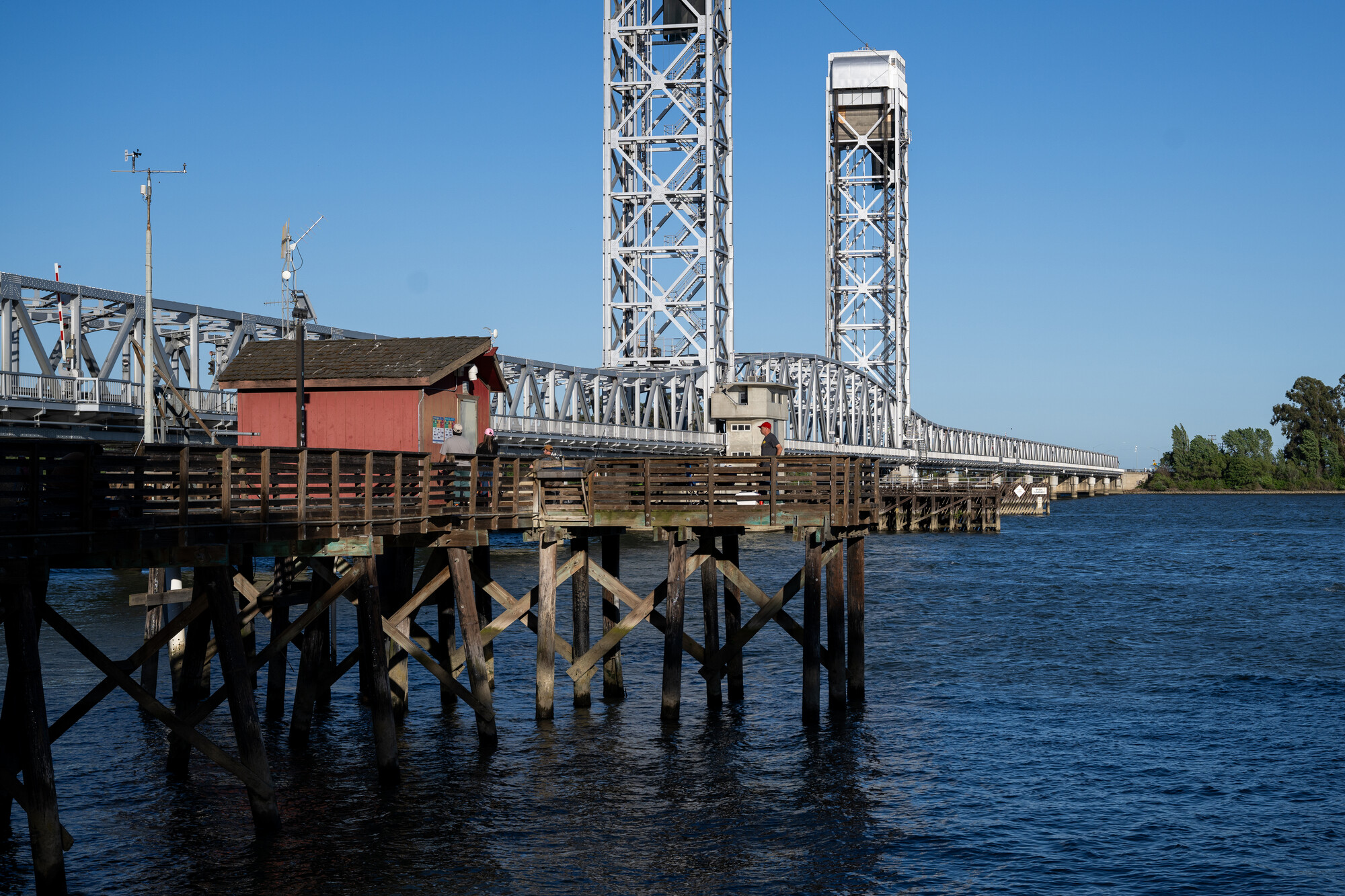
The bill, called the Solano Maritime and Manufacturing Act, would have allowed the company to rely on a nearly 20-year-old environmental impact report for a proposed shipbuilding site on land California Forever owns in Collinsville, a rural community at the mouth of the Sacramento-San Joaquin River Delta. It would have also fast-tracked regulatory approvals for the project.
The 3-2 vote is a major setback for the billionaire-backed company, which had spent $455,000 to lobby for the bill’s passage, according to recent state reports. It comes just a month after California Forever lost a major contract with the autonomous defense startup Saronic, which instead chose to build its Port Alpha naval shipyard in Brownsville, Texas. And it likely kills any chance of getting a bill passed before the end of the legislative session, which closes on Aug. 31.
“Today, we’ve already heard this legislation has holes,” Supervisor Mitch Mashburn said. “We need to continue to work on this legislation.”
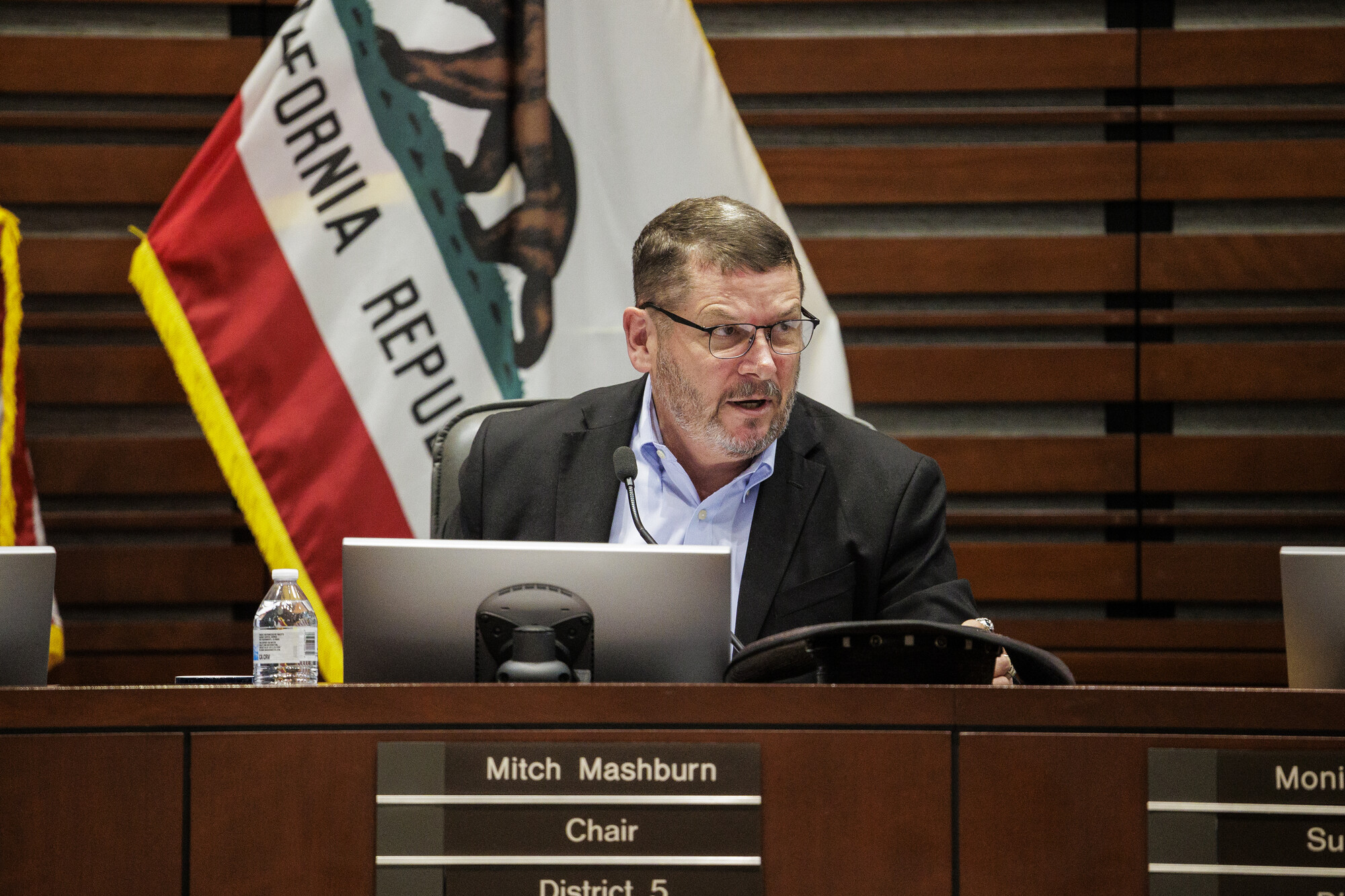
Most of the supervisors said they are interested in pursuing legislation in the future but want more time to work with the Governor’s Office, lawmakers and community groups between now and January, when the next legislative session starts, to draft a bill they fully understand and support.
Asked Wednesday about the deal’s demise, Gov. Gavin Newsom expressed frustration that the board didn’t jump at the opportunity and said he would “have voted for that in a nanosecond.”
“Continue to do what you’ve done, you’ll get what you got,” he said during a press conference on Mare Island in Vallejo. “Things are changing. … We’ve gotta step up our game.”
When asked whether he would continue to pursue the legislative deal, he said he would be meeting with his team on “three or four dozen bills” related to other matters, but that he would work through those and assess afterward.
While California Forever officials had been working on the legislative effort since mid-April, a bill has yet to be formally introduced. And as the session neared its end, it kept changing shape.
Earlier this year, company officials said the bill would encompass all of California Forever’s projects, including a proposed advanced manufacturing site and housing. Earlier this week, a person close to negotiations told KQED the bill could also streamline approvals for an aerospace site near Travis Air Force Base.
The bill’s amorphous shape contributed to the supervisors’ skepticism.
Assemblymember Lori Wilson and state Sen. Christopher Cabaldon, both Democrats who represent areas impacted by the streamlining proposal, had been in talks with the supervisors in the months leading up to its expected introduction. After the vote, Wilson issued a statement on social media acknowledging the vote.
“Solano County leaders have made clear they do not support the proposed Solano Maritime and Manufacturing Act at this time, and I will continue to let the county take the lead on shipbuilding and manufacturing opportunities,” the statement read.
While it is still possible for lawmakers to introduce the bill, it is unlikely given the lack of support from local officials.
“Solano County has the land and workforce to become a center for shipbuilding and manufacturing and bring in tens of thousands of well-paying jobs,” California Forever spokesperson Jim Wunderman said in a statement. “But to attract employers, key stakeholders must show the county is open for business and able to operate at the speed of competing states. We look forward to working with everyone on next steps.”
During the meeting’s three-hour public comment session, the crowd was overwhelmingly in opposition to the streamlining proposal, arguing it would limit the county’s ability to weigh in on future plans.
Karlyn Lewis, a county resident, pointed to a letter that opposition group Solano Together sent to state lawmakers in early August, urging them to reject the deal.
“It had nothing to do with jobs. It had to do with the state being able to come in and say, ‘We’re going to tell your locality what you need to do,’” she said. “I ask you to be against this proposal, this legislation, because we need to be able to chart our own destiny.”
Meanwhile, supporters of the proposal said it would provide much-needed jobs, particularly for people who commute outside the county for work. Steve McCall, the business manager for the local plumbers and steamfitters union, urged the supervisors to support the bill “for the workers, for the people of the county.”

“People in this county drive outside of it to go to work,” he said. “And for an area that has the largest unemployment in the Bay Area, I think we can make a change.”
Meanwhile, opponents of the deal said they didn’t get time to review the legislation, and it wouldn’t result in jobs and a loss of local control.
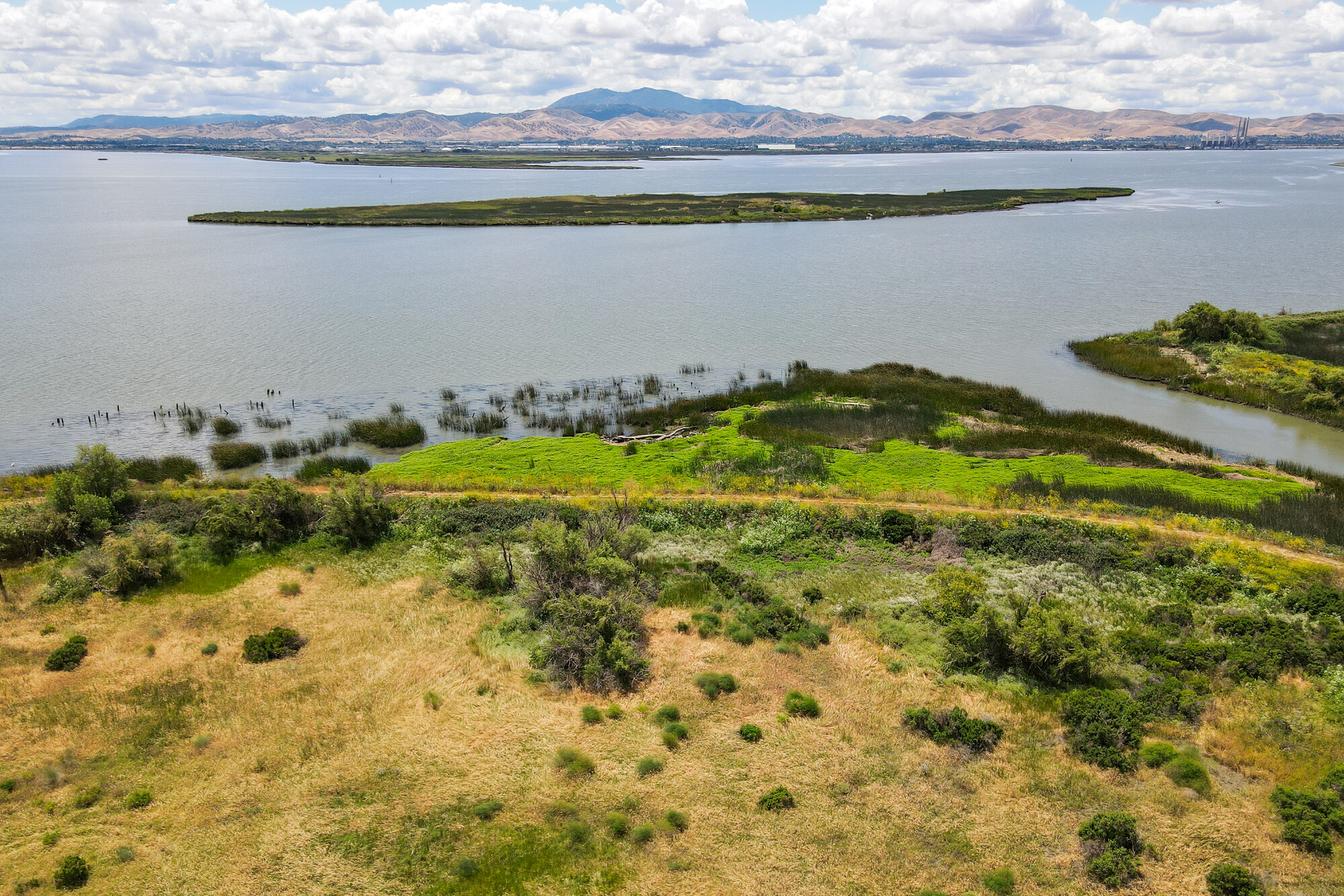
The company had been courting Saronic since last fall, with the hope that it would choose to build its shipyard on California Forever-owned land near Collinsville. This year’s legislative push was an attempt to woo the startup — and other prospective business partners — to set up shop on its site.
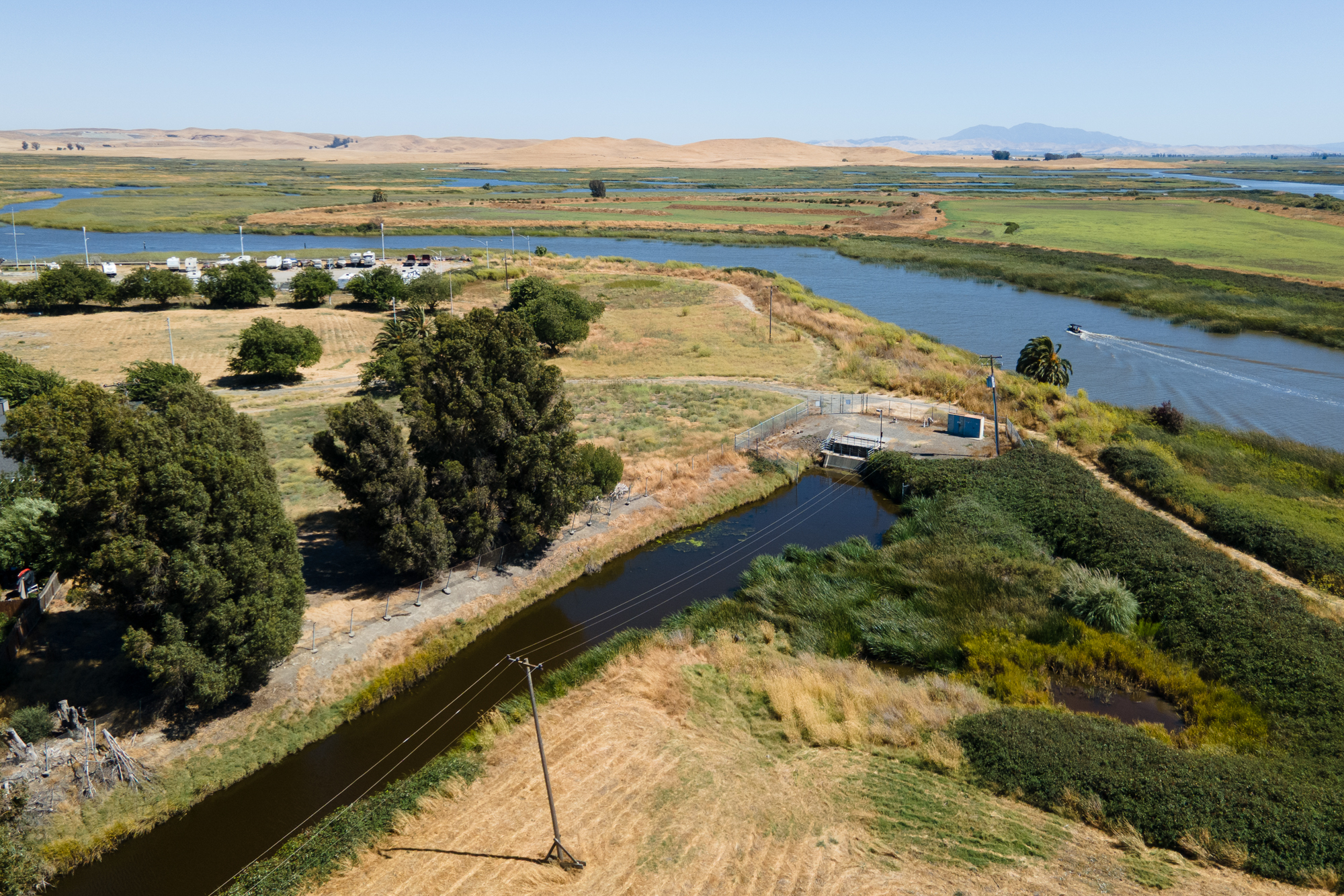
The legislation would have allowed California Forever to rely on a 2008 environmental impact report for the shipyard. The Solano County Board of Supervisors had previously designated about 1,350 acres near Collinsville for “water-dependent industrial use.” The bill would have also set hard permitting deadlines — 90 days for ministerial permits and 180 days for discretionary approvals — and created a shot clock of 45 days for disputes to be resolved.
Shortly after California Forever lost the Saronic deal, the Governor’s Office of Business and Economic Development convened a meeting with state lawmakers and officials from Solano County and California Forever to discuss a bill to support maritime and advanced manufacturing activities at the Collinsville site.
Mashburn said he worried the governor would include the legislation in a trailer bill, a secondary piece of legislation used to implement the state budget after it has been approved. Some have criticized the use of trailer bills as a way to sidestep public input. At Tuesday’s meeting, supervisors voted to revisit the streamlining proposal at a later date.
“The piece for me that gave it urgency was worrying about whether the governor was going to cram [the bill] down our throats,” Mashburn said. “And I got to tell you right now, I ain’t really that afraid of the governor.”
Supervisors Monica Brown and John Vasquez ultimately voted against Mashburn’s plan. While Vasquez did not comment on why he voted no, Brown said she did not want to support any future streamlining bill.
“I think we’re rushing into something and listening to something that I don’t think is going to [result in bringing] any kind of extra jobs without destroying the land,” Brown said. “And I don’t want the land to be destroyed.”
This is not the first time supervisors have been asked to provide direction on streamlining legislation for California Forever. Last September, in the last days of the legislative session, company officials worked with state lawmakers to introduce a bill similar to the one they worked on this year. The supervisors ultimately supported the effort, but no legislation was introduced or passed before the session ended.
At Tuesday’s meeting, Mashburn likened this year’s legislative push to “Groundhog Day,” and said he wants more time to discuss the details of any future deal.
“Not wait until the last minute,” he said. “That’s not going to play well.”
KQED reporter Ayah Ali-Ahmad contributed to this story.