Trump Grant Conditions for Gender, Abortion and Immigration Suffer 9th Circuit Defeat

Citing real and imminent harm to “vulnerable populations, critical programs, and ongoing services,” a federal appeals court refused Tuesday to let the Trump administration withhold billions of dollars in previously awarded federal funds from Bay Area cities and counties over compliance with new rules on “gender ideology,” “elective abortions” and immigration.
President Donald Trump had instituted the changes in early 2025, issuing what the court described as “sweeping executive orders” targeting the recipients of grant money from the Departments of Transportation and Housing and Urban Development.
The new conditions also require local governments to verify the immigration status of any individual grant recipient.
San Francisco and Washington state’s King County were among the raft of local governments that challenged the new conditions that May, quickly securing an injunction from a federal judge.
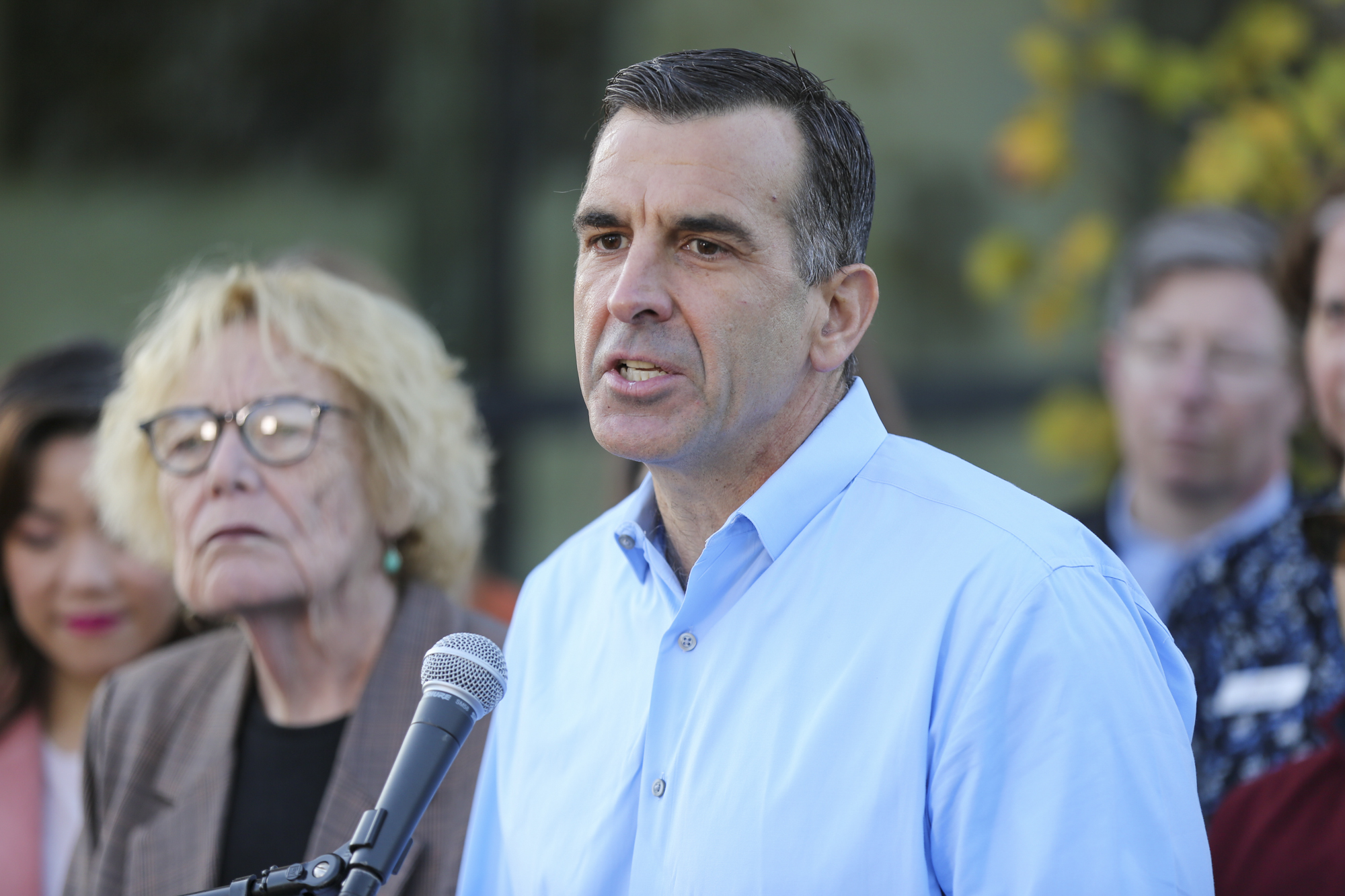
A divided panel of the 9th Circuit Court of Appeals affirmed that decision on Tuesday in Seattle, siding with Sonoma and Santa Clara counties, among other municipalities across the country.
“The majority of the conditions far exceed the limited authority set out by Congress and superimpose onerous requirements well after the government already awarded grant funds,” Judge M. Margaret McKeown wrote for the majority.
She noted that some of the governments involved in the lawsuit “have already expended millions of dollars in reliance on their conditional awards.”
McKeown said federal housing funds are designed “to meet the critically urgent needs of the homeless of the Nation” and “to assist the homeless, with special emphasis on elderly persons, handicapped persons, families with children, Native Americans, and veterans.”
Joined by fellow Clinton appointee Judge Richard Paez, McKeown agreed with the lower court’s finding that the “loss of grant funds would be devastating and irreparable.”
“It further concluded that ‘these likely harms are not … merely monetary in nature,’ and noted the potential harm to ‘shelter-unstable families’ and the ‘incalculable effects of forcing unforeseen reductions in transportation spending,’” McKeown wrote.
McKeown and Paez hinged their ruling on Title VI of the Civil Rights Act, saying “the Local Governments are likely to succeed on the merits” of their claim.
Pacifica Law Group attorney Paul J. Lawrence, who represented the local governments at oral arguments in February, called the decision “a major victory for the rule of law and a setback for the Trump Administration’s effort to force its policy objectives on local governments.”
“Only Congress, not the Executive, has the power to set conditions for the award of federal grants,” Lawrence said in an email. “Local governments depend on Congressionally approved grants to provide critical services to their communities. The ruling preserves access to billions of dollars in federal grants for 75 communities across the nation.”
Emily Langlie, a spokesperson for the U.S. Attorney’s Office in Seattle, declined to comment.
In a 20-page dissent, Trump-appointed Judge Patrick Bumatay called the ruling “yet another instance of courts confronting a question of ‘who decides’ and choosing wrong.”
“Too often it’s forgotten that the federal judiciary is the ‘weakest’ branch,” said Bumatay, quoting Alexander Hamilton in The Federalist Papers. “That’s because the judiciary ‘has no influence over either the sword or the purse.’ In other words, the federal ‘purse’ belongs to the political branches — not the courts. Unfortunately, those principles are forgotten here.”
A former federal prosecutor who received his judgeship in 2019, Bumatay cautioned that “dislike for the President’s policies is no substitute for following the law.”
“Rather than deferring to the Executive’s discretion to make these choices, we once again step into the political arena and decide what we think is best for the country,” he said. “By enjoining these funding conditions, we overstep our bounds and intrude on the policymaking left to the elected branches.”