window.__IS_SSR__=true
window.__INITIAL_STATE__={
"attachmentsReducer": {
"audio_0": {
"type": "attachments",
"id": "audio_0",
"imgSizes": {
"kqedFullSize": {
"file": "https://ww2.kqed.org/news/wp-content/themes/KQED-unified/img/audio_bgs/background0.jpg"
}
}
},
"audio_1": {
"type": "attachments",
"id": "audio_1",
"imgSizes": {
"kqedFullSize": {
"file": "https://ww2.kqed.org/news/wp-content/themes/KQED-unified/img/audio_bgs/background1.jpg"
}
}
},
"audio_2": {
"type": "attachments",
"id": "audio_2",
"imgSizes": {
"kqedFullSize": {
"file": "https://ww2.kqed.org/news/wp-content/themes/KQED-unified/img/audio_bgs/background2.jpg"
}
}
},
"audio_3": {
"type": "attachments",
"id": "audio_3",
"imgSizes": {
"kqedFullSize": {
"file": "https://ww2.kqed.org/news/wp-content/themes/KQED-unified/img/audio_bgs/background3.jpg"
}
}
},
"audio_4": {
"type": "attachments",
"id": "audio_4",
"imgSizes": {
"kqedFullSize": {
"file": "https://ww2.kqed.org/news/wp-content/themes/KQED-unified/img/audio_bgs/background4.jpg"
}
}
},
"placeholder": {
"type": "attachments",
"id": "placeholder",
"imgSizes": {
"thumbnail": {
"file": "https://cdn.kqed.org/wp-content/uploads/2024/12/KQED-Default-Image-816638274-2000x1333-1-160x107.jpg",
"width": 160,
"height": 107,
"mimeType": "image/jpeg"
},
"medium": {
"file": "https://cdn.kqed.org/wp-content/uploads/2024/12/KQED-Default-Image-816638274-2000x1333-1-800x533.jpg",
"width": 800,
"height": 533,
"mimeType": "image/jpeg"
},
"medium_large": {
"file": "https://cdn.kqed.org/wp-content/uploads/2024/12/KQED-Default-Image-816638274-2000x1333-1-768x512.jpg",
"width": 768,
"height": 512,
"mimeType": "image/jpeg"
},
"large": {
"file": "https://cdn.kqed.org/wp-content/uploads/2024/12/KQED-Default-Image-816638274-2000x1333-1-1020x680.jpg",
"width": 1020,
"height": 680,
"mimeType": "image/jpeg"
},
"1536x1536": {
"file": "https://cdn.kqed.org/wp-content/uploads/2024/12/KQED-Default-Image-816638274-2000x1333-1-1536x1024.jpg",
"width": 1536,
"height": 1024,
"mimeType": "image/jpeg"
},
"fd-lrg": {
"file": "https://cdn.kqed.org/wp-content/uploads/2024/12/KQED-Default-Image-816638274-2000x1333-1-1536x1024.jpg",
"width": 1536,
"height": 1024,
"mimeType": "image/jpeg"
},
"fd-med": {
"file": "https://cdn.kqed.org/wp-content/uploads/2024/12/KQED-Default-Image-816638274-2000x1333-1-1020x680.jpg",
"width": 1020,
"height": 680,
"mimeType": "image/jpeg"
},
"fd-sm": {
"file": "https://cdn.kqed.org/wp-content/uploads/2024/12/KQED-Default-Image-816638274-2000x1333-1-800x533.jpg",
"width": 800,
"height": 533,
"mimeType": "image/jpeg"
},
"post-thumbnail": {
"file": "https://cdn.kqed.org/wp-content/uploads/2024/12/KQED-Default-Image-816638274-2000x1333-1-672x372.jpg",
"width": 672,
"height": 372,
"mimeType": "image/jpeg"
},
"twentyfourteen-full-width": {
"file": "https://cdn.kqed.org/wp-content/uploads/2024/12/KQED-Default-Image-816638274-2000x1333-1-1038x576.jpg",
"width": 1038,
"height": 576,
"mimeType": "image/jpeg"
},
"xxsmall": {
"file": "https://cdn.kqed.org/wp-content/uploads/2024/12/KQED-Default-Image-816638274-2000x1333-1-160x107.jpg",
"width": 160,
"height": 107,
"mimeType": "image/jpeg"
},
"xsmall": {
"file": "https://cdn.kqed.org/wp-content/uploads/2024/12/KQED-Default-Image-816638274-2000x1333-1-672x372.jpg",
"width": 672,
"height": 372,
"mimeType": "image/jpeg"
},
"small": {
"file": "https://cdn.kqed.org/wp-content/uploads/2024/12/KQED-Default-Image-816638274-2000x1333-1-672x372.jpg",
"width": 672,
"height": 372,
"mimeType": "image/jpeg"
},
"xlarge": {
"file": "https://cdn.kqed.org/wp-content/uploads/2024/12/KQED-Default-Image-816638274-2000x1333-1-1020x680.jpg",
"width": 1020,
"height": 680,
"mimeType": "image/jpeg"
},
"full-width": {
"file": "https://cdn.kqed.org/wp-content/uploads/2024/12/KQED-Default-Image-816638274-2000x1333-1-1920x1280.jpg",
"width": 1920,
"height": 1280,
"mimeType": "image/jpeg"
},
"guest-author-32": {
"file": "https://cdn.kqed.org/wp-content/uploads/2025/01/KQED-Default-Image-816638274-1333x1333-1-160x160.jpg",
"width": 32,
"height": 32,
"mimeType": "image/jpeg"
},
"guest-author-50": {
"file": "https://cdn.kqed.org/wp-content/uploads/2025/01/KQED-Default-Image-816638274-1333x1333-1-160x160.jpg",
"width": 50,
"height": 50,
"mimeType": "image/jpeg"
},
"guest-author-64": {
"file": "https://cdn.kqed.org/wp-content/uploads/2025/01/KQED-Default-Image-816638274-1333x1333-1-160x160.jpg",
"width": 64,
"height": 64,
"mimeType": "image/jpeg"
},
"guest-author-96": {
"file": "https://cdn.kqed.org/wp-content/uploads/2025/01/KQED-Default-Image-816638274-1333x1333-1-160x160.jpg",
"width": 96,
"height": 96,
"mimeType": "image/jpeg"
},
"guest-author-128": {
"file": "https://cdn.kqed.org/wp-content/uploads/2025/01/KQED-Default-Image-816638274-1333x1333-1-160x160.jpg",
"width": 128,
"height": 128,
"mimeType": "image/jpeg"
},
"detail": {
"file": "https://cdn.kqed.org/wp-content/uploads/2025/01/KQED-Default-Image-816638274-1333x1333-1-160x160.jpg",
"width": 160,
"height": 160,
"mimeType": "image/jpeg"
},
"kqedFullSize": {
"file": "https://cdn.kqed.org/wp-content/uploads/2024/12/KQED-Default-Image-816638274-2000x1333-1.jpg",
"width": 2000,
"height": 1333
}
}
},
"news_12079648": {
"type": "attachments",
"id": "news_12079648",
"meta": {
"index": "attachments_1716263798",
"site": "news",
"id": "12079648",
"found": true
},
"title": "260413-SILICON VALLEY CHURN-01-KQED",
"publishDate": 1776099644,
"status": "inherit",
"parent": 12085049,
"modified": 1779836995,
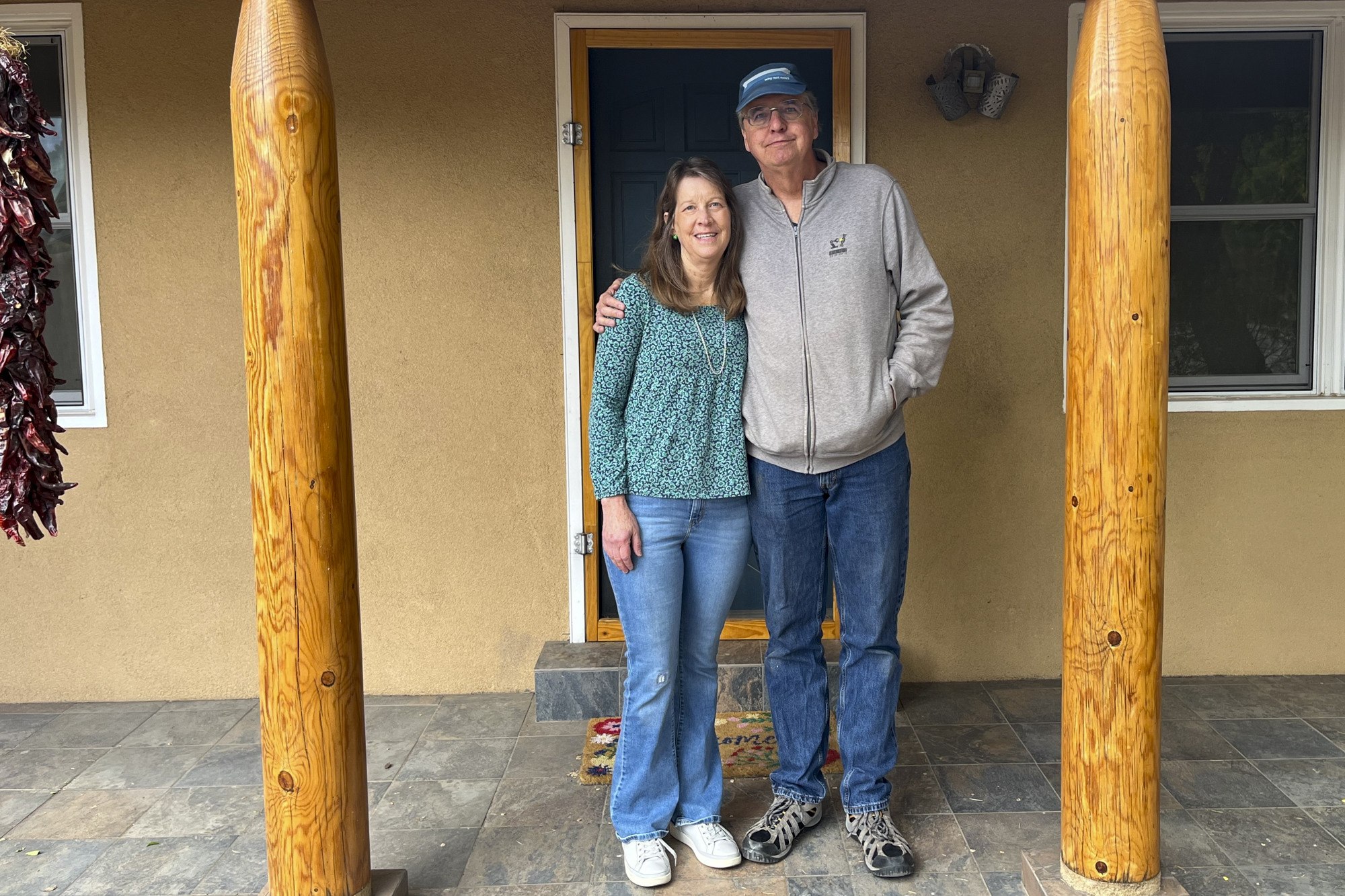
"caption": "Mark Wogulis and Melanie Bowden in front of their new home in Santa Fe, New Mexico in May of 2025. A layoff in biotech forced the couple to sell their home in Berkeley and retire early.",
"credit": "Courtesy of Danielle Wogulis",
"altTag": null,
"description": null,
"imgSizes": {
"thumbnail": {
"file": "https://cdn.kqed.org/wp-content/uploads/sites/10/2026/04/260413-SILICON-VALLEY-CHURN-01-KQED-160x107.jpg",
"width": 160,
"height": 107,
"mimeType": "image/jpeg"
},
"1536x1536": {
"file": "https://cdn.kqed.org/wp-content/uploads/sites/10/2026/04/260413-SILICON-VALLEY-CHURN-01-KQED-1536x1024.jpg",
"width": 1536,
"height": 1024,
"mimeType": "image/jpeg"
},
"post-thumbnail": {
"file": "https://cdn.kqed.org/wp-content/uploads/sites/10/2026/04/260413-SILICON-VALLEY-CHURN-01-KQED-672x372.jpg",
"width": 672,
"height": 372,
"mimeType": "image/jpeg"
},
"twentyfourteen-full-width": {
"file": "https://cdn.kqed.org/wp-content/uploads/sites/10/2026/04/260413-SILICON-VALLEY-CHURN-01-KQED-1038x576.jpg",
"width": 1038,
"height": 576,
"mimeType": "image/jpeg"
},
"npr-cds-wide": {
"file": "https://cdn.kqed.org/wp-content/uploads/sites/10/2026/04/260413-SILICON-VALLEY-CHURN-01-KQED-1200x675.jpg",
"width": 1200,
"height": 675,
"mimeType": "image/jpeg"
},
"npr-cds-square": {
"file": "https://cdn.kqed.org/wp-content/uploads/sites/10/2026/04/260413-SILICON-VALLEY-CHURN-01-KQED-600x600.jpg",
"width": 600,
"height": 600,
"mimeType": "image/jpeg"
},
"kqedFullSize": {
"file": "https://cdn.kqed.org/wp-content/uploads/sites/10/2026/04/260413-SILICON-VALLEY-CHURN-01-KQED.jpg",
"width": 2000,
"height": 1333
}
},
"isLoading": false,
"fetchFailed": false
},
"news_12084848": {
"type": "attachments",
"id": "news_12084848",
"meta": {
"index": "attachments_1716263798",
"site": "news",
"id": "12084848",
"found": true
},
"title": "260123-signaturekickoff00181_TV_qed",
"publishDate": 1779407255,
"status": "inherit",
"parent": 12084841,
"modified": 1779407284,
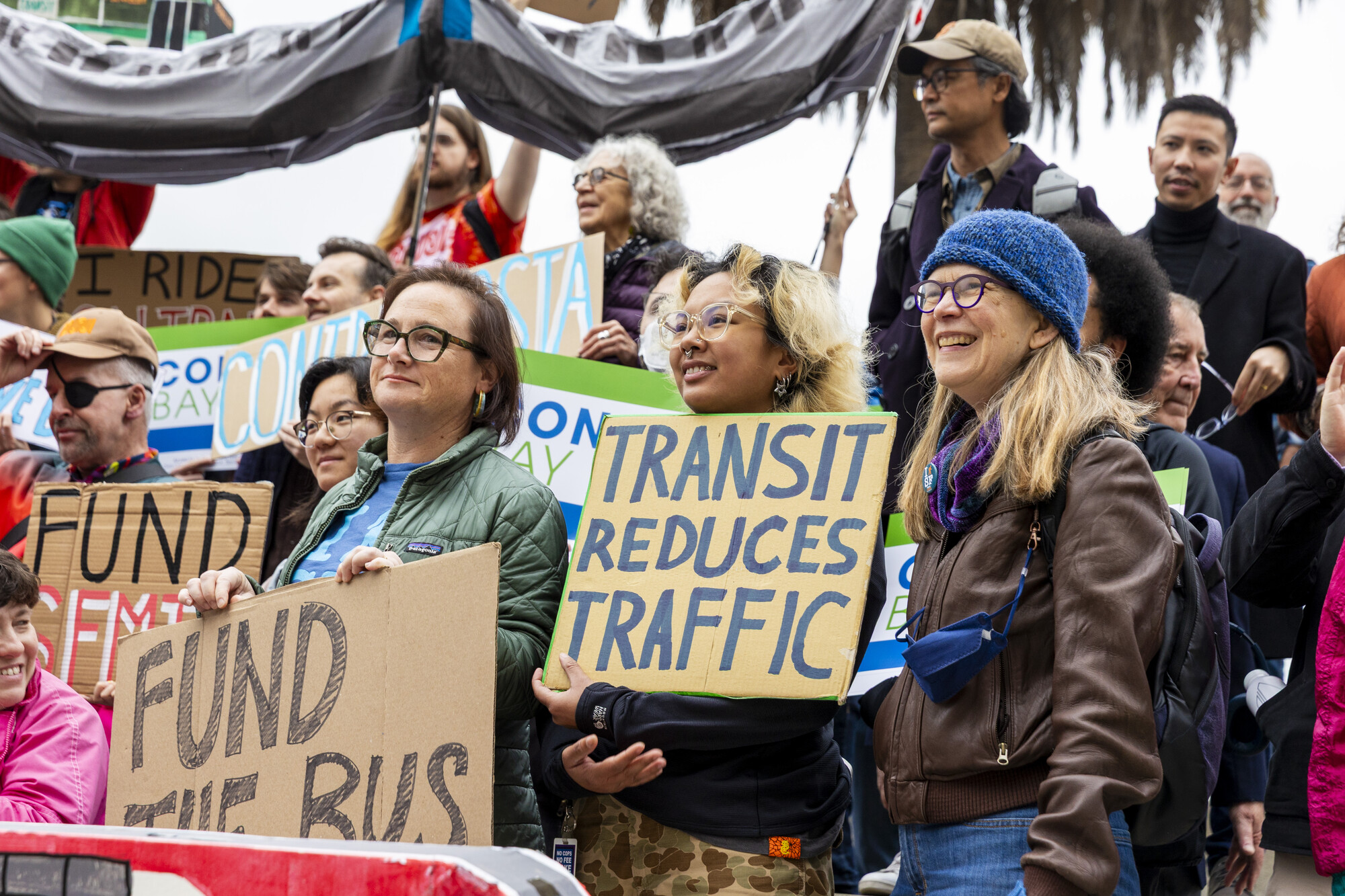
"caption": "Supporters of public transit pose for a picture at a press conference about California Senate Bill 63 at Embarcardero Plaza in San Francisco on Jan. 23, 2026.",
"credit": "Tâm Vũ/KQED",
"altTag": null,
"description": null,
"imgSizes": {
"thumbnail": {
"file": "https://cdn.kqed.org/wp-content/uploads/sites/10/2026/05/260123-signaturekickoff00181_TV_qed-160x107.jpg",
"width": 160,
"height": 107,
"mimeType": "image/jpeg"
},
"1536x1536": {
"file": "https://cdn.kqed.org/wp-content/uploads/sites/10/2026/05/260123-signaturekickoff00181_TV_qed-1536x1024.jpg",
"width": 1536,
"height": 1024,
"mimeType": "image/jpeg"
},
"post-thumbnail": {
"file": "https://cdn.kqed.org/wp-content/uploads/sites/10/2026/05/260123-signaturekickoff00181_TV_qed-672x372.jpg",
"width": 672,
"height": 372,
"mimeType": "image/jpeg"
},
"twentyfourteen-full-width": {
"file": "https://cdn.kqed.org/wp-content/uploads/sites/10/2026/05/260123-signaturekickoff00181_TV_qed-1038x576.jpg",
"width": 1038,
"height": 576,
"mimeType": "image/jpeg"
},
"npr-cds-wide": {
"file": "https://cdn.kqed.org/wp-content/uploads/sites/10/2026/05/260123-signaturekickoff00181_TV_qed-1200x675.jpg",
"width": 1200,
"height": 675,
"mimeType": "image/jpeg"
},
"npr-cds-square": {
"file": "https://cdn.kqed.org/wp-content/uploads/sites/10/2026/05/260123-signaturekickoff00181_TV_qed-600x600.jpg",
"width": 600,
"height": 600,
"mimeType": "image/jpeg"
},
"kqedFullSize": {
"file": "https://cdn.kqed.org/wp-content/uploads/sites/10/2026/05/260123-signaturekickoff00181_TV_qed.jpg",
"width": 2000,
"height": 1333
}
},
"isLoading": false,
"fetchFailed": false
},
"news_12081645": {
"type": "attachments",
"id": "news_12081645",
"meta": {
"index": "attachments_1716263798",
"site": "news",
"id": "12081645",
"found": true
},
"title": "260428-TRANSITRIDERSHIPREBOUND00197_TV-KQED",
"publishDate": 1777410513,
"status": "inherit",
"parent": 12081663,
"modified": 1777419805,
"caption": "Trains are stationed at the Caltrain station on King Street and 4th Street in San Francisco on April 27, 2026.",
"credit": "Tâm Vũ/KQED",
"altTag": null,
"description": null,
"imgSizes": {
"thumbnail": {
"file": "https://cdn.kqed.org/wp-content/uploads/sites/10/2026/04/260428-TRANSITRIDERSHIPREBOUND00197_TV-KQED-160x107.jpg",
"width": 160,
"height": 107,
"mimeType": "image/jpeg"
},
"1536x1536": {
"file": "https://cdn.kqed.org/wp-content/uploads/sites/10/2026/04/260428-TRANSITRIDERSHIPREBOUND00197_TV-KQED-1536x1024.jpg",
"width": 1536,
"height": 1024,
"mimeType": "image/jpeg"
},
"post-thumbnail": {
"file": "https://cdn.kqed.org/wp-content/uploads/sites/10/2026/04/260428-TRANSITRIDERSHIPREBOUND00197_TV-KQED-672x372.jpg",
"width": 672,
"height": 372,
"mimeType": "image/jpeg"
},
"twentyfourteen-full-width": {
"file": "https://cdn.kqed.org/wp-content/uploads/sites/10/2026/04/260428-TRANSITRIDERSHIPREBOUND00197_TV-KQED-1038x576.jpg",
"width": 1038,
"height": 576,
"mimeType": "image/jpeg"
},
"npr-cds-wide": {
"file": "https://cdn.kqed.org/wp-content/uploads/sites/10/2026/04/260428-TRANSITRIDERSHIPREBOUND00197_TV-KQED-1200x675.jpg",
"width": 1200,
"height": 675,
"mimeType": "image/jpeg"
},
"npr-cds-square": {
"file": "https://cdn.kqed.org/wp-content/uploads/sites/10/2026/04/260428-TRANSITRIDERSHIPREBOUND00197_TV-KQED-600x600.jpg",
"width": 600,
"height": 600,
"mimeType": "image/jpeg"
},
"kqedFullSize": {
"file": "https://cdn.kqed.org/wp-content/uploads/sites/10/2026/04/260428-TRANSITRIDERSHIPREBOUND00197_TV-KQED.jpg",
"width": 2000,
"height": 1333
}
},
"isLoading": false,
"fetchFailed": false
},
"news_12084638": {
"type": "attachments",
"id": "news_12084638",
"meta": {
"index": "attachments_1716263798",
"site": "news",
"id": "12084638",
"found": true
},
"title": "003_KQED_SanFrancisco_Election2020_TanyaYule_10092020_qed",
"publishDate": 1779383026,
"status": "inherit",
"parent": 12084631,
"modified": 1779383050,
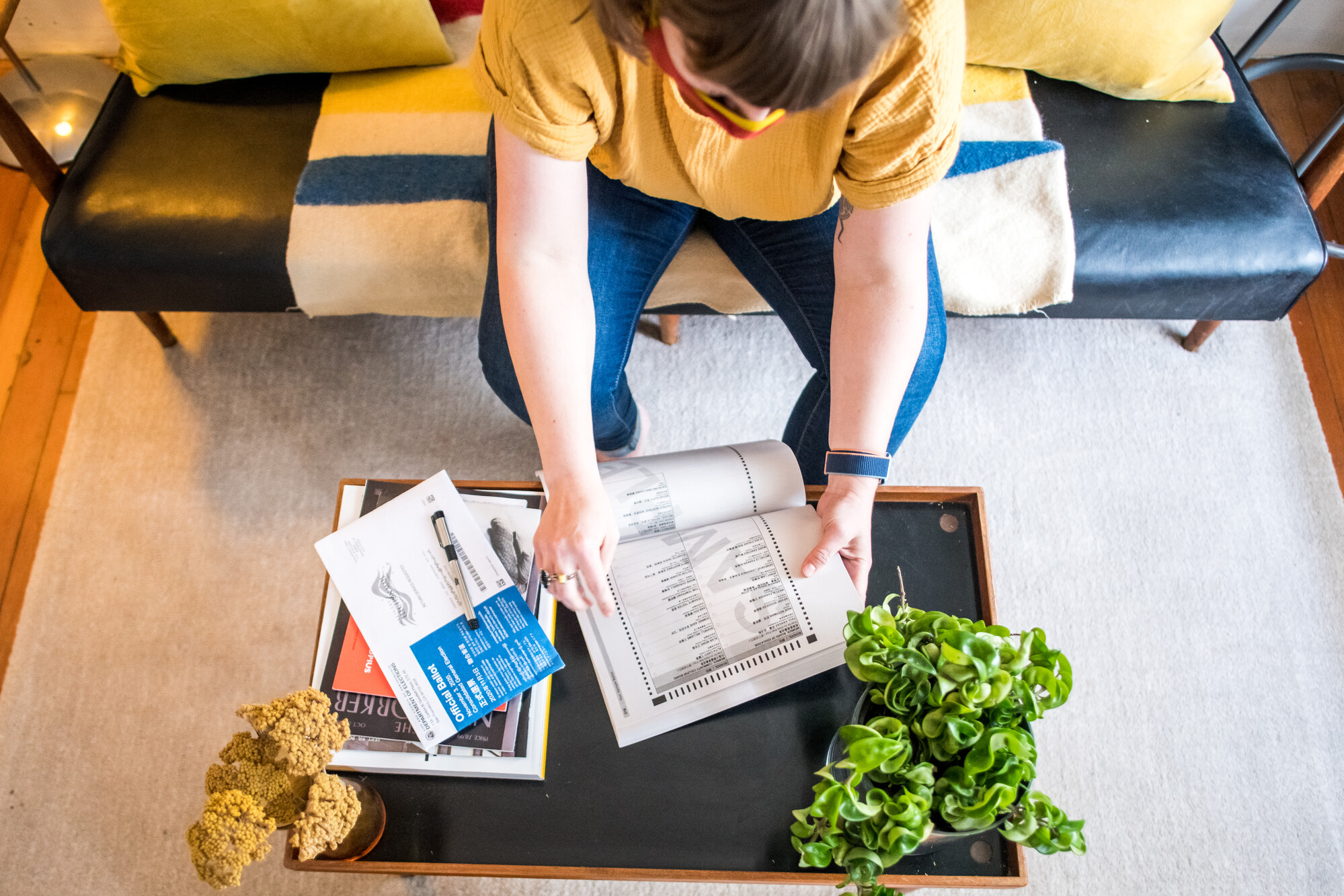
"caption": "Tanya Yule looks over a voting guide at her home in San Francisco on Oct. 9, 2020.",
"credit": "Beth LaBerge/KQED",
"altTag": null,
"description": null,
"imgSizes": {
"thumbnail": {
"file": "https://cdn.kqed.org/wp-content/uploads/sites/10/2026/05/003_KQED_SanFrancisco_Election2020_TanyaYule_10092020_qed-160x107.jpg",
"width": 160,
"height": 107,
"mimeType": "image/jpeg"
},
"1536x1536": {
"file": "https://cdn.kqed.org/wp-content/uploads/sites/10/2026/05/003_KQED_SanFrancisco_Election2020_TanyaYule_10092020_qed-1536x1024.jpg",
"width": 1536,
"height": 1024,
"mimeType": "image/jpeg"
},
"post-thumbnail": {
"file": "https://cdn.kqed.org/wp-content/uploads/sites/10/2026/05/003_KQED_SanFrancisco_Election2020_TanyaYule_10092020_qed-672x372.jpg",
"width": 672,
"height": 372,
"mimeType": "image/jpeg"
},
"twentyfourteen-full-width": {
"file": "https://cdn.kqed.org/wp-content/uploads/sites/10/2026/05/003_KQED_SanFrancisco_Election2020_TanyaYule_10092020_qed-1038x576.jpg",
"width": 1038,
"height": 576,
"mimeType": "image/jpeg"
},
"npr-cds-wide": {
"file": "https://cdn.kqed.org/wp-content/uploads/sites/10/2026/05/003_KQED_SanFrancisco_Election2020_TanyaYule_10092020_qed-1200x675.jpg",
"width": 1200,
"height": 675,
"mimeType": "image/jpeg"
},
"npr-cds-square": {
"file": "https://cdn.kqed.org/wp-content/uploads/sites/10/2026/05/003_KQED_SanFrancisco_Election2020_TanyaYule_10092020_qed-600x600.jpg",
"width": 600,
"height": 600,
"mimeType": "image/jpeg"
},
"kqedFullSize": {
"file": "https://cdn.kqed.org/wp-content/uploads/sites/10/2026/05/003_KQED_SanFrancisco_Election2020_TanyaYule_10092020_qed.jpg",
"width": 1999,
"height": 1333
}
},
"isLoading": false,
"fetchFailed": false
},
"news_12084649": {
"type": "attachments",
"id": "news_12084649",
"meta": {
"index": "attachments_1716263798",
"site": "news",
"id": "12084649",
"found": true
},
"title": "Global Sumud Flotilla is ready to set sail from Marmaris to Gaza with 54 boats",
"publishDate": 1779384243,
"status": "inherit",
"parent": 12084628,
"modified": 1779398589,
"caption": "Global Sumud Flotilla, formed to break the Israeli blockade, ready to set sail for Gaza into the Mediterranean from Marmaris with its 54 vessels in Mugla, Turkiye, on May 14, 2026. ",
"credit": "Orhan Cicek/Anadolu via Getty Images",
"altTag": null,
"description": null,
"imgSizes": {
"medium": {
"file": "https://cdn.kqed.org/wp-content/uploads/sites/10/2026/05/GlobalSumudFlotillaGetty-2000x1125.jpg",
"width": 2000,
"height": 1125,
"mimeType": "image/jpeg"
},
"large": {
"file": "https://cdn.kqed.org/wp-content/uploads/sites/10/2026/05/GlobalSumudFlotillaGetty-2000x1125.jpg",
"width": 2000,
"height": 1125,
"mimeType": "image/jpeg"
},
"thumbnail": {
"file": "https://cdn.kqed.org/wp-content/uploads/sites/10/2026/05/GlobalSumudFlotillaGetty-160x90.jpg",
"width": 160,
"height": 90,
"mimeType": "image/jpeg"
},
"1536x1536": {
"file": "https://cdn.kqed.org/wp-content/uploads/sites/10/2026/05/GlobalSumudFlotillaGetty-1536x864.jpg",
"width": 1536,
"height": 864,
"mimeType": "image/jpeg"
},
"2048x2048": {
"file": "https://cdn.kqed.org/wp-content/uploads/sites/10/2026/05/GlobalSumudFlotillaGetty-2048x1152.jpg",
"width": 2048,
"height": 1152,
"mimeType": "image/jpeg"
},
"post-thumbnail": {
"file": "https://cdn.kqed.org/wp-content/uploads/sites/10/2026/05/GlobalSumudFlotillaGetty-672x372.jpg",
"width": 672,
"height": 372,
"mimeType": "image/jpeg"
},
"twentyfourteen-full-width": {
"file": "https://cdn.kqed.org/wp-content/uploads/sites/10/2026/05/GlobalSumudFlotillaGetty-1038x576.jpg",
"width": 1038,
"height": 576,
"mimeType": "image/jpeg"
},
"full-width": {
"file": "https://cdn.kqed.org/wp-content/uploads/sites/10/2026/05/GlobalSumudFlotillaGetty-2000x1125.jpg",
"width": 2000,
"height": 1125,
"mimeType": "image/jpeg"
},
"npr-cds-wide": {
"file": "https://cdn.kqed.org/wp-content/uploads/sites/10/2026/05/GlobalSumudFlotillaGetty-1200x675.jpg",
"width": 1200,
"height": 675,
"mimeType": "image/jpeg"
},
"npr-cds-square": {
"file": "https://cdn.kqed.org/wp-content/uploads/sites/10/2026/05/GlobalSumudFlotillaGetty-600x600.jpg",
"width": 600,
"height": 600,
"mimeType": "image/jpeg"
},
"kqedFullSize": {
"file": "https://cdn.kqed.org/wp-content/uploads/sites/10/2026/05/GlobalSumudFlotillaGetty-scaled.jpg",
"width": 2560,
"height": 1440
}
},
"isLoading": false,
"fetchFailed": false
},
"news_12084464": {
"type": "attachments",
"id": "news_12084464",
"meta": {
"index": "attachments_1716263798",
"site": "news",
"id": "12084464",
"found": true
},
"title": "250520-Oakland Youth Mental Health-KQED",
"publishDate": 1779293162,
"status": "inherit",
"parent": 0,
"modified": 1779315581,
"caption": "Oakland high schoolers photographed their lives as part of a pilot workshop series focused on visual storytelling and youth mental health.",
"credit": null,
"altTag": null,
"description": null,
"imgSizes": {
"thumbnail": {
"file": "https://cdn.kqed.org/wp-content/uploads/sites/10/2026/05/250520-Oakland-Youth-Mental-Health-KQED-160x107.jpg",
"width": 160,
"height": 107,
"mimeType": "image/jpeg"
},
"1536x1536": {
"file": "https://cdn.kqed.org/wp-content/uploads/sites/10/2026/05/250520-Oakland-Youth-Mental-Health-KQED-1536x1025.jpg",
"width": 1536,
"height": 1025,
"mimeType": "image/jpeg"
},
"post-thumbnail": {
"file": "https://cdn.kqed.org/wp-content/uploads/sites/10/2026/05/250520-Oakland-Youth-Mental-Health-KQED-672x372.jpg",
"width": 672,
"height": 372,
"mimeType": "image/jpeg"
},
"twentyfourteen-full-width": {
"file": "https://cdn.kqed.org/wp-content/uploads/sites/10/2026/05/250520-Oakland-Youth-Mental-Health-KQED-1038x576.jpg",
"width": 1038,
"height": 576,
"mimeType": "image/jpeg"
},
"npr-cds-wide": {
"file": "https://cdn.kqed.org/wp-content/uploads/sites/10/2026/05/250520-Oakland-Youth-Mental-Health-KQED-1200x675.jpg",
"width": 1200,
"height": 675,
"mimeType": "image/jpeg"
},
"npr-cds-square": {
"file": "https://cdn.kqed.org/wp-content/uploads/sites/10/2026/05/250520-Oakland-Youth-Mental-Health-KQED-600x600.jpg",
"width": 600,
"height": 600,
"mimeType": "image/jpeg"
},
"kqedFullSize": {
"file": "https://cdn.kqed.org/wp-content/uploads/sites/10/2026/05/250520-Oakland-Youth-Mental-Health-KQED.jpg",
"width": 2000,
"height": 1334
}
},
"isLoading": false,
"fetchFailed": false
},
"news_12078516": {
"type": "attachments",
"id": "news_12078516",
"meta": {
"index": "attachments_1716263798",
"site": "news",
"id": "12078516",
"found": true
},
"title": "260402-OAKTEACHERHOUSING-12-BL_QED-KQED",
"publishDate": 1775164103,
"status": "inherit",
"parent": 12085535,
"modified": 1780418035,
"caption": "Mayor Barbara Lee speaks during a press conference announcing new affordable housing for Oakland Unified School District teachers and school employees at a recently purchased residential building in Oakland on April 2, 2026.",
"credit": "Beth LaBerge/KQED",
"altTag": null,
"description": null,
"imgSizes": {
"thumbnail": {
"file": "https://cdn.kqed.org/wp-content/uploads/sites/10/2026/04/260402-OAKTEACHERHOUSING-12-BL_QED-KQED-160x107.jpg",
"width": 160,
"height": 107,
"mimeType": "image/jpeg"
},
"1536x1536": {
"file": "https://cdn.kqed.org/wp-content/uploads/sites/10/2026/04/260402-OAKTEACHERHOUSING-12-BL_QED-KQED-1536x1024.jpg",
"width": 1536,
"height": 1024,
"mimeType": "image/jpeg"
},
"post-thumbnail": {
"file": "https://cdn.kqed.org/wp-content/uploads/sites/10/2026/04/260402-OAKTEACHERHOUSING-12-BL_QED-KQED-672x372.jpg",
"width": 672,
"height": 372,
"mimeType": "image/jpeg"
},
"twentyfourteen-full-width": {
"file": "https://cdn.kqed.org/wp-content/uploads/sites/10/2026/04/260402-OAKTEACHERHOUSING-12-BL_QED-KQED-1038x576.jpg",
"width": 1038,
"height": 576,
"mimeType": "image/jpeg"
},
"npr-cds-wide": {
"file": "https://cdn.kqed.org/wp-content/uploads/sites/10/2026/04/260402-OAKTEACHERHOUSING-12-BL_QED-KQED-1200x675.jpg",
"width": 1200,
"height": 675,
"mimeType": "image/jpeg"
},
"npr-cds-square": {
"file": "https://cdn.kqed.org/wp-content/uploads/sites/10/2026/04/260402-OAKTEACHERHOUSING-12-BL_QED-KQED-600x600.jpg",
"width": 600,
"height": 600,
"mimeType": "image/jpeg"
},
"kqedFullSize": {
"file": "https://cdn.kqed.org/wp-content/uploads/sites/10/2026/04/260402-OAKTEACHERHOUSING-12-BL_QED-KQED.jpg",
"width": 1999,
"height": 1333
}
},
"isLoading": false,
"fetchFailed": false
},
"news_12084574": {
"type": "attachments",
"id": "news_12084574",
"meta": {
"index": "attachments_1716263798",
"site": "news",
"id": "12084574",
"found": true
},
"title": "Under-16s Ban On Social Media Backed By The House of Lords",
"publishDate": 1779315192,
"status": "inherit",
"parent": 12084499,
"modified": 1779319300,
"caption": "A 14-year-old boy holds an iPhone with various social media and messaging apps on Feb. 23, 2026. ",
"credit": "Anna Barclay/Getty Images",
"altTag": null,
"description": null,
"imgSizes": {
"thumbnail": {
"file": "https://cdn.kqed.org/wp-content/uploads/sites/10/2026/05/TeenagersMetaSocialMediaGetty-160x107.jpg",
"width": 160,
"height": 107,
"mimeType": "image/jpeg"
},
"1536x1536": {
"file": "https://cdn.kqed.org/wp-content/uploads/sites/10/2026/05/TeenagersMetaSocialMediaGetty-1536x1024.jpg",
"width": 1536,
"height": 1024,
"mimeType": "image/jpeg"
},
"post-thumbnail": {
"file": "https://cdn.kqed.org/wp-content/uploads/sites/10/2026/05/TeenagersMetaSocialMediaGetty-672x372.jpg",
"width": 672,
"height": 372,
"mimeType": "image/jpeg"
},
"twentyfourteen-full-width": {
"file": "https://cdn.kqed.org/wp-content/uploads/sites/10/2026/05/TeenagersMetaSocialMediaGetty-1038x576.jpg",
"width": 1038,
"height": 576,
"mimeType": "image/jpeg"
},
"npr-cds-wide": {
"file": "https://cdn.kqed.org/wp-content/uploads/sites/10/2026/05/TeenagersMetaSocialMediaGetty-1200x675.jpg",
"width": 1200,
"height": 675,
"mimeType": "image/jpeg"
},
"npr-cds-square": {
"file": "https://cdn.kqed.org/wp-content/uploads/sites/10/2026/05/TeenagersMetaSocialMediaGetty-600x600.jpg",
"width": 600,
"height": 600,
"mimeType": "image/jpeg"
},
"kqedFullSize": {
"file": "https://cdn.kqed.org/wp-content/uploads/sites/10/2026/05/TeenagersMetaSocialMediaGetty.jpg",
"width": 2000,
"height": 1333
}
},
"isLoading": false,
"fetchFailed": false
},
"news_12084468": {
"type": "attachments",
"id": "news_12084468",
"meta": {
"index": "attachments_1716263798",
"site": "news",
"id": "12084468",
"found": true
},
"title": "The REI store in Berkeley on March 28, 2025.",
"publishDate": 1779293778,
"status": "inherit",
"parent": 12084465,
"modified": 1779293979,
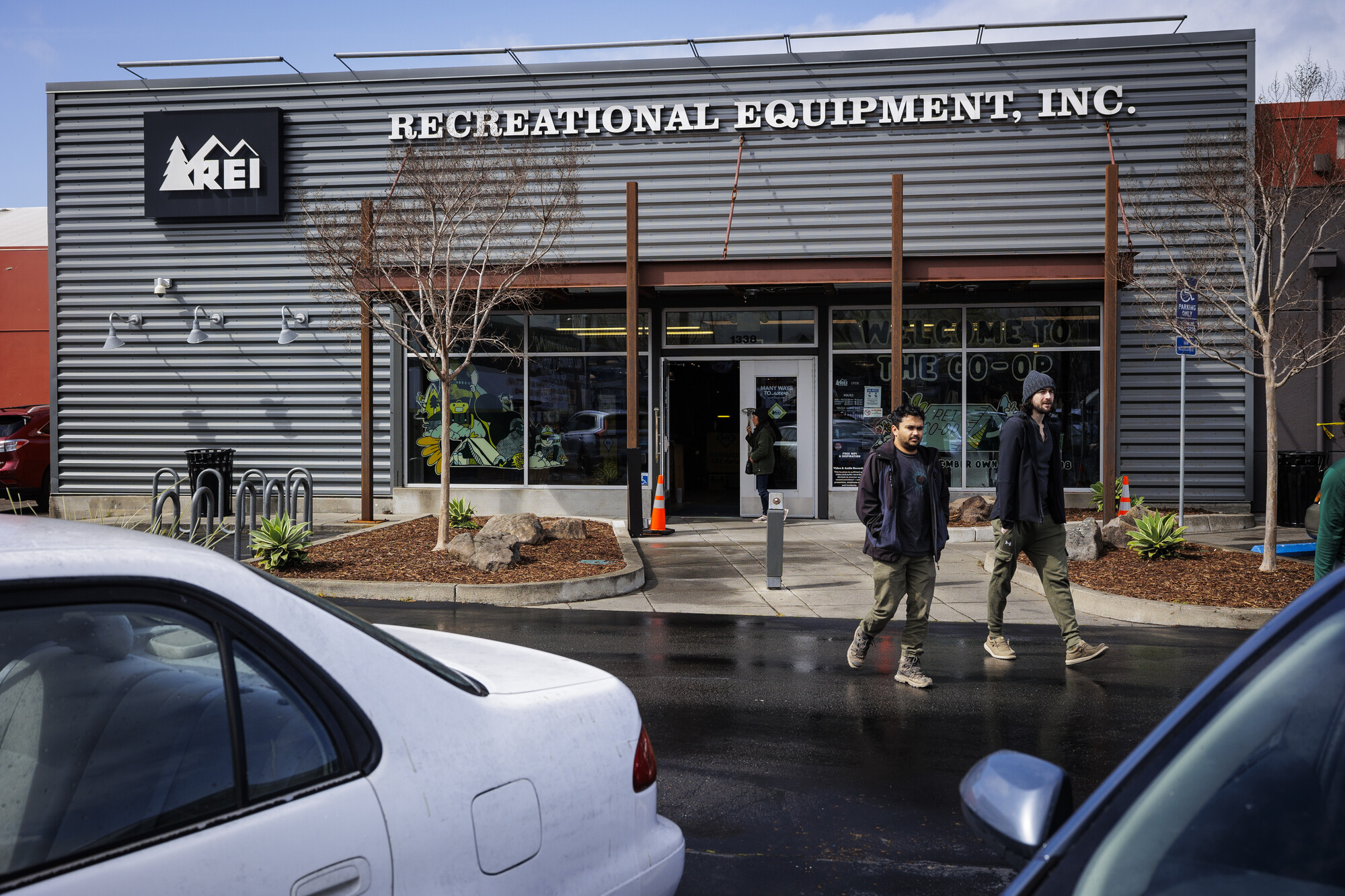
"caption": "The REI store in Berkeley on March 28, 2025.",
"credit": "Martin do Nascimento/KQED",
"altTag": null,
"description": null,
"imgSizes": {
"thumbnail": {
"file": "https://cdn.kqed.org/wp-content/uploads/sites/10/2026/05/250328-REI-LABOR-DISPUTE-MD-09_qed-1-160x107.jpg",
"width": 160,
"height": 107,
"mimeType": "image/jpeg"
},
"1536x1536": {
"file": "https://cdn.kqed.org/wp-content/uploads/sites/10/2026/05/250328-REI-LABOR-DISPUTE-MD-09_qed-1-1536x1024.jpg",
"width": 1536,
"height": 1024,
"mimeType": "image/jpeg"
},
"post-thumbnail": {
"file": "https://cdn.kqed.org/wp-content/uploads/sites/10/2026/05/250328-REI-LABOR-DISPUTE-MD-09_qed-1-672x372.jpg",
"width": 672,
"height": 372,
"mimeType": "image/jpeg"
},
"twentyfourteen-full-width": {
"file": "https://cdn.kqed.org/wp-content/uploads/sites/10/2026/05/250328-REI-LABOR-DISPUTE-MD-09_qed-1-1038x576.jpg",
"width": 1038,
"height": 576,
"mimeType": "image/jpeg"
},
"npr-cds-wide": {
"file": "https://cdn.kqed.org/wp-content/uploads/sites/10/2026/05/250328-REI-LABOR-DISPUTE-MD-09_qed-1-1200x675.jpg",
"width": 1200,
"height": 675,
"mimeType": "image/jpeg"
},
"npr-cds-square": {
"file": "https://cdn.kqed.org/wp-content/uploads/sites/10/2026/05/250328-REI-LABOR-DISPUTE-MD-09_qed-1-600x600.jpg",
"width": 600,
"height": 600,
"mimeType": "image/jpeg"
},
"kqedFullSize": {
"file": "https://cdn.kqed.org/wp-content/uploads/sites/10/2026/05/250328-REI-LABOR-DISPUTE-MD-09_qed-1.jpg",
"width": 2000,
"height": 1333
}
},
"isLoading": false,
"fetchFailed": false
},
"news_12084408": {
"type": "attachments",
"id": "news_12084408",
"meta": {
"index": "attachments_1716263798",
"site": "news",
"id": "12084408",
"found": true
},
"title": "PWHL San Jose",
"publishDate": 1779232374,
"status": "inherit",
"parent": 0,
"modified": 1779233170,
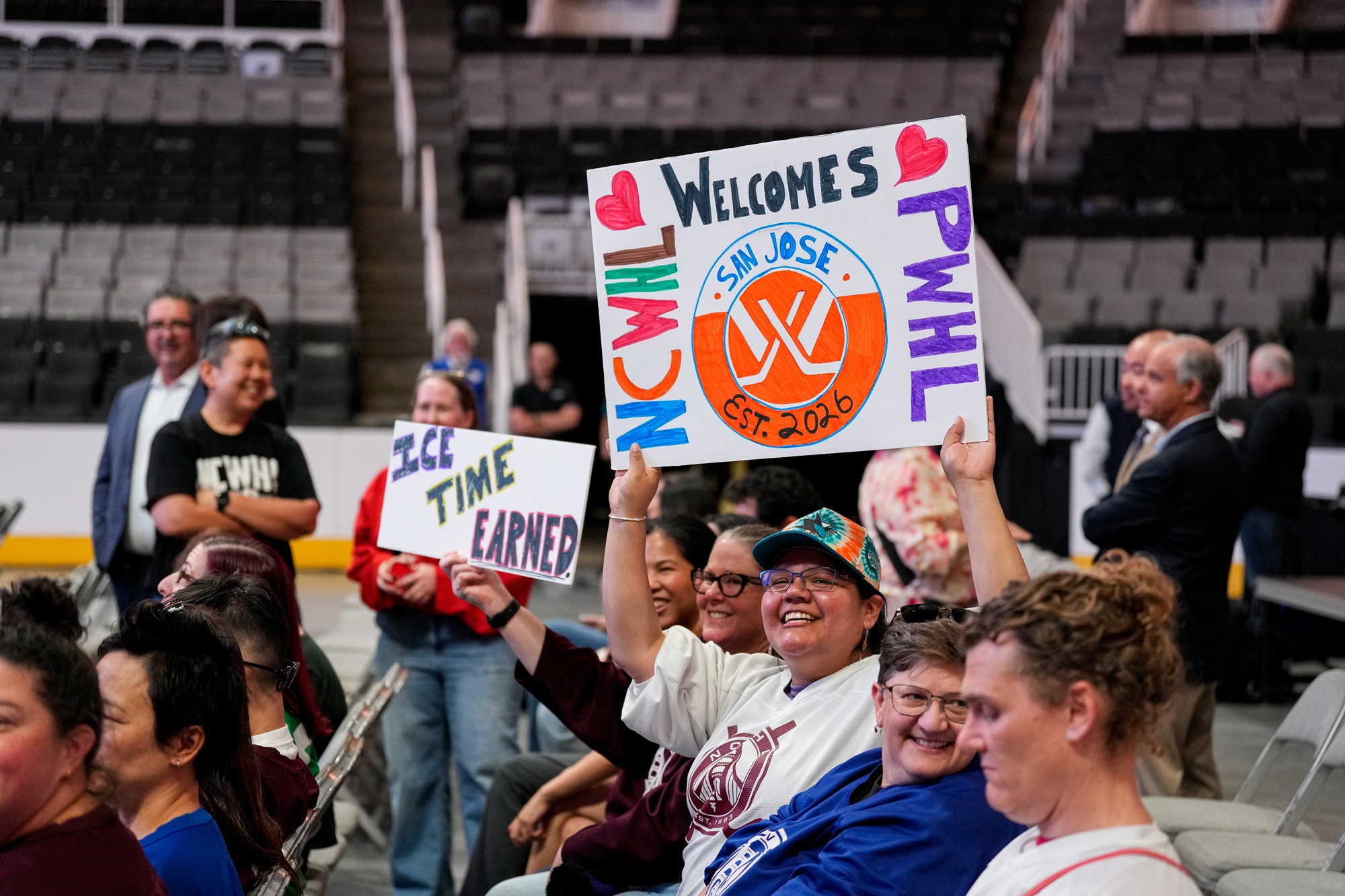
"caption": "The PWHL San José expansion announcement at SAP Center on May 19, 2026, in San José, California. ",
"credit": "Kavin Mistry/SAP Center",
"altTag": null,
"description": null,
"imgSizes": {
"thumbnail": {
"file": "https://cdn.kqed.org/wp-content/uploads/sites/10/2026/05/PWHLSJ1-160x107.jpg",
"width": 160,
"height": 107,
"mimeType": "image/jpeg"
},
"1536x1536": {
"file": "https://cdn.kqed.org/wp-content/uploads/sites/10/2026/05/PWHLSJ1-1536x1024.jpg",
"width": 1536,
"height": 1024,
"mimeType": "image/jpeg"
},
"post-thumbnail": {
"file": "https://cdn.kqed.org/wp-content/uploads/sites/10/2026/05/PWHLSJ1-672x372.jpg",
"width": 672,
"height": 372,
"mimeType": "image/jpeg"
},
"twentyfourteen-full-width": {
"file": "https://cdn.kqed.org/wp-content/uploads/sites/10/2026/05/PWHLSJ1-1038x576.jpg",
"width": 1038,
"height": 576,
"mimeType": "image/jpeg"
},
"npr-cds-wide": {
"file": "https://cdn.kqed.org/wp-content/uploads/sites/10/2026/05/PWHLSJ1-1200x675.jpg",
"width": 1200,
"height": 675,
"mimeType": "image/jpeg"
},
"npr-cds-square": {
"file": "https://cdn.kqed.org/wp-content/uploads/sites/10/2026/05/PWHLSJ1-600x600.jpg",
"width": 600,
"height": 600,
"mimeType": "image/jpeg"
},
"kqedFullSize": {
"file": "https://cdn.kqed.org/wp-content/uploads/sites/10/2026/05/PWHLSJ1.jpg",
"width": 2000,
"height": 1333
}
},
"isLoading": false,
"fetchFailed": false
},
"news_12084203": {
"type": "attachments",
"id": "news_12084203",
"meta": {
"index": "attachments_1716263798",
"site": "news",
"id": "12084203",
"found": true
},
"title": "260518-ChadBiancoTownHall-11-BL",
"publishDate": 1779159503,
"status": "inherit",
"parent": 12085443,
"modified": 1780068759,
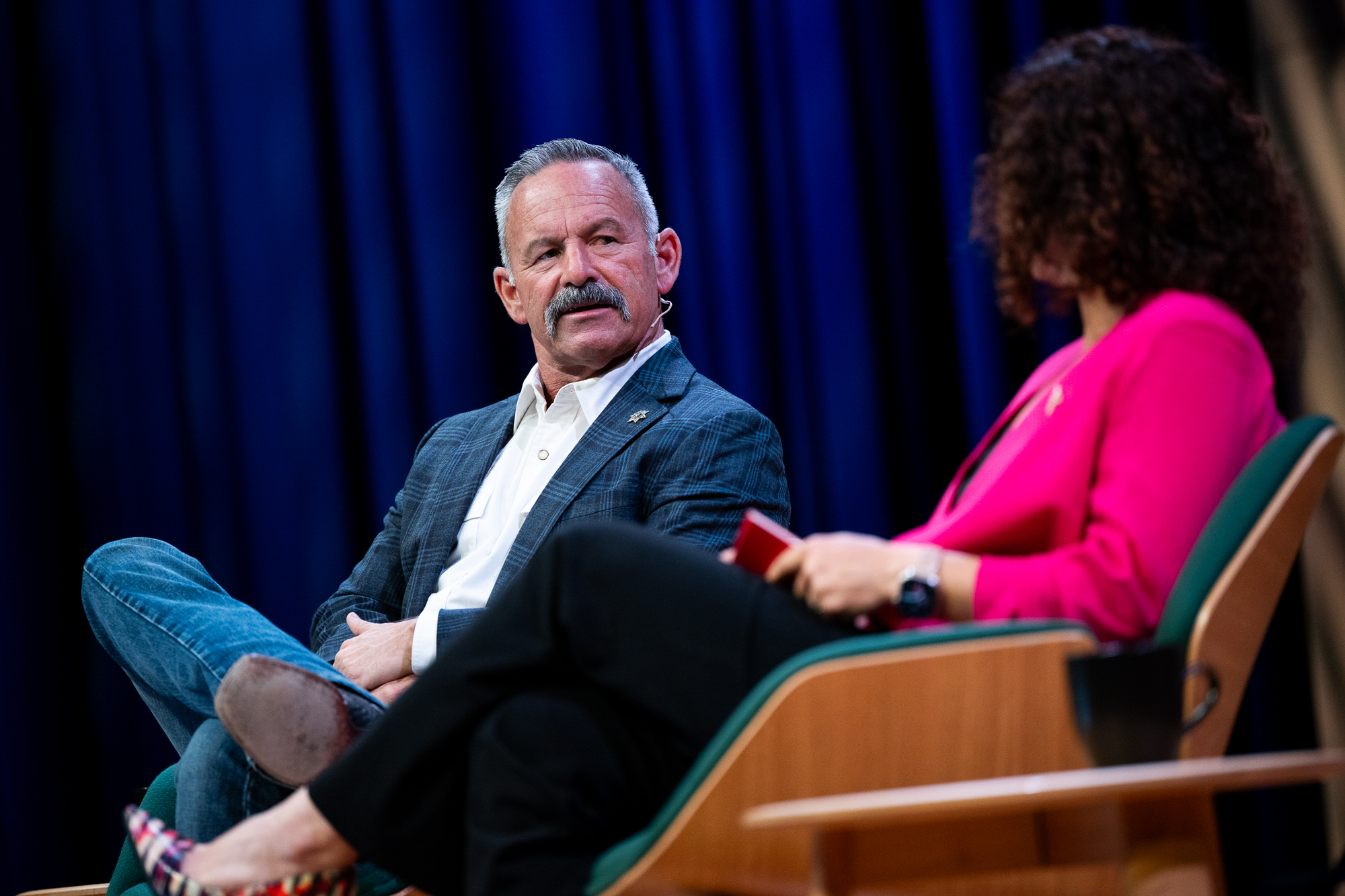
"caption": "Gubernatorial candidate Chad Bianco speaks with KQED politics reporter Marisa Lagos during a town hall at KQED in San Francisco on May 18, 2026.",
"credit": "Beth LaBerge/KQED",
"altTag": null,
"description": null,
"imgSizes": {
"thumbnail": {
"file": "https://cdn.kqed.org/wp-content/uploads/sites/10/2026/05/260518-ChadBiancoTownHall-11-BL-160x107.jpg",
"width": 160,
"height": 107,
"mimeType": "image/jpeg"
},
"1536x1536": {
"file": "https://cdn.kqed.org/wp-content/uploads/sites/10/2026/05/260518-ChadBiancoTownHall-11-BL-1536x1024.jpg",
"width": 1536,
"height": 1024,
"mimeType": "image/jpeg"
},
"post-thumbnail": {
"file": "https://cdn.kqed.org/wp-content/uploads/sites/10/2026/05/260518-ChadBiancoTownHall-11-BL-672x372.jpg",
"width": 672,
"height": 372,
"mimeType": "image/jpeg"
},
"twentyfourteen-full-width": {
"file": "https://cdn.kqed.org/wp-content/uploads/sites/10/2026/05/260518-ChadBiancoTownHall-11-BL-1038x576.jpg",
"width": 1038,
"height": 576,
"mimeType": "image/jpeg"
},
"npr-cds-wide": {
"file": "https://cdn.kqed.org/wp-content/uploads/sites/10/2026/05/260518-ChadBiancoTownHall-11-BL-1200x675.jpg",
"width": 1200,
"height": 675,
"mimeType": "image/jpeg"
},
"npr-cds-square": {
"file": "https://cdn.kqed.org/wp-content/uploads/sites/10/2026/05/260518-ChadBiancoTownHall-11-BL-600x600.jpg",
"width": 600,
"height": 600,
"mimeType": "image/jpeg"
},
"kqedFullSize": {
"file": "https://cdn.kqed.org/wp-content/uploads/sites/10/2026/05/260518-ChadBiancoTownHall-11-BL.jpg",
"width": 2000,
"height": 1333
}
},
"isLoading": false,
"fetchFailed": false
},
"news_12084126": {
"type": "attachments",
"id": "news_12084126",
"meta": {
"index": "attachments_1716263798",
"site": "news",
"id": "12084126",
"found": true
},
"title": "260518-MUSK-ALTMAN-TRIAL-VB-06-KQED",
"publishDate": 1779135074,
"status": "inherit",
"parent": 0,
"modified": 1779136158,
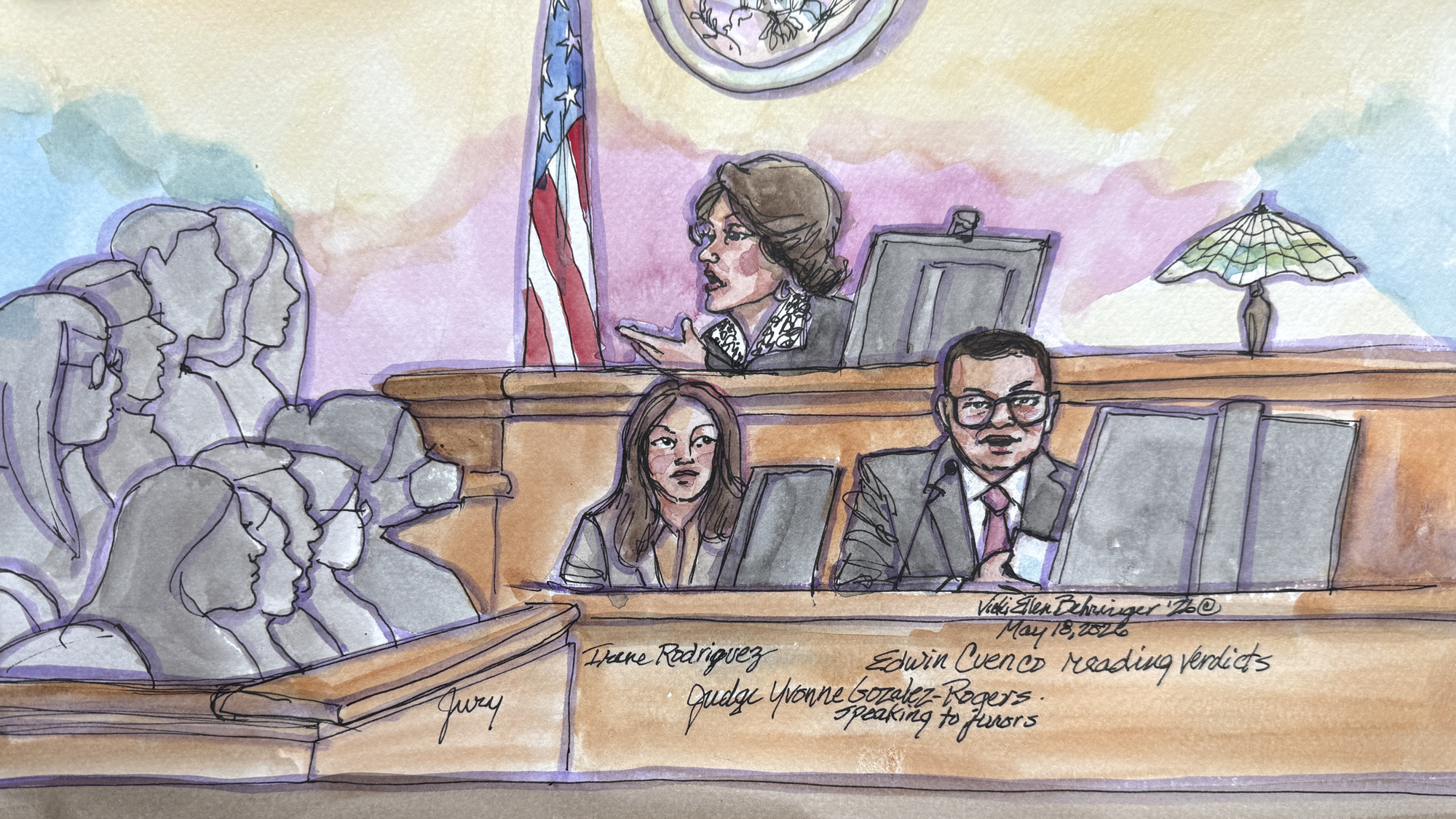
"caption": "The verdict is read in the trial in which Elon Musk claimed that Altman and OpenAI abandoned their founding promise to develop AI for the benefit of humanity rather than solely for profit in Oakland on May 18, 2026.",
"credit": "Vicki Behringer for KQED",
"altTag": null,
"description": null,
"imgSizes": {
"thumbnail": {
"file": "https://cdn.kqed.org/wp-content/uploads/sites/10/2026/05/260518-MUSK-ALTMAN-TRIAL-VB-06-KQED-160x90.jpg",
"width": 160,
"height": 90,
"mimeType": "image/jpeg"
},
"1536x1536": {
"file": "https://cdn.kqed.org/wp-content/uploads/sites/10/2026/05/260518-MUSK-ALTMAN-TRIAL-VB-06-KQED-1536x864.jpg",
"width": 1536,
"height": 864,
"mimeType": "image/jpeg"
},
"post-thumbnail": {
"file": "https://cdn.kqed.org/wp-content/uploads/sites/10/2026/05/260518-MUSK-ALTMAN-TRIAL-VB-06-KQED-672x372.jpg",
"width": 672,
"height": 372,
"mimeType": "image/jpeg"
},
"twentyfourteen-full-width": {
"file": "https://cdn.kqed.org/wp-content/uploads/sites/10/2026/05/260518-MUSK-ALTMAN-TRIAL-VB-06-KQED-1038x576.jpg",
"width": 1038,
"height": 576,
"mimeType": "image/jpeg"
},
"npr-cds-wide": {
"file": "https://cdn.kqed.org/wp-content/uploads/sites/10/2026/05/260518-MUSK-ALTMAN-TRIAL-VB-06-KQED-1200x675.jpg",
"width": 1200,
"height": 675,
"mimeType": "image/jpeg"
},
"npr-cds-square": {
"file": "https://cdn.kqed.org/wp-content/uploads/sites/10/2026/05/260518-MUSK-ALTMAN-TRIAL-VB-06-KQED-600x600.jpg",
"width": 600,
"height": 600,
"mimeType": "image/jpeg"
},
"kqedFullSize": {
"file": "https://cdn.kqed.org/wp-content/uploads/sites/10/2026/05/260518-MUSK-ALTMAN-TRIAL-VB-06-KQED.jpg",
"width": 2000,
"height": 1125
}
},
"isLoading": false,
"fetchFailed": false
}
},
"audioPlayerReducer": {
"postId": "stream_live",
"isPaused": true,
"isPlaying": false,
"pfsActive": false,
"pledgeModalIsOpen": true,
"playerDrawerIsOpen": false,
"liveAudioPlayStartedAt": 0,
"liveAudioPlayContext": ""
},
"authorsReducer": {
"byline_news_12084553": {
"type": "authors",
"id": "byline_news_12084553",
"meta": {
"override": true
},
"slug": "byline_news_12084553",
"name": "Florence Middleton",
"isLoading": false
},
"gmarzorati": {
"type": "authors",
"id": "227",
"meta": {
"index": "authors_1716337520",
"id": "227",
"found": true
},
"name": "Guy Marzorati",
"firstName": "Guy",
"lastName": "Marzorati",
"slug": "gmarzorati",
"email": "gmarzorati@KQED.org",
"display_author_email": true,
"staff_mastheads": [
"news"
],
"title": "Correspondent",
"bio": "Guy Marzorati is a correspondent on KQED's California Politics and Government Desk, based in San Jose. A graduate of Santa Clara University, Guy joined KQED in 2013. He reports on state and local politics and produces KQED's digital voter guide.",
"avatar": "https://secure.gravatar.com/avatar/e7038b8dbfd55b104369b76b1cd0b9de?s=600&d=blank&r=g",
"twitter": "guymarzorati",
"facebook": null,
"instagram": null,
"linkedin": null,
"sites": [
{
"site": "",
"roles": [
"editor"
]
},
{
"site": "news",
"roles": [
"editor"
]
},
{
"site": "science",
"roles": [
"editor"
]
},
{
"site": "forum",
"roles": [
"editor"
]
},
{
"site": "elections",
"roles": [
"editor"
]
},
{
"site": "liveblog",
"roles": [
"editor"
]
}
],
"headData": {
"title": "Guy Marzorati | KQED",
"description": "Correspondent",
"ogImgSrc": "https://secure.gravatar.com/avatar/e7038b8dbfd55b104369b76b1cd0b9de?s=600&d=blank&r=g",
"twImgSrc": "https://secure.gravatar.com/avatar/e7038b8dbfd55b104369b76b1cd0b9de?s=600&d=blank&r=g"
},
"isLoading": false,
"link": "/author/gmarzorati"
},
"rachael-myrow": {
"type": "authors",
"id": "251",
"meta": {
"index": "authors_1716337520",
"id": "251",
"found": true
},
"name": "Rachael Myrow",
"firstName": "Rachael",
"lastName": "Myrow",
"slug": "rachael-myrow",
"email": "rmyrow@kqed.org",
"display_author_email": true,
"staff_mastheads": [
"news"
],
"title": "Senior Editor of KQED's Silicon Valley News Desk",
"bio": "• I write and edit stories about how Silicon Valley power and policies shape everyday life in California. I’m also passionate about making Bay Area history and culture more accessible to a broad public. • I’ve been a journalist for most of my life, starting in high school with The Franklin Press in Los Angeles, where I grew up. While earning my first degree in English at UC Berkeley, I got my start in public radio at KALX-FM. After completing a second degree in journalism at Cal, I landed my first professional job at Marketplace, then moved on to KPCC (now LAist), and then KQED, where I hosted The California Report for more than seven years. • My reporting has appeared on NPR, The World, WBUR’s \u003ci>Here & Now\u003c/i>, and the BBC. I also guest host for KQED’s \u003ci>Forum\u003c/i>, as well as the Commonwealth Club in San Francisco. • I speak periodically on media, democracy and technology issues, and do voiceover work for documentaries and educational video projects. • Outside of the studio, you'll find me hiking Bay Area trails and whipping up Insta-ready meals in my kitchen. • I do not accept gifts, money, or favors from anyone connected to my reporting, I don't pay people for information, and I do not support or donate to political causes. • I strive to treat the people I report on with fairness, honesty, and respect. I also recognize there are often multiple sides to a story and work to verify information through multiple sources and documentation. If I get something wrong, I correct it.",
"avatar": "https://secure.gravatar.com/avatar/3ed8a3c5f26025e4a805ba634cda8cd764906b97438a6d9ce216b044e340da4e?s=600&d=blank&r=g",
"twitter": "rachaelmyrow",
"bluesky": null,
"facebook": null,
"instagram": null,
"linkedin": "https://www.linkedin.com/in/rachaelmyrow/",
"sites": [
{
"site": "arts",
"roles": [
"administrator"
]
},
{
"site": "news",
"roles": [
"edit_others_posts",
"editor"
]
},
{
"site": "futureofyou",
"roles": [
"editor"
]
},
{
"site": "bayareabites",
"roles": [
"editor"
]
},
{
"site": "stateofhealth",
"roles": [
"editor"
]
},
{
"site": "science",
"roles": [
"editor"
]
},
{
"site": "food",
"roles": [
"editor"
]
},
{
"site": "forum",
"roles": [
"editor"
]
},
{
"site": "liveblog",
"roles": [
"author"
]
}
],
"headData": {
"title": "Rachael Myrow | KQED",
"description": "Senior Editor of KQED's Silicon Valley News Desk",
"ogImgSrc": "https://secure.gravatar.com/avatar/3ed8a3c5f26025e4a805ba634cda8cd764906b97438a6d9ce216b044e340da4e?s=600&d=blank&r=g",
"twImgSrc": "https://secure.gravatar.com/avatar/3ed8a3c5f26025e4a805ba634cda8cd764906b97438a6d9ce216b044e340da4e?s=600&d=blank&r=g"
},
"isLoading": false,
"link": "/author/rachael-myrow"
},
"carlysevern": {
"type": "authors",
"id": "3243",
"meta": {
"index": "authors_1716337520",
"id": "3243",
"found": true
},
"name": "Carly Severn",
"firstName": "Carly",
"lastName": "Severn",
"slug": "carlysevern",
"email": "csevern@kqed.org",
"display_author_email": false,
"staff_mastheads": [
"news"
],
"title": "Senior Editor, Audience News ",
"bio": "Carly is KQED's Senior Editor of Audience News on the Digital News team, and has reported for the California Report Magazine, Bay Curious and KQED Arts. She's formerly the host of \u003ca href=\"http://ww2.kqed.org/pop/category/the-cooler/\" rel=\"noopener noreferrer\">The Cooler\u003c/a> podcast.",
"avatar": "https://secure.gravatar.com/avatar/54037bf5c128fe678f0ef26cec97a93f2e7f220a22d7285703328f12c42c1b1d?s=600&d=blank&r=g",
"twitter": "teacupinthebay",
"bluesky": null,
"facebook": null,
"instagram": null,
"linkedin": null,
"sites": [
{
"site": "",
"roles": [
"editor"
]
},
{
"site": "arts",
"roles": [
"editor"
]
},
{
"site": "news",
"roles": [
"administrator"
]
},
{
"site": "pop",
"roles": [
"editor"
]
},
{
"site": "futureofyou",
"roles": [
"editor"
]
},
{
"site": "about",
"roles": [
"administrator"
]
},
{
"site": "mindshift",
"roles": [
"editor"
]
},
{
"site": "bayareabites",
"roles": [
"editor"
]
},
{
"site": "stateofhealth",
"roles": [
"editor"
]
},
{
"site": "science",
"roles": [
"editor"
]
},
{
"site": "food",
"roles": [
"contributor"
]
},
{
"site": "forum",
"roles": [
"editor"
]
},
{
"site": "perspectives",
"roles": [
"administrator"
]
},
{
"site": "liveblog",
"roles": [
"editor"
]
}
],
"headData": {
"title": "Carly Severn | KQED",
"description": "Senior Editor, Audience News ",
"ogImgSrc": "https://secure.gravatar.com/avatar/54037bf5c128fe678f0ef26cec97a93f2e7f220a22d7285703328f12c42c1b1d?s=600&d=blank&r=g",
"twImgSrc": "https://secure.gravatar.com/avatar/54037bf5c128fe678f0ef26cec97a93f2e7f220a22d7285703328f12c42c1b1d?s=600&d=blank&r=g"
},
"isLoading": false,
"link": "/author/carlysevern"
},
"fjhabvala": {
"type": "authors",
"id": "8659",
"meta": {
"index": "authors_1716337520",
"id": "8659",
"found": true
},
"name": "Farida Jhabvala Romero",
"firstName": "Farida",
"lastName": "Jhabvala Romero",
"slug": "fjhabvala",
"email": "fjhabvala@kqed.org",
"display_author_email": true,
"staff_mastheads": [
"news"
],
"title": "KQED Contributor",
"bio": "Farida Jhabvala Romero is a Labor Correspondent for KQED. She previously covered immigration. Farida was \u003ca href=\"https://www.ccnma.org/2022-most-influential-latina-journalists\">named\u003c/a> one of the 10 Most Influential Latina Journalists in California in 2022 by the California Chicano News Media Association. Her work has won awards from the Society of Professional Journalists (Northern California), as well as a national and regional Edward M. Murrow Award for the collaborative reporting projects “Dangerous Air” and “Graying California.” Before joining KQED, Farida worked as a producer at Radio Bilingüe, a national public radio network. Farida earned her master’s degree in journalism from Stanford University.",
"avatar": "https://secure.gravatar.com/avatar/f9f022d4e2609741874222a1e9d41f48fea74011aa7c615eef91d9a50c944ebe?s=600&d=blank&r=g",
"twitter": "FaridaJhabvala",
"bluesky": null,
"facebook": null,
"instagram": null,
"linkedin": "https://www.linkedin.com/in/faridajhabvala/",
"sites": [
{
"site": "news",
"roles": [
"editor"
]
},
{
"site": "stateofhealth",
"roles": [
"author"
]
},
{
"site": "liveblog",
"roles": [
"author"
]
}
],
"headData": {
"title": "Farida Jhabvala Romero | KQED",
"description": "KQED Contributor",
"ogImgSrc": "https://secure.gravatar.com/avatar/f9f022d4e2609741874222a1e9d41f48fea74011aa7c615eef91d9a50c944ebe?s=600&d=blank&r=g",
"twImgSrc": "https://secure.gravatar.com/avatar/f9f022d4e2609741874222a1e9d41f48fea74011aa7c615eef91d9a50c944ebe?s=600&d=blank&r=g"
},
"isLoading": false,
"link": "/author/fjhabvala"
},
"bwatt": {
"type": "authors",
"id": "11238",
"meta": {
"index": "authors_1716337520",
"id": "11238",
"found": true
},
"name": "Brian Watt",
"firstName": "Brian",
"lastName": "Watt",
"slug": "bwatt",
"email": "bwatt@KQED.org",
"display_author_email": false,
"staff_mastheads": [
"news"
],
"title": "Morning News Anchor",
"bio": "Brian Watt is KQED's morning radio news anchor. He joined the KQED News team in April of 2016. Prior to that, he worked as a Reporter for KPCC in Los Angeles and a producer at \u003cem>Marketplace.\u003c/em>\r\n\r\nDuring eight years at KPCC, Brian covered business and economics, and his work won several awards. In 2008, he won the Los Angeles Press Club’s first-place award for Business and Financial Reporting, Broadcast. He’s also received honorable mention and been first runner up for the Press Club’s Radio Journalist of the Year. He won two Golden Mike awards from the Radio and TV News Association of Southern California.\r\n\r\nBrian holds degrees in theater from Yale University and the Sorbonne, and has worked as an actor in France, Italy, Brazil, Hungary and . . . Hollywood. He appeared in a few television shows, including \u003cem>The West Wing, Judging Amy\u003c/em> and \u003cem>The District.\u003c/em>\r\n\r\nEmail: bwatt@KQED.org Twitter: @RadioBWatt",
"avatar": "https://secure.gravatar.com/avatar/55393ff57ed34e2be773ba4789dd6a19?s=600&d=blank&r=g",
"twitter": "@RadioBWatt",
"facebook": null,
"instagram": null,
"linkedin": null,
"sites": [
{
"site": "arts",
"roles": [
"contributor"
]
},
{
"site": "news",
"roles": [
"editor"
]
}
],
"headData": {
"title": "Brian Watt | KQED",
"description": "Morning News Anchor",
"ogImgSrc": "https://secure.gravatar.com/avatar/55393ff57ed34e2be773ba4789dd6a19?s=600&d=blank&r=g",
"twImgSrc": "https://secure.gravatar.com/avatar/55393ff57ed34e2be773ba4789dd6a19?s=600&d=blank&r=g"
},
"isLoading": false,
"link": "/author/bwatt"
},
"abandlamudi": {
"type": "authors",
"id": "11672",
"meta": {
"index": "authors_1716337520",
"id": "11672",
"found": true
},
"name": "Adhiti Bandlamudi",
"firstName": "Adhiti",
"lastName": "Bandlamudi",
"slug": "abandlamudi",
"email": "abandlamudi@kqed.org",
"display_author_email": false,
"staff_mastheads": [
"news"
],
"title": "KQED Housing Reporter",
"bio": "Adhiti Bandlamudi reports for KQED's Housing desk. She focuses on how housing gets built across the Bay Area. Before joining KQED in 2020, she reported for WUNC in Durham, North Carolina, WABE in Atlanta, Georgia and Capital Public Radio in Sacramento. In 2017, she was awarded a Kroc Fellowship at NPR where she reported on everything from sprinkles to the Golden State Killer's arrest. When she's not reporting, she's baking new recipes in her kitchen or watching movies with friends and family. She's originally from Georgia and has strong opinions about Great British Bake Off.",
"avatar": "https://secure.gravatar.com/avatar/868129c8b257bb99a3500e2c86a65400?s=600&d=mm&r=g",
"twitter": "oddity_adhiti",
"facebook": null,
"instagram": null,
"linkedin": null,
"sites": [
{
"site": "arts",
"roles": [
"author"
]
},
{
"site": "news",
"roles": [
"editor"
]
},
{
"site": "liveblog",
"roles": [
"author"
]
}
],
"headData": {
"title": "Adhiti Bandlamudi | KQED",
"description": "KQED Housing Reporter",
"ogImgSrc": "https://secure.gravatar.com/avatar/868129c8b257bb99a3500e2c86a65400?s=600&d=mm&r=g",
"twImgSrc": "https://secure.gravatar.com/avatar/868129c8b257bb99a3500e2c86a65400?s=600&d=mm&r=g"
},
"isLoading": false,
"link": "/author/abandlamudi"
},
"adahlstromeckman": {
"type": "authors",
"id": "11785",
"meta": {
"index": "authors_1716337520",
"id": "11785",
"found": true
},
"name": "Azul Dahlstrom-Eckman",
"firstName": "Azul",
"lastName": "Dahlstrom-Eckman",
"slug": "adahlstromeckman",
"email": "adahlstrom-eckman@kqed.org",
"display_author_email": true,
"staff_mastheads": [],
"title": "Reporter",
"bio": "Azul is a reporter for KQED focusing on transportation and features. He joined KQED in 2021 as an alumna of KALW's Audio Academy radio journalism training program.",
"avatar": "https://secure.gravatar.com/avatar/9cb750298435add7815a777f55bf1f46845c1386bb8452555c60a7b820b5aba3?s=600&d=blank&r=g",
"twitter": "@zuliemann",
"bluesky": "@azul415.bsky.social",
"facebook": null,
"instagram": null,
"linkedin": null,
"sites": [
{
"site": "arts",
"roles": [
"editor"
]
},
{
"site": "news",
"roles": [
"editor"
]
},
{
"site": "science",
"roles": [
"editor"
]
},
{
"site": "liveblog",
"roles": [
"author"
]
}
],
"headData": {
"title": "Azul Dahlstrom-Eckman | KQED",
"description": "Reporter",
"ogImgSrc": "https://secure.gravatar.com/avatar/9cb750298435add7815a777f55bf1f46845c1386bb8452555c60a7b820b5aba3?s=600&d=blank&r=g",
"twImgSrc": "https://secure.gravatar.com/avatar/9cb750298435add7815a777f55bf1f46845c1386bb8452555c60a7b820b5aba3?s=600&d=blank&r=g"
},
"isLoading": false,
"link": "/author/adahlstromeckman"
},
"ibloom": {
"type": "authors",
"id": "11805",
"meta": {
"index": "authors_1716337520",
"id": "11805",
"found": true
},
"name": "Izzy Bloom",
"firstName": "Izzy",
"lastName": "Bloom",
"slug": "ibloom",
"email": "ibloom@kqed.org",
"display_author_email": false,
"staff_mastheads": [],
"title": "KQED Reporter & Producer",
"bio": "Izzy is a reporter and producer on KQED's California Politics & Government Desk. She joined the desk in 2024 to produce Political Breakdown, covering local and national elections and attending the RNC and DNC in Milwaukee and Chicago. \r\n\r\nBefore that, Izzy was a producer on The California Report and reported long-form stories for The California Report Magazine. She was a finalist for the Third Coast/Richard H. Driehaus Foundation Competition and was awarded for her reporting on indigenous land back by the Society of Professional Journalists. Izzy received her master's in journalism from the University of California, Berkeley.",
"avatar": "https://secure.gravatar.com/avatar/cc4d272ca430783ee1a8efac470a6b1e0fdd082c3beb61da019801d0ff751c8c?s=600&d=blank&r=g",
"twitter": null,
"bluesky": null,
"facebook": null,
"instagram": null,
"linkedin": null,
"sites": [
{
"site": "news",
"roles": [
"editor"
]
},
{
"site": "perspectives",
"roles": [
"editor"
]
}
],
"headData": {
"title": "Izzy Bloom | KQED",
"description": "KQED Reporter & Producer",
"ogImgSrc": "https://secure.gravatar.com/avatar/cc4d272ca430783ee1a8efac470a6b1e0fdd082c3beb61da019801d0ff751c8c?s=600&d=blank&r=g",
"twImgSrc": "https://secure.gravatar.com/avatar/cc4d272ca430783ee1a8efac470a6b1e0fdd082c3beb61da019801d0ff751c8c?s=600&d=blank&r=g"
},
"isLoading": false,
"link": "/author/ibloom"
},
"kdebenedetti": {
"type": "authors",
"id": "11913",
"meta": {
"index": "authors_1716337520",
"id": "11913",
"found": true
},
"name": "Katie DeBenedetti",
"firstName": "Katie",
"lastName": "DeBenedetti",
"slug": "kdebenedetti",
"email": "kdebenedetti@kqed.org",
"display_author_email": false,
"staff_mastheads": [
"news",
"science"
],
"title": "KQED Contributor",
"bio": "Katie DeBenedetti is a digital reporter covering daily news for the Express Desk. Prior to joining KQED as a culture reporting intern in January 2024, she covered education and city government for the Napa Valley Register.",
"avatar": "https://secure.gravatar.com/avatar/6e31073cb8f7e4214ab03f42771d0f45?s=600&d=blank&r=g",
"twitter": null,
"facebook": null,
"instagram": null,
"linkedin": null,
"sites": [
{
"site": "news",
"roles": [
"author"
]
},
{
"site": "science",
"roles": [
"author"
]
},
{
"site": "liveblog",
"roles": [
"author"
]
}
],
"headData": {
"title": "Katie DeBenedetti | KQED",
"description": "KQED Contributor",
"ogImgSrc": "https://secure.gravatar.com/avatar/6e31073cb8f7e4214ab03f42771d0f45?s=600&d=blank&r=g",
"twImgSrc": "https://secure.gravatar.com/avatar/6e31073cb8f7e4214ab03f42771d0f45?s=600&d=blank&r=g"
},
"isLoading": false,
"link": "/author/kdebenedetti"
},
"aaliahmad": {
"type": "authors",
"id": "11986",
"meta": {
"index": "authors_1716337520",
"id": "11986",
"found": true
},
"name": "Ayah Ali-Ahmad",
"firstName": "Ayah",
"lastName": "Ali-Ahmad",
"slug": "aaliahmad",
"email": "aaliahmad@KQED.org",
"display_author_email": false,
"staff_mastheads": [],
"title": "KQED Contributor",
"bio": null,
"avatar": "https://secure.gravatar.com/avatar/1cf54f187a5e1064b2cfef3f3d2f1e4f93e453395d56912aca6382a6071ec3ed?s=600&d=blank&r=g",
"twitter": "ayahaliahmad",
"bluesky": null,
"facebook": null,
"instagram": null,
"linkedin": null,
"sites": [
{
"site": "news",
"roles": [
"subscriber"
]
}
],
"headData": {
"title": "Ayah Ali-Ahmad | KQED",
"description": "KQED Contributor",
"ogImgSrc": "https://secure.gravatar.com/avatar/1cf54f187a5e1064b2cfef3f3d2f1e4f93e453395d56912aca6382a6071ec3ed?s=600&d=blank&r=g",
"twImgSrc": "https://secure.gravatar.com/avatar/1cf54f187a5e1064b2cfef3f3d2f1e4f93e453395d56912aca6382a6071ec3ed?s=600&d=blank&r=g"
},
"isLoading": false,
"link": "/author/aaliahmad"
}
},
"pagesReducer": {
"news_tag_bay-area": {
"type": "terms",
"id": "news_1386",
"meta": {
"index": "terms_1716263798",
"site": "news",
"id": "1386",
"score": 7.788453
},
"featImg": null,
"name": "Bay Area",
"description": null,
"taxonomy": "tag",
"headData": {
"twImgId": null,
"twTitle": null,
"ogTitle": null,
"ogImgId": null,
"twDescription": null,
"description": null,
"title": "Bay Area Archives | KQED News",
"ogDescription": null
},
"ttid": 1398,
"slug": "bay-area",
"isLoading": false,
"title": "Bay Area",
"pageMeta": {
"site": "news",
"WpPageTemplate": "page-topic-editorial",
"currentPage": 21
},
"blocks": [
{
"blockName": "kqed/post-list",
"attrs": {
"layout": "cardArticle2",
"query": "posts/news?tag=bay-area",
"seeMore": false,
"paginated": true,
"page": 21
}
},
{
"blockName": "kqed/ad"
}
]
}
},
"pfsSessionReducer": {},
"postsReducer": {
"stream_live": {
"type": "live",
"id": "stream_live",
"audioUrl": "https://streams.kqed.org/kqedradio",
"title": "Live Stream",
"excerpt": "Live Stream information currently unavailable.",
"link": "/radio",
"featImg": "",
"label": {
"name": "KQED Live",
"link": "/"
}
},
"stream_kqedNewscast": {
"type": "posts",
"id": "stream_kqedNewscast",
"audioUrl": "https://www.kqed.org/.stream/anon/radio/RDnews/newscast.mp3?_=1",
"title": "KQED Newscast",
"featImg": "",
"label": {
"name": "88.5 FM",
"link": "/"
}
},
"news_12085049": {
"type": "posts",
"id": "news_12085049",
"meta": {
"index": "posts_1716263798",
"site": "news",
"id": "12085049",
"score": null,
"sort": [
1779897643000
]
},
"guestAuthors": [],
"slug": "even-some-tech-workers-cant-afford-to-stay-when-the-bay-is-this-expensive",
"title": "Even Some Tech Workers Can’t Afford to Stay When the Bay is This Expensive",
"publishDate": 1779897643,
"format": "standard",
"headTitle": "Even Some Tech Workers Can’t Afford to Stay When the Bay is This Expensive | KQED",
"labelTerm": {
"site": "news"
},
"content": "\u003cp>Since the California Gold Rush, economic opportunities have drawn people to \u003ca href=\"https://www.kqed.org/news/tag/bay-area\">the Bay Area\u003c/a> from all over the world. But for just as long, the region’s boom-and-bust economy has made it impossible for others to stay.\u003c/p>\n\u003cp>Since the 1990s, the tech industry has driven costs higher, but for some who work in the industry and haven’t struck IPO or AI gold, life in the Bay Area is not adding up.\u003c/p>\n\u003cp>[ad fullwidth]\u003c/p>\n\u003cp>Ani and Alex Vecchi, both software engineers, live in San Francisco’s Hayes Valley with their orange cat, Mushu. They haven’t been in the Bay Area long, but already, both aged 30, they’re starting to worry that the city they love may be too expensive for raising a family.\u003c/p>\n\u003cp>Mark Wogulis and Melanie Bowden, both 62, raised their family in Northern California, but a layoff made it impossible for them to stay. Last spring, they put their house in Berkeley on the market and drove to Santa Fe with a cat, Molly, and a chihuahua, Felice.\u003c/p>\n\u003cp>Researchers at Joint Venture Silicon Valley confirm what many already feel: the region’s economy is generating enormous wealth, but also growing impossibly unaffordable for most people.\u003c/p>\n\u003cfigure id=\"attachment_11970120\" class=\"wp-caption aligncenter\" style=\"max-width: 2121px\">\u003cimg loading=\"lazy\" decoding=\"async\" class=\"size-full wp-image-11970120\" src=\"https://cdn.kqed.org/wp-content/uploads/sites/10/2023/12/GettyImages-1092771432.jpg\" alt=\"An aerial view of a city, with a large body of water in the bakground.\" width=\"2121\" height=\"1414\" srcset=\"https://cdn.kqed.org/wp-content/uploads/sites/10/2023/12/GettyImages-1092771432.jpg 2121w, https://cdn.kqed.org/wp-content/uploads/sites/10/2023/12/GettyImages-1092771432-800x533.jpg 800w, https://cdn.kqed.org/wp-content/uploads/sites/10/2023/12/GettyImages-1092771432-1020x680.jpg 1020w, https://cdn.kqed.org/wp-content/uploads/sites/10/2023/12/GettyImages-1092771432-160x107.jpg 160w, https://cdn.kqed.org/wp-content/uploads/sites/10/2023/12/GettyImages-1092771432-1536x1024.jpg 1536w, https://cdn.kqed.org/wp-content/uploads/sites/10/2023/12/GettyImages-1092771432-2048x1365.jpg 2048w, https://cdn.kqed.org/wp-content/uploads/sites/10/2023/12/GettyImages-1092771432-1920x1280.jpg 1920w\" sizes=\"auto, (max-width: 2121px) 100vw, 2121px\">\u003cfigcaption class=\"wp-caption-text\">An aerial view of Redwood City. \u003ccite>(Sundry Photography via Getty Images)\u003c/cite>\u003c/figcaption>\u003c/figure>\n\u003cp>Even well-paid tech workers are being forced to choose between the Bay Area and the rest of their lives.\u003c/p>\n\u003cp>“It distills to a few key points,” said Russell Hancock, President and CEO of Joint Venture Silicon Valley, at the organization’s annual State of the Valley conference in late February. “We have a very hot economy. It’s creating a lot of wealth. It’s not creating as many jobs. And our housing is too expensive.”\u003c/p>\n\u003cp>And it’s creating \u003ca href=\"https://www.kqed.org/news/12078615/how-skyrocketing-housing-costs-and-policy-choices-reshaped-the-bay-area\">demographic churn\u003c/a> — young people move in while older folks move out.\u003cem> \u003c/em>\u003c/p>\n\u003ch2>Ani and Alex\u003c/h2>\n\u003cp>Ani and Alex Vecchi met about 10 years ago in physics class while studying software engineering at the University of Central Florida in Orlando.\u003c/p>\n\u003cp>She went into front-end, customer interface work. She’s now a senior software engineer for Banquet Health, a startup software platform for hospital meals. “Using tech for a good cause is huge for me,” she said.\u003c/p>\n\u003cp>They came to the Bay Area in June of 2024 because Alex’s weather monitoring startup Sorcerer landed a \u003ca href=\"https://tracxn.com/d/companies/sorcerer/__iyp8-DoCQBPMaBMs4MjSSHaiRmAA4xVBX44YQJARrto\">$500,000 grant\u003c/a> from Y Combinator, the Silicon Valley accelerator that launched Airbnb, Dropbox and DoorDash. It was, in startup terms, a golden ticket.\u003c/p>\n\u003cfigure id=\"attachment_12085149\" class=\"wp-caption aligncenter\" style=\"max-width: 2000px\">\u003cimg loading=\"lazy\" decoding=\"async\" class=\"size-full wp-image-12085149\" src=\"https://cdn.kqed.org/wp-content/uploads/sites/10/2026/05/260413-SILICON-VALLEY-CHURN-04-KQED.jpg\" alt=\"\" width=\"2000\" height=\"1333\" srcset=\"https://cdn.kqed.org/wp-content/uploads/sites/10/2026/05/260413-SILICON-VALLEY-CHURN-04-KQED.jpg 2000w, https://cdn.kqed.org/wp-content/uploads/sites/10/2026/05/260413-SILICON-VALLEY-CHURN-04-KQED-160x107.jpg 160w, https://cdn.kqed.org/wp-content/uploads/sites/10/2026/05/260413-SILICON-VALLEY-CHURN-04-KQED-1536x1024.jpg 1536w\" sizes=\"auto, (max-width: 2000px) 100vw, 2000px\">\u003cfigcaption class=\"wp-caption-text\">Alex Vecchi and Mushu enjoy a sunny day in San Francisco’s Alamo Square. Alex and his wife, Ani, came to the city two years ago to pursue careers in tech. Now 30, the unaffordable housing market raises uncomfortable questions about whether and how they plan to raise children in the years to come. \u003ccite>(Courtesy of Ani and Alex Vecchi)\u003c/cite>\u003c/figcaption>\u003c/figure>\n\u003cp>“Starting a company here, you have to do it here,” Alex said. The investors are here, or a short drive down the Peninsula. Scheduling a Zoom call? “It’s not the same,” he said. “Things spark here.”\u003c/p>\n\u003cp>Sorcerer closed a \u003ca href=\"https://www.axios.com/pro/climate-deals/2025/06/12/sorcerer-seed-weather-balloons\">$3.9 million seed round\u003c/a> last year. “That data is what powers, essentially, the forecasts on your phone.”\u003c/p>\n\u003cp>They have been having the time of their lives in San Francisco.\u003c/p>\n\u003cp>“There’s a lot of greenery,” Ani said. “There’s a lot of people out and about. You have that drive [to succeed in business], but it’s also peaceful, in some ways.” They love walking and picnics and meals with friends. “There’s a lot going on here,” Ani said.\u003c/p>\n\u003cp>The thing is, the Vechhis are starting to think about \u003ca href=\"https://www.kqed.org/news/12075761/when-child-care-costs-half-a-paycheck-bay-area-parents-must-choose-kids-or-career\">having children\u003c/a>. But it’s complicated. They need both salaries, and both sets of parents, who could help them with childcare, live in Florida. And they’re not ready to make that move.[aside postID=news_12080289 hero='https://cdn.kqed.org/wp-content/uploads/sites/10/2026/04/260420-SLEEP-PODS-MD-01-KQED_1.jpg']\u003ca href=\"https://www.kqed.org/news/12061802/how-are-child-care-costs-affecting-the-lives-of-bay-area-families-you-told-us\">Rising child care costs in the Bay Area\u003c/a> are forcing parents to make painful tradeoffs, either by passing up career opportunities, cutting back work hours, or quitting altogether. For families with multiple young children, these expenses can surpass a parent’s entire salary.\u003c/p>\n\u003cp>The Vecchis also shy away from the idea of leaving San Francisco for a \u003ca href=\"https://www.kqed.org/news/12081761/in-the-bay-area-raising-kids-comes-with-compromise\">Bay Area suburb with nominally cheaper real estate\u003c/a>. “If we were to move out of the city, we might as well move back to Florida.”\u003c/p>\n\u003cp>“If you gave me the option and I had the money, I would stay here 100%,” Alex said. And the family back in Florida? “They understand. They want us to be happy where we are. They know that we’re doing a bunch of great things here. When we think about moving back, we think, ‘But we’re not going to be happy over there.’”\u003c/p>\n\u003cp>Research from \u003ca href=\"https://jointventure.org/news-and-media/blog/2790-a-region-in-motion-who-s-leaving-silicon-valley-and-why?mc_cid=4aada55384&mc_eid=9b006466f1\">Joint Venture Silicon Valley\u003c/a> provides statistical confirmation of personal experience. For years, the Bay Area has created jobs faster than it \u003ca href=\"https://www.kqed.org/news/11755545/google-pledges-1-billion-to-help-fight-bay-area-housing-crisis-it-helped-create\">builds housing\u003c/a>, fueling relentless price pressure.\u003c/p>\n\u003cp>In Silicon Valley, just 28% of Millennials own homes, compared to 68% of Baby Boomers, giving older residents an asset to rely on even in tough times. The Vecchis, like most people their age here, are still scrambling for a financial foothold, even though they both work in tech.\u003c/p>\n\u003cp>“All these things have implications for community, and now we’re seeing it. We’re living it,” Hancock told KQED.\u003c/p>\n\u003ch2>Mark and Melanie\u003c/h2>\n\u003cp>In some ways, Ani and Alex Vecchi and Mark Wogulis and Melanie Bowden are living the same story twenty years apart. Young people arrive, fall in love with a place, build a life. Then something shifts, and the place that felt like home starts to feel like a problem to be solved.\u003c/p>\n\u003cp>After decades in California, Mark Wogulis and Melanie Bowden felt the sting of leaving somewhere that felt like home. “It does hit differently,” Wogulis said, “when it’s not your choice.”\u003c/p>\n\u003cp>Wogulis and Bowden met decades ago when they were teachers in San Francisco. He was teaching science.\u003c/p>\n\u003cp>https://www.youtube.com/watch?v=6cj4-T9ovDc\u003c/p>\n\u003cp>She was teaching math. They started a family. He pivoted from teaching to pharmaceuticals, then got a doctorate in biochemistry and molecular biology.\u003c/p>\n\u003cp>Pharmaceuticals and biotech are notoriously volatile, but he worked at Elan Pharmaceuticals in South San Francisco for nearly eight years, then at Novozymes in Davis for nearly 13.\u003c/p>\n\u003cp>From there, he moved to Amyris in Emeryville, which at the time specialized in developing sustainable alternatives for chemicals traditionally derived from petroleum or wildlife that were used in the beauty, flavor and fragrance industries. “Turned out everything they were selling, they were losing money on,” Wogulis said. “When the money ran out, they went bankrupt.”\u003c/p>\n\u003cp>There were three rounds of layoffs, but Wogulis remained optimistic. “I thought I had made it,” he said, because he hadn’t been laid off, even as the company went into and emerged from bankruptcy.\u003c/p>\n\u003cp>Then he got axed during a fourth round of layoffs.\u003c/p>\n\u003cp>At first, Wogulis thought he’d find another job, like he always had. But now in his 60s, his experience and longevity made him more expensive relative to other prospective employees.\u003c/p>\n\u003cfigure id=\"attachment_12079650\" class=\"wp-caption alignleft\" style=\"max-width: 1333px\">\u003cimg loading=\"lazy\" decoding=\"async\" class=\"size-full wp-image-12079650\" src=\"https://cdn.kqed.org/wp-content/uploads/sites/10/2026/04/260413-SILICON-VALLEY-CHURN-02-KQED.jpg\" alt=\"\" width=\"1333\" height=\"2000\" srcset=\"https://cdn.kqed.org/wp-content/uploads/sites/10/2026/04/260413-SILICON-VALLEY-CHURN-02-KQED.jpg 1333w, https://cdn.kqed.org/wp-content/uploads/sites/10/2026/04/260413-SILICON-VALLEY-CHURN-02-KQED-160x240.jpg 160w, https://cdn.kqed.org/wp-content/uploads/sites/10/2026/04/260413-SILICON-VALLEY-CHURN-02-KQED-1024x1536.jpg 1024w\" sizes=\"auto, (max-width: 1333px) 100vw, 1333px\">\u003cfigcaption class=\"wp-caption-text\">Mark Wogulis and Melanie Bowden in front of the Palace of Fine Arts in San Francisco in 2022. A layoff in biotech forced the couple to sell their home in Berkeley and move to Santa Fe, New Mexico, in May of 2025. \u003ccite>(Courtesy of Mark Wogulis)\u003c/cite>\u003c/figcaption>\u003c/figure>\n\u003cp>“There’s no way to prove it, but there was no doubt in my mind that there was age discrimination involved,” Bowdon said. “He would be fully qualified for a job and hear nothing on many, many, many jobs.”\u003c/p>\n\u003cp>“There were people older than me at Amyris,” Wogulis said, “but not very many.”\u003c/p>\n\u003cp>It was also true that, thanks to LinkedIn and artificial intelligence, Wogulis was competing with biochemists from all over the world, many of them willing to relocate to the Bay Area.\u003c/p>\n\u003cp>“Yeah, there just was nothing,” Wogulis said. “I applied for a bunch of stuff that either I was over- or under-qualified for. I mean, I got a couple of rejections. Most of them just went off into the void.”\u003c/p>\n\u003cp>When the layoff came, the couple was living in Berkeley, in a 1,570 square foot Craftsman-style home they bought after raising their family in Davis.\u003c/p>\n\u003cp>“We loved the location. So close to BART and bus stops, and lots of good restaurants within walking distance. I could bike to work. We also liked the charm of such an old house,” Wogulis said.\u003c/p>\n\u003cp>But they crunched the numbers and realized they didn’t have much financial runway before they’d have to take off for someplace cheaper.\u003c/p>\n\u003cp>“We needed to get out of there. We couldn’t afford that house,” Bowden said. That’s how they decided to retire early at age 62 and move to Santa Fe, with their cat and dog in tow.\u003c/p>\n\u003cp>The couple, born on the tail end of the Baby Boom, had the benefit of owning homes for much of their working lives.\u003c/p>\n\u003cp>The proceeds from the sale of their house in Davis became the down payment for the house in Berkeley, so their mortgage was only $3,000 a month. Still, their utilities and property taxes added up to about $19,000 per year.\u003c/p>\n\u003cp>They moved to Santa Fe knowing nobody but their real estate agents, who helped them find a house for $600,000— half what they paid in Berkeley, even though it’s roughly the same size. They don’t even have a mortgage, something that \u003ca href=\"https://www.kqed.org/news/11985468/map-what-you-need-to-earn-to-afford-a-median-priced-home-in-your-county-in-california\">seems wild\u003c/a> to \u003ca href=\"https://www.kqed.org/forum/2010101911013/tech-layoffs-and-higher-than-average-unemployment-a-close-look-at-the-bay-areas-job-market\">most Bay Area homeowners\u003c/a> today. The property taxes are smaller, too: about $4,000 per year.\u003c/p>\n\u003cp>“We did it out of necessity,” Wogulis said. “I would have felt a lot better if I’d totally chosen to come here, I didn’t feel \u003ca href=\"https://www.kqed.org/news/11933511/mass-bay-area-tech-layoffs-thrust-thousands-of-h-1b-visa-holders-into-frantic-job-hunt\">under the gun\u003c/a> to do something. Yeah, that was difficult. It does hit differently when it’s…” he said, giving Bowden a chance to finish his sentence, the way longtime partners often do. “…When it’s not your choice. We had to move. We had to.”\u003c/p>\n\u003cfigure id=\"attachment_12045711\" class=\"wp-caption aligncenter\" style=\"max-width: 1999px\">\u003cimg loading=\"lazy\" decoding=\"async\" class=\"size-full wp-image-12045711\" src=\"https://cdn.kqed.org/wp-content/uploads/sites/10/2025/06/250623-BerkeleyMiddleHousing-18-BL_qed.jpg\" alt=\"\" width=\"1999\" height=\"1333\" srcset=\"https://cdn.kqed.org/wp-content/uploads/sites/10/2025/06/250623-BerkeleyMiddleHousing-18-BL_qed.jpg 1999w, https://cdn.kqed.org/wp-content/uploads/sites/10/2025/06/250623-BerkeleyMiddleHousing-18-BL_qed-160x107.jpg 160w, https://cdn.kqed.org/wp-content/uploads/sites/10/2025/06/250623-BerkeleyMiddleHousing-18-BL_qed-1536x1024.jpg 1536w\" sizes=\"auto, (max-width: 1999px) 100vw, 1999px\">\u003cfigcaption class=\"wp-caption-text\">A “For Rent” sign in Berkeley on June 23, 2025. \u003ccite>(Beth LaBerge/KQED)\u003c/cite>\u003c/figcaption>\u003c/figure>\n\u003cp>“You know, there’s people I miss, definitely,” Bowden said. “Our neighbors are very nice.”\u003c/p>\n\u003cp>“It just takes time,” Wogulis said. “It took time in Berkeley, too.”\u003c/p>\n\u003cp>“Luckily, Santa Fe is a very cultural and artistic city. There’s so many museums, plays, concerts,” Bowden said. Their grown kids came to visit at Christmas. She is keeping up with masters swimming and cat rescue. They got a second cat through Felines and Friends. His name is Cyrus.\u003c/p>\n\u003cp>Back in the Bay Area, the AI revolution continues the region’s long tradition of minting new millionaires and billionaires. The question is whether everyone else can hold on.\u003c/p>\n\u003cp>[ad floatright]\u003c/p>\n",
"blocks": [],
"excerpt": "The Bay Area is generating enormous wealth and growing impossibly unaffordable, even for well-paid tech workers.",
"status": "publish",
"parent": 0,
"modified": 1779908341,
"stats": {
"hasAudio": false,
"hasVideo": true,
"hasChartOrMap": false,
"iframeSrcs": [],
"hasGoogleForm": false,
"hasGallery": false,
"hasHearkenModule": false,
"hasPolis": false,
"paragraphCount": 48,
"wordCount": 1935
},
"headData": {
"title": "Even Some Tech Workers Can’t Afford to Stay When the Bay is This Expensive | KQED",
"description": "The Bay Area is generating enormous wealth and growing impossibly unaffordable, even for well-paid tech workers.",
"ogTitle": "",
"ogDescription": "",
"ogImgId": "",
"twTitle": "",
"twDescription": "",
"twImgId": "",
"schema": {
"@context": "https://schema.org",
"@type": "NewsArticle",
"headline": "Even Some Tech Workers Can’t Afford to Stay When the Bay is This Expensive",
"datePublished": "2026-05-27T09:00:43-07:00",
"dateModified": "2026-05-27T11:59:01-07:00",
"image": "https://cdn.kqed.org/wp-content/uploads/2020/02/KQED-OG-Image@1x.png",
"isAccessibleForFree": "True",
"publisher": {
"@type": "NewsMediaOrganization",
"@id": "https://www.kqed.org/#organization",
"name": "KQED",
"logo": "https://cdn.kqed.org/wp-content/uploads/2020/02/KQED-OG-Image@1x.png",
"url": "https://www.kqed.org",
"sameAs": [
"https://www.facebook.com/KQED",
"https://twitter.com/KQED",
"https://www.instagram.com/kqed/",
"https://www.tiktok.com/@kqedofficial",
"https://www.linkedin.com/company/kqed",
"https://www.youtube.com/channel/UCeC0IOo7i1P_61zVUWbJ4nw"
]
}
}
},
"primaryCategory": {
"termId": 6266,
"slug": "housing",
"name": "Housing"
},
"audioUrl": "https://traffic.omny.fm/d/clips/0af137ef-751e-4b19-a055-aaef00d2d578/ffca7e9f-6831-41c5-bcaf-aaef00f5a073/fb99a2bd-58f6-4fd3-9eff-b4570112483d/audio.mp3",
"sticky": false,
"nprStoryId": "kqed-12085049",
"templateType": "standard",
"featuredImageType": "standard",
"excludeFromSiteSearch": "Include",
"articleAge": "0",
"path": "/news/12085049/even-some-tech-workers-cant-afford-to-stay-when-the-bay-is-this-expensive",
"audioTrackLength": null,
"parsedContent": [
{
"type": "contentString",
"content": "\u003cdiv class=\"post-body\">\u003cp>\u003cp>Since the California Gold Rush, economic opportunities have drawn people to \u003ca href=\"https://www.kqed.org/news/tag/bay-area\">the Bay Area\u003c/a> from all over the world. But for just as long, the region’s boom-and-bust economy has made it impossible for others to stay.\u003c/p>\n\u003cp>Since the 1990s, the tech industry has driven costs higher, but for some who work in the industry and haven’t struck IPO or AI gold, life in the Bay Area is not adding up.\u003c/p>\n\u003cp>\u003c/p>\u003c/div>",
"attributes": {
"named": {},
"numeric": []
}
},
{
"type": "component",
"content": "",
"name": "ad",
"attributes": {
"named": {
"label": "fullwidth"
},
"numeric": [
"fullwidth"
]
}
},
{
"type": "contentString",
"content": "\u003cdiv class=\"post-body\">\u003cp>\u003c/p>\n\u003cp>Ani and Alex Vecchi, both software engineers, live in San Francisco’s Hayes Valley with their orange cat, Mushu. They haven’t been in the Bay Area long, but already, both aged 30, they’re starting to worry that the city they love may be too expensive for raising a family.\u003c/p>\n\u003cp>Mark Wogulis and Melanie Bowden, both 62, raised their family in Northern California, but a layoff made it impossible for them to stay. Last spring, they put their house in Berkeley on the market and drove to Santa Fe with a cat, Molly, and a chihuahua, Felice.\u003c/p>\n\u003cp>Researchers at Joint Venture Silicon Valley confirm what many already feel: the region’s economy is generating enormous wealth, but also growing impossibly unaffordable for most people.\u003c/p>\n\u003cfigure id=\"attachment_11970120\" class=\"wp-caption aligncenter\" style=\"max-width: 2121px\">\u003cimg loading=\"lazy\" decoding=\"async\" class=\"size-full wp-image-11970120\" src=\"https://cdn.kqed.org/wp-content/uploads/sites/10/2023/12/GettyImages-1092771432.jpg\" alt=\"An aerial view of a city, with a large body of water in the bakground.\" width=\"2121\" height=\"1414\" srcset=\"https://cdn.kqed.org/wp-content/uploads/sites/10/2023/12/GettyImages-1092771432.jpg 2121w, https://cdn.kqed.org/wp-content/uploads/sites/10/2023/12/GettyImages-1092771432-800x533.jpg 800w, https://cdn.kqed.org/wp-content/uploads/sites/10/2023/12/GettyImages-1092771432-1020x680.jpg 1020w, https://cdn.kqed.org/wp-content/uploads/sites/10/2023/12/GettyImages-1092771432-160x107.jpg 160w, https://cdn.kqed.org/wp-content/uploads/sites/10/2023/12/GettyImages-1092771432-1536x1024.jpg 1536w, https://cdn.kqed.org/wp-content/uploads/sites/10/2023/12/GettyImages-1092771432-2048x1365.jpg 2048w, https://cdn.kqed.org/wp-content/uploads/sites/10/2023/12/GettyImages-1092771432-1920x1280.jpg 1920w\" sizes=\"auto, (max-width: 2121px) 100vw, 2121px\">\u003cfigcaption class=\"wp-caption-text\">An aerial view of Redwood City. \u003ccite>(Sundry Photography via Getty Images)\u003c/cite>\u003c/figcaption>\u003c/figure>\n\u003cp>Even well-paid tech workers are being forced to choose between the Bay Area and the rest of their lives.\u003c/p>\n\u003cp>“It distills to a few key points,” said Russell Hancock, President and CEO of Joint Venture Silicon Valley, at the organization’s annual State of the Valley conference in late February. “We have a very hot economy. It’s creating a lot of wealth. It’s not creating as many jobs. And our housing is too expensive.”\u003c/p>\n\u003cp>And it’s creating \u003ca href=\"https://www.kqed.org/news/12078615/how-skyrocketing-housing-costs-and-policy-choices-reshaped-the-bay-area\">demographic churn\u003c/a> — young people move in while older folks move out.\u003cem> \u003c/em>\u003c/p>\n\u003ch2>Ani and Alex\u003c/h2>\n\u003cp>Ani and Alex Vecchi met about 10 years ago in physics class while studying software engineering at the University of Central Florida in Orlando.\u003c/p>\n\u003cp>She went into front-end, customer interface work. She’s now a senior software engineer for Banquet Health, a startup software platform for hospital meals. “Using tech for a good cause is huge for me,” she said.\u003c/p>\n\u003cp>They came to the Bay Area in June of 2024 because Alex’s weather monitoring startup Sorcerer landed a \u003ca href=\"https://tracxn.com/d/companies/sorcerer/__iyp8-DoCQBPMaBMs4MjSSHaiRmAA4xVBX44YQJARrto\">$500,000 grant\u003c/a> from Y Combinator, the Silicon Valley accelerator that launched Airbnb, Dropbox and DoorDash. It was, in startup terms, a golden ticket.\u003c/p>\n\u003cfigure id=\"attachment_12085149\" class=\"wp-caption aligncenter\" style=\"max-width: 2000px\">\u003cimg loading=\"lazy\" decoding=\"async\" class=\"size-full wp-image-12085149\" src=\"https://cdn.kqed.org/wp-content/uploads/sites/10/2026/05/260413-SILICON-VALLEY-CHURN-04-KQED.jpg\" alt=\"\" width=\"2000\" height=\"1333\" srcset=\"https://cdn.kqed.org/wp-content/uploads/sites/10/2026/05/260413-SILICON-VALLEY-CHURN-04-KQED.jpg 2000w, https://cdn.kqed.org/wp-content/uploads/sites/10/2026/05/260413-SILICON-VALLEY-CHURN-04-KQED-160x107.jpg 160w, https://cdn.kqed.org/wp-content/uploads/sites/10/2026/05/260413-SILICON-VALLEY-CHURN-04-KQED-1536x1024.jpg 1536w\" sizes=\"auto, (max-width: 2000px) 100vw, 2000px\">\u003cfigcaption class=\"wp-caption-text\">Alex Vecchi and Mushu enjoy a sunny day in San Francisco’s Alamo Square. Alex and his wife, Ani, came to the city two years ago to pursue careers in tech. Now 30, the unaffordable housing market raises uncomfortable questions about whether and how they plan to raise children in the years to come. \u003ccite>(Courtesy of Ani and Alex Vecchi)\u003c/cite>\u003c/figcaption>\u003c/figure>\n\u003cp>“Starting a company here, you have to do it here,” Alex said. The investors are here, or a short drive down the Peninsula. Scheduling a Zoom call? “It’s not the same,” he said. “Things spark here.”\u003c/p>\n\u003cp>Sorcerer closed a \u003ca href=\"https://www.axios.com/pro/climate-deals/2025/06/12/sorcerer-seed-weather-balloons\">$3.9 million seed round\u003c/a> last year. “That data is what powers, essentially, the forecasts on your phone.”\u003c/p>\n\u003cp>They have been having the time of their lives in San Francisco.\u003c/p>\n\u003cp>“There’s a lot of greenery,” Ani said. “There’s a lot of people out and about. You have that drive [to succeed in business], but it’s also peaceful, in some ways.” They love walking and picnics and meals with friends. “There’s a lot going on here,” Ani said.\u003c/p>\n\u003cp>The thing is, the Vechhis are starting to think about \u003ca href=\"https://www.kqed.org/news/12075761/when-child-care-costs-half-a-paycheck-bay-area-parents-must-choose-kids-or-career\">having children\u003c/a>. But it’s complicated. They need both salaries, and both sets of parents, who could help them with childcare, live in Florida. And they’re not ready to make that move.\u003c/p>\u003c/div>",
"attributes": {
"named": {},
"numeric": []
}
},
{
"type": "component",
"content": "",
"name": "aside",
"attributes": {
"named": {
"postid": "news_12080289",
"hero": "https://cdn.kqed.org/wp-content/uploads/sites/10/2026/04/260420-SLEEP-PODS-MD-01-KQED_1.jpg",
"label": ""
},
"numeric": []
}
},
{
"type": "contentString",
"content": "\u003cdiv class=\"post-body\">\u003cp>\u003ca href=\"https://www.kqed.org/news/12061802/how-are-child-care-costs-affecting-the-lives-of-bay-area-families-you-told-us\">Rising child care costs in the Bay Area\u003c/a> are forcing parents to make painful tradeoffs, either by passing up career opportunities, cutting back work hours, or quitting altogether. For families with multiple young children, these expenses can surpass a parent’s entire salary.\u003c/p>\n\u003cp>The Vecchis also shy away from the idea of leaving San Francisco for a \u003ca href=\"https://www.kqed.org/news/12081761/in-the-bay-area-raising-kids-comes-with-compromise\">Bay Area suburb with nominally cheaper real estate\u003c/a>. “If we were to move out of the city, we might as well move back to Florida.”\u003c/p>\n\u003cp>“If you gave me the option and I had the money, I would stay here 100%,” Alex said. And the family back in Florida? “They understand. They want us to be happy where we are. They know that we’re doing a bunch of great things here. When we think about moving back, we think, ‘But we’re not going to be happy over there.’”\u003c/p>\n\u003cp>Research from \u003ca href=\"https://jointventure.org/news-and-media/blog/2790-a-region-in-motion-who-s-leaving-silicon-valley-and-why?mc_cid=4aada55384&mc_eid=9b006466f1\">Joint Venture Silicon Valley\u003c/a> provides statistical confirmation of personal experience. For years, the Bay Area has created jobs faster than it \u003ca href=\"https://www.kqed.org/news/11755545/google-pledges-1-billion-to-help-fight-bay-area-housing-crisis-it-helped-create\">builds housing\u003c/a>, fueling relentless price pressure.\u003c/p>\n\u003cp>In Silicon Valley, just 28% of Millennials own homes, compared to 68% of Baby Boomers, giving older residents an asset to rely on even in tough times. The Vecchis, like most people their age here, are still scrambling for a financial foothold, even though they both work in tech.\u003c/p>\n\u003cp>“All these things have implications for community, and now we’re seeing it. We’re living it,” Hancock told KQED.\u003c/p>\n\u003ch2>Mark and Melanie\u003c/h2>\n\u003cp>In some ways, Ani and Alex Vecchi and Mark Wogulis and Melanie Bowden are living the same story twenty years apart. Young people arrive, fall in love with a place, build a life. Then something shifts, and the place that felt like home starts to feel like a problem to be solved.\u003c/p>\n\u003cp>After decades in California, Mark Wogulis and Melanie Bowden felt the sting of leaving somewhere that felt like home. “It does hit differently,” Wogulis said, “when it’s not your choice.”\u003c/p>\n\u003cp>Wogulis and Bowden met decades ago when they were teachers in San Francisco. He was teaching science.\u003c/p>\u003c/p>\u003cp>\u003cspan class='utils-parseShortcode-shortcodes-__youtubeShortcode__embedYoutube'>\n \u003cspan class='utils-parseShortcode-shortcodes-__youtubeShortcode__embedYoutubeInside'>\n \u003ciframe\n loading='lazy'\n class='utils-parseShortcode-shortcodes-__youtubeShortcode__youtubePlayer'\n type='text/html'\n src='//www.youtube.com/embed/6cj4-T9ovDc'\n title='//www.youtube.com/embed/6cj4-T9ovDc'\n allowfullscreen='true'\n style='border:0;'>\u003c/iframe>\n \u003c/span>\n \u003c/span>\u003c/p>\u003cp>\u003cp>She was teaching math. They started a family. He pivoted from teaching to pharmaceuticals, then got a doctorate in biochemistry and molecular biology.\u003c/p>\n\u003cp>Pharmaceuticals and biotech are notoriously volatile, but he worked at Elan Pharmaceuticals in South San Francisco for nearly eight years, then at Novozymes in Davis for nearly 13.\u003c/p>\n\u003cp>From there, he moved to Amyris in Emeryville, which at the time specialized in developing sustainable alternatives for chemicals traditionally derived from petroleum or wildlife that were used in the beauty, flavor and fragrance industries. “Turned out everything they were selling, they were losing money on,” Wogulis said. “When the money ran out, they went bankrupt.”\u003c/p>\n\u003cp>There were three rounds of layoffs, but Wogulis remained optimistic. “I thought I had made it,” he said, because he hadn’t been laid off, even as the company went into and emerged from bankruptcy.\u003c/p>\n\u003cp>Then he got axed during a fourth round of layoffs.\u003c/p>\n\u003cp>At first, Wogulis thought he’d find another job, like he always had. But now in his 60s, his experience and longevity made him more expensive relative to other prospective employees.\u003c/p>\n\u003cfigure id=\"attachment_12079650\" class=\"wp-caption alignleft\" style=\"max-width: 1333px\">\u003cimg loading=\"lazy\" decoding=\"async\" class=\"size-full wp-image-12079650\" src=\"https://cdn.kqed.org/wp-content/uploads/sites/10/2026/04/260413-SILICON-VALLEY-CHURN-02-KQED.jpg\" alt=\"\" width=\"1333\" height=\"2000\" srcset=\"https://cdn.kqed.org/wp-content/uploads/sites/10/2026/04/260413-SILICON-VALLEY-CHURN-02-KQED.jpg 1333w, https://cdn.kqed.org/wp-content/uploads/sites/10/2026/04/260413-SILICON-VALLEY-CHURN-02-KQED-160x240.jpg 160w, https://cdn.kqed.org/wp-content/uploads/sites/10/2026/04/260413-SILICON-VALLEY-CHURN-02-KQED-1024x1536.jpg 1024w\" sizes=\"auto, (max-width: 1333px) 100vw, 1333px\">\u003cfigcaption class=\"wp-caption-text\">Mark Wogulis and Melanie Bowden in front of the Palace of Fine Arts in San Francisco in 2022. A layoff in biotech forced the couple to sell their home in Berkeley and move to Santa Fe, New Mexico, in May of 2025. \u003ccite>(Courtesy of Mark Wogulis)\u003c/cite>\u003c/figcaption>\u003c/figure>\n\u003cp>“There’s no way to prove it, but there was no doubt in my mind that there was age discrimination involved,” Bowdon said. “He would be fully qualified for a job and hear nothing on many, many, many jobs.”\u003c/p>\n\u003cp>“There were people older than me at Amyris,” Wogulis said, “but not very many.”\u003c/p>\n\u003cp>It was also true that, thanks to LinkedIn and artificial intelligence, Wogulis was competing with biochemists from all over the world, many of them willing to relocate to the Bay Area.\u003c/p>\n\u003cp>“Yeah, there just was nothing,” Wogulis said. “I applied for a bunch of stuff that either I was over- or under-qualified for. I mean, I got a couple of rejections. Most of them just went off into the void.”\u003c/p>\n\u003cp>When the layoff came, the couple was living in Berkeley, in a 1,570 square foot Craftsman-style home they bought after raising their family in Davis.\u003c/p>\n\u003cp>“We loved the location. So close to BART and bus stops, and lots of good restaurants within walking distance. I could bike to work. We also liked the charm of such an old house,” Wogulis said.\u003c/p>\n\u003cp>But they crunched the numbers and realized they didn’t have much financial runway before they’d have to take off for someplace cheaper.\u003c/p>\n\u003cp>“We needed to get out of there. We couldn’t afford that house,” Bowden said. That’s how they decided to retire early at age 62 and move to Santa Fe, with their cat and dog in tow.\u003c/p>\n\u003cp>The couple, born on the tail end of the Baby Boom, had the benefit of owning homes for much of their working lives.\u003c/p>\n\u003cp>The proceeds from the sale of their house in Davis became the down payment for the house in Berkeley, so their mortgage was only $3,000 a month. Still, their utilities and property taxes added up to about $19,000 per year.\u003c/p>\n\u003cp>They moved to Santa Fe knowing nobody but their real estate agents, who helped them find a house for $600,000— half what they paid in Berkeley, even though it’s roughly the same size. They don’t even have a mortgage, something that \u003ca href=\"https://www.kqed.org/news/11985468/map-what-you-need-to-earn-to-afford-a-median-priced-home-in-your-county-in-california\">seems wild\u003c/a> to \u003ca href=\"https://www.kqed.org/forum/2010101911013/tech-layoffs-and-higher-than-average-unemployment-a-close-look-at-the-bay-areas-job-market\">most Bay Area homeowners\u003c/a> today. The property taxes are smaller, too: about $4,000 per year.\u003c/p>\n\u003cp>“We did it out of necessity,” Wogulis said. “I would have felt a lot better if I’d totally chosen to come here, I didn’t feel \u003ca href=\"https://www.kqed.org/news/11933511/mass-bay-area-tech-layoffs-thrust-thousands-of-h-1b-visa-holders-into-frantic-job-hunt\">under the gun\u003c/a> to do something. Yeah, that was difficult. It does hit differently when it’s…” he said, giving Bowden a chance to finish his sentence, the way longtime partners often do. “…When it’s not your choice. We had to move. We had to.”\u003c/p>\n\u003cfigure id=\"attachment_12045711\" class=\"wp-caption aligncenter\" style=\"max-width: 1999px\">\u003cimg loading=\"lazy\" decoding=\"async\" class=\"size-full wp-image-12045711\" src=\"https://cdn.kqed.org/wp-content/uploads/sites/10/2025/06/250623-BerkeleyMiddleHousing-18-BL_qed.jpg\" alt=\"\" width=\"1999\" height=\"1333\" srcset=\"https://cdn.kqed.org/wp-content/uploads/sites/10/2025/06/250623-BerkeleyMiddleHousing-18-BL_qed.jpg 1999w, https://cdn.kqed.org/wp-content/uploads/sites/10/2025/06/250623-BerkeleyMiddleHousing-18-BL_qed-160x107.jpg 160w, https://cdn.kqed.org/wp-content/uploads/sites/10/2025/06/250623-BerkeleyMiddleHousing-18-BL_qed-1536x1024.jpg 1536w\" sizes=\"auto, (max-width: 1999px) 100vw, 1999px\">\u003cfigcaption class=\"wp-caption-text\">A “For Rent” sign in Berkeley on June 23, 2025. \u003ccite>(Beth LaBerge/KQED)\u003c/cite>\u003c/figcaption>\u003c/figure>\n\u003cp>“You know, there’s people I miss, definitely,” Bowden said. “Our neighbors are very nice.”\u003c/p>\n\u003cp>“It just takes time,” Wogulis said. “It took time in Berkeley, too.”\u003c/p>\n\u003cp>“Luckily, Santa Fe is a very cultural and artistic city. There’s so many museums, plays, concerts,” Bowden said. Their grown kids came to visit at Christmas. She is keeping up with masters swimming and cat rescue. They got a second cat through Felines and Friends. His name is Cyrus.\u003c/p>\n\u003cp>Back in the Bay Area, the AI revolution continues the region’s long tradition of minting new millionaires and billionaires. The question is whether everyone else can hold on.\u003c/p>\n\u003cp>\u003c/p>\u003c/div>",
"attributes": {
"named": {},
"numeric": []
}
},
{
"type": "component",
"content": "",
"name": "ad",
"attributes": {
"named": {
"label": "floatright"
},
"numeric": [
"floatright"
]
}
},
{
"type": "contentString",
"content": "\u003cdiv class=\"post-body\">\u003cp>\u003c/p>\n\u003c/div>\u003c/p>",
"attributes": {
"named": {},
"numeric": []
}
}
],
"link": "/news/12085049/even-some-tech-workers-cant-afford-to-stay-when-the-bay-is-this-expensive",
"authors": [
"251"
],
"categories": [
"news_6266",
"news_8",
"news_248"
],
"tags": [
"news_1386",
"news_3651",
"news_18545",
"news_27626",
"news_2947",
"news_38",
"news_34586",
"news_6793",
"news_35940",
"news_1631"
],
"featImg": "news_12079648",
"label": "news"
},
"news_12084841": {
"type": "posts",
"id": "news_12084841",
"meta": {
"index": "posts_1716263798",
"site": "news",
"id": "12084841",
"score": null,
"sort": [
1779800479000
]
},
"guestAuthors": [],
"slug": "campaign-to-fund-bay-area-transit-smashes-signature-gathering-goal",
"title": "Campaign to Fund Bay Area Transit Smashes Signature Gathering Goal",
"publishDate": 1779800479,
"format": "standard",
"headTitle": "Campaign to Fund Bay Area Transit Smashes Signature Gathering Goal | KQED",
"labelTerm": {
"site": "news"
},
"content": "\u003cp>Organizers of the campaign to forestall drastic service cuts at the largest \u003ca href=\"https://www.kqed.org/news/tag/bay-area\">Bay Area\u003c/a> transit agencies are celebrating Tuesday after overcoming their first big hurdle: submitting more than enough signatures to qualify for the November ballot.\u003c/p>\n\u003cp>The measure needs around 186,000 valid signatures to qualify. Between volunteer and paid signature gatherers, representatives from the Connect Bay Area campaign said they had collected more than 300,000.\u003c/p>\n\u003cp>The Connect Bay Area Act would create a half-cent sales tax in Alameda, Contra Costa, San Mateo and Santa Clara counties, and a one-cent sales tax in San Francisco County for 14 years, which is expected to generate around $1 billion annually for BART, Muni, AC Transit and Caltrain, among others Bay Area agencies, which are facing steep budget deficits due to pandemic-related drops in ridership and revenue.\u003c/p>\n\u003cp>[ad fullwidth]\u003c/p>\n\u003cp>Campaign officials said they planned to submit the signatures to county elections departments on Tuesday, which will verify whether the signatures are valid.\u003c/p>\n\u003cp>”This is the culmination of what is the largest grassroots transit advocate organizing effort I’ve ever seen in the region,” said Jeff Cretan, a spokesperson for Connect Bay Area.\u003c/p>\n\u003cp>Over 1,000 volunteers collected some 77,000 signatures, more than double the goal for the volunteer side of the campaign, according to Cyrus Hall, manager for volunteer signature gatherers.\u003c/p>\n\u003cfigure id=\"attachment_12084850\" class=\"wp-caption aligncenter\" style=\"max-width: 2000px\">\u003cimg loading=\"lazy\" decoding=\"async\" class=\"size-full wp-image-12084850\" src=\"https://cdn.kqed.org/wp-content/uploads/sites/10/2026/05/260123-signaturekickoff00066_TV_qed.jpg\" alt=\"\" width=\"2000\" height=\"1333\" srcset=\"https://cdn.kqed.org/wp-content/uploads/sites/10/2026/05/260123-signaturekickoff00066_TV_qed.jpg 2000w, https://cdn.kqed.org/wp-content/uploads/sites/10/2026/05/260123-signaturekickoff00066_TV_qed-160x107.jpg 160w, https://cdn.kqed.org/wp-content/uploads/sites/10/2026/05/260123-signaturekickoff00066_TV_qed-1536x1024.jpg 1536w\" sizes=\"auto, (max-width: 2000px) 100vw, 2000px\">\u003cfigcaption class=\"wp-caption-text\">City officials and supporters of public transit attend a press conference about California Senate Bill 63 at Embarcadero Plaza in San Francisco on Jan. 23, 2026. \u003ccite>(Tâm Vũ/KQED)\u003c/cite>\u003c/figcaption>\u003c/figure>\n\u003cp>“ What was really magical about this was the energy and the number of people who volunteered to be a part of this,” Cretan said.\u003c/p>\n\u003cp>Organized labor and business groups support the campaign and have so far seen no formal opposition.\u003c/p>\n\u003cp>”The business community has invested significant resources to ensure that this campaign is successful because they know our economy depends on our ability to get people to and from work,” said Emily Loper, the Senior Vice President of Public Policy at the Bay Area Council, which represents some of the largest employers in the region.\u003c/p>\n\u003cp>The top funders of the campaign include Salesforce, Ripple co-founder Chris Larsen and the Service Employees International Union Local 1021. Cretan said the campaign has raised around $5.5 million, about $4 million of which has so far supported paid signature gathering and volunteer efforts.[aside postID=news_12081663 hero='https://cdn.kqed.org/wp-content/uploads/sites/10/2026/04/260428-TRANSITRIDERSHIPREBOUND00494_TV-KQED.jpg']When people expressed hesitation about signing the petition, Hall said it usually had to do with a concern about how the transit agencies handle their finances.\u003c/p>\n\u003cp>“There’s a feeling that the budget may not be getting spent optimally,” he said.\u003c/p>\n\u003cp>Under SB 63, the 2025 state law that authorized the regional sales tax measure, authored by state Sens. Jesse Arreguín and Scott Weiner, AC Transit, BART, Caltrain and the SFMTA must undergo a two-stage fiscal-efficiency review.\u003c/p>\n\u003cp>”This is a way to actually get to that accountability that people want to have,” Hall said. “ When you explain that, some people literally got excited because they’re like, ‘Oh, that’s amazing.’”\u003c/p>\n\u003cp>The first phase of the review, a report released last week by the transportation planning and engineering firm Nelson Nygaard, found that the four agencies had saved over $1 billion cumulatively between July 2019 and June 2025 through efficiencies and revenue-enhancing measures.\u003c/p>\n\u003cp>The report also makes recommendations for further efficiency gains and rider improvements that the agencies should make. SB 63 requires the agencies to adopt some of these recommendations by July 1, 2026.\u003c/p>\n\u003cp>The second phase of the financial review will happen only if voters approve the Connect Bay Area Act in November.\u003c/p>\n\u003cfigure id=\"attachment_12080719\" class=\"wp-caption aligncenter\" style=\"max-width: 2000px\">\u003cimg loading=\"lazy\" decoding=\"async\" class=\"size-full wp-image-12080719\" src=\"https://cdn.kqed.org/wp-content/uploads/sites/10/2026/04/BARTSFGetty.jpg\" alt=\"\" width=\"2000\" height=\"1391\" srcset=\"https://cdn.kqed.org/wp-content/uploads/sites/10/2026/04/BARTSFGetty.jpg 2000w, https://cdn.kqed.org/wp-content/uploads/sites/10/2026/04/BARTSFGetty-160x111.jpg 160w, https://cdn.kqed.org/wp-content/uploads/sites/10/2026/04/BARTSFGetty-1536x1068.jpg 1536w\" sizes=\"auto, (max-width: 2000px) 100vw, 2000px\">\u003cfigcaption class=\"wp-caption-text\">A commuter looks for a less crowded section of a westbound BART train at the West Oakland station in Oakland, California, on Friday, Feb. 16, 2018. BART officials will begin a study on the feasibility of a second transbay tube. \u003ccite>(Paul Chinn/The San Francisco Chronicle via Getty Images)\u003c/cite>\u003c/figcaption>\u003c/figure>\n\u003cp>If it fails to make it to the November ballot or is rejected by a simple majority of voters in the five affected counties, Bay Area transit agencies have warned of service cuts that would render the systems unrecognizable. AC Transit, BART, Muni and Caltrain have floated shortening nighttime service, cutting lines and reducing service frequency.\u003c/p>\n\u003cp>“ Either we make the decision to keep these services, or we face a very long and costly rebuilding process,” Hall said.\u003c/p>\n\u003cp>A separate signature-gathering effort focused solely on shoring up the SFMTA’s budget is still underway. The Stronger Muni For All campaign would create a parcel tax in the city to fund Muni service, in addition to the Connect Bay Area campaign. That measure would also be placed on the November ballot if the campaign gathers a sufficient number of signatures.\u003c/p>\n\u003cp>“We are on track to far exceed the number of signatures required to qualify,” said Max Szabo, spokesperson for the Stronger Muni For All campaign.\u003c/p>\n\u003cp>The Connect Bay Area campaign expects the signature verification process to take up to a month.\u003c/p>\n\u003cp>\u003c/p>\n",
"blocks": [],
"excerpt": "The campaign needed around 186,000 signatures to qualify a sales tax for the November ballot. It planned to submit over 300,000.",
"status": "publish",
"parent": 0,
"modified": 1779812259,
"stats": {
"hasAudio": false,
"hasVideo": false,
"hasChartOrMap": false,
"iframeSrcs": [],
"hasGoogleForm": false,
"hasGallery": false,
"hasHearkenModule": false,
"hasPolis": false,
"paragraphCount": 23,
"wordCount": 880
},
"headData": {
"title": "Campaign to Fund Bay Area Transit Smashes Signature Gathering Goal | KQED",
"description": "The campaign needed around 186,000 signatures to qualify a sales tax for the November ballot. It planned to submit over 300,000.",
"ogTitle": "",
"ogDescription": "",
"ogImgId": "",
"twTitle": "",
"twDescription": "",
"twImgId": "",
"schema": {
"@context": "https://schema.org",
"@type": "NewsArticle",
"headline": "Campaign to Fund Bay Area Transit Smashes Signature Gathering Goal",
"datePublished": "2026-05-26T06:01:19-07:00",
"dateModified": "2026-05-26T09:17:39-07:00",
"image": "https://cdn.kqed.org/wp-content/uploads/2020/02/KQED-OG-Image@1x.png",
"isAccessibleForFree": "True",
"publisher": {
"@type": "NewsMediaOrganization",
"@id": "https://www.kqed.org/#organization",
"name": "KQED",
"logo": "https://cdn.kqed.org/wp-content/uploads/2020/02/KQED-OG-Image@1x.png",
"url": "https://www.kqed.org",
"sameAs": [
"https://www.facebook.com/KQED",
"https://twitter.com/KQED",
"https://www.instagram.com/kqed/",
"https://www.tiktok.com/@kqedofficial",
"https://www.linkedin.com/company/kqed",
"https://www.youtube.com/channel/UCeC0IOo7i1P_61zVUWbJ4nw"
]
}
}
},
"primaryCategory": {
"termId": 1397,
"slug": "transportation",
"name": "Transportation"
},
"sticky": false,
"nprStoryId": "kqed-12084841",
"templateType": "standard",
"featuredImageType": "standard",
"excludeFromSiteSearch": "Include",
"articleAge": "0",
"path": "/news/12084841/campaign-to-fund-bay-area-transit-smashes-signature-gathering-goal",
"audioTrackLength": null,
"parsedContent": [
{
"type": "contentString",
"content": "\u003cdiv class=\"post-body\">\u003cp>\u003cp>Organizers of the campaign to forestall drastic service cuts at the largest \u003ca href=\"https://www.kqed.org/news/tag/bay-area\">Bay Area\u003c/a> transit agencies are celebrating Tuesday after overcoming their first big hurdle: submitting more than enough signatures to qualify for the November ballot.\u003c/p>\n\u003cp>The measure needs around 186,000 valid signatures to qualify. Between volunteer and paid signature gatherers, representatives from the Connect Bay Area campaign said they had collected more than 300,000.\u003c/p>\n\u003cp>The Connect Bay Area Act would create a half-cent sales tax in Alameda, Contra Costa, San Mateo and Santa Clara counties, and a one-cent sales tax in San Francisco County for 14 years, which is expected to generate around $1 billion annually for BART, Muni, AC Transit and Caltrain, among others Bay Area agencies, which are facing steep budget deficits due to pandemic-related drops in ridership and revenue.\u003c/p>\n\u003cp>\u003c/p>\u003c/div>",
"attributes": {
"named": {},
"numeric": []
}
},
{
"type": "component",
"content": "",
"name": "ad",
"attributes": {
"named": {
"label": "fullwidth"
},
"numeric": [
"fullwidth"
]
}
},
{
"type": "contentString",
"content": "\u003cdiv class=\"post-body\">\u003cp>\u003c/p>\n\u003cp>Campaign officials said they planned to submit the signatures to county elections departments on Tuesday, which will verify whether the signatures are valid.\u003c/p>\n\u003cp>”This is the culmination of what is the largest grassroots transit advocate organizing effort I’ve ever seen in the region,” said Jeff Cretan, a spokesperson for Connect Bay Area.\u003c/p>\n\u003cp>Over 1,000 volunteers collected some 77,000 signatures, more than double the goal for the volunteer side of the campaign, according to Cyrus Hall, manager for volunteer signature gatherers.\u003c/p>\n\u003cfigure id=\"attachment_12084850\" class=\"wp-caption aligncenter\" style=\"max-width: 2000px\">\u003cimg loading=\"lazy\" decoding=\"async\" class=\"size-full wp-image-12084850\" src=\"https://cdn.kqed.org/wp-content/uploads/sites/10/2026/05/260123-signaturekickoff00066_TV_qed.jpg\" alt=\"\" width=\"2000\" height=\"1333\" srcset=\"https://cdn.kqed.org/wp-content/uploads/sites/10/2026/05/260123-signaturekickoff00066_TV_qed.jpg 2000w, https://cdn.kqed.org/wp-content/uploads/sites/10/2026/05/260123-signaturekickoff00066_TV_qed-160x107.jpg 160w, https://cdn.kqed.org/wp-content/uploads/sites/10/2026/05/260123-signaturekickoff00066_TV_qed-1536x1024.jpg 1536w\" sizes=\"auto, (max-width: 2000px) 100vw, 2000px\">\u003cfigcaption class=\"wp-caption-text\">City officials and supporters of public transit attend a press conference about California Senate Bill 63 at Embarcadero Plaza in San Francisco on Jan. 23, 2026. \u003ccite>(Tâm Vũ/KQED)\u003c/cite>\u003c/figcaption>\u003c/figure>\n\u003cp>“ What was really magical about this was the energy and the number of people who volunteered to be a part of this,” Cretan said.\u003c/p>\n\u003cp>Organized labor and business groups support the campaign and have so far seen no formal opposition.\u003c/p>\n\u003cp>”The business community has invested significant resources to ensure that this campaign is successful because they know our economy depends on our ability to get people to and from work,” said Emily Loper, the Senior Vice President of Public Policy at the Bay Area Council, which represents some of the largest employers in the region.\u003c/p>\n\u003cp>The top funders of the campaign include Salesforce, Ripple co-founder Chris Larsen and the Service Employees International Union Local 1021. Cretan said the campaign has raised around $5.5 million, about $4 million of which has so far supported paid signature gathering and volunteer efforts.\u003c/p>\u003c/div>",
"attributes": {
"named": {},
"numeric": []
}
},
{
"type": "component",
"content": "",
"name": "aside",
"attributes": {
"named": {
"postid": "news_12081663",
"hero": "https://cdn.kqed.org/wp-content/uploads/sites/10/2026/04/260428-TRANSITRIDERSHIPREBOUND00494_TV-KQED.jpg",
"label": ""
},
"numeric": []
}
},
{
"type": "contentString",
"content": "\u003cdiv class=\"post-body\">\u003cp>When people expressed hesitation about signing the petition, Hall said it usually had to do with a concern about how the transit agencies handle their finances.\u003c/p>\n\u003cp>“There’s a feeling that the budget may not be getting spent optimally,” he said.\u003c/p>\n\u003cp>Under SB 63, the 2025 state law that authorized the regional sales tax measure, authored by state Sens. Jesse Arreguín and Scott Weiner, AC Transit, BART, Caltrain and the SFMTA must undergo a two-stage fiscal-efficiency review.\u003c/p>\n\u003cp>”This is a way to actually get to that accountability that people want to have,” Hall said. “ When you explain that, some people literally got excited because they’re like, ‘Oh, that’s amazing.’”\u003c/p>\n\u003cp>The first phase of the review, a report released last week by the transportation planning and engineering firm Nelson Nygaard, found that the four agencies had saved over $1 billion cumulatively between July 2019 and June 2025 through efficiencies and revenue-enhancing measures.\u003c/p>\n\u003cp>The report also makes recommendations for further efficiency gains and rider improvements that the agencies should make. SB 63 requires the agencies to adopt some of these recommendations by July 1, 2026.\u003c/p>\n\u003cp>The second phase of the financial review will happen only if voters approve the Connect Bay Area Act in November.\u003c/p>\n\u003cfigure id=\"attachment_12080719\" class=\"wp-caption aligncenter\" style=\"max-width: 2000px\">\u003cimg loading=\"lazy\" decoding=\"async\" class=\"size-full wp-image-12080719\" src=\"https://cdn.kqed.org/wp-content/uploads/sites/10/2026/04/BARTSFGetty.jpg\" alt=\"\" width=\"2000\" height=\"1391\" srcset=\"https://cdn.kqed.org/wp-content/uploads/sites/10/2026/04/BARTSFGetty.jpg 2000w, https://cdn.kqed.org/wp-content/uploads/sites/10/2026/04/BARTSFGetty-160x111.jpg 160w, https://cdn.kqed.org/wp-content/uploads/sites/10/2026/04/BARTSFGetty-1536x1068.jpg 1536w\" sizes=\"auto, (max-width: 2000px) 100vw, 2000px\">\u003cfigcaption class=\"wp-caption-text\">A commuter looks for a less crowded section of a westbound BART train at the West Oakland station in Oakland, California, on Friday, Feb. 16, 2018. BART officials will begin a study on the feasibility of a second transbay tube. \u003ccite>(Paul Chinn/The San Francisco Chronicle via Getty Images)\u003c/cite>\u003c/figcaption>\u003c/figure>\n\u003cp>If it fails to make it to the November ballot or is rejected by a simple majority of voters in the five affected counties, Bay Area transit agencies have warned of service cuts that would render the systems unrecognizable. AC Transit, BART, Muni and Caltrain have floated shortening nighttime service, cutting lines and reducing service frequency.\u003c/p>\n\u003cp>“ Either we make the decision to keep these services, or we face a very long and costly rebuilding process,” Hall said.\u003c/p>\n\u003cp>A separate signature-gathering effort focused solely on shoring up the SFMTA’s budget is still underway. The Stronger Muni For All campaign would create a parcel tax in the city to fund Muni service, in addition to the Connect Bay Area campaign. That measure would also be placed on the November ballot if the campaign gathers a sufficient number of signatures.\u003c/p>\n\u003cp>“We are on track to far exceed the number of signatures required to qualify,” said Max Szabo, spokesperson for the Stronger Muni For All campaign.\u003c/p>\n\u003cp>The Connect Bay Area campaign expects the signature verification process to take up to a month.\u003c/p>\n\u003cp>\u003c/p>\n\u003c/div>\u003c/p>",
"attributes": {
"named": {},
"numeric": []
}
}
],
"link": "/news/12084841/campaign-to-fund-bay-area-transit-smashes-signature-gathering-goal",
"authors": [
"11785"
],
"categories": [
"news_28250",
"news_8",
"news_1397"
],
"tags": [
"news_269",
"news_1386",
"news_510",
"news_943",
"news_17768",
"news_320",
"news_1764",
"news_1533",
"news_38",
"news_20517"
],
"featImg": "news_12084848",
"label": "news"
},
"news_12084766": {
"type": "posts",
"id": "news_12084766",
"meta": {
"index": "posts_1716263798",
"site": "news",
"id": "12084766",
"score": null,
"sort": [
1779473442000
]
},
"guestAuthors": [],
"slug": "bay-area-transit-agencies-saved-1-billion-since-2020-can-they-sustain-those-savings",
"title": "Bay Area Transit Agencies Saved $1 Billion Since 2020. Can They Sustain Those Savings?",
"publishDate": 1779473442,
"format": "standard",
"headTitle": "Bay Area Transit Agencies Saved $1 Billion Since 2020. Can They Sustain Those Savings? | KQED",
"labelTerm": {
"site": "news"
},
"content": "\u003cp>The \u003ca href=\"https://www.kqed.org/news/tag/bay-area\">Bay Area’s \u003c/a>four major\u003ca href=\"https://www.kqed.org/news/tag/public-transit\"> public transit\u003c/a> agencies — BART, Muni, Caltrain and AC Transit — collectively saved more than $1 billion since 2020 as they responded to changes in travel patterns during and after the pandemic, according to a new report.\u003c/p>\n\u003cp>“BART has really dialed back on spending and doing [service] increases at a time of great unknown, while also wanting to keep a nice quality of service running so that we can continue to attract riders,” BART spokesperson Alicia Trost said.\u003c/p>\n\u003cp>The state-required financial \u003ca href=\"https://cdn.kqed.org/wp-content/uploads/sites/10/2026/05/4a_26-0635_3_Attachment_B_Phase_One_FER_Proposed_Final_Report.pdf\" target=\"_blank\" rel=\"noopener\">efficiency review report\u003c/a>, released Friday, credits the operating cost savings to temporary service reductions, wage and hiring freezes and scaling back or deferring new projects. For BART, that meant $516 million in savings, for SFMTA, nearly $300 million, for AC transit, $200 million and for Caltrain, $76 million.\u003c/p>\n\u003cp>[ad fullwidth]\u003c/p>\n\u003cp>It comes as the four transit operators, which collectively represent 80% of public transit ridership in the region, stare down a fiscal cliff. Operators hope \u003ca href=\"https://www.kqed.org/news/12070685/campaign-to-avert-bay-area-public-transit-death-spiral-gets-underway\">a funding measure\u003c/a> making its way to the November ballot, which could generate $1 billion annually, comes to the rescue.\u003c/p>\n\u003cp>But critics argue the measure could reward bad behavior by bailing out fiscally irresponsible agencies.\u003c/p>\n\u003cp>Steve Glazer, a former state senator who represented most of Contra Costa County and parts of Alameda County, has been a vocal critic of BART’s financial management and argued the regional agency hasn’t understood where long-term service reductions need to be made and cut operations accordingly.\u003c/p>\n\u003cfigure id=\"attachment_11997867\" class=\"wp-caption aligncenter\" style=\"max-width: 2000px\">\u003cimg loading=\"lazy\" decoding=\"async\" class=\"wp-image-11997867 size-full\" src=\"https://cdn.kqed.org/wp-content/uploads/sites/10/2024/07/007_KQED_PublicTransit_03102020_6511_qed.jpg\" alt=\"\" width=\"2000\" height=\"1333\" srcset=\"https://cdn.kqed.org/wp-content/uploads/sites/10/2024/07/007_KQED_PublicTransit_03102020_6511_qed.jpg 2000w, https://cdn.kqed.org/wp-content/uploads/sites/10/2024/07/007_KQED_PublicTransit_03102020_6511_qed-800x533.jpg 800w, https://cdn.kqed.org/wp-content/uploads/sites/10/2024/07/007_KQED_PublicTransit_03102020_6511_qed-1020x680.jpg 1020w, https://cdn.kqed.org/wp-content/uploads/sites/10/2024/07/007_KQED_PublicTransit_03102020_6511_qed-160x107.jpg 160w, https://cdn.kqed.org/wp-content/uploads/sites/10/2024/07/007_KQED_PublicTransit_03102020_6511_qed-1536x1024.jpg 1536w, https://cdn.kqed.org/wp-content/uploads/sites/10/2024/07/007_KQED_PublicTransit_03102020_6511_qed-1920x1280.jpg 1920w\" sizes=\"auto, (max-width: 2000px) 100vw, 2000px\">\u003cfigcaption class=\"wp-caption-text\">A new financial efficiency report comes as a measure makes its way to the November ballot, aiming to prevent the region’s public transportation from falling off a fiscal cliff. \u003ccite>(Beth LaBerge/KQED)\u003c/cite>\u003c/figcaption>\u003c/figure>\n\u003cp>“They’ve had four years to anticipate this fiscal cliff that they claim they’re going over and yet have taken none of the more substantial steps necessary to financially right-size the system, so that the revenues are matching the expenditure[s],” Glazer said.\u003c/p>\n\u003cp>Trost pushed back, arguing that cutting service before allowing voters to decide on the measure would lead to a decrease in ridership and could send BART down a deeper financial spiral.\u003c/p>\n\u003cp>“We don’t believe cutting service is going to serve the Bay Area … the Bay Area relies on the service level we’re providing now,” she said. “Right now, if you come from Dublin, you’re waiting 20 minutes for a train… [state] Sen. Glazer is saying that people should be waiting more, and we disagree.”\u003c/p>\n\u003cp>Earlier this year, Gov. Gavin Newsom authorized a \u003ca href=\"https://www.kqed.org/news/12073891/newsom-signs-590-million-loan-to-avert-drastic-bay-area-transit-cuts\">$590 million emergency bridge loan\u003c/a> to prevent Bay Area agencies from shuttering stations and slashing service. Trost said BART officials predicted they would run out of those funds next month.[aside postID=news_12074874 hero='https://cdn.kqed.org/wp-content/uploads/sites/10/2026/03/260303-MUNIFUNDINGKICKOFF-14-BL-KQED.jpg']“But because of all of these efficiency measures, we’ve been able to carry that money over into fiscal year [20]27, which is going to help us reduce our deficit,” she told KQED.\u003c/p>\n\u003cp>Before the pandemic, regional population and job growth led transit agencies to expand service and make large capital investments, the report states. But the pandemic disrupted that trend and forced agencies to cut back service, freeze hiring and hold back on investing in new lines and schedules.\u003c/p>\n\u003cp>Even as riders have returned, commuting patterns have changed for the foreseeable future.\u003c/p>\n\u003cp>The report also details ways transit agencies could improve ridership and customer experience without incurring new costs. BART and Muni, for example, could improve fare compliance and enforcement and implement demand-based pricing for parking at their stations.\u003c/p>\n\u003cp>Parisa Safarzadeh, a San Francisco Municipal Transit Agency spokesperson, said that while many of the cuts detailed in the report represented one-time cost savings, they also illustrate how the agency managed its finances with precision in a time of uncertainty.\u003c/p>\n\u003cp>“We understand it’s not enough to rely on one-time sources or stop-gap cuts as a sustainable way to address our financial challenges,” she said to KQED in an emailed statement. “We appreciate how this review underscores the need to establish a ‘new normal’ in how we continue the hard work to build on this momentum.”\u003c/p>\n\u003cp>Last October, \u003ca href=\"https://www.kqed.org/news/12039394/last-ditch-effort-fund-bay-area-transit-tries-pick-up-support\">Newsom signed a bill\u003c/a> that allowed advocates to start fundraising and gathering signatures for the measure to appear on the November ballot. \u003ca href=\"https://leginfo.legislature.ca.gov/faces/billTextClient.xhtml?bill_id=202520260SB63\">SB 63\u003c/a> also required a third party to conduct a two-phase financial efficiency review. This report marks the first phase of that process. If voters approve the measure in November, a second review would be required to evaluate further cost-saving strategies and financial sustainability.\u003c/p>\n\u003cp>The law also requires the agencies to adopt some of the recommendations to improve service and ridership experience by July 1. BART’s Board is expected to vote on it during its first meeting in June.\u003c/p>\n\u003cp>\u003c/p>\n",
"blocks": [],
"excerpt": "A new financial efficiency report comes as a measure makes its way to the November ballot, aiming to prevent the region’s public transportation from falling off a fiscal cliff. ",
"status": "publish",
"parent": 0,
"modified": 1779478472,
"stats": {
"hasAudio": false,
"hasVideo": false,
"hasChartOrMap": false,
"iframeSrcs": [],
"hasGoogleForm": false,
"hasGallery": false,
"hasHearkenModule": false,
"hasPolis": false,
"paragraphCount": 19,
"wordCount": 838
},
"headData": {
"title": "Bay Area Transit Agencies Saved $1 Billion Since 2020. Can They Sustain Those Savings? | KQED",
"description": "A new financial efficiency report comes as a measure makes its way to the November ballot, aiming to prevent the region’s public transportation from falling off a fiscal cliff. ",
"ogTitle": "",
"ogDescription": "",
"ogImgId": "",
"twTitle": "",
"twDescription": "",
"twImgId": "",
"schema": {
"@context": "https://schema.org",
"@type": "NewsArticle",
"headline": "Bay Area Transit Agencies Saved $1 Billion Since 2020. Can They Sustain Those Savings?",
"datePublished": "2026-05-22T11:10:42-07:00",
"dateModified": "2026-05-22T12:34:32-07:00",
"image": "https://cdn.kqed.org/wp-content/uploads/2020/02/KQED-OG-Image@1x.png",
"isAccessibleForFree": "True",
"publisher": {
"@type": "NewsMediaOrganization",
"@id": "https://www.kqed.org/#organization",
"name": "KQED",
"logo": "https://cdn.kqed.org/wp-content/uploads/2020/02/KQED-OG-Image@1x.png",
"url": "https://www.kqed.org",
"sameAs": [
"https://www.facebook.com/KQED",
"https://twitter.com/KQED",
"https://www.instagram.com/kqed/",
"https://www.tiktok.com/@kqedofficial",
"https://www.linkedin.com/company/kqed",
"https://www.youtube.com/channel/UCeC0IOo7i1P_61zVUWbJ4nw"
]
}
}
},
"primaryCategory": {
"termId": 1397,
"slug": "transportation",
"name": "Transportation"
},
"sticky": false,
"nprStoryId": "kqed-12084766",
"templateType": "standard",
"featuredImageType": "standard",
"excludeFromSiteSearch": "Include",
"articleAge": "0",
"path": "/news/12084766/bay-area-transit-agencies-saved-1-billion-since-2020-can-they-sustain-those-savings",
"audioTrackLength": null,
"parsedContent": [
{
"type": "contentString",
"content": "\u003cdiv class=\"post-body\">\u003cp>\u003cp>The \u003ca href=\"https://www.kqed.org/news/tag/bay-area\">Bay Area’s \u003c/a>four major\u003ca href=\"https://www.kqed.org/news/tag/public-transit\"> public transit\u003c/a> agencies — BART, Muni, Caltrain and AC Transit — collectively saved more than $1 billion since 2020 as they responded to changes in travel patterns during and after the pandemic, according to a new report.\u003c/p>\n\u003cp>“BART has really dialed back on spending and doing [service] increases at a time of great unknown, while also wanting to keep a nice quality of service running so that we can continue to attract riders,” BART spokesperson Alicia Trost said.\u003c/p>\n\u003cp>The state-required financial \u003ca href=\"https://cdn.kqed.org/wp-content/uploads/sites/10/2026/05/4a_26-0635_3_Attachment_B_Phase_One_FER_Proposed_Final_Report.pdf\" target=\"_blank\" rel=\"noopener\">efficiency review report\u003c/a>, released Friday, credits the operating cost savings to temporary service reductions, wage and hiring freezes and scaling back or deferring new projects. For BART, that meant $516 million in savings, for SFMTA, nearly $300 million, for AC transit, $200 million and for Caltrain, $76 million.\u003c/p>\n\u003cp>\u003c/p>\u003c/div>",
"attributes": {
"named": {},
"numeric": []
}
},
{
"type": "component",
"content": "",
"name": "ad",
"attributes": {
"named": {
"label": "fullwidth"
},
"numeric": [
"fullwidth"
]
}
},
{
"type": "contentString",
"content": "\u003cdiv class=\"post-body\">\u003cp>\u003c/p>\n\u003cp>It comes as the four transit operators, which collectively represent 80% of public transit ridership in the region, stare down a fiscal cliff. Operators hope \u003ca href=\"https://www.kqed.org/news/12070685/campaign-to-avert-bay-area-public-transit-death-spiral-gets-underway\">a funding measure\u003c/a> making its way to the November ballot, which could generate $1 billion annually, comes to the rescue.\u003c/p>\n\u003cp>But critics argue the measure could reward bad behavior by bailing out fiscally irresponsible agencies.\u003c/p>\n\u003cp>Steve Glazer, a former state senator who represented most of Contra Costa County and parts of Alameda County, has been a vocal critic of BART’s financial management and argued the regional agency hasn’t understood where long-term service reductions need to be made and cut operations accordingly.\u003c/p>\n\u003cfigure id=\"attachment_11997867\" class=\"wp-caption aligncenter\" style=\"max-width: 2000px\">\u003cimg loading=\"lazy\" decoding=\"async\" class=\"wp-image-11997867 size-full\" src=\"https://cdn.kqed.org/wp-content/uploads/sites/10/2024/07/007_KQED_PublicTransit_03102020_6511_qed.jpg\" alt=\"\" width=\"2000\" height=\"1333\" srcset=\"https://cdn.kqed.org/wp-content/uploads/sites/10/2024/07/007_KQED_PublicTransit_03102020_6511_qed.jpg 2000w, https://cdn.kqed.org/wp-content/uploads/sites/10/2024/07/007_KQED_PublicTransit_03102020_6511_qed-800x533.jpg 800w, https://cdn.kqed.org/wp-content/uploads/sites/10/2024/07/007_KQED_PublicTransit_03102020_6511_qed-1020x680.jpg 1020w, https://cdn.kqed.org/wp-content/uploads/sites/10/2024/07/007_KQED_PublicTransit_03102020_6511_qed-160x107.jpg 160w, https://cdn.kqed.org/wp-content/uploads/sites/10/2024/07/007_KQED_PublicTransit_03102020_6511_qed-1536x1024.jpg 1536w, https://cdn.kqed.org/wp-content/uploads/sites/10/2024/07/007_KQED_PublicTransit_03102020_6511_qed-1920x1280.jpg 1920w\" sizes=\"auto, (max-width: 2000px) 100vw, 2000px\">\u003cfigcaption class=\"wp-caption-text\">A new financial efficiency report comes as a measure makes its way to the November ballot, aiming to prevent the region’s public transportation from falling off a fiscal cliff. \u003ccite>(Beth LaBerge/KQED)\u003c/cite>\u003c/figcaption>\u003c/figure>\n\u003cp>“They’ve had four years to anticipate this fiscal cliff that they claim they’re going over and yet have taken none of the more substantial steps necessary to financially right-size the system, so that the revenues are matching the expenditure[s],” Glazer said.\u003c/p>\n\u003cp>Trost pushed back, arguing that cutting service before allowing voters to decide on the measure would lead to a decrease in ridership and could send BART down a deeper financial spiral.\u003c/p>\n\u003cp>“We don’t believe cutting service is going to serve the Bay Area … the Bay Area relies on the service level we’re providing now,” she said. “Right now, if you come from Dublin, you’re waiting 20 minutes for a train… [state] Sen. Glazer is saying that people should be waiting more, and we disagree.”\u003c/p>\n\u003cp>Earlier this year, Gov. Gavin Newsom authorized a \u003ca href=\"https://www.kqed.org/news/12073891/newsom-signs-590-million-loan-to-avert-drastic-bay-area-transit-cuts\">$590 million emergency bridge loan\u003c/a> to prevent Bay Area agencies from shuttering stations and slashing service. Trost said BART officials predicted they would run out of those funds next month.\u003c/p>\u003c/div>",
"attributes": {
"named": {},
"numeric": []
}
},
{
"type": "component",
"content": "",
"name": "aside",
"attributes": {
"named": {
"postid": "news_12074874",
"hero": "https://cdn.kqed.org/wp-content/uploads/sites/10/2026/03/260303-MUNIFUNDINGKICKOFF-14-BL-KQED.jpg",
"label": ""
},
"numeric": []
}
},
{
"type": "contentString",
"content": "\u003cdiv class=\"post-body\">\u003cp>“But because of all of these efficiency measures, we’ve been able to carry that money over into fiscal year [20]27, which is going to help us reduce our deficit,” she told KQED.\u003c/p>\n\u003cp>Before the pandemic, regional population and job growth led transit agencies to expand service and make large capital investments, the report states. But the pandemic disrupted that trend and forced agencies to cut back service, freeze hiring and hold back on investing in new lines and schedules.\u003c/p>\n\u003cp>Even as riders have returned, commuting patterns have changed for the foreseeable future.\u003c/p>\n\u003cp>The report also details ways transit agencies could improve ridership and customer experience without incurring new costs. BART and Muni, for example, could improve fare compliance and enforcement and implement demand-based pricing for parking at their stations.\u003c/p>\n\u003cp>Parisa Safarzadeh, a San Francisco Municipal Transit Agency spokesperson, said that while many of the cuts detailed in the report represented one-time cost savings, they also illustrate how the agency managed its finances with precision in a time of uncertainty.\u003c/p>\n\u003cp>“We understand it’s not enough to rely on one-time sources or stop-gap cuts as a sustainable way to address our financial challenges,” she said to KQED in an emailed statement. “We appreciate how this review underscores the need to establish a ‘new normal’ in how we continue the hard work to build on this momentum.”\u003c/p>\n\u003cp>Last October, \u003ca href=\"https://www.kqed.org/news/12039394/last-ditch-effort-fund-bay-area-transit-tries-pick-up-support\">Newsom signed a bill\u003c/a> that allowed advocates to start fundraising and gathering signatures for the measure to appear on the November ballot. \u003ca href=\"https://leginfo.legislature.ca.gov/faces/billTextClient.xhtml?bill_id=202520260SB63\">SB 63\u003c/a> also required a third party to conduct a two-phase financial efficiency review. This report marks the first phase of that process. If voters approve the measure in November, a second review would be required to evaluate further cost-saving strategies and financial sustainability.\u003c/p>\n\u003cp>The law also requires the agencies to adopt some of the recommendations to improve service and ridership experience by July 1. BART’s Board is expected to vote on it during its first meeting in June.\u003c/p>\n\u003cp>\u003c/p>\n\u003c/div>\u003c/p>",
"attributes": {
"named": {},
"numeric": []
}
}
],
"link": "/news/12084766/bay-area-transit-agencies-saved-1-billion-since-2020-can-they-sustain-those-savings",
"authors": [
"11672"
],
"categories": [
"news_28250",
"news_8",
"news_1397"
],
"tags": [
"news_2505",
"news_269",
"news_1386",
"news_1759",
"news_18538",
"news_510",
"news_17768",
"news_16",
"news_320",
"news_1764",
"news_1533",
"news_20517"
],
"featImg": "news_12081645",
"label": "news"
},
"news_12084631": {
"type": "posts",
"id": "news_12084631",
"meta": {
"index": "posts_1716263798",
"site": "news",
"id": "12084631",
"score": null,
"sort": [
1779447632000
]
},
"guestAuthors": [],
"slug": "wheres-my-ballot-primary-california-2026-need-replacement-election-ballot-vote-for-governor",
"title": "My Ballot Never Showed Up. How Can I Still Vote in the 2026 California Primary?",
"publishDate": 1779447632,
"format": "standard",
"headTitle": "My Ballot Never Showed Up. How Can I Still Vote in the 2026 California Primary? | KQED",
"labelTerm": {
"site": "news"
},
"content": "\u003cp>Election Day — your last day to\u003ca href=\"https://www.kqed.org/voterguide/california\"> vote\u003c/a> — is less than two weeks away, on Tuesday, June 2. And every registered California voter will receive a mail-in ballot.\u003c/p>\n\u003cp>But what if your ballot still hasn’t shown up yet?\u003c/p>\n\u003cp>The deadline for Bay Area counties to start mailing out their ballots was May 4, so if you’re registered to vote, your ballot should have shown up by now.\u003c/p>\n\u003cp>[ad fullwidth]\u003c/p>\n\u003cp>But don’t worry: You have time — and several options — to fix things and make sure you get to cast your vote by the time polls close at 8 p.m. on June 2.\u003c/p>\n\u003cp>Looking for information about what’s on your ballot instead?\u003ca href=\"https://www.kqed.org/voterguide\"> Take a look at KQED’s Voter Guide\u003c/a>, including information about \u003ca href=\"https://www.kqed.org/voterguide/california/governor\">California’s governor race. \u003c/a>\u003c/p>\n\u003cp>And if you’ve made a mistake on your ballot, we also have a guide to\u003ca href=\"https://www.kqed.org/news/12082075/california-primary-elections-2026-faq-governors-race-vote-ballot-signature-how-to-correct-mistake\"> how to address different kinds of ballot — and signature — goofs.\u003c/a>\u003c/p>\n\u003cul>\n\u003cli>\u003cstrong>Jump straight to: \u003ca href=\"#Whatsthequickestwaytogetareplacementballot\">What’s the quickest way to get a replacement ballot?\u003c/a>\u003c/strong>\u003c/li>\n\u003c/ul>\n\u003ch2>First, check if your voter registration is correct — and if your ballot was actually sent out\u003c/h2>\n\u003cp>\u003ca href=\"https://voterstatus.sos.ca.gov/\">Input your details on the Secretary of State’s voter status page\u003c/a> to check your registration status.\u003c/p>\n\u003cp>This site will show whether you’re correctly registered to vote and to which address. It should also show whether your ballot was mailed out.\u003ca href=\"https://www.kqed.org/news/12058837/election-2025-am-i-registered-to-vote-check-voter-registration-prop-50\"> Read our guide to making sure you’re correctly registered to vote.\u003c/a>\u003c/p>\n\u003cp>You can also use \u003ca href=\"https://california.ballottrax.net/voter/\">the Where’s My Ballot? Tool\u003c/a> to check whether your ballot has been sent.\u003c/p>\n\u003cp>Finding out if your voter registration is correct will help you determine next steps in getting your ballot:\u003c/p>\n\u003cp>\u003cstrong>If your ballot was sent to the wrong address\u003c/strong>\u003c/p>\n\u003cp>If it turns out your ballot was missing because your voter registration wasn’t updated, don’t feel bad — people move all the time and forget to update their registrations accordingly.\u003c/p>\n\u003cp>The deadline to update your voter registration online using\u003ca href=\"https://voterstatus.sos.ca.gov/\"> the secretary of state’s voter status page\u003c/a> was May 18. But if you missed that date, you can still\u003ca href=\"https://www.kqed.org/news/12058837/election-2025-am-i-registered-to-vote-check-voter-registration-prop-50\"> reregister with your new address in person through Same Day Registration (also called “conditional registration”). \u003c/a>You can do this in person right up until when polls close on 8 p.m. on Election Day, June 2.\u003c/p>\n\u003cfigure id=\"attachment_12084656\" class=\"wp-caption aligncenter\" style=\"max-width: 2000px\">\u003cimg loading=\"lazy\" decoding=\"async\" class=\"size-full wp-image-12084656\" src=\"https://cdn.kqed.org/wp-content/uploads/sites/10/2026/05/004_KQED_SanFrancisco_Election2020_MailinBallot_10122020_qed.jpg\" alt=\"\" width=\"2000\" height=\"1333\" srcset=\"https://cdn.kqed.org/wp-content/uploads/sites/10/2026/05/004_KQED_SanFrancisco_Election2020_MailinBallot_10122020_qed.jpg 2000w, https://cdn.kqed.org/wp-content/uploads/sites/10/2026/05/004_KQED_SanFrancisco_Election2020_MailinBallot_10122020_qed-160x107.jpg 160w, https://cdn.kqed.org/wp-content/uploads/sites/10/2026/05/004_KQED_SanFrancisco_Election2020_MailinBallot_10122020_qed-1536x1024.jpg 1536w\" sizes=\"auto, (max-width: 2000px) 100vw, 2000px\">\u003cfigcaption class=\"wp-caption-text\">A San Francisco official mail-in ballot for the Nov. 3, 2020, election. \u003ccite>(Beth LaBerge/KQED)\u003c/cite>\u003c/figcaption>\u003c/figure>\n\u003cp>You can reregister to vote at\u003ca href=\"https://www.kqed.org/news/12058837/election-2025-am-i-registered-to-vote-check-voter-registration-prop-50\"> your county elections office during business hours\u003c/a>, which is now open for early voting. You can also ask for Same Day Registration at an open voting location near you. \u003ca href=\"https://www.sos.ca.gov/elections/upcoming-elections/primary-election-june-2-2026\">The first vote centers open \u003c/a>May 23 in certain counties, with more early voting locations opening May 30.\u003c/p>\n\u003cp>When you do this, your county will cancel the ballot that went to your old address and give you a new one to vote with.\u003c/p>\n\u003cp>\u003ca href=\"https://www.kqed.org/news/12082074/california-primary-2026-dropbox-near-me-san-francisco-bay-area-find-my-polling-place-election-day-voter-guide\">Read more about registering (or reregistering) to vote in person.\u003c/a>\u003c/p>\n\u003cp>\u003cstrong>\u003ca id=\"Whatsthequickestwaytogetareplacementballot\">\u003c/a>If your voter registration address was correct, but your ballot never showed up\u003c/strong>\u003c/p>\n\u003cp>If it’s more than six days before Election Day, you can just\u003ca href=\"https://www.sos.ca.gov/elections/voting-resources/county-elections-offices\"> call your county elections office \u003c/a>and ask them to send a new ballot. Scroll to the bottom of this story to find your Bay Area county elections office.\u003c/p>\n\u003cp>Your county elections office won’t mail you a ballot six days or less before Election Day because it can’t be sure the ballot will reach you in time. So, if you’re trying to get a ballot in the immediate run-up to Election Day, go to your county elections office in person and request one at the counter.\u003c/p>\n\u003cfigure id=\"attachment_11978435\" class=\"wp-caption aligncenter\" style=\"max-width: 1990px\">\u003cimg loading=\"lazy\" decoding=\"async\" class=\"wp-image-11978435 size-full\" src=\"https://cdn.kqed.org/wp-content/uploads/sites/10/2024/03/GETTYIMAGES-2053492564-KQED-e1729796821581.jpg\" alt=\"\" width=\"1990\" height=\"1333\" srcset=\"https://cdn.kqed.org/wp-content/uploads/sites/10/2024/03/GETTYIMAGES-2053492564-KQED-e1729796821581.jpg 1990w, https://cdn.kqed.org/wp-content/uploads/sites/10/2024/03/GETTYIMAGES-2053492564-KQED-e1729796821581-800x536.jpg 800w, https://cdn.kqed.org/wp-content/uploads/sites/10/2024/03/GETTYIMAGES-2053492564-KQED-e1729796821581-1020x683.jpg 1020w, https://cdn.kqed.org/wp-content/uploads/sites/10/2024/03/GETTYIMAGES-2053492564-KQED-e1729796821581-160x107.jpg 160w, https://cdn.kqed.org/wp-content/uploads/sites/10/2024/03/GETTYIMAGES-2053492564-KQED-e1729796821581-1536x1029.jpg 1536w, https://cdn.kqed.org/wp-content/uploads/sites/10/2024/03/GETTYIMAGES-2053492564-KQED-e1729796821581-1920x1286.jpg 1920w\" sizes=\"auto, (max-width: 1990px) 100vw, 1990px\">\u003cfigcaption class=\"wp-caption-text\">‘I Voted’ stickers at the ready atop a table at the Allen Temple Voting Center on March 5, 2024, in Oakland. \u003ccite>(Philip Pacheco/Getty Images)\u003c/cite>\u003c/figcaption>\u003c/figure>\n\u003cp>Your county elections office is also already open for early voting through Election Day, so you could also go there and vote in person at the same time.\u003ca href=\"https://caearlyvoting.sos.ca.gov/\"> More early voting locations will be opening throughout May.\u003c/a>\u003c/p>\n\u003cp>And remember, if you’re \u003cem>not\u003c/em> actually registered to vote or need to reregister to update details like your address or your legal name, you always have the option of\u003ca href=\"https://www.sos.ca.gov/elections/voter-registration/same-day-reg\"> Same Day Registration\u003c/a> at an open voting location, where you can then fill out and submit your ballot, too.\u003c/p>\n\u003cp>\u003cstrong>If your ballot showed up, but it has your former name on it\u003c/strong>\u003c/p>\n\u003cp>If you’ve legally changed your name since you last voted in California, you’ll need to reregister to vote with your current (new) name.[aside postID=news_12082074 hero='https://cdn.kqed.org/wp-content/uploads/sites/10/2026/05/007_Oakland_ItzelDiazandFamily_09092021_qed.jpg']The deadline to update your voter registration online using\u003ca href=\"https://voterstatus.sos.ca.gov/\"> the Secretary of State’s voter status page\u003c/a> was May 18, and if you missed that date, you’ll need to\u003ca href=\"https://www.kqed.org/news/12083100/am-i-registered-to-vote-california-primary-2026-voting-for-governor-check-voter-registration\"> reregister with your new address in person through Same Day Registration (also called “conditional registration”).\u003c/a> You can do this in person right up until polls close at 8 p.m. on Election Day.\u003c/p>\n\u003cp>You can reregister to vote at\u003ca href=\"https://www.kqed.org/news/12058837/election-2025-am-i-registered-to-vote-check-voter-registration-prop-50\"> your county elections office during business hours\u003c/a>, which is now open for early voting. You can also ask for Same Day Registration at an open voting location near you when many early voting locations open around the Bay Area on May 23.\u003ca href=\"https://www.kqed.org/news/12082074/california-primary-2026-dropbox-near-me-san-francisco-bay-area-find-my-polling-place-election-day-voter-guide\"> Read more about how to find your closest voting location.\u003c/a>\u003c/p>\n\u003cp>When you do this, your county will cancel the ballot that went to your old address and give you a new one to vote with.\u003c/p>\n\u003cp>\u003ca href=\"https://www.kqed.org/news/12082074/california-primary-2026-dropbox-near-me-san-francisco-bay-area-find-my-polling-place-election-day-voter-guide\">Read more about registering (or reregistering) to vote in person.\u003c/a>\u003c/p>\n\u003ch2>\u003cstrong>How to contact your county directly about voting\u003c/strong>\u003c/h2>\n\u003cp>Across the Bay Area, elections officials are encouraging voters to reach out — early — with any questions or concerns. Here’s the contact information for your county:\u003c/p>\n\u003cul>\n\u003cli>\u003ca href=\"https://acvote.alamedacountyca.gov/index\">\u003cstrong>Alameda\u003c/strong>\u003c/a>: For information about voting by mail, registration and polling place lookup, call 510-267-8683.\u003c/li>\n\u003c/ul>\n\u003cul>\n\u003cli>\u003ca href=\"https://www.contracostavote.gov/elections/\">\u003cstrong>Contra Costa\u003c/strong>\u003c/a>: Call 925-335-7800 or email voter.services@vote.cccounty.us.\u003c/li>\n\u003c/ul>\n\u003cul>\n\u003cli>\u003ca href=\"https://www.marincounty.org/depts/rv\">\u003cstrong>Marin\u003c/strong>\u003c/a>: Call 415-473-6456 or go to the Marin County elections webpage to\u003ca href=\"https://www.marincounty.org/depts/rv/contact-us\"> send a form email\u003c/a>.\u003c/li>\n\u003c/ul>\n\u003cul>\n\u003cli>\u003ca href=\"https://www.countyofnapa.org/396/Elections\">\u003cstrong>Napa\u003c/strong>\u003c/a>: Call 707-253-4321 or email the elections office at elections@countyofnapa.org.\u003c/li>\n\u003c/ul>\n\u003cul>\n\u003cli>\u003ca href=\"https://sfelections.sfgov.org/\">\u003cstrong>San Francisco\u003c/strong>\u003c/a>: Call 415-554-4375 or email sfvote@sfgov.org.\u003c/li>\n\u003c/ul>\n\u003cul>\n\u003cli>\u003ca href=\"https://www.smcacre.org/elections\">\u003cstrong>San Mateo\u003c/strong>\u003c/a>: Call 888-762-8683 or email registrar@smcacre.org.\u003c/li>\n\u003c/ul>\n\u003cul>\n\u003cli>\u003ca href=\"https://www.sccgov.org/sites/rov/Pages/Registrar-of-Voters.aspx\">\u003cstrong>Santa Clara\u003c/strong>\u003c/a>: Call toll-free at 866-430-VOTE (8683) or email registrar@rov.sccgov.org.\u003c/li>\n\u003c/ul>\n\u003cul>\n\u003cli>\u003ca href=\"https://www.solanocounty.com/depts/rov/default.asp\">\u003cstrong>Solano\u003c/strong>\u003c/a>\u003cstrong>: \u003c/strong>Call 707-784-6675 or 888-933-VOTE (8683). You can also email elections@solanocounty.com.\u003c/li>\n\u003cli>\u003ca href=\"https://sonomacounty.ca.gov/CRA/Registrar-of-Voters/\">\u003cstrong>Sonoma\u003c/strong>\u003c/a>: Call 707-565-6800 or toll-free at 800-750-8683.\u003c/li>\n\u003c/ul>\n\u003cp>The state also has a full list of \u003ca href=\"https://www.sos.ca.gov/elections/voting-resources/county-elections-offices/\">every county elections office in California\u003c/a>.\u003c/p>\n\u003cp>[ad floatright]\u003c/p>\n",
"blocks": [],
"excerpt": "If your election ballot never showed up, here’s how registered voters can get a new one ahead of Election Day on June 2.",
"status": "publish",
"parent": 0,
"modified": 1779466412,
"stats": {
"hasAudio": false,
"hasVideo": false,
"hasChartOrMap": false,
"iframeSrcs": [],
"hasGoogleForm": false,
"hasGallery": false,
"hasHearkenModule": false,
"hasPolis": false,
"paragraphCount": 30,
"wordCount": 1144
},
"headData": {
"title": "My Ballot Never Showed Up. How Can I Still Vote in the 2026 California Primary? | KQED",
"description": "If your election ballot never showed up, here’s how registered voters can get a new one ahead of Election Day on June 2.",
"ogTitle": "",
"ogDescription": "",
"ogImgId": "",
"twTitle": "",
"twDescription": "",
"twImgId": "",
"schema": {
"@context": "https://schema.org",
"@type": "NewsArticle",
"headline": "My Ballot Never Showed Up. How Can I Still Vote in the 2026 California Primary?",
"datePublished": "2026-05-22T04:00:32-07:00",
"dateModified": "2026-05-22T09:13:32-07:00",
"image": "https://cdn.kqed.org/wp-content/uploads/2020/02/KQED-OG-Image@1x.png",
"isAccessibleForFree": "True",
"publisher": {
"@type": "NewsMediaOrganization",
"@id": "https://www.kqed.org/#organization",
"name": "KQED",
"logo": "https://cdn.kqed.org/wp-content/uploads/2020/02/KQED-OG-Image@1x.png",
"url": "https://www.kqed.org",
"sameAs": [
"https://www.facebook.com/KQED",
"https://twitter.com/KQED",
"https://www.instagram.com/kqed/",
"https://www.tiktok.com/@kqedofficial",
"https://www.linkedin.com/company/kqed",
"https://www.youtube.com/channel/UCeC0IOo7i1P_61zVUWbJ4nw"
]
}
}
},
"primaryCategory": {
"termId": 34168,
"slug": "guides-and-explainers",
"name": "Guides and Explainers"
},
"sticky": false,
"nprStoryId": "kqed-12084631",
"templateType": "standard",
"featuredImageType": "standard",
"excludeFromSiteSearch": "Include",
"articleAge": "0",
"path": "/news/12084631/wheres-my-ballot-primary-california-2026-need-replacement-election-ballot-vote-for-governor",
"audioTrackLength": null,
"parsedContent": [
{
"type": "contentString",
"content": "\u003cdiv class=\"post-body\">\u003cp>\u003cp>Election Day — your last day to\u003ca href=\"https://www.kqed.org/voterguide/california\"> vote\u003c/a> — is less than two weeks away, on Tuesday, June 2. And every registered California voter will receive a mail-in ballot.\u003c/p>\n\u003cp>But what if your ballot still hasn’t shown up yet?\u003c/p>\n\u003cp>The deadline for Bay Area counties to start mailing out their ballots was May 4, so if you’re registered to vote, your ballot should have shown up by now.\u003c/p>\n\u003cp>\u003c/p>\u003c/div>",
"attributes": {
"named": {},
"numeric": []
}
},
{
"type": "component",
"content": "",
"name": "ad",
"attributes": {
"named": {
"label": "fullwidth"
},
"numeric": [
"fullwidth"
]
}
},
{
"type": "contentString",
"content": "\u003cdiv class=\"post-body\">\u003cp>\u003c/p>\n\u003cp>But don’t worry: You have time — and several options — to fix things and make sure you get to cast your vote by the time polls close at 8 p.m. on June 2.\u003c/p>\n\u003cp>Looking for information about what’s on your ballot instead?\u003ca href=\"https://www.kqed.org/voterguide\"> Take a look at KQED’s Voter Guide\u003c/a>, including information about \u003ca href=\"https://www.kqed.org/voterguide/california/governor\">California’s governor race. \u003c/a>\u003c/p>\n\u003cp>And if you’ve made a mistake on your ballot, we also have a guide to\u003ca href=\"https://www.kqed.org/news/12082075/california-primary-elections-2026-faq-governors-race-vote-ballot-signature-how-to-correct-mistake\"> how to address different kinds of ballot — and signature — goofs.\u003c/a>\u003c/p>\n\u003cul>\n\u003cli>\u003cstrong>Jump straight to: \u003ca href=\"#Whatsthequickestwaytogetareplacementballot\">What’s the quickest way to get a replacement ballot?\u003c/a>\u003c/strong>\u003c/li>\n\u003c/ul>\n\u003ch2>First, check if your voter registration is correct — and if your ballot was actually sent out\u003c/h2>\n\u003cp>\u003ca href=\"https://voterstatus.sos.ca.gov/\">Input your details on the Secretary of State’s voter status page\u003c/a> to check your registration status.\u003c/p>\n\u003cp>This site will show whether you’re correctly registered to vote and to which address. It should also show whether your ballot was mailed out.\u003ca href=\"https://www.kqed.org/news/12058837/election-2025-am-i-registered-to-vote-check-voter-registration-prop-50\"> Read our guide to making sure you’re correctly registered to vote.\u003c/a>\u003c/p>\n\u003cp>You can also use \u003ca href=\"https://california.ballottrax.net/voter/\">the Where’s My Ballot? Tool\u003c/a> to check whether your ballot has been sent.\u003c/p>\n\u003cp>Finding out if your voter registration is correct will help you determine next steps in getting your ballot:\u003c/p>\n\u003cp>\u003cstrong>If your ballot was sent to the wrong address\u003c/strong>\u003c/p>\n\u003cp>If it turns out your ballot was missing because your voter registration wasn’t updated, don’t feel bad — people move all the time and forget to update their registrations accordingly.\u003c/p>\n\u003cp>The deadline to update your voter registration online using\u003ca href=\"https://voterstatus.sos.ca.gov/\"> the secretary of state’s voter status page\u003c/a> was May 18. But if you missed that date, you can still\u003ca href=\"https://www.kqed.org/news/12058837/election-2025-am-i-registered-to-vote-check-voter-registration-prop-50\"> reregister with your new address in person through Same Day Registration (also called “conditional registration”). \u003c/a>You can do this in person right up until when polls close on 8 p.m. on Election Day, June 2.\u003c/p>\n\u003cfigure id=\"attachment_12084656\" class=\"wp-caption aligncenter\" style=\"max-width: 2000px\">\u003cimg loading=\"lazy\" decoding=\"async\" class=\"size-full wp-image-12084656\" src=\"https://cdn.kqed.org/wp-content/uploads/sites/10/2026/05/004_KQED_SanFrancisco_Election2020_MailinBallot_10122020_qed.jpg\" alt=\"\" width=\"2000\" height=\"1333\" srcset=\"https://cdn.kqed.org/wp-content/uploads/sites/10/2026/05/004_KQED_SanFrancisco_Election2020_MailinBallot_10122020_qed.jpg 2000w, https://cdn.kqed.org/wp-content/uploads/sites/10/2026/05/004_KQED_SanFrancisco_Election2020_MailinBallot_10122020_qed-160x107.jpg 160w, https://cdn.kqed.org/wp-content/uploads/sites/10/2026/05/004_KQED_SanFrancisco_Election2020_MailinBallot_10122020_qed-1536x1024.jpg 1536w\" sizes=\"auto, (max-width: 2000px) 100vw, 2000px\">\u003cfigcaption class=\"wp-caption-text\">A San Francisco official mail-in ballot for the Nov. 3, 2020, election. \u003ccite>(Beth LaBerge/KQED)\u003c/cite>\u003c/figcaption>\u003c/figure>\n\u003cp>You can reregister to vote at\u003ca href=\"https://www.kqed.org/news/12058837/election-2025-am-i-registered-to-vote-check-voter-registration-prop-50\"> your county elections office during business hours\u003c/a>, which is now open for early voting. You can also ask for Same Day Registration at an open voting location near you. \u003ca href=\"https://www.sos.ca.gov/elections/upcoming-elections/primary-election-june-2-2026\">The first vote centers open \u003c/a>May 23 in certain counties, with more early voting locations opening May 30.\u003c/p>\n\u003cp>When you do this, your county will cancel the ballot that went to your old address and give you a new one to vote with.\u003c/p>\n\u003cp>\u003ca href=\"https://www.kqed.org/news/12082074/california-primary-2026-dropbox-near-me-san-francisco-bay-area-find-my-polling-place-election-day-voter-guide\">Read more about registering (or reregistering) to vote in person.\u003c/a>\u003c/p>\n\u003cp>\u003cstrong>\u003ca id=\"Whatsthequickestwaytogetareplacementballot\">\u003c/a>If your voter registration address was correct, but your ballot never showed up\u003c/strong>\u003c/p>\n\u003cp>If it’s more than six days before Election Day, you can just\u003ca href=\"https://www.sos.ca.gov/elections/voting-resources/county-elections-offices\"> call your county elections office \u003c/a>and ask them to send a new ballot. Scroll to the bottom of this story to find your Bay Area county elections office.\u003c/p>\n\u003cp>Your county elections office won’t mail you a ballot six days or less before Election Day because it can’t be sure the ballot will reach you in time. So, if you’re trying to get a ballot in the immediate run-up to Election Day, go to your county elections office in person and request one at the counter.\u003c/p>\n\u003cfigure id=\"attachment_11978435\" class=\"wp-caption aligncenter\" style=\"max-width: 1990px\">\u003cimg loading=\"lazy\" decoding=\"async\" class=\"wp-image-11978435 size-full\" src=\"https://cdn.kqed.org/wp-content/uploads/sites/10/2024/03/GETTYIMAGES-2053492564-KQED-e1729796821581.jpg\" alt=\"\" width=\"1990\" height=\"1333\" srcset=\"https://cdn.kqed.org/wp-content/uploads/sites/10/2024/03/GETTYIMAGES-2053492564-KQED-e1729796821581.jpg 1990w, https://cdn.kqed.org/wp-content/uploads/sites/10/2024/03/GETTYIMAGES-2053492564-KQED-e1729796821581-800x536.jpg 800w, https://cdn.kqed.org/wp-content/uploads/sites/10/2024/03/GETTYIMAGES-2053492564-KQED-e1729796821581-1020x683.jpg 1020w, https://cdn.kqed.org/wp-content/uploads/sites/10/2024/03/GETTYIMAGES-2053492564-KQED-e1729796821581-160x107.jpg 160w, https://cdn.kqed.org/wp-content/uploads/sites/10/2024/03/GETTYIMAGES-2053492564-KQED-e1729796821581-1536x1029.jpg 1536w, https://cdn.kqed.org/wp-content/uploads/sites/10/2024/03/GETTYIMAGES-2053492564-KQED-e1729796821581-1920x1286.jpg 1920w\" sizes=\"auto, (max-width: 1990px) 100vw, 1990px\">\u003cfigcaption class=\"wp-caption-text\">‘I Voted’ stickers at the ready atop a table at the Allen Temple Voting Center on March 5, 2024, in Oakland. \u003ccite>(Philip Pacheco/Getty Images)\u003c/cite>\u003c/figcaption>\u003c/figure>\n\u003cp>Your county elections office is also already open for early voting through Election Day, so you could also go there and vote in person at the same time.\u003ca href=\"https://caearlyvoting.sos.ca.gov/\"> More early voting locations will be opening throughout May.\u003c/a>\u003c/p>\n\u003cp>And remember, if you’re \u003cem>not\u003c/em> actually registered to vote or need to reregister to update details like your address or your legal name, you always have the option of\u003ca href=\"https://www.sos.ca.gov/elections/voter-registration/same-day-reg\"> Same Day Registration\u003c/a> at an open voting location, where you can then fill out and submit your ballot, too.\u003c/p>\n\u003cp>\u003cstrong>If your ballot showed up, but it has your former name on it\u003c/strong>\u003c/p>\n\u003cp>If you’ve legally changed your name since you last voted in California, you’ll need to reregister to vote with your current (new) name.\u003c/p>\u003c/div>",
"attributes": {
"named": {},
"numeric": []
}
},
{
"type": "component",
"content": "",
"name": "aside",
"attributes": {
"named": {
"postid": "news_12082074",
"hero": "https://cdn.kqed.org/wp-content/uploads/sites/10/2026/05/007_Oakland_ItzelDiazandFamily_09092021_qed.jpg",
"label": ""
},
"numeric": []
}
},
{
"type": "contentString",
"content": "\u003cdiv class=\"post-body\">\u003cp>The deadline to update your voter registration online using\u003ca href=\"https://voterstatus.sos.ca.gov/\"> the Secretary of State’s voter status page\u003c/a> was May 18, and if you missed that date, you’ll need to\u003ca href=\"https://www.kqed.org/news/12083100/am-i-registered-to-vote-california-primary-2026-voting-for-governor-check-voter-registration\"> reregister with your new address in person through Same Day Registration (also called “conditional registration”).\u003c/a> You can do this in person right up until polls close at 8 p.m. on Election Day.\u003c/p>\n\u003cp>You can reregister to vote at\u003ca href=\"https://www.kqed.org/news/12058837/election-2025-am-i-registered-to-vote-check-voter-registration-prop-50\"> your county elections office during business hours\u003c/a>, which is now open for early voting. You can also ask for Same Day Registration at an open voting location near you when many early voting locations open around the Bay Area on May 23.\u003ca href=\"https://www.kqed.org/news/12082074/california-primary-2026-dropbox-near-me-san-francisco-bay-area-find-my-polling-place-election-day-voter-guide\"> Read more about how to find your closest voting location.\u003c/a>\u003c/p>\n\u003cp>When you do this, your county will cancel the ballot that went to your old address and give you a new one to vote with.\u003c/p>\n\u003cp>\u003ca href=\"https://www.kqed.org/news/12082074/california-primary-2026-dropbox-near-me-san-francisco-bay-area-find-my-polling-place-election-day-voter-guide\">Read more about registering (or reregistering) to vote in person.\u003c/a>\u003c/p>\n\u003ch2>\u003cstrong>How to contact your county directly about voting\u003c/strong>\u003c/h2>\n\u003cp>Across the Bay Area, elections officials are encouraging voters to reach out — early — with any questions or concerns. Here’s the contact information for your county:\u003c/p>\n\u003cul>\n\u003cli>\u003ca href=\"https://acvote.alamedacountyca.gov/index\">\u003cstrong>Alameda\u003c/strong>\u003c/a>: For information about voting by mail, registration and polling place lookup, call 510-267-8683.\u003c/li>\n\u003c/ul>\n\u003cul>\n\u003cli>\u003ca href=\"https://www.contracostavote.gov/elections/\">\u003cstrong>Contra Costa\u003c/strong>\u003c/a>: Call 925-335-7800 or email voter.services@vote.cccounty.us.\u003c/li>\n\u003c/ul>\n\u003cul>\n\u003cli>\u003ca href=\"https://www.marincounty.org/depts/rv\">\u003cstrong>Marin\u003c/strong>\u003c/a>: Call 415-473-6456 or go to the Marin County elections webpage to\u003ca href=\"https://www.marincounty.org/depts/rv/contact-us\"> send a form email\u003c/a>.\u003c/li>\n\u003c/ul>\n\u003cul>\n\u003cli>\u003ca href=\"https://www.countyofnapa.org/396/Elections\">\u003cstrong>Napa\u003c/strong>\u003c/a>: Call 707-253-4321 or email the elections office at elections@countyofnapa.org.\u003c/li>\n\u003c/ul>\n\u003cul>\n\u003cli>\u003ca href=\"https://sfelections.sfgov.org/\">\u003cstrong>San Francisco\u003c/strong>\u003c/a>: Call 415-554-4375 or email sfvote@sfgov.org.\u003c/li>\n\u003c/ul>\n\u003cul>\n\u003cli>\u003ca href=\"https://www.smcacre.org/elections\">\u003cstrong>San Mateo\u003c/strong>\u003c/a>: Call 888-762-8683 or email registrar@smcacre.org.\u003c/li>\n\u003c/ul>\n\u003cul>\n\u003cli>\u003ca href=\"https://www.sccgov.org/sites/rov/Pages/Registrar-of-Voters.aspx\">\u003cstrong>Santa Clara\u003c/strong>\u003c/a>: Call toll-free at 866-430-VOTE (8683) or email registrar@rov.sccgov.org.\u003c/li>\n\u003c/ul>\n\u003cul>\n\u003cli>\u003ca href=\"https://www.solanocounty.com/depts/rov/default.asp\">\u003cstrong>Solano\u003c/strong>\u003c/a>\u003cstrong>: \u003c/strong>Call 707-784-6675 or 888-933-VOTE (8683). You can also email elections@solanocounty.com.\u003c/li>\n\u003cli>\u003ca href=\"https://sonomacounty.ca.gov/CRA/Registrar-of-Voters/\">\u003cstrong>Sonoma\u003c/strong>\u003c/a>: Call 707-565-6800 or toll-free at 800-750-8683.\u003c/li>\n\u003c/ul>\n\u003cp>The state also has a full list of \u003ca href=\"https://www.sos.ca.gov/elections/voting-resources/county-elections-offices/\">every county elections office in California\u003c/a>.\u003c/p>\n\u003cp>\u003c/p>\u003c/div>",
"attributes": {
"named": {},
"numeric": []
}
},
{
"type": "component",
"content": "",
"name": "ad",
"attributes": {
"named": {
"label": "floatright"
},
"numeric": [
"floatright"
]
}
},
{
"type": "contentString",
"content": "\u003cdiv class=\"post-body\">\u003cp>\u003c/p>\n\u003c/div>\u003c/p>",
"attributes": {
"named": {},
"numeric": []
}
}
],
"link": "/news/12084631/wheres-my-ballot-primary-california-2026-need-replacement-election-ballot-vote-for-governor",
"authors": [
"3243",
"227"
],
"categories": [
"news_31795",
"news_34168",
"news_8",
"news_13"
],
"tags": [
"news_32707",
"news_1386",
"news_18538",
"news_6317",
"news_36336",
"news_28639",
"news_35888",
"news_27626",
"news_34377",
"news_28404",
"news_17968",
"news_2027"
],
"featImg": "news_12084638",
"label": "news"
},
"news_12084628": {
"type": "posts",
"id": "news_12084628",
"meta": {
"index": "posts_1716263798",
"site": "news",
"id": "12084628",
"score": null,
"sort": [
1779396353000
]
},
"guestAuthors": [],
"slug": "bay-area-residents-among-the-hundreds-detained-on-flotilla-deported-to-istanbul",
"title": "Bay Area Residents Among the Hundreds Detained on Flotilla, Deported to Istanbul",
"publishDate": 1779396353,
"format": "standard",
"headTitle": "Bay Area Residents Among the Hundreds Detained on Flotilla, Deported to Istanbul | KQED",
"labelTerm": {
"site": "news"
},
"content": "\u003cp>Multiple \u003ca href=\"https://www.kqed.org/news/tag/bay-area\">Bay Area\u003c/a> residents detained by the Israeli military aboard an aid flotilla to Gaza have been deported to Istanbul, according to family members.\u003c/p>\n\u003cp>At least three North Bay residents and a San Francisco native who now resides in Arizona were among more than 400 people who were detained early this week in international waters, more than 100 miles from Gaza’s coastline.\u003c/p>\n\u003cp>The detainees were part of a Global Sumud Flotilla that first departed from Barcelona on April 12, carrying humanitarian aid workers, food and supplies. Israeli forces intercepted about half of the original fleet of ships at the end of April, and those activists were taken to Greece.\u003c/p>\n\u003cp>[ad fullwidth]\u003c/p>\n\u003cp>Last week, another 20 or so ships joined the fleet for the final leg of the journey in Turkey. But Israeli forces on Monday intercepted all of the remaining ships in international waters off Cyprus, according to the global flotilla.\u003c/p>\n\u003cp>The activists were deported Thursday morning amid international outrage after the office of Israel’s National Security Minister Itamar Ben-Gvir released \u003ca href=\"https://x.com/itamarbengvir/status/2057046925417824697\">video footage\u003c/a> on social media showing the far-right leader taunting detained activists.\u003c/p>\n\u003cp>One video featured a woman who yelled “Free Palestine” being pushed to the ground as Ben-Gvir walked past, while another showed dozens of activists with their hands tied behind their backs and their faces pressed to the ground in what appears to be a makeshift detention space.\u003c/p>\n\u003cfigure id=\"attachment_12080621\" class=\"wp-caption aligncenter\" style=\"max-width: 2000px\">\u003cimg loading=\"lazy\" decoding=\"async\" class=\"wp-image-12080621 size-full\" src=\"https://cdn.kqed.org/wp-content/uploads/sites/10/2026/04/260420-GAZA-FLOTILLA-04-KQED.jpg\" alt=\"\" width=\"2000\" height=\"1333\" srcset=\"https://cdn.kqed.org/wp-content/uploads/sites/10/2026/04/260420-GAZA-FLOTILLA-04-KQED.jpg 2000w, https://cdn.kqed.org/wp-content/uploads/sites/10/2026/04/260420-GAZA-FLOTILLA-04-KQED-160x107.jpg 160w, https://cdn.kqed.org/wp-content/uploads/sites/10/2026/04/260420-GAZA-FLOTILLA-04-KQED-1536x1024.jpg 1536w\" sizes=\"auto, (max-width: 2000px) 100vw, 2000px\">\u003cfigcaption class=\"wp-caption-text\">The Shireen and other boats docked in Augusta, Sicily, on April 18, 2026, as part of the Global Sumud Flotilla. The mission included around 70 vessels and nearly 1,000 participants from 70 countries, making it significantly larger than a previous mission in September 2025, with 42 boats and 462 participants. \u003ccite>(Courtesy of Chad Ashby)\u003c/cite>\u003c/figcaption>\u003c/figure>\n\u003cp>In the footage, Ben-Gvir said, “Welcome to Israel, we are the landlords,” while waving an Israeli flag. He also said he told Prime Minister Benjamin Netanyahu to “give them a long, long time, give them to us for the terrorist prisons.”\u003c/p>\n\u003cp>Logan Hollarsmith, one of the flotilla participants, grew up in San Francisco’s Noe Valley neighborhood.\u003c/p>\n\u003cp>“The Israelis kidnapped these people in international waters,” his mother, Sidney Hollar, told KQED.\u003c/p>\n\u003cp>At least six of the more than a thousand flotilla participants had ties to California, and at least four with Bay Area connections — Hollarsmith, 34, and North Bay residents Kelly Riggle, Gregory Elias Terry and Silas Beaver, were among the most recent detainees.[aside postID=news_12080402 hero='https://cdn.kqed.org/wp-content/uploads/sites/10/2026/04/041526_CHADASHBY_9485-KQED.jpg']“I’m calling on Secretary Rubio and the State Department to ensure their safety and fair treatment,” North Bay Rep. Jared Huffman said in a statement on Thursday. “The U.S. has an obligation to protect Americans abroad, and my team and I are working to safely get them home.”\u003c/p>\n\u003cp>U.S. ambassador to Israel Mike Huckabee said Ben-Gvir’s treatment of the activists “betrayed dignity of his nation,” while globally, the prime ministers of Spain and Italy, along with the president of the European Council, condemned the behavior.\u003c/p>\n\u003cp>Netanyahu also made a rare condemnation of Ben-Gvir’s behavior, releasing a statement that it was “not in line with Israel’s values and norms” and demanding that the participants be deported as soon as possible.\u003c/p>\n\u003cp>Hollar said that the detainees were initially held in a makeshift detention area on a military cargo ship, before they were taken through the city of Ashdod, to the maximum security prison Ktzi’ot, where they were held briefly before being deported to Istanbul.\u003c/p>\n\u003cp>She said that upon their arrival in Turkey, many detainees were taken to receive medical care via stretchers, and others appeared barely able to walk.\u003c/p>\n\u003cp>“It was really, really disconcerting, the torture that these people experienced,” Hollar said. She added that she had spoken to Hollarsmith, who said he was not tortured.\u003c/p>\n\u003cfigure id=\"attachment_12080620\" class=\"wp-caption aligncenter\" style=\"max-width: 2000px\">\u003cimg loading=\"lazy\" decoding=\"async\" class=\"size-full wp-image-12080620\" src=\"https://cdn.kqed.org/wp-content/uploads/sites/10/2026/04/260420-GAZA-FLOTILLA-03-KQED.jpg\" alt=\"\" width=\"2000\" height=\"1333\" srcset=\"https://cdn.kqed.org/wp-content/uploads/sites/10/2026/04/260420-GAZA-FLOTILLA-03-KQED.jpg 2000w, https://cdn.kqed.org/wp-content/uploads/sites/10/2026/04/260420-GAZA-FLOTILLA-03-KQED-160x107.jpg 160w, https://cdn.kqed.org/wp-content/uploads/sites/10/2026/04/260420-GAZA-FLOTILLA-03-KQED-1536x1024.jpg 1536w\" sizes=\"auto, (max-width: 2000px) 100vw, 2000px\">\u003cfigcaption class=\"wp-caption-text\">Members of the crew of the Shireen, a legal support boat, look out from the port of Augusta, Sicily, on April 18, 2026. The Global Sumud Flotilla includes around 70 vessels and nearly 1,000 participants from 70 countries, making it significantly larger than a previous mission in September 2025, which included 42 boats and 462 participants.\u003c/figcaption>\u003c/figure>\n\u003cp>Hollar said that while her son was detained in Ashdod, she and others tried calling the U.S. Embassy in Jerusalem to ask for welfare checks on him, but were either hung up on or “cross-examined” when they mentioned the flotilla.\u003c/p>\n\u003cp>Hollar said she was told that the flotilla was a “terrorist organization connected with Hamas.”\u003c/p>\n\u003cp>The activists will likely remain in Turkey for a few days to receive medical care and meet with a legal team before flying home.\u003c/p>\n\u003cp>“While I’m super glad he’s coming home, the focus should remain on the need to stop the genocide,” Hollar told KQED. “That’s where the focus of everything should be, the point of what their mission was.”\u003c/p>\n\u003cp>\u003c/p>\n",
"blocks": [],
"excerpt": "The deportation and treatment of the flotilla participants surfaced in social media videos posted by the office of Israel’s National Security Minister, sparking global outrage.",
"status": "publish",
"parent": 0,
"modified": 1779405730,
"stats": {
"hasAudio": false,
"hasVideo": false,
"hasChartOrMap": false,
"iframeSrcs": [],
"hasGoogleForm": false,
"hasGallery": false,
"hasHearkenModule": false,
"hasPolis": false,
"paragraphCount": 21,
"wordCount": 861
},
"headData": {
"title": "Bay Area Residents Among the Hundreds Detained on Flotilla, Deported to Istanbul | KQED",
"description": "The deportation and treatment of the flotilla participants surfaced in social media videos posted by the office of Israel’s National Security Minister, sparking global outrage.",
"ogTitle": "",
"ogDescription": "",
"ogImgId": "",
"twTitle": "",
"twDescription": "",
"twImgId": "",
"schema": {
"@context": "https://schema.org",
"@type": "NewsArticle",
"headline": "Bay Area Residents Among the Hundreds Detained on Flotilla, Deported to Istanbul",
"datePublished": "2026-05-21T13:45:53-07:00",
"dateModified": "2026-05-21T16:22:10-07:00",
"image": "https://cdn.kqed.org/wp-content/uploads/2020/02/KQED-OG-Image@1x.png",
"isAccessibleForFree": "True",
"publisher": {
"@type": "NewsMediaOrganization",
"@id": "https://www.kqed.org/#organization",
"name": "KQED",
"logo": "https://cdn.kqed.org/wp-content/uploads/2020/02/KQED-OG-Image@1x.png",
"url": "https://www.kqed.org",
"sameAs": [
"https://www.facebook.com/KQED",
"https://twitter.com/KQED",
"https://www.instagram.com/kqed/",
"https://www.tiktok.com/@kqedofficial",
"https://www.linkedin.com/company/kqed",
"https://www.youtube.com/channel/UCeC0IOo7i1P_61zVUWbJ4nw"
]
}
}
},
"primaryCategory": {
"termId": 13,
"slug": "politics",
"name": "Politics"
},
"sticky": false,
"nprStoryId": "kqed-12084628",
"templateType": "standard",
"featuredImageType": "standard",
"excludeFromSiteSearch": "Include",
"articleAge": "0",
"path": "/news/12084628/bay-area-residents-among-the-hundreds-detained-on-flotilla-deported-to-istanbul",
"audioTrackLength": null,
"parsedContent": [
{
"type": "contentString",
"content": "\u003cdiv class=\"post-body\">\u003cp>\u003cp>Multiple \u003ca href=\"https://www.kqed.org/news/tag/bay-area\">Bay Area\u003c/a> residents detained by the Israeli military aboard an aid flotilla to Gaza have been deported to Istanbul, according to family members.\u003c/p>\n\u003cp>At least three North Bay residents and a San Francisco native who now resides in Arizona were among more than 400 people who were detained early this week in international waters, more than 100 miles from Gaza’s coastline.\u003c/p>\n\u003cp>The detainees were part of a Global Sumud Flotilla that first departed from Barcelona on April 12, carrying humanitarian aid workers, food and supplies. Israeli forces intercepted about half of the original fleet of ships at the end of April, and those activists were taken to Greece.\u003c/p>\n\u003cp>\u003c/p>\u003c/div>",
"attributes": {
"named": {},
"numeric": []
}
},
{
"type": "component",
"content": "",
"name": "ad",
"attributes": {
"named": {
"label": "fullwidth"
},
"numeric": [
"fullwidth"
]
}
},
{
"type": "contentString",
"content": "\u003cdiv class=\"post-body\">\u003cp>\u003c/p>\n\u003cp>Last week, another 20 or so ships joined the fleet for the final leg of the journey in Turkey. But Israeli forces on Monday intercepted all of the remaining ships in international waters off Cyprus, according to the global flotilla.\u003c/p>\n\u003cp>The activists were deported Thursday morning amid international outrage after the office of Israel’s National Security Minister Itamar Ben-Gvir released \u003ca href=\"https://x.com/itamarbengvir/status/2057046925417824697\">video footage\u003c/a> on social media showing the far-right leader taunting detained activists.\u003c/p>\n\u003cp>One video featured a woman who yelled “Free Palestine” being pushed to the ground as Ben-Gvir walked past, while another showed dozens of activists with their hands tied behind their backs and their faces pressed to the ground in what appears to be a makeshift detention space.\u003c/p>\n\u003cfigure id=\"attachment_12080621\" class=\"wp-caption aligncenter\" style=\"max-width: 2000px\">\u003cimg loading=\"lazy\" decoding=\"async\" class=\"wp-image-12080621 size-full\" src=\"https://cdn.kqed.org/wp-content/uploads/sites/10/2026/04/260420-GAZA-FLOTILLA-04-KQED.jpg\" alt=\"\" width=\"2000\" height=\"1333\" srcset=\"https://cdn.kqed.org/wp-content/uploads/sites/10/2026/04/260420-GAZA-FLOTILLA-04-KQED.jpg 2000w, https://cdn.kqed.org/wp-content/uploads/sites/10/2026/04/260420-GAZA-FLOTILLA-04-KQED-160x107.jpg 160w, https://cdn.kqed.org/wp-content/uploads/sites/10/2026/04/260420-GAZA-FLOTILLA-04-KQED-1536x1024.jpg 1536w\" sizes=\"auto, (max-width: 2000px) 100vw, 2000px\">\u003cfigcaption class=\"wp-caption-text\">The Shireen and other boats docked in Augusta, Sicily, on April 18, 2026, as part of the Global Sumud Flotilla. The mission included around 70 vessels and nearly 1,000 participants from 70 countries, making it significantly larger than a previous mission in September 2025, with 42 boats and 462 participants. \u003ccite>(Courtesy of Chad Ashby)\u003c/cite>\u003c/figcaption>\u003c/figure>\n\u003cp>In the footage, Ben-Gvir said, “Welcome to Israel, we are the landlords,” while waving an Israeli flag. He also said he told Prime Minister Benjamin Netanyahu to “give them a long, long time, give them to us for the terrorist prisons.”\u003c/p>\n\u003cp>Logan Hollarsmith, one of the flotilla participants, grew up in San Francisco’s Noe Valley neighborhood.\u003c/p>\n\u003cp>“The Israelis kidnapped these people in international waters,” his mother, Sidney Hollar, told KQED.\u003c/p>\n\u003cp>At least six of the more than a thousand flotilla participants had ties to California, and at least four with Bay Area connections — Hollarsmith, 34, and North Bay residents Kelly Riggle, Gregory Elias Terry and Silas Beaver, were among the most recent detainees.\u003c/p>\u003c/div>",
"attributes": {
"named": {},
"numeric": []
}
},
{
"type": "component",
"content": "",
"name": "aside",
"attributes": {
"named": {
"postid": "news_12080402",
"hero": "https://cdn.kqed.org/wp-content/uploads/sites/10/2026/04/041526_CHADASHBY_9485-KQED.jpg",
"label": ""
},
"numeric": []
}
},
{
"type": "contentString",
"content": "\u003cdiv class=\"post-body\">\u003cp>“I’m calling on Secretary Rubio and the State Department to ensure their safety and fair treatment,” North Bay Rep. Jared Huffman said in a statement on Thursday. “The U.S. has an obligation to protect Americans abroad, and my team and I are working to safely get them home.”\u003c/p>\n\u003cp>U.S. ambassador to Israel Mike Huckabee said Ben-Gvir’s treatment of the activists “betrayed dignity of his nation,” while globally, the prime ministers of Spain and Italy, along with the president of the European Council, condemned the behavior.\u003c/p>\n\u003cp>Netanyahu also made a rare condemnation of Ben-Gvir’s behavior, releasing a statement that it was “not in line with Israel’s values and norms” and demanding that the participants be deported as soon as possible.\u003c/p>\n\u003cp>Hollar said that the detainees were initially held in a makeshift detention area on a military cargo ship, before they were taken through the city of Ashdod, to the maximum security prison Ktzi’ot, where they were held briefly before being deported to Istanbul.\u003c/p>\n\u003cp>She said that upon their arrival in Turkey, many detainees were taken to receive medical care via stretchers, and others appeared barely able to walk.\u003c/p>\n\u003cp>“It was really, really disconcerting, the torture that these people experienced,” Hollar said. She added that she had spoken to Hollarsmith, who said he was not tortured.\u003c/p>\n\u003cfigure id=\"attachment_12080620\" class=\"wp-caption aligncenter\" style=\"max-width: 2000px\">\u003cimg loading=\"lazy\" decoding=\"async\" class=\"size-full wp-image-12080620\" src=\"https://cdn.kqed.org/wp-content/uploads/sites/10/2026/04/260420-GAZA-FLOTILLA-03-KQED.jpg\" alt=\"\" width=\"2000\" height=\"1333\" srcset=\"https://cdn.kqed.org/wp-content/uploads/sites/10/2026/04/260420-GAZA-FLOTILLA-03-KQED.jpg 2000w, https://cdn.kqed.org/wp-content/uploads/sites/10/2026/04/260420-GAZA-FLOTILLA-03-KQED-160x107.jpg 160w, https://cdn.kqed.org/wp-content/uploads/sites/10/2026/04/260420-GAZA-FLOTILLA-03-KQED-1536x1024.jpg 1536w\" sizes=\"auto, (max-width: 2000px) 100vw, 2000px\">\u003cfigcaption class=\"wp-caption-text\">Members of the crew of the Shireen, a legal support boat, look out from the port of Augusta, Sicily, on April 18, 2026. The Global Sumud Flotilla includes around 70 vessels and nearly 1,000 participants from 70 countries, making it significantly larger than a previous mission in September 2025, which included 42 boats and 462 participants.\u003c/figcaption>\u003c/figure>\n\u003cp>Hollar said that while her son was detained in Ashdod, she and others tried calling the U.S. Embassy in Jerusalem to ask for welfare checks on him, but were either hung up on or “cross-examined” when they mentioned the flotilla.\u003c/p>\n\u003cp>Hollar said she was told that the flotilla was a “terrorist organization connected with Hamas.”\u003c/p>\n\u003cp>The activists will likely remain in Turkey for a few days to receive medical care and meet with a legal team before flying home.\u003c/p>\n\u003cp>“While I’m super glad he’s coming home, the focus should remain on the need to stop the genocide,” Hollar told KQED. “That’s where the focus of everything should be, the point of what their mission was.”\u003c/p>\n\u003cp>\u003c/p>\n\u003c/div>\u003c/p>",
"attributes": {
"named": {},
"numeric": []
}
}
],
"link": "/news/12084628/bay-area-residents-among-the-hundreds-detained-on-flotilla-deported-to-istanbul",
"authors": [
"11913"
],
"categories": [
"news_28250",
"news_8",
"news_13"
],
"tags": [
"news_1386",
"news_18538",
"news_4750",
"news_27626",
"news_6631",
"news_1741",
"news_33333",
"news_33440",
"news_17968",
"news_33647"
],
"featImg": "news_12084649",
"label": "news"
},
"news_12084553": {
"type": "posts",
"id": "news_12084553",
"meta": {
"index": "posts_1716263798",
"site": "news",
"id": "12084553",
"score": null,
"sort": [
1779379224000
]
},
"guestAuthors": [],
"slug": "visualizing-teen-mental-health-oakland-students-highlight-caregivers-through-photography",
"title": "Visualizing Teen Mental Health: Oakland Students Highlight Caregivers Through Photography",
"publishDate": 1779379224,
"format": "standard",
"headTitle": "Visualizing Teen Mental Health: Oakland Students Highlight Caregivers Through Photography | KQED",
"labelTerm": {
"site": "news"
},
"content": "\u003cp>One evening in February, a small group of \u003ca href=\"https://www.kqed.org/news/tag/oakland\">Oakland\u003c/a> high school students gathered in a circle in a classroom at MetWest High School to talk about the issues that impact their mental health. It was quiet at first, but soon, teens began to share their experiences: The trauma of losing a loved one.\u003c/p>\n\u003cp>Overwhelming pressure to succeed in school and comparison to others. Social media. Environmental conditions, such as the reality of finding an abandoned gun on the sidewalk.\u003c/p>\n\u003cp>The impacts of immigration on a community. Families living in “survival mode” and having no time to connect or process feelings.\u003c/p>\n\u003cp>There was a resounding consensus. Students felt that while mental health resources are available and Bay Area residents talk about being open to discussing mental health, in reality, it’s not a safe place. People — other youth in particular — can still be very judgmental if you are open about your mental health struggles.\u003c/p>\n\u003cp>[ad fullwidth]\u003c/p>\n\u003cp>These students were participating in a pilot workshop series focused on visual storytelling and youth mental health, organized by nonprofit media organization \u003ca href=\"https://www.catchlight.io/mental-health\">CatchLight’s Mental Health Visual Desk\u003c/a> and Oakland-based youth media organization \u003ca href=\"https://youthbeat.org/\">Youthbeat\u003c/a>.\u003c/p>\n\u003cp>It was facilitated by visual journalists and editors from CatchLight and KQED, including myself, Florence Middleton, Ximena Natera, Martin do Nascimento and Jenny Stratton.\u003c/p>\n\u003cp>In \u003ca href=\"https://www.aecf.org/blog/generation-z-and-mental-health\">2021\u003c/a> and \u003ca href=\"https://www.aacap.org/AACAP/zLatest_News/Four_Years_On.aspx\">2025\u003c/a>, organizations like the American Academy of Child and Adolescent Psychiatry declared a national emergency for children’s mental health in America, amid rising mental health-related hospital visits and suicide attempts. Gen Zers, those born between 1997 and 2012, are also \u003ca href=\"https://www.aecf.org/blog/generation-z-and-mental-health\">80% more likely\u003c/a> to report dealing with anxiety or depression compared to older generations.\u003c/p>\n\u003cp>The workshop aimed to give teens space to process some of these realities and contribute their own experiences to this narrative.\u003c/p>\n\u003cp>This cohort of high schoolers focused on mental health and caregiving. Each student chose a caregiver — a parent, teacher, friend, sibling, partner — whose care and often unseen labor quietly sustains them and shapes their well-being.\u003c/p>\n\u003cp>Over a three-month period, students developed photo essays documenting the impacts of that caregiving in their lives.\u003c/p>\n\u003cp>They pushed themselves to be vulnerable. And they learned to photograph abstract concepts around mental well-being. Individually, each photo essay tells a deeply personal story. Collectively, they answer the question: In a time of crisis for young people’s mental health, whose hands hold them up?\u003c/p>\n\u003ch2>Evelyn Sanchez De Leon\u003c/h2>\n\u003cp>My name is Evelyn Sanchez De Leon. I’m a student at Oakland High School, and I enjoy music, art and nature. I’m the most expressive around my loved ones.\u003c/p>\n\u003cp>My caregiver is my best friend, Sharon.\u003c/p>\n\u003cp>I’ve been well aware of my mental health as early as the age of 7. I spent many years figuring out who I am, what I am, and what I will be, alongside figuring out how to unwire the knots in my head that have been caused by my day-to-day life, making me feel lost and confused up until sixth grade, when I met Sharon.\u003c/p>\n\u003cp>She’s been my ride or die since the day we met, and truly has shown me that there is genuine good within people for the past six years. She’s helped me throughout my roughest periods in life, in which, at some points, I genuinely thought I wouldn’t seek a way out. She was there when I felt like I had nobody. She was there with me no matter what. She’s been there at my lowest, but has always helped me reach the highest levels in life whenever I thought I wasn’t capable and made me believe in myself in many ways.\u003c/p>\n\u003cp>I have nothing but pure love and admiration for her. I’m forever going to be grateful for everything she has done for me, helped me overcome and still is doing for my well-being. I tried to capture that in these pictures.\u003c/p>\n\u003cfigure id=\"attachment_12084277\" class=\"wp-caption aligncenter\" style=\"max-width: 1500px\">\u003cimg loading=\"lazy\" decoding=\"async\" class=\"size-full wp-image-12084277\" src=\"https://cdn.kqed.org/wp-content/uploads/sites/10/2026/05/2026.04.25-ESDL-MENTALHEALTHWORKSHOP-01-KQED.jpg\" alt=\"\" width=\"1500\" height=\"2000\" srcset=\"https://cdn.kqed.org/wp-content/uploads/sites/10/2026/05/2026.04.25-ESDL-MENTALHEALTHWORKSHOP-01-KQED.jpg 1500w, https://cdn.kqed.org/wp-content/uploads/sites/10/2026/05/2026.04.25-ESDL-MENTALHEALTHWORKSHOP-01-KQED-160x213.jpg 160w, https://cdn.kqed.org/wp-content/uploads/sites/10/2026/05/2026.04.25-ESDL-MENTALHEALTHWORKSHOP-01-KQED-1152x1536.jpg 1152w\" sizes=\"auto, (max-width: 1500px) 100vw, 1500px\">\u003cfigcaption class=\"wp-caption-text\">The view from my balcony. I love to step outside whenever I just want alone time.\u003c/figcaption>\u003c/figure>\n\u003cfigure id=\"attachment_12084278\" class=\"wp-caption aligncenter\" style=\"max-width: 2000px\">\u003cimg loading=\"lazy\" decoding=\"async\" class=\"size-full wp-image-12084278\" src=\"https://cdn.kqed.org/wp-content/uploads/sites/10/2026/05/2026.04.25-ESDL-MENTALHEALTHWORKSHOP-02-KQED.jpg\" alt=\"\" width=\"2000\" height=\"1337\" srcset=\"https://cdn.kqed.org/wp-content/uploads/sites/10/2026/05/2026.04.25-ESDL-MENTALHEALTHWORKSHOP-02-KQED.jpg 2000w, https://cdn.kqed.org/wp-content/uploads/sites/10/2026/05/2026.04.25-ESDL-MENTALHEALTHWORKSHOP-02-KQED-160x107.jpg 160w, https://cdn.kqed.org/wp-content/uploads/sites/10/2026/05/2026.04.25-ESDL-MENTALHEALTHWORKSHOP-02-KQED-1536x1027.jpg 1536w\" sizes=\"auto, (max-width: 2000px) 100vw, 2000px\">\u003cfigcaption class=\"wp-caption-text\">A CD, a CD player and my keychain that was given to me by Sharon. I have a couple of CDs and use the player almost daily.\u003c/figcaption>\u003c/figure>\n\u003cfigure id=\"attachment_12084281\" class=\"wp-caption aligncenter\" style=\"max-width: 2000px\">\u003cimg loading=\"lazy\" decoding=\"async\" class=\"size-full wp-image-12084281\" src=\"https://cdn.kqed.org/wp-content/uploads/sites/10/2026/05/2026.04.25-ESDL-MENTALHEALTHWORKSHOP-05-KQED.jpg\" alt=\"\" width=\"2000\" height=\"1337\" srcset=\"https://cdn.kqed.org/wp-content/uploads/sites/10/2026/05/2026.04.25-ESDL-MENTALHEALTHWORKSHOP-05-KQED.jpg 2000w, https://cdn.kqed.org/wp-content/uploads/sites/10/2026/05/2026.04.25-ESDL-MENTALHEALTHWORKSHOP-05-KQED-160x107.jpg 160w, https://cdn.kqed.org/wp-content/uploads/sites/10/2026/05/2026.04.25-ESDL-MENTALHEALTHWORKSHOP-05-KQED-1536x1027.jpg 1536w\" sizes=\"auto, (max-width: 2000px) 100vw, 2000px\">\u003cfigcaption class=\"wp-caption-text\">Yellow flowers. The color yellow reminds me of Sharon, since yellow represents warmth and happiness.\u003c/figcaption>\u003c/figure>\n\u003cfigure id=\"attachment_12084280\" class=\"wp-caption aligncenter\" style=\"max-width: 2000px\">\u003cimg loading=\"lazy\" decoding=\"async\" class=\"size-full wp-image-12084280\" src=\"https://cdn.kqed.org/wp-content/uploads/sites/10/2026/05/2026.04.25-ESDL-MENTALHEALTHWORKSHOP-04-KQED.jpg\" alt=\"\" width=\"2000\" height=\"1337\" srcset=\"https://cdn.kqed.org/wp-content/uploads/sites/10/2026/05/2026.04.25-ESDL-MENTALHEALTHWORKSHOP-04-KQED.jpg 2000w, https://cdn.kqed.org/wp-content/uploads/sites/10/2026/05/2026.04.25-ESDL-MENTALHEALTHWORKSHOP-04-KQED-160x107.jpg 160w, https://cdn.kqed.org/wp-content/uploads/sites/10/2026/05/2026.04.25-ESDL-MENTALHEALTHWORKSHOP-04-KQED-1536x1027.jpg 1536w\" sizes=\"auto, (max-width: 2000px) 100vw, 2000px\">\u003cfigcaption class=\"wp-caption-text\">Sharon. She’s pretty photogenic in my eyes. The picture really captures her beauty.\u003c/figcaption>\u003c/figure>\n\u003cfigure id=\"attachment_12084282\" class=\"wp-caption aligncenter\" style=\"max-width: 1500px\">\u003cimg loading=\"lazy\" decoding=\"async\" class=\"size-full wp-image-12084282\" src=\"https://cdn.kqed.org/wp-content/uploads/sites/10/2026/05/2026.04.25-ESDL-MENTALHEALTHWORKSHOP-06-KQED.jpg\" alt=\"\" width=\"1500\" height=\"2000\" srcset=\"https://cdn.kqed.org/wp-content/uploads/sites/10/2026/05/2026.04.25-ESDL-MENTALHEALTHWORKSHOP-06-KQED.jpg 1500w, https://cdn.kqed.org/wp-content/uploads/sites/10/2026/05/2026.04.25-ESDL-MENTALHEALTHWORKSHOP-06-KQED-160x213.jpg 160w, https://cdn.kqed.org/wp-content/uploads/sites/10/2026/05/2026.04.25-ESDL-MENTALHEALTHWORKSHOP-06-KQED-1152x1536.jpg 1152w\" sizes=\"auto, (max-width: 1500px) 100vw, 1500px\">\u003cfigcaption class=\"wp-caption-text\">A Machine Girl concert that Sharon and I attended.\u003c/figcaption>\u003c/figure>\n\u003cfigure id=\"attachment_12084283\" class=\"wp-caption aligncenter\" style=\"max-width: 2000px\">\u003cimg loading=\"lazy\" decoding=\"async\" class=\"size-full wp-image-12084283\" src=\"https://cdn.kqed.org/wp-content/uploads/sites/10/2026/05/2026.04.25-ESDL-MENTALHEALTHWORKSHOP-07-KQED.jpg\" alt=\"\" width=\"2000\" height=\"1500\" srcset=\"https://cdn.kqed.org/wp-content/uploads/sites/10/2026/05/2026.04.25-ESDL-MENTALHEALTHWORKSHOP-07-KQED.jpg 2000w, https://cdn.kqed.org/wp-content/uploads/sites/10/2026/05/2026.04.25-ESDL-MENTALHEALTHWORKSHOP-07-KQED-160x120.jpg 160w, https://cdn.kqed.org/wp-content/uploads/sites/10/2026/05/2026.04.25-ESDL-MENTALHEALTHWORKSHOP-07-KQED-1536x1152.jpg 1536w\" sizes=\"auto, (max-width: 2000px) 100vw, 2000px\">\u003cfigcaption class=\"wp-caption-text\">A local bookstore that Sharon and I go to occasionally is one of our favorite spots.\u003c/figcaption>\u003c/figure>\n\u003cfigure id=\"attachment_12084284\" class=\"wp-caption aligncenter\" style=\"max-width: 2000px\">\u003cimg loading=\"lazy\" decoding=\"async\" class=\"size-full wp-image-12084284\" src=\"https://cdn.kqed.org/wp-content/uploads/sites/10/2026/05/2026.04.25-ESDL-MENTALHEALTHWORKSHOP-08-KQED.jpg\" alt=\"\" width=\"2000\" height=\"1500\" srcset=\"https://cdn.kqed.org/wp-content/uploads/sites/10/2026/05/2026.04.25-ESDL-MENTALHEALTHWORKSHOP-08-KQED.jpg 2000w, https://cdn.kqed.org/wp-content/uploads/sites/10/2026/05/2026.04.25-ESDL-MENTALHEALTHWORKSHOP-08-KQED-160x120.jpg 160w, https://cdn.kqed.org/wp-content/uploads/sites/10/2026/05/2026.04.25-ESDL-MENTALHEALTHWORKSHOP-08-KQED-1536x1152.jpg 1536w\" sizes=\"auto, (max-width: 2000px) 100vw, 2000px\">\u003cfigcaption class=\"wp-caption-text\">I was going through a rough patch around the time this picture was taken and decided to take a walk around Lake Merritt. I enjoy nature whenever I feel down.\u003c/figcaption>\u003c/figure>\n\u003cfigure id=\"attachment_12084285\" class=\"wp-caption aligncenter\" style=\"max-width: 2000px\">\u003cimg loading=\"lazy\" decoding=\"async\" class=\"size-full wp-image-12084285\" src=\"https://cdn.kqed.org/wp-content/uploads/sites/10/2026/05/2026.04.25-ESDL-MENTALHEALTHWORKSHOP-09-KQED.jpg\" alt=\"\" width=\"2000\" height=\"1337\" srcset=\"https://cdn.kqed.org/wp-content/uploads/sites/10/2026/05/2026.04.25-ESDL-MENTALHEALTHWORKSHOP-09-KQED.jpg 2000w, https://cdn.kqed.org/wp-content/uploads/sites/10/2026/05/2026.04.25-ESDL-MENTALHEALTHWORKSHOP-09-KQED-160x107.jpg 160w, https://cdn.kqed.org/wp-content/uploads/sites/10/2026/05/2026.04.25-ESDL-MENTALHEALTHWORKSHOP-09-KQED-1536x1027.jpg 1536w\" sizes=\"auto, (max-width: 2000px) 100vw, 2000px\">\u003cfigcaption class=\"wp-caption-text\">Two pelicans floating, which reminded me of the two of us. Sharon really loves pelicans.\u003c/figcaption>\u003c/figure>\n\u003cfigure id=\"attachment_12084286\" class=\"wp-caption aligncenter\" style=\"max-width: 1500px\">\u003cimg loading=\"lazy\" decoding=\"async\" class=\"size-full wp-image-12084286\" src=\"https://cdn.kqed.org/wp-content/uploads/sites/10/2026/05/2026.04.25-ESDL-MENTALHEALTHWORKSHOP-10-KQED.jpg\" alt=\"\" width=\"1500\" height=\"2000\" srcset=\"https://cdn.kqed.org/wp-content/uploads/sites/10/2026/05/2026.04.25-ESDL-MENTALHEALTHWORKSHOP-10-KQED.jpg 1500w, https://cdn.kqed.org/wp-content/uploads/sites/10/2026/05/2026.04.25-ESDL-MENTALHEALTHWORKSHOP-10-KQED-160x213.jpg 160w, https://cdn.kqed.org/wp-content/uploads/sites/10/2026/05/2026.04.25-ESDL-MENTALHEALTHWORKSHOP-10-KQED-1152x1536.jpg 1152w\" sizes=\"auto, (max-width: 1500px) 100vw, 1500px\">\u003cfigcaption class=\"wp-caption-text\">I went on a walk in the middle of the night. It’s rare, but I seriously enjoy late-night walks.\u003c/figcaption>\u003c/figure>\n\u003ch2>Adonis Paul Anthony\u003c/h2>\n\u003cp>Hey, my name is \u003cstrong>Adonis Paul Anthony\u003c/strong>. I’m a senior at Coliseum College Prep Academy (CCPA) in Oakland. I like playing video games, listening to music, exploring places, taking photos/videos and spending time with family and friends.\u003c/p>\n\u003cp>For this project, I chose my father as my caregiver. He’s had a big impact on my life — helping me figure out what I want to do and always being there when I need someone to talk to or when I’m feeling any type of way.\u003c/p>\n\u003cp>I think many families sometimes overlook mental health for Oakland youth, although many are dealing with stress and pressure. Some families do not prioritize mental health, which makes youth feel pressure to succeed in life, along with not always having space to openly talk about mental health. In addition, the environment around me affects me, and violence and struggle affect my community.\u003c/p>\n\u003cp>My father is mostly working and not always home; however, when my father is home, I have a lot of my own personal time to myself. When worrying about school, other things on my mind, and my future, mainly, I start to feel extremely overwhelmed. Due to this, I try not to think too much about it and only try to worry about what’s happening in the moment. I also try doing things that I enjoy, like hanging out with friends or my girlfriend, playing video games or going out and taking photos. But when I am not able to do any of those things, I am able to talk to my father.\u003c/p>\n\u003cp>I’ve faced challenges with my mental health many times, and having him as a supportive caregiver has played a huge role in helping me stay grounded and move forward. Whenever I am feeling overwhelmed, my father is usually able to tell and asks me how I am doing and checks on me to make sure I am okay. He is also able to give me any advice that I need and supports me in whatever I want to do for my future. In fact, when I am feeling the rock bottom of anything, I am able to talk to him. Not only is he someone I can talk to about my mental health, he also takes care of me by keeping food in my mouth and a roof over my head. He will do anything in the world to support me.\u003c/p>\n\u003cp>Ultimately, for this photo essay, I wanted to show how the support and trust that my caregiver gives me has allowed me to have a lot of freedom.\u003c/p>\n\u003cfigure id=\"attachment_12084287\" class=\"wp-caption aligncenter\" style=\"max-width: 1125px\">\u003cimg loading=\"lazy\" decoding=\"async\" class=\"size-full wp-image-12084287\" src=\"https://cdn.kqed.org/wp-content/uploads/sites/10/2026/05/2026.04.25-APA-MENTALHEALTHWORKSHOP-01-KQED.jpg\" alt=\"\" width=\"1125\" height=\"2000\" srcset=\"https://cdn.kqed.org/wp-content/uploads/sites/10/2026/05/2026.04.25-APA-MENTALHEALTHWORKSHOP-01-KQED.jpg 1125w, https://cdn.kqed.org/wp-content/uploads/sites/10/2026/05/2026.04.25-APA-MENTALHEALTHWORKSHOP-01-KQED-160x284.jpg 160w, https://cdn.kqed.org/wp-content/uploads/sites/10/2026/05/2026.04.25-APA-MENTALHEALTHWORKSHOP-01-KQED-864x1536.jpg 864w\" sizes=\"auto, (max-width: 1125px) 100vw, 1125px\">\u003cfigcaption class=\"wp-caption-text\">In my bedroom, while I was looking outside my window at the sunset with two palm trees. This photo reminds me of when I am all alone in my room and sometimes feeling overwhelmed about my future and worrying about what’s going to happen next.\u003c/figcaption>\u003c/figure>\n\u003cfigure id=\"attachment_12084288\" class=\"wp-caption aligncenter\" style=\"max-width: 2000px\">\u003cimg loading=\"lazy\" decoding=\"async\" class=\"size-full wp-image-12084288\" src=\"https://cdn.kqed.org/wp-content/uploads/sites/10/2026/05/2026.04.25-APA-MENTALHEALTHWORKSHOP-02-KQED.jpg\" alt=\"\" width=\"2000\" height=\"1330\" srcset=\"https://cdn.kqed.org/wp-content/uploads/sites/10/2026/05/2026.04.25-APA-MENTALHEALTHWORKSHOP-02-KQED.jpg 2000w, https://cdn.kqed.org/wp-content/uploads/sites/10/2026/05/2026.04.25-APA-MENTALHEALTHWORKSHOP-02-KQED-160x106.jpg 160w, https://cdn.kqed.org/wp-content/uploads/sites/10/2026/05/2026.04.25-APA-MENTALHEALTHWORKSHOP-02-KQED-1536x1021.jpg 1536w\" sizes=\"auto, (max-width: 2000px) 100vw, 2000px\">\u003cfigcaption class=\"wp-caption-text\">Photo was taken in San Francisco when me and my friends decided to go out and explore a new place. Although my dad isn’t physically caregiving, he is giving me the freedom to explore with my friends whenever and wherever.\u003c/figcaption>\u003c/figure>\n\u003cfigure id=\"attachment_12084289\" class=\"wp-caption aligncenter\" style=\"max-width: 1500px\">\u003cimg loading=\"lazy\" decoding=\"async\" class=\"size-full wp-image-12084289\" src=\"https://cdn.kqed.org/wp-content/uploads/sites/10/2026/05/2026.04.25-APA-MENTALHEALTHWORKSHOP-03-KQED.jpg\" alt=\"\" width=\"1500\" height=\"2000\" srcset=\"https://cdn.kqed.org/wp-content/uploads/sites/10/2026/05/2026.04.25-APA-MENTALHEALTHWORKSHOP-03-KQED.jpg 1500w, https://cdn.kqed.org/wp-content/uploads/sites/10/2026/05/2026.04.25-APA-MENTALHEALTHWORKSHOP-03-KQED-160x213.jpg 160w, https://cdn.kqed.org/wp-content/uploads/sites/10/2026/05/2026.04.25-APA-MENTALHEALTHWORKSHOP-03-KQED-1152x1536.jpg 1152w\" sizes=\"auto, (max-width: 1500px) 100vw, 1500px\">\u003cfigcaption class=\"wp-caption-text\">A photo of me in San Francisco, taken by my girlfriend when we went out to explore and watch the sunset. This picture is me looking out at the world and reflecting on how much freedom I have.\u003c/figcaption>\u003c/figure>\n\u003cfigure id=\"attachment_12084290\" class=\"wp-caption aligncenter\" style=\"max-width: 1500px\">\u003cimg loading=\"lazy\" decoding=\"async\" class=\"size-full wp-image-12084290\" src=\"https://cdn.kqed.org/wp-content/uploads/sites/10/2026/05/2026.04.25-APA-MENTALHEALTHWORKSHOP-04-KQED.jpg\" alt=\"\" width=\"1500\" height=\"2000\" srcset=\"https://cdn.kqed.org/wp-content/uploads/sites/10/2026/05/2026.04.25-APA-MENTALHEALTHWORKSHOP-04-KQED.jpg 1500w, https://cdn.kqed.org/wp-content/uploads/sites/10/2026/05/2026.04.25-APA-MENTALHEALTHWORKSHOP-04-KQED-160x213.jpg 160w, https://cdn.kqed.org/wp-content/uploads/sites/10/2026/05/2026.04.25-APA-MENTALHEALTHWORKSHOP-04-KQED-1152x1536.jpg 1152w\" sizes=\"auto, (max-width: 1500px) 100vw, 1500px\">\u003cfigcaption class=\"wp-caption-text\">This photo was taken in Stockton at a flower garden when I was visiting my mom. With all the freedom I have, I am able to blossom and experience new things.\u003c/figcaption>\u003c/figure>\n\u003cfigure id=\"attachment_12084291\" class=\"wp-caption aligncenter\" style=\"max-width: 2000px\">\u003cimg loading=\"lazy\" decoding=\"async\" class=\"size-full wp-image-12084291\" src=\"https://cdn.kqed.org/wp-content/uploads/sites/10/2026/05/2026.04.25-APA-MENTALHEALTHWORKSHOP-05-KQED.jpg\" alt=\"\" width=\"2000\" height=\"1333\" srcset=\"https://cdn.kqed.org/wp-content/uploads/sites/10/2026/05/2026.04.25-APA-MENTALHEALTHWORKSHOP-05-KQED.jpg 2000w, https://cdn.kqed.org/wp-content/uploads/sites/10/2026/05/2026.04.25-APA-MENTALHEALTHWORKSHOP-05-KQED-160x107.jpg 160w, https://cdn.kqed.org/wp-content/uploads/sites/10/2026/05/2026.04.25-APA-MENTALHEALTHWORKSHOP-05-KQED-1536x1024.jpg 1536w\" sizes=\"auto, (max-width: 2000px) 100vw, 2000px\">\u003cfigcaption class=\"wp-caption-text\">One photo is of my eye, which shows that in my life, I have my own perspective. The other picture is my gaming PC that my father got me. It’s very expensive and helps me entertain myself when I’m enjoying my personal time and not exploring outside.\u003c/figcaption>\u003c/figure>\n\u003cfigure id=\"attachment_12084292\" class=\"wp-caption aligncenter\" style=\"max-width: 2000px\">\u003cimg loading=\"lazy\" decoding=\"async\" class=\"size-full wp-image-12084292\" src=\"https://cdn.kqed.org/wp-content/uploads/sites/10/2026/05/2026.04.25-APA-MENTALHEALTHWORKSHOP-06-KQED.jpg\" alt=\"\" width=\"2000\" height=\"1330\" srcset=\"https://cdn.kqed.org/wp-content/uploads/sites/10/2026/05/2026.04.25-APA-MENTALHEALTHWORKSHOP-06-KQED.jpg 2000w, https://cdn.kqed.org/wp-content/uploads/sites/10/2026/05/2026.04.25-APA-MENTALHEALTHWORKSHOP-06-KQED-160x106.jpg 160w, https://cdn.kqed.org/wp-content/uploads/sites/10/2026/05/2026.04.25-APA-MENTALHEALTHWORKSHOP-06-KQED-1536x1021.jpg 1536w\" sizes=\"auto, (max-width: 2000px) 100vw, 2000px\">\u003cfigcaption class=\"wp-caption-text\">Food that I am able to order whenever I want. Along with that, my father is able to provide me with money to spend on what I want.\u003c/figcaption>\u003c/figure>\n\u003cfigure id=\"attachment_12084293\" class=\"wp-caption aligncenter\" style=\"max-width: 2000px\">\u003cimg loading=\"lazy\" decoding=\"async\" class=\"size-full wp-image-12084293\" src=\"https://cdn.kqed.org/wp-content/uploads/sites/10/2026/05/2026.04.25-APA-MENTALHEALTHWORKSHOP-07-KQED.jpg\" alt=\"\" width=\"2000\" height=\"1333\" srcset=\"https://cdn.kqed.org/wp-content/uploads/sites/10/2026/05/2026.04.25-APA-MENTALHEALTHWORKSHOP-07-KQED.jpg 2000w, https://cdn.kqed.org/wp-content/uploads/sites/10/2026/05/2026.04.25-APA-MENTALHEALTHWORKSHOP-07-KQED-160x107.jpg 160w, https://cdn.kqed.org/wp-content/uploads/sites/10/2026/05/2026.04.25-APA-MENTALHEALTHWORKSHOP-07-KQED-1536x1024.jpg 1536w\" sizes=\"auto, (max-width: 2000px) 100vw, 2000px\">\u003cfigcaption class=\"wp-caption-text\">The ceiling of my room, with a galaxy astronaut light and LED lights on the wall on each side. My lights remind me of the galaxy and how big it is, with many things to explore in the world, but in my space.\u003c/figcaption>\u003c/figure>\n\u003cfigure id=\"attachment_12084294\" class=\"wp-caption aligncenter\" style=\"max-width: 2000px\">\u003cimg loading=\"lazy\" decoding=\"async\" class=\"size-full wp-image-12084294\" src=\"https://cdn.kqed.org/wp-content/uploads/sites/10/2026/05/2026.04.25-APA-MENTALHEALTHWORKSHOP-09-KQED.jpg\" alt=\"\" width=\"2000\" height=\"1333\" srcset=\"https://cdn.kqed.org/wp-content/uploads/sites/10/2026/05/2026.04.25-APA-MENTALHEALTHWORKSHOP-09-KQED.jpg 2000w, https://cdn.kqed.org/wp-content/uploads/sites/10/2026/05/2026.04.25-APA-MENTALHEALTHWORKSHOP-09-KQED-160x107.jpg 160w, https://cdn.kqed.org/wp-content/uploads/sites/10/2026/05/2026.04.25-APA-MENTALHEALTHWORKSHOP-09-KQED-1536x1024.jpg 1536w\" sizes=\"auto, (max-width: 2000px) 100vw, 2000px\">\u003cfigcaption class=\"wp-caption-text\">San Francisco at night after a long day exploring with my friends. This makes me think about how I get overwhelmed when thinking about the future, but am also able to go out and see the world for myself, which is represented in the second picture of my eye, but this time with a shadow.\u003c/figcaption>\u003c/figure>\n\u003cfigure id=\"attachment_12084295\" class=\"wp-caption aligncenter\" style=\"max-width: 2000px\">\u003cimg loading=\"lazy\" decoding=\"async\" class=\"size-full wp-image-12084295\" src=\"https://cdn.kqed.org/wp-content/uploads/sites/10/2026/05/2026.04.25-APA-MENTALHEALTHWORKSHOP-10-KQED.jpg\" alt=\"\" width=\"2000\" height=\"1125\" srcset=\"https://cdn.kqed.org/wp-content/uploads/sites/10/2026/05/2026.04.25-APA-MENTALHEALTHWORKSHOP-10-KQED.jpg 2000w, https://cdn.kqed.org/wp-content/uploads/sites/10/2026/05/2026.04.25-APA-MENTALHEALTHWORKSHOP-10-KQED-160x90.jpg 160w, https://cdn.kqed.org/wp-content/uploads/sites/10/2026/05/2026.04.25-APA-MENTALHEALTHWORKSHOP-10-KQED-1536x864.jpg 1536w, https://cdn.kqed.org/wp-content/uploads/sites/10/2026/05/2026.04.25-APA-MENTALHEALTHWORKSHOP-10-KQED-1200x675.jpg 1200w\" sizes=\"auto, (max-width: 2000px) 100vw, 2000px\">\u003cfigcaption class=\"wp-caption-text\">In San Francisco, when my friends and I went to explore on a cloudy, rainy day. The stormy day reminded me of how the future will come soon, but I also still have the freedom that my father is able to give me.\u003c/figcaption>\u003c/figure>\n\u003ch2>Nhien Tang\u003c/h2>\n\u003cp>My name is \u003cstrong>Nhien Tang\u003c/strong>. I’m a junior at Oakland High School. I’m a first-generation student who likes music, art, reading and spending time with friends and family.\u003c/p>\n\u003cp>I chose my boyfriend as my caregiver. During the time we’ve been together, I’ve felt like I’ve improved myself as a person. He has always supported me and makes sure that I stay healthy because I don’t really eat a lot of nutritious food otherwise.\u003c/p>\n\u003cp>I started to notice my mental health a lot more during middle school. During that time, I was growing up and becoming more aware of things around me. My family was always busy, so I didn’t have any emotional support. So I depended on myself and the internet during my whole childhood. I’ve dealt with my struggles by myself, often isolating myself from everyone whenever I’m stressed. At times, I couldn’t properly take care of myself, including eating, showering or just getting out of bed. I managed to heal a bit by myself, yet I still have those periods of struggle.\u003c/p>\n\u003cp>That was until my boyfriend came into my life. He showed me how to rely on someone and how to open up. He taught me that being vulnerable is not weak, but a strong trait. He supported me in many ways — cooking me food, helping me with schoolwork, washing my hair and so much more. Because of his actions, I’ve always felt comfortable in his presence.\u003c/p>\n\u003cp>In this photo essay, I want to show how my love has supported me on my healing journey.\u003c/p>\n\u003cfigure id=\"attachment_12084296\" class=\"wp-caption aligncenter\" style=\"max-width: 2000px\">\u003cimg loading=\"lazy\" decoding=\"async\" class=\"size-full wp-image-12084296\" src=\"https://cdn.kqed.org/wp-content/uploads/sites/10/2026/05/2026.04.25-NT-MENTALHEALTHWORKSHOP-01-KQED.jpg\" alt=\"\" width=\"2000\" height=\"1337\" srcset=\"https://cdn.kqed.org/wp-content/uploads/sites/10/2026/05/2026.04.25-NT-MENTALHEALTHWORKSHOP-01-KQED.jpg 2000w, https://cdn.kqed.org/wp-content/uploads/sites/10/2026/05/2026.04.25-NT-MENTALHEALTHWORKSHOP-01-KQED-160x107.jpg 160w, https://cdn.kqed.org/wp-content/uploads/sites/10/2026/05/2026.04.25-NT-MENTALHEALTHWORKSHOP-01-KQED-1536x1027.jpg 1536w\" sizes=\"auto, (max-width: 2000px) 100vw, 2000px\">\u003cfigcaption class=\"wp-caption-text\">The desk that has been through so much: studying, homework, gaming and drawing. Barely getting clean because of the workload I have during school.\u003c/figcaption>\u003c/figure>\n\u003cfigure id=\"attachment_12084297\" class=\"wp-caption aligncenter\" style=\"max-width: 2000px\">\u003cimg loading=\"lazy\" decoding=\"async\" class=\"size-full wp-image-12084297\" src=\"https://cdn.kqed.org/wp-content/uploads/sites/10/2026/05/2026.04.25-NT-MENTALHEALTHWORKSHOP-02-KQED.jpg\" alt=\"\" width=\"2000\" height=\"1333\" srcset=\"https://cdn.kqed.org/wp-content/uploads/sites/10/2026/05/2026.04.25-NT-MENTALHEALTHWORKSHOP-02-KQED.jpg 2000w, https://cdn.kqed.org/wp-content/uploads/sites/10/2026/05/2026.04.25-NT-MENTALHEALTHWORKSHOP-02-KQED-160x107.jpg 160w, https://cdn.kqed.org/wp-content/uploads/sites/10/2026/05/2026.04.25-NT-MENTALHEALTHWORKSHOP-02-KQED-1536x1024.jpg 1536w\" sizes=\"auto, (max-width: 2000px) 100vw, 2000px\">\u003cfigcaption class=\"wp-caption-text\">The girl behind that desk. She is me. I was cooking with my boyfriend.\u003c/figcaption>\u003c/figure>\n\u003cfigure id=\"attachment_12084298\" class=\"wp-caption aligncenter\" style=\"max-width: 2000px\">\u003cimg loading=\"lazy\" decoding=\"async\" class=\"size-full wp-image-12084298\" src=\"https://cdn.kqed.org/wp-content/uploads/sites/10/2026/05/2026.04.25-NT-MENTALHEALTHWORKSHOP-03-KQED.jpg\" alt=\"\" width=\"2000\" height=\"1337\" srcset=\"https://cdn.kqed.org/wp-content/uploads/sites/10/2026/05/2026.04.25-NT-MENTALHEALTHWORKSHOP-03-KQED.jpg 2000w, https://cdn.kqed.org/wp-content/uploads/sites/10/2026/05/2026.04.25-NT-MENTALHEALTHWORKSHOP-03-KQED-160x107.jpg 160w, https://cdn.kqed.org/wp-content/uploads/sites/10/2026/05/2026.04.25-NT-MENTALHEALTHWORKSHOP-03-KQED-1536x1027.jpg 1536w\" sizes=\"auto, (max-width: 2000px) 100vw, 2000px\">\u003cfigcaption class=\"wp-caption-text\">I’ve always struggled with my identity. Religion, sexuality and race. It caused me a lot of breakdowns and stress. I couldn’t communicate with my family about these topics because of the language barrier we have.\u003c/figcaption>\u003c/figure>\n\u003cfigure id=\"attachment_12084299\" class=\"wp-caption aligncenter\" style=\"max-width: 2000px\">\u003cimg loading=\"lazy\" decoding=\"async\" class=\"size-full wp-image-12084299\" src=\"https://cdn.kqed.org/wp-content/uploads/sites/10/2026/05/2026.04.25-NT-MENTALHEALTHWORKSHOP-04-KQED.jpg\" alt=\"\" width=\"2000\" height=\"1337\" srcset=\"https://cdn.kqed.org/wp-content/uploads/sites/10/2026/05/2026.04.25-NT-MENTALHEALTHWORKSHOP-04-KQED.jpg 2000w, https://cdn.kqed.org/wp-content/uploads/sites/10/2026/05/2026.04.25-NT-MENTALHEALTHWORKSHOP-04-KQED-160x107.jpg 160w, https://cdn.kqed.org/wp-content/uploads/sites/10/2026/05/2026.04.25-NT-MENTALHEALTHWORKSHOP-04-KQED-1536x1027.jpg 1536w\" sizes=\"auto, (max-width: 2000px) 100vw, 2000px\">\u003cfigcaption class=\"wp-caption-text\">The alcohol bottles in the living room cabinet. My family likes partying a lot. I hate loud noises. Whenever they party, I lock myself in my room to get away from the loud music.\u003c/figcaption>\u003c/figure>\n\u003cfigure id=\"attachment_12084300\" class=\"wp-caption aligncenter\" style=\"max-width: 2000px\">\u003cimg loading=\"lazy\" decoding=\"async\" class=\"size-full wp-image-12084300\" src=\"https://cdn.kqed.org/wp-content/uploads/sites/10/2026/05/2026.04.25-NT-MENTALHEALTHWORKSHOP-05-KQED.jpg\" alt=\"\" width=\"2000\" height=\"1333\" srcset=\"https://cdn.kqed.org/wp-content/uploads/sites/10/2026/05/2026.04.25-NT-MENTALHEALTHWORKSHOP-05-KQED.jpg 2000w, https://cdn.kqed.org/wp-content/uploads/sites/10/2026/05/2026.04.25-NT-MENTALHEALTHWORKSHOP-05-KQED-160x107.jpg 160w, https://cdn.kqed.org/wp-content/uploads/sites/10/2026/05/2026.04.25-NT-MENTALHEALTHWORKSHOP-05-KQED-1536x1024.jpg 1536w\" sizes=\"auto, (max-width: 2000px) 100vw, 2000px\">\u003cfigcaption class=\"wp-caption-text\">My caregiver, my boyfriend, is cooking with me. He’s way better at cooking than I am. I always feel loved whenever he cooks for me, or when we cook together.\u003c/figcaption>\u003c/figure>\n\u003cfigure id=\"attachment_12084301\" class=\"wp-caption aligncenter\" style=\"max-width: 2000px\">\u003cimg loading=\"lazy\" decoding=\"async\" class=\"size-full wp-image-12084301\" src=\"https://cdn.kqed.org/wp-content/uploads/sites/10/2026/05/2026.04.25-NT-MENTALHEALTHWORKSHOP-06-KQED.jpg\" alt=\"\" width=\"2000\" height=\"1333\" srcset=\"https://cdn.kqed.org/wp-content/uploads/sites/10/2026/05/2026.04.25-NT-MENTALHEALTHWORKSHOP-06-KQED.jpg 2000w, https://cdn.kqed.org/wp-content/uploads/sites/10/2026/05/2026.04.25-NT-MENTALHEALTHWORKSHOP-06-KQED-160x107.jpg 160w, https://cdn.kqed.org/wp-content/uploads/sites/10/2026/05/2026.04.25-NT-MENTALHEALTHWORKSHOP-06-KQED-1536x1024.jpg 1536w\" sizes=\"auto, (max-width: 2000px) 100vw, 2000px\">\u003cfigcaption class=\"wp-caption-text\">The letter my boyfriend gave me, using my nickname: Nhi. He has always been good with his words, making me feel calm and comfortable. Talking to him makes me feel like a flower blooming outside.\u003c/figcaption>\u003c/figure>\n\u003cfigure id=\"attachment_12084302\" class=\"wp-caption aligncenter\" style=\"max-width: 2000px\">\u003cimg loading=\"lazy\" decoding=\"async\" class=\"size-full wp-image-12084302\" src=\"https://cdn.kqed.org/wp-content/uploads/sites/10/2026/05/2026.04.25-NT-MENTALHEALTHWORKSHOP-07-KQED.jpg\" alt=\"\" width=\"2000\" height=\"1500\" srcset=\"https://cdn.kqed.org/wp-content/uploads/sites/10/2026/05/2026.04.25-NT-MENTALHEALTHWORKSHOP-07-KQED.jpg 2000w, https://cdn.kqed.org/wp-content/uploads/sites/10/2026/05/2026.04.25-NT-MENTALHEALTHWORKSHOP-07-KQED-160x120.jpg 160w, https://cdn.kqed.org/wp-content/uploads/sites/10/2026/05/2026.04.25-NT-MENTALHEALTHWORKSHOP-07-KQED-1536x1152.jpg 1536w\" sizes=\"auto, (max-width: 2000px) 100vw, 2000px\">\u003cfigcaption class=\"wp-caption-text\">My love and I. We took pictures at a photobooth, not the first ever one, and definitely not the last.\u003c/figcaption>\u003c/figure>\n\u003cfigure id=\"attachment_12084303\" class=\"wp-caption aligncenter\" style=\"max-width: 2000px\">\u003cimg loading=\"lazy\" decoding=\"async\" class=\"size-full wp-image-12084303\" src=\"https://cdn.kqed.org/wp-content/uploads/sites/10/2026/05/2026.04.25-NT-MENTALHEALTHWORKSHOP-08-KQED.jpg\" alt=\"\" width=\"2000\" height=\"1333\" srcset=\"https://cdn.kqed.org/wp-content/uploads/sites/10/2026/05/2026.04.25-NT-MENTALHEALTHWORKSHOP-08-KQED.jpg 2000w, https://cdn.kqed.org/wp-content/uploads/sites/10/2026/05/2026.04.25-NT-MENTALHEALTHWORKSHOP-08-KQED-160x107.jpg 160w, https://cdn.kqed.org/wp-content/uploads/sites/10/2026/05/2026.04.25-NT-MENTALHEALTHWORKSHOP-08-KQED-1536x1024.jpg 1536w\" sizes=\"auto, (max-width: 2000px) 100vw, 2000px\">\u003cfigcaption class=\"wp-caption-text\">The results of cooking together. I never once doubted how it would taste because I know it’ll always taste good to me whenever we cook together.\u003c/figcaption>\u003c/figure>\n\u003cfigure id=\"attachment_12084304\" class=\"wp-caption aligncenter\" style=\"max-width: 1500px\">\u003cimg loading=\"lazy\" decoding=\"async\" class=\"size-full wp-image-12084304\" src=\"https://cdn.kqed.org/wp-content/uploads/sites/10/2026/05/2026.04.25-NT-MENTALHEALTHWORKSHOP-09-KQED.jpg\" alt=\"\" width=\"1500\" height=\"2000\" srcset=\"https://cdn.kqed.org/wp-content/uploads/sites/10/2026/05/2026.04.25-NT-MENTALHEALTHWORKSHOP-09-KQED.jpg 1500w, https://cdn.kqed.org/wp-content/uploads/sites/10/2026/05/2026.04.25-NT-MENTALHEALTHWORKSHOP-09-KQED-160x213.jpg 160w, https://cdn.kqed.org/wp-content/uploads/sites/10/2026/05/2026.04.25-NT-MENTALHEALTHWORKSHOP-09-KQED-1152x1536.jpg 1152w\" sizes=\"auto, (max-width: 1500px) 100vw, 1500px\">\u003cfigcaption class=\"wp-caption-text\">We’re always going out together. I’ve noticed I become happier when I’m with my boyfriend. I’m more confident in myself just by being by his side.\u003c/figcaption>\u003c/figure>\n\u003cfigure id=\"attachment_12084305\" class=\"wp-caption aligncenter\" style=\"max-width: 2000px\">\u003cimg loading=\"lazy\" decoding=\"async\" class=\"size-full wp-image-12084305\" src=\"https://cdn.kqed.org/wp-content/uploads/sites/10/2026/05/2026.04.25-NT-MENTALHEALTHWORKSHOP-10-KQED.jpg\" alt=\"\" width=\"2000\" height=\"1337\" srcset=\"https://cdn.kqed.org/wp-content/uploads/sites/10/2026/05/2026.04.25-NT-MENTALHEALTHWORKSHOP-10-KQED.jpg 2000w, https://cdn.kqed.org/wp-content/uploads/sites/10/2026/05/2026.04.25-NT-MENTALHEALTHWORKSHOP-10-KQED-160x107.jpg 160w, https://cdn.kqed.org/wp-content/uploads/sites/10/2026/05/2026.04.25-NT-MENTALHEALTHWORKSHOP-10-KQED-1536x1027.jpg 1536w\" sizes=\"auto, (max-width: 2000px) 100vw, 2000px\">\u003cfigcaption class=\"wp-caption-text\">The cherry blossom flower represents me right now, showing how I have grown as a person because of my caregiver.\u003c/figcaption>\u003c/figure>\n\u003ch2>Zay Austin\u003c/h2>\n\u003cp>My name is \u003cstrong>Zay Austin\u003c/strong>, and I am a junior at Oakland High School. All these pictures represent me and my mental health because most of my life was kind of hard. But when I got to this school and met all these people and made new friends, I had a sense of purpose. I ended up finding a new self, made all these friends freshman year and I met my caregivers in my sophomore year.\u003c/p>\n\u003cp>The caregivers I chose are my study skills teacher, named Ortiz — because she was one of the people who helped me get a passing grade on my assignments — and my friends and my girlfriend. They all kept me on track and made me happy in life, especially when I met my girlfriend. We met my freshman year (her sophomore year), but I am older than her by two days.\u003c/p>\n\u003cp>We started dating this year (my junior year), and we are happy to be together. She makes sure I always go to class and stops being distracted by trying to make sure I have my work done. She also listens to my problems, and I do the same for her when she needs to talk about her day or when she is down. Looking at it all now, meeting these people that I took pictures of changed me a lot.\u003c/p>\n\u003cfigure id=\"attachment_12084306\" class=\"wp-caption aligncenter\" style=\"max-width: 2000px\">\u003cimg loading=\"lazy\" decoding=\"async\" class=\"size-full wp-image-12084306\" src=\"https://cdn.kqed.org/wp-content/uploads/sites/10/2026/05/2026.04.25-ZA-MENTALHEALTHWORKSHOP-01-KQED.jpg\" alt=\"\" width=\"2000\" height=\"1333\" srcset=\"https://cdn.kqed.org/wp-content/uploads/sites/10/2026/05/2026.04.25-ZA-MENTALHEALTHWORKSHOP-01-KQED.jpg 2000w, https://cdn.kqed.org/wp-content/uploads/sites/10/2026/05/2026.04.25-ZA-MENTALHEALTHWORKSHOP-01-KQED-160x107.jpg 160w, https://cdn.kqed.org/wp-content/uploads/sites/10/2026/05/2026.04.25-ZA-MENTALHEALTHWORKSHOP-01-KQED-1536x1024.jpg 1536w\" sizes=\"auto, (max-width: 2000px) 100vw, 2000px\">\u003cfigcaption class=\"wp-caption-text\">This is the first place where I played hide and seek with my volleyball team, my freshman year. It was a good experience, and they’ve taught me a lot.\u003c/figcaption>\u003c/figure>\n\u003cfigure id=\"attachment_12084307\" class=\"wp-caption aligncenter\" style=\"max-width: 2000px\">\u003cimg loading=\"lazy\" decoding=\"async\" class=\"size-full wp-image-12084307\" src=\"https://cdn.kqed.org/wp-content/uploads/sites/10/2026/05/2026.04.25-ZA-MENTALHEALTHWORKSHOP-02-KQED.jpg\" alt=\"\" width=\"2000\" height=\"1333\" srcset=\"https://cdn.kqed.org/wp-content/uploads/sites/10/2026/05/2026.04.25-ZA-MENTALHEALTHWORKSHOP-02-KQED.jpg 2000w, https://cdn.kqed.org/wp-content/uploads/sites/10/2026/05/2026.04.25-ZA-MENTALHEALTHWORKSHOP-02-KQED-160x107.jpg 160w, https://cdn.kqed.org/wp-content/uploads/sites/10/2026/05/2026.04.25-ZA-MENTALHEALTHWORKSHOP-02-KQED-1536x1024.jpg 1536w\" sizes=\"auto, (max-width: 2000px) 100vw, 2000px\">\u003cfigcaption class=\"wp-caption-text\">This is where I found a way to become a better leader within a classroom. It taught me how to give ideas and help where I can.\u003c/figcaption>\u003c/figure>\n\u003cfigure id=\"attachment_12084308\" class=\"wp-caption aligncenter\" style=\"max-width: 2000px\">\u003cimg loading=\"lazy\" decoding=\"async\" class=\"size-full wp-image-12084308\" src=\"https://cdn.kqed.org/wp-content/uploads/sites/10/2026/05/2026.04.25-ZA-MENTALHEALTHWORKSHOP-03-KQED.jpg\" alt=\"\" width=\"2000\" height=\"1334\" srcset=\"https://cdn.kqed.org/wp-content/uploads/sites/10/2026/05/2026.04.25-ZA-MENTALHEALTHWORKSHOP-03-KQED.jpg 2000w, https://cdn.kqed.org/wp-content/uploads/sites/10/2026/05/2026.04.25-ZA-MENTALHEALTHWORKSHOP-03-KQED-160x107.jpg 160w, https://cdn.kqed.org/wp-content/uploads/sites/10/2026/05/2026.04.25-ZA-MENTALHEALTHWORKSHOP-03-KQED-1536x1025.jpg 1536w\" sizes=\"auto, (max-width: 2000px) 100vw, 2000px\">\u003cfigcaption class=\"wp-caption-text\">This is one of my closest friends. His name is Taariq. We played basketball together our freshman year, and we ended up staying close for a very long time.\u003c/figcaption>\u003c/figure>\n\u003cfigure id=\"attachment_12084309\" class=\"wp-caption aligncenter\" style=\"max-width: 2000px\">\u003cimg loading=\"lazy\" decoding=\"async\" class=\"size-full wp-image-12084309\" src=\"https://cdn.kqed.org/wp-content/uploads/sites/10/2026/05/2026.04.25-ZA-MENTALHEALTHWORKSHOP-04-KQED.jpg\" alt=\"\" width=\"2000\" height=\"1333\" srcset=\"https://cdn.kqed.org/wp-content/uploads/sites/10/2026/05/2026.04.25-ZA-MENTALHEALTHWORKSHOP-04-KQED.jpg 2000w, https://cdn.kqed.org/wp-content/uploads/sites/10/2026/05/2026.04.25-ZA-MENTALHEALTHWORKSHOP-04-KQED-160x107.jpg 160w, https://cdn.kqed.org/wp-content/uploads/sites/10/2026/05/2026.04.25-ZA-MENTALHEALTHWORKSHOP-04-KQED-1536x1024.jpg 1536w\" sizes=\"auto, (max-width: 2000px) 100vw, 2000px\">\u003cfigcaption class=\"wp-caption-text\">This is a picture of the sky — one of my favorite pictures. I always loved taking a picture of the sky when I was younger. It made me feel good when I got to see the sky in a different light.\u003c/figcaption>\u003c/figure>\n\u003cfigure id=\"attachment_12084310\" class=\"wp-caption aligncenter\" style=\"max-width: 2000px\">\u003cimg loading=\"lazy\" decoding=\"async\" class=\"size-full wp-image-12084310\" src=\"https://cdn.kqed.org/wp-content/uploads/sites/10/2026/05/2026.04.25-ZA-MENTALHEALTHWORKSHOP-05-KQED.jpg\" alt=\"\" width=\"2000\" height=\"1333\" srcset=\"https://cdn.kqed.org/wp-content/uploads/sites/10/2026/05/2026.04.25-ZA-MENTALHEALTHWORKSHOP-05-KQED.jpg 2000w, https://cdn.kqed.org/wp-content/uploads/sites/10/2026/05/2026.04.25-ZA-MENTALHEALTHWORKSHOP-05-KQED-160x107.jpg 160w, https://cdn.kqed.org/wp-content/uploads/sites/10/2026/05/2026.04.25-ZA-MENTALHEALTHWORKSHOP-05-KQED-1536x1024.jpg 1536w\" sizes=\"auto, (max-width: 2000px) 100vw, 2000px\">\u003cfigcaption class=\"wp-caption-text\">This is a picture of one of my caregivers, a teacher of mine named Ortiz. She’s been good to my classmates and me, helping where she can, and I’m grateful for that.\u003c/figcaption>\u003c/figure>\n\u003cfigure id=\"attachment_12084311\" class=\"wp-caption aligncenter\" style=\"max-width: 2000px\">\u003cimg loading=\"lazy\" decoding=\"async\" class=\"size-full wp-image-12084311\" src=\"https://cdn.kqed.org/wp-content/uploads/sites/10/2026/05/2026.04.25-ZA-MENTALHEALTHWORKSHOP-06-KQED.jpg\" alt=\"\" width=\"2000\" height=\"1333\" srcset=\"https://cdn.kqed.org/wp-content/uploads/sites/10/2026/05/2026.04.25-ZA-MENTALHEALTHWORKSHOP-06-KQED.jpg 2000w, https://cdn.kqed.org/wp-content/uploads/sites/10/2026/05/2026.04.25-ZA-MENTALHEALTHWORKSHOP-06-KQED-160x107.jpg 160w, https://cdn.kqed.org/wp-content/uploads/sites/10/2026/05/2026.04.25-ZA-MENTALHEALTHWORKSHOP-06-KQED-1536x1024.jpg 1536w\" sizes=\"auto, (max-width: 2000px) 100vw, 2000px\">\u003cfigcaption class=\"wp-caption-text\">This is another picture of one of my friends. His name is Cleo. I met him in my freshman year. We met in PE, and we started playing one-on-one in basketball.\u003c/figcaption>\u003c/figure>\n\u003cfigure id=\"attachment_12084312\" class=\"wp-caption aligncenter\" style=\"max-width: 1500px\">\u003cimg loading=\"lazy\" decoding=\"async\" class=\"size-full wp-image-12084312\" src=\"https://cdn.kqed.org/wp-content/uploads/sites/10/2026/05/2026.04.25-ZA-MENTALHEALTHWORKSHOP-07-KQED.jpg\" alt=\"\" width=\"1500\" height=\"2000\" srcset=\"https://cdn.kqed.org/wp-content/uploads/sites/10/2026/05/2026.04.25-ZA-MENTALHEALTHWORKSHOP-07-KQED.jpg 1500w, https://cdn.kqed.org/wp-content/uploads/sites/10/2026/05/2026.04.25-ZA-MENTALHEALTHWORKSHOP-07-KQED-160x213.jpg 160w, https://cdn.kqed.org/wp-content/uploads/sites/10/2026/05/2026.04.25-ZA-MENTALHEALTHWORKSHOP-07-KQED-1152x1536.jpg 1152w\" sizes=\"auto, (max-width: 1500px) 100vw, 1500px\">\u003cfigcaption class=\"wp-caption-text\">This is a picture of me and my caregiver, my girlfriend. I’ve known her since my freshman year, and we got together my junior year, her senior year. She makes me the happiest person ever, even when bad things are going on.\u003c/figcaption>\u003c/figure>\n\u003cfigure id=\"attachment_12084313\" class=\"wp-caption aligncenter\" style=\"max-width: 2000px\">\u003cimg loading=\"lazy\" decoding=\"async\" class=\"size-full wp-image-12084313\" src=\"https://cdn.kqed.org/wp-content/uploads/sites/10/2026/05/2026.04.25-ZA-MENTALHEALTHWORKSHOP-08-KQED.jpg\" alt=\"\" width=\"2000\" height=\"1333\" srcset=\"https://cdn.kqed.org/wp-content/uploads/sites/10/2026/05/2026.04.25-ZA-MENTALHEALTHWORKSHOP-08-KQED.jpg 2000w, https://cdn.kqed.org/wp-content/uploads/sites/10/2026/05/2026.04.25-ZA-MENTALHEALTHWORKSHOP-08-KQED-160x107.jpg 160w, https://cdn.kqed.org/wp-content/uploads/sites/10/2026/05/2026.04.25-ZA-MENTALHEALTHWORKSHOP-08-KQED-1536x1024.jpg 1536w\" sizes=\"auto, (max-width: 2000px) 100vw, 2000px\">\u003cfigcaption class=\"wp-caption-text\">This is a picture of the ceiling. I always noticed nature, and it reminds me of how my journey is growing like the leaves inside this classroom.\u003c/figcaption>\u003c/figure>\n\u003cfigure id=\"attachment_12084315\" class=\"wp-caption aligncenter\" style=\"max-width: 2000px\">\u003cimg loading=\"lazy\" decoding=\"async\" class=\"size-full wp-image-12084315\" src=\"https://cdn.kqed.org/wp-content/uploads/sites/10/2026/05/2026.04.25-ZA-MENTALHEALTHWORKSHOP-10-KQED.jpg\" alt=\"\" width=\"2000\" height=\"1333\" srcset=\"https://cdn.kqed.org/wp-content/uploads/sites/10/2026/05/2026.04.25-ZA-MENTALHEALTHWORKSHOP-10-KQED.jpg 2000w, https://cdn.kqed.org/wp-content/uploads/sites/10/2026/05/2026.04.25-ZA-MENTALHEALTHWORKSHOP-10-KQED-160x107.jpg 160w, https://cdn.kqed.org/wp-content/uploads/sites/10/2026/05/2026.04.25-ZA-MENTALHEALTHWORKSHOP-10-KQED-1536x1024.jpg 1536w\" sizes=\"auto, (max-width: 2000px) 100vw, 2000px\">\u003cfigcaption class=\"wp-caption-text\">This is a picture of a star in one of my classrooms. I took a picture of it because I feel like a star when I step onto the volleyball court.\u003c/figcaption>\u003c/figure>\n\u003cfigure id=\"attachment_12084314\" class=\"wp-caption aligncenter\" style=\"max-width: 2000px\">\u003cimg loading=\"lazy\" decoding=\"async\" class=\"size-full wp-image-12084314\" src=\"https://cdn.kqed.org/wp-content/uploads/sites/10/2026/05/2026.04.25-ZA-MENTALHEALTHWORKSHOP-09-KQED.jpg\" alt=\"\" width=\"2000\" height=\"1333\" srcset=\"https://cdn.kqed.org/wp-content/uploads/sites/10/2026/05/2026.04.25-ZA-MENTALHEALTHWORKSHOP-09-KQED.jpg 2000w, https://cdn.kqed.org/wp-content/uploads/sites/10/2026/05/2026.04.25-ZA-MENTALHEALTHWORKSHOP-09-KQED-160x107.jpg 160w, https://cdn.kqed.org/wp-content/uploads/sites/10/2026/05/2026.04.25-ZA-MENTALHEALTHWORKSHOP-09-KQED-1536x1024.jpg 1536w\" sizes=\"auto, (max-width: 2000px) 100vw, 2000px\">\u003cfigcaption class=\"wp-caption-text\">This is a picture of a new friend I made at the Youth Beat Mental Health Workshop. Her name is Evelyn, but I call her Ev. These photos are from our first hangout, where we took pictures. I climbed a tree to get a better picture.\u003c/figcaption>\u003c/figure>\n\u003cfigure id=\"attachment_12084316\" class=\"wp-caption aligncenter\" style=\"max-width: 2000px\">\u003cimg loading=\"lazy\" decoding=\"async\" class=\"size-full wp-image-12084316\" src=\"https://cdn.kqed.org/wp-content/uploads/sites/10/2026/05/2026.04.25-ZA-MENTALHEALTHWORKSHOP-11-KQED.jpg\" alt=\"\" width=\"2000\" height=\"1333\" srcset=\"https://cdn.kqed.org/wp-content/uploads/sites/10/2026/05/2026.04.25-ZA-MENTALHEALTHWORKSHOP-11-KQED.jpg 2000w, https://cdn.kqed.org/wp-content/uploads/sites/10/2026/05/2026.04.25-ZA-MENTALHEALTHWORKSHOP-11-KQED-160x107.jpg 160w, https://cdn.kqed.org/wp-content/uploads/sites/10/2026/05/2026.04.25-ZA-MENTALHEALTHWORKSHOP-11-KQED-1536x1024.jpg 1536w\" sizes=\"auto, (max-width: 2000px) 100vw, 2000px\">\u003cfigcaption class=\"wp-caption-text\">This is a different hallway where I first met most of the people in my pictures.\u003c/figcaption>\u003c/figure>\n\u003ch2>Diego Sanchez Morfin\u003c/h2>\n\u003cp>My name is Diego Sanchez Morfin. I am a senior at Madison Park Academy in Oakland. I’m my parents’ second-youngest son, and I’m someone who enjoys spending time with family and friends and watching movies.\u003c/p>\n\u003cp>For this project, I chose my mother as my caregiver because she has always been there for me. She is the reason I am the way I am, and her influence has taught me so much.\u003c/p>\n\u003cp>Issues that impact my mental health revolve around the current state of our country. Countless immigrants who are trying to make ends meet are being treated horribly. Seeing this happening all around the world while coming from an immigrant family can be overwhelming. But my mother always helps me.\u003c/p>\n\u003cp>My mental health has had its roses and thorns, but whenever I am experiencing a thorn, my mother’s kindness turns it into a rose.\u003c/p>\n\u003cp>Through my photo essay, I want to show my mother’s beauty and the impact she has had on my life. Her kindness has taught me so much and has shaped me into who I am now.\u003c/p>\n\u003cfigure id=\"attachment_12084317\" class=\"wp-caption aligncenter\" style=\"max-width: 1500px\">\u003cimg loading=\"lazy\" decoding=\"async\" class=\"size-full wp-image-12084317\" src=\"https://cdn.kqed.org/wp-content/uploads/sites/10/2026/05/2026.04.25-DSM-MENTALHEALTHWORKSHOP-01-KQED.jpg\" alt=\"\" width=\"1500\" height=\"2000\" srcset=\"https://cdn.kqed.org/wp-content/uploads/sites/10/2026/05/2026.04.25-DSM-MENTALHEALTHWORKSHOP-01-KQED.jpg 1500w, https://cdn.kqed.org/wp-content/uploads/sites/10/2026/05/2026.04.25-DSM-MENTALHEALTHWORKSHOP-01-KQED-160x213.jpg 160w, https://cdn.kqed.org/wp-content/uploads/sites/10/2026/05/2026.04.25-DSM-MENTALHEALTHWORKSHOP-01-KQED-1152x1536.jpg 1152w\" sizes=\"auto, (max-width: 1500px) 100vw, 1500px\">\u003cfigcaption class=\"wp-caption-text\">From a young age, my mother has never failed to uphold her faith — the faith she represents with her beauty.\u003c/figcaption>\u003c/figure>\n\u003cfigure id=\"attachment_12084318\" class=\"wp-caption aligncenter\" style=\"max-width: 2000px\">\u003cimg loading=\"lazy\" decoding=\"async\" class=\"size-full wp-image-12084318\" src=\"https://cdn.kqed.org/wp-content/uploads/sites/10/2026/05/2026.04.25-DSM-MENTALHEALTHWORKSHOP-02-KQED.jpg\" alt=\"\" width=\"2000\" height=\"1333\" srcset=\"https://cdn.kqed.org/wp-content/uploads/sites/10/2026/05/2026.04.25-DSM-MENTALHEALTHWORKSHOP-02-KQED.jpg 2000w, https://cdn.kqed.org/wp-content/uploads/sites/10/2026/05/2026.04.25-DSM-MENTALHEALTHWORKSHOP-02-KQED-160x107.jpg 160w, https://cdn.kqed.org/wp-content/uploads/sites/10/2026/05/2026.04.25-DSM-MENTALHEALTHWORKSHOP-02-KQED-1536x1024.jpg 1536w\" sizes=\"auto, (max-width: 2000px) 100vw, 2000px\">\u003cfigcaption class=\"wp-caption-text\">Just like a rose, my mother’s name is Rosa. Her beauty is often overlooked, but this is a chance to showcase it.\u003c/figcaption>\u003c/figure>\n\u003cfigure id=\"attachment_12084319\" class=\"wp-caption aligncenter\" style=\"max-width: 1500px\">\u003cimg loading=\"lazy\" decoding=\"async\" class=\"size-full wp-image-12084319\" src=\"https://cdn.kqed.org/wp-content/uploads/sites/10/2026/05/2026.04.25-DSM-MENTALHEALTHWORKSHOP-03-KQED.jpg\" alt=\"\" width=\"1500\" height=\"2000\" srcset=\"https://cdn.kqed.org/wp-content/uploads/sites/10/2026/05/2026.04.25-DSM-MENTALHEALTHWORKSHOP-03-KQED.jpg 1500w, https://cdn.kqed.org/wp-content/uploads/sites/10/2026/05/2026.04.25-DSM-MENTALHEALTHWORKSHOP-03-KQED-160x213.jpg 160w, https://cdn.kqed.org/wp-content/uploads/sites/10/2026/05/2026.04.25-DSM-MENTALHEALTHWORKSHOP-03-KQED-1152x1536.jpg 1152w\" sizes=\"auto, (max-width: 1500px) 100vw, 1500px\">\u003cfigcaption class=\"wp-caption-text\">Whether it is going to the school, dentist, hospital or grocery store, she always makes sure we get there safely.\u003c/figcaption>\u003c/figure>\n\u003cfigure id=\"attachment_12084320\" class=\"wp-caption aligncenter\" style=\"max-width: 1500px\">\u003cimg loading=\"lazy\" decoding=\"async\" class=\"size-full wp-image-12084320\" src=\"https://cdn.kqed.org/wp-content/uploads/sites/10/2026/05/2026.04.25-DSM-MENTALHEALTHWORKSHOP-04-KQED.jpg\" alt=\"\" width=\"1500\" height=\"2000\" srcset=\"https://cdn.kqed.org/wp-content/uploads/sites/10/2026/05/2026.04.25-DSM-MENTALHEALTHWORKSHOP-04-KQED.jpg 1500w, https://cdn.kqed.org/wp-content/uploads/sites/10/2026/05/2026.04.25-DSM-MENTALHEALTHWORKSHOP-04-KQED-160x213.jpg 160w, https://cdn.kqed.org/wp-content/uploads/sites/10/2026/05/2026.04.25-DSM-MENTALHEALTHWORKSHOP-04-KQED-1152x1536.jpg 1152w\" sizes=\"auto, (max-width: 1500px) 100vw, 1500px\">\u003cfigcaption class=\"wp-caption-text\">The door I have gone in and out of for the majority of my life.\u003c/figcaption>\u003c/figure>\n\u003cfigure id=\"attachment_12084321\" class=\"wp-caption aligncenter\" style=\"max-width: 2000px\">\u003cimg loading=\"lazy\" decoding=\"async\" class=\"size-full wp-image-12084321\" src=\"https://cdn.kqed.org/wp-content/uploads/sites/10/2026/05/2026.04.25-DSM-MENTALHEALTHWORKSHOP-05_UPDATED-KQED.jpg\" alt=\"\" width=\"2000\" height=\"1333\" srcset=\"https://cdn.kqed.org/wp-content/uploads/sites/10/2026/05/2026.04.25-DSM-MENTALHEALTHWORKSHOP-05_UPDATED-KQED.jpg 2000w, https://cdn.kqed.org/wp-content/uploads/sites/10/2026/05/2026.04.25-DSM-MENTALHEALTHWORKSHOP-05_UPDATED-KQED-160x107.jpg 160w, https://cdn.kqed.org/wp-content/uploads/sites/10/2026/05/2026.04.25-DSM-MENTALHEALTHWORKSHOP-05_UPDATED-KQED-1536x1024.jpg 1536w\" sizes=\"auto, (max-width: 2000px) 100vw, 2000px\">\u003cfigcaption class=\"wp-caption-text\">No food can ever get close to the flavors my mom creates. Getting home from school means smelling our favorite meals.\u003c/figcaption>\u003c/figure>\n\u003cfigure id=\"attachment_12084322\" class=\"wp-caption aligncenter\" style=\"max-width: 2000px\">\u003cimg loading=\"lazy\" decoding=\"async\" class=\"size-full wp-image-12084322\" src=\"https://cdn.kqed.org/wp-content/uploads/sites/10/2026/05/2026.04.25-DSM-MENTALHEALTHWORKSHOP-06-KQED.jpg\" alt=\"\" width=\"2000\" height=\"1324\" srcset=\"https://cdn.kqed.org/wp-content/uploads/sites/10/2026/05/2026.04.25-DSM-MENTALHEALTHWORKSHOP-06-KQED.jpg 2000w, https://cdn.kqed.org/wp-content/uploads/sites/10/2026/05/2026.04.25-DSM-MENTALHEALTHWORKSHOP-06-KQED-160x106.jpg 160w, https://cdn.kqed.org/wp-content/uploads/sites/10/2026/05/2026.04.25-DSM-MENTALHEALTHWORKSHOP-06-KQED-1536x1017.jpg 1536w\" sizes=\"auto, (max-width: 2000px) 100vw, 2000px\">\u003cfigcaption class=\"wp-caption-text\">My name is Diego Sanchez. I’m my mother’s son, and I see myself through the images I capture.\u003c/figcaption>\u003c/figure>\n\u003cfigure id=\"attachment_12084323\" class=\"wp-caption aligncenter\" style=\"max-width: 2000px\">\u003cimg loading=\"lazy\" decoding=\"async\" class=\"size-full wp-image-12084323\" src=\"https://cdn.kqed.org/wp-content/uploads/sites/10/2026/05/2026.04.25-DSM-MENTALHEALTHWORKSHOP-07-KQED.jpg\" alt=\"\" width=\"2000\" height=\"1333\" srcset=\"https://cdn.kqed.org/wp-content/uploads/sites/10/2026/05/2026.04.25-DSM-MENTALHEALTHWORKSHOP-07-KQED.jpg 2000w, https://cdn.kqed.org/wp-content/uploads/sites/10/2026/05/2026.04.25-DSM-MENTALHEALTHWORKSHOP-07-KQED-160x107.jpg 160w, https://cdn.kqed.org/wp-content/uploads/sites/10/2026/05/2026.04.25-DSM-MENTALHEALTHWORKSHOP-07-KQED-1536x1024.jpg 1536w\" sizes=\"auto, (max-width: 2000px) 100vw, 2000px\">\u003cfigcaption class=\"wp-caption-text\">My mother’s constant support has shaped my upbringing. I’m now building other support systems and thriving as a rising college student. My girlfriend and I are on the left. My friend, my girlfriend and I are on the right.\u003c/figcaption>\u003c/figure>\n\u003cfigure id=\"attachment_12084324\" class=\"wp-caption aligncenter\" style=\"max-width: 1601px\">\u003cimg loading=\"lazy\" decoding=\"async\" class=\"size-full wp-image-12084324\" src=\"https://cdn.kqed.org/wp-content/uploads/sites/10/2026/05/2026.04.25-DSM-MENTALHEALTHWORKSHOP-08-KQED.jpg\" alt=\"\" width=\"1601\" height=\"2000\" srcset=\"https://cdn.kqed.org/wp-content/uploads/sites/10/2026/05/2026.04.25-DSM-MENTALHEALTHWORKSHOP-08-KQED.jpg 1601w, https://cdn.kqed.org/wp-content/uploads/sites/10/2026/05/2026.04.25-DSM-MENTALHEALTHWORKSHOP-08-KQED-160x200.jpg 160w, https://cdn.kqed.org/wp-content/uploads/sites/10/2026/05/2026.04.25-DSM-MENTALHEALTHWORKSHOP-08-KQED-1230x1536.jpg 1230w\" sizes=\"auto, (max-width: 1601px) 100vw, 1601px\">\u003cfigcaption class=\"wp-caption-text\">Only a paw away are my cats. They’ve stayed by my side for the past five years, bringing an extra layer of laughter.\u003c/figcaption>\u003c/figure>\n\u003cfigure id=\"attachment_12084325\" class=\"wp-caption aligncenter\" style=\"max-width: 2000px\">\u003cimg loading=\"lazy\" decoding=\"async\" class=\"size-full wp-image-12084325\" src=\"https://cdn.kqed.org/wp-content/uploads/sites/10/2026/05/2026.04.25-DSM-MENTALHEALTHWORKSHOP-09-KQED.jpg\" alt=\"\" width=\"2000\" height=\"1335\" srcset=\"https://cdn.kqed.org/wp-content/uploads/sites/10/2026/05/2026.04.25-DSM-MENTALHEALTHWORKSHOP-09-KQED.jpg 2000w, https://cdn.kqed.org/wp-content/uploads/sites/10/2026/05/2026.04.25-DSM-MENTALHEALTHWORKSHOP-09-KQED-160x107.jpg 160w, https://cdn.kqed.org/wp-content/uploads/sites/10/2026/05/2026.04.25-DSM-MENTALHEALTHWORKSHOP-09-KQED-1536x1025.jpg 1536w\" sizes=\"auto, (max-width: 2000px) 100vw, 2000px\">\u003cfigcaption class=\"wp-caption-text\">Like other people’s childhoods, mine emerged in the playground. The same spot I drive by every day is the same spot I once wanted to stay in forever.\u003c/figcaption>\u003c/figure>\n\u003cfigure id=\"attachment_12084327\" class=\"wp-caption aligncenter\" style=\"max-width: 1907px\">\u003cimg loading=\"lazy\" decoding=\"async\" class=\"size-full wp-image-12084327\" src=\"https://cdn.kqed.org/wp-content/uploads/sites/10/2026/05/2026.04.25-DSM-MENTALHEALTHWORKSHOP-10-KQED.jpg\" alt=\"\" width=\"1907\" height=\"2000\" srcset=\"https://cdn.kqed.org/wp-content/uploads/sites/10/2026/05/2026.04.25-DSM-MENTALHEALTHWORKSHOP-10-KQED.jpg 1907w, https://cdn.kqed.org/wp-content/uploads/sites/10/2026/05/2026.04.25-DSM-MENTALHEALTHWORKSHOP-10-KQED-160x168.jpg 160w, https://cdn.kqed.org/wp-content/uploads/sites/10/2026/05/2026.04.25-DSM-MENTALHEALTHWORKSHOP-10-KQED-1465x1536.jpg 1465w\" sizes=\"auto, (max-width: 1907px) 100vw, 1907px\">\u003cfigcaption class=\"wp-caption-text\">My mind is always in the light, the light filled with memories and future memories I’m creating.\u003c/figcaption>\u003c/figure>\n\u003ch2>Korey Gibson\u003c/h2>\n\u003cp>Hello, my name is \u003cstrong>Korey Gibson\u003c/strong>. I’m a sophomore at Oakland Tech in Oakland. I am a student and a younger brother. Some things I like to do are draw, hang out with friends, go on hikes, take photos and listen to music.\u003c/p>\n\u003cp>For this project, I chose my mother as my caregiver because she has always taken care of me and supported me. She is very charismatic, authentic and just an overall kind, amazing person. Throughout my struggles with my mental health, she has always supported me and been a shoulder for me to lean on.\u003c/p>\n\u003cp>I am glad that I’ve gotten the support I needed. Having my mother to talk to has helped me so much with my mental health. Through this photo essay, I wanted to show how I feel and how my mom handles her mental health. I tried to capture photos that show even the little things that can give meaning in everyday life.\u003c/p>\n\u003cfigure id=\"attachment_12084328\" class=\"wp-caption aligncenter\" style=\"max-width: 2000px\">\u003cimg loading=\"lazy\" decoding=\"async\" class=\"size-full wp-image-12084328\" src=\"https://cdn.kqed.org/wp-content/uploads/sites/10/2026/05/2026.04.25-KG-MENTALHEALTHWORKSHOP-01-KQED.jpg\" alt=\"\" width=\"2000\" height=\"1333\" srcset=\"https://cdn.kqed.org/wp-content/uploads/sites/10/2026/05/2026.04.25-KG-MENTALHEALTHWORKSHOP-01-KQED.jpg 2000w, https://cdn.kqed.org/wp-content/uploads/sites/10/2026/05/2026.04.25-KG-MENTALHEALTHWORKSHOP-01-KQED-160x107.jpg 160w, https://cdn.kqed.org/wp-content/uploads/sites/10/2026/05/2026.04.25-KG-MENTALHEALTHWORKSHOP-01-KQED-1536x1024.jpg 1536w\" sizes=\"auto, (max-width: 2000px) 100vw, 2000px\">\u003cfigcaption class=\"wp-caption-text\">This photo was just me capturing my mom while she was working and having a face mask on. She multitasks a lot, so I tried to capture the feeling of being busy but also focused.\u003c/figcaption>\u003c/figure>\n\u003cfigure id=\"attachment_12084329\" class=\"wp-caption aligncenter\" style=\"max-width: 1333px\">\u003cimg loading=\"lazy\" decoding=\"async\" class=\"size-full wp-image-12084329\" src=\"https://cdn.kqed.org/wp-content/uploads/sites/10/2026/05/2026.04.25-KG-MENTALHEALTHWORKSHOP-02-KQED.jpg\" alt=\"\" width=\"1333\" height=\"2000\" srcset=\"https://cdn.kqed.org/wp-content/uploads/sites/10/2026/05/2026.04.25-KG-MENTALHEALTHWORKSHOP-02-KQED.jpg 1333w, https://cdn.kqed.org/wp-content/uploads/sites/10/2026/05/2026.04.25-KG-MENTALHEALTHWORKSHOP-02-KQED-160x240.jpg 160w, https://cdn.kqed.org/wp-content/uploads/sites/10/2026/05/2026.04.25-KG-MENTALHEALTHWORKSHOP-02-KQED-1024x1536.jpg 1024w\" sizes=\"auto, (max-width: 1333px) 100vw, 1333px\">\u003cfigcaption class=\"wp-caption-text\">When I saw the fly on the window, I had my camera, and it was just chilling on the glass. It made me think about how it’s important to admire and appreciate the small things in the world, too, not just the large things.\u003c/figcaption>\u003c/figure>\n\u003cfigure id=\"attachment_12084330\" class=\"wp-caption aligncenter\" style=\"max-width: 2000px\">\u003cimg loading=\"lazy\" decoding=\"async\" class=\"size-full wp-image-12084330\" src=\"https://cdn.kqed.org/wp-content/uploads/sites/10/2026/05/2026.04.25-KG-MENTALHEALTHWORKSHOP-03-KQED.jpg\" alt=\"\" width=\"2000\" height=\"1333\" srcset=\"https://cdn.kqed.org/wp-content/uploads/sites/10/2026/05/2026.04.25-KG-MENTALHEALTHWORKSHOP-03-KQED.jpg 2000w, https://cdn.kqed.org/wp-content/uploads/sites/10/2026/05/2026.04.25-KG-MENTALHEALTHWORKSHOP-03-KQED-160x107.jpg 160w, https://cdn.kqed.org/wp-content/uploads/sites/10/2026/05/2026.04.25-KG-MENTALHEALTHWORKSHOP-03-KQED-1536x1024.jpg 1536w\" sizes=\"auto, (max-width: 2000px) 100vw, 2000px\">\u003cfigcaption class=\"wp-caption-text\">I took this photo in a rose garden after a storm. The flower was starting to wilt, and even while it was wilting, it still had this beauty to it. I wanted to capture it to show that even when something isn’t in the “best” condition, it’s still worth admiring.\u003c/figcaption>\u003c/figure>\n\u003cfigure id=\"attachment_12084331\" class=\"wp-caption aligncenter\" style=\"max-width: 1333px\">\u003cimg loading=\"lazy\" decoding=\"async\" class=\"size-full wp-image-12084331\" src=\"https://cdn.kqed.org/wp-content/uploads/sites/10/2026/05/2026.04.25-KG-MENTALHEALTHWORKSHOP-04-KQED.jpg\" alt=\"\" width=\"1333\" height=\"2000\" srcset=\"https://cdn.kqed.org/wp-content/uploads/sites/10/2026/05/2026.04.25-KG-MENTALHEALTHWORKSHOP-04-KQED.jpg 1333w, https://cdn.kqed.org/wp-content/uploads/sites/10/2026/05/2026.04.25-KG-MENTALHEALTHWORKSHOP-04-KQED-160x240.jpg 160w, https://cdn.kqed.org/wp-content/uploads/sites/10/2026/05/2026.04.25-KG-MENTALHEALTHWORKSHOP-04-KQED-1024x1536.jpg 1024w\" sizes=\"auto, (max-width: 1333px) 100vw, 1333px\">\u003cfigcaption class=\"wp-caption-text\">This is a photo I took of some drawings I did. I was letting my mind wander, and my hands draw.\u003c/figcaption>\u003c/figure>\n\u003cfigure id=\"attachment_12084332\" class=\"wp-caption aligncenter\" style=\"max-width: 2000px\">\u003cimg loading=\"lazy\" decoding=\"async\" class=\"size-full wp-image-12084332\" src=\"https://cdn.kqed.org/wp-content/uploads/sites/10/2026/05/2026.04.25-KG-MENTALHEALTHWORKSHOP-05-KQED.jpg\" alt=\"\" width=\"2000\" height=\"1333\" srcset=\"https://cdn.kqed.org/wp-content/uploads/sites/10/2026/05/2026.04.25-KG-MENTALHEALTHWORKSHOP-05-KQED.jpg 2000w, https://cdn.kqed.org/wp-content/uploads/sites/10/2026/05/2026.04.25-KG-MENTALHEALTHWORKSHOP-05-KQED-160x107.jpg 160w, https://cdn.kqed.org/wp-content/uploads/sites/10/2026/05/2026.04.25-KG-MENTALHEALTHWORKSHOP-05-KQED-1536x1024.jpg 1536w\" sizes=\"auto, (max-width: 2000px) 100vw, 2000px\">\u003cfigcaption class=\"wp-caption-text\">I captured this photo of my mom when she was trying to decompress from a long day. We all just sat on the couch and watched TV.\u003c/figcaption>\u003c/figure>\n\u003cfigure id=\"attachment_12084333\" class=\"wp-caption aligncenter\" style=\"max-width: 1333px\">\u003cimg loading=\"lazy\" decoding=\"async\" class=\"size-full wp-image-12084333\" src=\"https://cdn.kqed.org/wp-content/uploads/sites/10/2026/05/2026.04.25-KG-MENTALHEALTHWORKSHOP-06-KQED.jpg\" alt=\"\" width=\"1333\" height=\"2000\" srcset=\"https://cdn.kqed.org/wp-content/uploads/sites/10/2026/05/2026.04.25-KG-MENTALHEALTHWORKSHOP-06-KQED.jpg 1333w, https://cdn.kqed.org/wp-content/uploads/sites/10/2026/05/2026.04.25-KG-MENTALHEALTHWORKSHOP-06-KQED-160x240.jpg 160w, https://cdn.kqed.org/wp-content/uploads/sites/10/2026/05/2026.04.25-KG-MENTALHEALTHWORKSHOP-06-KQED-1024x1536.jpg 1024w\" sizes=\"auto, (max-width: 1333px) 100vw, 1333px\">\u003cfigcaption class=\"wp-caption-text\">I took this photo because I really just liked the color of the plasma and I put my finger on the top to symbolize how I wanted to touch the plasma itself but I couldn’t.\u003c/figcaption>\u003c/figure>\n\u003cfigure id=\"attachment_12084334\" class=\"wp-caption aligncenter\" style=\"max-width: 2000px\">\u003cimg loading=\"lazy\" decoding=\"async\" class=\"size-full wp-image-12084334\" src=\"https://cdn.kqed.org/wp-content/uploads/sites/10/2026/05/2026.04.25-KG-MENTALHEALTHWORKSHOP-07-KQED.jpg\" alt=\"\" width=\"2000\" height=\"1333\" srcset=\"https://cdn.kqed.org/wp-content/uploads/sites/10/2026/05/2026.04.25-KG-MENTALHEALTHWORKSHOP-07-KQED.jpg 2000w, https://cdn.kqed.org/wp-content/uploads/sites/10/2026/05/2026.04.25-KG-MENTALHEALTHWORKSHOP-07-KQED-160x107.jpg 160w, https://cdn.kqed.org/wp-content/uploads/sites/10/2026/05/2026.04.25-KG-MENTALHEALTHWORKSHOP-07-KQED-1536x1024.jpg 1536w\" sizes=\"auto, (max-width: 2000px) 100vw, 2000px\">\u003cfigcaption class=\"wp-caption-text\">I took this photo of my cat because she moves around a lot, and sometimes she is a little chaotic. I felt like I captured that feel with the blur and movement.\u003c/figcaption>\u003c/figure>\n\u003cfigure id=\"attachment_12084335\" class=\"wp-caption aligncenter\" style=\"max-width: 1333px\">\u003cimg loading=\"lazy\" decoding=\"async\" class=\"size-full wp-image-12084335\" src=\"https://cdn.kqed.org/wp-content/uploads/sites/10/2026/05/2026.04.25-KG-MENTALHEALTHWORKSHOP-08-KQED.jpg\" alt=\"\" width=\"1333\" height=\"2000\" srcset=\"https://cdn.kqed.org/wp-content/uploads/sites/10/2026/05/2026.04.25-KG-MENTALHEALTHWORKSHOP-08-KQED.jpg 1333w, https://cdn.kqed.org/wp-content/uploads/sites/10/2026/05/2026.04.25-KG-MENTALHEALTHWORKSHOP-08-KQED-160x240.jpg 160w, https://cdn.kqed.org/wp-content/uploads/sites/10/2026/05/2026.04.25-KG-MENTALHEALTHWORKSHOP-08-KQED-1024x1536.jpg 1024w\" sizes=\"auto, (max-width: 1333px) 100vw, 1333px\">\u003cfigcaption class=\"wp-caption-text\">I took this photo of my mom and dad while we were on a walk in Alameda, just all taking a long walk around the water and getting fresh air.\u003c/figcaption>\u003c/figure>\n\u003cfigure id=\"attachment_12084336\" class=\"wp-caption aligncenter\" style=\"max-width: 2000px\">\u003cimg loading=\"lazy\" decoding=\"async\" class=\"size-full wp-image-12084336\" src=\"https://cdn.kqed.org/wp-content/uploads/sites/10/2026/05/2026.04.25-KG-MENTALHEALTHWORKSHOP-09-KQED.jpg\" alt=\"\" width=\"2000\" height=\"1333\" srcset=\"https://cdn.kqed.org/wp-content/uploads/sites/10/2026/05/2026.04.25-KG-MENTALHEALTHWORKSHOP-09-KQED.jpg 2000w, https://cdn.kqed.org/wp-content/uploads/sites/10/2026/05/2026.04.25-KG-MENTALHEALTHWORKSHOP-09-KQED-160x107.jpg 160w, https://cdn.kqed.org/wp-content/uploads/sites/10/2026/05/2026.04.25-KG-MENTALHEALTHWORKSHOP-09-KQED-1536x1024.jpg 1536w\" sizes=\"auto, (max-width: 2000px) 100vw, 2000px\">\u003cfigcaption class=\"wp-caption-text\">I took this photo in the rose garden. I liked the way the bush looked with the flowers, and the pink really caught my eye with the red roses in the background, too.\u003c/figcaption>\u003c/figure>\n\u003cfigure id=\"attachment_12084337\" class=\"wp-caption aligncenter\" style=\"max-width: 1333px\">\u003cimg loading=\"lazy\" decoding=\"async\" class=\"size-full wp-image-12084337\" src=\"https://cdn.kqed.org/wp-content/uploads/sites/10/2026/05/2026.04.25-KG-MENTALHEALTHWORKSHOP-10-KQED.jpg\" alt=\"\" width=\"1333\" height=\"2000\" srcset=\"https://cdn.kqed.org/wp-content/uploads/sites/10/2026/05/2026.04.25-KG-MENTALHEALTHWORKSHOP-10-KQED.jpg 1333w, https://cdn.kqed.org/wp-content/uploads/sites/10/2026/05/2026.04.25-KG-MENTALHEALTHWORKSHOP-10-KQED-160x240.jpg 160w, https://cdn.kqed.org/wp-content/uploads/sites/10/2026/05/2026.04.25-KG-MENTALHEALTHWORKSHOP-10-KQED-1024x1536.jpg 1024w\" sizes=\"auto, (max-width: 1333px) 100vw, 1333px\">\u003cfigcaption class=\"wp-caption-text\">This last photo I captured of my mom was at Joaquin Miller Park. It was just my mom basking in the sun, and I was trying to capture her in her element out in nature because she really likes to be in nature.\u003c/figcaption>\u003c/figure>\n\u003cp>\u003cstrong>\u003ci>This project was produced jointly by KQED, YouthBeat and the CatchLight \u003c/i>\u003ca href=\"https://www.catchlight.io/mental-health\">\u003ci>mental health visual desk initiative\u003c/i>\u003c/a>\u003ci>.\u003c/i>\u003c/strong>\u003c/p>\n\u003cp>[ad floatright]\u003c/p>\n",
"blocks": [],
"excerpt": "A recent workshop facilitated by several Bay Area organizations asked Oakland high schoolers to visualize the impact their caregivers have on their mental health.",
"status": "publish",
"parent": 0,
"modified": 1779316608,
"stats": {
"hasAudio": false,
"hasVideo": false,
"hasChartOrMap": false,
"iframeSrcs": [],
"hasGoogleForm": false,
"hasGallery": false,
"hasHearkenModule": false,
"hasPolis": false,
"paragraphCount": 41,
"wordCount": 3809
},
"headData": {
"title": "Visualizing Teen Mental Health: Oakland Students Highlight Caregivers Through Photography | KQED",
"description": "A recent workshop facilitated by several Bay Area organizations asked Oakland high schoolers to visualize the impact their caregivers have on their mental health.",
"ogTitle": "",
"ogDescription": "",
"ogImgId": "",
"twTitle": "",
"twDescription": "",
"twImgId": "",
"schema": {
"@context": "https://schema.org",
"@type": "NewsArticle",
"headline": "Visualizing Teen Mental Health: Oakland Students Highlight Caregivers Through Photography",
"datePublished": "2026-05-21T09:00:24-07:00",
"dateModified": "2026-05-20T15:36:48-07:00",
"image": "https://cdn.kqed.org/wp-content/uploads/2020/02/KQED-OG-Image@1x.png",
"isAccessibleForFree": "True",
"publisher": {
"@type": "NewsMediaOrganization",
"@id": "https://www.kqed.org/#organization",
"name": "KQED",
"logo": "https://cdn.kqed.org/wp-content/uploads/2020/02/KQED-OG-Image@1x.png",
"url": "https://www.kqed.org",
"sameAs": [
"https://www.facebook.com/KQED",
"https://twitter.com/KQED",
"https://www.instagram.com/kqed/",
"https://www.tiktok.com/@kqedofficial",
"https://www.linkedin.com/company/kqed",
"https://www.youtube.com/channel/UCeC0IOo7i1P_61zVUWbJ4nw"
]
}
}
},
"primaryCategory": {
"termId": 31795,
"slug": "california",
"name": "California"
},
"sticky": false,
"nprByline": "Florence Middleton",
"templateType": "standard",
"featuredImageType": "standard",
"excludeFromSiteSearch": "Include",
"showOnAuthorArchivePages": "No",
"articleAge": "0",
"path": "/news/12084553/visualizing-teen-mental-health-oakland-students-highlight-caregivers-through-photography",
"audioTrackLength": null,
"parsedContent": [
{
"type": "contentString",
"content": "\u003cdiv class=\"post-body\">\u003cp>\u003cp>One evening in February, a small group of \u003ca href=\"https://www.kqed.org/news/tag/oakland\">Oakland\u003c/a> high school students gathered in a circle in a classroom at MetWest High School to talk about the issues that impact their mental health. It was quiet at first, but soon, teens began to share their experiences: The trauma of losing a loved one.\u003c/p>\n\u003cp>Overwhelming pressure to succeed in school and comparison to others. Social media. Environmental conditions, such as the reality of finding an abandoned gun on the sidewalk.\u003c/p>\n\u003cp>The impacts of immigration on a community. Families living in “survival mode” and having no time to connect or process feelings.\u003c/p>\n\u003cp>There was a resounding consensus. Students felt that while mental health resources are available and Bay Area residents talk about being open to discussing mental health, in reality, it’s not a safe place. People — other youth in particular — can still be very judgmental if you are open about your mental health struggles.\u003c/p>\n\u003cp>\u003c/p>\u003c/div>",
"attributes": {
"named": {},
"numeric": []
}
},
{
"type": "component",
"content": "",
"name": "ad",
"attributes": {
"named": {
"label": "fullwidth"
},
"numeric": [
"fullwidth"
]
}
},
{
"type": "contentString",
"content": "\u003cdiv class=\"post-body\">\u003cp>\u003c/p>\n\u003cp>These students were participating in a pilot workshop series focused on visual storytelling and youth mental health, organized by nonprofit media organization \u003ca href=\"https://www.catchlight.io/mental-health\">CatchLight’s Mental Health Visual Desk\u003c/a> and Oakland-based youth media organization \u003ca href=\"https://youthbeat.org/\">Youthbeat\u003c/a>.\u003c/p>\n\u003cp>It was facilitated by visual journalists and editors from CatchLight and KQED, including myself, Florence Middleton, Ximena Natera, Martin do Nascimento and Jenny Stratton.\u003c/p>\n\u003cp>In \u003ca href=\"https://www.aecf.org/blog/generation-z-and-mental-health\">2021\u003c/a> and \u003ca href=\"https://www.aacap.org/AACAP/zLatest_News/Four_Years_On.aspx\">2025\u003c/a>, organizations like the American Academy of Child and Adolescent Psychiatry declared a national emergency for children’s mental health in America, amid rising mental health-related hospital visits and suicide attempts. Gen Zers, those born between 1997 and 2012, are also \u003ca href=\"https://www.aecf.org/blog/generation-z-and-mental-health\">80% more likely\u003c/a> to report dealing with anxiety or depression compared to older generations.\u003c/p>\n\u003cp>The workshop aimed to give teens space to process some of these realities and contribute their own experiences to this narrative.\u003c/p>\n\u003cp>This cohort of high schoolers focused on mental health and caregiving. Each student chose a caregiver — a parent, teacher, friend, sibling, partner — whose care and often unseen labor quietly sustains them and shapes their well-being.\u003c/p>\n\u003cp>Over a three-month period, students developed photo essays documenting the impacts of that caregiving in their lives.\u003c/p>\n\u003cp>They pushed themselves to be vulnerable. And they learned to photograph abstract concepts around mental well-being. Individually, each photo essay tells a deeply personal story. Collectively, they answer the question: In a time of crisis for young people’s mental health, whose hands hold them up?\u003c/p>\n\u003ch2>Evelyn Sanchez De Leon\u003c/h2>\n\u003cp>My name is Evelyn Sanchez De Leon. I’m a student at Oakland High School, and I enjoy music, art and nature. I’m the most expressive around my loved ones.\u003c/p>\n\u003cp>My caregiver is my best friend, Sharon.\u003c/p>\n\u003cp>I’ve been well aware of my mental health as early as the age of 7. I spent many years figuring out who I am, what I am, and what I will be, alongside figuring out how to unwire the knots in my head that have been caused by my day-to-day life, making me feel lost and confused up until sixth grade, when I met Sharon.\u003c/p>\n\u003cp>She’s been my ride or die since the day we met, and truly has shown me that there is genuine good within people for the past six years. She’s helped me throughout my roughest periods in life, in which, at some points, I genuinely thought I wouldn’t seek a way out. She was there when I felt like I had nobody. She was there with me no matter what. She’s been there at my lowest, but has always helped me reach the highest levels in life whenever I thought I wasn’t capable and made me believe in myself in many ways.\u003c/p>\n\u003cp>I have nothing but pure love and admiration for her. I’m forever going to be grateful for everything she has done for me, helped me overcome and still is doing for my well-being. I tried to capture that in these pictures.\u003c/p>\n\u003cfigure id=\"attachment_12084277\" class=\"wp-caption aligncenter\" style=\"max-width: 1500px\">\u003cimg loading=\"lazy\" decoding=\"async\" class=\"size-full wp-image-12084277\" src=\"https://cdn.kqed.org/wp-content/uploads/sites/10/2026/05/2026.04.25-ESDL-MENTALHEALTHWORKSHOP-01-KQED.jpg\" alt=\"\" width=\"1500\" height=\"2000\" srcset=\"https://cdn.kqed.org/wp-content/uploads/sites/10/2026/05/2026.04.25-ESDL-MENTALHEALTHWORKSHOP-01-KQED.jpg 1500w, https://cdn.kqed.org/wp-content/uploads/sites/10/2026/05/2026.04.25-ESDL-MENTALHEALTHWORKSHOP-01-KQED-160x213.jpg 160w, https://cdn.kqed.org/wp-content/uploads/sites/10/2026/05/2026.04.25-ESDL-MENTALHEALTHWORKSHOP-01-KQED-1152x1536.jpg 1152w\" sizes=\"auto, (max-width: 1500px) 100vw, 1500px\">\u003cfigcaption class=\"wp-caption-text\">The view from my balcony. I love to step outside whenever I just want alone time.\u003c/figcaption>\u003c/figure>\n\u003cfigure id=\"attachment_12084278\" class=\"wp-caption aligncenter\" style=\"max-width: 2000px\">\u003cimg loading=\"lazy\" decoding=\"async\" class=\"size-full wp-image-12084278\" src=\"https://cdn.kqed.org/wp-content/uploads/sites/10/2026/05/2026.04.25-ESDL-MENTALHEALTHWORKSHOP-02-KQED.jpg\" alt=\"\" width=\"2000\" height=\"1337\" srcset=\"https://cdn.kqed.org/wp-content/uploads/sites/10/2026/05/2026.04.25-ESDL-MENTALHEALTHWORKSHOP-02-KQED.jpg 2000w, https://cdn.kqed.org/wp-content/uploads/sites/10/2026/05/2026.04.25-ESDL-MENTALHEALTHWORKSHOP-02-KQED-160x107.jpg 160w, https://cdn.kqed.org/wp-content/uploads/sites/10/2026/05/2026.04.25-ESDL-MENTALHEALTHWORKSHOP-02-KQED-1536x1027.jpg 1536w\" sizes=\"auto, (max-width: 2000px) 100vw, 2000px\">\u003cfigcaption class=\"wp-caption-text\">A CD, a CD player and my keychain that was given to me by Sharon. I have a couple of CDs and use the player almost daily.\u003c/figcaption>\u003c/figure>\n\u003cfigure id=\"attachment_12084281\" class=\"wp-caption aligncenter\" style=\"max-width: 2000px\">\u003cimg loading=\"lazy\" decoding=\"async\" class=\"size-full wp-image-12084281\" src=\"https://cdn.kqed.org/wp-content/uploads/sites/10/2026/05/2026.04.25-ESDL-MENTALHEALTHWORKSHOP-05-KQED.jpg\" alt=\"\" width=\"2000\" height=\"1337\" srcset=\"https://cdn.kqed.org/wp-content/uploads/sites/10/2026/05/2026.04.25-ESDL-MENTALHEALTHWORKSHOP-05-KQED.jpg 2000w, https://cdn.kqed.org/wp-content/uploads/sites/10/2026/05/2026.04.25-ESDL-MENTALHEALTHWORKSHOP-05-KQED-160x107.jpg 160w, https://cdn.kqed.org/wp-content/uploads/sites/10/2026/05/2026.04.25-ESDL-MENTALHEALTHWORKSHOP-05-KQED-1536x1027.jpg 1536w\" sizes=\"auto, (max-width: 2000px) 100vw, 2000px\">\u003cfigcaption class=\"wp-caption-text\">Yellow flowers. The color yellow reminds me of Sharon, since yellow represents warmth and happiness.\u003c/figcaption>\u003c/figure>\n\u003cfigure id=\"attachment_12084280\" class=\"wp-caption aligncenter\" style=\"max-width: 2000px\">\u003cimg loading=\"lazy\" decoding=\"async\" class=\"size-full wp-image-12084280\" src=\"https://cdn.kqed.org/wp-content/uploads/sites/10/2026/05/2026.04.25-ESDL-MENTALHEALTHWORKSHOP-04-KQED.jpg\" alt=\"\" width=\"2000\" height=\"1337\" srcset=\"https://cdn.kqed.org/wp-content/uploads/sites/10/2026/05/2026.04.25-ESDL-MENTALHEALTHWORKSHOP-04-KQED.jpg 2000w, https://cdn.kqed.org/wp-content/uploads/sites/10/2026/05/2026.04.25-ESDL-MENTALHEALTHWORKSHOP-04-KQED-160x107.jpg 160w, https://cdn.kqed.org/wp-content/uploads/sites/10/2026/05/2026.04.25-ESDL-MENTALHEALTHWORKSHOP-04-KQED-1536x1027.jpg 1536w\" sizes=\"auto, (max-width: 2000px) 100vw, 2000px\">\u003cfigcaption class=\"wp-caption-text\">Sharon. She’s pretty photogenic in my eyes. The picture really captures her beauty.\u003c/figcaption>\u003c/figure>\n\u003cfigure id=\"attachment_12084282\" class=\"wp-caption aligncenter\" style=\"max-width: 1500px\">\u003cimg loading=\"lazy\" decoding=\"async\" class=\"size-full wp-image-12084282\" src=\"https://cdn.kqed.org/wp-content/uploads/sites/10/2026/05/2026.04.25-ESDL-MENTALHEALTHWORKSHOP-06-KQED.jpg\" alt=\"\" width=\"1500\" height=\"2000\" srcset=\"https://cdn.kqed.org/wp-content/uploads/sites/10/2026/05/2026.04.25-ESDL-MENTALHEALTHWORKSHOP-06-KQED.jpg 1500w, https://cdn.kqed.org/wp-content/uploads/sites/10/2026/05/2026.04.25-ESDL-MENTALHEALTHWORKSHOP-06-KQED-160x213.jpg 160w, https://cdn.kqed.org/wp-content/uploads/sites/10/2026/05/2026.04.25-ESDL-MENTALHEALTHWORKSHOP-06-KQED-1152x1536.jpg 1152w\" sizes=\"auto, (max-width: 1500px) 100vw, 1500px\">\u003cfigcaption class=\"wp-caption-text\">A Machine Girl concert that Sharon and I attended.\u003c/figcaption>\u003c/figure>\n\u003cfigure id=\"attachment_12084283\" class=\"wp-caption aligncenter\" style=\"max-width: 2000px\">\u003cimg loading=\"lazy\" decoding=\"async\" class=\"size-full wp-image-12084283\" src=\"https://cdn.kqed.org/wp-content/uploads/sites/10/2026/05/2026.04.25-ESDL-MENTALHEALTHWORKSHOP-07-KQED.jpg\" alt=\"\" width=\"2000\" height=\"1500\" srcset=\"https://cdn.kqed.org/wp-content/uploads/sites/10/2026/05/2026.04.25-ESDL-MENTALHEALTHWORKSHOP-07-KQED.jpg 2000w, https://cdn.kqed.org/wp-content/uploads/sites/10/2026/05/2026.04.25-ESDL-MENTALHEALTHWORKSHOP-07-KQED-160x120.jpg 160w, https://cdn.kqed.org/wp-content/uploads/sites/10/2026/05/2026.04.25-ESDL-MENTALHEALTHWORKSHOP-07-KQED-1536x1152.jpg 1536w\" sizes=\"auto, (max-width: 2000px) 100vw, 2000px\">\u003cfigcaption class=\"wp-caption-text\">A local bookstore that Sharon and I go to occasionally is one of our favorite spots.\u003c/figcaption>\u003c/figure>\n\u003cfigure id=\"attachment_12084284\" class=\"wp-caption aligncenter\" style=\"max-width: 2000px\">\u003cimg loading=\"lazy\" decoding=\"async\" class=\"size-full wp-image-12084284\" src=\"https://cdn.kqed.org/wp-content/uploads/sites/10/2026/05/2026.04.25-ESDL-MENTALHEALTHWORKSHOP-08-KQED.jpg\" alt=\"\" width=\"2000\" height=\"1500\" srcset=\"https://cdn.kqed.org/wp-content/uploads/sites/10/2026/05/2026.04.25-ESDL-MENTALHEALTHWORKSHOP-08-KQED.jpg 2000w, https://cdn.kqed.org/wp-content/uploads/sites/10/2026/05/2026.04.25-ESDL-MENTALHEALTHWORKSHOP-08-KQED-160x120.jpg 160w, https://cdn.kqed.org/wp-content/uploads/sites/10/2026/05/2026.04.25-ESDL-MENTALHEALTHWORKSHOP-08-KQED-1536x1152.jpg 1536w\" sizes=\"auto, (max-width: 2000px) 100vw, 2000px\">\u003cfigcaption class=\"wp-caption-text\">I was going through a rough patch around the time this picture was taken and decided to take a walk around Lake Merritt. I enjoy nature whenever I feel down.\u003c/figcaption>\u003c/figure>\n\u003cfigure id=\"attachment_12084285\" class=\"wp-caption aligncenter\" style=\"max-width: 2000px\">\u003cimg loading=\"lazy\" decoding=\"async\" class=\"size-full wp-image-12084285\" src=\"https://cdn.kqed.org/wp-content/uploads/sites/10/2026/05/2026.04.25-ESDL-MENTALHEALTHWORKSHOP-09-KQED.jpg\" alt=\"\" width=\"2000\" height=\"1337\" srcset=\"https://cdn.kqed.org/wp-content/uploads/sites/10/2026/05/2026.04.25-ESDL-MENTALHEALTHWORKSHOP-09-KQED.jpg 2000w, https://cdn.kqed.org/wp-content/uploads/sites/10/2026/05/2026.04.25-ESDL-MENTALHEALTHWORKSHOP-09-KQED-160x107.jpg 160w, https://cdn.kqed.org/wp-content/uploads/sites/10/2026/05/2026.04.25-ESDL-MENTALHEALTHWORKSHOP-09-KQED-1536x1027.jpg 1536w\" sizes=\"auto, (max-width: 2000px) 100vw, 2000px\">\u003cfigcaption class=\"wp-caption-text\">Two pelicans floating, which reminded me of the two of us. Sharon really loves pelicans.\u003c/figcaption>\u003c/figure>\n\u003cfigure id=\"attachment_12084286\" class=\"wp-caption aligncenter\" style=\"max-width: 1500px\">\u003cimg loading=\"lazy\" decoding=\"async\" class=\"size-full wp-image-12084286\" src=\"https://cdn.kqed.org/wp-content/uploads/sites/10/2026/05/2026.04.25-ESDL-MENTALHEALTHWORKSHOP-10-KQED.jpg\" alt=\"\" width=\"1500\" height=\"2000\" srcset=\"https://cdn.kqed.org/wp-content/uploads/sites/10/2026/05/2026.04.25-ESDL-MENTALHEALTHWORKSHOP-10-KQED.jpg 1500w, https://cdn.kqed.org/wp-content/uploads/sites/10/2026/05/2026.04.25-ESDL-MENTALHEALTHWORKSHOP-10-KQED-160x213.jpg 160w, https://cdn.kqed.org/wp-content/uploads/sites/10/2026/05/2026.04.25-ESDL-MENTALHEALTHWORKSHOP-10-KQED-1152x1536.jpg 1152w\" sizes=\"auto, (max-width: 1500px) 100vw, 1500px\">\u003cfigcaption class=\"wp-caption-text\">I went on a walk in the middle of the night. It’s rare, but I seriously enjoy late-night walks.\u003c/figcaption>\u003c/figure>\n\u003ch2>Adonis Paul Anthony\u003c/h2>\n\u003cp>Hey, my name is \u003cstrong>Adonis Paul Anthony\u003c/strong>. I’m a senior at Coliseum College Prep Academy (CCPA) in Oakland. I like playing video games, listening to music, exploring places, taking photos/videos and spending time with family and friends.\u003c/p>\n\u003cp>For this project, I chose my father as my caregiver. He’s had a big impact on my life — helping me figure out what I want to do and always being there when I need someone to talk to or when I’m feeling any type of way.\u003c/p>\n\u003cp>I think many families sometimes overlook mental health for Oakland youth, although many are dealing with stress and pressure. Some families do not prioritize mental health, which makes youth feel pressure to succeed in life, along with not always having space to openly talk about mental health. In addition, the environment around me affects me, and violence and struggle affect my community.\u003c/p>\n\u003cp>My father is mostly working and not always home; however, when my father is home, I have a lot of my own personal time to myself. When worrying about school, other things on my mind, and my future, mainly, I start to feel extremely overwhelmed. Due to this, I try not to think too much about it and only try to worry about what’s happening in the moment. I also try doing things that I enjoy, like hanging out with friends or my girlfriend, playing video games or going out and taking photos. But when I am not able to do any of those things, I am able to talk to my father.\u003c/p>\n\u003cp>I’ve faced challenges with my mental health many times, and having him as a supportive caregiver has played a huge role in helping me stay grounded and move forward. Whenever I am feeling overwhelmed, my father is usually able to tell and asks me how I am doing and checks on me to make sure I am okay. He is also able to give me any advice that I need and supports me in whatever I want to do for my future. In fact, when I am feeling the rock bottom of anything, I am able to talk to him. Not only is he someone I can talk to about my mental health, he also takes care of me by keeping food in my mouth and a roof over my head. He will do anything in the world to support me.\u003c/p>\n\u003cp>Ultimately, for this photo essay, I wanted to show how the support and trust that my caregiver gives me has allowed me to have a lot of freedom.\u003c/p>\n\u003cfigure id=\"attachment_12084287\" class=\"wp-caption aligncenter\" style=\"max-width: 1125px\">\u003cimg loading=\"lazy\" decoding=\"async\" class=\"size-full wp-image-12084287\" src=\"https://cdn.kqed.org/wp-content/uploads/sites/10/2026/05/2026.04.25-APA-MENTALHEALTHWORKSHOP-01-KQED.jpg\" alt=\"\" width=\"1125\" height=\"2000\" srcset=\"https://cdn.kqed.org/wp-content/uploads/sites/10/2026/05/2026.04.25-APA-MENTALHEALTHWORKSHOP-01-KQED.jpg 1125w, https://cdn.kqed.org/wp-content/uploads/sites/10/2026/05/2026.04.25-APA-MENTALHEALTHWORKSHOP-01-KQED-160x284.jpg 160w, https://cdn.kqed.org/wp-content/uploads/sites/10/2026/05/2026.04.25-APA-MENTALHEALTHWORKSHOP-01-KQED-864x1536.jpg 864w\" sizes=\"auto, (max-width: 1125px) 100vw, 1125px\">\u003cfigcaption class=\"wp-caption-text\">In my bedroom, while I was looking outside my window at the sunset with two palm trees. This photo reminds me of when I am all alone in my room and sometimes feeling overwhelmed about my future and worrying about what’s going to happen next.\u003c/figcaption>\u003c/figure>\n\u003cfigure id=\"attachment_12084288\" class=\"wp-caption aligncenter\" style=\"max-width: 2000px\">\u003cimg loading=\"lazy\" decoding=\"async\" class=\"size-full wp-image-12084288\" src=\"https://cdn.kqed.org/wp-content/uploads/sites/10/2026/05/2026.04.25-APA-MENTALHEALTHWORKSHOP-02-KQED.jpg\" alt=\"\" width=\"2000\" height=\"1330\" srcset=\"https://cdn.kqed.org/wp-content/uploads/sites/10/2026/05/2026.04.25-APA-MENTALHEALTHWORKSHOP-02-KQED.jpg 2000w, https://cdn.kqed.org/wp-content/uploads/sites/10/2026/05/2026.04.25-APA-MENTALHEALTHWORKSHOP-02-KQED-160x106.jpg 160w, https://cdn.kqed.org/wp-content/uploads/sites/10/2026/05/2026.04.25-APA-MENTALHEALTHWORKSHOP-02-KQED-1536x1021.jpg 1536w\" sizes=\"auto, (max-width: 2000px) 100vw, 2000px\">\u003cfigcaption class=\"wp-caption-text\">Photo was taken in San Francisco when me and my friends decided to go out and explore a new place. Although my dad isn’t physically caregiving, he is giving me the freedom to explore with my friends whenever and wherever.\u003c/figcaption>\u003c/figure>\n\u003cfigure id=\"attachment_12084289\" class=\"wp-caption aligncenter\" style=\"max-width: 1500px\">\u003cimg loading=\"lazy\" decoding=\"async\" class=\"size-full wp-image-12084289\" src=\"https://cdn.kqed.org/wp-content/uploads/sites/10/2026/05/2026.04.25-APA-MENTALHEALTHWORKSHOP-03-KQED.jpg\" alt=\"\" width=\"1500\" height=\"2000\" srcset=\"https://cdn.kqed.org/wp-content/uploads/sites/10/2026/05/2026.04.25-APA-MENTALHEALTHWORKSHOP-03-KQED.jpg 1500w, https://cdn.kqed.org/wp-content/uploads/sites/10/2026/05/2026.04.25-APA-MENTALHEALTHWORKSHOP-03-KQED-160x213.jpg 160w, https://cdn.kqed.org/wp-content/uploads/sites/10/2026/05/2026.04.25-APA-MENTALHEALTHWORKSHOP-03-KQED-1152x1536.jpg 1152w\" sizes=\"auto, (max-width: 1500px) 100vw, 1500px\">\u003cfigcaption class=\"wp-caption-text\">A photo of me in San Francisco, taken by my girlfriend when we went out to explore and watch the sunset. This picture is me looking out at the world and reflecting on how much freedom I have.\u003c/figcaption>\u003c/figure>\n\u003cfigure id=\"attachment_12084290\" class=\"wp-caption aligncenter\" style=\"max-width: 1500px\">\u003cimg loading=\"lazy\" decoding=\"async\" class=\"size-full wp-image-12084290\" src=\"https://cdn.kqed.org/wp-content/uploads/sites/10/2026/05/2026.04.25-APA-MENTALHEALTHWORKSHOP-04-KQED.jpg\" alt=\"\" width=\"1500\" height=\"2000\" srcset=\"https://cdn.kqed.org/wp-content/uploads/sites/10/2026/05/2026.04.25-APA-MENTALHEALTHWORKSHOP-04-KQED.jpg 1500w, https://cdn.kqed.org/wp-content/uploads/sites/10/2026/05/2026.04.25-APA-MENTALHEALTHWORKSHOP-04-KQED-160x213.jpg 160w, https://cdn.kqed.org/wp-content/uploads/sites/10/2026/05/2026.04.25-APA-MENTALHEALTHWORKSHOP-04-KQED-1152x1536.jpg 1152w\" sizes=\"auto, (max-width: 1500px) 100vw, 1500px\">\u003cfigcaption class=\"wp-caption-text\">This photo was taken in Stockton at a flower garden when I was visiting my mom. With all the freedom I have, I am able to blossom and experience new things.\u003c/figcaption>\u003c/figure>\n\u003cfigure id=\"attachment_12084291\" class=\"wp-caption aligncenter\" style=\"max-width: 2000px\">\u003cimg loading=\"lazy\" decoding=\"async\" class=\"size-full wp-image-12084291\" src=\"https://cdn.kqed.org/wp-content/uploads/sites/10/2026/05/2026.04.25-APA-MENTALHEALTHWORKSHOP-05-KQED.jpg\" alt=\"\" width=\"2000\" height=\"1333\" srcset=\"https://cdn.kqed.org/wp-content/uploads/sites/10/2026/05/2026.04.25-APA-MENTALHEALTHWORKSHOP-05-KQED.jpg 2000w, https://cdn.kqed.org/wp-content/uploads/sites/10/2026/05/2026.04.25-APA-MENTALHEALTHWORKSHOP-05-KQED-160x107.jpg 160w, https://cdn.kqed.org/wp-content/uploads/sites/10/2026/05/2026.04.25-APA-MENTALHEALTHWORKSHOP-05-KQED-1536x1024.jpg 1536w\" sizes=\"auto, (max-width: 2000px) 100vw, 2000px\">\u003cfigcaption class=\"wp-caption-text\">One photo is of my eye, which shows that in my life, I have my own perspective. The other picture is my gaming PC that my father got me. It’s very expensive and helps me entertain myself when I’m enjoying my personal time and not exploring outside.\u003c/figcaption>\u003c/figure>\n\u003cfigure id=\"attachment_12084292\" class=\"wp-caption aligncenter\" style=\"max-width: 2000px\">\u003cimg loading=\"lazy\" decoding=\"async\" class=\"size-full wp-image-12084292\" src=\"https://cdn.kqed.org/wp-content/uploads/sites/10/2026/05/2026.04.25-APA-MENTALHEALTHWORKSHOP-06-KQED.jpg\" alt=\"\" width=\"2000\" height=\"1330\" srcset=\"https://cdn.kqed.org/wp-content/uploads/sites/10/2026/05/2026.04.25-APA-MENTALHEALTHWORKSHOP-06-KQED.jpg 2000w, https://cdn.kqed.org/wp-content/uploads/sites/10/2026/05/2026.04.25-APA-MENTALHEALTHWORKSHOP-06-KQED-160x106.jpg 160w, https://cdn.kqed.org/wp-content/uploads/sites/10/2026/05/2026.04.25-APA-MENTALHEALTHWORKSHOP-06-KQED-1536x1021.jpg 1536w\" sizes=\"auto, (max-width: 2000px) 100vw, 2000px\">\u003cfigcaption class=\"wp-caption-text\">Food that I am able to order whenever I want. Along with that, my father is able to provide me with money to spend on what I want.\u003c/figcaption>\u003c/figure>\n\u003cfigure id=\"attachment_12084293\" class=\"wp-caption aligncenter\" style=\"max-width: 2000px\">\u003cimg loading=\"lazy\" decoding=\"async\" class=\"size-full wp-image-12084293\" src=\"https://cdn.kqed.org/wp-content/uploads/sites/10/2026/05/2026.04.25-APA-MENTALHEALTHWORKSHOP-07-KQED.jpg\" alt=\"\" width=\"2000\" height=\"1333\" srcset=\"https://cdn.kqed.org/wp-content/uploads/sites/10/2026/05/2026.04.25-APA-MENTALHEALTHWORKSHOP-07-KQED.jpg 2000w, https://cdn.kqed.org/wp-content/uploads/sites/10/2026/05/2026.04.25-APA-MENTALHEALTHWORKSHOP-07-KQED-160x107.jpg 160w, https://cdn.kqed.org/wp-content/uploads/sites/10/2026/05/2026.04.25-APA-MENTALHEALTHWORKSHOP-07-KQED-1536x1024.jpg 1536w\" sizes=\"auto, (max-width: 2000px) 100vw, 2000px\">\u003cfigcaption class=\"wp-caption-text\">The ceiling of my room, with a galaxy astronaut light and LED lights on the wall on each side. My lights remind me of the galaxy and how big it is, with many things to explore in the world, but in my space.\u003c/figcaption>\u003c/figure>\n\u003cfigure id=\"attachment_12084294\" class=\"wp-caption aligncenter\" style=\"max-width: 2000px\">\u003cimg loading=\"lazy\" decoding=\"async\" class=\"size-full wp-image-12084294\" src=\"https://cdn.kqed.org/wp-content/uploads/sites/10/2026/05/2026.04.25-APA-MENTALHEALTHWORKSHOP-09-KQED.jpg\" alt=\"\" width=\"2000\" height=\"1333\" srcset=\"https://cdn.kqed.org/wp-content/uploads/sites/10/2026/05/2026.04.25-APA-MENTALHEALTHWORKSHOP-09-KQED.jpg 2000w, https://cdn.kqed.org/wp-content/uploads/sites/10/2026/05/2026.04.25-APA-MENTALHEALTHWORKSHOP-09-KQED-160x107.jpg 160w, https://cdn.kqed.org/wp-content/uploads/sites/10/2026/05/2026.04.25-APA-MENTALHEALTHWORKSHOP-09-KQED-1536x1024.jpg 1536w\" sizes=\"auto, (max-width: 2000px) 100vw, 2000px\">\u003cfigcaption class=\"wp-caption-text\">San Francisco at night after a long day exploring with my friends. This makes me think about how I get overwhelmed when thinking about the future, but am also able to go out and see the world for myself, which is represented in the second picture of my eye, but this time with a shadow.\u003c/figcaption>\u003c/figure>\n\u003cfigure id=\"attachment_12084295\" class=\"wp-caption aligncenter\" style=\"max-width: 2000px\">\u003cimg loading=\"lazy\" decoding=\"async\" class=\"size-full wp-image-12084295\" src=\"https://cdn.kqed.org/wp-content/uploads/sites/10/2026/05/2026.04.25-APA-MENTALHEALTHWORKSHOP-10-KQED.jpg\" alt=\"\" width=\"2000\" height=\"1125\" srcset=\"https://cdn.kqed.org/wp-content/uploads/sites/10/2026/05/2026.04.25-APA-MENTALHEALTHWORKSHOP-10-KQED.jpg 2000w, https://cdn.kqed.org/wp-content/uploads/sites/10/2026/05/2026.04.25-APA-MENTALHEALTHWORKSHOP-10-KQED-160x90.jpg 160w, https://cdn.kqed.org/wp-content/uploads/sites/10/2026/05/2026.04.25-APA-MENTALHEALTHWORKSHOP-10-KQED-1536x864.jpg 1536w, https://cdn.kqed.org/wp-content/uploads/sites/10/2026/05/2026.04.25-APA-MENTALHEALTHWORKSHOP-10-KQED-1200x675.jpg 1200w\" sizes=\"auto, (max-width: 2000px) 100vw, 2000px\">\u003cfigcaption class=\"wp-caption-text\">In San Francisco, when my friends and I went to explore on a cloudy, rainy day. The stormy day reminded me of how the future will come soon, but I also still have the freedom that my father is able to give me.\u003c/figcaption>\u003c/figure>\n\u003ch2>Nhien Tang\u003c/h2>\n\u003cp>My name is \u003cstrong>Nhien Tang\u003c/strong>. I’m a junior at Oakland High School. I’m a first-generation student who likes music, art, reading and spending time with friends and family.\u003c/p>\n\u003cp>I chose my boyfriend as my caregiver. During the time we’ve been together, I’ve felt like I’ve improved myself as a person. He has always supported me and makes sure that I stay healthy because I don’t really eat a lot of nutritious food otherwise.\u003c/p>\n\u003cp>I started to notice my mental health a lot more during middle school. During that time, I was growing up and becoming more aware of things around me. My family was always busy, so I didn’t have any emotional support. So I depended on myself and the internet during my whole childhood. I’ve dealt with my struggles by myself, often isolating myself from everyone whenever I’m stressed. At times, I couldn’t properly take care of myself, including eating, showering or just getting out of bed. I managed to heal a bit by myself, yet I still have those periods of struggle.\u003c/p>\n\u003cp>That was until my boyfriend came into my life. He showed me how to rely on someone and how to open up. He taught me that being vulnerable is not weak, but a strong trait. He supported me in many ways — cooking me food, helping me with schoolwork, washing my hair and so much more. Because of his actions, I’ve always felt comfortable in his presence.\u003c/p>\n\u003cp>In this photo essay, I want to show how my love has supported me on my healing journey.\u003c/p>\n\u003cfigure id=\"attachment_12084296\" class=\"wp-caption aligncenter\" style=\"max-width: 2000px\">\u003cimg loading=\"lazy\" decoding=\"async\" class=\"size-full wp-image-12084296\" src=\"https://cdn.kqed.org/wp-content/uploads/sites/10/2026/05/2026.04.25-NT-MENTALHEALTHWORKSHOP-01-KQED.jpg\" alt=\"\" width=\"2000\" height=\"1337\" srcset=\"https://cdn.kqed.org/wp-content/uploads/sites/10/2026/05/2026.04.25-NT-MENTALHEALTHWORKSHOP-01-KQED.jpg 2000w, https://cdn.kqed.org/wp-content/uploads/sites/10/2026/05/2026.04.25-NT-MENTALHEALTHWORKSHOP-01-KQED-160x107.jpg 160w, https://cdn.kqed.org/wp-content/uploads/sites/10/2026/05/2026.04.25-NT-MENTALHEALTHWORKSHOP-01-KQED-1536x1027.jpg 1536w\" sizes=\"auto, (max-width: 2000px) 100vw, 2000px\">\u003cfigcaption class=\"wp-caption-text\">The desk that has been through so much: studying, homework, gaming and drawing. Barely getting clean because of the workload I have during school.\u003c/figcaption>\u003c/figure>\n\u003cfigure id=\"attachment_12084297\" class=\"wp-caption aligncenter\" style=\"max-width: 2000px\">\u003cimg loading=\"lazy\" decoding=\"async\" class=\"size-full wp-image-12084297\" src=\"https://cdn.kqed.org/wp-content/uploads/sites/10/2026/05/2026.04.25-NT-MENTALHEALTHWORKSHOP-02-KQED.jpg\" alt=\"\" width=\"2000\" height=\"1333\" srcset=\"https://cdn.kqed.org/wp-content/uploads/sites/10/2026/05/2026.04.25-NT-MENTALHEALTHWORKSHOP-02-KQED.jpg 2000w, https://cdn.kqed.org/wp-content/uploads/sites/10/2026/05/2026.04.25-NT-MENTALHEALTHWORKSHOP-02-KQED-160x107.jpg 160w, https://cdn.kqed.org/wp-content/uploads/sites/10/2026/05/2026.04.25-NT-MENTALHEALTHWORKSHOP-02-KQED-1536x1024.jpg 1536w\" sizes=\"auto, (max-width: 2000px) 100vw, 2000px\">\u003cfigcaption class=\"wp-caption-text\">The girl behind that desk. She is me. I was cooking with my boyfriend.\u003c/figcaption>\u003c/figure>\n\u003cfigure id=\"attachment_12084298\" class=\"wp-caption aligncenter\" style=\"max-width: 2000px\">\u003cimg loading=\"lazy\" decoding=\"async\" class=\"size-full wp-image-12084298\" src=\"https://cdn.kqed.org/wp-content/uploads/sites/10/2026/05/2026.04.25-NT-MENTALHEALTHWORKSHOP-03-KQED.jpg\" alt=\"\" width=\"2000\" height=\"1337\" srcset=\"https://cdn.kqed.org/wp-content/uploads/sites/10/2026/05/2026.04.25-NT-MENTALHEALTHWORKSHOP-03-KQED.jpg 2000w, https://cdn.kqed.org/wp-content/uploads/sites/10/2026/05/2026.04.25-NT-MENTALHEALTHWORKSHOP-03-KQED-160x107.jpg 160w, https://cdn.kqed.org/wp-content/uploads/sites/10/2026/05/2026.04.25-NT-MENTALHEALTHWORKSHOP-03-KQED-1536x1027.jpg 1536w\" sizes=\"auto, (max-width: 2000px) 100vw, 2000px\">\u003cfigcaption class=\"wp-caption-text\">I’ve always struggled with my identity. Religion, sexuality and race. It caused me a lot of breakdowns and stress. I couldn’t communicate with my family about these topics because of the language barrier we have.\u003c/figcaption>\u003c/figure>\n\u003cfigure id=\"attachment_12084299\" class=\"wp-caption aligncenter\" style=\"max-width: 2000px\">\u003cimg loading=\"lazy\" decoding=\"async\" class=\"size-full wp-image-12084299\" src=\"https://cdn.kqed.org/wp-content/uploads/sites/10/2026/05/2026.04.25-NT-MENTALHEALTHWORKSHOP-04-KQED.jpg\" alt=\"\" width=\"2000\" height=\"1337\" srcset=\"https://cdn.kqed.org/wp-content/uploads/sites/10/2026/05/2026.04.25-NT-MENTALHEALTHWORKSHOP-04-KQED.jpg 2000w, https://cdn.kqed.org/wp-content/uploads/sites/10/2026/05/2026.04.25-NT-MENTALHEALTHWORKSHOP-04-KQED-160x107.jpg 160w, https://cdn.kqed.org/wp-content/uploads/sites/10/2026/05/2026.04.25-NT-MENTALHEALTHWORKSHOP-04-KQED-1536x1027.jpg 1536w\" sizes=\"auto, (max-width: 2000px) 100vw, 2000px\">\u003cfigcaption class=\"wp-caption-text\">The alcohol bottles in the living room cabinet. My family likes partying a lot. I hate loud noises. Whenever they party, I lock myself in my room to get away from the loud music.\u003c/figcaption>\u003c/figure>\n\u003cfigure id=\"attachment_12084300\" class=\"wp-caption aligncenter\" style=\"max-width: 2000px\">\u003cimg loading=\"lazy\" decoding=\"async\" class=\"size-full wp-image-12084300\" src=\"https://cdn.kqed.org/wp-content/uploads/sites/10/2026/05/2026.04.25-NT-MENTALHEALTHWORKSHOP-05-KQED.jpg\" alt=\"\" width=\"2000\" height=\"1333\" srcset=\"https://cdn.kqed.org/wp-content/uploads/sites/10/2026/05/2026.04.25-NT-MENTALHEALTHWORKSHOP-05-KQED.jpg 2000w, https://cdn.kqed.org/wp-content/uploads/sites/10/2026/05/2026.04.25-NT-MENTALHEALTHWORKSHOP-05-KQED-160x107.jpg 160w, https://cdn.kqed.org/wp-content/uploads/sites/10/2026/05/2026.04.25-NT-MENTALHEALTHWORKSHOP-05-KQED-1536x1024.jpg 1536w\" sizes=\"auto, (max-width: 2000px) 100vw, 2000px\">\u003cfigcaption class=\"wp-caption-text\">My caregiver, my boyfriend, is cooking with me. He’s way better at cooking than I am. I always feel loved whenever he cooks for me, or when we cook together.\u003c/figcaption>\u003c/figure>\n\u003cfigure id=\"attachment_12084301\" class=\"wp-caption aligncenter\" style=\"max-width: 2000px\">\u003cimg loading=\"lazy\" decoding=\"async\" class=\"size-full wp-image-12084301\" src=\"https://cdn.kqed.org/wp-content/uploads/sites/10/2026/05/2026.04.25-NT-MENTALHEALTHWORKSHOP-06-KQED.jpg\" alt=\"\" width=\"2000\" height=\"1333\" srcset=\"https://cdn.kqed.org/wp-content/uploads/sites/10/2026/05/2026.04.25-NT-MENTALHEALTHWORKSHOP-06-KQED.jpg 2000w, https://cdn.kqed.org/wp-content/uploads/sites/10/2026/05/2026.04.25-NT-MENTALHEALTHWORKSHOP-06-KQED-160x107.jpg 160w, https://cdn.kqed.org/wp-content/uploads/sites/10/2026/05/2026.04.25-NT-MENTALHEALTHWORKSHOP-06-KQED-1536x1024.jpg 1536w\" sizes=\"auto, (max-width: 2000px) 100vw, 2000px\">\u003cfigcaption class=\"wp-caption-text\">The letter my boyfriend gave me, using my nickname: Nhi. He has always been good with his words, making me feel calm and comfortable. Talking to him makes me feel like a flower blooming outside.\u003c/figcaption>\u003c/figure>\n\u003cfigure id=\"attachment_12084302\" class=\"wp-caption aligncenter\" style=\"max-width: 2000px\">\u003cimg loading=\"lazy\" decoding=\"async\" class=\"size-full wp-image-12084302\" src=\"https://cdn.kqed.org/wp-content/uploads/sites/10/2026/05/2026.04.25-NT-MENTALHEALTHWORKSHOP-07-KQED.jpg\" alt=\"\" width=\"2000\" height=\"1500\" srcset=\"https://cdn.kqed.org/wp-content/uploads/sites/10/2026/05/2026.04.25-NT-MENTALHEALTHWORKSHOP-07-KQED.jpg 2000w, https://cdn.kqed.org/wp-content/uploads/sites/10/2026/05/2026.04.25-NT-MENTALHEALTHWORKSHOP-07-KQED-160x120.jpg 160w, https://cdn.kqed.org/wp-content/uploads/sites/10/2026/05/2026.04.25-NT-MENTALHEALTHWORKSHOP-07-KQED-1536x1152.jpg 1536w\" sizes=\"auto, (max-width: 2000px) 100vw, 2000px\">\u003cfigcaption class=\"wp-caption-text\">My love and I. We took pictures at a photobooth, not the first ever one, and definitely not the last.\u003c/figcaption>\u003c/figure>\n\u003cfigure id=\"attachment_12084303\" class=\"wp-caption aligncenter\" style=\"max-width: 2000px\">\u003cimg loading=\"lazy\" decoding=\"async\" class=\"size-full wp-image-12084303\" src=\"https://cdn.kqed.org/wp-content/uploads/sites/10/2026/05/2026.04.25-NT-MENTALHEALTHWORKSHOP-08-KQED.jpg\" alt=\"\" width=\"2000\" height=\"1333\" srcset=\"https://cdn.kqed.org/wp-content/uploads/sites/10/2026/05/2026.04.25-NT-MENTALHEALTHWORKSHOP-08-KQED.jpg 2000w, https://cdn.kqed.org/wp-content/uploads/sites/10/2026/05/2026.04.25-NT-MENTALHEALTHWORKSHOP-08-KQED-160x107.jpg 160w, https://cdn.kqed.org/wp-content/uploads/sites/10/2026/05/2026.04.25-NT-MENTALHEALTHWORKSHOP-08-KQED-1536x1024.jpg 1536w\" sizes=\"auto, (max-width: 2000px) 100vw, 2000px\">\u003cfigcaption class=\"wp-caption-text\">The results of cooking together. I never once doubted how it would taste because I know it’ll always taste good to me whenever we cook together.\u003c/figcaption>\u003c/figure>\n\u003cfigure id=\"attachment_12084304\" class=\"wp-caption aligncenter\" style=\"max-width: 1500px\">\u003cimg loading=\"lazy\" decoding=\"async\" class=\"size-full wp-image-12084304\" src=\"https://cdn.kqed.org/wp-content/uploads/sites/10/2026/05/2026.04.25-NT-MENTALHEALTHWORKSHOP-09-KQED.jpg\" alt=\"\" width=\"1500\" height=\"2000\" srcset=\"https://cdn.kqed.org/wp-content/uploads/sites/10/2026/05/2026.04.25-NT-MENTALHEALTHWORKSHOP-09-KQED.jpg 1500w, https://cdn.kqed.org/wp-content/uploads/sites/10/2026/05/2026.04.25-NT-MENTALHEALTHWORKSHOP-09-KQED-160x213.jpg 160w, https://cdn.kqed.org/wp-content/uploads/sites/10/2026/05/2026.04.25-NT-MENTALHEALTHWORKSHOP-09-KQED-1152x1536.jpg 1152w\" sizes=\"auto, (max-width: 1500px) 100vw, 1500px\">\u003cfigcaption class=\"wp-caption-text\">We’re always going out together. I’ve noticed I become happier when I’m with my boyfriend. I’m more confident in myself just by being by his side.\u003c/figcaption>\u003c/figure>\n\u003cfigure id=\"attachment_12084305\" class=\"wp-caption aligncenter\" style=\"max-width: 2000px\">\u003cimg loading=\"lazy\" decoding=\"async\" class=\"size-full wp-image-12084305\" src=\"https://cdn.kqed.org/wp-content/uploads/sites/10/2026/05/2026.04.25-NT-MENTALHEALTHWORKSHOP-10-KQED.jpg\" alt=\"\" width=\"2000\" height=\"1337\" srcset=\"https://cdn.kqed.org/wp-content/uploads/sites/10/2026/05/2026.04.25-NT-MENTALHEALTHWORKSHOP-10-KQED.jpg 2000w, https://cdn.kqed.org/wp-content/uploads/sites/10/2026/05/2026.04.25-NT-MENTALHEALTHWORKSHOP-10-KQED-160x107.jpg 160w, https://cdn.kqed.org/wp-content/uploads/sites/10/2026/05/2026.04.25-NT-MENTALHEALTHWORKSHOP-10-KQED-1536x1027.jpg 1536w\" sizes=\"auto, (max-width: 2000px) 100vw, 2000px\">\u003cfigcaption class=\"wp-caption-text\">The cherry blossom flower represents me right now, showing how I have grown as a person because of my caregiver.\u003c/figcaption>\u003c/figure>\n\u003ch2>Zay Austin\u003c/h2>\n\u003cp>My name is \u003cstrong>Zay Austin\u003c/strong>, and I am a junior at Oakland High School. All these pictures represent me and my mental health because most of my life was kind of hard. But when I got to this school and met all these people and made new friends, I had a sense of purpose. I ended up finding a new self, made all these friends freshman year and I met my caregivers in my sophomore year.\u003c/p>\n\u003cp>The caregivers I chose are my study skills teacher, named Ortiz — because she was one of the people who helped me get a passing grade on my assignments — and my friends and my girlfriend. They all kept me on track and made me happy in life, especially when I met my girlfriend. We met my freshman year (her sophomore year), but I am older than her by two days.\u003c/p>\n\u003cp>We started dating this year (my junior year), and we are happy to be together. She makes sure I always go to class and stops being distracted by trying to make sure I have my work done. She also listens to my problems, and I do the same for her when she needs to talk about her day or when she is down. Looking at it all now, meeting these people that I took pictures of changed me a lot.\u003c/p>\n\u003cfigure id=\"attachment_12084306\" class=\"wp-caption aligncenter\" style=\"max-width: 2000px\">\u003cimg loading=\"lazy\" decoding=\"async\" class=\"size-full wp-image-12084306\" src=\"https://cdn.kqed.org/wp-content/uploads/sites/10/2026/05/2026.04.25-ZA-MENTALHEALTHWORKSHOP-01-KQED.jpg\" alt=\"\" width=\"2000\" height=\"1333\" srcset=\"https://cdn.kqed.org/wp-content/uploads/sites/10/2026/05/2026.04.25-ZA-MENTALHEALTHWORKSHOP-01-KQED.jpg 2000w, https://cdn.kqed.org/wp-content/uploads/sites/10/2026/05/2026.04.25-ZA-MENTALHEALTHWORKSHOP-01-KQED-160x107.jpg 160w, https://cdn.kqed.org/wp-content/uploads/sites/10/2026/05/2026.04.25-ZA-MENTALHEALTHWORKSHOP-01-KQED-1536x1024.jpg 1536w\" sizes=\"auto, (max-width: 2000px) 100vw, 2000px\">\u003cfigcaption class=\"wp-caption-text\">This is the first place where I played hide and seek with my volleyball team, my freshman year. It was a good experience, and they’ve taught me a lot.\u003c/figcaption>\u003c/figure>\n\u003cfigure id=\"attachment_12084307\" class=\"wp-caption aligncenter\" style=\"max-width: 2000px\">\u003cimg loading=\"lazy\" decoding=\"async\" class=\"size-full wp-image-12084307\" src=\"https://cdn.kqed.org/wp-content/uploads/sites/10/2026/05/2026.04.25-ZA-MENTALHEALTHWORKSHOP-02-KQED.jpg\" alt=\"\" width=\"2000\" height=\"1333\" srcset=\"https://cdn.kqed.org/wp-content/uploads/sites/10/2026/05/2026.04.25-ZA-MENTALHEALTHWORKSHOP-02-KQED.jpg 2000w, https://cdn.kqed.org/wp-content/uploads/sites/10/2026/05/2026.04.25-ZA-MENTALHEALTHWORKSHOP-02-KQED-160x107.jpg 160w, https://cdn.kqed.org/wp-content/uploads/sites/10/2026/05/2026.04.25-ZA-MENTALHEALTHWORKSHOP-02-KQED-1536x1024.jpg 1536w\" sizes=\"auto, (max-width: 2000px) 100vw, 2000px\">\u003cfigcaption class=\"wp-caption-text\">This is where I found a way to become a better leader within a classroom. It taught me how to give ideas and help where I can.\u003c/figcaption>\u003c/figure>\n\u003cfigure id=\"attachment_12084308\" class=\"wp-caption aligncenter\" style=\"max-width: 2000px\">\u003cimg loading=\"lazy\" decoding=\"async\" class=\"size-full wp-image-12084308\" src=\"https://cdn.kqed.org/wp-content/uploads/sites/10/2026/05/2026.04.25-ZA-MENTALHEALTHWORKSHOP-03-KQED.jpg\" alt=\"\" width=\"2000\" height=\"1334\" srcset=\"https://cdn.kqed.org/wp-content/uploads/sites/10/2026/05/2026.04.25-ZA-MENTALHEALTHWORKSHOP-03-KQED.jpg 2000w, https://cdn.kqed.org/wp-content/uploads/sites/10/2026/05/2026.04.25-ZA-MENTALHEALTHWORKSHOP-03-KQED-160x107.jpg 160w, https://cdn.kqed.org/wp-content/uploads/sites/10/2026/05/2026.04.25-ZA-MENTALHEALTHWORKSHOP-03-KQED-1536x1025.jpg 1536w\" sizes=\"auto, (max-width: 2000px) 100vw, 2000px\">\u003cfigcaption class=\"wp-caption-text\">This is one of my closest friends. His name is Taariq. We played basketball together our freshman year, and we ended up staying close for a very long time.\u003c/figcaption>\u003c/figure>\n\u003cfigure id=\"attachment_12084309\" class=\"wp-caption aligncenter\" style=\"max-width: 2000px\">\u003cimg loading=\"lazy\" decoding=\"async\" class=\"size-full wp-image-12084309\" src=\"https://cdn.kqed.org/wp-content/uploads/sites/10/2026/05/2026.04.25-ZA-MENTALHEALTHWORKSHOP-04-KQED.jpg\" alt=\"\" width=\"2000\" height=\"1333\" srcset=\"https://cdn.kqed.org/wp-content/uploads/sites/10/2026/05/2026.04.25-ZA-MENTALHEALTHWORKSHOP-04-KQED.jpg 2000w, https://cdn.kqed.org/wp-content/uploads/sites/10/2026/05/2026.04.25-ZA-MENTALHEALTHWORKSHOP-04-KQED-160x107.jpg 160w, https://cdn.kqed.org/wp-content/uploads/sites/10/2026/05/2026.04.25-ZA-MENTALHEALTHWORKSHOP-04-KQED-1536x1024.jpg 1536w\" sizes=\"auto, (max-width: 2000px) 100vw, 2000px\">\u003cfigcaption class=\"wp-caption-text\">This is a picture of the sky — one of my favorite pictures. I always loved taking a picture of the sky when I was younger. It made me feel good when I got to see the sky in a different light.\u003c/figcaption>\u003c/figure>\n\u003cfigure id=\"attachment_12084310\" class=\"wp-caption aligncenter\" style=\"max-width: 2000px\">\u003cimg loading=\"lazy\" decoding=\"async\" class=\"size-full wp-image-12084310\" src=\"https://cdn.kqed.org/wp-content/uploads/sites/10/2026/05/2026.04.25-ZA-MENTALHEALTHWORKSHOP-05-KQED.jpg\" alt=\"\" width=\"2000\" height=\"1333\" srcset=\"https://cdn.kqed.org/wp-content/uploads/sites/10/2026/05/2026.04.25-ZA-MENTALHEALTHWORKSHOP-05-KQED.jpg 2000w, https://cdn.kqed.org/wp-content/uploads/sites/10/2026/05/2026.04.25-ZA-MENTALHEALTHWORKSHOP-05-KQED-160x107.jpg 160w, https://cdn.kqed.org/wp-content/uploads/sites/10/2026/05/2026.04.25-ZA-MENTALHEALTHWORKSHOP-05-KQED-1536x1024.jpg 1536w\" sizes=\"auto, (max-width: 2000px) 100vw, 2000px\">\u003cfigcaption class=\"wp-caption-text\">This is a picture of one of my caregivers, a teacher of mine named Ortiz. She’s been good to my classmates and me, helping where she can, and I’m grateful for that.\u003c/figcaption>\u003c/figure>\n\u003cfigure id=\"attachment_12084311\" class=\"wp-caption aligncenter\" style=\"max-width: 2000px\">\u003cimg loading=\"lazy\" decoding=\"async\" class=\"size-full wp-image-12084311\" src=\"https://cdn.kqed.org/wp-content/uploads/sites/10/2026/05/2026.04.25-ZA-MENTALHEALTHWORKSHOP-06-KQED.jpg\" alt=\"\" width=\"2000\" height=\"1333\" srcset=\"https://cdn.kqed.org/wp-content/uploads/sites/10/2026/05/2026.04.25-ZA-MENTALHEALTHWORKSHOP-06-KQED.jpg 2000w, https://cdn.kqed.org/wp-content/uploads/sites/10/2026/05/2026.04.25-ZA-MENTALHEALTHWORKSHOP-06-KQED-160x107.jpg 160w, https://cdn.kqed.org/wp-content/uploads/sites/10/2026/05/2026.04.25-ZA-MENTALHEALTHWORKSHOP-06-KQED-1536x1024.jpg 1536w\" sizes=\"auto, (max-width: 2000px) 100vw, 2000px\">\u003cfigcaption class=\"wp-caption-text\">This is another picture of one of my friends. His name is Cleo. I met him in my freshman year. We met in PE, and we started playing one-on-one in basketball.\u003c/figcaption>\u003c/figure>\n\u003cfigure id=\"attachment_12084312\" class=\"wp-caption aligncenter\" style=\"max-width: 1500px\">\u003cimg loading=\"lazy\" decoding=\"async\" class=\"size-full wp-image-12084312\" src=\"https://cdn.kqed.org/wp-content/uploads/sites/10/2026/05/2026.04.25-ZA-MENTALHEALTHWORKSHOP-07-KQED.jpg\" alt=\"\" width=\"1500\" height=\"2000\" srcset=\"https://cdn.kqed.org/wp-content/uploads/sites/10/2026/05/2026.04.25-ZA-MENTALHEALTHWORKSHOP-07-KQED.jpg 1500w, https://cdn.kqed.org/wp-content/uploads/sites/10/2026/05/2026.04.25-ZA-MENTALHEALTHWORKSHOP-07-KQED-160x213.jpg 160w, https://cdn.kqed.org/wp-content/uploads/sites/10/2026/05/2026.04.25-ZA-MENTALHEALTHWORKSHOP-07-KQED-1152x1536.jpg 1152w\" sizes=\"auto, (max-width: 1500px) 100vw, 1500px\">\u003cfigcaption class=\"wp-caption-text\">This is a picture of me and my caregiver, my girlfriend. I’ve known her since my freshman year, and we got together my junior year, her senior year. She makes me the happiest person ever, even when bad things are going on.\u003c/figcaption>\u003c/figure>\n\u003cfigure id=\"attachment_12084313\" class=\"wp-caption aligncenter\" style=\"max-width: 2000px\">\u003cimg loading=\"lazy\" decoding=\"async\" class=\"size-full wp-image-12084313\" src=\"https://cdn.kqed.org/wp-content/uploads/sites/10/2026/05/2026.04.25-ZA-MENTALHEALTHWORKSHOP-08-KQED.jpg\" alt=\"\" width=\"2000\" height=\"1333\" srcset=\"https://cdn.kqed.org/wp-content/uploads/sites/10/2026/05/2026.04.25-ZA-MENTALHEALTHWORKSHOP-08-KQED.jpg 2000w, https://cdn.kqed.org/wp-content/uploads/sites/10/2026/05/2026.04.25-ZA-MENTALHEALTHWORKSHOP-08-KQED-160x107.jpg 160w, https://cdn.kqed.org/wp-content/uploads/sites/10/2026/05/2026.04.25-ZA-MENTALHEALTHWORKSHOP-08-KQED-1536x1024.jpg 1536w\" sizes=\"auto, (max-width: 2000px) 100vw, 2000px\">\u003cfigcaption class=\"wp-caption-text\">This is a picture of the ceiling. I always noticed nature, and it reminds me of how my journey is growing like the leaves inside this classroom.\u003c/figcaption>\u003c/figure>\n\u003cfigure id=\"attachment_12084315\" class=\"wp-caption aligncenter\" style=\"max-width: 2000px\">\u003cimg loading=\"lazy\" decoding=\"async\" class=\"size-full wp-image-12084315\" src=\"https://cdn.kqed.org/wp-content/uploads/sites/10/2026/05/2026.04.25-ZA-MENTALHEALTHWORKSHOP-10-KQED.jpg\" alt=\"\" width=\"2000\" height=\"1333\" srcset=\"https://cdn.kqed.org/wp-content/uploads/sites/10/2026/05/2026.04.25-ZA-MENTALHEALTHWORKSHOP-10-KQED.jpg 2000w, https://cdn.kqed.org/wp-content/uploads/sites/10/2026/05/2026.04.25-ZA-MENTALHEALTHWORKSHOP-10-KQED-160x107.jpg 160w, https://cdn.kqed.org/wp-content/uploads/sites/10/2026/05/2026.04.25-ZA-MENTALHEALTHWORKSHOP-10-KQED-1536x1024.jpg 1536w\" sizes=\"auto, (max-width: 2000px) 100vw, 2000px\">\u003cfigcaption class=\"wp-caption-text\">This is a picture of a star in one of my classrooms. I took a picture of it because I feel like a star when I step onto the volleyball court.\u003c/figcaption>\u003c/figure>\n\u003cfigure id=\"attachment_12084314\" class=\"wp-caption aligncenter\" style=\"max-width: 2000px\">\u003cimg loading=\"lazy\" decoding=\"async\" class=\"size-full wp-image-12084314\" src=\"https://cdn.kqed.org/wp-content/uploads/sites/10/2026/05/2026.04.25-ZA-MENTALHEALTHWORKSHOP-09-KQED.jpg\" alt=\"\" width=\"2000\" height=\"1333\" srcset=\"https://cdn.kqed.org/wp-content/uploads/sites/10/2026/05/2026.04.25-ZA-MENTALHEALTHWORKSHOP-09-KQED.jpg 2000w, https://cdn.kqed.org/wp-content/uploads/sites/10/2026/05/2026.04.25-ZA-MENTALHEALTHWORKSHOP-09-KQED-160x107.jpg 160w, https://cdn.kqed.org/wp-content/uploads/sites/10/2026/05/2026.04.25-ZA-MENTALHEALTHWORKSHOP-09-KQED-1536x1024.jpg 1536w\" sizes=\"auto, (max-width: 2000px) 100vw, 2000px\">\u003cfigcaption class=\"wp-caption-text\">This is a picture of a new friend I made at the Youth Beat Mental Health Workshop. Her name is Evelyn, but I call her Ev. These photos are from our first hangout, where we took pictures. I climbed a tree to get a better picture.\u003c/figcaption>\u003c/figure>\n\u003cfigure id=\"attachment_12084316\" class=\"wp-caption aligncenter\" style=\"max-width: 2000px\">\u003cimg loading=\"lazy\" decoding=\"async\" class=\"size-full wp-image-12084316\" src=\"https://cdn.kqed.org/wp-content/uploads/sites/10/2026/05/2026.04.25-ZA-MENTALHEALTHWORKSHOP-11-KQED.jpg\" alt=\"\" width=\"2000\" height=\"1333\" srcset=\"https://cdn.kqed.org/wp-content/uploads/sites/10/2026/05/2026.04.25-ZA-MENTALHEALTHWORKSHOP-11-KQED.jpg 2000w, https://cdn.kqed.org/wp-content/uploads/sites/10/2026/05/2026.04.25-ZA-MENTALHEALTHWORKSHOP-11-KQED-160x107.jpg 160w, https://cdn.kqed.org/wp-content/uploads/sites/10/2026/05/2026.04.25-ZA-MENTALHEALTHWORKSHOP-11-KQED-1536x1024.jpg 1536w\" sizes=\"auto, (max-width: 2000px) 100vw, 2000px\">\u003cfigcaption class=\"wp-caption-text\">This is a different hallway where I first met most of the people in my pictures.\u003c/figcaption>\u003c/figure>\n\u003ch2>Diego Sanchez Morfin\u003c/h2>\n\u003cp>My name is Diego Sanchez Morfin. I am a senior at Madison Park Academy in Oakland. I’m my parents’ second-youngest son, and I’m someone who enjoys spending time with family and friends and watching movies.\u003c/p>\n\u003cp>For this project, I chose my mother as my caregiver because she has always been there for me. She is the reason I am the way I am, and her influence has taught me so much.\u003c/p>\n\u003cp>Issues that impact my mental health revolve around the current state of our country. Countless immigrants who are trying to make ends meet are being treated horribly. Seeing this happening all around the world while coming from an immigrant family can be overwhelming. But my mother always helps me.\u003c/p>\n\u003cp>My mental health has had its roses and thorns, but whenever I am experiencing a thorn, my mother’s kindness turns it into a rose.\u003c/p>\n\u003cp>Through my photo essay, I want to show my mother’s beauty and the impact she has had on my life. Her kindness has taught me so much and has shaped me into who I am now.\u003c/p>\n\u003cfigure id=\"attachment_12084317\" class=\"wp-caption aligncenter\" style=\"max-width: 1500px\">\u003cimg loading=\"lazy\" decoding=\"async\" class=\"size-full wp-image-12084317\" src=\"https://cdn.kqed.org/wp-content/uploads/sites/10/2026/05/2026.04.25-DSM-MENTALHEALTHWORKSHOP-01-KQED.jpg\" alt=\"\" width=\"1500\" height=\"2000\" srcset=\"https://cdn.kqed.org/wp-content/uploads/sites/10/2026/05/2026.04.25-DSM-MENTALHEALTHWORKSHOP-01-KQED.jpg 1500w, https://cdn.kqed.org/wp-content/uploads/sites/10/2026/05/2026.04.25-DSM-MENTALHEALTHWORKSHOP-01-KQED-160x213.jpg 160w, https://cdn.kqed.org/wp-content/uploads/sites/10/2026/05/2026.04.25-DSM-MENTALHEALTHWORKSHOP-01-KQED-1152x1536.jpg 1152w\" sizes=\"auto, (max-width: 1500px) 100vw, 1500px\">\u003cfigcaption class=\"wp-caption-text\">From a young age, my mother has never failed to uphold her faith — the faith she represents with her beauty.\u003c/figcaption>\u003c/figure>\n\u003cfigure id=\"attachment_12084318\" class=\"wp-caption aligncenter\" style=\"max-width: 2000px\">\u003cimg loading=\"lazy\" decoding=\"async\" class=\"size-full wp-image-12084318\" src=\"https://cdn.kqed.org/wp-content/uploads/sites/10/2026/05/2026.04.25-DSM-MENTALHEALTHWORKSHOP-02-KQED.jpg\" alt=\"\" width=\"2000\" height=\"1333\" srcset=\"https://cdn.kqed.org/wp-content/uploads/sites/10/2026/05/2026.04.25-DSM-MENTALHEALTHWORKSHOP-02-KQED.jpg 2000w, https://cdn.kqed.org/wp-content/uploads/sites/10/2026/05/2026.04.25-DSM-MENTALHEALTHWORKSHOP-02-KQED-160x107.jpg 160w, https://cdn.kqed.org/wp-content/uploads/sites/10/2026/05/2026.04.25-DSM-MENTALHEALTHWORKSHOP-02-KQED-1536x1024.jpg 1536w\" sizes=\"auto, (max-width: 2000px) 100vw, 2000px\">\u003cfigcaption class=\"wp-caption-text\">Just like a rose, my mother’s name is Rosa. Her beauty is often overlooked, but this is a chance to showcase it.\u003c/figcaption>\u003c/figure>\n\u003cfigure id=\"attachment_12084319\" class=\"wp-caption aligncenter\" style=\"max-width: 1500px\">\u003cimg loading=\"lazy\" decoding=\"async\" class=\"size-full wp-image-12084319\" src=\"https://cdn.kqed.org/wp-content/uploads/sites/10/2026/05/2026.04.25-DSM-MENTALHEALTHWORKSHOP-03-KQED.jpg\" alt=\"\" width=\"1500\" height=\"2000\" srcset=\"https://cdn.kqed.org/wp-content/uploads/sites/10/2026/05/2026.04.25-DSM-MENTALHEALTHWORKSHOP-03-KQED.jpg 1500w, https://cdn.kqed.org/wp-content/uploads/sites/10/2026/05/2026.04.25-DSM-MENTALHEALTHWORKSHOP-03-KQED-160x213.jpg 160w, https://cdn.kqed.org/wp-content/uploads/sites/10/2026/05/2026.04.25-DSM-MENTALHEALTHWORKSHOP-03-KQED-1152x1536.jpg 1152w\" sizes=\"auto, (max-width: 1500px) 100vw, 1500px\">\u003cfigcaption class=\"wp-caption-text\">Whether it is going to the school, dentist, hospital or grocery store, she always makes sure we get there safely.\u003c/figcaption>\u003c/figure>\n\u003cfigure id=\"attachment_12084320\" class=\"wp-caption aligncenter\" style=\"max-width: 1500px\">\u003cimg loading=\"lazy\" decoding=\"async\" class=\"size-full wp-image-12084320\" src=\"https://cdn.kqed.org/wp-content/uploads/sites/10/2026/05/2026.04.25-DSM-MENTALHEALTHWORKSHOP-04-KQED.jpg\" alt=\"\" width=\"1500\" height=\"2000\" srcset=\"https://cdn.kqed.org/wp-content/uploads/sites/10/2026/05/2026.04.25-DSM-MENTALHEALTHWORKSHOP-04-KQED.jpg 1500w, https://cdn.kqed.org/wp-content/uploads/sites/10/2026/05/2026.04.25-DSM-MENTALHEALTHWORKSHOP-04-KQED-160x213.jpg 160w, https://cdn.kqed.org/wp-content/uploads/sites/10/2026/05/2026.04.25-DSM-MENTALHEALTHWORKSHOP-04-KQED-1152x1536.jpg 1152w\" sizes=\"auto, (max-width: 1500px) 100vw, 1500px\">\u003cfigcaption class=\"wp-caption-text\">The door I have gone in and out of for the majority of my life.\u003c/figcaption>\u003c/figure>\n\u003cfigure id=\"attachment_12084321\" class=\"wp-caption aligncenter\" style=\"max-width: 2000px\">\u003cimg loading=\"lazy\" decoding=\"async\" class=\"size-full wp-image-12084321\" src=\"https://cdn.kqed.org/wp-content/uploads/sites/10/2026/05/2026.04.25-DSM-MENTALHEALTHWORKSHOP-05_UPDATED-KQED.jpg\" alt=\"\" width=\"2000\" height=\"1333\" srcset=\"https://cdn.kqed.org/wp-content/uploads/sites/10/2026/05/2026.04.25-DSM-MENTALHEALTHWORKSHOP-05_UPDATED-KQED.jpg 2000w, https://cdn.kqed.org/wp-content/uploads/sites/10/2026/05/2026.04.25-DSM-MENTALHEALTHWORKSHOP-05_UPDATED-KQED-160x107.jpg 160w, https://cdn.kqed.org/wp-content/uploads/sites/10/2026/05/2026.04.25-DSM-MENTALHEALTHWORKSHOP-05_UPDATED-KQED-1536x1024.jpg 1536w\" sizes=\"auto, (max-width: 2000px) 100vw, 2000px\">\u003cfigcaption class=\"wp-caption-text\">No food can ever get close to the flavors my mom creates. Getting home from school means smelling our favorite meals.\u003c/figcaption>\u003c/figure>\n\u003cfigure id=\"attachment_12084322\" class=\"wp-caption aligncenter\" style=\"max-width: 2000px\">\u003cimg loading=\"lazy\" decoding=\"async\" class=\"size-full wp-image-12084322\" src=\"https://cdn.kqed.org/wp-content/uploads/sites/10/2026/05/2026.04.25-DSM-MENTALHEALTHWORKSHOP-06-KQED.jpg\" alt=\"\" width=\"2000\" height=\"1324\" srcset=\"https://cdn.kqed.org/wp-content/uploads/sites/10/2026/05/2026.04.25-DSM-MENTALHEALTHWORKSHOP-06-KQED.jpg 2000w, https://cdn.kqed.org/wp-content/uploads/sites/10/2026/05/2026.04.25-DSM-MENTALHEALTHWORKSHOP-06-KQED-160x106.jpg 160w, https://cdn.kqed.org/wp-content/uploads/sites/10/2026/05/2026.04.25-DSM-MENTALHEALTHWORKSHOP-06-KQED-1536x1017.jpg 1536w\" sizes=\"auto, (max-width: 2000px) 100vw, 2000px\">\u003cfigcaption class=\"wp-caption-text\">My name is Diego Sanchez. I’m my mother’s son, and I see myself through the images I capture.\u003c/figcaption>\u003c/figure>\n\u003cfigure id=\"attachment_12084323\" class=\"wp-caption aligncenter\" style=\"max-width: 2000px\">\u003cimg loading=\"lazy\" decoding=\"async\" class=\"size-full wp-image-12084323\" src=\"https://cdn.kqed.org/wp-content/uploads/sites/10/2026/05/2026.04.25-DSM-MENTALHEALTHWORKSHOP-07-KQED.jpg\" alt=\"\" width=\"2000\" height=\"1333\" srcset=\"https://cdn.kqed.org/wp-content/uploads/sites/10/2026/05/2026.04.25-DSM-MENTALHEALTHWORKSHOP-07-KQED.jpg 2000w, https://cdn.kqed.org/wp-content/uploads/sites/10/2026/05/2026.04.25-DSM-MENTALHEALTHWORKSHOP-07-KQED-160x107.jpg 160w, https://cdn.kqed.org/wp-content/uploads/sites/10/2026/05/2026.04.25-DSM-MENTALHEALTHWORKSHOP-07-KQED-1536x1024.jpg 1536w\" sizes=\"auto, (max-width: 2000px) 100vw, 2000px\">\u003cfigcaption class=\"wp-caption-text\">My mother’s constant support has shaped my upbringing. I’m now building other support systems and thriving as a rising college student. My girlfriend and I are on the left. My friend, my girlfriend and I are on the right.\u003c/figcaption>\u003c/figure>\n\u003cfigure id=\"attachment_12084324\" class=\"wp-caption aligncenter\" style=\"max-width: 1601px\">\u003cimg loading=\"lazy\" decoding=\"async\" class=\"size-full wp-image-12084324\" src=\"https://cdn.kqed.org/wp-content/uploads/sites/10/2026/05/2026.04.25-DSM-MENTALHEALTHWORKSHOP-08-KQED.jpg\" alt=\"\" width=\"1601\" height=\"2000\" srcset=\"https://cdn.kqed.org/wp-content/uploads/sites/10/2026/05/2026.04.25-DSM-MENTALHEALTHWORKSHOP-08-KQED.jpg 1601w, https://cdn.kqed.org/wp-content/uploads/sites/10/2026/05/2026.04.25-DSM-MENTALHEALTHWORKSHOP-08-KQED-160x200.jpg 160w, https://cdn.kqed.org/wp-content/uploads/sites/10/2026/05/2026.04.25-DSM-MENTALHEALTHWORKSHOP-08-KQED-1230x1536.jpg 1230w\" sizes=\"auto, (max-width: 1601px) 100vw, 1601px\">\u003cfigcaption class=\"wp-caption-text\">Only a paw away are my cats. They’ve stayed by my side for the past five years, bringing an extra layer of laughter.\u003c/figcaption>\u003c/figure>\n\u003cfigure id=\"attachment_12084325\" class=\"wp-caption aligncenter\" style=\"max-width: 2000px\">\u003cimg loading=\"lazy\" decoding=\"async\" class=\"size-full wp-image-12084325\" src=\"https://cdn.kqed.org/wp-content/uploads/sites/10/2026/05/2026.04.25-DSM-MENTALHEALTHWORKSHOP-09-KQED.jpg\" alt=\"\" width=\"2000\" height=\"1335\" srcset=\"https://cdn.kqed.org/wp-content/uploads/sites/10/2026/05/2026.04.25-DSM-MENTALHEALTHWORKSHOP-09-KQED.jpg 2000w, https://cdn.kqed.org/wp-content/uploads/sites/10/2026/05/2026.04.25-DSM-MENTALHEALTHWORKSHOP-09-KQED-160x107.jpg 160w, https://cdn.kqed.org/wp-content/uploads/sites/10/2026/05/2026.04.25-DSM-MENTALHEALTHWORKSHOP-09-KQED-1536x1025.jpg 1536w\" sizes=\"auto, (max-width: 2000px) 100vw, 2000px\">\u003cfigcaption class=\"wp-caption-text\">Like other people’s childhoods, mine emerged in the playground. The same spot I drive by every day is the same spot I once wanted to stay in forever.\u003c/figcaption>\u003c/figure>\n\u003cfigure id=\"attachment_12084327\" class=\"wp-caption aligncenter\" style=\"max-width: 1907px\">\u003cimg loading=\"lazy\" decoding=\"async\" class=\"size-full wp-image-12084327\" src=\"https://cdn.kqed.org/wp-content/uploads/sites/10/2026/05/2026.04.25-DSM-MENTALHEALTHWORKSHOP-10-KQED.jpg\" alt=\"\" width=\"1907\" height=\"2000\" srcset=\"https://cdn.kqed.org/wp-content/uploads/sites/10/2026/05/2026.04.25-DSM-MENTALHEALTHWORKSHOP-10-KQED.jpg 1907w, https://cdn.kqed.org/wp-content/uploads/sites/10/2026/05/2026.04.25-DSM-MENTALHEALTHWORKSHOP-10-KQED-160x168.jpg 160w, https://cdn.kqed.org/wp-content/uploads/sites/10/2026/05/2026.04.25-DSM-MENTALHEALTHWORKSHOP-10-KQED-1465x1536.jpg 1465w\" sizes=\"auto, (max-width: 1907px) 100vw, 1907px\">\u003cfigcaption class=\"wp-caption-text\">My mind is always in the light, the light filled with memories and future memories I’m creating.\u003c/figcaption>\u003c/figure>\n\u003ch2>Korey Gibson\u003c/h2>\n\u003cp>Hello, my name is \u003cstrong>Korey Gibson\u003c/strong>. I’m a sophomore at Oakland Tech in Oakland. I am a student and a younger brother. Some things I like to do are draw, hang out with friends, go on hikes, take photos and listen to music.\u003c/p>\n\u003cp>For this project, I chose my mother as my caregiver because she has always taken care of me and supported me. She is very charismatic, authentic and just an overall kind, amazing person. Throughout my struggles with my mental health, she has always supported me and been a shoulder for me to lean on.\u003c/p>\n\u003cp>I am glad that I’ve gotten the support I needed. Having my mother to talk to has helped me so much with my mental health. Through this photo essay, I wanted to show how I feel and how my mom handles her mental health. I tried to capture photos that show even the little things that can give meaning in everyday life.\u003c/p>\n\u003cfigure id=\"attachment_12084328\" class=\"wp-caption aligncenter\" style=\"max-width: 2000px\">\u003cimg loading=\"lazy\" decoding=\"async\" class=\"size-full wp-image-12084328\" src=\"https://cdn.kqed.org/wp-content/uploads/sites/10/2026/05/2026.04.25-KG-MENTALHEALTHWORKSHOP-01-KQED.jpg\" alt=\"\" width=\"2000\" height=\"1333\" srcset=\"https://cdn.kqed.org/wp-content/uploads/sites/10/2026/05/2026.04.25-KG-MENTALHEALTHWORKSHOP-01-KQED.jpg 2000w, https://cdn.kqed.org/wp-content/uploads/sites/10/2026/05/2026.04.25-KG-MENTALHEALTHWORKSHOP-01-KQED-160x107.jpg 160w, https://cdn.kqed.org/wp-content/uploads/sites/10/2026/05/2026.04.25-KG-MENTALHEALTHWORKSHOP-01-KQED-1536x1024.jpg 1536w\" sizes=\"auto, (max-width: 2000px) 100vw, 2000px\">\u003cfigcaption class=\"wp-caption-text\">This photo was just me capturing my mom while she was working and having a face mask on. She multitasks a lot, so I tried to capture the feeling of being busy but also focused.\u003c/figcaption>\u003c/figure>\n\u003cfigure id=\"attachment_12084329\" class=\"wp-caption aligncenter\" style=\"max-width: 1333px\">\u003cimg loading=\"lazy\" decoding=\"async\" class=\"size-full wp-image-12084329\" src=\"https://cdn.kqed.org/wp-content/uploads/sites/10/2026/05/2026.04.25-KG-MENTALHEALTHWORKSHOP-02-KQED.jpg\" alt=\"\" width=\"1333\" height=\"2000\" srcset=\"https://cdn.kqed.org/wp-content/uploads/sites/10/2026/05/2026.04.25-KG-MENTALHEALTHWORKSHOP-02-KQED.jpg 1333w, https://cdn.kqed.org/wp-content/uploads/sites/10/2026/05/2026.04.25-KG-MENTALHEALTHWORKSHOP-02-KQED-160x240.jpg 160w, https://cdn.kqed.org/wp-content/uploads/sites/10/2026/05/2026.04.25-KG-MENTALHEALTHWORKSHOP-02-KQED-1024x1536.jpg 1024w\" sizes=\"auto, (max-width: 1333px) 100vw, 1333px\">\u003cfigcaption class=\"wp-caption-text\">When I saw the fly on the window, I had my camera, and it was just chilling on the glass. It made me think about how it’s important to admire and appreciate the small things in the world, too, not just the large things.\u003c/figcaption>\u003c/figure>\n\u003cfigure id=\"attachment_12084330\" class=\"wp-caption aligncenter\" style=\"max-width: 2000px\">\u003cimg loading=\"lazy\" decoding=\"async\" class=\"size-full wp-image-12084330\" src=\"https://cdn.kqed.org/wp-content/uploads/sites/10/2026/05/2026.04.25-KG-MENTALHEALTHWORKSHOP-03-KQED.jpg\" alt=\"\" width=\"2000\" height=\"1333\" srcset=\"https://cdn.kqed.org/wp-content/uploads/sites/10/2026/05/2026.04.25-KG-MENTALHEALTHWORKSHOP-03-KQED.jpg 2000w, https://cdn.kqed.org/wp-content/uploads/sites/10/2026/05/2026.04.25-KG-MENTALHEALTHWORKSHOP-03-KQED-160x107.jpg 160w, https://cdn.kqed.org/wp-content/uploads/sites/10/2026/05/2026.04.25-KG-MENTALHEALTHWORKSHOP-03-KQED-1536x1024.jpg 1536w\" sizes=\"auto, (max-width: 2000px) 100vw, 2000px\">\u003cfigcaption class=\"wp-caption-text\">I took this photo in a rose garden after a storm. The flower was starting to wilt, and even while it was wilting, it still had this beauty to it. I wanted to capture it to show that even when something isn’t in the “best” condition, it’s still worth admiring.\u003c/figcaption>\u003c/figure>\n\u003cfigure id=\"attachment_12084331\" class=\"wp-caption aligncenter\" style=\"max-width: 1333px\">\u003cimg loading=\"lazy\" decoding=\"async\" class=\"size-full wp-image-12084331\" src=\"https://cdn.kqed.org/wp-content/uploads/sites/10/2026/05/2026.04.25-KG-MENTALHEALTHWORKSHOP-04-KQED.jpg\" alt=\"\" width=\"1333\" height=\"2000\" srcset=\"https://cdn.kqed.org/wp-content/uploads/sites/10/2026/05/2026.04.25-KG-MENTALHEALTHWORKSHOP-04-KQED.jpg 1333w, https://cdn.kqed.org/wp-content/uploads/sites/10/2026/05/2026.04.25-KG-MENTALHEALTHWORKSHOP-04-KQED-160x240.jpg 160w, https://cdn.kqed.org/wp-content/uploads/sites/10/2026/05/2026.04.25-KG-MENTALHEALTHWORKSHOP-04-KQED-1024x1536.jpg 1024w\" sizes=\"auto, (max-width: 1333px) 100vw, 1333px\">\u003cfigcaption class=\"wp-caption-text\">This is a photo I took of some drawings I did. I was letting my mind wander, and my hands draw.\u003c/figcaption>\u003c/figure>\n\u003cfigure id=\"attachment_12084332\" class=\"wp-caption aligncenter\" style=\"max-width: 2000px\">\u003cimg loading=\"lazy\" decoding=\"async\" class=\"size-full wp-image-12084332\" src=\"https://cdn.kqed.org/wp-content/uploads/sites/10/2026/05/2026.04.25-KG-MENTALHEALTHWORKSHOP-05-KQED.jpg\" alt=\"\" width=\"2000\" height=\"1333\" srcset=\"https://cdn.kqed.org/wp-content/uploads/sites/10/2026/05/2026.04.25-KG-MENTALHEALTHWORKSHOP-05-KQED.jpg 2000w, https://cdn.kqed.org/wp-content/uploads/sites/10/2026/05/2026.04.25-KG-MENTALHEALTHWORKSHOP-05-KQED-160x107.jpg 160w, https://cdn.kqed.org/wp-content/uploads/sites/10/2026/05/2026.04.25-KG-MENTALHEALTHWORKSHOP-05-KQED-1536x1024.jpg 1536w\" sizes=\"auto, (max-width: 2000px) 100vw, 2000px\">\u003cfigcaption class=\"wp-caption-text\">I captured this photo of my mom when she was trying to decompress from a long day. We all just sat on the couch and watched TV.\u003c/figcaption>\u003c/figure>\n\u003cfigure id=\"attachment_12084333\" class=\"wp-caption aligncenter\" style=\"max-width: 1333px\">\u003cimg loading=\"lazy\" decoding=\"async\" class=\"size-full wp-image-12084333\" src=\"https://cdn.kqed.org/wp-content/uploads/sites/10/2026/05/2026.04.25-KG-MENTALHEALTHWORKSHOP-06-KQED.jpg\" alt=\"\" width=\"1333\" height=\"2000\" srcset=\"https://cdn.kqed.org/wp-content/uploads/sites/10/2026/05/2026.04.25-KG-MENTALHEALTHWORKSHOP-06-KQED.jpg 1333w, https://cdn.kqed.org/wp-content/uploads/sites/10/2026/05/2026.04.25-KG-MENTALHEALTHWORKSHOP-06-KQED-160x240.jpg 160w, https://cdn.kqed.org/wp-content/uploads/sites/10/2026/05/2026.04.25-KG-MENTALHEALTHWORKSHOP-06-KQED-1024x1536.jpg 1024w\" sizes=\"auto, (max-width: 1333px) 100vw, 1333px\">\u003cfigcaption class=\"wp-caption-text\">I took this photo because I really just liked the color of the plasma and I put my finger on the top to symbolize how I wanted to touch the plasma itself but I couldn’t.\u003c/figcaption>\u003c/figure>\n\u003cfigure id=\"attachment_12084334\" class=\"wp-caption aligncenter\" style=\"max-width: 2000px\">\u003cimg loading=\"lazy\" decoding=\"async\" class=\"size-full wp-image-12084334\" src=\"https://cdn.kqed.org/wp-content/uploads/sites/10/2026/05/2026.04.25-KG-MENTALHEALTHWORKSHOP-07-KQED.jpg\" alt=\"\" width=\"2000\" height=\"1333\" srcset=\"https://cdn.kqed.org/wp-content/uploads/sites/10/2026/05/2026.04.25-KG-MENTALHEALTHWORKSHOP-07-KQED.jpg 2000w, https://cdn.kqed.org/wp-content/uploads/sites/10/2026/05/2026.04.25-KG-MENTALHEALTHWORKSHOP-07-KQED-160x107.jpg 160w, https://cdn.kqed.org/wp-content/uploads/sites/10/2026/05/2026.04.25-KG-MENTALHEALTHWORKSHOP-07-KQED-1536x1024.jpg 1536w\" sizes=\"auto, (max-width: 2000px) 100vw, 2000px\">\u003cfigcaption class=\"wp-caption-text\">I took this photo of my cat because she moves around a lot, and sometimes she is a little chaotic. I felt like I captured that feel with the blur and movement.\u003c/figcaption>\u003c/figure>\n\u003cfigure id=\"attachment_12084335\" class=\"wp-caption aligncenter\" style=\"max-width: 1333px\">\u003cimg loading=\"lazy\" decoding=\"async\" class=\"size-full wp-image-12084335\" src=\"https://cdn.kqed.org/wp-content/uploads/sites/10/2026/05/2026.04.25-KG-MENTALHEALTHWORKSHOP-08-KQED.jpg\" alt=\"\" width=\"1333\" height=\"2000\" srcset=\"https://cdn.kqed.org/wp-content/uploads/sites/10/2026/05/2026.04.25-KG-MENTALHEALTHWORKSHOP-08-KQED.jpg 1333w, https://cdn.kqed.org/wp-content/uploads/sites/10/2026/05/2026.04.25-KG-MENTALHEALTHWORKSHOP-08-KQED-160x240.jpg 160w, https://cdn.kqed.org/wp-content/uploads/sites/10/2026/05/2026.04.25-KG-MENTALHEALTHWORKSHOP-08-KQED-1024x1536.jpg 1024w\" sizes=\"auto, (max-width: 1333px) 100vw, 1333px\">\u003cfigcaption class=\"wp-caption-text\">I took this photo of my mom and dad while we were on a walk in Alameda, just all taking a long walk around the water and getting fresh air.\u003c/figcaption>\u003c/figure>\n\u003cfigure id=\"attachment_12084336\" class=\"wp-caption aligncenter\" style=\"max-width: 2000px\">\u003cimg loading=\"lazy\" decoding=\"async\" class=\"size-full wp-image-12084336\" src=\"https://cdn.kqed.org/wp-content/uploads/sites/10/2026/05/2026.04.25-KG-MENTALHEALTHWORKSHOP-09-KQED.jpg\" alt=\"\" width=\"2000\" height=\"1333\" srcset=\"https://cdn.kqed.org/wp-content/uploads/sites/10/2026/05/2026.04.25-KG-MENTALHEALTHWORKSHOP-09-KQED.jpg 2000w, https://cdn.kqed.org/wp-content/uploads/sites/10/2026/05/2026.04.25-KG-MENTALHEALTHWORKSHOP-09-KQED-160x107.jpg 160w, https://cdn.kqed.org/wp-content/uploads/sites/10/2026/05/2026.04.25-KG-MENTALHEALTHWORKSHOP-09-KQED-1536x1024.jpg 1536w\" sizes=\"auto, (max-width: 2000px) 100vw, 2000px\">\u003cfigcaption class=\"wp-caption-text\">I took this photo in the rose garden. I liked the way the bush looked with the flowers, and the pink really caught my eye with the red roses in the background, too.\u003c/figcaption>\u003c/figure>\n\u003cfigure id=\"attachment_12084337\" class=\"wp-caption aligncenter\" style=\"max-width: 1333px\">\u003cimg loading=\"lazy\" decoding=\"async\" class=\"size-full wp-image-12084337\" src=\"https://cdn.kqed.org/wp-content/uploads/sites/10/2026/05/2026.04.25-KG-MENTALHEALTHWORKSHOP-10-KQED.jpg\" alt=\"\" width=\"1333\" height=\"2000\" srcset=\"https://cdn.kqed.org/wp-content/uploads/sites/10/2026/05/2026.04.25-KG-MENTALHEALTHWORKSHOP-10-KQED.jpg 1333w, https://cdn.kqed.org/wp-content/uploads/sites/10/2026/05/2026.04.25-KG-MENTALHEALTHWORKSHOP-10-KQED-160x240.jpg 160w, https://cdn.kqed.org/wp-content/uploads/sites/10/2026/05/2026.04.25-KG-MENTALHEALTHWORKSHOP-10-KQED-1024x1536.jpg 1024w\" sizes=\"auto, (max-width: 1333px) 100vw, 1333px\">\u003cfigcaption class=\"wp-caption-text\">This last photo I captured of my mom was at Joaquin Miller Park. It was just my mom basking in the sun, and I was trying to capture her in her element out in nature because she really likes to be in nature.\u003c/figcaption>\u003c/figure>\n\u003cp>\u003cstrong>\u003ci>This project was produced jointly by KQED, YouthBeat and the CatchLight \u003c/i>\u003ca href=\"https://www.catchlight.io/mental-health\">\u003ci>mental health visual desk initiative\u003c/i>\u003c/a>\u003ci>.\u003c/i>\u003c/strong>\u003c/p>\n\u003cp>\u003c/p>\u003c/div>",
"attributes": {
"named": {},
"numeric": []
}
},
{
"type": "component",
"content": "",
"name": "ad",
"attributes": {
"named": {
"label": "floatright"
},
"numeric": [
"floatright"
]
}
},
{
"type": "contentString",
"content": "\u003cdiv class=\"post-body\">\u003cp>\u003c/p>\n\u003c/div>\u003c/p>",
"attributes": {
"named": {},
"numeric": []
}
}
],
"link": "/news/12084553/visualizing-teen-mental-health-oakland-students-highlight-caregivers-through-photography",
"authors": [
"byline_news_12084553"
],
"categories": [
"news_31795",
"news_28250",
"news_8"
],
"tags": [
"news_1386",
"news_2109",
"news_34054",
"news_2672",
"news_21121",
"news_98"
],
"featImg": "news_12084464",
"label": "news"
},
"news_12084482": {
"type": "posts",
"id": "news_12084482",
"meta": {
"index": "posts_1716263798",
"site": "news",
"id": "12084482",
"score": null,
"sort": [
1779321247000
]
},
"guestAuthors": [],
"slug": "oakland-mayor-barbara-lee-signals-shell-run-for-full-term-in-november",
"title": "Oakland Mayor Barbara Lee Signals She’ll Run for Full Term in November",
"publishDate": 1779321247,
"format": "standard",
"headTitle": "Oakland Mayor Barbara Lee Signals She’ll Run for Full Term in November | KQED",
"labelTerm": {
"site": "news"
},
"content": "\u003cp>One year after taking office, Oakland Mayor \u003ca href=\"https://www.kqed.org/news/tag/barbara-lee\">Barbara Lee\u003c/a> signaled that she would seek another bid for a full term and laid out an ambitious plan to rework city government, even as her administration navigates a recent personnel crisis.\u003c/p>\n\u003cp>“We’re doing the work that Oaklanders deserve,” Lee told KQED on Wednesday. “But we have a lot more to do.”\u003c/p>\n\u003cp>Lee, who was elected last April to replace former Mayor Sheng Thao after a historic and contentious 2024 recall, was elected amidst an estimated $87 million budget shortfall and local concerns about corruption, homelessness, public safety and crime. A deal to sell the \u003ca href=\"https://www.kqed.org/news/12036060/oakland-pushes-coliseum-sale-next-year-delaying-funds-again\">Oakland Coliseum had fallen apart,\u003c/a> and the Oakland A’s, the city’s last major professional sports team, moved to Sacramento, dealing another blow to the city’s identity.\u003c/p>\n\u003cp>[ad fullwidth]\u003c/p>\n\u003cp>In the face of these challenges, Lee promised Oakland “stability.”\u003c/p>\n\u003cp>“When I looked at what was taking place in the city because of that instability and chaos and divisiveness, I thought it was the best decision to make for the good of the city to first come in and say we’re going to try to minimize the chaos and the confusion,” Lee said. “And create a path forward.”\u003c/p>\n\u003cp>That vision was tested last week, when public records revealed a series of inappropriate text messages City Administrator Jestin Johnson had sent about female colleagues in 2024. In one, Johnson described a female subordinate as his “kryptonite,” and wrote: “My goodness, [she] has a helluva walk.”\u003c/p>\n\u003cfigure id=\"attachment_12078519\" class=\"wp-caption aligncenter\" style=\"max-width: 2000px\">\u003cimg loading=\"lazy\" decoding=\"async\" class=\"size-full wp-image-12078519\" src=\"https://cdn.kqed.org/wp-content/uploads/sites/10/2026/04/260402-OAKTEACHERHOUSING-30-BL_QED-KQED.jpg\" alt=\"\" width=\"2000\" height=\"1333\" srcset=\"https://cdn.kqed.org/wp-content/uploads/sites/10/2026/04/260402-OAKTEACHERHOUSING-30-BL_QED-KQED.jpg 2000w, https://cdn.kqed.org/wp-content/uploads/sites/10/2026/04/260402-OAKTEACHERHOUSING-30-BL_QED-KQED-160x107.jpg 160w, https://cdn.kqed.org/wp-content/uploads/sites/10/2026/04/260402-OAKTEACHERHOUSING-30-BL_QED-KQED-1536x1024.jpg 1536w\" sizes=\"auto, (max-width: 2000px) 100vw, 2000px\">\u003cfigcaption class=\"wp-caption-text\">Mayor Barbara Lee, Kyra Mungia, co-founder of Rooted, politicians, teachers and supporters participate in a ribbon cutting during a press conference announcing new affordable housing for Oakland Unified School District teachers and school employees at a recently purchased residential building in Oakland on April 2, 2026. \u003ccite>(Beth LaBerge/KQED)\u003c/cite>\u003c/figcaption>\u003c/figure>\n\u003cp>Lee said she was unaware of the texts until they became public and opened an investigation in response. She accepted Johnson’s resignation on Sunday and appointed Assistant City Administrator Betsy Lake as his interim replacement.\u003c/p>\n\u003cp>“I acted decisively,” Lee said.\u003c/p>\n\u003cp>The texts surfaced alongside documents subpoenaed during the\u003ca href=\"https://www.kqed.org/news/12064908/judge-sets-2026-trial-date-in-bribery-case-of-former-oakland-mayor-sheng-thao\"> FBI’s ongoing corruption investigation\u003c/a> into Thao, who appointed Johnson as city administrator in 2023 to oversee the city’s day-to-day operations.\u003c/p>\n\u003cp>In other messages from 2024, Johnson texted former Assistant City Administrator Harold Duffey, saying a female department head “had me a little giddy.”\u003c/p>\n\u003cp>“I’m telling you, you have to sit next to her,” Johnson said. “I have to force myself to only look into her eyes.”[aside postID=news_12078453 hero='https://cdn.kqed.org/wp-content/uploads/sites/10/2026/04/260402-OakTeacherHousing-32-BL_qed.jpg']Lee alluded to Johnson when she said that she kept former members of Thao’s staff on when she took office a year ago because of the need for stability.\u003c/p>\n\u003cp>“I wanted a smooth transition,” she said.\u003c/p>\n\u003cp>That pursuit has guided much of the former East Bay representative’s first year in mayoral office.\u003c/p>\n\u003cp>She released her first \u003ca href=\"https://www.oaklandca.gov/News-Releases/Oakland-Mayor-Releases-Mid-Cycle-Budget-Measure-E-Spending-Plan\">budget proposal for 2026-27\u003c/a> on Friday, which will determine whether Oakland can maintain or increase critical services, or whether cuts are on the way. Lee has pinned many of her ambitions on Measure E, a new parcel tax on the June ballot that could add $34 million in additional revenue each year.\u003c/p>\n\u003cp>Lee also pointed to her success in reinstating a \u003ca href=\"https://www.oaklandca.gov/Government/Working-for-Oakland/Summer-Jobs-and-Internships-for-Youth/Youth-Employment-and-Training\">summer youth employment program\u003c/a>, bringing two new banks to the city and using new AI drone technology to crack down on illegal dumping.\u003c/p>\n\u003cp>She has deliberately avoided public fights with the City Council, describing her approach as one of “restraint.”\u003c/p>\n\u003cp>“Some wonder why I don’t exercise my authority breaking ties,” she said. “Why would I break a tie to create more instability?”\u003c/p>\n\u003cp>Her reasoning, she said, is that Oakland needs to change how it’s perceived in order to compete for business investment — and the jobs and economic activity that come with it.\u003c/p>\n\u003cfigure id=\"attachment_12015107\" class=\"wp-caption aligncenter\" style=\"max-width: 2000px\">\u003cimg loading=\"lazy\" decoding=\"async\" class=\"wp-image-12015107 size-full\" src=\"https://cdn.kqed.org/wp-content/uploads/sites/10/2024/11/OaklandGetty.jpg\" alt=\"\" width=\"2000\" height=\"1123\" srcset=\"https://cdn.kqed.org/wp-content/uploads/sites/10/2024/11/OaklandGetty.jpg 2000w, https://cdn.kqed.org/wp-content/uploads/sites/10/2024/11/OaklandGetty-800x449.jpg 800w, https://cdn.kqed.org/wp-content/uploads/sites/10/2024/11/OaklandGetty-1020x573.jpg 1020w, https://cdn.kqed.org/wp-content/uploads/sites/10/2024/11/OaklandGetty-160x90.jpg 160w, https://cdn.kqed.org/wp-content/uploads/sites/10/2024/11/OaklandGetty-1536x862.jpg 1536w, https://cdn.kqed.org/wp-content/uploads/sites/10/2024/11/OaklandGetty-1920x1078.jpg 1920w\" sizes=\"auto, (max-width: 2000px) 100vw, 2000px\">\u003cfigcaption class=\"wp-caption-text\">Oakland Mayor Barbara Lee reflected on her first anniversary in office this week. The former East Bay representative promised Oaklanders continued stability and growth. \u003ccite>(Joe Sohm/Visions of America/Universal Images Group via Getty Images)\u003c/cite>\u003c/figcaption>\u003c/figure>\n\u003cp>“I wanted to be able to show the rest of the country and the world and Wall Street that the chaos was going to end,” she said.\u003c/p>\n\u003cp>For Lee, another way to encourage stability in Oakland is to change the government’s structure. Lee and Council President Kevin Jenkins are pushing a ballot measure to turn Oakland into a “strong mayor” city.\u003c/p>\n\u003cp>Oakland currently operates under a hybrid form of government where power is split between the mayor, city administrator and city council. Lee said that the arrangement makes it difficult to hold anyone accountable.\u003c/p>\n\u003cp>“Any form of a hybrid creates confusion, chaos and is really frustrating for residents because they don’t know where the buck stops,” she said.\u003c/p>\n\u003cp>Under the proposal, power would be concentrated in the mayor’s office, giving the mayor veto power over City Council votes, including the budget, and more direct oversight of city departments. Council could still override a veto with a two-thirds vote. The measure would strengthen the council in other ways, making it full-time instead of part-time.\u003c/p>\n\u003cfigure id=\"attachment_12038000\" class=\"wp-caption aligncenter\" style=\"max-width: 2000px\">\u003cimg loading=\"lazy\" decoding=\"async\" class=\"size-full wp-image-12038000\" src=\"https://cdn.kqed.org/wp-content/uploads/sites/10/2025/04/250428-OAKLAND-CITY-HALL-FILE-MD-02-KQED.jpg\" alt=\"\" width=\"2000\" height=\"1333\" srcset=\"https://cdn.kqed.org/wp-content/uploads/sites/10/2025/04/250428-OAKLAND-CITY-HALL-FILE-MD-02-KQED.jpg 2000w, https://cdn.kqed.org/wp-content/uploads/sites/10/2025/04/250428-OAKLAND-CITY-HALL-FILE-MD-02-KQED-800x533.jpg 800w, https://cdn.kqed.org/wp-content/uploads/sites/10/2025/04/250428-OAKLAND-CITY-HALL-FILE-MD-02-KQED-1020x680.jpg 1020w, https://cdn.kqed.org/wp-content/uploads/sites/10/2025/04/250428-OAKLAND-CITY-HALL-FILE-MD-02-KQED-160x107.jpg 160w, https://cdn.kqed.org/wp-content/uploads/sites/10/2025/04/250428-OAKLAND-CITY-HALL-FILE-MD-02-KQED-1536x1024.jpg 1536w, https://cdn.kqed.org/wp-content/uploads/sites/10/2025/04/250428-OAKLAND-CITY-HALL-FILE-MD-02-KQED-1920x1280.jpg 1920w\" sizes=\"auto, (max-width: 2000px) 100vw, 2000px\">\u003cfigcaption class=\"wp-caption-text\">Oakland City Hall in Oakland on April 28, 2025. \u003ccite>(Martin do Nascimento/KQED)\u003c/cite>\u003c/figcaption>\u003c/figure>\n\u003cp>The council’s Rules and Legislation Committee is set to hear the official proposal tomorrow and will decide whether to place it before voters on the November ballot.\u003c/p>\n\u003cp>In the Bay Area, only San Francisco currently uses a true “strong mayor” system.\u003c/p>\n\u003cp>Some critics see Lee’s proposal as a power grab. But Lee rejected that characterization, instead arguing that it would make the city more efficient.\u003c/p>\n\u003cp>“I don’t need to be involved in a power struggle with anybody in Oakland,” Lee said. “I want this city to function, I want the services to be delivered, and I want you to know who’s accountable, whether it’s me as mayor or whoever is elected as mayor.”\u003c/p>\n\u003cp>Lee told the \u003ca href=\"https://www.sfchronicle.com/eastbay/article/barbara-lee-oakland-mayor-one-year-mark-22265580.php\">\u003cem>San Francisco Chronicle\u003c/em>\u003c/a> that she would formally announce after the June primary.\u003c/p>\n\u003cp>“I look forward to actually another four years as mayor,” she told KQED. “We have many challenges but many opportunities, and I’m determined that Oakland is going to be the cleanest and safest city in the country.”\u003c/p>\n\u003cp>[ad floatright]\u003c/p>\n",
"blocks": [],
"excerpt": "On her first anniversary in office, the former East Bay representative promised Oaklanders continued stability and growth. ",
"status": "publish",
"parent": 0,
"modified": 1779388298,
"stats": {
"hasAudio": false,
"hasVideo": false,
"hasChartOrMap": false,
"iframeSrcs": [],
"hasGoogleForm": false,
"hasGallery": false,
"hasHearkenModule": false,
"hasPolis": false,
"paragraphCount": 31,
"wordCount": 1122
},
"headData": {
"title": "Oakland Mayor Barbara Lee Signals She’ll Run for Full Term in November | KQED",
"description": "On her first anniversary in office, the former East Bay representative promised Oaklanders continued stability and growth. ",
"ogTitle": "",
"ogDescription": "",
"ogImgId": "",
"twTitle": "",
"twDescription": "",
"twImgId": "",
"schema": {
"@context": "https://schema.org",
"@type": "NewsArticle",
"headline": "Oakland Mayor Barbara Lee Signals She’ll Run for Full Term in November",
"datePublished": "2026-05-20T16:54:07-07:00",
"dateModified": "2026-05-21T11:31:38-07:00",
"image": "https://cdn.kqed.org/wp-content/uploads/2020/02/KQED-OG-Image@1x.png",
"isAccessibleForFree": "True",
"publisher": {
"@type": "NewsMediaOrganization",
"@id": "https://www.kqed.org/#organization",
"name": "KQED",
"logo": "https://cdn.kqed.org/wp-content/uploads/2020/02/KQED-OG-Image@1x.png",
"url": "https://www.kqed.org",
"sameAs": [
"https://www.facebook.com/KQED",
"https://twitter.com/KQED",
"https://www.instagram.com/kqed/",
"https://www.tiktok.com/@kqedofficial",
"https://www.linkedin.com/company/kqed",
"https://www.youtube.com/channel/UCeC0IOo7i1P_61zVUWbJ4nw"
]
}
}
},
"primaryCategory": {
"termId": 13,
"slug": "politics",
"name": "Politics"
},
"audioUrl": "https://traffic.omny.fm/d/clips/0af137ef-751e-4b19-a055-aaef00d2d578/ffca7e9f-6831-41c5-bcaf-aaef00f5a073/4992ae44-7c48-4dd4-83ff-b451010cba04/audio.mp3",
"sticky": false,
"nprStoryId": "kqed-12084482",
"templateType": "standard",
"featuredImageType": "standard",
"excludeFromSiteSearch": "Include",
"articleAge": "0",
"path": "/news/12084482/oakland-mayor-barbara-lee-signals-shell-run-for-full-term-in-november",
"audioTrackLength": null,
"parsedContent": [
{
"type": "contentString",
"content": "\u003cdiv class=\"post-body\">\u003cp>\u003cp>One year after taking office, Oakland Mayor \u003ca href=\"https://www.kqed.org/news/tag/barbara-lee\">Barbara Lee\u003c/a> signaled that she would seek another bid for a full term and laid out an ambitious plan to rework city government, even as her administration navigates a recent personnel crisis.\u003c/p>\n\u003cp>“We’re doing the work that Oaklanders deserve,” Lee told KQED on Wednesday. “But we have a lot more to do.”\u003c/p>\n\u003cp>Lee, who was elected last April to replace former Mayor Sheng Thao after a historic and contentious 2024 recall, was elected amidst an estimated $87 million budget shortfall and local concerns about corruption, homelessness, public safety and crime. A deal to sell the \u003ca href=\"https://www.kqed.org/news/12036060/oakland-pushes-coliseum-sale-next-year-delaying-funds-again\">Oakland Coliseum had fallen apart,\u003c/a> and the Oakland A’s, the city’s last major professional sports team, moved to Sacramento, dealing another blow to the city’s identity.\u003c/p>\n\u003cp>\u003c/p>\u003c/div>",
"attributes": {
"named": {},
"numeric": []
}
},
{
"type": "component",
"content": "",
"name": "ad",
"attributes": {
"named": {
"label": "fullwidth"
},
"numeric": [
"fullwidth"
]
}
},
{
"type": "contentString",
"content": "\u003cdiv class=\"post-body\">\u003cp>\u003c/p>\n\u003cp>In the face of these challenges, Lee promised Oakland “stability.”\u003c/p>\n\u003cp>“When I looked at what was taking place in the city because of that instability and chaos and divisiveness, I thought it was the best decision to make for the good of the city to first come in and say we’re going to try to minimize the chaos and the confusion,” Lee said. “And create a path forward.”\u003c/p>\n\u003cp>That vision was tested last week, when public records revealed a series of inappropriate text messages City Administrator Jestin Johnson had sent about female colleagues in 2024. In one, Johnson described a female subordinate as his “kryptonite,” and wrote: “My goodness, [she] has a helluva walk.”\u003c/p>\n\u003cfigure id=\"attachment_12078519\" class=\"wp-caption aligncenter\" style=\"max-width: 2000px\">\u003cimg loading=\"lazy\" decoding=\"async\" class=\"size-full wp-image-12078519\" src=\"https://cdn.kqed.org/wp-content/uploads/sites/10/2026/04/260402-OAKTEACHERHOUSING-30-BL_QED-KQED.jpg\" alt=\"\" width=\"2000\" height=\"1333\" srcset=\"https://cdn.kqed.org/wp-content/uploads/sites/10/2026/04/260402-OAKTEACHERHOUSING-30-BL_QED-KQED.jpg 2000w, https://cdn.kqed.org/wp-content/uploads/sites/10/2026/04/260402-OAKTEACHERHOUSING-30-BL_QED-KQED-160x107.jpg 160w, https://cdn.kqed.org/wp-content/uploads/sites/10/2026/04/260402-OAKTEACHERHOUSING-30-BL_QED-KQED-1536x1024.jpg 1536w\" sizes=\"auto, (max-width: 2000px) 100vw, 2000px\">\u003cfigcaption class=\"wp-caption-text\">Mayor Barbara Lee, Kyra Mungia, co-founder of Rooted, politicians, teachers and supporters participate in a ribbon cutting during a press conference announcing new affordable housing for Oakland Unified School District teachers and school employees at a recently purchased residential building in Oakland on April 2, 2026. \u003ccite>(Beth LaBerge/KQED)\u003c/cite>\u003c/figcaption>\u003c/figure>\n\u003cp>Lee said she was unaware of the texts until they became public and opened an investigation in response. She accepted Johnson’s resignation on Sunday and appointed Assistant City Administrator Betsy Lake as his interim replacement.\u003c/p>\n\u003cp>“I acted decisively,” Lee said.\u003c/p>\n\u003cp>The texts surfaced alongside documents subpoenaed during the\u003ca href=\"https://www.kqed.org/news/12064908/judge-sets-2026-trial-date-in-bribery-case-of-former-oakland-mayor-sheng-thao\"> FBI’s ongoing corruption investigation\u003c/a> into Thao, who appointed Johnson as city administrator in 2023 to oversee the city’s day-to-day operations.\u003c/p>\n\u003cp>In other messages from 2024, Johnson texted former Assistant City Administrator Harold Duffey, saying a female department head “had me a little giddy.”\u003c/p>\n\u003cp>“I’m telling you, you have to sit next to her,” Johnson said. “I have to force myself to only look into her eyes.”\u003c/p>\u003c/div>",
"attributes": {
"named": {},
"numeric": []
}
},
{
"type": "component",
"content": "",
"name": "aside",
"attributes": {
"named": {
"postid": "news_12078453",
"hero": "https://cdn.kqed.org/wp-content/uploads/sites/10/2026/04/260402-OakTeacherHousing-32-BL_qed.jpg",
"label": ""
},
"numeric": []
}
},
{
"type": "contentString",
"content": "\u003cdiv class=\"post-body\">\u003cp>Lee alluded to Johnson when she said that she kept former members of Thao’s staff on when she took office a year ago because of the need for stability.\u003c/p>\n\u003cp>“I wanted a smooth transition,” she said.\u003c/p>\n\u003cp>That pursuit has guided much of the former East Bay representative’s first year in mayoral office.\u003c/p>\n\u003cp>She released her first \u003ca href=\"https://www.oaklandca.gov/News-Releases/Oakland-Mayor-Releases-Mid-Cycle-Budget-Measure-E-Spending-Plan\">budget proposal for 2026-27\u003c/a> on Friday, which will determine whether Oakland can maintain or increase critical services, or whether cuts are on the way. Lee has pinned many of her ambitions on Measure E, a new parcel tax on the June ballot that could add $34 million in additional revenue each year.\u003c/p>\n\u003cp>Lee also pointed to her success in reinstating a \u003ca href=\"https://www.oaklandca.gov/Government/Working-for-Oakland/Summer-Jobs-and-Internships-for-Youth/Youth-Employment-and-Training\">summer youth employment program\u003c/a>, bringing two new banks to the city and using new AI drone technology to crack down on illegal dumping.\u003c/p>\n\u003cp>She has deliberately avoided public fights with the City Council, describing her approach as one of “restraint.”\u003c/p>\n\u003cp>“Some wonder why I don’t exercise my authority breaking ties,” she said. “Why would I break a tie to create more instability?”\u003c/p>\n\u003cp>Her reasoning, she said, is that Oakland needs to change how it’s perceived in order to compete for business investment — and the jobs and economic activity that come with it.\u003c/p>\n\u003cfigure id=\"attachment_12015107\" class=\"wp-caption aligncenter\" style=\"max-width: 2000px\">\u003cimg loading=\"lazy\" decoding=\"async\" class=\"wp-image-12015107 size-full\" src=\"https://cdn.kqed.org/wp-content/uploads/sites/10/2024/11/OaklandGetty.jpg\" alt=\"\" width=\"2000\" height=\"1123\" srcset=\"https://cdn.kqed.org/wp-content/uploads/sites/10/2024/11/OaklandGetty.jpg 2000w, https://cdn.kqed.org/wp-content/uploads/sites/10/2024/11/OaklandGetty-800x449.jpg 800w, https://cdn.kqed.org/wp-content/uploads/sites/10/2024/11/OaklandGetty-1020x573.jpg 1020w, https://cdn.kqed.org/wp-content/uploads/sites/10/2024/11/OaklandGetty-160x90.jpg 160w, https://cdn.kqed.org/wp-content/uploads/sites/10/2024/11/OaklandGetty-1536x862.jpg 1536w, https://cdn.kqed.org/wp-content/uploads/sites/10/2024/11/OaklandGetty-1920x1078.jpg 1920w\" sizes=\"auto, (max-width: 2000px) 100vw, 2000px\">\u003cfigcaption class=\"wp-caption-text\">Oakland Mayor Barbara Lee reflected on her first anniversary in office this week. The former East Bay representative promised Oaklanders continued stability and growth. \u003ccite>(Joe Sohm/Visions of America/Universal Images Group via Getty Images)\u003c/cite>\u003c/figcaption>\u003c/figure>\n\u003cp>“I wanted to be able to show the rest of the country and the world and Wall Street that the chaos was going to end,” she said.\u003c/p>\n\u003cp>For Lee, another way to encourage stability in Oakland is to change the government’s structure. Lee and Council President Kevin Jenkins are pushing a ballot measure to turn Oakland into a “strong mayor” city.\u003c/p>\n\u003cp>Oakland currently operates under a hybrid form of government where power is split between the mayor, city administrator and city council. Lee said that the arrangement makes it difficult to hold anyone accountable.\u003c/p>\n\u003cp>“Any form of a hybrid creates confusion, chaos and is really frustrating for residents because they don’t know where the buck stops,” she said.\u003c/p>\n\u003cp>Under the proposal, power would be concentrated in the mayor’s office, giving the mayor veto power over City Council votes, including the budget, and more direct oversight of city departments. Council could still override a veto with a two-thirds vote. The measure would strengthen the council in other ways, making it full-time instead of part-time.\u003c/p>\n\u003cfigure id=\"attachment_12038000\" class=\"wp-caption aligncenter\" style=\"max-width: 2000px\">\u003cimg loading=\"lazy\" decoding=\"async\" class=\"size-full wp-image-12038000\" src=\"https://cdn.kqed.org/wp-content/uploads/sites/10/2025/04/250428-OAKLAND-CITY-HALL-FILE-MD-02-KQED.jpg\" alt=\"\" width=\"2000\" height=\"1333\" srcset=\"https://cdn.kqed.org/wp-content/uploads/sites/10/2025/04/250428-OAKLAND-CITY-HALL-FILE-MD-02-KQED.jpg 2000w, https://cdn.kqed.org/wp-content/uploads/sites/10/2025/04/250428-OAKLAND-CITY-HALL-FILE-MD-02-KQED-800x533.jpg 800w, https://cdn.kqed.org/wp-content/uploads/sites/10/2025/04/250428-OAKLAND-CITY-HALL-FILE-MD-02-KQED-1020x680.jpg 1020w, https://cdn.kqed.org/wp-content/uploads/sites/10/2025/04/250428-OAKLAND-CITY-HALL-FILE-MD-02-KQED-160x107.jpg 160w, https://cdn.kqed.org/wp-content/uploads/sites/10/2025/04/250428-OAKLAND-CITY-HALL-FILE-MD-02-KQED-1536x1024.jpg 1536w, https://cdn.kqed.org/wp-content/uploads/sites/10/2025/04/250428-OAKLAND-CITY-HALL-FILE-MD-02-KQED-1920x1280.jpg 1920w\" sizes=\"auto, (max-width: 2000px) 100vw, 2000px\">\u003cfigcaption class=\"wp-caption-text\">Oakland City Hall in Oakland on April 28, 2025. \u003ccite>(Martin do Nascimento/KQED)\u003c/cite>\u003c/figcaption>\u003c/figure>\n\u003cp>The council’s Rules and Legislation Committee is set to hear the official proposal tomorrow and will decide whether to place it before voters on the November ballot.\u003c/p>\n\u003cp>In the Bay Area, only San Francisco currently uses a true “strong mayor” system.\u003c/p>\n\u003cp>Some critics see Lee’s proposal as a power grab. But Lee rejected that characterization, instead arguing that it would make the city more efficient.\u003c/p>\n\u003cp>“I don’t need to be involved in a power struggle with anybody in Oakland,” Lee said. “I want this city to function, I want the services to be delivered, and I want you to know who’s accountable, whether it’s me as mayor or whoever is elected as mayor.”\u003c/p>\n\u003cp>Lee told the \u003ca href=\"https://www.sfchronicle.com/eastbay/article/barbara-lee-oakland-mayor-one-year-mark-22265580.php\">\u003cem>San Francisco Chronicle\u003c/em>\u003c/a> that she would formally announce after the June primary.\u003c/p>\n\u003cp>“I look forward to actually another four years as mayor,” she told KQED. “We have many challenges but many opportunities, and I’m determined that Oakland is going to be the cleanest and safest city in the country.”\u003c/p>\n\u003cp>\u003c/p>\u003c/div>",
"attributes": {
"named": {},
"numeric": []
}
},
{
"type": "component",
"content": "",
"name": "ad",
"attributes": {
"named": {
"label": "floatright"
},
"numeric": [
"floatright"
]
}
},
{
"type": "contentString",
"content": "\u003cdiv class=\"post-body\">\u003cp>\u003c/p>\n\u003c/div>\u003c/p>",
"attributes": {
"named": {},
"numeric": []
}
}
],
"link": "/news/12084482/oakland-mayor-barbara-lee-signals-shell-run-for-full-term-in-november",
"authors": [
"11805",
"11238"
],
"categories": [
"news_28250",
"news_8",
"news_13"
],
"tags": [
"news_260",
"news_22185",
"news_1386",
"news_18352",
"news_27626",
"news_34377",
"news_4213",
"news_34054",
"news_34661",
"news_17968"
],
"featImg": "news_12078516",
"label": "news"
},
"news_12084499": {
"type": "posts",
"id": "news_12084499",
"meta": {
"index": "posts_1716263798",
"site": "news",
"id": "12084499",
"score": null,
"sort": [
1779317691000
]
},
"guestAuthors": [],
"slug": "momfluencers-for-hire-metas-campaign-to-reshape-its-child-safety-image-faces-scrutiny",
"title": "‘Momfluencers’ for Hire: Meta’s Campaign to Reshape Its Child Safety Image Faces Scrutiny",
"publishDate": 1779317691,
"format": "standard",
"headTitle": "‘Momfluencers’ for Hire: Meta’s Campaign to Reshape Its Child Safety Image Faces Scrutiny | KQED",
"labelTerm": {
"site": "news"
},
"content": "\u003cp>When a parenting influencer posts a glowing Instagram Reel about how Meta’s Teen Accounts are keeping kids safe online, it can look like a mom just trying to help other moms. But a Washington, D.C.-based watchdog calls it part of a paid marketing campaign from \u003ca href=\"https://www.kqed.org/forum/2010101913414/addictive-social-media-is-harmful-to-youth-jury-says\">a heavily sued Big Tech company\u003c/a> in Silicon Valley.\u003c/p>\n\u003cp>The nonprofit \u003ca href=\"https://www.techtransparencyproject.org/articles/meta-deploys-momfluencers-to-counter-child-safety-criticism\">Tech Transparency Project’s\u003c/a> latest investigation documents how Meta has deployed a sprawling network of paid Instagram influencers like Huff to promote its Teen Account safety features to millions of parents. Meta’s campaign coincides with an onslaught of \u003ca href=\"https://www.kqed.org/forum/2010101913414/addictive-social-media-is-harmful-to-youth-jury-says\">child safety lawsuits\u003c/a> against the company, including jury verdicts in March 2026 that found Meta liable for deliberately harming minors, and another filed just last week in \u003ca href=\"https://www.kqed.org/news/12083109/santa-clara-county-takes-on-meta-scam-ads-in-lawsuit\">Santa Clara County\u003c/a>.\u003c/p>\n\u003cp>The report cited an October 2024 \u003ca href=\"https://www.instagram.com/reels/DBRJvXDPRaz/\">post\u003c/a> by influencer Sadie Robertson Huff, known for starring in the reality TV series \u003cem>Duck Dynasty\u003c/em>. “Even as the parent of a 3-year-old, I already worry about the future of social media,” she wrote. Huff typically posts about her family and Christian faith to her more than five million Instagram followers.\u003c/p>\n\u003cp>[ad fullwidth]\u003c/p>\n\u003cp>“The fact that Instagram is thinking about this for teens and trying to help parents have a peace of mind is amazing,” the post continued. It also featured a #MetaPartner tag — but buried at the bottom of the glowing endorsement is a small print disclosure that she has a paid partnership with Instagram.\u003c/p>\n\u003cp>The investigation also identified at least 11 doctors and psychologists with financial ties to Meta who publicly promoted the Teen Accounts, in some cases on television, without consistently disclosing those relationships.\u003c/p>\n\u003cp>“You have these influencers being paid to push what is essentially a faulty product in the first place,” said Katie Paul, director of the Tech Transparency Project.\u003c/p>\n\u003cfigure id=\"attachment_12038161\" class=\"wp-caption aligncenter\" style=\"max-width: 2000px\">\u003cimg loading=\"lazy\" decoding=\"async\" class=\"wp-image-12038161 size-full\" src=\"https://cdn.kqed.org/wp-content/uploads/sites/10/2025/04/StanfordStudyAIChatbotsKidsGetty.jpg\" alt=\"\" width=\"2000\" height=\"1333\" srcset=\"https://cdn.kqed.org/wp-content/uploads/sites/10/2025/04/StanfordStudyAIChatbotsKidsGetty.jpg 2000w, https://cdn.kqed.org/wp-content/uploads/sites/10/2025/04/StanfordStudyAIChatbotsKidsGetty-800x533.jpg 800w, https://cdn.kqed.org/wp-content/uploads/sites/10/2025/04/StanfordStudyAIChatbotsKidsGetty-1020x680.jpg 1020w, https://cdn.kqed.org/wp-content/uploads/sites/10/2025/04/StanfordStudyAIChatbotsKidsGetty-160x107.jpg 160w, https://cdn.kqed.org/wp-content/uploads/sites/10/2025/04/StanfordStudyAIChatbotsKidsGetty-1536x1024.jpg 1536w, https://cdn.kqed.org/wp-content/uploads/sites/10/2025/04/StanfordStudyAIChatbotsKidsGetty-1920x1280.jpg 1920w\" sizes=\"auto, (max-width: 2000px) 100vw, 2000px\">\u003cfigcaption class=\"wp-caption-text\">The nonprofit Tech Transparency Project’s latest investigation documents how Meta has deployed a network of paid Instagram influencers to promote its Teen Account safety features to millions of parents. \u003ccite>(Jade Gao/AFP via Getty Images)\u003c/cite>\u003c/figcaption>\u003c/figure>\n\u003cp>\u003ca href=\"https://familycenter.meta.com/our-products/instagram/\">Meta promotes Teen Accounts\u003c/a> as a safer Instagram experience for users ages 13 to 17, with content filters, screen time limits and parental supervision tools. The company has hosted what it calls \u003ca href=\"https://www.instagram.com/p/DCmDOAOOzTk/\">Screen Smart events\u003c/a> in cities across the country, where influencers collect branded swag and hear Meta’s messaging. Many of the posts that follow include a “paid partnership” label or hashtag. Some don’t.\u003c/p>\n\u003cp>One medical influencer, who spoke to TTP on background because they’d signed a non-disclosure agreement, said they felt “manipulated” after learning about the child safety lawsuits against Meta. They said Meta edited their script to remove language acknowledging social media’s negative effects on kids, before algorithmically boosting the post to millions of views.\u003c/p>\n\u003cp>Meta has also recruited influencer dads, like reality TV star Leroy Garrett, who has nearly 300,000 Instagram followers. He attended a Screen Smart event in Chicago in April 2026 and \u003ca href=\"https://www.instagram.com/royleethebarber/reel/DW9ZQhwkX5A/\">posted \u003c/a>a paid endorsement of Teen Accounts. In a statement to CNN, he defended the arrangement: “Partnering with Meta allows me to contribute to this important conversation and advocate for the well-being of our children in the digital landscape.”\u003c/p>\n\u003cp>In a statement provided to KQED, a Meta spokesperson wrote, “Teen Accounts provide built-in protections for young people and give parents concrete tools to supervise their teens’ experience. We proudly work with parents and creators to spread the word about these controls and encourage people to use them.”\u003c/p>\n\u003cp>“Our critics claim to care about safety, but attacking efforts to educate parents proves they are more interested in headlines than actually helping families,” it continued.[aside postID=news_12072425 hero='https://cdn.kqed.org/wp-content/uploads/sites/10/2024/05/AP24134775174210-1020x680.jpg']The spokesperson also noted that partnering with influencers to raise awareness has become standard industry practice, pointing to similar arrangements at TikTok, Snap and Roblox.\u003c/p>\n\u003cp>Paul didn’t dispute that other platforms use influencer marketing. But she argued that Meta warrants particular scrutiny. Though Pew Research consistently shows YouTube leadings among teens, with TikTok second, Meta’s internal documents, surfaced through litigation, demonstrate how long the company has been aware of harms to children while choosing not to act. The Teen Accounts themselves, Paul asserted, were launched in 2024 largely by repackaging safety features that the company had already announced piecemeal in prior years — timed, she argues, to counter the momentum of lawsuits.\u003c/p>\n\u003cp>“It’s still just passing the buck on responsibility, rather than moderating the platforms and making them safe in the first place,” Paul said.\u003c/p>\n\u003cp>A \u003cem>Washington Post\u003c/em> investigation found that Teen Accounts “fail spectacularly” to shield young users from content related to sex, alcohol and drugs. TTP’s own researchers found that searching a hashtag as simple as #fight from a Teen Account surfaced graphic content, the same type of content Meta explicitly claimed its filters would block.\u003c/p>\n\u003cp>Paul said Meta also needs to hire more human content moderators, rather than rely heavily on artificial intelligence for moderation. “Time and again, it’s a very small team of researchers, or in some cases journalists, that are easily, at a very basic level, able to surface these issues,” Paul said.\u003c/p>\n\u003cp>The stakes are rising. A trial pitting school districts against Meta and other social media companies is expected this summer, part of a wave of litigation that legal observers say will attempt to force Silicon Valley to take accountability for child safety. TTP said it has more reporting to come on how tech companies use outside networks to shape public opinion.\u003c/p>\n\u003cp>For parents trying to navigate all of this, the influencer telling you that Instagram is working hard to keep your teenager safe may genuinely believe it. She might have also been paid — and may not have understood the larger context around her claims.\u003c/p>\n\u003cp>\u003c/p>\n",
"blocks": [],
"excerpt": "The Tech Transparency Project is criticizing how Meta has paid Instagram influencers, including doctors, psychologists and college athletes with millions of followers, to promote Meta’s Teen Account safety features. ",
"status": "publish",
"parent": 0,
"modified": 1779383263,
"stats": {
"hasAudio": false,
"hasVideo": false,
"hasChartOrMap": false,
"iframeSrcs": [],
"hasGoogleForm": false,
"hasGallery": false,
"hasHearkenModule": false,
"hasPolis": false,
"paragraphCount": 19,
"wordCount": 1007
},
"headData": {
"title": "‘Momfluencers’ for Hire: Meta’s Campaign to Reshape Its Child Safety Image Faces Scrutiny | KQED",
"description": "The Tech Transparency Project is criticizing how Meta has paid Instagram influencers, including doctors, psychologists and college athletes with millions of followers, to promote Meta’s Teen Account safety features. ",
"ogTitle": "",
"ogDescription": "",
"ogImgId": "",
"twTitle": "",
"twDescription": "",
"twImgId": "",
"schema": {
"@context": "https://schema.org",
"@type": "NewsArticle",
"headline": "‘Momfluencers’ for Hire: Meta’s Campaign to Reshape Its Child Safety Image Faces Scrutiny",
"datePublished": "2026-05-20T15:54:51-07:00",
"dateModified": "2026-05-21T10:07:43-07:00",
"image": "https://cdn.kqed.org/wp-content/uploads/2020/02/KQED-OG-Image@1x.png",
"isAccessibleForFree": "True",
"publisher": {
"@type": "NewsMediaOrganization",
"@id": "https://www.kqed.org/#organization",
"name": "KQED",
"logo": "https://cdn.kqed.org/wp-content/uploads/2020/02/KQED-OG-Image@1x.png",
"url": "https://www.kqed.org",
"sameAs": [
"https://www.facebook.com/KQED",
"https://twitter.com/KQED",
"https://www.instagram.com/kqed/",
"https://www.tiktok.com/@kqedofficial",
"https://www.linkedin.com/company/kqed",
"https://www.youtube.com/channel/UCeC0IOo7i1P_61zVUWbJ4nw"
]
}
}
},
"primaryCategory": {
"termId": 248,
"slug": "technology",
"name": "Technology"
},
"audioUrl": "https://traffic.omny.fm/d/clips/0af137ef-751e-4b19-a055-aaef00d2d578/ffca7e9f-6831-4[…]f-aaef00f5a073/41962d1f-a1f1-40ef-89c2-b4510108da81/audio.mp3",
"sticky": false,
"nprStoryId": "kqed-12084499",
"templateType": "standard",
"featuredImageType": "standard",
"excludeFromSiteSearch": "Include",
"articleAge": "0",
"path": "/news/12084499/momfluencers-for-hire-metas-campaign-to-reshape-its-child-safety-image-faces-scrutiny",
"audioTrackLength": null,
"parsedContent": [
{
"type": "contentString",
"content": "\u003cdiv class=\"post-body\">\u003cp>\u003cp>When a parenting influencer posts a glowing Instagram Reel about how Meta’s Teen Accounts are keeping kids safe online, it can look like a mom just trying to help other moms. But a Washington, D.C.-based watchdog calls it part of a paid marketing campaign from \u003ca href=\"https://www.kqed.org/forum/2010101913414/addictive-social-media-is-harmful-to-youth-jury-says\">a heavily sued Big Tech company\u003c/a> in Silicon Valley.\u003c/p>\n\u003cp>The nonprofit \u003ca href=\"https://www.techtransparencyproject.org/articles/meta-deploys-momfluencers-to-counter-child-safety-criticism\">Tech Transparency Project’s\u003c/a> latest investigation documents how Meta has deployed a sprawling network of paid Instagram influencers like Huff to promote its Teen Account safety features to millions of parents. Meta’s campaign coincides with an onslaught of \u003ca href=\"https://www.kqed.org/forum/2010101913414/addictive-social-media-is-harmful-to-youth-jury-says\">child safety lawsuits\u003c/a> against the company, including jury verdicts in March 2026 that found Meta liable for deliberately harming minors, and another filed just last week in \u003ca href=\"https://www.kqed.org/news/12083109/santa-clara-county-takes-on-meta-scam-ads-in-lawsuit\">Santa Clara County\u003c/a>.\u003c/p>\n\u003cp>The report cited an October 2024 \u003ca href=\"https://www.instagram.com/reels/DBRJvXDPRaz/\">post\u003c/a> by influencer Sadie Robertson Huff, known for starring in the reality TV series \u003cem>Duck Dynasty\u003c/em>. “Even as the parent of a 3-year-old, I already worry about the future of social media,” she wrote. Huff typically posts about her family and Christian faith to her more than five million Instagram followers.\u003c/p>\n\u003cp>\u003c/p>\u003c/div>",
"attributes": {
"named": {},
"numeric": []
}
},
{
"type": "component",
"content": "",
"name": "ad",
"attributes": {
"named": {
"label": "fullwidth"
},
"numeric": [
"fullwidth"
]
}
},
{
"type": "contentString",
"content": "\u003cdiv class=\"post-body\">\u003cp>\u003c/p>\n\u003cp>“The fact that Instagram is thinking about this for teens and trying to help parents have a peace of mind is amazing,” the post continued. It also featured a #MetaPartner tag — but buried at the bottom of the glowing endorsement is a small print disclosure that she has a paid partnership with Instagram.\u003c/p>\n\u003cp>The investigation also identified at least 11 doctors and psychologists with financial ties to Meta who publicly promoted the Teen Accounts, in some cases on television, without consistently disclosing those relationships.\u003c/p>\n\u003cp>“You have these influencers being paid to push what is essentially a faulty product in the first place,” said Katie Paul, director of the Tech Transparency Project.\u003c/p>\n\u003cfigure id=\"attachment_12038161\" class=\"wp-caption aligncenter\" style=\"max-width: 2000px\">\u003cimg loading=\"lazy\" decoding=\"async\" class=\"wp-image-12038161 size-full\" src=\"https://cdn.kqed.org/wp-content/uploads/sites/10/2025/04/StanfordStudyAIChatbotsKidsGetty.jpg\" alt=\"\" width=\"2000\" height=\"1333\" srcset=\"https://cdn.kqed.org/wp-content/uploads/sites/10/2025/04/StanfordStudyAIChatbotsKidsGetty.jpg 2000w, https://cdn.kqed.org/wp-content/uploads/sites/10/2025/04/StanfordStudyAIChatbotsKidsGetty-800x533.jpg 800w, https://cdn.kqed.org/wp-content/uploads/sites/10/2025/04/StanfordStudyAIChatbotsKidsGetty-1020x680.jpg 1020w, https://cdn.kqed.org/wp-content/uploads/sites/10/2025/04/StanfordStudyAIChatbotsKidsGetty-160x107.jpg 160w, https://cdn.kqed.org/wp-content/uploads/sites/10/2025/04/StanfordStudyAIChatbotsKidsGetty-1536x1024.jpg 1536w, https://cdn.kqed.org/wp-content/uploads/sites/10/2025/04/StanfordStudyAIChatbotsKidsGetty-1920x1280.jpg 1920w\" sizes=\"auto, (max-width: 2000px) 100vw, 2000px\">\u003cfigcaption class=\"wp-caption-text\">The nonprofit Tech Transparency Project’s latest investigation documents how Meta has deployed a network of paid Instagram influencers to promote its Teen Account safety features to millions of parents. \u003ccite>(Jade Gao/AFP via Getty Images)\u003c/cite>\u003c/figcaption>\u003c/figure>\n\u003cp>\u003ca href=\"https://familycenter.meta.com/our-products/instagram/\">Meta promotes Teen Accounts\u003c/a> as a safer Instagram experience for users ages 13 to 17, with content filters, screen time limits and parental supervision tools. The company has hosted what it calls \u003ca href=\"https://www.instagram.com/p/DCmDOAOOzTk/\">Screen Smart events\u003c/a> in cities across the country, where influencers collect branded swag and hear Meta’s messaging. Many of the posts that follow include a “paid partnership” label or hashtag. Some don’t.\u003c/p>\n\u003cp>One medical influencer, who spoke to TTP on background because they’d signed a non-disclosure agreement, said they felt “manipulated” after learning about the child safety lawsuits against Meta. They said Meta edited their script to remove language acknowledging social media’s negative effects on kids, before algorithmically boosting the post to millions of views.\u003c/p>\n\u003cp>Meta has also recruited influencer dads, like reality TV star Leroy Garrett, who has nearly 300,000 Instagram followers. He attended a Screen Smart event in Chicago in April 2026 and \u003ca href=\"https://www.instagram.com/royleethebarber/reel/DW9ZQhwkX5A/\">posted \u003c/a>a paid endorsement of Teen Accounts. In a statement to CNN, he defended the arrangement: “Partnering with Meta allows me to contribute to this important conversation and advocate for the well-being of our children in the digital landscape.”\u003c/p>\n\u003cp>In a statement provided to KQED, a Meta spokesperson wrote, “Teen Accounts provide built-in protections for young people and give parents concrete tools to supervise their teens’ experience. We proudly work with parents and creators to spread the word about these controls and encourage people to use them.”\u003c/p>\n\u003cp>“Our critics claim to care about safety, but attacking efforts to educate parents proves they are more interested in headlines than actually helping families,” it continued.\u003c/p>\u003c/div>",
"attributes": {
"named": {},
"numeric": []
}
},
{
"type": "component",
"content": "",
"name": "aside",
"attributes": {
"named": {
"postid": "news_12072425",
"hero": "https://cdn.kqed.org/wp-content/uploads/sites/10/2024/05/AP24134775174210-1020x680.jpg",
"label": ""
},
"numeric": []
}
},
{
"type": "contentString",
"content": "\u003cdiv class=\"post-body\">\u003cp>The spokesperson also noted that partnering with influencers to raise awareness has become standard industry practice, pointing to similar arrangements at TikTok, Snap and Roblox.\u003c/p>\n\u003cp>Paul didn’t dispute that other platforms use influencer marketing. But she argued that Meta warrants particular scrutiny. Though Pew Research consistently shows YouTube leadings among teens, with TikTok second, Meta’s internal documents, surfaced through litigation, demonstrate how long the company has been aware of harms to children while choosing not to act. The Teen Accounts themselves, Paul asserted, were launched in 2024 largely by repackaging safety features that the company had already announced piecemeal in prior years — timed, she argues, to counter the momentum of lawsuits.\u003c/p>\n\u003cp>“It’s still just passing the buck on responsibility, rather than moderating the platforms and making them safe in the first place,” Paul said.\u003c/p>\n\u003cp>A \u003cem>Washington Post\u003c/em> investigation found that Teen Accounts “fail spectacularly” to shield young users from content related to sex, alcohol and drugs. TTP’s own researchers found that searching a hashtag as simple as #fight from a Teen Account surfaced graphic content, the same type of content Meta explicitly claimed its filters would block.\u003c/p>\n\u003cp>Paul said Meta also needs to hire more human content moderators, rather than rely heavily on artificial intelligence for moderation. “Time and again, it’s a very small team of researchers, or in some cases journalists, that are easily, at a very basic level, able to surface these issues,” Paul said.\u003c/p>\n\u003cp>The stakes are rising. A trial pitting school districts against Meta and other social media companies is expected this summer, part of a wave of litigation that legal observers say will attempt to force Silicon Valley to take accountability for child safety. TTP said it has more reporting to come on how tech companies use outside networks to shape public opinion.\u003c/p>\n\u003cp>For parents trying to navigate all of this, the influencer telling you that Instagram is working hard to keep your teenager safe may genuinely believe it. She might have also been paid — and may not have understood the larger context around her claims.\u003c/p>\n\u003cp>\u003c/p>\n\u003c/div>\u003c/p>",
"attributes": {
"named": {},
"numeric": []
}
}
],
"link": "/news/12084499/momfluencers-for-hire-metas-campaign-to-reshape-its-child-safety-image-faces-scrutiny",
"authors": [
"251"
],
"categories": [
"news_457",
"news_8",
"news_248"
],
"tags": [
"news_1386",
"news_2451",
"news_36282",
"news_2109",
"news_30214",
"news_34586",
"news_1089",
"news_1631",
"news_21121",
"news_20385"
],
"featImg": "news_12084574",
"label": "news"
},
"news_12084465": {
"type": "posts",
"id": "news_12084465",
"meta": {
"index": "posts_1716263798",
"site": "news",
"id": "12084465",
"score": null,
"sort": [
1779297309000
]
},
"guestAuthors": [],
"slug": "rei-union-workers-urge-boycott-of-anniversary-sale-amid-contract-fight",
"title": "REI Union Workers Urge Boycott of Anniversary Sale Amid Contract Fight",
"publishDate": 1779297309,
"format": "standard",
"headTitle": "REI Union Workers Urge Boycott of Anniversary Sale Amid Contract Fight | KQED",
"labelTerm": {
"site": "news"
},
"content": "\u003cp>Sales specialist Eli Inkelas helps outdoor enthusiasts shop at Recreational Equipment Inc. But on a recent day, the 28-year-old asked potential customers approaching \u003ca href=\"https://www.kqed.org/news/12037284/frustrated-berkeley-rei-workers-accuse-co-op-union-busting-straying-from-values\">REI’s Berkeley store\u003c/a> to boycott the retailer’s biggest sale of the year in support of unionized workers.\u003c/p>\n\u003cp>“We want REI corporate and their attorneys to treat us respectfully and to bargain in good faith and help us ratify this contract that we’ve been fighting for now for three years,” said Inkelas, a Berkeley native who has also worked at REI in Boston.\u003c/p>\n\u003cp>Hundreds of unionized REI workers are urging customers to boycott the retailer’s anniversary sale through Memorial Day as contract negotiations have stretched for more than three years, escalating pressure on the outdoor co-op to reach a deal while it works to recover from recent financial losses.\u003c/p>\n\u003cp>[ad fullwidth]\u003c/p>\n\u003cp>The company said the controversial tactic, also opposed by some employees at union stores, threatens jobs at a time when it’s trying to regain its financial footing.\u003c/p>\n\u003cp>“This is a disappointing move that targets the co‑op. It seems the union’s focus is on harming the financial wellbeing of the business, instead of advancing negotiations,” REI said in a \u003ca href=\"https://www.rei.com/newsroom/article/rei-co-op-statement-on-bargaining-status-and-union-s-planned-boycott\">statement\u003c/a>. “The union’s dedication to undermining the business puts jobs, wages, benefits, and future opportunity at risk, and pulls everyone further from the progress our employees deserve.”\u003c/p>\n\u003cp>REI, a values-based consumer co-op, said it remains committed to bargaining in good faith. The specialty outdoor retailer, headquartered near Seattle, has not finalized an agreement with workers at any of the 11 locations that have unionized since 2022.\u003c/p>\n\u003cfigure id=\"attachment_12084518\" class=\"wp-caption aligncenter\" style=\"max-width: 2000px\">\u003ca href=\"https://cdn.kqed.org/wp-content/uploads/sites/10/2026/05/IMG_5408-scaled-e1779300643537.jpeg\">\u003cimg loading=\"lazy\" decoding=\"async\" class=\"size-full wp-image-12084518\" src=\"https://cdn.kqed.org/wp-content/uploads/sites/10/2026/05/IMG_5408-scaled-e1779300643537.jpeg\" alt=\"\" width=\"2000\" height=\"1500\">\u003c/a>\u003cfigcaption class=\"wp-caption-text\">Eli Inkelas passes out flyers encouraging REI customers to boycott the outdoors retailer, outside the Berkeley store where he works on May 15, 2026. \u003ccite>(Farida Jhabvala Romero/KQED)\u003c/cite>\u003c/figcaption>\u003c/figure>\n\u003cp>REI has 195 stores across the U.S., employing about 14,000 people. Workers at a 12th store in San Diego are scheduled to vote on whether to join the union next week.\u003c/p>\n\u003cp>In North Berkeley, some shoppers entered the San Pablo Avenue store after declining flyers offered by workers in “REI Union” white T-shirts. Other customers chatted with the employees and their supporters, opting to leave without shopping.\u003c/p>\n\u003cp>“It was kind of a no-brainer. I wasn’t going to cross the line and go in and buy,” said Cristina Cano, a San Francisco public school teacher and union member who lives in Berkeley. “I can buy whatever I need at another place.”\u003c/p>\n\u003cp>In recent years, REI reported revenue of more than $3.5 billion annually, but also net losses of $311 million in \u003ca href=\"https://www.rei.com/newsroom/article/rei-co-op-releases-2023-impact-report-and-financials-reporting-3-76-billion-in-revenue\">2023\u003c/a> and $156.4 million in \u003ca href=\"https://www.rei.com/newsroom/article/rei-co-op-releases-2024-impact-report-and-financials-becoming-first-national-retailer-to-achieve-zero-waste\">2024\u003c/a>, even as it opened new stores. The co-op, which invests significantly in member rewards, nonprofit donations and employee incentives and retirement contributions, \u003ca href=\"https://www.rei.com/newsroom/article/2025-financials-impact\">posted\u003c/a> a narrower net loss of $54.3 million in 2025, citing “progress toward profitability.”[aside postID=news_12032259 hero='https://cdn.kqed.org/wp-content/uploads/sites/10/2025/03/REIDublinGetty-1020x680.jpg']Workers supporting the boycott pushed aside concerns that it risks alienating customers beyond the 10-day sale event. As a consumer co-op, REI’s 25 million members can make a difference in how the company approaches bargaining, they said.\u003c/p>\n\u003cp>“REI’s only tactic has been to delay and obfuscate and to make the process more difficult to convince us that we don’t need a union,” said Inkelas, who studies city planning and law at UC Berkeley and works part-time at REI, including as a cashier. “I just want them to come back to the table and negotiate fairly with us.”\u003c/p>\n\u003cp>The union said that company negotiators recently floated requiring the labor organization to make a $1 million charitable donation, and limit negative talk about the company — claims that REI said \u003ca href=\"https://www.rei.com/newsroom/document/some-straightforward-facts-about-rei-co-op-s-union-negotiations\">misrepresented\u003c/a> bargaining discussions that were ultimately not pursued.\u003c/p>\n\u003cp>Private-sector employees have a right to choose whether to organize and bargain collectively in the U.S. But labor experts said employers opposing a union can undermine those rights with little to no accountability, as federal law does not financially penalize violations.\u003c/p>\n\u003cp>Last year, investigators with the National Labor Relations Board \u003ca href=\"https://www.kqed.org/news/12032259/rei-punished-unionized-workers-in-berkeley-by-holding-back-raises-labor-board-alleges\">found evidence\u003c/a> that REI illegally withheld wage raises and bonuses from hundreds of employees — while continuing to give the benefits to nonunion employees — to discourage union membership. The company reached \u003ca href=\"https://www.kqed.org/news/12050938/unionized-berkeley-rei-workers-get-pay-raises-after-labor-board-alleged-they-were-shut-out\">a settlement agreement \u003c/a>on that complaint, paying impacted workers retroactive raises, in exchange for the union dropping dozens of unfair labor practice charges.\u003c/p>\n\u003cp>Samuel Wirt, a Berkeley REI employee who is part of the bargaining team, said workers can’t accept offers of lower pay increases and fewer benefits when compared to nonunion stores.\u003c/p>\n\u003cp>“This could be hashed out tomorrow if they’re willing to meet us on an offer that we can actually vote yes on,” he said. “We’re not asking for the sun and the stars here. We want to be able to continue working here in one of the most expensive real estate markets in the country.”\u003c/p>\n\u003cp>\u003c/p>\n",
"blocks": [],
"excerpt": "REI has not reached contracts with any unionized stores since bargaining began in 2022, as workers in Berkeley and other locations escalate a boycott of the anniversary sale, while the outdoor retailer insists it is negotiating in good faith.",
"status": "publish",
"parent": 0,
"modified": 1779300708,
"stats": {
"hasAudio": false,
"hasVideo": false,
"hasChartOrMap": false,
"iframeSrcs": [],
"hasGoogleForm": false,
"hasGallery": false,
"hasHearkenModule": false,
"hasPolis": false,
"paragraphCount": 18,
"wordCount": 871
},
"headData": {
"title": "REI Union Workers Urge Boycott of Anniversary Sale Amid Contract Fight | KQED",
"description": "REI has not reached contracts with any unionized stores since bargaining began in 2022, as workers in Berkeley and other locations escalate a boycott of the anniversary sale, while the outdoor retailer insists it is negotiating in good faith.",
"ogTitle": "",
"ogDescription": "",
"ogImgId": "",
"twTitle": "",
"twDescription": "",
"twImgId": "",
"schema": {
"@context": "https://schema.org",
"@type": "NewsArticle",
"headline": "REI Union Workers Urge Boycott of Anniversary Sale Amid Contract Fight",
"datePublished": "2026-05-20T10:15:09-07:00",
"dateModified": "2026-05-20T11:11:48-07:00",
"image": "https://cdn.kqed.org/wp-content/uploads/2020/02/KQED-OG-Image@1x.png",
"isAccessibleForFree": "True",
"publisher": {
"@type": "NewsMediaOrganization",
"@id": "https://www.kqed.org/#organization",
"name": "KQED",
"logo": "https://cdn.kqed.org/wp-content/uploads/2020/02/KQED-OG-Image@1x.png",
"url": "https://www.kqed.org",
"sameAs": [
"https://www.facebook.com/KQED",
"https://twitter.com/KQED",
"https://www.instagram.com/kqed/",
"https://www.tiktok.com/@kqedofficial",
"https://www.linkedin.com/company/kqed",
"https://www.youtube.com/channel/UCeC0IOo7i1P_61zVUWbJ4nw"
]
}
}
},
"primaryCategory": {
"termId": 34551,
"slug": "labor",
"name": "Labor"
},
"audioUrl": "https://traffic.omny.fm/d/clips/0af137ef-751e-4b19-a055-aaef00d2d578/ffca7e9f-6831-4[…]f-aaef00f5a073/b5a60d51-15f5-406a-bb62-b4500114dee5/audio.mp3",
"sticky": false,
"nprStoryId": "kqed-12084465",
"templateType": "standard",
"featuredImageType": "standard",
"excludeFromSiteSearch": "Include",
"articleAge": "0",
"path": "/news/12084465/rei-union-workers-urge-boycott-of-anniversary-sale-amid-contract-fight",
"audioTrackLength": null,
"parsedContent": [
{
"type": "contentString",
"content": "\u003cdiv class=\"post-body\">\u003cp>\u003cp>Sales specialist Eli Inkelas helps outdoor enthusiasts shop at Recreational Equipment Inc. But on a recent day, the 28-year-old asked potential customers approaching \u003ca href=\"https://www.kqed.org/news/12037284/frustrated-berkeley-rei-workers-accuse-co-op-union-busting-straying-from-values\">REI’s Berkeley store\u003c/a> to boycott the retailer’s biggest sale of the year in support of unionized workers.\u003c/p>\n\u003cp>“We want REI corporate and their attorneys to treat us respectfully and to bargain in good faith and help us ratify this contract that we’ve been fighting for now for three years,” said Inkelas, a Berkeley native who has also worked at REI in Boston.\u003c/p>\n\u003cp>Hundreds of unionized REI workers are urging customers to boycott the retailer’s anniversary sale through Memorial Day as contract negotiations have stretched for more than three years, escalating pressure on the outdoor co-op to reach a deal while it works to recover from recent financial losses.\u003c/p>\n\u003cp>\u003c/p>\u003c/div>",
"attributes": {
"named": {},
"numeric": []
}
},
{
"type": "component",
"content": "",
"name": "ad",
"attributes": {
"named": {
"label": "fullwidth"
},
"numeric": [
"fullwidth"
]
}
},
{
"type": "contentString",
"content": "\u003cdiv class=\"post-body\">\u003cp>\u003c/p>\n\u003cp>The company said the controversial tactic, also opposed by some employees at union stores, threatens jobs at a time when it’s trying to regain its financial footing.\u003c/p>\n\u003cp>“This is a disappointing move that targets the co‑op. It seems the union’s focus is on harming the financial wellbeing of the business, instead of advancing negotiations,” REI said in a \u003ca href=\"https://www.rei.com/newsroom/article/rei-co-op-statement-on-bargaining-status-and-union-s-planned-boycott\">statement\u003c/a>. “The union’s dedication to undermining the business puts jobs, wages, benefits, and future opportunity at risk, and pulls everyone further from the progress our employees deserve.”\u003c/p>\n\u003cp>REI, a values-based consumer co-op, said it remains committed to bargaining in good faith. The specialty outdoor retailer, headquartered near Seattle, has not finalized an agreement with workers at any of the 11 locations that have unionized since 2022.\u003c/p>\n\u003cfigure id=\"attachment_12084518\" class=\"wp-caption aligncenter\" style=\"max-width: 2000px\">\u003ca href=\"https://cdn.kqed.org/wp-content/uploads/sites/10/2026/05/IMG_5408-scaled-e1779300643537.jpeg\">\u003cimg loading=\"lazy\" decoding=\"async\" class=\"size-full wp-image-12084518\" src=\"https://cdn.kqed.org/wp-content/uploads/sites/10/2026/05/IMG_5408-scaled-e1779300643537.jpeg\" alt=\"\" width=\"2000\" height=\"1500\">\u003c/a>\u003cfigcaption class=\"wp-caption-text\">Eli Inkelas passes out flyers encouraging REI customers to boycott the outdoors retailer, outside the Berkeley store where he works on May 15, 2026. \u003ccite>(Farida Jhabvala Romero/KQED)\u003c/cite>\u003c/figcaption>\u003c/figure>\n\u003cp>REI has 195 stores across the U.S., employing about 14,000 people. Workers at a 12th store in San Diego are scheduled to vote on whether to join the union next week.\u003c/p>\n\u003cp>In North Berkeley, some shoppers entered the San Pablo Avenue store after declining flyers offered by workers in “REI Union” white T-shirts. Other customers chatted with the employees and their supporters, opting to leave without shopping.\u003c/p>\n\u003cp>“It was kind of a no-brainer. I wasn’t going to cross the line and go in and buy,” said Cristina Cano, a San Francisco public school teacher and union member who lives in Berkeley. “I can buy whatever I need at another place.”\u003c/p>\n\u003cp>In recent years, REI reported revenue of more than $3.5 billion annually, but also net losses of $311 million in \u003ca href=\"https://www.rei.com/newsroom/article/rei-co-op-releases-2023-impact-report-and-financials-reporting-3-76-billion-in-revenue\">2023\u003c/a> and $156.4 million in \u003ca href=\"https://www.rei.com/newsroom/article/rei-co-op-releases-2024-impact-report-and-financials-becoming-first-national-retailer-to-achieve-zero-waste\">2024\u003c/a>, even as it opened new stores. The co-op, which invests significantly in member rewards, nonprofit donations and employee incentives and retirement contributions, \u003ca href=\"https://www.rei.com/newsroom/article/2025-financials-impact\">posted\u003c/a> a narrower net loss of $54.3 million in 2025, citing “progress toward profitability.”\u003c/p>\u003c/div>",
"attributes": {
"named": {},
"numeric": []
}
},
{
"type": "component",
"content": "",
"name": "aside",
"attributes": {
"named": {
"postid": "news_12032259",
"hero": "https://cdn.kqed.org/wp-content/uploads/sites/10/2025/03/REIDublinGetty-1020x680.jpg",
"label": ""
},
"numeric": []
}
},
{
"type": "contentString",
"content": "\u003cdiv class=\"post-body\">\u003cp>Workers supporting the boycott pushed aside concerns that it risks alienating customers beyond the 10-day sale event. As a consumer co-op, REI’s 25 million members can make a difference in how the company approaches bargaining, they said.\u003c/p>\n\u003cp>“REI’s only tactic has been to delay and obfuscate and to make the process more difficult to convince us that we don’t need a union,” said Inkelas, who studies city planning and law at UC Berkeley and works part-time at REI, including as a cashier. “I just want them to come back to the table and negotiate fairly with us.”\u003c/p>\n\u003cp>The union said that company negotiators recently floated requiring the labor organization to make a $1 million charitable donation, and limit negative talk about the company — claims that REI said \u003ca href=\"https://www.rei.com/newsroom/document/some-straightforward-facts-about-rei-co-op-s-union-negotiations\">misrepresented\u003c/a> bargaining discussions that were ultimately not pursued.\u003c/p>\n\u003cp>Private-sector employees have a right to choose whether to organize and bargain collectively in the U.S. But labor experts said employers opposing a union can undermine those rights with little to no accountability, as federal law does not financially penalize violations.\u003c/p>\n\u003cp>Last year, investigators with the National Labor Relations Board \u003ca href=\"https://www.kqed.org/news/12032259/rei-punished-unionized-workers-in-berkeley-by-holding-back-raises-labor-board-alleges\">found evidence\u003c/a> that REI illegally withheld wage raises and bonuses from hundreds of employees — while continuing to give the benefits to nonunion employees — to discourage union membership. The company reached \u003ca href=\"https://www.kqed.org/news/12050938/unionized-berkeley-rei-workers-get-pay-raises-after-labor-board-alleged-they-were-shut-out\">a settlement agreement \u003c/a>on that complaint, paying impacted workers retroactive raises, in exchange for the union dropping dozens of unfair labor practice charges.\u003c/p>\n\u003cp>Samuel Wirt, a Berkeley REI employee who is part of the bargaining team, said workers can’t accept offers of lower pay increases and fewer benefits when compared to nonunion stores.\u003c/p>\n\u003cp>“This could be hashed out tomorrow if they’re willing to meet us on an offer that we can actually vote yes on,” he said. “We’re not asking for the sun and the stars here. We want to be able to continue working here in one of the most expensive real estate markets in the country.”\u003c/p>\n\u003cp>\u003c/p>\n\u003c/div>\u003c/p>",
"attributes": {
"named": {},
"numeric": []
}
}
],
"link": "/news/12084465/rei-union-workers-urge-boycott-of-anniversary-sale-amid-contract-fight",
"authors": [
"8659"
],
"categories": [
"news_34551",
"news_28250",
"news_8"
],
"tags": [
"news_1386",
"news_129",
"news_34240",
"news_19904",
"news_20482",
"news_18146"
],
"featImg": "news_12084468",
"label": "news"
},
"news_12084382": {
"type": "posts",
"id": "news_12084382",
"meta": {
"index": "posts_1716263798",
"site": "news",
"id": "12084382",
"score": null,
"sort": [
1779274810000
]
},
"guestAuthors": [],
"slug": "san-jose-is-getting-a-professional-womens-hockey-team-heres-what-we-know",
"title": "San José Is Getting a Professional Women's Hockey Team. Here's What We Know",
"publishDate": 1779274810,
"format": "standard",
"headTitle": "San José Is Getting a Professional Women’s Hockey Team. Here’s What We Know | KQED",
"labelTerm": {
"site": "news"
},
"content": "\u003cp>\u003ca href=\"https://www.kqed.org/news/tag/san-jose\">San José \u003c/a>will be the first California city to host a Professional Women’s Hockey League team — a milestone that organizers and athletes celebrate for the future of women’s sports.\u003c/p>\n\u003cp>The team, which has yet to be named, will begin playing in Dec. 2026, the league announced Tuesday at a packed press conference at SAP Center. The team will share the arena with the National Hockey League’s San José Sharks, while the American Hockey League’s San José Barracuda will continue to play nearby at Tech CU Arena. The move makes San José the only U.S. city to host teams from the NHL, AHL and PWHL.\u003c/p>\n\u003cp>The announcement came together fast, said Jonathan Becher, president of Sharks Sports and Entertainment, who shared that formal negotiations took roughly two and a half weeks after years of trying to land the team, including an unsuccessful bid during the league’s last expansion round. “We’ve been hounding them for a long time, but they’ve been great to deal with,” he said.\u003c/p>\n\u003cp>[ad fullwidth]\u003c/p>\n\u003cp>Season ticket deposits opened Tuesday and were already well above the league’s first-day expectations, according to Becher, who declined to share the specific number.\u003c/p>\n\u003cp>Scheduling around the Sharks and the arena’s more than 100 annual events will take some coordination, Becher acknowledged. He said the organization has navigated similar logistics before, when the Barracuda shared the building.\u003c/p>\n\u003cp>Becher said that major construction of the building is still underway, and that the biggest concern has revolved around “how to make room for them, and for the Sharks, and for all the events because it’s one of the busiest buildings.”\u003c/p>\n\u003cfigure id=\"attachment_12084417\" class=\"wp-caption aligncenter\" style=\"max-width: 2000px\">\u003cimg loading=\"lazy\" decoding=\"async\" class=\"wp-image-12084417 size-full\" src=\"https://cdn.kqed.org/wp-content/uploads/sites/10/2026/05/PWHLSJ3.jpg\" alt=\"\" width=\"2000\" height=\"1333\" srcset=\"https://cdn.kqed.org/wp-content/uploads/sites/10/2026/05/PWHLSJ3.jpg 2000w, https://cdn.kqed.org/wp-content/uploads/sites/10/2026/05/PWHLSJ3-160x107.jpg 160w, https://cdn.kqed.org/wp-content/uploads/sites/10/2026/05/PWHLSJ3-1536x1024.jpg 1536w\" sizes=\"auto, (max-width: 2000px) 100vw, 2000px\">\u003cfigcaption class=\"wp-caption-text\">San José Mayor Matt Mahan at the PWHL San José expansion announcement at SAP Center on May 19, 2026, in San José, California. \u003ccite>(Kavin Mistry/SAP Center)\u003c/cite>\u003c/figcaption>\u003c/figure>\n\u003cp>The PWHL, which is centrally owned and operated, chose blue and orange as the team’s colors — a dual nod to San José’s identity while avoiding replication of the Sharks’ teal.\u003c/p>\n\u003cp>Mayor Matt Mahan took the opportunity to lobby for the San José Hammerheads as a potential team name, in honor of former Mayor Susan Hammer and to keep with the arena’s ocean theme. Becher confirmed that Hammerheads is on the shortlist.\u003c/p>\n\u003cp>The team’s first home game date has not yet been confirmed, pending the release of the NHL schedule.\u003c/p>\n\u003cp>Tuesday’s event drew Olympic gold medalists Brandi Chastain and Kristi Yamaguchi, both Bay Area natives, who framed the announcement as the latest chapter in a longer story about the trajectory of women’s sports.[aside postID=news_12080384 hero='https://cdn.kqed.org/wp-content/uploads/sites/10/2026/05/260510-VALKYRIESHOMEOPENER-29-BL-KQED.jpg']“I’ve been screaming about women’s sports for 50 or more years,” Chastain said. “The fact that we have this now — we have WNBA, we have soccer, we have hockey — it is incredible.”\u003c/p>\n\u003cp>Yamaguchi pointed to the league’s 60-plus Olympians and the recent surge in women’s sports viewership as signs of what’s to come.\u003c/p>\n\u003cp>“In the past, we kind of looked to the Olympics once every four years to watch elite women’s hockey,” Yamaguchi said. “Now we’ll be able to see it every single week.”\u003c/p>\n\u003cp>Amy Scheer, PWHL executive vice president of business operations, noted that women’s hockey in California actually dates back more than a century. She referenced a 1916 game played by a Bay Area team called the Oakland Minervas, which drew 1,200 fans and sparked a brief boom in the sport before it eventually faded. But, Scheer said, this time, the PWHL intends to stay.\u003c/p>\n\u003cp>“We are going nowhere,” Scheer said. “We are here for the long term and will continue to build women’s hockey and keep growing, growing and growing.”\u003c/p>\n\u003cp>Chastain, a co-founder of Bay FC, said she hopes the arrival of the PWHL signals not just more teams, but more women in leadership — as coaches, executives and decision-makers across sports franchises.\u003c/p>\n\u003cp>“I look forward to breaking other barriers,” she said. “A female head coach in Major League Soccer, in hockey, in baseball, in the NBA.”\u003c/p>\n\u003cp>And, Chastain added, “I want it to be done here in the Bay Area first.”\u003c/p>\n\u003cp>\u003c/p>\n",
"blocks": [],
"excerpt": "The team, which has yet to be named, has already exceeded expectations for season ticket deposits.",
"status": "publish",
"parent": 0,
"modified": 1779236987,
"stats": {
"hasAudio": false,
"hasVideo": false,
"hasChartOrMap": false,
"iframeSrcs": [],
"hasGoogleForm": false,
"hasGallery": false,
"hasHearkenModule": false,
"hasPolis": false,
"paragraphCount": 19,
"wordCount": 772
},
"headData": {
"title": "San José Is Getting a Professional Women's Hockey Team. Here's What We Know | KQED",
"description": "The team, which has yet to be named, has already exceeded expectations for season ticket deposits.",
"ogTitle": "",
"ogDescription": "",
"ogImgId": "",
"twTitle": "",
"twDescription": "",
"twImgId": "",
"schema": {
"@context": "https://schema.org",
"@type": "NewsArticle",
"headline": "San José Is Getting a Professional Women's Hockey Team. Here's What We Know",
"datePublished": "2026-05-20T04:00:10-07:00",
"dateModified": "2026-05-19T17:29:47-07:00",
"image": "https://cdn.kqed.org/wp-content/uploads/2020/02/KQED-OG-Image@1x.png",
"isAccessibleForFree": "True",
"publisher": {
"@type": "NewsMediaOrganization",
"@id": "https://www.kqed.org/#organization",
"name": "KQED",
"logo": "https://cdn.kqed.org/wp-content/uploads/2020/02/KQED-OG-Image@1x.png",
"url": "https://www.kqed.org",
"sameAs": [
"https://www.facebook.com/KQED",
"https://twitter.com/KQED",
"https://www.instagram.com/kqed/",
"https://www.tiktok.com/@kqedofficial",
"https://www.linkedin.com/company/kqed",
"https://www.youtube.com/channel/UCeC0IOo7i1P_61zVUWbJ4nw"
]
}
}
},
"primaryCategory": {
"termId": 10,
"slug": "sports",
"name": "Sports"
},
"sticky": false,
"templateType": "standard",
"featuredImageType": "standard",
"excludeFromSiteSearch": "Include",
"articleAge": "0",
"path": "/news/12084382/san-jose-is-getting-a-professional-womens-hockey-team-heres-what-we-know",
"audioTrackLength": null,
"parsedContent": [
{
"type": "contentString",
"content": "\u003cdiv class=\"post-body\">\u003cp>\u003cp>\u003ca href=\"https://www.kqed.org/news/tag/san-jose\">San José \u003c/a>will be the first California city to host a Professional Women’s Hockey League team — a milestone that organizers and athletes celebrate for the future of women’s sports.\u003c/p>\n\u003cp>The team, which has yet to be named, will begin playing in Dec. 2026, the league announced Tuesday at a packed press conference at SAP Center. The team will share the arena with the National Hockey League’s San José Sharks, while the American Hockey League’s San José Barracuda will continue to play nearby at Tech CU Arena. The move makes San José the only U.S. city to host teams from the NHL, AHL and PWHL.\u003c/p>\n\u003cp>The announcement came together fast, said Jonathan Becher, president of Sharks Sports and Entertainment, who shared that formal negotiations took roughly two and a half weeks after years of trying to land the team, including an unsuccessful bid during the league’s last expansion round. “We’ve been hounding them for a long time, but they’ve been great to deal with,” he said.\u003c/p>\n\u003cp>\u003c/p>\u003c/div>",
"attributes": {
"named": {},
"numeric": []
}
},
{
"type": "component",
"content": "",
"name": "ad",
"attributes": {
"named": {
"label": "fullwidth"
},
"numeric": [
"fullwidth"
]
}
},
{
"type": "contentString",
"content": "\u003cdiv class=\"post-body\">\u003cp>\u003c/p>\n\u003cp>Season ticket deposits opened Tuesday and were already well above the league’s first-day expectations, according to Becher, who declined to share the specific number.\u003c/p>\n\u003cp>Scheduling around the Sharks and the arena’s more than 100 annual events will take some coordination, Becher acknowledged. He said the organization has navigated similar logistics before, when the Barracuda shared the building.\u003c/p>\n\u003cp>Becher said that major construction of the building is still underway, and that the biggest concern has revolved around “how to make room for them, and for the Sharks, and for all the events because it’s one of the busiest buildings.”\u003c/p>\n\u003cfigure id=\"attachment_12084417\" class=\"wp-caption aligncenter\" style=\"max-width: 2000px\">\u003cimg loading=\"lazy\" decoding=\"async\" class=\"wp-image-12084417 size-full\" src=\"https://cdn.kqed.org/wp-content/uploads/sites/10/2026/05/PWHLSJ3.jpg\" alt=\"\" width=\"2000\" height=\"1333\" srcset=\"https://cdn.kqed.org/wp-content/uploads/sites/10/2026/05/PWHLSJ3.jpg 2000w, https://cdn.kqed.org/wp-content/uploads/sites/10/2026/05/PWHLSJ3-160x107.jpg 160w, https://cdn.kqed.org/wp-content/uploads/sites/10/2026/05/PWHLSJ3-1536x1024.jpg 1536w\" sizes=\"auto, (max-width: 2000px) 100vw, 2000px\">\u003cfigcaption class=\"wp-caption-text\">San José Mayor Matt Mahan at the PWHL San José expansion announcement at SAP Center on May 19, 2026, in San José, California. \u003ccite>(Kavin Mistry/SAP Center)\u003c/cite>\u003c/figcaption>\u003c/figure>\n\u003cp>The PWHL, which is centrally owned and operated, chose blue and orange as the team’s colors — a dual nod to San José’s identity while avoiding replication of the Sharks’ teal.\u003c/p>\n\u003cp>Mayor Matt Mahan took the opportunity to lobby for the San José Hammerheads as a potential team name, in honor of former Mayor Susan Hammer and to keep with the arena’s ocean theme. Becher confirmed that Hammerheads is on the shortlist.\u003c/p>\n\u003cp>The team’s first home game date has not yet been confirmed, pending the release of the NHL schedule.\u003c/p>\n\u003cp>Tuesday’s event drew Olympic gold medalists Brandi Chastain and Kristi Yamaguchi, both Bay Area natives, who framed the announcement as the latest chapter in a longer story about the trajectory of women’s sports.\u003c/p>\u003c/div>",
"attributes": {
"named": {},
"numeric": []
}
},
{
"type": "component",
"content": "",
"name": "aside",
"attributes": {
"named": {
"postid": "news_12080384",
"hero": "https://cdn.kqed.org/wp-content/uploads/sites/10/2026/05/260510-VALKYRIESHOMEOPENER-29-BL-KQED.jpg",
"label": ""
},
"numeric": []
}
},
{
"type": "contentString",
"content": "\u003cdiv class=\"post-body\">\u003cp>“I’ve been screaming about women’s sports for 50 or more years,” Chastain said. “The fact that we have this now — we have WNBA, we have soccer, we have hockey — it is incredible.”\u003c/p>\n\u003cp>Yamaguchi pointed to the league’s 60-plus Olympians and the recent surge in women’s sports viewership as signs of what’s to come.\u003c/p>\n\u003cp>“In the past, we kind of looked to the Olympics once every four years to watch elite women’s hockey,” Yamaguchi said. “Now we’ll be able to see it every single week.”\u003c/p>\n\u003cp>Amy Scheer, PWHL executive vice president of business operations, noted that women’s hockey in California actually dates back more than a century. She referenced a 1916 game played by a Bay Area team called the Oakland Minervas, which drew 1,200 fans and sparked a brief boom in the sport before it eventually faded. But, Scheer said, this time, the PWHL intends to stay.\u003c/p>\n\u003cp>“We are going nowhere,” Scheer said. “We are here for the long term and will continue to build women’s hockey and keep growing, growing and growing.”\u003c/p>\n\u003cp>Chastain, a co-founder of Bay FC, said she hopes the arrival of the PWHL signals not just more teams, but more women in leadership — as coaches, executives and decision-makers across sports franchises.\u003c/p>\n\u003cp>“I look forward to breaking other barriers,” she said. “A female head coach in Major League Soccer, in hockey, in baseball, in the NBA.”\u003c/p>\n\u003cp>And, Chastain added, “I want it to be done here in the Bay Area first.”\u003c/p>\n\u003cp>\u003c/p>\n\u003c/div>\u003c/p>",
"attributes": {
"named": {},
"numeric": []
}
}
],
"link": "/news/12084382/san-jose-is-getting-a-professional-womens-hockey-team-heres-what-we-know",
"authors": [
"11986"
],
"categories": [
"news_8",
"news_10"
],
"tags": [
"news_1386",
"news_33130",
"news_27626",
"news_4445",
"news_18541",
"news_21285",
"news_34078",
"news_25293"
],
"featImg": "news_12084408",
"label": "news"
},
"news_12084065": {
"type": "posts",
"id": "news_12084065",
"meta": {
"index": "posts_1716263798",
"site": "news",
"id": "12084065",
"score": null,
"sort": [
1779202849000
]
},
"guestAuthors": [],
"slug": "chad-bianco-pitches-deregulation-and-a-focus-on-fraud-at-kqed-governor-town-hall",
"title": "Chad Bianco Pitches Deregulation and a Focus on Fraud at KQED Governor Town Hall",
"publishDate": 1779202849,
"format": "standard",
"headTitle": "Chad Bianco Pitches Deregulation and a Focus on Fraud at KQED Governor Town Hall | KQED",
"labelTerm": {
"site": "news"
},
"content": "\u003cp>Riverside County Sheriff \u003ca href=\"https://www.kqed.org/news/12081096/riverside-county-sheriff-chad-bianco-on-his-faith-cutting-taxes-and-ballot-seizure\">Chad Bianco\u003c/a>, who has held on as a contender in the \u003ca href=\"https://www.kqed.org/news/tag/2026-governors-race\">race for California governor\u003c/a>, laid out a deregulatory agenda at a KQED town hall on Monday night.\u003c/p>\n\u003cp>“Day one priority is immediately making our lives better,” the Republican sheriff said. “There are so many things that are hampering that, that are making our lives difficult, and the majority of them are regulatory.”\u003c/p>\n\u003cp>When pressed for specifics, Bianco said he would aim to lower gasoline prices by eliminating the state gas tax and regulatory fees at the pump.\u003c/p>\n\u003cp>[ad fullwidth]\u003c/p>\n\u003cp>Bianco has consistently polled in the double digits, even as his numbers dip approaching the wide-open June 2 \u003ca href=\"https://www.kqed.org/news/12083839/what-is-californias-jungle-primary-and-why-does-it-matter-so-much-for-the-governors-race\">primary election\u003c/a>. Despite being a longtime Donald Trump supporter, Bianco lost the president’s endorsement \u003ca href=\"https://www.kqed.org/news/12078793/trump-endorses-steve-hilton-for-california-governor-giving-gop-a-front-runner\">to Steve Hilton\u003c/a> last month — and on Monday, he warned that the former Fox News host’s lack of elected experience should concern voters.\u003c/p>\n\u003cp>“To be very frank, he’s for me more dangerous than the other Democrats that are running because we have an example of what they’ll do,” Bianco said. “But with him, he’s always behind the scenes. So he’s never run for elected office, he’s never had an elected office that there’s proof of concept with. And that really is what separates me.”\u003c/p>\n\u003cp>Bianco also took questions from Bay Area residents on public schools, housing shortages, road conditions, government fraud, the homeowner insurance crisis and immigration.\u003c/p>\n\u003cp>Here are three highlights from the town hall, moderated by KQED’s Marisa Lagos:\u003c/p>\n\u003ch2>A vow to end sanctuary policy\u003c/h2>\n\u003cp>Bianco was raised in a military family in Utah and moved in 1989 to California, where he’s spent more than three decades in law enforcement.\u003c/p>\n\u003cp>He said public safety should be the number one priority for the governor and took aim at \u003ca href=\"https://www.kqed.org/news/12016037/california-is-a-sanctuary-state-how-much-protection-will-that-give-immigrants-from-trumps-deportation-plans\">the state’s sanctuary policies\u003c/a>, which he said have made California less safe.\u003c/p>\n\u003cp>https://www.youtube.com/watch?v=1-Vus2mYPQ4\u003c/p>\n\u003cp>Bianco argued that if local law enforcement is barred from coordinating with U.S. immigration enforcement about people in their custody, federal agents are forced to take their enforcement operations into communities.\u003c/p>\n\u003cp>Since Trump took office, he said, immigrants’ trust in law enforcement has waned, leading to a “drastic decrease in calls for service” from them.\u003c/p>\n\u003cp>“They’re not reporting crime anymore because the media, the politicians and everything else have now convinced them that deputies and police officers are the enemy and you have to avoid us,” he said. “And now we know they are being victimized, and they’re afraid to report it to us. That is a failure of politicians.”\u003c/p>\n\u003cp>If elected governor, Bianco said he would eliminate sanctuary policy.\u003c/p>\n\u003cp>“It absolutely must be taken away because it makes us less safe,” he said. “It doesn’t make me safer. It doesn’t make you safer. And it does nothing to prevent or keep safe people who are in this country illegally.”\u003c/p>\n\u003ch2>Less regulation, more homes\u003c/h2>\n\u003cp>Bianco kept returning to his promise to reduce government regulation.\u003c/p>\n\u003cp>Breanna Shaw, a student at San Francisco State University, said she’s been unhoused or housing-insecure her whole life. She asked Bianco how he would “address the growing \u003ca href=\"https://www.kqed.org/mindshift/64314/unhoused-students-face-unique-challenges-how-can-schools-help\">student housing insecurity\u003c/a> and its effect on our educated workforce.”\u003c/p>\n\u003cp>https://www.youtube.com/watch?v=GBSOWwP4rFg\u003c/p>\n\u003cp>Bianco blamed California’s regulatory environment, saying it takes three to five years to build a home in the state, compared with 90 days elsewhere. Much of the price of a home, he said, goes toward recovering fees and permits, driving builders away from affordable housing.\u003c/p>\n\u003cp>“There are no homes, affordable homes, for kids or first-time buyers,” he said. “That’s not like that in any other state. It’s only California because of the regulatory environment. And as the governor, I can remove that.”\u003c/p>\n\u003ch2>Allegations of waste, fraud and abuse\u003c/h2>\n\u003cp>Bianco said California has “never had a money problem,” but instead has a “horrific spending problem and a lack-of-accountability problem.”\u003c/p>\n\u003cp>Rose Usher, a disabled senior who could not make it to the event, submitted a question in advance about government fraud, saying it concerns her because it reduces the funding and availability of services she relies on. She asked what Bianco would do about issues like senior housing fraud.\u003c/p>\n\u003cp>https://www.youtube.com/watch?v=t1K0MSe6EmA\u003c/p>\n\u003cp>In response, Bianco said he would audit “every single dollar” that flows from the governor’s budget for fraud.\u003c/p>\n\u003cp>“Our own state Finance [Department] has said that we are the most corrupt government in the country as far as fraud, waste and abuse is concerned because we do nothing to track fraud, find fraud, stop fraud, and we just keep letting it happen,” he said.\u003c/p>\n\u003cp>He went after the state Department of Justice for failing in its responsibility to root out fraud, accusing the department of spending too much of its budget on attorneys instead of investigators.[aside postID=news_12083839 hero='https://cdn.kqed.org/wp-content/uploads/sites/10/2026/04/FTP_9P3A3319_1_qed.jpg']“Life should not be about suing people, it should be about going and finding the fraud,” Bianco said.\u003c/p>\n\u003cp>Bianco’s focus on fraud has extended beyond state spending.\u003c/p>\n\u003cp>In March, he \u003ca href=\"https://www.kqed.org/news/12080702/internal-emails-show-how-fringe-groups-fueled-sheriff-chad-biancos-ballot-seizure\">seized hundreds of thousands of ballots\u003c/a> from the Riverside County Registrar of Voters, launching an investigation into allegations of election fraud in the November special election on Proposition 50.\u003c/p>\n\u003cp>After Bianco ignored objections to the investigation from state Attorney General Rob Bonta, the California Supreme Court in April ordered him to halt the investigation and took up Bonta’s case, questioning whether the seizure and investigation were lawful.\u003c/p>\n\u003cp>“Here’s the dishonesty from the attorney general: They want you to believe I did something wrong,” Bianco said. “There is absolutely nothing wrong of what I did.”\u003c/p>\n\u003cp>Bianco told \u003ca href=\"https://www.washingtonpost.com/politics/2026/04/07/chad-bianco-riverside-ballot-seizure/\">the \u003cem>Washington Post\u003c/em>\u003c/a> he would also consider seizing ballots in the primary election if there are allegations of misconduct.\u003c/p>\n\u003cp>\u003c/p>\n",
"blocks": [],
"excerpt": "Republican Riverside County Sheriff Chad Bianco presented a gubernatorial agenda focused on shrinking government, rooting out fraud and ending California's sanctuary policy.",
"status": "publish",
"parent": 0,
"modified": 1779211101,
"stats": {
"hasAudio": false,
"hasVideo": true,
"hasChartOrMap": false,
"iframeSrcs": [],
"hasGoogleForm": false,
"hasGallery": false,
"hasHearkenModule": false,
"hasPolis": false,
"paragraphCount": 30,
"wordCount": 1045
},
"headData": {
"title": "Chad Bianco Pitches Deregulation and a Focus on Fraud at KQED Governor Town Hall | KQED",
"description": "Republican Riverside County Sheriff Chad Bianco presented a gubernatorial agenda focused on shrinking government, rooting out fraud and ending California's sanctuary policy.",
"ogTitle": "",
"ogDescription": "",
"ogImgId": "",
"twTitle": "",
"twDescription": "",
"twImgId": "",
"schema": {
"@context": "https://schema.org",
"@type": "NewsArticle",
"headline": "Chad Bianco Pitches Deregulation and a Focus on Fraud at KQED Governor Town Hall",
"datePublished": "2026-05-19T08:00:49-07:00",
"dateModified": "2026-05-19T10:18:21-07:00",
"image": "https://cdn.kqed.org/wp-content/uploads/2020/02/KQED-OG-Image@1x.png",
"isAccessibleForFree": "True",
"publisher": {
"@type": "NewsMediaOrganization",
"@id": "https://www.kqed.org/#organization",
"name": "KQED",
"logo": "https://cdn.kqed.org/wp-content/uploads/2020/02/KQED-OG-Image@1x.png",
"url": "https://www.kqed.org",
"sameAs": [
"https://www.facebook.com/KQED",
"https://twitter.com/KQED",
"https://www.instagram.com/kqed/",
"https://www.tiktok.com/@kqedofficial",
"https://www.linkedin.com/company/kqed",
"https://www.youtube.com/channel/UCeC0IOo7i1P_61zVUWbJ4nw"
]
}
}
},
"primaryCategory": {
"termId": 13,
"slug": "politics",
"name": "Politics"
},
"sticky": false,
"nprStoryId": "kqed-12084065",
"templateType": "standard",
"featuredImageType": "standard",
"excludeFromSiteSearch": "Include",
"articleAge": "0",
"path": "/news/12084065/chad-bianco-pitches-deregulation-and-a-focus-on-fraud-at-kqed-governor-town-hall",
"audioTrackLength": null,
"parsedContent": [
{
"type": "contentString",
"content": "\u003cdiv class=\"post-body\">\u003cp>\u003cp>Riverside County Sheriff \u003ca href=\"https://www.kqed.org/news/12081096/riverside-county-sheriff-chad-bianco-on-his-faith-cutting-taxes-and-ballot-seizure\">Chad Bianco\u003c/a>, who has held on as a contender in the \u003ca href=\"https://www.kqed.org/news/tag/2026-governors-race\">race for California governor\u003c/a>, laid out a deregulatory agenda at a KQED town hall on Monday night.\u003c/p>\n\u003cp>“Day one priority is immediately making our lives better,” the Republican sheriff said. “There are so many things that are hampering that, that are making our lives difficult, and the majority of them are regulatory.”\u003c/p>\n\u003cp>When pressed for specifics, Bianco said he would aim to lower gasoline prices by eliminating the state gas tax and regulatory fees at the pump.\u003c/p>\n\u003cp>\u003c/p>\u003c/div>",
"attributes": {
"named": {},
"numeric": []
}
},
{
"type": "component",
"content": "",
"name": "ad",
"attributes": {
"named": {
"label": "fullwidth"
},
"numeric": [
"fullwidth"
]
}
},
{
"type": "contentString",
"content": "\u003cdiv class=\"post-body\">\u003cp>\u003c/p>\n\u003cp>Bianco has consistently polled in the double digits, even as his numbers dip approaching the wide-open June 2 \u003ca href=\"https://www.kqed.org/news/12083839/what-is-californias-jungle-primary-and-why-does-it-matter-so-much-for-the-governors-race\">primary election\u003c/a>. Despite being a longtime Donald Trump supporter, Bianco lost the president’s endorsement \u003ca href=\"https://www.kqed.org/news/12078793/trump-endorses-steve-hilton-for-california-governor-giving-gop-a-front-runner\">to Steve Hilton\u003c/a> last month — and on Monday, he warned that the former Fox News host’s lack of elected experience should concern voters.\u003c/p>\n\u003cp>“To be very frank, he’s for me more dangerous than the other Democrats that are running because we have an example of what they’ll do,” Bianco said. “But with him, he’s always behind the scenes. So he’s never run for elected office, he’s never had an elected office that there’s proof of concept with. And that really is what separates me.”\u003c/p>\n\u003cp>Bianco also took questions from Bay Area residents on public schools, housing shortages, road conditions, government fraud, the homeowner insurance crisis and immigration.\u003c/p>\n\u003cp>Here are three highlights from the town hall, moderated by KQED’s Marisa Lagos:\u003c/p>\n\u003ch2>A vow to end sanctuary policy\u003c/h2>\n\u003cp>Bianco was raised in a military family in Utah and moved in 1989 to California, where he’s spent more than three decades in law enforcement.\u003c/p>\n\u003cp>He said public safety should be the number one priority for the governor and took aim at \u003ca href=\"https://www.kqed.org/news/12016037/california-is-a-sanctuary-state-how-much-protection-will-that-give-immigrants-from-trumps-deportation-plans\">the state’s sanctuary policies\u003c/a>, which he said have made California less safe.\u003c/p>\u003c/p>\u003cp>\u003cspan class='utils-parseShortcode-shortcodes-__youtubeShortcode__embedYoutube'>\n \u003cspan class='utils-parseShortcode-shortcodes-__youtubeShortcode__embedYoutubeInside'>\n \u003ciframe\n loading='lazy'\n class='utils-parseShortcode-shortcodes-__youtubeShortcode__youtubePlayer'\n type='text/html'\n src='//www.youtube.com/embed/1-Vus2mYPQ4'\n title='//www.youtube.com/embed/1-Vus2mYPQ4'\n allowfullscreen='true'\n style='border:0;'>\u003c/iframe>\n \u003c/span>\n \u003c/span>\u003c/p>\u003cp>\u003cp>Bianco argued that if local law enforcement is barred from coordinating with U.S. immigration enforcement about people in their custody, federal agents are forced to take their enforcement operations into communities.\u003c/p>\n\u003cp>Since Trump took office, he said, immigrants’ trust in law enforcement has waned, leading to a “drastic decrease in calls for service” from them.\u003c/p>\n\u003cp>“They’re not reporting crime anymore because the media, the politicians and everything else have now convinced them that deputies and police officers are the enemy and you have to avoid us,” he said. “And now we know they are being victimized, and they’re afraid to report it to us. That is a failure of politicians.”\u003c/p>\n\u003cp>If elected governor, Bianco said he would eliminate sanctuary policy.\u003c/p>\n\u003cp>“It absolutely must be taken away because it makes us less safe,” he said. “It doesn’t make me safer. It doesn’t make you safer. And it does nothing to prevent or keep safe people who are in this country illegally.”\u003c/p>\n\u003ch2>Less regulation, more homes\u003c/h2>\n\u003cp>Bianco kept returning to his promise to reduce government regulation.\u003c/p>\n\u003cp>Breanna Shaw, a student at San Francisco State University, said she’s been unhoused or housing-insecure her whole life. She asked Bianco how he would “address the growing \u003ca href=\"https://www.kqed.org/mindshift/64314/unhoused-students-face-unique-challenges-how-can-schools-help\">student housing insecurity\u003c/a> and its effect on our educated workforce.”\u003c/p>\u003c/p>\u003cp>\u003cspan class='utils-parseShortcode-shortcodes-__youtubeShortcode__embedYoutube'>\n \u003cspan class='utils-parseShortcode-shortcodes-__youtubeShortcode__embedYoutubeInside'>\n \u003ciframe\n loading='lazy'\n class='utils-parseShortcode-shortcodes-__youtubeShortcode__youtubePlayer'\n type='text/html'\n src='//www.youtube.com/embed/GBSOWwP4rFg'\n title='//www.youtube.com/embed/GBSOWwP4rFg'\n allowfullscreen='true'\n style='border:0;'>\u003c/iframe>\n \u003c/span>\n \u003c/span>\u003c/p>\u003cp>\u003cp>Bianco blamed California’s regulatory environment, saying it takes three to five years to build a home in the state, compared with 90 days elsewhere. Much of the price of a home, he said, goes toward recovering fees and permits, driving builders away from affordable housing.\u003c/p>\n\u003cp>“There are no homes, affordable homes, for kids or first-time buyers,” he said. “That’s not like that in any other state. It’s only California because of the regulatory environment. And as the governor, I can remove that.”\u003c/p>\n\u003ch2>Allegations of waste, fraud and abuse\u003c/h2>\n\u003cp>Bianco said California has “never had a money problem,” but instead has a “horrific spending problem and a lack-of-accountability problem.”\u003c/p>\n\u003cp>Rose Usher, a disabled senior who could not make it to the event, submitted a question in advance about government fraud, saying it concerns her because it reduces the funding and availability of services she relies on. She asked what Bianco would do about issues like senior housing fraud.\u003c/p>\u003c/p>\u003cp>\u003cspan class='utils-parseShortcode-shortcodes-__youtubeShortcode__embedYoutube'>\n \u003cspan class='utils-parseShortcode-shortcodes-__youtubeShortcode__embedYoutubeInside'>\n \u003ciframe\n loading='lazy'\n class='utils-parseShortcode-shortcodes-__youtubeShortcode__youtubePlayer'\n type='text/html'\n src='//www.youtube.com/embed/t1K0MSe6EmA'\n title='//www.youtube.com/embed/t1K0MSe6EmA'\n allowfullscreen='true'\n style='border:0;'>\u003c/iframe>\n \u003c/span>\n \u003c/span>\u003c/p>\u003cp>\u003cp>In response, Bianco said he would audit “every single dollar” that flows from the governor’s budget for fraud.\u003c/p>\n\u003cp>“Our own state Finance [Department] has said that we are the most corrupt government in the country as far as fraud, waste and abuse is concerned because we do nothing to track fraud, find fraud, stop fraud, and we just keep letting it happen,” he said.\u003c/p>\n\u003cp>He went after the state Department of Justice for failing in its responsibility to root out fraud, accusing the department of spending too much of its budget on attorneys instead of investigators.\u003c/p>\u003c/div>",
"attributes": {
"named": {},
"numeric": []
}
},
{
"type": "component",
"content": "",
"name": "aside",
"attributes": {
"named": {
"postid": "news_12083839",
"hero": "https://cdn.kqed.org/wp-content/uploads/sites/10/2026/04/FTP_9P3A3319_1_qed.jpg",
"label": ""
},
"numeric": []
}
},
{
"type": "contentString",
"content": "\u003cdiv class=\"post-body\">\u003cp>“Life should not be about suing people, it should be about going and finding the fraud,” Bianco said.\u003c/p>\n\u003cp>Bianco’s focus on fraud has extended beyond state spending.\u003c/p>\n\u003cp>In March, he \u003ca href=\"https://www.kqed.org/news/12080702/internal-emails-show-how-fringe-groups-fueled-sheriff-chad-biancos-ballot-seizure\">seized hundreds of thousands of ballots\u003c/a> from the Riverside County Registrar of Voters, launching an investigation into allegations of election fraud in the November special election on Proposition 50.\u003c/p>\n\u003cp>After Bianco ignored objections to the investigation from state Attorney General Rob Bonta, the California Supreme Court in April ordered him to halt the investigation and took up Bonta’s case, questioning whether the seizure and investigation were lawful.\u003c/p>\n\u003cp>“Here’s the dishonesty from the attorney general: They want you to believe I did something wrong,” Bianco said. “There is absolutely nothing wrong of what I did.”\u003c/p>\n\u003cp>Bianco told \u003ca href=\"https://www.washingtonpost.com/politics/2026/04/07/chad-bianco-riverside-ballot-seizure/\">the \u003cem>Washington Post\u003c/em>\u003c/a> he would also consider seizing ballots in the primary election if there are allegations of misconduct.\u003c/p>\n\u003cp>\u003c/p>\n\u003c/div>\u003c/p>",
"attributes": {
"named": {},
"numeric": []
}
}
],
"link": "/news/12084065/chad-bianco-pitches-deregulation-and-a-focus-on-fraud-at-kqed-governor-town-hall",
"authors": [
"11805"
],
"categories": [
"news_31795",
"news_8",
"news_13"
],
"tags": [
"news_35700",
"news_1386",
"news_18538",
"news_29125",
"news_35699",
"news_35040",
"news_36336",
"news_34377",
"news_36335",
"news_17968",
"news_38"
],
"featImg": "news_12084203",
"label": "news"
},
"news_12084062": {
"type": "posts",
"id": "news_12084062",
"meta": {
"index": "posts_1716263798",
"site": "news",
"id": "12084062",
"score": null,
"sort": [
1779131568000
]
},
"guestAuthors": [],
"slug": "federal-court-rules-against-elon-musk-in-his-bitter-feud-with-sam-altman",
"title": "Federal Court Rules Against Elon Musk in His Bitter Feud With Sam Altman",
"publishDate": 1779131568,
"format": "standard",
"headTitle": "Federal Court Rules Against Elon Musk in His Bitter Feud With Sam Altman | KQED",
"labelTerm": {
"site": "news"
},
"content": "\u003cp>Elon Musk’s \u003ca href=\"https://www.kqed.org/news/12081290/how-to-unscramble-an-omelet-in-silicon-valley-the-musk-v-altman-trial-that-will-try\">lawsuit against his OpenAI co-founders\u003c/a> has been rejected by a federal judge in Oakland, who found his claims were outside the statute of limitations.\u003c/p>\n\u003cp>Musk, who helped form OpenAI as a nonprofit in 2015, had alleged that co-founders Sam Altman and Greg Brockman violated the company’s original nonprofit mission to create safe and open-source artificial intelligence in order to enrich themselves. An Oakland jury took just a few hours to declare that Musk’s claim came too late. U.S. District Judge Yvonne Gonzalez Rogers, who had the final say in the case, agreed with the jury’s advisory verdict.\u003c/p>\n\u003cp>“The finding of the jury confirms that what this lawsuit was, was a hypocritical attempt to sabotage a competitor and to overcome a long history of very bad predictions about what OpenAI has been and will become,” Altman’s lead counsel, William Savitt, told reporters outside the courthouse Monday.\u003c/p>\n\u003cp>[ad fullwidth]\u003c/p>\n\u003cp>The verdict comes after a weekslong blockbuster trial in Silicon Valley, in which the Tesla CEO accused Altman and Brockman of \u003ca href=\"https://www.kqed.org/news/12081603/elon-musk-takes-aim-at-openai-as-trial-begins-its-not-ok-to-steal-a-charity\">“stealing a charity\u003c/a>” as they built a more than $850 million company on the back of their nonprofit. Court documents and testimony from \u003ca href=\"https://www.kqed.org/news/12083224/former-openai-exec-calls-decision-to-remove-sam-altman-a-hail-mary-during-musk-trial\">a score of tech elites\u003c/a>, including Microsoft CEO Satya Nadella, shed light on the rise of OpenAI — as well as on \u003ca href=\"https://www.kqed.org/news/12083278/sam-altman-defends-himself-from-elon-musks-accusations-in-openai-trial\">the interpersonal strife\u003c/a> and \u003ca href=\"https://www.kqed.org/news/12083612/lawyers-for-elon-musk-and-sam-altman-make-their-final-case-in-openai-trial\">falling out between Altman and Musk\u003c/a>, who were once close friends.\u003c/p>\n\u003cp>Musk’s high-profile testimony in the case also raised questions over Altman’s trustworthiness and leadership as the company pursues artificial general intelligence, a superintelligent form of AI and a potential trillion-dollar initial public offering.\u003c/p>\n\u003cfigure id=\"attachment_12084143\" class=\"wp-caption aligncenter\" style=\"max-width: 2000px\">\u003cimg loading=\"lazy\" decoding=\"async\" class=\"size-full wp-image-12084143\" src=\"https://cdn.kqed.org/wp-content/uploads/sites/10/2026/05/260518-MUSK-ALTMAN-TRIAL-VB-01-KQED.jpg\" alt=\"\" width=\"2000\" height=\"1125\" srcset=\"https://cdn.kqed.org/wp-content/uploads/sites/10/2026/05/260518-MUSK-ALTMAN-TRIAL-VB-01-KQED.jpg 2000w, https://cdn.kqed.org/wp-content/uploads/sites/10/2026/05/260518-MUSK-ALTMAN-TRIAL-VB-01-KQED-160x90.jpg 160w, https://cdn.kqed.org/wp-content/uploads/sites/10/2026/05/260518-MUSK-ALTMAN-TRIAL-VB-01-KQED-1536x864.jpg 1536w, https://cdn.kqed.org/wp-content/uploads/sites/10/2026/05/260518-MUSK-ALTMAN-TRIAL-VB-01-KQED-1200x675.jpg 1200w\" sizes=\"auto, (max-width: 2000px) 100vw, 2000px\">\u003cfigcaption class=\"wp-caption-text\">The verdict is read in the trial in which Elon Musk claimed that Altman and OpenAI abandoned their founding promise to develop AI for the benefit of humanity rather than solely for profit in Oakland on May 18, 2026. \u003ccite>(Vicki Behringer for KQED)\u003c/cite>\u003c/figcaption>\u003c/figure>\n\u003cp>Altman’s defense argued that OpenAI had to form a profit-generating arm to keep up with competitors as AI technology advanced. They said that prior to leaving OpenAI, Musk was amenable to creating a for-profit, which he wanted to control. When other executives refused to agree to his terms, he left the company.\u003c/p>\n\u003cp>But Monday’s verdict disregarded many of the trial’s revelations, and instead hinged on the timeline of Musk’s claims.\u003c/p>\n\u003cp>The jury agreed with OpenAI’s defense that Musk missed the statute of limitations to allege a breach of charitable trust. They also dismissed a claim that Microsoft, OpenAI’s largest investor, aided and abetted a breach of charitable trust.[aside postID=news_12083612 hero='https://cdn.kqed.org/wp-content/uploads/sites/10/2026/05/OpenAILawyerGetty.jpg']Sarah Eddy, an attorney for OpenAI, noted in her closing argument that Musk departed the company in 2018, watched it build up a for-profit arm beginning in 2019 and made his final monetary contribution the year after that. Yet, he waited until 2024, after he’d launched a competing AI enterprise, to bring his suit.\u003c/p>\n\u003cp>She called the case a “textbook” example of why the statute of limitations exists, saying that when Musk made his last contribution and testified that he became suspicious of a breach of charitable trust in 2020, he “started the clock.” According to Eddy, Musk should have sued by 2022 at the latest.\u003c/p>\n\u003cp>Musk’s counsel, Marc Toberoff, said there was a strong basis for appeal based on the legal components, statute of limitations aside. Musk also wrote on X, which he owns, that he planned to file an appeal.\u003c/p>\n\u003cp>“There is no question to anyone following the case in detail that Altman & Brockman did in fact enrich themselves by stealing a charity. The only question is WHEN they did it!” he wrote. “Creating a precedent to loot charities is incredibly destructive to charitable giving in America.”\u003c/p>\n\u003cp>Outside the court, anti-AI protesters who have been present for much of the trial decried the decision.\u003c/p>\n\u003cp>“No matter who won, we all lost,” said Phoebe Thomas Sorgen, an activist with StopAI, which seeks to “disrupt the reckless development of destructive” AI tech, according to its website. “We all lost. Sam Altman won, but look at who he is and what he’s doing.”\u003c/p>\n\u003cp>\u003c/p>\n",
"blocks": [],
"excerpt": "A U.S. judge and jury in Oakland found that the Tesla CEO filed his lawsuit against his former OpenAI co-founders too late. ",
"status": "publish",
"parent": 0,
"modified": 1779143179,
"stats": {
"hasAudio": false,
"hasVideo": false,
"hasChartOrMap": false,
"iframeSrcs": [],
"hasGoogleForm": false,
"hasGallery": false,
"hasHearkenModule": false,
"hasPolis": false,
"paragraphCount": 15,
"wordCount": 744
},
"headData": {
"title": "Federal Court Rules Against Elon Musk in His Bitter Feud With Sam Altman | KQED",
"description": "A U.S. judge and jury in Oakland found that the Tesla CEO filed his lawsuit against his former OpenAI co-founders too late. ",
"ogTitle": "",
"ogDescription": "",
"ogImgId": "",
"twTitle": "",
"twDescription": "",
"twImgId": "",
"schema": {
"@context": "https://schema.org",
"@type": "NewsArticle",
"headline": "Federal Court Rules Against Elon Musk in His Bitter Feud With Sam Altman",
"datePublished": "2026-05-18T12:12:48-07:00",
"dateModified": "2026-05-18T15:26:19-07:00",
"image": "https://cdn.kqed.org/wp-content/uploads/2020/02/KQED-OG-Image@1x.png",
"isAccessibleForFree": "True",
"publisher": {
"@type": "NewsMediaOrganization",
"@id": "https://www.kqed.org/#organization",
"name": "KQED",
"logo": "https://cdn.kqed.org/wp-content/uploads/2020/02/KQED-OG-Image@1x.png",
"url": "https://www.kqed.org",
"sameAs": [
"https://www.facebook.com/KQED",
"https://twitter.com/KQED",
"https://www.instagram.com/kqed/",
"https://www.tiktok.com/@kqedofficial",
"https://www.linkedin.com/company/kqed",
"https://www.youtube.com/channel/UCeC0IOo7i1P_61zVUWbJ4nw"
]
}
}
},
"primaryCategory": {
"termId": 248,
"slug": "technology",
"name": "Technology"
},
"sticky": false,
"nprStoryId": "kqed-12084062",
"templateType": "standard",
"featuredImageType": "standard",
"excludeFromSiteSearch": "Include",
"articleAge": "0",
"path": "/news/12084062/federal-court-rules-against-elon-musk-in-his-bitter-feud-with-sam-altman",
"audioTrackLength": null,
"parsedContent": [
{
"type": "contentString",
"content": "\u003cdiv class=\"post-body\">\u003cp>\u003cp>Elon Musk’s \u003ca href=\"https://www.kqed.org/news/12081290/how-to-unscramble-an-omelet-in-silicon-valley-the-musk-v-altman-trial-that-will-try\">lawsuit against his OpenAI co-founders\u003c/a> has been rejected by a federal judge in Oakland, who found his claims were outside the statute of limitations.\u003c/p>\n\u003cp>Musk, who helped form OpenAI as a nonprofit in 2015, had alleged that co-founders Sam Altman and Greg Brockman violated the company’s original nonprofit mission to create safe and open-source artificial intelligence in order to enrich themselves. An Oakland jury took just a few hours to declare that Musk’s claim came too late. U.S. District Judge Yvonne Gonzalez Rogers, who had the final say in the case, agreed with the jury’s advisory verdict.\u003c/p>\n\u003cp>“The finding of the jury confirms that what this lawsuit was, was a hypocritical attempt to sabotage a competitor and to overcome a long history of very bad predictions about what OpenAI has been and will become,” Altman’s lead counsel, William Savitt, told reporters outside the courthouse Monday.\u003c/p>\n\u003cp>\u003c/p>\u003c/div>",
"attributes": {
"named": {},
"numeric": []
}
},
{
"type": "component",
"content": "",
"name": "ad",
"attributes": {
"named": {
"label": "fullwidth"
},
"numeric": [
"fullwidth"
]
}
},
{
"type": "contentString",
"content": "\u003cdiv class=\"post-body\">\u003cp>\u003c/p>\n\u003cp>The verdict comes after a weekslong blockbuster trial in Silicon Valley, in which the Tesla CEO accused Altman and Brockman of \u003ca href=\"https://www.kqed.org/news/12081603/elon-musk-takes-aim-at-openai-as-trial-begins-its-not-ok-to-steal-a-charity\">“stealing a charity\u003c/a>” as they built a more than $850 million company on the back of their nonprofit. Court documents and testimony from \u003ca href=\"https://www.kqed.org/news/12083224/former-openai-exec-calls-decision-to-remove-sam-altman-a-hail-mary-during-musk-trial\">a score of tech elites\u003c/a>, including Microsoft CEO Satya Nadella, shed light on the rise of OpenAI — as well as on \u003ca href=\"https://www.kqed.org/news/12083278/sam-altman-defends-himself-from-elon-musks-accusations-in-openai-trial\">the interpersonal strife\u003c/a> and \u003ca href=\"https://www.kqed.org/news/12083612/lawyers-for-elon-musk-and-sam-altman-make-their-final-case-in-openai-trial\">falling out between Altman and Musk\u003c/a>, who were once close friends.\u003c/p>\n\u003cp>Musk’s high-profile testimony in the case also raised questions over Altman’s trustworthiness and leadership as the company pursues artificial general intelligence, a superintelligent form of AI and a potential trillion-dollar initial public offering.\u003c/p>\n\u003cfigure id=\"attachment_12084143\" class=\"wp-caption aligncenter\" style=\"max-width: 2000px\">\u003cimg loading=\"lazy\" decoding=\"async\" class=\"size-full wp-image-12084143\" src=\"https://cdn.kqed.org/wp-content/uploads/sites/10/2026/05/260518-MUSK-ALTMAN-TRIAL-VB-01-KQED.jpg\" alt=\"\" width=\"2000\" height=\"1125\" srcset=\"https://cdn.kqed.org/wp-content/uploads/sites/10/2026/05/260518-MUSK-ALTMAN-TRIAL-VB-01-KQED.jpg 2000w, https://cdn.kqed.org/wp-content/uploads/sites/10/2026/05/260518-MUSK-ALTMAN-TRIAL-VB-01-KQED-160x90.jpg 160w, https://cdn.kqed.org/wp-content/uploads/sites/10/2026/05/260518-MUSK-ALTMAN-TRIAL-VB-01-KQED-1536x864.jpg 1536w, https://cdn.kqed.org/wp-content/uploads/sites/10/2026/05/260518-MUSK-ALTMAN-TRIAL-VB-01-KQED-1200x675.jpg 1200w\" sizes=\"auto, (max-width: 2000px) 100vw, 2000px\">\u003cfigcaption class=\"wp-caption-text\">The verdict is read in the trial in which Elon Musk claimed that Altman and OpenAI abandoned their founding promise to develop AI for the benefit of humanity rather than solely for profit in Oakland on May 18, 2026. \u003ccite>(Vicki Behringer for KQED)\u003c/cite>\u003c/figcaption>\u003c/figure>\n\u003cp>Altman’s defense argued that OpenAI had to form a profit-generating arm to keep up with competitors as AI technology advanced. They said that prior to leaving OpenAI, Musk was amenable to creating a for-profit, which he wanted to control. When other executives refused to agree to his terms, he left the company.\u003c/p>\n\u003cp>But Monday’s verdict disregarded many of the trial’s revelations, and instead hinged on the timeline of Musk’s claims.\u003c/p>\n\u003cp>The jury agreed with OpenAI’s defense that Musk missed the statute of limitations to allege a breach of charitable trust. They also dismissed a claim that Microsoft, OpenAI’s largest investor, aided and abetted a breach of charitable trust.\u003c/p>\u003c/div>",
"attributes": {
"named": {},
"numeric": []
}
},
{
"type": "component",
"content": "",
"name": "aside",
"attributes": {
"named": {
"postid": "news_12083612",
"hero": "https://cdn.kqed.org/wp-content/uploads/sites/10/2026/05/OpenAILawyerGetty.jpg",
"label": ""
},
"numeric": []
}
},
{
"type": "contentString",
"content": "\u003cdiv class=\"post-body\">\u003cp>Sarah Eddy, an attorney for OpenAI, noted in her closing argument that Musk departed the company in 2018, watched it build up a for-profit arm beginning in 2019 and made his final monetary contribution the year after that. Yet, he waited until 2024, after he’d launched a competing AI enterprise, to bring his suit.\u003c/p>\n\u003cp>She called the case a “textbook” example of why the statute of limitations exists, saying that when Musk made his last contribution and testified that he became suspicious of a breach of charitable trust in 2020, he “started the clock.” According to Eddy, Musk should have sued by 2022 at the latest.\u003c/p>\n\u003cp>Musk’s counsel, Marc Toberoff, said there was a strong basis for appeal based on the legal components, statute of limitations aside. Musk also wrote on X, which he owns, that he planned to file an appeal.\u003c/p>\n\u003cp>“There is no question to anyone following the case in detail that Altman & Brockman did in fact enrich themselves by stealing a charity. The only question is WHEN they did it!” he wrote. “Creating a precedent to loot charities is incredibly destructive to charitable giving in America.”\u003c/p>\n\u003cp>Outside the court, anti-AI protesters who have been present for much of the trial decried the decision.\u003c/p>\n\u003cp>“No matter who won, we all lost,” said Phoebe Thomas Sorgen, an activist with StopAI, which seeks to “disrupt the reckless development of destructive” AI tech, according to its website. “We all lost. Sam Altman won, but look at who he is and what he’s doing.”\u003c/p>\n\u003cp>\u003c/p>\n\u003c/div>\u003c/p>",
"attributes": {
"named": {},
"numeric": []
}
}
],
"link": "/news/12084062/federal-court-rules-against-elon-musk-in-his-bitter-feud-with-sam-altman",
"authors": [
"11913",
"251"
],
"categories": [
"news_6188",
"news_28250",
"news_8",
"news_248"
],
"tags": [
"news_34755",
"news_1386",
"news_32668",
"news_3897",
"news_34054",
"news_33542",
"news_33543",
"news_34586",
"news_1631"
],
"featImg": "news_12084126",
"label": "news"
}
},
"podcastsReducer": {
"isFetching": false,
"fetchFailed": false,
"hasFetched": false,
"podcasts": {}
},
"radioProgramsReducer": {
"isFetching": false,
"fetchFailed": false,
"hasFetched": false,
"radioPrograms": {}
},
"radioSearchSegmentsReducer": {},
"programsReducer": {
"all-things-considered": {
"id": "all-things-considered",
"title": "All Things Considered",
"info": "Every weekday, \u003cem>All Things Considered\u003c/em> hosts Robert Siegel, Audie Cornish, Ari Shapiro, and Kelly McEvers present the program's trademark mix of news, interviews, commentaries, reviews, and offbeat features. Michel Martin hosts on the weekends.",
"airtime": "MON-FRI 1pm-2pm, 4:30pm-6:30pm\u003cbr />SAT-SUN 5pm-6pm",
"imageSrc": "https://cdn.kqed.org/wp-content/uploads/2024/04/All-Things-Considered-Podcast-Tile-360x360-1.jpg",
"officialWebsiteLink": "https://www.npr.org/programs/all-things-considered/",
"meta": {
"site": "news",
"source": "npr"
},
"link": "/radio/program/all-things-considered"
},
"american-suburb-podcast": {
"id": "american-suburb-podcast",
"title": "American Suburb: The Podcast",
"tagline": "The flip side of gentrification, told through one town",
"info": "Gentrification is changing cities across America, forcing people from neighborhoods they have long called home. Call them the displaced. Now those priced out of the Bay Area are looking for a better life in an unlikely place. American Suburb follows this migration to one California town along the Delta, 45 miles from San Francisco. But is this once sleepy suburb ready for them?",
"imageSrc": "https://cdn.kqed.org/wp-content/uploads/2024/04/American-Suburb-Podcast-Tile-703x703-1.jpg",
"officialWebsiteLink": "/news/series/american-suburb-podcast",
"meta": {
"site": "news",
"source": "kqed",
"order": 19
},
"link": "/news/series/american-suburb-podcast/",
"subscribe": {
"npr": "https://rpb3r.app.goo.gl/RBrW",
"apple": "https://itunes.apple.com/WebObjects/MZStore.woa/wa/viewPodcast?mt=2&id=1287748328",
"tuneIn": "https://tunein.com/radio/American-Suburb-p1086805/",
"rss": "https://ww2.kqed.org/news/series/american-suburb-podcast/feed/podcast",
"google": "https://podcasts.google.com/feed/aHR0cHM6Ly9mZWVkcy5tZWdhcGhvbmUuZm0vS1FJTkMzMDExODgxNjA5"
}
},
"baycurious": {
"id": "baycurious",
"title": "Bay Curious",
"tagline": "Exploring the Bay Area, one question at a time",
"info": "KQED’s new podcast, Bay Curious, gets to the bottom of the mysteries — both profound and peculiar — that give the Bay Area its unique identity. And we’ll do it with your help! You ask the questions. You decide what Bay Curious investigates. And you join us on the journey to find the answers.",
"imageSrc": "https://cdn.kqed.org/wp-content/uploads/2024/04/Bay-Curious-Podcast-Tile-703x703-1.jpg",
"imageAlt": "KQED Bay Curious",
"officialWebsiteLink": "/news/series/baycurious",
"meta": {
"site": "news",
"source": "kqed",
"order": 3
},
"link": "/podcasts/baycurious",
"subscribe": {
"apple": "https://podcasts.apple.com/us/podcast/bay-curious/id1172473406",
"npr": "https://www.npr.org/podcasts/500557090/bay-curious",
"rss": "https://ww2.kqed.org/news/category/bay-curious-podcast/feed/podcast",
"amazon": "https://music.amazon.com/podcasts/9a90d476-aa04-455d-9a4c-0871ed6216d4/bay-curious",
"stitcher": "https://www.stitcher.com/podcast/kqed/bay-curious",
"spotify": "https://open.spotify.com/show/6O76IdmhixfijmhTZLIJ8k"
}
},
"bbc-world-service": {
"id": "bbc-world-service",
"title": "BBC World Service",
"info": "The day's top stories from BBC News compiled twice daily in the week, once at weekends.",
"airtime": "MON-FRI 9pm-10pm, TUE-FRI 1am-2am",
"imageSrc": "https://cdn.kqed.org/wp-content/uploads/2024/04/BBC-World-Service-Podcast-Tile-360x360-1.jpg",
"officialWebsiteLink": "https://www.bbc.co.uk/sounds/play/live:bbc_world_service",
"meta": {
"site": "news",
"source": "BBC World Service"
},
"link": "/radio/program/bbc-world-service",
"subscribe": {
"apple": "https://itunes.apple.com/us/podcast/global-news-podcast/id135067274?mt=2",
"tuneIn": "https://tunein.com/radio/BBC-World-Service-p455581/",
"rss": "https://podcasts.files.bbci.co.uk/p02nq0gn.rss"
}
},
"californiareport": {
"id": "californiareport",
"title": "The California Report",
"tagline": "California, day by day",
"info": "KQED’s statewide radio news program providing daily coverage of issues, trends and public policy decisions.",
"imageSrc": "https://cdn.kqed.org/wp-content/uploads/2024/04/The-California-Report-Podcast-Tile-703x703-1.jpg",
"imageAlt": "KQED The California Report",
"officialWebsiteLink": "/californiareport",
"meta": {
"site": "news",
"source": "kqed",
"order": 8
},
"link": "/californiareport",
"subscribe": {
"apple": "https://podcasts.apple.com/us/podcast/kqeds-the-california-report/id79681292",
"amazon": "https://music.amazon.com/podcasts/26099305-72af-4542-9dde-ac1807fe36d5/kqed-s-the-california-report",
"npr": "https://www.npr.org/podcasts/432285393/the-california-report",
"stitcher": "https://www.stitcher.com/podcast/kqedfm-kqeds-the-california-report-podcast-8838",
"rss": "https://ww2.kqed.org/news/tag/tcram/feed/podcast"
}
},
"californiareportmagazine": {
"id": "californiareportmagazine",
"title": "The California Report Magazine",
"tagline": "Your state, your stories",
"info": "Every week, The California Report Magazine takes you on a road trip for the ears: to visit the places and meet the people who make California unique. The in-depth storytelling podcast from the California Report.",
"airtime": "FRI 4:30pm-5pm, 6:30pm-7pm, 11pm-11:30pm",
"imageSrc": "https://cdn.kqed.org/wp-content/uploads/2024/04/The-California-Report-Magazine-Podcast-Tile-703x703-1.jpg",
"imageAlt": "KQED The California Report Magazine",
"officialWebsiteLink": "/californiareportmagazine",
"meta": {
"site": "news",
"source": "kqed",
"order": 10
},
"link": "/californiareportmagazine",
"subscribe": {
"apple": "https://podcasts.apple.com/us/podcast/the-california-report-magazine/id1314750545",
"google": "https://podcasts.google.com/feed/aHR0cHM6Ly9mZWVkcy5tZWdhcGhvbmUuZm0vS1FJTkM3NjkwNjk1OTAz",
"npr": "https://www.npr.org/podcasts/564733126/the-california-report-magazine",
"stitcher": "https://www.stitcher.com/podcast/kqed/the-california-report-magazine",
"rss": "https://ww2.kqed.org/news/tag/tcrmag/feed/podcast"
}
},
"city-arts": {
"id": "city-arts",
"title": "City Arts & Lectures",
"info": "A one-hour radio program to hear celebrated writers, artists and thinkers address contemporary ideas and values, often discussing the creative process. Please note: tapes or transcripts are not available",
"imageSrc": "https://ww2.kqed.org/radio/wp-content/uploads/sites/50/2018/05/cityartsandlecture-300x300.jpg",
"officialWebsiteLink": "https://www.cityarts.net/",
"airtime": "SUN 1pm-2pm, TUE 10pm, WED 1am",
"meta": {
"site": "news",
"source": "City Arts & Lectures"
},
"link": "https://www.cityarts.net",
"subscribe": {
"tuneIn": "https://tunein.com/radio/City-Arts-and-Lectures-p692/",
"rss": "https://www.cityarts.net/feed/"
}
},
"closealltabs": {
"id": "closealltabs",
"title": "Close All Tabs",
"tagline": "Your irreverent guide to the trends redefining our world",
"info": "Close All Tabs breaks down how digital culture shapes our world through thoughtful insights and irreverent humor.",
"imageSrc": "https://cdn.kqed.org/wp-content/uploads/2025/02/CAT_2_Tile-scaled.jpg",
"imageAlt": "KQED Close All Tabs",
"officialWebsiteLink": "/podcasts/closealltabs",
"meta": {
"site": "news",
"source": "kqed",
"order": 1
},
"link": "/podcasts/closealltabs",
"subscribe": {
"apple": "https://podcasts.apple.com/us/podcast/close-all-tabs/id214663465",
"rss": "https://feeds.megaphone.fm/KQINC6993880386",
"amazon": "https://music.amazon.com/podcasts/92d9d4ac-67a3-4eed-b10a-fb45d45b1ef2/close-all-tabs",
"spotify": "https://open.spotify.com/show/6LAJFHnGK1pYXYzv6SIol6?si=deb0cae19813417c"
}
},
"code-switch-life-kit": {
"id": "code-switch-life-kit",
"title": "Code Switch / Life Kit",
"info": "\u003cem>Code Switch\u003c/em>, which listeners will hear in the first part of the hour, has fearless and much-needed conversations about race. Hosted by journalists of color, the show tackles the subject of race head-on, exploring how it impacts every part of society — from politics and pop culture to history, sports and more.\u003cbr />\u003cbr />\u003cem>Life Kit\u003c/em>, which will be in the second part of the hour, guides you through spaces and feelings no one prepares you for — from finances to mental health, from workplace microaggressions to imposter syndrome, from relationships to parenting. The show features experts with real world experience and shares their knowledge. Because everyone needs a little help being human.\u003cbr />\u003cbr />\u003ca href=\"https://www.npr.org/podcasts/510312/codeswitch\">\u003cem>Code Switch\u003c/em> offical site and podcast\u003c/a>\u003cbr />\u003ca href=\"https://www.npr.org/lifekit\">\u003cem>Life Kit\u003c/em> offical site and podcast\u003c/a>\u003cbr />",
"airtime": "SUN 9pm-10pm",
"imageSrc": "https://cdn.kqed.org/wp-content/uploads/2024/04/Code-Switch-Life-Kit-Podcast-Tile-360x360-1.jpg",
"meta": {
"site": "radio",
"source": "npr"
},
"link": "/radio/program/code-switch-life-kit",
"subscribe": {
"apple": "https://podcasts.apple.com/podcast/1112190608?mt=2&at=11l79Y&ct=nprdirectory",
"google": "https://podcasts.google.com/feed/aHR0cHM6Ly93d3cubnByLm9yZy9yc3MvcG9kY2FzdC5waHA_aWQ9NTEwMzEy",
"spotify": "https://open.spotify.com/show/3bExJ9JQpkwNhoHvaIIuyV",
"rss": "https://feeds.npr.org/510312/podcast.xml"
}
},
"commonwealth-club": {
"id": "commonwealth-club",
"title": "Commonwealth Club of California Podcast",
"info": "The Commonwealth Club of California is the nation's oldest and largest public affairs forum. As a non-partisan forum, The Club brings to the public airwaves diverse viewpoints on important topics. The Club's weekly radio broadcast - the oldest in the U.S., dating back to 1924 - is carried across the nation on public radio stations and is now podcasting. Our website archive features audio of our recent programs, as well as selected speeches from our long and distinguished history. This podcast feed is usually updated twice a week and is always un-edited.",
"airtime": "THU 10pm, FRI 1am",
"imageSrc": "https://cdn.kqed.org/wp-content/uploads/2024/04/Commonwealth-Club-Podcast-Tile-360x360-1.jpg",
"officialWebsiteLink": "https://www.commonwealthclub.org/podcasts",
"meta": {
"site": "news",
"source": "Commonwealth Club of California"
},
"link": "/radio/program/commonwealth-club",
"subscribe": {
"apple": "https://itunes.apple.com/us/podcast/commonwealth-club-of-california-podcast/id976334034?mt=2",
"google": "https://podcasts.google.com/feed/aHR0cDovL3d3dy5jb21tb253ZWFsdGhjbHViLm9yZy9hdWRpby9wb2RjYXN0L3dlZWtseS54bWw",
"tuneIn": "https://tunein.com/radio/Commonwealth-Club-of-California-p1060/"
}
},
"forum": {
"id": "forum",
"title": "Forum",
"tagline": "The conversation starts here",
"info": "KQED’s live call-in program discussing local, state, national and international issues, as well as in-depth interviews.",
"airtime": "MON-FRI 9am-11am, 10pm-11pm",
"imageSrc": "https://cdn.kqed.org/wp-content/uploads/2024/04/Forum-Podcast-Tile-703x703-1.jpg",
"imageAlt": "KQED Forum with Mina Kim and Alexis Madrigal",
"officialWebsiteLink": "/forum",
"meta": {
"site": "news",
"source": "kqed",
"order": 9
},
"link": "/forum",
"subscribe": {
"apple": "https://podcasts.apple.com/us/podcast/kqeds-forum/id73329719",
"google": "https://podcasts.google.com/feed/aHR0cHM6Ly9mZWVkcy5tZWdhcGhvbmUuZm0vS1FJTkM5NTU3MzgxNjMz",
"npr": "https://www.npr.org/podcasts/432307980/forum",
"stitcher": "https://www.stitcher.com/podcast/kqedfm-kqeds-forum-podcast",
"rss": "https://feeds.megaphone.fm/KQINC9557381633"
}
},
"freakonomics-radio": {
"id": "freakonomics-radio",
"title": "Freakonomics Radio",
"info": "Freakonomics Radio is a one-hour award-winning podcast and public-radio project hosted by Stephen Dubner, with co-author Steve Levitt as a regular guest. It is produced in partnership with WNYC.",
"imageSrc": "https://ww2.kqed.org/news/wp-content/uploads/sites/10/2018/05/freakonomicsRadio.png",
"officialWebsiteLink": "http://freakonomics.com/",
"airtime": "SUN 1am-2am, SAT 3pm-4pm",
"meta": {
"site": "radio",
"source": "WNYC"
},
"link": "/radio/program/freakonomics-radio",
"subscribe": {
"npr": "https://rpb3r.app.goo.gl/4s8b",
"apple": "https://itunes.apple.com/us/podcast/freakonomics-radio/id354668519",
"tuneIn": "https://tunein.com/podcasts/WNYC-Podcasts/Freakonomics-Radio-p272293/",
"rss": "https://feeds.feedburner.com/freakonomicsradio"
}
},
"fresh-air": {
"id": "fresh-air",
"title": "Fresh Air",
"info": "Hosted by Terry Gross, \u003cem>Fresh Air from WHYY\u003c/em> is the Peabody Award-winning weekday magazine of contemporary arts and issues. One of public radio's most popular programs, Fresh Air features intimate conversations with today's biggest luminaries.",
"airtime": "MON-FRI 7pm-8pm",
"imageSrc": "https://cdn.kqed.org/wp-content/uploads/2024/04/Fresh-Air-Podcast-Tile-360x360-1.jpg",
"officialWebsiteLink": "https://www.npr.org/programs/fresh-air/",
"meta": {
"site": "radio",
"source": "npr"
},
"link": "/radio/program/fresh-air",
"subscribe": {
"npr": "https://rpb3r.app.goo.gl/4s8b",
"apple": "https://itunes.apple.com/WebObjects/MZStore.woa/wa/viewPodcast?s=143441&mt=2&id=214089682&at=11l79Y&ct=nprdirectory",
"tuneIn": "https://tunein.com/radio/Fresh-Air-p17/",
"rss": "https://feeds.npr.org/381444908/podcast.xml"
}
},
"here-and-now": {
"id": "here-and-now",
"title": "Here & Now",
"info": "A live production of NPR and WBUR Boston, in collaboration with stations across the country, Here & Now reflects the fluid world of news as it's happening in the middle of the day, with timely, in-depth news, interviews and conversation. Hosted by Robin Young, Jeremy Hobson and Tonya Mosley.",
"airtime": "MON-THU 11am-12pm",
"imageSrc": "https://cdn.kqed.org/wp-content/uploads/2024/04/Here-And-Now-Podcast-Tile-360x360-1.jpg",
"officialWebsiteLink": "http://www.wbur.org/hereandnow",
"meta": {
"site": "news",
"source": "npr"
},
"link": "/radio/program/here-and-now",
"subsdcribe": {
"apple": "https://itunes.apple.com/WebObjects/MZStore.woa/wa/viewPodcast?mt=2&id=426698661",
"tuneIn": "https://tunein.com/radio/Here--Now-p211/",
"rss": "https://feeds.npr.org/510051/podcast.xml"
}
},
"hidden-brain": {
"id": "hidden-brain",
"title": "Hidden Brain",
"info": "Shankar Vedantam uses science and storytelling to reveal the unconscious patterns that drive human behavior, shape our choices and direct our relationships.",
"imageSrc": "https://ww2.kqed.org/radio/wp-content/uploads/sites/50/2018/05/hiddenbrain.jpg",
"officialWebsiteLink": "https://www.npr.org/series/423302056/hidden-brain",
"airtime": "SUN 7pm-8pm",
"meta": {
"site": "news",
"source": "NPR"
},
"link": "/radio/program/hidden-brain",
"subscribe": {
"apple": "https://itunes.apple.com/us/podcast/hidden-brain/id1028908750?mt=2",
"tuneIn": "https://tunein.com/podcasts/Science-Podcasts/Hidden-Brain-p787503/",
"rss": "https://feeds.npr.org/510308/podcast.xml"
}
},
"how-i-built-this": {
"id": "how-i-built-this",
"title": "How I Built This with Guy Raz",
"info": "Guy Raz dives into the stories behind some of the world's best known companies. How I Built This weaves a narrative journey about innovators, entrepreneurs and idealists—and the movements they built.",
"imageSrc": "https://ww2.kqed.org/news/wp-content/uploads/sites/10/2018/05/howIBuiltThis.png",
"officialWebsiteLink": "https://www.npr.org/podcasts/510313/how-i-built-this",
"airtime": "SUN 7:30pm-8pm",
"meta": {
"site": "news",
"source": "npr"
},
"link": "/radio/program/how-i-built-this",
"subscribe": {
"npr": "https://rpb3r.app.goo.gl/3zxy",
"apple": "https://itunes.apple.com/us/podcast/how-i-built-this-with-guy-raz/id1150510297?mt=2",
"tuneIn": "https://tunein.com/podcasts/Arts--Culture-Podcasts/How-I-Built-This-p910896/",
"rss": "https://feeds.npr.org/510313/podcast.xml"
}
},
"hyphenacion": {
"id": "hyphenacion",
"title": "Hyphenación",
"tagline": "Where conversation and cultura meet",
"info": "What kind of no sabo word is Hyphenación? For us, it’s about living within a hyphenation. Like being a third-gen Mexican-American from the Texas border now living that Bay Area Chicano life. Like Xorje! Each week we bring together a couple of hyphenated Latinos to talk all about personal life choices: family, careers, relationships, belonging … everything is on the table. ",
"imageSrc": "https://cdn.kqed.org/wp-content/uploads/2025/03/Hyphenacion_FinalAssets_PodcastTile.png",
"imageAlt": "KQED Hyphenación",
"officialWebsiteLink": "/podcasts/hyphenacion",
"meta": {
"site": "news",
"source": "kqed",
"order": 15
},
"link": "/podcasts/hyphenacion",
"subscribe": {
"apple": "https://podcasts.apple.com/us/podcast/hyphenaci%C3%B3n/id1191591838",
"spotify": "https://open.spotify.com/show/2p3Fifq96nw9BPcmFdIq0o?si=39209f7b25774f38",
"youtube": "https://www.youtube.com/c/kqedarts",
"amazon": "https://music.amazon.com/podcasts/6c3dd23c-93fb-4aab-97ba-1725fa6315f1/hyphenaci%C3%B3n",
"rss": "https://feeds.megaphone.fm/KQINC2275451163"
}
},
"jerrybrown": {
"id": "jerrybrown",
"title": "The Political Mind of Jerry Brown",
"tagline": "Lessons from a lifetime in politics",
"info": "The Political Mind of Jerry Brown brings listeners the wisdom of the former Governor, Mayor, and presidential candidate. Scott Shafer interviewed Brown for more than 40 hours, covering the former governor's life and half-century in the political game – and Brown has some lessons he'd like to share. ",
"imageSrc": "https://cdn.kqed.org/wp-content/uploads/2024/04/The-Political-Mind-of-Jerry-Brown-Podcast-Tile-703x703-1.jpg",
"imageAlt": "KQED The Political Mind of Jerry Brown",
"officialWebsiteLink": "/podcasts/jerrybrown",
"meta": {
"site": "news",
"source": "kqed",
"order": 18
},
"link": "/podcasts/jerrybrown",
"subscribe": {
"npr": "https://www.npr.org/podcasts/790253322/the-political-mind-of-jerry-brown",
"apple": "https://itunes.apple.com/us/podcast/id1492194549",
"rss": "https://ww2.kqed.org/news/series/jerrybrown/feed/podcast/",
"tuneIn": "http://tun.in/pjGcK",
"stitcher": "https://www.stitcher.com/podcast/kqed/the-political-mind-of-jerry-brown",
"spotify": "https://open.spotify.com/show/54C1dmuyFyKMFttY6X2j6r?si=K8SgRCoISNK6ZbjpXrX5-w",
"amazon": "https://music.amazon.com/podcasts/44420f75-3b0e-4301-ab3b-16da6b09e543/the-political-mind-of-jerry-brown"
}
},
"latino-usa": {
"id": "latino-usa",
"title": "Latino USA",
"airtime": "MON 1am-2am, SUN 6pm-7pm",
"info": "Latino USA, the radio journal of news and culture, is the only national, English-language radio program produced from a Latino perspective.",
"imageSrc": "https://ww2.kqed.org/radio/wp-content/uploads/sites/50/2018/04/latinoUsa.jpg",
"officialWebsiteLink": "http://latinousa.org/",
"meta": {
"site": "news",
"source": "npr"
},
"link": "/radio/program/latino-usa",
"subscribe": {
"npr": "https://rpb3r.app.goo.gl/xtTd",
"apple": "https://itunes.apple.com/WebObjects/MZStore.woa/wa/viewPodcast?s=143441&mt=2&id=79681317&at=11l79Y&ct=nprdirectory",
"tuneIn": "https://tunein.com/radio/Latino-USA-p621/",
"rss": "https://feeds.npr.org/510016/podcast.xml"
}
},
"marketplace": {
"id": "marketplace",
"title": "Marketplace",
"info": "Our flagship program, helmed by Kai Ryssdal, examines what the day in money delivered, through stories, conversations, newsworthy numbers and more. Updated Monday through Friday at about 3:30 p.m. PT.",
"airtime": "MON-FRI 4pm-4:30pm, MON-WED 6:30pm-7pm",
"imageSrc": "https://cdn.kqed.org/wp-content/uploads/2024/04/Marketplace-Podcast-Tile-360x360-1.jpg",
"officialWebsiteLink": "https://www.marketplace.org/",
"meta": {
"site": "news",
"source": "American Public Media"
},
"link": "/radio/program/marketplace",
"subscribe": {
"apple": "https://itunes.apple.com/WebObjects/MZStore.woa/wa/viewPodcast?s=143441&mt=2&id=201853034&at=11l79Y&ct=nprdirectory",
"tuneIn": "https://tunein.com/radio/APM-Marketplace-p88/",
"rss": "https://feeds.publicradio.org/public_feeds/marketplace-pm/rss/rss"
}
},
"masters-of-scale": {
"id": "masters-of-scale",
"title": "Masters of Scale",
"info": "Masters of Scale is an original podcast in which LinkedIn co-founder and Greylock Partner Reid Hoffman sets out to describe and prove theories that explain how great entrepreneurs take their companies from zero to a gazillion in ingenious fashion.",
"airtime": "Every other Wednesday June 12 through October 16 at 8pm (repeats Thursdays at 2am)",
"imageSrc": "https://cdn.kqed.org/wp-content/uploads/2024/04/Masters-of-Scale-Podcast-Tile-360x360-1.jpg",
"officialWebsiteLink": "https://mastersofscale.com/",
"meta": {
"site": "radio",
"source": "WaitWhat"
},
"link": "/radio/program/masters-of-scale",
"subscribe": {
"apple": "http://mastersofscale.app.link/",
"rss": "https://rss.art19.com/masters-of-scale"
}
},
"mindshift": {
"id": "mindshift",
"title": "MindShift",
"tagline": "A podcast about the future of learning and how we raise our kids",
"info": "The MindShift podcast explores the innovations in education that are shaping how kids learn. Hosts Ki Sung and Katrina Schwartz introduce listeners to educators, researchers, parents and students who are developing effective ways to improve how kids learn. We cover topics like how fed-up administrators are developing surprising tactics to deal with classroom disruptions; how listening to podcasts are helping kids develop reading skills; the consequences of overparenting; and why interdisciplinary learning can engage students on all ends of the traditional achievement spectrum. This podcast is part of the MindShift education site, a division of KQED News. KQED is an NPR/PBS member station based in San Francisco. You can also visit the MindShift website for episodes and supplemental blog posts or tweet us \u003ca href=\"https://twitter.com/MindShiftKQED\">@MindShiftKQED\u003c/a> or visit us at \u003ca href=\"/mindshift\">MindShift.KQED.org\u003c/a>",
"imageSrc": "https://cdn.kqed.org/wp-content/uploads/2024/04/Mindshift-Podcast-Tile-703x703-1.jpg",
"imageAlt": "KQED MindShift: How We Will Learn",
"officialWebsiteLink": "/mindshift/",
"meta": {
"site": "news",
"source": "kqed",
"order": 12
},
"link": "/podcasts/mindshift",
"subscribe": {
"apple": "https://podcasts.apple.com/us/podcast/mindshift-podcast/id1078765985",
"google": "https://podcasts.google.com/feed/aHR0cHM6Ly9mZWVkcy5tZWdhcGhvbmUuZm0vS1FJTkM1NzY0NjAwNDI5",
"npr": "https://www.npr.org/podcasts/464615685/mind-shift-podcast",
"stitcher": "https://www.stitcher.com/podcast/kqed/stories-teachers-share",
"spotify": "https://open.spotify.com/show/0MxSpNYZKNprFLCl7eEtyx"
}
},
"morning-edition": {
"id": "morning-edition",
"title": "Morning Edition",
"info": "\u003cem>Morning Edition\u003c/em> takes listeners around the country and the world with multi-faceted stories and commentaries every weekday. Hosts Steve Inskeep, David Greene and Rachel Martin bring you the latest breaking news and features to prepare you for the day.",
"airtime": "MON-FRI 3am-9am",
"imageSrc": "https://cdn.kqed.org/wp-content/uploads/2024/04/Morning-Edition-Podcast-Tile-360x360-1.jpg",
"officialWebsiteLink": "https://www.npr.org/programs/morning-edition/",
"meta": {
"site": "news",
"source": "npr"
},
"link": "/radio/program/morning-edition"
},
"onourwatch": {
"id": "onourwatch",
"title": "On Our Watch",
"tagline": "Deeply-reported investigative journalism",
"info": "For decades, the process for how police police themselves has been inconsistent – if not opaque. In some states, like California, these proceedings were completely hidden. After a new police transparency law unsealed scores of internal affairs files, our reporters set out to examine these cases and the shadow world of police discipline. On Our Watch brings listeners into the rooms where officers are questioned and witnesses are interrogated to find out who this system is really protecting. Is it the officers, or the public they've sworn to serve?",
"imageSrc": "https://cdn.kqed.org/wp-content/uploads/2024/04/On-Our-Watch-Podcast-Tile-703x703-1.jpg",
"imageAlt": "On Our Watch from NPR and KQED",
"officialWebsiteLink": "/podcasts/onourwatch",
"meta": {
"site": "news",
"source": "kqed",
"order": 11
},
"link": "/podcasts/onourwatch",
"subscribe": {
"apple": "https://podcasts.apple.com/podcast/id1567098962",
"google": "https://podcasts.google.com/feed/aHR0cHM6Ly9mZWVkcy5ucHIub3JnLzUxMDM2MC9wb2RjYXN0LnhtbD9zYz1nb29nbGVwb2RjYXN0cw",
"npr": "https://rpb3r.app.goo.gl/onourwatch",
"spotify": "https://open.spotify.com/show/0OLWoyizopu6tY1XiuX70x",
"tuneIn": "https://tunein.com/radio/On-Our-Watch-p1436229/",
"stitcher": "https://www.stitcher.com/show/on-our-watch",
"rss": "https://feeds.npr.org/510360/podcast.xml"
}
},
"on-the-media": {
"id": "on-the-media",
"title": "On The Media",
"info": "Our weekly podcast explores how the media 'sausage' is made, casts an incisive eye on fluctuations in the marketplace of ideas, and examines threats to the freedom of information and expression in America and abroad. For one hour a week, the show tries to lift the veil from the process of \"making media,\" especially news media, because it's through that lens that we see the world and the world sees us",
"airtime": "SUN 2pm-3pm, MON 12am-1am",
"imageSrc": "https://ww2.kqed.org/radio/wp-content/uploads/sites/50/2018/04/onTheMedia.png",
"officialWebsiteLink": "https://www.wnycstudios.org/shows/otm",
"meta": {
"site": "news",
"source": "wnyc"
},
"link": "/radio/program/on-the-media",
"subscribe": {
"apple": "https://itunes.apple.com/us/podcast/on-the-media/id73330715?mt=2",
"tuneIn": "https://tunein.com/radio/On-the-Media-p69/",
"rss": "http://feeds.wnyc.org/onthemedia"
}
},
"pbs-newshour": {
"id": "pbs-newshour",
"title": "PBS NewsHour",
"info": "Analysis, background reports and updates from the PBS NewsHour putting today's news in context.",
"airtime": "MON-FRI 3pm-4pm",
"imageSrc": "https://cdn.kqed.org/wp-content/uploads/2024/04/PBS-News-Hour-Podcast-Tile-360x360-1.jpg",
"officialWebsiteLink": "https://www.pbs.org/newshour/",
"meta": {
"site": "news",
"source": "pbs"
},
"link": "/radio/program/pbs-newshour",
"subscribe": {
"apple": "https://itunes.apple.com/us/podcast/pbs-newshour-full-show/id394432287?mt=2",
"tuneIn": "https://tunein.com/radio/PBS-NewsHour---Full-Show-p425698/",
"rss": "https://www.pbs.org/newshour/feeds/rss/podcasts/show"
}
},
"perspectives": {
"id": "perspectives",
"title": "Perspectives",
"tagline": "KQED's series of daily listener commentaries since 1991",
"info": "KQED's series of daily listener commentaries since 1991.",
"imageSrc": "https://cdn.kqed.org/wp-content/uploads/2025/01/Perspectives_Tile_Final.jpg",
"imageAlt": "KQED Perspectives",
"officialWebsiteLink": "/perspectives/",
"meta": {
"site": "radio",
"source": "kqed",
"order": 14
},
"link": "/perspectives",
"subscribe": {
"apple": "https://podcasts.apple.com/us/podcast/id73801135",
"npr": "https://www.npr.org/podcasts/432309616/perspectives",
"rss": "https://ww2.kqed.org/perspectives/category/perspectives/feed/",
"google": "https://podcasts.google.com/feed/aHR0cHM6Ly93dzIua3FlZC5vcmcvcGVyc3BlY3RpdmVzL2NhdGVnb3J5L3BlcnNwZWN0aXZlcy9mZWVkLw"
}
},
"planet-money": {
"id": "planet-money",
"title": "Planet Money",
"info": "The economy explained. Imagine you could call up a friend and say, Meet me at the bar and tell me what's going on with the economy. Now imagine that's actually a fun evening.",
"airtime": "SUN 3pm-4pm",
"imageSrc": "https://ww2.kqed.org/radio/wp-content/uploads/sites/50/2018/04/planetmoney.jpg",
"officialWebsiteLink": "https://www.npr.org/sections/money/",
"meta": {
"site": "news",
"source": "npr"
},
"link": "/radio/program/planet-money",
"subscribe": {
"npr": "https://rpb3r.app.goo.gl/M4f5",
"apple": "https://itunes.apple.com/us/podcast/planet-money/id290783428?mt=2",
"tuneIn": "https://tunein.com/podcasts/Business--Economics-Podcasts/Planet-Money-p164680/",
"rss": "https://feeds.npr.org/510289/podcast.xml"
}
},
"politicalbreakdown": {
"id": "politicalbreakdown",
"title": "Political Breakdown",
"tagline": "Politics from a personal perspective",
"info": "Political Breakdown is a new series that explores the political intersection of California and the nation. Each week hosts Scott Shafer and Marisa Lagos are joined with a new special guest to unpack politics -- with personality — and offer an insider’s glimpse at how politics happens.",
"airtime": "THU 6:30pm-7pm",
"imageSrc": "https://cdn.kqed.org/wp-content/uploads/2024/04/Political-Breakdown-2024-Podcast-Tile-703x703-1.jpg",
"imageAlt": "KQED Political Breakdown",
"officialWebsiteLink": "/podcasts/politicalbreakdown",
"meta": {
"site": "radio",
"source": "kqed",
"order": 5
},
"link": "/podcasts/politicalbreakdown",
"subscribe": {
"apple": "https://podcasts.apple.com/us/podcast/political-breakdown/id1327641087",
"amazon": "https://music.amazon.com/podcasts/e0c2d153-ad36-4c8d-901d-f1da6a724824/political-breakdown",
"npr": "https://www.npr.org/podcasts/572155894/political-breakdown",
"stitcher": "https://www.stitcher.com/podcast/kqed/political-breakdown",
"spotify": "https://open.spotify.com/show/07RVyIjIdk2WDuVehvBMoN",
"rss": "https://ww2.kqed.org/news/tag/political-breakdown/feed/podcast"
}
},
"possible": {
"id": "possible",
"title": "Possible",
"info": "Possible is hosted by entrepreneur Reid Hoffman and writer Aria Finger. Together in Possible, Hoffman and Finger lead enlightening discussions about building a brighter collective future. The show features interviews with visionary guests like Trevor Noah, Sam Altman and Janette Sadik-Khan. Possible paints an optimistic portrait of the world we can create through science, policy, business, art and our shared humanity. It asks: What if everything goes right for once? How can we get there? Each episode also includes a short fiction story generated by advanced AI GPT-4, serving as a thought-provoking springboard to speculate how humanity could leverage technology for good.",
"airtime": "SUN 2pm",
"imageSrc": "https://cdn.kqed.org/wp-content/uploads/2024/04/Possible-Podcast-Tile-360x360-1.jpg",
"officialWebsiteLink": "https://www.possible.fm/",
"meta": {
"site": "news",
"source": "Possible"
},
"link": "/radio/program/possible",
"subscribe": {
"apple": "https://podcasts.apple.com/us/podcast/possible/id1677184070",
"spotify": "https://open.spotify.com/show/730YpdUSNlMyPQwNnyjp4k"
}
},
"pri-the-world": {
"id": "pri-the-world",
"title": "PRI's The World: Latest Edition",
"info": "Each weekday, host Marco Werman and his team of producers bring you the world's most interesting stories in an hour of radio that reminds us just how small our planet really is.",
"airtime": "MON-FRI 2pm-3pm",
"imageSrc": "https://cdn.kqed.org/wp-content/uploads/2024/04/The-World-Podcast-Tile-360x360-1.jpg",
"officialWebsiteLink": "https://www.pri.org/programs/the-world",
"meta": {
"site": "news",
"source": "PRI"
},
"link": "/radio/program/pri-the-world",
"subscribe": {
"apple": "https://itunes.apple.com/us/podcast/pris-the-world-latest-edition/id278196007?mt=2",
"tuneIn": "https://tunein.com/podcasts/News--Politics-Podcasts/PRIs-The-World-p24/",
"rss": "http://feeds.feedburner.com/pri/theworld"
}
},
"radiolab": {
"id": "radiolab",
"title": "Radiolab",
"info": "A two-time Peabody Award-winner, Radiolab is an investigation told through sounds and stories, and centered around one big idea. In the Radiolab world, information sounds like music and science and culture collide. Hosted by Jad Abumrad and Robert Krulwich, the show is designed for listeners who demand skepticism, but appreciate wonder. WNYC Studios is the producer of other leading podcasts including Freakonomics Radio, Death, Sex & Money, On the Media and many more.",
"airtime": "SUN 12am-1am, SAT 2pm-3pm",
"imageSrc": "https://ww2.kqed.org/radio/wp-content/uploads/sites/50/2018/04/radiolab1400.png",
"officialWebsiteLink": "https://www.wnycstudios.org/shows/radiolab/",
"meta": {
"site": "science",
"source": "WNYC"
},
"link": "/radio/program/radiolab",
"subscribe": {
"apple": "https://itunes.apple.com/us/podcast/radiolab/id152249110?mt=2",
"tuneIn": "https://tunein.com/radio/RadioLab-p68032/",
"rss": "https://feeds.wnyc.org/radiolab"
}
},
"reveal": {
"id": "reveal",
"title": "Reveal",
"info": "Created by The Center for Investigative Reporting and PRX, Reveal is public radios first one-hour weekly radio show and podcast dedicated to investigative reporting. Credible, fact based and without a partisan agenda, Reveal combines the power and artistry of driveway moment storytelling with data-rich reporting on critically important issues. The result is stories that inform and inspire, arming our listeners with information to right injustices, hold the powerful accountable and improve lives.Reveal is hosted by Al Letson and showcases the award-winning work of CIR and newsrooms large and small across the nation. In a radio and podcast market crowded with choices, Reveal focuses on important and often surprising stories that illuminate the world for our listeners.",
"airtime": "SAT 4pm-5pm",
"imageSrc": "https://ww2.kqed.org/radio/wp-content/uploads/sites/50/2018/04/reveal300px.png",
"officialWebsiteLink": "https://www.revealnews.org/episodes/",
"meta": {
"site": "news",
"source": "npr"
},
"link": "/radio/program/reveal",
"subscribe": {
"apple": "https://itunes.apple.com/us/podcast/reveal/id886009669",
"tuneIn": "https://tunein.com/radio/Reveal-p679597/",
"rss": "http://feeds.revealradio.org/revealpodcast"
}
},
"rightnowish": {
"id": "rightnowish",
"title": "Rightnowish",
"tagline": "Art is where you find it",
"info": "Rightnowish digs into life in the Bay Area right now… ish. Journalist Pendarvis Harshaw takes us to galleries painted on the sides of liquor stores in West Oakland. We'll dance in warehouses in the Bayview, make smoothies with kids in South Berkeley, and listen to classical music in a 1984 Cutlass Supreme in Richmond. Every week, Pen talks to movers and shakers about how the Bay Area shapes what they create, and how they shape the place we call home.",
"imageSrc": "https://cdn.kqed.org/wp-content/uploads/2024/04/Rightnowish-Podcast-Tile-500x500-1.jpg",
"imageAlt": "KQED Rightnowish with Pendarvis Harshaw",
"officialWebsiteLink": "/podcasts/rightnowish",
"meta": {
"site": "arts",
"source": "kqed",
"order": 16
},
"link": "/podcasts/rightnowish",
"subscribe": {
"npr": "https://www.npr.org/podcasts/721590300/rightnowish",
"rss": "https://ww2.kqed.org/arts/programs/rightnowish/feed/podcast",
"apple": "https://podcasts.apple.com/us/podcast/rightnowish/id1482187648",
"stitcher": "https://www.stitcher.com/podcast/kqed/rightnowish",
"google": "https://podcasts.google.com/feed/aHR0cHM6Ly9mZWVkcy5tZWdhcGhvbmUuZm0vS1FJTkMxMjU5MTY3NDc4",
"spotify": "https://open.spotify.com/show/7kEJuafTzTVan7B78ttz1I"
}
},
"science-friday": {
"id": "science-friday",
"title": "Science Friday",
"info": "Science Friday is a weekly science talk show, broadcast live over public radio stations nationwide. Each week, the show focuses on science topics that are in the news and tries to bring an educated, balanced discussion to bear on the scientific issues at hand. Panels of expert guests join host Ira Flatow, a veteran science journalist, to discuss science and to take questions from listeners during the call-in portion of the program.",
"airtime": "FRI 11am-1pm",
"imageSrc": "https://cdn.kqed.org/wp-content/uploads/2024/04/Science-Friday-Podcast-Tile-360x360-1.jpg",
"officialWebsiteLink": "https://www.wnycstudios.org/shows/science-friday",
"meta": {
"site": "news",
"source": "npr"
},
"link": "/radio/program/science-friday",
"subscribe": {
"apple": "https://itunes.apple.com/WebObjects/MZStore.woa/wa/viewPodcast?s=143441&mt=2&id=73329284&at=11l79Y&ct=nprdirectory",
"tuneIn": "https://tunein.com/radio/Science-Friday-p394/",
"rss": "http://feeds.wnyc.org/science-friday"
}
},
"snap-judgment": {
"id": "snap-judgment",
"title": "Snap Judgment",
"tagline": "Real stories with killer beats",
"info": "The Snap Judgment radio show and podcast mixes real stories with killer beats to produce cinematic, dramatic radio. Snap's musical brand of storytelling dares listeners to see the world through the eyes of another. This is storytelling... with a BEAT!! Snap first aired on public radio stations nationwide in July 2010. Today, Snap Judgment airs on over 450 public radio stations and is brought to the airwaves by KQED & PRX.",
"airtime": "SAT 1pm-2pm, 9pm-10pm",
"imageSrc": "https://cdn.kqed.org/wp-content/uploads/2024/05/Snap-Judgment-Podcast-Tile-703x703-1.jpg",
"imageAlt": "KQED Snap Judgment",
"officialWebsiteLink": "https://snapjudgment.org",
"meta": {
"site": "arts",
"source": "kqed",
"order": 4
},
"link": "https://snapjudgment.org",
"subscribe": {
"apple": "https://podcasts.apple.com/us/podcast/snap-judgment/id283657561",
"npr": "https://www.npr.org/podcasts/449018144/snap-judgment",
"stitcher": "https://www.pandora.com/podcast/snap-judgment/PC:241?source=stitcher-sunset",
"spotify": "https://open.spotify.com/show/3Cct7ZWmxHNAtLgBTqjC5v",
"rss": "https://snap.feed.snapjudgment.org/"
}
},
"soldout": {
"id": "soldout",
"title": "SOLD OUT: Rethinking Housing in America",
"tagline": "A new future for housing",
"info": "Sold Out: Rethinking Housing in America",
"imageSrc": "https://cdn.kqed.org/wp-content/uploads/2024/04/Sold-Out-Podcast-Tile-703x703-1.jpg",
"imageAlt": "KQED Sold Out: Rethinking Housing in America",
"officialWebsiteLink": "/podcasts/soldout",
"meta": {
"site": "news",
"source": "kqed",
"order": 13
},
"link": "/podcasts/soldout",
"subscribe": {
"npr": "https://www.npr.org/podcasts/911586047/s-o-l-d-o-u-t-a-new-future-for-housing",
"apple": "https://podcasts.apple.com/us/podcast/introducing-sold-out-rethinking-housing-in-america/id1531354937",
"rss": "https://feeds.megaphone.fm/soldout",
"spotify": "https://open.spotify.com/show/38dTBSk2ISFoPiyYNoKn1X",
"stitcher": "https://www.stitcher.com/podcast/kqed/sold-out-rethinking-housing-in-america",
"tunein": "https://tunein.com/radio/SOLD-OUT-Rethinking-Housing-in-America-p1365871/"
}
},
"spooked": {
"id": "spooked",
"title": "Spooked",
"tagline": "True-life supernatural stories",
"info": "",
"imageSrc": "https://cdn.kqed.org/wp-content/uploads/2024/10/Spooked-Podcast-Tile-703x703-1.jpg",
"imageAlt": "KQED Spooked",
"officialWebsiteLink": "https://spookedpodcast.org/",
"meta": {
"site": "news",
"source": "kqed",
"order": 7
},
"link": "https://spookedpodcast.org/",
"subscribe": {
"apple": "https://podcasts.apple.com/us/podcast/spooked/id1279361017",
"npr": "https://www.npr.org/podcasts/549547848/snap-judgment-presents-spooked",
"spotify": "https://open.spotify.com/show/76571Rfl3m7PLJQZKQIGCT",
"rss": "https://feeds.simplecast.com/TBotaapn"
}
},
"tech-nation": {
"id": "tech-nation",
"title": "Tech Nation Radio Podcast",
"info": "Tech Nation is a weekly public radio program, hosted by Dr. Moira Gunn. Founded in 1993, it has grown from a simple interview show to a multi-faceted production, featuring conversations with noted technology and science leaders, and a weekly science and technology-related commentary.",
"airtime": "FRI 10pm",
"imageSrc": "https://cdn.kqed.org/wp-content/uploads/2024/04/Tech-Nation-Radio-Podcast-Tile-360x360-1.jpg",
"officialWebsiteLink": "http://technation.podomatic.com/",
"meta": {
"site": "science",
"source": "Tech Nation Media"
},
"link": "/radio/program/tech-nation",
"subscribe": {
"rss": "https://technation.podomatic.com/rss2.xml"
}
},
"ted-radio-hour": {
"id": "ted-radio-hour",
"title": "TED Radio Hour",
"info": "The TED Radio Hour is a journey through fascinating ideas, astonishing inventions, fresh approaches to old problems, and new ways to think and create.",
"airtime": "SUN 3pm-4pm, SAT 10pm-11pm",
"imageSrc": "https://ww2.kqed.org/radio/wp-content/uploads/sites/50/2018/04/tedRadioHour.jpg",
"officialWebsiteLink": "https://www.npr.org/programs/ted-radio-hour/?showDate=2018-06-22",
"meta": {
"site": "news",
"source": "npr"
},
"link": "/radio/program/ted-radio-hour",
"subscribe": {
"npr": "https://rpb3r.app.goo.gl/8vsS",
"apple": "https://itunes.apple.com/WebObjects/MZStore.woa/wa/viewPodcast?s=143441&mt=2&id=523121474&at=11l79Y&ct=nprdirectory",
"tuneIn": "https://tunein.com/radio/TED-Radio-Hour-p418021/",
"rss": "https://feeds.npr.org/510298/podcast.xml"
}
},
"thebay": {
"id": "thebay",
"title": "The Bay",
"tagline": "Local news to keep you rooted",
"info": "Host Devin Katayama walks you through the biggest story of the day with reporters and newsmakers.",
"imageSrc": "https://cdn.kqed.org/wp-content/uploads/2024/04/The-Bay-Podcast-Tile-703x703-1.jpg",
"imageAlt": "KQED The Bay",
"officialWebsiteLink": "/podcasts/thebay",
"meta": {
"site": "radio",
"source": "kqed",
"order": 2
},
"link": "/podcasts/thebay",
"subscribe": {
"apple": "https://podcasts.apple.com/us/podcast/the-bay/id1350043452",
"amazon": "https://music.amazon.com/podcasts/d800ea4c-7a2c-42f2-b861-edaf78a5db0b/the-bay",
"npr": "https://www.npr.org/podcasts/586725995/the-bay",
"stitcher": "https://www.stitcher.com/podcast/kqed/the-bay",
"spotify": "https://open.spotify.com/show/4BIKBKIujizLHlIlBNaAqQ",
"rss": "https://feeds.megaphone.fm/KQINC8259786327"
}
},
"thelatest": {
"id": "thelatest",
"title": "The Latest",
"tagline": "Trusted local news in real time",
"info": "",
"imageSrc": "https://cdn.kqed.org/wp-content/uploads/2025/05/The-Latest-2025-Podcast-Tile-703x703-1.jpg",
"imageAlt": "KQED The Latest",
"officialWebsiteLink": "/thelatest",
"meta": {
"site": "news",
"source": "kqed",
"order": 6
},
"link": "/thelatest",
"subscribe": {
"apple": "https://podcasts.apple.com/us/podcast/the-latest-from-kqed/id1197721799",
"npr": "https://www.npr.org/podcasts/1257949365/the-latest-from-k-q-e-d",
"spotify": "https://open.spotify.com/show/5KIIXMgM9GTi5AepwOYvIZ?si=bd3053fec7244dba",
"rss": "https://feeds.megaphone.fm/KQINC9137121918"
}
},
"theleap": {
"id": "theleap",
"title": "The Leap",
"tagline": "What if you closed your eyes, and jumped?",
"info": "Stories about people making dramatic, risky changes, told by award-winning public radio reporter Judy Campbell.",
"imageSrc": "https://cdn.kqed.org/wp-content/uploads/2024/04/The-Leap-Podcast-Tile-703x703-1.jpg",
"imageAlt": "KQED The Leap",
"officialWebsiteLink": "/podcasts/theleap",
"meta": {
"site": "news",
"source": "kqed",
"order": 17
},
"link": "/podcasts/theleap",
"subscribe": {
"apple": "https://podcasts.apple.com/us/podcast/the-leap/id1046668171",
"npr": "https://www.npr.org/podcasts/447248267/the-leap",
"stitcher": "https://www.stitcher.com/podcast/kqed/the-leap",
"spotify": "https://open.spotify.com/show/3sSlVHHzU0ytLwuGs1SD1U",
"rss": "https://ww2.kqed.org/news/programs/the-leap/feed/podcast"
}
},
"the-moth-radio-hour": {
"id": "the-moth-radio-hour",
"title": "The Moth Radio Hour",
"info": "Since its launch in 1997, The Moth has presented thousands of true stories, told live and without notes, to standing-room-only crowds worldwide. Moth storytellers stand alone, under a spotlight, with only a microphone and a roomful of strangers. The storyteller and the audience embark on a high-wire act of shared experience which is both terrifying and exhilarating. Since 2008, The Moth podcast has featured many of our favorite stories told live on Moth stages around the country. For information on all of our programs and live events, visit themoth.org.",
"airtime": "SAT 8pm-9pm and SUN 11am-12pm",
"imageSrc": "https://ww2.kqed.org/radio/wp-content/uploads/sites/50/2018/04/theMoth.jpg",
"officialWebsiteLink": "https://themoth.org/",
"meta": {
"site": "arts",
"source": "prx"
},
"link": "/radio/program/the-moth-radio-hour",
"subscribe": {
"apple": "https://itunes.apple.com/us/podcast/the-moth-podcast/id275699983?mt=2",
"tuneIn": "https://tunein.com/radio/The-Moth-p273888/",
"rss": "http://feeds.themoth.org/themothpodcast"
}
},
"the-new-yorker-radio-hour": {
"id": "the-new-yorker-radio-hour",
"title": "The New Yorker Radio Hour",
"info": "The New Yorker Radio Hour is a weekly program presented by the magazine's editor, David Remnick, and produced by WNYC Studios and The New Yorker. Each episode features a diverse mix of interviews, profiles, storytelling, and an occasional burst of humor inspired by the magazine, and shaped by its writers, artists, and editors. This isn't a radio version of a magazine, but something all its own, reflecting the rich possibilities of audio storytelling and conversation. Theme music for the show was composed and performed by Merrill Garbus of tUnE-YArDs.",
"airtime": "SAT 10am-11am",
"imageSrc": "https://cdn.kqed.org/wp-content/uploads/2024/04/The-New-Yorker-Podcast-Tile-360x360-1.jpg",
"officialWebsiteLink": "https://www.wnycstudios.org/shows/tnyradiohour",
"meta": {
"site": "arts",
"source": "WNYC"
},
"link": "/radio/program/the-new-yorker-radio-hour",
"subscribe": {
"apple": "https://itunes.apple.com/us/podcast/id1050430296",
"tuneIn": "https://tunein.com/podcasts/WNYC-Podcasts/New-Yorker-Radio-Hour-p803804/",
"rss": "https://feeds.feedburner.com/newyorkerradiohour"
}
},
"the-sam-sanders-show": {
"id": "the-sam-sanders-show",
"title": "The Sam Sanders Show",
"info": "One of public radio's most dynamic voices, Sam Sanders helped launch The NPR Politics Podcast and hosted NPR's hit show It's Been A Minute. Now, the award-winning host returns with something brand new, The Sam Sanders Show. Every week, Sam Sanders and friends dig into the culture that shapes our lives: what's driving the biggest trends, how artists really think, and even the memes you can't stop scrolling past. Sam is beloved for his way of unpacking the world and bringing you up close to fresh currents and engaging conversations. The Sam Sanders Show is smart, funny and always a good time.",
"airtime": "FRI 12-1pm AND SAT 11am-12pm",
"imageSrc": "https://cdn.kqed.org/wp-content/uploads/2025/11/The-Sam-Sanders-Show-Podcast-Tile-400x400-1.jpg",
"officialWebsiteLink": "https://www.kcrw.com/shows/the-sam-sanders-show/latest",
"meta": {
"site": "arts",
"source": "KCRW"
},
"link": "https://www.kcrw.com/shows/the-sam-sanders-show/latest",
"subscribe": {
"rss": "https://feed.cdnstream1.com/zjb/feed/download/ac/28/59/ac28594c-e1d0-4231-8728-61865cdc80e8.xml"
}
},
"the-splendid-table": {
"id": "the-splendid-table",
"title": "The Splendid Table",
"info": "\u003cem>The Splendid Table\u003c/em> hosts our nation's conversations about cooking, sustainability and food culture.",
"imageSrc": "https://cdn.kqed.org/wp-content/uploads/2024/04/The-Splendid-Table-Podcast-Tile-360x360-1.jpg",
"officialWebsiteLink": "https://www.splendidtable.org/",
"airtime": "SUN 10-11 pm",
"meta": {
"site": "radio",
"source": "npr"
},
"link": "/radio/program/the-splendid-table"
},
"this-american-life": {
"id": "this-american-life",
"title": "This American Life",
"info": "This American Life is a weekly public radio show, heard by 2.2 million people on more than 500 stations. Another 2.5 million people download the weekly podcast. It is hosted by Ira Glass, produced in collaboration with Chicago Public Media, delivered to stations by PRX The Public Radio Exchange, and has won all of the major broadcasting awards.",
"airtime": "SAT 12pm-1pm, 7pm-8pm",
"imageSrc": "https://ww2.kqed.org/radio/wp-content/uploads/sites/50/2018/04/thisAmericanLife.png",
"officialWebsiteLink": "https://www.thisamericanlife.org/",
"meta": {
"site": "news",
"source": "wbez"
},
"link": "/radio/program/this-american-life",
"subscribe": {
"apple": "https://itunes.apple.com/WebObjects/MZStore.woa/wa/viewPodcast?s=143441&mt=2&id=201671138&at=11l79Y&ct=nprdirectory",
"rss": "https://www.thisamericanlife.org/podcast/rss.xml"
}
},
"tinydeskradio": {
"id": "tinydeskradio",
"title": "Tiny Desk Radio",
"info": "We're bringing the best of Tiny Desk to the airwaves, only on public radio.",
"airtime": "SUN 8pm and SAT 9pm",
"imageSrc": "https://cdn.kqed.org/wp-content/uploads/2025/04/300x300-For-Member-Station-Logo-Tiny-Desk-Radio-@2x.png",
"officialWebsiteLink": "https://www.npr.org/series/g-s1-52030/tiny-desk-radio",
"meta": {
"site": "news",
"source": "npr"
},
"link": "/radio/program/tinydeskradio",
"subscribe": {
"rss": "https://feeds.npr.org/g-s1-52030/rss.xml"
}
},
"wait-wait-dont-tell-me": {
"id": "wait-wait-dont-tell-me",
"title": "Wait Wait... Don't Tell Me!",
"info": "Peter Sagal and Bill Kurtis host the weekly NPR News quiz show alongside some of the best and brightest news and entertainment personalities.",
"airtime": "SUN 10am-11am, SAT 11am-12pm, SAT 6pm-7pm",
"imageSrc": "https://cdn.kqed.org/wp-content/uploads/2024/04/Wait-Wait-Podcast-Tile-300x300-1.jpg",
"officialWebsiteLink": "https://www.npr.org/programs/wait-wait-dont-tell-me/",
"meta": {
"site": "news",
"source": "npr"
},
"link": "/radio/program/wait-wait-dont-tell-me",
"subscribe": {
"npr": "https://rpb3r.app.goo.gl/Xogv",
"apple": "https://itunes.apple.com/WebObjects/MZStore.woa/wa/viewPodcast?s=143441&mt=2&id=121493804&at=11l79Y&ct=nprdirectory",
"tuneIn": "https://tunein.com/radio/Wait-Wait-Dont-Tell-Me-p46/",
"rss": "https://feeds.npr.org/344098539/podcast.xml"
}
},
"weekend-edition-saturday": {
"id": "weekend-edition-saturday",
"title": "Weekend Edition Saturday",
"info": "Weekend Edition Saturday wraps up the week's news and offers a mix of analysis and features on a wide range of topics, including arts, sports, entertainment, and human interest stories. The two-hour program is hosted by NPR's Peabody Award-winning Scott Simon.",
"airtime": "SAT 5am-10am",
"imageSrc": "https://cdn.kqed.org/wp-content/uploads/2024/04/Weekend-Edition-Podcast-Tile-360x360-1.jpg",
"officialWebsiteLink": "https://www.npr.org/programs/weekend-edition-saturday/",
"meta": {
"site": "news",
"source": "npr"
},
"link": "/radio/program/weekend-edition-saturday"
},
"weekend-edition-sunday": {
"id": "weekend-edition-sunday",
"title": "Weekend Edition Sunday",
"info": "Weekend Edition Sunday features interviews with newsmakers, artists, scientists, politicians, musicians, writers, theologians and historians. The program has covered news events from Nelson Mandela's 1990 release from a South African prison to the capture of Saddam Hussein.",
"airtime": "SUN 5am-10am",
"imageSrc": "https://cdn.kqed.org/wp-content/uploads/2024/04/Weekend-Edition-Podcast-Tile-360x360-1.jpg",
"officialWebsiteLink": "https://www.npr.org/programs/weekend-edition-sunday/",
"meta": {
"site": "news",
"source": "npr"
},
"link": "/radio/program/weekend-edition-sunday"
}
},
"racesReducer": {},
"racesGenElectionReducer": {},
"racesGenElection2026Reducer": {},
"radioSchedulesReducer": {},
"listsReducer": {
"posts/news?tag=bay-area": {
"isFetching": false,
"latestQuery": {
"from": 240,
"size": 12
},
"vitalsOnly": false,
"totalRequested": 12,
"isLoading": false,
"isLoadingMore": true,
"total": {
"value": 1215,
"relation": "eq"
},
"items": [
"news_12085049",
"news_12084841",
"news_12084766",
"news_12084631",
"news_12084628",
"news_12084553",
"news_12084482",
"news_12084499",
"news_12084465",
"news_12084382",
"news_12084065",
"news_12084062"
],
"complete": true
}
},
"recallGuideReducer": {
"intros": {},
"policy": {},
"candidates": {}
},
"savedArticleReducer": {
"articles": [],
"status": {}
},
"newslettersReducer": {
"isFetching": false,
"fetchFailed": false,
"hasFetched": false,
"newsletters": {},
"isSubscribing": false,
"isUnsubscribing": false,
"subscribedNewsletters": {}
},
"termsReducer": {
"about": {
"name": "About",
"type": "terms",
"id": "about",
"slug": "about",
"link": "/about",
"taxonomy": "site"
},
"arts": {
"name": "Arts & Culture",
"grouping": [
"arts",
"pop",
"trulyca"
],
"description": "KQED Arts provides daily in-depth coverage of the Bay Area's music, art, film, performing arts, literature and arts news, as well as cultural commentary and criticism.",
"type": "terms",
"id": "arts",
"slug": "arts",
"link": "/arts",
"taxonomy": "site"
},
"artschool": {
"name": "Art School",
"parent": "arts",
"type": "terms",
"id": "artschool",
"slug": "artschool",
"link": "/artschool",
"taxonomy": "site"
},
"bayareabites": {
"name": "KQED food",
"grouping": [
"food",
"bayareabites",
"checkplease"
],
"parent": "food",
"type": "terms",
"id": "bayareabites",
"slug": "bayareabites",
"link": "/food",
"taxonomy": "site"
},
"bayareahiphop": {
"name": "Bay Area Hiphop",
"type": "terms",
"id": "bayareahiphop",
"slug": "bayareahiphop",
"link": "/bayareahiphop",
"taxonomy": "site"
},
"campaign21": {
"name": "Campaign 21",
"type": "terms",
"id": "campaign21",
"slug": "campaign21",
"link": "/campaign21",
"taxonomy": "site"
},
"careers": {
"name": "Careers",
"type": "terms",
"id": "careers",
"slug": "careers",
"link": "/careers",
"taxonomy": "site"
},
"checkplease": {
"name": "KQED food",
"grouping": [
"food",
"bayareabites",
"checkplease"
],
"parent": "food",
"type": "terms",
"id": "checkplease",
"slug": "checkplease",
"link": "/food",
"taxonomy": "site"
},
"education": {
"name": "Education",
"grouping": [
"education"
],
"type": "terms",
"id": "education",
"slug": "education",
"link": "/education",
"taxonomy": "site"
},
"elections": {
"name": "Elections",
"type": "terms",
"id": "elections",
"slug": "elections",
"link": "/elections",
"taxonomy": "site"
},
"events": {
"name": "Events",
"type": "terms",
"id": "events",
"slug": "events",
"link": "/events",
"taxonomy": "site"
},
"event": {
"name": "Event",
"alias": "events",
"type": "terms",
"id": "event",
"slug": "event",
"link": "/event",
"taxonomy": "site"
},
"filmschoolshorts": {
"name": "Film School Shorts",
"type": "terms",
"id": "filmschoolshorts",
"slug": "filmschoolshorts",
"link": "/filmschoolshorts",
"taxonomy": "site"
},
"food": {
"name": "KQED food",
"grouping": [
"food",
"bayareabites",
"checkplease"
],
"type": "terms",
"id": "food",
"slug": "food",
"link": "/food",
"taxonomy": "site"
},
"forum": {
"name": "Forum",
"relatedContentQuery": "posts/forum?",
"parent": "news",
"type": "terms",
"id": "forum",
"slug": "forum",
"link": "/forum",
"taxonomy": "site"
},
"futureofyou": {
"name": "Future of You",
"grouping": [
"science",
"futureofyou"
],
"parent": "science",
"type": "terms",
"id": "futureofyou",
"slug": "futureofyou",
"link": "/futureofyou",
"taxonomy": "site"
},
"jpepinheart": {
"name": "KQED food",
"relatedContentQuery": "posts/food,bayareabites,checkplease",
"parent": "food",
"type": "terms",
"id": "jpepinheart",
"slug": "jpepinheart",
"link": "/food",
"taxonomy": "site"
},
"liveblog": {
"name": "Live Blog",
"type": "terms",
"id": "liveblog",
"slug": "liveblog",
"link": "/liveblog",
"taxonomy": "site"
},
"livetv": {
"name": "Live TV",
"parent": "tv",
"type": "terms",
"id": "livetv",
"slug": "livetv",
"link": "/livetv",
"taxonomy": "site"
},
"lowdown": {
"name": "The Lowdown",
"relatedContentQuery": "posts/lowdown?",
"parent": "news",
"type": "terms",
"id": "lowdown",
"slug": "lowdown",
"link": "/lowdown",
"taxonomy": "site"
},
"mindshift": {
"name": "Mindshift",
"parent": "news",
"description": "MindShift explores the future of education by highlighting the innovative – and sometimes counterintuitive – ways educators and parents are helping all children succeed.",
"type": "terms",
"id": "mindshift",
"slug": "mindshift",
"link": "/mindshift",
"taxonomy": "site"
},
"news": {
"name": "News",
"grouping": [
"news",
"forum"
],
"type": "terms",
"id": "news",
"slug": "news",
"link": "/news",
"taxonomy": "site"
},
"newsletters": {
"name": "newsletters",
"type": "terms",
"id": "newsletters",
"slug": "newsletters",
"link": "/newsletters",
"taxonomy": "site"
},
"perspectives": {
"name": "Perspectives",
"parent": "radio",
"type": "terms",
"id": "perspectives",
"slug": "perspectives",
"link": "/perspectives",
"taxonomy": "site"
},
"podcasts": {
"name": "Podcasts",
"type": "terms",
"id": "podcasts",
"slug": "podcasts",
"link": "/podcasts",
"taxonomy": "site"
},
"pop": {
"name": "Pop",
"parent": "arts",
"type": "terms",
"id": "pop",
"slug": "pop",
"link": "/pop",
"taxonomy": "site"
},
"pressroom": {
"name": "Pressroom",
"type": "terms",
"id": "pressroom",
"slug": "pressroom",
"link": "/pressroom",
"taxonomy": "site"
},
"quest": {
"name": "Quest",
"parent": "science",
"type": "terms",
"id": "quest",
"slug": "quest",
"link": "/quest",
"taxonomy": "site"
},
"radio": {
"name": "Radio",
"grouping": [
"forum",
"perspectives"
],
"description": "Listen to KQED Public Radio – home of Forum and The California Report – on 88.5 FM in San Francisco, 89.3 FM in Sacramento, 88.3 FM in Santa Rosa and 88.1 FM in Martinez.",
"type": "terms",
"id": "radio",
"slug": "radio",
"link": "/radio",
"taxonomy": "site"
},
"root": {
"name": "KQED",
"image": "https://ww2.kqed.org/app/uploads/2020/02/KQED-OG-Image@1x.png",
"imageWidth": 1200,
"imageHeight": 630,
"headData": {
"title": "KQED | News, Radio, Podcasts, TV | Public Media for Northern California",
"description": "KQED provides public radio, television, and independent reporting on issues that matter to the Bay Area. We’re the NPR and PBS member station for Northern California."
},
"type": "terms",
"id": "root",
"slug": "root",
"link": "/root",
"taxonomy": "site"
},
"science": {
"name": "Science",
"grouping": [
"science",
"futureofyou"
],
"description": "KQED Science brings you award-winning science and environment coverage from the Bay Area and beyond.",
"type": "terms",
"id": "science",
"slug": "science",
"link": "/science",
"taxonomy": "site"
},
"stateofhealth": {
"name": "State of Health",
"parent": "science",
"type": "terms",
"id": "stateofhealth",
"slug": "stateofhealth",
"link": "/stateofhealth",
"taxonomy": "site"
},
"support": {
"name": "Support",
"type": "terms",
"id": "support",
"slug": "support",
"link": "/support",
"taxonomy": "site"
},
"thedolist": {
"name": "The Do List",
"parent": "arts",
"type": "terms",
"id": "thedolist",
"slug": "thedolist",
"link": "/thedolist",
"taxonomy": "site"
},
"trulyca": {
"name": "Truly CA",
"grouping": [
"arts",
"pop",
"trulyca"
],
"parent": "arts",
"type": "terms",
"id": "trulyca",
"slug": "trulyca",
"link": "/trulyca",
"taxonomy": "site"
},
"tv": {
"name": "TV",
"type": "terms",
"id": "tv",
"slug": "tv",
"link": "/tv",
"taxonomy": "site"
},
"voterguide": {
"name": "Voter Guide",
"parent": "elections",
"alias": "elections",
"type": "terms",
"id": "voterguide",
"slug": "voterguide",
"link": "/voterguide",
"taxonomy": "site"
},
"guiaelectoral": {
"name": "Guia Electoral",
"parent": "elections",
"alias": "elections",
"type": "terms",
"id": "guiaelectoral",
"slug": "guiaelectoral",
"link": "/guiaelectoral",
"taxonomy": "site"
},
"news_tag_bay-area": {
"isLoading": true
},
"news_1386": {
"type": "terms",
"id": "news_1386",
"meta": {
"index": "terms_1716263798",
"site": "news",
"id": "1386",
"found": true
},
"relationships": {},
"featImg": null,
"name": "Bay Area",
"description": null,
"taxonomy": "tag",
"headData": {
"twImgId": null,
"twTitle": null,
"ogTitle": null,
"ogImgId": null,
"twDescription": null,
"description": null,
"title": "Bay Area Archives | KQED News",
"ogDescription": null
},
"ttid": 1398,
"slug": "bay-area",
"isLoading": false,
"link": "/news/tag/bay-area"
},
"news_6266": {
"type": "terms",
"id": "news_6266",
"meta": {
"index": "terms_1716263798",
"site": "news",
"id": "6266",
"found": true
},
"relationships": {},
"featImg": null,
"name": "Housing",
"description": null,
"taxonomy": "category",
"headData": {
"twImgId": null,
"twTitle": null,
"ogTitle": null,
"ogImgId": null,
"twDescription": null,
"description": null,
"title": "Housing Archives | KQED News",
"ogDescription": null
},
"ttid": 6290,
"slug": "housing",
"isLoading": false,
"link": "/news/category/housing"
},
"news_8": {
"type": "terms",
"id": "news_8",
"meta": {
"index": "terms_1716263798",
"site": "news",
"id": "8",
"found": true
},
"relationships": {},
"featImg": null,
"name": "News",
"description": null,
"taxonomy": "category",
"headData": {
"twImgId": null,
"twTitle": null,
"ogTitle": null,
"ogImgId": null,
"twDescription": null,
"description": null,
"title": "News Archives | KQED News",
"ogDescription": null
},
"ttid": 8,
"slug": "news",
"isLoading": false,
"link": "/news/category/news"
},
"news_248": {
"type": "terms",
"id": "news_248",
"meta": {
"index": "terms_1716263798",
"site": "news",
"id": "248",
"found": true
},
"relationships": {},
"featImg": null,
"name": "Technology",
"description": null,
"taxonomy": "category",
"headData": {
"twImgId": null,
"twTitle": null,
"ogTitle": null,
"ogImgId": null,
"twDescription": null,
"description": null,
"title": "Technology Archives | KQED News",
"ogDescription": null
},
"ttid": 256,
"slug": "technology",
"isLoading": false,
"link": "/news/category/technology"
},
"news_3651": {
"type": "terms",
"id": "news_3651",
"meta": {
"index": "terms_1716263798",
"site": "news",
"id": "3651",
"found": true
},
"relationships": {},
"featImg": null,
"name": "California economy",
"description": null,
"taxonomy": "tag",
"headData": {
"twImgId": null,
"twTitle": null,
"ogTitle": null,
"ogImgId": null,
"twDescription": null,
"description": null,
"title": "California economy Archives | KQED News",
"ogDescription": null
},
"ttid": 3669,
"slug": "california-economy",
"isLoading": false,
"link": "/news/tag/california-economy"
},
"news_18545": {
"type": "terms",
"id": "news_18545",
"meta": {
"index": "terms_1716263798",
"site": "news",
"id": "18545",
"found": true
},
"relationships": {},
"featImg": null,
"name": "Economy",
"description": null,
"taxonomy": "tag",
"headData": {
"twImgId": null,
"twTitle": null,
"ogTitle": null,
"ogImgId": null,
"twDescription": null,
"description": null,
"title": "Economy Archives | KQED News",
"ogDescription": null
},
"ttid": 1771,
"slug": "economy",
"isLoading": false,
"link": "/news/tag/economy"
},
"news_27626": {
"type": "terms",
"id": "news_27626",
"meta": {
"index": "terms_1716263798",
"site": "news",
"id": "27626",
"found": true
},
"relationships": {},
"featImg": null,
"name": "featured-news",
"description": null,
"taxonomy": "tag",
"headData": {
"twImgId": null,
"twTitle": null,
"ogTitle": null,
"ogImgId": null,
"twDescription": null,
"description": null,
"title": "featured-news Archives | KQED News",
"ogDescription": null
},
"ttid": 27643,
"slug": "featured-news",
"isLoading": false,
"link": "/news/tag/featured-news"
},
"news_2947": {
"type": "terms",
"id": "news_2947",
"meta": {
"index": "terms_1716263798",
"site": "news",
"id": "2947",
"found": true
},
"relationships": {},
"featImg": null,
"name": "marriage",
"description": null,
"taxonomy": "tag",
"headData": {
"twImgId": null,
"twTitle": null,
"ogTitle": null,
"ogImgId": null,
"twDescription": null,
"description": null,
"title": "marriage Archives | KQED News",
"ogDescription": null
},
"ttid": 2965,
"slug": "marriage",
"isLoading": false,
"link": "/news/tag/marriage"
},
"news_38": {
"type": "terms",
"id": "news_38",
"meta": {
"index": "terms_1716263798",
"site": "news",
"id": "38",
"found": true
},
"relationships": {},
"featImg": null,
"name": "San Francisco",
"description": null,
"taxonomy": "tag",
"headData": {
"twImgId": null,
"twTitle": null,
"ogTitle": null,
"ogImgId": null,
"twDescription": null,
"description": null,
"title": "San Francisco Archives | KQED News",
"ogDescription": null
},
"ttid": 58,
"slug": "san-francisco",
"isLoading": false,
"link": "/news/tag/san-francisco"
},
"news_34586": {
"type": "terms",
"id": "news_34586",
"meta": {
"index": "terms_1716263798",
"site": "news",
"id": "34586",
"found": true
},
"relationships": {},
"name": "Silicon Valley",
"slug": "silicon-valley",
"taxonomy": "tag",
"description": null,
"featImg": null,
"headData": {
"title": "Silicon Valley | KQED News",
"description": null,
"ogTitle": null,
"ogDescription": null,
"ogImgId": null,
"twTitle": null,
"twDescription": null,
"twImgId": null
},
"ttid": 34603,
"isLoading": false,
"link": "/news/tag/silicon-valley"
},
"news_6793": {
"type": "terms",
"id": "news_6793",
"meta": {
"index": "terms_1716263798",
"site": "news",
"id": "6793",
"found": true
},
"relationships": {},
"featImg": null,
"name": "STEM",
"description": null,
"taxonomy": "tag",
"headData": {
"twImgId": null,
"twTitle": null,
"ogTitle": null,
"ogImgId": null,
"twDescription": null,
"description": null,
"title": "STEM Archives | KQED News",
"ogDescription": null
},
"ttid": 6817,
"slug": "stem",
"isLoading": false,
"link": "/news/tag/stem"
},
"news_35940": {
"type": "terms",
"id": "news_35940",
"meta": {
"index": "terms_1716263798",
"site": "news",
"id": "35940",
"found": true
},
"relationships": {},
"name": "tech industry",
"slug": "tech-industry",
"taxonomy": "tag",
"description": null,
"featImg": null,
"headData": {
"title": "tech industry | KQED News",
"description": null,
"ogTitle": null,
"ogDescription": null,
"ogImgId": null,
"twTitle": null,
"twDescription": null,
"twImgId": null
},
"ttid": 35957,
"isLoading": false,
"link": "/news/tag/tech-industry"
},
"news_1631": {
"type": "terms",
"id": "news_1631",
"meta": {
"index": "terms_1716263798",
"site": "news",
"id": "1631",
"found": true
},
"relationships": {},
"name": "Technology",
"slug": "technology",
"taxonomy": "tag",
"description": null,
"featImg": null,
"headData": {
"title": "Technology | KQED News",
"description": null,
"ogTitle": null,
"ogDescription": null,
"ogImgId": null,
"twTitle": null,
"twDescription": null,
"twImgId": null
},
"ttid": 1643,
"isLoading": false,
"link": "/news/tag/technology"
},
"news_33738": {
"type": "terms",
"id": "news_33738",
"meta": {
"index": "terms_1716263798",
"site": "news",
"id": "33738",
"found": true
},
"relationships": {},
"featImg": null,
"name": "California",
"description": null,
"taxonomy": "interest",
"headData": {
"twImgId": null,
"twTitle": null,
"ogTitle": null,
"ogImgId": null,
"twDescription": null,
"description": null,
"title": "California Archives | KQED News",
"ogDescription": null
},
"ttid": 33755,
"slug": "california",
"isLoading": false,
"link": "/news/interest/california"
},
"news_33729": {
"type": "terms",
"id": "news_33729",
"meta": {
"index": "terms_1716263798",
"site": "news",
"id": "33729",
"found": true
},
"relationships": {},
"featImg": null,
"name": "San Francisco",
"description": null,
"taxonomy": "interest",
"headData": {
"twImgId": null,
"twTitle": null,
"ogTitle": null,
"ogImgId": null,
"twDescription": null,
"description": null,
"title": "San Francisco Archives | KQED News",
"ogDescription": null
},
"ttid": 33746,
"slug": "san-francisco",
"isLoading": false,
"link": "/news/interest/san-francisco"
},
"news_33732": {
"type": "terms",
"id": "news_33732",
"meta": {
"index": "terms_1716263798",
"site": "news",
"id": "33732",
"found": true
},
"relationships": {},
"featImg": null,
"name": "Technology",
"description": null,
"taxonomy": "interest",
"headData": {
"twImgId": null,
"twTitle": null,
"ogTitle": null,
"ogImgId": null,
"twDescription": null,
"description": null,
"title": "Technology Archives | KQED News",
"ogDescription": null
},
"ttid": 33749,
"slug": "technology",
"isLoading": false,
"link": "/news/interest/technology"
},
"news_28250": {
"type": "terms",
"id": "news_28250",
"meta": {
"index": "terms_1716263798",
"site": "news",
"id": "28250",
"found": true
},
"relationships": {},
"featImg": null,
"name": "Local",
"description": null,
"taxonomy": "category",
"headData": {
"twImgId": null,
"twTitle": null,
"ogTitle": null,
"ogImgId": null,
"twDescription": null,
"description": null,
"title": "Local Archives | KQED News",
"ogDescription": null
},
"ttid": 28267,
"slug": "local",
"isLoading": false,
"link": "/news/category/local"
},
"news_1397": {
"type": "terms",
"id": "news_1397",
"meta": {
"index": "terms_1716263798",
"site": "news",
"id": "1397",
"found": true
},
"relationships": {},
"featImg": null,
"name": "Transportation",
"description": null,
"taxonomy": "category",
"headData": {
"twImgId": null,
"twTitle": null,
"ogTitle": null,
"ogImgId": null,
"twDescription": null,
"description": null,
"title": "Transportation Archives | KQED News",
"ogDescription": null
},
"ttid": 1409,
"slug": "transportation",
"isLoading": false,
"link": "/news/category/transportation"
},
"news_269": {
"type": "terms",
"id": "news_269",
"meta": {
"index": "terms_1716263798",
"site": "news",
"id": "269",
"found": true
},
"relationships": {},
"featImg": null,
"name": "BART",
"description": null,
"taxonomy": "tag",
"headData": {
"twImgId": null,
"twTitle": null,
"ogTitle": null,
"ogImgId": null,
"twDescription": null,
"description": null,
"title": "BART Archives | KQED News",
"ogDescription": null
},
"ttid": 277,
"slug": "bart",
"isLoading": false,
"link": "/news/tag/bart"
},
"news_510": {
"type": "terms",
"id": "news_510",
"meta": {
"index": "terms_1716263798",
"site": "news",
"id": "510",
"found": true
},
"relationships": {},
"featImg": null,
"name": "Caltrain",
"description": null,
"taxonomy": "tag",
"headData": {
"twImgId": null,
"twTitle": null,
"ogTitle": null,
"ogImgId": null,
"twDescription": null,
"description": null,
"title": "Caltrain Archives | KQED News",
"ogDescription": null
},
"ttid": 519,
"slug": "caltrain",
"isLoading": false,
"link": "/news/tag/caltrain"
},
"news_943": {
"type": "terms",
"id": "news_943",
"meta": {
"index": "terms_1716263798",
"site": "news",
"id": "943",
"found": true
},
"relationships": {},
"featImg": null,
"name": "Caltrans",
"description": null,
"taxonomy": "tag",
"headData": {
"twImgId": null,
"twTitle": null,
"ogTitle": null,
"ogImgId": null,
"twDescription": null,
"description": null,
"title": "Caltrans Archives | KQED News",
"ogDescription": null
},
"ttid": 953,
"slug": "caltrans",
"isLoading": false,
"link": "/news/tag/caltrans"
},
"news_17768": {
"type": "terms",
"id": "news_17768",
"meta": {
"index": "terms_1716263798",
"site": "news",
"id": "17768",
"found": true
},
"relationships": {},
"featImg": null,
"name": "commuting",
"description": null,
"taxonomy": "tag",
"headData": {
"twImgId": null,
"twTitle": null,
"ogTitle": null,
"ogImgId": null,
"twDescription": null,
"description": null,
"title": "commuting Archives | KQED News",
"ogDescription": null
},
"ttid": 17802,
"slug": "commuting",
"isLoading": false,
"link": "/news/tag/commuting"
},
"news_320": {
"type": "terms",
"id": "news_320",
"meta": {
"index": "terms_1716263798",
"site": "news",
"id": "320",
"found": true
},
"relationships": {},
"featImg": null,
"name": "Muni",
"description": null,
"taxonomy": "tag",
"headData": {
"twImgId": null,
"twTitle": null,
"ogTitle": null,
"ogImgId": null,
"twDescription": null,
"description": null,
"title": "Muni Archives | KQED News",
"ogDescription": null
},
"ttid": 328,
"slug": "muni",
"isLoading": false,
"link": "/news/tag/muni"
},
"news_1764": {
"type": "terms",
"id": "news_1764",
"meta": {
"index": "terms_1716263798",
"site": "news",
"id": "1764",
"found": true
},
"relationships": {},
"featImg": null,
"name": "public transit",
"description": null,
"taxonomy": "tag",
"headData": {
"twImgId": null,
"twTitle": null,
"ogTitle": null,
"ogImgId": null,
"twDescription": null,
"description": null,
"title": "public transit Archives | KQED News",
"ogDescription": null
},
"ttid": 1777,
"slug": "public-transit",
"isLoading": false,
"link": "/news/tag/public-transit"
},
"news_1533": {
"type": "terms",
"id": "news_1533",
"meta": {
"index": "terms_1716263798",
"site": "news",
"id": "1533",
"found": true
},
"relationships": {},
"featImg": null,
"name": "public transportation",
"description": null,
"taxonomy": "tag",
"headData": {
"twImgId": null,
"twTitle": null,
"ogTitle": null,
"ogImgId": null,
"twDescription": null,
"description": null,
"title": "public transportation Archives | KQED News",
"ogDescription": null
},
"ttid": 1545,
"slug": "public-transportation",
"isLoading": false,
"link": "/news/tag/public-transportation"
},
"news_20517": {
"type": "terms",
"id": "news_20517",
"meta": {
"index": "terms_1716263798",
"site": "news",
"id": "20517",
"found": true
},
"relationships": {},
"featImg": null,
"name": "transportation",
"description": null,
"taxonomy": "tag",
"headData": {
"twImgId": null,
"twTitle": null,
"ogTitle": null,
"ogImgId": null,
"twDescription": null,
"description": null,
"title": "transportation Archives | KQED News",
"ogDescription": null
},
"ttid": 20534,
"slug": "transportation",
"isLoading": false,
"link": "/news/tag/transportation"
},
"news_33734": {
"type": "terms",
"id": "news_33734",
"meta": {
"index": "terms_1716263798",
"site": "news",
"id": "33734",
"found": true
},
"relationships": {},
"featImg": null,
"name": "Local Politics",
"description": null,
"taxonomy": "interest",
"headData": {
"twImgId": null,
"twTitle": null,
"ogTitle": null,
"ogImgId": null,
"twDescription": null,
"description": null,
"title": "Local Politics Archives | KQED News",
"ogDescription": null
},
"ttid": 33751,
"slug": "local-politics",
"isLoading": false,
"link": "/news/interest/local-politics"
},
"news_33733": {
"type": "terms",
"id": "news_33733",
"meta": {
"index": "terms_1716263798",
"site": "news",
"id": "33733",
"found": true
},
"relationships": {},
"featImg": null,
"name": "News",
"description": null,
"taxonomy": "interest",
"headData": {
"twImgId": null,
"twTitle": null,
"ogTitle": null,
"ogImgId": null,
"twDescription": null,
"description": null,
"title": "News Archives | KQED News",
"ogDescription": null
},
"ttid": 33750,
"slug": "news",
"isLoading": false,
"link": "/news/interest/news"
},
"news_2505": {
"type": "terms",
"id": "news_2505",
"meta": {
"index": "terms_1716263798",
"site": "news",
"id": "2505",
"found": true
},
"relationships": {},
"featImg": null,
"name": "AC Transit",
"description": null,
"taxonomy": "tag",
"headData": {
"twImgId": null,
"twTitle": null,
"ogTitle": null,
"ogImgId": null,
"twDescription": null,
"description": null,
"title": "AC Transit Archives | KQED News",
"ogDescription": null
},
"ttid": 2520,
"slug": "ac-transit",
"isLoading": false,
"link": "/news/tag/ac-transit"
},
"news_1759": {
"type": "terms",
"id": "news_1759",
"meta": {
"index": "terms_1716263798",
"site": "news",
"id": "1759",
"found": true
},
"relationships": {},
"featImg": null,
"name": "budget",
"description": null,
"taxonomy": "tag",
"headData": {
"twImgId": null,
"twTitle": null,
"ogTitle": null,
"ogImgId": null,
"twDescription": null,
"description": null,
"title": "budget Archives | KQED News",
"ogDescription": null
},
"ttid": 1772,
"slug": "budget",
"isLoading": false,
"link": "/news/tag/budget"
},
"news_18538": {
"type": "terms",
"id": "news_18538",
"meta": {
"index": "terms_1716263798",
"site": "news",
"id": "18538",
"found": true
},
"relationships": {},
"featImg": null,
"name": "California",
"description": null,
"taxonomy": "tag",
"headData": {
"twImgId": null,
"twTitle": null,
"ogTitle": null,
"ogImgId": null,
"twDescription": null,
"description": null,
"title": "California Archives | KQED News",
"ogDescription": null
},
"ttid": 31,
"slug": "california",
"isLoading": false,
"link": "/news/tag/california"
},
"news_16": {
"type": "terms",
"id": "news_16",
"meta": {
"index": "terms_1716263798",
"site": "news",
"id": "16",
"found": true
},
"relationships": {},
"featImg": null,
"name": "Gavin Newsom",
"description": null,
"taxonomy": "tag",
"headData": {
"twImgId": null,
"twTitle": null,
"ogTitle": null,
"ogImgId": null,
"twDescription": null,
"description": null,
"title": "Gavin Newsom Archives | KQED News",
"ogDescription": null
},
"ttid": 16,
"slug": "gavin-newsom",
"isLoading": false,
"link": "/news/tag/gavin-newsom"
},
"news_33741": {
"type": "terms",
"id": "news_33741",
"meta": {
"index": "terms_1716263798",
"site": "news",
"id": "33741",
"found": true
},
"relationships": {},
"featImg": null,
"name": "East Bay",
"description": null,
"taxonomy": "interest",
"headData": {
"twImgId": null,
"twTitle": null,
"ogTitle": null,
"ogImgId": null,
"twDescription": null,
"description": null,
"title": "East Bay Archives | KQED News",
"ogDescription": null
},
"ttid": 33758,
"slug": "east-bay",
"isLoading": false,
"link": "/news/interest/east-bay"
},
"news_31795": {
"type": "terms",
"id": "news_31795",
"meta": {
"index": "terms_1716263798",
"site": "news",
"id": "31795",
"found": true
},
"relationships": {},
"featImg": null,
"name": "California",
"description": null,
"taxonomy": "category",
"headData": {
"twImgId": null,
"twTitle": null,
"ogTitle": null,
"ogImgId": null,
"twDescription": null,
"description": null,
"title": "California Archives | KQED News",
"ogDescription": null
},
"ttid": 31812,
"slug": "california",
"isLoading": false,
"link": "/news/category/california"
},
"news_34168": {
"type": "terms",
"id": "news_34168",
"meta": {
"index": "terms_1716263798",
"site": "news",
"id": "34168",
"found": true
},
"relationships": {},
"name": "Guides and Explainers",
"slug": "guides-and-explainers",
"taxonomy": "category",
"description": null,
"featImg": null,
"headData": {
"title": "Guides and Explainers Archives | KQED News",
"description": null,
"ogTitle": null,
"ogDescription": null,
"ogImgId": null,
"twTitle": null,
"twDescription": null,
"twImgId": null
},
"ttid": 34185,
"isLoading": false,
"link": "/news/category/guides-and-explainers"
},
"news_13": {
"type": "terms",
"id": "news_13",
"meta": {
"index": "terms_1716263798",
"site": "news",
"id": "13",
"found": true
},
"relationships": {},
"name": "Politics",
"slug": "politics",
"taxonomy": "category",
"description": null,
"featImg": null,
"headData": {
"title": "Politics | KQED News",
"description": null,
"ogTitle": null,
"ogDescription": null,
"ogImgId": null,
"twTitle": null,
"twDescription": null,
"twImgId": null
},
"ttid": 13,
"isLoading": false,
"link": "/news/category/politics"
},
"news_32707": {
"type": "terms",
"id": "news_32707",
"meta": {
"index": "terms_1716263798",
"site": "news",
"id": "32707",
"found": true
},
"relationships": {},
"featImg": null,
"name": "audience-news",
"description": null,
"taxonomy": "tag",
"headData": {
"twImgId": null,
"twTitle": null,
"ogTitle": null,
"ogImgId": null,
"twDescription": null,
"description": null,
"title": "audience-news Archives | KQED News",
"ogDescription": null
},
"ttid": 32724,
"slug": "audience-news",
"isLoading": false,
"link": "/news/tag/audience-news"
},
"news_6317": {
"type": "terms",
"id": "news_6317",
"meta": {
"index": "terms_1716263798",
"site": "news",
"id": "6317",
"found": true
},
"relationships": {},
"featImg": null,
"name": "California primary",
"description": null,
"taxonomy": "tag",
"headData": {
"twImgId": null,
"twTitle": null,
"ogTitle": null,
"ogImgId": null,
"twDescription": null,
"description": null,
"title": "California primary Archives | KQED News",
"ogDescription": null
},
"ttid": 6341,
"slug": "california-primary",
"isLoading": false,
"link": "/news/tag/california-primary"
},
"news_36336": {
"type": "terms",
"id": "news_36336",
"meta": {
"index": "terms_1716263798",
"site": "news",
"id": "36336",
"found": true
},
"relationships": {},
"name": "Election 2026",
"slug": "election-2026",
"taxonomy": "tag",
"description": null,
"featImg": null,
"headData": {
"title": "Election 2026 | KQED News",
"description": null,
"ogTitle": null,
"ogDescription": null,
"ogImgId": null,
"twTitle": null,
"twDescription": null,
"twImgId": null
},
"ttid": 36353,
"isLoading": false,
"link": "/news/tag/election-2026"
},
"news_28639": {
"type": "terms",
"id": "news_28639",
"meta": {
"index": "terms_1716263798",
"site": "news",
"id": "28639",
"found": true
},
"relationships": {},
"featImg": null,
"name": "Election Explainers",
"description": null,
"taxonomy": "tag",
"headData": {
"twImgId": null,
"twTitle": null,
"ogTitle": null,
"ogImgId": null,
"twDescription": null,
"description": null,
"title": "Election Explainers Archives | KQED News",
"ogDescription": null
},
"ttid": 28656,
"slug": "election-explainers",
"isLoading": false,
"link": "/news/tag/election-explainers"
},
"news_35888": {
"type": "terms",
"id": "news_35888",
"meta": {
"index": "terms_1716263798",
"site": "news",
"id": "35888",
"found": true
},
"relationships": {},
"name": "featured-audience-news",
"slug": "featured-audience-news",
"taxonomy": "tag",
"description": null,
"featImg": null,
"headData": {
"title": "featured-audience-news | KQED News",
"description": null,
"ogTitle": null,
"ogDescription": null,
"ogImgId": null,
"twTitle": null,
"twDescription": null,
"twImgId": null
},
"ttid": 35905,
"isLoading": false,
"link": "/news/tag/featured-audience-news"
},
"news_34377": {
"type": "terms",
"id": "news_34377",
"meta": {
"index": "terms_1716263798",
"site": "news",
"id": "34377",
"found": true
},
"relationships": {},
"name": "featured-politics",
"slug": "featured-politics",
"taxonomy": "tag",
"description": null,
"featImg": null,
"headData": {
"title": "featured-politics Archives | KQED News",
"description": null,
"ogTitle": null,
"ogDescription": null,
"ogImgId": null,
"twTitle": null,
"twDescription": null,
"twImgId": null
},
"ttid": 34394,
"isLoading": false,
"link": "/news/tag/featured-politics"
},
"news_28404": {
"type": "terms",
"id": "news_28404",
"meta": {
"index": "terms_1716263798",
"site": "news",
"id": "28404",
"found": true
},
"relationships": {},
"featImg": null,
"name": "mail-in ballots",
"description": null,
"taxonomy": "tag",
"headData": {
"twImgId": null,
"twTitle": null,
"ogTitle": null,
"ogImgId": null,
"twDescription": null,
"description": null,
"title": "mail-in ballots Archives | KQED News",
"ogDescription": null
},
"ttid": 28421,
"slug": "mail-in-ballots",
"isLoading": false,
"link": "/news/tag/mail-in-ballots"
},
"news_17968": {
"type": "terms",
"id": "news_17968",
"meta": {
"index": "terms_1716263798",
"site": "news",
"id": "17968",
"found": true
},
"relationships": {},
"name": "Politics",
"slug": "politics",
"taxonomy": "tag",
"description": null,
"featImg": null,
"headData": {
"title": "Politics | KQED News",
"description": null,
"ogTitle": null,
"ogDescription": null,
"ogImgId": null,
"twTitle": null,
"twDescription": null,
"twImgId": null
},
"ttid": 18002,
"isLoading": false,
"link": "/news/tag/politics"
},
"news_2027": {
"type": "terms",
"id": "news_2027",
"meta": {
"index": "terms_1716263798",
"site": "news",
"id": "2027",
"found": true
},
"relationships": {},
"featImg": null,
"name": "voting",
"description": null,
"taxonomy": "tag",
"headData": {
"twImgId": null,
"twTitle": null,
"ogTitle": null,
"ogImgId": null,
"twDescription": null,
"description": null,
"title": "voting Archives | KQED News",
"ogDescription": null
},
"ttid": 2042,
"slug": "voting",
"isLoading": false,
"link": "/news/tag/voting"
},
"news_4750": {
"type": "terms",
"id": "news_4750",
"meta": {
"index": "terms_1716263798",
"site": "news",
"id": "4750",
"found": true
},
"relationships": {},
"featImg": null,
"name": "civil rights",
"description": null,
"taxonomy": "tag",
"headData": {
"twImgId": null,
"twTitle": null,
"ogTitle": null,
"ogImgId": null,
"twDescription": null,
"description": null,
"title": "civil rights Archives | KQED News",
"ogDescription": null
},
"ttid": 4769,
"slug": "civil-rights",
"isLoading": false,
"link": "/news/tag/civil-rights"
},
"news_6631": {
"type": "terms",
"id": "news_6631",
"meta": {
"index": "terms_1716263798",
"site": "news",
"id": "6631",
"found": true
},
"relationships": {},
"featImg": null,
"name": "Gaza",
"description": null,
"taxonomy": "tag",
"headData": {
"twImgId": null,
"twTitle": null,
"ogTitle": null,
"ogImgId": null,
"twDescription": null,
"description": null,
"title": "Gaza Archives | KQED News",
"ogDescription": null
},
"ttid": 6655,
"slug": "gaza",
"isLoading": false,
"link": "/news/tag/gaza"
},
"news_1741": {
"type": "terms",
"id": "news_1741",
"meta": {
"index": "terms_1716263798",
"site": "news",
"id": "1741",
"found": true
},
"relationships": {},
"featImg": null,
"name": "Israel",
"description": null,
"taxonomy": "tag",
"headData": {
"twImgId": null,
"twTitle": null,
"ogTitle": null,
"ogImgId": null,
"twDescription": null,
"description": null,
"title": "Israel Archives | KQED News",
"ogDescription": null
},
"ttid": 1753,
"slug": "israel",
"isLoading": false,
"link": "/news/tag/israel"
},
"news_33333": {
"type": "terms",
"id": "news_33333",
"meta": {
"index": "terms_1716263798",
"site": "news",
"id": "33333",
"found": true
},
"relationships": {},
"featImg": null,
"name": "Israel-Hamas War",
"description": null,
"taxonomy": "tag",
"headData": {
"twImgId": null,
"twTitle": null,
"ogTitle": null,
"ogImgId": null,
"twDescription": null,
"description": null,
"title": "Israel-Hamas War Archives | KQED News",
"ogDescription": null
},
"ttid": 33350,
"slug": "israel-hamas-war",
"isLoading": false,
"link": "/news/tag/israel-hamas-war"
},
"news_33440": {
"type": "terms",
"id": "news_33440",
"meta": {
"index": "terms_1716263798",
"site": "news",
"id": "33440",
"found": true
},
"relationships": {},
"featImg": null,
"name": "Palestinians",
"description": null,
"taxonomy": "tag",
"headData": {
"twImgId": null,
"twTitle": null,
"ogTitle": null,
"ogImgId": null,
"twDescription": null,
"description": null,
"title": "Palestinians Archives | KQED News",
"ogDescription": null
},
"ttid": 33457,
"slug": "palestinians",
"isLoading": false,
"link": "/news/tag/palestinians"
},
"news_33647": {
"type": "terms",
"id": "news_33647",
"meta": {
"index": "terms_1716263798",
"site": "news",
"id": "33647",
"found": true
},
"relationships": {},
"featImg": null,
"name": "pro-palestinian protest",
"description": null,
"taxonomy": "tag",
"headData": {
"twImgId": null,
"twTitle": null,
"ogTitle": null,
"ogImgId": null,
"twDescription": null,
"description": null,
"title": "pro-palestinian protest Archives | KQED News",
"ogDescription": null
},
"ttid": 33664,
"slug": "pro-palestinian-protest",
"isLoading": false,
"link": "/news/tag/pro-palestinian-protest"
},
"news_2109": {
"type": "terms",
"id": "news_2109",
"meta": {
"index": "terms_1716263798",
"site": "news",
"id": "2109",
"found": true
},
"relationships": {},
"featImg": null,
"name": "mental health",
"description": null,
"taxonomy": "tag",
"headData": {
"twImgId": null,
"twTitle": null,
"ogTitle": null,
"ogImgId": null,
"twDescription": null,
"description": null,
"title": "mental health Archives | KQED News",
"ogDescription": null
},
"ttid": 2124,
"slug": "mental-health",
"isLoading": false,
"link": "/news/tag/mental-health"
},
"news_34054": {
"type": "terms",
"id": "news_34054",
"meta": {
"index": "terms_1716263798",
"site": "news",
"id": "34054",
"found": true
},
"relationships": {},
"featImg": null,
"name": "oakland",
"description": null,
"taxonomy": "tag",
"headData": {
"twImgId": null,
"twTitle": null,
"ogTitle": null,
"ogImgId": null,
"twDescription": null,
"description": null,
"title": "oakland Archives | KQED News",
"ogDescription": null
},
"ttid": 34071,
"slug": "oakland",
"isLoading": false,
"link": "/news/tag/oakland"
},
"news_2672": {
"type": "terms",
"id": "news_2672",
"meta": {
"index": "terms_1716263798",
"site": "news",
"id": "2672",
"found": true
},
"relationships": {},
"featImg": null,
"name": "Photography",
"description": "Witness the Bay Area through captivating images and compelling narratives. Explore the latest visually-driven storytelling by KQED and immerse yourself in the heart of our community.",
"taxonomy": "tag",
"headData": {
"twImgId": null,
"twTitle": null,
"ogTitle": null,
"ogImgId": null,
"twDescription": null,
"description": "Witness the Bay Area through captivating images and compelling narratives. Explore the latest visually-driven storytelling by KQED and immerse yourself in the heart of our community.",
"title": "Photography Archives | KQED News",
"ogDescription": null
},
"ttid": 2689,
"slug": "photography",
"isLoading": false,
"link": "/news/tag/photography"
},
"news_21121": {
"type": "terms",
"id": "news_21121",
"meta": {
"index": "terms_1716263798",
"site": "news",
"id": "21121",
"found": true
},
"relationships": {},
"featImg": null,
"name": "Teenagers",
"description": null,
"taxonomy": "tag",
"headData": {
"twImgId": null,
"twTitle": null,
"ogTitle": null,
"ogImgId": null,
"twDescription": null,
"description": null,
"title": "Teenagers Archives | KQED News",
"ogDescription": null
},
"ttid": 21138,
"slug": "teenagers",
"isLoading": false,
"link": "/news/tag/teenagers"
},
"news_98": {
"type": "terms",
"id": "news_98",
"meta": {
"index": "terms_1716263798",
"site": "news",
"id": "98",
"found": true
},
"relationships": {},
"featImg": null,
"name": "Youth",
"description": null,
"taxonomy": "tag",
"headData": {
"twImgId": null,
"twTitle": null,
"ogTitle": null,
"ogImgId": null,
"twDescription": null,
"description": null,
"title": "Youth Archives | KQED News",
"ogDescription": null
},
"ttid": 101,
"slug": "youth",
"isLoading": false,
"link": "/news/tag/youth"
},
"news_33736": {
"type": "terms",
"id": "news_33736",
"meta": {
"index": "terms_1716263798",
"site": "news",
"id": "33736",
"found": true
},
"relationships": {},
"featImg": null,
"name": "Arts and Culture",
"description": null,
"taxonomy": "interest",
"headData": {
"twImgId": null,
"twTitle": null,
"ogTitle": null,
"ogImgId": null,
"twDescription": null,
"description": null,
"title": "Arts and Culture Archives | KQED News",
"ogDescription": null
},
"ttid": 33753,
"slug": "arts-and-culture",
"isLoading": false,
"link": "/news/interest/arts-and-culture"
},
"news_33730": {
"type": "terms",
"id": "news_33730",
"meta": {
"index": "terms_1716263798",
"site": "news",
"id": "33730",
"found": true
},
"relationships": {},
"featImg": null,
"name": "Oakland",
"description": null,
"taxonomy": "interest",
"headData": {
"twImgId": null,
"twTitle": null,
"ogTitle": null,
"ogImgId": null,
"twDescription": null,
"description": null,
"title": "Oakland Archives | KQED News",
"ogDescription": null
},
"ttid": 33747,
"slug": "oakland",
"isLoading": false,
"link": "/news/interest/oakland"
},
"news_260": {
"type": "terms",
"id": "news_260",
"meta": {
"index": "terms_1716263798",
"site": "news",
"id": "260",
"found": true
},
"relationships": {},
"featImg": null,
"name": "Alameda County",
"description": null,
"taxonomy": "tag",
"headData": {
"twImgId": null,
"twTitle": null,
"ogTitle": null,
"ogImgId": null,
"twDescription": null,
"description": null,
"title": "Alameda County Archives | KQED News",
"ogDescription": null
},
"ttid": 268,
"slug": "alameda-county",
"isLoading": false,
"link": "/news/tag/alameda-county"
},
"news_22185": {
"type": "terms",
"id": "news_22185",
"meta": {
"index": "terms_1716263798",
"site": "news",
"id": "22185",
"found": true
},
"relationships": {},
"featImg": null,
"name": "Barbara Lee",
"description": null,
"taxonomy": "tag",
"headData": {
"twImgId": null,
"twTitle": null,
"ogTitle": null,
"ogImgId": null,
"twDescription": null,
"description": null,
"title": "Barbara Lee Archives | KQED News",
"ogDescription": null
},
"ttid": 22202,
"slug": "barbara-lee",
"isLoading": false,
"link": "/news/tag/barbara-lee"
},
"news_18352": {
"type": "terms",
"id": "news_18352",
"meta": {
"index": "terms_1716263798",
"site": "news",
"id": "18352",
"found": true
},
"relationships": {},
"featImg": null,
"name": "East Bay",
"description": null,
"taxonomy": "tag",
"headData": {
"twImgId": null,
"twTitle": null,
"ogTitle": null,
"ogImgId": null,
"twDescription": null,
"description": null,
"title": "East Bay Archives | KQED News",
"ogDescription": null
},
"ttid": 18386,
"slug": "east-bay",
"isLoading": false,
"link": "/news/tag/east-bay"
},
"news_4213": {
"type": "terms",
"id": "news_4213",
"meta": {
"index": "terms_1716263798",
"site": "news",
"id": "4213",
"found": true
},
"relationships": {},
"featImg": null,
"name": "Jack London Square",
"description": null,
"taxonomy": "tag",
"headData": {
"twImgId": null,
"twTitle": null,
"ogTitle": null,
"ogImgId": null,
"twDescription": null,
"description": null,
"title": "Jack London Square Archives | KQED News",
"ogDescription": null
},
"ttid": 4232,
"slug": "jack-london-square",
"isLoading": false,
"link": "/news/tag/jack-london-square"
},
"news_34661": {
"type": "terms",
"id": "news_34661",
"meta": {
"index": "terms_1716263798",
"site": "news",
"id": "34661",
"found": true
},
"relationships": {},
"name": "Oakland Mayor",
"slug": "oakland-mayor",
"taxonomy": "tag",
"description": null,
"featImg": null,
"headData": {
"title": "Oakland Mayor | KQED News",
"description": null,
"ogTitle": null,
"ogDescription": null,
"ogImgId": null,
"twTitle": null,
"twDescription": null,
"twImgId": null
},
"ttid": 34678,
"isLoading": false,
"link": "/news/tag/oakland-mayor"
},
"news_457": {
"type": "terms",
"id": "news_457",
"meta": {
"index": "terms_1716263798",
"site": "news",
"id": "457",
"found": true
},
"relationships": {},
"featImg": null,
"name": "Health",
"description": null,
"taxonomy": "category",
"headData": {
"twImgId": null,
"twTitle": null,
"ogTitle": null,
"ogImgId": null,
"twDescription": null,
"description": null,
"title": "Health Archives | KQED News",
"ogDescription": null
},
"ttid": 16998,
"slug": "health",
"isLoading": false,
"link": "/news/category/health"
},
"news_2451": {
"type": "terms",
"id": "news_2451",
"meta": {
"index": "terms_1716263798",
"site": "news",
"id": "2451",
"found": true
},
"relationships": {},
"featImg": null,
"name": "Instagram",
"description": null,
"taxonomy": "tag",
"headData": {
"twImgId": null,
"twTitle": null,
"ogTitle": null,
"ogImgId": null,
"twDescription": null,
"description": null,
"title": "Instagram Archives | KQED News",
"ogDescription": null
},
"ttid": 2466,
"slug": "instagram",
"isLoading": false,
"link": "/news/tag/instagram"
},
"news_36282": {
"type": "terms",
"id": "news_36282",
"meta": {
"index": "terms_1716263798",
"site": "news",
"id": "36282",
"found": true
},
"relationships": {},
"name": "kid safety",
"slug": "kid-safety",
"taxonomy": "tag",
"description": null,
"featImg": null,
"headData": {
"title": "kid safety | KQED News",
"description": null,
"ogTitle": null,
"ogDescription": null,
"ogImgId": null,
"twTitle": null,
"twDescription": null,
"twImgId": null
},
"ttid": 36299,
"isLoading": false,
"link": "/news/tag/kid-safety"
},
"news_30214": {
"type": "terms",
"id": "news_30214",
"meta": {
"index": "terms_1716263798",
"site": "news",
"id": "30214",
"found": true
},
"relationships": {},
"featImg": null,
"name": "Meta",
"description": null,
"taxonomy": "tag",
"headData": {
"twImgId": null,
"twTitle": null,
"ogTitle": null,
"ogImgId": null,
"twDescription": null,
"description": null,
"title": "Meta Archives | KQED News",
"ogDescription": null
},
"ttid": 30231,
"slug": "meta",
"isLoading": false,
"link": "/news/tag/meta"
},
"news_1089": {
"type": "terms",
"id": "news_1089",
"meta": {
"index": "terms_1716263798",
"site": "news",
"id": "1089",
"found": true
},
"relationships": {},
"featImg": null,
"name": "social media",
"description": null,
"taxonomy": "tag",
"headData": {
"twImgId": null,
"twTitle": null,
"ogTitle": null,
"ogImgId": null,
"twDescription": null,
"description": null,
"title": "social media Archives | KQED News",
"ogDescription": null
},
"ttid": 1100,
"slug": "social-media",
"isLoading": false,
"link": "/news/tag/social-media"
},
"news_20385": {
"type": "terms",
"id": "news_20385",
"meta": {
"index": "terms_1716263798",
"site": "news",
"id": "20385",
"found": true
},
"relationships": {},
"featImg": null,
"name": "teens",
"description": null,
"taxonomy": "tag",
"headData": {
"twImgId": null,
"twTitle": null,
"ogTitle": null,
"ogImgId": null,
"twDescription": null,
"description": null,
"title": "teens Archives | KQED News",
"ogDescription": null
},
"ttid": 20402,
"slug": "teens",
"isLoading": false,
"link": "/news/tag/teens"
},
"news_33747": {
"type": "terms",
"id": "news_33747",
"meta": {
"index": "terms_1716263798",
"site": "news",
"id": "33747",
"found": true
},
"relationships": {},
"featImg": null,
"name": "Health",
"description": null,
"taxonomy": "interest",
"headData": {
"twImgId": null,
"twTitle": null,
"ogTitle": null,
"ogImgId": null,
"twDescription": null,
"description": null,
"title": "Health Archives | KQED News",
"ogDescription": null
},
"ttid": 33764,
"slug": "health",
"isLoading": false,
"link": "/news/interest/health"
},
"news_34551": {
"type": "terms",
"id": "news_34551",
"meta": {
"index": "terms_1716263798",
"site": "news",
"id": "34551",
"found": true
},
"relationships": {},
"name": "Labor",
"slug": "labor",
"taxonomy": "category",
"description": "We examine worker safety, workplace regulation, employment trends and union organizing.",
"featImg": null,
"headData": {
"title": "Labor | KQED News",
"description": "We examine worker safety, workplace regulation, employment trends and union organizing.",
"ogTitle": null,
"ogDescription": null,
"ogImgId": null,
"twTitle": null,
"twDescription": null,
"twImgId": null
},
"ttid": 34568,
"isLoading": false,
"link": "/news/category/labor"
},
"news_129": {
"type": "terms",
"id": "news_129",
"meta": {
"index": "terms_1716263798",
"site": "news",
"id": "129",
"found": true
},
"relationships": {},
"featImg": null,
"name": "Berkeley",
"description": null,
"taxonomy": "tag",
"headData": {
"twImgId": null,
"twTitle": null,
"ogTitle": null,
"ogImgId": null,
"twDescription": null,
"description": null,
"title": "Berkeley Archives | KQED News",
"ogDescription": null
},
"ttid": 133,
"slug": "berkeley",
"isLoading": false,
"link": "/news/tag/berkeley"
},
"news_34240": {
"type": "terms",
"id": "news_34240",
"meta": {
"index": "terms_1716263798",
"site": "news",
"id": "34240",
"found": true
},
"relationships": {},
"name": "boycott",
"slug": "boycott",
"taxonomy": "tag",
"description": null,
"featImg": null,
"headData": {
"title": "boycott | KQED News",
"description": null,
"ogTitle": null,
"ogDescription": null,
"ogImgId": null,
"twTitle": null,
"twDescription": null,
"twImgId": null,
"metaRobotsNoIndex": "noindex"
},
"ttid": 34257,
"isLoading": false,
"link": "/news/tag/boycott"
},
"news_19904": {
"type": "terms",
"id": "news_19904",
"meta": {
"index": "terms_1716263798",
"site": "news",
"id": "19904",
"found": true
},
"relationships": {},
"name": "Labor",
"slug": "labor",
"taxonomy": "tag",
"description": null,
"featImg": null,
"headData": {
"title": "Labor | KQED News",
"description": null,
"ogTitle": null,
"ogDescription": null,
"ogImgId": null,
"twTitle": null,
"twDescription": null,
"twImgId": null
},
"ttid": 19921,
"isLoading": false,
"link": "/news/tag/labor"
},
"news_20482": {
"type": "terms",
"id": "news_20482",
"meta": {
"index": "terms_1716263798",
"site": "news",
"id": "20482",
"found": true
},
"relationships": {},
"featImg": null,
"name": "labor unions",
"description": null,
"taxonomy": "tag",
"headData": {
"twImgId": null,
"twTitle": null,
"ogTitle": null,
"ogImgId": null,
"twDescription": null,
"description": null,
"title": "labor unions Archives | KQED News",
"ogDescription": null
},
"ttid": 20499,
"slug": "labor-unions",
"isLoading": false,
"link": "/news/tag/labor-unions"
},
"news_18146": {
"type": "terms",
"id": "news_18146",
"meta": {
"index": "terms_1716263798",
"site": "news",
"id": "18146",
"found": true
},
"relationships": {},
"featImg": null,
"name": "Memorial Day",
"description": null,
"taxonomy": "tag",
"headData": {
"twImgId": null,
"twTitle": null,
"ogTitle": null,
"ogImgId": null,
"twDescription": null,
"description": null,
"title": "Memorial Day Archives | KQED News",
"ogDescription": null
},
"ttid": 18180,
"slug": "memorial-day",
"isLoading": false,
"link": "/news/tag/memorial-day"
},
"news_33742": {
"type": "terms",
"id": "news_33742",
"meta": {
"index": "terms_1716263798",
"site": "news",
"id": "33742",
"found": true
},
"relationships": {},
"featImg": null,
"name": "Berkeley",
"description": null,
"taxonomy": "interest",
"headData": {
"twImgId": null,
"twTitle": null,
"ogTitle": null,
"ogImgId": null,
"twDescription": null,
"description": null,
"title": "Berkeley Archives | KQED News",
"ogDescription": null
},
"ttid": 33759,
"slug": "berkeley",
"isLoading": false,
"link": "/news/interest/berkeley"
},
"news_10": {
"type": "terms",
"id": "news_10",
"meta": {
"index": "terms_1716263798",
"site": "news",
"id": "10",
"found": true
},
"relationships": {},
"featImg": null,
"name": "Sports",
"description": null,
"taxonomy": "category",
"headData": {
"twImgId": null,
"twTitle": null,
"ogTitle": null,
"ogImgId": null,
"twDescription": null,
"description": null,
"title": "Sports Archives | KQED News",
"ogDescription": null
},
"ttid": 10,
"slug": "sports",
"isLoading": false,
"link": "/news/category/sports"
},
"news_33130": {
"type": "terms",
"id": "news_33130",
"meta": {
"index": "terms_1716263798",
"site": "news",
"id": "33130",
"found": true
},
"relationships": {},
"featImg": null,
"name": "Bay Area sports",
"description": null,
"taxonomy": "tag",
"headData": {
"twImgId": null,
"twTitle": null,
"ogTitle": null,
"ogImgId": null,
"twDescription": null,
"description": null,
"title": "Bay Area sports Archives | KQED News",
"ogDescription": null
},
"ttid": 33147,
"slug": "bay-area-sports",
"isLoading": false,
"link": "/news/tag/bay-area-sports"
},
"news_4445": {
"type": "terms",
"id": "news_4445",
"meta": {
"index": "terms_1716263798",
"site": "news",
"id": "4445",
"found": true
},
"relationships": {},
"featImg": null,
"name": "hockey",
"description": null,
"taxonomy": "tag",
"headData": {
"twImgId": null,
"twTitle": null,
"ogTitle": null,
"ogImgId": null,
"twDescription": null,
"description": null,
"title": "hockey Archives | KQED News",
"ogDescription": null
},
"ttid": 4464,
"slug": "hockey",
"isLoading": false,
"link": "/news/tag/hockey"
},
"news_18541": {
"type": "terms",
"id": "news_18541",
"meta": {
"index": "terms_1716263798",
"site": "news",
"id": "18541",
"found": true
},
"relationships": {},
"featImg": null,
"name": "San Jose",
"description": null,
"taxonomy": "tag",
"headData": {
"twImgId": null,
"twTitle": null,
"ogTitle": null,
"ogImgId": null,
"twDescription": null,
"description": null,
"title": "San Jose Archives | KQED News",
"ogDescription": null
},
"ttid": 91,
"slug": "san-jose",
"isLoading": false,
"link": "/news/tag/san-jose"
},
"news_21285": {
"type": "terms",
"id": "news_21285",
"meta": {
"index": "terms_1716263798",
"site": "news",
"id": "21285",
"found": true
},
"relationships": {},
"featImg": null,
"name": "South Bay",
"description": null,
"taxonomy": "tag",
"headData": {
"twImgId": null,
"twTitle": null,
"ogTitle": null,
"ogImgId": null,
"twDescription": null,
"description": null,
"title": "South Bay Archives | KQED News",
"ogDescription": null
},
"ttid": 21302,
"slug": "south-bay",
"isLoading": false,
"link": "/news/tag/south-bay"
},
"news_34078": {
"type": "terms",
"id": "news_34078",
"meta": {
"index": "terms_1716263798",
"site": "news",
"id": "34078",
"found": true
},
"relationships": {},
"featImg": null,
"name": "sports",
"description": null,
"taxonomy": "tag",
"headData": {
"twImgId": null,
"twTitle": null,
"ogTitle": null,
"ogImgId": null,
"twDescription": null,
"description": null,
"title": "sports Archives | KQED News",
"ogDescription": null
},
"ttid": 34095,
"slug": "sports",
"isLoading": false,
"link": "/news/tag/sports"
},
"news_25293": {
"type": "terms",
"id": "news_25293",
"meta": {
"index": "terms_1716263798",
"site": "news",
"id": "25293",
"found": true
},
"relationships": {},
"featImg": null,
"name": "women's sports",
"description": null,
"taxonomy": "tag",
"headData": {
"twImgId": null,
"twTitle": null,
"ogTitle": null,
"ogImgId": null,
"twDescription": null,
"description": null,
"title": "women's sports Archives | KQED News",
"ogDescription": null
},
"ttid": 25310,
"slug": "womens-sports",
"isLoading": false,
"link": "/news/tag/womens-sports"
},
"news_33749": {
"type": "terms",
"id": "news_33749",
"meta": {
"index": "terms_1716263798",
"site": "news",
"id": "33749",
"found": true
},
"relationships": {},
"featImg": null,
"name": "Entertainment",
"description": null,
"taxonomy": "interest",
"headData": {
"twImgId": null,
"twTitle": null,
"ogTitle": null,
"ogImgId": null,
"twDescription": null,
"description": null,
"title": "Entertainment Archives | KQED News",
"ogDescription": null
},
"ttid": 33766,
"slug": "entertainment",
"isLoading": false,
"link": "/news/interest/entertainment"
},
"news_33731": {
"type": "terms",
"id": "news_33731",
"meta": {
"index": "terms_1716263798",
"site": "news",
"id": "33731",
"found": true
},
"relationships": {},
"featImg": null,
"name": "South Bay",
"description": null,
"taxonomy": "interest",
"headData": {
"twImgId": null,
"twTitle": null,
"ogTitle": null,
"ogImgId": null,
"twDescription": null,
"description": null,
"title": "South Bay Archives | KQED News",
"ogDescription": null
},
"ttid": 33748,
"slug": "south-bay",
"isLoading": false,
"link": "/news/interest/south-bay"
},
"news_35700": {
"type": "terms",
"id": "news_35700",
"meta": {
"index": "terms_1716263798",
"site": "news",
"id": "35700",
"found": true
},
"relationships": {},
"name": "2026 governor's race",
"slug": "2026-governors-race",
"taxonomy": "tag",
"description": null,
"featImg": null,
"headData": {
"title": "2026 governor's race | KQED News",
"description": null,
"ogTitle": null,
"ogDescription": null,
"ogImgId": null,
"twTitle": null,
"twDescription": null,
"twImgId": null
},
"ttid": 35717,
"isLoading": false,
"link": "/news/tag/2026-governors-race"
},
"news_29125": {
"type": "terms",
"id": "news_29125",
"meta": {
"index": "terms_1716263798",
"site": "news",
"id": "29125",
"found": true
},
"relationships": {},
"featImg": null,
"name": "california governor",
"description": null,
"taxonomy": "tag",
"headData": {
"twImgId": null,
"twTitle": null,
"ogTitle": null,
"ogImgId": null,
"twDescription": null,
"description": null,
"title": "california governor Archives | KQED News",
"ogDescription": null
},
"ttid": 29142,
"slug": "california-governor",
"isLoading": false,
"link": "/news/tag/california-governor"
},
"news_35699": {
"type": "terms",
"id": "news_35699",
"meta": {
"index": "terms_1716263798",
"site": "news",
"id": "35699",
"found": true
},
"relationships": {},
"name": "california governor's race",
"slug": "california-governors-race",
"taxonomy": "tag",
"description": null,
"featImg": null,
"headData": {
"title": "california governor's race | KQED News",
"description": null,
"ogTitle": null,
"ogDescription": null,
"ogImgId": null,
"twTitle": null,
"twDescription": null,
"twImgId": null
},
"ttid": 35716,
"isLoading": false,
"link": "/news/tag/california-governors-race"
},
"news_35040": {
"type": "terms",
"id": "news_35040",
"meta": {
"index": "terms_1716263798",
"site": "news",
"id": "35040",
"found": true
},
"relationships": {},
"name": "chad bianco",
"slug": "chad-bianco",
"taxonomy": "tag",
"description": null,
"featImg": null,
"headData": {
"title": "chad bianco | KQED News",
"description": null,
"ogTitle": null,
"ogDescription": null,
"ogImgId": null,
"twTitle": null,
"twDescription": null,
"twImgId": null
},
"ttid": 35057,
"isLoading": false,
"link": "/news/tag/chad-bianco"
},
"news_36335": {
"type": "terms",
"id": "news_36335",
"meta": {
"index": "terms_1716263798",
"site": "news",
"id": "36335",
"found": true
},
"relationships": {},
"name": "Governor 2026",
"slug": "governor-2026",
"taxonomy": "tag",
"description": null,
"featImg": null,
"headData": {
"title": "Governor 2026 | KQED News",
"description": null,
"ogTitle": null,
"ogDescription": null,
"ogImgId": null,
"twTitle": null,
"twDescription": null,
"twImgId": null
},
"ttid": 36352,
"isLoading": false,
"link": "/news/tag/governor-2026"
},
"news_6188": {
"type": "terms",
"id": "news_6188",
"meta": {
"index": "terms_1716263798",
"site": "news",
"id": "6188",
"found": true
},
"relationships": {},
"featImg": null,
"name": "Law and Justice",
"description": null,
"taxonomy": "category",
"headData": {
"twImgId": null,
"twTitle": null,
"ogTitle": null,
"ogImgId": null,
"twDescription": null,
"description": null,
"title": "Law and Justice Archives | KQED News",
"ogDescription": null
},
"ttid": 6212,
"slug": "law-and-justice",
"isLoading": false,
"link": "/news/category/law-and-justice"
},
"news_34755": {
"type": "terms",
"id": "news_34755",
"meta": {
"index": "terms_1716263798",
"site": "news",
"id": "34755",
"found": true
},
"relationships": {},
"name": "artificial intelligence",
"slug": "artificial-intelligence",
"taxonomy": "tag",
"description": null,
"featImg": null,
"headData": {
"title": "artificial intelligence | KQED News",
"description": null,
"ogTitle": null,
"ogDescription": null,
"ogImgId": null,
"twTitle": null,
"twDescription": null,
"twImgId": null
},
"ttid": 34772,
"isLoading": false,
"link": "/news/tag/artificial-intelligence"
},
"news_32668": {
"type": "terms",
"id": "news_32668",
"meta": {
"index": "terms_1716263798",
"site": "news",
"id": "32668",
"found": true
},
"relationships": {},
"featImg": null,
"name": "ChatGPT",
"description": null,
"taxonomy": "tag",
"headData": {
"twImgId": null,
"twTitle": null,
"ogTitle": null,
"ogImgId": null,
"twDescription": null,
"description": null,
"title": "ChatGPT Archives | KQED News",
"ogDescription": null
},
"ttid": 32685,
"slug": "chatgpt",
"isLoading": false,
"link": "/news/tag/chatgpt"
},
"news_3897": {
"type": "terms",
"id": "news_3897",
"meta": {
"index": "terms_1716263798",
"site": "news",
"id": "3897",
"found": true
},
"relationships": {},
"featImg": null,
"name": "Elon Musk",
"description": null,
"taxonomy": "tag",
"headData": {
"twImgId": null,
"twTitle": null,
"ogTitle": null,
"ogImgId": null,
"twDescription": null,
"description": null,
"title": "Elon Musk Archives | KQED News",
"ogDescription": null
},
"ttid": 3916,
"slug": "elon-musk",
"isLoading": false,
"link": "/news/tag/elon-musk"
},
"news_33542": {
"type": "terms",
"id": "news_33542",
"meta": {
"index": "terms_1716263798",
"site": "news",
"id": "33542",
"found": true
},
"relationships": {},
"featImg": null,
"name": "OpenAI",
"description": null,
"taxonomy": "tag",
"headData": {
"twImgId": null,
"twTitle": null,
"ogTitle": null,
"ogImgId": null,
"twDescription": null,
"description": null,
"title": "OpenAI Archives | KQED News",
"ogDescription": null
},
"ttid": 33559,
"slug": "openai",
"isLoading": false,
"link": "/news/tag/openai"
},
"news_33543": {
"type": "terms",
"id": "news_33543",
"meta": {
"index": "terms_1716263798",
"site": "news",
"id": "33543",
"found": true
},
"relationships": {},
"name": "Sam Altman",
"slug": "sam-altman",
"taxonomy": "tag",
"description": null,
"featImg": null,
"headData": {
"title": "Sam Altman | KQED News",
"description": null,
"ogTitle": null,
"ogDescription": null,
"ogImgId": null,
"twTitle": null,
"twDescription": null,
"twImgId": null,
"metaRobotsNoIndex": "noindex"
},
"ttid": 33560,
"isLoading": false,
"link": "/news/tag/sam-altman"
}
},
"userPermissionsReducer": {
"wpLoggedIn": false
},
"eventsReducer": {},
"fssReducer": {},
"tvDailyScheduleReducer": {},
"tvWeeklyScheduleReducer": {},
"tvPrimetimeScheduleReducer": {},
"tvMonthlyScheduleReducer": {},
"userAccountReducer": {
"user": {
"email": null,
"emailStatus": "EMAIL_UNVALIDATED",
"loggedStatus": "LOGGED_OUT",
"loggingChecked": false,
"articles": [],
"firstName": null,
"lastName": null,
"phoneNumber": null,
"fetchingMembership": false,
"membershipError": false,
"memberships": [
{
"id": null,
"startDate": null,
"firstName": null,
"lastName": null,
"familyNumber": null,
"memberNumber": null,
"memberSince": null,
"expirationDate": null,
"pfsEligible": false,
"isSustaining": false,
"membershipLevel": "Prospect",
"membershipStatus": "Non Member",
"lastGiftDate": null,
"renewalDate": null,
"lastDonationAmount": null
}
]
},
"authModal": {
"isOpen": false,
"view": "LANDING_VIEW"
},
"error": null
},
"youthMediaReducer": {},
"checkPleaseReducer": {
"filterData": {
"region": {
"key": "Restaurant Region",
"filters": [
"Any Region"
]
},
"cuisine": {
"key": "Restaurant Cuisine",
"filters": [
"Any Cuisine"
]
}
},
"restaurantDataById": {},
"restaurantIdsSorted": [],
"error": null
},
"userAgentReducer": {
"userAgent": "Mozilla/5.0 AppleWebKit/537.36 (KHTML, like Gecko; compatible; ClaudeBot/1.0; +claudebot@anthropic.com)",
"isBot": true
},
"requestOutcomesReducer": {
"notFound": []
}
}