2 Afghan Girls Graduated High School Together. Now, 1 Studies in the Bay Area, the Other Indoors

Saturday, Aug. 15, marks five years since the Taliban retook control of Kabul and returned to power in Afghanistan. For Mursal, 24, that meant her college studies needed to be moved online and most of her life, amid the repressive regime’s rules restricting women in public spaces, moved indoors. But even more heartbreaking was not getting to say goodbye to her closest friends and family who managed to flee.
One of those friends was Husna.
On Aug. 24, 2021, U.S. government officials called Husna’s father, who worked with the U.S. embassy, with a plan to evacuate them if they drove to a designated meet-up spot in two hours.
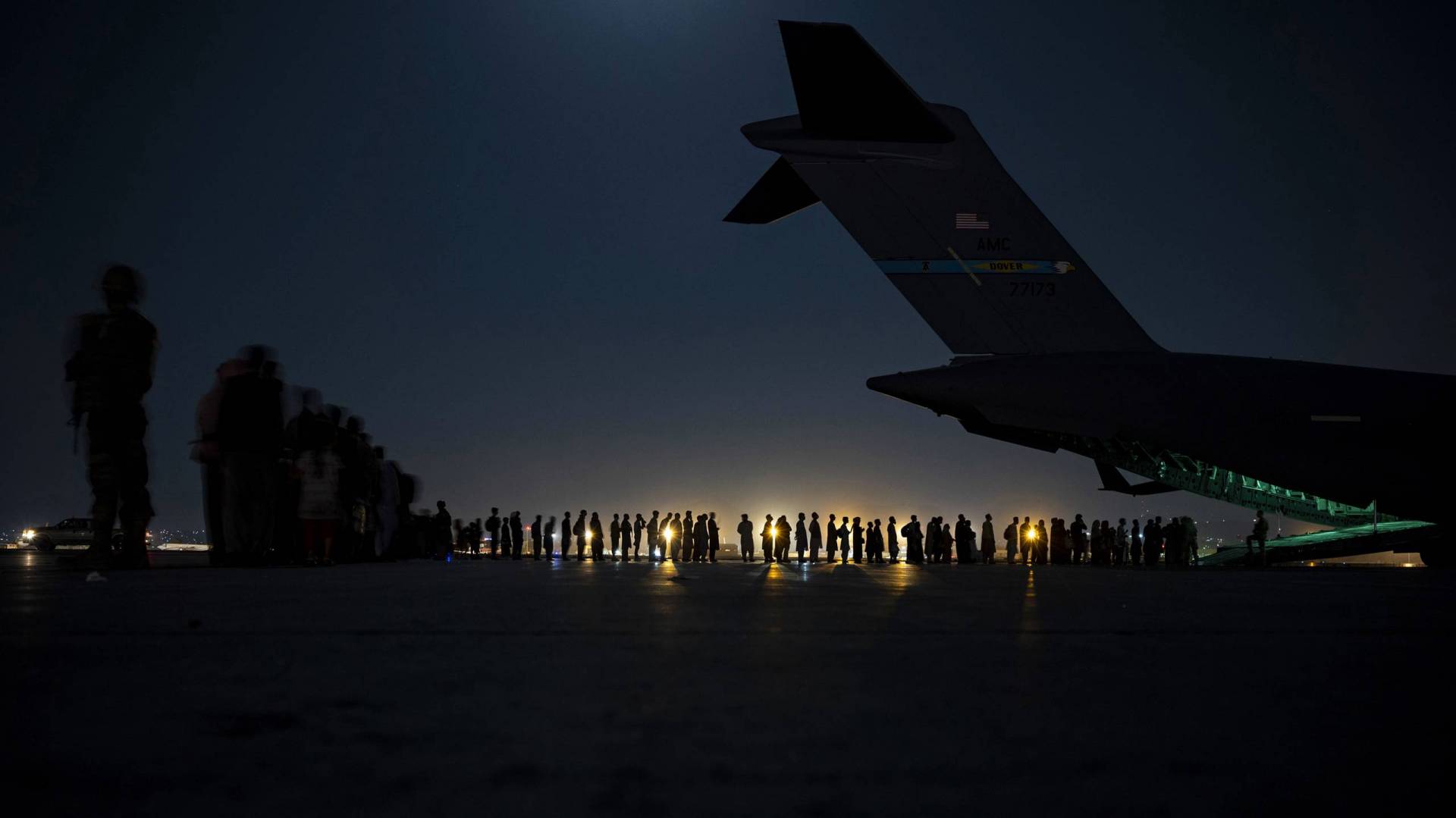
Husna’s father and mother, who witnessed the Taliban’s first time in power 20 years earlier, knew what the fundamentalist group’s takeover meant for the education of their children. They recognized this was their chance to leave and still give their children opportunities.
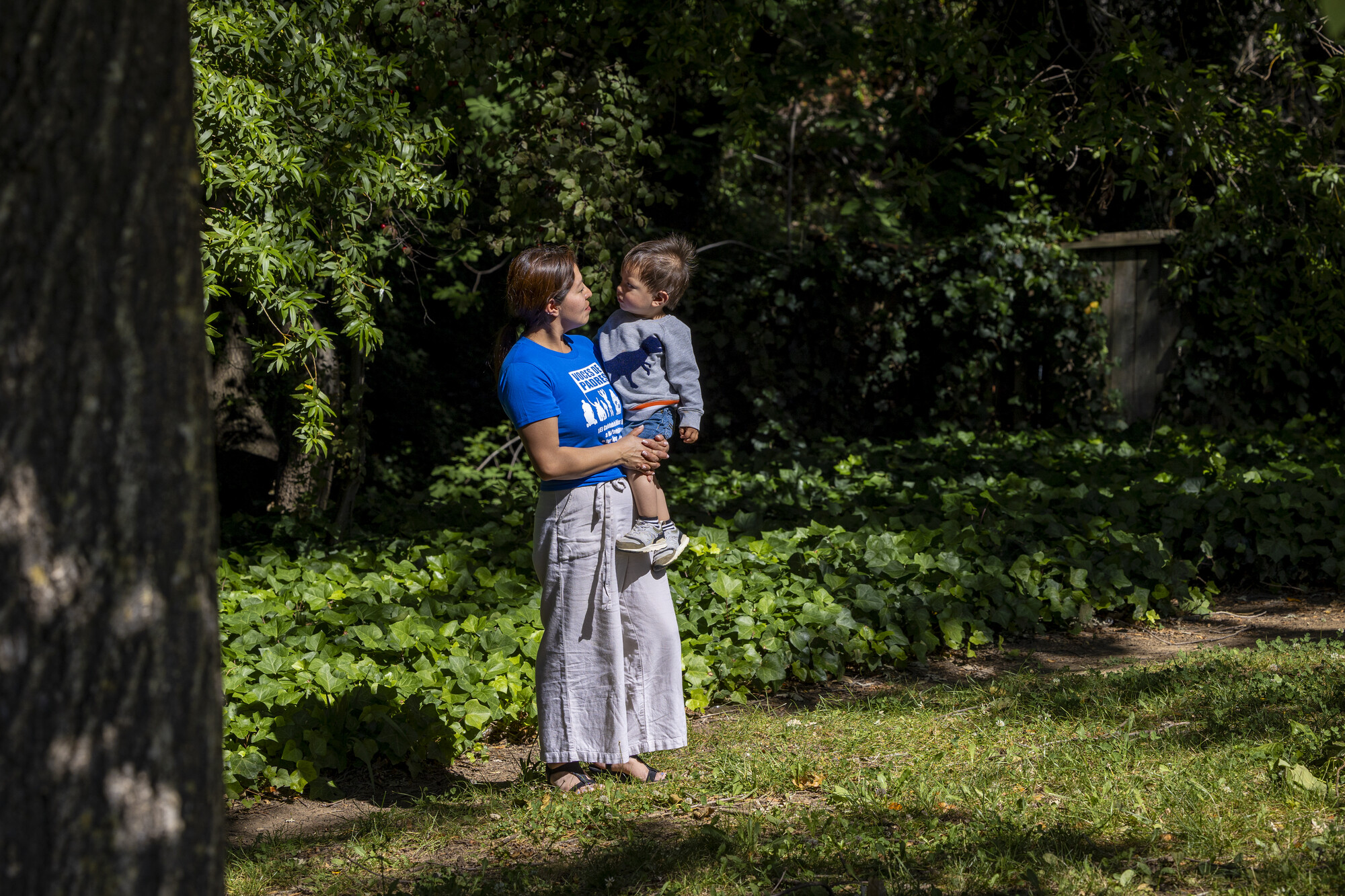
“It was a time when we didn’t know what to expect. No clue how long it would take, no clue if this would be the last goodbye,” Husna said in an in-person interview on Stanford University’s campus.
KQED is omitting both Mursal’s and Husna’s surnames because the women fear that speaking publicly could have dangerous repercussions for them and their family members in Afghanistan.
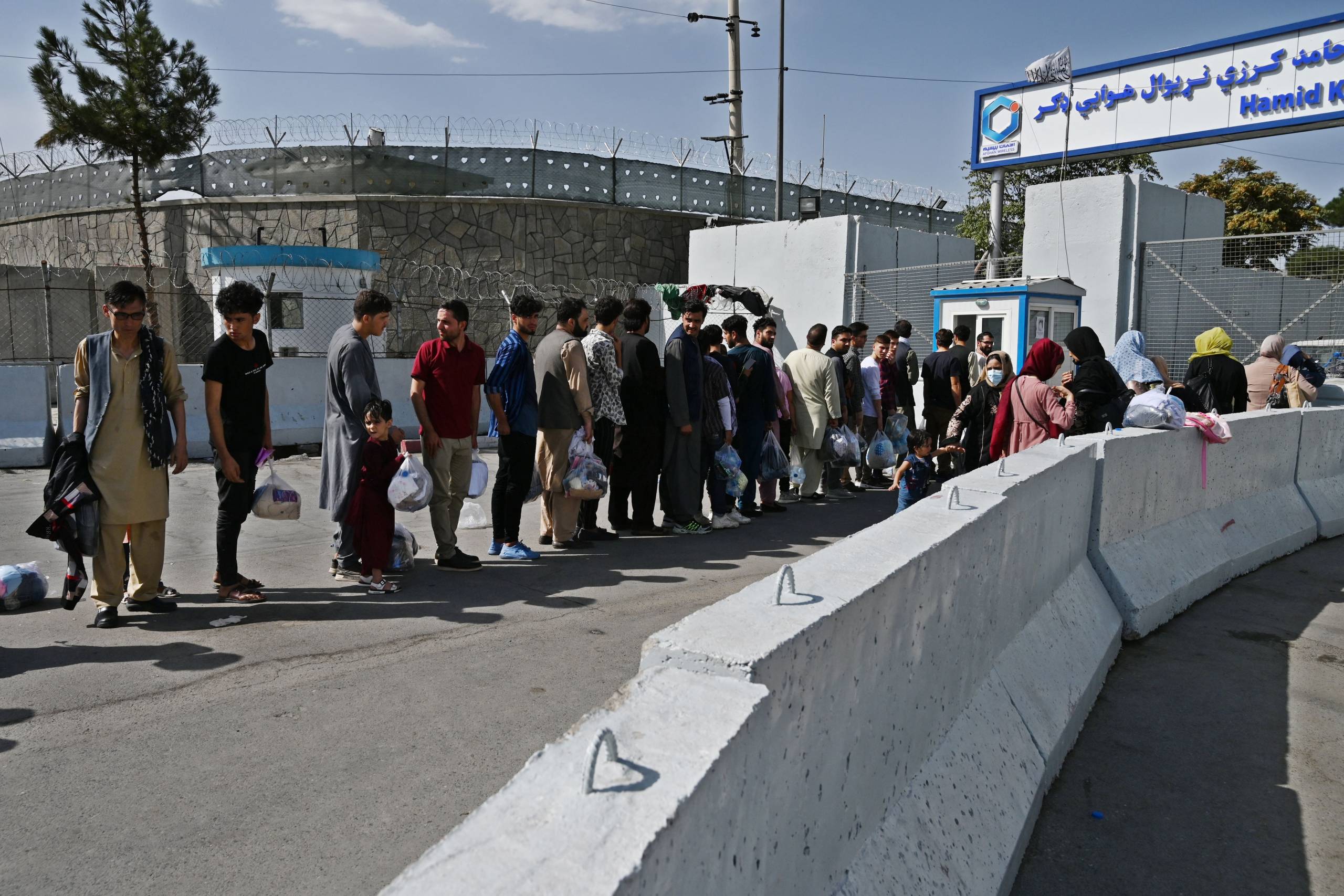
Husna flew out of Hamid Karzai International Airport just one day before a devastating terror attack killed 13 U.S. Marines and 169 Afghans, and seven days before the last U.S. evacuation from Afghanistan. Husna and her immediate family members were some of the 124,000 people the U.S. airlifted out of Afghanistan.
Husna traveled from Kabul to Qatar to Frankfurt to Washington, D.C.
Then, she spent 44 days in a Texas refugee camp where her family underwent medical checkups and arrival interviews. Finally, they resettled in San Diego in October.
Meanwhile, Mursal was spending her days mostly sequestered in her family’s home as the daily realities of the Taliban’s takeover set in.
The ramifications of that day five years ago set the girls on two distinct paths. As Mursal enters her senior year at the American University of Afghanistan online, Husna is a pre-med student at Stanford entering her final year of undergraduate studies.
Nearly five years after the Taliban takeover, Mursal’s life has fundamentally transformed, just as it did for the 25 million women across Afghanistan.
In August 2024, the Taliban issued the Law on the Promotion of Virtue and the Prevention of Vice, all-encompassing legislation codifying Afghan life, including criminalizing women’s voices in public and implementing a stricter mahram requirement that women be accompanied by either their spouse or a male relative outside their homes. These terms are enforced by “vice and virtue authorities.”
These laws now shape Mursal’s daily life. Her family doesn’t permit her to leave the house alone due to concerns about her safety. And while life in Kabul was always full of risk, with an ongoing battle for control between the U.S. and the Taliban, Mursal’s enthusiasm for life was still noticeably higher before the Taliban took over.
“Even before this government in Afghanistan, there were a lot of explosions. Your life would be dangerous. Whenever we would go out, we were prepared to face death every day,” Mursal said in an interview from Kabul via Zoom. “Everyone was so happy, [because] despite everything, we wanted to live good lives.”
The prospect of an unrestricted good life, however, declined for women after the Taliban takeover, which banned girls from attending school past sixth grade. Mursal takes an active risk by enrolling in university, but said that the Taliban does not monitor Internet usage, which allows her and other women to continue their schooling. Instead, the Taliban has resorted to multiple Internet shutdowns when concerned about morality.
In the immediate aftermath of Aug. 15, Mursal was left reeling as acquaintances and freedoms disappeared.
“When these people, when they leave you, it leaves a huge mark on you,” she said. “It is hard to let go of everything at once — the future, education, plans, relatives. Everything was gone in the blink of an eye.”
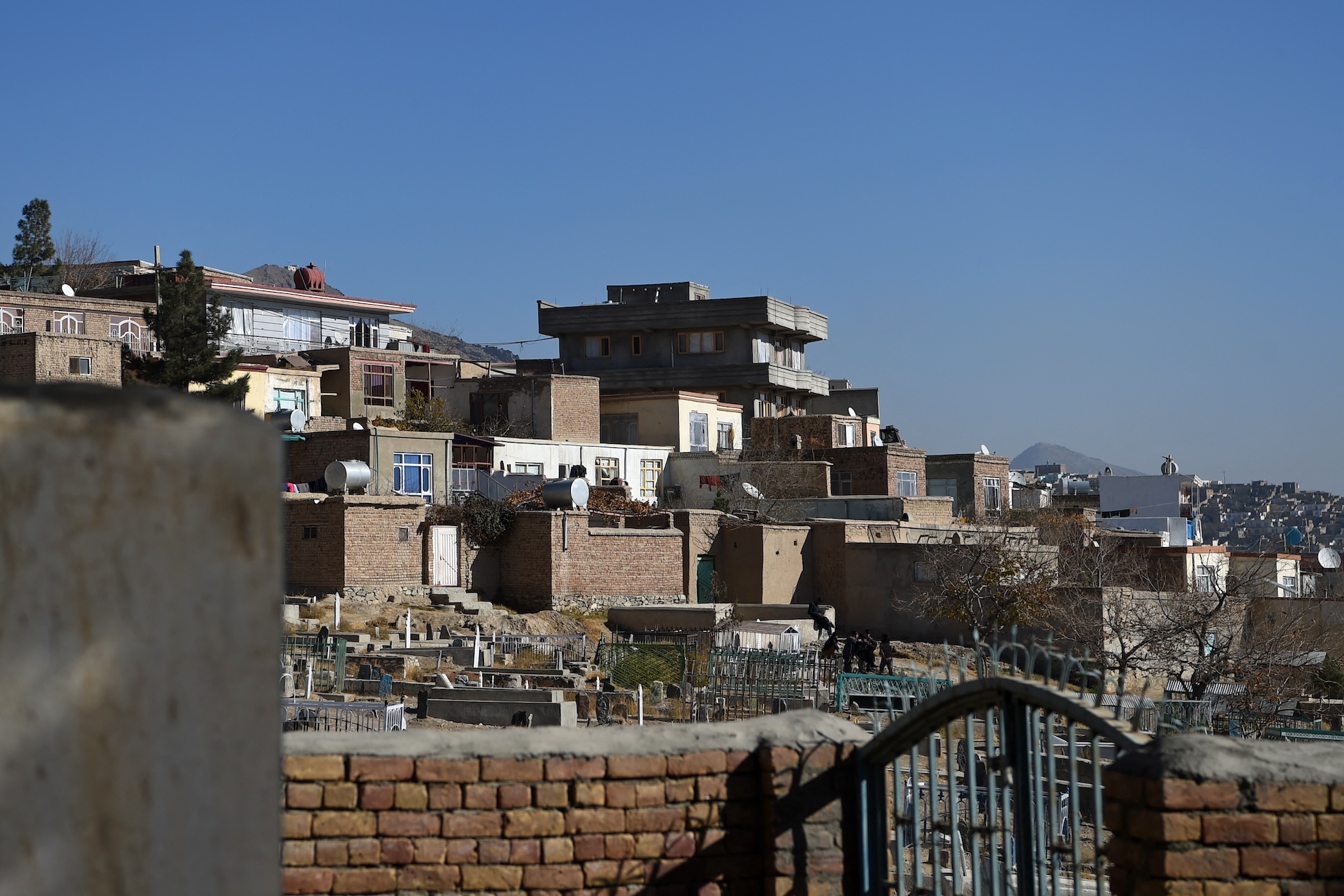
The U.S. withdrew its troops from Afghanistan by the end of August 2021. The year following the U.S. withdrawal was dark for Mursal. She consistently monitored new, more draconian Taliban rulings on the news, all while being unable to leave her home. She took a yearlong leave of absence from school, adjusting to her new, mostly indoor life.
She didn’t allow herself to remain depressed for long, though.
“After that, I said, this is life. I need to continue,” she said.
Each morning, she wakes and prays the post-dawn Islamic Fajr prayer. Since women are banned from gyms now, Mursal works out using Internet videos. Next, she has breakfast with her family, and then moves on to language study. Since 2021, Mursal has become fluent in Arabic and is now learning Chinese.
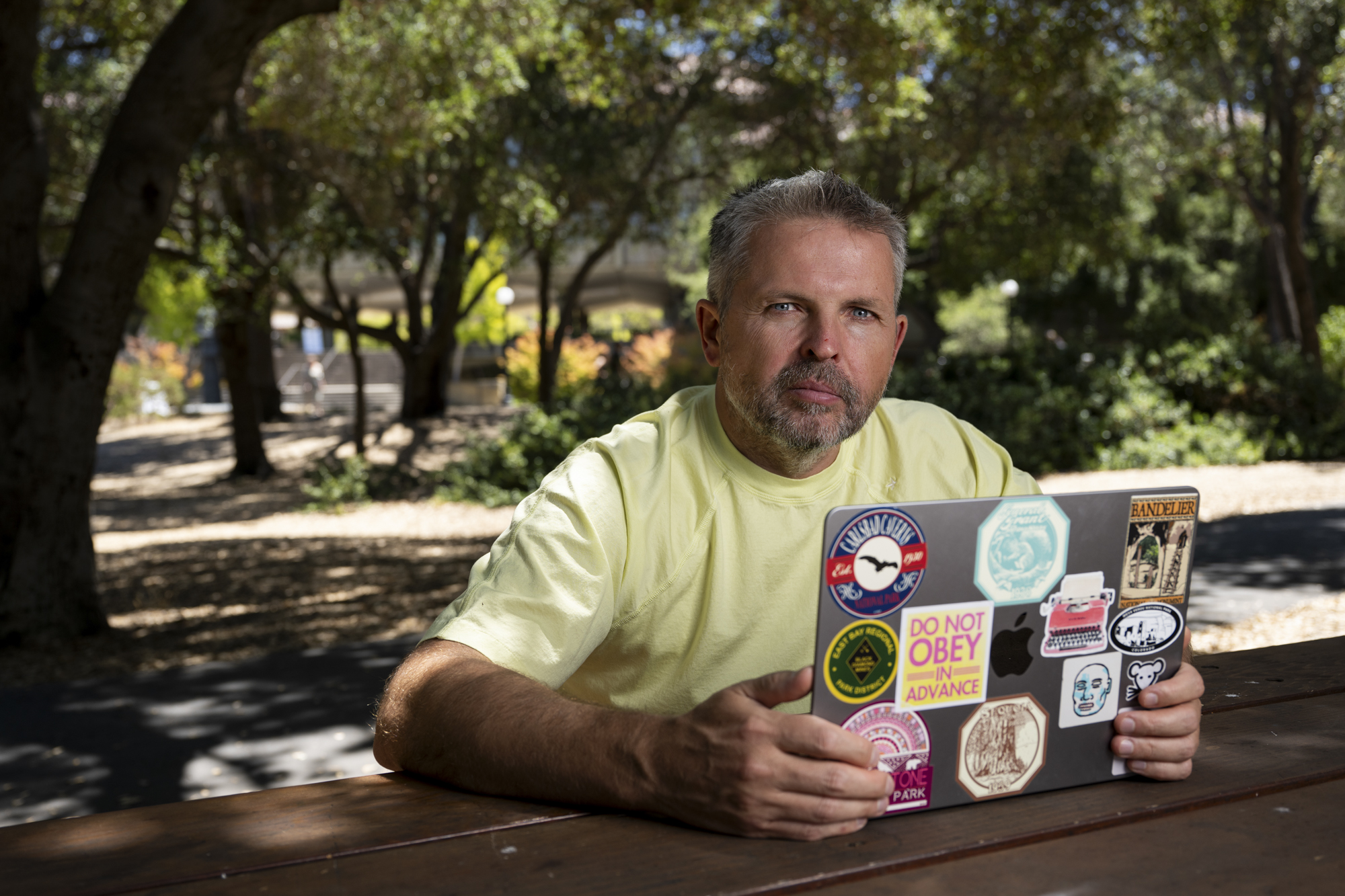
In the afternoons, Mursal reads, has lunch and attends required classes online. Next, she completes her homework assignments, and later chats with her family over chai and snacks. Then, she returns to studying and reading books.
Mursal ends the night with a family dinner where they share stories of their days. That is where Mursal hears most about the outside world. At times, Mursal finds the transition from her previous life tough to endure.
“At one point, I thought I could not continue because it is online and you can’t leave your room. It becomes unbearable,” she said. “I spend the entire day trapped in four walls, doing assignments and everything. So it was hard. You have to build this resilience.”
For Husna, integrating into the U.S. put a heavy burden on her as the English-speaker of her family.
“I was basically the spokesperson, translator and interpreter of my family,” Husna, who learned English in high school, said.
While settling her family in San Diego, Husna became a star student at her community college. Winning a prestigious scholarship to transfer, Husna entered Stanford’s class of 2027 with the hopes of becoming a doctor, and eventually returning to Afghanistan and opening a clinic to train doctors and provide medical services for women.
Over time, Husna has lost touch with Mursal and many loved ones in Afghanistan — both she and others got busier, and their lack of reliable Internet, as well as the day-to-night time difference, made communication more difficult. Some of Husna’s last sources of information from the ground in Afghanistan were diminished.
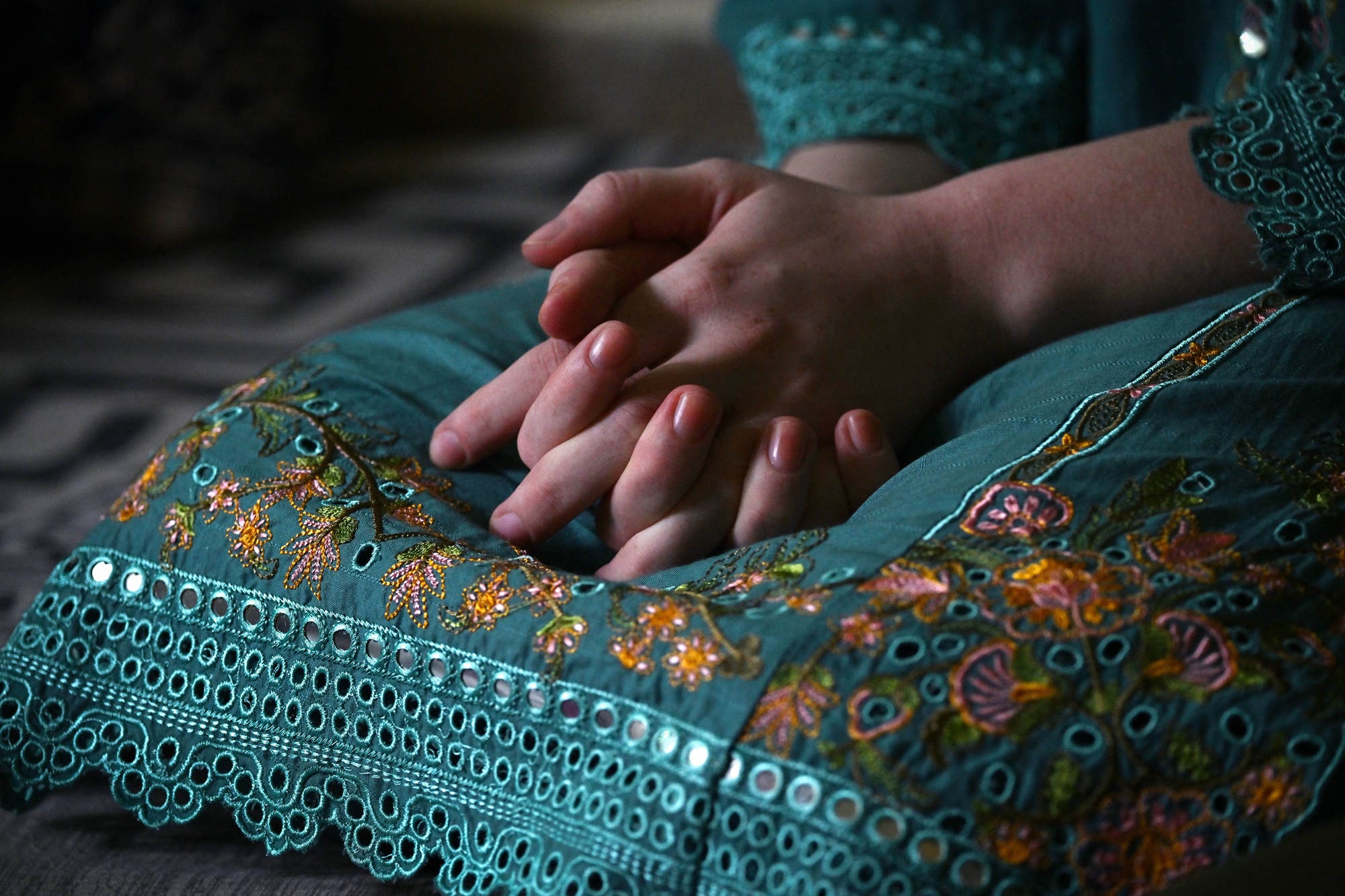
Still, Husna feels connected.
“Over time, we also realized, you don’t have to be in touch every single day to love someone,” Husna said.
While Husna will attend her graduation ceremony next year with her friends and family, Mursal will attend hers online and indoors, with a small family celebration to follow.
After graduating with a bachelor’s degree in business administration in June, Mursal’s job prospects are likely to be slim. Still, she plans to start and run a business, entrusting her father to be its face on the streets of Kabul, while she remains the organizer behind the scenes. She is now sorting out the type of business to operate.
“Despite the difficult situation, there are ways to live a good life — despite being a woman, an Afghan woman.”
Amina Wase is a master’s candidate in the graduate journalism program at Stanford University.