Why Meta’s Landmark Settlement Could Be Social Media’s ‘Big Tobacco Moment’
Meta’s landmark child safety settlement with 47 states, the District of Columbia and U.S. territories on Wednesday could set a new industry standard for teen tech protections, potentially reshaping how young people interact with social media.
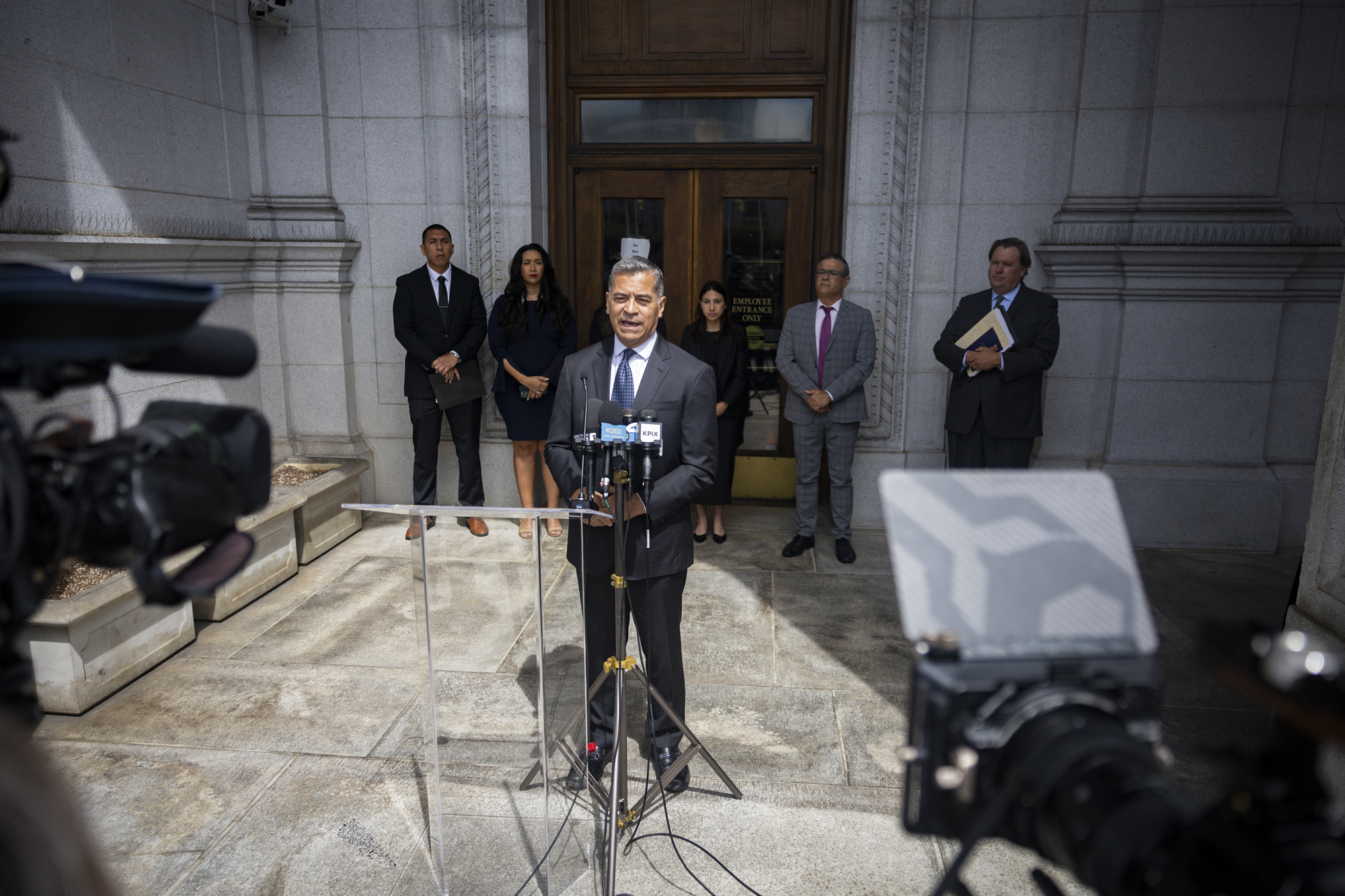
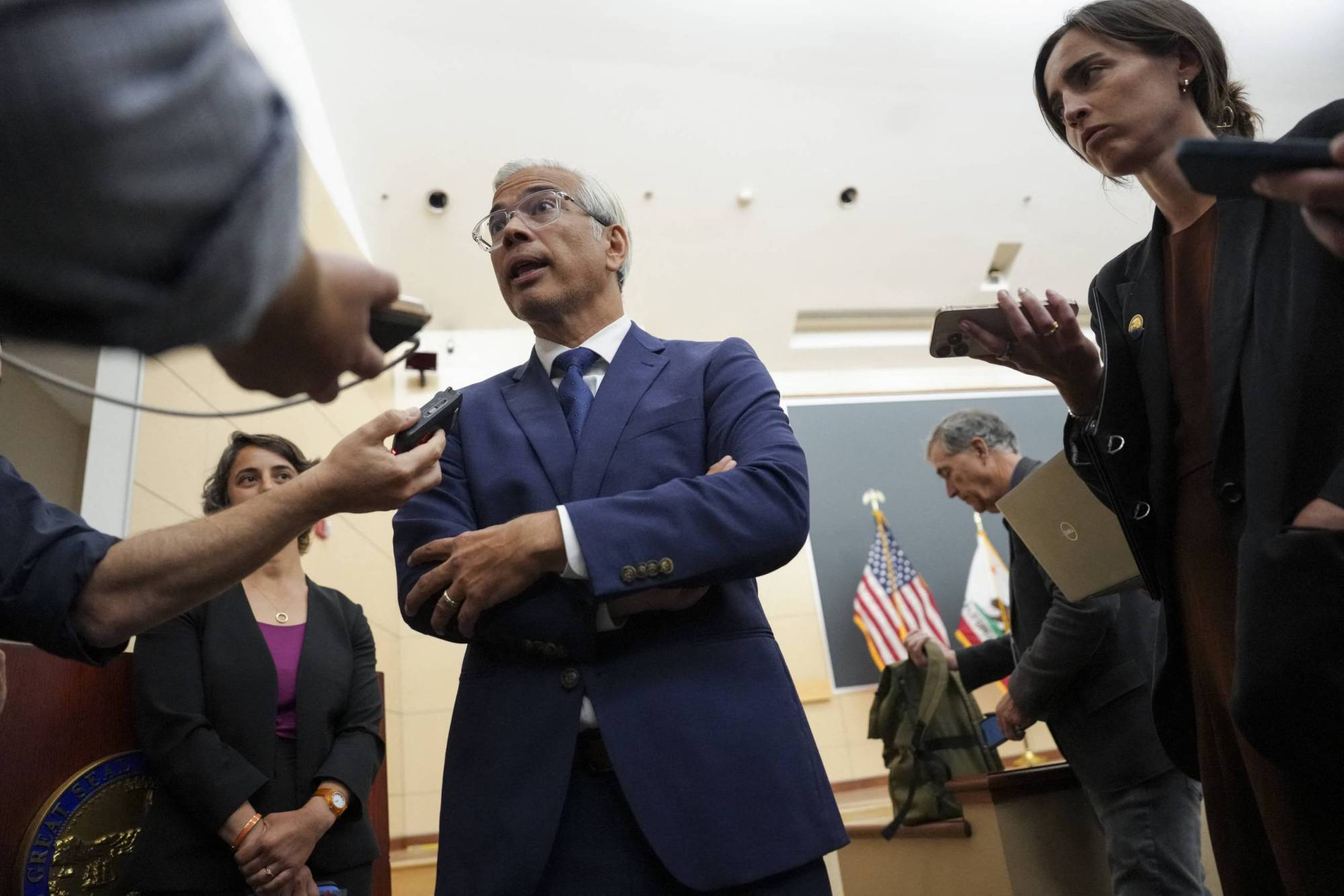
California Attorney General Rob Bonta warned other tech titans, including TikTok, Snap and YouTube, that the settlement creates what he called an “enforceable blueprint” for states.
“We expect that other members of the industry … will adhere to essentially a similar set of remedies and protections for kids,” Bonta said during a press conference on Wednesday morning. “Whether we do that through litigation, through conversation and resolution, is really up to the other members of the industry.”
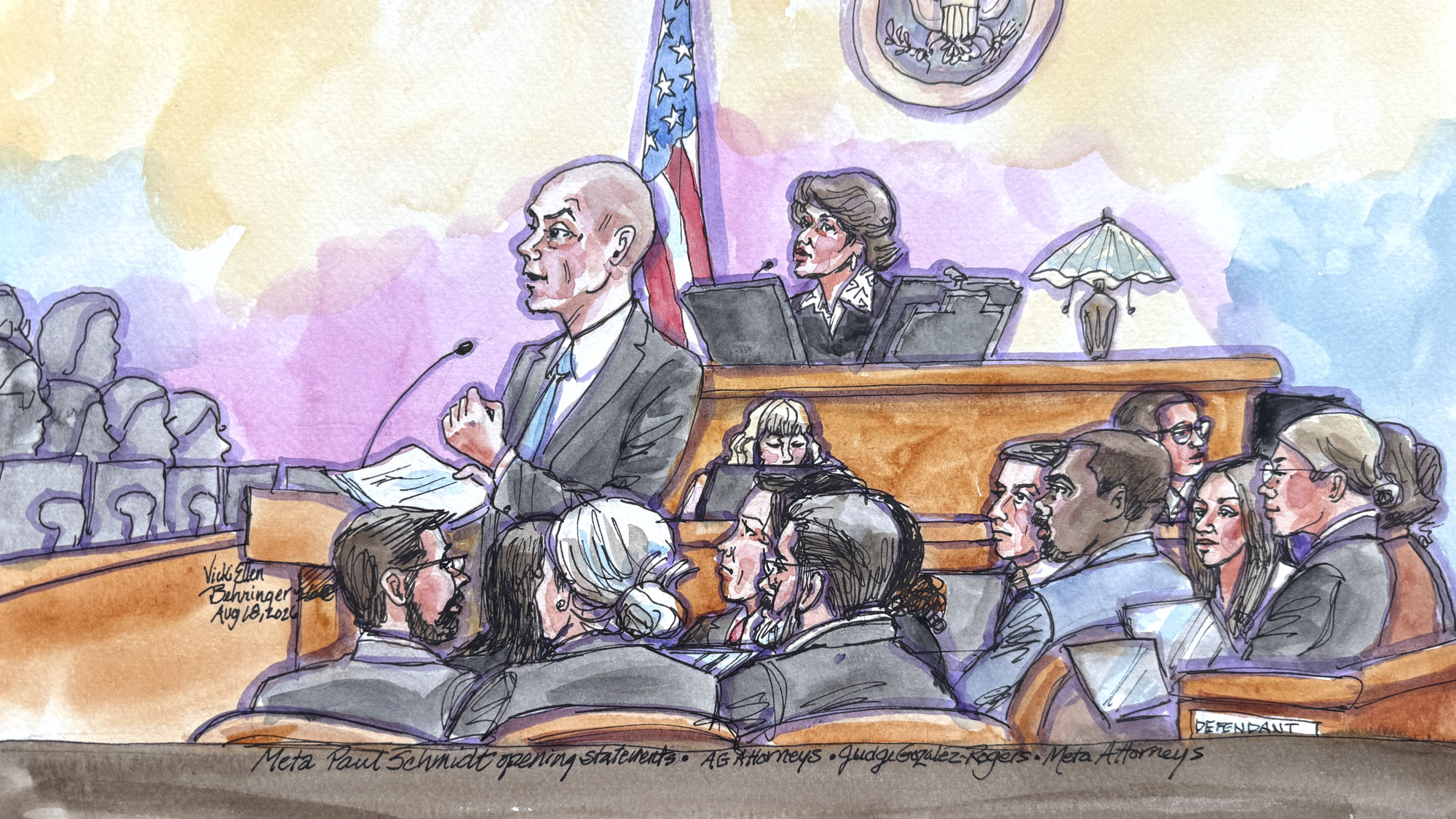
The settlement agreement between Meta and the bipartisan coalition of states and territories was approved by federal district Judge Yvonne Gonzalez Rogers on Wednesday, halting the ongoing child safety trial led by California, Colorado, Kentucky and New Jersey. The states, on behalf of a larger coalition of 29, have accused the company of knowingly designing its products in ways that could harm children.
The settlement requires Meta to make significant changes to its Instagram and Facebook platforms and pay more than $17 billion in financial penalties to states over the next decade. It resolves a number of other pending state lawsuits against Meta, but thousands of other cases filed by individuals and school districts will continue.
“We have secured the changes we were after,” Bonta said of the settlement. “I don’t think we compromised on anything here.”
Over the next six months, Meta will be required to institute a default daily time limit of two hours for users under 18, a nighttime block between midnight and 6 a.m. and a notification block overnight and during school hours. Those default settings can only be changed by a parent, and some would be expanded if other social media companies commit to similar terms.
Their apps will also ban displaying the number of likes or reactions that users under 18 get on their posts, and ban image filters that imitate cosmetic procedures for those users.
Meta also committed to creating enhanced parent supervision tools, instituting more robust measures to detect users’ ages and bringing on an independent auditor “with expansive access to information and resources, regular reporting and the right to communicate concerns to the attorneys general.”
“This is a really strong down payment on protecting our kids,” Bonta said. “It is transformative. It is a watershed moment.”
Marin resident Victoria Hinks, whose daughter Alexandra, nicknamed Owl, died by suicide at 16 after she said she was exposed to harmful content on social media, supported the settlement.
Outside the courthouse on Wednesday morning, she said that while the final dollar amount Meta will have to pay states doesn’t come close to the $1.4 trillion they initially sought, the $17.1 billion figure “is meaningful.”
“It’s not about the money — no amount of money is ever going to bring my daughter back,” she said. “But unfortunately, it’s the only language they understand, and it needs to hurt a little bit for them to make changes so that it doesn’t happen again.”
California expects to receive upward of $2 billion in total, which Bonta said would be used for efforts addressing social media-related mental health issues, addictive tendencies and learning loss.
In a statement, Meta’s chief legal officer C.J. Mahoney said the settlement would create a “new set of rules governing teens’ use of social media” — if other social media companies follow suit.
“Because teens move fluidly across dozens of apps, we need an industry-wide solution,” Mahoney said. “We therefore call on our industry peers, TikTok and YouTube, to implement this new framework, right away.”
Google, which operates YouTube, Snap and TikTok, did not immediately respond to requests for comment about whether they plan to consider making similar changes.
California and 14 attorneys general have a pending lawsuit against TikTok over child safety dangers, and Bonta said his office is “very concerned” about YouTube. Pennsylvania’s attorney general on Tuesday announced a similar lawsuit against Snap, which operates Snapchat.
“We have a lawsuit against TikTok. We’re gonna be putting more time and attention and focus on that,” Bonta said. “With the momentum that we’ve built, the success that we have secured here, we will be focusing on the rest of the industry.”
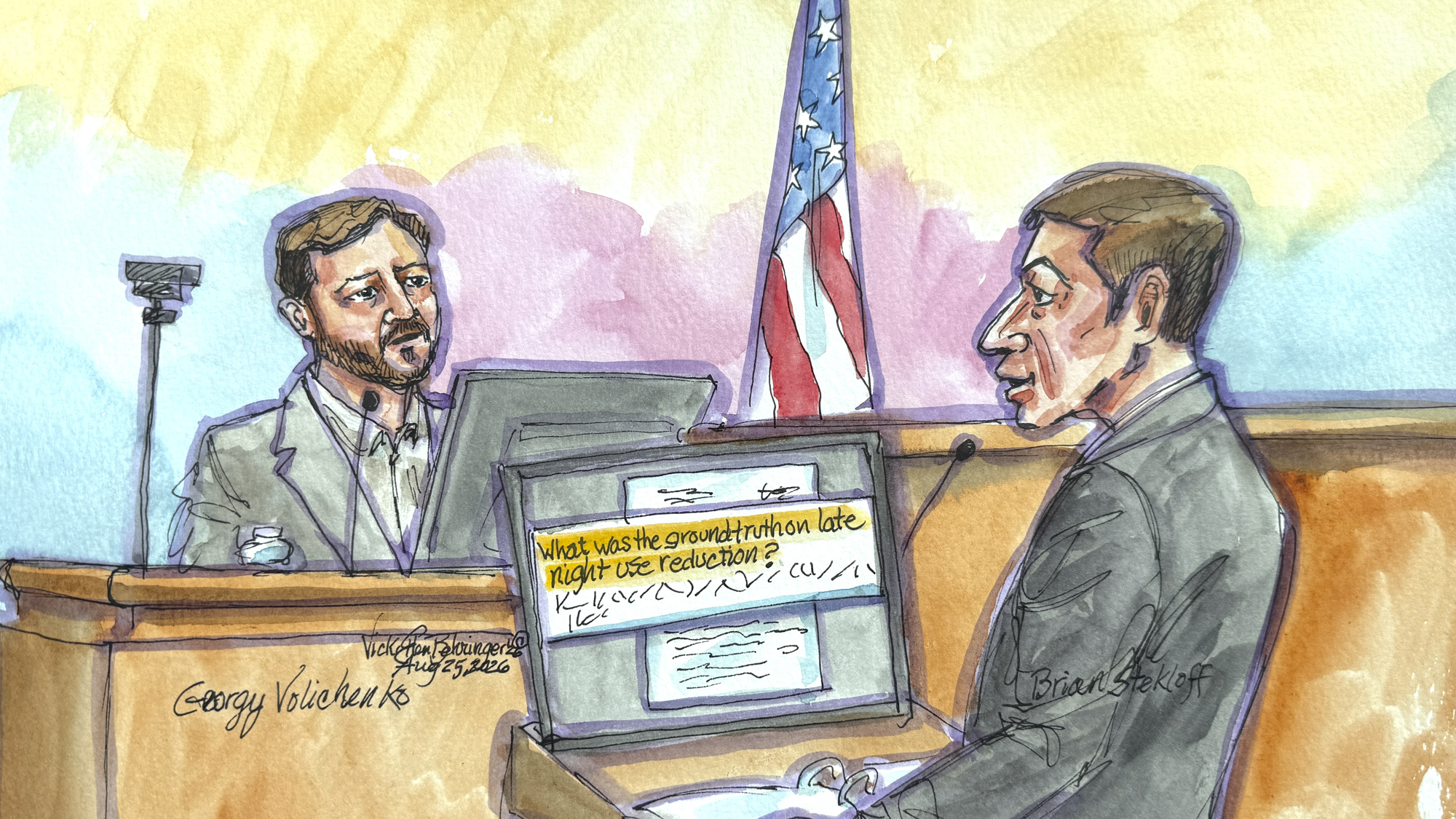
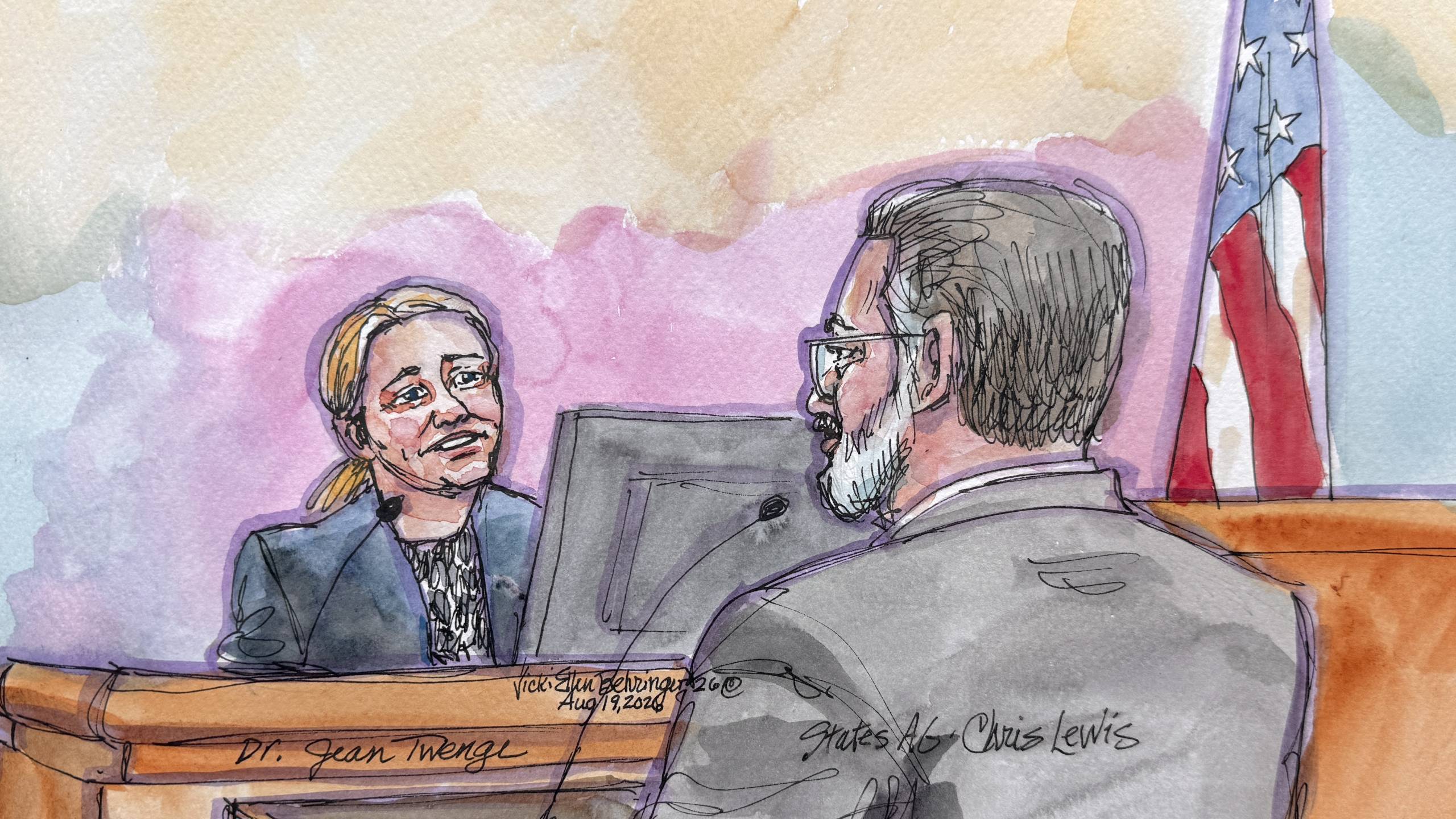
Wednesday’s deal followed days of what Bonta called “devastating” testimony for Meta from former employees, social media and mental health experts and, on Tuesday, Instagram chief Adam Mosseri.
On the stand, state lawyers showed Mosseri internal emails and documents that suggested Meta knowingly left information out of presentations and documents shared with him and other top executives at the request of company attorneys, who worried about exposing them to “litigation risk.”

Mosseri defended the company’s decision to reduce the number of employees with access to internal research after the Wall Street Journal’s “Facebook Files” exposed a bevy of Meta documents showing the platform had flaws that caused harm, but state attorneys questioned why lawyers, not product designers or researchers, would have had final say over what information was deemed important to bring to executives.
“It’s telling that Meta settled midway through Instagram president Adam Mosseri’s testimony, and before CEO Mark Zuckerberg could take the stand,” Bonta said.
Jim Steyer, the founder of San Francisco-based research and advocacy nonprofit Common Sense Media, called the settlement “social media’s ‘Big Tobacco moment.’”
Still, he said, the work of state justice departments and advocates moving forward will be to “stay vigilant” about enforcement.
“These are major step forwards,” he said. “My guess is you will see additional legislation and potentially legal action to add further restrictions to the behavior of platforms like Facebook and Instagram, which have been the biggest offenders.
“But this is an ongoing battle,” he said.