Menlo Park Joins Growing List of Bay Area Cities Reining in Flock Cameras
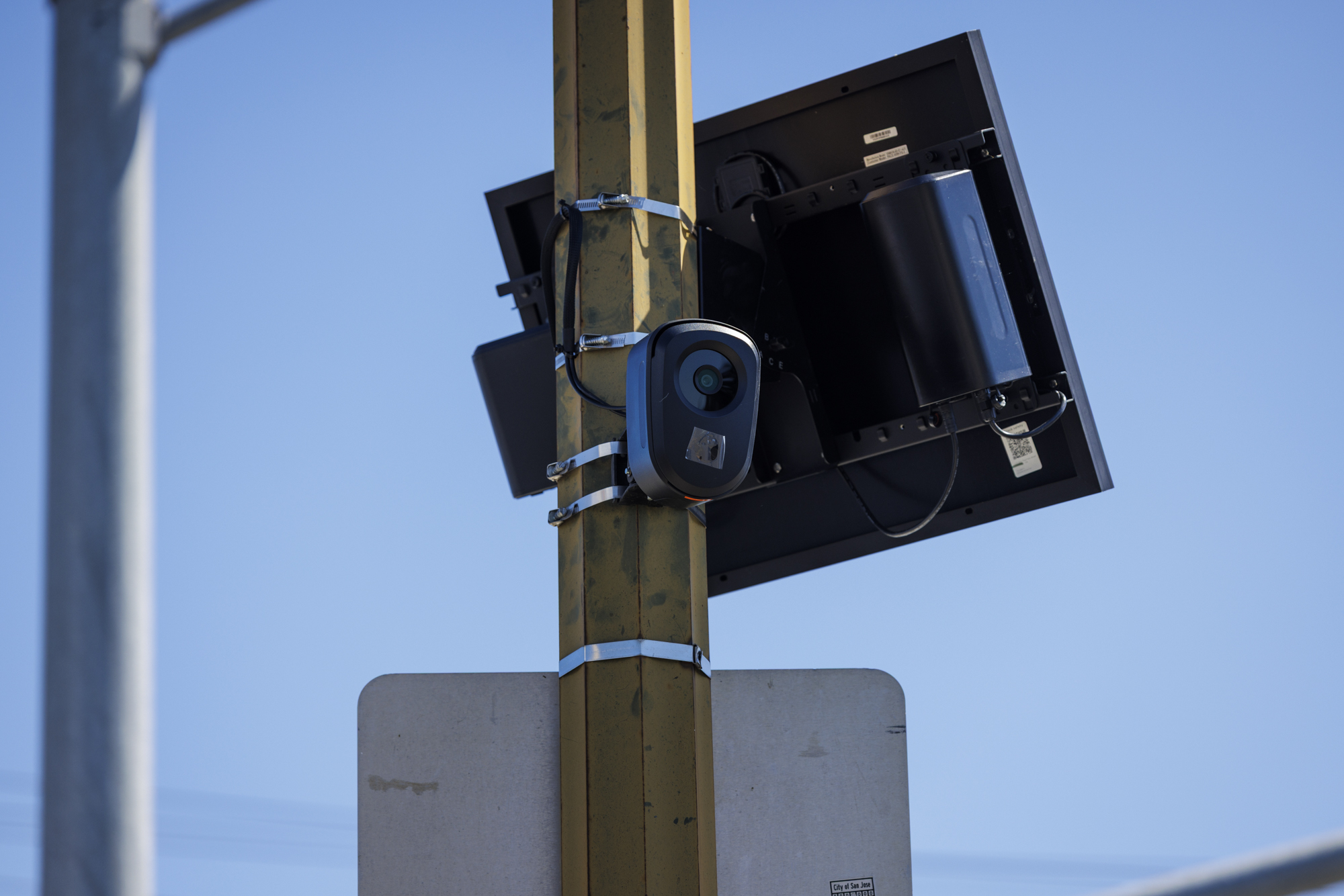
Menlo Park Police is tightening its license plate reader data-sharing policies after finding that an outside organization misused its data for the second time since 2025.
The department announced that it would nullify all existing data-sharing agreements after a June audit — which found that a regional anti-crime organization coordinating between law enforcement agencies conducted hundreds of improper searches.
Since 2024, Menlo Park Police has contracted with surveillance technology company Flock Safety to operate 35 of its Automatic License Plate Reader cameras, crediting the technology for helping identify missing people, stolen and wanted vehicles and gathering active warrant and investigation information.
Flock’s technology has been widely integrated by law enforcement agencies across the country in recent years, credited with “revolutionizing” their methods for solving crimes, but several law enforcement agencies in the Bay Area and beyond have ended contracts with Flock Safety following repeated reports that out-of-state agencies have illegally accessed its customer agencies’ data.
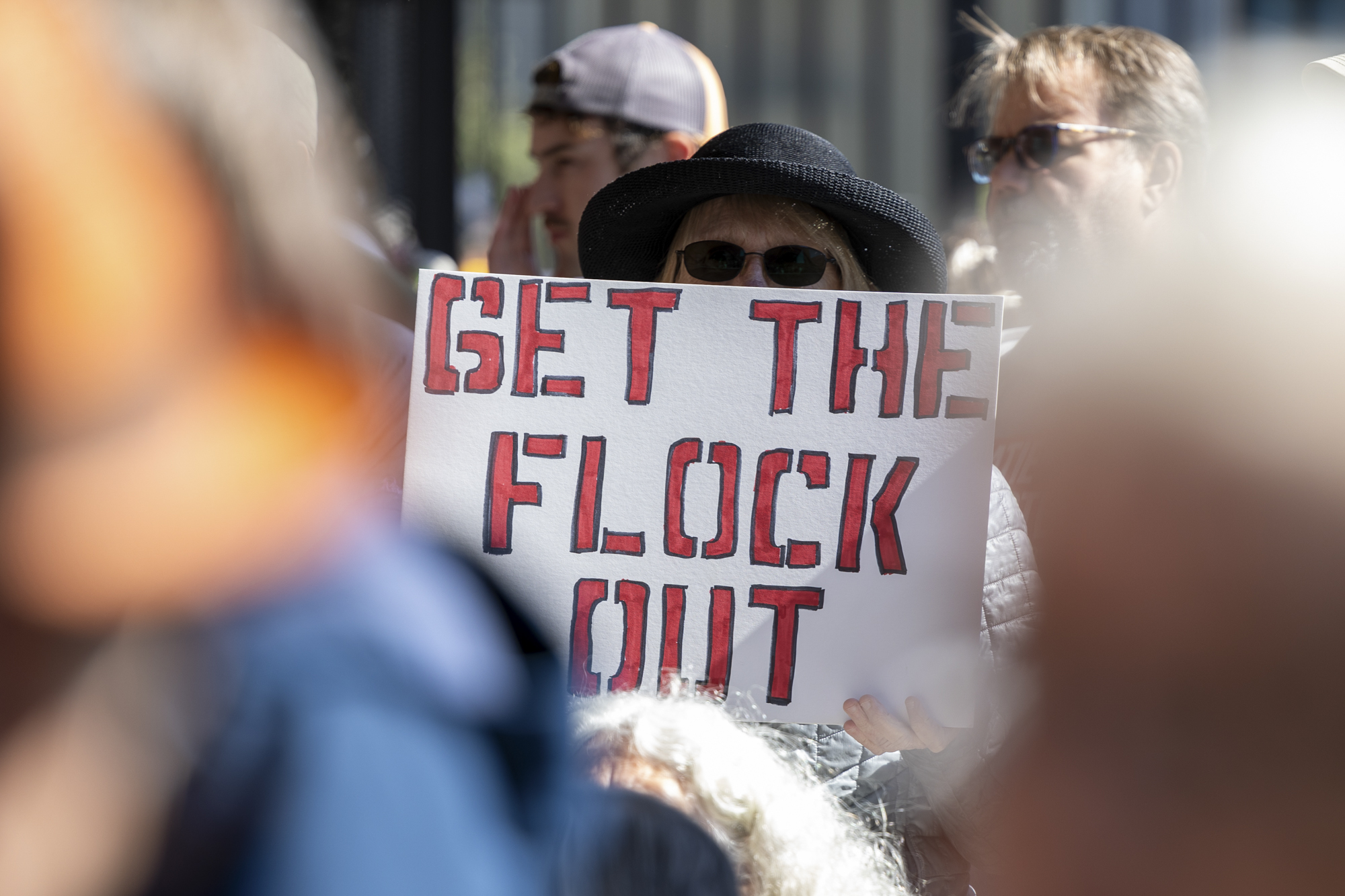
Flock advertises that its data-sharing offerings allow customers to share camera data with other contracted agencies on either a national, state or one-to-one sharing level. In part, the tool is intended to increase coordination between neighboring departments, such as being able to track a suspect vehicle that travels from one jurisdiction to another.
But its data-sharing practices have come under scrutiny after several data-sharing scandals, with clients accusing Flock of altering their data-sharing settings without permission and allowing out-of-state agencies, including U.S. Immigration and Customs Enforcement, to access their cameras’ information.
Many Bay Area agencies say they do not participate in the “National Lookup,” in line with California state law, which prohibits agencies from sharing license plate reader data with federal and out-of-state agencies.
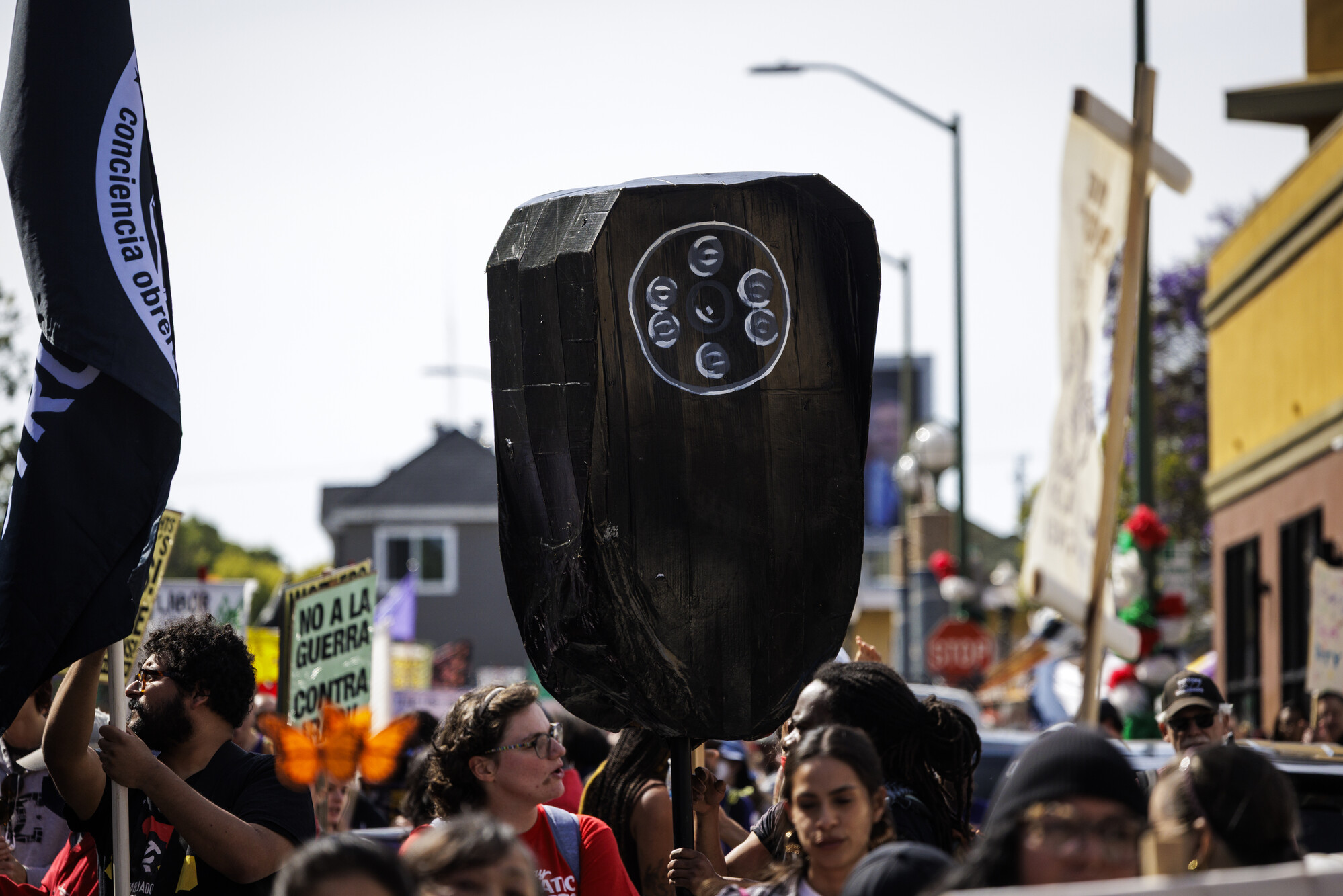
Menlo Park Police said it shares data with other agencies on a one-to-one basis. Since the June audit, it said it would nullify existing sharing agreements and require partner agencies to execute updated ones.
Menlo Park Police has also instituted regular internal and external audits of its Flock system, following an investigation by The Almanac in 2025 that found its camera data was shared with police departments in Houston and Sauk Village in Illinois.
According to Menlo Park Police’s most recent quarterly update, recent routine audits found no instances of noncompliance with its data-sharing permissions. But after the San Francisco Police Department found in June that a regional anti-crime organization had improperly accessed its cameras hundreds of times, Menlo Park Police conducted a separate investigation.
Both San Francisco and Menlo Park police departments authorized the Northern California Regional Intelligence Center, also known as NCRIC, to access their data at the time of the searches, but SFPD’s audit found that the organization gave access to analysts from a third-party group, the West States Information Network, “during night hours.”
“Although Menlo Park’s data-sharing relationship with NCRIC was authorized and consistent with Department policy and applicable law when established, the Department immediately revoked NCRIC’s access and conducted its own audit,” the quarterly report said.
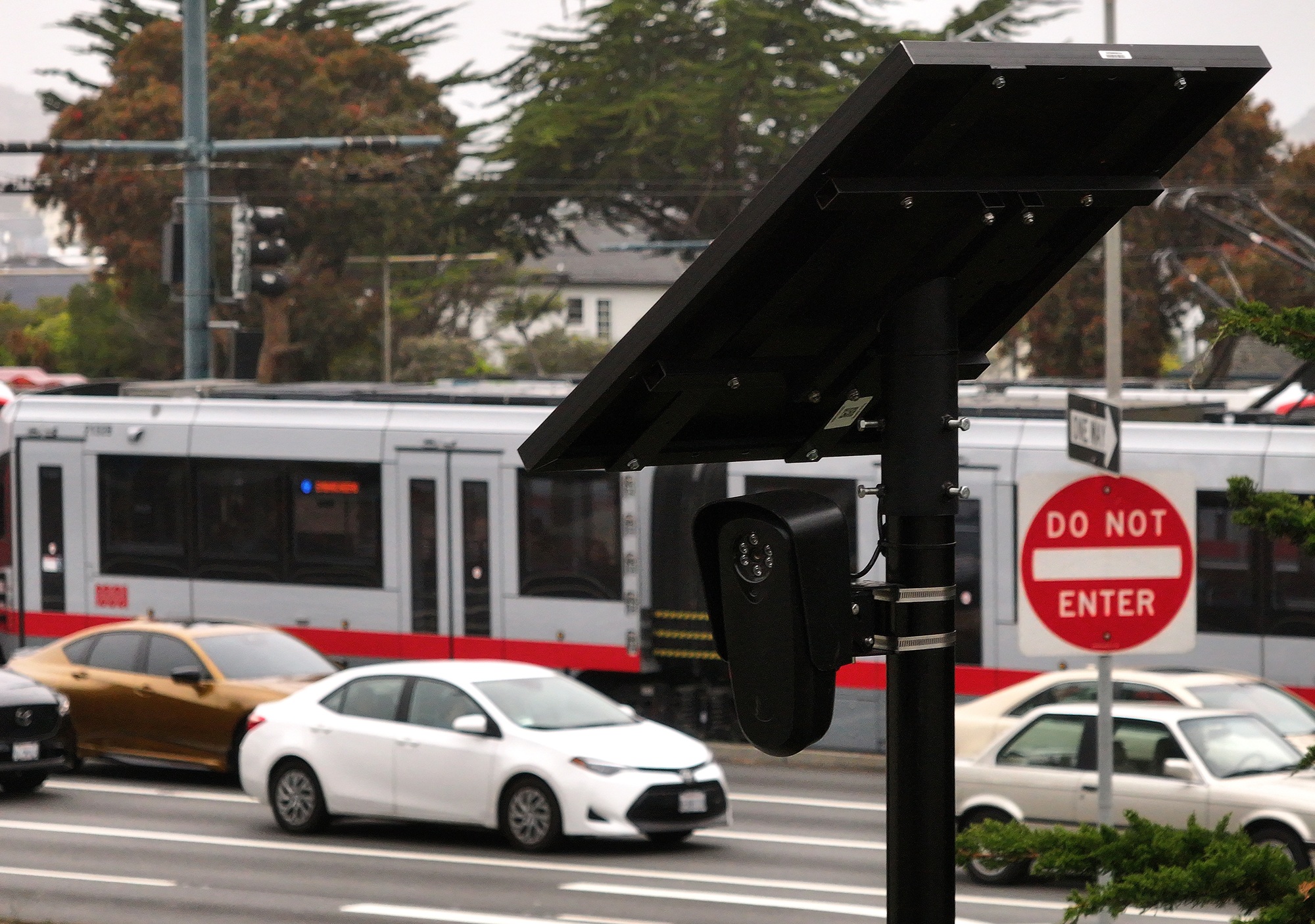
Menlo Park Police found that the agency conducted about 700 searches deemed “out of compliance” with its policy between February 2025 and June 2026.
None of the searches referenced Immigration and Customs Enforcement or immigration enforcement in their search justifications, the department said.
According to its transparency portal, Menlo Park Police currently shares ALPR data with the East Palo Alto and South San Francisco police departments, the San Diego County District Attorney’s Office and San Mateo’s Police and County Sheriff’s Office.
Earlier this month at a Police Advisory Committee meeting, the Redwood City Police Department revealed that its Flock cameras have also been improperly accessed multiple times since 2023, even before the department had signed a contract with the company.
The department said the improper searches were “all errors and inconsistencies [that] resulted from Flock Safety’s mismanagement.” According to the committee report, Flock had enabled its “National Lookup” feature without permission, allowing outside agencies, including the FBI, to conduct dozens of searches in 2023.
According to Redwood City Police Chief Kristina Bell, those searches didn’t yield any results, since they occurred before the city’s cameras were installed.
In 2024 and 2025, Redwood City Police identified additional improper searches by Flock clients who were miscategorized by the company as California law enforcement agencies. Flock also conducted its own searches of Redwood City’s data without permission, Bell told the Police Advisory Committee.
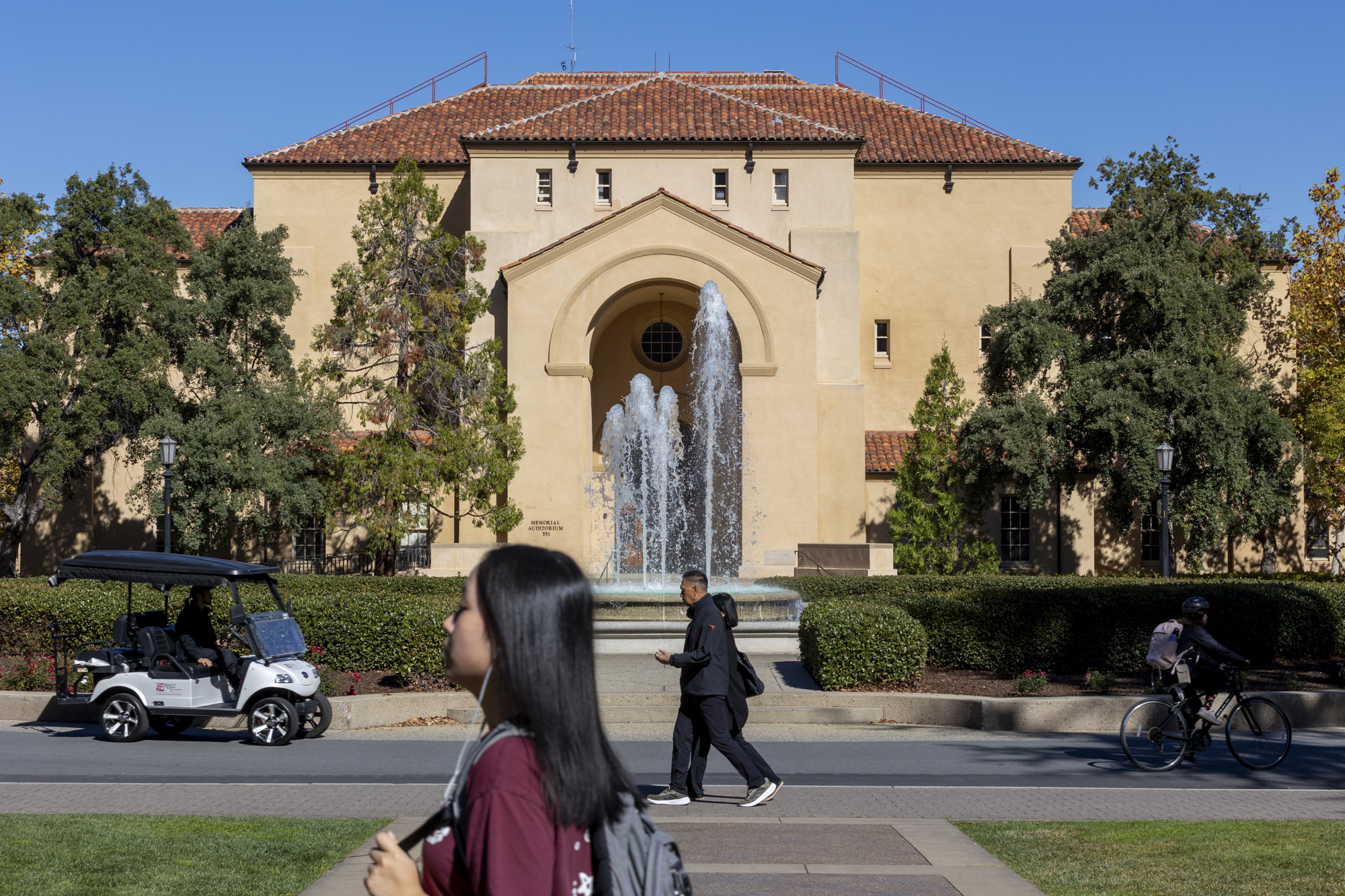
Stanford University also quietly terminated its contract with Flock Safety and will replace its ALPR cameras with ones operated by a different company.
In January, Santa Cruz became the first city in California to cancel its contract with Flock. Other jurisdictions, including Mountain View and Santa Clara County, have also distanced themselves from Flock in recent months.